Some quotations on beauty which you may find illuminating:
“Beauty changes quickly, much as the landscape constantly changes with the position of the sun.”
Auguste Rodin
“It is certainly not true that there is in the mind of many any universal standard of beauty with respect to the human body.”
Charles Darwin, “The Origin of Species by Means of Natural Selection. The Descent of Man and Selection in Relation to Sex,” in Great Books of the Western World: 49, Darwin, Encyclopedia Britannica, Chicago, 1952 quoted in Elaine Hatfield and Susan Sprecher, Mirror, Mirror: The Importance of Looks in Everyday Life, State University of New York Press, Albany, 1986, p. 4.
“Beauty is not instantly and instinctively recognisable: we must be trained from childhood to make those discriminations. Nor can we assume an objective and quantifiable standard of beauty against which everyone could be judged with equal fairness …”
“Beauty becomes, like money, externalised, a possession, one that, like money, can be lost. But it is different from money, for it must be lost, sooner of later.”
Robin Lakoff and Raquel Scherr, Face Value: The Politics of Beauty, Routledge and Kegan Paul, Boston, 1984, p. 30, p. 34.
“‘Photogeneity’ is the camera’s contribution to the language of beauty. Suddenly, beauty begins to be judged in new terms… Photographic reproduction helped to make beauty big business… The success of photographically reproduced beauty depended primarily on its popular consumption. Beauty became a collective experience. And consumerism and the camera became bedfellows.
Magazines and movies felt the immediate benefits of photographic reproduction. Audiences were captivated by what they saw… Suddenly, places, objects, people, situations that had once seemed inaccessible became familiar. But at the core remained a paradox which would with time become troublesome. Photographic reproduction seemed to make things familiar, yet they remained remote. It promised intimacy, yet kept the images themselves untouchable, impersonal. In short, it offered the impossible under the guise of the possible. And so it was with beauty which, now turned professional found these media as its new arena, the place where it could best advertise itself.”
Robin Lakoff and Raquel Scherr, Face Value: The Politics of Beauty, Routledge and Kegan Paul, Boston, 1984, pp. 74-75.
“It is not so much that we have to develop a ‘new style’ of beauty … We have to transcend, in the first place, dependence on ‘style’: for as long as we worry about the current fashion in beauty, not only must we worry about ourselves as individuals and how well we fare, individual to individual; but we also become dependent upon the whims of tastemakers beyond our acquaintance, forces we cannot see or touch, and that help to create our confusion…”
Robin Lakoff and Raquel Scherr, Face Value: The Politics of Beauty, Routledge and Kegan Paul, Boston, 1984, p. 283.
“Ideal beauty is ideal because it does not exist; the action lies in the gap between desire and gratification… The beauty myth moves for men as a mirage; its power lies in its ever-receding nature. When the gap is closed, the lover embraces his own disillusion. The myth actually undermines sexual attraction. Attraction is a dialogue… that depends on the unique qualities, memories, patterns of desire, of the two people involved; “beauty” is generic. Attraction is about a sexual fit: two people imagining how they will work together.
“Beauty” is only a visual, more real on film or in stone than in three living dimensions. The visual is the sense monopolised by the advertisers, who can manipulate it much better than mere human beings. But with other senses, advertising is at a disadvantage: Humans can smell, taste, touch, and sound far better than in an advertisement. So humans, in order to become dependable, sexually insecure consumers, had to be trained away from these other, more sensual senses. One needs distance, even in the bedroom, to get a really good look … “Beauty” leaves out smell, physical response, sounds, rhythm, chemistry, texture, fit, in favour of a portrait on the pillow.
The shape and weight and texture and feel of bodies is crucial to pleasure but the appealing body will not be identical… The world of attraction grows blander and colder as everyone, first women and soon men, begin to look alike. People loose one another as more masks are assumed.”
Wolf, Naomi. The Beauty Myth. London: Vintage, 1991, pp. 176-177.
Dr Marcus Bunyan
Many thankx to PhotoVogue Festival for allowing me to publish the photographs in the posting. Please click on the photographs for a larger version of the image.
The PhotoVogue Festival, the first conscious fashion photography festival that focuses on the common ground between ethics and aesthetics, returns for its eighth edition. From November 16 to 19, 2023, BASE Milano will host a series of exhibitions and a three-day symposium examining the profound impact of artificial intelligence (A.I.) on human existence and the creation of images, complemented by satellite events at the city’s finest galleries. Embracing the digital era, the festival also offers online portfolio reviews and panel discussions on the PhotoVogue platform and it will give the opportunity to students from CondéFuture – a program led by Condé Nast community talent that targets high school students from underrepresented communities – to showcase some of their photography and video pieces. Last year’s edition was a great success: about 10 thousand people visited the exhibitions and attended the talks.
At the core of the new edition will be a three-day symposium, featuring a distinguished lineup of experts and thought leaders at the forefront of the A.I. revolution. This symposium aims to comprehensively address all aspects of AI around the creation of images, delving into the legal implications, copyright issues, biases, and the potential threat to the documentary value of photography. Moreover, discussions will extend to exploring how governments should act, gaining insights from big tech’s perspectives, and examining practices in place to mitigate potential threats.
Beyond the technicalities, the symposium will also embark on profound philosophical inquiries about what makes us human. It will explore the marvels of creativity that arise when art is liberated from the constraints of the real. This intellectually enriching journey promises to unveil the complexities and possibilities that AI presents to the world of visual representation, prompting us to reflect on the future of human creativity and expression.
PhotoVogue Festival is a project directed by Alessia Glaviano (Head of Global PhotoVogue) and co-curated by Francesca Marani (Senior Photo Editor, Vogue Italia) Chiara Bardelli Nonino (Editor, Writer and Curator), Daniel Rodríguez Gordillo (Content Operations & Strategy Manager, Condé Nast) and Caterina De Biasio (Visual Editor, PhotoVogue)
Since its inception, the PhotoVogue Festival has been dedicated to exploring ethically and aesthetically crucial themes, ranging from the female gaze to inclusivity and masculinity. Building on last year’s exploration of how the ubiquity of images influences our understanding of experiences and reactions to events, the upcoming PhotoVogue Festival in Milan will take a deep dive into the profound impact of artificial intelligence (A.I.) on human existence and the creation of images.
“Our intention is to address the ethical, aesthetic, and political implications raised by this revolutionary technology. Together, we will explore A.I.’s potential for reshaping our understanding of creativity, human existence, and the very essence of how we communicate and convey our visions to the world” ~ Alessia Glaviano, Head of Global PhotoVogue and Director of PhotoVogue Festival
Exhibitions
What Is Beauty
Throughout its past Open Calls, PhotoVogue festival has celebrated the female gaze, searched for the next great fashion image makers, highlighted diversity behind and in front of the camera, explored masculinity, reframed history, and consistently challenged stereotypes, clichés, and homogeneous representations. Continuing its journey dedicated to shaping a more just and inclusive society through visual literacy, PhotoVogue invited artists from around the world to submit work that challenges the traditional notions of beauty.
As cultural shifts unfold across the globe, so must the very idea of beauty evolve. We break free from the constraints of gender, perfection, and homogeneity, recognising that beauty cannot be confined to pass-fail tests based on antiquated norms. Instead, it becomes a boundless and ever-evolving concept, liberated from the tired stereotypes that once dominated our cultural landscape. Never before has artistic expression been more diversified, and representation more far-reaching.
The exhibition on display at BASE features work by 40 artists from 24 countries, selected by a jury comprising Condé Nast staff from across the globe and experts from the international visual community.
Artists featured: Amy Woodward | Ana María Arévalo Gosen | Andras Ladocsi | Avijit Halder | Avion Pearce | Bettina Pittaluga | Chiron Duong | Clara Belleville | Claudia Revidat | Enrique Leyva | Francesca Bergamini | Gabo Caruso | Hayley Lohn | Imraan Christian | Irina Werning | Jaimy Gail | Jara García Azor and Lucía Lomas | Jean-Claude Moschetti | Jess T. Dugan | Jude Lartey | Julia Cybularz | Kate Biel | Katerina Tsakiri | Kriss Munsya | Kristina Rozhkova | Leslie Fratkin | Luisa Dörr | Lumi Tuomi | Marina Adam | Mauricio Holc | Omar Khaleel | Ruiqi Zhang | Sarfo Emmanuel Annor | Silvana Trevale | Tara Laure Claire | Togo Yeye | Yao Yuan | Yongbin Park | Zahui Yvann | Ziyu Wang
Togo Yeye is a conceptual publication by two friends – London-based photographer and Nataal art director Delali Ayivi and Lomé-based fashion activist Malaika Nabillah. Created for Ayivi’s graduate project at London College of Fashion, she and Nabillah set out to champion Togo’s young fashion creatives, contribute to debates around defining an authentic contemporary identity for the country and dream of its fantastic future.
Eb proudly shows her post-mastectomy flat closure. She chooses not to wear a prosthesis in everyday life because she feels no less of a woman without breasts. She is proud to model this for her 16-year-old daughter. Eb was told that she and her husband would not be able to conceive without IVF, but much to their surprise, she became pregnant in 2021 with her son, Arlo.
Joselin Brenda Mamani tinta (27) and Lucia Rosmeri tinta Quispe (46) from the series Imilla.
Brenda and her mother are considered Pollera women from a different ethny called Aymara from La Paz. Brenda started skateboarding 6 years ago and felt that this activity could give her direction, something to learn that would stimulate her to drop her fears and get out of her comfort zone. She says – “It makes me feel capable because I can break my own limits and I can dare to do things that I have never thought about, and like this I can get over my daily fear.
For her skateboarding in Pollera outfits means a challenge by itself because it is very hard to skateboard wearing a voluminous skirt but she knows that perseverance and practice will help and she has been improving her skills. For her this activity represents her roots, the place she comes from and who she is.
The Ghanaian artist explores beauty, fashion and daily life in the African country. He focuses on the dynamic youth and their role in shaping the continent’s future. Through his energetic portraits, Annor challenges conventional beauty standards and emphasises the connections that unite the nation beyond ethnicity and religion. His art captures the essence of Africa’s cultural awakening and showcases the beauty that arises from Ghana’s unique cultural heritage.
‘I encountered this woman, who had the most mesmerising eyes I’d ever seen and a massive, tousled white wig. I asked if I could take her photograph. She hesitated, but eventually, in a barely audible voice, granted permission. I snapped a few shots, noticing a man parked nearby in a car, exuding irritation. After a couple of minutes, he walked up to the camera and declared: “Enough.” Instantly, she averted her gaze. She entered the man’s car and they swiftly departed. I doubt she comprehends the extent of her own beauty’
Featuring 13 artists whose A.I.-generated image submissions earned widespread acclaim from the jury, this exhibition delves into the festival’s overarching theme, “What Makes Us Human? Image in the Age of A.I.” While distinct from traditional photography, these artworks highlight the profound intersection of technology and human creativity, inviting profound contemplation of the boundless possibilities of A.I. in reshaping the artistic landscape and its impact on human expression in the digital era.
Artists featured: Alina Gross | Andrea Baioni | Angelo Formato | Dmytro Levdanski | Guido Castagnoli | Java Jones | Lala Serrano | Lars Nagler | Noah De Costa | Rozemarlin Borkent | Salome Gomis Trezise | Sander Coers | Xinxu Chen
Photography has long been the lingua franca of our transitional epoch: an era where daily life is exponentially shifting into a virtual dimension, where relationships are consumed online, being beautiful means being photogenic, the proliferation of fake news render any collective discourse precarious and what we once called nature is reduced, at best, to content. The radical ambiguity of the photographic medium, which on the one hand promises adherence to the subject and on the other allows artifice and manipulation, seemed the perfect language to narrate a fluid world in which we moved like tightrope walkers, balancing between the digital and the real.
This exhibition aims to be a principle of cartography of this new world. And it does so through an investigation of how A.I. is changing, along with image production, our idea of photography, and inevitably also that of reality. Above all, the exhibition is an invitation to confrontation, at the intersection of many possible readings of a still largely empty map, where around the small known world there are still large, obscure areas, yet to be explored.
The artists: Alex Huanfa Cheng | Alexey Chernikov | Ali Cha’aban | Alkan Avcıoğlu | Carlijn Jacobs | Chanhee Hong | Charlie Engman | Exhibit A-i | Filippo Venturi | Jonas Bendiksen | Laurie Simmons | Maria Mavropoulou | Michael Christopher Brown | Minne Atairu | Philipp Klak | Prateek Arora | Roope Rainisto | Synchrodogs | Vogue Covers
As DeSana developed his Suburban series in the early 1980s, gender and sexuality became increasingly ambiguous in his images. Here, photographed from behind, the body is a headless, unidentifiable creature composed of shapes. The marker cones evoke a similar indeterminacy: they are socially gendered “feminine” as makeshift stilettos and “masculine” as signifiers of roadside construction or sports, perhaps pointing to DeSana’s own experiences or ideas about the disciplining of bodies. A glittering field of bright-green artificial grass adds to this surreal composition, evoking the Astroturf surface of a football field.
Exhibition label
FORGET ME NOT
I have to be honest and say that before I started constructing this posting I had never heard of the artist Jimmy DeSana. You can’t know everything.
But now, having spent many hours reading about his life and his art, now I am at least a little more informed… and stand in awe and wonder at what this artist achieved before he died. It has been a real privilege and honour to imbibe at the fountain of DeSana.
I am still processing the work and what I have learnt about it but it would seem to me that what DeSana left behind is a body of work that is challenging, vital, full of ideas, paradoxes and questions about the human condition. Not who are we, but who can we be if we follow the path of our imagination and our soul.
Written by many other commentators, I have distilled their thoughts about his life, work, subject matter and the concepts he investigated into a few words:
1/ To play and dream 2/ punk rebel, the queer visionary, the wry interpreter of consumerism and media cultures, and the sometime transgressor of “good taste” in photography 3/ masquerades = 4/ the body as object 5/ peeled back the veneer of suburban life 6/ discrepancy between the public and private lives of post-war Americans 7/ queer and radical 8/ surrealistic, S/M-tinged, staged photos 9/ absurdist and unsettling 10/ vagaries of the human heart and the human psyche 11/ his central subject was always himself, and especially his sexual and emotional identity 12/ address the basic enigmas of identity 13/ Punk Provocateur 14/ Fierce 15/ Downtown /East Village scene 16/ post-punk New York 17/ fetishistic work about human bodies, very poetic 18/ mail art 19/ negative prints, double exposures and luridly coloured lighting 20/ psychological portraits, sexually charged tableaux and still lifes 21/ the body as a playground, gender as an ongoing invention, and domestic interiors as surreal constructions 22/ potential to push boundaries 23/ autoerotic asphyxiation 24/ visceral, more lo-fi, and more voyeuristic 25/ Transgressive Vision of Life and Desire 26/ Surrealism, Fluxus, punk and pure Pop 27 queer visibility 28/ strangeness 29/ suburban life 30/ Stonewall 31/ Gay Liberation 32/ interconnectedness of art and life 33/ Pictures Generation 34/ sexual, political, degenerated, ungendered 35/ sexual and emotional identity 36/ AIDS, sexuality and death
But these words tell what the work is about, they don’t tell you how the art makes you feel!
The art makes me feel dis/embodied and at the same time emboldened and strong. It makes me feel queer (in its original sense, when it was primarily used to mean strange, odd, peculiar or eccentric). Personally, it opens up a new vision for exploring my ordered place in the world, pushing boundaries of who I am and who I could be. Never settling for something that you don’t want to be. I love the “queerness” of the art (in the recent use of the word, used to describe a broad spectrum of non-normative sexual or gender identities and politics). I love its panache and bravado, its sensitivity and camp, it raunchiness and colour. The colour of life. Being different.
Sadly, we lost so many people, so many artists during the first wave of the HIV/AIDS epidemic, supremely talented artists such as Peter Hujar, David Wojnarowicz, Stephen Varble, Robert Mapplethorpe and Jimmy DeSana. I would like to have met Jimmy, to have talked to him about his passion, his love, his vision of the world that surrounded him. From a distance in time and space he seems to have a certain magic energy within him.
In the vitality of the work lies his im/mortality. And it is because of this energy that we will never lose the remembrance of Jimmy DeSana. Forget him not.
Dr Marcus Bunyan
Many thankx to the Brooklyn Museum for allowing me to publish the photographs in the posting. Please click on the photographs for a larger version of the image.
“My dear, it’s all so Christian and medieval and gloomy. Precisely. Jimmy DeSana, your intrepid photographer, has witnessed and preserved for posterity the unspeakable rights of these benighted natives, rites as clearly derived from Christianity as a black mass”
William Burroughs, 1979
“DeSana’s camera was as dear to him as his sexual life; the two were mutually constitutive, and his engagement with the BDSM subculture provided boundless inspiration to him, both as an artist and as a gay man.”
“As a gay man, a photographer, an artist of the AIDS era, a lover, a son, and a friend, DeSana is as beautifully complex as his work. After he died of AIDS in 1990, DeSana left his estate to his best friend and muse, the artist Laurie Simmons. Simmons told me, “I gave myself twenty years to sort out a lifetime’s worth of breathtaking material. I also felt certain that the work would look as fresh twenty years later as it did at the time of its making.” The resurgence of DeSana’s revolutionary career could not come at a more opportune moment; his oeuvre is exemplary of new outlets for reconstituting the Pictures Generation with queer modes of vision and critique.”
William J. Simmons. “Surreal Sexuality,” in Aperture Issue 218, “Queer” on the Aperture website January 18, 2017 [Online] Cited 20/03/2023
Installation views of the exhibition Jimmy DeSana: Submission at the Brooklyn Museum, New York
The first comprehensive exhibition and book on the surreal, queer and humorous photographic art of Jimmy DeSana, a central figure in New York’s art and music scenes of the 1970s and ’80s
This is the first overview of the work of Jimmy DeSana, a pioneering yet under recognised figure in New York’s downtown art, music and film scenes during the 1970s and 1980s. The book situates DeSana’s work and life within the countercultural and queer contexts in the American South as well as New York, through his involvement in mail art, punk and No Wave music and film, and artist collectives and publications.
DeSana’s first major project was 101 Nudes, made in Atlanta during the city’s gay liberation movement. After moving to New York in 1973, DeSana became immersed in queer networks, collaborating with General Idea and Ray Johnson on zines and mail art, and documenting the genderqueer street performances of Stephen Varble.
By the mid-1970s, DeSana was a fixture in New York’s No Wave music and film scenes, serving as portraitist for much of the period’s central figures and producing album covers for Talking Heads, James Chance and others. His book Submission, made with William S. Burroughs, humorously staged scenes out of a S&M manual that explored the body as object and the performance of desire. DeSana was also an early adopter of colour photography, creating his best-known series, Suburban, in the late 1970s and early 1980s. This body of work explores relationships between gender, sexuality and consumer capitalism in often humorous, surreal ways. After DeSana became sick as a result of contracting HIV, he turned to abstraction, using experimental photographic techniques to continue to push against photographic norms.
Text from the Amazon website Nd [Online] Cited 15/03/2023
Introduction
James, Jim, Jimmy; de Sana, deSana, De Sana, DeSana. Just as Jimmy DeSana (American, 1949-1990) consistently altered his name, he refused to pin down his approach to two main artistic interests: photography and desire. From the 1960s until his death from AIDS-related illness, DeSana created experimental, subversive photographs that upended traditional approaches and viewpoints. He produced and shared these provocative works by participating in a range of avant-garde movements – from queer mail art networks to Fluxus [a loose international group of rebellious artists, poets, and musicians with a shared impulse to integrate art and life] to punk music and cinema, to the “Pictures Generation” and its image-based play with mass culture.
Jimmy DeSana: Submission, the first retrospective on this pioneering yet under recognised figure, unites these bodies of work to demonstrate how DeSana emphasised and expanded photography as a contemporary form. The first section considers his early years in Atlanta and New York (1968-1976), where he began exchanging artworks through the mail and playing with sexuality and identity. The next section follows DeSana’s entree into New York’s dynamic countercultural art, music, film, and club scenes (1976-1984). The final section delves into the artist’s darkroom experiments during his last years (1984-1990), after he was diagnosed with HIV. At a time when his own desires were considered deviant and even criminal, DeSana continually embraced transgression as a path toward both artistic and personal freedom.
DeSana was born in Detroit in 1949 to middle-class suburbanites, who raised him and his brother in Atlanta. His mother was a strict Methodist; his father abandoned the family as DeSana entered adulthood. While studying art at Georgia State University, DeSana began making precocious, conceptual photography of suburban houses, generally banal, and of his friends, often naked. But his final thesis, 101 Nudes (1972), is a landmark. Likely taken with a Leica IIIf and lit by a flash, as Sawyer notes in his catalog essay, the portraits form a kind of fanzine of queer friends. DeSana shows off their muscles like he’s making Physique Pictorial, or crouches and crops their bodies like a funnier Man Ray. A drag queen looks right into the camera, bold; a man shoves his face into a pillow, ass beckoning. Bodies are unstable, and DeSana captures how funny, and how frightening, that can be, and how those two emotions comprise desire. Sawyer hangs these prints on the wall like Teen Beat posters in a teenage bedroom. It’s hard not to be a fan. …
Photographer Jimmy De Sana was part of the countercultural “punk” community of artists and musicians living in New York’s East Village in the 1970s and ’80s. Among his best-known works are portraits of important figures from that scene, including Debbie Harry and Billy Idol, though these constitute only a small part of his practice. With work that is personal, surrealistic, and often shocking in its treatment of sexuality, De Sana helped raise the standing of photography in the art world and increased critical respect for the medium.
101 Nudes comprises 56 halftone black-and-white photographs of nude and partially nude figures posing inside or just outside homes. The artist was 20 years old and attending college in Atlanta when he first printed the series in 1972. The figures, which include De Sana’s friends as well as himself, are photographed from a variety of viewpoints. Although the series shows the influence of “grainy” pornography from the 1950s, the postures of the figures do not seem to suggest or invite sexual engagement; the artist noted that they are “without eroticism.” Sometimes the photographs feature only a fragment of the body, such as the pelvic area or buttocks. De Sana’s engagement with the history of surrealism has been noted, and these partial views in particular recall the surrealist photography of artists such as Man Ray, who in the 1920s photographed the body parts of friends and lovers in ways that removed them from their context and made them into almost abstract images.
Anonymous. “101 Nudes,” on the ICA website Nd [Online] Cited 20/03/2023
When De Sana (1950-1990) shot and self-published the 56 halftone images that would make up the “101 Nudes” series, he was just 20 years old and still a college student in Atlanta. Using his friends as models, he constructed each photograph as an insight into the possibilities of form, capturing with his flash-camera something both artful and sincere. His subjects (nearly all of them naked) were “without eroticism” as De Sana has said, the series as much about isolation as it is sexuality. The careful, strange postures of his figures, collapsed across a couch or balanced on a dining-room table, often had a touch of the surreal. His later work, in particular the S&M series that came to comprise his 1980 book “Submission” (also on display), explored sexuality and digression front-on in the spirit of William Burroughs, whose writing was a significant influence on the artist from a young age. De Sana created these images – which pre-dated Mapplethorpe’s fetish work – with an even stronger sense for composition, all the while seeking the boundaries of comfort through the bizarrely positioned, leather-bound figures.
One year later, on June 28, 1969, police raided the Stonewall Inn, the gay bar in New York’s Greenwich Village, sparking an uprising that would launch the modern gay liberation movement. This spark of rebellion and hope made its way to Atlanta’s Ansley Mall Mini Cinema, where Andy Warhol’s homoerotic underground film, “Lonesome Cowboys,” was showing. Fifteen minutes into the film’s only screening, police officers raided the cinema and confiscated the reels. Many of the audience members were harassed, photographed and arrested.
DeSana may or may not have been in the audience that night, but he was certainly aware that his classmates and professors experienced censorship from school officials and the city. In the catalog accompanying the Brooklyn exhibition, curator Sawyer writes that in 1972, DeSana’s teacher, photographer John McWilliams, organized Atlanta’s annual arts festival where he displayed nudes made by his students and invited the highly regarded photographer Frederick Sommer to judge the exhibition.
“Sommer awarded prizes to several of the students, but within days there were letters and reviews in Atlanta’s daily papers complaining of the exhibition’s pornography,” writes Sawyer.
Against this backdrop of censorship and taboos, DeSana turned his perceptions of suburbia into his final thesis project, “101 Nudes,” spoofing the title of Walt Disney’s “101 Dalmations.”
The 56 humorous black-and-white images in “101 Nudes” are all fairly innocent scenes carefully posed in middle-class American homes. It’s kink for beginners: a nude perches on the edge of an overstuffed sofa; another plunges face-first into cushions; a goofy-looking naked boy stands on one leg on a dining room table. There are even close-up shots of buttocks, breasts and genitals, yet, as DeSana himself noted, they are “without eroticism,” adding, “that is the way the suburbs are, in a sense.”
As Jean Cocteau said of a Jean Genet poem, “His obscenity is never obscene.”
Against a backdrop of gay liberation and censorship in early 1970s Atlanta, DeSana combined his explorations of suburban culture and nude figures into a final thesis project. In 1970-1972, DeSana staged photographs of his mostly queer friends, including the notorious drag performer Diamond Lil, nude in suburban environments. While other Conceptual artists were focused on the architectural homogeneity of suburbia, in 101 Nudes DeSana penetrated the veneer of seriality and conformity.
According to DeSana, both his subjects’ poses and his halftone reproduction techniques mimicked images from mass-market, soft-core pornographic magazines that emerged during his youth. The title sends up that of the wholesome 1961 Disney animated film 101 Dalmatians, which was rereleased in 1972. DeSana would continue to draw from and parody popular cultural forms into the early 1980s.
Against a backdrop of policing, censorship, and gay liberation in early 1970s Atlanta, DeSana staged photographs of his mostly queer friends, including the notorious drag performer Diamond Lil, nude in suburban environments. While other Conceptual artists using photography like Dan Graham were focused on the architectural homogeneity of suburbia, in “101 Nudes,” a portfolio of 56 photolithographic prints, DeSana penetrated the veneer of seriality and conformity.
Both his subjects’ poses and his halftone reproduction techniques mimicked images from mass-market, soft-core pornographic magazines that emerged during the artist’s youth. The title sends up that of the wholesome 1961 Disney animated film 101 Dalmatians, which was rereleased in 1972.
DeSana eventually sent copies of the portfolio through the mail, which served as an alternative channel for sharing Conceptual art and challenging the privileged spaces of museums and commercial galleries during these years. He embraced “correspondence art” in part to connect with other gay artists and construct identities that defied mainstream standards of “respectability” for gay people.
Text from the Brooklyn Museum Tumblr website
John Jack Baylin Fanzini Goes to the Movies 1974 Periodical; offset print 11 × 8 1/2 in. (27.9 × 21.6cm) Courtesy of Philip Aarons and Shelley Fox Aarons
Publisher: General Idea, Canadian, 1969-1994 File, vol. 3, no. 1, “Glamour” issue Autumn 1975 Periodical; off-set print, staple bound, illustrated wrappers 14 × 10 11/16 in. (35.6 × 27.1cm) Collection of Philip Aarons and Shelley Fox Aarons
Publisher: General Idea, Canadian, 1969-1994 File, vol. 2, no. 4, “Mondo Nudo” issue December 1973 Periodical; offset print, staple bound, illustrated wrappers 14 × 10 3/4 in. (35.6 × 27.3cm) Collection of Philip Aarons and Shelley Fox Aarons
Publisher: General Idea, Canadian, 1969-1994 File, vol. 2, no. 3, “Paris” issue September 1973 Periodical; offset print, staple bound, illustrated wrappers 14 × 11 in. (35.6 × 27.9cm) Collection of Philip Aarons and Shelley Fox Aarons
During the golden age of downtown performance art in the 1970s, Jimmy DeSana documented the work of numerous artists, sometimes for income.
In 1975, he photographed public interventions by Stephen Varble, an artist who performed his “Gutter Art” in the streets of Soho and Midtown, while wearing his signature gender-bending ensembles. As the critic Gregory Battcock put it, Varble came to be “considered by some the embarrassment of SoHo, and by others the only touch of real genius south of Houston Street.” DeSana’s photographs of Varble appeared in publications during this time, including General Idea’s FILE Megazine.
DeSana’s photographs are invaluable records of an ephemeral practice, which has only recently been given its proper due thanks in part to the work of art historian David Getsy.
Throughout the 1970s, Jimmy DeSana created campy portraits of his extended circle of friends and collaborators in New York, which included musicians, filmmakers, writers, artists, critics, and curators.
Performance artist and fixture of New York City’s downtown scene Stephen Varble, shown here, was one of DeSana’s repeat subjects. DeSana captured many of the performances staged by Varble whose guerilla practices served as commentary on gender identity, class, and capitalism. These performance-based and ephemeral events would continue to inform DeSana’s work in photography throughout the 1970s and 1980s.
Jimmy DeSana (American, 1949-1990) Stephen Varble 1975 Gelatin silver print 8 × 10 in. (20.3 × 25.4cm) Courtesy of the Jimmy DeSana Trust and P·P·O·W, New York
Jimmy DeSana (American, 1949-1990) Jack Smith c. 1976 Gelatin silver print 7 × 6 in. (17.8 × 15.2 cm) Courtesy of the Jimmy DeSana Trust and P·P·O·W, New York
Gregory Battcock Trylon and Perisphere, No. 1 December 1977 Periodical, offset print, saddle stitched, illustrated wrappers 10 × 7 in. (25.4 × 17.8cm) Courtesy of Philip Aarons and Shelley Fox Aarons
Jimmy DeSana (American, 1949-1990) Eric Mitchell 1977 Gelatin silver print 15 3/4 × 11 1/2 in. (40 × 29.2cm) Courtesy of the Jimmy DeSana Trust and P·P·O·W, New York
Throughout the 1970s, Jimmy DeSana created theatrical, often comic photographs related to his sexual S-M experiences.
Like other artists in his circle, such as Laurie Simmons and AA Bronson, he parodied advertising and fashion photography, as well as the disciplinary nature of heteronormativity and consumerism in the United States. He eventually published some of these photographs in his first book, Submission (1980), which included an introduction by the punk icon William Burroughs.
The photographs in this series typically feature nude, masked individuals eccentrically interacting with domestic interiors and objects. DeSana staged most images in his studio or the homes of friends and family. He used his signature lighting to create a heightened sense of drama and horror, calling attention to the images’ artifice. DeSana later observed: “I was trying to push sexuality to the limit. As long as I could come up with an idea that related to bizarre sexuality and still make an interesting statement about a product, the photo was successful for me.”
Text from the Brooklyn Museum Tumblr website
Jimmy DeSana (American, 1949-1990) Auto 1978 Gelatin silver print 6 3/4 × 9 9/16 in. (17.1 × 24.3cm) Courtesy of the Jimmy DeSana Trust and P·P·O·W, New York
Jimmy DeSana (American, 1949-1990) Television 1977-1978 Gelatin silver print 12 1/4 × 8 1/4 in. (31.1 × 21cm) Courtesy of the Jimmy DeSana Trust and P·P·O·W, New York
Jimmy DeSana (American, 1949-1990) Masking Tape 1977-1978 Gelatin silver print 9 1/2 × 6 1/2 in. (24.1 × 16.5cm) Courtesy of the Jimmy DeSana Trust and P·P·O·W, New York
Jimmy DeSana (American, 1949-1990) Pliers 1977-1978 Gelatin silver print 6 3/4 × 9 1/4 in. (17.1 × 23.5cm) Courtesy of the Jimmy DeSana Trust and P·P·O·W, New York
DeSana’s photographs and Terence Sellers’s writings engage with a variety of often erotic practices known then as S-M (sadomasochism) and more commonly now as BDSM (bondage, dominance, and submission / sadomasochism). The term “sadomasochism” is derived from the names of two European authors: the Marquis de Sade (1740-1814), who wrote about his exploits and fantasies of deriving pleasure from inflicting pain, and Leopold von Sacher-Masoch (1836-1895), who wrote of the erotic enjoyment he experienced while being dominated and punished.
In the 1970s, DeSana and Sellers were among a growing group of practitioners, writers, artists, and activists attempting to redefine “acceptable” behaviour and desires, as well as sexual and gender identities. In exploring S-M through an aesthetic lens, Sellers and DeSana also joined a long lineage of artists and thinkers who had engaged with these practices to encourage debate on freedom of expression and power.
It was not until 2010 that the American Psychiatric Association announced it would no longer diagnose consenting adults practicing BDSM as mentally ill, which had perpetuated stigmatisation that could lead to legal and social repercussions. More recently, studies have suggested that BDSM can provide therapeutic tools to investigate control and release, and to reclaim one’s sexuality after traumatic experiences.
“The very word ‘submission’ contains the paradox of wanting and not wanting,” William S. Burroughs wrote in the introduction of Jimmy DeSana’s 1980 book Submission.
For the photogragraphic series featured in the publication, made between 1977 and 1978, DeSana built on 101 Nudes (1972) and his work for File Megazine by creating theatrical and often comic photographs that push the limits of respectability and explore domestic confinement, consumer affluence, and social conformity. He was also mocking the recent trend of S-M scenarios in fashion photography and advertisements.
He titled many of the images after the objects depicted in them – Toilet, Coffee Table, Television, Shoes, Shower – rather than sex acts or the names of the individuals shown, who are always anonymous and often wearing masks. This strategy not only protected the identity of his models, many of whom were friends, but also contrasted with his better-known portrait work during this period, which he did to make money. Many of the photographs comically equate practices of everyday life and consumerism (washing dishes, taking a shower, driving a car) with forms of bondage and discipline.
In exploring S-M through an aesthetic and performative lens, DeSana joined a long history of twentieth-century avant-gardes that engaged with these practices in order to compel debate on freedom of expression and power.
Text from the Brooklyn Museum Tumblr website
Terence Sellers (American, 1952-2016) The Correct Sadist: The Memoirs of Angel Stern 1983 Book 8 1/2 × 5 9/16 in. (21.6 × 14.1 cm) Private collection
Jimmy DeSana (American, 1949-1990) Untitled 1978 From the Dungeon series Gelatin silver print 9 1/2 × 6 5/8 in. (24.1 × 16.8cm) Courtesy of the Jimmy DeSana Trust and P·P·O·W, New York
Jimmy DeSana (American, 1949-1990) Untitled 1978 From the Dungeon series Gelatin silver print 9 1/2 × 6 5/8 in. (24.1 × 16.8cm) Courtesy of the Jimmy DeSana Trust and P·P·O·W, New York
Jimmy DeSana (American, 1949-1990) Contact Sheet of Portraits of Jimmy DeSana and Laurie Simmons c. 1978 New York University, Fales Library, Jimmy DeSana Papers, MSS.202, Box 66 Photo: Courtesy of Fales Library at NYU
In 1973, shortly after moving to New York, Jimmy DeSana met fellow artist Laurie Simmons while riding the A train to Far Rockaway.
The two soon shared a SoHo loft with twin photographic darkrooms. Simmons has often acknowledged that DeSana, who received a BFA in photography, taught her most of what she knows about the medium, acting as a friend, mentor, and interlocutor until his death in 1990. Simmons also became a model and muse for DeSana’s work.
Now the executor of the Jimmy DeSana Trust for several decades, Simmons writes, “I am immensely grateful for every moment Jimmy and I spent together, for every freezing second I floated naked in a pool or held an awkward pose for way too long, for this was my graduate program in photography – this is really where I learned to make a picture… standing within Jimmy’s quiet but determined force field, emulating his laser-like focus and his ultimate belief that making art was a space to play and dream.”
Jimmy DeSana (American, 1949-1990) Betsy Sussler 1978 Gelatin silver print 15 7/8 × 11 in. (40.3 × 27.9cm) Courtesy of the Jimmy DeSana Trust and P·P·O·W, New York
The Brooklyn Museum Presents Jimmy DeSana: Submission, the First Museum Survey of Work by the Pioneering Queer, Punk Photographer. The exhibition features more than two hundred works, which trace a career that bridged mail art networks, New York’s 1970s punk and No Wave subcultures, the illuminating image-play of the “Pictures Generation,” and the various artistic and affective responses to the beginning of the HIV/AIDS epidemic.
Jimmy DeSana: Submission is the first museum survey of work by a major yet overlooked figure in the histories of photography, LGBTQ artists, and New York City. Among his many significant contributions, Jimmy DeSana (American, 1949-1990) reintroduced the body and sexuality into the conceptual photographic practices of the late 1960s and early 1970s, helping to elevate the medium within the contemporary art world. The exhibition traces the artist’s brief but prolific career through more than two hundred works on display (some for the first time), created during a time of profound cultural and political transformation in the United States. From his early days photographing suburban landscapes in Atlanta, Georgia, to his time as a key figure in the New York art and music scenes of the 1970s and 1980s, DeSana conveyed the radical spirit of his era and a pointed, ironic critique of the American Dream and its images. Jimmy DeSana: Submission opens November 11, 2022, and is organised by Drew Sawyer, Phillip Leonian and Edith Rosenbaum Leonian Curator of Photography, Brooklyn Museum.
“This retrospective, the first since DeSana’s death from AIDS-related complications in 1990, will enable so many to view for the first time the full breadth of his iconoclastic artistic output, positioning his more well-known series within his interdisciplinary and collaborative practice in mail art, zines, performance, and film,” says Sawyer. “DeSana drew upon punk, Camp, sadomasochism, dreamworlds, performance art, experimental film, club culture, and the legacy of twentieth-century avant-gardes in ways that make his work unique among his peers. Jimmy DeSana: Submission brings together these multiple themes to show why his work is so relevant to artistic practices today.”
Along with his friends and peers, Jimmy DeSana sought to forge arts communities outside of traditional institutions (and the concurrent gentrification that displaced artists from Lower Manhattan). Instead, he chose to display his work via collectives, artist-run spaces, and the informal groupings of the underground nightclub scene, as well as the more democratised dissemination systems of mail art networks. Submission prominently features examples of DeSana’s contributions to early queer zines throughout the 1970s – from General Idea’s File magazine to John Jack Baylin and John Dowd’s Fanzini to Gregory Battcock’s Trylon & Perisphere – as well as his first major series, 101 Nudes (1972), which was circulated through mail art networks. DeSana published this portfolio of photolithographic prints, portraying his friends posing nude in the bland interiors of Atlanta’s postwar houses, at the height of the Gay Liberation Movement and the city’s reactive censorship. These formative images employ a distinctly queer approach to domesticity and invite viewers to look beneath the veneer of suburban propriety, a concept that would capture the artist’s creative attention for the rest of his career.
The exhibition also contains selections from Submission (1980), DeSana’s book of BDSM-related photographs that play with liberation and conformity, and ideological power alongside the myths of postwar capitalism. This section also includes related photographs from a collaboration with writer and sex worker Terence Sellers (American, 1952-2016) that were intended for her first book, The Correct Sadist (1983). Most of these photographs have not been previously displayed or published.
Continuing the survey is DeSana’s series Suburban (1979-1984), perhaps the artist’s best-known photographs and his first in colour. Building off of 101 Nudes, DeSana used a cast of friends and collaborators to explore the queerness of postwar suburban culture by placing nude bodies, often abstracted and contorted, in suburban backyards, wood-panelled living rooms, and tiled bathrooms. Using vivid gel-lighting to produce its characteristic heavily saturated, candy-coloured prints, Suburban mimics the seductive, materialist aesthetics of fashion photography and the set design of television advertisements – strategies that were similarly deployed by his friends and peers during this period, including model and artist Laurie Simmons. The images are often skewed and shot from oblique angles, further destabilising the viewer’s perception of the subjects.
Accompanying the dreamlike colour photographs of the Suburban series are some of DeSana’s subsequent, more abstract efforts from the late 1980s. Made after 1984, when DeSana underwent spleen removal surgery after contracting HIV, the works superimpose warped colour images of everyday objects with collage elements, text, and fragments of figures in motion. DeSana turned away from directly representing the body during this period – in the early years of the ongoing HIV / AIDS epidemic, when gay artists in particular were expected to make work about the epidemic in reaction to government inaction and neglect or misinformation by dominant media.
DeSana was seemingly omnipresent in New York’s punk and No Wave scenes during the late 1970s and 1980s, joining other artists who engaged in symbolic forms of resistance through visual art, literature, music, and film. DeSana photographed a number of prominent figures in those subcultures; the survey will be the first to feature his portraits of art and music luminaries such as Kathy Acker, Laurie Anderson, Kenneth Anger, Patti Astor, David Byrne, John Giorno, Debbie Harry, and Richard Hell. Additionally, the exhibition will highlight DeSana’s photographic contributions to collectives like Collaborative Projects (including their groundbreaking exhibitions and publication, X Motion Picture Magazine), periodicals such as the New York Rocker and Semiotext(e), and No Wave Cinema, in which he was involved as both an actor and a director.
The exhibition will be accompanied by the first scholarly publication on DeSana’s work, featuring essays by Sawyer and artist Laurie Simmons as well as more than two hundred images, co-published with DelMonico Books. Jimmy DeSana: Submission is organised by Drew Sawyer, Phillip Leonian and Edith Rosenbaum Leonian Curator of Photography, Brooklyn Museum.
Press release from the Brooklyn Museum
Jimmy DeSana (American, 1949-1990) Untitled (Self-Portrait w/ Graduation Cap) 1978 Polaroid Cornell University, Division of Rare and Manuscript Collections, Diego Cortez No Wave Collection, 1972-1981, Collection Number: 8120, Box 1, Folder 17 Photo: Courtesy of Cornell University
James, Jim, Jimmy; de Sana, deSana, De Sana, DeSana. Just as Jimmy DeSana rarely stuck with one version of his name, he refused to limit two of his main artistic engagements – photography and the theme of desire – to fixed identities.
Born in Detroit on November 12, 1949, James Arthur DeSana Jr. developed an early involvement in photography when he received a Kodak camera for Christmas at age seven. After graduating with a BFA in photography from Georgia State University in 1972, DeSana moved to New York, where he became involved in correspondence art, collectives and alternative publications, post-punk music, underground film, and queer nightlife.
During this time, DeSana amassed a large collection of hats, like the graduation cap he’s wearing in this Polaroid self-portrait. This fervid interest in hats coincided with DeSana’s use of masquerade and invented personae in his mail artworks; he would go on to make use of the hats in his self-portraits throughout the 1970s and 1980s, continuing his subversion of identity.
Text from the Brooklyn Museum Tumblr website
Jimmy DeSana (American, 1949-1990) Stitches 1984 Silver dye bleach print 18 3/4 × 12 5/8 in. (47.6 × 32.1cm) Courtesy of the Jimmy DeSana Trust and P·P·O·W, New York
He was extending the legacy of the Surrealist photographers of the period between the World Wars. Man Ray in particular presented his subjects with a disorienting spin: He inverted the head of a female smoker whose cigarette looks like a chimney, cast dark shadows to make the naked torso of a woman with upheld arms resemble the head of a bull, and shot his lover, the photographer Lee Miller, from an extreme lower angle so that her neck and chin take on a phallic form. He mixed genders, even species, with gleeful abandon. DeSana joined in the game.
But a 1984 DeSana self-portrait pointed to the painful direction his life was about to take. He photographed himself in red Calvin Klein briefs illuminated in a red glow, one hand on his forehead, his eyes upturned and his expression concerned. A bright beam of white light is directed toward two dozen surgical stitches running from his sternum down his left side. His spleen had just been removed, an early warning of H.I.V. infection. The diagnosis of AIDS came a year later.
Jimmy DeSana (American, 1949-1990) Portrait with Dog Undated Chromogenic print 20 × 14 in. (50.8 × 35.6cm) Courtesy of the Jimmy DeSana Trust and P·P·O·W, New York
Jimmy DeSana (American, 1949-1990) Condom 1979 Cibachrome print 12 1/4 × 18 3/4 in. (31.1 × 47.6cm) Courtesy of the Jimmy DeSana Trust and P·P·O·W, New York
Jimmy DeSana (American, 1949-1990) Shoes 1979 Chromogenic print 15 1/4 × 23 1/2 in. (38.7 × 59.7cm) Courtesy of the Jimmy DeSana Trust and P·P·O·W, New York
Jimmy DeSana (American, 1949-1990) Gauze 1979 Chromogenic print 12 3/4 × 19 in. (32.4 × 48.3cm) Courtesy of the Jimmy DeSana Trust and P·P·O·W, New York
Jimmy DeSana (American, 1949-1990) Shoe 1979 Chromogenic print 13 × 19 in. (33 × 48.3cm) Courtesy of Jimmy DeSana Trust and PPOW
Many of the photographs in Jimmy DeSana’s “Suburban” series explore themes of domestic confinement and social conformity through consumer goods and rituals.
In “Sink” (1979), shown here, an anonymous figure wearing a corset and heels leans over, head dunked in a kitchen sink filled with soap suds. DeSana allows contradictions – between agency and conformity, critique and complicity, punishment and pleasure – to remain open-ended in his work, enabling them to identify and “disidentify” with dominant culture.
Text from the Brooklyn Museum Tumblr website
Jimmy DeSana (American, 1949-1990) Leaves 1979 Chromogenic print 18 3/4 × 12 1/2 in. (47.6 × 31.8cm) Courtesy of the Jimmy DeSana Trust and P·P·O·W, New York
In the late 1970s, the status of colour photography was still disputed within the spaces of museums and art galleries, in part because of its associations with commercial and vernacular uses of the medium, such as fashion photography, advertisements, and home snapshots.
Perhaps even more than the content of his photographs, Jimmy DeSana’s use of gels and tungsten lights to create garish pinks, greens, reds, and oranges flew in the face of accepted taste and allowed him to utilise the medium in decidedly unconventional ways.
In “Storage Boxes” (1980), shown here, a pair of figures sit poolside in lounge chairs, holding hands but with their heads and feet encased in boxes. While many of the figures in his work from this time appear to be confined or dominated by objects, their performances look not like a limitation so much as a relational space that generates a capacity for self-knowledge and pleasure.
DeSana’s photographs frequently feature visual puns. Here, a nude person, perhaps DeSana himself, lies beneath a car with a breathing tube connecting his gas mask to the exhaust pipe. The image appears to be a visual play on “autoerotic asphyxiation,” or the intentional restriction of oxygen to the brain for the purposes of sexual arousal. The image could also be interpreted as a metaphor for America’s subservience to car culture and the harm that automobiles cause us, the red glow adding an ominous tone.
Exhibition label
Jimmy DeSana (American, 1949-1990) Instant Camera 1980 Chromogenic print 15 1/8 × 23 in. (38.4 × 58.4 cm) Courtesy of the Jimmy DeSana Trust and P·P·O·W, New York
Jimmy DeSana (American, 1949-1990) Soap Suds 1980 Chromogenic print 15 1/8 × 22 3/4 in. (38.4 × 57.8cm) Courtesy of the Jimmy DeSana Trust and P·P·O·W, New York
Jimmy DeSana (American, 1949-1990) Four Legs with Shoes 1980 Chromogenic print 14 3/4 × 18 7/8 in. (37.5 × 47.9cm) Courtesy of the Jimmy DeSana Trust and P·P·O·W, New York
Jimmy DeSana (American, 1949-1990) Party Picks 1981 Inkjet print, printed 2013 32 3/4 × 49 1/2 in. (83.2 × 125.7cm) Courtesy of the Jimmy DeSana Trust and P·P·O·W, New York
Jimmy DeSana (American, 1949-1990) Kenneth Anger 1980 Chromogenic print 20 × 13 1/2 in. (50.8 × 34.3 cm) Courtesy of the Jimmy DeSana Trust and P·P·O·W, New York
Throughout his career, DeSana befriended and photographed an older generation of pioneering queer male artists and writers who similarly transgressed societal norms through their work and life. Also like DeSana, many subverted pop culture imagery and operated outside of official institutions.
In a group of photographs from 1984 and 1985, DeSana explored America’s obsession with fat and dieting, tying it in with his own interest in consumption and forms of discipline and pleasure. Bubblegum, for example, is a self-portrait with his cheeks puffed out, blowing a bubble, his oversize shirt and pants bursting at the seams from stuffing and his back slightly arched to emphasise his protruding belly. He printed this image in numerous colours, including bright pink and acid green.
With a wink to the commonalities of darkrooms and backrooms, Sawyer built a red-light district for DeSana’s extensive investigations of BDSM, in which piss is expelled and enjoyed, and gimp-masked figures kneel in toilets or near dog bowls. In Party Picks (1981 above), toothpicks stuck into gums between teeth make a crown of thorns around a gasping mouth, or maybe make that mouth St. Sebastian’s wound. Cardboard (1985 below) offers a room with a single, lurid red band of light and corrugated cardboard that slices a bending body. In such a place, you might think of Samuel Steward’s card catalog of his conquests, or if Flavin’s work is really about its shadows, or what to do with that butt. DeSana’s frisky, familiar portraits reject the po-faced posing of Mapplethorpe and the social-climbing sadism of Helmut Newton. He gets that such proclivities are mind games played with bodies and bets you might want to play them too.
In his series of photographs titled Suburban, Jimmy DeSana continued to photograph anonymous nude figures while making a more explicit connection between S-M and everyday life.
Many of the photographs comically equate attachments to the objects and ideals of postwar suburban life in the U.S. (washing dishes, taking a shower, driving a car) with forms of bondage and discipline. In Cardboard, from 1985 (shown here), a nude figure is intersected by sheets of cardboard.
Lit with tungsten lights and candy-coloured gels, his collaborators often turned their backs to the camera or buried their heads in purses, sinks, toilets, etc. rather than wearing leather masks. This not only protected the identity of his nude models, many of whom were friends, but also contrasted with his better-known portrait work during this period. Perhaps most important, these images continued his subversion of subjectivity. While all the photographs in the Suburban series feature nude figures, DeSana did not intend for the work to be erotic.
Text from the Brooklyn Museum Tumblr website
Jimmy DeSana (American, 1949-1990) Spoon 1985 Silver dye bleach print 7 1/2 × 9 1/2 in. (19.1 × 24.1 cm) Courtesy of the Jimmy DeSana Trust and P·P·O·W, New York
Jimmy DeSana (American, 1949-1990) Socks 1986 Silver dye bleach print 4 3/4 × 9 1/2 in. (12.1 × 24.1cm) Courtesy of the Jimmy DeSana Trust and P·P·O·W, New York
Jimmy DeSana (American, 1949-1990) Untitled (Self Portrait Sleeping) 1985 Silver dye bleach print 9 1/2 × 7 1/2 in. (24.1 × 19.1cm) Courtesy of the Jimmy DeSana Trust and P·P·O·W, New York
Jimmy DeSana (American, 1949-1990) Untitled (Male Nude) 1985 Silver dye bleach print 9 1/2 × 7 1/2 in. (24.1 × 19.1cm) Courtesy of the Jimmy DeSana Trust and P·P·O·W, New York
Jimmy DeSana (American, 1949-1990) Ties & Roses 1986 Silver dye bleach print 14 3/4 × 19 1/4 in. (37.5 × 48.9cm) Courtesy of the Jimmy DeSana Trust and P·P·O·W, New York
Jimmy DeSana (American, 1949-1990) Balloons 1985 Silver dye bleach print 13 1/4 × 10 1/4 in. (33.7 × 26 cm) Courtesy of the Jimmy DeSana Trust and P·P·O·W, New York
Jimmy DeSana (American, 1949-1990) Cellophane Tape 1985 Silver dye bleach print 13 15/16 × 10 1/2 in. (35.4 × 26.7cm) Courtesy of the Jimmy DeSana Trust and P·P·O·W, New York
In a series of “auto-portraits” from around 1985, DeSana assumed the guise of figures in famous portraits, such as Andy Warhol’s Marilyn Monroe and Leonardo da Vinci’s Mona Lisa. This body of work developed from DeSana’s previous experiments with role-playing, performance, and concealment.
Building on his engagement with colour photography, DeSana transformed these black-and-white negatives by enlarging them with dyed gels and colour dials. After exposing the colour photographic paper, he took the prints to a lab to finish the developing process.
The vivid colour profiles of the Suburban series are riotous, yet the scenes are often subdued, serious, even melancholic. These acid-toned prints are more sinister, more surreal, and less eager to please than the images we often associate with the Pictures Generation. It’s easier to draw a line between DeSana and the surrealist photography of Man Ray and Hans Bellmer than to Cindy Sherman’s plucky film tests or the crisp portraits by Robert Mapplethorpe or Peter Hujar. Further distancing his work from that of his contemporaries, DeSana almost never reveals the identity of his sitters. Faces are almost invariably obscured by a prop: a stocking, a helmet, soap suds, or even the camera itself. The viewers’ innate desire to know the subject is stymied by the unrecognisability of these exploded, contorted anonymous bodies. By making chairs, coat hangers, helmets, and even an iguana an extension of the body, the photographs propose a flattening of the hierarchy between prop and actor, blurring the distinction between stage and sitter, foreground and background, organic and artificial. In much the same way that subjugation and compliance are fundamental to BDSM culture, here the camera becomes dominant, imploring the body to perform for the photographer. DeSana uses these bodies are props, stripping them of agency and compelling them serve the needs of the composition.
DeSana made a career of piercing through the realm of the banal and conventional with the queer and radical. His works suggest that the home itself and the objects within it are in themselves a prop to conceal an arena of libidinal play. For DeSana, the camera acts as catalyst and instigator, a tool used to coerce a performance, a device that invites us to subjugate our egos in the service of latent desires.
Bryan Barcena. “Suburban/Submission,” Focus Essay from FOAM exhibition 09.01.2019 on the Salon 94 website [Online] Cited 20/03/2023
In a 1986 interview with Diego Cortez, Jimmy DeSana remarked on the mutability and transgressive potential of photography: “A photograph is how much you want to lie, how far you want to stretch the truth about the object. And, as photography is always based on real objects, it lends itself, by means of technique or manipulation, to explorations of what may appear to be an absence of reality, balancing on an ambiguous line between concrete and abstract space, between reality and illusion, in a way that no other medium is able to do.”
In a series of “portraits” from the mid 1980s, DeSana played with this tension by obscuring and transforming faces through collage and darkroom techniques. His movement into abstraction – in works that nonetheless address his experience living with HIV / AIDS – was in part a reaction to dilemmas over representations of sexuality and queer bodies during the first decade of the AIDS epidemic, from media bias to conservative censorship to activist demands. Critics recognised DeSana’s masquerades and darkroom experiments in colour as tributes to Surrealist photography of the 1920s and 1930s, which still had the power to confound expectations around photography and realism.
Text from the Brooklyn Museum Tumblr website
Skilled in the art of negation, DeSana staged intimate scenes that tease out the erotic – in Pants, 1984, a model arches his muscular, shirtless back under bold lighting – yet the artist routinely undermined and lampooned this sexual content: The model’s extremely large pants are filled with stuffing, comically emphasizing his ass and thighs. In this sense, DeSana’s work seems to parody Robert Mapplethorpe’s deadpan oeuvre. In 1979, DeSana published Submission, a photobook poking fun at notions of the body as a sexualized, gendered object. As the title implies, a power dichotomy is at play in the series – the camera assumes the dominant role, forcing the models into the passive ‘sub’ position. The photos … are black-and-white, giving them a self-serious quality, yet, as in his other work, DeSana punctured that effect with dark comedy. In Masking Tape, 1978, a latex bodysuit is traded for the household adhesive, with which a male model has been mummified head to toe – scrotum, penis, nipples, and nostrils excluded. Despite occasional comic absurdity, the photographs still retain a beguiling frisson. DeSana also ably mocked the supposed dangers of sexual alterity by allowing it a certain humanity – a melancholy picture of a hog-tied woman in black lingerie and high heels crouched in a refrigerator (empty save for a dozen eggs) exudes pathos and surprising sophistication. In Television, 1978, real danger in the form of electrocution threatens the supine and masked nude performer (DeSana himself) balancing a TV on his feet. Through this action, DeSana drew out the allure of mass media but underscored its potential for propagating constricting ideologies.
The introduction of beautifully jarring, chromatic lighting to DeSana’s post-Submission scenarios amplifies their urgency and defines his work’s signature aesthetic: slick and otherworldly yet proudly homemade. Thrown against domestic spaces and active bodies, strawberry reds and lysergic greens reverberate wildly. One such multi-hued image, Cowboy Boots, 1984, depicts a nude man in the midst of a one-armed handstand, his four splayed limbs straddling a corner of an apartment, feet and hands covered in tooled-leather cowboy boots. This hybridized body à la Hans Bellmer, not quite an object but a morphing being, defies the behavioural dicta of society. Representing a poignant act of shape-shifting, Bubblegum (Self-Portrait), 1985, an image printed with light-pink dye and made five years before the artist’s AIDS-related death, shows DeSana with his cheeks puffed up while blowing a bubble, his oversize shirt and pants bursting at the seams from stuffing. Such a transformation wryly suggests our physical mutability and the unknown extent to which our bodies and selves might evolve – grossly enlarge, wither away.
Beau Rutland. “Jimmy DeSana,” on the Art Forum website 2013 [Online] 20/03/2023
After his diagnosis with HIV in 1985, DeSana began making a series of still lifes, tackling a genre that for centuries has expressed both the abundance and transitoriness of life and earthly goods.
Like so much of DeSana’s work, this photograph transforms a prosaic object – a softball, with its associations of sports and American culture – into something strange through juxtaposition, scale, and colourisation. The image recalls DeSana’s 1984 self-portrait in which the long, curved scar on his torso evokes a baseball’s stitching.
“‘Abstract photography’ not only turns its back on [the] incessant desire to know and see everything – it seeks to undermine and invert those very intentions,” Jerry Saltz wrote for the catalog that accompanied Jimmy DeSana’s first major curatorial effort at the Emerson in 1989.
The show, which included the work of 26 artists (including: Vikky Alexander, Ellen Brooks, Charlesworth, Morrisroe, Sherman, and Simmons), spoke to how artists were attempting in this era to move beyond the instrumentalisation of representation during a period of intense political divisiveness, and to expand what photography could be as art.
Text from the Brooklyn Museum Tumblr website
That uncanny language was shared with Laurie Simmons, known for her staged domestic scenes using dolls and miniature objects that, like the works of DeSana, surrealized suburbia. The two shared a studio until DeSana’s death from AIDS-related illness in 1990. Simmons watched her friend transform after his diagnosis, a change that manifested as both physical degeneration and artistic metamorphosis. “We didn’t want to be painters. We didn’t want to be sculptors,” Simmons recalls. “We wanted that sense of distance and remove. We wanted a tool that we could work with, but that didn’t have anything to do with craft.” Illness forced DeSana to put his camera down and collage. Struggling to make sense of the purpose of the body, and especially the sexualized body, amid a vicious disease that mostly took queer, sexually active bodies like his own, DeSana made sense of his world through chopping and repasting it. The distance and remove that he and Simmons craved, that the camera gave him, was impossible as the reality of death loomed so near. …
The thing that drew us to using a camera was [that] we didn’t want to use our hands. We didn’t want to be painters. We didn’t want to be sculptors. We wanted that sense of distance and remove. We wanted a tool that we could work with, but that didn’t have anything to do with craft. Collage took him to a very intimate, hands-on way of working that’s so much more personal. Yet by rephotographing the collages, he could keep that sense of distance and still see himself as a conceptual artist, which I think was part of how he needed to see himself.
“Collage took him to a very intimate, hands-on way of working that’s so much more personal. Yet by rephotographing the collages, he could keep that sense of distance and still see himself as a conceptual artist, which I think was part of how he needed to see himself.”
“If I could do a show that confused people so much, that was so ambiguous that they didn’t know what to think, but they felt sort of sickened by it and also entertained,” Jimmy DeSana told Laurie Simmons shortly before he passed away from AIDS-related illness in 1990, “then for me that would capture the moment that we’re going through right now.”
For his last major artistic project, DeSana collected his contradictory feelings and images in a book to be titled Salvation. Although he would not complete the volume before his death, he created this maquette. It comprises photomontages of flowers and fragments of male bodies, many recycled from older photographs of DeSana and his partner Darell Bagley. The photographs are black-and-white, but DeSana intended them to be printed with lurid colour through the Cibachrome process.
Ambiguity and opacity became increasingly important to DeSana, especially in reaction to the media’s and other artists’ objectification of queer people living with HIV / AIDS. He also pushed against the expectation that gay artists should somehow counter government inaction and misinformation around the epidemic.
JC: There’s something unrefined about DeSana’s work compared to Mapplethorpe who was more stylistically precise. They must have been aware of each other; their work would feature together in issues of BOMB magazine and such. Of course, back then Mapplethorpe was a lot more famous and upwardly mobile, whereas DeSana seemed more invested in the punk scene. Overall, I appreciate DeSana’s spirit more than his images, many of which strike me as conceptually same-samey. The pictures are cheeky at times though not particularly humorous, so I was as perplexed as you when overhearing someone loudly chuckling at a photograph. To me, there’s too much death-drive going on in the work to laugh. Maybe it’s also because after witnessing Mugler’s flamboyance, finesse, and whimsy, a show like DeSana’s feels like a grim comedown by contrast. I don’t quite know what to make of the “acrobatic” works – contorted nude figures in backbends and pseudo-tantric / yogic poses that sometimes appear as levitation or a magic trick–and then the constant recourse to the stiletto motif – they’re somehow cooler in theory than in practice? The marker cone body as landscape is one of a kind, nobody else thought of that, but beyond this, I feel that had DeSana survived beyond those years of experimentation, he might have been making his best work by now. Of course, that’s total speculation and not entirely fair…
EC: I meant to mention that visitor laughing before, after which we both turned to each other in confusion. She was guffawing at Pink Furniture, which, if I remember correctly, had a blow-up doll hanging in the corner of the room. I do tend to always chuckle at Dog in the Submission series only because it looks like that furious wee puppy is going to bite the shit out of an erection. With his angry little growling face turned towards the camera, it is the perfect shot. Grrr… But I snicker at it more than a full-throated laugh. Full-throated laughing at DeSana feels like you should be put on some sort of watch list.
I agree with what you’re saying about DeSana’s work being still experimental and somewhat unresolved. A lot of work from that Downtown / East Village scene, though I have a special place in my heart for it in all of its flaws, doesn’t quite translate or age well and so much of that is because many of these artists all died so young. That being said, I like DeSana’s work much more than Mapplethorpe’s. Even Mapplethorpe’s self-portrait with a whip in his ass feels so precisely posed. In contrast, DeSana’s work just looks like it smells like ball sweat and assholes (this is a compliment). At least DeSana’s subcultural society pics of figures like Debbie Harry, The Talking Heads, Laurie Anderson, and William S. Burroughs lighten the mood, as do some of the vitrines of zines that don’t include hanging!
This book is the first monograph to present the work of Jimmy DeSana, a pioneering yet under recognised figure in New York’s downtown art, music, and film scenes during the 1970s and ’80s. The book situates DeSana’s work and life within the countercultural and queer contexts in the American South as well as New York, through his involvement in mail art, punk, and No Wave music and film, and artist collectives and publications. Featuring an original text by Drew Sawyer, Phillip Leonian and Edith Rosenbaum Leonian Curator of Photography at the Brooklyn Museum, it includes his major series that helped create a No Wave aesthetic as well as his portraits of art and music luminaries of the time.
Jimmy DeSana: Submission is the first monograph of this pioneering queer punk photographer whose brief but prolific career helped elevate the medium of photography within the contemporary art world. This publication traces his brief yet prolific career through nearly two hundred works and over twenty years that bridged mail-art networks, New York’s 1970s and ’80s subcultures, the illuminating image-play of the “Pictures Generation,” and various responses to HIV / AIDS.
The book showcases DeSana’s extensive involvement in zines, artist collectives, performance art, experimental film, and club culture. Included are his most famous series – 101 Nudes (1972), his first major work made during Atlanta’s gay liberation movement; Submission (1977-1979), created with the writer William Burroughs; and Suburban (1979-1984), which showcases his work as an early adopter of colour photography. During the late 1970s and early ’80s, DeSana was heavily involved in New York’s punk and No Wave scenes. Included in this book are his portraits of such art and music luminaries as Kathy Acker, Laurie Anderson, Kenneth Anger, Patti Astor, David Byrne, John Giorno, Debbie Harry, and Richard Hell. Accompanying these works are DeSana’s more abstract efforts from the late 1980s, after he was diagnosed with AIDS, that show an artist who resisted dominant narratives about the body and sexuality in the early years of the ongoing HIV / AIDS epidemic.
Text from the Brooklyn Museum website
Jimmy DeSana Submission content page
Jimmy DeSana Submission Performative Identities and Radical Networks pp. 10-11
Jimmy DeSana Submission pp. 30-31
Jimmy DeSana Submission pp. 32-33
Jimmy DeSana Submission pp. 60-61
Jimmy DeSana Submission pp. 66-67
Jimmy DeSana Submission pp. 116-117
Jimmy DeSana Submission pp. 124-125
Jimmy DeSana Submission pp. 126-127
Brooklyn Museum 200 Eastern Parkway Brooklyn, NY Phone: (718) 638-5000
Opening hours: Wednesday – Sunday 11am – 6pm Closed Mondays and Tuesdays Closed Thanksgiving, Christmas, and New Year’s Day
Organised by Roxana Marcoci, The David Dechman Senior Curator of Photography, with Dana Ostrander, Curatorial Assistant, and Caitlin Ryan, Curatorial Assistant, Department of Photography, MoMA
Lotte Jacobi (American, 1896-1990) Head of the Dancer Niura Norskaya 1929 Gelatin silver print 7 1/2 × 9 3/8″ (19.1 × 23.8cm) The Museum of Modern Art, New York Gift of Helen Kornblum in honour of Roxana Marcoci
With a focus on people, this is a challenging exhibition that can only scratch the surface of the importance of the photographic work of women artists to the many investigations critical to the promotion of equality and diversity in a complex and male orientated world.
Germaine Krull is always a favourite, as is the work of neutered genius (and my hero), Claude Cahun. Susan Meiselas’s immersive work is also impressive in its “understanding of social, political and global issues and of the potentially complex ethical relationship between photographer and subject”, especially in her early work Carnival Strippers (1972-1975). I also particularly like the sensibility of the Mexican women photographers: sensitive portraits of strong women.
The most cringe worthy photograph that illustrates some of the ills associated with a male-orientated society is Ruth Orkin’s staged but spontaneous photograph, American Girl in Florence, Italy (1951, below) which was “an instant conversation starter about feminism and street harassment long… [and which is] more relevant now than ever for what it truly represents: independence, freedom and self-determination.”
“The photos ran in Cosmopolitan magazine in 1952 in a photo essay, “When You Travel Alone…”, offering tips on “money, men and morals to see you through a gay trip and a safe one.” The article encourages readers to buy ship and train tickets ahead of time. It reminds them to bring their birth certificate and check in with the State Department. The caption on the photo of Craig walking down the street reflects cultural mores of the era.
“Public admiration … shouldn’t fluster you. Ogling the ladies is a popular, harmless and flattering pastime you’ll run into in many foreign countries. The gentlemen are usually louder and more demonstrative than American men, but they mean no harm.”
It’s a far cry from what we tell women these days, but for its time the mere notion of encouraging women to travel alone was progressive. That’s what made the photos so special, Craig says. They offered a rare glimpse of two women – behind and in front of the camera – challenging the era’s gender roles and loving every minute of it.”1
Talking of challenging gender roles, I’m rather surprised there aren’t any photographs by Diane Arbus, Cindy Sherman or Francesca Woodman for example, critical women photographers who challenge our orientation towards our selves and the world. Many others could have been included as well. But that is the joy and paradox of collecting: what do you collect and what do you leave out. You have to focus on what you like and what is available.
“Rather than presenting a chronological history of women photographers or a linear account of feminist photography, the exhibition prompts new appraisals and compelling dialogues from a contemporary, intersectional feminist perspective. African-diasporic, queer, and postcolonial / Indigenous artists have brought new mindsets and questions to the canonical narratives of art history. Our Selves will reexamine a host of topics, countering racial and gender invisibility, systemic racial injustice, and colonialism, through a diversity of photographic practices, including portraiture, photojournalism, social documentary, advertising, avant-garde experimentation, and conceptual photography.” (Press release)
Many thankx to the Museum of Modern Art for allowing me to publish the photographs in the posting. Please click on the photographs for a larger version of the image.
The Museum of Modern Art announces Our Selves: Photographs by Women Artists from Helen Kornblum, an exhibition that will present 90 photographic works by female artists from the last 100 years, on view from April 16 to October 2, 2022. Drawn exclusively from the Museum’s collection, thanks to a transformative gift of photographs from Helen Kornblum in 2021, the exhibition takes as a starting point the idea that the histories of feminism and photography have been intertwined.
Installation views of the exhibition Our Selves: Photographs by Women Artists from Helen Kornblum at the Museum of Modern Art (MoMA), New York
How have women artists used photography as a tool of resistance? Our Selves: Photographs by Women Artists from Helen Kornblum reframes restrictive notions of womanhood, exploring the connections between photography, feminism, civil rights, Indigenous sovereignty, and queer liberation. “Society consumes both the good girl and the bad girl,” wrote artist Silvia Kolbowski in 1984. “But somewhere between those two polarities, space must be made for criticality.”
Spanning more than 100 years of photography, the works in this exhibition range from Frances Benjamin Johnston’s early documentary photographs of racially segregated education in turn-of-the-century United States, to a contemporary portrait by Chemehuevi artist Cara Romero that celebrates the specificity of Indigenous art forms. A tribute to the generosity of collector Helen Kornblum, Our Selves features women’s contributions to a diversity of practices, including portraiture, photojournalism, social documentary, avant-garde experimentation, advertising, and performance.
As we continue to reckon with equity and diversity, Our Selves invites viewers to meditate on the artist Carrie Mae Weems’s evocative question: “In one way or another, my work endlessly explodes the limits of tradition. I’m determined to find new models to live by. Aren’t you?”
Text from the MoMA website
Alma Lavenson (American, 1897-1989) Self-Portrait 1932 Gelatin silver print 9 × 11 7/8″ (22.9 × 30.2cm) The Museum of Modern Art, New York Gift of Helen Kornblum in honour of Roxana Marcoci
Germaine Krull (Dutch born Germany, 1897-1985) The Hands of the Actress Jenny Burnay c. 1930 Gelatin silver print 6 1/2 × 8 5/8″ (16.5 × 21.9cm) The Museum of Modern Art, New York Gift of Helen Kornblum in honour of Roxana Marcoci
Germaine Krull (Dutch born Germany, 1897-1985)
Germaine Krull was a pioneer in the fields of avant-garde photomontage, the photographic book, and photojournalism, and she embraced both commercial and artistic loyalties. Born in Wilda-Poznań, East Prussia, in 1897, Krull lived an extraordinary life lasting nine decades on four continents – she was the prototype of the edgy, sexually liberated Neue Frau (New Woman), considered an icon of modernity and a close cousin of the French garçonne and the American flapper. She had a peripatetic childhood before her family settled in Munich in 1912. She studied photography from 1916 to 1918 at Bayerische Staatslehranstalt für Lichtbildwesen (Instructional and Research Institute for Photography), and in 1919 opened her own portrait studio. Her early engagement with left-wing political activism led to her expulsion from Munich. Then, on a visit to Russia in 1921, she was incarcerated for her counterrevolutionary support of the Free French cause against Hitler. In 1926, she settled in Paris, where she became friends with artists Sonia and Robert Delaunay and intellectuals André Malraux, Jean Cocteau, Colette, and André Gide, who were also subjects of her photographic portraits.
Krull’s artistic breakthrough began in 1928, when she was hired by the nascent VU magazine, the first major French illustrated weekly. Along with photographers André Kertész and Éli Lotar, she developed a new form of reportage rooted in a freedom of expression and closeness to her subjects that resulted in intimate close-ups, all facilitated by her small-format Icarette, a portable, folding bed camera. During this period, she published the portfolio, Metal (Métal) (1928), a collection of 64 pictures of modernist iron giants, including cranes, railways, power generators, the Rotterdam transporter bridge, and the Eiffel Tower, shot in muscular close-ups and from vertiginous angles. Krull participated in the influential Film und Foto, or Fifo, exhibition (1929-1930), which was accompanied by two books, Franz Roh’s and Jan Tschichold’s Foto-Auge (Photo-Eye) and Werner Gräff’s Es kommt der neue Fotograf! (Here Comes the New Photographer!).Fifo marked the emergence of a new critical theory of photography that placed Krull at the forefront of Neues Sehen or Neue Optik (New Vision) photography, a new direction rooted in exploring fully the technical possibilities of the photographic medium through a profusion of unconventional lens-based and darkroom techniques. After the end of World War II, she traveled to Southeast Asia, and then moved to India, where, after a lifetime dedicated to recording some of the major upheavals of the twentieth century, she decided to live as a recluse among Tibetan monks.
Introduction by Roxana Marcoci, Senior Curator, Department of Photography, 2016
Ruth Orkin (American, 1921-1985) American Girl in Florence, Italy 1951 Gelatin silver print 8 1/2 × 11 15/16″ (21.6 × 30.3cm) The Museum of Modern Art, New York Gift of Helen Kornblum in honour of Roxana Marcoci
Although this photograph appears to be a street scene caught on the fly-an instance of what Henri Cartier-Bresson called the “decisive moment” – it was actually staged for the camera by Orkin and her model. “The idea for this picture had been in my mind for years, ever since I had been old enough to go through the experience myself,” Orkin later wrote. While travelling alone in Italy, she met the young woman in the photograph at a hotel in Florence and together they set out to reenact scenes from their experiences as lone travellers. “We were having a hilarious time when this corner of the Piazza della Repubblica suddenly loomed on our horizon,” the photographer recalled. “Here was the perfect setting I had been waiting for all these years… And here I was, camera in hand, with the ideal model! All those fellows were positioned perfectly, there was no distracting sun, the background was harmonious, and the intersection was not jammed with traffic, which allowed me to stand in the middle of it for a moment.” The picture, with its eloquent blend of realism and theatricality, was later published in Cosmopolitan magazine as part of the story “Don’t Be Afraid to Travel Alone.”
Text from the Metropolitan Museum of Art website
Imogen Cunningham (American, 1883-1976) Three Harps 1935 Gelatin silver print 9 5/8 × 7 1/2″ (24.4 × 19.1cm) The Museum of Modern Art, New York Gift of Helen Kornblum in honour of Roxana Marcoci
Consuelo Kanaga (American, 1894-1978) School Girl, St. Croix 1963 Gelatin silver print 12 13/16 × 8 15/16″ (32.5 × 22.7cm) The Museum of Modern Art, New York Gift of Helen Kornblum in honour of Roxana Marcoci
Gertrud Arndt (German, 1903–2000) Untitled (Masked Self-Portrait, Dessau) 1930 Gelatin silver print 9 × 5 5/8 in. (22.9 × 14.3cm) The Museum of Modern Art, New York Gift of Helen Kornblum in honour of Roxana Marcoci
Gertrud Arndt (German, 1903-2000)
Gertrud Arndt (born Gertrud Hantschk in Upper Silicia) set out to become an architect, beginning a three-year apprenticeship in 1919 at the architecture firm of Karl Meinhardt in Erfurt, where her family lived at the time. While there, she began teaching herself photography by taking pictures of buildings in town. She also attended courses in typography, drawing, and art history at the Kunstgewerbeschule (School of design). Encouraged by Meinhardt, a friend of Walter Gropius, Arndt was awarded a scholarship to continue her studies at the Bauhaus in Weimar. Enrolled from 1923 to 1927, Arndt took the Vorkurs (foundation course) from László Moholy-Nagy, who was a chief proponent of the value of experimentation with photography. After her Vorkurs, Georg Muche, leader of the weaving workshop, persuaded her to join his course, which then became the formal focus of her studies. Upon graduation, in March 1927, she married fellow Bauhaus graduate and architect Alfred Arndt. The couple moved to Probstzella in Eastern Germany, where Arndt photographed buildings for her husband’s architecture firm.
In 1929, Hannes Meyer invited Alfred Arndt to teach at the Bauhaus, where Arndt focused her energy on photography, entering her period of greatest activity, featuring portraits of friends, still-lifes, and a series of performative self-portraits, as well as At the Masters’ Houses, which shows the influence of her studies with Moholy-Nagy as well as her keen eye for architecture. After the Bauhaus closed, in 1932, the couple left Dessau and moved back to Probstzella. Three years after the end of World War II the family moved to Darmstadt; Arndt almost completely stopped making photographs.
Introduction by Mitra Abbaspour, Associate Curator, Department of Photography, 2014
Claude Cahun (Lucy Schwob) (French, 1894-1954) M.R.M (Sex) c. 1929-1930 Gelatin silver print 6 × 4 in. (15.2 × 10.2cm) The Museum of Modern Art, New York Gift of Helen Kornblum in honour of Roxana Marcoci
Juliet Jacques: I’m Juliet Jacques. I am a writer and filmmaker based in London. You’re looking at a photomontage by the French artist Claude Cahun, entitled M.R.M (Sex). It’s a photomontage of Cahun’s self-portraits.
Claude Cahun was born in 1894 in France into a family of prominent Jewish intellectuals and began making photomontages in 1912 when she was 18. The works were often exploring Cahun’s own identity in terms of gender and sexuality, but also this sense of a complex and fragmented personhood. Nonbinary pronouns, as we’d understand them now, weren’t officially in existence in the 1920s. Cahun actually wrote “Masculine? Feminine? It depends on the situation. Neuter is the only gender that always suits me.” So, I think either she or they is appropriate.
M.R.M was published as one of the illustrations in Cahun’s book Aveux non Avenus in 1930. Throughout the book you see this playing with the possibilities of gender expression that are kind of funny, sometimes melancholic, but are very emotionally complicated and do really speak to a sense of sometimes being trapped by the confines of gender and sometimes finding these very playful and beautiful ways to break out of it.
Artists and writers, we’re supposed to be dreamers, I think, and people who want to come up with a better world. And of course Cahun’s work is really suggesting different possibilities of free expression.
It’s hard to know how Cahun might have felt about being included in an exhibition of women artists. But, I think Cahun definitely deserves a place within this feminist canon, if not a strictly female one.
Transcript of audio from the MoMA website
Claude Cahun (Lucy Schwob) (French, 1894-1954) Aveux non avenus (Disavowals or Cancelled Confessions) 1930 Illustrated book with photogravures Cover (closed) approx. 8 11/16 × 6 11/16″ (22 × 17cm) The Museum of Modern Art, New York Gift of Helen Kornblum in honour of Roxana Marcoci
Juliet Jacques: My name is Juliet Jacques.
You’re looking at Claude Cahun’s book Aveux non Avenus, which has been translated variously as “denials” or “disavowals” or “cancelled confessions.”
It’s an autobiographical text that doesn’t just refuse the conventions of memoir, it also really refuses to open up to the reader in a clearly understandable way. It’s this mixture of photography and aphorisms and longer prose-poetic passages. It doesn’t have a formalised narrative. It’s rather just exploring the fragmented and somewhat chaotic nature of their own consciousness and what they are able to access.
I’ve just flipped to page 91. Cahun writes:
“Consciousness. The carver. My enthusiasms, my impulses, my little passions were irksome. … Come on, then. … By a process of elimination, what is necessary about me? … The material is badly cut. I want it to be straightened up. A clumsy snip with the scissors. Bach! Let’s even it up on the other side. … A stain? We’ll cover it up. Let’s trim it again. I no longer exist. Perfect. Now nothing can come between us.”
The affinity I felt with Cahun is because I ended up doing a lot of writing that got bracketed as confessional or sort of first-person autobiographical writing. You can get yourself into a situation where you’re constantly expected to give away details about your personal life. And what I have always found really interesting about Cahun is the refusal of that trap, even in the project of putting oneself on the page.
I was always looking for queer and trans writers, and Cahun’s work gave me this gender non-conforming take on art that I thought always should have been there.
Transcript of audio from the MoMA website
Hulleah J. Tsinhnahjinnie (Native American (Seminole-Muscogee-Navajo)) Vanna Brown, Azteca Style 1990 Photocollage 15 11/16 × 22 13/16″ (39.9 × 58cm) The Museum of Modern Art, New York Gift of Helen Kornblum in honour of Roxana Marcoci
Veronica Passalacqua: My name is Veronica Passalacqua, and I’m a curator at the C.N. Gorman Museum at the University of California Davis. My research focus is upon contemporary Native American art with a specialty in photography. This is a work called Vanna Brown, Azteca Style by the Navajo-Tuskegee artist Hulleah Tsinhnahjinnie.
It’s a hand collage that depicts Tsinhnahjinnie’s friend, dressed in her Azteca dancing regalia within the frame of a Philco television set. It was the beginning of a series of works and videos related to a project called NTV, or Native Television. She wanted to create her own vision of what she’d like to see on television.
Curator, Roxana Marcoci: The photograph makes reference to Wheel of Fortune, a televised game show where contestants guess words and phrases one letter at a time. Vanna White has been the show’s co-host for 40 years.
Veronica Passalacqua: Vanna White was always dressed in these elaborate gowns to show the letters of the enduring game show. She was there really as a symbol of the idealised beauty that television was portraying. Tsinhnahjinnie changes the name from Vanna White to Vanna Brown, addressing the beauty that she sees in her friend. What Tsinhnahjinnie wanted to focus on was this notion that you can create these beautiful images when you have a relationship with the sitter.
I’d like to read you a quote by Tsinhnahjinnie: “No longer is the camera held by an outsider looking in, the camera is held with brown hands opening familiar worlds. We document ourselves with a humanising eye, we create new visions with ease, and we can turn the camera to show how we see you.”
Transcript of audio from the MoMA website
Laura Gilpin (American, 1881-1979) Navajo Weaver 1933 Platinum print 13 1/8 × 9 3/8 in. (33.3 × 23.8cm) The Museum of Modern Art, New York Gift of Helen Kornblum in honour of Roxana Marcoci
Lola Alvarez Bravo (Mexican, 1907-1993) Frida Kahlo c. 1945 Gelatin silver print 8 3/8 × 6 1/4″ (21.3 × 15.9cm) The Museum of Modern Art, New York Gift of Helen Kornblum in honour of Roxana Marcoci
Lucia Moholy (British born Prague, 1894-1989) Frau Finsler 1926 Gelatin silver print 7 7/8 × 10″ (20 × 25.4cm) The Museum of Modern Art, New York Gift of Helen Kornblum in honour of Roxana Marcoci
Margaret Bourke-White (American, 1904-1971) Woman, Locket, Georgia 1936 Gelatin silver print 13 × 9 3/4″ (33 × 24.8cm) The Museum of Modern Art, New York Gift of Helen Kornblum in honour of Roxana Marcoci
Margrethe Mather (American, 1885-1952) Buffie Johnson, Painter 1933 Gelatin silver print 3 3/4 × 2 7/8″ (9.5 × 7.3cm) The Museum of Modern Art, New York Gift of Helen Kornblum in honour of Roxana Marcoci
Meridel Rubenstein (American, b. 1948) Fatman with Edith 1993 Palladium print 18 1/2 × 22 1/2″ (47 × 57.2cm) The Museum of Modern Art, New York Gift of Helen Kornblum in honour of Roxana Marcoci
Helen Kornblum: I’m Helen Kornblum. If there’s a theme in my collection, I’d say it’s people. My interest in people, meeting people, knowing people, learning about people.
I have felt about my photographs almost like a third child. Each one actually has its own story for me. Where I found them, who led me to them. I’ve just attached myself in different ways to each one.
One, for instance, is Fatman with Edith by Meridel Rubenstein. With this photograph she conflates war with the feminine. She has the inhumanly destructive warhead, the plutonium bomb, called Fatman, dropped on Nagasaki, juxtaposed with a portrait of a woman, Edith Warner, and a nurturing, warm cup of tea.
Curator, Roxana Marcoci: In the early 1940s Robert Oppenheimer, a physicist in charge of The Manhattan Project developed the first atomic bomb.This photograph belongs to a series that explores encounters in New Mexico between indigenous communities and the scientists who created the bomb. These two worlds collided in the home of Edith Warner, who ran a tearoom in Los Alamos.
Helen Kornblum: Oppenheimer knew Edith Warner, who lived near Santa Fe. And when he came to create the bomb at Los Alamos, he asked Edith if he could bring scientists to her home for a place away from the creation of this bomb, and he would come with them for dinner, all during the Manhattan Project.
Roxana Marcoci: By pairing two seemingly dissimilar images, Rubenstein said she hopes “to enlarge the lives of ordinary people, and strip the mythic characters of history down to their ordinariness.”
Transcript of audio from the MoMA website
Edith Warner (1893-1951), also known by the nickname “The Woman at Otowi Crossing”, was an American tea room owner in Los Alamos, New Mexico, who is best known for serving various scientists and military officers working at the Los Alamos National Laboratory during the original creation of the atomic bomb as a part of the Manhattan Project. Warner’s influence on the morale and overall attitude of the people there has been noted and written about by various journalists and historians, including several books about her life, a stage play, a photography exhibition, an opera, and a dance.
Rosemarie Trockel (German, b. 1952) Untitled 2004 Chromogenic print 20 3/4 × 19″ (52.7 × 48.3 cm) The Museum of Modern Art, New York Gift of Helen Kornblum in honour of Roxana Marcoci
Tatiana Parcero (Mexican, b. 1967) Interior Cartography #35 1996 Chromogenic print and acetate 9 3/8 × 6 3/16 in. (23.8 × 15.7cm) The Museum of Modern Art, New York Gift of Helen Kornblum in honour of Roxana Marcoci
Artist, Tatiana Parcero
My name is Tatiana Parcero. I’m from Mexico and I’m a visual artist and a psychologist. The work is called Interior Cartography #35, and belongs to the series of the same name.
Cartography is a science that deals with maps. I am interested in working with the body as a territory, where I can explore different paths at a physical and also in a symbolic level.
I am the one that appears in all the photographs. When I did this specific shot, I wanted to show a moment of introspection and calm. And when you see my hands near my cheeks, I wanted to represent a way to be in touch with myself, not just in a physical way, but in a more spiritual way.
The image superimposed on the face is from the Codex Tudela of the 16th century. The codices are documents that were created by ancient civilisations, like Mayans, Aztecs, that represent the pre-Columbian cultures of Mexico, their amazing universe, and the way that they lived.
When I moved to New York from Mexico, I was feeling a little bit out of place and I wanted to recreate a sense of belonging. The work is a way to connect myself with my country and the ancient cultures that are before me.
I decided to study psychology because I wanted to help people. I wanted to be able to understand emotions and be able to translate personal experiences into images and make them more accessible. It’s important for me to give the viewer several layers so that you can really explore the image and make your own interpretations and reflections. I think art can transform you and take you to a parallel universe. That is where I feel that you can be able to heal and to cure.
Transcript of audio from the MoMA website
Lorie Novak (American, b. 1954) Self-Portraits 1987 Chromogenic print 22 1/2 × 18 9/16″ (57.2 × 47.1cm) The Museum of Modern Art, New York Gift of Helen Kornblum in honour of Roxana Marcoci
The Museum of Modern Art announces Our Selves: Photographs by Women Artists from Helen Kornblum, an exhibition that will present 90 photographic works by female artists from the last 100 years, on view from April 16 to October 2, 2022. Drawn exclusively from the Museum’s collection, thanks to a transformative gift of photographs from Helen Kornblum in 2021, the exhibition takes as a starting point the idea that the histories of feminism and photography have been intertwined. Our Selves: Photographs by Women Artists from Helen Kornblum is organised by Roxana Marcoci, The David Dechman Senior Curator, with Dana Ostrander, Curatorial Assistant, and Caitlin Ryan, Curatorial Assistant, Department of Photography, MoMA.
Rather than presenting a chronological history of women photographers or a linear account of feminist photography, the exhibition prompts new appraisals and compelling dialogues from a contemporary, intersectional feminist perspective. African-diasporic, queer, and postcolonial / Indigenous artists have brought new mindsets and questions to the canonical narratives of art history. Our Selves will reexamine a host of topics, countering racial and gender invisibility, systemic racial injustice, and colonialism, through a diversity of photographic practices, including portraiture, photojournalism, social documentary, advertising, avant-garde experimentation, and conceptual photography. Highlighting both iconic and rare or lesser-known images, the exhibition’s groupings and juxtapositions of modern and contemporary works will encourage unexpected connections in the Museum’s fifth-floor collection galleries, which are typically devoted to art from the 1880s through the 1940s.
Our Selves will open with a wall of self-portraits and portraits of female artists by such modernist photographers as Lola Álvarez Bravo, Gertrud Arndt, Lotte Jacobi, and Lucia Moholy, alongside contemporary practitioners including Tatiana Parcero, Rosemarie Trockel, and Lorie Novak. Inviting viewers to consider the structural relationship between knowledge and power, Frances Benjamin Johnston’s Penmanship Class (1899) – a depiction of racially segregated education at the turn of the 20th century in the United States – will hang near Candida Höfer’s Deutsche Bucherei Leipzig IX (1997) – a part of Höfer’s series documenting library interiors weighted by forms of social inequality and colonial supremacy. Lorna Simpson’s Details (1996), a portfolio of 21 found photographs, signals how both the camera and language can culturally inscribe the body and reinforce racial and gender stereotypes.
Works by Native artists including Cara Romero and Hulleah J. Tsinhnahjinnie, and non-Native practitioners such as Sharon Lockhart and Graciela Iturbide, explore indigeneity and its relationship to colonial history. Photographs by Flor Garduño, Ana Mendieta, Marta María Pérez Bravo, and Mariana Yampolsky attest to the overlapping histories of colonialism, ethnographic practice, and patriarchy in Latin America.
Our Selves is accompanied by a richly illustrated catalogue that features more than 100 colour and black-and-white photographs. A critical essay by curator Roxana Marcoci asks the question, “What is a Feminist Picture?” and a series of 12 focused essays by Dana Ostrander, Caitlin Ryan, and Phil Taylor address a range of themes, from dance to ecology to perception. The catalogue offers both historical context and critical interpretation, exploring the myriad ways in which different photographic practices can be viewed when looking through a feminist lens.
Press release from the MoMA website
Installation view of the exhibition Our Selves: Photographs by Women Artists from Helen Kornblum at the Museum of Modern Art (MoMA), New York.
The images below before the next installation image are left to right in the above installation image.
Graciela Iturbide (Mexican, b. 1943) Mujercita 1981 Gelatin silver print 10 1/8 × 6 3/4″ (25.7 × 17.1cm) The Museum of Modern Art, New York Gift of Helen Kornblum in honour of Roxana Marcoci
Mariana Yampolsky (Mexican, 1925-2002) Mujeres Mazahua 1989 Gelatin silver print 13 5/8 × 18 1/2″ (34.6 × 47cm) The Museum of Modern Art, New York Gift of Helen Kornblum in honour of Roxana Marcoci
Flor Garduño (Mexican, b. 1957) Reina (Queen) 1989 Gelatin silver print 12 1/4 × 8 3/4″ (31.1 × 22.2cm) The Museum of Modern Art, New York Gift of Helen Kornblum in honour of Roxana Marcoci
Barbara Morgan (American, 1900-1992) Corn Stalks Growing 1945 Gelatin silver print 12 3/16 × 9″ (31 × 22.9cm) The Museum of Modern Art, New York Gift of Helen Kornblum in honour of Roxana Marcoci
Sonya Noskowiak (American born Germany, 1900-1975) Plant Detail 1931 Gelatin silver print 9 11/16 × 7 1/2″ (24.6 × 19.1cm) The Museum of Modern Art, New York Gift of Helen Kornblum in honour of Roxana Marcoci
Imogen Cunningham (American, 1883-1976) Agave Design I 1920 Gelatin silver print 12 7/8 × 9 13/16″ (32.7 × 24.9cm) The Museum of Modern Art, New York Gift of Helen Kornblum in honour of Roxana Marcoci
Florence Henri (Swiss born United States, 1893-1982) Composition Nature Morte 1931 Gelatin silver print 3 3/8 × 4 1/2″ (8.6 × 11.4cm) The Museum of Modern Art, New York Gift of Helen Kornblum in honour of Roxana Marcoci
Alma Lavenson (American, 1897-1989) Eucalyptus Leaves 1933 Gelatin silver print 12 × 9″ (30.5 × 22.9cm) The Museum of Modern Art, New York Gift of Helen Kornblum in honour of Roxana Marcoci
Ruth Bernhard (American born Germany, 1905-2006) Angel Wings 1943 Gelatin silver print 9 5/8 × 6 1/4″ (24.4 × 15.9cm) The Museum of Modern Art, New York Gift of Helen Kornblum in honour of Roxana Marcoci
Nelly (Elli Sougioultzoglou-Seraidari) (Greek born Turkey, 1899-1998) Elizaveta “Lila” Nikolska in the Parthenon, Athens, Greece November 1930 Gelatin silver print 6 × 8 1/2″ (15.2 × 21.6cm) The Museum of Modern Art, New York Gift of Helen Kornblum in honour of Roxana Marcoci
Installation view of the exhibition Our Selves: Photographs by Women Artists from Helen Kornblum at the Museum of Modern Art (MoMA), New York
The images below before the next installation image are left to right in the above installation image.
Laurie Simmons (American, b. 1949) Three Red Petit-Fours 1990 Chromogenic print 23 × 35″ (58.4 × 88.9cm) The Museum of Modern Art, New York Gift of Helen Kornblum in honour of Roxana Marcoci
Kati Horna (Mexican, 1912-2000) Figurines c. 1933 Gelatin silver print 8 1/2 × 8″ (21.6 × 20.3cm) The Museum of Modern Art, New York Gift of Helen Kornblum in honour of Roxana Marcoci
Dora Maar (French 1907-1997) Mannequin in Window 1935 Gelatin silver print 9 1/2 × 6″ (24.1 × 15.2 cm) The Museum of Modern Art, New York Gift of Helen Kornblum in honour of Roxana Marcoci
Inge Morath (Austrian, 1923-2002) Siesta of a Lottery Ticket Vendor, Plaza Mayor, Madrid 1955 Gelatin silver print 7 3/16 × 4 3/4″ (18.3 × 12.1cm) The Museum of Modern Art, New York Gift of Helen Kornblum in honour of Roxana Marcoci
Ringl + Pit (German) Grete Stern (Argentine born Germany, 1904-1999) Ellen Auerbach (German, 1906-2004) Columbus’ Egg 1930 Gelatin silver print 8 3/4 × 7 1/2″ (22.2 × 19.1cm) The Museum of Modern Art, New York Gift of Helen Kornblum in honour of Roxana Marcoci
Yva (Else Ernestine Neuländer) (German, 1900-1942) Untitled 1935 Gelatin silver print 9 1/16 × 6 11/16″ (23 × 17cm) The Museum of Modern Art, New York Gift of Helen Kornblum in honour of Roxana Marcoci
Marie Cosindas (American, 1923-2017) Masks, Boston 1966 Dye transfer print 10 × 7″ (25.4 × 17.8cm) The Museum of Modern Art, New York Gift of Helen Kornblum in honour of Roxana Marcoci
Kati Horna (Mexican, 1912-2000) Man and Candlesticks c. 1933 Gelatin silver print 8 × 7 3/4″ (20.3 × 19.7cm) The Museum of Modern Art, New York Gift of Helen Kornblum in honour of Roxana Marcoci
Barbara Probst (German, b. 1964) Exposure #78, NYC, Collister and Hubert St. 2010 Two inkjet prints (diptych) 18 3/4 × 28″ (47.6 × 71.1cm) The Museum of Modern Art, New York Gift of Helen Kornblum in honour of Roxana Marcoci
Barbara Probst (German, b. 1964)
Artist, Barbara Probst: I am Barbara Probst. I’m an artist working with photography. I’m born in Munich, in Germany, and I live in New York.
I’m interested in photography as a phenomenon that seemingly and supposedly depicts reality. But maybe it is the subjectivity of the photographer, which determines the image. And not the objectivity of the world.
I get a set of pictures from the same moment. By comparing these pictures, it becomes quite clear that the link between reality and photography is very thin and fragile because every picture from this moment gives a different take of this moment.
None of these images is more true or more false than any others. They are equally truthful. The viewpoints and angles and settings of the cameras and the framing and all these things determine the picture.
It’s not what is in front of the camera that determines the picture. It’s the photographer behind the camera that decides how reality is translated into an image.
Installation view of the exhibition Our Selves: Photographs by Women Artists from Helen Kornblum at the Museum of Modern Art (MoMA), New York
The images below before the next installation image are left to right in the above installation image.
Carrie Mae Weems (American, b. 1953) Untitled (Woman and Daughter with Makeup) 1990 Gelatin silver print 27 3/16 × 27 3/16″ (69.1 × 69.1cm) The Museum of Modern Art, New York Gift of Helen Kornblum in honour of Roxana Marcoci
“My work endlessly explodes the limits of tradition.”
~ Carrie Mae Weems
What does it mean to bear witness to history? The artist Carrie Mae Weems has asked this question for decades through photography, video, performance, installation, and social practice. For Weems, to examine the past is to imagine a different future. “In one way or another, my work endlessly explodes the limits of tradition,” she declared in an interview with her friend, the photographer Dawoud Bey. “I’m determined to find new models to live by. Aren’t you?”1
Weems was trained as both a dancer and a photographer before enrolling in the folklore studies program at the University of California, Berkeley, in the mid-1980s, where she became interested in the observation methods used in the social sciences. In the early 1990s, she began placing herself in her photographic compositions in an “attempt to create in the work the simultaneous feeling of being in it and of it.”2 She has since called this recurring figure an “alter-ego,” “muse,” and “witness to history” who can stand in for both the artist and audience. “I think it’s very important that as a Black woman she’s engaged with the world around her,” Weems has said, “she’s engaged with history, she’s engaged with looking, with being. She’s a guide into circumstances seldom seen.”3
In her 1990 Kitchen Table series – 20 gelatin silver prints and 14 texts on silkscreen panels – Weems uses her own persona to “respond to a number of issues: woman’s subjectivity, woman’s capacity to revel in her body, and the woman’s construction of herself, and her own image.”4 Weems, or rather her protagonist, inhabits the same intimate domestic interior throughout the series. Anchored around a wooden table illuminated by an overhead light, scenes such as Untitled (Man smoking) and Untitled (Woman and Daughter with Makeup) portray the protagonist alongside a rotating cast of characters (friends, children, lovers) and props (posters, books, playing cards, a birdcage). In Untitled (Woman and Daughter with Makeup), for example, the woman sits at the table with a young girl; they gaze into mirrors at their own reflections, applying lipstick in parallel gestures. The photograph shows that gender is a learned performance, at the same time tenderly centering its Black women subjects.
With projects such as From Here I Saw What Happened and I Cried (1995), the act of witnessing is suggested in the first-person title. The J. Paul Getty Museum commissioned the work in 1994, inviting the artist to respond to 19th-century photographs of African American subjects collected by the lawyer Jackie Napoleon Wilson. In 28 chromogenic photographic prints overlaid with text on glass, Weems appropriated images from a variety of sources: Wilson’s collection, museum and university archives, The National Geographic, and the work of photographers like Walker Evans, Robert Frank, and Garry Winogrand. The artist cropped and reformatted these photographs, adding blue and red tints, text, and circular mats resembling a camera lens. Through this reframing, Weems poses a question about power: Who is doing the looking, and for what reasons?
Among the rephotographed images are four daguerreotypes by photographer J. T. Zealy of enslaved men and women – two father-and-daughter pairs, named Renty, Delia, Jack, and Drana – commissioned as racial types by Swiss naturalist Louis Agassiz in 1850. Weems exposes Agassiz’s racist pseudoscience and the violence of the white Anglo-American gaze through the addition of texts that address the subjects: “You became a scientific profile,” “a negroid type,” “an anthropological debate,” “& a photographic subject.” Discussing the daguerreotypes, the artist has described the sitters as agents of resistance and refusal: “In their anthropological way, most of these photographs were meant to strip the subjects of their humanity. But if you look closely, what you see is the evidence of a contest of wills over contested territory, contested terrain – contested by the by the owner of the Black body and the photographer’s attempt to conquer it vis-à-vis the camera.”5
Caitlin Ryan, Curatorial Assistant, Department of Photography, 2021
1/ “Carrie Mae Weems by Dawoud Bey,” BOMB, July 1, 2009, https://bombmagazine.org/articles/carrie-mae-weems/ 2/ Ibid. 3/ Ibid. 4/ Weems, quoted in Carrie Mae Weems: The Kitchen Table Series (Houston: Contemporary Arts Museum Houston, 1996), 6. 5/ Weems to Deborah Willis, “In Conversation with Carrie Mae Weems,” in To Make Their Own Way in the World: The Enduring Legacy of the Zealy Daguerreotypes, eds. Ilisa Barbash, Molly Rogers, and Deborah Willis (Cambridge, MA: Peabody Museum Press; New York, NY: Aperture, 2020), 397.
Curator, Roxana Marcocci: We’re looking at a photograph from Carrie Mae Weems’s larger body of work, the Kitchen Table series.
Artist, Carrie Mae Weems: About 1990, I think, I had been really thinking a lot about what it meant to develop your own voice. And so I made this body of work.
It started as a kind of response to my sense of what needed to happen, what needed to be and these ideas about the sort of spaces of domesticity that have historically belonged to women.
Roxana Marcoci: In this image, Weems applies makeup in front of a mirror while a young girl seated in front of another mirror, puts on lipstick and looks at her own reflection. The two enact beauty in a synchronised performance, through posing, mirroring, and self-empowerment.
Carrie Mae Weems: I made them all in my own kitchen, using a single light source hanging over the kitchen table. It just swung open this door of what I could actually do in my own environment. What I’m suggesting really is that the battle around the family, the battle around monogamy, the battle around polygamy, the social dynamics that happens between men and women, that war gets carried on in that space.
The Kitchen Table series would not be simply a voice for African-American women, but more generally for women.
Cara Romero (Native American (Chemehuevi), b. 1977) Wakeah 2018 Inkjet print 52 × 44″ (132.1 × 111.8cm) The Museum of Modern Art, New York Gift of Helen Kornblum in honour of Roxana Marcoci
Artist, Cara Romero: My name is Cara Romero, and this photograph is called Wakeah.
The inspiration for the First American Girl series was a lifetime of seeing Native American people represented in a dehumanised way. My daughter was born in 2006 and I really wanted her self image to be different. But all of the dolls that depict Native American girls were inaccurate. They lacked the detail. They lacked the love. They lacked the historical accuracy. So the series began with Wakeah.
Wakeah is Wakeah Jhane Myers and she is an incredible artist in her own right. She descends from both the Kiowa and Comanche tribes of Oklahoma. We posed Wakeah in the doll box much like you would find on the store shelves, placing all of her cultural accoutrement around her. She is wearing a traditional Southern Buckskin dress. She has a change of moccasins and her fan that she uses in dance. A lot of people ask me about the suitcase, and this is an inside joke between Native people, many of us carry our regalia in a suitcase as a way to keep it safe.
It took five family members over a year to make her regalia that she wears to compete at the pow wow dance. These contemporary pieces of regalia are really here against all odds. They exist through activism, through resistance.
A lot of what I’m doing is constructing these stories about resisting these ideas of being powerless, of being gone. Instead, I’m constructing a story of power and of knowledge and of presence. I want the viewer to fall in love. I want them to see how much I love the people that I’m working with.
Transcript of audio from the MoMA website
Catherine Opie (American, b. 1961) Angela Scheirl 1993 Silver dye bleach print 19 5/16 × 15″ (49.1 × 38.1cm) The Museum of Modern Art, New York Gift of Helen Kornblum in honour of Roxana Marcoci
Louise Lawler (American, b. 1947) Sappho and Patriarch 1984 Silver dye bleach print 39 3/4 × 27 1/2″ (101 × 69.9cm) The Museum of Modern Art, New York Gift of Helen Kornblum in honour of Roxana Marcoci
Installation view of the exhibition Our Selves: Photographs by Women Artists from Helen Kornblum at the Museum of Modern Art (MoMA), New York
The images below before the next installation image are left to right in the above installation image.
Candida Höfer (German, b. 1944) Deutsche Bücherei Leipzig IX 1997 C-print The Museum of Modern Art, New York Gift of Helen Kornblum in honour of Roxana Marcoci
Sharon Lockhart (American, b. 1964) Untitled 2010 Chromogenic print 37 × 49″ (94 × 124.5cm) The Museum of Modern Art, New York Gift of Helen Kornblum in honour of Roxana Marcoci
Installation view of the exhibition Our Selves: Photographs by Women Artists from Helen Kornblum at the Museum of Modern Art (MoMA), New York
The images below are left to right in the above installation image.
Mary Ellen Mark (American, 1940-2015) Tiny, Halloween, Seattle 1983 Gelatin silver print Image: 13 5/16 × 9″ (33.8 × 22.9cm) Sheet: 14 × 11″ (35.6 × 27.9cm) The Museum of Modern Art, New York Gift of Helen Kornblum in honour of Roxana Marcoci
Dorothea Lange (American, 1895-1965) Mother and Child, San Joaquin Valley 1938 Gelatin silver print 7 × 9 1/2″ (17.8 × 24.1cm) The Museum of Modern Art, New York Gift of Helen Kornblum in honour of Roxana Marcoci
Anne Noggle (American, 1922-2005) Shirley Condit de Gonzales 1986 Gelatin silver print 18 1/8 × 13″ (46 × 33cm) The Museum of Modern Art, New York Gift of Helen Kornblum in honour of Roxana Marcoci
Nell Dorr (American, 1893-1988) Mother and Child 1940 Gelatin silver print 13 15/16 × 10 13/16″ (35.4 × 27.5cm) The Museum of Modern Art, New York Gift of Helen Kornblum in honour of Roxana Marcoci
Susan Meiselas (American, b. 1948) Carnival Strippers 1976 New York: Farrar, Straus and Giroux. The Museum of Modern Art Library, New York
Susan Meiselas (American, b. 1948) Tentful of Marks, Tunbridge, Vermont 1974, printed c. 2000 Gelatin silver print 7 11/16 × 11 3/4″ (19.5 × 29.9cm) The Museum of Modern Art, New York Gift of Helen Kornblum in honour of Roxana Marcoci
Wary of photography’s power to shape our understanding of social, political and global issues and of the potentially complex ethical relationship between photographer and subject, Susan Meiselas has developed an immersive approach through which she gets to know her subjects intimately. Carnival Strippers is among her earliest projects and the first in which she became accepted by the community she was documenting. Over the summers of 1972 to 1975, she followed an itinerant, small-town carnival, photographing the women who performed in the striptease shows. She captured not only their public performances, but also their private lives. To more fully contextualise these images, Meiselas presents them with audio recordings of interviews with the dancers, giving them voice and a measure of control over the way they are presented.
Additional text from “Seeing Through Photographs online course”, Coursera, 2016
Susan Meiselas (American, b. 1948)
Artist, Susan Meiselas: My name is Susan Meiselas. I’m a photographer based in New York.
Carnival Strippers is my first real body of work. The idea of projecting a self to attract a male gaze was completely counter to my sense of culture, what I wanted for myself. So I was fascinated by women who were choosing to do that. I just felt, magnetically, I need to know more.
The feminists of that period were perceiving the girl shows as exploitative institutions that should be closed down. I actually was positioned in the place of feeling these voices should be heard. They should self-define as to who they are and what their economic realities are.
Getting to know the women was very much one by one, obviously I’m in the public fairgrounds making this photograph so there are many other people surrounding me. There weren’t many other cameras. I mean, if we were making this picture today, it’s interesting the differences of how many people would have been with cameras, iPhones, etc. So I don’t think she’s performing for me. She’s performing for the public.
The girl show moves around from town to town. My working process was to be somewhere on a weekend, go back to Boston, which at the time was my base, and process the work and bring back the contact sheets and show whoever was there the following weekend, what the pictures were. And they left little initials saying, I like this one, I don’t like that one.
This negotiated or collaborative space with photography really still fascinates me. It’s a kind of offering, it’s a moment in which someone says, I want you to be here with us. The challenge of making that moment, creating that moment, that’s what still intrigues me, I think, and keeps me engaged with photography.
Transcript of audio from the MoMA website
Susan Meiselas (American, b. 1948) Traditional mask used in the popular insurrection, Monimbo, Nicaragua 1978 Chromogenic print 23 1/2 × 15 3/4″ (59.7 × 40cm) The Museum of Modern Art, New York Gift of Helen Kornblum in honour of Roxana Marcoci
Traditional Indian dance mask from the town of Monimbó, adopted by the rebels during the fight against Somoza to conceal identity, Nicaragua
Susan Meiselas (American, b. 1948) A Funeral Procession in Jinotepe for Assassinated Student Leaders. Demonstrators Carry a Photograph of Arlen Siu, an FSLN Guerilla Fighter Killed in the Mountains Three Years Earlier 1978 Chromogenic print 15 3/8 × 23 1/4″ (39.1 × 59.1cm) The Museum of Modern Art, New York Gift of Helen Kornblum in honour of Roxana Marcoci
“The camera…gives me both a point of connection and a point of separation.”
~ Susan Meiselas
“The camera is an excuse to be someplace you otherwise don’t belong,” said the photographer Susan Meiselas. “It gives me both a point of connection and a point of separation.” Meiselas studied anthropology before turning to teaching and photography, and her photographic work has remained firmly rooted in those early interests.
Beginning in 1972, Meiselas spent three consecutive summers documenting women who performed stripteases as part of itinerant, small-town carnivals throughout New England. She not only photographed them at work and during their down time, but she made audio recordings of interviews she conducted with the dancers (and the men who surrounded them), to add context and give her subjects a voice. Meiselas later reflected, “The feminists of that period were perceiving the girls’ shows as exploitative institutions that should be closed down, and so I actually was positioned in the place of feeling these voices should be heard, they should self-define as to who they are and what their economic realities are.”1 Meiselas travelled with the dancers from town to town, eventually becoming accepted by the community of women. This personal connection comes across in the intimacy of the scenes. Her photo book Carnival Strippers2 was published in 1976, the same year that Meiselas was invited to join the international photographic cooperative Magnum Photos.
Over the last 50 years, Meiselas has remained dedicated to getting to know her subjects, and she maintains relationships with them, sometimes returning to photograph them decades after the initial project. One place she has photographed again and again is Nicaragua, starting with the burgeoning Sandinista revolution. From June 1978 to July 1979, she documented the violent end of the regime of dictator Anastasio Somoza Debayle. In 1990 she returned to the country with her book of photographs made at that time, Nicaragua3, and used it as a tool to track down as many subjects of those photographs as she could: “Now I want to retrace my steps, to go back to the photos I took at the time of the insurrection, and search for the people in them. What brought them to cross my path at the moment they did? What’s happened to them since? What do they think now? What do they remember?”4 She gathered their testimonies and co-directed a film, Pictures from a Revolution 5, that explored the Nicaraguan people’s hardships after the revolution. She went back to Nicaragua yet again in 2004, on the 25th anniversary of Somoza’s overthrow, and worked with local communities to install murals of her photographs on the sites where they were taken.6 It is the job of a photojournalist to bear witness, but Meiselas also considers ways in which she can challenge and confront future communities with the scenes she has witnessed.
In 1997, Meiselas completed a six-year-long project about the photographic history of the Kurds, working to piece together a collective memory of people who faced extreme displacement and destruction. She gathered these memories in a book – Kurdistan: In the Shadow of History7 – an exhibition and an online archive that can still be added to today. Throughout this project Meiselas worked with both forensic and historical anthropologists who added their own specialised context; the innumerable oral accounts from the Kurdish people themselves provide a perspective often left out of history books.
Referring to her early studies in anthropology, Meiselas said, “Those very primary experiences of diversity led me to be more curious about the world, putting me into a certain mode of exploration and openness to difference at a young age.” She has long understood the importance of giving a voice to her often little-known and marginalised subjects, and through her work she draws attention to a wide variety of human rights and social justice issues. Meiselas constantly considers the challenging relationship between photographer and subject, and the relationship of images to memory and history, always looking for new cross-disciplinary and collaborative ways to evolve the medium of documentary storytelling.
Jane Pierce, Carl Jacobs Foundation Research Assistant, Department of Photography
1/ The Museum of Modern Art, New York, “Seeing Through Photographs,” YouTube video, 5:03. February 13, 2019 https://youtu.be/HHQwAkPj8Bc 2/ Susan Meiselas, Carnival Strippers (New York: Noonday Press, 1976) and a revised second edition with bonus CD (New York: Steidl, 2003). 3/ Susan Meiselas, Nicaragua (New York: Pantheon Books, 1981). 4/ Susan Meiselas, Alfred Guzzetti and Richard P. Rogers, Pictures from a Revolution, DVD (New York: Kino International Corp., 1991). 5/ Susan Meiselas, Alfred Guzzetti, and Richard P. Rogers, Pictures from a Revolution, DVD (New York: Kino International Corp., 1991). 6/ Susan Meiselas, Alfred Guzzetti, and Pedro Linger Gasiglia, Reframing History, DVD (2004). 7/ Susan Meiselas, Kurdistan: In the Shadow of History (New York: Random House, 1997).
Frances Benjamin Johnston (American, 1864-1952) Penmanship Class 1899 Platinum print 7 3/8 × 9 3/8 in. (18.7 × 23.8cm) The Museum of Modern Art, New York Gift of Helen Kornblum in honour of Roxana Marcoci
Frances Benjamin Johnston (American, 1864-1952)
After setting up her own photography studio in 1894, in Washington, D.C., Frances Benjamin Johnston was described by The Washington Times as “the only lady in the business of photography in the city.”1 Considered to be one of the first female press photographers in the United States, she took pictures of news events and architecture and made portraits of political and social leaders for over five decades. From early on, she was conscious of her role as a pioneer for women in photography, telling a reporter in 1893, “It is another pet theory with me that there are great possibilities in photography as a profitable and pleasant occupation for women, and I feel that my success helps to demonstrate this, and it is for this reason that I am glad to have other women know of my work.”2
In 1899, the principal of the Hampton Normal and Agricultural Institute in Virginia commissioned Johnston to take photographs at the school for the 1900 Exposition Universelle in Paris. The Hampton Institute was a preparatory and trade school dedicated to preparing African American and Native American students for professional careers. Johnston took more than 150 photographs and exhibited them in the Exposition Nègres d’Amerique (American Negro Exhibit) pavilion, which was meant to showcase improving race relations in America. The series won the grand prize and was lauded by both the public and the press.
Years later, writer and philanthropist Lincoln Kirstein discovered a leather-bound album of Johnston’s Hampton Institute photographs. He gave the album to The Museum of Modern Art, which reproduced 44 of its original 159 photographs in a book called The Hampton Album, published in 1966. In its preface, Kirstein acknowledged the conflict inherent in Johnston’s images, describing them as conveying the Institute’s goal of assimilating its students into Anglo-American mainstream society according to “the white Victorian ideal as criterion towards which all darker tribes and nations must perforce aspire.”3 The Hampton Institute’s most famous graduate, educator, leader, and presidential advisor Booker T. Washington, advocated for black education and accommodation of segregation policies instead of political pressure against institutionalised racism, a position criticised by anti-segregation activists such as author W. E. B. Du Bois.
Johnston’s pictures neither wholly celebrate nor condemn the Institute’s goals, but rather they reveal the complexities of the school’s value system. This is especially clear in her photographs contrasting pre- and post-Hampton ways of living, including The Old Well and The Improved Well (Three Hampton Grandchildren). In both images, black men pump water for their female family members. The old well system is represented by an aged man, a leaning fence, and a wooden pump that tilts against a desolate sky, while the new well is handled by an energetic young boy in a yard with a neat fence, a thriving tree, and two young girls dressed in starched pinafores. Johnston’s photographs have prompted the attention of artists like Carrie Mae Weems, who has incorporated the Hampton Institute photographs into her own work to explore what Weems described as “the problematic nature of assimilation, identity, and the role of education.”4
Johnston’s photographs of the Hampton Institute were only a part of her long and productive career. Having started out by taking society and political portraits, she later extensively photographed gardens and buildings, hoping to encourage the preservation of architectural structures that were quickly disappearing. Her pictures documenting the changing landscape of early-20th-century America became sources for historians and conservationists and led to her recognition by the American Institute for Architects (AIA). At a time when photography was often thought of as scientific in its straightforwardness, Johnston recognised its expressive power. As she wrote in 1897, “It is wrong to regard photography as purely mechanical. Mechanical it is, up to a certain point, but beyond that there is great scope for individual and artistic expression.”5
Introduction by Kristen Gaylord, Beaumont and Nancy Newhall Curatorial Fellow, Department of Photography, 2016
1/ “Washington Women with Brains and Business,” The Washington Times, April 21, 1895, 9. 2/ Clarence Bloomfield Moore, “Women Experts in Photography,” The Cosmopolitan XIV.5 (March 1893), 586. 3/ Lincoln Kirstein, “Introduction,” in The Hampton Album: 44 photographs by Frances B. Johnston from an album of Hampton Institute (New York: The Museum of Modern Art, 1966), 10. 4/ Quoted in Denise Ramzy and Katherine Fogg, “Interview: Carrie Mae Weems,” Carrie Mae Weems: The Hampton Project (New York: Aperture, 2000), 78. 5/ Frances Benjamin Johnston, “What a Woman Can Do with a Camera,” The Ladies’ Home Journal (September 1897): 6-7.
Installation views of the exhibition Our Selves: Photographs by Women Artists from Helen Kornblum at the Museum of Modern Art (MoMA), New York
The Museum of Modern Art 11 West 53 Street New York, NY 10019 Phone: (212) 708-9400
Opening hours: 10.30am – 5.30pm Open seven days a week
This tiny but iconic masterpiece of twentieth-century photography is the second earliest work in the exhibition, and a gem in the Tenenbaum and Lee collection. Made while André Kertész was convalescing from a gunshot wound received while serving in the Austro-Hungarian army during World War I, it prefigures by some fifteen years his renowned mirror distortions produced in Paris. Displaying both Cubist and Surrealist influences, the photograph reveals the artist’s commitment to the spontaneous yet analytic observation of fleeting commonplace occurrences – one of the essential and most idiosyncratic qualities of the medium.
It’s a mystery
There are some eclectic photographs in this posting, many of which have remained un/seen to me before.
I have never seen the above version of Kertész’s Underwater Swimmer, Esztergom, Hungary (1917), with wall, decoration and water flowing into the pool at left. The usual image crops these features out, focusing on the distortion of the body in the water, and the lengthening of the figure diagonally across the picture frame. That both images are from the same negative can be affirmed if one looks at the patterning of the water. Even as the exhibition of Kertész’s work at Jeu de Paume at the Château de Tours that I saw last year stated that their version was a contact original… this is not possible unless the image has been cropped.
Other images by Alfred Stieglitz, Paul Outerbridge Jr., Eugène Atget, Walker Evans, Pierre Dubreuil, Ilse Bing, Bill Brandt, Dora Maar, Joseph Cornell, Nan Goldin, Laurie Simmons, Robert Gober, Rachel Whiteread, Zanele Muholi have eluded my consciousness until now.
What I can say after viewing them is this.
I am forever amazed at how deep the spirit, and the medium, of photography is… if you give the photograph a chance. A friend asked me the other day whether photographs had any meaning anymore, as people glance for a nano-second at images on Instagram, and pass on. We live in a world of instant gratification was my answer to him. But the choice is yours if you take / time with a photograph, if it possesses the POSSIBILITY of a meditation from its being. If it intrigues or excites, or stimulates, makes you reflect, cry – that is when the photographs pre/essence, its embedded spirit, can make us attest to the experience of its will, its language, its desire. In our presence.
The more I learn about photography, the less I find I know. The lake (archive) is deep – full of serendipity, full of memories, stagings, concepts and realities. Full of nuances and light, crevices and dark passages. To understand photography is a life-long study. To an inquiring mind, even then, you may only – scratch the surface to reveal – a sort of epiphany, a revelation, unknown to others. Every viewing is unique, every interpretation different, every context unknowable (possible).
Dr Marcus Bunyan
PS. When Minor White was asked, what about photography when he dies? When he is no longer there to influence it? And he simply says – photography will do what it wants to do. This is a magnificent statement, and it shows an egoless freedom on Minor White’s part. It is profound knowledge about photography, about its freedom to change.
Many thankx to the Metropolitan Museum of Art for allowing me to publish the photographs in the posting. Please click on the photographs for a larger version of the image.
This exhibition will celebrate the remarkable ascendancy of photography in the last century, and Ann Tenenbaum and Thomas H. Lee’s magnificent promised gift of over sixty extraordinary photographs in honour of The Met’s 150th anniversary in 2020. The exhibition will include masterpieces by the medium’s greatest practitioners, including works by Paul Strand, Dora Maar, Man Ray, and László Moholy-Nagy; Edward Weston, Walker Evans, and Joseph Cornell; Diane Arbus, Andy Warhol, Sigmar Polke, and Cindy Sherman.
The collection is particularly notable for its breadth and depth of works by women artists, its sustained interest in the nude, and its focus on artists’ beginnings. Strand’s 1916 view from the viaduct confirms his break with the Pictorialist past and establishes the artist’s way forward as a cutting-edge modernist; Walker Evans’s shadow self-portraits from 1927 mark the first inkling of a young writer’s commitment to visual culture; and Cindy Sherman’s intimate nine-part portrait series from 1976 predates her renowned series of “film stills” and confirms her striking ambition and stunning mastery of the medium at the age of twenty-two.
Text from the Metropolitan Museum of Art website
Alfred Stieglitz (American, 1864-1946) Georgia O’Keeffe 1918 Platinum print 9 1/2 × 7 1/2 in. (24.1 × 19.1cm) Ann Tenenbaum and Thomas H. Lee Collection The Metropolitan Museum of Art
This photograph marks the beginning of the romantic relationship between Alfred Stieglitz and Georgia O’Keeffe, which transformed each of their lives and the story of American art. The two met when Stieglitz included O’Keeffe, a then-unknown painter, in her first group show at his gallery 291 in May 1916. A year later, O’Keeffe had her first solo show at the gallery and exhibited her abstract charcoal No. 15 Special, seen in the background here. In the coming months and years, O’Keeffe collaborated with Stieglitz on some three hundred portrait studies. In its physical scope, primal sensuality, and psychological power, Stieglitz’s serial portrait of O’Keeffe has no equal in American art.
Paul Outerbridge Jr. (American, 1896-1958) Telephone 1922 Platinum print 4 1/2 × 3 3/8 in. (11.4 × 8.5cm) Promised Gift of Ann Tenenbaum and Thomas H. Lee, in celebration of the Museum’s 150th Anniversary The Metropolitan Museum of Art
A well-paid advertising photographer working in New York in the 1930s, Paul Outerbridge Jr. was trained as a painter and set designer. Highly influenced by Cubism, he was a devoted advocate of the platinum-print process, which he used to create nearly abstract still lifes of commonplace subjects such as cracker boxes, wine glasses, and men’s collars. With their extended mid-tones and velvety blacks, platinum papers were relatively expensive and primarily used by fine-art photographers like Paul Strand, Edward Steichen, and Alfred Stieglitz. This modernist study of a Western Electric “candlestick” telephone attests to Outerbridge’s talent for transforming banal, utilitarian objects into small, but powerful sculptures with formal rigour and startling beauty.
Edward Weston moved from Los Angeles to Mexico City in 1923 with Tina Modotti, an Italian actress and nascent photographer. They were each influenced by, and in turn helped shape, the larger community of artists among whom they lived and worked, which included Diego Rivera, Jean Charlot, and many other members of the Mexican Renaissance. In fall 1925 Weston made a remarkable series of nudes of the art critic, journalist, and historian Anita Brenner. Depicting her body as a pear-like shape floating in a dark void, the photographs evoke the hermetic simplicity of a sculpture by Constantin Brancusi. Brenner’s form becomes elemental, female and male, embryonic, tightly furled but ready to blossom.
Eugène Atget (French, 1857-1927) Boulevard de Strasbourg 1926 Gelatin silver print 8 7/8 in. × 7 in. (22.5 × 17.8cm) Ann Tenenbaum and Thomas H. Lee Collection The Metropolitan Museum of Art
Eugène Atget became the darling of the French Surrealists in the mid-1920s courtesy of Man Ray, his neighbour in Paris, who admired the older artist’s seemingly straight forward documentation of the city. Another American photographer, Walker Evans, also credited Atget with inspiring his earliest experiments with the camera. A talented writer, Evans penned a famous critique of his progenitor in 1930: “[Atget’s] general note is a lyrical understanding of the street, trained observation of it, special feeling for patina, eye for revealing detail, over all of which is thrown a poetry which is not ‘the poetry of the street’ or ‘the poetry of Paris,’ but the projection of Atget’s person.”
Walker Evans (American, 1903-1975) Self-portrait, Juan-les-Pins, France, January 1927 1927 Promised Gift of Ann Tenenbaum and Thomas H. Lee, in celebration of the Museum’s 150th Anniversary The Metropolitan Museum of Art
Walker Evans (American, 1903-1975) Shadow, Self-Portrait (Right Profile, Wearing Hat), Juan-les-Pins, France, January 1927 1927 Film negative Promised Gift of Ann Tenenbaum and Thomas H. Lee, in celebration of the Museum’s 150th Anniversary The Metropolitan Museum of Art, New York
Like many other European and American photographers, Pierre Dubreuil was indifferent to the industrialisation of photography that followed the invention and immediate global success of the Kodak camera in the late 1880s. A wealthy member of an international community of photographers loosely known as Pictorialists, he spurned most aspects of modernism. Instead, he advocated painterly effects such as those offered by the bromoil printing process seen here. What makes this photograph exceptional, however, is the modern subject and the work’s title, The Woman Driver. Dubreuil’s wife, Josephine Vanassche, grasps the steering wheel of their open-air car and stares straight ahead, ignoring the attention of her conservative husband and his intrusive camera.
Florence Henri (French, born America 1893-1982) Windows 1929 Gelatin silver print 14 1/2 × 10 1/4 in. (36.8 × 26cm) Promised Gift of Ann Tenenbaum and Thomas H. Lee, in celebration of the Museum’s 150th Anniversary The Metropolitan Museum of Art
A peripatetic French American painter and photographer, Florence Henri studied with László Moholy-Nagy at the Bauhaus in Germany in summer 1927. Impressed by her natural talent, he wrote a glowing commentary on the artist for a small Amsterdam journal: “With Florence Henri’s photos, photographic practice enters a new phase, the scope of which would have been unimaginable before today… Reflections and spatial relationships, superposition and intersections are just some of the areas explored from a totally new perspective and viewpoint.” Despite the high regard for her paintings and photographs in the 1920s, Henri remains largely under appreciated.
Ilse Bing trained as an art historian in Germany and learned photography in 1928 to make illustrations for her dissertation on neoclassical architecture. In 1930 she moved to Paris, supporting herself as a freelance photographer for French and German newspapers and fashion magazines. Known in the early 1930s as the “Queen of the Leica” due to her mastery of the handheld 35 mm camera, Bing found the old cobblestone streets of Paris a rich subject to explore, often from eccentric perspectives as seen here. She moved to New York in 1941 after the German occupation of Paris and remained here until her death at age ninety-eight.
Bill Brandt (British, 1904-1983) Soho Bedroom 1932 Gelatin silver print 8 7/16 × 7 5/16 in. (21.4 × 18.5cm) Ann Tenenbaum and Thomas H. Lee Collection The Metropolitan Museum of Art
Bill Brandt challenged the standard tenets of documentary practice by frequently staging scenes for the camera and recruiting family and friends as models. In this intimate study of a couple embracing, the male figure is believed to be either a friend or the artist’s younger brother; the female figure is an acquaintance, “Bird,” known for her beautiful hands. The photograph appears with a different title, Top Floor, along with sixty-three others in Brandt’s second book, A Night in London (1938). After the book’s publication, Brandt changed the work’s title to Soho Bedroom to reference London’s notorious Red Light district and add a hint of salaciousness to the kiss.
When Dora Maar first traveled to Barcelona in 1932 to record the effects of the global economic crisis, she was twenty-five and still finding her footing as a photographer. To sustain her practice, she opened a joint studio with the film designer Pierre Kéfer. Working out of his parents’ villa in a Parisian suburb, he and Maar produced mostly commercial photographs for fashion and advertising – projects that funded Maar’s travel to Spain. With an empathetic eye, she documents a mother and her child peering out of a makeshift shelter. Adapting an avant-garde strategy, she chose a lateral angle to monumentalise her subjects.
The nude as a subject for the camera would occupy Edward Weston’s attention for four decades, and it is a defining characteristic of his achievement and legacy. This physically small but forceful, closely cropped photograph is a study of the writer Charis Wilson. Although presented headless and legless, Wilson tightly crosses her arms in a bold power pose. Weston was so stunned by Wilson when they first met that he ceased writing in his diary the day after he made this photograph: “April 22 [1934], a day to always remember. I knew now what was coming; eyes don’t lie and she wore no mask… I was lost and have been ever since.” Wilson and Weston immediately moved in together and married five years later.
The exhibition Photography’sLast Century: The Ann Tenenbaum and Thomas H. Lee Collection celebrates the remarkable ascendancy of photography in the last hundred years through the magnificent promised gift to The Met of more than 60 extraordinary photographs from Museum Trustee Ann Tenenbaum and her husband, Thomas H. Lee, in honour of the Museum’s 150th anniversary in 2020. The exhibition will feature masterpieces by a wide range of the medium’s greatest practitioners, including Diane Arbus, Richard Avedon, Ilse Bing, Joseph Cornell, Walker Evans, Robert Frank, Andreas Gursky, Helen Levitt, Dora Maar, László Moholy-Nagy, Jack Pierson, Sigmar Polke, Man Ray, Laurie Simmons, Alfred Stieglitz, Paul Strand, Cindy Sherman, Andy Warhol, Edward Weston, and Rachel Whiteread.
The exhibition is made possible by Joyce Frank Menschel and the Alfred Stieglitz Society.
Max Hollein, Director of The Met, said, “Ann Tenenbaum brilliantly assembled an outstanding and very personal collection of 20th-century photographs, and this extraordinary gift will bring a hugely important group of works to The Met’s holdings and to the public’s eye. From works by celebrated masters to lesser-known artists, this collection encourages a deeper understanding of the formative years of photography, and significantly enhances our holdings of key works by women, broadening the stories we can tell in our galleries and allowing us to celebrate a whole range of crucial artists at The Met. We are extremely grateful to Ann and Tom for their generosity in making this promised gift to The Met, especially as we celebrate the Museum’s 150th anniversary. It will be an honour to share these remarkable works with our visitors.”
“Early on, Ann recognised the camera as one of the most creative and democratic instruments of contemporary human expression,” said Jeff Rosenheim, Joyce Frank Menschel Curator in Charge of the Department of Photographs. “Her collecting journey through the last century of picture-making has been guided by her versatility and open-mindedness, and the result is a collection that is both personal and dynamic.”
The Tenenbaum Collection is particularly notable for its focus on artists’ beginnings, for a sustained interest in the nude, and for the breadth and depth of works by women artists. Paul Strand’s 1916 view from the viaduct confirms his break with the Pictorialist past and establishes the artist’s way forward as a cutting-edge modernist; Walker Evans’s shadow self-portraits from 1927 mark the first inkling of a young writer’s commitment to visual culture; and Cindy Sherman’s intimate nine-part portrait series from 1976 predates her renowned series of “film stills” and confirms her striking ambition and stunning mastery of the medium at the age of 22.
Ms. Tenenbaum commented, “Photographs are mirrors and windows not only onto the world but also into deeply personal experience. Tom and I are proud to support the Museum’s Department of Photographs and thrilled to be able to share our collection with the public.”
The exhibition will feature a diverse range of styles and photographic practices, combining small-scale and large-format works in both black and white and colour. The presentation will integrate early modernist photographs, including superb examples by avant-garde American and European artists, together with work from the postwar period, the 1960s, and the medium’s boom in the late 1970s and early 1980s, and extend up to the present moment.
Photography’s Last Century: The Ann Tenenbaum and Thomas H. Lee Collection is curated by The Met’s Jeff L. Rosenheim, Joyce Frank Menschel Curator in Charge of the Department of Photographs.
Joseph Cornell is celebrated for his meticulously constructed, magical shadow boxes that teem with celestial charts, ballet stars, parrots, mirrors, and marbles. Into these tiny theatres he decanted his dreams, obsessions, and unfulfilled desires. Here, his subject is the Russian prima ballerina Tamara Toumanova. Known for her virtuosity and beauty, the dancer captivated Cornell, who met her backstage at the Metropolitan Opera and thereafter saw her as his personal Snow Queen and muse.
Tamara Toumanova (Georgian 2 March 1919 – 29 May 1996) was a Georgian-American prima ballerina and actress. A child of exiles in Paris after the Russian Revolution of 1917, she made her debut at the age of 10 at the children’s ballet of the Paris Opera.
She became known internationally as one of the Baby Ballerinas of the Ballet Russe de Monte Carlo after being discovered by her fellow émigré, balletmaster and choreographer George Balanchine. She was featured in numerous ballets in Europe. Balanchine featured her in his productions at Ballet Theatre, New York, making her the star of his performances in the United States. While most of Toumanova’s career was dedicated to ballet, she appeared as a ballet dancer in several films, beginning in 1944. She became a naturalised United States citizen in 1943 in Los Angeles, California.
Text from the Wikipedia website
Richard Avedon (American, 1923-2004) Noto, Sicily, September 5, 1947 September 5, 1947 Gelatin silver print 6 × 6 in. (15.2 × 15.2cm) Promised Gift of Ann Tenenbaum and Thomas H. Lee, in celebration of the Museum’s 150th Anniversary The Metropolitan Museum of Art
Richard Avedon believed this early street portrait of a young boy in Sicily was the genesis of his long fashion and portrait career. On the occasion of The Met’s groundbreaking 2002 exhibition on the artist, curators Maria Morris Hambourg and Mia Fineman described the work as “a kind of projected self-portrait” in which “a boy stands there, pushing forward to the front of the picture. … He is smiling wildly, ready to race into the future. And there, hovering behind him like a mushroom cloud, is the past in the form of a single, strange tree – a reminder of the horror that split the century into a before and after, a symbol of destruction but also of regeneration.”
Lee Friedlander (American, b. 1934) Philadelphia 1961 Gelatin silver print 12 1/16 × 17 15/16 in. (30.7 × 45.5cm) Promised Gift of Ann Tenenbaum and Thomas H. Lee, in celebration of the Museum’s 150th Anniversary The Metropolitan Museum of Art
Philadelphia is the earliest dated photograph from a celebrated series of television sets beaming images into seemingly empty rooms that Lee Friedlander made between 1961 and 1970. The pictures provided a prophetic commentary on the new medium to which Americans had quickly become addicted. Walker Evans published a suite of Friedlander’s TV photographs in Harper’s Bazaar in 1963 and noted: “The pictures on these pages are in effect deft, witty, spanking little poems of hate… Taken out of context as they are here, that baby might be selling skin rash, the careful, good-looking woman might be categorically unselling marriage and the home and total daintiness. Here, then, from an expert-hand, is a pictorial account of what TV-screen light does to rooms and to the things in them.”
This intentionally mundane work by the Los Angeles–based painter and printmaker, Ed Ruscha, appears in Twentysix Gasoline Stations (1963), the first of sixteen landmark photographic books he published between 1963 and 1978. The volume established the artist’s reputation as a conceptual minimalist with a mastery of typography, an appreciation for seriality and documentary practice, and a deadpan sense of humour. Early on, he was influenced by the photographs of Walker Evans. “What I was after,” said Ruscha, “was no-style or a non-statement with a no-style.”
While still in college, Nan Goldin spent two years recording performers at the Other Side, a Boston drag bar that hosted beauty pageants on Monday nights. This black-and-white study of Ivy, Goldin’s friend from the bar, walking alone through the Boston Common is one of the artist’s earliest photographs. The portrait evokes the glamorous world of fashion photography and hints at its loneliness. In all of her photographs, Goldin explores the natural twinning of fantasy and reality; it is the source of their pathos and rhythmic emotional beat. A decade after this elegiac photograph, she conceived the first iteration of her 1985 breakthrough colour series, The Ballad of Sexual Dependency, which was presented as an ever-changing visual diary using a slide projector and synchronised music.
Laurie Simmons began her career in 1976 with a series of enchantingly melancholic photographs of toy dolls set up in her apartment. The accessible mix of desire and anxiety in these early photographs resonates with, and provides a useful counterpoint to, Cindy Sherman’s contemporaneous “film stills” such as Untitled Film Still #48 seen nearby. Simmons and Sherman were foundational members of one of the most vibrant and productive communities of artists to emerge in the late twentieth century. Although they did not all see themselves as feminists or even as a unified group of “women artists,” each used the camera to examine the prescribed roles of women, especially in the workplace, and in advertising, politics, literature, and film.
Cindy Sherman (American, b. 1954) Untitled Film Still #48 1979 Gelatin silver print 6 15/16 × 9 3/8 in. (17.6 × 23.8cm) Promised Gift of Ann Tenenbaum and Thomas H. Lee, in celebration of the Museum’s 150th Anniversary The Metropolitan Museum of Art
A lone woman on an empty highway peers around the corner of a rocky outcrop. She waits and waits below the dramatic sky. Is it fear or self-reliance that challenges the unnamed traveler? Does she dread the future, the past, or just the present? So thorough and sophisticated is Cindy Sherman’s capacity for filmic detail and nuance that many viewers (encouraged by the titles) mistakenly believe that the photographs in the series are reenactments of films. Rather, they are an unsettling yet deeply satisfying synthesis of film and narrative painting, a shrewdly composed remaking not of the “real” world but of the mediated landscape.
Robert Mapplethorpe (American, 1946-1989) Coral Sea 1983 Platinum print 23 1/8 × 19 1/2 in. (58.8 × 49.5cm) Promised Gift of Ann Tenenbaum and Thomas H. Lee, in celebration of the Museum’s 150th Anniversary The Metropolitan Museum of Art
This study of a Midway-class aircraft carrier shows a massive warship not actually floating on the ocean’s surface but seemingly sunken beneath it. The rather minimal photograph is among the rarest and least representative works by Robert Mapplethorpe, who is known mostly for his uncompromising sexual portraits and saturated flower studies, as well as for his mastery of the photographic print tradition. Here, he chose platinum materials to explore the subtle beauty of the medium’s extended mid-grey tones. By rendering prints using the more tactile platinum process, Mapplethorpe hoped to transcend the medium; as he said it is “no longer a photograph first, [but] firstly a statement that happens to be a photograph.”
Although Robert Gober is not often thought of as a photographer, his conceptual practice has long depended on a camera. From the time of his first solo show in 1984 Gober has documented temporal projects in hundreds of photographs, and today many of his site-specific installations survive as images. His photography resists classification, seeming to split the difference between archival record and independent artwork. Here, across three frames, flimsy white dresses advance and recede into a deserted wood. Gober sewed the garments from fabric printed by the painter Christopher Wool in the course of a related collaboration. Seen together, Gober’s staged photographs record an ephemeral intervention in an unwelcoming, almost fairy-tale landscape.
Hiroshi Sugimoto (Japanese, b. 1948) Imperial Montreal 1995 Gelatin silver print 20 × 24 in. (50.8 × 61cm) Ann Tenenbaum and Thomas H. Lee Collection The Metropolitan Museum of Art
A self-taught expert on the history of photography and Zen Buddhism, Hiroshi Sugimoto posed a question to himself in 1976: what would be the effect on a single sheet of film if it was exposed to all 172,800 photographic frames in a feature-length movie? To visualise the answer, he hid a large-format camera in the last row of seats at St. Marks Cinema in Manhattan’s East Village and opened the shutter when the film started; an hour and a half later, when the movie ended, he closed it. The series (now forty years in the making) of ethereal photographs of darkened rooms filled with gleaming white screens presents a perfect example of yin and yang, the classic concept of opposites in ancient Chinese philosophy.
To produce this quasi-architectural study of a barren luxury store display, Andreas Gursky used newly available software both to artificially stretch the underlying chemical image and to digitally generate the billboard-size print. At ten feet wide, the work is a Frankensteinian glimpse of what would transform the medium of photography over the next two decades. Gursky seems to have fully understood the Pandora’s box he had opened by using digital tools to manipulate his pictures, which put into question their essential realism: “I have a weakness for paradox. For me… the photogenic allows a picture to develop a life of its own, on a two-dimensional surface, which doesn’t exactly reflect the real object.”
How might one solidify water other than by freezing it? In New York in June 1998, a translucent 12 x 9-foot, 4 1/2-ton sculpture created by Rachel Whiteread landed like a UFO atop a roof at the corner of West Broadway and Grand Street. The artist described the work – a resin cast of the interior of one of the city’s landmark wooden water tanks – as a “jewel in the Manhattan skyline.” This print is a poetic trace of the massive sculpture, which was commissioned by the Public Art Fund. The original work of art holds and refracts light just like the acrylic resin applied to the surface of this print.
Gregory Crewdson (American, b. 1962) Untitled 2005 Chromogenic print 57 × 88 in. (144.8 × 223.5cm) Promised Gift of Ann Tenenbaum and Thomas H. Lee, in celebration of the Museum’s 150th Anniversary The Metropolitan Museum of Art
Gregory Crewdson describes his highly scripted photographs as single-frame movies; to produce them, he engages teams of riggers, grips, lighting specialists, and actors. The story lines in most of his photographs centre on suburban anxiety, disorientation, fear, loss, and longing, but the final meaning almost always remains elusive, the narrative unfinished. In this photograph something terrible has happened, is happening, and will likely happen again. A woman in a nightgown sits in crisis on the edge of her bed with the remains of a rosebush on the sheets beside her. The journey from the garden was not an easy one, as evidenced by the trail of petals, thorns, and dirt. Even so, the protagonist cradles the plant’s roots with tender regard.
Catherine Opie (American, b. 1961) Football Landscape #8 (Crenshaw vs. Jefferson, Los Angeles, CA) 2007 Chromogenic print 48 × 64 in. (121.9 × 162.6cm) Ann Tenenbaum and Thomas H. Lee Collection The Metropolitan Museum of Art
High school football is not a conventional subject for contemporary artists in any medium. Neither are freeways nor surfers, each of which are series by the artist Catherine Opie. A professor of photography at the University of California, Los Angeles, Opie spent several years traveling across the United States making close-up portraits of adolescent gladiators as well as seductive, large-scale landscape views of the game itself. Poignant studies of group behaviour and American masculinity on the cusp of adulthood, the photographs can be seen as an extension of the artist’s diverse body of work related to gender performance in the queer communities in Los Angeles and San Francisco.
Zanele Muholi (South African, b. 1972) Vukani II (Paris) 2014 Gelatin silver print 23 1/2 in. × 13 in. (59.7 × 33cm) Promised Gift of Ann Tenenbaum and Thomas H. Lee, in celebration of the Museum’s 150th Anniversary The Metropolitan Museum of Art
The South African photographer Zanele Muholi is a self-described visual activist and cultural archivist. In the artist’s hands, the camera is a potent tool of self-representation and self-definition for communities at risk of violence. Muholi has chosen the nearly archaic black-and-white process for most of their portraits “to create a sense of timelessness – a sense that we’ve been here before, but we’re looking at human beings who have never before had an opportunity to be seen.” Challenging the immateriality of our digital age, Muholi has restated the importance of the physical print and connected their work to that of their progenitors. In this recent self-portrait, Muholi sits on a bed, sharing a quiet moment of reflection and self-observation. The title, in the artist’s native Zulu, translates loosely as “wake up.”
The Metropolitan Museum of Art 1000 Fifth Avenue at 82nd Street New York, New York 10028-0198 Phone: 212-535-7710
Exhibition dates: 8th February – 2nd November, 2014
The Edward Steichen Photography Galleries, third floor
Curators: Organised by Quentin Bajac, The Joel and Anne Ehrenkranz Chief Curator, with Lucy Gallun, Assistant Curator, Department of Photography
Peter Hujar (American, 1934-1987) David Wojnarowicz 1981 Gelatin silver print 14 x 14″ (35.6 x 35.6cm) The Fellows of Photography Fund Museum of Modern Art Collection
Many thankx to MoMA for allowing me to publish four of the photographs in the posting. The rest of the images were sourced from the Internet in order to give the reader a more comprehensive understanding of what this exhibition is actually about – especially if you are thousands of miles away and have no hope of ever seeing it!
Please click on the photographs for a larger version of the image.
The exhibition is divided into 6 themes each with its own gallery space:
1/ Surveying the Studio 2/ The Studio as Stage 3/ The Studio as Set 4/ A Neutral Space 5/ Virtual Spaces 6/ The Studio, from Laboratory to Playground
A Neutral Space
Harry Callahan (American, 1912-1999) Eleanor 1948 Gelatin silver print 4 1/2 x 3 1/4″ (11.4 x 8.3cm) Gift of the artist Museum of Modern Art Collection
Charles Harry Jones (English, 1866-1959) Brussels Sprouts c. 1900 Gelatin silver printing-out-paper print 6 1/8 × 8 1/16″ (15.5 × 20.5cm) Acquired through the generosity of Robert B. Menschel Museum of Modern Art Collection
Charles Harry Jones (1866 – 15 November 1959) was an English gardener and photographer, noted for his still lifes of fruit and vegetables.
The photographs were probably made between 1895 and 1910, and likely while he was employed at Ote Hall. Jones’ work was never exhibited in his lifetime, and was largely unknown even to his family, until the photographic prints were discovered by accident in 1981. Sean Sexton found a suitcase containing hundreds of prints of vegetables, fruits and flowers at Bermondsey antiques market. Other than a very few exceptions, Jones’ photographs exist only in unique examples. None of the glass-plate negatives have been located.
Jones isolated his vegetables, fruits and flowers against neutral dark or light backgrounds, in the manner of formal studio portraits. He used long exposures and small apertures to give depth of field.
Imogen Cunningham (American, 1883-1976) Cala Leaves 1932 Gelatin silver print 9 9/16 x 7 9/16″ (24.3 x 19.2cm) Gift of Paul F. Walter Museum of Modern Art Collection
Richard Avedon (American, 1923-2004) Carl Hoefert, unemployed blackjack dealer, Reno, Nevada, from the series In the American West August 30, 1983 Gelatin silver print, printed 1985 47 1/2 x 37 1/2″ (120.6 x 95.2cm) Gift of the artist Museum of Modern Art Collection
Peter Hujar (American, 1934-1987) Pascal (Paris) 1980 Gelatin silver print 14 5/8 x 14 11/16″ (37.1 x 37.3cm) Gift of David Wojnarowicz Museum of Modern Art Collection
Valérie Belin (French, b. 1964) Untitled from the series Mannequins 2003 Gelatin silver print 61 x 49″ (154.9 x 124.5cm) Purchase Museum of Modern Art Collection
Laurie Simmons (American, b. 1949) Allan McCollum (American, b. 1944) Untitled from the series Actual Photos 1985 Silver dye bleach print 9 5/16 x 6 5/16″ (23.7 x 16.1cm) Joel and Anne Ehrenkranz Fund Museum of Modern Art Collection
Josephine Meckseper (German, b. 1964) Blow-Up (Michelli, Knee-Highs) 2006 Chromogenic colour print 78 5/8 x 62 5/8″ (199.7 x 159.1cm) Fund for the Twenty-First Century Museum of Modern Art Collection
Christian Marclay (American and Swiss, b. 1955) Allover (Genesis, Travis Tritt, and Others) 2008 Cyanotype Composition and sheet: 51 1/2 x 97 3/4″ (130.8 x 248.3cm) Publisher and printer: Graphic studio, University of South Florida, Tampa Acquired through the generosity of Steven A. and Alexandra M. Cohen Museum of Modern Art Collection
Luigi Veronesi (28 May 1908 – 25 February 1998) was an Italian photographer, painter, scenographer and film director born in Milan.
Thomas Ruff (German, b. 1958) phg.06 2012 Chromogenic colour print 100 3/8 x 72 13/16″ (255 x 185cm) Courtesy David Zwirner, New York/London Museum of Modern Art Collection
Man Ray (American, 1890-1976) Rayograph 1923 Gelatin silver print 9 7/16 x 7″ (23.9 x 17.8cm) Purchase Museum of Modern Art Collection
György Kepes (American born Hungary, 1906-2001) Abstraction – Surface Tension #2 c. 1940 Gelatin silver print 14 x 11 1/8″ (35.6 x 28.3cm) Gift of the artist Museum of Modern Art Collection
The Studio, from Laboratory to Playground
Barbara Morgan (American, 1900-1992) Pure Energy and Neurotic Man 1941 Gelatin silver print, printed 1971 19 1/8 x 15 1/2″ (48.6 x 39.3cm) Gift of the artist Museum of Modern Art Collection
Barbara Morgan (American, 1900-1992) Cadenza 1940 Gelatin silver print, printed 1971 17 7/8 x 15″ (45.4 x 38.2cm) Gift of the artist Museum of Modern Art Collection
Berenice Abbott (American, 1898-1991) Focusing Water Waves, Massachusetts Institute of Technology 1958-1961 Gelatin silver print 6 9/16 x 7 15/16″ (16.7 x 20.1cm) Gift of Ronald A. Kurtz Museum of Modern Art Collection
Berenice Abbott (American, 1898-1991) Wave Pattern with Glass Plate, Massachusetts Institute of Technology 1958-1961 Gelatin silver print 6 9/16 x 7 9/16″ (16.7 x 19.2cm) Gift of Ronald A. Kurtz Museum of Modern Art Collection
Heinz Hajek-Halke (German, 1898-1983) Embrace (Umarmung) 1947-1951 Gelatin silver print 15 5/8 x 11 3/8″ (39.7 x 29.0cm) Gift of the artist Museum of Modern Art Collection
Harold Edgerton (American, 1903-1990) Lead Falling in a Shot Tower 1936 Gelatin silver print 7 9/16 x 9 1/2″ (19.3 x 24.2cm) Gift of Gus and Arlette Kayafas Museum of Modern Art Collection
Harold Edgerton (American, 1903-1990) Bouncing Ball Bearing 1962 Gelatin silver print 9 9/16 x 7 11/16″ (24.3 x 19.5cm) Gift of Gus and Arlette Kayafas Museum of Modern Art Collection
Harold Edgerton (American, 1903-1990) This is Coffee 1933 Gelatin silver print 9 7/8 x 12 7/8″ (25.1 x 32.7cm) Gift of the artist Museum of Modern Art Collection
Roman Signer (Swiss, b. 1938) Sand Curtain (Sandvorhang) 1983 Super 8 film transferred to video (colour, silent) Approximately 2 min. Committee on Media Funds Museum of Modern Art Collection
Roman Signer (Swiss, b. 1938) Sand Stairs (Sandtreppe) 1975 Super 8 film transferred to video (colour, silent) Approximately 2 min. Committee on Media Funds Museum of Modern Art Collection
Roman Signer (Swiss, b. 1938) Rubber Motor (Gummimotor) 1983 Super 8 film transferred to video (colour, silent) Approximately 2 min. Committee on Media Funds Museum of Modern Art Collection
Roman Signer (Swiss, b. 1938) Sand Cone (Sandkegel) 1984 Super 8 film transferred to video (colour, silent) Approximately 2 min. Committee on Media Funds Museum of Modern Art Collection
Roman Signer (Swiss, b. 1938) Sand Pillar (Sandturm) 1987 Super 8 film transferred to video (colour, silent) Approximately 2 min. Committee on Media Funds Museum of Modern Art Collection
Roman Signer (Swiss, b. 1938) Sand (Sand) 1988 Super 8 film transferred to video (colour, silent) Approximately 2 min. Committee on Media Funds Museum of Modern Art Collection
Roman Signer (Swiss, b. 1938) Umbrella (Schirm) 1989 Super 8 film transferred to video (colour, silent) Approximately 2 min. Committee on Media Funds Museum of Modern Art Collection
Roman Signer (Swiss, b. 1938) Barrel (Fass) 1985 Super 8 film transferred to video (colour, silent) Approximately 2 min. Committee on Media Funds Museum of Modern Art Collection
Roman Signer (Swiss, b. 1938) Carriage (Wagen) 1982 Super 8 film transferred to video (colour, silent) Approximately 2 min. Committee on Media Funds Museum of Modern Art Collection
Roman Signer (Swiss, b. 1938) Tube (Schlauch) 1982 Super 8 film transferred to video (colour, silent) Approximately 2 min. Committee on Media Funds Museum of Modern Art Collection
Roman Signer (b. 1938 in Appenzell, Switzerland) is principally a visual artist who works in sculpture, installations photography, and video. Signer’s work has grown out of, and has affinities with both land art and performance art, but they are not typically representative of either category.It is often being described as following the tradition of the Swiss engineer-artist, such as Jean Tinguely and Peter Fischli & David Weiss.
Signer’s “action sculptures” involve setting up, carrying out, and recording “experiments” or events that bear aesthetic results. Day-to-day objects such as umbrellas, tables, boots, containers, hats and bicycles are part of Signer’s working vocabulary. Following carefully planned and strictly executed and documented procedures, the artist enacts and records such acts as explosions, collisions, and the projection of objects through space. Signer advocates ‘controlled destruction, not destruction for its own sake’.Action Kurhaus Weissbad (1992) saw chairs catapulted out of a hotel’s windows; Table (1994) launched a table into the sea on four buckets; Kayak (2000) featured the artist being towed down a road in a canoe. In documenta 8 (1987), he catapulted thousands of sheets of paper into the air to create an ephemeral wall in the room for a brief, but all the more intense moment. As the Swiss representative at the Venice Biennale in 1999, he made 117 steel balls fall from the ceiling on to lumps of clay lying on the ground.Many of his happenings are not for public viewing, and are only documented in photos and film.Video works like Stiefel mit Rakete (Boot with Rocket) are integral to Signer’s performances, capturing the original setup of materials that self-destruct in the process of creating an emotionally and visually compelling event.
Kiki Smith (American born Germany, b. 1954) My Secret Business 1993 Lithograph 23 9/16 x 18 1/8″ (59.8 x 46cm) Gift of Howard B. Johnson Museum of Modern Art Collection
Adrian Piper (American, b. 1948) Food for the Spirit #2 1971, printed 1997 Gelatin silver print 14 9/16 x 15″ (37 x 38.1cm) The Family of Man Fund Museum of Modern Art Collection
Adrian Piper (American, b. 1948) Food for the Spirit #8 1971, printed 1997 Gelatin silver print 14 9/16 x 14 15/16″ (37 x 38cm) The Family of Man Fund Museum of Modern Art Collection
Adrian Piper (American, b. 1948) Food for the Spirit #14 1971, printed 1997 Gelatin silver print 14 9/16 x 15″ (37 x 38.1cm) The Family of Man Fund Museum of Modern Art Collection
Harold Edgerton (American, 1903-1990) Indian Club Demonstration 1939 Gelatin silver print 13 x 10″ (33.0 x 26.0cm) Gift of the artist Museum of Modern Art Collection
Harold Edgerton (American, 1903-1990) Bobby Jones with an Iron 1938 Gelatin silver print 9 5/8 x 11 1/2″ (24.4 x 29.2cm) Gift of the artist Museum of Modern Art Collection
John Divola (American, b. 1949) Untitled from the series Vandalism 1974 Gelatin silver print 7 1/16 x 7 1/16″ (18.0 x 18.0cm) Purchase Museum of Modern Art Collection
John Divola (American, b. 1949) Untitled from the series Vandalism 1974 Gelatin silver print 7 x 7″ (17.9 x 17.9cm) Purchase Museum of Modern Art Collection
Robert Frank (American born Switzerland, 1924-2019) Boston (detail) March 20, 1985 Colour instant prints (Polaroids) with hand-applied paint and collage Each 27 3/4 x 22 1/4″ (70.3 x 56.4cm) Acquired through the generosity of Polaroid Corporation Museum of Modern Art Collection
Anna Blume (German, 1937-2020) Bernhard Blume (German, 1937-2011) Kitchen Frenzy (Küchenkoller) (detail) 1986 Gelatin silver prints Each 66 15/16 x 42 1/2″ (170 x 108cm) Acquired through the generosity of the Contemporary Arts Council of The Museum of Modern Art Museum of Modern Art Collection
Anna Blume (née Helming; 21 April 1936 – 18 June 2020) and Bernhard Johannes Blume (8 September 1937 – 1 September 2011) were German art photographers. They created sequences of large black-and-white photos of staged scenes in which they appeared themselves, with objects taking on a “life” of their own. Their works have been shown internationally in exhibitions and museums, including New York’s MoMA. They are regarded as “among the pioneers of staged photography”. …
Anna and Bernhard Blume together created installations, sequences of large photo scenes and, mostly in the 1990s, Polaroids. Both created drawings. They staged and photographed scenes in which they appeared themselves, with objects taking on a “life” of their own. According to the Deutsche Börse Photography Foundation, their process was to create their picture sequences together and complete all related tasks without outside help. That included designing the sets and costumes, developing the negatives, and producing enlargements; at each stage the artwork was refined, polished and painted. Anna said: “Wir malen mit der Kamera, und diese malerische Arbeit findet auch noch im Labor statt.” (We paint with our camera, and this painterly work continues in the lab, too.) The images were produced without the aid of digital manipulation or post-production montages. Taking pictures of a “flying, crashing, and swirling world”, the artists used safety features such as ropes, nets and mattresses.
Many thankx to the Amon Carter Museum of American Art for allowing me to publish the photographs in the posting. Please click on the photographs for a larger version of the image.
Jack Delano (American, 1914-1997) Chopping cotton on rented land near White Plains, Greene County, Georgia, 1941 1941
Inkjet print, 2013
Courtesy the Library of Congress
On October 5, the Amon Carter Museum of American Art opens Color! American Photography Transformed,a compelling examination of how colour has changed the very nature of photography, transforming it into today’s dominant artistic medium. Color! includes more than 70 exceptional photographs by as many photographers and is on view through January 5, 2014.
“Colour is so integral to photography today that it is difficult to remember how new it is or realise how much it has changed the medium,” says John Rohrbach, senior curator of photographs.
The exhibition covers the full history of photography, from 1839, when Frenchman Louis-Jacques-Mandé Daguerre (1787-1851) introduced his daguerreotype process, to the present. From the start, disappointed that photographs could only be made in black and white, photographers and scientists alike sought with great energy to achieve colour. Color! begins with a rare direct-colour photograph made in 1851 by Levi L. Hill (1816-1865), but explains how Hill could neither capture a full range of colour nor replicate his achievement. It then shows finely rendered hand-coloured photographs to share how photographers initially compensated for the lack of colour.
When producing colour photographs became commercially feasible in 1907 in the form of the glass-plate Autochrome, leading artists like Alfred Stieglitz (1864-1946) were initially overjoyed, according to Rohrbach. Color! offers exquisite examples of their work even as it explains their ultimate rejection of the process because it was too difficult to display and especially because they felt it mirrored human sight too closely to be truly creative.
“Although many commercial photographers embraced colour photography over succeeding decades, artists continued to puzzle over the medium,” Rohrbach explains. Color! reveals that many artists from Richard Avedon (1923-2004) to Henry Holmes Smith (1909-1986) tried their hand at making colour photographs through the middle decades of the 20th century, and it shows the wide range of approaches they took to colour. It also shares the background debates among artists and photography critics over how to employ colour and even whether colour photographs could have the emotional force of their black-and-white counterparts.
Only in 1976, when curator John Szarkowski at the Museum of Modern Art in New York heralded the young Memphis photographer William Eggleston’s (b. 1939) snapshot-like colour photographs as the solution to artful colour, did fine art colour photography gain full acceptance.
“Eggleston revealed how colour can simultaneously describe objects and stand apart from those objects as pure hue,” Rohrbach says. “In so doing, he successfully challenged the longstanding conception of photography as a medium that found its calling on close description.”
Color! illustrates through landmark works by Jan Groover (1943-2012), Joel Meyerowitz (b. 1938) and others the blossoming of artists’ use of colour photography that followed in the wake of Szarkowski’s celebration of Eggleston. It also reveals artists’ gradual absorption of the notion that colour could be used flexibly to critique cultural mores and to shape stories. In this new colour world, recording the look of things was important, but it was less important than conveying a message about life. In this important shift, led by artists as diverse as Andres Serrano (b. 1950) and Laurie Simmons (b. 1949), the exhibition explains, photography aligned itself far more closely with painting.
Color! shows how the rise of digital technologies furthered this transformation, as photographers such as Gregory Crewdson (b. 1962), Richard Misrach (b. 1949) and Alex Prager (b. 1979) have explicitly embraced the hues, scale, and even subjects of painting and cinema.
“Photography still gains its power and wide popularity today from its ability to closely reflect the world,” explains Rohrbach, “but Color! reveals how contemporary artists have been using reality not as an end unto itself, but as a jumping off point for exploring the emotional and cultural power of colour, even blurring of line between record and fiction to make their points. These practices, founded on colour, have transformed photography into the dominant art form of today even as they have opened new questions about the very nature of the medium.”
The exhibition will include an interactive photography timeline enabling visitors to contribute to the visual dialogue by sharing their own colour images. The photographs will be displayed along the timeline and on digital screens in the museum during the exhibition to illustrate how quantity, format and colour quality have evolved over time.
“By telling the full story of colour photography’s evolution, the exhibition innovatively uncovers the fundamental change that colour has brought to how photographers think about their medium,” says Andrew J. Walker, museum director. “The story is fascinating and the works are equally captivating. Photography fans and art enthusiasts in general will revel in the opportunity to see works by this country’s great photographers.
Press release from the Amon Carter Museum of American Art website
Many thankx to The Metropolitan Museum of Art, New York for allowing me to publish the photographs in the posting. Please click on the photographs for a larger version of the image.
Since the early 1970s Haacke has taken on the intertwined political and corporate forces that use cultural patronage as a smokescreen to advance interests that are often antithetical to the vitality of free speech and expression in democracies. Haacke made this work just as the strategy of appropriation – lifting an image out of its original context and re-presenting it in critical fashion – began to make waves in the New York art world of the late 1970s. Like all effective appropriation, it exposes a prior instance of borrowing – in this case, how the investment firm Paine Webber used a documentary photograph to give its annual report the veneer of social concern. The artist then pointedly contrasted it with an image from the same annual report of a beaming trio of executives in a painting-lined gallery. As a counterpoint to the protestor’s signboard, Haacke dropped in text from a different Paine Webber ad campaign to show on whose backs the “risk management” is taking place – a biting indictment, the relevance of which has only increased since the recent economic downturn.
Wall’s staged tableaux straddle the worlds of the museum and the street. His subjects are scenes of urban and suburban disarray that he witnessed firsthand – the kinds of things anyone might see while wandering around a city and its outskirts. Working like a movie director, he restages the scene using nonprofessionals as actors and presents his photographs as colour transparencies in light boxes such as those of large-scale public advertisements found at airports and bus stops. The scale and ambition of his pictures – scenes of everyday life shot through with larger intimations of political struggle – equally evoke the Salon paintings of nineteenth century French painters such as Gustave Courbet and Édouard Manet, which were themselves brazen combinations of canonical and contemporary subjects.
The Storyteller is set in a barren, leftover slice of land next to a highway overpass in Vancouver, where the artist lives. Various groupings of modern urban castaways – perhaps descendants of the Native Americans who occupied the land before the arrival of Europeans – are dispersed around the hillside, a mini-catalogue of art-historical reference. Like the upside-down, half-submerged figure of Icarus in the background of Brueghel’s Landscape with the Fall of Icarus, the woman speaking and gesticulating to the two men listening at the lower left becomes the key to unifying the fractured and alienating environment from which Wall’s picture is constructed.
The early 1990s marked the last moment when a wide swath of women artists responded to the sexism they saw as pervasive in the culture – from the rape trial of William Kennedy Smith to the Supreme Court nomination hearings for Clarence Thomas. A pioneer of set-up photography, Simmons dramatically expanded the scale of her constructed tableaux for a series of spotlighted puppet-like objects perched atop doll legs: revolvers, houses, cameras, and cakes. This armed and dangerous example refers to the old-movie cliché where a man carrying a gun is shown in shadow profile. Here, Simmons offers instead the death-dealing seductress – also familiar from film noir – in monumental miniature, a doll capable of turning on its master at a moment’s notice.
In the middle of the 1990’s, diCorcia gained international recognition for his large color photographs of street scenes and passersby. For an earlier series, he traveled to Los Angeles on a fellowship from the National Endowment for the Arts, and worked on a part of Santa Monica Boulevard frequented by male prostitutes and drug addicts. For each picture he made there, he carefully composed his setting, then asked young men to pose for him, giving them a small fee (from twenty to fifty dollars) that was negotiated each time.
At that time, NEA support of artists such as Robert Mapplethorpe was highly controversial, and diCorcia had to sign a document stating that he would not produce any “obscene” work while on his fellowship. He set up the whole negotiating procedure as a symbolic way of sharing his grant with people whose behavior would surely have been condemned by the censors. The titles always mention the name, the age and the origin of the model, as well as the amount paid. The staged situation interacts with the raw reality of the exchange of money, blurring the boundaries between documentary and fiction, yet preserving an authentic emotional charge.
The Metropolitan Museum of Art will present After the Gold Rush: Contemporary Photographs from the Collection from March 22, 2011, through January 2, 2012, in the Joyce and Robert Menschel Hall for Modern Photography. Drawn entirely from the Museum’s permanent collection, the exhibition features 25 photographs dating from 1979 to the present by 15 contemporary artists.
The exhibition’s title, After the Gold Rush, is taken from a classic 1970 song by Neil Young, whose verses contrast a romanticised past with a present of squandered plenty and an uncertain future. Inspired by the recent political and economic upheavals in America and abroad, this selection juxtaposes new photographs that take the long view of the world’s current condition with prescient works from the 1980s and 1990s that remain startlingly relevant today.
This is the first occasion for the Museum to present recently acquired works by: Gretchen Bender, James Casebere, Moyra Davey, Katy Grannan, Hans Haacke, An-My Lê, Curtis Mann, Trevor Paglen, and Wolfgang Tillmans. Also featured are photographs by: Philip-Lorca diCorcia, Robert Gober, Adrian Piper, Laurie Simmons, Jeff Wall, and Christopher Williams.
After the Gold Rush begins with Hans Haacke’s Thank You, Paine Webber (1979) – the first work by this legendary provocateur of Conceptual art to enter the Metropolitan’s collection. Haacke’s biting photo-diptych is so pertinent to the recent economic downturn that it seems as if it could have been made yesterday. In this work, the artist appropriated images from the investment firm’s annual report to convey his viewpoint that big business provides a veneer of social concern to mask the brutal effects of the “risk management” they offer their clients.
Other works in After the Gold Rush use varying degrees of artifice and photographic realism to reflect on marginalised and repressed voices. Measuring over 14 feet long and presented as a backlit transparency in a light box, The Storyteller (1986) is Jeff Wall’s signature image and is typical of his method. Working from memory, the artist uses nonprofessional actors and real locations to meticulously restage a scene of urban blight that he witnessed in his native Vancouver. Wall plays this photographic verisimilitude against compositions and figural poses indebted to French painters such as Gustave Courbet, Edouard Manet, and Georges Seurat. A comparison of Wall’s Storyteller with Courbet’s Young Ladies of the Village (1852), on view in the Museum’s galleries for Nineteenth and Early Twentieth-Century European Paintings and Sculpture, reveals parallels: in both, a keenly observed moment of telling social interaction taking place on a sloping landscape. Each artist has combined a daringly modern subject with references to earlier art.
Philip-Lorca diCorcia is another key figure in the development of staged photography. In the early 1990s, the artist created a series of works in response to the political attacks on gays and federal funding of the arts in the U.S. DiCorcia hired male hustlers to pose for their portraits out on the streets – and paid them with grant money he received from the National Endowment for the Arts. At the same moment, a wide swath of women artists addressed issues of sexism and racism: examples of this politically pointed art are represented by Laurie Simmons’ Walking Gun (1991) – a spotlighted puppet of doll legs and a revolver that seems capable of turning on its master at a moment’s notice – and Adrian Piper’s 1992 work Decide Who You Are #24 (A Moving Target), which includes a childhood image of Anita Hill as part of a blistering meditation in word and image on racial politics. Such works are missives from a time not so long ago when artists regularly commented on present-day politics and culture through their art. (Because of light sensitivity, this work by Adrian Piper will be on view through Sunday, September 26.)
Although the recently made photographs in After the Gold Rush seem at first glance to be less overtly political than their predecessors, they nevertheless address vital issues about contemporary society. James Casebere’s epic vision of America, Landscape with Houses (Dutchess County, NY) #1, (2009), is based on a tabletop model that the artist spent 18 months building. The photograph shows a suburban subdivision of the kind recently ravaged by the foreclosure crisis, and its sunny sense of “Morning in America” comments ironically on the country’s future prospects. An-My Lê’s similarly sweeping five-part photographic piece Suez Canal Transit, USS Dwight Eisenhower, Egypt (2009) will also be featured. Lê is interested in the way in which U.S. armed forces come into contact with the rest of the world. This major new work – which seems at first to be a straightforward panorama of military might overseas – subtly undercuts the viewer’s expectations to question the current position of the U.S. on the global stage.
Trevor Paglen is a young artist whose works plot the “black world” of covert military operations, from telephoto images of predator drones taken from miles away, to software that follows planes used for the extraordinary rendition of suspected terrorists. Paglen’s 2008 photograph KEYHOLE IMPROVED CRYSTAL from Glacier Point (Optical Reconnaissance Satellite; USA 186) shows the ghostly white streak of an American reconnaissance satellite bisecting star trails above Yosemite’s Half Dome, a rock formation photographed in the 1860s by artists including Carleton Watkins. To make these and other photographs, Paglen collaborated with amateur astronomers who were originally trained by the U.S. government to look out for Soviet satellites during the Cold War, but turned their attention to American surveillance in recent years.
The final piece in After the Gold Rush is a suite of five recently acquired photographs from 2007-2009 by the celebrated photographer Wolfgang Tillmans. The grouping shifts focus from macro to micro: from expansive aerial views of Shanghai and Dubai to close ups that suggest the smallest increments of sustenance and regeneration. Taken together, they evoke the interconnectedness of all things and a grounding of the political in the personal as a way for an engaged yet expressive art.
Press release from The Metropolitan Museum of Art website
It was in 1990 – at the height of a worldwide economic recession that also marked the end of the 1980s art bubble – that Davey began photographing the scratched, worn-away surfaces of pennies, the most devalued and lowest form of currency. Her accumulation of one hundred micro-photographic specimens is constructed around the readymade patterns of decay that countless anonymous owners have unconsciously wrought upon their surfaces; their base materiality is incisively contrasted with the most elevated of national symbols. As with all of Davey’s work, there is a melancholic sense of loss that connects subject and form: like pennies, photographs are objects of exchange imprinted by contact with the world around them.
Piper is an artist and a philosophy professor who works in a variety of media, including performance, video, sound pieces, photography, drawing, and writing. She often explores issues of autobiography, racism, and stereotyping. For her 1992 series Decide Who You Are, the artist used a triptych format in which a different appropriated photograph is flanked by an image of the “three wise monkeys” maxim advocating “See No Evil, Speak No Evil, Hear No Evil” at left, and at right a photograph of a young girl who, though not identified, is Anita Hill – who had recently been thrust into the spotlight for accusing then-nominee for Supreme Court Justice Clarence Thomas of sexual harassment. The verse in the left panel changes in each individual work in the series, while that on the right is unchanging – what the artist once described as “a comprehensive, textbook compendium of commonly invoked litanies of denial and intimidation, from the bland to the vaguely menacing” and “a must for novices and aspiring leaders in business, politics, and culture.”
Robert Gober works primarily in sculpture, installations, and photography. He is perhaps best known for his delicate, ghostly hand crafted versions of domestic fixtures, such as drains, beds, doors, and sinks. Through these uncanny replicas, Gober invests mass produced objects with personal meaning – the private, unruly desires and memories of the individual. This image appeared in the book (his first in the genre) that Gober created to accompany his installation representing the United States at the 2000 Venice Biennale. In it, the artist interweaves his own journey to New York in 1978 as a young gay man with the toxic fallout of homophobic recrimination that accompanied the murder of the Wyoming college student Matthew Shepard twenty years later.
Text from The Metropolitan Museum of Art website
Robert Gober superimposes a man’s hand between two newspaper articles, clipped neatly and placed on a shell-strewn beach. Below his hand, the article refers to Matthew Shepard’s death. Above it, a letter to the editor argues that “Orthodox Jews, conservative Christians and others have a right to speak out against homosexuality without being placed in the category of thuggery.” While the piece obviously precedes Jonathan Rauch’s provocative and important piece in the December issue of the Advocate arguing that gay people should tolerate a certain amount of anti-gay sentiment as a sign that they’re legally and socially secure enough to practice tolerance, it’s a useful encapsulation of the dilemma behind that argument. It’s hard to cast off past threats if you’re not entirely sure they’re past.
Trained as a geographer, Paglen is an artist who plots the topography of a new global and celestial space – the “black world” of covert military operations. Examples of his subjects include the supposed sites used for the extraordinary rendition of prisoners, which he shoots with specially designed cameras from up to forty miles away, and the network of private planes used to transport them under the radar. This image shows the ghostly white streak of an American reconnaissance satellite bisecting star trails above Yosemite’s Half Dome, a rock formation photographed in the 1860s by the photographer Carleton Watkins when the West was still being explored. In order to track such spacecraft, Paglen uses a database created by amateur astronomers who were trained by the U.S. government to search the skies for Soviet sputniks but continued their hobby after the end of the Cold War by tracking our own satellites. In this work, the artist brings into one composition two historically disparate moments in geographic and celestial colonisation.


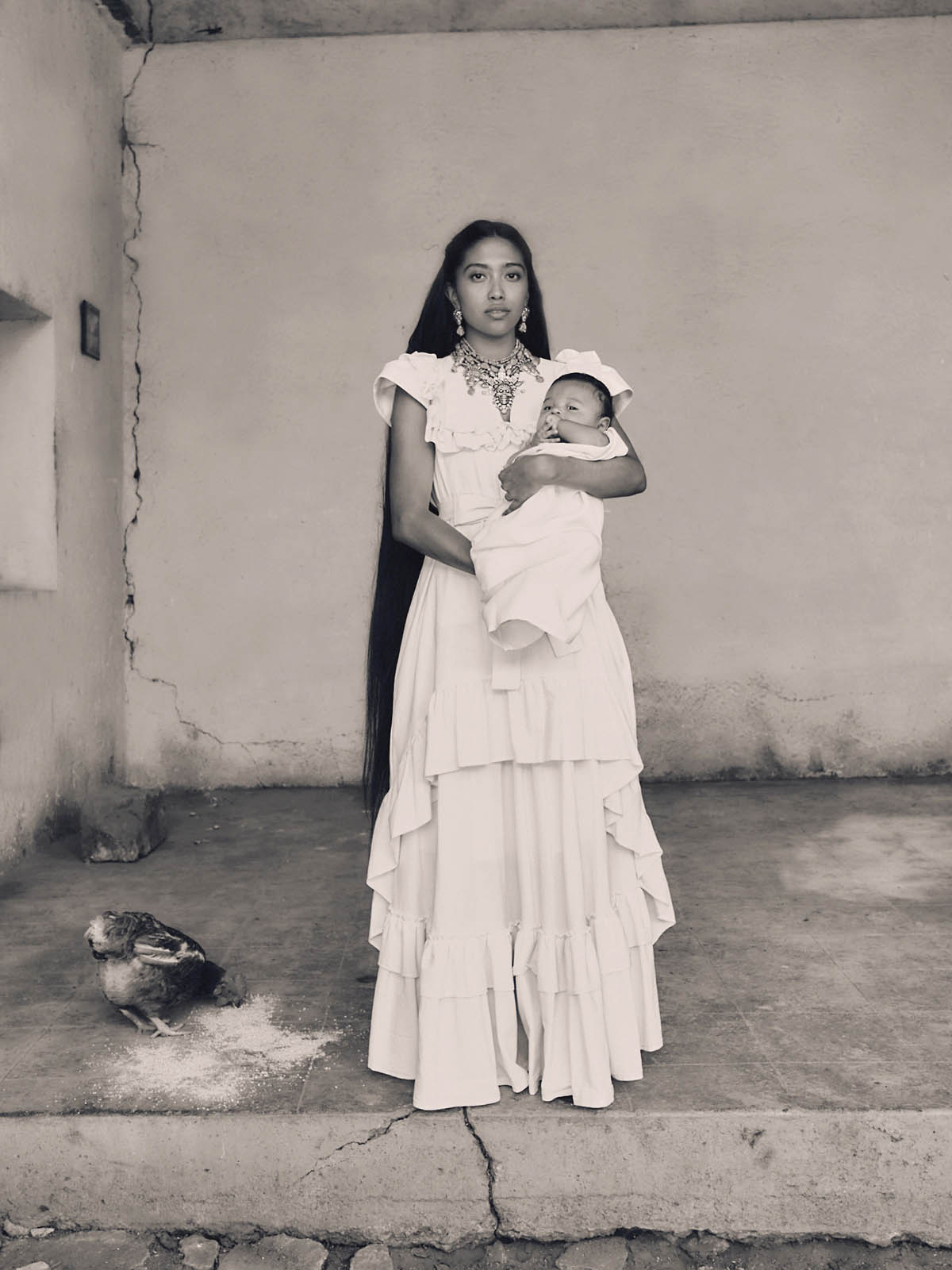


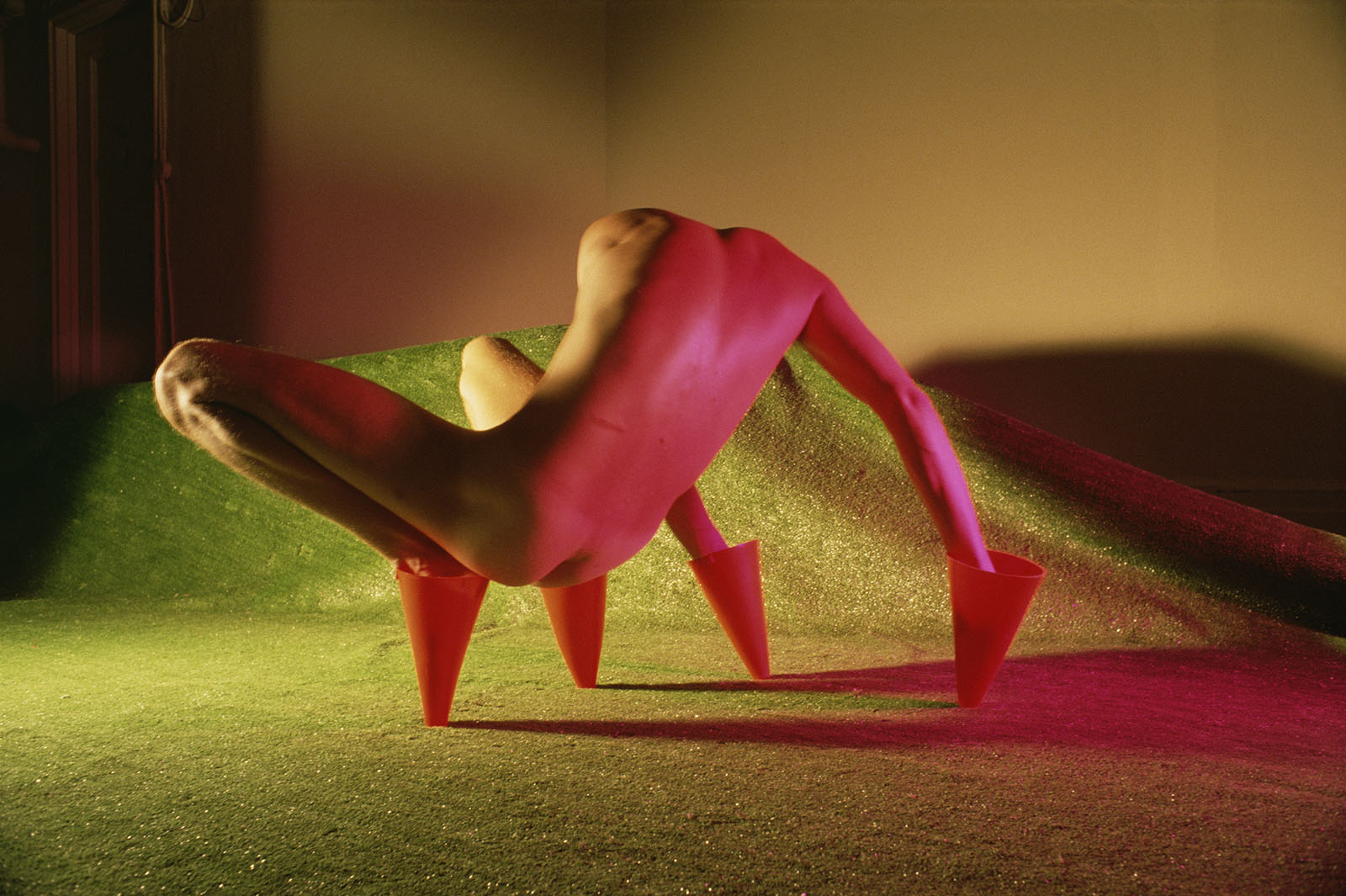
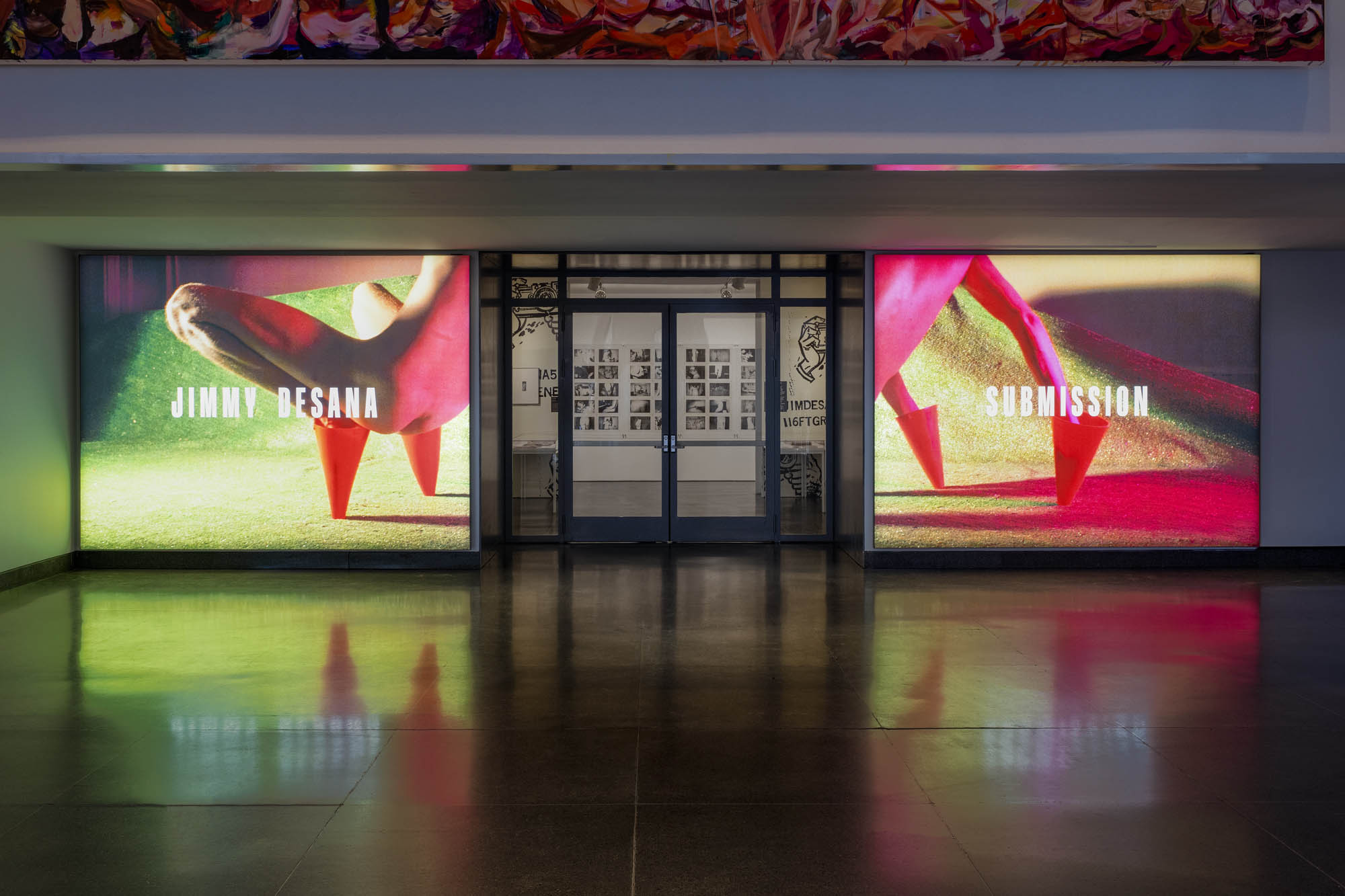
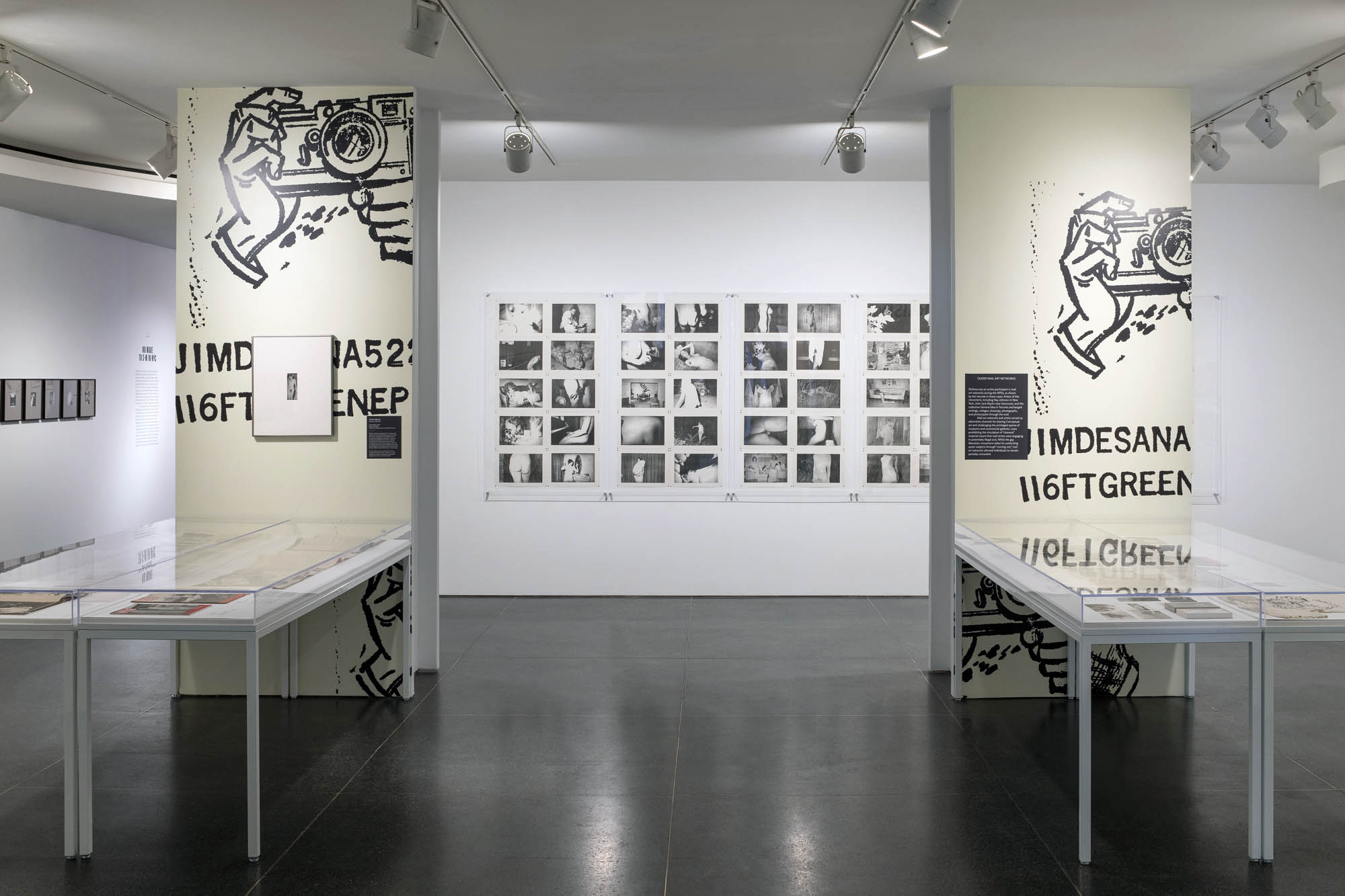
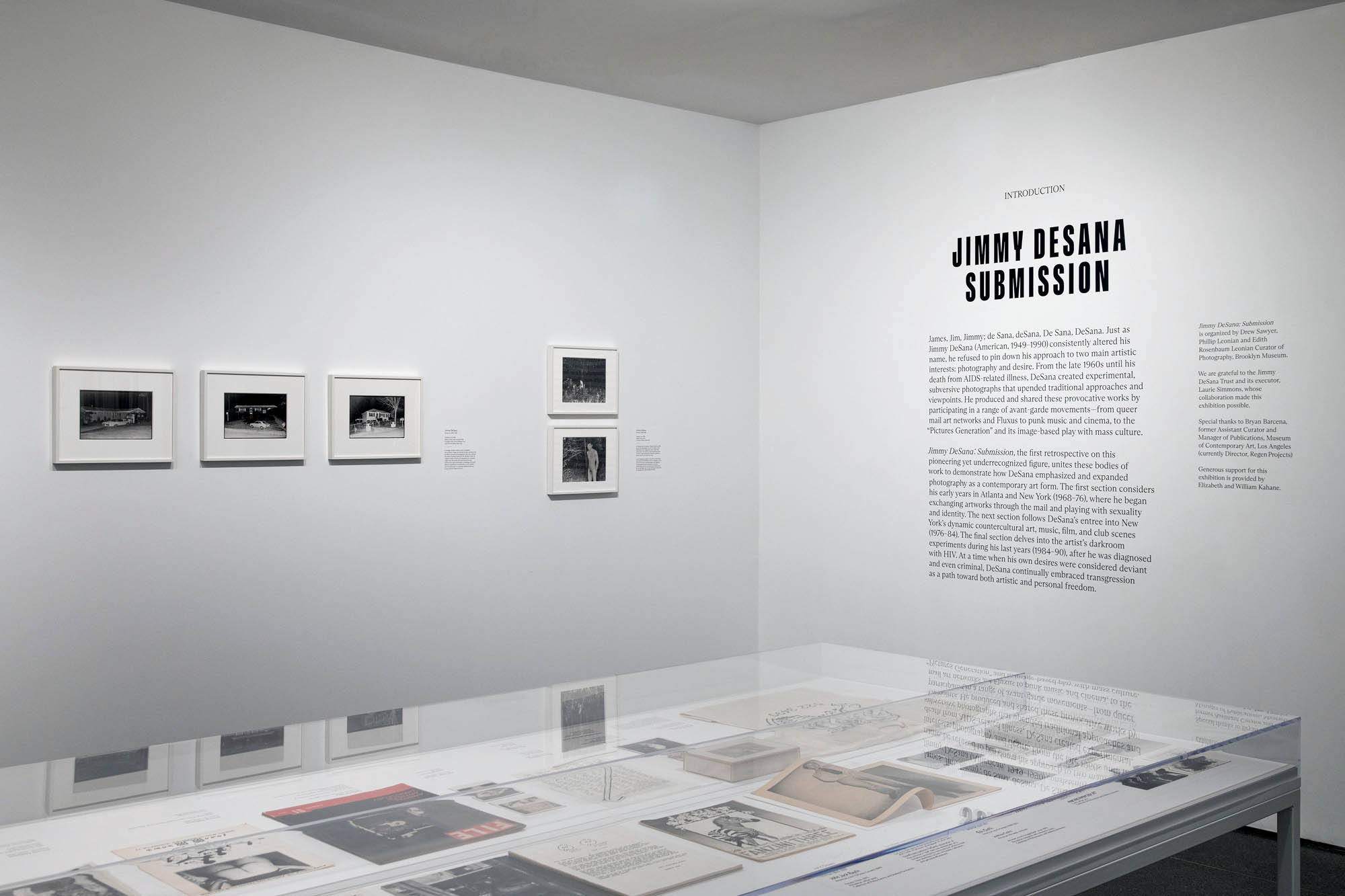
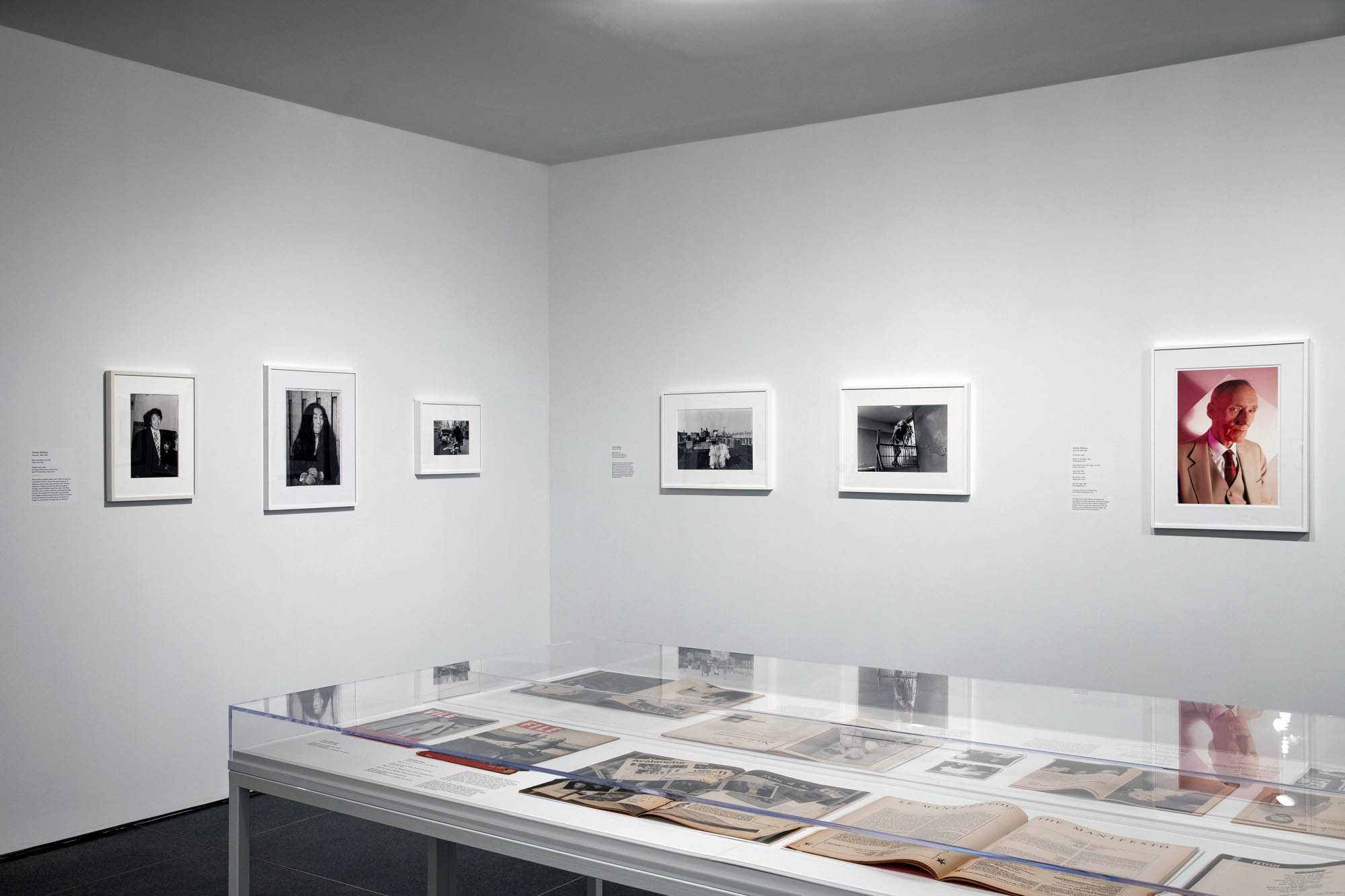
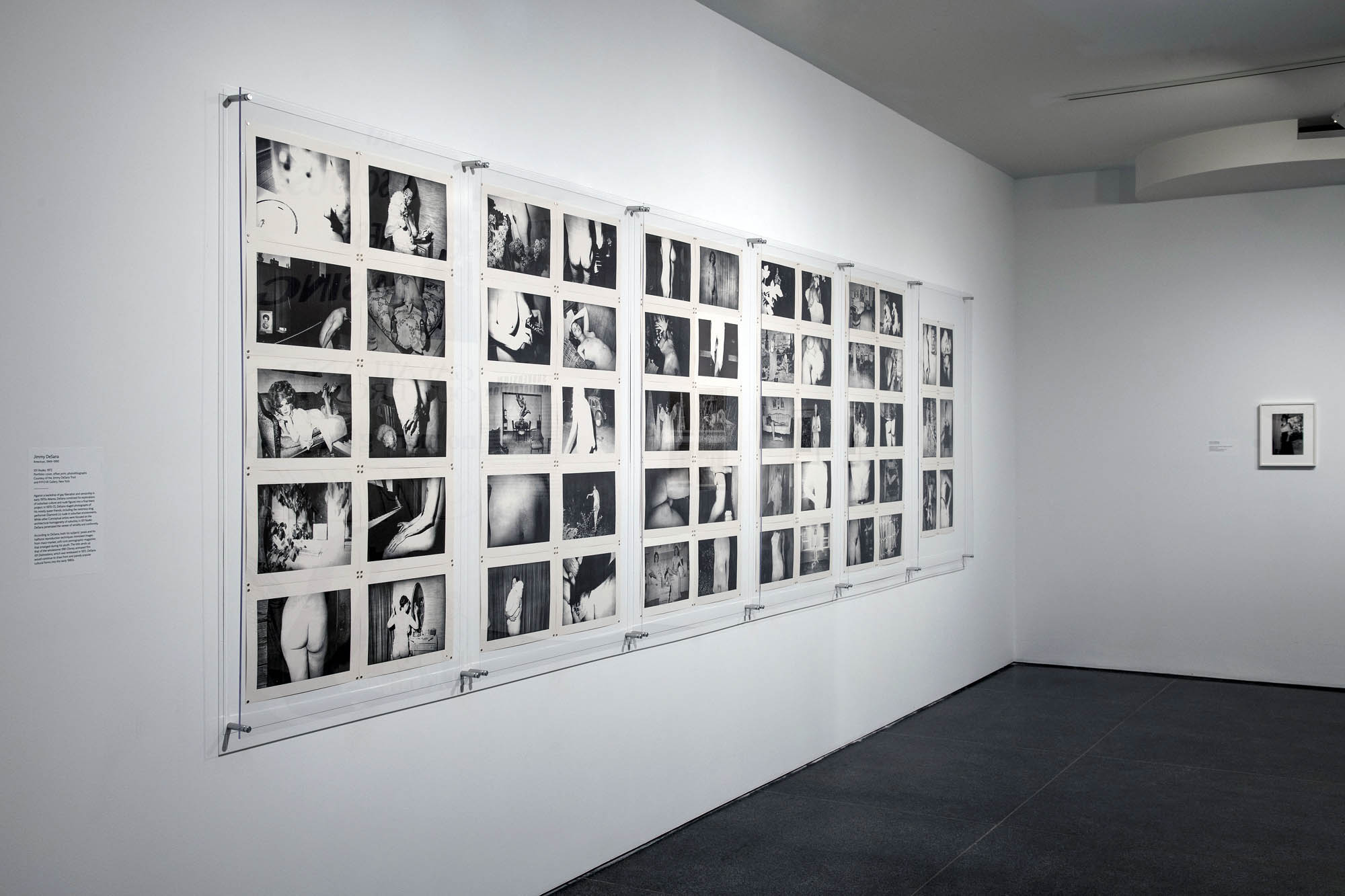
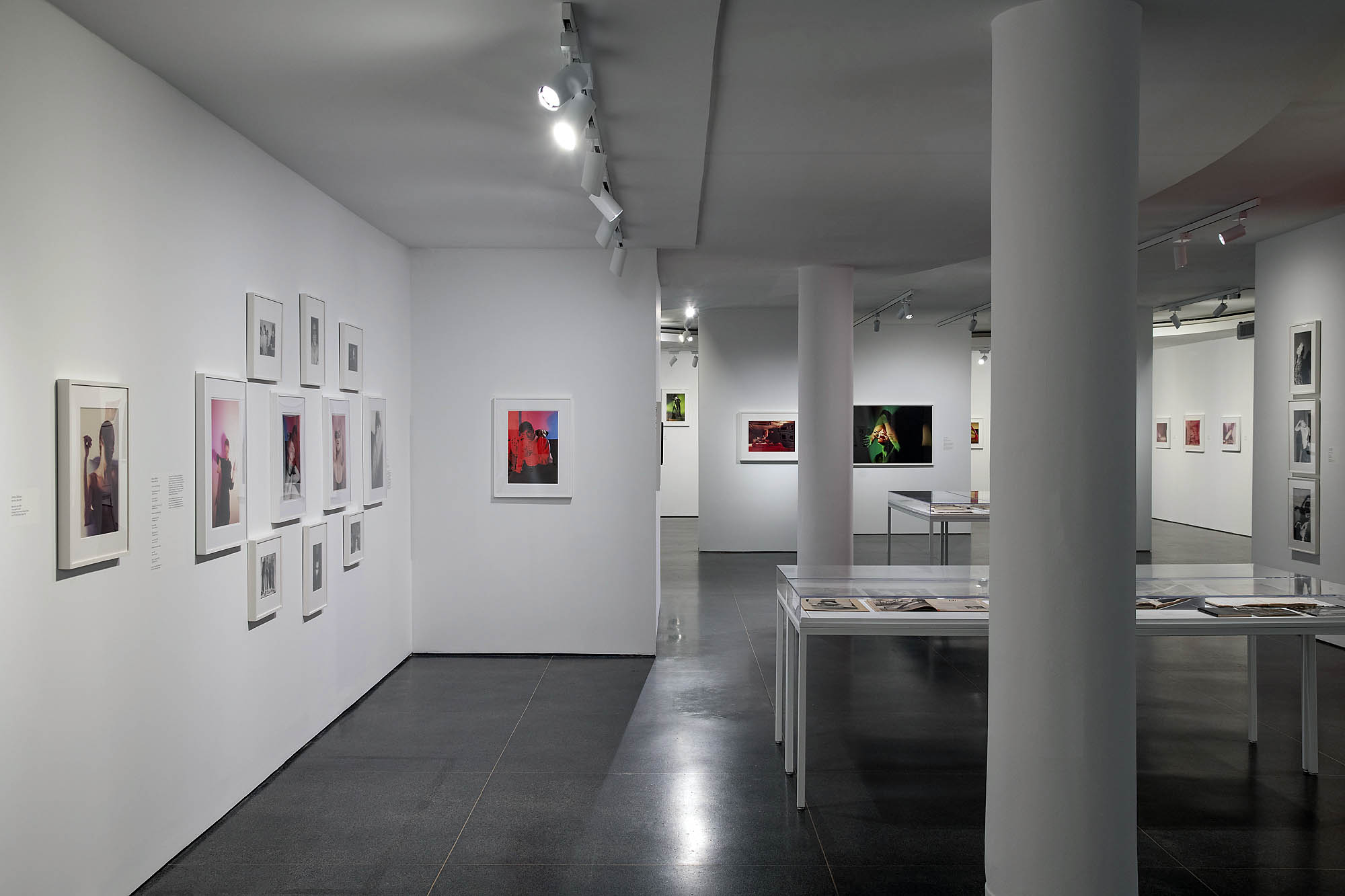
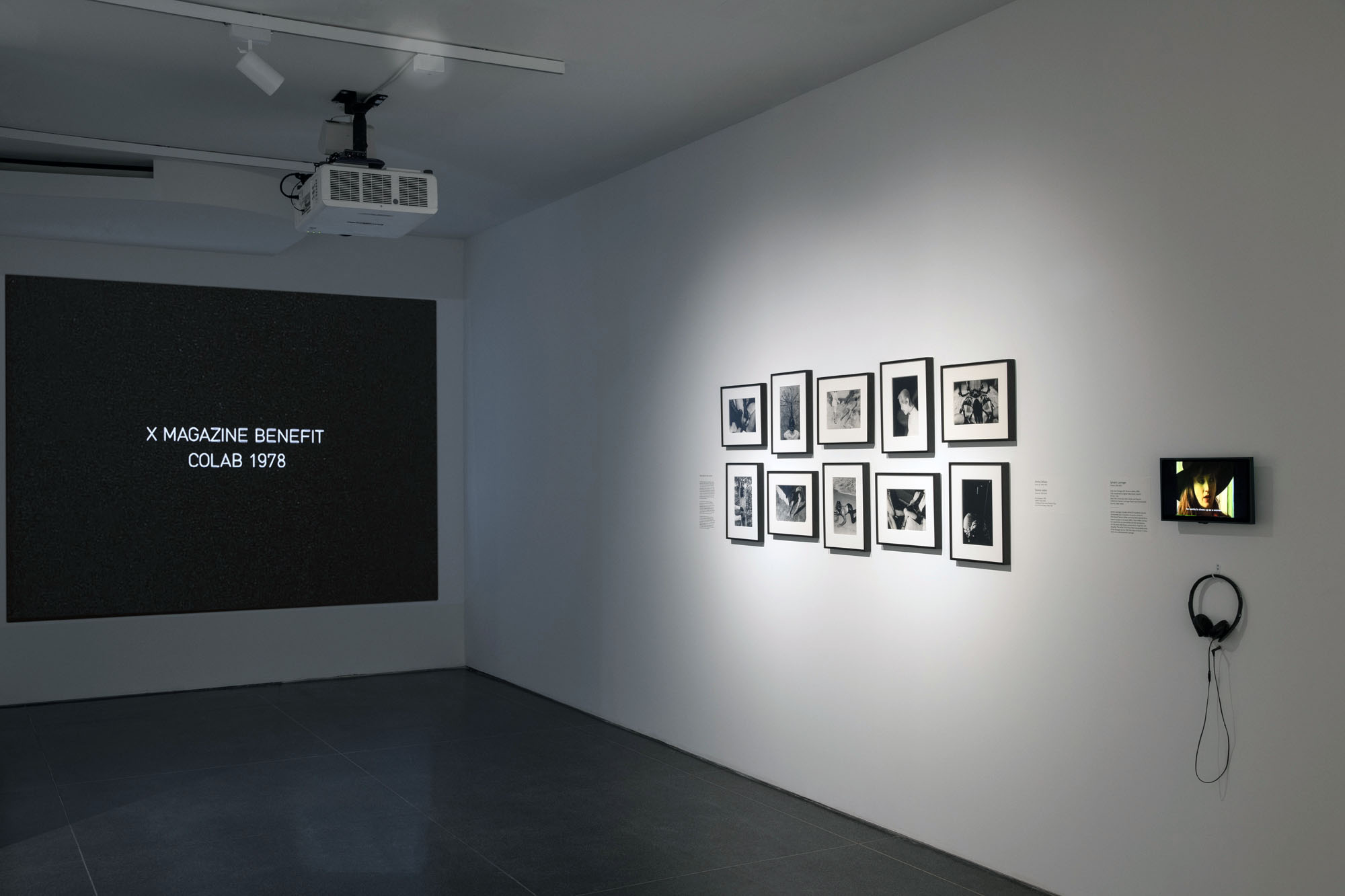
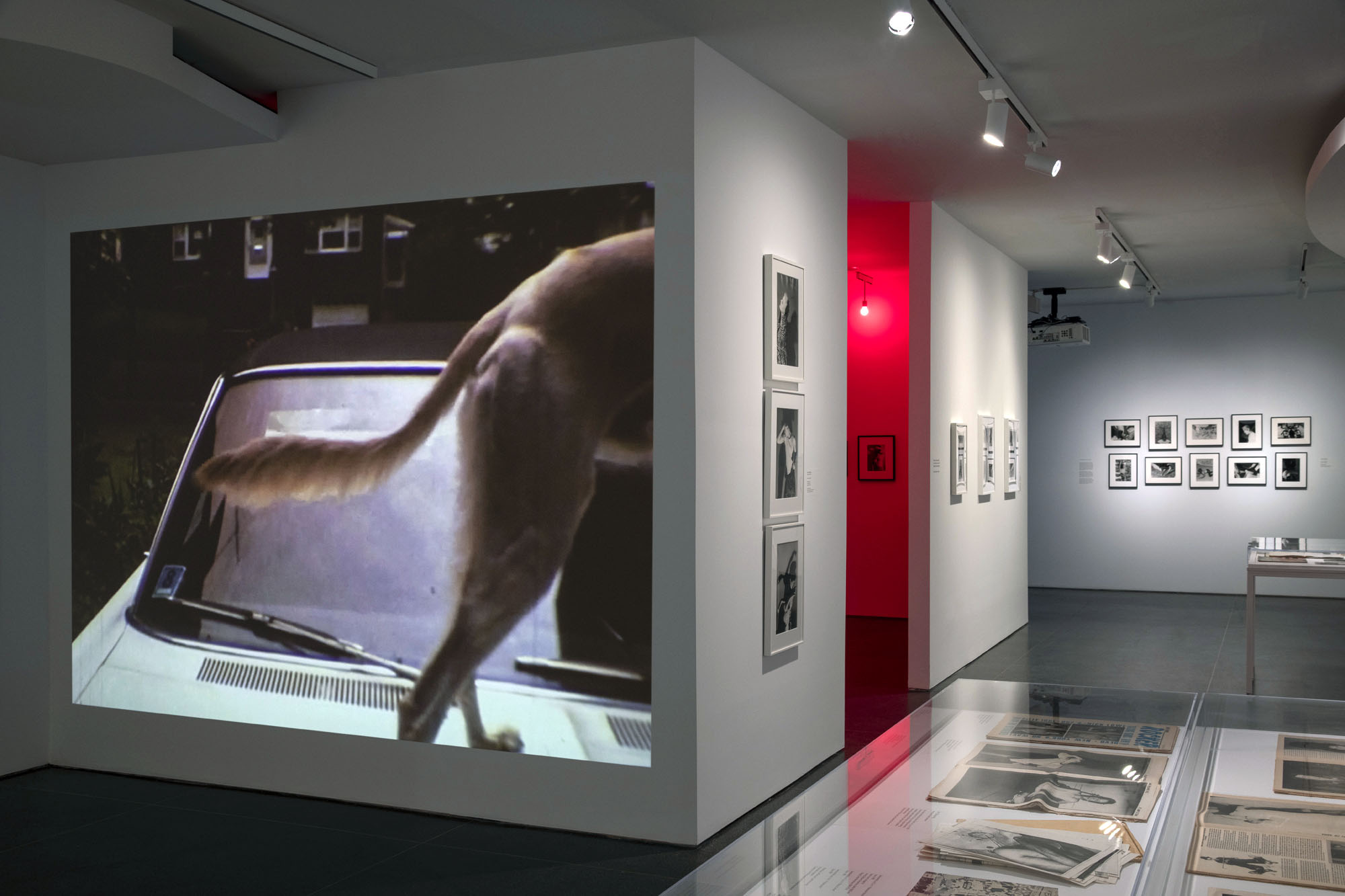
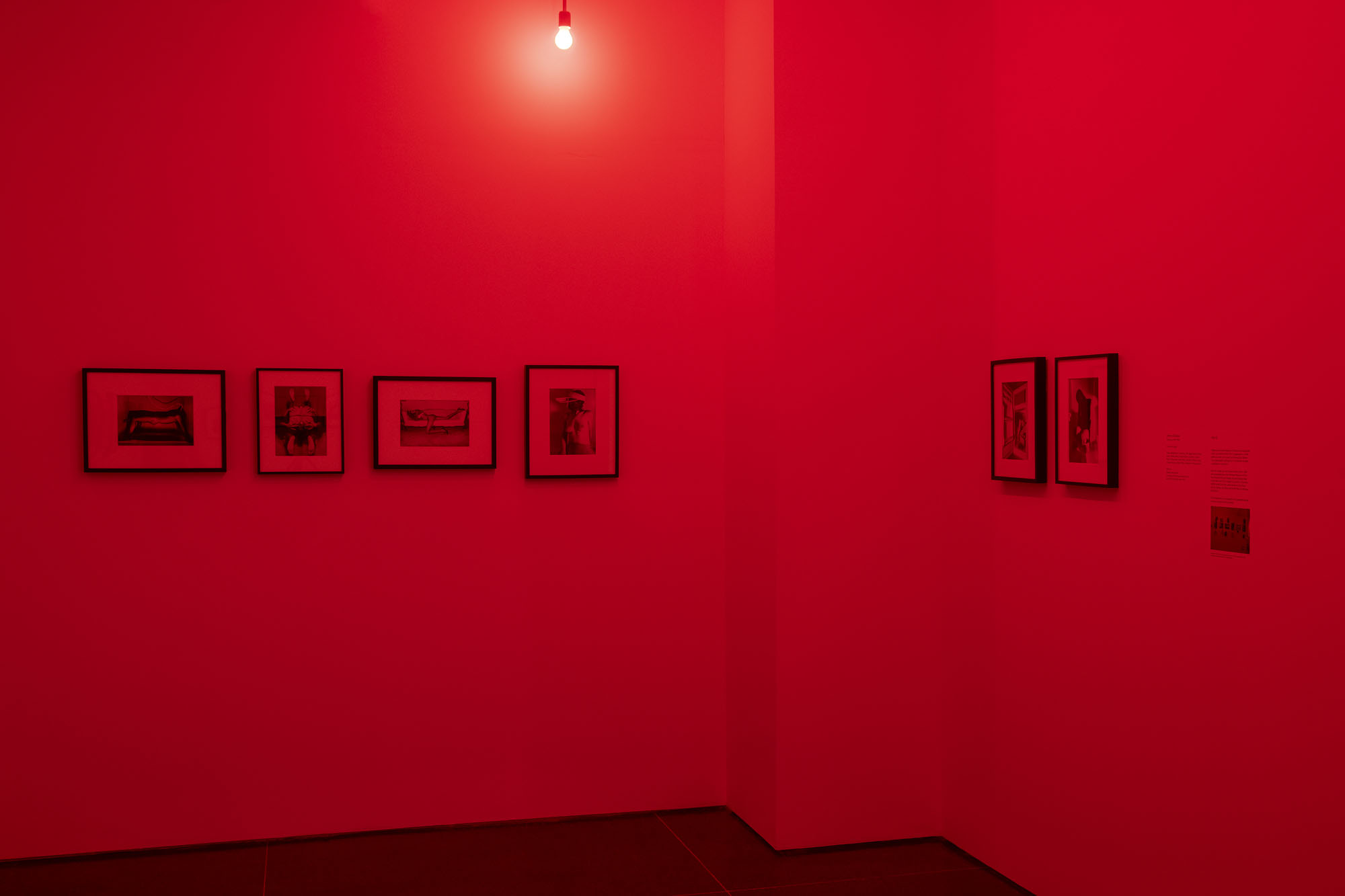
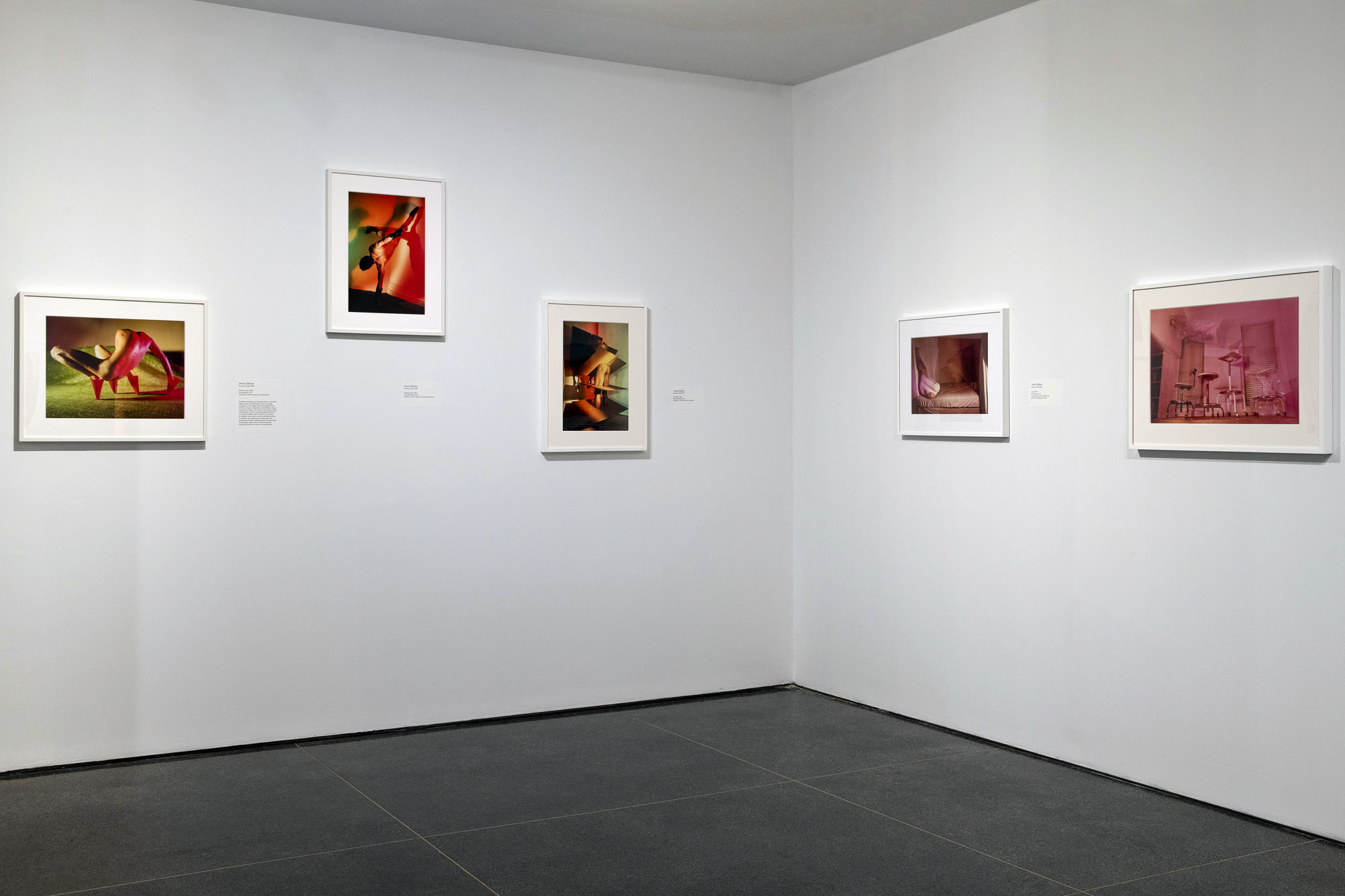
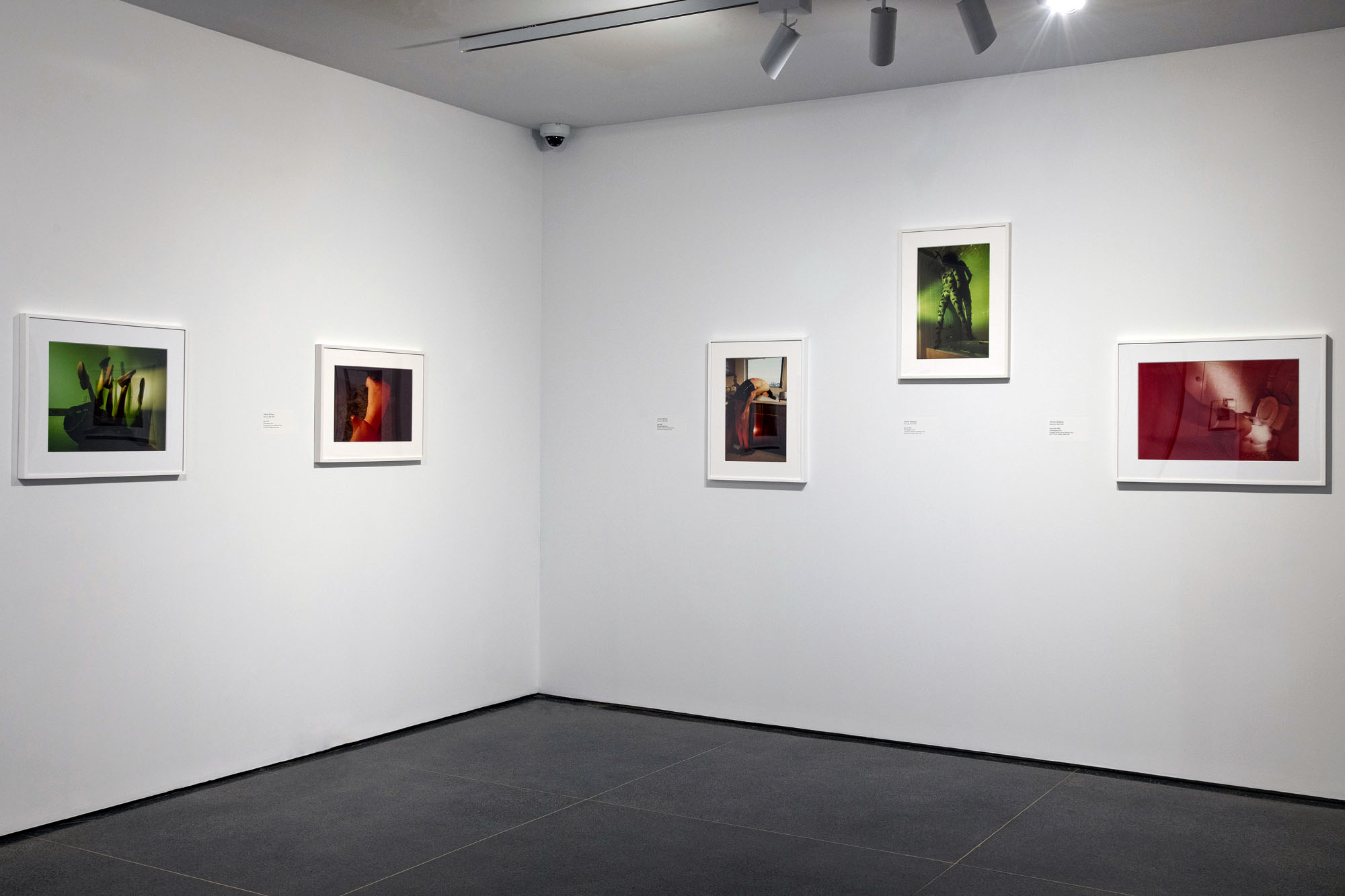
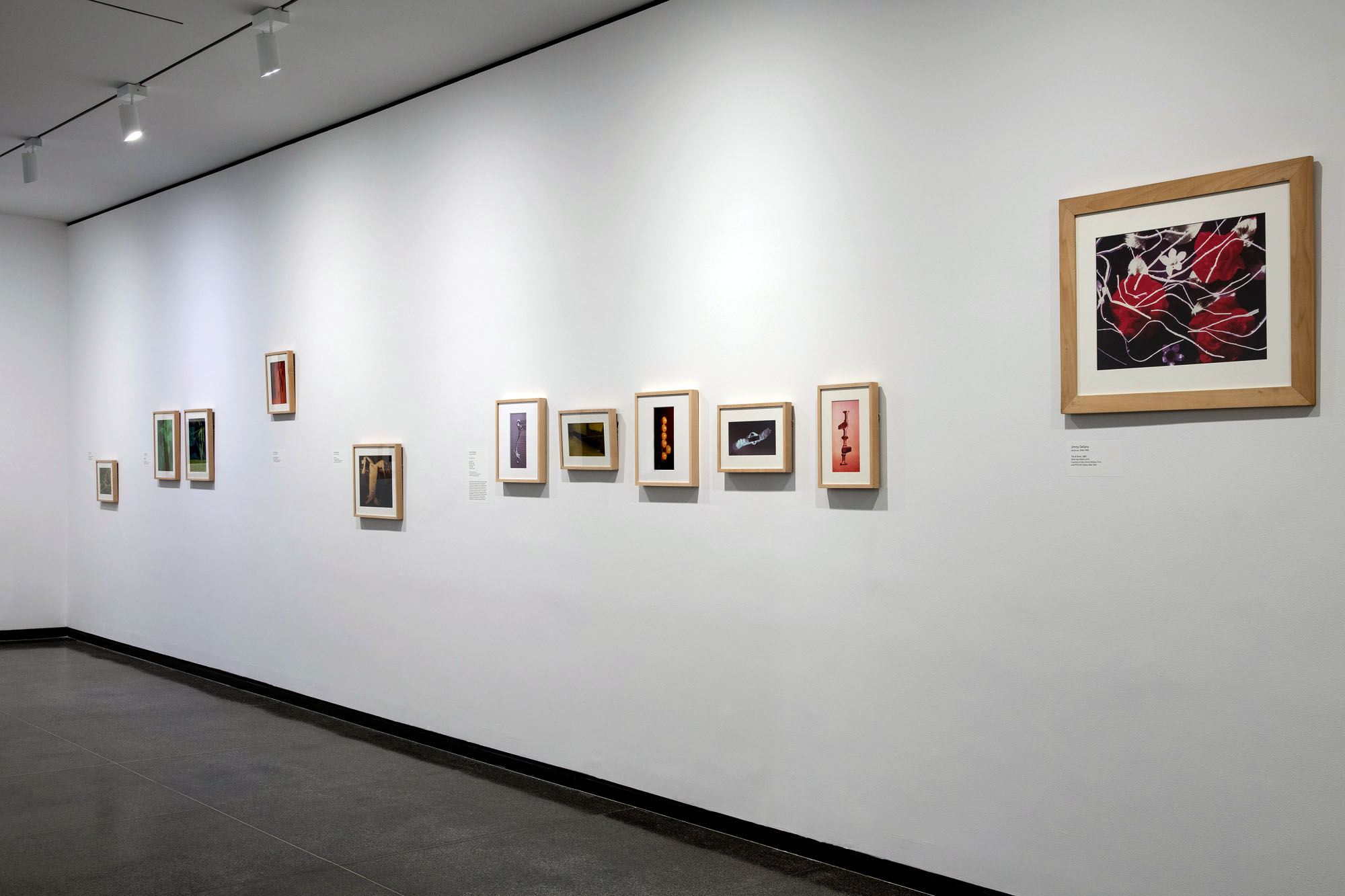
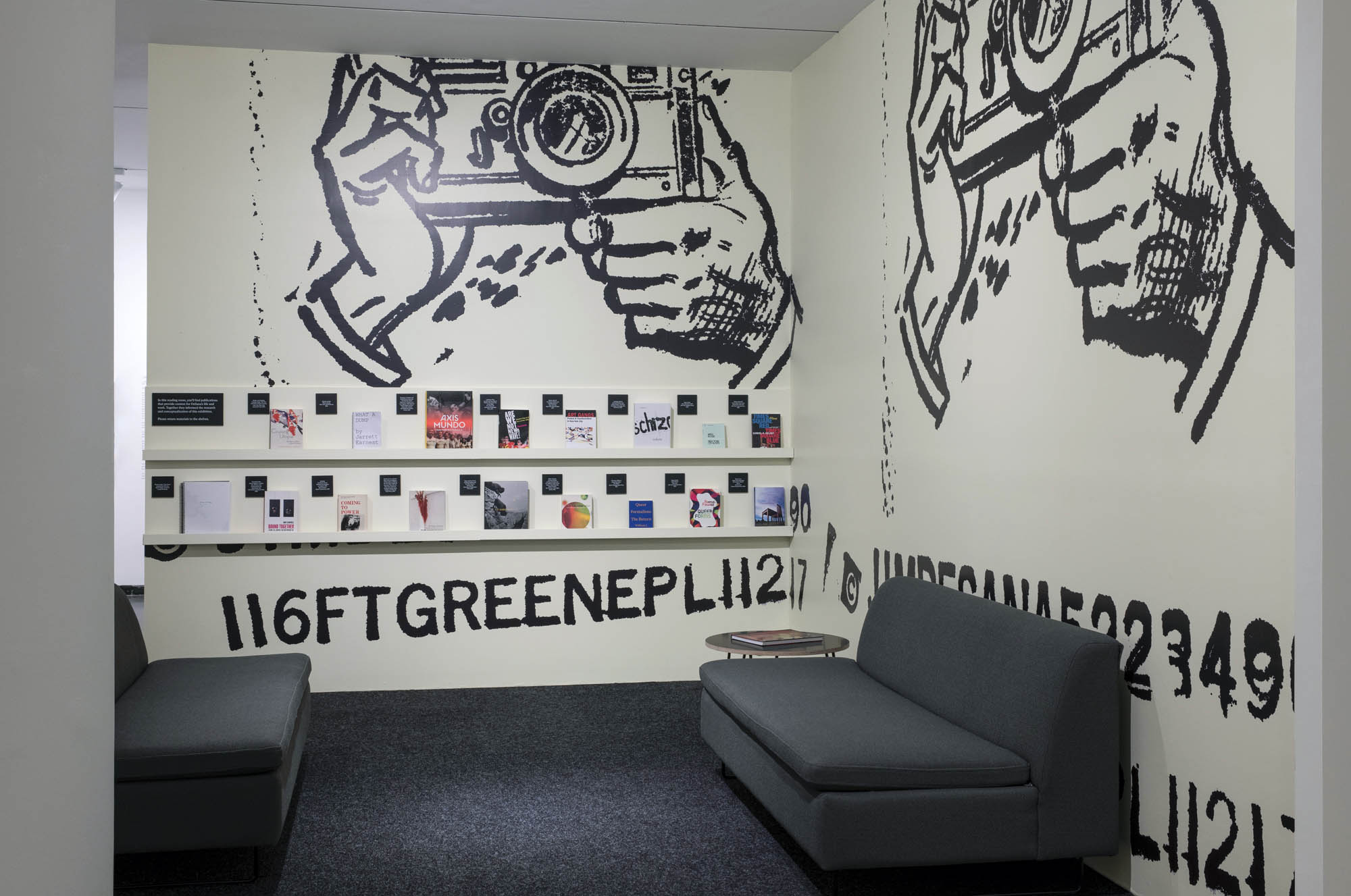
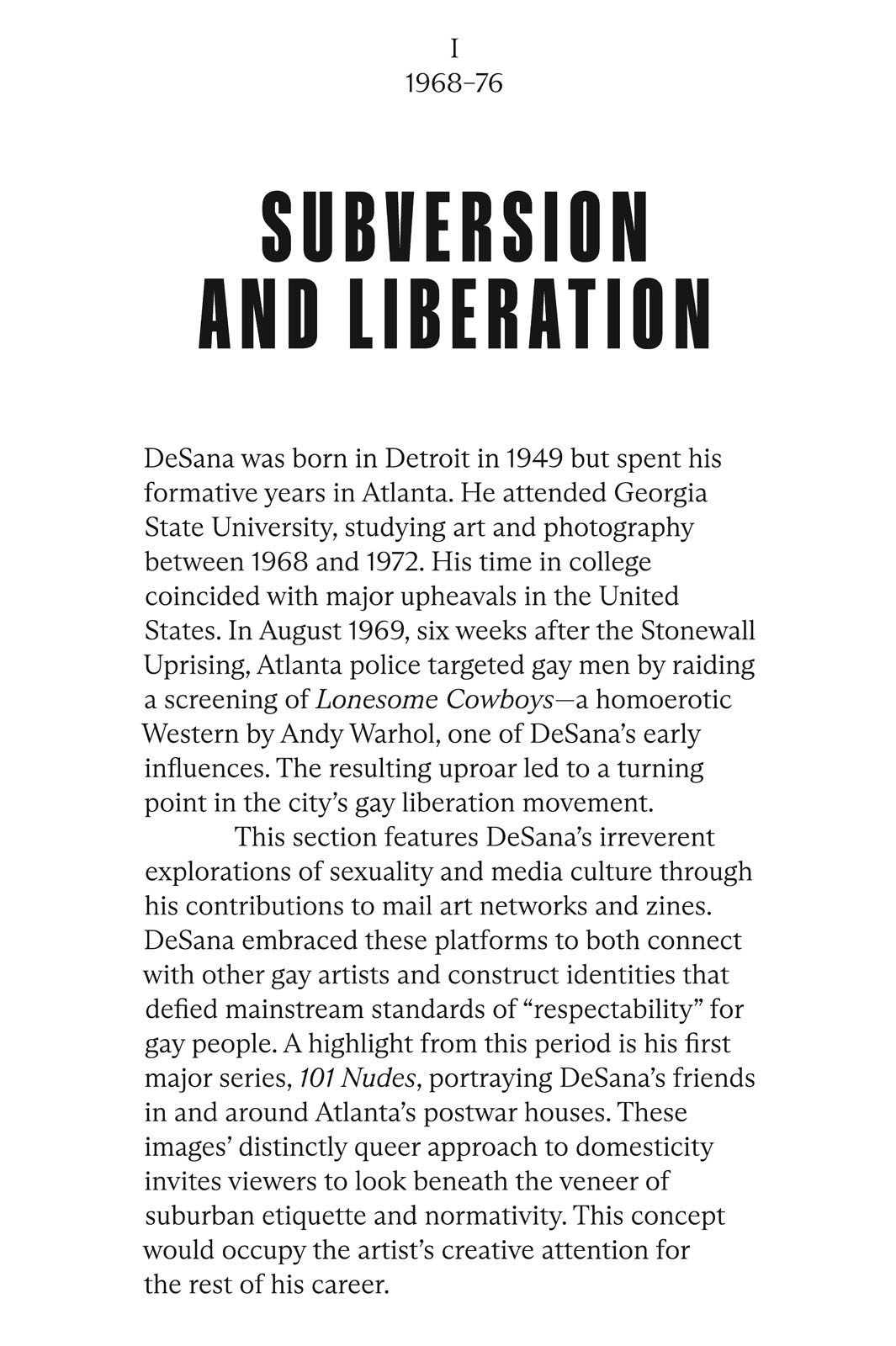
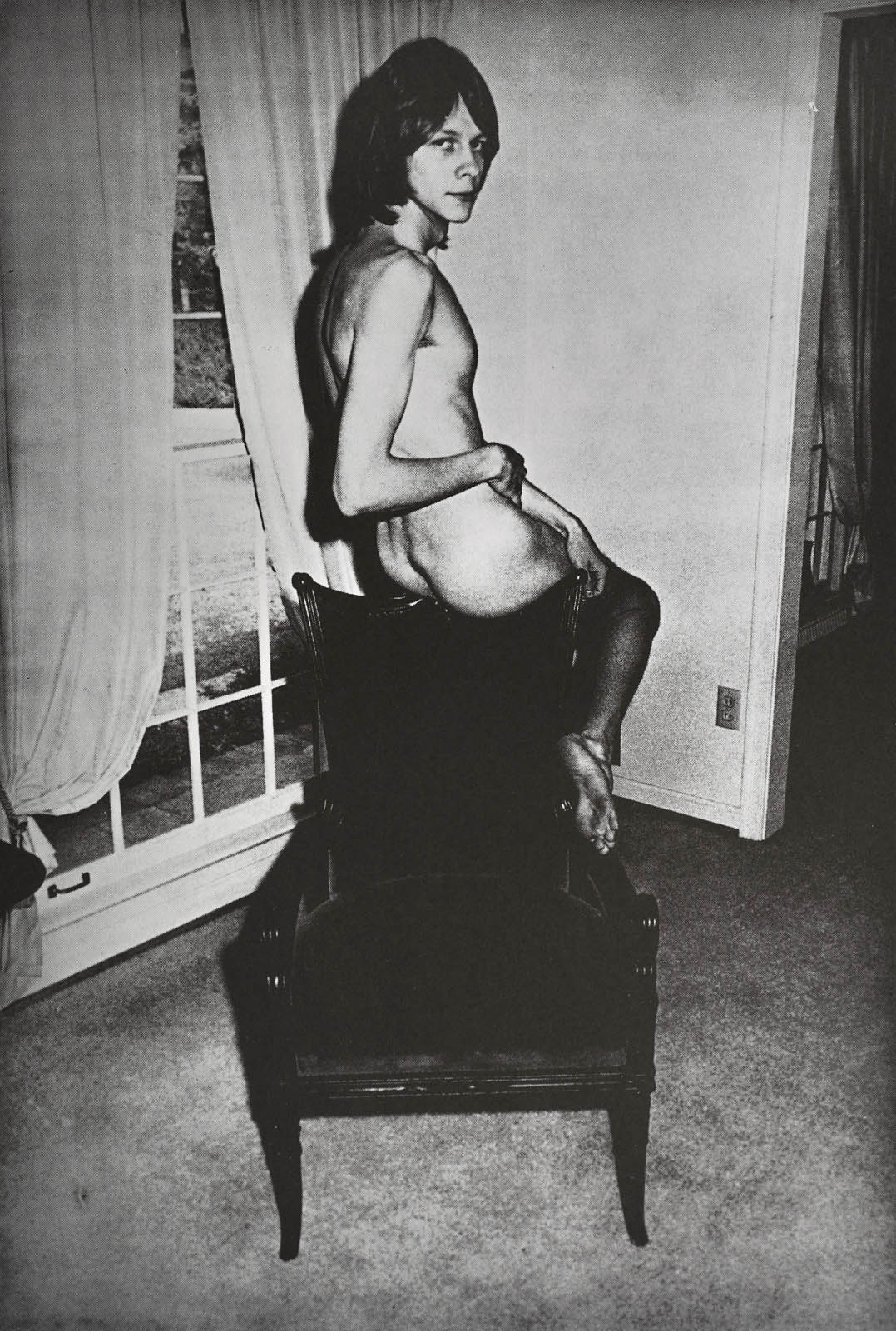
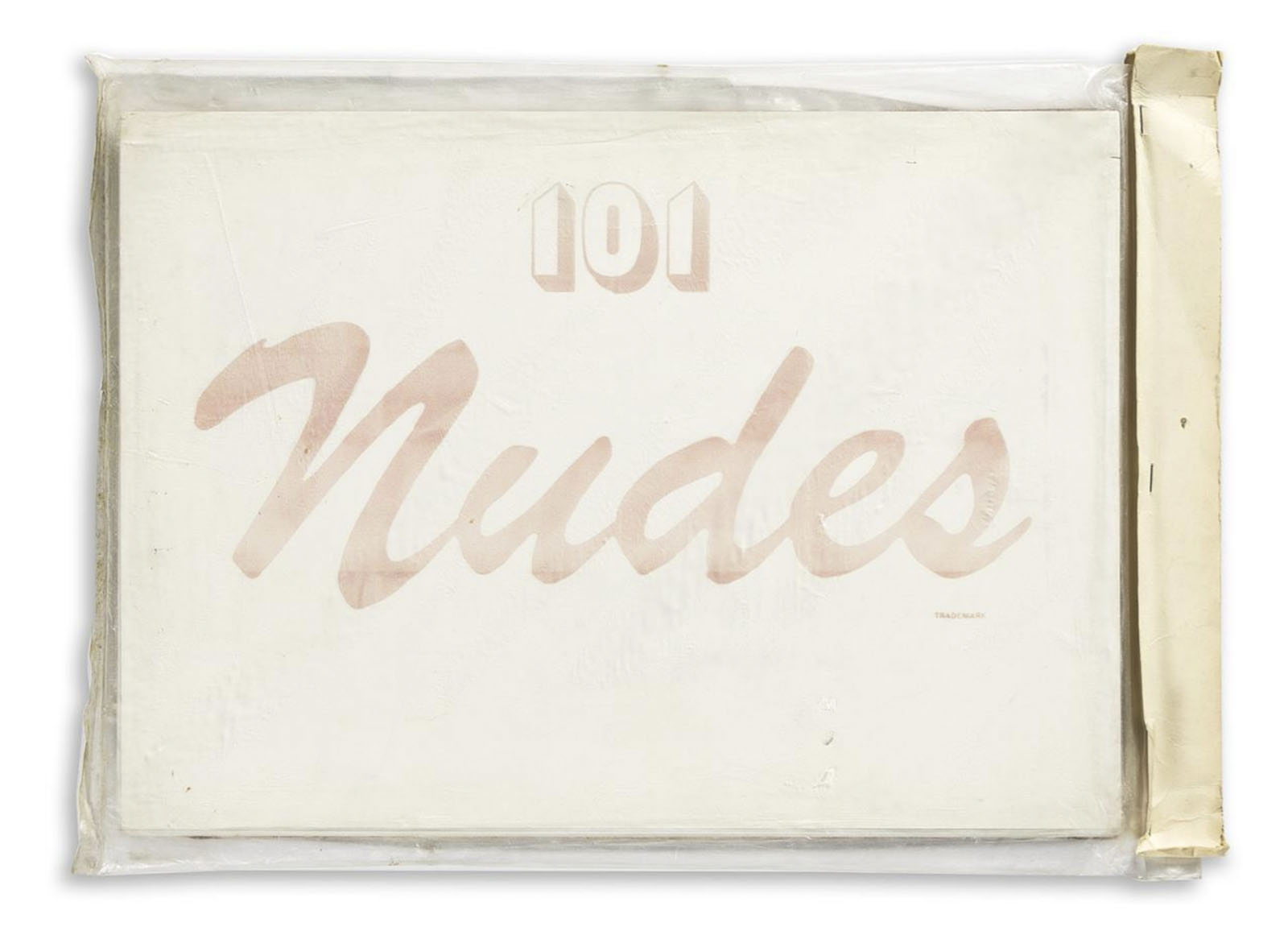
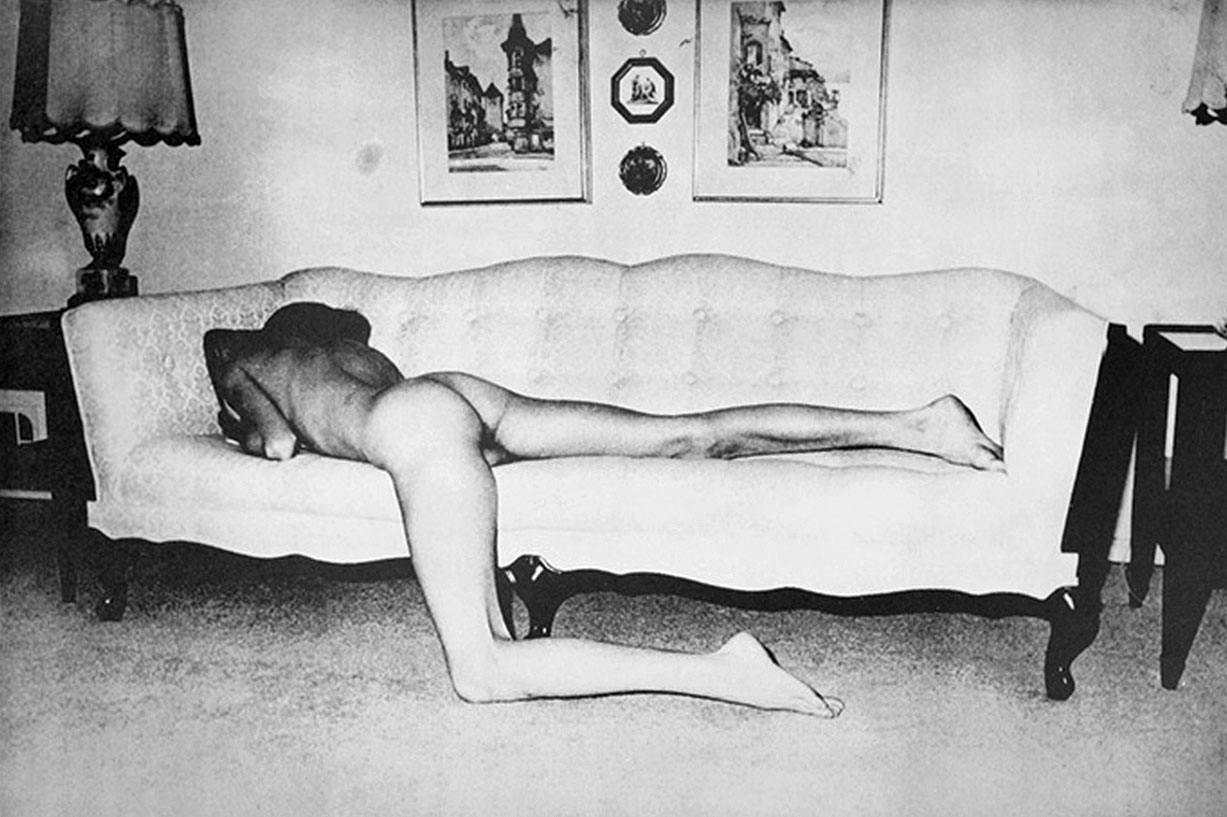
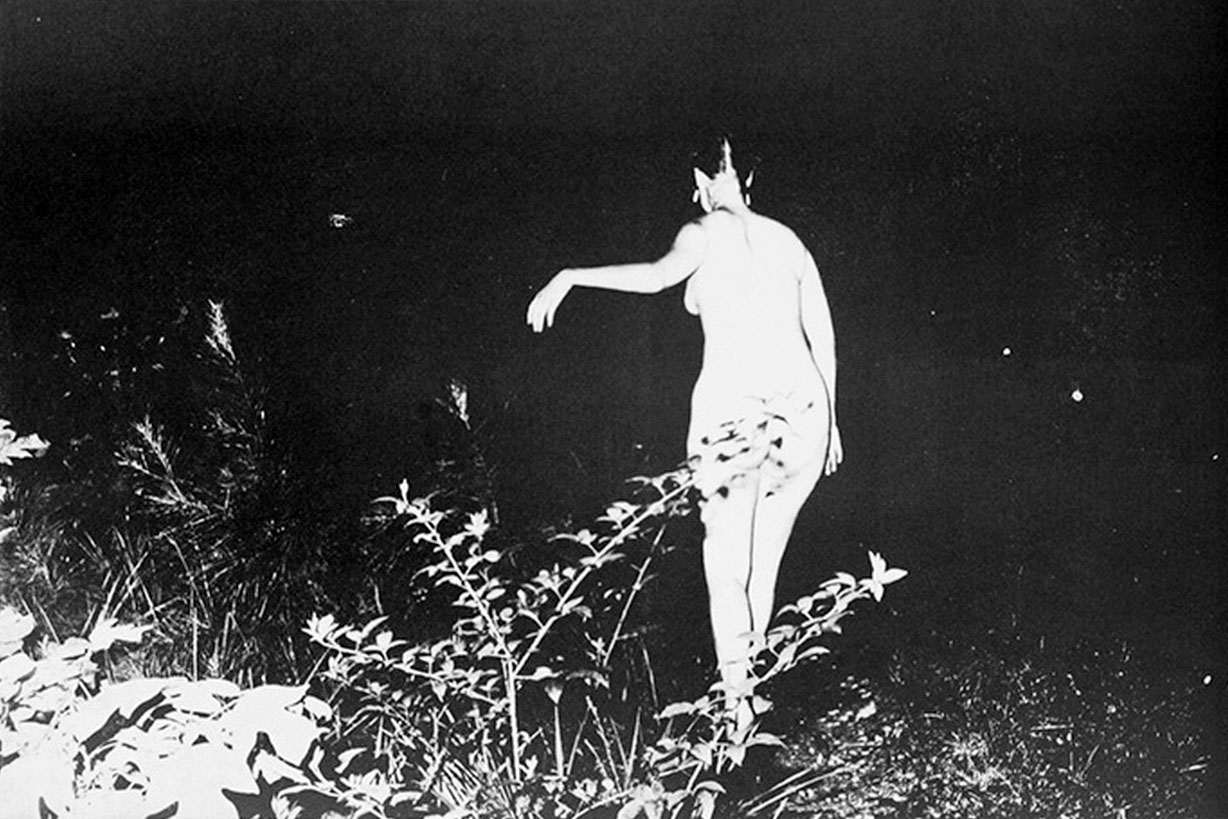
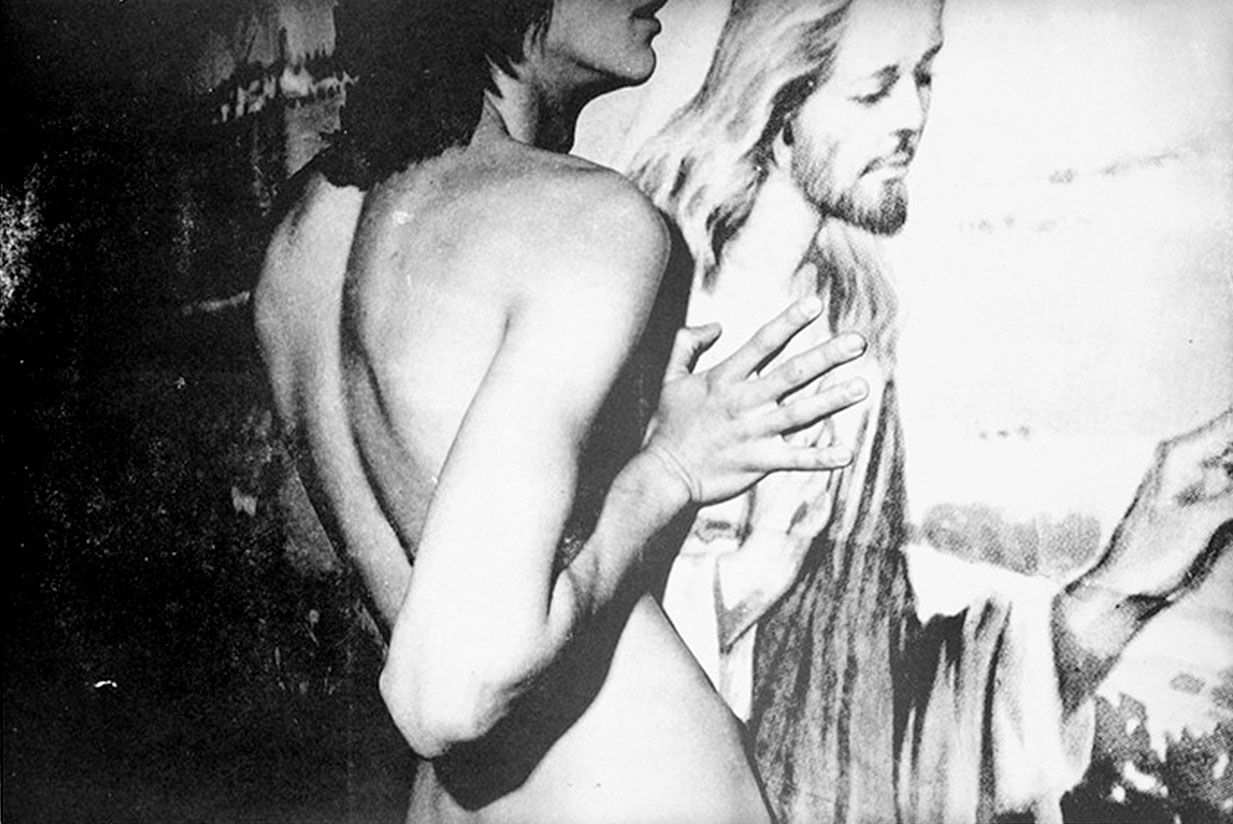
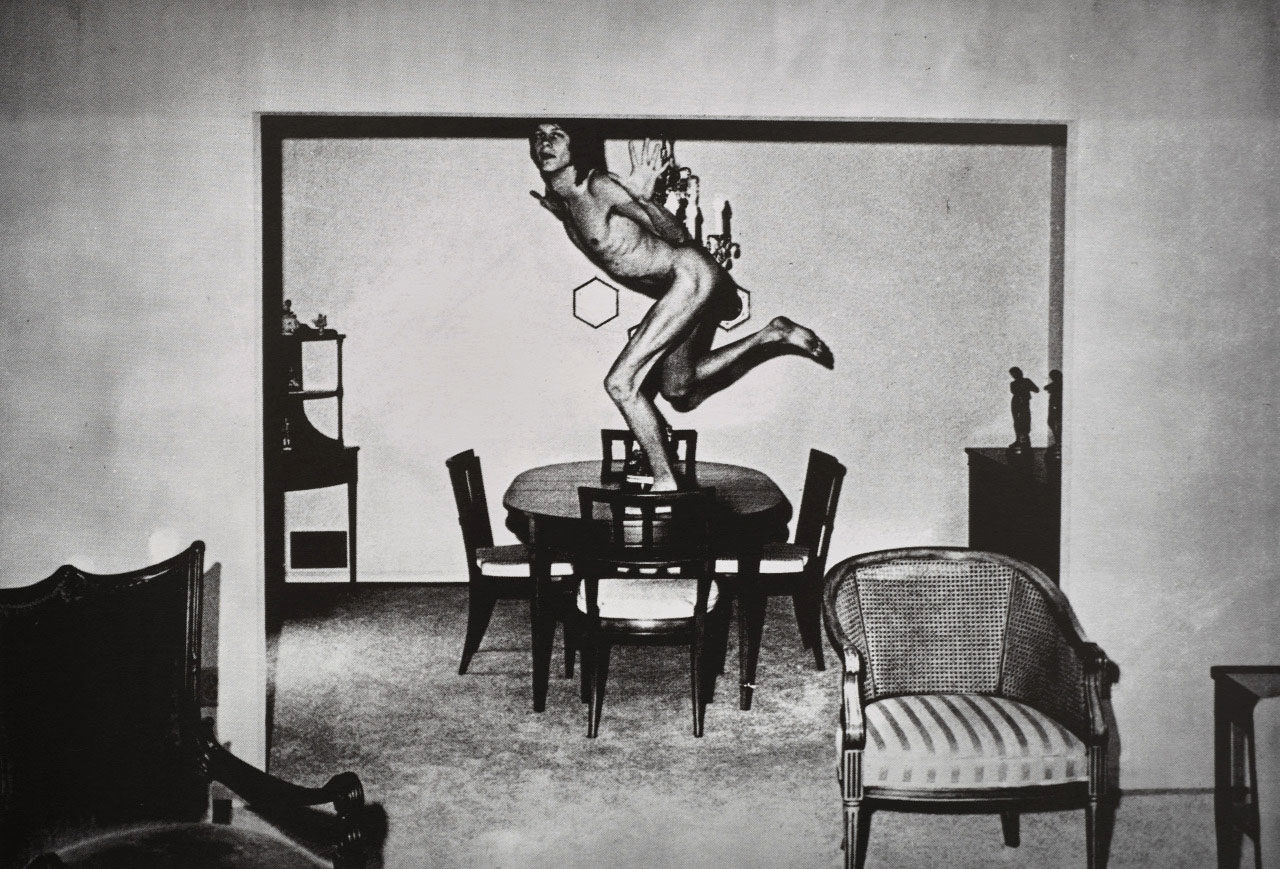
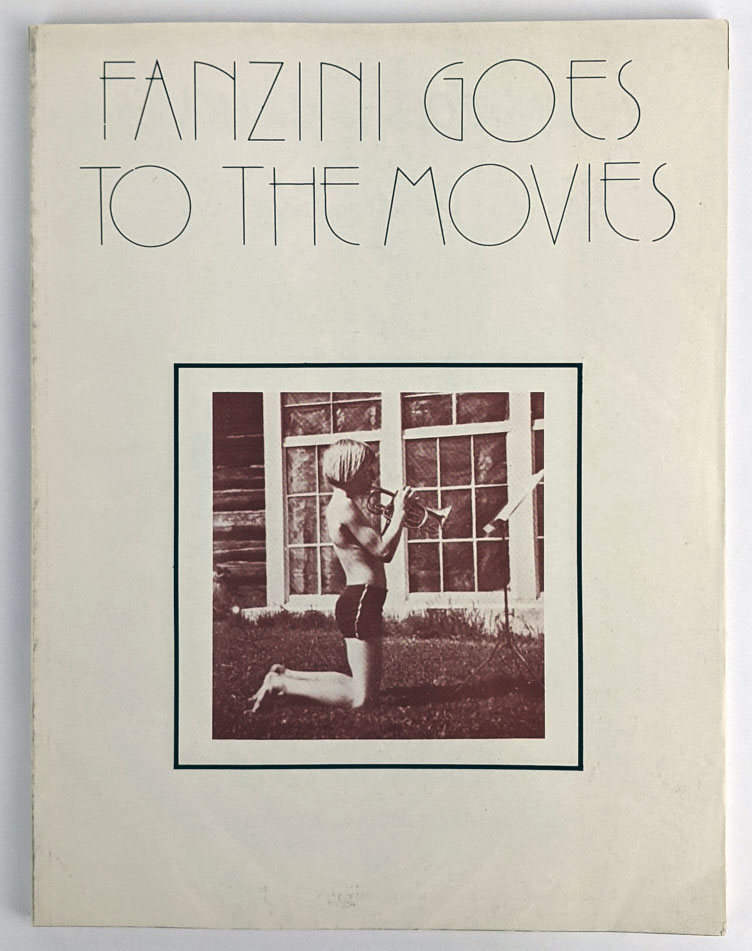
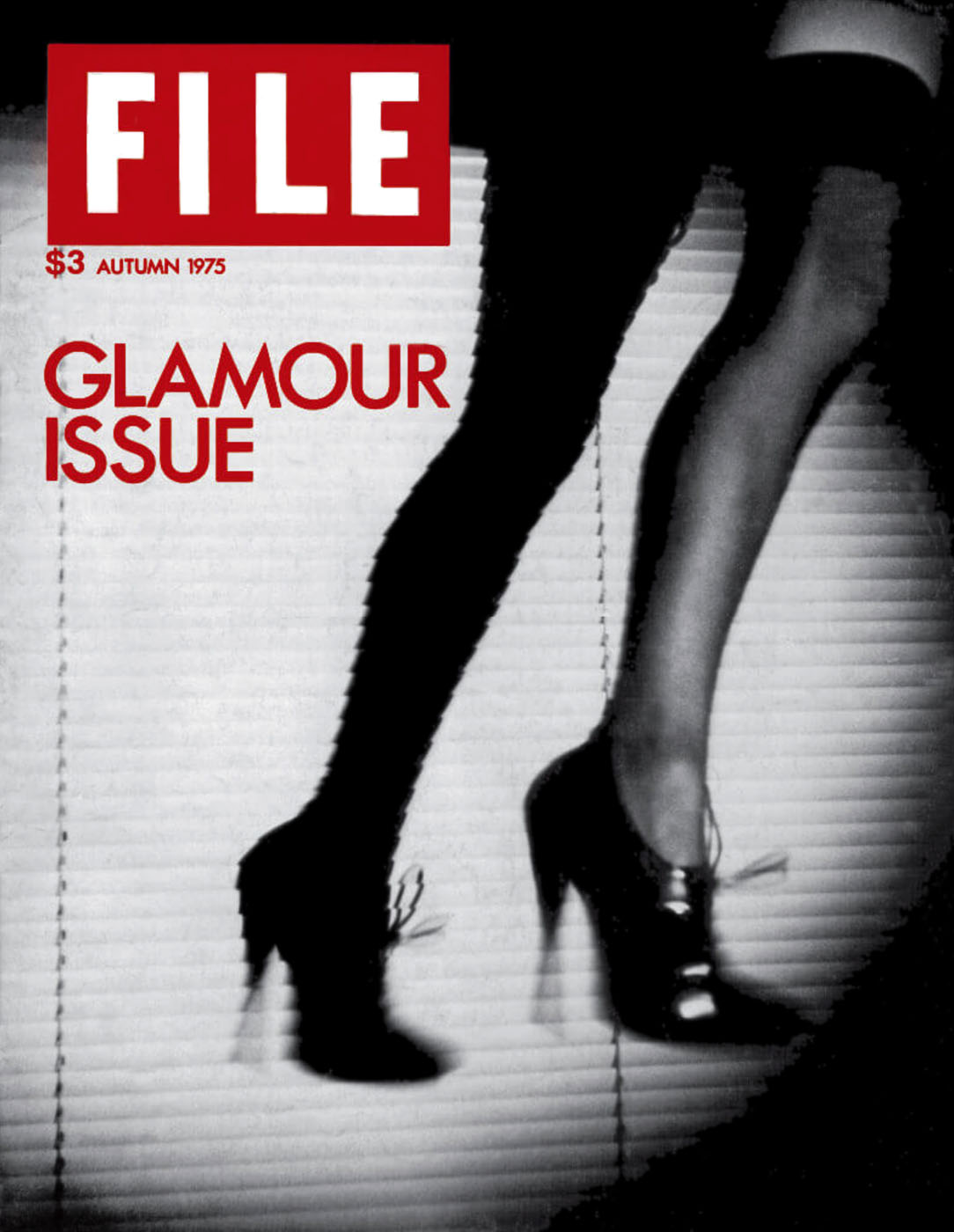
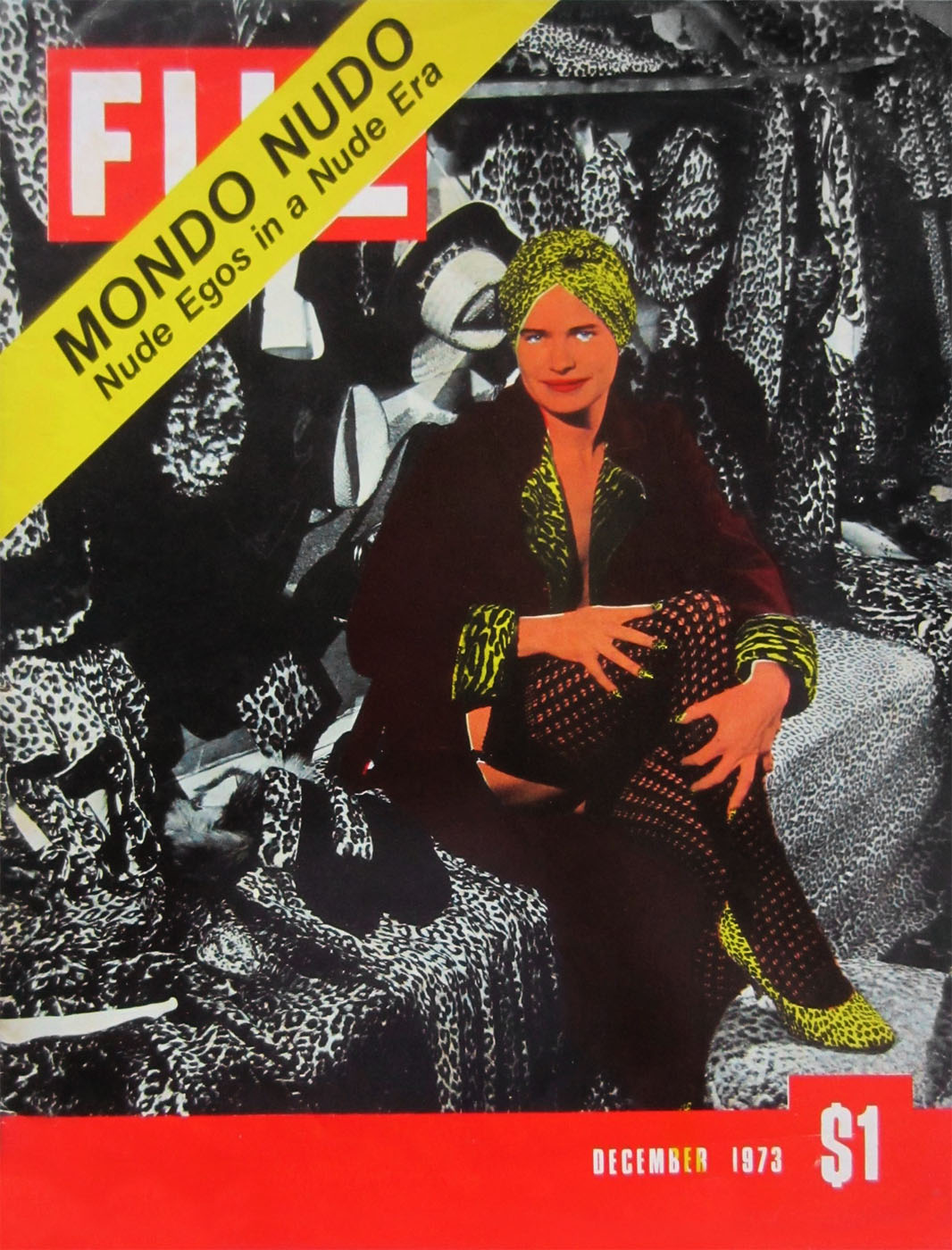
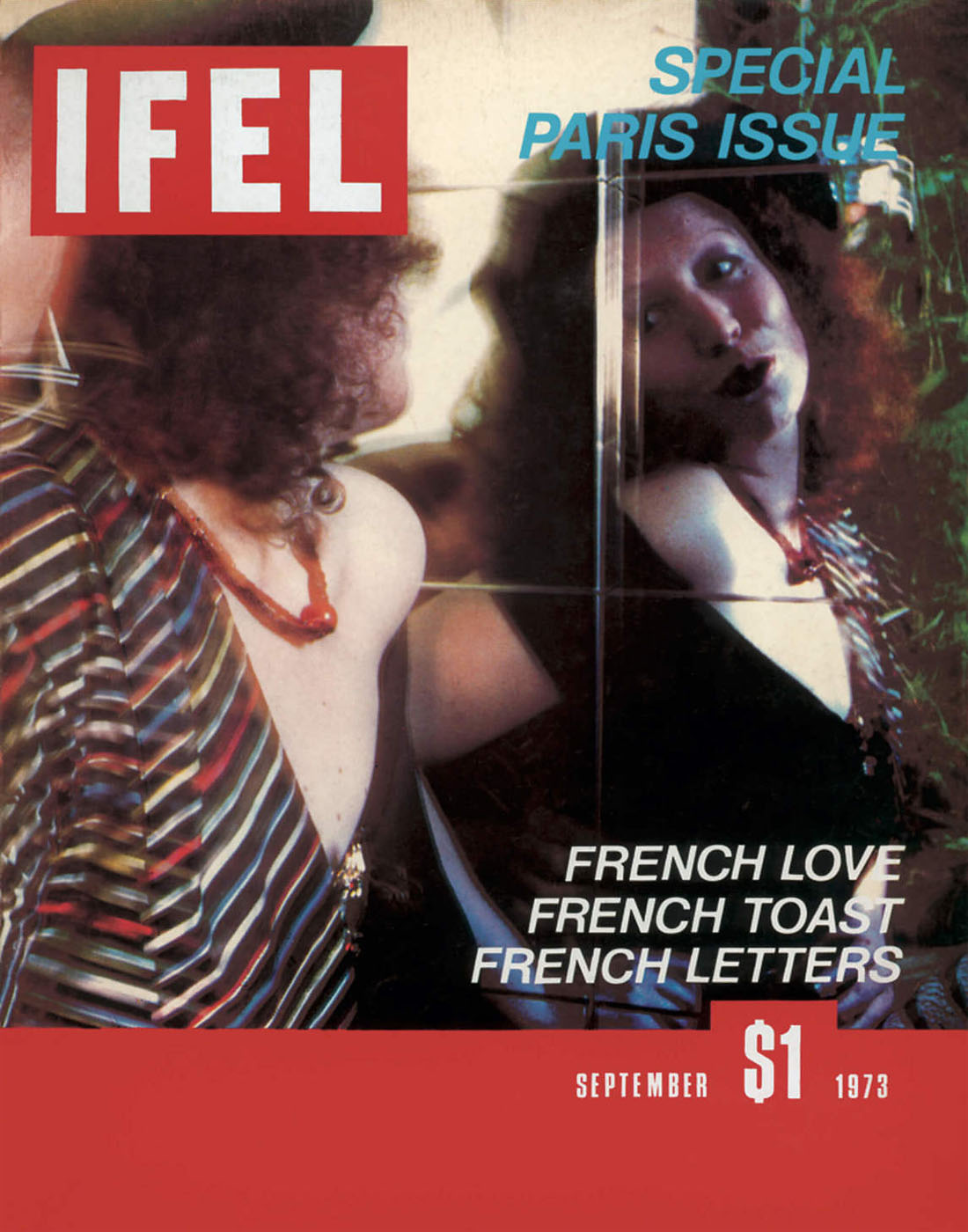
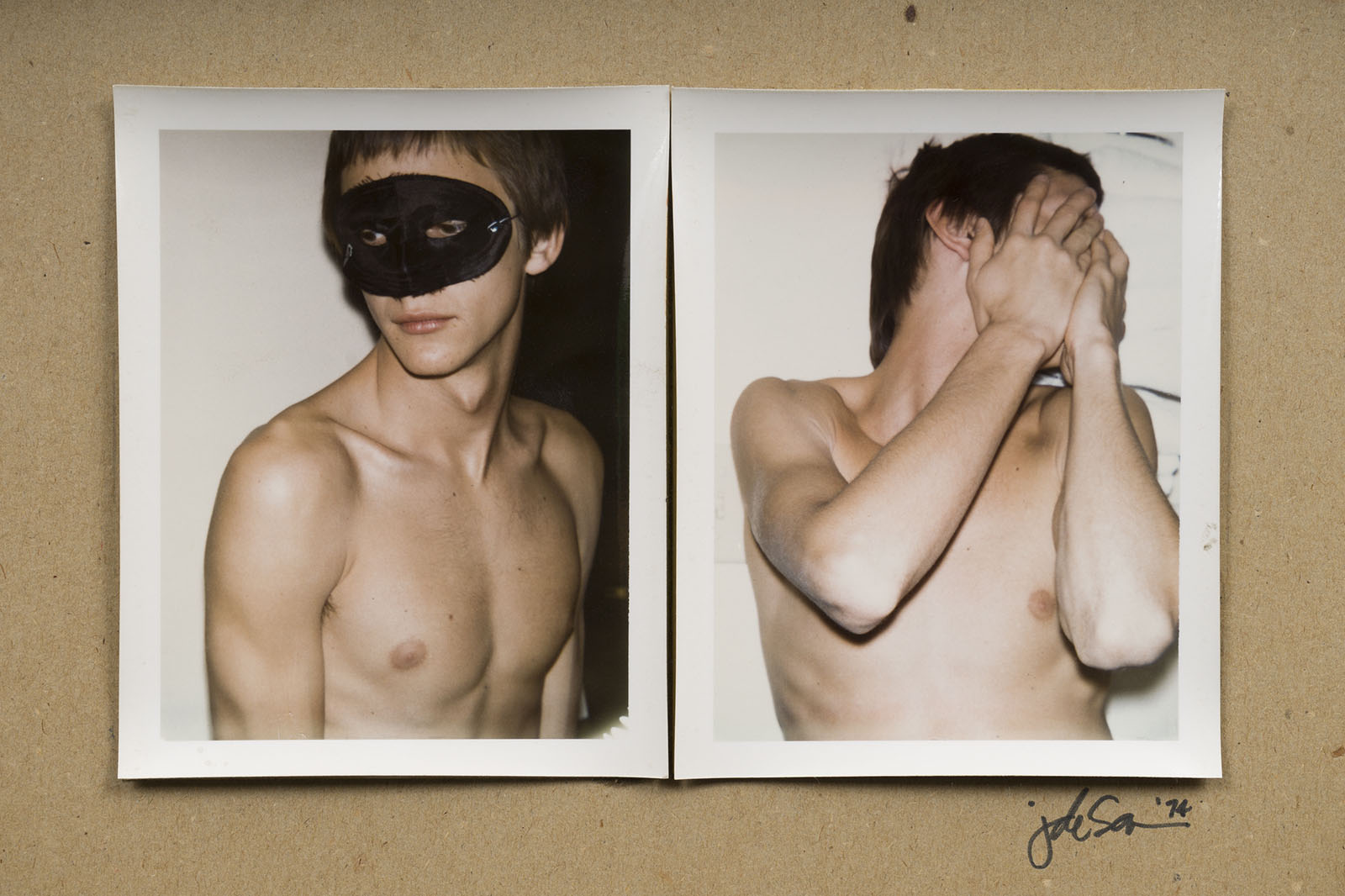
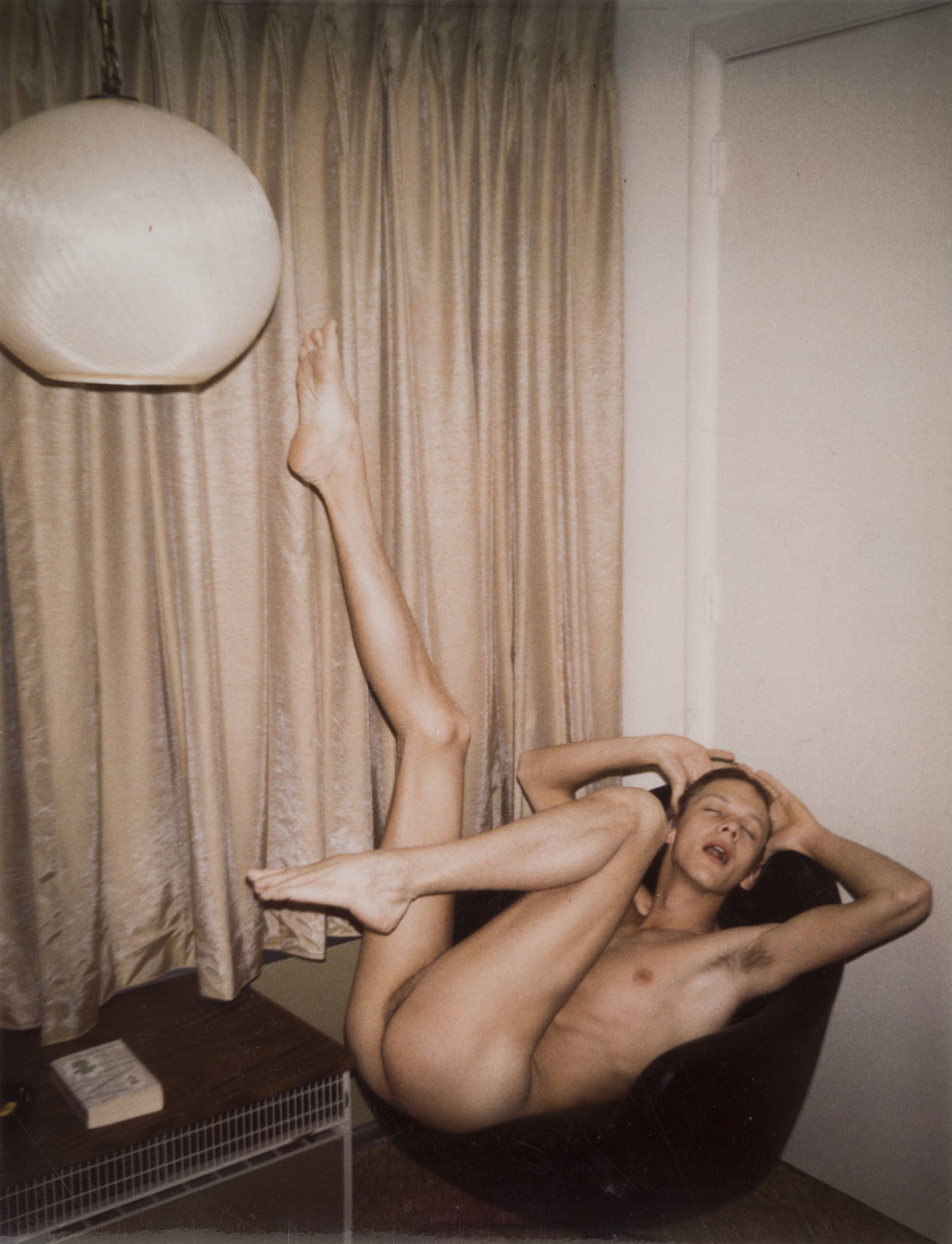
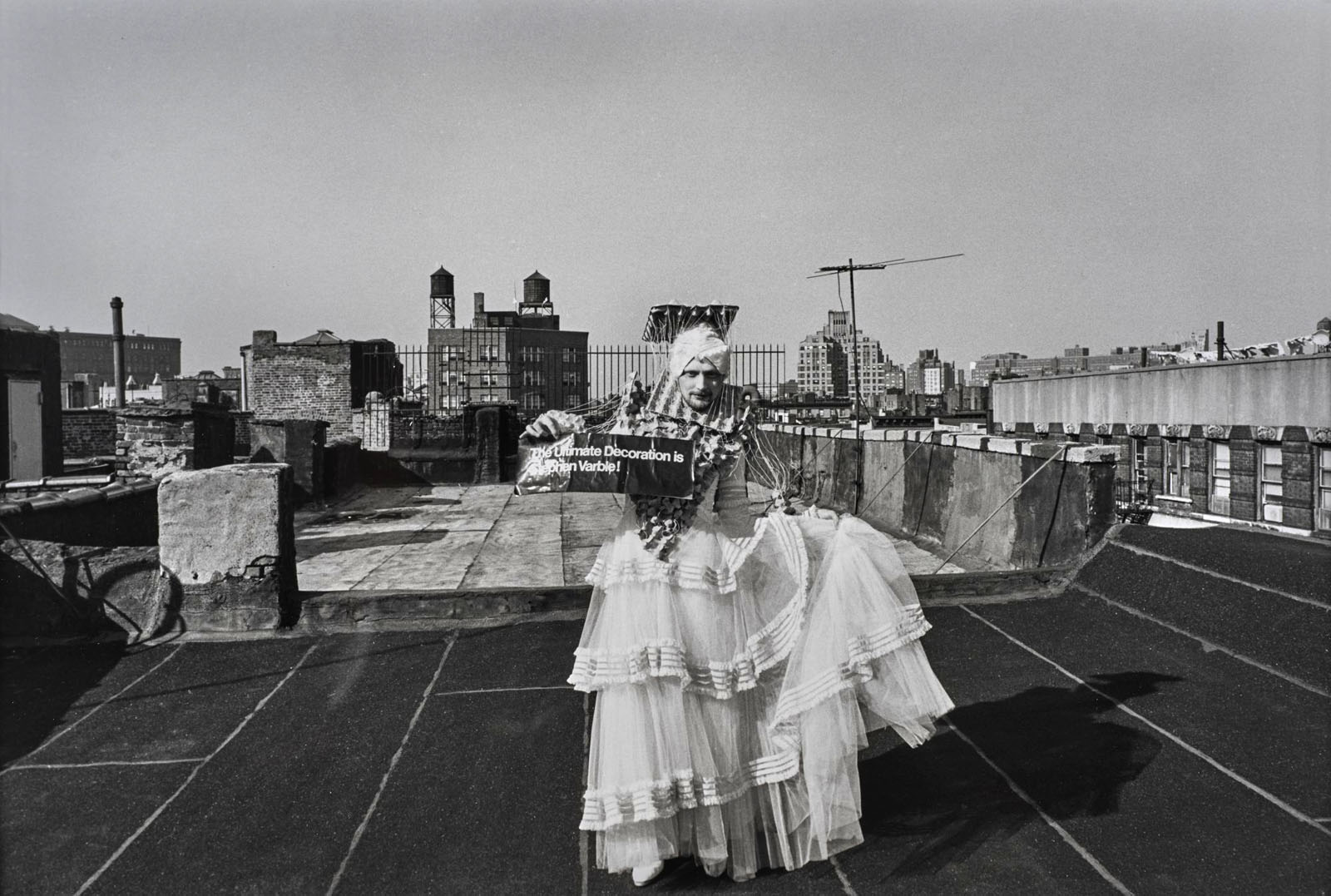
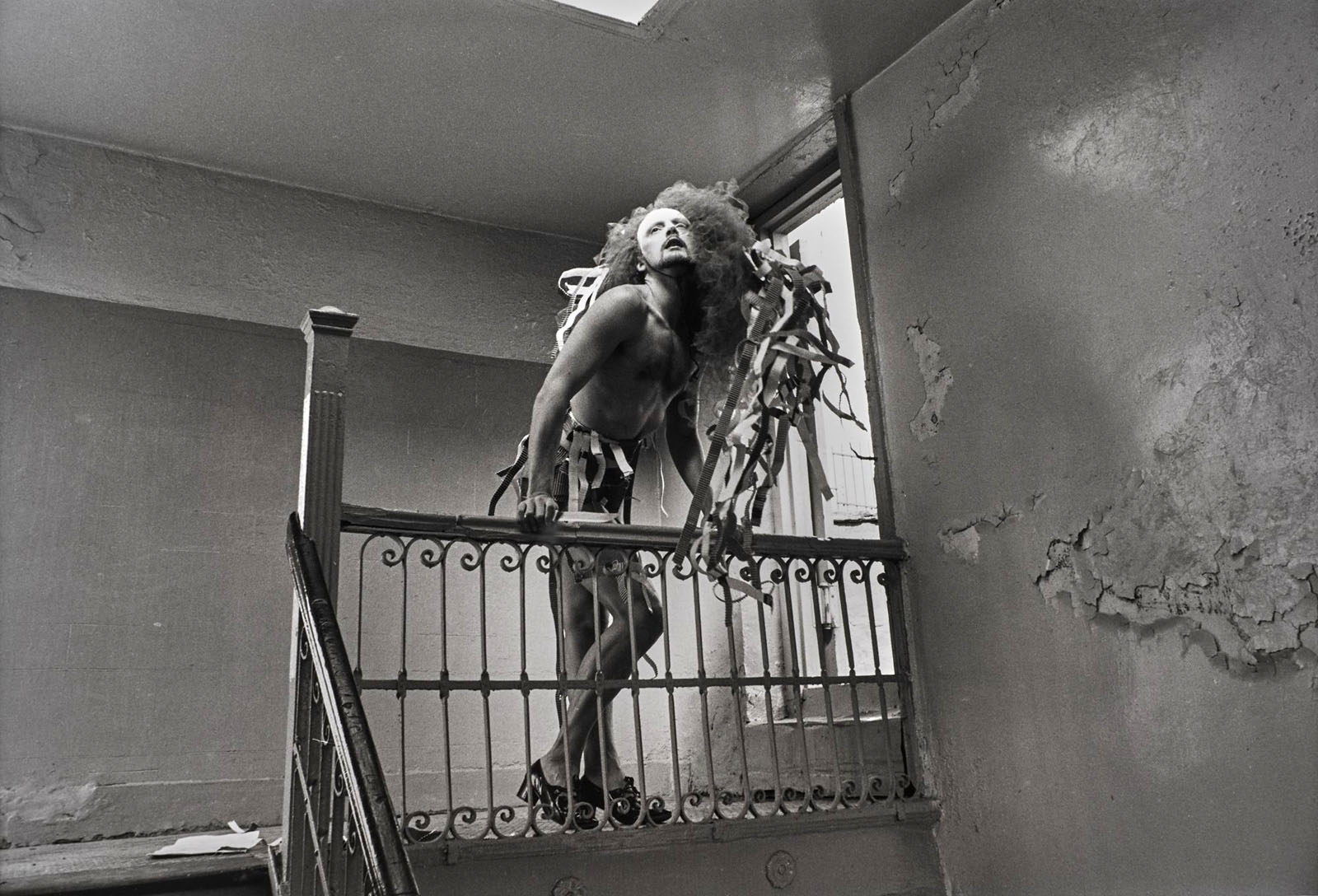
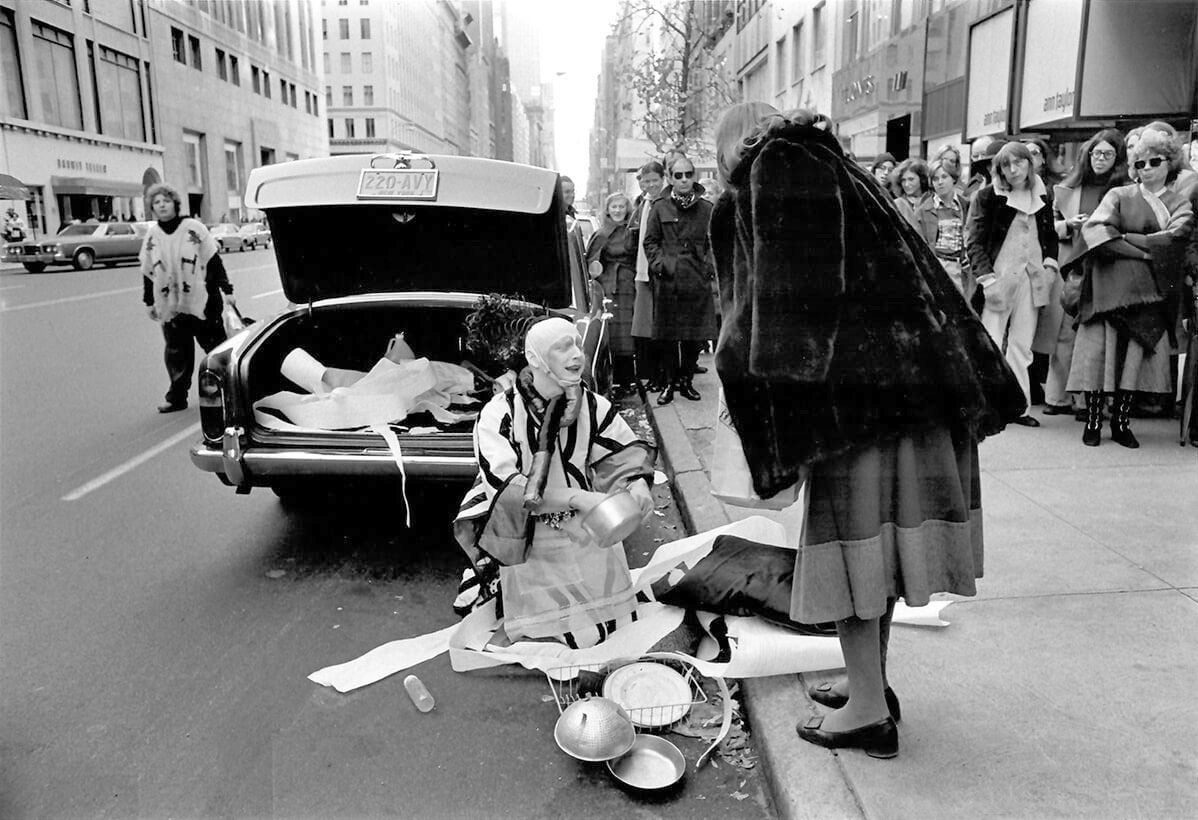
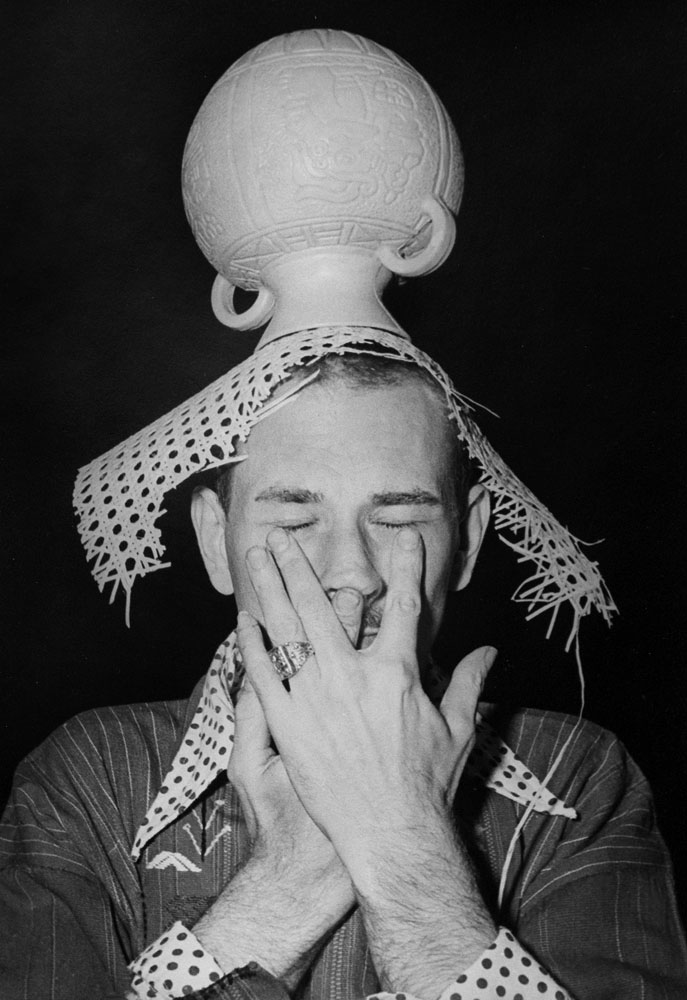
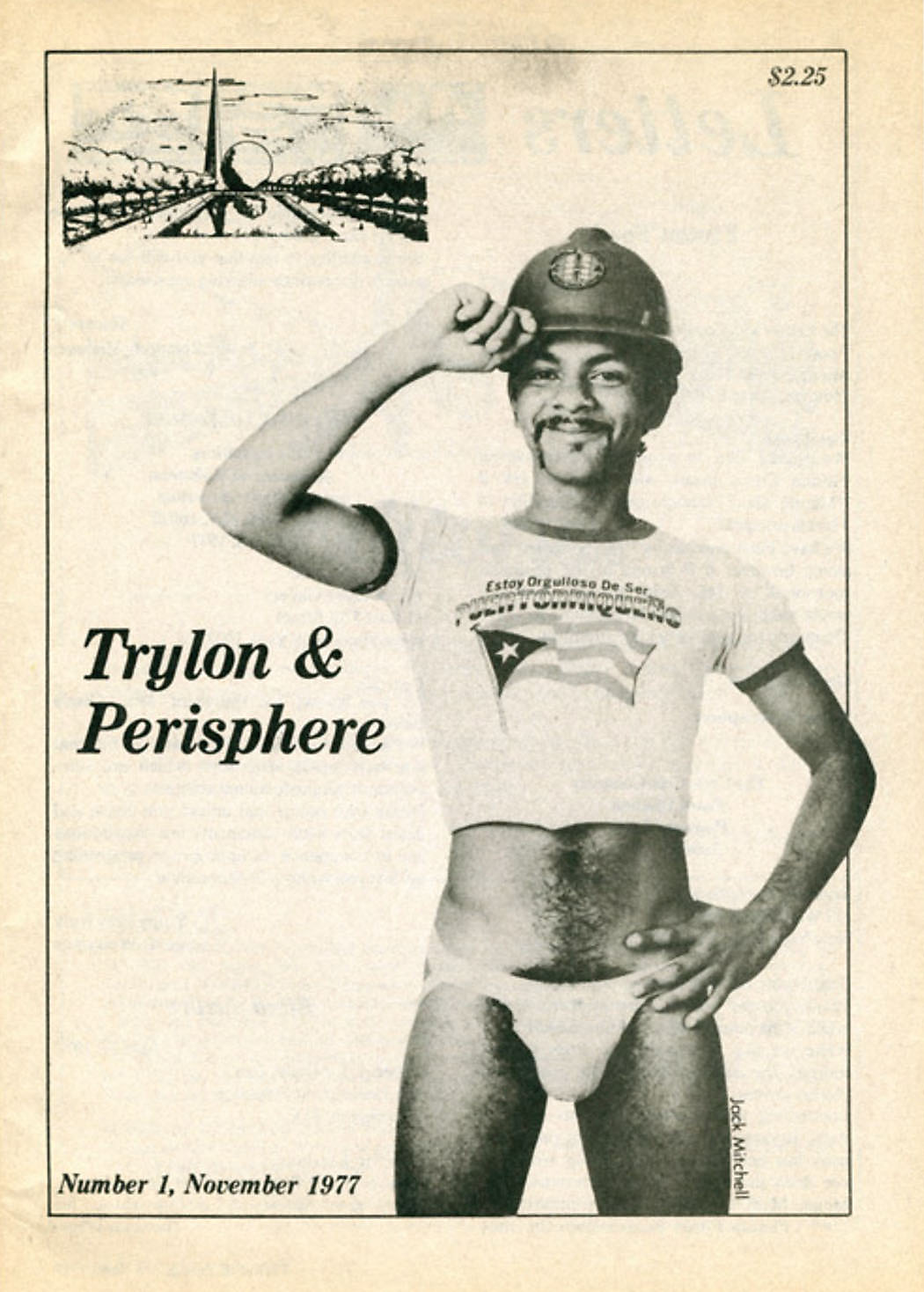
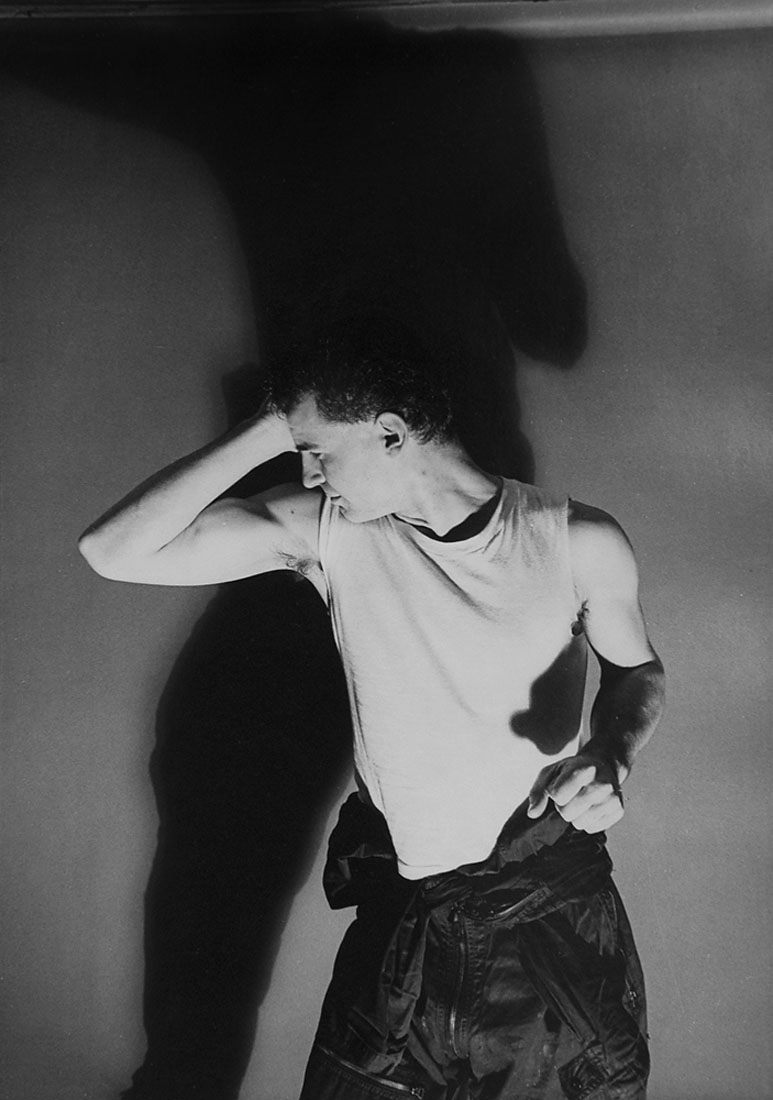
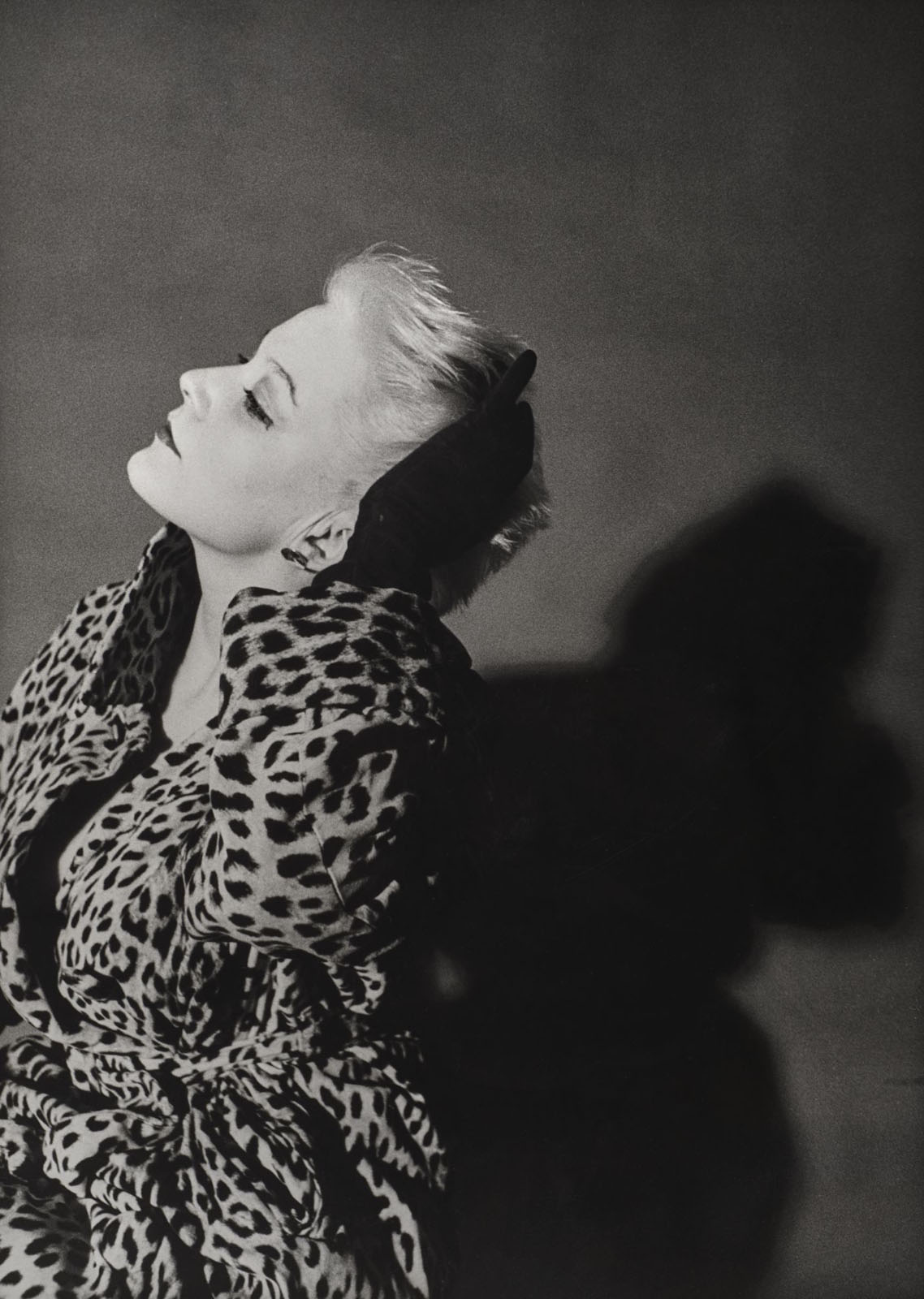
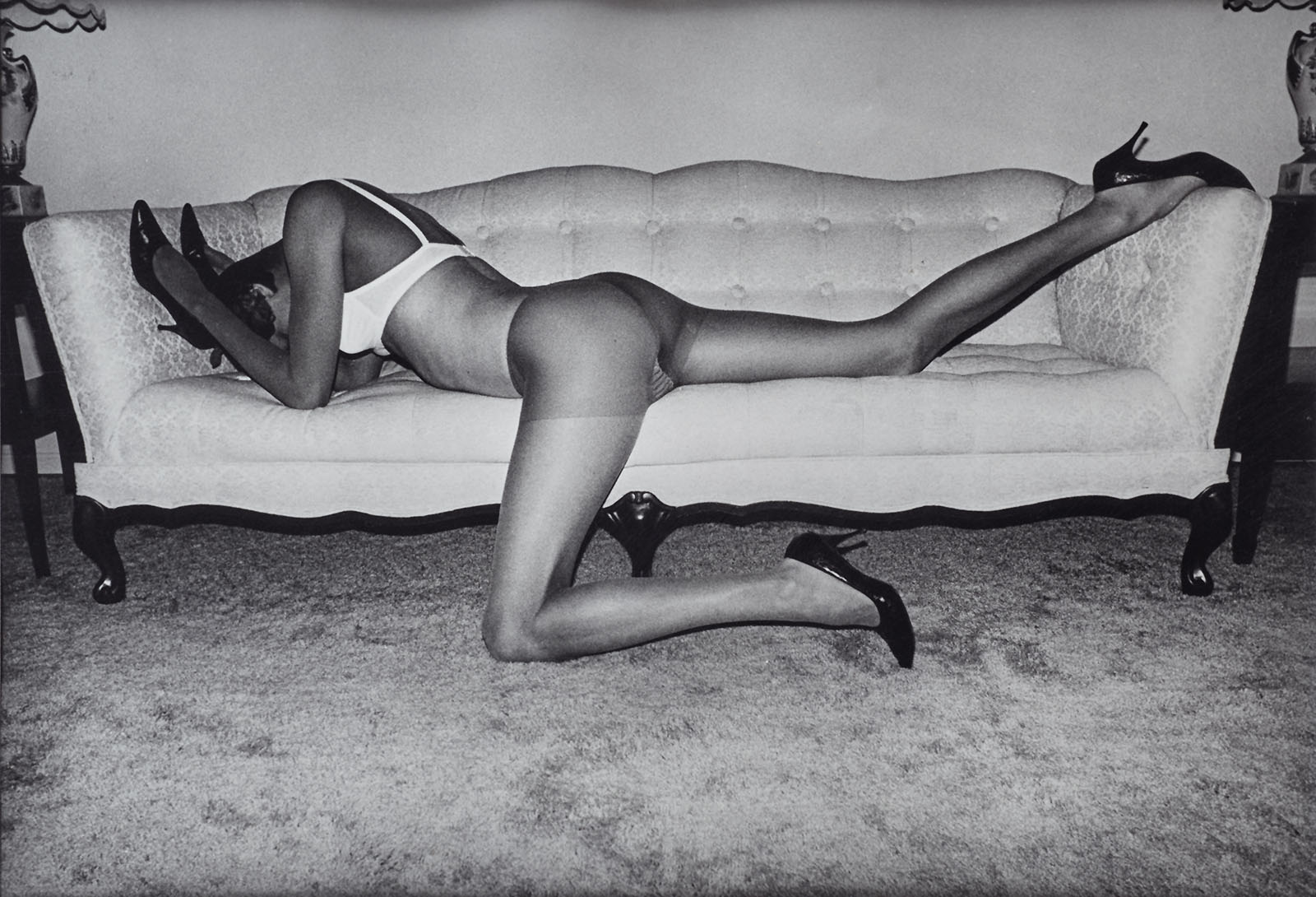
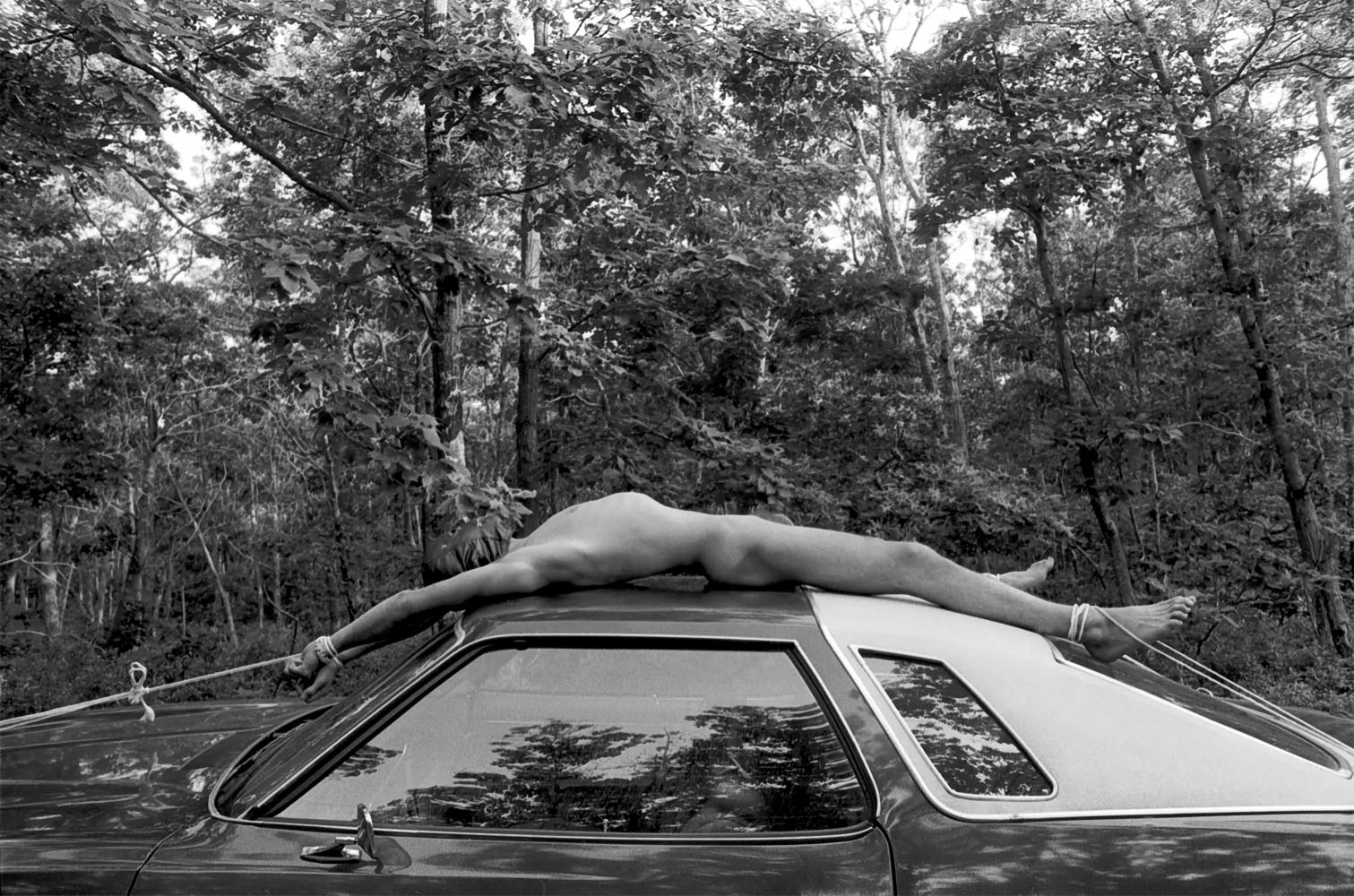
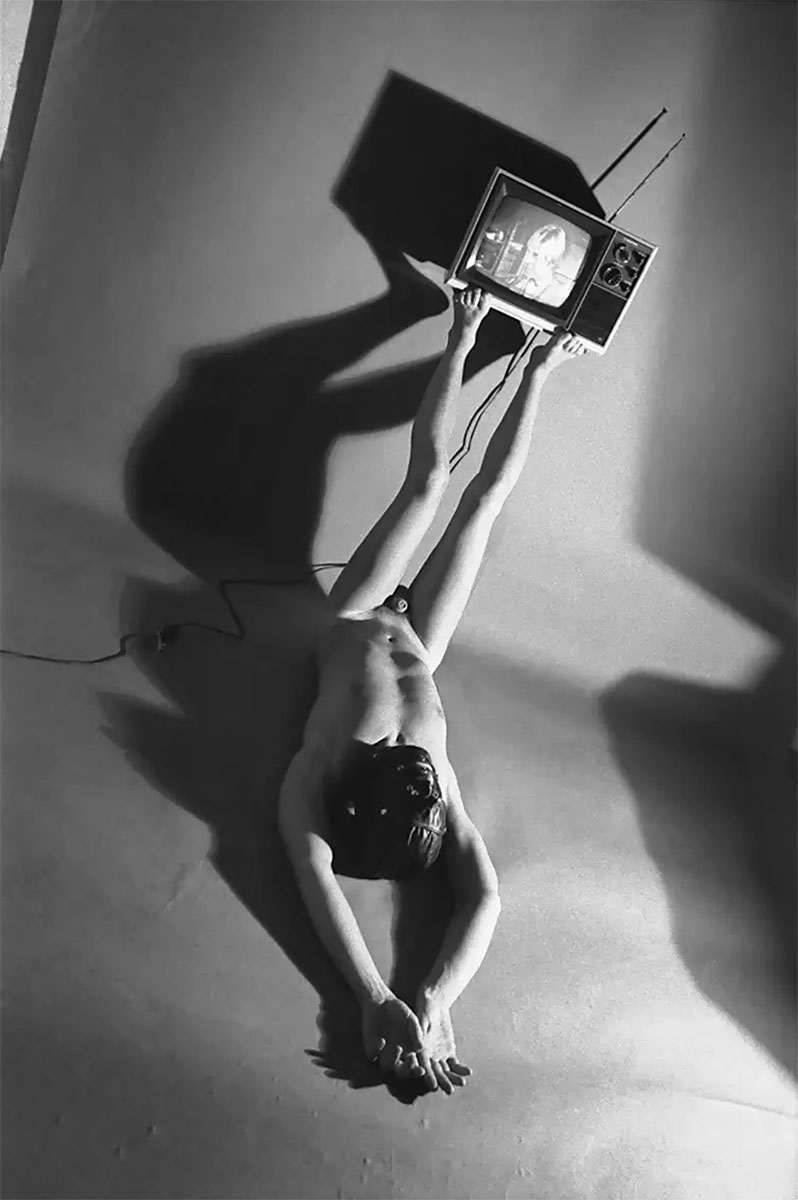
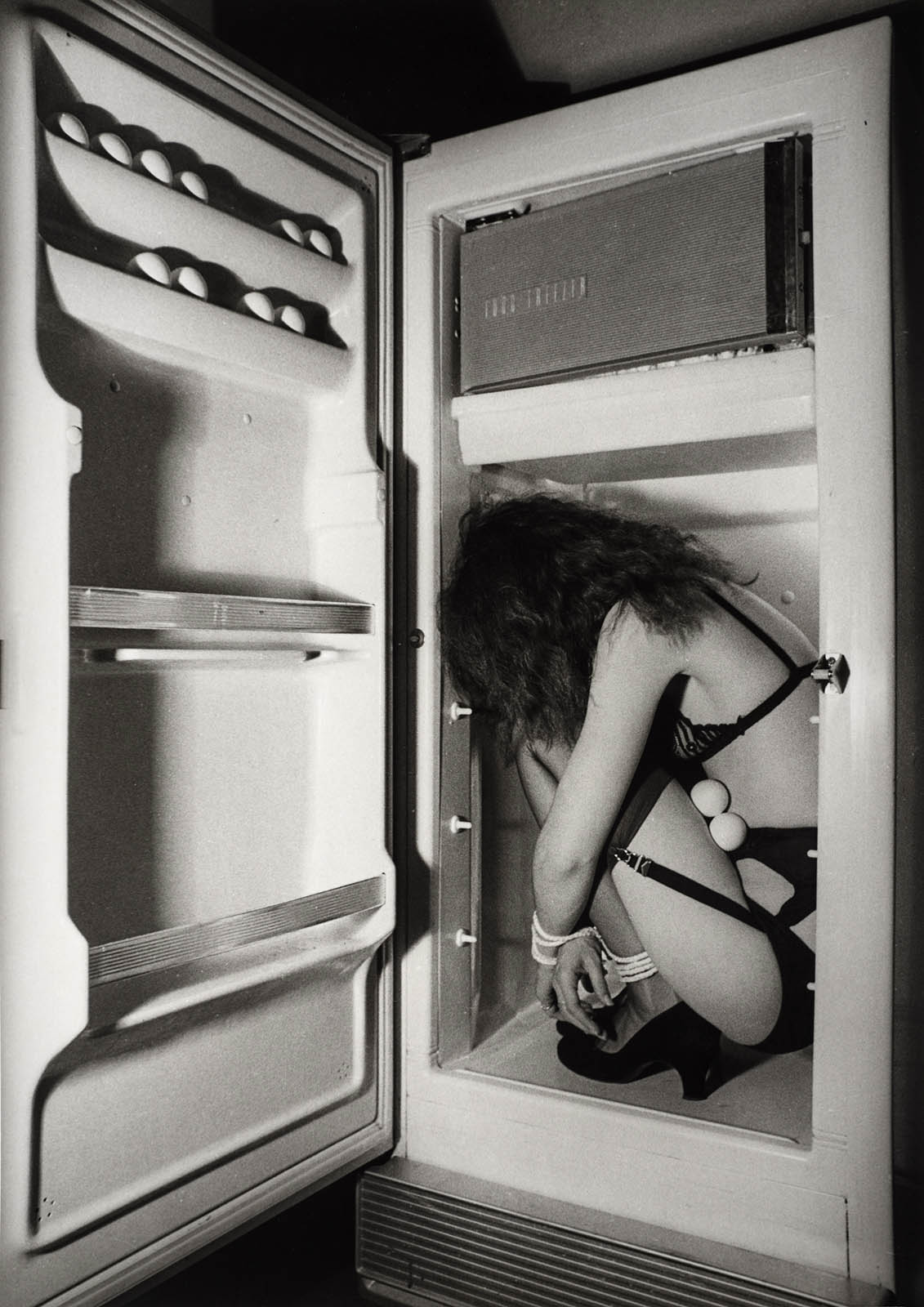
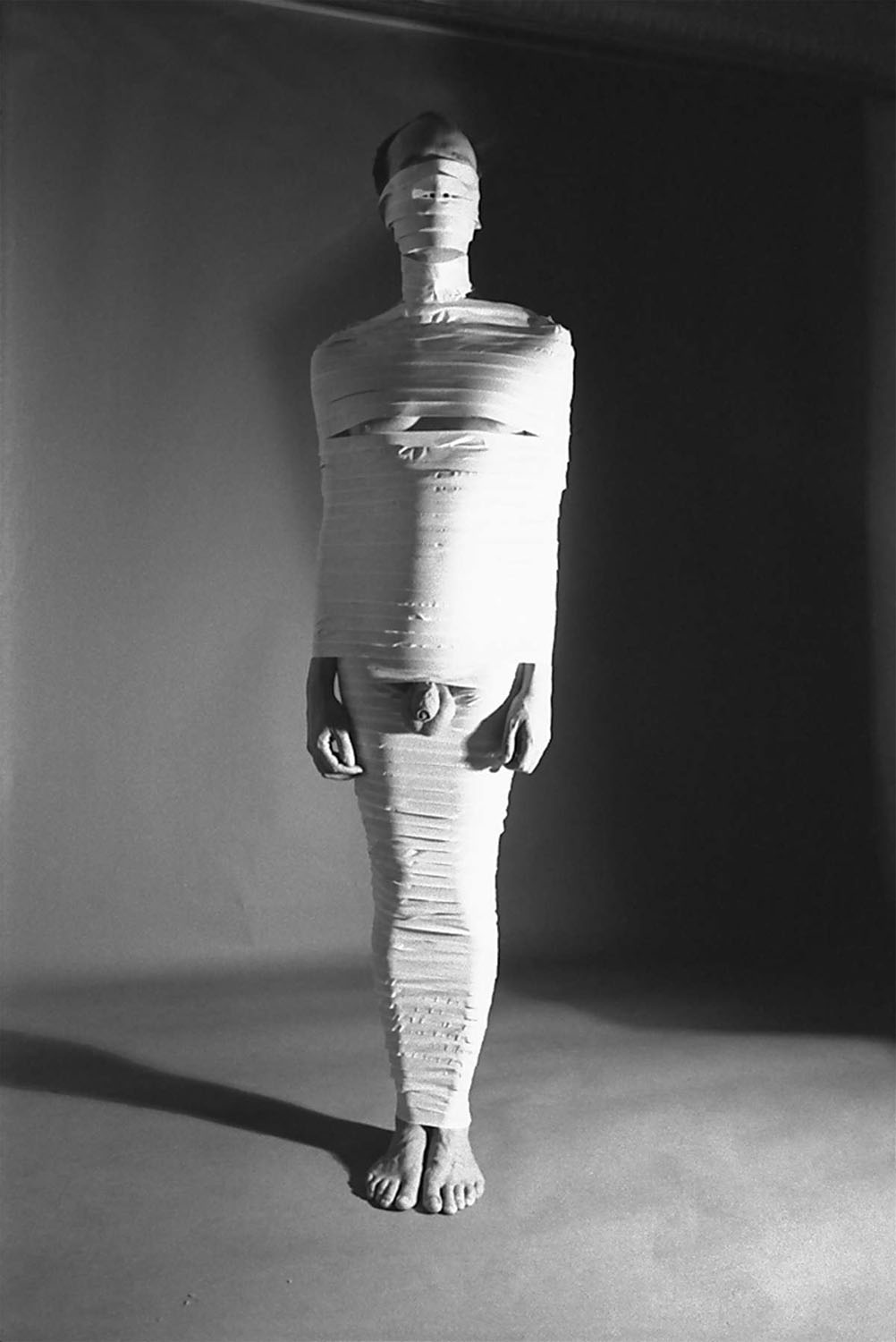
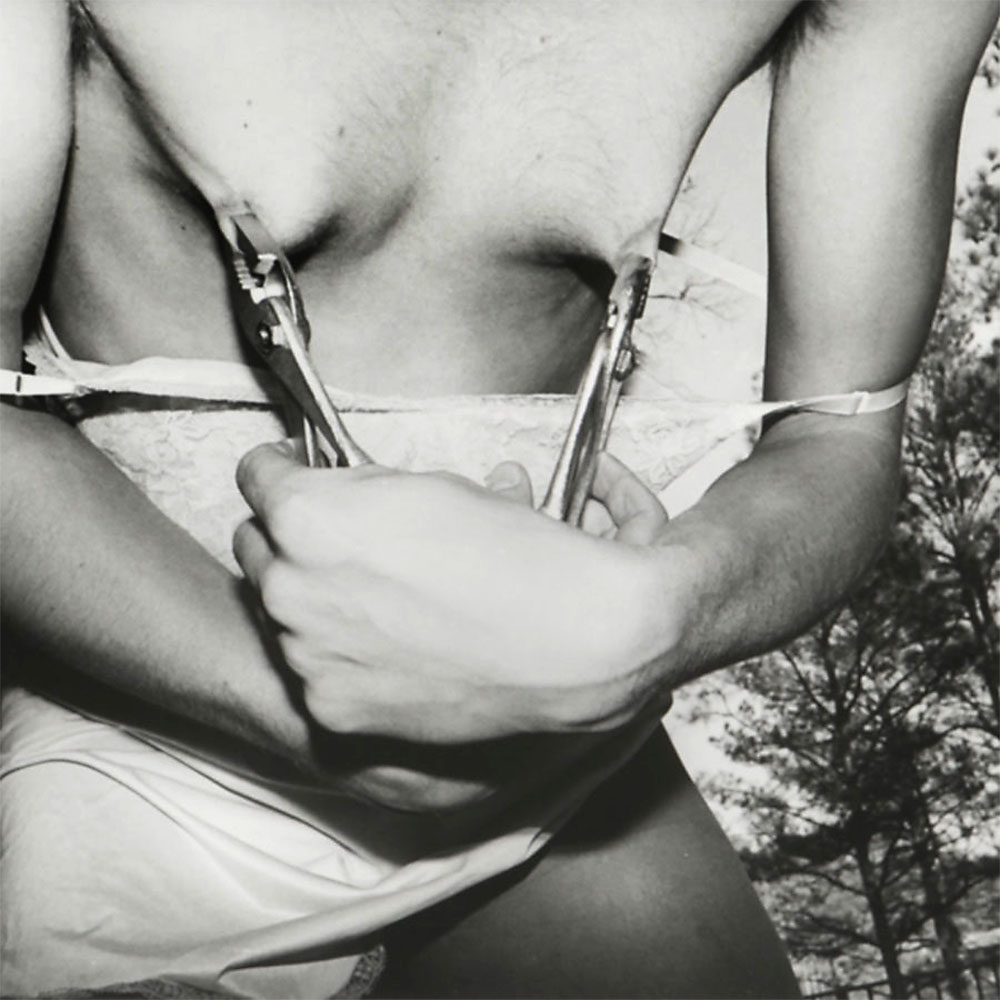
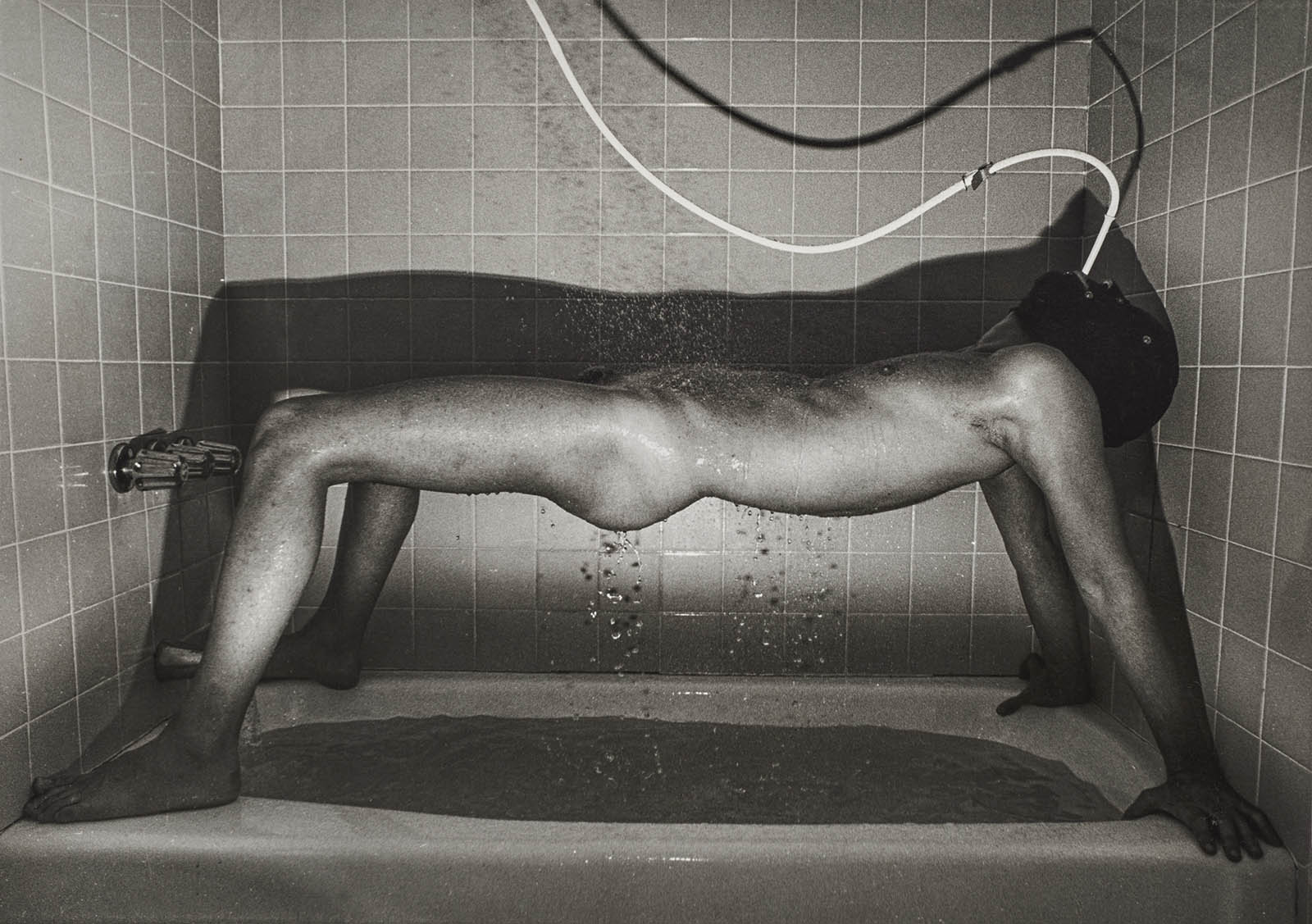
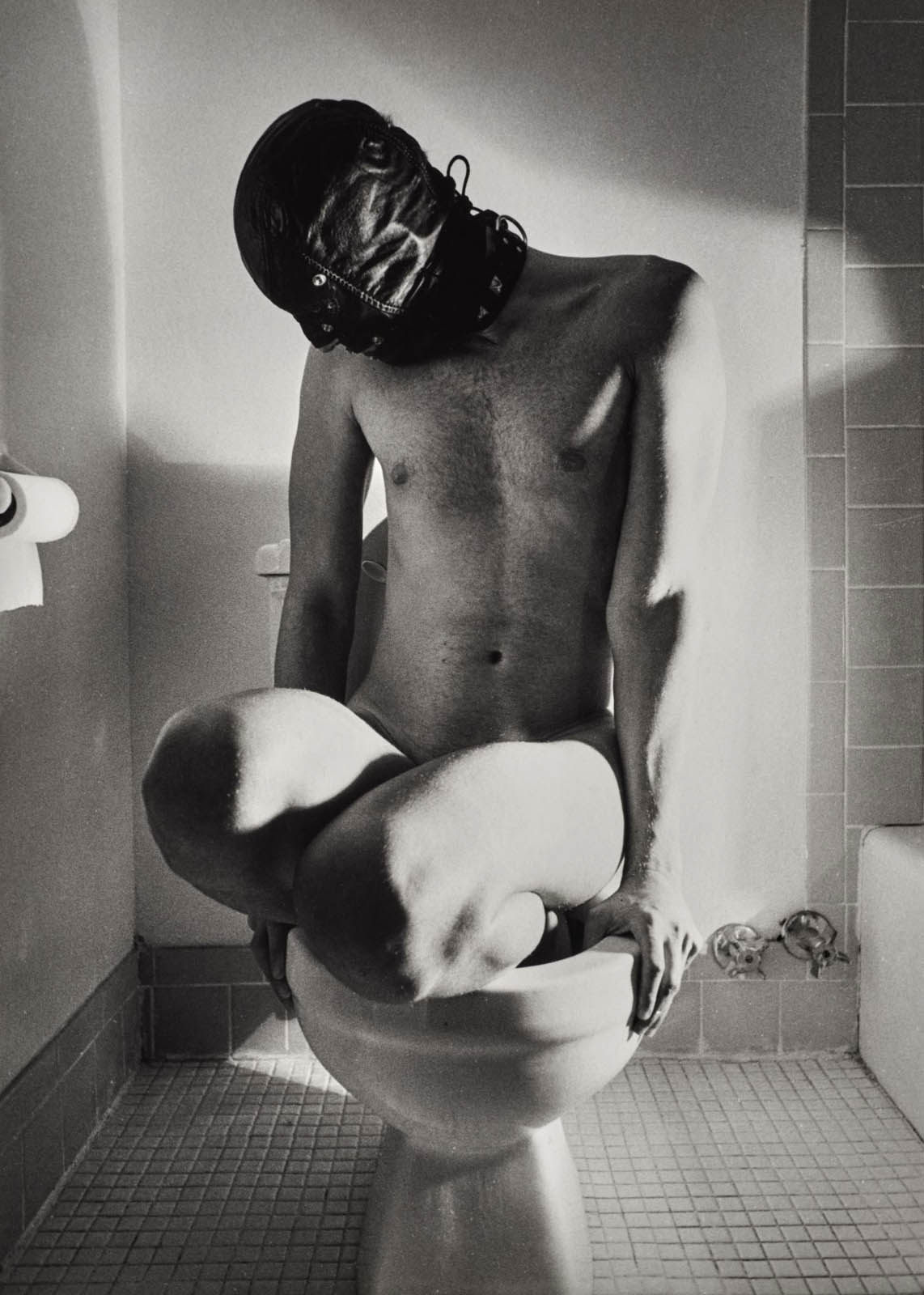
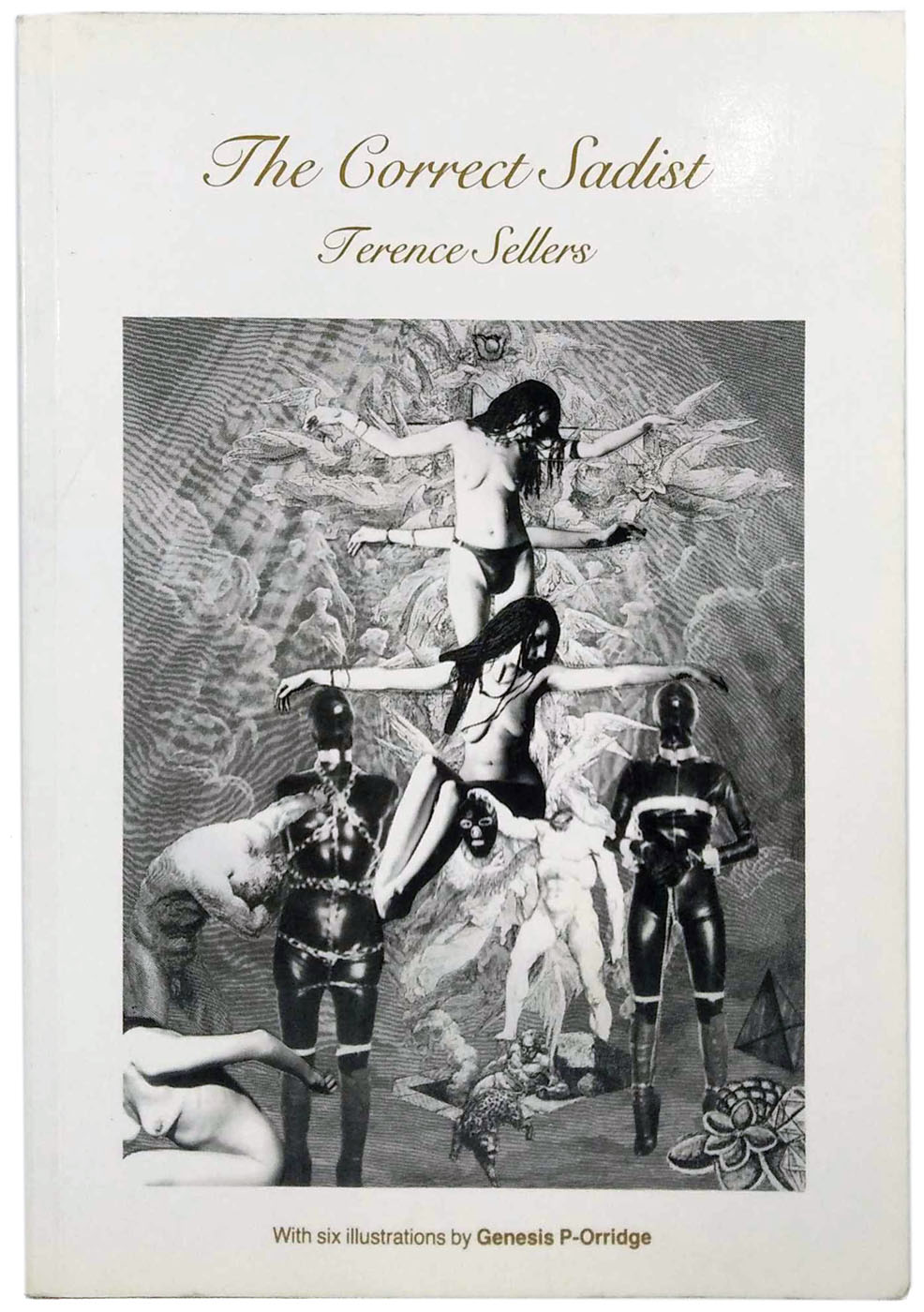
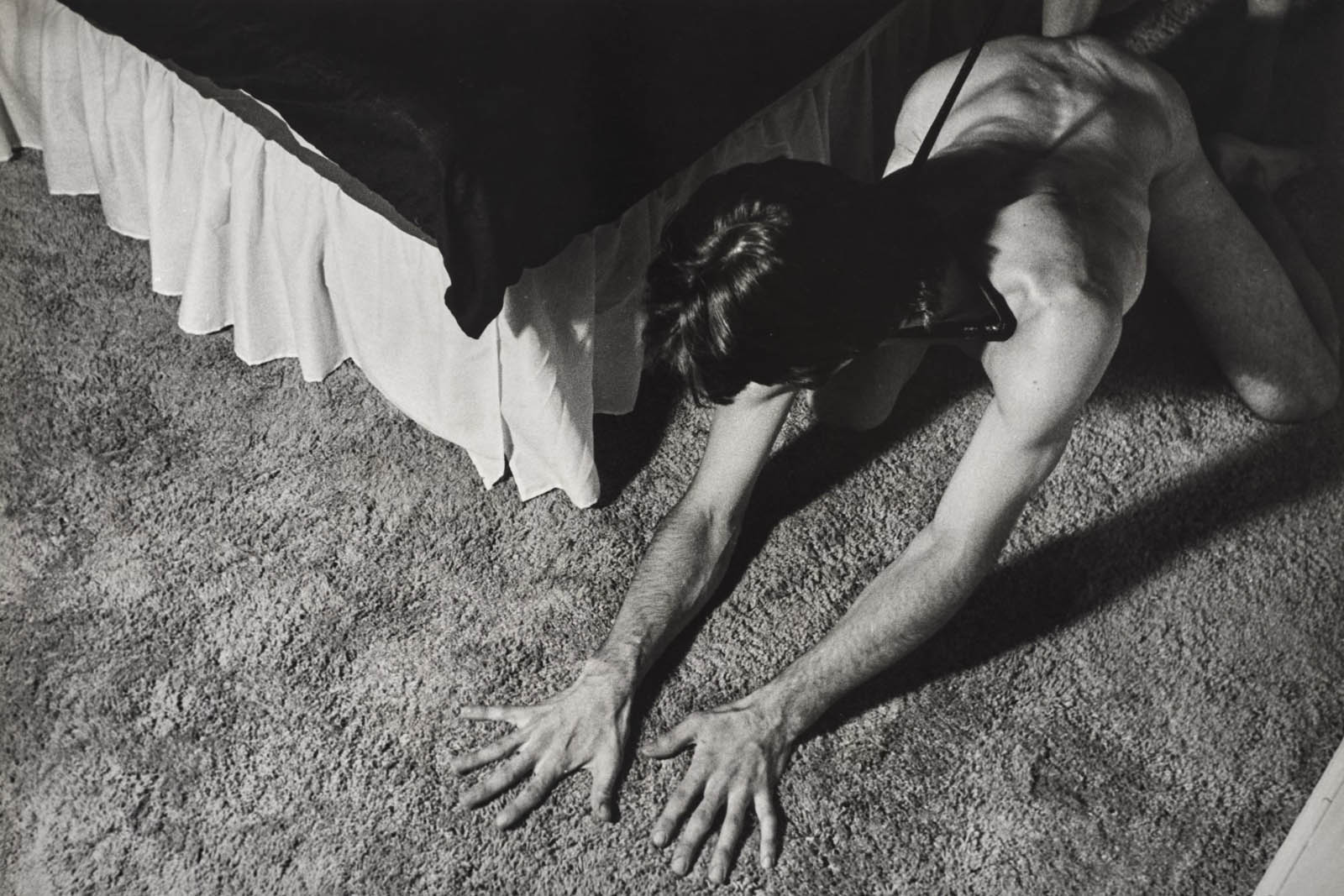
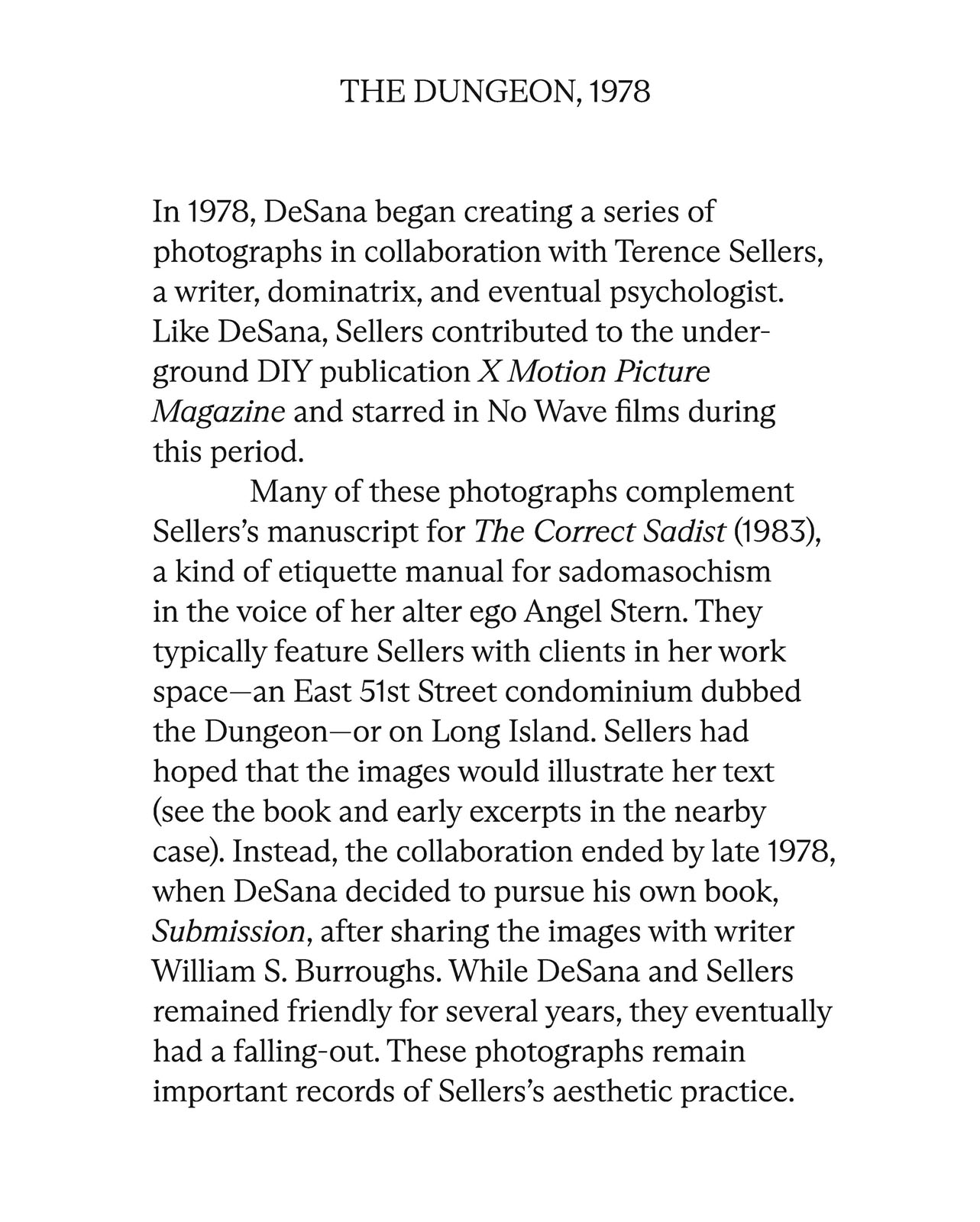
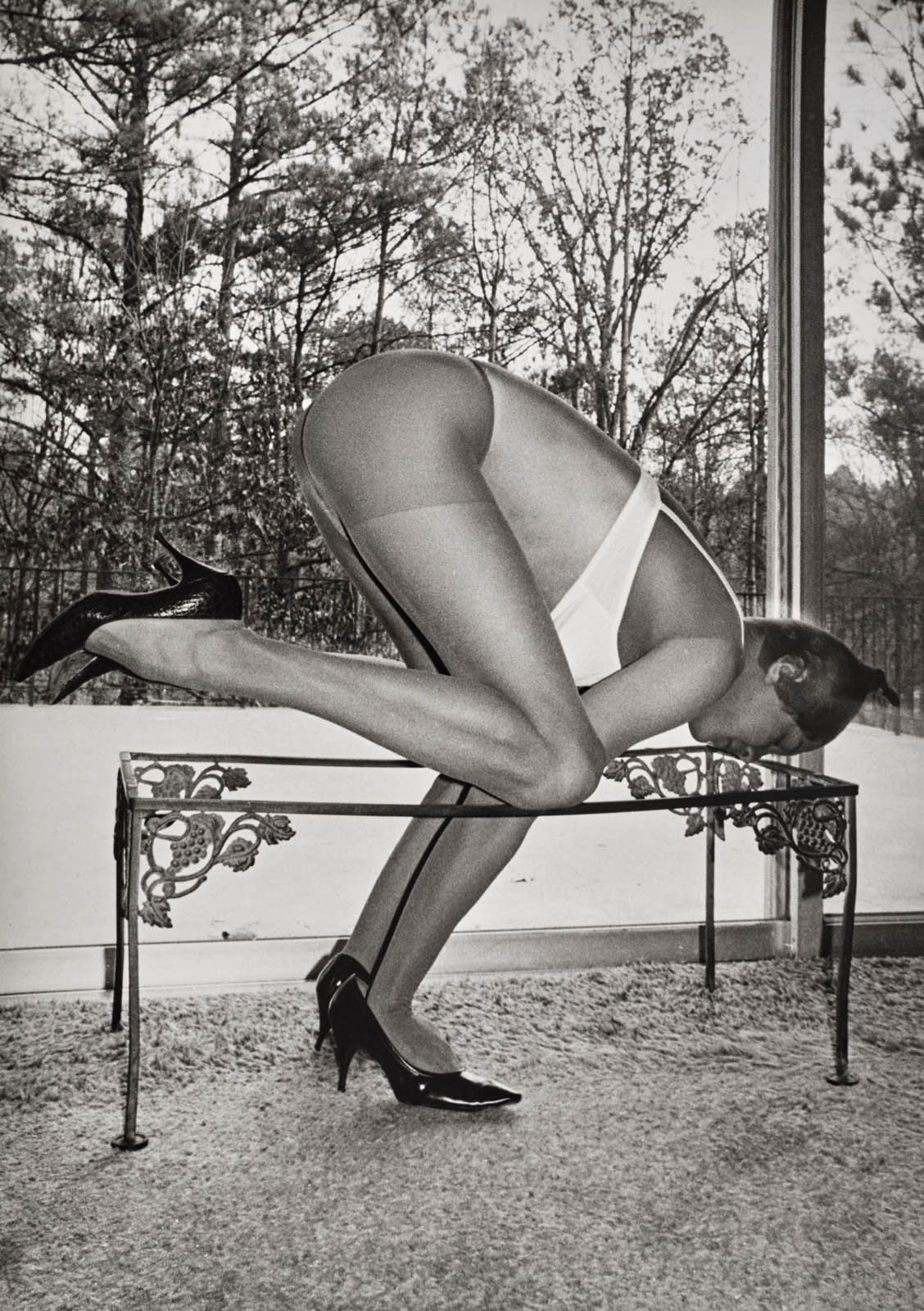
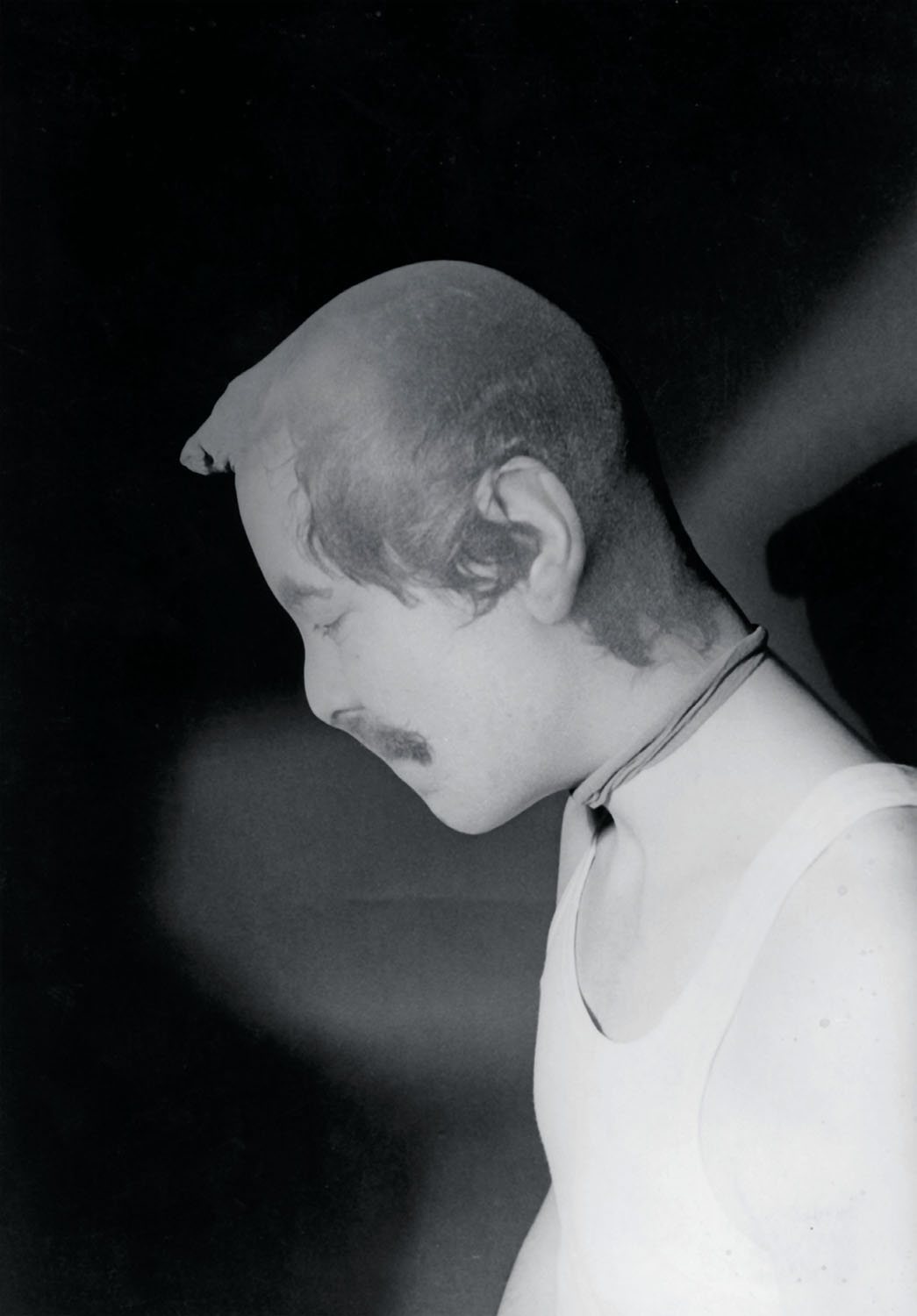
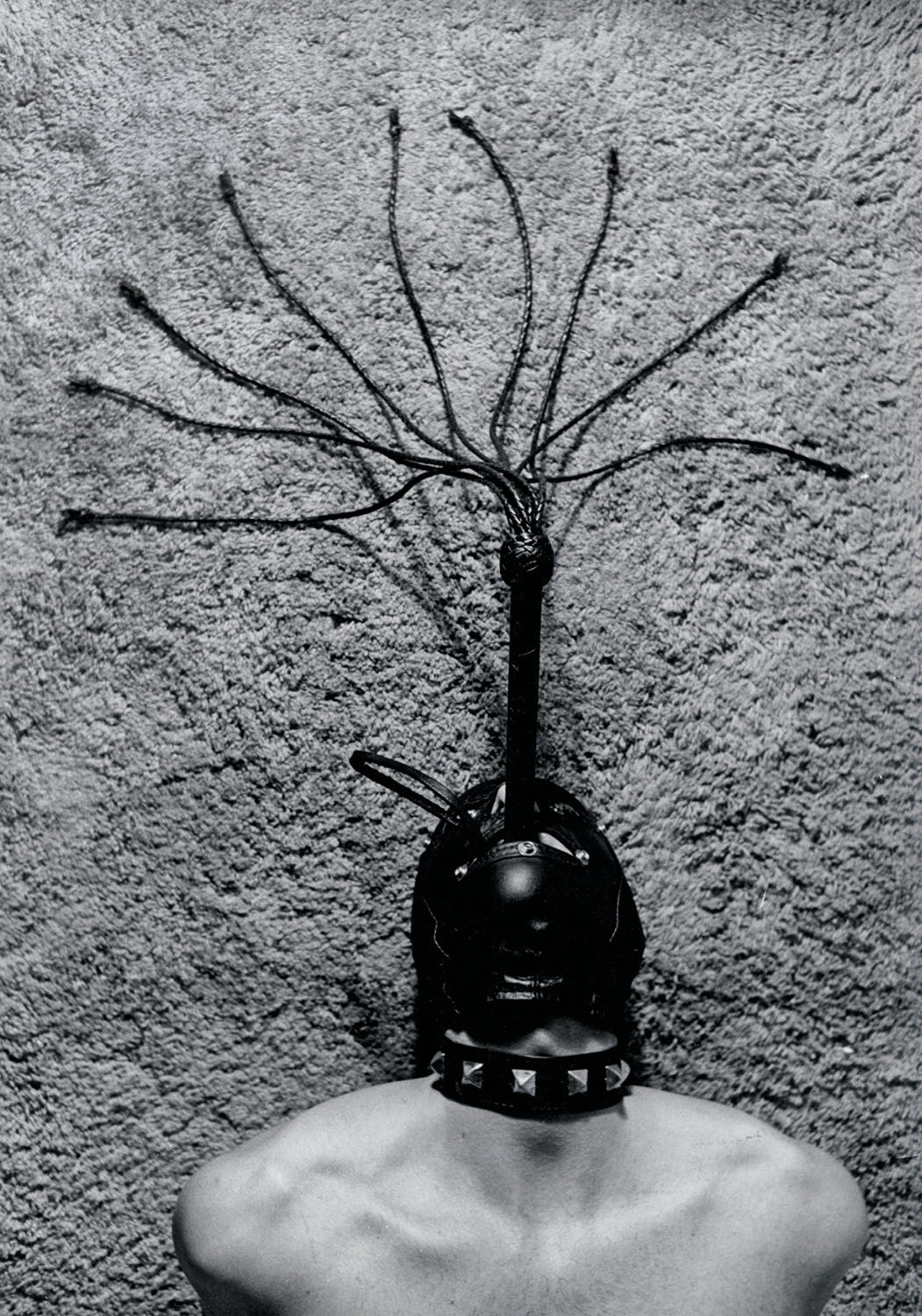
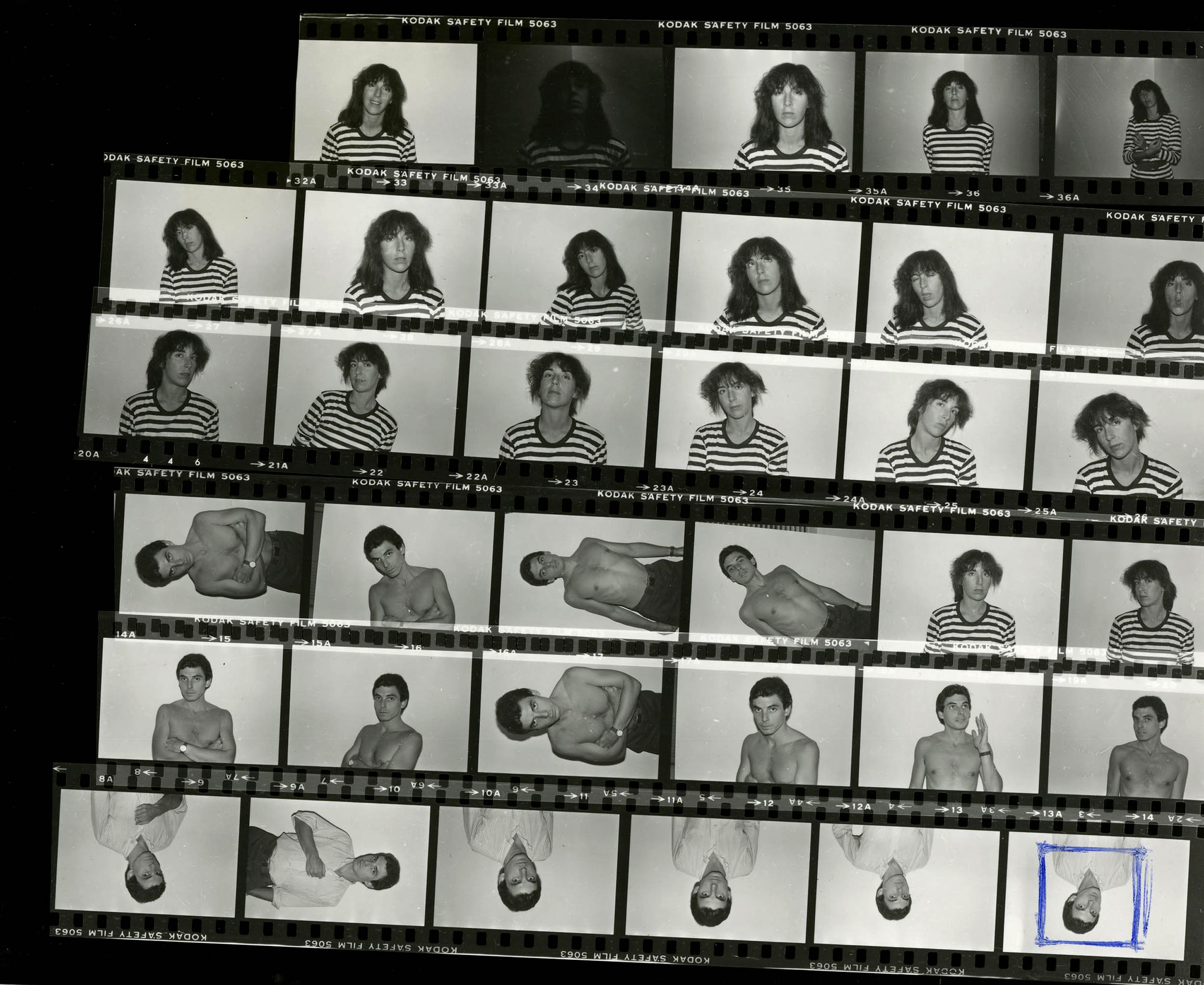
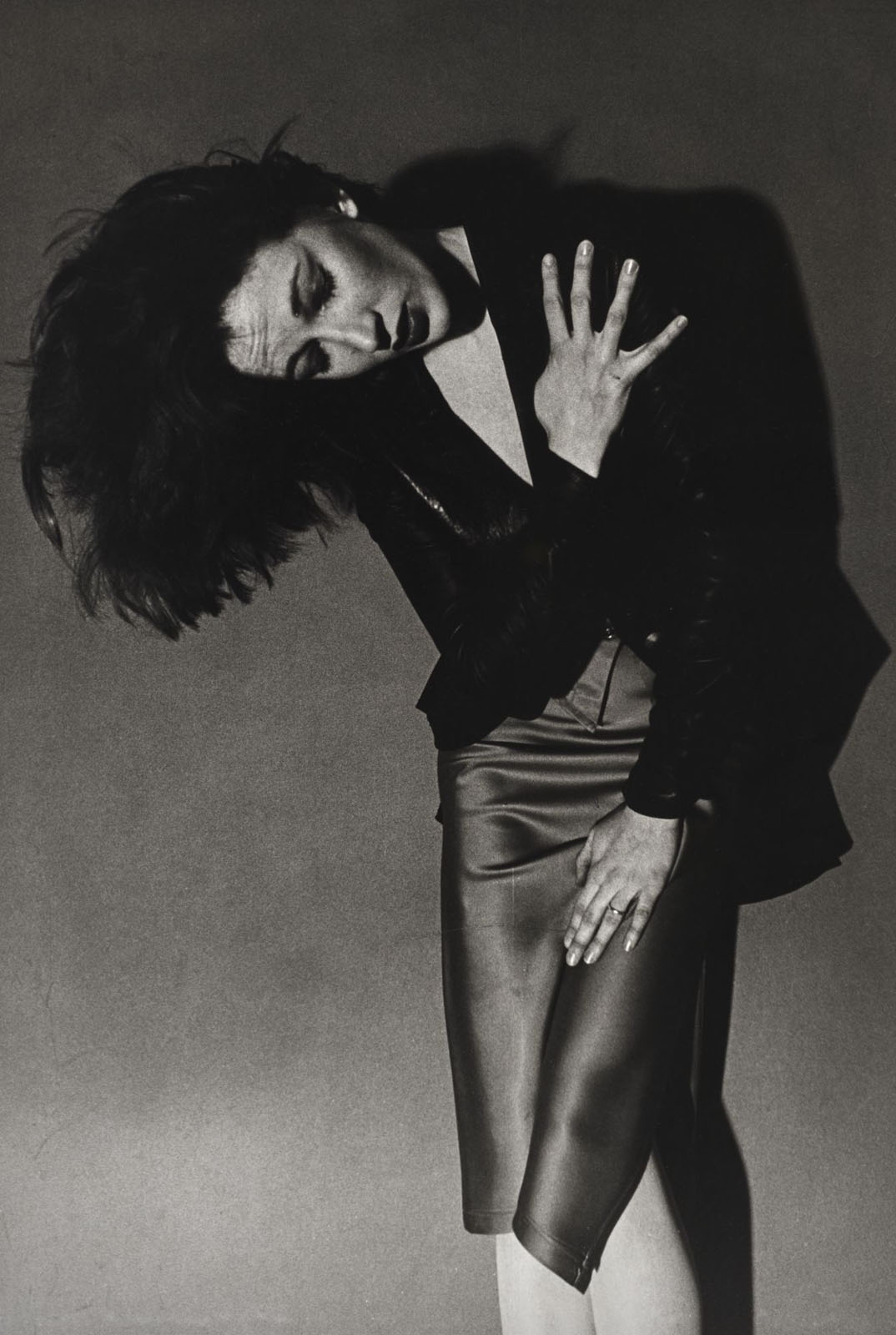
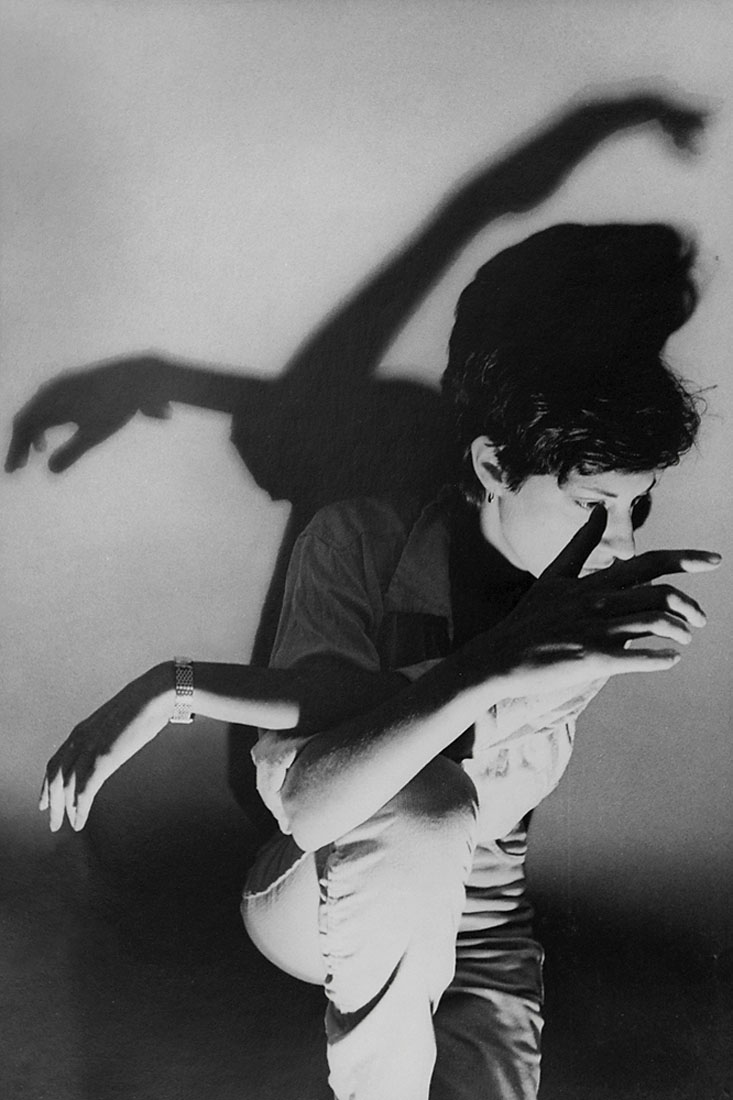
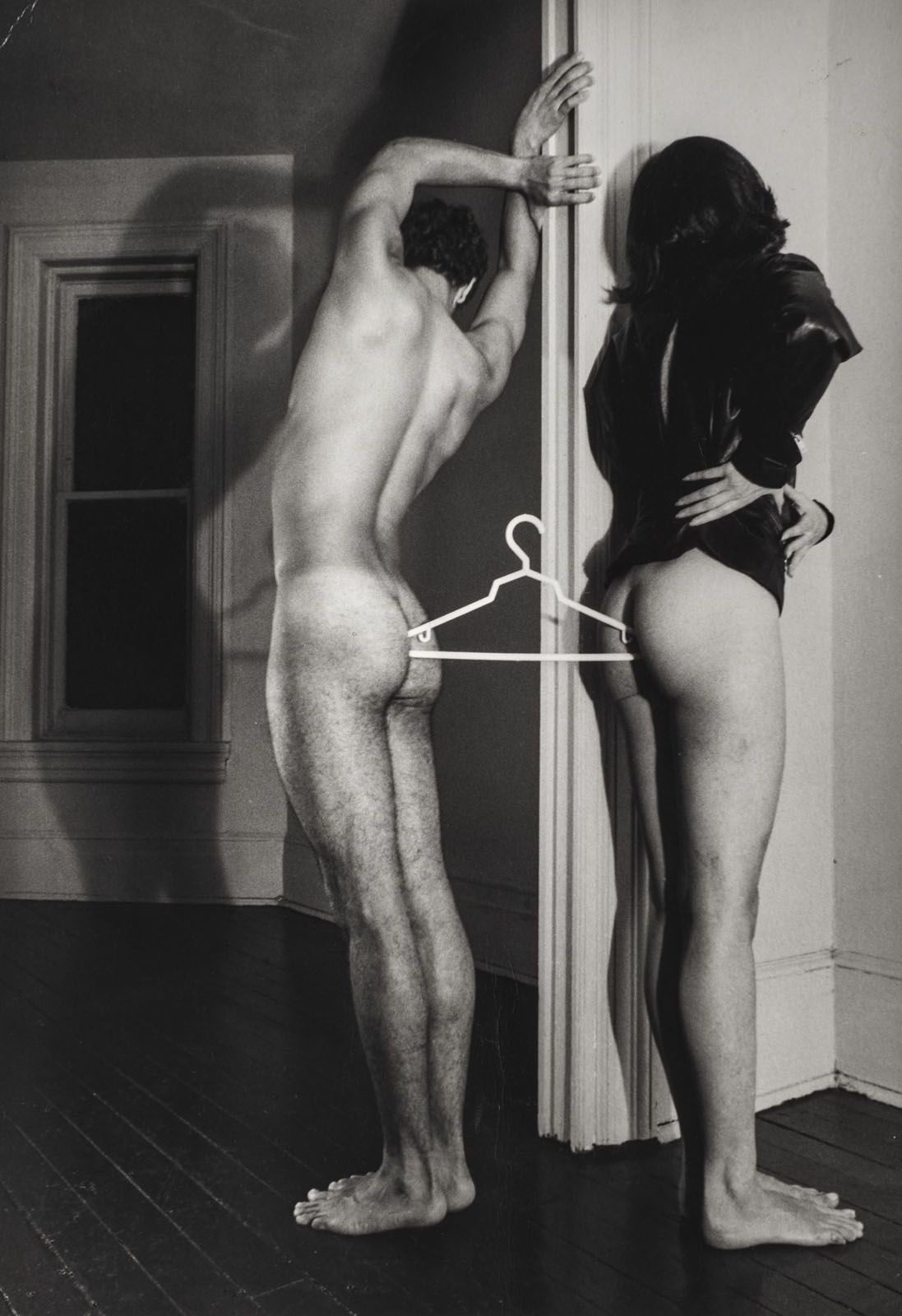
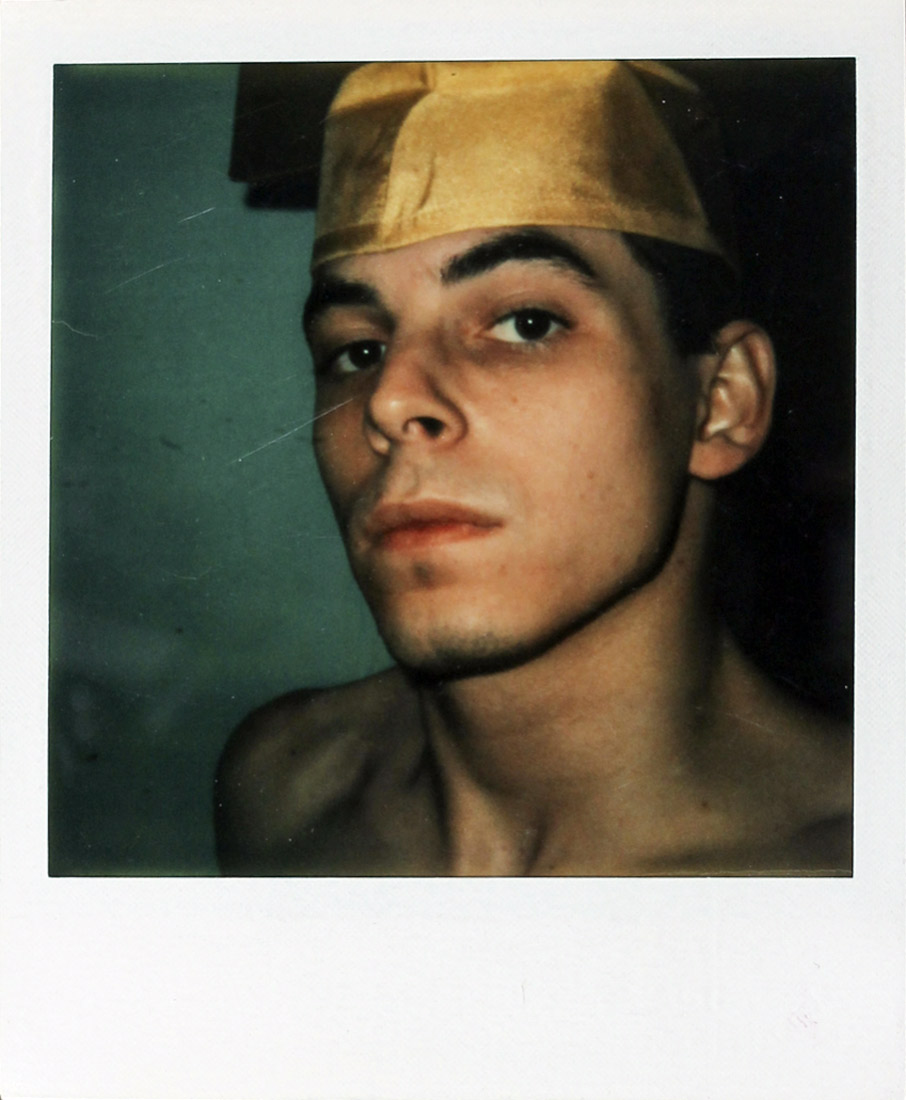
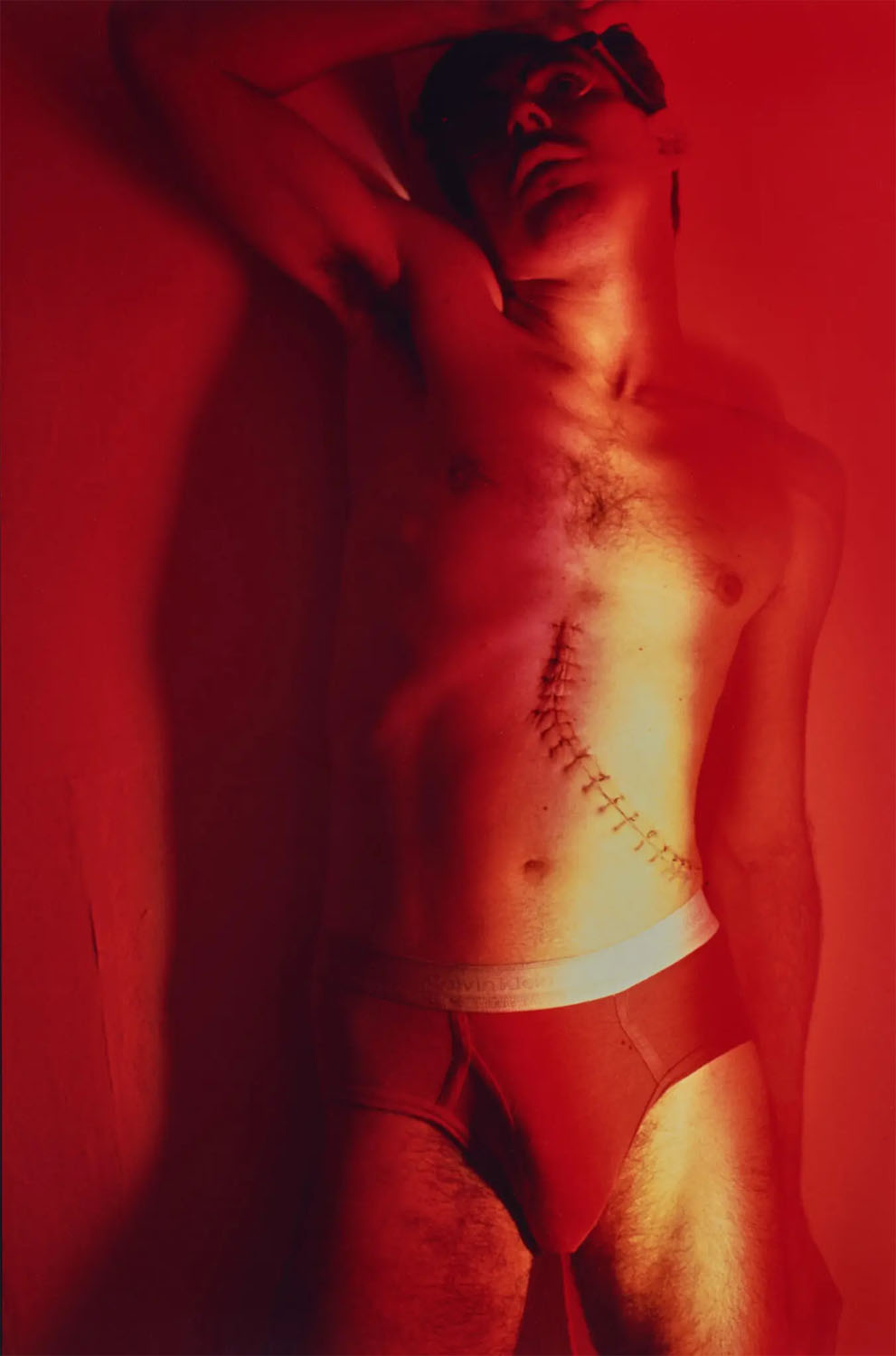
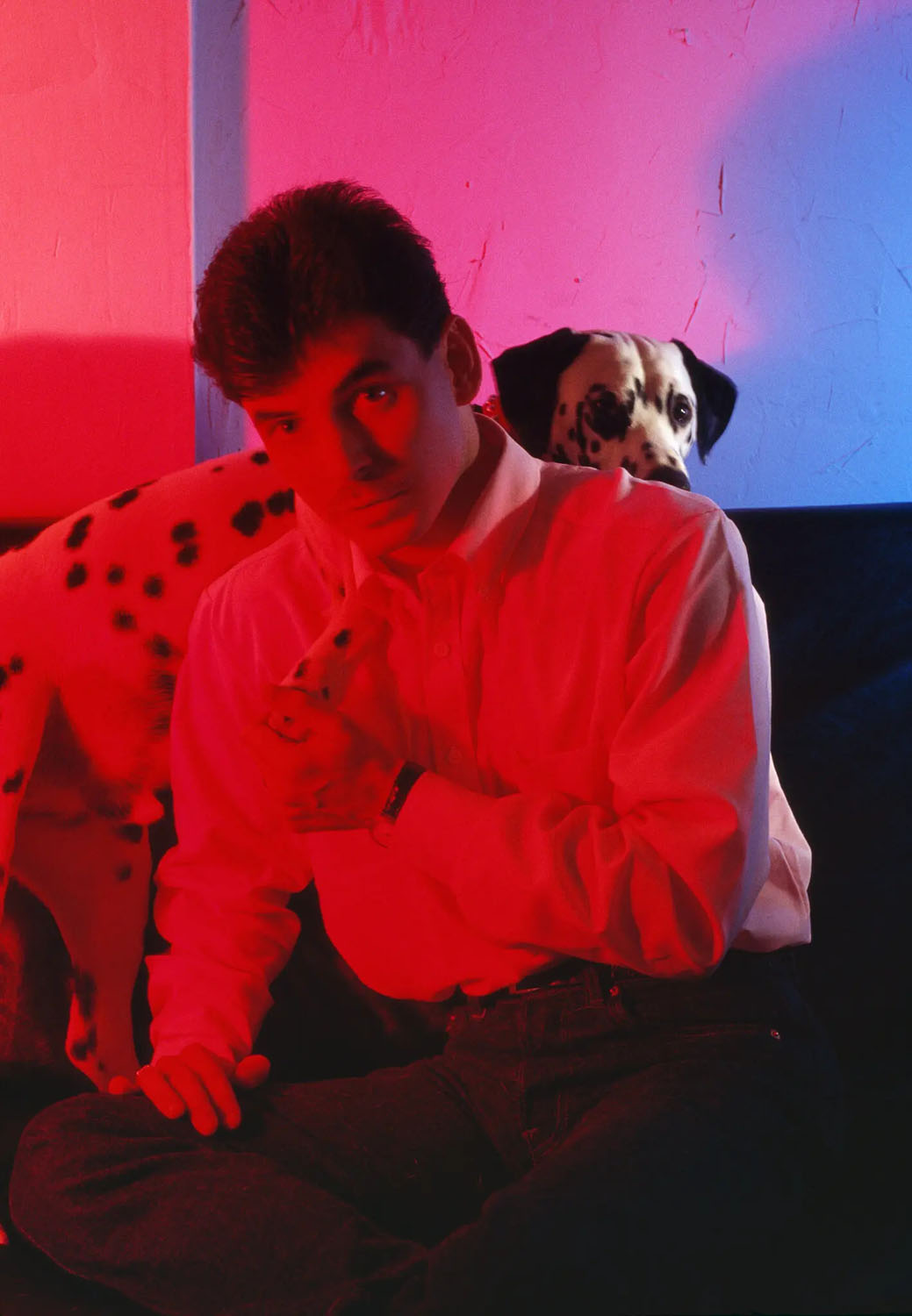
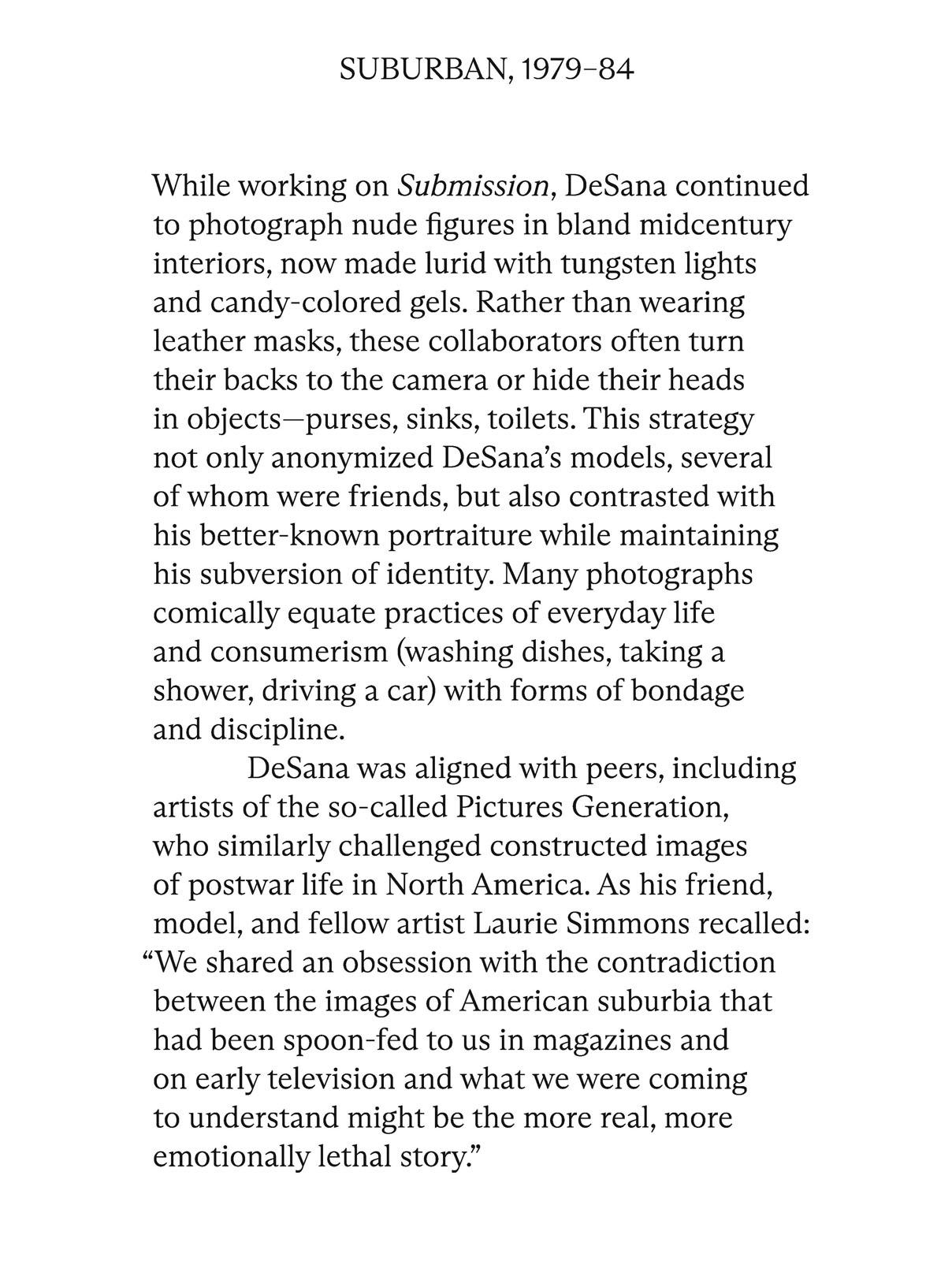
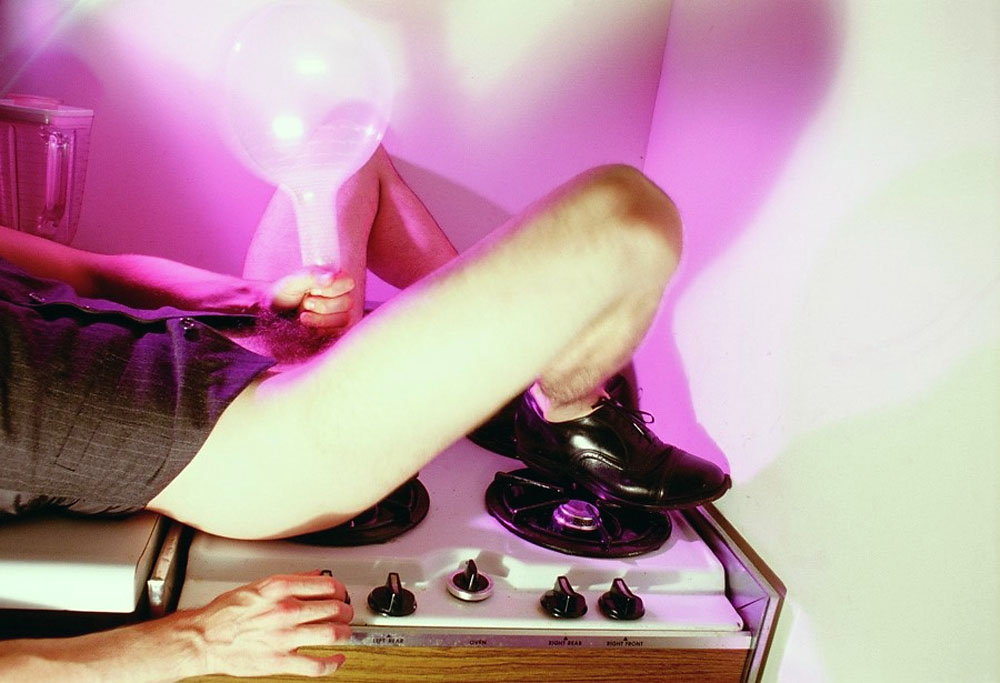
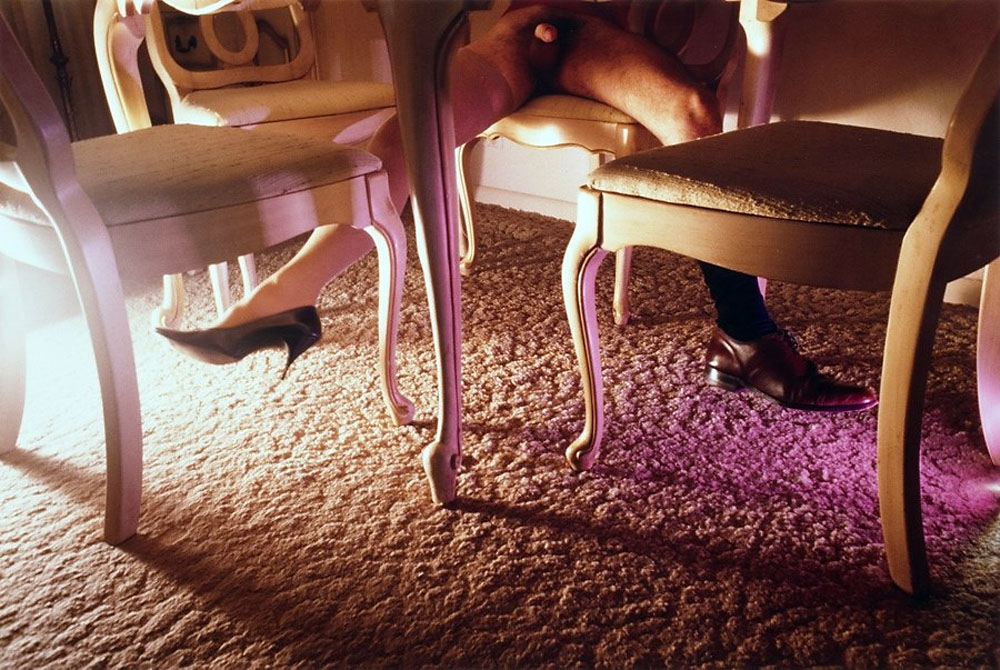
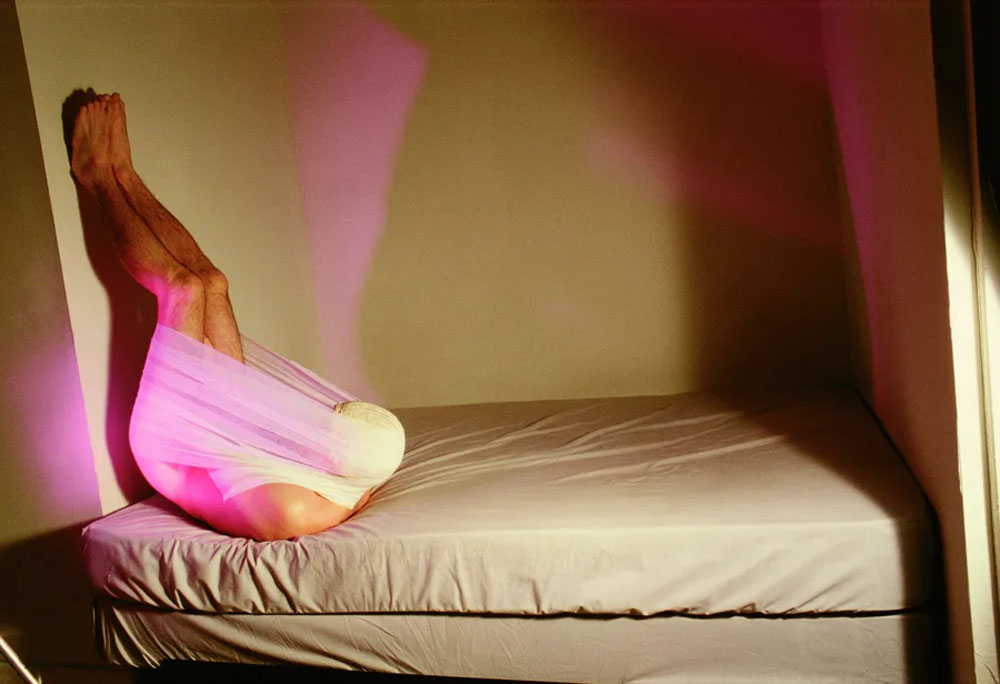
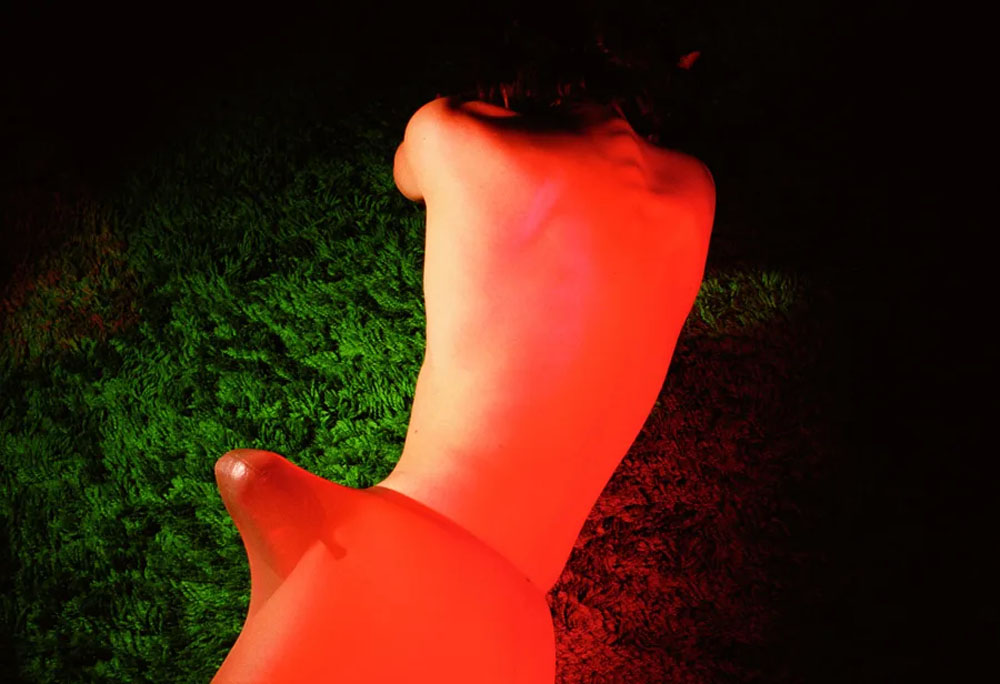
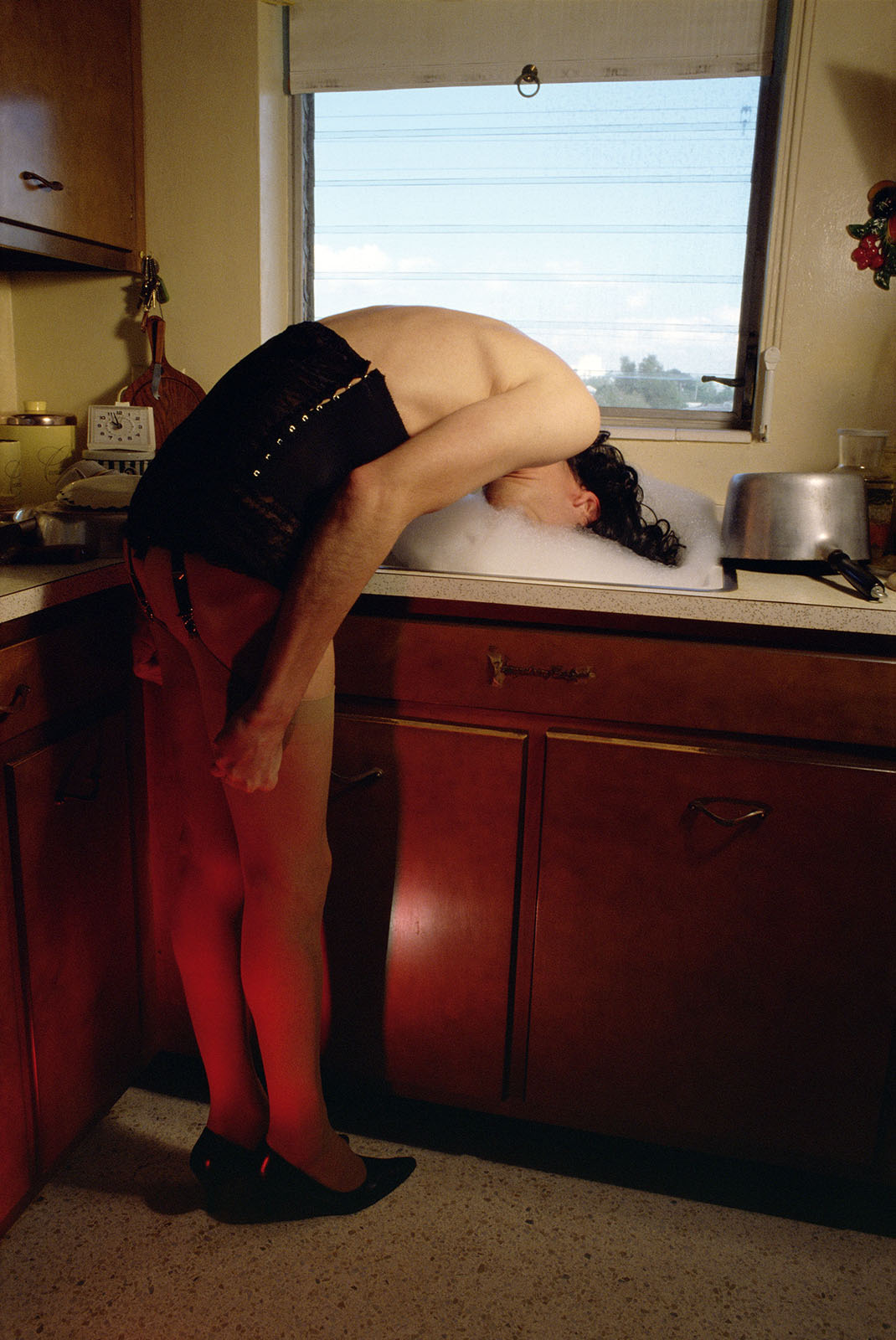
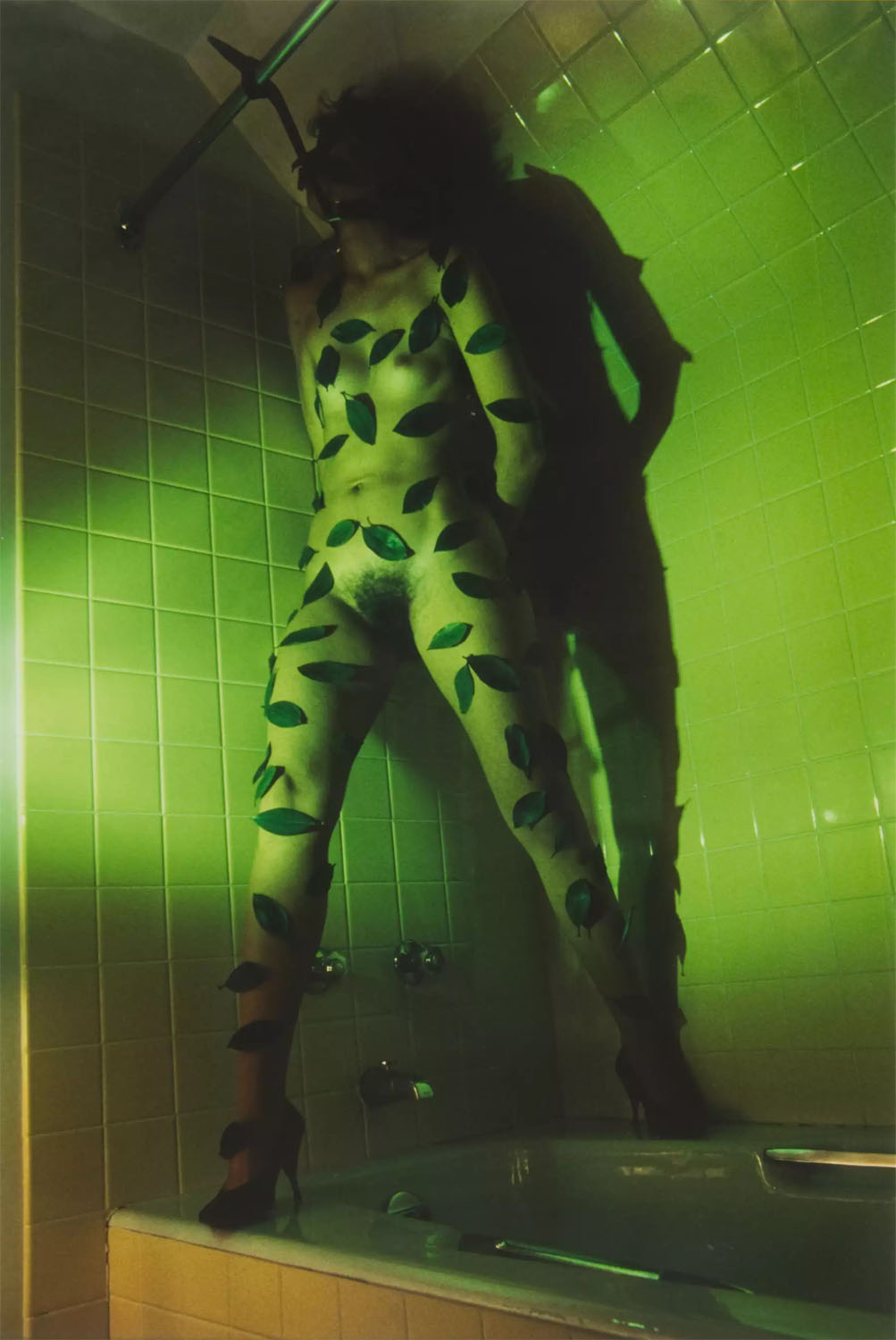
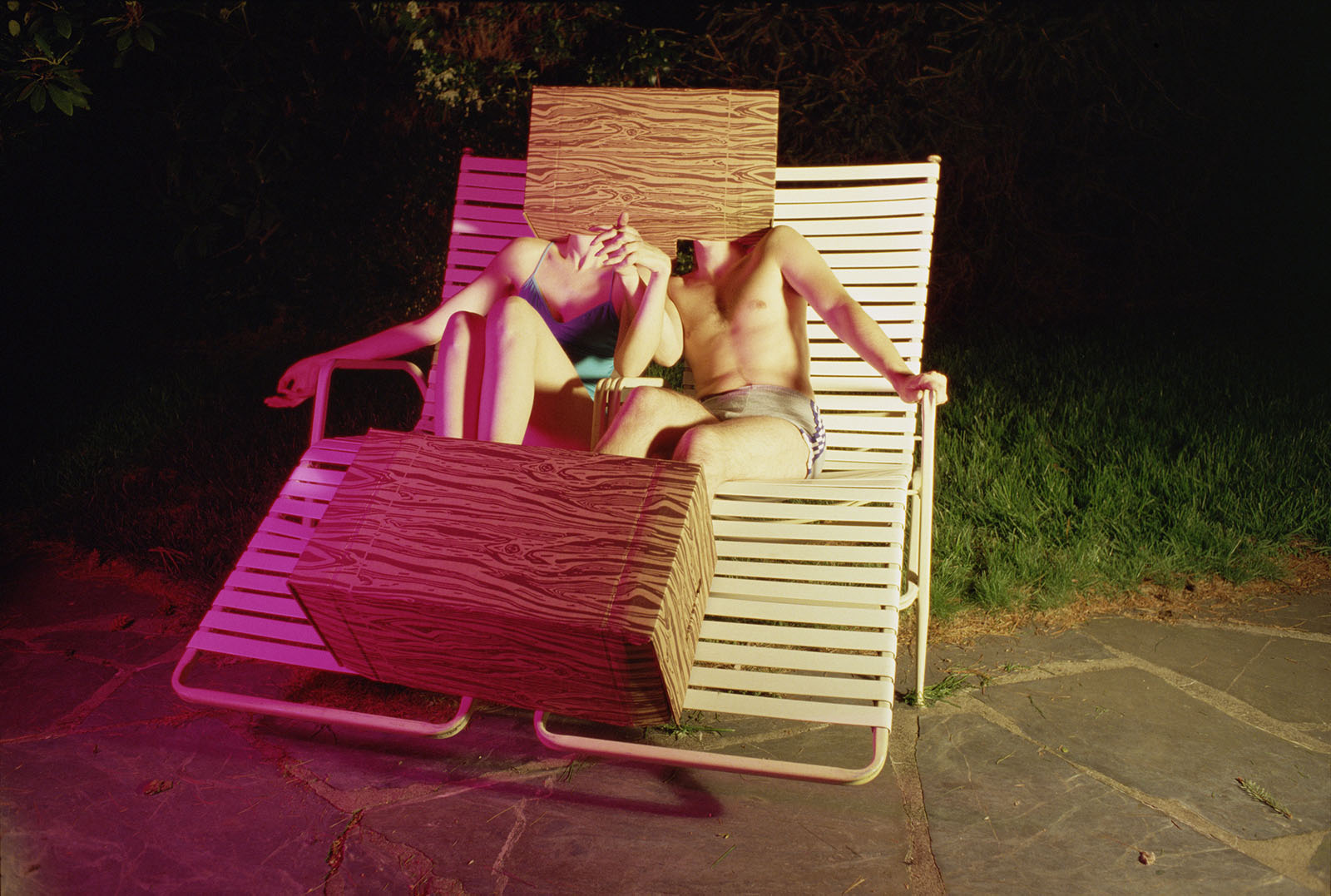
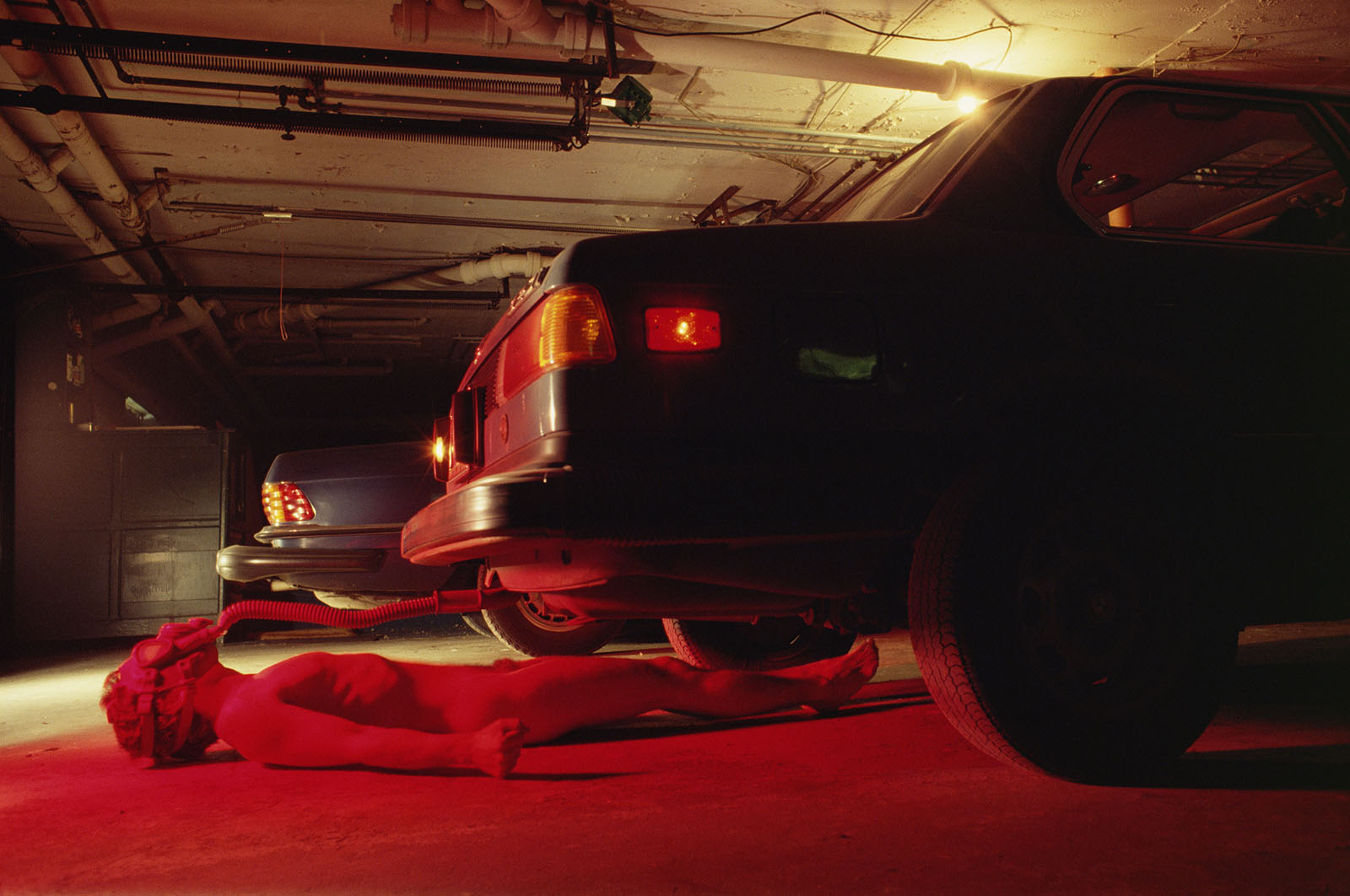
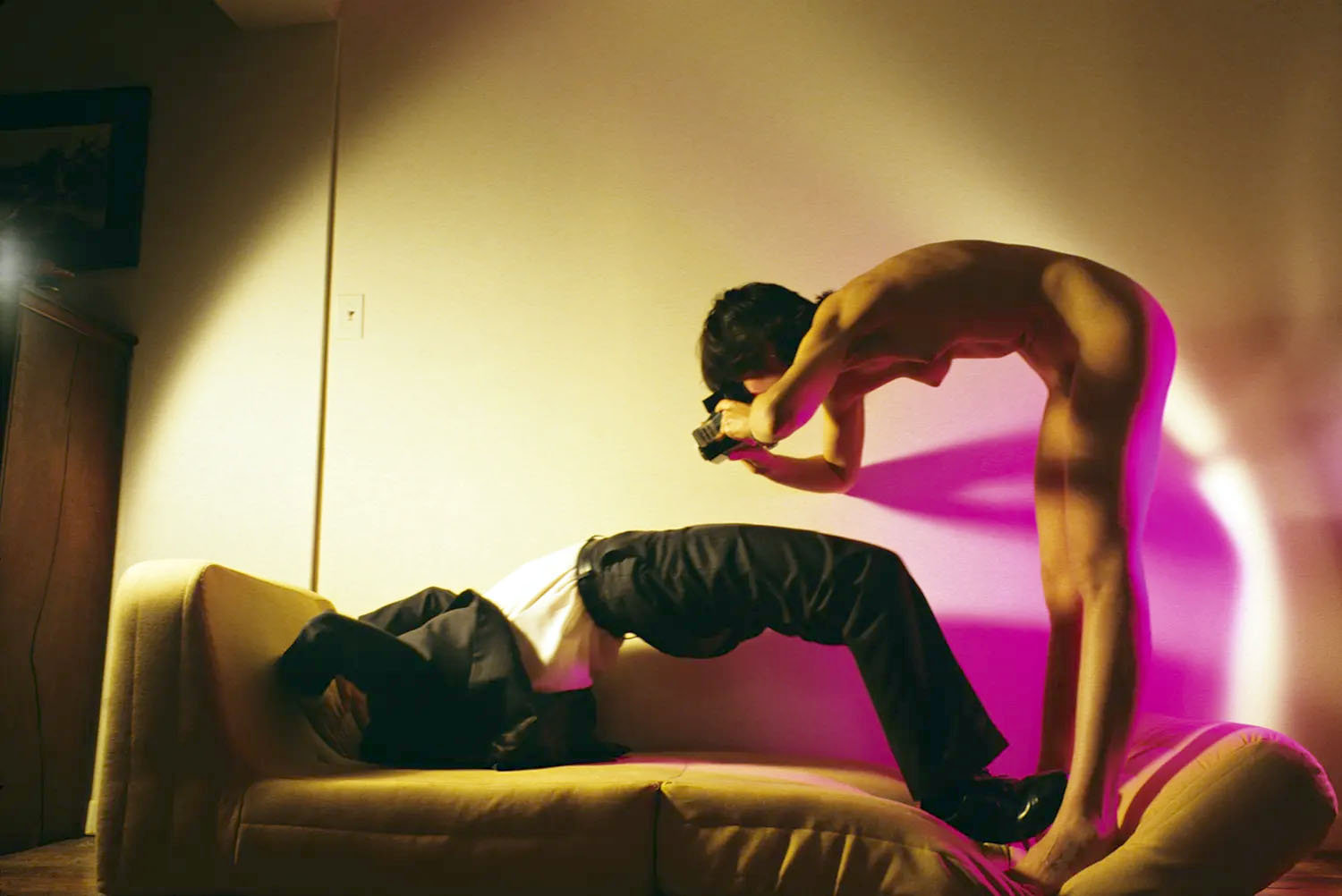
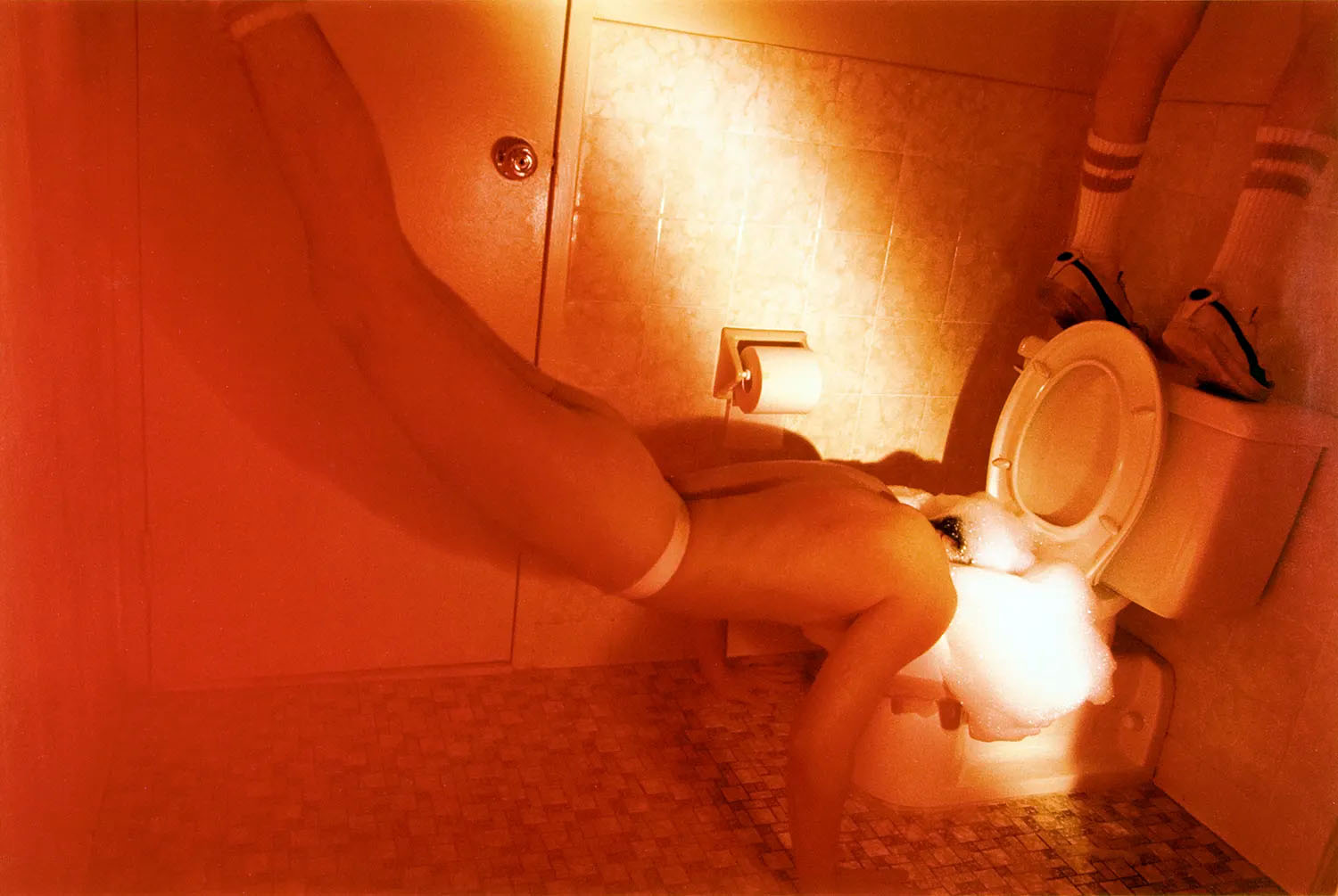
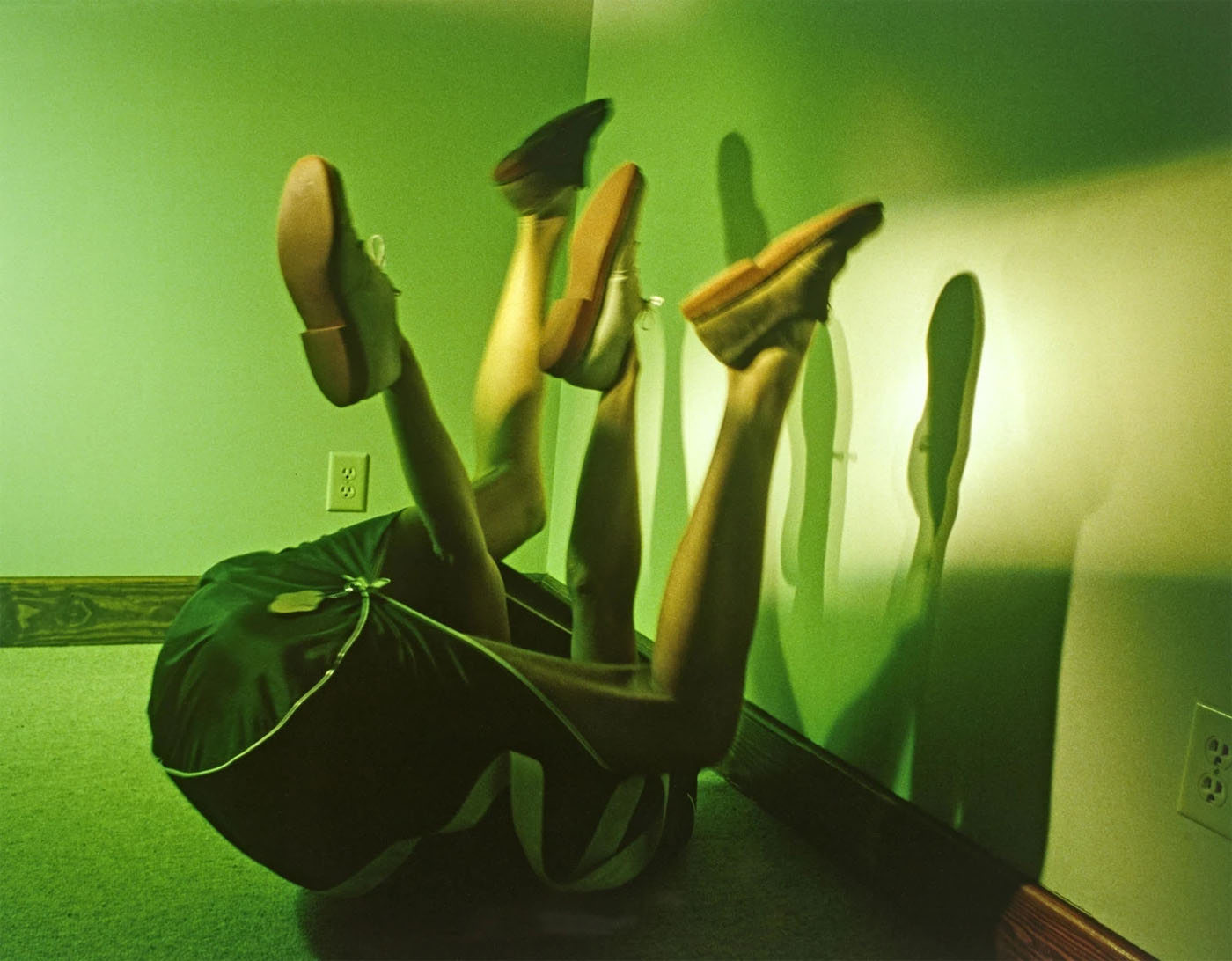
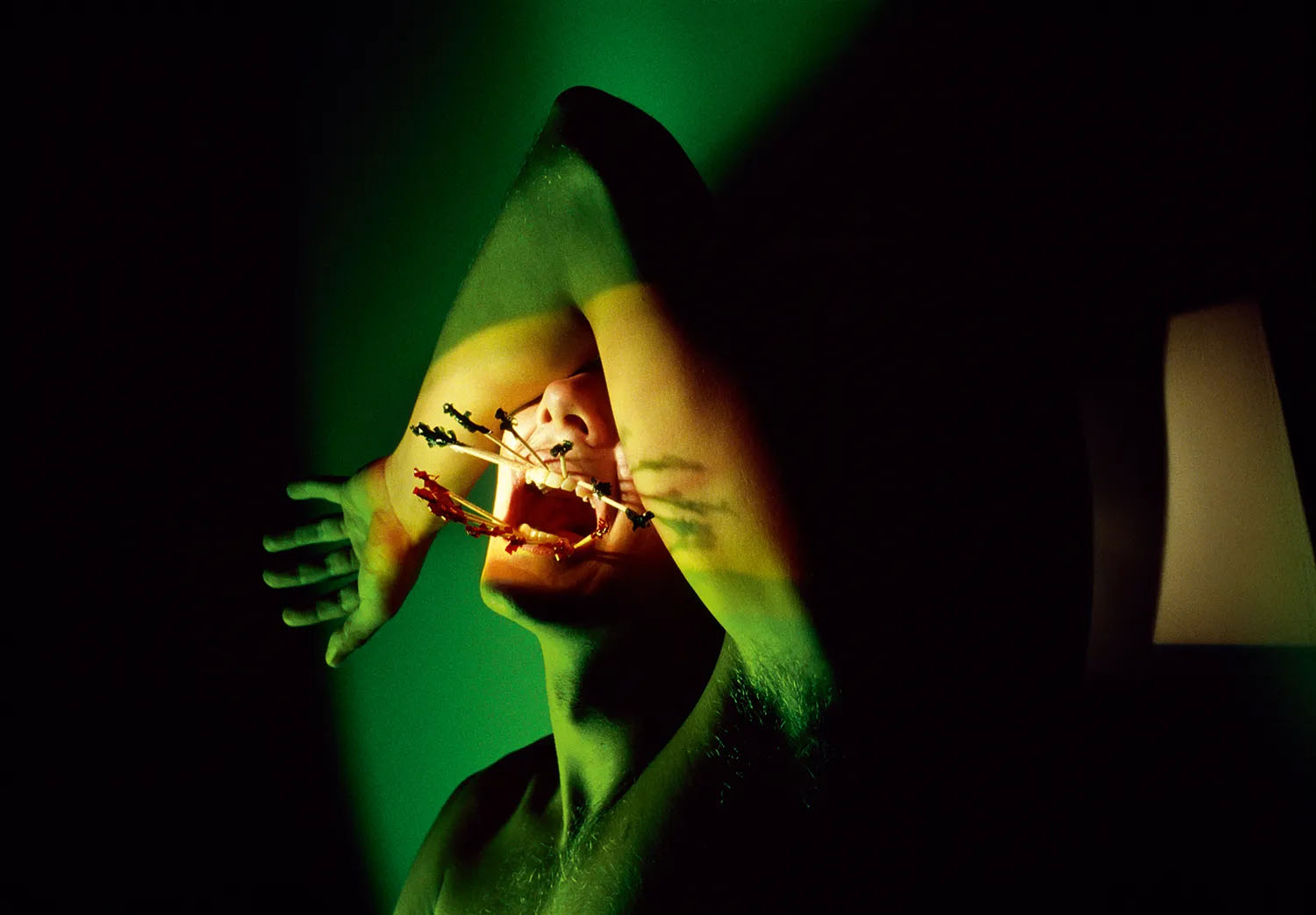
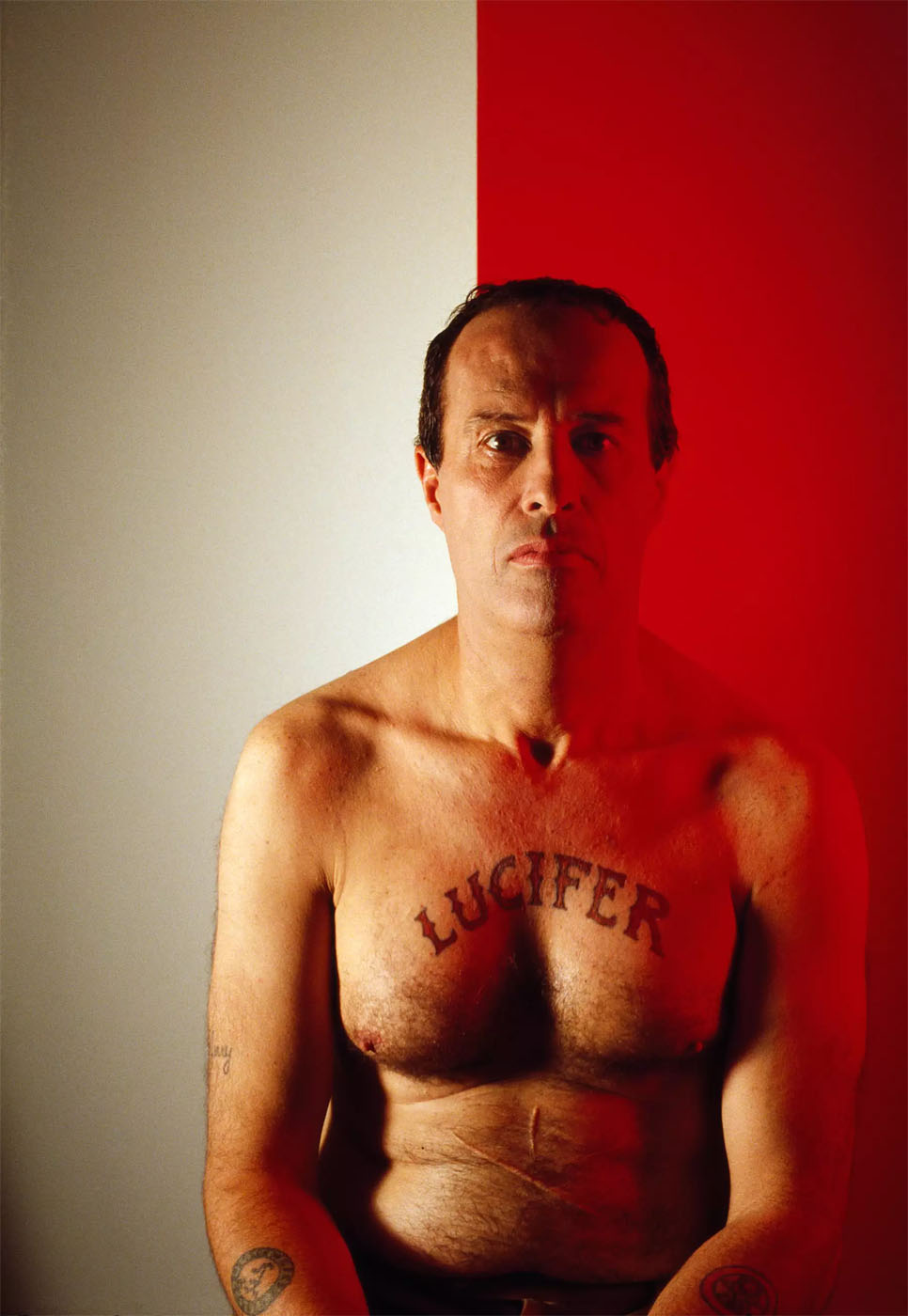
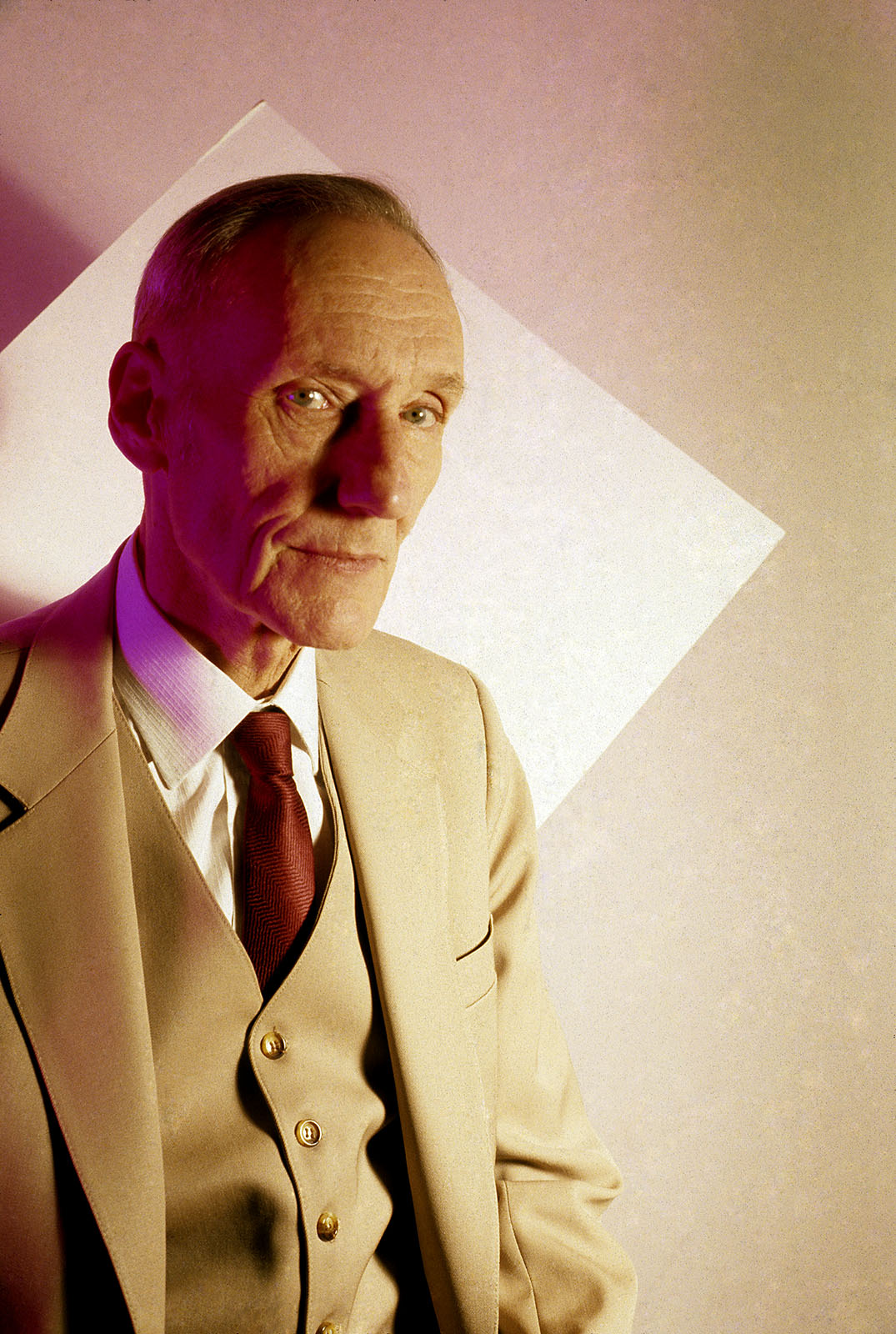
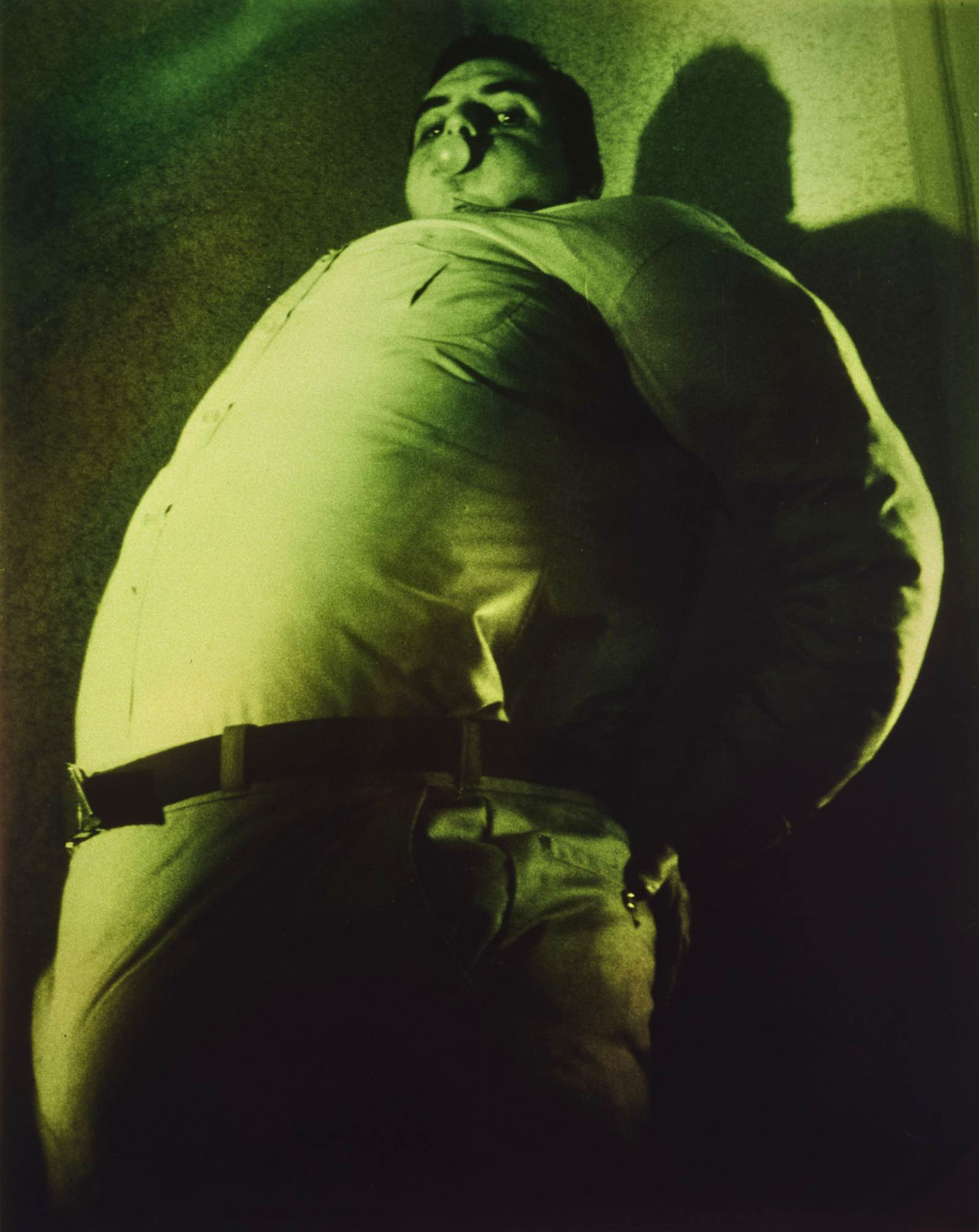
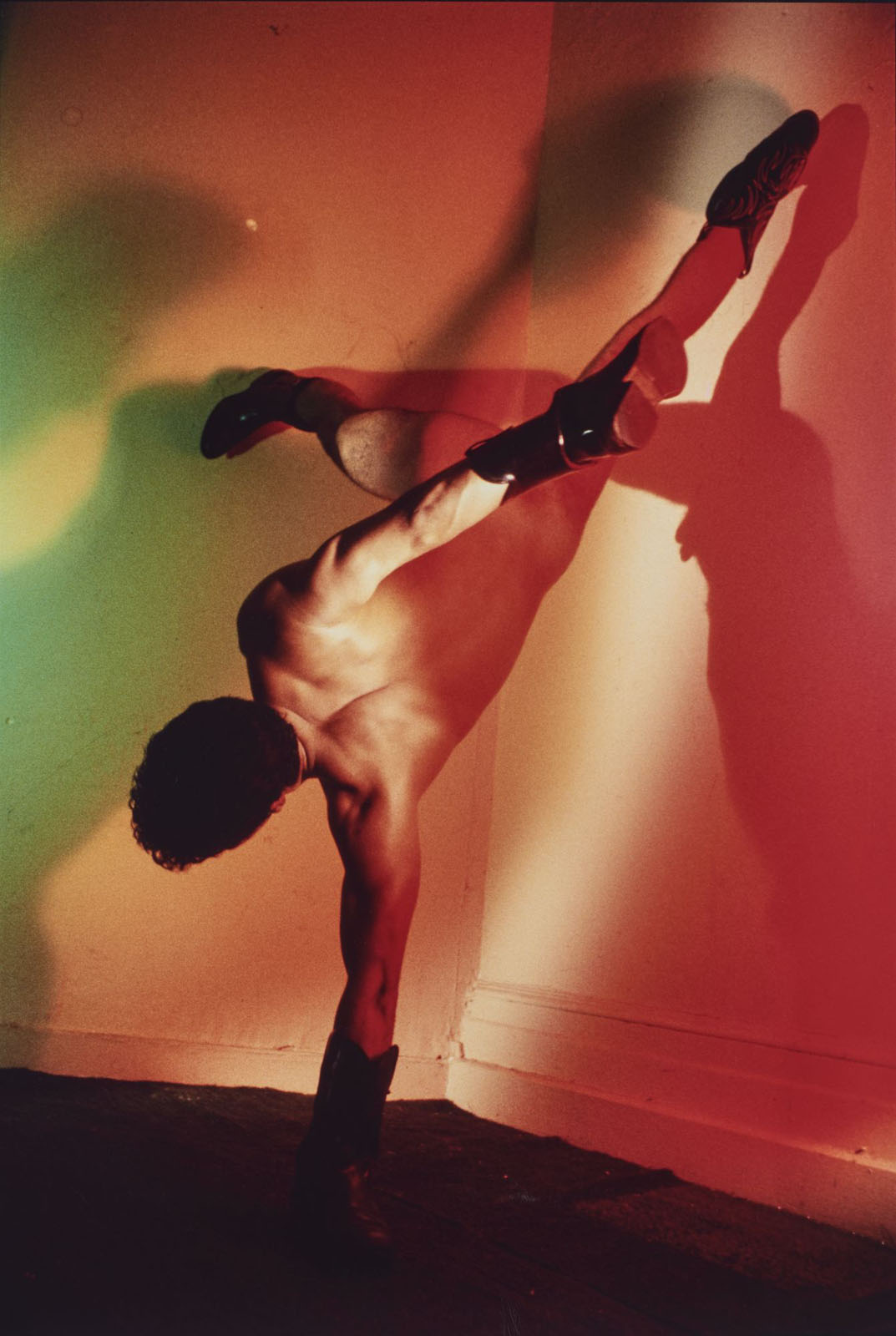
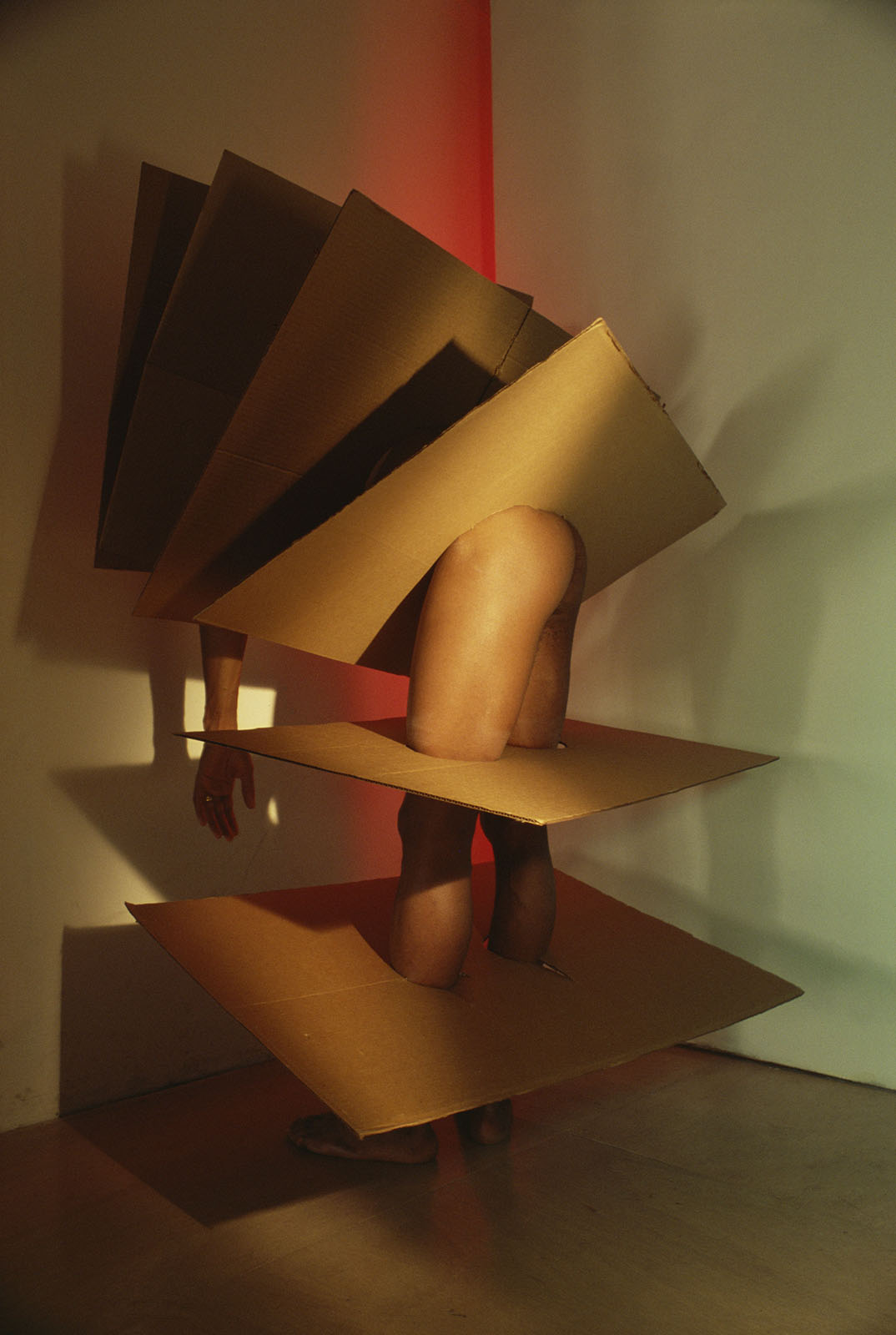
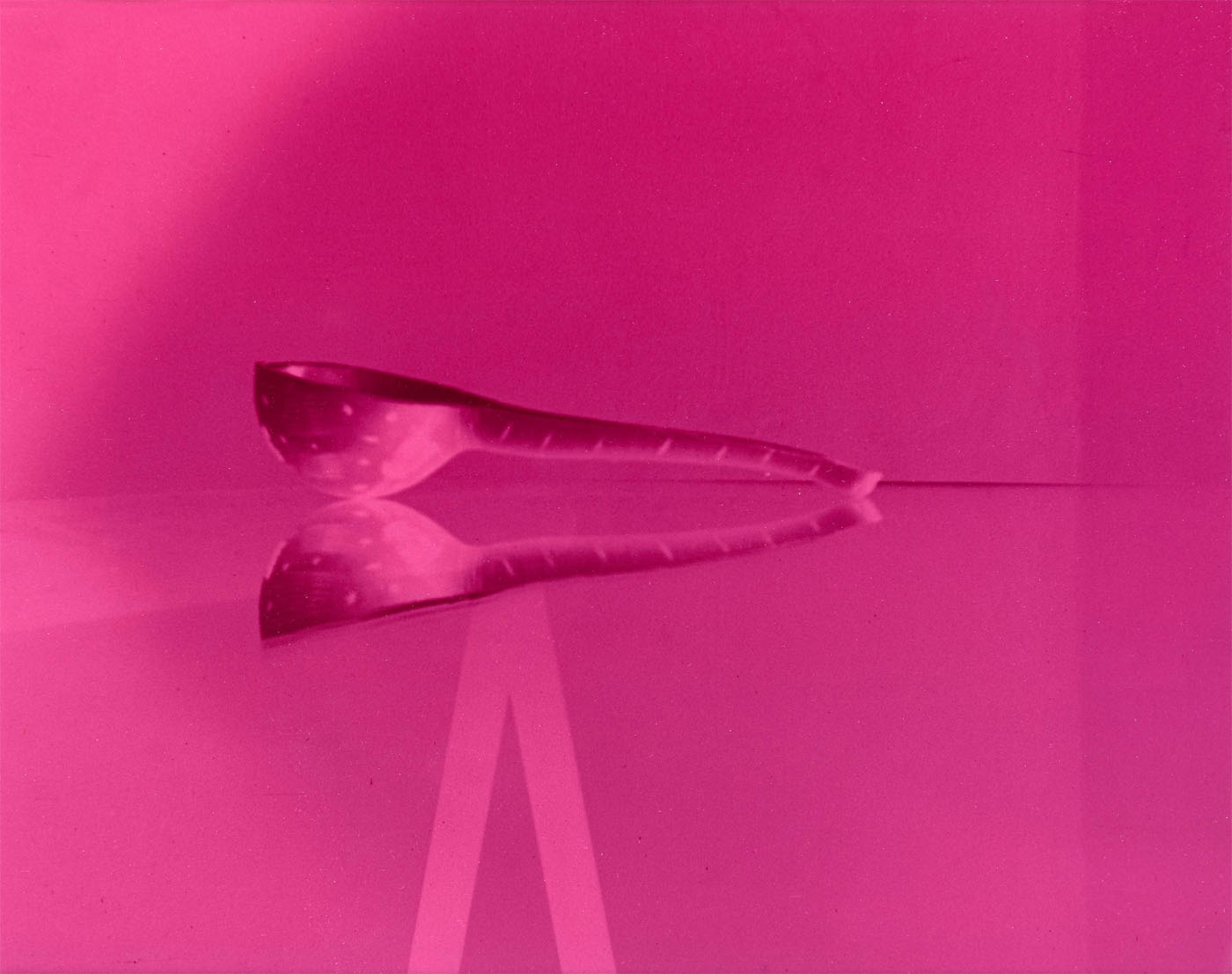
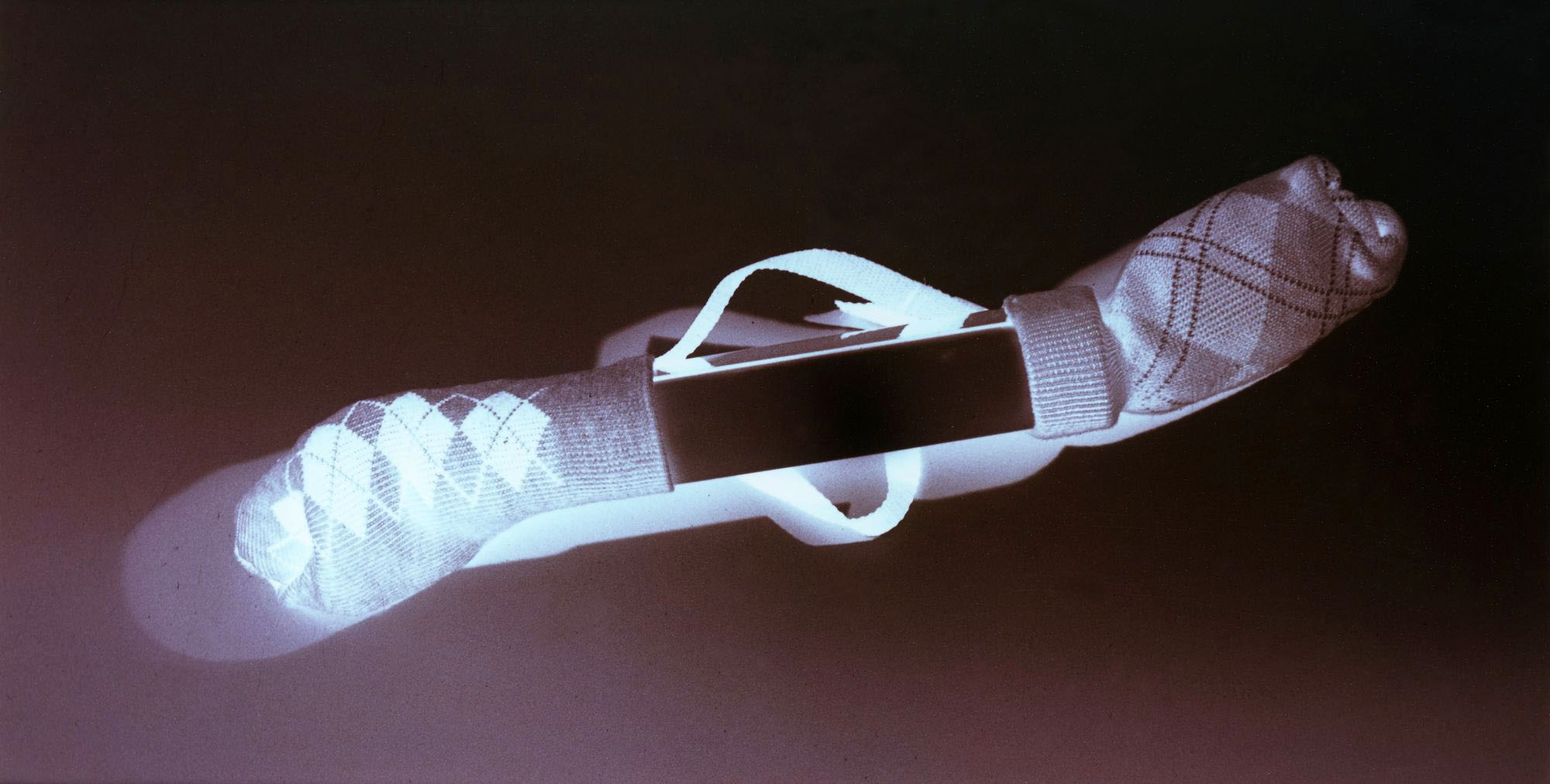
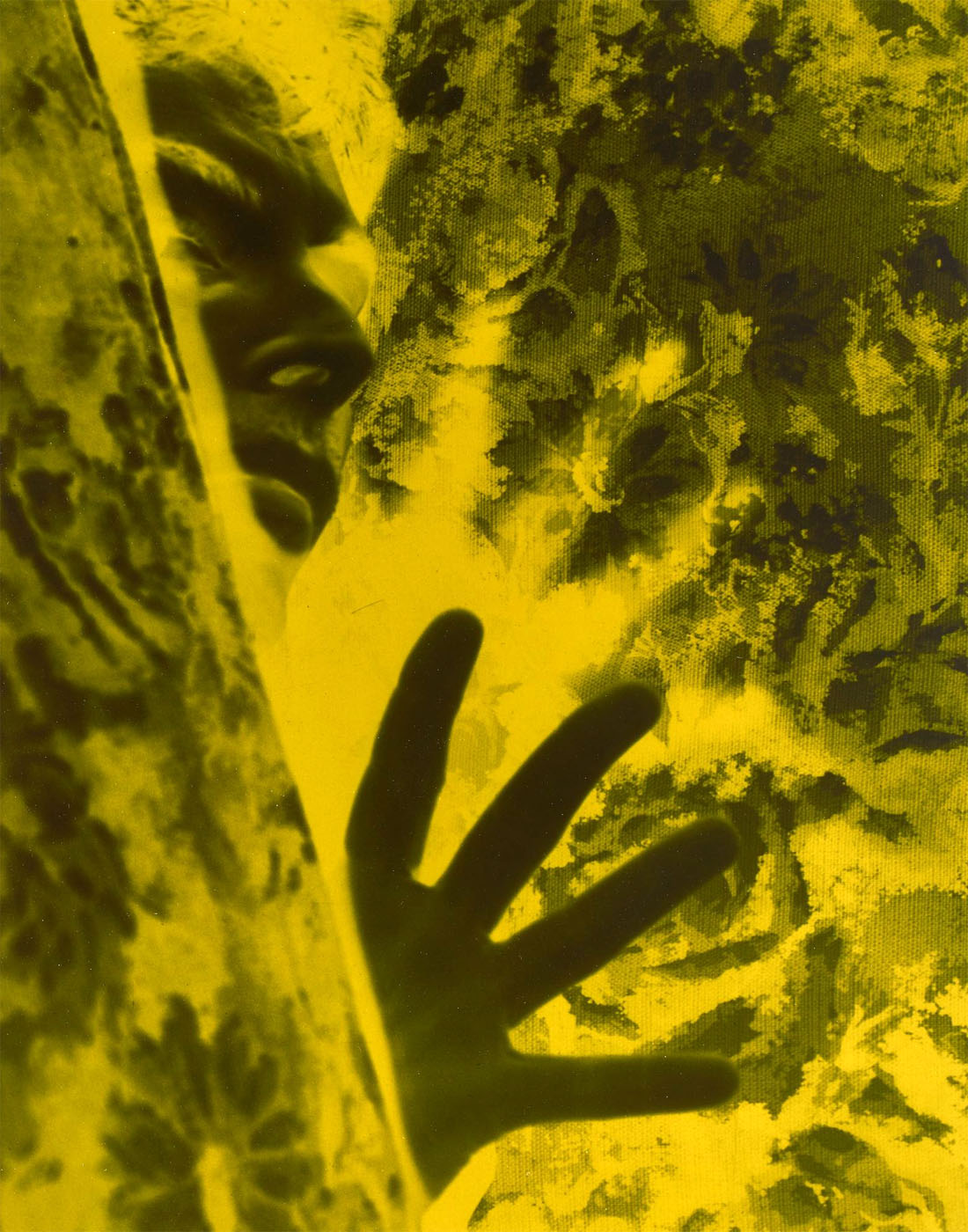
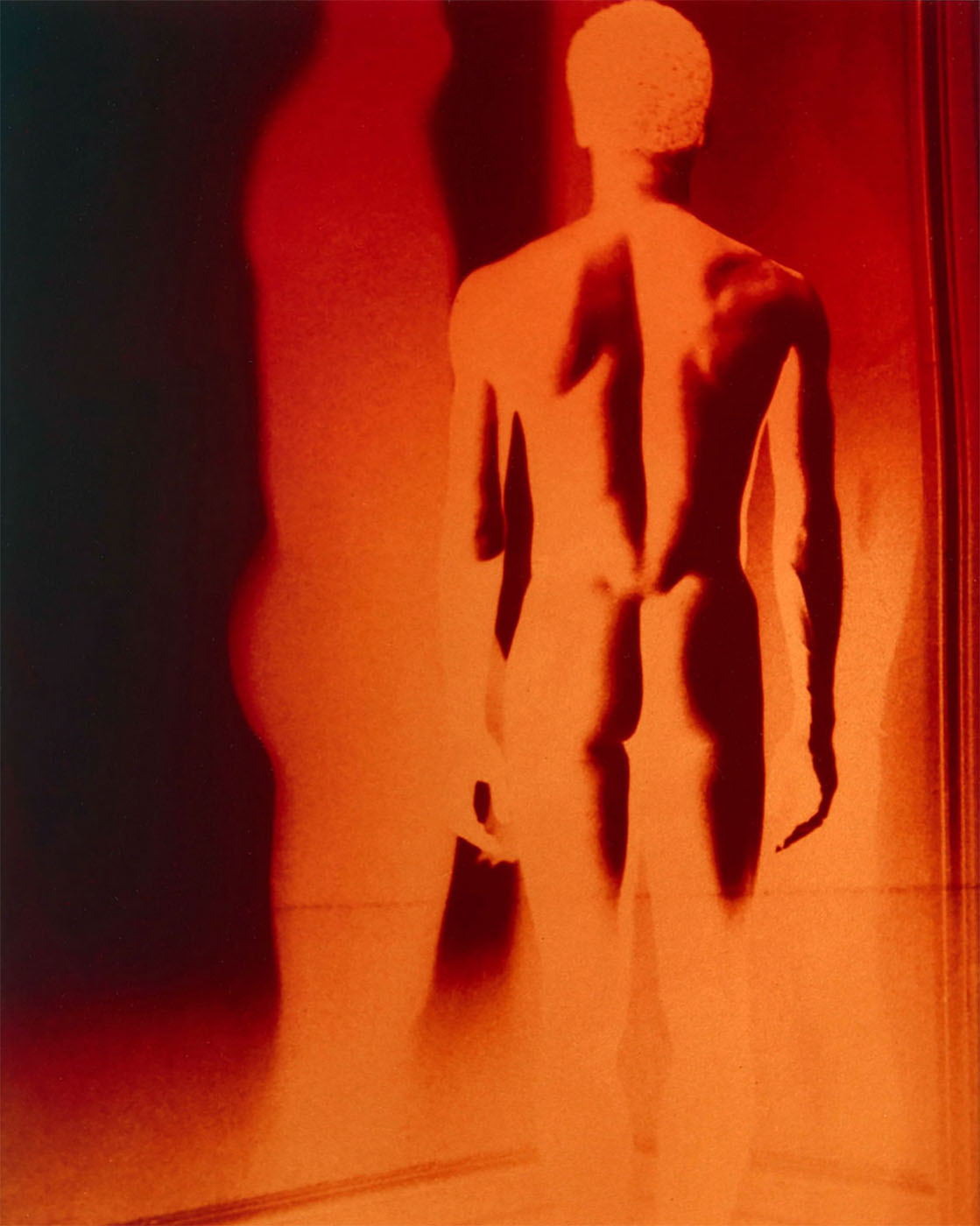
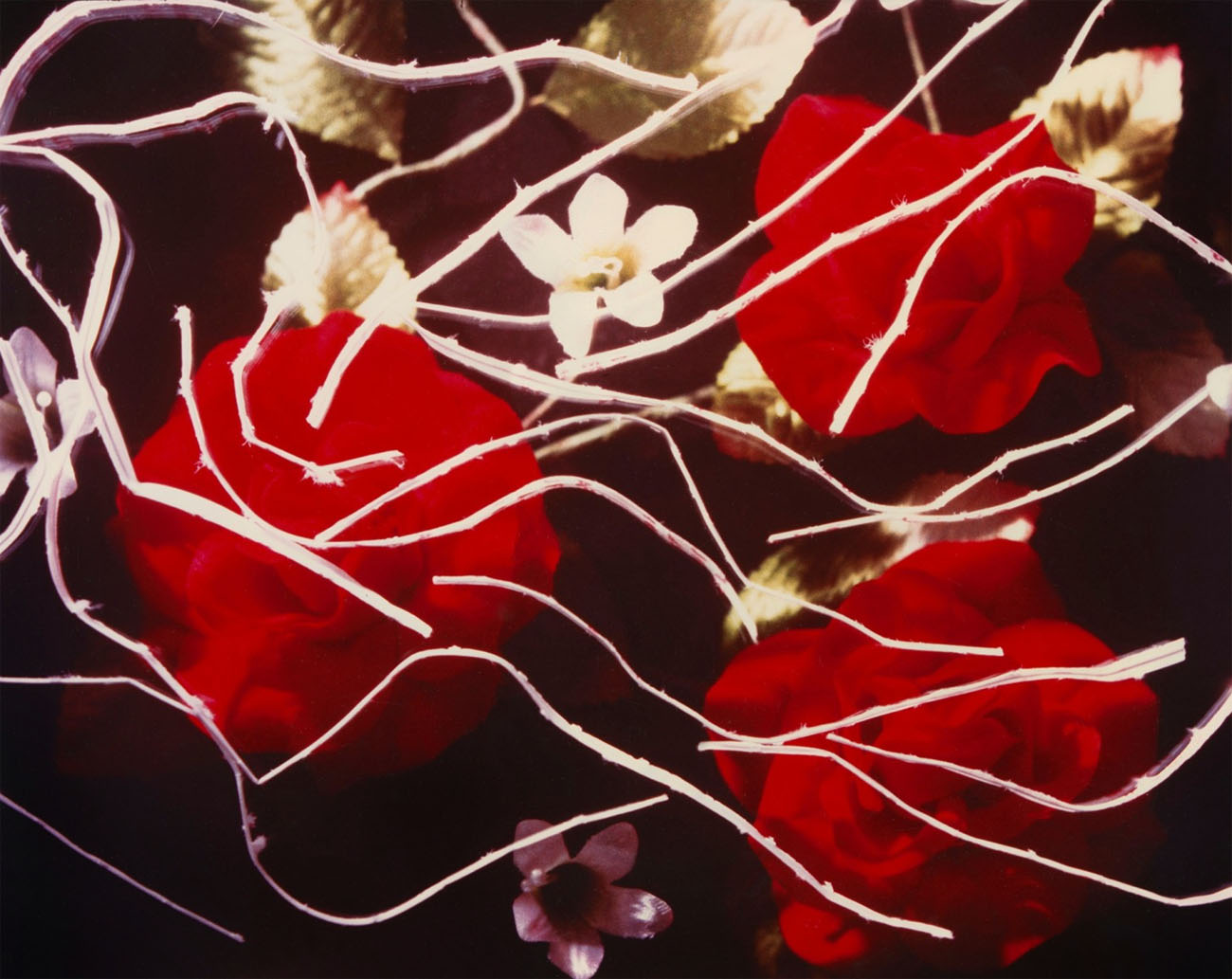
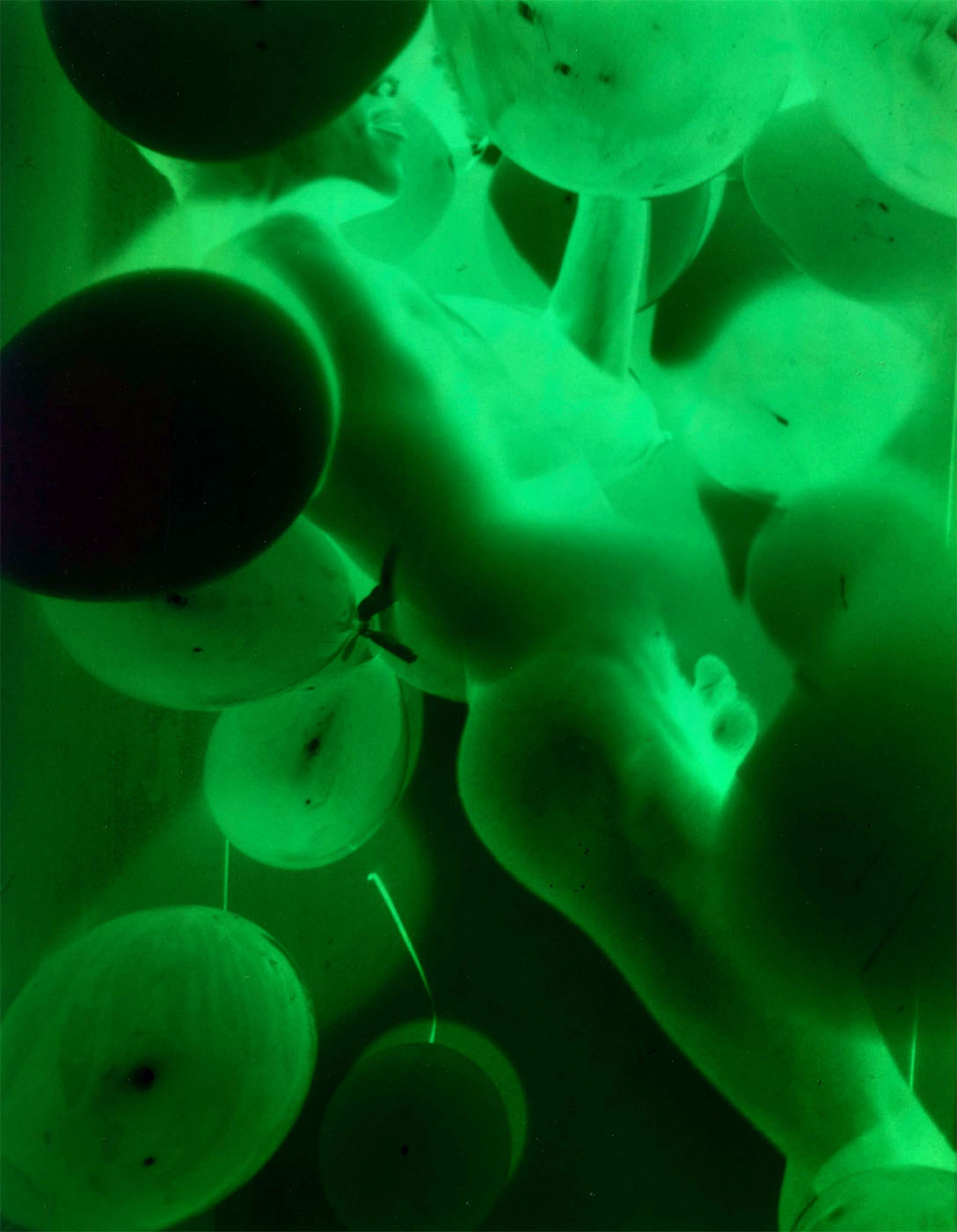
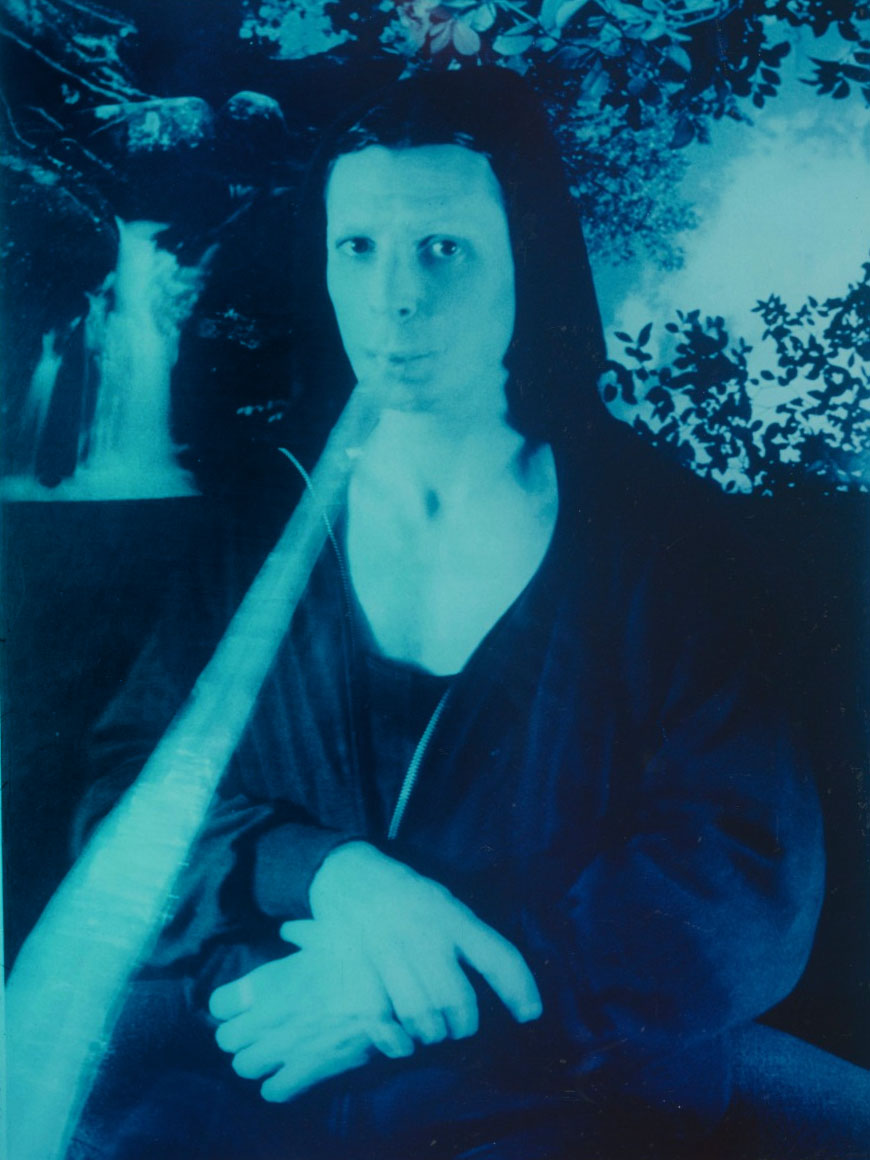
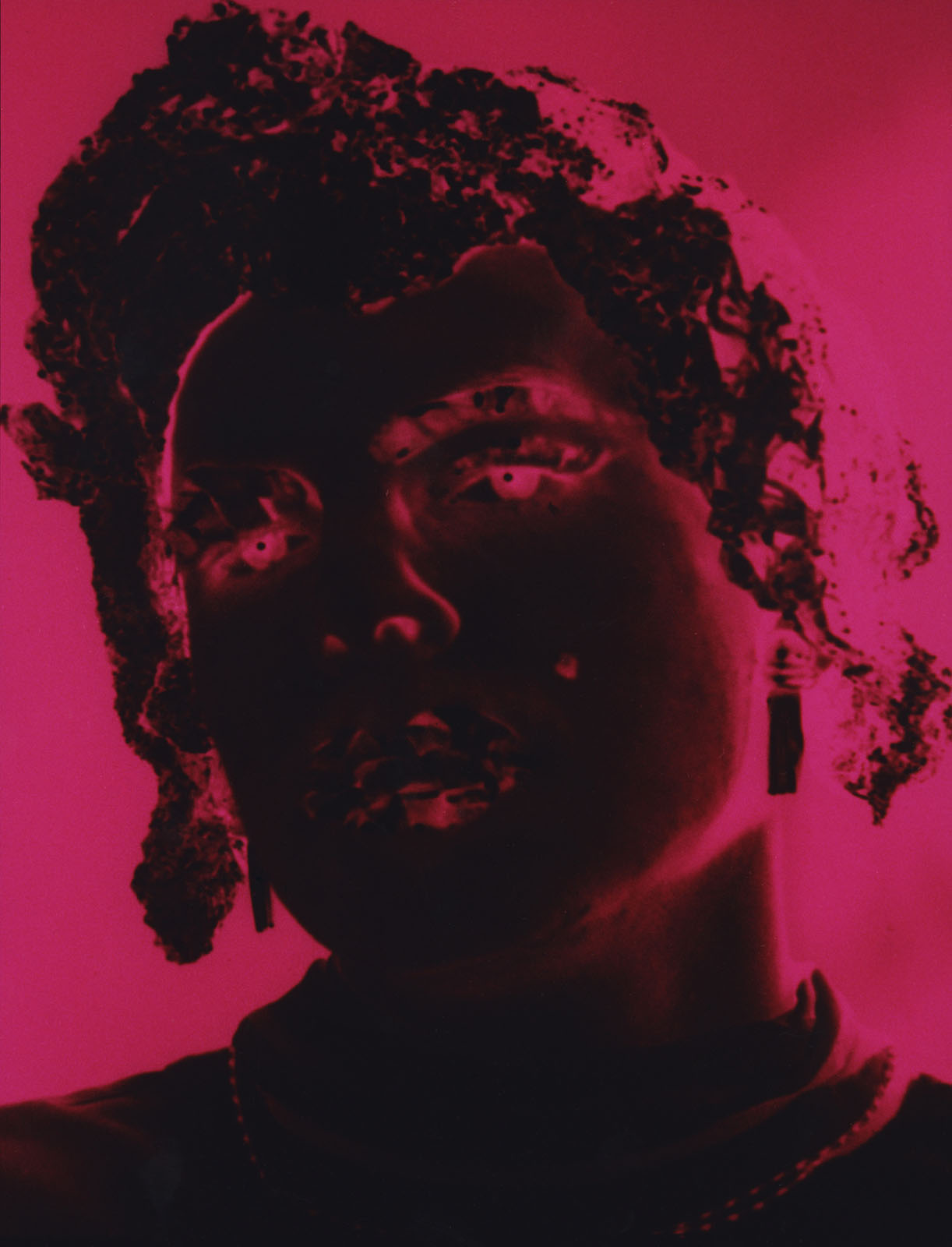
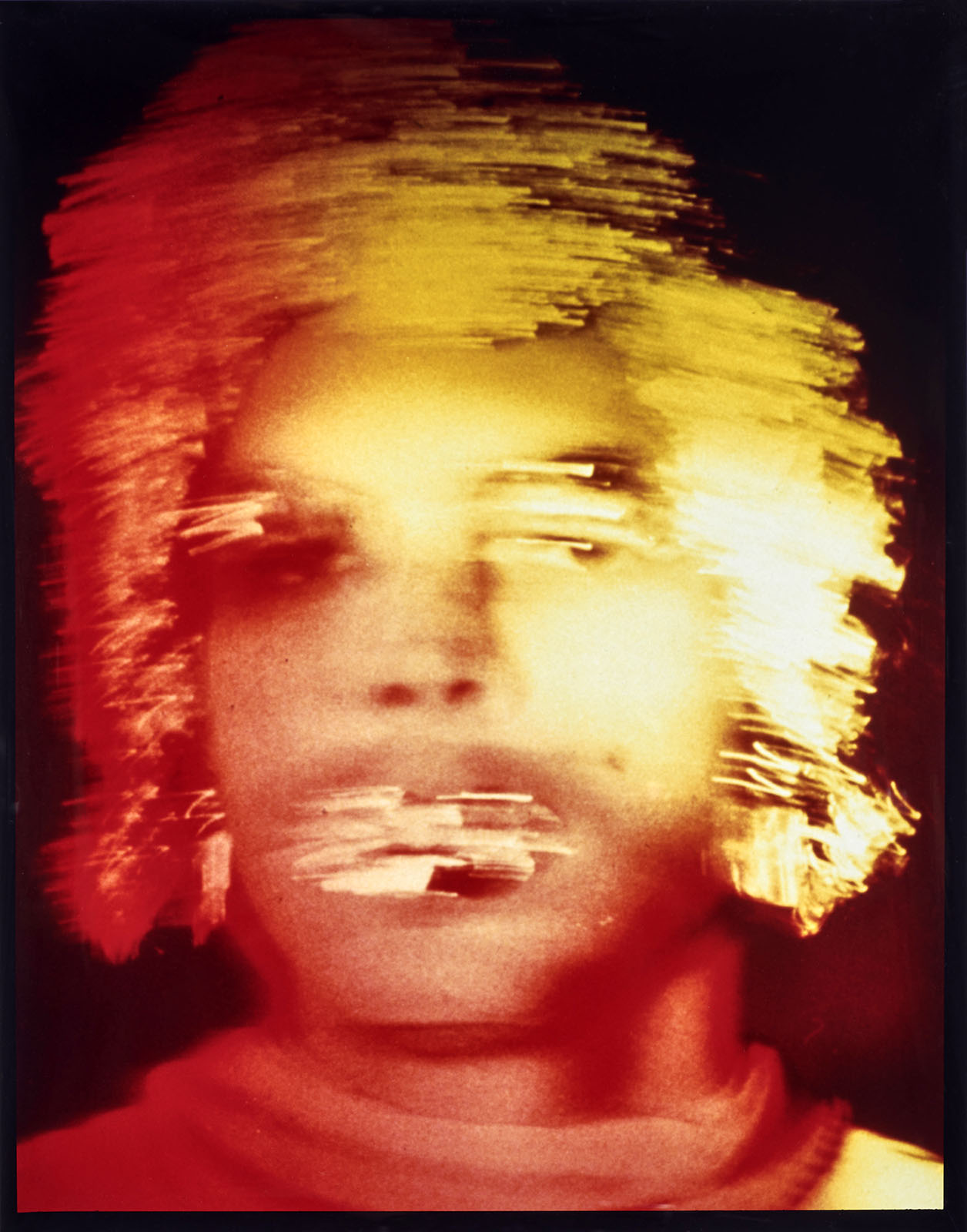
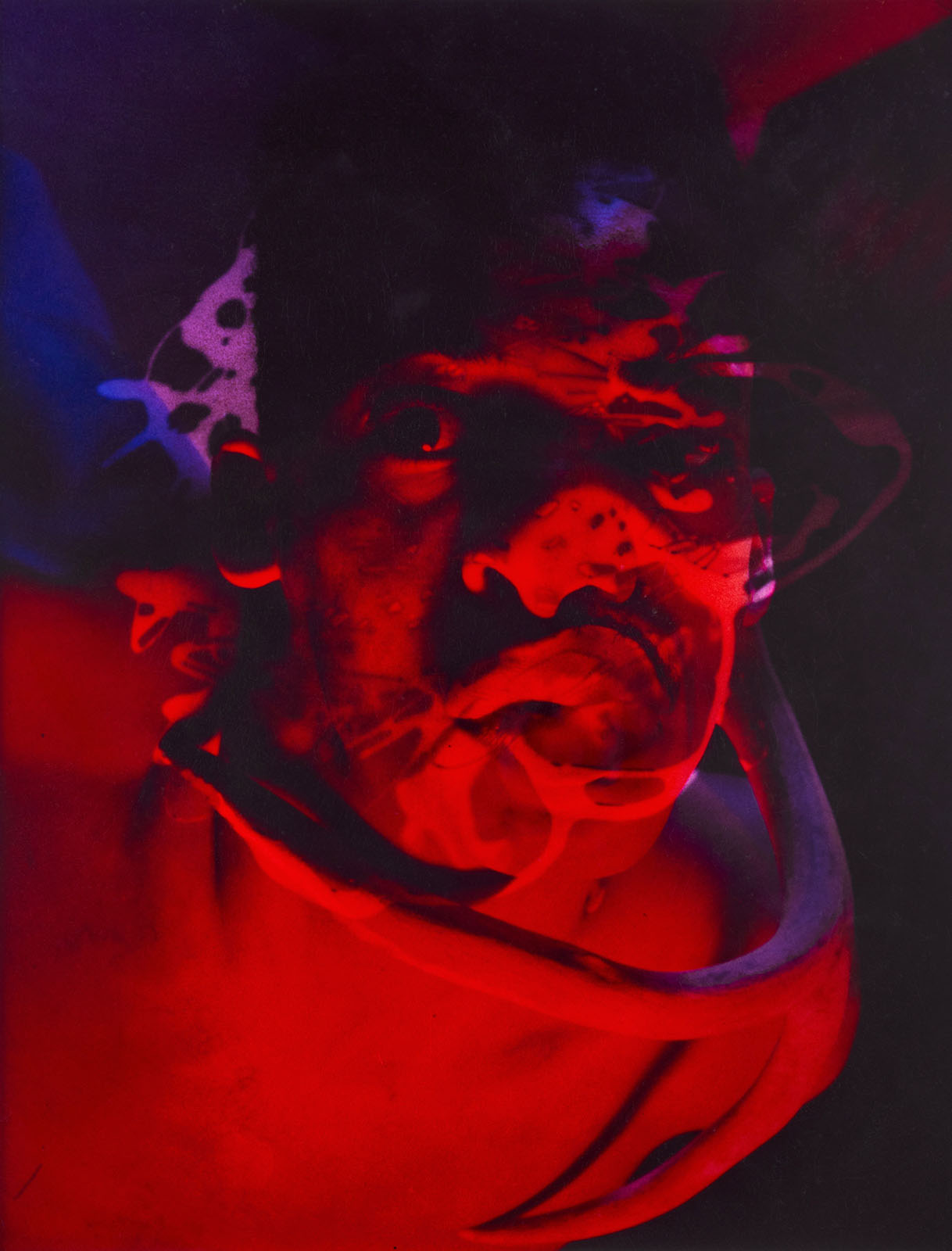
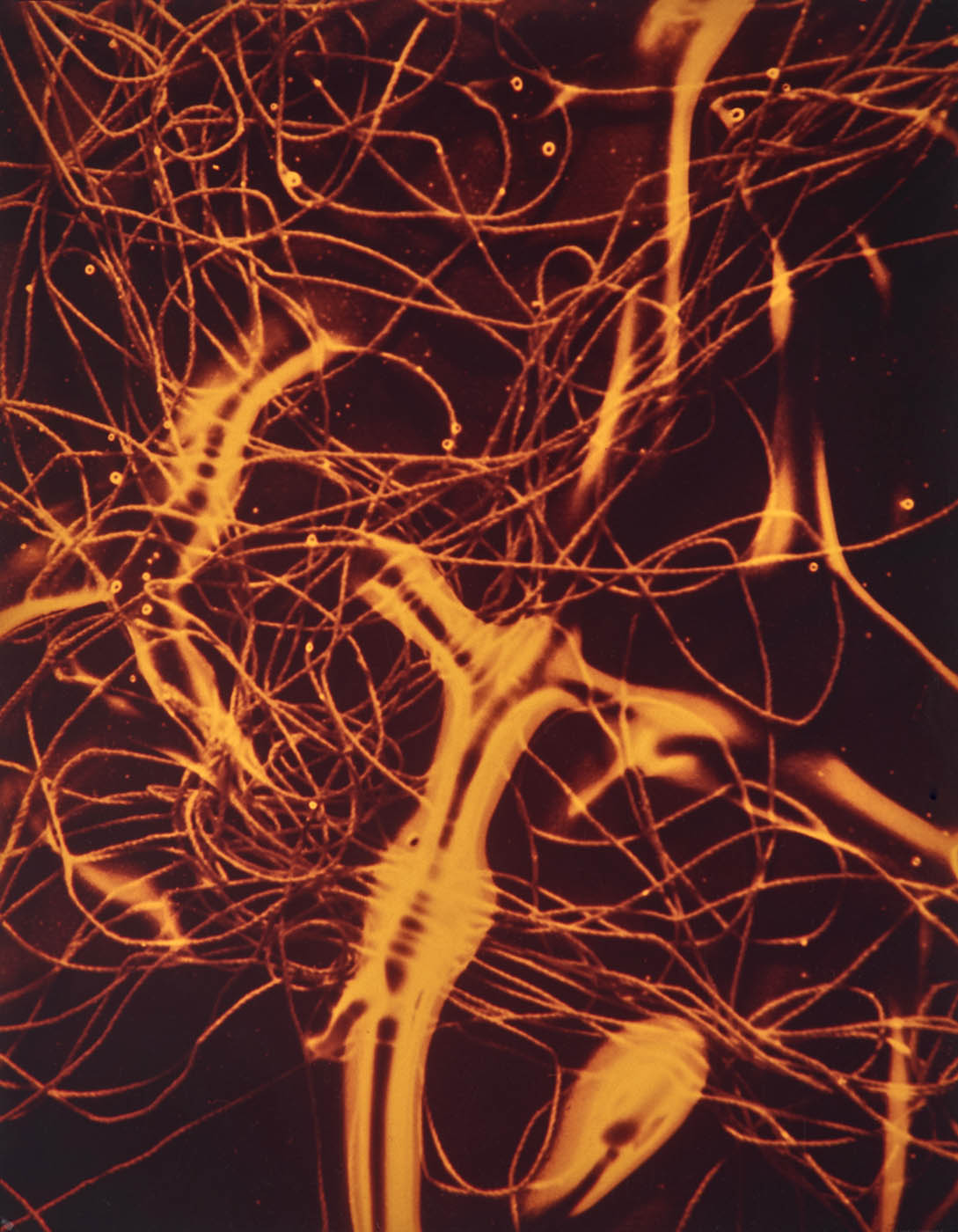
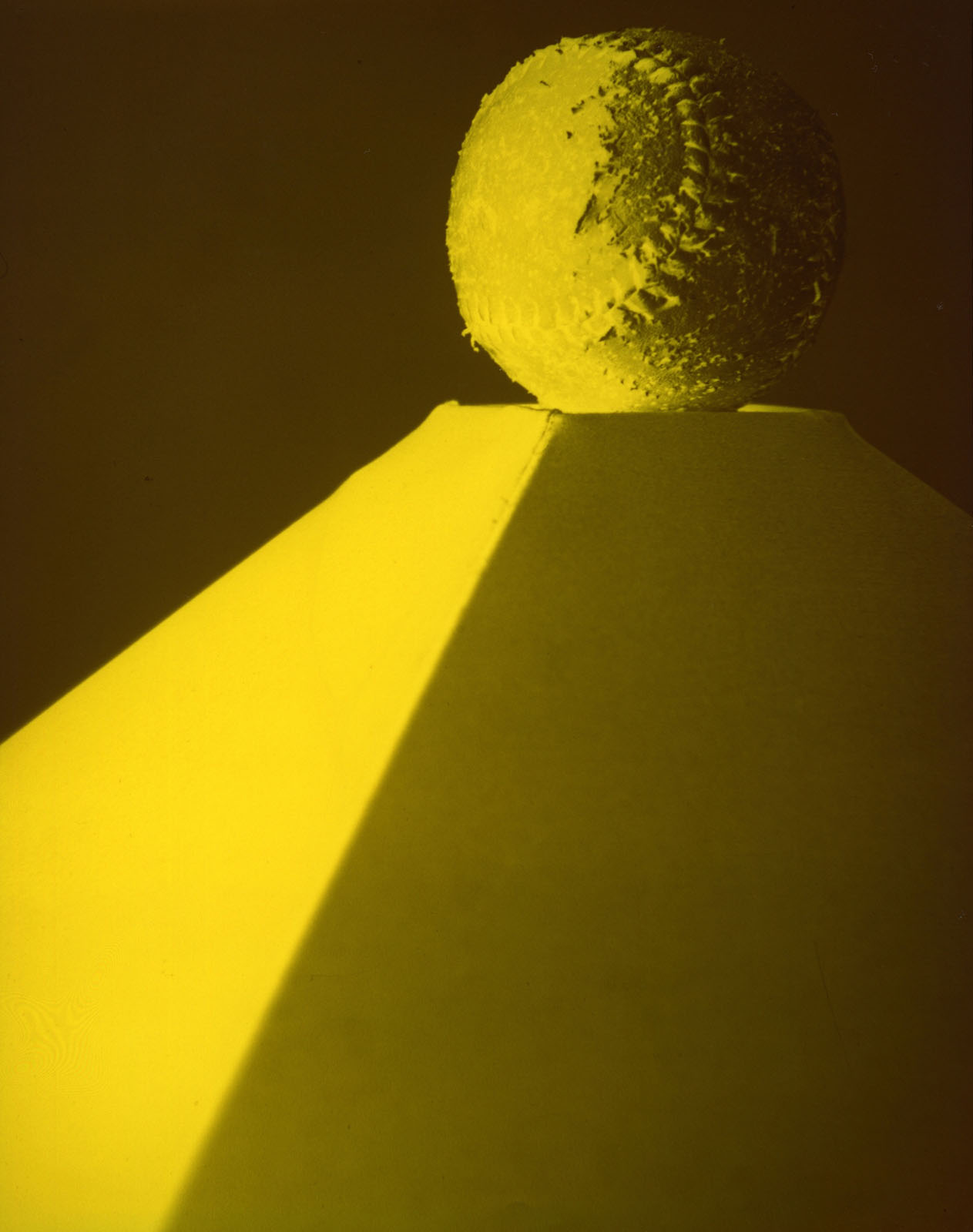
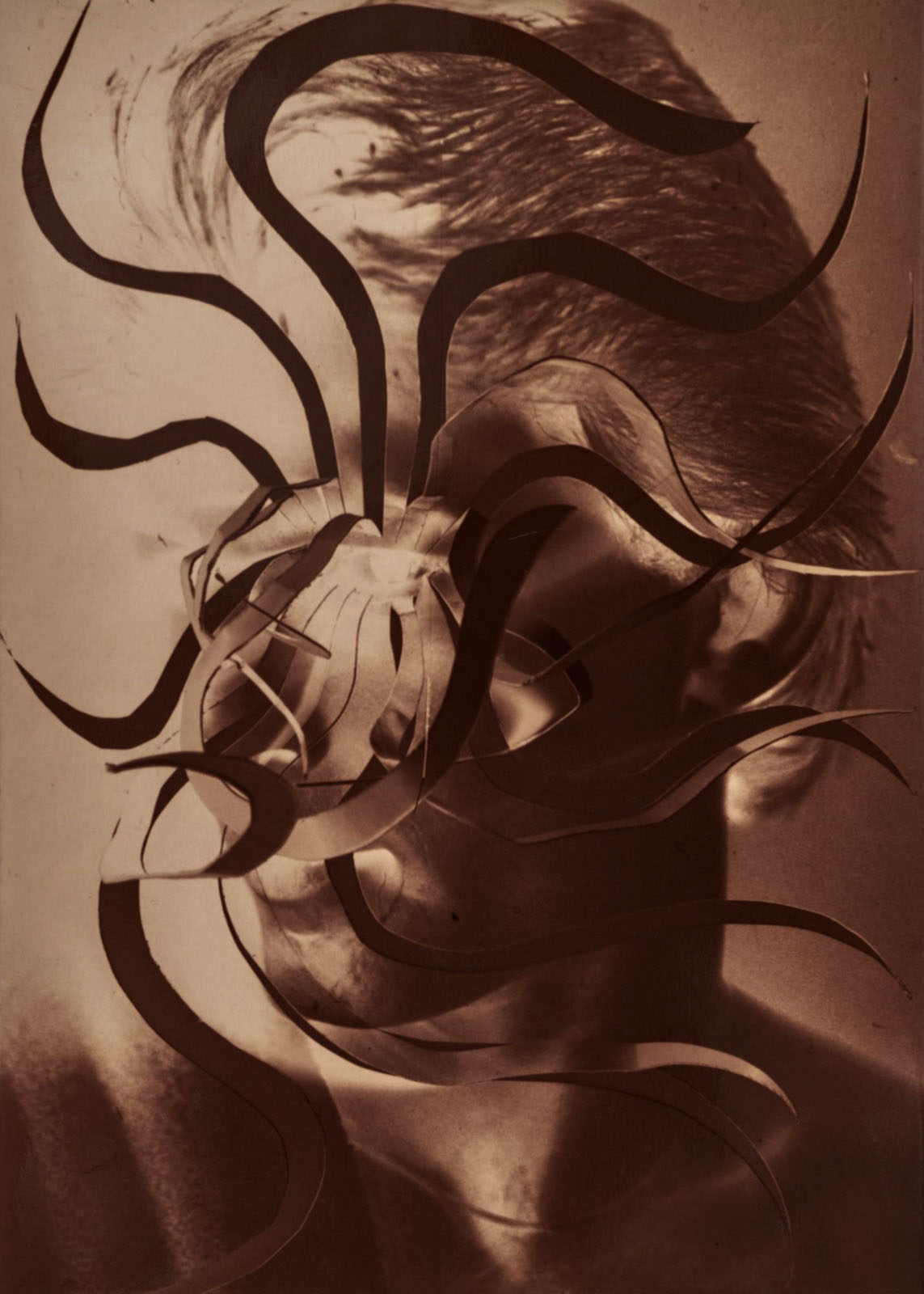
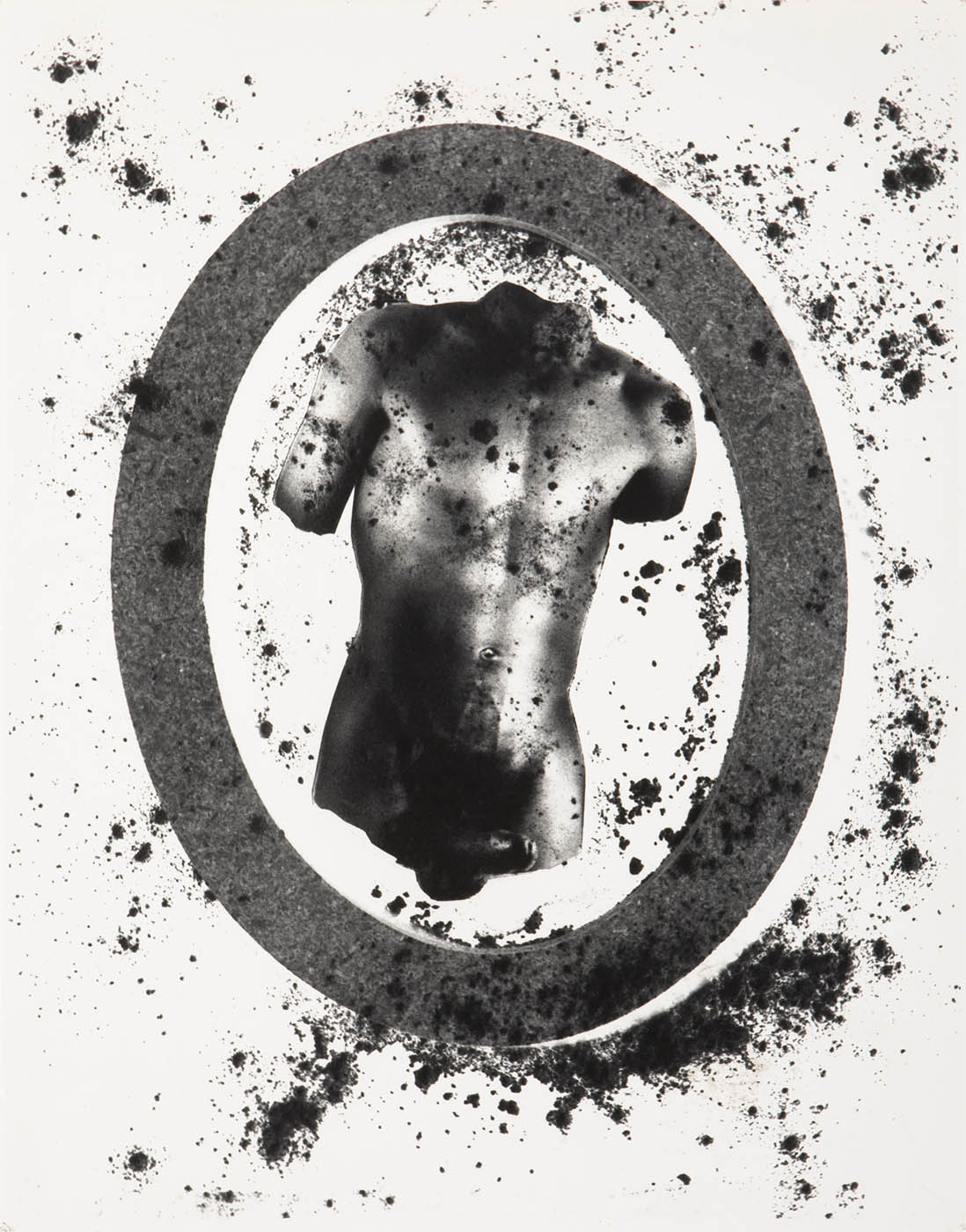
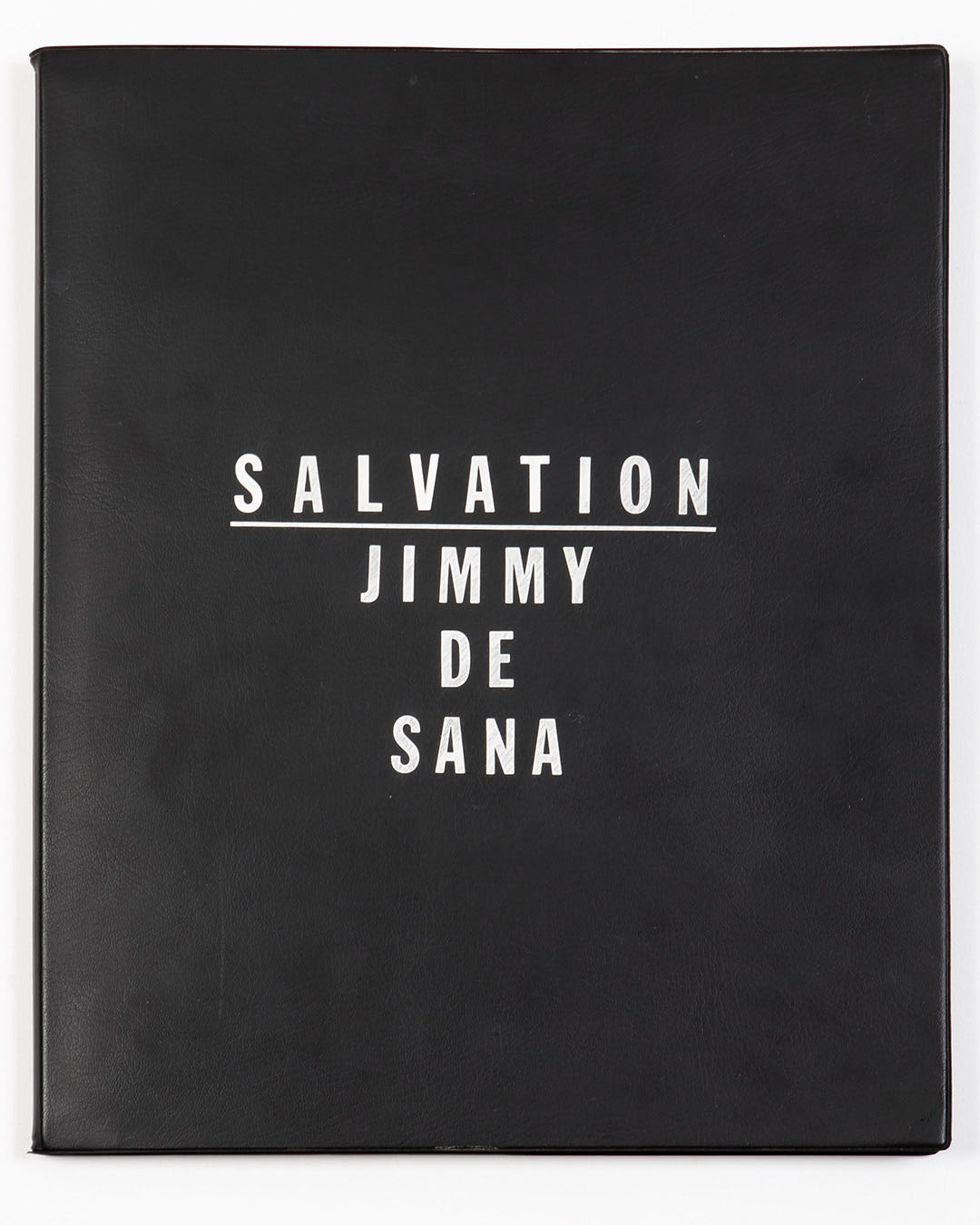
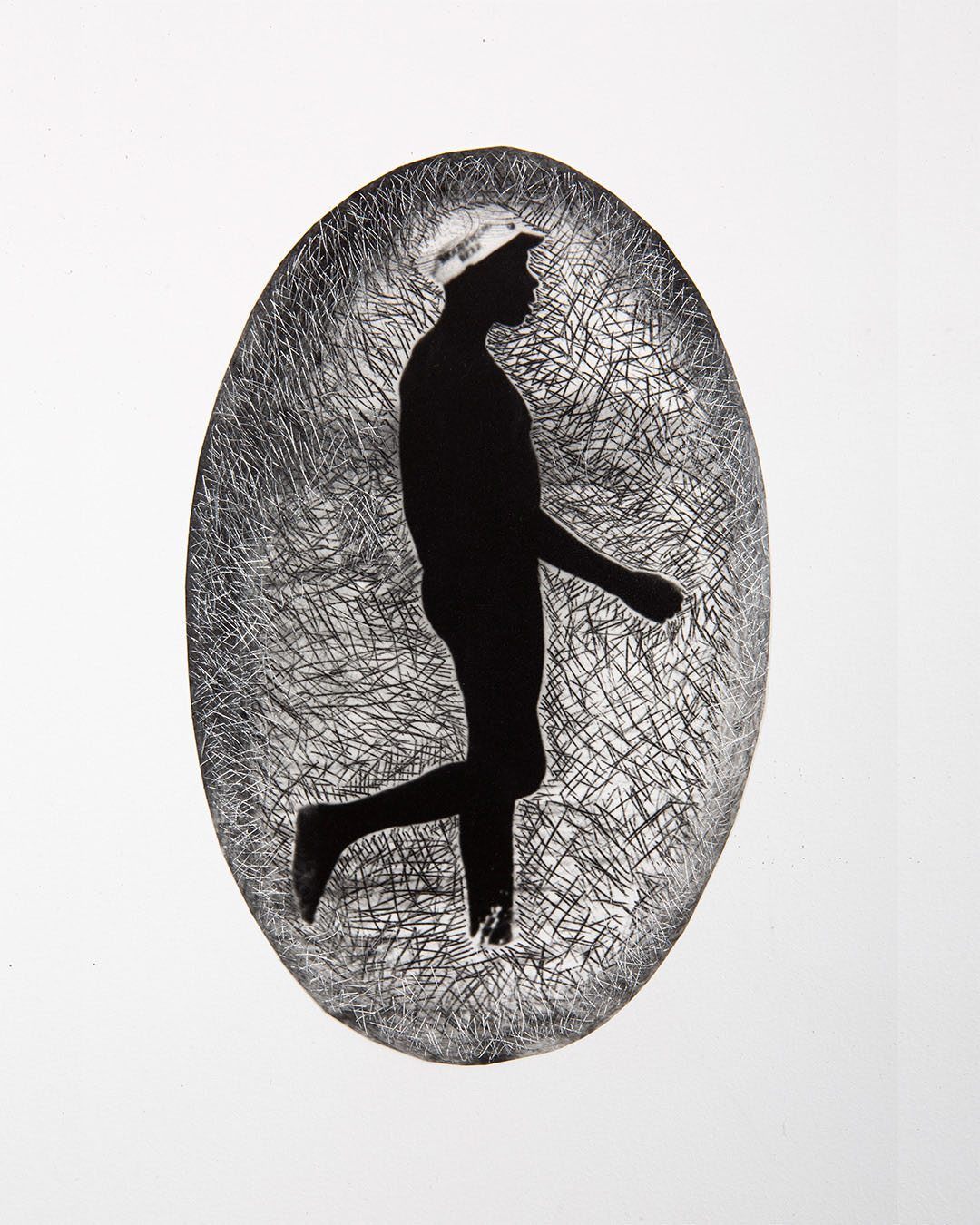
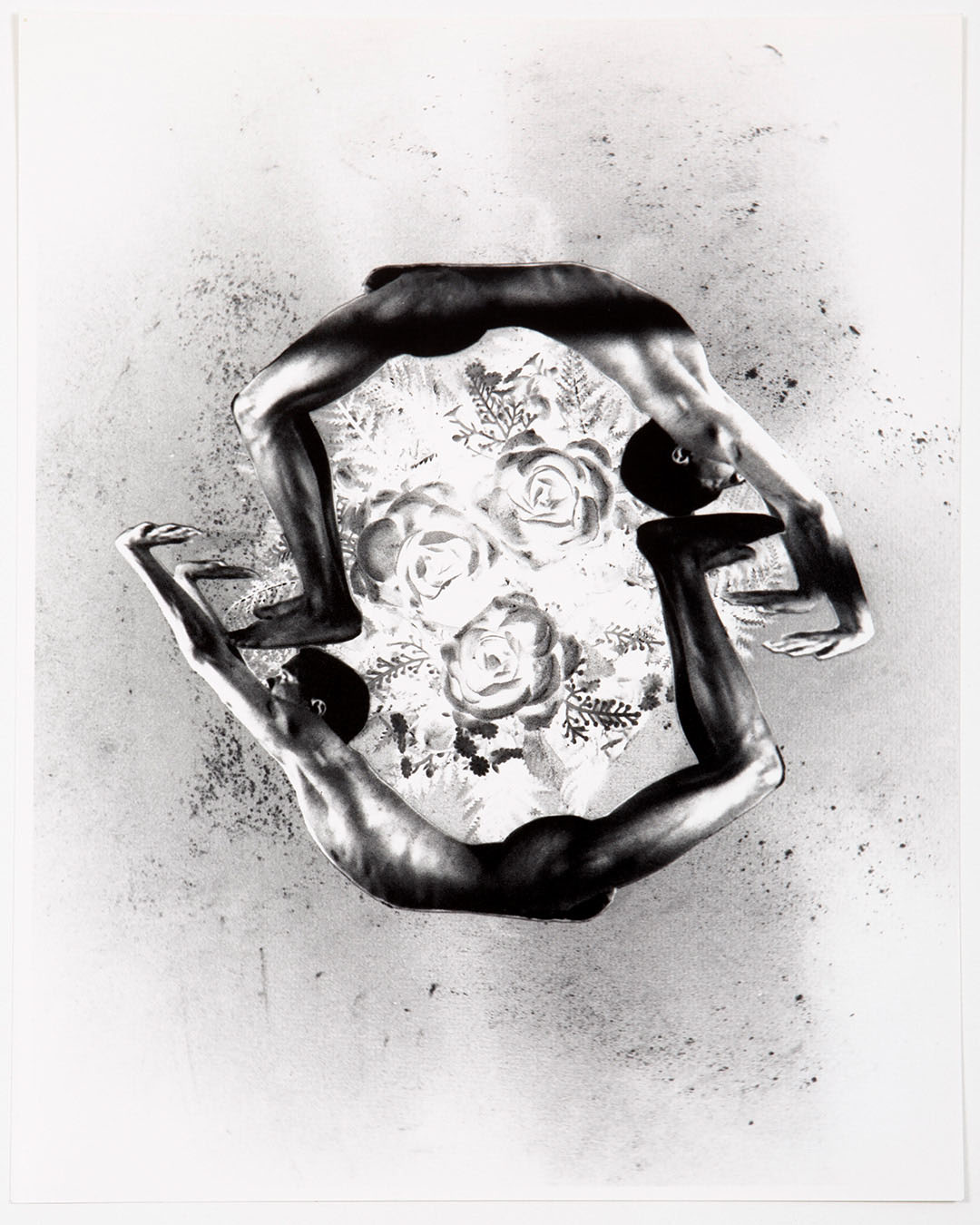
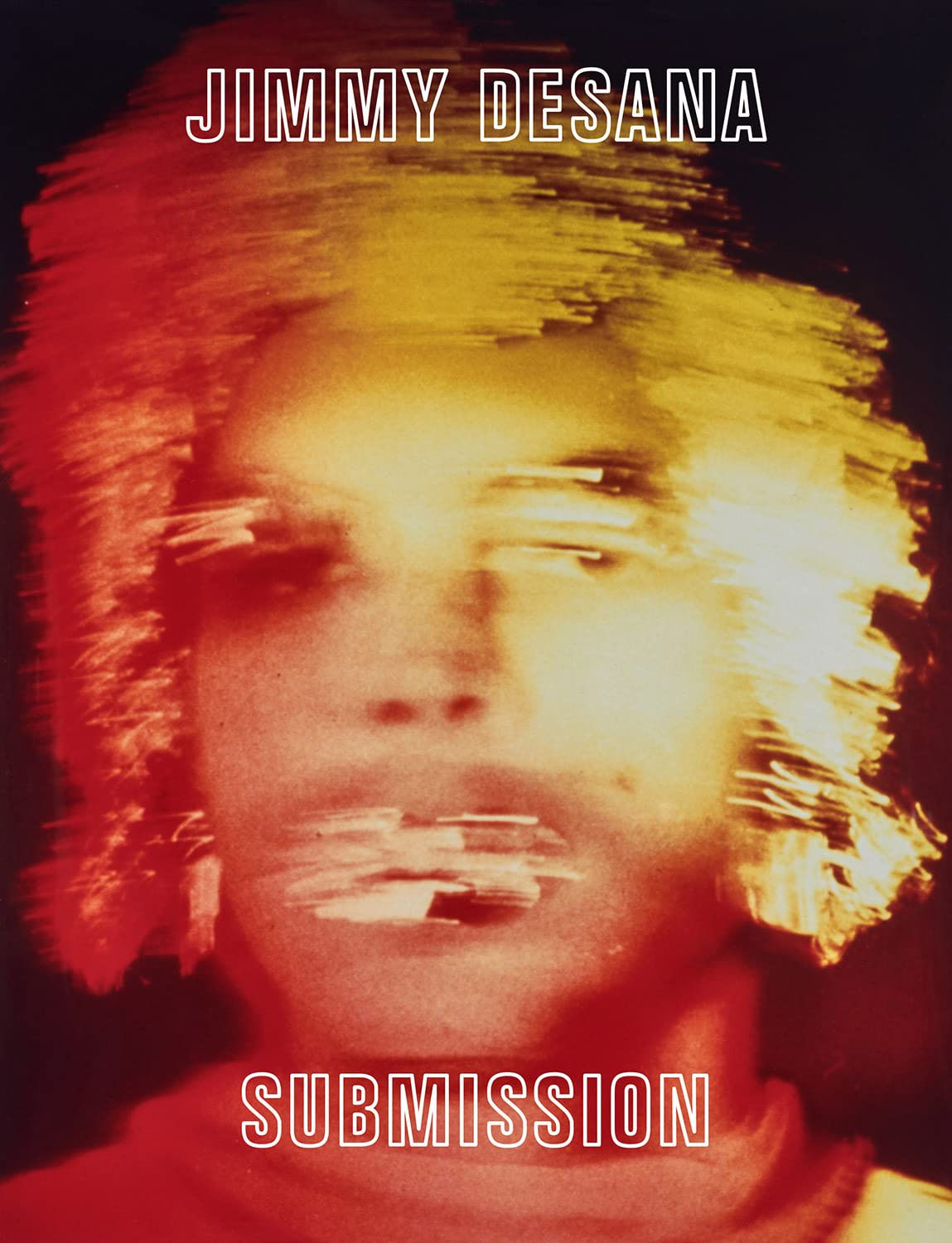
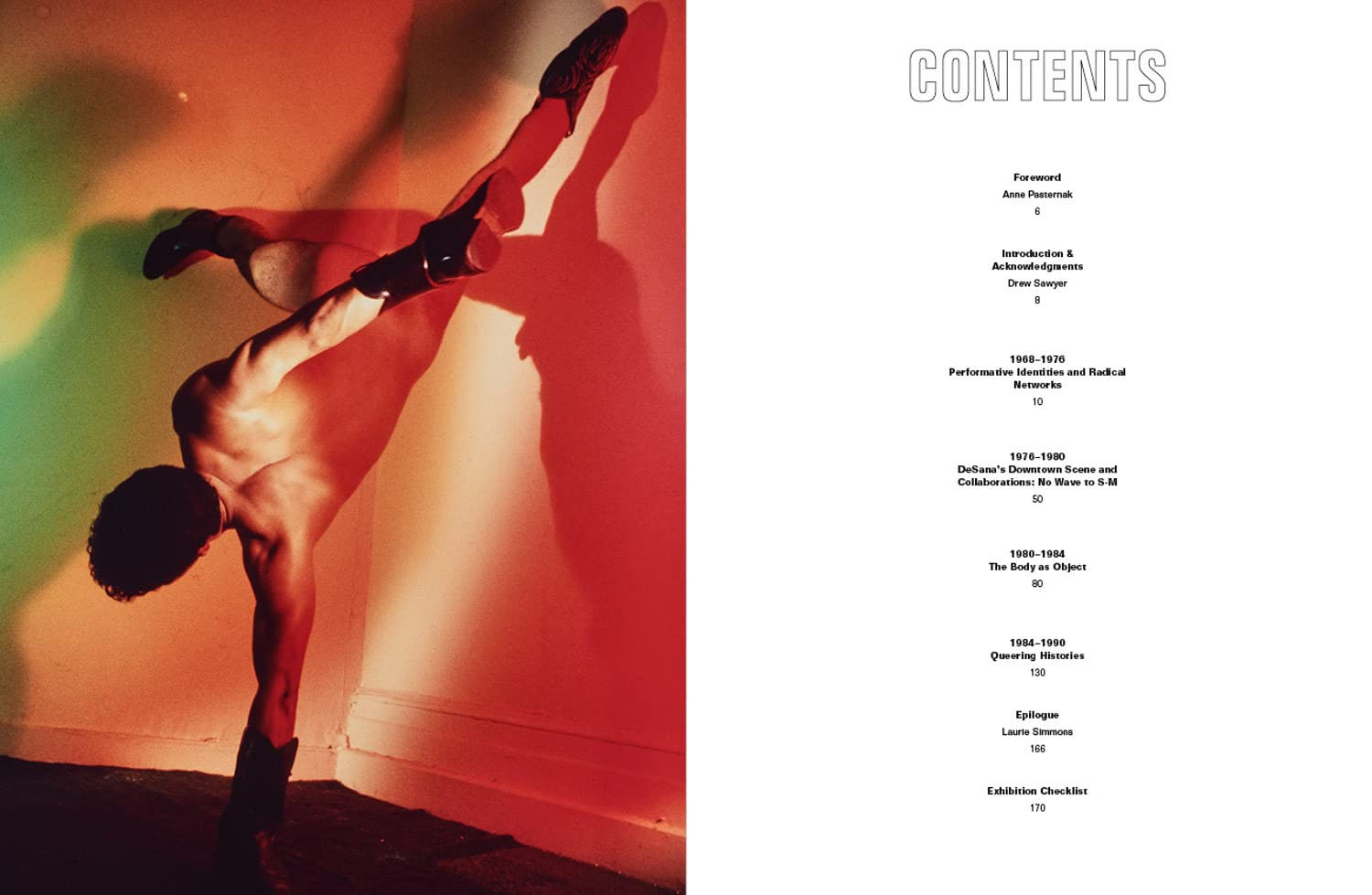
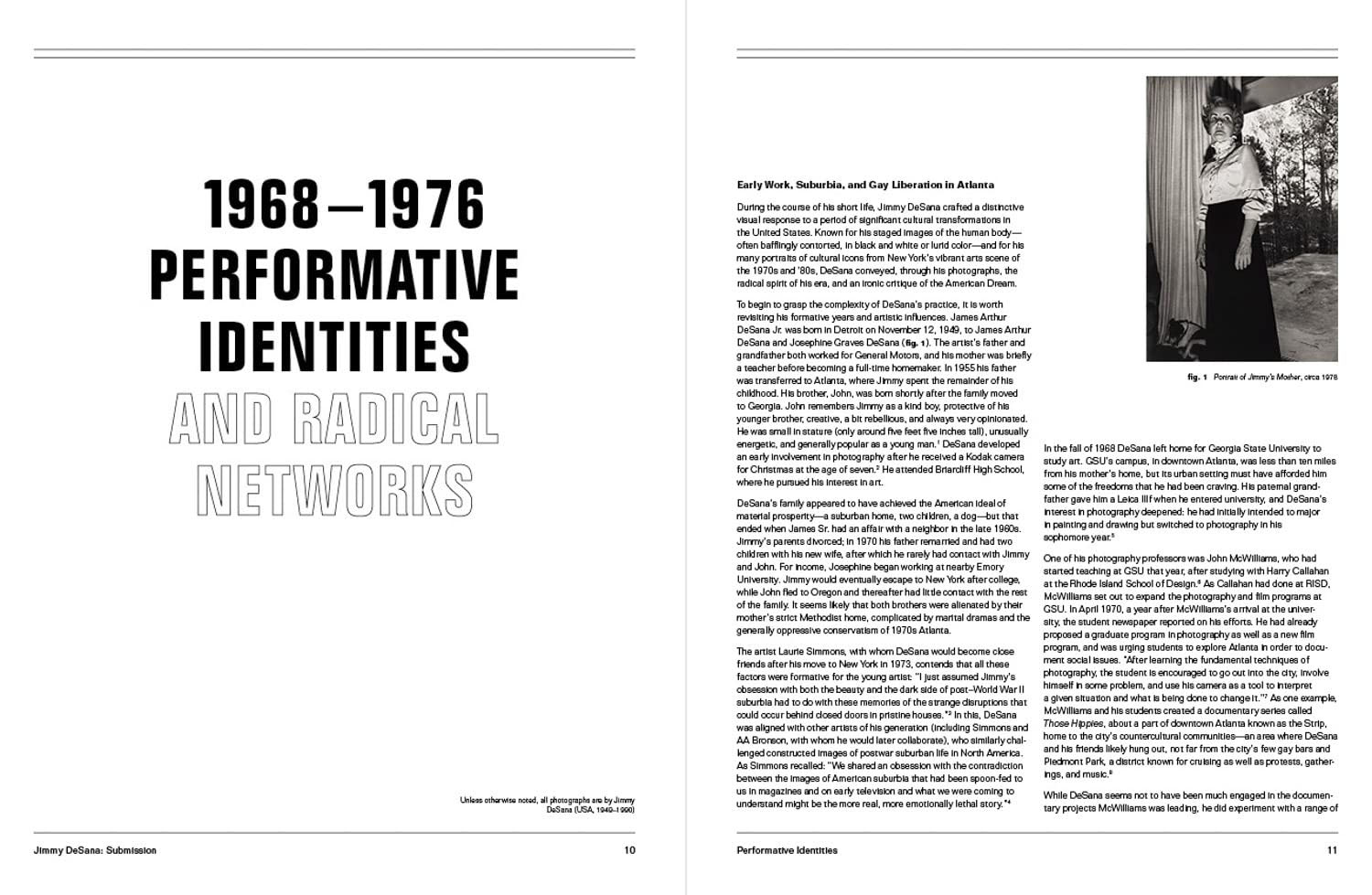
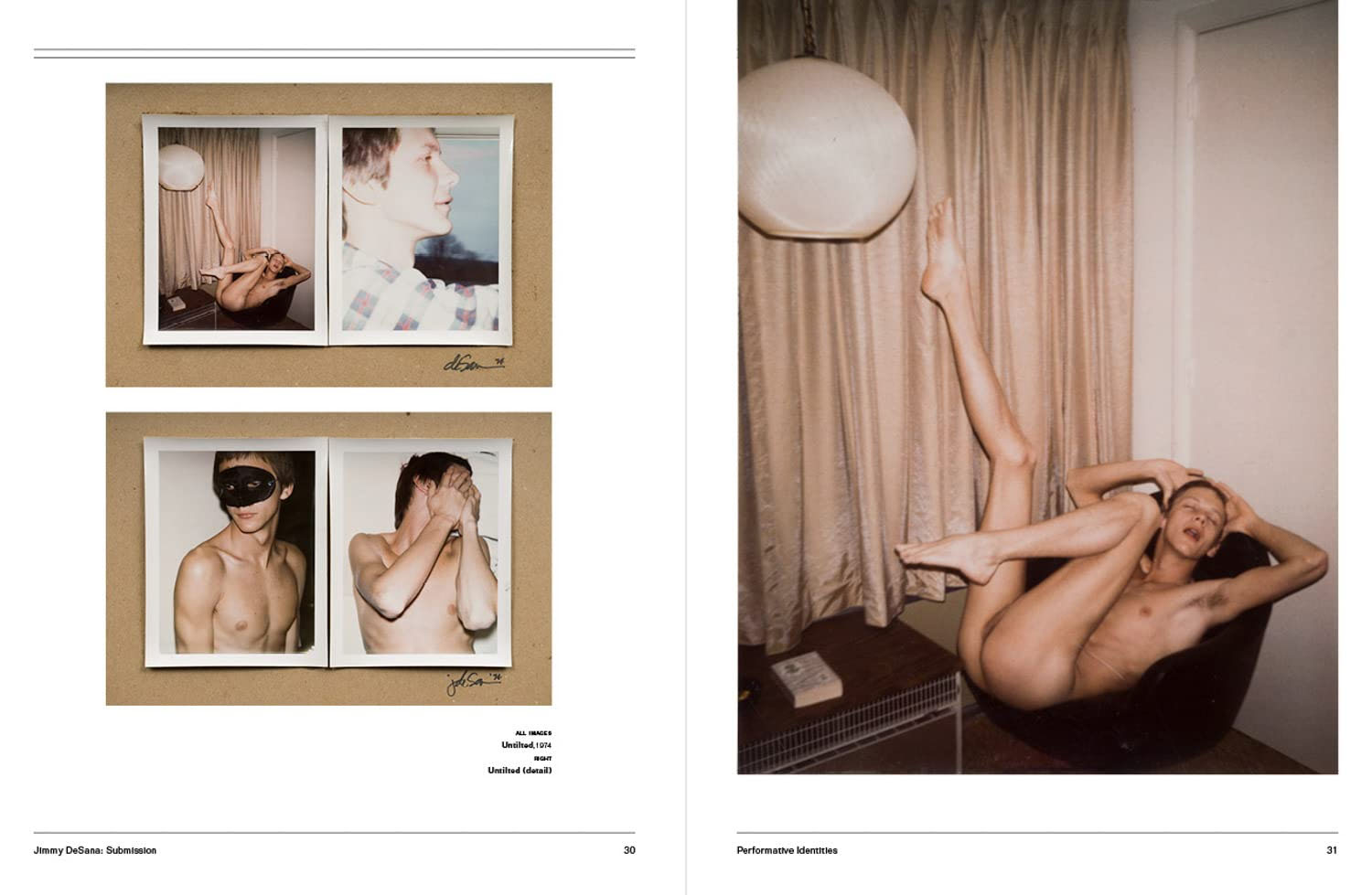
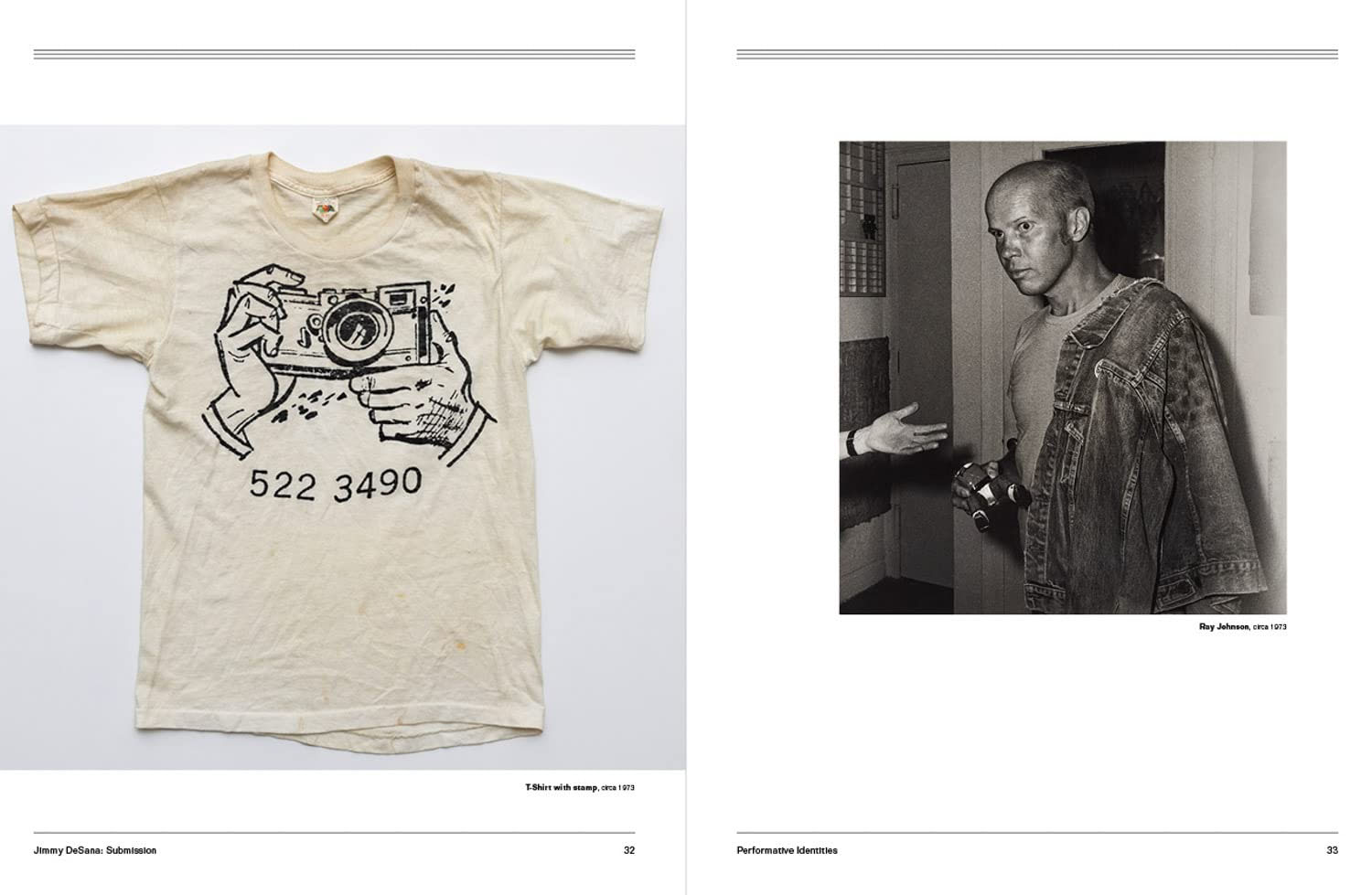
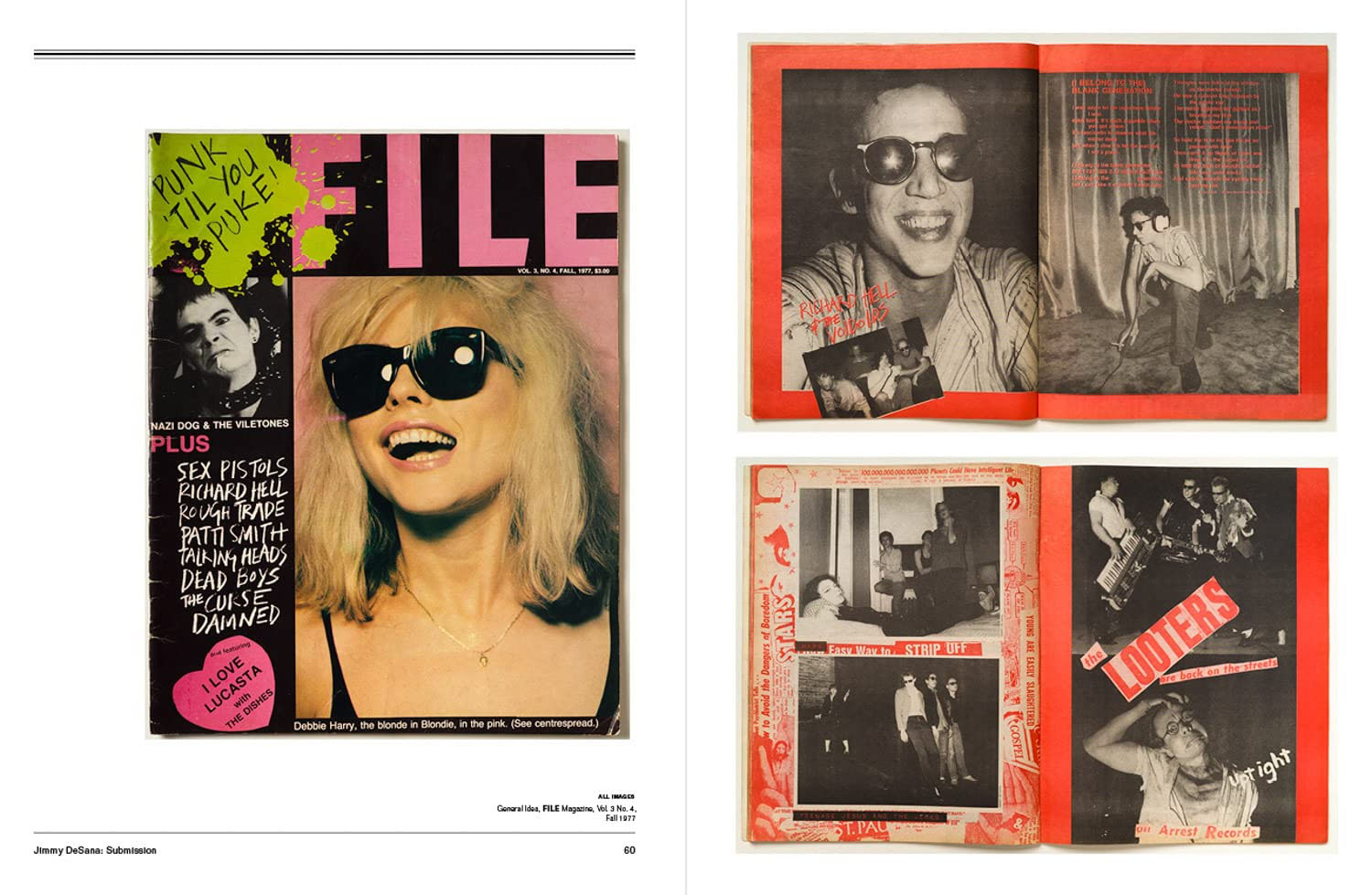
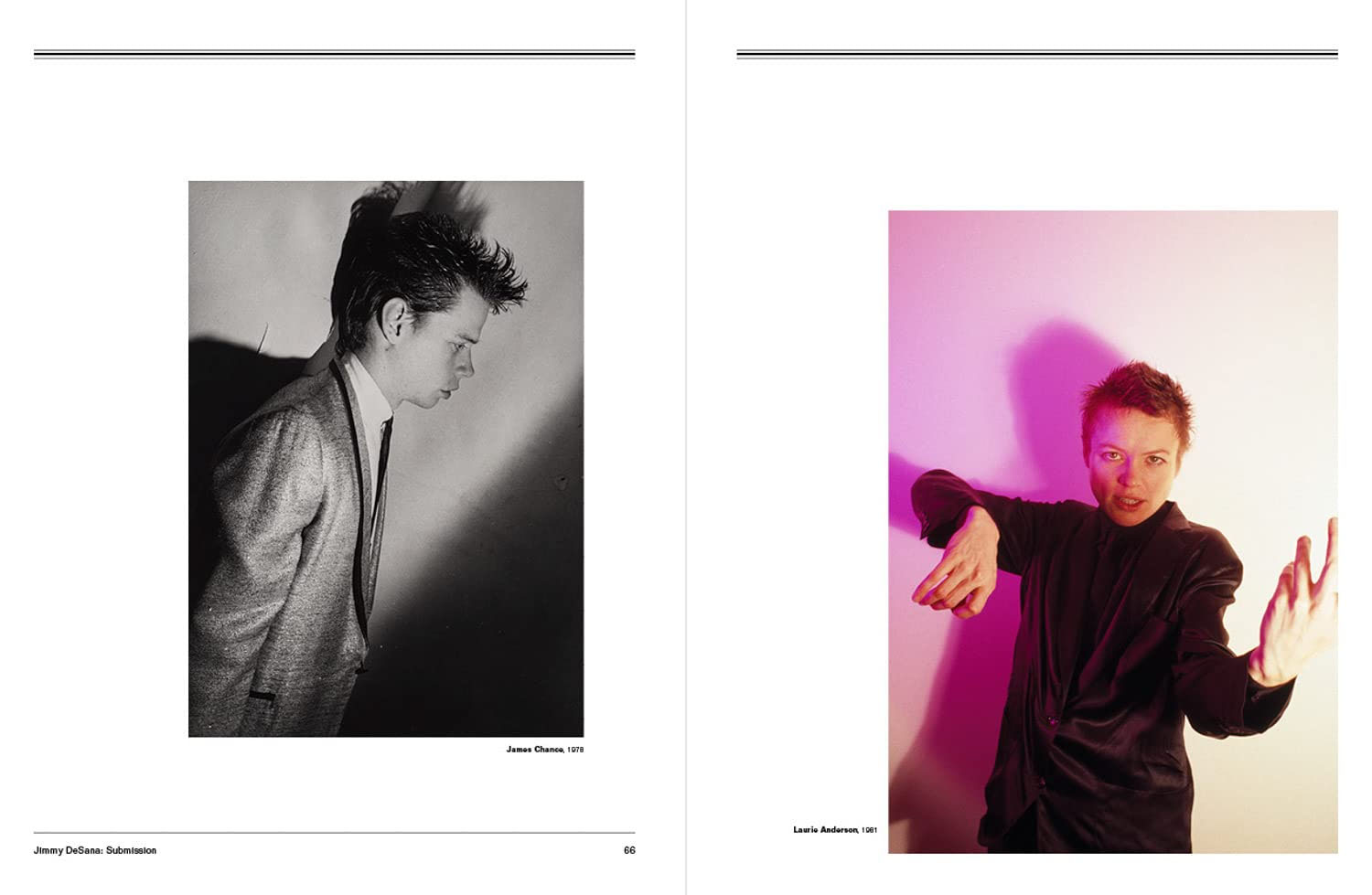
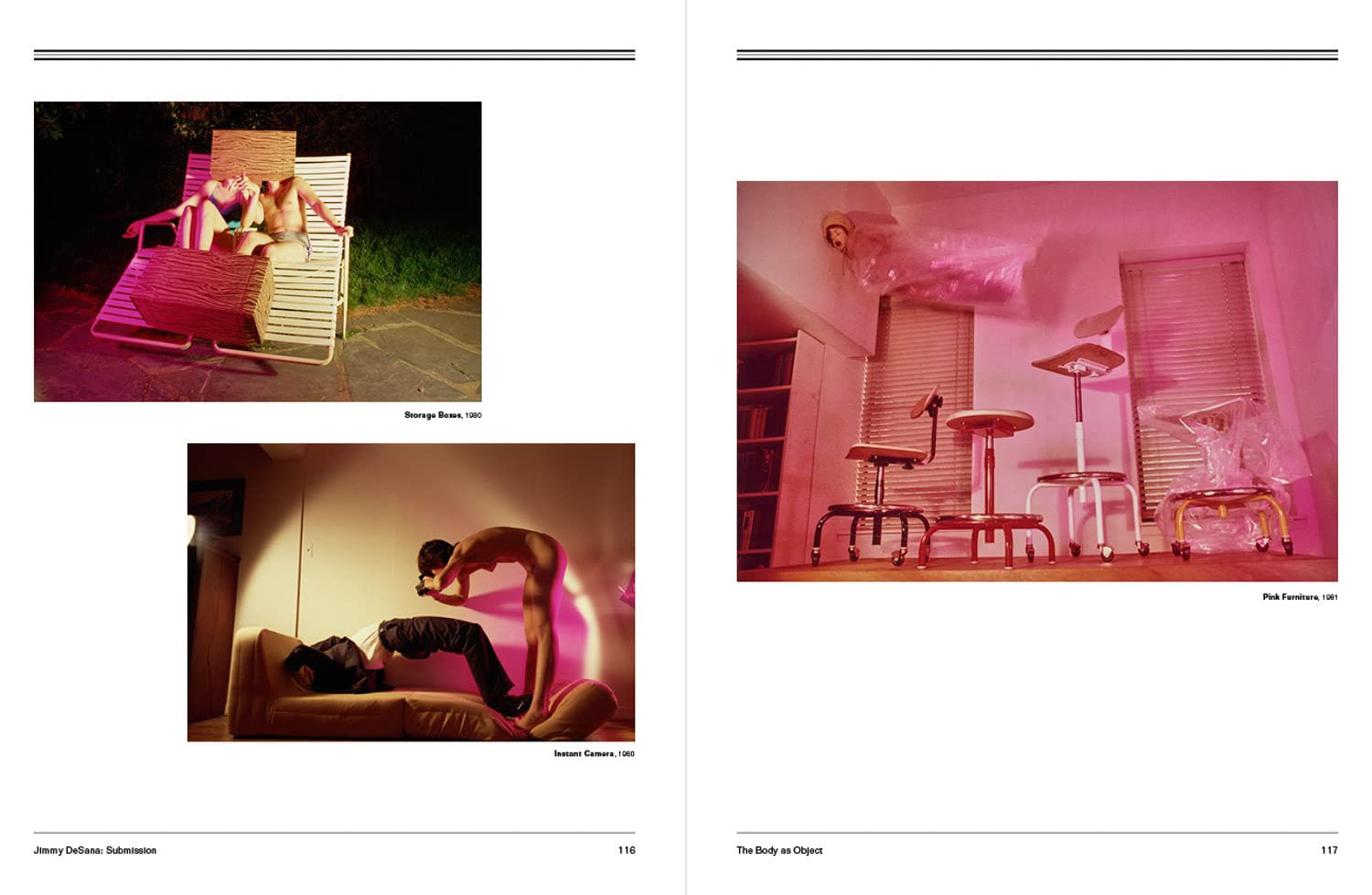
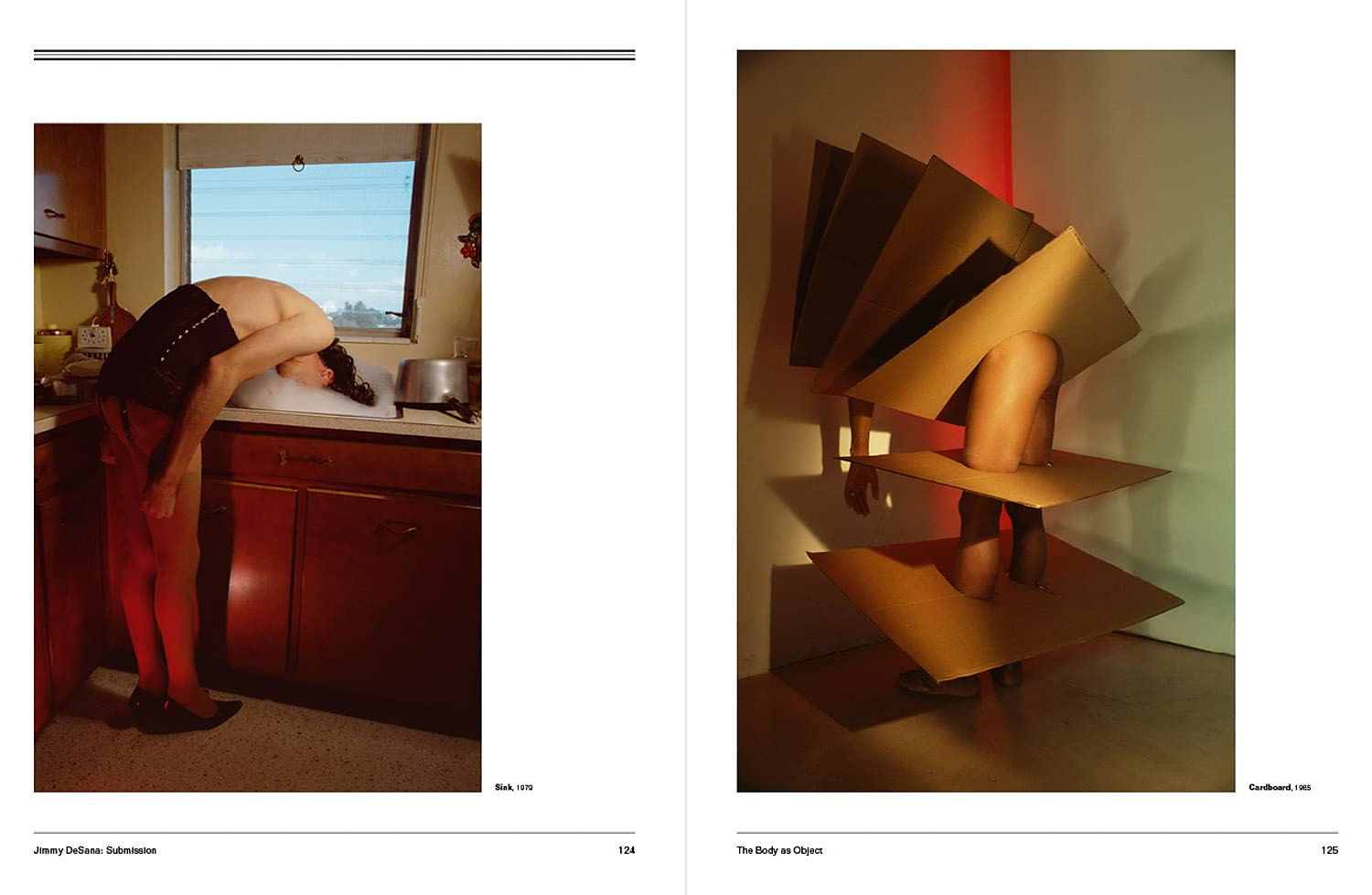
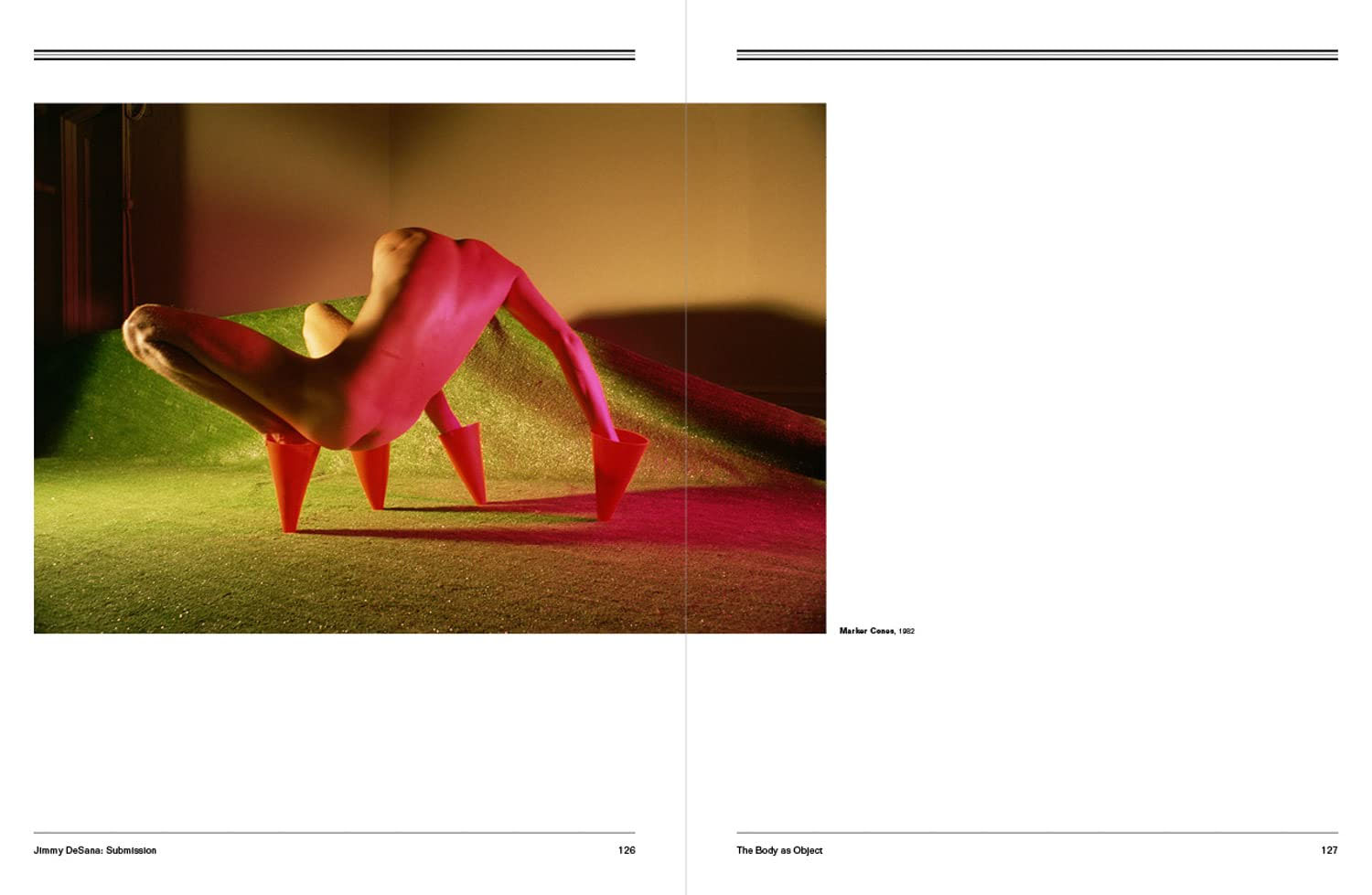


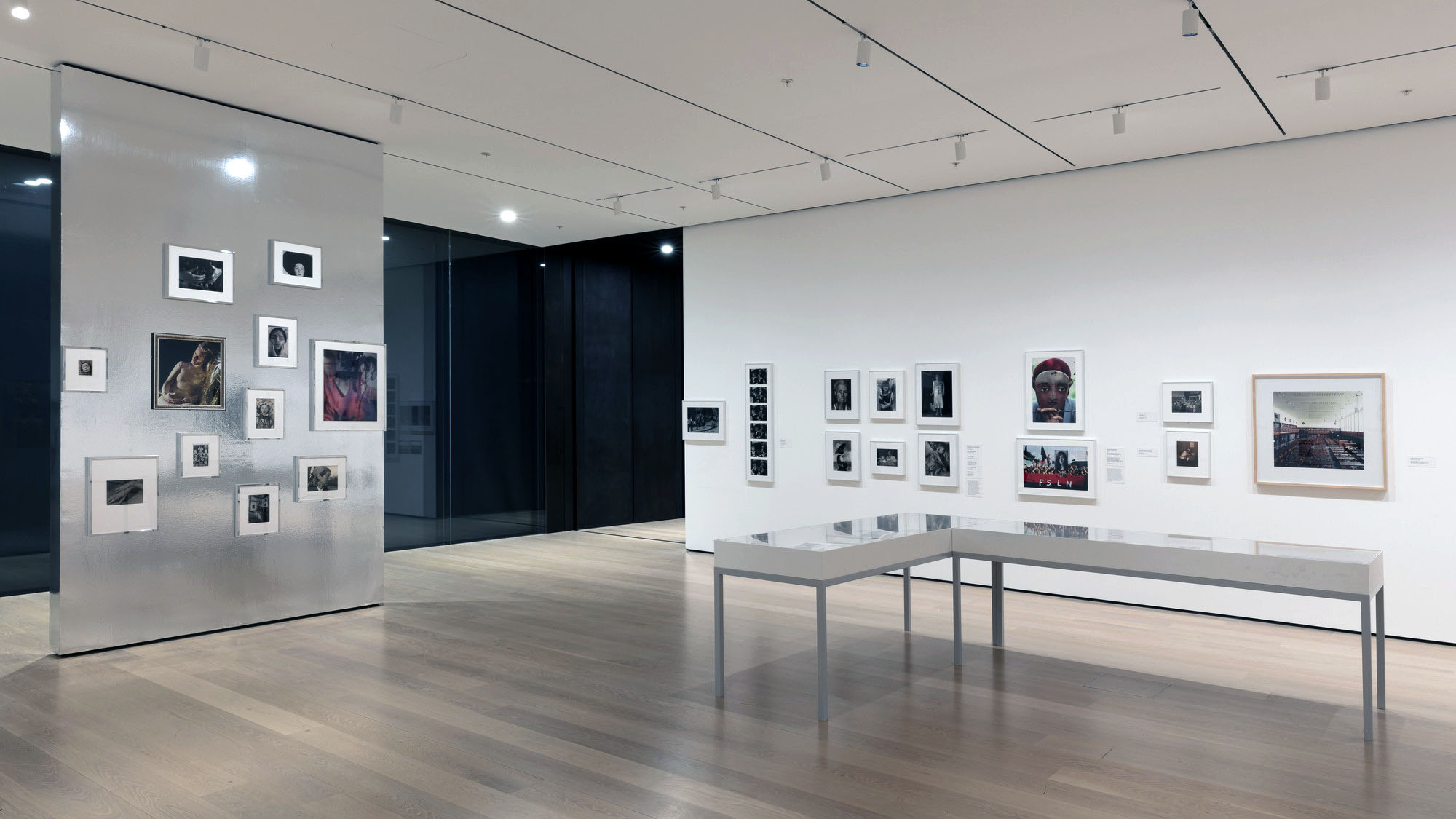


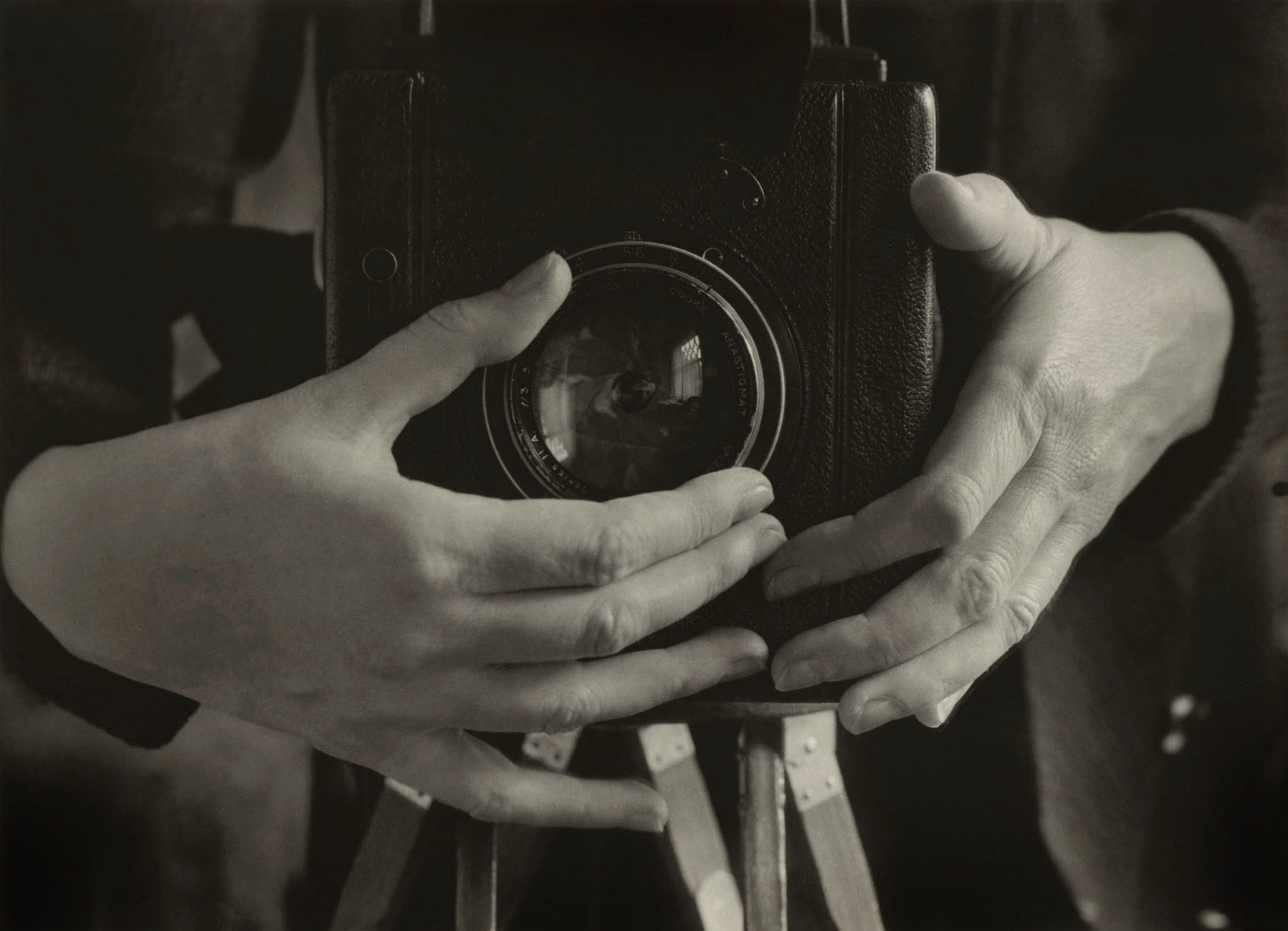

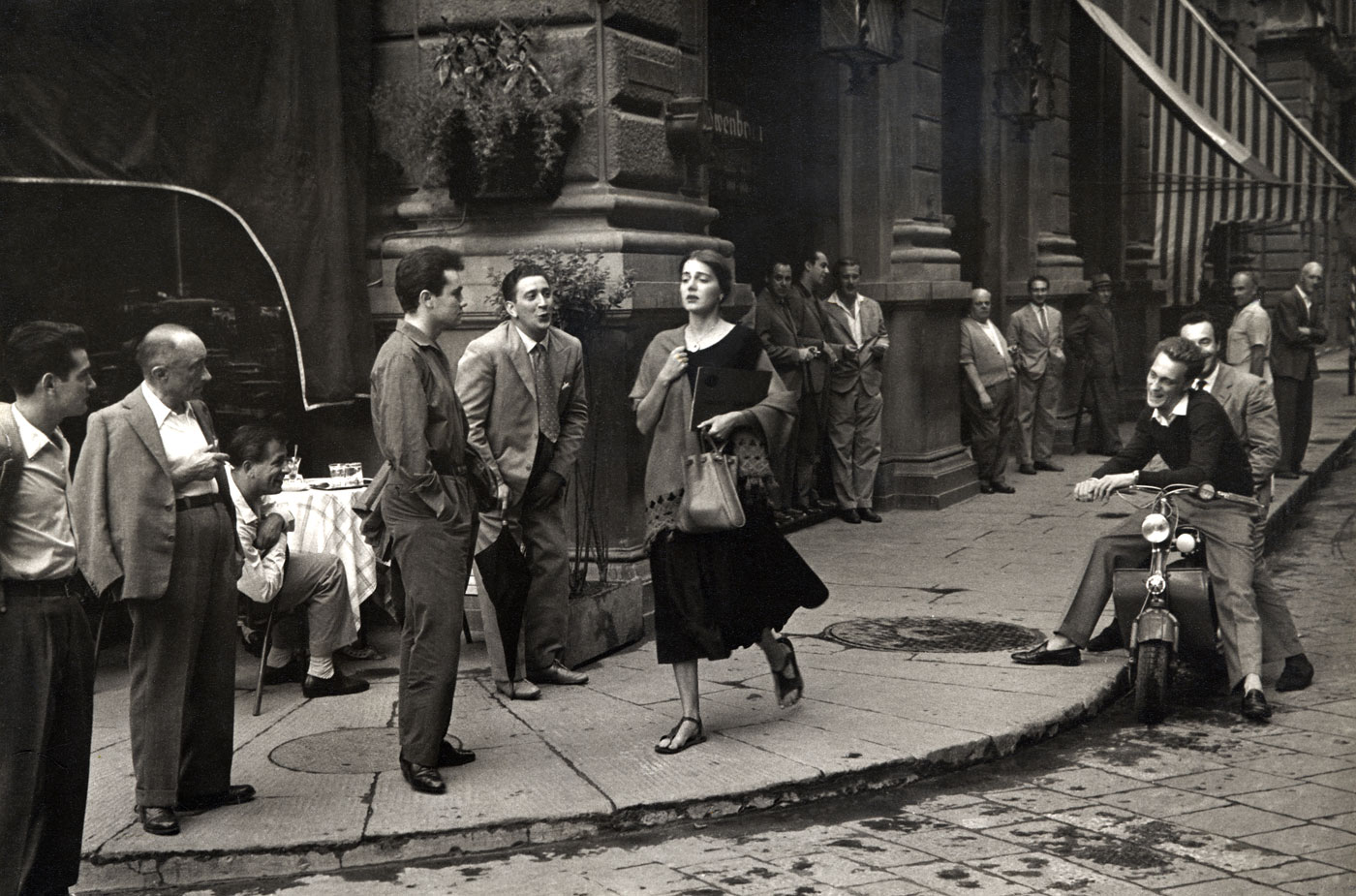

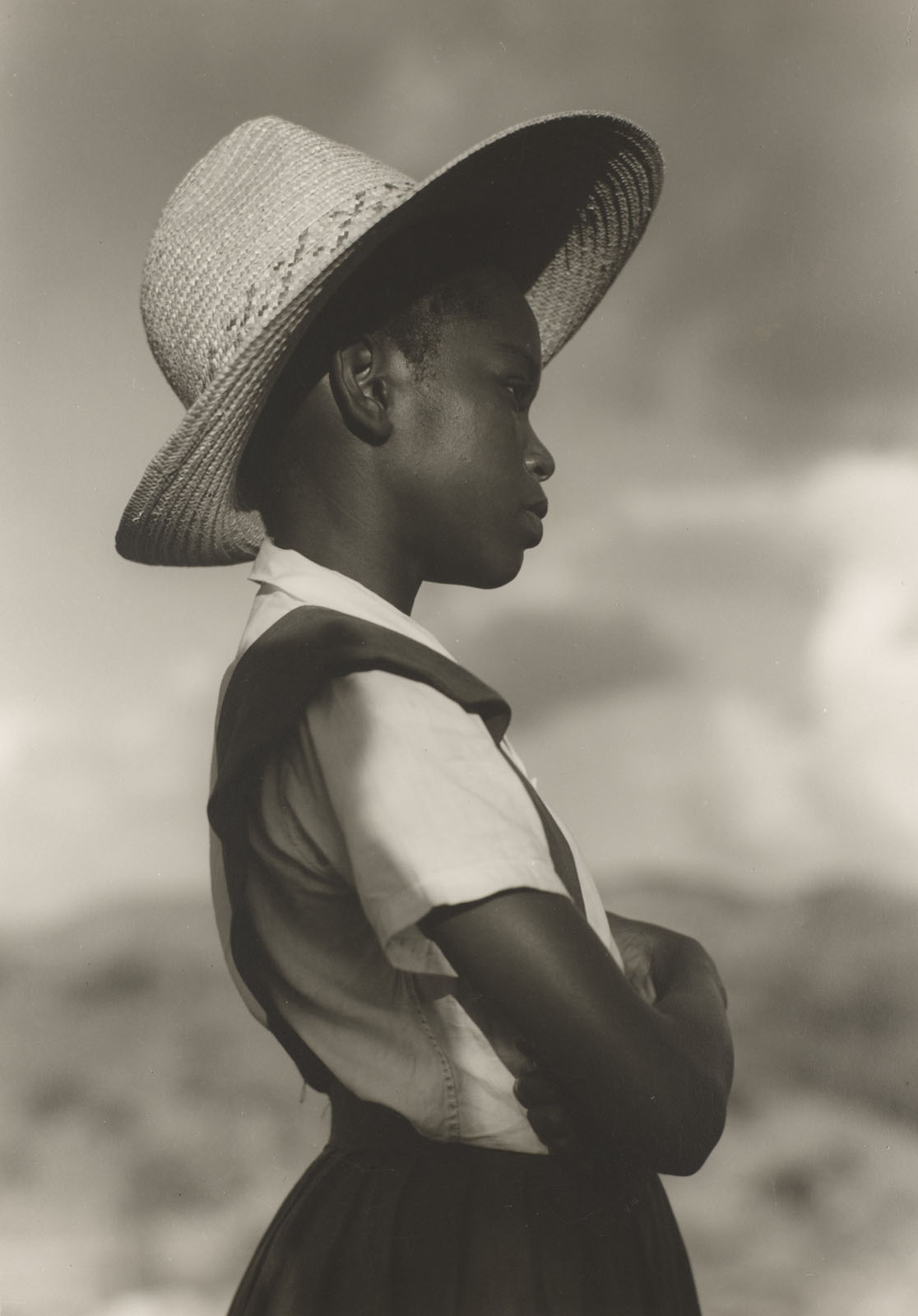

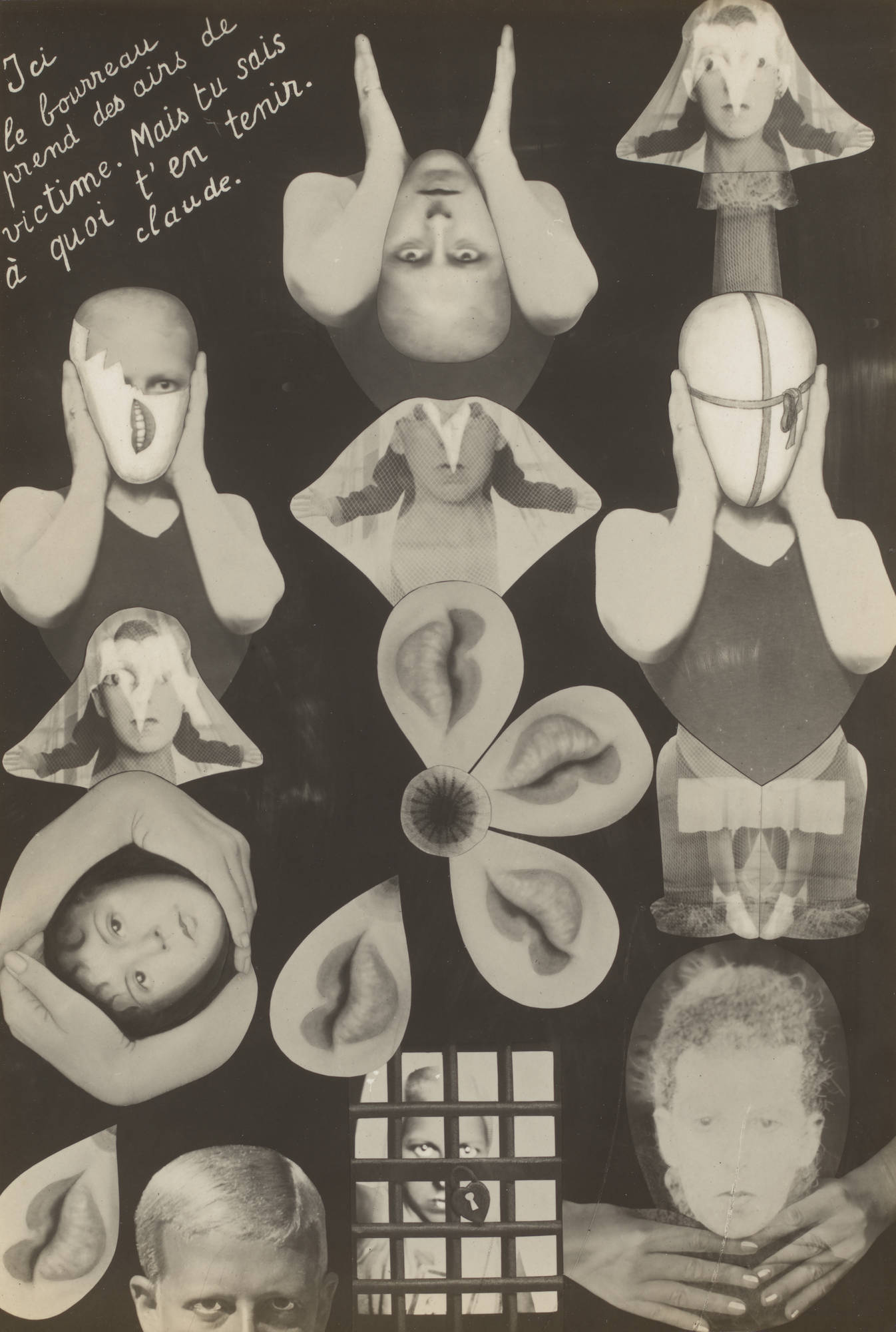
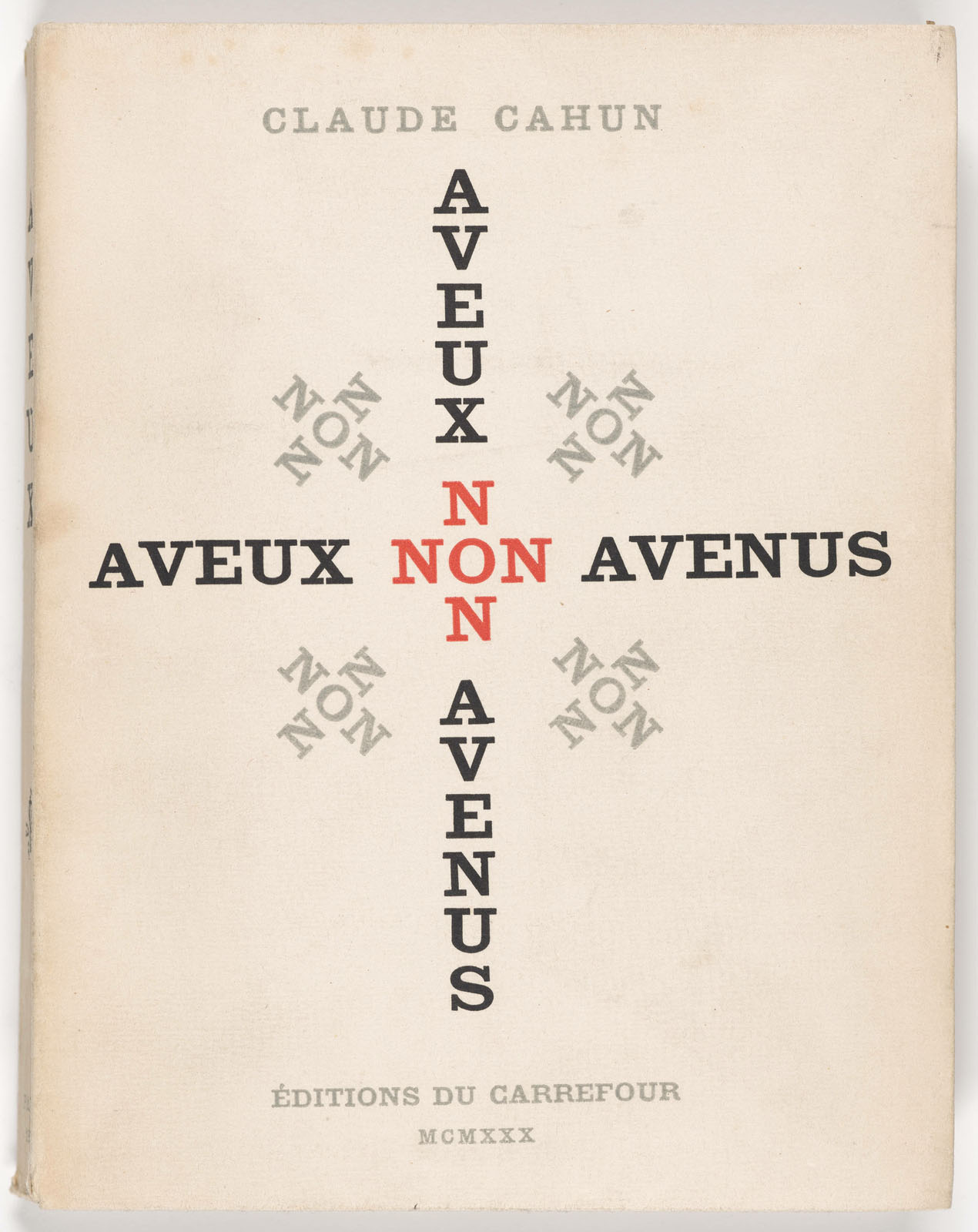

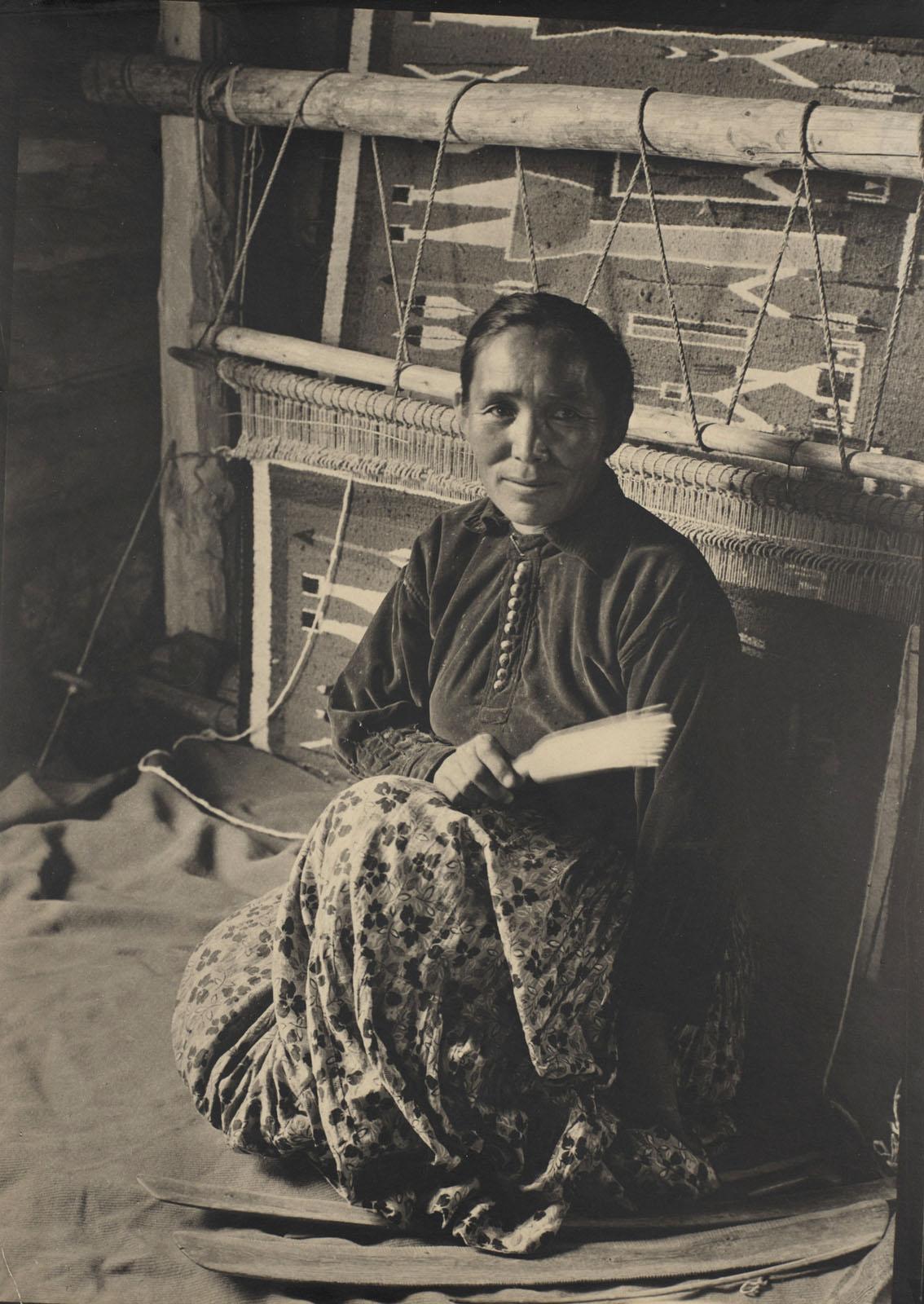

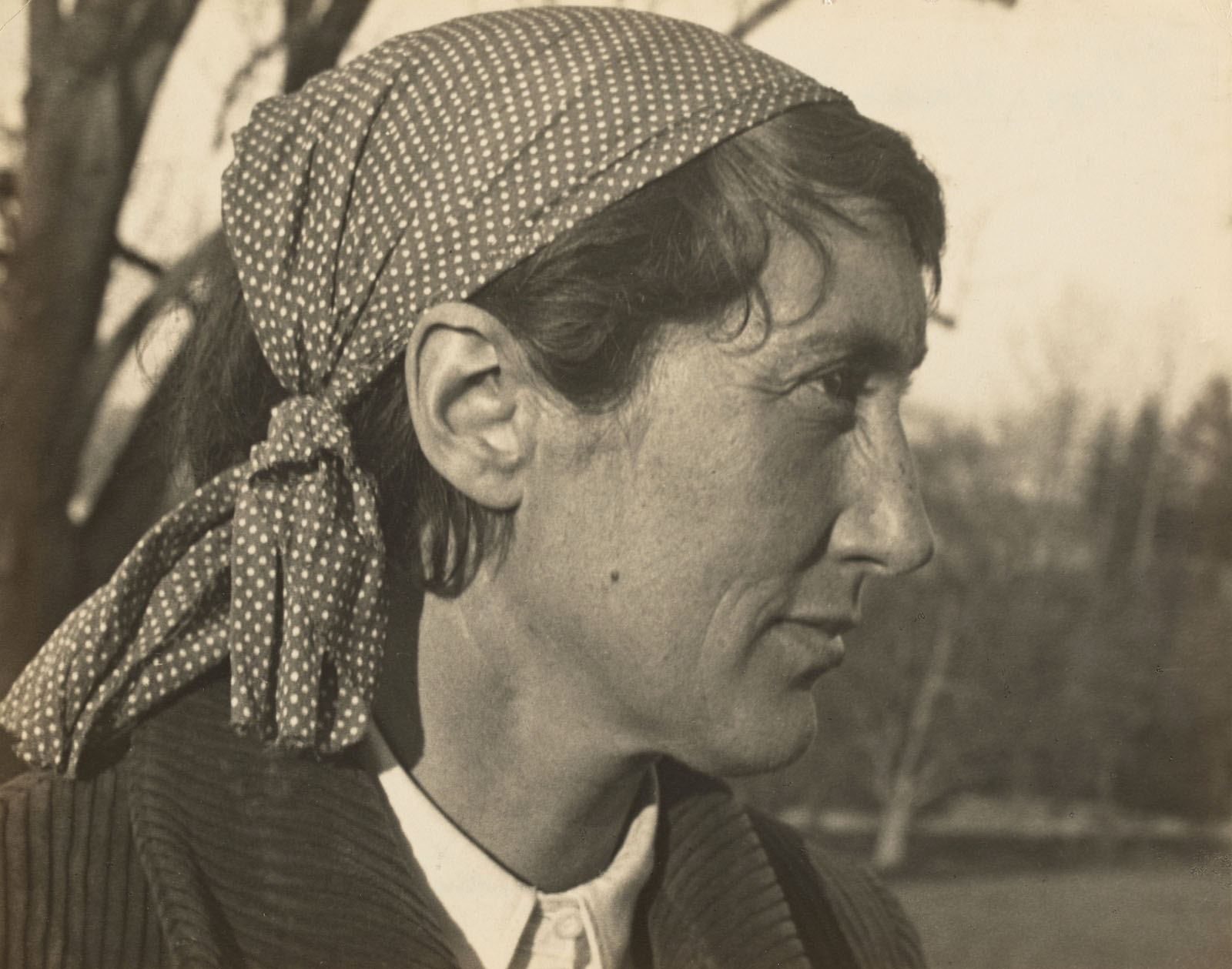
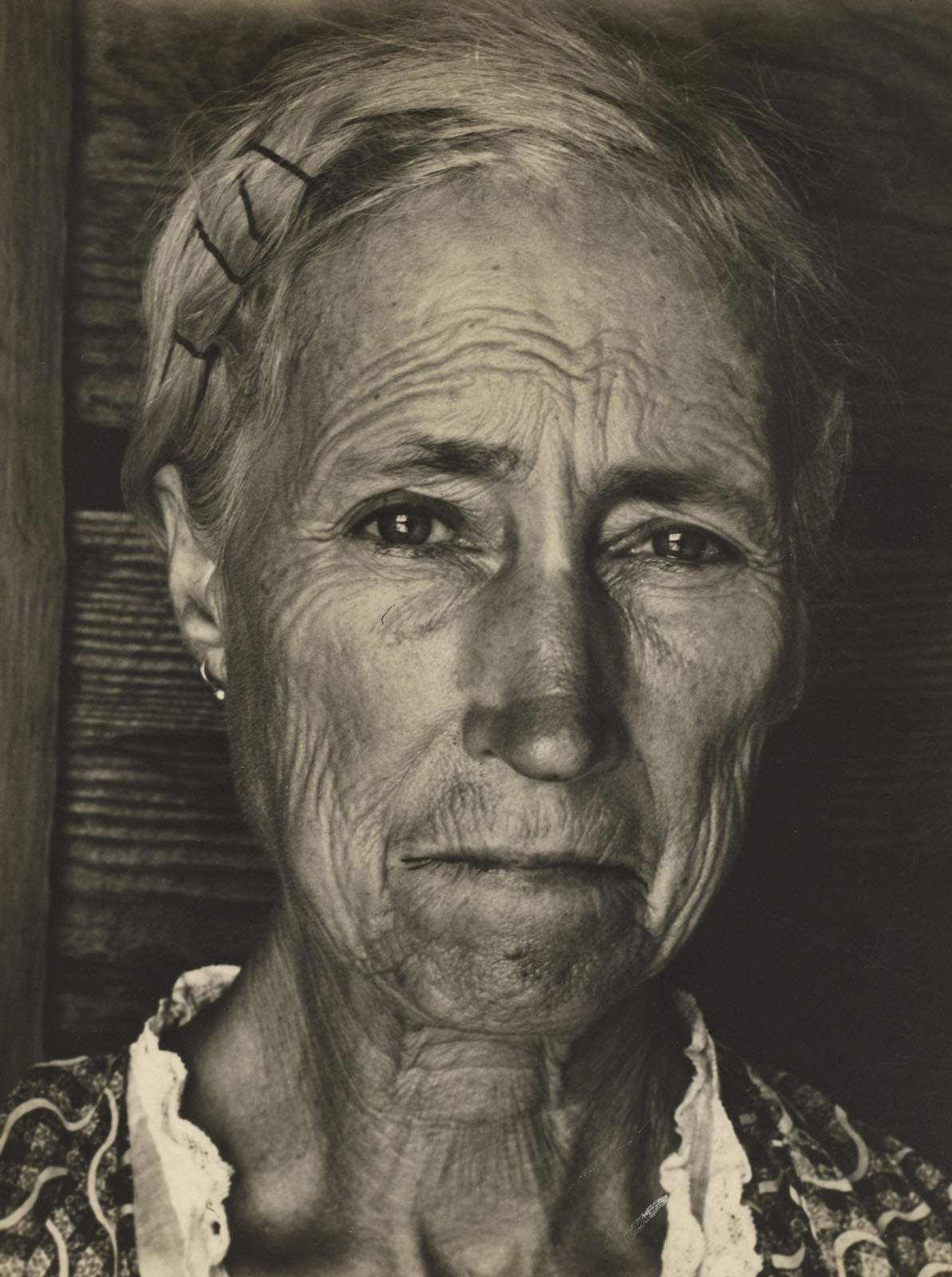

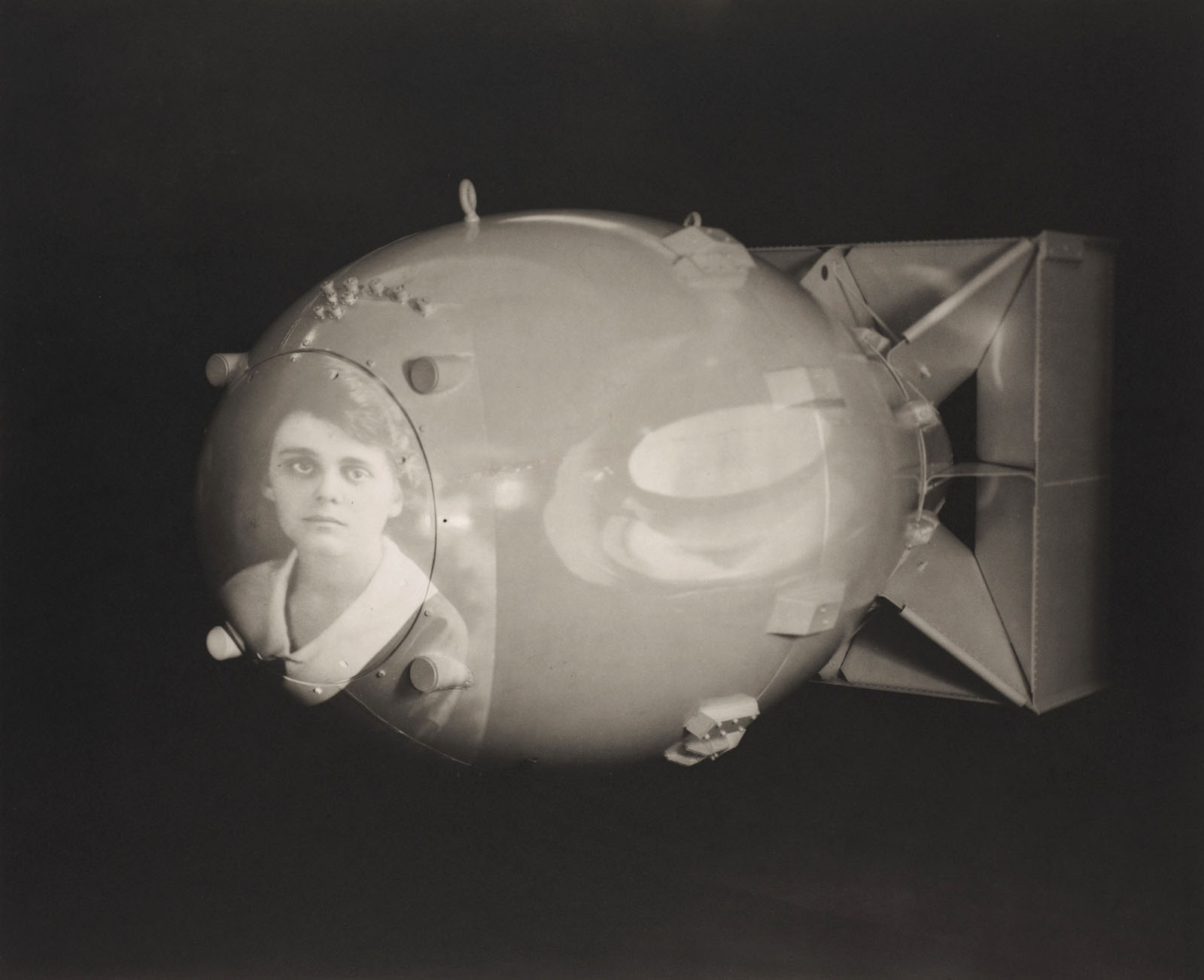
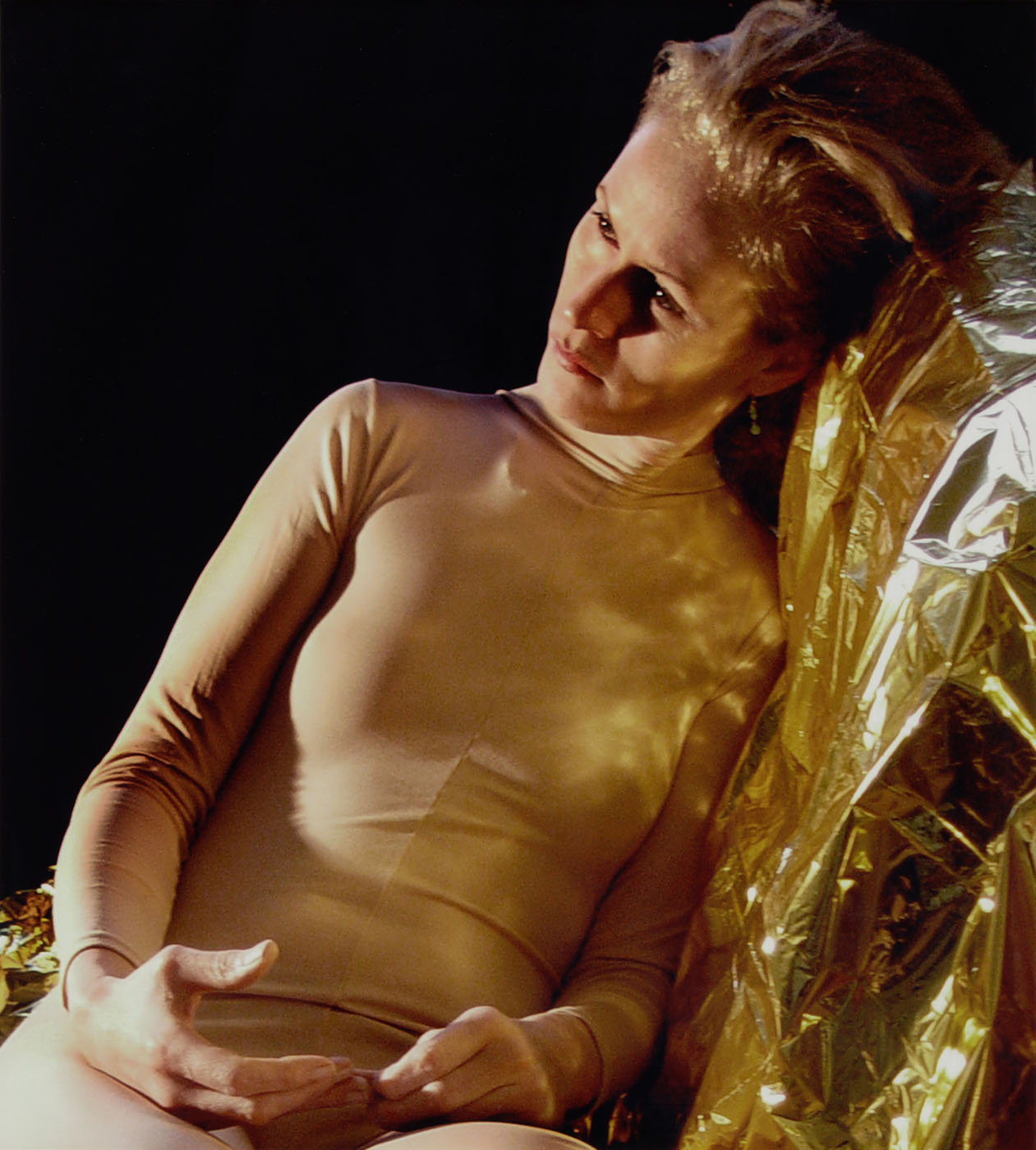
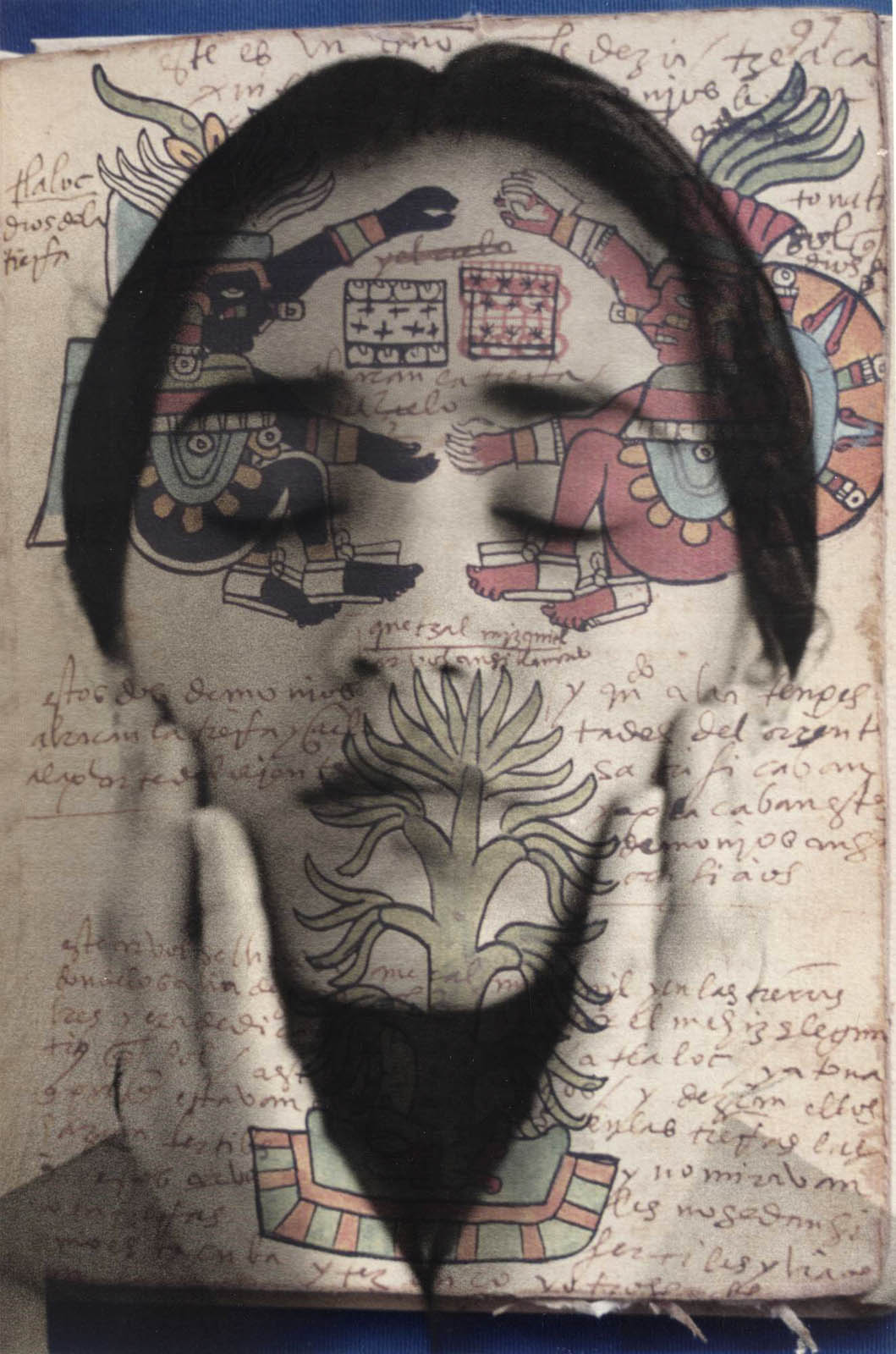
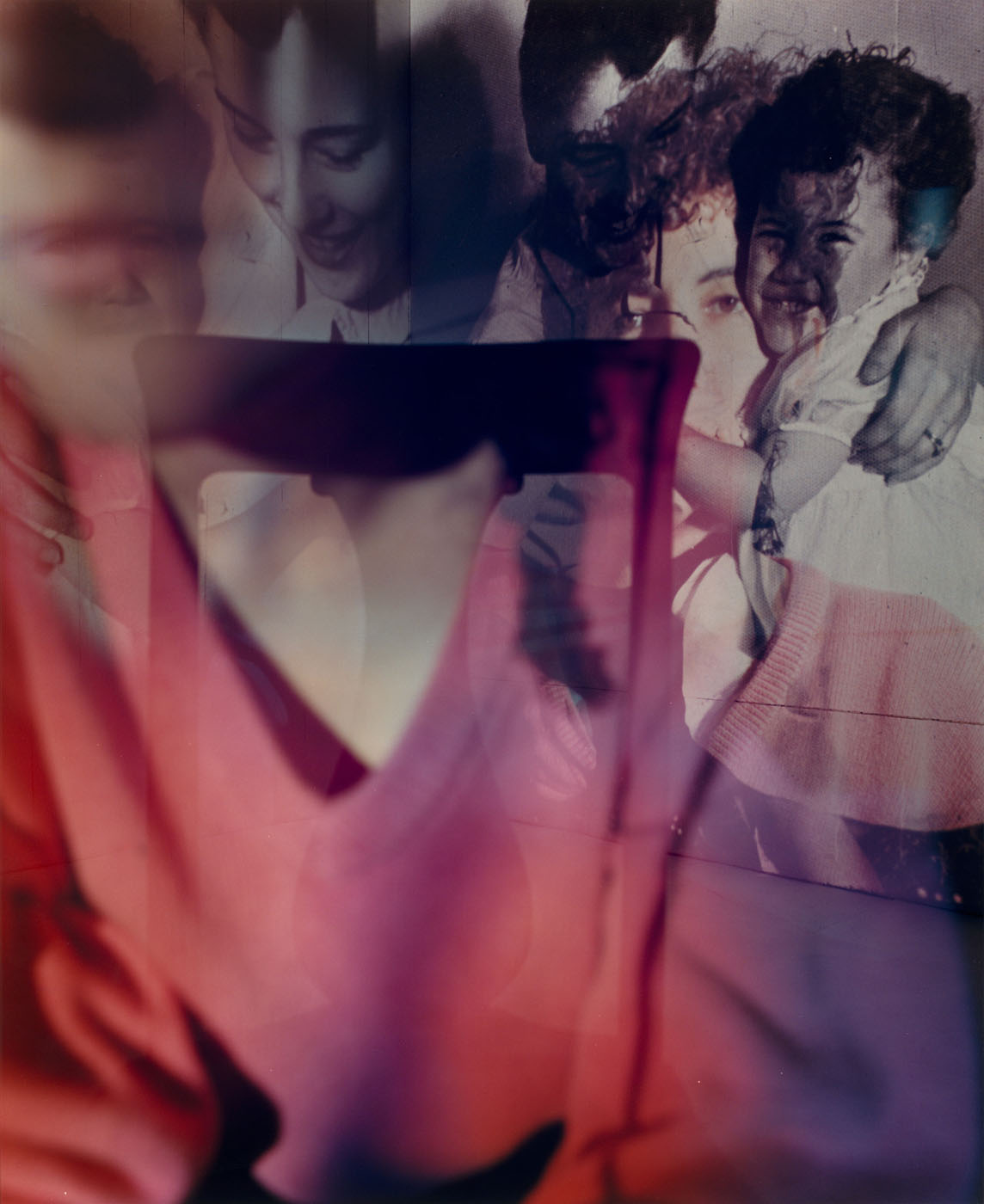


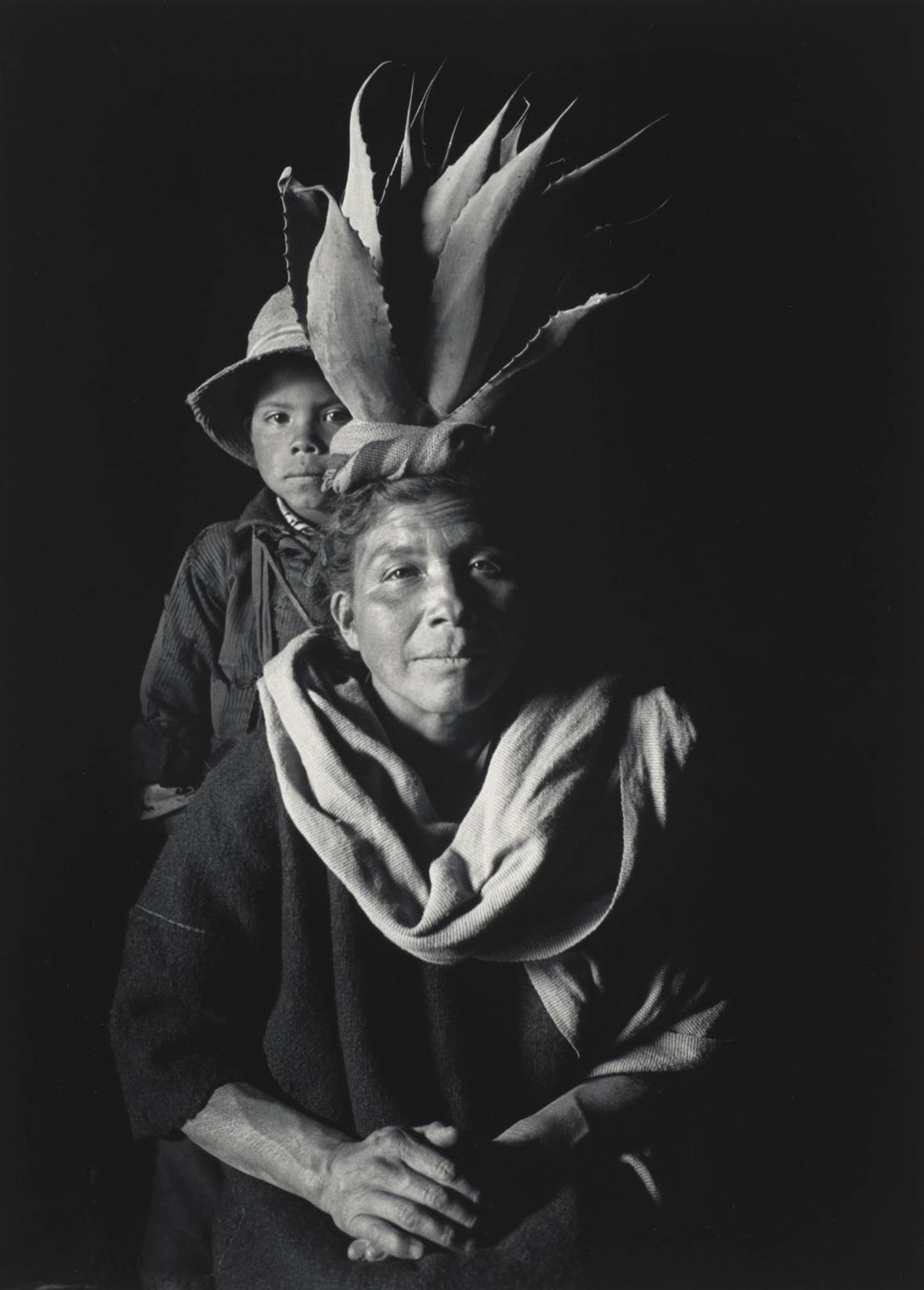


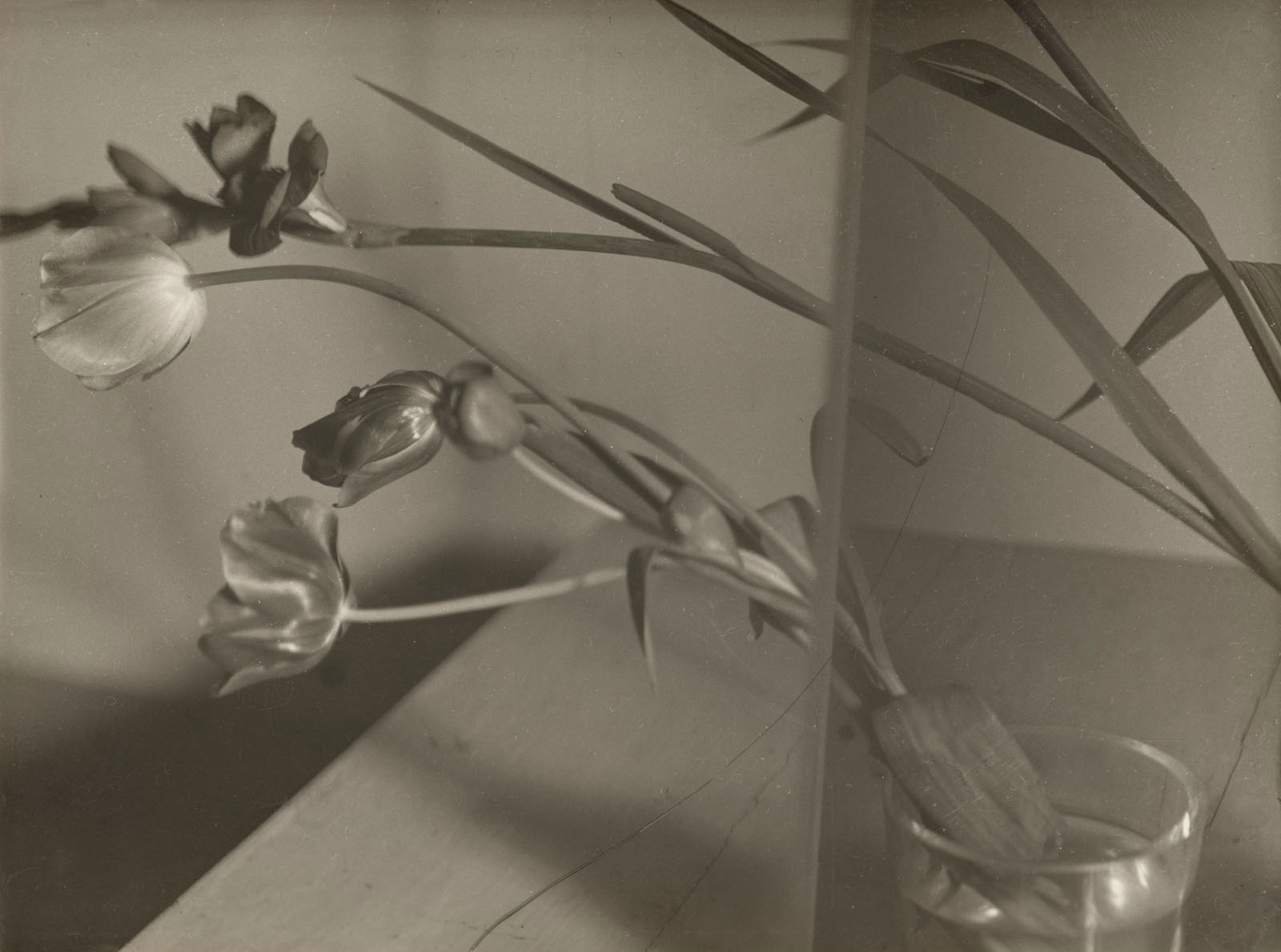


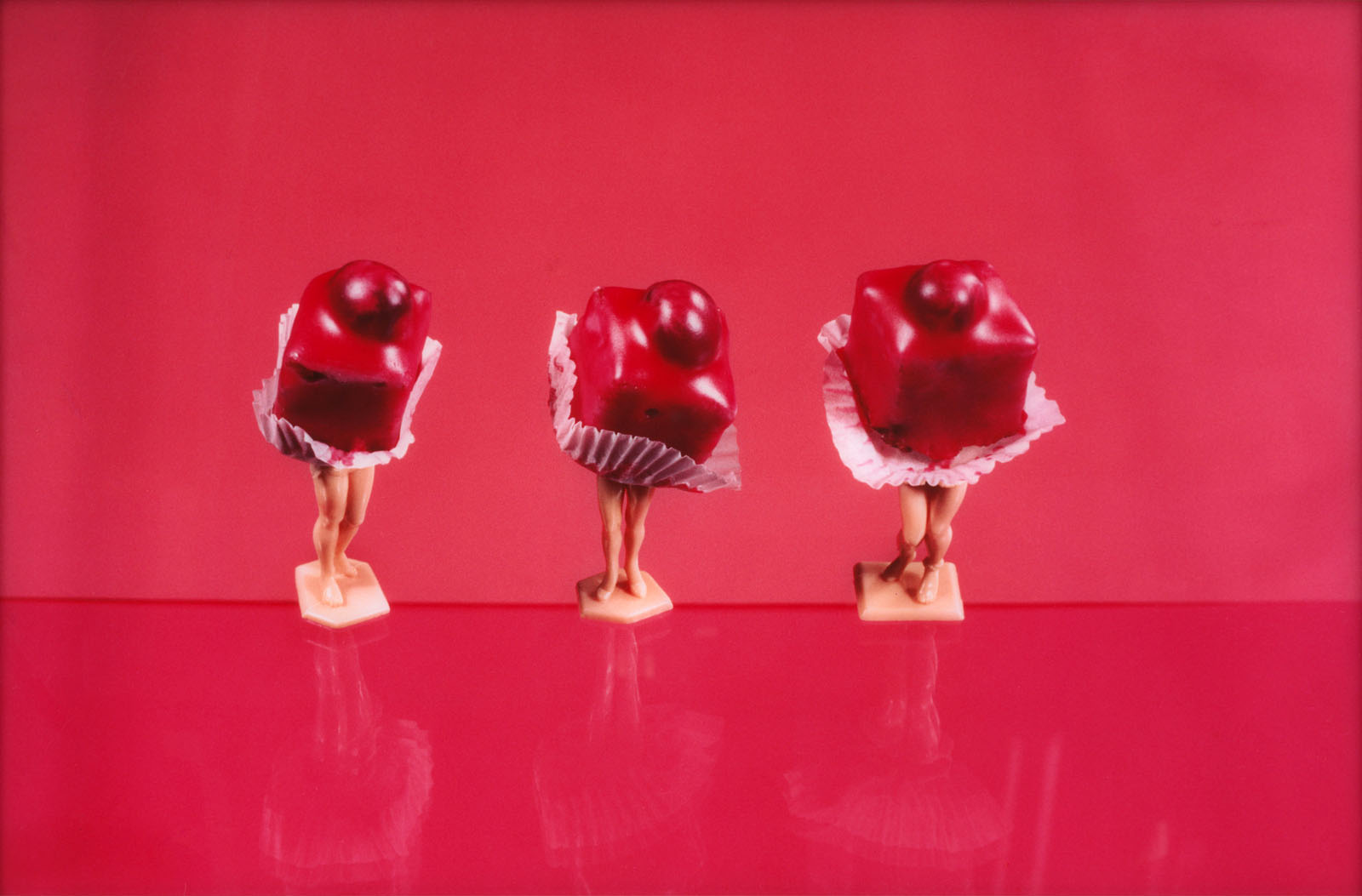

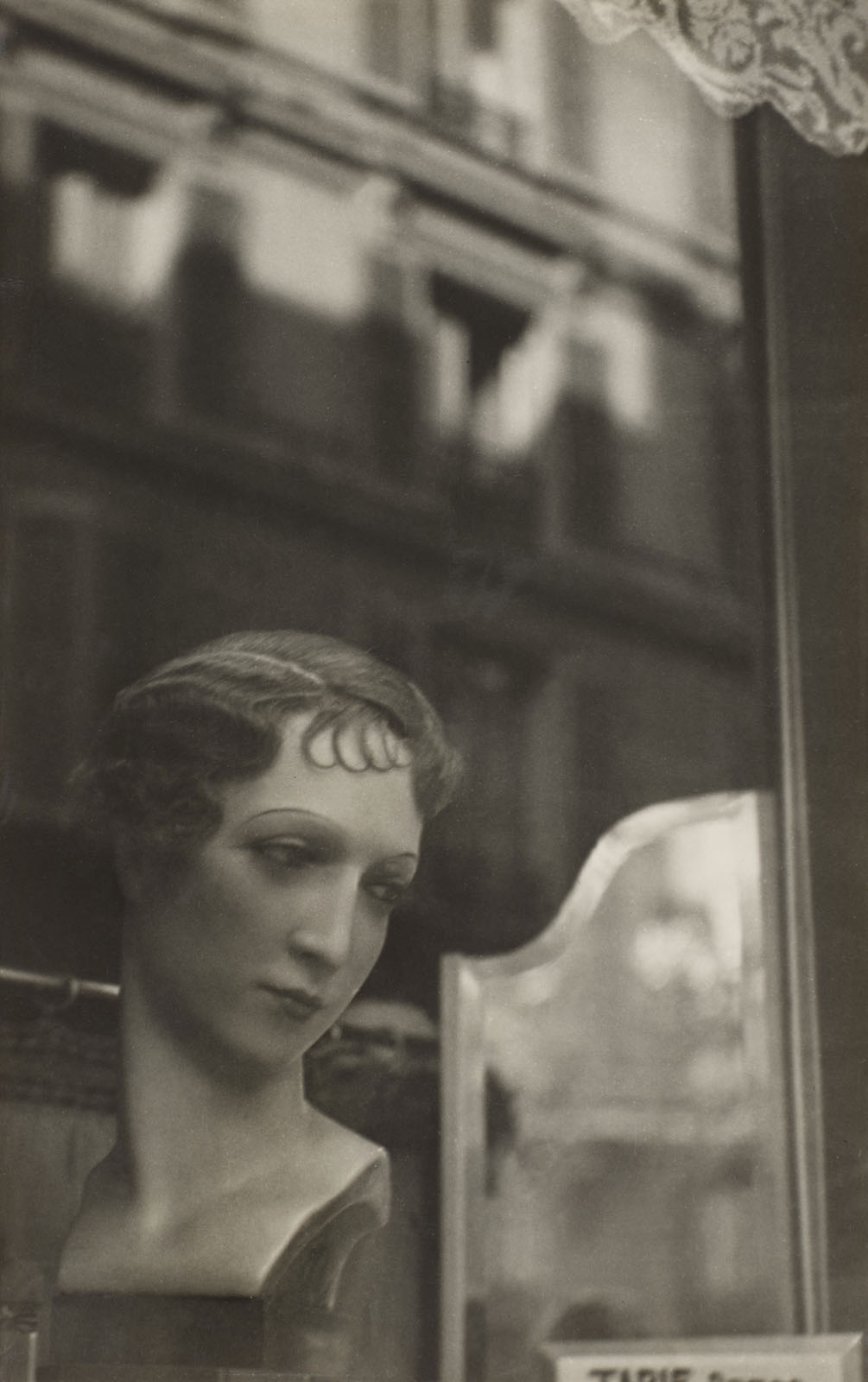
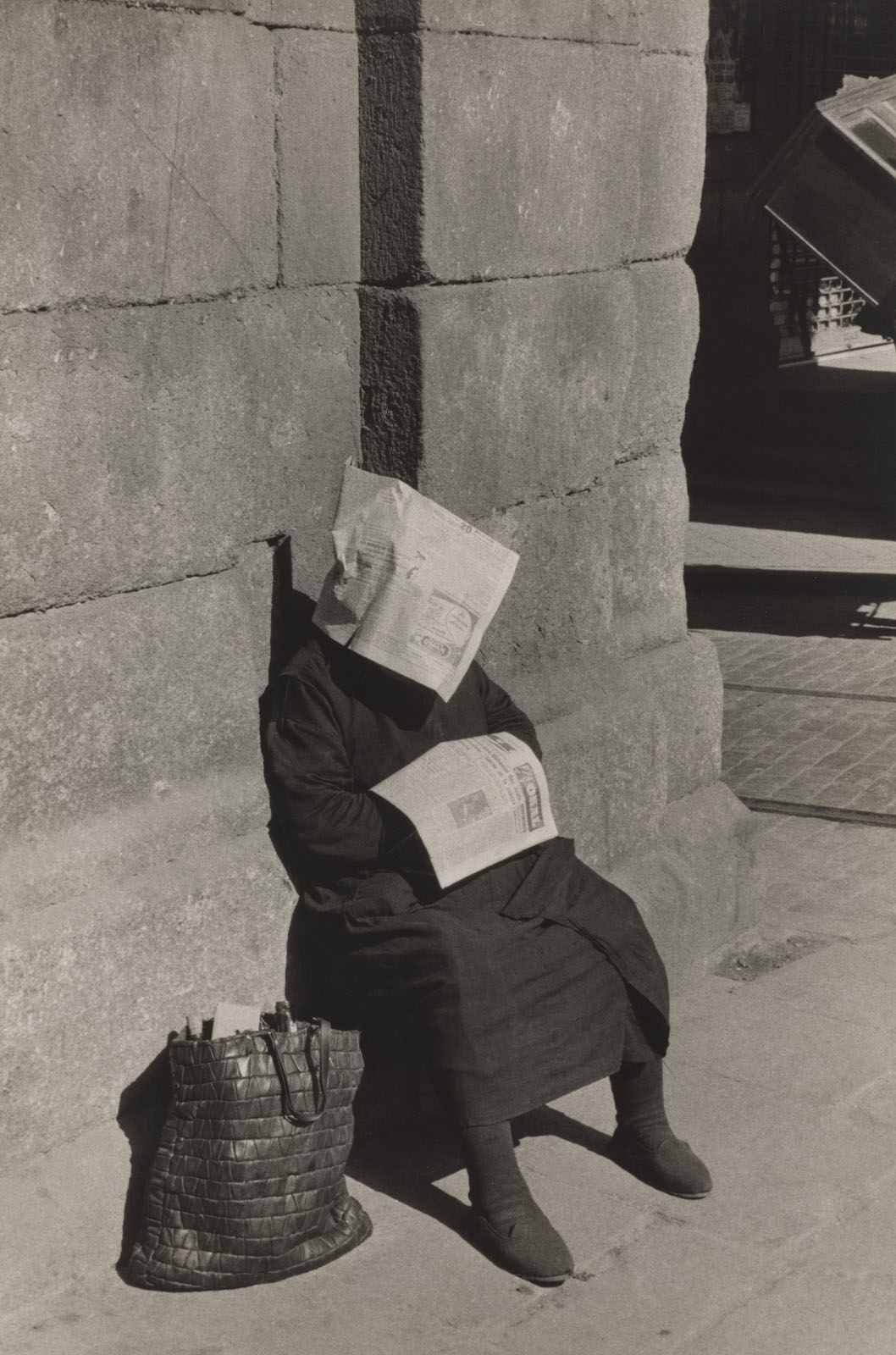


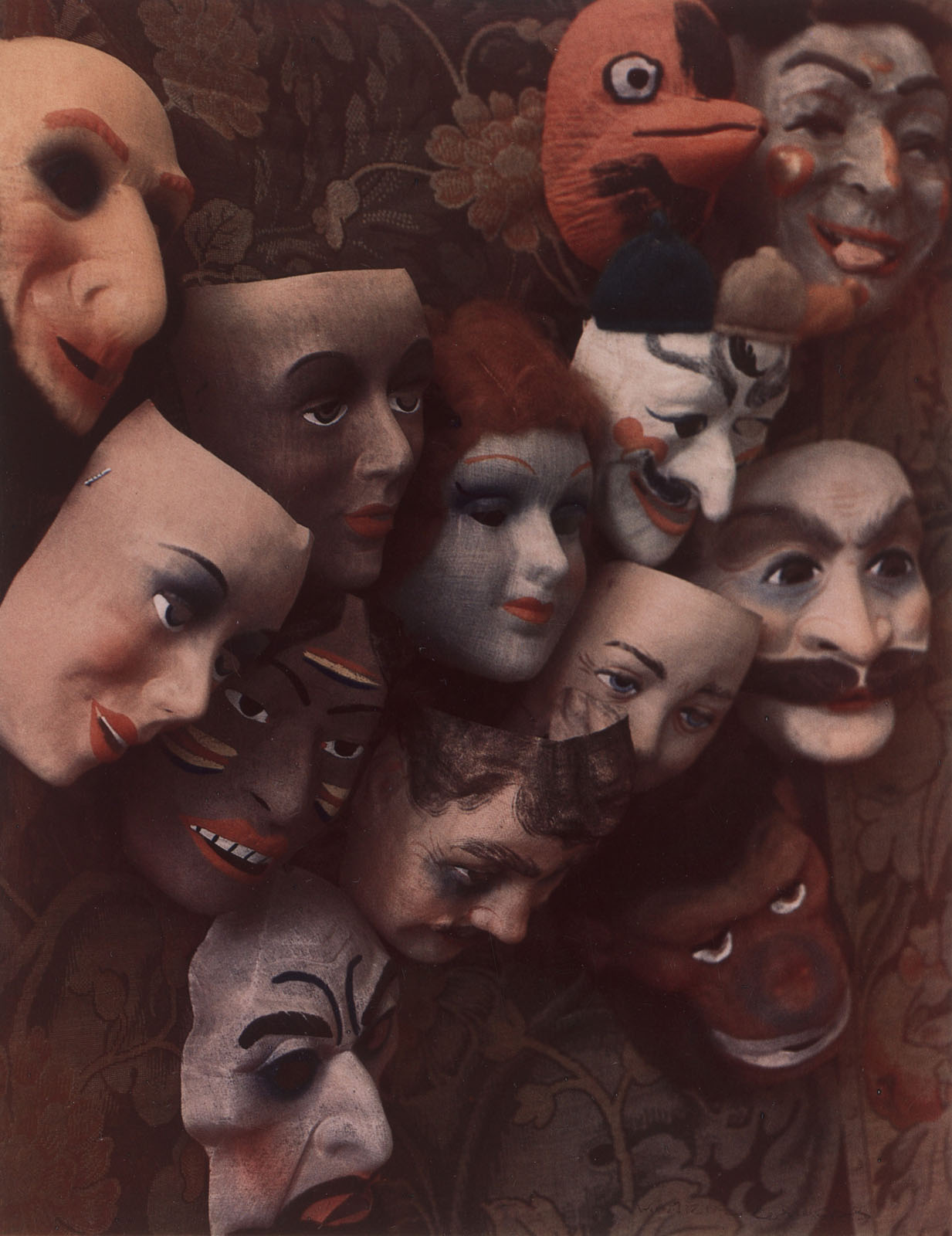

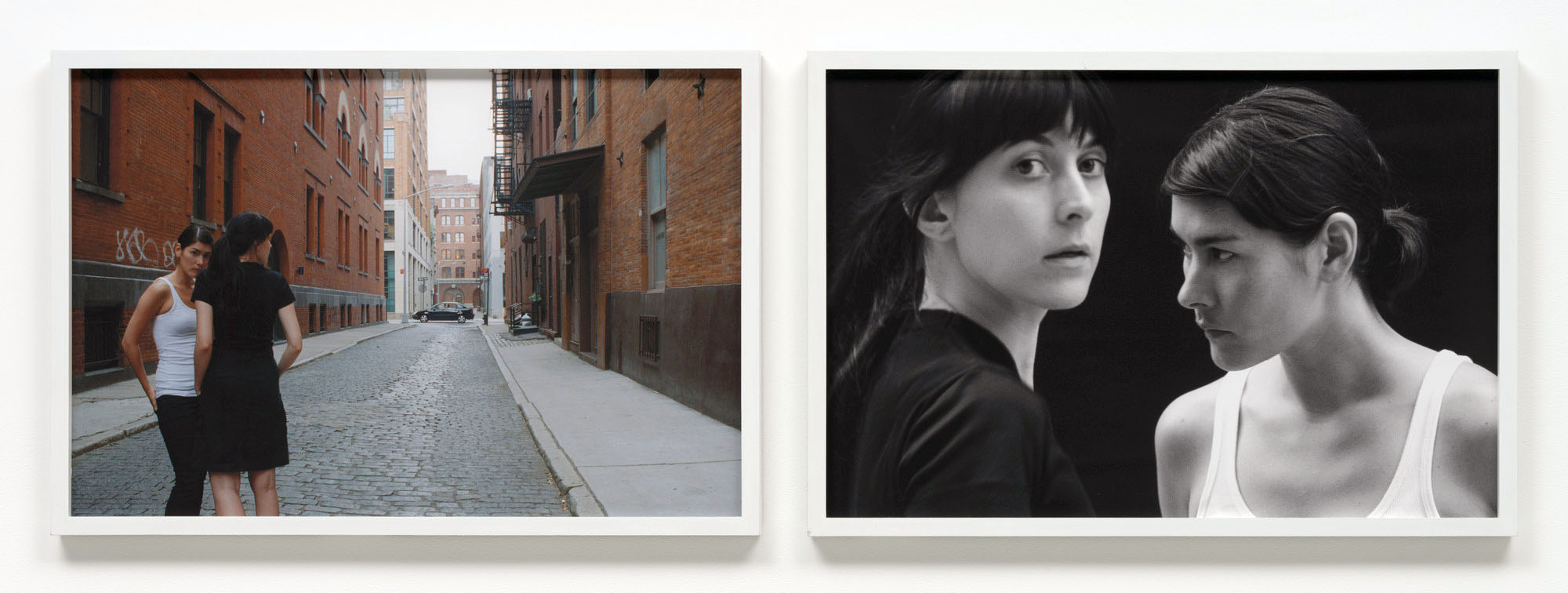
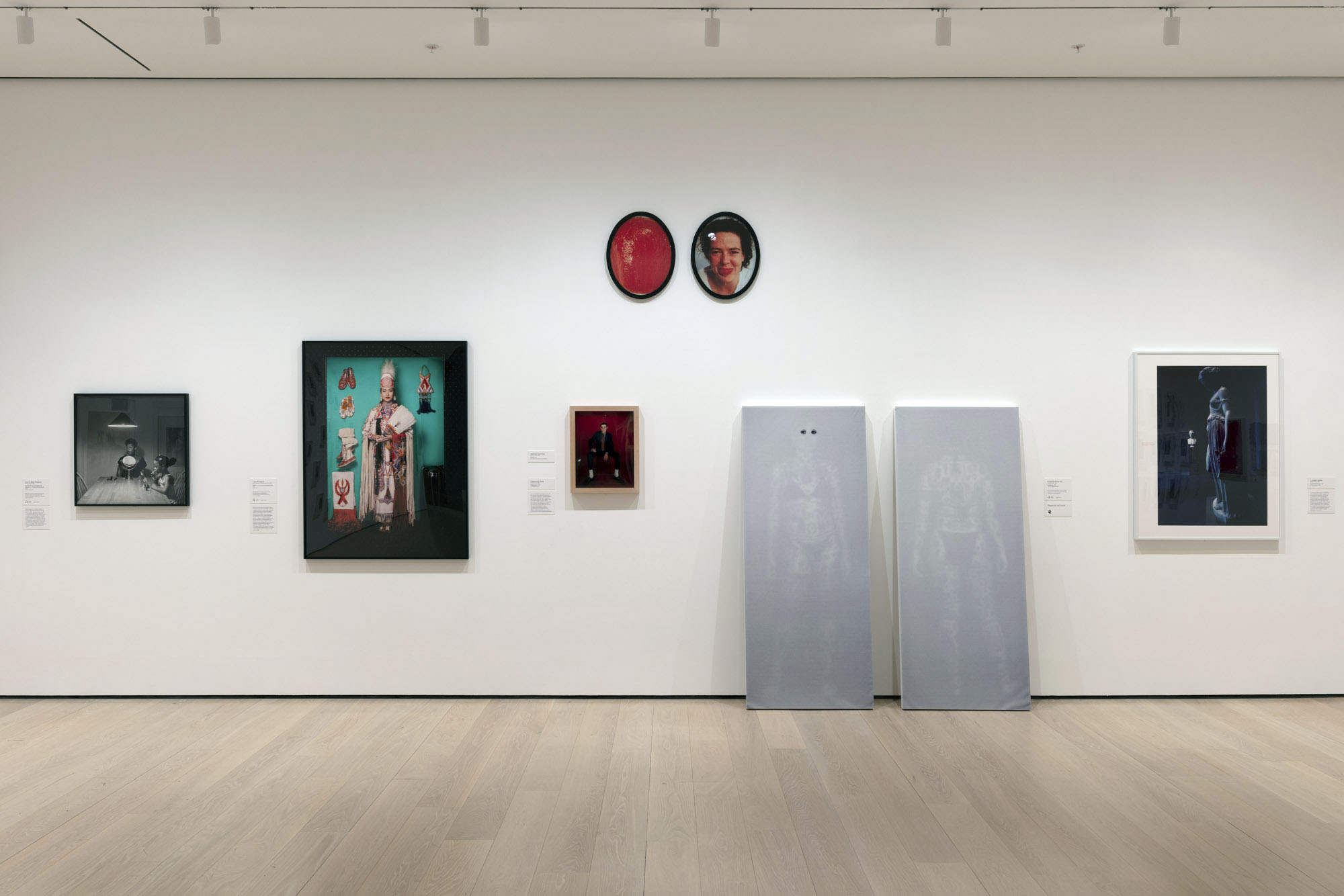


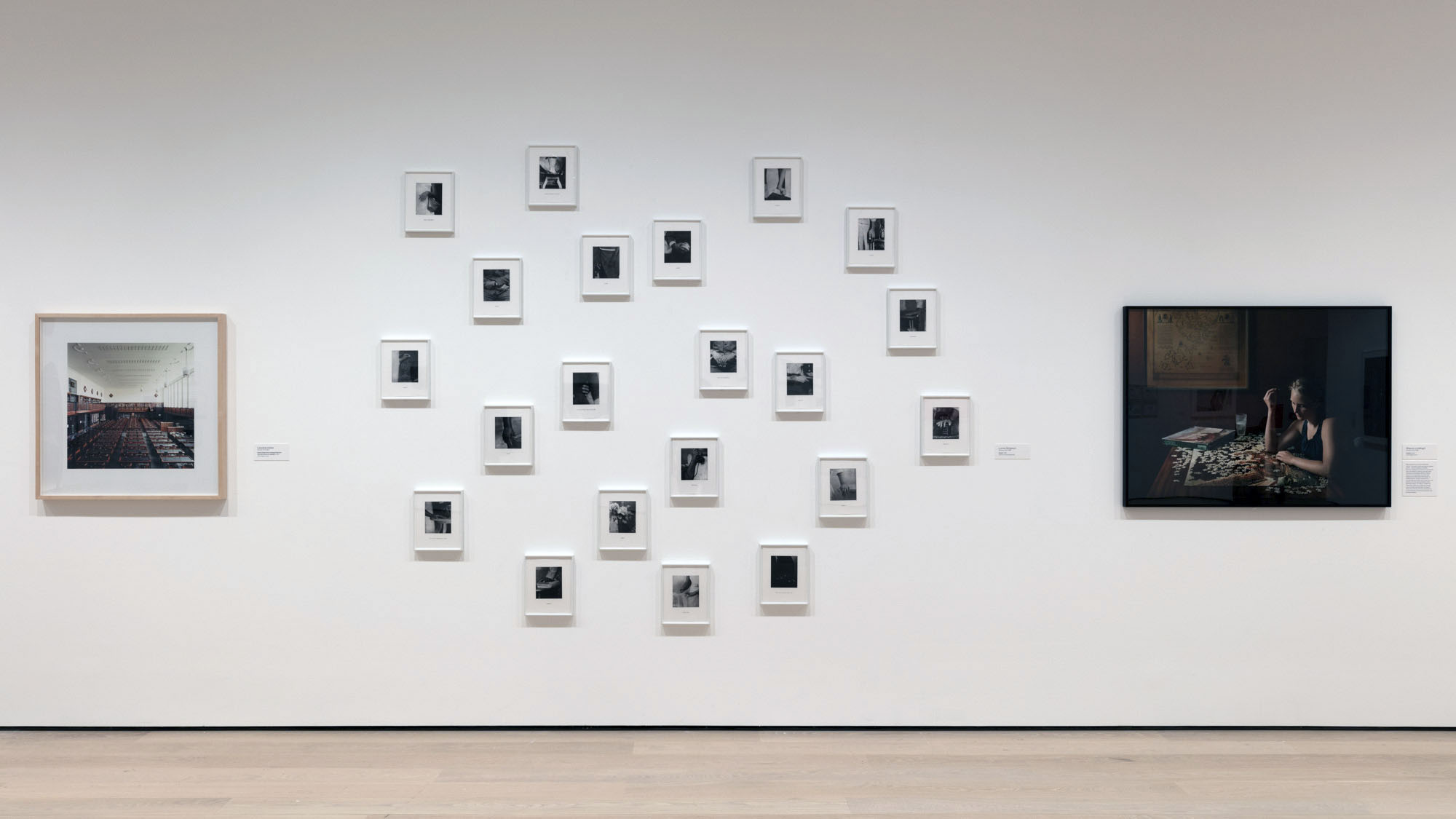
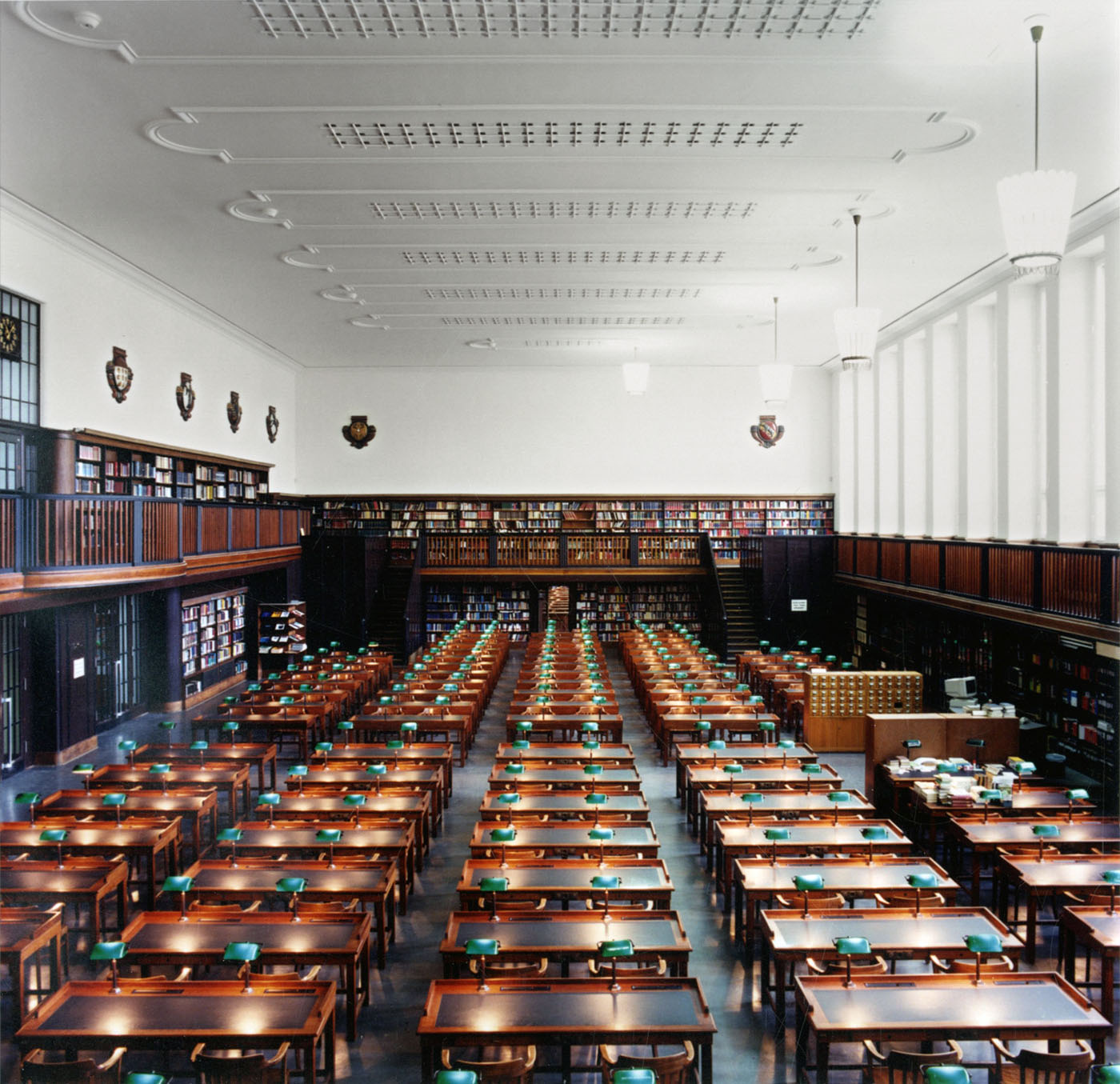

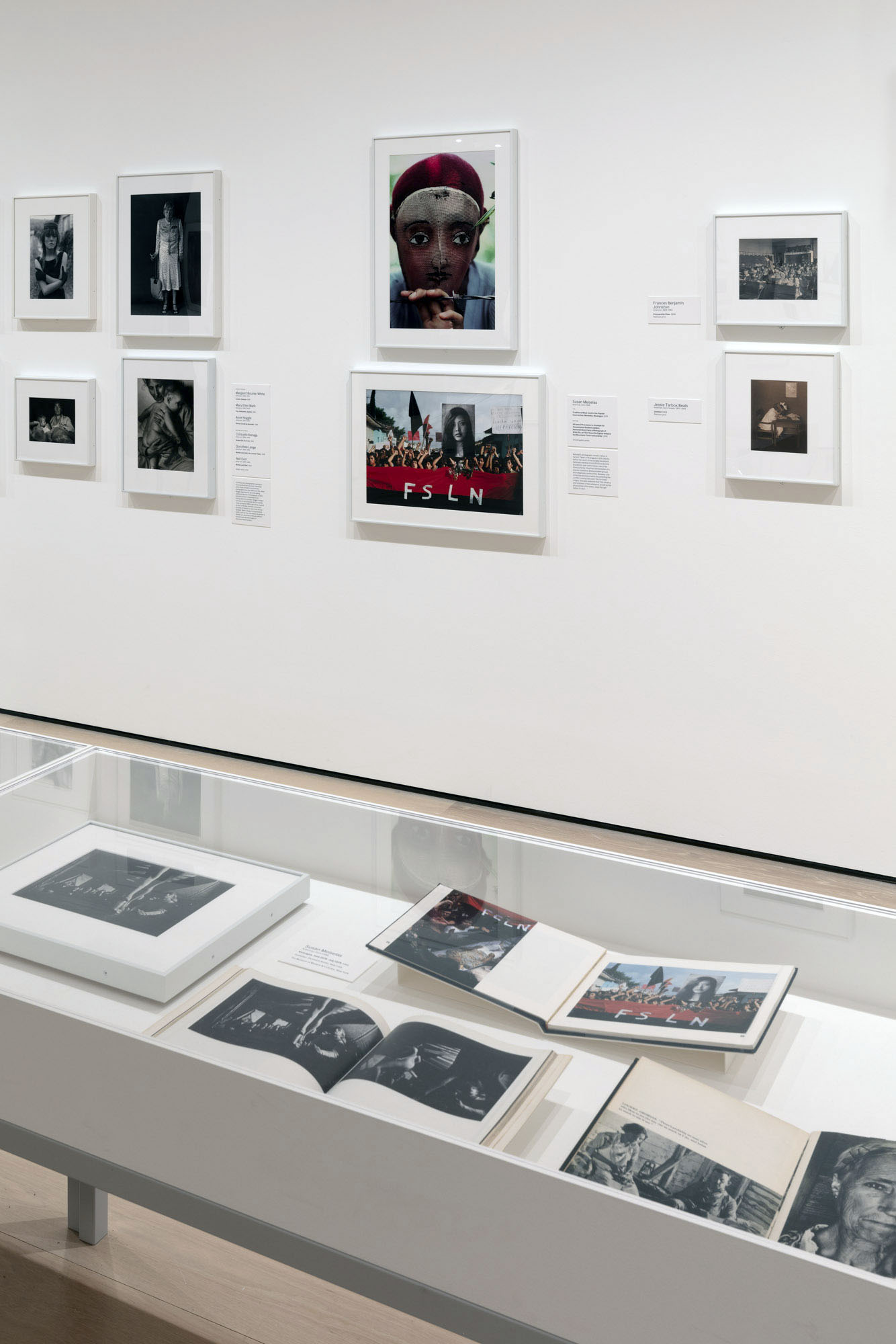


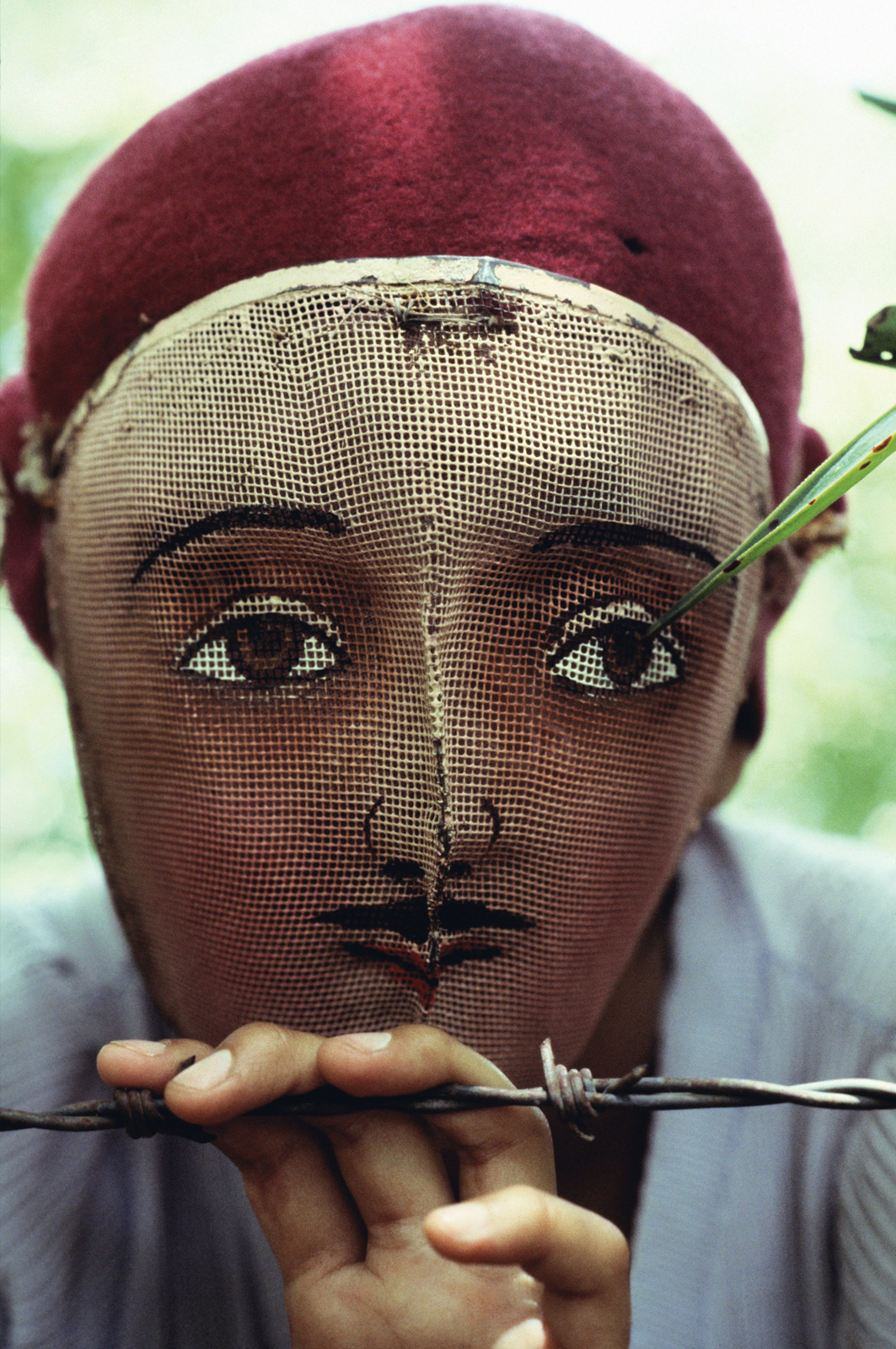


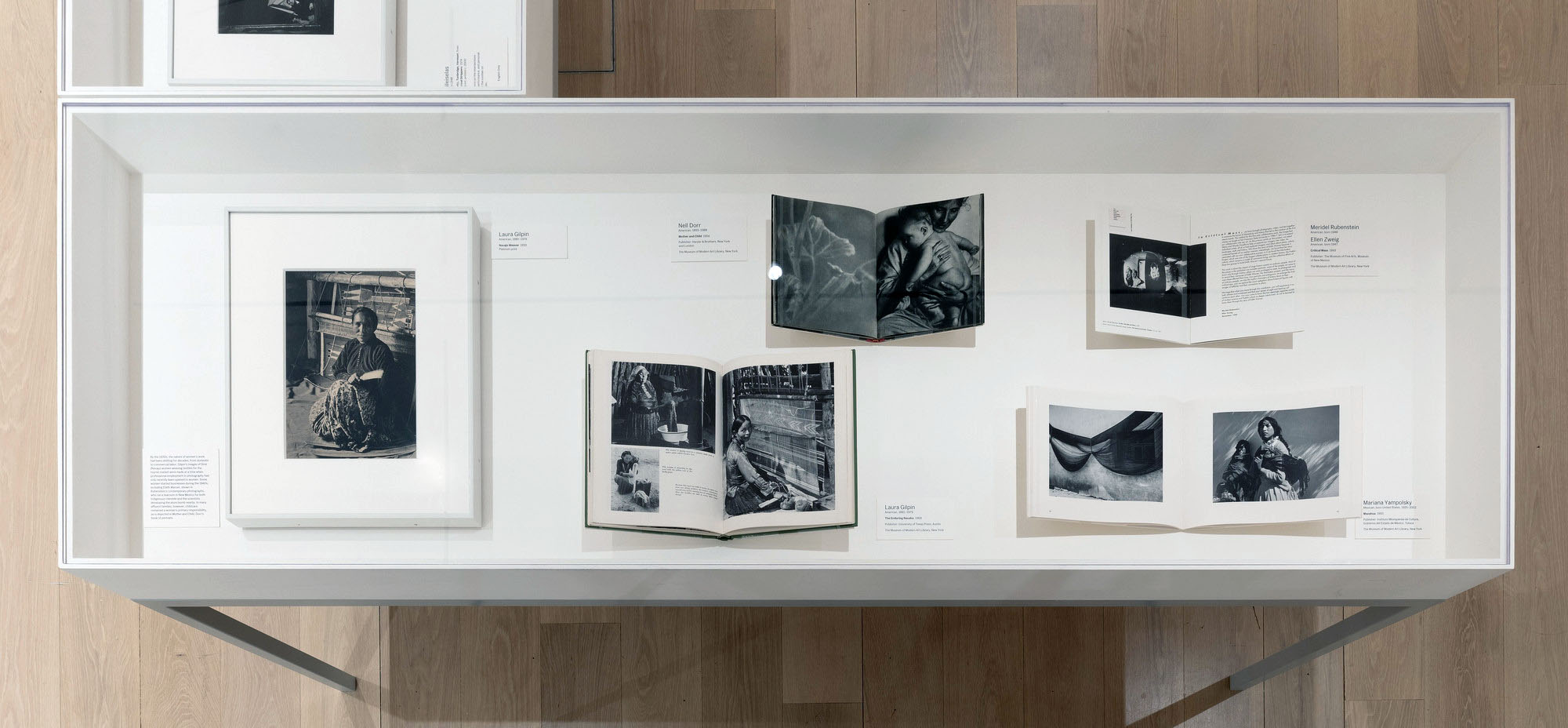


![Ilse Bing (German, 1899-1998) '[Rue de Valois, Paris]' 1932](https://artblart.com/wp-content/uploads/2020/11/ilse-bing-rue-de-valois-paris-1932.jpg "Ilse Bing (German, 1899-1998) '[Rue de Valois, Paris]' 1932")

![Dora Maar (French, 1907-1997) '[Woman and Child in Window, Barcelona]' 1932-1934](https://artblart.com/wp-content/uploads/2020/11/dora-maar-woman-and-child-in-window-barcelona.jpg "Dora Maar (French, 1907-1997) '[Woman and Child in Window, Barcelona]' 1932-1934")


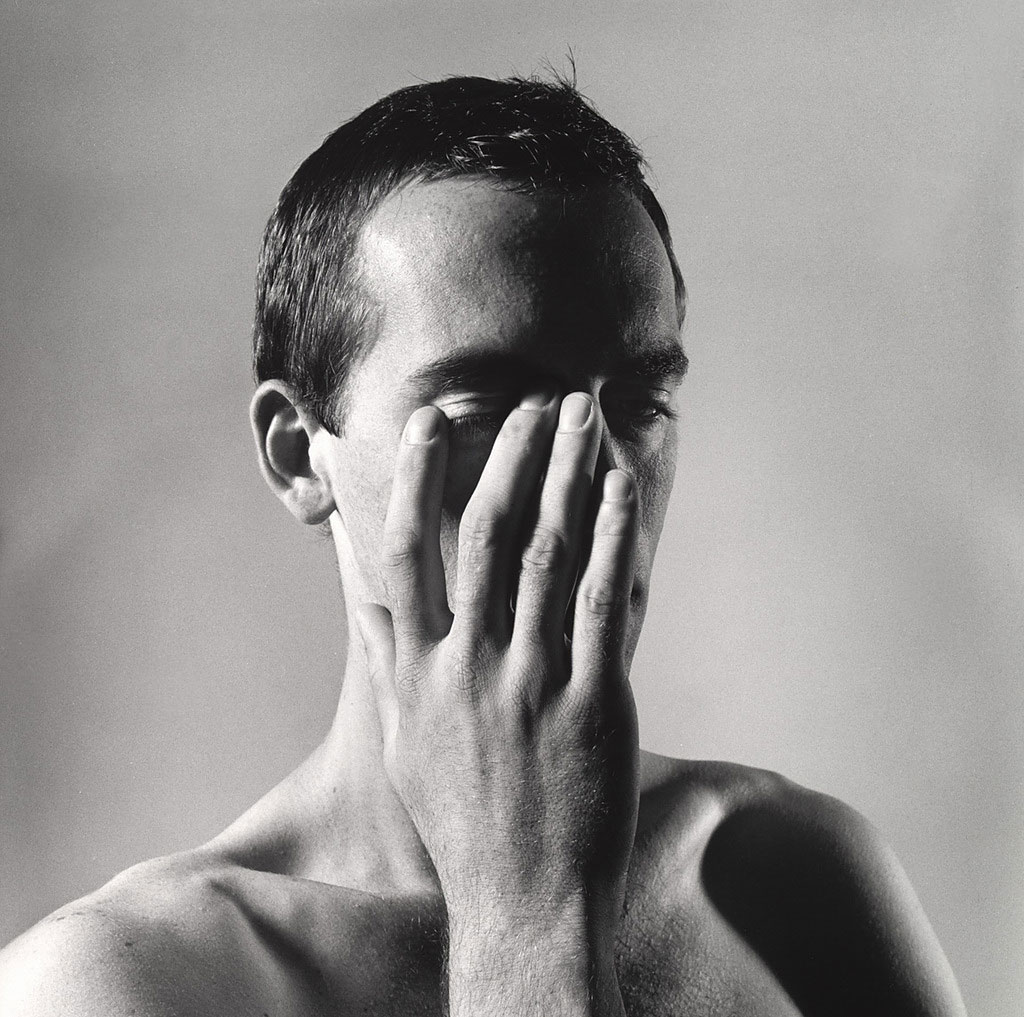
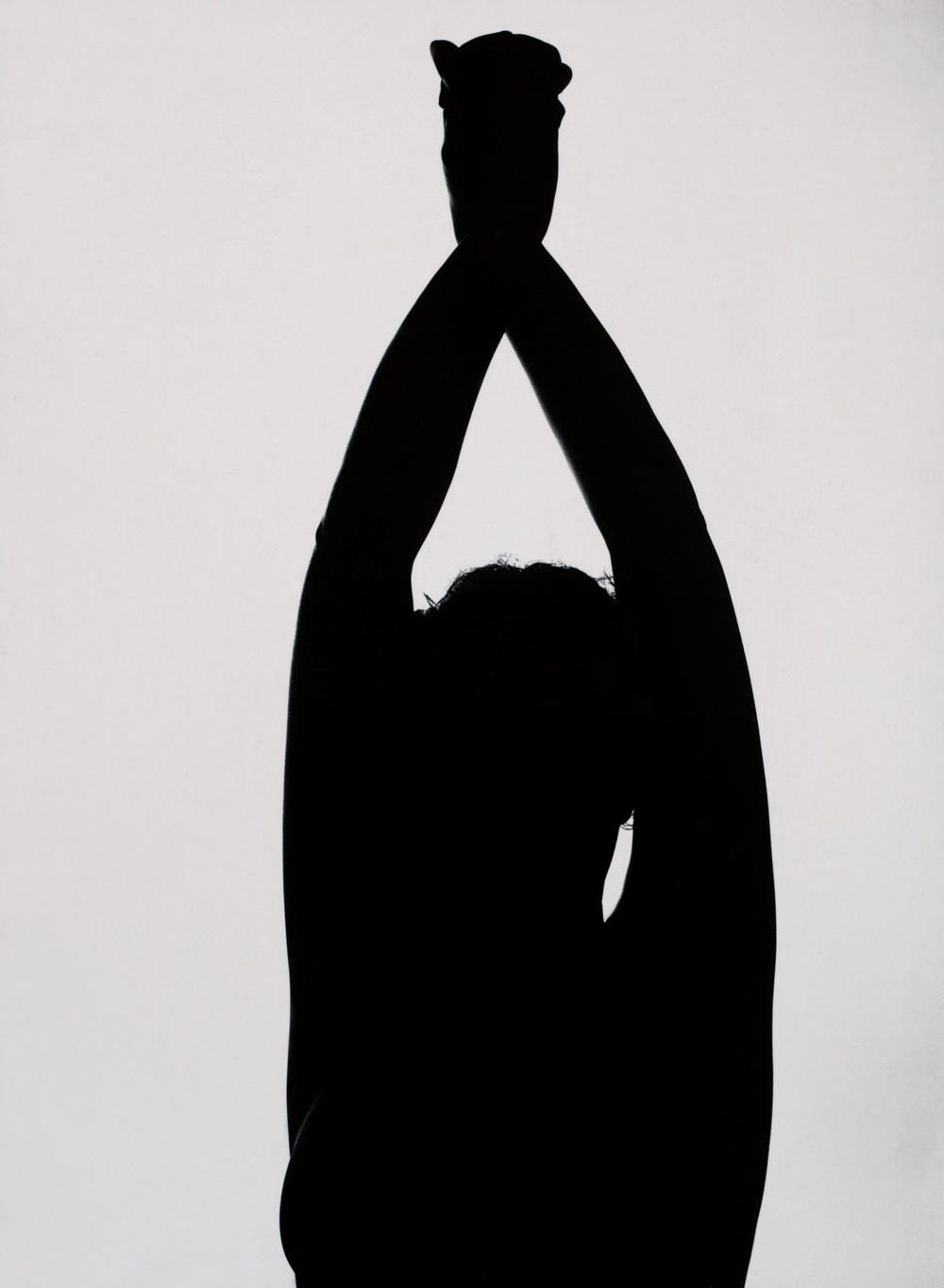

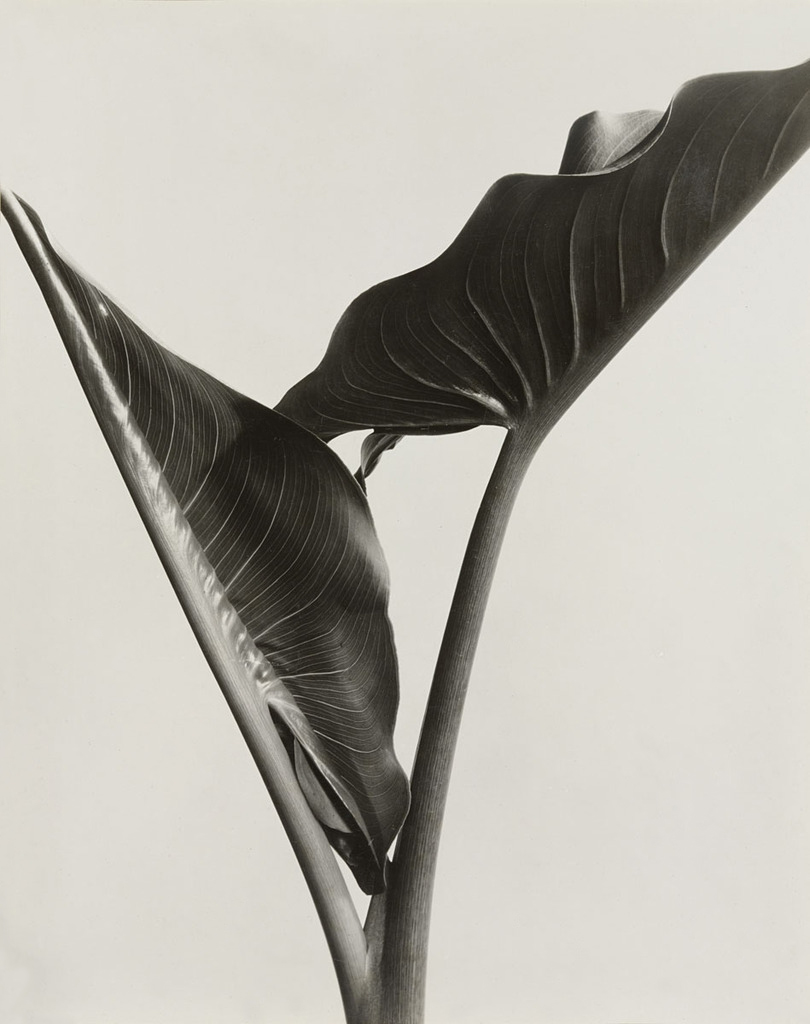
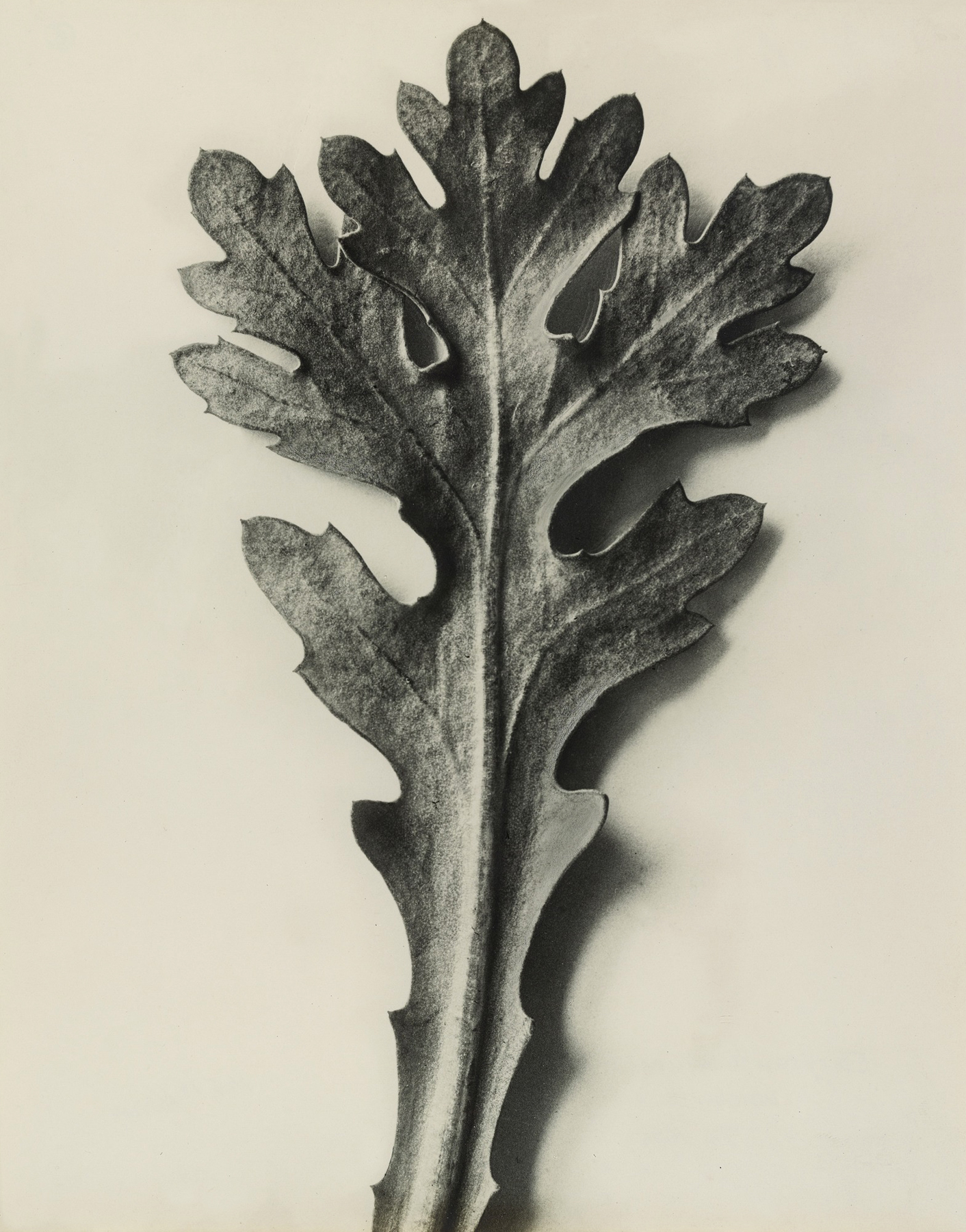
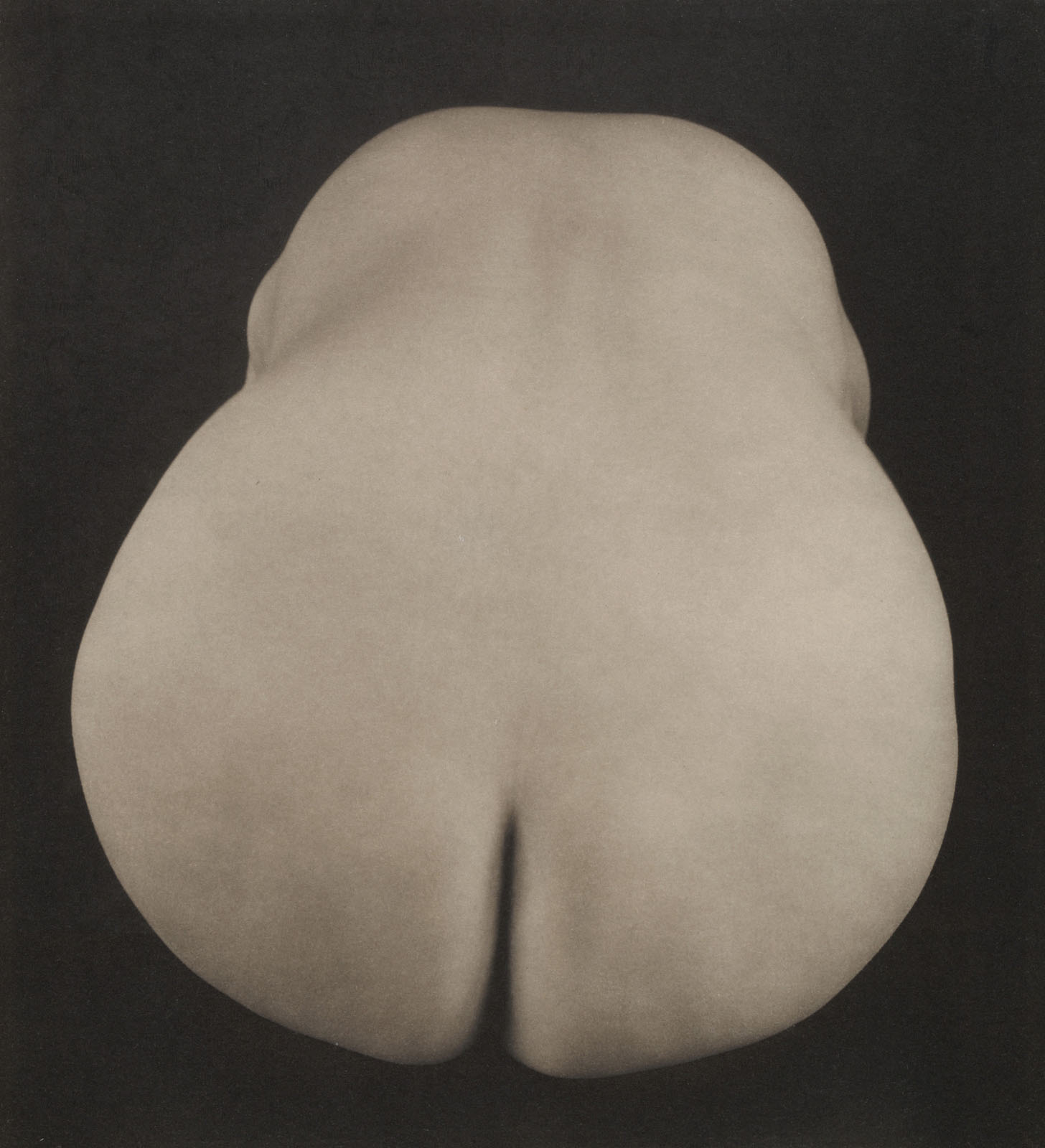

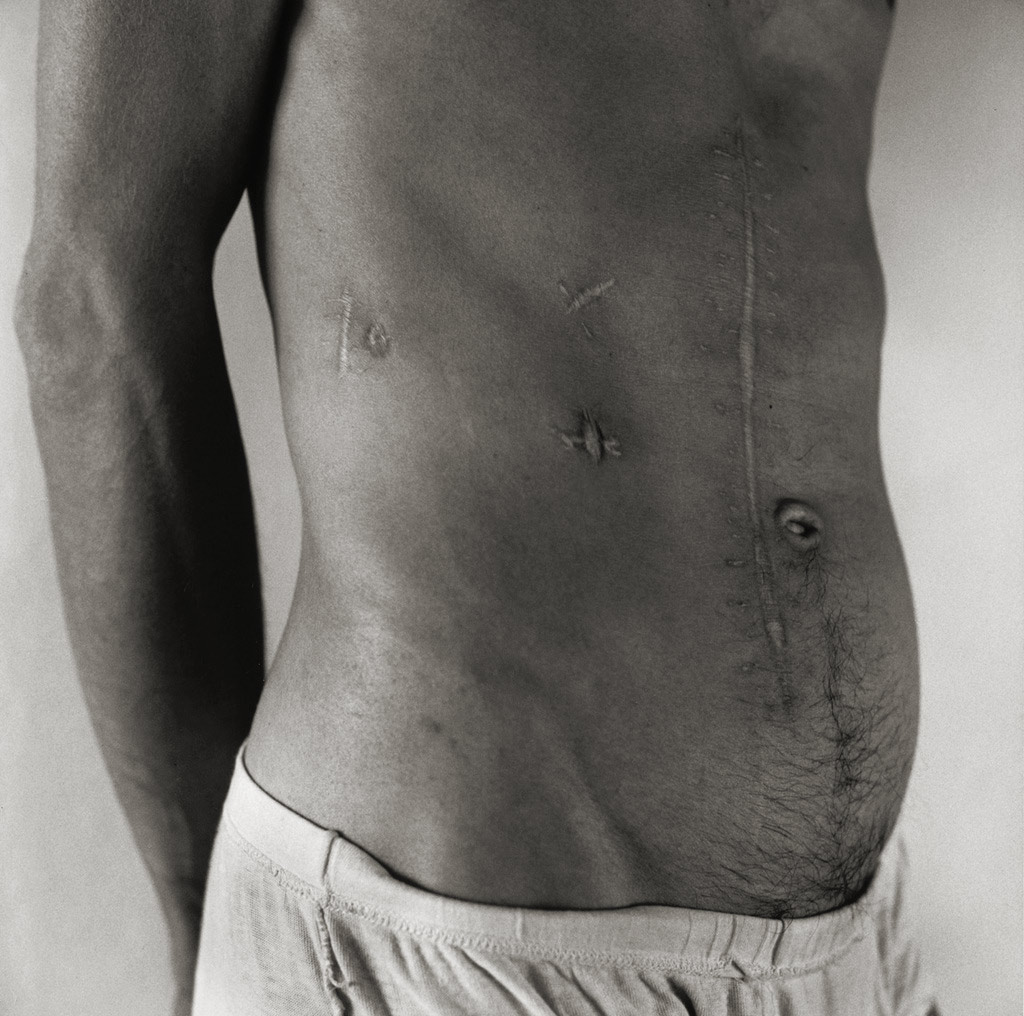
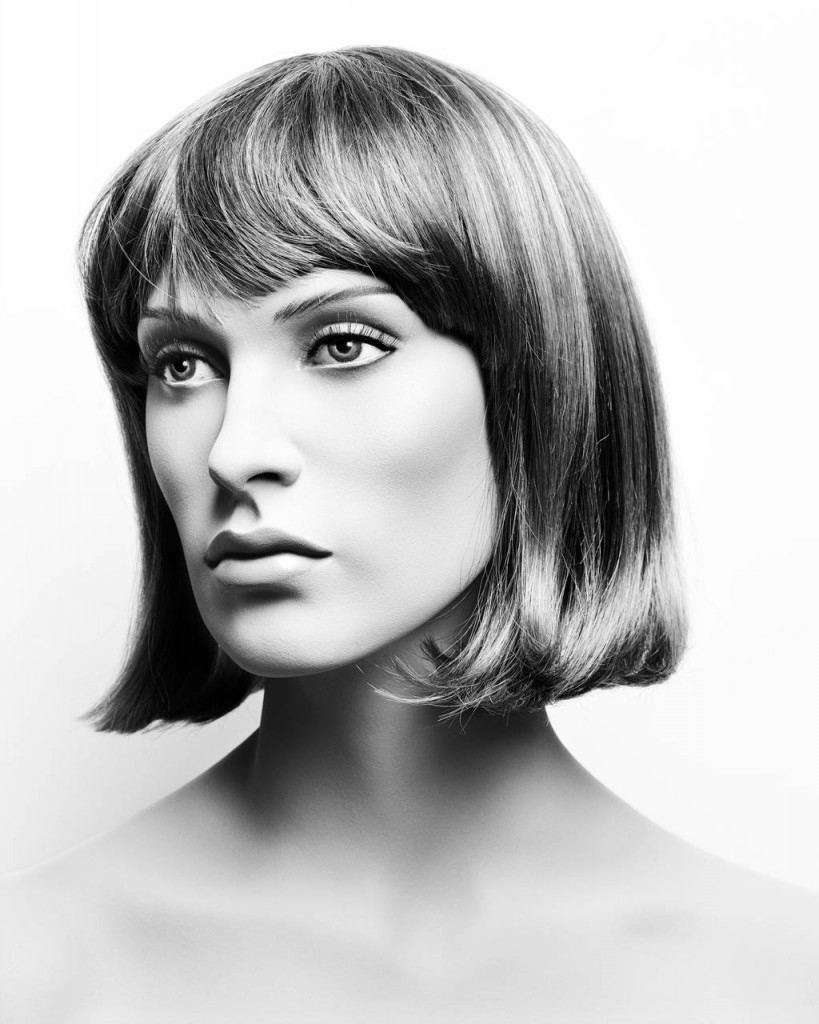
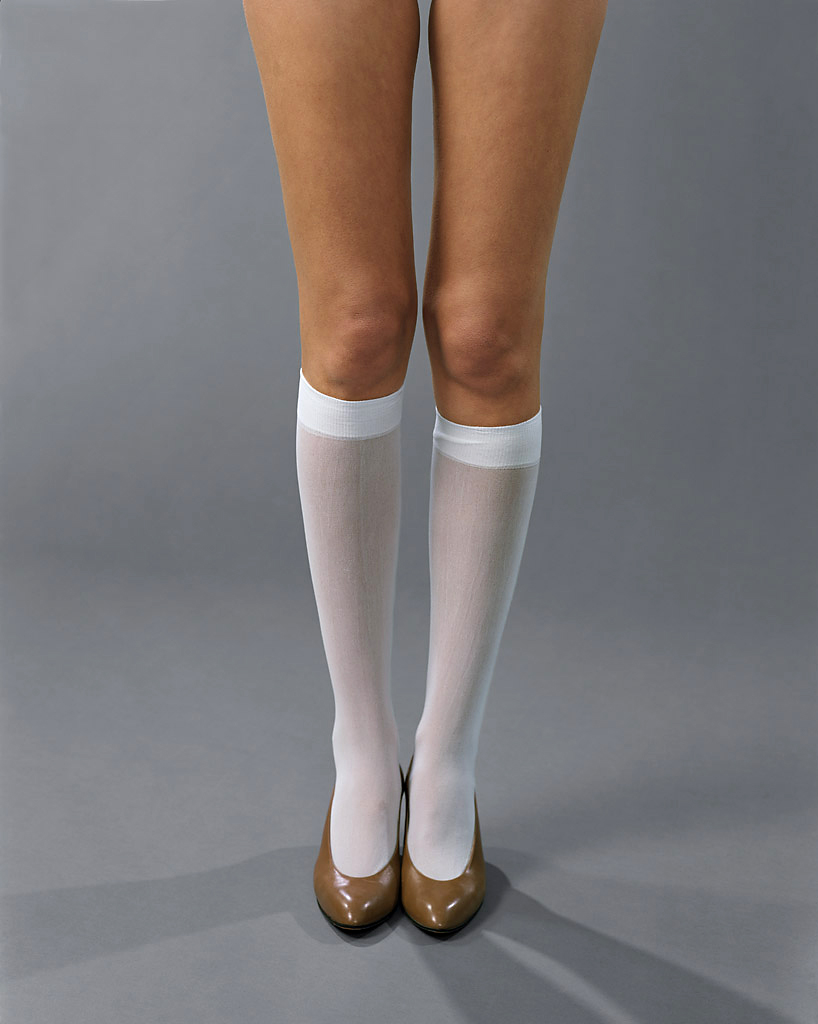
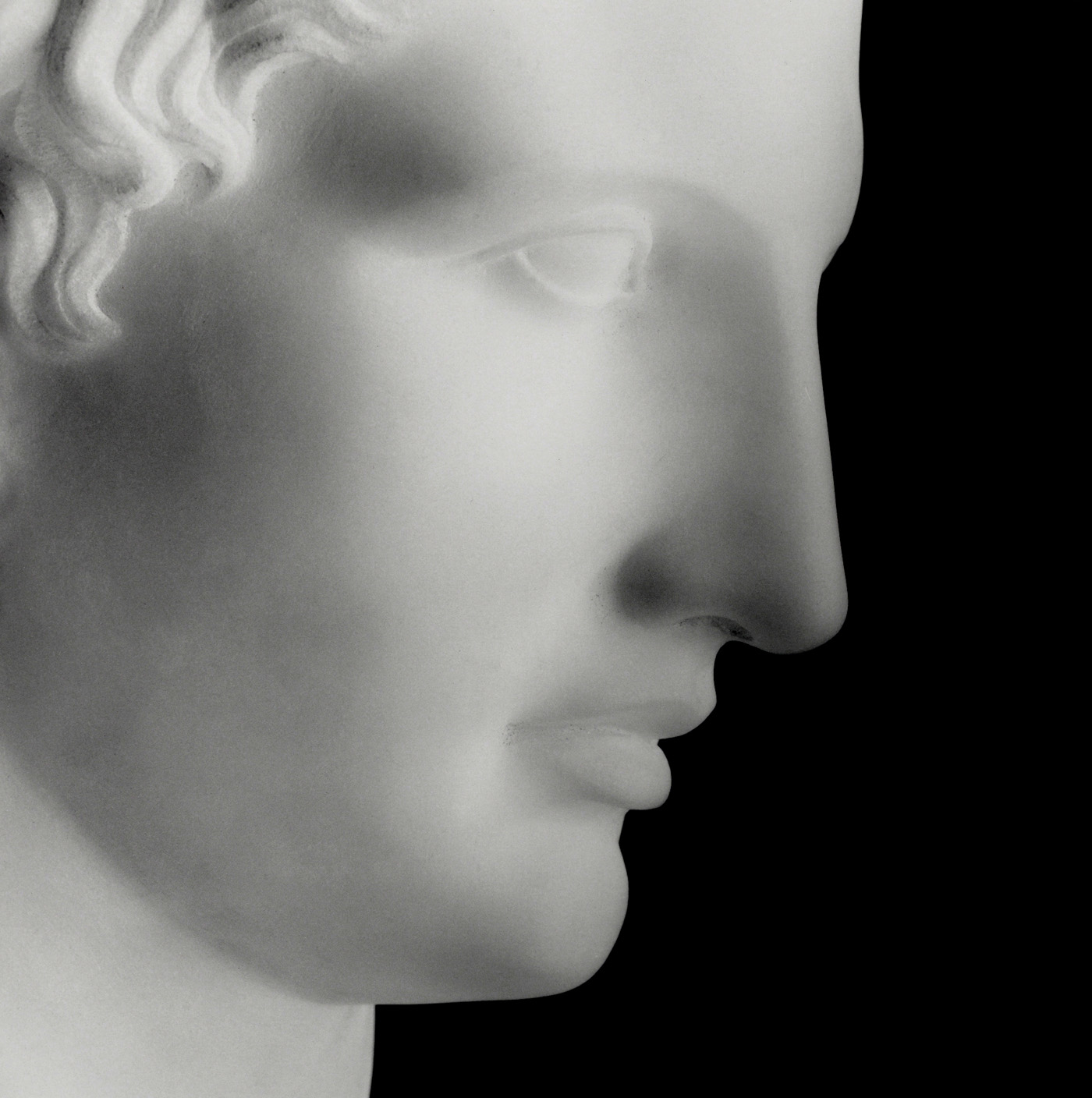


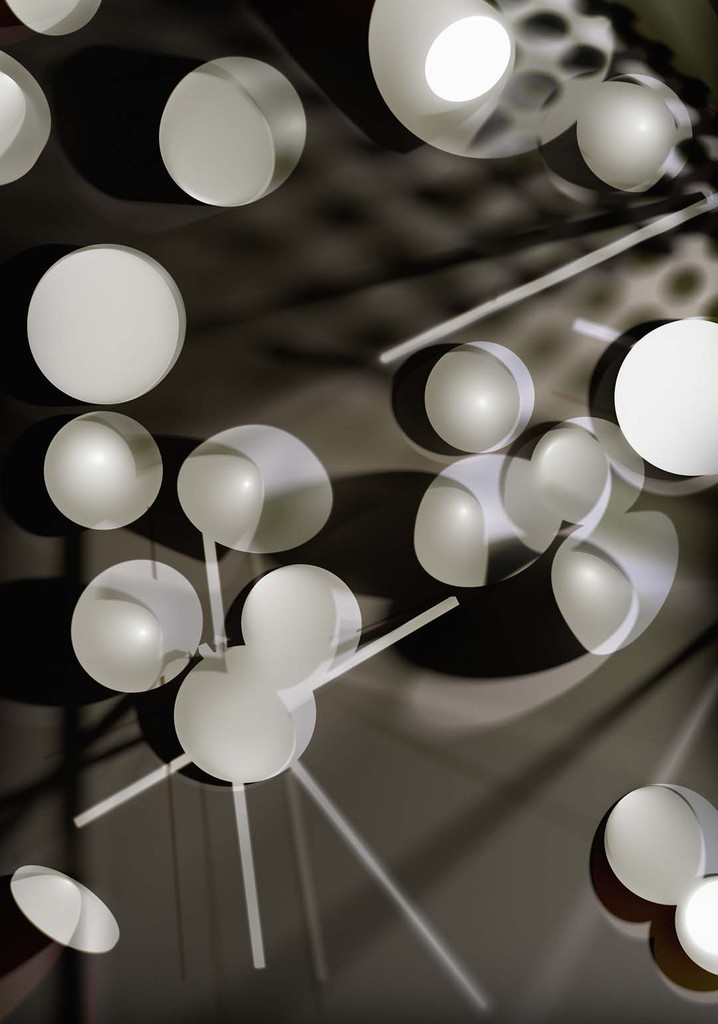
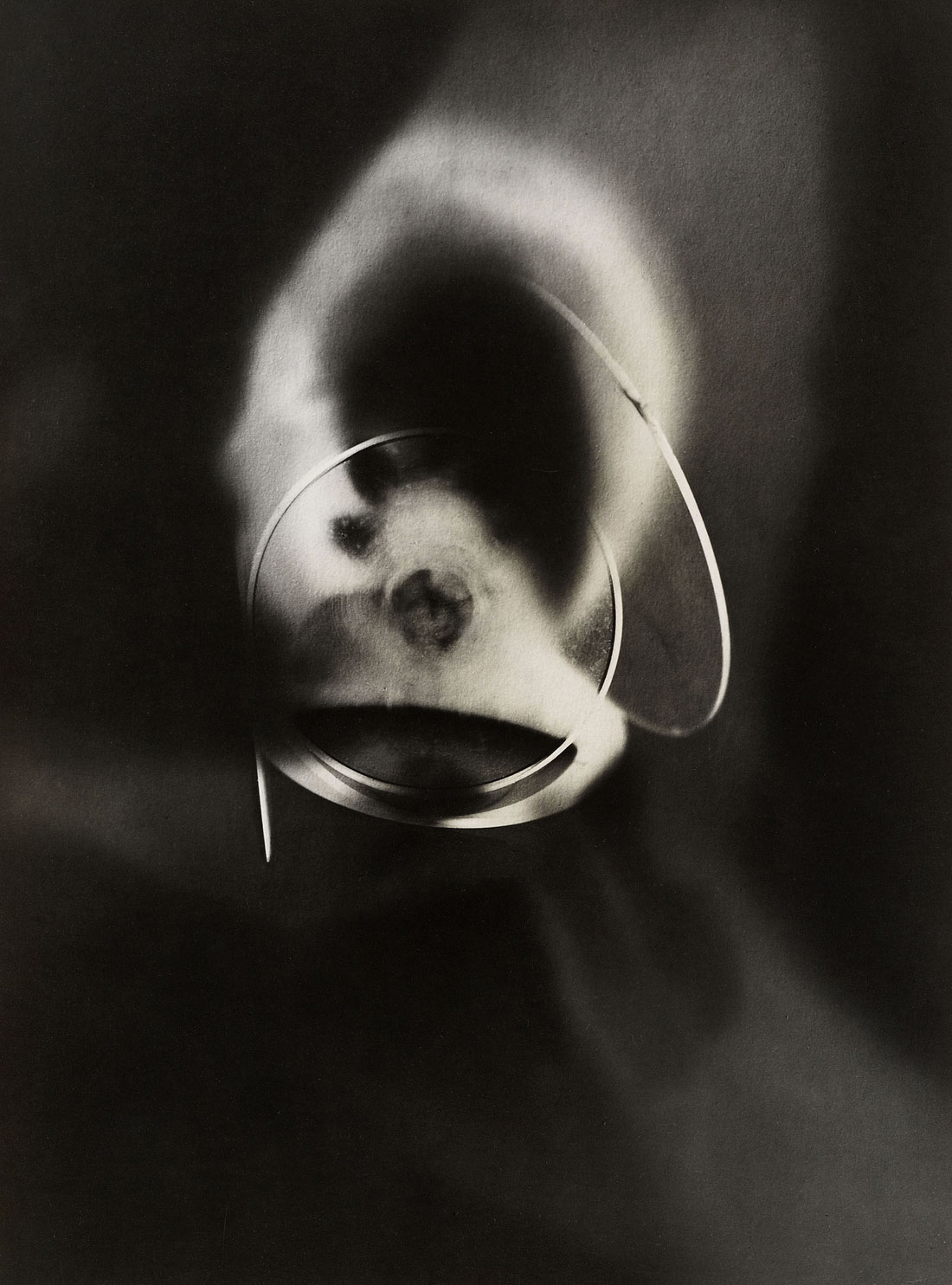
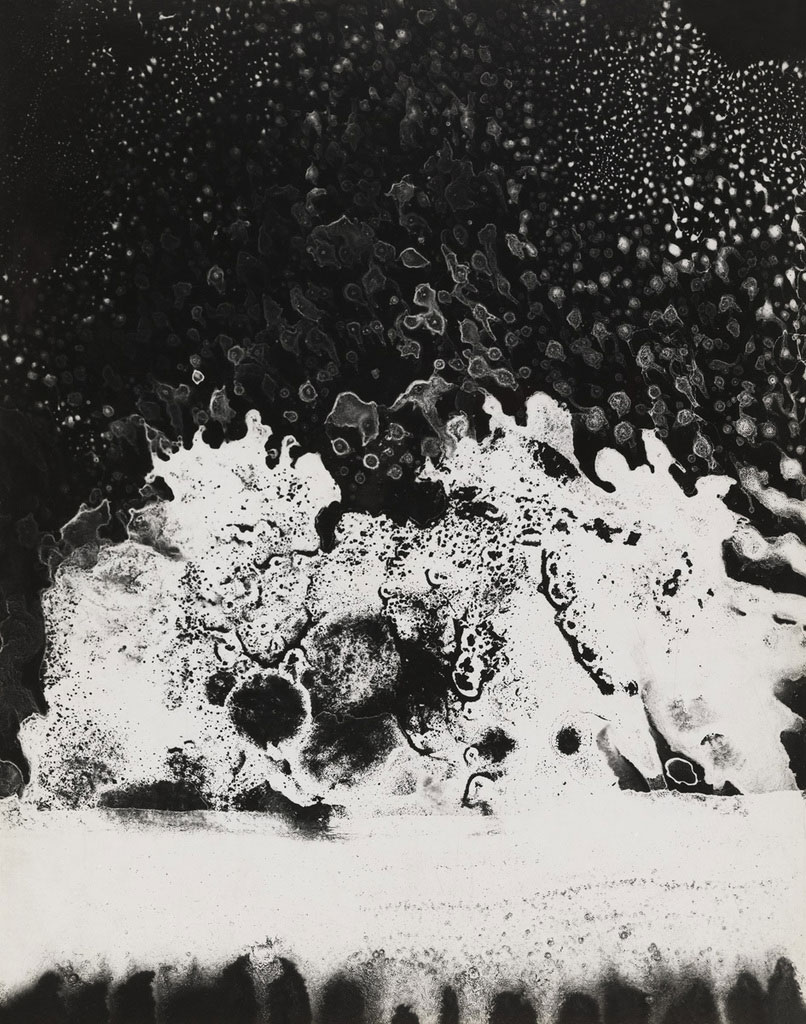


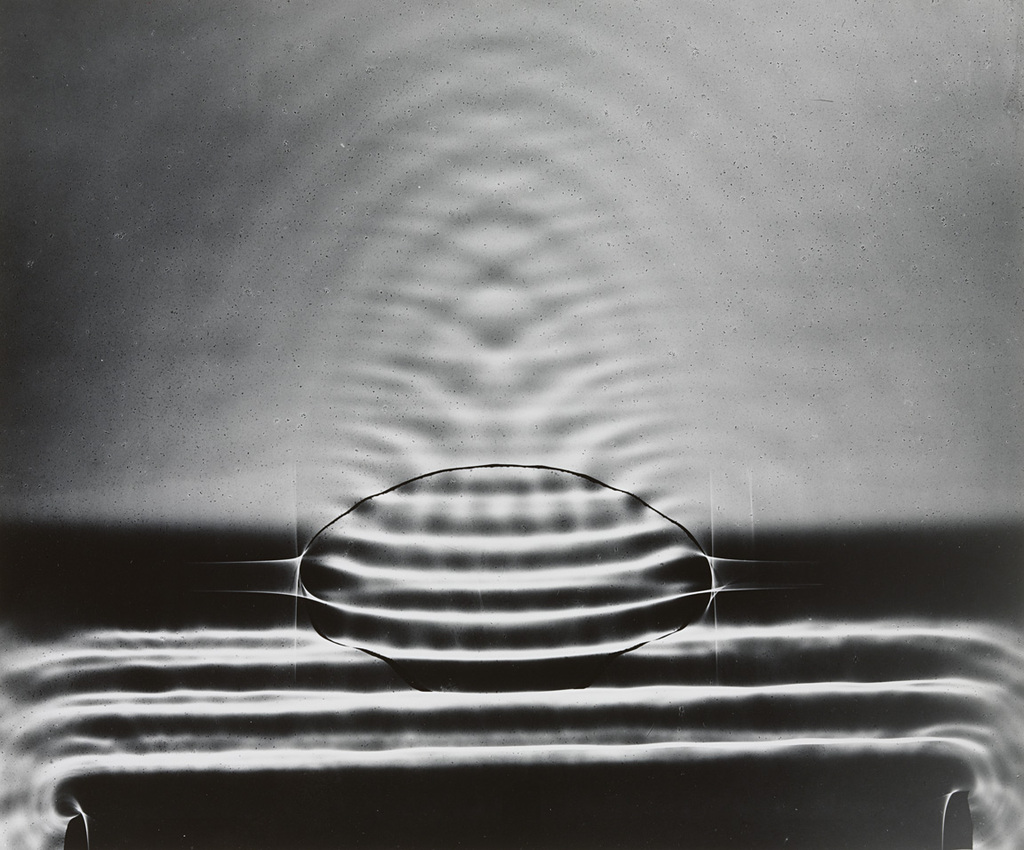

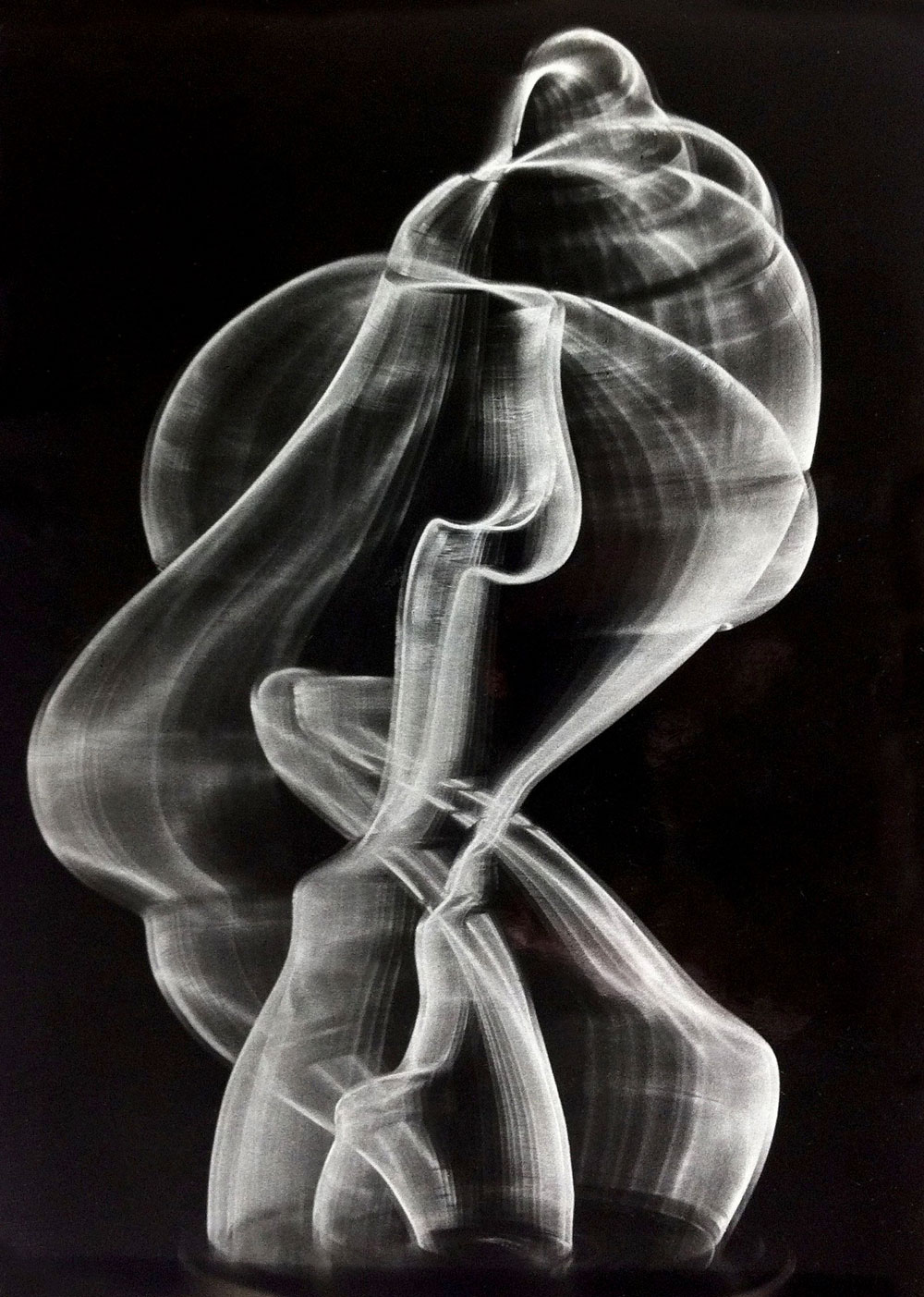
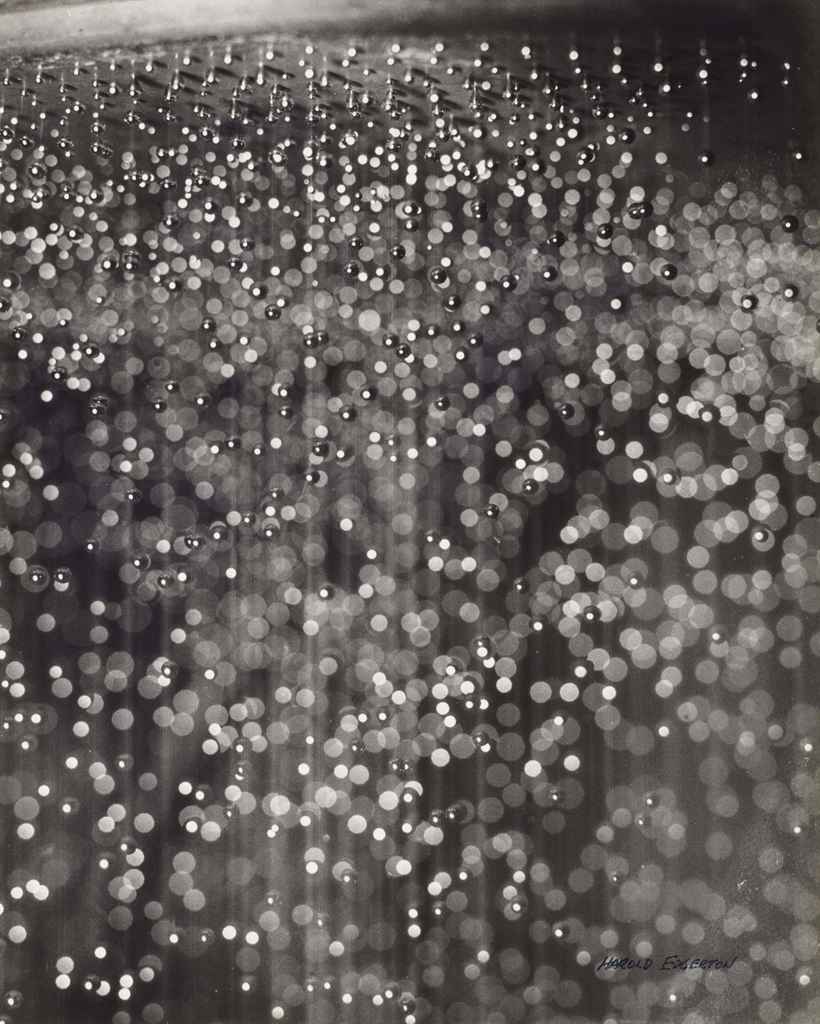

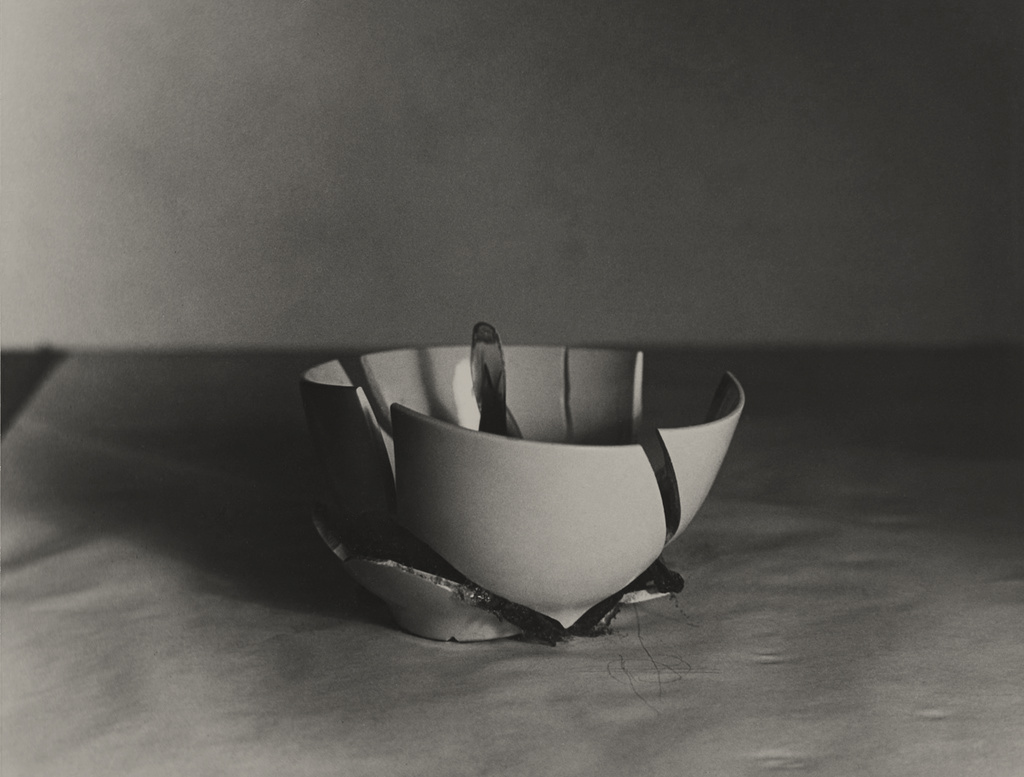


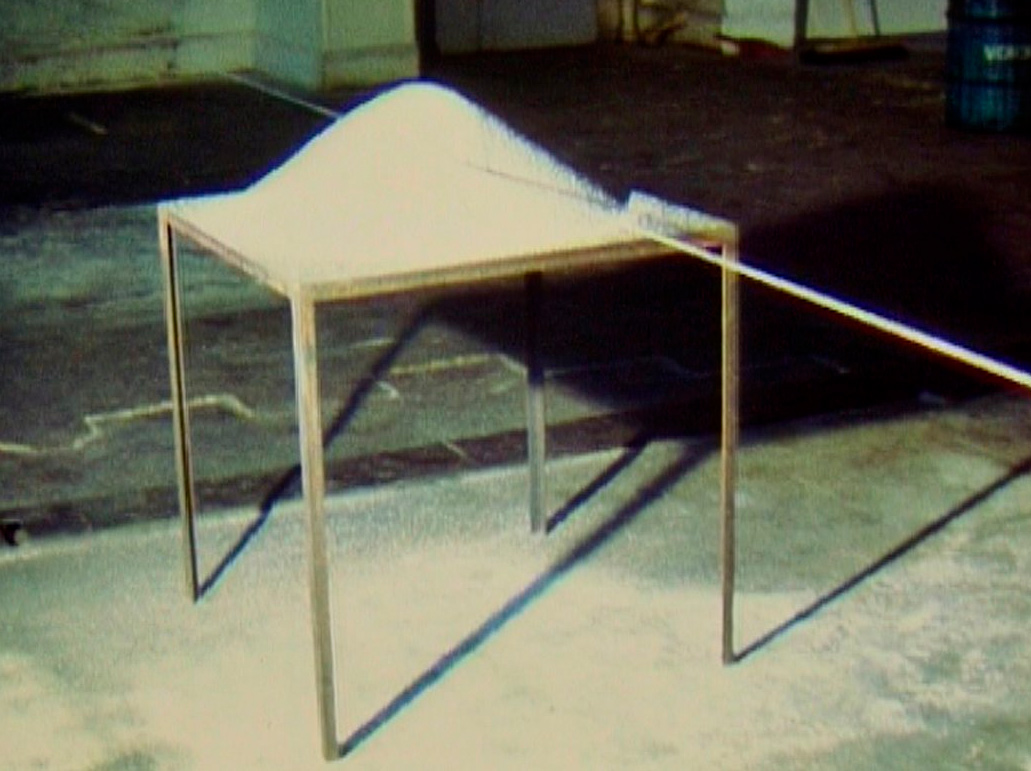

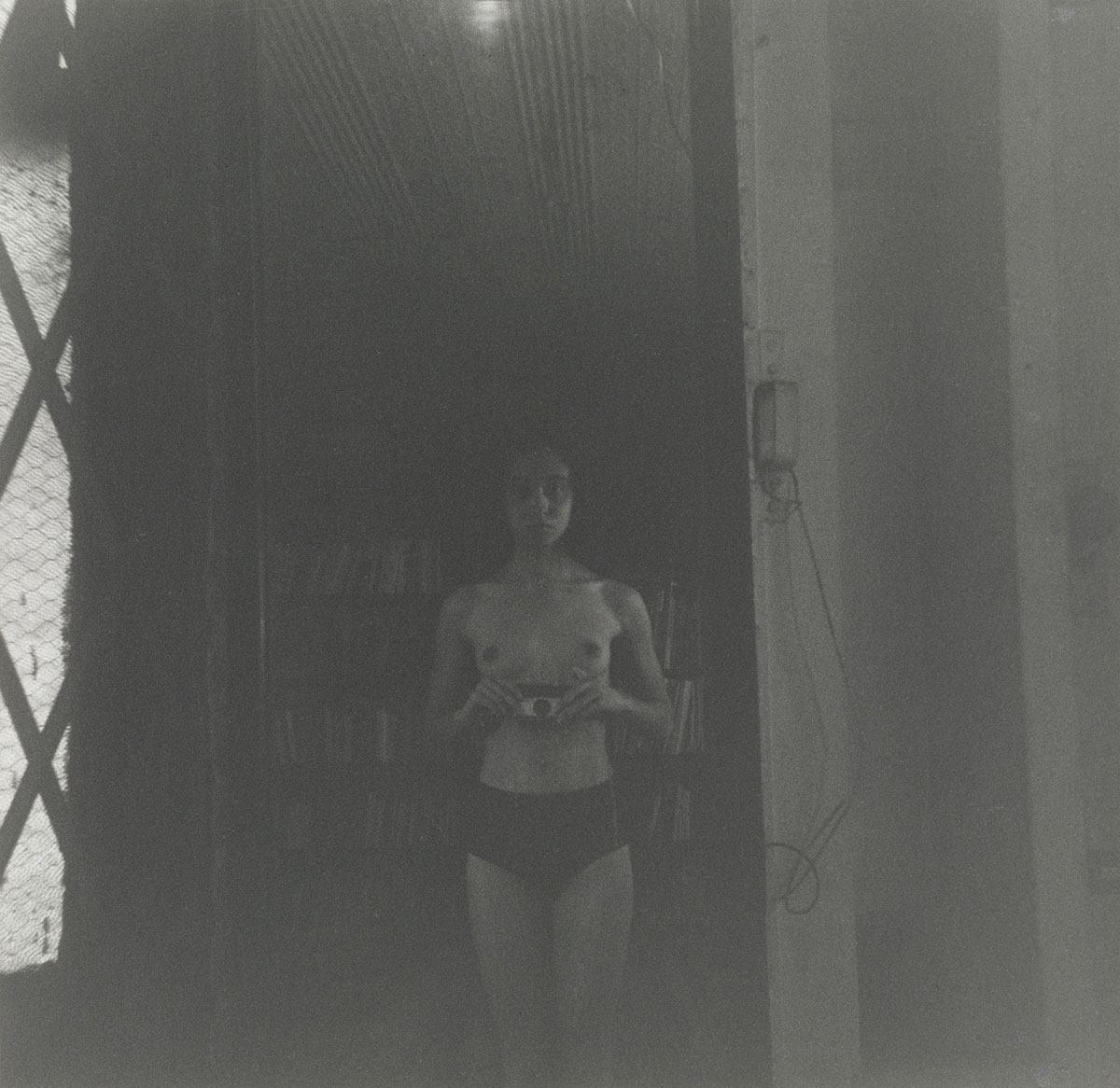


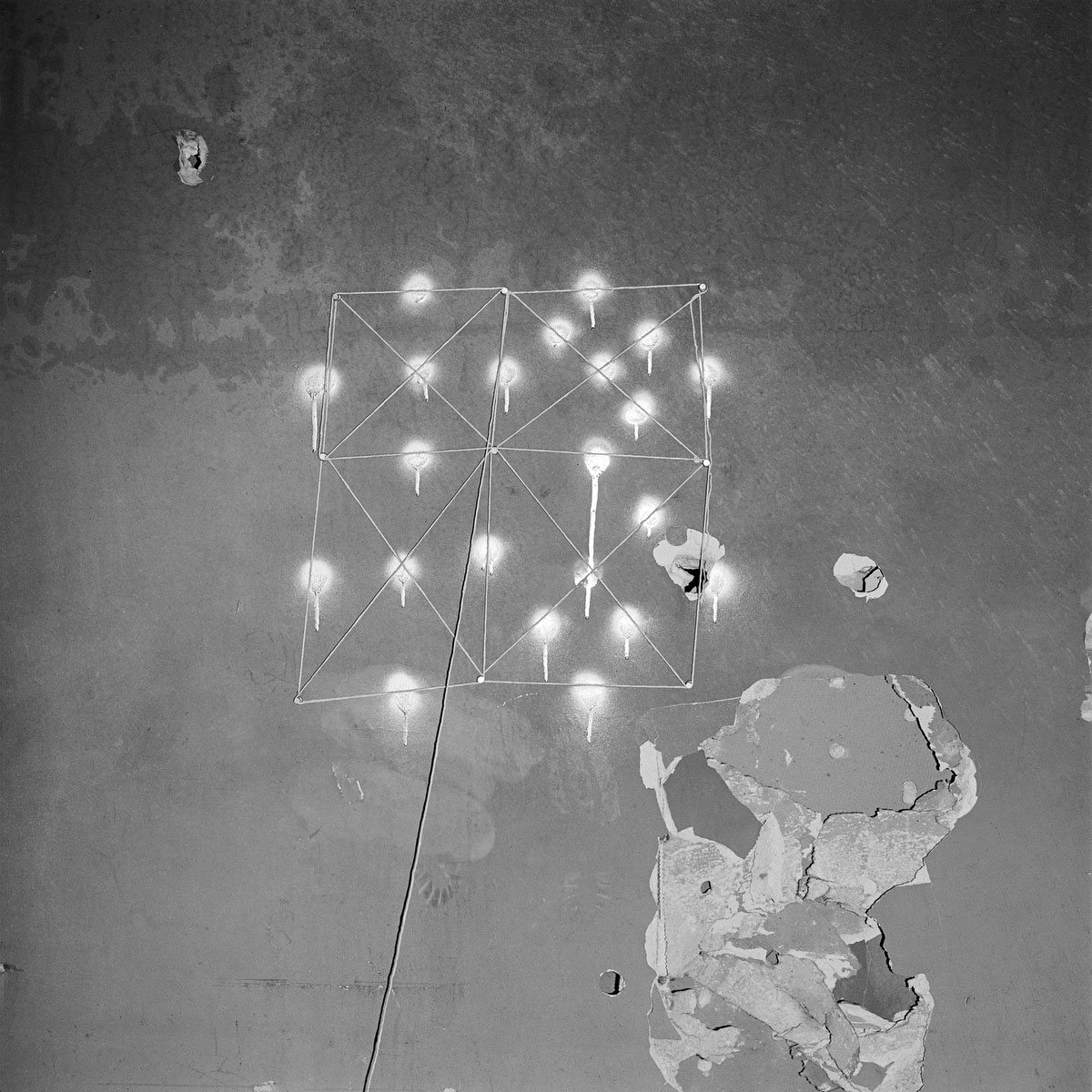
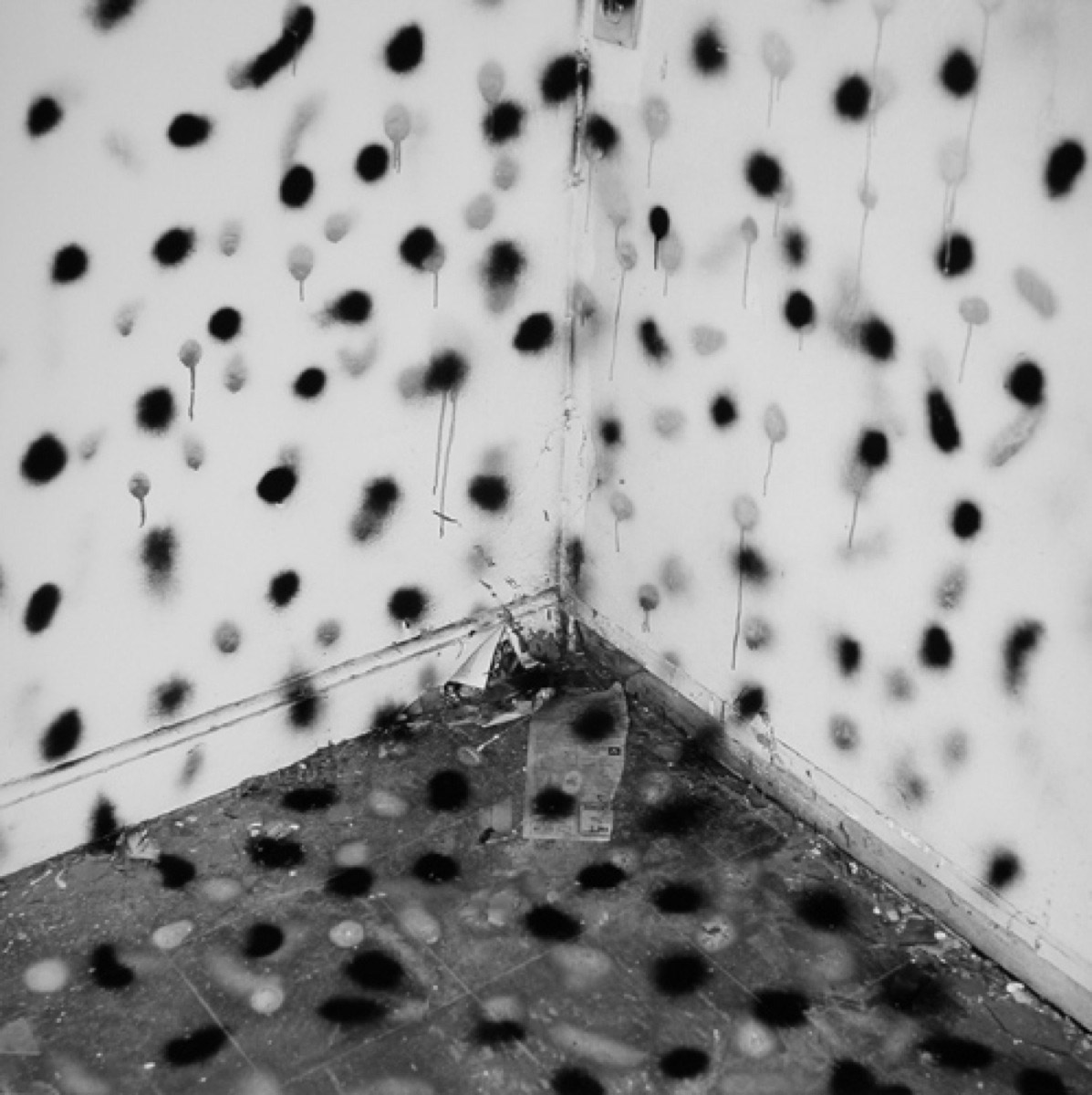
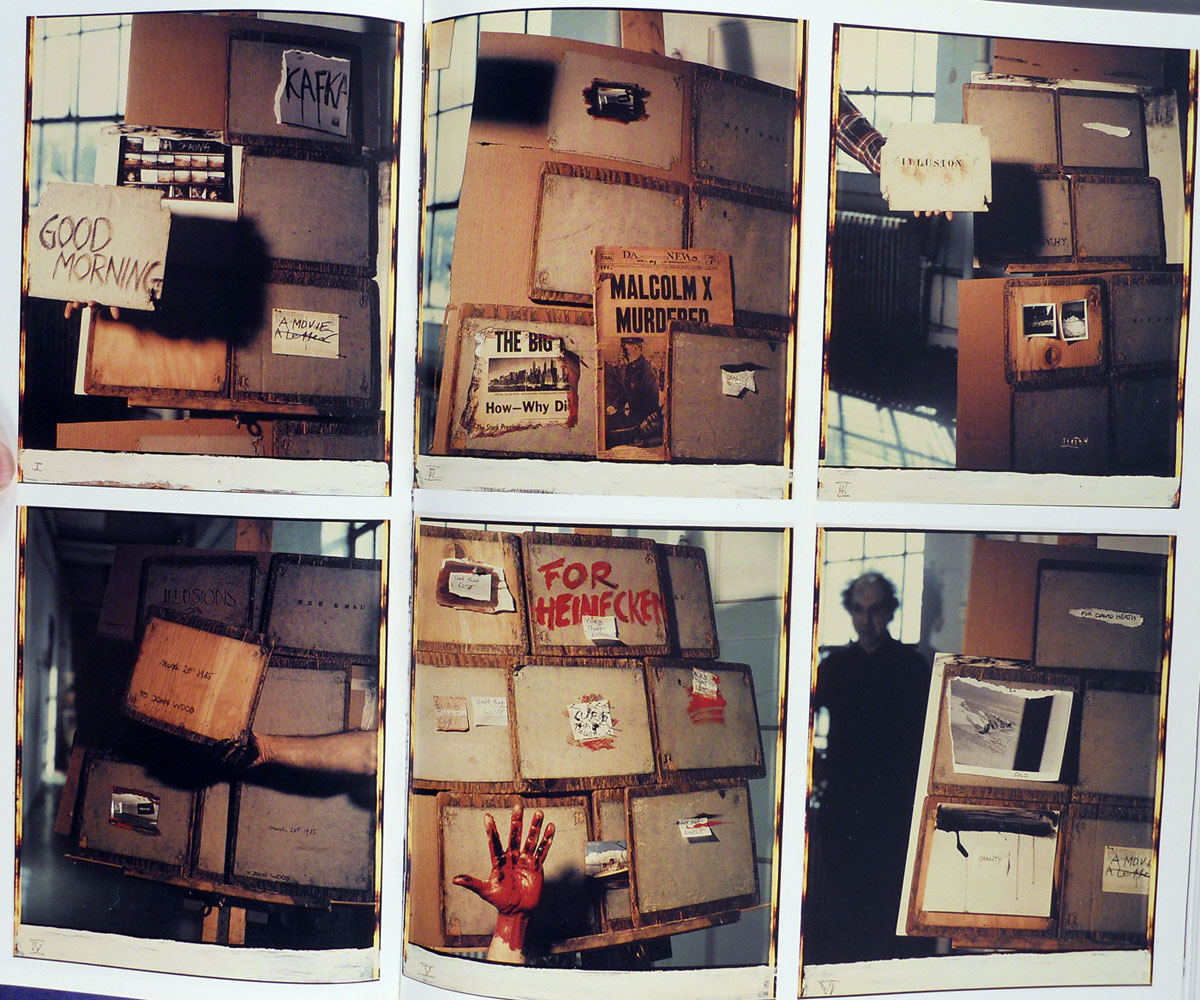


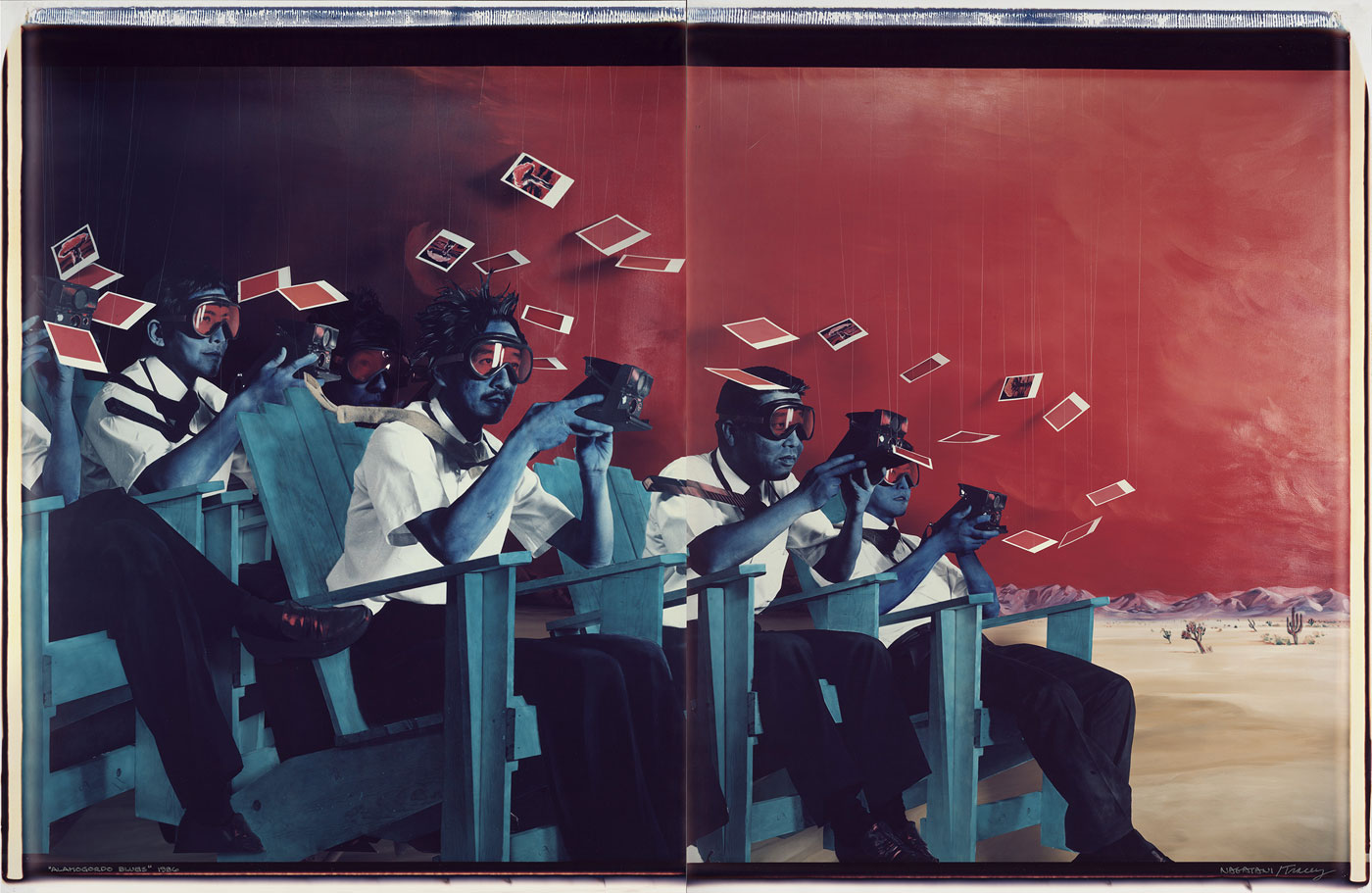




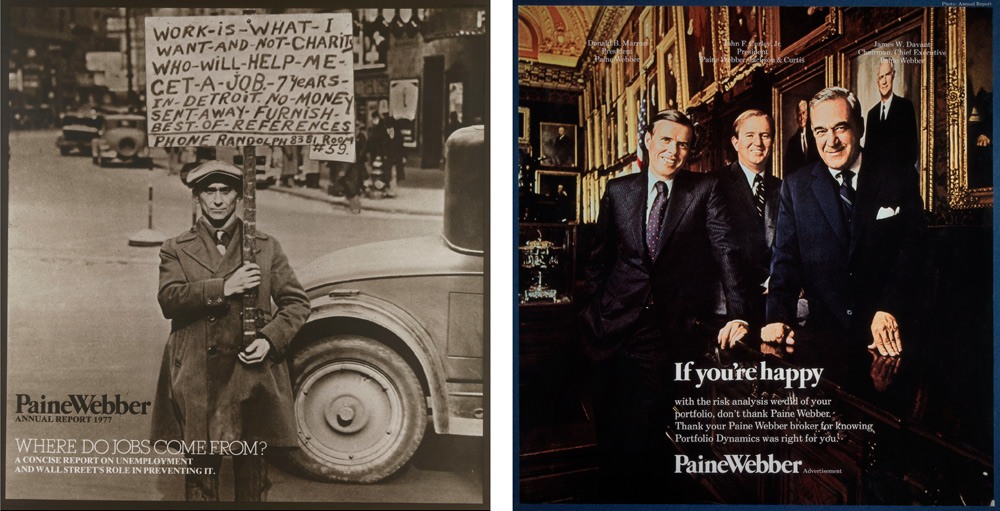


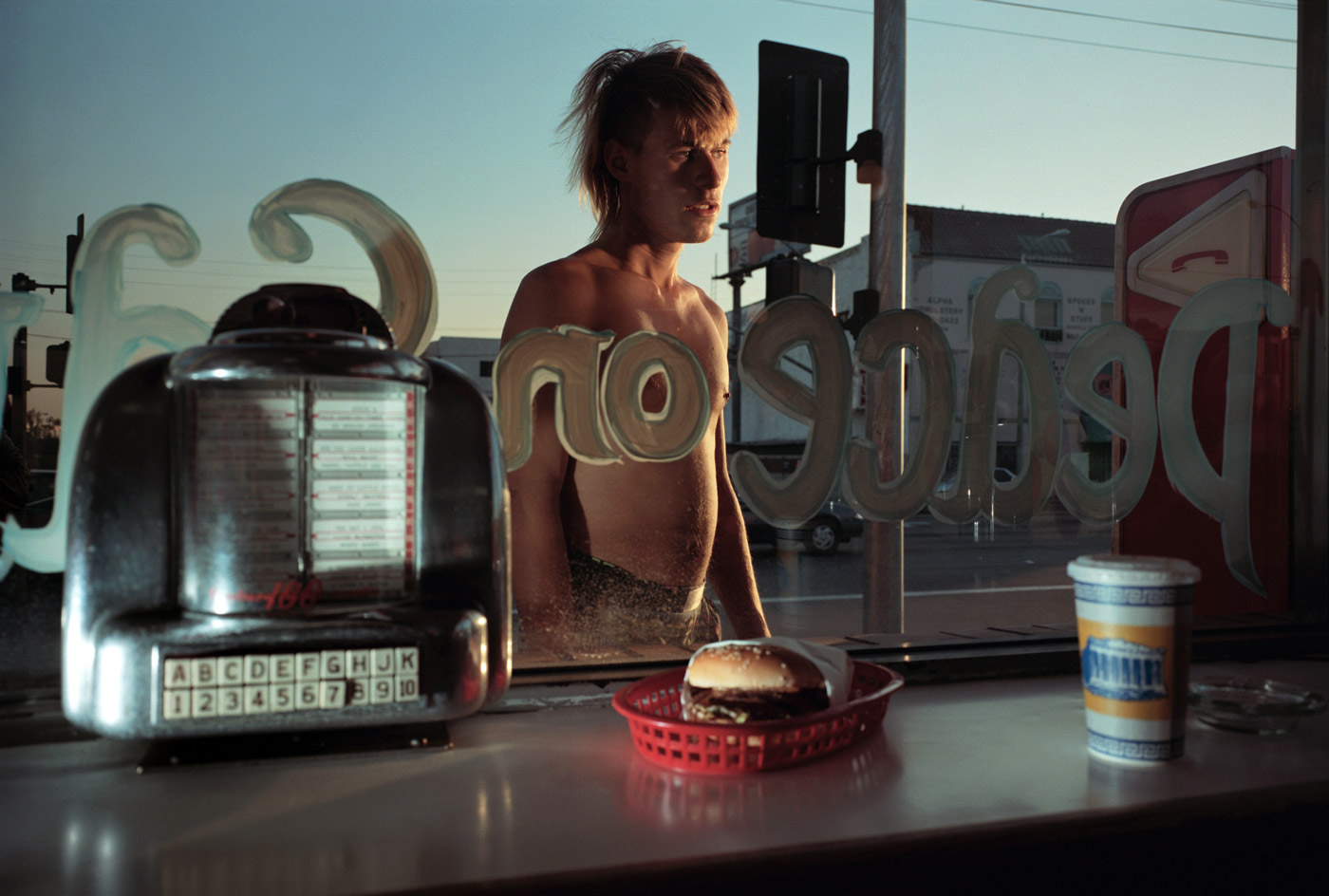


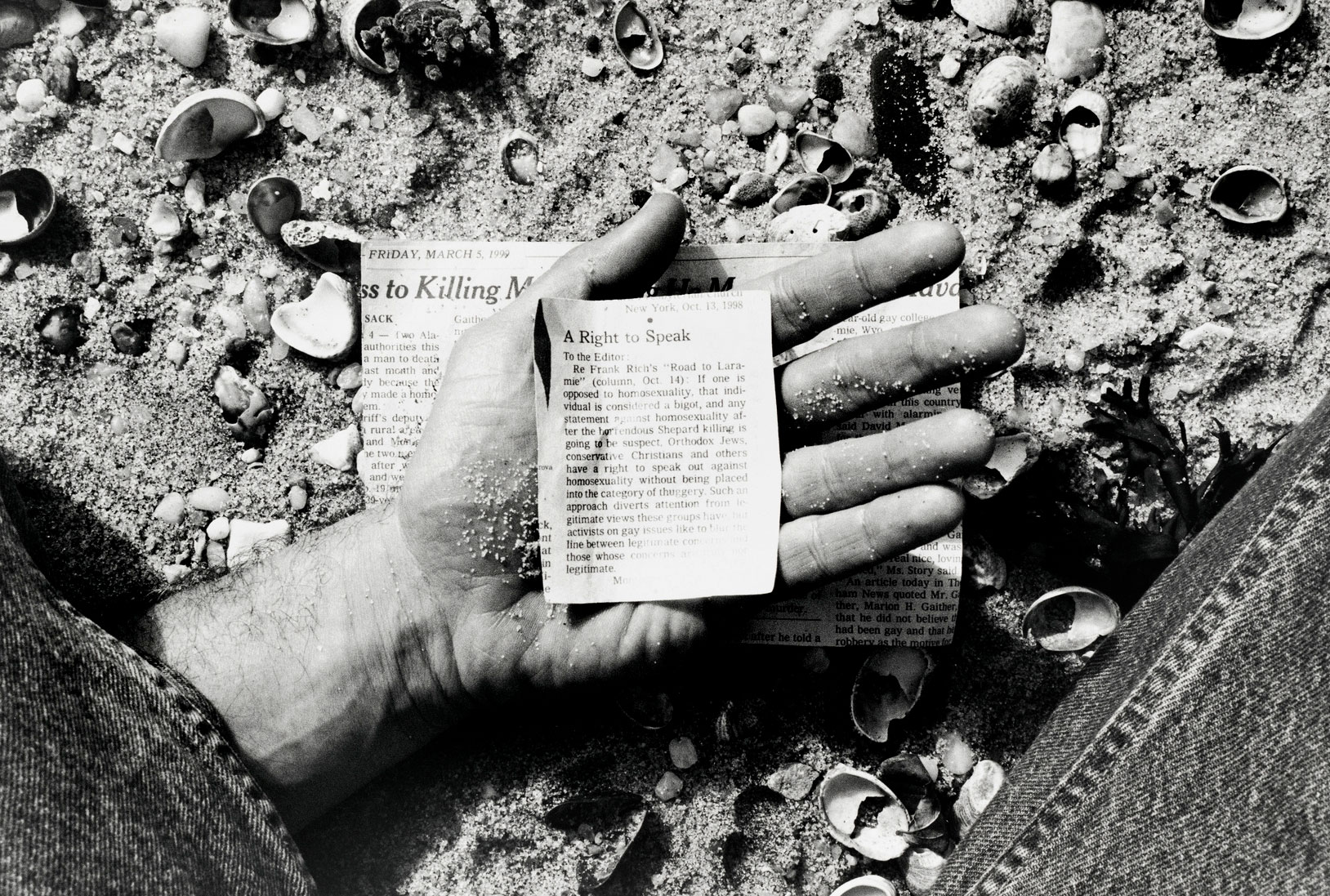



 Art Blart _ art and cultural memory archive
You must be logged in to post a comment.