My god, how can a dryer hood or a pine cone become so sensual?
It should have been Paul-Martial’s World of Extra-Ordinary Things!
Marcus
Many thankx to the Kunstmuseum Basel for allowing me to publish the photographs in the posting. Please click on the photographs for a larger version of the image.
On July 5, 2014, the Kunstmuseum Basel opens a new exhibition presenting a selection of one hundred photographs from the archives of the Paris-based advertising agency Éditions Paul-Martial. The black-and-white pictures formed the basis for posters, newspaper advertisements, and brochures and show ordinary things: buildings, cars, typewriters, radiators, mannequins. What was unusual and novel, however, were the composition, lighting, and exposure of the pictures. In today’s perspective, the collection reflects the multifaceted evolution of photography from the 1920s onward. At the same time, it is an invaluable source for historians, documenting early forms of the carefully designed presentation of commodities and strategies designed to lure the consumer. The photographs are part of a collection newly acquired from the Herzog Collection and have never been on public display.
Cans make it possible to preserve food for the long term; zippers allow bags and pockets to be securely closed; rubber soles protect the walker from slipping; car jacks make it easier to change a tire: the advertising photographs produced by Éditions Paul-Martial tell stories about everyday life and how products like radiators, boilers, and cooking stoves help make it more pleasant. This renders the collection an extraordinarily valuable resource for historians: it illustrates the early history of the staging of consumer goods and the strategies employed to seduce the viewer. Beyond consumer products, the agency’s photographers also captured the new worlds of work in factories and offices and the rise of modern travel and communication technologies. For the time being, most of the photographs’ creators remained anonymous; in the business perspective, individual authorship was obviously a secondary concern, especially since the majority of the pictures were a sort of intermediate product to be used by graphic artists in the design of brochures and posters.
New Objectivity and Neues Sehen
The historic photographs also reflect the multifaceted evolution of photography as an art in its own right from the 1920s onward. Pictures of buildings, machines, and selected products hew to the sober aesthetic of the New Objectivity, which took hold after the Great War. Photographs of transformer stations and bridges point to the Neues Sehen (New Vision) of the Bauhaus photographers and the works of the Russian avant-garde, which emphasised diagonal lines to heighten the dynamic quality of the picture – this influence is also evident in techniques such as photomontage and double exposures. In isolated objects and enigmatic motifs such as a pinecone, the surreal, mysterious, and sometimes also absurd infiltrate the world of ordinary things.
The photographers’ love of experimentation is palpable throughout: they often created small series in which they tried different lighting effects and unusual angles of view. The selection of a hundred photographs is drawn from a larger collection the museum acquired from the collection of Peter and Ruth Herzog, Basel, in 2012 through a combined purchase-and-donation agreement. The exhibition was designed in close collaboration between the curator, Anita Haldemann, and the photography collector and expert Peter Herzog.
The Fonds Paul-Martial – considerable parts of its inventory have also gone to the Musée d’Art Moderne de Saint-Étienne Métropole, the department of prints and photography at the Bibliothèque nationale de France, and the collection of Marc Pagneux, France – is still widely unknown, and the work of exploring this exceptionally rich archive, which promises important insights into the history of photography and especially of contemporary art, has only just begun.
Exhibition dates: 21st March – 14th September, 2014
Curator: Ann and Jürgen Wilde Foundation
Florence Henri (French born America, 1893-1982) Composition Nd Gelatin silver print
When I started experimenting with a camera in the early 80s, my first experiments were with mirrors, shoes, tripod legs, cotton buds and reflections of myself in mirrors (with bright orange hair). I still have the commercially printed colour photos from the chemist lab!
Henri’s sophisticated, avante-garde, sculptural compositions have an almost ‘being there’ presence: a structured awareness and way of looking at the world, a world in which the artist questions reality. She confronts the borders of an empirical reality (captured by a machine, the camera) through collage and mirrors, in order to take a leap of faith towards some form of transcendence of the real. Here she confronts the limitless freedom of creativity, of composition, to go beyond objectivity and science, to experience Existenz (Jaspers) – the realm of authentic being.*
These photographs are her experience of being in the world, of Henri observing the breath of being – the breath of herself, the breath of the objects and a meditation on those objects. There is a stillness here, an eloquence of construction and observation that goes beyond the mortal life of the thing itself. That is how these photographs seem to me to live in the world. I may be completely wrong, I probably am completely wrong – but that is how these images feel to me: a view, a perspective, the artist as prospector searching for a new way of authentically living in the world.
I really like them.
Dr Marcus Bunyan
*For his own existential philosophy, [Karl] Jaspers’ aim was to indirectly outline the metaphysical features of human Existenz – which means, what it’s like to experience being human in our full freedom – and to encourage every individual to realise his or her own authentic self-being by a subjective existential activity of thought which isn’t objectively describable.
“Existence in one sense refers to the sum total of reality, and in another sense, the elusive characteristic of being which differentiates real things from fictional ones.7 For Jasper, Existence as it pertains to Being is called Encompassing. It is the form of our awareness of being which underlies all our scientific and common-sense knowledge and which is given expression in the myths and rituals of religion. This awareness is not that of an object, but reflection on the subjective situation of being. Thus existence is about reflection upon the horizon of life, accepting the limitless possibilities in reality and also accepting that even though we can enlarge the extent of our knowledge, we can never escape the fact that it is fragmentary and has a limit.
He says:
“By reflecting upon that course (the limitless horizon of reality) we ask about being itself, which always seems to recede from us, in the very manifestation of all the appearances we encounter. This being we call the encompassing. But the encompassing is not the horizon of our knowledge at any particular moment. Rather, it is the source from which all new horizons emerge, without itself ever being visible even as a horizon.9″”
Jaspers Karl, Philosophy of Existence. (Philadelphia: University of Pennsylvanian Press, 1971), p. 18 quoted in Onyenuru Okechukwu. P. “The Theme of Existence in the Philosophy of Karl Jaspers,” No date, pp. 3-4 on the PhilPapers website [Online] Cited 16/06/2021. Used under fair use conditions for the purposes of education and research
Thankx to the Pinakothek der Moderne, Munich for allowing me to publish five of the photographs in the posting. The other images have all been sourced from the internet. Please click on the photographs for a larger version of the image.
Florence Henri (French born America, 1893-1982) Composition 1931 Gelatin silver print
Florence Henri (French born America, 1893-1982) Composition No 10 1928 Gelatin silver print
Florence Henri (French born America, 1893-1982) Abstract Composition 1928 Gelatin silver print Stiftung Ann und Jürgen Wilde, Pinakothek der Moderne, Munich
The photographs and photo-montages of Florence Henri (1893-1982) attest to her broad artistic education and an unusual openness for new currents in the art of the time.
The artist, who had studied the piano under Ferruccio Busoni in Rome and painting in Paris under Fernand Léger, in Berlin under Johann Walter-Kurau and in Munich under Hans Hofmann, spent a brief semester as a guest at the Bauhaus in Dessau in 1927. Although photography was not part of the curriculum at the Bauhaus at this time, lecturers such as László Moholy-Nagy and Georg Muche, as well as pupils including Walter Funkat and Edmund Collein experimented intensively with this medium. It was here that Florence Henri gained the inspiration to become a photographer herself.
That same year she returned to Paris, stopped painting and devoted herself thoroughly to photography. She created extensive series of still lifes and portrait and self-portrait compositions, in which the artist divided up the pictorial space using mirrors and reflective spheres, expanding it structurally. The fragmented images created this way point to the inspiration Florence Henri gained from Cubist and Constructivist pictorial concepts.
Through her experimental photography Florence Henri swiftly became a highly respected exponent of modern photography and participated in numerous international shows such as the trailblazing Werkbund exhibition ‘Film und Foto’ in 1929. After World War II, however, the artist no longer pursued her photographic interest with the same intensity as before, devoting herself instead almost exclusively to painting. This most certainly also contributed to her photographs largely falling into oblivion after 1945.
The emphasis in the exhibition Florence Henri. Compositions in the Pinakothek der Moderne has been placed on the artist’s compositions using mirrors and her photo-montages, It comprises some 65 photographs, including the portfolio published in 1974, as well as documents and historical publications from the holdings of the Ann and Jürgen Wilde Foundation. As such, Ann and Jürgen Wilde significantly contributed towards the rediscovery of this exceptional artist’s work. Her photographic oeuvre now has a permanent place within the art of the avant-garde.
Press release from the Pinakothek der Moderne website
Florence Henri (French born America, 1893-1982) Still-Life Composition 1929 Gelatin silver print
Florence Henri (French born America, 1893-1982) Abstract Composition 1932 Gelatin silver print
Florence Henri (French born America, 1893-1982) Still-life with Lemon and Pear c. 1929 Gelatin silver print
Florence Henri (French born America, 1893-1982) Little Boot 1931 Gelatin silver print
Florence Henri was born in New York on 28 June 1893; her father was French and her mother was German. Following her mother’s death in 1895, she and her father moved first to her mother’s family in Silesia; she later lived in Paris, Munich and Vienna and finally moved to the Isle of Wight in England in 1906. After her father’s death there three years later, Florence Henri lived in Rome with her aunt Anni and her husband, the Italian poet Gino Gori, who was in close touch with the Italian Futurists. She studied piano at the music conservatory in Rome.
During a visit to Berlin, Henri started to focus on painting, after meeting the art critic Carl Einstein and, through him, Herwarth Walden and other Berlin artists. In 1914, she enrolled at the Academy of Art in Berlin, and starting in 1922, trained in the studio of the painter Johannes Walter-Kurau. Before moving to Dessau, Henri studied painting with the Purists Fernand Léger and Amédée Ozenfant at the Académie Moderne in Paris. She arrived at the Bauhaus in Dessau in April 1927. She had already met the Bauhaus artists Georg Muche and László Moholy-Nagy and had developed a passion for Marcel Breuer’s tubular steel furniture. Up to July 1927, Henri attended the preliminary course directed by Moholy-Nagy, lived in the Hungarian artist’s house, and became a close friend of his first wife,Lucia Moholy, who encouraged her to take up photography. From the Moholy-Nagys, Henri learned the basic technical and visual principles of the medium, which she used in her initial photographic experiments after leaving Dessau. In early 1928, she abandoned painting altogether and from then on focused on photography, with which she established herself as a professional freelance photographer with her own studio in Paris – despite being self-taught.
Even during her first productive year as a photographer, László Moholy-Nagy published one of her unusual self-portraits, as well as a still life with balls, tyres, and a mirror, in i10. Internationale Revue. The first critical description of her photographic work, which Moholy-Nagy wrote to accompany the photos, recognises that her pictures represented an important expansion of the entire ‘problem of manual painting’, in which ‘reflections and spatial relationships, overlapping and penetrations are examined from a new perspectival angle’.
Mirrors become the most important feature in Henri’s first photographs. She used them both for most of her self-dramatisations and also for portraits of friends, as well as for commercial shots. She took part in the international exhibition entitled Das Lichtbild [The Photograph] in Munich in 1930, and the following year she presented her images of bobbins at a Foreign Advertising Photography exhibition in New York. The artistic quality of her photographs was compared with Man Ray, László Moholy-Nagy and Adolphe Baron de Mayer, as well as the with winner of the first prize at the exhibition, Herbert Bayer. Only three years after the new photographer had taken her first pictures, her self-portrait achieved the equal status with her male colleagues that she had been aiming for.
Up to the start of the Second World War, Henri established herself as a skilled photographer with her own photographic studio in Paris (starting in 1929). When the city was occupied by the Nazis, her photographic work declined noticeably. The photographic materials needed were difficult to obtain, and in any case Henri’s photographic style was forbidden under the Nazi occupation; she turned her attention again to painting. With only a few later exceptions, the peak of her unique photographic experiments and professional photographic work was in the period from 1927 to 1930.
Even in the 1950s, Henri’s photographs from the Thirties were being celebrated as icons of the avant-garde. Her photographic oeuvre was recognised during her lifetime in one-woman exhibitions and publications in various journals, including N-Z Wochenschau. She also produced photographs during this period, such as a series of pictures of the dancer Rosella Hightower. She died in Compiègne on 24 July 1982.
Text from the Florence Henri web page on the Bauhaus Online website [Online] Cited 06/07/2014. No longer available online. Used under fair use for the purposes of education and research
Florence Henri (French born America, 1893-1982) Parisian Window 1929 Gelatin silver print
Florence Henri (French born America, 1893-1982) The Forum 1934 Gelatin silver print
Florence Henri (French born USA, 1893-1982) Rome 1933-1934 Gelatin silver print
Florence Henri (French born America, 1893-1982) Abstract Composition 1929 Gelatin silver print
Florence Henri (French born America, 1893-1982) Self-portrait in a mirror 1928 Gelatin silver print
Florence Henri (French born America, 1893-1982) A Bunch of Grapes c. 1934 Gelatin silver print
Florence Henri (French born America, 1893-1982) Composition 1932 Gelatin silver print Stiftung Ann und Jürgen Wilde, Pinakothek der Moderne, Munich
Florence Henri (French born America, 1893-1982) Untitled, USA 1940 Gelatin silver print
Florence Henri (French born America, 1893-1982) Paris Window 1929 Gelatin silver print Stiftung Ann und Jürgen Wilde, Pinakothek der Moderne, Munich
Florence Henri (French born America, 1893-1982) Portrait 1928 Gelatin silver print Stiftung Ann und Jürgen Wilde, Pinakothek der Moderne, Munich
Florence Henri (French born America, 1893-1982) Self Portrait 1928 Gelatin silver print Stiftung Ann und Jürgen Wilde, Pinakothek der Moderne, Munich
The Chanel Legend exhibition dates: 28th February – 18th May, 2014 New Women exhibition dates: 28th February – 27th July, 2014
Yva (German, 1900-1944) Silk stockings Nd Silver gelatin print Museum für Kunst und Gewerbe Hamburg
Yva (26 January 1900 – 31 December 1944) was the professional pseudonym of Else Ernestine Neuländer-Simon who was a German Jewish photographer renowned for her dreamlike, multiple exposed images. She became a leading photographer in Berlin during the Weimar Republic. When the Nazi Party came to power, she was forced into working as a radiographer. She was deported by the Gestapo in 1942 and murdered, probably in the Majdanek concentration camp during World War II.
Do you feel like a new woman?
Do you feel like a god?
You, in the oft mentioned (ten times in the accompanying texts) LBD (Little Black Dress) or Chanel Suit (ten times as well)
It’s like the ten commandments.
And ~ on we go… say after me,
“Sashay! Shantay!”
PS some of the photos ain’t half bad tho!
Dr Marcus Bunyan
Many thankx to the Museum für Kunst und Gewerbe Hamburg for allowing me to publish the photographs in the posting. Please click on the photographs for a larger version of the image.
‘Sleeping with the Enemy, Coco Chanel and the Secret War’ written by Hal Vaughan further solidifies the consistencies of the French intelligence documents released by describing Coco as a “vicious anti-Semite” who praised Hitler.
World War II, specifically the Nazi seizure of all Jewish-owned property and business enterprises, provided Chanel with the opportunity to gain the full monetary fortune generated by Parfums Chanel and its most profitable product, Chanel No. 5. The directors of Parfums Chanel, the Wertheimers, were Jewish. Chanel used her position as an “Aryan” to petition German officials to legalise her claim to sole ownership.
“On 5 May 1941, she wrote to the government administrator charged with ruling on the disposition of Jewish financial assets. Her grounds for proprietary ownership were based on the claim that Parfums Chanel “is still the property of Jews” and had been legally “abandoned” by the owners”. …
Chanel was not aware that the Wertheimers, anticipating the forthcoming Nazi mandates against Jews had, in May 1940, legally turned control of Parfums Chanel over to Félix Amiot, a Christian French businessman and industrialist. At war’s end, Amiot returned “Parfums Chanel” to the hands of the Wertheimers.
During the period directly following the end of World War II, the business world watched with interest and some apprehension the ongoing legal wrestle for control of Parfums Chanel. Interested parties in the proceedings were cognisant that Chanel’s Nazi affiliations during wartime, if made public knowledge, would seriously threaten the reputation and status of the Chanel brand. Forbes magazine summarised the dilemma faced by the Wertheimers: [it is Pierre Wertheimer’s worry] how “a legal fight might illuminate Chanel’s wartime activities and wreck her image – and his business.”
Aenne Biermann (German, 1898-1933) Self-Portrait with silver ball 1931 Silver gelatin print Museum für Kunst und Gewerbe, Hamburg
Aenne Biermann (German, 1898-1933)
Aenne Biermann (March 8, 1898 – January 14, 1933), born Anna Sibilla Sternfeld, was a German photographer of Ashkenazi origin. She was one of the major proponents of New Objectivity, a significant art movement that developed in Germany in the 1920s.
Major exhibitions of her work include the Munich Kunstkabinett, the Deutscher Werkbund and the exhibition of Folkwang Museum in 1929. Other important exhibitions include the exhibition entitled Das Lichtbild held in Munich in 1930 and the 1931 exhibition at the Palace of Fine Arts (French: Palais des Beaux Arts) in Brussels.
Horst P. Horst (German-American, 1906-1999) Coco Chanel 1937 Silver gelatin print Museum für Kunst und Gewerbe Hamburg
Horst P. Horst(German-American, 1906-1999)
Horst Paul Albert Bohrmann (August 14, 1906 – November 18, 1999), who chose to be known as Horst P. Horst, was a German-American fashion photographer. …
Horst is best known for his photographs of women and fashion, but is also recognised for his photographs of interior architecture, still lifes, especially ones including plants, and environmental portraits. One of the great iconic photos of the Twentieth-Century is “The Mainbocher Corset” with its erotically charged mystery, captured by Horst in Vogue‘s Paris studio in 1939. Designers like Donna Karan continue to use the timeless beauty of “The Mainbocher Corset” as an inspiration for their outerwear collections today. His work frequently reflects his interest in surrealism and his regard of the ancient Greek ideal of physical beauty.
His method of work typically entailed careful preparation for the shoot, with the lighting and studio props (of which he used many) arranged in advance. His instructions to models are remembered as being brief and to the point. His published work uses lighting to pick out the subject; he frequently used four spotlights, often one of them pointing down from the ceiling. Only rarely do his photos include shadows falling on the background of the set. Horst rarely, if ever, used filters. While most of his work is in black & white, much of his colour photography includes largely monochromatic settings to set off a colourful fashion. Horst’s colour photography did include documentation of society interior design, well noted in the volume Horst Interiors. He photographed a number of interiors designed by Robert Denning and Vincent Fourcade of Denning & Fourcade and often visited their homes in Manhattan and Long Island. After making the photograph, Horst generally left it up to others to develop, print, crop, and edit his work.
One of his most famous portraits is of Marlene Dietrich, taken in 1942. She protested the lighting that he had selected and arranged, but he used it anyway. Dietrich liked the results and subsequently used a photo from the session in her own publicity.
Boris Lipnitzki (1887-1971) was a Ukrainian-born French photographer of the arts; ballet, fashion, cinema, visual art, writing and music.
Haim Efime Boris Lipnitzki (or Lipnitzky) was born into a Jewish family in Oster, in Chernihiv Province of the Russian Empire (now Ukraine) on 4 February 1887. He died in Paris on 6 July 1971, aged 84, and is buried in Pere Lachaise cemetery.
Lipnitzki first worked for a photographer in Odessa, then opened his own studio in Pultusk. He arrived in Paris in the early 1920s. There, he established a studio at 40 rue du Colisée, where he photographed many of the artistic personalities of the 20th century from the 1920s-1960s, as well as picturing them in their own surroundings. His friendship with fashion designer Paul Poiret, with whom he would stay to photograph in Biarritz, provided an entrée into these circles.
His subjects included Maurice Ravel, René Hubert, Albert Camus, Blaise Cendrars, Jean Cocteau, Otto Preminger, Igor Strawinsky, Arthur Honegger, Leonid Massine, Serge Lifar, Paul Poiret, Coco Chanel, Olga Spessivtseva, Nyota Inyoka, Tamara Karsavina, Serge Gainsbourg, Les Six, Marc Chagall, Pablo Picasso, as well as Josephine Baker of whom in 1926 he made a famous series of nude photographs.
In the 1920s Coco Chanel chiefly influenced the type of the “new woman”. She established skirts that reached just below the knee, encouraged women to wear trousers and represents functional ladies wear. In the photographs by among others Yva, Franz Roth, Lotte Jacobi and Hein Gorny presented here, women show legs in silk stockings, wear cropped hair, drive motorbikes or automobiles and play tennis or go into baths. In this period women begin to take charge of their lives. Being a photographer offered the opportunity to express this new notion of the self in images and in life. The special display of the Photography Department coincides with the exhibition The Chanel Legend.
The Chanel Legend
Coco Chanel (1883-1971) is one of the most eminent couturières of the twentieth century. She already appears as an advocate of simple, comfortable clothes in the years just after 1910, thus helping to pave the way for a style which has retained its major importance in the fashion world till today. Such outstanding fashion classics as the “little black dress”, the Chanel Suit and the Chanel handbag are inseparably linked with her person. Since her start-up in 1913, Chanel has built up an international and, till the present day, astoundingly successful fashion empire. It is not until 1983, in the shape of Karl Lagerfeld, that a personality with anything like her charisma and influence becomes her successor. Coco – her real name was Gabrielle – Chanel launched her perfume Chanel N° 5, whose overwhelming commercial success guaranteed her a financial independence which was to last all her life, at the beginning of the 1920s. She combined fashion jewellery and genuine gemstones with surefooted confidence and had herself portraited by celebrity photographers such as Man Ray or Horst P. Horst.
The Chanel Legend investigates why it is that the person of Coco Chanel and the brand she established have attracted such huge attention up to and including the present. It will turn the spotlight both on the fashion designer’s biography and the image which she created for herself, as well as the brilliant achievement of Karl Lagerfeld (b. 1933) in combining this legacy with the fluctuating currents of contemporary taste since 1983. The exhibition shows a total of more than 200 objects from eminent collections, including women’s suits, accessoires, jewellery, advertising graphic, historical photographs and over 75 fashion magazines spanning a period from 1920 to1971. Besides more than 54 original garments, among them 38 created by Coco Chanel, and some 50 jewellery creations, over 35 adaptions of the Chanel classics can be seen for the first time, which in their own individual way give us a new appreciation of the “Chanel Legend”.
The exhibition approaches the “Chanel Legend” in three chapters. The first documents, with 38 original garments, accessoires and more than 50 items of fashion jewellery from the period between 1925 and 1971 the fashion designer’s oeuvre. Designs for evening and day wear and the perfume Chanel N° 5, of which an original flacon is on show, belong to Chanel’s pre-Second World War creative phase. After her return to Paris in 1954, Chanel continued to lead her firm up to her death in 1971. The exhibition shows, among other items from this period, some 10 garments which Chanel designed for the actress and singer Marlene Dietrich, including day wear and garments for representative occasions. On top of this, a large quantity of pieces of fashion jewellery can be seen, supplemented by original photographs.
The second chapter throws light on the Chanel classics, which have retained their fascination till today. Thus historical original examples of the Chanel Suit are juxtaposed with some 20 different adaptations of it, including models from other fashion houses, unknown ateliers and garment manufacturers. The procession of “lookalikes” and “distant cousins” by no means comes to an end with Chanel’s lifetime, but integrates aspects of contemporary fashion. A selection of the endless variations on the theme of the “little black dress” from the 1920s till the present will also be on show, some of them by designers such as Yves Saint Laurent, Max Heyman and Issey Miyake or Nina Ricci. They should by no means be seen as just copies of Chanel models. The short black dress was in keeping with the modern, dynamic lifestyle of the 1920s. Later the “little black dress” is an indispensable requisite in every woman’s wardrobe and, in the Fifties and Sixties, the epitome of Parisian chic.
In the third section, the focus is on Karl Lagerfeld’s creations for the House of Chanel. He succeeded in modernising the brand without sacrificing the features which were typical for it. The exhibition shows in particular items which quote the Chanel classics, or pay homage to his revered predecessor in some of their details. This selection, too, is complemented by fashion jewellery. The development comes full circle here, since Lagerfeld’s present winter collection for 2013-14 playfully quotes references to Coco Chanel’s legendary initial phase in the 1920s. More than 100 historical fashion magazines spanning a period from 1920 to 1971 can also be seen in the exhibition, including an issue of the American Vogue dated 1st October 1926 in which the “little black dress” is shown. Magazines were the most important medium for the propagation and reception of Chanel’s fashion. Visitors can leaf through them on the tablet computers provided.
Press release from the Museum für Kunst und Gewerbe Hamburg website
Aenne Biermann (German, 1898-1933) Portrait of Anneliese Schiesser 1929 Silver gelatin print Museum für Kunst und Gewerbe, Hamburg
Hein Gorny (German, 1904-1967) Portrait of a Woman c. 1930/1972 Silver gelatin print, Reprint ofHeinrich Riebesehl Museum für Kunst und Gewerbe, Hamburg
Hein Gorny (German, 1904-1967)
Hein Gorny (1904-1967) was a highly versatile photographer. Self-taught, he had extensive, in-depth knowledge of photographic techniques and was specialised both in photographic and darkroom processes. He photographed a broad range of subject matter, including portraits, architecture, and animals as well as images used in industrial, commercial, and illustrational contexts. In addition he created experimental photographs, primarily working with macrophotography. Advertising photography was the field in which Hein Gorny carried out numerous commissions and was most well-known. He was primarily active in Hanover and Berlin. Hein Gorny is described by Heinrich Riebesehl as a “pioneer of modern commercial photography” in a catalogue published in conjunction with the Spectrum Photogalerie’s inaugural exhibition of 1972. He was masterful in his groundbreaking ability to fuse the photographic spirit of his time with the demands of advertising photography.
“Especially in his early work, the joy of experimentation and the openness to everything new and unusual is clearly visible. His positive attitude towards life, his carefree, almost exuberant way of using the medium of photography made him – consciously or unconsciously – adopt the taste of the times.”
~ Heinrich Riebeseh
Atelier Benda/d’Ora The actress Marlene Dietrich with beret 1927 Silver gelatin print Museum für Kunst und Gewerbe Hamburg
Madame D’Ora / Dora Philippine Kallmus (Austrian, 1881-1963) The fashion designer Coco Chanel About 1927 Silver gelatin print Museum für Kunst und Gewerbe Hamburg
Dora Philippine Kallmus (Austrian, 1881-1963)
Dora Philippine Kallmus (20 March 1881 – 28 October 1963), also known as Madame D’Ora or Madame d’Ora, was an Austrian fashion and portrait photographer.
She became interested in the photography field while assisting the son of the painter Hans Makart, and in 1905 she was the first woman to be admitted to theory courses at the Graphische Lehr- und Versuchsanstalt (Graphic Training Institute). That same year she became a member of the Association of Austrian photographers. At that time she was also the first woman allowed to study theory at the Graphischen Lehr- und Versuchsanstalt, which in 1908 granted women access to other courses in photography.
In 1907, she established her own studio with Arthur Benda in Vienna called the Atelier d’Ora or Madame D’Ora-Benda. The name was based on the pseudonym “Madame d’Ora”, which she used professionally. D’ora and Benda operated a summer studio from 1921 to 1926 in Karlsbad, Germany, and opened another gallery in Paris in 1925. She was represented by Schostal Photo Agency (Agentur Schostal) and it was her intervention that saved the agency’s owner after his arrest by the Nazis, enabling him to flee to Paris from Vienna.
Her subjects included Josephine Baker, Coco Chanel, Tamara de Lempicka, Alban Berg, Maurice Chevalier, Colette, and other dancers, actors, painters, and writers.
Roger Schall was a photographer during the interwar period, a contemporary of Brassaï. He excelled in photojournalism, in which he was one of the pioneers, as well as in the photographic disciplines of fashion and portraits. In the early 30s, the “revolution” Leica and Rolleiflex allowed him to fulfill his passion for images taken on the spot. Paris was his main exploration ground, where the night allowed him to capture and expose with strength and delicacy the particular shapes of a city made of diversities.
Text from the Artsper website [Online] Cited 25/03/2021. Used under fair use conditions for the purposes of education and research
During World War II, Schall secretly documented the Nazi occupation of Paris. He also produced fashion photography for the fetish clothing company Diana Slip.
Gabrielle Chanel, who grew up in humble circumstances, opened her first Couture Salon in Paris in 1913, after she had already set up in business in 1908 as a modiste. In 1919 she moved to the Rue Cambon 31, which is still the address of the House of Chanel today. Coco Chanel’s first creative phase ended with the outbreak of war in 1939. Her fashion house stayed shut for 15 years before she dared a comeback in 1954, at the age of 70. The exhibition shows creations by Chanel from both periods. The “little black dress” becomes her trademark. Further models of day and evening wear show to what extent the fashion designer had her finger on the pulse of her time, and at the same time bear witness to the high quality of her models both in design and execution. In the 1950s and 1960s it is her women’s suits which cause a furore, first and foremost the “Chanel Suit”, which she first presented at a fashion show in 1957. Her celebrated quilted handbag, launched in February 1955 and called, simply, “2.55”, has long since attained the status of a classic and is a must in every collection of the luxury label. Her collections were always supplemented by matching fashion jewellery. Till today, Coco Chanel appears as an enigmatic and fascinating personality, and has been the theme of many films and books. Fierce controversy also surrounds her links to decision-makers of the Third Reich too, however, up to the present day.
The “little black dress” and suits by Chanel – their reception
he reception of Coco Chanel’s fashion and her style is already very widespread in her lifetime. A comparison with other contemporary couturiers reveals that Coco Chanel operated a very tolerant policy as regards the copyright for her models: The fashion designer allowed her models to be copied up to a certain point with her consent. For her, it was an acknowledgement of her eminence if women all over the world dressed in her style – an aspect whose influence on the “Chanel Legend” should not be underestimated, and which is investigated in this exhibition for the first time. In October 1926, the American Vogue magazine described a short black dress by Chanel as “The Chanel Ford – the frock that all the world will wear”. This drew a parallel between Chanel’s dress in its universality and modernity and one of the most important inventions of the time and prophesied a great future for it.
This is the birth of the “little black dress”. And although Chanel was not the first couturier to design simple black dresses for day wear it nevertheless remains inseparably linked with her name. Even the perhaps most celebrated “little black dress”, that worn by Audrey Hepburn in the film classic “Breakfast at Tiffany’s”, is often wrongly attributed to Chanel. The exhibition traces the development of the fashion classic from the 1920s till today. Another model which has gone down as an icon in fashion history is the “Chanel Suit” with its boxy, collarless jacket and often contrasting braided edgings. The term “Chanel Suit” is even quoted as a reference in the Duden. The exhibition shown here also document the fact that Coco Chanel produced a whole range of women’s suits which were adapted by other fashion houses or even home dressmakers. It is mostly no longer possible today to reconstruct whether individual models were made under licence or whether they were freely interpreted or simply copied. Irrespective of this, however, it is certain that all these models also made their contribution to the “Chanel Legend”.
Press release from the Museum für Kunst und Gewerbe Hamburg website
Curators: Francesco Stocchi and Peter van der Coelen
Installation photograph of the exhibition Brancusi, Rosso, Man Ray – Framing Sculpture Museum Boijmans Van Beuningen, 2014 Foto / Photo: Gert-Jan de Rooij, Amsterdam
What a magnificent exhibition. We all know Brancusi and Man Ray but it is the work of Medardo Rosso that surprises and delights here, an artist I admit I knew nothing about before this posting. What a revelation, both his sculptures and photographs. I must try and do a whole posting just on his photographs!
The two self-portraits of the artists in the studio are telling… Rosso, pensive, brooding, with a stack of chopped wood surrounding him, face wreathed in shadow, head titled slightly down and hands stuffed in pockets; Brancusi, seated on a plinth, legs crossed, swarthy arms folded replete with large hands, staring directly at the camera and surrounded by his work. Rosso in malleable darkness, Brancusi in towering light. The photographs reflect their respective personalities and inform the art which represents them.
Dr Marcus Bunyan
Many thankx to Museum Boijmans Van Beuningen for allowing me to publish the art work in the posting. Please click on the image for a larger version of the art.
Alessio delli Castelliconsiders the Italian sculptor’s photographic legacy.
“Medardo Rosso was born in Turin in 1858 and died in Milan 1928. However, he spent most of his life away from Italy, in Paris especially, from where he travelled to all the major European capitals. It was in Paris that, towards the close of the 19th century, he emerged alongside Auguste Rodin as a serious contender for the title of father of modern sculpture. Yet it was Rodin who achieved universal recognition. In spite of Rosso’s influence on sculptors such as Constantin Brancusi – whose Sleeping Muse (1909-10), with its radically abstracted features of a female head, is strongly reminiscent of Rosso’s Madame X (1896) – he was long held hostage by a provincial criticism which saw his practice confined, chronologically, thematically and formally, to the 19th century. Although it is true that Rosso only created two original sculptural works in the 20th century, to claim that he was no longer a practicing artist would be to overlook the variations he made of his sculptures, and the copies from antiquity. More importantly, it would be to dismiss his photographic work of that period merely as images of sculptures that already existed. This would mean ignoring the fact that his photography showed all the signs of rigorous artistic investigation – and was not, as critics in the 20th century often declared, indicative of either an accident that injured his leg and made him weak or a more general creative block.
It is only in recent years that Rosso’s photographs have acquired the status of art objects in and of themselves…”
Installation photographs of the exhibition Brancusi, Rosso, Man Ray – Framing Sculpture Museum Boijmans Van Beuningen, 2014 Foto / Photos: Gert-Jan de Rooij, Amsterdam
In mythology, Leda is a girl who is seduced by Zeus who turns her into a swan. In the Brancusi sculpture, Leda (foreground, above) is that metamorphosis. The swan is an animal whose body is often associated with a hybrid identity between male and female. His neck is close to a phallic shape while her body has feminine attributes. The bird and woman, male and female mingle in the same sculptural movement. This transfiguration is reflected in the complex forms of sculpture, asymmetrical contours, the offset top shape intersecting with the lower form, giving rise to multiple passages and perceptions.
In 1932, Brancusi sculpture adds a large polished steel disc which suggests the presence of water and Leda is reflected in the mirror which changes its shape. Modifications qu’accentuera still provide a motor and a ball bearing arranged in the circular plate. Within the workshop, the body of Leda is in a state of constant metamorphosis. The shimmer of light on the surface of polished bronze sculpture blends with its reflection in the steel circle and absorbs its environment. Leda becomes a pure luminous presence. Weight and lightness, balance and imbalance are the same event within a continuous time duration in the sculptures of Constantin Brancusi.
Translated from the French on the Constantin Brancusi web page of the Centre Pompidou website [Online] Cited 05/05/2014. No longer available online. Used under fair use conditions for the purposes of education and research
Installation photograph of the exhibition Brancusi, Rosso, Man Ray – Framing Sculpture Museum Boijmans Van Beuningen, 2014 Foto / Photo: Gert-Jan de Rooij, Amsterdam
In the spring of 2014 Museum Boijmans Van Beuningen brings together works from all over the world by three artists who were decisive for the development of modern art. This is the first exhibition to combine sculptures by Brancusi, Rosso and Man Ray together with their photographs, affording a unique insight into the artists’ working methods.
Masterpieces that have rarely or never been seen in the Netherlands will be lent by important museums such as the Centre Pompidou, MoMA and Tate. Museum Boijmans Van Beuningen will show more than 40 sculptures and hundred photographs by Constantin Brancusi (Hobita 1876 – Paris 1957), Medardo Rosso (Turin 1858 – Milan 1928) and Man Ray (Philadelphia 1890 – Paris 1976). The exhibition will feature sculptures such as Brancusi’s Princesse X (1915-1916) and Rosso’s Ecce Puer (1906) alongside works by Man Ray from the museum’s collection, including the sculpture L’Énigme d’Isidore Ducasse (1920 / 1971). Presenting the sculptures together with the artists’ photographs of their sculptures reveals their often-surprising perspectives on their own works.
Framing Sculpture
Brancusi, Rosso and Man Ray employed photography not so much as a means of recording their work. The photographs show how they interpreted their sculptures and how they wanted them to be seen by others. Brancusi is considered the father of modern sculpture with his highly simplified sculptures of people and animals. In his photographs he experimented with light and reflection so that his sculptures absorb their environment and appear to come to life. Rosso is the artist who introduced impressionism in sculpture. The indistinct contours of his apparently quickly modelled figures in plaster and wax make them appear to fuse with their surroundings. Rosso cut up the soft-focus photographs of his work, made them into collages and reworked them with ink so that the sculptures appear even flatter and more contourless. Man Ray is best known as a photographer but was also a painter and sculptor. His choice of materials was unconventional: he combined existing objects to create new works, comparable to the ‘readymades’ of his friend Marcel Duchamp. Man Ray’s experimental use of photography led him to make photographs without the use of a camera. He made these so-called ‘rayographs’ by placing objects directly on photographic paper and exposing them briefly to light, leaving behind a ghostly impression.
Press release from the Museum Boijmans Van Beuningen
Medardo Rosso (Italian, 1858-1928) Enfant à la Bouchée de pain (Child in the soup kitchen) 1897 (1892-1893) Wax over plaster 46 x 49 x 37cm Galleria Nazionale d’Arte Moderna e Contemporanea, Rome
Medardo Rosso (Italian, 1858-1928) Enfant à la Bouchée de pain in the Cézanne room at the Salon d’Automne 1904 Felatin silver print 12.3 x 15.5cm Private collection
The Italian sculptor Medardo Rosso (1858-1928) is the oldest and most traditional of the three artists. He stands in the Impressionist tradition of French sculptor August Rodin. Rosso has made many portraits of children, which he adored. They were one of his favourite subjects. Rosso kept working on the same pieces throughout his career, making changes to their titles, shapes or materials. Sometimes he combined materials or poured another substance over the original. A work of plaster then became a wax sculpture. Other times he made two different versions of the same image, using different materials…
Rosso… used his camera to present his art in the way he preferred. By taking pictures and displaying them next to the actual sculptures he could show the audience what was, in his opinion, the right angle to look at his piece. Of course, everyone is free to walk around the sculpture, but the photographs show what the artist had in mind when he created it. Many times he would cut up his pictures, tear away corners or colour them with ink. This way he even reinterpreted his interpretations. Together the sculptures, photographs and collages give a complete picture of the work by Medardo Rosso. Never before have there been so many of his works on display in the Netherlands.
Text by Evita Bookelmann on the Kunstpedia website [Online] Cited 05/05/2014. No longer available online. Used under fair use conditions for the purposes of education and research
Constantin Brancusi (Romanian, 1876-1957) Tête d’enfant endormi (Head of a Sleeping Child) 1906-1907 Plaster, coloured dark brown 10.8 x 13.6 x 15.2cm Private collection
A previously unknown sculpture by Constantin Brancusi (1876-1957) can be seen in Brancusi, Rosso, Man Ray – Framing Sculpture, the exhibition opening at Museum Boijmans Van Beuningen on Saturday. The museum is especially delighted by the arrival of Tête d’enfant endormie (Head of a Sleeping Child, 1906-07). This early sculpture is an important key work in Brancusi’s development of his famous ‘ovoid’.
The exhibition, which features more than forty sculptures by Constantin Brancusi, Medardo Rosso and Man Ray and a hundred vintage photographs taken by them, runs in Museum Boijmans Van Beuningen for three months from 8 February. The plaster sculpture was purchased at a sale by a French private collector. Leading expert Friedrich Teja Bach has recently confirmed that it is a version of the ‘head of a sleeping child’. Curators Francesco Stocchi and Peter van der Coelen remarked, “It is unusual for a previously unknown work by Brancusi to turn up at a sale. Works by Brancusi are rare and almost all of them are in prominent museum collections like those of the Centre Pompidou, the Tate and MoMA.”
The Road to Abstraction
The child’s head with natural features is in the tradition of the contemporary Impressionists Auguste Rodin and Medardo Rosso. At the same time, this early work is a starting point in Brancusi’s journey towards a more abstract style, which culminated in an entirely smooth oval form, devoid of any facial features. This process can also be seen in the photographs taken by Brancusi himself, in which he pictured Tête d’enfant endormie in his studio with Le Nouveau-Ne II, a work he made ten years later. The exhibition in Rotterdam examines the artistic practices and development of Brancusi, Rosso and Man Ray by showing the sculptures alongside the photographs they took of them.
Painted Bronze
Brancusi’s oeuvre contains a number of recurring subjects, which the artist executed in a variety of materials, including plaster, marble and bronze. This allowed Brancusi to explore various effects, such as the reflection of light. The signed Tête d’enfant endormie is an early version in the series. It is unusual that Brancusi painted the plaster, making it look like bronze.
Press release from the Museum Boijmans Van Beuningen
Man Ray’s Noire et blanche is a photograph exemplary of Surrealist art. The striking faces of the pale model and the dark mask have a doubling effect. This repetition is a reminder that a photograph is a double of what it represents, namely, a sign or an index of reality. In Surrealism the act of doubling indicates that we are all divided subjects made up of the conscious and unconscious. In reading this photograph as typical of primitivism, the woman can be understood as European civilisation and the mask as “primitive” Africa. The image draws a parallel between the two faces presenting them as related to each another. The title “black and white” is a word play because the order is reversed when reading the image left to right. The artist also printed a negative version of this image. The photograph was first published in Vogue. It is a portrait of Kiki of Montparnasse, Man Ray’s lover and model at the time the photograph was taken.
Text from the Stedelijk Museum Amsterdam website [Online] Cited 05/05/2014. No longer available online. Used under fair use conditions for the purposes of education and research
Medardo Rosso (Italian, 1858-1928) Enfant malade (Ziek kind) c. 1909 Aristotype 7.9 x 6.3cm Private collection
Medardo Rosso (Italian, 1858-1928) Enfant malade (Ziek kind) 1895 (1903-1904) Bronze 25.5 x 14.5 x 16.5cm Collectie Galleria d’Arte Moderna, Milan
Con una coerenza assoluta, insensibile alle polemiche e alle controversie che la sua arte suscitava, e più ancora al disprezzo oltraggioso di cui lo faceva segno la cultura ufficiale, il Rosso deduceva alle estreme conseguenze le premesse fondamentali della sua visione. Davanti ai nostri occhi una sgomentante superficie d’ombra da cui emerge la lama trepida e vibrante di un essere vivente, che contesta al nulla misterioso che lo incalza e in cui in un soffio si dissolverà, il suo diritto alla luce, cioè all’essenza vitale. Le premesse letterarie, le suggestioni filosofiche o vagamente esoteriche sono totalmente assorbite nella suprema qualità stilistica: lo scultore modula ed assottiglia la materia al limite del possibile, sull’orlo dell’astrazione assoluta, ricercandone spasmodicamente ogni vibrazione musicale; l’equazione scultura-luce-pittura poteva dirsi verificata.”
“With absolute consistency, insensitive to the controversies and disputes that his art aroused, and even more outrageous contempt of which he did hold official culture, Rosso deduced to the extreme the basic premises of his vision. Before our eyes a daunting shadow surface which shows the blade trembling and vibrating of a living being, which criticises the mysterious anything that presses him and when you blow in a dissolver, its right in the light, that all ‘vital’ essence. The premises literary, philosophical or vaguely esoteric suggestions are totally absorbed in the supreme quality of style: the sculptor modulation and tapering the matter to the extent possible, the absolute brink of abstraction, seeking spasmodically every musical vibration; the equation of light-sculpture-painting could be said to be verified.
Terrible translation by Google translate of an anonymous text = but so beautiful at the same time!
Princess X is a sculptured rendering of the French princess, Marie Bonaparte, by the artist Constantin Brâncusi. Princess Bonaparte was the great-grand niece of the emperor Napoleon Bonaparte…
According to the Philadelphia Museum of Art, Brâncusi had been “at the center of two of modern arts most notorious scandals.” One of the scandals being that the Salon des Indépendants, in Paris where Brâncusi practiced his trade, discontinued the display of Princess X from its establishment for its apparent obscene content, as some thought it looked like a penis. After having his art taken off display, Brâncusi was shocked. He declared the incident a misunderstanding. He had created Princess X not as a sculpture depicting a more masculine subject, but the object of feminine desire and vanity.
After much accusation, Brâncuși insisted the sculpture had been his rendition of Marie Bonaparte. Brâncusi discussed the comparison of the bronze figure to the princess. He described his detest of Marie, as a “vain woman.” He claimed she went as far as placing a hand mirror on the table at mealtimes, so she could gaze upon herself. The sculpture’s C-like form reveals a woman looking over and gazing down, as if looking into an object. The large anchors of the sculpture resemble the “beautiful bust” which she possessed. Without knowing the context, to a viewer Princess X could look like an erect penis. Brâncusi allows the princess to gaze upon herself in an eternal loop locked in the bronze sculpture.
The style of Brâncusi is one that “was largely fuelled by myths, folklore, and primitive culture,” this combined with the modern materials and tools Brâncuși used to sculpt, “formed a unique contrast… resulting in a distinctive kind of modernity and timelessness.” The technique Brâncusi was known for and used on Princess X could be mistaken for a penis, but in fact it was the simple form of a woman.
“What my art is aiming at, is above all realism; pursue the inner hidden reality, the very essence of objects in their own intrinsic fundamental nature: this is my only preoccupation.” – Constantine Brâncusi.
According to Constantin Brancusi’s own testimony, his preoccupation with the image of the bird as a plastic form began as early as 1910. With the theme of the Maiastra (1910-18), he initiated a series of about thirty sculptures of birds.
The word maïastra means “master” or “chief” in Brancusi’s native Romanian, but the title refers specifically to a magically beneficent, dazzlingly plumed bird in Romanian folklore. Brancusi’s mystical inclinations and his deeply rooted interest in peasant superstition make the motif an apt one. The golden plumage of the Maiastra is expressed in the reflective surface of the bronze; the bird’s restorative song seems to issue from within the monumental puffed chest, through the arched neck, out of the open beak. The heraldic, geometric aspect of the figure contrasts with details such as the inconsistent size of the eyes, the distortion of the beak aperture, and the cocking of the head slightly to one side. The elevation of the bird on a saw-tooth base lends it the illusion of perching. The subtle tapering of form, the relationship of curved to hard-edge surfaces, and the changes of axis tune the sculpture so finely that the slightest alteration from version to version reflects a crucial decision in Brancusi’s development of the theme.
Seven other versions of Maiastra have been identified and located: three are marble and four bronze…
Extract from Lucy Flint. “Constantin Brancusi: Maiastra,” on the Guggenheim website [Online] Cited 17/03/2021. Used under fair use conditions for the purposes of education and research
Medardo Rosso (Italian, 1858-1928) Self-portrait in the studio c. 1906 Modern contact print of the original glass negative 12.7 x 13cm Private collection
Brancusi, Rosso, Man Ray – Framing Sculpture exhibition poster
Following further discussions my research can now take place. As you may recall the research question is, did the Charles Marville photographs that were exhibited at the Melbourne International Exhibition in 1880 influence the work of Melbourne photographers – Charles Nettleton, JW Lindt and Nicholas Caire.
The plan is that I research the photographs of Marville, Nettleton, Lindt and Caire online and then visit the Library to view the original prints. The Library have very helpfully sent me records of the visitors book to the 1880 exhibition and noted that Caire, Lindt and Nettleton exhibited photographs and won awards at the 1880-1881 exhibition.
Further, here are some more glorious images from the touring Charles Marville exhibition, this time at The Metropolitan Museum of Art, New York. The tonality of the prints is incredible, as is the subtle placement of the camera to obtain a unique perspective of the city. The almost modernist take on the lamppost as sculptural object, with the dead centre placement allowing the surrounding environment to flow around the verticality of the post, is breathtaking.
Dr Marcus Bunyan
Many thankx to The Metropolitan Museum of Art for allowing me to publish the photographs in the posting. Please click on the photographs for a larger version of the image.
Charles Marville (French, 1813-1879) Rue de Constantine (Fourth Arrondissement) 1866 Albumen silver print from glass negative 27.3 x 36.8cm (10 3/4 x 14 1/2 in.) The Horace W. Goldsmith Foundation Gift, through Joyce and Robert Menschel, 1986 The Metropolitan Museum of Art, New York
Charles Marville (French, 1813-1879) Passage Saint-Guillaume toward the rue Richilieu (First Arrondissement) 1863-1865 Albumen silver print from glass negative 31.91 x 27.62cm (12 9/16 x 10 7/8 in.) Joy of Giving Something, Inc.
Widely acknowledged as one of the most talented photographers of the 19th century, Charles Marville (French, 1813-1879) was commissioned by the city of Paris to document both the picturesque, medieval streets of old Paris and the broad boulevards and grand public structures that Baron Georges-Eugène Haussmann built in their place for Emperor Napoleon III. Charles Marville: Photographer of Paris at The Metropolitan Museum of Art presents a selection of around 100 of his photographs.
Marville achieved moderate success as an illustrator of books and magazines early in his career. It was not until 1850 that he shifted course and took up photography – a medium that had been introduced just 11 years earlier. His poetic urban views, detailed architectural studies, and picturesque landscapes quickly garnered praise. Although he made photographs throughout France, Germany, and Italy, it was his native city – especially its monuments, churches, bridges, and gardens – that provided the artist with his greatest and most enduring source of inspiration.
By the end of the 1850s, Marville had established a reputation as an accomplished and versatile photographer. From 1862, as official photographer for the city of Paris, he documented aspects of the radical modernisation program that had been launched by Emperor Napoleon III and his chief urban planner, Baron Georges-Eugène Haussmann. In this capacity, Marville photographed the city’s oldest quarters, and especially the narrow, winding streets slated for demolition. Even as he recorded the disappearance of Old Paris, Marville turned his camera on the new city that had begun to emerge. Many of his photographs celebrate its glamour and comforts, while other views of the city’s desolate outskirts attest to the unsettling social and physical changes wrought by rapid modernisation.
Haussmann not only redrew the map of Paris, he transformed the urban experience by commissioning and installing tens of thousands of pieces of street furniture, kiosks, Morris columns for posting advertisements, pissoirs, garden gates, and, above all, some twenty thousand gas lamps. By the time he stepped down as prefect in 1870, Paris was no longer a place where residents dared to go out at night only if accompanied by armed men carrying lanterns. Taken as a whole, Marville’s photographs of Paris stand as one of the earliest and most powerful explorations of urban transformation on a grand scale.
By the time of his death, Marville had fallen into relative obscurity, with much of his work stored in municipal or state archives. This exhibition, which marks the bicentennial of Marville’s birth, explores the full trajectory of the artist’s photographic career and brings to light the extraordinary beauty and historical significance of his art.
Related Installation
Concurrent with Charles Marville: Photographer of Paris, a related installation in the adjacent Howard Gilman Gallery will be on view at the Metropolitan Museum. Paris as Muse: Photography, 1840s-1930s (January 27-May 4, 2014) celebrates the first 100 years of photography in Paris and features some 40 photographs, all drawn from the Museum’s collection. The installation focuses primarily on architectural views, street scenes, and interiors. It explores the physical shape and texture of Paris and how artists have found poetic ways to record through the camera its essential qualities.
Press release from The Metropolitan Museum of Art
Charles Marville (French, 1813-1879) Arts et Métiers (Ancien Modèle) 1864 Albumen silver print from glass negative 36.6 x 24.1cm (14 7/16 x 9 1/2 in.) Purchase, Alfred Stieglitz Society Gifts, 2007 The Metropolitan Museum of Art, New York
Charles Marville (French, 1813-1879) Hôtel de la Marine 1864-1870 Albumen silver print from glass negative 36.2 x 23.5cm (14 1/4 x 9 1/4 in.) National Gallery of Art, Washington, Diana and Mallory Walker Fund
Charles Marville (French, 1813-1879) Lamppost, Entrance to the École des Beaux-Arts c. 1870 Albumen silver print from glass negative 35.6 x 25.4cm (14 x 10 in.) Collection W. Bruce and Delaney H. Lundberg
Charles Marville (French, 1813-1879) Spire of Notre Dame, Viollet-le-Duc, Architect 1859-1860 Albumen silver print from glass negative 49.5 x 36.5cm (19 1/2 x 14 3/8 in.) The AIA/AAF Collection, Prints and Photographs Division, Library of Congress, Washington D.C.
Charles Marville (French, 1813-1879) Rue Estienne from the rue Boucher (First Arrondissement) 1862-1865 Albumen silver print from glass negative 34.3 x 27.1cm (13 1/2 x 10 11/16 in.) Gilman Collection, Purchase, Mr. and Mrs. Henry R. Kravis Gift, 2005 The Metropolitan Museum of Art, New York
Charles Marville (French, 1813-1879) Rue de la Bûcherie from the cul de sac Saint-Ambroise (Fifth Arrondissement) 1866-1868 Albumen silver print from glass negative 32 x 27.1cm (12 5/8 x 10 11/16 in.) National Gallery of Art, Washington, Horace W. Goldsmith Foundation through Robert and Joyce Menschel
Charles Marville (French, 1813-1879) Cour Saint-Guillaume (Ninth Arrondissement) 1866-1867 Albumen silver print from glass negative 34.2 x 27.2cm (13 7/16 x 10 11/16 in.) Gilman Collection, Purchase, Alfred Stieglitz Society Gifts, 2005 The Metropolitan Museum of Art, New York
Charles Marville (French, 1813-1879) Man Reclining beneath a Chestnut Tree c. 1853 Salted paper print from paper negative 20.9 x 16.2cm (8 1/4 x 6 3/8 in.) Harris Brisbane Dick Fund, 1946 The Metropolitan Museum of Art, New York
The Metropolitan Museum of Art 1000 Fifth Avenue at 82nd Street New York, New York 10028-0198 Phone: 212-535-7710
Opening hours: Sunday – Tuesday and Thursday: 10am – 5pm Friday and Saturday: 10am – 9pm Closed Wednesday
Eugène Atget (French, Libourne 1857-1927 Paris) Quai d’Anjou, 6h du matin 1924 Albumen silver print from glass negative 17.7 x 22.8cm (6 15/16 x 8 15/16 in.) Gilman Collection, Purchase, William Talbott Hillman Foundation Gift, 2005
If there is one city in the world in which I would really like to live, it would be Paris. I have loved her since first going there as a teenager and she has never foresaken that love: always romantic, beautiful, intriguing, Paris is my kind of city. As a flâneur there is much to observe, much to digest and assimilate through periods of reflection.
Where do you start? Steichen, Stieglitz, Fox Talbot, Marville, Brassaï, Jeanloup Sieff, Cartier-Bresson, Jacques-Mandé Daguerre, Nadar, any photographer of note but above all Atget – all acquiescent to her charms. Strange as it may seem, it is not that the photographer takes photos of Paris (as though possessing an object of desire), but that the city allows these revelations to occur as a kind of benediction, a kind of divine blessing. Am I making any sense here? Perhaps I am just too much in love, but having photographed in Pere-Lachaise Cemetery for example, there is nothing quite like the feeling I get when in the City of Light.
The photographs in this posting are magnificent. The intimacy of the Brassaï, the tonality of the Steichen; the dankness of the Marville and the informality of the Stieglitz. The first two Atget are cracking images. Note how the auteur éditeur uses the darkness of the tree trunks to divide the picture plane, better than anyone has done before or since. It is a pleasure to be able to show you Atget’s Work Room with Contact Printing Frames (c. 1910, below), an image I have never seen before in all the years I have been looking at his work. Make sure you enlarge the image to see all the details including the simplicity of the trestle table: “On the table are the wooden frames the photographer used to contact print his glass negatives; at right are several bins of negatives stacked vertically; below the table are his chemical trays; on the shelves above are stacks of paper albums – a shelf label reads escaliers et grilles (staircases and grills).”
I am particularly taken by the feather duster, the parcels wrapped in newspapers and tied with string, and intrigued by the print of a moonrise(?) over a bridge high up, tacked to the wall (see detail image below). Obviously this image meant a lot to him because it is the only one in the room and it would have taken a bit of an effort to put it up there. I wonder whose image it is, and what bridge it is of…
Dr Marcus Bunyan
Many thankx to The Metropolitan Museum of Art for allowing me to publish the photographs in the posting. Please click on the photographs for a larger version of the image.
“Oysters and a glass of wine, a corner café, the Sunday bird market on the Île de la Cité, a lover’s stolen kiss: Paris has loomed large in the imagination of artists, writers, and architects for centuries. For 175 years, it has attracted photographers from around the world who have succumbed to its spell and made it their home for part, if not all, of their lives.
Paris as Muse: Photography, 1840s-1930s (January 27 – May 4, 2014) celebrates the first 100 years of photography in Paris and features some 40 photographs, all drawn from the Museum’s collection. Known as the “City of Light” even before the birth of the medium in 1839, Paris has been muse to many of the most celebrated photographers, from Louis-Jacques-Mandé Daguerre (one of the field’s inventors) and Nadar to Charles Marville, Eugène Atget, and Henri Cartier-Bresson. The show focuses primarily on architectural views, street scenes, and interiors. It explores the physical shape and texture of Paris and how artists have found poetic ways to record its essential qualities using the camera.”
Text from The Metropolitan Museum of Art website
Eugène Atget (French, Libourne 1857-1927 Paris) Nôtre Dame 1922 Albumen silver print from glass negative 18.2 x 22.1cm (7 1/8 x 8 11/16 in.) Gilman Collection, Purchase, Joseph M. Cohen Gift, 2005
Atget likely avoided Nôtre Dame during his early career as it was already well documented by other photographers. In his old age, however, he worked more for his own pleasure and during the last five years of his life photographed the cathedral regularly. He always viewed it in an eccentric way – either in the distance, as here, or in detail.
Eugène Atget (French, Libourne 1857-1927 Paris) Untitled [Atget’s Work Room with Contact Printing Frames] c. 1910 Albumen silver print from glass negative 20.9 x 17.3cm (8 1/4 x 6 13/16 in.) Purchase, The Horace W. Goldsmith Foundation Gift, through Joyce and Robert Menschel, 1990
This straightforward study by Atget of his own work room offers a rare glimpse of the inner sanctum of an auteur éditeur, as he described his profession. On the table are the wooden frames the photographer used to contact print his glass negatives; at right are several bins of negatives stacked vertically; below the table are his chemical trays; on the shelves above are stacks of paper albums – a shelf label reads escaliers et grilles (staircases and grills). Atget used these homemade albums to organise his vast picture collection from which he sold views of old Paris to clients.
Eugène Atget (French, Libourne 1857-1927 Paris) Untitled [Atget’s Work Room with Contact Printing Frames] (detail) c. 1910 Albumen silver print from glass negative 20.9 x 17.3cm (8 1/4 x 6 13/16 in.) Purchase, The Horace W. Goldsmith Foundation Gift, through Joyce and Robert Menschel, 1990
Eugène Atget (French, Libourne 1857-1927 Paris) Marchand de Vin, Rue Boyer, Paris 1910-1911 Albumen silver print from glass negative 21.5 x 17.6cm (8 7/16 x 6 15/16 in.) Gilman Collection, Purchase, Joseph M. Cohen Gift, 2005
Eugène Atget (French, Libourne 1857-1927 Paris) Boulevard de Strasbourg, Corsets, Paris 1912 Gelatin silver print from glass negative 22.4 x 17.5cm (8 13/16 x 6 7/8 in.) The Metropolitan Museum of Art, New York, Gilman Collection Purchase, Ann Tenenbaum and Thomas H. Lee Gift, 2005
Atget found his vocation in photography in 1897, at the age of forty, after having been a merchant seaman, a minor actor, and a painter. He became obsessed with making what he termed “documents for artists” of Paris and its environs and compiling a visual compendium of the architecture, landscape, and artefacts that distinguish French culture and history. By the end of his life, Atget had amassed an archive of more than eight thousand negatives, which he organised into such categories as Parisian Interiors, Vehicles in Paris, and Petits Métiers (trades and professions).
In Atget’s inventory of Paris, shop windows figure prominently and the most arresting feature mannequin displays. In the 1920s the Surrealists recognised in Atget a kindred spirit and reproduced a number of his photographs in their journals and reviews. Antiquated mannequins such as the ones depicted here struck them as haunting, dreamlike analogues to the human form.
Marie-Charles-Isidore Choiselat (French, 1815-1858) Stanislas Ratel (French, 1824-1904) Untitled [The Pavillon de Flore and the Tuileries Gardens] 1849 Daguerreotype 15.2 x 18.7cm (6 x 7 3/8 in.) Gilman Collection, Purchase, The Horace W. Goldsmith Foundation Gift, through Joyce and Robert Menschel, 2005
Taken in September 1849 from a window of the École des Beaux-Arts, this daguerreotype exhibits the dazzling exactitude and presence that characterise these mirrors of reality. True to the daguerreotype’s potential, stationary objects are rendered with remarkable precision; under magnification one can clearly discern minute architectural details on the Pavillon de Flore, features of statuary and potted trees in the Tuileries Gardens, even the chimney pots on the buildings in the background along the rue de Rivoli.
Daguerre himself had chosen a nearly identical vantage point in 1839 for one of his earliest demonstration pieces, and it may well have been with that archetypal image in mind that Choiselat and Ratel made this large daguerreotype a decade later. Choiselat and Ratel, among the earliest practitioners to utilise and improve upon Daguerre’s process, first published their methods for enhancing the sensitivity of the daguerreotype plate in 1840 and had achieved exposure times of under two seconds by 1843. Unlike Daguerre’s long exposure, which failed to record the presence of moving figures, this image includes people (albeit slightly blurred) outside the garden gates, on the Pont Royal, and peering over the quai wall above the floating warm-bath establishment moored in the Seine. Still more striking is the dramatic rendering of the cloud-laden sky, achieved by the innovative technique of masking the upper portion of the plate partway through the exposure.
William Henry Fox Talbot (British, 1800-1877) The Boulevards at Paris May-June 1843 Salted paper print from paper negative 15.1 x 19.9cm (5 15/16 x 7 13/16 in. ) Gilman Collection, Purchase, The Horace W. Goldsmith Foundation Gift, through Joyce and Robert Menschel, 2005
Talbot traveled to Paris in May 1843 to negotiate a licensing agreement for the French rights to his patented calotype process and, with Henneman, to give first hand instruction in its use to the licensee, the Marquis of Bassano.
No doubt excited to be traveling on the continent with a photographic camera for the first time, Talbot seized upon the chance to fulfil the fantasy he had first imagined on the shores of Lake Como ten years before. Although his business arrangements ultimately yielded no gain, Talbot’s views of the elegant new boulevards of the French capital are highly successful, a lively balance to the studied pictures made at Lacock Abbey. Filled with the incidental details of urban life, architectural ornamentation, and the play of spring light, this photograph, unlike much of the earlier work, is not a demonstration piece but rather a picture of the real world. The animated roofline punctuated with chimney pots, the deep shopfront awning, the line of waiting horse and carriages, the postered kiosks, and the characteristically French shuttered windows all evoke as vivid a notion of mid-nineteenth-century Paris now as they must have when Talbot first showed the photographs to his friends and family in England.
A variant of this scene, taken from a higher floor in Talbot’s Paris hotel, appeared as plate 2 in The Pencil of Nature.
Alfred Stieglitz (American, Hoboken, New Jersey 1864 – 1946 New York) A Snapshot, Paris 1911, printed 1912 Photogravure 13.8 x 17.4cm (5 7/16 x 6 7/8 in.) Gift of J. B. Neumann, 1958
Born in Hoboken, New Jersey, Stieglitz trained to be an engineer in Germany and moved to New York in 1890. His lifelong ambition as an artist (and advocate for the arts) was to prove that photography was as capable of artistic expression as painting or sculpture. As the editor of Camera Notes, the journal of the Camera Club of New York, and then later Camera Work (1902-1917), Stieglitz espoused his belief in the aesthetic potential of the medium. He published work by photographers who shared his conviction alongside European modernists such as Auguste Rodin, Pablo Picasso, Constantin Brancusi, and Francis Picabia.
The Belgian painter, poet, designer, and art critic Seuphor moved to Paris in 1925 and entered the artistic community of such expatriate artists as Wassily Kandinsky, Piet Mondrian, and Theo van Doesburg. Little is known about his work with the camera except that this photograph was made the year Seuphor founded Cercle et Carré (Circle and Square), a group dedicated to abstraction that would include Kandinsky, Mondrian, Jean Arp, Kurt Schwitters, and Le Corbusier.
Marie-Charles-Isidore Choiselat (French, 1815-1858) Stanislas Ratel (French, 1824-1904) Défilé sur le Pont-Royal May 1, 1844 Daguerreotype Gilman Collection, Gift of The Howard Gilman Foundation, 2005
In January 1839 the Romantic painter and printmaker Louis-Jacques-Mandé Daguerre (1787-1851) showed members of the French Académie des Sciences an invention he believed would forever change visual representation: photography. Each daguerreotype (as Daguerre dubbed his invention) is an image produced on a highly polished, silver-plated sheet of copper.
Using an “accelerating liquid” of their own devising, the daguerreotypists Choiselat and Ratel were able to reduce exposure times from minutes to seconds, which allowed them to capture events as they happened. Here the mounted guards stationed along one of Paris’s most famous bridges registered clearly on the daguerreotype plate, but even with a short exposure time the moving crowds and rolling carriages became a blur of activity.
Charles Marville (French, Paris 1813 – 1879 Paris) Rue Traversine (from the Rue d’Arras) c. 1868 Albumen silver print from glass negative 34.8 x 27.5cm (13 11/16 x 10 13/16 in. ) Gift of Howard Stein, 2010
Born in Transylvania, Gyula Halász studied painting and sculpture in Hungary and moved to Paris in 1924 to work as a journalist. About 1930 he changed his name to Brassaï and took up photography. The camera became a constant companion on his nightly walks through the city’s seamier quarters, where he aimed his lens at showgirls, prostitutes, ragpickers, transvestites, and other inhabitants of the demimonde. His first and most famous book of photographs, Paris de nuit (Paris by Night), published in 1933, includes a variation of this scene of three masked women tempting men into a sideshow.
Edward J. Steichen (American born Luxembourg, Bivange 1879 – 1973 West Redding, Connecticut) Untitled [Brancusi’s Studio] c. 1920 Gelatin silver print 24.4 x 19.4cm (9 5/8 x 7 5/8 in.) Gift of Grace M. Mayer, 1992 Reprinted with permission of Joanna T. Steichen.
Steichen lived in Paris on and off from 1900 to 1924, making paintings and photographs. A cofounder with Alfred Stieglitz of the Photo-Secession, Steichen offered his former New York studio to the fledgling organisation as an exhibition space in 1905. Known first as the Little Galleries of the Photo-Secession and later simply by its address on Fifth Avenue, 291, the gallery introduced modern French art to America through the works of Rodin, Matisse, Cézanne, and, in 1914, Constantin Brancusi.
Steichen and Brancusi, who met at Rodin’s studio, became lifelong friends. This view of a corner of Brancusi’s studio on the impasse Roncin shows several identifiable works, including Cup (1917) and Endless Column (1918). The photograph’s centrepiece is the elegant polished bronze Golden Bird (1919), which soars above the other forms. Distinct from Brancusi’s studio photographs – subjective meditations on his own creations – Steichen’s view is more orchestrated, geometric, and objective. Golden Bird is centred, the light modulated, and the constellation of masses carefully balanced in the space defined by the camera. A respectful acknowledgment of the essential abstraction of the sculpture, the photograph seems decidedly modern and presages the formal studio photographs Steichen made in the service of Vanity Fair and Vogue beginning in 1923.
The Metropolitan Museum of Art 1000 Fifth Avenue at 82nd Street New York, New York 10028-0198 Phone: 212-535-7710
Félix Thiollier (French, 1842-1914) Emma Thiollier painting on top of one of the towers of Notre Dame, photographed by her father Félix Thiollier 1907
“Why is the price of justice so high?”
Maheude, Germinal
“Beneath the blazing of the sun, in that morning of new growth, the countryside rang with song, as its belly swelled with a black and avenging army of men, germinating slowly in its furrows, growing upwards in readiness for harvests to come, until one day soon their ripening would burst open the earth itself.”
Émile Zola. Germinal (1885)
This is the biggest collection of photographs by the French photographer Félix Thiollier available on the Internet. I spent hours cleaning up the photographs to a presentable standard (mixing them with appropriate paintings by Corot and Francois-Auguste Ravier which are not in the exhibition), so I hope you enjoy the posting.
While the bucolic photographs of ruins, pastoral landscapes and shepherdess (bucolic – via Latin from Greek boukolikos, from boukolos ‘herdsman’) are relatively straight forward, it is Thiollier’s sensitive portrayal of the “industrial image” – of the mines and factories of Forez – that hold weight here. Thiollier emphasises the theatrical aspects of the landscape (he loved shooting at dusk), finding new subject matter among the photogenic nature of industrial sites “his last images… extolling these new “worthless” locations that included scrapheaps, wasteland and abandoned pitheads, such were the ruins of modern Forez, that met his melancholy and clear-sighted gaze.”
His photographs of the “black city” are atmospheric, vivid and powerful. Post-Romantic lyricism is still present in these images but is now coupled with a unique vision that has more earthy, psychological overtones. The anonymous figures of workers or coal pickers toiling away in oppressive landscapes are never better realised than in the line of figures silhouetted against the dying light in Mining Landscape, Saint-Etienne (1895-1910, below); the solitary figure caught in the rising dust on the side of the hill in Mining Landscape, Saint-Etienne (1895-1910, below – enlarge the image to see the figure). The desolation of an industrial revolution mining town is also perfectly captured in Mining Landscape, The Chatelus Pit at Saint-Etienne (1907-1912, below).
All three images remind me of the epic film Germinal staring Gerard Depardieu, based on the novel of the same name by Émile Zola.
I’m sure that Thiollier would have been familiar with the book, it being a sensation upon original publication (1885). The book may well have appealed to Thiollier because he was a wealthy man, an industrialist who had reinvented himself as a gentleman farmer, who finally leaves the picturesque behind to photograph, “atmospheric phenomena studies, the architectural and mineral landscape created by the hard work of men, and how the human figure related to this.” In all its hope and misery.
Thiollier becomes so much more than an amateur photographer. His impressions of a dark, hidden drama beating at the heart of industrial, fin de siècle France provided him with the opportunity to become a progenitor of modernism, “ten years before the photogenic nature of industrial sites would be elevated into a credo of photographic modernism.” (Fin de siècle has connotations of both the closing and onset of an era, as the end of the 19th century was felt to be a period of degeneration, but at the same time a period of hope for a new beginning).
Finally, despite his willingness to remain on the sidelines, Thiollier may well be getting the approbation he deserves.
Dr Marcus Bunyan
Please click on the photographs for a larger version of the image.
Émile Zola (French, 1840-1902) Germinal Title page of the 1885 edition
Although the talent of photographer Félix Thiollier was still unrecognised twenty years ago, this is mainly because it never occurred to him to seek recognition as such. When, at the age of 35, he decided to live off his private income, this ribbon manufacturer from Saint-Étienne intended to devote himself to art and archaeology. But feeling restricted in his role as scholar of the local area, Thiollier very quickly started publishing illustrated books. This enterprise, intended to promote both the rich natural environment and cultural heritage of Forez and the work of his artist friends, seemed to take up most of his energy, when he was not otherwise involved with initiatives to protect the local heritage of Saint-Étienne or promote the culture of the area.
It was his activities in these two latter fields that brought him both regional and national recognition, and until recently his reputation was based on these activities alone. Today, his resolute determination to remain on the fringes of the photographic circles of his time seems consistent with Thiollier’s passion for this medium that he would practise continuously for over half a century. In addition to showing the rich variety of subjects that inspired him, this exhibition seeks to give the viewer an appreciation of the originality of an approach based wholly on an inexhaustible passion for the picturesque: guiding his photographical machine, this mechanics of looking would lead him from bucolic landscapes and scenes of rural life to sensitive images of an industrial environment largely ignored by the amateur photographers at the turn of the 20th century.
“At an age when I deluded myself into believing that it was possible to combine the picturesque and archaeology…”
Thiollier’s intellectual and aesthetic background was typical of that section of the provincial elite in the 19th century who took a keen interest in art and archaeology, and had a great love of books. When, at the end of the 1850s, senior figures encouraged him to take photographs of notable sites and monuments in the Forez area, they already had a project in mind to produce a book about this ancient province which, celebrated by Honoré d’Urfé in L’Astrée (1607-1627), extended right across the department of the Loire into parts of the Haute-Loire and Puy-de-Dôme. They were all steeped in the Romantic tradition of the illustrated picturesque book, a tradition that would flourish in the second half of the century through many regional publications, like many local responses in this search for the identity of the regions of France. Illustrated with his early and more recent photographs, Thiollier’s Le Forez pittoresque et monumental, published in 1889, is one of the last and most outstanding examples of these.
Perpetuating the rustic ideal
In leaving the town and his activities as an industrialist, Thiollier did not just move closer to the monuments and landscapes he had undertaken to describe. Having acquired two modest country estates – a hunting lodge near the ponds around Précivet, and the former commandery of the Order of Saint John of Jerusalem at Verrières – he also reinvented himself as a gentleman farmer in the heart of this arcadian Forez countryside, which, in his view, was under threat. Heavily influenced by the example of the Barbizon artists whose paintings he collected along with those of his naturalist painter friends, he never tired of capturing the disappearing traces of traditional skills and ways of life with the eye of a painter. However, it required a certain poetic detachment for photographs to complete this grief. This was usually achieved with the loyal help of his daughter, who appeared in his photographs whenever he wanted to draw attention to the timeless nature of peasant genre scenes.
“Stylistic Landscapes”
Although Thiollier had nursed an ambition to become a landscape photographer before he met Ravier in 1873, it is essential to recognise the influence of this painter from Morestel – who had been practising photography since the 1850s – in order to understand why Thiollier moved towards a more committed, if unrevealed, artistic approach to the medium. After many sessions spent “photographicking” together, their shared vision is expressed in the resulting images of autumnal and winter landscapes, which, devoid of any human presence, offer many light-filled variations on the handful of motifs chosen by the painter: still pools or the banks of streams, solitary outlines of dead trees, undergrowth and country paths, it is a complete repertoire of images of the Dauphiné region that stimulated Thiollier’s desire to extol the natural beauty of the Forez. Although he had to include riverscapes and mountain panoramas to reflect the true variety of this beautiful area, he almost always concentrate on the sky and studies of clouds, ideally enhanced by reflections playing on the still water.
The range of effects Thiollier developed, although intended in part to transpose the Post-Romantic lyricism which, in Ravier’s work, was conveyed through blazing colours and highly skilful brush- work, nonetheless indicates that his images of the countryside were produced with a perfect understanding of his medium. In pushing for a rapprochement with contemporary artistic photography, the main feature of his style was thus the expressiveness of the contrasts in values. It is this preference for representing nature in monochrome that partly explains his liking for snowscapes, and also prompted him to undertake almost systematic research into contre-jour, the most appropriate effect for both synthesising his motifs and revealing the theatrical aspects of the landscape. Indeed, the all-revealing clarity of broad daylight was far less of an inspiration to Thiollier than the atmosphere of solitude and silence that came with the dusk. As he often noted in his descriptions, it was when the shadows were at their most dramatic that the countryside cast its strongest spell over him.
Territories of intimacy
Alongside the search for effects that so often excited this landscape photographer, Thiollier’s solitary wanderings too were a source of more physical, more earthy themes that reveal a personal shift in the sensitive approach towards the territory. Although the traditional picturesque approach, which he had adopted until the 1880s, had been fuelled by Romanticism, it was also partly because it implied a way of considering the environment as a spectacle and thus relied heavily on the subjectivity of the first viewer that chose to depict it.
It was this look at the landscape that Thiollier now seems to stage, finding that this, far more than the self-portrait, offered him a way to incorporate himself into the landscape that he claimed as his own, and in doing so, into his work. Admittedly, the natural world he shows us is always uninhabited, but this makes it now all the better to fill with the presence of the photographer: the bleaker his selected locations, in relation to the accepted picturesque aesthetic, the more personal these choices turn out to be. Swept along by the rapid improvements in photographic techniques, the snap shot practitioner was freed from the pictorial tradition that restricted him to this side of Alberti’s “window”: his images are those of someone taking a stroll into the heart of the countryside, or more precisely, pausing at some point, seized by the desire to capture forever the emotion that had prompted him to set up his equipment right in the middle of the pathway, or, as often happened, in a quiet corner of his garden.
The picturesque as developer: the photogeneity of the black city
Forty years after having made the first important choices of his life, learning photography at the same time when he renounced a career as a mine engineer, the former ribbon manufacturer discovered a photographic passion for Saint-Étienne, “a lively and animated city (…) to which the local industries brought a special picturesque character”. It was not easy to break away from a code of aesthetic appreciation, which, at a deeper level, was also a way of recognising the world.
The mines and factories in the cradle of the first French industrial revolution were, moreover, particularly appropriate subjects for what came to absorb him more than ever: atmospheric phenomena studies, the architectural and mineral landscape created by the hard work of men, and how the human figure related to this. It was as if the anonymous figures of workers or coal pickers had come just at the right moment, not only to enhance that “impression (…) of a sort of hidden drama” that best reveals the continuing influence of Ravier in his work, but also to fuel his inexhaustible desire for the picturesque. Besides, how could the poor people of this black town have concealed the exotic charm of their poverty from the lens of this bourgeois citizen who, in spite of himself, was still Thiollier?
Although Thiollier’s interest in photography gradually developed until eventually it became much more than the project to promote the natural and archaeological treasures of the area, it was perhaps because this industrialist turned gentleman farmer had realised intuitively that “machine art” (Delacroix) could be the way to resolve, in images, this tension between two worlds that lived side by side – the rural and traditional on one side and the industrial and contemporary on the other – and he belonged to both. The union of the picturesque and photography was sealed and could not be broken until his project as the editor of Le Forez pittoresque et monumental was completed, and this meant the aesthetic appropriation of the mental and identitarian territory of Forez as he saw it, reconciled with itself in the context of the “industrial image”. The choice of medium, precisely because Thiollier officially refused to give it any artistic legitimacy, would not however be made without consequences.
By admitting the creative superiority of the eye over the hand, the mechanised tool for reproducing images would gradually enable him to establish an independent vision, with a boldness that would burst into colour: ten years before the photogenic nature of industrial sites would be elevated into a credo of photographic modernism, his last images were extolling these new “worthless” locations that included scrapheaps, wasteland and abandoned pitheads, such were the ruins of modern Forez, that met his melancholy and clear-sighted gaze.
Text from the Musée d’Orsay website
Félix Thiollier (French, 1842-1914) 4 am Roche-La-Moliere, Forez (4H du matin vers Roche-La-Moliere, Forez) c. 1870
Félix Thiollier (French, 1842-1914) Landscape with Ruin c. 1870
Biography
1842 Maurice Félix Thiollier is born in Saint-Étienne into a wealthy family of ribbon manufacturers who espouse the values of social Catholicism.
1847 The Thiollier family moves to Paris. A French priest, l’abbé Paul Lacuria, is engaged as a tutor for Félix’s older brothers.
1851-52
The Thiollier family returns to Saint-Étienne. Félix Thiollier goes to school at the Collège Saint-Thomas d’Acquin in Oullins near Lyon.
1858 Eligible to take the competitive entrance test for the École des Mines de Saint-Étienne, Félix Thiollier chooses to train at the ribbon factory. He takes up photography, and possibly receives technical advice at this time from Stéphane Geoffray, a photographer from Roanne.
1867
At the age of 25, he sets up his own ribbon factory in Saint-Étienne.
1869 Through the painter Henri Baron, his father’s cousin, he is offered a place in the studio of the painter Louis Français, which he turns down for family reasons.
1870 Marries Cécile Testenoire-Lafayette, daughter of Claude-Philippe Testenoire-Lafayette, a lawyer and local scholar from Saint-Étienne, and president of La Diana – the Historical and Archaeo-logical Society of Forez (1870-1879).
1873
Meets the Dauphinois painter Auguste Ravier and soon gives up hope of becoming a professional painter.
1879 Decides to live off his private income. Becomes a member of La Diana.
1881
Publication of the first book to be illustrated with his photographs, Le Poème de l’âmeby his friend the painter Louis Janmot.
1885 First exhibition of his photographs, presented in the great hall belonging to La Diana in Montbrison, on the occasion of the 52nd congress of the Société Française d’Archéologie. Becomes a member of this society, which awards him its silver medal.
1886 Publication of Château de la Bastie d’Urfé et ses seigneurs.
1889 Publication of Forez pittoresque et monumental. Receives a silver medal for his illustrated books at the universal exhibition in Paris.
1894 Becomes a non-resident member of the Committee for Historic and Scientific Works at the Ministry for Public Instruction.
1895 Receives the Légion d’Honneur for his work as a photographer.
1897 Receives the title of honorary curator of the Saint-Étienne Museum of Art and Industry.
1900 Receives another silver medal for his illustrated books at the universal exhibition in Paris.
1902 Publication of L’Histoire de Saint-Etienne by Claude-Philippe Testenoire Lafayette, illustrated with photographs by Félix Thiollier.
1914 Death of Félix Thiollier on 12 May at Saint-Étienne.
1917 Publication of his biography by Sébastien Mulsant.
Musée d’Orsay 62, rue de Lille 75343 Paris Cedex 07 France
Research experience on the charles marville photographs at the state library of victoria further update
Dear readers
An interesting email arrived from the Collection Services Manager further questioning why I actually want to see the Marville prints in the State Library’s Collection.
In part the email says, and I precis: the prints are fragile and very rare; the Library has digitised all the prints and provided high resolution images available for free download from our website; the careful storage of the original prints and the provision of digital files is the Library’s standard approach to achieve that delicate balance between access and preservation. The email goes on to ask, “I would be interested to understand more about your research needs with this collection and why it is important for you to view the original prints out of their protective enclosures.”
They still don’t get it do they?
Vintage prints have to be seen in the flesh. Anyone who knows anything about photography understands this but not, apparently, the State Library of Victoria. Why do you even need to explain this to them? When looking at vintage photographs you actually have to see the physical print, the surface of the print, not some simulacra hidden behind plastic or a high res scan online!
As Bill Henson insightfully observes in an interview about his current selection of images at the Monash Gallery of Art in the exhibition Wildcards,
“One of those preoccupations is an interest in the photograph as an object, in the physical presence of the print or whatever kind of technology is being used to make it. Part of the reason for that is that photography, more than any other medium, suffers from a mistake or misunderstanding people have when they’ve seen a reproduction in a magazine or online: they think they’re seeing the original. A certain amount of photography is made with its ultimate intention being to be seen in a magazine or online, but most photography, historically, ended up in its final form as a print – a cyanotype, or a tin type or a daguerreotype or whatever it might be… [This] continues to interest me about photography: how these things inhabit the world as objects. And indeed we read them not just with our eyes but with how our whole bodies read and encounter and negotiate these objects, which happen to be photographs.”
“They’ve seen a reproduction in a magazine or online: they think they’re seeing the original… we read them not just with out eyes but with how our whole bodies read and encounter and negotiate these objects, which happen to be photographs.”1
Well said.
Perhaps the State Library needs to read Walter Benjamin’s 1936 essay The Work of Art in the Age of Mechanical Reproduction in which he discusses the aura of the original and
“the concept of authenticity, particularly in application to reproduction. “Even the most perfect reproduction of a work of art is lacking in one element: its presence in time and space, its unique existence at the place where it happens to be.” He argues that the “sphere of authenticity is outside the technical” so that the original artwork is independent of the copy, yet through the act of reproduction something is taken from the original by changing its context. He thus introduces the idea of the “aura” of a work and its absence in a reproduction.”2
In other words, there is nothing like standing in front of a jewel-like Vermeer and feeling the aura of the original, not one shielded behind glass (or plastic in this case). By making many reproductions, including online copies, you substitute a plurality of copies for a unique existence. This is why I was so looking forward to seeing the Marville’s, to FEEL THEIR PRESENCE…
Of course I am as guilty as anyone through this archive of disseminating reproductions around the world, and I freely admit that. The photographs I reproduce are not the originals and should never stand for them. Even in this age of infinitely reproducible digital images there is still that aura of standing in front of a print in a gallery and feeling its eternal value and mystery.
As Walter Benjamin writes, “the authenticity of a thing is the essence of all that is transmissible from its beginning, ranging from its substantive duration to its testimony to the history which it has experienced.”
And you need to see and feel that history.
Finally, I wonder how many people the State Library of Victoria have coming in to see these prints? When was the last time anyone actually physically saw them that wanted to? I would think very, very, few people indeed. The “delicate balance” between access and conservation is obviously well weighted towards the former.
It will be interesting to see how the State Library of Victoria responds and whether they can “Cry ‘Havoc!’, and let slip the photographs of Marville.” Even for an instant. To facilitate my research in this time, in this space where one can admire the beauty of an object without compromising the need to preserve – no, lets think of better words: retain, possess, guard, protect, shield – the prints.
Dr Marcus Bunyan
1/ Bill Henson. “Wildcards: Bill Henson shuffles the deck,” Monash Gallery of Art, 1 February – 30 March 2014 quoted on the Art Guide Australia website Nd [Online] Cited 20/02/2014. No longer available online
1/ Walter Benjamin (1968). Hannah Arendt, ed. “The Work of Art in the Age of Mechanical Reproduction”, Illuminations. London: Fontana. pp. 214-218 quoted in “The Work of Art in the Age of Mechanical Reproduction” on the Wikipedia website
Charles Marville (French, 1813-1879) Parc Monceau c. 1853 – c. 1870 In collection: Photographic views of Paris Undated, dates assigned from time of Haussman’s renovation of Paris Photographic print mounted on cardboard : albumen silver 32 x 26cm Gift; Government of France; 1880 In the State Library of Victoria Pictures Collection
State Library of Victoria 328 Swanston St, Melbourne VIC 3000 Phone: (03) 8664 7000
Curator: Amanda Maddox, Assistant Curator of Photographs
William Henry Fox Talbot (English, 1800-1877) Boulevard des Italiens, Paris
1843
Salted paper print from a Calotype negative
16.8 x 17.3cm
The J. Paul Getty Museum, Los Angeles
Another gem of a photography exhibition from the Getty. These In Focus exhibitions are just a treasure: from Making a Scene, Still LifeandThe Sky to Los Angeles, Picturing the Landscape and now Architecture. All fabulous. To have a photography collection such as the Getty possesses, and to use it. To put on these fantastic exhibitions…
I like observing the transition between epochs (or, in more architectural terms, ‘spans’ of time), photographers and their styles. From the directness and frontality of Fox Talbot’s Boulevard des Italiens, Paris (1843, below) to the atmospheric ethereality of Atget’s angular The Panthéon (1924, below) taken just three years before he died; from the lambent light imbued in Frederick Evans’ architectural study of the attic at Kelmscott Manor (1896, below) to the blocked, colour, geometric facade of William Christenberry’s Red Building in Forest, Hale County, Alabama (1964, below).
I love architecture, I love photography. Put the two together and I am in heaven.
Dr Marcus Bunyan
Many thankx to the J. Paul Getty Museum for allowing me to publish the photographs in the posting. Please click on the photographs for a larger version of the image.
Eugéne Atget (French, 1857-1927) The Panthéon 1924 Gelatin silver chloride print on printing-out paper Image: 17.8 x 22.6cm The J. Paul Getty Museum, Los Angeles
Eugène Atget made this atmospheric study across the place Sainte-Geneviève toward the back of the Panthéon, a church boldly designed to combine the splendour of Greece with the lightness of Gothic churches. The church’s powerful colonnaded dome, Atget’s primary point of interest, hovers in the background, truncated by the building in the left foreground.
In order to make the fog-veiled Panthéon visible when printing this negative, Atget had to expose the paper for a long period of time. As a consequence of the long printing, the two buildings in the foreground are overexposed, appearing largely as black silhouettes. Together they frame the Panthéon, rendered entirely in muted greys. This photograph exceeds documentation to become more a study of mood and atmospheric conditions than of architecture.
Frederick Evans’s architectural study of the attic at Kelmscott Manor, a medieval house, part of which dates from 1280, is a visual geometry lesson. The composition is all angles and intersections, formed not only by the actual structure but also by the graphic definition of light within the space. Soft illumination bathes the area near the stairs, while the photograph’s foreground plunges into murky darkness. The sharp angles of intersecting planes are mediated by the rough-hewn craftsmanship of the beams and posts, almost sensuous in their sinewy imperfection and plainly wrought by hand. The platinum print medium favoured by Evans provides softened tonalities that further unify the triangles, squares, and diagonal lines of the dynamic composition.
William Christenberry began photographing this makeshift wooden structure in his native Alabama in 1974. Since that time, he has made nearly annual trips to document the facade of this isolated dwelling, located deep in the Talladega National Forest. Such vernacular structures were uncommon photographic subjects until Walker Evans, Ed Ruscha, William Eggleston, and other twentieth-century photographers elevated their stature. Like the edifices photographed by Eugène Atget, Bernd and HIlla Becher, and others, the buildings Christenberry recorded in the southern United States were often in disrepair and in danger of disappearing altogether.
Soon after its invention in 1839, photography surpassed drawing as the preferred artistic medium for recording and presenting architecture. Novel photographic techniques have kept pace with innovations in architecture, as both media continue to push artistic boundaries. In Focus: Architecture, on view October 15, 2013 – March 2, 2014 at the J. Paul Getty Museum, Getty Center, traces the long, interdependent relationship between architecture and photography through a selection of more than twenty works from the Museum’s permanent collection, including recently acquired photographs by Andreas Feininger, Ryuji Miyamoto, and Peter Wegner.
“Architectural photography was an integral part of the early days of the medium, with the construction of many of the world’s most important and magnificent structures documented from start to finish with the camera,” explains Timothy Potts, director of the J. Paul Getty Museum. “This exhibition demonstrates how architectural photography has grown from straightforward documentary style photographs in its early days to genre-bending works like those of Peter Wegner from 2009.”
Beginnings of Architectural Photography
Recognised for their accuracy and precision, photographs could render architectural details as never before and show the built environment during construction, after completion, or in ruin. Nineteenth-century photographers were eager to utilise the new medium to document historic sites and structures, as well as buildings that rose alongside them, or in their place. In 1859, Gustave Le Gray photographed the Mollien Pavilion, a structure that constituted part of the “New Louvre,” a museum expansion completed during the reign of Napoleon III. Le Gray’s picturesque composition highlighted the Pavilion’s ornamented façade and other intricate details that could inform the work of future architects. Louis-Auguste Bisson, a trained architect, worked with his brother Auguste-Rosalie to photograph grand architectural spaces such as Interior of Saint-Ouen Church in Rouen (1857). The Bisson brothers produced a monumental print, derived from a glass negative of the same size, to feature the nave of the structure in an interior view rarely depicted in 19th century photographs.
A burgeoning commercial market for tourist photographs emerged toward the end of the nineteenth century. Views of architectural landmarks and foreign ruins became popular souvenirs and tokens of the ancient world. Artists such as J.B. Greene, who ventured to exotic destinations, provided visions of historic sites in Egypt, while Louis-Émile Durandelle took a series of photographs that documented the construction of the Eiffel Tower in the years before it became a symbol of the modern era at the World’s Exposition of 1889. Durandelle’s frontal view of the structure underscored its perfect geometric form, and his photographs were the earliest of what became a popular motif for amateur and professional photographers. Other noted photographers of this period included Eugène Atget, who obsessively documented the streets and buildings of Paris before its modernisation, and Frederick H. Evans, who created poetic photographs of Romanesque and Gothic cathedrals.
The Rise of Modern Architectural Photography
As the commercial market for photographs expanded and technologies advanced, representations of architectural forms began to evolve as well. In the twentieth century, images of buildings developed in conjunction with the rise of avant-garde, experimental, documentary, and conceptual modes of photographic expression.
Andreas Feininger, who studied architecture in Weimar, followed what Bauhaus instructor László Moholy-Nagy called a “new vision” of photography as an autonomous artistic practice with its own laws of composition and lighting. In Portal in Greifswald (1928), Feininger created a negative print, or a photograph with reversed tonalities, resulting in a high contrast image that enhanced the mystery of the architectural subject and removed it from its ecclesiastical context.
“The experimental spirit that permeated photography in the first half of the twentieth century inspired new ways to look at architectural forms,” says Amanda Maddox, assistant curator of photographs at the J. Paul Getty Museum and curator of the exhibition. “As photographs could present buildings in abstracted, close-up, or fragmented views, they encouraged viewers to see the built environment around them as never before.”
At the same time the Bauhaus was influencing photographers throughout Europe, Walker Evans was at the forefront of vernacular photography in the United States, which elevated ordinary objects and events to photographic subjects. In keeping with this trend, architectural photography shifted its focus to ordinary domestic and functional buildings. Derelict and isolated dwellings feature prominently in the work of William Christenberry, whose photograph and “building construction” of Red Building in Forest, Hale County, Alabama (1994) will be on display in the exhibition.
Architecture as a photographic subject became more malleable at the end of the twentieth century, as artists continued to explore the symbolism and vitality of the modern cityscape. This transition is exemplified in Peter Wegner’s 32-part Building Made of Sky III (2009), in which the spaces between skyscrapers in New York, San Francisco and Chicago create buildings of their own. Wegner described the series as “the architecture of air, the space defined by the edges of everything else.” When presented as a grid, the works form a new, imaginary city.
Press release from the J. Paul Getty website
Gustave Le Gray (French, 1820-1884) Mollien Pavilion, the Louvre 1859 Albumen silver print Image: 36.7 x 47.9cm The J. Paul Getty Museum, Los Angeles
Standing opposite a newly built pavilion of the Louvre, Gustave Le Gray made this photograph when the sun’s position allowed him to best capture the details of the heavily ornamented facade, from the fluted columns on the ground level to the figurative group on the nearest gable. Paving stones lead the viewer’s eye directly to the corner of the pavilion, where the sunlit facade is further highlighted beside an area blanketed in shadow.
Though the extensive art collections of the Louvre had first been opened to the public in 1793, after the French Revolution, it was not until 1848 that the museum became the property of the state. Le Gray’s image shows the exuberance of the architecture undertaken shortly thereafter, during the reign of Napoléon III, when large sections of the building housed government offices.
The long, interdependent relationship between photography and architecture is the subject of this survey drawn from the Getty Museum’s collection. Spanning the history of the medium, the exhibition features twenty-four works by such diverse practitioners as William Henry Fox Talbot, Eugène Atget, Walker Evans, Bernd and Hilla Becher, and Ryuji Miyamoto. Seen together, the varied photographic representations of secular and sacred structures on display reveal how the medium has impacted our understanding and perception of architecture.
In the nineteenth century, photography surpassed drawing as the preferred artistic medium for recording and presenting architecture. Recognised for their accuracy and precision, photographs could render architectural elements as never before. The intricate ornamented facade, the sprawling sunlit Napoléon Courtyard, and the classical design of the Louvre appear in magnificent detail in Gustave Le Gray’s picturesque image of the Mollien Pavilion, a structure completed in the 1850s during the reign of Napoléon III.
Photographers working in the nineteenth century documented historic structures on the verge of disappearance as well as contemporary buildings erected before their eyes. They also captured the built environment during construction, after completion, and in ruin. This photograph by Louis-Émile Durandelle shows the Eiffel Tower, the centrepiece of the 1889 World Exposition, in November 1888 when only its four columns, piers, and first two platforms were in place.
With the advancement of photographic technologies and the modernisation of the built environment around the turn of the twentieth century came innovative representations of architecture. Compositions and photographic processes began to reflect the avant-garde and modernist sensibilities of the time, and photographs of buildings, churches, homes, and other structures often showcased these developments. Andreas Feininger, who trained as an architect, utilised an experimental printing technique to depict gothic St. Nikolai cathedral in Greifswald in a nontraditional way.
Images of architecture by contemporary photographers Robert Adams, William Christenberry, and others working in the documentary tradition often underscore the temporality of buildings. Vernacular structures found in his native Alabama are among the subjects Christenberry has systematically recorded for the past six decades. By returning year-after-year to photograph the same places, such as the red building shown above, Christenberry chronicles the decay (and sometimes the ultimate disappearance) of stores, tenant houses, churches, juke joints, and other rural buildings.
Experimental and conceptual approaches toward the representation of architecture have been embraced by photographers. Peter Wegner used skyscrapers in New York, San Francisco, and Chicago as his framing devices to feature the spaces between high rises that form buildings of their own. By upending images of these canyons, he created buildings made of sky. When presented as a grid, they form a new, imaginary city.
Text from the J. Paul Getty website
Henri Le Secq (French, 1818-1882) Tour de Rois à Rheims (Tower of the Kings at Rheims Cathedral) 1851 Salted paper print 35.1 x 25.9cm The J. Paul Getty Museum, Los Angeles
Louis-Émille Durandelle (French, 1839-1917) The Eiffel Rower: State of Construction 1888 Albumen silver print 43.2 x 34.6cm The J. Paul Getty Museum, Los Angeles
The Centennial Exposition of 1889 was organised by the French government to commemorate the French Revolution. Bridge engineer Gustave Eiffel’s 984-foot (300-meter) tower of open-lattice wrought iron was selected in a competition to erect a memorial at the exposition. Twice as high as the dome of St. Peter’s in Rome or the Great Pyramid of Giza, nothing like it had ever been built before. This view was made about four months short of the tower’s completion. Louis-Émile Durandelle photographed the tower from a low vantage point to emphasise its monumentality. The massive building barely visible in the far distance is dwarfed under the tower’s arches. Incidentally, the tower’s innovative glass-cage elevators, engineered to ascend on a curve, were designed by the Otis Elevator Company of New York, the same company that designed the Getty Center’s diagonally ascending tram.
Research experience on the Charles Marville photographs at the State Library of Victoria update
Dear readers
Yah _ a lovely response from the State Library of Victoria !!
I look forward to seeing the Marville’s in all their glory. I will let you know how the visit goes…
Dr Marcus Bunyan
Hi Marcus, we’re sorry to hear your experience was not a positive one. The Marville Collection is an extraordinary anthology of photographs to be celebrated. While we certainly don’t wish to keep this treasure from the public, we do want to ensure these photographs are preserved for future generations to enjoy.
So that everyone can access these photographs at any time, we have digitised the entire collection in high resolution and made available online. We also arrange viewings of the original photographic prints by appointment but due to their age, size and delicate nature, it’s preferable that only a selection are brought out at any one time and handled with care. The plastic envelopes in which the photographs are kept are archival and the blue card on which they’re mounted is how the prints were exhibited in 1880 and include the original captions. Conservation staff have assessed the prints and original backing card and are of the opinion that the card is not causing any damage to these photographs.
Our Collection Services Manager is getting in touch with you to arrange another visit where you can see more from this wonderful collection. We look forward to seeing you back at the Library soon.
Charles Marville (French, 1813-1879) Rue Tirechape (de la rue St Honoré) c. 1853 – c. 1870 In collection: Photographic views of Paris Undated, dates assigned from time of Haussman’s renovation of Paris Photographic print mounted on cardboard: albumen silver 32 x 26cm Gift; Government of France; 1880
State Library of Victoria 328 Swanston St, Melbourne VIC 3000 Phone: (03) 8664 7000

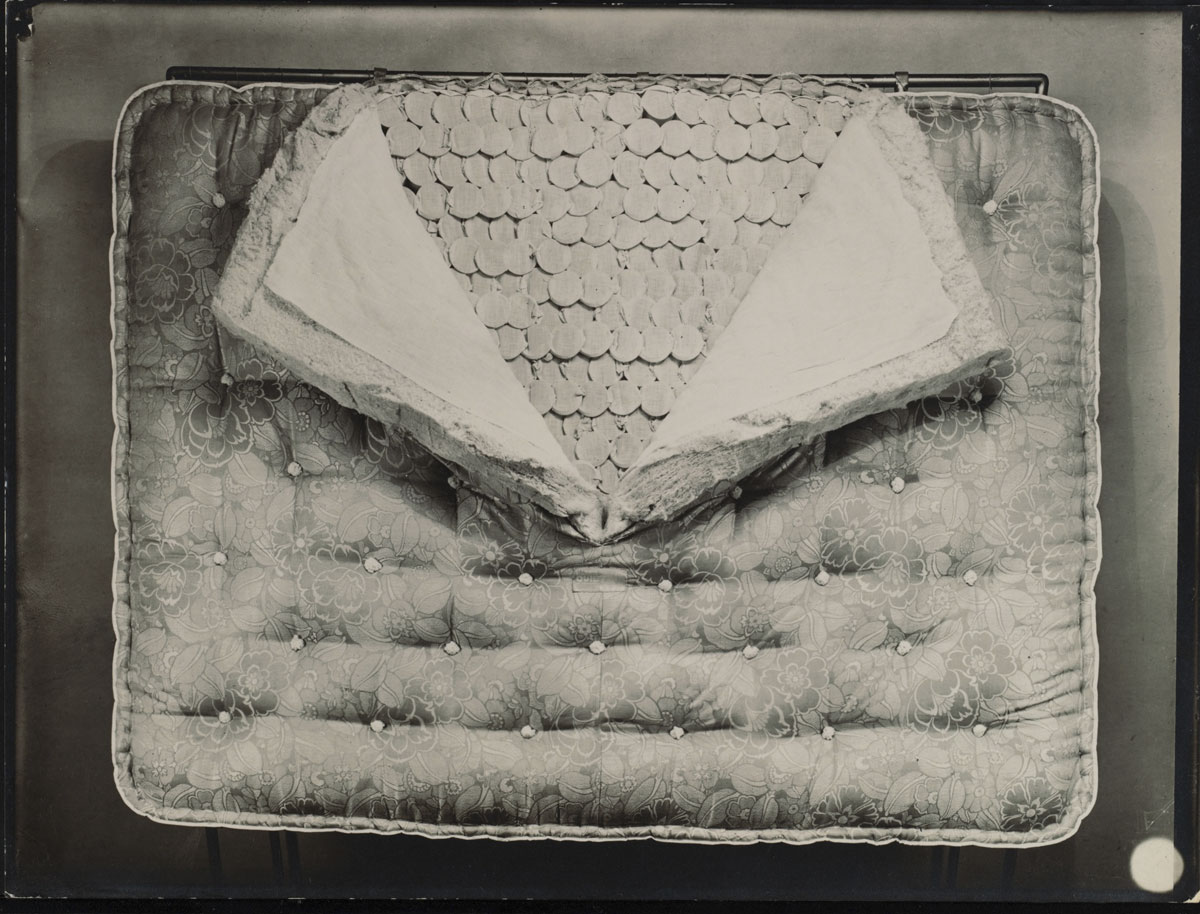
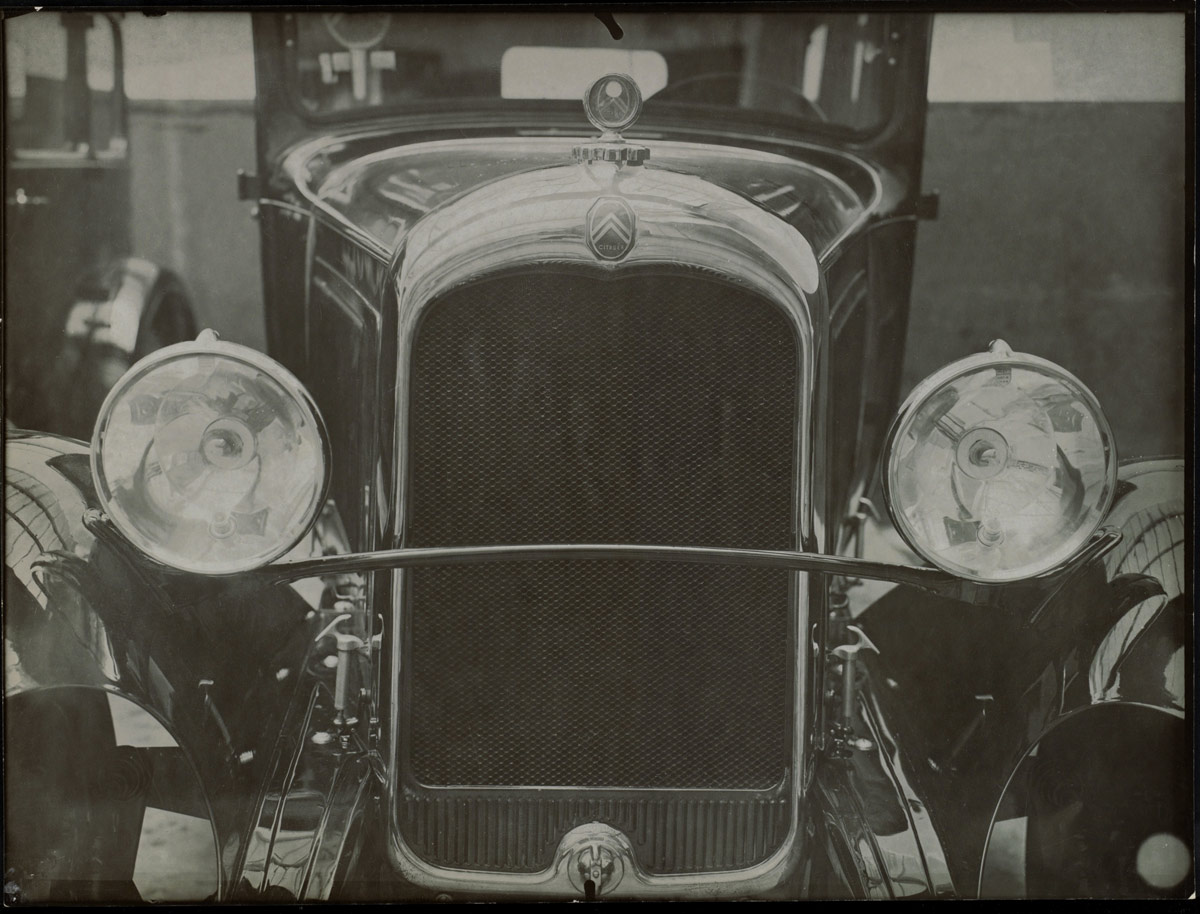
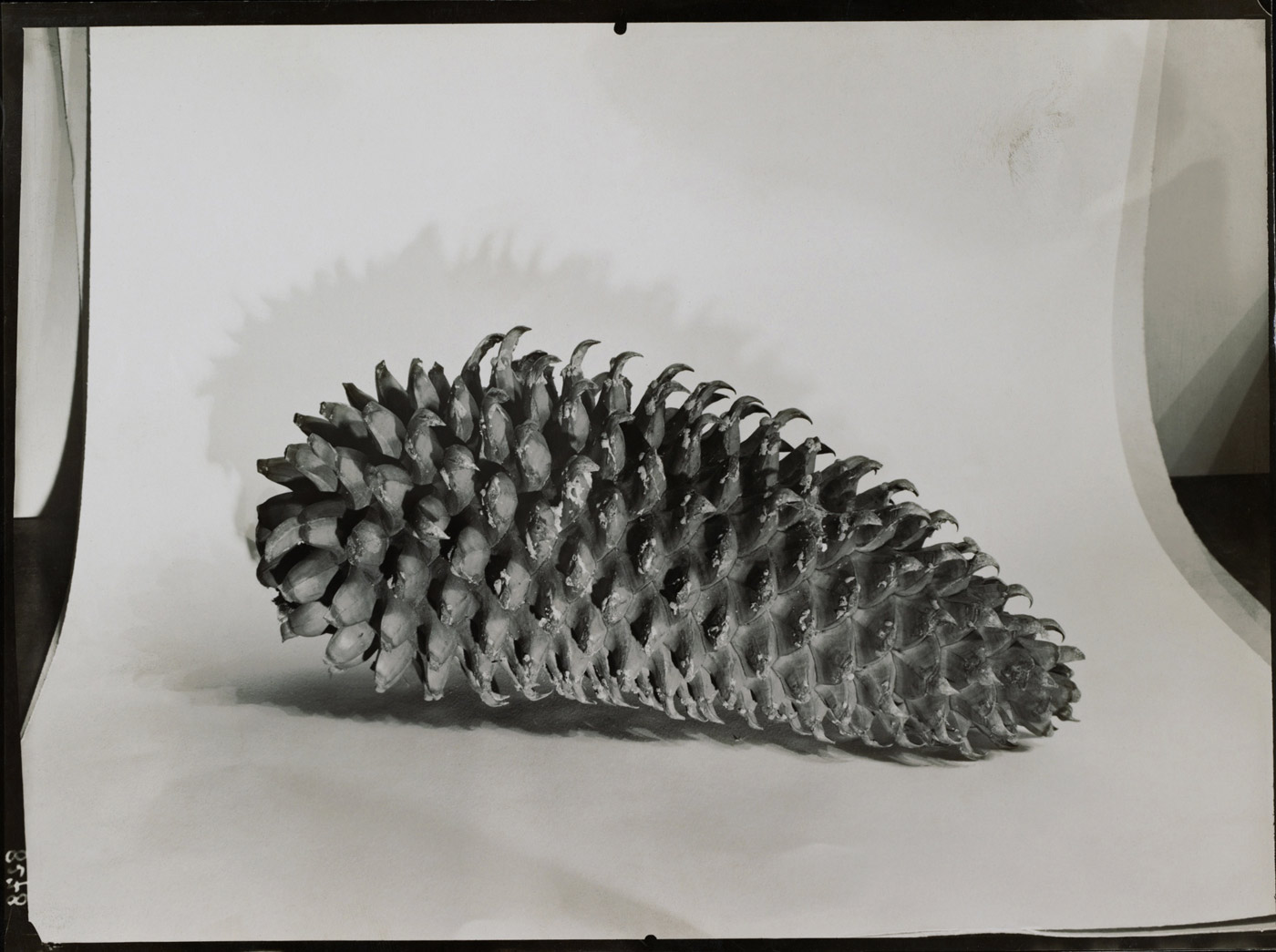
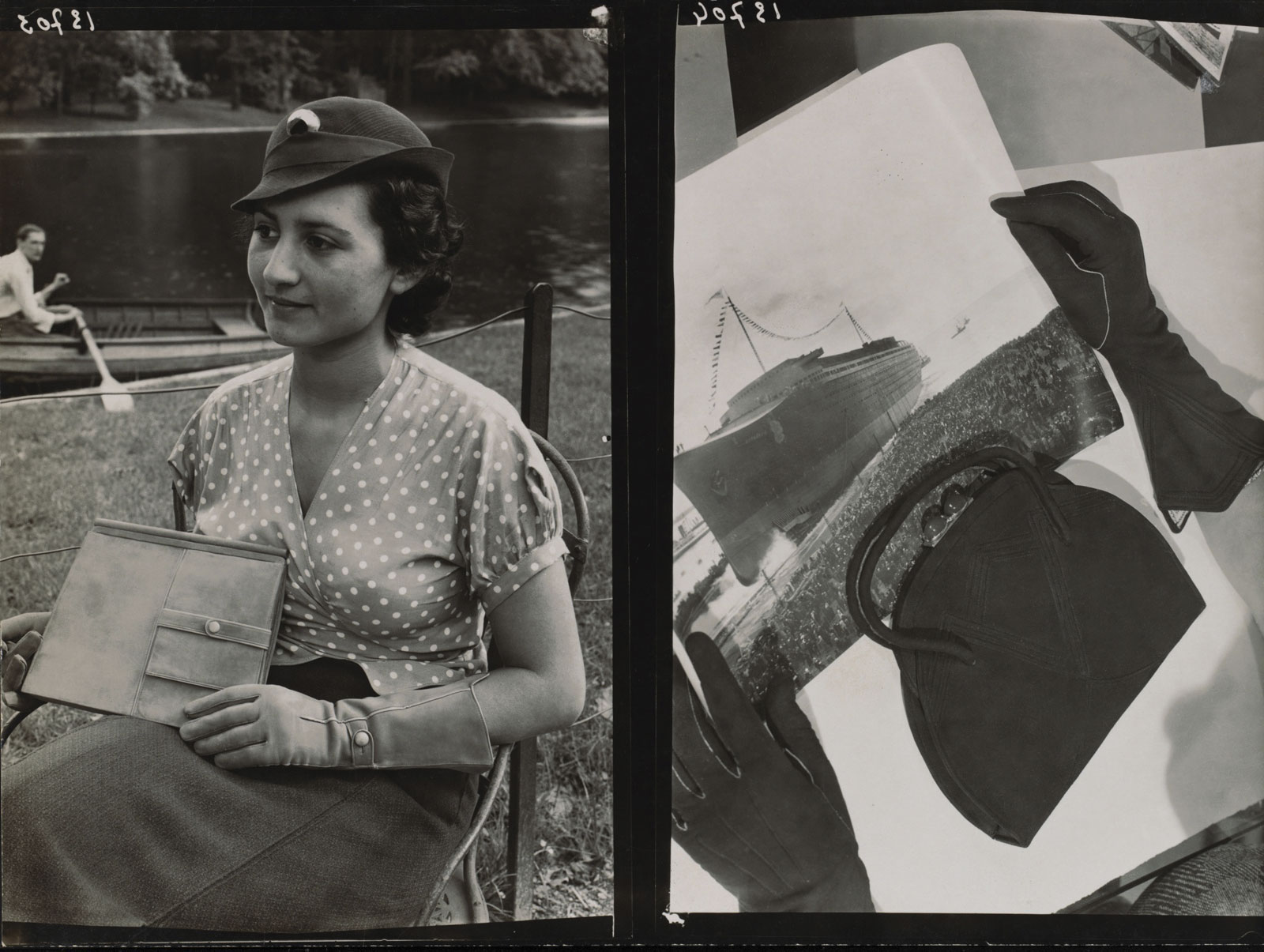
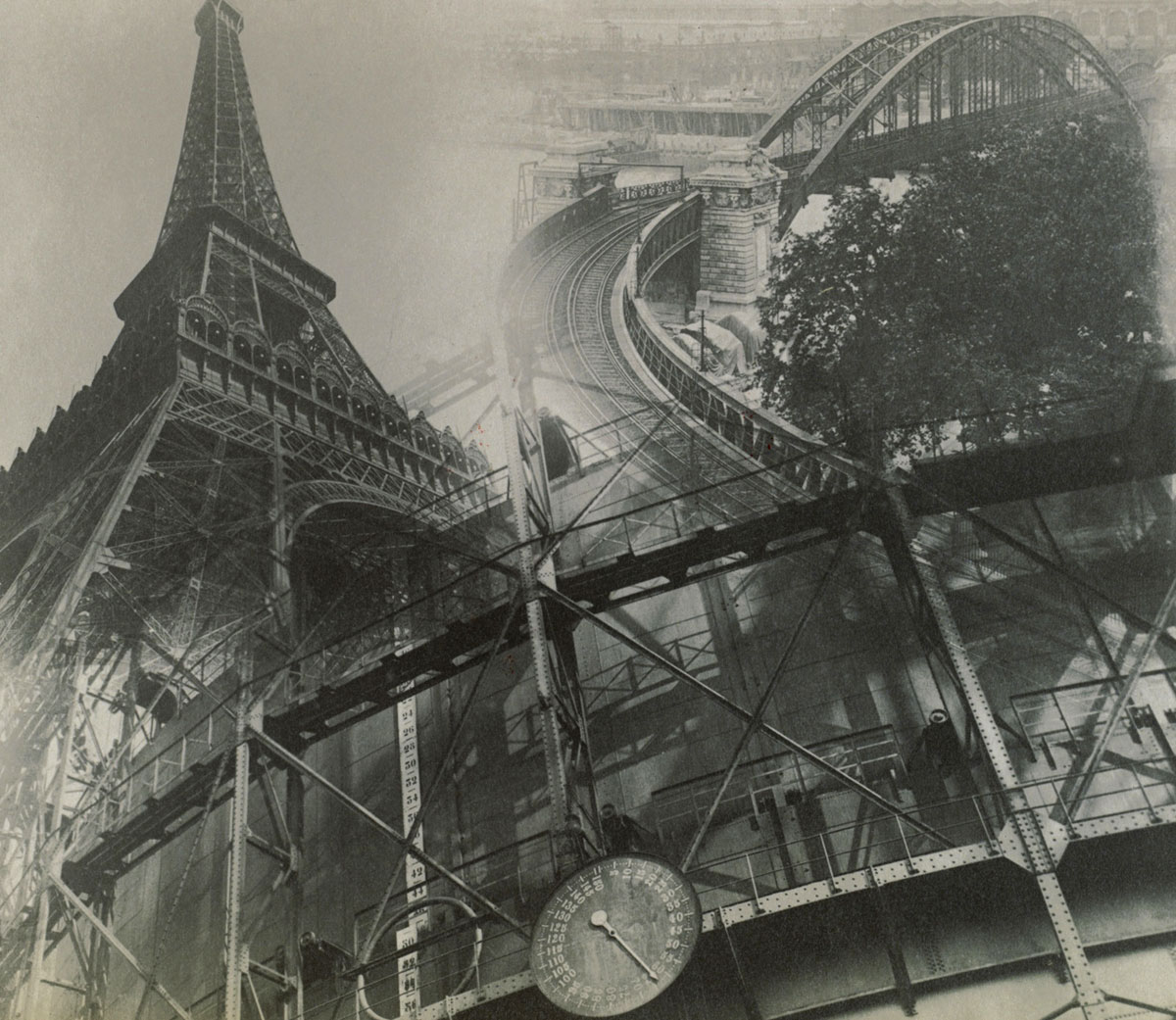
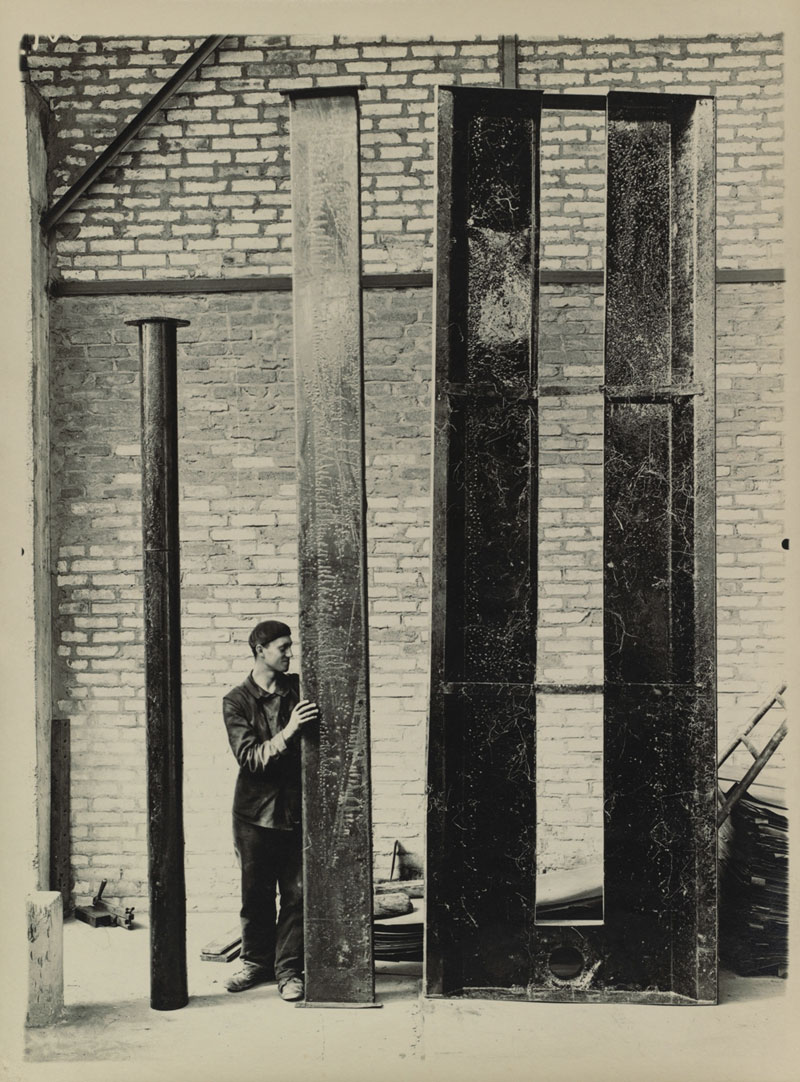
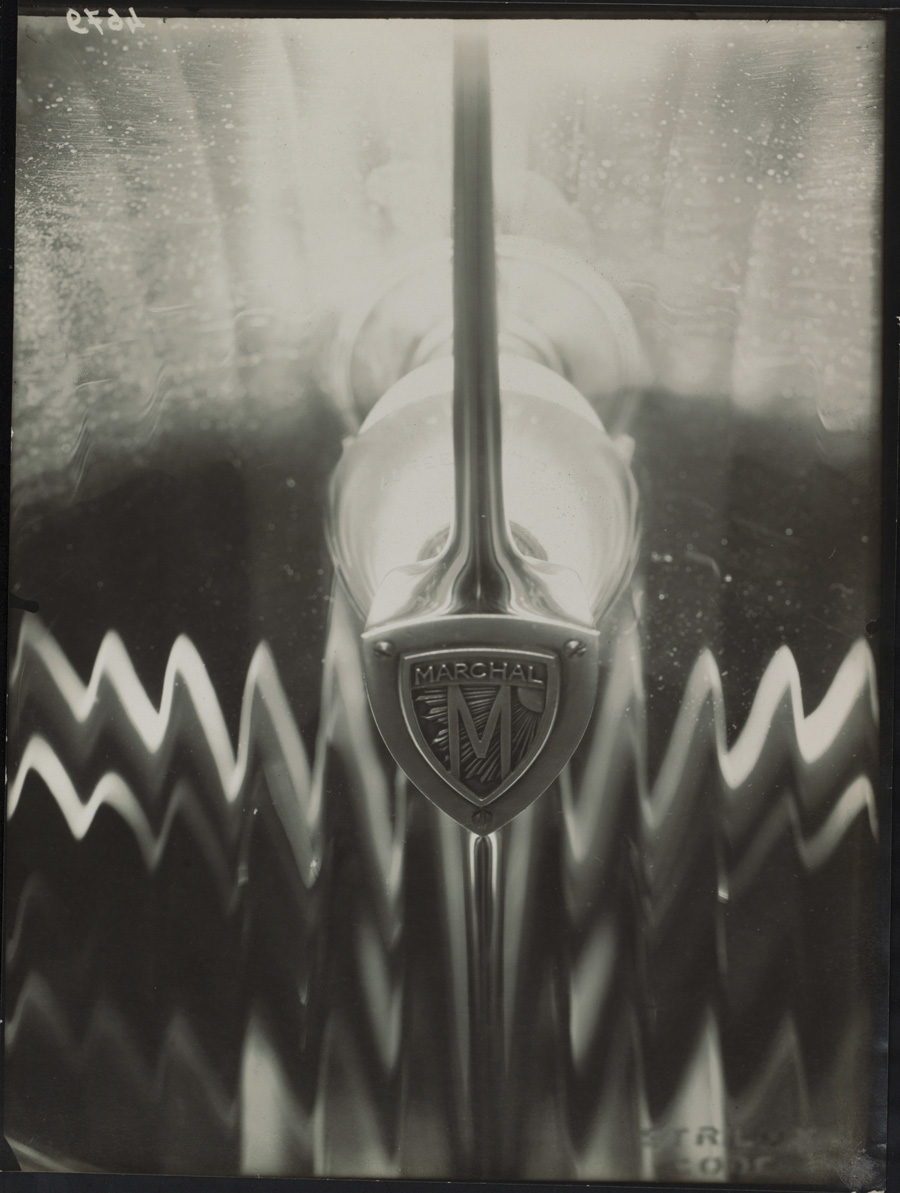
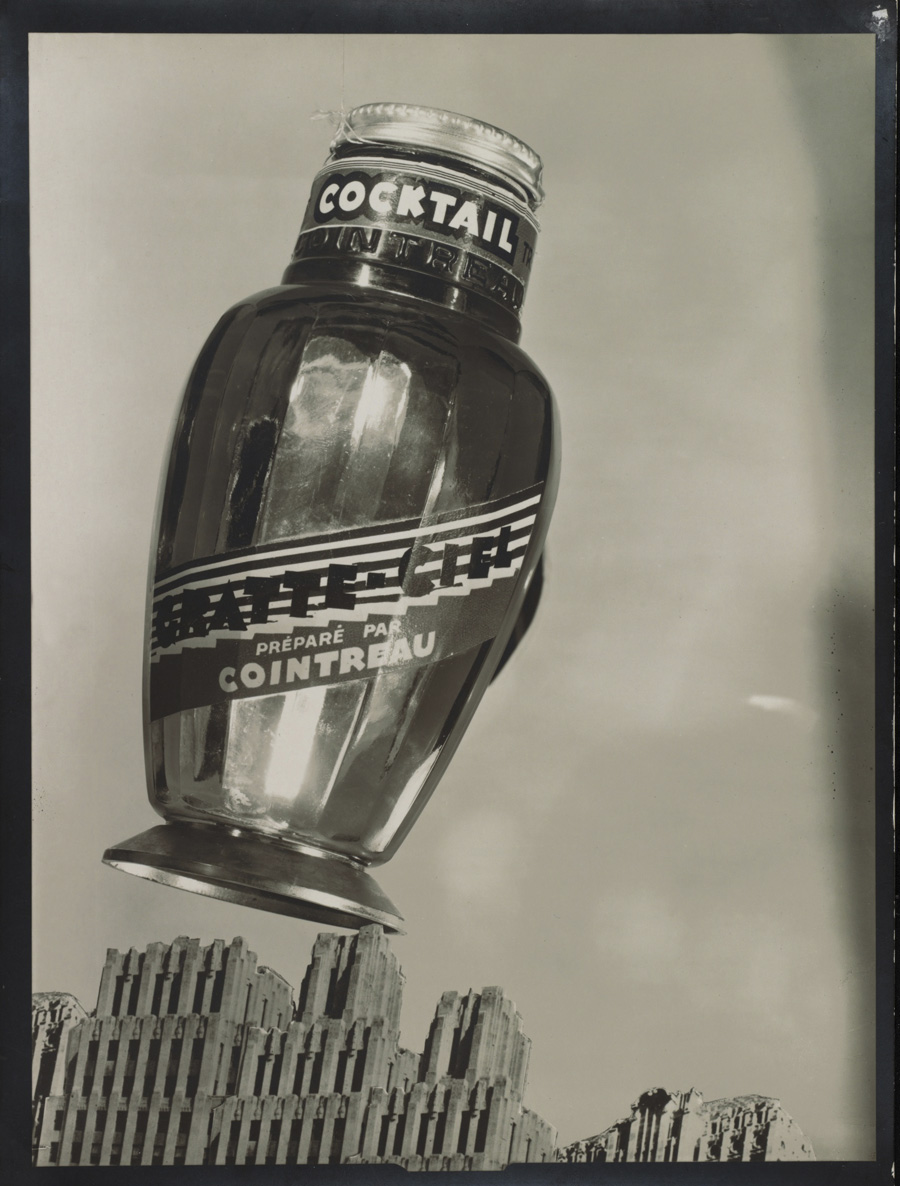
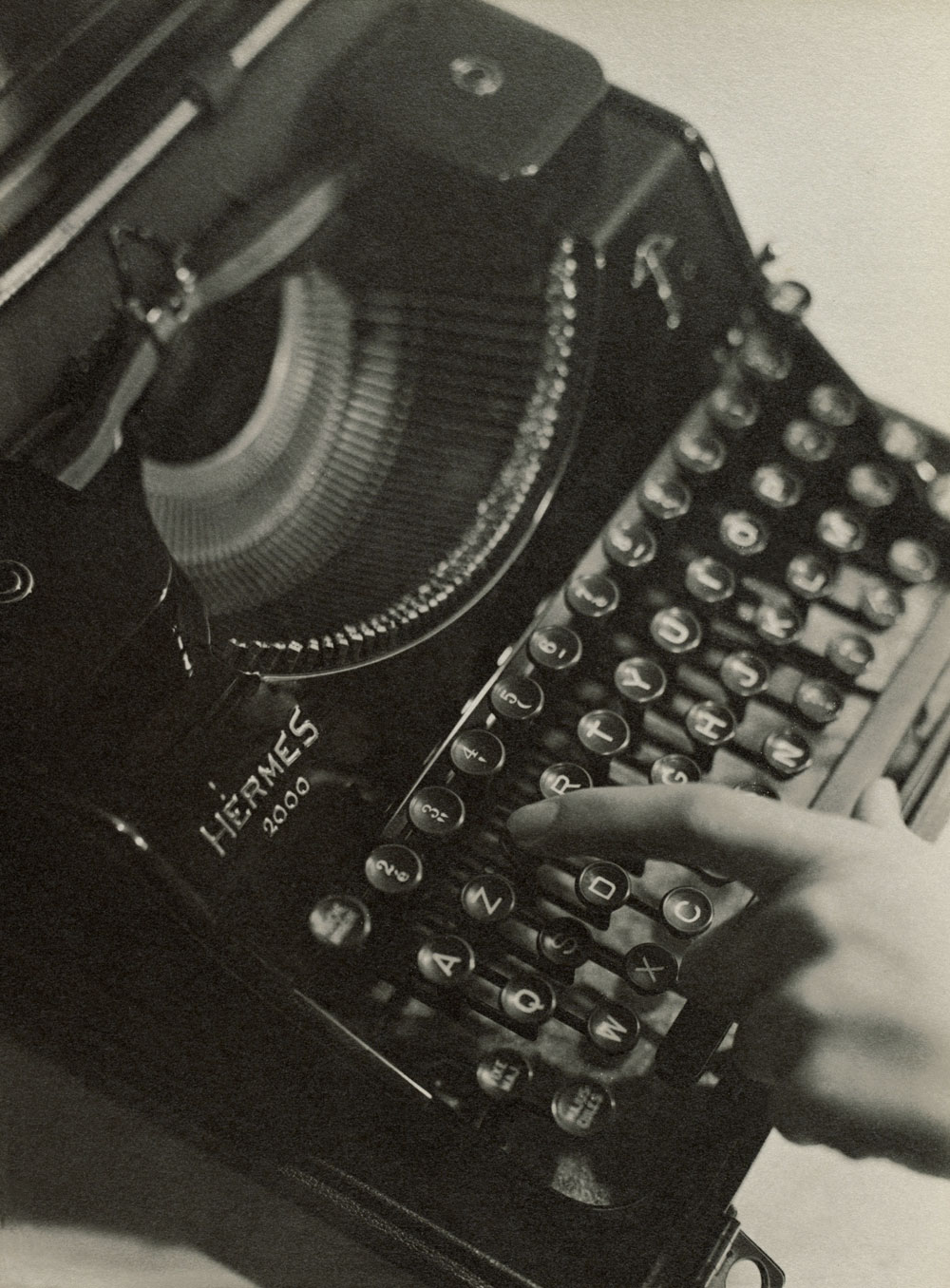
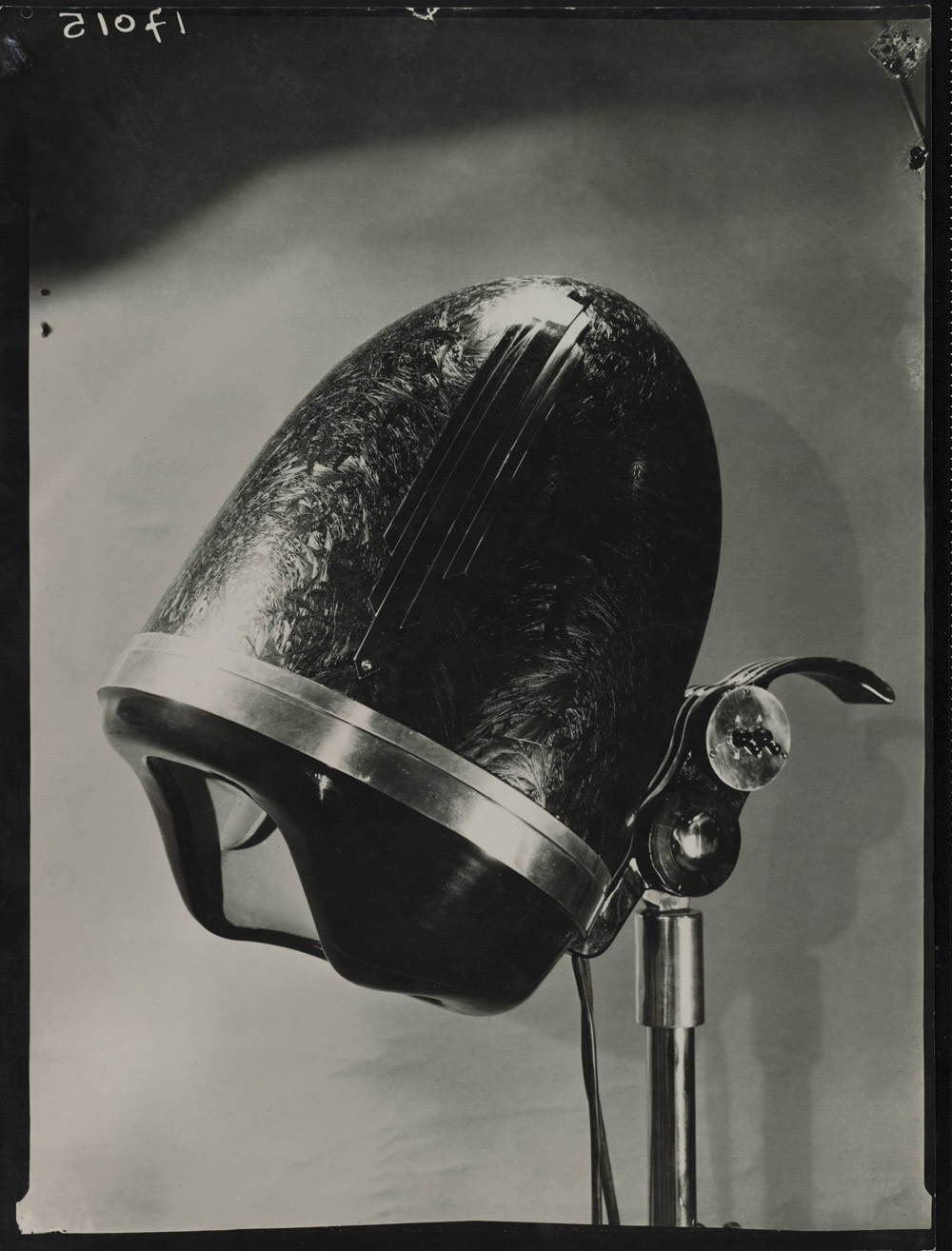
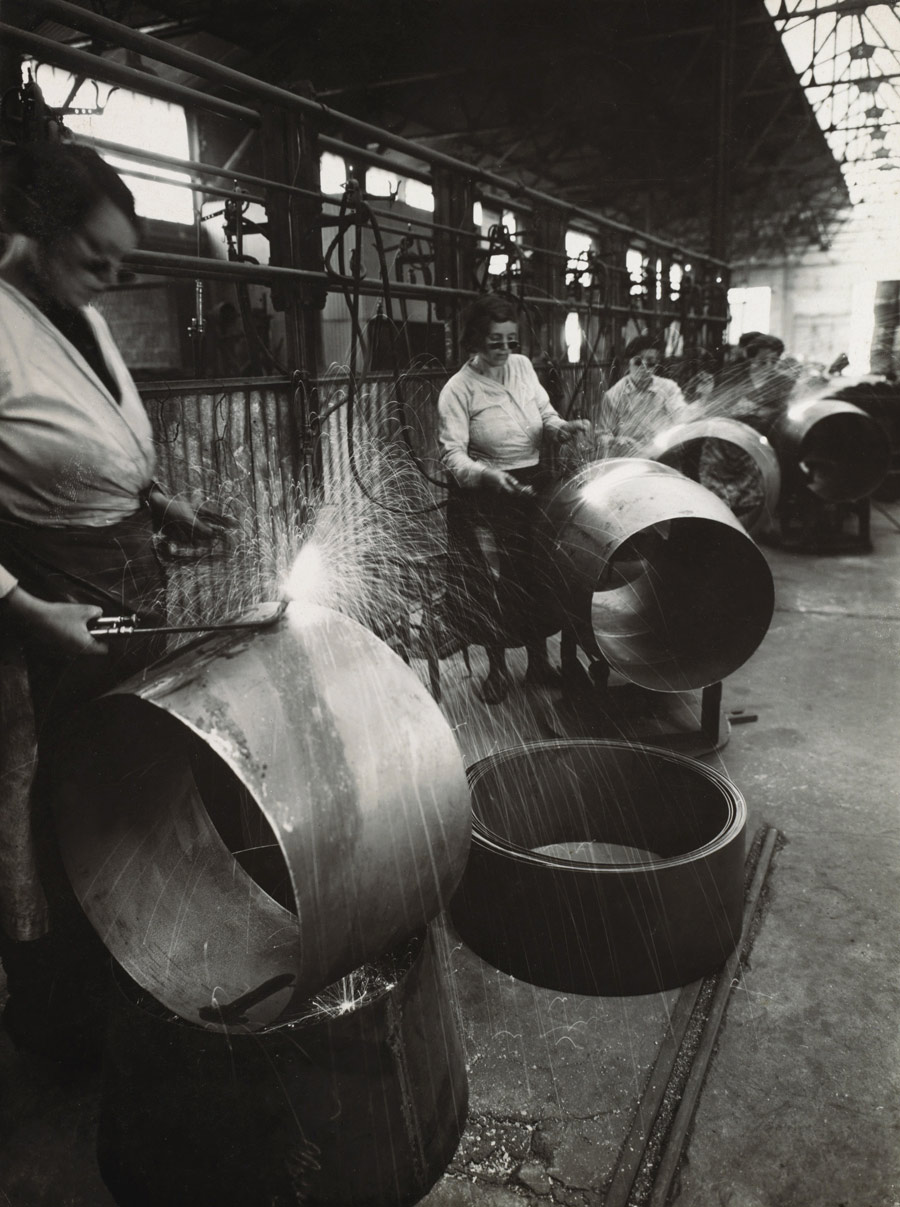
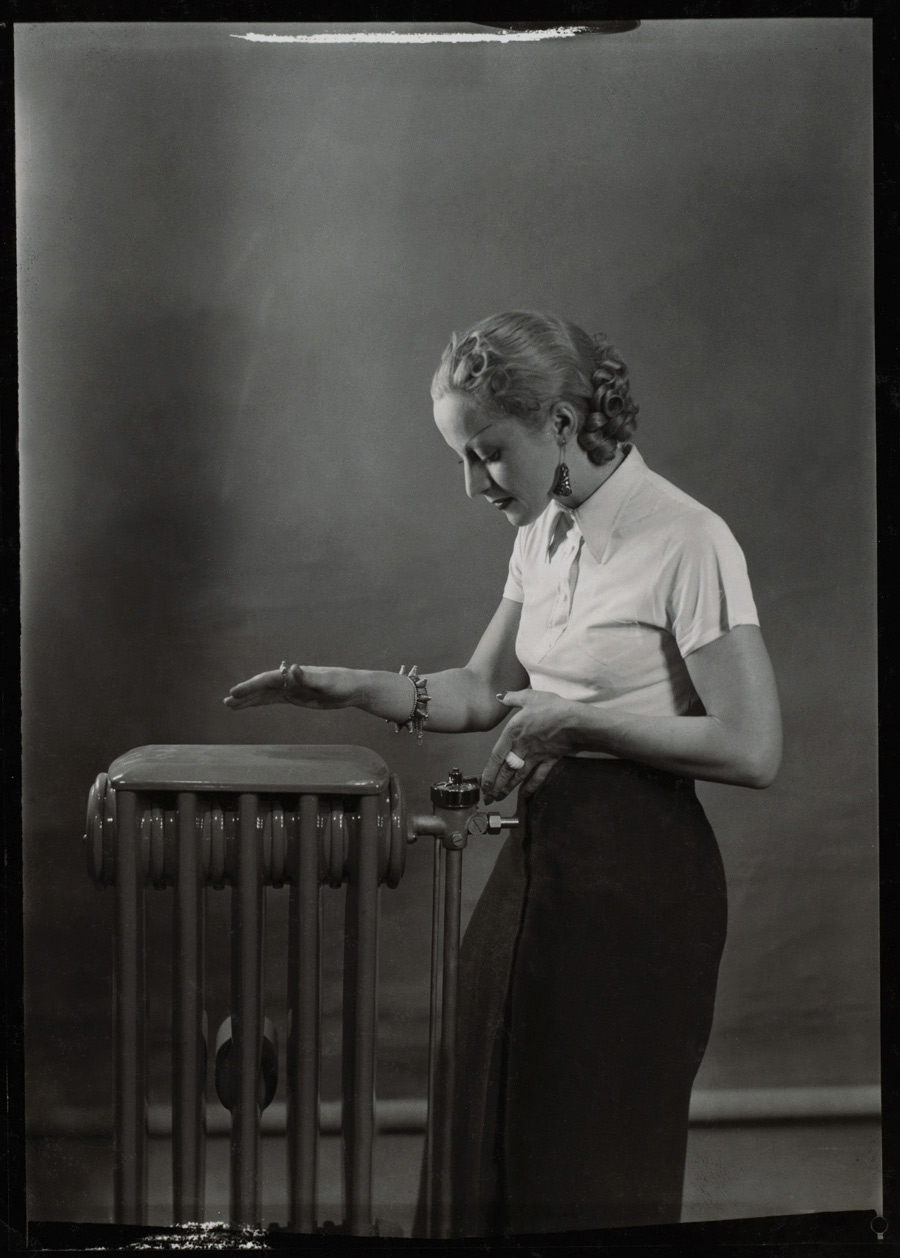
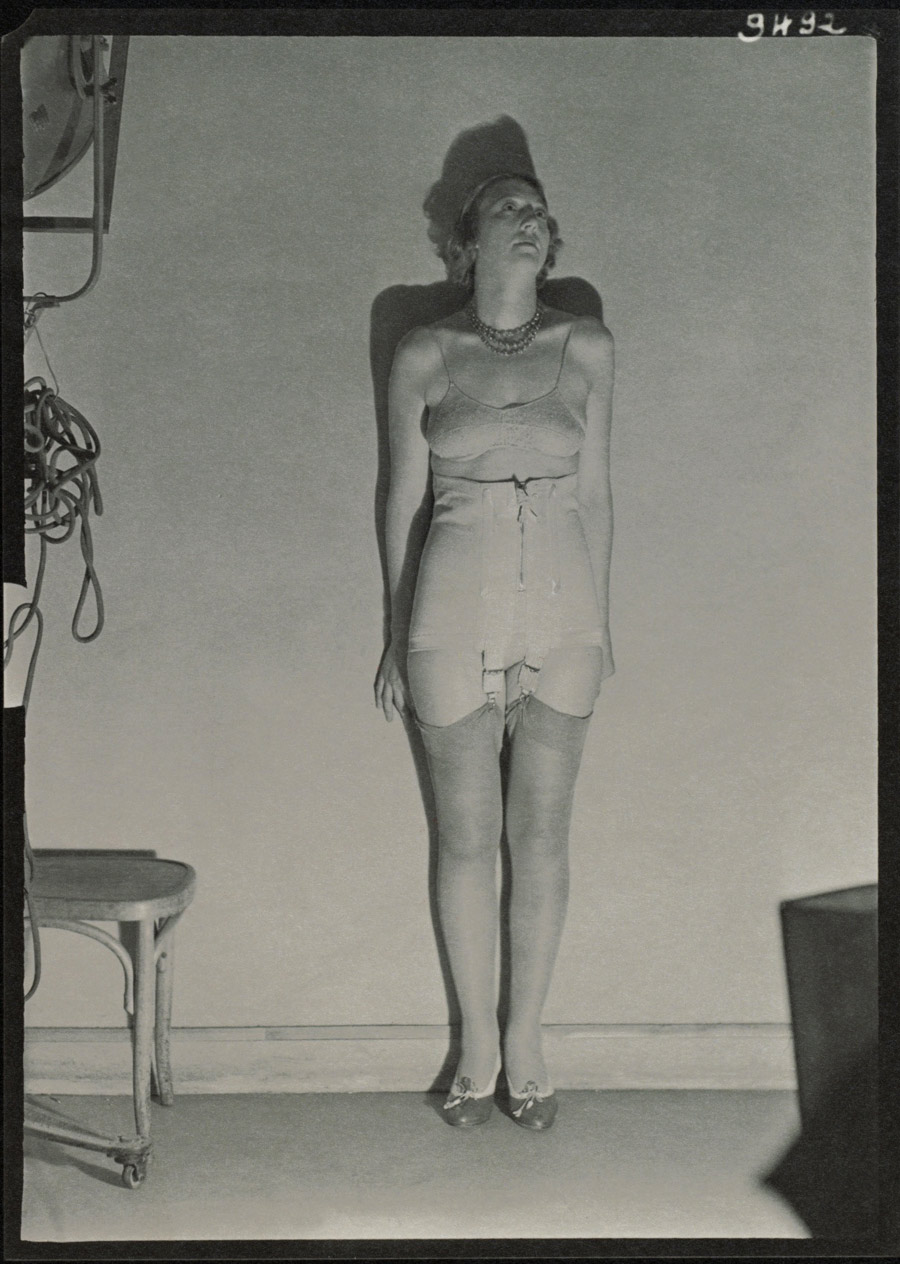

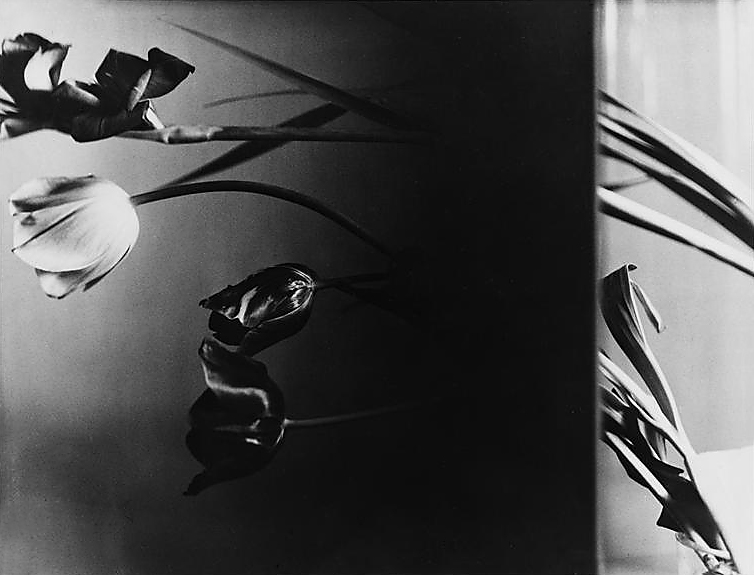


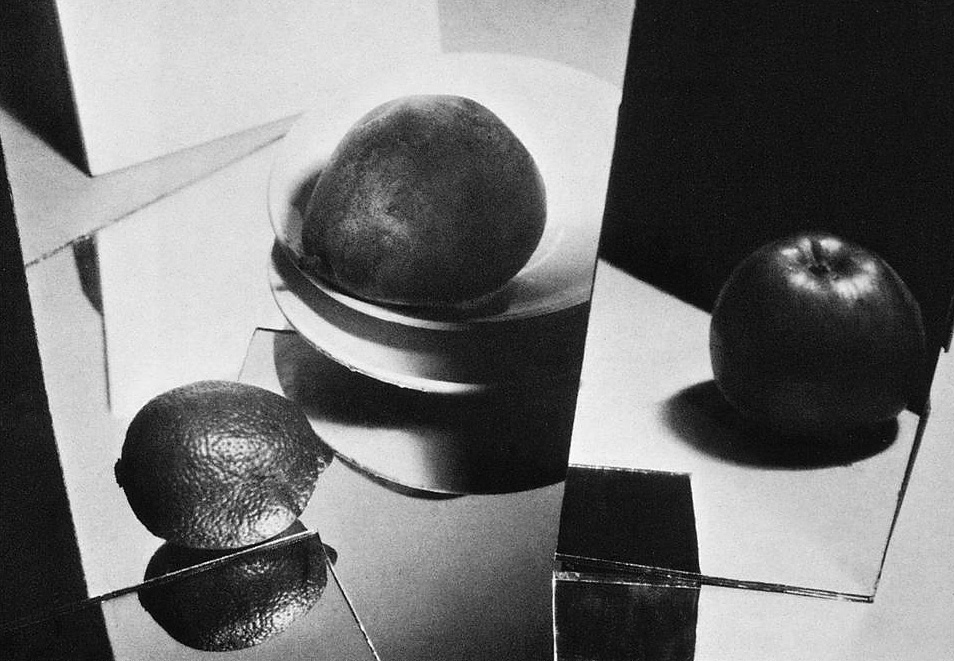


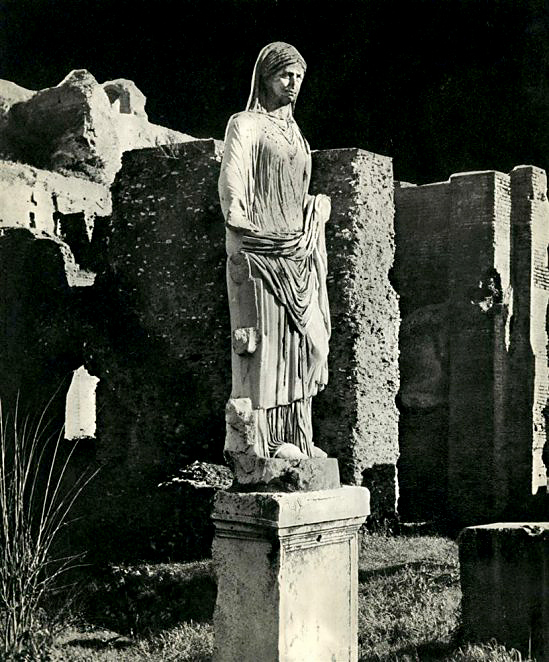


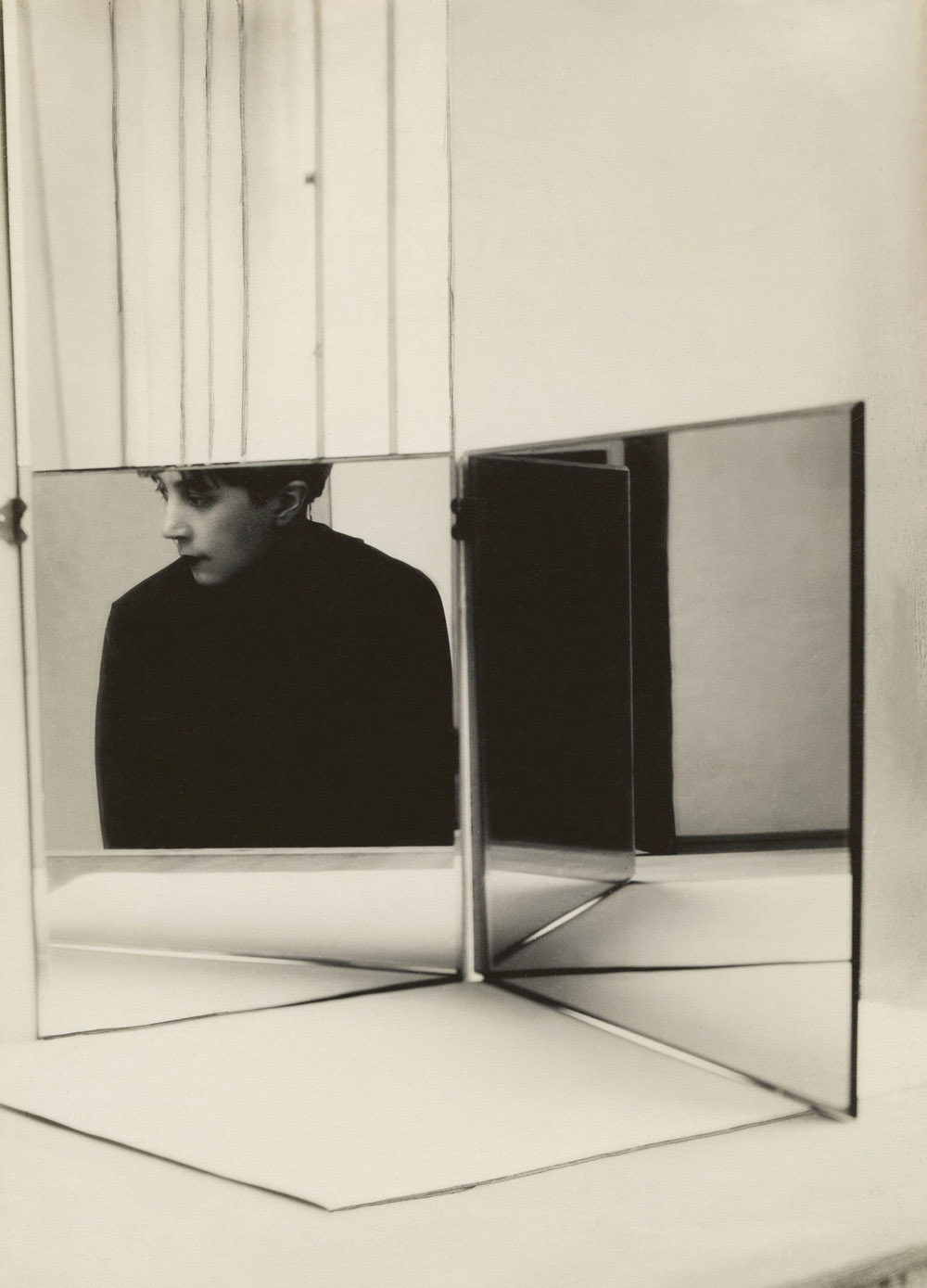


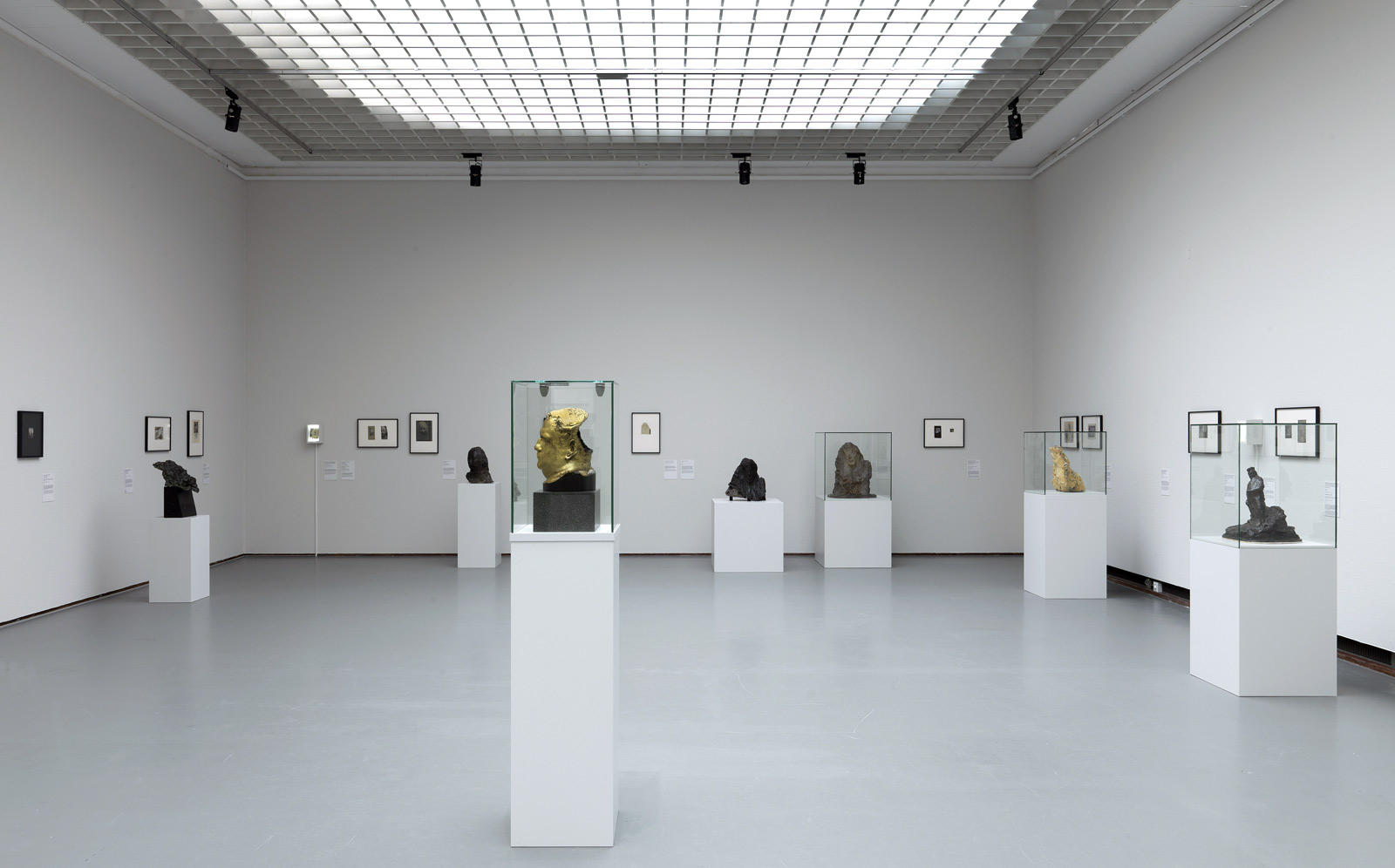
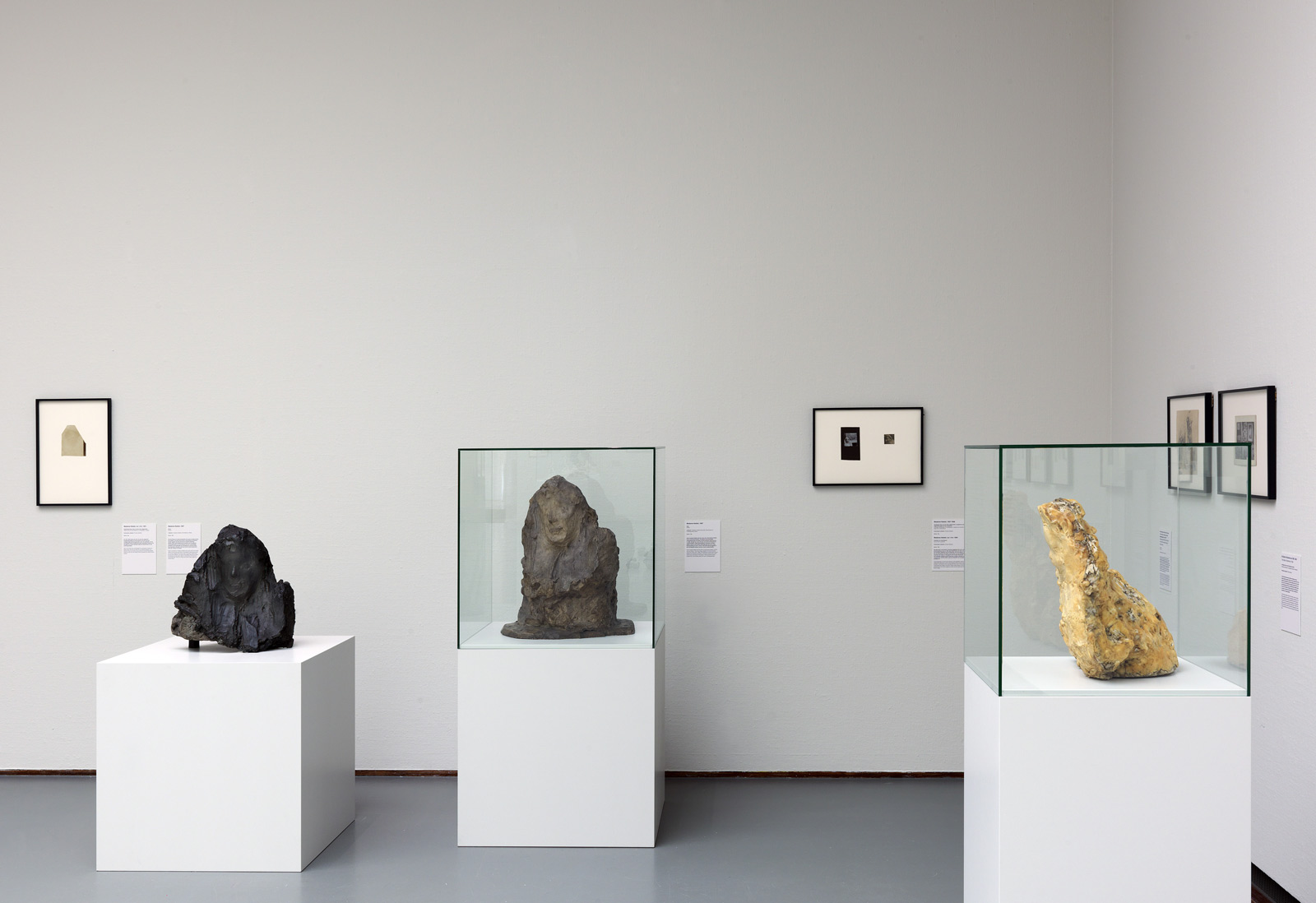


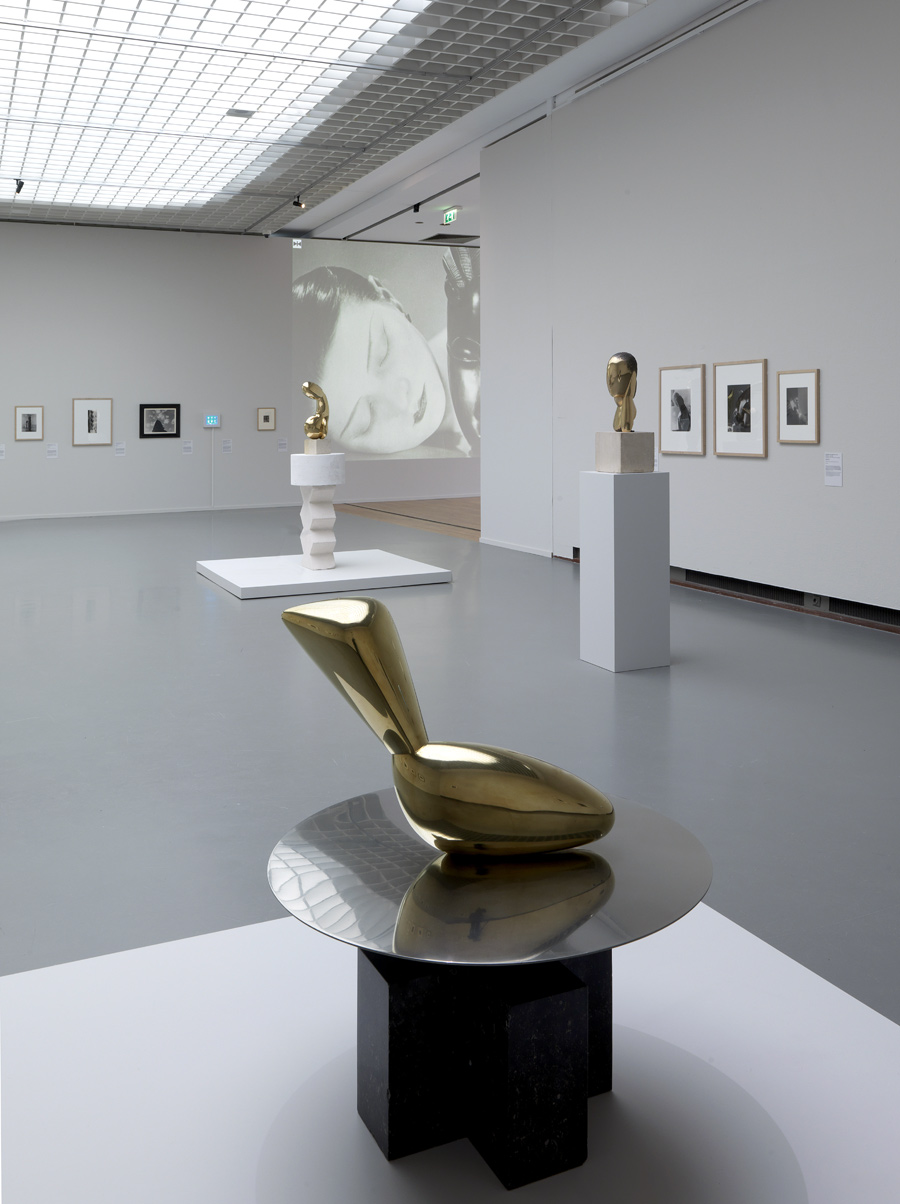


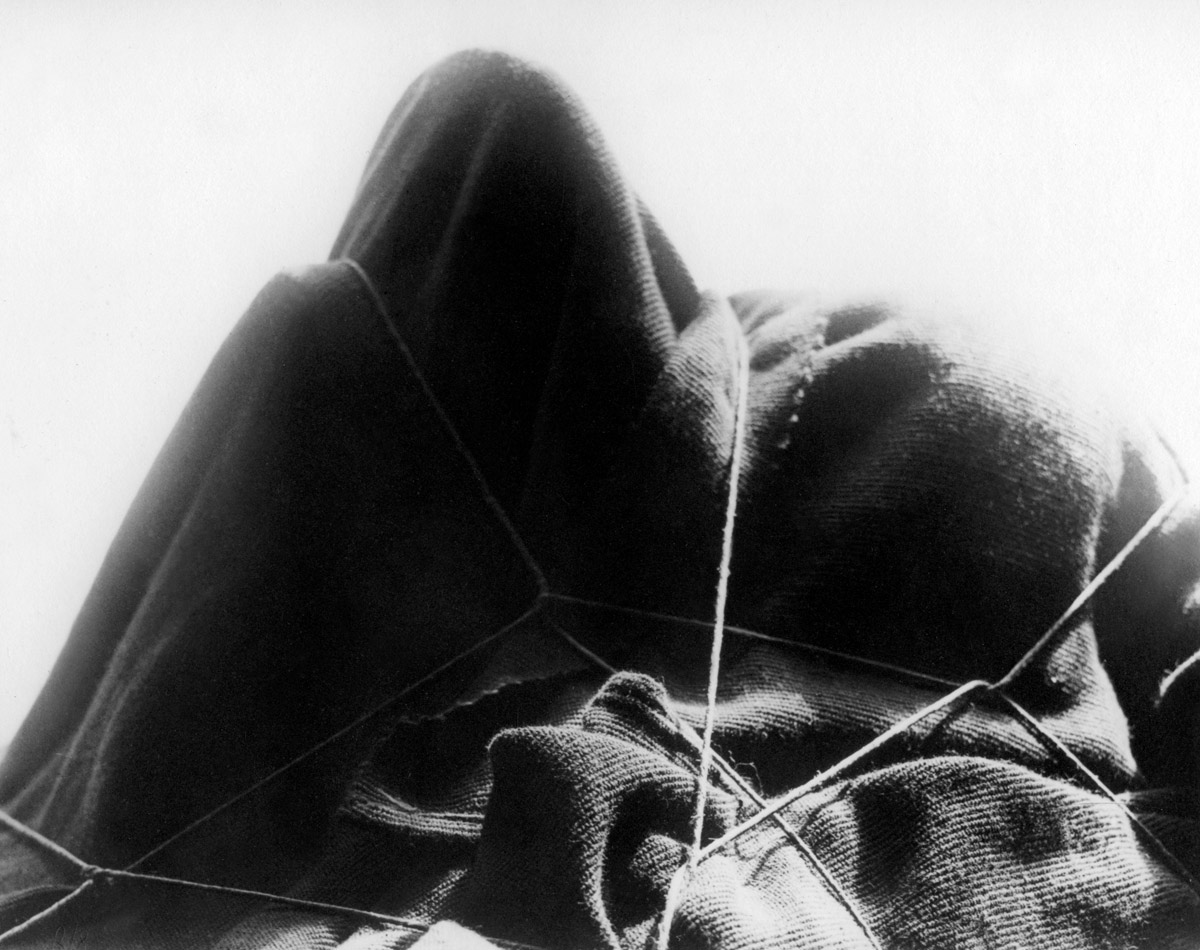

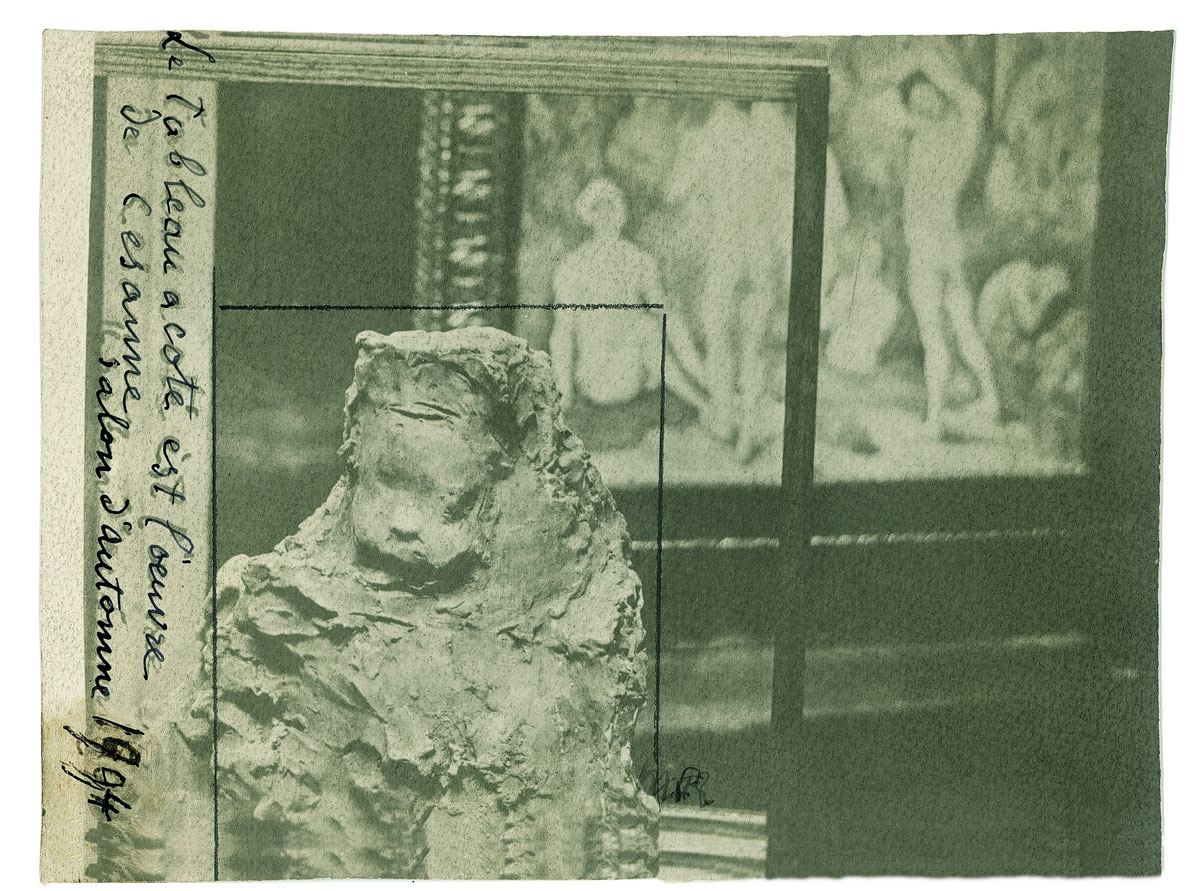


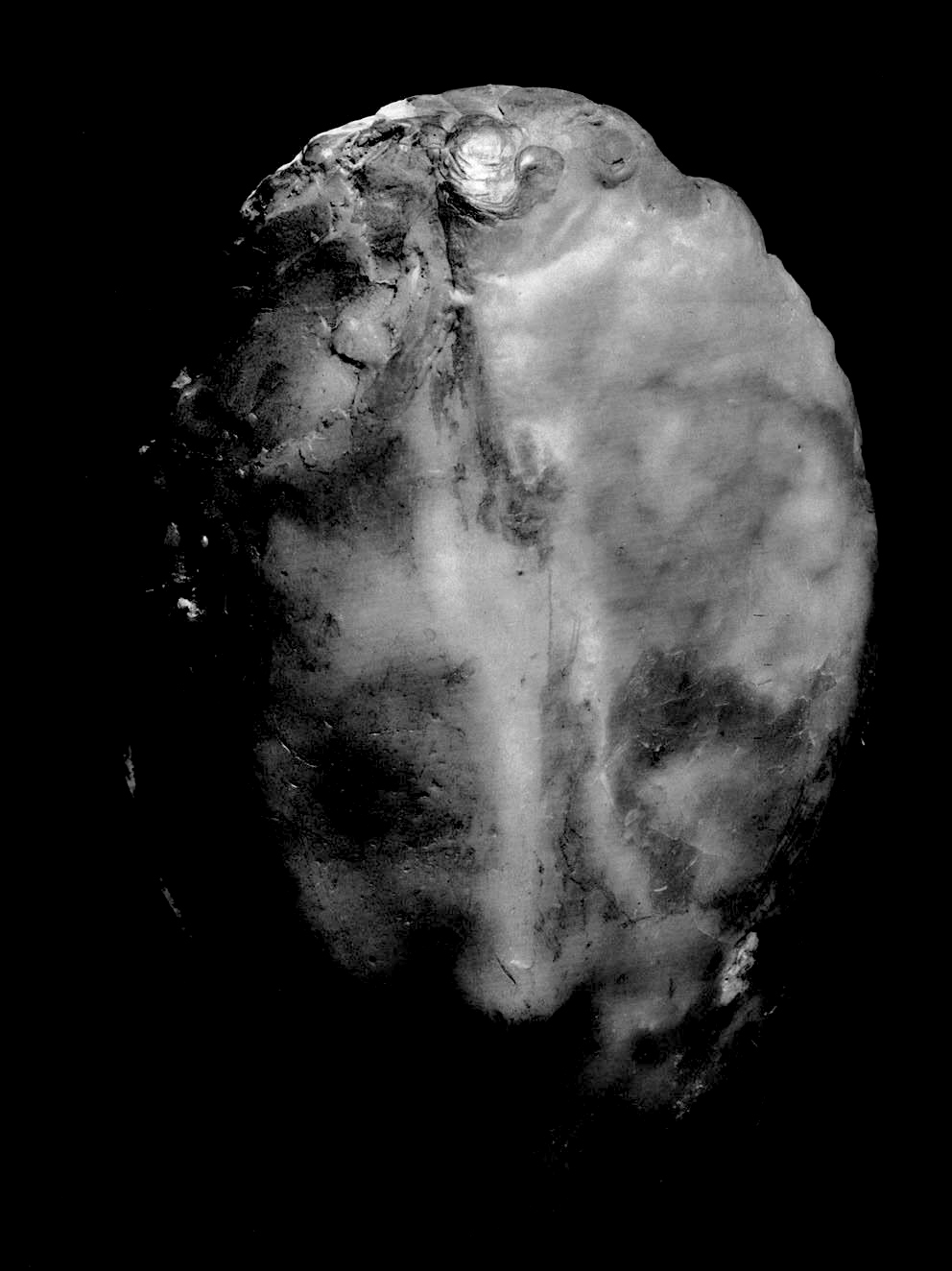
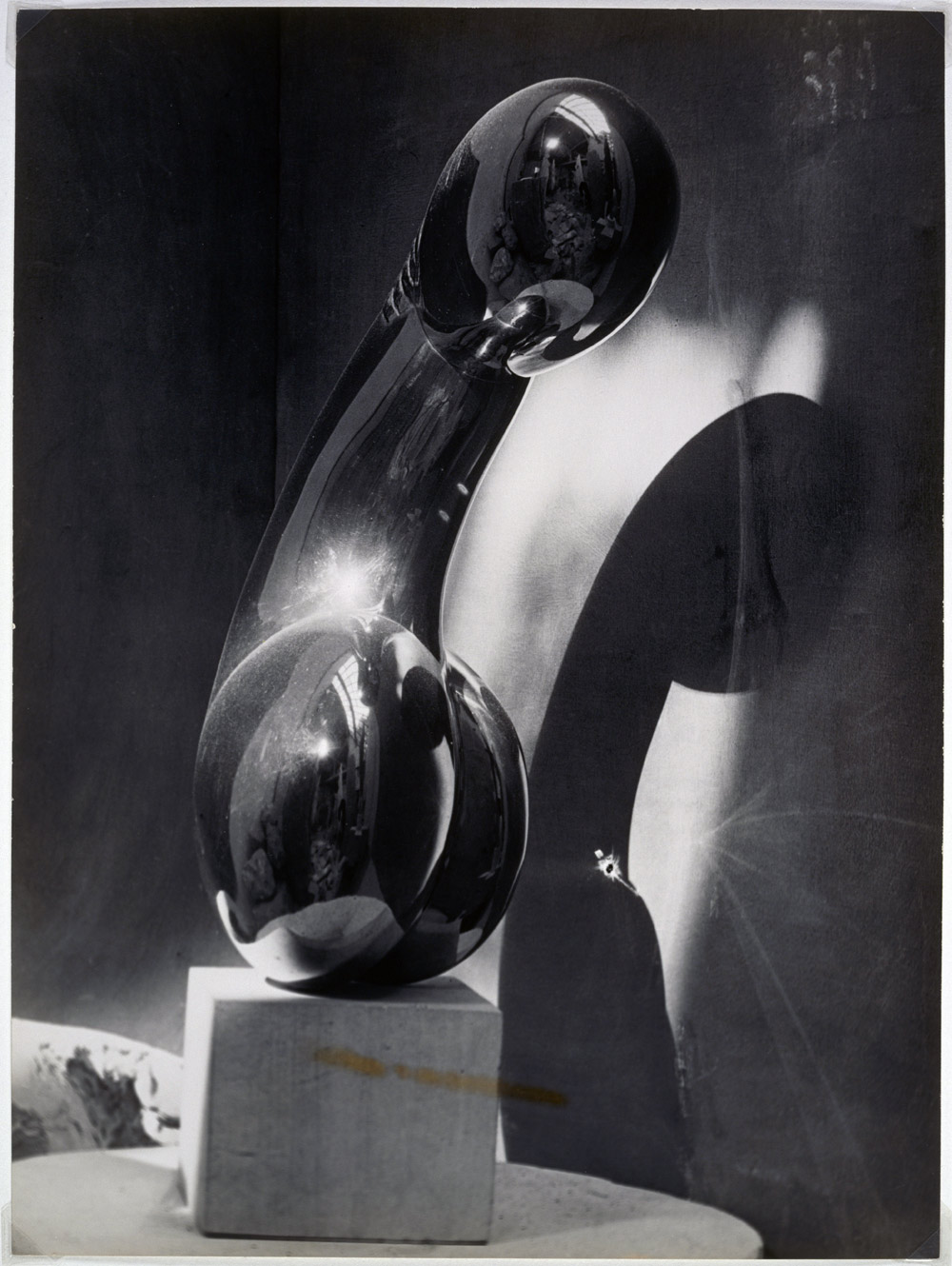
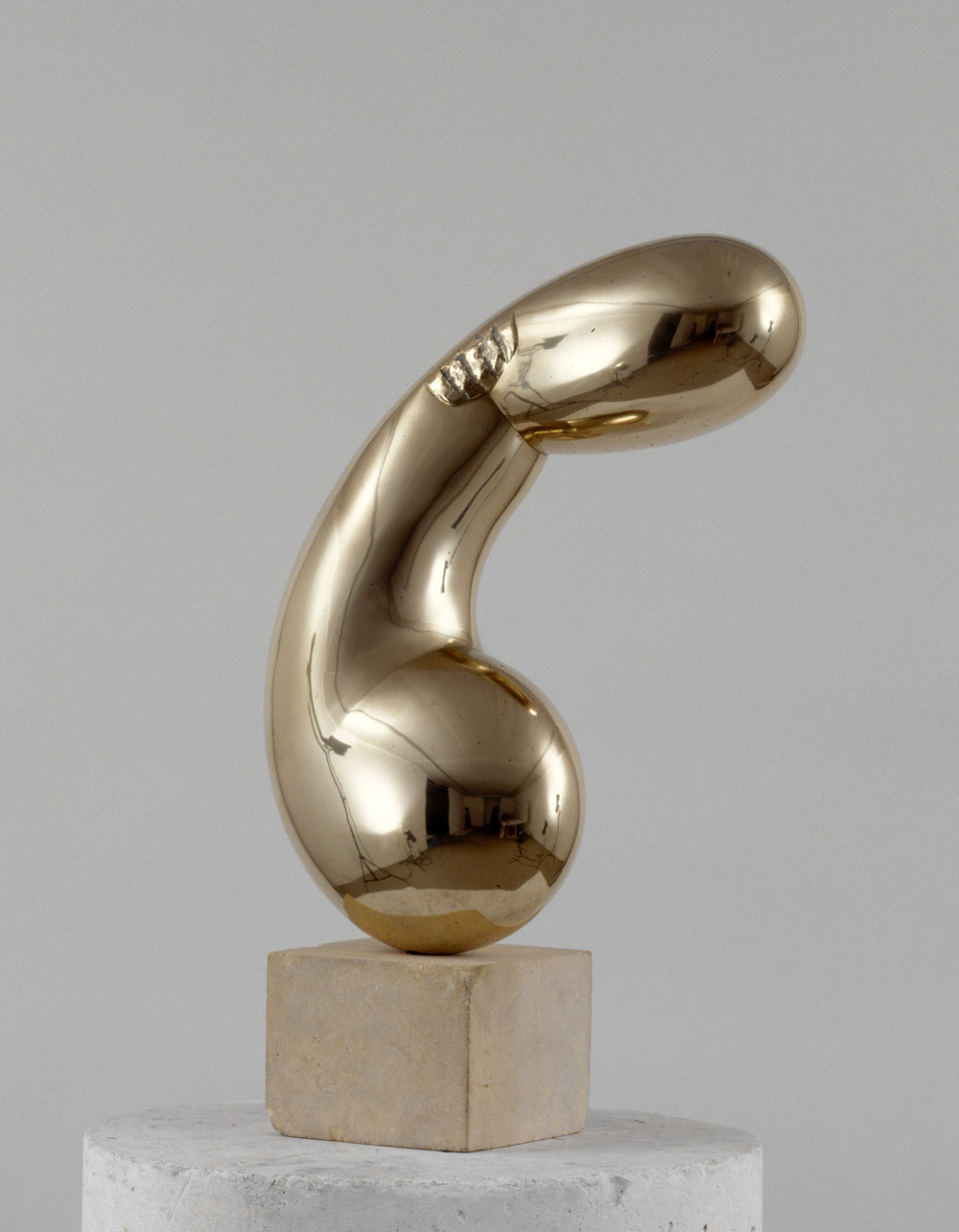


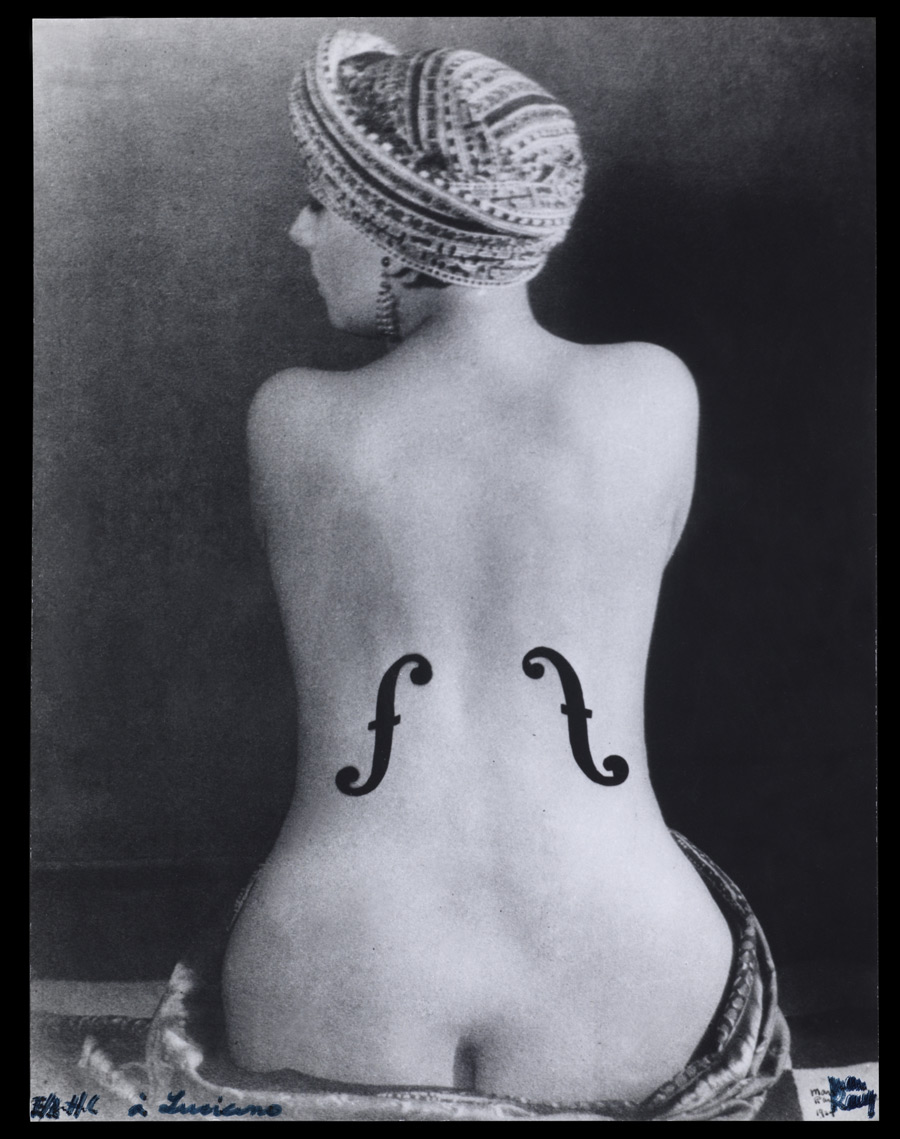

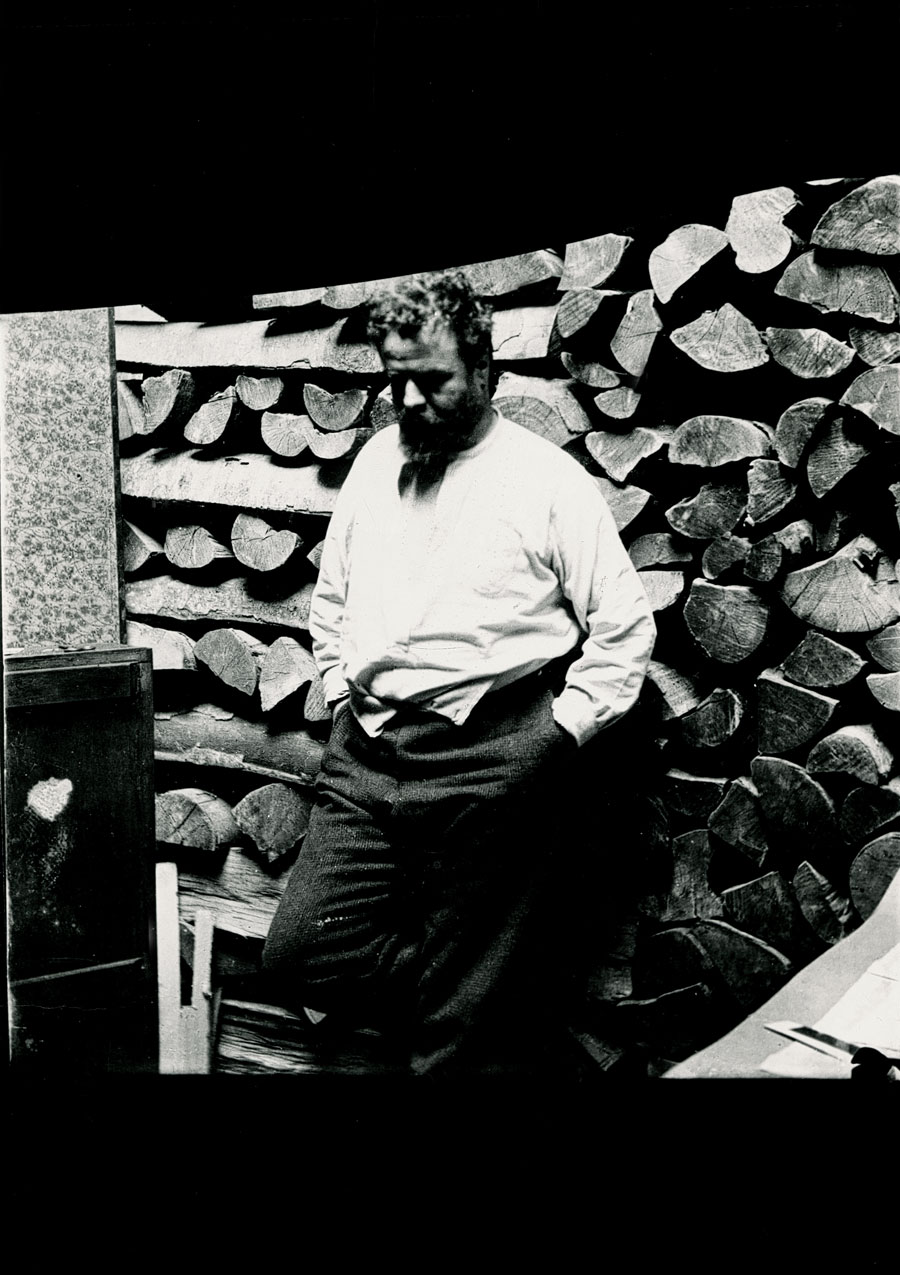

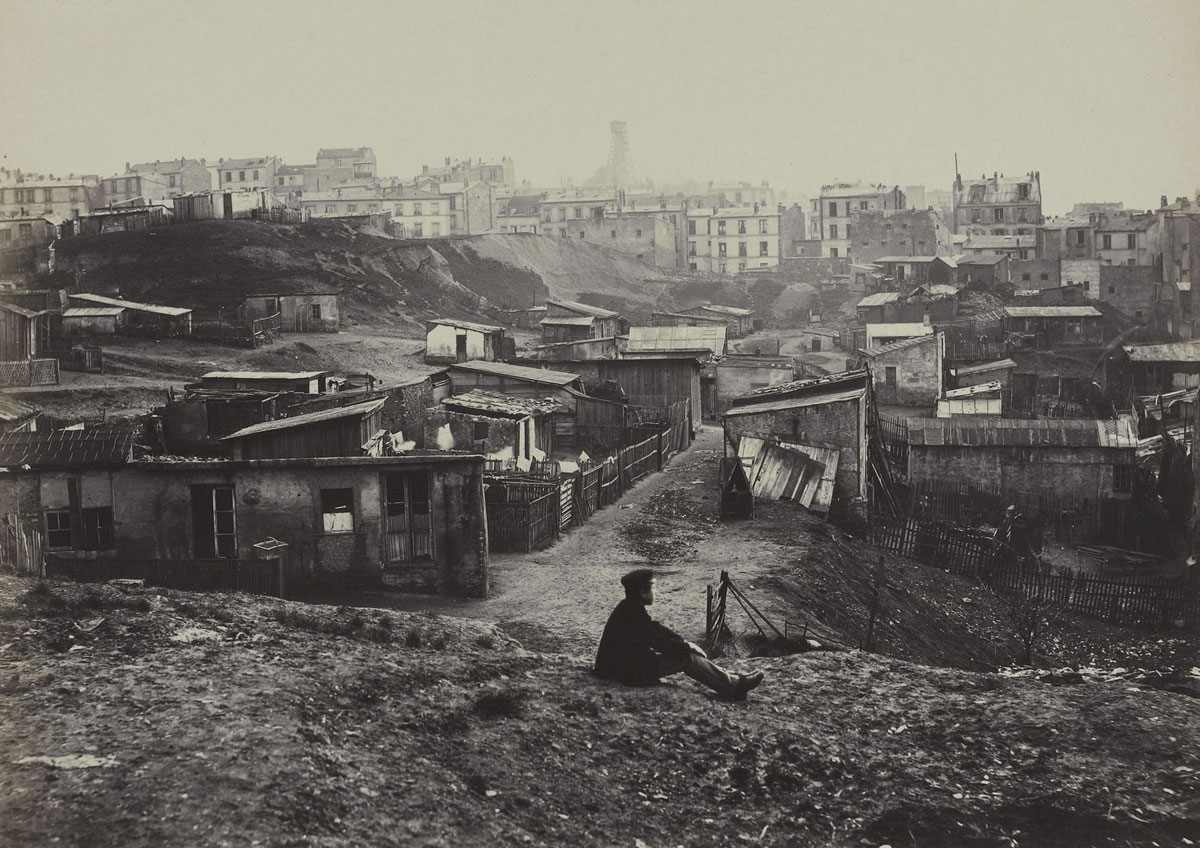


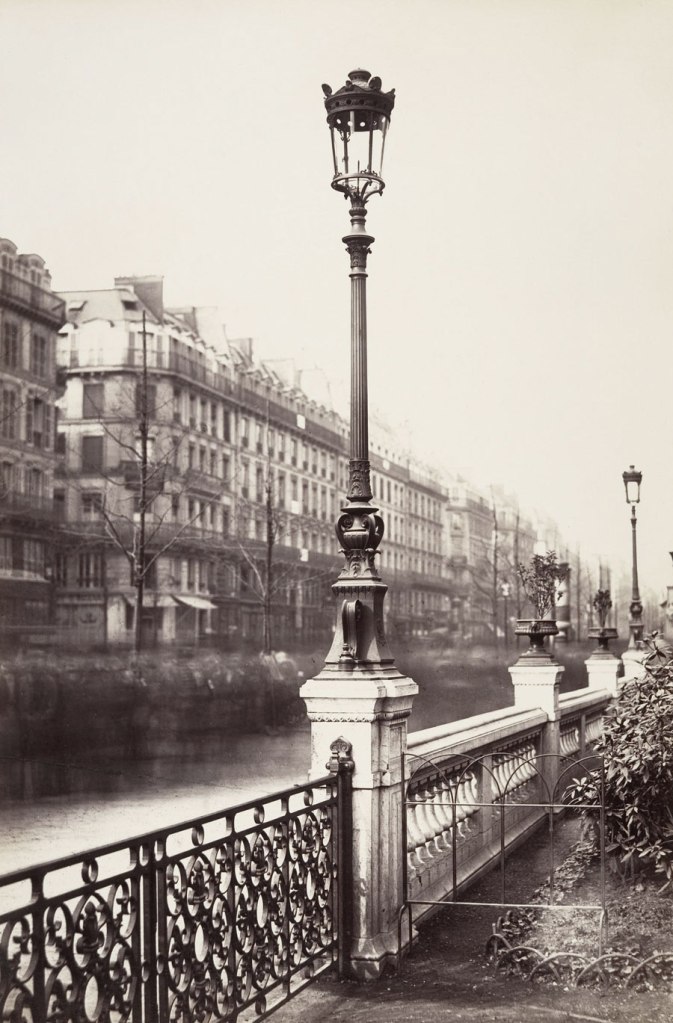
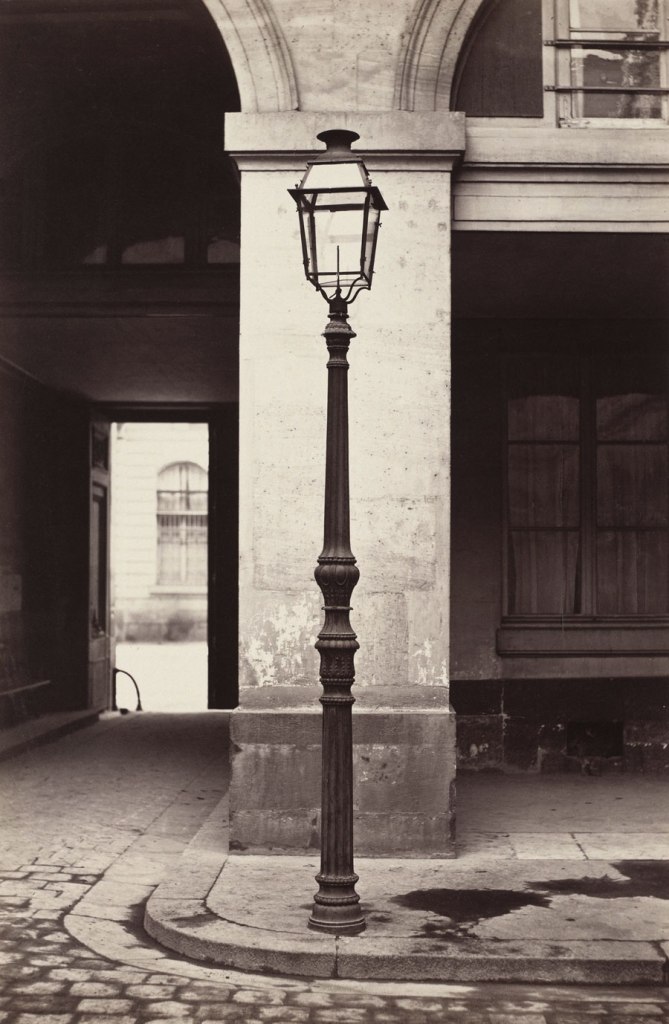
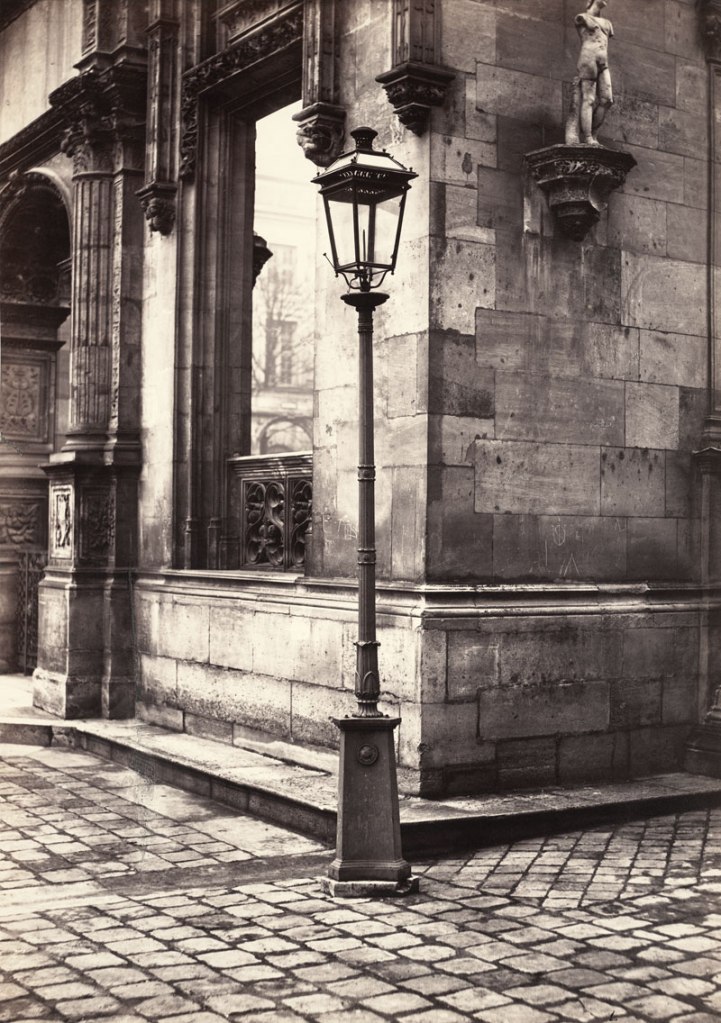

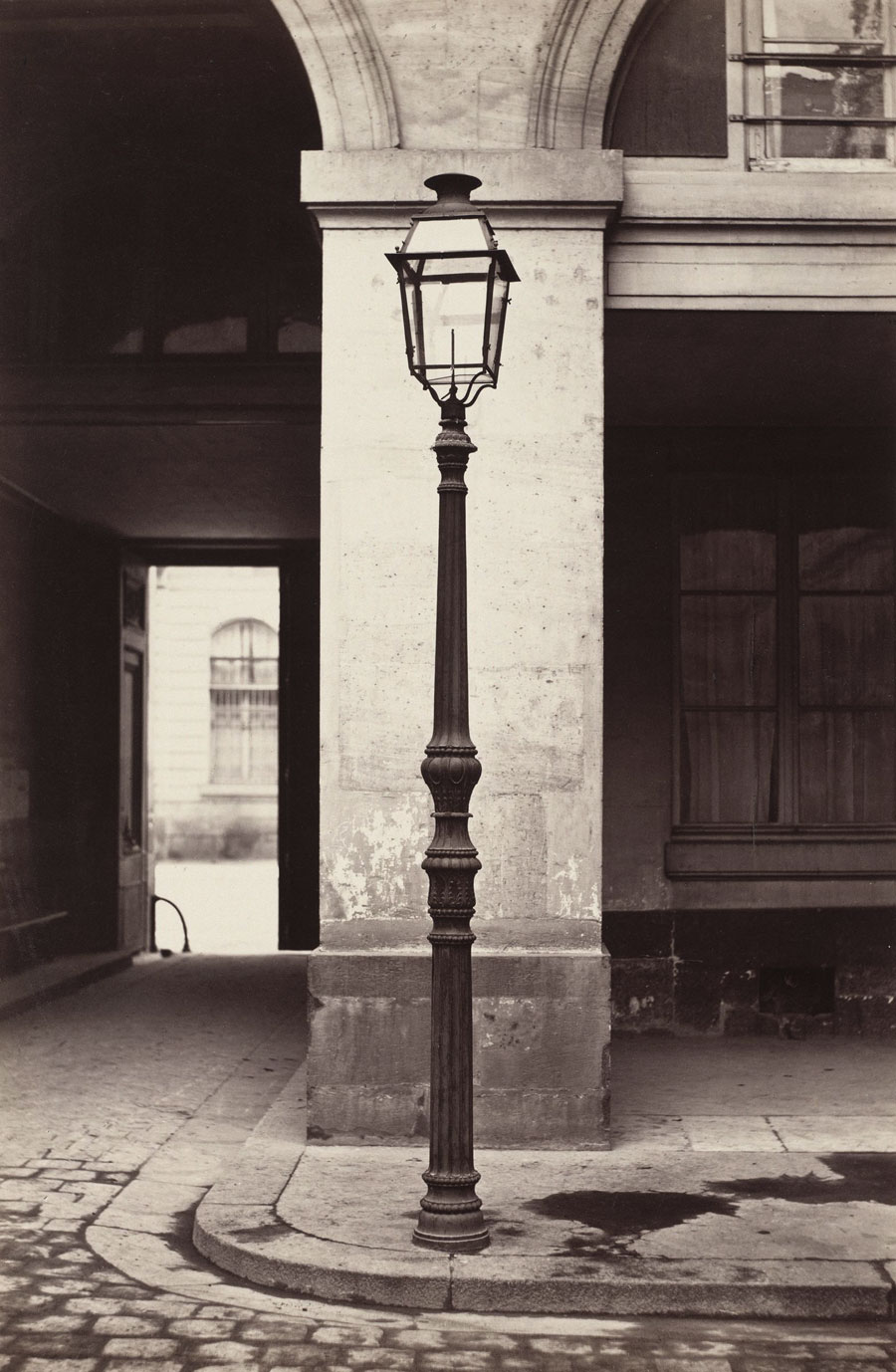
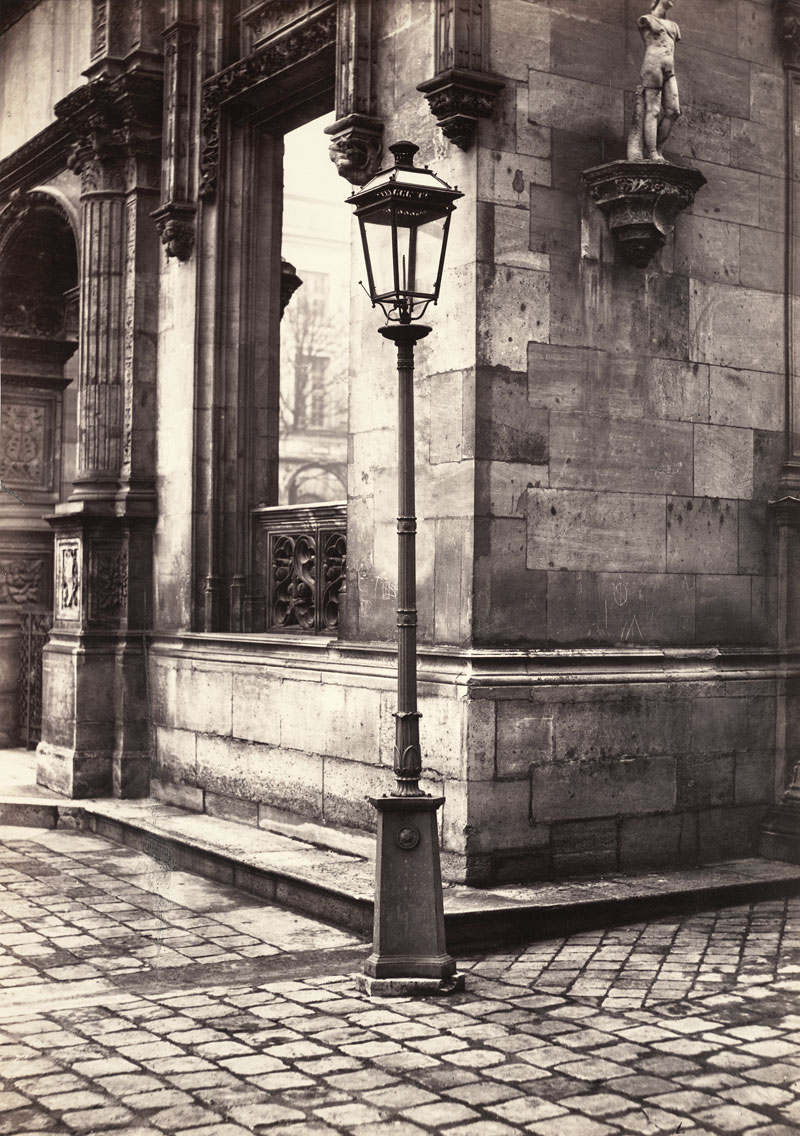

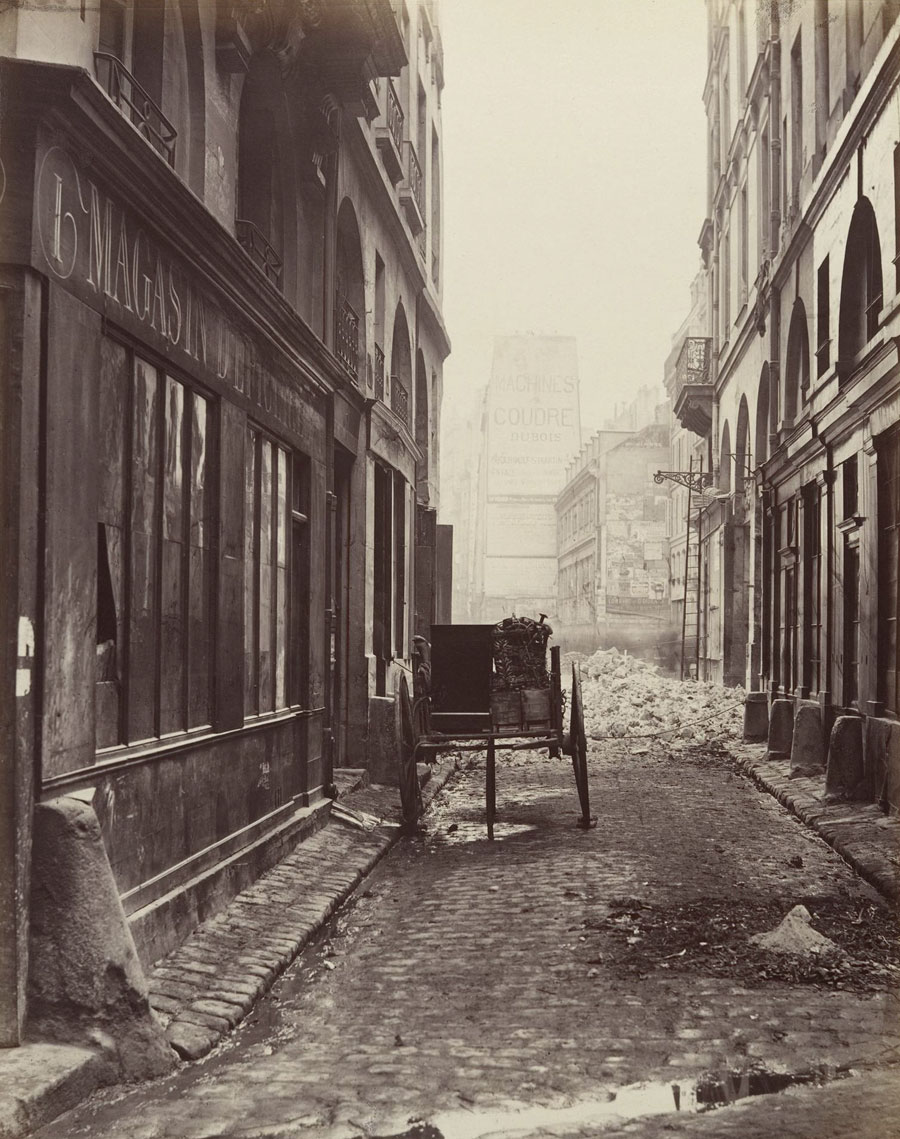


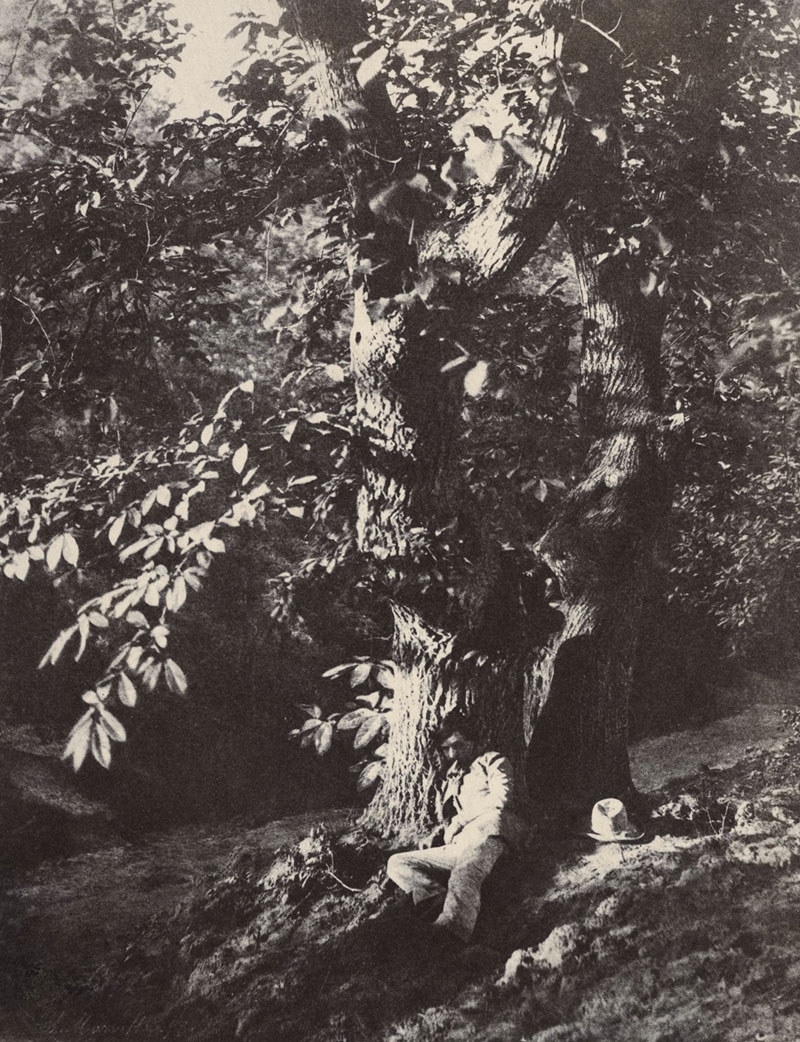


![Eugène Atget (French, Libourne 1857-1927 Paris) 'Untitled [Atget's Work Room with Contact Printing Frames]' c. 1910](https://artblart.com/wp-content/uploads/2014/04/atgets-work-room-web1.jpg "Eugène Atget (French, Libourne 1857-1927 Paris) 'Untitled [Atget's Work Room with Contact Printing Frames]' c. 1910")
![Eugène Atget (French, Libourne 1857–1927 Paris) 'Untitled [Atget's Work Room with Contact Printing Frames]' c. 1910 (detail)](https://artblart.com/wp-content/uploads/2014/04/atget-workroom-detail-web.jpg "Eugène Atget (French, Libourne 1857–1927 Paris) 'Untitled [Atget's Work Room with Contact Printing Frames]' c. 1910 (detail)")

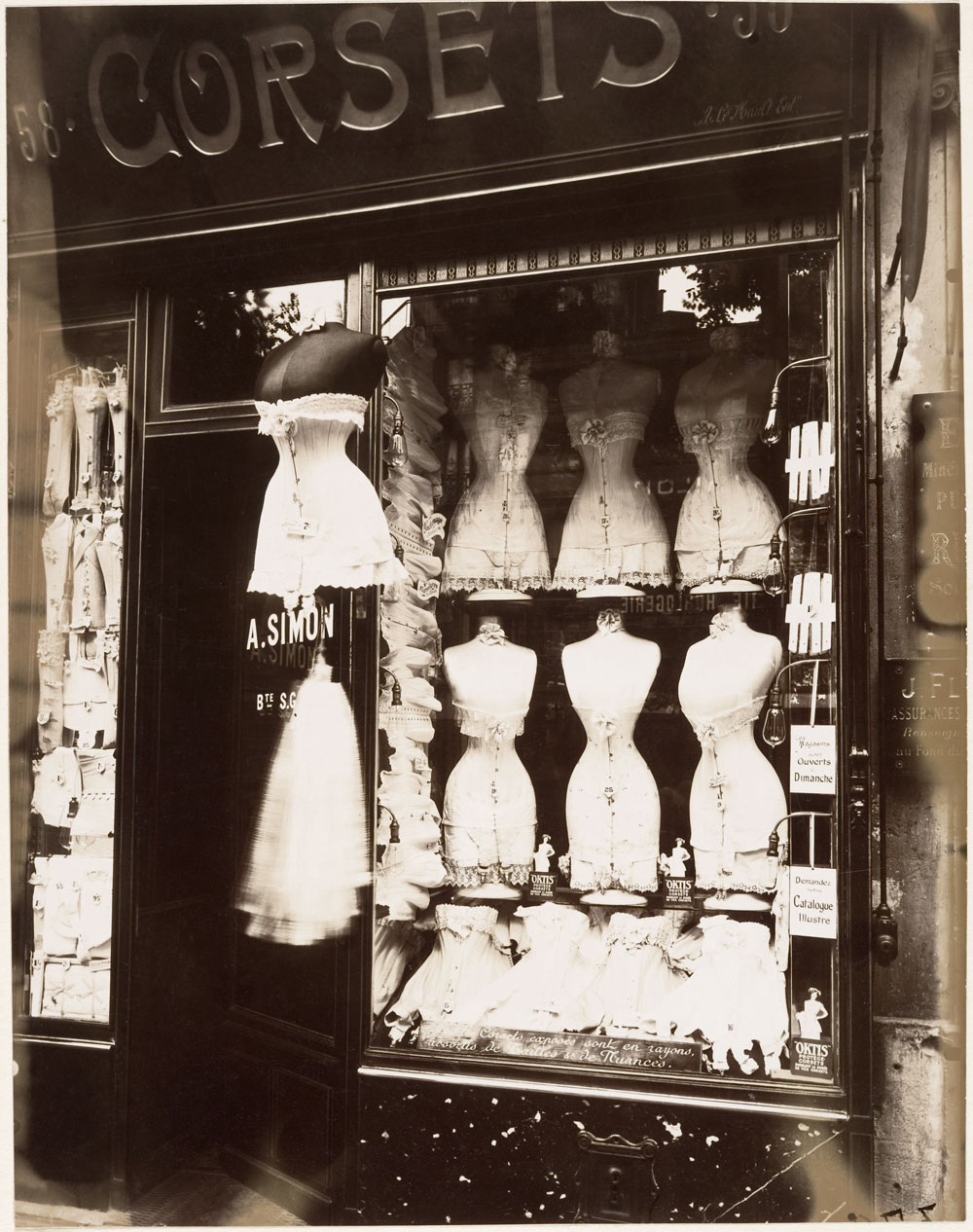
![Marie-Charles-Isidore Choiselat (French, 1815-1858) Stanislas Ratel (French, 1824-1904) 'Untitled [The Pavillon de Flore and the Tuileries Gardens]' 1849](https://artblart.com/wp-content/uploads/2014/04/the-pavillon-de-flore-web.jpg "Marie-Charles-Isidore Choiselat (French, 1815-1858) Stanislas Ratel (French, 1824-1904) 'Untitled [The Pavillon de Flore and the Tuileries Gardens]' 1849")


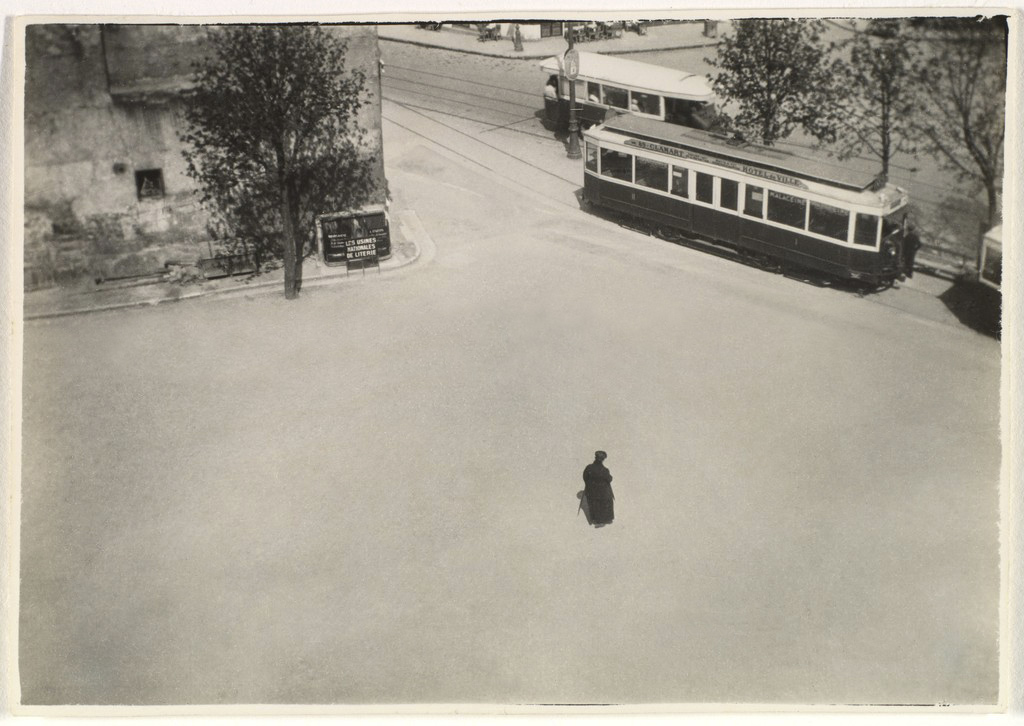


![Edward J. Steichen (American born Luxembourg, Bivange 1879 - 1973 West Redding, Connecticut) 'Untitled [Brancusi's Studio]' c. 1920](https://artblart.com/wp-content/uploads/2014/04/edward_steichen_brancusis_studio_1920-web.jpg "Edward J. Steichen (American born Luxembourg, Bivange 1879 - 1973 West Redding, Connecticut) 'Untitled [Brancusi's Studio]' c. 1920")
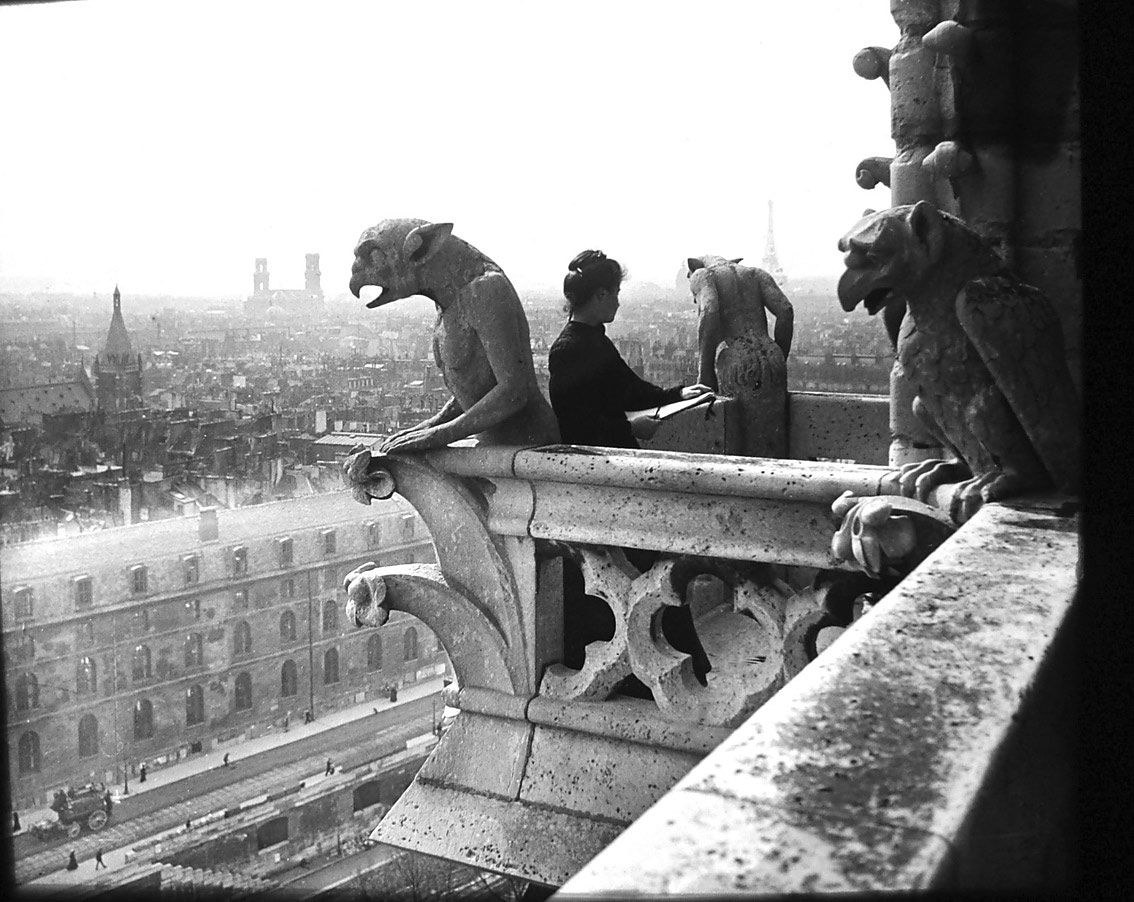
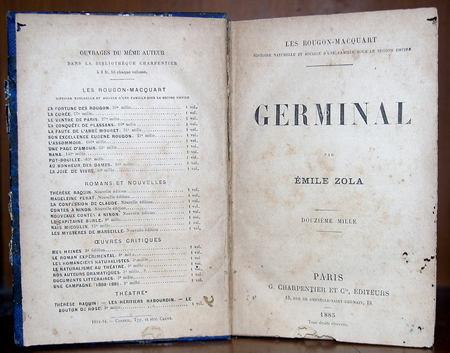
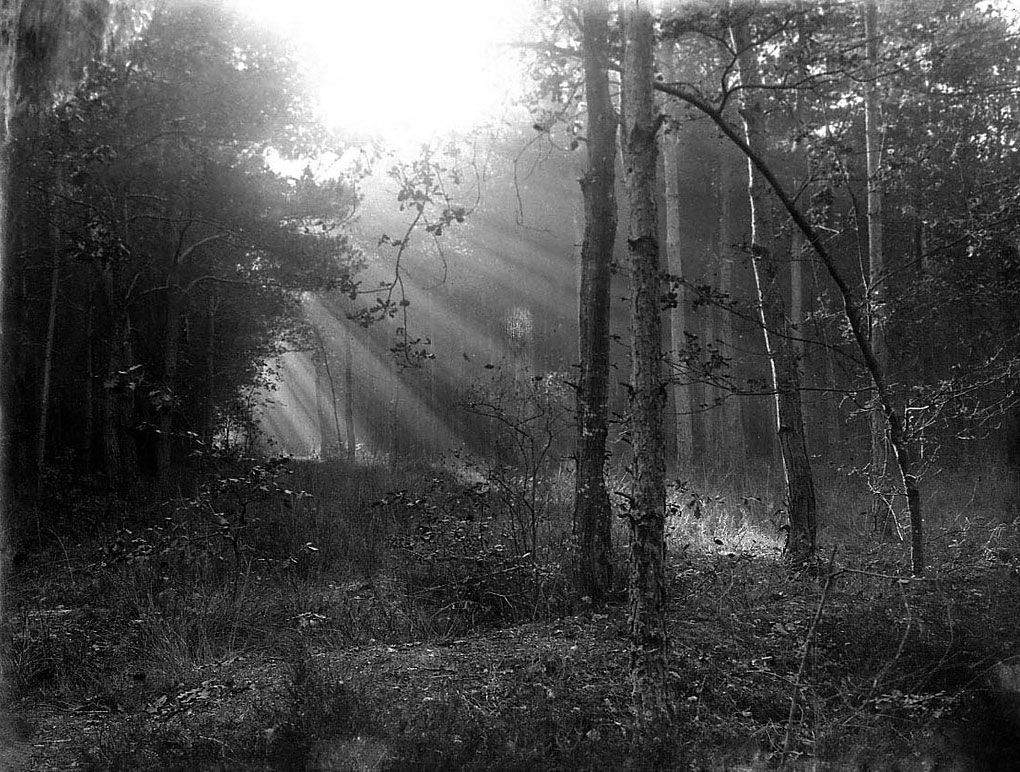
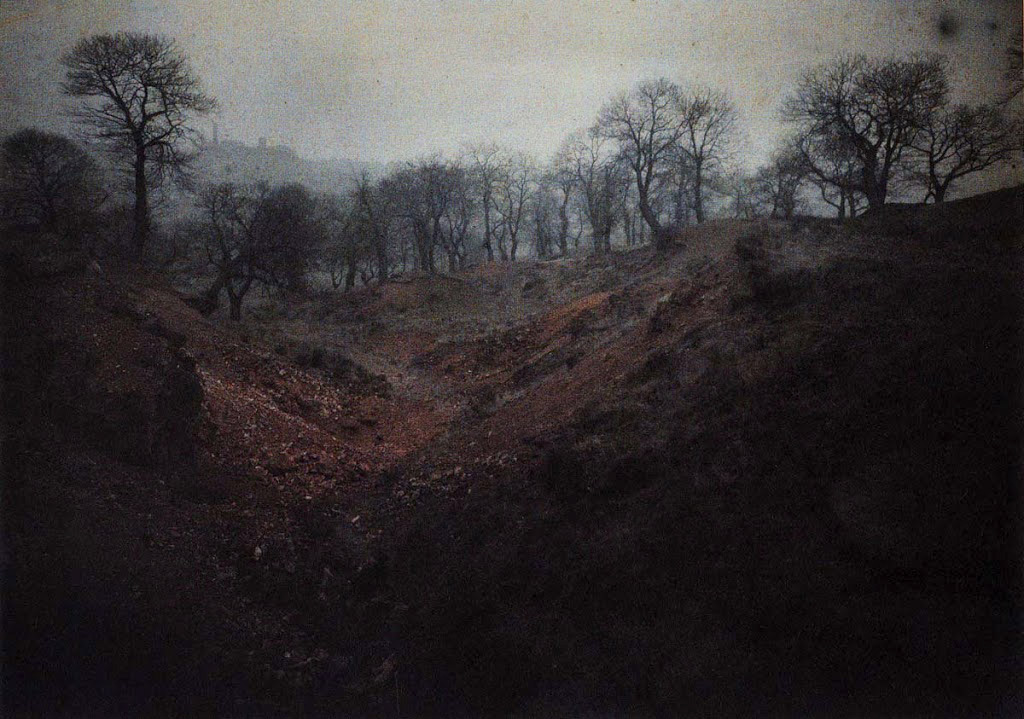
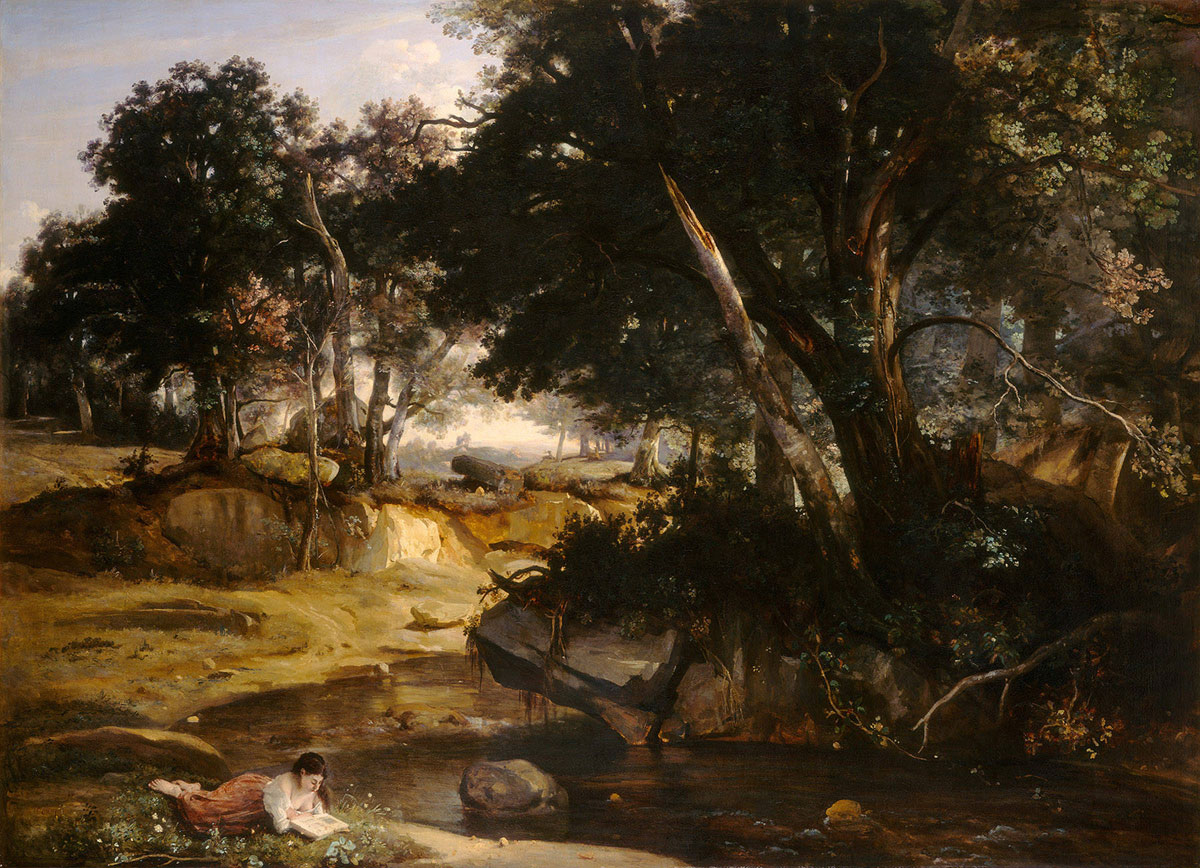
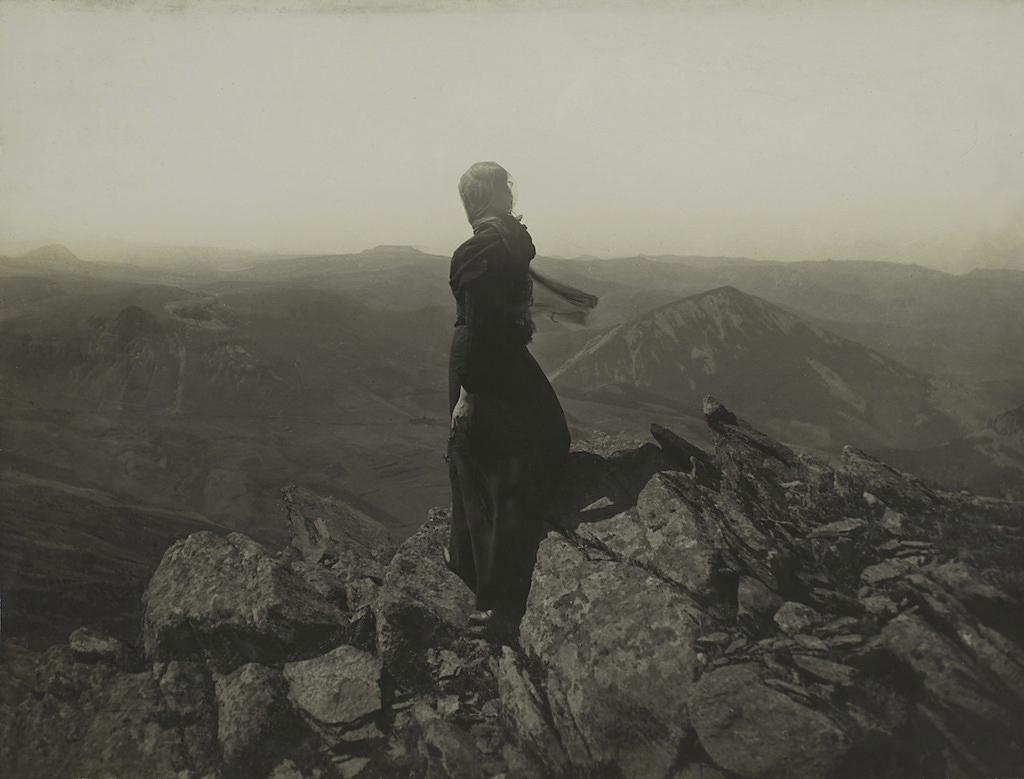
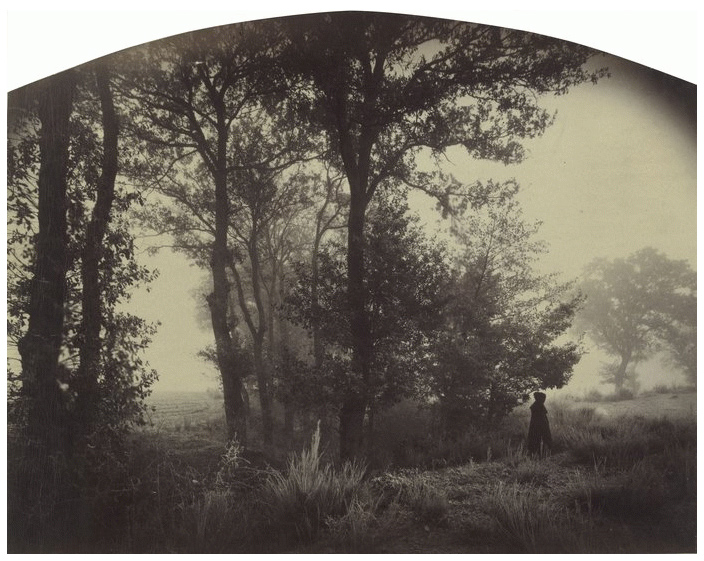
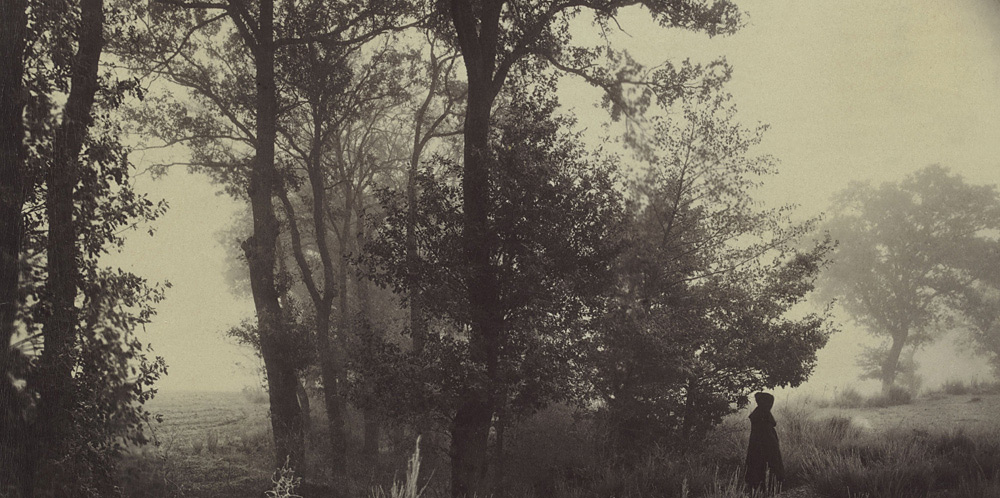
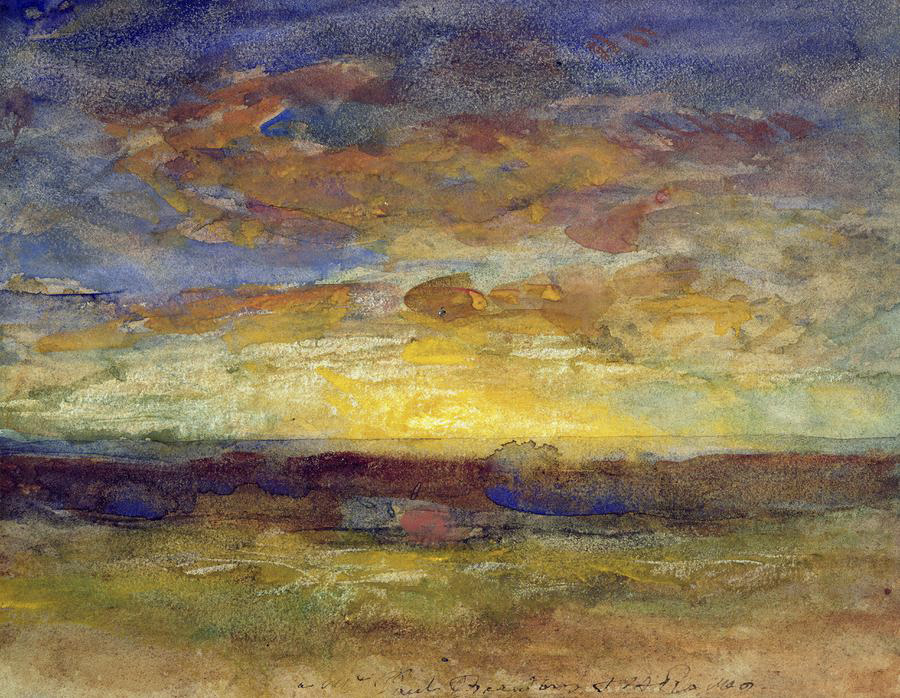
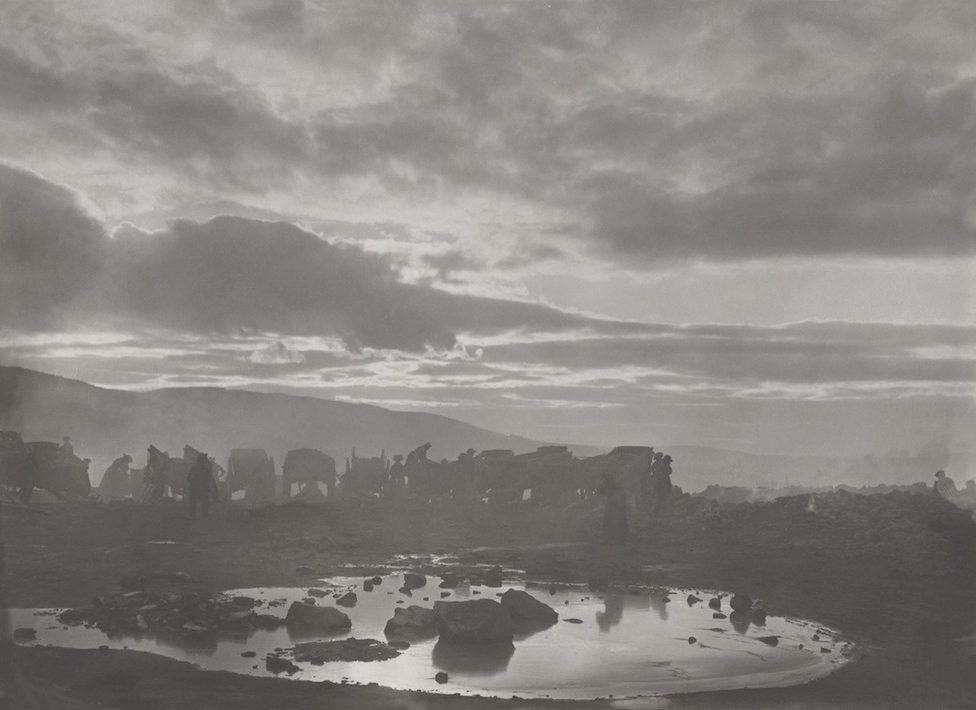
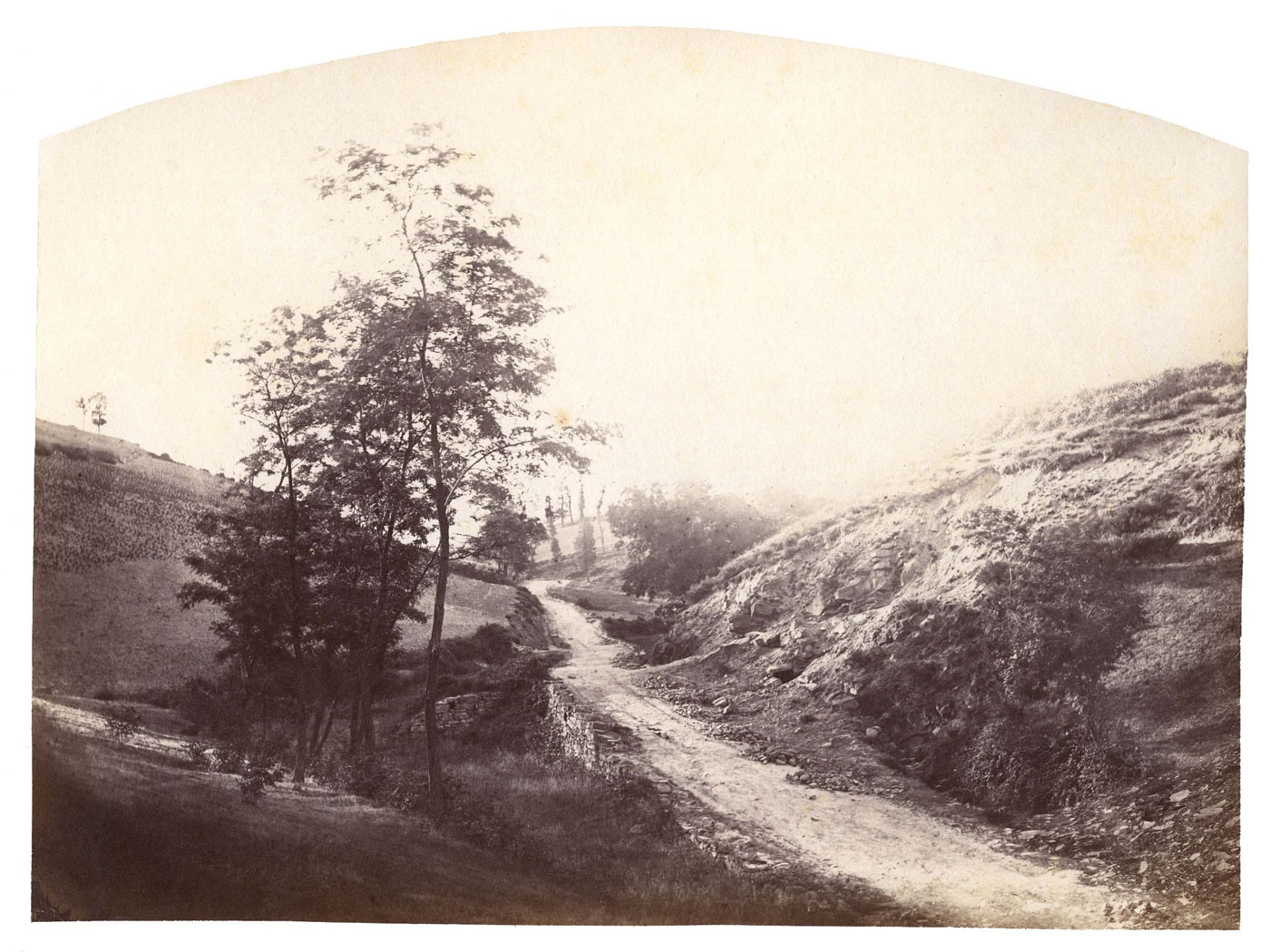
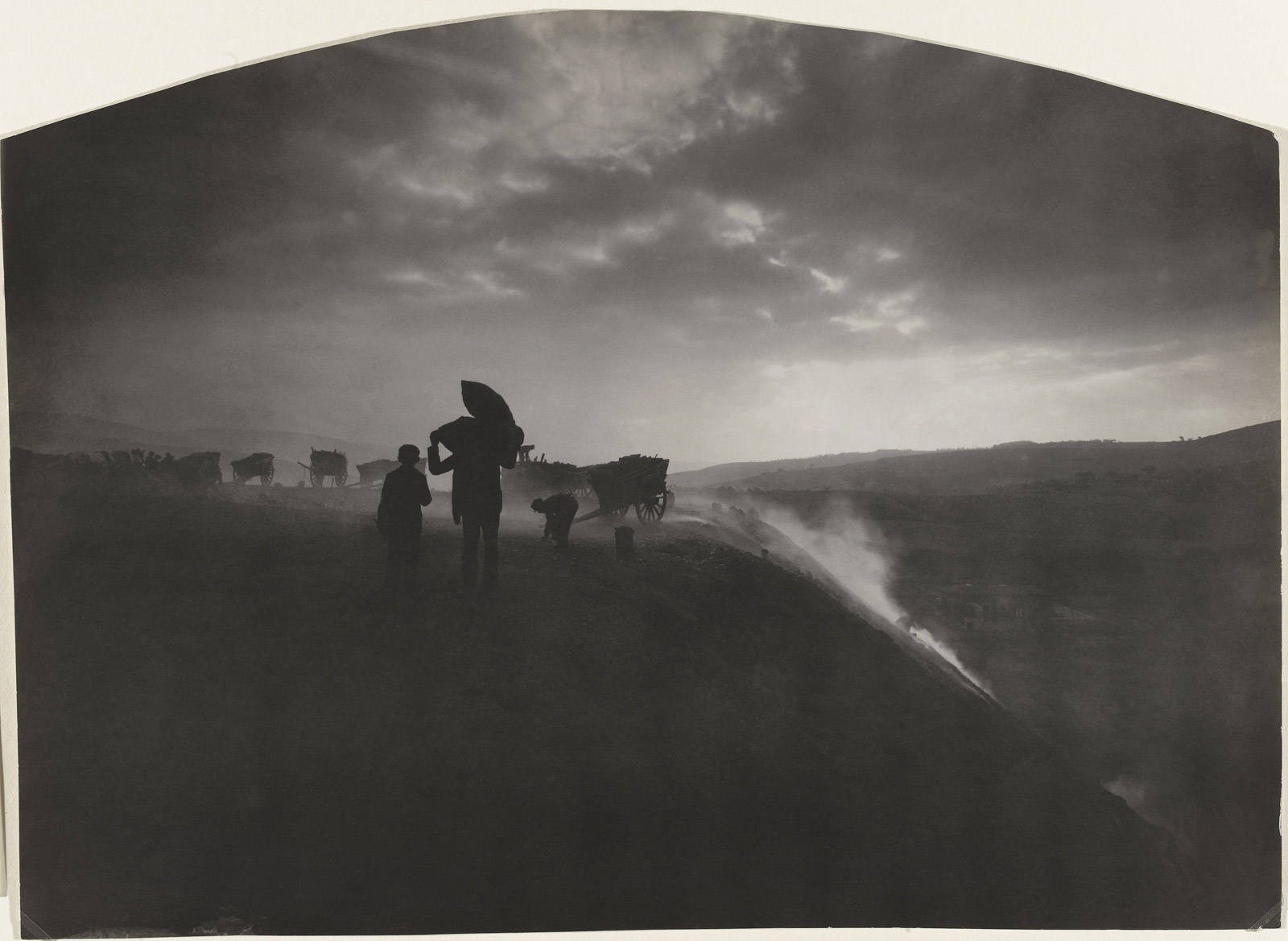
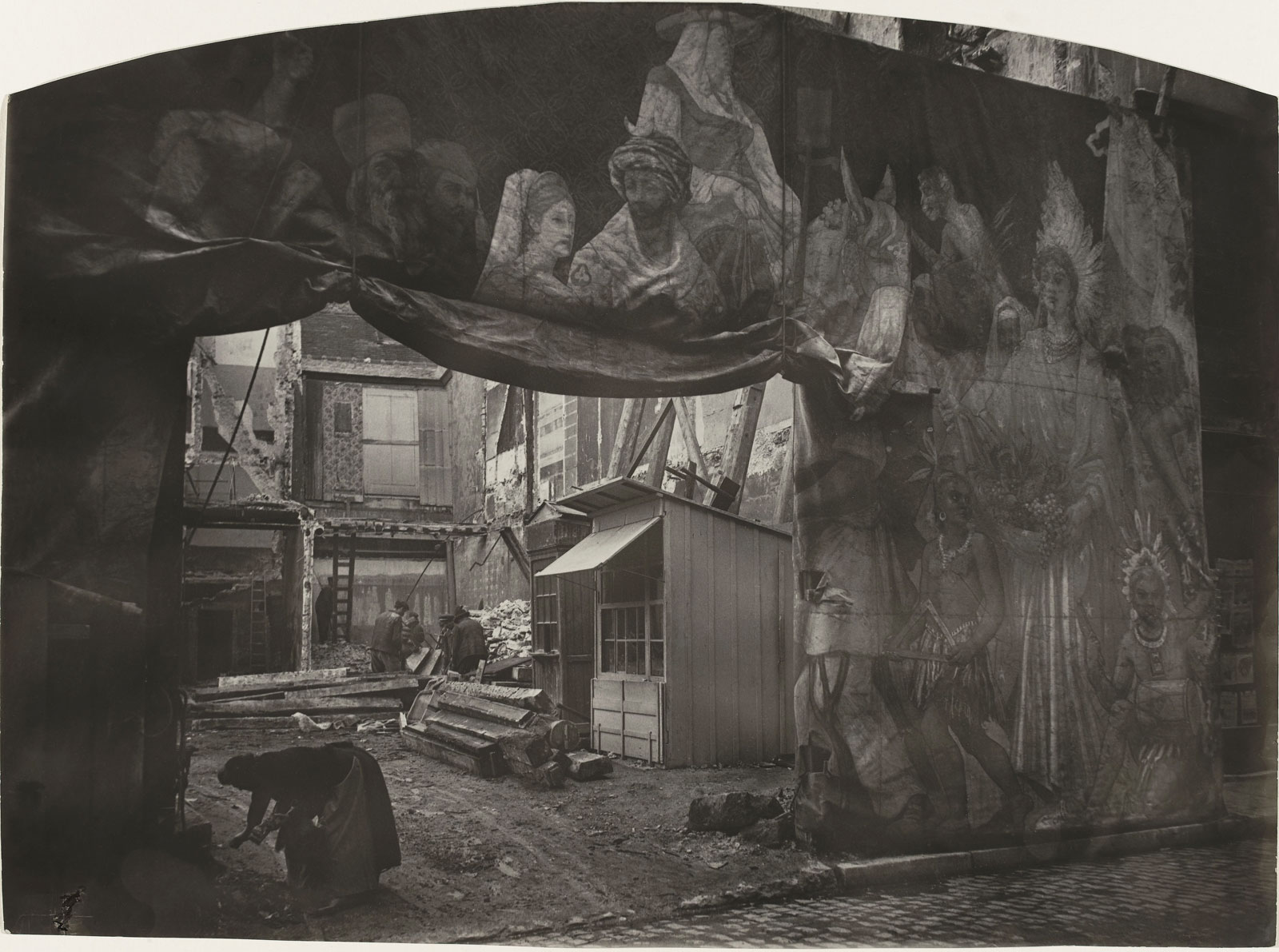
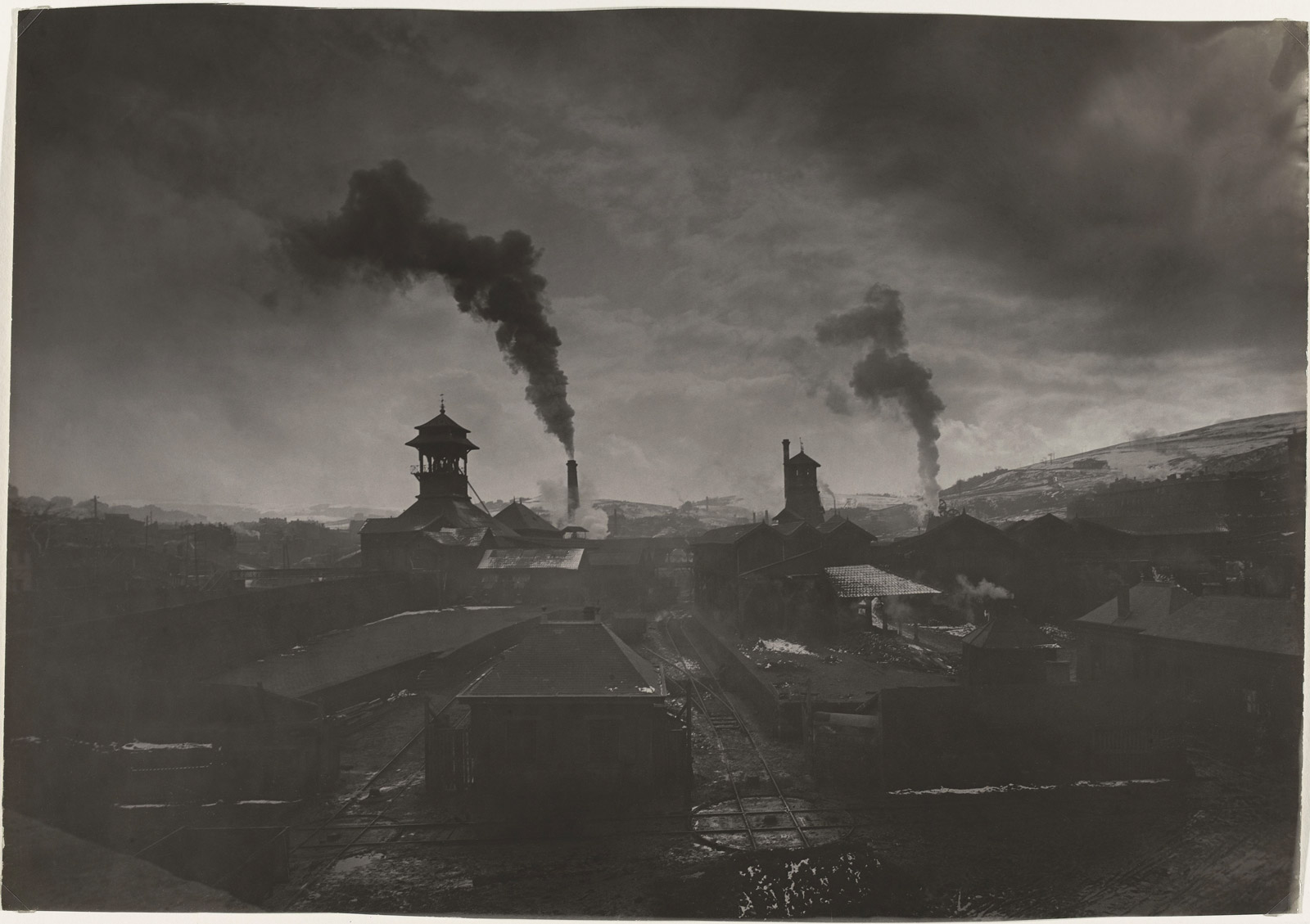
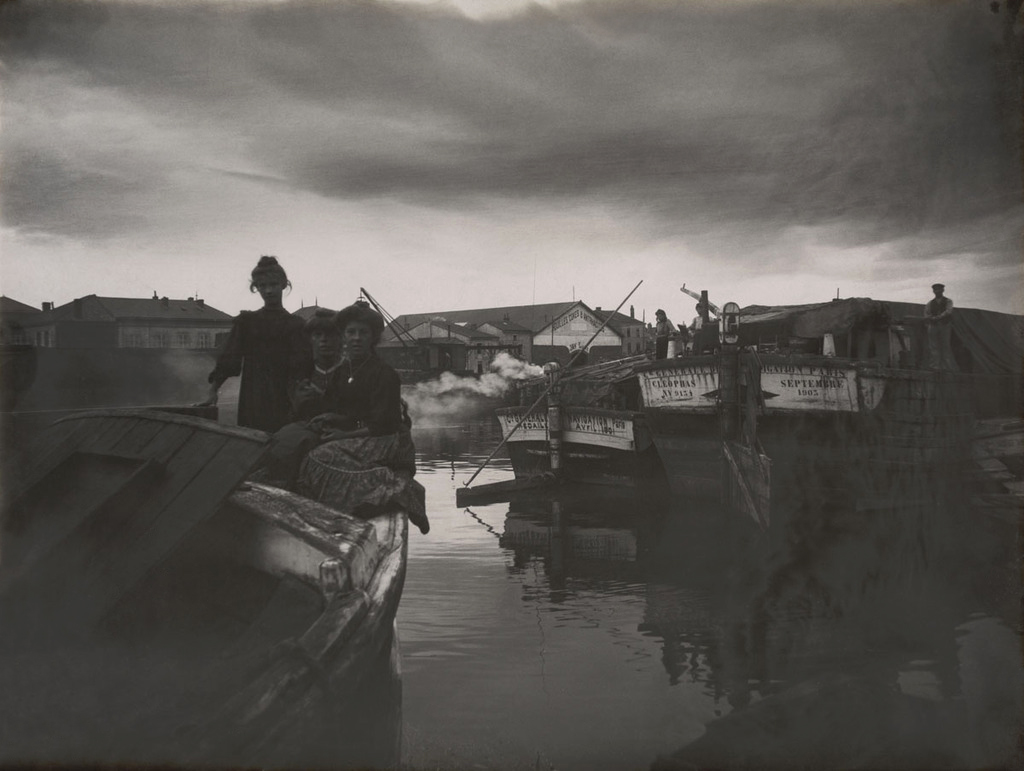
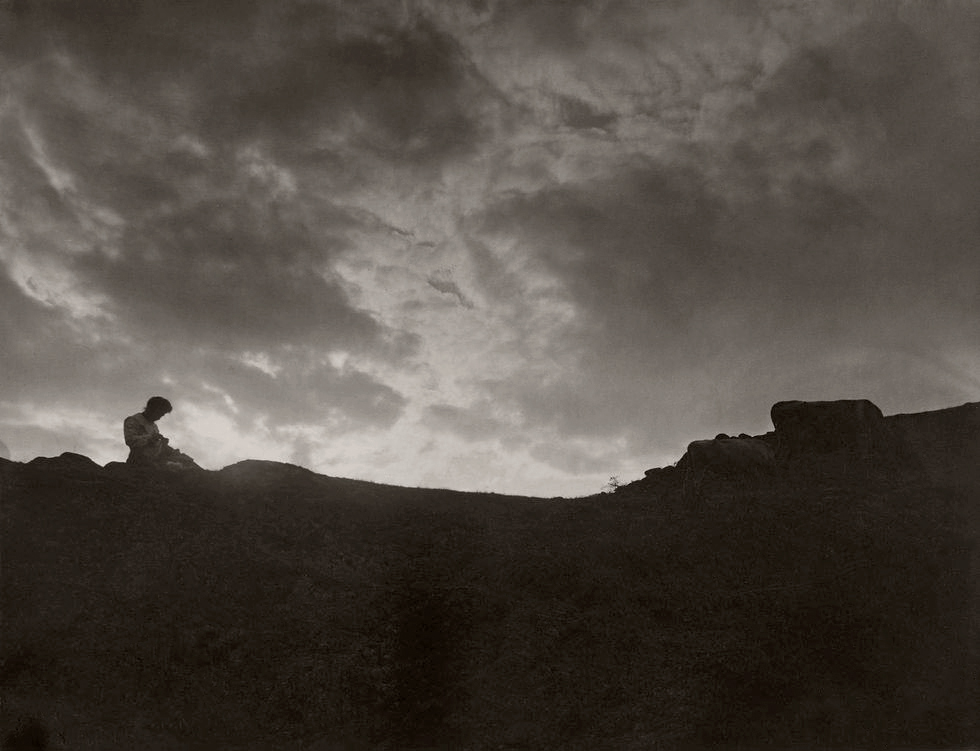
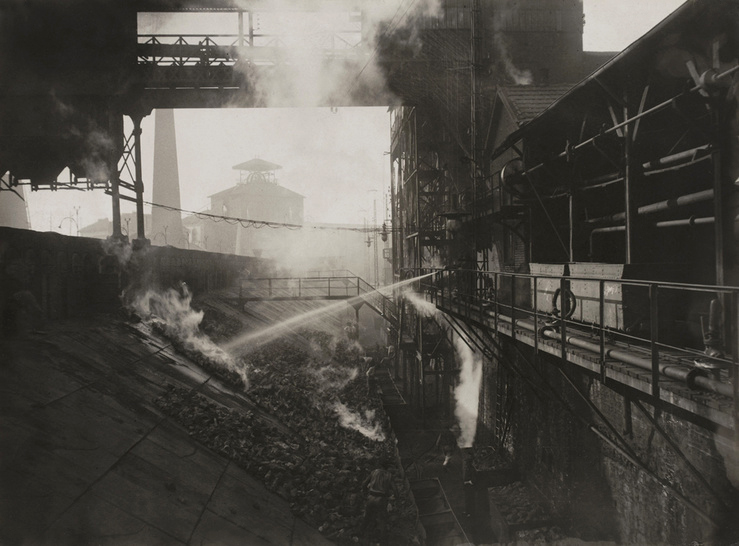
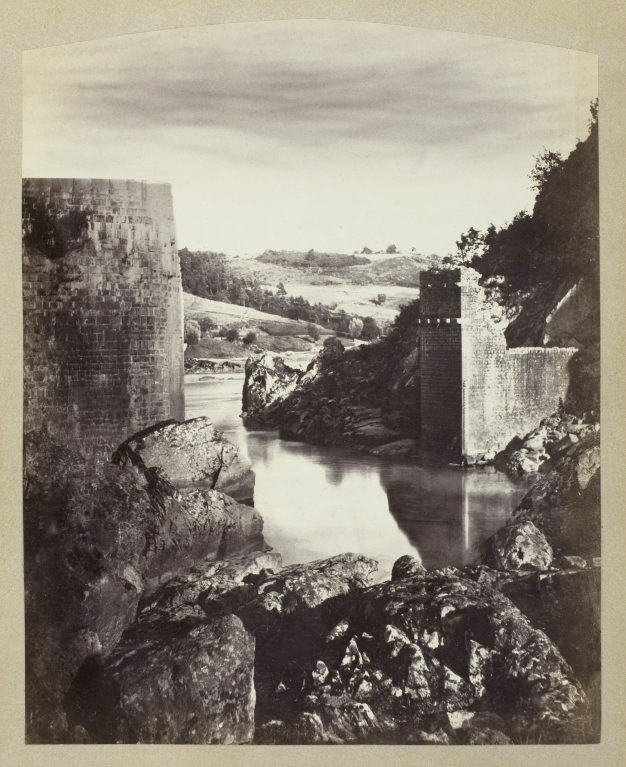


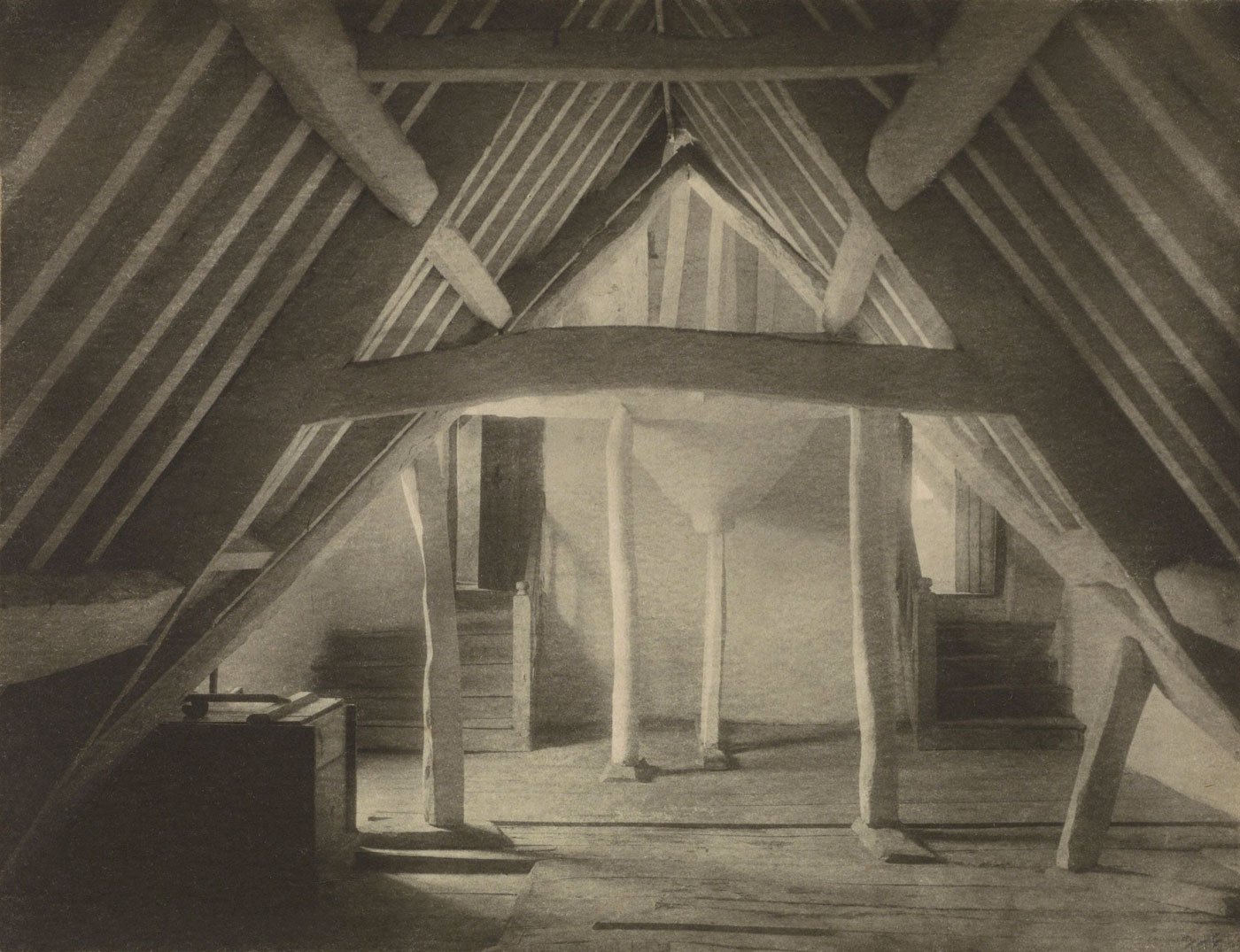


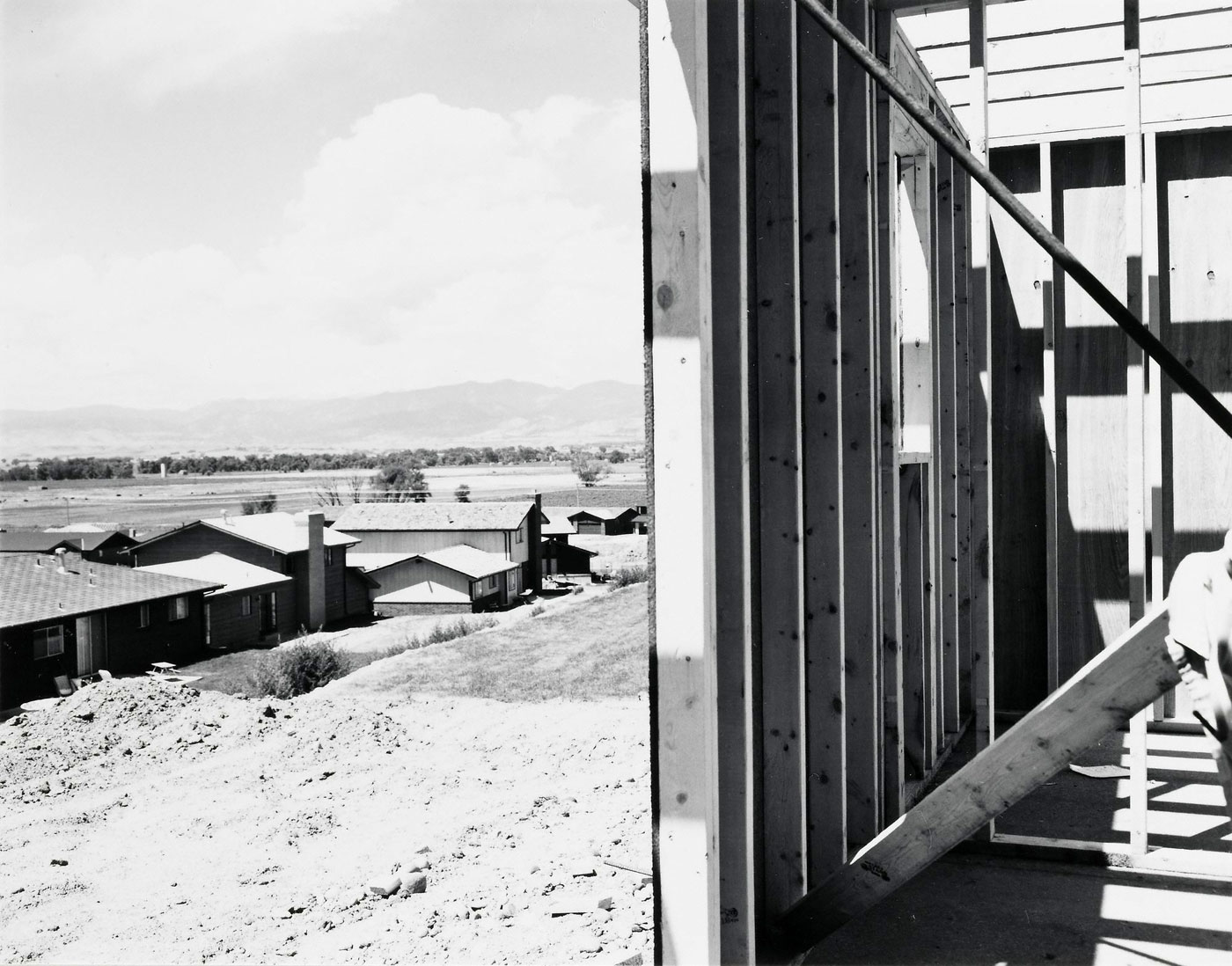


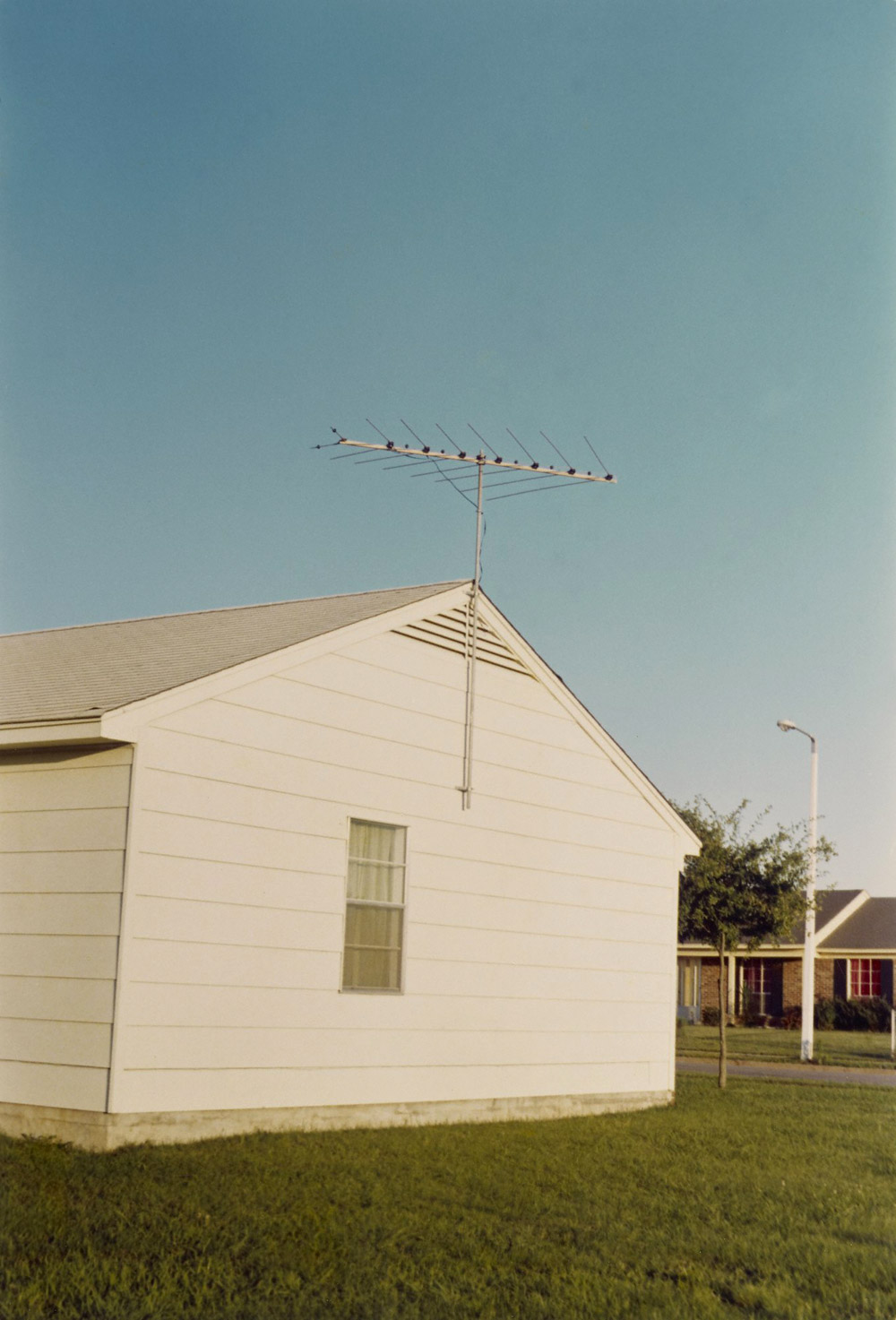

 Art Blart _ art and cultural memory archive
You must be logged in to post a comment.