My apologies that I haven’t been writing that much in recent postings, but I am still recovering from my hip replacement operation and the pain is still ongoing over 6 weeks after the operation. I’m a little exhausted to put it mildly…
With this sumptuous exhibition of photographs by Elliott Erwitt – in a beautiful palazzo with painted ceilings and classical sculptures with the walls painted a glorious colour of green – you get what is says on the tin: Erwitt’s iconic and humanist photographs of dogs, children and celebrities, “visual double-takes and finely tuned one-liners.”
That is all the media images consisted of, his famous photographs.
I know that the exhibition, and the artist’s reputation, rests on his “icons” but I just wish we could see past these to his other photographs, photographs of everyday people, captured in the midst of their ordinary lives; photographs that contain a little more gravitas, a little more depth of poignancy / spirit / energy, revealing small intimacies not readily seen and acknowledged.
That Erwitt is capable of such images can be see in photographs such as Italy, Venice, Gallerie dell’Accademia, 1965 (below), USA, New York City, 1969 (below) and that most gut wrenching, heart breaking of images, USA, Arlington, Virginia, Jacqueline Kennedy at John F. Kennedy’s funeral, November 25, 1963 (below) – where Erwitt reveals the grief of loss and finally touches the marrow of what it is to be human.
Dr Marcus Bunyan
Many thankx of the Palazzo Bonaparte for allowing me to publish the photographs and video in the posting. Please click on the photographs for a larger version of the image.
Elliott Erwitt. Icons at Palazzo Bonaparte, Rome, Italy
Installation walk through of the exhibition “Elliott Erwitt. Icons,” dedicated to the late master of visual irony and empathy, Elliott Erwitt. This major show offers an intimate look into the universe of one of contemporary photography’s most significant figures, whose work transformed everyday life into profound visual poetry.
Installation views of the exhibition Elliott Erwitt. Icons at Palazzo Bonaparte, Rome, Italy showing in the bottom image, the Erwitt’s photograph France, Paris, 1989
Installation view of the exhibition Elliott Erwitt. Icons at Palazzo Bonaparte, Rome, Italy showing at right Erwitt’s photograph USA, New York City, 1953
Installation view of the exhibition Elliott Erwitt. Icons at Palazzo Bonaparte, Rome, Italy showing at left, USA, Santa Monica, California, 1956 (below); at second left, USA, New York City, 1955 (below); at third left, USA, Louisiana, Shreveport, 1962; and at right, USSR, Bratsk, Siberia, 1967 (below)
Starting June 28th, 2025, Palazzo Bonaparte will open its doors to an extraordinary exhibition, “Elliott Erwitt. Icons,” dedicated to the late master of visual irony and empathy, Elliott Erwitt. This major show offers an intimate look into the universe of one of contemporary photography’s most significant figures, whose work transformed everyday life into profound visual poetry.
With over 80 celebrated photographs, “Elliott Erwitt. Icons” invites visitors to experience Erwitt’s distinctive style – irreverent, poetic, and deeply human. He possessed a remarkable ability to capture the lightness of the joy of living, becoming the most insightful and moving chronicler of the human comedy. His lens made us smile, reflect, and feel, turning fleeting moments into unforgettable images.
A Glimpse into Erwitt’s Vision
Erwitt, who passed away in November 2023 at the age of 95, was a master at transforming the ordinary into the extraordinary. His “Icons” are not just photographs; they are symbols of his unique perspective and our shared collective memory. As he once put it, “In the saddest and most wintry moments of life… suddenly the sight of something wonderful can change the aspect of things, your state of mind. The type of photography I like, the one where the instant is caught, is very similar to this break in the clouds. In a flash, a wonderful photo seems to come out of nowhere.”
This exhibition, curated by Biba Giacchetti, a leading international Erwitt expert, along with technical assistance from Gabriele Accornero, offers a comprehensive yet concise overview of his genius. From his anthropomorphic dogs to powerful world leaders, from iconic movie stars like Marilyn Monroe to intimate family moments, Erwitt’s gaze was both incisive and empathetic. He captured not only the irony of daily life but also its underlying complexity.
Beyond the Famous Faces
While the exhibition features renowned portraits of figures such as Che Guevara, Jack Kerouac, Marlene Dietrich, Fidel Castro, and Sophia Loren, it also highlights historical moments like the Nixon-Khrushchev dispute, Kennedy’s funeral, and the Frazier-Ali fight. Yet, Erwitt’s democratic approach to his medium shines through in his focus on everyday people, captured in the midst of their ordinary lives.
A significant portion of Erwitt’s work showcased his love for dogs, whose free-spirited nature he admired. Many photographs are taken from a dog’s-eye view, often revealing only the feet or legs of their owners. Erwitt ingeniously employed playful tactics, like sounding a horn or mimicking a bark, to elicit natural reactions from the animals, resulting in humorous and endearing compositions.
An Unmissable Summer Event
The “Elliott Erwitt. Icons” exhibition, running until September 21st, 2025, marks the opening of Palazzo Bonaparte’s summer exhibition season. Following the success of the recent Edvard Munch retrospective, this show pays homage to a globally beloved master of photography. Visitors will have the unique opportunity to journey through Erwitt’s surreal, romantic, and playful vision of the world, always capable of grasping the essence of things.
Press release from Palazzo Bonaparte
Installation views of the exhibition Elliott Erwitt. Icons at Palazzo Bonaparte, Rome, Italy showing in the bottom image from left to right, Italy, Venice, Gallerie dell’Accademia, 1965; France, Versailles, 1975; and Spain, Madrid, 1995 (below)
Installation view of the exhibition Elliott Erwitt. Icons at Palazzo Bonaparte, Rome, Italy showing at left, Erwitt’s photograph USA, New York City, 1969 (below)
“A 1969 scene in Amagansett, New York – a sober, soot-stained Victorian office block with a single storefront whose sign (“Tony’s of Worth Street”) is written in cheerful white paint – somehow combines the austerity of Atget with the irreverent glee of Weegee.”
From June 28 to September 21, 2025, Palazzo Bonaparte welcomes the most ironic and disarming gaze in twentieth-century photography: Elliott Erwitt. An exhibition that is much more than an exhibition: it is an invitation to observe the world with lightness, empathy, and wonder.
An unmissable event, which recounts – through over 80 iconic shots – the long and brilliant career of an artist capable of capturing the soul of the twentieth century and transforming ordinary moments into unforgettable images, with a profoundly human yet always surprising gaze.
On display in Rome are icons of an era, of a way of looking at the world with lightness and intelligence. “Icons” because each of Erwitt’s shots has become a symbol of his poetics and of our collective memory.
Erwitt is more than just a photographer: he is the poet of human comedy, the unerring witness to life’s small and large absurdities, which he recounts with disarming irony, subtle poetry, and timeless grace. His images – famous, unforgettable, often dazzling – manage to be simultaneously light and profound, intimate and universal. They are shots that make you smile, reflect, and move you.
Elliott Erwitt was – and is – a key figure in the visual culture of our time. His images, books, reportages, illustrations, and advertising campaigns have spanned the decades, appearing in international publications and influencing generations of photographers and artists. This exhibition is a journey through his work and an invitation to look at the world with new eyes: with lightness, empathy, and wonder.
A member since 1953 of the historic Magnum agency – founded by Henri Cartier-Bresson and Robert Capa, among others – Erwitt has chronicled the last sixty years of history and contemporary civilisation with journalistic flair, capturing the most dramatic yet humorous aspects of the life that has passed before his lens.
“In life’s saddest, wintry moments, when a cloud has enveloped you for weeks, suddenly the sight of something wonderful can change the face of things, your state of mind. The kind of photography I like, the one that captures the moment, is very similar to this break in the clouds. In a flash, a wonderful photo seems to come out of nowhere.”
With these words, Erwitt sums up the spirit and poetics with which he filters reality, representing it with his mastery, capturing its sometimes playful, sometimes irreverent, or almost surreal aspects, which make him an undisputed master of the human comedy.
Curated by Biba Giacchetti, one of Erwitt’s leading international experts, with technical assistance from Gabriele Accornero, Elliott Erwitt. Icons is a snapshot of history and customs, a concise and comprehensive journey through his genius and his perspective on the world, from his anthropomorphic dogs to the world’s powerful figures, from the great movie stars – Marilyn Monroe above all – to his children. But it is also a tribute to the man who, with a gentle and disenchanted gaze, was able to portray the world for what it is: tragicomic, tender, absurd, unique.
The exhibition features famous portraits of Marilyn Monroe, Che Guevara, Kerouac, Marlene Dietrich, Fidel Castro, Sophia Loren, Arnold Schwarzenegger, and photographs that have made history, such as the Nixon-Khrushchev quarrel, Kennedy’s funeral, and the great fight between Frazier and Ali. Other iconic photographs, beloved by the public for their romantic power, such as the California Kiss, include more intimate and private ones, such as the snapshot of his newborn firstborn, observed by her mother on the bed.
Above all, Erwitt casts an incisive yet empathetic gaze, revealing not only the irony of everyday life, but also its complexity.
With the same attitude, Erwitt reserves his attention for any other subject, pushing the democratic quality that is typical of his medium to the extreme. His imagery is populated predominantly by ordinary people, men and women, captured in the midst of the normality of their lives.
From portraits of famous people to more ironic and sometimes irreverent images, we move on to some self-portraits where Erwitt no longer leaves anything to chance or intuition, but constructs a self-other, where eccentricity for its own sake is metaphor and pure surreal fun.
Special attention is paid to dogs, whose irreverent, free-spirited attitude Erwitt appreciated, unfettered by the common rules that condition humans, is what Erwitt appreciated.
Many of his shots are “from the dog’s point of view,” allowing only the shoes or parts of their owners’ legs to appear in his compositions. Erwitt wanted these photographs to be comical, and for this reason he employed ingenious strategies, such as blowing a trumpet or emitting a kind of bark, to elicit the most natural reaction from the animals.
The exhibition – on view until September 21st – marks the opening of Palazzo Bonaparte’s summer exhibition season, following the recent resounding success of the Edvard Munch retrospective and paying tribute to one of the world’s most beloved masters of photography. Visitors will have the opportunity to retrace his vision of the world: surreal, romantic, playful, always capable of capturing the essence of things.
The exhibition, “Elliott Erwitt. Icons,” is produced and organised by Arthemisia, in collaboration with Orion57 and Bridgeconsultingpro. The exhibition’s main partner is the Fondazione Terzo Pilastro – Internazionale with Fondazione Cultura e Arte and Poema.
The exhibition’s special partner is Ricola, mobility partner Frecciarossa Treno Ufficiale, and technical sponsor Ferrari Trento.
Text translated from the Italian by Google Translate from the Palazzo Bonaparte website
Installation view of the exhibition Elliott Erwitt. Icons at Palazzo Bonaparte, Rome, Italy showing at right, Erwitt’s photograph USA, Pittsburgh, 1950 (below)
Installation view of the exhibition Elliott Erwitt. Icons at Palazzo Bonaparte, Rome, Italy showing at right, Erwitt’s photograph France, Honfleur, 1968
Installation view of the exhibition Elliott Erwitt. Icons at Palazzo Bonaparte, Rome, Italy showing from left to right, France, Honfleur, 1968; USA, New York City, 1977; and USA, New York City, 1955
Installation view of the exhibition Elliott Erwitt. Icons at Palazzo Bonaparte, Rome, Italy showing Erwitt’s photograph Ireland, Ballycotton, 1991
Installation view of the exhibition Elliott Erwitt. Icons at Palazzo Bonaparte, Rome, Italy showing Erwitt’s photograph USA, New York City, Marilyn Monroe (with hand), 1956
Installation view of the exhibition Elliott Erwitt. Icons at Palazzo Bonaparte, Rome, Italy showing at left, USA, New York City, 1953; and at right, USA, NewYork, 1956 (below)
Installation view of the exhibition Elliott Erwitt. Icons at Palazzo Bonaparte, Rome, Italy showing at left, USA, Los Angeles, 1960; and at right, USA, Arlington, Virginia, Jacqueline Kennedy at John F. Kennedy’s funeral, November 25, 1963 (below)
Note: wrong title and date underneath the photograph on the right-hand side
Elliott Erwitt was not just a photographer, but an unparalleled visual storyteller, capable of transforming the moment into history, the everyday into art, irony into poetry. His images evoke in the viewer emotions that move on different registers, from emotion to laughter, to the most spontaneous amusing. Having passed away in November 2023 at the age of 95, he left us an immense legacy: an archive of photographs that span eras, cultures, and feelings with a universal language, inviting us to look at the world with greater indulgence and wonder, always standing by our side in that profound lightness that he himself defined as “The Art of Observation.”
His lens captured iconic moments in history: the tense confrontation between Nixon and Khrushchev, Kennedy’s funeral, the legendary fight between Frazier and Ali. He portrayed legends of our imagination – Marilyn Monroe, Che Guevara, Marlene Dietrich – but he also captured moments of extraordinary intimacy and summarised universal feelings in a single shot: a stolen kiss in the rearview mirror, the gaze of a mother on her newborn baby, a dog lost in thought. Images that transcend time to become iconic.
What makes Erwitt unique is his ability to intertwine emotion and intelligence, making us laugh and moved, surprising us with his irony and his ability to grasp the profound meaning of existence. He has captured the absurd and the surreal with a sharp and light-hearted gaze, always finding in every scene a spark capable of making it memorable.
His anthropomorphic dogs, the protagonists of entire photographic series, are not just amusing images: they are mirrors of the human condition, ironic and melancholic at the same time, sometimes proud and surprising. His children, portrayed with the most authentic spontaneity, convey the wonder of discovery and freedom, still intact, expressing already defined personalities, still unconstrained. His self-portraits, where he pokes fun at himself, remind us that art – like life – should never take itself too seriously.
Elliott Erwitt was all of this: a master of photography, an interpreter of the human comedy, an artist who left an indelible mark on the history of the image. This exhibition is our homage to his vision of the world: a journey through irony, tenderness, depth, and lightness, just as his art has always been able to convey.
Welcome to the world of this great artist. My master.
Biba Giacchetti Exhibition curator
Text translated from the Italian by Google Translate
Installation view of the exhibition Elliott Erwitt. Icons at Palazzo Bonaparte, Rome, Italy showing Erwitt’s photograph USA, New York City, 1971 (Muhammad Ali vs Joe Frazier)
Installation view of the exhibition Elliott Erwitt. Icons at Palazzo Bonaparte, Rome, Italy showing at left, USA, Los Angeles, 1960; and at second left, USA, Arlington, Virginia, Jacqueline Kennedy at John F. Kennedy’s funeral, November 25, 1963; at third right, USSR, Moscow, 1959 (below); and at second right, Cuba, Havana, 1964 (below)
Installation view of the exhibition Elliott Erwitt. Icons at Palazzo Bonaparte, Rome, Italy showing Erwitt’s photograph USSR, Moscow, 1959 (below)
Installation view of the exhibition Elliott Erwitt. Icons at Palazzo Bonaparte, Rome, Italy showing Erwitt’s photograph Cuba, Havana, 1964 (Che Guevara)
Installation view of the exhibition Elliott Erwitt. Icons at Palazzo Bonaparte, Rome, Italy showing at left, England, Birmingham, 1991 (top); at third right, USA, New York City, 1946 (below); at second right, France, Paris, 1989 (below); and at right, USA, New York City, 2000 (below)
Installation view of the exhibition Elliott Erwitt. Icons at Palazzo Bonaparte, Rome, Italy showing Erwitt’s photograph USA, New York City, 1974 (below)
Installation view of the exhibition Elliott Erwitt. Icons at Palazzo Bonaparte, Rome, Italy showing Erwitt’s photograph USA, New York City, 1955 (below)
Elliott Erwitt (American born France, 1928-2023) New York City 1955 Gelatin silver print
The essence of what happens
Elliott Erwitt’s “art of observation” is a gift of the eye and the mind, where the artist must be truly aware of the world around them in order to capture the mosaic of reality.
Look at the photograph Jackie Kennedy, Arlington, Virginia (1963, below). Observe the split second that particular look of despair was present on Jackie’s face. And there was Erwitt fully aware, in the moment, with his gift of the eye and the mind – and he knew, he absolutely knew that was the moment to take the photograph.
As with much of his work it is the subtle cadences within the image that create their emotional power and magic: sadness, happiness, whimsy, comedy, anger, loneliness, joy – all captured through the reality of the visual language of the image, fully acknowledged in the heart and the mind of the viewer when they imbibe (absorb the ideas) of their spirit.
Dr Marcus Bunyan
Please click on the photographs for a larger version of the image.
“The work I care about is terribly simple … I observe, I try to entertain, but above all I want pictures that are emotion.”
Elliott Erwitt. Personal Exposures. W. W. Norton & Company, 1988
“You either see, or you don’t see.”
“You can take a picture of the most wonderful situation and it’s lifeless, nothing comes through… Then you can take a picture of nothing, of someone scratching his nose, and it turns out to be a great picture.”
“The whole point of taking pictures is so that you don’t have to explain things with words. To me, photography is an art of observation. It’s about finding something interesting in an ordinary place… I’ve found it has little to do with the things you see and everything to do with the way you see them.”
“All the technique in the world doesn’t compensate for the inability to notice.”
Elliott Erwitt
Elliott Erwitt (American born France, 1928-2023) Pasadena, California, USA Nd Gelatin silver print
Elliott Erwitt (American born France, 1928-2023) USA. California. Berkeley 1956 Gelatin silver print
Photographers with a comic outlook on life seldom win the acclaim granted to exalters of nature or chroniclers of war and squalor. Elliott Erwitt, who died at 95 on Wednesday at his home in Manhattan, was an exception.
For more than six decades he used his camera to tell visual jokes, finding material wherever he strolled. His sharp eye for silly, sometimes telling conjunctions – a dog lying on its back in a cemetery, a glowing Coca-Cola machine amid a public display of missiles in Alabama, a mangy potted plant in a tacky Miami Beach ballroom – earned him constant assignments as well as the affection of a public that shared his sweet, Chaplin-esque sense of the absurd.
This is a strange group of photographs with which to investigate the “long-intertwined relationship between fashion as a tool for self-expression and photography’s role in chronicling it,” for while the many historical portrait photographs depict a link between fashion and photography of the self (through the need to fit into a regimented cultural norm), many of the vernacular images are not about fashion, are a kind of non-fashion, where the people who “pose” for the photographs are just wearing whatever they are in at the time… thereby undermining the premise of the exhibition, that the performance of self becomes a visual language through the picturing of fashion.
Indeed, despite the assertion that historical genres such as street photography “inform contemporary evolutions, such as selfies and carefully crafted social-media platforms”, most selfies taken today through the ubiquity of the phone camera are not carefully crafted, are the very antithesis of the old purpose of a portrait: that is, to picture how we choose to dress, adorn, and re/present ourselves at a particular moment in time.
In today’s contemporary age self is more about the style and context of the individual (as pictured in a photograph) rather than about the fashion (the latest style; the manner of doing something) of the individual or the collective.
Today, style is casual, informal, ephemeral, temporary… which leads us to pose the questions, are historical photographs evidence of a self-expression of more substance, compared to the rapid self, the throw away self, the narcissistic self of today? Are selfies today just a shallow expression of self or are they intended to be more, can they be more?
Today, there is less a consciousness of fashionability than there is the ability to enact the self without resort to fashion. As Yves Saint Laurent once said, “Fashion fades, style is eternal.”
While visual representations of identity continue to shape our understandings of self and each other “with intimate details that alert viewers to who we are, as filtered through the photographic medium” this is no longer achieved through the definition of self as “fashionable” (as defined on a hierarchical scale of who is fashionable and who isn’t, who is beautiful and who isn’t) – rather, it is through the equivalence of a nonhierarchical expression of self where everything becomes valuable, every selfie and portrait of equal awareness and importance in a collective and individual consciousness of self.
The very non-fashion of contemporary self expression is a non-performance, an anti-ritual if you like (which destroys the ritual of production of consumable fashion), which negates fashion as defining the self, much as photography of the self does not define who we are but is only a very small facet of a multi-layered identity.
All of which makes the premise of this exhibition (that the performance of self becomes a visual language through the picturing of fashion) and the first part of its title – Fashioning Self – highly problematic.
Dr Marcus Bunyan
PS. Many thankx to my friend and artist Elizabeth Gertsakis for her help in providing thoughts and inspiration for this text.
Many thankx to the Phoenix Art Museum for allowing me to publish the photographs in the posting. Please click on the photographs for a larger version of the image.
Louis Carlos Bernal (1941-1993) was born in Douglas, Arizona, and grew up in Phoenix. After completing his M.F.A. at Arizona State University in 1972, he joined the faculty of Pima Community College in Tucson, where he remained for the duration of his career, developing and heading its photography program. In 1979, Bernal, along with four other photographers – Morrie Camhi, Abigail Heyman, Roger Minick, and Neal Slavin – received funding from the Mexican American Legal Defense and Educational Fund to photograph Chicano culture in the Southwest for an exhibition and a book project entitled ESPEJO: Reflections of the Mexican American. The commission brought him closer to his ethnic roots and fueled a passionate direction for his work that gained him international recognition for championing regional diversity while symbolizing his exploration of identity as a Mexican American.
Following a tradition of Latin American documentary street photography, Bernal photographed in the barrio – a young girl and her grandfather in a corner barber shop, a girl taking her quinceañera, or locals posing in front of colourful wall murals – images that captured the unique character of Chicano life. He wrote, “My images speak of the religious and family ties I have experienced as a Chicano. I have concerned myself with the mysticism of the Southwest and the strength of the spiritual and cultural values of the barrio.”
Bernal also centered on the family and the home, believing these two elements combined to form the most significant structure within the Mexican-American community. As he wandered streets from Texas to Los Angeles, and met people who were soon drawn to charismatic personality, he was often invited into their homes. He asked permission to photograph them surrounded by their treasured possessions, their family portraits and mementos, and their shrines decorated with saints, candles, and flowers. His subjects appear at ease and confident in front of his camera, a product of Bernal’s deep respect for them. Bernal’s interest in what people chose to surround themselves with led him to photograph the interiors of homes without people. These sensitive portraits of both prized and everyday items in living rooms, bedrooms and gardens were perhaps his most significant innovation.
Bernal’s interest in strong compositional design and technical expertise are evident in both his skilfully printed black-and-white images and his colour work that luminously captures the bright pinks, blues, and greens of interior painted adobe walls, window curtains, and religious icons. He felt a particular urgency to document the streets, people, homes, and artefacts in historic neighbourhoods, as many were undergoing rapid changes or being bulldozed to make way for urban renewal. In recording the Mexican- American experience of Southwest towns and barrios, Bernal created a visual document that preserves the specific iconography and reveals many aspects of this distinct culture.
The Louis Carlos Bernal Collection contains 98 fine prints, both black-and-white and colour, and research materials that include project records, correspondence, clippings, writings and publications.
Anonymous. “Louis Carlos Bernal,” on the Centre for Creative Photography website Nd [Online] Cited 28/09/2023
Kozo Miyoshi was born in Chiba, Japan in 1947. He graduated from the Department of Photography at Nihon University College of Art in 1971. He began his photographic career in the 1970s and started shooting an 8 × 10-inch large format camera in 1981. In 2009 he upgraded to an ultra large format 16 × 20-inch camera which he continues to use on his travels. Miyoshi’s photographs have received international acclaim for their unique and sincere approach to his fleeting subjects.
From the seedy streets of Los Angeles to empty living rooms and apartments across the United States, the photographs of Dennis Feldman (b. 1946) explore the ways popular entertainment seeps into American consciousness. Pictures from his most acclaimed series, Hollywood Boulevard, 1969-1972, invite subjects from social parade of Los Angeles’s famed sidewalk to animate their self-styled identities. His American Images series, published in 1977, pursues other disclosures, revealing tensions that have come to define the underside of the American dream. In some pictures, people relish the escape and freedom symbolised by cars and movieland, while others seem to search for more elusive horizons. Like Walker Evans, Robert Frank, and Frederick Sommer – pioneering photographers whom he considers mentors – Feldman carefully crafts compositions that do not judge their subjects. Instead, they pry apart the world of appearances to reflect on fantasy and desire as they intertwine with paths of everyday life.
Fashioning Self: The Photography of Everyday Expression examines the role of photography in shaping, sharing, and shifting identity.
About the exhibition
Whether for a selfie or formal portrait, we all craft our appearance and identity for a public audience. We consider cultural and social norms, the emotions we wish to express or hide away, where we’re going and with whom, and the purpose of the photograph when choosing how we dress, adorn, and present ourselves. The resulting images serve as a window into a particular moment of our life, with intimate details that alert viewers to who we are, as filtered through the photographic medium.
Organised by Phoenix Art Museum and the Center for Creative Photography (CCP), Fashioning Self: The Photography of Everyday Expression features 54 works of street, documentary, and self-portrait photography from 1912 to 2015 that explore this long-intertwined relationship between fashion as a tool for self-expression and photography’s role in chronicling it. Iconic views by Dennis Feldman, Laura Volkerding, Linda Rich, John Simmons, David Hume Kennerly, Teenie Harris, and more illuminate the dialogue that occurs between photographer and subject – the give-and-take between self-performance and art making.
Alongside these works drawn from CCP’s outstanding collection, Fashioning Self also features a rotating display of social media images reflecting community members and individuals from across the United States. Throughout the duration of the exhibition, the Museum and CCP will invite visitors, Arizona residents, and our collective social media followings to take their own selfies and portraits in the galleries or in their environments and share them via the hashtag #FashioningSelf for display in Norton Gallery. By placing these contemporary, real-time images in conversation with works by renowned photographers of the Americas, the exhibition interrogates what it means to be an artist or maker in a world where cameras are commonplace and everyone curates a feed.
Yasuo Kuniyoshi (国吉 康雄, Kuniyoshi Yasuo, September 1, 1889 – May 14, 1953) was an eminent 20th-century Japanese-American painter, photographer and printmaker.
Social documentary photographer Max Yavno (1911-1985) identified the odd charm that constitutes the identity of a place and people. Born in New York, Yavno was a social worker from 1932-1936; this background clearly informed his photographic career. His humanistic sensibility is revealed in his work, which includes street photographs made in New York, San Francisco, and Los Angeles. Yavno is best known for his depictions of these great American cities and the cultural and social detail of their inhabitants, many of which distinctively reflect their era.
In 1936, Yavno began photographing New York street life for the Works Progress Administration’s Federal Theater Project. As his interest in photography burgeoned, Yavno joined the Photo League and served as its President in the late 1930s. Through this organisation he met Aaron Siskind who became his roommate and lifelong friend. During World War II, Yavno served in the United States Army Air Force as a film and photography instructor. Following the war, he relocated to San Francisco and continued teaching. There, Yavno began a freelance career with clients including Vogue and Harper’s Bazaar. During this time Yavno achieved success both as a fine art and a commercial photographer.
Yavno was included in “Seventeen American Photographers,” a 1947 exhibition at the Los Angeles County Museum of Art. This placed him alongside established photographers Berenice Abbott, Ansel Adams, Man Ray, and Edward Weston. Following this pivotal exhibition, Yavno published The San Francisco Book in 1948 and The Los Angeles Book in 1950, both of which chronicled the urban landscape and its population. By 1952, Edward Steichen had purchased Yavno’s prints for The Museum of Modern Art, New York. With recommendations by Edward Weston and Steichen, he was awarded a Guggenheim Fellowship in 1953. From 1954-75, Yavno owned and operated a thriving commercial photography studio in Los Angeles.
In 1975, the sixty four year old photographer closed his studio to allow for more personal pursuits. Yavno continued to photograph California, but also worked in Mexico, Morocco, Israel, and Egypt, securing funds for the later trips from the National Endowment for the Arts. The Photography of Max Yavno was published by University of California press in 1981, to accompany a retrospective at Los Angeles Municipal Art Gallery. Yavno continued to make and exhibit photographic works until his death in 1985.
The Max Yavno Archive contains papers, records of commercial assignments, correspondence, information regarding the Photo League, memorabilia, photographic materials and over 800 fine photographs.
Anonymous. “Max Yavno,” on the Centre for Creative Photography website Nd [Online] Cited 28/09/2023
Marion Post Wolcott was born in Montclair, New Jersey, and educated at the New School for Social Research, New York University, and at the University of Vienna. Upon graduation in 1932, she returned to New York to pursue a career in photography and attended workshops with Ralph Steiner. By 1936, she was a freelance photographer for Life, Fortune, and other magazines. She became a staff photographer for the Philadelphia Evening Bulletin in 1937 and remained there until Paul Strand recommended her to Roy Stryker at the Farm Security Administration, where she worked from 1938 to 1942. Wolcott suspended her photographic career thereafter in order to raise her family, but continued to photograph periodically as she traveled and taught, in Iran, Pakistan, Egypt, and New Mexico. In 1968 she returned to freelance photography in California and concentrated on colour work, which she had been producing in the early 1940s. Wolcott’s photographs have been included in group and solo exhibitions at the Museum of Modern Art in 1962, ICP, and elsewhere. Among other honours she has received are the Dorothea Lange Award, and the 1991 Society of Photographic Education’s Lifetime Achievement Award. The several books on her life and career include Paul Henrickson’s Looking for the Light: The Hidden Life of Marion Post Wolcott (1992).
Wolcott’s documentary photographs for the FSA are notable for their variation in subject matter. Because she joined the organisation late in its existence, Stryker often gave her assignments intended to complete projects already begun by others. Wolcott’s photographs show wealthy and middle-class subjects in addition to the poor people and migrant workers who appeared in most FSA photographs. Her body of work provides a view into another side of the 1930s in America, among that small percentage of people who could afford to escape the damaging effects of the Depression.
Lisa Hostetler
Handy et al. Reflections in a Glass Eye: Works from the International Center of Photography Collection, New York: Bulfinch Press in association with the International Center of Photography, 1999, p. 232 “Marion Post Wolcott,” on the International Center of Photography website Nd [Online] Cited 28/09/2023
Francis J. Bruguière (American, 1879-1945) Self-portrait with Friend c. 1912 Gelatin silver print Center for Creative Photography, University of Arizona Gift of James Enyeart
This spring, Phoenix Art Museum (PhxArt) presents Fashioning Self: The Photography of Everyday Expression, a new major photography exhibition organised by PhxArt and the Center for Creative Photography (CCP) in Tucson. It will be on view from March 8 through November 12 in the Doris and John Norton Gallery for the Center for Creative Photography at Phoenix Art Museum.
Spanning the 1910s through the present, Fashioning Self explores the long-intertwined relationship between self-expression, fashion, and the photographic medium, with more than 50 works by Dennis Feldman, Laura Volkerding, Louis Carlos Bernal, Tseng Kwong Chi, David Hume Kennerly, Helen Levitt, Teenie Harris and others drawn from the CCP collection. These fine-art photographs are displayed alongside a social-media feed of community photos and selfies to spark reflection on the dynamic between photographer and subject, particularly as new technologies, self-styling, and the photographic medium continue to shape visual culture and personal and collective identities around the globe.
“Since the mid-1800s, photographers have captured our world and the captivating cast of characters who inhabit it, documenting all the varied and nuanced presentations of style and expression,” said the Sybil Harrington Director and CEO of Phoenix Art Museum, Jeremy Mikolajczak. “Fashioning Self: The Photography of Everyday Expression sparks fascinating conversations around historical photography genres, including street photography, and how they inform contemporary evolutions, such as selfies and carefully crafted social-media platforms, while also exploring the give-and-take between self-performance and art making.”
Fashioning Self showcases 54 works of street, documentary and self-portrait photography that present slices of everyday public life in the United States from 1912 through 2015. Featured works include those by Garry Winogrand, Marion Post Wolcott, Kozo Miyoshi, Laura Volkerding, Tseng Kwong Chi, Joan Liftin and Rosalind Solomon.
The exhibition’s fine-art images are complemented by a rotating display of social-media photos reflecting community members and individuals from across the United States. Throughout the duration of the exhibition, the museum and CCP will invite visitors, Arizona residents and the institutions’ collective social-media followings to snap their own selfies and portraits in the galleries or other environments and share them via the hashtag #FashioningSelf for display in Norton Gallery. By placing these contemporary, real-time images in conversation with works by renowned photographers of the Americas, the exhibition interrogates what it means to be an artist or maker when cameras are commonplace and everyone curates a feed.
“I am excited for visitors to contribute their own photos to Fashioning Self and engage with works from CCP’s collection in a fun and unique way,” said Rebecca A. Senf, chief curator at CCP and curator of Fashioning Self. “By participating in the gallery’s regularly updated social-media feed, they will be included in a century-long history of photographers who have fashioned, captured and distributed visual representations of identity, while considering how technology, digital platforms, and the ubiquity of the camera continue to shape our understandings of self and each other.”
Educator and photographer Laura Volkerding (1939-1996) began her artistic career making prints and drawings, and discovered her passion for photography in 1972, at age thirty-three. Volkerding studied fine arts at the University of Louisville and the Institute of Design at the Illinois Institute of Technology where she received a Master’s degree in graphic design. She taught at University of Chicago from 1970 to 1980, and then served as a senior lecturer in photography at Stanford University until her death in 1996.
Citing photographs by Walker Evans and Art Sinsabaugh, as well as Chicago’s modernist architecture as visual influences, Volkerding’s early photographic work depicts quirky vernacular architecture, campgrounds and suggestive landscapes. In the late 1970s, Laura Volkerding, Nicholas Nixon, Stephen Shore, Frank Gohlke, and Lewis Baltz were among twenty-four photographers chosen to participate in an intensive project entitled Court House that documented historic court house architecture across America. Published in 1979, the monograph Court House: A Photographic Document exhibits a diverse and inclusive examination of America’s architectural heritage. In 1980, Volkerding moved to California and embarked on a project documenting the development of the San Francisco and San Pablo Bay waterfronts creating panoramic images by joining continuous frames of 5 x 7 inch negatives into a more expansive view.
Volkerding experimented with multiple photographic formats before settling, in 1984, on the rich clarity of prints produced with a Deardorff 8 x 10 inch view camera. This same year, Volkerding discovered the subject that would drive her work for over a decade: Les Compagnons du Devoir, a French sculpture apprentice community founded in medieval times. Their history of sculptural practice and reverence for craftsmanship resonated for Volkerding. She was attracted to the figurative and architectural forms that populated their work space. Volkerding photographed classrooms and apprentice projects, foundries and workshops, and cathedral restoration projects. The images suggest the presence of the craftsmen, but are devoid of the actual artisans, thus alluding to the longer craft tradition rather than the contemporary individuals. In addition to making many photographs of Les Compagnons in France, Volkerding photographed other sculpture workshops in Quebec, Tunisia, Spain, Greece, Italy, and the United States. This body of work was exhibited at Stanford in 1986; in 1988 she was awarded her second Guggenheim fellowship. The Center for Creative Photography published a related monograph, Solomon’s Temple: the European Building-Crafts Legacy, shortly before Volkerding’s death.
The Laura Volkerding Endowment and the naming of the Laura Volkerding Reading Room at the Center for Creative Photography serve to perpetuate her important role in photography. The Laura Volkerding Archive contains photographic work prints, negatives, personal papers, and a substantial collection of multi-colour intaglio prints and one-colour lithographs, as well as 968 fine prints.
Anonymous. “Laura Volkerding,” on the Centre for Creative Photography Nd [Online] Cited 28/09/2023
“Our choices about clothing, makeup, hairstyles and accessories are a component of the way we communicate who we are, what we value, and what is important to us,” says Rebecca A. Senf, Chief Curator at the Center for Creative Photography …
“These prints are not just evidence of the photographer’s process; they are also evidence of the self presentation process of the people who appear in the pictures,” says Senf. “When you have your portrait made, there’s a process that goes behind thinking about what you’ll wear, how you’ll do your hair and what kind of sense of yourself are you trying to convey through the picture.”
Featuring works by Helen Levitt, Tseng Wong Chi, Charles “Teenie” Harris and Dennis Feldman, among others, Fashioning Self considers both the formal and informal ways in which people employ visual signifiers to transit their identities to the world. Whether donning ball gowns and fur wraps, cowboy hats and boots, bandana and chest tattoos, or unironic trucker hats, each subject conveys an intuitive sense of ease and authenticity that comes from being true to who they are.
Senf brings this integrity to the curation of the show, offering a broad array of images sparkling with individual expressions of character and poise that can resonate with the widest possible audience. “One of the most exciting things about photography is that it’s functioning as a visual language and people are using it to communicate ideas,” she says.
John Gutmann received his bachelor’s degree from the State Academy of Arts and Crafts in Breslau, Germany (now Wroclaw, Poland) and studied with master painter Otto Mueller, one of the founding members of the New Realist movement in Germany. Gutmann moved to Berlin in 1927 where he earned his master’s degree at the State Institute for Higher Education. The arts were flourishing in Berlin, and the city’s vibrant social scene provided inspiration for subject matter and aesthetic. Gutmann’s paintings were done in the vein of well-known German painter Otto Dix, who represented Berlin nightlife as both dizzily exciting and darkly isolating. In 1933, due to the rise of the Nazi regime, Gutmann was no longer able to exhibit his paintings or teach and began to experiment with photography as a means of supporting himself. He bought a Rolleiflex camera, shot three rolls of film, and immediately secured a contract with a German agency, Presse-Foto, to photograph in America and send pictures back for German publications. That same year he arrived in San Francisco and started to document America from the detached eye of an anthropologist. By 1936 he had secured a teaching position at San Francisco State College, where a decade later he founded its creative photography program, one of the first in the country. By the end of the thirties, Gutmann switched agencies to Pix, Inc., a New York-based agency, which promoted his work for publication in magazines such as Time, The Saturday Evening Post, Life, and Look. During World War II, he studied at the Signal Corps Motion Picture School in Queens and made still and motion pictures for the United States Army Signal Corps. He focused much of his work during this time on China, Burma, and India. Gutmann retired from teaching in 1973 and began to print and edit his earlier work for exhibition and publication. The San Francisco Museum of Modern Art held a two-man exhibition in 1976 of John Gutmann and Walker Evan’s work focusing on images of the Great Depression and the American culture that emerged from it. Two years later he was awarded a Guggenheim fellowship. In 1984 his first publication titled The Restless Decade was published by Harry N. Abrams, showcasing his work from the 1930s. Beginning in 1989 a major retrospective, Beyond the Document, traveled from San Francisco Museum of Modern Art to the Museum of Modern Art in New York and then to the Los Angeles County Museum of Art. Gutmann died on June 12, 1998 in San Francisco.
Gutmann brings a strong modernist sensibility to his black-and-white documentary photographs. Using a Rolleiflex camera and shooting from the waist, he combines unusual angles, close cropping, and careful – almost classical – framing to create works that are as poetic as they are impactful. Like Walker Evans, he finds beauty in ordinary and everyday subjects such as advertisements, street scenes, and automobiles–subjects he would return to throughout his career. His straight-style depictions of Depression-era America often include an element of humour, capturing quiet moments of human drama, charged with anxiety, but also hope.
Anonymous. “John Gutmann,” on the International Center of Photography website Nd [Online] Cited 28/09/2023
David Noyes Jackson (September 16, 1922 – July 13, 2001) was the life partner of poet James Merrill (1926-1995).
A writer and artist, Jackson is remembered today primarily for his literary collaboration with Merrill. The two men met in May 1953 in New York City, after a performance of Merrill’s play, “The Bait.” They shared homes in Stonington, Connecticut, Key West, Florida, and Athens, Greece. “It was, I often thought, the happiest marriage I knew,” wrote Alison Lurie, who got to know both men in the 1950s and thought enough of the relationship to write a memoir about it more than forty years later, Familiar Spirits (2001).
Over the course of decades conducting séances with a Ouija board, Merrill and Jackson took down supernatural transcriptions and messages from otherworldly entities. Merrill’s and Jackson’s ouija transcriptions were first published in verse form in The Book of Ephraim (printed for the first time in Divine Comedies, 1976, which was awarded the Pulitzer Prize in 1977).
Jackson collaborated with James Merrill on much of his most significant poetic output. The Book of Ephraim (1976), Mirabell: Books of Number (1978), and Scripts for the Pageant (1980) were all written with Jackson’s assistance. Together, they constitute the epic trilogy The Changing Light at Sandover, a 560-page apocalyptic poem published in its entirety in 1982.
He and James Merrill are buried side by side at Evergreen Cemetery, Stonington. Jackson’s former wife and Merrill’s friend, Doris Sewell Jackson is buried behind them.
Rosalie Thorne “Rollie” McKenna (November 15, 1918 – June 14, 2003) was an American photographer. Writers photographed by McKenna include Sylvia Plath, Robert Frost, Dylan Thomas, and Truman Capote. McKenna had a long-term friendship with John Malcolm Brinnin, who helped her come in contact with many of the people she photographed. In addition to portraiture, McKenna also had an interest in architecture, particularly the architecture of Stonington, Connecticut.
John Yang (1933-2009) was an American architect and photographer. Born in China, he settled in the United States with his family in 1939. His interest in photography began as a child and was later developed when he was a student at The Putney School in Vermont where he was classmates with other future photographers such as Tim Asch. In the summer of 1951, he studied with Minor White at The California School of the Fine Arts. He graduated from Harvard College majoring in Philosophy, and in 1957 he earned a MA in Architecture from the University of Pennsylvania studying under Louis Kahn. Before becoming a photographer full-time, Yang worked as an architect and continued in that practice until 1978.
Yang photographed the architecture and streets of New York as well as the surrounding landscape and gardens. Using traditional equipment and alternative darkroom techniques, he produced exquisite large format contact prints, often toned rich magentas: 11″ x 14″, 8″ x 10″, 5″ x 7″ and 10″ x 78″ panoramas. All work was printed by Yang himself.
Harold Jones (born 1940) has contributed to photography as an artist, educator, curator and arts administrator. Born in Morristown, New Jersey in 1940, he graduated from the Maryland Institute with a BFA in Painting and Photography, and from the University of New Mexico with an MFA in Art History and Photography. After graduation Jones worked as an assistant curator at the George Eastman House and in 1971 became the first director of LIGHT Gallery in New York City, the first gallery to exclusively represent contemporary photographers, such as Harry Callahan, Aaron Siskind, and Frederick Sommer. In 1975 Jones became the founding director of the Center for Creative Photography and then went on to start the photography program at the University of Arizona where he taught for the next 30 years. Presently he is professor emeritus and volunteer coordinator of the Voices of Photography oral history project at the Center. Jones continues to be a constant student and practitioner of photography.
Harold Jones’s photography is difficult to categorise, and there are no generalisations that satisfactorily describe his varied body of work. His original training in painting and photography led to a practice that Jones referred to as “photodrawings” – gelatin silver prints worked with a variety of hand-coloured surfaces. Over the years, Jones used ink, food colouring, and oil paints as well as a variety of chemical toners to produce effects that range from subtle to direct. The resulting images are unique and cannot be duplicated. Initially he was ambivalent about altering the surfaces of his prints, feeling that it was an impure practice, but ultimately concluded that creating the photograph was the first phase of drawing, and surface treatments and colouring constituted the second phase. Jones’ approach has varied even within his unaltered prints. He has worked with both multiple and long-duration exposures to capture motion. Jones’s subjects are everyday objects arranged in compositions that require viewing and re-viewing. The photographer has described his delight in the process in which a person moves beyond a superficial reading of his work for closer inspection. His images reinforce the idea that a world continues beyond the picture plane; that one is seeing a fragment of a larger whole. Although he often photographs mundane objects, such as a water tower or laundry hanging, his unusual vantage points or unexpected cropping, produce a range of effects from humour to mystery.
The Harold Jones Archive contains over 150 prints, including a number of unique photodrawings, correspondence, biographical materials, teaching and exhibition files, records of the Society for Photographic Education, publications and clippings, and ephemera covering his career. Correspondents include Robert Heinecken, Jim Alinder, Robert Fichter, Beaumont Newhall, Jerry Uelsmann, and many others. An archive highlight is: University: A Photographic Inquiry, 1984-85: a 2-volume maquette from a project titled Universe City, containing 44 gelatin silver prints and 3 colour prints. Jones’s career can also be studied at the Center for Creative Photography through the LIGHT Gallery archive.
Anonymous. “Harold Jones,” on the International Center of Photography website Nd [Online] Cited 28/09/2023
David Hume Kennerly (born March 9, 1947) is an American photographer. He won the 1972 Pulitzer Prize for Feature Photography for his portfolio of photographs of the Vietnam War, Cambodia, East Pakistani refugees near Calcutta, and the Ali-Frazier fight in Madison Square Garden. He has photographed every American president since Lyndon B Johnson. He is the first presidential scholar at the University of Arizona.
The photographer Rosalind Fox Solomon turned her camera on Washington, D.C., between 1977 and 1979. With access to spaces ranging from artist studios to the White House, Solomon made probing portraits, such as this one of First Lady Rosalynn Carter aboard Air Force 2. During her years as first lady, Carter (born in Plains, Georgia, in 1927) expanded the role of the presidential spouse, regularly attending cabinet meetings and representing her husband, Jimmy Carter, in an official capacity at home and abroad.
Carter continues to devote her life to public service. For more than four decades, she has championed the needs of people with mental illness while also advocating on behalf of numerous other causes, including the Equal Rights Amendment, early childhood immunisation, the Cambodian refugee crisis, and homelessness. In 1982, she and her husband co-founded the Carter Center to promote peace and human rights worldwide. They jointly received the Presidential Medal of Freedom in 1999.
Text from the Smithsonian National Portrait Gallery website
After last week’s long piece of writing something more succinct this week…
“Luces y Sombras translates as Lights and Shadows. The exhibition reflects many themes: the landscape, urban life, fantasy and, especially among younger generations, gender and invented situations infused with symbolism. It begins with works by photographers active at the conclusion of the Mexican Revolution (1910-1920), notably Manuel Álvarez Bravo, considered Mexico’s first truly modern photographer. It also includes visiting artists such as the Americans Paul Strand and Edward Weston.
Later works by such figures as Manuel Carrillo, Mariana Yampolsky, and Graciela Iturbide reveal the ongoing emphasis by Mexican photographers on everyday life and Mexico’s Indigenous communities. Recent generations of photographers have found new purpose in documenting how ways of life in Mexico continue to be changed by urbanisation, migration, and the pervasive influence of popular Western culture and mass media.” (Exhibition text from the TAM)
It is interesting to hear British photographer Chris Killip’s thoughts on Mexico through a foreign lens. This quote from an upcoming posting on Killip’s work:
He says he stayed [in Newcastle] because he liked it, and that he might never have left had the Harvard job not come along – but he was also inspired by the Magnum photographer Josef Koudelka, who came to visit him early on and “talked about the importance of being in one place, to get under the surface of things”. He was also interested in how differently Paul Strand and Manuel Alvarez Bravo photographed Mexico, he says, despite Strand’s sympathetic, card-carrying Communist credentials.
“Strand beautifies poverty and simplifies the Mexican people into ‘the poor Mexicans, but isn’t this wonderful visually’,” he says. “But Alvarez Bravo was Mexican, his pictures are very complicated because he was able to accept ambiguities and contradictions, which Strand couldn’t… I think because I lived in Newcastle for so long I was able to accept ambiguities and not worry about them, just accept them and show them. I wanted to be there and be more accepting.”1
As I have said in a previous posting on Mexican photography there is something so essential and grounded, so darkly soulful about Mexican photography. They never pull their punches, not just interested in the beauty of people and place but also the rituals, traditions and politics of Mexican society.
As ever, it is the work of Mexican artist Manuel Álvarez Bravo that steals my heart. His work exudes the spirit of the country through its sensitivity and connection to the earth from which he was born. The light and form in Bravo La Siesta de los Peregrinos; the light and form in Retrato de lo Eterno (1935, below). I have studied his work quite closely. He is the blessed one. Through his music, he captures the light and life of Mexico, the spirit of the eternal, “the sunlight [as] a discreet veil that turns the shadows into velvet.” His work is the art of the People.
Further,
“One of my early heroes in photography was Manuel Alvarez Bravo whom I rate as one of the best photographers that has ever lived, up there with Atget and Sudek. His photograph Parabola optica (Optical Parable, 1931, below) lays the foundation for an inherent language of Mexican photography: that of a parable, a short allegorical story designed to illustrate or teach some truth, religious principle, or moral lesson. Many Mexican photographs tell such stories based on the mythology of the country: there are elements of the absurd, surrealism, macabre, revolution, political and socio-economic issues, also of death, violence, beauty, youth, sexuality and religion to name but a few – a search for national identity that is balanced in the photographs of Bravo by a sense of inner peace and redemption. This potent mix of issues and emotions is what makes Mexican photography so powerful and substantive. In the “presence” (or present, the awareness of the here and now) of Mexican photography there is a definite calligraphy of the body in space in most of the work. This handwriting is idiosyncratic and emotive; it draws the viewer into an intimate narrative embrace.
Unlike most Australian documentary photography where there is an observational distance present in the photographs – a physical space between the camera/photographer and the subject – Mexican documentary photography is imbued with a revolutionary spirit and validated by the investment of the photographer in the subject itself, as though the image is the country is the photographer. There is an essence and energy to the Mexican photographs that seems to turn narrative on its head, unlike the closed loop present in the tradition of Australian story telling. The intimate, swirling narratives of Mexican photography could almost be termed lyrical socio-realist.”2
What is a revelation to me in this posting is work by two Mexican photographers who I have never heard of before and I should have because they are very good: Manuel Carrillo and Flor Garduño. Carillo joined the Club Fotográfico de México at the age of 49. As James McArdle observes the politics of Carrillo’s photographic work is anchored to his own cultural identity as a Mexican by birth and his time spent in America.
“He quickly found his voice by making images of everyday life throughout Mexico, celebrating local culture and the human spirit. His work is an extension of Mexicanidad, a movement begun in the 1920s to forge a Mexican national identity free of foreign influence… His interest in indigenous cultures and his use of bright sunlight to create compositions with dramatic shadows and bold geometric forms has roots in the photographic work of Edward Weston and Paul Strand, American modernist photographers active in Mexico in the 1920s and 1930s. Rather than idealising, aestheticising, or moralising, Carrillo portrays Mexico from the perspective of an affectionate observer, transforming ordinary moments into expressions of quiet eloquence.”3
A certain paradox can be noted here: the wish for a Mexican identity free of foreign influence and photographs forged in the American modernist tradition. Interesting. It doesn’t stop the visceral photographs being very “Mexican” for all that.
“Garduño’s photographs create a bridge between the present and the past by portraying natural elements such as water, trees, earth, animals, and atmosphere. Garduño worked for the Department of Public Education in her native Mexico, traveling to rural areas to work with indigenous communities. From this she developed her style and got to know what she has referred to as the “profound truth” of the countryside in the Americas. Her work was also influenced by artists Kati Horna, who worked in a surrealistic vein, and Manuel Álvarez Bravo, who attended carefully to the tonal qualities of his photographs. Garduño similarly uses compositional and darkroom techniques to achieve moody, evocative images.”4
In the work of Mexican photographers – Manuel Álvarez Bravo, Graciela Iturbide, Manuel Carrillo and Flor Garduño – you can palpably feel the essentialness of the Mexican people and begin to understand their connection to the land from which they come. Much as in the work of Chris Killip in England with his embeddedness5 with the people of North Yorkshire … there is an honesty, integrity and openness to their work which, in the case of Mexican photography, has continuous strands (like a river) running through it: that is, a synthesis of aesthetics, politics, land and spirit. Their work is of the people for the people offering a “profound truth” about the nature of their existence in the countryside in the Americas.
5/ Embeddedness: an exchange that takes place within and is regulated by society rather than being located in a social vacuum.
Many thankx to the Tacoma Art Museum, Mark I. Chester and Steven Miller for allowing me to publish the photographs in the posting. Please click on the photographs for a larger version of the image.
More than 100 photographs spanning more than 85 years of Mexican culture and history are coming to Tacoma Art Museum in the exhibition Luces y Sombras: Images of Mexico I Photographs from the Bank of America Collection.
Luces y Sombras reflects a broad span of Mexico’s modern history, beginning with work by photographers active in the 1920s, not long after the conclusion of the Mexican Revolution. A struggle for political power that began with the overthrow in 1911 of Mexico’s authoritarian president, Porfirio Díaz, became the catalyst for a popular uprising of campesinos, agrarian indigenous and mestizo (mixed race) people who fought for agrarian and social reform. Revolutionary leader Emiliano Zapata’s rallying cry, “Tierra y Libertad” (Land and Liberty), not only galvanised the hundreds of thousands of campesinos who joined the revolt but in its wake, came to represent the affirmation of rural people, whose lives were inextricably tied to the land.
Many images in this exhibition manifest the cultural values that came to the fore in the decades following the Revolution, when politicians and intellectuals alike endeavoured to reconstruct and, indeed, re-envision their nation. In the cultural sphere, Mexico’s new leadership sought to purge the nation of the European influence favoured by the Díaz regime. Nationalist ideals and a broad-based exploration of Mexicanidad (the quality of being Mexican) were accompanied by a new reverence for Mexico’s indigenous roots and for everyday men and women. Photographs made throughout the last century of indigenous and mestizo people reflect not only the survival of indigenous communities and traditions, but also the realities of poverty and social marginalisation that persist for a large lower class up to the present day.
Luces y Sombras reflects many other themes embraced by photographers in Mexico, both native and foreign-born – the landscape, urban life and, especially among younger generations, gender and invented situations infused with symbolism. The inclusion of such foreign photographers as Paul Strand, Elliott Erwitt, Aaron Siskind, Danny Lyon, and Nan Goldin speaks to another key component of the history of photography in Mexico – the significance of a nation seen through foreign eyes.
In gathering work by such a diversity of voices, Luces y Sombras provides vivid testimony to the character of life in a nation in the throes of reinvention, modernisation and continued change over the course of the last century.
Text from the TAM website
Ana Casas Broda (Mexican born Spain, b. 1965) Milk III (2) (Leche III (2)) 2010 from the series Kinderwunsch (The Desire to Have Children)(El deseo de tener hijos) Inkjet print on cotton paper Image Overall: 23 5/8 × 35 1/2 in. (60 x 90.2cm) Bank of America Collection
Manuel Carrillo (Mexican, 1906-1989) Mendicant girl – close up, Guanajuato, Guanajuato (Sin título (Pordiocerita – close up, Guanajuato, Guanajuato)) 1930 Gelatin silver print Image Overall: 7 1/2 × 9 1/4 in. (19.1 x 23.5cm) Bank of America Collection
Manuel Carrillo (Mexican, 1906-1989) Untitled (Man inside store, contrasted, baskets on the wall, Zacapoaxtla, Pueblo) (Sin título (Hombre dentro tienda, contrastada, canastas, pared, Zacapoaxtla, Pueblo)) 1975 Gelatin silver print Image Overall: 7 3/4 × 10 in. (19.7 x 25.4cm) Bank of America Collection
Manuel Carrillo worked in Mexico in the middle of the 20th century, a time in Mexico that witnessed great political changes and social transformations and a moment in the country’s history when it was establishing its strong cultural identity.
Carrillo’s work, along with the well-known Manuel Alvarez Bravo, Tina Modotti and the American photographer Edward Weston, among others, was a contributing force as to how Mexico saw itself and how the rest of the world came to perceive that complex country. A bit of the understanding and empathy for the daily life of the Mexican people seen in Carrillo’s work would be of great help in how Mexico is perceived today.
Manuel Carrillo (Mexican, 1906-1989) Untitled (Seller of ropes and belts, Oaxaca, Oaxaca) (Sin título (Vendedor reatas y cinturónes, Oaxaca, Oaxaca)) Nd Gelatin silver print Image Overall: 7 3/8 × 9 5/8 in. (18.7 x 24.4cm) Bank of America Collection
Manuel Carrillo (Mexican, 1906-1989) Untitled (Shawl in the air, Oaxaca, Oaxaca) (Sin título (Rebozo al aire, Oaxaca, Oaxaca)) 1958 Gelatin silver print Image Overall: 9 1/2 × 8 5/8 in. (24.1 x 21.9cm) Bank of America Collection
Manuel Carrillo (Mexican, 1906-1989) Untitled (Dog on grave, cemetery, Dolores, Mexico City) (Sin título (Perro sobre tumba, panteon, Dolores, México D.F.) 1930 Gelatin silver print Image Overall: 8 × 10 3/4 in. (20.3 x 27.3cm) Bank of America Collection
Mexican photographer Manuel Carrillo (1906-1989) turned to the camera fairly late in life, joining the Club Fotográfico de México at the age of 49. He quickly found his voice by making images of everyday life throughout Mexico, celebrating local culture and the human spirit. His work is an extension of Mexicanidad, a movement begun in the 1920s to forge a Mexican national identity free of foreign influence. Stylistically, however, Carrillo was inspired by Mexican artists trained abroad and international artists who converged on Mexico during that fertile period. His interest in indigenous cultures and his use of bright sunlight to create compositions with dramatic shadows and bold geometric forms has roots in the photographic work of Edward Weston and Paul Strand, American modernist photographers active in Mexico in the 1920s and 1930s. Rather than idealising, aestheticising, or moralising, Carrillo portrays Mexico from the perspective of an affectionate observer, transforming ordinary moments into expressions of quiet eloquence.
Anonymous. “Manuel Carrillo: Mexican Modernist,” on the New Mexico Museum of Art website Nd [Online] Cited 28/01/2023. No longer available online
Manuel Carrillo (Mexican, 1906-1989) Untitled (Sick woman on bench, San Miguel Allende) (Sin título (Enferma en banca, San Miguel Allende)) 1970 Gelatin silver print Image Overall: 8 × 10 3/4 in. (20.3 x 27.3cm) Bank of America Collection
Manuel Carrillo (Mexican, 1906-1989) Untitled (Camila from above, two faces – close up), Mexico City (Sin título (Camila desde arriba, dos cars – close up), México D.F.)) 1961 Gelatin silver print Image Overall: 7 3/4 × 7 in. (19.7 x 17.8cm) Bank of America Collection
By contrast, one might consider the mobility of framing in the work of Mexican Manuel Carrillo (b. 1906) who died on this date in 1989. The influence of American Modernist photographers and artists of his time, and of his better-known compatriot and contemporary Manuel Álvarez Bravo (1902-2002), is evident in this extreme point of view.
The aerial angle presents the tops of subjects’ heads, but with sufficient offset to allow a reading of the faces; the curiosity of the young boy and the protectiveness of the mother, both enclosed within a continuous ribbon of cloth and embraced by the square camera frame. The top-down view gives privileged entrée into that intense maternal relationship, encompassed by the geometry of the tiled background that contrasts with the cloth, set at an angle that enhances the figures’ complementary emotional impulses.
Aside from aesthetics, the politics of Carrillo’s photographic work is anchored to his own cultural identity as a Mexican by birth and as an American through his crossing into that country at the age of 16, when in 1922 he left Mexico for New York, becoming an Arthur Murray waltz and tango champion. When in 1930 he returned to Mexico City, he remained until his retirement. Taking up photography in 1955, he joined, at age 49, the Club Fotografico de Mexico and the Photographic Society of America, and within 5 years held his first international exhibition titled, Mi Pueblo (“My People”) in 1960 at the Chicago Public Library. Like influential writers, photographers, and artists, such as Frida Kahlo and Diego Rivera, Carrillo identified with Mexicanidad, a nationalist and anti-colonial cultural movement that emerged in the 1920s after Mexico’s Revolution. He was inducted as an honorary citizen of EL Paso, Texas in 1980 by the Photographic Society of America.
James McArdle. “January 20: Angle,” on the On This Date in Photography website 20/01/2018 [Online] Cited 31/12/2022
Manuel Carrillo (Mexican, 1906-1989) Untitled (Cross, human shadow, Tepeapulco, Mexico) (Sin título (Cruz, sombra humana, Tepeapulco, México)) 1973 Gelatin silver print Image Overall: 9 × 7 in. (22.9 x 17.8cm) Bank of America Collection
Manuel Carrillo (Mexican, 1906-1989) Untitled (Old lady, alley, pyramidal shadows, Guanajuato) (Sin título (Viejita, callejón, sombras piramidales, Guanajuato)) Nd Gelatin silver print Image Overall: 9 × 7 in. (22.9 x 17.8cm) Bank of America Collection
Manuel Carrillo (Mexican, 1906-1989) Untitled (Toluca pulque bar (Drunken Barrels)), Toluca, Mexico) (Sin título (Pulquería de Toluca Barriles beodos)), Toluca, México)) 1970 Gelatin silver print Image Overall: 7 3/4 × 9 3/4 in. (19.7 x 24.8cm) Bank of America Collection
The photographs in Luces y Sombras span the post-Revolutionary era of the 1920s up until the present day. With work by 28 photographers, both Mexican and other nationalities, this exhibition provides vivid testimony to the character of life in a nation in the throes of reinvention, modernisation and continued change, over the course of the last century. …
Luces y Sombras reflects a wide range of modern Mexican history, beginning with the works of photographers active in the 1920s, shortly after the conclusion of the Mexican Revolution. A struggle for political power that began with the 1911 overthrow of Mexico’s authoritarian President Porfirio Díaz and became a catalyst for a popular uprising of peasants, agrarian Indians, and mestizos (of mixed race) who fought for land and social reform. The rallying cry of peasant leader Emiliano Zapata, “Land and Liberty,” not only galvanised the hundreds of thousands of peasants who joined the revolt, but became the affirmation of the rural people, whose lives were inextricably linked to the earth.
Many images in this exhibition manifest the cultural values that emerged in the decades after the Revolution, as politicians and intellectuals strove to rebuild, and indeed, disimagine their nation. In the cultural sphere, Mexico’s new leadership sought to purge the nation of the European influence favored by the Díaz regime. Nationalist ideals and a broad exploration of mexicanidad (the quality of being Mexican), were accompanied by a new reverence for Mexico’s indigenous roots and for ordinary men and women. The photographs taken throughout the last century of indigenous and mestizo peoples reflect not only the survival of indigenous communities and traditions, but also the reality of poverty and social marginalisation that persist for a large lower class to this day.
Luces y Sombras translates as Lights and Shadows. The exhibition reflects many themes: the landscape, urban life, fantasy and, especially among younger generations, gender and invented situations infused with symbolism. It begins with works by photographers active at the conclusion of the Mexican Revolution (1910-1920), notably Manuel Álvarez Bravo, considered Mexico’s first truly modern photographer. It also includes visiting artists such as the Americans Paul Strand and Edward Weston.
Later works by such figures as Manuel Carrillo, Mariana Yampolsky, and Graciela Iturbide reveal the ongoing emphasis by Mexican photographers on everyday life and Mexico’s Indigenous communities. Recent generations of photographers have found new purpose in documenting how ways of life in Mexico continue to be changed by urbanisation, migration, and the pervasive influence of popular Western culture and mass media. Alongside these images, photographs by artists such as Alejandra Laviada, Karina Juárez, and Humberto Ríos explore contemporary issues or convey the artist’s personal reactions to the world around them.
This exhibition and gallery texts have been provided by the Bank of America Art in our Communities® program.
Luces y Sombras refleja una amplia gama de la historia moderna de México, comenzado con las obras de fotógrafos activos en la década de 1920, poco después de la conclusión de la Revolución Mexicana. Una lucha por el poder político que comenzó con el derrocamiento en 1911 del presidente autoritario de México, Porfirio Díaz, y que se convirtió en catalizador de un levantamiento popular de campesinos, indígenas agrarios y mestizos (de raza mixta) que lucharon por la reforma agraria y social. El grito de guerra del líder campesino Emiliano Zapata, “Tierra y Libertad“, no solo galvanizó a los cientos de miles de campesinos que se unieron a la revuelta, sino que se convirtió en la afirmación de la gente rural, cuyas vidas estaban inextricablemente vinculadas a la tierra.
Muchas imágenes en esta exposición manifiestan los valores culturales que surgieron en las décadas posteriores a la Revolución, cuando políticos e intelectuales se esforzaron por reconstruir, y de hecho, desimaginar su nación. En la esfera cultural, el nuevo liderazgo de México busco purgar la nación de la influencia europea favorecida por el régimen de Díaz. Los ideales nacionalistas y una amplia exploración de la mexicanidad (la cualidad de ser mexicano), fueron acompañados por una nueva reverencia por las raíces indígenas de México y por los hombres y mujeres comunes. Las fotografías realizadas a lo largo del último siglo de los pueblos indígenas y mestizos refleja no solo la supervivencia de las comunidades y tradiciones indígenas, sino también la realidad de la pobreza y marginación social que persisten para una gran clase baja hasta el presente día.
Luces y Sombras refleja muchos otros temas abarcados por los fotógrafos en México, tanto nativos como extranjeros: el paisaje, la vida urbana y, especialmente entre las generaciones mas jóvenes, el género y situaciones inventadas infundidas de simbolismo. La inclusión de fotógrafos extranjeros como Paul Strand, Elliot Erwitt, Aaron Siskind, Danny Lyon y Nan Goldin habla de otro componente clave de la historia de la fotografía en México: el significado de una nación vista a travéz de ojos extranjeros.
Al recopilar las obras de una diversidad de voces, Luces y Sombras brinda un testimonio vívido del carácter de la vida en una nación en pleno proceso de invención, modernización y cambio continuo a lo largo del siglo pasado.
Esta exhibición y los textos de esta galería fueron brindados por el programa Bank of America Art in our Communities®.
Mexico Through a Foreign Lens
Mexico became a magnet for American artists and photographers in the post-Revolutionary era, an idealistic period when artists, musicians, writers and other intellectuals sought to forge a cohesive nationalist identity through the arts. This cultural renaissance, led by such celebrated figures as Diego Rivera and Frida Kahlo, if not for the country’s sheer exoticism to foreigners, endowed Mexico with an allure similar to that of Paris for earlier generations of artists.
Mexico held great appeal for figures such as Edward Weston and his partner, the Italian Tina Modotti, who arrived in Mexico City in 1923 in search of bohemian freedom and new creative possibilities. During his few years in Mexico, Weston transformed his artistic vision, articulating a modernist aesthetic that veered away from the picturesque, soft-focus style of photography prevalent at the turn of the century, in favour of an approach that emphasised sharp resolution and form. the details, or as he once wrote, “the quintessence of the thing itself.” Both photographers had a lasting impact in Mexico – Weston by promoting an aesthetic that decisively influenced the course of modern photography, and Modotti, as a pioneering photographer and model of the socially and politically engaged artist.
Another key early figure in Mexico is Paul Strand, who took a deeply humanistic approach in photographing indigenous people and their environments while traveling around the country in the 1930s. This exhibition also contains work by American photographers active in the 1950s and 1960s. Mexico remained a destination for artists and free spirits in these years, including members of the Beat Generation, counter-culture writers and musicians active at mid-century who found in Mexico ample opportunity for both creative inspiration and debauchery. Such photographers who are now considered leading figures of this era, including Elliott Erwitt, Aaron Siskind, Harry Callahan and Danny Lyon, spent extended time in Mexico and created significant bodies of work.
México a travéz de una lente extranjera
México se convirtió en un imán para los artistas y fotógrafos americanos en la era posrevolucionaria, un período idealista en el que artistas, músicos, escritores y otros intelectuales buscaron forjar una identidad nacionalista cohesiva a través de las artes. Este renacimiento cultural, liderado por figuras tan célebres como Diego Rivera y Frida Kahlo – sino fuera por el exotismo del país para los extranjeros – dotó a México un atractivo similar al de París para los artistas de generaciones anteriores.
México tuvo un gran atractivo para figuras como Edward Weston y su compañera, la italiana Tina Modotti, que llegaron a la Ciudad de México en 1923 en busca de libertad bohemia y nuevas posibilidades creativas. Durante sus pocos años en México, Weston transformó su visión artística, articulando una estética modernista que se apartó del estilo pintoresco de enfoque suave de la fotografía que prevalecía a principios del siglo, en favor de un enfoque que enfatizaba la forma y la resolución nítida de los detalles, o como escribió una vez, “la quintaesencia de la cosa misma.” Ambos fotógrafos tuvieron un impacto duradero en México – Weston al promover una estética que influyó decisivamente en el curso de la fotografía moderna, y Modotti, como una fotógrafa pionera y modelo del artista social y políticamente comprometido.
Otra figura clave en México es Paul Strand, quien adoptó un enfoque profundamente humanista al fotografiar a los indígenas y sus entornos mientras viajaba por el país en la década de 1930. Esta exposición también contiene las obras de fotógrafos americanos activos en las décadas de 1950 y 1960. México siguió siendo un destino para artistas y espíritus libres en estos años, incluidos los miembros de Beat Generation, escritores de contracultura y músicos activos a mediados de siglo que encontraron en México una gran oportunidad tanto de inspiración creativa. Tales fotógrafos que ahora se consideran figuras destacadas de esta era como Elliott Erwitt, Aaron Siskind, Harry Callahan y Danny Lyon, pasaron mucho tiempo en México y crearon importantes obras.
Contemporary Voices
Photography made in Mexico over the last twenty years or so encompasses distinct tendencies. There exists, on the one hand, the continued vitality of an aesthetic that can be traced as far back as the 1920s, favouring sharp-focus black-and-white photography and a preoccupation with recording everyday life. But especially since the 1980s, photographers have approached the medium with a sense of freedom, embracing forms of image that radically depart from long-established modes. This kind of experimentation with the medium, although a lesser recognised aspect of photography in Mexico, is not new. As early as the 1920s, smaller numbers of photographers created images with unconventional approaches, whether through darkroom manipulation, photomontage or constructing scenes for the camera. Younger generations have extended this spirit of experimentation, deploying the medium in conceptual projects and elaborately staging images to craft pointed statements about race, gender and political issues. As a result, the current photography scene in Mexico is remarkably diverse. Its practitioners respect the medium’s remarkable history in their country while illuminating timely subject matter and devising new modes of working with the camera and with digital means.
This exhibition contains the work of younger photographers whose work examines the complex construction of identity in the millennial era, whether with Ana Casas Broda’s idiosyncratic explorations of childhood, or portrayals of gender by Luis Arturo Aguirre, Nelson Morales and Roberto Tondopó. Photographs by Alejandra Laviada and Humberto Ríos reflect another mode in contemporary photography: to stage scenes, whether with individuals or with objects, for the camera – often a means of evoking dreams, the subconscious and psychological states.
Voces contemporáneas
La fotografía realizada en México durante los últimos veinte años abarca distintas tendencias. Por un lado, existe le vitalidad continúa de una estética que se remonta a la década de 1920, favoreciendo la fotografía en blanco y negro con enfoque nítido y la preocupación por la grabación de la vida cotidiana. Pero especialmente desde la década de 1980, los fotógrafos se ha acercado al medio con un sentido de libertad, abrazando formas de imagen que se alejan radicalmente de los modos establecidos desde hace mucho tiempo. Este tipo de experimentación con el medio, aunque es un aspecto menos reconocido de la fotografía en México, no es nuevo. Ya en la década de 1920, un número menor de fotógrafos crearon imágenes con enfoques no convencionales, ya sea a través de la manipulación en el cuarto oscuro, el fotomontaje o la construcción de escenas para la cámara. Las generaciones más jóvenes han ampliado este espíritu de experimentación, desplegando el medio en proyectos conceptuales y elaborando imágenes para hacer declaraciones puntuales sobre cuestiones de raza, género y problemas políticos. Como resultado, la escena fotográfica actual en México es notablemente diversa. Sus profesionales respetan la extraordinaria historia del medio en su país al tiempo que ilustran temas oportunos y diseñan nuevos modos de trabajar con la cámara y con medios digitales.
Esta exposición contiene las obras de fotógrafos mas jóvenes, que examina la compleja construcción de la identidad en la era del milenio, ya sea con las idiosincrásicas exploraciones de la infancia de Ana Casas Broda, o representaciones del género de Luis Arturo Aguirre, Nelson Morales y Roberto Tondopó. Las fotografías de Alejandra Laviada y Humberto Ríos reflejan otro modo en la fotografía contemporánea: crear escenas, ya sea con individuos o con objetos, para la cámara, a menudo un medio de evocar sueños, estados subconscientes y psicológicos.
Before the Conquest, all art was of the people, and popular art has never ceased to exist in Mexico. The art called popular is fugitive in character, with less of the impersonal and intellectual characteristics of the schools. It is the work of talent nourished by personal experience and that of the community – rather than being taken from the experiences of painters in other times and other cultures. ~ Manuel Álvarez Bravo
The perspective of Mexicanidad, the quality of being Mexican, sought to remove colonial influences from Mexican art. After the Mexican Revolution of 1910–1920, artists and intellectuals came together to forge a new Mexican culture, one that placed new value on Mexico’s indigenous, working-class and agrarian roots as a repudiation of dictator Porfirio Díaz’s focus on wealthy, powerful and often white individuals. Known as the Mexican Cultural Renaissance, this movement gave rise to art that defined a new sense of Mexican identity. Manuel Álvarez Bravo, Latin America’s best-known photographer, made visually sophisticated photographs with a formally complex approach often including symbolic elements. He didn’t identify as such, but many viewers have seen surrealist aspects in his work. His work often looks at Mexico’s traditional cultures as they experience significant and rapid change.
Artists active in the decades after the Mexican Revolution, examined what it meant to be Mexican, without the colonial, European focus of the dictatorship. Manuel Carrillo documented street scenes, workers and children with empathy and care, seeking to record a cultural identity with attention to form and composition. Graciela Iturbide makes documentary photographs that are rich with metaphor and grace, finding spirituality and beauty in traditions and everyday life.
Antes de la Conquista, todo el arte era popular. El arte nunca ha dejado de existir en México. El arte llamado popular es de carácter fugitivo, con menos de las características impersonales e intelectuales de las escuelas. Son obras de talento alimentado por la experiencia personal y la de la comunidad – en lugar de ser tomado de las experiencias de los pintores en otros tiempos y otras culturas. ~ Manuel Álvarez Bravo
La perspectiva de la mexicanidad, la cualidad de ser mexicano, buscaba eliminar las influencias coloniales del arte mexicano. Después de la revolución mexicana de 1910-1920, los artistas e intelectuales se unieron creando una nueva cultura mexicana dieron un nuevo valor a las raíces indígenas, de la clase trabajadora y agrarias de México como un repudio al enfoque del dictador Porfirio Díaz en los individuos ricos, poderosos y a menudo blancos. Este movimiento, conocido como el Renacimiento Cultural Mexicano, dio lugar a un arte que le atribuyó un nuevo sentido a la identidad mexicana. Manuel Álvarez Bravo, el fotógrafo mas conocido de América Latina, hizo fotografías visualmente sofisticadas con un enfoque formalmente complejo que a menudo incluye elementos simbólicos. No se identificó como tal, pero muchos espectadores han visto elementos surrealistas en sus obras. Estas a menudo analizan las culturas tradicionales de México a medida que experimentan un cambio significativo y rápido.
Artistas activos en las décadas posteriores a la Revolución Mexicana, examinaron lo que significaba ser mexicano, sin el enfoque colonial y europeo de la dictadura. Manuel Carrillo documentó escenas callejeras, trabajadores y niños con empatía y cuidado, buscando registrar una identidad cultural con atención a la forma y composición. Graciela Iturbide hace fotografías documentales que son ricas en metáfora y gracia, encontrando espiritualidad y belleza en las tradiciones y en la vida cotidiana.
Exhibition text from the TAM
Elliott Erwitt (American, 1928-2023) Guanajuato, Mexico 1957 Gelatin silver print Image Overall: 8 1/2 × 13 1/2 in. (21.6 x 34.3cm) Bank of America Collection
Flor Garduño (Mexican, b.1957) Cloud, Mexico (Nube, México) 1982 Gelatin silver print Image Overall: 13 × 17 in. (33 x 43.2cm) Bank of America Collection
Flor Garduño (Mexican, b. 1957) Tree of Life, Mexico (Arbol de la vida, México) 1982 Gelatin silver print Image Overall: 13 × 17 in. (33 x 43.2cm) Bank of America Collection
Garduño’s photographs create a bridge between the present and the past by portraying natural elements such as water, trees, earth, animals, and atmosphere. Garduño worked for the Department of Public Education in her native Mexico, traveling to rural areas to work with indigenous communities. From this she developed her style and got to know what she has referred to as the “profound truth” of the countryside in the Americas. Her work was also influenced by artists Kati Horna, who worked in a surrealistic vein, and Manuel Álvarez Bravo, who attended carefully to the tonal qualities of his photographs. Garduño similarly uses compositional and darkroom techniques to achieve moody, evocative images.
Flor Garduño (Mexican, b. 1957) Zinacantec Wedding, Mexico (Matrimonio Zinacanteco, México) 1987 Gelatin silver print Image Overall: 17 5/8 × 13 1/2 in. (44.8 x 34.3cm) Bank of America Collection
Graciela Iturbide’s Mexico
The photographs of Graciela Iturbide not only bear witness to Mexican society but express an intense personal and poetic lyricism about her native country. One of the most influential photographers active in Latin America today, Iturbide captures everyday life and its cultures, rituals, and religions, while also raising questions about paradoxes and social injustice in Mexican society. Her photographs tell a visual story of Mexico since the late 1970s – a country in constant transition, defined by the coexistence of the historical and modern as a result of the culture’s rich amalgamation of cultures. For Iturbide, photography is a way of life and a way of seeing and understanding Mexico and its beauty, challenges, and contradictions.
In the summer of 2018, Kristen Gresh, Estrellita and Yousuf Karsh Senior Curator of Photographs, and members of the exhibition team visited Graciela Iturbide at her home and studio in Mexico City. In this documentary, produced by the MFA, the artist discusses the different series and themes explored in this exhibition, as well as her creative process.
Graciela Iturbide (Mexican, b. 1942) Cemetery, Juchitán, Oaxaca (Cementerio, Juchitán, Oaxaca) 1992 Gelatin silver print Image Overall: 12 1/4 × 8 3/4 in. (31.1 x 22.2cm) Bank of America Collection
Graciela Iturbide (Mexican, b. 1942) The Chickens, Juchitán, México (Los pollos, Juchitán, México) 1979 (negative); print c. 1992 Image Overall: 11 3/4 × 7 3/4 in. (29.8 x 19.7cm) Bank of America Collection
Graciela Iturbide (Mexican, b. 1942) Sponge Vendor, Oaxaca (Vendedora de zacate, Oaxaca) 1974 (negative); print 1992 Gelatin silver print Image Overall: 18 1/8 × 12 1/2 in. (46 x 31.8cm) Bank of America Collection
Graciela Iturbide (Mexican, b. 1942) The Sacrifice, La Mixteca, Oaxaca (El sacrificio, la Mixteca, Oaxaca) 1992 Gelatin silver print Image Overall: 16 7/8 × 12 1/4 in. (42.9 x 31.1cm) Bank of America Collection
Graciela Iturbide (Mexican, b. 1942) Angel Woman, Sonora Desert, Mexico (Mujer ángel, desierto de Sonora, México) 1979 (negative); printed later Gelatin silver print Image Overall: 9 1/2 × 13 in. (24.1 x 33cm) Bank of America Collection
Kenro Izu (Japanese, b. 1949) Tajín #13 1987 (negative and print) From the series Sacred Places Platinum palladium print Image Overall: 7 3/4 × 9 3/4 in. (19.7 x 24.8cm) Bank of America Collection
Danny Lyon (American, b. 1942) Truck in Nueva Casas Grandes, Chihuahua, Mexico (Camión en nuevas casas grandes, Chihuahua, México) 1975 (negative and print) Gelatin silver print Image Overall: 8 × 12 in. (20.3 x 30.5cm) Bank of America Collection
Paul Strand (American, 1890-1976) Church, Cuapiaxtla, Mexico (Iglesia, Cuapiaxtla, México) 1933 (negative); print 1967 from The Mexican Portfolio Photogravure Image Overall: 6 1/4 × 4 7/8 in. (15.9 x 12.4cm) Bank of America Collection
Paul Strand (American, 1890-1976) Woman, Pátzcuaro, Michoacán, Mexico (Mujer, Pátzcuaro, Michoacán, México) 1933 (negative); print 1967 from The Mexican Portfolio Photogravure Image Overall: 6 3/8 × 5 in. ( 16.2 x 12.7cm) Bank of America Collection
Paul Strand (American, 1890-1976) Women of Santa Ana, Michoacán, Mexico (Mujeres de Santa Ana, Michoacán, México) 1933 (negative); print 1967 From The Mexican Portfolio Photogravure Image Overall: 5 5/8 × 6 1/8 in. (14.3 x 15.6cm) Bank of America Collection
Paul Strand (American, 1890-1976) Woman and Baby, Hidalgo, Mexico (Mujer y bebe, Hidalgo, México) 1933 (negative); print 1967 from The Mexican Portfolio Photogravure Image Overall: 5 1/2 × 6 1/2 in. (14 x 16.5cm) Bank of America Collection
Paul Strand (American, 1890-1976) Near Saltillo, Mexico (Cerca de Saltillo, Mexico) 1933 (negative); print 1967 From The Mexican Portfolio Photogravure Image Overall: 5 3/8 × 6 3/4 in. (13.7 x 17.1cm) Bank of America Collection
Paul Strand (American, 1890-1976) Young Woman and Boy, Toluca de Lerdo, Mexico (Mujer joven y niño, Toluca de Lerdo, México) 1933 (negative); print 1967 from The Mexican Portfolio Photogravure Image Overall: 5 1/2 × 6 1/2 in. (14 x 16.5 cm) Bank of America Collection
Paul Strand (American, 1890-1976) Men of Santa Ana, Lake Pátzcuaro, Michoacán (Hombres de Santa Ana, Lake Pátzcuaro, Michoacá) 1933 (negative); print 1967 from The Mexican Portfolio Photogravure Image Overall: 6 7/8 × 5 1/4 in. (17.5 x 13.3cm) Bank of America Collection
Paul Strand (American, 1890-1976) White Plaza, Puebla, Mexico (Plaza blanca, Puebla, México) 1933 (negative); print 1967 from The Mexican Portfolio Photogravure Image Overall: 5 1/2 × 6 1/2 in. (14 x 16.5cm) Bank of America Collection
Paul Strand (American, 1890-1976) Boy, Uruapan, Michoacán, Mexico (Niño, Uruapan, Michoacán, México) 1933 (negative); print 1967 From The Mexican Portfolio Photogravure Image Overall: 10 × 7 7/8 in. (25.4 x 20cm) Bank of America Collection
Paul Strand (American, 1890-1976) Man, Tenancingo de Degollado, Mexico (Hombre, Tenancingo de Degollado, México) 1933 (negative); print 1967 From The Mexican Portfolio Photogravure Image Overall: 6 3/8 × 5 in. (16.2 x 12.7cm) Bank of America Collection
Paul Strand (American, 1890-1976) Boy, Uruapan, Michoacán, Mexico (Niño, Uruapan, Michoacán, México) 1933 (negative); print 1967 From The Mexican Portfolio Photogravure Image Overall: 6 1/2 × 5 1/4 in. (16.5 x 13.3cm) Bank of America Collection
Paul Strand (American, 1890-1976) Virgin San Felipe, Oaxaca, Mexico (Virgen San Felipe, Oaxaca, Mexico) 1933 (negative); print 1967 From The Mexican Portfolio Photogravure Image Overall: 10 1/4 × 7 7/8 in. (26 x 20cm) Bank of America Collection
Paul Strand (American, 1890-1976) Cristo, Oaxaca, Mexico (Cristo, Oaxaca, México) 1933 (negative); print 1967 From The Mexican Portfolio Photogravure Image Overall: 11 × 8 1/2 in. (27.9 x 21.6cm) Bank of America Collection
Paul Strand (American, 1890-1976) Church Gateway, Hidalgo, Mexico (Puerta de iglesia, Hidalgo, México) 1933 (negative); print 1967 From The Mexican Portfolio Photogravure Image Overall: 10 1/2 × 8 1/4 in. (26.7 x 21cm) Bank of America Collection
Paul Strand (American, 1890-1976) Cristo with Thorns, Huexotla, Mexico (Cristo con espinas, Huexotla, México) 1933 (negative); print 1967 From The Mexican Portfolio Photogravure Image Overall: 10 1/8 × 7 7/8 in. (25.7 x 20cm) Bank of America Collection
Andrés Juárez Troncoso (Mexicano, b. 1972) The Virgin of the Heights (La virge n de las alturas) 2016 From the series The Spotless Others Digital print Image Overall: 20 1/8 × 29 1/2 in. (51.1 x 74.9cm) Bank of America Collection
Edward Weston (American, 1886-1958) Pyramid of the Sun, Mexico (Pirámide del Sol, México) 1923 Gelatin silver print Image Overall: 7 1/2 × 9 3/8 in. (19.1 x 23.8cm) Bank of America Collection
Mariana Yampolsky (Mexican, 1925-2002) Stable (Caballeriza) 1982 (negative); print c. 1992 Gelatin silver print Image Overall: 13 × 17 3/4 in. (33 x 45.1cm) Bank of America Collection
Mariana Yampolsky (Mexican, 1925-2002) Caress, San Simón de la Laguna (Caricia, San Simón de la Laguna) 1989 Gelatin silver print Image Overall: 9 × 12 1/4 in. (22.9 x 31.1cm) Bank of America Collection
Mariana Yampolsky (Mexican, 1925-2002) Head Cover, Pinotepa Nacional, Oaxaca (Huipil de tapar, Pinotepa Nacional, Oaxaca) 1989 Gelatin silver print Image Overall: 13 1/2 × 13/12 in. (34.3 x 34.3cm) Bank of America Collection
Tacoma Art Museum 1701 Pacific Avenue Tacoma, WA 98402
Exhibition dates: 18th February – 31st December, 2022
Curator: Sean Corcoran, senior curator of prints and photographs, Museum of the City of New York
William Klein (American, 1928-2022) Christmas Shoppers 1954 Gelatin silver print Museum of the City of New York Gift of Joy of Giving Something, Inc.,
Happy Easter to everyone around the world!
I had to have an emergency appendectomy on Wednesday night. Home now but not feeling so well just taking it easy… therefore a short text.
A fabulous exhibition in New York of photographs about New York: working, going, shopping, playing, gathering, loving, gazing, being, reflecting and buildings. Some excellent photographs that I have never seen before which evidence the soul of this imaginative city.
Dr Marcus Bunyan
Many thank to the Museum of the City of New York for allowing me to publish the art work in the posting. Please click on the photographs for a larger version of the image.
At left: Joseph Maida. Ben with fan 2001
At right: Mitch Epstein. Untitled [New York #3] 1995
Installation views of the exhibition Celebrating the City: Recent Acquisitions from the Joy of Giving Something at the Museum of the City of New York, showing in the bottom photograph at left, and enlargement of Bruce Cratsley’s Brooklyn Bridge Centennial 1983 Photos: Brad Farwell
Celebrating the City: Recent Photography Acquisitions from the Joy of Giving Something highlights a gift that has dramatically advanced the Museum’s already exceptional photography collection. Juxtaposing striking recent images with work by some of the 20th century’s most important photographers, including the Museum’s first images by Robert Frank and William Klein, the exhibition is a moving celebration of the power of photography to capture New York and New Yorkers.
Since the invention of photography, the streets of New York City have lured picture-makers from across the world. Each borough, neighbourhood, and corner offers and opportunity to see something new through the lens, yielding images as varied as the street life itself. New York’s diverse built environment provides a backdrop for the true subject of many photographers: the varied lives of New Yorkers.
The photographers in this exhibition have immortalised this ever-changing urban centre. Each has created a distinctive vision of the city, providing a window into a vast and complex metropolis. The have also made use of the changing technology of photography itself to produce images whose meanings range from apparently objective reflections of reality to highly crafted expression of the artists’ responses to the people and the city around them.
Introduction
New York City may always be in flux, but shared activities and experiences connect New Yorkers across time and space. For more than a century, many of the world’s best photographers have used their cameras to capture iconic scenes of New Yorkers in action – from mundane daily routines to special events of gathering and ritual. They have sought out the deeply personal moments that occur within this city of millions and have capture both the “New Yorkiness” of its inhabitants and he ways New York experiences are linked to the larger human condition.
The photographs in this gallery are arranged into themes that capture these quintessential New York moments without consideration to chronology. The images allow us to see a range of photographic styles applied to experiences that are common to so many New Yorkers, while also highlighting the ever-changing state of the city over many decades.
Wall text from the exhibition
Working
Michael Spano (American, b. 1949) Untitled (Man in street on phone, Police Plaza near Canal Street) 1994 Gelatin silver print Museum of the City of New York Gift of Joy of Giving Something, Inc., Courtesy of the Photographer
Michael Spano has made New York City the constant subject of his work over a long career, while exploring the possibilities of the medium, from print solarisation to collage. This photograph exemplifies Spano’s keen observational eye and attention to composition, with repeating patterns and visual dichotomy produced through light and shadow. Several other examples of work by this artist are on also on view in this gallery, including photographs from the series “Auto Portraits” and “Splits.”
William Gordon Shields (American, 1883-1947) Flag Day 1917 Museum of the City of New York Gift of Joy of Giving Something, Inc.,
Joseph Maida (American) Pizza Delivery 2002 Chromogenic development print Museum of the City of New York Gift of Joy of Giving Something, Inc., Courtesy of the Photographer
Mitch Epstein (American, b. 1952) Untitled (New York City #21) 1997 Chromogenic development print Museum of the City of New York Gift of Joy of Giving Something, Inc., Courtesy of the Photographer
Going
Inge Morath (Austrian, 1923-2002) A Llama in Times Square 1957 Gelatin silver print Museum of the City of New York Gift of Joy of Giving Something, Inc., Courtesy of the Estate of Inge Morath
The noted photojournalist Inge Morath made this photograph of a llama in Times Square, easily her most recognisable photograph, for Life magazine in 1952. Although the image looks spontaneous, it was part of a highly planned assignment. The image was published in a one-page story, in the magazine’s humorous “Animals” section, and was entitled “High-paid llama in big city.” The piece featured a menagerie of television animals – including, in addition to the llama, dogs, cats, birds, a pig, a kangaroo, and a miniature bull – living at home with their trainers in a Manhattan brownstone. Morath’s full caption for the image reads, “Linda, the Lama [sic], rides home via Broadway. She is just coming home from a television show in New York’s ABC studios and now takes a relaxed and long-necked look at the lights of one of the world’s most famous streets.”
Michael Spano (American, b. 1949) 5th Ave. & the Park 2005 From the series Auto Portraits Gelatin silver print Museum of the City of New York Gift of Joy of Giving Something, Inc., Courtesy of the Photographer
Ted Croner (American, 1922-2005) Going Slushy Street, Times Square 1948 Gelatin silver print Museum of the City of New York Gift of Joy of Giving Something, Inc., Courtesy of the Estate of Ted Croner
Ted Croner (American, 1922-2005)
Ted Croner (1922-2005) was an American photographer, described as an influential member of the New York school of photography during the 1940s and 1950s. His images are said to represent the best example of this movement.
Born in Baltimore in 1922 and raised in North Carolina, Croner developed an interest in photography while in high school. He honed his skills while serving as an aerial photographer in World War II before settling in New York City in 1947. At the urging of fashion photographer Fernand Fonssagrives, he enrolled in Alexey Brodovitch’s class at The New School where he studied with Diane Arbus, Richard Avedon and Lisette Model. During this period he produced many of his most memorable images including “Taxi, New York Night, 1947-1948”, which appears on the cover of Bob Dylan’s 2006 album, Modern Times. Another of Croner’s photographs was used on the cover of Luna’s album Penthouse.
Croner also had a successful career as a fashion and commercial photographer – his work was published in Harper’s Bazaar and Vogue. He also worked extensively with corporations such as Coca-Cola and Chase Manhattan Bank.
Ted Croner (1922-2005) was born in Baltimore, MD. and grew up in Charlotte, N.C. After joining the army during World War II, Croner worked as an aerial photographer with the United States Army Air Corps stationed in the South Pacific. In1946, Croner went to New York where he and Bill Helburn, another former Air Corps photographer, used their G.I. Bill aid to open a small photography studio on West 57th street in Manhattan. Shortly after that, Croner enrolled in Alexey Brodovitch’s photography class at the New School. Perhaps Croner’s best-known work, Taxi – New York Night, 1947-1948, was taken while he was a student in Brodovitch’s legendary “design laboratory”.
In 1948 Edward Steichen, then the director of photography at the Museum of Modern Art in New York, chose to include Croner in two exhibitions at the Museum: “In and Out of Focus” and “Four Photographers” which included three other photographers: Bill Brandt, Harry Callahan and Lisette Model. Other exhibitions of Croner’s work followed. As he continued to accept commercial work at magazines like Harper’s Bazaar and Vogue, Croner pursued his own photography, producing vigorously experimental, cinematic images of cafeterias, solitary diners and the city after dark.
Interest in Croner’s work was revived with the publication of The New York School, Photographs by Jane Livingston in 1992 which followed the 1985 exhibition of the same name at the Corcoran Gallery in Washington, DC. For the cover of the book, Livingston chose a picture by Croner, “New York at Night, 1948” which shows a Manhattan skyline reduced to abstract slashes of white light among black tall buildings against a gun-metal grey sky. This was followed by inclusion in the exhibition “By Night” at The Cartier Foundation in Paris in 1996, the Whitney Museum’s 1999 exhibition “American Century Part II” and in 2005, in the exhibition “At The Crossroads of Time: A Times Square Centennial” at the Axa Gallery in New York, and in “Street Seen: The Psychological Gesture in American Photography 1940-1959” at the Milwaukee Art Museum in 2010.
Ted Croner (American, 1922-2005) Home of the Brave, Times Square late 1940s Gelatin silver print Museum of the City of New York Courtesy of the Estate of Ted Croner
Alfred Stieglitz (American, 1864-1946) The Street – Design for a Poster 1903 Photogravure Museum of the City of New York Gift of Joy of Giving Something, Inc.,
In the late 19th and early 20th centuries, there was perhaps no more important figure for the advancement of photography’s position in the arts than Alfred Stieglitz. At a time when photography was viewed as a fact-based, scientific craft, Stieglitz had an unerring ambition to prove that the medium was as capable of artistic expression as painting or sculpture. This photograph, taken at Fifth Avenue and 30th Street, with its moody scene and soft-focused, impressionistic aesthetic, exemplifies the painterly qualities Stieglitz espoused (sometimes described as Pictorialism). In later years, the photographer changed course and embraced “straight” sharp-focused photography as the best representation of the artistic qualities of the medium.
Shopping
Walter Rosenblum (American, 1919-2006) Chick’s Candy Store, Pitt Street, NY 1938 Gelatin silver print Museum of the City of New York Gift of Joy of Giving Something, Inc.,
Walter A. Rosenblum (1919-2006) was an American photographer. He photographed the World War II D-Day landing at Normandy in 1944. He was the first Allied photographer to enter the liberated Dachau concentration camp.
Rosenblum was a member of the New York Photo League where he was mentored by Paul Strand and Lewis Hine. He became president of the League in 1941. He taught photography at Brooklyn College for 40 years.
Berenice Abbott (American, 1898-1991) Stanton and Orchard Streets 1936 Museum of the City of New York Gift of Joy of Giving Something, Inc.,
Berenice Abbott (American, 1898-1991) Stanton and Orchard Streets (detail) 1936 Museum of the City of New York Gift of Joy of Giving Something, Inc.,
A llama in Times Square… fireworks over the Brooklyn Bridge… polar bears playing in a pool at the zoo… subways, skylines, shadows, and stolen moments… all these things and more tell the varied story of New York City, captured by the lenses of many of the medium’s greatest photographers. Now, these images will be on view as part of “Celebrating the City: Recent Acquisitions from the Joy of Giving Something,” opening February 18th at Museum of the City of New York. The exhibition will feature approximately 100 photographs selected from the more than 1,000 images recently gifted to the Museum by the Joy of Giving Something (JGS), a non-profit organisation dedicated to the photographic arts.
“Photographs of New York are instantly recognisable and help us celebrate and elevate the many stories of our vibrant city that might otherwise go unnoticed,” says Whitney Donhauser, Ronay Menschel Director of Museum of the City of New York. “As we continue to emerge from the challenges of the COVID pandemic, this magnificent gift from the Joy of Giving Something dramatically advances MCNY’s already stellar 400,000+ image photography collection and gives us an even greater ability to share the stories of our beloved city and its inhabitants.”
“JGS is extremely pleased to donate a substantial group of prints from our collection to the Museum of the City of New York. Most of the work in our donation features New York as subject and it is a great match that the photographs stay in New York to be enjoyed by audiences far and wide,” says Jeffrey Hoone, President of Joy of Giving Something (JGS). “New York continues to be a subject for photographic artists from around the world and JGS is proud to help continue that legacy as we support younger artists through our many different programs. We applaud the Museum for their forward-thinking programs and their commitment to preserving and celebrating New York as a vibrant subject for photographers past, present, and future.”
Devoted to the field of photography, and ever on the search for its very best practitioners, JGS founder Howard Stein never limited himself to a single genre or style. Stein began acquiring photographs in the 1980s, eventually forming one of the most comprehensive collections in private hands, spanning the 19th through the 21st centuries. His understanding of the photographic medium and discerning eye for print quality and condition yielded a remarkable collection shared through exhibition loans around the world.
With images ranging from documentary to quirky, architectural to atmospheric, “Celebrating the City” features selections from this transformative donation, which notably includes works by 30+ creators new to the MCNY collection (see list on Page 4). The exhibition presents multiple images from Helen Levitt‘s dynamic and celebrated street photography; Sylvia Plachy‘s playful and eccentric examination of the people, animals, and moments of NYC; and Michael Spano‘s slice-of-life city shots spanning the 1990s and 2000s. Other key figures in 20th century photography are incorporated into the show, including Ilse Bing, Bruce Davidson, Mitch Epstein, Elliott Erwitt, Robert Frank, William Klein, Saul Leiter, Alfred Stieglitz, Rosalind Solomon, and Paul Strand, to name a few – all capturing indelible, sometimes implausible, intimate, and often incredible moments of the city.
MCNY’s “Celebrating the City” is organised into 10 categories, from working, going shopping, playing, and gathering to loving, gazing, being, reflecting and building, all illustrating the universality of the city and offering the opportunity to compare how some of the best-known photographers have returned to the same subjects again and again.
Some exhibition highlights include:
Bruce Cratsley’s “Brooklyn Bridge Centennial” (1983) Bruce Davidson’s “Square Riggers, South Street Seaport” (1996) Elliott Erwitt’s “New York City” (1955) Larry Fink’s “Studio 54” (1977) Ken Heyman’s “Dogs’ Last Swim in Central Park Lake, New York” (1985) Philip-Lorca diCorcia’s “Alice (Alice Rose George)” (1987) Inge Morath’s “A Llama in Times Square” (1957) Sylvia Plachy’s “Baseball Plié” (1982)
“In addition to offering glimpses of life in the city, ‘Celebrating the City’ juxtaposes various picture-making approaches, showing the different ways in which photographs are created as well as illuminating the decision-making process behind photography, collecting, and curation,” says Sean Corcoran, senior curator of prints and photographs, Museum of the City of New York. “We’ve paired the JGS photographs with a handful of recently acquired works – presented in the anteroom – in an effort to tell the story of a diverse and contemporary city from a range of perspectives.”
Press release from the Museum of the City of New York
Playing
Ken Heyman (American, 1930-2019) Dogs’ Last Swim in Central Park Lake, New York 1985 Gelatin silver print Museum of the City of New York Gift of Joy of Giving Something, Inc., Courtesy of the Estate of Ken Heyman
Paul Himmel (American, 1914-2009) Dog in Central Park c. 1955 Gelatin silver print Museum of the City of New York Gift of Joy of Giving Something, Inc., Courtesy of the Estate of Paul Himmel
Paul Himmel (American, 1914-2009)
Paul Himmel (1914 – February 8, 2009) was a fashion and documentary photographer in the United States.
Himmel was the son of Ukrainian-Jewish immigrants. He took up photography as a teenager and studied graphic journalism under art director Alexey Brodovitch. From 1947 to 1969, he worked as a professional photographer for Vogue and Harper’s Bazaar, and several of his photographs were included in Edward Steichen’s “Family of Man” exhibition.
In the 1950s, Himmel started his own projects, including series on boxers, the circus and ballet. He experimented with grain structure in his negatives and prints, using a series of silhouetted and elongated forms abbreviated almost to the point of abstraction.
Himmel took his last photograph in 1967, and by 1969, he became disenchanted with photography and retrained as a psychotherapist. An exhibit of his photographs in New York City in 1996 brought him back to public attention. Himmel’s photographs are fresh and unusual. Many are high-contrast, emphasising the design and patterns contained in an image. His subjects ranged from New York City scenes to nudes reduced to grainy vestiges to colour abstractions.
Larry Fink (American, 1941-2023) Studio 54 1977 Gelatin silver print Museum of the City of New York Gift of Joy of Giving Something, Inc., Courtesy of the Photographer
Larry Fink was born in Brooklyn in 1941. In the 1960s, he studied with noted photographer Lisette Model. This photograph from Studio 54, made in 1977 in the hedonistic heyday of the disco era, is a well know image from Fink’s series “Social Graces,” which explored social class in America by comparing two different worlds: that of urban New Yorkers of “high society” and that of rural, working-class Pennsylvanians through social events like birthday parties. Fink has described his approach to his subject in a straightforward, non-judgmental manner, “The one thing I was trained in being was non-hierarchical. I don’t have an internal class system. Who you are is who is in front of me and who I am in the same, and that’s how we have to relate to each other.”
Joseph Maida (American) Soccer Game 2002 Chromogenic development print Museum of the City of New York Gift of Joy of Giving Something, Inc., Courtesy of the Photographer
Pablo Delano (Puerto Rican, b. 1954) Merengue Musicians, Upper Broadway 1994-1995 Gelatin silver print Museum of the City of New York Gift of the photographer
Pablo Delano (Puerto Rican, b. 1954) Dancers at Dominican Day, Parade, Midtown 1994-1995 Gelatin silver print Museum of the City of New York Gift of the photographer
Dona Ann McAdams (American, b. 1954) Group of Hassidic Men, Williamsburg, Brooklyn 1978 From the series Williamsburg, Brooklyn Portfolio Gelatin silver print Museum of the City of New York Gift of Joy of Giving Something, Inc.,
Ed Grazda (American, b. 1947) Abu Bakr Sedig Mosque, Flushing NY 1995 Gelatin silver print Museum of the City of New York Gift of Joy of Giving Something, Inc., Courtesy of the Photographer
Ed Grazda, from Flushing, Queens, had been photographing in Pakistan and Afghanistan for almost 15 years when the underground garage at the World Trade Center became the site of a car bomb attack, on February 26, 1993. The explosion killed six people and injured more than a thousand; in both print and televised media, the grisly scene was often accompanied by the phrase “Muslim terrorist.” As a counter to the spreading media stereotypes, Grazda began a new effort: to document some of the dozens of communities of New Yorkers who practice Islam. He engaged both the immigrant populations and the native New Yorkers, including converts, the longstanding African-American Muslim community, and a growing Latino-Muslim community. This project was eventually published as the book New York Masjid: The Mosques of New York in 2002.
Joseph Maida (American) Men in Park 2001 Chromogenic development print Museum of the City of New York Gift of Joy of Giving Something, Inc. Courtesy of the Photographer
Loving
Ted Croner (American, 1922-2005) Top Hats at Horse Show 1947-1949 Gelatin silver print Museum of the City of New York Gift of Joy of Giving Something, Inc., Courtesy of the Estate of Ted Croner
Stephen Barker (American, b. 1956) Nightswimming, NYC 1993-1994 Gelatin silver print Museum of the City of New York Gift of Joy of Giving Something, Inc., Courtesy of Daniel Cooney Fine Art, NYC and the Photographer
After Stephen Barker graduated from The Cooper Union School of Art in 1980, he became an assistant for noted portraitist Hans Namuth and architectural photographer Wolfgang Hoyt. In response to the growing AIDS crisis, Barker became an activist, working with ACT UP (the AIDS Coalition to Unleash Power) and managing the Brooklyn Needle Exchange for two years. He also took his camera into New York City’s sex clubs. Given the necessity for anonymity, many of the figures that appeared in this work, entitled Nightswimming, appear indistinct at first glance. The settings are often darkened cinemas and hallways, yet there are flashes of intelligibility – tenderness, passion, and even introspection.
Mitch Epstein (American, b. 1952) Untitled (New York #9) 1996 Chromogenic development print Museum of the City of New York Gift of Joy of Giving Something, Inc., Courtesy of the Photographer
Since the 1970s, Mitch Epstein has been an early proponent of colour photography as a fine art, which he often uses to subtly examine American society. This photograph, and several others on view in this gallery, are drawn from a body of work entitled “The City.” The photographer describes the collection as a “series of photographs that reveal the blurred line between New York City’s public and private space and question its increasing surveillance. These pictures describe a chaotic and layered city, where people create an intimate solar system of family, friends, and associates to survive the brute anonymity of public space.”
Gazing
Helen Levitt (American, 1913-2009) New York (Woman and taxi) 1982 Gelatin silver print Museum of the City of New York Gift of Joy of Giving Something, Inc.,
Saul Leiter (American, 1923-2013) Dick and Adele, the Village c. 1947 Gelatin silver print Museum of the City of New York Gift of Joy of Giving Something, Inc.,
George S. Zimbel (American-Canadian, 1929-2023) Irish Dance Hall, The Bronx 1954 Gelatin silver print Museum of the City of New York Gift of Joy of Giving Something, Inc.,
George S. Zimbel (July 15, 1929 – 9 January 2023) was an American-Canadian documentary photographer. He has worked professionally since the late 1940s, mainly as a freelancer. He was part of the Photo League and is one of its last surviving members. Born in Massachusetts, he settled in Canada about 1971. His works have been shown with increasing frequency since 2000, and examples of his work are part of several permanent collections including the Museum of Modern Art and the Montreal Museum of Fine Arts. He has been described as a humanist. He has published several books of his photographs and in 2016 was the subject of a documentary retrospective film co-directed by his son Matt Zimbel and distributed by the National Film Board of Canada.
Rebecca Norris Webb (American, b. 1956) Brooklyn, NY 2000 From the series The Glass Between Us Chromogenic development print
Rebecca Norris Webb has lived in New York City for more than 25 years. Originally a poet, she brings a lyrical sensibility to her photography and often interweaves text into her imagery. This photograph is part of a larger series published as a book entitled The Glass Between Us: Reflections on Urban Creatures (2006), that examines people’s complex relationship with animals in cities, primarily in the context of “conservation parks” such as zoos and aquariums. This image, taken at the New York Aquarium in Coney Island, uses reflections and distortion of the water tanks to blur the boundaries between the young boy and the aquatic life he is observing.
Being
Ken Heyman (American, 1930-2019) Willie 1962 Gelatin silver print Museum of the City of New York Gift of Joy of Giving Something, Inc., Courtesy of the Estate of Ken Heyman
Ken Heyman met noted anthropologist Margaret Mead while attending Columbia University. The two became friends and worked together on several projects; the experience influenced Heyman to focus his photography on human relationships and interactions. Heymen went on to become a leading photojournalist, working for Life, LOOK, and TIME magazines. In the mid-1950s Haymen photographed “Willie,” a four-year-old boy from Hell’s Kitchen, over the course of several months in an attempt to observe him negotiate his one-block world. The results were published in Heymen’s first book in 1962. He went on to publish 45 additional books, including collaborations with composer Leonard Bernstein, President Lyndon B. Johnson, and artist Andy Warhol.
Philip-Lorca DiCorcia (American, b. 1951) Alice (Alice Rose George) 1987 Chromogenic development print Museum of the City of New York Gift of Joy of Giving Something, Inc.,
Philip-Lorca diCorcia, a native of Hartford, Connecticut, currently lives in New York City.He attended the School of the Museum of Fine Arts, Boston with other notable New York-based photographers David Armstrong and Nan Goldin. Beginning in the 1980s, he created an influential body of work that blurred the lines between fact and fiction, blending a documentary style with staged photography techniques. The resulting photographs, often depicting mundane moments of life, are known for their dramatic cinematic quality. This image of noted writer, curator, and photography editor Alice Rose George exemplifies the taut psychological quality of diCorcia staged tableaux.
DiCorcia alternates between informal snapshots and iconic quality staged compositions that often have a baroque theatricality.
Using a carefully planned staging, he takes everyday occurrences beyond the realm of banality, trying to inspire in his picture’s spectators an awareness of the psychology and emotion contained in real-life situations. His work could be described as documentary photography mixed with the fictional world of cinema and advertising, which creates a powerful link between reality, fantasy and desire.
During the late 1970s, during diCorcia’s early career, he used to situate his friends and family within fictional interior tableaus, that would make the viewer think that the pictures were spontaneous shots of someone’s everyday life, when they were in fact carefully staged and pre-planned. His work from this period is associated with the Boston School of photography. He would later start photographing random people in urban spaces all around the world. When in Berlin, Calcutta, Hollywood, New York, Rome and Tokyo, he would often hide lights in the pavement, which would illuminate a random subject, often isolating them from the other people in the street.
His photographs give a sense of heightened drama to accidental poses, unintended movements and insignificant facial expressions of those passing by. Even if sometimes the subject appears to be completely detached from the world around them, diCorcia has often used the city of the subject’s name as the title of the photo, placing the passers-by back into the city’s anonymity. Each of his series, Hustlers, Streetwork, Heads, A Storybook Life, and Lucky Thirteen, can be considered progressive explorations of diCorcia’s formal and conceptual fields of interest. Besides his family, associates and random people he has also photographed personas already theatrically enlarged by their life choices, such as the pole dancers in his latest series.
His pictures have black humour within them, and have been described as “Rorschach-like”, since they can have a different interpretation depending on the viewer. As they are pre-planned, diCorcia often plants in his concepts issues like the marketing of reality, the commodification of identity, art, and morality.
In 1989, financed by a National Endowment for the Arts fellowship of $45,000, DiCorcia began his Hustlers project. Starting in the early 1990s, he made five trips to Los Angeles to photograph male prostitutes in Hollywood. He used a 6×9 Linhof view camera, which he positioned in advance with Polaroid tests. At first, he photographed his subjects only in motel rooms. Later, he moved onto the streets. When the Museum of Modern Art exhibited 25 of the photographs in 1993 under the title Strangers, each was labeled with the name of the man who posed, his hometown, his age, and the amount of money that changed hands.
In 1999, diCorcia set up his camera on a tripod in Times Square, attached strobe lights to scaffolding across the street and took a series of pictures of strangers passing under his lights. This resulted in two published books, Streetwork (1998) which showed wider views including subjects’ entire bodies, and Heads (2001), which featured more closely cropped portraits as the name implies.
Stephen Barker (American, b. 1956) Nightswimming 1993-1994 Gelatin silver print Museum of the City of New York Gift of Joy of Giving Something, Inc., Courtesy of Daniel Cooney Fine Art, NYC and the Photographer
Louis Faurer (American, 1916-2001) Mary and Robert Frank at San Gennaro Festival 1950 Gelatin silver print Museum of the City of New York Gift of Joy of Giving Something, Inc.,
Louis Faurer was born in Philadelphia, where he worked as a photo technician in portrait studios. After serving in the U.S. Signal Corps of Philadelphia during World War II, he began to commute to New York City for work at magazines and attended classes at Alexey Brodovitch’s Design Laboratory. There, he met fellow photographer Robert Frank. The two became fast friends and Faurer eventually moved into Frank’s large loft and used his darkroom. At the time, Faurer worked for various magazines, including Harper’s Bazaar, Life, Vogue, and the short-lived Flair.
This image, made in those early days in New York, reflects Faurer’s close relationship with Frank and his then-wife Mary. The late 1940s and 1950s were especially important to Faurer’s development as a photographer and were when he created his most memorable images of New York. As in this photograph, Faurer concentrated his image making on people out on the streets, reflections of store windows, and the bright city lights. This psychologically charged work highlights the complexity and energy of city life.
Louis Faurer (August 28, 1916 – March 2, 2001) was an American candid or street photographer. He was a quiet artist who never achieved the broad public recognition that his best-known contemporaries did; however, the significance and caliber of his work were lauded by insiders, among them Robert Frank, William Eggleston, and Edward Steichen, who included his work in the Museum of Modern Art exhibitions In and Out of Focus (1948) and The Family of Man (1955).
“Faurer … proves to be an extraordinary artist. His eye is on the pulse [of New York City] – the lonely “Times-Square people” for whom Faurer felt a deep sympathy. Every photograph is witness to the compassion and obsession accompanying his life like a shadow. I am happy that these images survive while the world keeps changing.” ~ Robert Frank
Robert Frank (Swiss, 1924-2019) Andrea on Third Avenue 1955 Gelatin silver print Museum of the City of New York Gift of Joy of Giving Something, Inc.,
Swiss-born Robert Frank immigrated to New York in 1947 to work for Alexey Brodovitch at Harper’s Bazaar. Frank continued to create editorial work for magazines such as Life, LOOK, and Vogue until he was awarded a Guggenheim Fellowship in 1955. The award freed him to travel throughout the country for two years to make the photographs that would result in his seminal book, The Americans. This photograph, of Frank’s daughter Andrea in their apartment near Astor Place on Third Avenue, is emblematic of much of the photographer’s work; it is tender and intimate while remaining slightly enigmatic.
Sylvia Plachy (American born Hungary, b. 1943) Virgil Thomson 1986 Gelatin silver print Museum of the City of New York Gift of Joy of Giving Something, Inc.,
Virgil Thomson (November 25, 1896 – September 30, 1989) was an American composer and critic. He was instrumental in the development of the “American Sound” in classical music. He has been described as a modernist, a neo-romantic, a neoclassicist, and a composer of “an Olympian blend of humanity and detachment” whose “expressive voice was always carefully muted” until his late opera Lord Byron which, in contrast to all his previous work, exhibited an emotional content that rises to “moments of real passion”.
Mitch Epstein (American, b. 1952) Untitled (New York #11) 1996 Chromogenic development print Museum of the City of New York Gift of Joy of Giving Something, Inc., Courtesy of the Photographer
Mitch Epstein (American, b. 1952) Untitled (New York #3) 1995 Chromogenic development print Museum of the City of New York Gift of Joy of Giving Something, Inc., Courtesy of the Photographer
Buildings
Paul Strand (American, 1890-1976) From the Viaduct, 125th Street, New York 1915 Plate from Camera Work No. 49/50, June 1917 Photogravure Museum of the City of New York Gift of Joy of Giving Something, Inc.,
Arthur D. Chapman (American, 1882-1956) East River, New York 1914 Platinum print Museum of the City of New York Gift of Joy of Giving Something, Inc.,
Arthur D. Chapman (American, 1882-1956)
Arthur D. Chapman (1882-1956) was born in Bakersfield, California. An amateur photographer, he moved to New York and worked as a printer for The Globe and Commercial Advertiser and The New York American; he also listed himself in the New York City directories as a bookbinder (1913) and a photographer (1917). Chapman lived in Greenwich Village from 1911 until 1917 and, in his afternoons off from work, photographed everyday scenes around Manhattan. In his own neighbourhood, he chose to show not the Bohemian image the Village then projected, but rather what the residential Village looked like. With the use of shadow, Chapman was able to give depth and character to his photographs, and those focused down a street usually featured a striking foreground. His subjects include rooftops, buildings, and street scenes with such titles as “9½ Jane Street,” “Clinton Court,” and “Kelly’s Alley.” Most of the photographs are from the 1910s and show a quaint side of the Village that has all but vanished.
During the early 1950s Chapman thought it would be of historical interest to re-shoot some of the areas in Manhattan he had photographed almost a half-century before, in order to document how time had changed those places. Unfortunately, some of the scenes he wanted to photograph were still considered too “sensitive” so soon after the Second World War, and he was unable to obtain permission from the city government.
The New-York Historical Society bought this collection from Chapman between 1950 and 1955 as he, in his retirement, found and printed from old negatives which had lain hidden in his extensive collection. In 1953, Chapman gave two self-portraits to the Society as a gift, one taken in New York in 1913 and the second taken in 1953 in New Jersey. Both show him working with his photographic equipment.
In 1921, following his World War I service in France with the Photographic Section of the Army Signal Corp Chapman moved to New Jersey, where he continued with his “hobby” until his death on June 5, 1956. He was a member of Pictorial Photographers of America, and a member of New York Typographical Union No. 6 for over fifty years.
Anonymous text from the New York Historical Society website Nd [Online] Cited 11/03/2022
André Kertész (Hungarian, 1894-1985) A Brick-Built Wall, New York 1961 Gelatin silver print Museum of the City of New York Gift of Joy of Giving Something, Inc.,
Bruce Cratsley (American, 1944-1998) Brooklyn Bridge Centennial 1983 Gelatin silver print Museum of the City of New York Gift of Joy of Giving Something, Inc.,
John Reid Harlem Bridge, 4th Ave., NYC c. 1870 Albumen print Museum of the City of New York Gift of Joy of Giving Something, Inc.,
Museum of the City of New York 1220 Fifth Ave at 103rd St.,
Edward J. Steichen (American born Luxembourg, 1879-1973) Moonrise, Mamaroneck, New York 1904, printed 1981 Photogravure Oklahoma City Museum of Art Museum purchase with funds provided by Ms. Frances Kerr
Not a great selection of media images… I would have liked to have seen more photographs from what is an interesting premise for an exhibition: the idea of the uncanny as a sense of displacement, as a difficulty in reconciling the familiar with the unknown.
The three haunting – to haunt, to be persistently and disturbingly present in (the mind) – images by Wyn Bullock are my favourites in the posting.
Dr Marcus Bunyan
Many thankx to the Oklahoma City Museum of Art for allowing me to publish the the photographs in the posting. Please click on the photographs for a larger version of the image.
The Unsettled Lens
William A. Garnett (American, 1916-2006) Sand Bars, Colorado River, Near Needles, California 1954 Silver gelatin print Oklahoma City Museum of Art
Since the early twentieth-century, photographers have crafted images that hinge on the idea of the uncanny, a psychological phenomenon existing, according to psychoanalysis, at the intersection between the reassuring and the threatening, the familiar and the new. The photographs in this exhibition build subtle tensions based on the idea of the uncanny as a sense of displacement, as a difficulty in reconciling the familiar with the unknown. By converting nature into unrecognisable abstract impressions of reality, by intruding on moments of intimacy, by weaving enigmatic narratives, and by challenging notions of time and memory, these images elicit unsettling sensations and challenge our intellectual mastery of the new. This exhibition showcases new acquisitions in photography and photographs from the permanent collection, stretching from the early twentieth-century to the year 2000.
Text from the Oklahoma City Museum of Art website
Elliott Erwitt (American, 1928-2023) Cracked Glass with Boy, Colorado 1955, printed 1980 Gelatin silver print Oklahoma City Museum of Art Gift of Raymond W. Merritt
Wynn Bullock (American, 1902-1975) Navigation Without Numbers 1957 Gelatin silver print Collection of Mr. and Mrs. Nicholas V. Duncan
In “Navigation Without Numbers,” photographer Wynn Bullock comments on life’s dualities and contradictions through imagery and textures: the soft, inviting bed and the rough, rugged walls; the bond of mother and child, and the exhaustion and isolation of motherhood; and the illuminated bodies set against the surrounding darkness. The book on the right shelf is a 1956 guide on how to pilot a ship without using mathematics. Its title, Navigation Without Numbers, recalls the hardship and confusion of navigating through the dark, disorienting waters of early motherhood.
Wynn Bullock (American, 1902-1975) Child in Forest 1951 Gelatin silver print Collection of Mr. and Mrs. Nicholas V. Duncan
Wynn Bullock (American, 1902-1975) Child on Forest Road 1958, printed 1973 Gelatin silver print Oklahoma City Museum of Art Lent by Mr. and Mrs. Nicholas V. Duncan
“Child on Forest Road,” which features the artist’s daughter, brings together a series of dualities or oppositions in a single image: ancient forest and young child, soft flesh and rough wood, darkness and light, safe haven and vulnerability, communion with nature and seclusion. In so doing, Bullock reflects on his own attempt to relate to nature and to the strange world implied by Einstein’s newly theorised structure of the universe.
Ruth Bernhard (American born Germany, 1905-2006) In the Box – Horizontal 1962 Gelatin silver print Oklahoma City Museum of Art Museum purchase
Brett Weston (American, 1911-1993) Untitled (dead bird and sand) 1967 Gelatin silver print Oklahoma City Museum of Art Gift of the Christian Keesee Collection
Edward J. Steichen (American born Luxembourg, 1879-1973) Balzac, The Open Sky – 11 P.M. 1908 Photogravure Oklahoma City Museum of Art Museum purchase with funds provided by Ms. Frances Kerr
Edward Steichen, who shared similar artistic ambitions with Symbolist sculptor, Auguste Rodin, presented Rodin’s Balzac as barely decipherable and as an ominous silhouette in the shadows. In Steichen’s photograph, Balzac is a pensive man contemplating human nature and tragedy, a “Christ walking in the desert,” as Rodin himself admiringly described it. Both Rodin and Steichen chose Balzac as their subject due to the French writer’s similar interest in psychological introspection.
Ralph Gibson (American, b. 1939) Untitled (Woman with statue) 1974, printed 1981 Gelatin silver print Oklahoma City Museum of Art Gift of Carol and Ray Merritt
William A. Garnett (American, 1916-2006) Two Trees on Hill with Shadow, Paso Robles, CA 1974 Silver gelatin print Oklahoma City Museum of Art
Thomas Harding (American, 1911-2002) Barbed Wire and Tree 1987 Platinum print Oklahoma City Museum of Art Museum purchase with funds provided by Mr. Jack Coleman
Zeke Berman (American, b. 1951) Untitled (Web 2) 1988 Gelatin silver print Oklahoma City Museum of Art Museum purchase
In “Untitled,” New York sculptor and photographer Zeke Berman sets up a still life in the Dutch tradition – the artist presents a plane in foreshortened perspective, sumptuous fabric, and carefully balanced objects – only to dismantle it, and reduce it to a semi-abandoned stage. Spider webs act as memento mori (visual reminders of the finitude of life), while the objects, seemingly unrelated to each other and peculiarly positioned, function as deliberately enigmatic signs.
Stan Douglas (Canadian, b. 1960) Roof of the Ruskin Plant 1992 Chromogenic print Oklahoma City Museum of Art Gift of the Christian Keesee Collection
Oklahoma City Museum of Art 415 Couch Drive Oklahoma City, OK 73102
Many thankx to the Harry Ransom Center for allowing me to publish the photographs in the posting. Please click on the photographs for a larger version of the image.
The archive of photographer Elliott Erwitt (b. 1928), which includes more than 50,000 signed photographic prints, will be housed at the Harry Ransom Center, a humanities research library and museum at The University of Texas at Austin. Spanning more than six decades of Erwitt’s career, the archive covers not only his work for magazine, industrial and advertising clients but also photographs that have emerged from personal interests. Collectors and philanthropists Caryl and Israel Englander have placed the archive at the Ransom Center for five years, making it accessible to researchers, scholars and students.
Born in Paris to Russian émigré parents, Erwitt spent his formative years in Milan and then immigrated to the United States, living in Los Angeles and ultimately New York. In 1948, Erwitt actively began his career and met photographers Robert Capa, Edward Steichen and Roy Stryker, all who would become mentors. In 1953, Erwitt was invited to join Magnum Photos by Capa, one of the founders of the photographic co-operative. Ten years later, Erwitt became president of the agency for three terms. A member of the Magnum organisation for more than 50 years, Erwitt’s archive will be held alongside the Magnum Photos collection at the Ransom Center. While many of Erwitt’s photographs capture the famous, from Richard Nixon arguing with Nikita Khrushchev in Moscow in 1959 to Jacqueline Kennedy at her husband’s funeral, other subjects include everyday people, places and even dogs, a longtime love of Erwitt’s.
“The work I care about is terribly simple,” said Erwitt in “Personal Exposures” (1988). “I observe, I try to entertain, but above all I want pictures that are emotion. Little else interests me in photography. Today, so much is being done by unemotional people, or at least it looks that way…I mean, work that’s fascinating and fun and clever and technically brilliant. But if it’s not personal, then it misses what interesting photography is about.”
Exhibitions of Erwitt’s work have been featured at institutions ranging from The Museum of Modern Art in New York to The Museum of Modern Art in Paris, and his work is represented in numerous major institutions.
“Whether capturing the everyday or the extraordinary, Erwitt’s work always has a wonderful element of accessibility,” said Ransom Center Director Thomas F. Staley. “Housing the collection here adds a new dimension to that access.”
In addition to providing access to the archive, the Ransom Center will promote interest in the collection through lectures, fellowships and exhibitions.”
Exhibition dates: 20th October – 26th November 2011
Curator of Movement and Emotion: Paul Hodges
Artists: Steven Ajzenberg, Patrick Francis, Brigid Hanrahan, Paul Hodges, Chris Mason, Cameron Noble, Jodie Noble, Lisa Reid, Anthony Romagnano and Cathy Staughton
Catherine Staughton (Australian, b. 1968) Juggle Ball Hand Jump Roller 2011
Gouache and felt pen on paper
38 x 56cm
Opening night speech by Dr Marcus Bunyan
Thank you for your welcome to Arts Project Australia on this auspicious occasion, the first ever exhibition to be curated by an Arts Project artist, Paul Hodges. Together with the Jodie Noble solo exhibition in the front gallery I am sure you will agree that the gallery is full of vibrant work. There are some things that may be said about both bodies of work.
I asked Paul what had been the inspiration behind Movement and Emotion. He said that he often goes to the National Gallery of Victoria and looks at the pictures and imagines the artist painting. He wonders how they were feeling and he visualises the pictures coming to life, especially pictures of dancers in which he has a personal interest. He came back to Arts Project and started thinking about the work in the collection and after much thought made the selection you see here tonight. He used his imagination, his feelings and his understanding of the world to curate the exhibition.
Let’s consider the title Movement and Emotion.
Emotion can be defined as an agitation, a strong feeling, a departure from the normal calm state of an organism. The logos of emotion begins in the experience of ‘being moved’ in some manner. Any emotion holds within its structure some potential for movement, whether it be physical or mental. You can be physically still yet be mentally moved, causing you to have emotion. Some emotions occur over a period of seconds (for example, surprise), whereas others can last years (for example, love). In the word ’emotion’ is the very act of movement, namely motion. Hence e/motion is the root of this wonderful feeling that I get from these artworks. Emotion is movement. Emotion is feeling. Emotion is passion.1
And it is this very act that sustains the work in both exhibitions. The work is personal. It speaks from the heart. It is intimate, transcendent and enigmatic. It moves me like little contemporary art ever does. When I first saw the artwork in the space at the back of the gallery, when they were revealed to me I gasped at their simple, eloquent beauty. Whimsical and playful these works possess an element of the carnivalesque,2 a riot of colour and form that exist on the border of art and life. Mingling depictions of high culture and personal narrative the works have no pretence but a visceral immediacy: a direct connection from the artists imagination of the world, through the eyes to the hand and the paper to depict what is in the world. As Susan Sontag observes, “A work of art is a thing in the world, not just a text or commentary on the world…”3
Some of you may be familiar with the American photographer Walker Evans – his famous US Depression era pictures are a thing in the world, as well as text/commentary on the world. He refers to this working method as ‘transcendent documentary’4: a watchful intelligence that recognises a moment of seeing, a movement of emotion – and then describes it. Yes, a quest for ‘the thing itself’ but more than that, the imagination to describe the substance of our existence, the nature of reality. Objects, people and places are transformed from things seen to things that we known. Intimately. Inherently.
In their unique vision it is the artists relation to self, the nature of what they see and feel around them that creates e/motion. They transcend form while ordering it at the same time. It is both the immediate world, simply described, perceived as it stands with the whole of consciousness coupled with the imagination as always there, between our eyes and the world, for it is the imagination that defines our humanity, declares our consciousness. They imagine, they perceive the simple radiance of what is.
That is what these artists do.
Perceive.
What is.
In Movement and Emotion, and in the portraits of Jodie Noble we see what is and imagine what should be. The photographer Elliott Erwitt in his book Personal Exposures (1988) said, “The work I care about is terribly simple … I observe, I try to entertain, but above all I want pictures that are emotion.”5
Those pictures are here, e/motioning, all around us. I enjoy these pictures tremendously. Congratulations to all the artists for the experience that you have given us.
2/ Bakhtin, Mikhail. Rabelais and His World (trans. Helene Iswolsky). Cambridge: MIT Press, 1968, p. 7
3/ Sontag, Susan. “On Style,” in Against Interpretation and Other Essays. New York: Delta Book, 1966, pp. 21-22
4/ Anon. “”A Revolutionary Project” Brings Cuba to the Getty Museum,” on Cuban Art News [Online] 05/10/2011 Cited 08/10/2011. No longer available online
5/ Erwitt, Elliott. Personal Exposures. W. W. Norton & Company, 1988 quoted on Anon. “Photographer Elliott Erwitt’s Archive to be Housed at Harry Ransom Center,” on Harry Ransom Center: The University of Texas website [Online] 22/09/2011. Cited 08/10/2011. No longer available online
Brigid Hanrahan (Australian) Not titled (Ballet Dancers) 2009
Colour pencil and fineliner on paper
20 x 30cm
Jodie Noble (Australian) Not titled (red dog) 2006
Pastel on paper
76 x 57cm
Paul Hodges (Australian, b. 1974) Not titled (Pink Dancer) 2010
Ink on paper
50 x 35cm
Steven Ajzenberg (Australian, b. 1964) Harlequin 2010
Gouache on paper
55.5 x 38cm
Jodie Noble (Australian) Not titled (girl wearing pink dress) 2010
Prisma colour pencil on paper
50 x 35cm
Cameron Noble (Australian) Not titled (Blue Lady) 2011
Dry pastel on paper
57 x 37.5cm
Jodie Noble (Australian) Geisha Girl 2011
Dry pastel on paper
35 x 25cm
Movement and Emotion
This exhibition will explore movement in paintings and the emotions of people in everyday life. These works are vibrant, expressive and each work is unique; they jump out at you. Key themes investigated include carnival, dance and portraits. This is the first exhibition Paul Hodges has curated.
“This is a wonderful show presenting movement and emotion in art by ten artists that I have collected from Arts Project Australia’s studio.”
Paul Hodges, 2011
“When I walk past Jodie Noble’s paintings I can almost feel what she is feeling … Jodie is telling us what she is feeling through her paintings.”
Paul Hodges 2010
Jodie Noble Solo
Jodie Noble’s current work is figurative and often incorporates an autobiographical narrative. While occasionally painting from life, her work also references popular culture. In particular, Noble is inspired by contemporary famous figures, from Frida Kahlo and Francisco Goya to Queen Elizabeth II. Noble’s work is descriptive, expressive and infused with a sense of physicality.
In this exhibition, Noble has selected a series of portraits on paper that are autobiographical and of people she knows in her life. This is Jodie’s second solo exhibition.
Lisa Reid (Australian, b. 1975) Not titled (Adam Baddeley) 2001
Pastel and pencil on paper
50 x 33cm
Lisa Reid (Australian, b. 1975) Great Aunt Edna 2003
Gouache on paper
55 x 37.5cm
Anthony Romagnano (Australian, b. 1985) Madonna 2010
Prisma colour pencil on paper
50 x 35cm
Jodie Noble (Australian) Not titled 2010
Ink and fine-liner on paper
38 x 28.5cm
Cameron Noble (Australian) Not titled
2011
Dry pastel on paper
38.5 x 32.5cm
Patrick Francis (Australian, b. 1991) Not titled 2011
Acrylic on paper
70 x 50cm
Arts Project Australia 24 High Street
Northcote Victoria 3070 Phone: + 61 3 9482 4484
Gallery location:
Level 1 Perry Street Building,
Collingwood Yards
Enter via 35 Johnson Street
or 30 Perry Street, Collingwood
Opening hours:
Wed – Fri 11am – 5pm
Sat & Sun 12 – 4pm


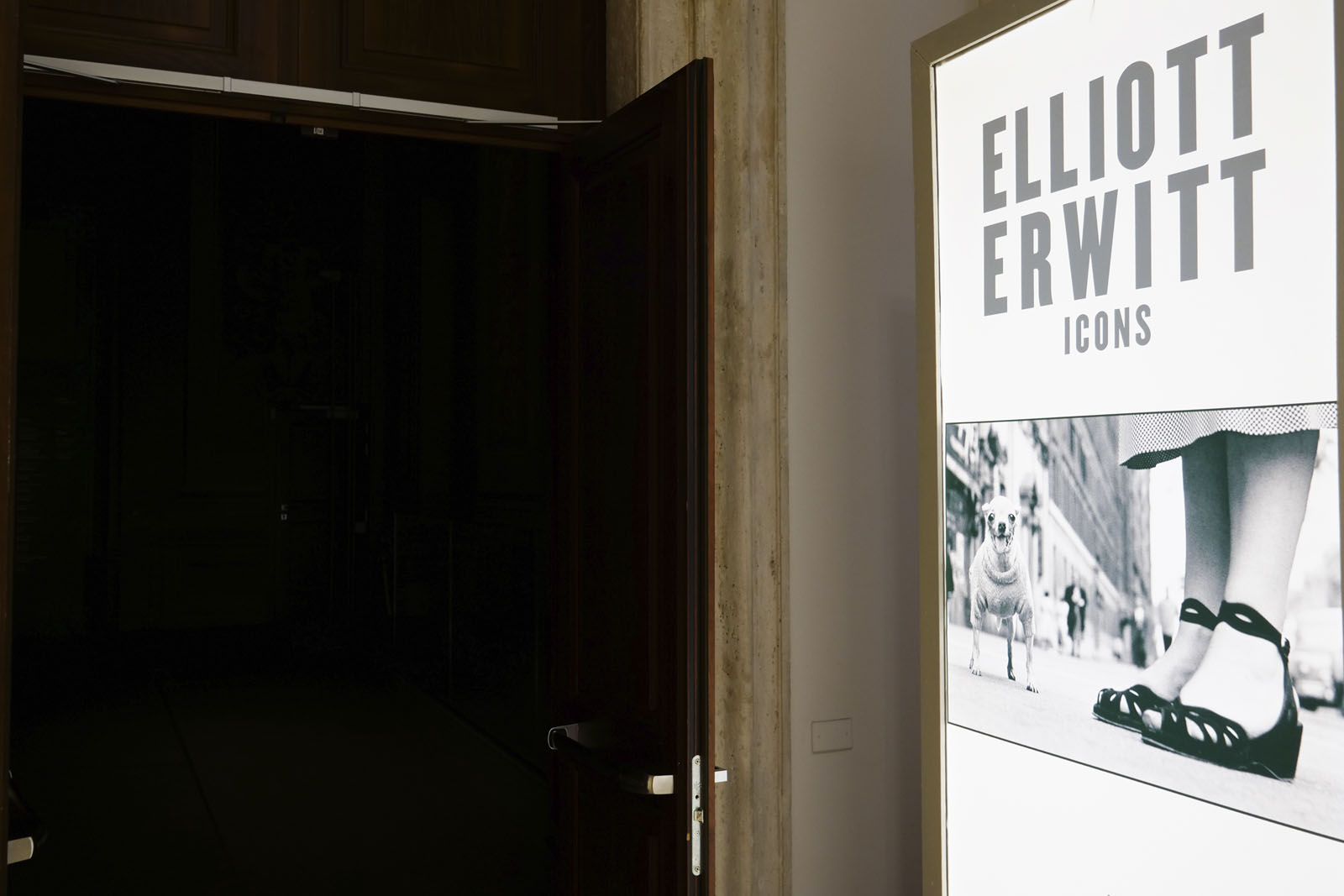
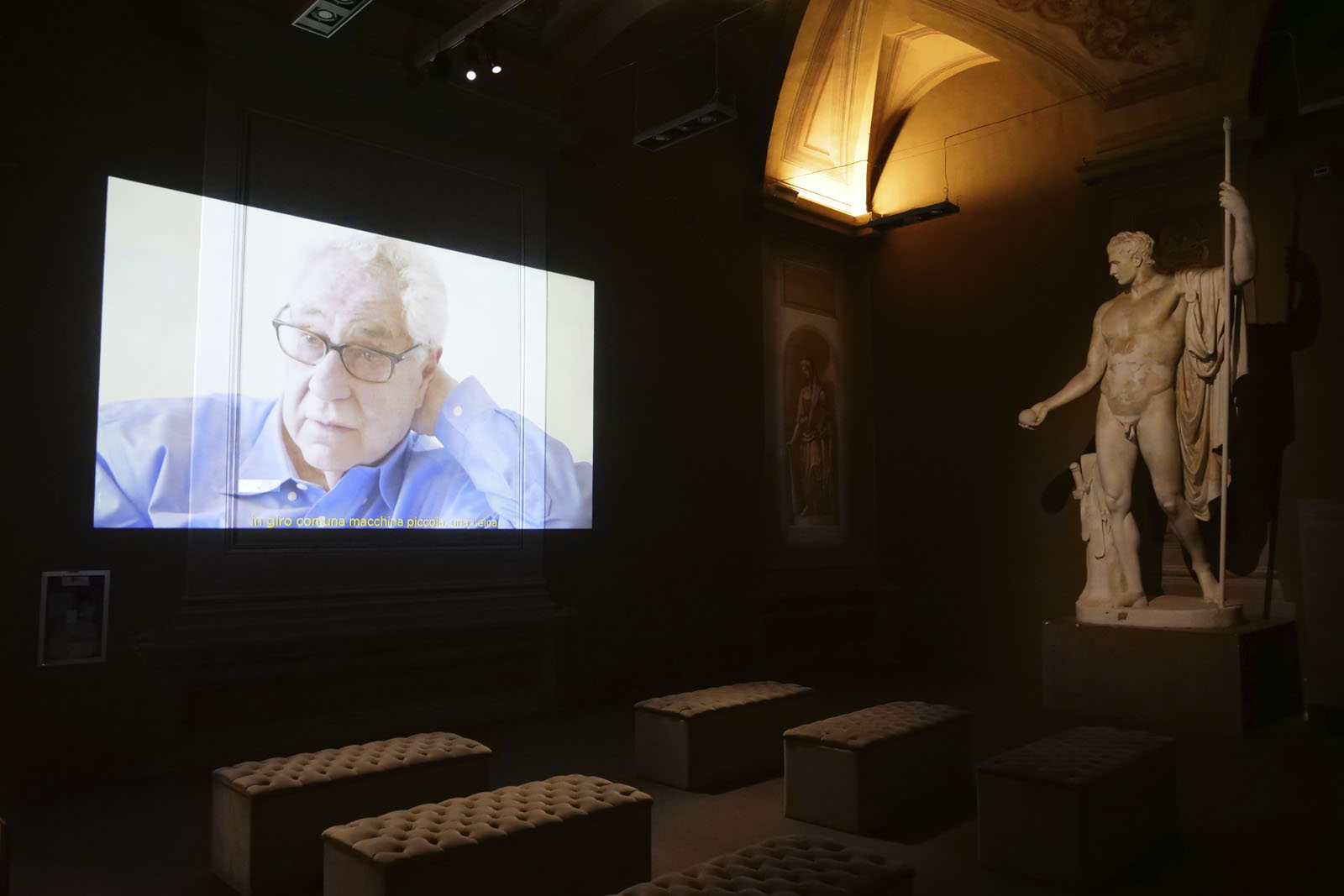
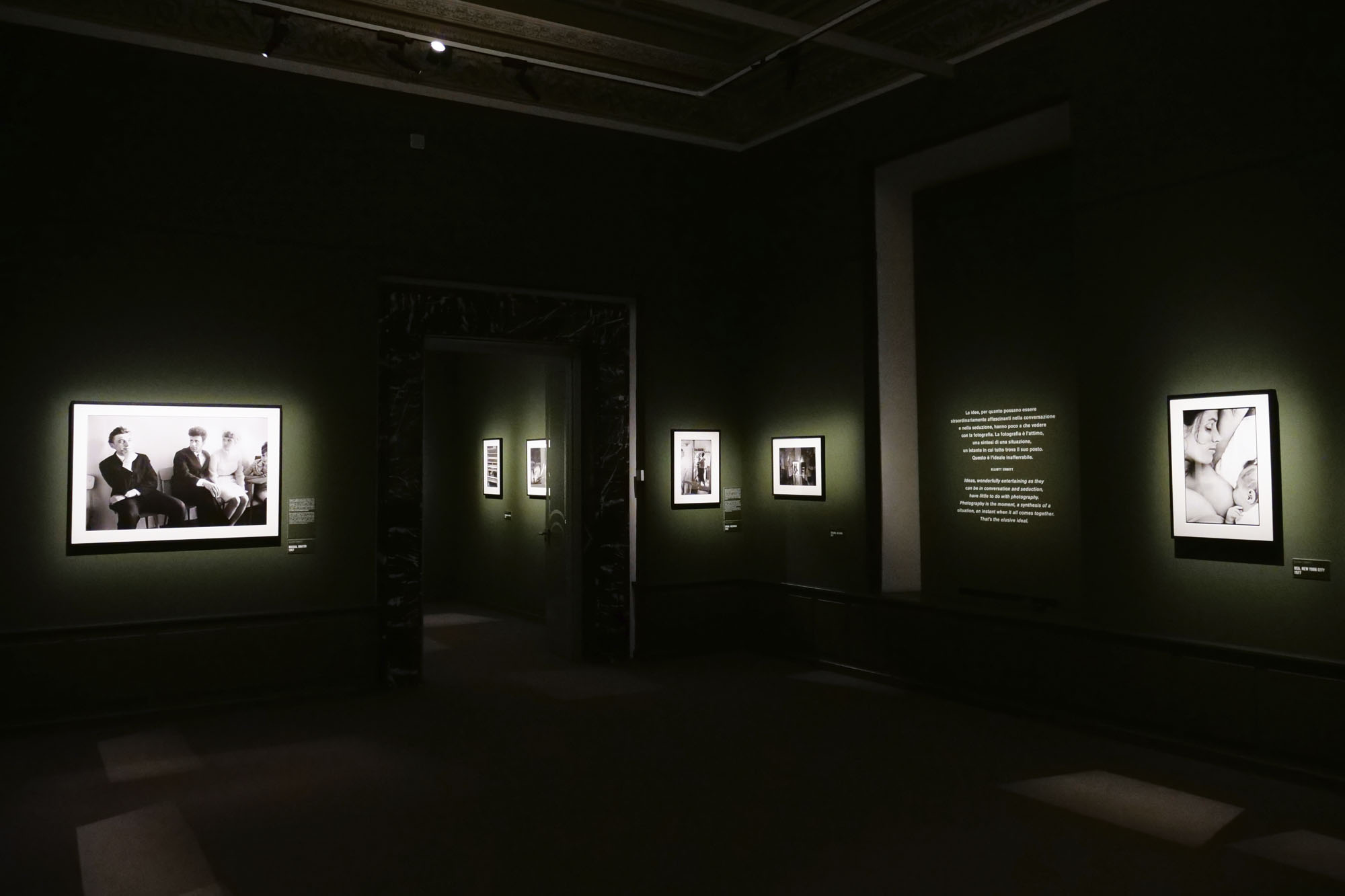
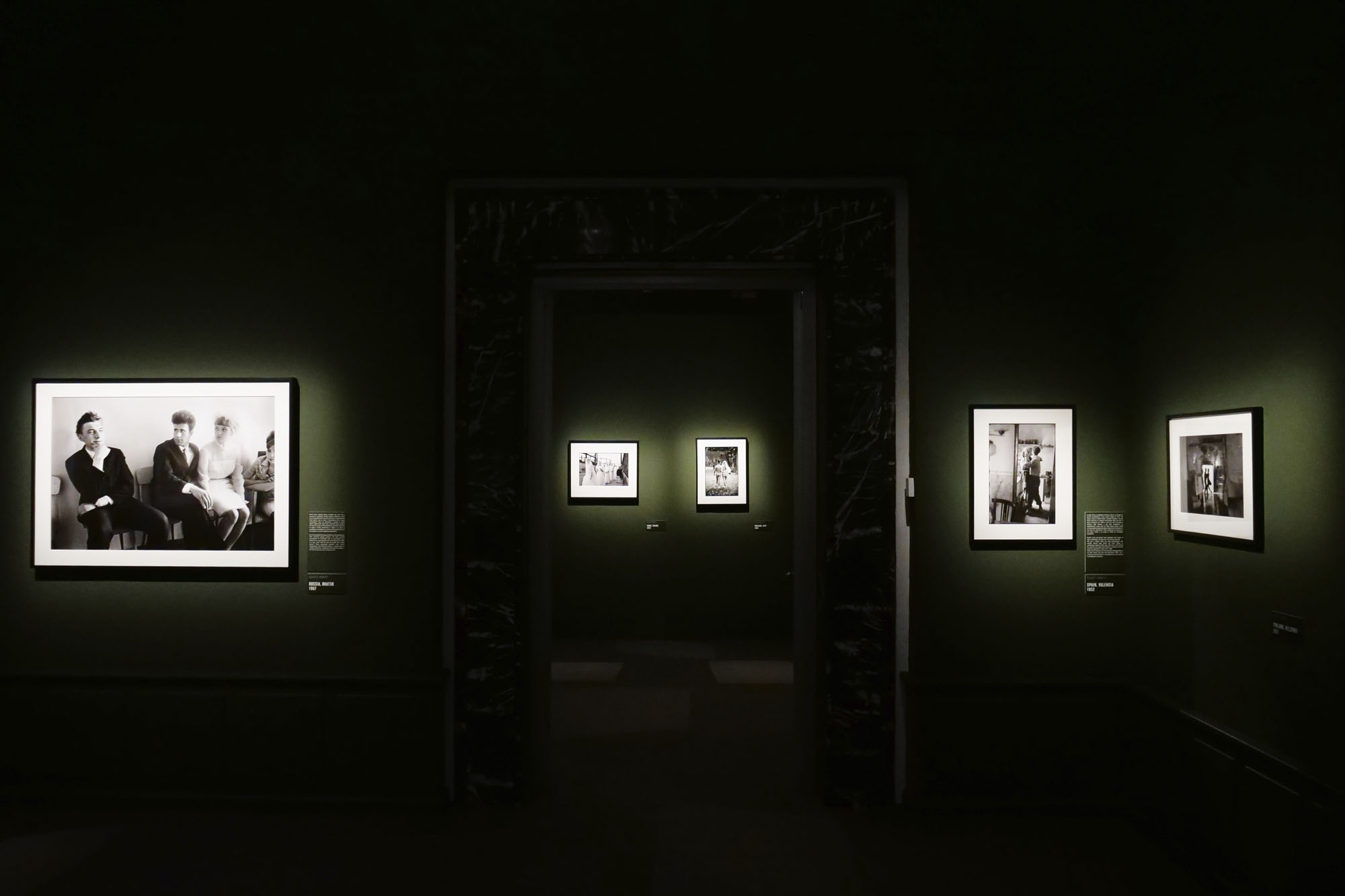
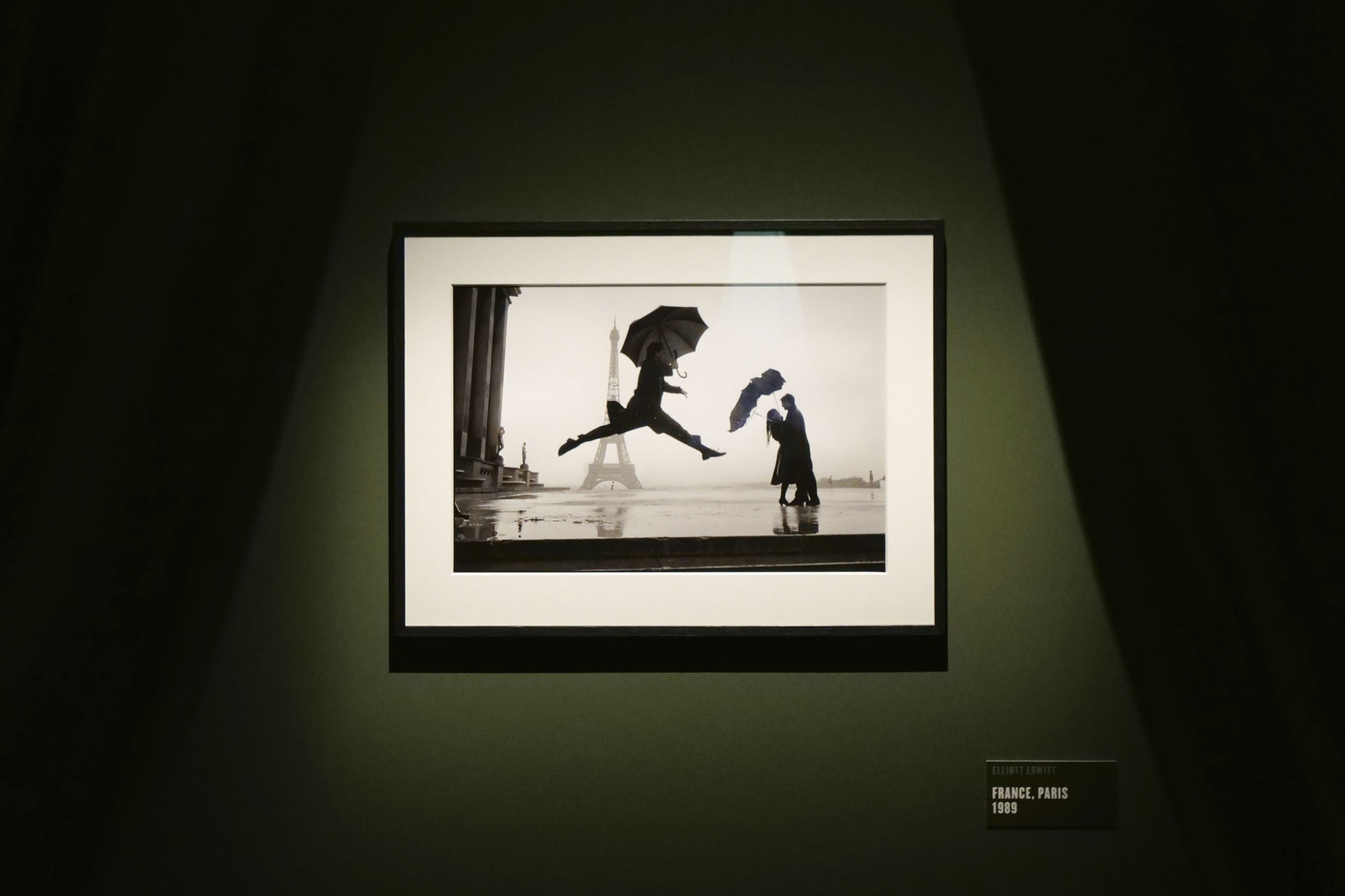
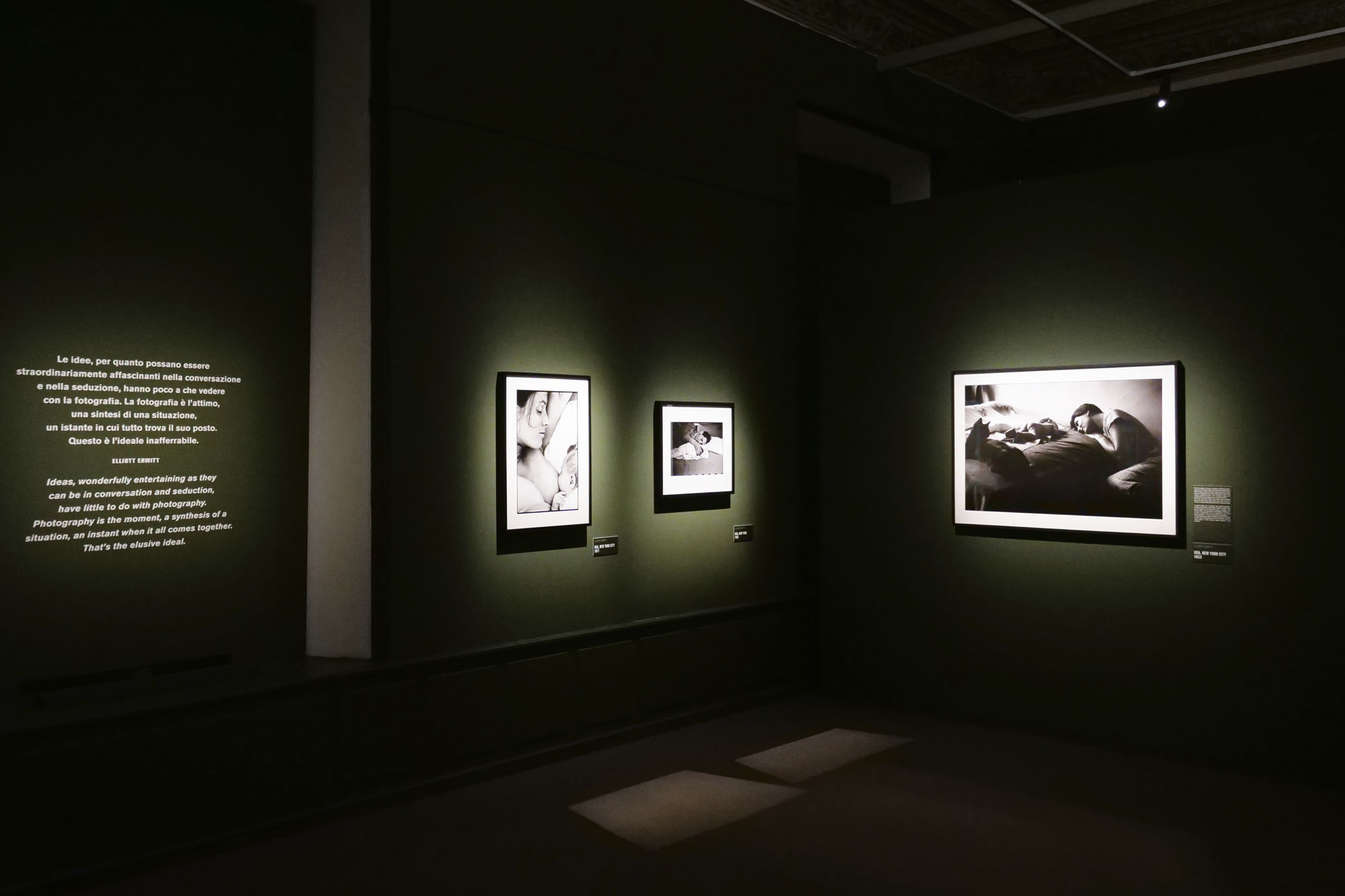
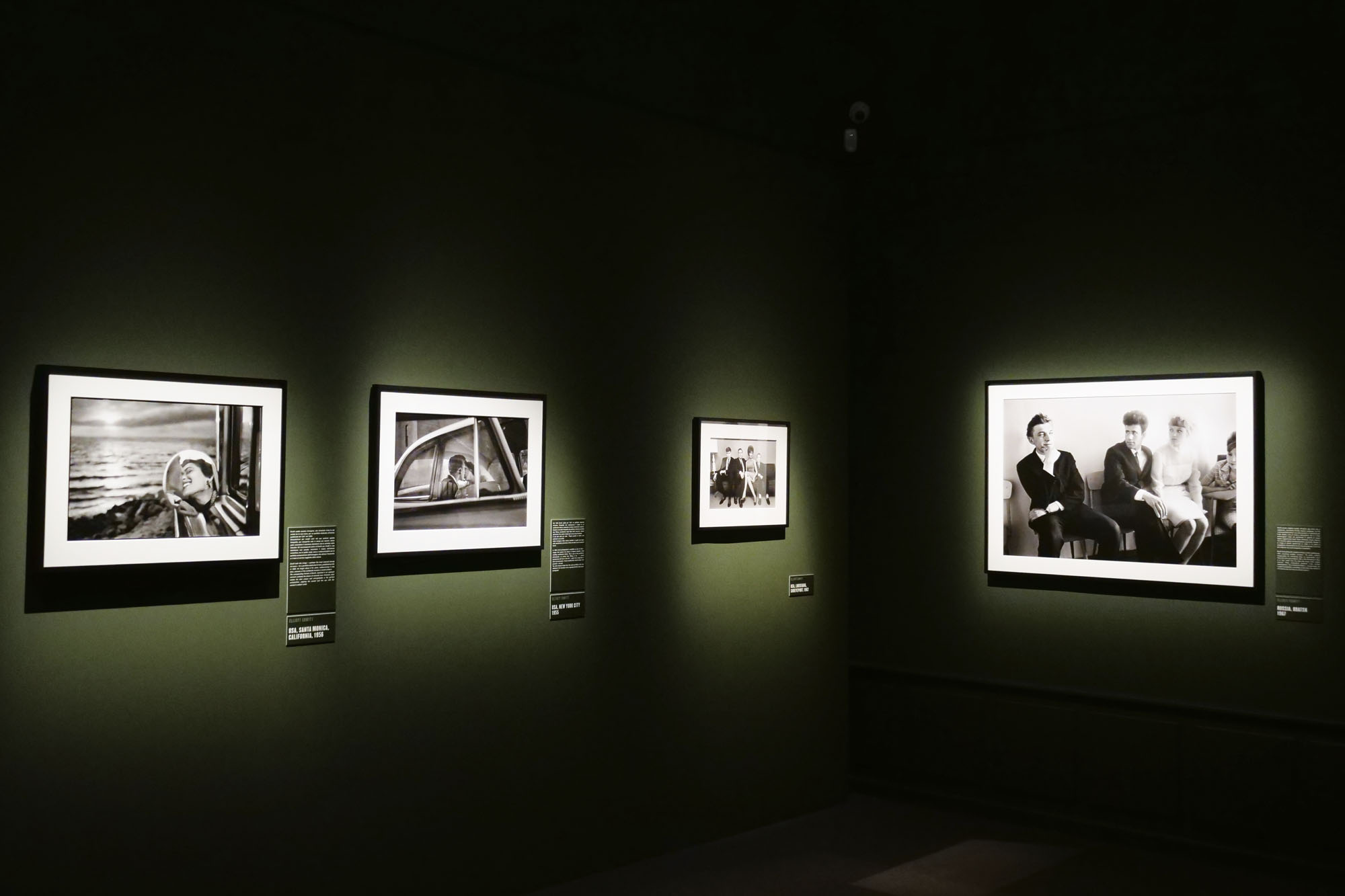

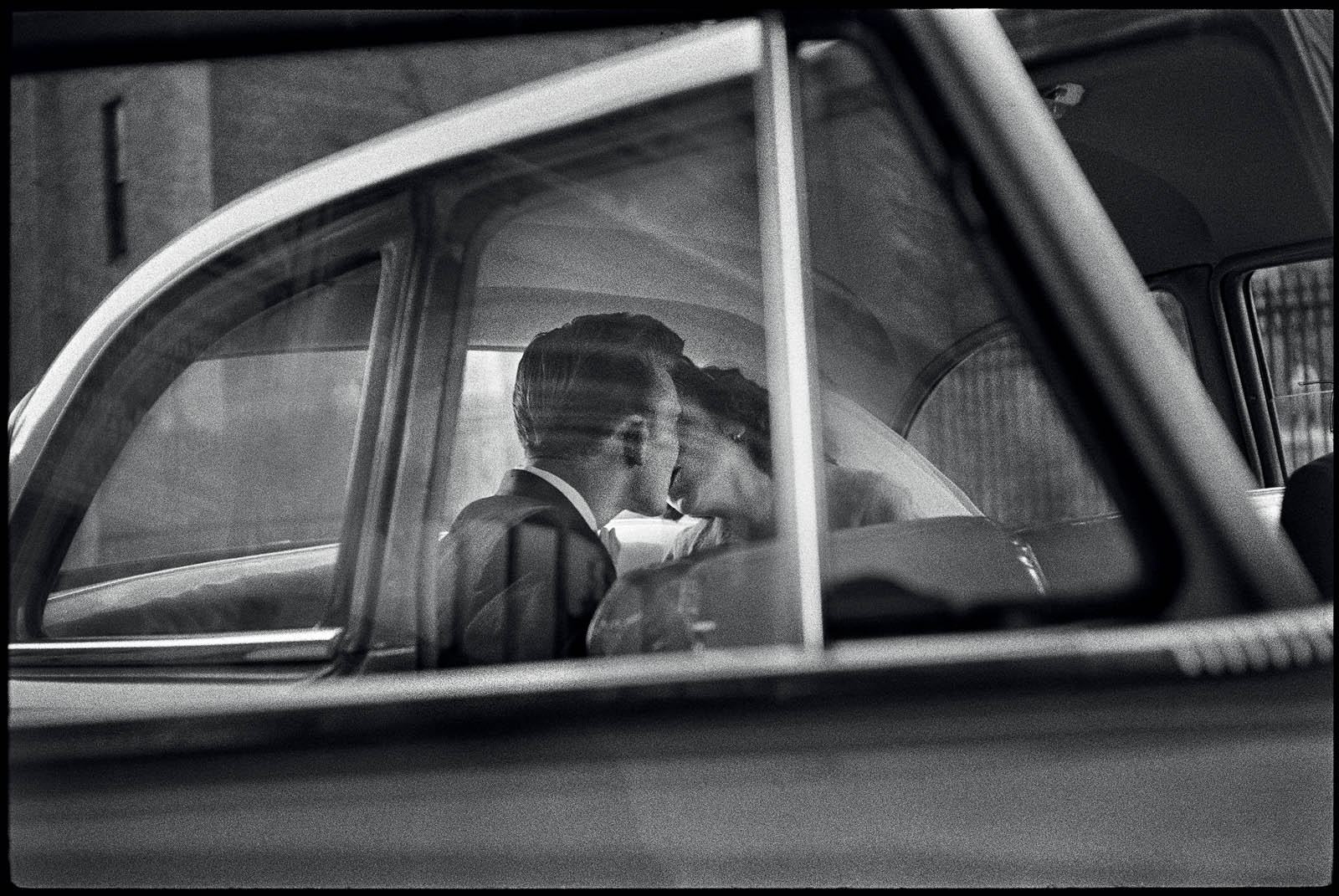
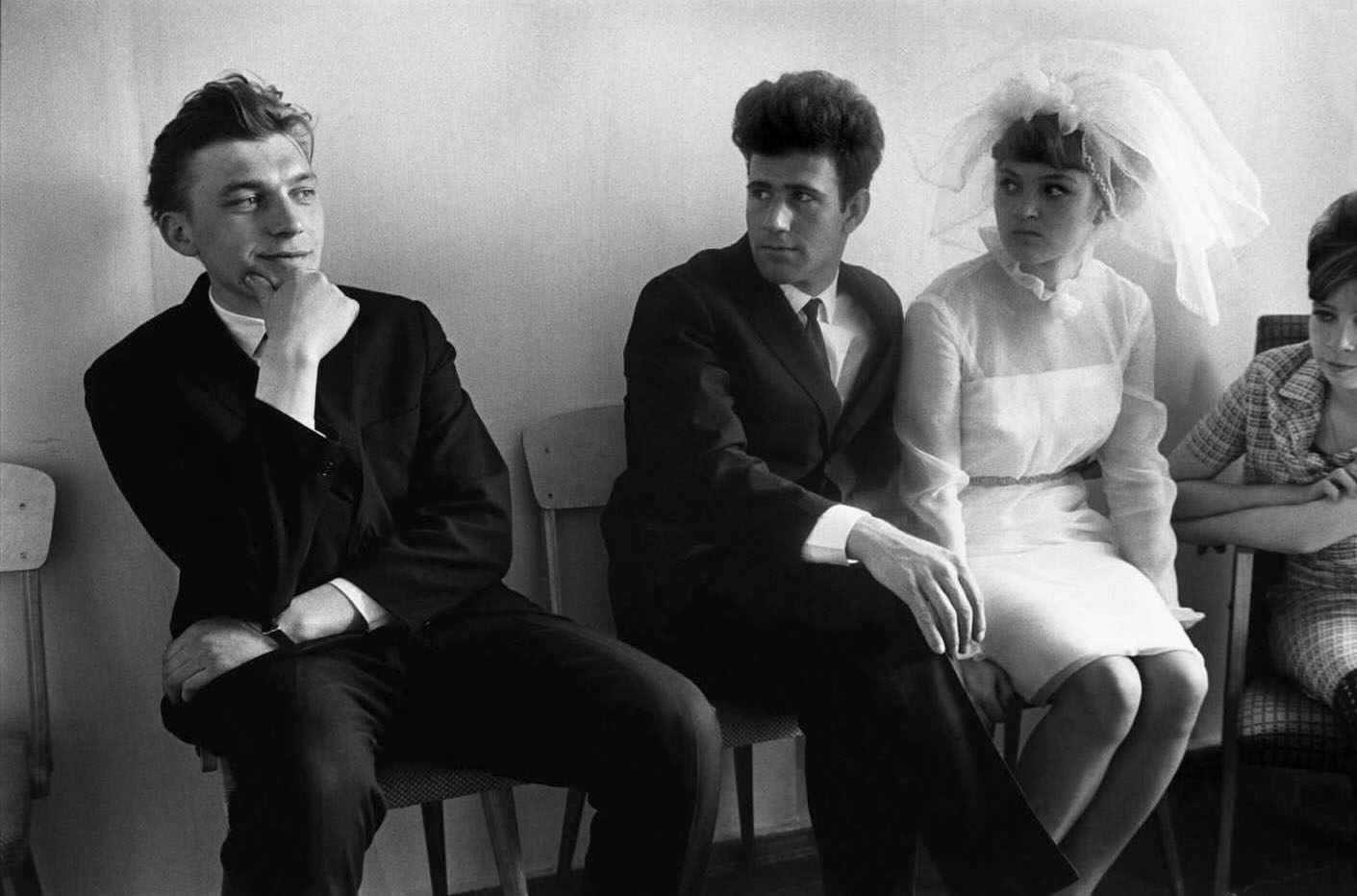
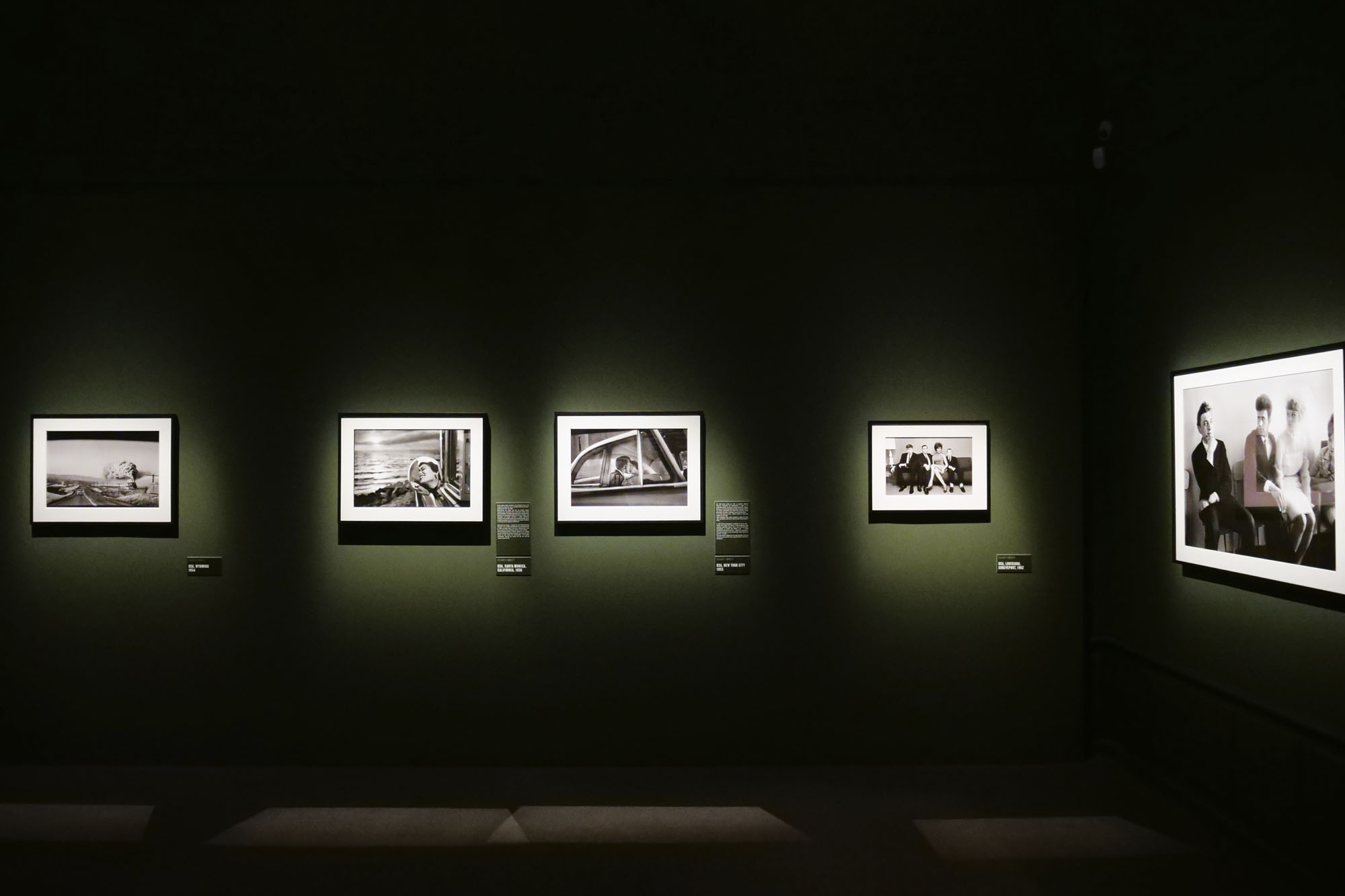
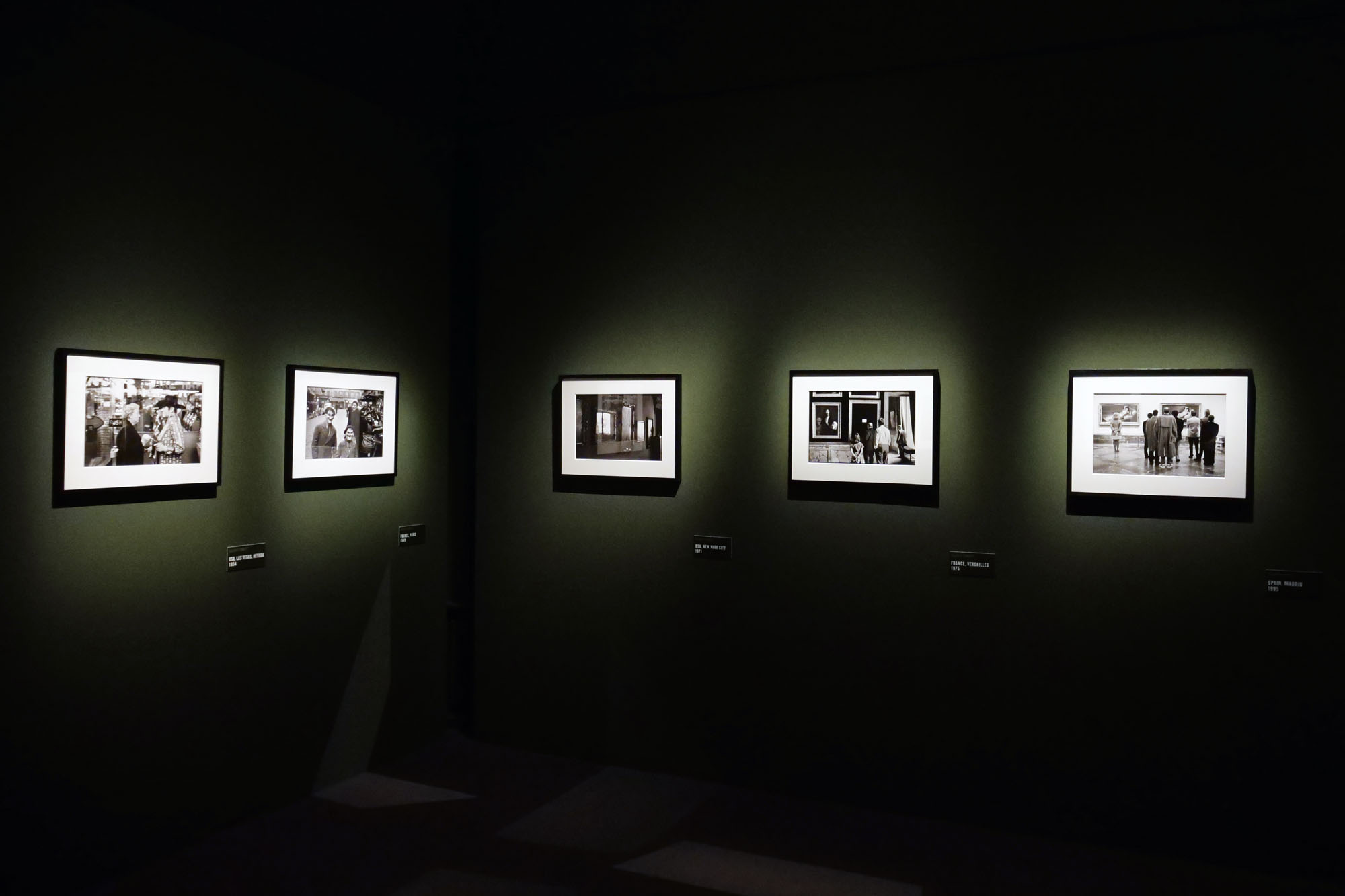
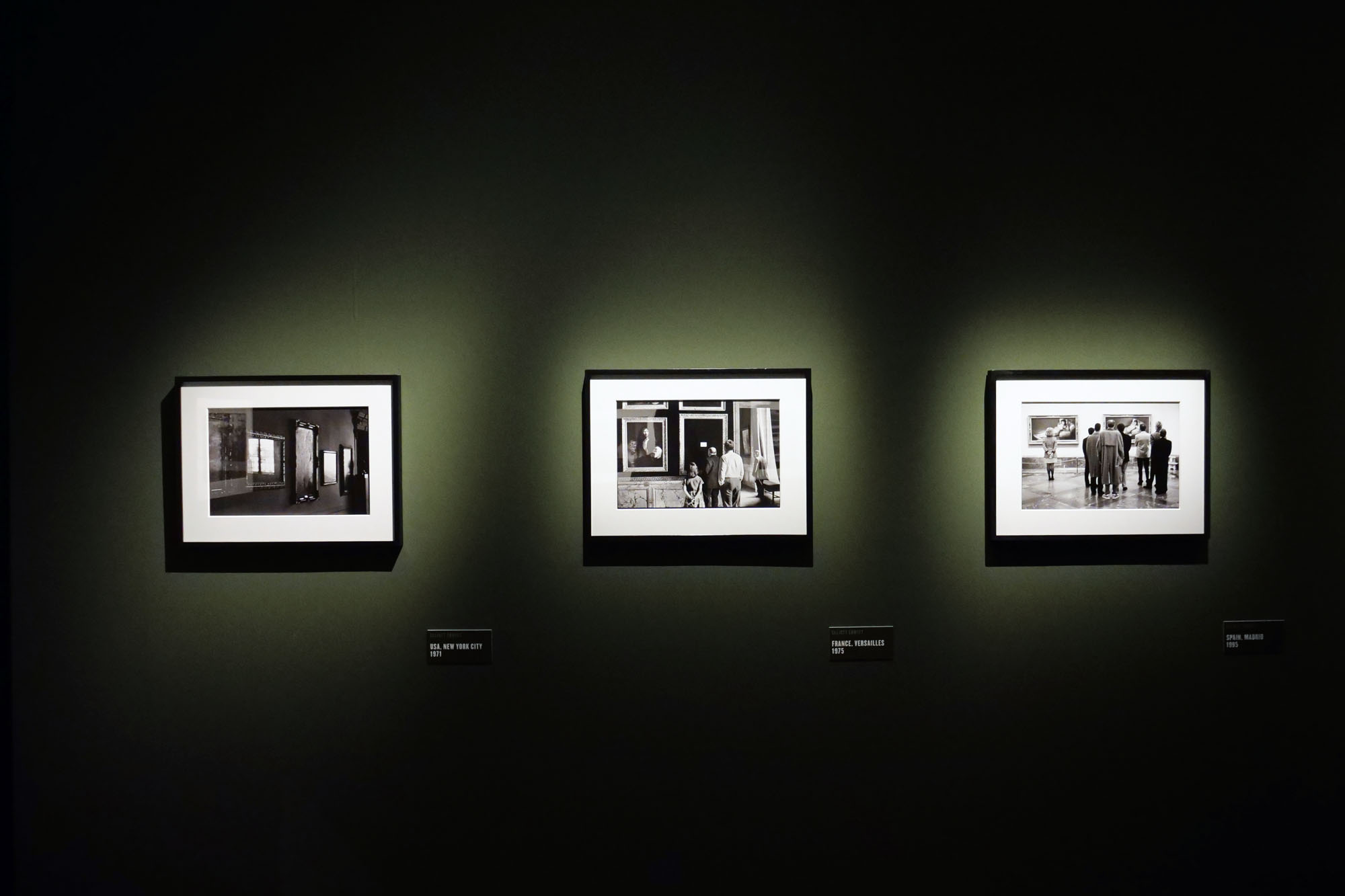
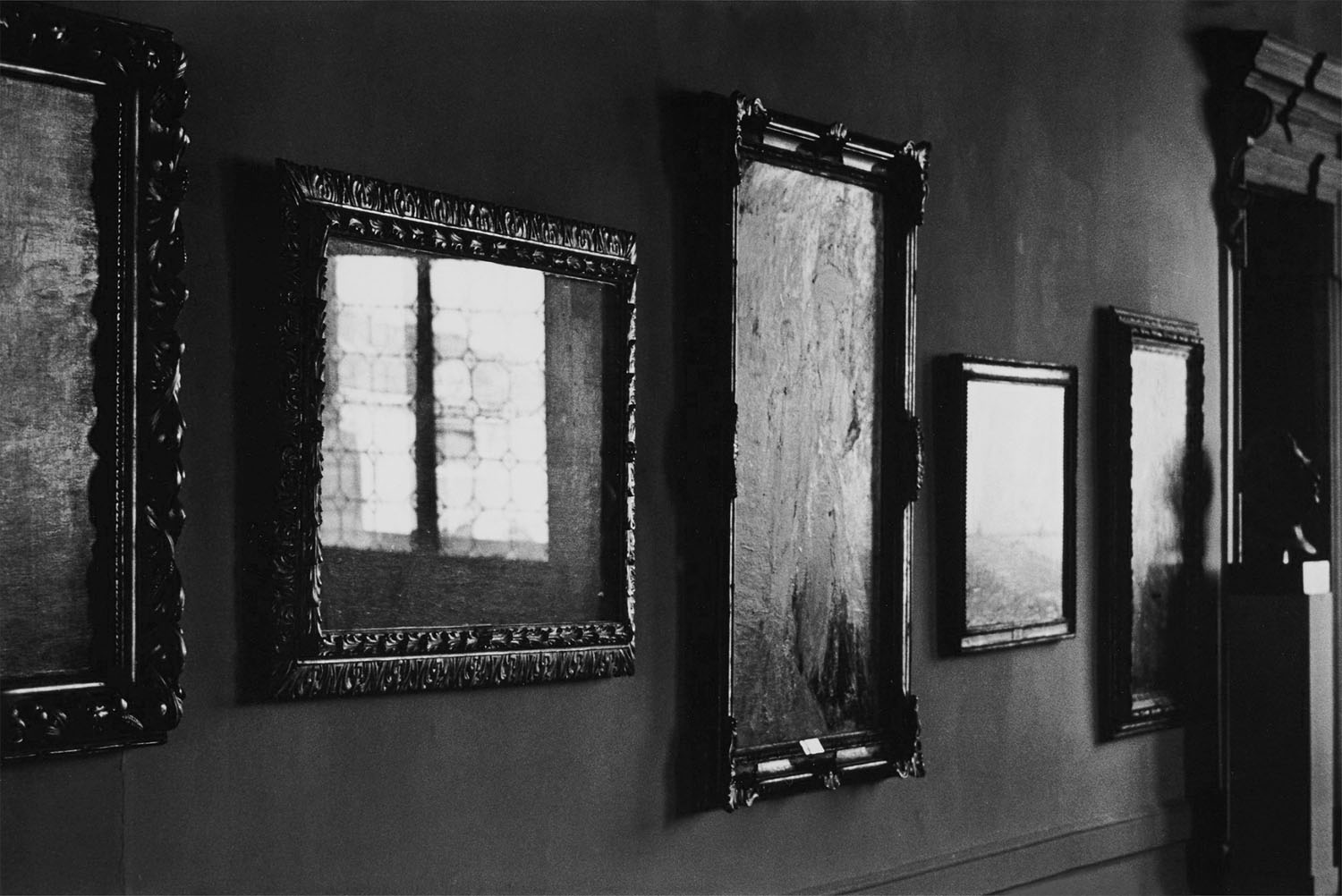
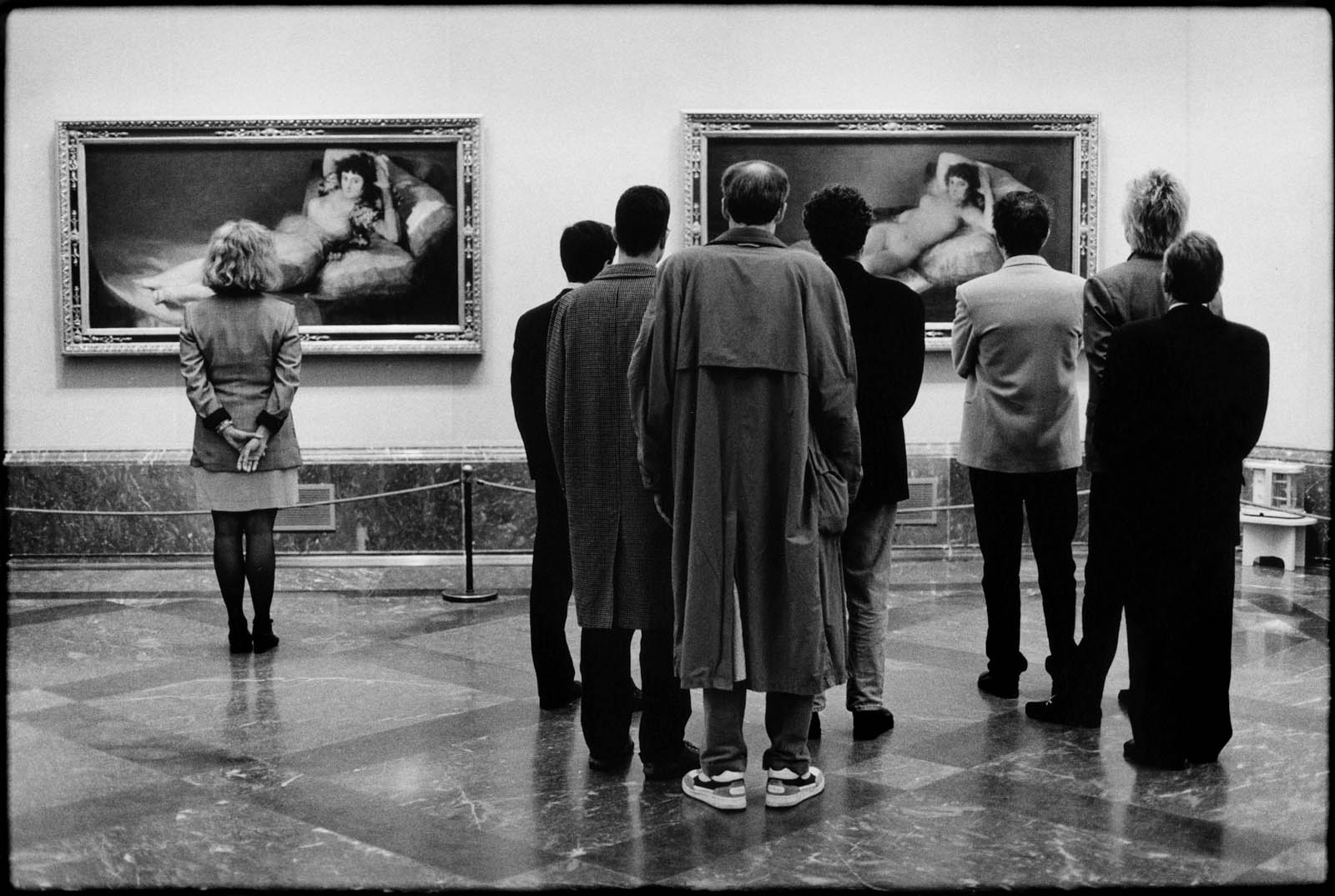
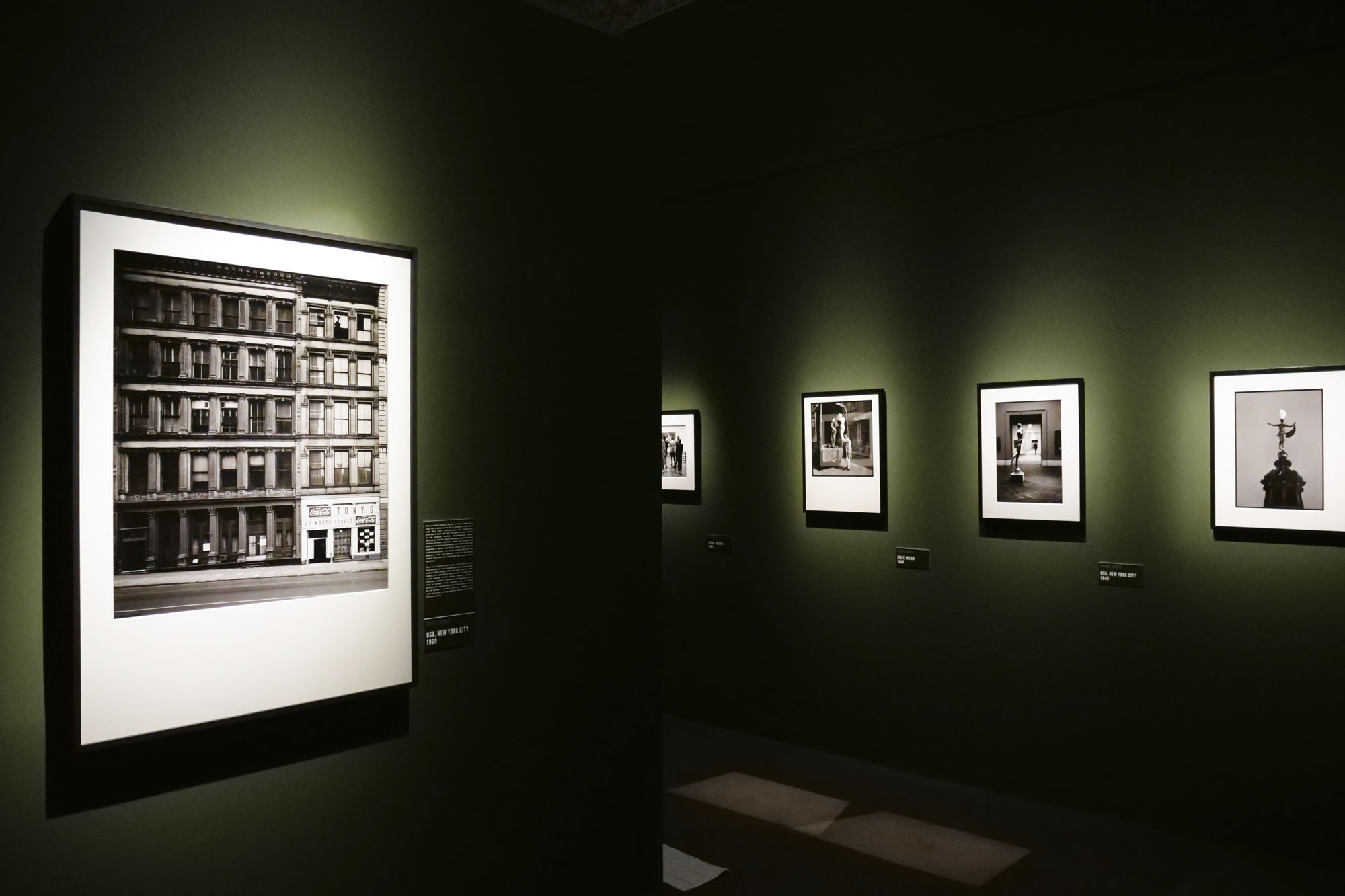
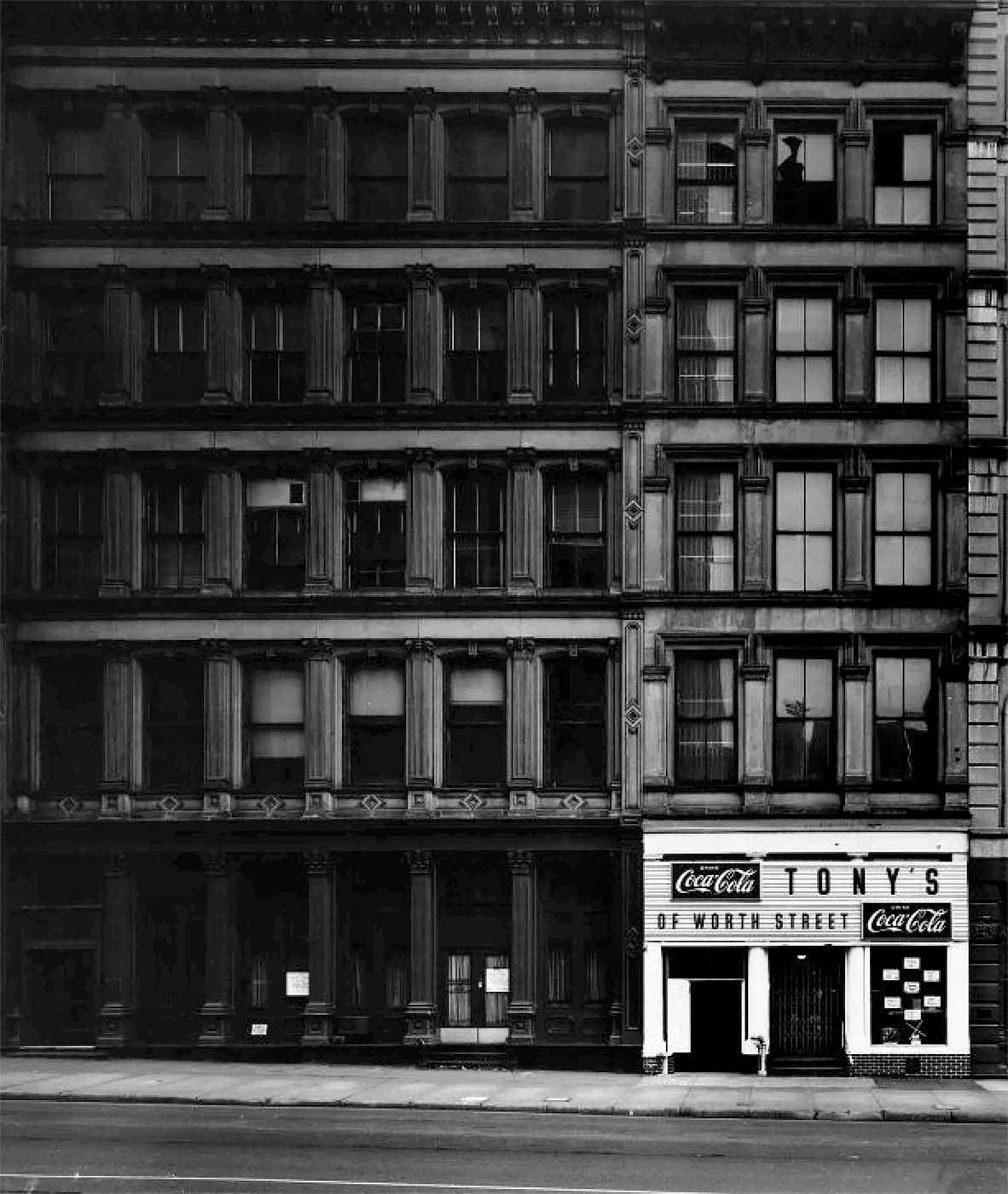
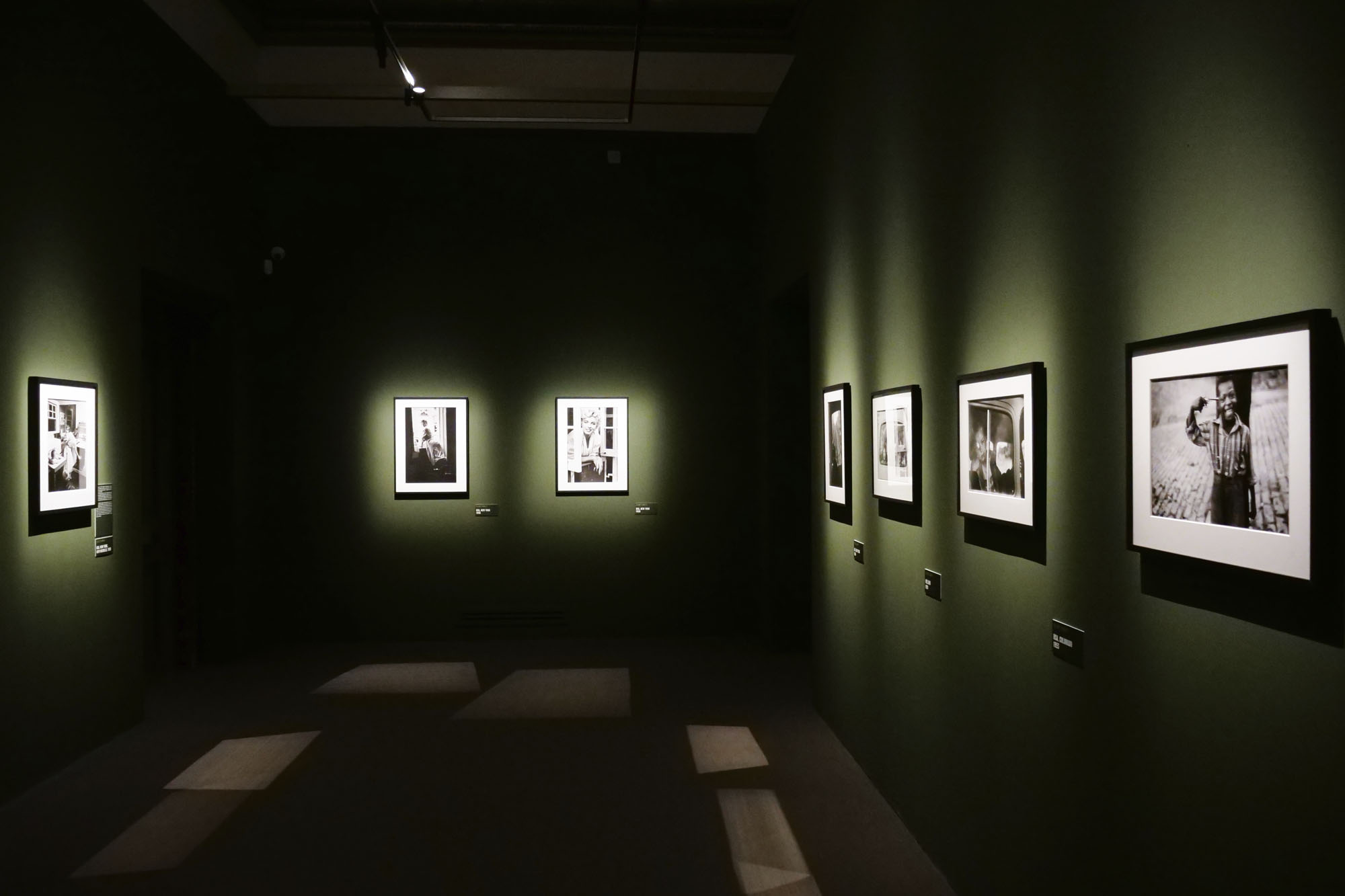
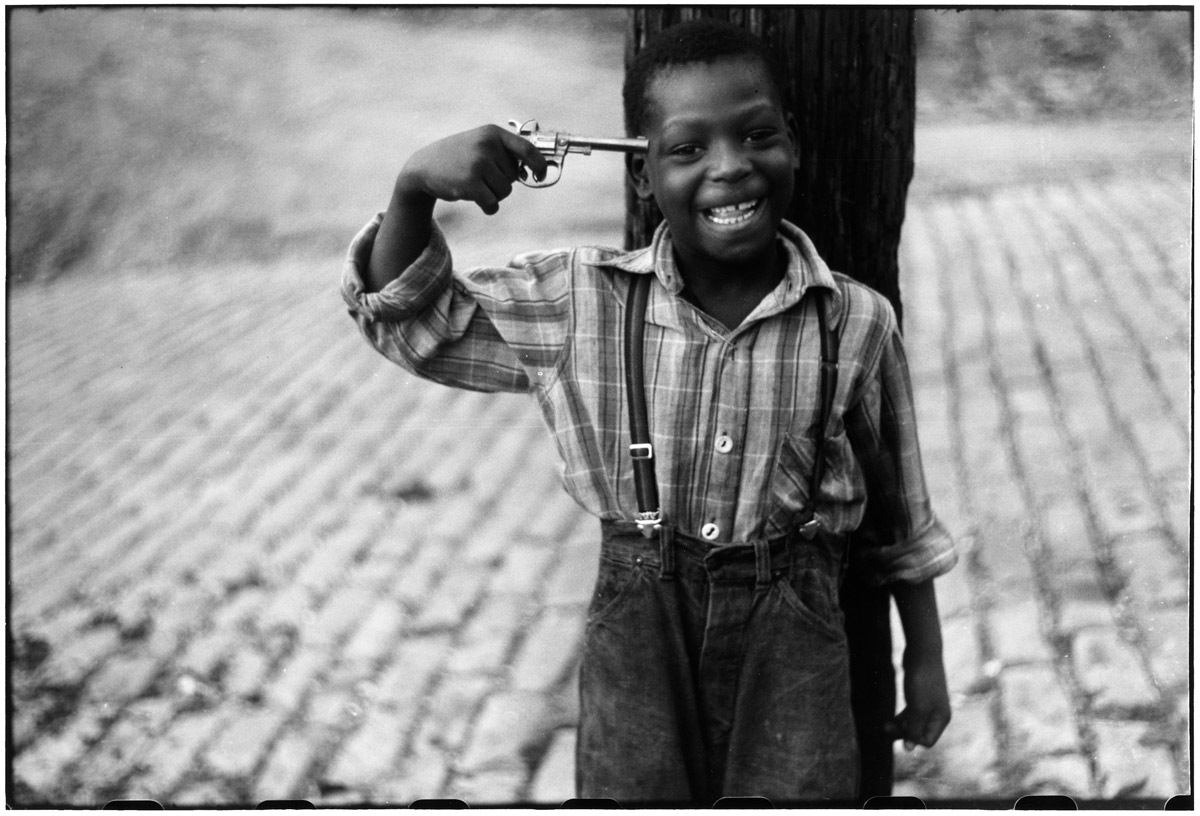
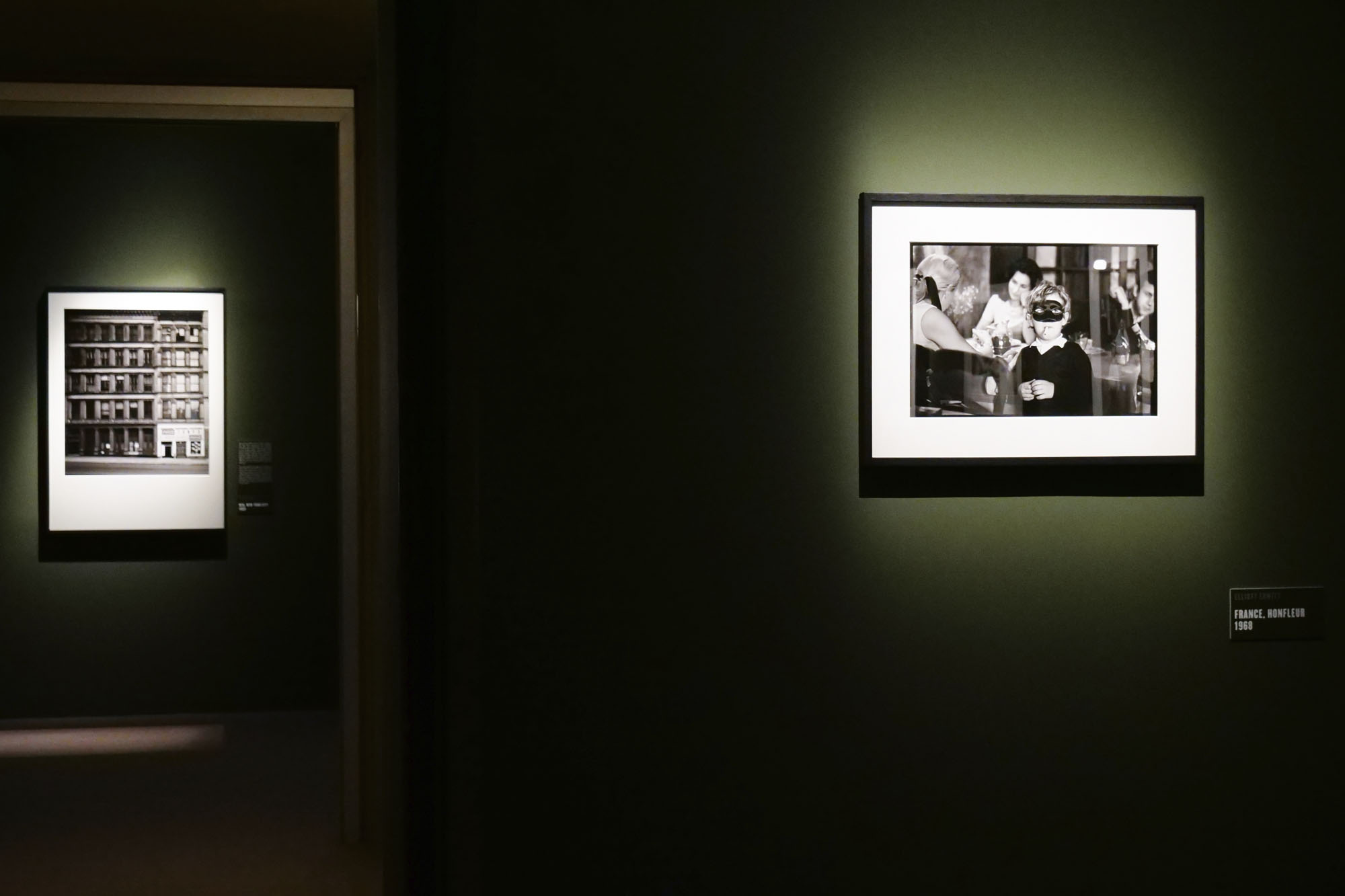
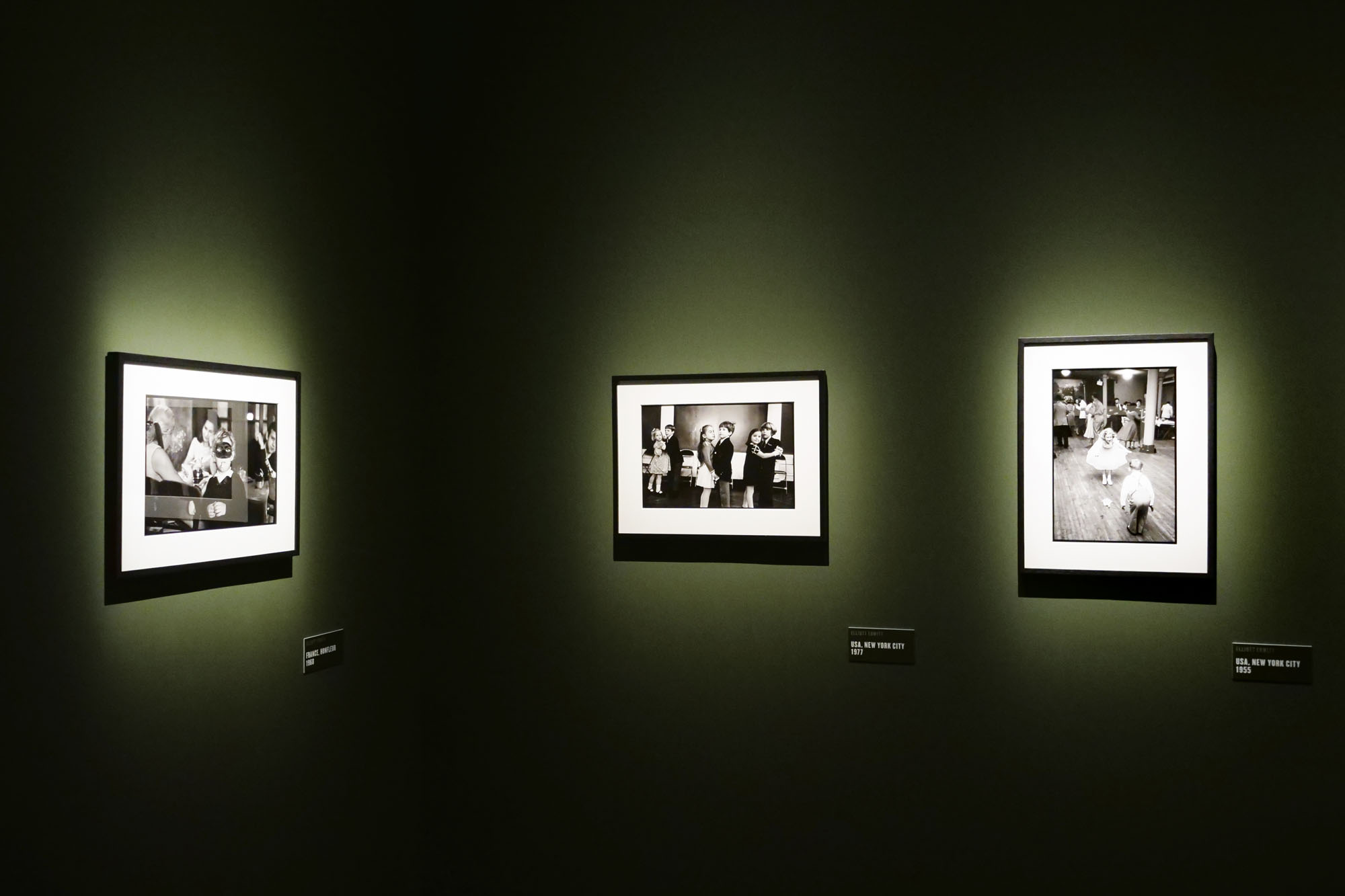
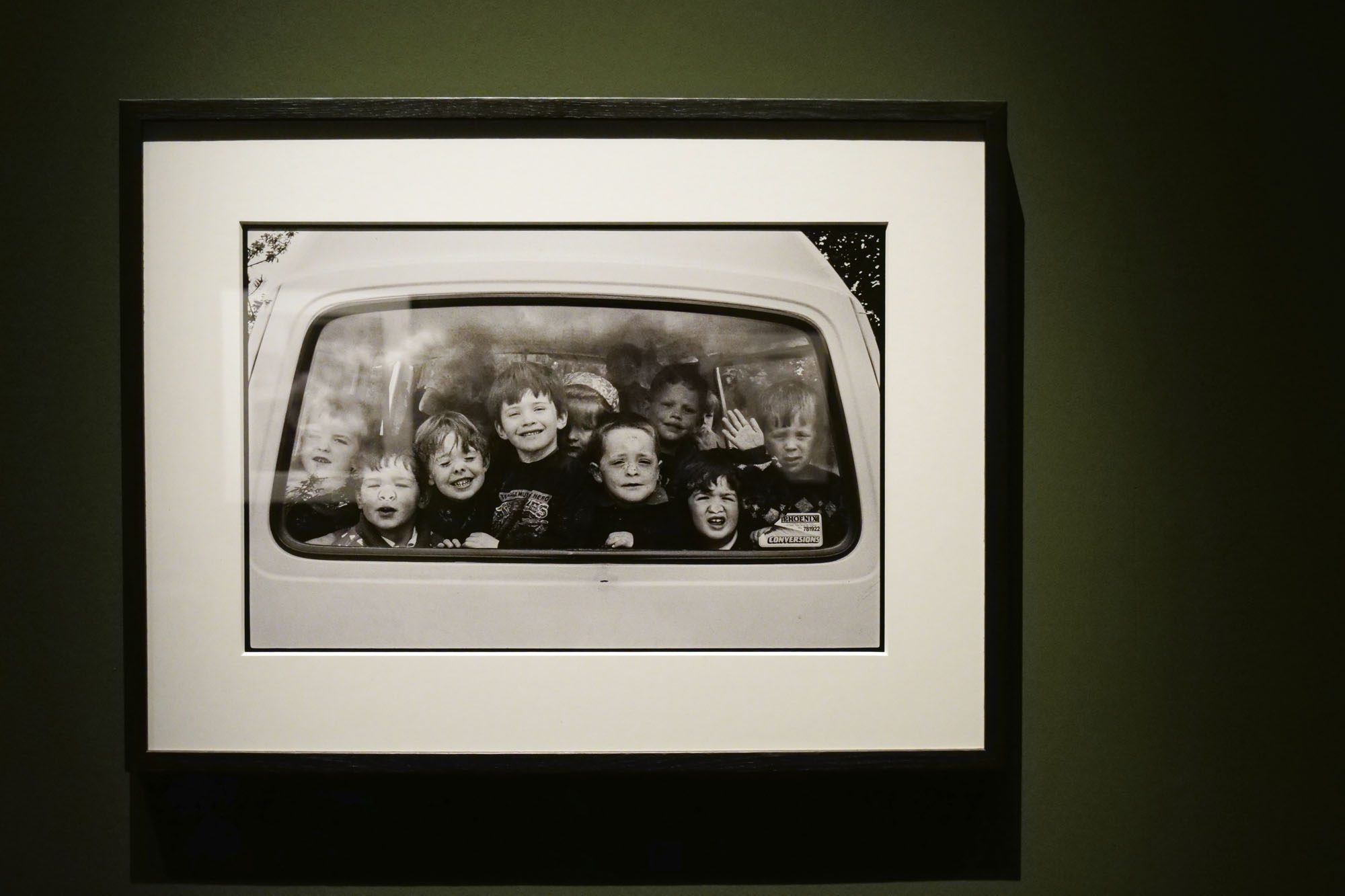
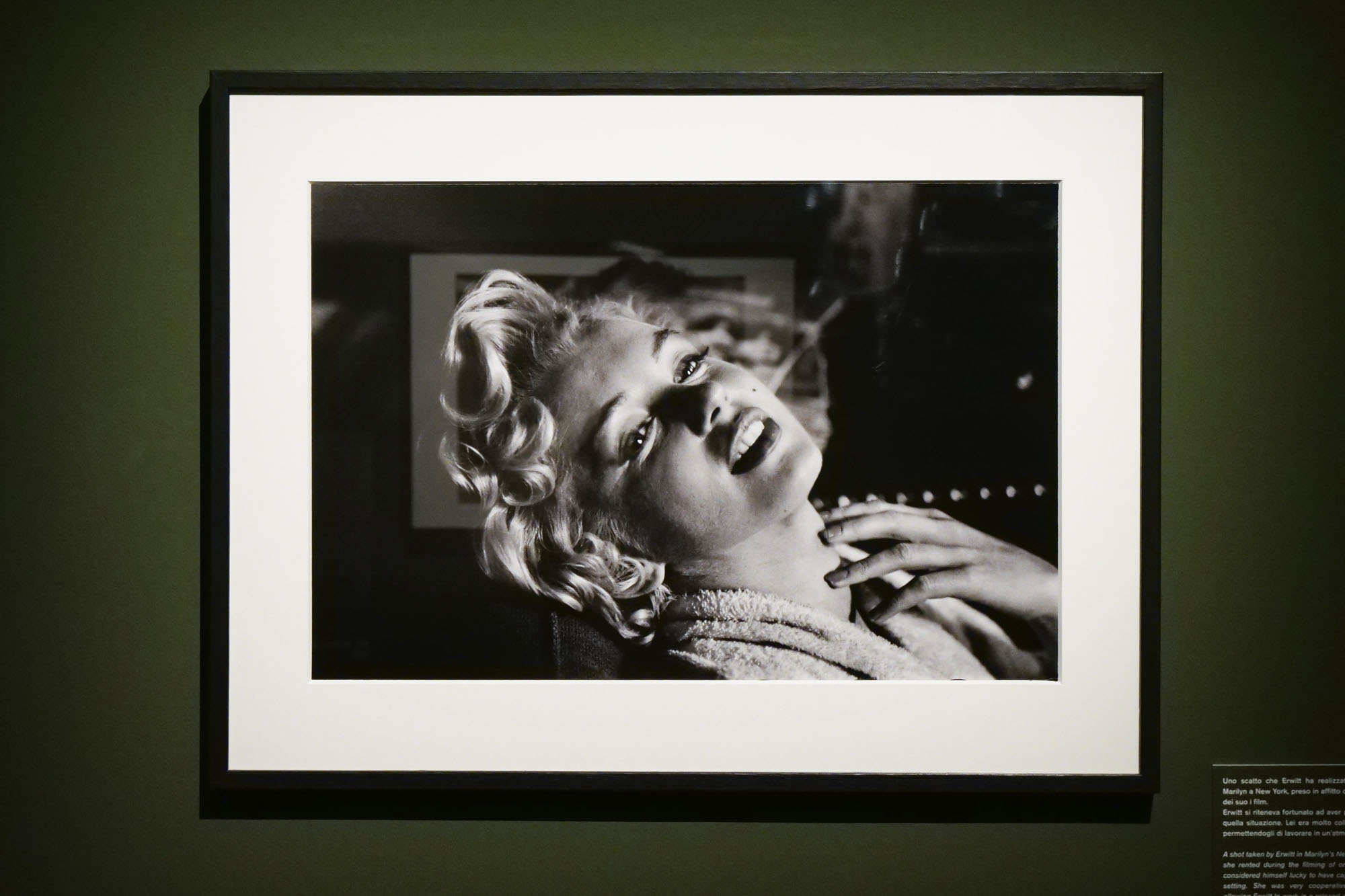
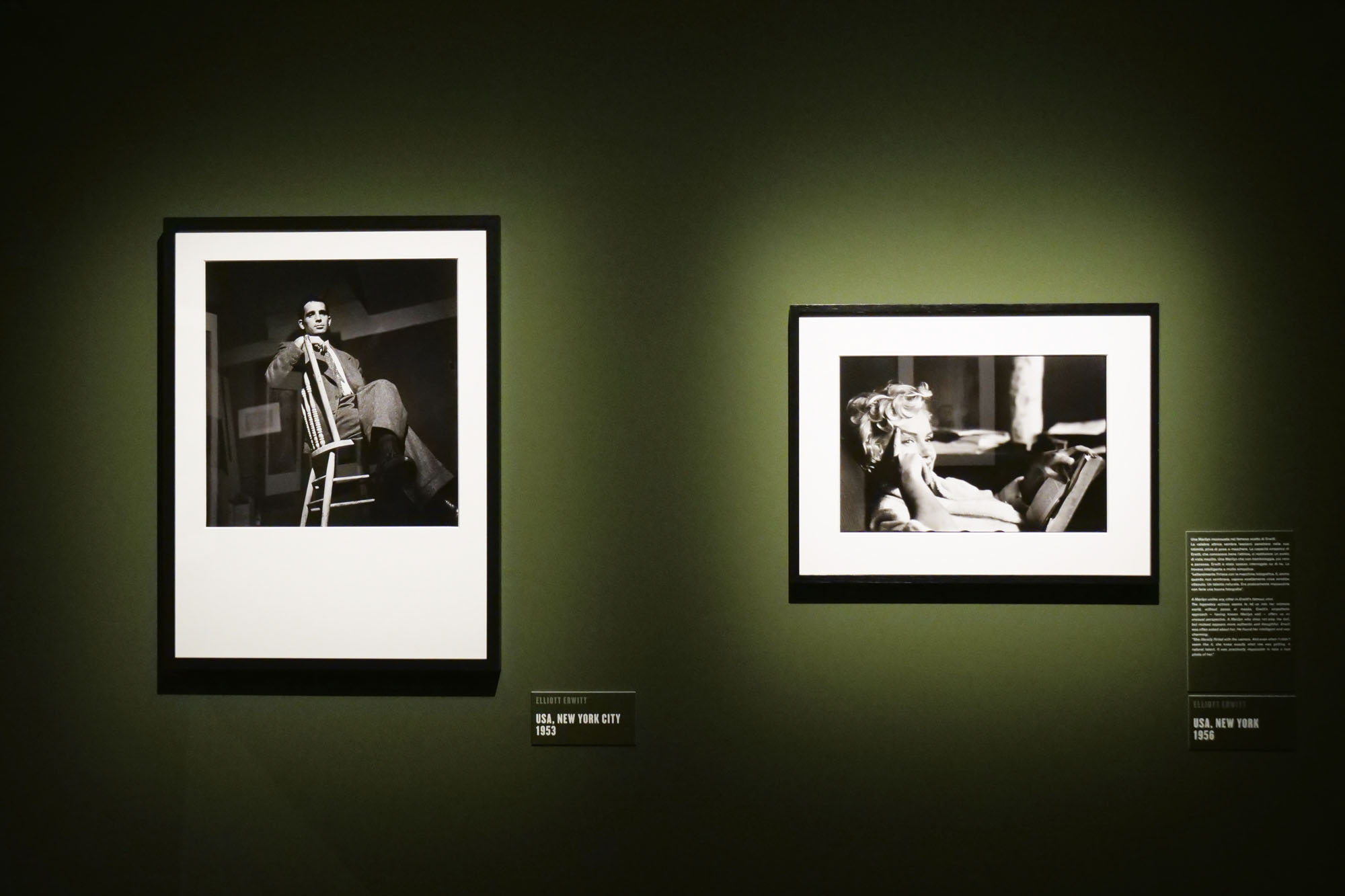
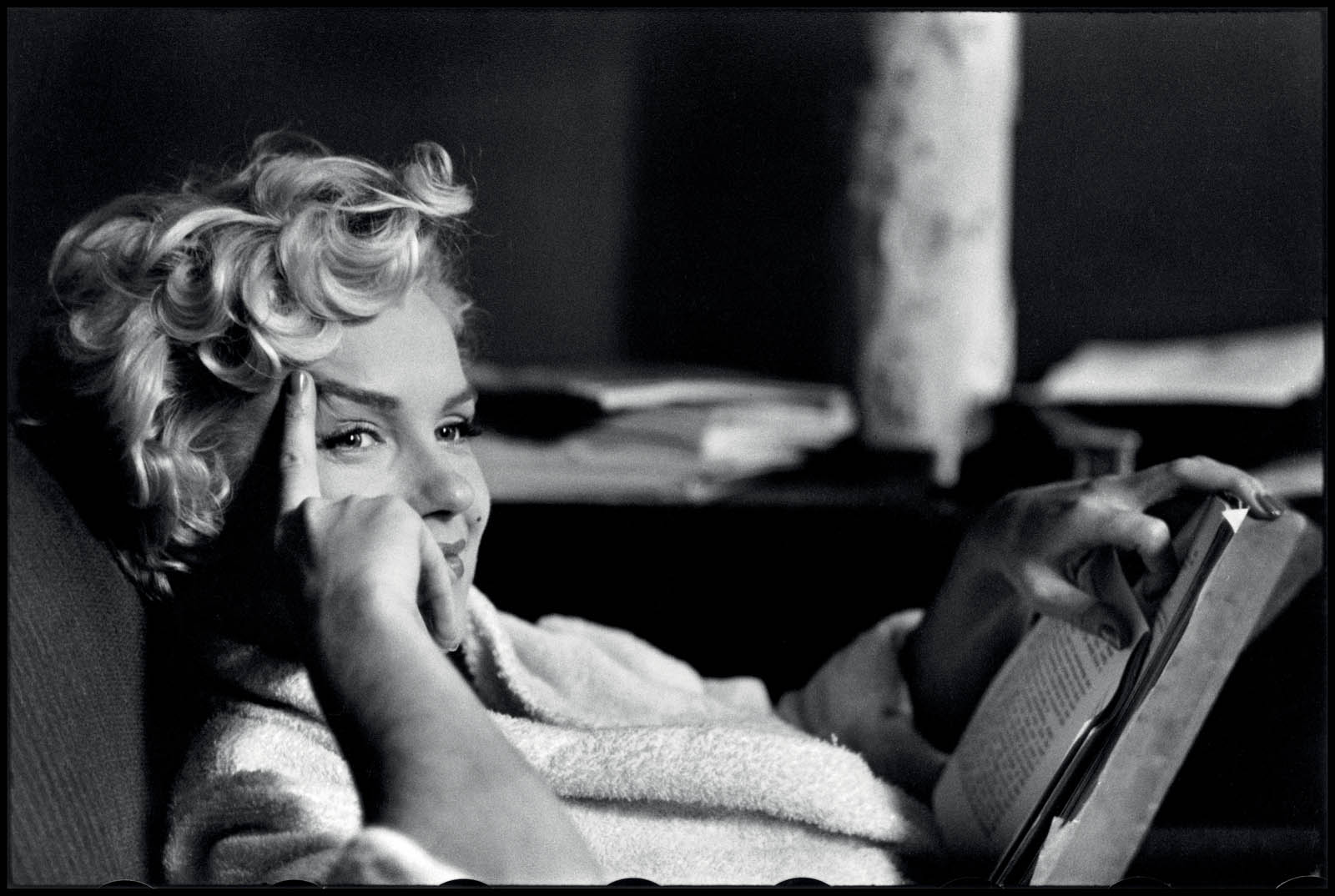
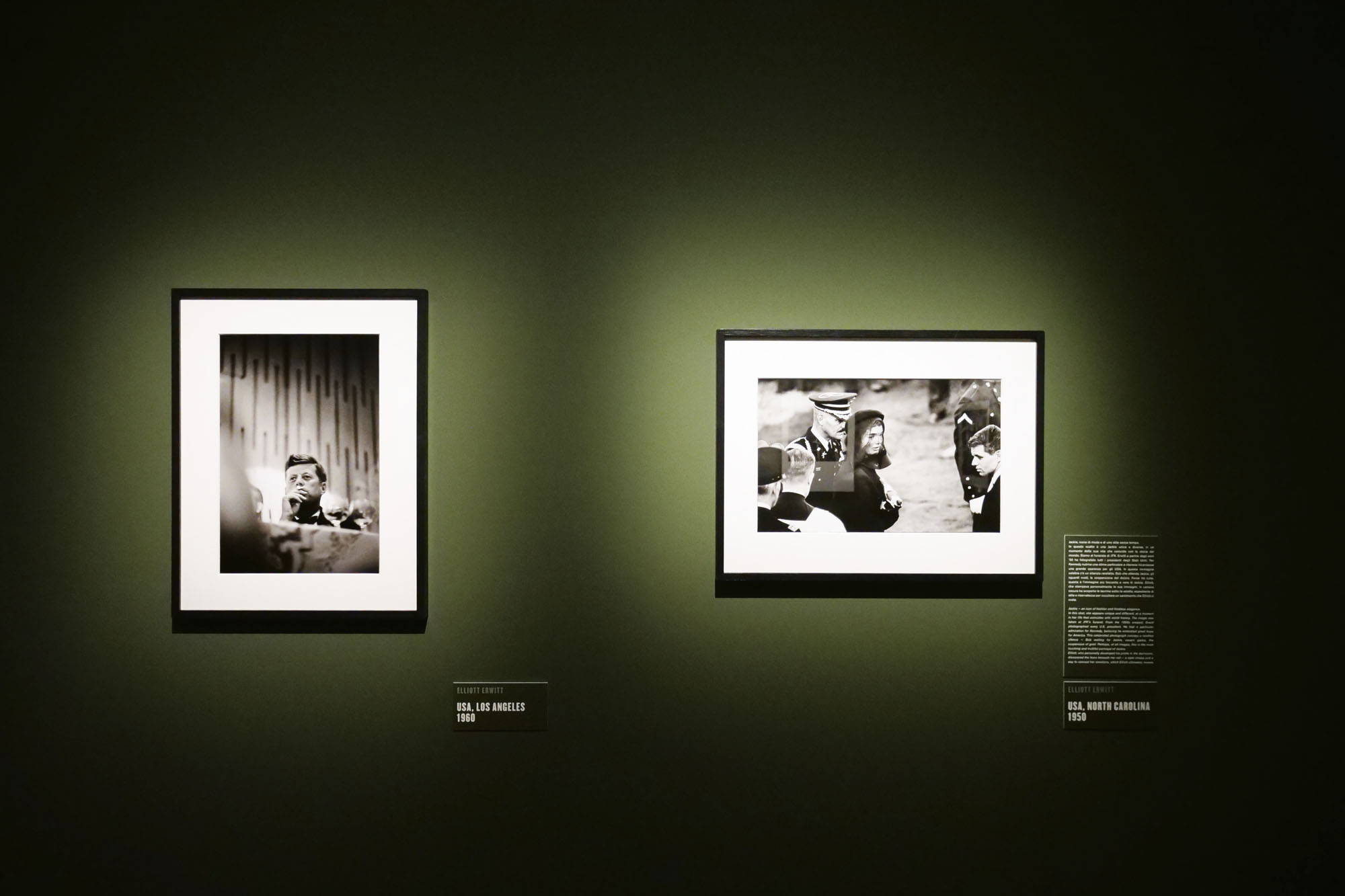
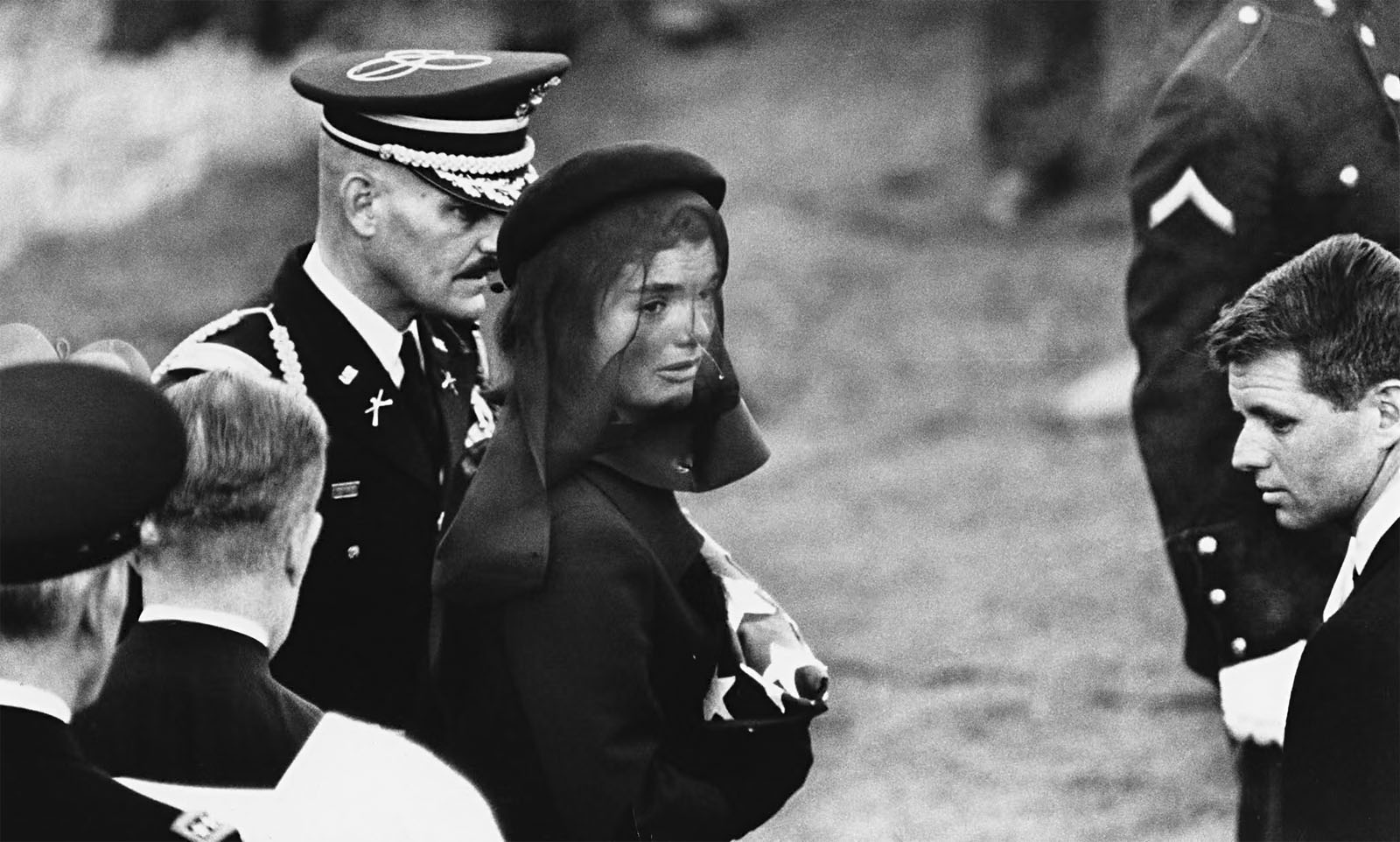
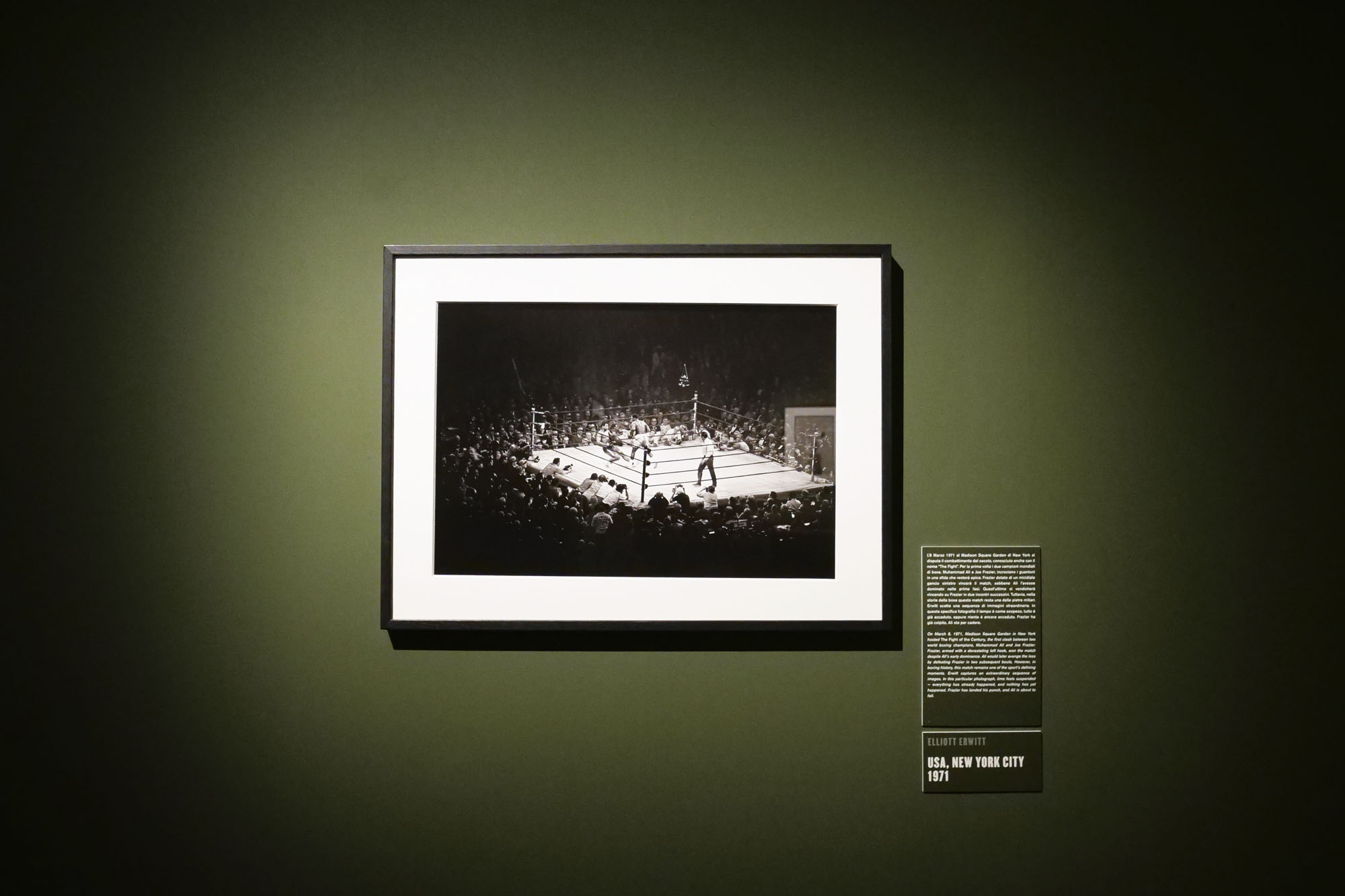
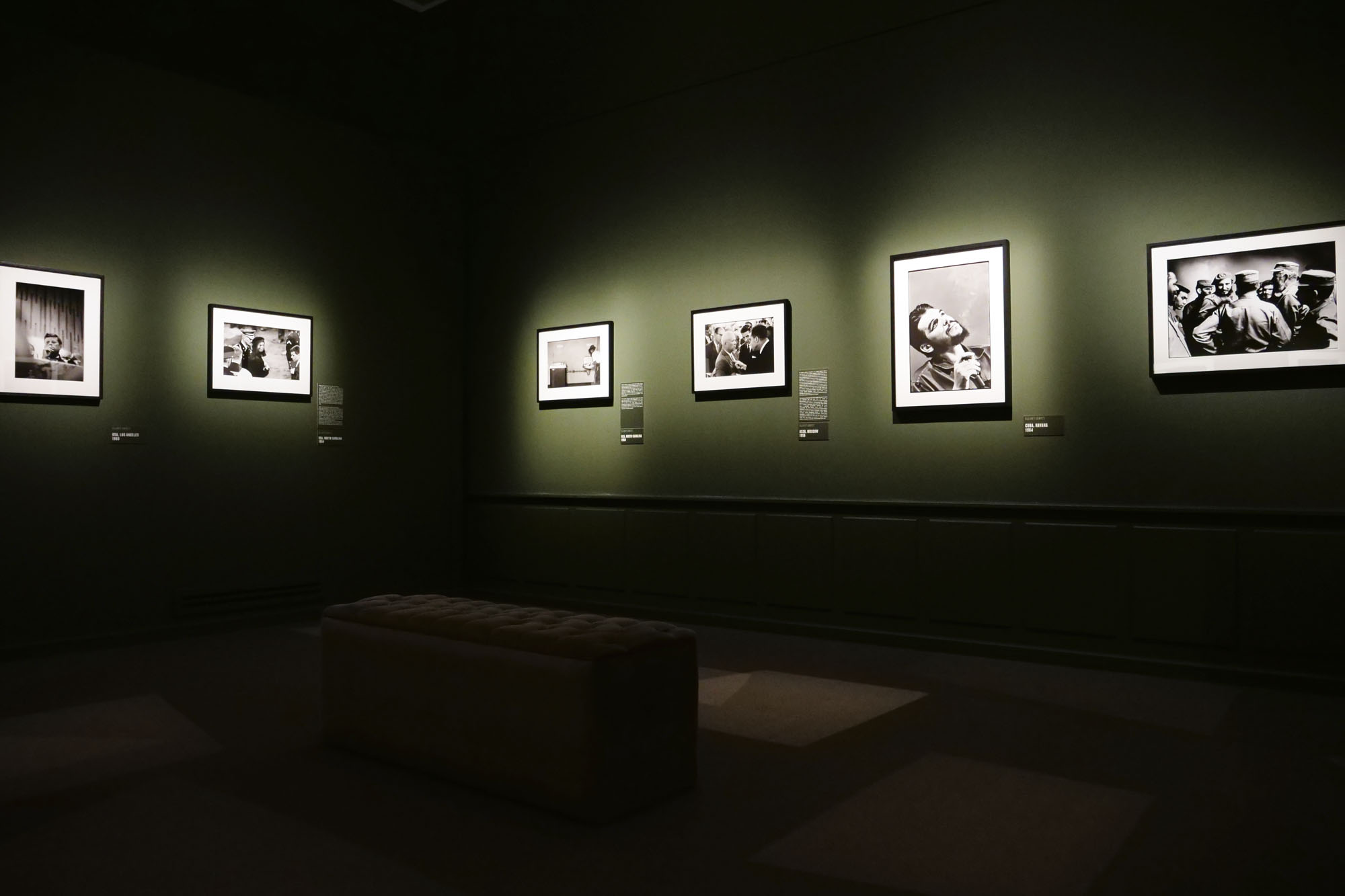

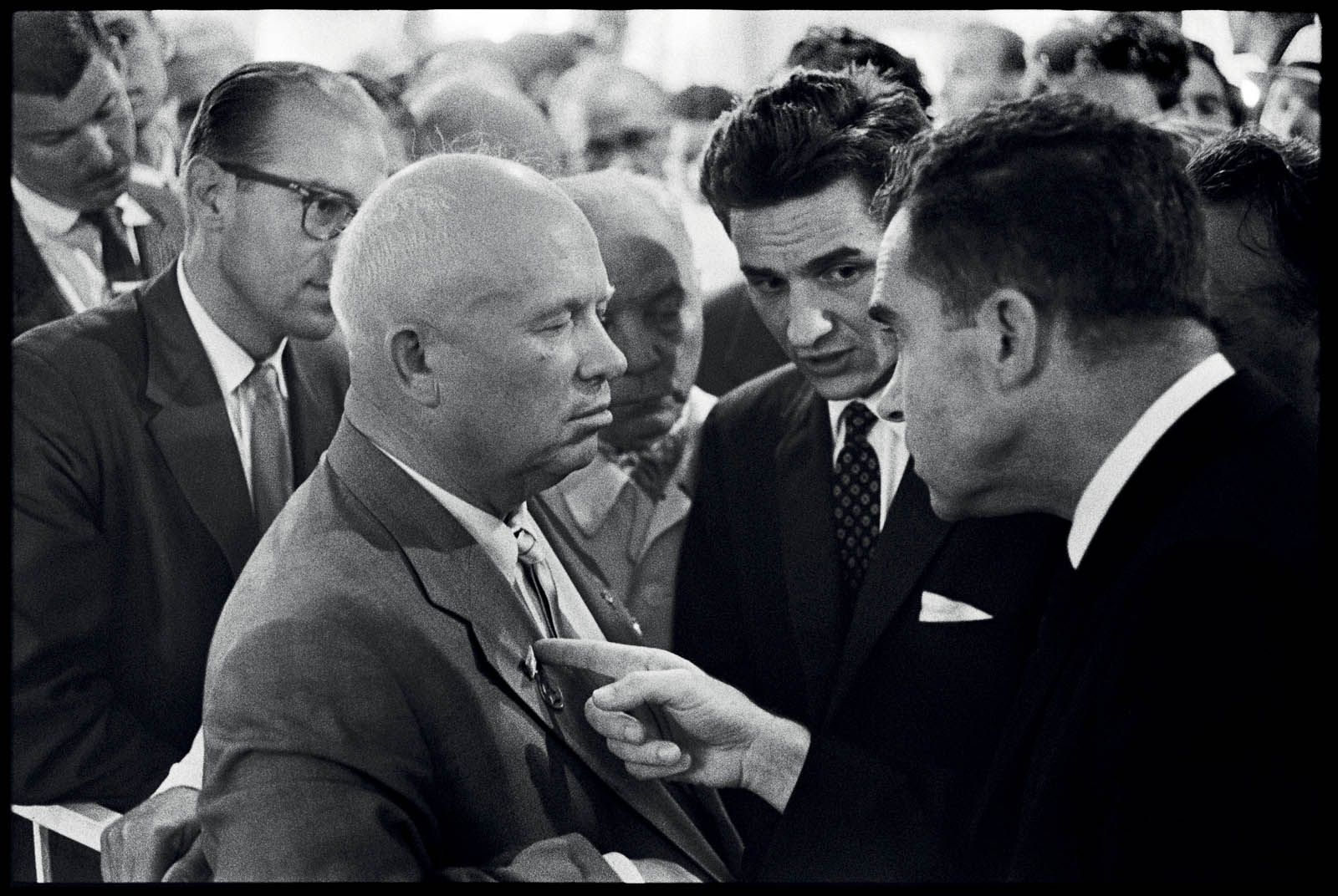
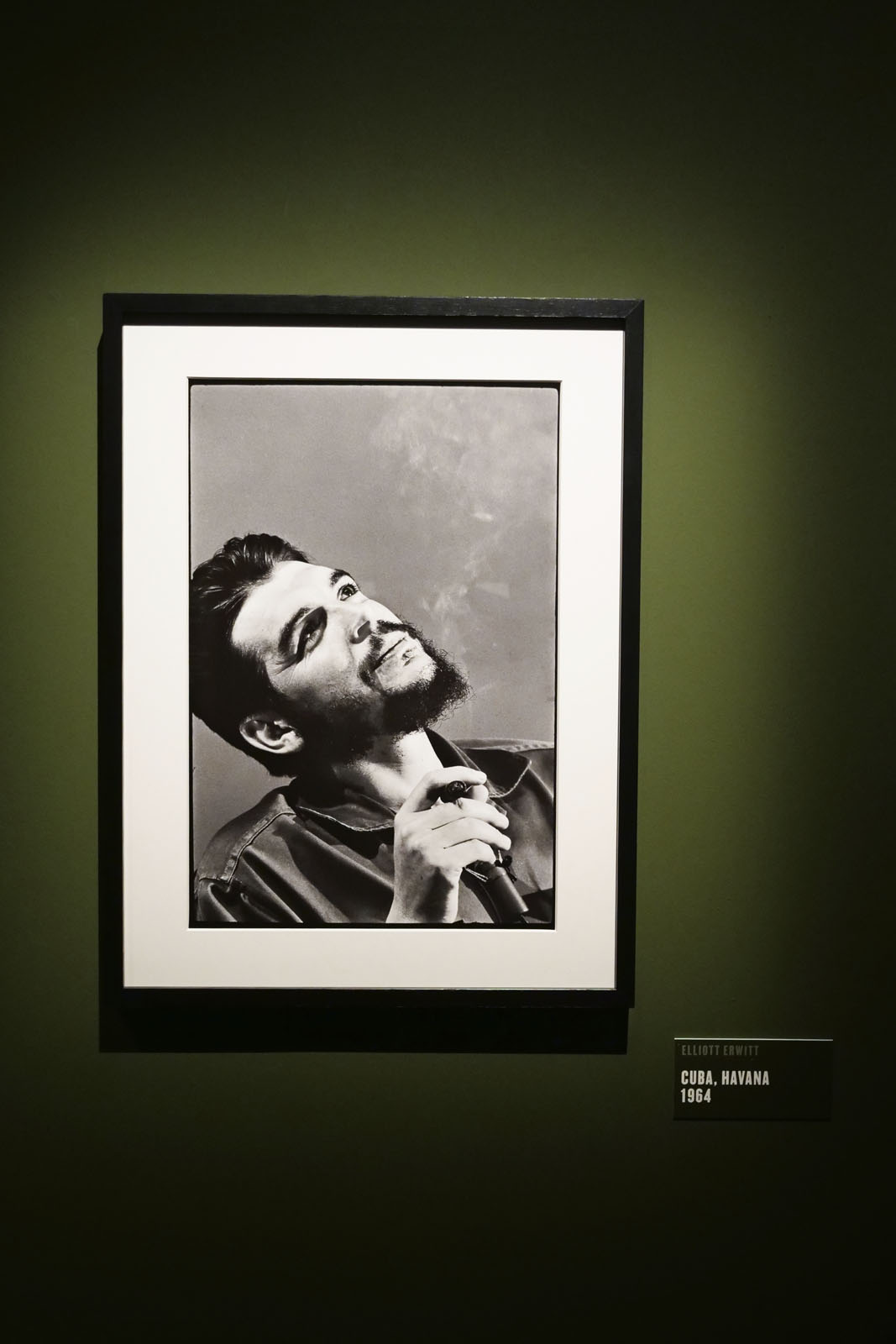
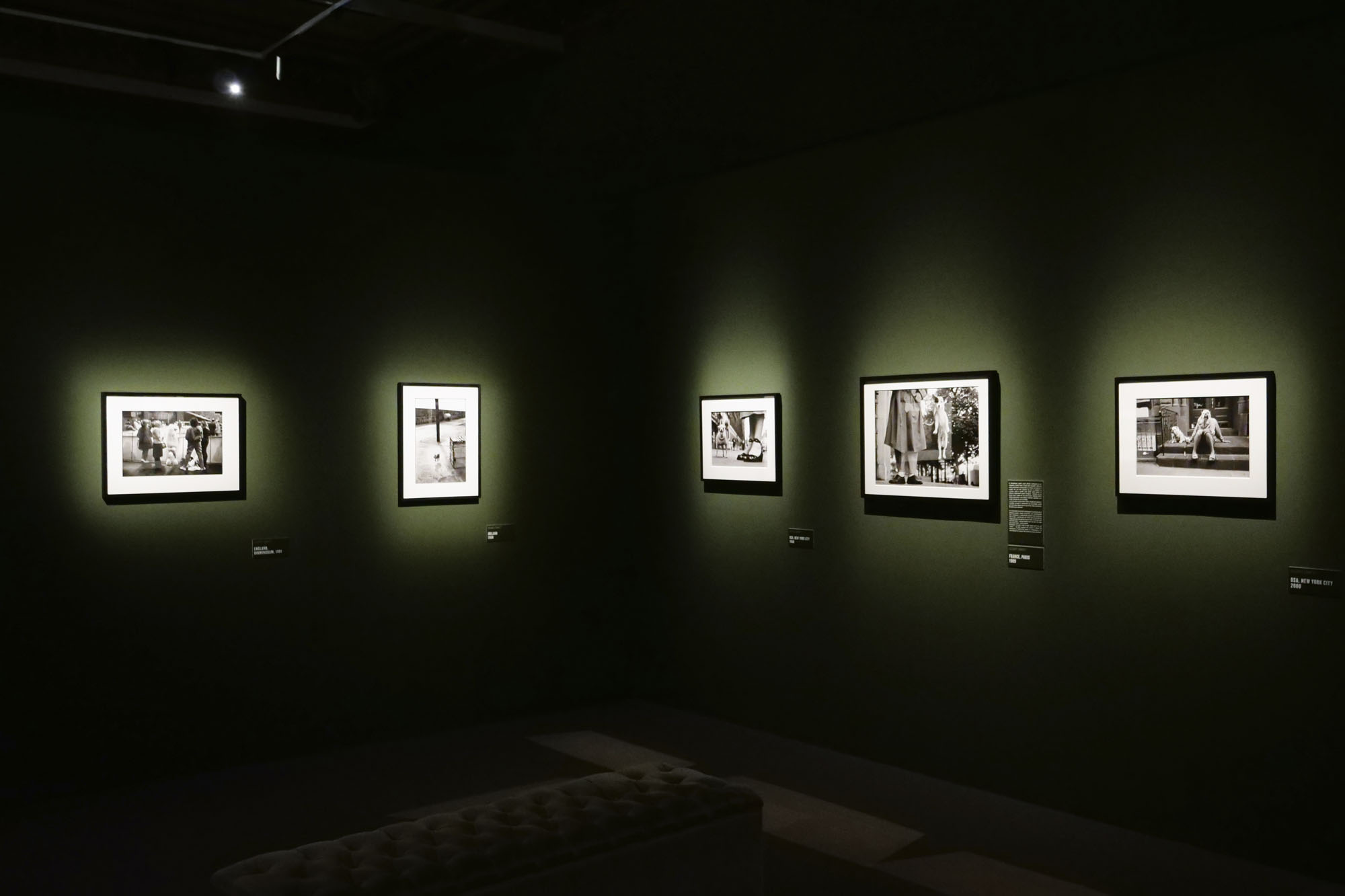
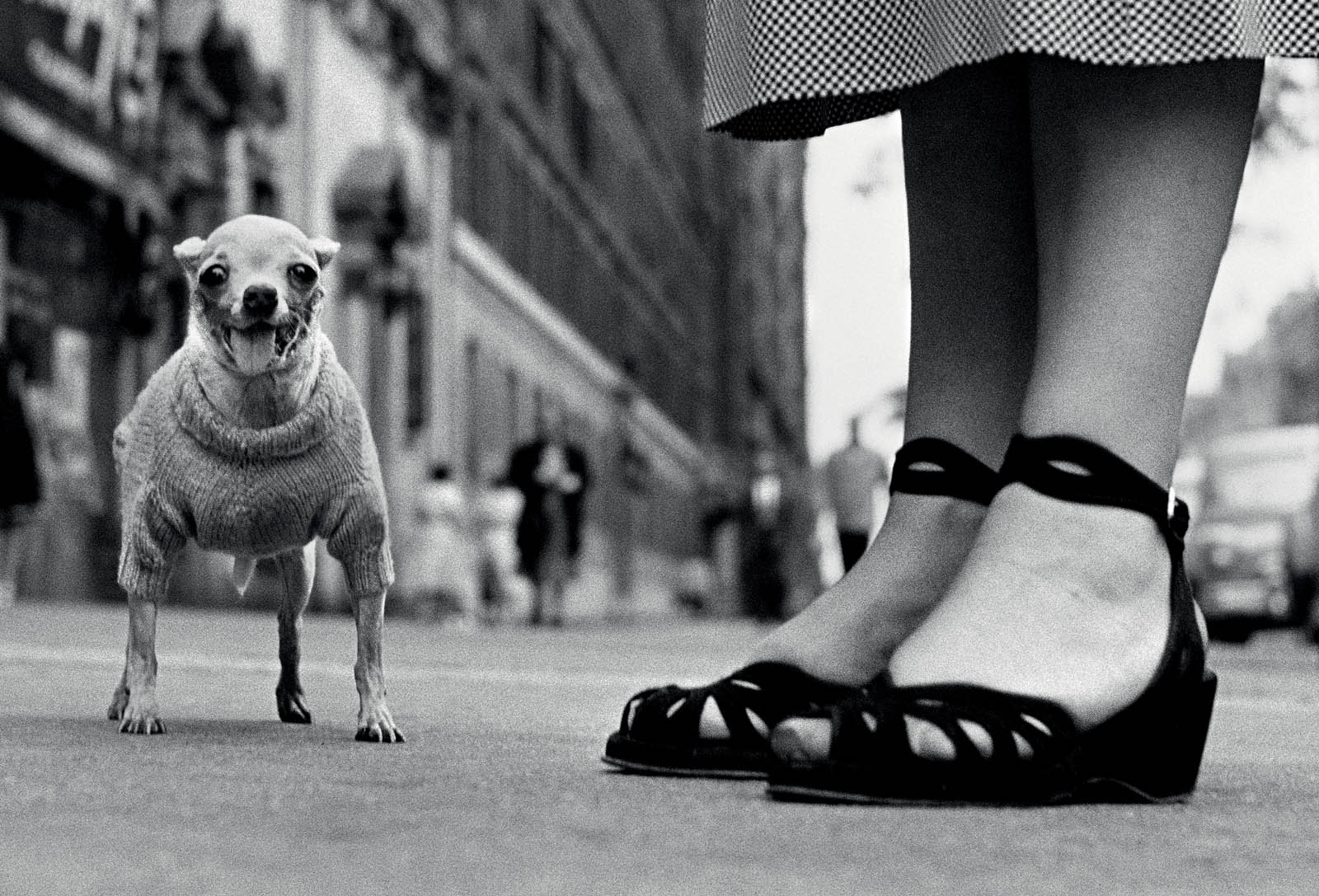
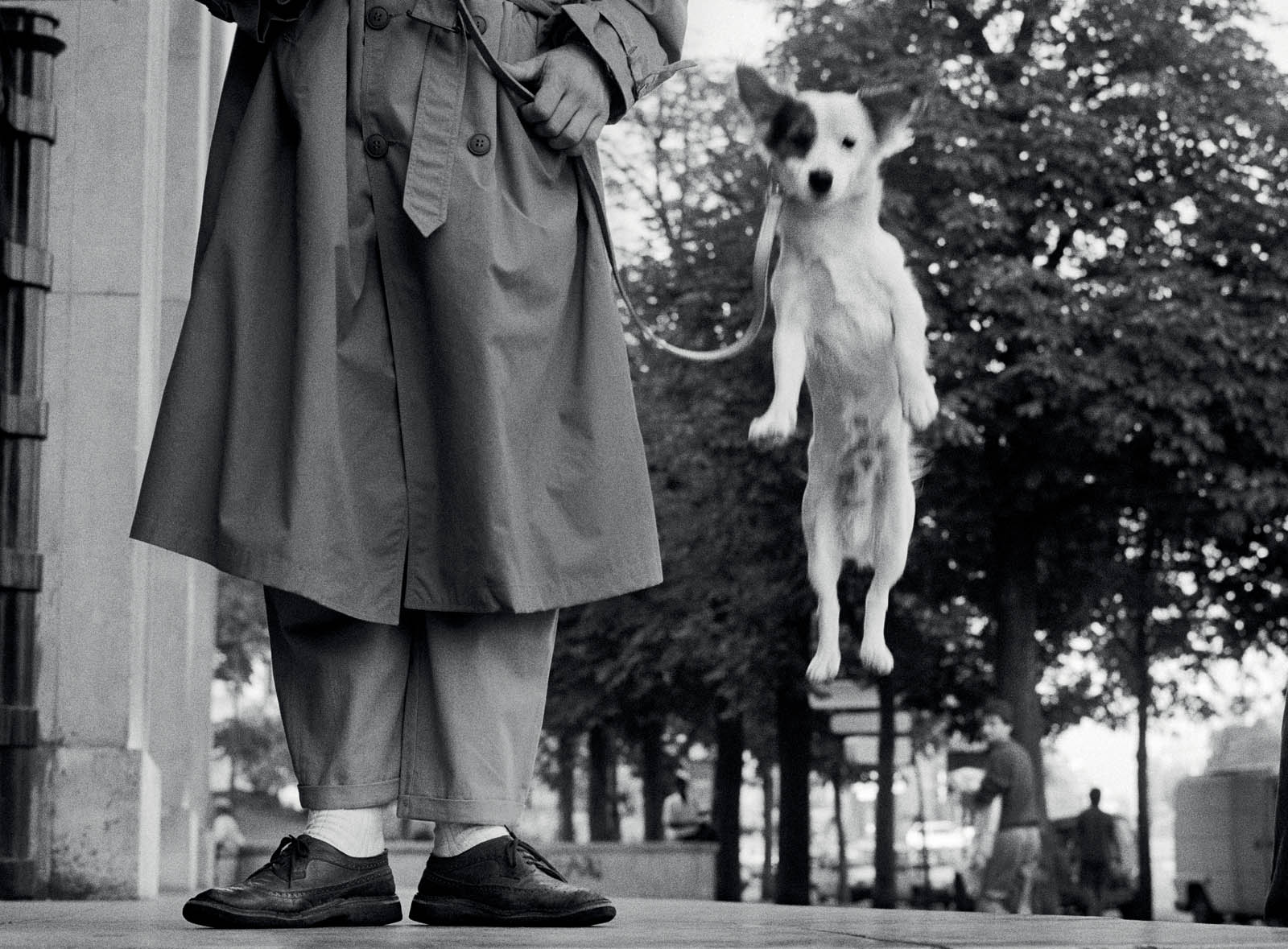
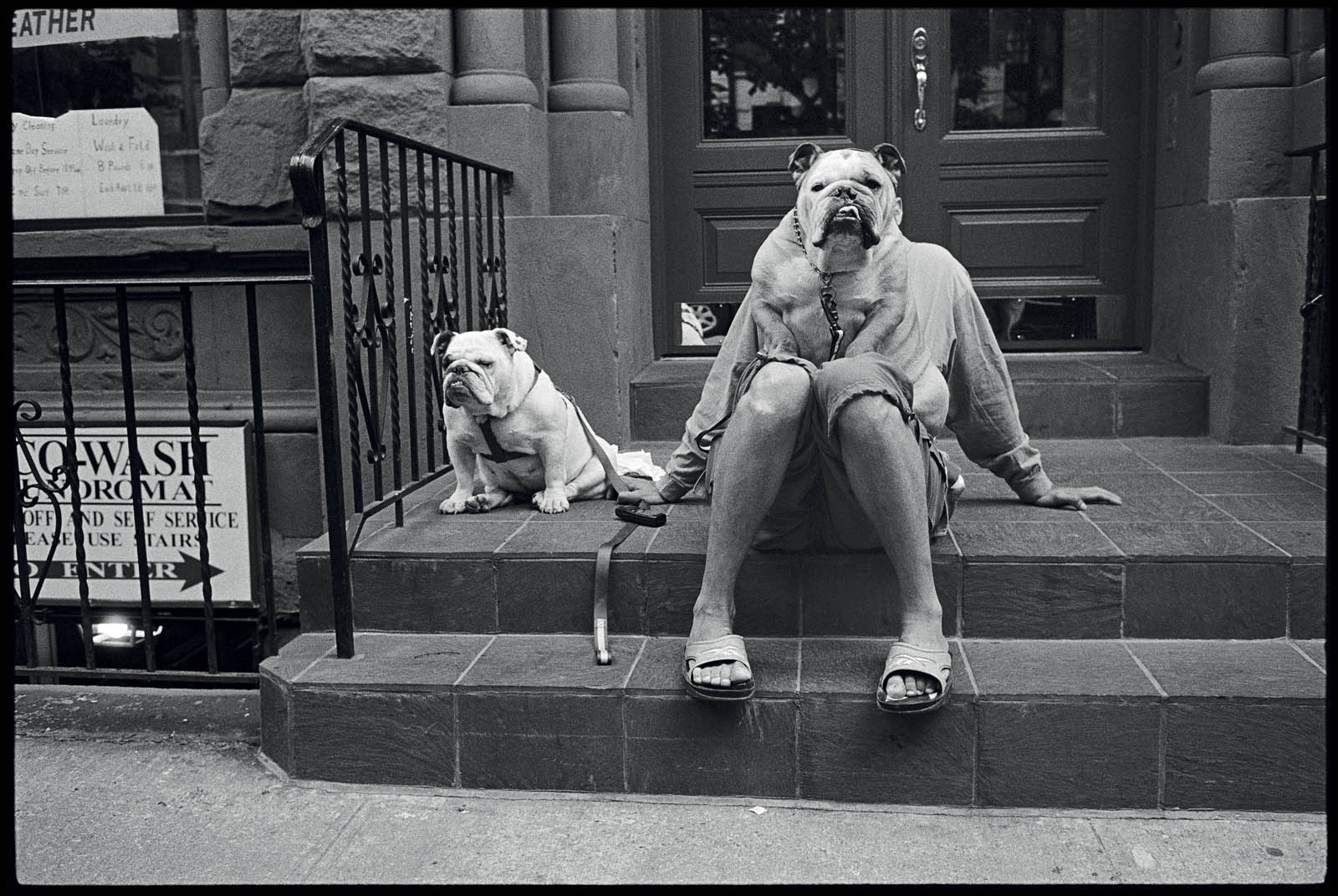
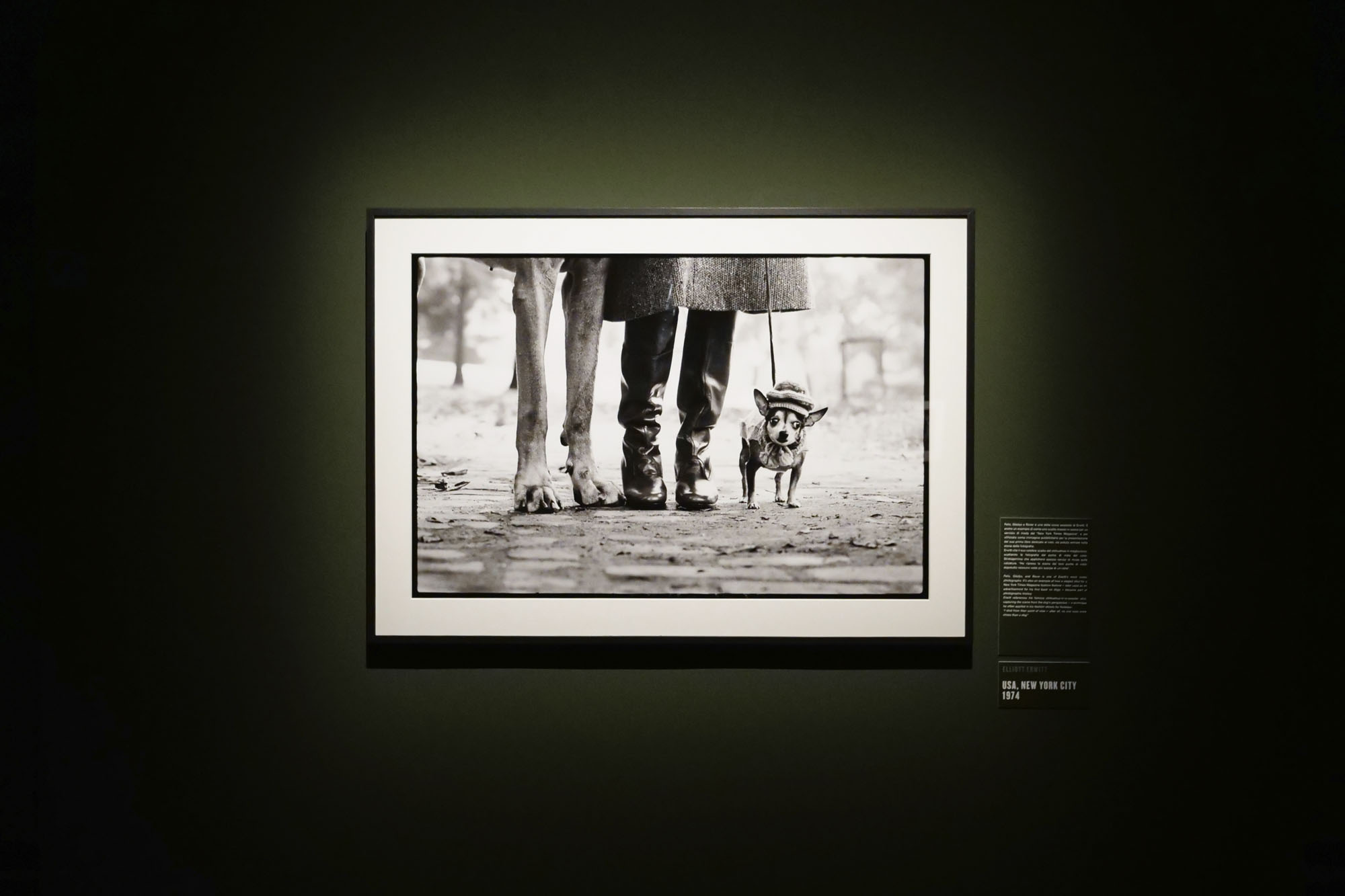
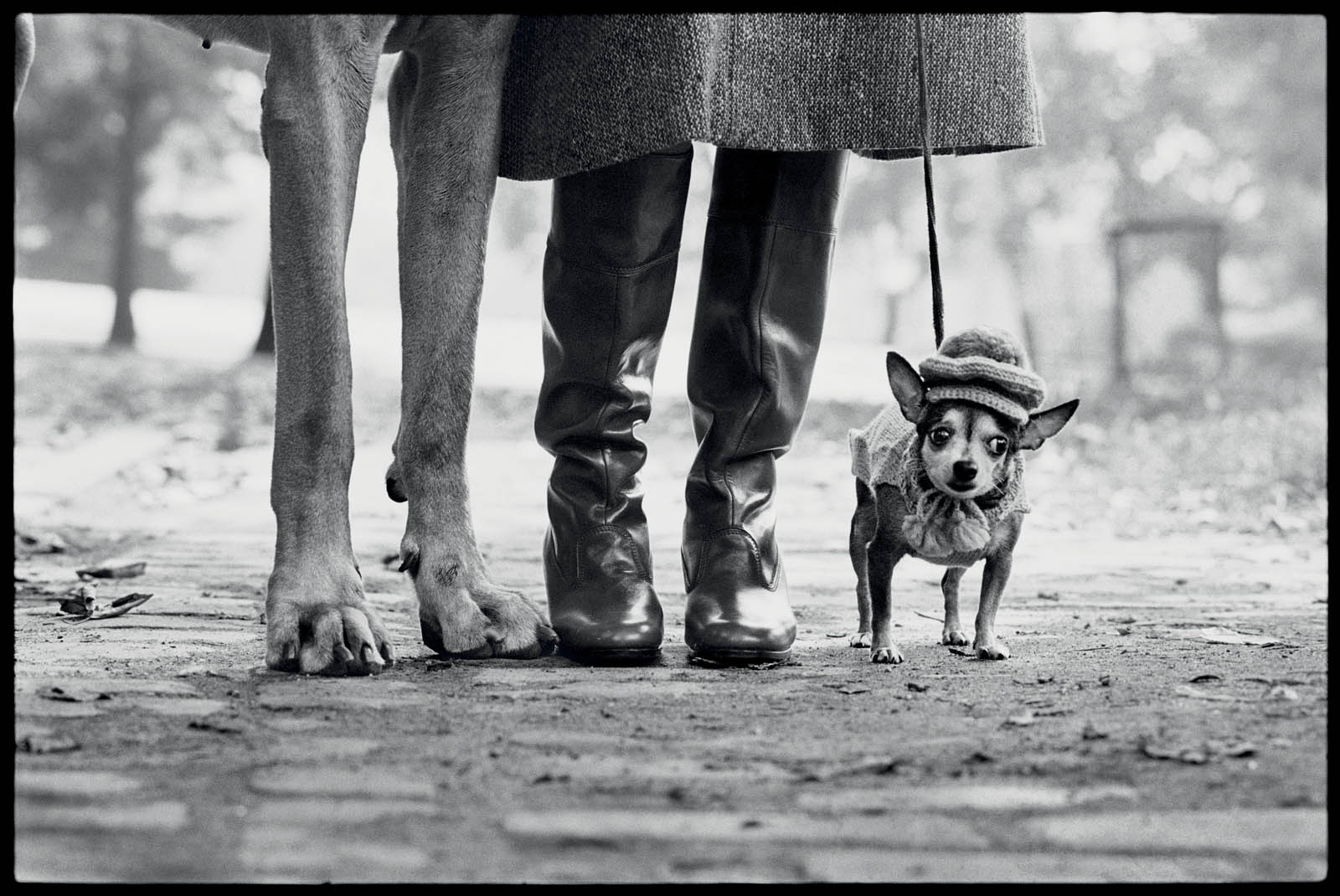
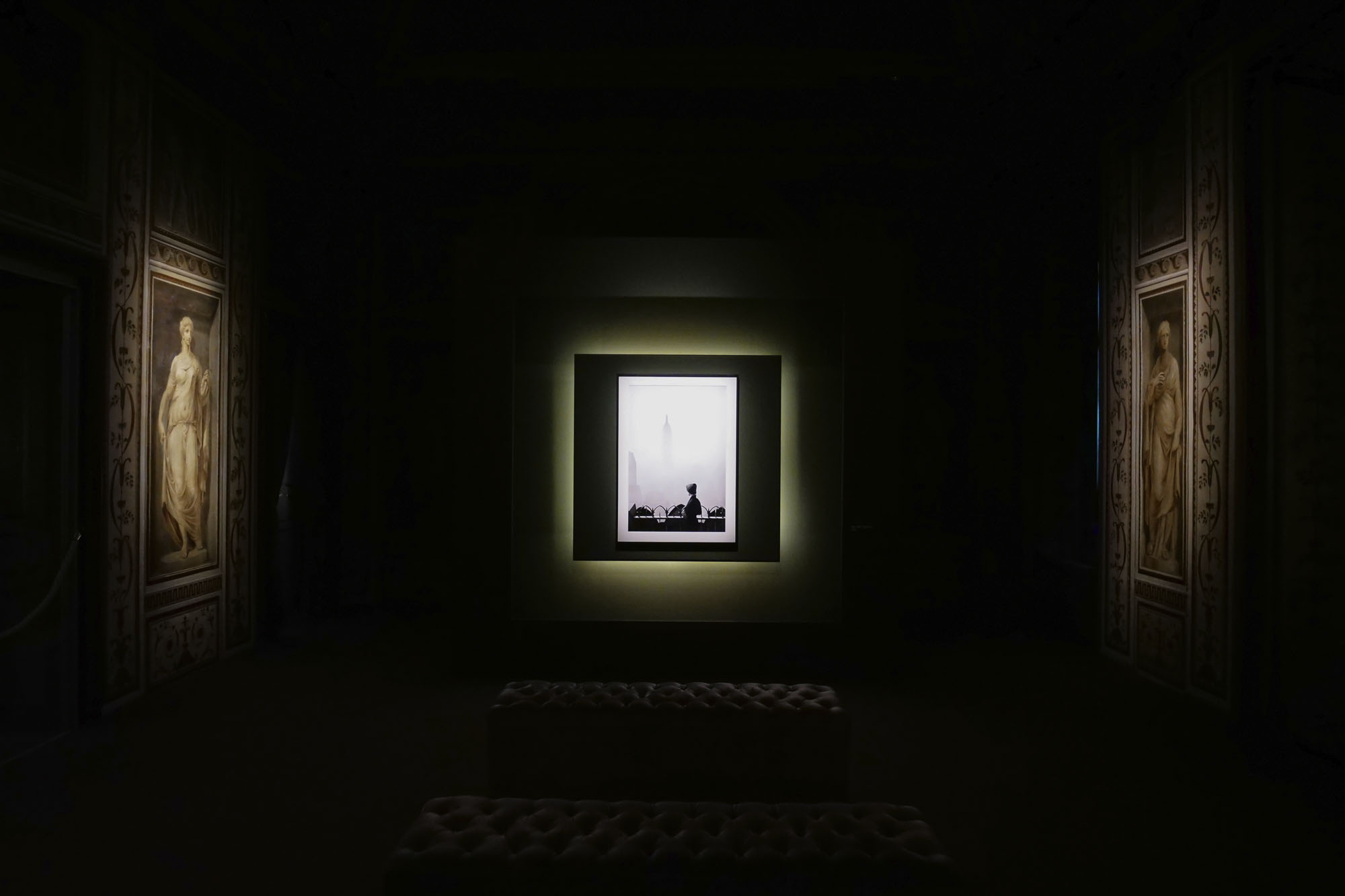
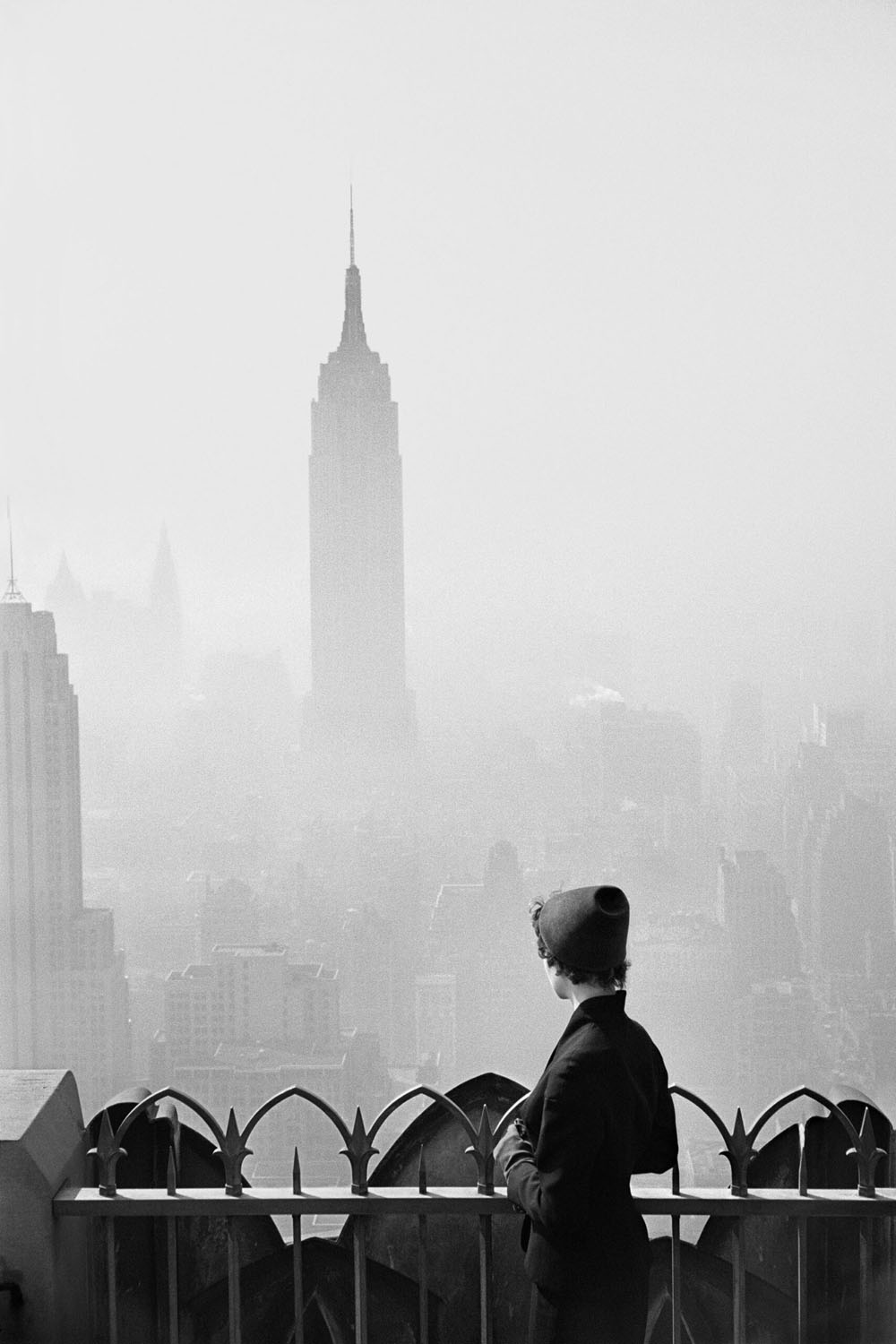


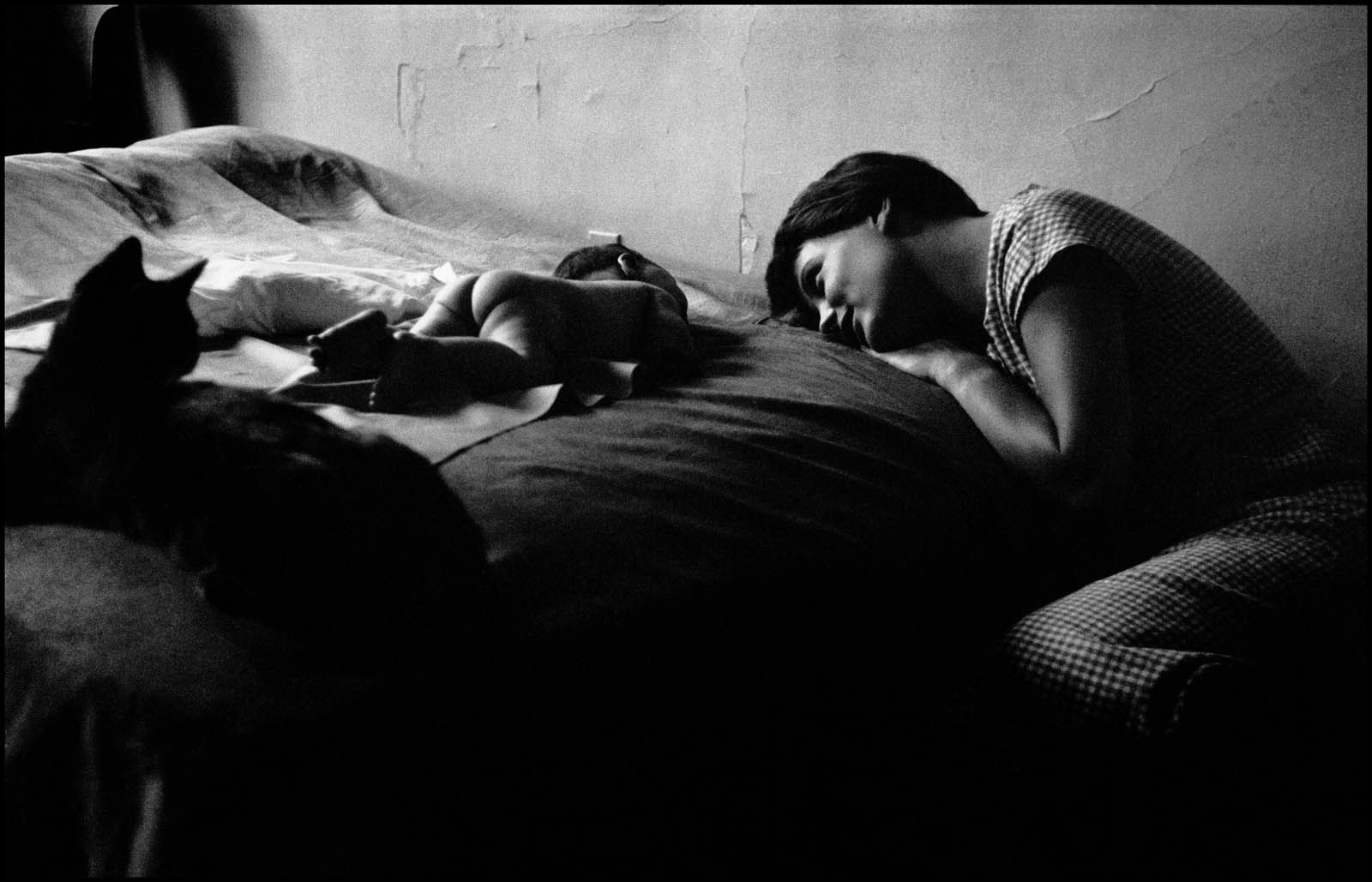

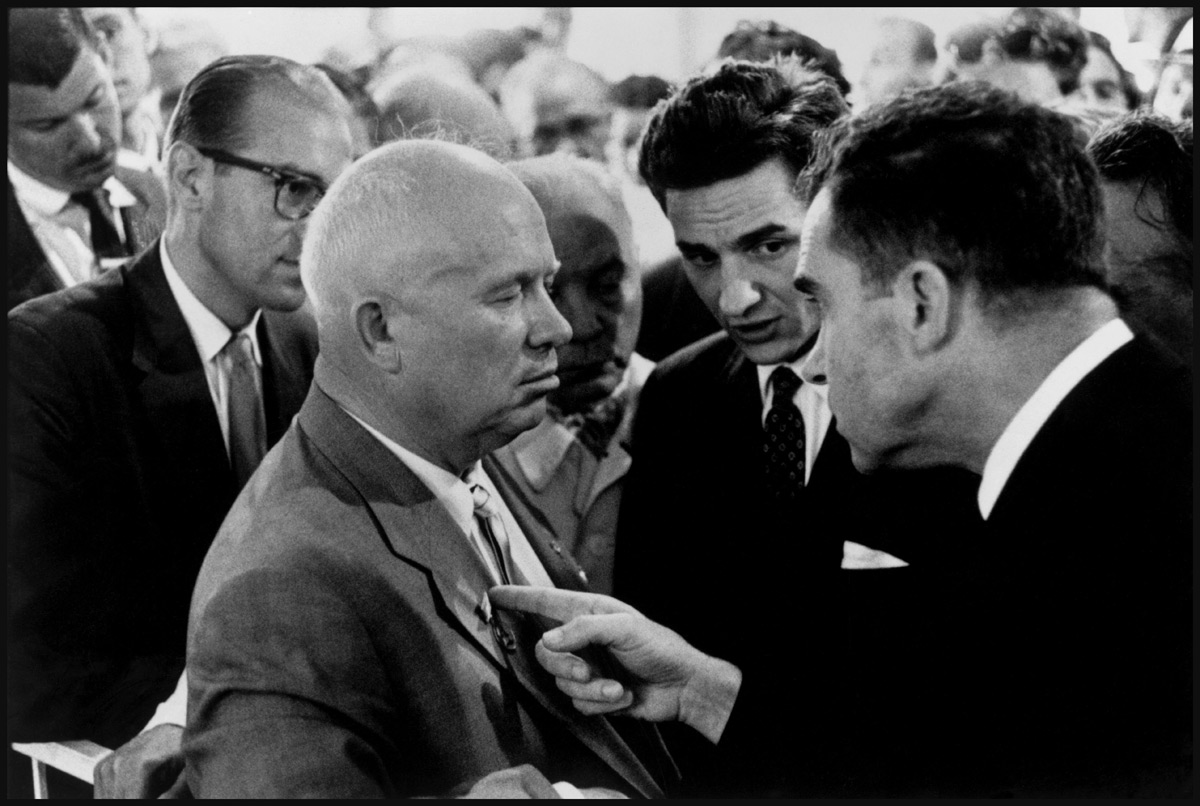

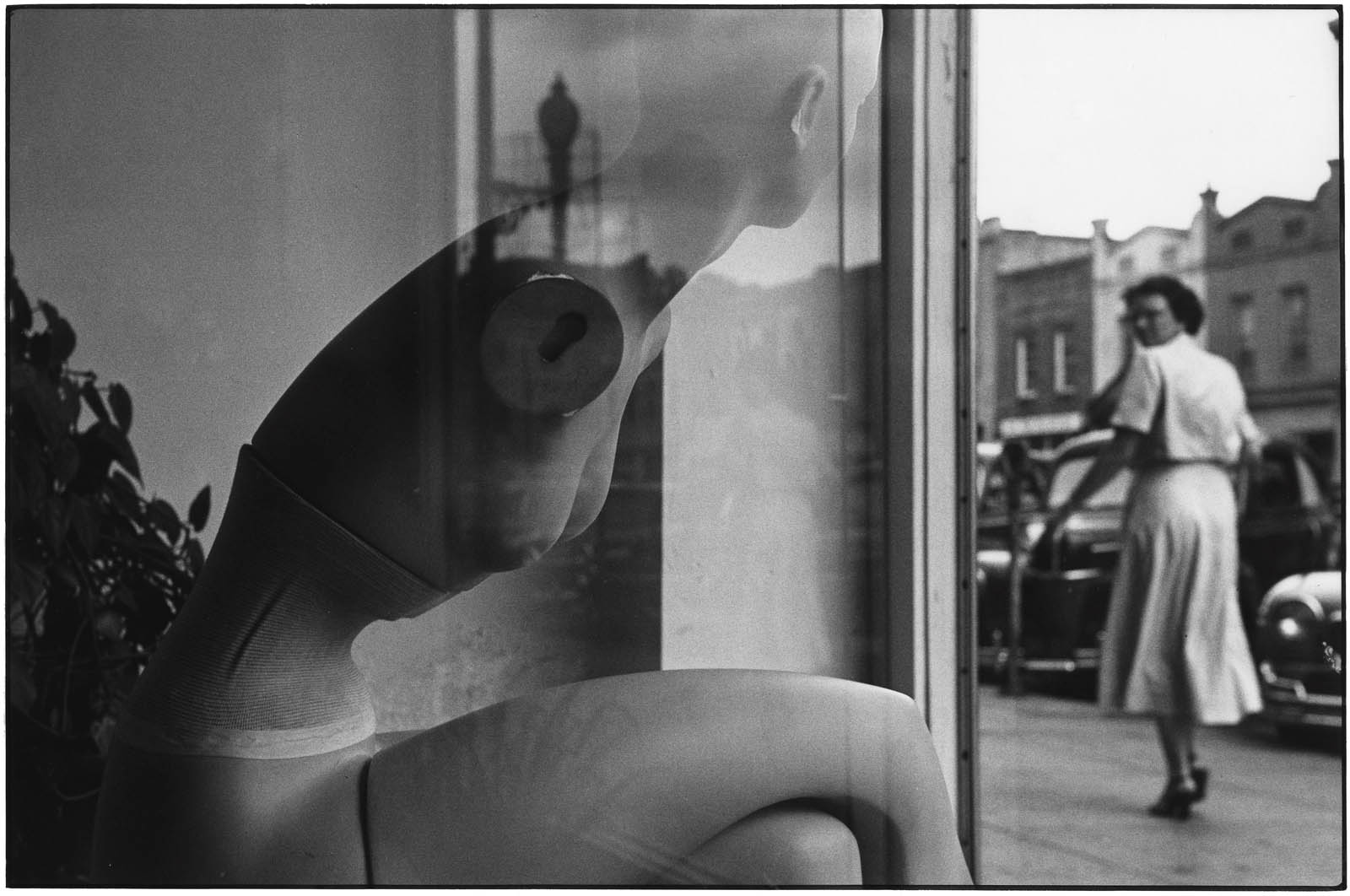


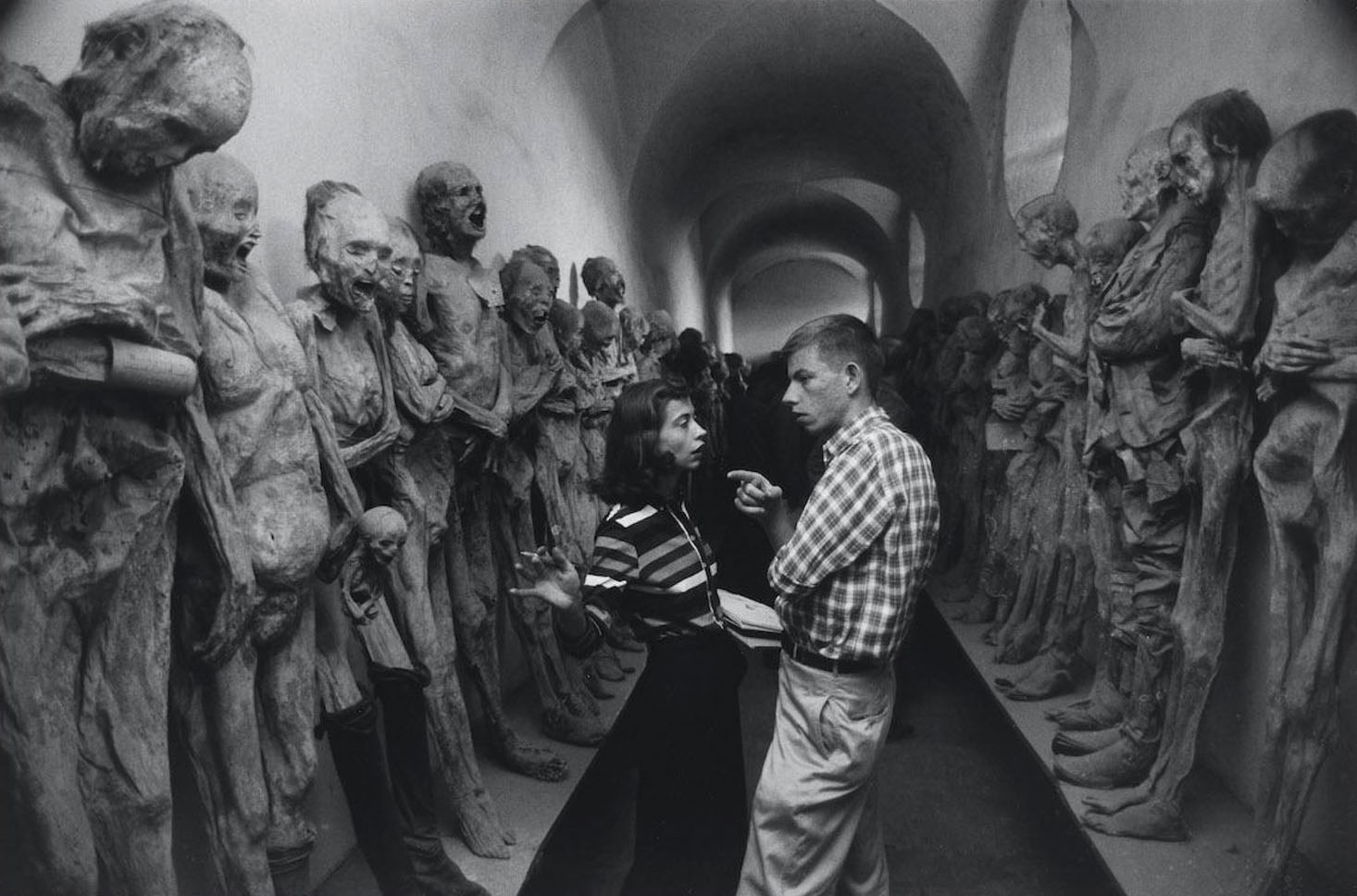
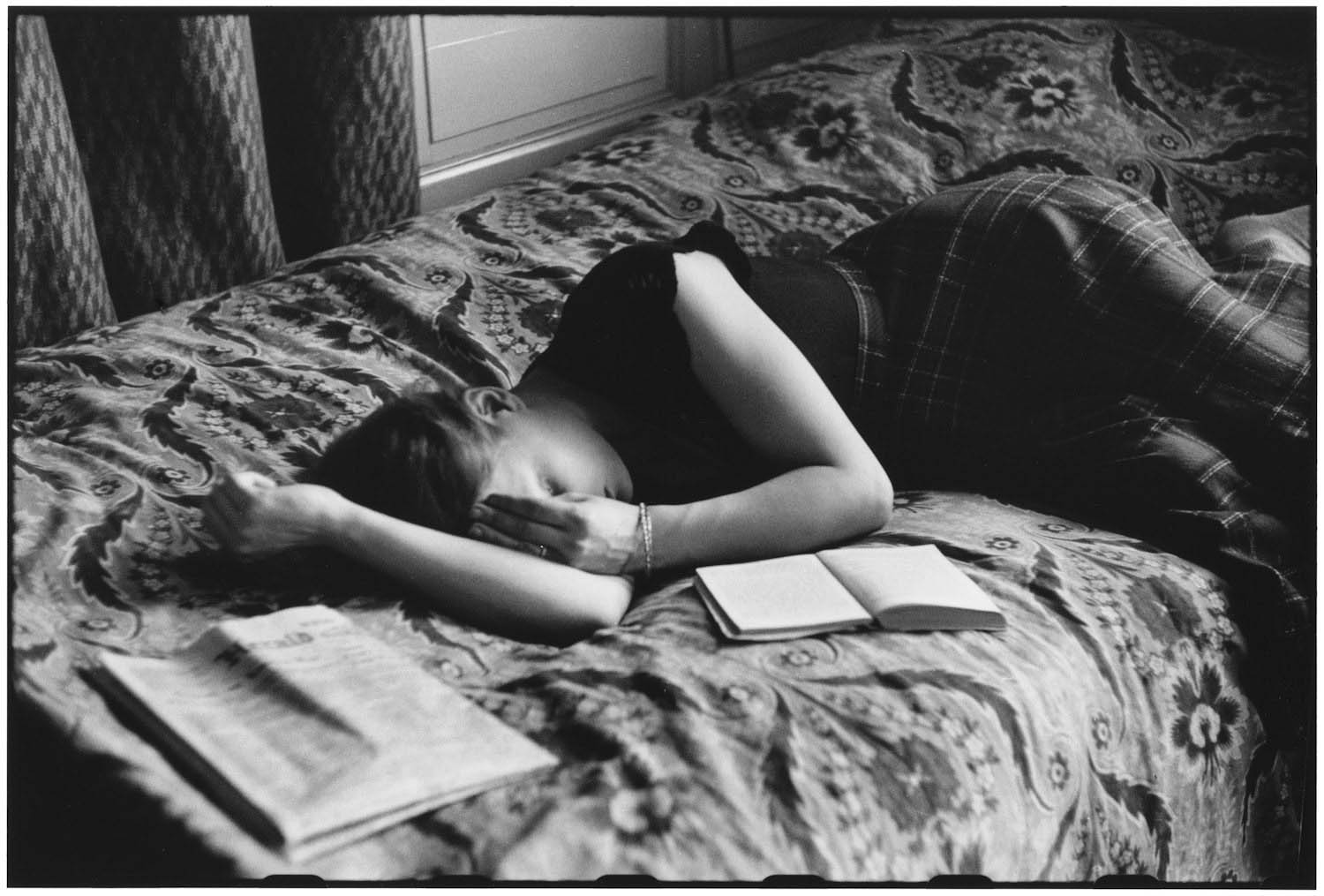


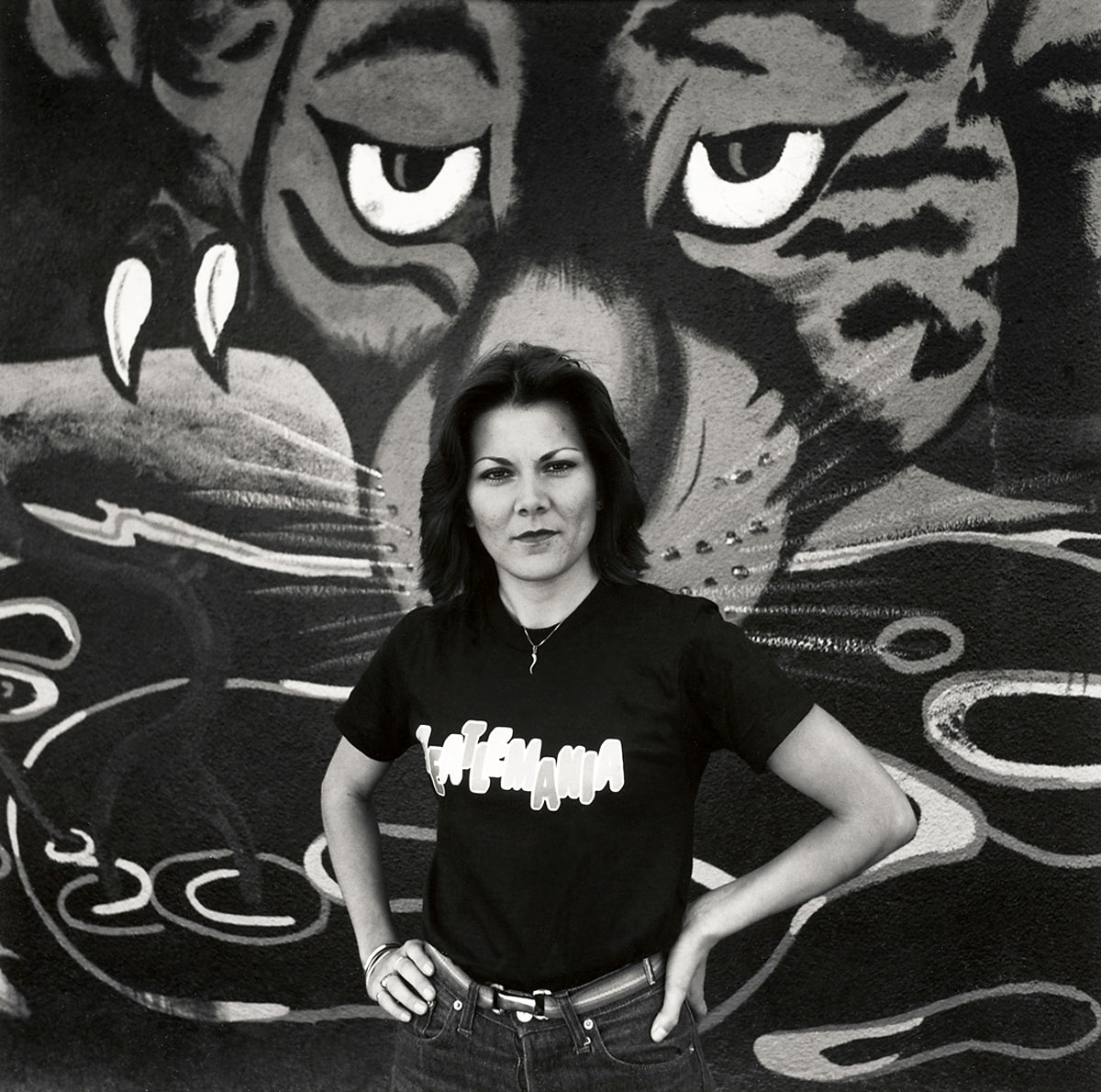


![Garry Winogrand (American, 1928-1984) 'Untitled [Liberace with his mother]' New York, 1954](https://artblart.com/wp-content/uploads/2023/09/83204a.jpg "Garry Winogrand (American, 1928-1984) 'Untitled [Liberace with his mother]' New York, 1954")
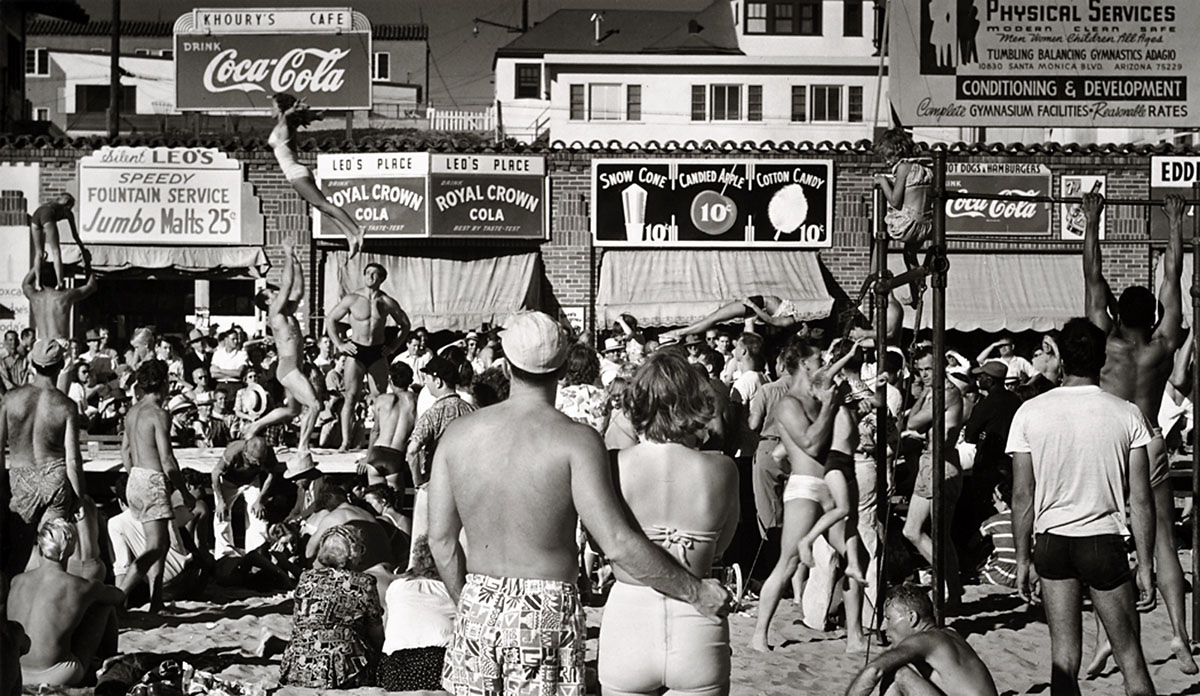
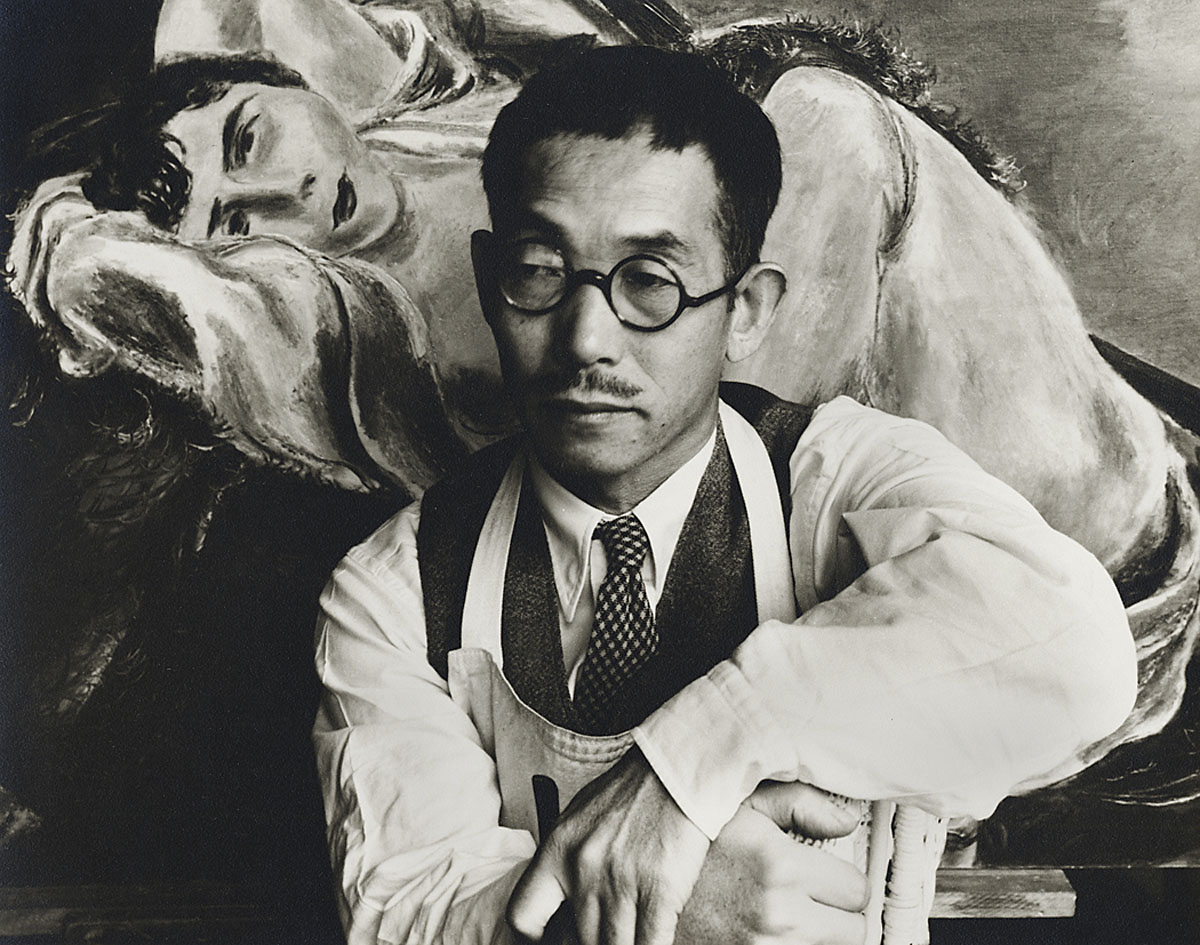
![Max Yavno (American, 1911-1985) 'Untitled [Opening Night at the San Francisco Opera]' 1947](https://artblart.com/wp-content/uploads/2023/09/92143117.jpg "Max Yavno (American, 1911-1985) 'Untitled [Opening Night at the San Francisco Opera]' 1947")


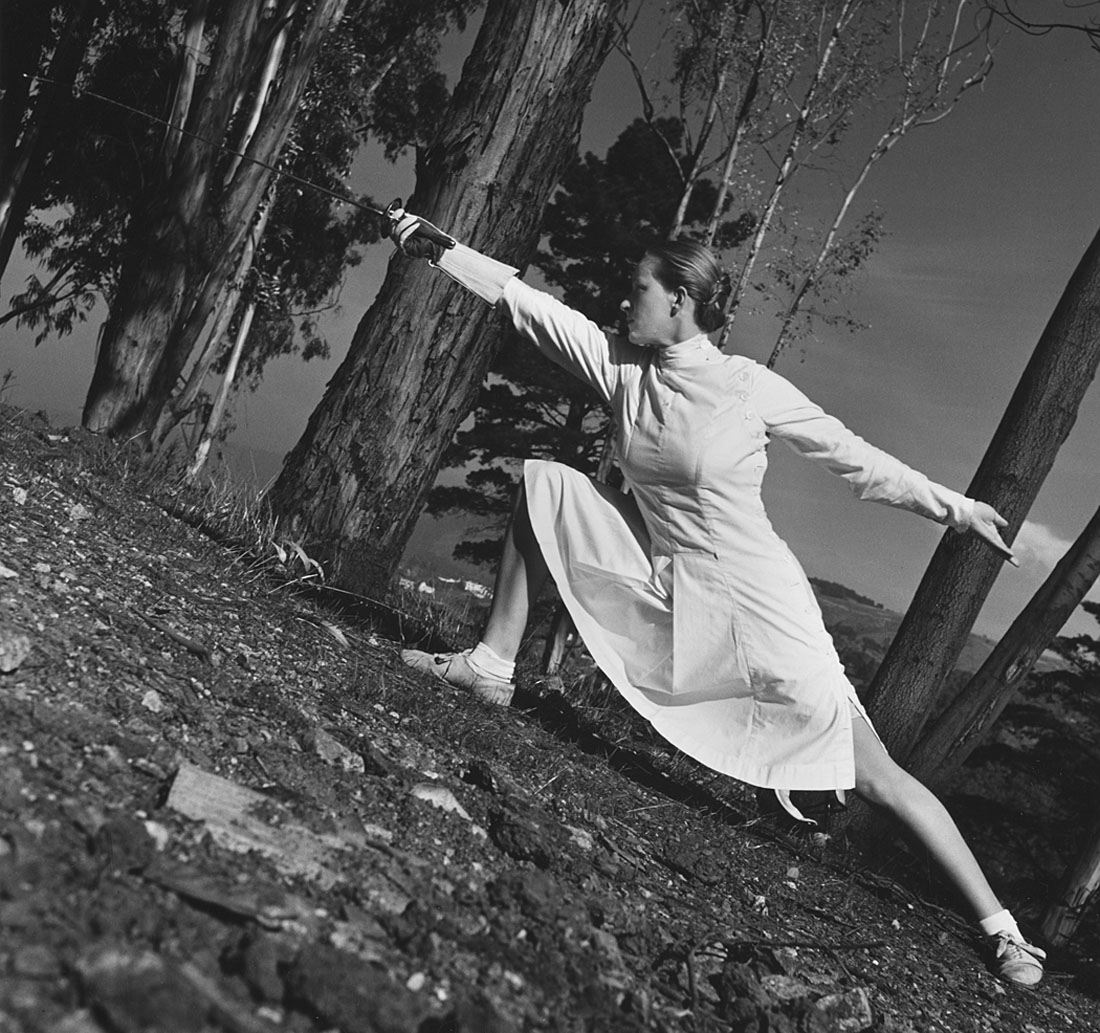


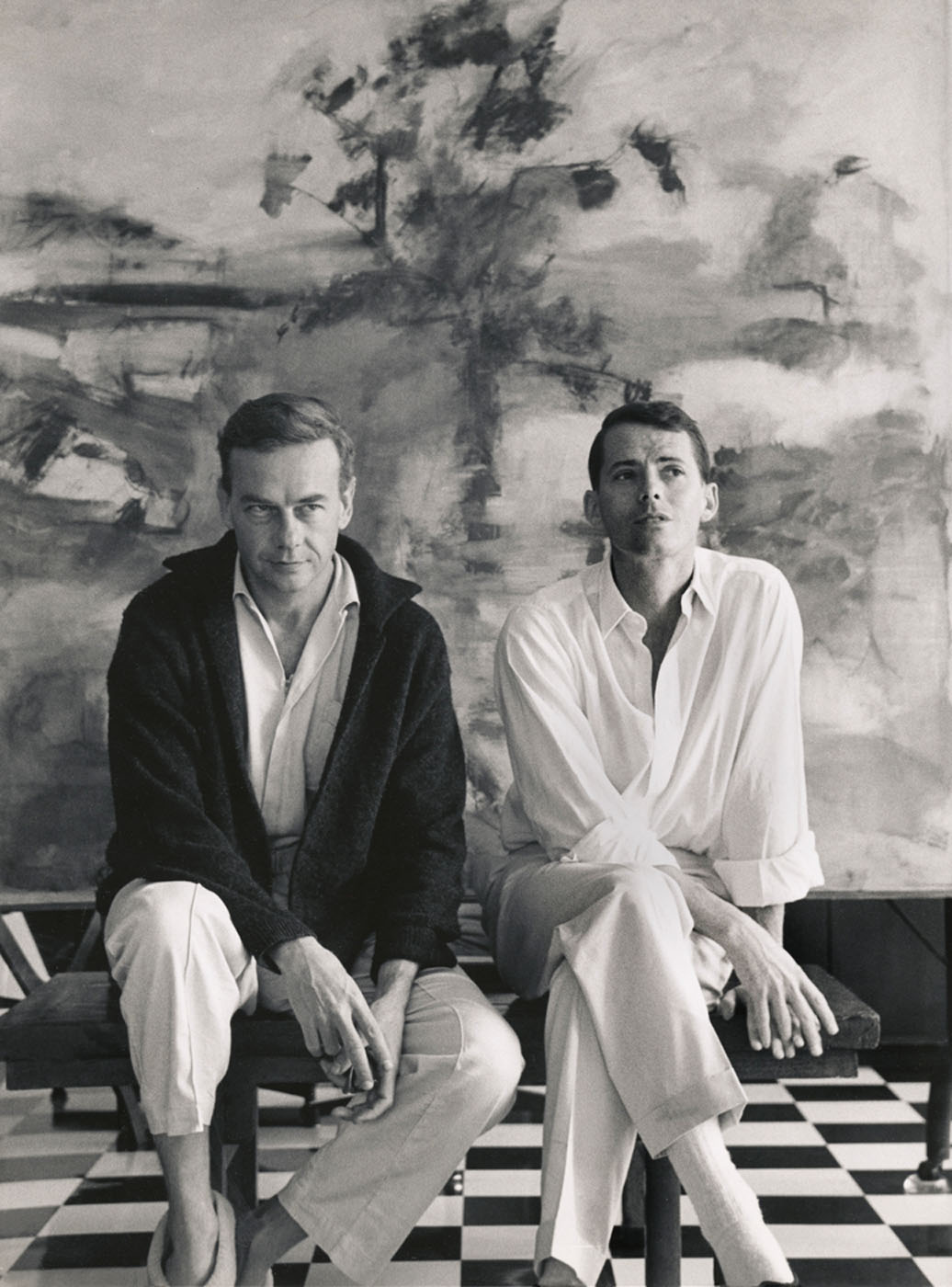


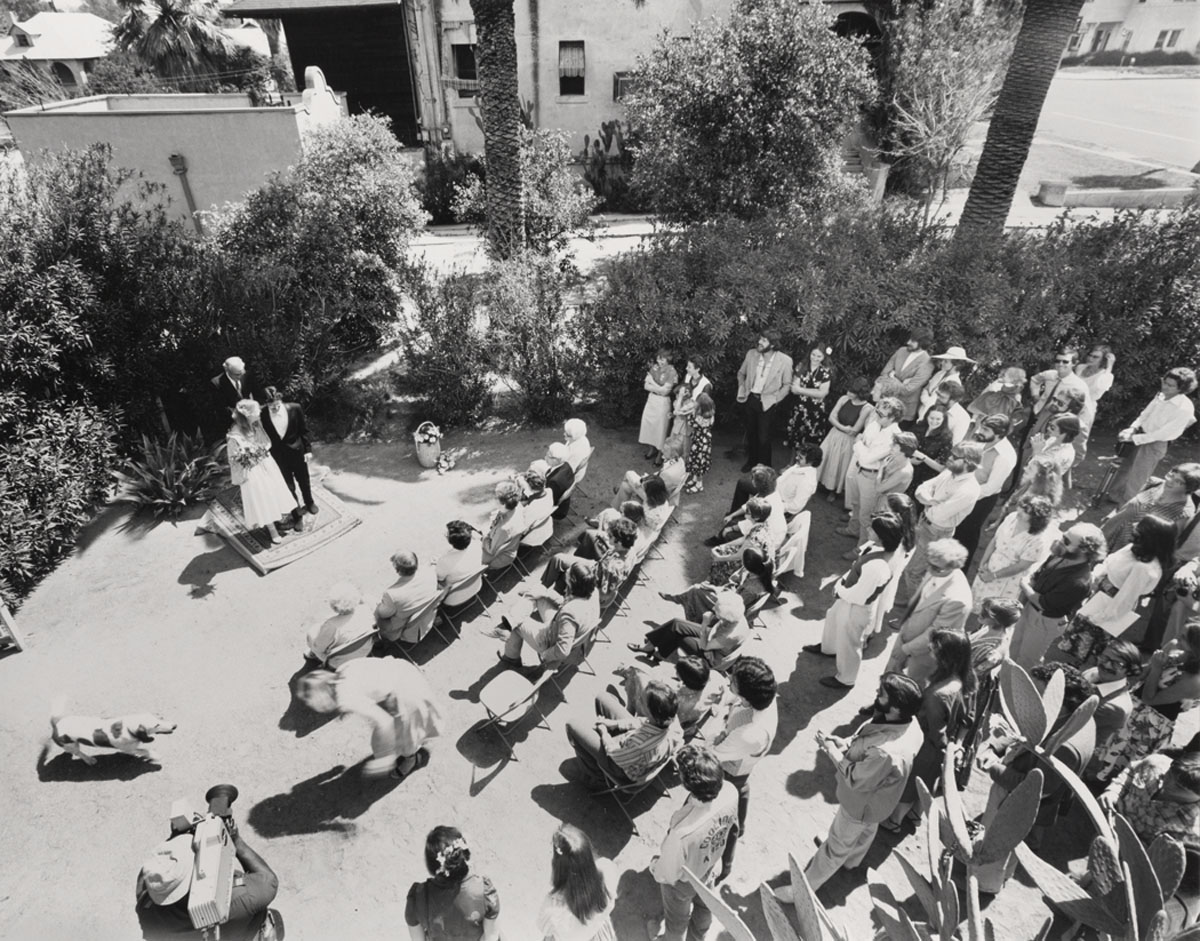

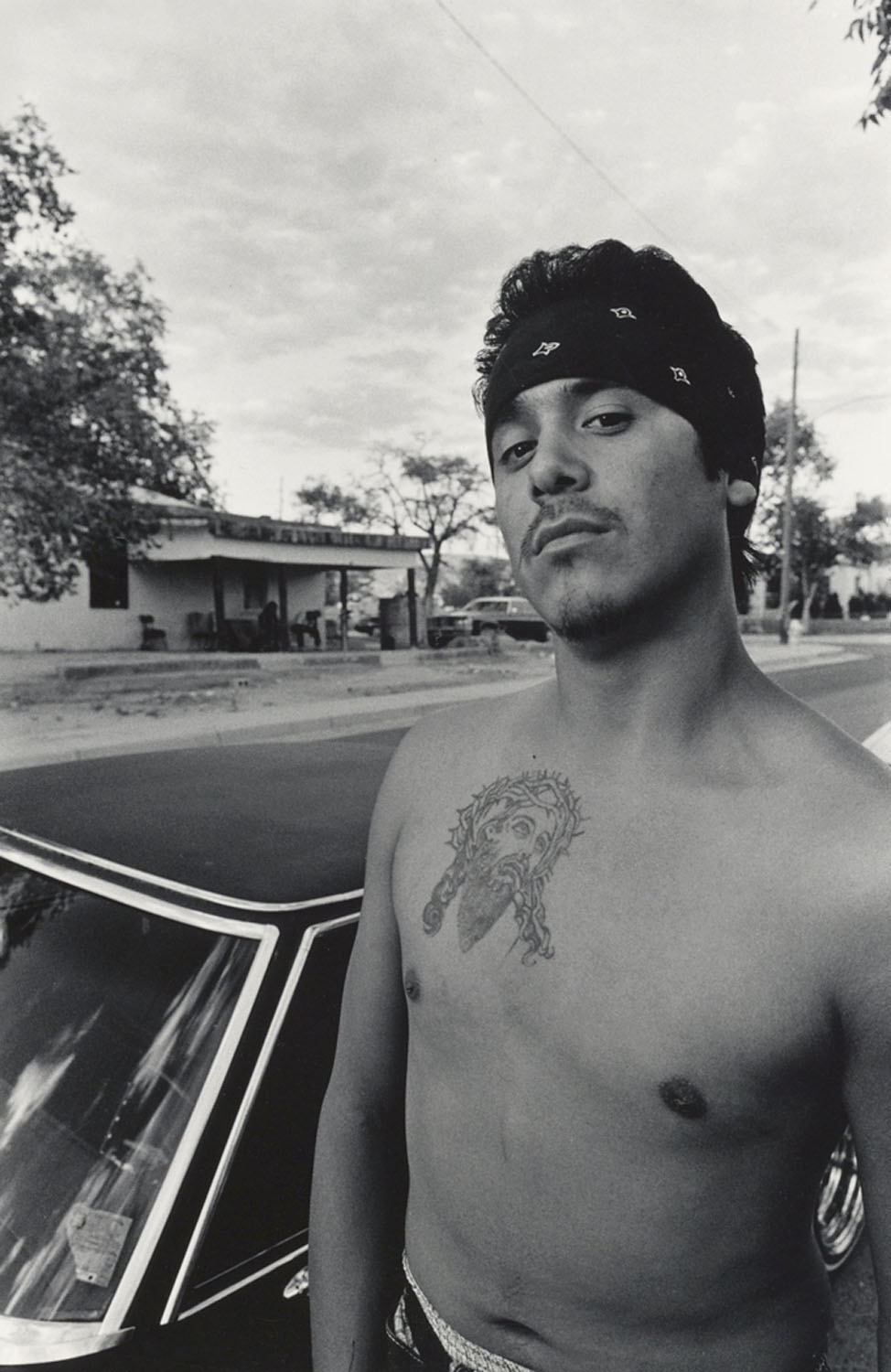


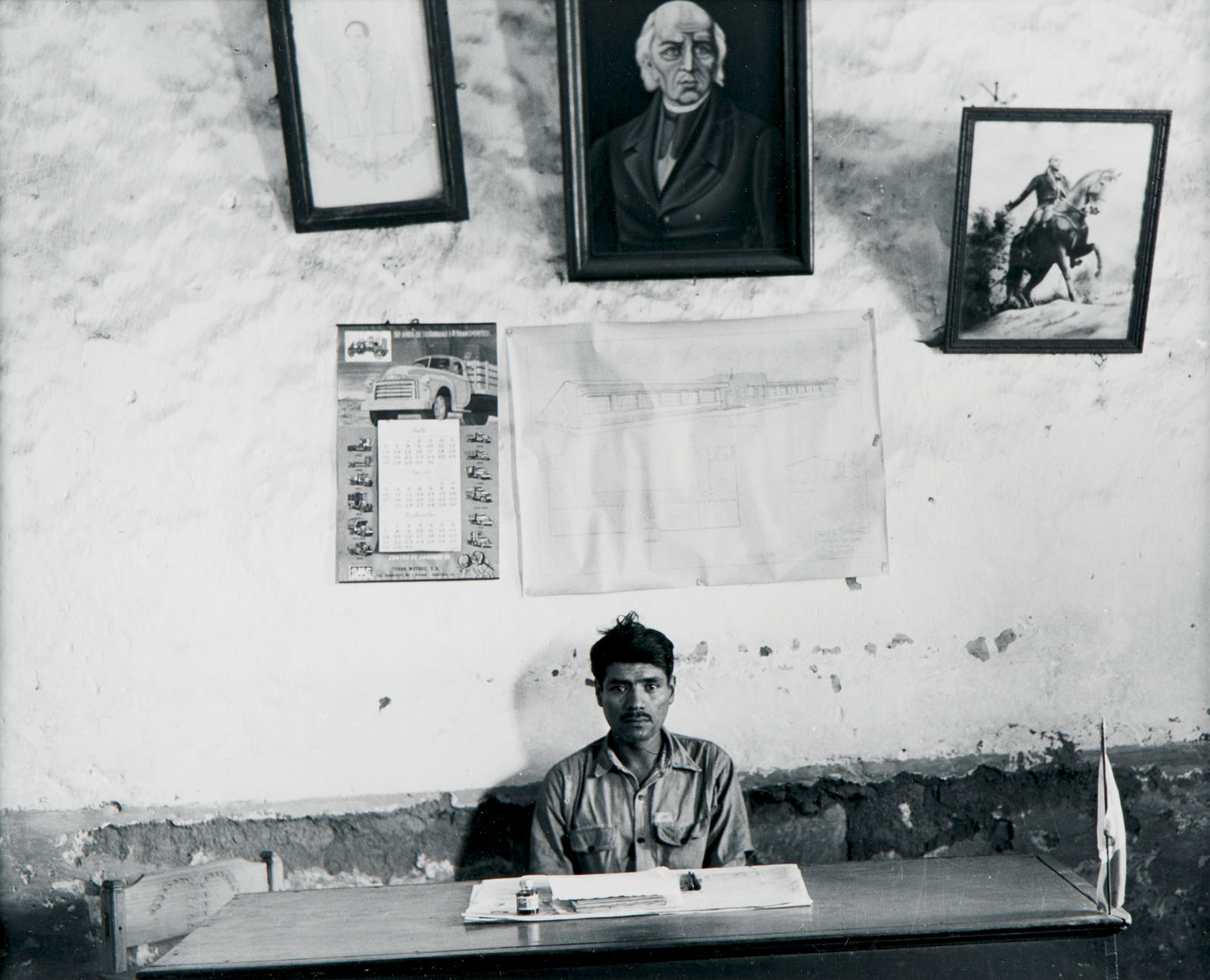


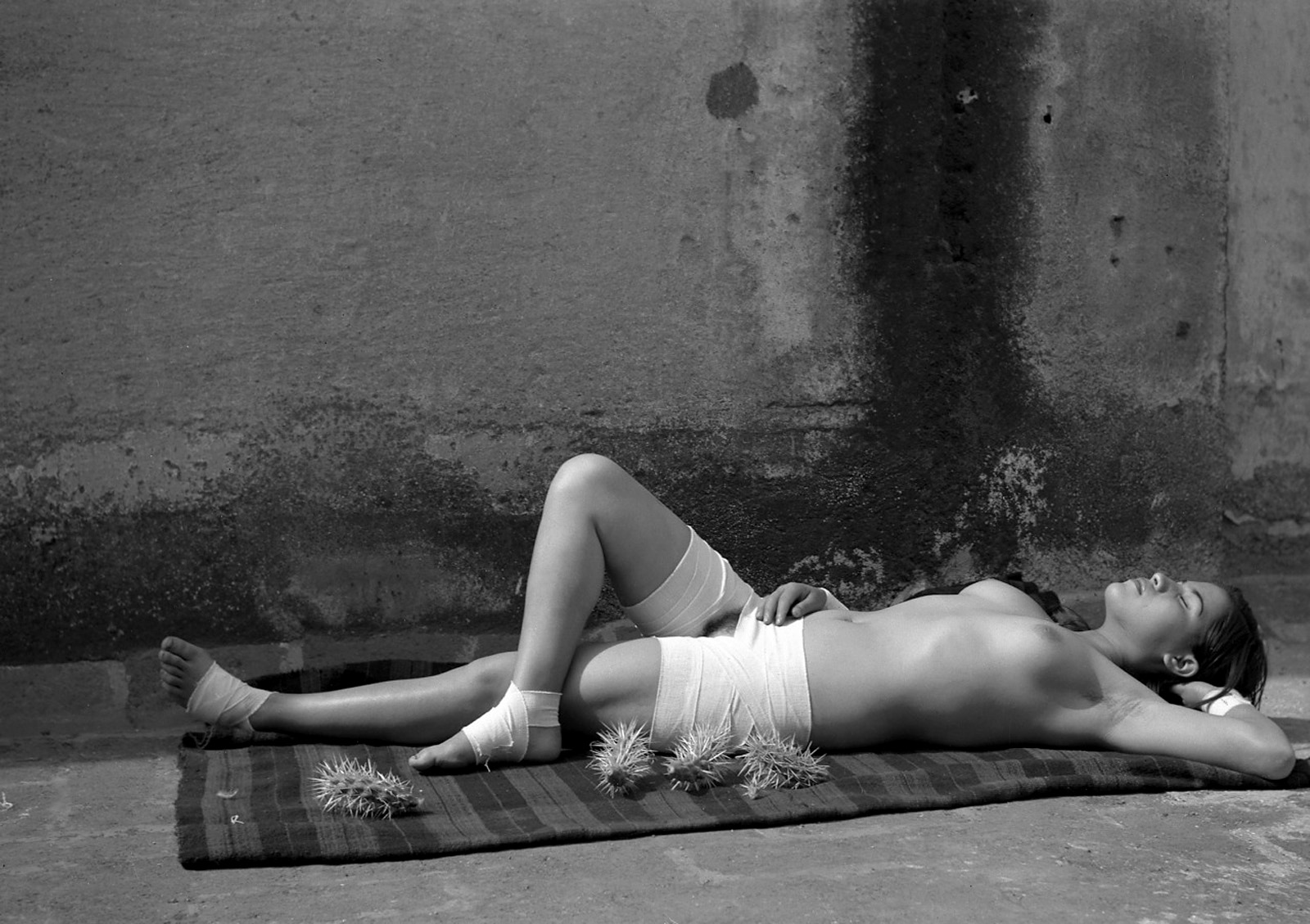
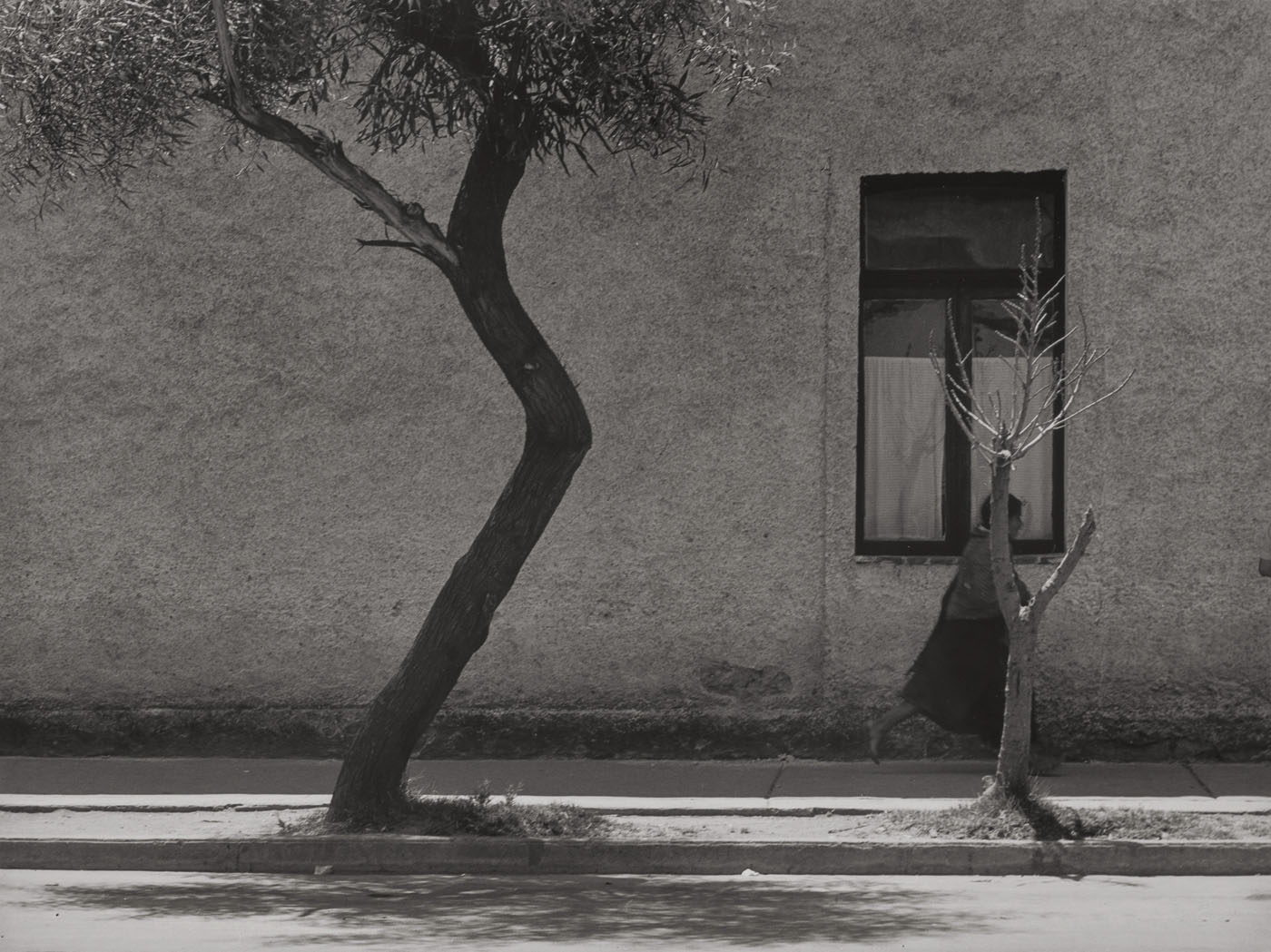


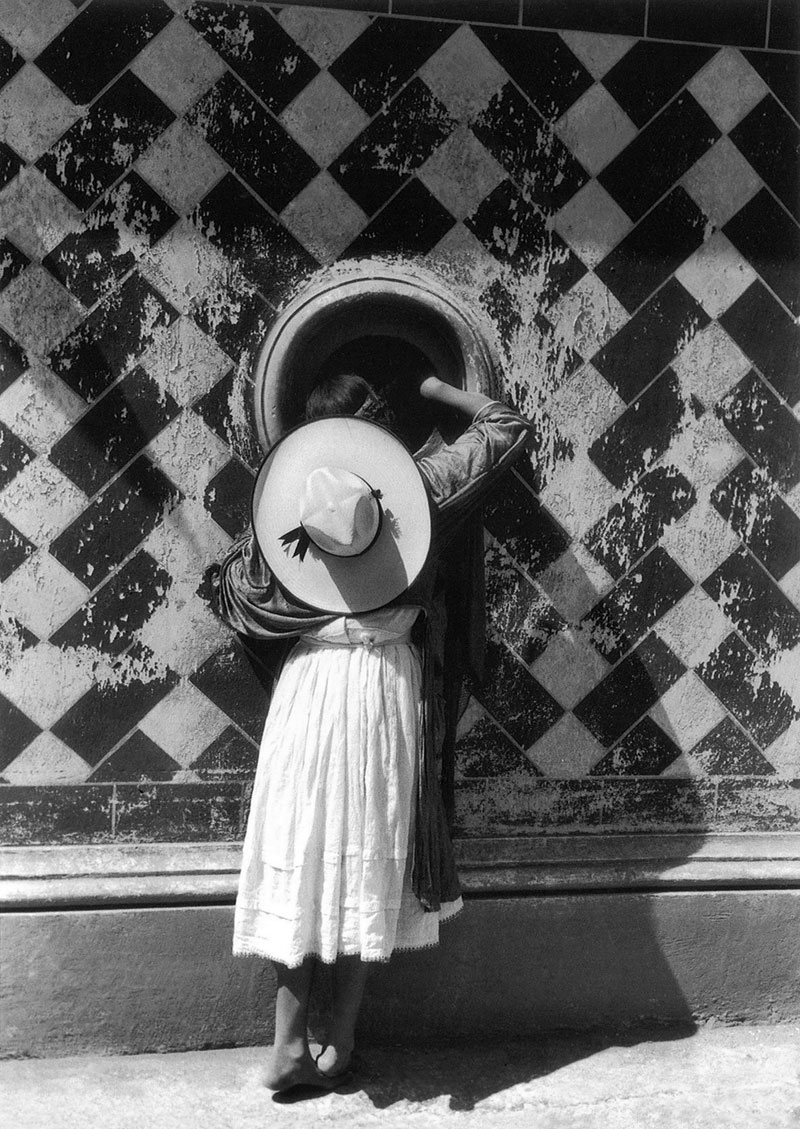


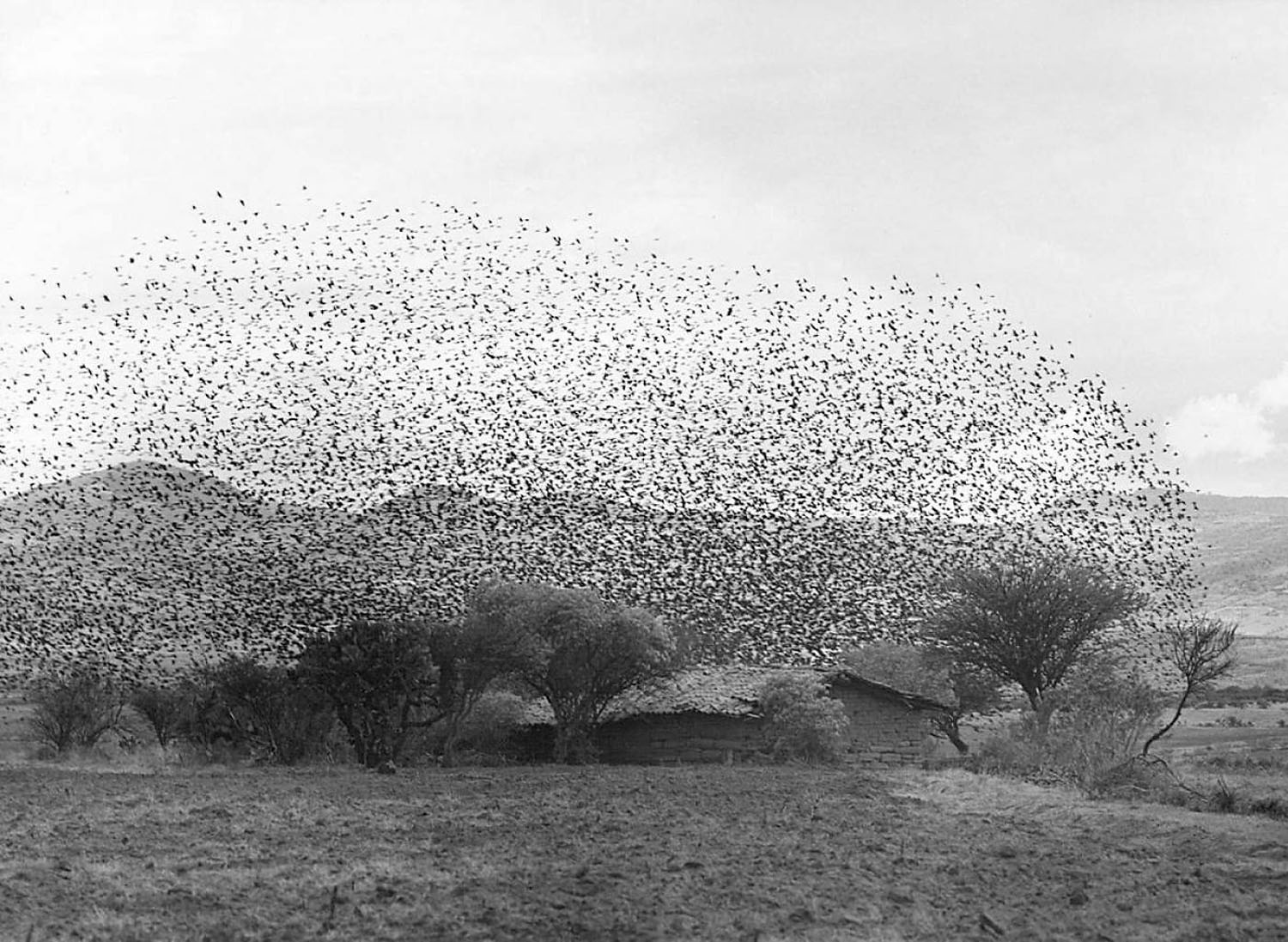

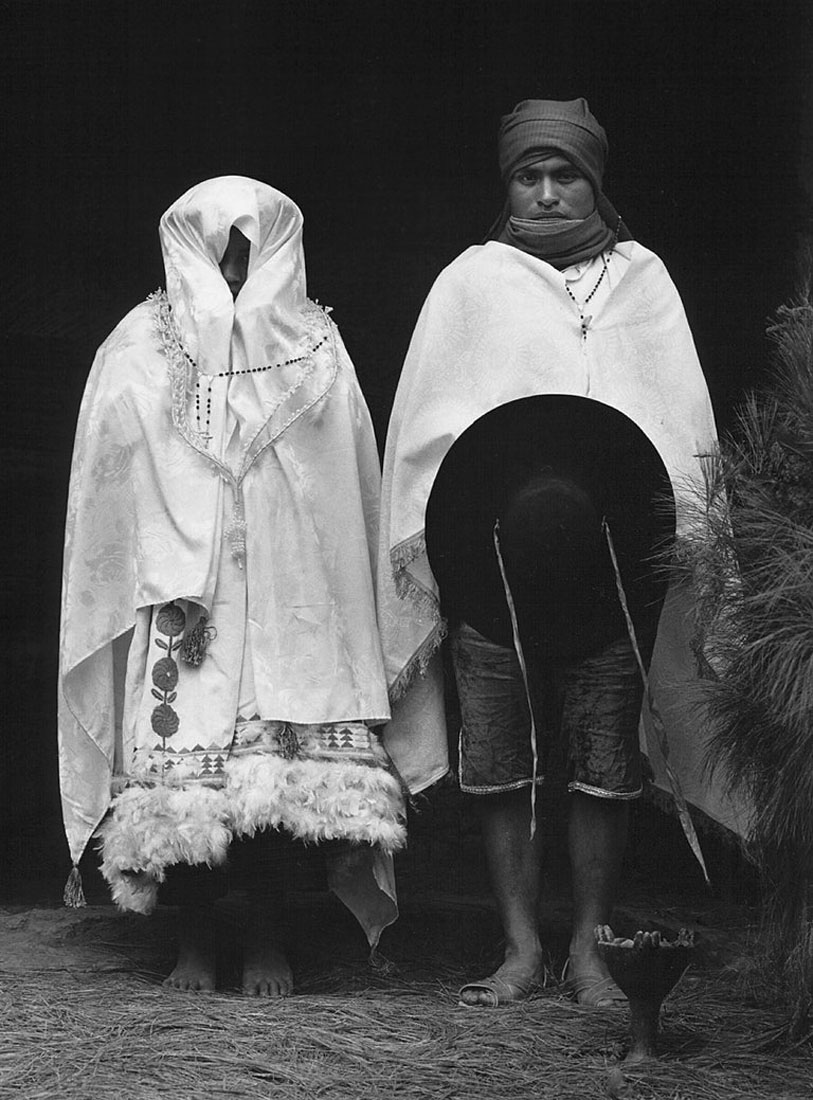
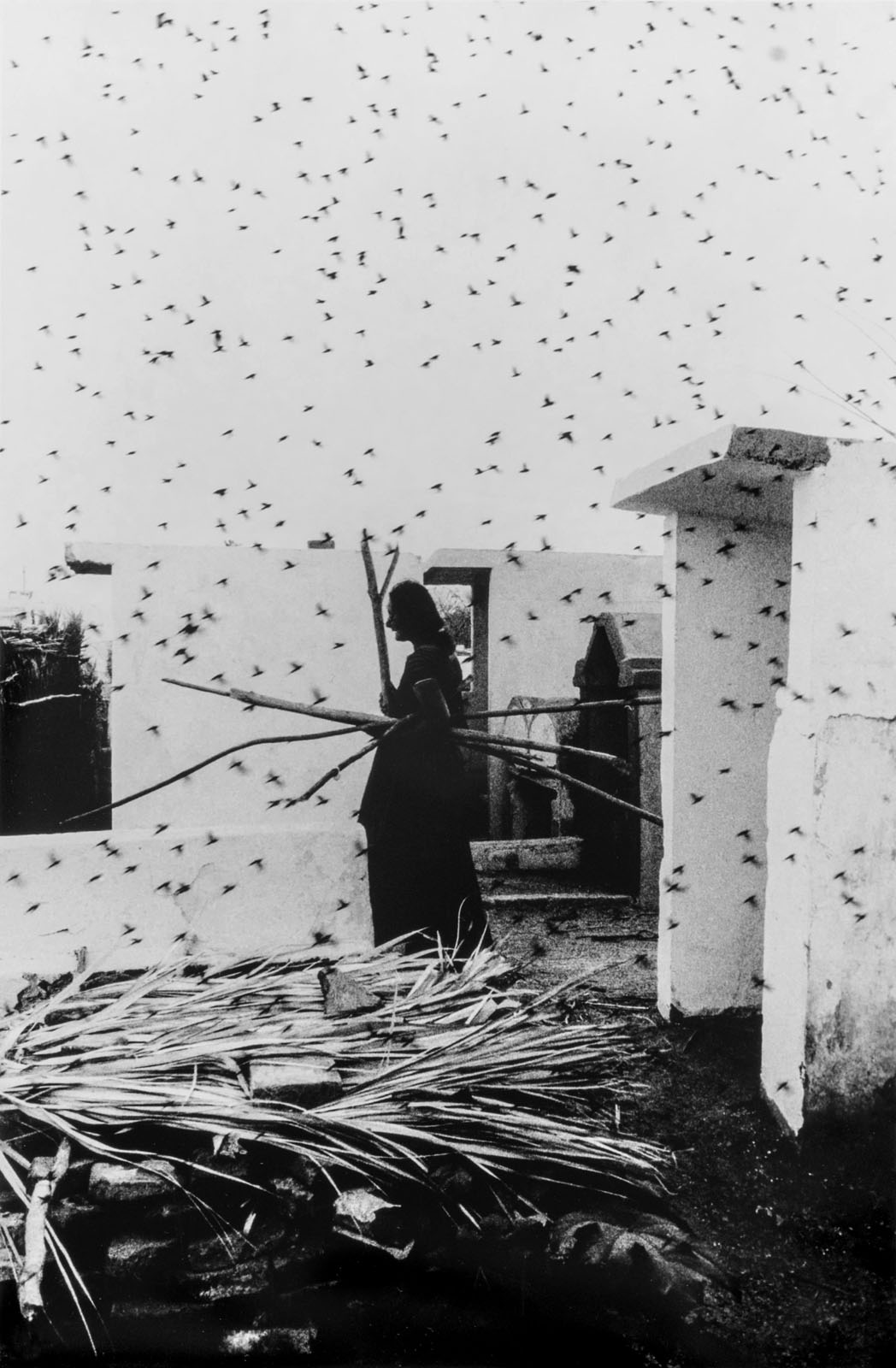


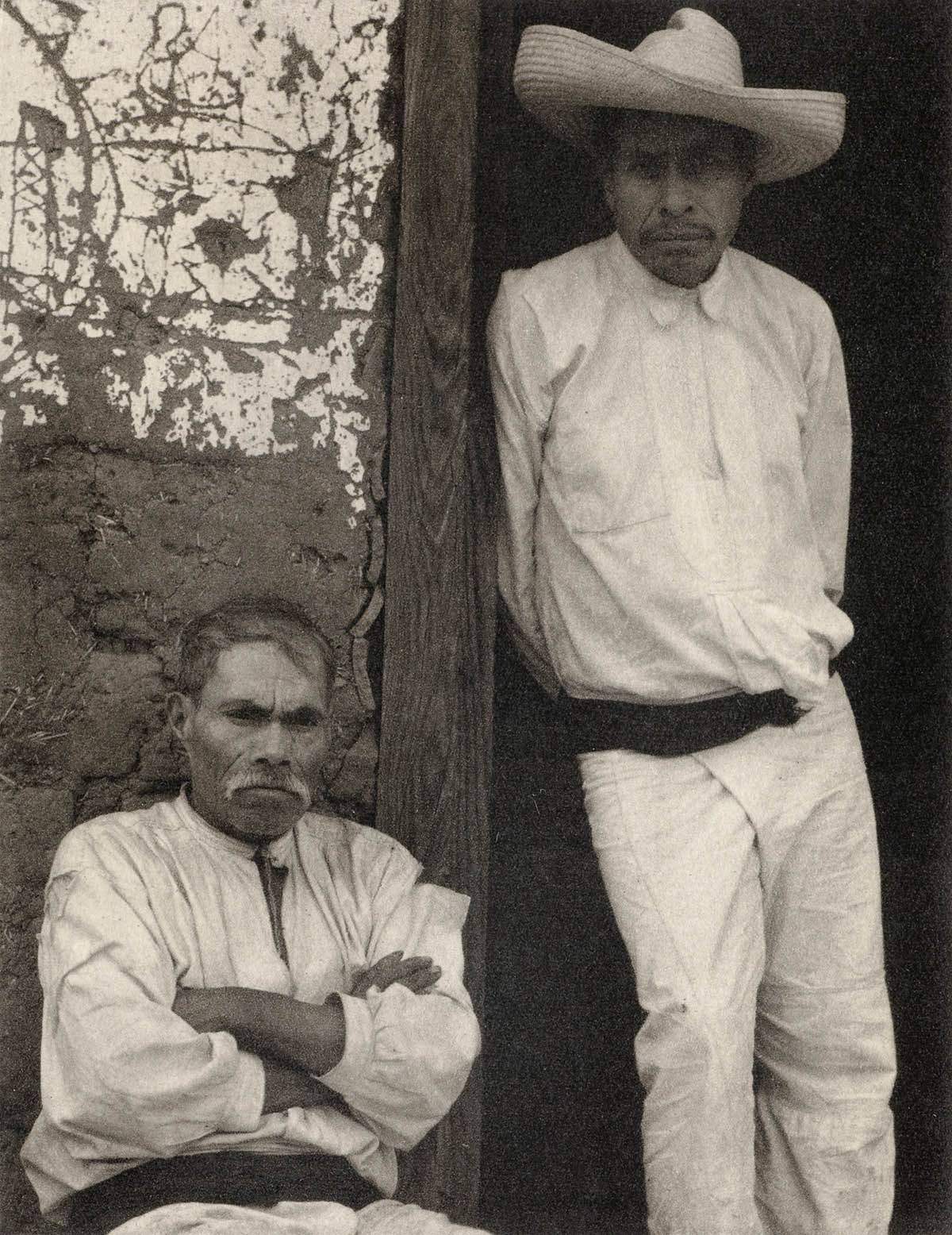
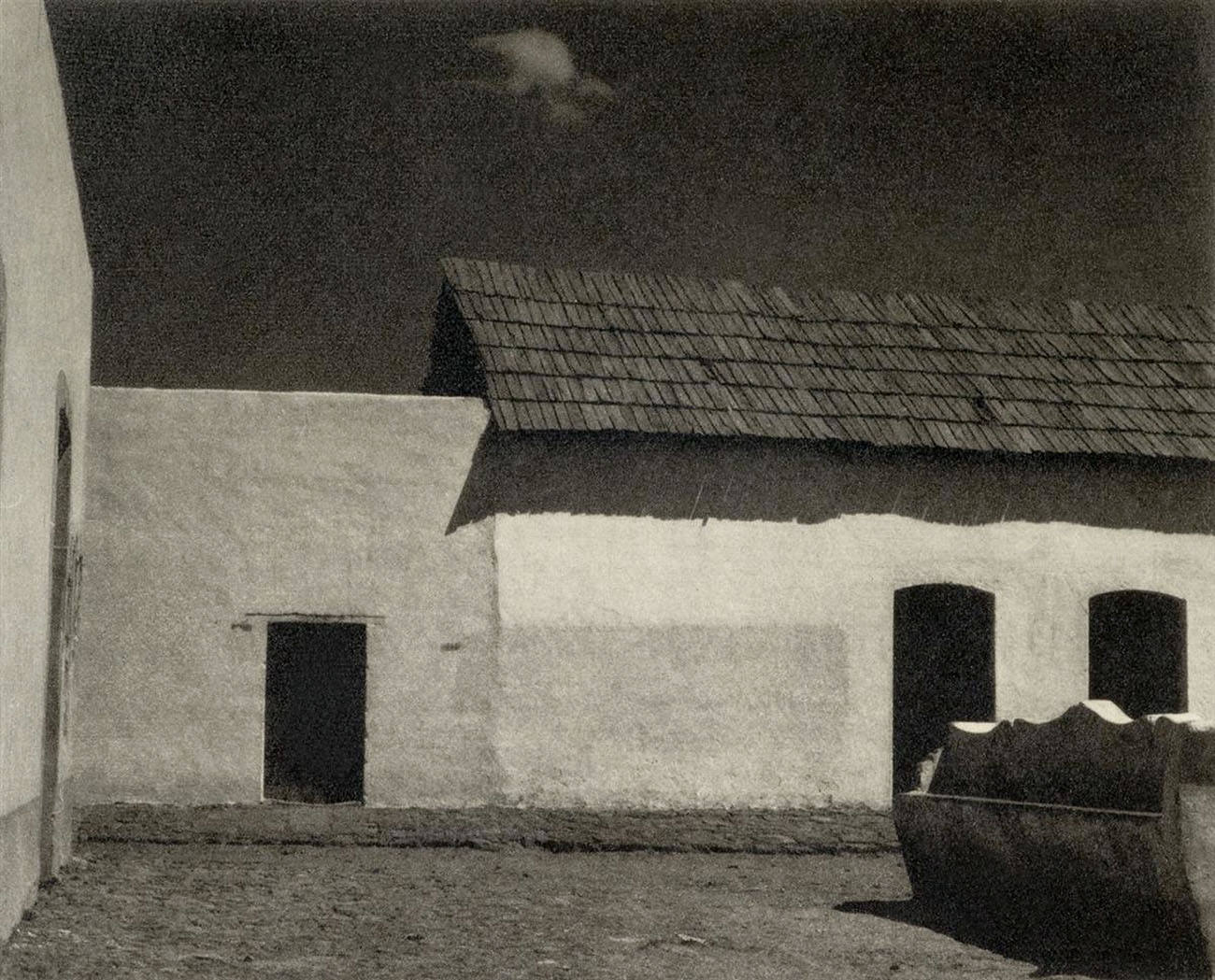


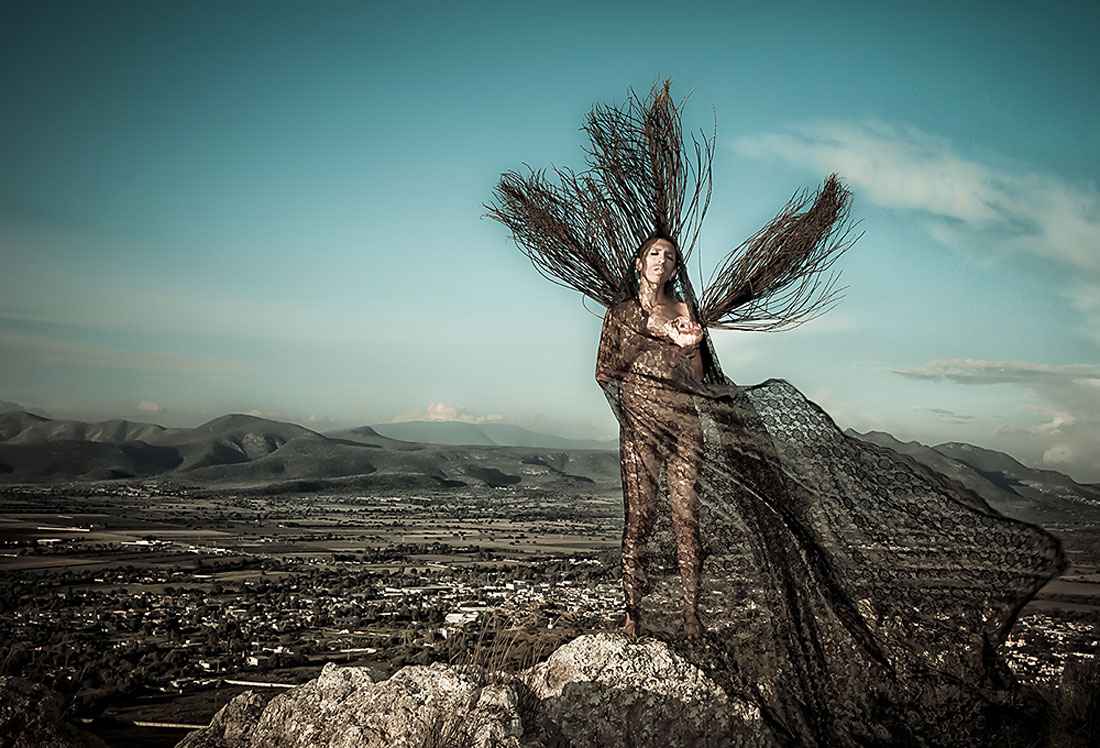


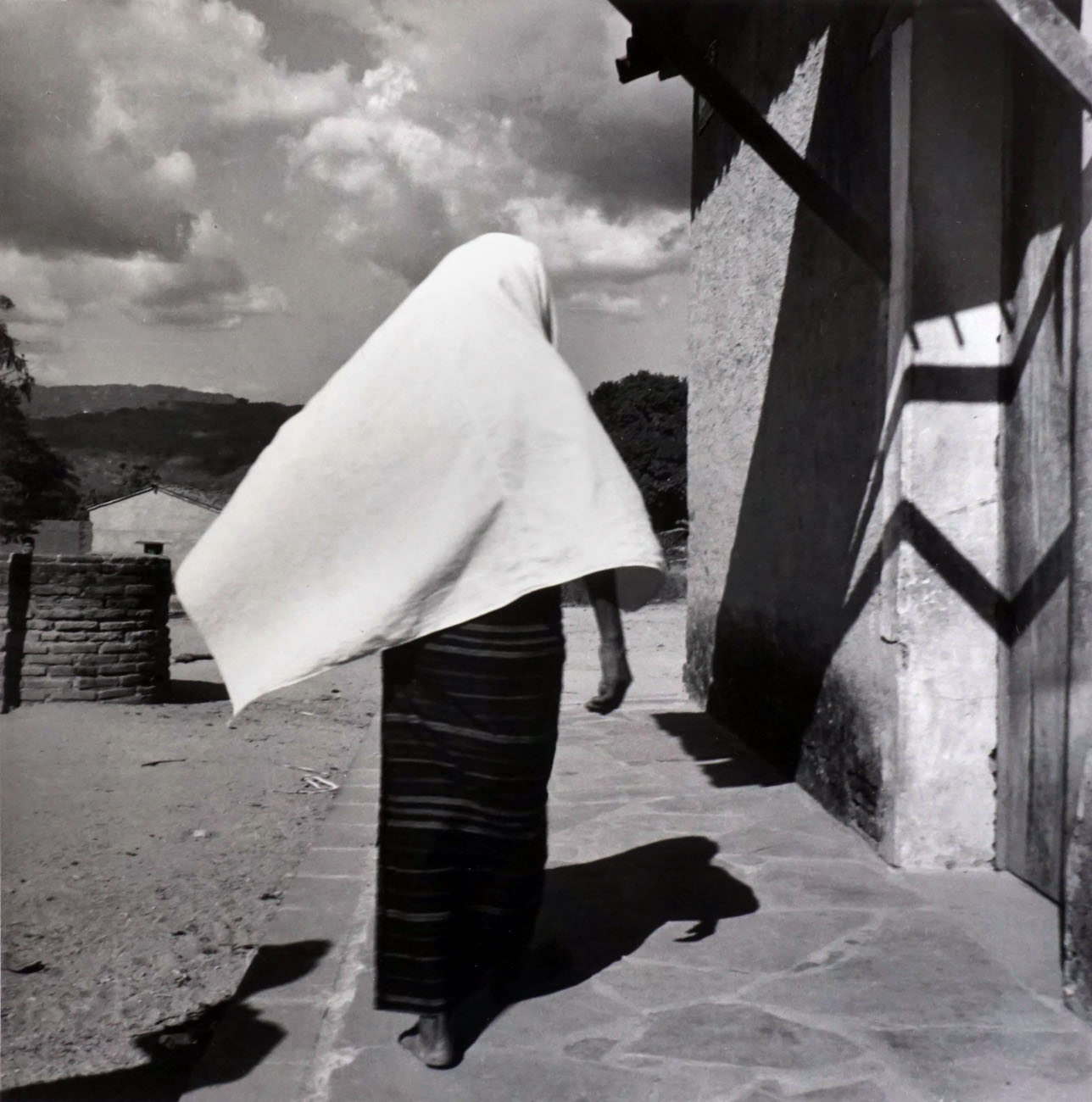

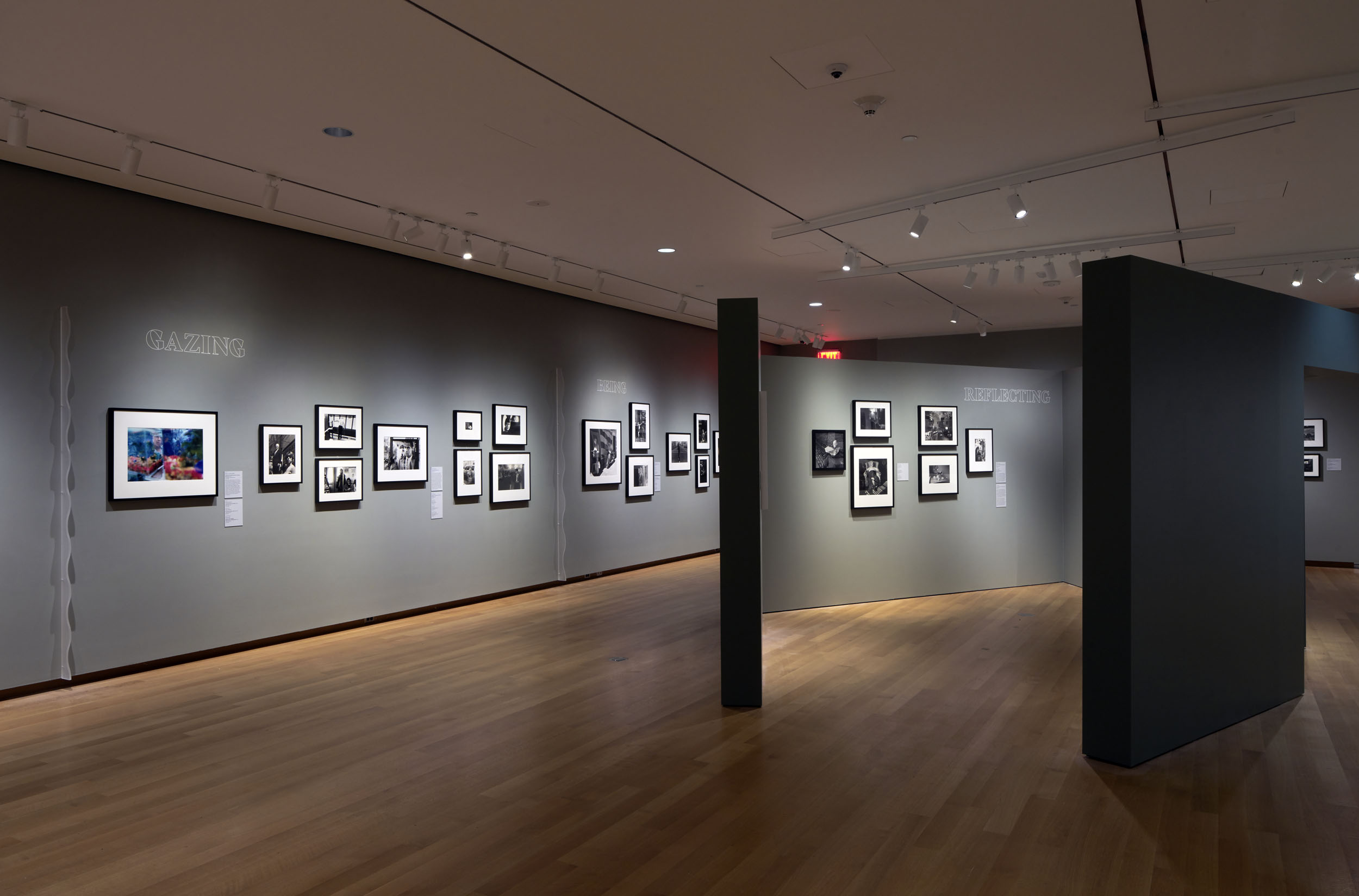
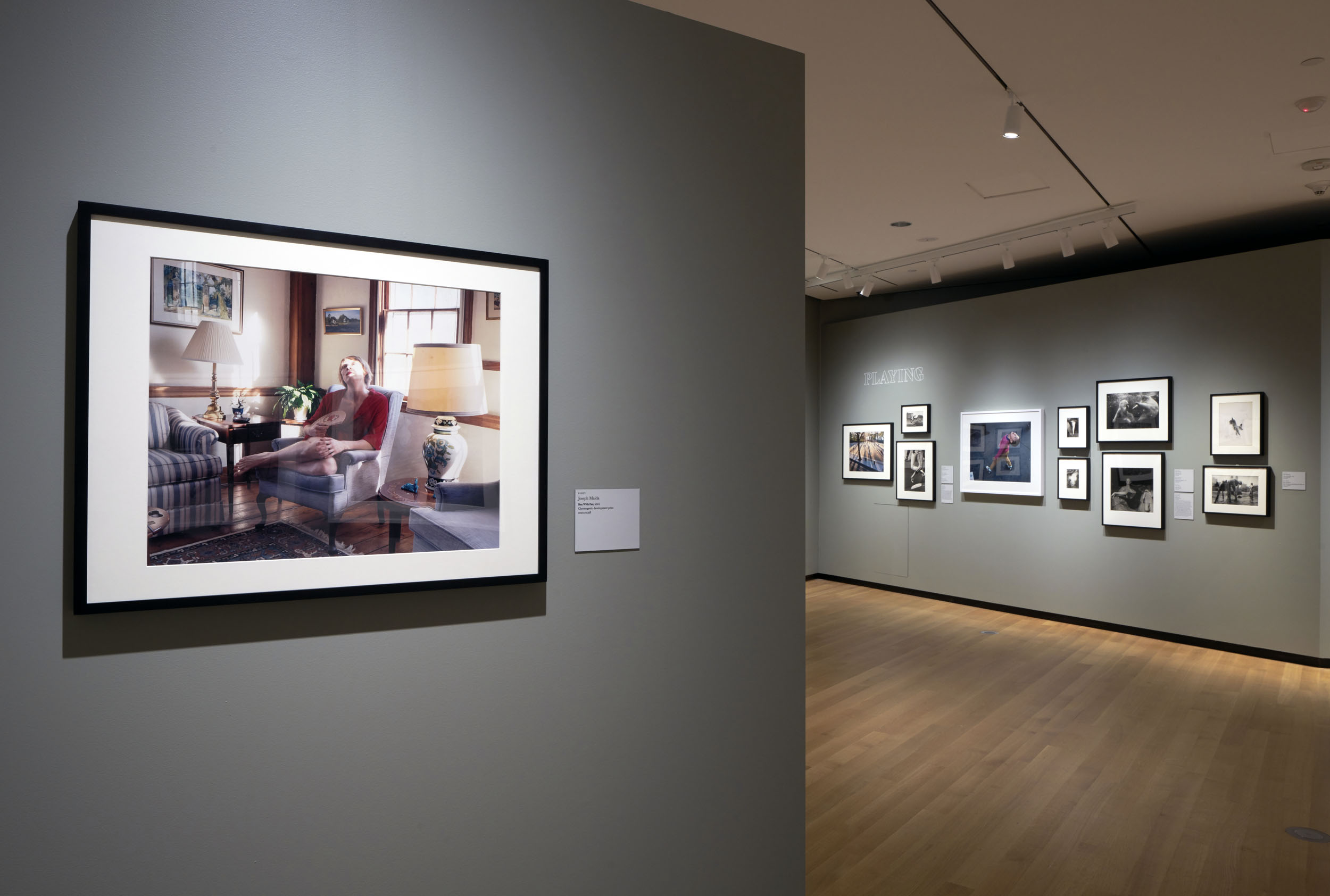
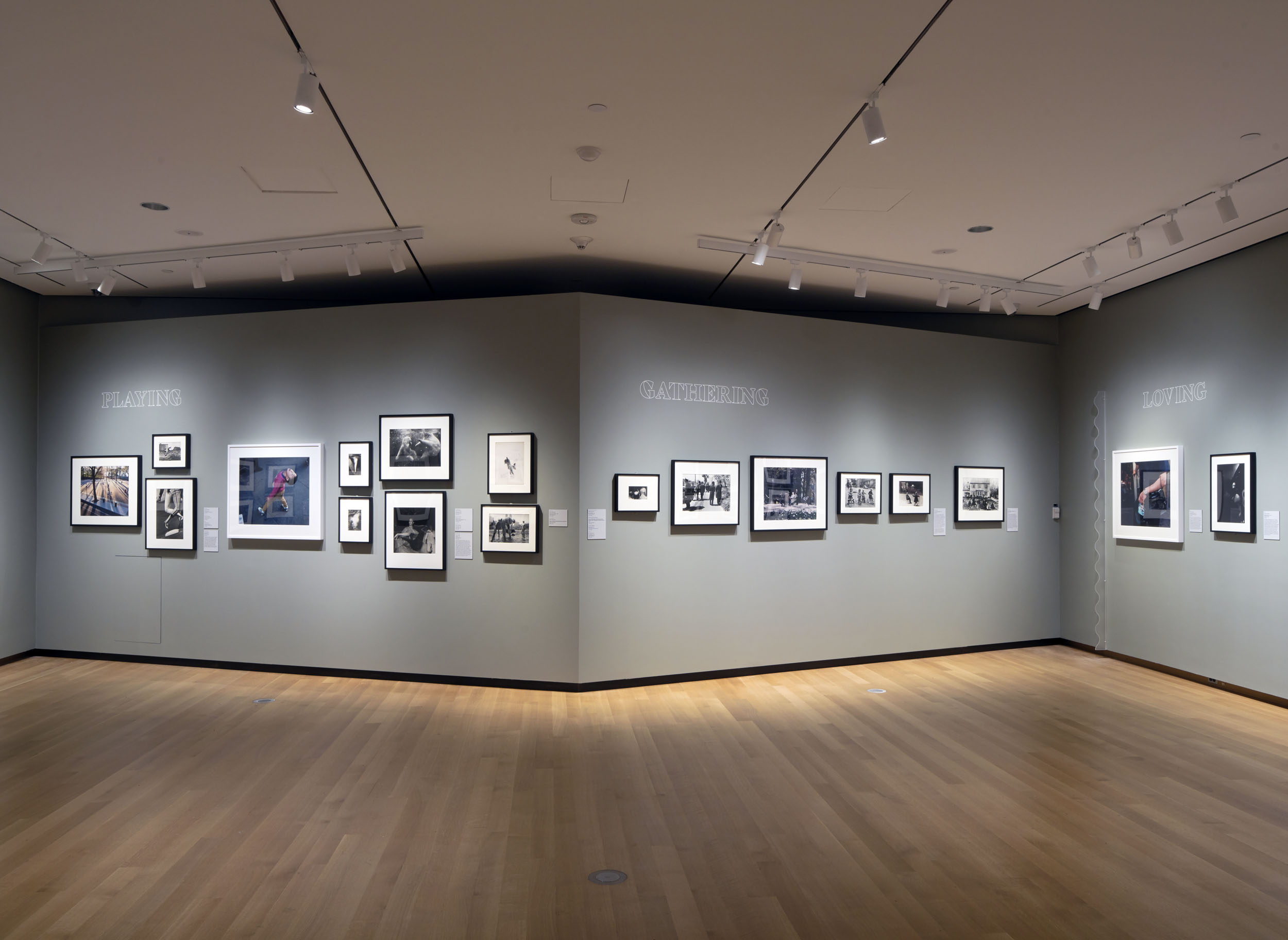
![Installation view of the exhibition 'Celebrating the City: Recent Acquisitions from the Joy of Giving Something' at the Museum of the City of New York showing at right, Mitch Epstein's 'Untitled [New York #3]' 1995](https://artblart.com/wp-content/uploads/2022/03/blf-2022-mcny-celebratingthecity-119.jpg "Installation view of the exhibition 'Celebrating the City: Recent Acquisitions from the Joy of Giving Something' at the Museum of the City of New York showing at right, Mitch Epstein's 'Untitled [New York #3]' 1995")
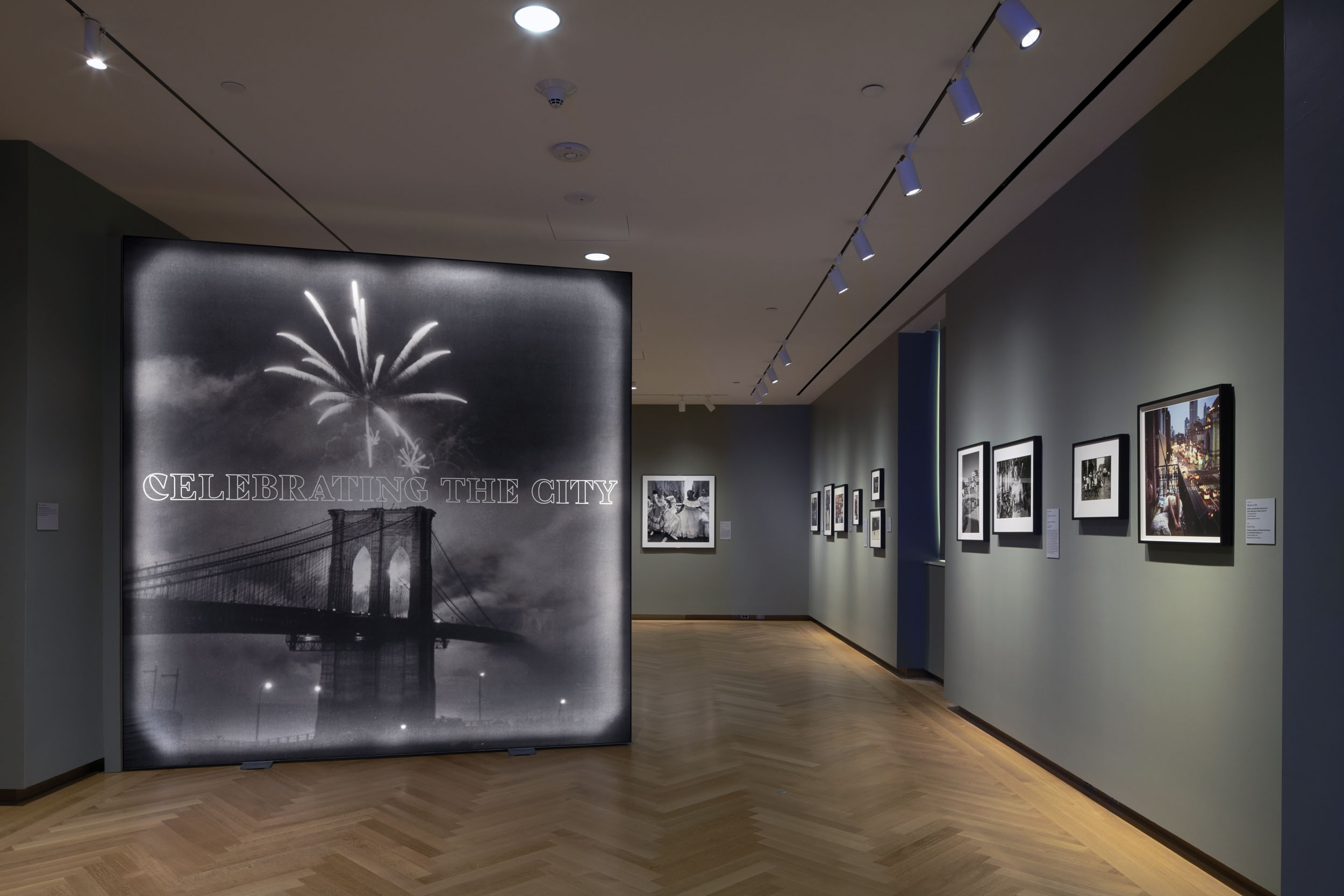
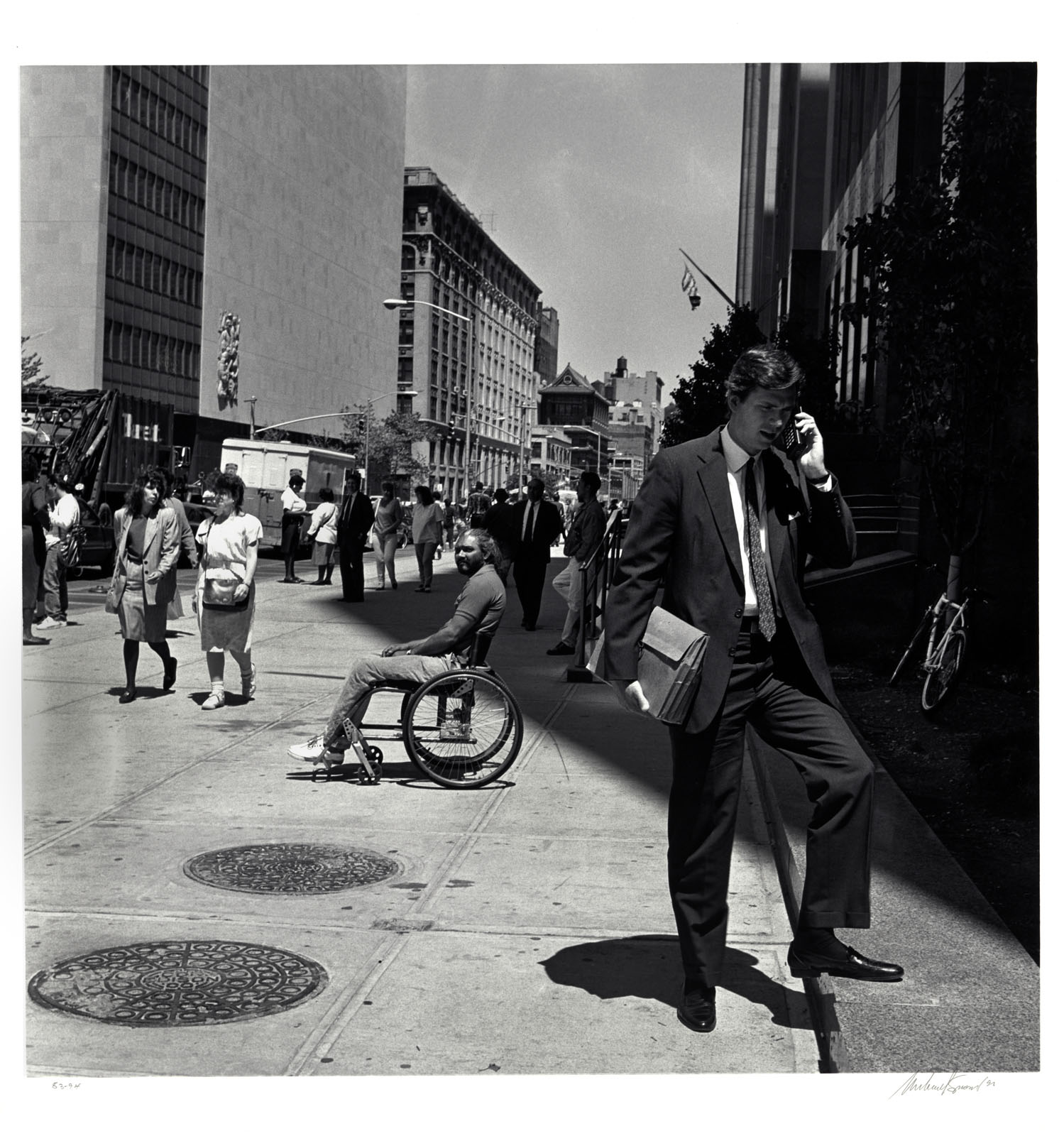
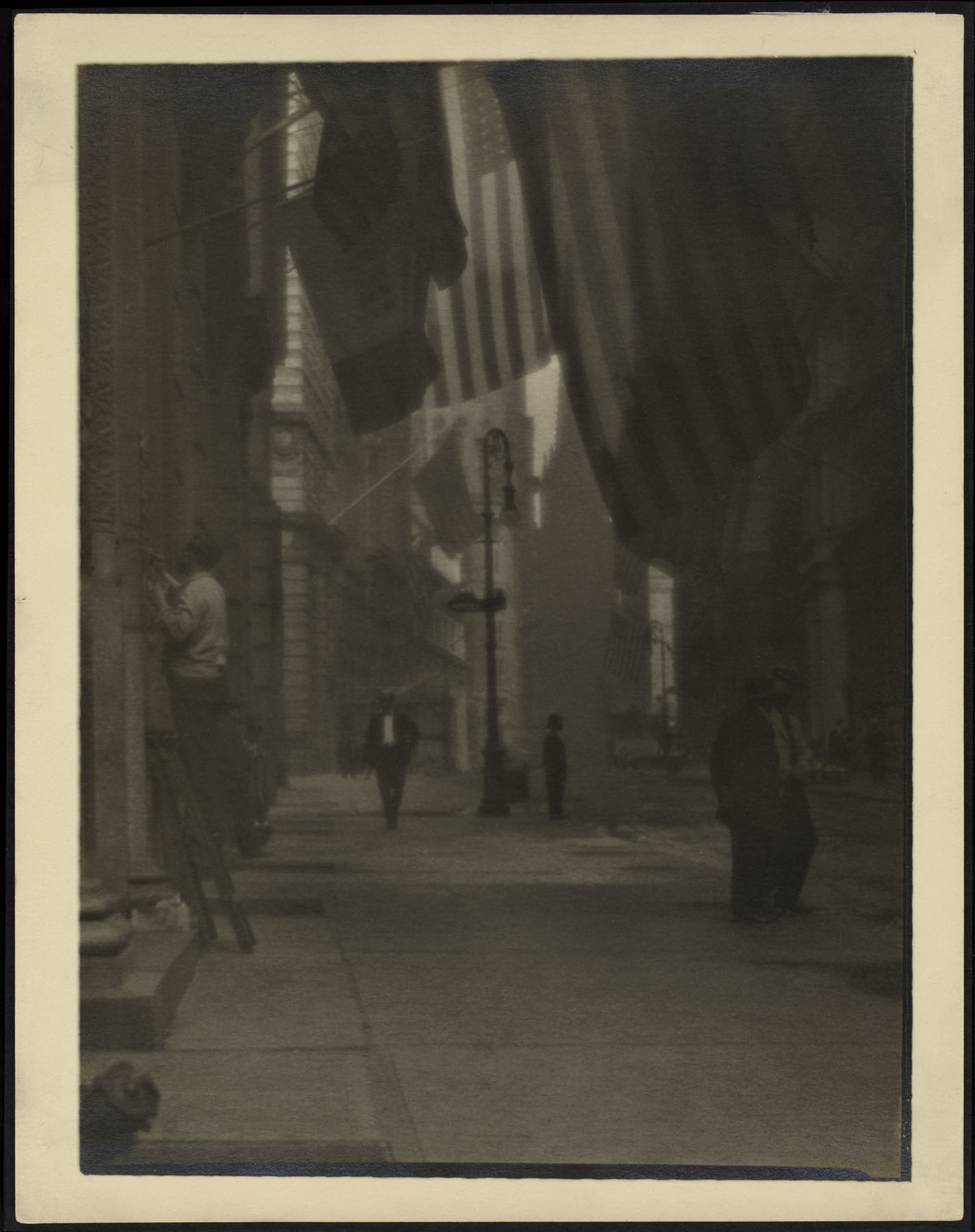
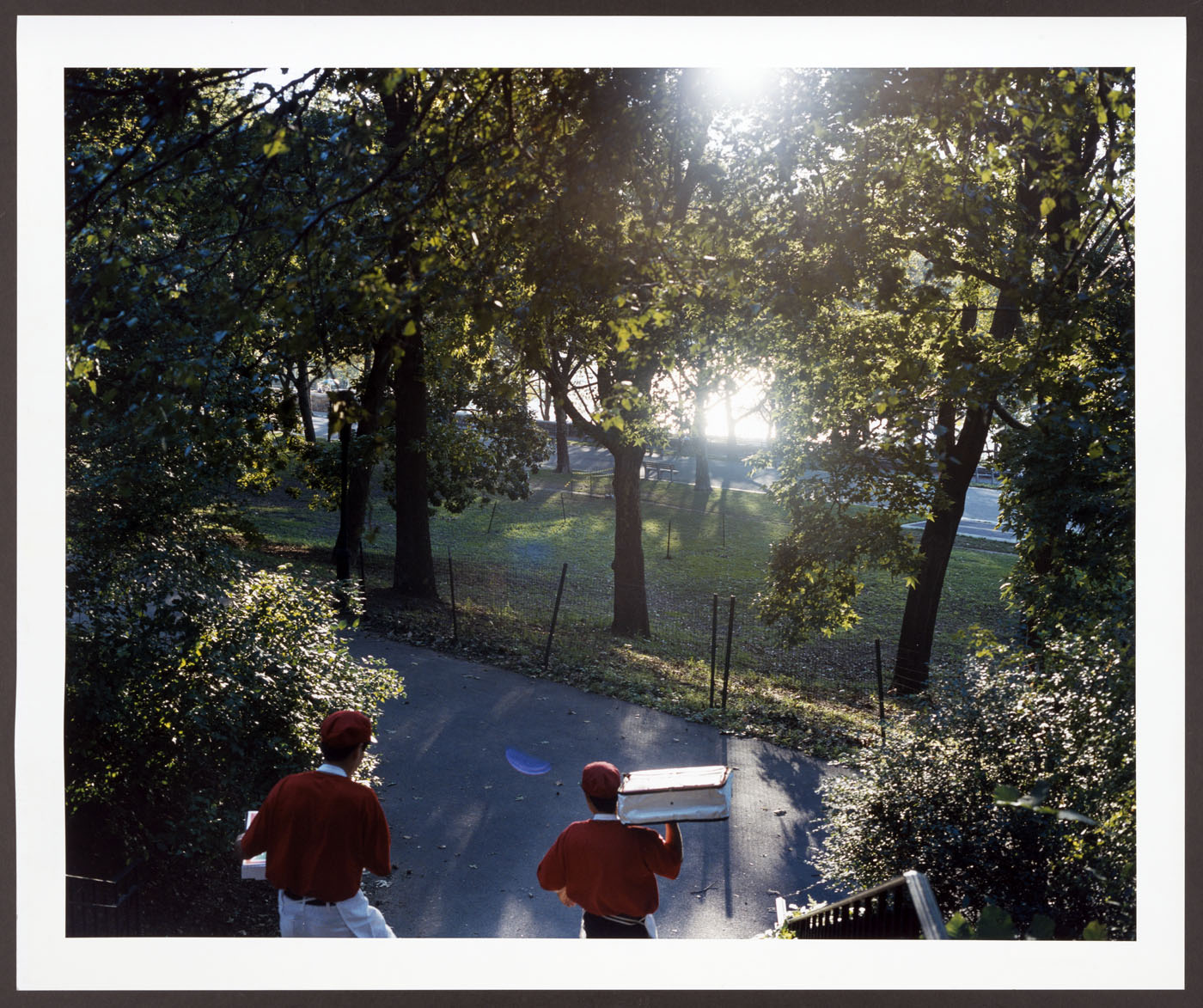
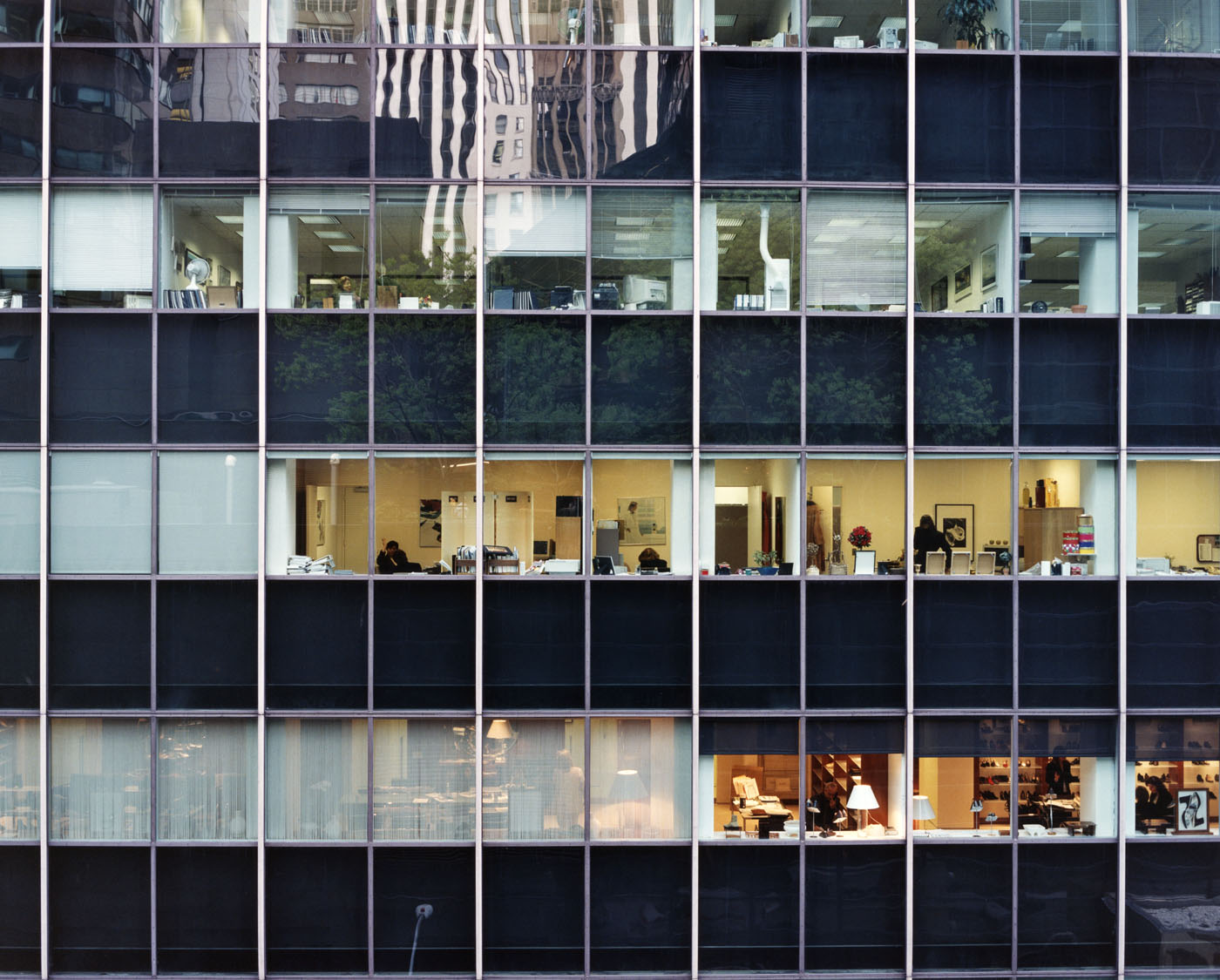
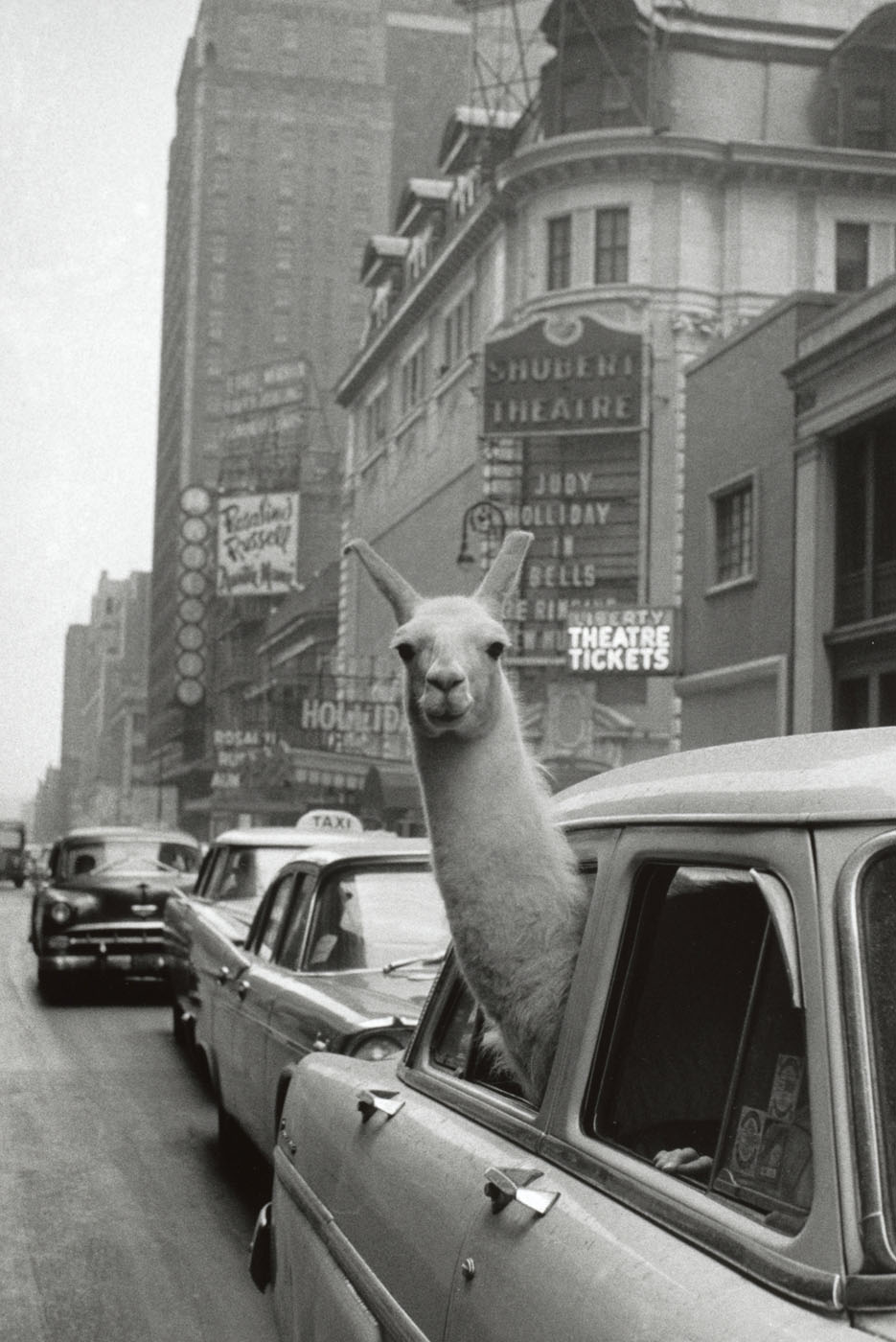
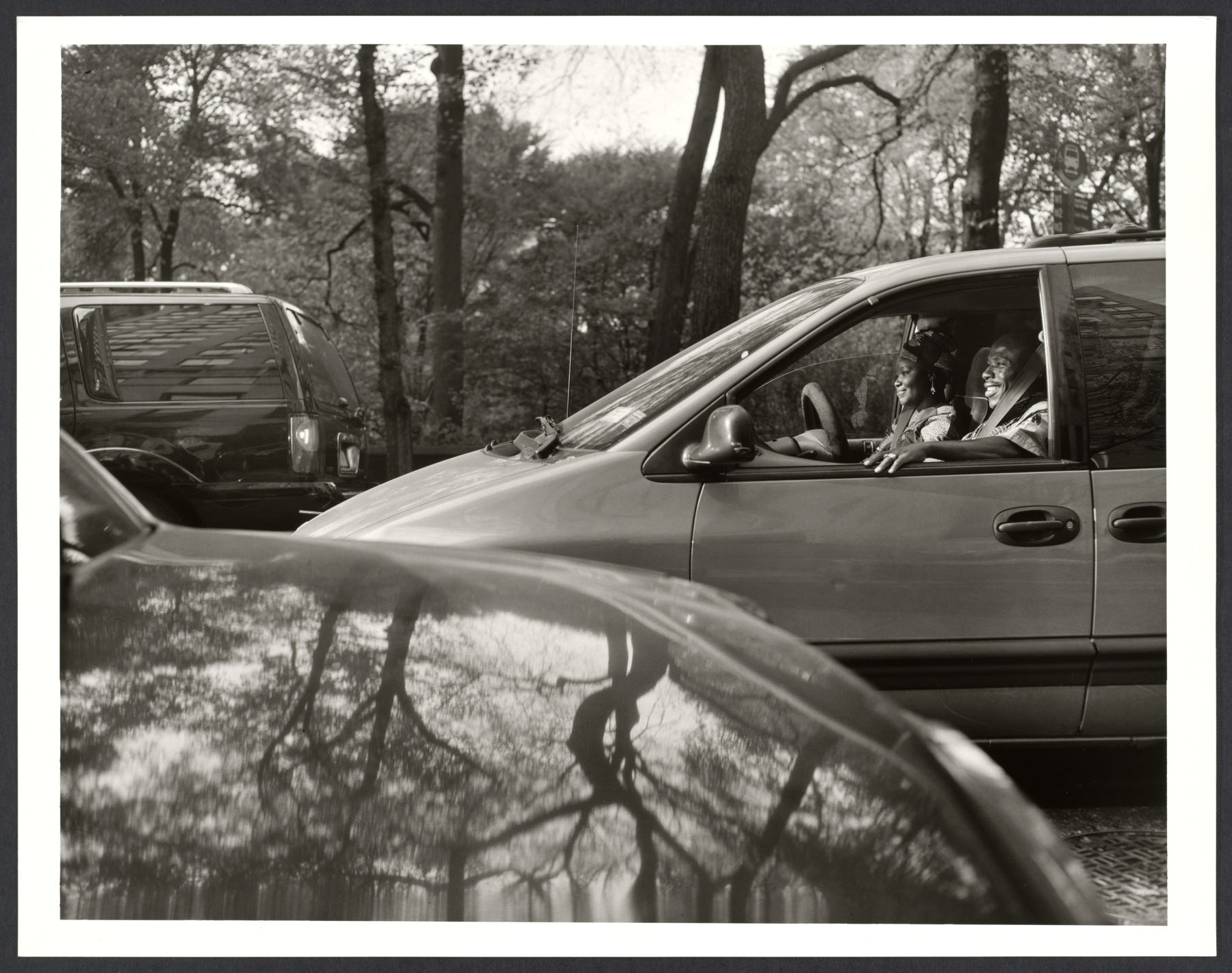
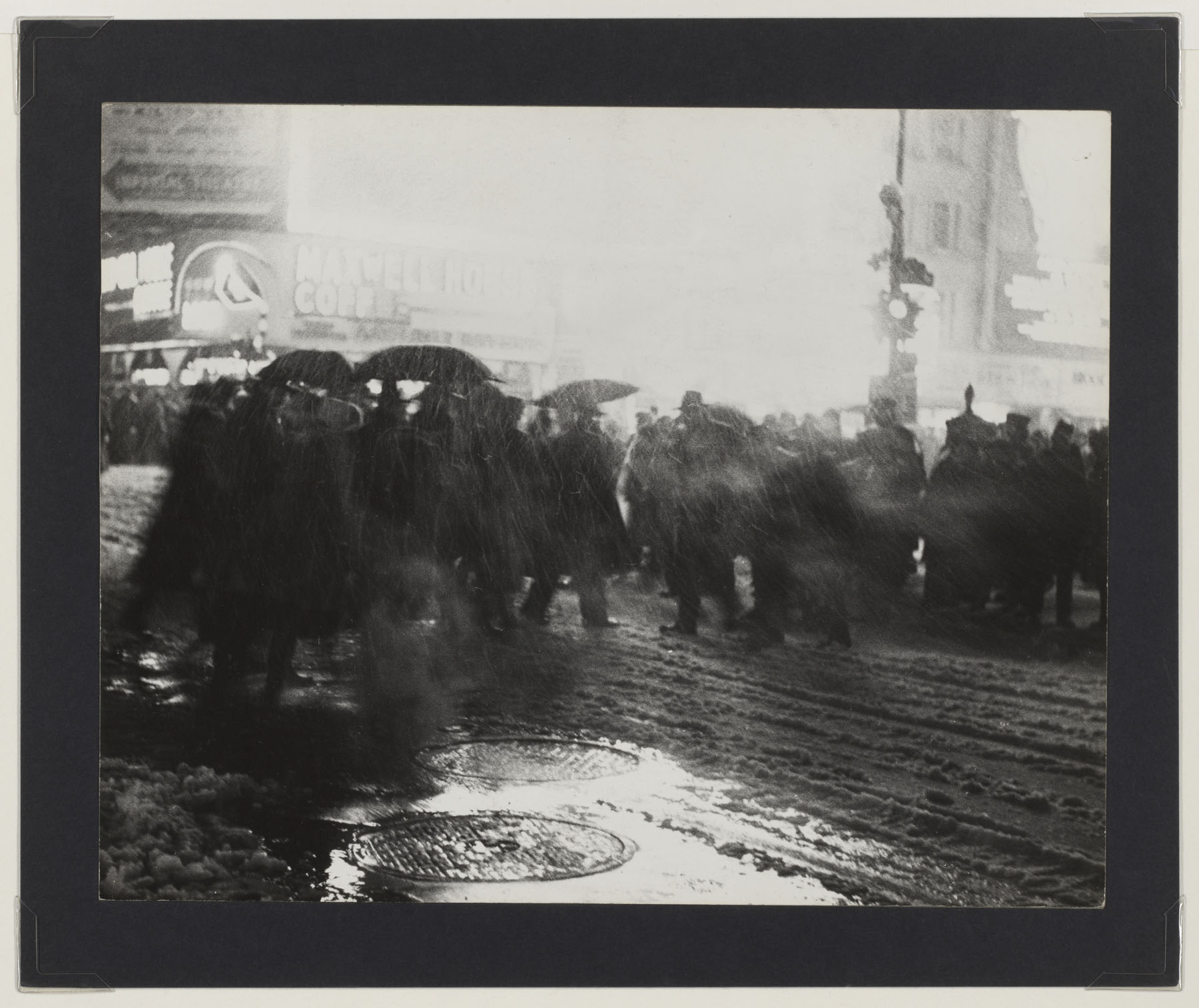
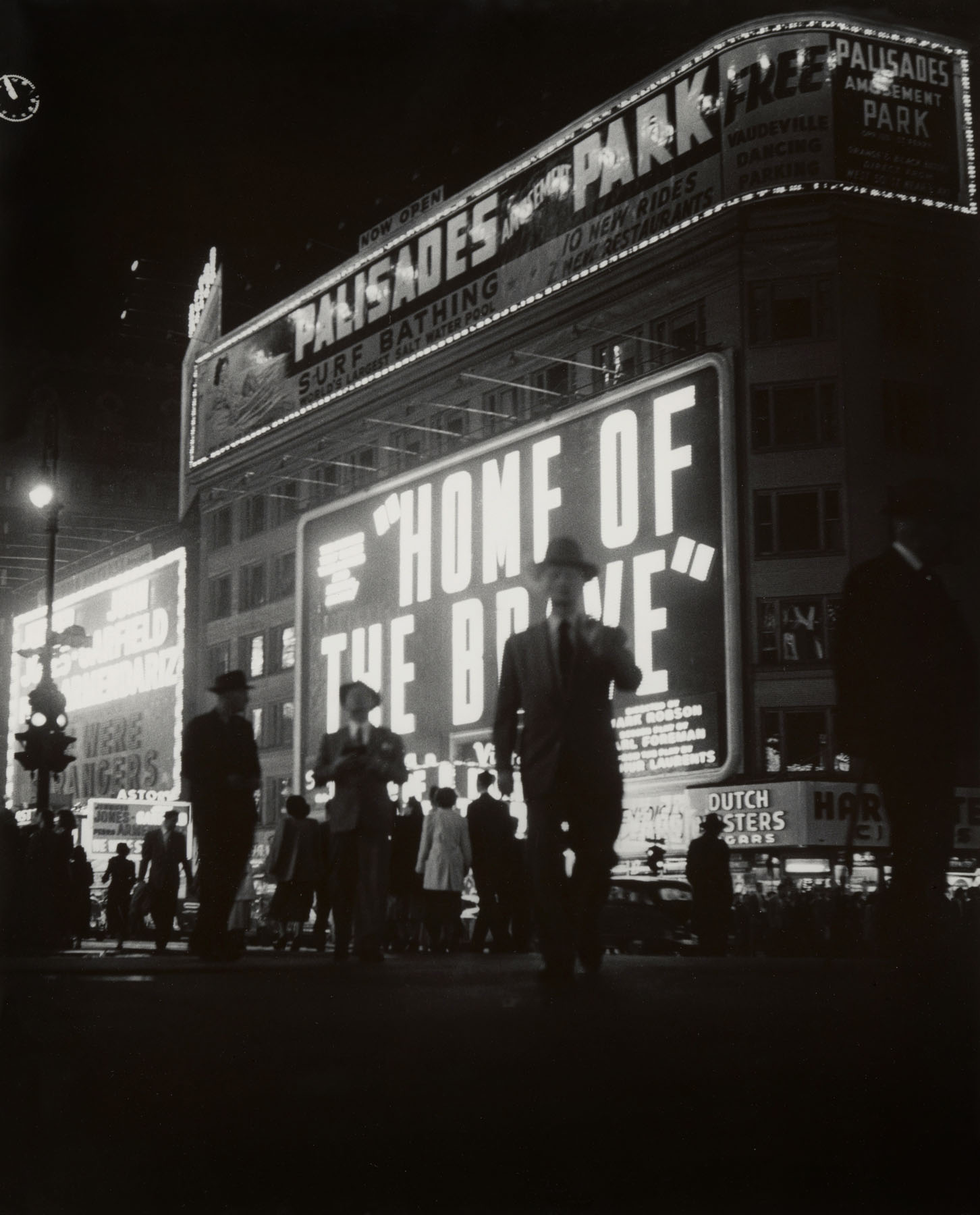
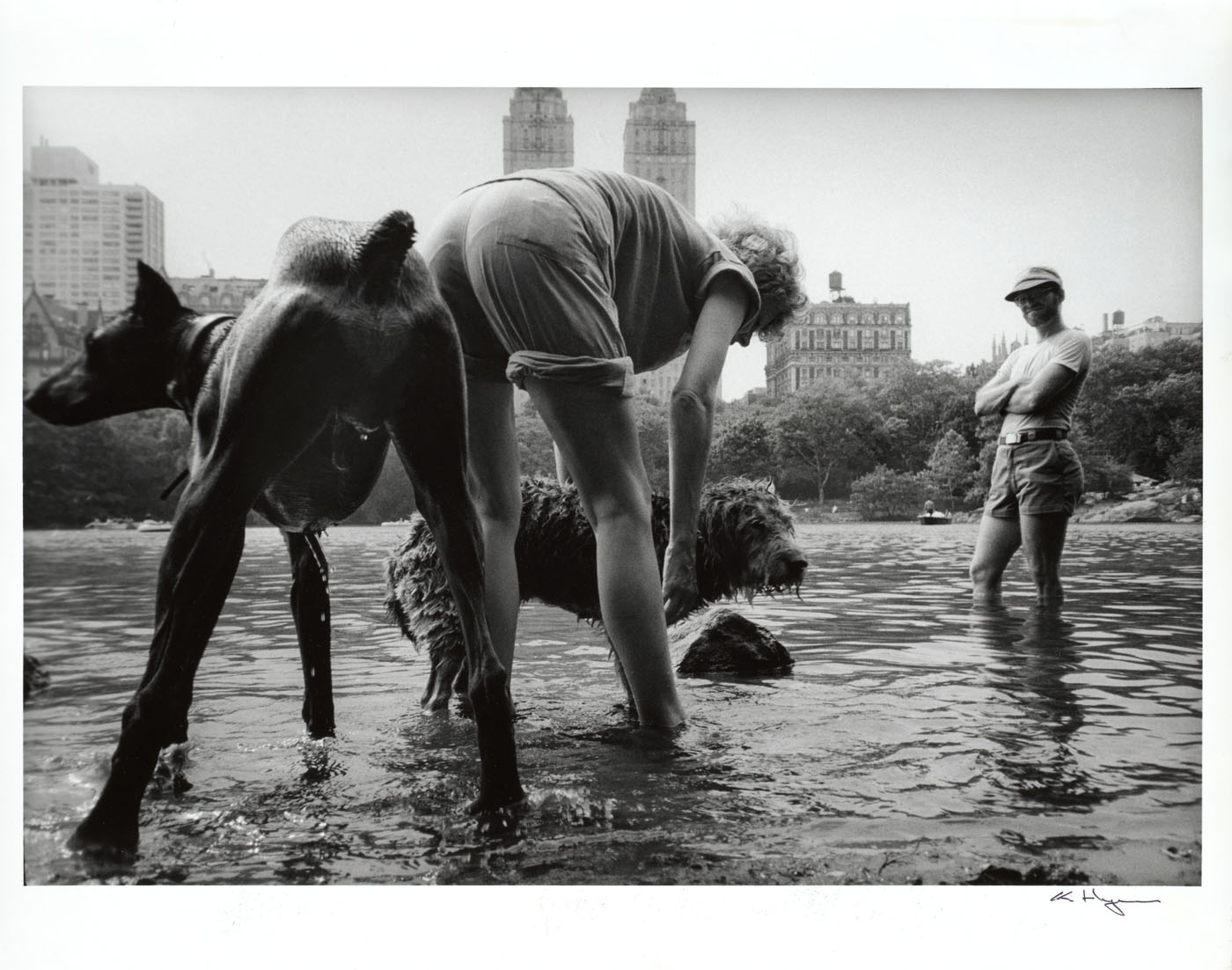
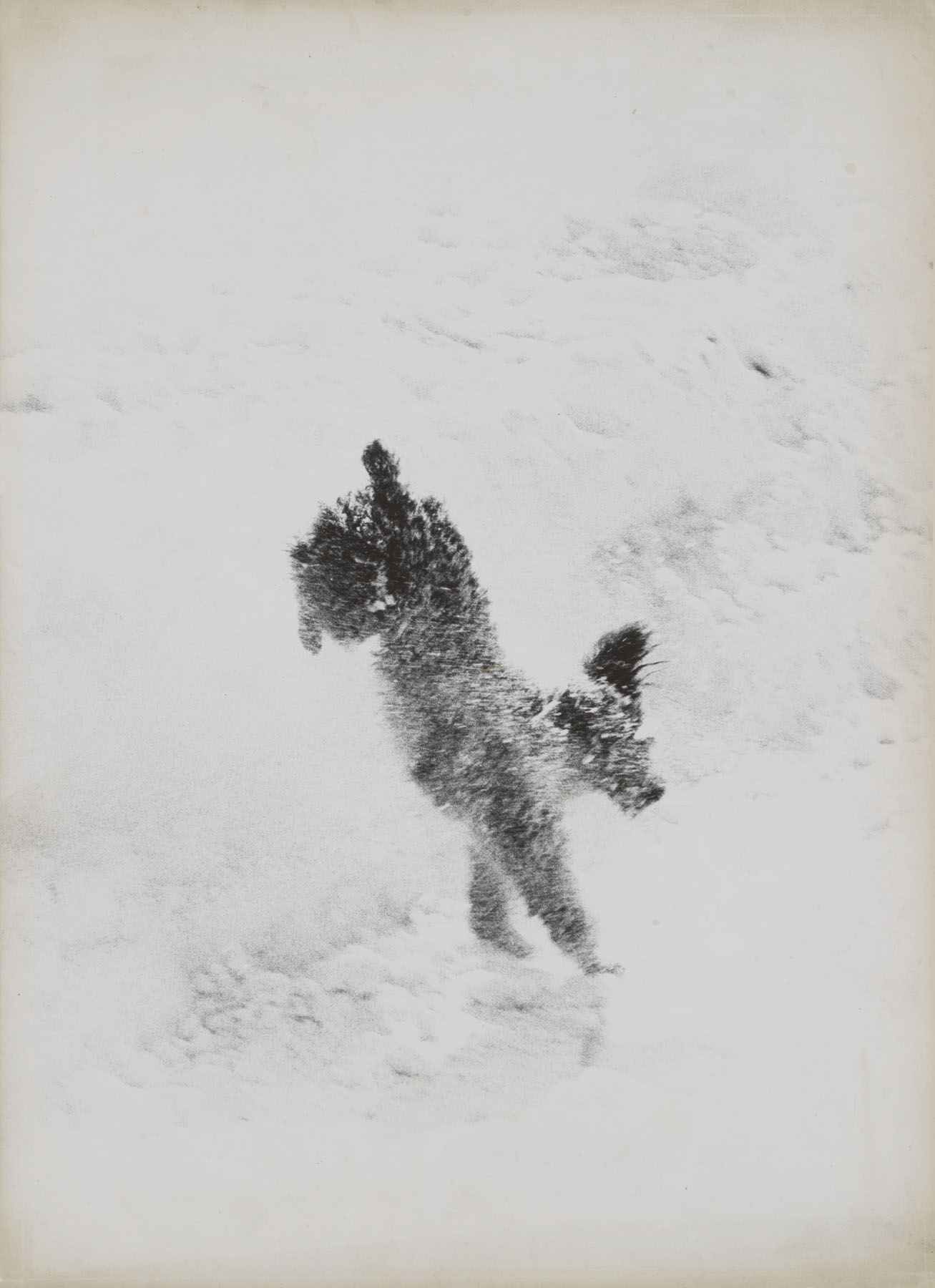

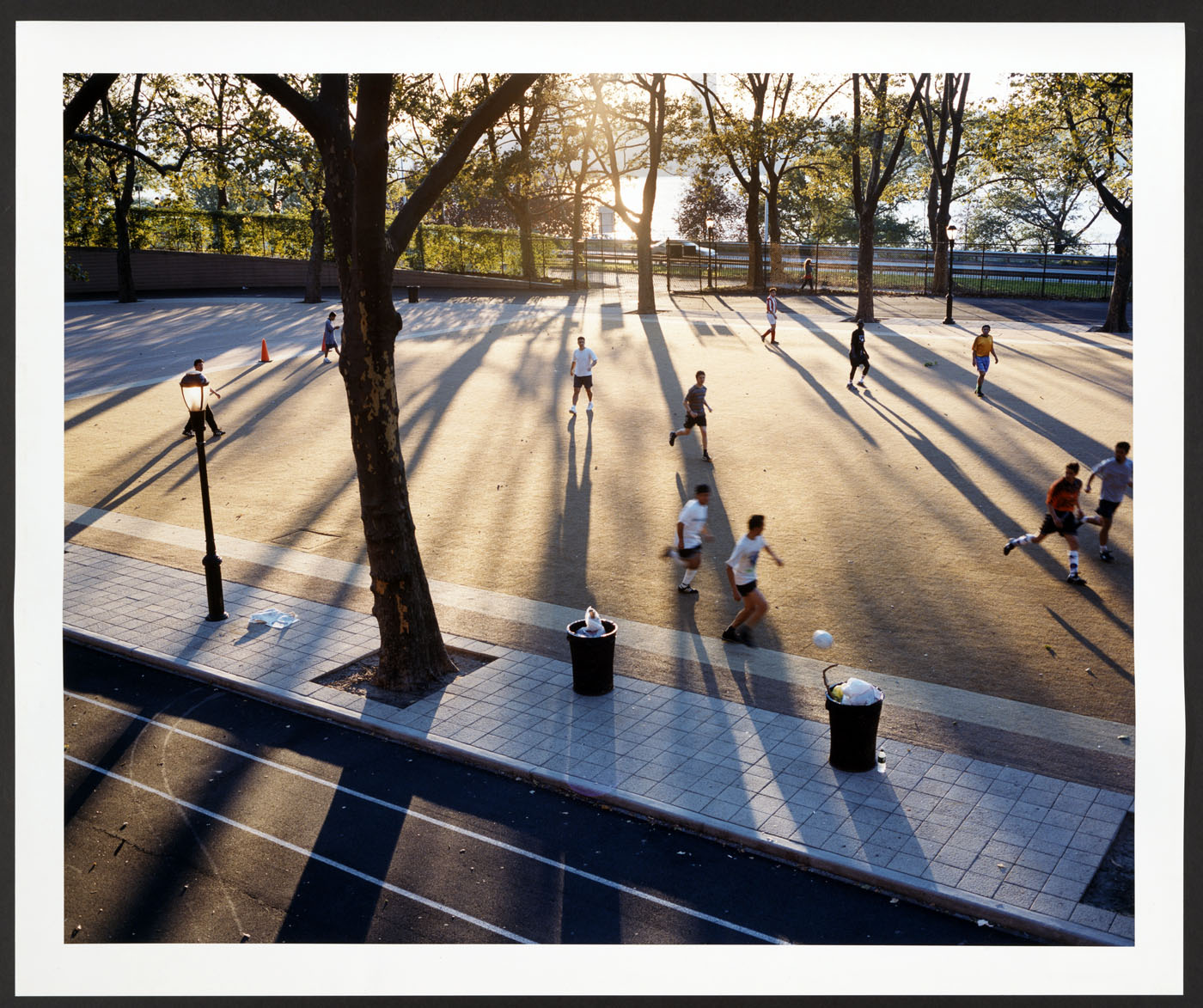
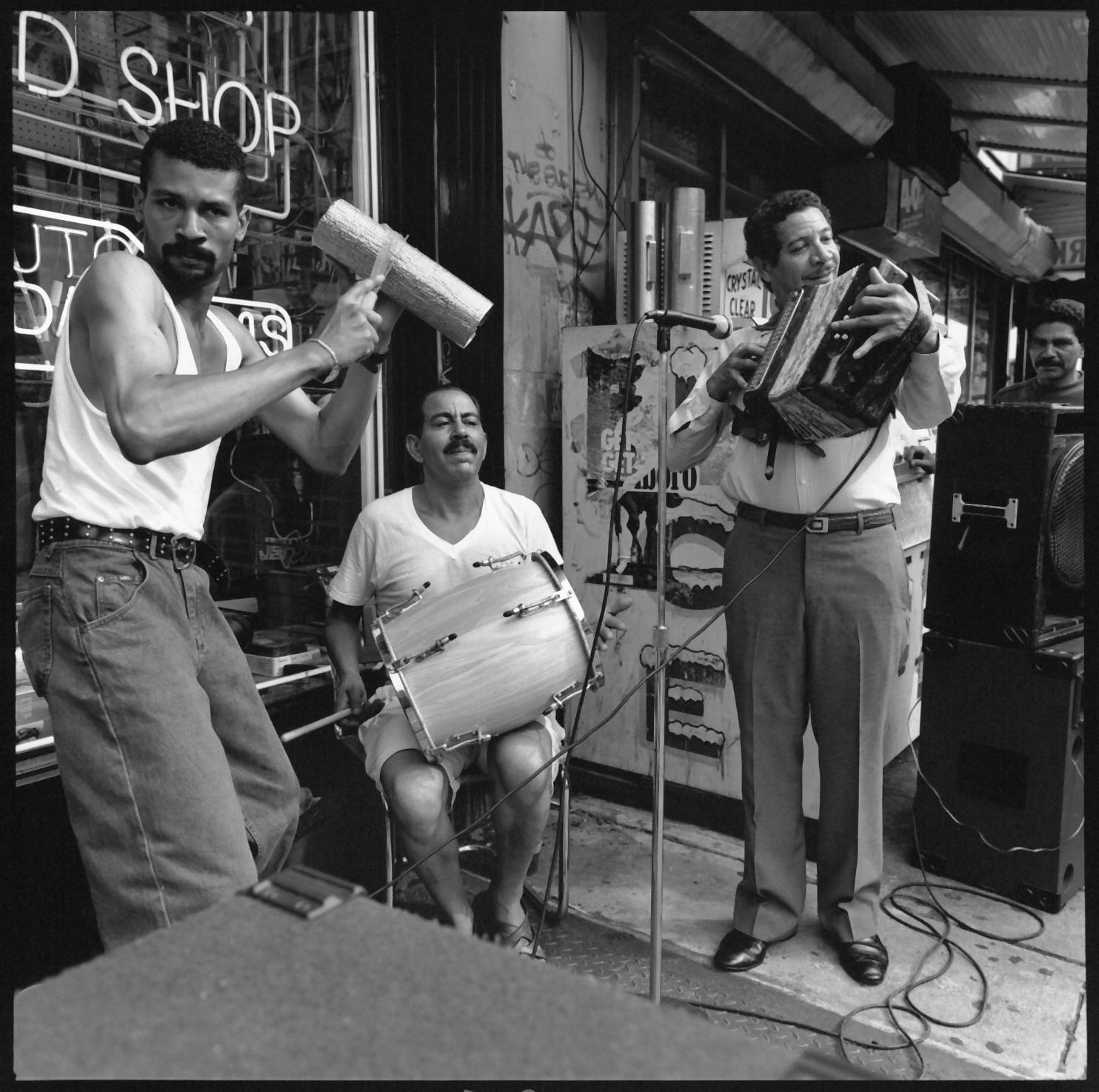
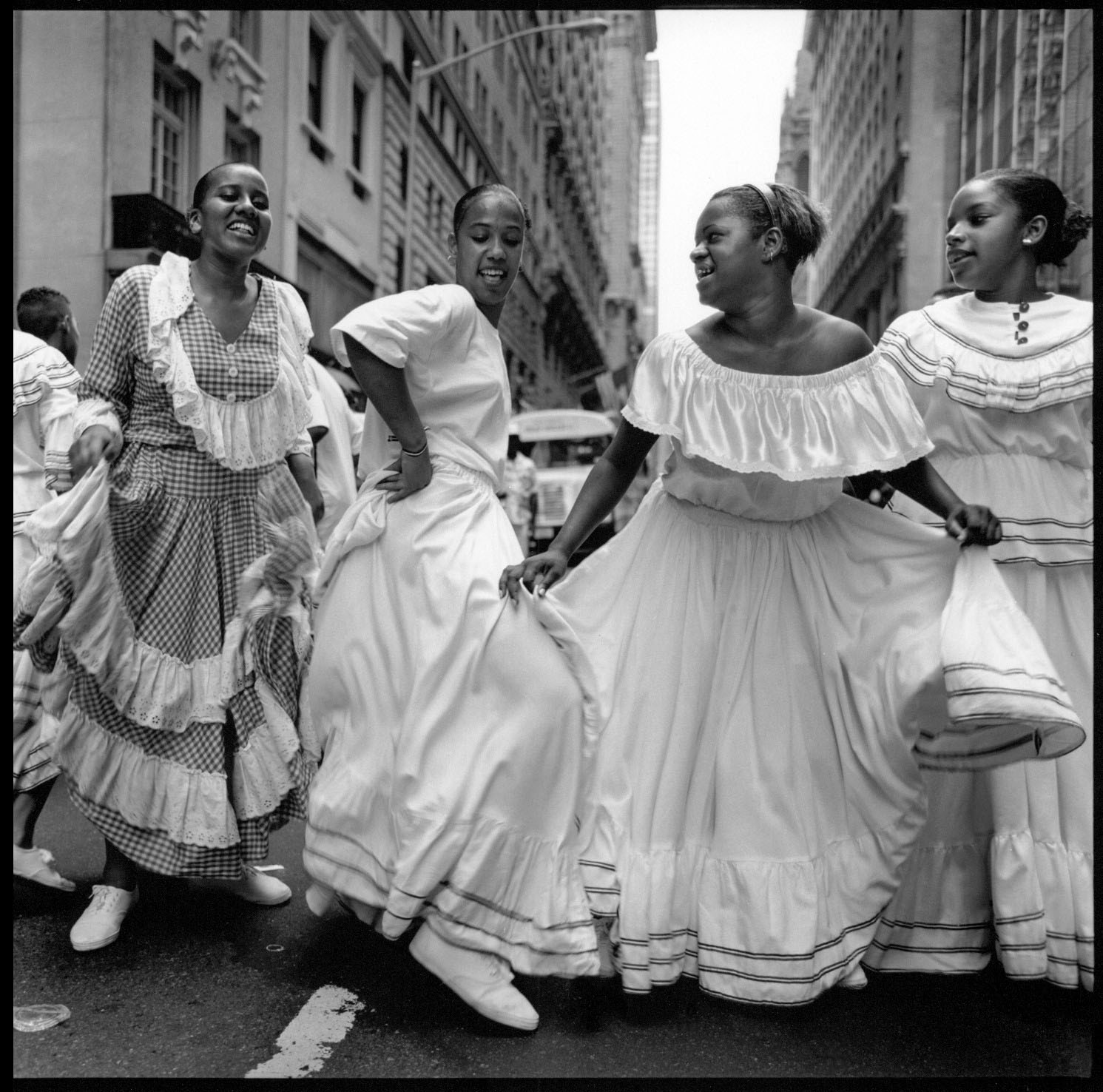
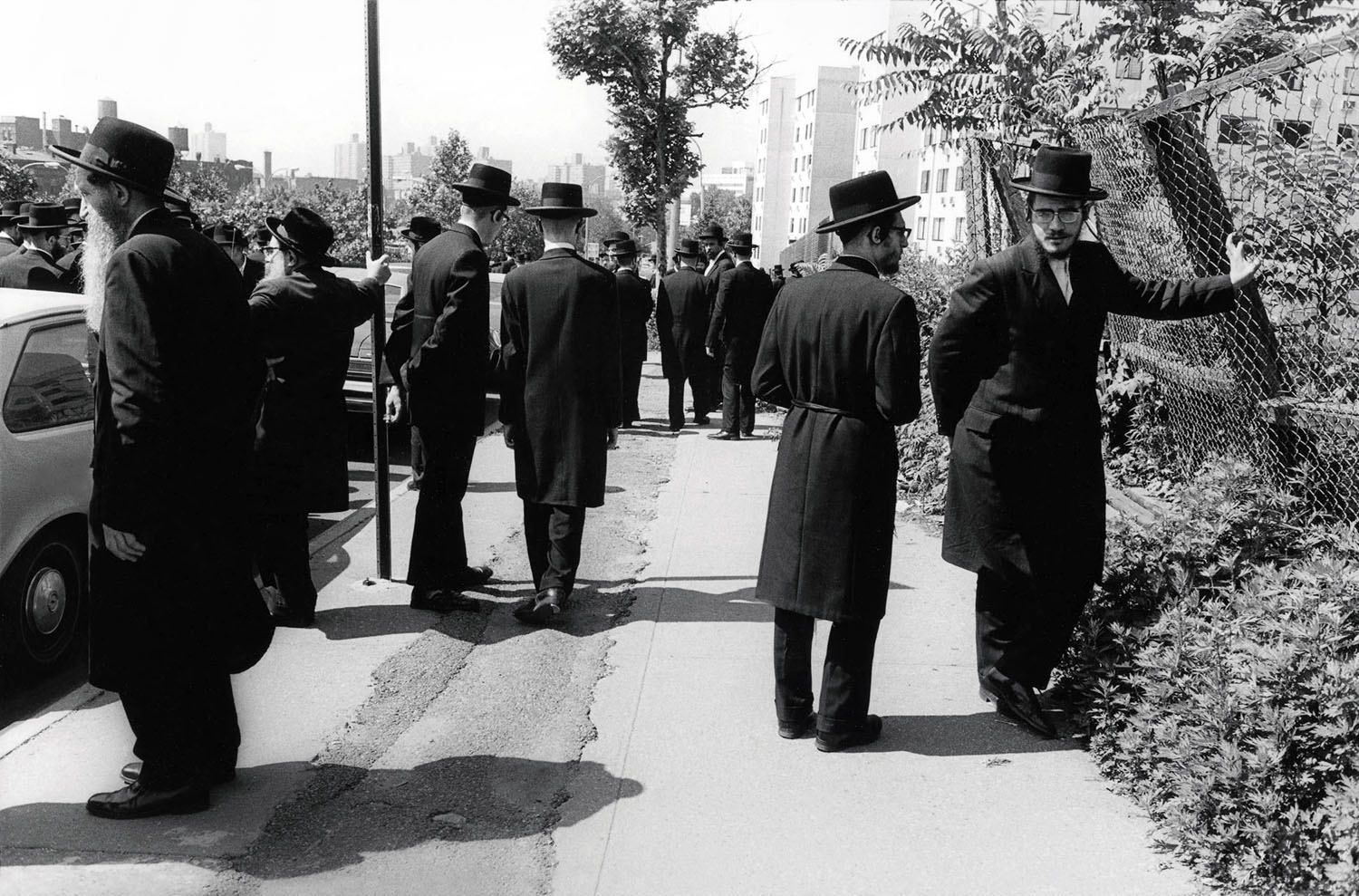
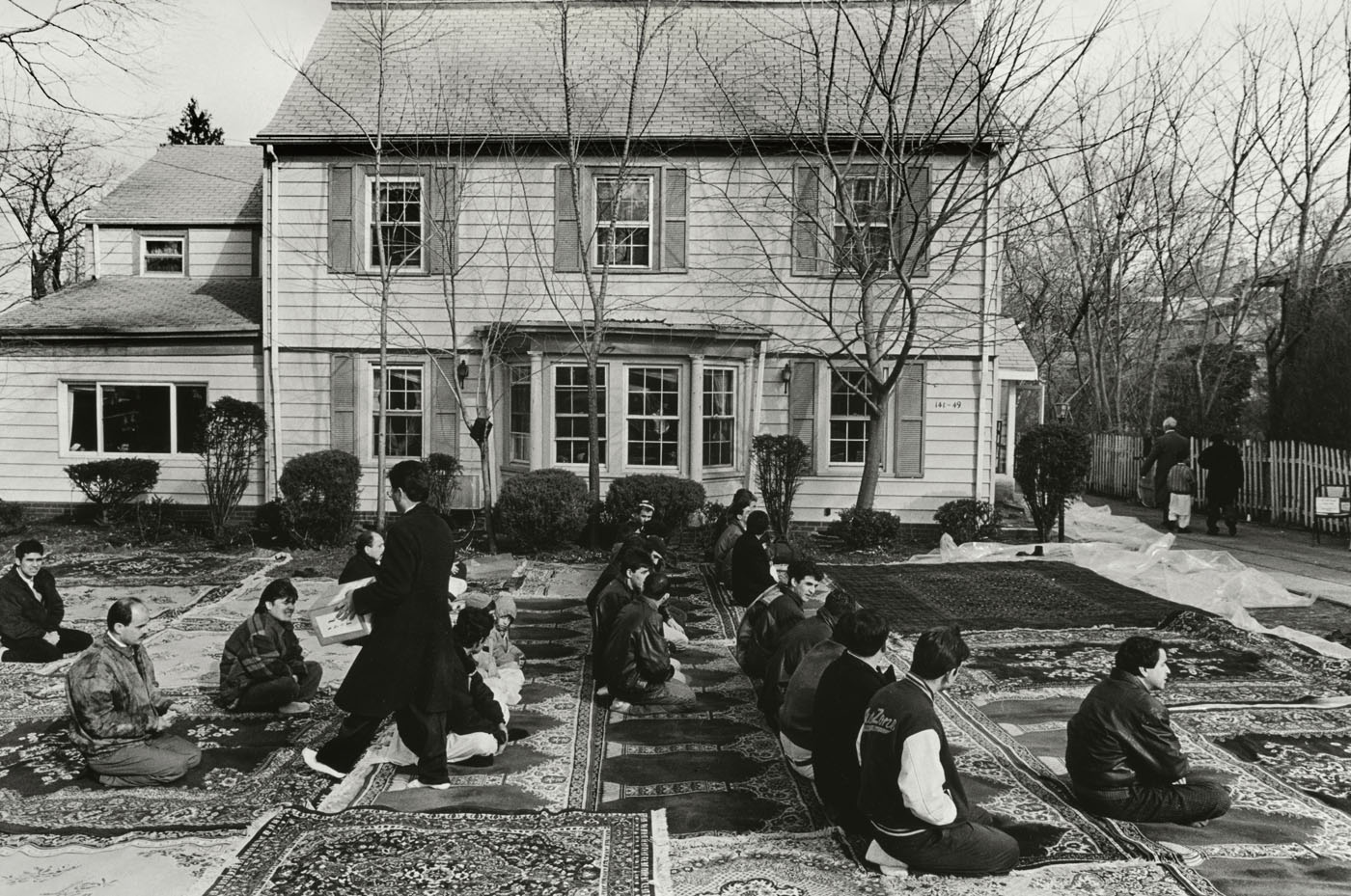
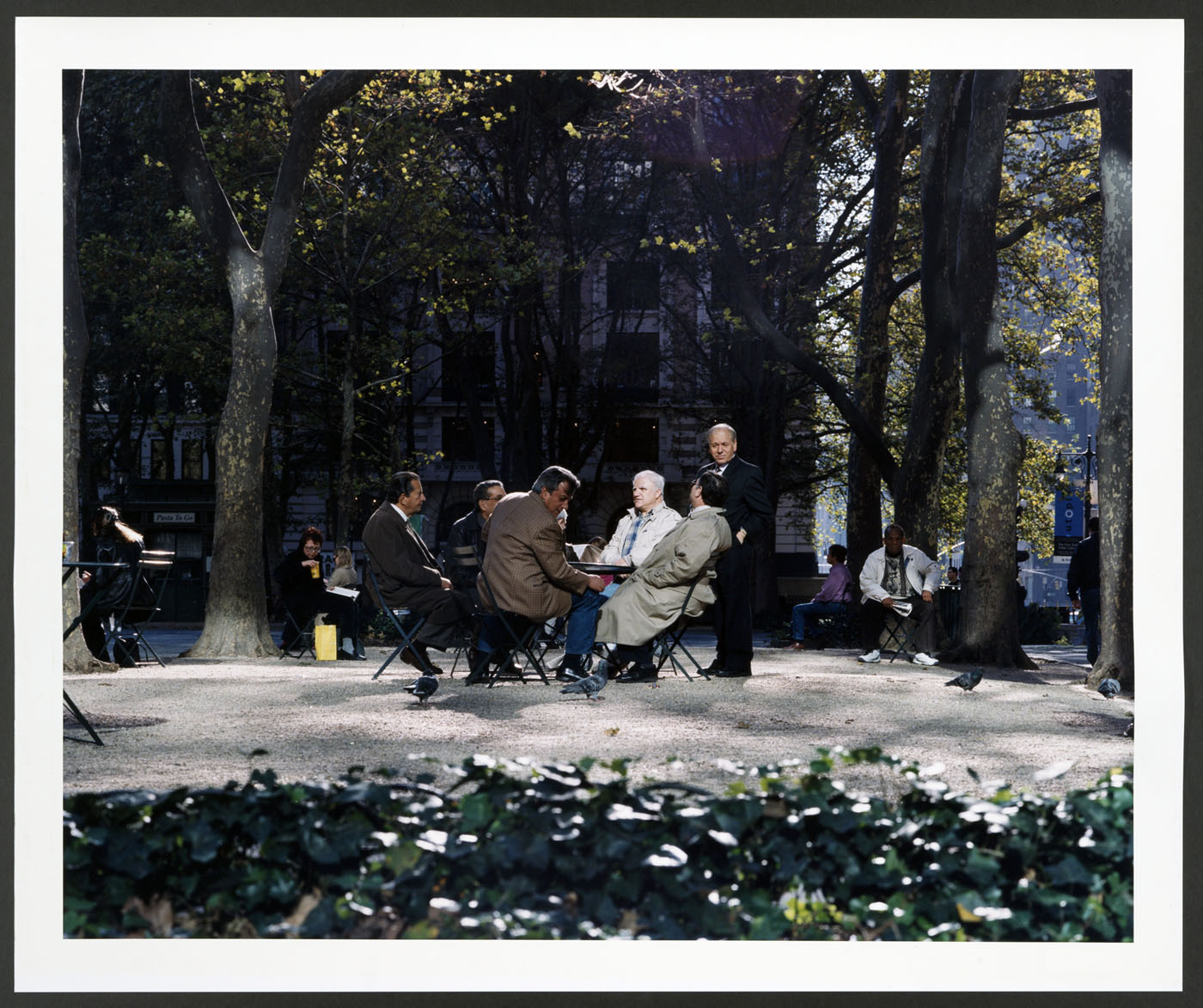
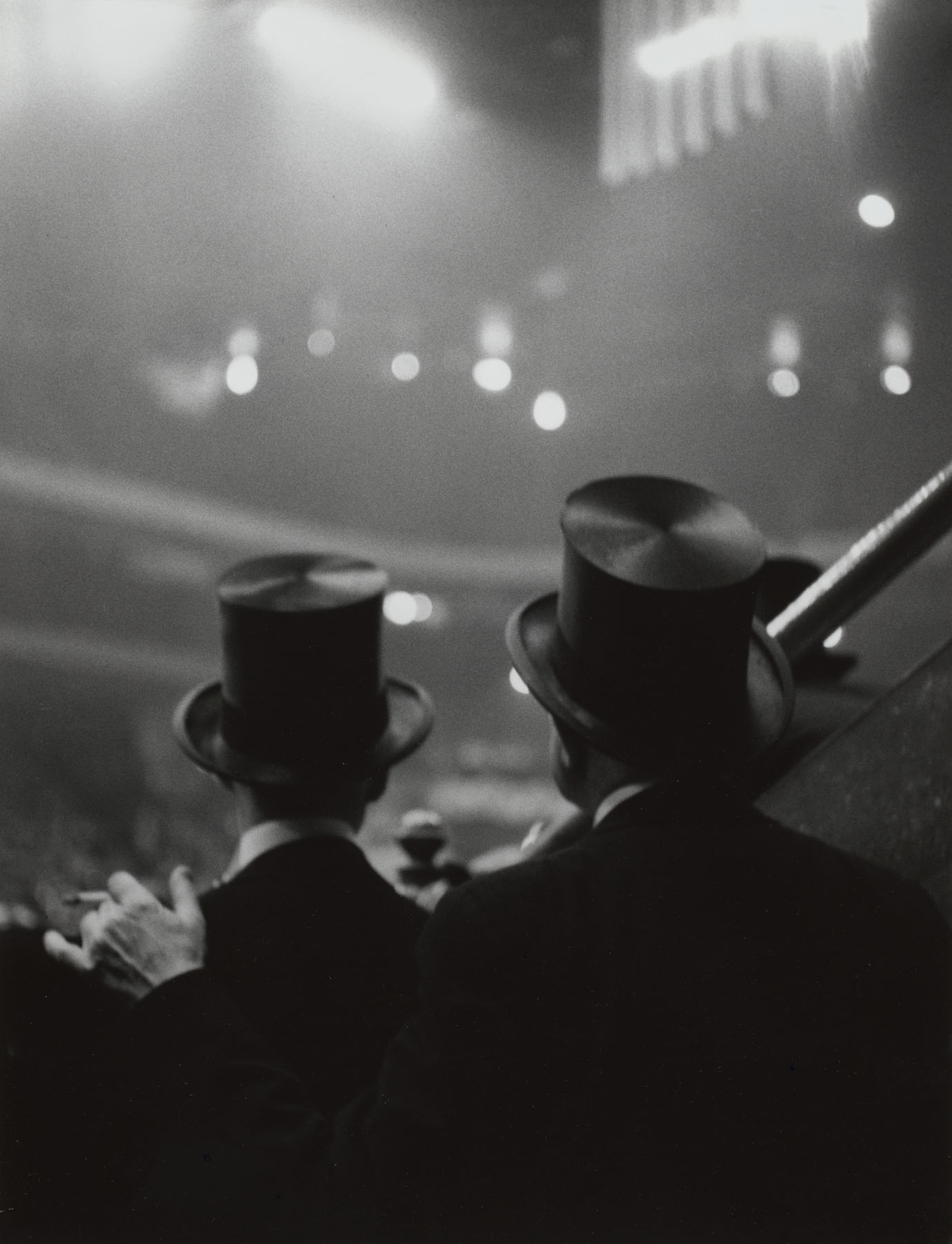
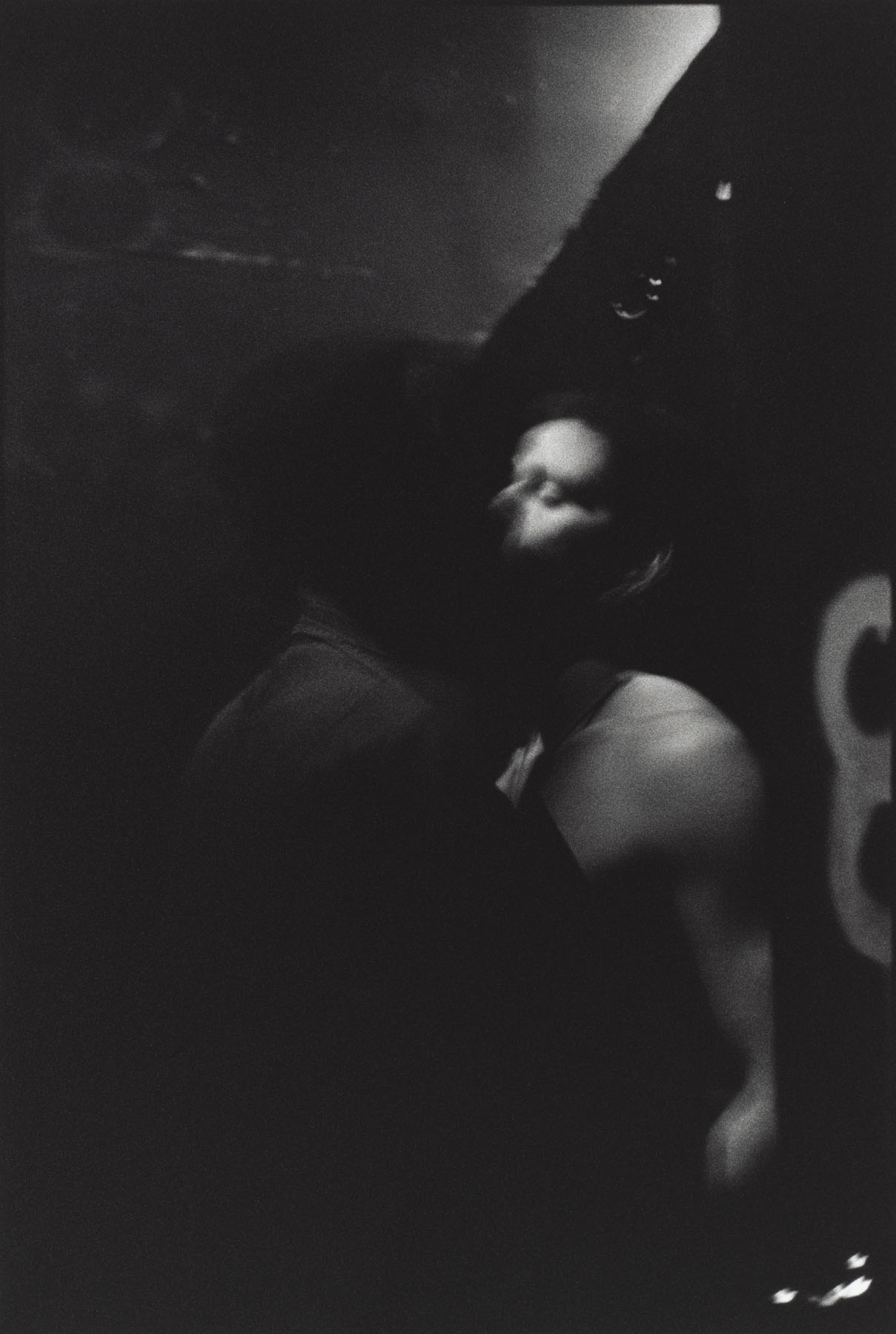
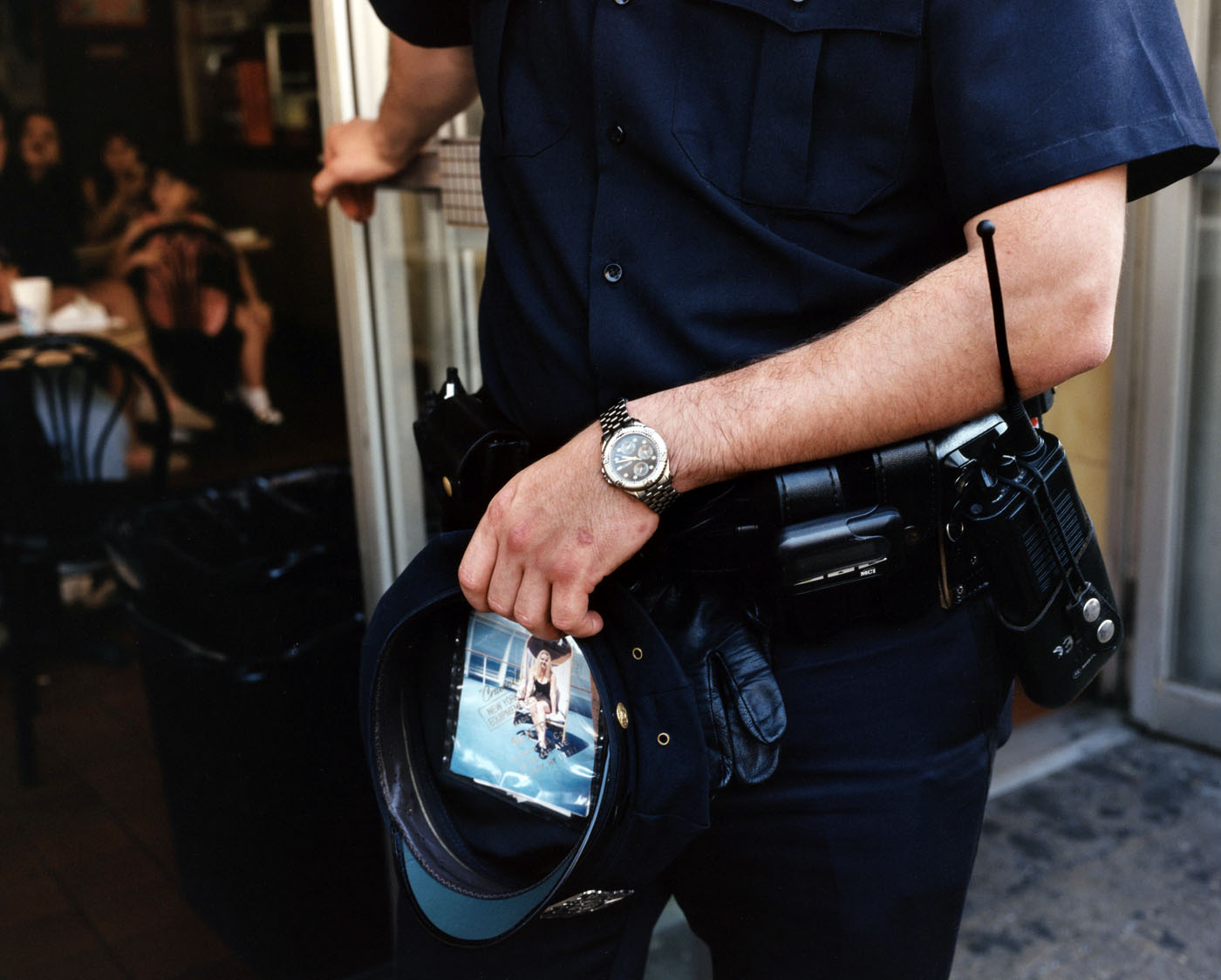
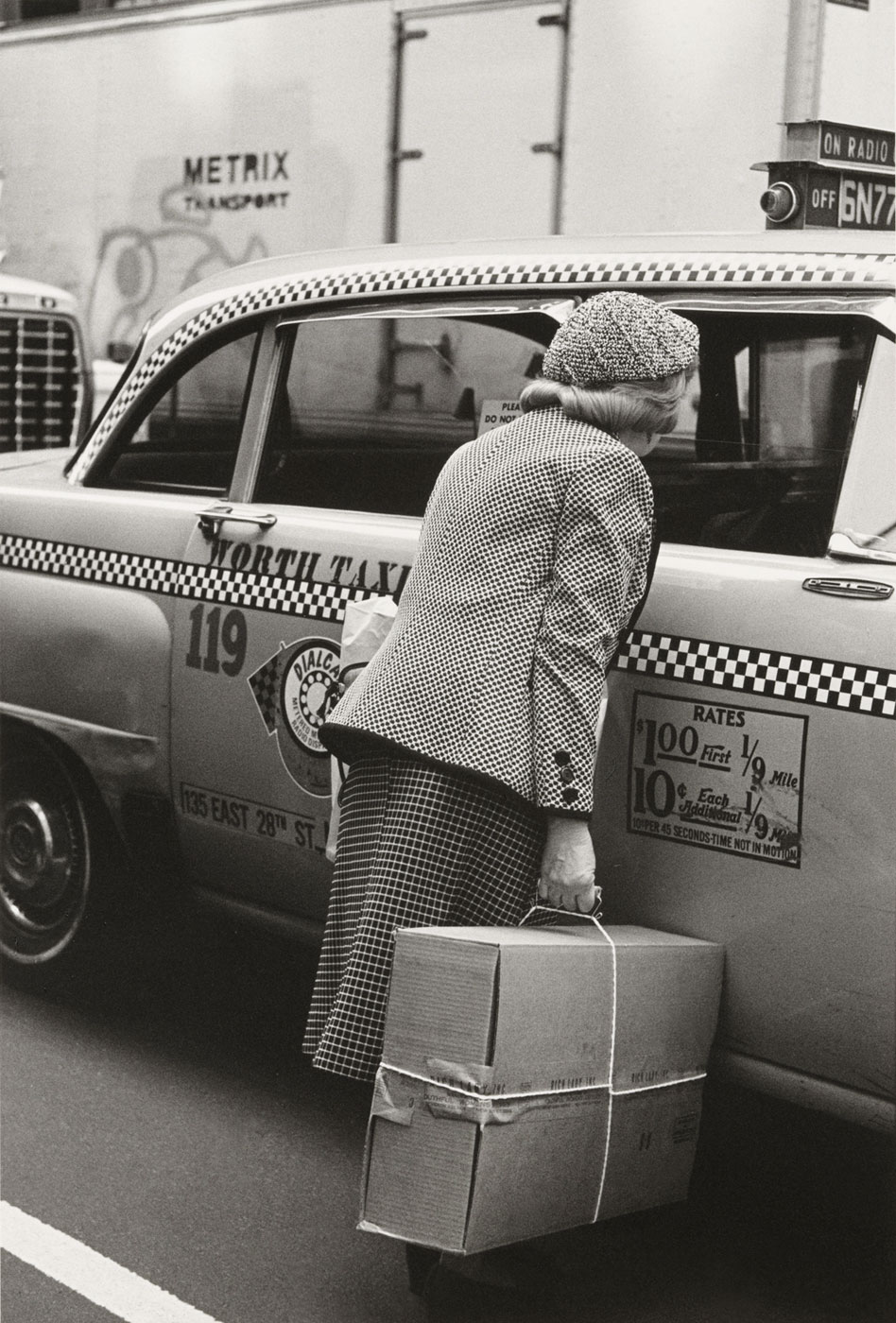
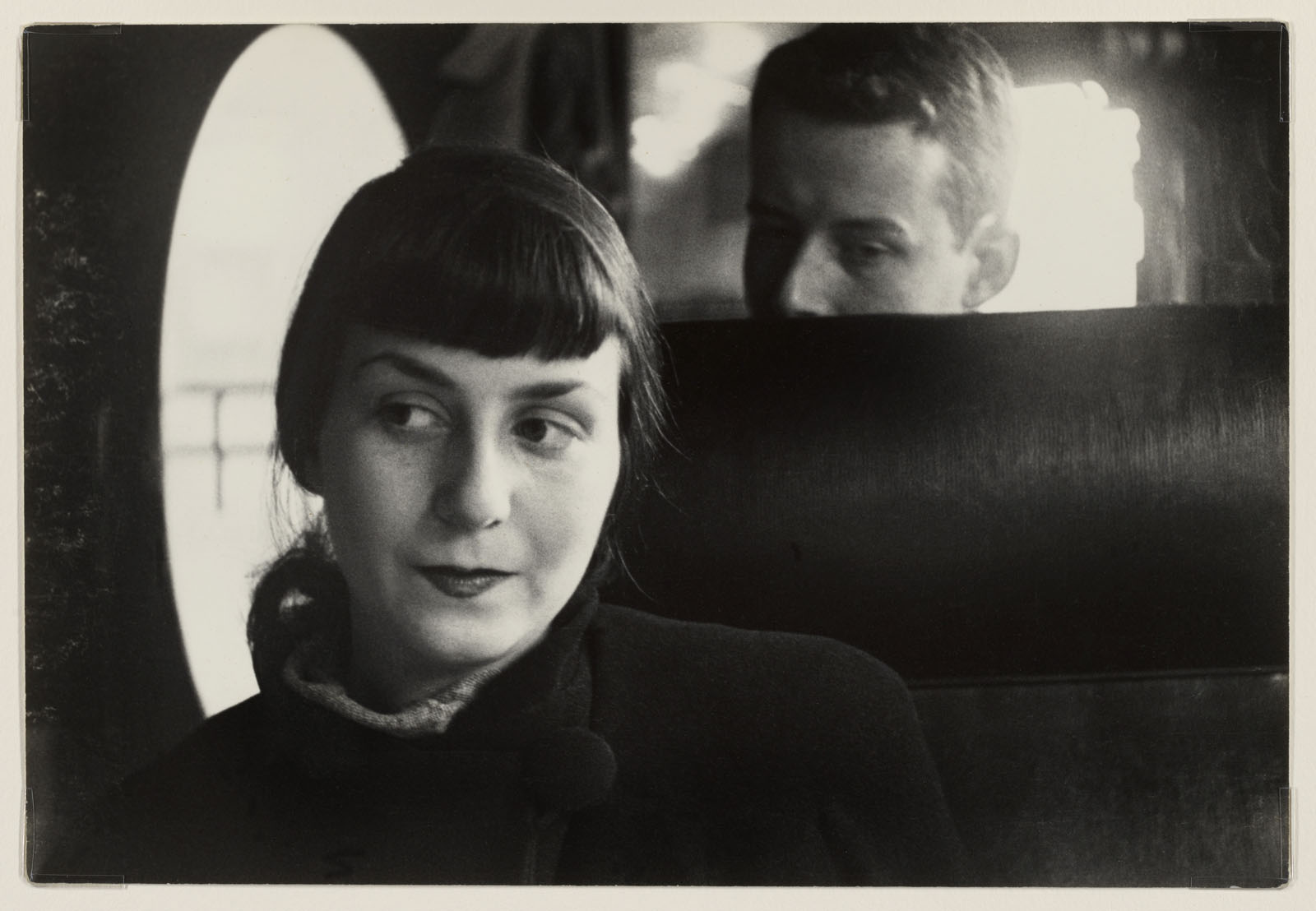
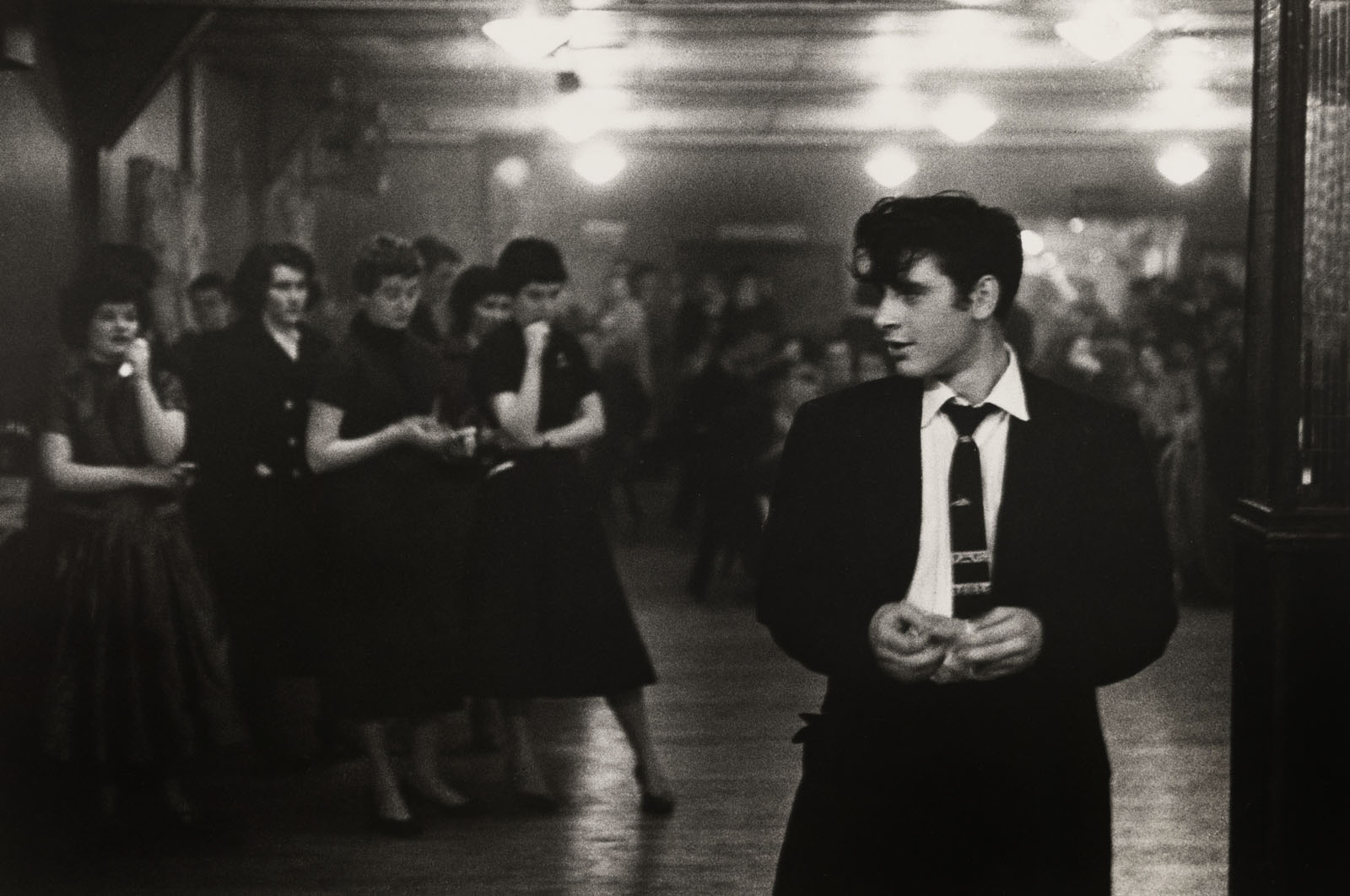
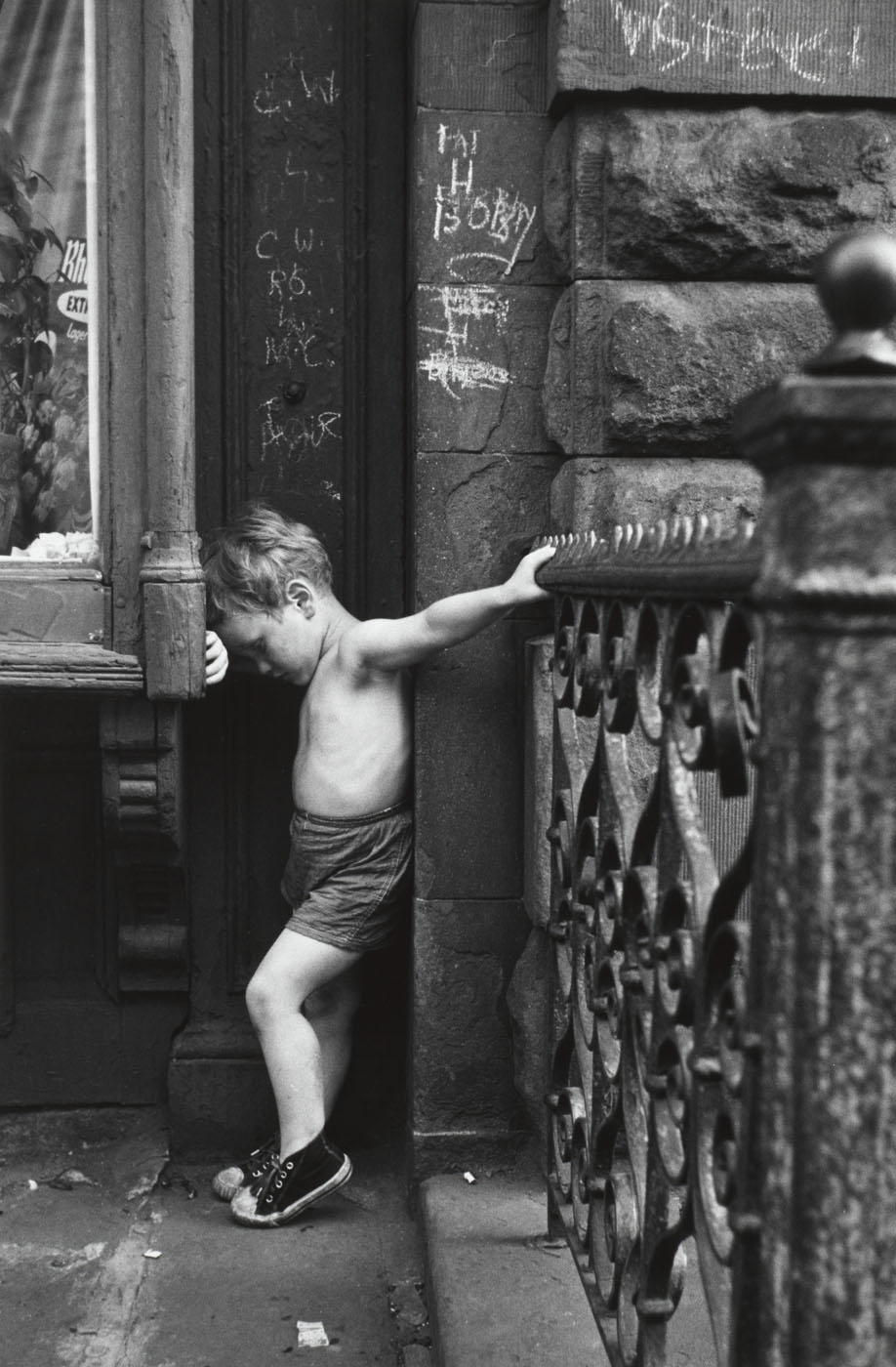
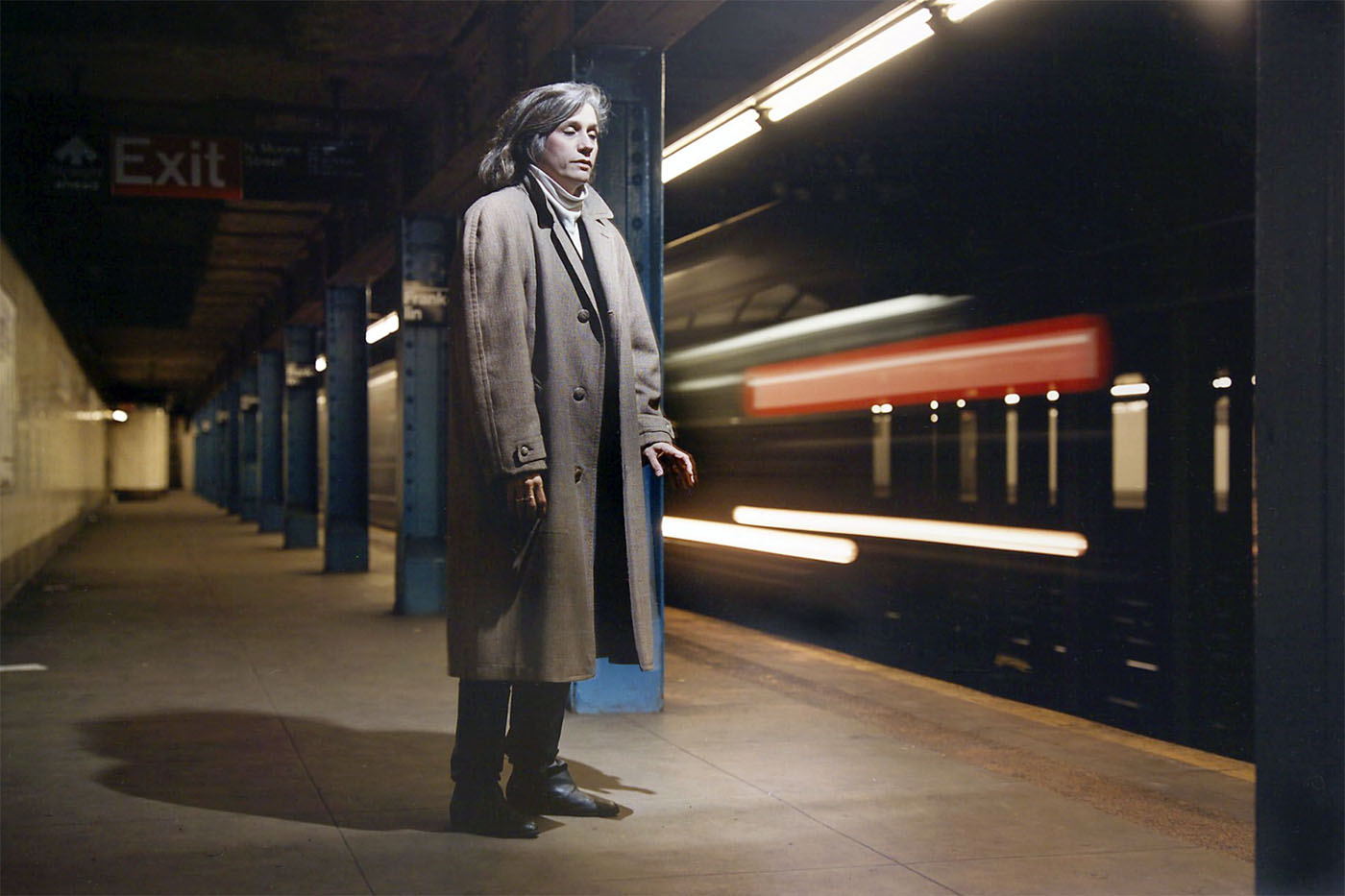
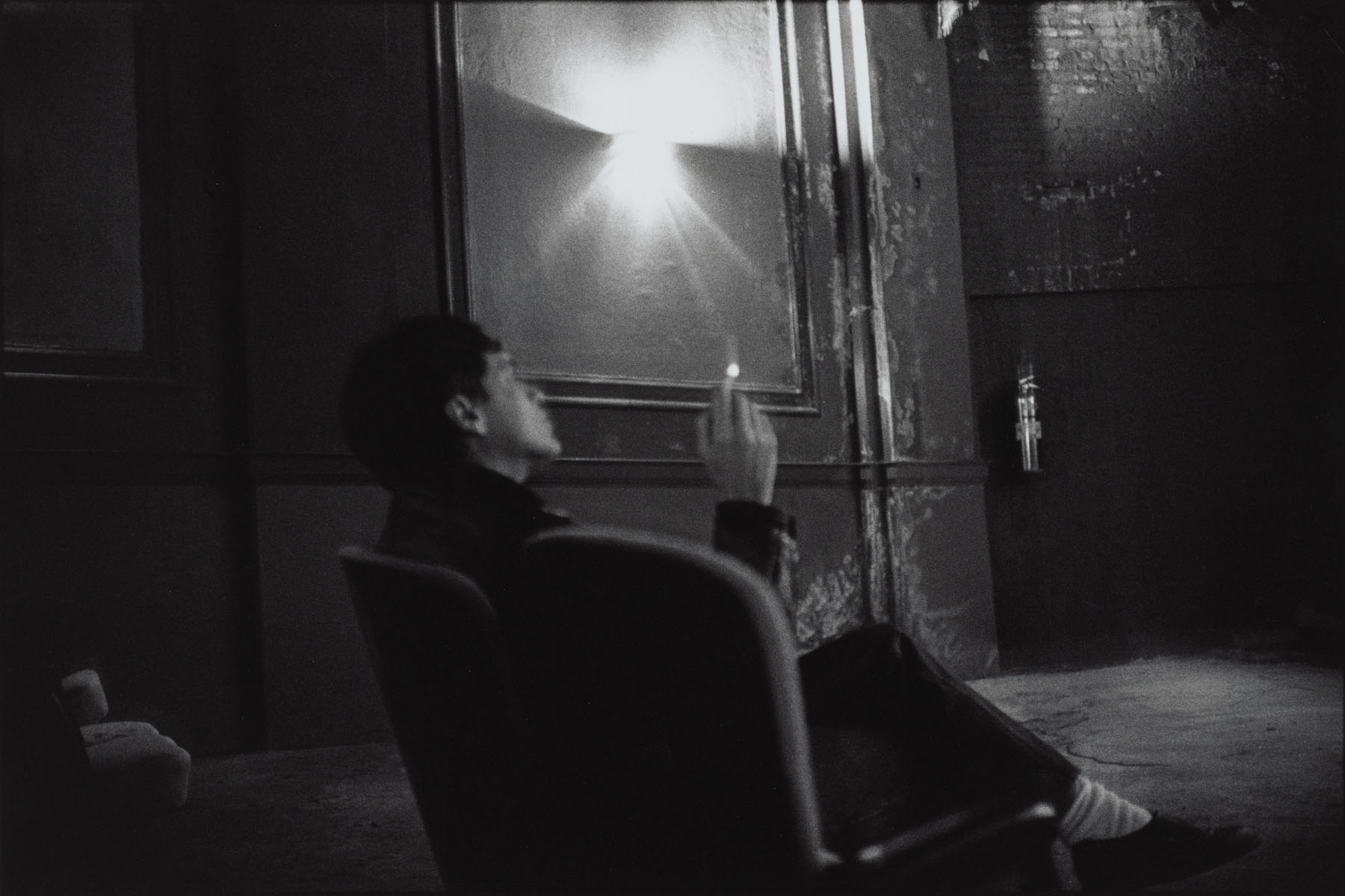
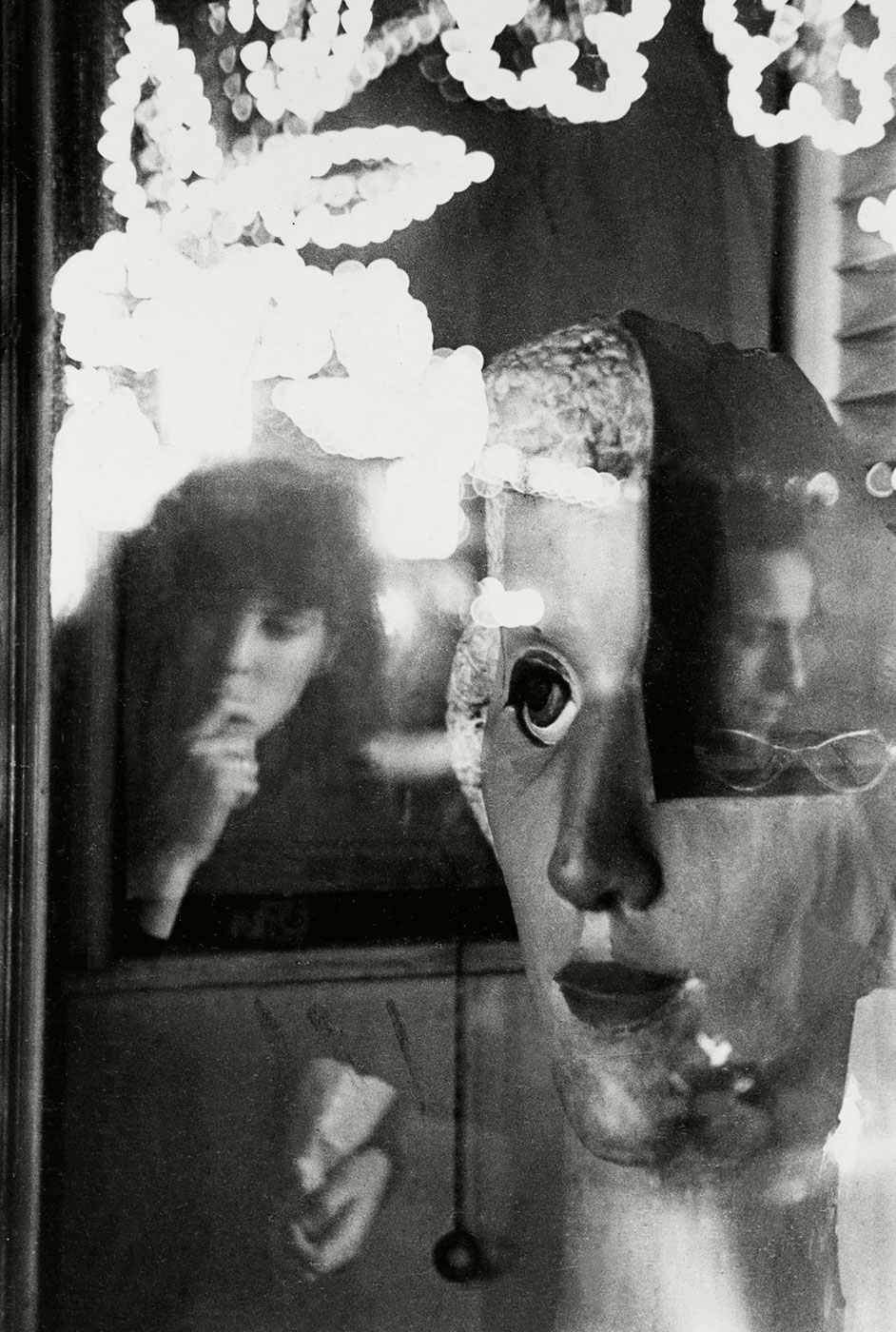
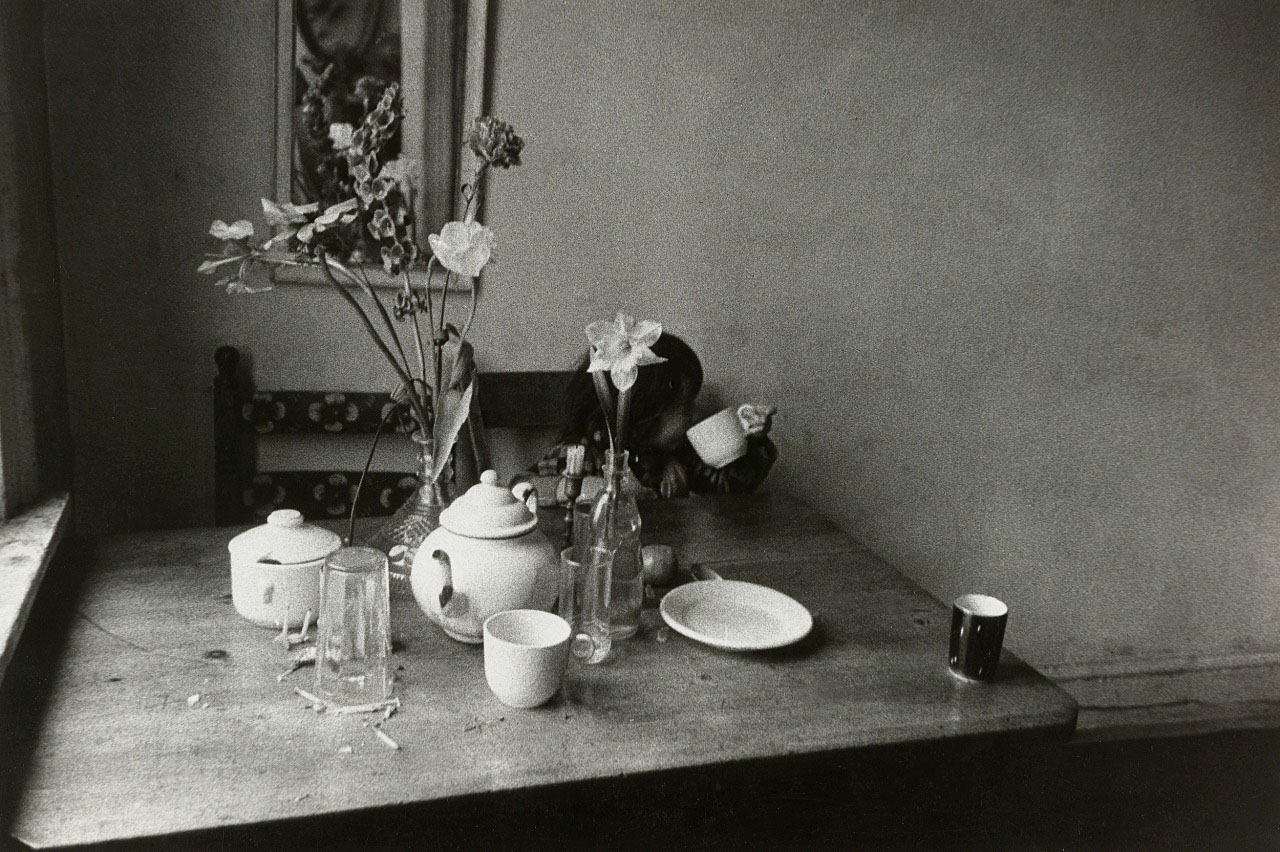
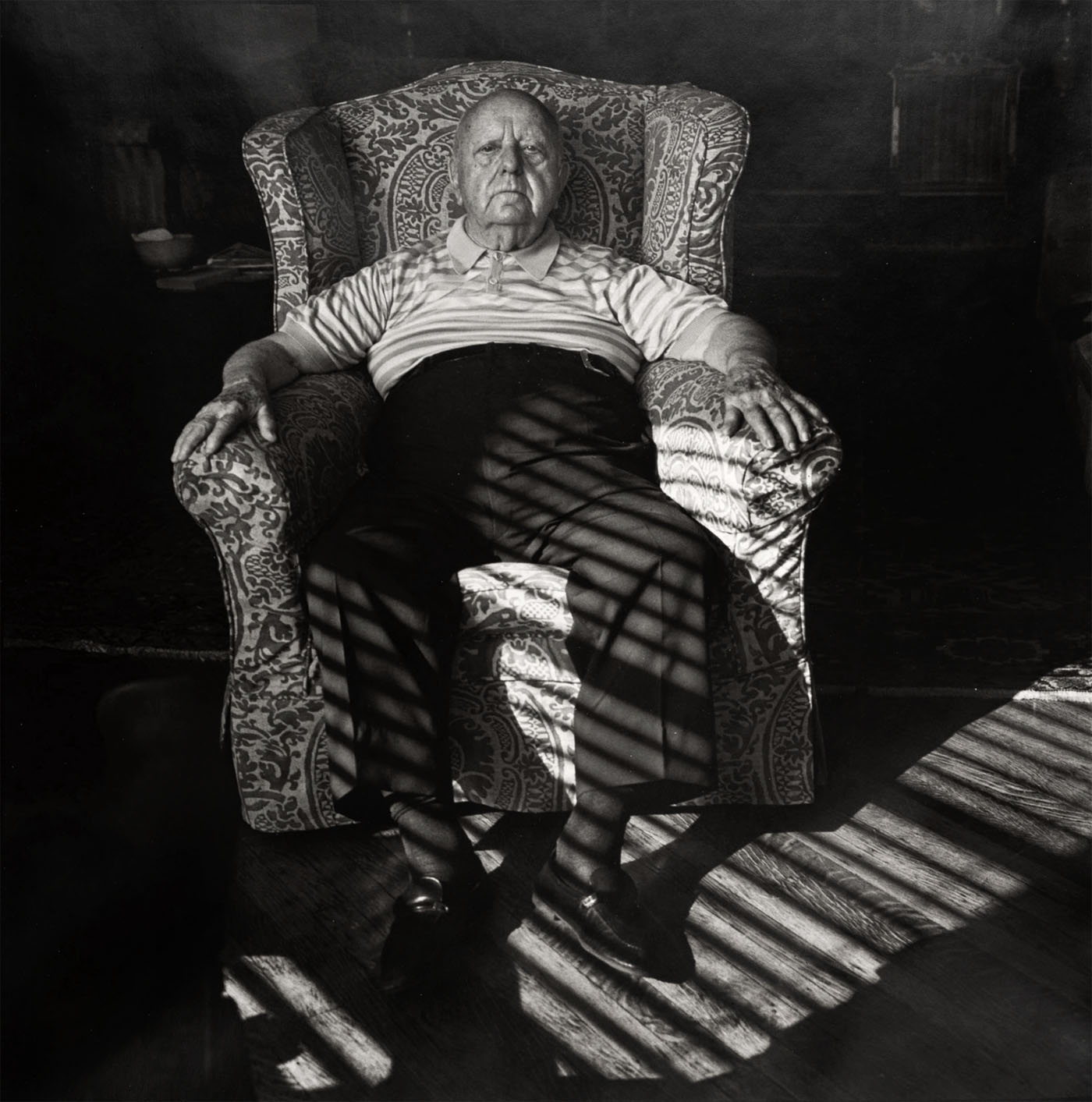
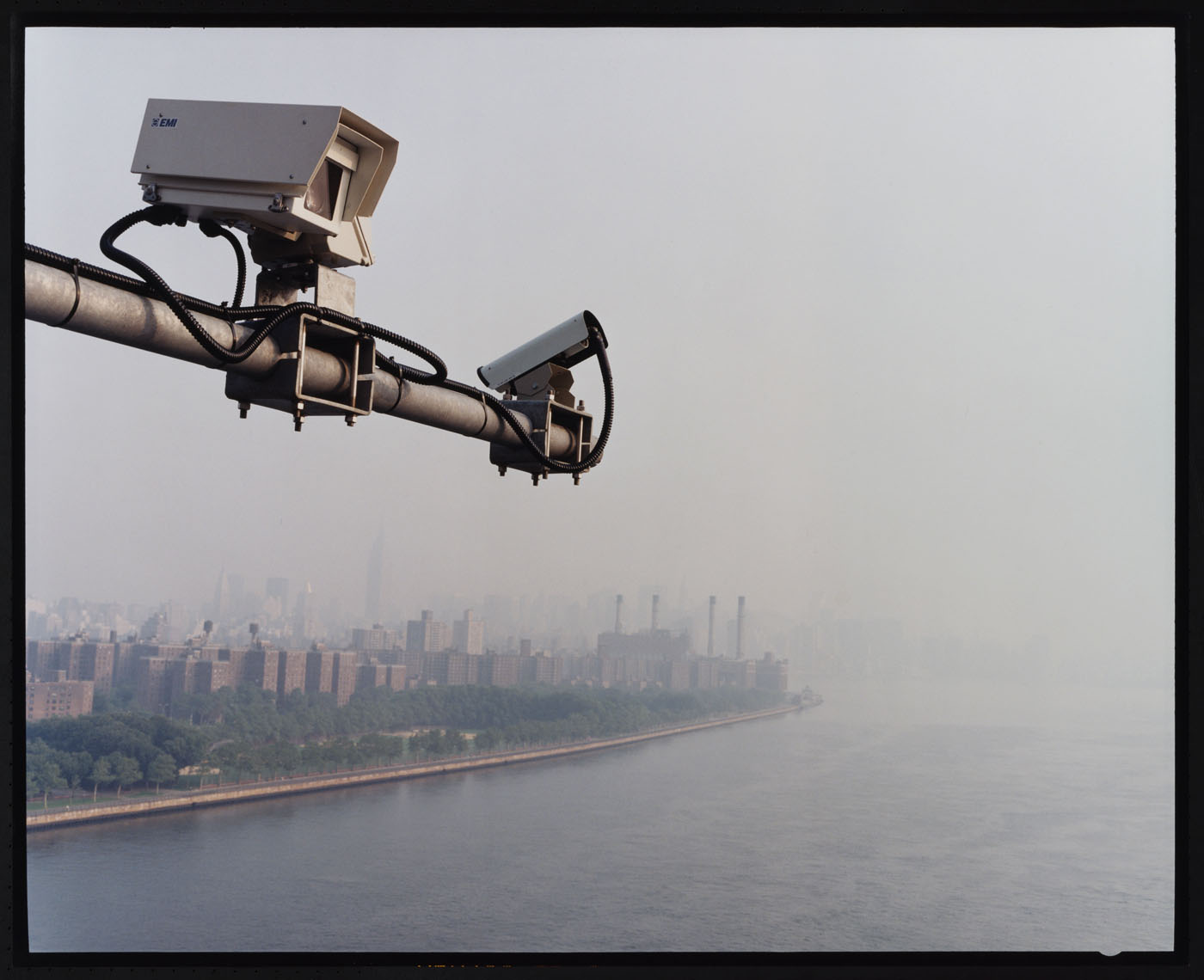
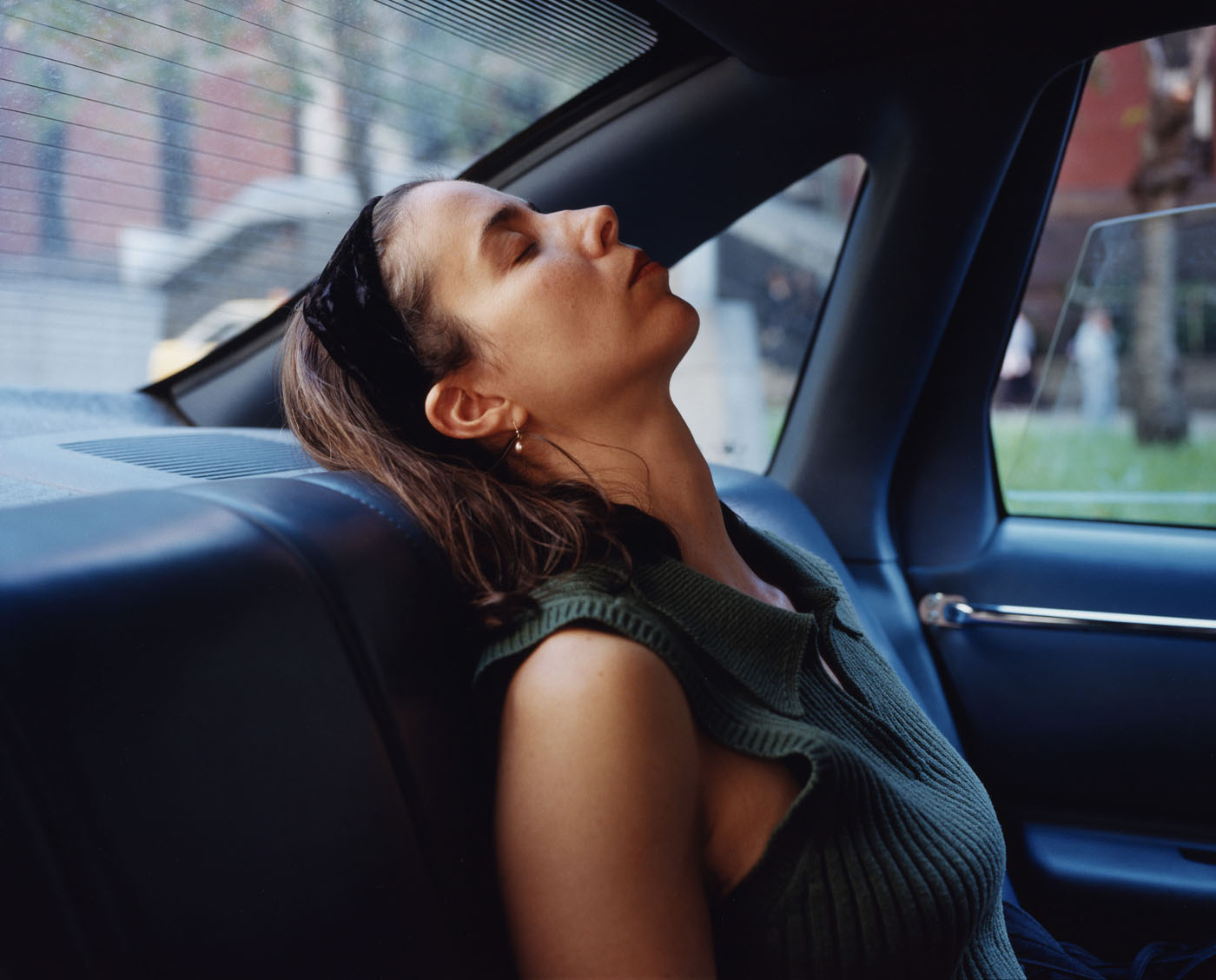
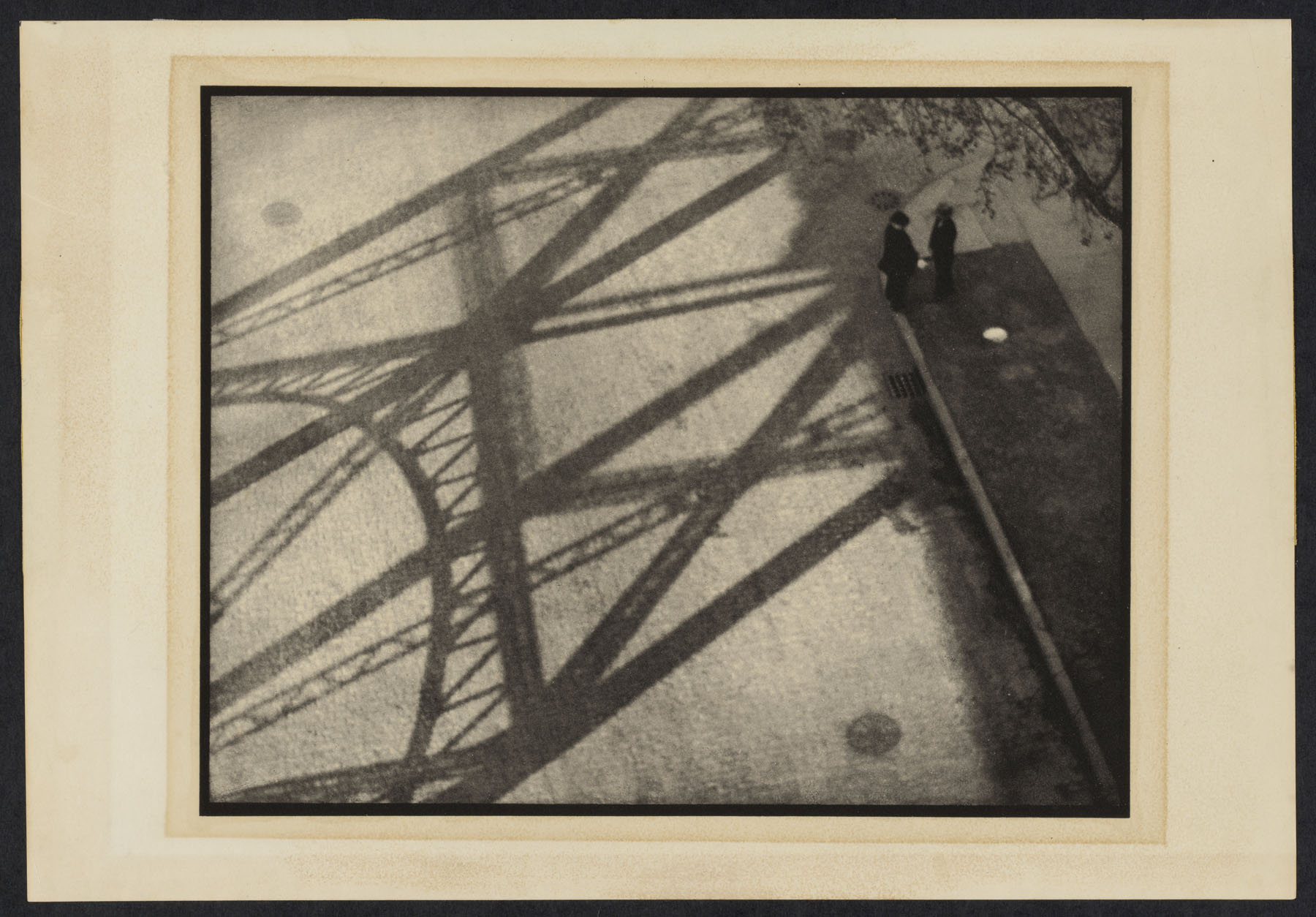


![Brett Weston (American, 1911-1993) 'Untitled [dead bird and sand]' 1967](https://artblart.com/wp-content/uploads/2017/04/okcmoa_2012-020_001-web.jpg "Brett Weston (American, 1911-1993) 'Untitled [dead bird and sand]' 1967")
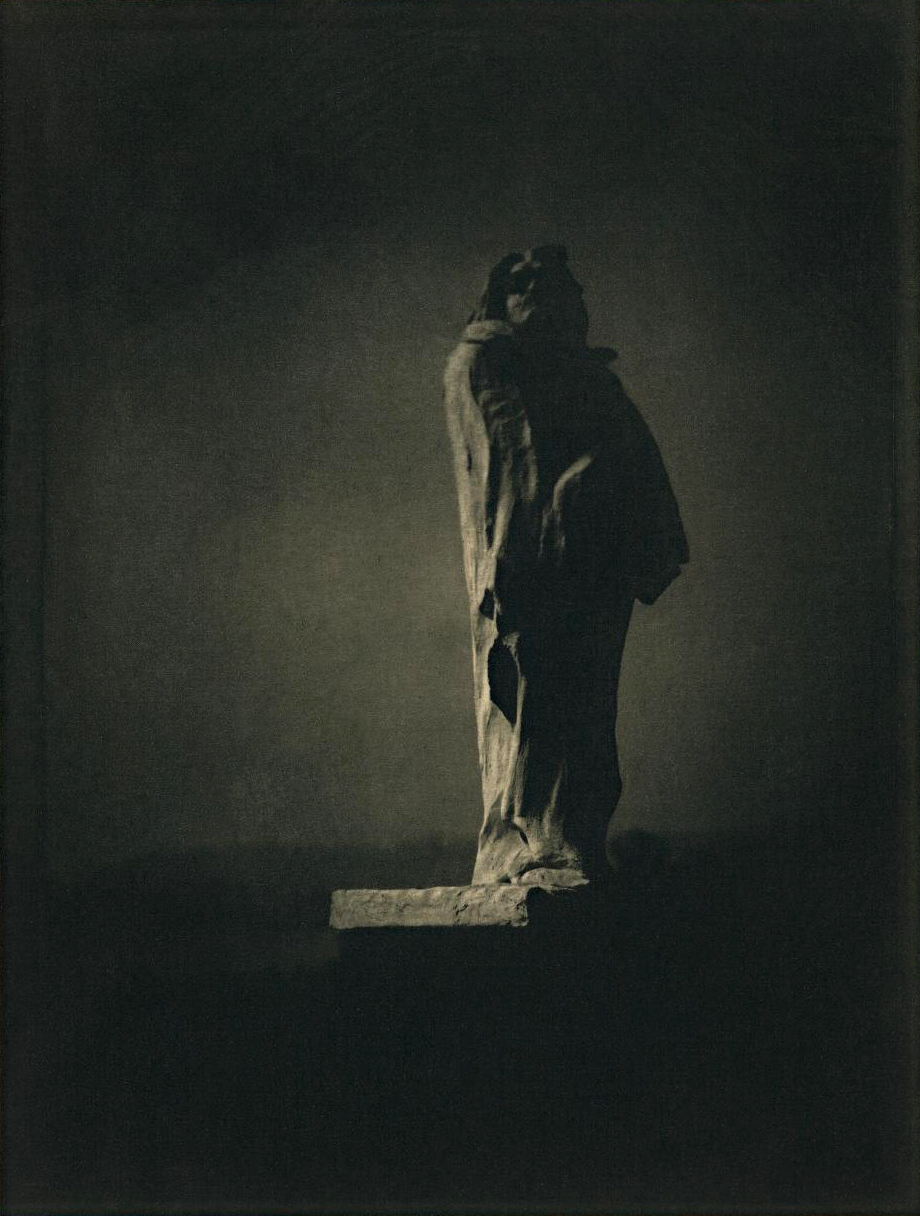

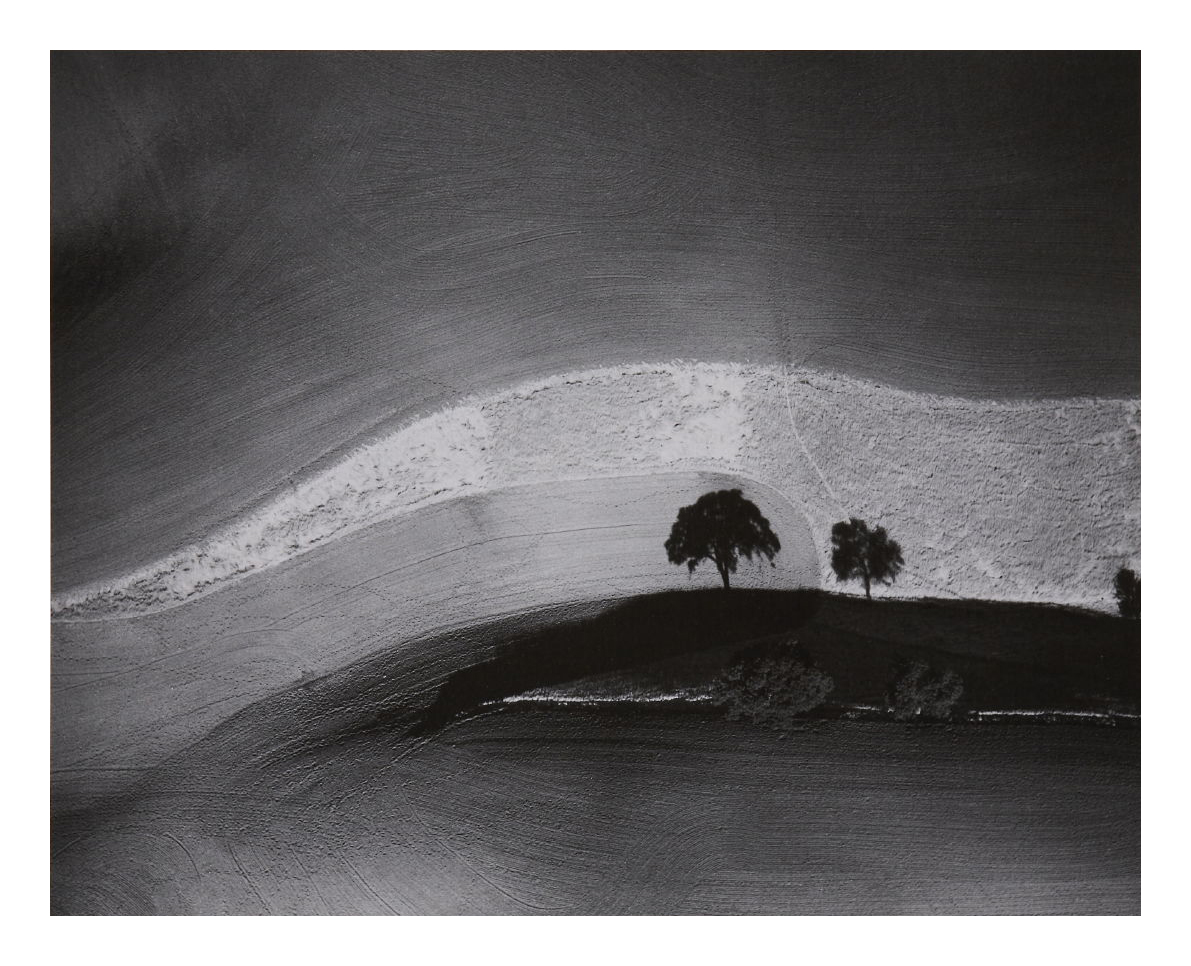
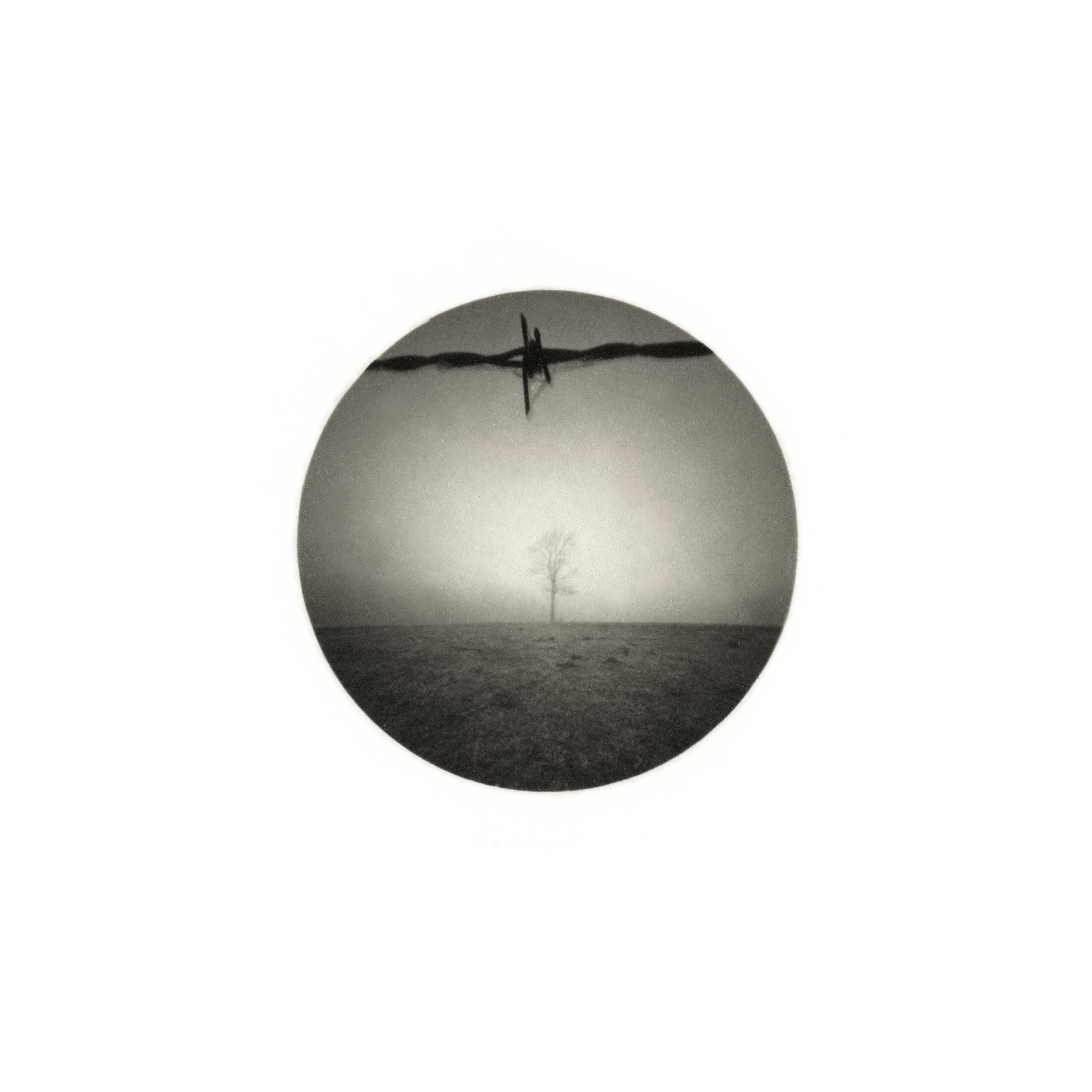

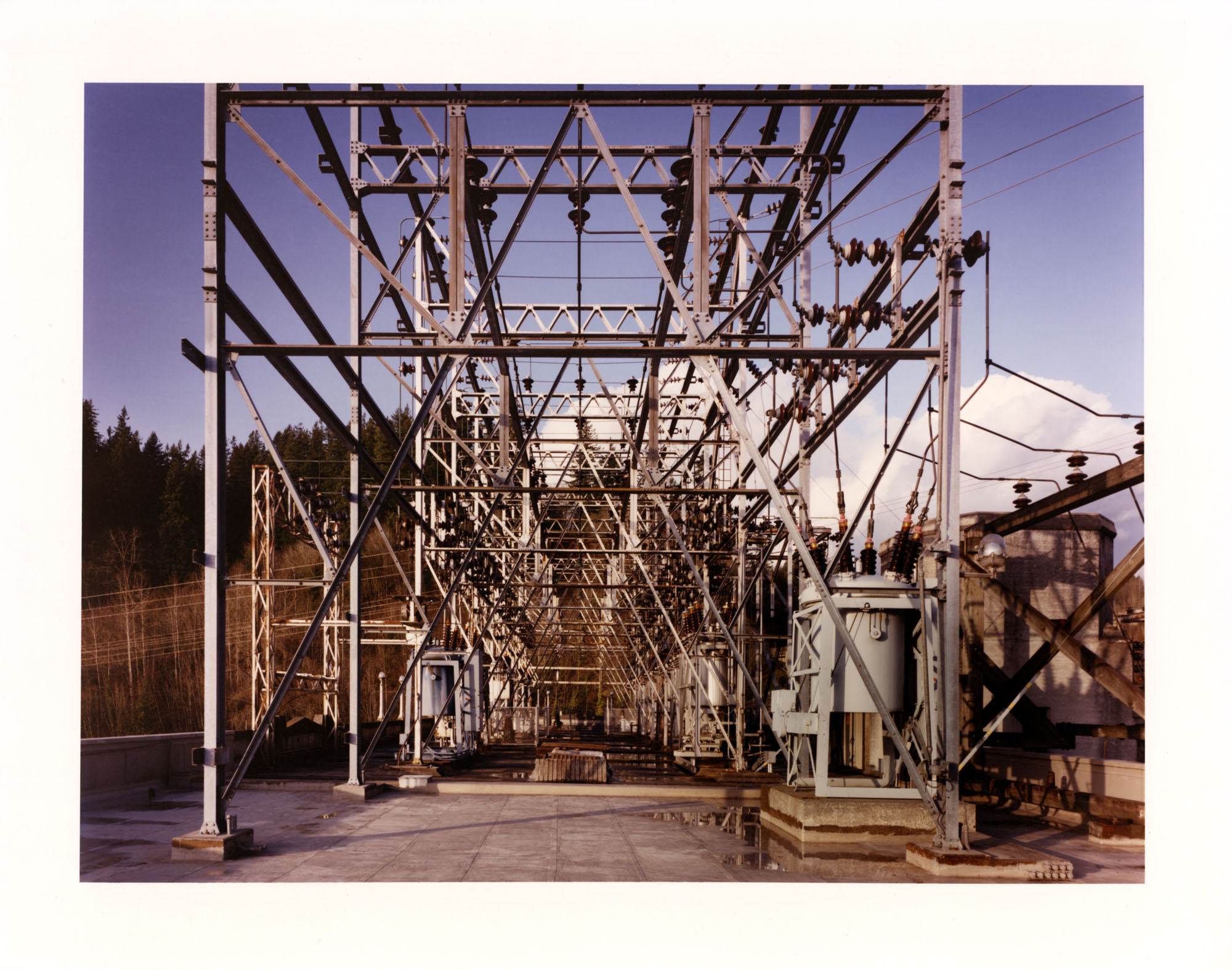
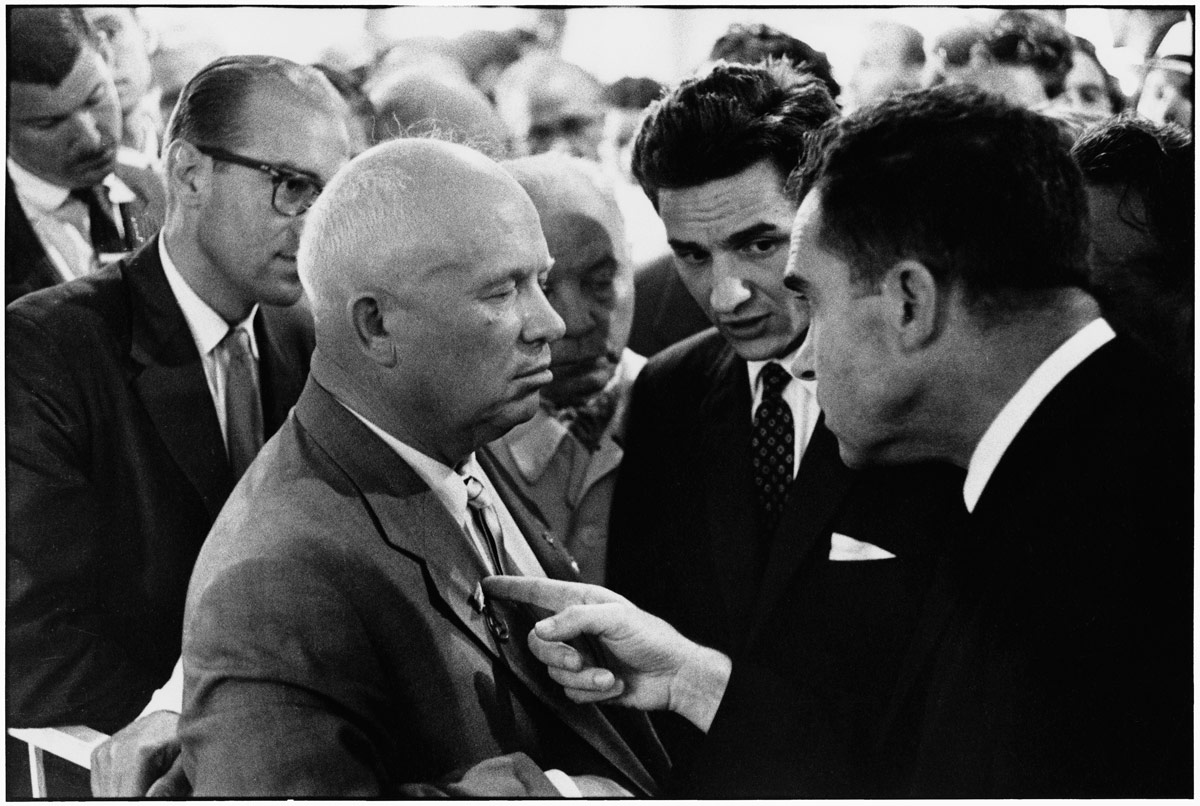
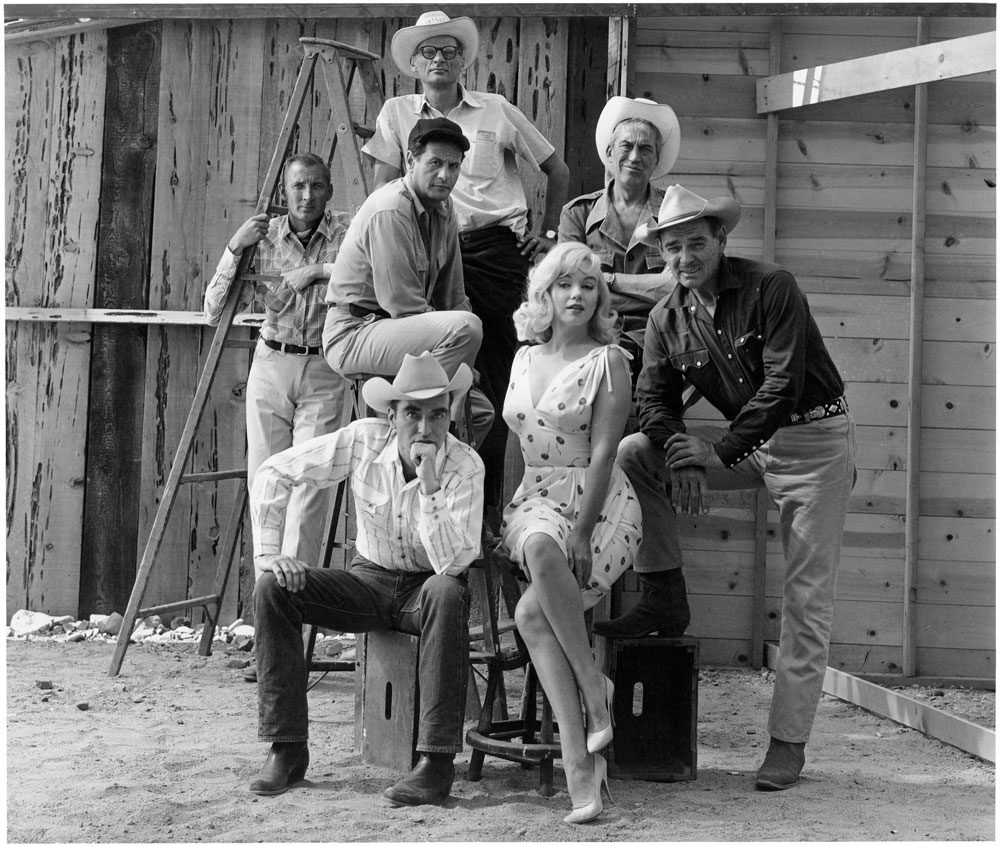
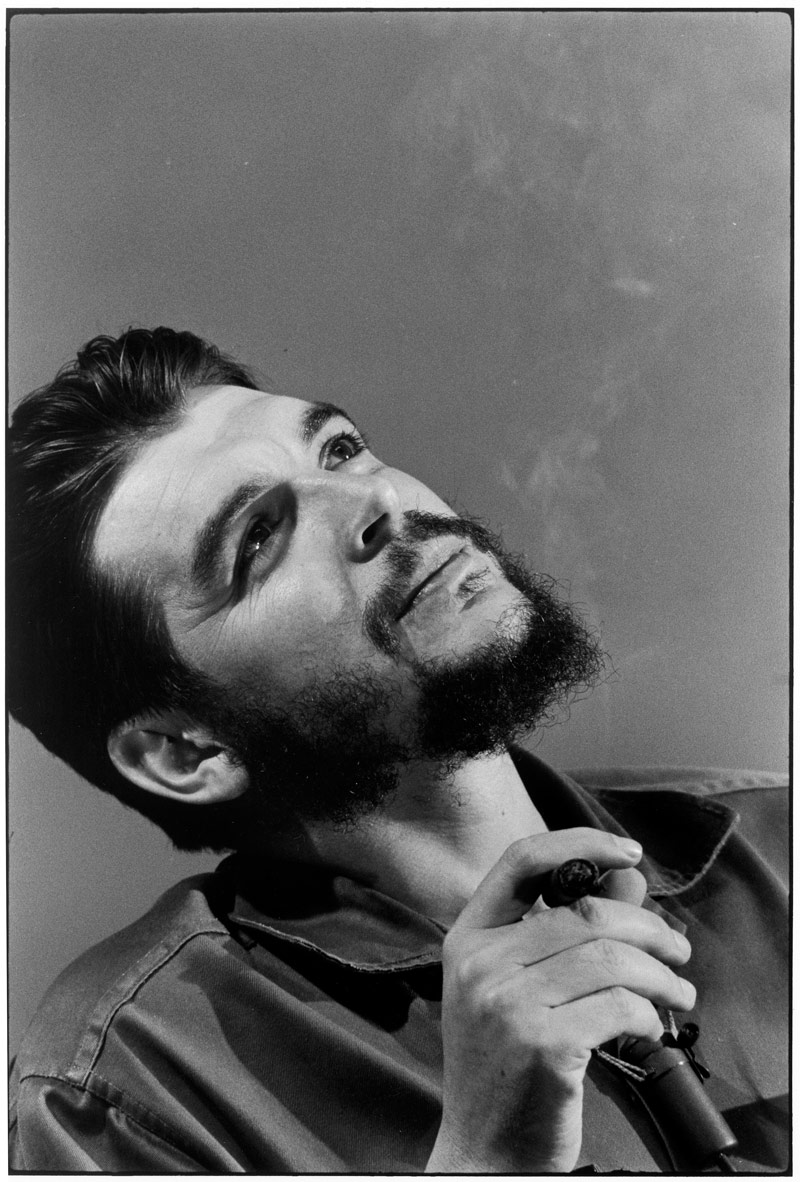
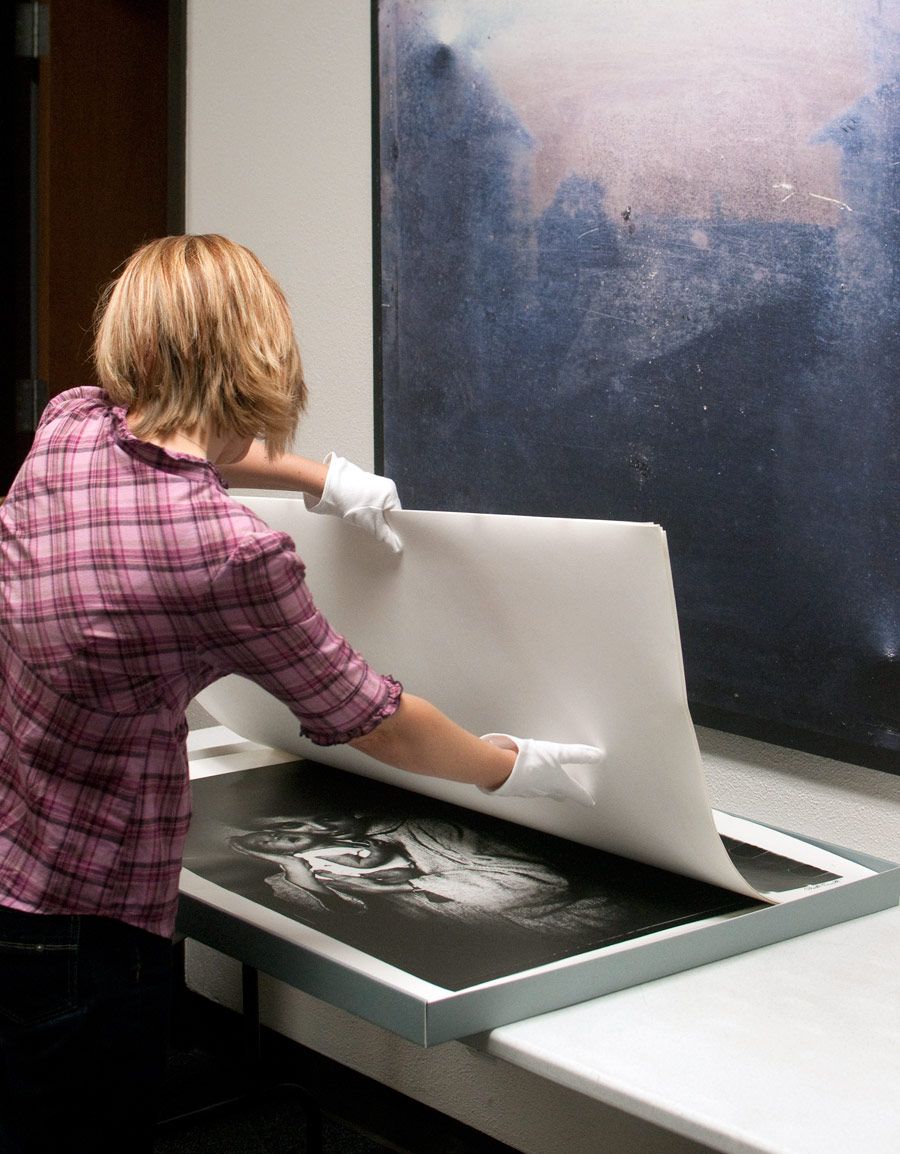
 Art Blart _ art and cultural memory archive
You must be logged in to post a comment.