David Octavius Hill & Robert Adamson David Octavius Hill (Scottish, 1802-1870) Robert Adamson (Scottish, 1821-1848) Mr Finlay, deerstalker in the employ of Campbell of Islay [b] 1843-1847 Salted paper print 20.1 x 13.6cm Scottish National Gallery
This photograph shows Mr Finlay in Highland dress, possibly chosen by his employer. Although there is a rich history of tartan appearing in earlier portrait painting, Hill and Adamson were among the first to photograph this iconic Scottish fabric. The calotype process does not show colour, but it offered a means to capture the detail of the different styles of woven fabric. The differences in weave density and pattern between two tartans is clearly visible.
I have supplemented the meagre seven media images with other photographs from the Scottish National Gallery collection (public domain) which I have selected to further illustrate the fashion & textile theme of the exhibition.
Taken within the first few years of the invention of photography, Hill & Adamson had a profound understanding of how the spirit of a person could be captured by the camera, clothed in working class attire, the robes of respectable society, or fantastical creations of their imagination.
Dr Marcus Bunyan
Many thankx to the National Galleries of Scotland for allowing me to publish the photographs in the posting. Please click on the photographs for a larger version of the image.
David Octavius Hill & Robert Adamson David Octavius Hill (Scottish, 1802-1870) Robert Adamson (Scottish, 1821-1848) Sir George Harvey, 1806 – 1876. Artist [a] 1843-1847 Salted paper print 20 x 16cm Scottish National Gallery Elliot Collection, bequeathed 1950
George Harvey’s boldly patterned coat was likely selected to make this portrait of an artist appear exotic. In the final print this flamboyant garment draws our eye to the sitter, in contrast with the softly draping fabric background and the hard stone of the statue in the corner.
This small display highlights the remarkable skill of pioneering photographers Hill and Adamson in using this very new technology to showcase the fashions of the 1840s.
David Octavius Hill and Robert Adamson were working in Edinburgh when photography was in its infancy. They used the calotype process, where a paper negative prepared with a salt solution is used to print a positive photograph. It created a much softer image than later photographs made with glass negatives, making it harder to capture detail.
Hill and Adamson depicted many Edinburgh residents during their partnership, from working men to society ladies. They often focused on people’s clothing to demonstrate what was unique about their lives and posed their sitters to highlight particularly interesting details. They embraced the technical challenge of photographing the varied textiles and fashions of the day. Still experimenting with the calotype process, they successfully show us the delicate pattern on a pair of lace gloves, the rough wool of tartans and tweeds and the sheen of silk.
Text from the National Galleries of Scotland website
David Octavius Hill & Robert Adamson David Octavius Hill (Scottish, 1802-1870) Robert Adamson (Scottish, 1821-1848) Lady Mary Hamilton (Campbell) Ruthven, 1789 – 1885. Wife of James, Lord Ruthven [a] 1843-1847 Salted paper print 19.8 x 15.3cm Scottish National Gallery Gift of Mrs. Riddell in memory of Peter Fletcher Riddell, 1985
The subject of this photograph is Lady Ruthven but the focus is on her clothing. The pose, with her body angled diagonally away from the camera, allowed Hill and Adamson to capture how light fell on the different textures in her outfit. In both the negative and the final print, the intricate lace of her shawl is almost translucent draped over the delicate pattern of the dress below. This is one of the most technically accomplished photographs made by Hill and Adamson during their partnership.
David Octavius Hill & Robert Adamson David Octavius Hill (Scottish, 1802-1870) Robert Adamson (Scottish, 1821-1848) Mr Laing or Laine 1843 Salted paper print 19.6 x 14.3cm Scottish National Gallery
The identity of the smartly dressed tennis player in this staged scene is uncertain and yet this calotype has become a popular picture postcard. Hill and Adamson are best remembered for the subtlety and perceptiveness of their photographic portraits but at times they showed a keenness for the representation of movement. Here movement is easy to detect in the blur of the racket and the man’s forearm. The player’s intense gaze furthermore suggests that a tennis ball just just gone out of the picture frame.
David Octavius Hill & Robert Adamson David Octavius Hill (Scottish, 1802-1870) Robert Adamson (Scottish, 1821-1848) Misses Binney 1843-1847 Salted paper print 20.4 x 14.6cm Scottish National Gallery Given by Miss Janet Notman
These photographs of the aristocratic Misses Binney have been carefully staged to highlight the rich and varied textiles in their outfits. The positioning in this photograph of Miss Binney’s lace-gloved hand on the dark fabric of her sister’s shawl enhances the contrast between the delicate pattern and her pale skin. This image demonstrates Hill and Adamson’s skill in capturing the unique qualities of lace, silk and satin.
David Octavius Hill & Robert Adamson David Octavius Hill (Scottish, 1802-1870) Robert Adamson (Scottish, 1821-1848) Jimmy Miller. Son of Professor James Miller [c] 1843-1847 Salted paper print 20.5 x 14.3cm Scottish National Gallery Given by Miss Janet Notman
Jimmy Miller was the son of James Miller, a professor of surgery at the University of Edinburgh from 1842, and an advocate of the temperance movement. The family were supporters of and had taken part in the disruption of 1843 , where a group of 450 ministers broke away from the Church of Scotland to establish the Free Church of Scotland. Jimmy was one of the few children to appear in Hill’s painting commemorating the event. Hill referred to him as ‘The Young Savage’.
David Octavius Hill & Robert Adamson David Octavius Hill (Scottish, 1802-1870) Robert Adamson (Scottish, 1821-1848) Mr Lane [called John Lane, Dr Lane and Edward William Lane] [a] 1843-1847 Materials: Salted paper print 19.8 x 14.5cm Scottish National Gallery Elliot Collection, bequeathed 1950
Although this sitter is named as Mr Lane, his identity and connection to India are uncertain. During their partnership, Hill and Adamson made a small number of portraits of sitters in South Asian national dress. Mr Lane has been posed to show the layering of different patterns and textures. His position also allows us to see the shape of his headdress, and the way the beads around his neck interact with the ornate fabric of his robe and the pale undershirt below.
More Hill & Adamson photographs showing fashion not in the display
David Octavius Hill & Robert Adamson David Octavius Hill (Scottish, 1802-1870) Robert Adamson (Scottish, 1821-1848) Mrs Anne (Palgrave) Rigby 1777 – 1872 [f] 1843-1847 Salted paper print 19 x 14.4cm Scottish National Gallery Elliot Collection, bequeathed 1950
Anne Rigby was the widowed wife of a doctor and had fourteen children. While living in Edinburgh in the 1840s, she and her daughters were photographed on a number of occasions by Hill and Adamson. This photograph bears a striking resemblance to Whistler’s famous portrait of his mother, which is not at all surprising given that the two ladies were friends. Mrs Whistler may have owned a copy of this calotype of Mrs Rigby.
David Octavius Hill & Robert Adamson David Octavius Hill (Scottish, 1802-1870) Robert Adamson (Scottish, 1821-1848) Mrs Kinloch. Of Park; nee Napier [b] 1843-1846 Salted paper print 20.9 x 15.4cm Scottish National Gallery
David Octavius Hill & Robert Adamson David Octavius Hill (Scottish, 1802-1870) Robert Adamson (Scottish, 1821-1848) Lady Elizabeth (Rigby) Eastlake, 1809 – 1893. Writer [m] 1843-1847 Salted paper print 20.8 x 15.7cm Scottish National Gallery Gift of Mrs. Riddell in memory of Peter Fletcher Riddell, 1985
David Octavius Hill & Robert Adamson David Octavius Hill (Scottish, 1802-1870) Robert Adamson (Scottish, 1821-1848) Mrs Elizabeth (Johnstone) Hall [Newhaven] 1843 – 1847 Carbon print 19.80x 14.6cm Scottish National Gallery Edinburgh Photographic Society Collection, gifted 1987
David Octavius Hill & Robert Adamson David Octavius Hill (Scottish, 1802-1870) Robert Adamson (Scottish, 1821-1848) Miss Ellen and Miss Agnes Milne [Group 194] 1843-1847 Salted paper print 18.6 x 14cm Scottish National Gallery Edinburgh Photographic Society Collection, gifted 1987
David Octavius Hill & Robert Adamson David Octavius Hill (Scottish, 1802-1870) Robert Adamson (Scottish, 1821-1848) Rev. John Wilson, 1804 – 1875. Vice-Chancellor of the University of Bombay 1843-1847; printed later Salted paper print 22.8 x 16.1cm Scottish National Gallery The MacKinnon Collection. Acquired jointly with the National Library of Scotland with assistance from The National Lottery Heritage Fund, Scottish Government and Art Fund
David Octavius Hill & Robert Adamson David Octavius Hill (Scottish, 1802-1870) Robert Adamson (Scottish, 1821-1848) Willie Liston, ‘Redding [cleaning or preparing] the line’; Newhaven fisherman [Newhaven 3] 1843-1847 Salted paper print 20 x 14.1cm Scottish National Gallery Gift of Mrs. Riddell in memory of Peter Fletcher Riddell, 1985
David Octavius Hill & Robert Adamson David Octavius Hill (Scottish, 1802-1870) Robert Adamson (Scottish, 1821-1848) Dr George Bell. Founder of ‘Ragged Schools’ [c] 1843-1847 Carbon print 21.3 x 16cm Scottish National Gallery Elliot Collection, bequeathed 1950
David Octavius Hill & Robert Adamson David Octavius Hill (Scottish, 1802-1870) Robert Adamson (Scottish, 1821-1848) Rev. Peter Jones or Kahkewaquonaby, 1802 – 1856. Indian chief and missionary in Canada [c] 1843-1847 Salted paper print 20.2 x 14.6cm Scottish National Gallery Purchased from the estate of Sophia Finlay (Charles Finlay’s Trust), 1937
Born in Canada, Peter Jones’ father was a Welsh-born, American immigrant and his mother was of Ojibwa Indian ancestry. He grew up as a Native-American Indian with the name ‘Kahkewāquonāby’, meaning sacred waving feathers. Following his father’s wishes he was baptised by the Methodist church which led to his role as an Indian missionary. To fundraise he toured the United States and the United Kingdom, giving speeches and sermons to captivated audiences. He arrived in Edinburgh in July 1845 and this calotype is one of a series showing Jones in both Indian attire and western clothes. These are some of the oldest surviving photographs of a North American Indian.
David Octavius Hill & Robert Adamson David Octavius Hill (Scottish, 1802-1870) Robert Adamson (Scottish, 1821-1848) Lady Abercromby (or Hon Mrs Abercromby) 1843-1847 Carbon print 20.2 x 15.7cm (trimmed) Scottish National Gallery Elliot Collection, bequeathed 1950
David Octavius Hill & Robert Adamson David Octavius Hill (Scottish, 1802-1870) Robert Adamson (Scottish, 1821-1848) Lane and Lewis in oriental dress 1843-1847 Salted paper print 20 x 14.2cm Scottish National Gallery
David Octavius Hill & Robert Adamson David Octavius Hill (Scottish, 1802-1870) Robert Adamson (Scottish, 1821-1848) James Drummond, 1816 – 1877. History painter; curator of the National Gallery of Scotland [b] 1843-1847 Salted paper print 19.3 x 14.7cm
James Drummond was an accomplished artist and antiquarian, who specialised in history paintings. He studied at the Trustees’ Academy in Edinburgh and was elected to the Royal Scottish Academy in 1852. Between 1848 and 1859 Drummond produced a series of pencil and wash drawings of closes, streets and buildings in Edinburgh. They were later published as lithographs in a folio volume entitled ‘Old Edinburgh’. In 1868 Drummond became curator of the Scottish National Gallery, a position he held until his death in 1877. An admirer of the new medium of photography, he was a member of the Photographic Society of Scotland and owned two albums of Hill and Adamson’s calotypes.
National Galleries of Scotland The Mound, Edinburgh, EH2 2EL
Hill & Adamson (Scottish, active 1843-1847) Robert Adamson (Scottish, 1821-1848) David Octavius Hill (Scottish, 1802-1870) 100 Calotypes by D. O. Hill, R.S.A., and R. Adamson album front cover
1845
60.9 x 43.1cm
Hill & Adamson Photography Collection
Gernsheim Collection
Harry Ransom Center, The University of Texas at Austin
Public domain
Album of 109 salted paper prints from calotype negatives by Hill & Adamson (Scottish, active 1843-1847). Assembled and sold to marine painter Clarkson Stanfield (English, 1793-1867) in 1845. Six prints tipped in over other prints; these are likely the prints sent by Hill to Stanfield in January 1846.
The Clarkson Stanfield Album: an album of 109 salted paper prints from calotype negatives compiled by Hill & Adamson (Scottish, active 1843-1847), the photographs created by the painter (Hill) and photographer (Adamson) during a four year partnership that only ended with the untimely death of Robert Adamson at the age of 26 years. What a truly beautiful album full of the most meditative portrait photographs that you could ever lay your eyes on.
Reminiscent of the characteristics of Mannerism in the Renaissance, the figures and hands dance in convoluted poses of asymmetrical elegance. Witness the sway of body and sinuousness of hands in James Drummond, Artist, Edinburgh (1843-1845, below) with the oppositional direction of the hands, one pointing up and the other down. Or the directional composition of My Sister (1843-1845, below) where the sitter looks left in profile, the hand clutching a book (probably the bible) points in the other direction, whilst the other hand touches the earth. The use of chiaroscuro is magnificent. Other masterpieces of the photographic art are replete with the sensitivity of both artists: the double profile portrait of Jas & Thomas Duncan; A Study (1843-1844, below), both staring intently out of the pictorial frame, one brother clutching the other’s shoulder and arm along with his spectacles. Wonderfully intense and atmospheric.
“As artistic director, Hill composed each picture, placing his sitters as they might appear in the finished painting. Adamson operated the camera and carried out the chemical manipulations. Hill and Adamson were a perfect team. Hill, twenty years older than Adamson, was trained as a painter and had important connections in artistic and social circles in Edinburgh; he easily attracted a distinguished clientele to the team’s portrait studio at Adamson’s home, Rock House… Both men had a profound understanding of the way the world would translate into monochrome pictures.”1
Hill & Adamson also had a profound understanding of how the spirit of a person could be captured by the camera. The Newhaven portraits of fishermen and fishwives – “part of a social-documentary project, the first in photography, that the team carried out in Newhaven and other small but vital fishing towns near Edinburgh”2 – are still to this day some of the most engaging of the early portrait photographs in the history of photography. They capture the character of these people who after all this time still speak to us of their tough life and work through romantic photographs such as the barefooted boy “King Fisher” with his willow basket on a low table or Jeanie Wilson, Newhaven (1843-1845, below) dressed in traditional striped apron and woollen petticoat.
“Hill and Adamson presented Newhaven as a model community bound by tradition, honest labor, and mutual support – qualities emphasised by the careful posing of figures and by the graphic strength and gritty effect of the medium itself.”2
But as Fraser Linklater observes in his article, “‘They put a creel aroond my back and bid me call my haddies’: The Newhaven Fishwives, Preserving Lost Community History and Cultural Transmission Through Generations,” these were staged photographs: “the fact that the Newhaven fisherwomen were wearing ‘gala-dress’ in these pictures reveals it was not an accurate portrayal of them going about their daily work, but instead a picture of a romanticised and imagined community based on some form of semi-truth… Understanding these small details greatly assists us in, once again, grounding their experiences in reality, avoiding polishing their stories to an image that dissuades further thinking and investigation.”
“Nowadays, the village sits subsumed within it’s larger neighbours, Edinburgh and Leith, both in physicality but also, in the last half century culturally…”3
So all we have left of this culture, much like the romanticised photographs of the “Vanishing Race” of the North American Indian by Edward S. Curtis, or the gritty, realist photographs of Skinningrove by Cris Killip eighty or so years later, are these remembrances of times past.
During their brief but prolific partnership Hill & Adamson captured the spirit of these people living in an Industrial Age, photographs that don’t necessarily represent reality but are a performative view of their life and existence at that time (they were performing for the camera, dressed up in their best, posed for effect). But this romanticisation of the people in Hill & Amadson’s Newhaven portraits doesn’t make them any less valuable as representations of that time and place, for that is now all we have.
Indeed, their photographs “show us today some things that we may no longer have access to and give us a window into eyes of real human beings”4 as they go about their daily lives, however staged the photographs might be. Even as evolution would ultimately destroy that way of life forever, so the spirit of past times echoes down to us through these photographs, ripples in a pond caused by a pebble dropped into water.
Dr Marcus Bunyan
1/ Daniel, Malcolm. “David Octavius Hill (1802-1870) and Robert Adamson (1821-1848).” In Heilbrunn Timeline of Art History. New York: The Metropolitan Museum of Art, 2000–. http://www.metmuseum.org/toah/hd/hlad/hd_hlad.htm (October 2004)
2/ Anonymous. “Newhaven Fishwives,” on The Metropolitan Museum of Art website Nd [Online] Cited 31/05/2024
4/ Shannon Keller O’Loughlin (Choctaw) of the Association on American Indian Affairs (AAIA) in an email to the author, 1 June 2018
Many thankx to the Harry Ransom Center for allowing me to publish the photographs in the posting. Please click on the photographs for a larger version of the image. The photographs in the posting are in the order they appear in the album. You can view all 109 photographs on the Harry Ransom Center website.
PLEASE NOTE: the photographs in the posting are not necessarily the photographs in the exhibition. I have selected my favourite photographs from the online resources of the complete album which are free to download and are in the public domain.
Hill & Adamson (Scottish, active 1843-1847) Robert Adamson (Scottish, 1821-1848) David Octavius Hill (Scottish, 1802-1870) 100 Calotypes by D. O. Hill, R.S.A., and R. Adamson album endpaper
1845
60.9 x 43.1cm
Hill & Adamson Photography Collection
Gernsheim Collection
Harry Ransom Center, The University of Texas at Austin
Public domain
Hill & Adamson (Scottish, active 1843-1847) Robert Adamson (Scottish, 1821-1848) David Octavius Hill (Scottish, 1802-1870) Robert Adamson
1843-1844
Salted paper print
9 x 6.4cm (arched top)
Hill & Adamson Photography Collection
Gernsheim Collection
Harry Ransom Center, The University of Texas at Austin
Public domain
Robert Adamson (1821-1848), photography pioneer. Page inscribed with Clarkson Stanfield’s initials and date
Hill & Adamson (Scottish, active 1843-1847) Robert Adamson (Scottish, 1821-1848) David Octavius Hill (Scottish, 1802-1870) D. O. Hill, R.S.A.
1843
Salted paper print
19.8 x 14.1cm
Hill & Adamson Photography Collection
Gernsheim Collection
Harry Ransom Center, The University of Texas at Austin
Public domain
David Octavius Hill (1802-1870), artist and photography pioneer. Mounted on title page with lettering by Hill
Hill & Adamson (Scottish, active 1843-1847) Robert Adamson (Scottish, 1821-1848) David Octavius Hill (Scottish, 1802-1870) Rev Jas Julius Wood, Late of Greyfriars, Edinb.
1843
Salted paper print
20 x 14.4cm
Hill & Adamson Photography Collection
Gernsheim Collection
Harry Ransom Center, The University of Texas at Austin
Public domain
Rev. Dr James Julius Wood (1800-1877), Free Church minister. Secondary inscription by Helmut Gernsheim
Hill & Adamson (Scottish, active 1843-1847) Robert Adamson (Scottish, 1821-1848) David Octavius Hill (Scottish, 1802-1870) Rev Jas Julius Wood, Late of Greyfriars, Edinb. (detail)
1843
Salted paper print
20 x 14.4cm
Hill & Adamson Photography Collection
Gernsheim Collection
Harry Ransom Center, The University of Texas at Austin
Public domain
Hill & Adamson (Scottish, active 1843-1847) Robert Adamson (Scottish, 1821-1848) David Octavius Hill (Scottish, 1802-1870) Miss Rigby
1843-1845
20.3 x 14.4cm
Hill & Adamson Photography Collection
Gernsheim Collection
Harry Ransom Center, The University of Texas at Austin
Public domain
Jane Rigby (1806-1896), sister of Elizabeth, Lady Eastlake (née Rigby)
Don’t miss this unprecedented exhibition of the Clarkson Stanfield Album, a superb volume of early photographs by the celebrated Scottish partnership of Hill & Adamson. Launching their collaboration in Edinburgh in 1843, the established painter David Octavius Hill (1802-1870) and the young photographer Robert Adamson (1821-1848) combined their aesthetic sensitivity and technical brilliance to produce an unparalleled body of portraits, architectural and landscapes scenes, and pioneering social documents. Their work endures today as one of the earliest sustained explorations of photography as an artform.
In the fall of 1845 Hill & Adamson prepared an album of their finest work, arranging over 100 salted paper prints from their calotype negatives into a folio bound in rich purple leather with intricate gold tooling, and sold it to the prominent English marine painter Clarkson Frederick Stanfield (1793-1867). Now known as the Clarkson Stanfield Album, it is one of only a few such unique albums assembled in the years before Adamson’s death at age 26.
More than 175 years later the album is undergoing structural repair, providing the first opportunity since 1845 to view several sections at once before conservators return them to the original binding. The exhibition includes 39 salted paper prints from the Clarkson Stanfield Album, as well as examples of Adamson’s earliest photographic trials and two of Hill’s painted landscapes. The exhibition is drawn entirely from the Gernsheim Collection, acquired by the Ransom Center in 1963.
Text from the Harry Ransom Center website
Hill & Adamson (Scottish, active 1843-1847) Robert Adamson (Scottish, 1821-1848) David Octavius Hill (Scottish, 1802-1870) James Drummond, Artist, Edinburgh
1843-1845
Salted paper print
20 x 14.4cm
Hill & Adamson Photography Collection
Gernsheim Collection
Harry Ransom Center, The University of Texas at Austin
Public domain
James Drummond (1816-1877), history painter, Curator of the National Gallery of Scotland
Hill & Adamson (Scottish, active 1843-1847) Robert Adamson (Scottish, 1821-1848) David Octavius Hill (Scottish, 1802-1870) James Drummond, Artist, Edinburgh (detail)
1843-1845
Salted paper print
20 x 14.4cm
Hill & Adamson Photography Collection
Gernsheim Collection
Harry Ransom Center, The University of Texas at Austin
Public domain
Hill & Adamson (Scottish, active 1843-1847) Robert Adamson (Scottish, 1821-1848) David Octavius Hill (Scottish, 1802-1870) My Sister
1843-1845
21.1 x 14.8cm
Hill & Adamson Photography Collection
Gernsheim Collection
Harry Ransom Center, The University of Texas at Austin
Public domain
Mary Watson (née Hill), sister of David Octavius Hill. Secondary inscription by Helmut Gernsheim
Hill & Adamson (Scottish, active 1843-1847) Robert Adamson (Scottish, 1821-1848) David Octavius Hill (Scottish, 1802-1870) My Sister (detail)
1843-1845
21.1 x 14.8cm
Hill & Adamson Photography Collection
Gernsheim Collection
Harry Ransom Center, The University of Texas at Austin
Public domain
Hill & Adamson (Scottish, active 1843-1847) Robert Adamson (Scottish, 1821-1848) David Octavius Hill (Scottish, 1802-1870) Miss Parker
1844-1845
20 x 14.4cm
Hill & Adamson Photography Collection
Gernsheim Collection
Harry Ransom Center, The University of Texas at Austin
Public domain
Possibly Jane Sophia Barker (née Harden) (1807-1876)
Hill & Adamson (Scottish, active 1843-1847) Robert Adamson (Scottish, 1821-1848) David Octavius Hill (Scottish, 1802-1870) Jas & Thomas Duncan; A Study
1843-1844
11.5 x 14.9cm
Hill & Adamson Photography Collection
Gernsheim Collection
Harry Ransom Center, The University of Texas at Austin
Public domain
James Duncan; Thomas Duncan (1807-1845), artist
Hill & Adamson (Scottish, active 1843-1847) Robert Adamson (Scottish, 1821-1848) David Octavius Hill (Scottish, 1802-1870) Jas & Thomas Duncan; A Study (detail)
1843-1844
11.5 x 14.9cm
Hill & Adamson Photography Collection
Gernsheim Collection
Harry Ransom Center, The University of Texas at Austin
Public domain
“100 Calotypes by D. O. Hill, R.S.A., and R. Adamson,” commonly known as the Clarkson Stanfield Album, is a unique album assembled and sold to English marine painter Clarkson Stanfield (1793-1867) before October 1, 1845. The folio, bound in purple leather with gold tooling, contains a total of 109 salted paper prints from calotype negatives made between 1843 and 1845. As originally assembled, the album begins with portraits of Adamson and Hill, followed by 100 plates and a final photograph, perhaps serving as a visual epilogue or postscript. The major themes of Hill & Adamson’s work are represented: the 100 principal plates comprise, in this order, 44 portraits, including two presbytery groups; 10 scenes in Greyfriars churchyard; 2 scenes at Leith; 31 photographs of fisherfolk, mainly at Newhaven; 1 photograph at St. Andrews; and 11 views of monuments and architecture in and around Edinburgh. Titles of most plates are inscribed in Hill’s hand. Six additional salted paper prints were added later; these are likely the prints sent by Hill to Stanfield in January 1846, added to the album by Stanfield. Of these six prints, five are Newhaven photographs and one is a portrait. This is one of Hill & Adamson’s earliest albums, and one of only a few assembled in Adamson’s lifetime. It provides a view into their partnership at its midpoint, and into which images they understood to be some of their strongest thus far. As an object, the album offers a sense of what the partners may have envisioned for other deluxe volumes they announced but never realised. The album is part of the Gernsheim Collection, purchased in 1963.
While the title suggests there are 100 images contained in the album, there are actually 109 salted paper prints, most of which are accompanied by inscriptions provided by either Hill or Adamson. The images are of prominent men and women of the day, friends and acquaintances of Hill and Adamson, and scenes of Edinburgh, Newhaven and St. Andrews, and Scottish architecture and art. The nine additional images can explained in several ways. First, six images cover/originally covered other images. It appears that Hill and Adamson did not like their original choice of several images and later mounted different images over the originals. In most cases, the covered image is very similar to another image in the album (compare 964:0048:0044, a covered image, with 964:0048:0045). Second, the first two images in the book appear on the half-title and title page, and therefore may not have been counted as part of the “100” referred to on the title page. And, a third explanation may be that the cover for the album was printed before Hill and Adamson’s selection of images to be included.
Text from the Harry Ransom Center website
Hill & Adamson (Scottish, active 1843-1847) Robert Adamson (Scottish, 1821-1848) David Octavius Hill (Scottish, 1802-1870) Edinburgh Castle from the Greyfriars
1843-1845
11.6 x 15.9cm
Hill & Adamson Photography Collection
Gernsheim Collection
Harry Ransom Center, The University of Texas at Austin
Public domain
Greyfriars Churchyard; a group of monuments including the Chalmers and Jackson Monuments, with Edinburgh Castle in the background
Hill & Adamson (Scottish, active 1843-1847) Robert Adamson (Scottish, 1821-1848) David Octavius Hill (Scottish, 1802-1870) Edinburgh Castle from the Greyfriars (detail)
1843-1845
11.6 x 15.9cm
Hill & Adamson Photography Collection
Gernsheim Collection
Harry Ransom Center, The University of Texas at Austin
Public domain
Hill & Adamson (Scottish, active 1843-1847) Robert Adamson (Scottish, 1821-1848) David Octavius Hill (Scottish, 1802-1870) Newhaven Fisherman
1843-1845
20.1 x 14.7cm
Hill & Adamson Photography Collection
Gernsheim Collection
Harry Ransom Center, The University of Texas at Austin
Public domain
James or “Sandy” Linton
Hill & Adamson (Scottish, active 1843-1847) Robert Adamson (Scottish, 1821-1848) David Octavius Hill (Scottish, 1802-1870) Newhaven Fisherman (detail)
1843-1845
20.1 x 14.7cm
Hill & Adamson Photography Collection
Gernsheim Collection
Harry Ransom Center, The University of Texas at Austin
Public domain
Hill & Adamson (Scottish, active 1843-1847) Robert Adamson (Scottish, 1821-1848) David Octavius Hill (Scottish, 1802-1870) Jeanie Wilson & Annie Linton, Newhaven
1843-1845
19.2 x 14.7cm
Hill & Adamson Photography Collection
Gernsheim Collection
Harry Ransom Center, The University of Texas at Austin
Public domain
Hill & Adamson (Scottish, active 1843-1847) Robert Adamson (Scottish, 1821-1848) David Octavius Hill (Scottish, 1802-1870) Jeanie Wilson & Annie Linton, Newhaven (detail)
1843-1845
19.2 x 14.7cm
Hill & Adamson Photography Collection
Gernsheim Collection
Harry Ransom Center, The University of Texas at Austin
Public domain
David Octavius Hill (1802–1870) and Robert Adamson (1821-1848)
Malcolm Daniel
In the mid-1840s, the Scottish painter-photographer team of Hill and Adamson produced the first substantial body of self-consciously artistic work using the newly invented medium of photography. William Henry Fox Talbot’s patent restrictions on his “calotype” or “Talbotype” process did not apply in Scotland, and, in fact, Talbot encouraged its use there. Among the fellow scientists with whom he corresponded and to whom he sent examples of the new art, was the physicist Sir David Brewster, principal of the United Colleges of Saint Salvator and Saint Leonard at Saint Andrews University, just north of Edinburgh. By 1841, Brewster and his colleague John Adamson, curator of the College Museum and professor of chemistry, were experimenting with the calotype process, and the following year they instructed Adamson’s younger brother Robert in the techniques of paper photography. By May 1843, Robert Adamson, then just twenty-one years old, was prepared to move to Edinburgh and set up shop as the city’s first professional calotypist.
As important as Brewster’s introduction of Adamson to the calotype was, another introduction proved even more consequential. Just weeks after Adamson had established himself in Edinburgh, Brewster saw an opportunity to send business his way. On May 18, 1843, the Church of Scotland met in General Assembly amid great dispute over the role of the crown and landowners in appointing ministers. As the Assembly opened, the moderator, Rev. Dr. David Welsh, read an Act of Protest and led 155 ministers – more than one-third of those present – from the Assembly and through the streets of Edinburgh to Tanfield Hall, where in the days that followed they signed a Deed of Demission, resigning their positions and livelihoods, and established the Free Church of Scotland. Their act of conscience, at great personal risk and sacrifice, seemed heroic to many who were present, including Sir David Brewster and David Octavius Hill.
Hill was a locally prominent and well-connected painter of romantic landscapes and secretary of the Royal Scottish Academy of Fine Arts in Edinburgh. With the encouragement of the new Free Church, he resolved to paint a large historical painting of the signing of the Deed of Demission and, as was often the case for works of this nature, proposed to finance his painting through the sale of reproductive engravings of the finished work. In his advertisement for the engravings, issued within a week of the Disruption (as the upheaval was called), Hill wrote, “The Picture, the execution of which, it is expected will occupy the greater portion of two or three years, is intended to supply an authentic commemoration of this great event in the history of the Church … will contain Portraits, from actual sittings, in as far as these can be obtained, of the most venerable fathers, and others of the more eminent and distinguished ministers and elders.”
Brewster, sensing that Hill’s intention to sketch each of the several hundred ministers before they returned to the far corners of Scotland would be close to impossible, suggested that the painter use the services of the newly established Adamson to make photographic sketches instead. “I got hold of the artist,” Brewster wrote to Talbot in early June, “showed him the Calotype, & the eminent advantage he might derive from it in getting likenesses of all the principal characters before they were dispersed to their respective homes. He was at first incredulous, but went to Mr. Adamson, and arranged with him preliminaries for getting all the necessary portraits.” Within weeks Hill was completely won over, and the two were working seamlessly in partnership. As artistic director, Hill composed each picture, placing his sitters as they might appear in the finished painting.
Adamson operated the camera and carried out the chemical manipulations. Hill and Adamson were a perfect team. Hill, twenty years older than Adamson, was trained as a painter and had important connections in artistic and social circles in Edinburgh; he easily attracted a distinguished clientele to the team’s portrait studio at Adamson’s home, Rock House. Most of all, he possessed a geniality, a “suavity of manner and absence of all affectation,” that immediately set people at ease and permitted him to pose his sitters without losing their natural sense of posture and expression. Adamson was young but had learned his lessons well. He was a consummate technician, excelling in – and even improving upon – the various optical and chemical procedures developed by Talbot. Both men had a profound understanding of the way the world would translate into monochrome pictures.
If in May Hill had been incredulous, by June he was convinced; by July he was proud to exhibit the first photographs as “preliminary studies and sketches” for his picture, and by the end of the year he and his partner had photographed nearly all the figures who would have a place in his grand painting. Their hundreds of preparatory “sketches” ranged from single portraits to groups of as many as twenty-five ministers posed as Hill envisioned them in his ambitious composition. Some portraits, such as that of Thomas Chalmers, first moderator of the Free Church, were used as direct models for the finished work. However, at each sitting, Hill and Adamson made numerous photographs in various poses, and many photographs of the ministers have no direct correspondence with the painting. Still other portraits, of people who were not present for the signing of the Deed of Demission – but whom Hill apparently thought should have been – were used as models for the painting.
“The pictures produced are as Rembrandt’s but improved,” wrote the watercolorist John Harden on first seeing Hill and Adamson’s calotypes in November 1843, “so like his style & the oldest & finest masters that doubtless a great progress in Portrait painting & effect must be the consequence.” In actuality, though, it was so easy to make the portrait “sketches” by means of photography that Hill’s painting was ultimately overburdened by a surfeit of recognisable faces: 450 names appear on his key to the painting. The final composition – not completed for two decades and as dull a work as one can imagine – lacks not only the fiery dynamism of Hill’s first sketches of the event but also the immediacy and graphic power of the photographs that were meant to serve it.
By August 1844, Hill and Adamson clearly understood the value of their calotypes as works of art in their own right and decided to expand their collaboration far beyond the original mission, announcing a forthcoming series of volumes illustrated with photographs of subjects other than the ministers of the Free Church: The Fishermen and Women of the Firth of Forth; Highland Character and Costume; Architectural Structures of Edinburgh; Architectural Structures of Glasgow, &c.; Old Castles, Abbeys, &c. in Scotland; and Portraits of Distinguished Scotchmen. Although these titles were never issued as published volumes, photographs intended for each survive, and those made in the small fishing town of Newhaven are a particularly noteworthy group.
In a time as pervaded as ours is by photographic imagery, it is difficult to conceive that within the first few weeks of their collaboration, Hill and Adamson made more photographs than the two together had ever seen. In four-and-a-half years and nearly 3,000 images, they pioneered the aesthetic terrain of photography and created a body of work that still ranks among the highest achievements of photographic portraiture. Their collaboration ended not because of any artistic falling out between the partners but rather because Adamson, sickly from childhood, fell ill in late 1847 and returned to Saint Andrews to be cared for by his family. He died in January 1848.
Daniel, Malcolm. “David Octavius Hill (1802-1870) and Robert Adamson (1821-1848).” In Heilbrunn Timeline of Art History. New York: The Metropolitan Museum of Art, 2000–. http://www.metmuseum.org/toah/hd/hlad/hd_hlad.htm (October 2004)
Hill & Adamson (Scottish, active 1843-1847) Robert Adamson (Scottish, 1821-1848) David Octavius Hill (Scottish, 1802-1870) Newhaven
1843-1845
15.6 x 11.5cm
Hill & Adamson Photography Collection
Gernsheim Collection
Harry Ransom Center, The University of Texas at Austin
Public domain
David Young (left); unidentified man
Hill & Adamson (Scottish, active 1843-1847) Robert Adamson (Scottish, 1821-1848) David Octavius Hill (Scottish, 1802-1870) Newhaven (detail)
1843-1845
15.6 x 11.5cm
Hill & Adamson Photography Collection
Gernsheim Collection
Harry Ransom Center, The University of Texas at Austin
Public domain
Hill & Adamson (Scottish, active 1843-1847) Robert Adamson (Scottish, 1821-1848) David Octavius Hill (Scottish, 1802-1870) Jeanie Wilson, Newhaven
1843-1845
20.2 x 14.5cm
Hill & Adamson Photography Collection
Gernsheim Collection
Harry Ransom Center, The University of Texas at Austin
Public domain
Hill & Adamson (Scottish, active 1843-1847) Robert Adamson (Scottish, 1821-1848) David Octavius Hill (Scottish, 1802-1870) Newhaven
1843-1845
19.9 x 14.5cm
Hill & Adamson Photography Collection
Gernsheim Collection
Harry Ransom Center, The University of Texas at Austin
Public domain
Unidentified boy; has also been called “King Fisher” or “His Faither’s Breeks”
Hill & Adamson (Scottish, active 1843-1847) Robert Adamson (Scottish, 1821-1848) David Octavius Hill (Scottish, 1802-1870) Newhaven Fisherman
1843-1845
20.6 x 14.4cm
Hill & Adamson Photography Collection
Gernsheim Collection
Harry Ransom Center, The University of Texas at Austin
Public domain
Willie Liston
Hill & Adamson (Scottish, active 1843-1847) Robert Adamson (Scottish, 1821-1848) David Octavius Hill (Scottish, 1802-1870) Newhaven Fisherman (detail)
1843-1845
20.6 x 14.4cm
Hill & Adamson Photography Collection
Gernsheim Collection
Harry Ransom Center, The University of Texas at Austin
Public domain
Hill & Adamson (Scottish, active 1843-1847) Robert Adamson (Scottish, 1821-1848) David Octavius Hill (Scottish, 1802-1870) A Newhaven Pilot
1843-1845
20.3 x 14.6cm
Hill & Adamson Photography Collection
Gernsheim Collection
Harry Ransom Center, The University of Texas at Austin
Public domain
Hill & Adamson (Scottish, active 1843-1847) Robert Adamson (Scottish, 1821-1848) David Octavius Hill (Scottish, 1802-1870) Newhaven
1843-1845
14.7 x 20.1cm
Hill & Adamson Photography Collection
Gernsheim Collection
Harry Ransom Center, The University of Texas at Austin
Public domain
Group of unidentified women
Hill & Adamson (Scottish, active 1843-1847) Robert Adamson (Scottish, 1821-1848) David Octavius Hill (Scottish, 1802-1870) Newhaven (detail)
1843-1845
14.7 x 20.1cm
Hill & Adamson Photography Collection
Gernsheim Collection
Harry Ransom Center, The University of Texas at Austin
Public domain
Harry Ransom Center
300 West 21st Street
Austin, Texas 78712
PLEASE NOTE: Postings will be limited over the next 2 months as I travel to see photographic prints and exhibitions in Europe: August Sander, Brassai, Kertesz, Josef Sudek, Fortepan and more.
“Im Grunde ist es nichts anderes als die Welt seiner Bilder, die in den Bühnenschöpfungen Schlemmers Gestalt gewinnt. […] Es ist eine künstliche, aber auch eine in hohem Maße künstlerische Welt, die ihren Eindruck auf ein formenempfindliches Auge nicht verfehlen wird.” (Curt Glaser: Schlemmers Bühnenentwürfe, 1932). / “Essentially, it is nothing but the world of his pictures that takes form in Schlemmer’s stage creations. […] It is an artificial, but also to a high degree artistic world which cannot fail to make an impression on an eye that is sensitive to form.” (Curt Glaser: Schlemmer’s Stage Designs, 1932).
A COSMIC posting of all that is good about the Neues Sehen (New Vision) photographic movement (Neues Sehen considered photography to be an autonomous artistic practice with its own laws of composition and lighting, through which the lens of the camera becomes a second eye for looking at the world. This new way of seeing was based on the use of unexpected framings, the search for contrast in form and light, the use of high and low camera angles, etc… Moholy-Nagy, László, (1932) The new vision, from material to architecture. New York: Brewer, Warren & Putnam).
Many thankx to the Museum of Photography, Berlin for allowing me to publish the photographs in the posting, and to Nick Henderson for the installation photographs. Please click on the photographs for a larger version of the image.
László Moholy-Nagy (Hungarian, 1895-1946) O.T. (Am Strand) / No title (on the shore) (installation view) c. 1929 Gelatin silver print
Die Aufnahme war 1929 auf der FiFo in Stuttgart zu sehen. “Ich habe fast nie einen vorbedachten plan bei meinen fotos. Sie sind aber auch nicht zufallsergebnisse. Ich habe – seitdem ich fotografiere – gelernt, eine gegebene situation rasch zu erfassen. Wenn mich dabei die verhältnisse von licht und schatten stark beeindrucken, fixiere ich den am günstigsten erscheinenden ausschnitt. Das strandbild ist auch auf diese weise entstanden.” (László Moholy-Nagy in: Uhu, 1929) / This photo was on view in 1929 at FiFo in Stuttgart. “With my photos, I almost never have a predetermined plan. Nor however are they the result of happenstance. I have learned – ever since I began making photographs – to grasp a given situation quickly. When I am also strongly impressed by relationships of light and shadow, I record the framed view that seems most favorable. The beach picture was also produced in this way.” László Moholy-Nagy in: Uhu, 1929)
Max de Esteban (Spanish, b. 1959) TOUCH ME NOT: Fleeing the Presence of Death 2013 Inkjet print Courtesy of Max de Esteban
In Touch Me Not (2013), Max de Esteban focuses on microelectronic de-vices: CDs, plastic boxes, and electronic circuit boards derived from computers. As data carriers that are X-rayed, the metal surfaces and structures do not reveal any information and refuse to be read.
Bauhaus and Photography catalogue cover
Installation views of the exhibition Bauhaus and Photography at the Museum für Fotografie, Berlin
International Exhibition of the Deutscher Werkbund Film und Foto (FiFo) at Städtische Ausstellungshallen
Poster for Film und Foto 1929 Offset lithograph 33 x 23 1/8″ (84 x 58.5cm)
To mark the centenary of the founding of the Bauhaus, this exhibition opens up a dialogue between contemporary art and the photographic avant-garde of the 1930s.
The Bauhaus is not just a key figure in the history of twentieth-century design and art, but also of photography. How are the innovations that were made then still influencing the evolution of the visual language of today’s photography and contemporary aesthetic concepts? What role does the photographic avant-garde of circa 1930 play for contemporary artists? This exhibition juxtaposes works by artists such as László Moholy-Nagy, Lucia Moholy, Man Ray, Jan Tschichold, Hedda Walther, Florence Henri, Hans Robertson and Erich Consemüller with groups of works by Thomas Ruff, Dominique Teufen, Daniel T. Braun, Wolfgang Tillmans, Doug Fogelson, Max de Esteban, Viviane Sassen, Stephanie Seufert, Kris Scholz, Taiyo Onorato & Nico Krebs, Antje Hanebeck and Douglas Gordon.
The historical reference point of the exhibition is the Werkbund exhibition Film and Photo, which was shown in Stuttgart, Berlin and Zurich, among other locations in 1929/1930. The Berlin leg was put together by the Kunstbibliothek. The Hungarian artist László Moholy-Nagy (1895-1946), who had already made a name for himself with his experimental photographic works, curated one room on the history of photography, and one on the future. The Bauhaus artist was interested in conducting a systematic investigation of Neues Sehen (New Vision) in photography. The historical exhibition, which functioned as a kind of manifesto, intervening in the debates of the time around the position of photography in the hierarchy of art, is reconstructed virtually with over 300 exhibits. Additionally, there will be a recreation of part of the Berlin exhibition. The reconstruction of the original exhibition design will be complemented by numerous vintage prints from the holdings of the Kunstbibliothek and a presentation of films from the 1920s. In combination with photographic works by contemporary artists, the exhibition opens up a dialogue between this historical event and the present moment.
Students from the design department at the Darmstadt University of Applied Sciences and the faculty of design at Nuremberg Tech offer a glimpse into the future, presenting their own forward-looking designs, which also incorporate digital media.
Text from the Museum für Fotografie website [Online] Cited 03/08/2019
David Octavius Hill / Robert Adamson (Scottish, 1802-1870 / 1821-1848) Lady Mary Hamilton (Campbell) Ruthven 1843 / Reprint 1890-1900 by James Craig Annan Pigment print
David Octavius Hill / Robert Adamson (Scottish, 1802-1870 / 1821-1848) Newhaven Fisherman. John Henning and Alex H. Ritchie 1843 / Reprint 1890-1900 by James Craig Annan Oil/bromide transfer print or pigment print
Eugène Atget (French, 1857-1927) Au Franc Pinot, quai Bourbon, 1 1902 Aus der Folge / From the series L’Art dans le Vieux Paris Albumen print
Atget, der sich selbst als Dokumentarfotograf verstand, wurde auf der FiFo als Erneuerer der Fotografie vorgestellt. / Atget, who saw himself as a documentary photographer, was presented at FiFo as a renewer of photography.
Das Fotogramm war 1929 auf der FiFo in Stuttgart und Berlin zu sehen. Die Motivvorlage ist 1929 in Moholy-Nagys Buch von material zu architektur abgebildet: “spielzeug / durch die bewegung erzeugtes, virtuelles volumen – optische auflösung des festen materials […] spielzeuge sind in vielen fällen die zeitgemäßen plastiken. Sie enthalten oft geistreiche übersetzungen technischer ideen, die meist mehr von dem wesen technischer vorgänge vermitteln als gelehrte vorträge.” / The photogram was on view in 1929 at FiFo in Stuttgart and Berlin. The template for this motif is reproduced in Moholy-Nagy’s book from material towards architecture (1929): “toy / through the virtual volumes generated by movement – optical dissolution of the solid material […] toys are in many cases contemporary sculptures. They often contain ingenious translations of technical ideas, most convey more concerning the nature of technical procedures than learned lectures.”
In 1927, Consemüller was commissioned by Gropius to photographically document Bauhaus’s activities and people. This resulted in the creation of around 300 photographs documenting the school’s work and environment. “Bauhaus Scene,” a frequently reproduced photograph of his, combines three works by Bauhaus artists in one photo. It depicts a woman sitting in Breuer’s Wassily Chair, wearing a theatrical mask made by Oskar Schlemmer and a dress designed by Lis Volger-Beyer [de]. Other notable photographs of his feature Bauhaus architecture, often with figures interposed.
“Eines der wundervollsten Fotos, das überhaupt in unserer Zeit entstanden ist, ist die Rengersche Orchideenblüte […]. Hier ist ein fotografischer Bildraum entstanden, der mehr räumlich als plastisch lebendig ist.” (Die Form, 1929) / “One of the most marvellous photographs produced during our time is the orchid blossom by Renger […]. Emerging here is a photographic picture space that is more lively in spatial than in sculptural terms.” (Die Form, 1929)
Albert Renger-Patzsch (German, 1897-1966) Bügeleisen für Schuhfabrikation. Fagus-Werk Benscheidt in Alfeld / Flat iron for shoe fabrication. Fagus-Werk Benscheidt in Alfeld 1926 Gelatin silver print
Albert Renger-Patzsch (German, 1897-1966) Gebirgsforst im Winter / Montane woods in winter 1926 Gelatin silver print
Das Plakat war 1929 im Raum 1 der FiFo in Berlin zu sehen. “Zu den elementaren Mitteln neuer Typographie gehört in der heutigen, auf Optik eingestellten Welt auch das exakte Bild: die Photographie.” (Jan Tschichold: Elementare Typographie, 1925). / The poster was shown in 1929 in Room 1 at FiFo in Berlin. “In the contemporary world, with its orientation toward optics, among the elementary resources of the new typography is the exact image: photography.” (Jan Tschichold: Elementary Typography, 1925).
Jan Tschichold (2 April 1902 Leipzig, Germany – 11 August 1974 Locarno, Switzerland) (born as Johannes Tzschichhold, also Iwan Tschichold, Ivan Tschichold) was a calligrapher, typographer and book designer. He played a significant role in the development of graphic design in the 20th century – first, by developing and promoting principles of typographic modernism, and subsequently (and ironically) idealising conservative typographic structures. His direction of the visual identity of Penguin Books in the decade following World War II served as a model for the burgeoning design practice of planning corporate identity programs. He also designed the much-admired typeface Sabon.
Eine ähnliche Aufnahme der Fotografin Charlotte Rudolph von Palucca bildete László Moholy-Nagy 1925 in dem Buch Malerei Photographie Film ab. / This shot of Palucca by the photographer Charlotte Rudolph was reproduced by László Moholy-Nagy in the book Painting Photography Film in 1925.
László Moholy-Nagy – Bauhaus artist and pioneer of media art – co-curated the legendary exhibition Film und Foto (FiFo) in 1929, which was set up by the Deutscher Werkbund in the exhibition halls on Interimtheaterplatz in Stuttgart. The FiFo, which subsequently travelled to Zurich, Berlin, Gdansk, Vienna, Agram, Munich, Tokyo and Osaka, presented a total of around 200 artists with 1200 works and showed the creations of the international film and photography scene of those years. Moholy-Nagy curated the hall, which reflected the history and present of photography. His artistic perspective on the history of photography and his efforts to provide a comprehensive overview of the contemporary fields of photo-graphic application were fundamental. At the exit of the large hall, Moholy-Nagy suggestively posed the question of the future of photographic development. On the basis of extensive scientific research, the Moholy-Nagy room was virtually reconstructed with approximately 300 exhibits.
The exhibition Film und Foto took its starting point in 1929 in Stuttgart, but was opened only a short time later in the Kunstgewerbemuseum (today: Gropius Bau) in Berlin. In the inner courtyard of the museum, large partition walls were erected to present the numerous photo exhibits. The hanging concept, handed down through three documentary photos, apparently deviated from the Stuttgart hanging. A corner situation, mainly showing photographs by Lucia Moholy and László Moholy-Nagy, was restored in a 1:1 reconstruction. In this way, the curatorial concept of comparative contemplation, as envisioned by Moholy-Nagy, can be re-experienced.
Play with Images
The rooms organised by László Moholy-Nagy at FiFo illustrated the continuity between the formal and optical qualities of photography, as well as the forward-looking influence of technical image media on contemporary culture. Moholy-Nagy’s works were interpretable as exemplifying visual modernism. They comprised close-up portrait fragments, architectural photographs using unconventional perspectives, and playful photo collages. Appearing entirely new at the time were the technical and material qualities of these photographs, as well as the aesthetic principles upon which they functioned. This was true in particular for the boldly configured light spaces of his photograms. These cameraless photographs embodied Moholy-Nagy’s artistic intentions in a very special way, and the medium offered him maximal autonomy in the use of light as a creative resource.
As examples of the photography of the Neue Sehen (New Vision), his works also entered the Kunstbibliothek, which – as the organiser of the Berlin FiFo – also acquired works by other artists from the show. The selection on view here evokes the comparative play with images and with modes of perception and use that was instigated by Moholy-Nagy, while confronting photographs from the 1920s with those from the 19th century. The form of presentation using passe-partouts and frames, prescribed by museum custom, renders the material and formal properties of each individual original print sensuously graspable.
A New Way of Seeing: An Homage to Film und Foto
In the exhibition Film und Foto, the camera emerged as the key to an expanded perception of the world, and as a mediator of new modes of seeing. In conjunction with photographic and cinematic experimentation, the New Objectivity and the New Vision came to epitomise avant-garde production. The central role of film for 20th-century culture was now recognised and manifested for the first time. Today, devices that can produce photographs or filmic scenes depending upon the chosen setting are at our disposal. This medial juxtaposition was conceptualised for the first time at FiFo – not coincidentally in 1929, the year sound film was inaugurated. Questions such as: “What is a photograph?” “What is a cinematic image?” “What is a technically produced image?” were investigated. In the Russian room, El Lissitzky hung photographs in open frames that were reminiscent of filmstrips, and ran excerpts from Soviet films on continuous loops from daylight projectors directly adjacent to them. The presentation of both media in both tandem and on equal terms was realised for the first time here in a modern dispositive. The program The Good Film, assembled by Victor Schamoni, ran at the former Kunstgewerbemuseum, today the GropiusBau, and at other Berlin cinemas, establishing cinema as an art form.
Daniel T. Braun
Daniel T. Braun describes his pictorial work as performative form research. Behind this lies an actionist stubbornness that wrestles unknown facets from the analogue forms of photography. The work group of Rocketograms may serve as an apt example. Following the action forms of action painting, Braun brings light-sensitive colour photographic paper into physical contact with burning pyrotechnics. With the uncommon use of magnesium torches, he refers to undertakings largely forgotten today, which were used for lighting in the early days of photography. In addition, the artefacts created in this way have an emphatically expressive effect. The moment of explosion is inscribed in the unique pieces in a virtually picture-creative way. Referring to Susan Sontag, Braun explicitly directs his goal “not to the creation of harmony, but to the overexpansion of the medium through destructive processes.”
A material-based exploration of light is also reflected in several sculptures, which Daniel T. Braun has transferred into another aspect of being through nuanced lighting and rotations in the studio. In the photographic image, the recorded light traces of the objects develop a strange independence. They seem to elude the observer’s gaze and yet are present in a peculiar way.
Max de Esteban
In the photographic works of Max de Esteban we encounter references critical of civilisation. His digital photo collages are designed as visual textures. They are inscribed with a skepticism based on media theory. He already indicates the vertigo that the works can trigger in their titles: Heads Will Roll is the name of a series of works from 2014. Fragments of perception from the media world are transformed into a visual totality. A spectrum of constructive forms and colour surfaces, as handed down from Modernism, is combined with individual motif elements from the image pool of mass media. In the sense of Zygmunt Bauman, the motifs of Heads Will Roll represent the unredeemed world of a “retrotopia”.
In Touch Me Not (2013), Max de Esteban focuses on microelectronic devices: CDs, plastic boxes, and electronic circuit boards derived from computers. As data carriers that are X-rayed, the metal surfaces and structures do not reveal any information and refuse to be read.
Doug Fogelson
For his series Forms & Records, the American artist Doug Fogelson visited a historically significant site of the New Bauhaus. His analogue black-and-white and colour photographs were taken in the darkroom of the IIT Institute of Design (ID) photography school in Chicago, which was founded by László Moholy-Nagy.
Fogelson’s graphically adept pictorial inventions can be understood as an expression of visual archaeology. He uses architectural models, vinyl singles, film and tape strips from the immediate post-war era as found motifs. In doing so, he refers to concepts of recording, designing, documenting and ephemerality in order to find his way back from a historical distance to the basics of form-finding with light. In addition, Moholy-Nagy’s series also refers to suggestions published in 1922 in his essay “New Plasticism in Music. Possibilities of the Gramophone”. The Bauhaus teacher there implements his ideas on the manipulative use of wax records with the intention of creating new sounds.
Douglas Gordon
In an obsessive way, the video and photographic works of Douglas Gordon wrestle with the receptive parameters of New Vision. His passionate engagement reveals itself in the leitmotif of the eye. For the artist’s book Punishment Exercise in Gothic (2001), the Scottish Turner Prize winner portrays himself in a black-and-white photograph, which shows his bleached portrait in cut. The fragmented cyclopean gaze is directed straight at the viewer and can be interpreted ambiguously. The motif is based on Max Burchartz’s photograph Lotte (eye), a key image of photo-graphic modernism presented in 1929 at the Stuttgart exhibition Film und Foto. In the book, the artist repeats his self-portrait no less than 118 times.
Antje Hanebeck
Antje Hanebeck dedicates her artistic photography to the architecture of post-war Modernism and the present. A moment of the documentary does not apply to her. Instead, she operates with a coarse-grained, tonal black-and-white aesthetic that seems pre-modern in an confounding way. Graphic and photographic elements are subtly intertwined and contrasted with the captured buildings, which retain their strictly constructive character. “Her pictures are picture puzzles, riddles, question marks, which – also – resist any temporal classification” (Hans-Michael Koetzle). This also applies to the large-format work Borough (2008). Hanebeck’s motif refers to photographs taken by László Moholy-Nagy in 1928 on the viewing platform of the Berlin Radio Tower. However, her spectacular downward gaze leads to a new irritation of perception. The irritation can only be resolved by a change of view – a 90 degree turn of the head to the left. Of course, the artist’s intervention is not limited to the formal. “The Borough motif undergoes transformation into a newly created, utopian, urban land-scape through a rotation.” (Ellen Maurer Zilioli).
Behind the poetic name of the work Desert Rose lies the National Museum of Qatar, designed by Jean Nouvel, which is due to open in March 2019. The French star architect develops his representative buildings from various stylistic concepts, including Bauhaus modernist architecture. It is not uncommon for the buildings to be symbolically formulated. In her horizontal-format photographs, Hanebeck exposes a section of the constructive sub-layers of the “desert rose”. She interprets the functional longwall system of the steel pillars as a deeply vital, vibrating fabric.
Taiyo Onorato & Nico Krebs
“The enemy of photography is the convention, the fixed rules, the ‘how to do it’. The rescue of photography takes place through experimentation.” Programmatically, this quotation by László Moholy-Nagy is prefixed in a catalogue on the works of Taiyo Onorato and Nico Krebs. The Swiss artist duo, who have been working together since 2003, is interested in the shifting of photo-technical boundaries, in a productive confusion of the perception of things and their representation. Onorato & Krebs act inventively, ironically and always with analogue means in their image findings. For their work group Color Spins, created in 2012, they have developed their own rotational apparatuses. The dynamic light sculptures, which are captured by colour photography, create a surprising illusionism. With a wink, the figurations recall the famous ensembles that Oskar Schlemmer developed more than a hundred years ago and later performed on the Bauhaus stage in Dessau.
The ephemeral light sculptures of the black-and-white series Ghost from 2012, on the other hand, step in front of the dreary backdrop of a piece of woodland. A disturbing surreality emanates from the appearances. The medium of photography still retains its magical character in the works of Onorato & Krebs.
Thomas Ruff
The phg series by Thomas Ruff is characterised by digital processes. They can be interpreted as an homage. The work phg.05_II, in its spiral form, recites one of László Moholy-Nagy’s most famous photograms from 1922. The three-letter abbreviation, which recalls the name of a file format, refers to a contemporary approach to image generation. The process is completely virtualised. Both the generation of the objects and the simulation of the shadows on the paper take place in an immaterial space.
“With phg, Ruff transfers an analogue technique into virtual space – and at the same time questions all attributes assigned to the photogram, such as immediacy and objectivity, as they were relevant to Moholy-Nagy’s ‘Photography of New Vision'” (Martin Germann). But the phg series can also be thought of in the opposite way. By radically erasing the analogue essence of the photogram, but retaining the terminology of the photograms, Ruff redeems a central doctrine of photography for the digital present. As early as 1928, László Moholy-Nagy brought the doctrine to a formula: “Photography is the shaping of light.”
Viviane Sassen
What is photography? Viviane Sassen understands the imaging process as a peculiar “art of darkening”. Umbra (Latin: “shadow”) is the title of her group of works created in 2014. In it, the Dutch fashion and art photographer explores in a number of variations the effect aspects of semi-transparent colour surfaces placed in desert sceneries. For the three-part work Vlei, Viviane Sassen locates square plates of coloured glass in a hollow. In their form and colour, these plates are reminiscent of the abstract paintings by Bauhaus master Josef Albers. The surfaces of the Umbra series are also partly captured in perspective foreshortening. They, too, assert themselves as an autonomous, colour-shaded picture within the picture. Sassen’s arrangements always retain a slight contradictoriness. Moments of realism and abstraction are equally effective in them.
The artist’s book Umbra from 2015 brings together eleven coloured shadow motifs in the form of a loose-leaf collection. The motifs once again operate with variations of gaze and reflections. Sassen’s artistic oeuvre often contains feminist references to modernist photography. The work Marte #03, for example, is based on Germaine Krull’s experimental self-portraits.
Kris Scholz
In the age of the digital, there can be no question of a demand for ahistoricity, as evoked by the New Vision. This is documented by the series Marks and Traces by Kris Scholz. His large-format colour photographs show worn floors, floor boards, and tabletops from German, Spanish, Moroccan and Chinese studios and art academies. One may initially classify the motifs as pictorial documents. “But just as important is the question of who left these markings and traces. As documents, his pictures ‘fail’ because they hardly provide any information” (Gérard A. Goodrow). The perceptual perspective of the pictures is based on a radically lowered gaze that was already applied by Umbo and László Moholy-Nagy in the 1920s. Scholz also uses stretched linen as a medium for his highly abstract large formats, which, despite their sharpness of detail, are, from a greater distance, perceived as painterly artefacts.
Stefanie Seufert
The works of Stefanie Seufert show an architectural reference. Her sculptures from 2016 are titled Towers. Photographic papers serve as the start-ing point for her experimental exploration. In the darkroom, these papers are edited by elaborate folding and exposure processes. From the respective layers and trace-like superimpositions, a materiality of its own is formulated, which the artist consciously expands into space. “Fragile, strangely monumental and oddly alien to themselves, they arise from a folding of the picture, which now occupies a space, encloses a space and suggests the idea of an (interior) space of the pictures themselves” (Ma-en Lübbke-Tidow). As tower-like artefacts, Seufert’s Towers, which are reminiscent of contemporary high-rise buildings, literally stand in the way of the viewer. Like an ensemble of materialised metaphors, they insist on autonomy that includes both alienation and abstraction.
Dominique Teufen
The artistic works of Dominique Teufen are characterised by an expansive drive of photography towards the genres of sculpture and architecture. Her group of Blitzlicht-Skulpturen (flashlight sculptures) was created in 2013. The setting follows a strict arrangement. Like architectural models, glass structures composed of shapes of cubes, slabs, and pyramids are positioned on the stage of a black plinth or white table. Something theatrical happens on it. The camera flashes. Reflective surfaces reflect the light onto the walls, catch these light forms again and connect the perspectival surfaces and lines to an illusion: the concrete moves into the background, the light as a sculpture enters the room; as soon as the eye suspects it, only the photograph remains as a witness to its existence. Teufen’s tableaus explore border areas. What already is architecture? What is sculpture? What, in turn, is photography?
In an ironic way, a catalogue of questions opens up in Teufen’s installation Selfiepoint from 2016. The expansive work formulates the invitation to shoot a selfie with the smartphone and thus to practice a central iconic gesture of our time. The backdrop of a mountain landscape quickly turns out to be a whimsically composed mountain of paper. It originated solely from the copier. What remains is a creative desire for self-reflection. Selfiepoint reminds us that the snapshot aesthetics of amateur photography have already been tried out by the students at the Bauhaus. At that time, the students were already playfully exploring new ways of presenting individual and group portraits with the 35 mm camera.
Wolfgang Tillmans
To what extent was the Bauhaus politically oriented? With a view to photography, the question still arises today as to the degree to which New Vision can be assigned to an artistic avant-garde of Modernism. Because the latter “aims, beyond the aesthetic, at radical social change […] which hardly applies to the protagonists of the New Vision. They were interested in little more than new perspectives from which they put people and things into the picture” (Timm Starl). The accusation of aestheticism arises. It contradicts the thesis that a reflexive visual process already provides political impulses itself. For the self-conception of contemporary art, however, the integration of political fields of thought and action has gained central importance. Both aspects of the political can be found exemplarily in the work of Wolfgang Tillmans. In June 2016, the artist launched an Anti-Brexit campaign for which he designed a 25-part poster series and called for Great Britain to remain in the EU. Tillmans does not want his project to be understood as an art action. He uses images from his Vertical Landscapes, which is a group of motifs of heavens and horizons. His photo-graphs are used as a form of agitation and placed in a tradition of image propaganda. Think, for example, of the collages by John Heartfield.
An edition realised by Wolfgang Tillmans in 2016 at the invitation of Tate Modern in London acts with a different field of photography. The occasion is the reopening of the Switch House, a brick building apse by Swiss architects Herzog & de Meuron. The sequence of images shows the still empty room areas of the museum on colour photocopies. Even this materiality undermines the auratic charge of the building. In their limited colour spectrum, Tillmans’ pictures produce “patterns and reductions that are literally subtracted from the naturalistic image” (Heinz Schütz). Paradoxically enough, the reproductions are transformed back into unique pieces through alienating colour shifts.
Nils Strindberg (Swedish, 1872-1897) Örnen efter landningen. Ur serien Ingenjör Andrées luftfärd, 14/7 1897 14/7 1897. The Eagle Balloon after landing From the series The Flight of the Eagle 1897/1930 Gelatin silver print
While there are some outstanding photographs in this posting, the selection seems rather ad hoc. It is always good to see the work of Julia Margaret Cameron and other illuminati of late 19 century photography, but the highlight in this posting are the ethereal and tragic photographs from the Eagle polar expedition.
We can only be grateful that so many negatives have survived, a testament to both the photographer, the developer and the coldness of the ice, leaving us with such transcendent images of human endurance.
Dr Marcus Bunyan
Many thankx to Moderna Museet for allowing me to publish the photographs in the posting. Please click on the photographs for a larger version of the image.
Nils Strindberg (Swedish, 1872-1897) 14/7 1897. After the crash From the series The Flight of the Eagle 1897/1930 Gelatin silver print Some rights reserved by Tekniska museet
Nils Strindberg (Swedish, 1872-1897) Setting up-camp, raising the Swedish flag From the series The Flight of the Eagle 1897/1930 Gelatin silver print Some rights reserved by Tekniska museet
Nils Strindberg (Swedish, 1872-1897) Moving a boat through the icy waters From the series The Flight of the Eagle 1897/1930 Gelatin silver print Some rights reserved by Tekniska museet
Nils Strindberg (Swedish, 1872-1897)
In July 1897, Salomon August Andrée (1854-1897) embarked on his voyage to the North Pole in the balloon Örnen [The Eagle], accompanied by the engineer Knut Frænkel (1870-1897) and the photographer Nils Strindberg. A few days later, the balloon crashed on the ice, and they were forced to continue their journey on foot. The conditions were severe, and the expedition ended in disaster. After a few months, in October, they made up camp on Kvitøya on Svalbard. This is where their bodies were found thirty years later, along with Strindberg’s camera.
The expedition and the events surrounding it, were widely publicised both at the time of the expedition, and later when they were found. Per Olof Sundman’s book The Flight of the Eagle (1967) was turned into a film by Jan Troell in 1982. Although these photographs were taken as scientific observations, and to document the work of the members of the expedition, they now appear as some of the most remarkable and beautiful photographs in polar history.
John Hertzberg (1871-1935) was a photographer and docent at the KTH Royal Institute of Technology. He was commissioned to develop the exposed films, and managed successfully to process ninety-three of Strindberg’s photographs. He made copies of the negatives, which were used to produce the prints on paper that are now at institutions including Moderna Museet, the National Museum of Science and Technology in Stockholm and Grenna Museum – Polarcenter in Gränna.
The original negatives ended up at the Royal Swedish Academy of Sciences in Stockholm. Hertzberg re-touched some of the pictures, and these are primarily the ones that have been published and embody the public perception of the expedition. Moderna Museet has both sets, and the re-touched photographs are shown above the un-retouched versions in this exhibition.
Nils Strindberg (Swedish, 1872-1897) At camp From the series The Flight of the Eagle 1897/1930 Gelatin silver print Some rights reserved by Tekniska museet
Nils Strindberg (Swedish, 1872-1897) Camp on White Island From the series The Flight of the Eagle 1897/1930 Gelatin silver print Some rights reserved by Tekniska museet
William Henry Fox Talbot (English, 1800-1877) Four Shelves of Books 1844 Salted Paper Print
William Henry Fox Talbot (English, 1800-1877)
The Scientist William Henry Fox Talbot in Britain experimented with various silver salt solutions on paper. In the mid-1830s, he succeeded in producing a negative image on photosensitive paper in a camera and had thus ingeniously invented the negative.
In 1844-1846, he published what could be regarded as the first photographically illustrated magazine, The Pencil of Nature, in which he described the technique and how photography could be used in practice. He himself claimed that its most important use was to produce evidence, but he also had artistic ambitions for his photographic images. It was Talbot who eventually launched the term “photography” (writing with light) for his invention. Many different words and metaphors were used to describe this new medium, but photography was soon established as its proper name.
Oscar Gustave Rejlander (British born Sweden, 1813-1875) Lesson 1860 Albumen silver print
Carl Jacob Malmberg (Swedish, 1824-1895) The copper quay and the polishing works at Fiskars bruk, Finland 1872 Albumen silver print
Fiskars (Swedish, Finnish: Fiskari) is a village in the town of Raseborg (Raasepori) in western Uusimaa, Finland. The village is the site of the former Fiskars Bruk, which was founded in 1646 and gave rise to the company Fiskars.
The exhibition Written in Light – The First Photographers explores Moderna Museet’s collection of photography from the second half of the 19th century. It includes the Museum’s unique collection of daguerreotypes and works by a few of the world’s most famous photographers: Julia Margaret Cameron, Oscar Gustave Rejlander, and Carleton E. Watkins.
Since its invention, photography has developed, changed, and been used for many different aims and purposes. With the breakthrough of digital images, and their omnipresence in social media, photography is once again in a period of change. This gives all the more reason to look back and consider the impact of its legacy on contemporary photography. This exhibition highlights the Museum’s collection of daguerreotypes, but also gives examples of other early photographic techniques.
Thanks to two significant acquisitions in the mid-1960s, the Helmut Gernsheim Duplicate Collection, and the Helmer Bäckström Photographic Collection, some of the most internationally famous photographers in history are represented at Moderna Museet.
Before and Behind the Lens
Written in Light and Film Inside an Image are part of the photographic project Before and Behind the Lens, which consists of a series of exhibitions, discussions and guided tours. Before and Behind the Lens examines the role of photographic images in art and the transformation of the medium since the early experiments with new technology in the 19th century, to today’s explorations of the potential of the optical lens. Moderna Museet has one of Europe’s finest collections of photography, ranging from pioneers such as Julia Margaret Cameron to many of the most influential contemporary artists who visualise the world for us with the camera lens.
Press release from Moderna Museet
Robert Adamson and David Octavius Hill Misses Grierson c. 1845 Salted paper print, calotype
Robert Adamson (Scottish, 1821-1848) and David Octavius Hill (Scottish, 1802-1870)
The first prominent calotype practitioners were active in Scotland, which was exempt from Talbot’s patent restrictions. David Octavius Hill was a portrait painter, and Robert Adamson an engineer. In 1843, they began collaborating as photographers, after Hill had been assigned to portray a group of clergymen and laymen who had left the Church of Scotland and founded the Free Church of Scotland. Hill wanted to use photographs to create individual portraits of the several hundred participants in this assembly.
It took them more than a year to produce a calotype of each member, and the painting took another 20 years for Hill to complete. They continued working together for four years, until Adamson’s premature death, producing nearly 3,000 photographs of architecture, landscapes, but especially portraits, which they always signed together. They also documented working women and men in the fishing village of Newhaven near Edinburgh in a natural and personal style that was unusual for that period.
Salted Paper Print, Calotype
Silver in common salt on/in paper 1839 – c. 1870
A paper is first soaked in a saline solution and then brushed on one side with silver nitrate, forming light-sensitive silver chloride. After allowing the paper to dry in the dark, it is exposed in sunlight for hours, in contact with a negative, until the image appears (printing-out). Excess silver chloride is then subjected to fixation in a strong saline solution or in sodium thiosulphate and is rinsed away in water. Subsequent gold toning (after 1849) lent the picture a richer tonal range and greater permanence. After 1850 they were often waxed and/or sometimes coated with a layer of albumen. Salted paper prints have a matte finish, and the paper fibres of the support are clearly visible in magnification. When fixed in salt, the image tone is reddish brown; in sodium sulphate it is a yellowish orange. Permanence is relatively low, and when faded or discoloured the prints turn to a yellowish brown. This technique was the first used to reproduce an image on paper from a negative. Although the term calotype is sometimes used, a calotype is actually a salted paper negative.
Johan Wilhelm Bergström (Swedish, 1812-1881) Self-Portrait c 1850 Daguerreotype
In 1844 Bergström became a photographer, an occupation he would hold for about ten years. As a daguerreotypist he became diligently engaged, and took pictures of the great people of the day. He also took a series of topographic images, which today are of great value. During a visit to Uppsala in 1845, he captured what is today the oldest known photographic image of the city, as well as a stereoscope image.
Daguerreotype
Amalgam on silver-coated copper 1839 – c. 1865
A copper plate is coated with a thin layer of silver, buffed and treated with iodine vapour in a closed container, transforming the silver to light-sensitive silver iodide. After being exposed in the camera for 10-30 minutes, the image is developed in heated mercury vapour. Silver and mercury form a white amalgam and the image is a reverse, low contrast positive. The picture was initially fixed in a saline bath, later in a bath of sodium sulphite. A subsequent toning in gold solution strengthened the sharpness and stability of the image. To protect the image against chemical and physical damage, the plate was tightly sealed with mats and glass and often enclosed in a case. Daguerreotypes are detailed, neutral in tone, sometimes hand-tinted, and are easily distinguishable by their alternately negative and positive impressions, depending on the angle of the light in which they are viewed.
Marcus Selmer (Danish worked Norway, 1819-1900) Bride from Birkeland 1855 Daguerreotype, hand coloured
Marcus Selmer (Danish worked Norway, 1819-1900) Bride from Birkeland (detail) 1855 Daguerreotype, hand coloured
It is not immediately clear what drew Marcus Selmer (1819-1900), a Danish portrait photographer, to spend most of his life working in Norway. He trained as a pharmacist in his native Denmark, and was working in a chemist owned by his uncle when he discovered daguerreotype photography. He experimented with this new technology in his spare time and began sending his pictures in to local exhibitions. In 1852, Selmer travelled to Norway, to visit some of his uncle’s family in the city of Bergen. He never returned.
He soon found work as a photographer in Bergen and, within a year, was able to establish his own studio. This became the first permanent photographic studio in Bergen, as few photographers who visited would stay all year round. Photographers often visited Bergen in the summer, hoping to capture the fjords and mountains that surround the area, but, as they needed good light for their work, the dark and cold weather had driven most of them away by the time winter rolled around. Selmer ingeniously built his studio almost entirely out of glass, allowing enough light into the space, which enabled him to continue working throughout the year.
Selmer’s work quickly became well-known throughout Norway. He sold many books of his photographs, and sold individual images to the press and the burgeoning tourist industry, before eventually being appointed the royal photographer in 1880. Although his career was varied, Selmer is primarily remembered today for his portraits of local people in national folk costume… These photographs depict the customs, traditions and culture of the Norwegian people, and reflect Selmer’s interest in his adopted home.
Carl Jacob Malmberg (Swedish, 1824-1895) Maria Catharina Malmberg with Children c. 1860 Ambrotype
Ambrotype
Silver in collodion on glass 1854 – c. 1880
A glass plate, coated with silver halogens in collodion, is sensitised with silver nitrate and then exposed wet in the camera. After being developed in iron sulphate – occasionally with the addition of silver nitrate – and fixed in potassium cyanide and washed, the plate is allowed to dry. The picture is then lacquered or protected with a sheet of glass, and the back is coated with black lacquer, textile, or cardboard so that the picture – actually a thin negative – is seen as a positive. It is a direct positive which is often tastefully displayed with mats and under glass in cases. Ambrotypes have a neutral tone, but are sometimes hand-tinted. The surface is characterised by a typical “doubleness”, as high-keys can be seen in the negative on the glass surface and low-keys against the dark background lining.
Oscar Gustave Rejlander (British born Sweden, 1813-1875) No title (Shoeless boy playing whistle) c. 1860 Albumen silver print
Oscar Gustave Rejlander (British born Sweden, 1813-1875)
One of few internationally famous Swedish photographers is Oscar Gustave Rejlander, but little is known of his early life in Sweden. He settled in Britain around 1840, where he worked as a photographer until he died. He had probably studied art and was interested in art history. His works show distinct influences from Italian renaissance, Spanish baroque, Dutch 17th-century painting and the British Pre-Raphaelites.
In his studio, he would build and photograph a kind of “tableaux vivants”, or staged scenes. Perhaps the most famous of Rejlander’s works is The Two Ways of Life from 1857, a negative montage consisting of some 30 exposures combined into a composition. Rejlander’s oeuvre also includes a series of pictures of poor children and families. Towards the end of his life, Rejlander met Charles Darwin and was commissioned to illustrate his acclaimed book The Expressions of the Emotions in Man and Animals (1872).
Oscar Gustave Rejlander (British born Sweden, 1813-1875) The Two Ways of Life 1857 Albumen silver print
In 1857 Rejlander made his best-known allegorical work, The Two Ways of Life. This was a seamlessly montaged combination print made of thirty-two images in about six weeks. First exhibited at the Manchester Art Treasures Exhibition of 1857, the work shows two youths being offered guidance by a patriarch. Each youth looks toward a section of a stage-like tableaux vivant – one youth is shown the virtuous pleasures and the other the sinful pleasures. (Wikipedia)
Carleton E. Watkins (American, 1829-1916) Down the Valley, Yosemite 1861 Albumen silver print
Carleton E. Watkins (American, 1829-1916) Tutueamela, El Capitan, 3000ft, Yosemite 1861 Albumen silver print
Carleton E. Watkins (American, 1829-1916)
Voyages of discovery, nature and landscapes were popular motifs for the early photographers. The growing tourism increased demand for pictures from exotic places, making this a source of income for publishers of photographic literature. The American West was one such region, and some of the photographers who began working there also documented the American Civil War. One of the most prominent of these was Carleton E. Watkins, who had travelled and photographed the Yosemite Valley on several occasions in the first half of the 1860s.
In his large-format photographs, so-called mammoth prints, he captured the massive mountain formations, dramatic waterfalls and gigantic trees. His heavy equipment was carried by some ten mules, and it is almost a miracle, considering the difficult conditions, that so many of his photographs survived.
A definite advancement in the process of creating negatives was made by the Brit Frederick Scott Archers (1813-1857), who discovered how to use glass sheets for the negative instead of paper. Collodion was used to bind the necessary silver salt to the glass, but it could only be exposed while wet, hence the term wet plate process. The glass negatives gave sharp details, and a large number of paper prints could be made from one negative.
Julia Margaret Cameron (British, 1815-1879) The Mother of Salome 1870 Albumen silver print
Julia Margaret Cameron (British, 1815-1879) The Angel at the Tomb 1870 Albumen silver print
Julia Margaret Cameron (British born India, 1815-1879)
In Victorian Britain, a small group of photographers were the very first to attempt to create and formulate art photography. Julia Margaret Cameron, who belonged to this group, left behind a fantastic collection of intimate portraits of her family and large circle of friends. She was an amateur photographer who was active mainly in the 1860s and 1870s.
Her staged pictures, inspired by myths, biblical stories and English literature, have a characteristically expressive soft focus. Cameron’s photographs are reminiscent of the Pre-Raphaelites and renaissance painting. The Moderna Museet collection of Julia Margaret Cameron includes portraits of Charles Darwin, Henry Taylor and Alfred Tennyson, along with staged tableaux of The Angel at the Grave and the melodramatic Maud from one of Tennyson’s most famous poems. Cameron’s last major photographic project in the UK, before she and her family moved to Ceylon, present Sri Lanka, was to illustrate Tennyson’s work Idylls of the King (1874-75).
Julia Margaret Cameron (British, 1815-1879) Maud “There has Fallen a splendid Tear From the Passion Flower at the Gate” 1875 Illustration to Tennyson’s Idylls of the King and Other Poems. Sitter is Mary Ann Hillier Albumen silver print
Albumen Silver Print
Silver in albumen on paper 1850 – c. 1900
A paper is brushed with a solution of albumen (egg white) and table salt and is allowed to dry. It is then bathed in silver nitrate and again allowed to dry, this time in darkness. Albumen, salt and silver form an emulsion containing light-sensitive silver salts which are exposed in daylight in direct contact with a negative until the desired image appears (printing-out). Residual light-sensitive silver salts are then removed through fixation, and the picture is washed in water. After 1855, most albumen silver photographs were gold-toned, followed by additional fixation and rinsing. Commercially produced albumen silver paper became available in 1863. Albumen silver prints have a thin paper support and are therefore normally mounted. The surface is usually glossy, and the tone may vary from yellow / red / brown to a violet blue, depending on exposure time and toning. Prints commonly change in tone to yellow / yellow-green in high-keys due to deterioration of the albumen. In magnification characteristic cracks can be seen.
Rosalie Sjöman (Swedish, 1833-1919) Alma Sjöman c. 1875 Albumen silver print, hand coloured
Rosalie Sjöman (Swedish, 1833-1919)
Rosalie Sjöman was one of many prominent women photographers. She opened a studio in 1864 on Drott-ninggatan 42 in Stockholm, after being widowed with three small children. The photographer Carl Jacob Malmberg had had his studio at this address previously, and there are some indications that Sjöman may have been working for him. Her business prospered, and towards the end of the 1870s Rosalie Sjöman had five female employees, and she seems to have chosen to hire women only. R. Sjöman & Comp. later opened studios on Regeringsgatan 6, and in Kalmar, Halmstad and Vaxholm.
Her oeuvre includes numerous carte-de-visite portraits and larger so-called cabinet cards, with a mixture of classic portraits, various staged scenes, people wear-ing local folk costumes, and mosaics. The expertly hand-tinted photographs are especially eye-catching; several of them portray her daughter Alma Sjöman.
In the 1860s, photography progressed from being an exclusive novelty into a more widespread and popular medium. The popular carte-de-visite were introduced in France in the mid-1850s, but became extremely fashionable when Emperor Napoleon III had his portrait made in the new format (6 x 9 cm). This trend spread rapidly, and portrait studios opened in large cities and smaller towns. This cartomania lasted for a decade, and the market stabilised around the mid-1870s, when the photographic medium entered a calmer phase.
Carl Jacob Malmberg (Swedish, 1824-1895) No title From the series Gymnastics c. 1875 Albumen silver print
Carl Jacob Malmberg (Swedish, 1824-1895)
The collection Carl Jacob Malmberg left behind includes most photographic techniques and image types. He is also an example of a photographer’s career development after the first innovative period in the 1840s and up to the 1890s. Malmberg was born in Finland and first studied to be a goldsmith in St Petersburg, where he also learned photography.
He moved to Stockholm, where he opened a studio in 1859 on Drottninggatan 42, and later on Norrtullsgatan 2, and finally on Regeringsgatan 6. Around this period, when cartes-de-visite portraits came into fashion, Malmberg’s practice really took off. On a visit to Finland in 1872, he took a series of photographs at Fiskars iron mill, documenting all the workshops and buildings. A slightly odd portfolio in Malmberg’s collection consists of more than 100 pictures of gymnasts. He had been commissioned by Hjalmar Ling at the Gymnastiska Centralinstitutet in Stockholm to take these pictures to illustrate the book Förkortad Öfversikt af allmän Rörelselära (Short Summary of General Exercise Physiology, 1880).
David Octavius Hill and Robert Adamson William Etty 1844/c. 1880 Carbon Print Reproduction photo: Prallan Allsten/Moderna Museet
Carbon Print
Charcoal (and colour) pigments and potassium bichromate in gelatin on paper 1864 – c. 1930
An emulsion with pigment and potassium dichromate in gelatin on thin paper is exposed in contact with a negative in daylight. The gelatin is hardened in relation to the amount of light during the exposure. The soaked paper is then turned over and pressed against a new support, coated with insoluble gelatin. The original support comes off in a bath of warm water or may be pulled off, and leaves an image with hardened pigmented gelatin. Any unexposed gelatin can then be washed off. The picture is finally subjected to an alum bath to remove the residual light-sensitive dichromate and to further harden the remaining gelatin. The result is a reversed image. It can be corrected by first reversing the negative or by transferring the image to a new support (Autotype).
Bühler and Höchheimer: A direct process on fabricated papers which were sensitised in alcohol, exposed in contact with a negative and developed in water. Carbon prints have a clear relief character with raised and glossy low-key areas. The tone is usually deep brown or black, but may vary with the choice of pigment. In magnification the emulsion gives a “ragged” impression, especially in high-keys.
Carl Curman (Swedish, 1833-1913) Waldemarsudde 1888 1888 Cyanotype
Carl Curman (Swedish, 1833-1913)
The physician Carl Curman had many interests, and studied both medicine and art as a young man. Eventually, he became a famous balneologist, and initiated the plan for public baths in Stockholm and eventually also the Sturebadet swimming baths.
He built a photographic studio at the Karolinska Institute in the early 1860s, and was a pioneer of medical photography, before being appointed a professor of plastic anatomy at the Royal Academy of Fine Arts in 1869. His lectures have been documented, in pictures showing students gathered around Curman for dissections. These photographic studies of the human anatomy were also used in the emerging field of eugenics – a troubling part of Western history.
Curman was never a professional photographer, but is one of the many practitioners who have made their mark on the history of photography. His more private projects include pictures from Lysekil, where he worked as a balneologist, from Stockholm where he lived, and from various travels abroad, together with his wife Calla Curman, co-founder of the women’s society Nya Idun.
Moderna Museet, Stockholm
Moderna Museet is ten minutes away from Kungsträdgården, and twenty minutes from T-Centralen or Gamla Stan. Walk past Grand Hotel and Nationalmuseum on Blasieholmen, opposite the Royal Palace. After crossing the bridge to Skeppsholmen, continue up the hill. The entrance to Moderna Museet and Arkitekturmuseet is on the left-hand side.
Co-curators: Joel Smith, the Morgan’s Richard L. Menschel Curator and Department Head of Photography, and Lisa Hostetler, Curator in Charge of Photography at the Eastman Museum
Timothy H. O’Sullivan (American born Ireland, 1840-1882) Historic Spanish Record of the Conquest, South Side of Inscription Rock 1873 From the album Geographical Explorations and Surveys West of the 100th Meridian Albumen silver print George Eastman Museum, purchase
In 1873 O’Sullivan joined Lieutenant George Wheeler’s Geographic Survey in New Mexico and Arizona. At El Morro, a sandstone promontory covered with ancient petroglyphs and historic-era inscriptions, the photographer singled out this handsomely lettered sentence to record and measure. It states: By this place passed Ensign Don Joseph de Payba Basconzelos, in the year in which he held the Council of the Kingdom at his expense, on the 18th of February, in the year 1726. Nearby, the rock record now bears another inscription that reads T. H. O’Sullivan.
This looks to be a fascinating exhibition. I wish I could see it.
While Sight Reading cuts across conventional historical and geographic divisions, with the exhibition being organised into nine “conversations” among diverse sets of works, we must always remember that these “themes” are not exclusory to each other. Photographs do cross nominally defined boundaries and themes (as defined by history and curators) so that they can become truly subversive works of art.
Photographs can form spaces called heterotopia, “a form of concept in human geography elaborated by philosopher Michel Foucault, to describe places and spaces that function in non-hegemonic conditions. These are spaces of otherness, which are neither here nor there, that are simultaneously physical and mental, such as the space of a phone call or the moment when you see yourself in the mirror… Foucault uses the term “heterotopia” (French: hétérotopie) to describe spaces that have more layers of meaning or relationships to other places than immediately meet the eye.”1
In photographs, there is always more than meets the eye. There is the association of the photograph to multiple places and spaces (the histories of that place and space); the imagination of the viewer and the memories they bring to any encounter with a photograph, which may change from time to time, from look to look, from viewing to viewing; and the transcendence of the photograph as it brings past time to present time as an intimation of future time. Past, present and future spacetime are conflated in the act of just looking, just being. Positioning this “‘annihilation of time and space’ as a particular moment in a dynamic cycle of rupture and recuperation enables a deliberate focus on the process of transition.”2 And that transition, Doreen Massey argues, ignores often-invisible contingencies that define spaces those relations that have an effect upon a space but are not visible within it.3
Photographs, then, form what Deleuze and Guattari call assemblages4, where the assemblage is “the processes by which various configurations of linked components function in an intersection with each other, a process that can be both productive and disruptive. Any such process involves a territorialization; there is a double movement where something accumulates meanings (re-territorialization), but does so co-extensively with a de-territorialization where the same thing is disinvested of meanings. The organization of a territory is characterized by such a double movement … An assemblage is an extension of this process, and can be thought of as constituted by an intensification of these processes around a particular site through a multiplicity of intersections of such territorializations.”5 In other words, when looking at a photograph by William Henry Fox Talbot or Timothy H. O’Sullivan today, the meaning and interpretation of the photograph could be completely different to the reading of this photograph in the era it was taken. The photograph is a site of both de-territorialization and re-territorialization – it both gains and looses meaning at one and the same time, depending on who is looking at it, from what time and from what point of view.
Photographs propose that there are many heterotopias in the world, many transitions and intersections, many meanings lost and found, not only as spaces with several places of/for the affirmation of difference, but also as a means of escape from authoritarianism and repression. We must remember these ideas as we looking at the photographs in this exhibition.
2/ McQuire, Scott. The Media City. London: Sage Publications, 2008, p. 14.
3/ Massey, Doreen. Space, Place and Gender. Cambridge: Polity Press, 1994, p. 5 in Wood, Aylish. “Fresh Kill: Information technologies as sites of resistance,” in Munt, Sally (ed.,). Technospaces: Inside the New Media. London: Continuum, 2001, pp. 163-164.
4/ Deleuze, Gilles and Guattari, Felix. A Thousand Plateaus: Capitalism and Schizophrenia. Minneapolisand London: University of Minneapolis Press, 1987.
5/ Wood, Aylish. “Fresh Kill: Information technologies as sites of resistance,” in Munt, Sally (ed.,). Technospaces: Inside the New Media. London: Continuum, 2001, p.166
Many thankx to the Morgan Library & Museum for allowing me to publish the text and photographs in the posting. Please click on the photographs for a larger version of the image.
Sight Reading: Photography and the Legible World exhibition sections
As its name declares, photography is a means of writing with light. Photographs both show and tell, and they speak an extraordinary range of dialects.
Beginning February 19 the Morgan Library & Museum explores the history of the medium as a lucid, literate – but not always literal – tool of persuasion in a new exhibition, Sight Reading: Photography and the Legible World. A collaboration with the George Eastman Museum of Film and Photography, the show features more than eighty works from the 1840s to the present and reveals the many ways the camera can transmit not only the outward appearance of its subject but also narratives, arguments, and ideas. The show is on view through May 30.
Over the past 175 years, photography has been adopted by, and adapted to, countless fields of endeavour, from art to zoology and from fashion to warfare. Sight Reading features a broad range of material – pioneering x-rays and aerial views, artefacts of early photojournalism, and recent examples of conceptual art – organised into groupings that accentuate the variety and suppleness of photography as a procedure. In 1936, artist László Moholy-Nagy (1895-1946) defined “the illiterate of the future” as someone “ignorant of the use of the camera as well as the pen.” The JPEG and the “Send” button were decades away, but Moholy-Nagy was not the first observer to argue that photography belonged to the arts of commentary and persuasion. As the modes and motives of camera imagery have multiplied, viewers have continually learned new ways to read the information, and assess the argument, embodied in a photograph.
“Traditional narratives can be found throughout the Morgan’s collections, especially in its literary holdings,” said Colin B. Bailey, director of the Morgan. “Sight Reading encourages us to use a critical eye to read and discover the stories that unfold through the camera lens and photography, a distinctly modern, visual language. We are thrilled to collaborate with the Eastman Museum, and together unravel a rich narrative, which exemplifies photography’s deep involvement in the stories of modern art, science, and the printed page.”
The exhibition
Sight Reading cuts across conventional historical and geographic divisions. Featuring work by William Henry Fox Talbot (1800-1877), Eadweard Muybridge (1830-1904), John Heartfield (1891-1968), Lewis Hine (1874-1940), Harold Edgerton (1903-1990), John Baldessari (1931-2020), Sophie Calle (b. 1953), and Bernd and Hilla Becher (1931-2007; 1934-2015), among many others, the exhibition is organised into nine “conversations” among diverse sets of works.
I. The Camera Takes Stock
Photography’s practical functions include recording inventory, capturing data imperceptible to the human eye, and documenting historical events. In the first photographically illustrated publication, The Pencil of Nature (1845), William Henry Fox Talbot used his image Articles of China to demonstrate that “the whole cabinet of a … collector … might be depicted on paper in little more time than it would take him to make a written inventory describing it in the usual way.” Should the photographed collection suffer damage or theft, Talbot speculated, “the mute testimony of the picture … would certainly be evidence of a novel kind” before the law.
A century later, Harold Edgerton, an electrical engineer at the Massachusetts Institute of Technology, used the pulsing light of a stroboscope to record states of matter too fleeting for the naked eye. Gun Toss, an undated image of a spinning pistol, is not a multiple exposure: the camera shutter opened and closed just once. But during that fraction of a second, seven bright flashes of light committed to film a seven-episode history of the gun’s trajectory through space.
William Henry Fox Talbot (British, 1800-1877) Articles of China c. 1843, printed c. 1845 Salted paper print from calotype negative Collection of Richard and Ronay Menschel
In The Pencil of Nature (1845), the first photographically illustrated publication, Talbot used Articles of China to demonstrate that “the whole cabinet of a … collector … might be depicted on paper in little more time than it would take him to make a written inventory describing it in the usual way.” Should the collection suffer damage or theft, Talbot added, “the mute testimony of the picture … would certainly be evidence of a novel kind” before the law.
Harold Edgerton (American, 1903-1990) Gun Toss 1936-1950 Gelatin silver print Collection of Richard and Ronay Menschel
Edgerton, an electrical engineer, used the rapidly pulsing light of a stroboscope to record states of matter too fleeting to be perceived by the naked eye. This image of a spinning pistol is not a multiple exposure: the camera shutter opened and closed just once. But during that fraction of a second, seven bright flashes of light committed to film a seven-episode history of the gun’s trajectory through space.
John Pfahl (American, 1939-2020) Wave Theory I-V, Puna Coast, Hawaii, March 1978 1978 From the series Altered Landscapes Chromogenic development (Ektacolor) process prints, 1993 George Eastman Museum, purchase
In this sequence, Pfahl twisted the conventions of photographic narrative into a perceptual puzzle. The numbered views appear to chronicle a single event: a wave breaking on the shore. Close inspection, however, reveals that the numeric caption in each scene is made of string laid on the rock in the foreground. The exposures, then, must have been made over a span of at least several minutes, not seconds – and in what order, one cannot say.
II. Crafting A Message
The camera is widely understood to be “truthful,” but what photographs “say” is a product of many procedures that follow the moment of exposure, including page layout, captioning, and cropping of the image. During World War I, military personnel learned to interpret the strange, abstract looking images of enemy territory made from airplanes. Their specialised training fundamentally altered the nature of wartime reconnaissance, even as the unusual perspective unique to aerial photography introduced a new dialect into the expanding corpus of modern visual language. An Example of an Annotated Photograph with Local Names of Trenches Inserted (1916), on view in the exhibition, shows that the tools of ground strategy soon included artificial bunkers and trenches, designed purely to fool eyes in the sky.
In László Moholy-Nagy’s photocollages of the late 1920s, figures cut out of the plates in mass market magazines appear in new configurations to convey messages of the artist’s devising. Images such as Massenpsychose (Mass Psychosis) (1927) propose a new kind of visual literacy for the machine age. To contemporary eyes, Moholy’s collages seem to foreshadow cut-and-paste strategies that would later characterise the visual culture of cyberspace.
László Moholy-Nagy (American born Hungary, 1895-1946) Massenpsychose (Mass Psychosis) 1927 Collage, pencil, and ink George Eastman Museum, Purchased with funds provided by Eastman Kodak Company
To make his photocollages of the late 1920s, Moholy-Nagy cut figures out of photographs and photomechanical reproductions and arranged them into new configurations that convey messages of his own devising. By extracting the images from their original context and placing them into relationships defined by drawn shapes and volumes, he suggested a new visual literacy for the modern world. In this world – one in which images course through mass culture at a psychotic pace – a two-dimensional anatomical drawing acquires sufficient volume to cast a man’s shadow and a circle of bathing beauties cues up for a pool sharp. To contemporary eyes, the language of Moholy-Nagy’s photo collages seems to foreshadow strategies common to the visual culture of cyberspace.
Unidentified maker An Example of an Annotated Photograph with Local Names of Trenches Inserted c. 1916 Gelatin silver print George Eastman Museum
During World War I, aerial photography progressed from a promising technological experiment to a crucial strategic operation. As advances in optics and engineering improved the capabilities of cameras and aircraft, military personnel learned to identify topographic features and man-made structures in the images recorded from above. Such training fundamentally altered the significance and practice of wartime reconnaissance. At the same time, the unusual perspective unique to aerial photography introduced a new dialect into the expanding corpus of modern visual language.
PhotoMetric Corporation, 1942-1974 PhotoMetric Tailoring c. 1942-1948 Gelatin silver prints George Eastman Museum
In an effort to streamline the field of custom tailoring, textile entrepreneur Henry Booth devised a method for obtaining measurements by photographing customers with a special camera and angled mirrors. The system was said to be foolproof, making it possible for any sales clerk to operate it. The resulting slides were sent to the manufacturer along with the customer’s order. A tailor translated the images into physical measurements using a geometric calculator, and the company mailed the finished garment to the customer.
III. Photographs in Sequence
Photography’s debut in the late 1830s happened to coincide with the birth of the modern comic strip. Ultimately the narrative photo sequence would lead to the innovations that gave rise to cinema, another form of storytelling altogether. Exact contemporaries of one another, Eadweard J. Muybridge in the United States and Étienne-Jules Marey (1830-1904) in France both employed cameras to dissect human movement. Muybridge used a bank of cameras positioned to record a subject as it moved, tripping wires attached to the shutters. The result was a sequence of “stop-action” photographs that isolated gestures not otherwise visible in real time. Beginning in 1882, Marey pursued motion studies with a markedly different approach. In the works for which he is best known, he exposed one photographic plate multiple times at fixed intervals, recording the arc of movement in a single image.
Étienne Jules Marey (French, 1830-1904) Chronophotographic study of man pole vaulting c. 1890 Albumen silver print George Eastman Museum, Exchange with Narodni Technical Museum
Exact contemporaries, Muybridge and Marey (the former in the United States, the latter in France) both employed cameras to dissect human movement. Muybridge used a bank of cameras positioned and timed to record a subject as it moved, tripping wires attached to the shutters. The result was a sequence of “stop-action” photographs that isolated gestures not otherwise visible in real time. Beginning in 1882, Marey took a markedly different approach. In the works for which he is best known – such as the image of the man pole-vaulting – he exposed a single photographic plate multiple times at fixed intervals, recording the arc of movement in a single image. In Marey’s chronophotograph of a man on a horse, the action reads from bottom to top. The convention of arranging sequential photographic images from left to right and top to bottom, on the model of written elements on a page, was not yet firmly established.
William N. Jennings (American, b. England, 1860-1946) Notebook pages with photographs of lightning c. 1887 Gelatin silver prints mounted onto bound notepad paper George Eastman Museum, Gift of 3M Foundation; Ex-collection of Louis Walton Sipley
With his first successful photograph of a lightning bolt on 2 September 1882, Jennings dispelled the then widely held belief – especially among those in the graphic arts – that lightning traveled toward the earth in a regular zigzag pattern. Instead, his images revealed that lightning not only assumed an astonishing variety of forms but that it never took the shape that had come to define it in art.
Bernd Becher (German, 1931-2007) Hilla Becher (German, 1934-2015) Industriebauten 1968 Gelatin silver prints in presentation box George Eastman Museum, Purchase
The photographs in this portfolio were made only a few years into what would become the Bechers’ decades-long project of systematically documenting industrial architecture in Europe and the United States. The straightforward and rigidly consistent style of their work facilitates side-by-side comparison, revealing the singularity of structures that are typically understood to be generic.
IV. The Legible Object
Some photographs speak for themselves; others function as the amplifier for objects that can literally be read through the image. In her series Sorted Books, American artist Nina Katchadourian (b. 1968) composes statements by combining the titles of books drawn from the shelves of libraries and collections. Indian History for Young Folks, 2012, shows three books from the turn of the twentieth century that she found in the Delaware Art Museum’s M.G. Sawyer Collection of Decorative Bindings. The viewer’s eye silently provides punctuation: “Indian history for young folks: Our village; your national parks.” Though at first glance it appears merely to arrange words into legible order, Katchadourian’s oblique statement – half verbal, half visual – would be incomplete if divorced from the physical apparatus of the books themselves.
David Octavius Hill (Scottish, 1802-1870) Robert Adamson (Scottish, 1821-1848) The Artist and the Gravedigger (Denistoun Monument, Greyfriars Churchyard, Edinburgh) c. 1845 Salted paper print from calotype negative George Eastman Museum, Gift of Alvin Langdon Coburn
Hill, his two nieces, and an unidentified man pose for the camera at the tomb of Robert Denistoun, a seventeenth-century Scottish ambassador. Contemplative poses helped the sitters hold still during the long exposure, even while turning them into sculptural extensions of the monument. Hill puts pen to paper, perhaps playing the part of a graveyard poet pondering mortality. Above him, the monument’s Latin inscription begins: “Behold, the world possesses nothing permanent!”
Robert Cumming (American, 1943-2021) Submarine cross-section; feature film, “Gray Lady Down” – Stage #12, March 14, 1977 1977 Inkjet print George Eastman Museum, Gift of Nash Editions
In the Studio Still Lifes he photographed on the backlots of Universal Studios, Cumming sought to portray the mechanisms behind cinema vision “in their real as opposed to their screen contexts.” Admiring yet subversive, his documents use strategies native to the still camera – distance, point of view, and clear-eyed testimony – to translate Hollywood’s familiar illusions into worksites where “marble is plywood, stone is rubber, … rooms seldom have ceilings, and when the sun shines indoors, it casts a dozen shadows.”
Nina Katchadourian (American, b. 1968) Indian History for Young Folks 2012 From Once Upon a Time in Delaware / In Quest of the Perfect Book Chromogenic print The Morgan Library & Museum, Purchase, Photography Collectors Committee
In her ongoing series Sorted Books, Katchadourian composes statements by combining the titles of books from a given library – in this case, the M. G. Sawyer Collection of Decorative Bindings at the Delaware Art Museum. Though her compositions are driven by the need to arrange words in a legible order, Katchadourian’s oblique jokes, poems, and koans would be incomplete if divorced from the cultural information conveyed by the physical books themselves.
V. The Photograph Decodes Nature
As early as 1840, one year after photography’s invention was announced, scientists sought to deploy it in their analysis of the physical world. Combining the camera with the microscope, microphotographs recorded biological minutiae, leading to discoveries that would have been difficult, if not impossible, to obtain by observing subjects in real time. Similarly, the development of X-ray technology in 1895 allowed scientists to see and understand living anatomy to an unprecedented degree. Such innovations not only expanded the boundaries of the visible world but also introduced graphic concepts that would have a profound impact on visual culture. In other ways, too, nature has been transformed in human understanding through the interpretive filter of the lens, as seen in Sight Reading in the telescopic moon views of astronomers Maurice Loewy (1833-1907) and Pierre Henri Puiseux (1855-1928) and in the spellbinding aerial abstractions of William Garnett (1916-2006).
William Garnett (American, 1916-2006) Animal Tracks on Dry Lake 1955 Gelatin silver print The Morgan Library & Museum, Purchased on the Charina Endowment Fund
After making films for the U.S. Signal Corps during World War II, Garnett used GI-Bill funding to earn a pilot’s license. By the early 1950s, he had the field of artistic aerial landscape virtually to himself. This print, showing the ephemeral traces of wildlife movement on a dry lake bed, appeared in Diogenes with a Camera IV (1956), one in a series of exhibitions at the Museum of Modern Art that highlighted the great variety of ways in which artists used photography to invent new forms of visual truth.
William Henry Jackson (American, 1843-1942) “Tea Pot” Rock 1870 Albumen silver print George Eastman Museum, Purchase
Jackson made this photograph as a member of the survey team formed by Ferdinand V. Hayden to explore and document the territory now known as Yellowstone National Park. Hayden’s primary goal was to gather information about the area’s geological history, and Jackson’s photographs record with precision and clarity the accumulated layers of sediment that allow this natural landmark to be fit into a geological chronology. The human figure standing at the left of the composition provides information about the size of the rock, demonstrating that photographers have long recognised the difficulty of making accurate inferences about scale based on photographic images.
Dr Josef Maria Eder (Austrian, 1855-1944) Eduard Valenta (Austrian, 1857-1937) Zwei Goldfische und ein Seefisch (Christiceps argentatus) Two goldfish and a sea fish (Christiceps argentatus) 1896 From the book Versuche über Photographie mittelst der Röntgen’schen Strahlen (Experiments on photography using X-rays) Photogravure George Eastman Museum, Gift of Eastman Kodak Company; Ex-collection of Josef Maria Eder
As early as 1840 – a year after photography’s invention was announced – scientists sought to deploy it in their analysis of the physical world. Combining the camera with the microscope, microphotographs recorded biological minutiae, leading to discoveries that would have been difficult, if not impossible, to obtain by observing subjects in real time. Similarly, the development of x-ray technology in 1895 allowed doctors to study living anatomy to an unprecedented degree. Such innovations not only expanded the boundaries of the visible world but also introduced graphic concepts that would have a profound impact on visual culture.
Dr James Deane (American, 1801-1858) Ichnographs from the Sandstone of Connecticut River 1861 Book illustrated with 22 salted paper prints and 37 lithographs George Eastman Museum, Gift of Alden Scott Boyer
These photographs, which depict traces of fossils discovered in a sandstone quarry, illustrate a book written by Massachusetts surgeon James Deane, who was the author of texts on medicine as well as natural history. Published posthumously using his notes and photographs as a guide, the volume is an early demonstration of photography’s potential as a tool of scientific investigation.
VI. The Photograph Decodes Culture
The photograph not only changed but to a great extent invented the modern notion of celebrity. Modern-age celebrities live apart from the general public, but their faces are more familiar than those of the neighbours next door. Since the mid-nineteenth century, viewers have come to “know” the famous through accumulated photographic sightings, which come in formats and contexts that vary as much as real-life encounters do. In four images that would have communicated instantly to their intended viewers in 1966, Jean-Pierre Ducatez (b. 1970) portrayed the Beatles through closeups of their mouths alone. The graphic shorthand employed by Jonathan Lewis in his series The Pixles is of a more recent variety, but he, too, relies on the visual familiarity conferred by tremendous celebrity. Each print in the series reproduces the iconic art of a Beatles album cover at life size (12 x 12 inches) but extremely low resolution (12 x 12 pixels). Like celebrities themselves, perhaps, the images look more familiar to the eye at a distance than close-up.
Unidentified maker U. S. Grant c. 1862 Albumen silver print George Eastman Museum, Purchase
Timothy H. O’Sullivan (American born Ireland, 1840-1882) A Council of War at Massaponax Church, Va. 21st May, 1864. Gens. Grant and Meade, Asst. Sec. of War Dana, and Their Staff Officers 1864 From the series Photographic Incidents of the War Albumen silver print stereograph George Eastman Museum, Gift of Albert Morton Turner
Modern celebrities live apart from the general public, yet their faces are more familiar than those of the neighbors next door. Since the mid-nineteenth century, viewers have come to “know” the famous through accumulated photographic sightings, which come in formats and contexts that vary as much as real-life encounters do. First as a Union hero in the American Civil War and later as president, Ulysses S. Grant (1822-1885) lived in the public imagination through news images, popular stereographs, campaign buttons, and ultimately the (photo-based) face on the $50 bill. Grant was even a subject for Francois Willème’s patented process for generating a sculpted likeness out of photographs made in the round – an early forerunner to the technology of 3-D printing.
Jonathan Lewis (British, b. 1970) Abbey Road 2003 From The Pixles Inkjet print George Eastman Museum, By exchange with the artist
Jonathan Lewis (British, b. 1970) Please Please Me 2003 From The Pixles Inkjet print George Eastman Museum, By exchange with the artist
Jonathan Lewis (British, b. 1970) Rubber Soul 2003 From The Pixles Inkjet print George Eastman Museum, By exchange with the artist
Synecdoche is a poetic device in which a part stands in for the whole. (In the phrase “three sails set forth,” sails mean ships.) In four images that would have communicated instantly to their intended viewers in 1966, Ducatez portrayed the Beatles solely through close-ups of their mouths. The graphic shorthand Lewis employs in his series The Pixles is of a more recent variety, though he, too, relies on the visual familiarity conferred by tremendous celebrity. Each print in the series reproduces a Beatles album cover at life size (12 x 12 inches) but extremely low resolution (12 x 12 pixels).
VII. Meaning is on the Surface
Photographs are not just windows onto the world but pieces of paper, which can themselves be inscribed or otherwise altered in ways that enrich or amend their meaning. The group portrait Joint Meeting of the Railway Surgeons Association, Claypool Hotel, Indianapolis (1920) is contact printed, meaning that the negative was the same size as the print. After the portrait sitting, the photographer appears to have presented the developed film to the sixty-four sitters for signing during the three days they were assembled for their convention. The result is a document that unites two conventional signifiers of character: facial features and the autograph.
Gravelle Studio, Indianapolis (American, active 1920) Joint Meeting of the Railway Surgeons Association, Claypool Hotel, Indianapolis 1920 Gelatin silver print The Morgan Library & Museum, Purchased as the gift of Peter J. Cohen
Panoramic group portraits such as this are made using a banquet camera, which admits light through a narrow vertical slit while rotating on its tripod. This image was contact printed, meaning the negative was the same size as the print. The photographer appears to have presented the developed film to the sixty-four sitters for signing during the three days they were assembled. The result is a document that unites two conventional signifiers of character: facial features and the autograph.
Keith Smith (American, b. 1938) Book 151 1989 Bound book of gelatin silver prints, thread, and leather Collection of Richard and Ronay Menschel
This unique object unites the arts of photography, quilting, and bookmaking. The composite image on each right-hand page appears to be made of prints cut apart and sewn together. In fact, Smith began by printing patchwork-inspired photomontages in the darkroom. He then stitched along many of the borders where abutting images meet, creating the illusion of a photographic crazy quilt.
VIII. Photography and the Page
News of the world took on a newly visual character in the 1880s, when the technology of the halftone screen made it practical, at last, to render photographs in ink on the printed page.
Among the earliest examples of photojournalism is Paul Nadar’s (1820-1910) “photographic interview” with Georges Ernest Boulanger, a once-powerful French politician. The article’s introduction explains that the photographs were printed alongside the text in order to provide evidence of the encounter and to illustrate Boulanger’s dynamic body language during the conversation.
Stephen Henry Horgan (American, 1854-1941) Shanty Town April 1880 Photomechanical printing plate A Scene in Shantytown, New York, c. 1928 Lithograph George Eastman Museum, Gift of 3M Foundation; Ex-collection of Louis Walton Sipley
Paul Nadar (French, 1856-1939) Interview with Georges Ernest Jean Marie Boulanger 1889 Le Figaro, 23 November 1889 Photomechanical reproduction George Eastman Museum, gift of Eastman Kodak Company; ex-collection Gabriel Cromer
Among the earliest examples of photojournalism is Nadar’s “photographic interview” with Georges Ernest Boulanger, a once-powerful French politician who had fallen out of public favour by the time this was published. The article’s introduction explains that the photographs were printed alongside the text in order to provide evidence of the encounter and to illustrate Boulanger’s body language during the conversation.
Lewis W. Hine (American, 1874-1940) Italian Family Looking for Lost Baggage, Ellis Island 1905 Ellis Island Group, 1905 Gelatin silver print George Eastman Museum, Gift of Photo League Lewis Hine Memorial Committee
In an effort to counter American xenophobia in the early years of the twentieth century, Hine photographed immigrants as they arrived at Ellis Island, composing his images to stir sympathy and understanding among viewers. He understood the importance of disseminating his photographs and actively sought to publish them in newspapers, magazines, and pamphlets. The white outline in the photograph on the right instructs the designer and printer where to crop the image for a photomontage featuring figures from multiple portraits.
Claude Cahun (French, 1894-1954) La Poupée (Puppet) 1936 Gelatin silver print Collection of Richard and Ronay Menschel
John Heartfield (German, 1891-1968) Hurrah, die Butter ist alle! (Hooray, the Butter Is Finished!) 1935 Rotogravure George Eastman Museum, purchase
This is one of 237 photomontages that Heartfield created between 1930 and 1938 for the antifascist magazine Arbeiter-Illustrierte-Zeitung(Worker’s Pictorial Newspaper). It is a parody of the “Guns Before Butter” speech in which Hermann G.ring exhorted German citizens to sacrifice necessities in order to aid the nation’s rearmament. The text reads: “Iron ore has always made an empire strong; butter and lard have at most made a people fat.” Heartfield combined details from several photographs to conjure the image of a German family feasting on tools, machine parts, and a bicycle in a swastika-laden dining room, complete with a portrait of Hitler, a framed phrase from a popular Franco-Prussian war-era song, and a throw pillow bearing the likeness of recently deceased president Paul von Hindenburg.
Unidentified maker Certificate of Marriage between Daniel W. Gibbs and Matilda B. Pierce c. 1874 Tintypes in prepared paper mount George Eastman Museum, Purchase
Graphic cousins to one other, these wedding certificates are equipped with precut windows for photographs of the bride, groom, and officiant. The portraits, in partnership with the printed and inscribed text on the forms, contribute both to the documentary specificity of the certificates and to their value as sentimental souvenirs.
IX. Empire of Signs
The plethora of signs, symbols, and visual noise endemic to cities has attracted photographers since the medium’s invention. Their records of advertisers’ strident demands for attention, shopkeepers’ alluring displays, and the often dizzying architectural density of metropolitan life chronicle sights that are subject to change without notice. The photographer’s perspective on contemporary social life – whether it is anecdotal, as in John Thompson’s (1837-1921) Street Advertising from Street Life in London (1877), or haunting, as in Eugène Atget’s (1857-1927) Impasse des Bourdonnais (c. 1908) – is embedded in each image.
John Thomson (Scottish, 1837-1921) Street Advertising 1877 From Street Life in London, 1877 Woodburytype George Eastman Museum, Gift of Alden Scott Boyer
Eugène Atget (French, 1857-1927) Impasse des Bourdonnais c. 1908 Albumen silver print George Eastman Museum, Purchase
Margaret Bourke-White (American, 1904-1971) At the Time of the Louisville Flood 1937 Gelatin silver print George Eastman Museum
The plethora of signs, symbols, and visual noise endemic to cities has attracted photographers since the medium’s invention. Their records of advertisers’ strident demands for attention, shopkeepers’ alluring displays, and the often dizzying architectural density of metropolitan life chronicle sights that are subject to change without notice. The photographer’s perspective on contemporary social life – whether it is ironic, as in Margaret Bourke-White’s image of a line of flood victims before a billboard advertising middle-class prosperity, or bemused, as in Ferenc Berko’s photograph of columns of oversized artificial teeth on the street – is embedded in each image.
Ferenc Berko (American born Hungary, 1916-2000) Rawalpindi, India 1946 Gelatin silver print George Eastman House, Gift of Katharine Kuh
Aaron Siskind (American, 1903-1991) New York 6 1951 Gelatin silver print The Morgan Library & Museum, Gift of Richard and Ronay Menschel
Alex Webb (American, b. 1952) India 1981 Chromogenic development print George Eastman Museum, Purchased with funds from Charina Foundation
The Morgan Library & Museum 225 Madison Avenue, at 36th Street New York, NY 10016-3405 Phone: (212) 685-0008

![David Octavius Hill & Robert Adamson. 'Mr Finlay, deerstalker in the employ of Campbell of Islay [b]' 1843-1847](https://artblart.com/wp-content/uploads/2025/04/hill-and-adamson-mr-finlay-deerstalker-in-the-employ-of-campbell-of-islay-b.jpg "David Octavius Hill & Robert Adamson. 'Mr Finlay, deerstalker in the employ of Campbell of Islay [b]' 1843-1847")
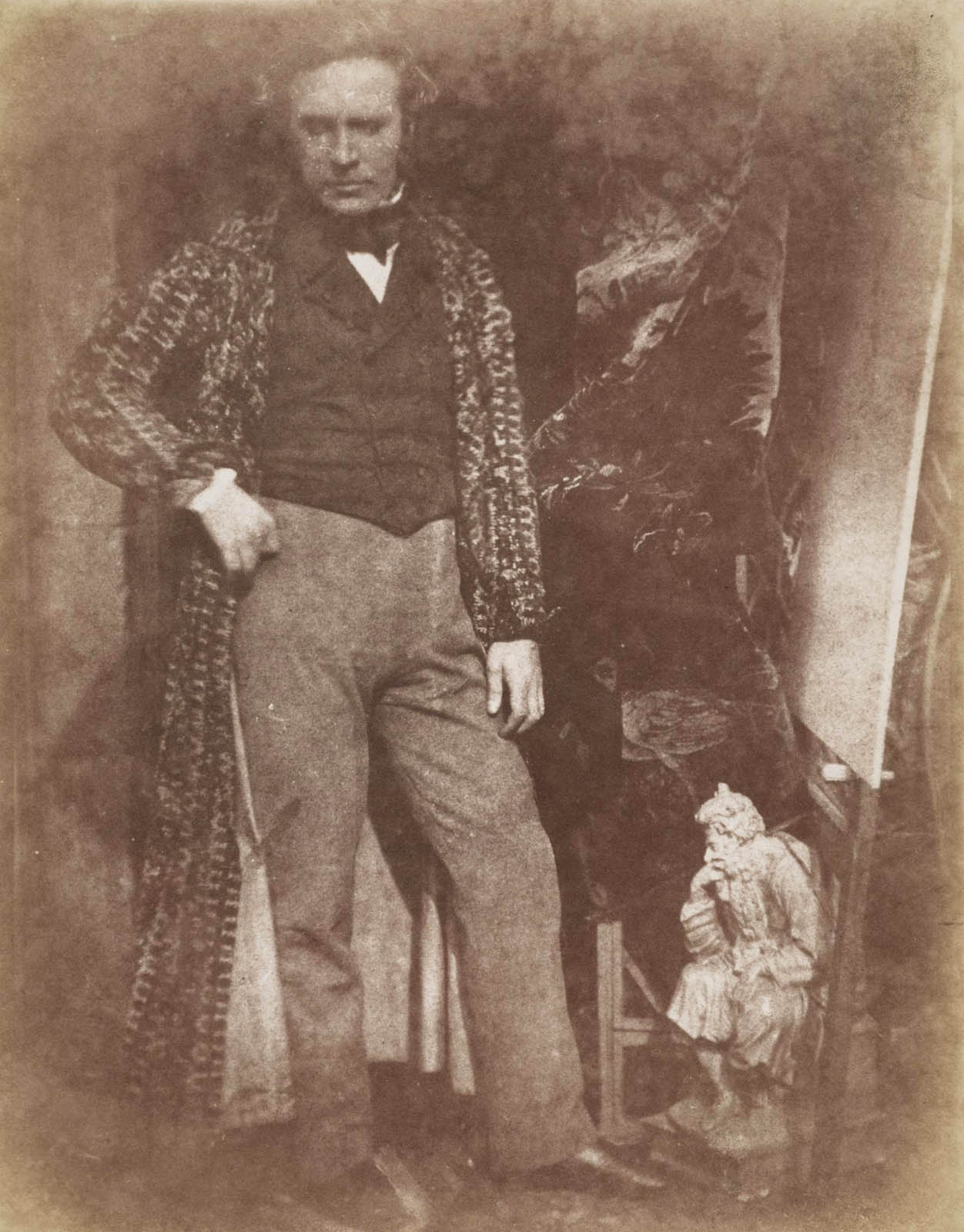
![David Octavius Hill & Robert Adamson. 'Lady Mary Hamilton (Campbell) Ruthven, 1789 - 1885. Wife of James, Lord Ruthven [a]' 1843-1847](https://artblart.com/wp-content/uploads/2025/04/hill-and-adamson-lady-mary-hamilton-campbell-ruthven-1789-1885.-wife-of-james-lord-ruthven-a.jpg "David Octavius Hill & Robert Adamson. 'Lady Mary Hamilton (Campbell) Ruthven, 1789 - 1885. Wife of James, Lord Ruthven [a]' 1843-1847")
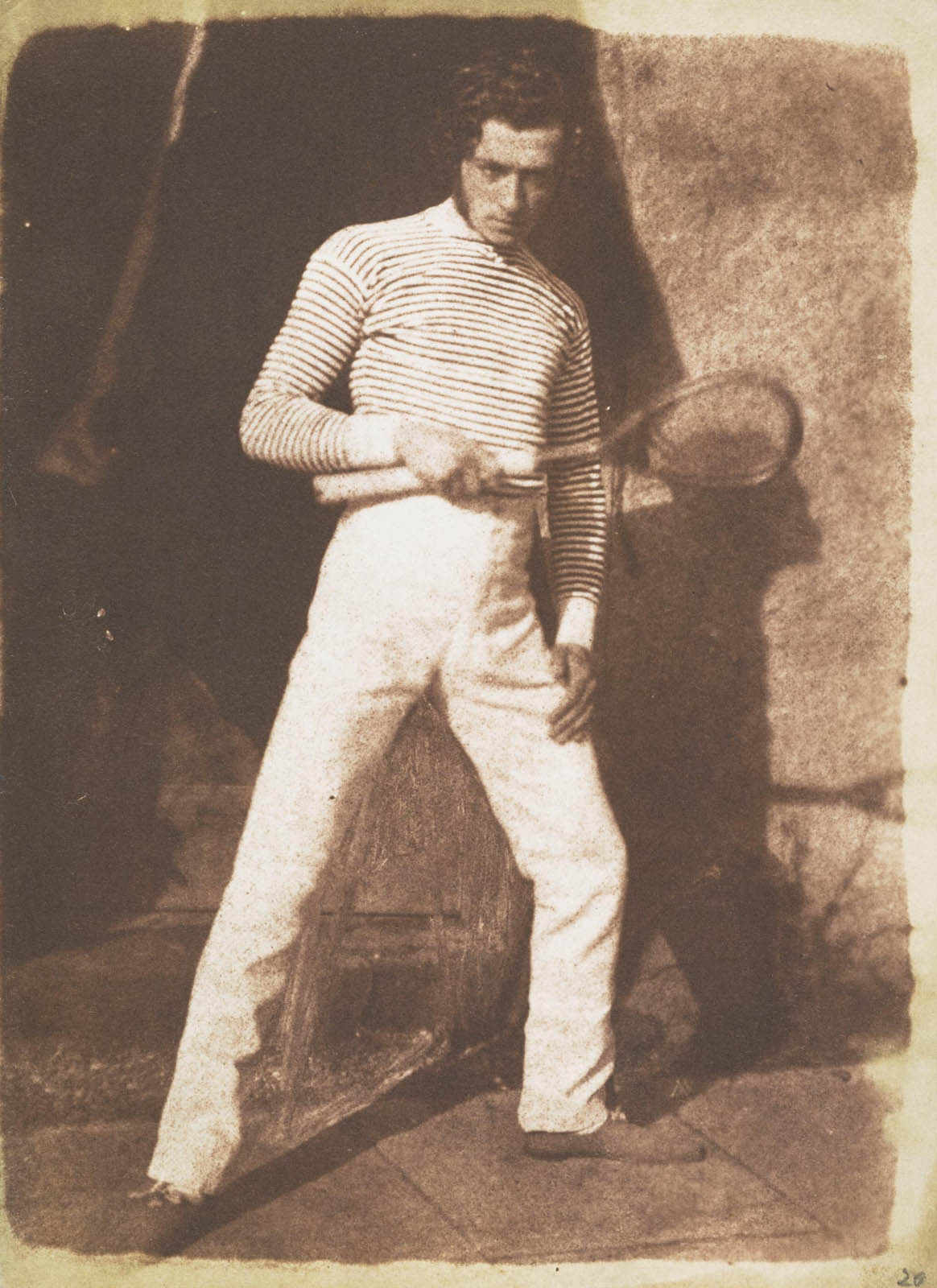

![David Octavius Hill & Robert Adamson. 'Jimmy Miller. Son of Professor James Miller [c]' 1843-1847](https://artblart.com/wp-content/uploads/2025/04/hill-and-adamson-jimmy-miller.-son-of-professor-james-miller-c.jpg "David Octavius Hill & Robert Adamson. 'Jimmy Miller. Son of Professor James Miller [c]' 1843-1847")
![David Octavius Hill & Robert Adamson. 'Mr Lane [called John Lane, Dr Lane and Edward William Lane] [a]' 1843-1847](https://artblart.com/wp-content/uploads/2025/04/hill-and-adamson-mr-lane-called-john-lane-dr-lane-and-edward-william-lane-a.jpg "David Octavius Hill & Robert Adamson. 'Mr Lane [called John Lane, Dr Lane and Edward William Lane] [a]' 1843-1847")
![David Octavius Hill & Robert Adamson. 'Mrs Anne (Palgrave) Rigby 1777 - 1872 [f]' 1843-1847](https://artblart.com/wp-content/uploads/2025/04/hill-and-adamson-mrs-anne-palgrave-rigby-1777-872.jpg "David Octavius Hill & Robert Adamson. 'Mrs Anne (Palgrave) Rigby 1777 - 1872 [f]' 1843-1847")
![David Octavius Hill & Robert Adamson. 'Mrs Kinloch. Of Park; nee Napier [b]' 1843-1846](https://artblart.com/wp-content/uploads/2025/04/hill-and-adamson-mrs-kinloch.-of-park-nee-napier-b.jpg "David Octavius Hill & Robert Adamson. 'Mrs Kinloch. Of Park; nee Napier [b]' 1843-1846")
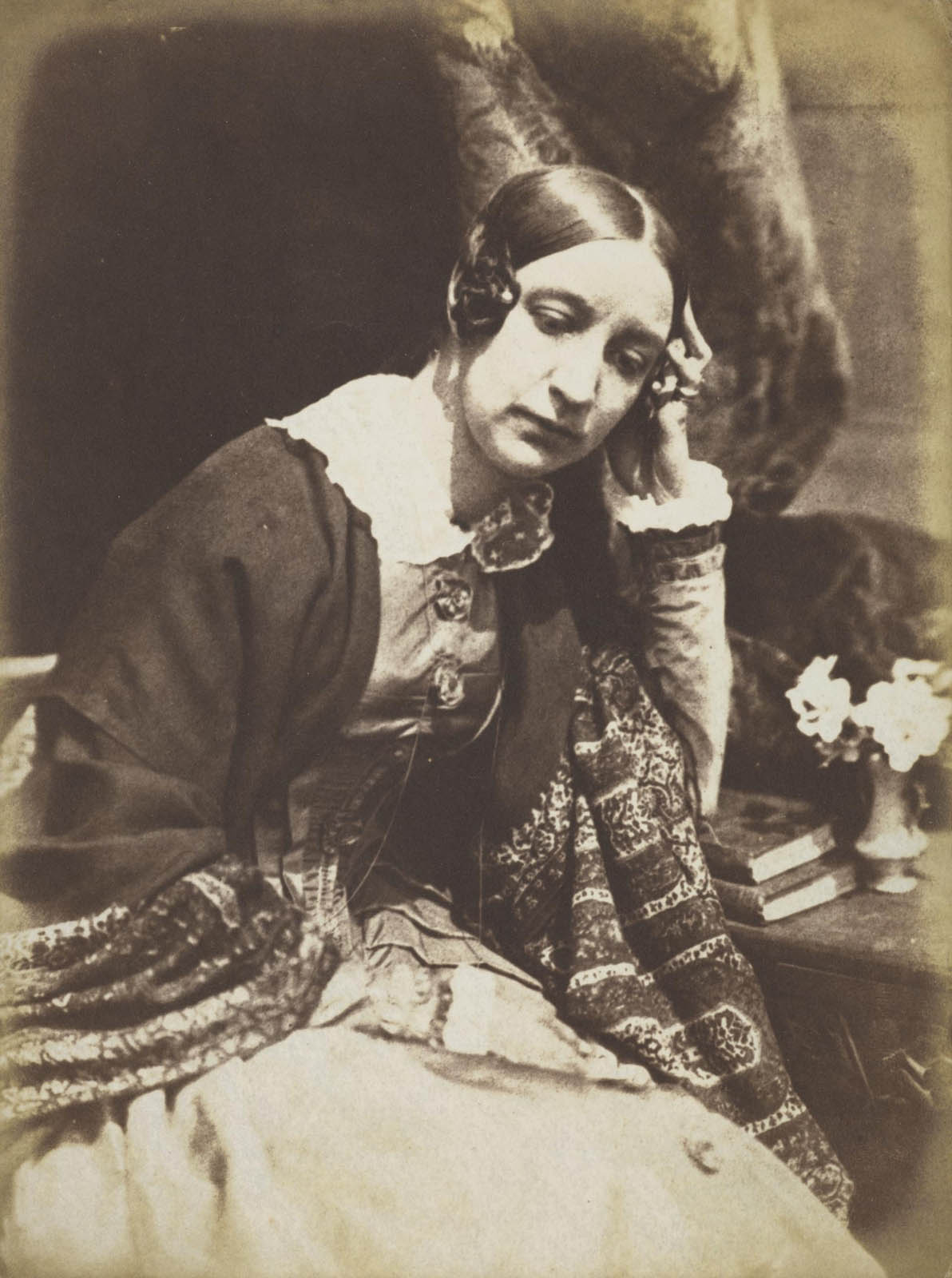
![David Octavius Hill & Robert Adamson. 'Mrs Elizabeth (Johnstone) Hall [Newhaven]' 1843-1847](https://artblart.com/wp-content/uploads/2025/04/hill-and-adamson-mrs-elizabeth-johnstone-hall-newhaven.jpg "David Octavius Hill & Robert Adamson. 'Mrs Elizabeth (Johnstone) Hall [Newhaven]' 1843-1847")
![David Octavius Hill & Robert Adamson. 'Miss Ellen and Miss Agnes Milne [Group 194]' 1843-1847](https://artblart.com/wp-content/uploads/2025/04/hill-and-adamson-miss-ellen-and-miss-agnes-milne-group-194.jpg "David Octavius Hill & Robert Adamson. 'Miss Ellen and Miss Agnes Milne [Group 194]' 1843-1847")
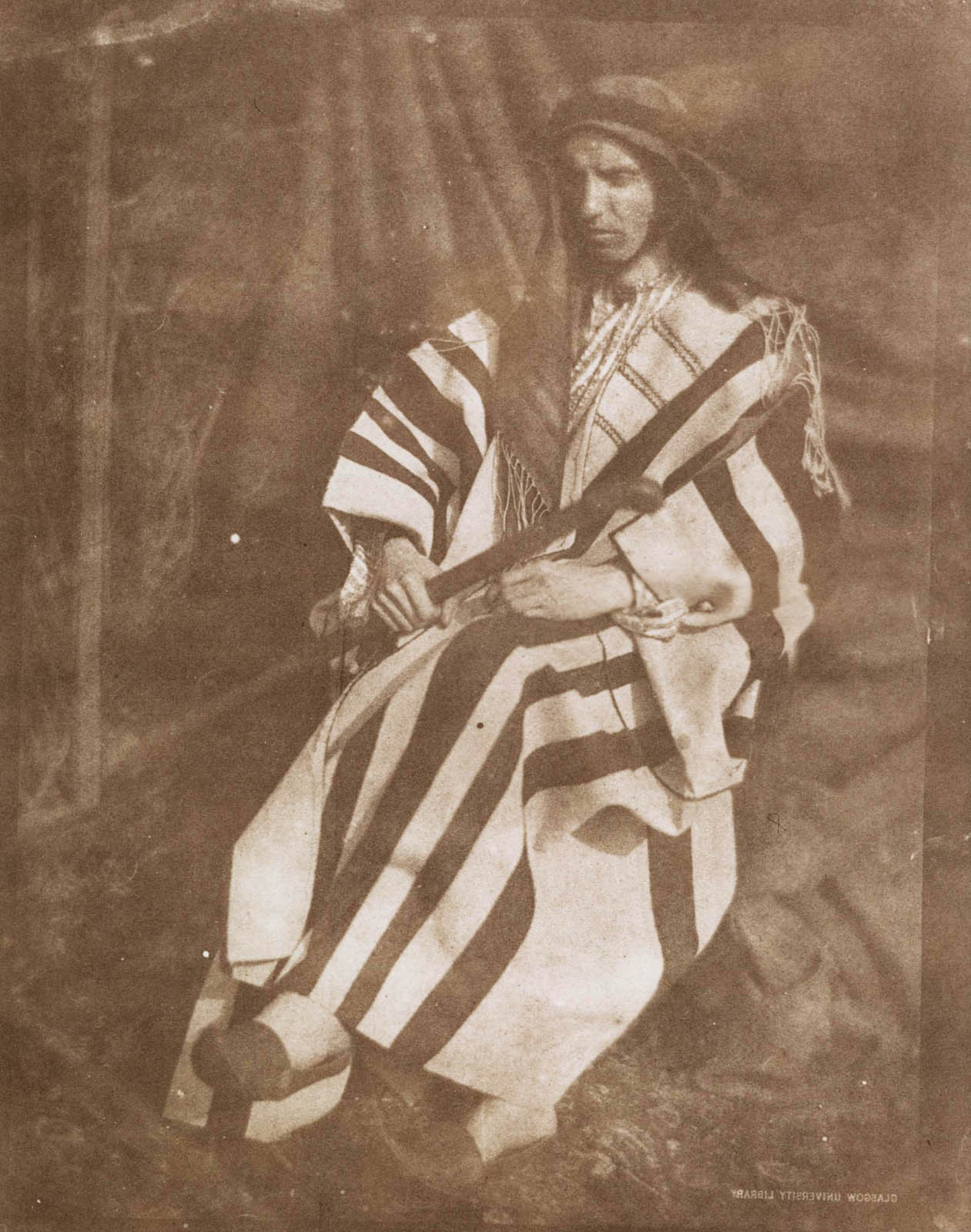
![David Octavius Hill & Robert Adamson. 'Willie Liston, 'Redding [cleaning or preparing] the line'; Newhaven fisherman [Newhaven 3]' 1843-1847](https://artblart.com/wp-content/uploads/2025/04/hill-and-adamson-willie-liston-redding-cleaning-or-preparing-the-line-newhaven-fisherman-newhaven-3.jpg "David Octavius Hill & Robert Adamson. 'Willie Liston, 'Redding [cleaning or preparing] the line'; Newhaven fisherman [Newhaven 3]' 1843-1847")
![David Octavius Hill & Robert Adamson. 'Dr George Bell. Founder of 'Ragged Schools' [c]' 1843-1847](https://artblart.com/wp-content/uploads/2025/04/hill-and-adamson-dr-george-bell.-founder-of-ragged-schools-c.jpg "v")
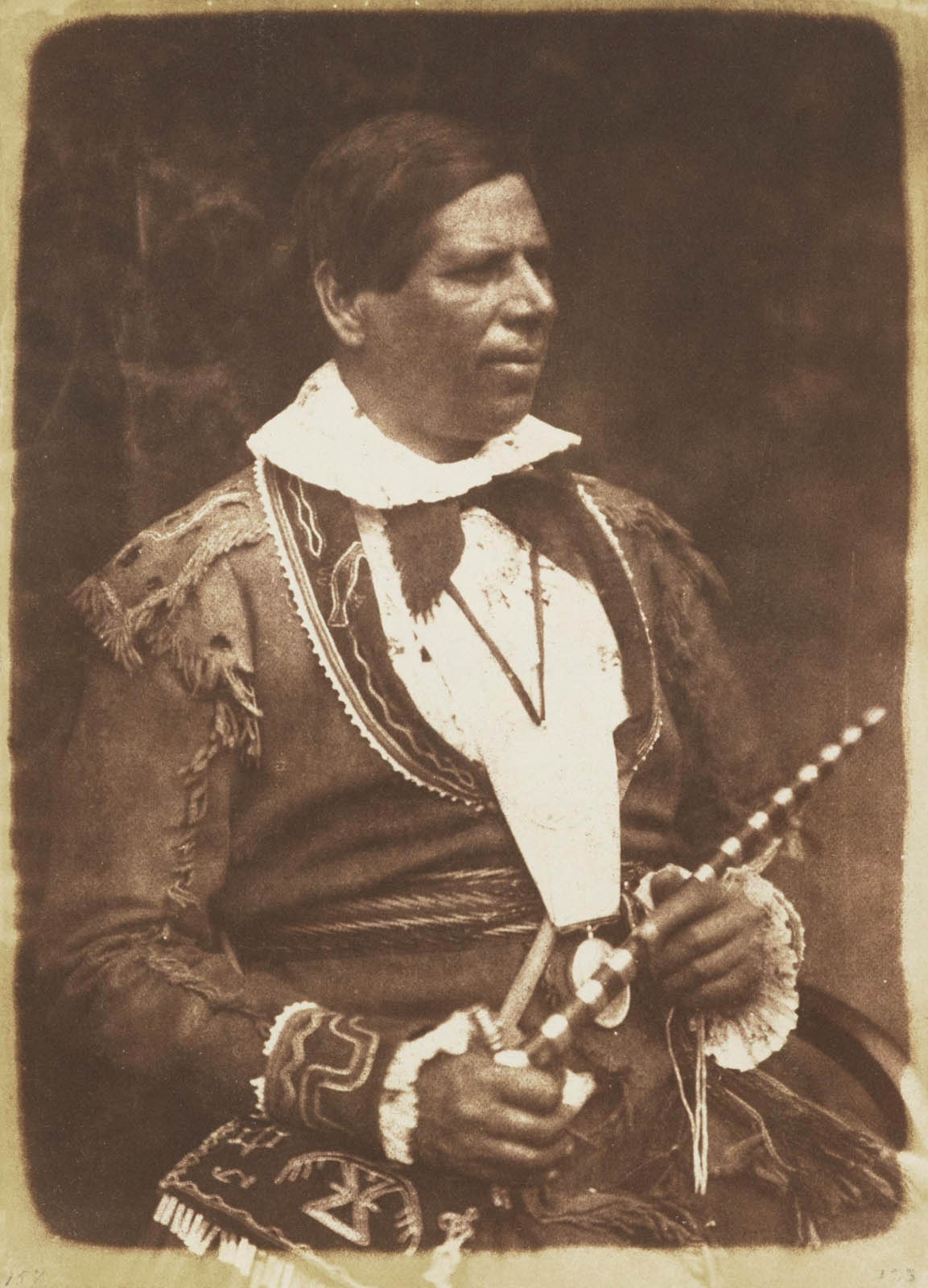
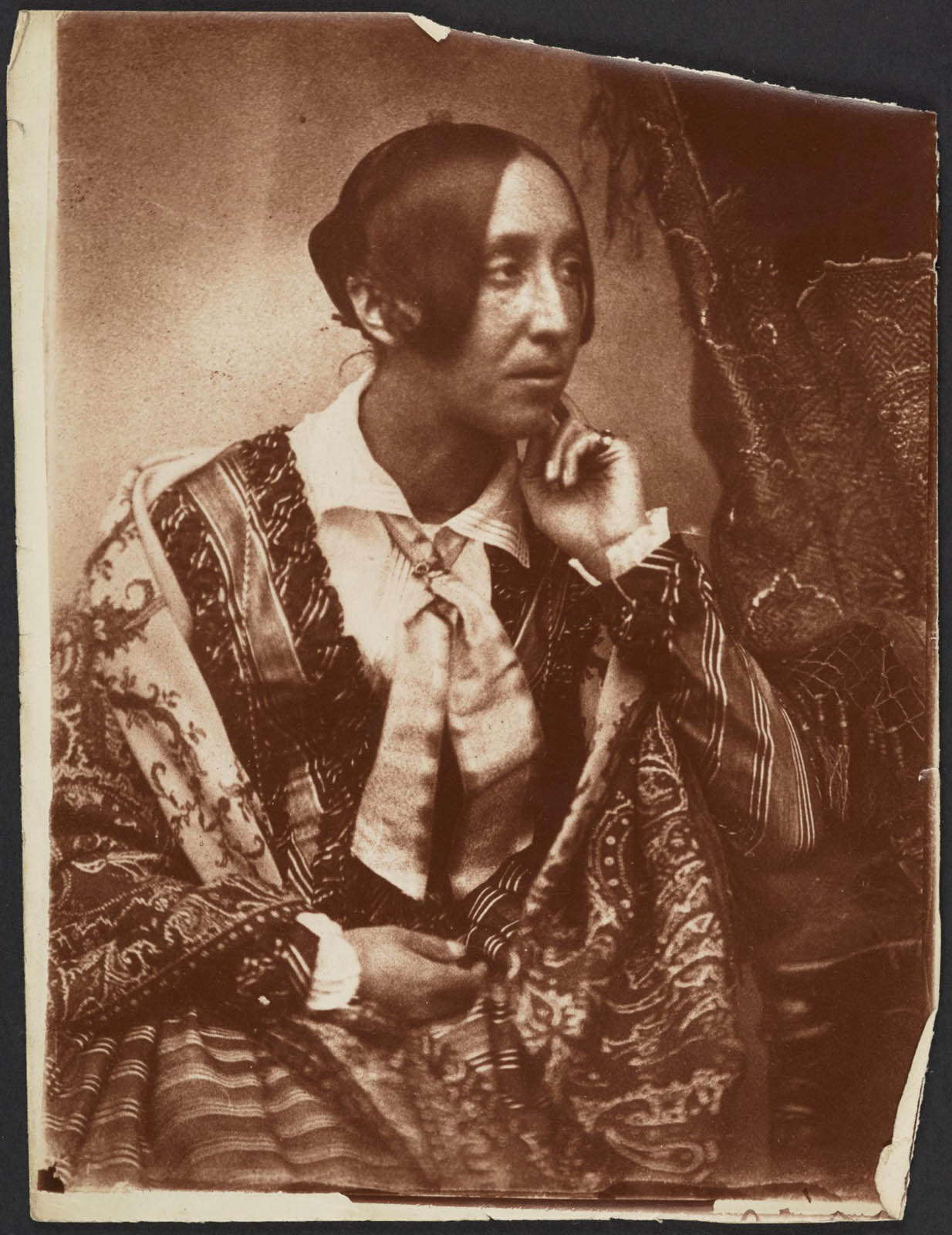
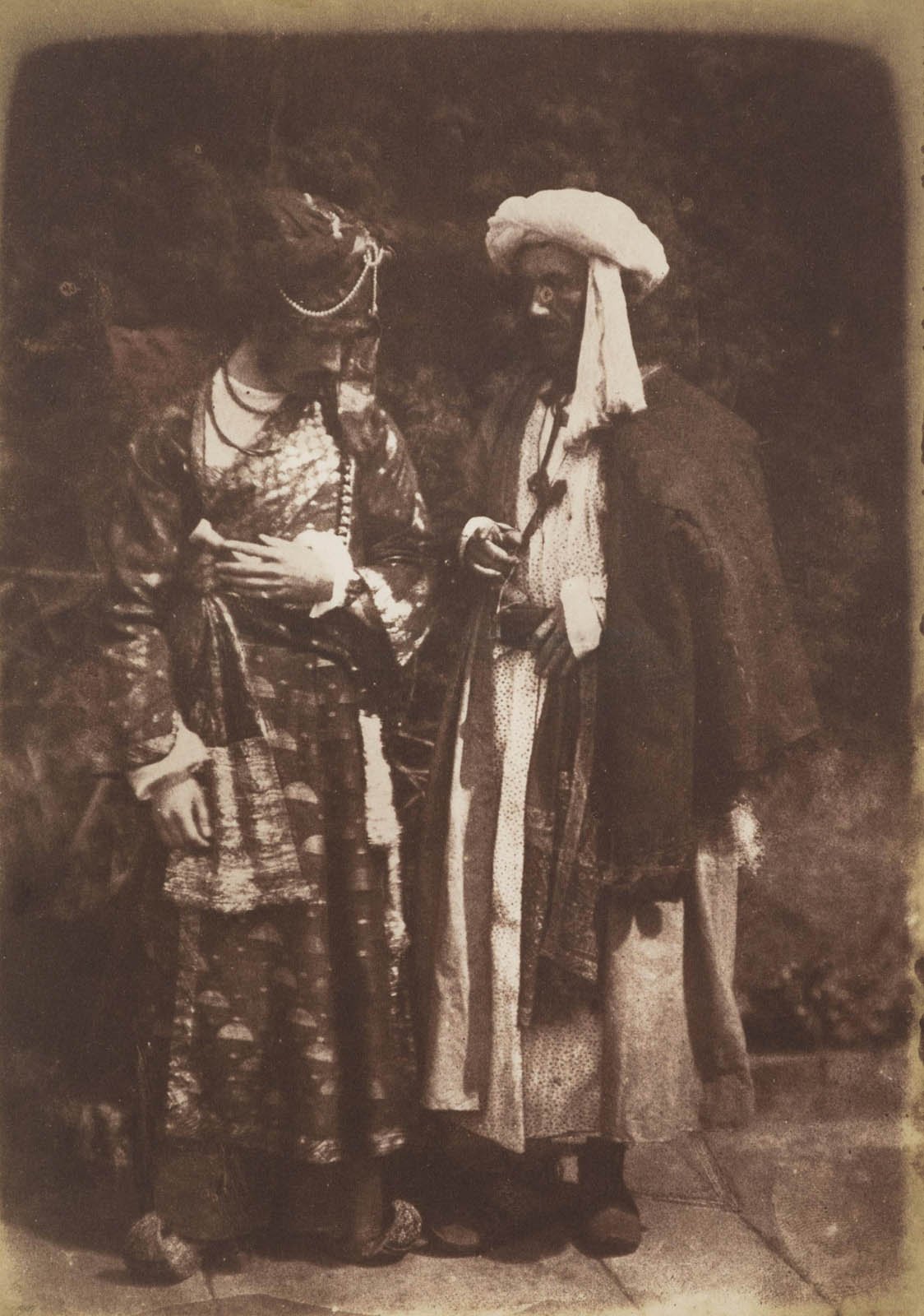
![David Octavius Hill & Robert Adamson. 'James Drummond, 1816 - 1877. History painter; curator of the National Gallery of Scotland [b]' 1843-1847](https://artblart.com/wp-content/uploads/2025/04/hill-and-adamson-james-drummond-1816-1877.-history-painter-curator-of-the-national-gallery-of-scotland-b.jpg "David Octavius Hill & Robert Adamson. 'James Drummond, 1816 - 1877. History painter; curator of the National Gallery of Scotland [b]' 1843-1847")
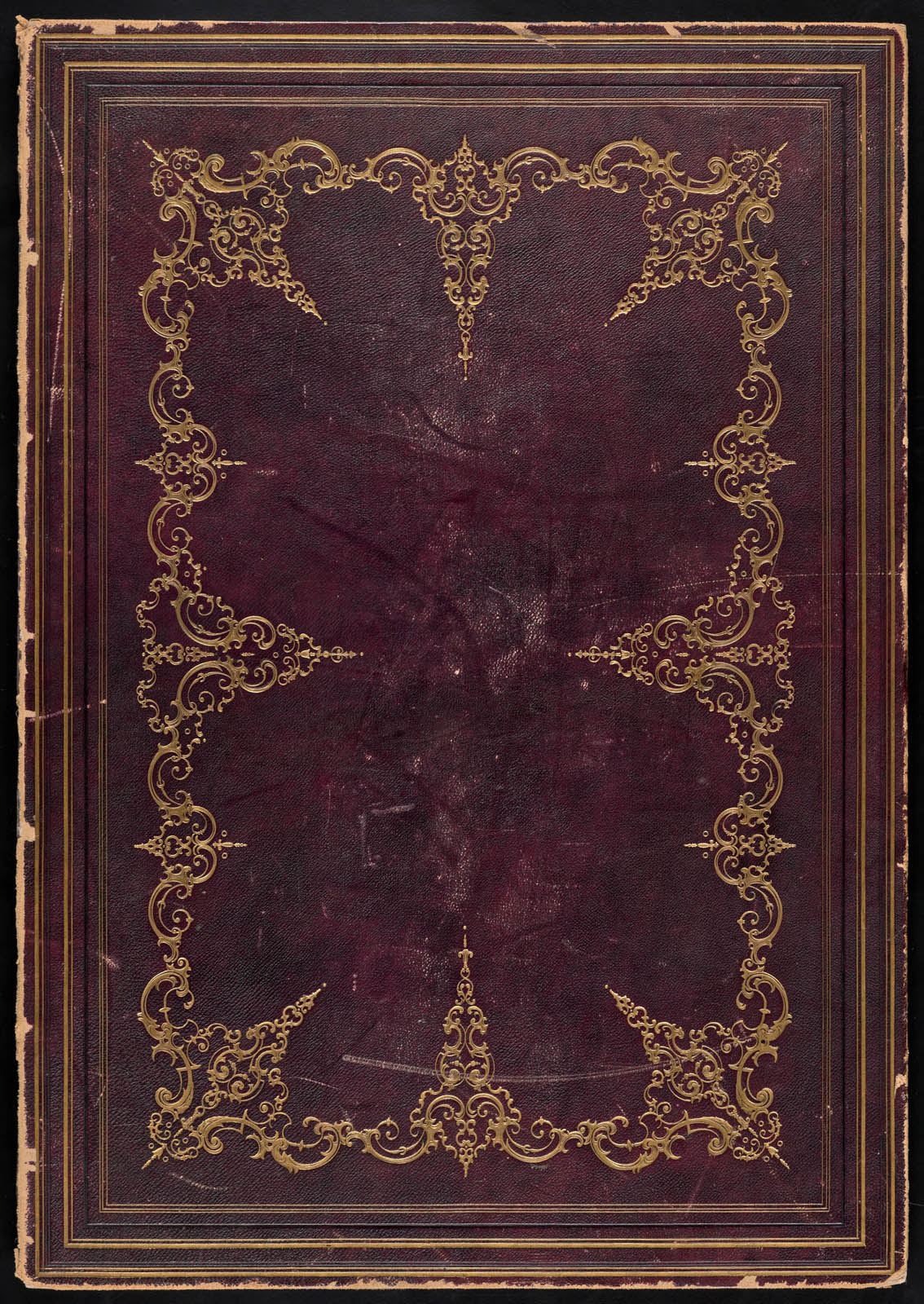
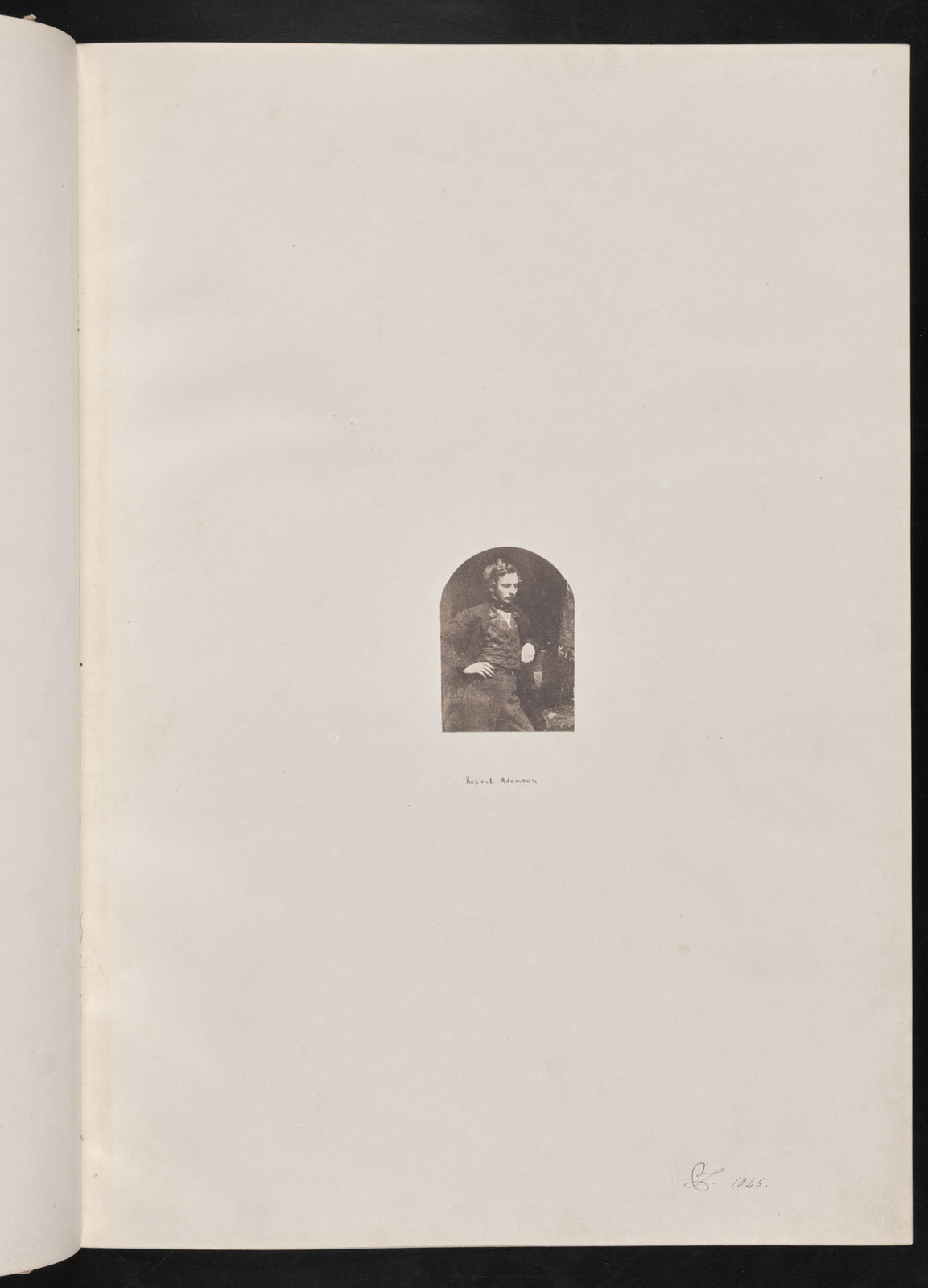
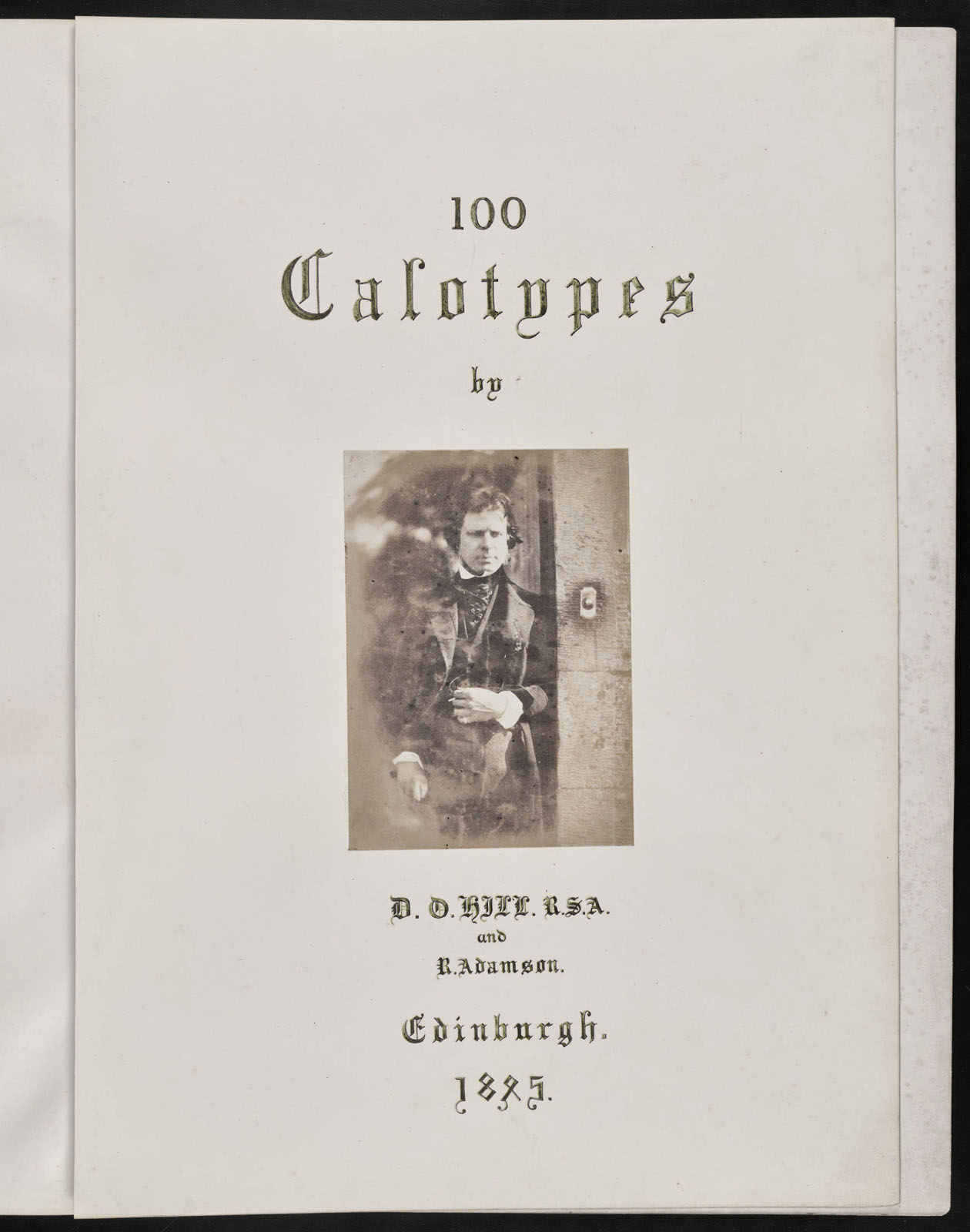
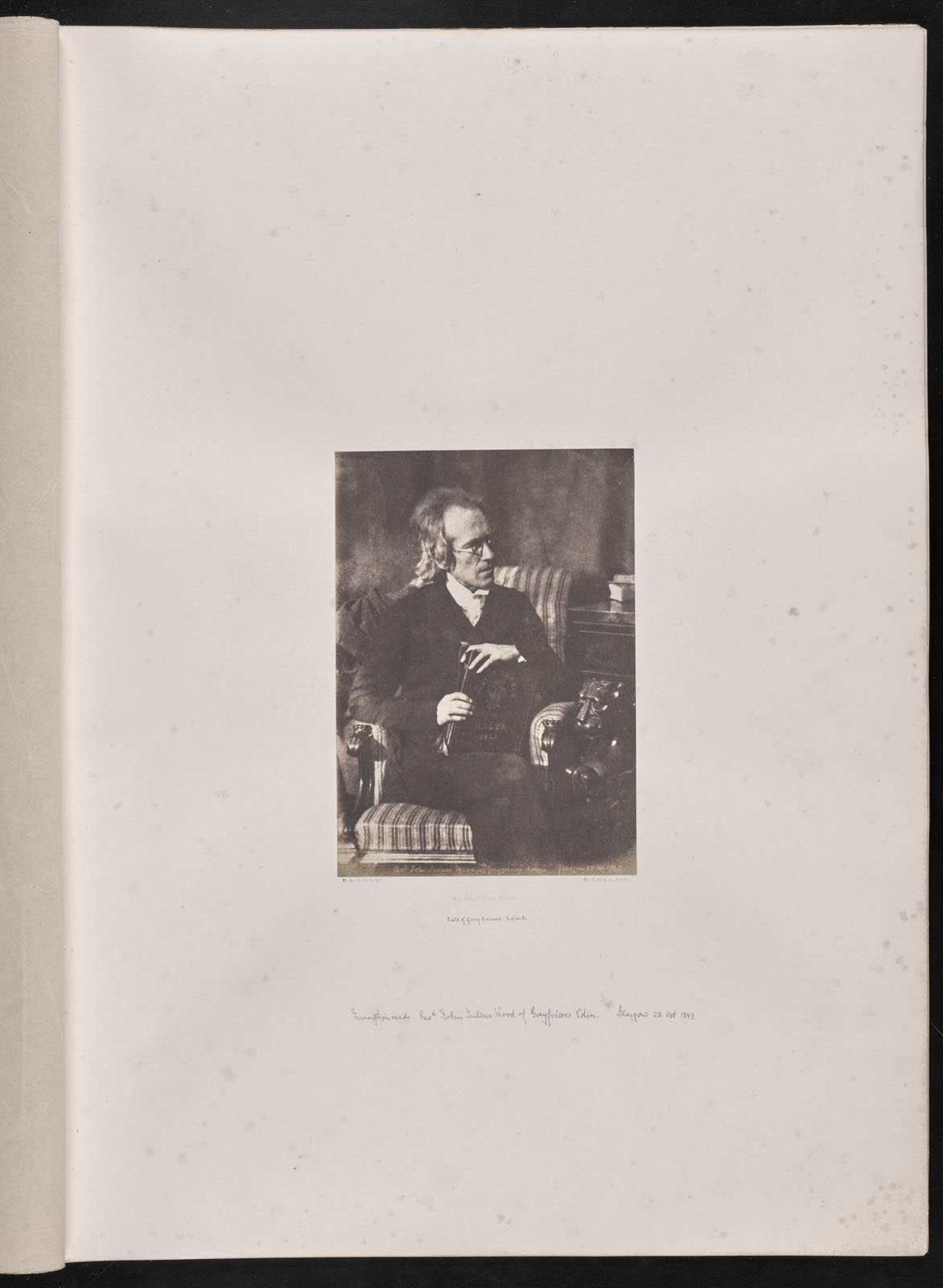
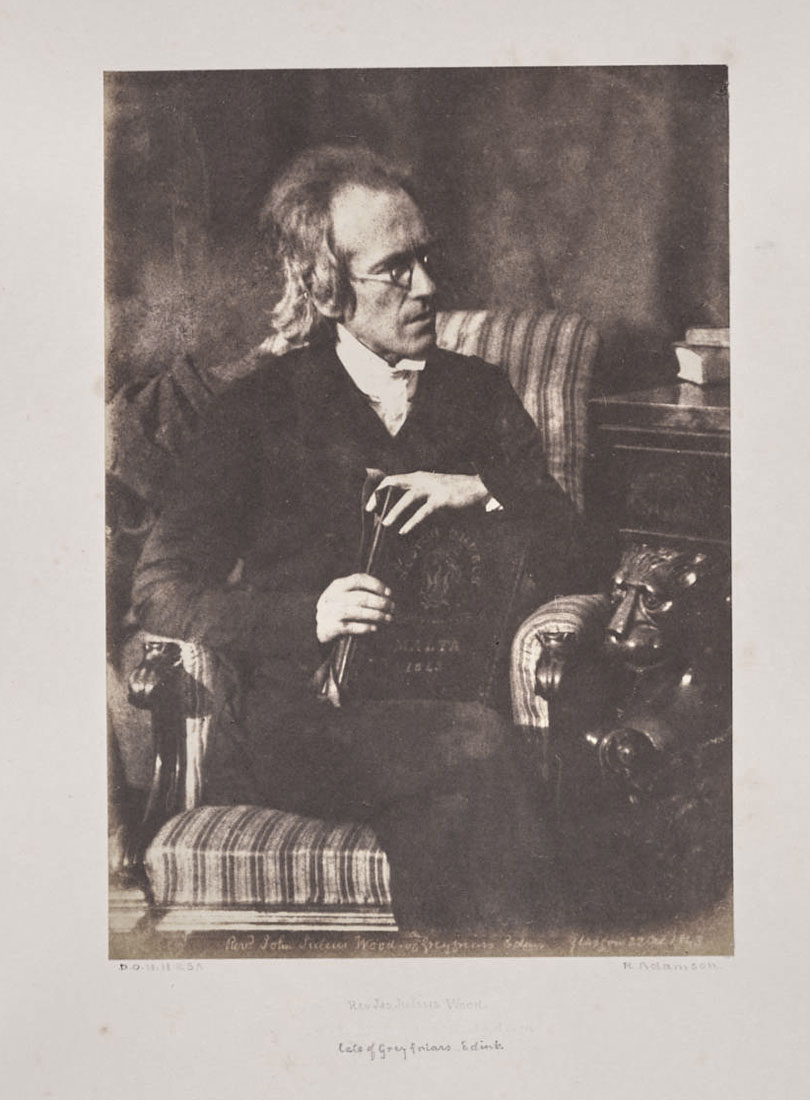
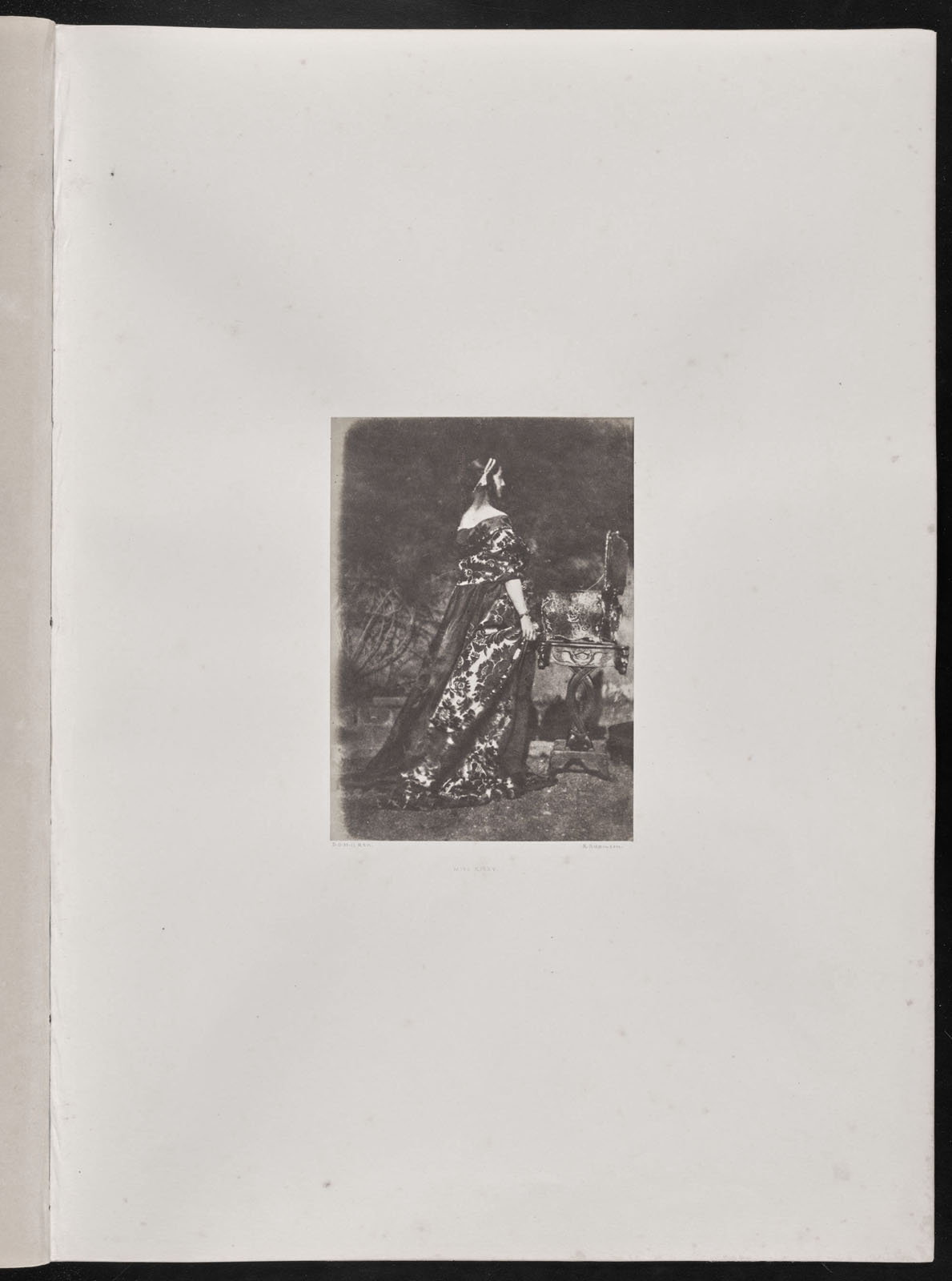
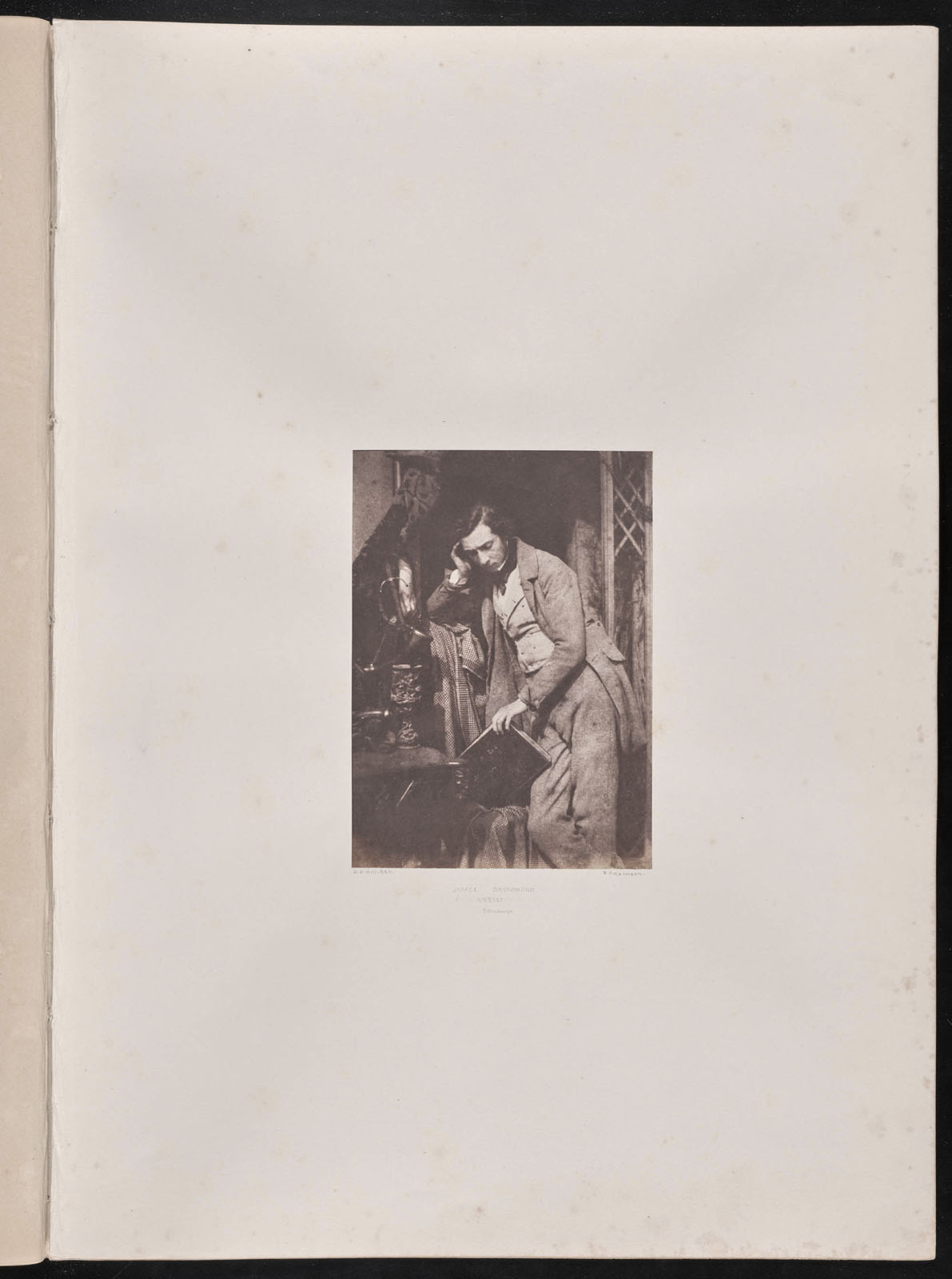
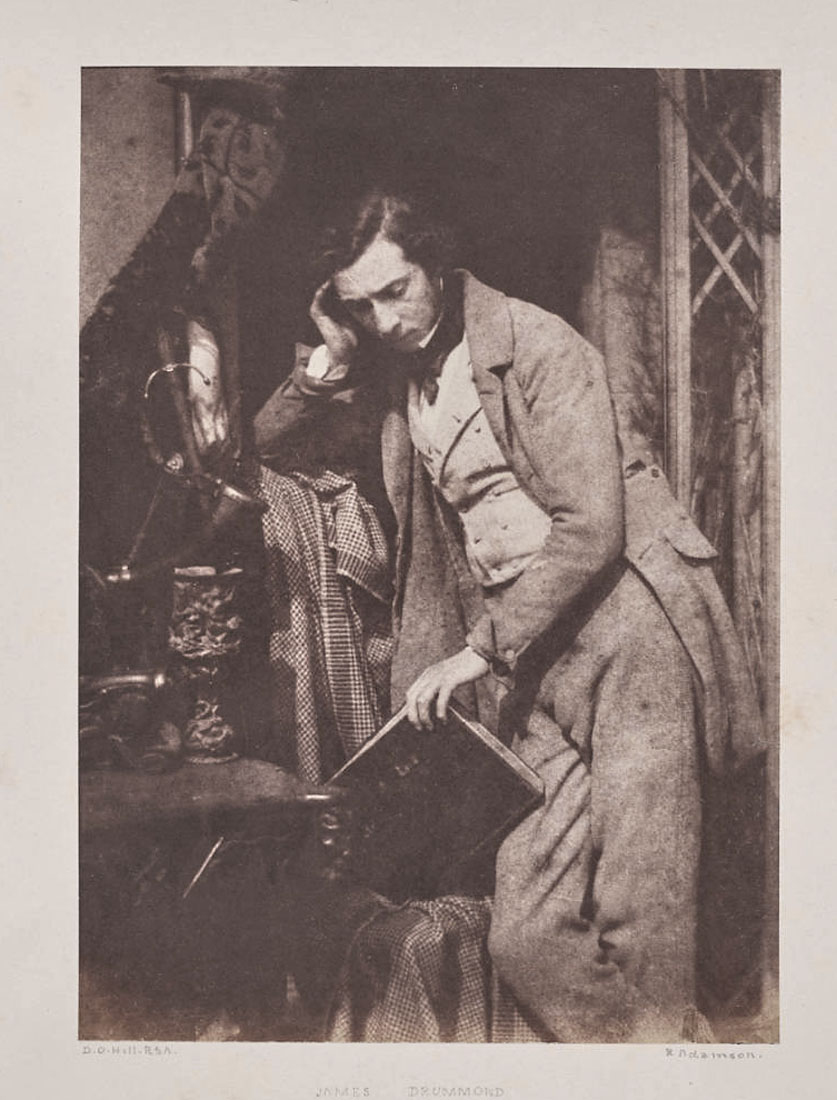
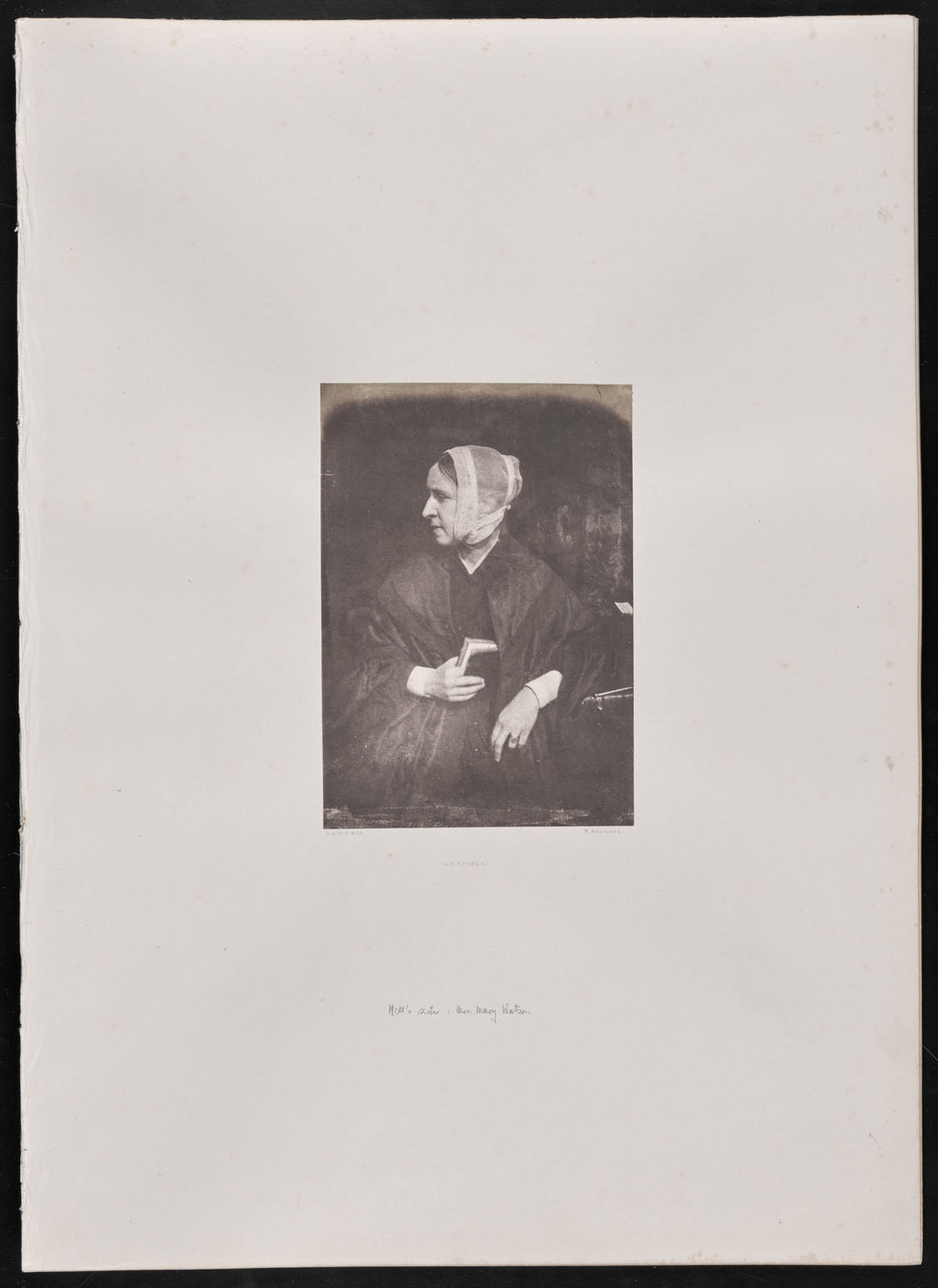

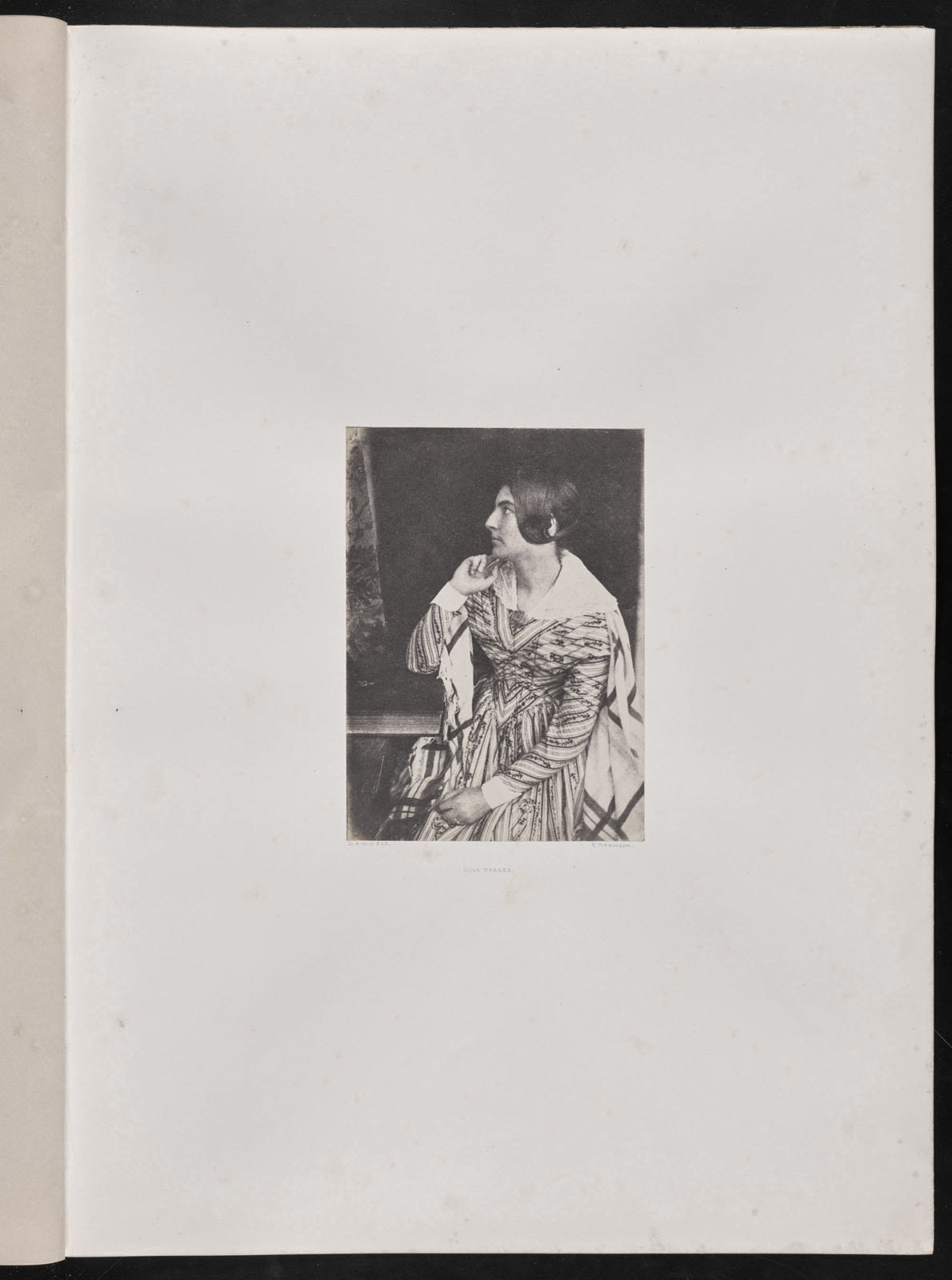
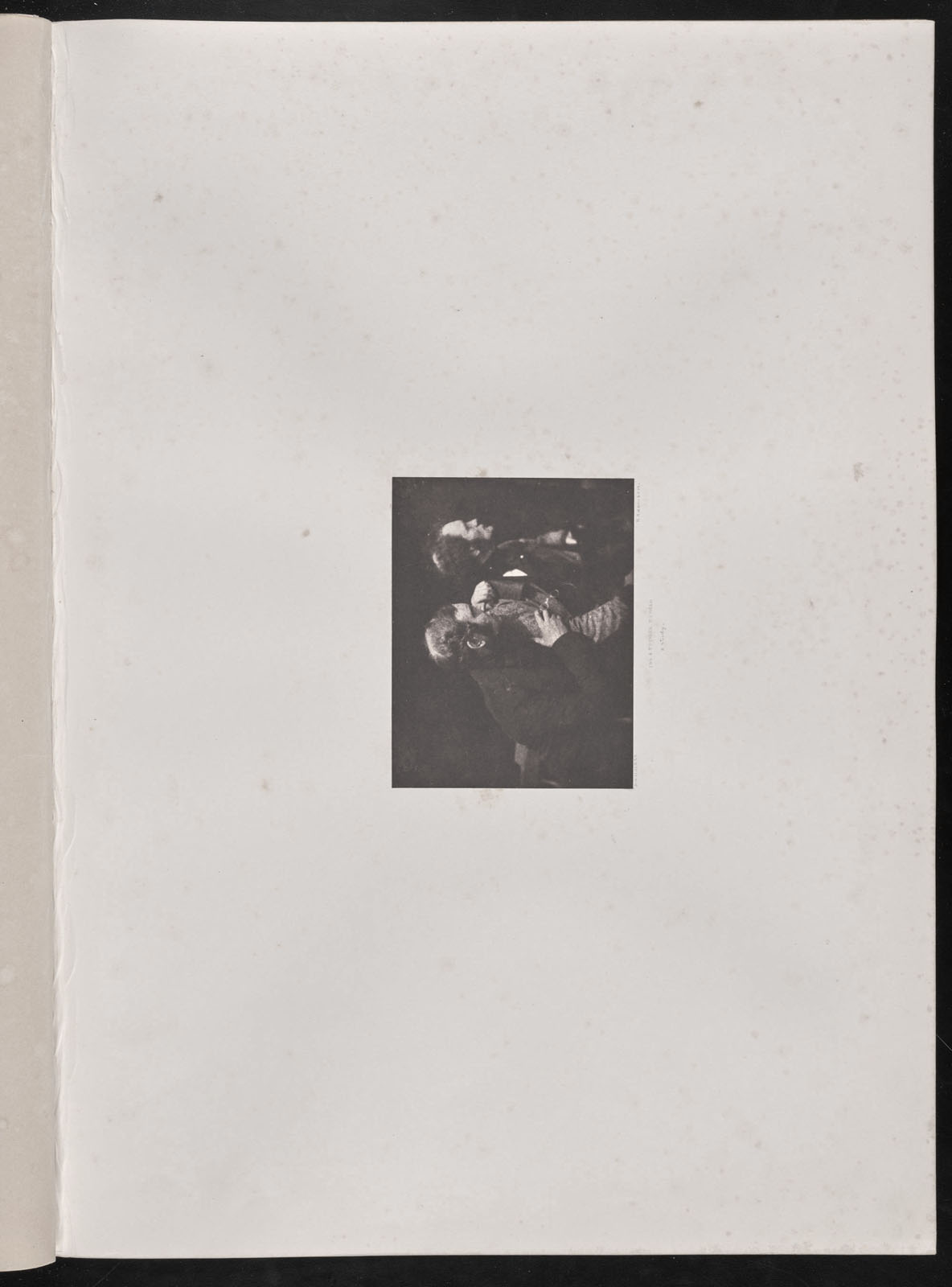

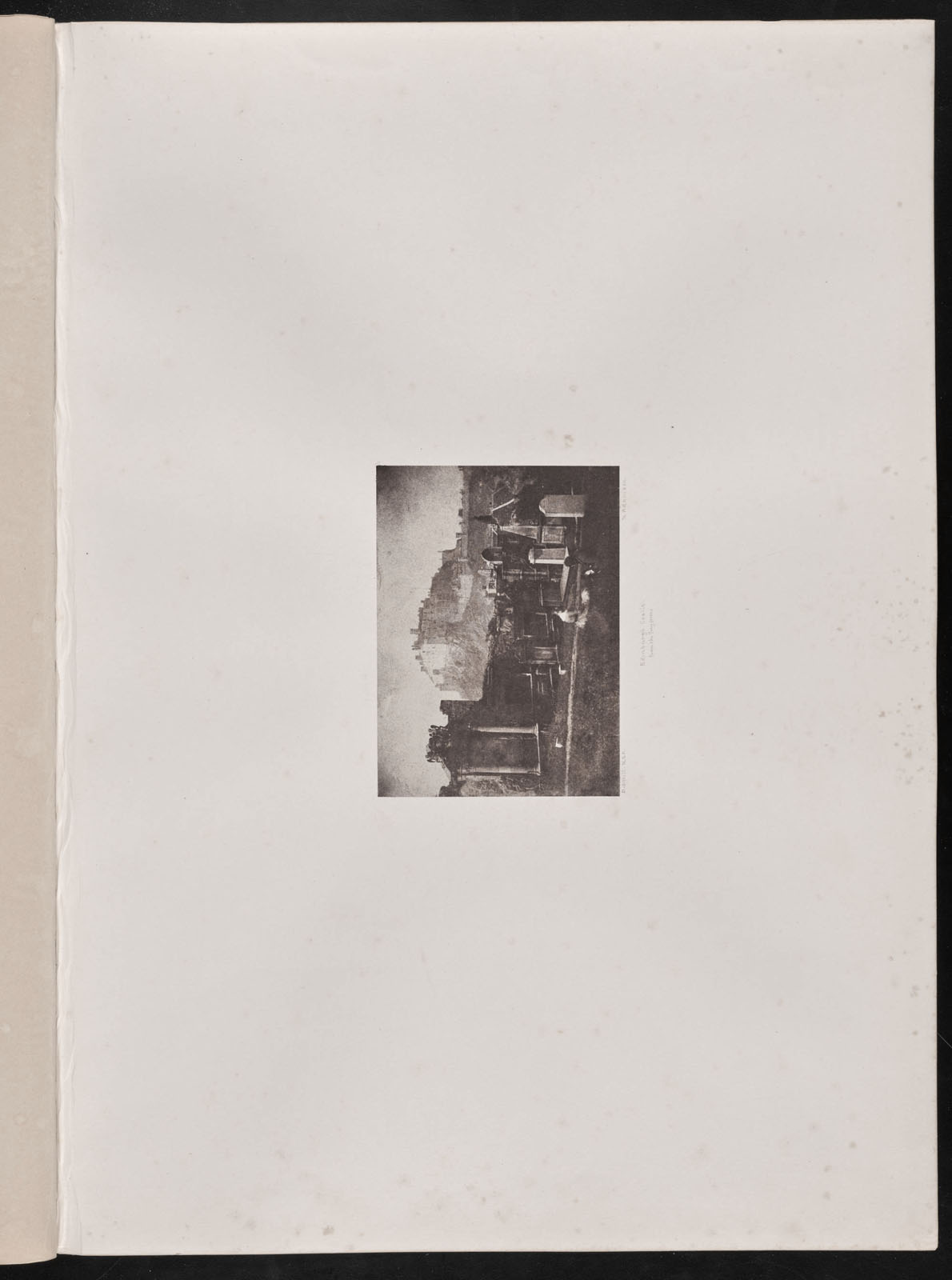
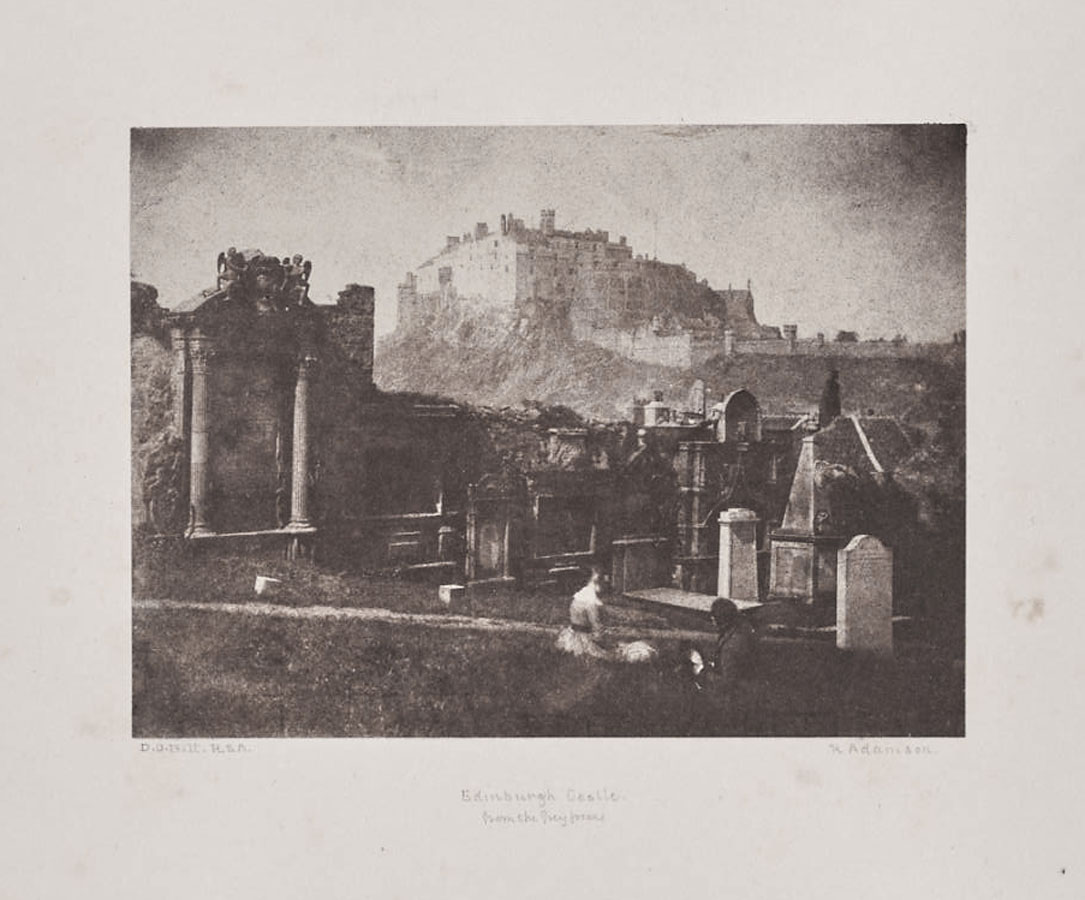

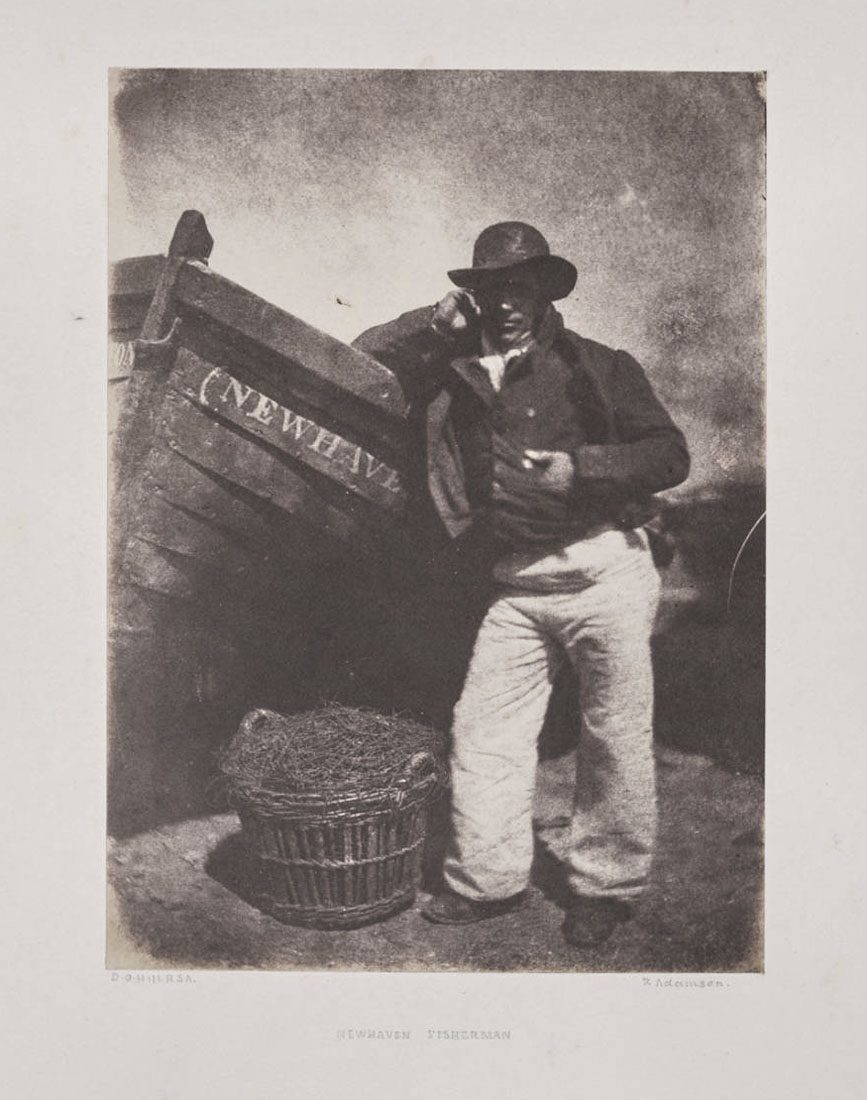


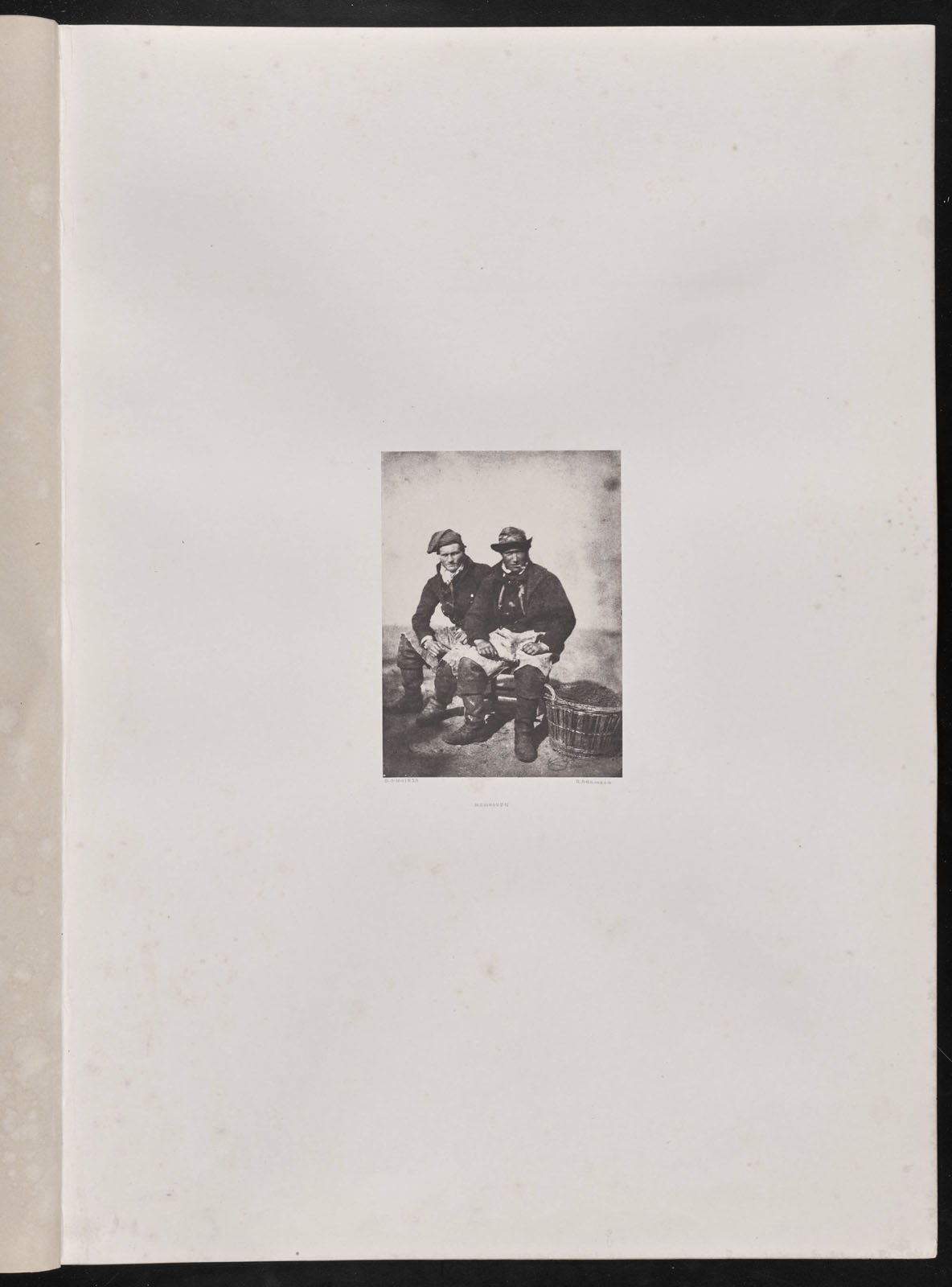

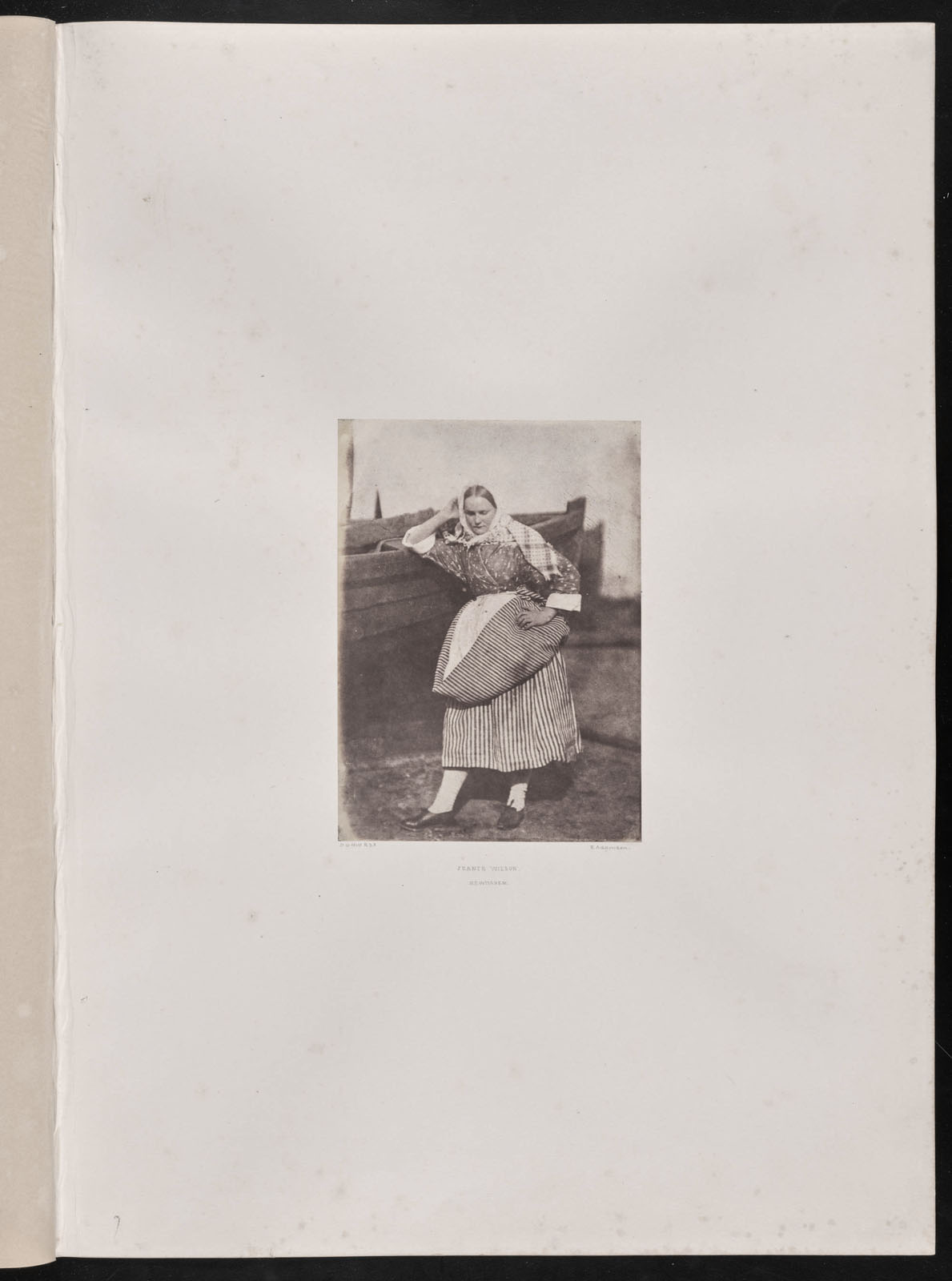

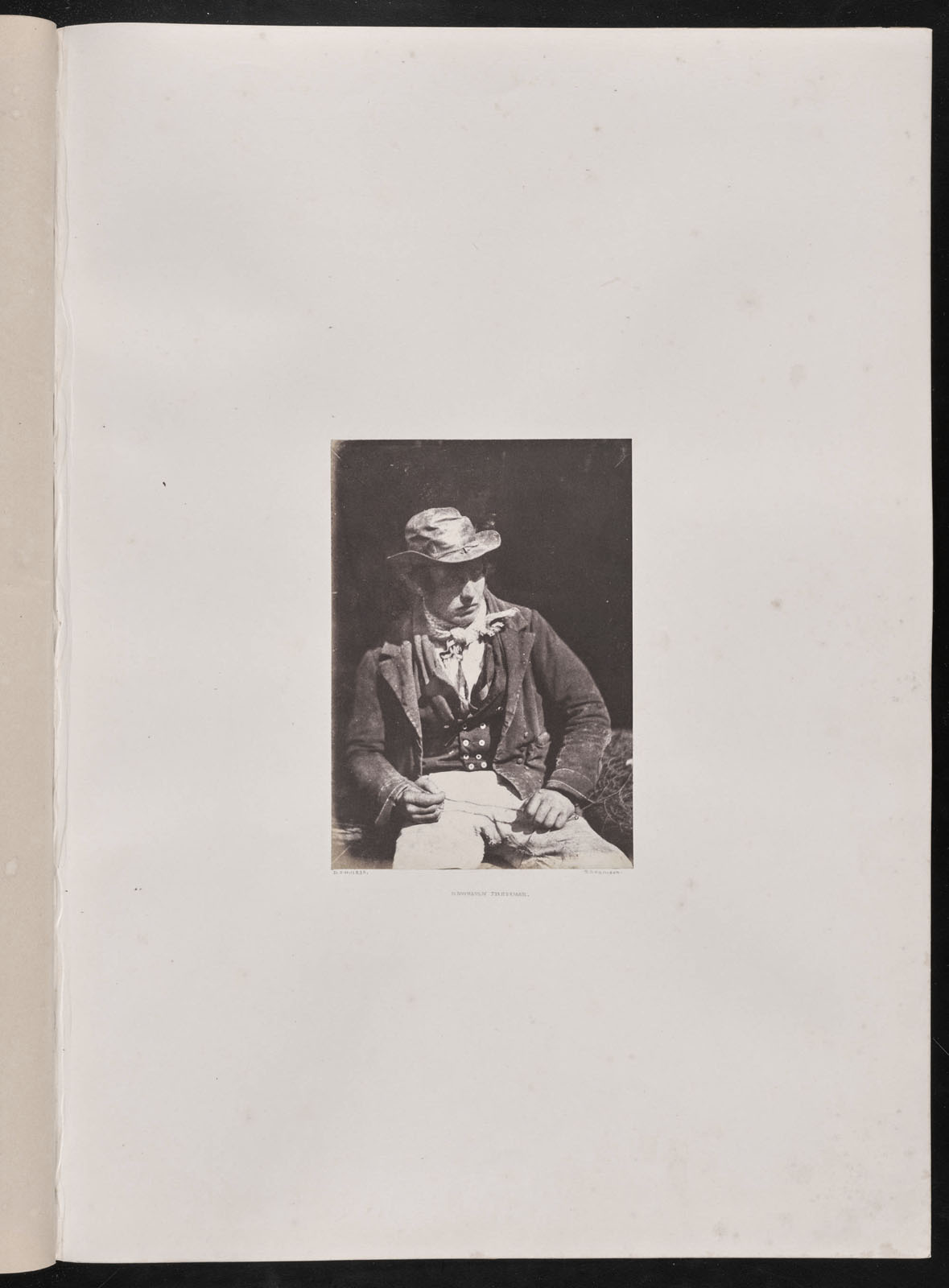
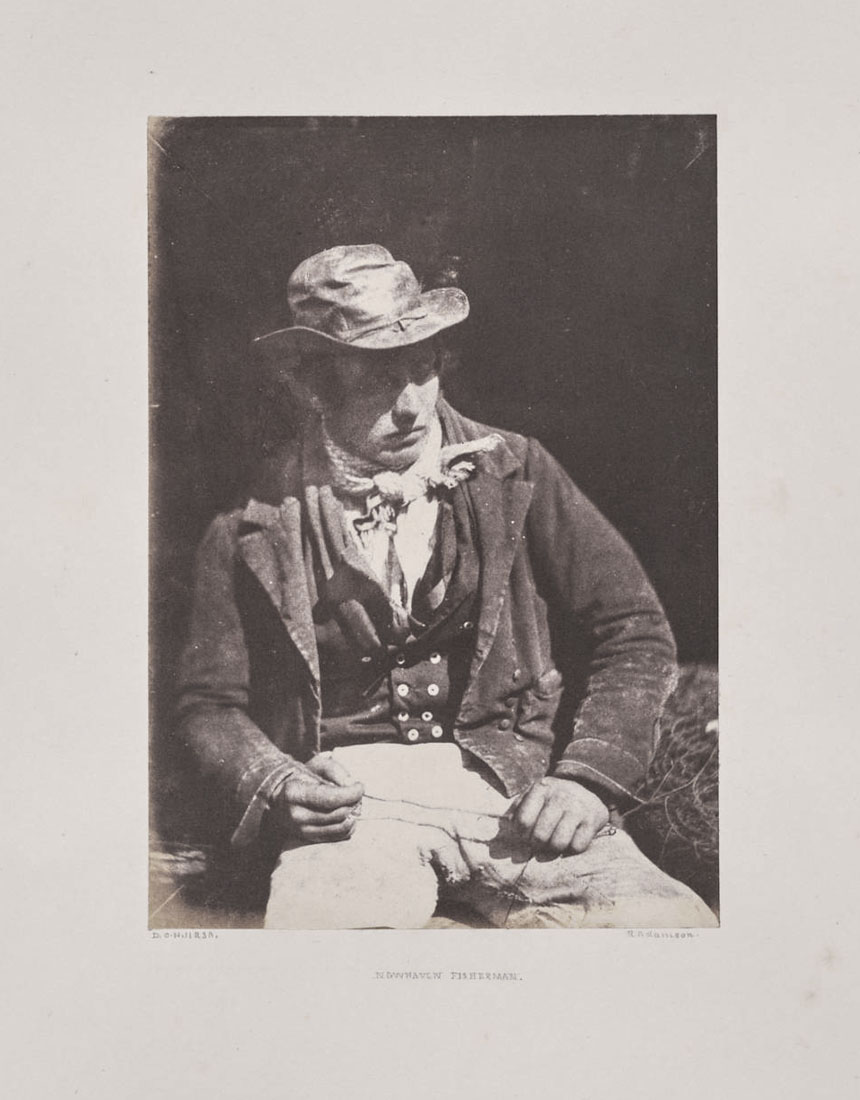
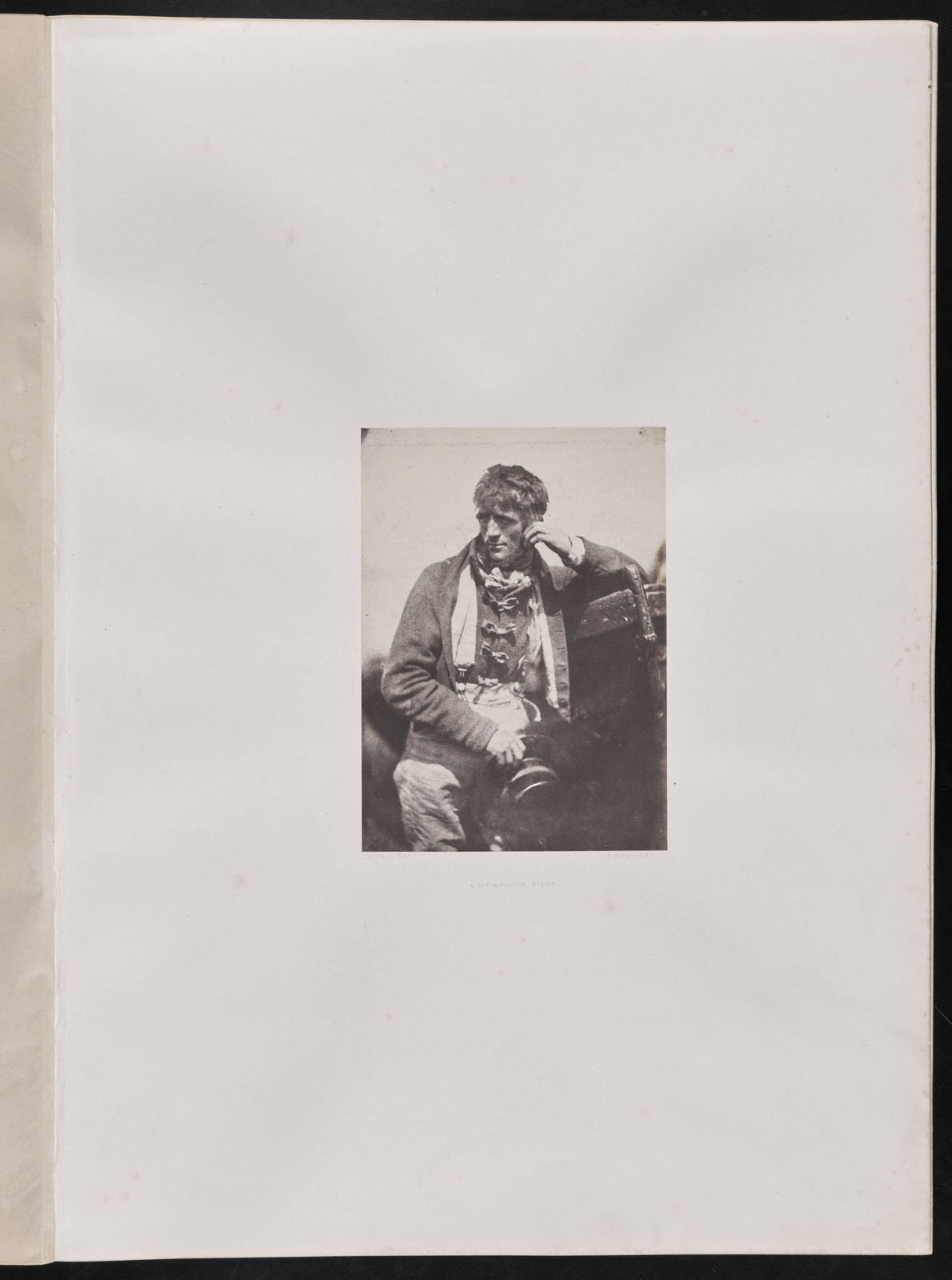
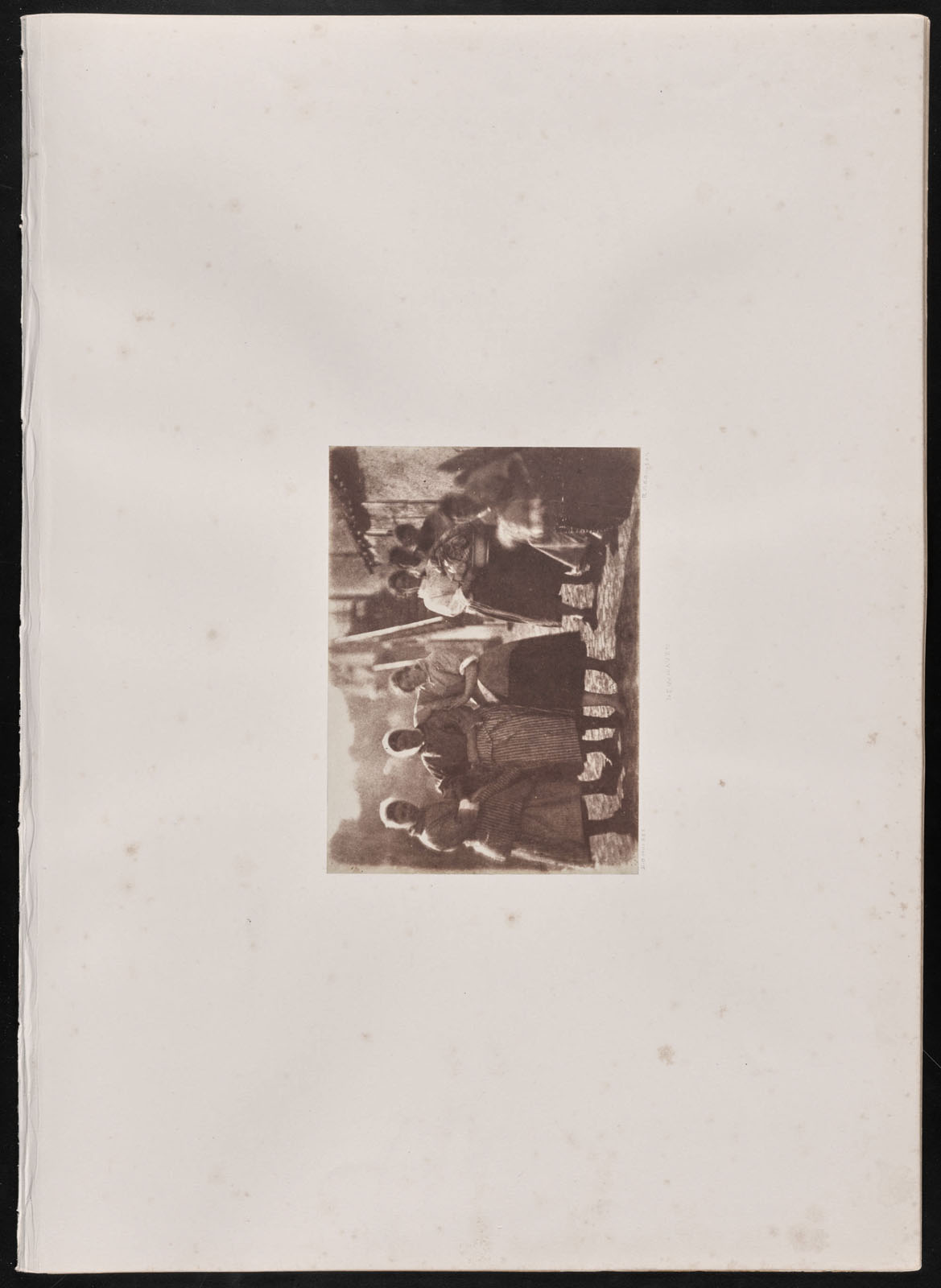
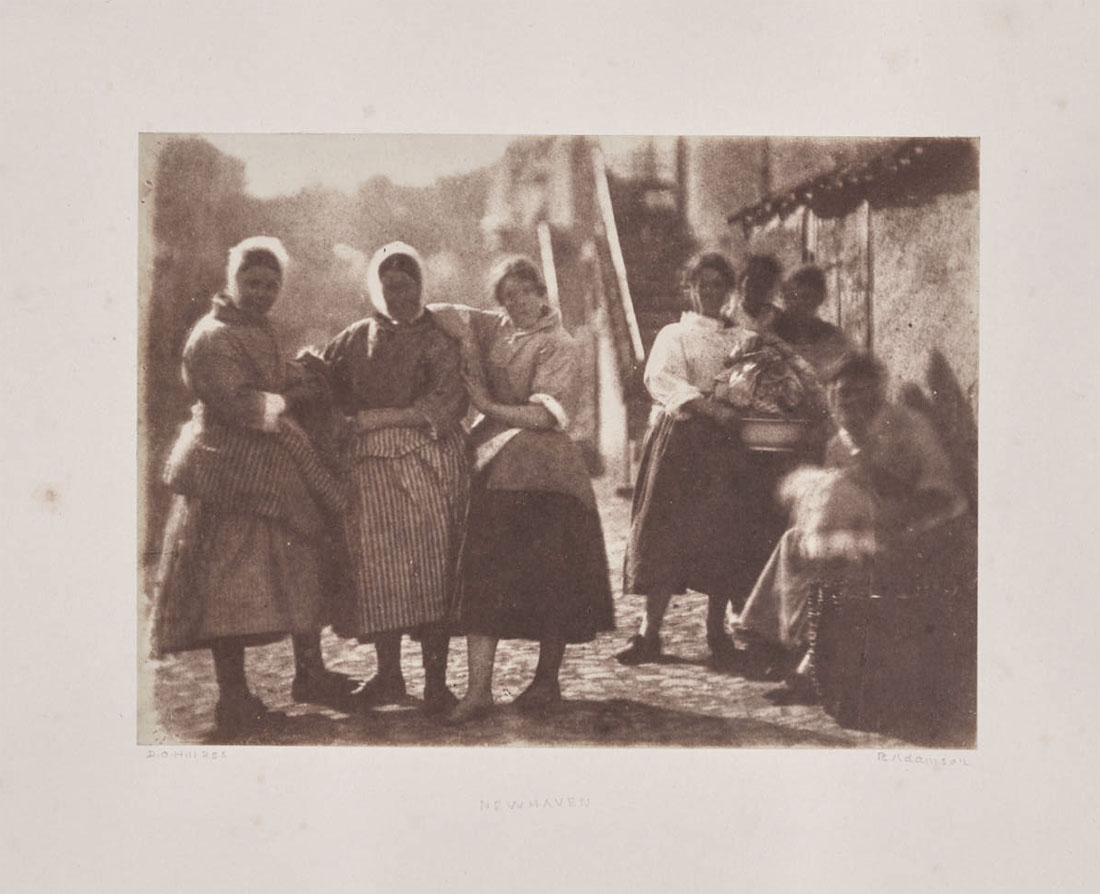


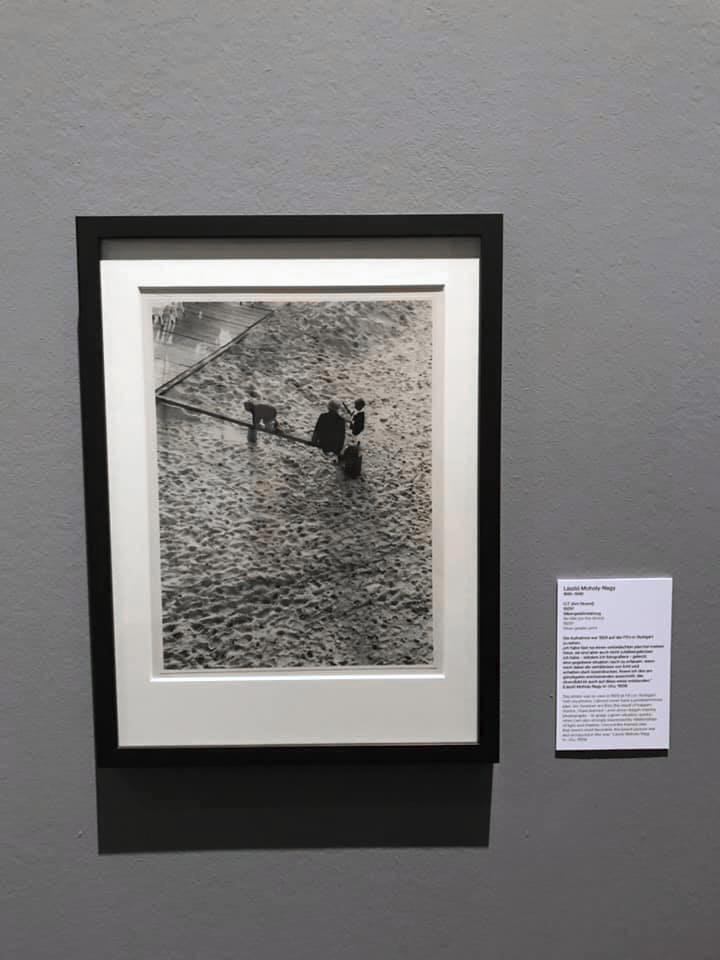
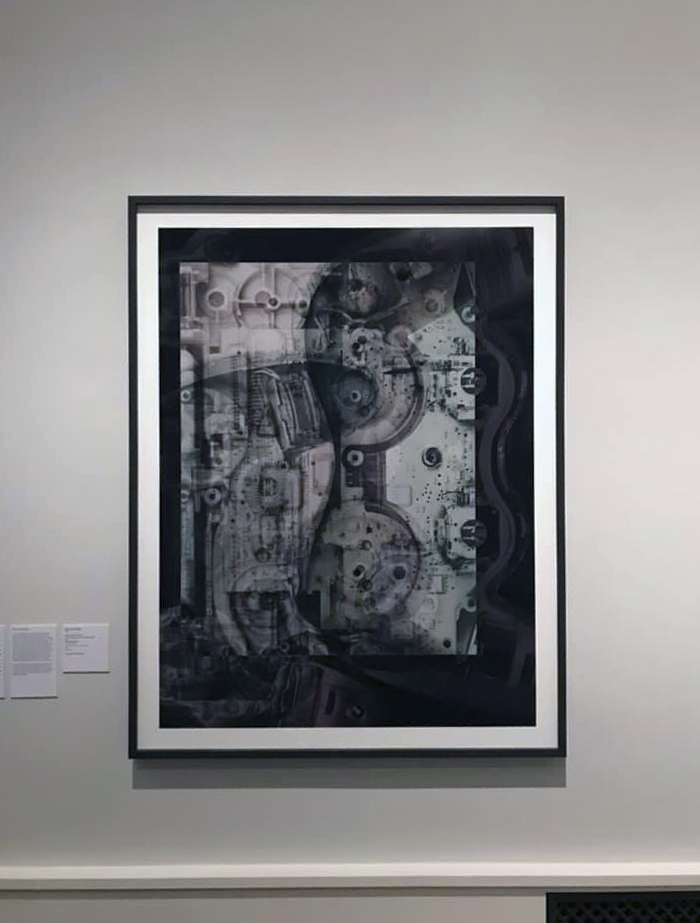


![Albert Renger-Patzsch (German, 1897-1966) 'Bügeleisen für Schuhfabrikation, Faguswerk Alfeld [Shoemakers' irons, Fagus factory, Alfeld]' 1928](https://artblart.com/wp-content/uploads/2018/01/renger-patzsch-bugeleisen-fur-schuhfabrikation.jpg "Albert Renger-Patzsch (German, 1897-1966) 'Bügeleisen für Schuhfabrikation, Faguswerk Alfeld [Shoemakers' irons, Fagus factory, Alfeld]' 1928")
![Albert Renger-Patzsch (German, 1897-1966) 'Gebirgsforst im Winter (Fichtenwald im Winter)' [Mountain forest in winter (spruce forest in winter)] 1926](https://artblart.com/wp-content/uploads/2018/01/renger-patzsch-gebirgsforst-im-winter.jpg "Albert Renger-Patzsch (German, 1897-1966) 'Gebirgsforst im Winter (Fichtenwald im Winter)' [Mountain forest in winter (spruce forest in winter)] 1926")


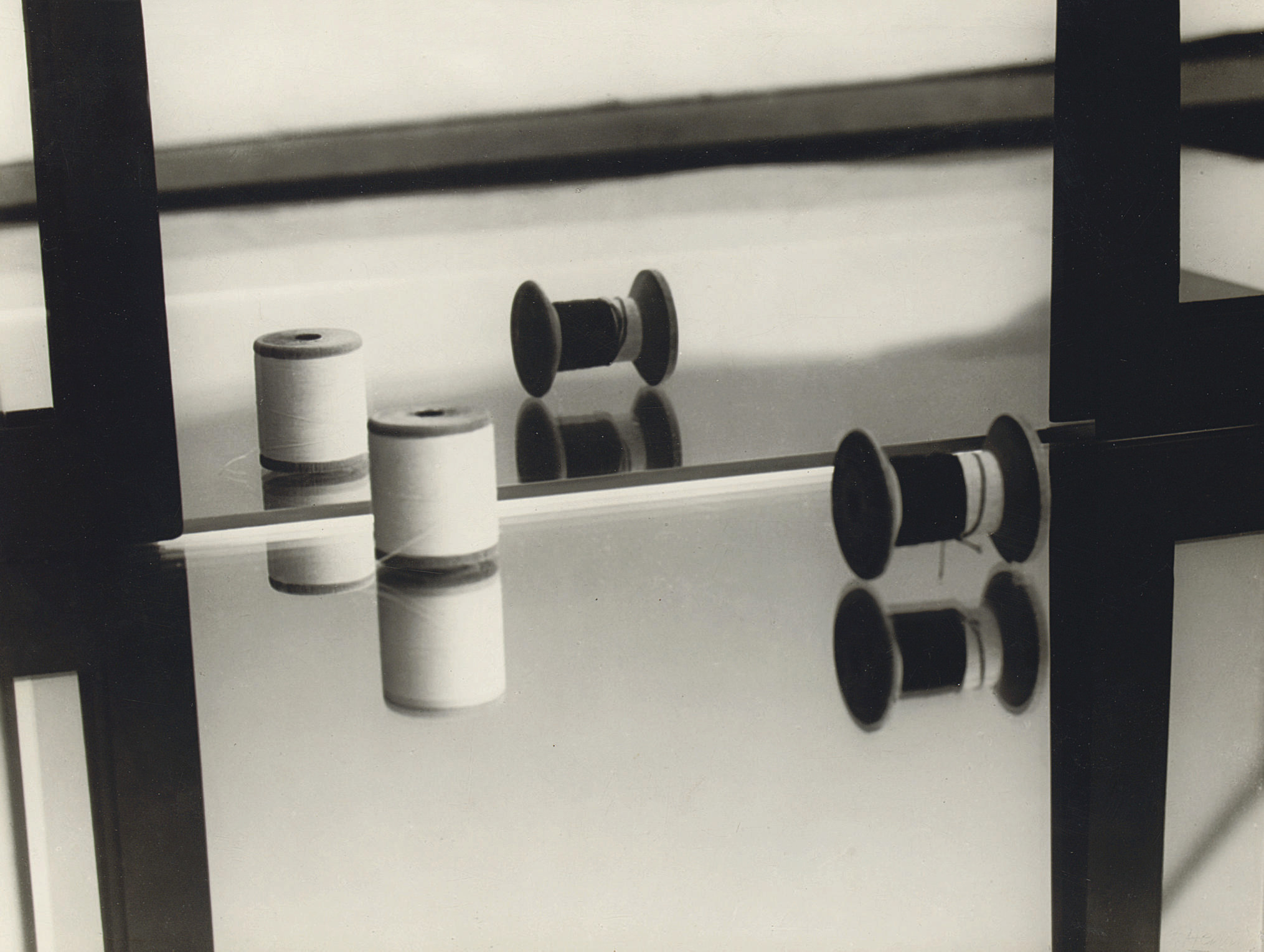
![Max Burchartz (German, 1887-1961) 'Lotte (Eye)' (Lotte [Auge]) 1928](https://artblart.com/wp-content/uploads/2015/04/max-burchartz-lotte-eye-1928-web.jpg "Max Burchartz (German, 1887-1961) 'Lotte (Eye)' (Lotte [Auge]) 1928")


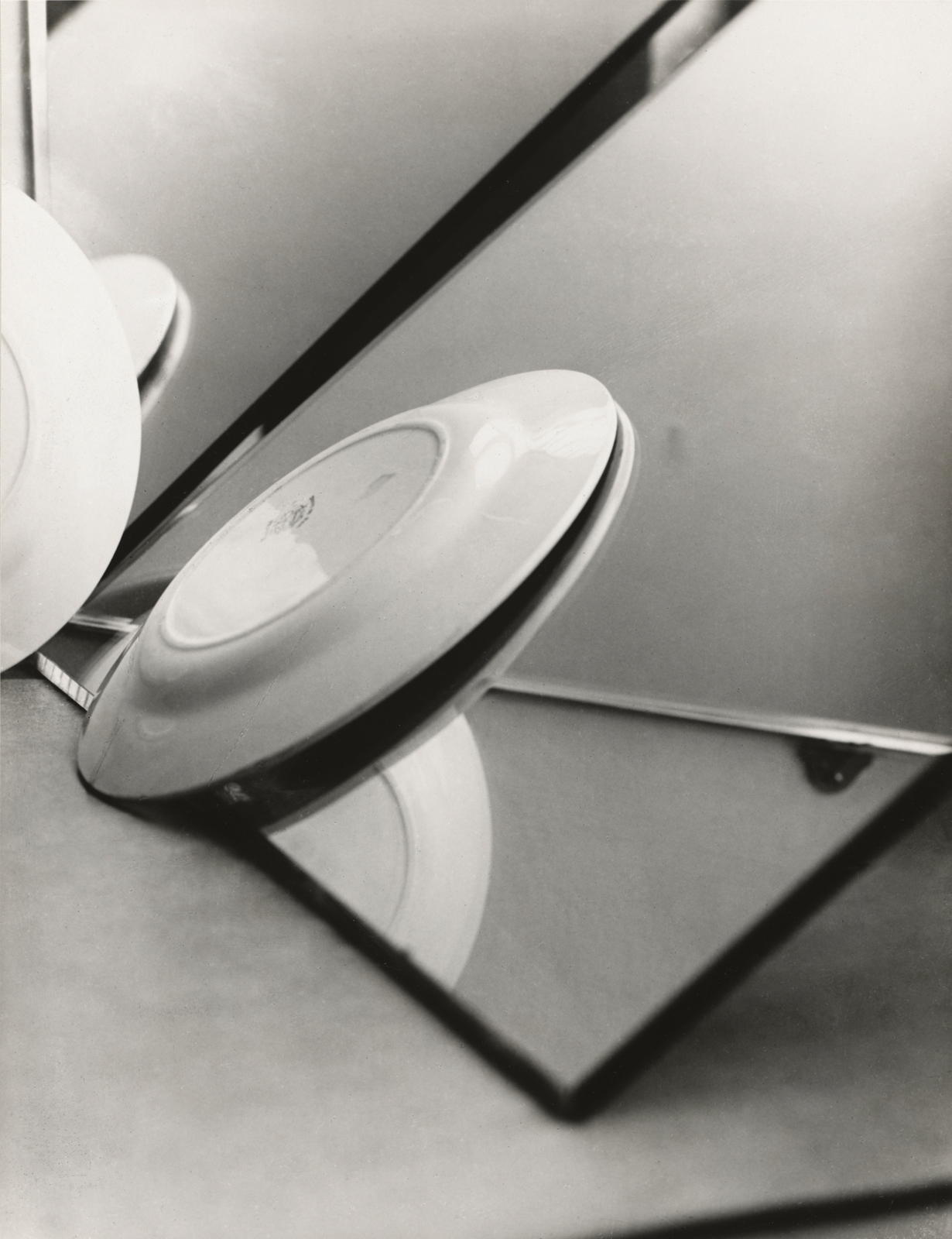
![Florence Henri. 'Fenêtre [Window]' 1929](https://artblart.com/wp-content/uploads/2015/03/florencehenri_06_fenetre-web.jpg "Florence Henri. 'Fenêtre [Window]' 1929")


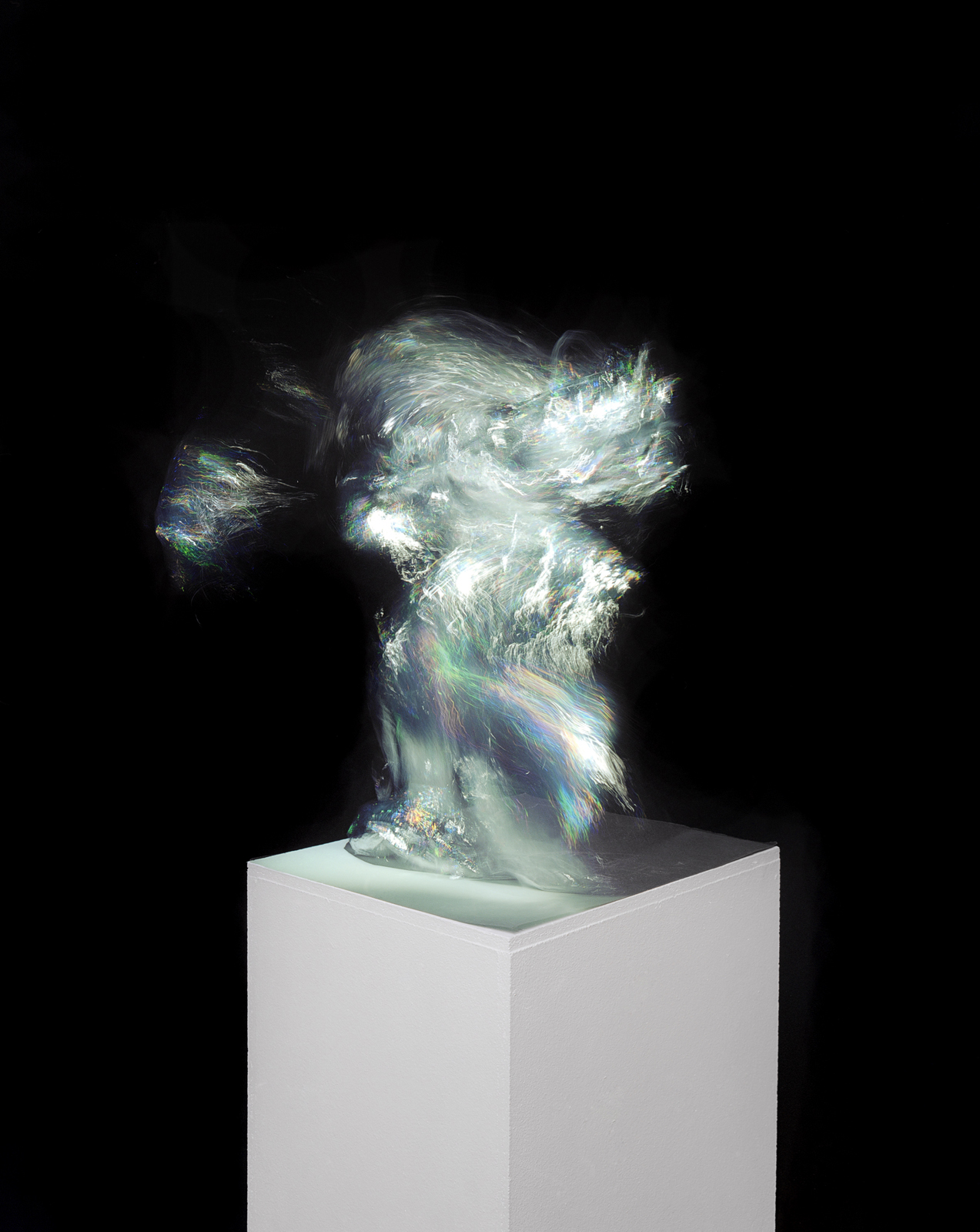


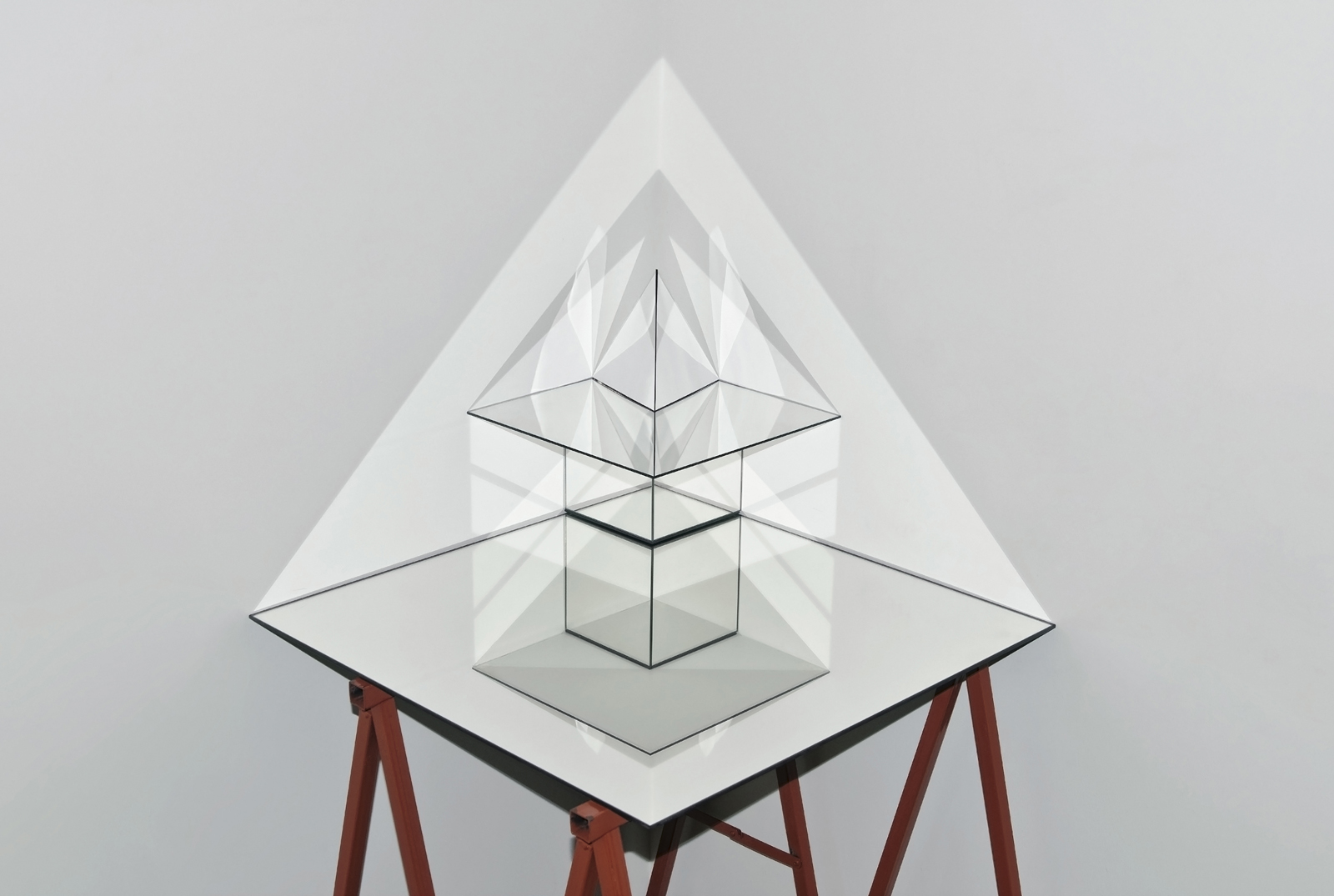


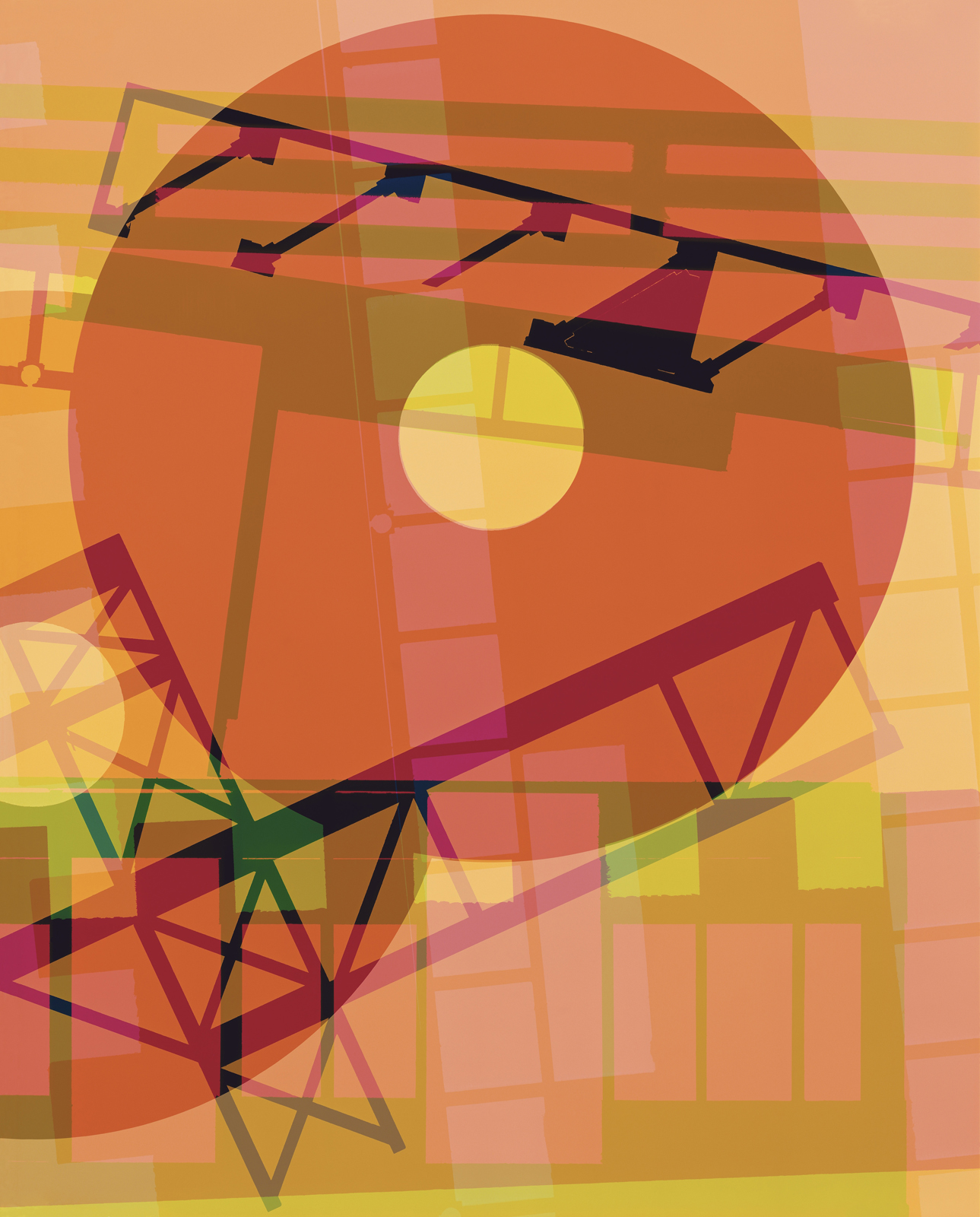

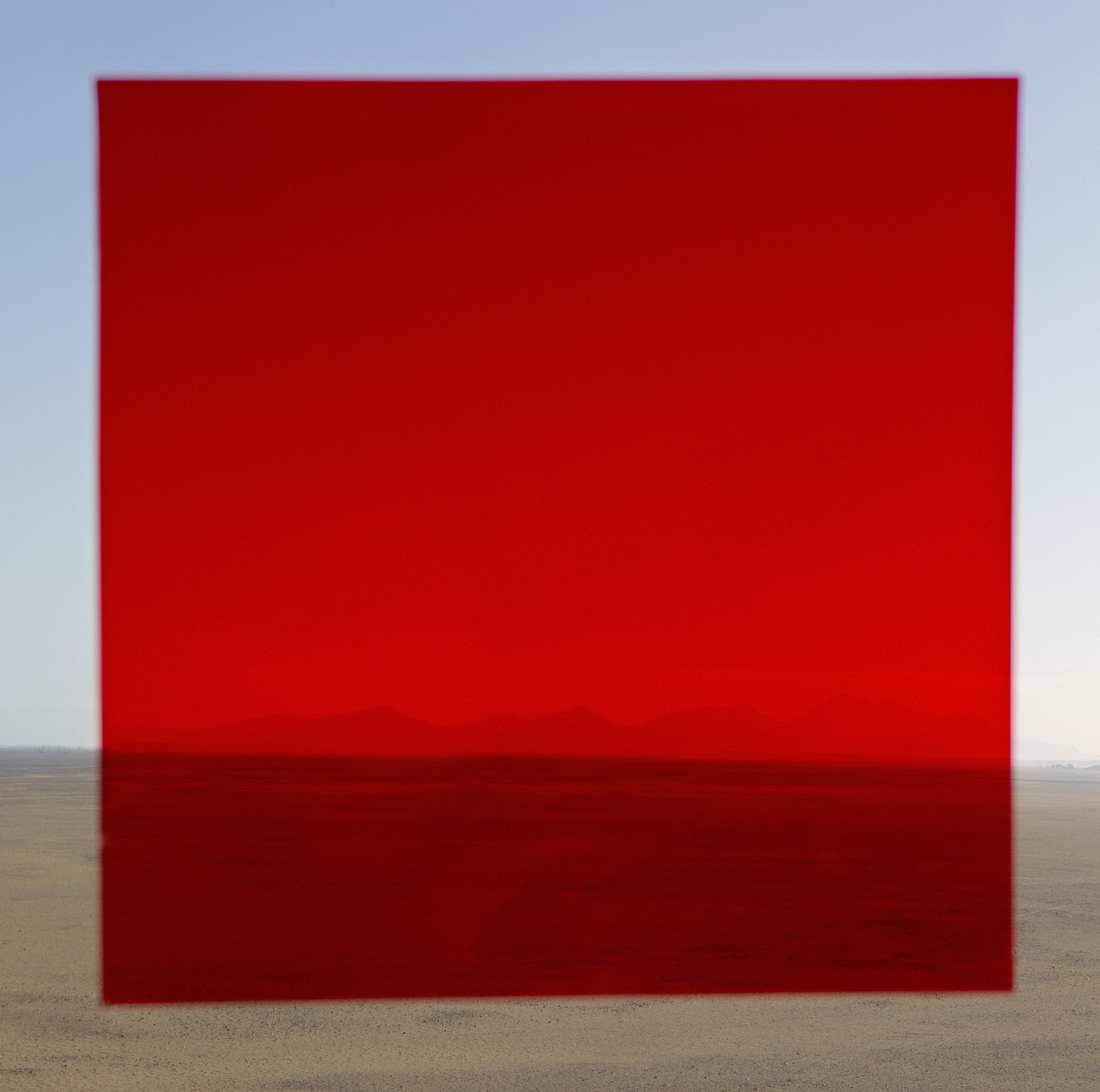


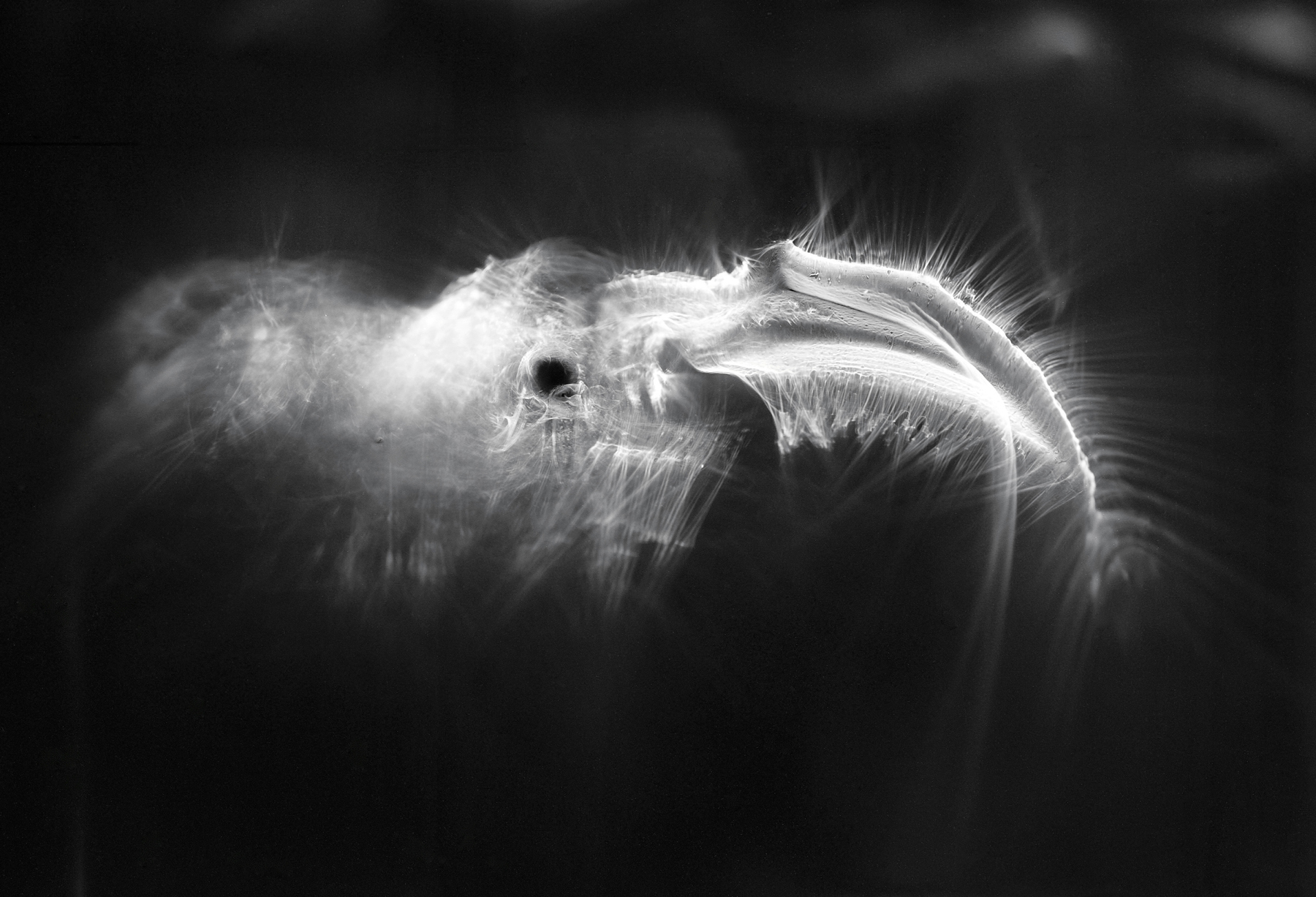

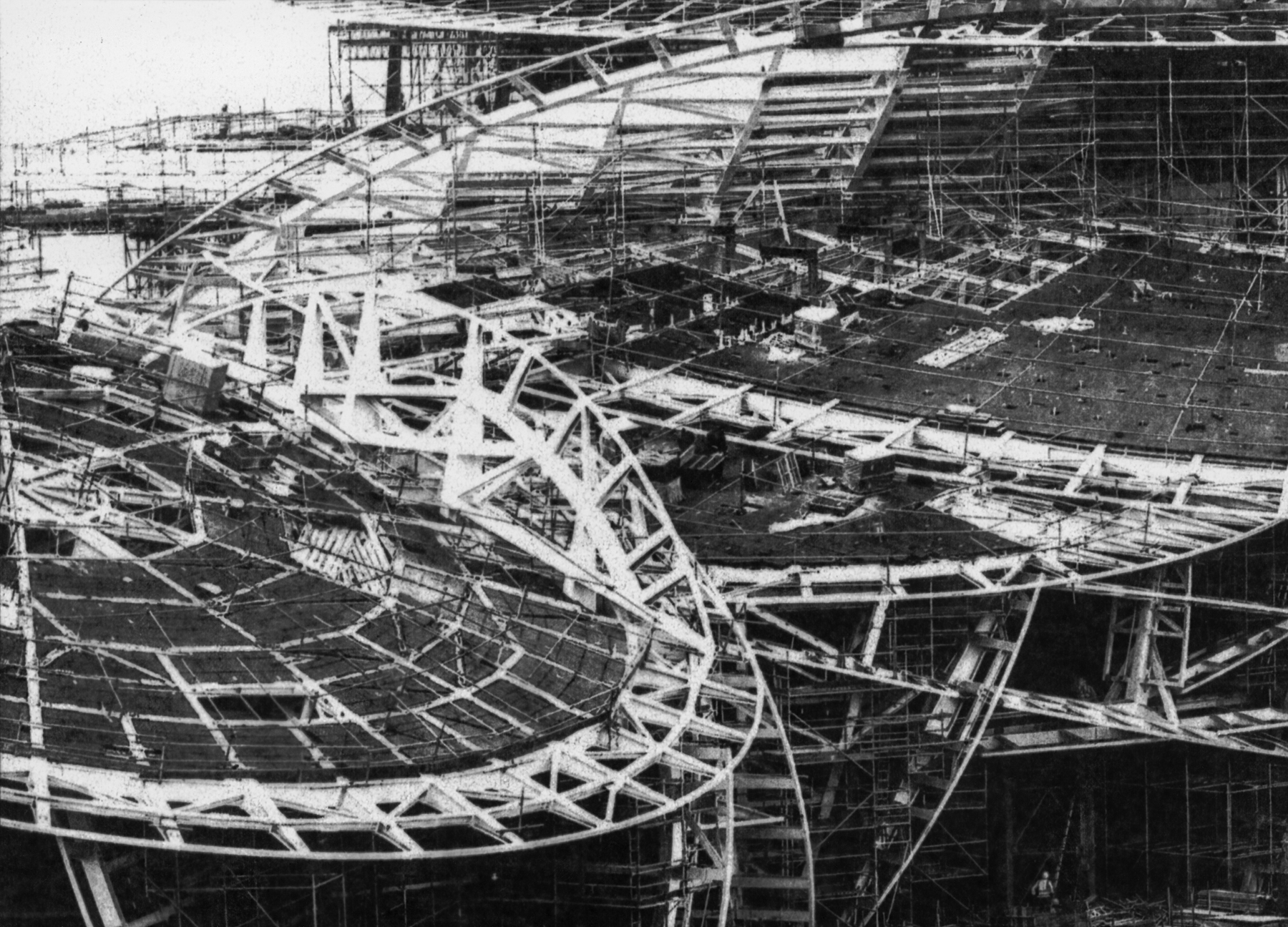

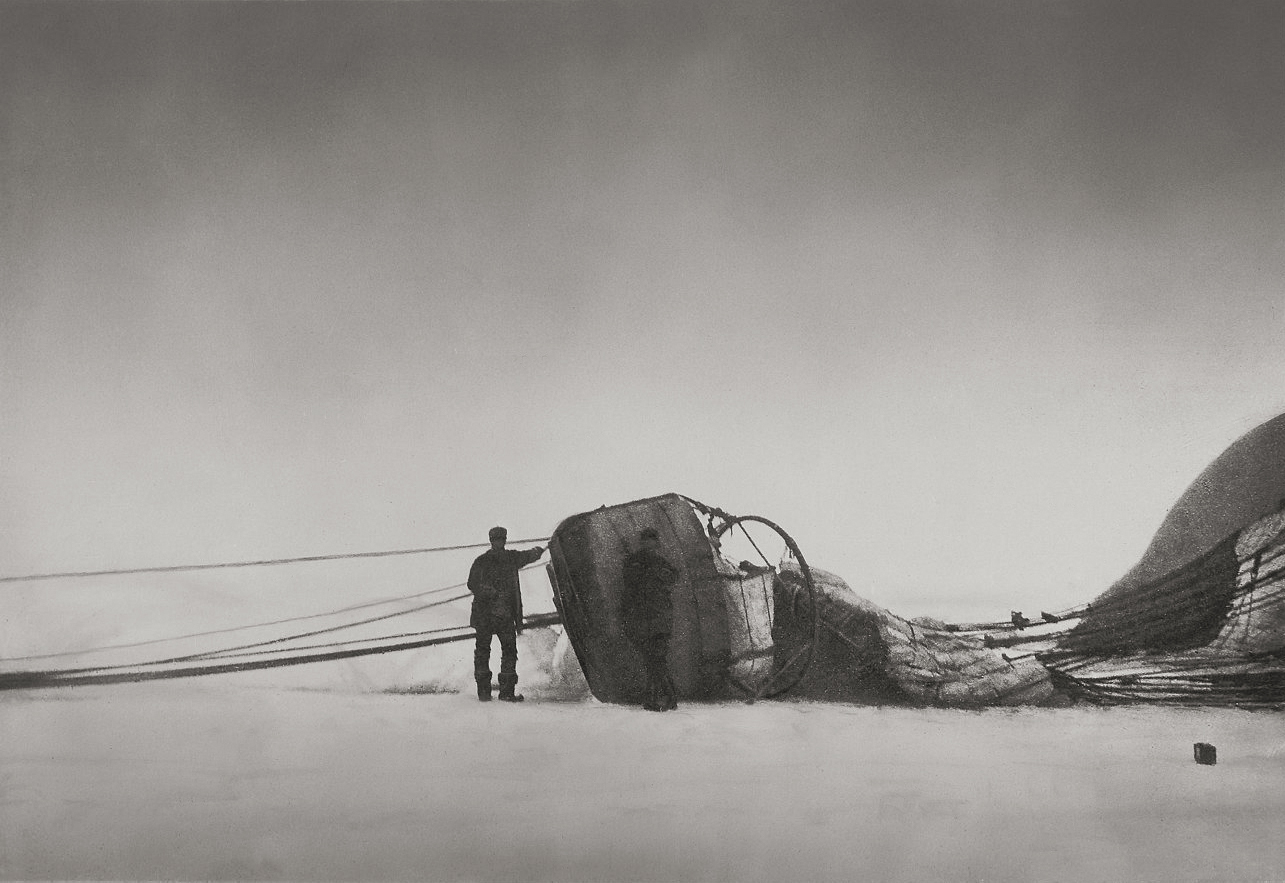
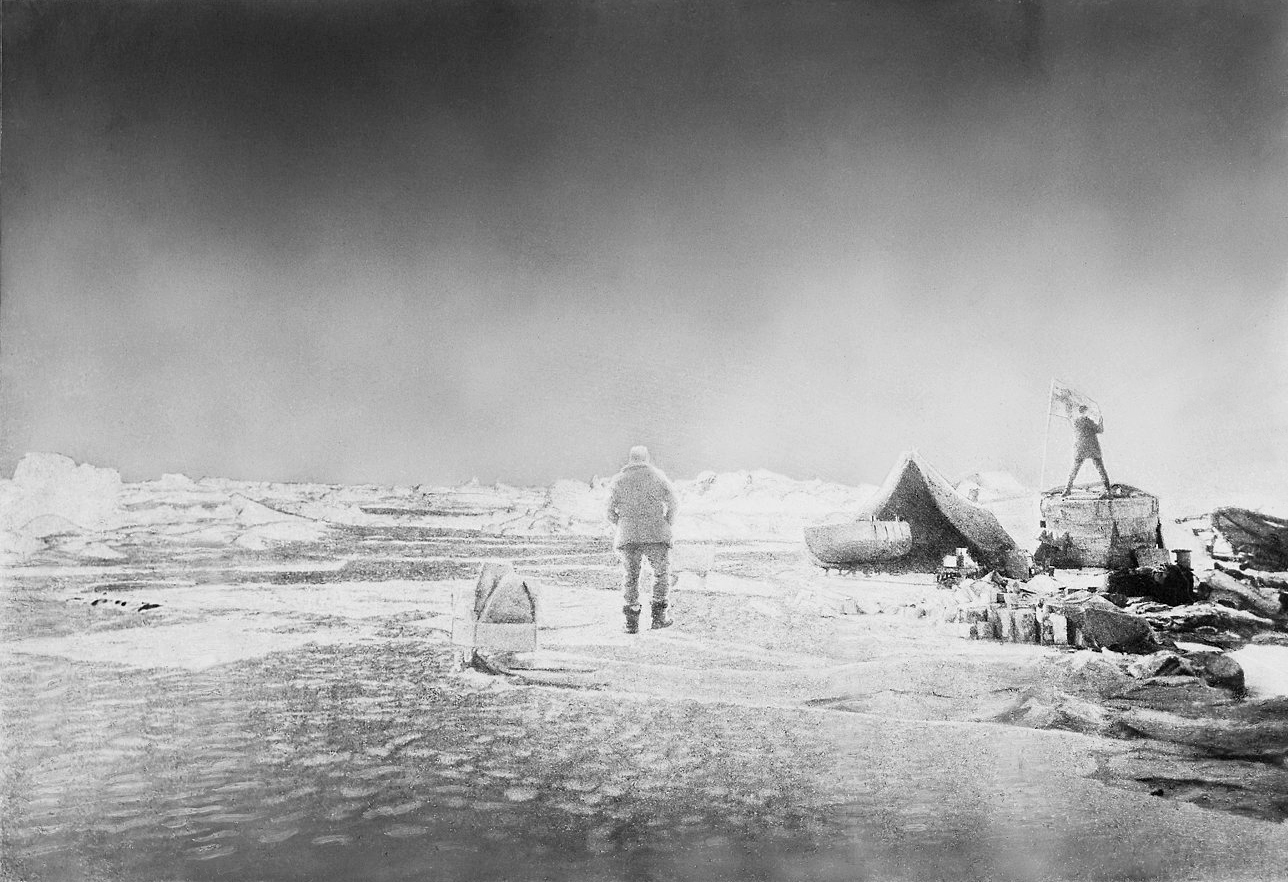
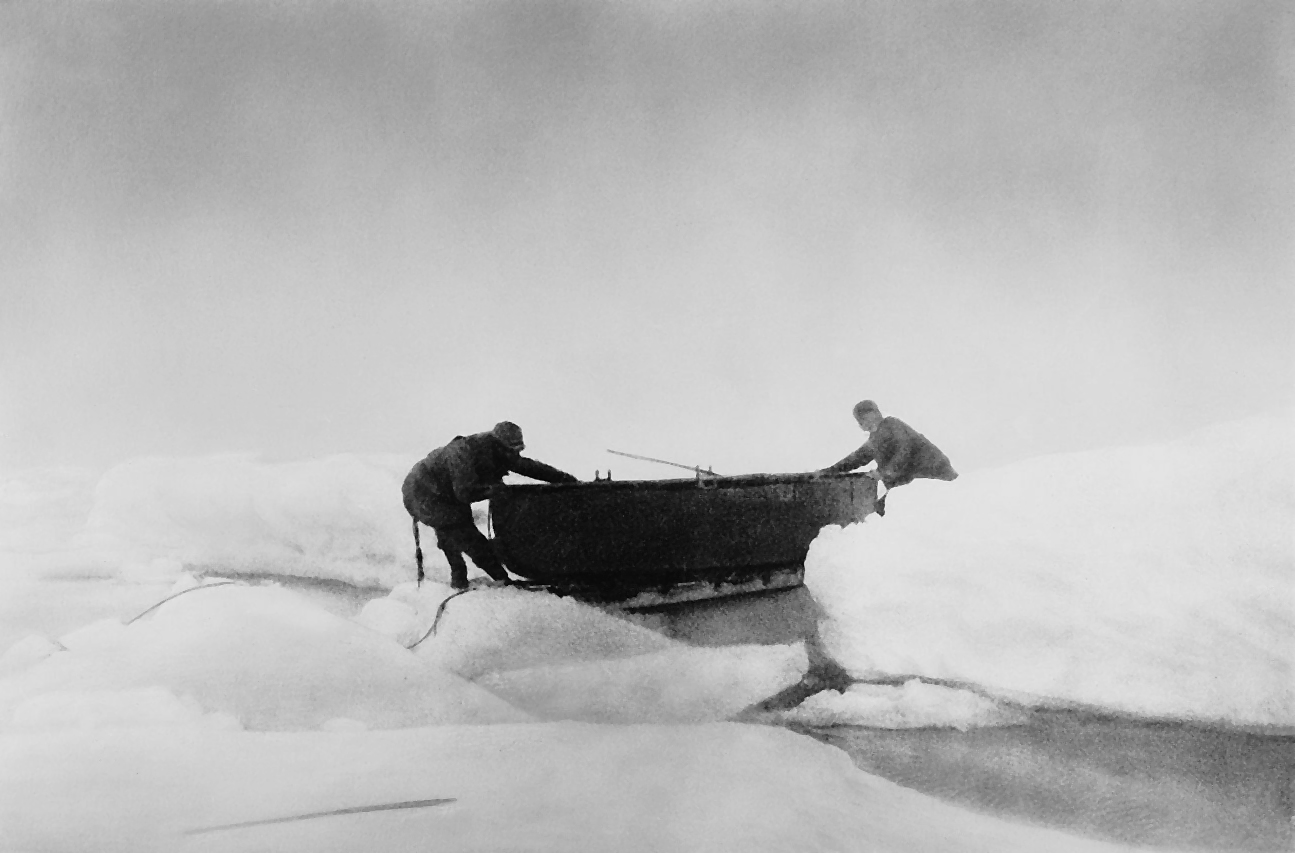

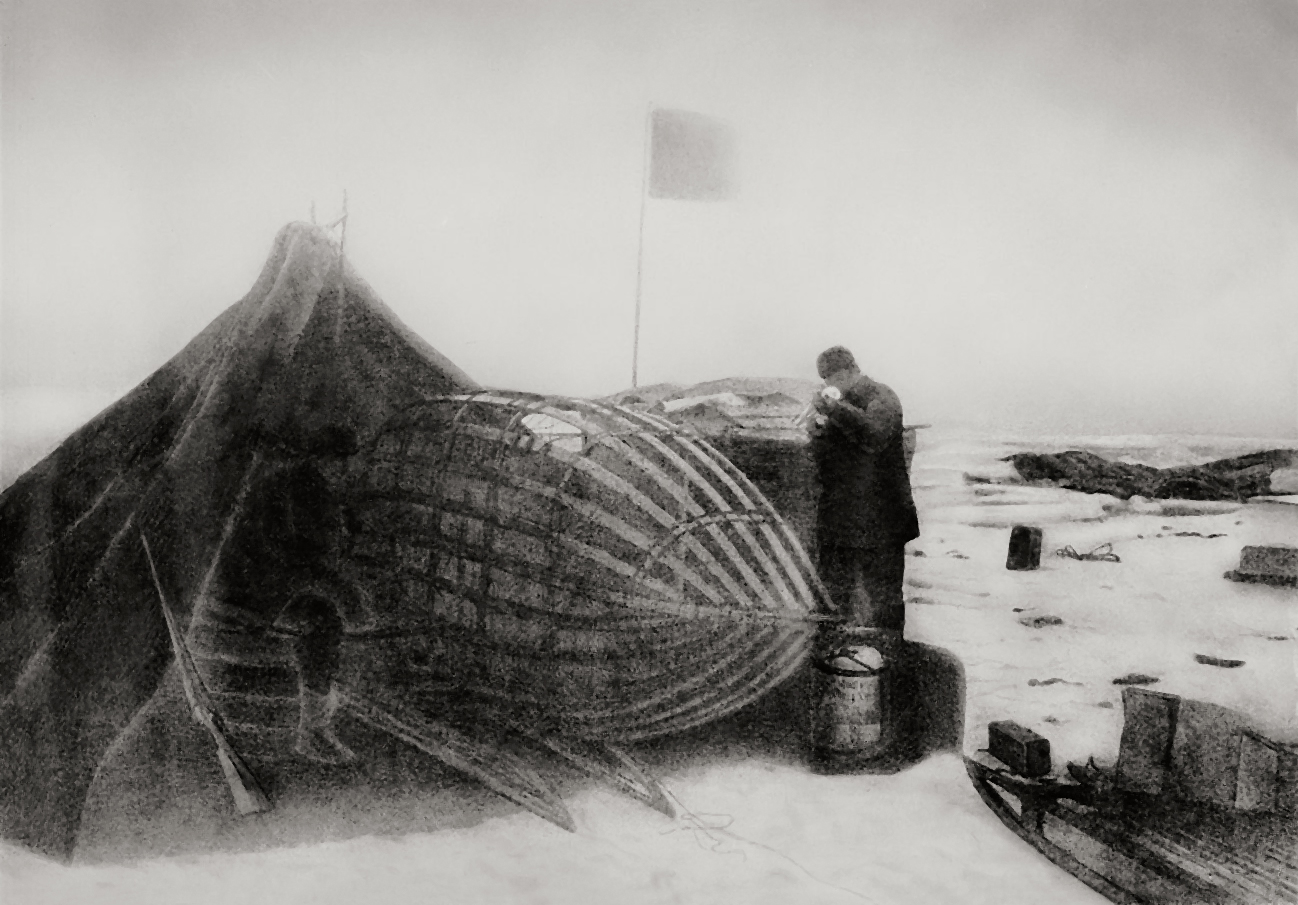
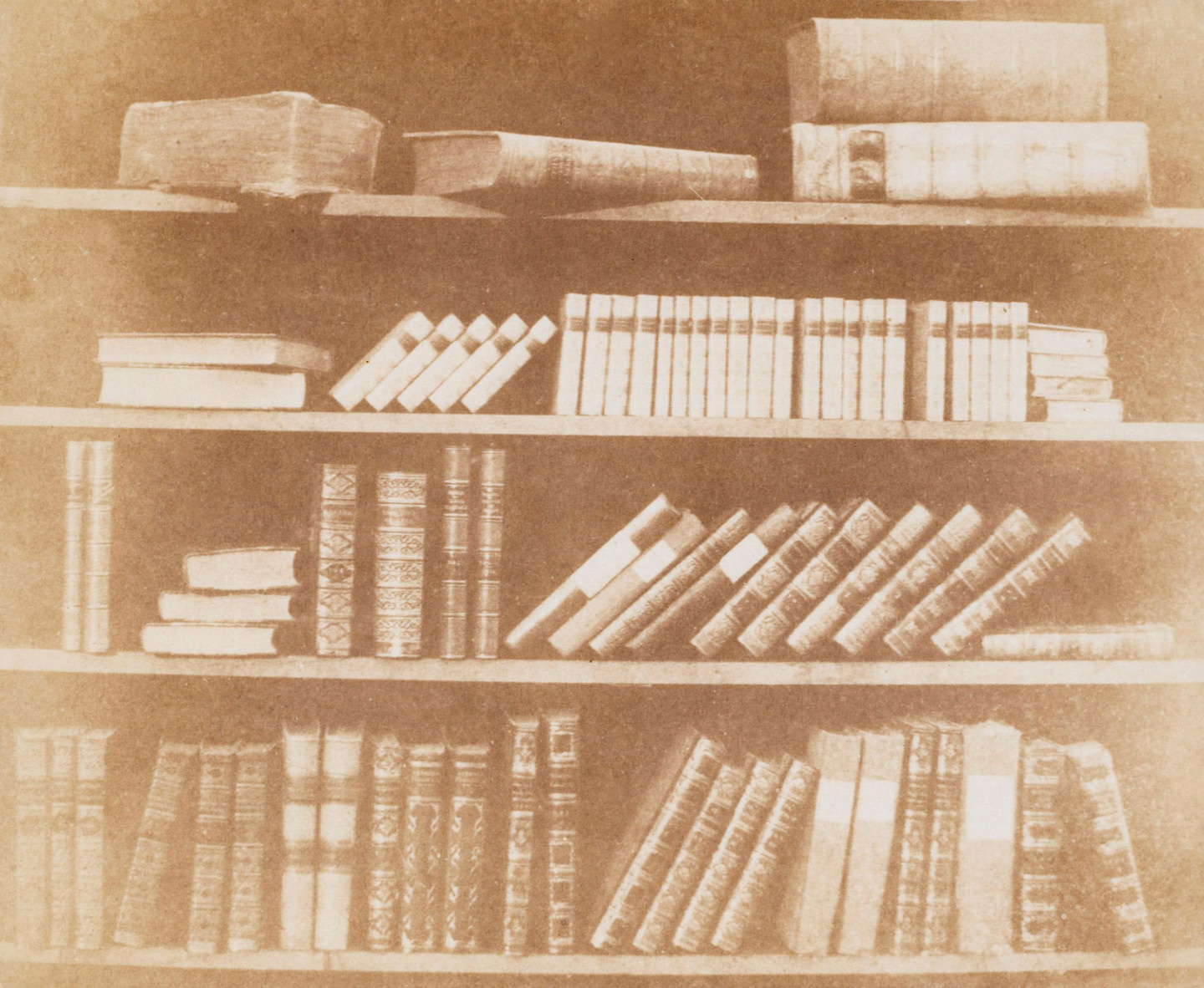
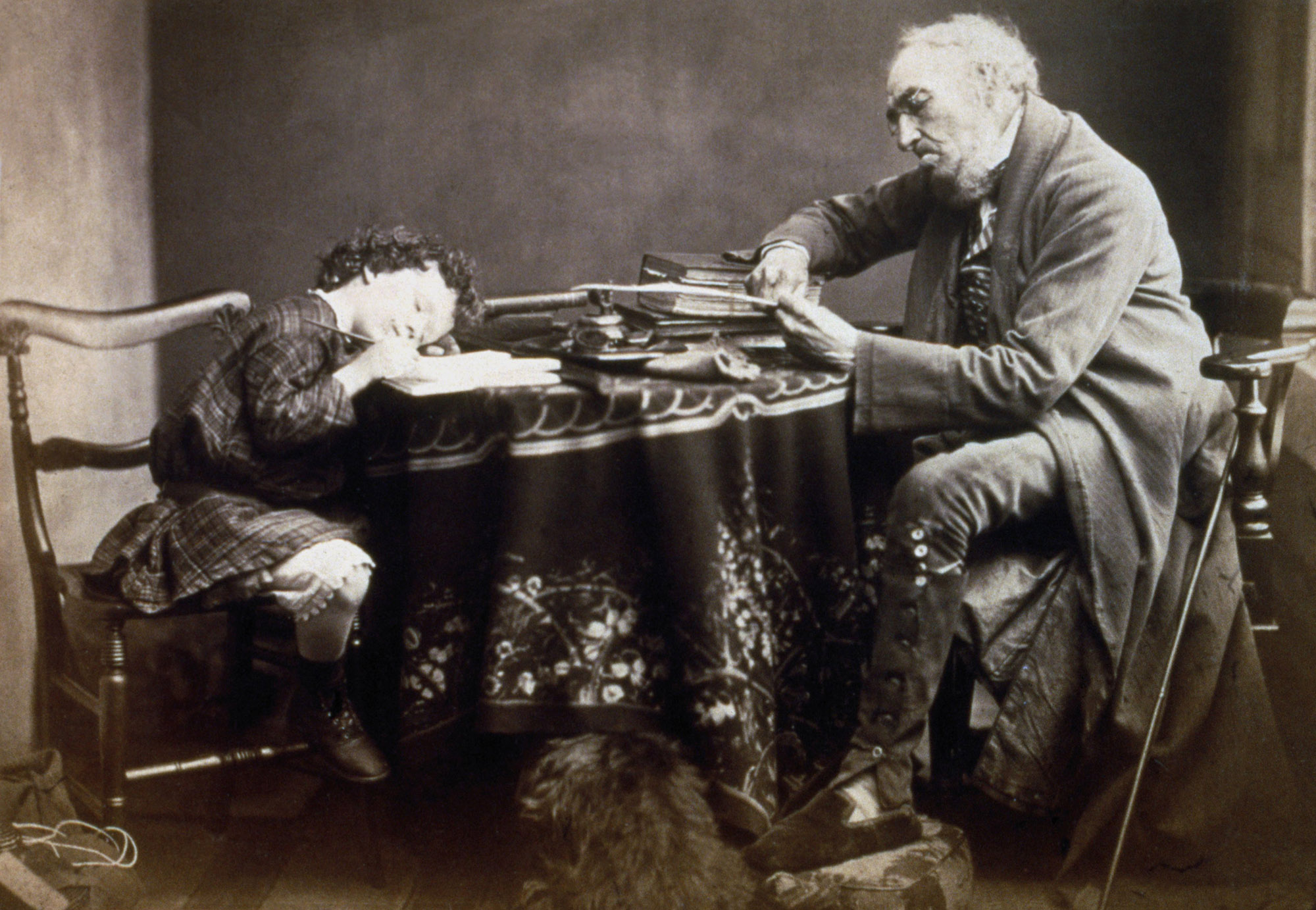
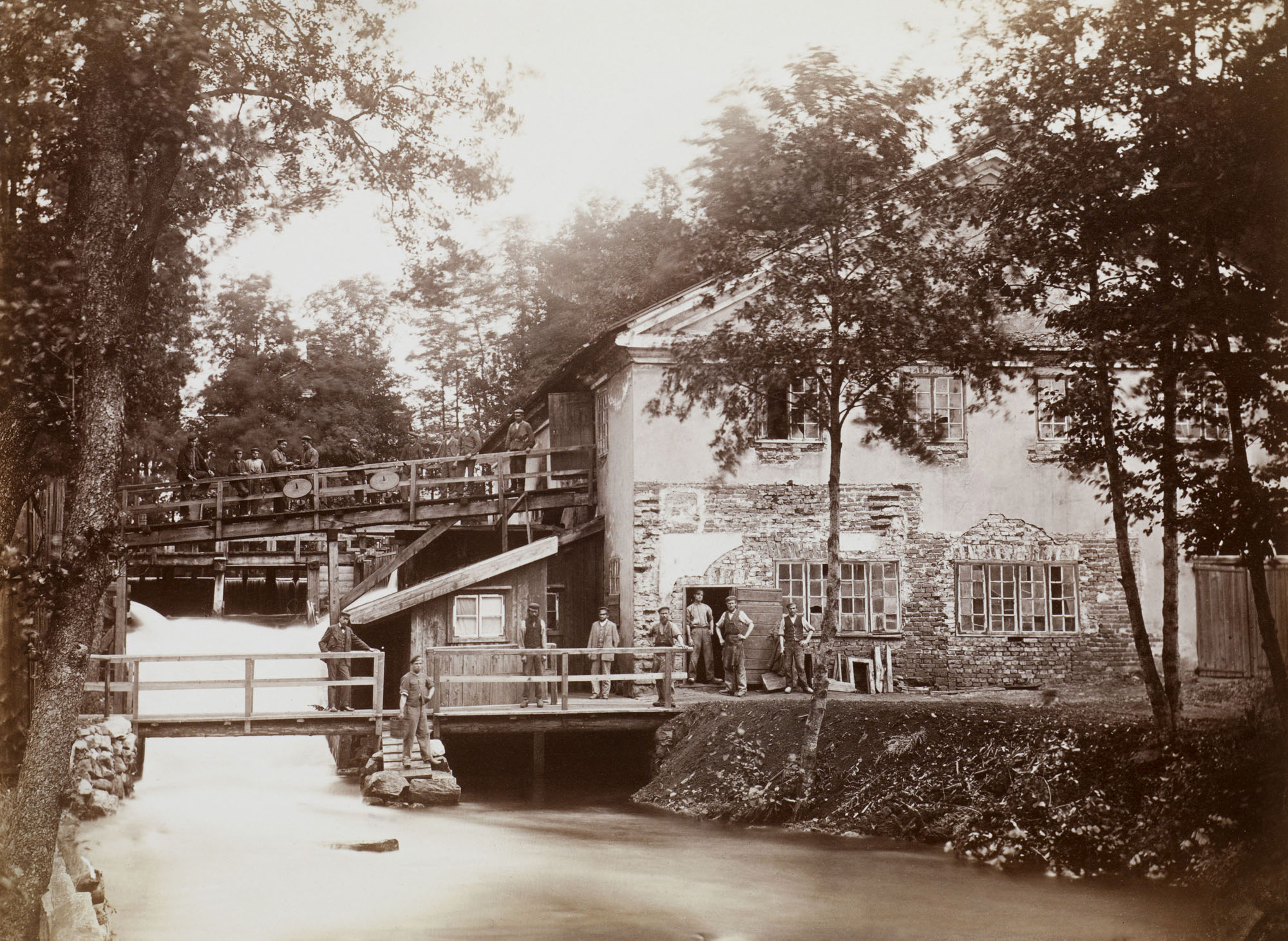

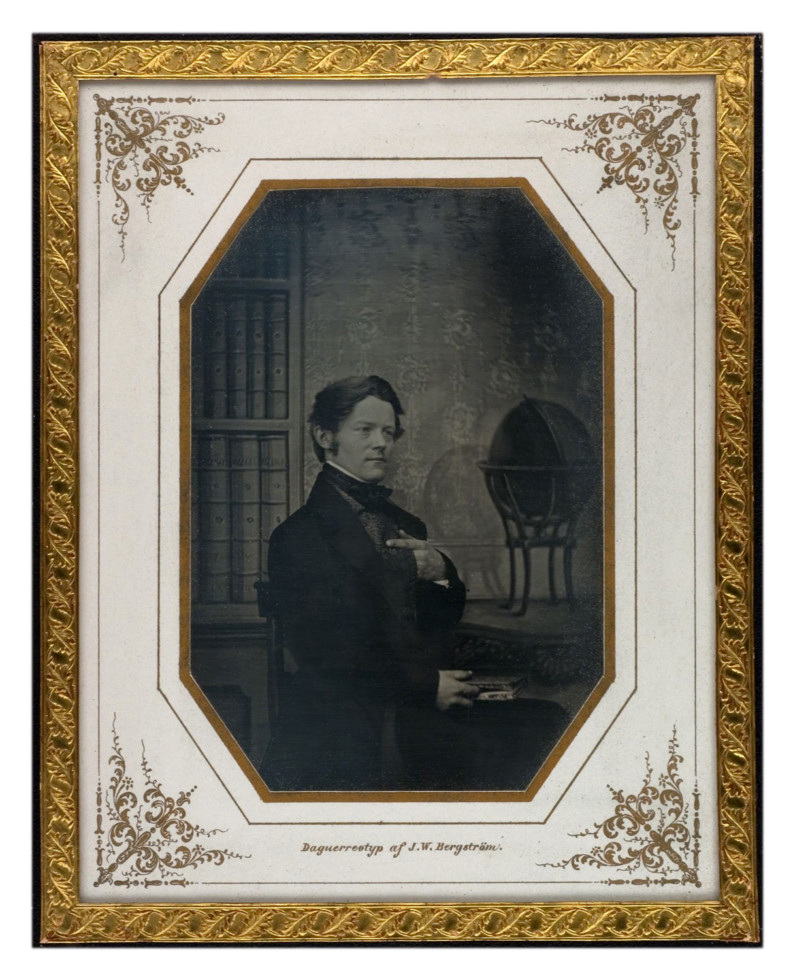

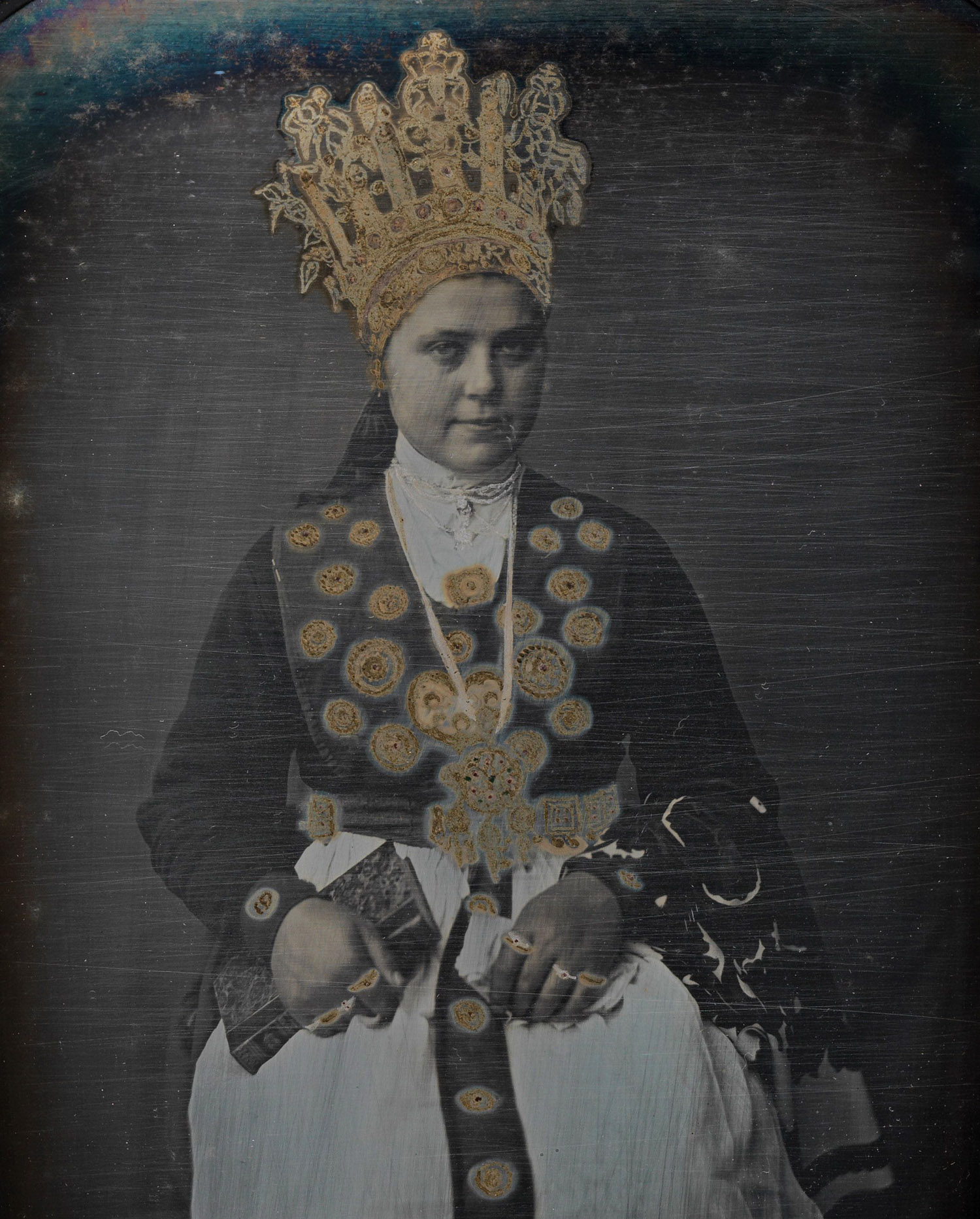

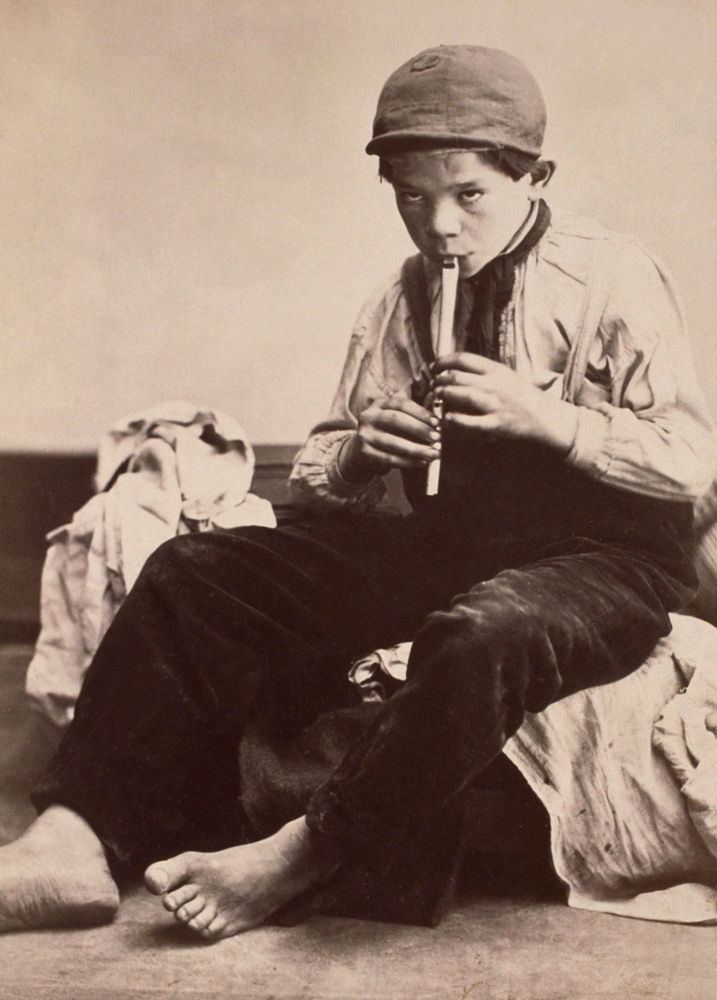

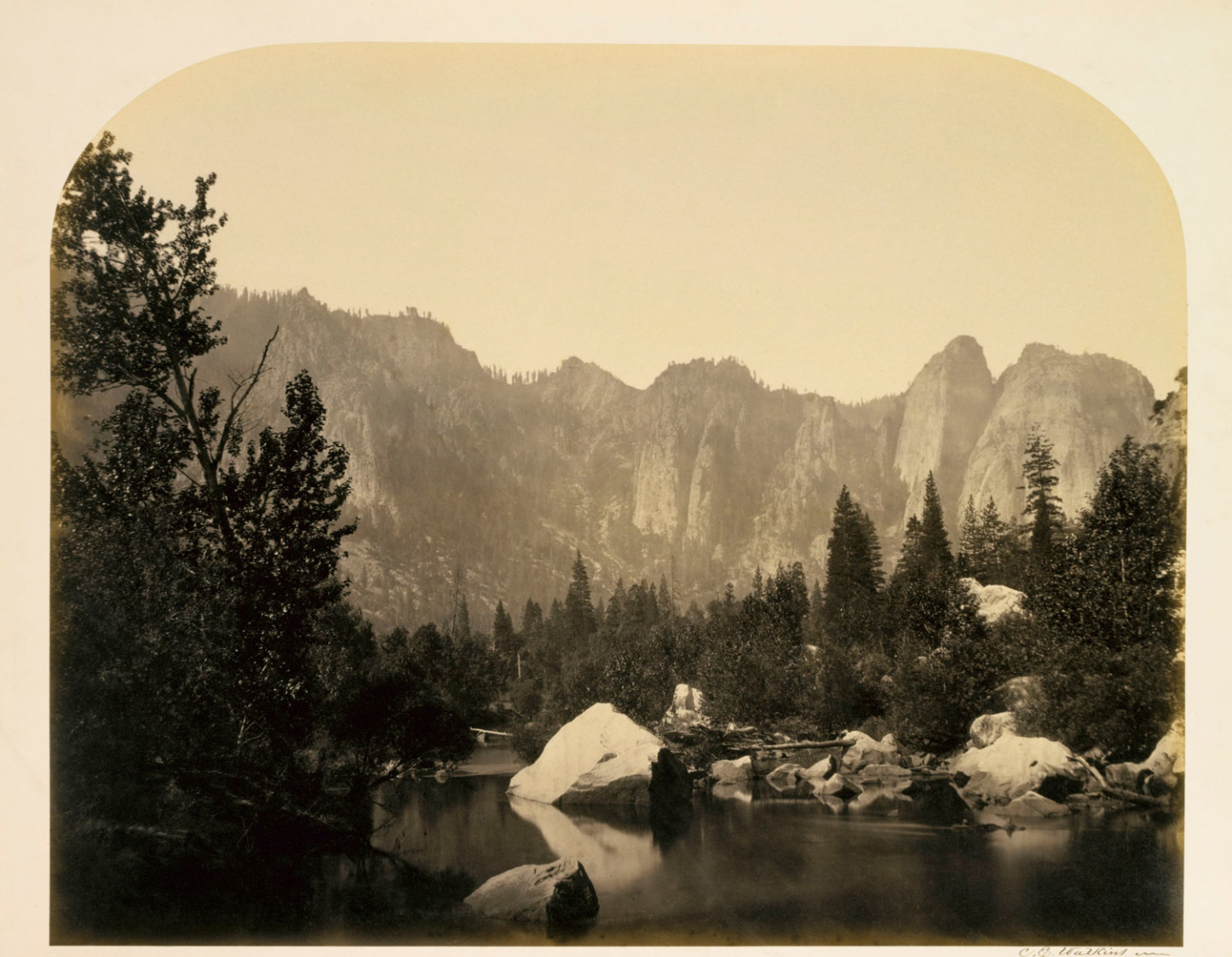


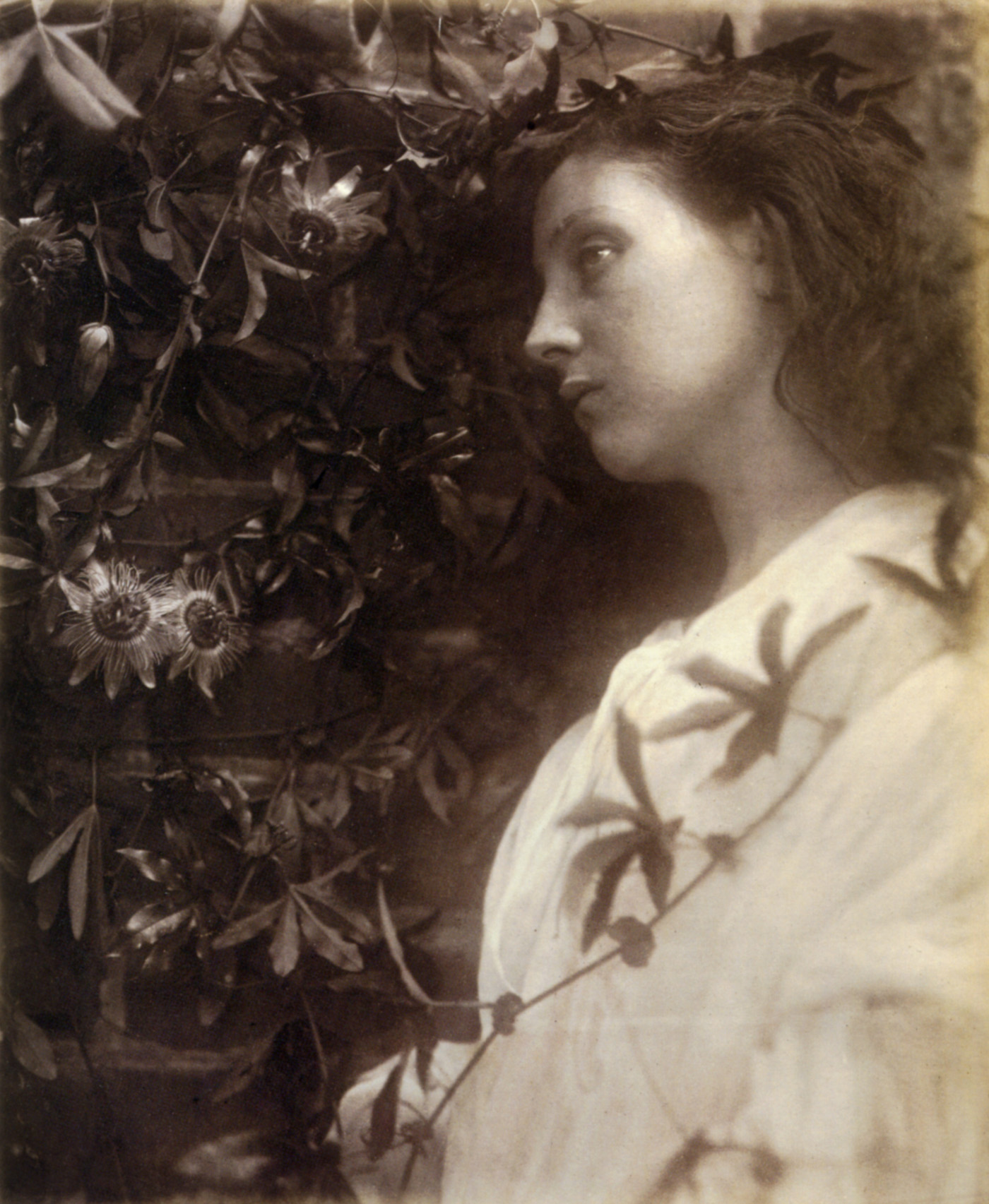


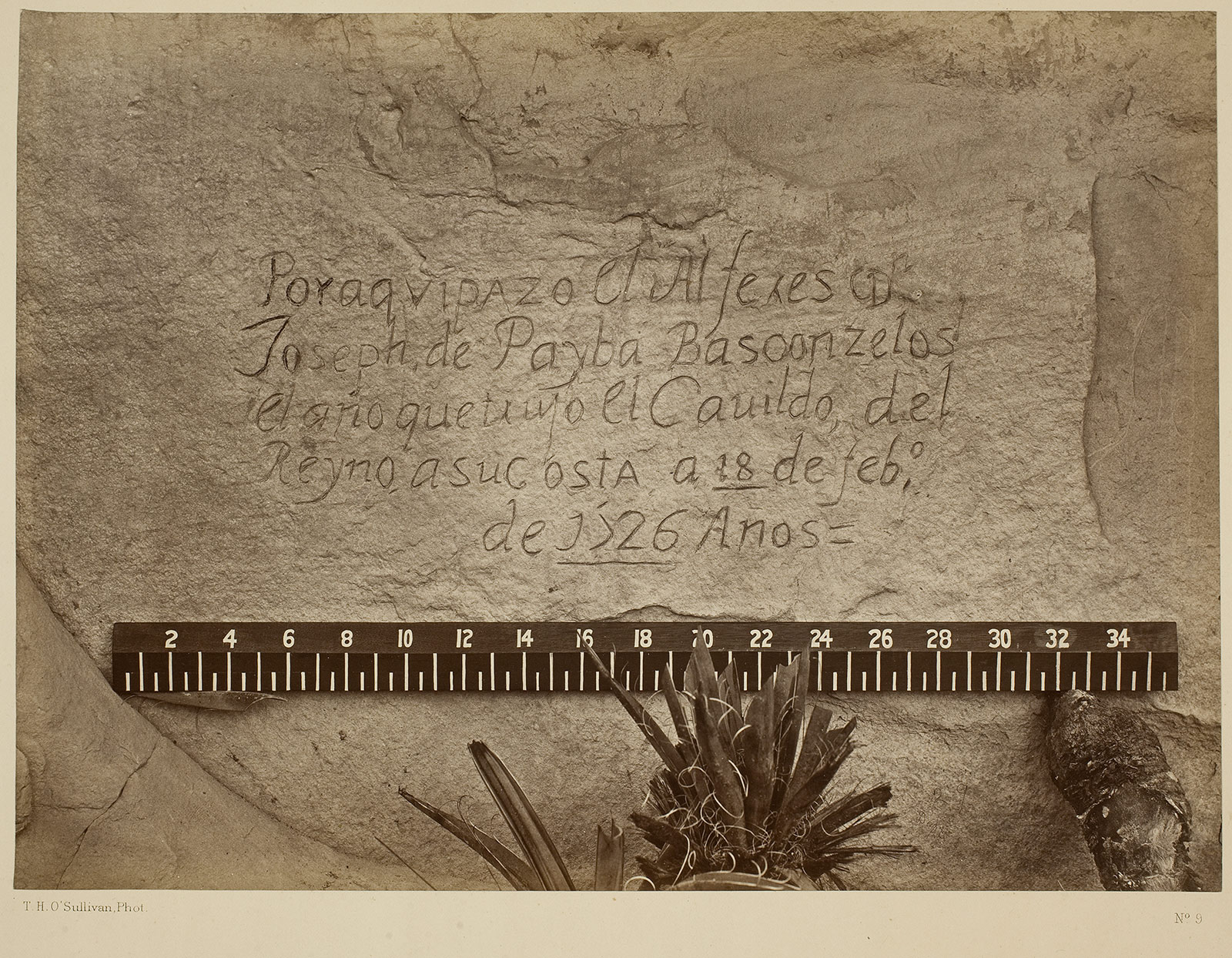
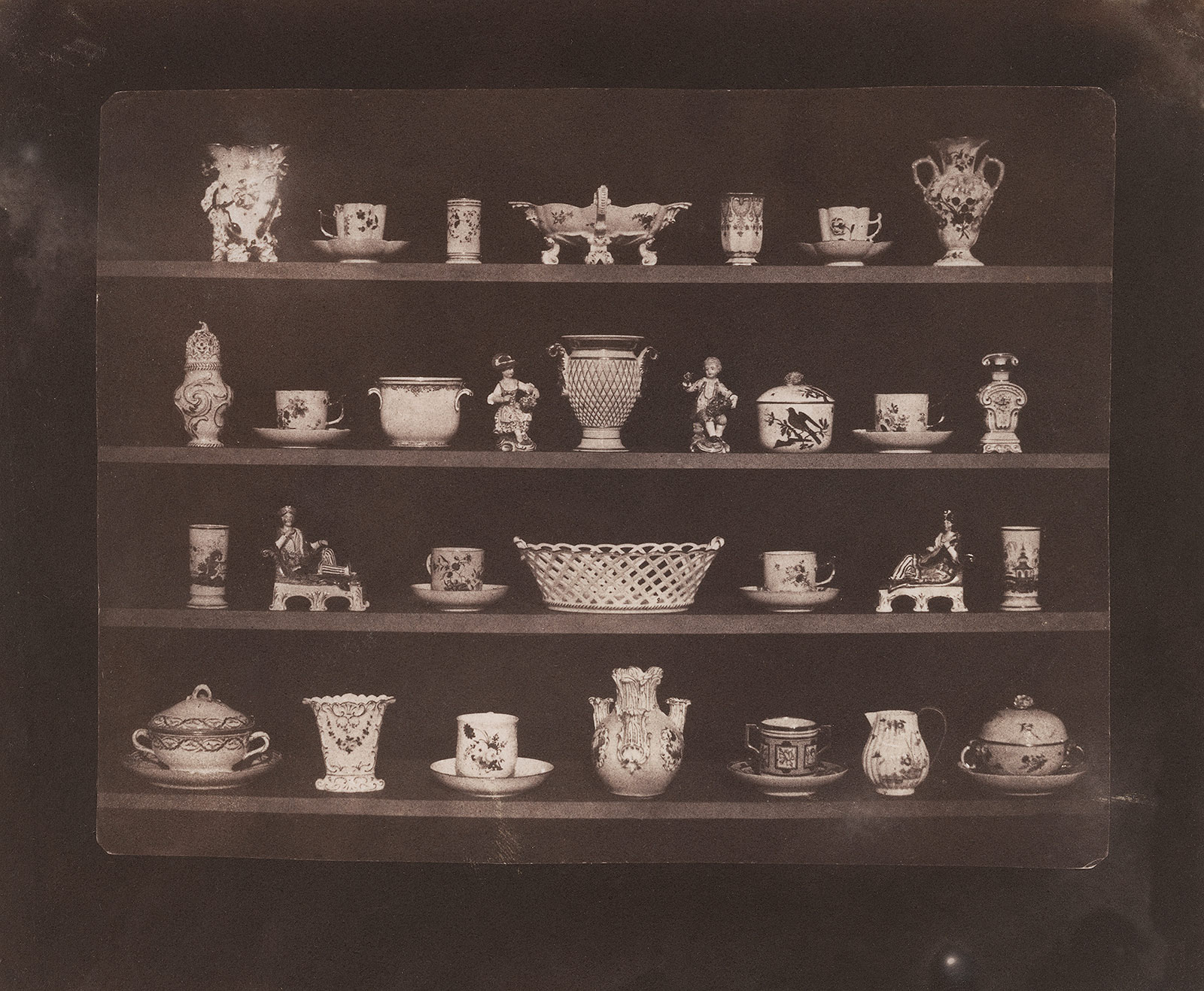


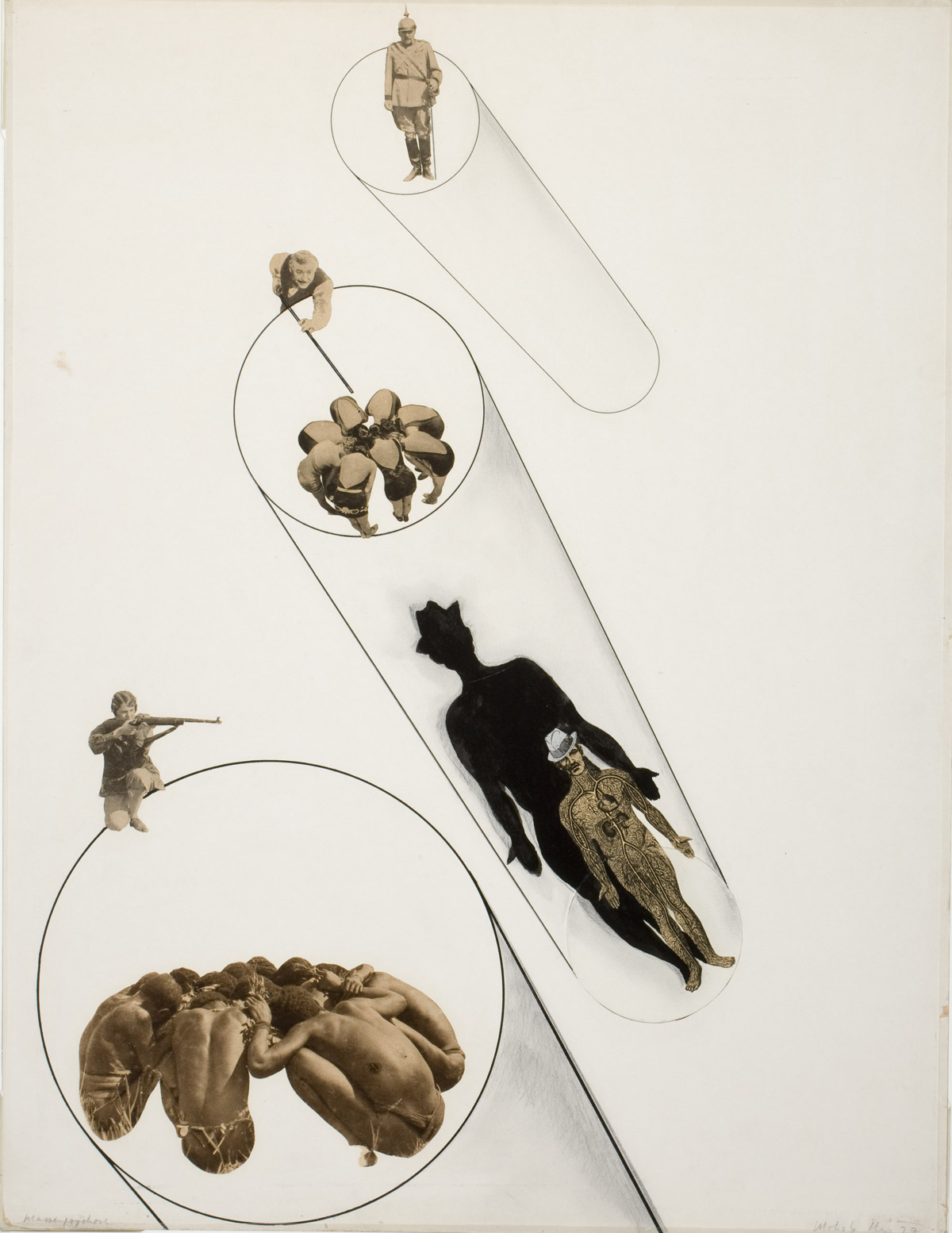
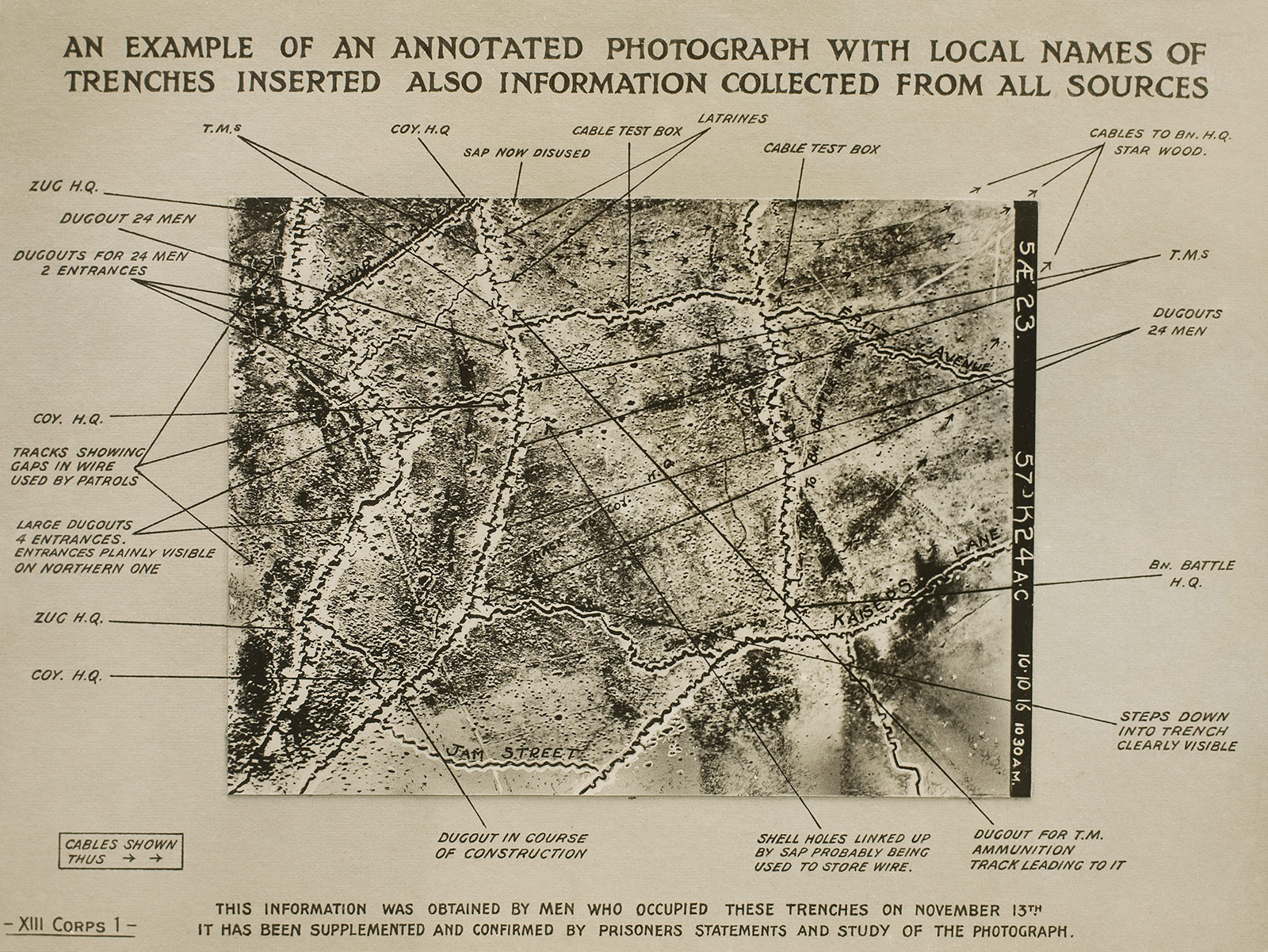
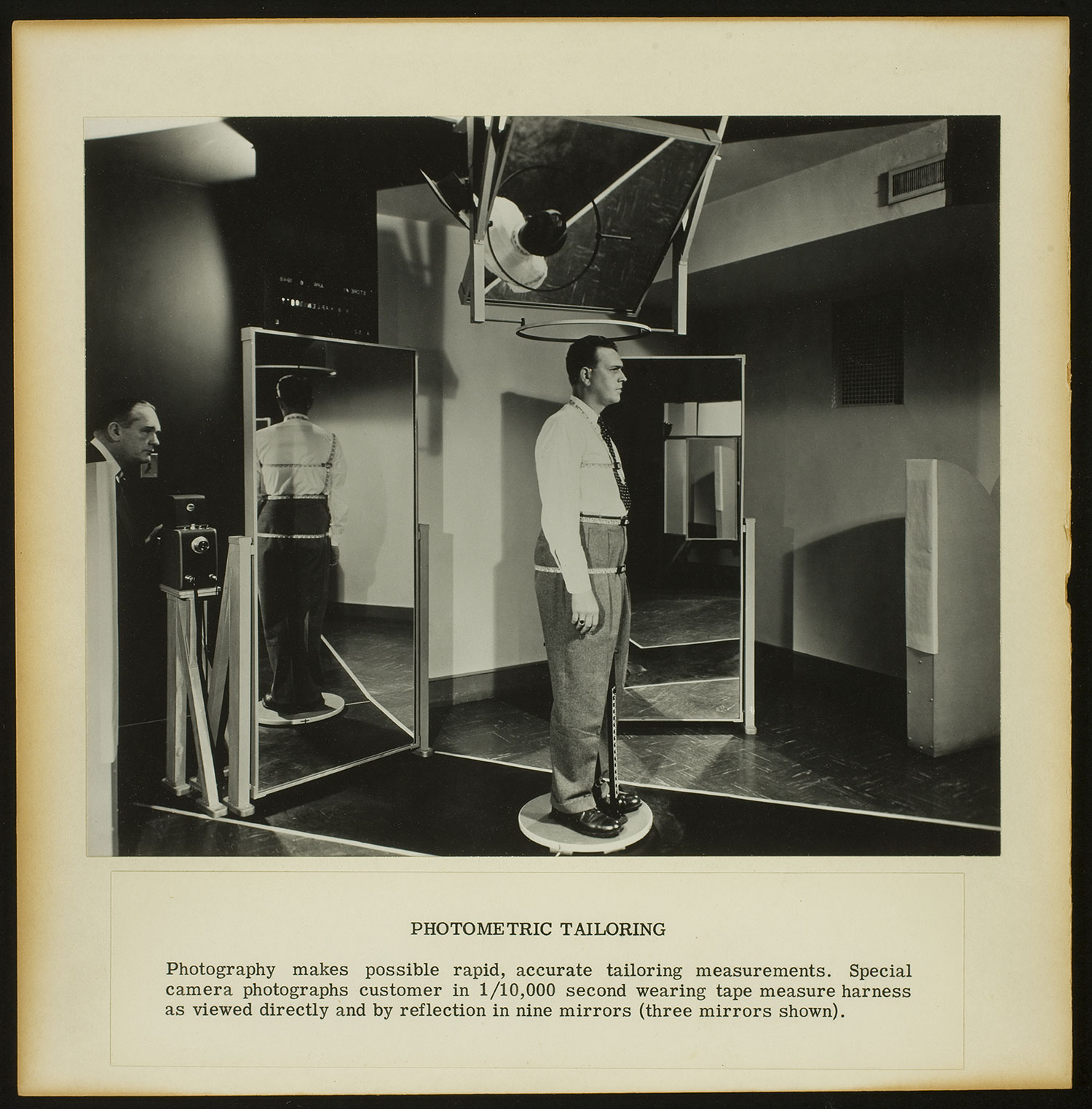
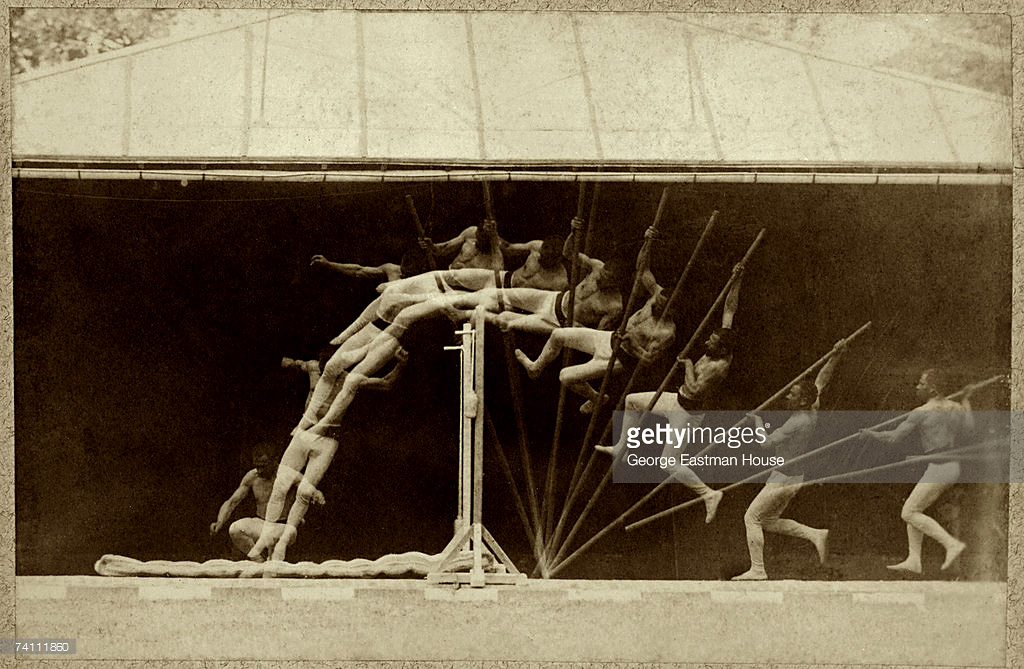
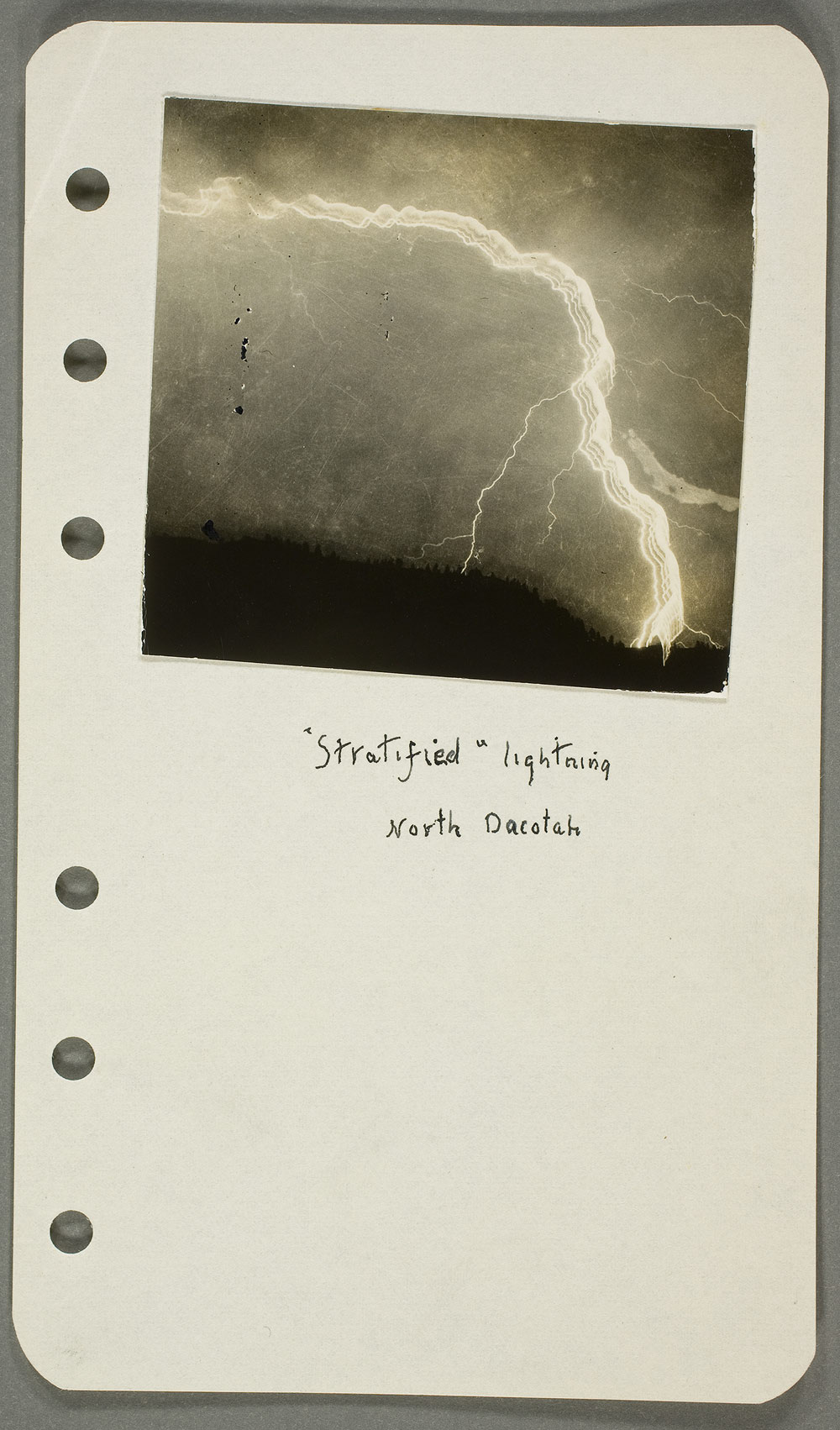
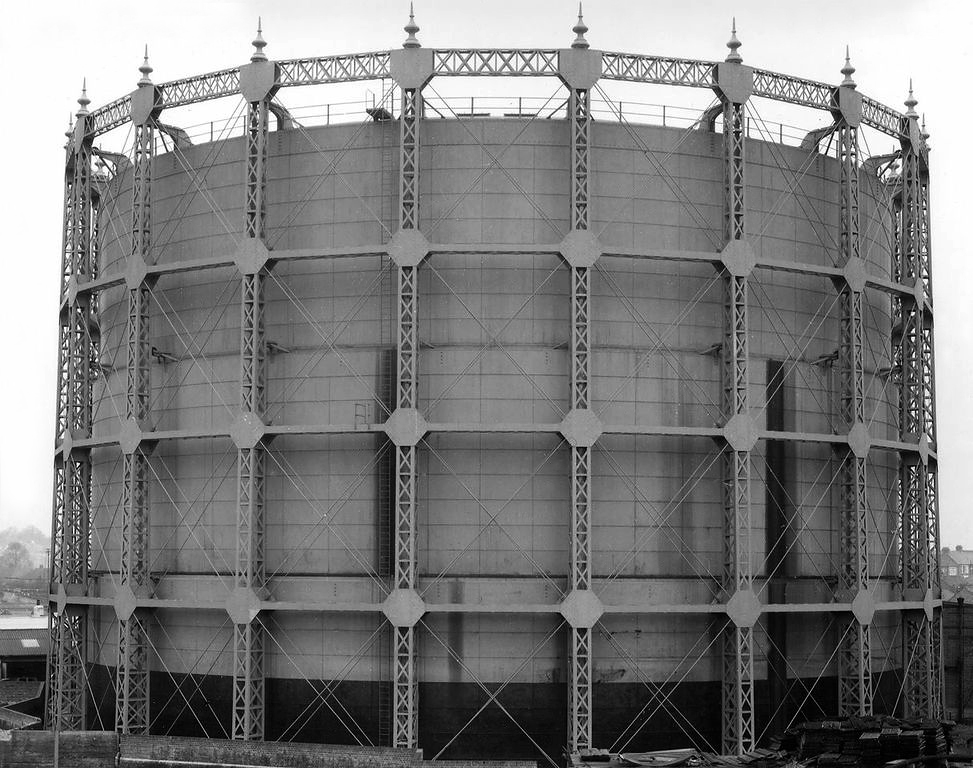

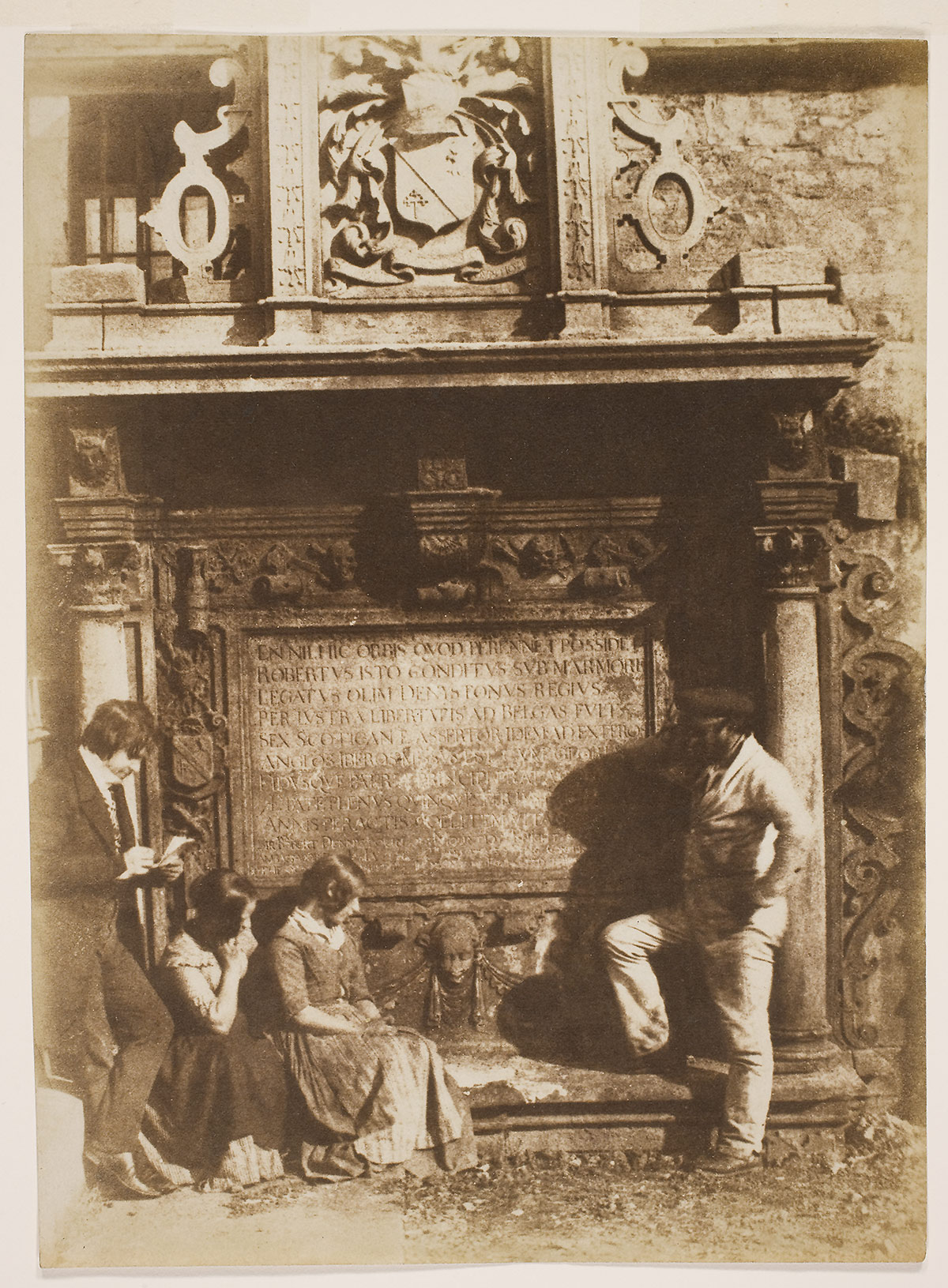
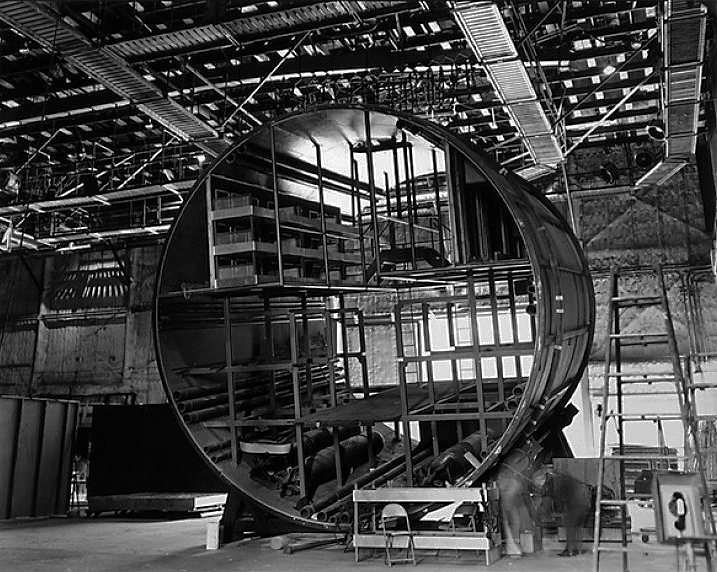

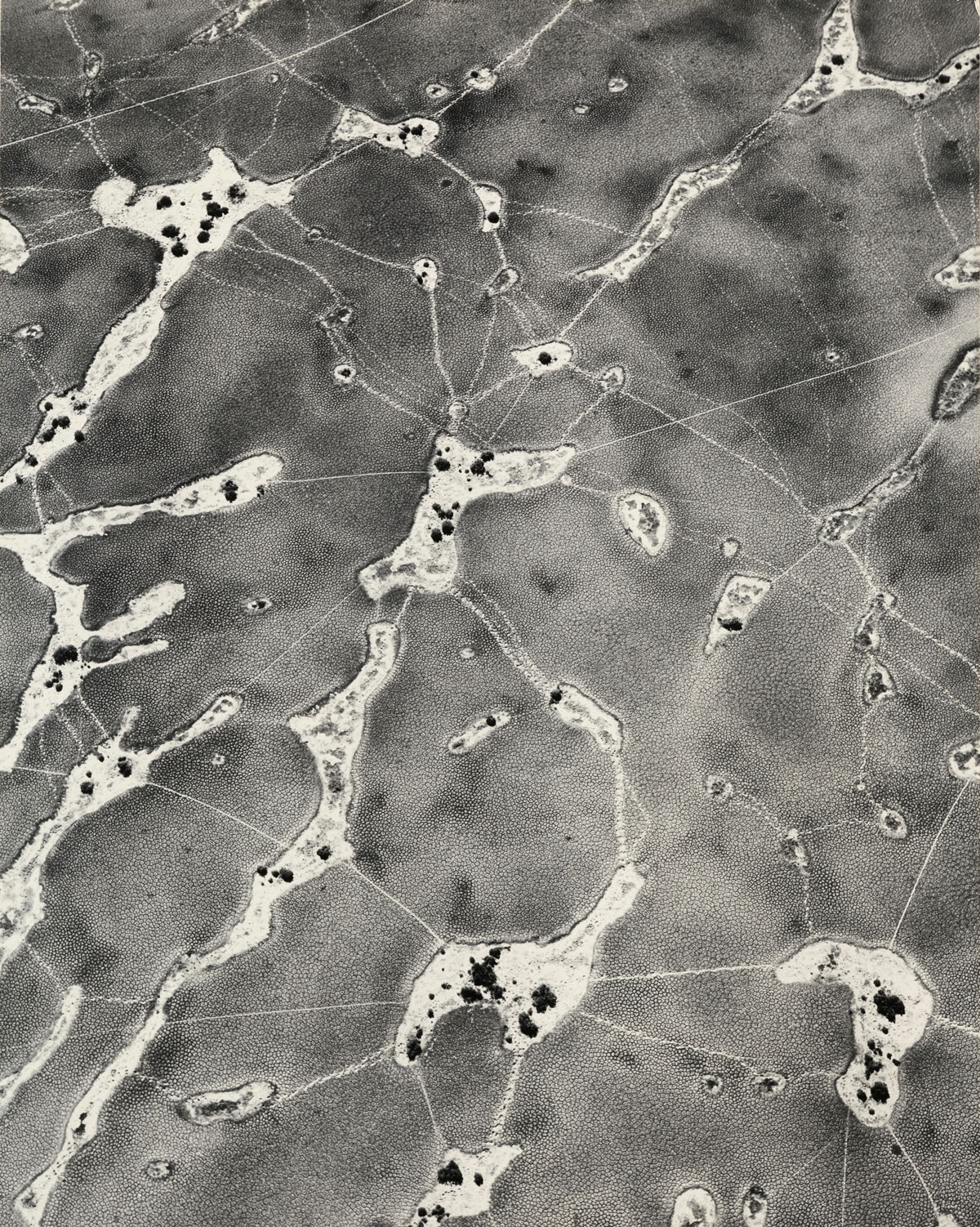
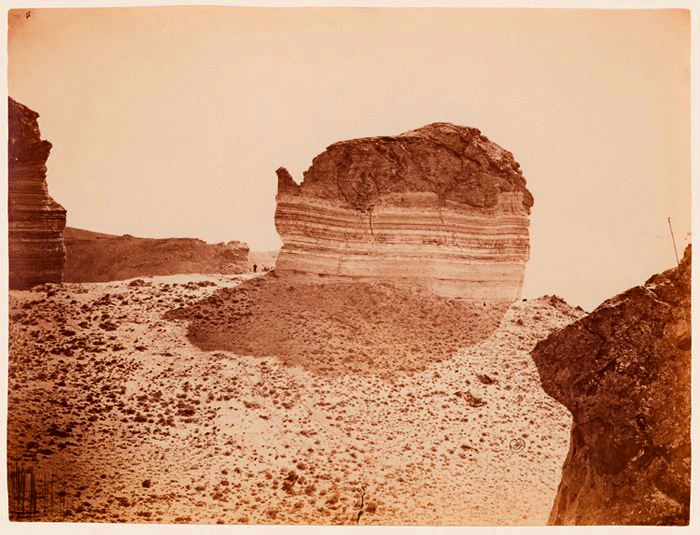
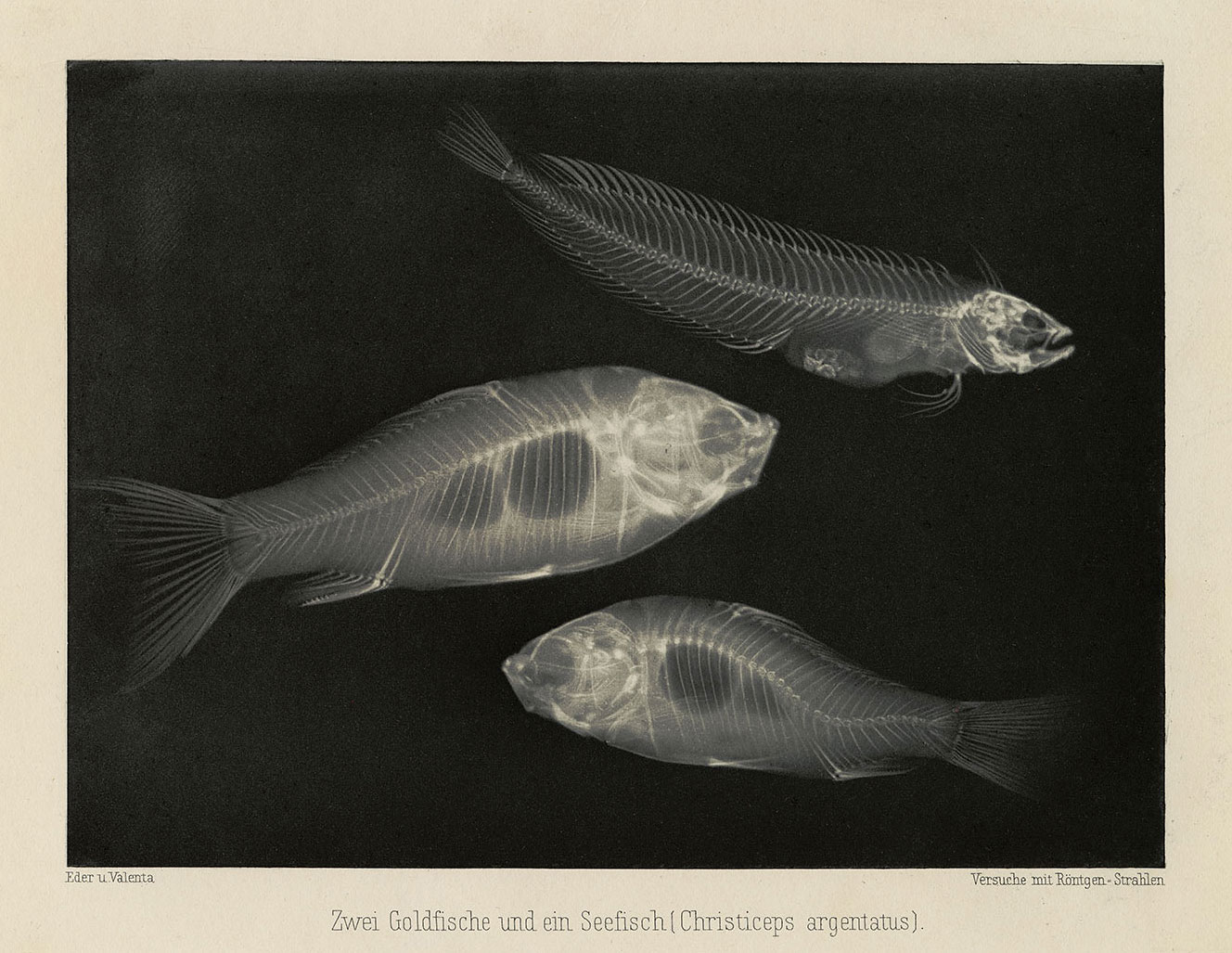






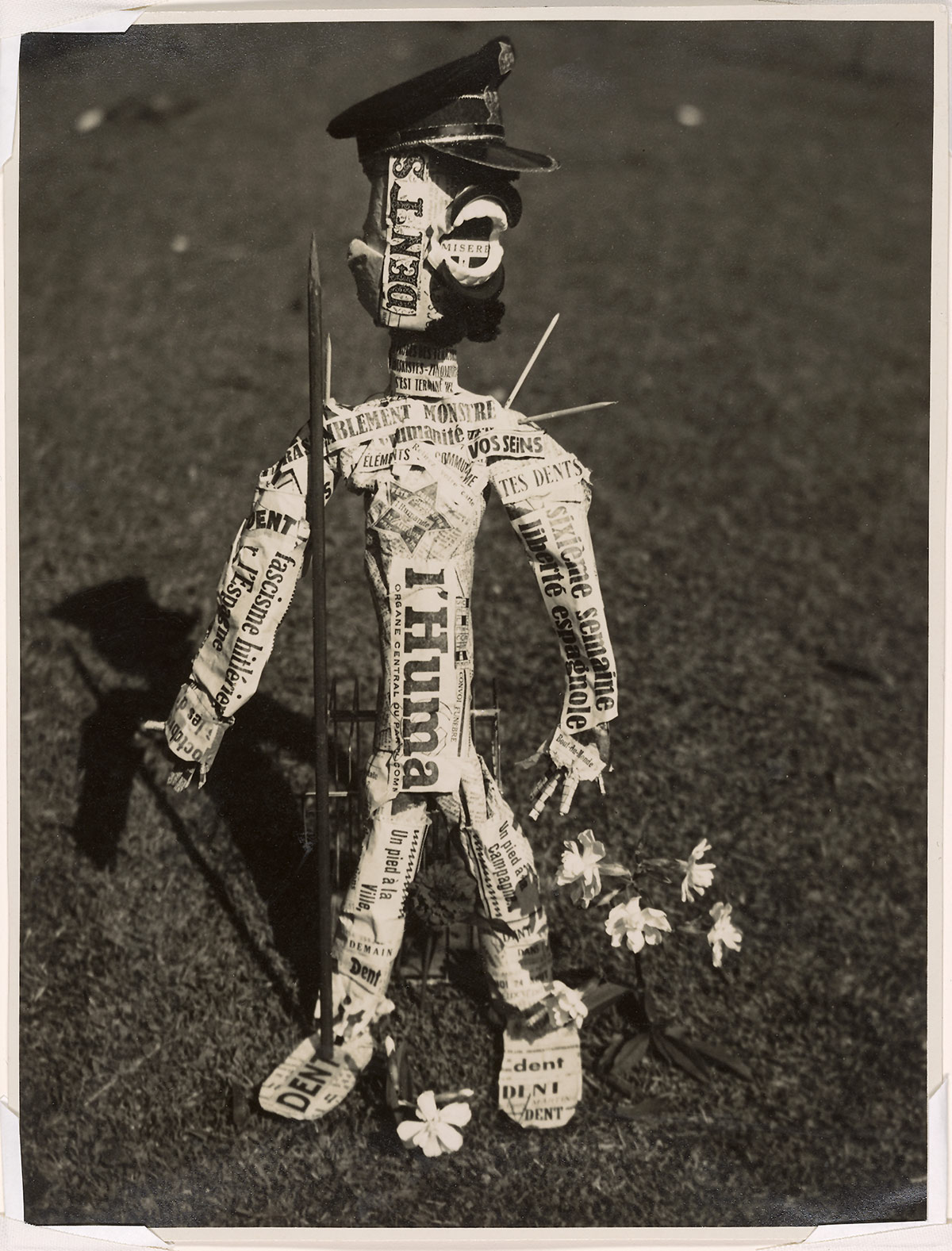
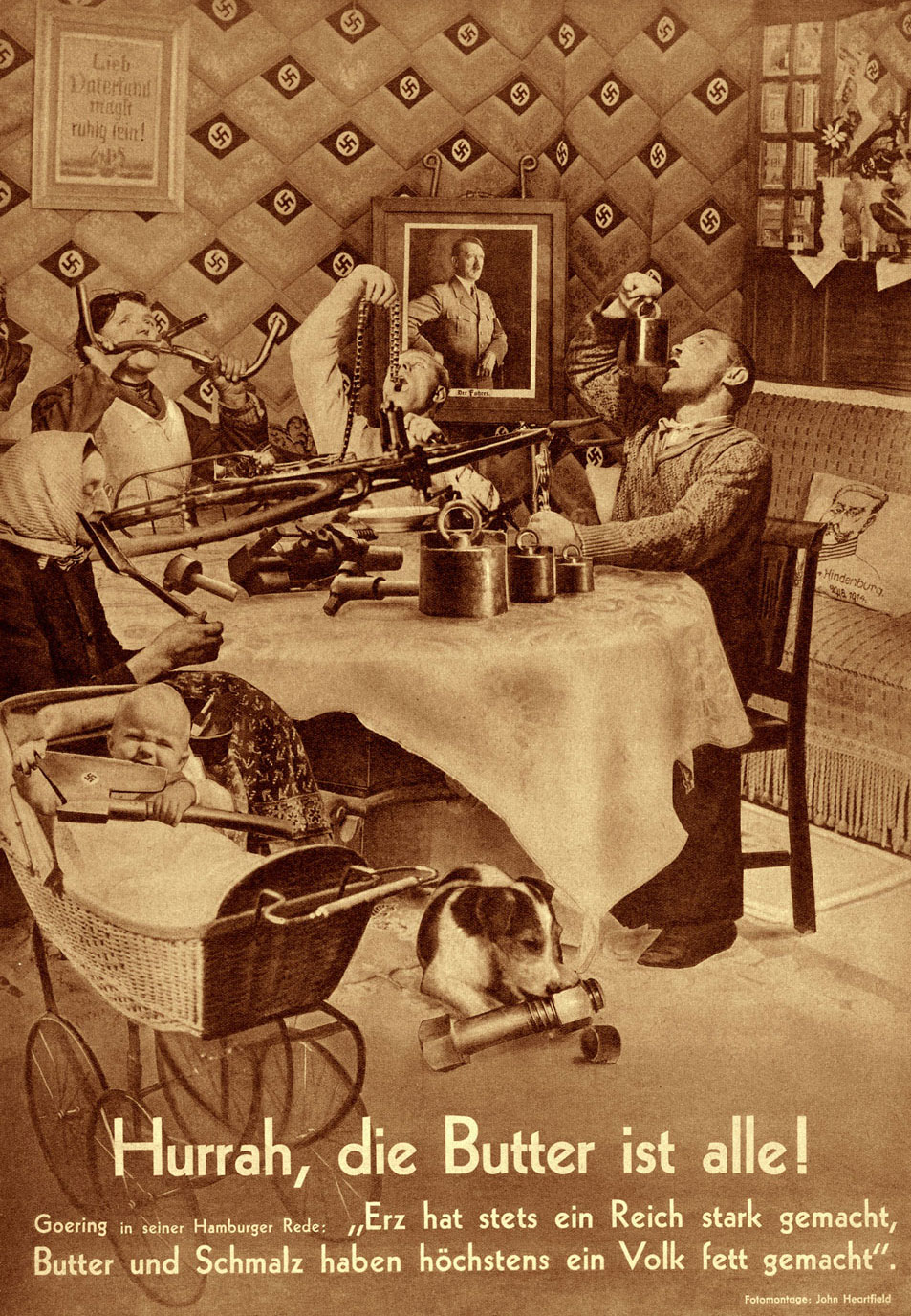
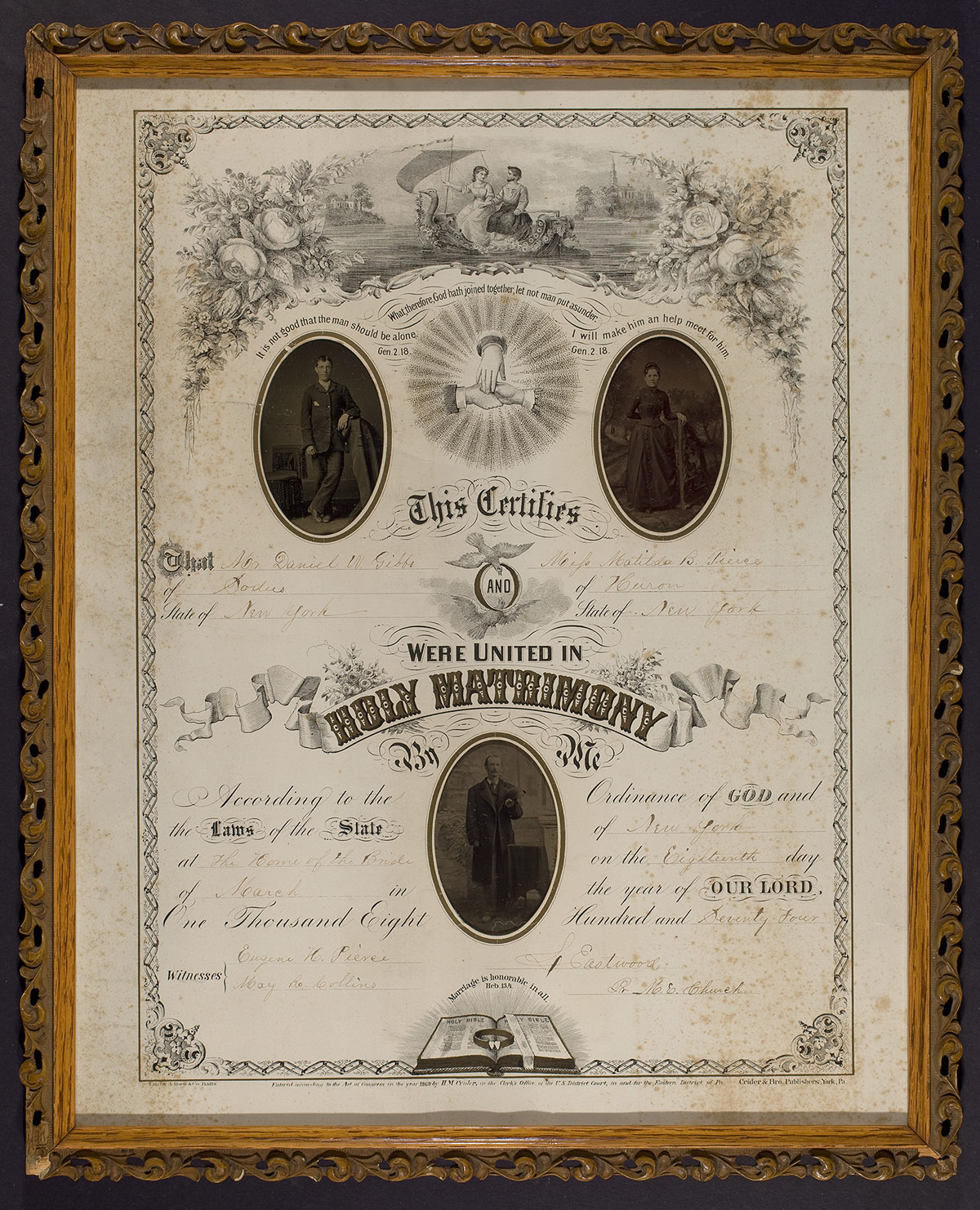


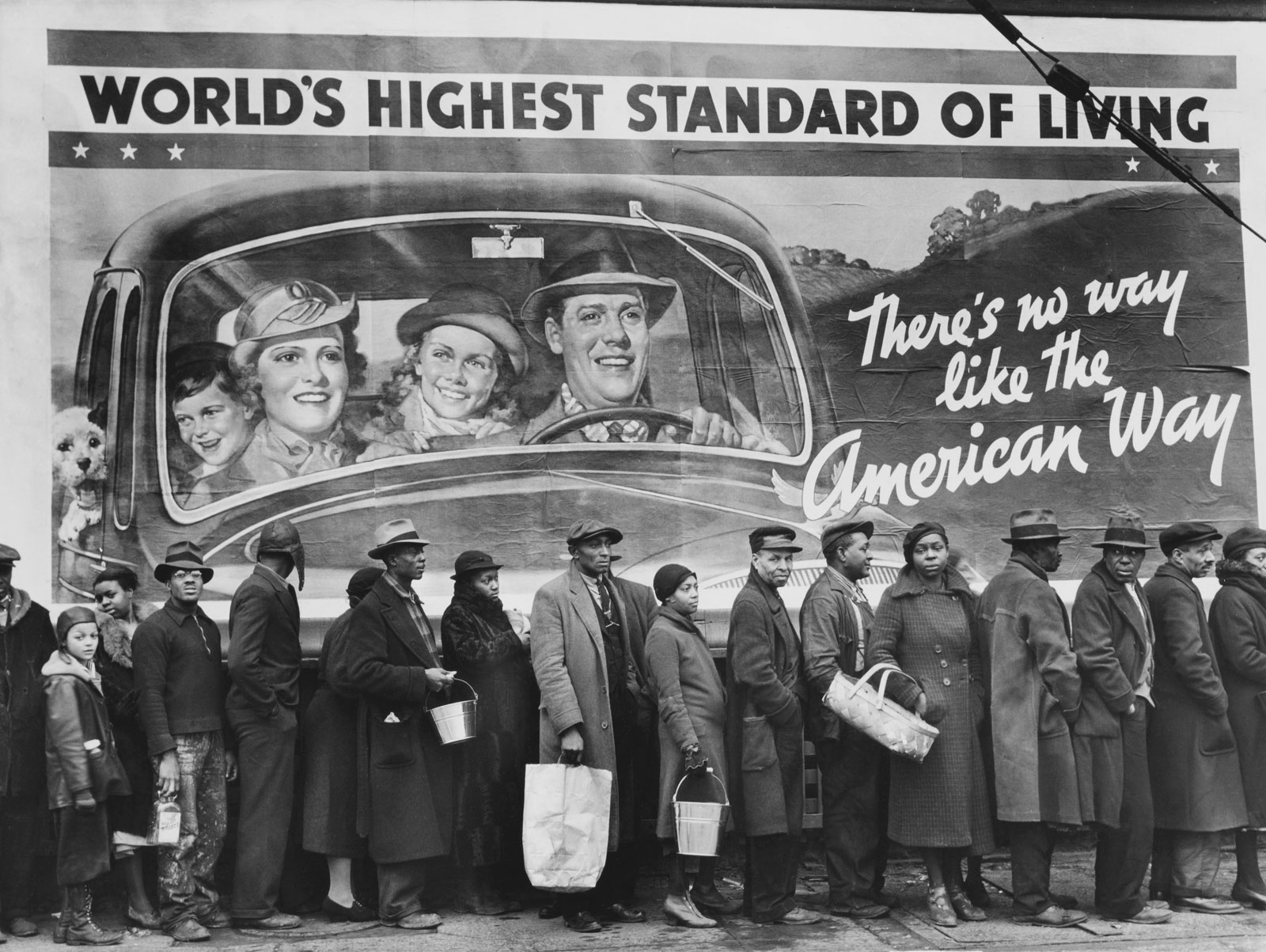
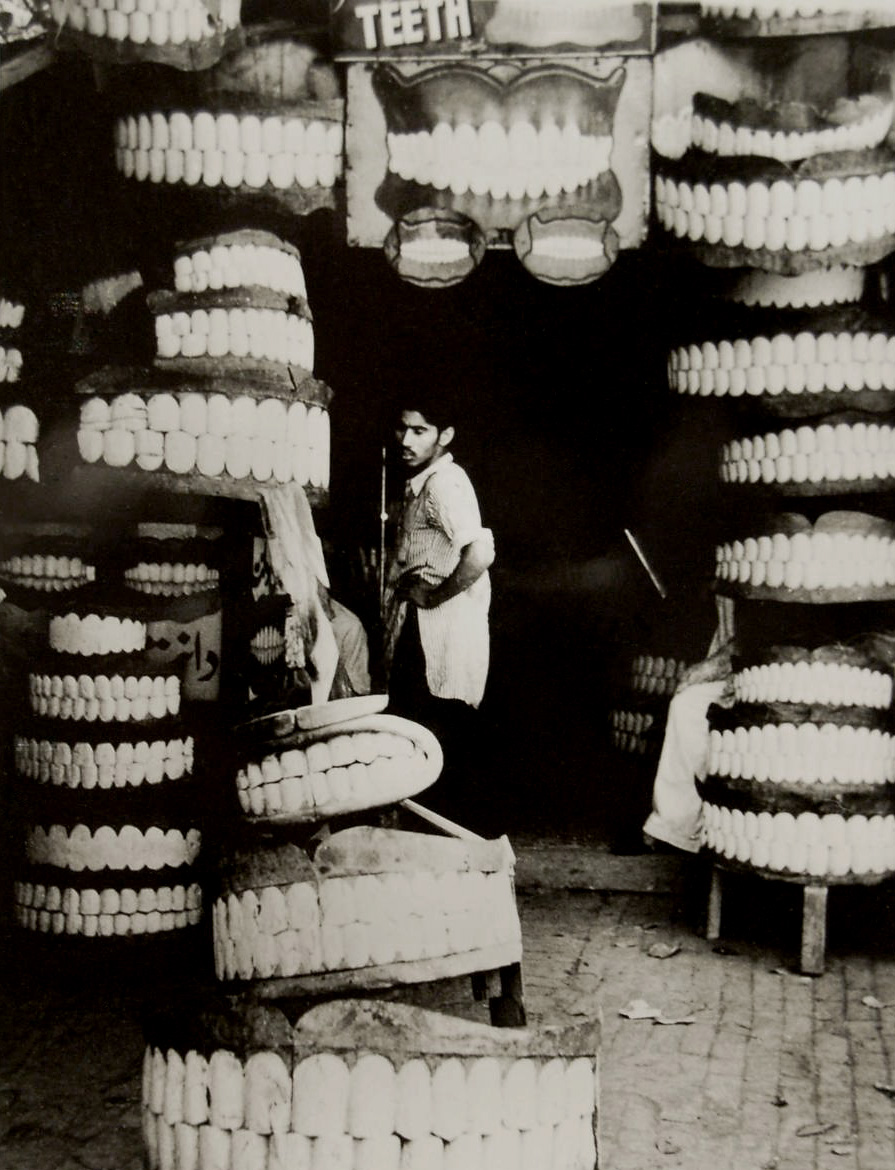
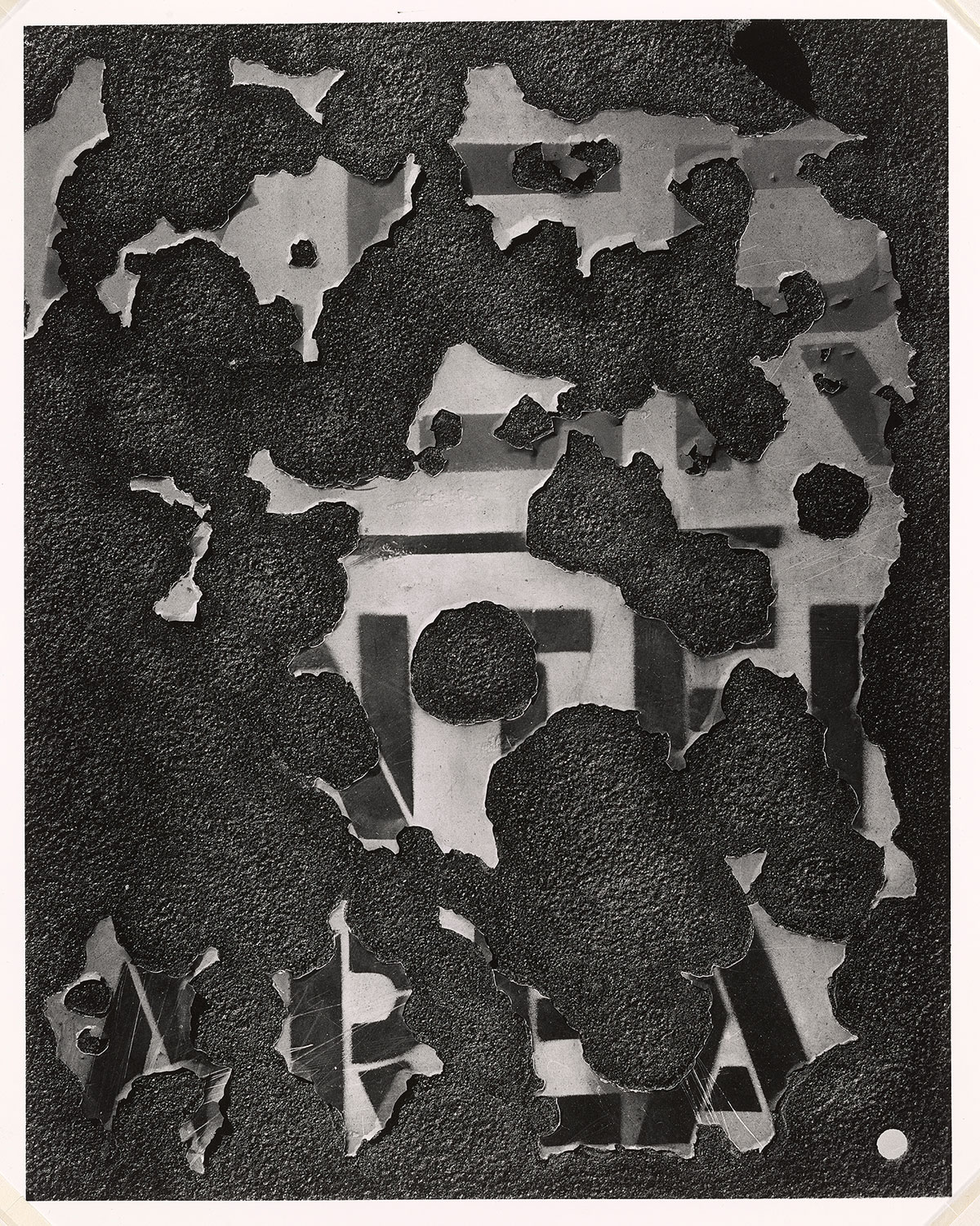
 Art Blart _ art and cultural memory archive
You must be logged in to post a comment.