William Henry Fox Talbot (English, 1800-1877) Articles of China Before 1844 Salt print from a paper negative The Lane Collection
The world is a reality, not because of the way it is, but because of the possibilities it presents.
Frederick Sommer
A small but vibrant posting. Beautiful still life photographs my favourite being those by Mather, Sommer, Weston, Cunningham, Sudek and Morrell.
Dr Marcus Bunyan
Many thankx to the Museum of Fine Arts, Boston for allowing me to publish the photographs in the posting. Please click on the photographs for a larger version of the image.
Margrethe Mather (American, 1886-1952) Water Lily 1922 Palladium print The Lane Collection
This exhibition presents nearly 60 innovative photographs – all departures from the traditional still life – drawn from the MFA’s Lane Collection. Grouped thematically, the works on view span the entire history of photography, from its first introduction in England during the 1840s by William Henry Fox Talbot to the work of contemporary artists such as Adam Fuss, David Hilliard, Kenro Izu, Abelardo Morell, and Olivia Parker. Works by American modernists are prominently featured, with unexpected takes on the still life by Ansel Adams, Imogen Cunningham, Charles Sheeler, and Edward Weston – photographers better known for capturing vast landscapes and portraits of people.
One of the largest gifts in the MFA’s history, the Lane Collection was promised to the Museum in 2012. This exhibition is the latest in a series that has celebrated the single most important donation to the Museum’s photography holdings.
Text from the Museum of Fine Arts, Boston website
Charles Sheeler (American, 1883-1965) Still Life Early 1920s Gelatin silver print The Lane Collection
Loosely organised by subject from messy desktops, kitchen utensils, and flora to empty chairs or found objects, the exhibit revels the mid-twentieth century strengths of the collection with works by modernists such as Ansel Adams, Edward Weston and especially Charles Sheeler. Sheeler pays homage to the painter Morandi with two still lifes featuring a simple ewer and ceramic vase and to Cezanne in a composition of apples. Often overlooked among the modernist masters are women such as Margaret Mather and Imogen Cunningham. Mather’s wispy pine needles and delicate water lily classically weave light, form and abstraction while Cunningham brings a geometric edge to the aloe plant she photographed on her window sill.
Suzanne Révy. “The Stillness of Things,” on the What Will You Remember website September 14, 2022 [Online] Cited 31/01/2023
Imogen Cunningham (American, 1883-1976) Aloe Variagata Early 1930’s Gelatin silver print The Lane Collection
Charles Sheeler (American, 1883-1965) Cactus and Photographer’s Lamp 1931 Gelatin silver print The Lane Collection
Olivia Parker’s green and purple artichoke dangling from a string is a nod to the Spanish painter Juan Sánchez Cotán whose vegetable paintings depict foodstuffs hung high to keep rodents at bay. Her work is installed near two surrealist pictures by Frederick Sommer. His jarring but beautiful compositions of chicken heads and innards brim with the tension between the life sustaining nourishment the chicken may have provided and the stark reminder of our mortality. And in an ironic twist, David Hilliard’s ebullient polyptych, Perennial, features an aisle of plastic Walmart flowers that were his mother’s favorites, in striking contrast to the ephemeral flowers featured in countless still life paintings in the galleries of the museum.
Suzanne Révy. “The Stillness of Things,” on the What Will You Remember website September 14, 2022 [Online] Cited 31/01/2023
Visit: Tuesday 10th September 2019, published December 2019
Josef Sudek (Czech, 1896-1976) Střelecky Ostrov, Prague (Střelecky Island with Legion Bridge and Vltava river, Prague) 1950s-1960s Gelatin silver print
Spirit has no boundaries
On my European photographic research tour I was invited to visit The Museum of Decorative Arts at their collection headquarters outside Prague for a private viewing of vintage prints of the Czech master photographer Josef Sudek. What a privilege.
My very great thankx to Jan Mlčoch, photography collections curator at u(p)m Prague, for his knowledge, humour and generosity of time and spirit in showing me approx. 40 vintage Josef Sudek prints and 6 rare books. Jan couldn’t believe of an interest in Sudek all the way from Australia!
All vintage photographs were donated by the family to the museum.
1/ Firstly, I was shown 6 rare books of Josef Sudek photographs. The most notable was the book “Praha panoramatická”, an edition of 300 published by SNK LHU in 1959. With a cloth cover and a star design on the front, this book featured 284 gravure panoramic plates. The photos start at the centre of Prague and then work out in a spiral in terms of location, to the countryside looking back at the city. Several double pages featured panorama close up of a house or building on the left hand side and a more distant shot of the same building on the right hand side. Close / far. The images, the tonality and the vision of this man was incredible
2/ Secondly, I was shown vintage contact prints from 1950s-1960s ranging in size from 4 x 5″ negatives (printed on 8 x 10″ paper) up to at least 12 x 16″
3/ All contact prints centred on single weight, some semi matt others slight gloss papers, with the rest of the sheet EXPOSED TO BLACK. This was Sudek’s preferred method of printing – one negative / exposure per piece of paper, not cutting the sheet ever
4/ NO TRUE BLACK AND NO BRIGHT WHITE. Tones ranged from zone 2 to maximum zone 7.5-8. Most unusual – the grey tonality of the prints that almost blended completely across the zone spectrum from 2-8. No hard delineation. On this viewing all reproductions have way too much contrast (including these iPhone images!)
5/ The highlight was 3 originally mounted pigment photographs by Sudek in 1953 (see two below). Photos sandwiched between 2 panes of glass, mounted on different coloured pieces of paper (pink, another almost tissue paper) with pigment prints. Edges of glass sealed with lead in one example. Reminiscent of Stieglitz’s use of coloured mount board for his framing. The prints were so “inky” – “of such extraordinary depth and warmth”
On many occasions I was close to tears the prints were so moving. As a friend of mine Randall Tosh observed of his prints, “his take on prints is so different from the Weston / Adams mid-century canon. I don’t always think they work, but when they do, they are otherworldly.” From what I observed on this viewing, they worked incredibly well.
This was a sublime experience, one of the photographic highlights of my life. Sudek’s magical work has always struck me as a form of psychotherapy and so it proved… photography as a form of healing after his injuries during the First World War.
Spirit has no boundaries.
Dr Marcus Bunyan
Many thankx to Jan Mlčoch for allowing me to publish the photographs in the posting and to Alfonso Melendez and the Josef Sudek public Facebook group for their brains trust, for finding out the location and date of some of the images featured here. Please click on the photographs for a larger version of the image.
“There is no approach, no recipe. Each thing has to be done differently.”
Josef Sudek
Josef Sudek (Czech, 1896-1976) Praha panoramatická book cover, SNK LHU, 1959
“Praha Panoramaticka (Prague In Panoramic Photographs)” published by Statni Nakladatelstvi, Prague in 1959. Containing 284 striking black-and-white panoramic photogravures of Prague and the surrounding countryside, Sudek masterfully captures the city that he loved and shows why he earned the nickname, “The Poet of Prague”. In The Photobook: A History, Martin Parr and Gerry Badger provide an excellent critique, “Sudek is a photographer whose body of work suggests that photography was as necessary to him as breathing, Josef Sudek claimed the city of Prague and his surroundings as comprehensively as Eugene Atget claimed Paris. His masterpiece is one of the most singular photobooks ever made, Praha panoramaticka (Prague Panorama). To create this wealth of memorable images, Sudek used an antique 1894 Kodak Panorama camera with a spring-drive lens that produced a negative of approximately 4 by 12 inches. Of all his books, this one sums up his love of Prague. The panoramic camera is a strong unifying element in the imagery, but so is Sudek’s democratic eye, which disregards nothing. His feeling for light, weather, and space in combination has never been surpassed. Praha panoramaticka is a veritable encyclopaedia of how to plot, construct and unify a panoramic photograph. And if this were not enough, Sudek even pulls off a near impossible trick at the end of the book: good vertical panoramas”.
Text from the Abebooks website [Online] Cited 09/11/2019
Josef Sudek. Praha panoramatická book pages, SNK LHU, 1959
Josef Sudek (Czech, 1896-1976) Both Střelecky Ostrov, Prague (Střelecky Island, Prague) 1950s-1960s Gelatin silver print
Josef Sudek (Czech, 1896-1976) Střelecky Ostrov, Prague (Střelecky Island, Prague) 1950s-1960s Gelatin silver print
Josef Sudek (Czech, 1896-1976) Both Střelecky Ostrov, Prague (Střelecky Island, Prague) 1950s-1960s Gelatin silver print
Josef Sudek (Czech, 1896-1976) Střelecky Ostrov, Prague (Střelecky Island, Prague) 1950s-1960s Gelatin silver print
Josef Sudek (Czech, 1896-1976) Střelecky Ostrov, Prague (Střelecky Island, Prague) with a statue of St John of Nepomuk? 1950s-1960s Gelatin silver print
Saint John of Nepomuk (or John Nepomucene) (Czech: Jan Nepomucký; German: Johannes Nepomuk; Latin: Ioannes Nepomucenus) (c. 1345 – 20 March 1393) is the saint of Bohemia (Czech Republic) who was drowned in the Vltava river at the behest of Wenceslaus, King of the Romans and King of Bohemia. Later accounts state that he was the confessor of the queen of Bohemia and refused to divulge the secrets of the confessional. On the basis of this account, John of Nepomuk is considered the first martyr of the Seal of the Confessional, a patron against calumnies and, because of the manner of his death, a protector from floods and drowning.
Plate 38 Untitled 1950-1954 from the book Joseph Sudek Still Lifes, Torst, 2008
From the mid-1920s until his death in 1976, Czech photographer Joseph Sudek shot Gothic and Baroque architecture, street scenes and still lifes – usually leaving the frame free of people and capturing a poetic and highly individualistic glimpse of Prague. The still lifes are the best known aspect of his oeuvre; indeed, his graceful depictions of drinking-glasses and eggs are familiar to those who don’t necessarily even know his name. Acceding to his reclusive nature, Sudek began The Window of My Studio series in the 1940s. It allowed him to capture street scenes without going outside and helped him discover a particular fondness for how glass refracts light. The still lifes emerged from the informal arrangements Sudek would make on his windowsill, and occupied him for a number of years. Depicting a range of quotidian objects with a marked artfulness – some were made in homage to favourite painters like Caravaggio – the series deserves a deeper look. This volume is the first in-depth study of Sudek’s still lifes and also explores his creative use of carbon printing – a pigment process on rag paper not often used photographically – which lent so many of his images such extraordinary depth and warmth.
Plate 22 Labyrinth on My Table 1967 from the book by Daniela Hodrová and Antonín Dufek Joseph Sudek Labyrinths, Torst, 2013
Like the previous volumes The Window of My Studio and Still Lifes, this new Josef Sudek monograph collects a series of photographs made within the confines of the Czech photographer’s workspace. Sudek’s studio famously verged on installation art, as the poet Jaroslav Seifert recalled: “Breton’s surrealism would have come into its own there. A drawing by Jan Zrzavy lay rolled up by a bottle of nitric acid, which stood on a plate where there was a crust of bread and a piece of smoked meat with a bite taken out of it. And above this hung the wing of a Baroque angel with Sudek’s beret hanging from it… This disorder was so picturesque, so immensely rich, that it almost came close to being a strange but highly subtle work of art.” Gathered here in all their surreal beauty, the Labyrinths series depicts multilayered assemblages of objects in endlessly permutated combinations.
Text from Google Books website
Folders of vintage Josef Sudek prints at the Central Depository UPM Stodůlky
u(p)m The Museum of Decorative Arts 17. listopadu Street No.2 110 00 Prague 1 Phone: +420 778 543 900
Alfred Stieglitz (American, 1864-1946) Georgia O’Keeffe: A Portrait 1918 Gelatin silver print Image: 11.4 × 8.6cm (4 1/2 × 3 3/8 in.) The J. Paul Getty Museum, Los Angeles
Some fabulous photographs in series in this posting, which document transformations in landscapes or intimate portraits of people at different times in their lives… and some challenging ones as well. My favourite photographs in series are not represented: Duane Michals narrative fairytales; Cindy Sherman’s Untitled Film Stills; and Nicholas Nixon’s The Brown Sisters.
Dr Marcus Bunyan
Many thanks to the J. Paul Getty Museum for allowing me to publish the photographs in the posting. Please click on the photographs for a larger version of the image.
Photographers often record change through images in series, registering transformations in the world around them. Artists featured in the exhibition photographed faces and places over minutes, months, or years. Historical and contemporary photographs prompt reflection on the ways the passage of time impacts how we see people and spaces.
Alfred Stieglitz (American, 1864-1946) Georgia O’Keeffe: A Portrait 1923 Gelatin silver print Image: 8.9 × 11.7cm (3 1/2 × 4 5/8 in.) The J. Paul Getty Museum, Los Angeles
Alfred Stieglitz (American, 1864-1946) Georgia O’Keeffe: A Portrait 1933 Gelatin silver print Image: 8.9 × 11.4cm (3 1/2 × 4 1/2 in.) The J. Paul Getty Museum, Los Angeles
Artists have long used cameras to record change, documenting transformations in landscapes or intimate portraits of people at different times in their lives. Once. Again. Photographs in Series, on view July 9 – November 10, 2019 at the J. Paul Getty Museum, Getty Center, features historical and contemporary artists who have revisited people and places to make extended photographic series, prompting reflection on the impact of the passage of time – on photographers as well as their subjects.
The exhibition, drawn primarily from the collection of the Getty Museum, takes its cue from artist Gordon Parks’ trips to Brazil over several decades to document the life of Flávio da Silva. Parks’ photographs are on view in Gordon Parks: The Flávio Story, installed in the adjacent galleries of the Center for Photographs.
Photographing friends and family is a familiar pastime for many, and the exhibition includes the work of several artists who made masterful portraits of loved ones over the course of many years. Alfred Stieglitz photographed artist Georgia O’Keeffe frequently during their tumultuous 30 year relationship, and the photographs on view expose shifts in their rapport as well as changes in Stieglitz’s photographic style over time. Series by Harry Callahan of his wife Eleanor, Paul Strand of his wife, artist Rebecca Salsbury, and Julia Margaret Cameron of her niece Julia Jackson similarly offer fascinating reflections on the changes in relationships over time.
The exhibition also includes compelling contemporary portraits, including photojournalist Seamus Murphy’s record of the physical and emotional toll inflicted upon a family living in Afghanistan under rule of the Taliban, and Donna Ferrato’s documentation of a woman who fled an abusive relationship. Both series register the struggles as well as triumphs.
A number of artists in the exhibition document seasonal and man-made changes in the landscape. In a 1953 series by William A. Garnett, aerial photography is used to capture a walnut grove before and after the trees were felled to make way for a housing development. The startling perspective of Garnett’s images came to play an important role in the burgeoning environmental movement. Richard Misrach used his move to a new home in the hills above Berkeley, California, as an opportunity to take hundreds of photographs of the astonishing range of colours and atmospheric conditions surrounding the Golden Gate Bridge at sunset each evening. Several of his richly saturated sunset images are featured in the exhibition. Works by Roni Horn, Jem Southam, and Josef Sudek also trace changes in the natural world, to both political and poetic effect.
Transformations in the built environment also reveal the profound effects of the passage of time. LaToya Ruby Frazier documented the painful process of clearing the rooms of her family home in a series of self-portraits in which she cloaked herself in the familiar belongings of her loved ones. In order to spotlight socioeconomic changes in American neighbourhoods, Camilo José Vergara photographed the dramatic transformation of a single Harlem storefront over 40 years, as it changed hands, changed facades, and split into two establishments. Other artists in the exhibition, including John Divola and William Christenberry, chronicle the disintegration of architecture over time, creating evocative meditations on deterioration.
“‘Once again’ is a phrase repeated in a poem by William Wordsworth,” says Mazie Harris, assistant curator of photographs at the Getty Museum and curator of the exhibition. “He was fascinated by the powerful feeling that arises when revisiting a familiar place. He’s experiencing his surroundings in real time and yet is constantly aware of his memories of being there before. The photographers in this exhibition conjure that same sensation. They offer us the opportunity to see people and places afresh, even as we track the powerful changes wrought by time.”
Once. Again. Photographs in Series, is on view July 9-November 10, 2019 at the J. Paul Getty Museum, Getty Center. The exhibition is curated by Mazie Harris, assistant curator of photographs at the Getty Museum.
Press release from the J. Paul Getty Museum website [Online] Cited 11/08/2019
Josef Sudek (Czech, 1896-1976) St. Vitus cathedral, Prague, Czech Republic c. 1926 Silver gelatin print
A poetry of the everyday
Josef Sudek, a one-armed man lugging around a large format camera, is one of my top ten photographers of all time.
His photographs, sometimes surreal, always sensitive, have a profound sensibility that affect the soul. Melancholy and mysterious by turns, they investigate the inner life of objects which stand as metaphors for the inner life of the artist. A form of healing after his horrific injuries and the loss of his arm during the First World War, the photographs purportedly look outwards upon the world but are actually interior meditations on life, death and the nature of being. Light emerges from the darkness; understanding from tribulation; and Sudek, in Jungian terms, integrates his ego into his soul through the process of (photographic) individuation – whereby the personal and collective unconscious (his hurt and damage) are brought into consciousness (eg. by means of dreams, active imagination, or free association) to be assimilated into the whole personality. It is a completely natural process necessary for the integration of the psyche and, in Sudek’s life, was integral to his healing from the vicissitudes of war.
Using Pictorialism as the starting point for his exploration of the world, Sudek never abandons the creation of “atmosphere” in his photographs, even as the images become modernist, surrealist and offer a new way of seeing the world. Having myself photographed extensively at night, and from the interior of my flat, I can understand Sudek’s fascination with both locations: the quiet of night, the stillness, the clarity of vision and thought; the interior as exterior, the projection of interior thoughts onto an external surface reflected back into the camera lens. “Nature, architecture, streets and objects are magnified by his sensitivity and mastery of the effects of light, contrasting with the impenetrable cloak of darkness.” Except the cloak of darkness is not impenetrable, as light cannot exist without darkness.
Pace, his photographs are breath / taking. They are exhalations of the spirit.
Sudek’s ability to transcend the literal, his ability to transform the objectal quality of photography ranks him as one of the top photographers of all time. He synthesises a poetry of objects, a poetry of the everyday, and projects the folds of his mind onto the visual field (through “tears” of condensation on the window, through labyrinths of paper and glass, such as in Labyrinth on my table, 1967, below). As a form of self-actualisation – the desire to become everything that one is capable of becoming – Sudek’s photographs interrogate that chthonic darkness that lurks in the heart of everyone of us, our dark night of the soul.
In that process of discovery (who am I, what kind of human being am I, how can I heal myself), he finds redemption.
Dr Marcus Bunyan
Many thankx to Jeu de Paume for allowing me to publish the photographs in the posting. Please click on the photographs for a larger version of the image.
“I like to tell stories about the life of inanimate objects, to relate something mysterious: the seventh side of a dice. Everything around us, dead or alive, in the eyes of a crazy photographer mysteriously takes on many variations, so that a seemingly dead object comes to life through light or by its surroundings.”
Josef Sudek
Josef Sudek at Jeu de Paume
“The Intimate World of Josef Sudek”, exhibition at Jeu de Paume Paris, from 07 June 2016 until 25 September 2016
Entitled “The Intimate World of Josef Sudek”, this exhibition is the first of this scale to revisit the life and work of Josef Sudek (Kolin, 1896 – Prague, 1976) within its socio-geographical and historical context: Prague during the first half of the twentieth century, at a time when the Czech capital was a veritable hub of artistic activity.
The exhibition features a selection of 130 works spanning the totality of Sudek’s career, from 1920 to 1976, and allows the public to examine the extent to which his photography was a reflection of his personal relationship to the surrounding world. On display are works that are the result of Sudek’s photographic experiments carried out within the privacy of his own studio, images of the garden seen from his window, and photographs of adventures further afield. The artist enjoyed meandering through the streets of Prague and its surrounding suburbs, and made frequent excursions to the nearby countryside.
Sudek’s enduring fascination with light, and its absence, is at the root of some of the most haunting photographs of the twentieth century. Nature, architecture, streets and objects are magnified by his sensitivity and mastery of the effects of light, contrasting with the impenetrable cloak of darkness.
Text from the Jeu de Paume Vimeo website
On display are works that are the result of Sudek’s photographic experiments carried out within the privacy of his own studio, images of the garden seen from his window, and photographs of adventures further afield. The artist enjoyed meandering through the streets of Prague and its surrounding suburbs, and made frequent excursions to the nearby countryside. Sudek’s enduring fascination with light, and its absence, is at the root of some of the most haunting photographs of the twentieth century. Nature, architecture, streets and objects are magnified by his sensitivity and mastery of the effects of light, contrasting with the impenetrable cloak of darkness.
As a photographer, Sudek was particularly concerned with the quality of the photographic print, an essential component in terms of the expressive potential of an image. His mastery of the pigment printing process enabled him to produce highly atmospheric and evocative images, thereby reaping all of the reflective and descriptive power of the gelatin silver print. The exhibition presents work from Sudek’s early career, but also features photographs from a pivotal period of experimentation and innovation, beginning in the 1940s. Focusing on the technical and formal aspects of the medium of photography, Sudek created pigment prints, halftone prints, puridlos (photographs between two windows) and veteše (photographs inserted into old frames), techniques which allowed him to transform the objectal quality of photography.
The loss of his right arm during the First World War and the difficulties he now encountered in transporting his view camera did not dampen his passion for photography. Sudek’s studio window became an object of abiding fascination – rather like the surface of a canvas – reflecting moments of exquisite tenderness and hope when a flowering branch brushed against its pane, or of poignant melancholy when he observed the world beyond his window transformed by the playful infinity of mist. His room with a view allowed him to capture, on film, his love of Prague. His photographs demonstrate both a precision and a depth of feeling, fitting odes to the rich history and architectural complexity of the Czech capital.
Like many artists of his generation marked by their experience of war, Sudek expresses a particularly acute awareness of the dark and tormented aspects of human existence – feelings that would inspire some of his most melancholy and most moving pictures. A photograph taken at night, through the glass pane of his window, shows a city plunged into darkness during the Occupation of the Second World War, and communicates a sentiment of unspeakable despair – a dramatic illustration of Sudek’s technical ability to transcend the literal.
The first part of the exhibition features images that herald the photographer’s later work, showing his early landscapes, portraits of fellow patients at Invalidovna, the Prague hospice for war invalids like Sudek, his hesitant foray into modernism, and his interior shots of St. Vitus Cathedral. Through images that recount the narrative of his life, the viewer gains access to Sudek’s inner world, and an insight into his immediate environment, the views and objects he loved, his studio and garden. His endless walks in Prague found expression in the views of the city and its surroundings, as well as in photographs of its more sordid “suburbs”, a subject explored by other Prague artists. The eastern and northern areas of Bohemia, the Beskid Mountains and the Mionší forest were other destinations close to the photographer’s heart. The exhibition “The Intimate World of Josef Sudek” provides a fascinating panorama of the work of this unique artist.
Text from the Jeu de Paume website
Beginnings
Sudek’s first photographic prints – small and largely assembled in albums – were mainly views of the countryside taken along the Elbe River when he travelled from Prague to Kolín to visit his mother between 1916 and 1922.
Using processes such as gelatin silver and bromoil he showed a talent for printing his pictures in a style that favoured soft edges and broad swathes of tone. Here Sudek was not so much studying the effects of light as he was observing the conventions of Pictorialism, a photography movement that straddled the last decade of the nineteenth century and the first decades of the twentieth century, and was based on a strong Romantic ethos. Pictorialist photographers enhanced atmospheric effects with such processes as carbon and gum bichromate. Sudek began using the carbon process regularly and in a personally expressive manner in the late 1940s.
His Invalidovna and St. Vitus Cathedral series in Prague, begun in the first half of the 1920s, show him exploring interior spaces where light emphasises both the profane and the sacred. The play of bands of sunlight and darkness is a central feature of the composition and, indeed, of the life of the photograph.
“… [Sudek] referred to photography as meteorology to describe the significance of the atmosphere, and how a photographer must predict the right conditions for photographing and enlarging prints. His work became sharper with richer tones, and his compositions became more illusive. The foregrounds and backgrounds of his photographs, particularly in his “Window” series began to oscillate. These achievements were perhaps made more attainable by his focus on inanimate objects over which he had more control than living things. Most of his cityscapes became deserted, as he directed his camera at statues or replaced what would have been a living subject with such emulative sculptures.
In effect, Sudek’s substitution of the inanimate for the animate brought the objects he photographed to life in his mind. He called the enormous decaying trees in the woods of Bohemia “sleeping giants” and would take portraits of masks and statuary heads, transforming them into frozen, worn grotesqueries. His personification of objects is even more vivid in his studio photography, particularly after 1939, the oncoming of World War II and the Nazi occupation of Prague. As the city was oppressed by German troops, the artist retreated into his studio and insulated himself sentimentally with still lifes. To an interviewer, he explained, “I love the life of objects. When the children go to bed, the objects come to life. I like to tell stories about the life of inanimate objects.” He devoted endless hours to arranging and photographing the everyday – apples, eggs, bread, and shells – and special objects given to him by friends, such as feathers, spectacles, and watches, which he called “remembrances” of that person. A photograph from his series “Remembrances of Architect Rothmayer, Mr. Magician,” for example, portrays objects respectfully placed in a row on a desk, as if artifacts from an archeological site, from which the history of a life or character of a man could be divined.
“Everything around us, dead or alive, in the eyes of a crazy photographer mysteriously takes on many variations,” Sudek said, “so that a seemingly dead object comes to life through light or by its surroundings.” This statement is perhaps telling of Sudek’s relationship to death and life, as a result of the loss of his arm and the manner in which he suffered the loss. In the 1963 film, “Zit Svuj Zivot” (Living Your Life), a documentary portrait of Sudek by Evald Strom, we see a sensitive man describing his efforts to photograph the reality of the objects around him, not as if he were bringing the objects to life, but as if it was his purpose to represent the lives of objects as they truly are. Of the image of a vase of wildflowers, he says “This is a photograph of wildflowers, my attempt to photograph wildflowers,” and of an old lamp, “This is a celebrated lamp; it holds a lot of memories.””
Ashley Booth Klein, “Josef Sudek and The Life of Objects,” in Obelisk Vol. 2 Issue 1, Winter 2015 [Online] Cited 18/09/2016. No longer available online
“Josef Sudek: The World at My Window” is the first exhibition in France since 1988 to cover Sudek’s entire career and spotlight the different phases of his work. Coming in the wake of several exhibitions at the Jeu de Paume devoted to Eastern European photographers of the early twentieth century, among them André Kertész and Francois Kollar, this one comprises some 130 vintage prints by the Czech artist. Bringing to bear a vision at once subjective and timeless, Sudek captures the ongoing changes in Prague’s natural world and landscapes.
His early profession as a bookbinder came to an abrupt halt when he was conscripted into the Austro-Hungarian army in Bohemia and sent to the Italian front. After the First World War he came back to Prague wounded; the loss of his right arm meant abandoning bookbinding, and he turned to photography. After revisiting the battlefield in Italy once more he returned, in despair, to Prague: “I found the place,” he recounted, “but my arm wasn’t there. Since then I’ve never gone anywhere. I didn’t find what I was looking for.”
A study grant enabled him to train at the state-run school of graphic arts in Prague, where he mixed with practitioners of Pictorialism, a photographic movement aiming at achieving colour and texture effects similar to those of painting. He started concentrating on architectural details, always waiting until the light was absolutely perfect. Little by little he gave up the Pictorialist ambiences of his views of St Vitus’s cathedral, opting for a pure, straightforward approach which the American photographer Alfred Stieglitz summed up as “maximum detail for maximum simplification”.
During the Second World War Sudek began photographing the window giving onto his garden, the result being the celebrated Window of My Studio series. He then shifted his focus to the accumulated jumble of objects in the studio, producing a further series titled Labyrinths. Light was an inexhaustible theme in his work, orchestrating the seasons, making the invisible visible and transporting us into another world. As if to escape the leaden context of the War and then of Communism, Sudek took refuge in music, especially that of his compatriot Leoš Janáček. A true music lover, he gradually built up a substantial collection of recordings which he played to his friends during improvised concerts in his studio.
The second half of his career saw Sudek abandon photography’s traditional subjects as he explored the outskirts of Prague with his black view camera on his shoulder. Known as “the poet of Prague”, he became an emblematic figure in the Czech capital. Discreet and solitary, he gradually withdrew from the city’s art scene, leaving his studio only to prowl the streets at night with his imagination as his guide.
Sudek’s photographs rarely include people; his focus was more on empty urban and rural spaces. Fascinated by the streets of Prague, the city’s deserted parks and public gardens, and the wooded Bohemian landscapes his mastery of light rendered sublime, he preferred the un-enlarged contact print as a means of preserving all the detail and authenticity of the places he roamed through. His work moved towards experiments with light. In photographs shot through with simplicity and sensitivity, Sudek foregrounds a kind of poetry of the everyday, using the interplay of light and shade to achieve a kind of fluctuation between interior and exterior.
Sudek was not content with making single, unrelated images. He generally worked in projects or series, creating extended visual explorations of the phenomena and scenes he viewed – often from the closed window of his studio, which separated his private studio-home from the exterior world. In the series From My Window it was the endlessly varying states of transformation of droplets of water that he watched streaming down his windowpane. His images invite us to contemplate, with great fascination, the physical cycles of water and the phenomenon of rivulets coursing down a surface – like human tears. Reminding us even of [Paul] Verlaine’s “There is weeping in my heart like the rain upon the city…” Sometimes the melancholy mood of these images is leavened by a rose in a vase on the windowsill or tendrils of leaves announcing the arrival of spring.
There is weeping in my heart like the rain falling on the town. What is this languor that pervades my heart?
Oh the patter of the rain on the ground and the roofs! For a heart growing weary oh the song of the rain!
There is weeping without cause in this disheartened heart. What! No betrayal? There’s no reason for this grief.
Truly the worst pain is not knowing why, without love or hatred, my heart feels so much pain.
Sudek’s preoccupation with darkness dates to the Nazi Occupation of Prague from March 1939 until the end of the war. Experiencing his city plunged into nights of enforced darkness Sudek explored the absence of light in his pictures. We know that this was more than a technical exercise, for he wrote “Memories” and “Restless Night” on the verso of one nocturnal photograph dated 1943.
The curfews imposed on citizens at the time made it unlikely that Sudek ventured out into the city after dark during wartime. Neither agile nor inconspicuous with his large-format camera slung over his increasingly hunched back, Sudek would have risked his life had he done so. The small courtyard of his studio on Ujezd street was hidden from the road, however, and one or two lights in neighbouring apartments served as beacons. Well after sundown he would photograph the syncopated play of blurs of light against the wall of impenetrable blackness.
The spirit of place
Sudek visited and photographed places that held either personal or spiritual significance for him: the landscape along the Elbe River, Invalidovna, St. Vitus Cathedral, his studio, Prague’s complex streets and open squares, the majestic Prague Castle, the city’s surrounds, and Frenštát pod Radhoštĕm where he spent summers with friends. Hukvaldy, home of Leoš Janaček, the composer whose music he loved, was a particularly favoured haunt. This was true also of the ancient Mionší Forest where he navigated his way through dense brush and forests by way of shortcuts that he created and playfully named. The Beskid Mountains also served as spiritual retreat. Although he was an urbanite in many respects, Sudek’s love of nature and sense of despair for its desecration is strongly expressed in Sad Landscapes, his series of images made in the Most region where industrialisation ravaged the countryside in the 1950s.
The life of objects
Sudek collected everything. Today he would be known as a hoarder. But his obsession served him well, for out of the chaos of his small studio and living spaces he carefully selected a variety of these objects to photograph. From delicate feathers to crumpled paper and tinfoil, multi-faceted drinking glasses, flowers, fruit, seashells, envelopes, flasks, frames, prisms, candelabras, string and shoe moulds, the subjects ranged from the mundane to the exotic. Once chosen, the set-up was lovingly composed – often in subtly changed configurations with other objects – and carefully lit before being memorialised in either pigment or gelatin silver prints.
Entitled “The Intimate World of Josef Sudek”, this exhibition is the first of this scale to revisit the life and work of Josef Sudek (Kolín, 1896 – Prague, 1976) within its socio-geographical and historical context: Prague during the first half of the twentieth century, at a time when the Czech capital was a veritable hub of artistic activity. The exhibition features a selection of 130 works spanning the totality of Sudek’s career, from 1920 to 1976, and allows the public to examine the extent to which his photography was a reflection of his personal relationship to the surrounding world. On display are works that are the result of Sudek’s photographic experiments carried out within the privacy of his own studio, images of the garden seen from his window, and photographs of adventures further afield. The artist enjoyed meandering through the streets of Prague and its surrounding suburbs, and made frequent excursions to the nearby countryside. Sudek’s enduring fascination with light, and its absence, is at the root of some of the most haunting photographs of the twentieth century. Nature, architecture, streets and objects are magnified by his sensitivity and mastery of the effects of light, contrasting with the impenetrable cloak of darkness.
As a photographer, Sudek was particularly concerned with the quality of the photographic print, an essential component in terms of the expressive potential of an image. His mastery of the pigment printing process enabled him to produce highly atmospheric and evocative images, thereby reaping all of the reflective and descriptive power of the gelatin silver print.
The exhibition presents work from Sudek’s early career, but also features photographs from a pivotal period of experimentation and innovation, beginning in the 1940s. Focusing on the technical and formal aspects of the medium of photography, Sudek created pigment prints, halftone prints, puridlos (photographs between two windows) and veteše (photographs inserted into old frames), techniques which allowed him to transform the objectal quality of photography. The loss of his right arm during the First World War and the difficulties he now encountered in transporting his view camera did not dampen his passion for photography.
Sudek’s studio window became an object of abiding fascination – rather like the surface of a canvas – reflecting moments of exquisite tenderness and hope when a flowering branch brushed against its pane, or of poignant melancholy when he observed the world beyond his window transformed by the playful infinity of mist. His room with a view allowed him to capture, on film, his love of Prague. His photographs demonstrate both a precision and a depth of feeling, fitting odes to the rich history and architectural complexity of the Czech capital.
Like many artists of his generation marked by their experience of war, Sudek expresses a particularly acute awareness of the dark and tormented aspects of human existence – feelings that would inspire some of his most melancholy and most moving pictures. A photograph taken at night, through the glass pane of his window, shows a city plunged into darkness during the Occupation of the Second World War, and communicates a sentiment of unspeakable despair – a dramatic illustration of Sudek’s technical ability to transcend the literal.
Through images that recount the narrative of his life, the viewer gains access to Sudek’s inner world, and an insight into his immediate environment, the views and objects he loved, his studio and garden. His endless walks in Prague found expression in the views of the city and its surroundings, as well as in photographs of its more sordid “suburbs”, a subject explored by other Prague artists. The eastern and northern areas of Bohemia, the Beskid Mountains and the Mionší forest were other destinations close to the photographer’s heart.
Text from Jeu de Paume
New ways of seeing
Although more influenced by prevailing photographic conventions in the beginning, Sudek came to show an openness to experimenting with new ways of composing and printing his images. In the late 1920s, Sudek photographed objects designed by modernist Ladislav Sutnar, thus creating angled views of furniture with reflective surfaces and ceramics of pure form.
Sudek’s most successful foray into modernism is his experimentation with grotesque (surreal) subjects such as mannequins, decaying sculptures and the accoutrements of the architect Otto Rothmayer’s garden. There is little doubt that in the fragmented figurative sculptures Sudek was recalling some of the human devastation that he witnessed on the battlefields of the First World War.
I loved putting the Florence Henri and the skull together. Too exhausted after a long day at work to say much else!
Marcus
Many thankx to Museum Bellerive for allowing me to publish the photographs in the posting. Please click on the photographs for a larger version of the image.
“I believe in the future resolution of these two states, dream and reality, which are seemingly so contradictory, into a kind of absolute reality, a surreality, if one may so speak.”
In 1930 Stern and Ellen Rosenberg Auerbach founded ringl+pit, a critically acclaimed, prize-winning Berlin based photography and design studio. They used equipment purchased from Peterhans and became well known for innovative work in advertising. The name ringl+pit is from their childhood nicknames (Ringl for Grete, Pit for Ellen).
Intermittently between April 1930 and March 1933, Stern continued her studies with Peterhans at the Bauhaus photography workshop in Dessau, where she met the Argentinian photographer Horacio Coppola. In 1933 the political climate of Nazi Germany led her to emigrate with her brother to England, where Stern set up a new studio, soon to resume her collaboration there with Auerbach.
Stern first traveled to Argentina in the company of her new husband, Horacio Coppola in 1935. The newlyweds mounted an exhibition in Buenos Aires at Sur magazine, which according to the magazine, was the first modern photography exhibition in Argentina. In 1958, she became a citizen of Argentina.
In 1948 Stern began working for Idilio, an illustrated women’s magazine, targeted specifically at lower / lower-middle class women. In the late 1940s and early 1950s, Stern created Los Sueños as illustrations for the woman’s magazine Idilio and its column “El psicoanálisis te ayudará” (Psychoanalysis Will Help You). Readers were encouraged to submit their dreams to be analysed by the ‘experts’ as an aid for its readers to find “self-knowledge and self-aid that would help them succeed in love, family and work”. Each week, one dream would be selected, analysed in depth by the expert, Richard Rest, and then illustrated by Stern through photomontage. Stern created about 150 of these photomontages, of which only 46 survive in negatives. Stern’s photomontages are surreal interpretations of the readers’ dreams that often subtly pushed back on the traditional values and concepts in Idilio magazine by inserting feminist critique of Argentinian gender roles and the psychoanalytic project in her images. The Idilio series has often been compared to Francisco Goya’s Sueños drawings, a series of preliminary drawings for his later body of work, Los Caprichos; they have also been directly compared to Los Caprichos themselves.
Stern provided photographs for the magazine and served for a stint as a photography teacher in Resistencia at the National University of the Northeast in 1959 and continued to teach until 1985.
In 1985, she retired from photography, but lived another 14 years until 1999, dying in Buenos Aires on 24 December at the age of 95.
Avant-garde photographs seem like pictures from a dream world. From new kinds of compositions and perspectives to photomontage, technical experiments, and staged scenes, Real Surreal offers a chance to rediscover the range and multifacetedness of photography between the real and the surreal. The exhibition leads the visitor through the Neues Sehen (New Vision) movement in Germany, Surrealism in France, and the avant-garde in Prague. Thanks to rare original prints from renowned photographers between 1920 and 1950, this exhibition offers a chance to see these works in a new light. In addition to some 220 photographs, a selection of historical photography books and magazines as well as rare artists’ books allow visitors to immerse themselves in this new view of the world. Furthermore, examples of films attest to the fruitful exchanges between avant-garde photography and cinema during this time.
An exhibition in cooperation with the Kunstmuseum Wolfsburg
Artistic polymath Herbert Bayer was one of the Bauhaus’s most influential students, teachers, and proponents, advocating the integration of all arts throughout his career. Bayer began his studies as an architect in 1919 in Darmstadt. From 1921 to 1923 he attended the Bauhaus in Weimar, studying mural painting with Vasily Kandinsky and typography, creating the Universal alphabet, a typeface consisting of only lowercase letters that would become the signature font of the Bauhaus. Bayer returned to the Bauhaus from 1925 to 1928 (moving in 1926 to Dessau, its second location), working as a teacher of advertising, design, and typography, integrating photographs into graphic compositions.
He began making his own photographs in 1928, after leaving the Bauhaus; however, in his years as a teacher the school was a fertile ground for the New Vision photography passionately promoted by his close colleague László Moholy-Nagy, Moholy-Nagy’s students, and his Bauhaus publication Malerei, Photographie, Film (Painting, photography, film). Most of Bayer’s photographs come from the decade 1928-38, when he was based in Berlin working as a commercial artist. They represent his broad approach to art, including graphic views of architecture and carefully crafted montages.
In 1938 Bayer emigrated to the United States with an invitation from Alfred H. Barr, Jr., founding director of The Museum of Modern Art, to apply his theories of display to the installation of the exhibition Bauhaus: 1919-28 (1938) at MoMA. Bayer developed this role through close collaboration with Edward Steichen, head of the young Department of Photography, designing the show Road to Victory (1942), which would set the course for Steichen’s influential approach to photography exhibition. Bayer remained in America working as a graphic designer for the remainder of his career.
Introduction by Mitra Abbaspour, Associate Curator, Department of Photography, 2014 on the MoMA website [Online] Cited 01/10/2021.
Genia Rubin (actually Jewgeni Germanowitsch Rubin, 1906-2001) was a Russian fashion and portrait photographer and painter .
Rubin left Russia in 1927 and initially assisted the cameraman Karl Freund in Berlin. He then studied photography at AGFA IG Farben. In 1929 Rubin went to Paris, where he worked as a still photographer in the Pathé film studios and as a portrait photographer. In 1931 he returned to Berlin, met the photographer Rolf Mahrenholz and opened his own photo studio on Berlin’s splendid boulevard, the Kurfürstendamm. It was soon discovered and launched by Franz Wolfgang Koebner, editor-in-chief of the popular magazines Das Magazin and Elegante Welt. In 1935 Rubin moved back to Paris, where he met Harry Ossip Meerson; after his departure for America Meerrson took over his studio. During this time Rubin photographed fashion for “Femina”, Harper’s Bazaar and Australian “The Home”. After the war he met the English court photographer Baron (Stirling Henry Nahum); until 1956 he worked alternately as a “fashion guest photographer” in “Baron’s Studios” in London and as a Parisian photo correspondent for the Daily Express.
Rubin had started to paint in Paris at this time. Through his acquaintance with André Breton, for example, he came into contact with contemporary painting in Paris and was among other things. In 1947 he took part in the international surrealist exhibition at the Maeght Gallery .
In 1957 Rubin stopped photographing fashion and took pictures of parks, gardens, palaces and art objects in France, England and Italy for “Maison et Jardin” (“House and Garden”, Condé-Nast ). From 1959 he devoted himself again to modern painting, also as a collector.
“… Olga Solarics (1896-1969) and her husband Adorjan von Wlassics (1893-1946) ran the Manasse’ Foto-Salon in Vienna from 1922-1938. Olga seems to have been the one interested in the photographic nude. She (or they) exhibited at the 1st International Salon of Nude Photography in Paris in 1933…”
“… Studio Manasse, which flourished in the 1930s in Vienna, captured more than just portrait photography bursting with erotic charge; it immortalised the fluid state of beauty and the ‘new woman’: confident in her own sexuality as she struggled to redefine her position in the modern world. Each picture offers a conflict of concepts, as provocative poses are presented in such traditional roles that the cynicism intended renders them humorously absurd. Adorjan and Olga Wlassics, a husband-and-wife team, founded Studio Manasse in the early 1920s. The first Manasse illustrations appeared in magazines in 1924, a booming industry at the time, as the movie industry skyrocketed and publications aimed to satisfy a public obsessed with glimpses into the world of glamour. Attracting some of the leading ladies of the time from film, theatre, opera, and vaudeville, Studio Manasse created masterpieces, employing all the techniques of makeup, retouching, and overpainting to keep their subjects happy while upholding an uncompromised artistic vision. Moulded bodies were dreams with alabaster or marble-like skin; backgrounds were staged so that the photographer could control each environment. And as their art found a home, the Wlassics found themselves able to afford a style of life similar to those reflected in their photographs. Their clients ran the gamut, from the advertising agencies to private buyers. When the Wlassics opened a new studio in Berlin, their business in Vienna was managed more and more by associates, until 1937, when the firm’s name was sold to another photographer. Adorjan passed away just 10 years later; Olga remarried and died in 1969… “
Text from the Historical Ziegfeld Group website Nd [Online] Cited 20/06/2016, No longer available online
Exhibition dates: 10th September – 28th November, 2015
The exhibition is organised by the Art Institute of Chicago and the J. Paul Getty Museum in association with Fundación MAPFRE
Curator: Matthew Witkovsky, Richard and Ellen Sandor Chair and Curator Department of Photography of the Art Institute of Chicago
Entrance view of the exhibition Josef Koudelka: Uncertain Nationality at Fundación MAPFRE, Madrid
Without reminding yourself every so often, you actually forget just what a master of photography Josef Koudelka is.
Looking at the installation photographs, without knowing the names of the individual images, is instructive. Notice how graphically strong his organisation of the picture plane is. Usually one or two, three at the most, strong vertical or horizontal elements – dark on dark, light on dark; man and hovercraft; figures on pavement; women, tree and building; assemblages of objects and light.
I believe all of his work links back to his sense of the theatre of memory, whether it be the landscapes and sceneries of the outdoors taken in Prague, and on trips to Slovakia, Poland and Italy or the psychological interior of the mind of his theatre characters as he portrays them through photography. From the mystery and exoticism of the Gypsies series, to the recording of history, time and conflict of the Invasion photographs (witness the Hand and wristwatch). From the metaphysical symbols of isolation (lost animals, lonely figures, scattered objects and displaced Gypsies) in Exiles, which is the core of the Koudelka vital experience, to the destruction of ancient archaeological sites and depictions of places that have been mined, swept away or marked by the scars of industrialisation, devastated by wars and altered by time in his panoramic format photographs.
These theatres of the divine, theatres of the mind are ‘Theatres of Memory’ in which the 16th century Italian philosopher Guilio Camillo asks the question: How is the motion of the memory connected with the motion of history? How is the personal political?
Koudleka’s probing of this question is present in every one of his images. Through his inquiry “he maintains a total unity through the photographer’s vision.” The artist forms mental and physical images of the things he wants to remember, that he wants us to remember, using theatrical spaces… and his subjective thoughts bind us, closely, to collective memories.
“History… is a nightmare from which I am trying to awake.”
~ James Joyce, Ulysses
Dr Marcus Bunyan
Many thankx to Fundación MAPFRE for allowing me to publish the photographs in the posting. Please click on the photographs for a larger version of the image.
Installation view of the exhibition Josef Koudelka: Uncertain Nationality at Fundación MAPFRE, Madrid
FUNDACIÓN MAPFRE presents the most complete retrospective exhibit up to this day dedicated to the Czech photographer of French nationality Josef Koudelka (b. 1938), member for the past forty years of Magnum Photos agency.
Engineer by profession, Koudelka became committed to the photographic medium in the middle of the sixties and became one of the most influential authors of his generation. Halfway between the artistic and documentary, Josef Koudelka is now a living legend. He has received prestigious awards in recognition of his work, among others, the Grand Prix National de la Photographie (1989), the Grand prix Cartier-Bresson (1991), and the International Award in Photography of the Hasselblad Foundation (1992).
This exhibition goes through his entire trajectory that covers more than five decades of work. The extensive selection with more than 150 works reflects his first experimental projects produced at the end of the fifties and during the sixties, as well as his historic series Gypsies, Invasion and Exiles and reaching the great panoramic landscapes produced in the last years. In addition the exhibition includes important documental material, the majority unpublished – layouts, pamphlets, magazines of the period among others –, that allows us to delve into the work as well as the creative process of this author.
The title of the exhibition is Uncertain Nationality, which describes the sense of not belonging to a place, a sense of disorientation so present in his work since his exile from Czechoslovakia after the invasion of Prague, and his permanent interest in territories in conflict.
Press release from Fundación MAPFRE
Installation views of the exhibition Josef Koudelka: Uncertain Nationality at Fundación MAPFRE, Madrid
Introduction
In the mid-1950s, when a new youth culture characterised by an open mindset was beginning to emerge in Czechoslovakia following the death of the Soviet leader Joseph Stalin and after two decades of brutal repression, Josef Koudelka (born in Czechoslovakia in 1938 and nationalised French) left his village in Moravia and moved to the capital, Prague. An aeronautical engineer by training, Koudelka became very actively involved in photography in the mid-1960s, contributing to the creative renaissance that took place in his native country.
Koudelka not only immortalised these years with his camera but also embodied them. He spent lengthy periods in gypsy encampments in Slovakia, he compulsively photographed actors during play rehearsals, and he mingled with demonstrators and soldiers in August 1968 in order to capture the invasion of Prague by the Soviet troops. When Koudelka went into exile shortly afterward she acquired the official status of “nationality doubtful”, becoming a stateless person as he was unable to produce documentation proving that he was born in Czechoslovakia. He refused to be intimidated by this situation, however, and continued to travel and take photographs, allowing gypsy communities and traditional and religious festivals to decide his destinations.
Koudelka settled in Paris in the 1980s and after the fall of Communism returned to Prague in 1990 where he now has a second home. Nonetheless, he continues to be a traveller, committed over the past twenty-five years to the creation of panoramic photographs that depict landscapes around the world which have been altered and often devastated by the hand of man.
This exhibition encompasses Josef Koudelka’s entire career, spanning more than five decades of work. The comprehensive selection of images on display includes his first experimental projects of the 1950s and 1960s and his historic series Gypsies, Invasion and Exiles, concluding with the great panoramic landscapes of recent years. In addition, visitors will see important documentary material, most of it previously unpublished and including layouts, leaflets and magazines of the period which contribute to a deeper understanding of this artist’s work and creative process.
Installation view of the Theatre section of the exhibition Josef Koudelka: Uncertain Nationality at Fundación MAPFRE, Madrid
Early years + theatre
Early years and Experiments
Josef Koudelka was immersed in the ambiance of liberalization that occurred in Czechoslovakia after the death of Josef Stalin in 1953 who had subjected the country to a brutal repression for two decades. Koudelka began to photograph professionally in 1958 and create a series of landscapes and sceneries of the outdoors taken in Prague, and on trips to Slovakia, Poland and Italy. Right away, the camera accompanied him on all of his trips, which would herald his impulse to work as an independent photographer and nomad for more than forty years.
Koudelka dates his first serious photographic activity to 1958. Between that date and 1962 he produced a body of work which encompassed landscapes and outdoor views taken in Prague and during trips to Slovakia, Poland and Italy. Travel and its associated discoveries were a permanent stimulus to his creativity as a photographer. During these early years Koudelka assiduously studied the possibilities of giving form to the photographic image before and after the actual shot was taken. Initially, he inclined to manipulation subsequent to exposure, such as cropping and the use of experimental techniques in the dark room.
The Theatre
In the 1960s Koudelka worked free-lance for the most important Czech theatrical companies, Divadloza Branou (Theatre behind the Door) and Divadlona Zábradlí (Theatre on the Balustrade). As such, he evolved a new way of photographing that involved the repetition and prior visualisation of the image. Working rapidly and close to the actors on the stage while they were rehearsing, Koudelka constantly moved around them until he had the desired image in his mind. The harsh, exaggerated theatrical lighting proved difficult to photograph, obliging him to force the development of his films with low exposures. Ultimately, a detail that interested him in an image might only occupy a small part of the negative and thus required significant blowing-up and laborious manipulation during the developing process in order to obtain a legible copy. Koudelka’s images of theatrical performances were used for promotional purposes and often appeared on the front cover and in the pages of the magazine Divadlo (Theatre).
Text from the Fundación MAPFRE Josef Koudelka website [Online] Cited 22/11/2021. No longer available online
Installation views of the Gypsies section of the exhibition Josef Koudelka: Uncertain Nationality at Fundación MAPFRE, Madrid
Gypsies
In 1961 Koudelka started to take photographs in villages and gypsy encampments. He initially continued with his habitual employment as an engineer but this photographic endeavour soon became a project that would define his artistic career and give rise to the series Gypsies. He returned again and again to around eighty different places in Slovakia and the Czech regions of Moravia and Bohemia (now part of the Czech Republic), principally between 1963 and 1970, taking thousands of photographs from which he selected various hundreds and finally a few dozen that he most preferred, entitling them with the name of the place where they were taken. The varied compositions – interiors, individual and group portraits, and landscapes – allow the subjects space to be themselves while maintaining a total unity through the photographer’s vision. These works also constitute views onto a world which seemed very exotic at that time, even for other Czechs and Slovaks, but which was nonetheless quite self-sufficient and as universally accessible as ancient myths.
The first exhibition of this series, held in the lobby of the Divadloza Branou (Theatre behind the Door) in Prague in March 1967, only included twenty-seven photographs. The twenty-two prints that have survived from that event are included in the present exhibition, mounted on their original panels and displayed as a group, as they were almost fifty years ago.
Text from the Fundación MAPFRE Josef Koudelka website [Online] Cited 22/11/2021. No longer available online
Installation view of the Invasion section of the exhibition Josef Koudelka: Uncertain Nationality at Fundación MAPFRE, Madrid
Invasion
In August 1968, shortly after returning to Czechoslovakia after a trip to Rumania where he had gone to photograph gypsy encampments, Koudelka woke up early one morning to discover that the Warsaw Pact forces led by the Soviet Union had invaded Prague. He immediately loaded his Exakta Varex camera with East German film and went out onto the street, tirelessly photograph the devastating occupation between 21 and 27 August. Koudelka climbed on tanks, encountered soldiers armed with machine guns (as did the demonstrators alongside him), and photographed the innumerable slogans and posters which appeared every day on the city’s walls and were then removed by the invading forces every evening. Koudelka penetrated into the heart of the resistance. A new era was dawning and his photographs became a powerful reminder of how that change first began.
His images became a document of the conflict and symbol of the spirit of the resistance movement. The rolls of film that he used to photograph the Prague struggle ended up in Western Europe illegally and the Koudelka images appeared in newspapers and magazines around the world. Koudelka spent that winter editing his photographs, selecting just a handful from among thousands of images. Finally, the negatives were smuggled out to the United States and with the help of the Magnum Photos agency were distributed to magazines and newspapers around the world on the occasion of the first anniversary of the invasion in 1969. Prior to 1984, when they were publicly exhibited for the first time in London with Koudelka’s name attached to them, these images were published anonymously and only attributed to “P.P”, standing for “Prague Photographer”, in order to avoid possible reprisals against Koudelka and his family.
Text from the Fundación MAPFRE Josef Koudelka website [Online] Cited 22/11/2021. No longer available online
Installation views of the Exiles section of the exhibition Josef Koudelka: Uncertain Nationality at Fundación MAPFRE, Madrid
Exiles
In 1970 Koudelka left Czechoslovakia for Great Britain, where he lived until he moved to France in 1980, obtaining French citizenship in 1987. During his years of exile he worked tirelessly, travelling during the spring and summer in order to photograph traditional festivals and gypsy events in various countries in Western Europe, principally the UK, Ireland, Italy and Spain, then retiring to his darkroom in the winter. During this period of his life Koudelka made numerous friends on his travels and through his association with Magnum Photos. He remained totally independent, however, refusing to rent an apartment or accept commissions in order to retain control of his artistic output and to be in complete charge of his agenda. His enigmatic photographs of these years evoke his own feelings of isolation through images of animals running free, lone figures, abandoned objects and displaced gypsies, although his work presents these feelings of solitude and distance in very broad terms.
Josef Koudelka left Czechoslovakia in 1970 and petitioned to exile to the United Kingdom. While he was in exile, he continued to work throughout Europe on those routes marked by Gypsy religious festivals and folklore that are held annually. The alienation that he felt for not belonging to a nation is reflected in his Exiles work that shows symbols of isolation (lost animals, lonely figures, scattered objects and displaced Gypsies) which is the core of the Koudelka vital experience. Unclear nationality refers to the legal status that appears in the author’s travel documents each time he returned to the United Kingdom, his home base during the first decade of exile, since he did not have a Czechoslovakian passport and could not prove his birthplace.
The subjects in the series Exiles are not limited to a specific group or period, and while they are based on Koudelka’s own everyday experiences during his stateless period, they are more metaphysical than physical. Here autobiography and reportage maintain a relationship of productive tension.
Text from the Fundación MAPFRE Josef Koudelka website [Online] Cited 22/11/2021. No longer available online
Installation views of the Panoramas section of the exhibition Josef Koudelka: Uncertain Nationality at Fundación MAPFRE, Madrid
Panoramas
Since 1986 Koudelka has been taking photographs with panoramic cameras. His first project, commissioned by the Mission Photographique Transmanche, depicted the landscape of northern France affected by the construction of the Channel Tunnel. Since then he has used the broad panoramic format to depict places that have been mined, swept away or marked by the scars of industrialisation, devastated by wars and altered by time. The artist’s most recent panoramic photographs show important remains of past civilisations discovered on archaeological sites in twenty countries, particularly those bordering the Mediterranean.
Since 1986, Koudelka was using a panoramic camera. He uses this expanded format to show territories devastated by conflicts or altered with the passage of time. These images are the core of his impressive foldout publications such as Black Triangle or Chaos that shows scenery on the edge of ruins.
In 2007 Koudelka was invited along with eleven other photographers to take part in a project to explore the complex situation in Israel and Palestine. Despite his initial doubts, he accepted on the condition that he should be allowed to work as he wished and that he could focus on the wall in the West Bank and the area surrounding it on both sides. Having “grown up in Czechoslovakia, behind a wall”, Koudelka immediately pinpointed this barrier, with its physical, environmental and metaphorical connotations, as the subject that most interested him. This extensive system of concrete walls and barbed-wire fences allowed him to take full advantage of the broad panoramic format that he had been using since the 1980s, while the subject also gave him the opportunity to focus on the region’s landscape.
More recently, Josef Koudelka used this format to document the border of the West Bank and the territories that surround it such as the Negev desert or the Golan Heights. This work, Wall, urges the spectator to see the desolation of vast scenery dominated by walls, barbed-wire fences, access roads and borders. In the exhibition, there is a selection of copies from this work together with the book published in 2014. The panoramics are impressive objects that are between 1.2 and 1.8 m long. In these panoramics we perceive a scenery created by the man that tells his story, as well as the transformations that he has suffered due to human pillage, meaning: through his photographs we see man as creator and destroyer of the world.
Between 1991 and 2015, Josef Koudelka visited twenty countries bordering the Mediterranean, stopping at over two hundred Greek and Roman archaeological sites to create his series Archaeology. This was an unprecedented exploration which has not yet been completed – Koudelka keeps visiting archaeological sites in Greece, Turkey, Tunisia, Algeria, Syria, Jordan, Egypt, Lebanon and other Mediterranean countries – searching not for the documents of the sites, but for the most perfect images of their existence.
One of the greats – mainly for his series Gypsies, Invasion and Exiles.
Powerful images: strong, honest, respectful, beautifully composed but above all gritty, gritty, gritty. There is a dark radiance here, an ether/reality, as though the air was heavy with melancholy, emotion, loss, violence, isolation and, sometimes, love. No wonder he describes his work as a “theater of the real.” Humanism, and photography at its most essential.
Dr Marcus Bunyan
Many thankx to the Art Institute of Chicago for allowing me to publish the photographs in the posting. Please click on the photographs for a larger version of the image.
“I try to be a photographer. I cannot talk. I am not interested in talking. If I have anything to say, it may be found in my images. I am not interested in talking about things, explaining about the whys and the hows. I do not mind showing my images, but not so much my contact sheets. I mainly work from small test prints. I often look at them, sometimes for a long time. I pin them to the wall, I compare them to make up my mind, be sure of my choices. I let others tell me what they mean. [To Robert Delpire] My photographs, you know them. You have published them, you have exhibited them, then you can tell whether they mean something or not.”
“There is still an enormous amount of hostility and racial prejudice towards Roma, especially in Eastern Europe, but not just there. It does not matter on which political spectrum you are, left or right, it is very universal, people are often very discriminatory against them.”
Czech-born French artist Josef Koudelka belongs in the firmament of classic photographers working today. Honoured with the French Prix Nadar (1978), the Hasselblad Prize (1992), and the International Center of Photography Infinity Award (2004), Koudelka is also a leading member of the world-renowned photo agency Magnum. This exhibition, his first retrospective in the United States since 1988, is also the first museum show ever to emphasise his original vintage prints, period books, magazines, and significant unpublished materials.
Koudelka became famous in anonymity through the worldwide publication of his daring photographs of the Soviet-led invasion of Prague in August 1968. Just 30 years old at the time, Koudelka had already worked for a decade, principally on Gypsies, for which he visited Roma populations for weeks at a time in his home country and later abroad over the course of years. This ambitious series beautifully combines a sense of modern history with timeless humanism.
Choosing exile to avoid reprisals for his Invasion photographs, Koudelka travelled throughout Europe during the 1970s and 1980s, camping at village festivals from spring through fall and then printing in wintertime. His photographs of those decades became the series Exiles. Since the late 1980s Koudelka has made panoramic landscape photographs in areas massively shaped by industry, territorial conflict, or – in the case of the Mediterranean rim – the persistence of Classical civilisation.
Tracing this long and impressive career, this exhibition draws on Koudelka’s extensive holdings of his own work and on recent major acquisitions by the Art Institute, including the complete surviving contents of the debut presentation of Gypsies in 1967 (22 photographs), as well as ten Invasion images printed by the photographer just weeks after the event. Also on display are early experimental and theatre photographs and some of the photographer’s beautifully produced books – which stretch dozens of feet when unfolded. A fully illustrated catalogue accompanies the exhibition, which after its debut at the Art Institute travels to the J. Paul Getty Museum, Los Angeles, and Fundación MAPFRE, Madrid.
Text from the Art Institute of Chicago website
Gypsies exists as an invaluable documentation of a people during a tumultuous time in their history. From an image of a trio of suited musicians engrossed in their instruments, to stirring portraits of families in cramped living conditions, the photoessay is both a testament to the strength of Roma culture and a stark document of the realities of these people’s lives. Having fully immersed himself in the project, Koudelka’s work presents an unbiased and honest portrait of a community whose nomadic way of life has been contested throughout history.
Anonymous text from the Magnum Photos website [Online] Cited 15/06/2021
Josef Koudelka (Czech-French, b. 1938) Festival of gypsy music. Straznice, Czechoslovakia 1966 From the series Gypsies Gelatin silver print
Josef Koudelka (Czech-French, b. 1938) Slovakia 1967 From the series Gypsies Gelatin silver print
Josef Koudelka (Czech-French, b. 1938) Slovakia 1967 From the series Gypsies Gelatin silver print
Josef Koudelka (Czech-French, b. 1938) Reconstruction of a homicide. In the foreground: a young gypsy suspected of being guilty. Jarabina, Czechoslovakia 1963 From the series Gypsies Gelatin silver print
Josef Koudelka (Czech-French, b. 1938) Jarabina, Czechoslovakia 1963 From the series Gypsies Gelatin silver print
Josef Koudelka (Czech-French, b. 1938) Slovakia 1963 From the series Gypsies Gelatin silver print
Josef Koudelka (Czech-French, b. 1938) Velka Lomnica, Slovakia, Czechoslovakia 1963 From the series Gypsies Gelatin silver print
Josef Koudelka (Czech-French, b. 1938) Velka Lomnica, Slovakia, Czechoslovakia 1966 From the series Gypsies Gelatin silver print
Josef Koudelka (Czech-French, b. 1938) Slovakia. Zehra 1967 From the series Gypsies Gelatin silver print
Josef Koudelka (Czech-French, b. 1938) Gypsy. Okres Poprad, Slovakia, Czechoslovakia 1967 From the series Gypsies Gelatin silver print
Josef Koudelka (Czech-French, b. 1938) Images from the series Gypsies Gelatin silver print Book printed 1975; new Aperture edition 2011
Josef Koudelka(Czech-French, b. 1938) Spain 1971 From the series Gypsies Gelatin silver print
Aperture’s new edition of Koudelka: Gypsies (2011) rekindles the energy and astonishment of this foundational body of work by master photographer Josef Koudelka. Lavishly printed in a unique quadratone mix by artisanal printer Gerhard Steidl, it offers an expanded look at Cikáni (Czech for “gypsies” ) – 109 photographs of Roma society taken between 1962 and 1971 in then-Czechoslovakia (Bohemia, Moravia and Slovakia), Romania, Hungary, France and Spain. The design and edit for this volume revisits the artist’s original intention for the work, and is based on a maquette originally prepared in 1968 by Koudelka and graphic designer Milan Kopriva. Koudelka intended to publish the work in Prague, but was forced to flee Czechoslovakia, landing eventually in Paris. In 1975, Robert Delpire, Aperture and Koudelka collaborated to publish Gitans, la fin du voyage (Gypsies, in the English-language edition), a selection of 60 photographs taken in various Roma settlements around East Slovakia.
The unforgettable photographs of acclaimed Czech-born, French photographer Josef Koudelka (b. 1938), including eyewitness images of the 1968 Soviet-led invasion of Czechoslovakia, have not been shown at a major U.S. museum since 1988. These documentary works as well as extensive selections from the photographer’s work going back to 1958 – including his renowned series Gypsies, Exiles, and a variety of recent panoramic photographs – will feature in the major retrospective exhibition Josef Koudelka: Nationality Doubtful, from June 7 through September 14, 2014. It is the first museum show ever to emphasise Koudelka’s original vintage prints, period publications and unpublished study materials.
Josef Koudelka: Nationality Doubtful, which takes place in the Abbott (182-4) and Bucksbaum (188) galleries on the ground floor of the Modern Wing, draws primarily on Koudelka’s extensive holdings of his own work. For decades, the photographer has exhibited new and recent prints of images that have grown iconic through frequent exhibitions and reproductions, while holding back the earliest, vintage prints – until now. For example, over the years there have been more than one dozen solo exhibitions of Gypsies and numerous reprints of the book of the same name, which has appeared in two editions and six languages. Among the rarities that will be included in Josef Koudelka: Nationality Doubtful is the only surviving maquette for the first book version of Gypsies, which Koudelka had to leave unfinished at his exile from Prague in 1970.
Koudelka’s habit of revisiting past projects while simultaneously advancing into new territory will be squarely on view in Josef Koudelka: Nationality Doubtful. Twenty-two original photographs from the very first show of Gypsies, held in Prague in 1967, will be displayed for the first time since that date. In an adjacent room, a different selection from the series, printed at a different size and in another way, will also be shown. Similarly, extremely rare vintage prints of Invasion, made and circulated anonymously to the press directly following the Soviet invasion of Czechoslovakia, will be shown alongside much larger prints commissioned soon after the fall of the Berlin Wall in 1989, when Koudelka returned from exile and had his first post-Soviet exhibition in Prague.
Also on display will be selections from his early experimental photographs and years of work with Prague theatre companies, made during the flowering of the Czech stage and cinema in the 1960s.
Koudelka was born in a small Moravian town in 1938 and moved to Prague, then the capital of Czechoslovakia, in the 1950s. He studied aeronautical engineering while practicing photography obsessively from 1958; in 1966, he turned full-time to a photographic career. Already in 1961, Koudelka had begun his most ambitious life project, Gypsies, for which he visited Roma populations for weeks at a time, principally in Slovakia. The rigorously humanist pictures became his calling card at home and internationally in the later 1960s after being published in the Swiss magazine Camera and shown to curators and photography representatives around Western Europe and the United States. Meanwhile, Koudelka’s Invasion photographs became famous after they appeared worldwide to commemorate the first anniversary of the events of August 1968. Worried about reprisals even though the images had been published anonymously, Koudelka chose to leave his country in May 1970.
In exile Koudelka adopted a semi-nomadic existence. He followed village festivals, pilgrimages, and Roma gatherings throughout the United Kingdom (his country of asylum in the 1970s), Spain, Italy, and France (his principal residence from 1981, and country of citizenship from 1986), photographing throughout the year and printing largely in wintertime. The world-famous photography agency Magnum, which had stewarded publication of the Invasion photographs, became Koudelka’s home base and as he says his “family.” Koudelka’s photographs of these years were gathered together in 1988 as Exiles, which will also be part of the exhibition.
Since the late 1980s Koudelka has made panoramic landscape photographs in areas massively shaped by industry, territorial conflict, or – in the case of the Mediterranean rim – the persistence of Classical civilisation. The final gallery of Josef Koudelka: Nationality Doubtful will showcase six of these mural-size black-and-white images, as well as three of the impressive accordion-fold books that Koudelka has made of them since 1989, some of which stretch to more than 100 feet long.
Despite his peripatetic life, Koudelka’s moving and stunning photographs have made him one of the most sought-after figures in print and at exhibition. Honoured with the French Prix Nadar (1978), the Hasselblad Prize (1992), and the International Center of Photography Infinity Award (2004), Koudelka remains today a leading member of Magnum.
A fully illustrated catalogue accompanies the exhibition, overseen closely by the artist and designed by the Czech firm Najbrt Studio. Edited by Matthew S. Witkovsky, the Richard and Ellen Sandor Chair and Curator of Photography at the Art Institute, the book provides extensive new information on Koudelka’s formative years in Prague during the thaw of the 1960s, as well as the first complete history of Gypsies, its twists and turns from 1961 through 2011. Amanda Maddox, assistant curator of photographs at the J. Paul Getty Museum, which has co-organised the exhibition, provides fresh knowledge on Koudelka’s underrepresented decade in England and the UK. Stuart Alexander and Gilles Tiberghien, two longtime friends of the photographer, have contributed illuminating essays on Koudelka’s years in France and his fascination for panoramic landscape, respectively.
Press release from the Art Institute of Chicago
Josef Koudelka (Czech-French, b. 1938) France 1987 Gelatin silver print
Josef Koudelka (Czech-French, b. 1938) Lisbon, Portugal 1975 Gelatin silver print
Drama was an important part of Koudelka’s early career: In a literal sense, because he worked for a theatre magazine in the ’60s, creating fantastically emotive images, but also because theatricality was, and still is, deeply embedded in the photographer’s world view. The week in 1968 when young Czechoslovakians stood up against invading Soviet forces occurred when he was working as a stage photographer, and so it became not only a tragedy but also a drama to be recorded. Likewise, his “Gypsies” series, created in the same period, is described by Koudelka as a “theater of the real.”
Through dynamic composition and juxtaposition, Koudelka’s work challenges us to differentiate between spectacle and reality, and while there is no positive indication that one is valued over the other, this is not at all the same as the disbelief in reality that is characteristic of postmodernism. As he puts it, “You form the world in your viewfinder, but at the same time the world forms you.”
In a sense, Koudelka does not want us to become too comfortable with his works as definitive statements. Instead, he crops bodies in images abruptly; we often see people cut off at the knees or ankles, visually and figuratively separating them from the Earth. In other works, disembodied arms and legs jut into the space of the photograph, making scenes surreal and reminding us that whatever coherency the composition has, we can never see the whole picture of what’s really going on. Even with the more poetic and purposefully aesthetic panorama prints of his later “Chaos” series – monumental testaments to the violence we enact both on the natural world and upon each other – through the pitted insistence of film grain and the lack of bright tones or highlights, we are not permitted redemption through “art” or the creation of “beautiful” objects.
In this respect Koudelka’s work, in its celebration of the imperfect, has more in common with the aesthetics of the haiku poet Basho, or the tea master Sen no Rikyu, than with the luscious highly detailed colour images that largely dominate the world of contemporary art photography.”
John L. Tran. “Josef Koudelka: the theatrics of life” on The Japan Times website 18 December 2013 [Online] Cited 15/06/2021. Used under fair use conditions for the purposes of education and research
These are fascinating photographs (and in part, more than a little what? marginal, disturbing, poetic, beautiful, creepy, voyeuristic, misogynist).
Tichy’s camera is such an amazing construction (click on the image above to see a larger version).
Dr Marcus Bunyan
Many thankx to Jim Edwards and the Michael Hoppen Gallery for allowing me to publish the photographs in the posting.
“Women are just a motif to me. The figure – standing, bending, or sitting. The movement, walking. Nothing else Interests me. The erotic is just a dream anyway. The world is only an illusion, our illusion.”
“Everything is decided by the earth, which is turning. You can only live as long as the earth keeps turning. That is predetermined.
The recently unknown photographic work of Czech artist Miroslav Tichý has become a noteworthy presence in the worlds of photography and contemporary art over the last few years. Timeless and uncategorisable, Tichý’s work captures the women of Kijov, from the artist’s native city in Moravia. On 28 April 2010, the Michael Hoppen Gallery will bring together unique photographs, previously unseen in the UK, created in the 1960’s by Tichý with his makeshift cameras and enlargers.
Marginal and exceptionally voyeuristic, in his methods Tichý could be described as an “art brut photographer” yet he is marked by many classical influences. Though his images are produced with poor-quality equipment and carelessly shot, they offer an idiosyncratic and almost hallucinatory vision of a fantastical, eroticised reality. With his endless return to the same subject and the volume and regularity of his production, Tichý’s work draws many parallels to certain practices of conceptual art during the same period.
For thirty years Tichý took up to one hundred photographs each day, pursuing his artistic obsession with the female form. Dressed in rags and using a homemade camera, Tichy captured the universe of the people in the small town of Brno in the Czech Republic. This discovery of photography saved him from madness and the claustrophobia of political dictatorship. Though his work today is widely exhibited, Tichý worked for years as an unknown artist in complete isolation on the periphery of the art world.
A student at the Academy of Arts in Prague, Tichý left following the communist overthrow of 1948. Unwilling to subordinate to the political system he spent some eight years in prison and psychiatric wards for no reason, other than he was ‘different’ and considered subversive. Upon his release he became an outsider, occupying his time by obsessively taking photographs of the women of his home town, using homemade cameras constructed from tin cans, children’s spectacle lenses, rubber bands, scotch tape and other junk found on the streets.
He captured images of their ankles, faces and torsos whilst out strolling or sunbathing, shop-girls behind the counter, mothers pushing prams, and any others who caught his eye, sometimes finding himself in trouble with the police. These small objects of obsession, which might appear to the casual viewer to be simply voyeurism, are simultaneously melancholic and poetic.
Tichý’s work surfaced in July 2005, when he won the ‘New Discovery Award’ at Arles. Within a year he had already been featured in two solo museum exhibitions, at the Wintertaur in Zurich and the Rudolfinum, Prague, and his work has been purchased by the Victoria & Albert Museum here in London. Tichý has now exhibited in museums from Holland to Canada, Finland to Ireland and Tokyo. In 2009, a seminal show was held at the Centre Pompidou in Paris where it received rave reviews. Since then, Tichý’s work has recently been on show at ICP in New York where The New York Times reviewed his work as … ‘intensely fascinating’. American artist Richard Prince wrote an essay for the catalogue. In his signature smart-aleck, red-blooded-male persona, Prince links Tichý to Bettie Page, Swanson’s TV dinners and the short stories of John Cheever. Tichý’s work will also appear at Tate Modern later this year as part of their Voyerism, Surveillance and Camera exhibition in May 2010.
Press release from the Michael Hoppen Gallery website [Online] Cited 21/05/2010 no longer available online
Miroslav Tichý (Czech, November 20, 1926 – April 12, 2011) was a photographer who from the 1960s until 1985 took thousands of surreptitious pictures of women in his hometown of Kyjov in the Czech Republic, using homemade cameras constructed of cardboard tubes, tin cans and other at-hand materials. Most of his subjects were unaware that they were being photographed. A few struck beauty-pageant poses when they sighted Tichý, perhaps not realising that the parody of a camera he carried was real.
His soft focus, fleeting glimpses of the women of Kyjov are skewed, spotted and badly printed – flawed by the limitations of his primitive equipment and a series of deliberate processing mistakes meant to add poetic imperfections. Of his technical methods, Tichý has said, “First of all, you have to have a bad camera”, and, “If you want to be famous, you must do something more badly than anybody in the entire world.”
During the Communist regime in Czechoslovakia, Tichý was considered a dissident and was badly treated by the government. His photographs remained largely unknown until an exhibition was held for him in 2004. Tichý did not attend exhibitions, and lived a life of self-sufficiency and freedom from the standards of society. Tichý died on April 12, 2011 in Kyjov, Czech Republic. …
An essay in Artforum International describes Tichý as “practically reinventing photography from scratch”, rehabilitating the soft focus, manipulated pictorial photography of the late 1800s,
“… not as a distortion of the medium but as something like its essence. What counts for him is not only the image – just one moment in the photographic process – but also the chemical activity of the materials, which is never entirely stable or complete, and the delimitation of the results via cropping and framing.”
Director Radek Horacek of the Brno House of Art, which held an exhibition of Tichý’s photographs in 2006, describes them thus:
“They are all very careful observations of women from Kyjov and of everyday trivial activities. But soon you realise that these trivial situations such as someone sitting on a bench, women waiting for a bus, someone taking a T-shirt off at a swimming pool, are somehow extraordinary. Tichý managed to give this banality a feeling of exceptionality and rarity. Just part of a female body in his pictures can look very esoteric. There are so many magazines that offer much more nudity than Tichý but his photographs are different. A woman’s tights between a knee and a skirt or a swimming costume in his pictures look somehow mysterious.”
Many thankx to Modernism for allowing me to publish the photographs in the posting. Please click on the photographs for a larger version of the image.
Dr Marcus Bunyan
Anonymous photographer The Dancer, Ted Shawn, Boston Dance Theater 1929 Vintage gelatin silver print 9 5/8 x 7 1/4″
Gérard Decaux Abbe Lane Rome, c. 1955 Vintage gelatin silver print 10 1/4 x 8 1/2″
Clarence Sinclair Bull (American, 1896-1979) Greta Garbo c. 1935 Gelatin silver print, printed later 14 x 11″
Clarence Sinclair Bull was born in Sun River, Montana in 1896. His career began when Samuel Goldwyn hired him in the 1920 to photograph publicity stills of the MGM stars. He is most famous for his photographs of Greta Garbo taken during the years of 1926-1941. Bull’s first portrait of Garbo was a costume study for the Flesh and the Devil, in September 1926.
Bull was able to study with the great Western painter, Charles Marion Russell. He also served as an assistant cameraman in 1918. Bull was skilled in the areas of lighting, retouching, and printing. He was most commonly credited as “C.S. Bull.” Bull died on June 8, 1979 in Los Angeles, California, aged 83.
Laure Albin Guillot (French, 1879-1962) La Flamme (Woman’s Head) c. 1935 Vintage gelatin silver print 6 3/8 x 4 3/8″
Anonymous photographer Acrobats c. 1920 Vintage gelatin silver print 8 5/8 x 5 5/8″
Pierre Nobel Still Life c. 1935 Vintage gelatin silver print mounted on paper 9 1/4 x 6 3/4″
Charles Jones (English, 1866-1959) Plum, Laxton Early Red c. 1910 Vintage gelatin silver print from a glass plate negative 6 x 4 1/4″
Modernism presents a wonderful and intriguing selection of photographs from the private collection of Robert Flynn Johnson. Robert Flynn Johnson is emeritus faculty in the Printmaking department. He is the curator in charge of the Achenbach Foundation for Graphic Arts at the Fine Arts Museums of San Francisco, a position he has held since 1975.
This exhibition coincides with the publication of his second book on vernacular photography, The Face in the Lens: Anonymous Photographs (University of California Press).
“When I am asked what it takes to become an accomplished collector, it is not the qualities of knowledge, judgment or that elusive term “taste” that comes to mind. Instead, it is the ability to be curious that is the crucial element in the makeup of a true collector – the ability to ask questions, to learn, and to get answers regarding works of art that catch your eye and move your emotions,” Robert Flynn Johnson said.
He added, “For more than thirty-five years I have followed my curiosity in passionately seeking out photographs that have stirred my imagination. Some of them have been by great artistic masters of the medium, while others have been anonymous photographic orphans that have nothing going for them but the image itself. Both types of photographs are included in this exhibition.”
“I have made a varied, and some may say eccentric, selection of images. From a heart-stopping snapshot of acrobats posed in a three-man handstand perched on the ledge of the 108th floor of the Empire State building, to a tender portrait of Marilyn Monroe and Joe DiMaggio that captures the instant before their lips meet in their first kiss as a married couple, They these pictures are a true reflection of my collecting philosophy that is attracted to profound, beautiful, humorous, and absurd aspects of life and art.”
“Nevertheless, I hope they these works convey some of the visual surprise and delight to you that I felt when I first saw each and every one of them.”
Oscar Wilde once said that the only person that liked all art equally was an auctioneer! I do not expect viewers to appreciate all the photographs in this exhibition, but through my visual curiosity in collecting them over time, I did, and that is why they are here together today.
Text from Artdaily.org website
Carelton Watkins (American, 1829-1916) San Francisco c. 1868 Vintage albumen print 8 x 12 1/8″
Mammoth-plate photograph of San Francisco taken from the top of Telegraph Hill showing the Golden Gate in the background.
Eugène Atget (French, 1857-1927) Landscape, Environs of Paris (Étang, Ville-d’Avray) 1917 vintage albumen print 7 x 9 1/4″
Anonymous photographer (Czechoslovakia) Train c. 1930 Vintage gelatin silver print 9 1/4 x 11 5/8″
Anonymous photographer (United Kingdom) Train c. 1930 Vintage gelatin silver print 9 1/2 x 11 1/2″
Sasha Archer Leaping Through the Air c. 1930 Vintage gelatin silver print 7 3/8 x 9 3/8″
Leopold Hugo (American born Poland, 1866-1933) Craters of the Moon, Idaho 1920 Tinted vintage gelatin silver print 7 3/8 x 9 3/8″
Anonymous photographer Acrobat Piroska at the Latin Quarter (Published in ‘Life Magazine’) c. 1945 Vintage gelatin silver print 9 5/8 x 9″
Felix Bonfils (French, 1831-1885) Woman in Burka c. 1870 vintage albumen print 8 3/4 x 6 5/8″
Modernism 724 Ellis Street San Francisco, CA 94109



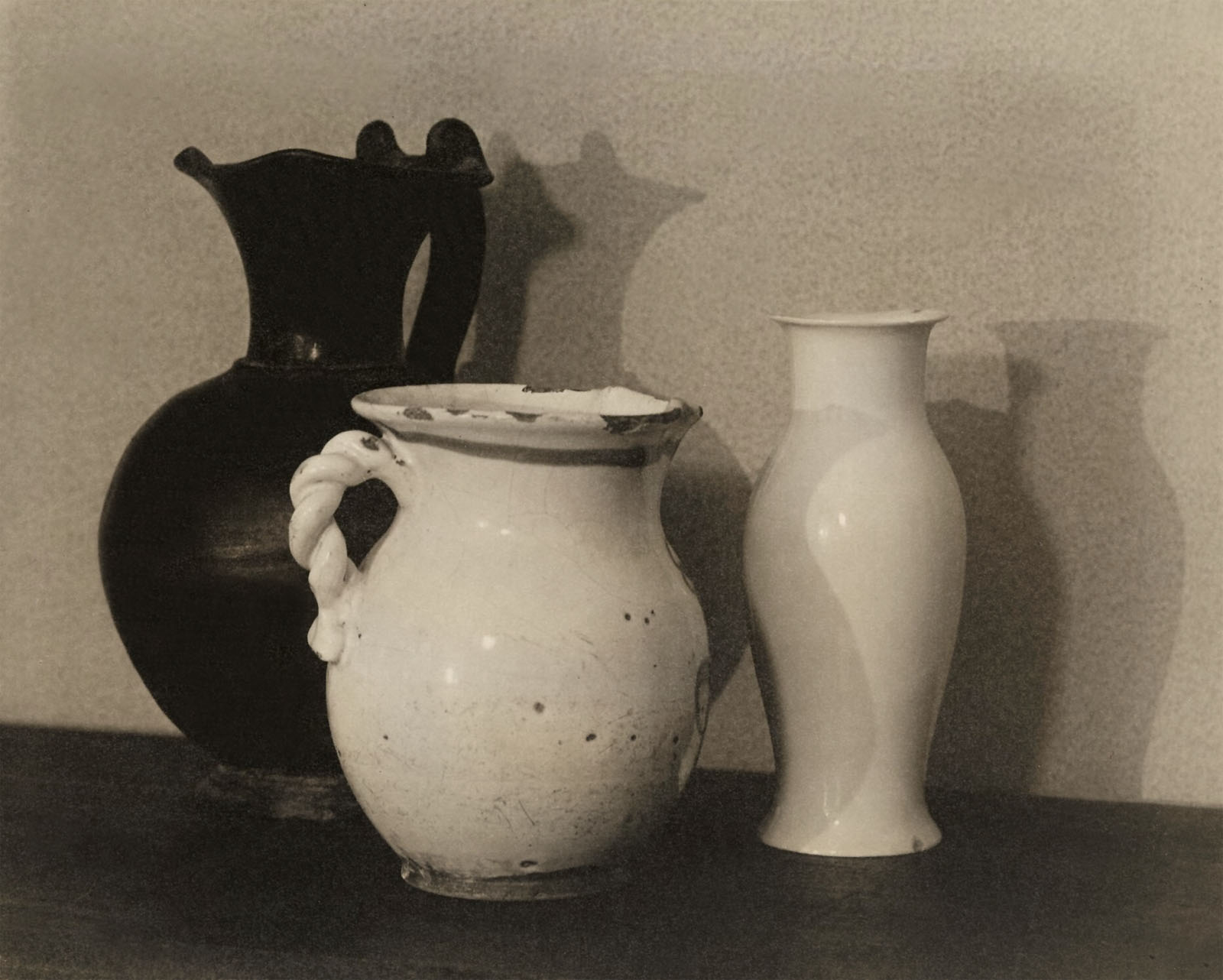
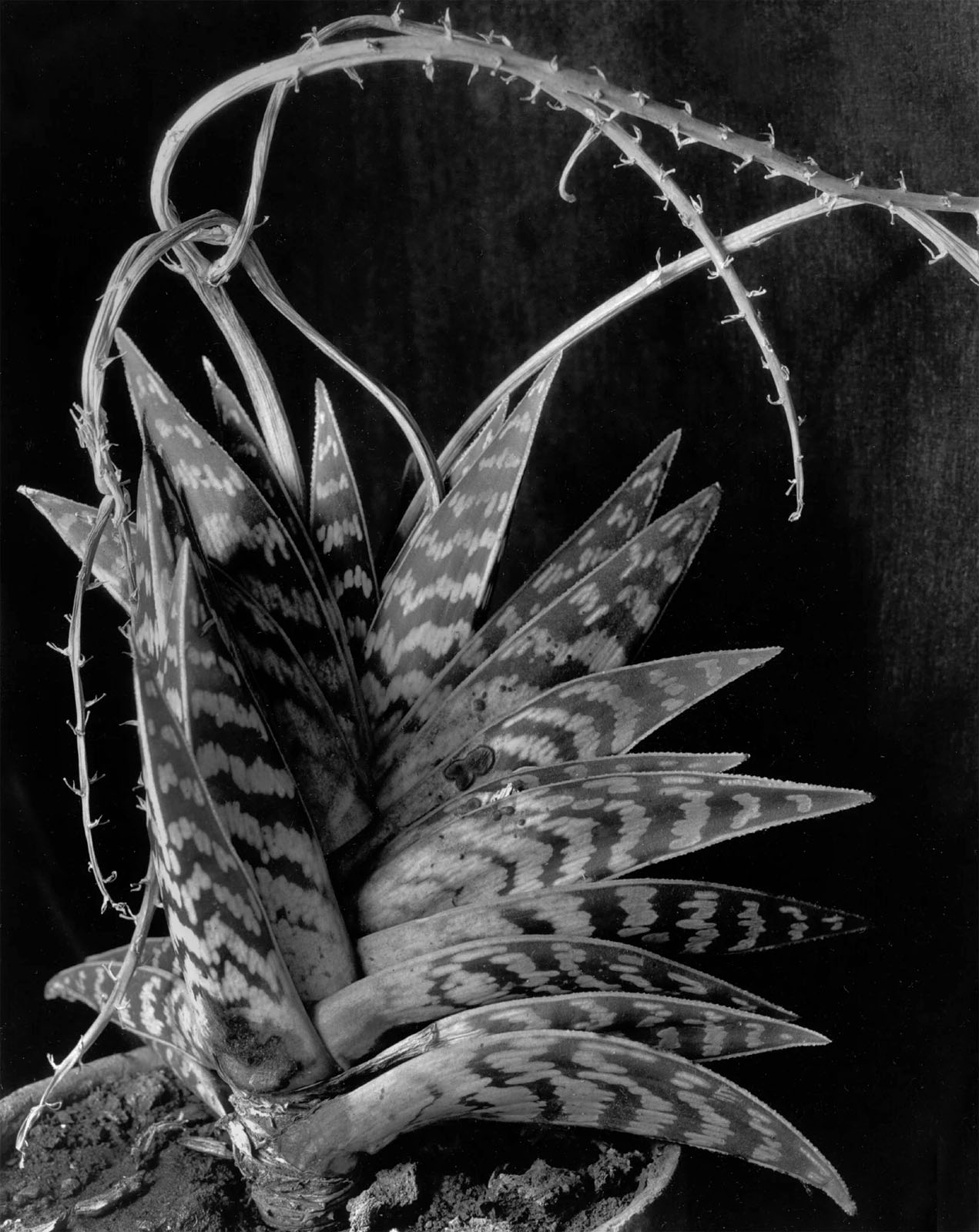
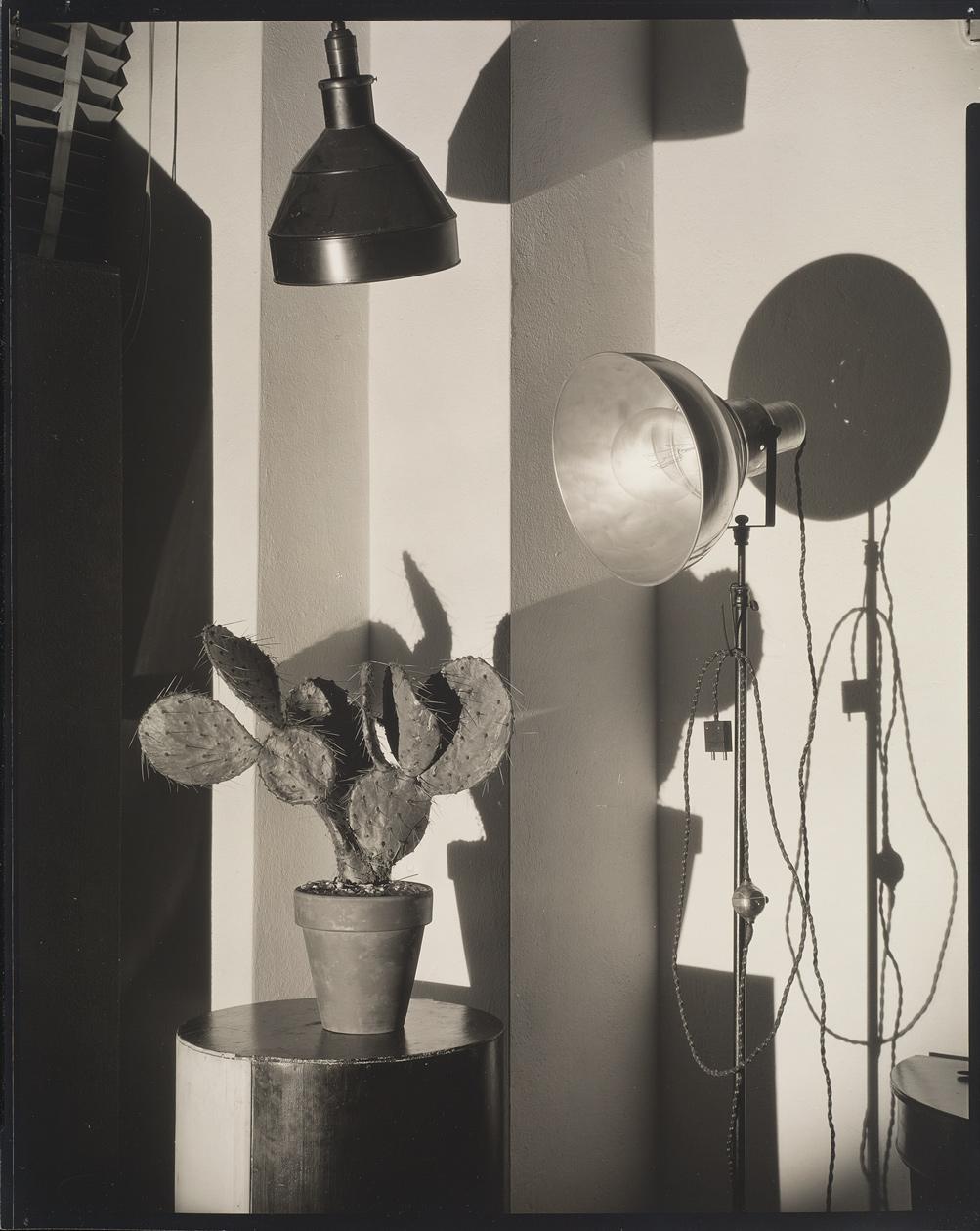
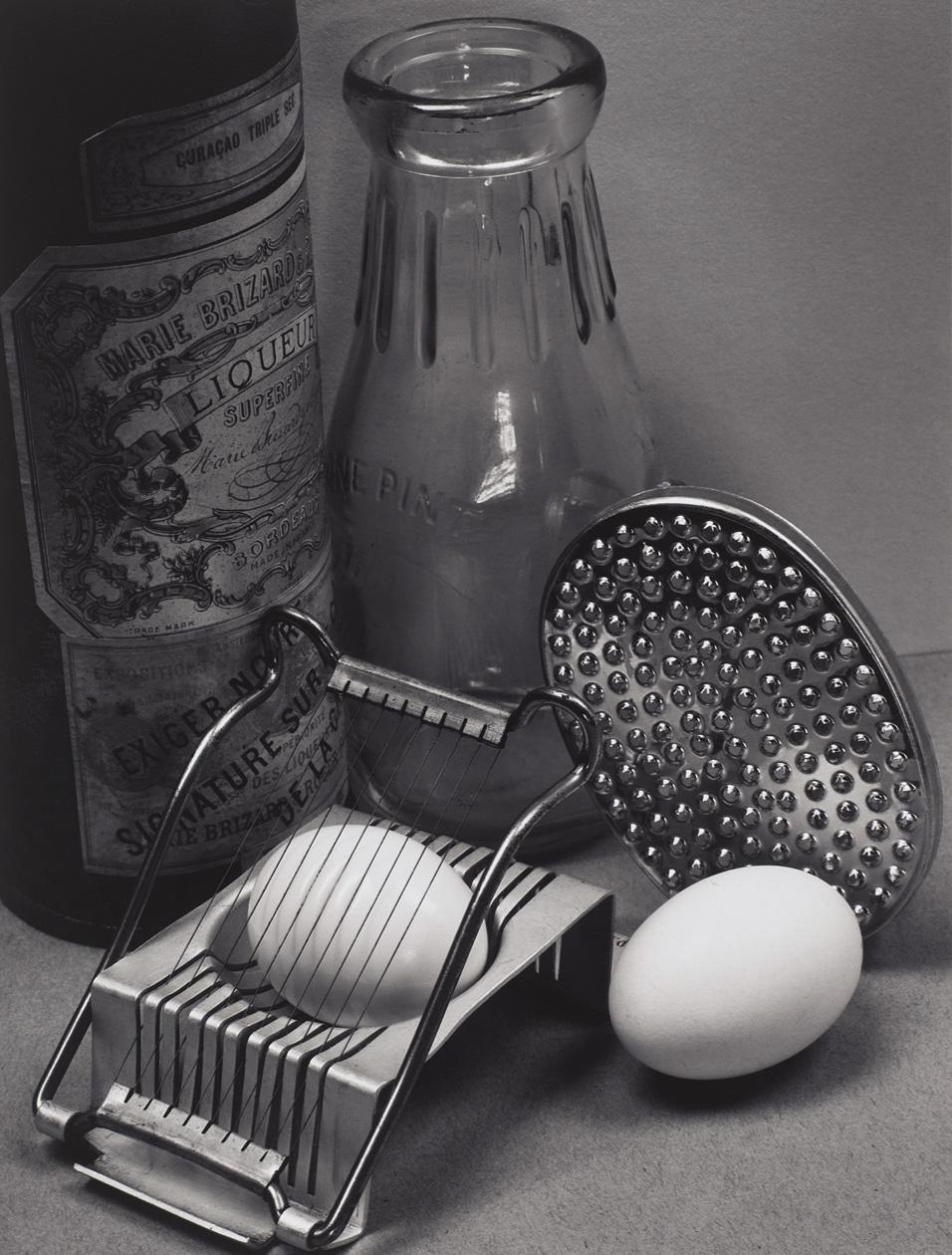


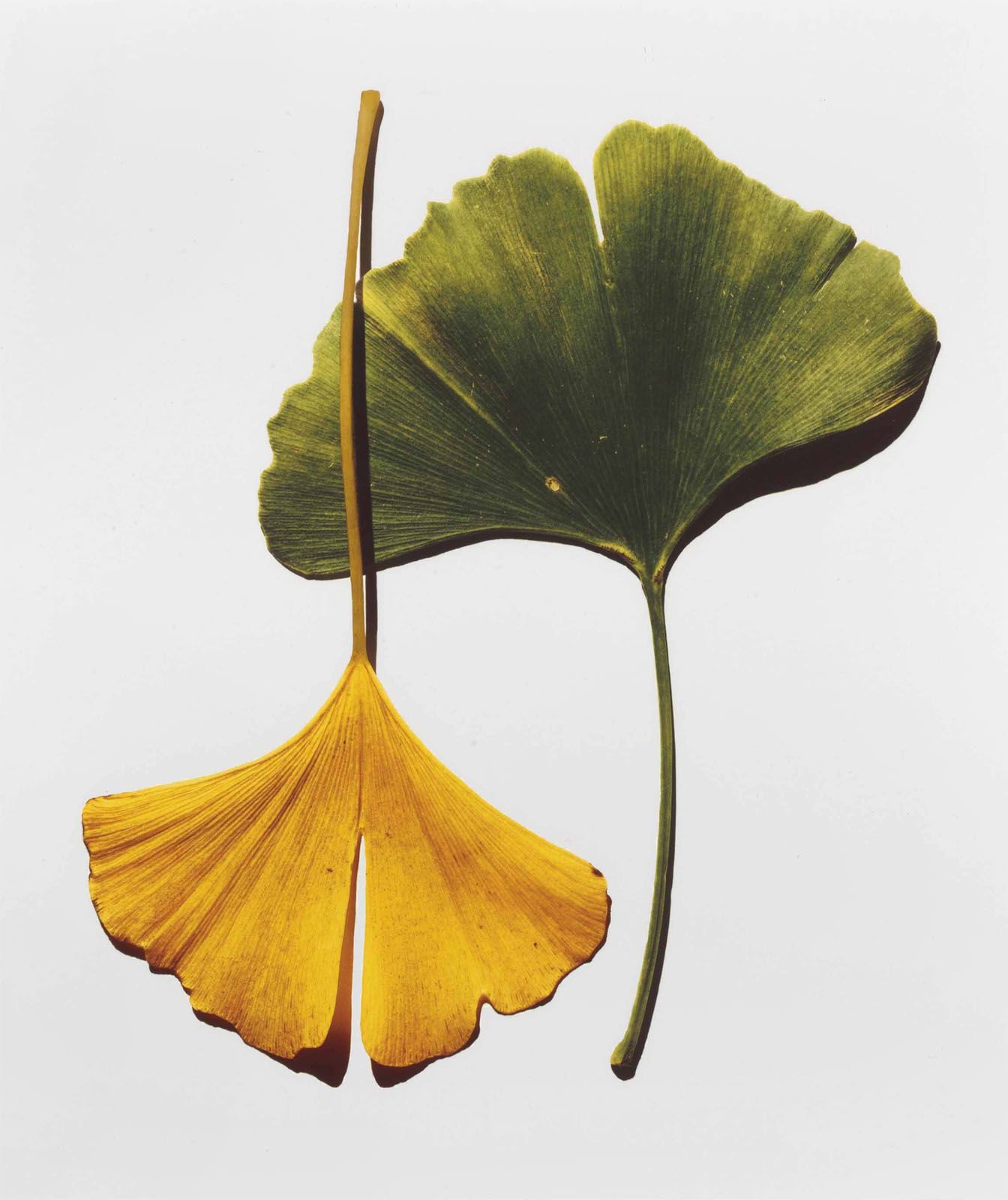
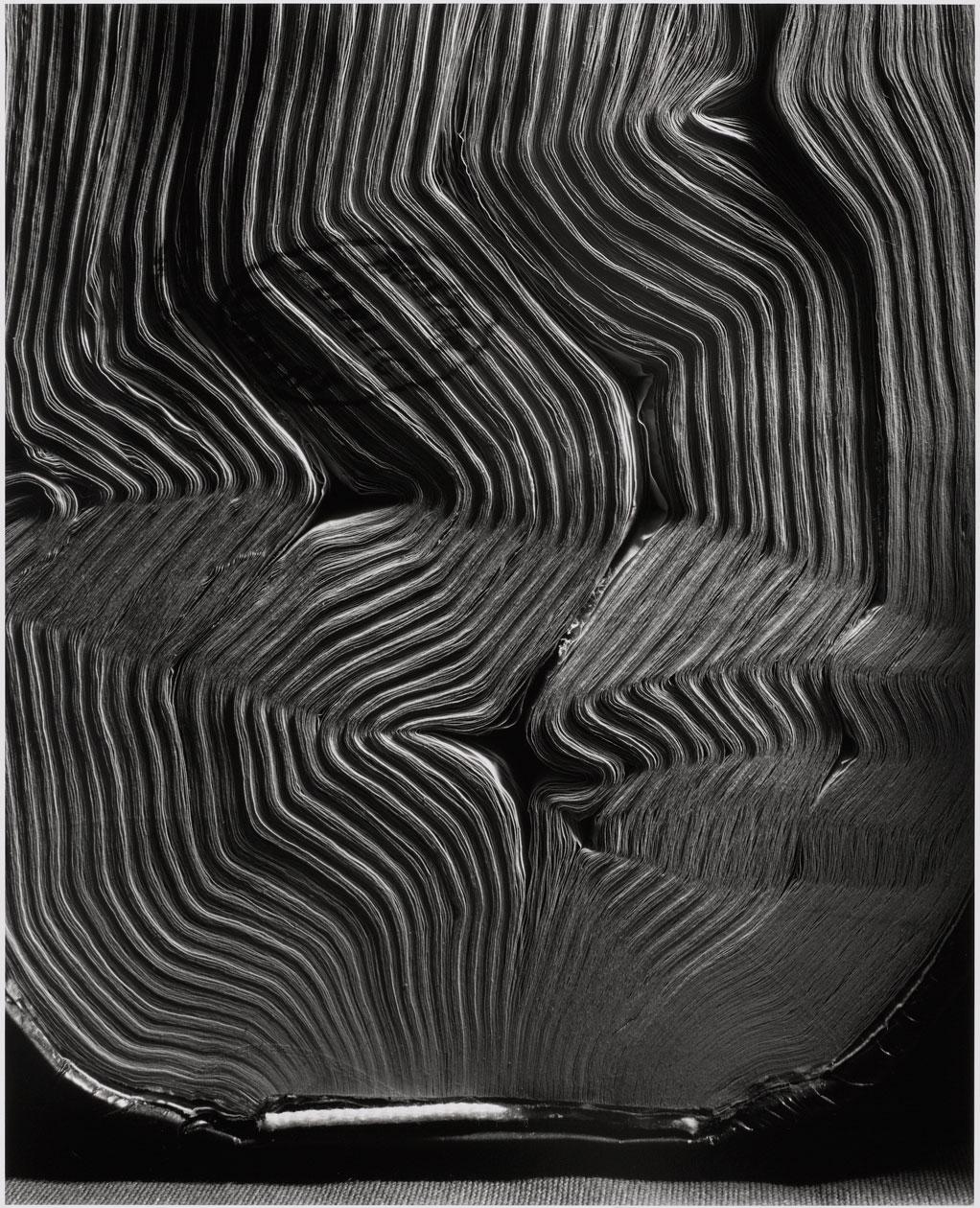

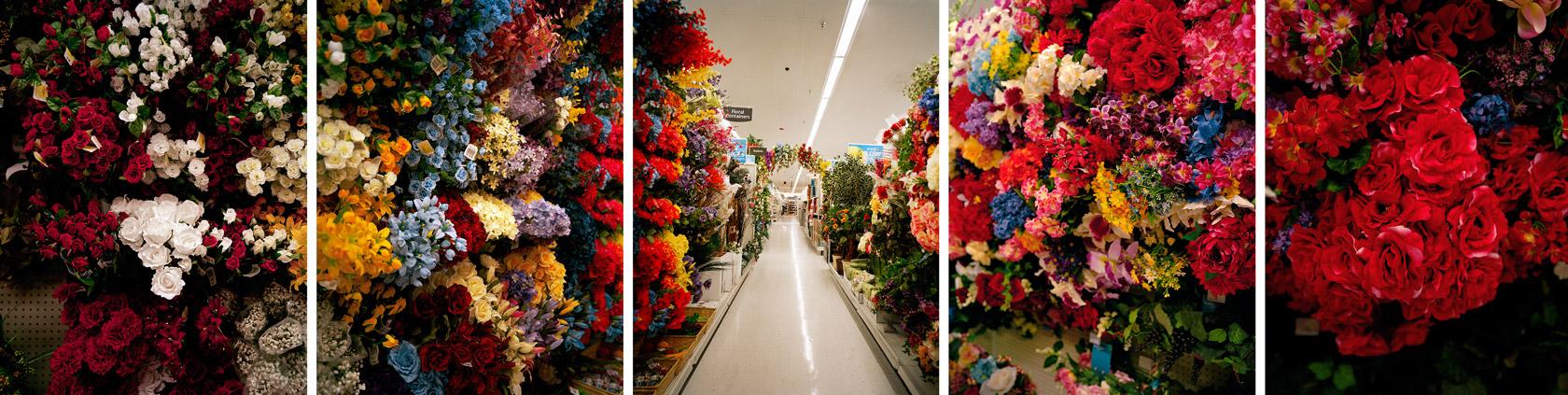
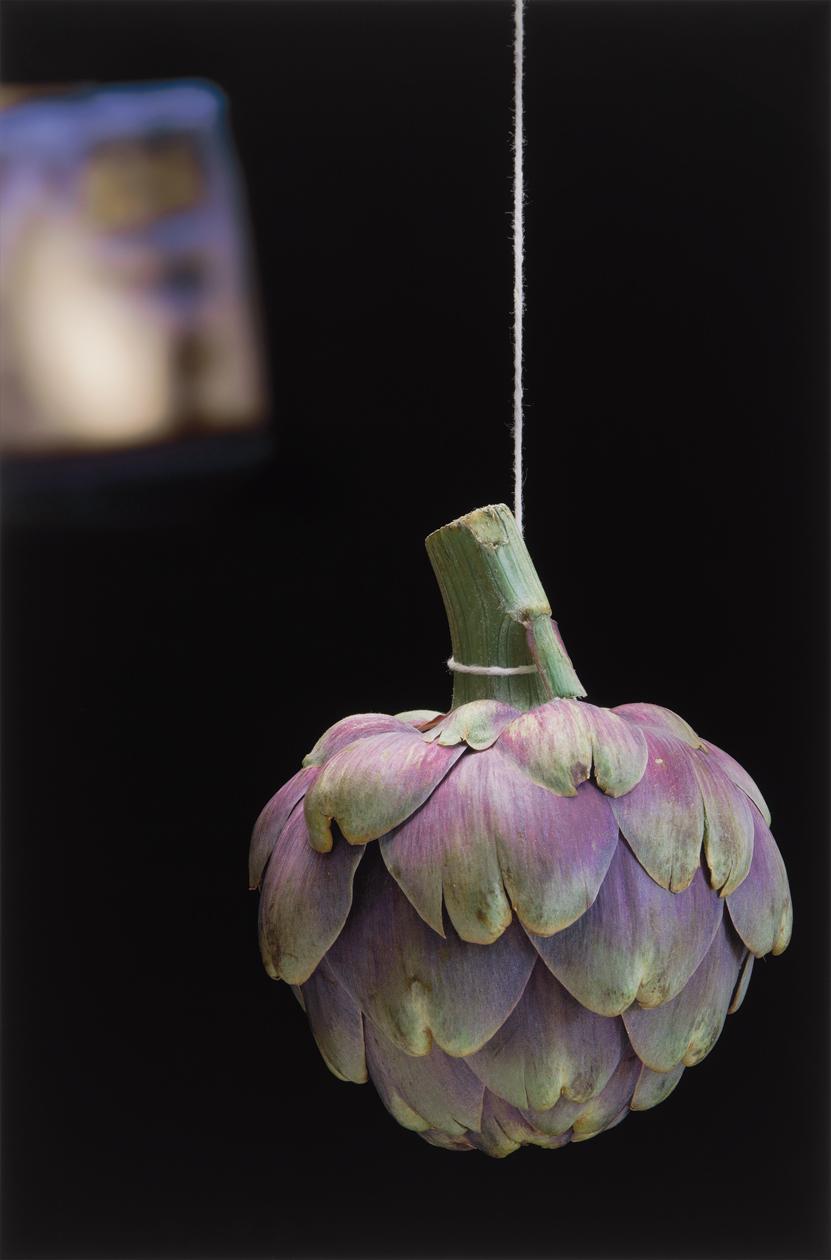


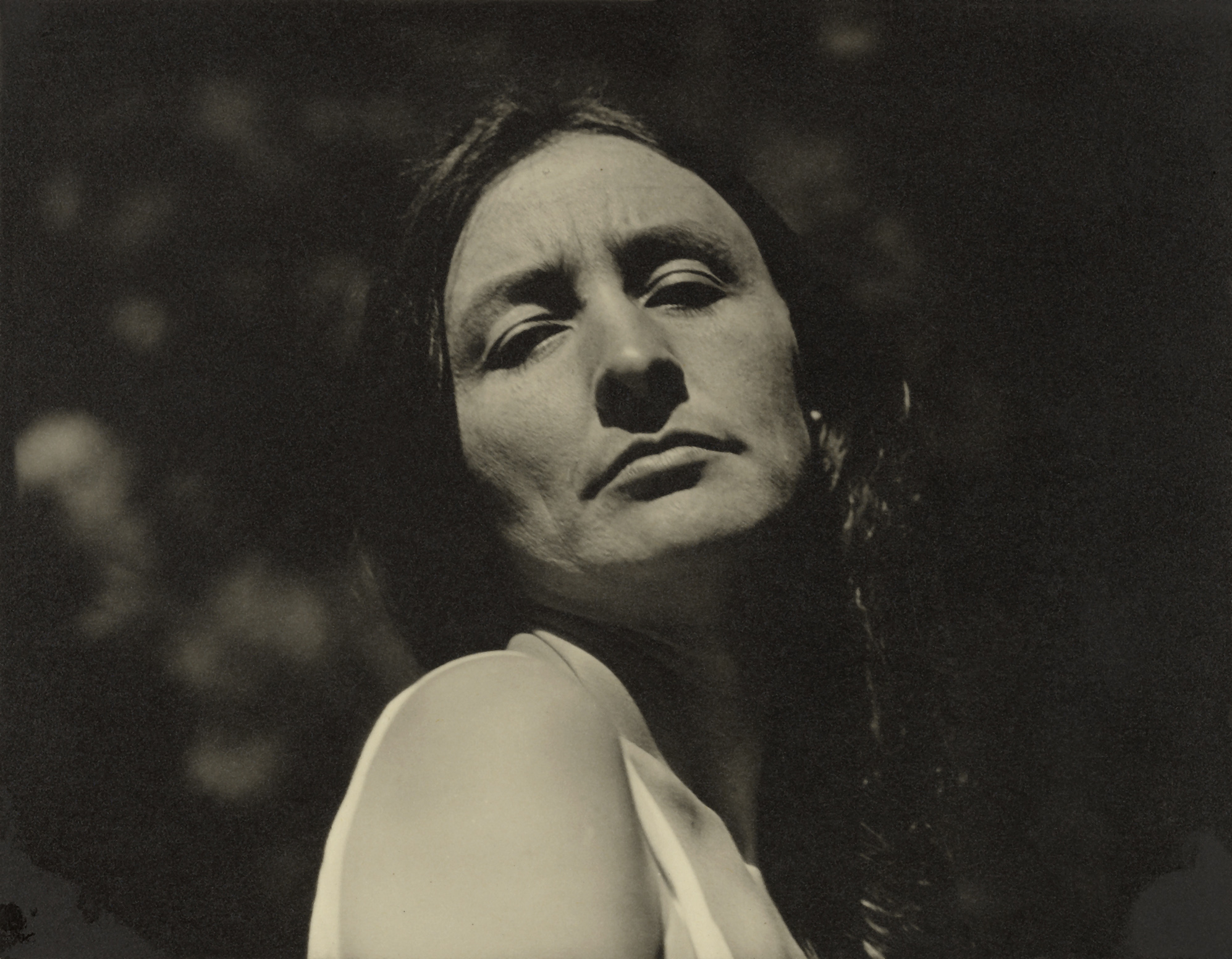


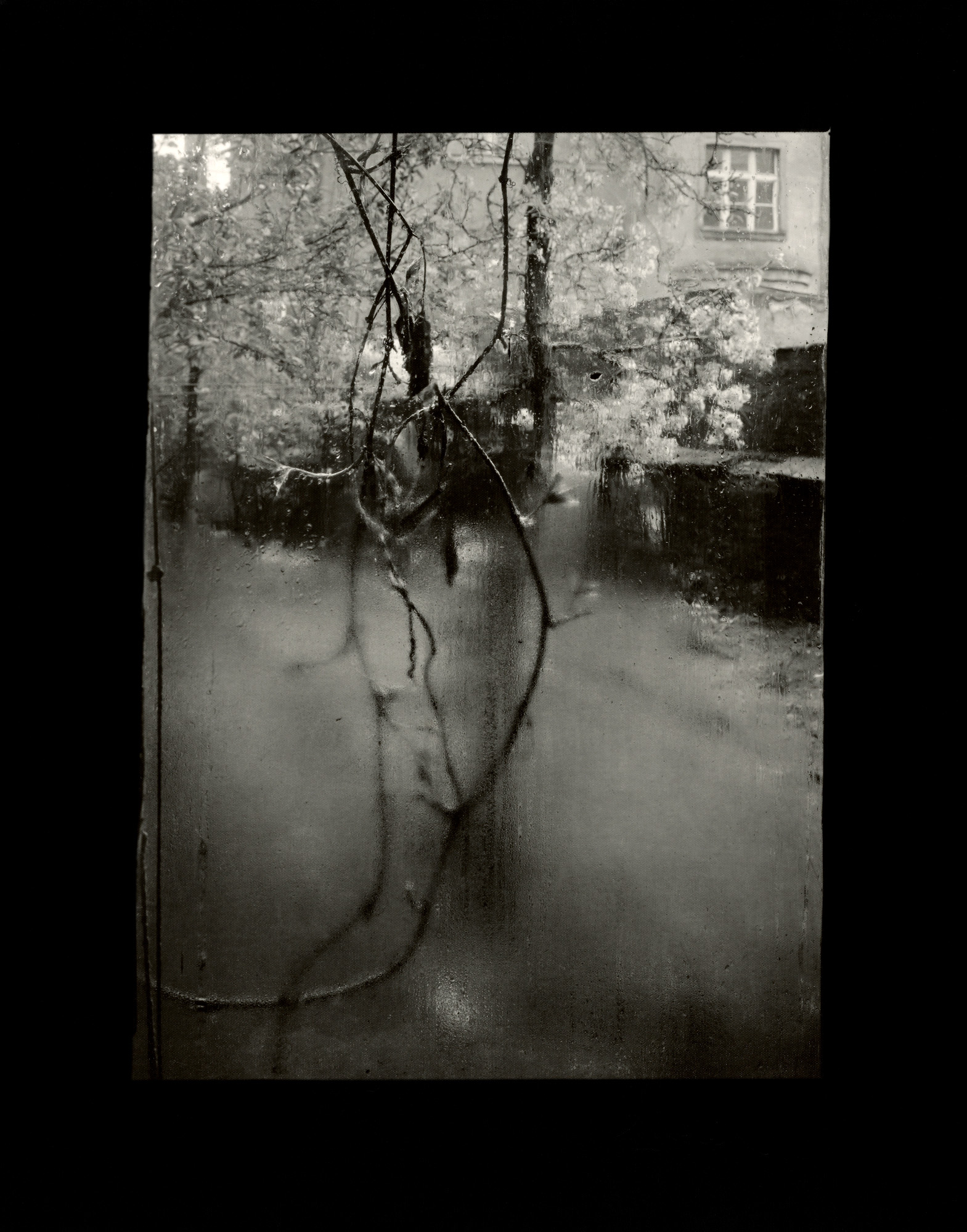


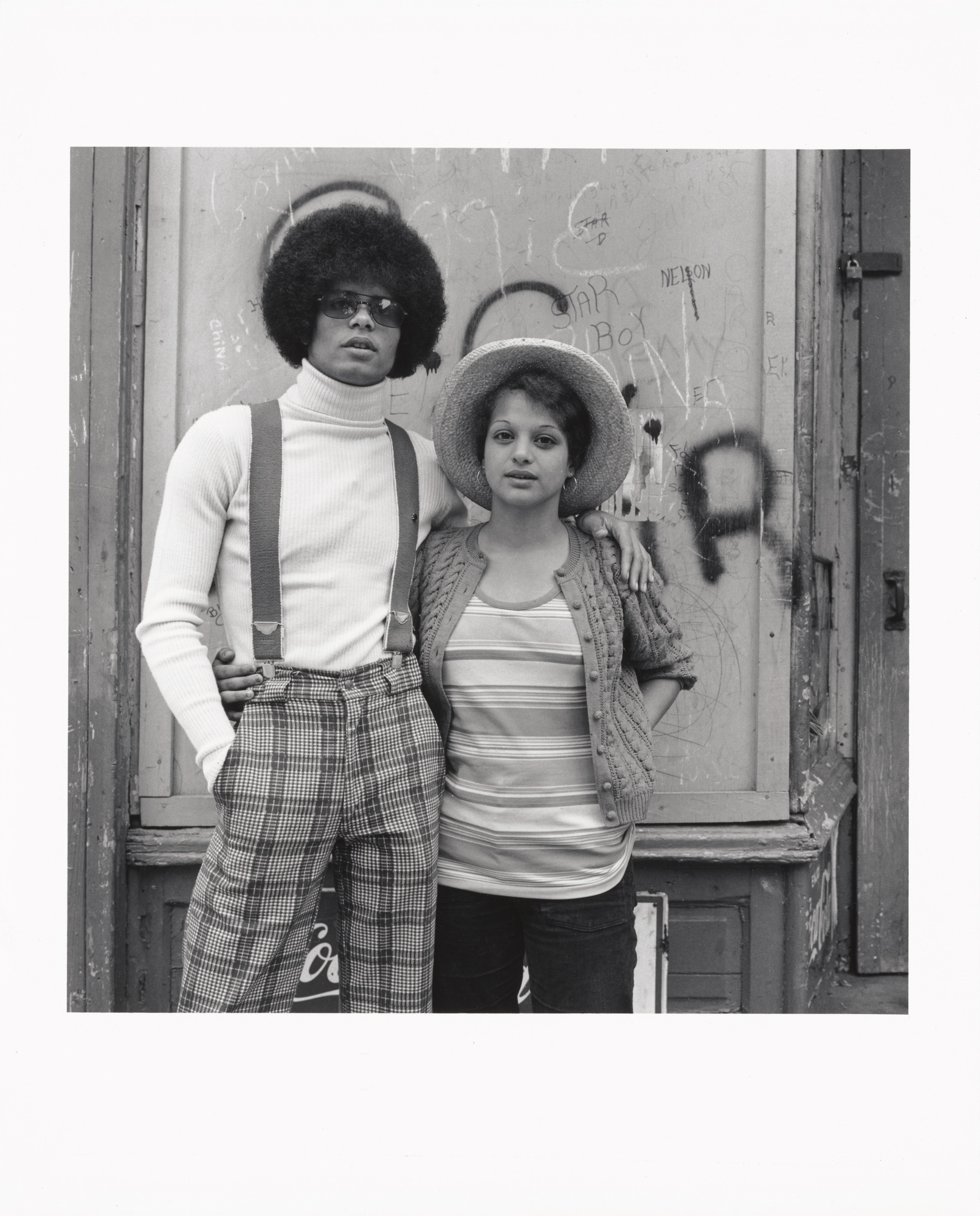

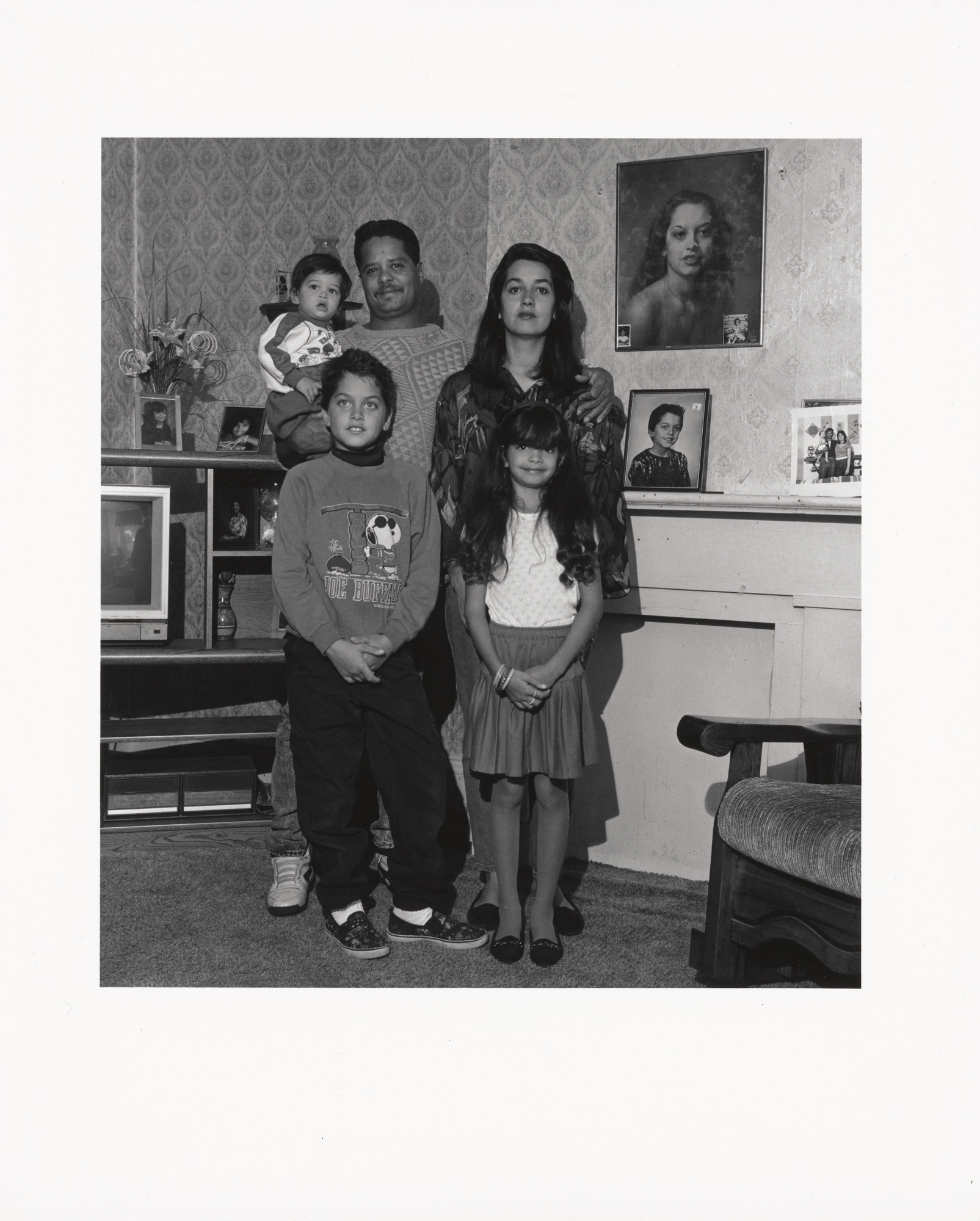


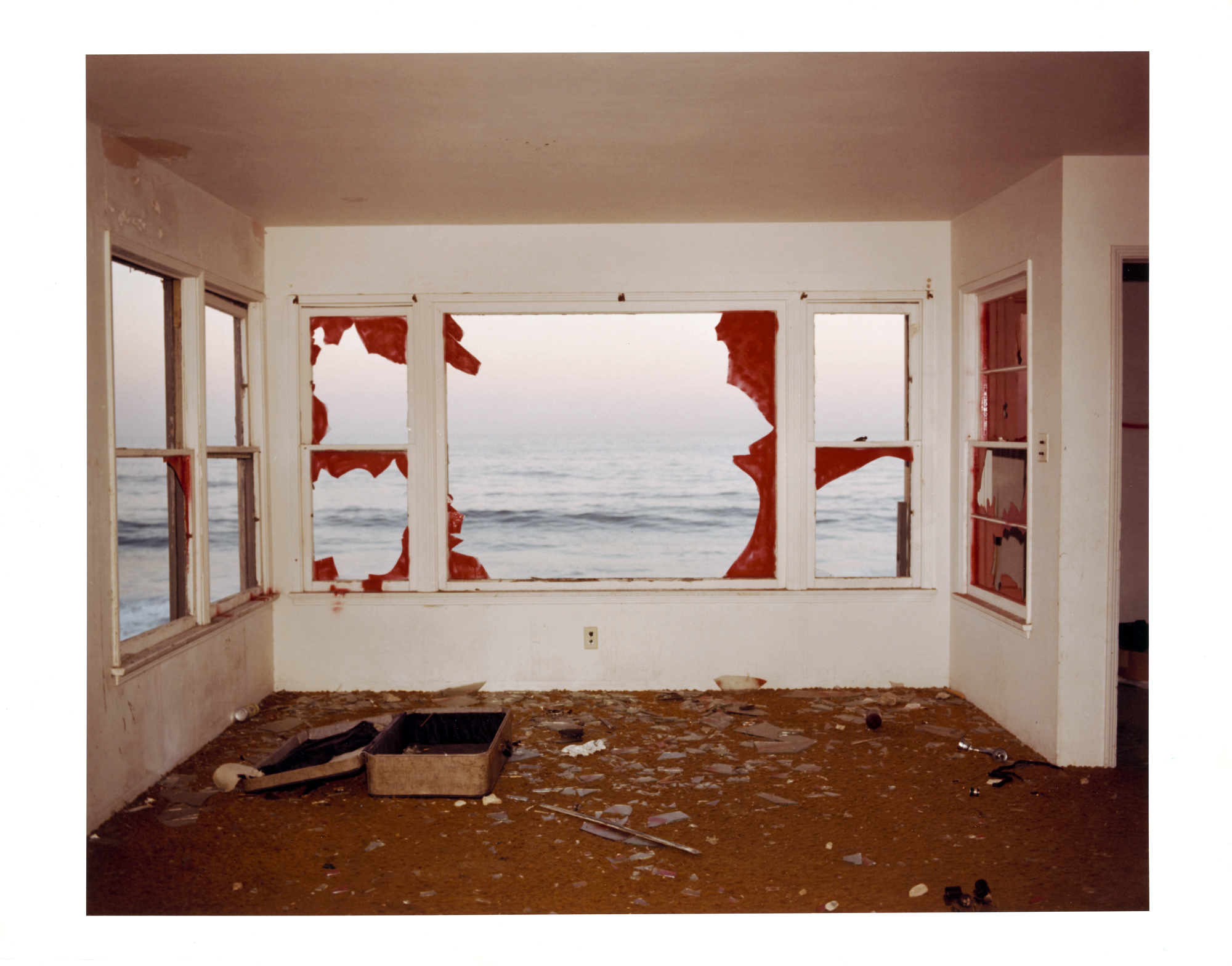
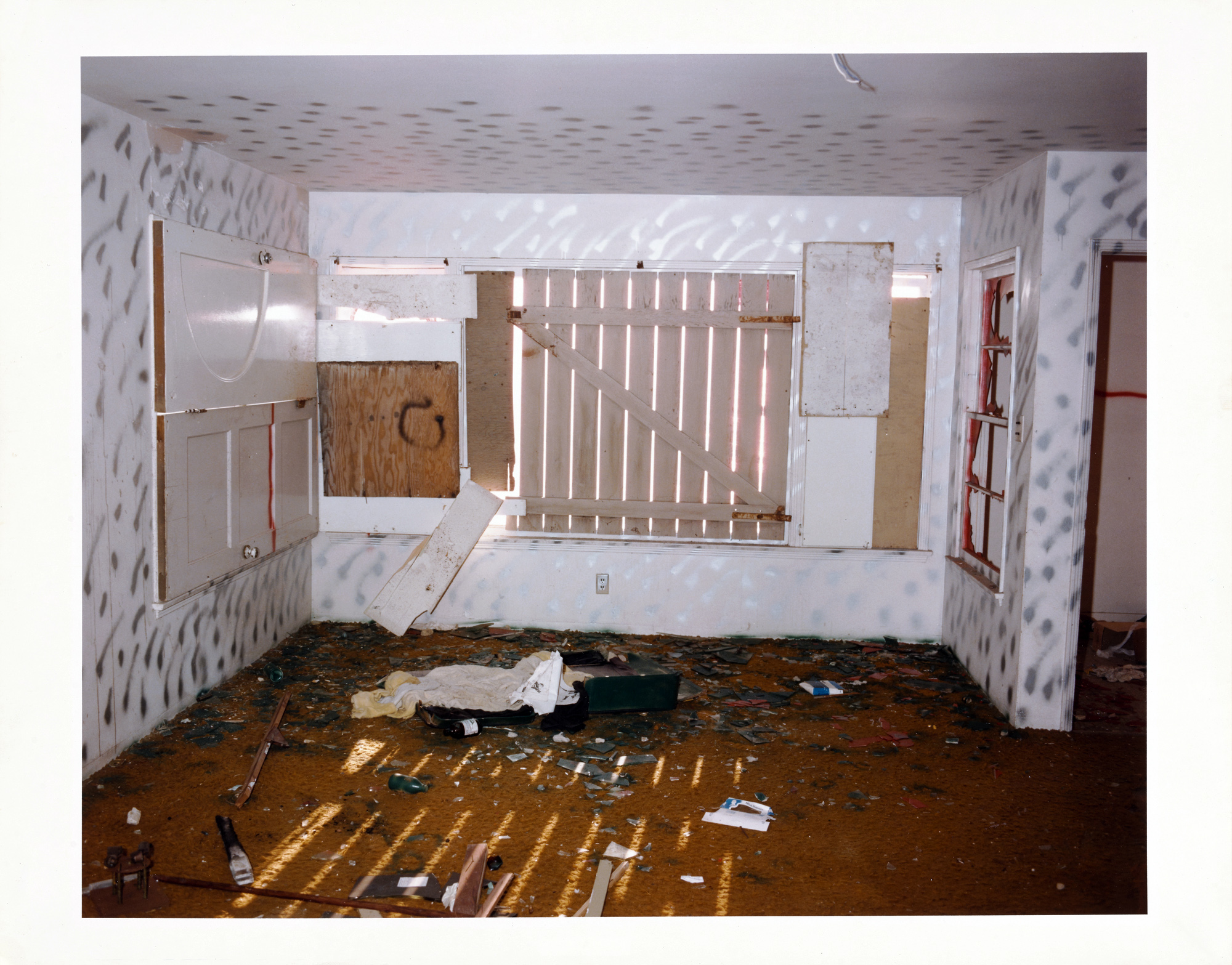


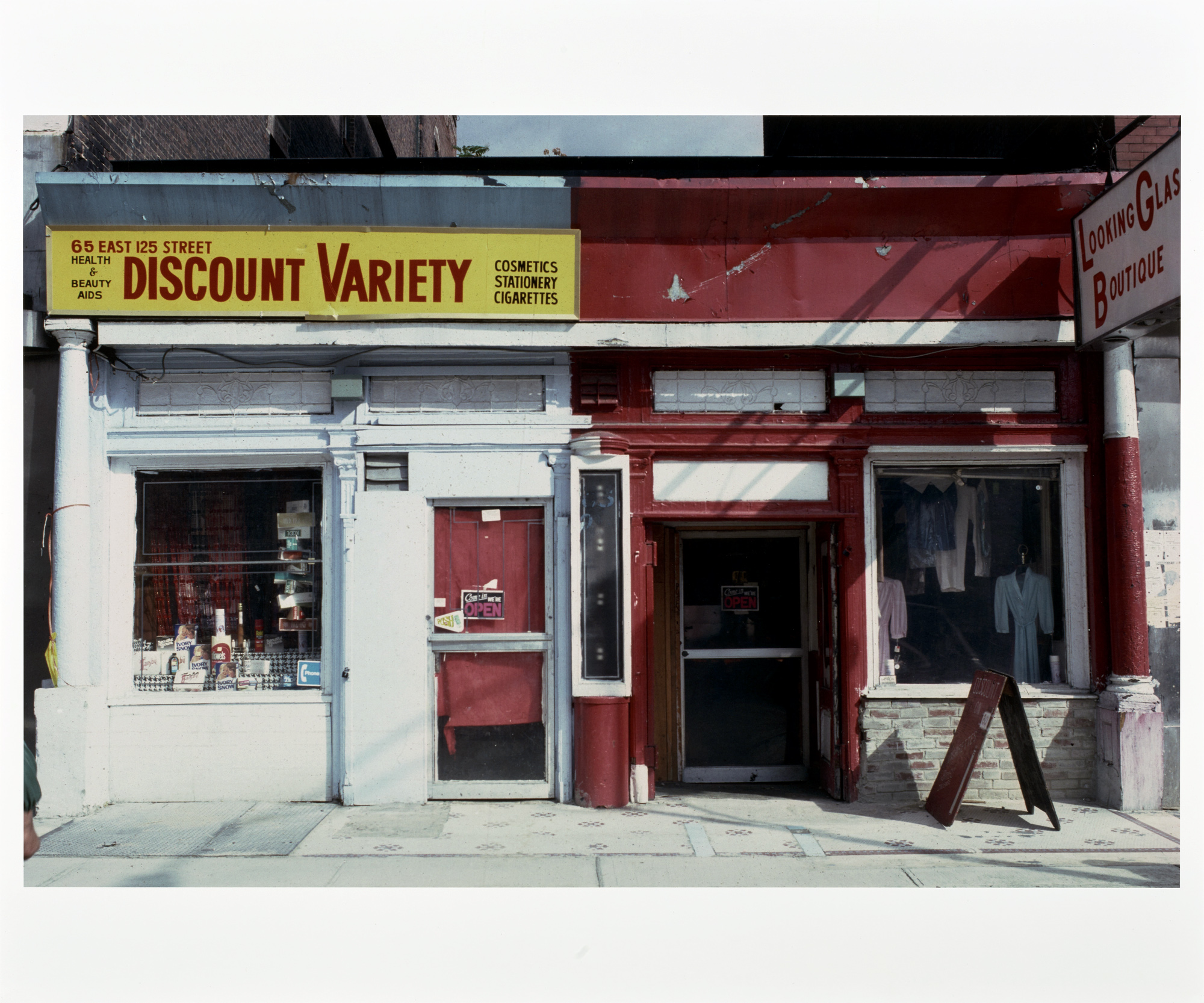

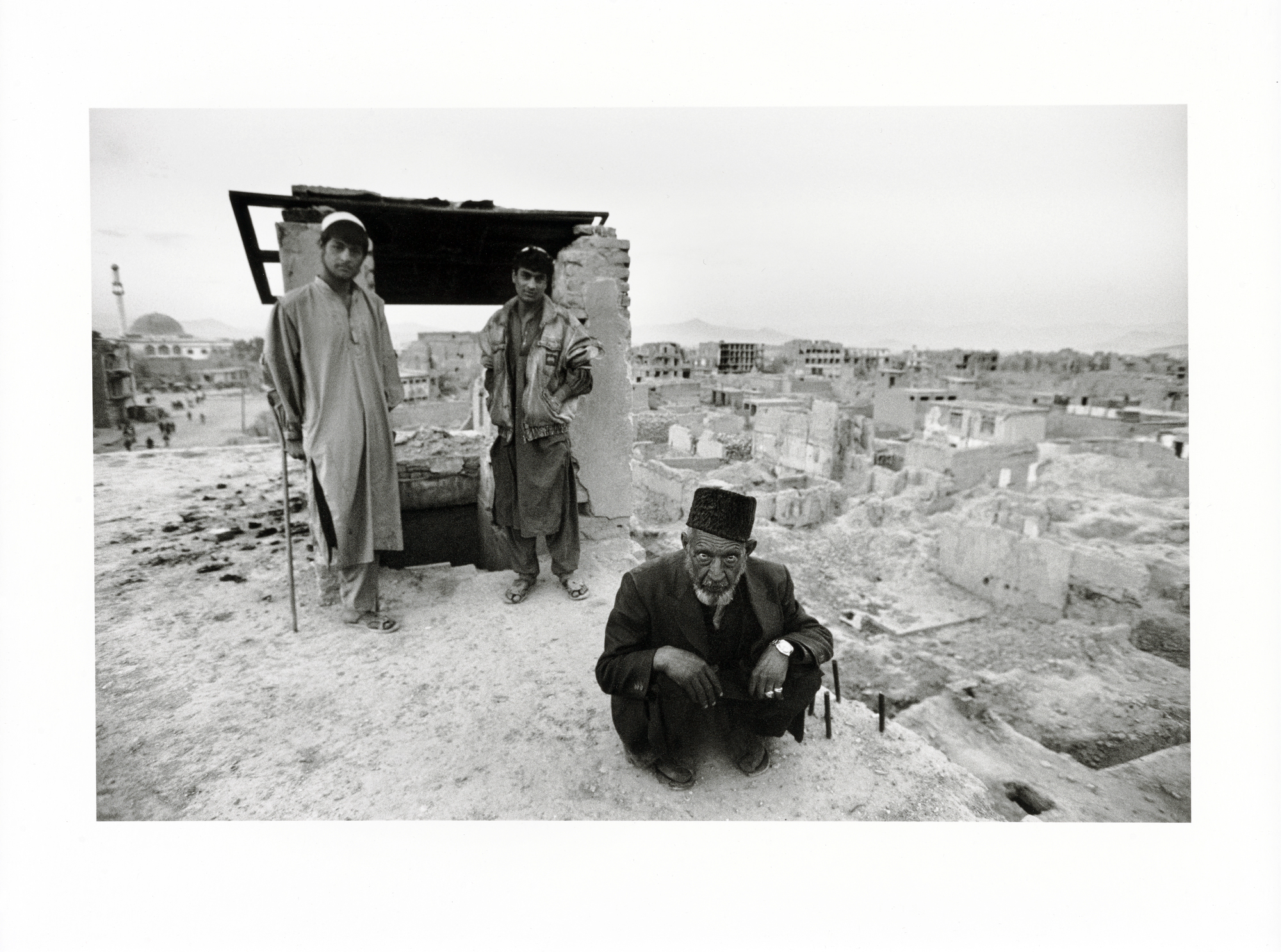

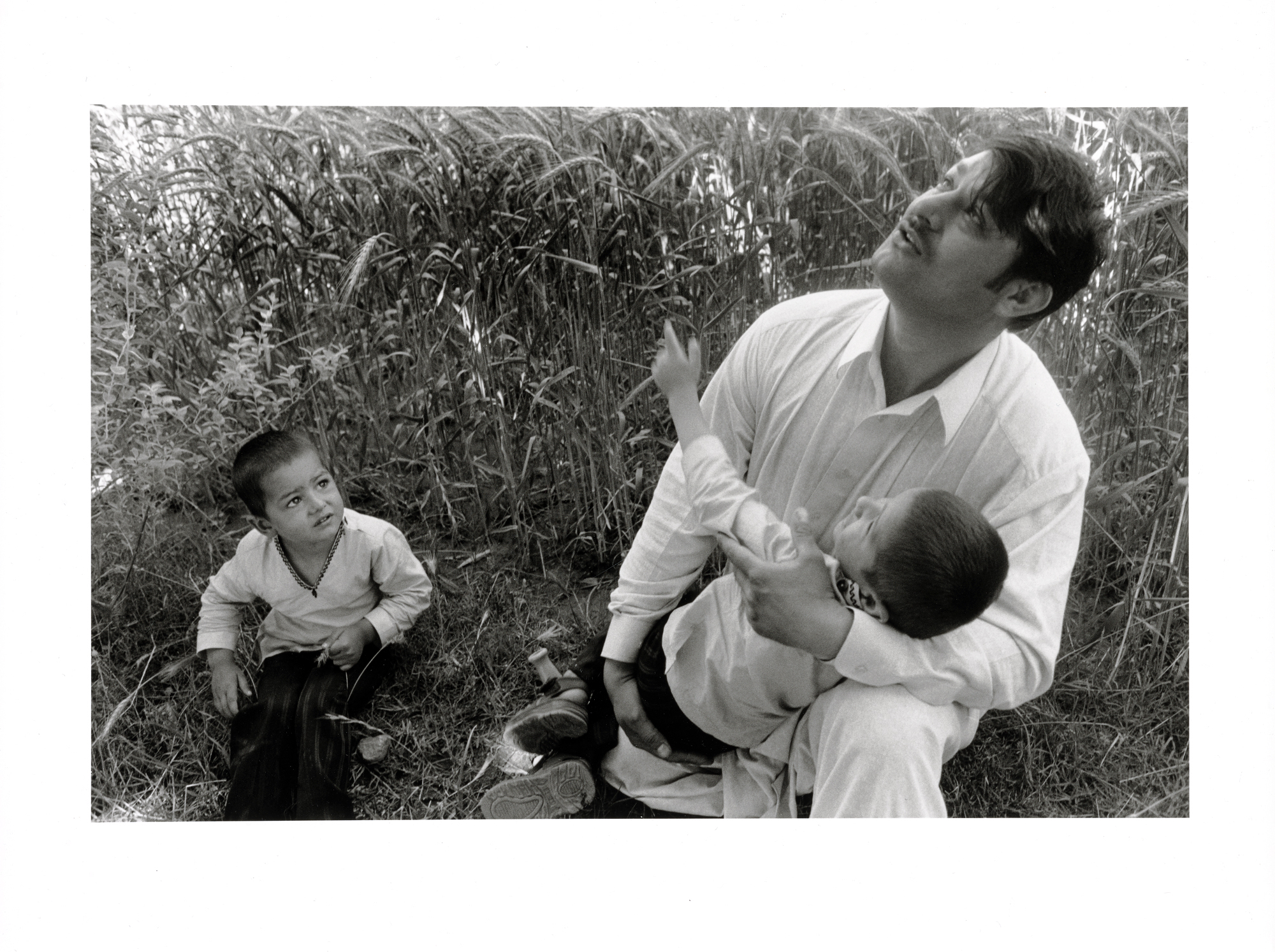

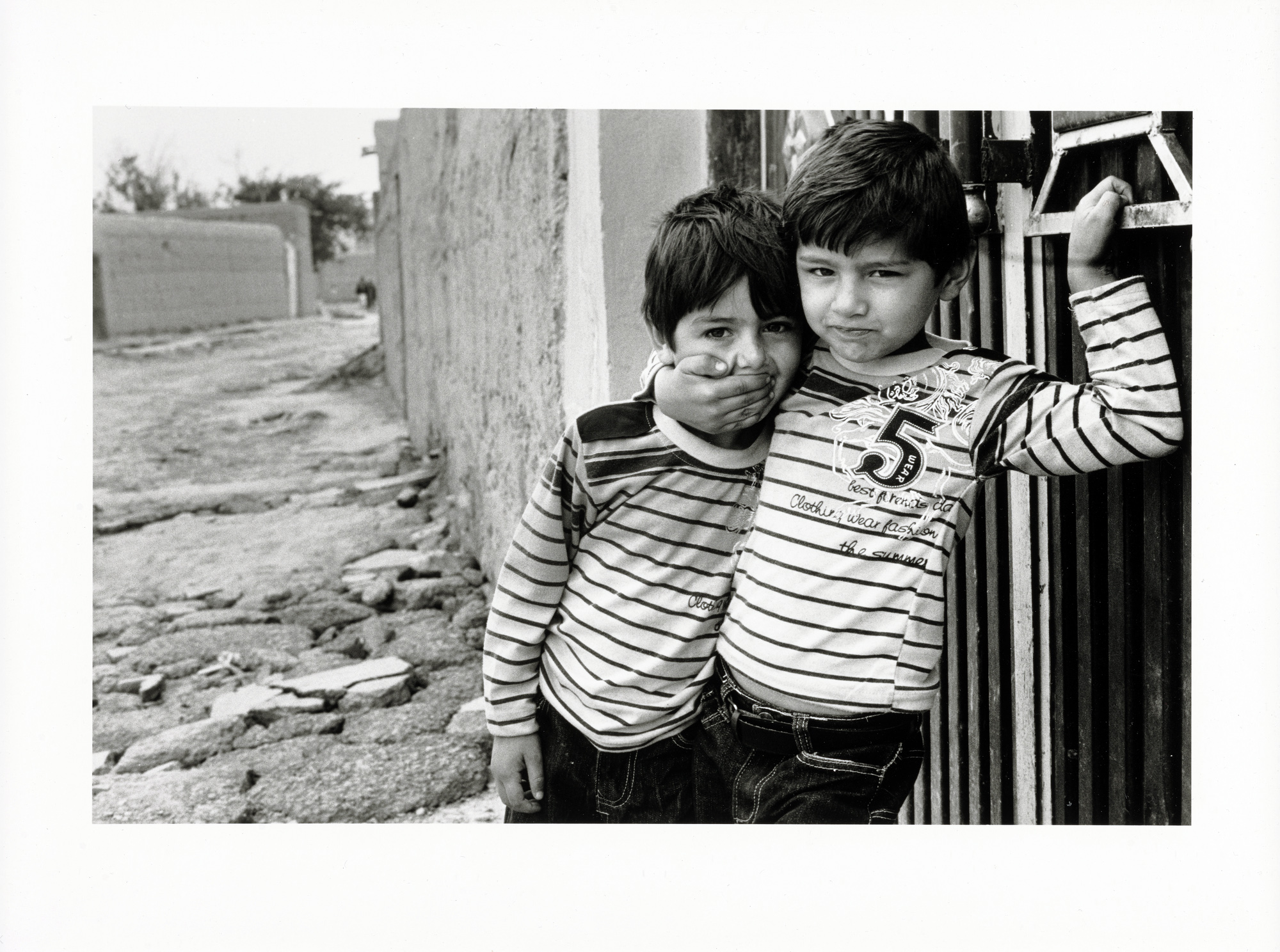
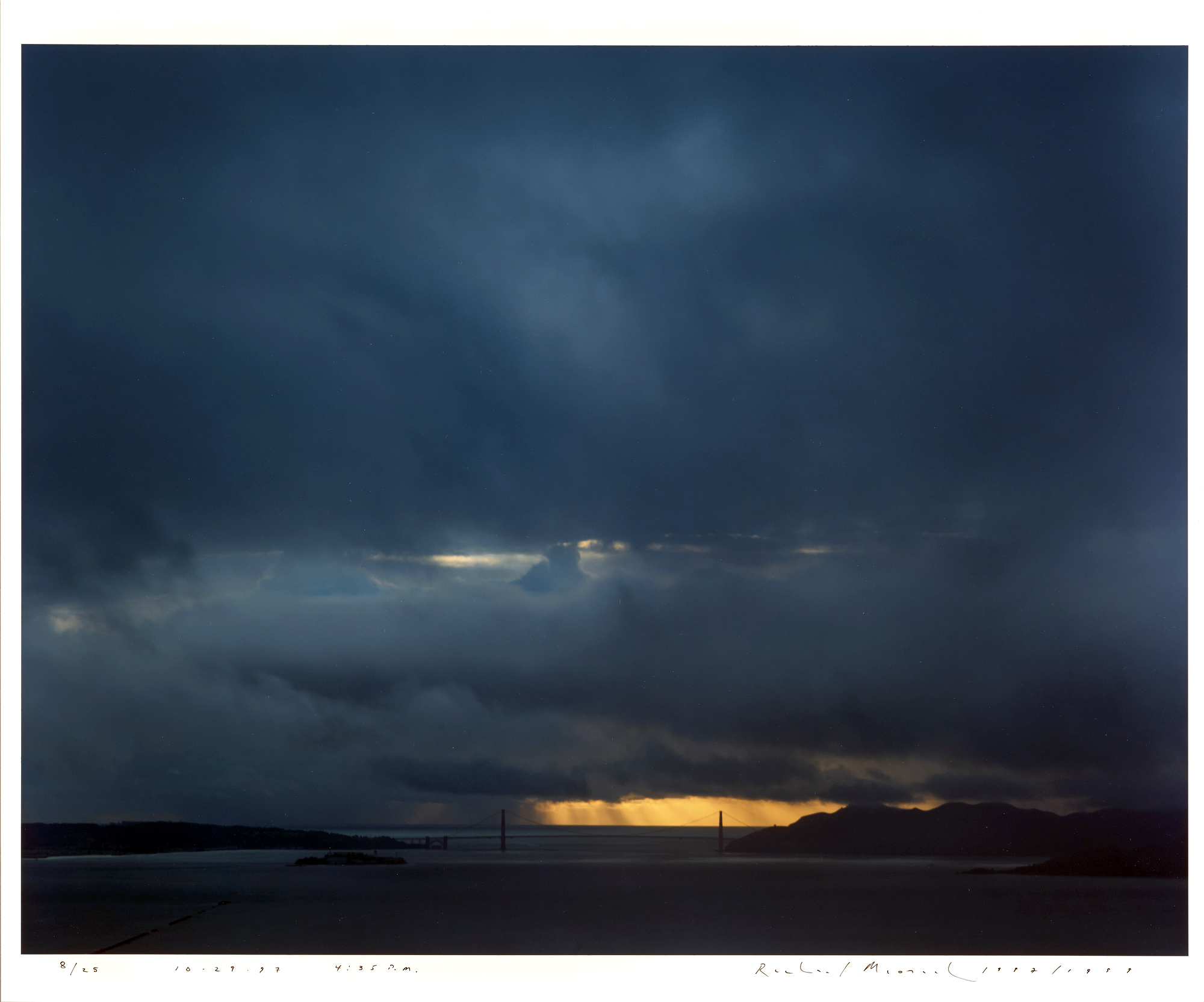

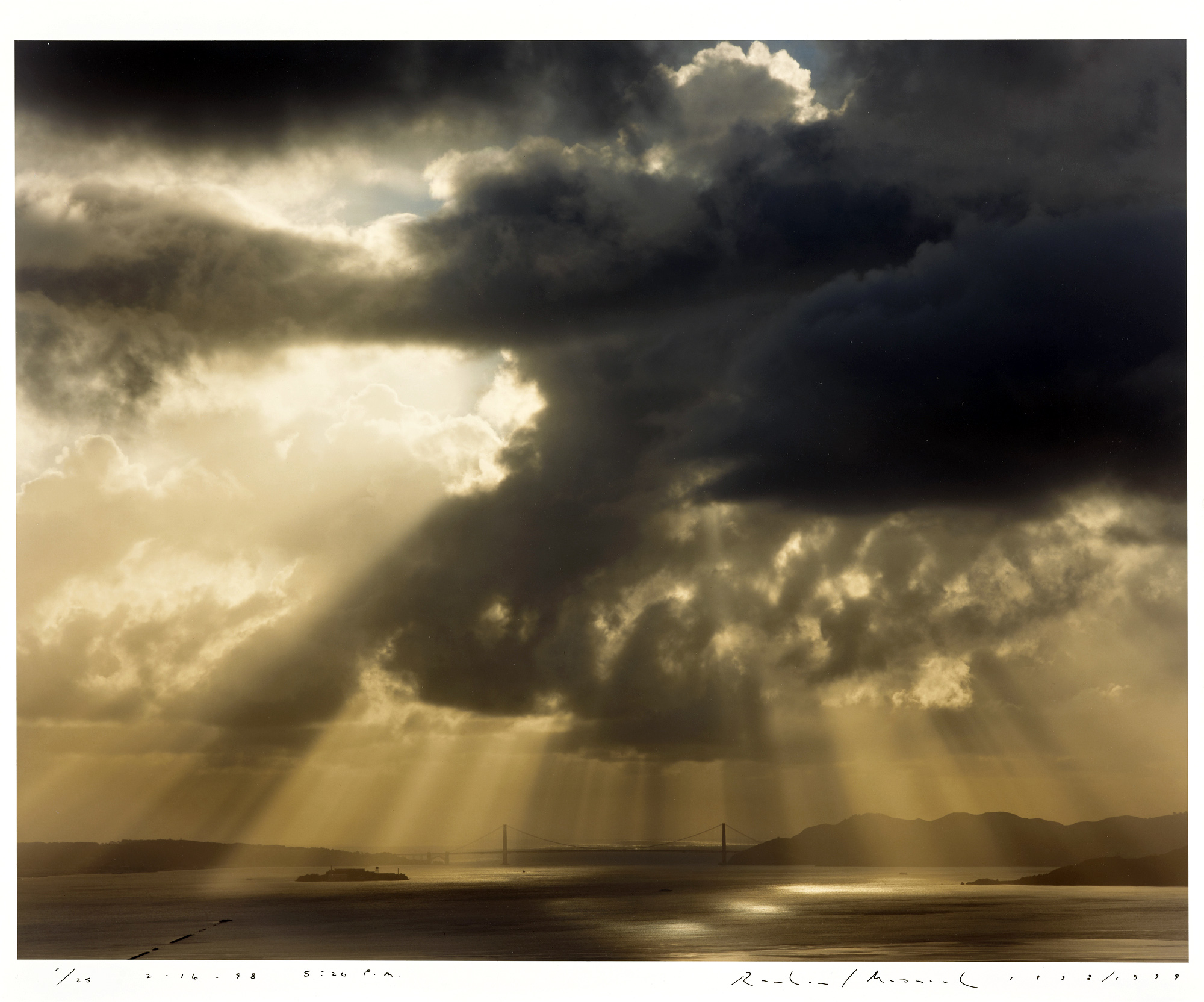
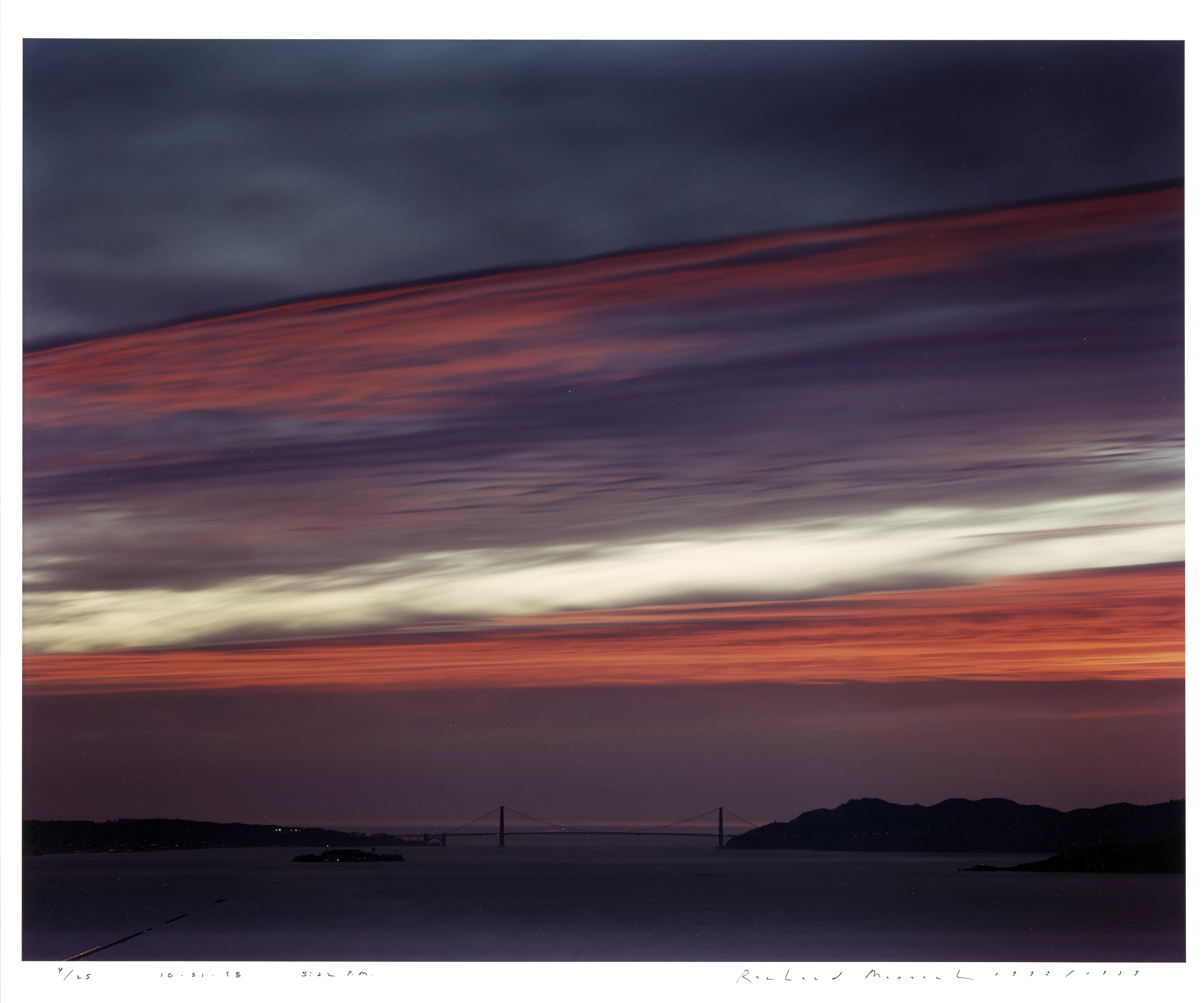
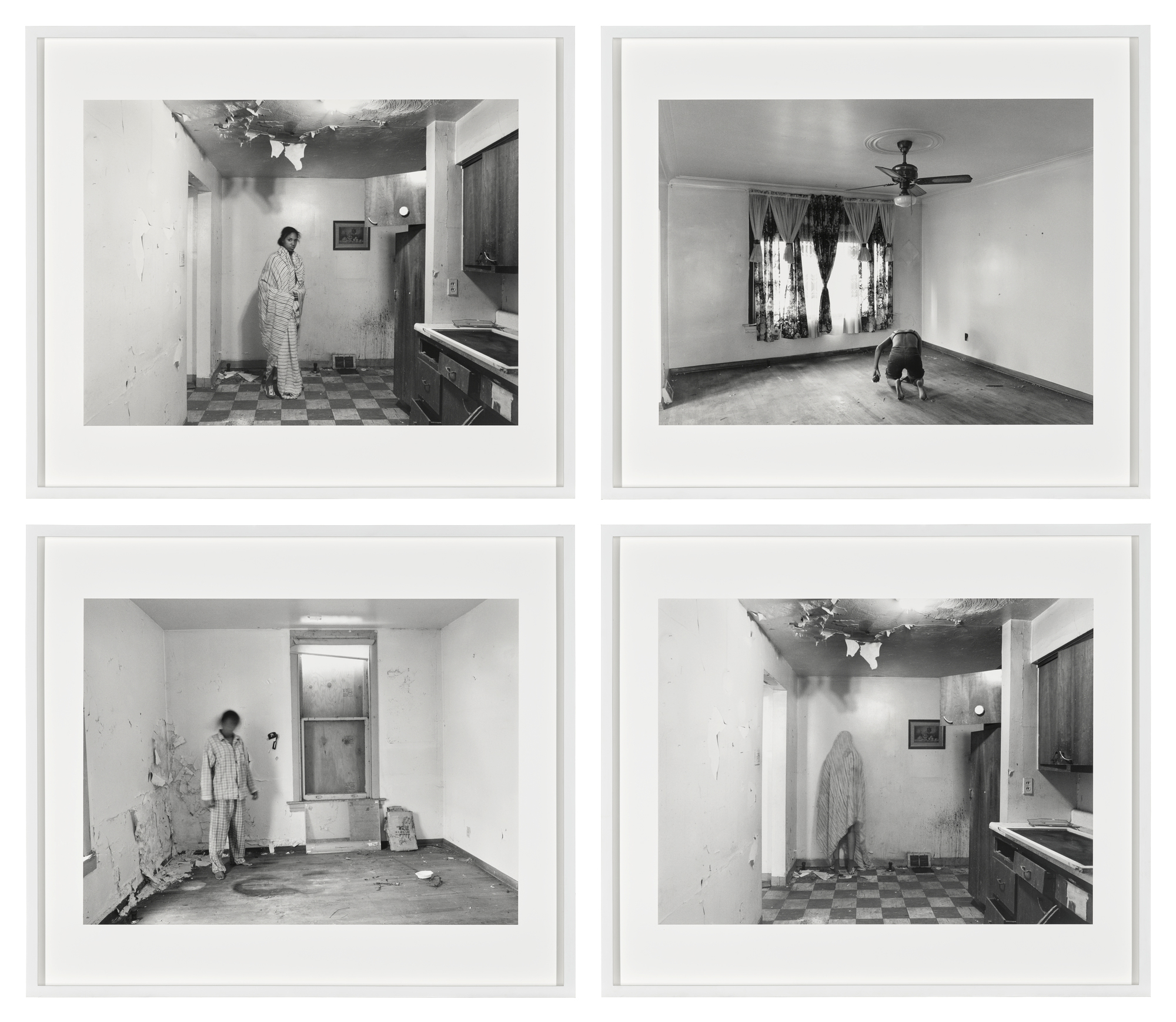


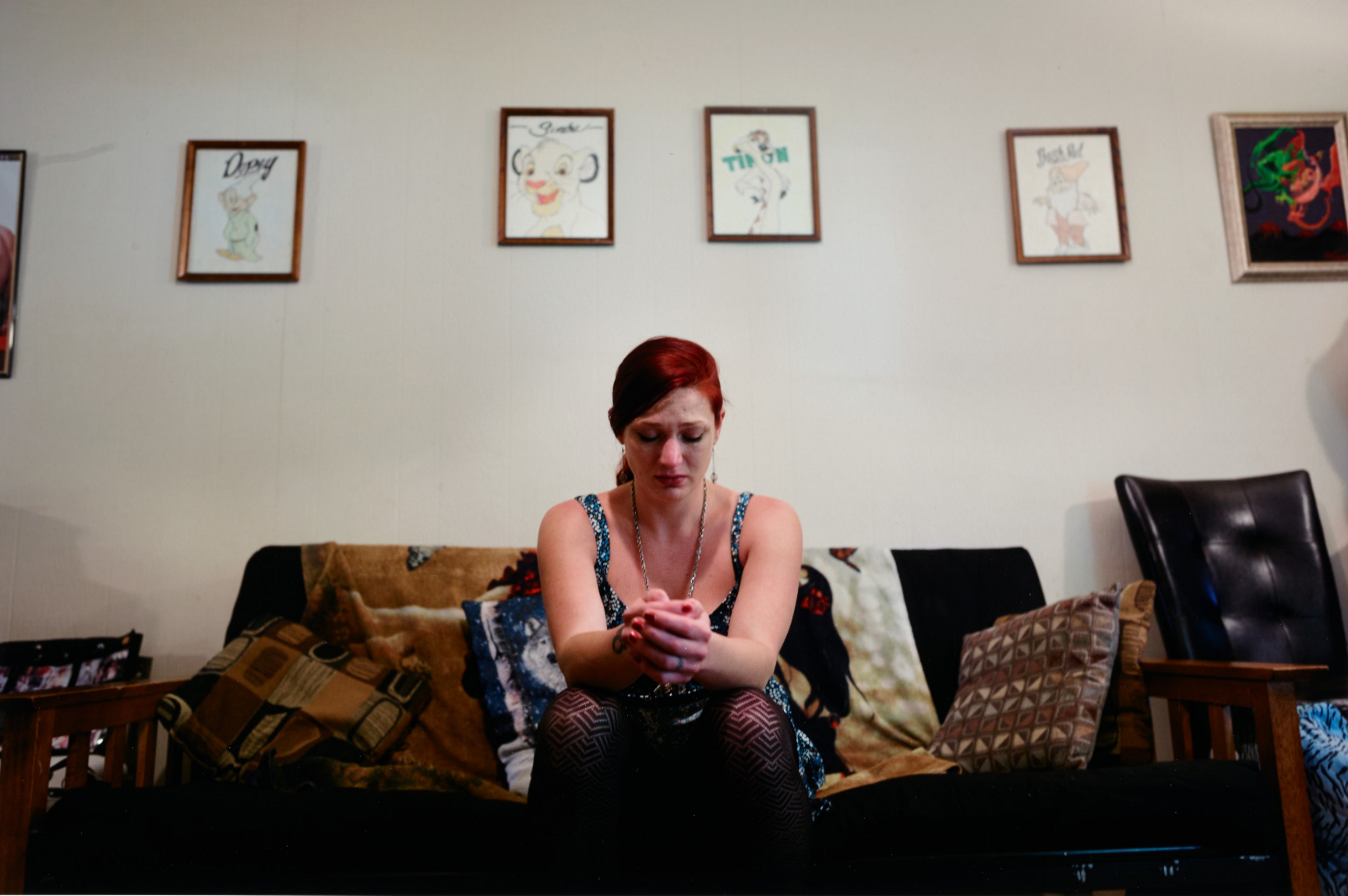
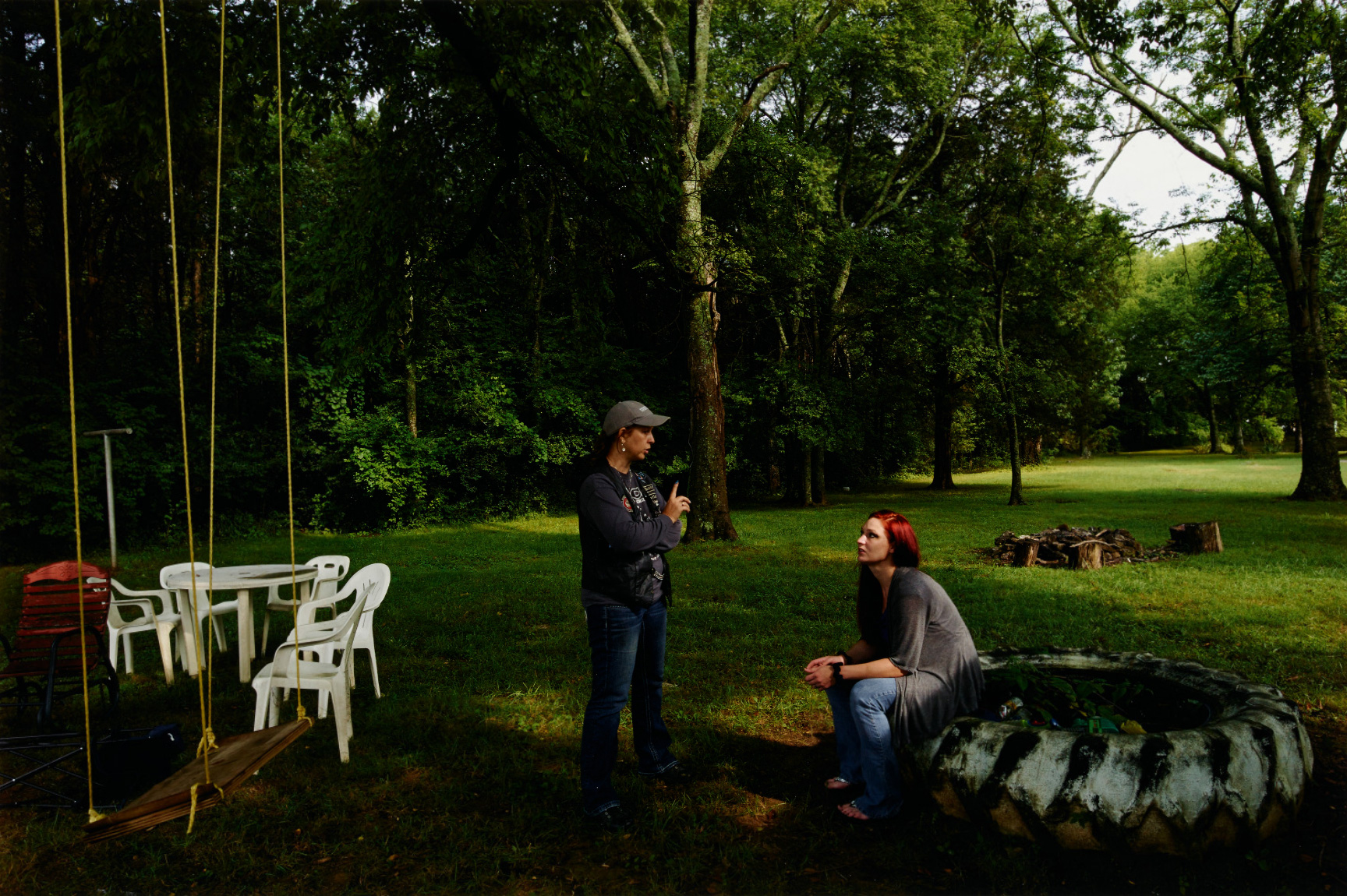

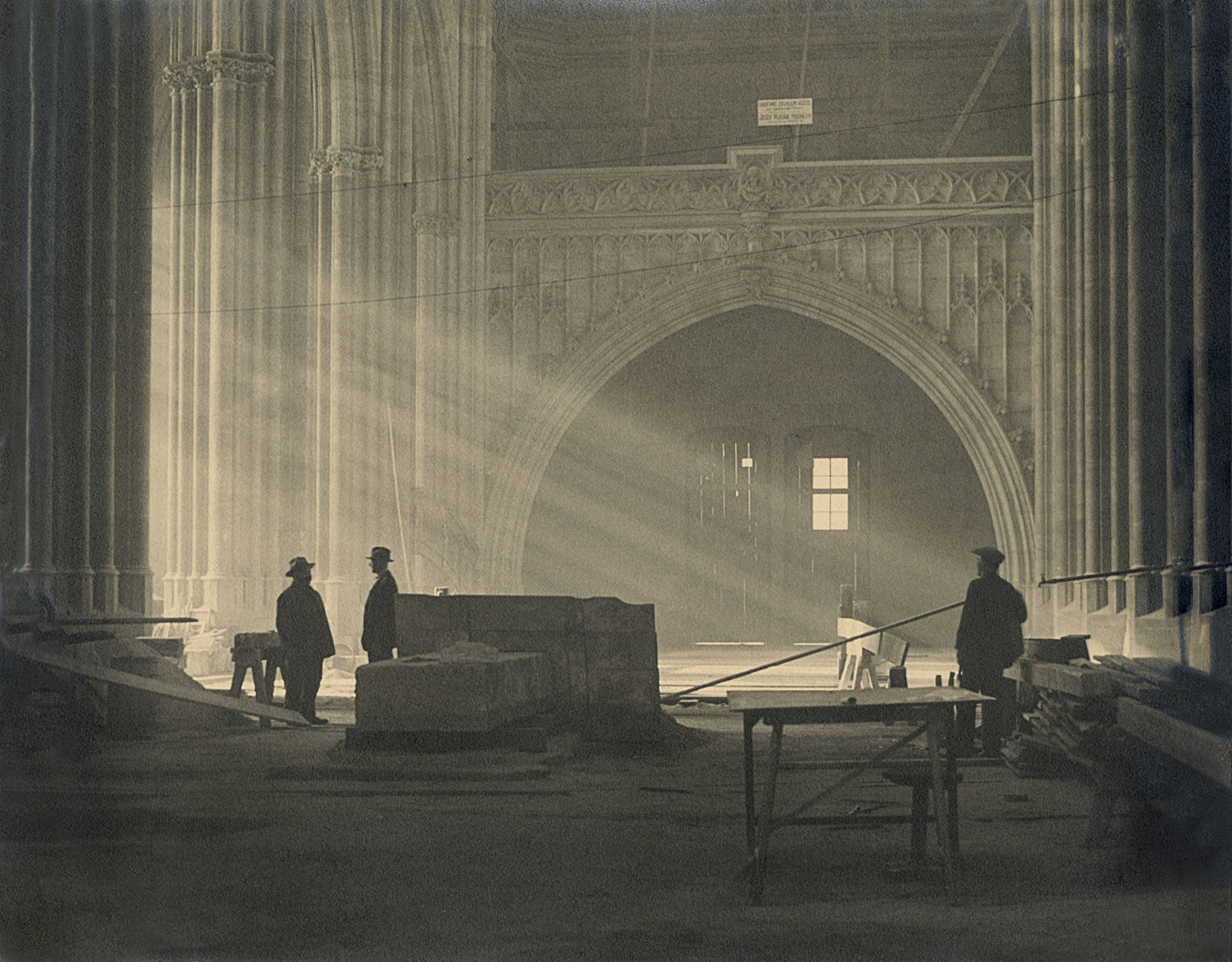
![Josef Sudek (Czech, 1896-1976) 'Dimanche après-midi à l'île Kolín' [Sunday afternoon at Kolín island] c. 1922–1926](https://artblart.com/wp-content/uploads/2016/09/sudek-dimanche-aprc3a8s-midi-c3a0-l_c3aele-kolc3adn-vers-1922e280931926-web1.jpg "Josef Sudek (Czech, 1896-1976) 'Dimanche après-midi à l'île Kolín' [Sunday afternoon at Kolín island] c. 1922–1926")
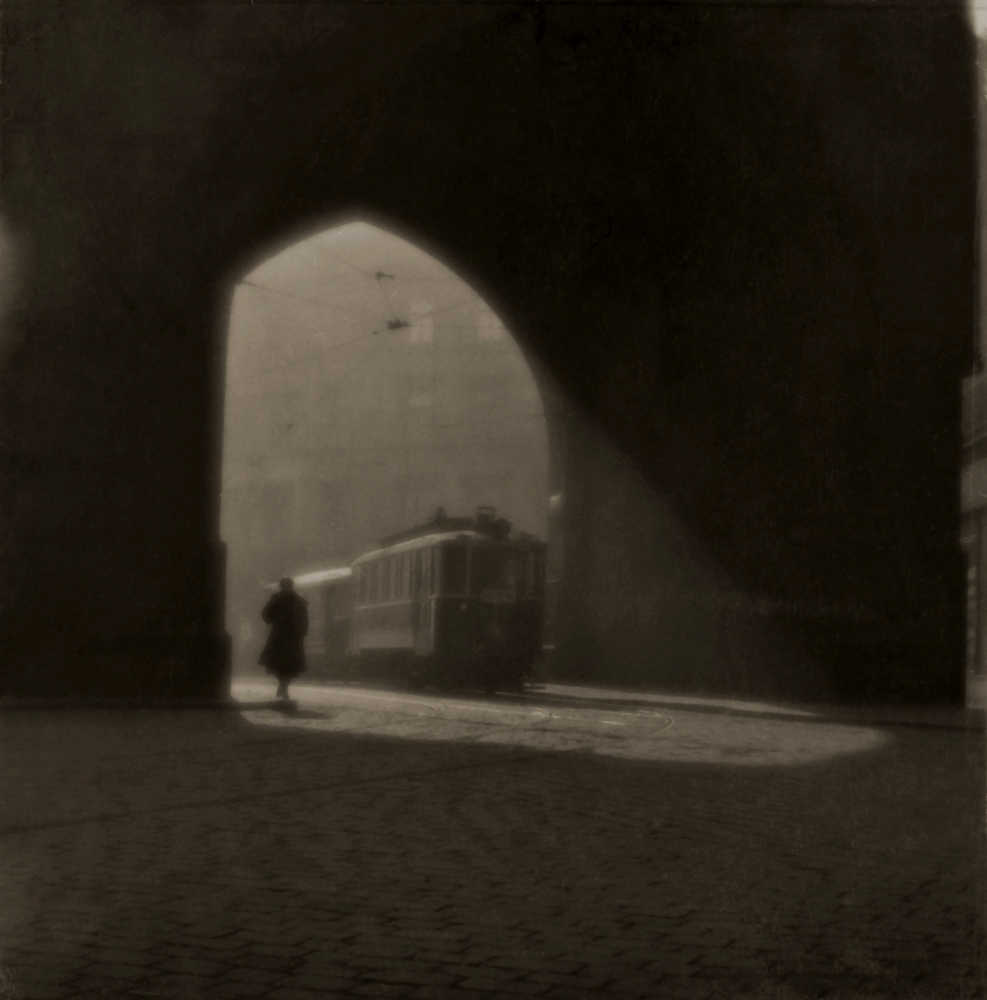
![Josef Sudek (Czech, 1896-1976) 'Portrait de mon ami Funke' [Portrait of my friend Funke] 1924](https://artblart.com/wp-content/uploads/2016/09/sudek-portrait-de-mon-ami-funke-1924-web1.jpg "Josef Sudek (Czech, 1896-1976) 'Portrait de mon ami Funke' [Portrait of my friend Funke] 1924")
![Josef Sudek (Czech, 1896-1976) 'La Fenêtre de mon atelier' [The window of my studio] c. 1940-1948](https://artblart.com/wp-content/uploads/2016/09/sudek-la-fenc3aatre-de-mon-atelier-vers-1940e280931948-web1.jpg "Josef Sudek (Czech, 1896-1976) 'La Fenêtre de mon atelier' [The window of my studio] c. 1940-1948")
![Josef Sudek (Czech, 1896-1976) 'La Fenêtre de mon atelier' [The window of my studio] c. 1940–1954](https://artblart.com/wp-content/uploads/2016/09/josef-sudek-la-fenc3aatre-de-mon-atelier-vers-1940e280931954-web1.jpg "Josef Sudek (Czech, 1896-1976) 'La Fenêtre de mon atelier' [The window of my studio] c. 1940–1954")
![Josef Sudek (Czech, 1896-1976) 'La Fenêtre de mon atelier' [The window of my studio] c. 1940-1950](https://artblart.com/wp-content/uploads/2016/09/josef-sudek-la-fenc3aatre-de-mon-atelier-vers-1940e280931950-web1.jpg "Josef Sudek (Czech, 1896-1976) 'La Fenêtre de mon atelier' [The window of my studio] c. 1940-1950")
![Josef Sudek (Czech, 1896-1976) 'Quatre saisons: l'été' [Four seasons: summer] c. 1940-1954](https://artblart.com/wp-content/uploads/2016/09/josef-sudek-quatre-saisons-l_c3a9tc3a9-vers-1940e280931954-web1.jpg "Josef Sudek (Czech, 1896-1976) 'Quatre saisons: l'été' [Four seasons: summer] c. 1940-1954")
![Josef Sudek (Czech, 1896-1976) 'La Dernière Rose' [The Last Rose] 1956](https://artblart.com/wp-content/uploads/2016/09/sudek-la-dernic3a8re-rose-1956-web1.jpg "Josef Sudek (Czech, 1896-1976) 'La Dernière Rose' [The Last Rose] 1956")
![Josef Sudek (Czech, 1896-1976) 'Le Jardin Royal' [The Royal Garden] c. 1940-1946](https://artblart.com/wp-content/uploads/2016/09/sudek-le-jardin-royal-vers-1940e280931946-web1.jpg "Josef Sudek (Czech, 1896-1976) 'Le Jardin Royal' [The Royal Garden] c. 1940-1946")
![Josef Sudek (Czech, 1896-1976) 'Prague pendant la nuit' [Prague at night] 1950](https://artblart.com/wp-content/uploads/2016/09/sudek-prague-pendant-la-nuit-1950-web1.jpg "Josef Sudek (Czech, 1896-1976) 'Prague pendant la nuit' [Prague at night] 1950")
![Josef Sudek (Czech, 1896-1976) 'Prague pendant la nuit' [Prague at night] c. 1950-1959](https://artblart.com/wp-content/uploads/2016/09/sudek-prague-pendant-la-nuit-vers-1950e280931959-web1.jpg "Josef Sudek (Czech, 1896-1976) 'Prague pendant la nuit' [Prague at night] c. 1950-1959")
![Josef Sudek (Czech, 1896-1976) 'Prague pendant la nuit' [Prague at night] c. 1950-1959](https://artblart.com/wp-content/uploads/2016/09/josef-sudek-prague-pendant-la-nuit-vers-1950e280931959-web1.jpg "Josef Sudek (Czech, 1896-1976) 'Prague pendant la nuit' [Prague at night] c. 1950-1959")
![Josef Sudek (Czech, 1896-1976) 'Le Jardin de Rothmayer' [The Rothmayer Garden] 1954-1959](https://artblart.com/wp-content/uploads/2016/09/sudek-le-jardin-de-rothmayer-1954e280931959-web1.jpg "Josef Sudek (Czech, 1896-1976) 'Le Jardin de Rothmayer' [The Rothmayer Garden] 1954-1959")
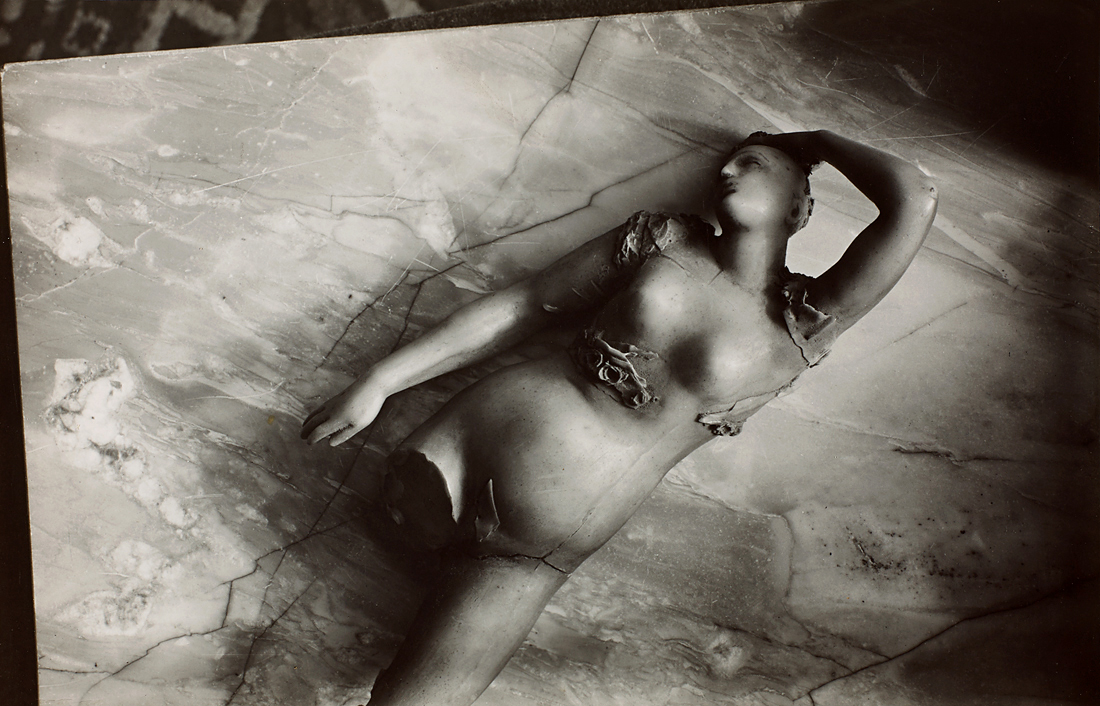
![Josef Sudek (Czech, 1896-1976) 'Dans le jardin' [In the garden] 1954-1959](https://artblart.com/wp-content/uploads/2016/09/sudek-dans-le-jardin-1954e280931959-web1.jpg "Josef Sudek (Czech, 1896-1976) 'Dans le jardin' [In the garden] 1954-1959")
![Josef Sudek (Czech, 1896-1976) 'Labyrinthe sur ma table' [Labyrinth on my table] 1967](https://artblart.com/wp-content/uploads/2016/09/sudek-labyrinthe-sur-ma-table-1967-web1.jpg "Josef Sudek (Czech, 1896-1976) 'Labyrinthe sur ma table' [Labyrinth on my table] 1967")
![Josef Sudek (Czech, 1896-1976) 'Labyrinthe de verre' [Glass Maze] around 1968-1972](https://artblart.com/wp-content/uploads/2016/09/sudek-labyrinthe-de-verre-vers-1968e280931972-web1.jpg "Josef Sudek (Czech, 1896-1976) 'Labyrinthe de verre' [Glass Maze] around 1968-1972")
![Josef Sudek (Czech, 1896-1976) 'Sans titre (Nature morte sur le rebord de la fenêtre)' [Untitled (Still life on the windowsill)] 1951](https://artblart.com/wp-content/uploads/2016/09/josef-sudek-sans-titre-nature-morte-sur-le-rebord-de-la-fenc3aatre-1951-web1.jpg "Josef Sudek (Czech, 1896-1976) 'Sans titre (Nature morte sur le rebord de la fenêtre)' [Untitled (Still life on the windowsill)] 1951")

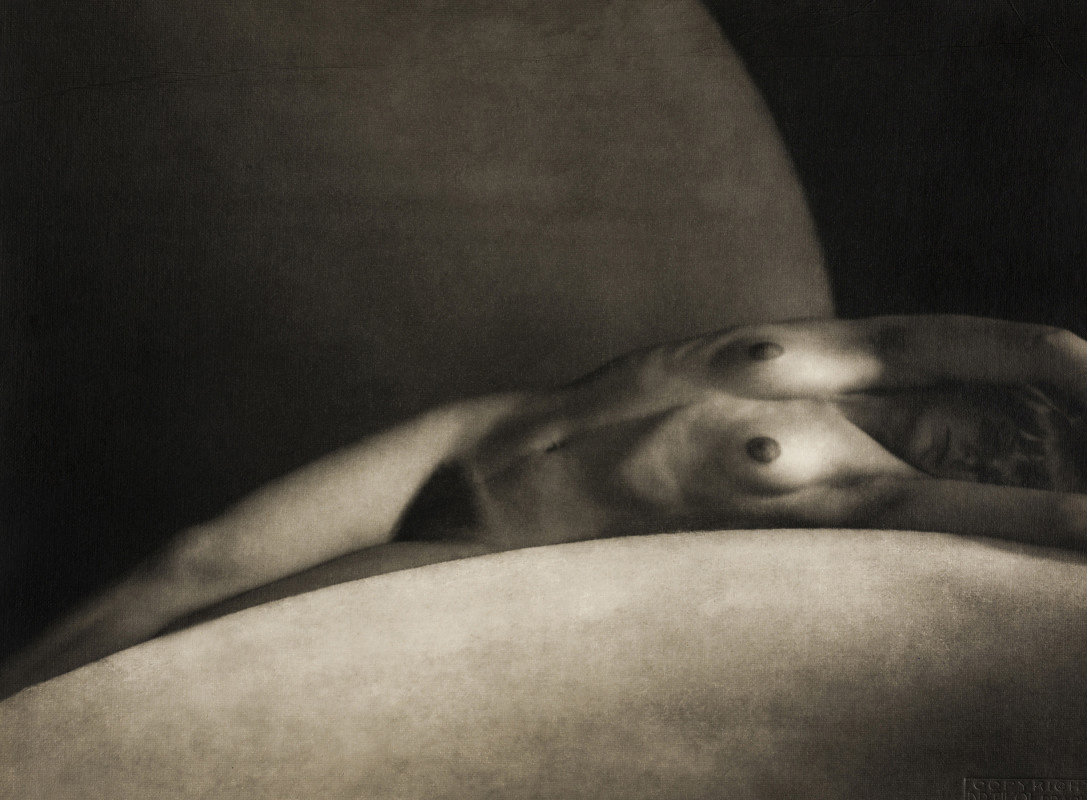

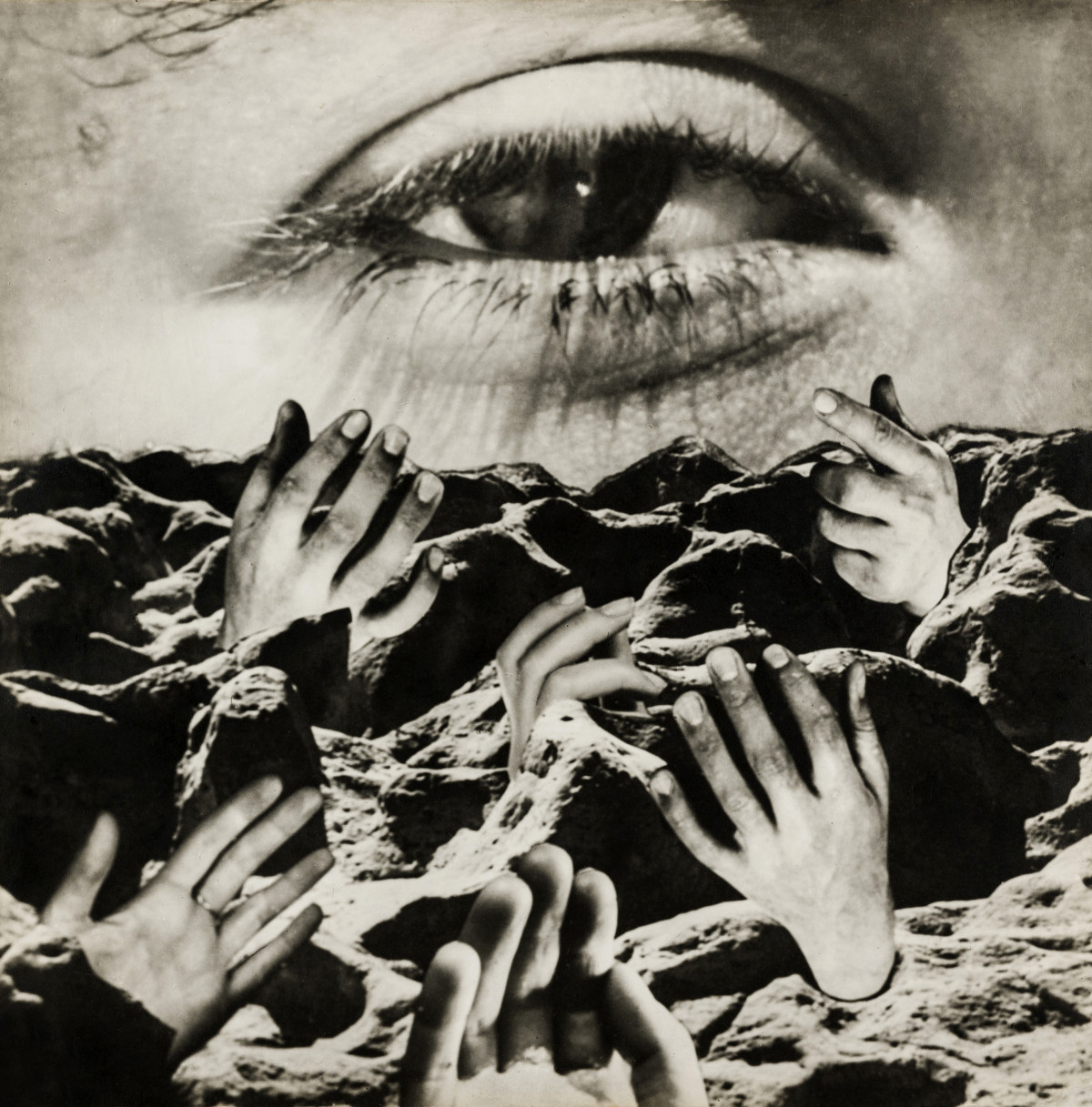
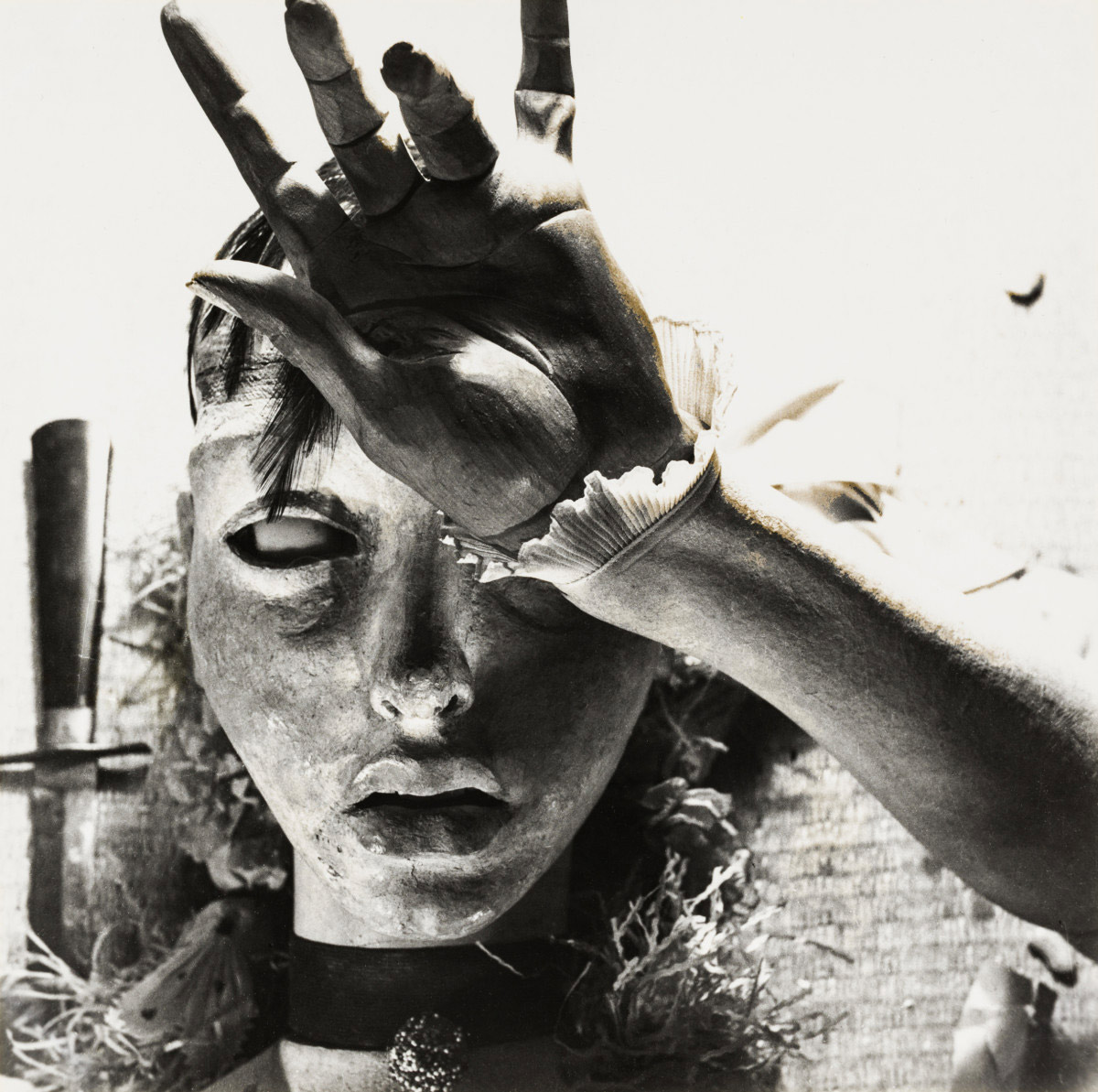


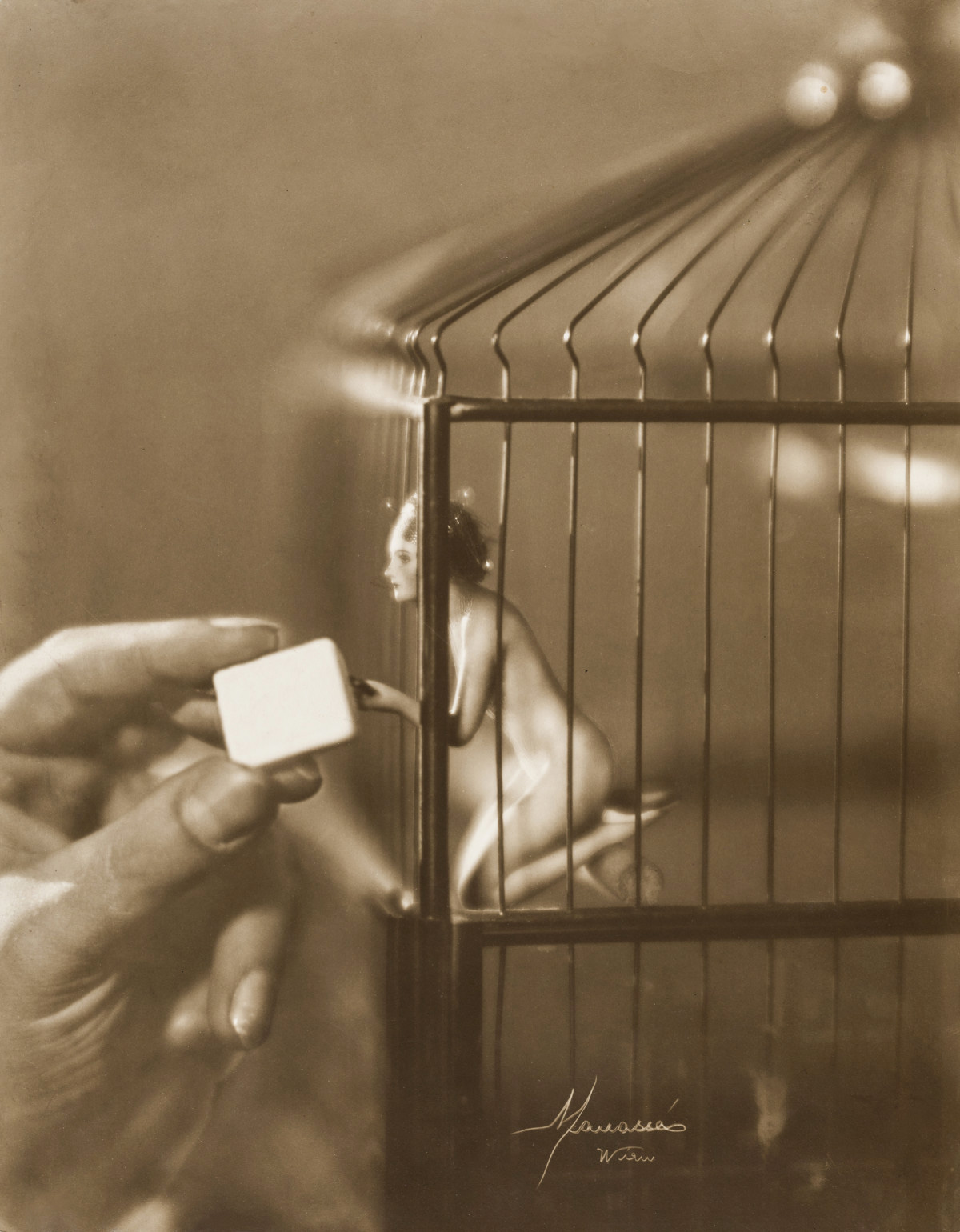


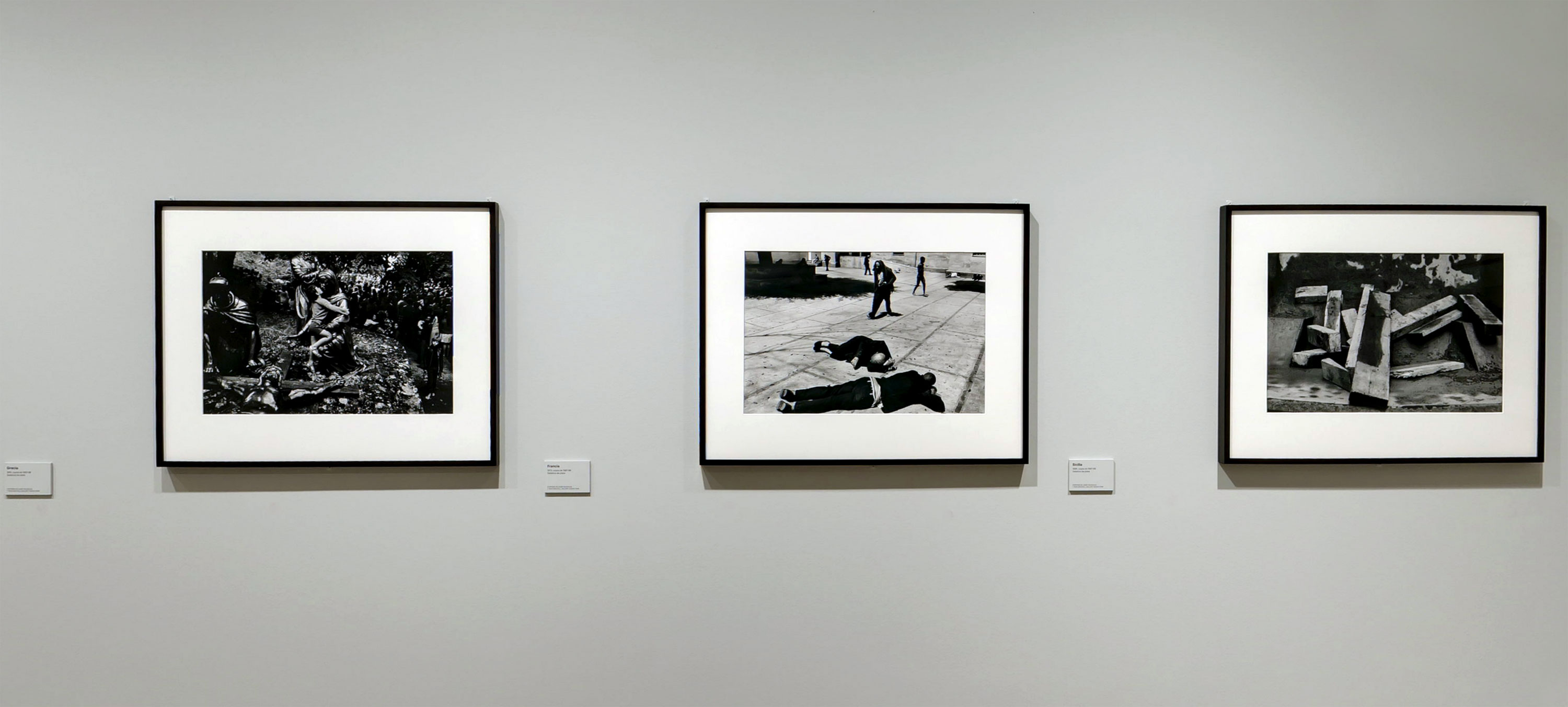


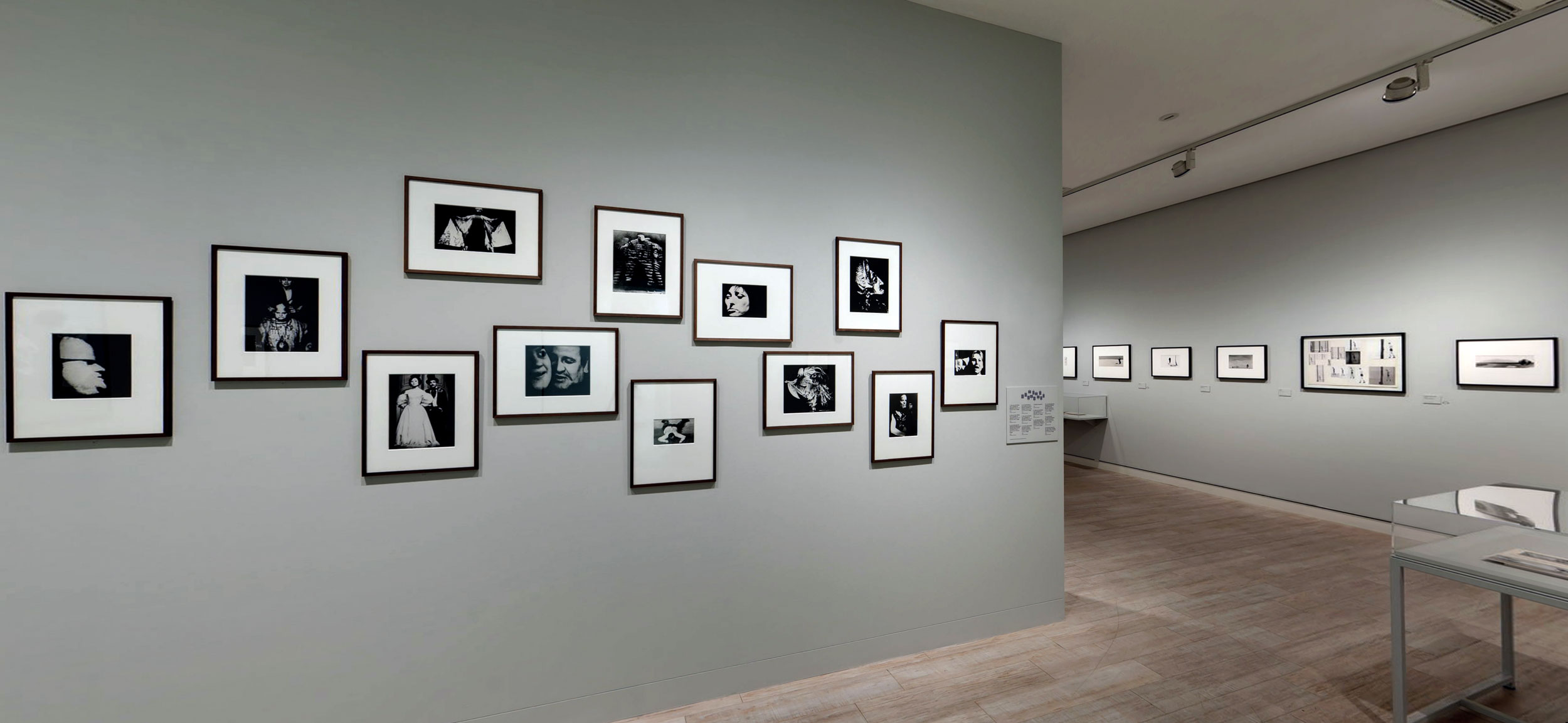
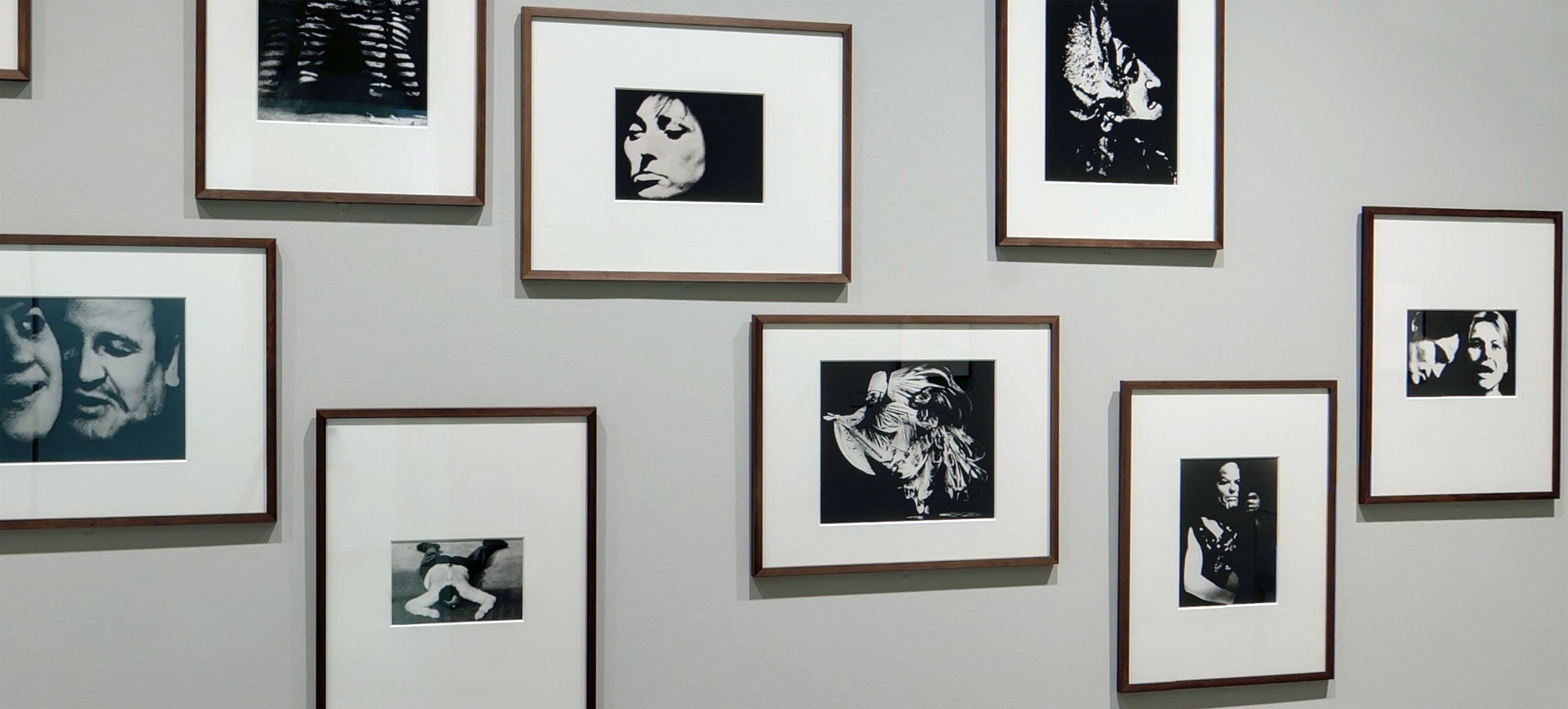
![Josef Koudelka (Czech-French, b. 1938) 'An Hour of Love by Josef Topol, Divadlo za branou [Theater behind the Door], Prague' 1968 from the exhibition 'Josef Koudelka: Uncertain Nationality' at Fundación MAPFRE, Madrid, Sept - Nov, 2015](https://artblart.com/wp-content/uploads/2015/11/par148634-web.jpg "Josef Koudelka (Czech-French, b. 1938) 'An Hour of Love by Josef Topol, Divadlo za branou [Theater behind the Door], Prague' 1968")
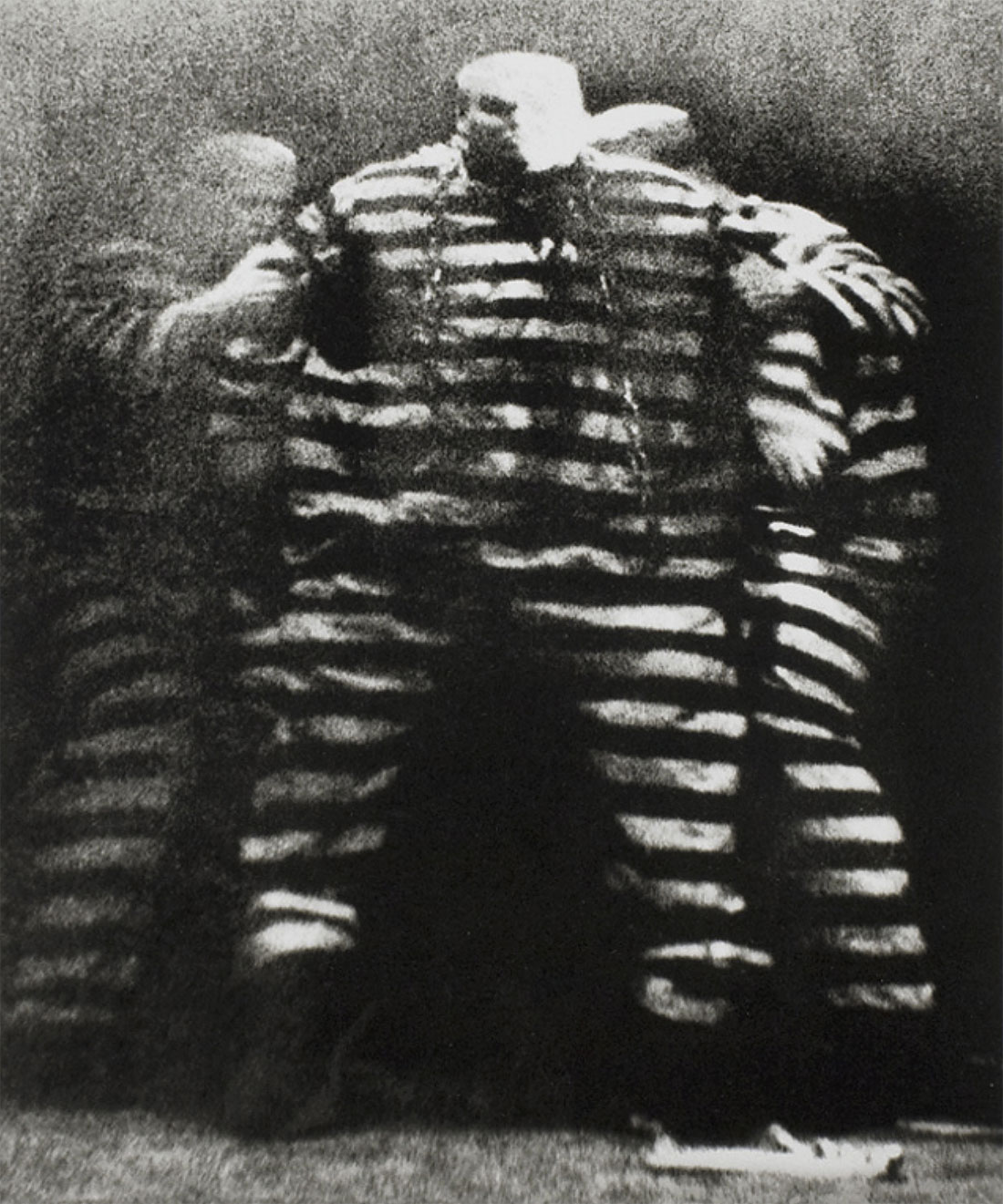
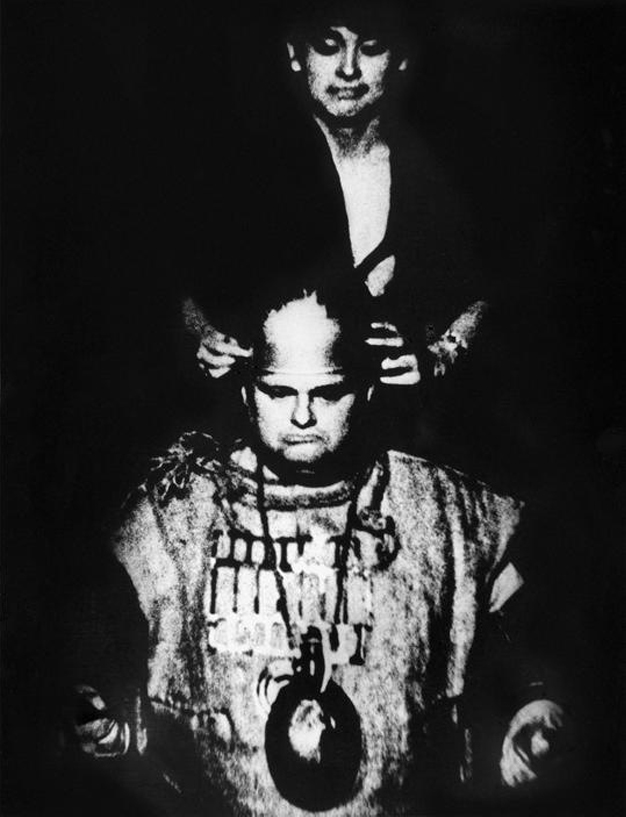


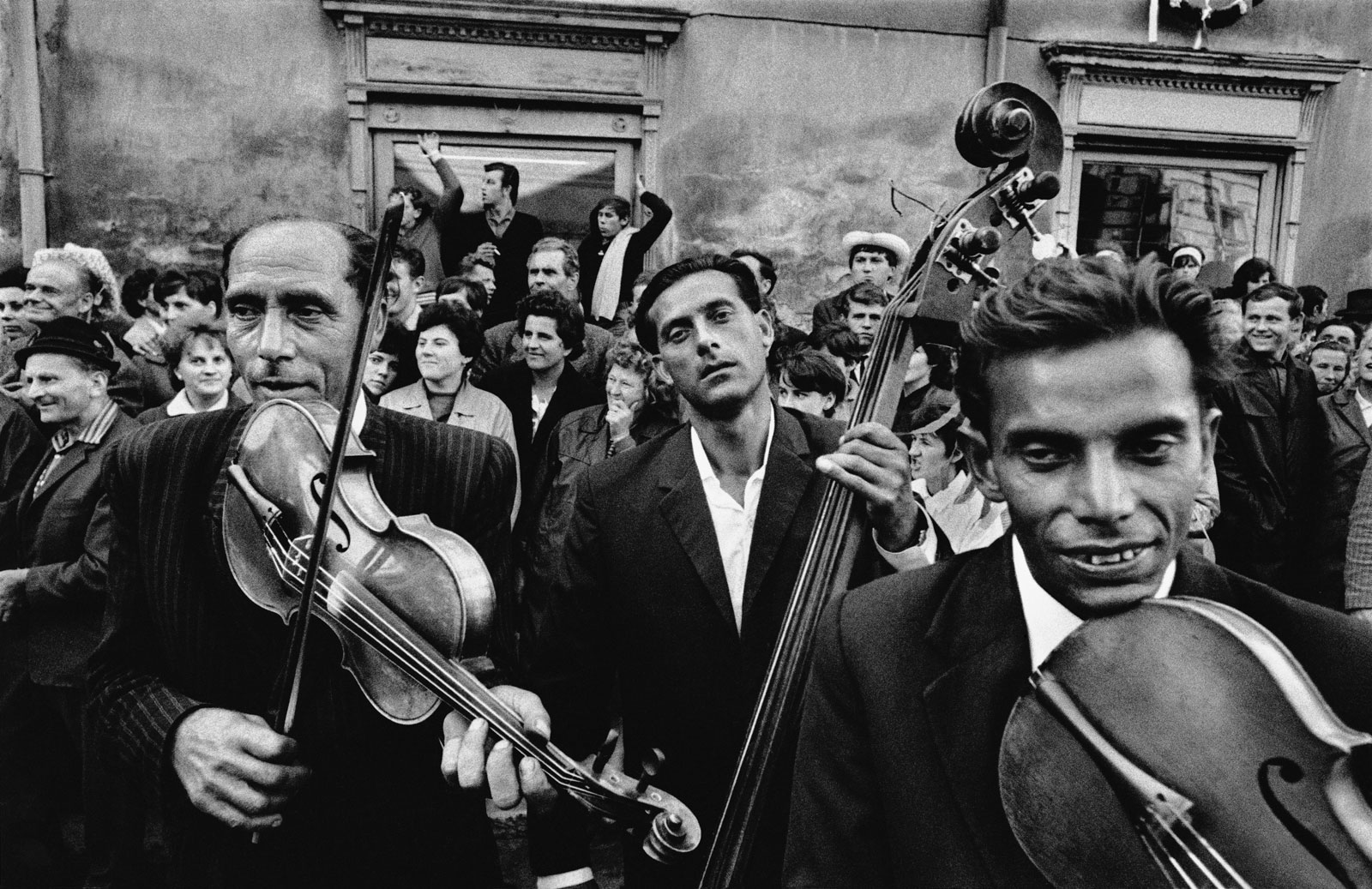
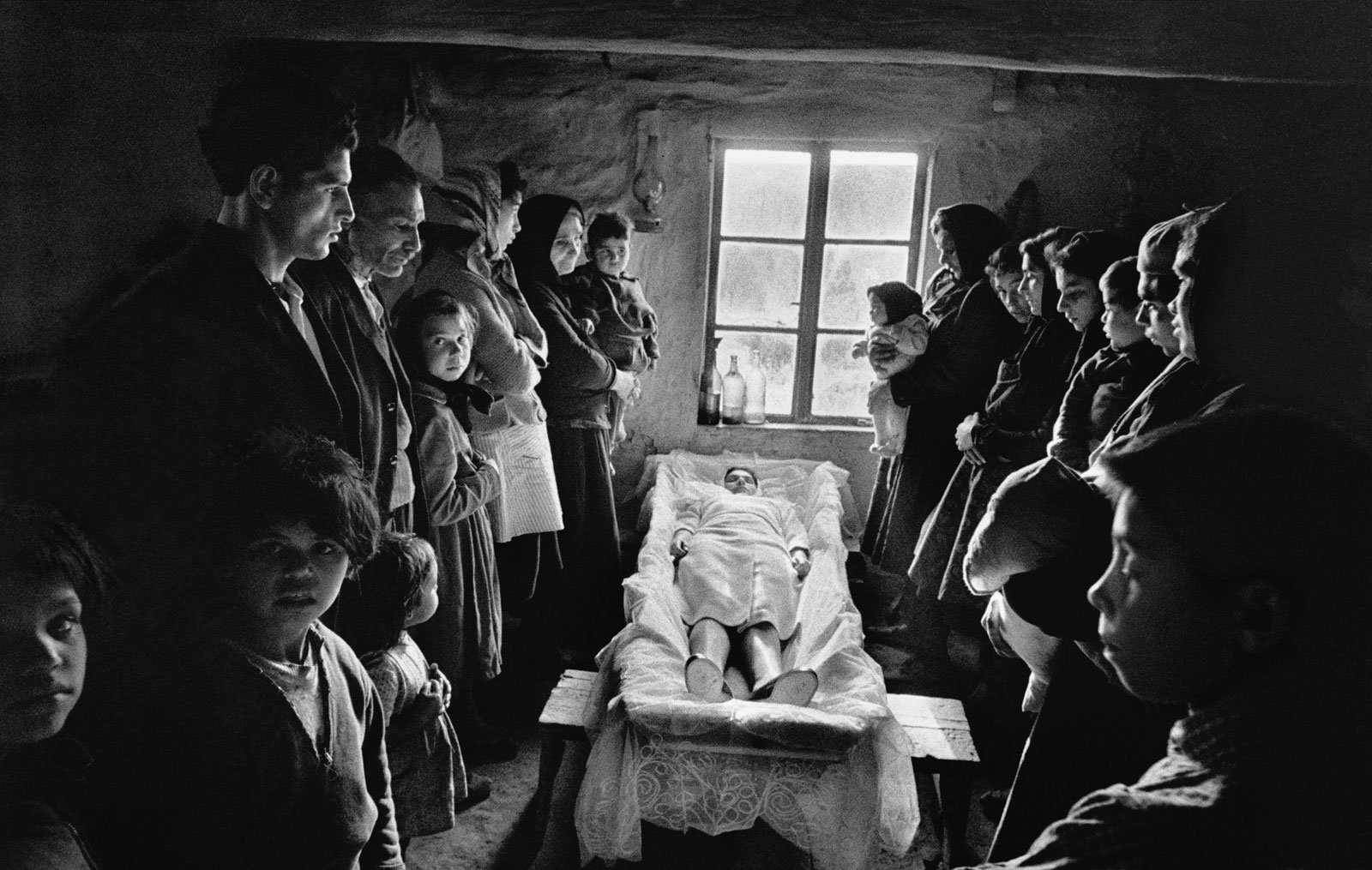

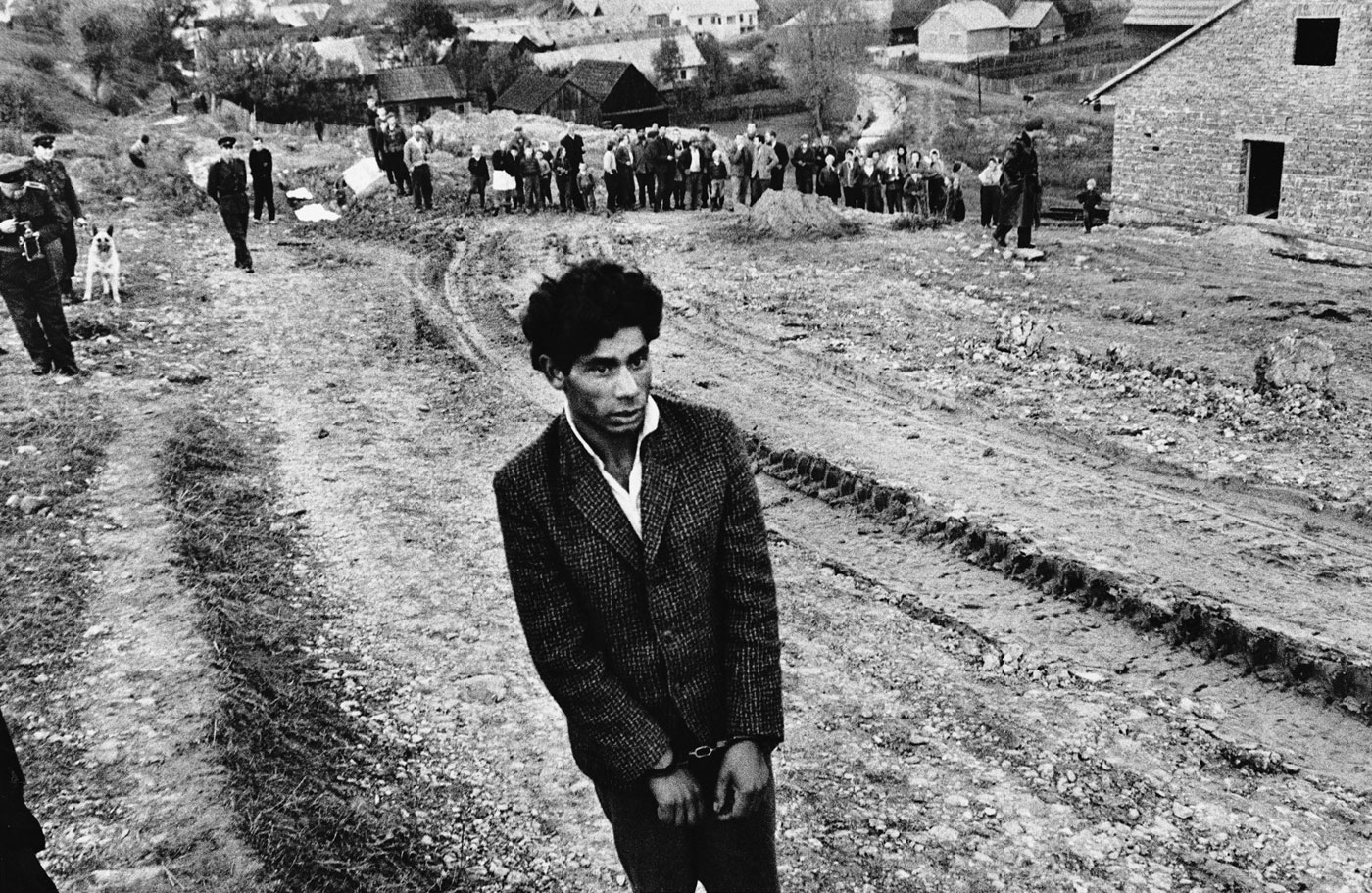
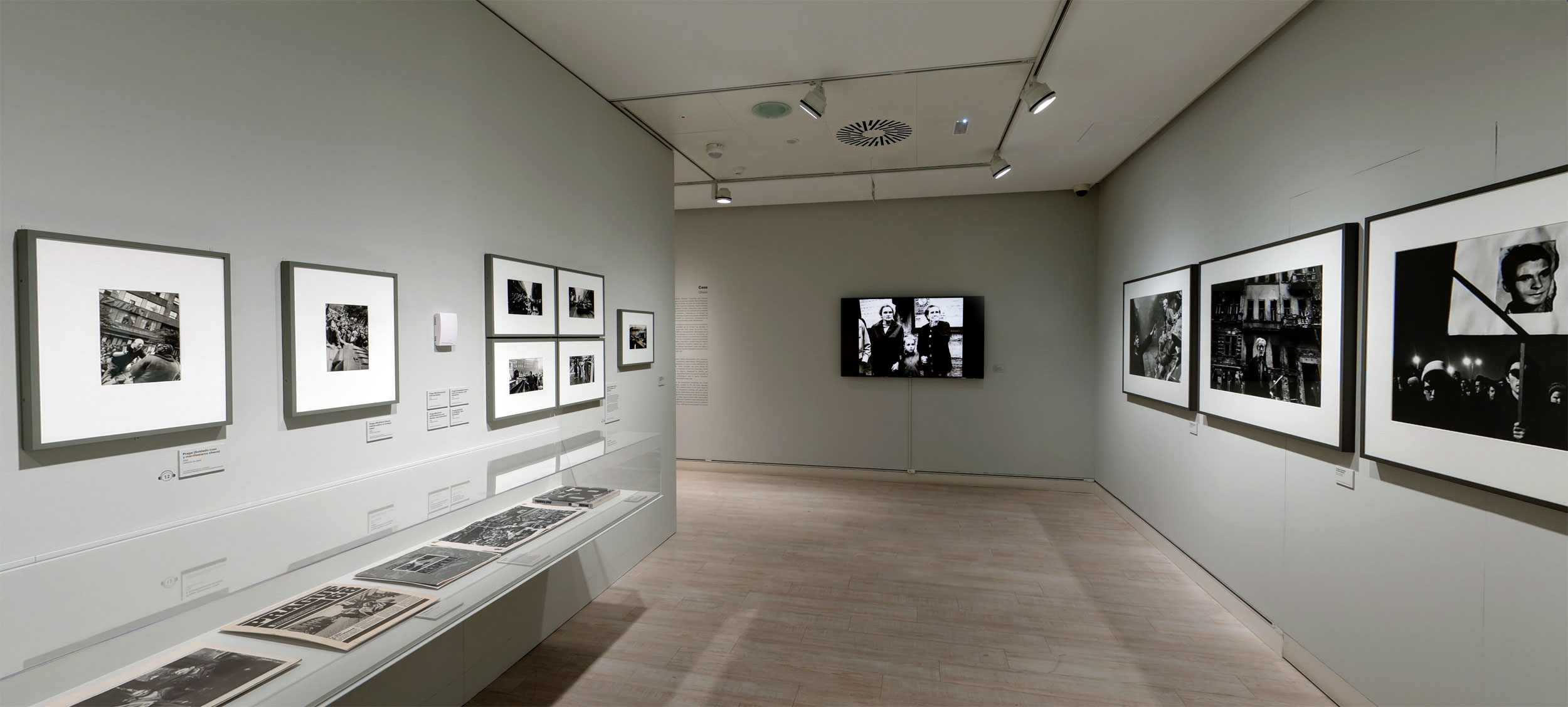

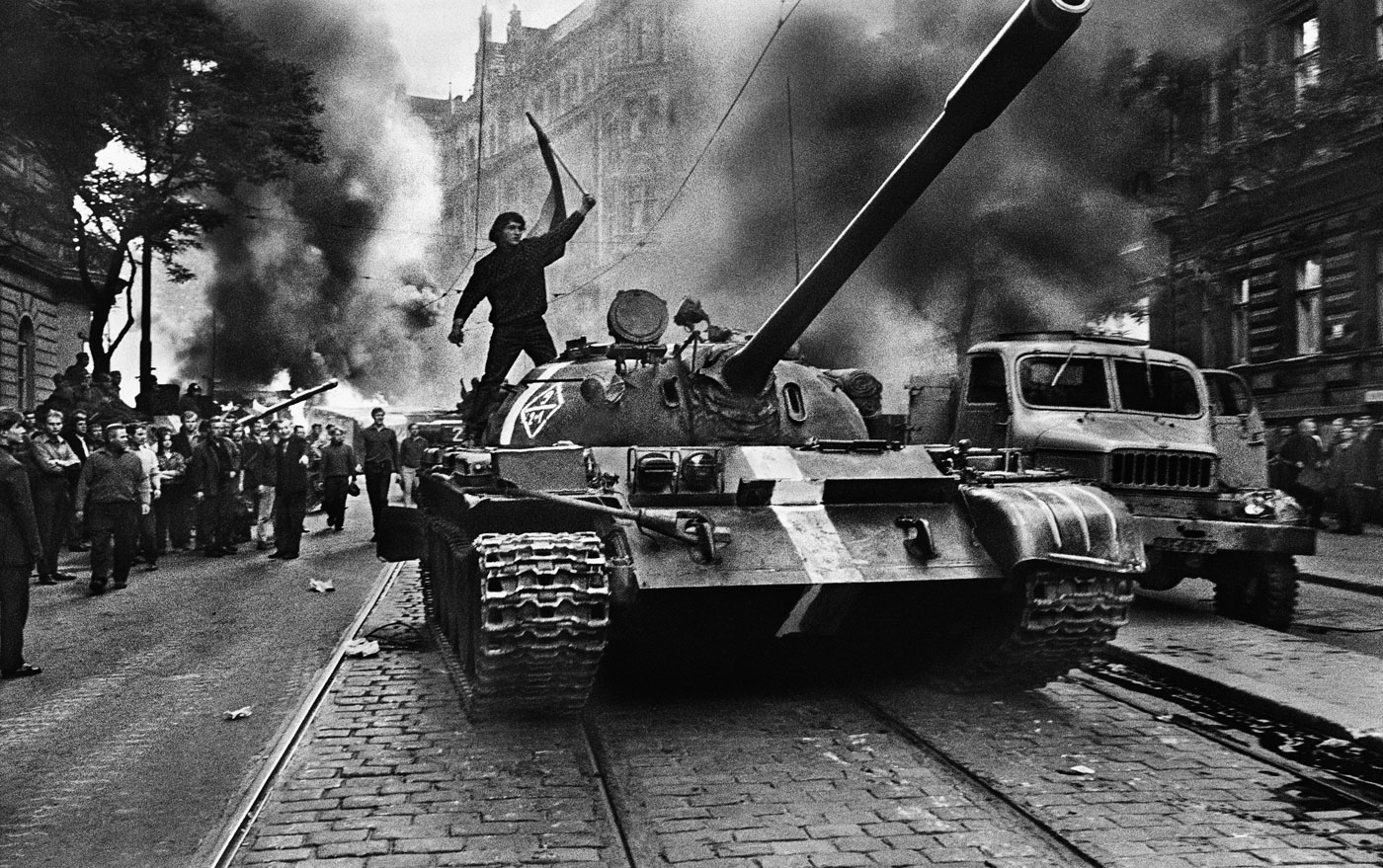
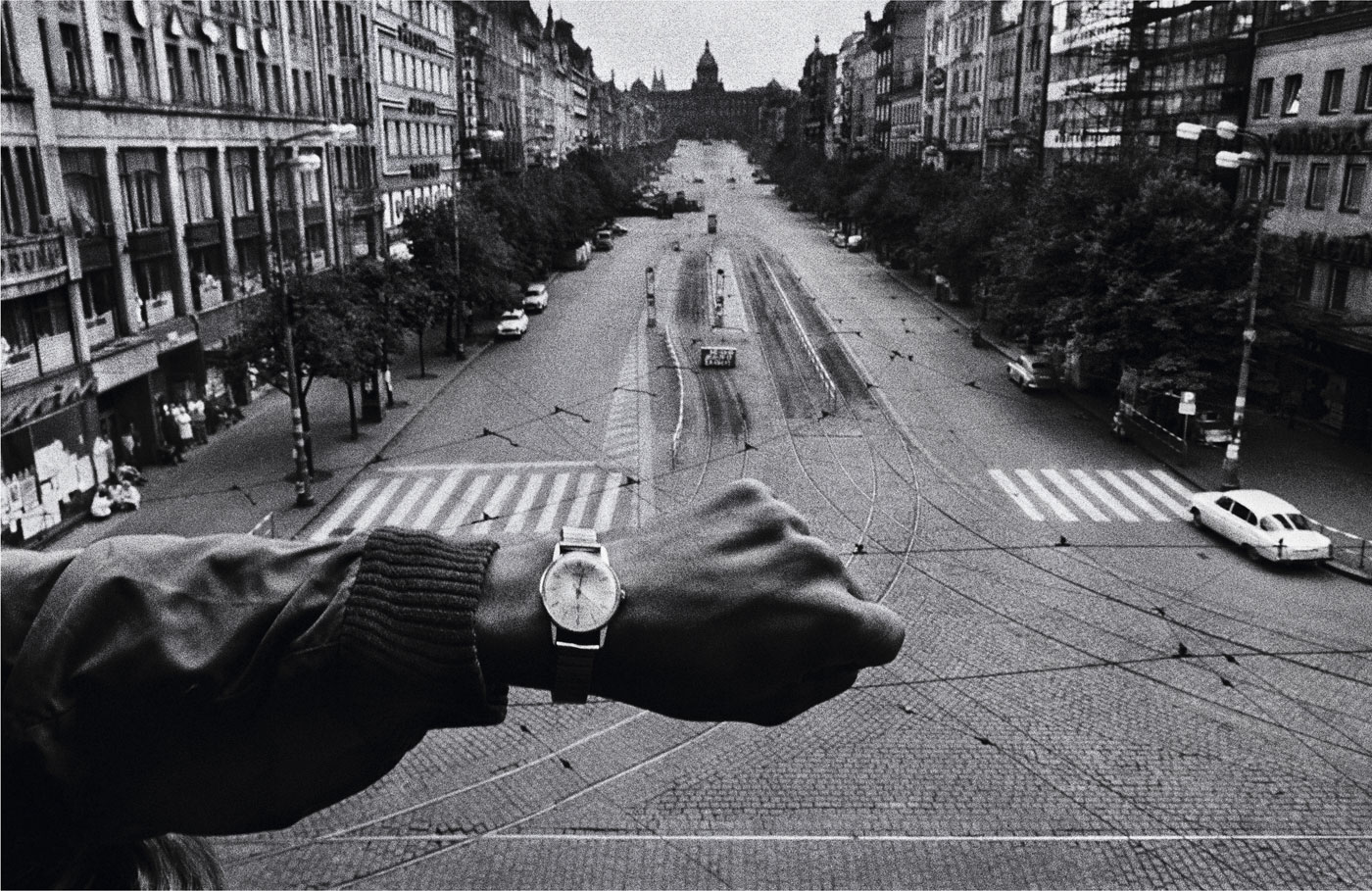
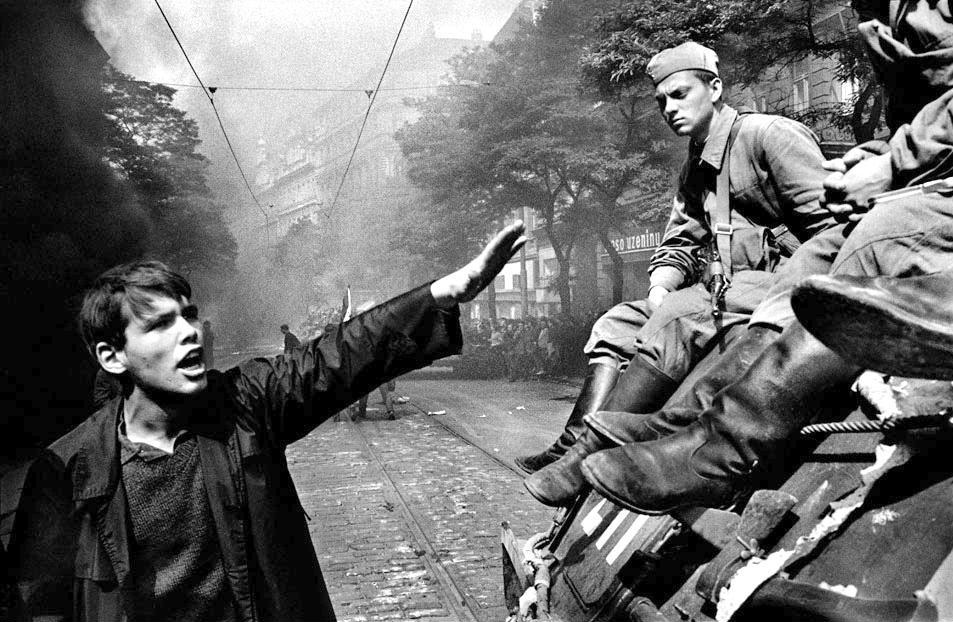

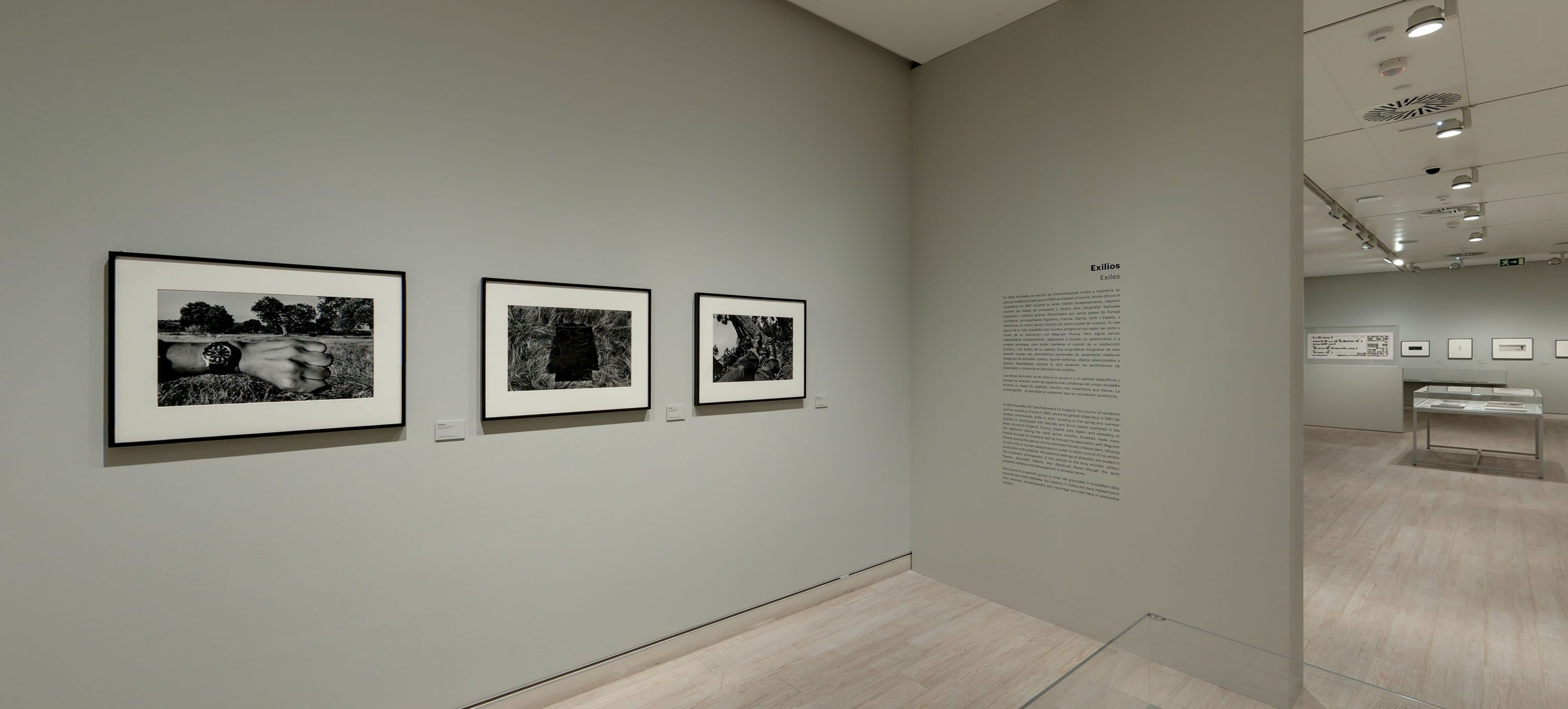
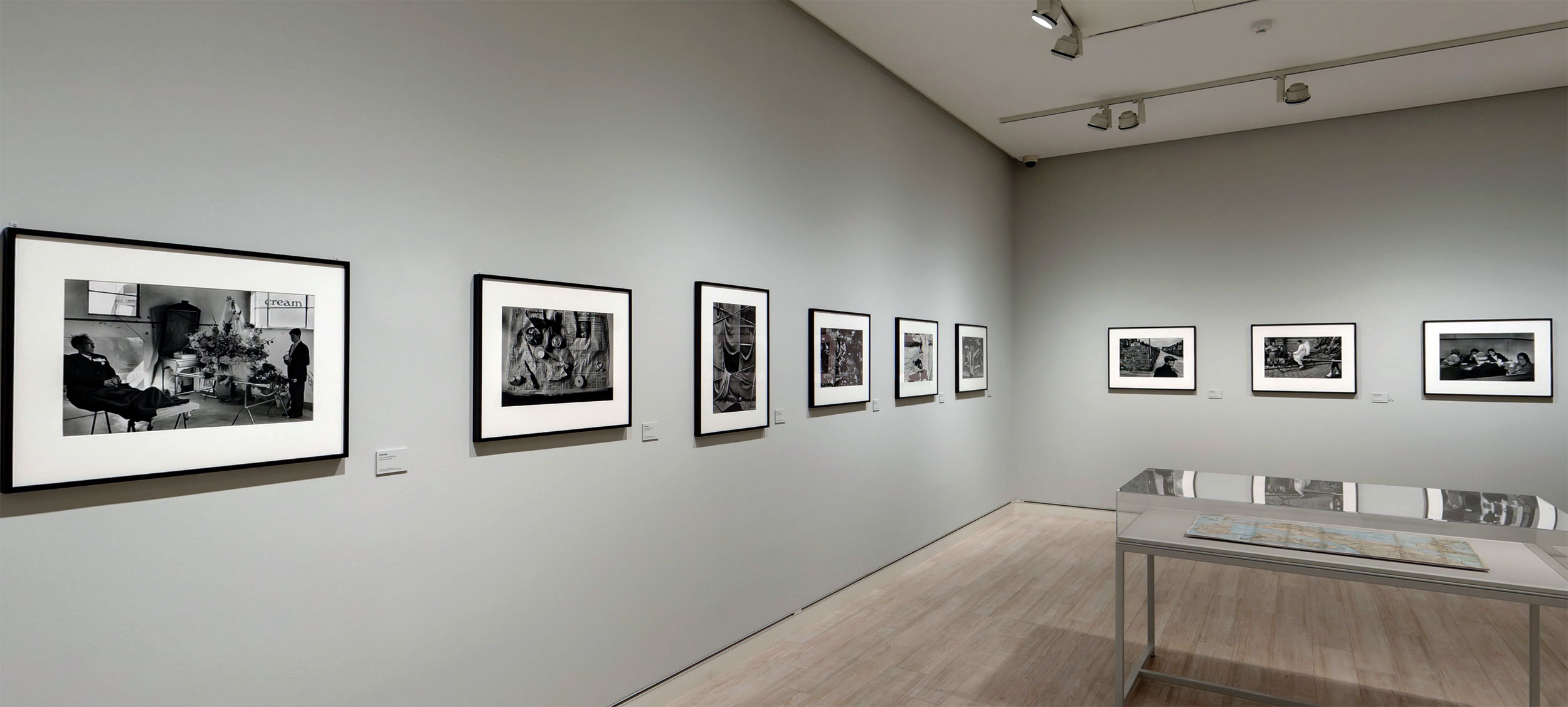

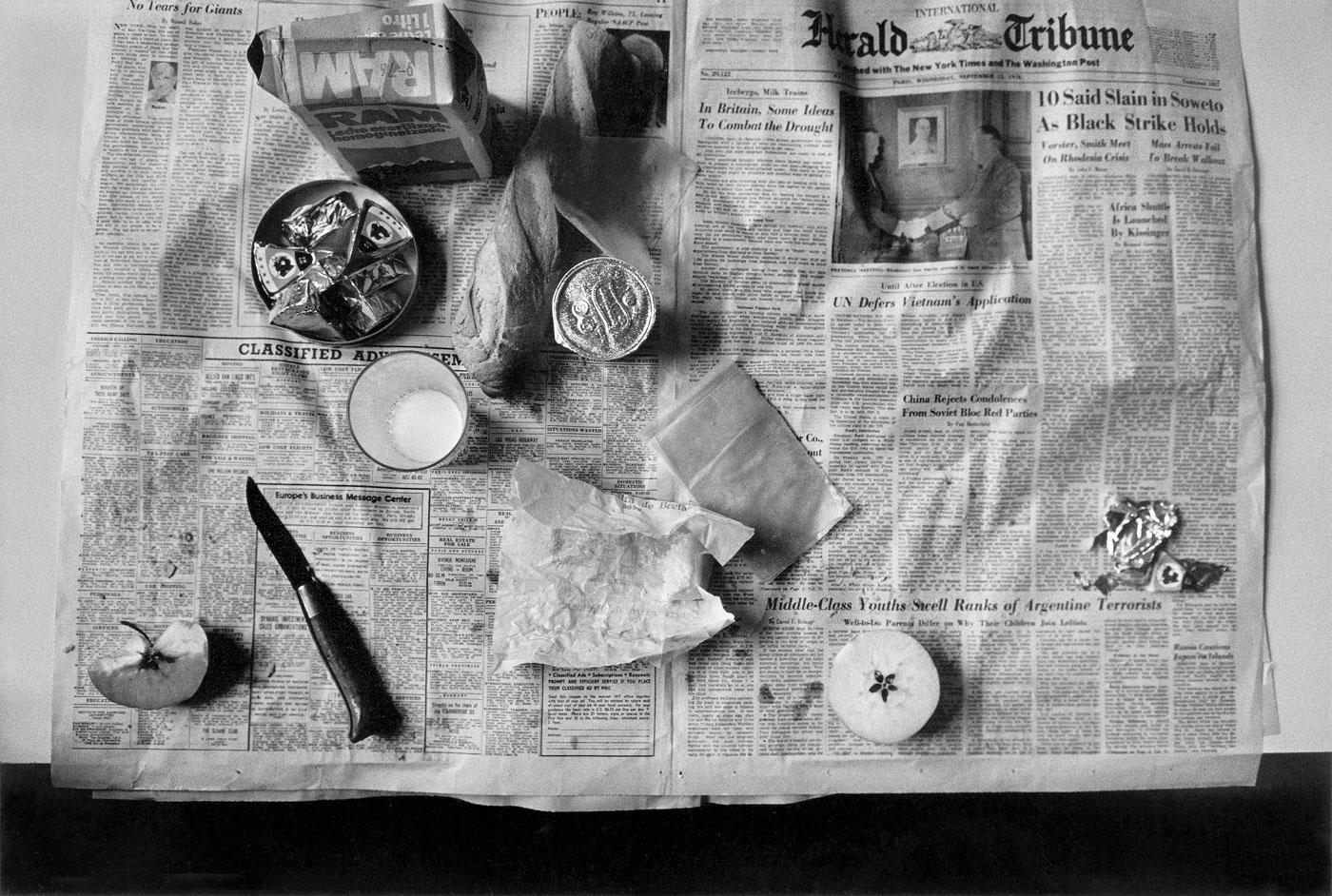
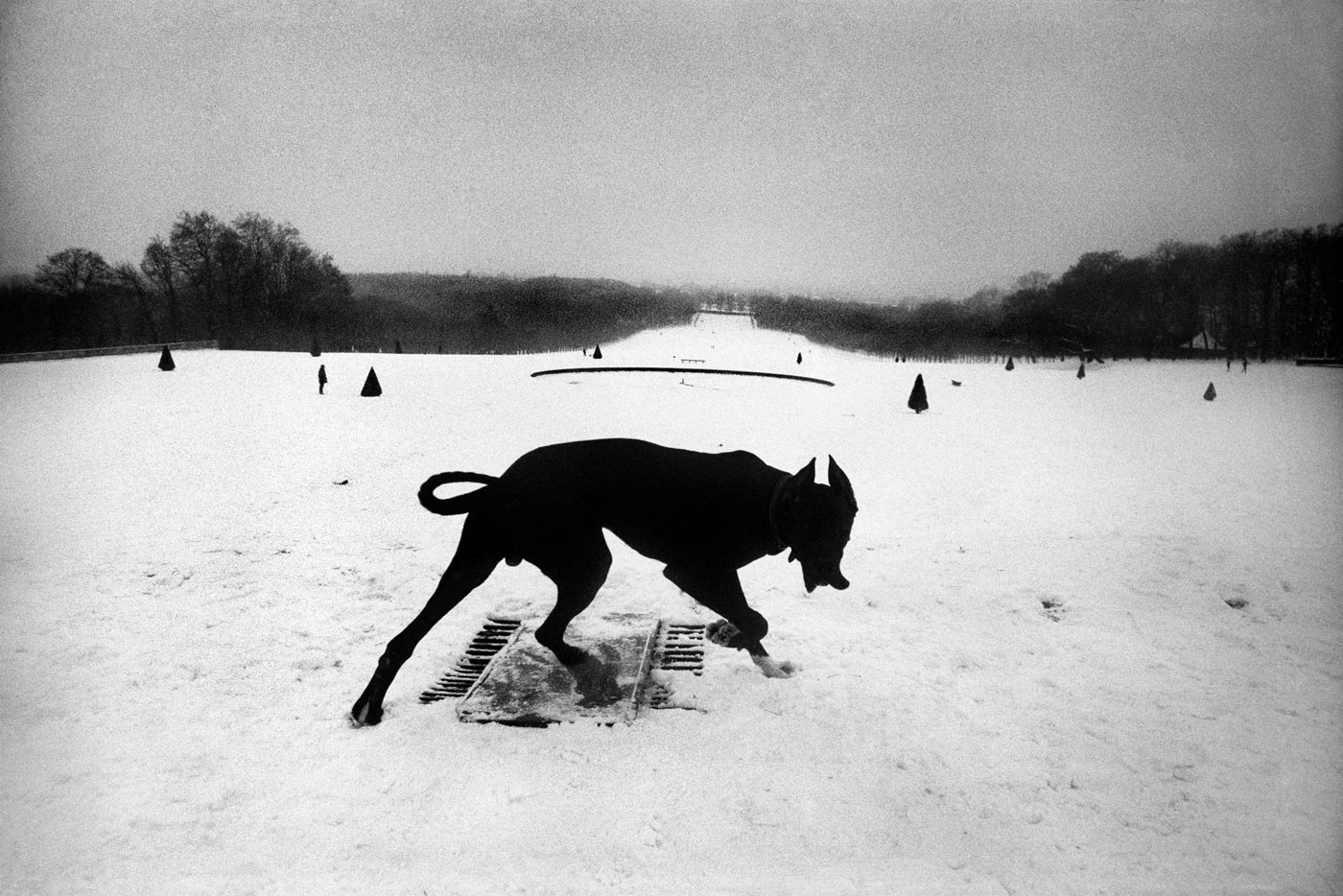


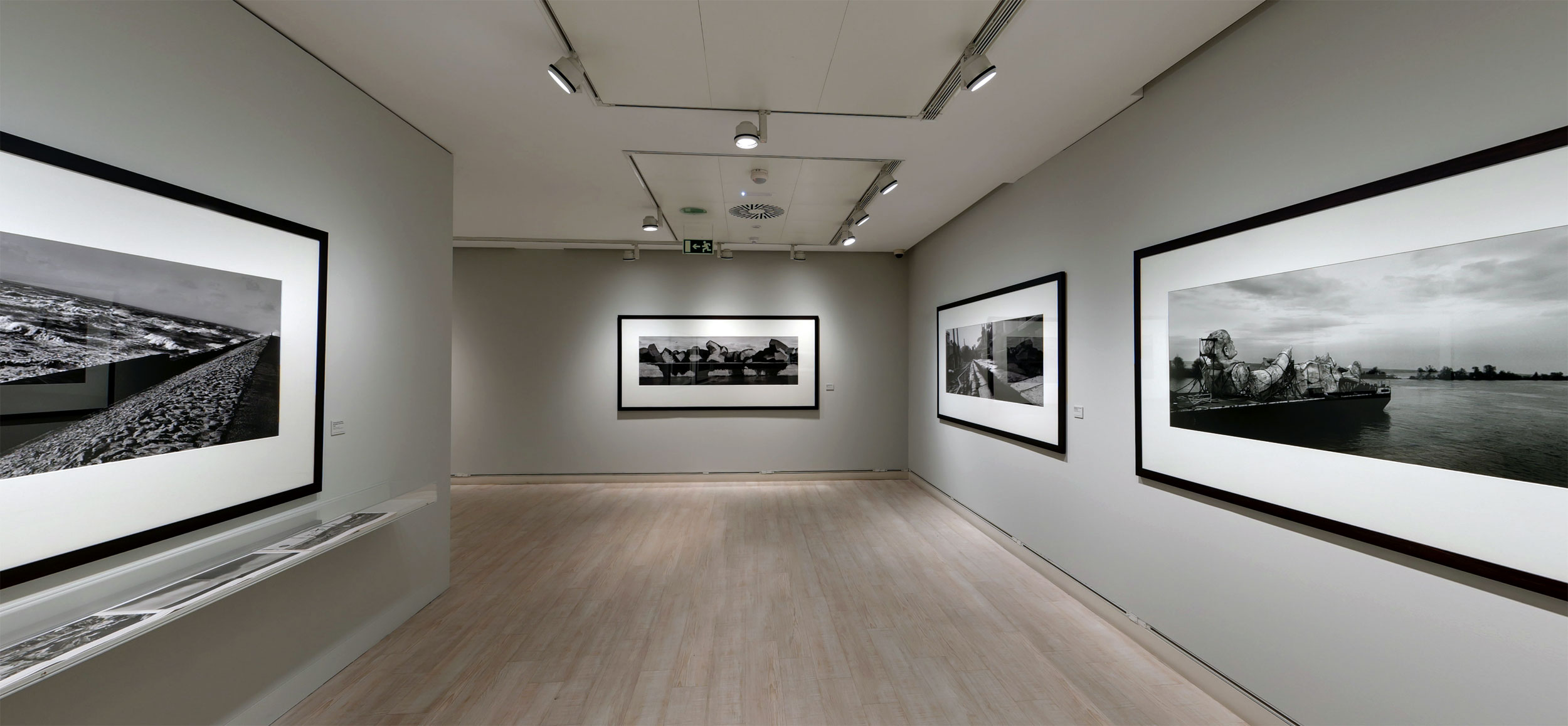
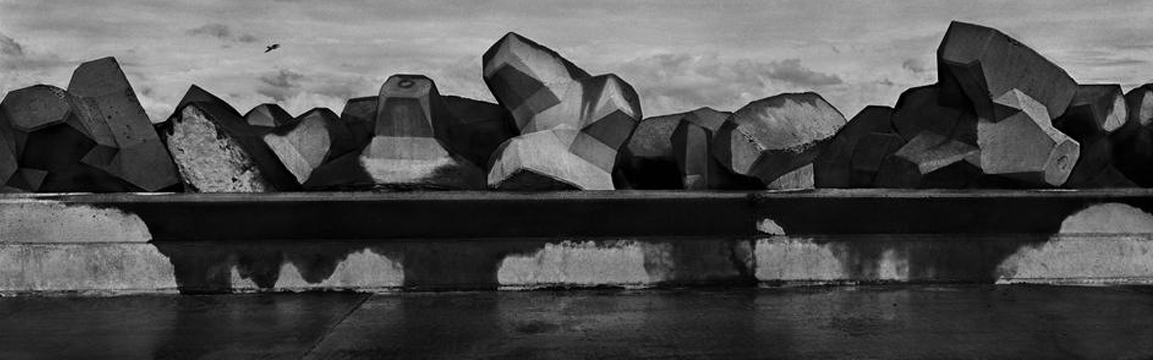
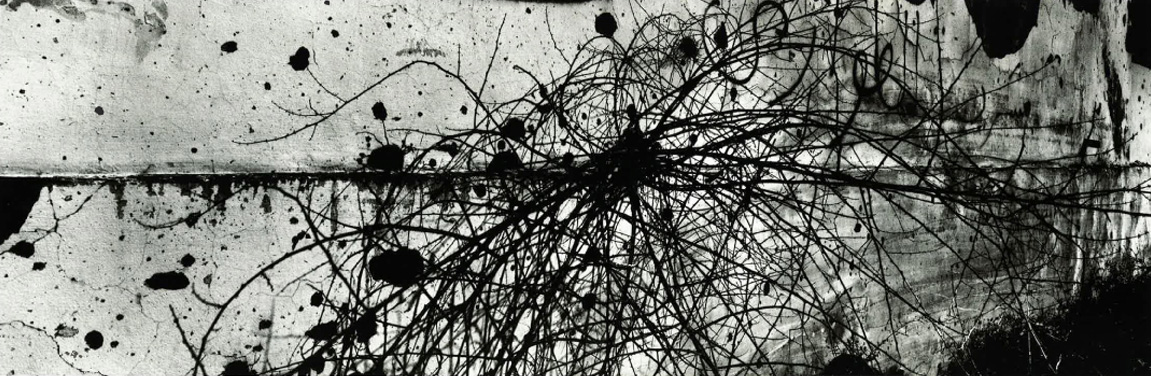

![Josef Koudelka (Czech-French, b. 1938) 'Israel-Palestine (Al 'Eizariya [Bethany])' From the series 'Wall', 2010](https://artblart.com/wp-content/uploads/2015/11/par383535-web.jpg "Josef Koudelka (Czech-French, b. 1938) 'Israel-Palestine (Al 'Eizariya [Bethany])' From the series 'Wall', 2010")


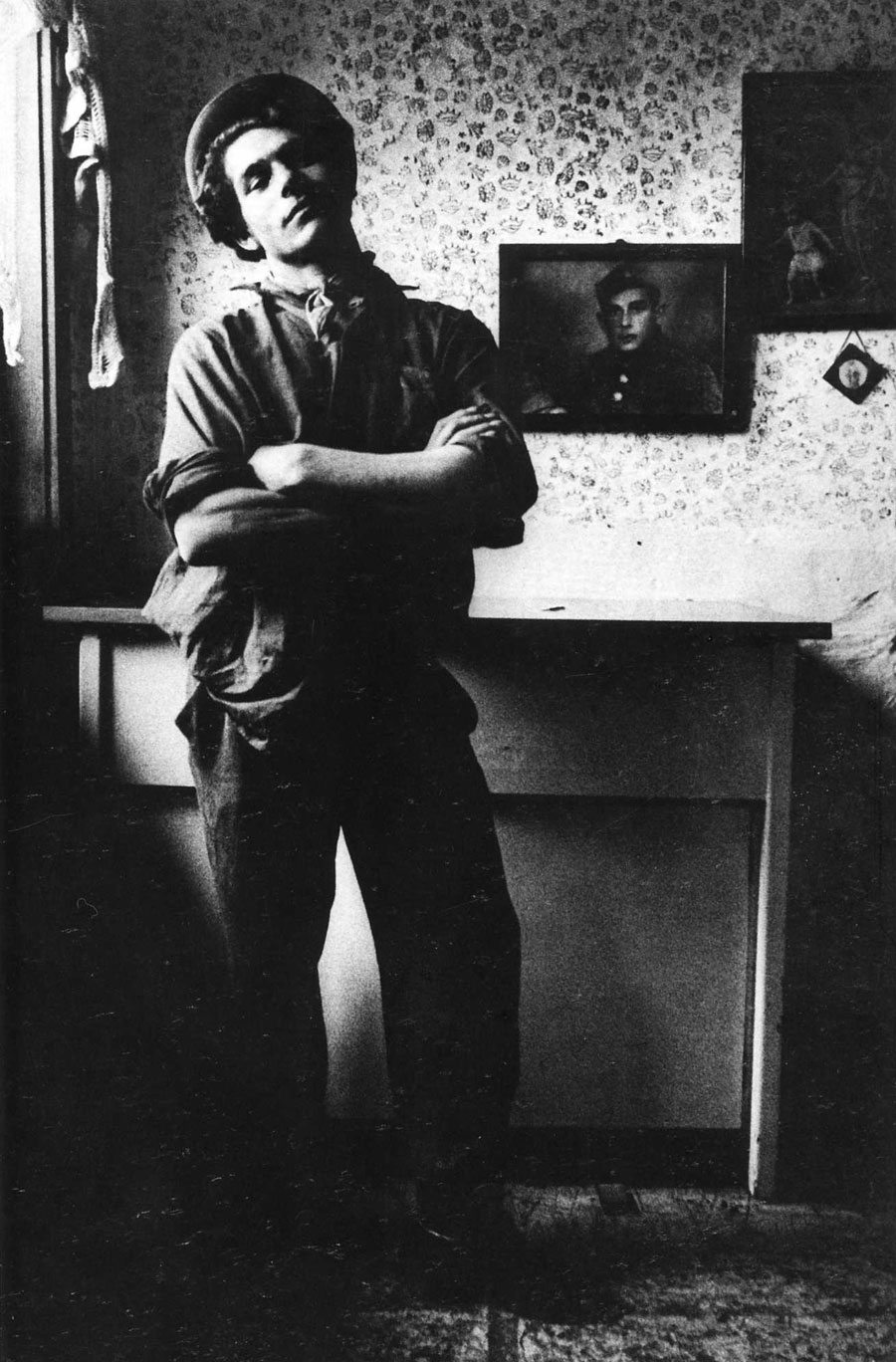
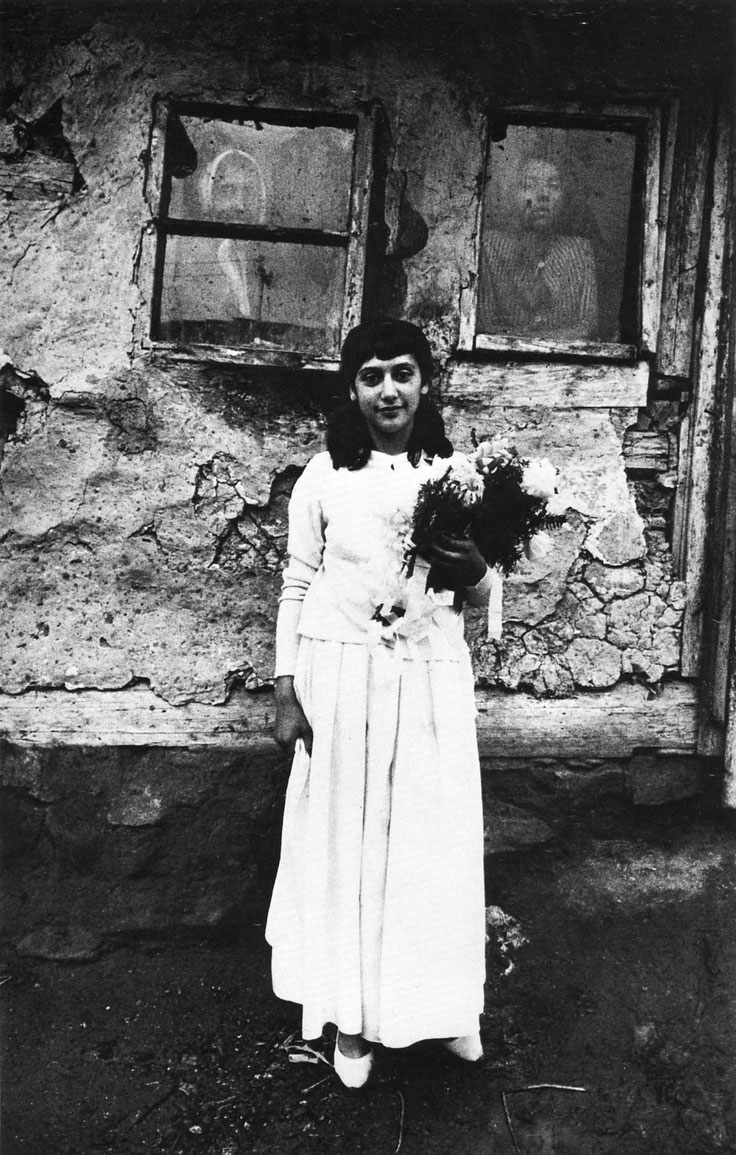


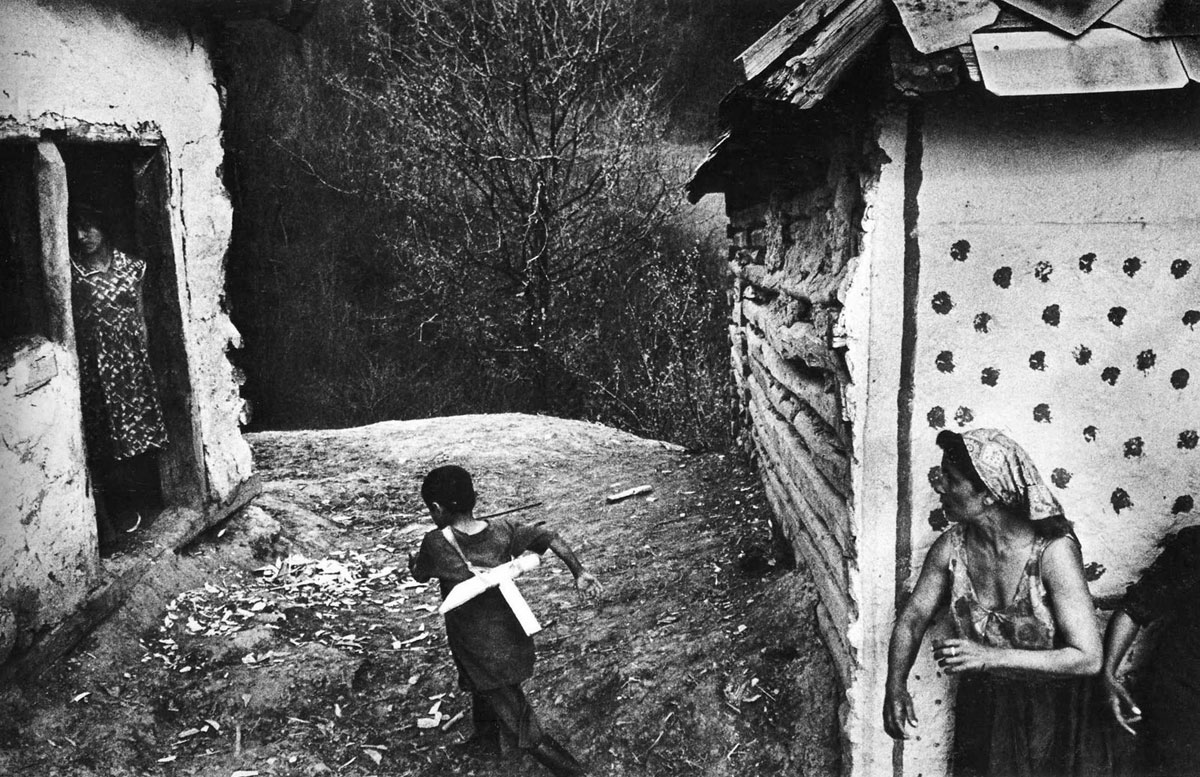




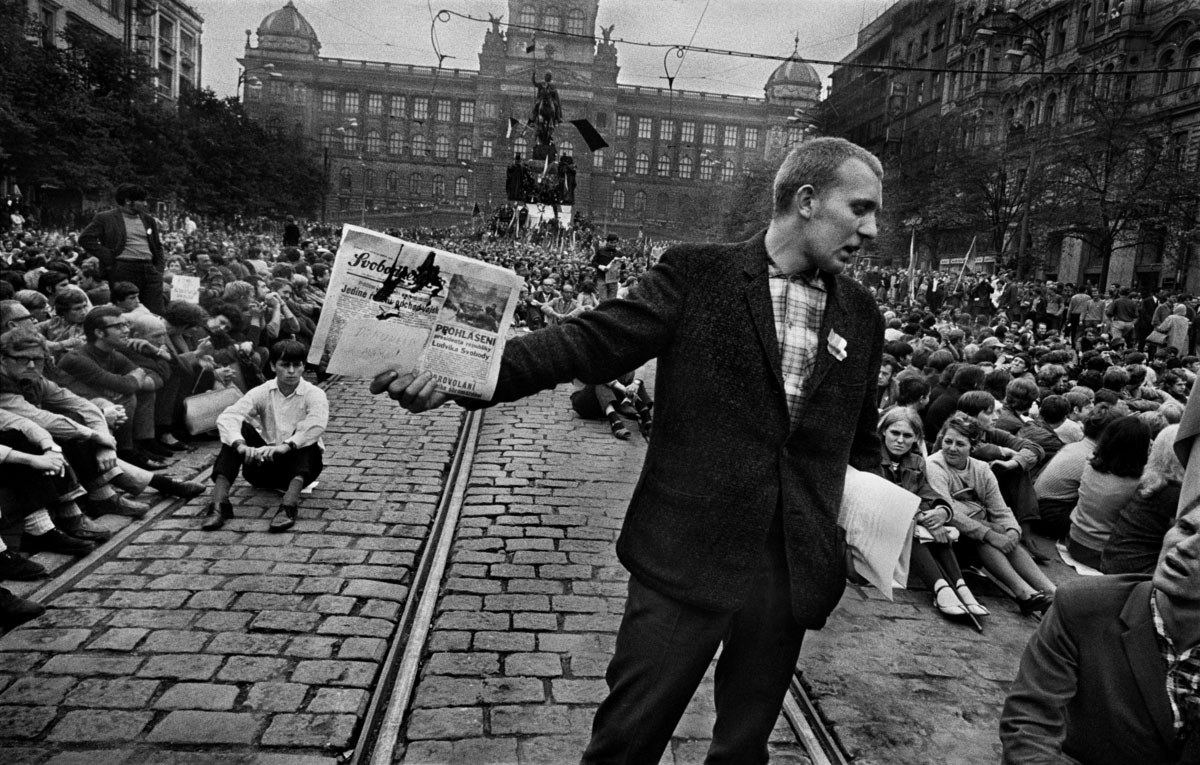


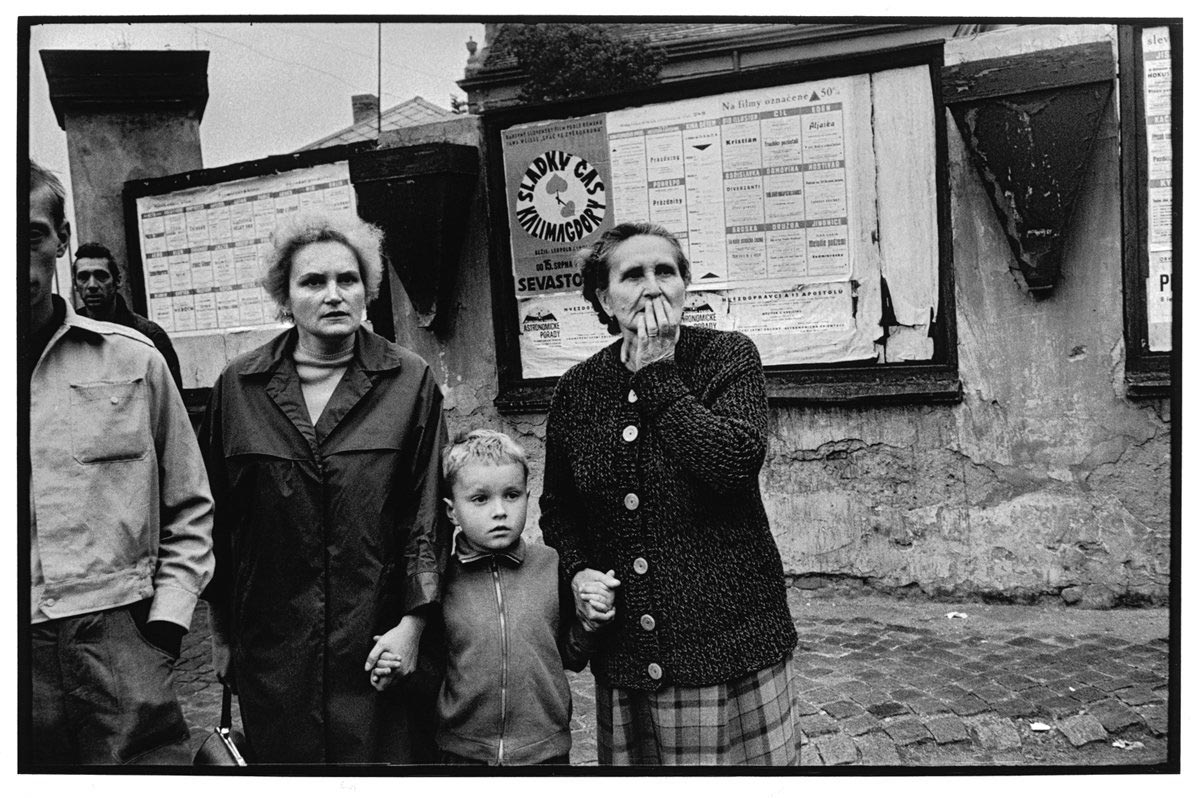
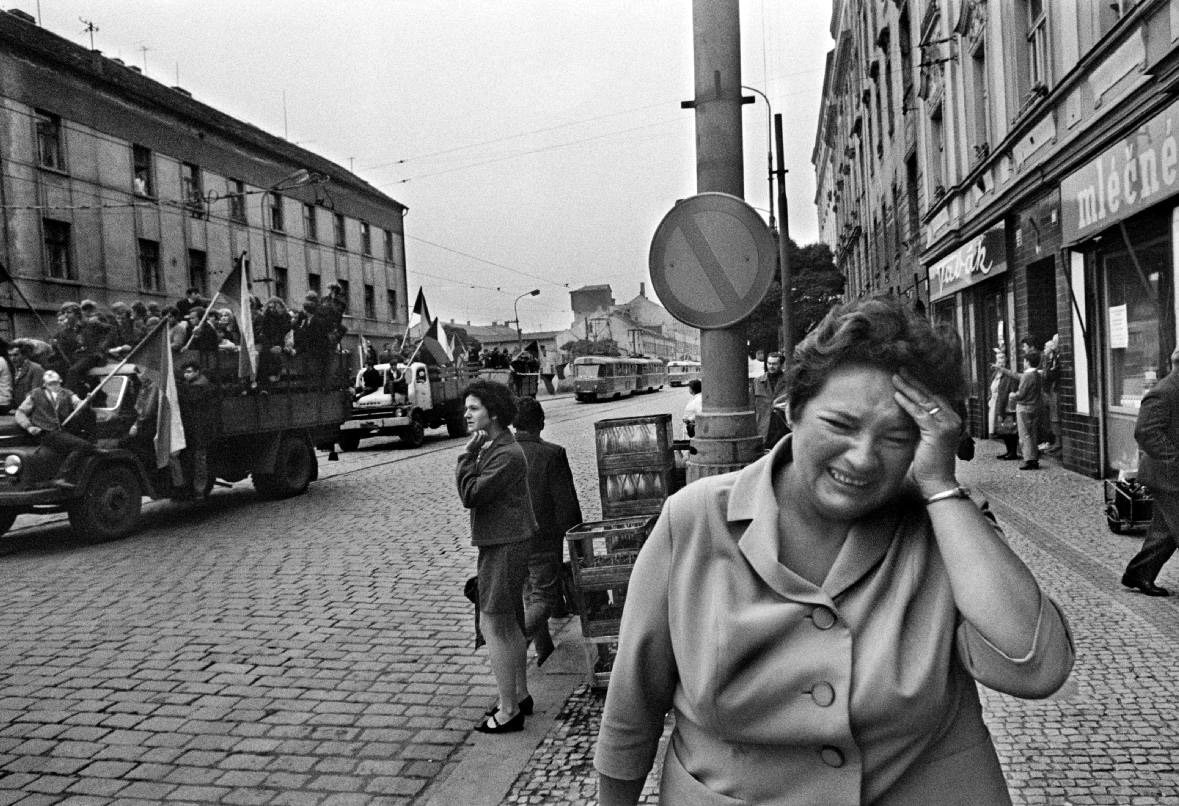
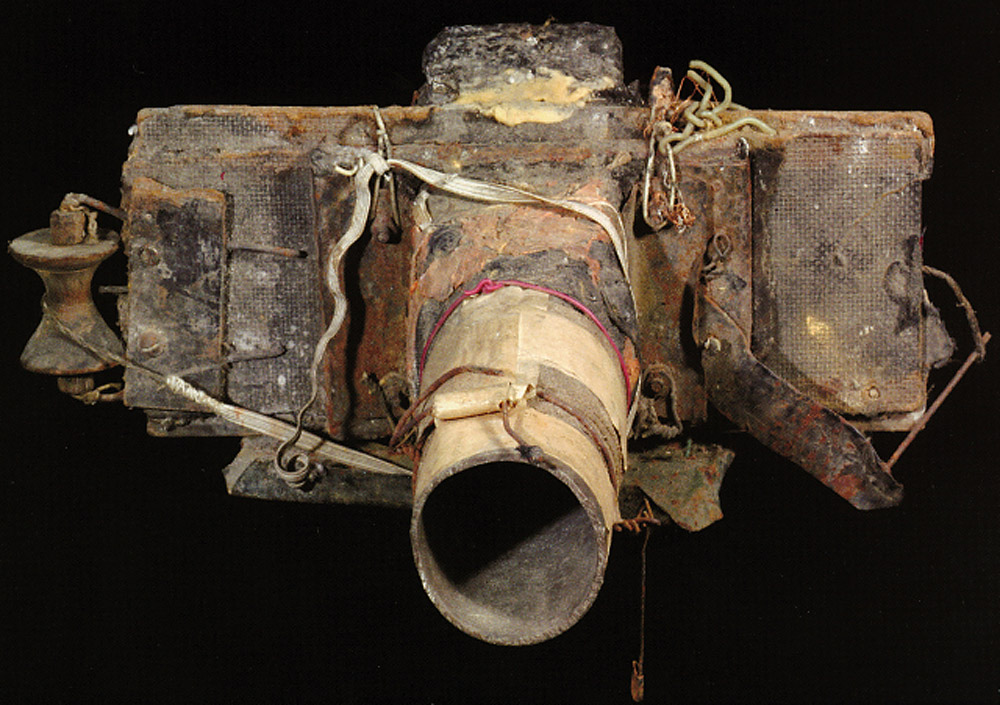


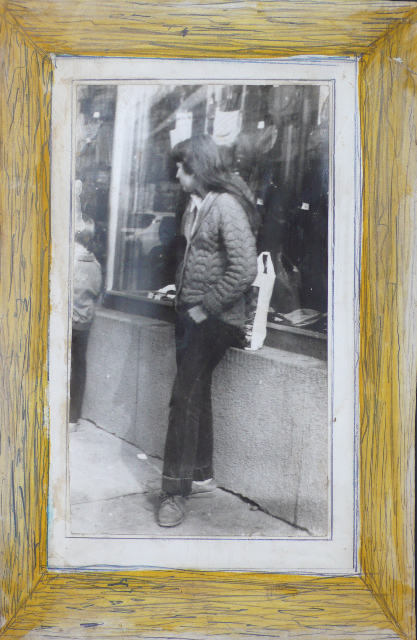


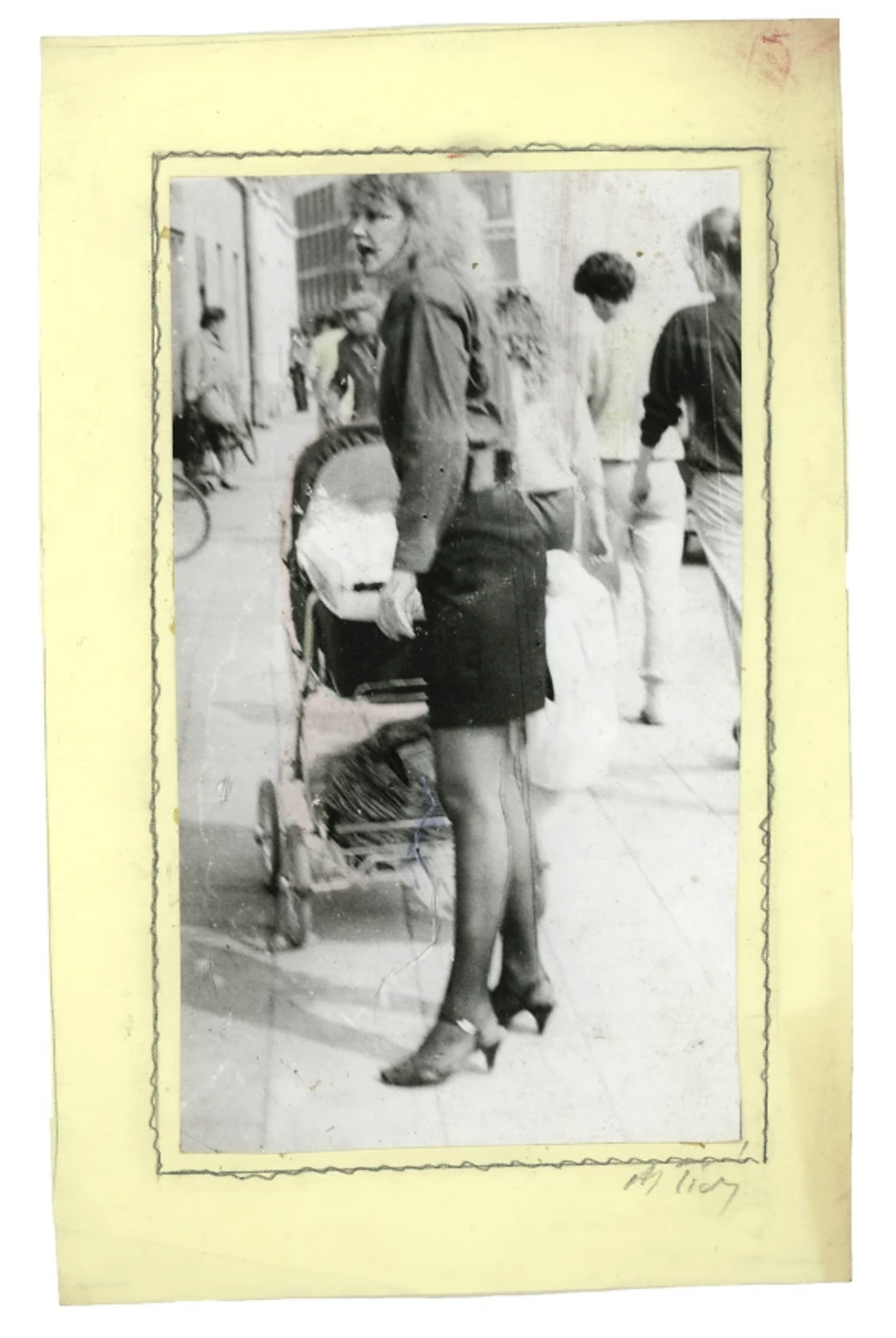

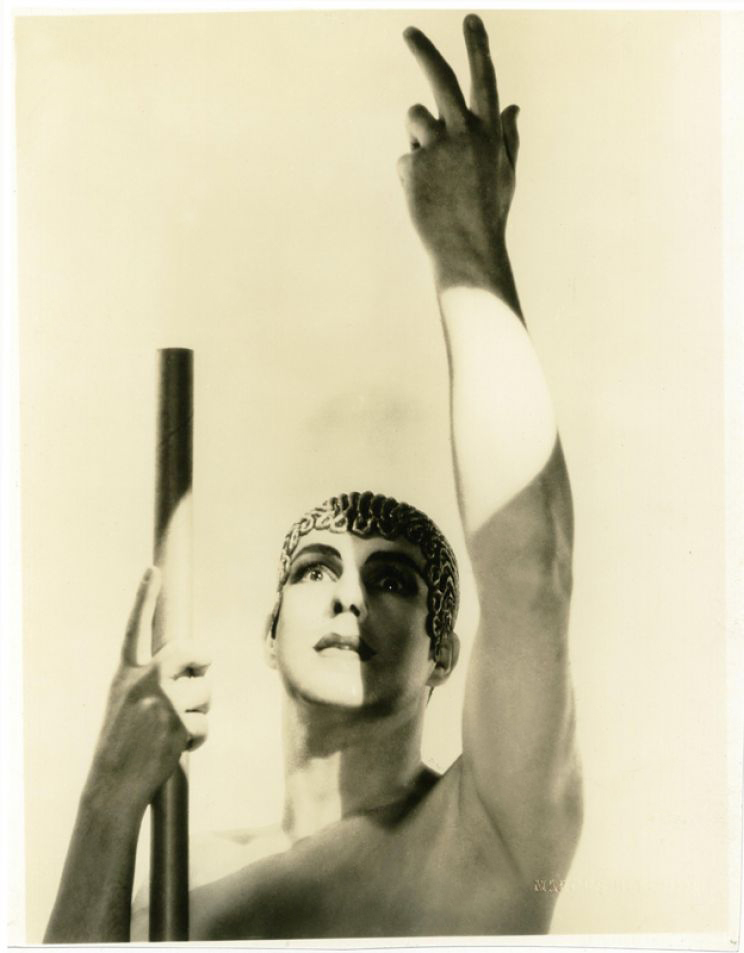
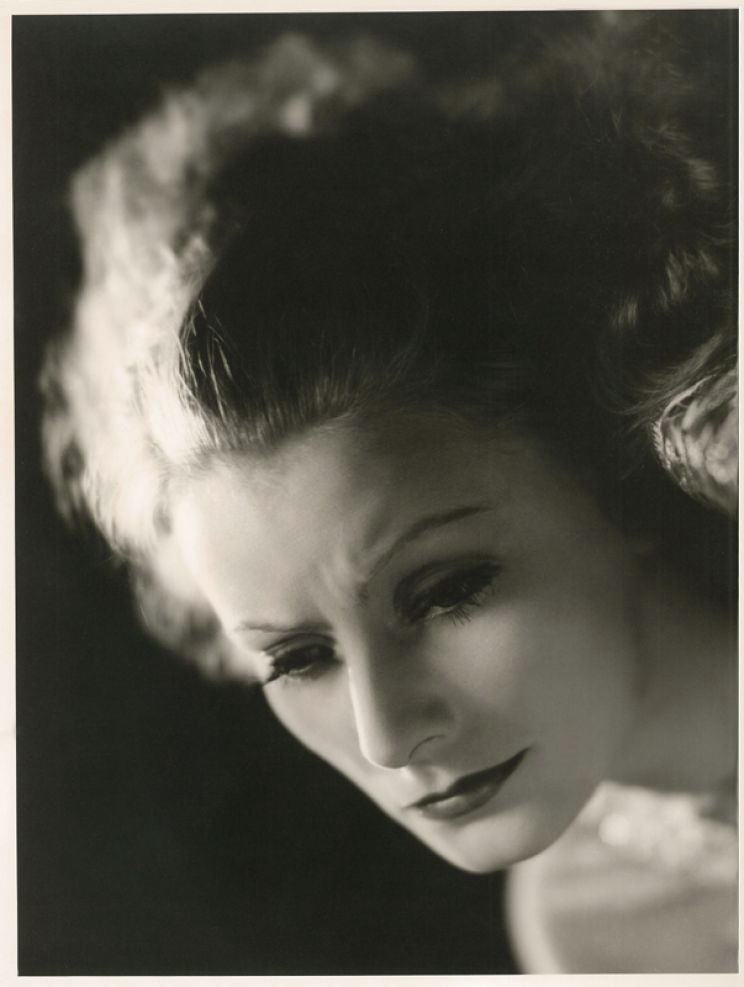
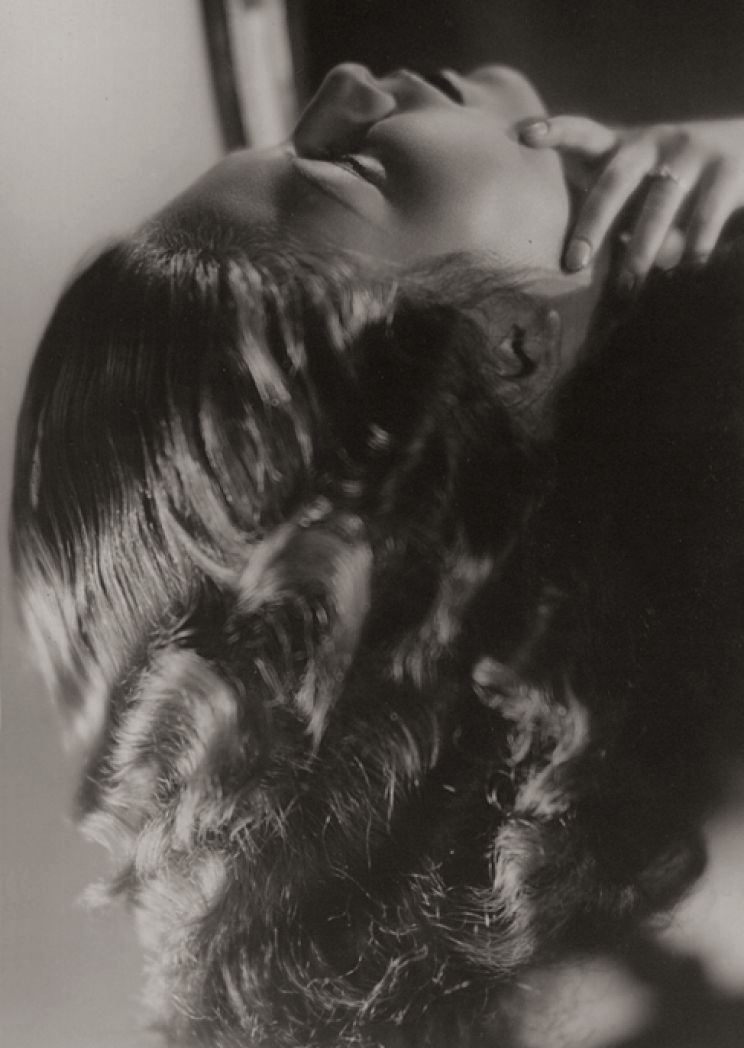
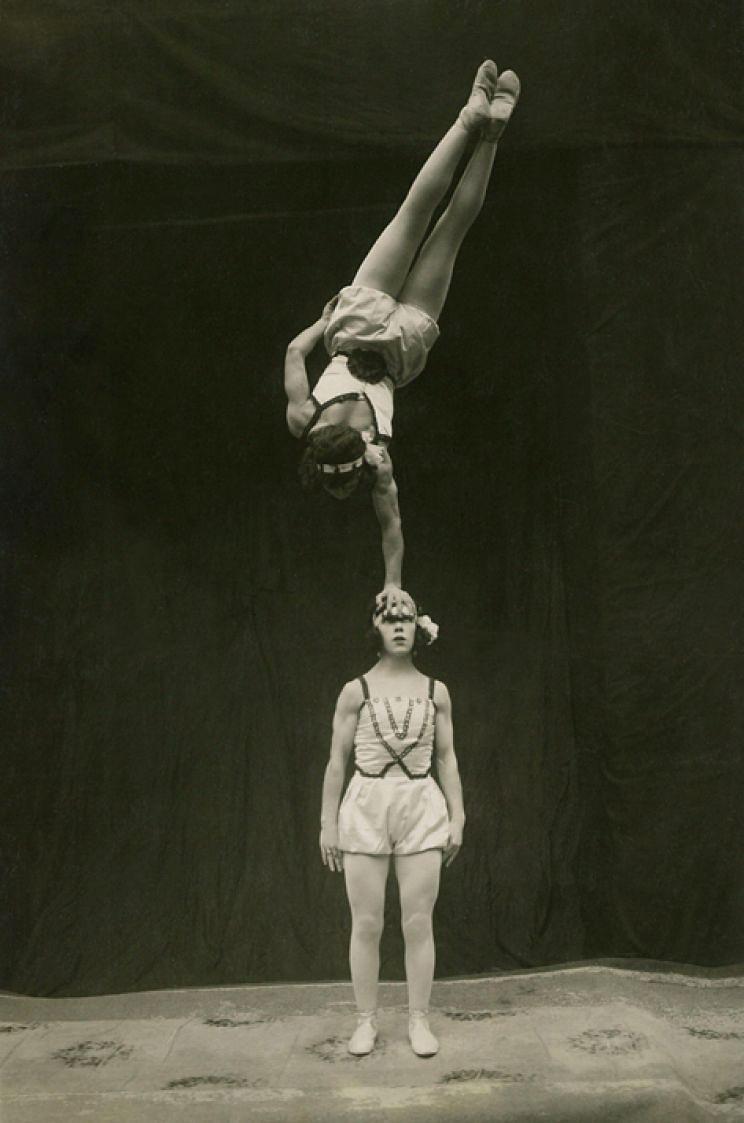
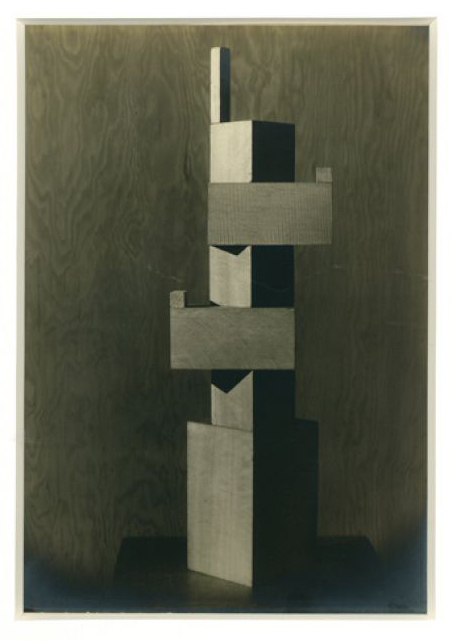

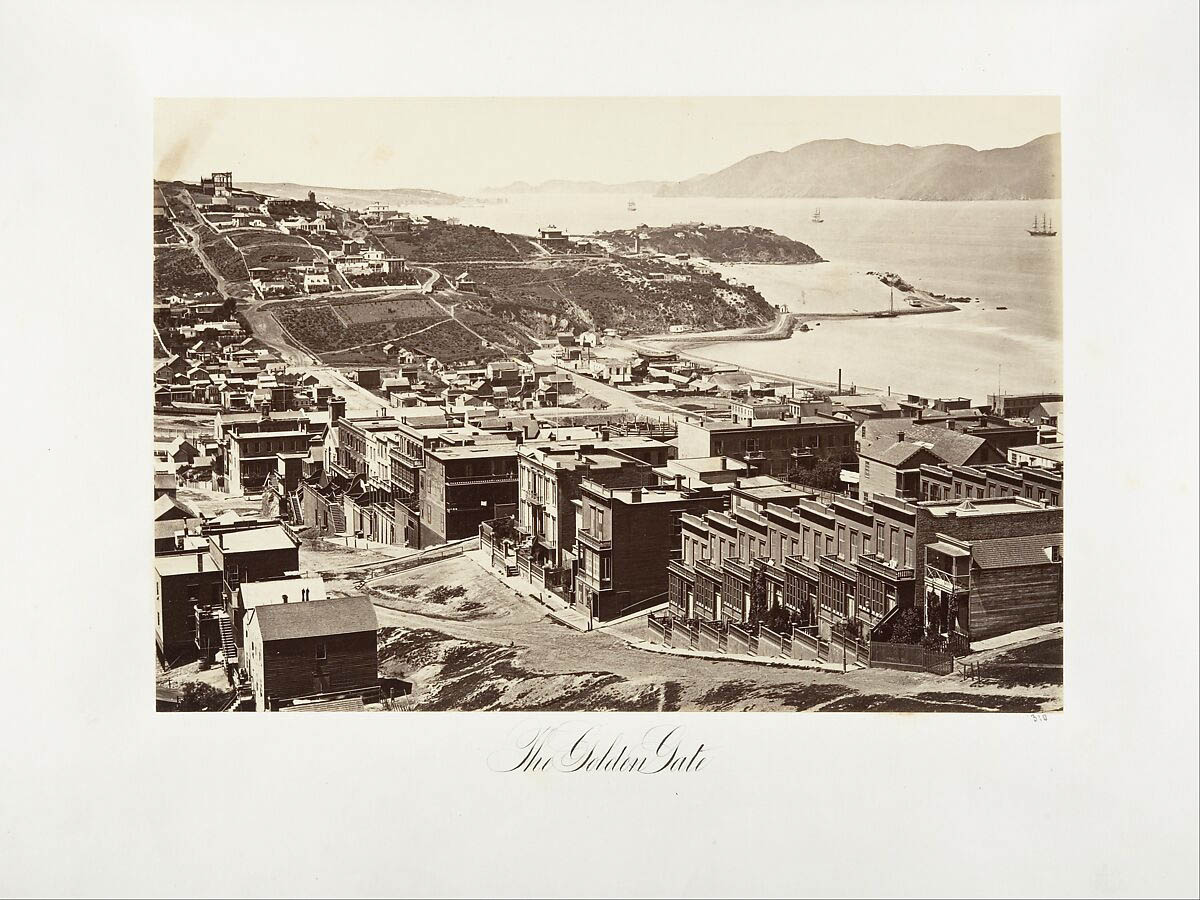


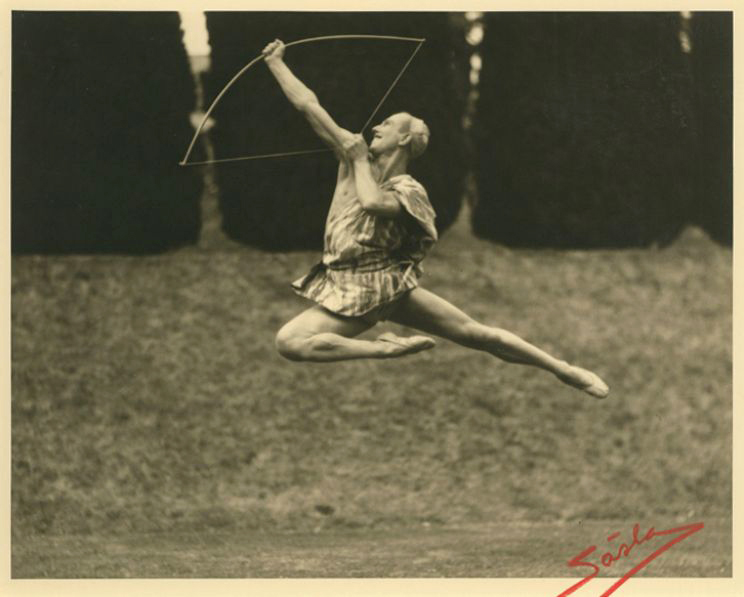
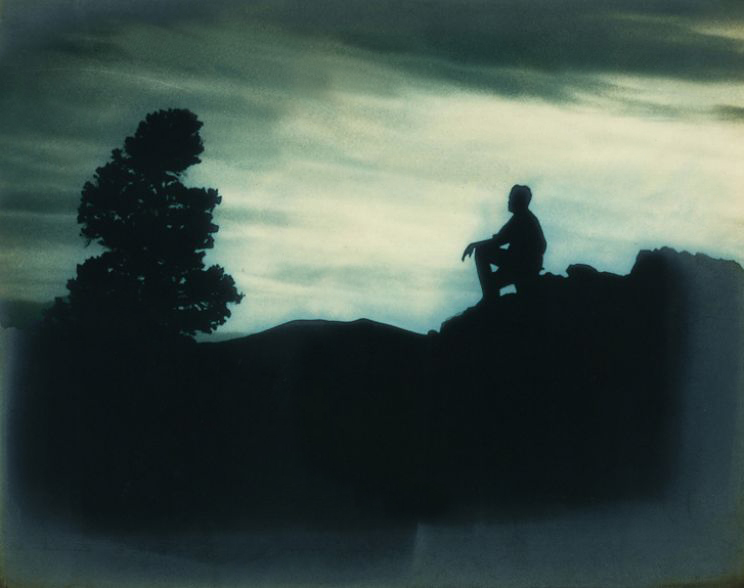
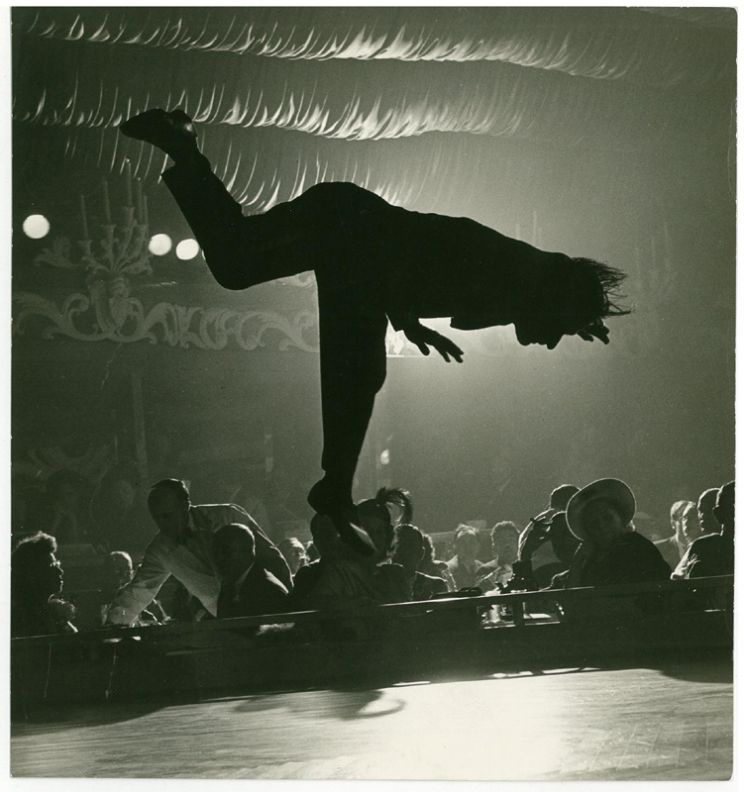
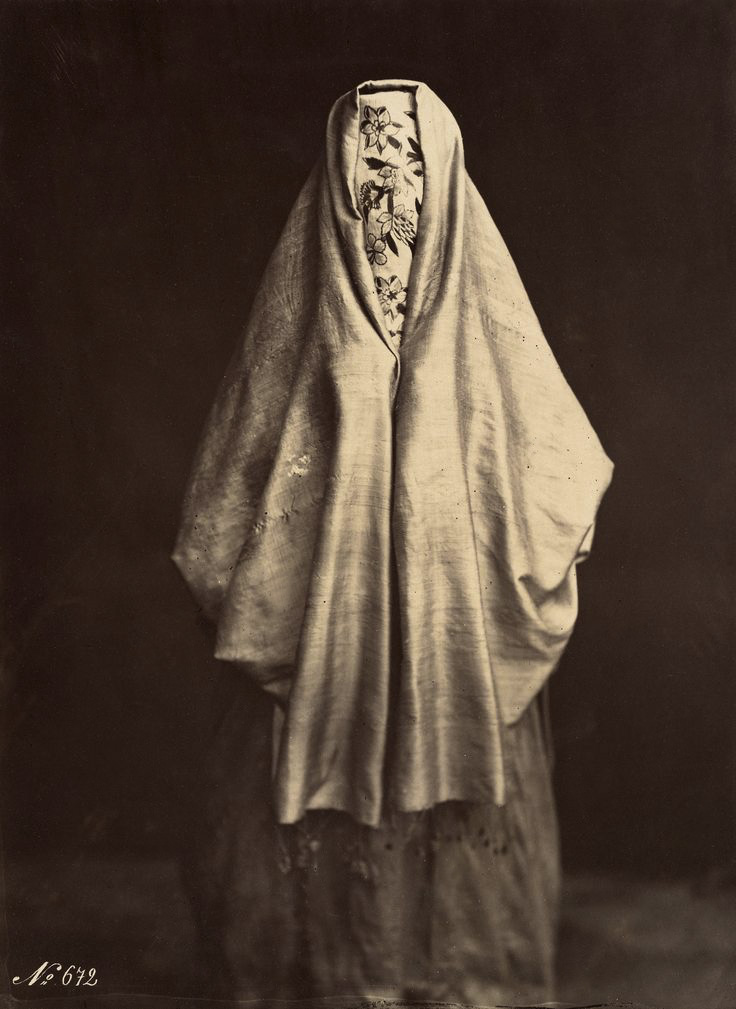
 Art Blart _ art and cultural memory archive
You must be logged in to post a comment.