Many thankx to the C/O Berlin Gallery for allowing me to publish the photographs in the posting. Please click on the photographs for a larger version of the image.
Pierre et Gilles (French, Pierre Commoy b. 1950 and Gilles Blanchard, b. 1953) Mercury 2001
“It’s hard to think of contemporary culture without the influence of Pierre et Gilles, from advertising to fashion photography, music video, and film. This is truly global art.”
Jeff Koons
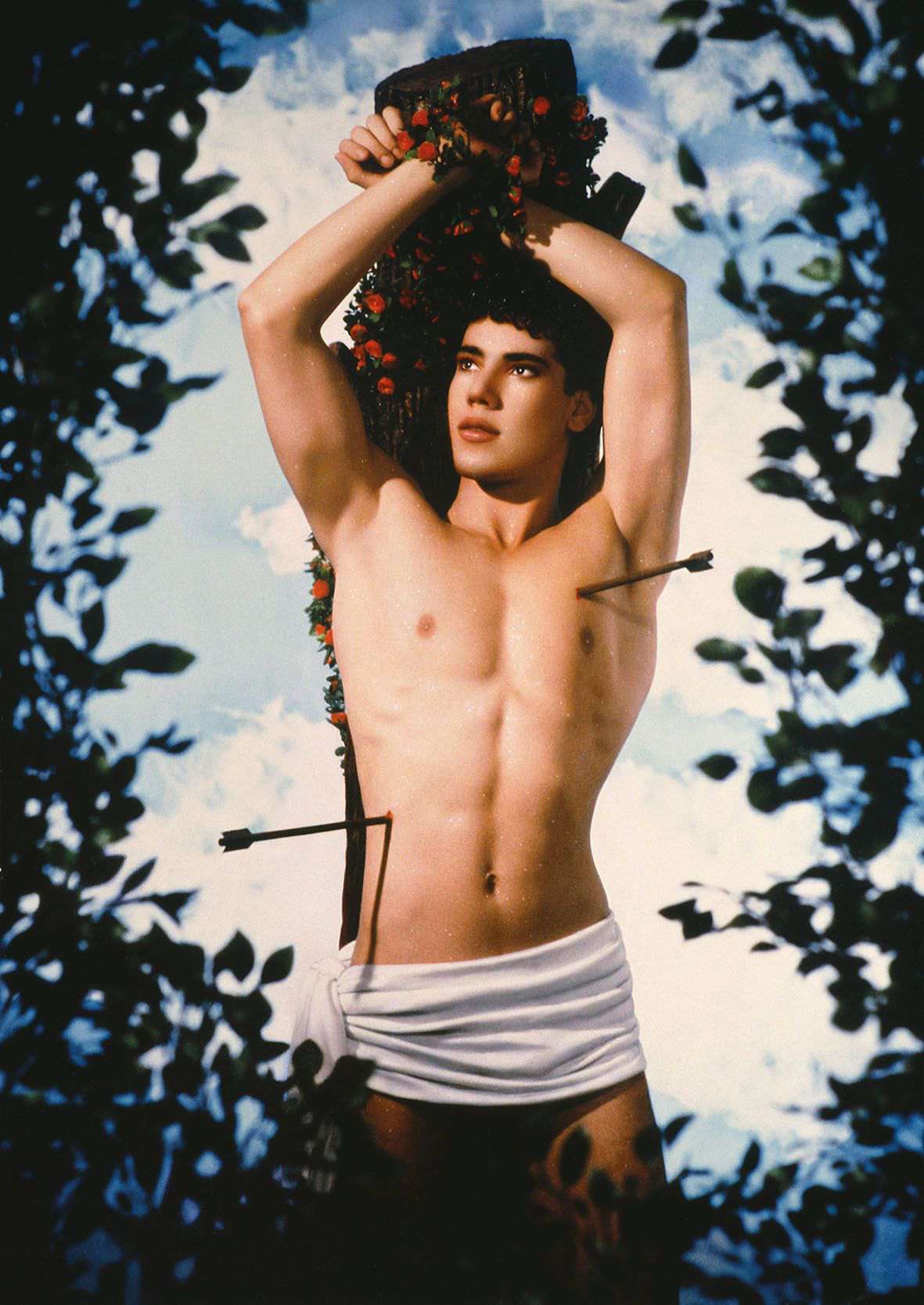
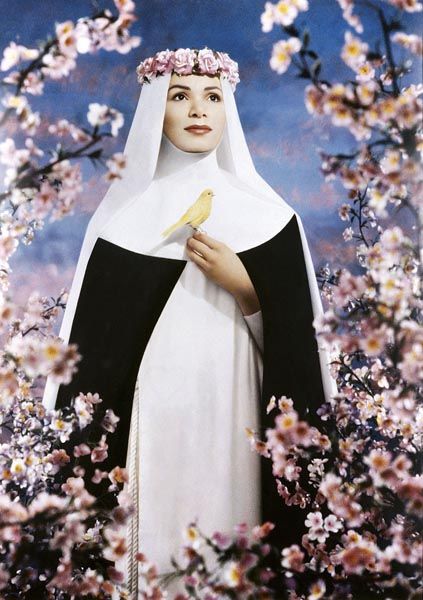
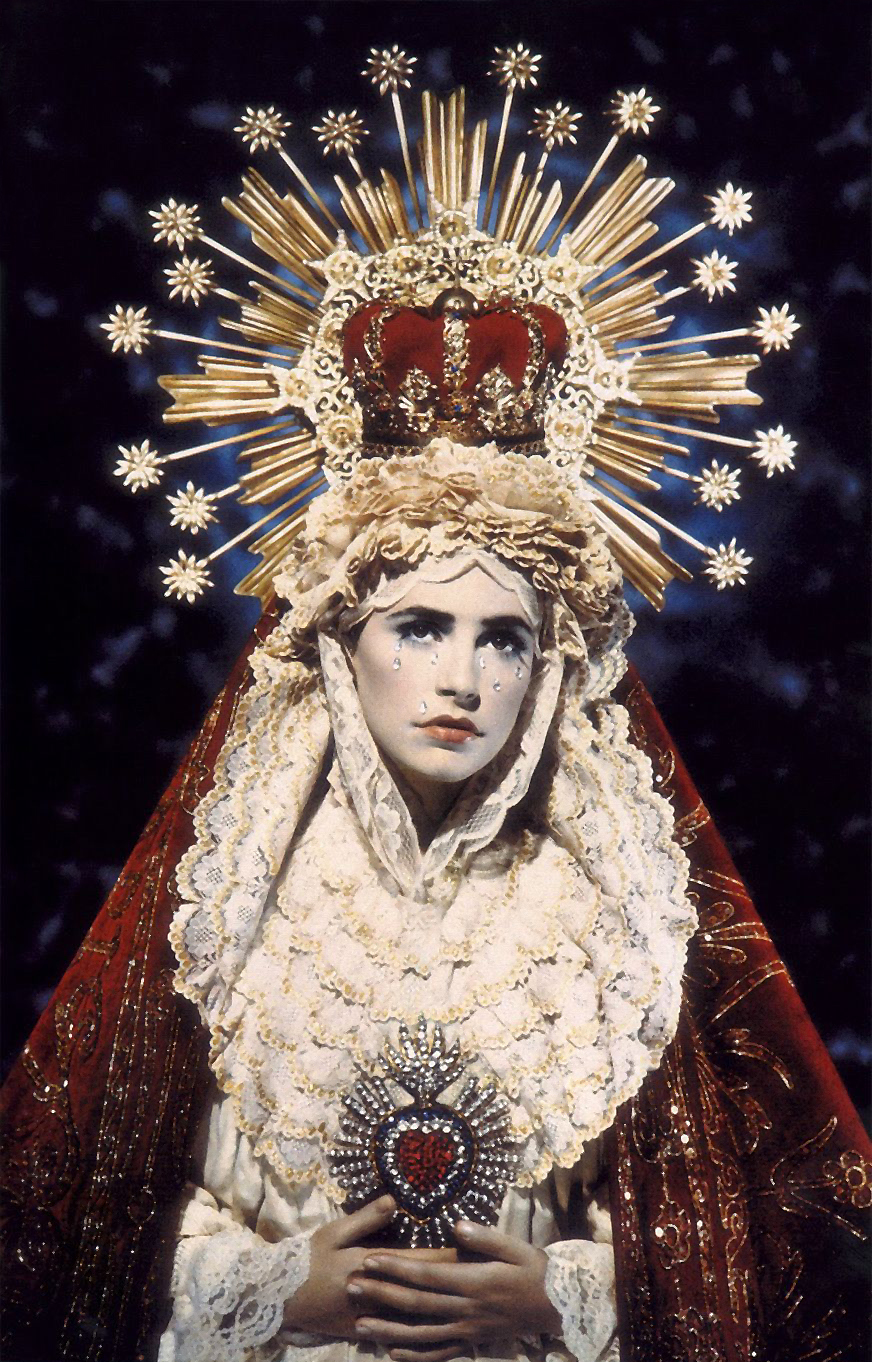
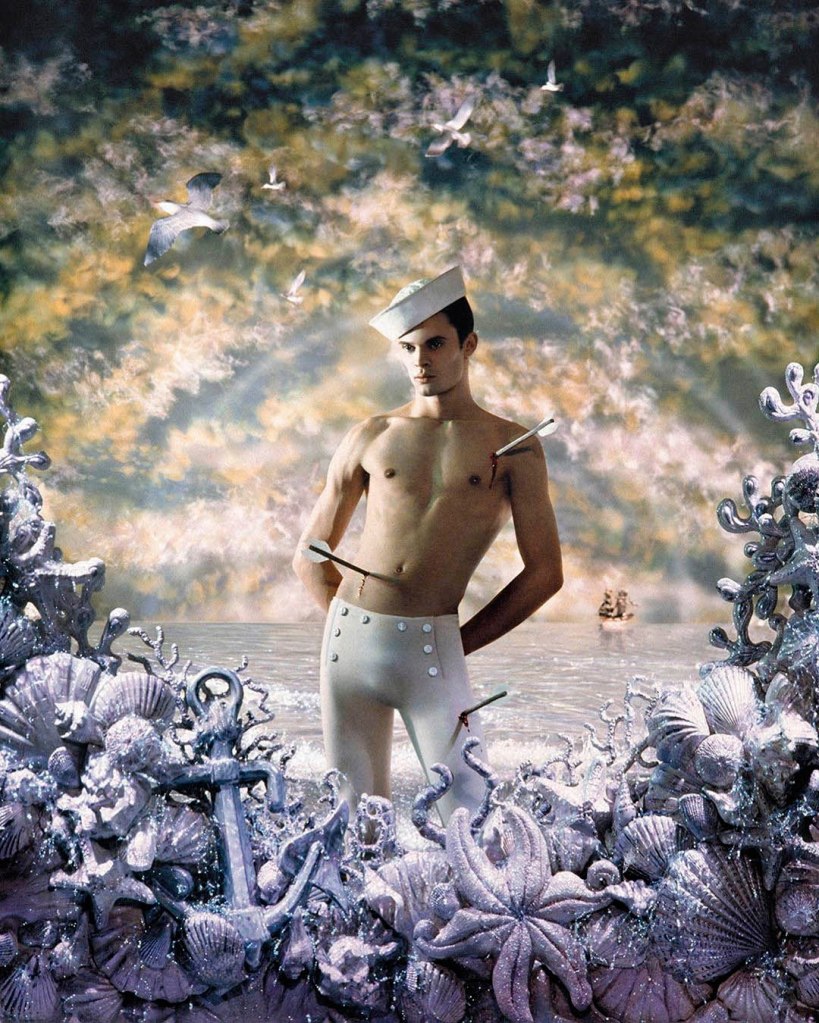
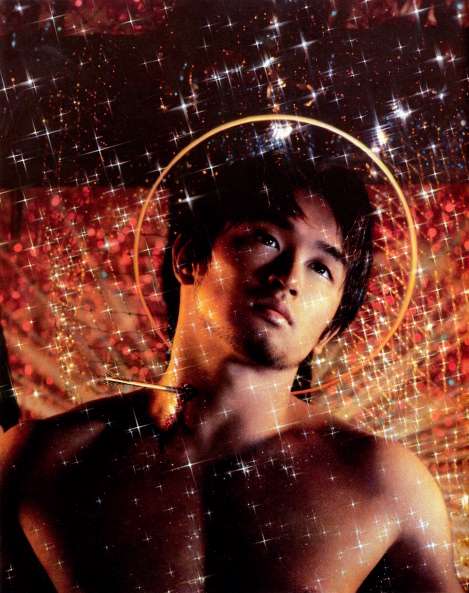
The cosmos of the worldwide renowned French artist duo is a vivid, colourful world poised between baroque sumptuousness and earthly limbo. Pierre et Gilles create unique hand-painted photographic portraits of film icons, sailors and princes, saints and sinners, of mythological figures and unknowns alike. Pierre et Gilles pursue their own, stunningly unique vision of an enchanted world spanning fairytale paradises and abyssal depths, quoting from popular visual languages and history of art. Again and again, they re-envision their personal dream of reality anew in consummate aesthetic perfection.
Pierre et Gilles are among the most influential artists of our time. In their complex, multilayered images, they quote from art history, transgress traditional moral codes, and experiment adeptly with social clichés. Their painterly photographic masterpieces exert an intense visual power that leaves the viewer spellbound.
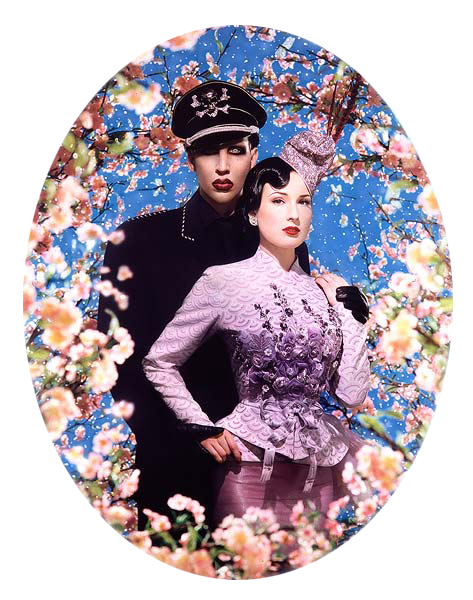
Over the last thirty years, Pierre et Gilles have created photographic portraits of numerous celebrities including Marc Almond, Mirelle Mathieu, Catherine Deneuve, Serge Gainsbourg, Iggy Pop, Jean-Paul Gaultier, Nina Hagen, Madonna, and Paloma Picasso. They work almost exclusively in an opulently furnished studio, where their subjects are costumed lavishly and placed before three-dimensional backgrounds. Pierre photographs the model, and Gilles retouches and hand-colours the print. The reproducible portrait is rendered unique through painting, which highlights each detail with carefully selected materials and accessories.
As only venue in Germany, C/O Berlin presents the exhibition as the first of Pierre et Gilles in fifteen years. The show comprised a total of 80 unique large-format works – from their early photographies of the 1970s to the brand new pictures that were never shown in public before.”
Text from the C/O Berlin website [Online] Cited 20/08/2009 no longer available online
Pierre et Gilles (French, Pierre Commoy b. 1950 and Gilles Blanchard, b. 1953) St. Sebastian 1987
Pierre et Gilles (French, Pierre Commoy b. 1950 and Gilles Blanchard, b. 1953) Neptune 1988
Pierre et Gilles (French, Pierre Commoy b. 1950 and Gilles Blanchard, b. 1953) Saint Rose De Lima 1989
Pierre et Gilles (French, Pierre Commoy b. 1950 and Gilles Blanchard, b. 1953) Le Petit Communiste Christophe (The Little Communist Christophe) 1990
Pierre et Gilles (French, Pierre Commoy b. 1950 and Gilles Blanchard, b. 1953) Legend (Madonna) 1990
Pierre et Gilles (French, Pierre Commoy b. 1950 and Gilles Blanchard, b. 1953) La Madone au coeur blessé (Madonna with a wounded heart) 1991
Pierre et Gilles (French, Pierre Commoy b. 1950 and Gilles Blanchard, b. 1953) St. Sebastian of the Sea 1994
Pierre et Gilles (French, Pierre Commoy b. 1950 and Gilles Blanchard, b. 1953) The Martyrdom of St Sebastian 1996
Pierre et Gilles (French, Pierre Commoy b. 1950 and Gilles Blanchard, b. 1953) Extase (Arielle Dombasle) 2002
Pierre et Gilles (French, Pierre Commoy b. 1950 and Gilles Blanchard, b. 1953) Le Grand Amour (Marilyn Manson and Dita von Teese) 2004
C/O Berlin Postfuhramt Oranienburger Straße 35/36 10117 Berlin
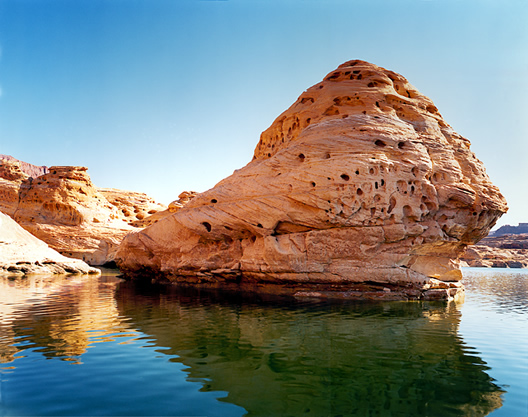
Karen Halverson (American, b. 1941) Hite Crossing, Lake Powell, Utah from the Downstream series 1994-1995
As clear as a bell!
Marcus
Many thankx to the Huntington Library for allowing me to publish the photographs in the posting. Please click on the photographs for a larger version of the image.
Karen Halverson (American, b. 1941) Lodore Canyon, Dinosaur National Monument from the Downstream series 1994-1995
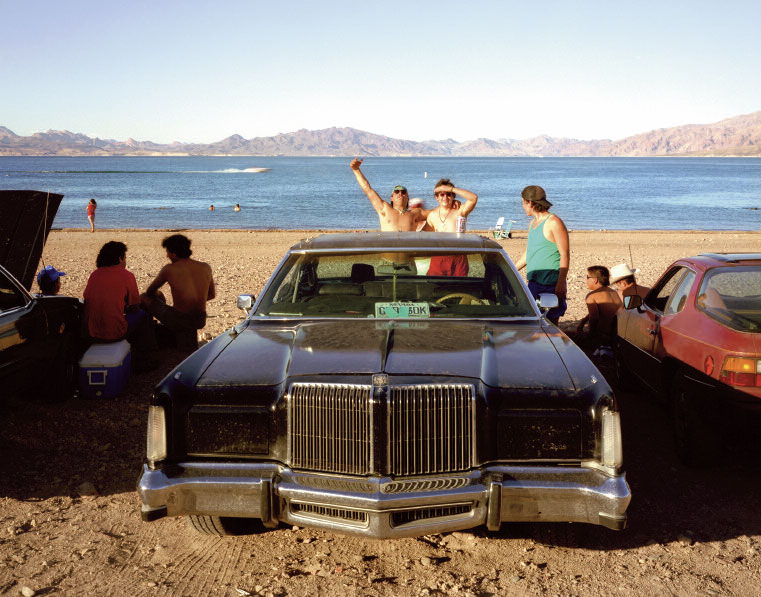
Karen Halverson (American, b. 1941) Boulder Beach, Lake Mead, Nevada from the Downstream series 1994-1995
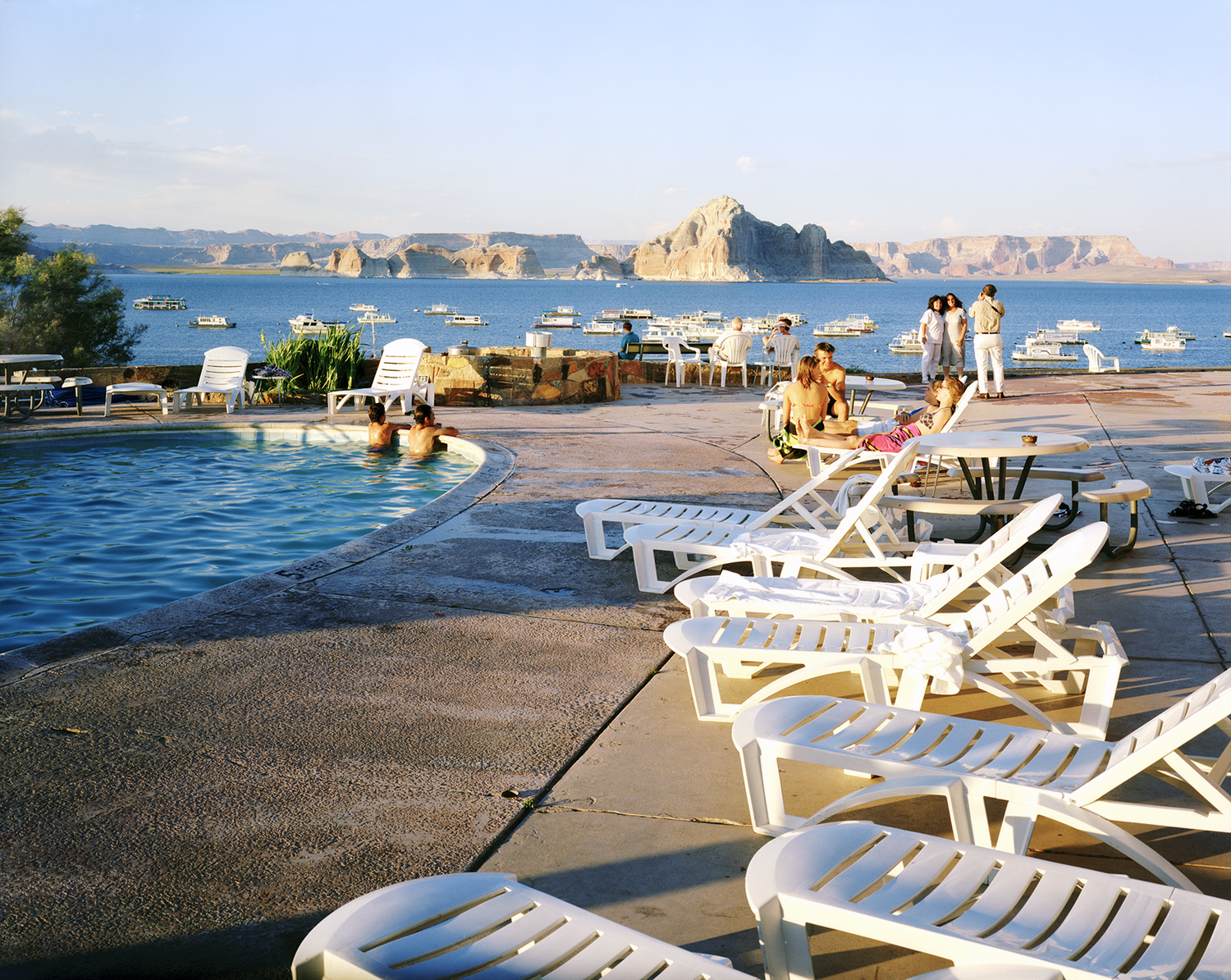
Karen Halverson (American, b. 1941) Wahweap Pool, Lake Powell, Arizona from the Downstream series 1994-1995
To celebrate the expansion and reinstallation of the Virginia Steele Scott Galleries of American Art, The Huntington Library, Art Collections, and Botanical Gardens presents an exhibition of works from American photographer Karen Halverson’s Colorado River series, on view May 30 through Sept. 28, 2009. Downstream: Colorado River Photographs of Karen Halverson will be on display in the Scott Galleries’ Susan and Stephen Chandler Wing, inaugurating a new changing exhibition space that will highlight photography and works on paper that, because of the fragile nature of the medium, cannot be placed on permanent display.
The exhibition will feature 26 works from Halverson’s Downstream series as well as a sampling of images from The Huntington’s historic holdings related to the Colorado River region, including photographs from John Wesley Powell’s pioneering expedition down the Colorado in 1871 and a snapshot album compiled in 1940 by Mildred Baker, one of the first women to successfully navigate the river from Green River, Wyo., to Boulder (now Hoover) Dam.
Halverson (b. 1941) says she woke one wintry morning in 1994 convinced that she needed to photograph the Colorado River. An accomplished landscape photographer who had already spent 20 years exploring the American West, she embarked on a two-year encounter with the vast terrain along the river’s serpentine route.
The desire to explain, understand, and experience the 1,700-mile river – which originates in Wyoming and Colorado before converging in Utah toward its terminus in Mexico – has exerted a powerful influence on a long line of explorers, scientists, thrill seekers, writers, artists, and photographers. Once largely wild, the modern river has been tamed by dams built to slake the American West’s thirst for water and power. Today the river’s reservoirs supply 30 million people.
“In her resonant imagery, Halverson speaks both to this immutable, rugged past while confronting the river’s complicated and often contested present,” says Jennifer Watts, curator of photographs at The Huntington.
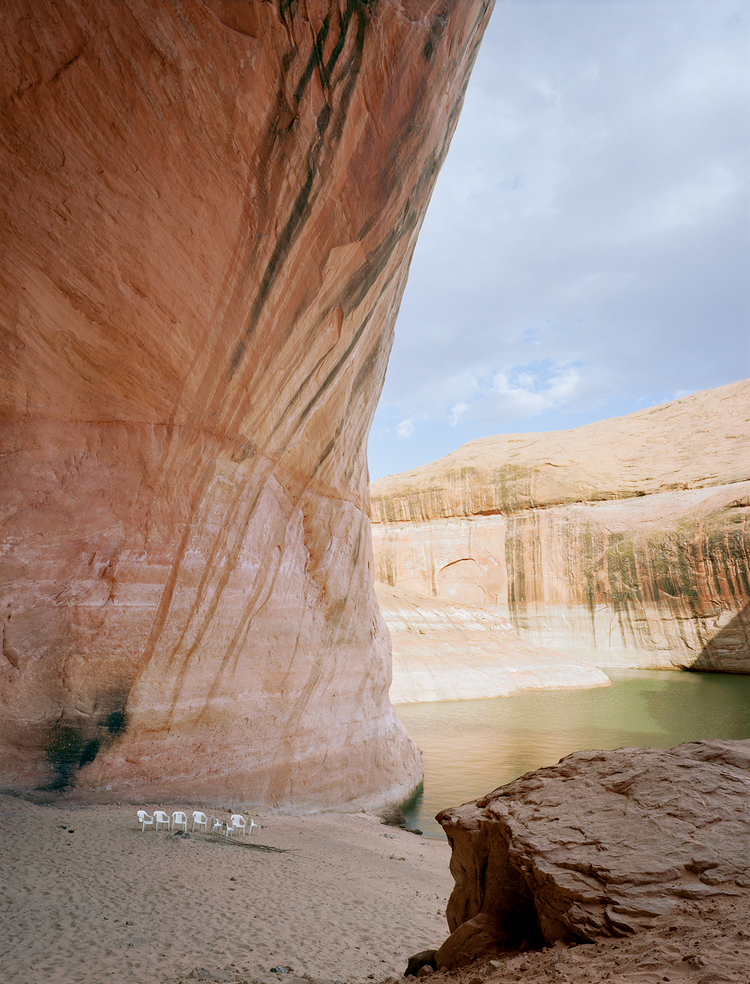
Lush green riverbanks frame a seemingly remote Colorado River in Shafer Trail, Near Moab, Utah – a dramatic departure from the river-turned-lake in Wahweap Marina, Lake Powell, Arizona, in which the setting sun illuminates a satellite dish, a trio of passersby, and a jumble of houseboats set against distant rock outcroppings. Davis Gulch, Lake Powell, Utah captures Halverson’s voice especially succinctly: the power of nature in the form of a gigantic sandstone wall dwarfing a tiny group of plastic lawn chairs, lined up along the river bank, with not a soul in sight.
“In my travels along the Colorado,” says Halverson, “sometimes I find beauty, sometimes desecration, often a perplexing and absurd combination.”
Halverson’s large-format colour photography references the 19th-century era of exploration when the United States, still reeling from the Civil War, saw photographers fan across the West to make pictures for scientific and commercial ends. Many of these iconic views by William H. Bell, John K. Hillers, Timothy O’Sullivan and others form the core of The Huntington’s superlative photography collection. Halverson consulted these works in preparation for her own trips.
The two years Halverson spent hiking, driving, and rafting along the Colorado brought her to a more profound understanding of the river and her relationship to it. During her travels, Halverson wrote, “I feel my place, small and finite in relation to space and time: I feel my self, expansive and trusting.”
Text from The Huntington Library website [Online] Cited 12/06/2009. No longer available online
Karen Halverson (American, b. 1941) Big River, California from the Downstream series 1994-1995
Karen Halverson (American, b. 1941) Davis Gulch, Lake Powell from the Downstream series 1994-1995
“In my travels along the Colorado, sometimes I find beauty, sometimes desecration, often a perplexing and absurd combination.”
Karen Halverson
One wintry morning in1994, Karen Halverson (b. 1941) awoke convinced she needed to photograph the Colorado River. An accomplished artist who had already spent 20 years exploring the American West, she set off on a two-year encounter with the vast, breathtaking terrain along the river’s serpentine route. “The impulse to photograph the Colorado River came to me out of the blue,” she writes, “but I acted on it as if it were my destiny.” Personal destiny and the Colorado River have long been linked in the lives of the explorers, scientists, writers, artists, and thrill seekers who have sought to understand and experience this remarkable river.
“Nature appears to have been partial to this stream,” noted “Captain” Samuel Adams, who described the river in 1869. The Colorado and its major tributary, the Green River, run 1,700 miles from headwaters in the Rocky Mountains and Wyoming’s Wind River Range to a terminus in Mexico. Sheer size helps explain the river’s enduring allure; the Colorado’s gargantuan watershed covers a quarter of a million miles and runs through seven states. The Colorado is the riparian centre and symbol of the American West. Once wild, the river has been tamed by dams built to slake the arid West’s demand for water and power; 30 million people are dependent on it today.
Halverson’s large-format colour photography alludes to a 19th-century era of exploration when photographers fanned out across the West to make pictures for scientific and commercial ends. Iconic views by William H. Bell (1830-1910), John K. Hillers (1843-1925), Timothy O’Sullivan (c. 1840-1882), and others captured timeless landscapes of fierce, often forbidding, beauty. Halverson looked at these works in preparation for her trips, viewing them as documentary and visual points of departure for her own image making. Beyond the debt she owes these photographic pioneers, Halverson is firmly rooted in a late 20th-century aesthetic that comments on humanity’s use, and misuse, of the environment.
Beginning in the 1970s, a group of photographers, almost all of them men – who are now sometimes called the “New Topographers” – used their cameras to criticise the effects of rampant urban and suburban growth on western lands. Sprawling cities like Los Angeles, Phoenix, and Las Vegas owe their existence almost entirely to the importation of water from the Colorado River. As Halverson rightly claims, today the river is a “water delivery system,” with its dozens of reservoirs, dams, and diversions ensuring the allocation of virtually every drop for human needs.
Yet Downstream is no visual jeremiad railing against environmental abuse. Nor is it a dispassionate travelogue of the two years Halverson spent hiking, driving, and rafting along the Colorado. The wild terrain that flabbergasted early explorers is still here in the Paleozoic strata of gigantic rock outcroppings, the ancient calm of ghostly canyons, the dizzying heights overlooking a ribbon of water far below. And the colours – ochre, cerulean blue, deep red, electric green – are all intensified against the palette of a dammed river running colder and deeper than if it flowed freely. A modern-day beauty even finds itself inscribed in steel and concrete, whether in the sleek form of a pipeline or the still surface of an irrigation canal.
But it is in the bizarre, sometimes humorous, intersections of past and present that Downstream gains its potency. Cheap plastic lawn chairs, sitting vacant, look puny and ridiculous against a looming canyon wall. Weekend revellers pump fists skyward on the shores of Lake Mead, a giant reservoir held in place by Hoover Dam. A garden hose waters a scrawny palm tree in a desert oasis populated by rows of RVs.
What is gained and what is lost by controlling the Colorado River? And what are the river’s limits? Halverson’s Downstream series asks the viewer to contemplate these questions in a time when the arid West’s thirsty population threatens to overwhelm technological as well as natural resources, and when our well-watered urban lives remain utterly disconnected from riparian realities. Through her resonant imagery, Halverson speaks to the immutability of the river’s past while confronting its complex, contested present and future.
Jennifer A. Watts, Curator of Photographs from “Colorado River Photographs of Karen Halverson,” The Huntington Library Halverson Gallery guide [Online] Cited 28/02/2019. No longer available online
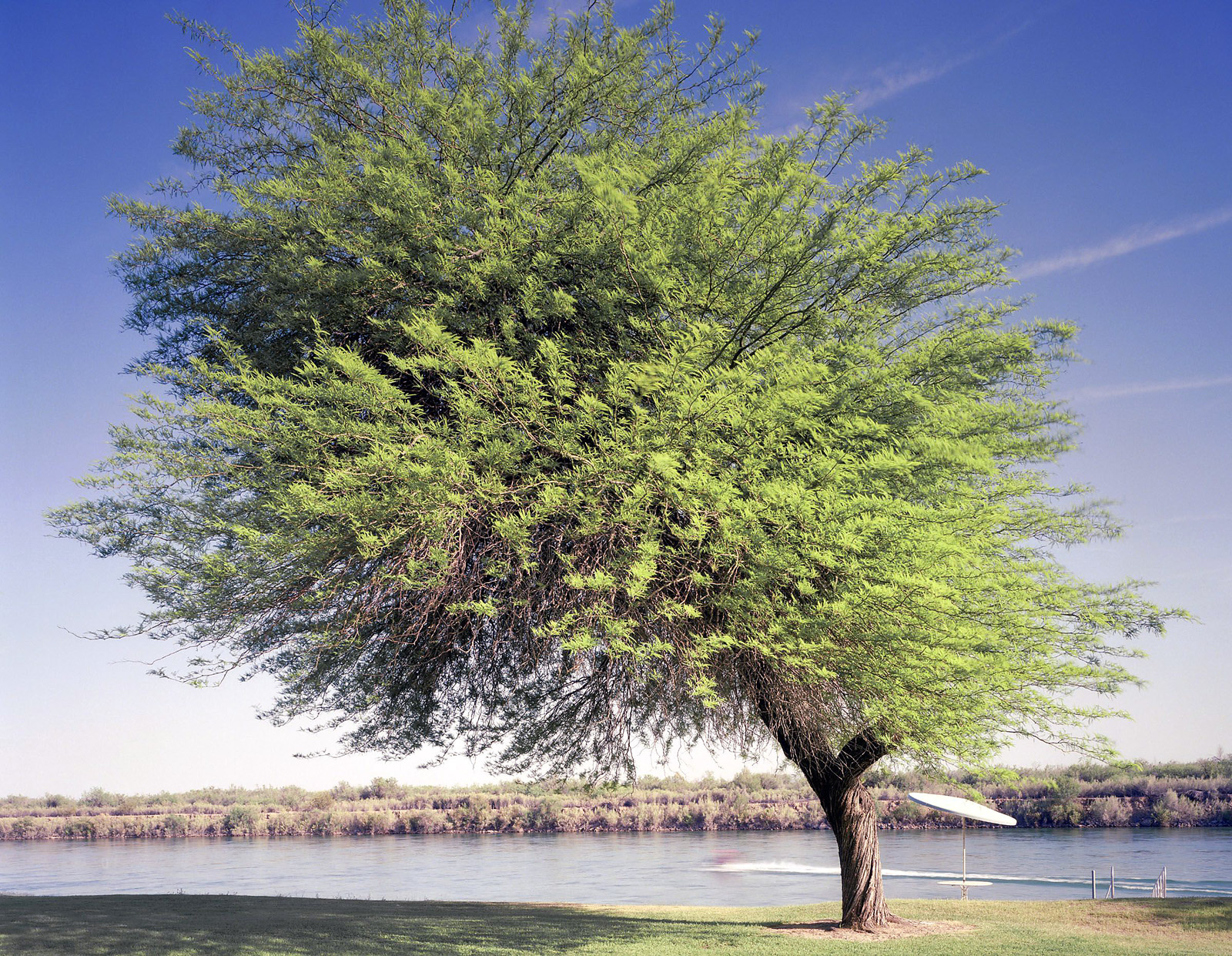
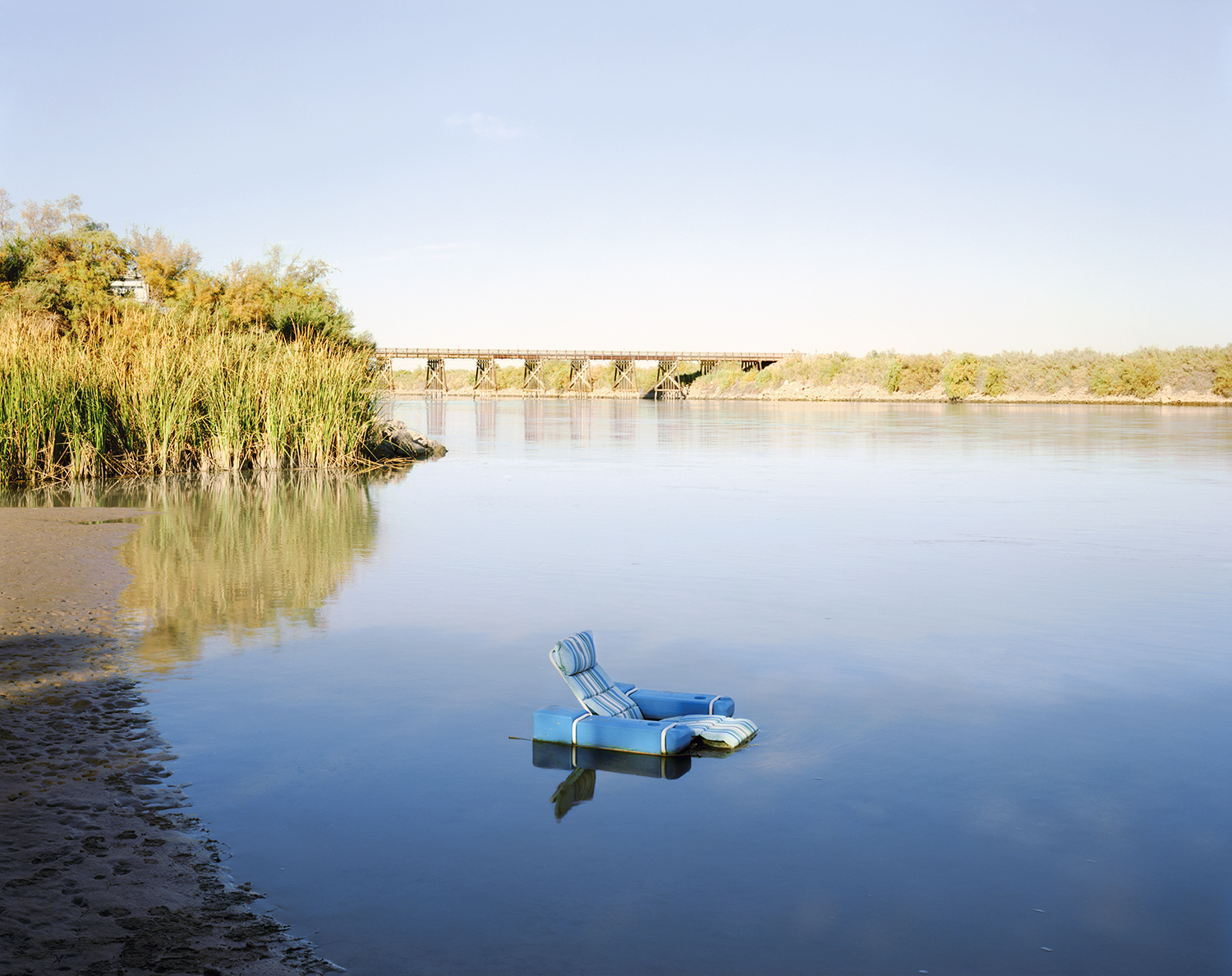
Karen Halverson (American, b. 1941) Near Palo Verde, California from the Downstream series 1994-1995
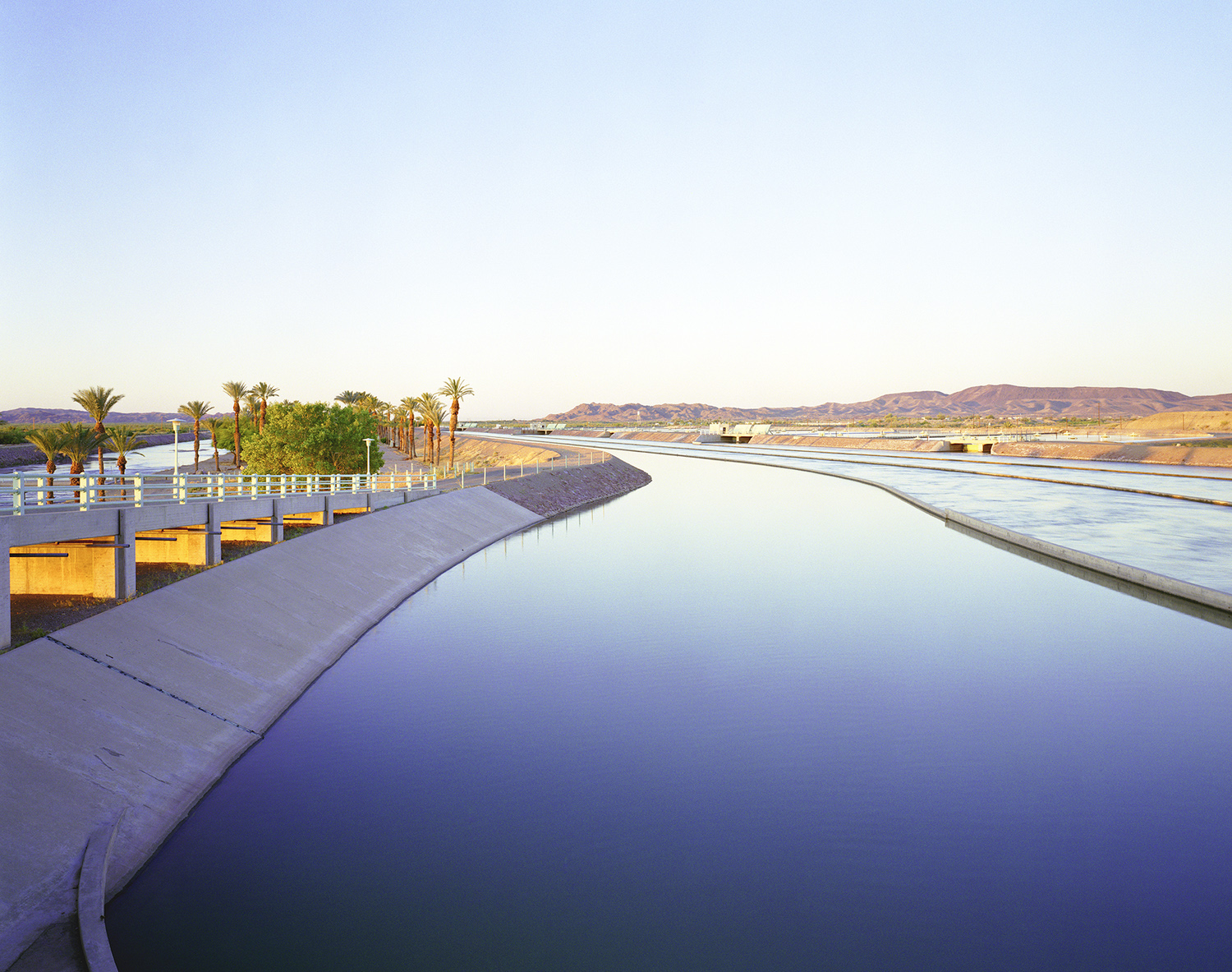
Karen Halverson (American, b. 1941) Imperial Dam, near Yuma, Arizona from the Downstream series 1994-1995
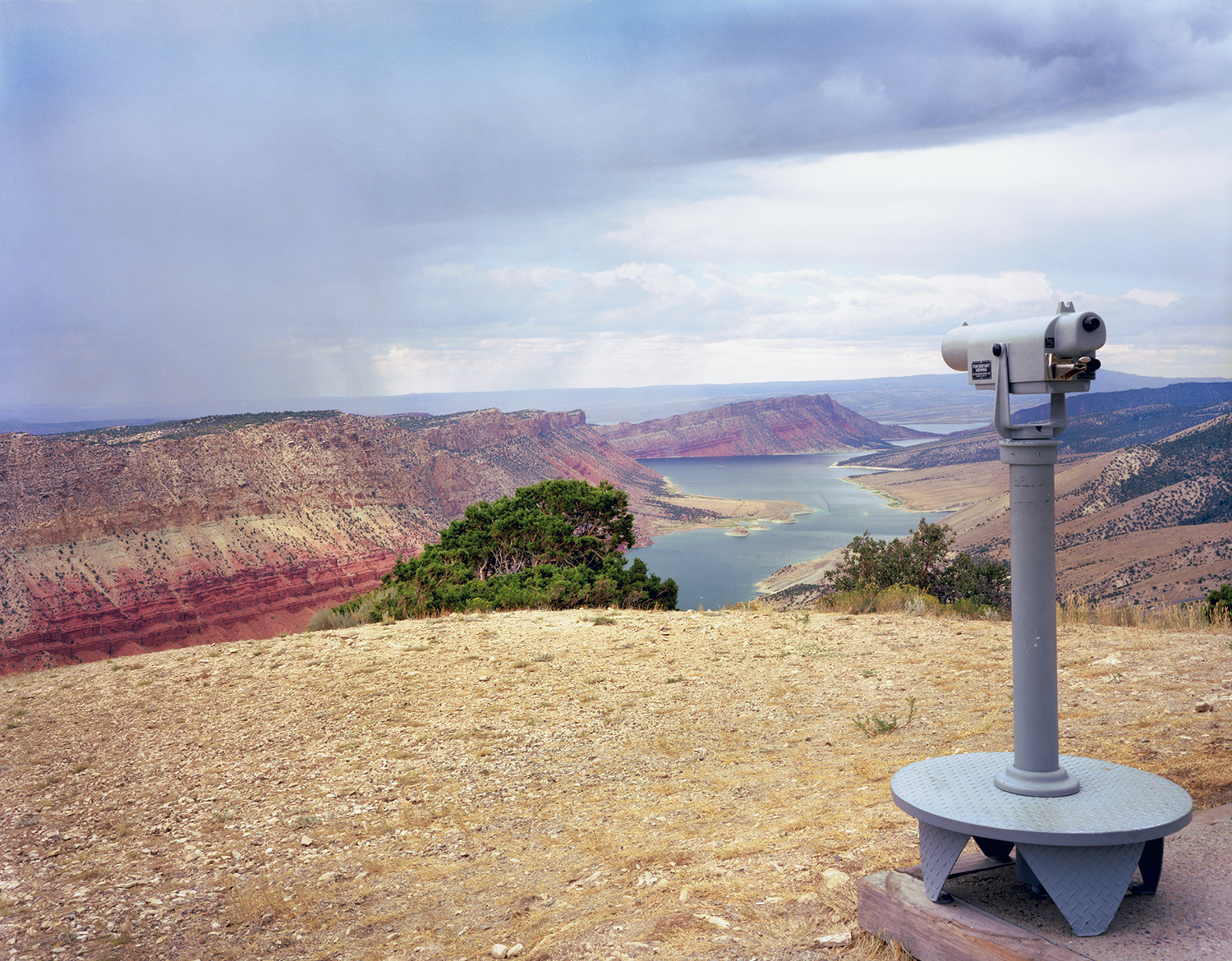
Karen Halverson (American, b. 1941) Flaming Gorge Reservoir, Wyoming from the Downstream series 1994-1995
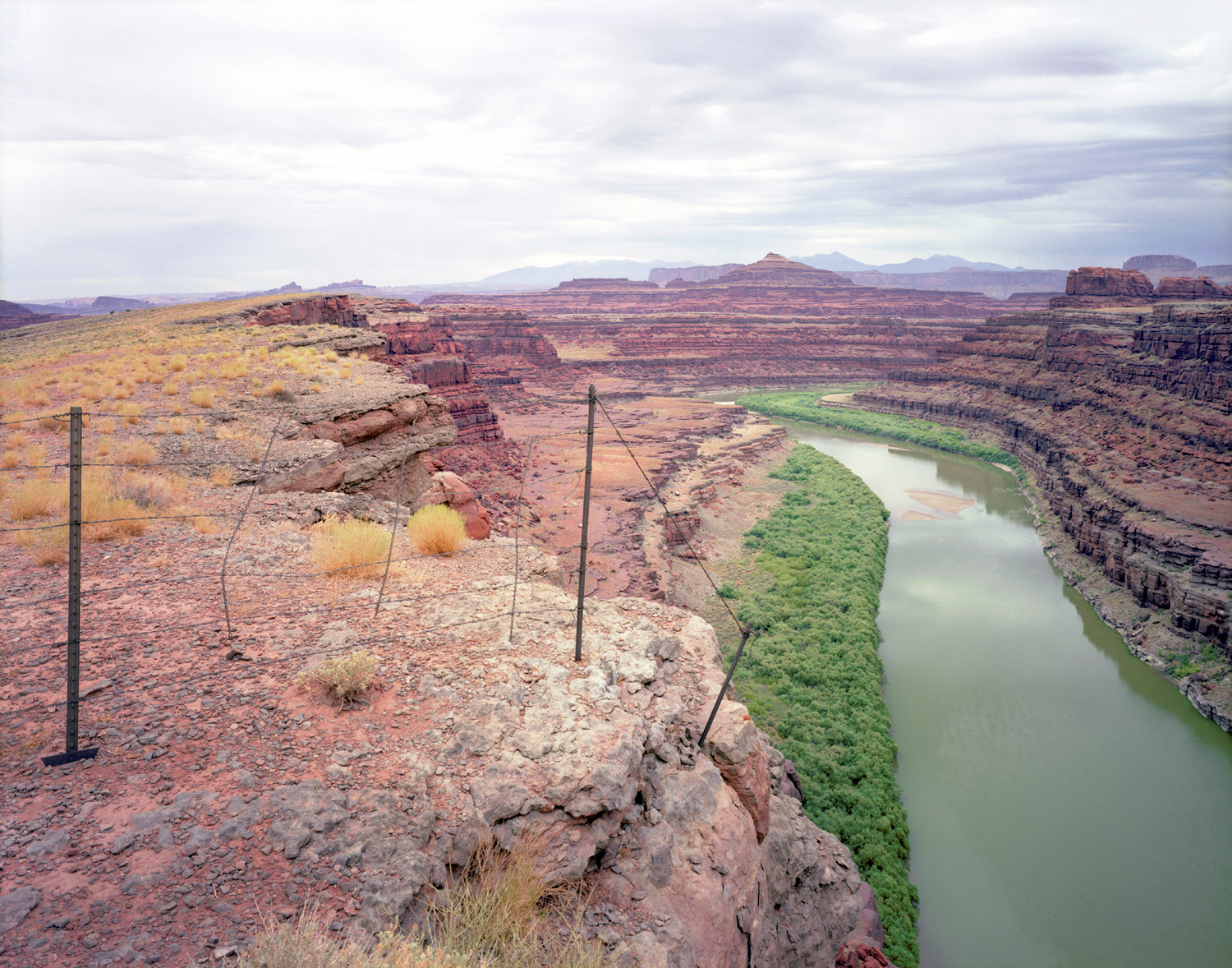
Karen Halverson (American, b. 1941) Shafer Trail, Near Moab, Utah from the Downstream series 1994-1995
The Huntington Library The Huntington Library, Art Collections, and Botanical Gardens 1151 Oxford Road San Marino, CA 91108
Exhibition dates: 25th February – 14th March, 2009
Junko Go (Australian born Japan, b. 1955) Opium Poppy 2008
“One person’s heaven is another’s nightmare. Seeing both sides to every story can be a blessing and a curse. Good and bad, right and wrong, purity and impurity are inextricably linked.”
A delicate, refined but strong presence is felt in the work of Junko Go in the her new exhibition ‘all about … blooming’ at Gallery 101, Melbourne. Nominally landscape painting about flowers but featuring thoughts and ideas about the seed, the shoot, pollen and the breath of life the work addresses the essence of what it is to be human and live compassionately on this earth in an intelligent and profound way.
Denying the nihilism of abstract expressionism each mark is fully considered by being attentive to the connection between brush, hand and meaning. Almost childlike in their use of charcoal and acrylic her dogs, crosses and flowers, jottings and dashes, rain and rivers, seeds and people show a Zen like contemplation in the marks she makes on the canvas – just so. A releasement towards things is proffered, a letting go of the ego to create an awareness of just being. There is genuine warmth and humility to this work.
In Opium Poppy (2008, above) the darkness of the nightmare is represented by the black marks, ascending like Jacob’s ladder balanced by the mandala like poppies whose petals seem like feathers of a bird’s wing – a flight of fancy both good and bad. In Pollen (2009) bees swarm around a sunflower leaving traces of their presence, a bird flies close to a tiny blue cloud, the sun burst forth in a tiny patch of aqua colour, and people hug arm in arm. As Go says, “Bees in a flower bear pollen unawares and play a crucial roll for the plant to survive. Our love, kindness, warmth and wisdom affect one another unawares and play a crucial roll for our planet to survive.” In New Shoot (2008, below) the puzzle of our existence, the nature of our existential being is laid bare for all to see.
In Seeds (2008) Go reminds us that rather than being focused on what we hoped for, we must make the most of whatever opportunities we are blessed with. This means being aware of the gifts one possesses, not the distance between ‘I’ and want, need and desire – now! The seed of our experience – the calm before the force that propelled us into existence – is already present within us.
Go’s musings on the existential nature of our being are both full and empty at one and the same time and help us contemplate the link to the breath of the sublime. In the end Go’s paintings are about endings and beginnings, about being strong or not, about the infinity of the seed and about our responses to living in harmony on this planet. Through the seed, the shoot, the flower and the earth access may be granted to the sublime and this perfectly sums up the work of this artist, a reflection of her energy and radiance transferred to the canvas. I loved it.
Dr Marcus Bunyan
Many thankx to Gallery 101 for allowing me to publish the art work in the posting. Please click on the art work for a larger version of the image.
Junko Go (Australian born Japan, b. 1955) New Shoot 2008
“Each of us is born to fill a special place in this world. In the process, we sometimes have trouble finding our niche. Life is like a jigsaw puzzle in which we make every effort to find our own place that makes a right connection with others, with the world and even with the whole universe.”
Junko Go (Australian born Japan, b. 1955) Red Hot Poker 2009
“Push and pull our inner strength. Sometimes, we need courage to take risks in confronting pain and loss in order to gain a deep and profound experience.”
“We live in a world where high achievers are congratulated, yet true achievements are not related to what we can get done, but to how deeply we aware of how wonderful it is to be alive. In this exhibition, flowers are not only a predominant source of visual inspiration, looking at them also engenders a kind of appreciation and wonder. The fragile and ephemeral flower provokes in me an awareness of the human condition that reveals the true nature of our existence.
My goal is to create images which are strong and soft, bold and precise, beautiful and ugly, figurative and abstract, all at once. My greatest challenge is to make art about what it is to be human … What really matters in art making to me is a kind of awareness – a being able to say, ‘I am as I am’.”
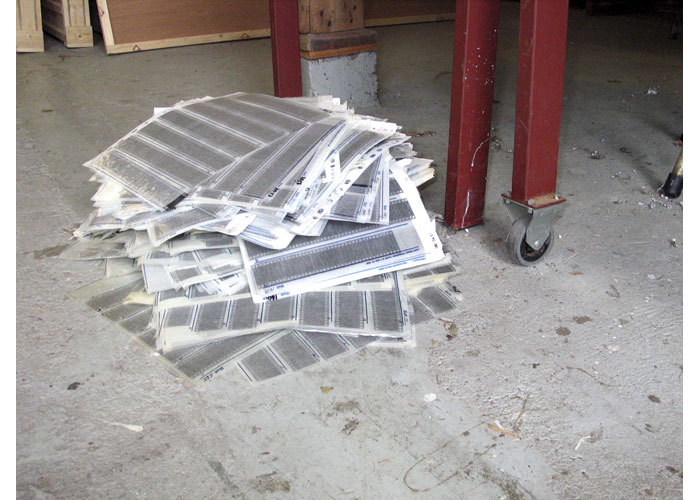
Hans Aarsman (Dutch, b. 1951) 1236 sheets of negatives from the 1980s, thrown away on 19 August 2004 2004
Hans Aarsman presents From Ugly to Pretty and Back Again. The Mysterious Ways of Beauty in Photography.
In this lecture Hans Aarsman examines the myriad of questions involved in taking photographs for purposes as varied as advertising, documentation and personal mementos. How does our understanding of the beauty in these images differ depending their final resting place, be it Ebay, family album, specialist magazines or museums collections. Through his own experiences Aarsman asks if, and how, artistic ambitions, aesthetics and useful photography can coincide.
Hans Aarsman (b. 1951, NL) worked as a photojournalist until 1994. He currently works as a writer, in particular on photography, and is co-founder of the magazine Useful Photography. Aarsman displayed, and invited contributions to, his project Photography Against Consumerism here at The Photographers’ Gallery last July. He is based in Amsterdam.
£5.00/ £3.50 concessions
The Photographers Gallery 16-18 Ramillies Street London W1F 7LW
Exhibition dates: 15th November – 23rd December, 2008
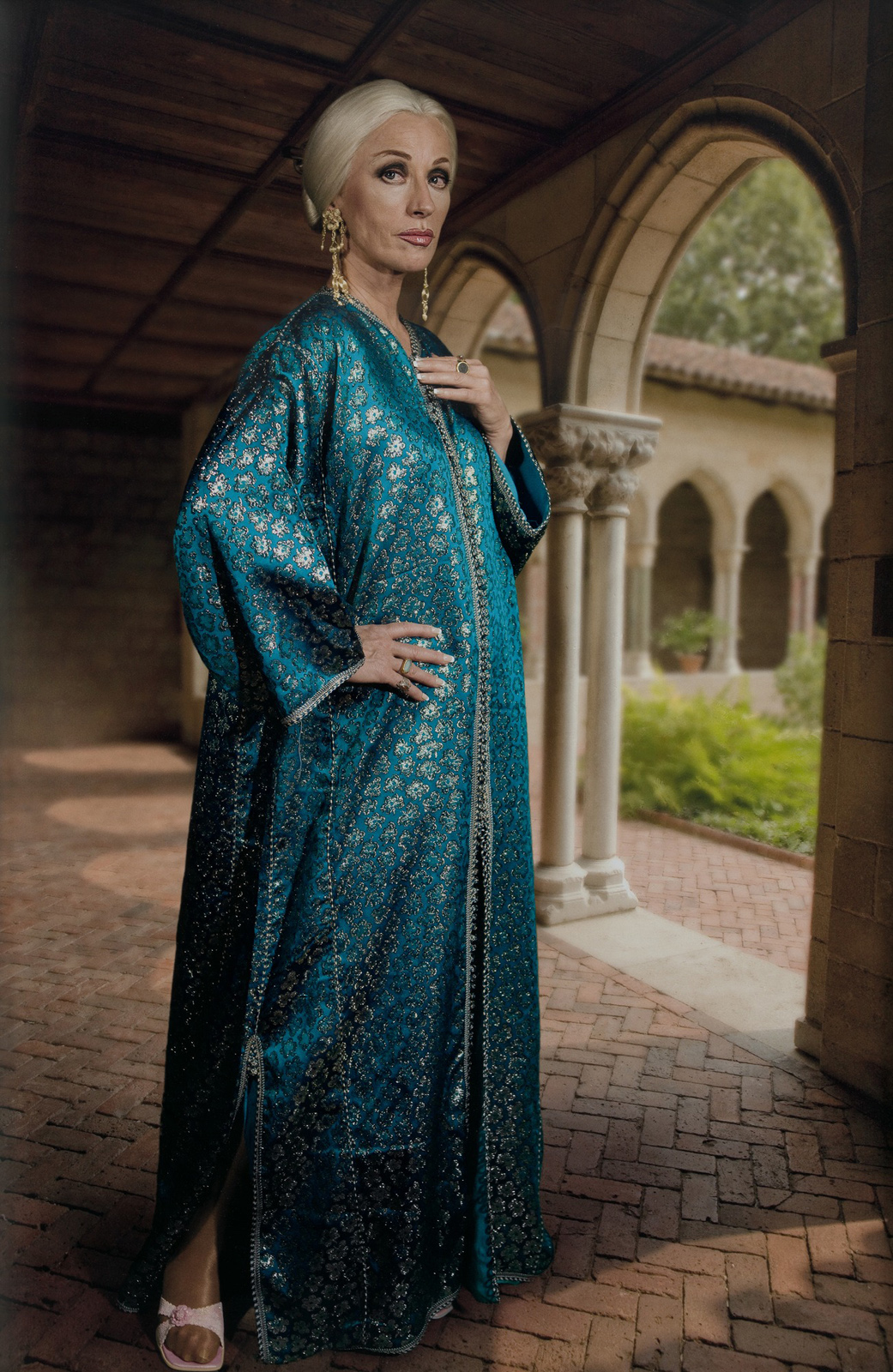
Cindy Sherman (American, b. 1954) Untitled #466 2008 Chromogenic print 254.3 x 174.6cm
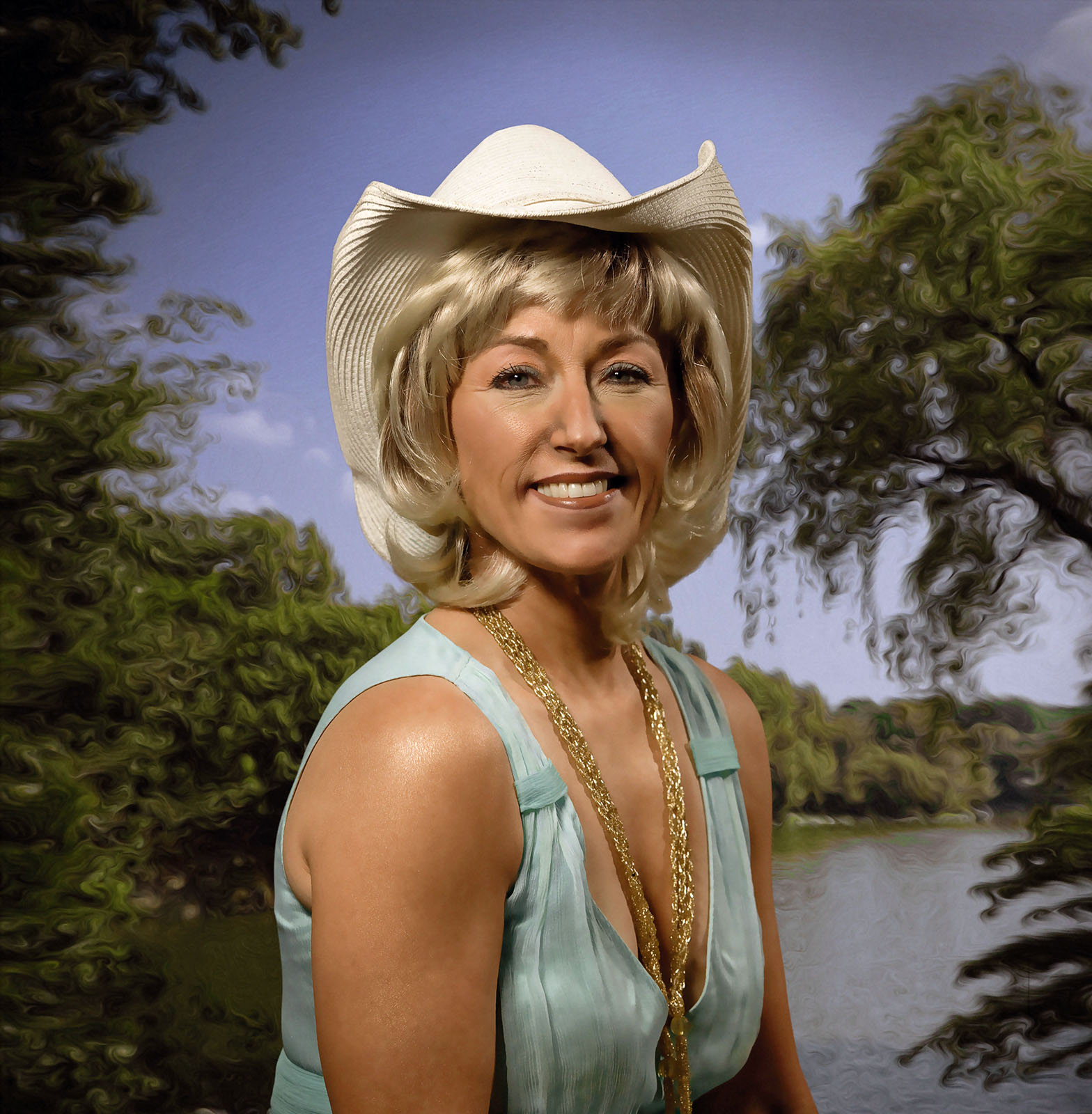
The artist Cindy Sherman is a multifaceted evocation of human identity standing in glorious and subversive Technicolor before the blank canvas of her imagination. Poststructuralist in her physical appearance (there being no one Cindy Sherman, perhaps no Sherman at all) and post-photographic in her placement in constructed environments, Sherman challenges the ritualised notions of the performative act – and destabilises perceived notions of self, status, image and place.
The viewer is left with a sense of displacement when looking at these tableaux. The absence / presence of the artist leads the viewer to the binary opposite of rational / emotional – knowing these personae and places are constructions, distortions of a perceived reality yet emotionally attached to every wrinkle, every fold of the body at once repulsive yet seductive.
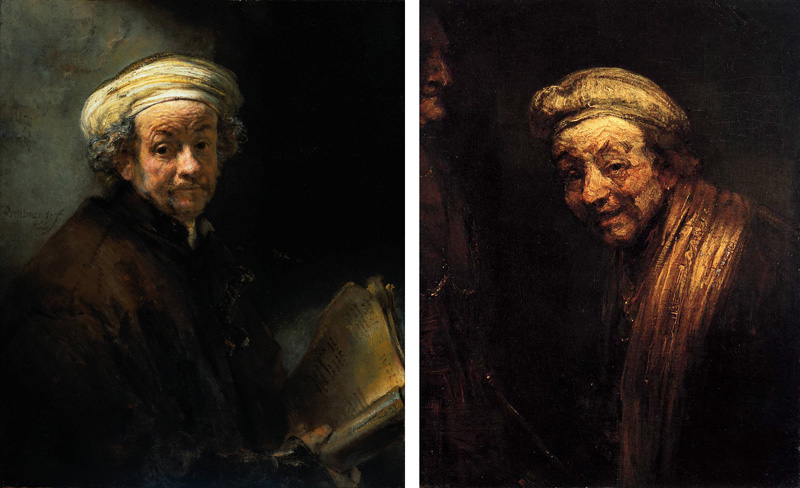
They are masterworks in the manner of Rembrandt’s self portraits – deeply personal images that he painted over many years that examined the many identities of his psyche – yet somehow different. Sherman investigates the same territories of the mind and body but with no true author, no authoritative meaning and no one subject at their beating heart. Her goal is subversive.
As Roy Boyne has observed, “The movement from the self as arcanum to the citational self, has, effectively, been welcomed, particularly in the work of Judith Butler, but also in the archetypal sociology of Pierre Bourdieu. There is a powerful logic behind this approbation. When self-identity is no longer seen as, even minimally, a fixed essence, this does not mean that the forces of identity formation can therefore be easily resisted, but it does mean that the necessity for incessant repetition of identity formation by the forces of a disciplinary society creates major opportunities for subversion and appropriation. In the repeated semi-permanences of the citational self, there is more than a little scope for counter-performances marked, for example, by irony and contempt.”1
Counter performances are what Sherman achieves magnificently. She challenges a regularised and constrained repetition of norms and as she becomes her camera (“her extraordinary relationship with her camera”) she subverts its masculine disembodied gaze, the camera’s power to produce normative, powerful bodies.2 As the viewer slips ‘in the frame’ of the photograph they take on a mental process of elision much as Sherman has done when making the images – deviating from the moral rules that are impressed from without3 by living and breathing through every fold, every fingernail, every sequin of their constructed being.
Dr Marcus Bunyan
1/ Boyne, Roy. “Citation and Subjectivity: Towards a Return of the Embodied Will,” in Featherstone, Mike (ed.,). Body Modification. London: Sage, 2000, p. 212
2/ “To the extent that the camera figures tacitly as an instrument of transubstantiation, it assumes the place of the phallus, as that which controls the field of signification. The camera thus trades on the masculine privilege of the disembodied gaze, the gaze that has the power to produce bodies, but which itself has no body.” Butler, Judith. Bodies That Matter. New York: Routledge, 1993, p. 136
3/ “Universal human nature is not a very human thing. By acquiring it, the person becomes a kind of construct, built up not from inner psychic propensities but from moral rules that are impressed upon him from without.” Goffman, Erving. Interaction Ritual: Essays on Face-to-Face Behaviour. London: Allen Lane, The Penguin Press, 1972, pp. 44-45
Many thankx to Metro Pictures Gallery for allowing me to publish the photographs in the posting. Please click on the photographs for a larger version of the image.
Rembrandt van Rijn (Dutch, 1606-1669) Self-portrait as the apostle Paul (left) 1661 Self-portrait as Zeuxis laughing (right) 1662
Cindy Sherman (American, b. 1954) Untitled #464 2008 Chromogenic print 214.3 x 152.4cm
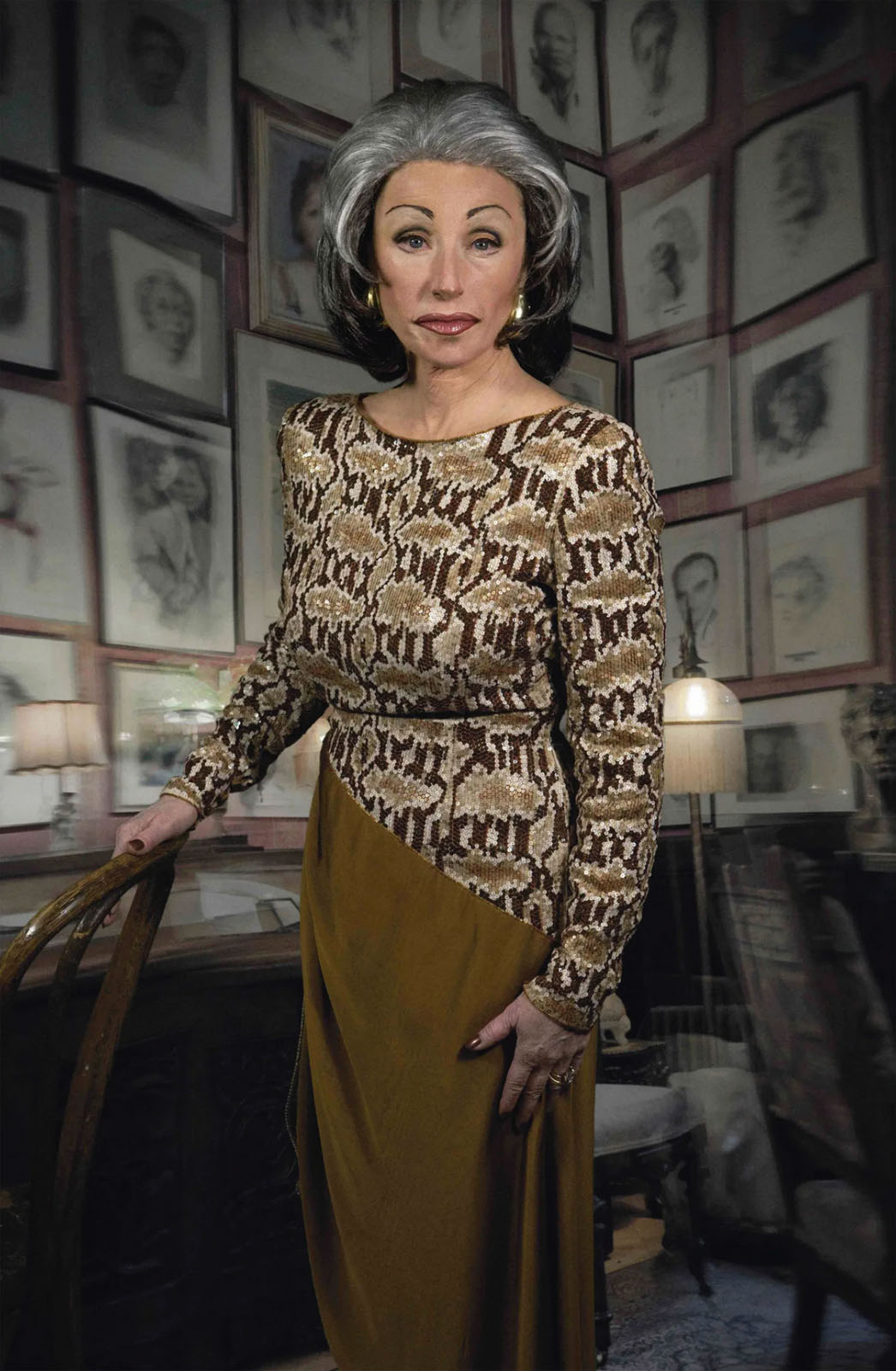
For her first exhibition of new work since 2004, Cindy Sherman will show a series of colour photographs that continues her investigation into distorted ideas of beauty, self-image and ageing. Typical of Sherman, these works are at once alarming and amusing, distasteful and poignant.
Working as her own model for more than 30 years, Sherman has developed an extraordinary relationship with her camera. A remarkable performer, subtle distortions of her face and body are captured on camera and leave the artist unrecognisable to the audience. Her ability to drastically manipulate her age or weight, or coax the most delicate expressions from her face, is uncanny. Each image is overloaded with detail, every nuance caught by the artist’s eye. No prosthetic nose or breast, fake fingernail, sequin, wrinkle or bulge goes unnoticed by Sherman.
Sherman shoots alone in her studio acting as author, director, actor, make-up artist, hairstylist and wardrobe mistress. Each character is shot in front of a “green screen” then digitally inserted onto backgrounds shot separately. Adding to the complexity, Sherman leaves details slightly askew at each point in the process, undermining the narrative and forcing the viewer to confront the staged aspect of the work.
Press release at Metro Pictures Gallery
Installation view of Cindy Sherman exhibition at Metro Pictures Gallery, New York, 2008
Cindy Sherman (American, b. 1954) Untitled 2008 Chromogenic print 148.6 x 146.7cm
Cindy Sherman (American, b. 1954) Untitled 2008 Chromogenic print 177.8 x 161.3cm
Cindy Sherman (American, b. 1954) Untitled #468 2008 Chromogenic colour print 191.8 x 151.1cm
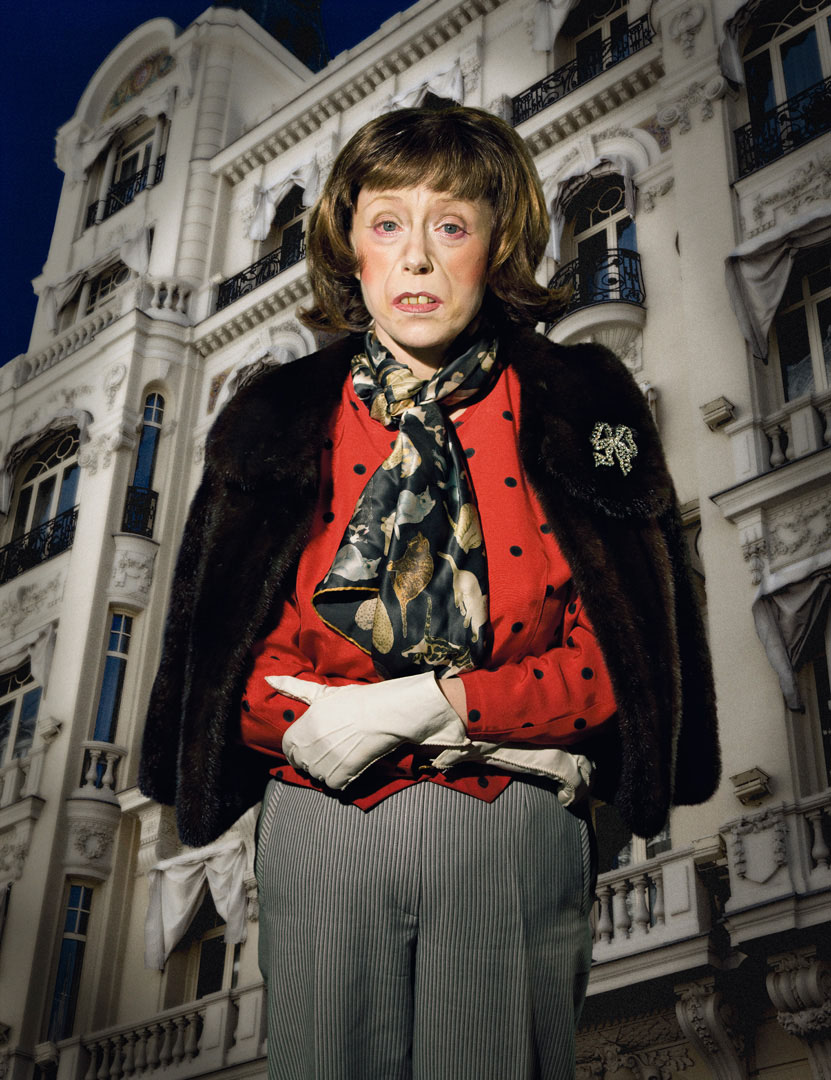
The society portraits made in 2008 portray older women in opulent settings wearing expensive clothes, their faces stretched and enhanced unnaturally, showing signs of cosmetic surgery. These markers point to cultural standards of beauty and wealth, and here signal the failed aspiration to sustained youth. Printed large, presented in decorative and often gilded frames, and depicting figures in formal poses, these works are reminiscent of Sherman’s history portraits and classical portraiture in general. In this way, they remind the viewer that representation is not a new phenomenon, and the cultural implications in all images are tied to long and complex histories. In Untitled #468 the figure stands stoically with arms crossed and mouth slightly agape, wearing a fur, silk scarf, and white gloves, which the artist found at thrift shops. In the background, an ornate building mirrors the elaborate dress of the woman.
The perspective of the building does not align with that of the figure, blatantly breaking the illusion of reality and recalling Sherman’s 1980 series of rear-screen projections. This clear and deliberate artificiality indicates that images, characters, and even our own selves are constructed, not fixed.
Anonymous text. “Untitled #468,” on The Broad website Nd [Online] Cited 09/06/2022
Cindy Sherman (American, b. 1954) Untitled 2008 Chromogenic print 244.5 x 165.7cm












 Art Blart _ art and cultural memory archive
You must be logged in to post a comment.