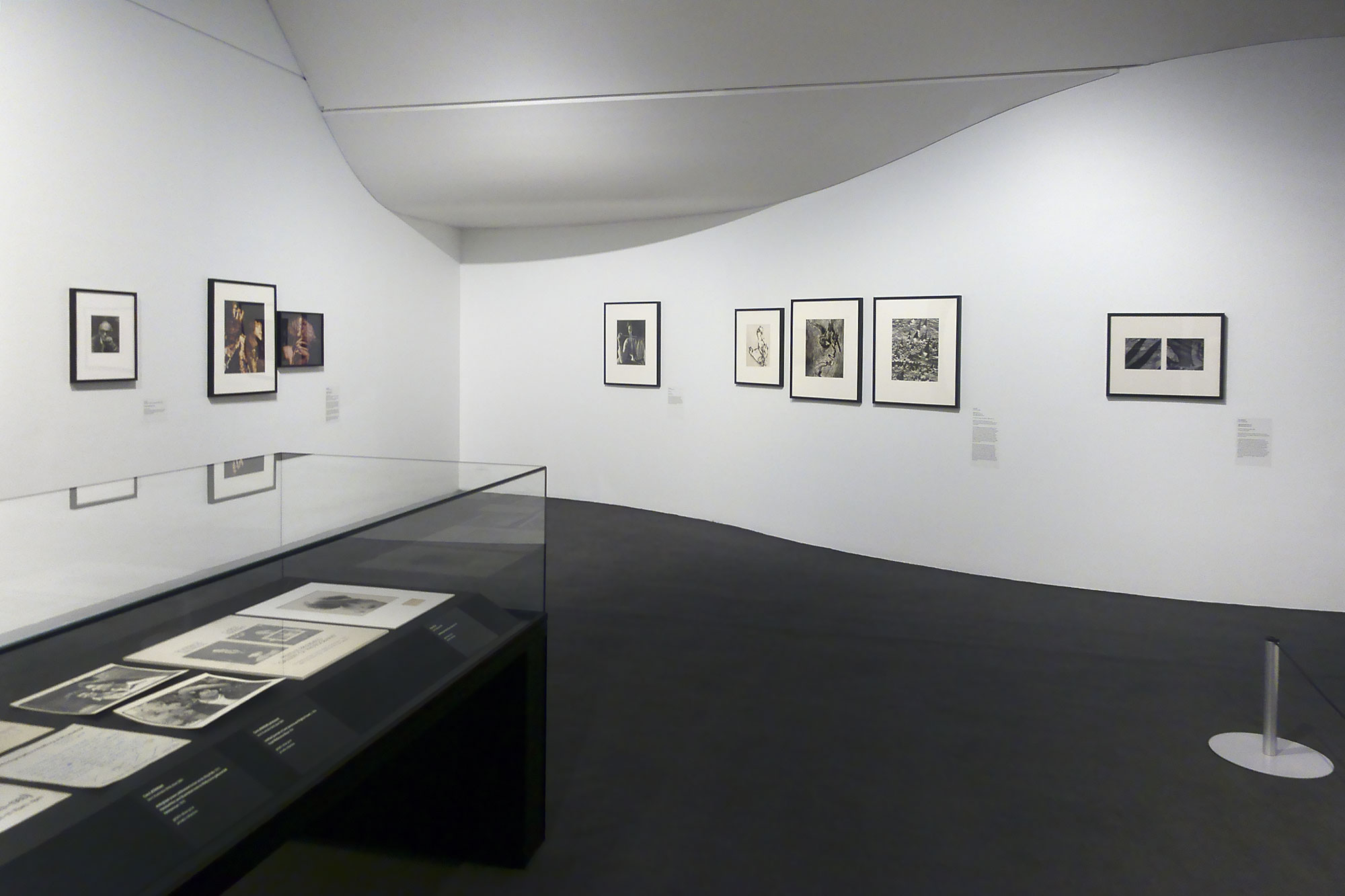
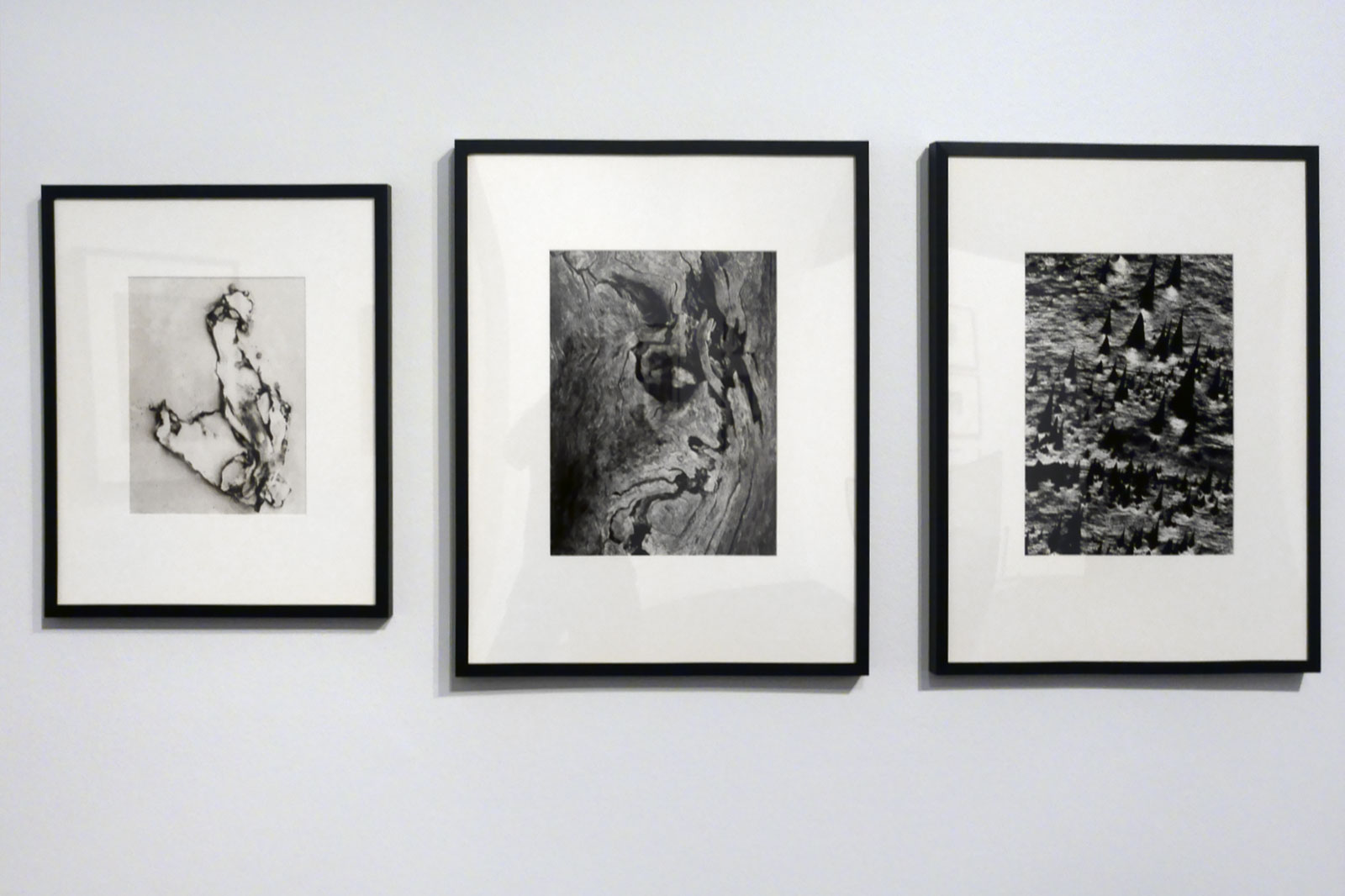
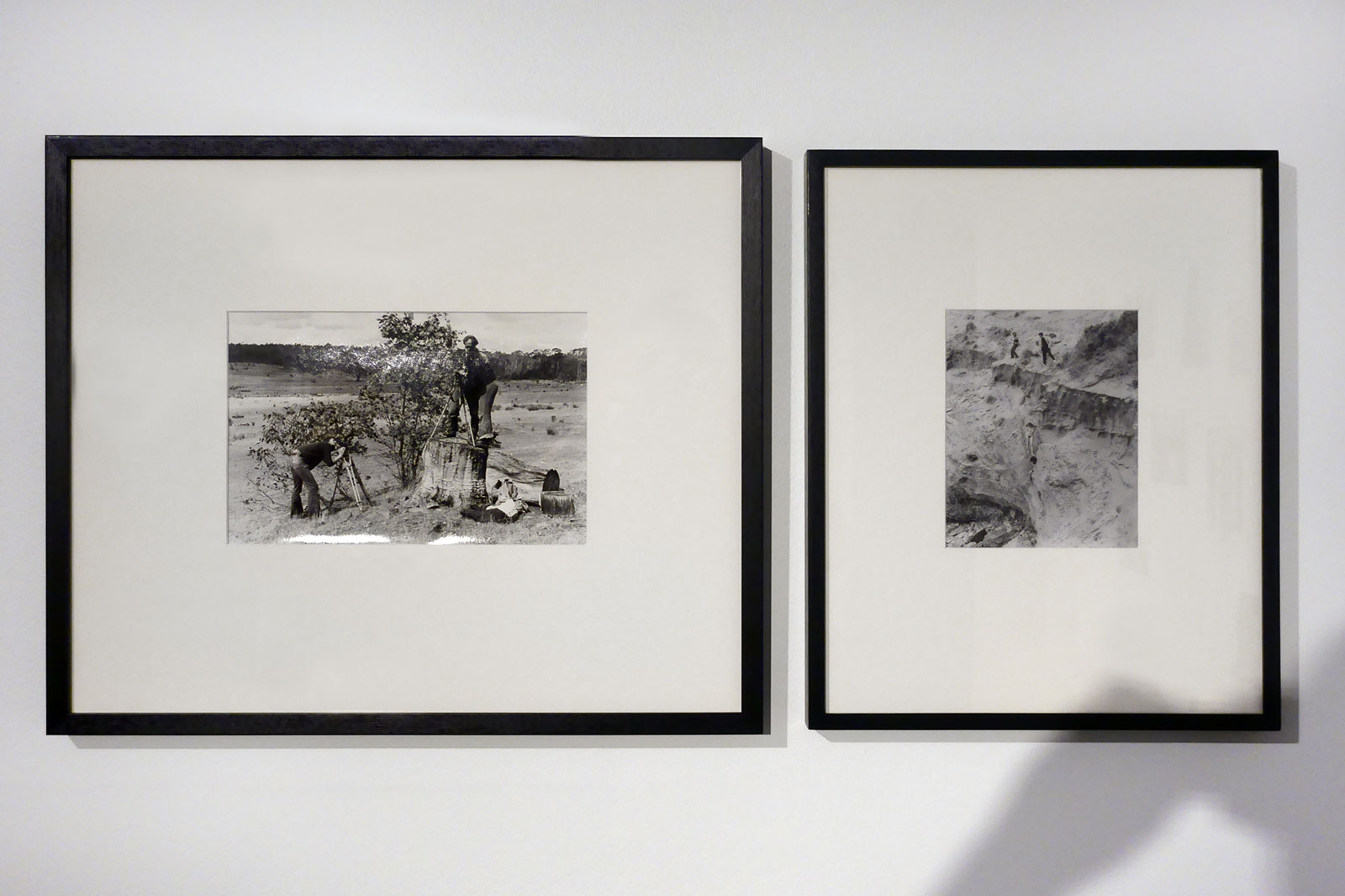
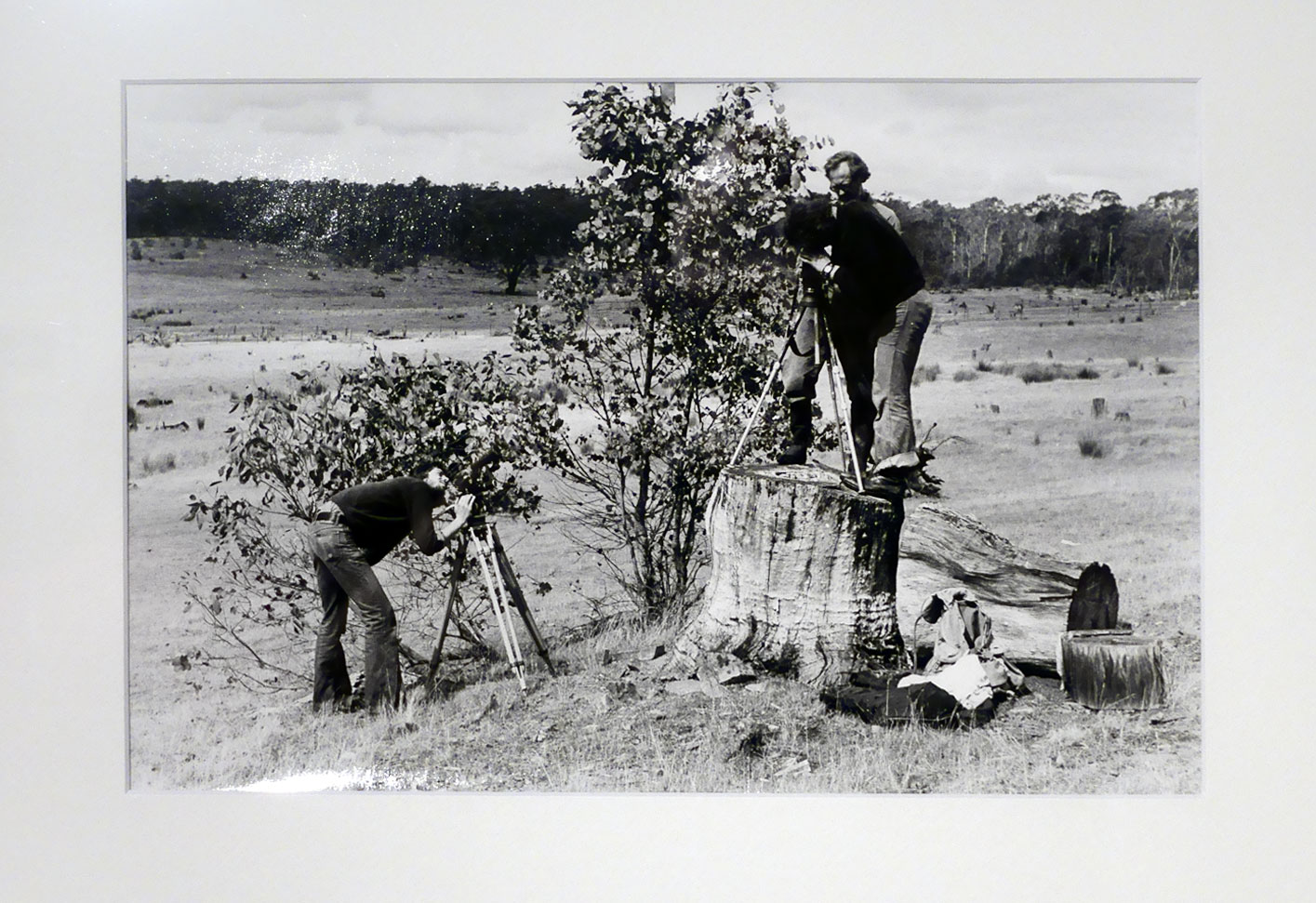
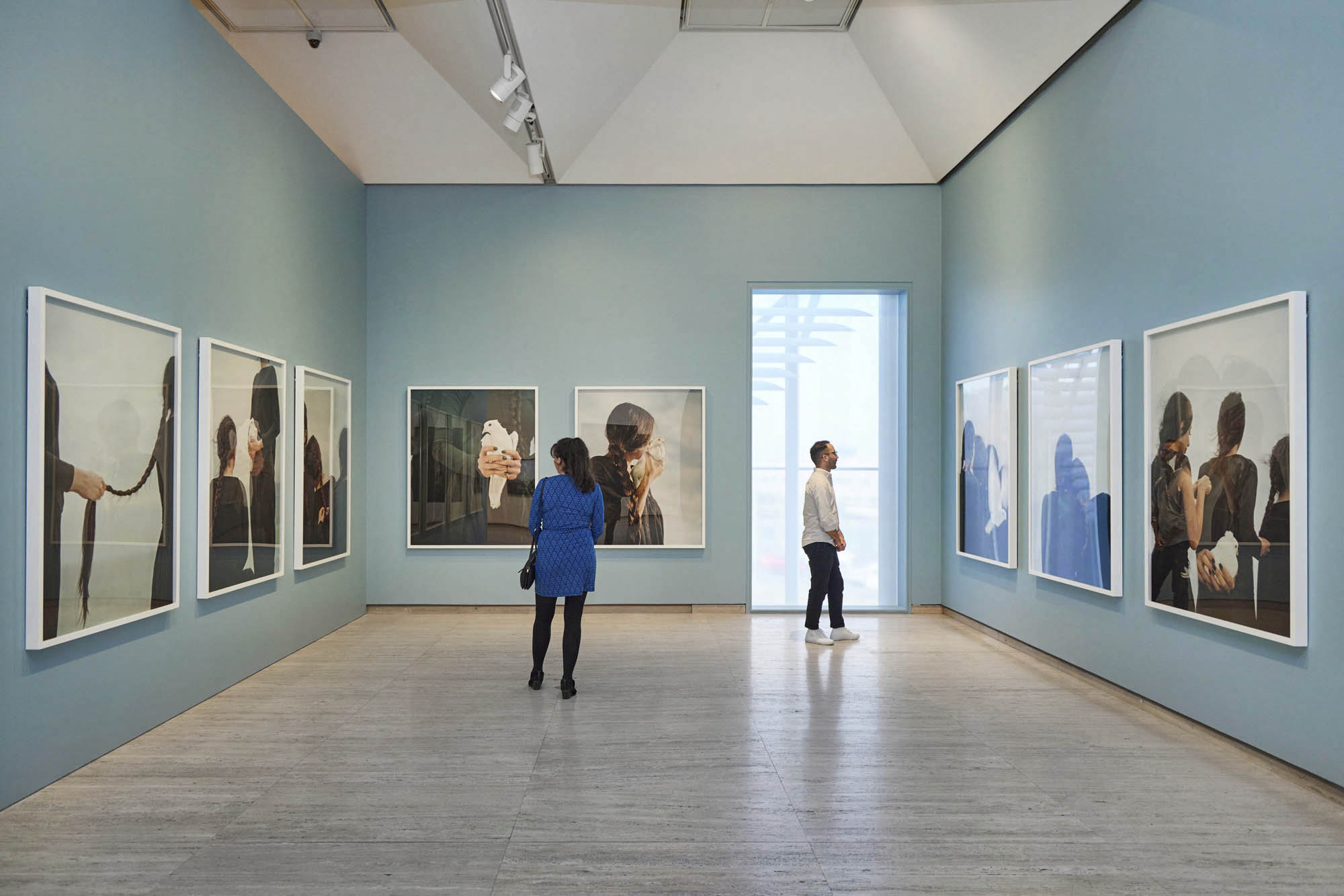
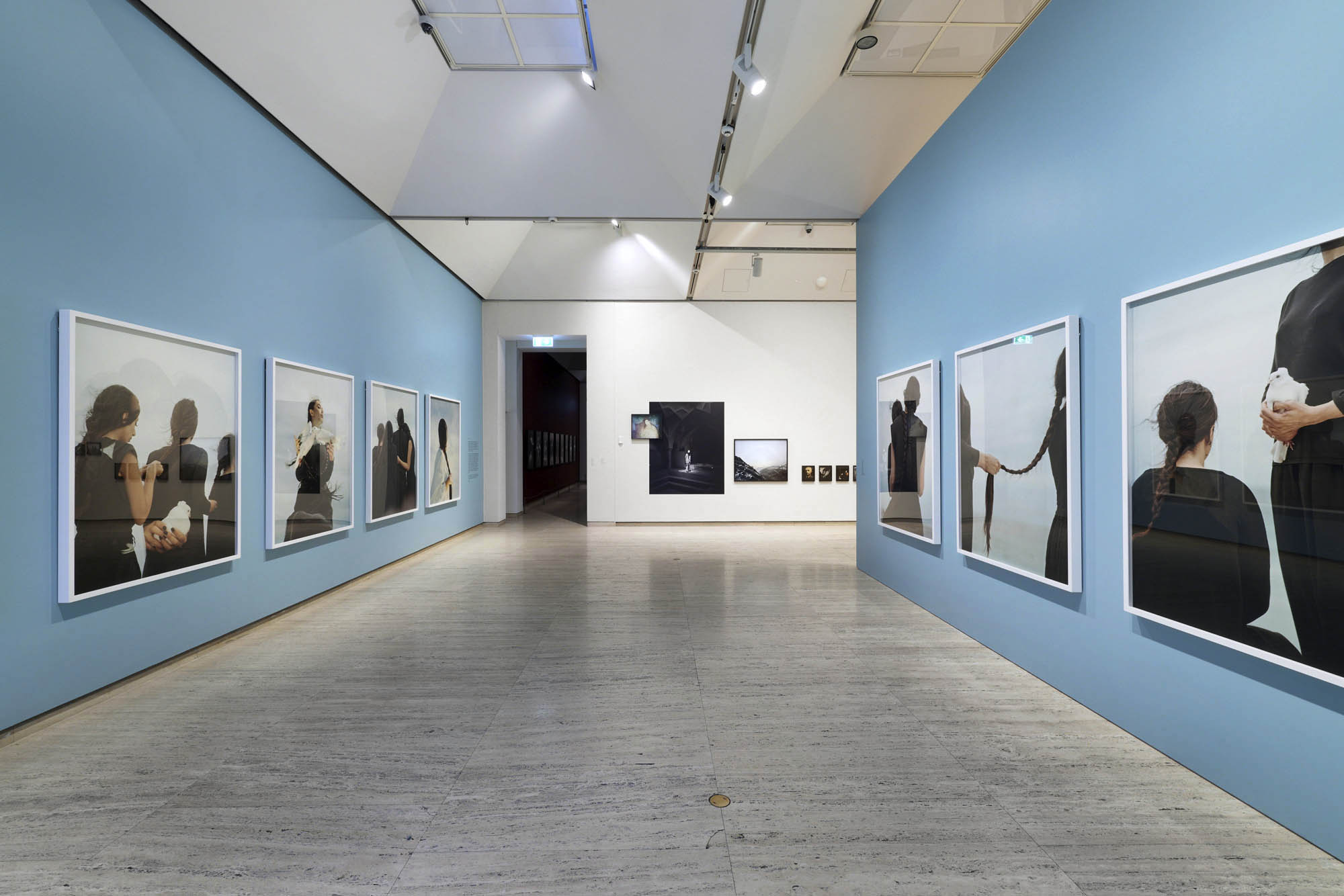
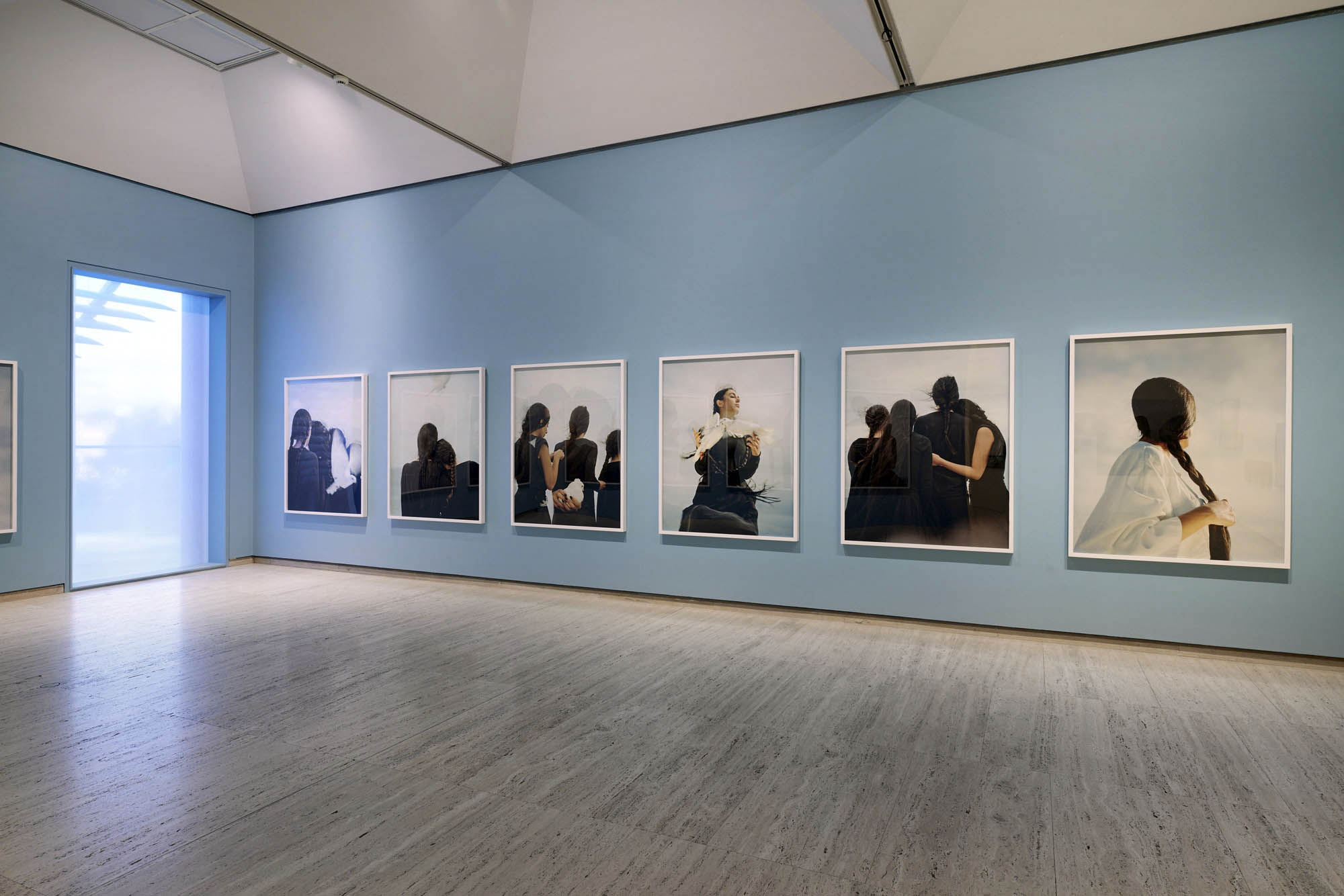
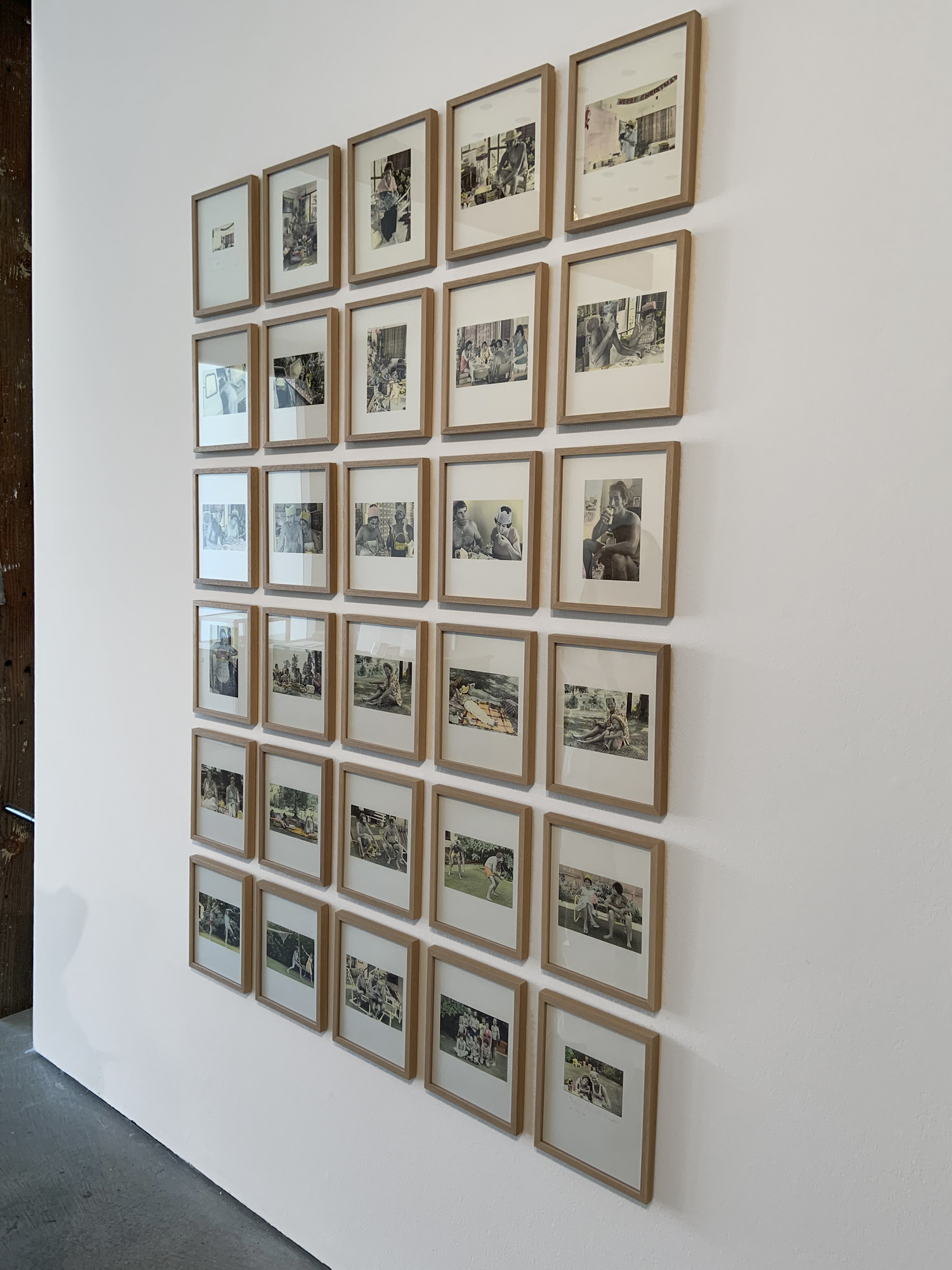
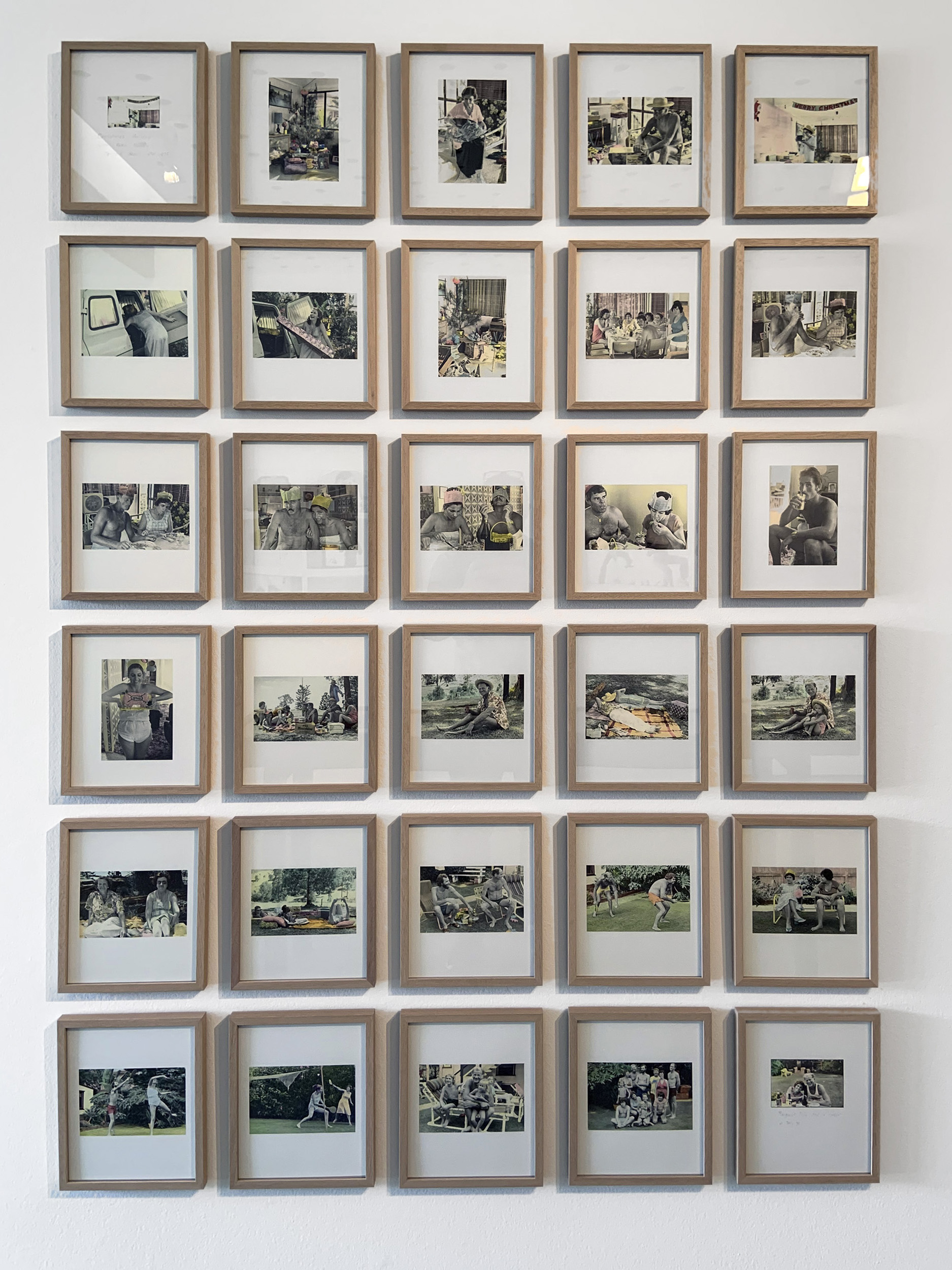
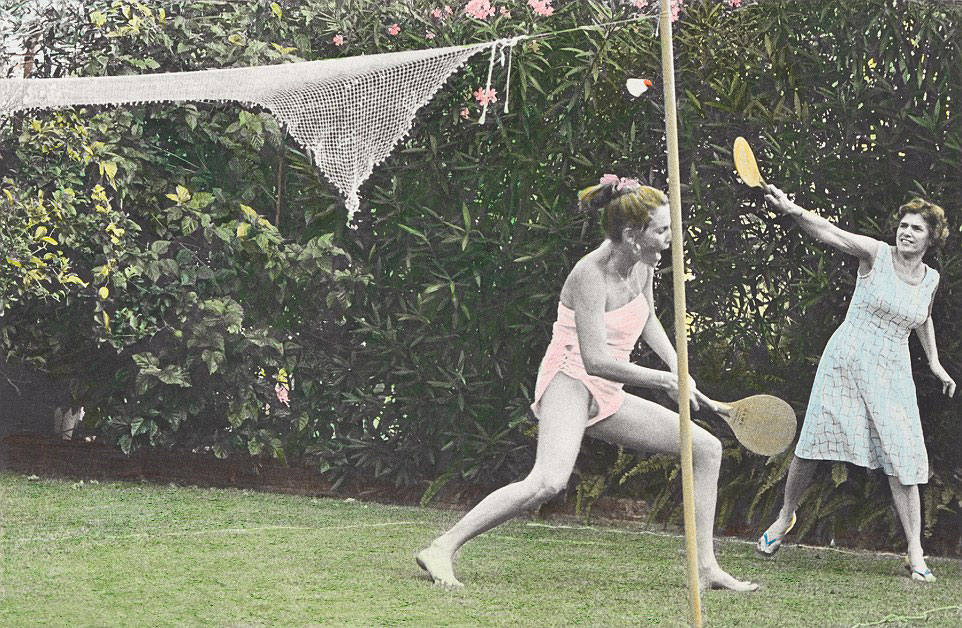
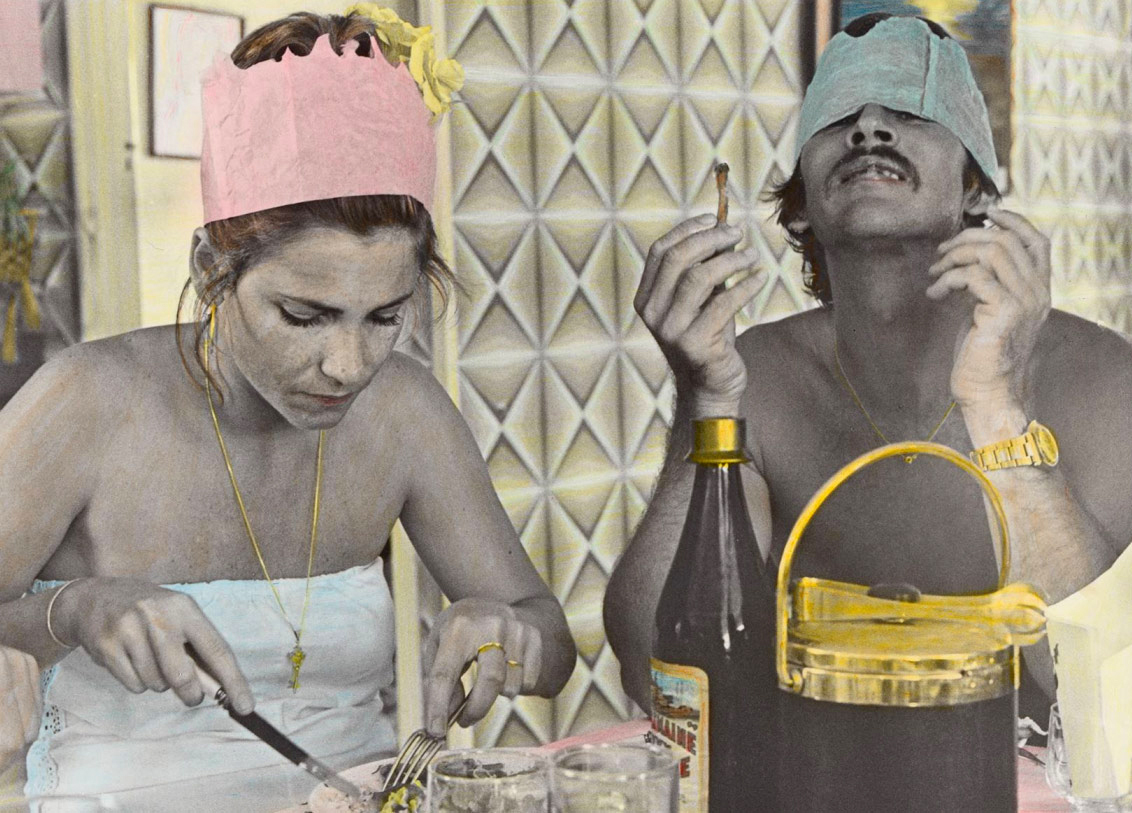
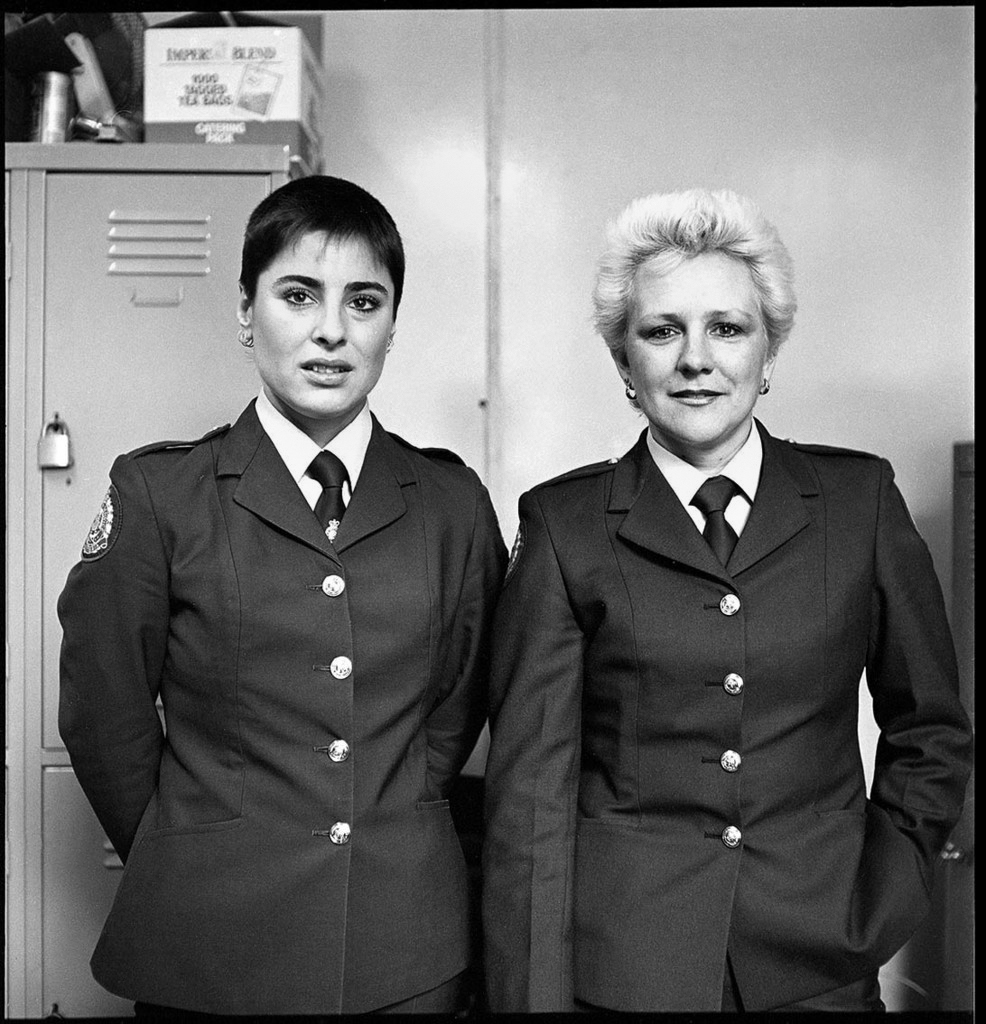
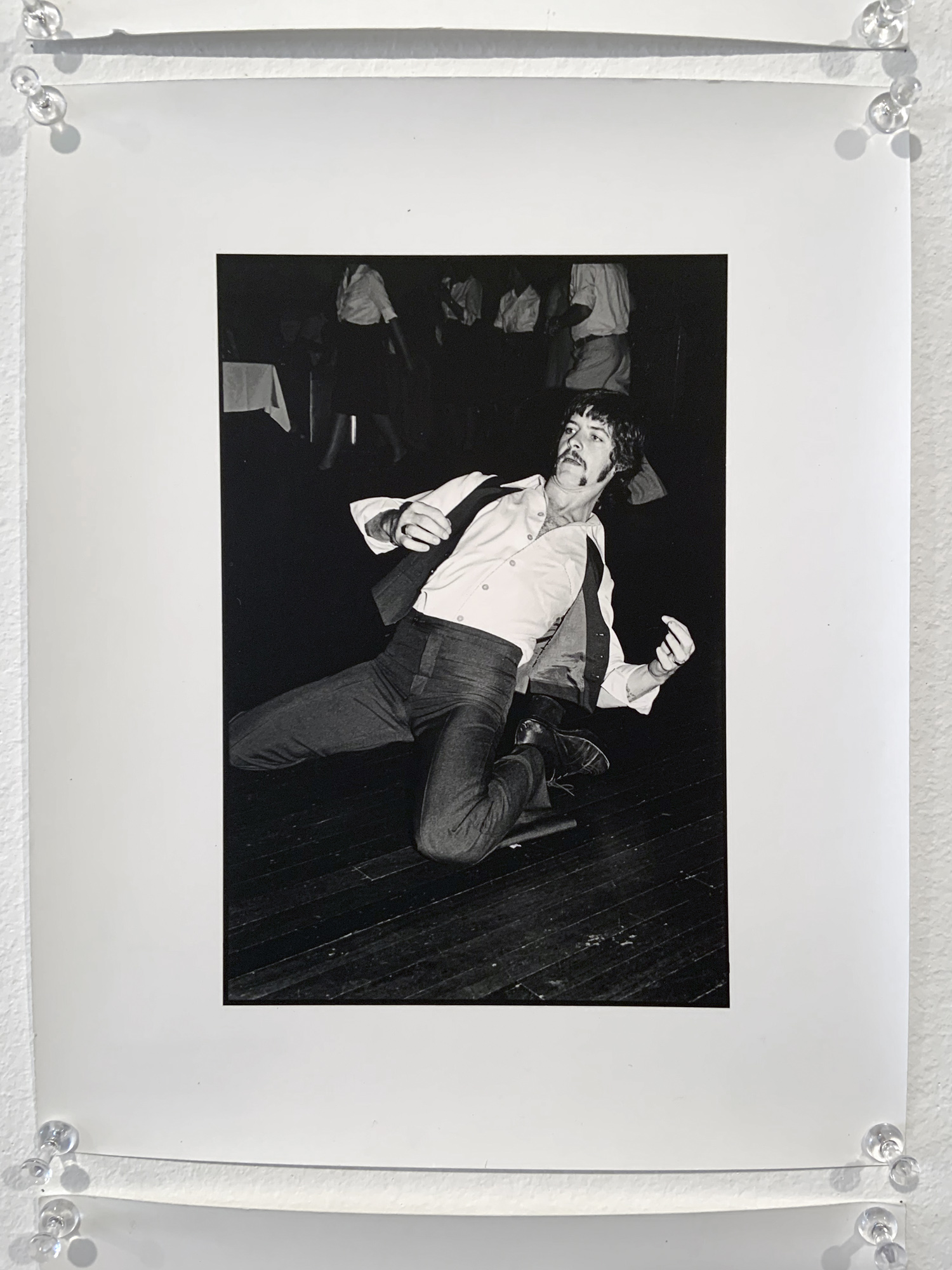
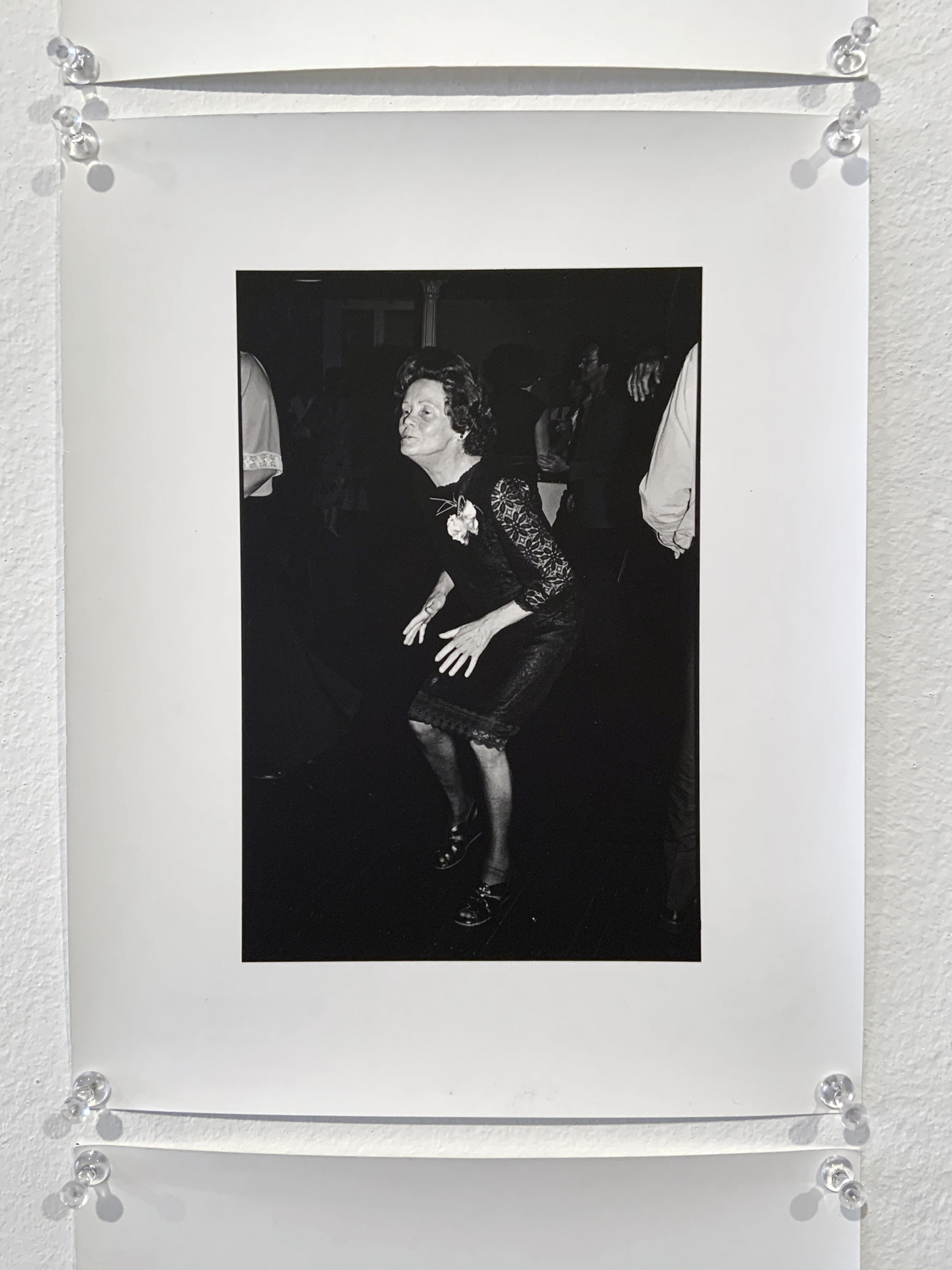
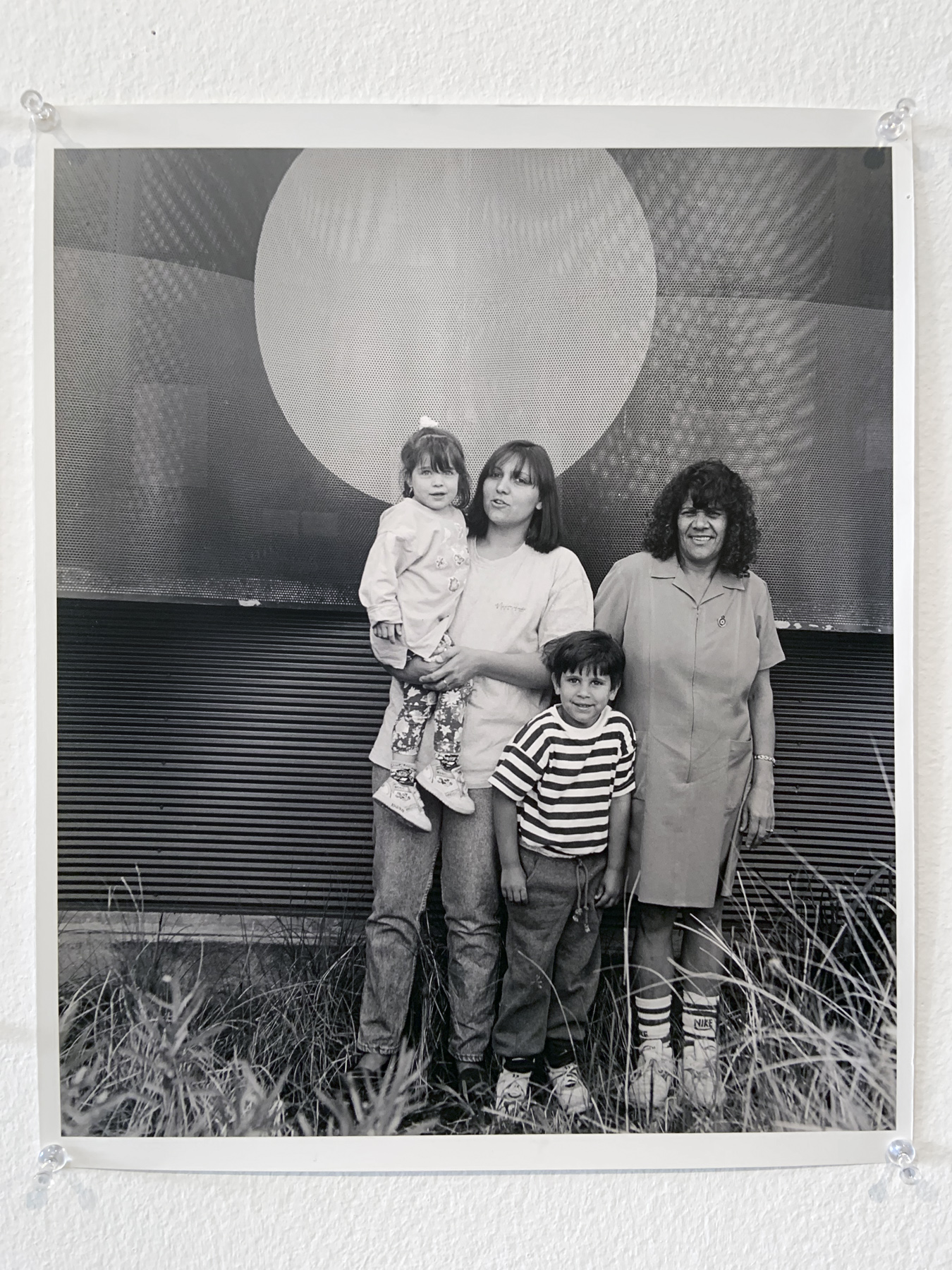
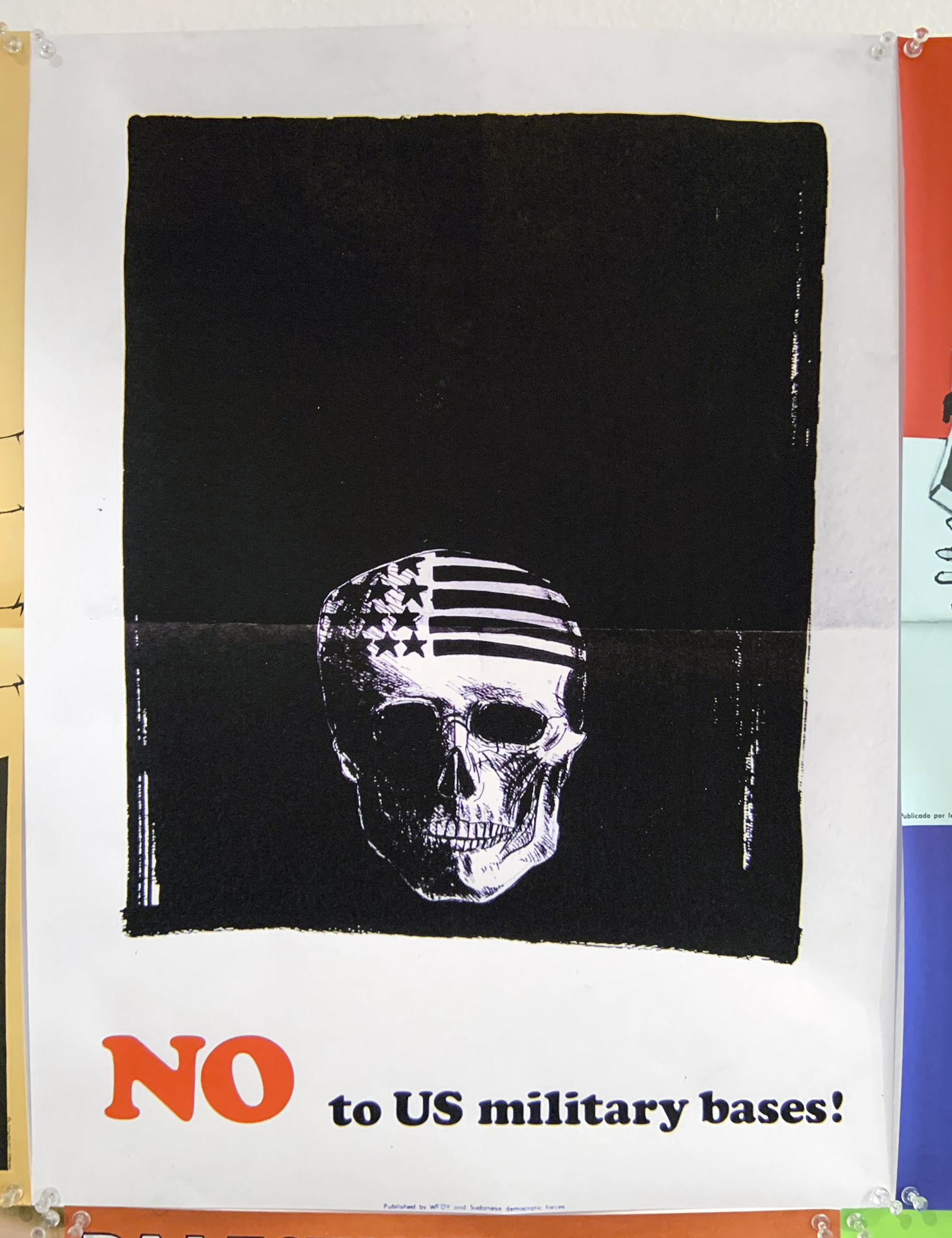
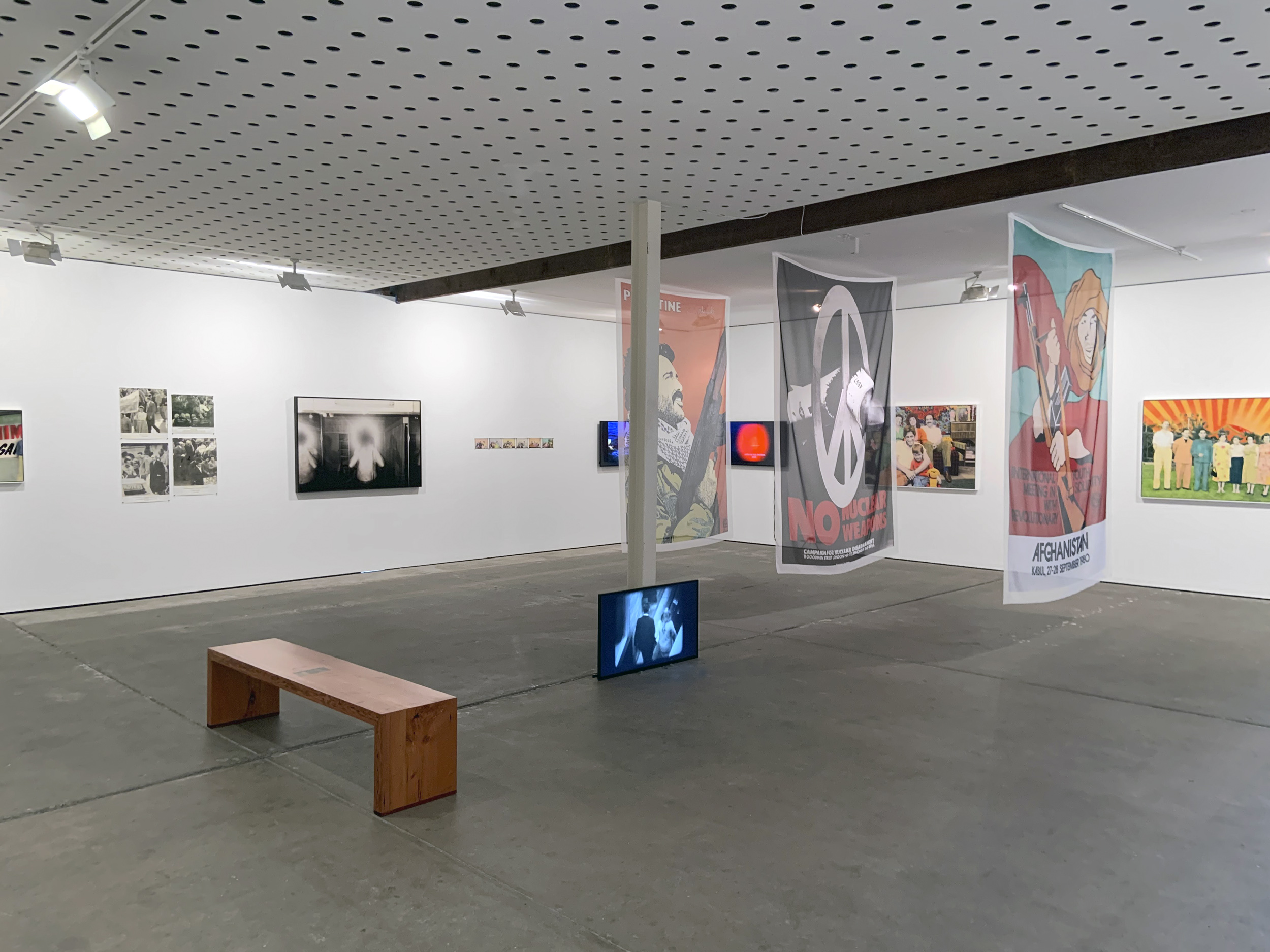
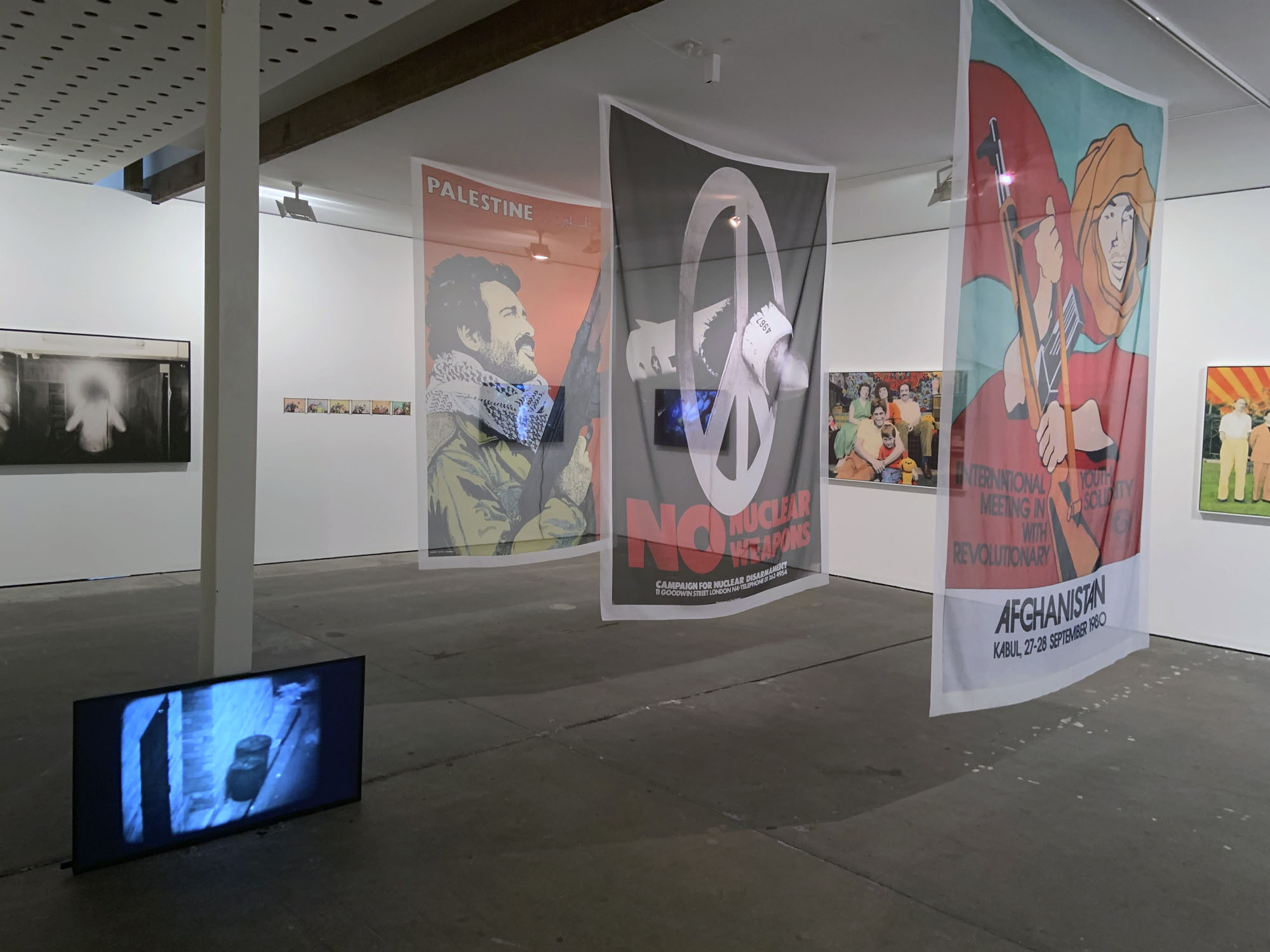
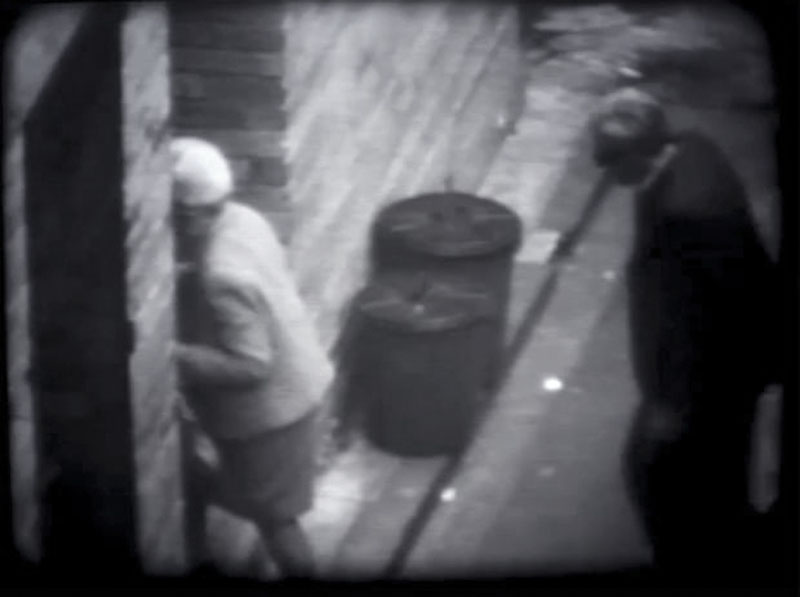
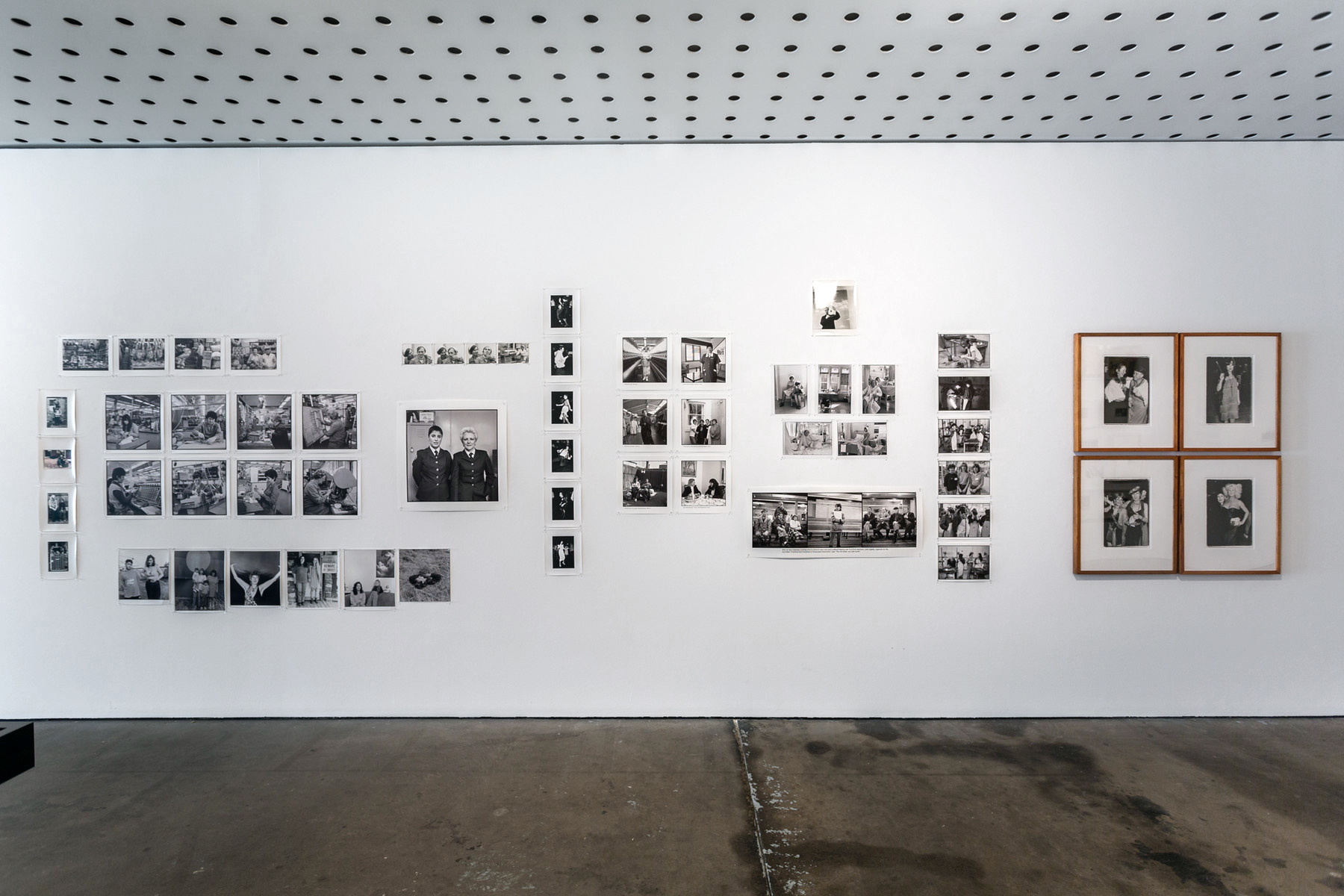
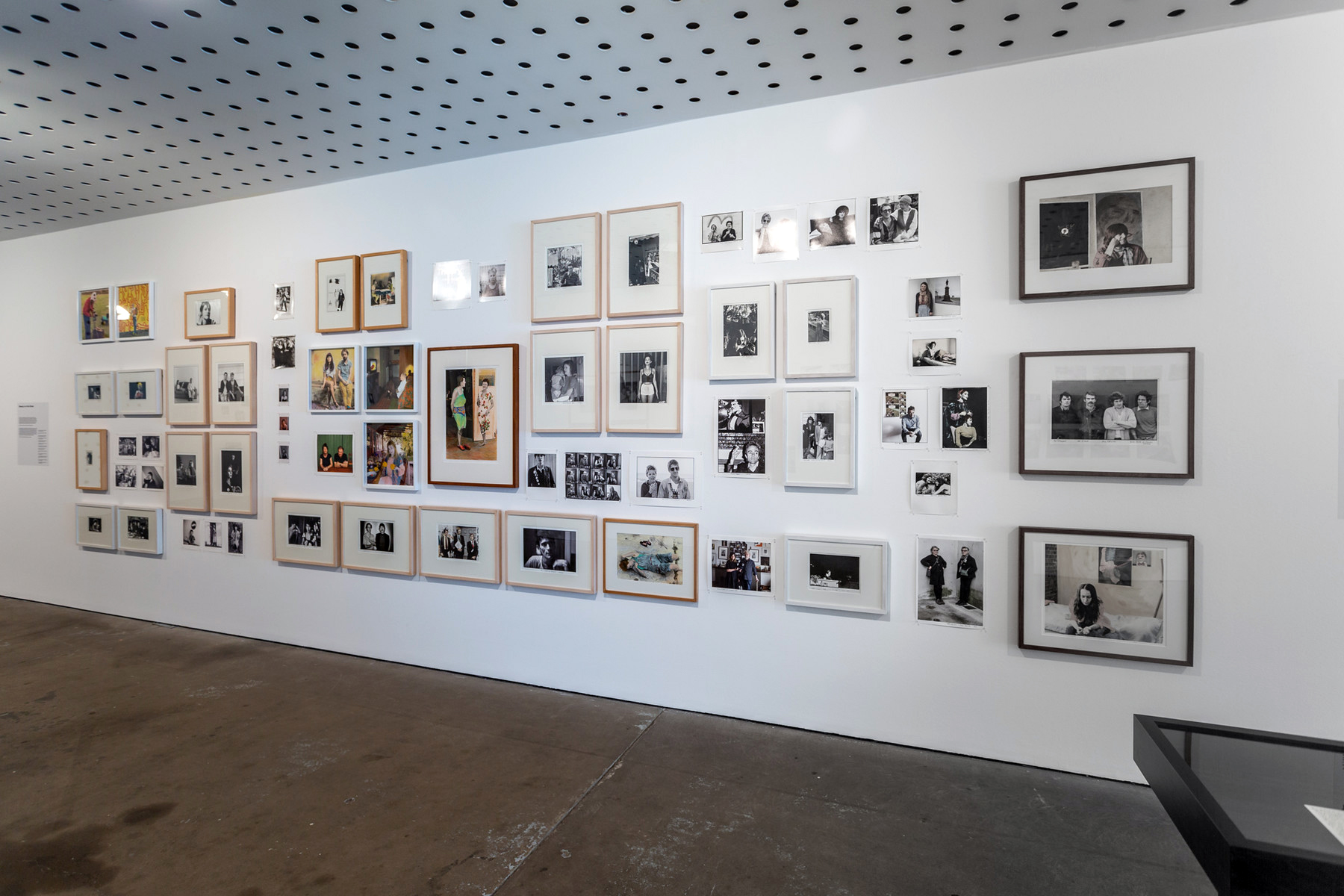
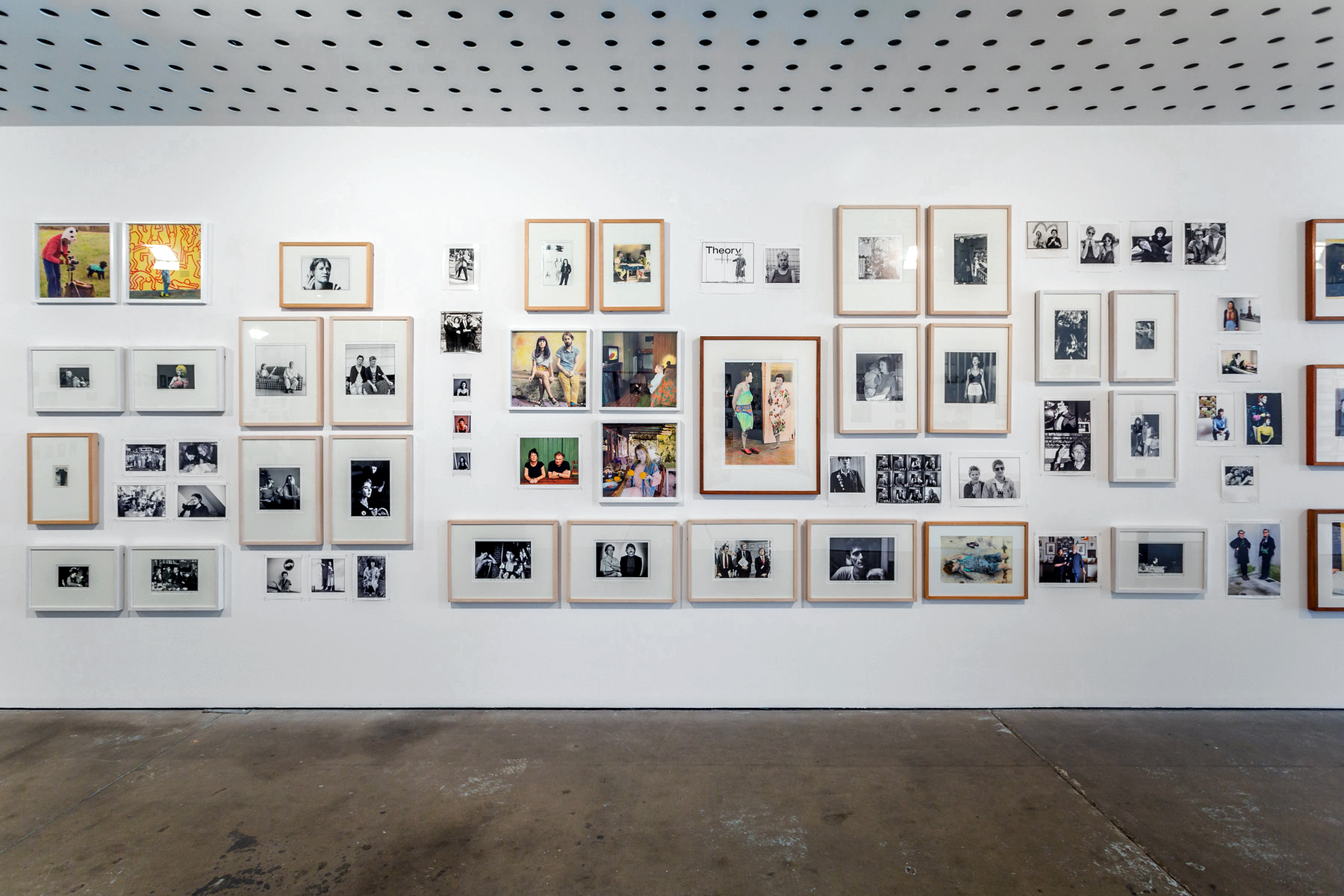
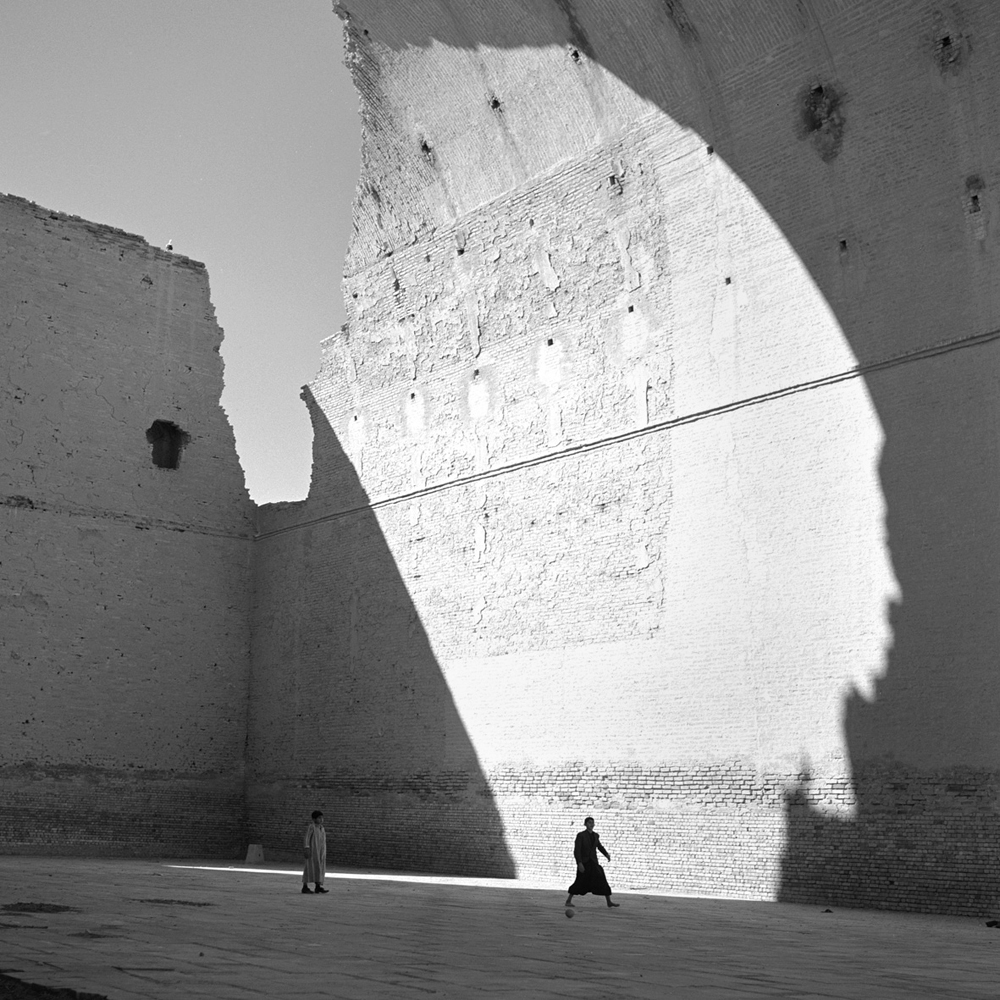
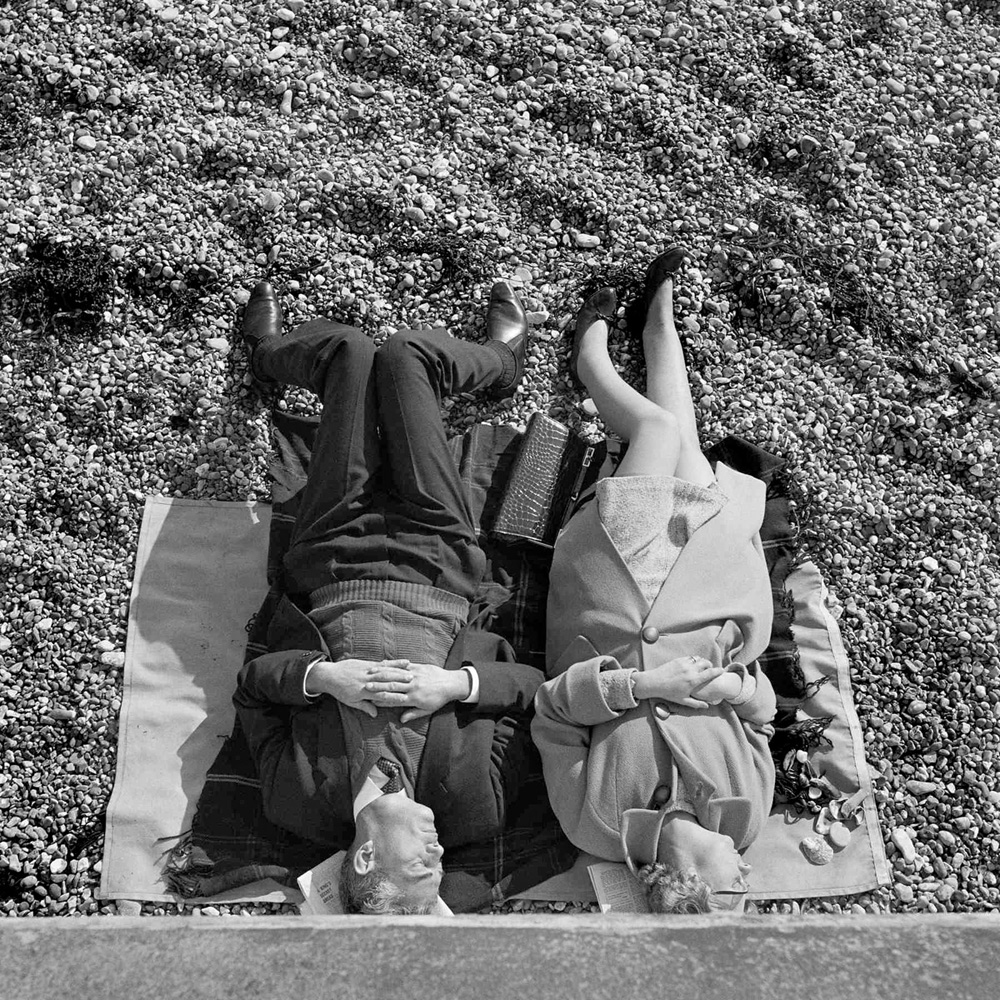
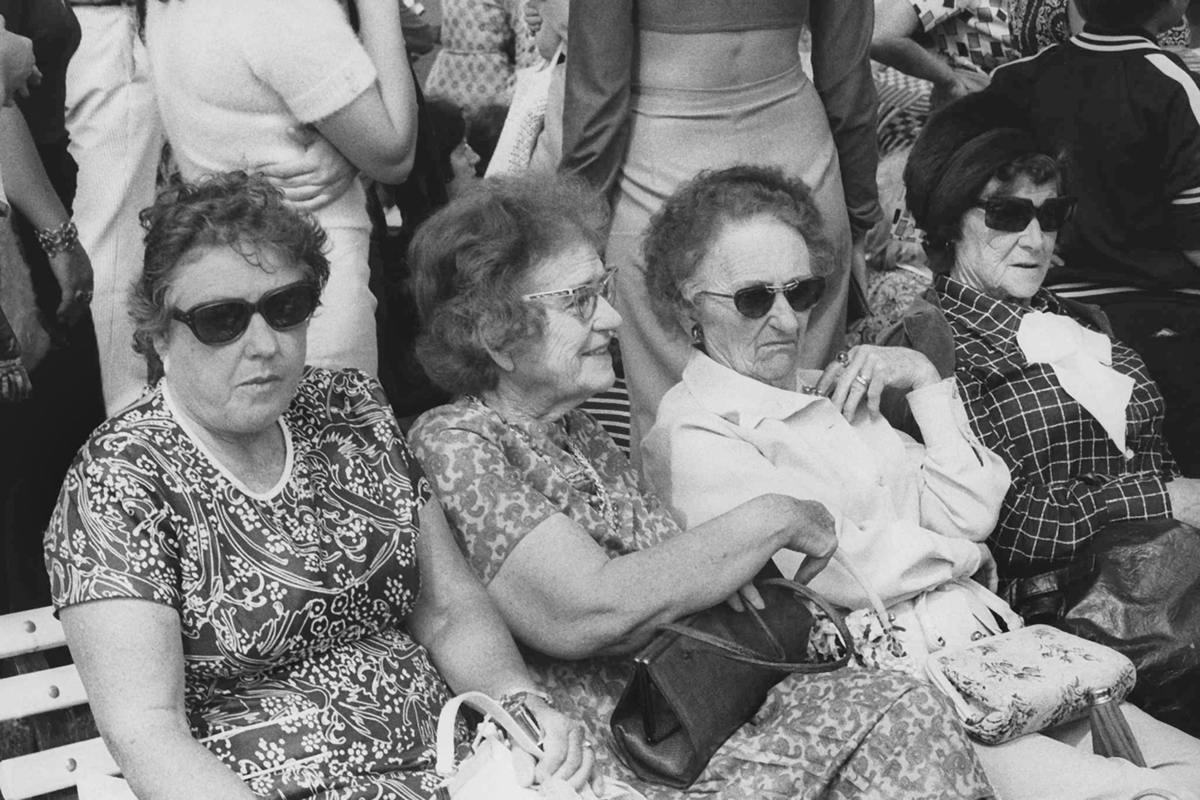
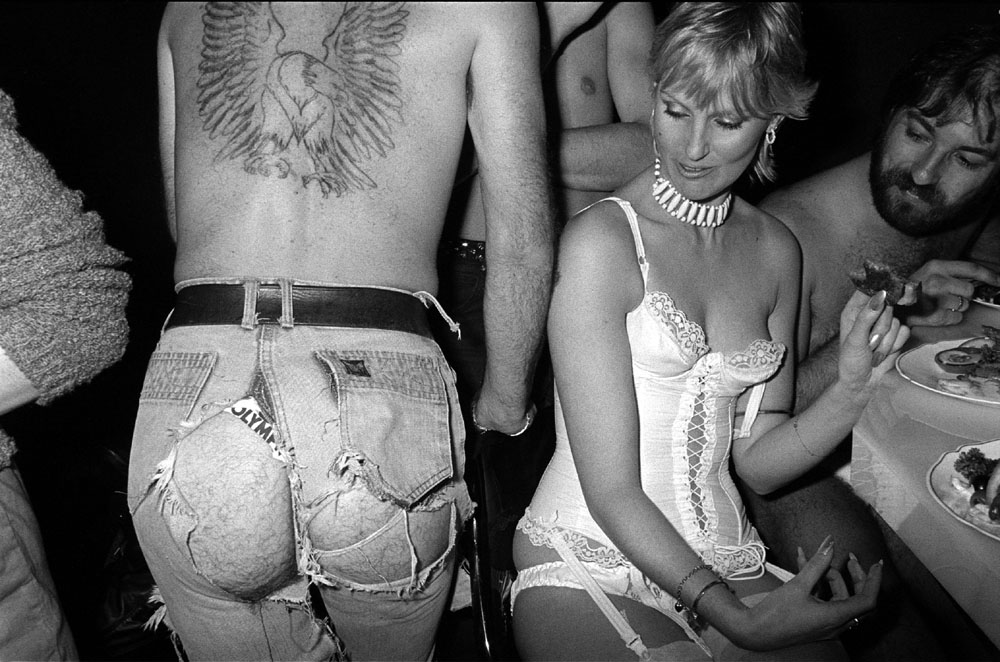
Exhibition: ‘The basement: photography from Prahran College (1968-1981)’ at the Museum of Australian Photography, Wheelers Hill, Melbourne

Exhibition dates: 1st March – 25th May, 2025

Curators: Angela Connor, MAPh Senior Curator, and Stella Loftus-Hills, MAPh Curator

Exhibiting artists: Colin Abbott, Robert Ashton, Con Aslanis, Polly Borland, Peter Bowes, John Brash, Peter Burgess, Nanette Carter, John Cato, Andrew Chapman, Lyn Cheong, Jon Conte, Kim Corbel, Paul Cox, Mimmo Cozzolino, Christina de Water, Duncan Frost, Rob Gale, Sandra Graham, Bill Henson, Julie Higginbotham, Graham Howe, Carol Jerrems, Moira Joseph, Peter Kelly, Christopher Köller, Johann Krix, Paul Lambeth, Derrick Lee, Peter Leiss, Carolyn Lewens, Steven Lojewski, Ian Macrae, James McArdle, Jim McFarlane, Rod McNicol, Julie Millowick, Peter Milne, Jacqueline Mitelman, Richard Muggleton, Martin Munz, Nicholas Nedelkopoulos, Greg Neville, Glen O’Malley, Viki Petherbridge, Ross Powell, Philip Quirk, Leonie Reisberg, Susan Russell, Stella Sallman, Athol Shmith, Geoff Strong, Ian Tippett, George Volakos, Stephen Wickham, Andrew Wittner, Ken Wright, Lynette Zeeng
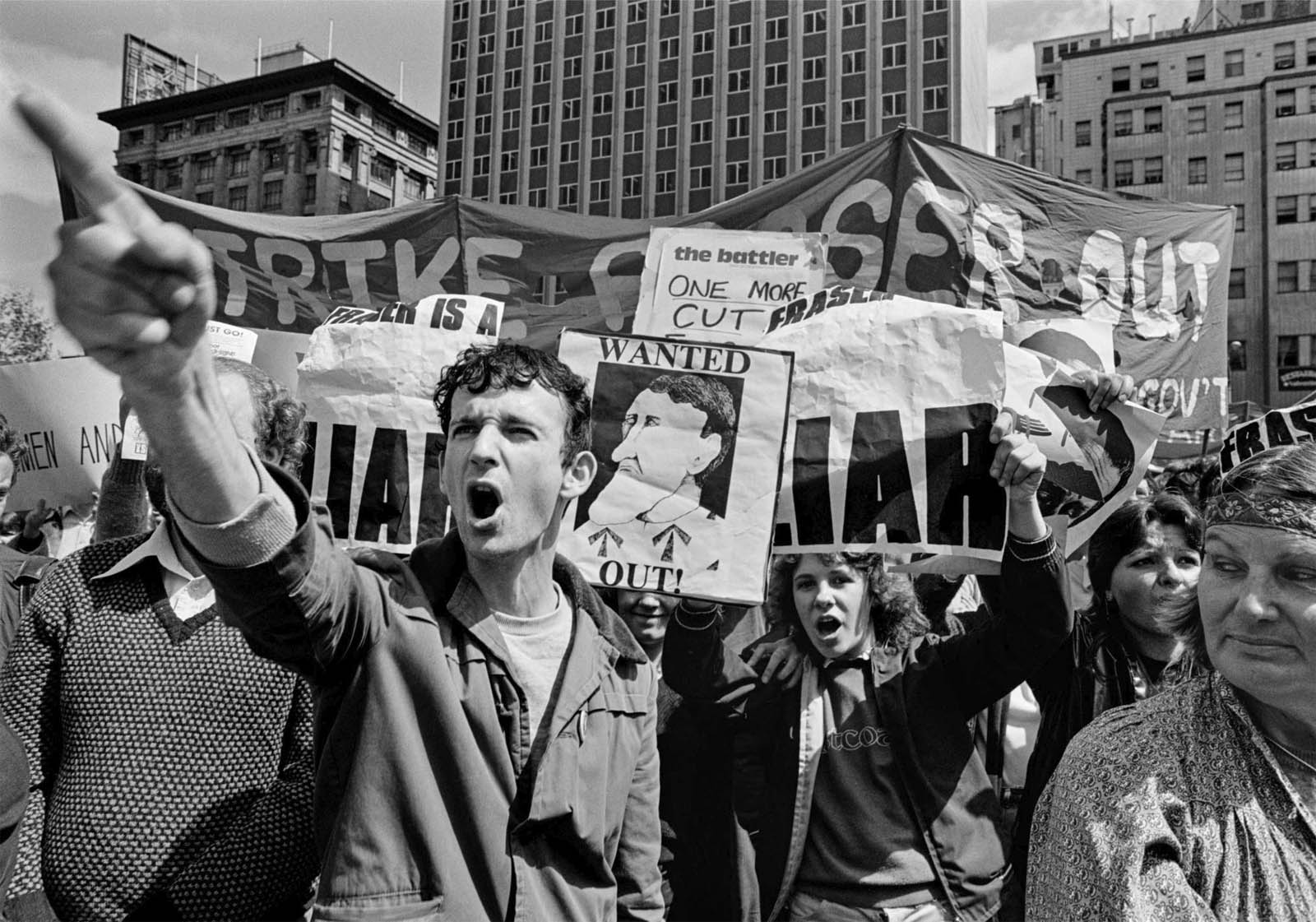
 

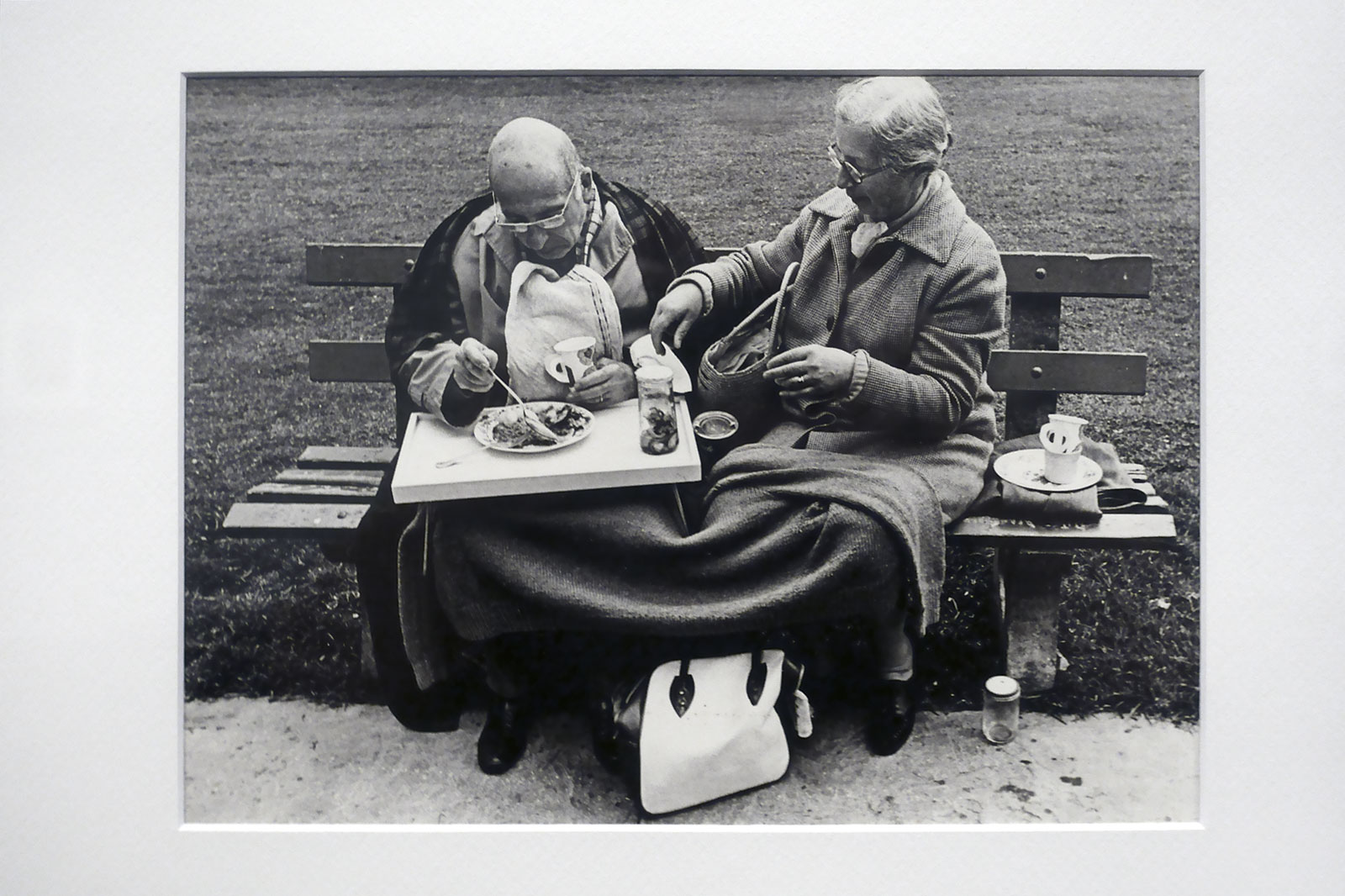
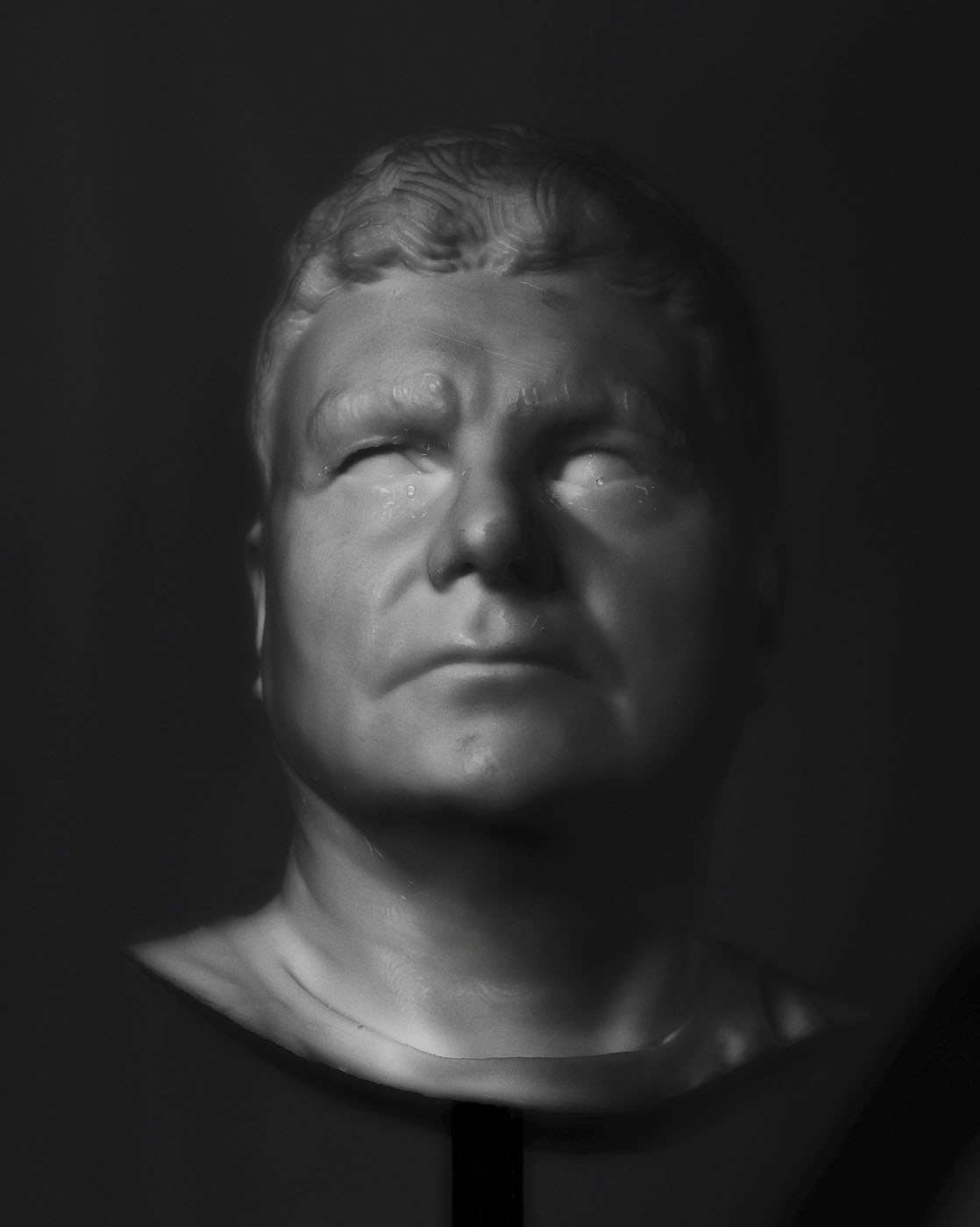
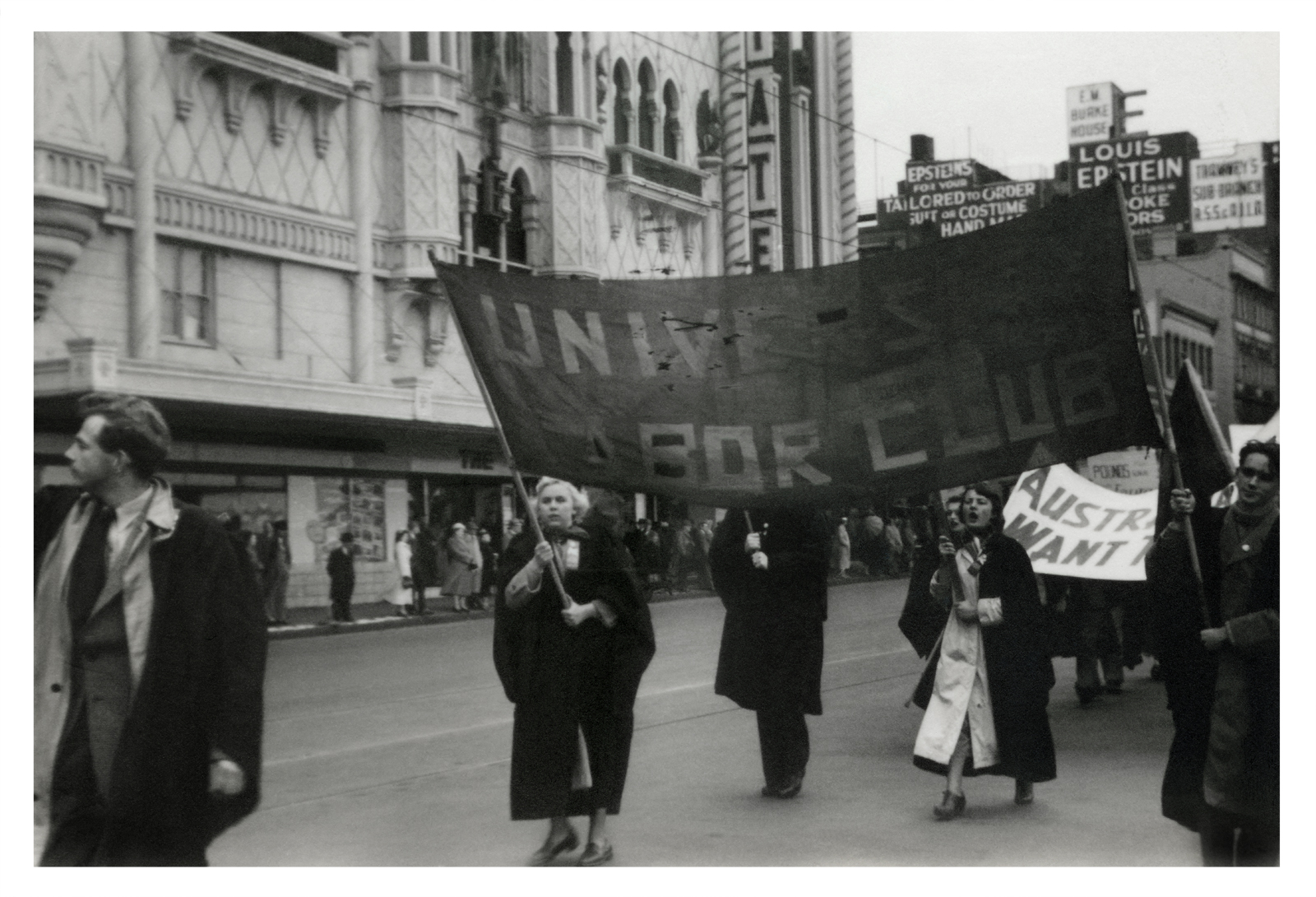
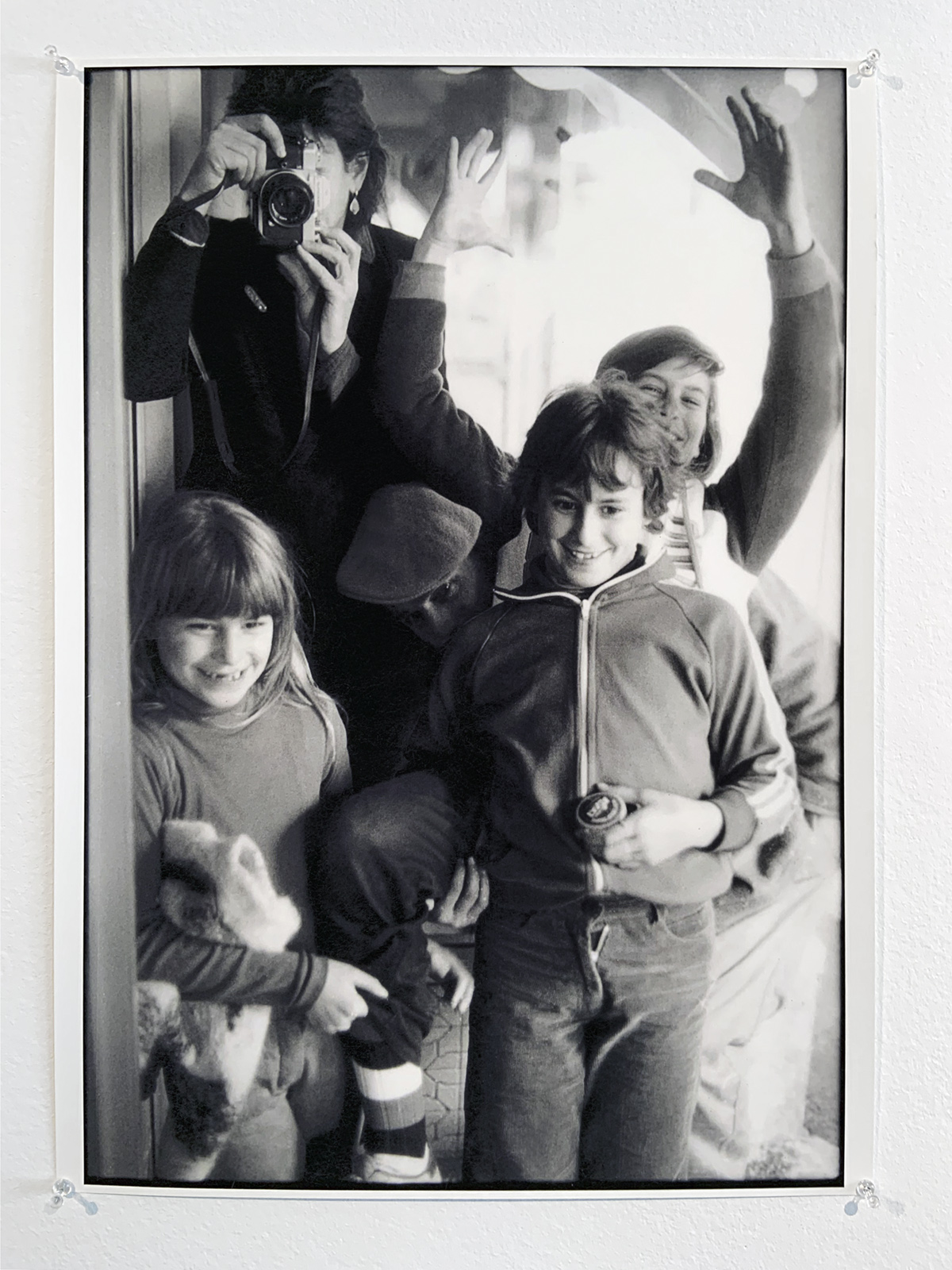
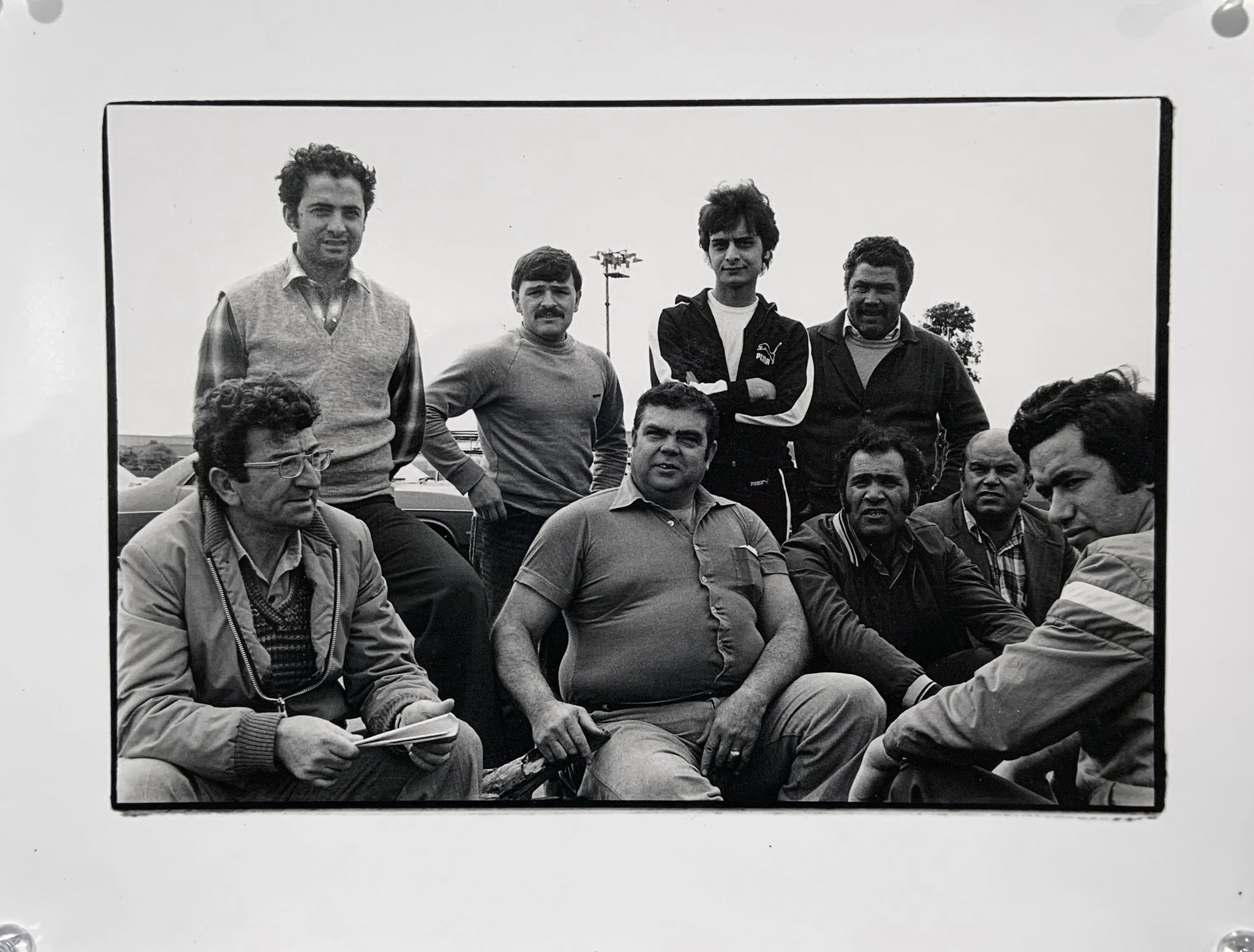
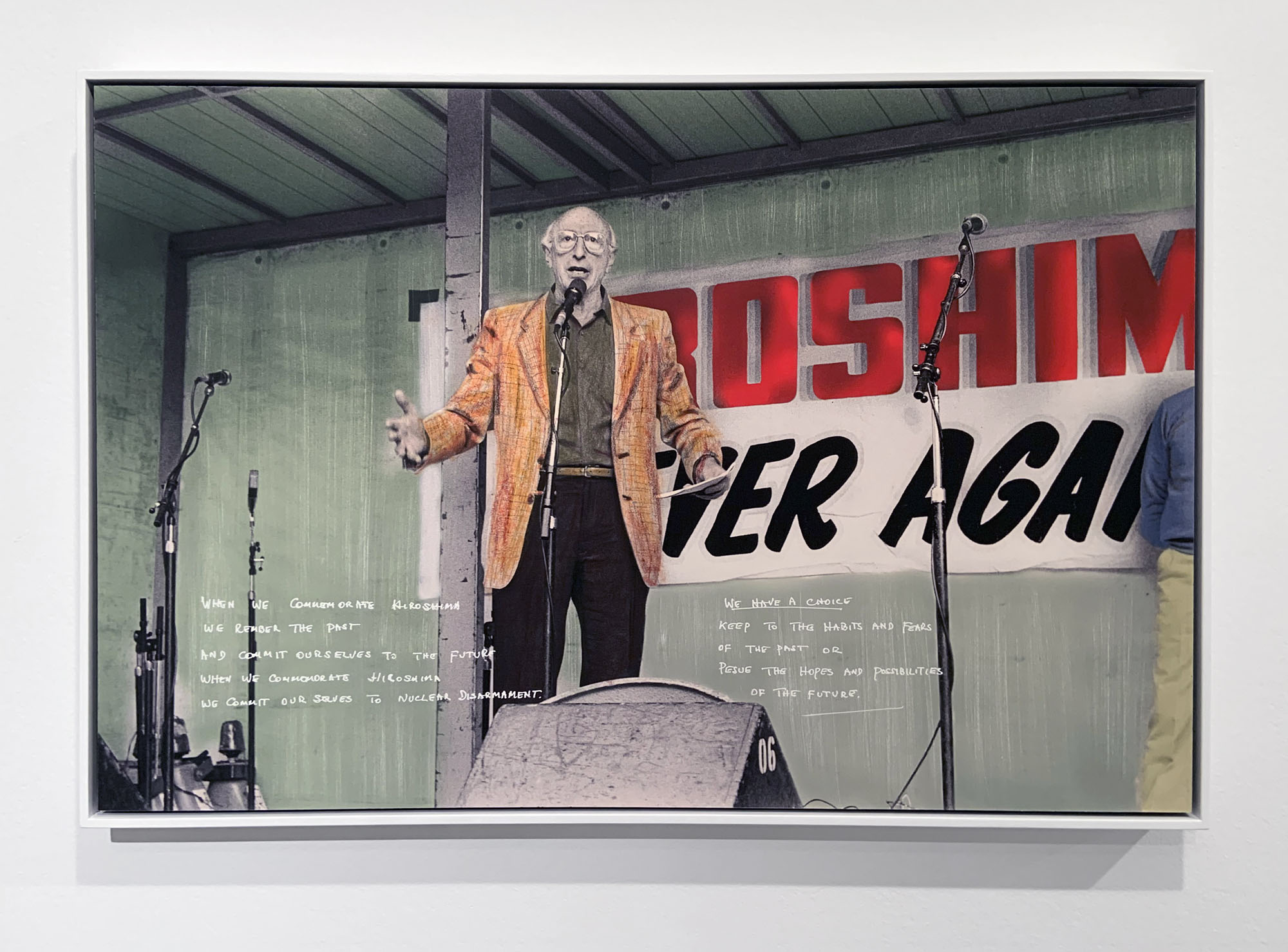
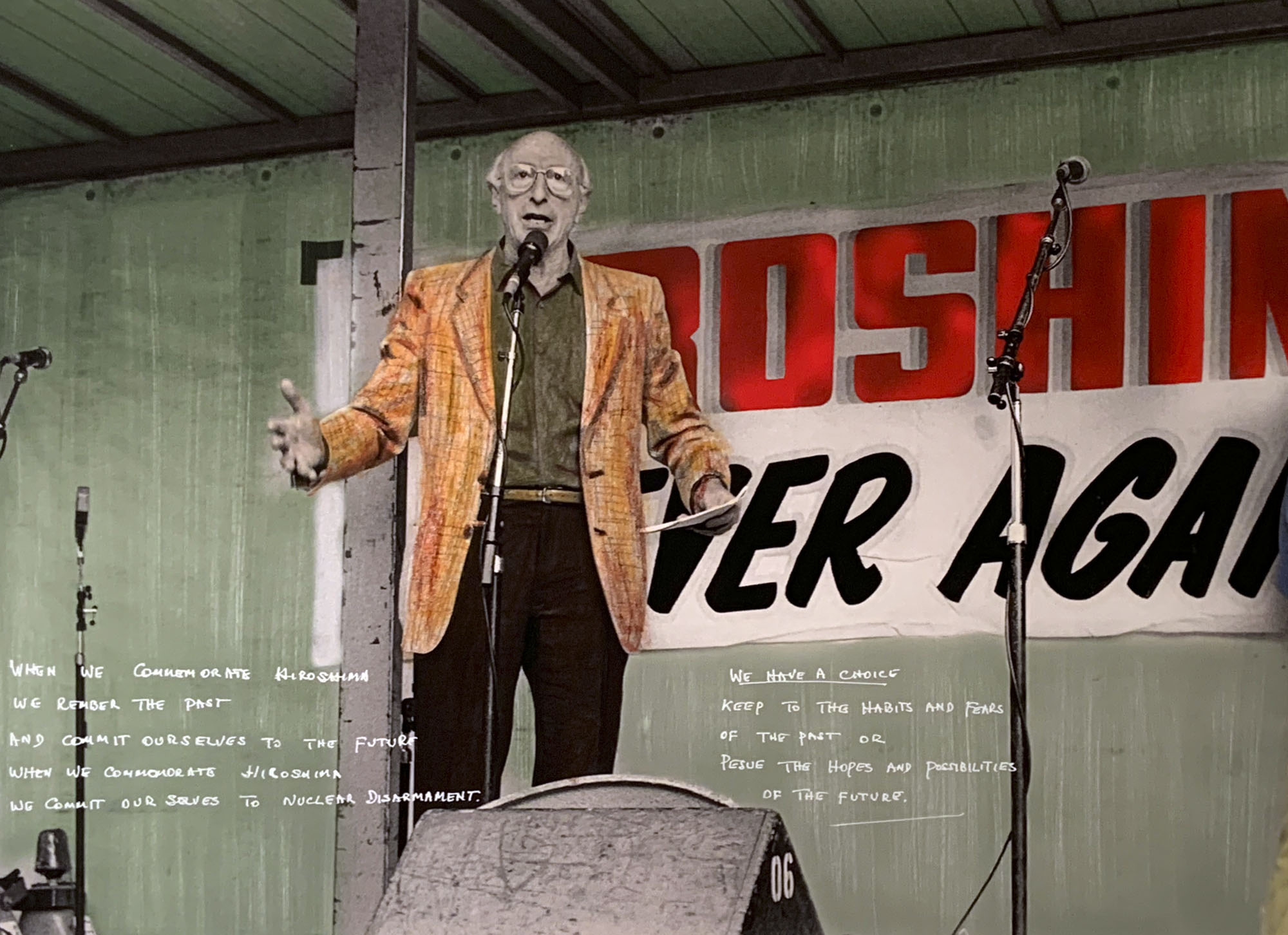
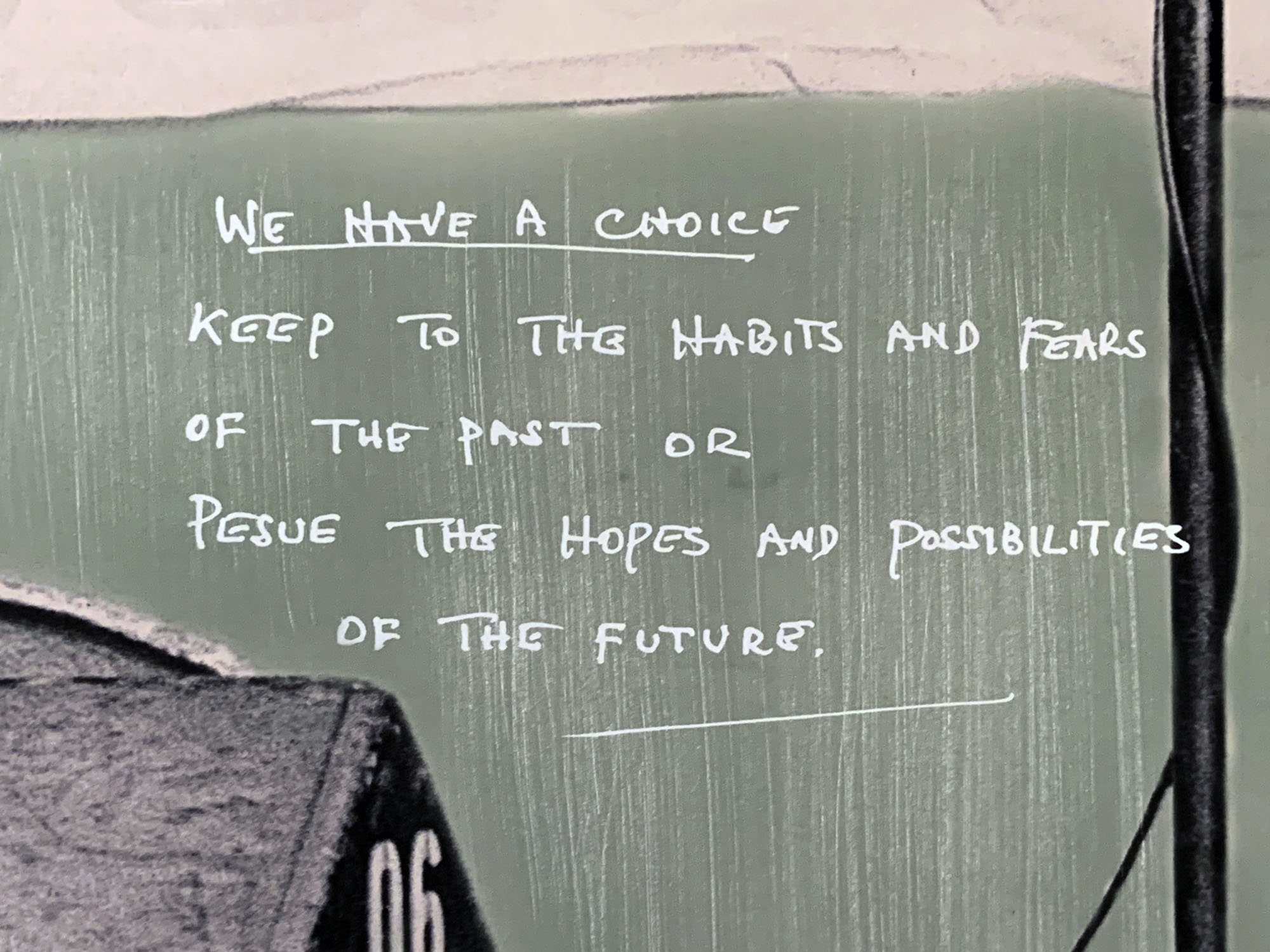
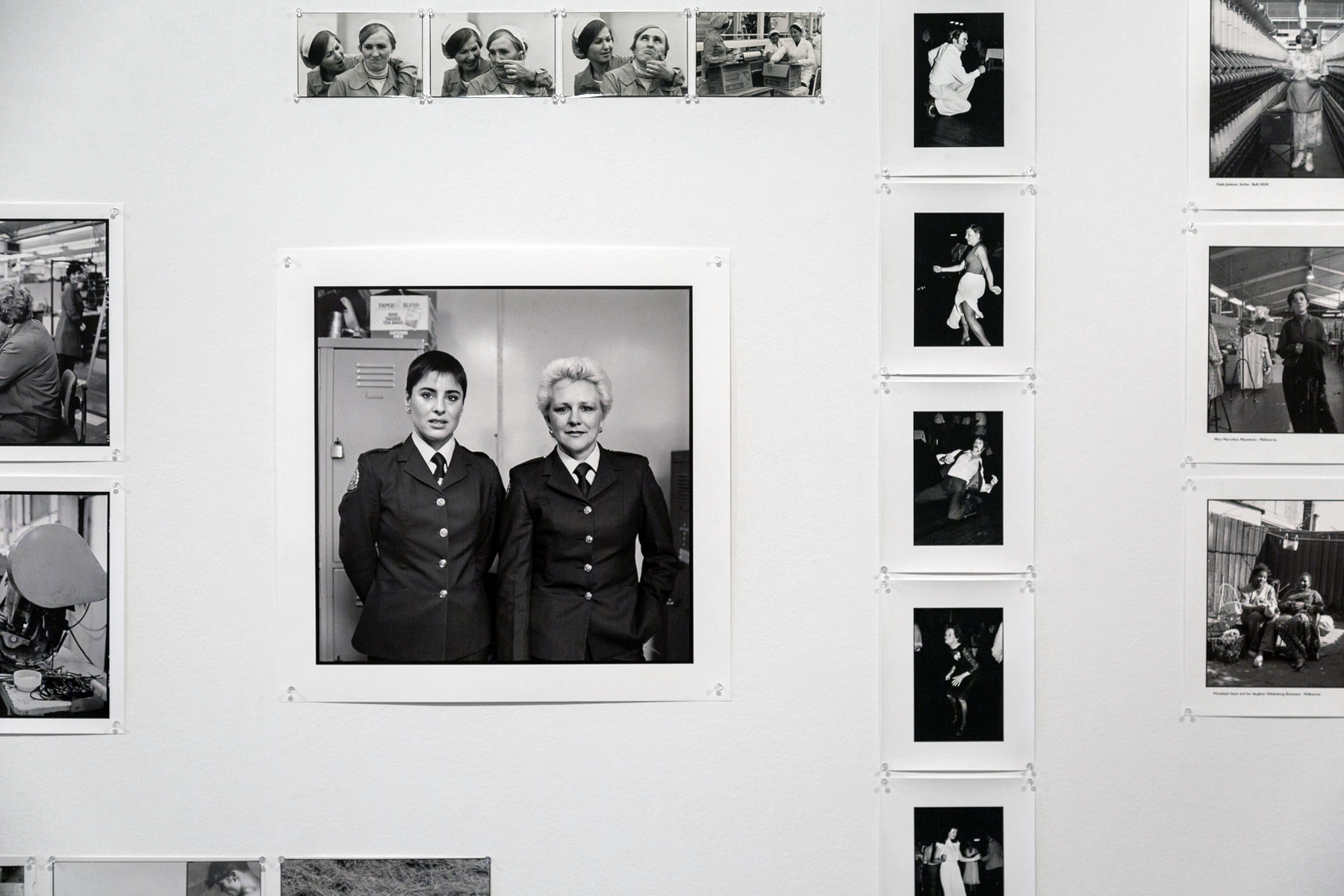
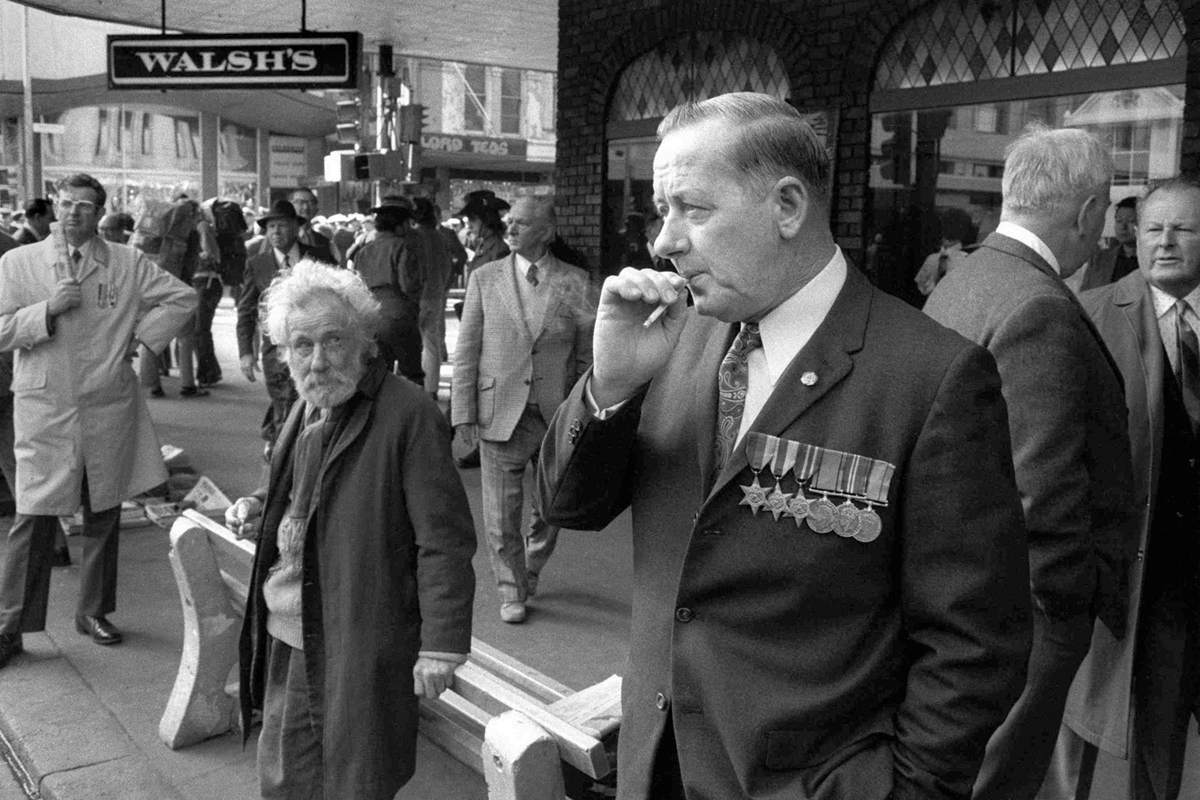
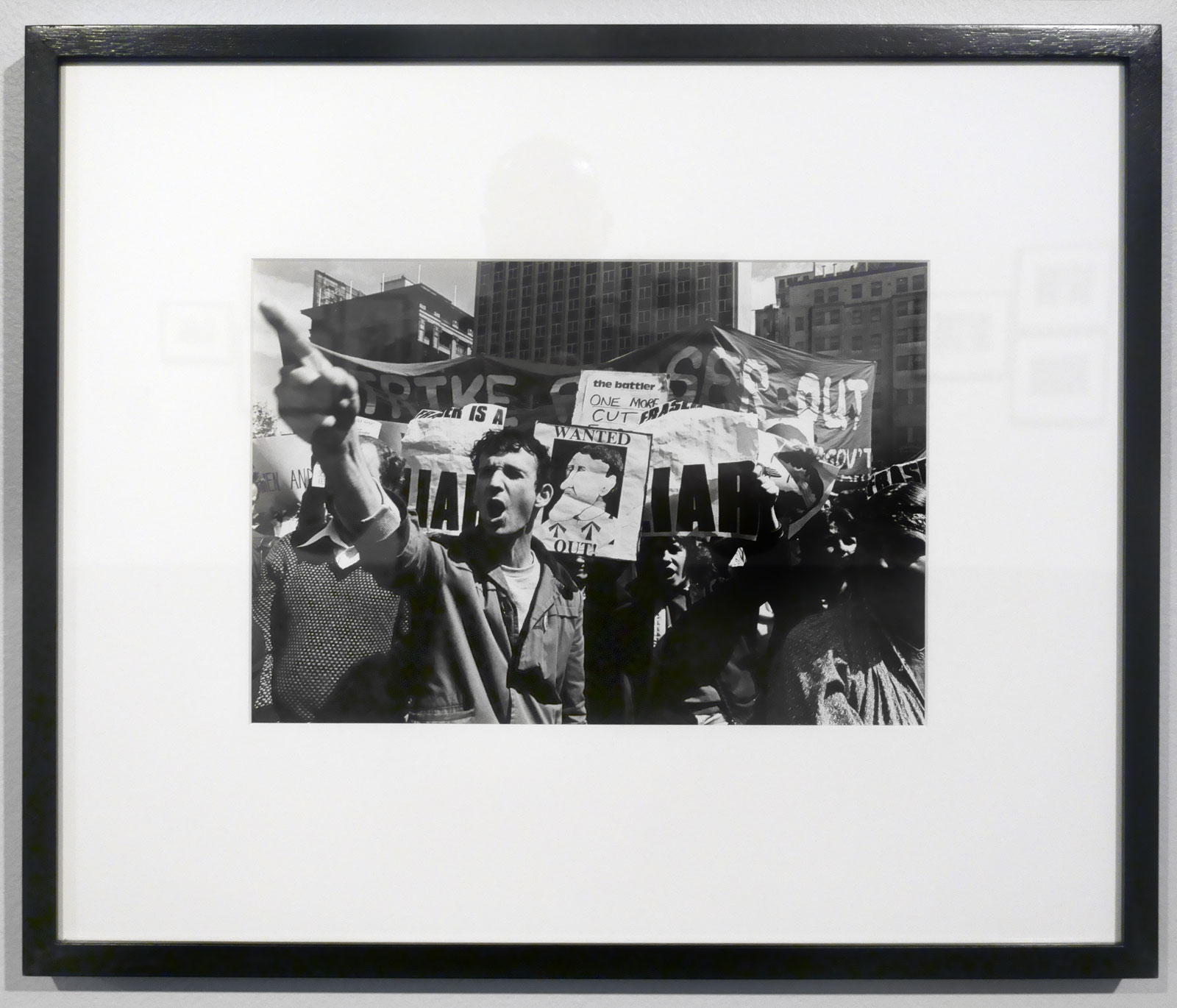
Andrew Chapman (Australian, b. 1954) 'Lest we forget' 1980 from the exhibition 'The basement: photography from Prahran College (1968-1981)' at the Museum of Australian Photography, Wheelers Hill, Melbourne, March - May 2025


Andrew Chapman (Australian, b. 1954)
Lest we forget
1980
Gelatin silver print
Museum of Australian Photography, City of Monash Collection donated 2024


Nurture

A world of creativity and transformation

This is a magnificent exhibition at the Museum of Australian Photography which showcases the work of students and teachers at Prahran College between 1958-1981.

People more eminent than myself have commented on the exhibition.

Gael Newton AM – formerly curator of photography at the Art Gallery of New South Wales, and the Senior Curator of Australian and International Photography at the National Gallery of Australia (NGA) in Canberra – “highlights the diverse and passionate nature of the Prahran College community, where an unstructured curriculum and open debates encouraged multiple approaches – from documentary and still life to collage and staged tableau – while the influence of European cinematic sensibilities and the local film and music scenes added depth to the artistic expression.”1

Daniel Palmer – Professor in the School of Art at RMIT University, his research and professional practice focuses on contemporary art and cultural theory, with a particular emphasis on photography and digital media – commenting on the era “frames the 1970s as a transformative era for Australian society and photography, characterised by social activism.”1

Helen Ennis – formerly Curator of Photography at the National Gallery of Australia and outstanding writer on Australian photography and photographers – emphasises “productive intergenerational exchanges between students and their older educators Prahran represented a space of creative possibility and hope” while acknowledging Prahran’s limitations including gender imbalance, “noting examination records from 1974 showing only five of twenty students were female, with the first woman (Julie Millowick) not appointed to teach until 1983.”1

“Ennis’s address brings to light from The Basement a critical reassessment of how we understand and present 1970s Australian photography. She advocated for approaches that preserve the complexity, contradictions, and energy of this formative period rather than imposing retrospective order that might simplify or misrepresent it. Her reflections bridge historical understanding with contemporary curatorial practice, suggesting ways to engage more authentically with photography’s rich past.”2

Bill Henson AO – former student and internationally acclaimed photographer – acknowledges that “that political movements such as feminism were present among Prahran’s students in the 1970s – “there were the feminists; there were little groups doing their social diligence” – he noted that these stances did not overshadow the college’s overarching emphasis on beauty and creative exploration. “There wasn’t this righteousness, this indignation, this kind of territorial thing about issues,” he said. In contrast there was an openness and enthusiasm that defined Prahran during his time there – a place where beauty and creativity were paramount.”3

On reflection

What struck me most about this exhibition was the creative strength of the STUDENT work … and that is something nobody mentions. This was student work.

These were artists finding their personal voice, exploring the world, being creative, learning how to envision the world in their photographs – through social documentary or conceptual, experimental photographs that challenged how Australian viewed itself. As Assoc. Professor James McArdle, a former student and one of the many driving forces behind this exhibition, insightfully observes:

“Prahran, at this time, was a nexus for the ‘New Photography’ movement in Australia, bringing to our country international developments from the 1960s, the candid, loosely structured photographic language that contrasted sharply with the rigid narratives of photojournalism and the increasingly commercial aesthetics of colour photography.

Prahran College itself played a critical role in the legitimisation of photography as an art form within Australia. It spearheaded the integration of art photography into tertiary education curricula, fostering an environment where young artists … could experiment formally and conceptually.”4

Indeed, Melbourne in the late 1960s and early 1970s could be seen as the nurturing centre of photography in Australia.

As my friend Ian Lobb said to me before he died, “In 1970 where did you go to see a fine art photograph on exhibition in a non-institutional gallery in Melbourne? The only place was the doorway to the John Cato / Athol Shmith / Peter Barr studio in Collins Street. You would never know which of the three photographers would have a print placed in that doorway.”5

But then things changed.

Variously, Melbourne had Jenny Boddington appointed curator of photography in 1972 at the National Gallery of Victoria, becoming the first such curator in Australia and perhaps only the third in the world.

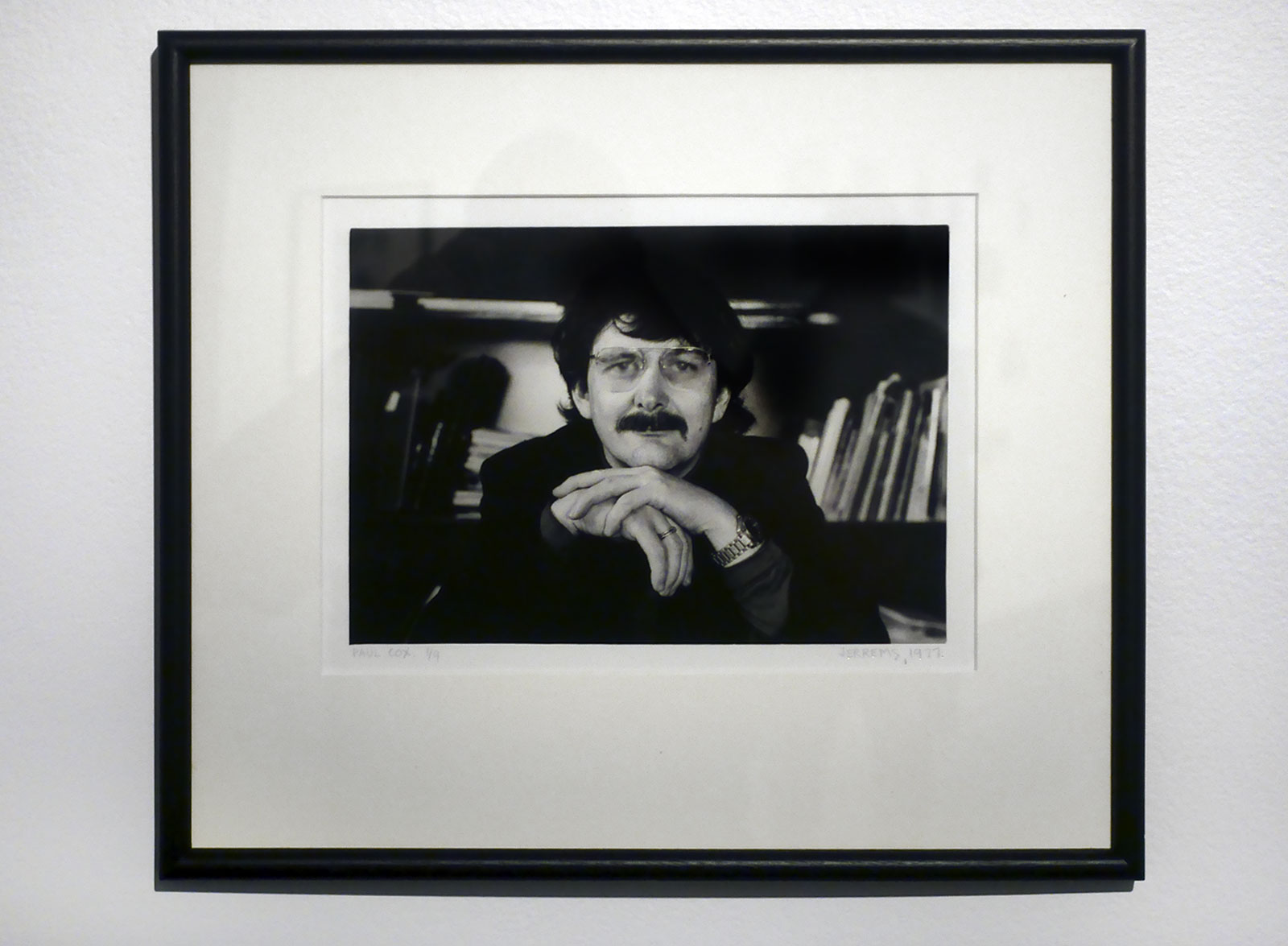
Melbourne also had three commercial art photography galleries that supported local and international exhibitions, exposing major international photographers to local artists. These included Brummels Gallery of Photography reopened in the early 1970s by that wonderful photographer Rennie Ellis and deputy director Robert Ashton (Prahran), the first privately run art gallery in the country to be devoted specifically to photography; The Photographers’ Gallery and Workshop founded in 1973 by Paul Cox (Prahran), Ingeborg Tyssen, John F. Williams and Rod McNicol (Prahran), taken over by Ian Lobb in 1974 and joined by co-director Bill Heimerman in 1976 showcasing mostly American and some European original fine prints from major artists which were influential on Australian audiences and practitioners; and Church Street Photographic Centre opened by Joyce Evans OAM in 1976, the third commercial photographic gallery in 1970s Melbourne which exhibited international 19th and 20th Century photography

Prahran College was closely followed by Phillip Institute of Technology (PIT) which was a tertiary college in Bundoora which had an art photography course run by Ian Lobb and Les Walkling, from 6 January 1982 to 30 June 1992 at which time the school integrated as part of RMIT University. I attended PIT in 1991 and then RMIT University where I completed by doctorate, after having undertaken two years at Brighton Technical College completing two years on the basics of photography, a grounding for many budding photographers in those years under the direction of Peter Barker.

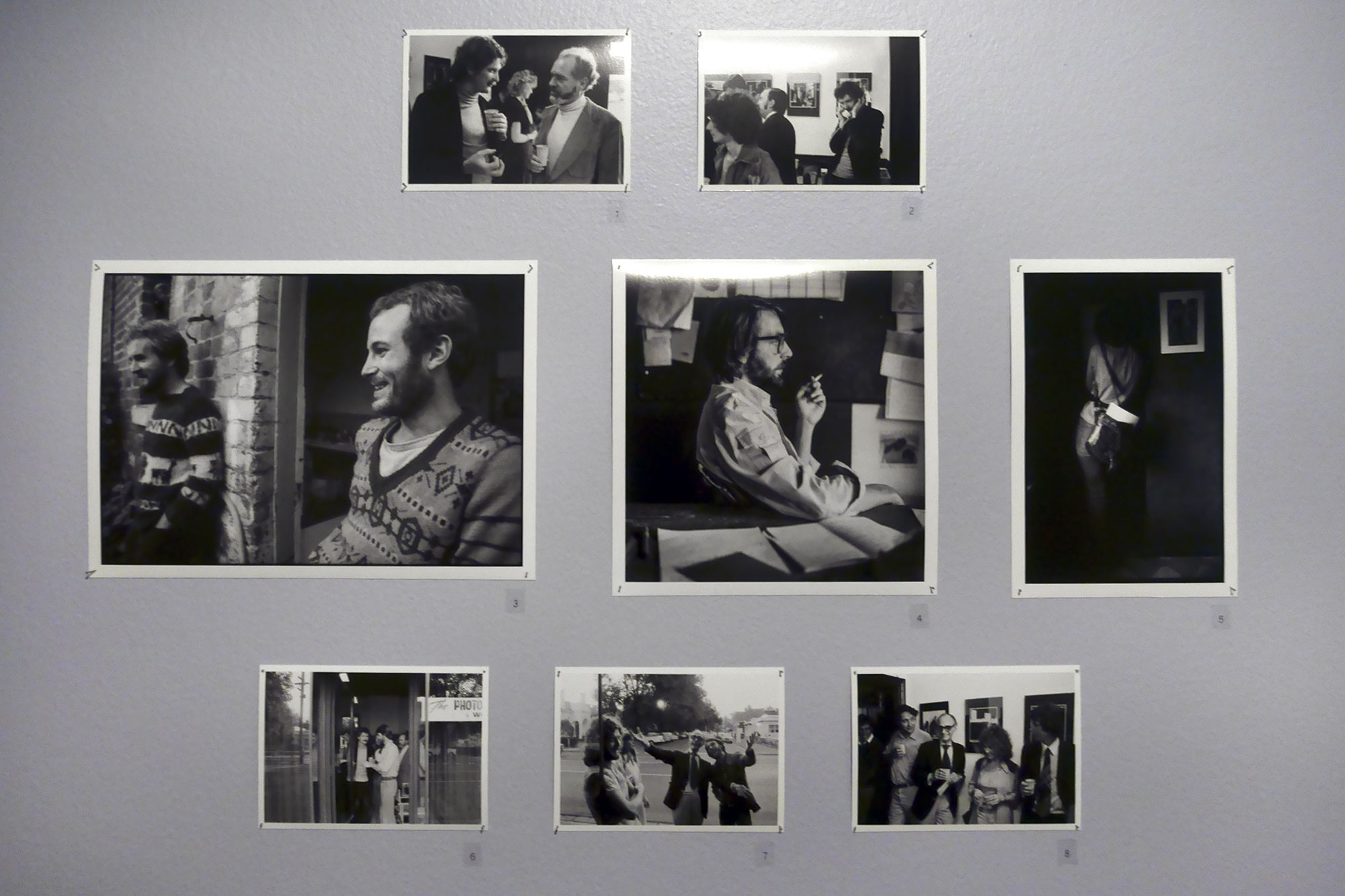
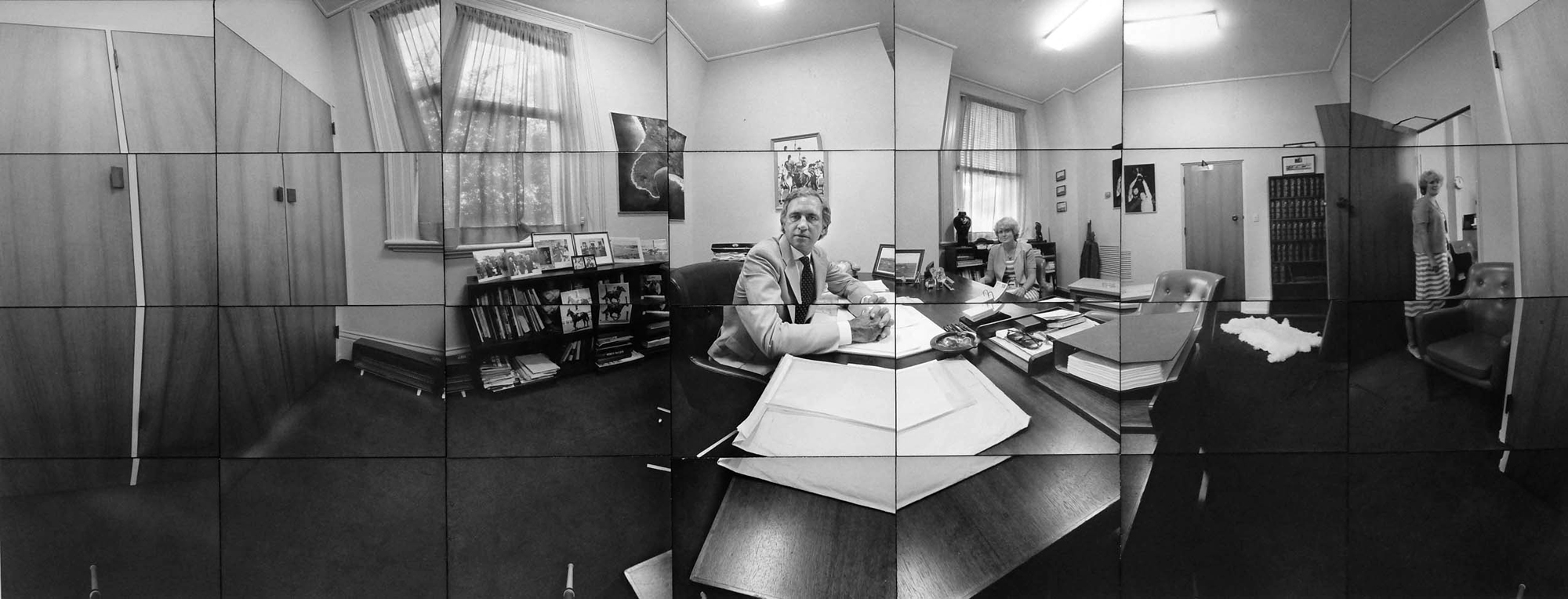
I remember at RMIT fine art photography course we would have reviews of student work every 4 weeks, where over 2 days students put up new work and we all sat together with the lecturers and discussed the ideas contained in the work. The atmosphere was electric, the disparate work, the in-depth conversations, the passion. Look at Greg Neville’s photograph Tutorial: lecturers and students [back row L–R Derrick Lee, Bryan Gracey, Athol Shmith, Paul Cox, Elizabeth Tainsh] (c. 1971, below) and you can feel a similar energy…

So Melbourne has been particularly blessed – I dislike that word but there is no other that really conveys what I mean – by this confluence of events, people and places that supported the rigorous investigation of photography and life that Prahran College was a part of. At Prahran there was optimism, social conscience, and an engagement with the street and with life, there was “creative rebellion and intellectual engagement”. I asked James McArdle at an artist’s talk about this: how exciting this would have been, the bouncing of ideas one off another, the sense of community and camaraderie, and yes they were all there … encouraging an “atmosphere” of creativity which has produced a generation of outstanding photographers who will leave a lasting legacy in the history of Australian photography.

As an artist who arrived as a “second generation” photographer after Prahran College I have a great affection for the people and the work produced in the exhibition.

I knew John Cato and his delightful wife Dawn Cato well and went down to their house for afternoon tea to discuss photography and life; together with Bill Heimerman I co-curated his retrospective at The Photographers’ Galley and Workshop in 2002, the text ‘and his forms were without number’ used in the book accompanying the exhibition John Cato Retrospective at the Ballarat International Foto Biennale in 2013 where Paul Cox and I made opening speeches. Both were good friends.

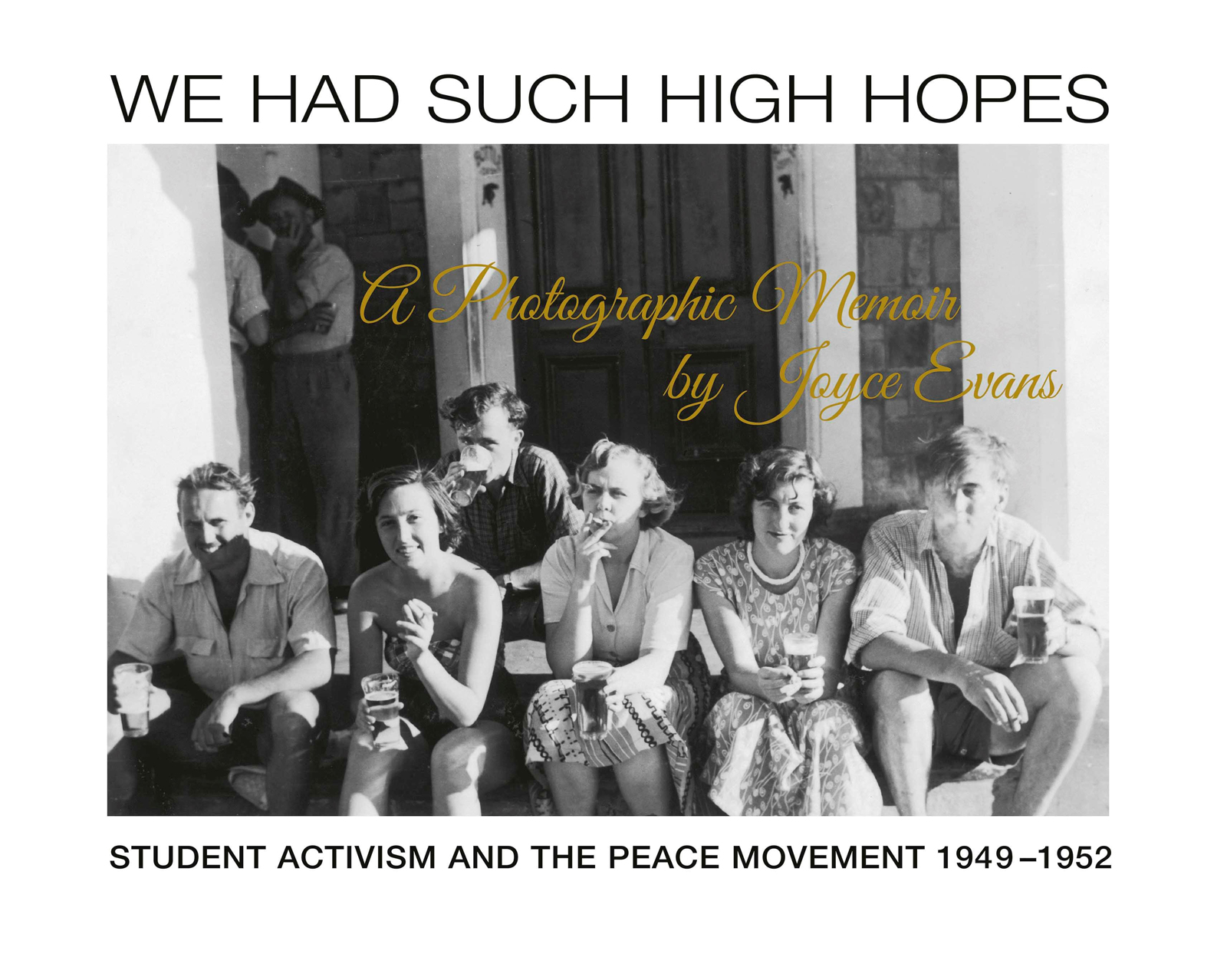
Joyce Evans was my substitute mother in Australia. What a wonderful, bohemian, creative, intelligent woman she was. I wrote “Nothing emerges from nothing,” foreword to her book We Had Such High Hopes: Student Activism and the Peace Movement 1949-1952, A Photographic Memoir by Joyce Evans 2019 published before she died, a book that instils the social conscience ethos emerging in postwar Australia which leads into the work of the Prahran College photographers. I still her miss greatly.

As I do both Ian Lobb and Bill Heimerman (pictured below in Peter Leiss’ Untitled [Bill Heimerman (right) and Ian Lobb (left) at the rear of The Photographers’ Gallery] c. 1975-1980), both good friends. Ian Lobb was my first photography lecturer at PIT and became my mentor and friend for over 30 years; Bill gave me three solo exhibitions at The Photographer’s Gallery and Workshop in my early days as an artist, and much excellent advice, for which I am forever grateful.

James McArdle and Gael Newton remain valued friends, both amazing fonts of knowledge in all aspects of photography and photographic research.


In conclusion, congratulations to all who have been involved in bringing this exhibition to fruition: artists, writers and curators. It is a magnificent achievement and a testament to the creativity and passion of the times, both theatre and document reflecting an era that sadly can no longer be repeated.

Prahran College photographers followed their heart and their eye, they possessed a curiosity which “evokes the care one takes for what exists or could exist; an acute sense of the real which, however, never becomes fixed; a readiness to find our surroundings strange and singular; a certain restlessness in ridding ourselves of our familiarities and looking at things otherwise; a passion for seizing what is happening now and what is passing away; a lack of respect for traditional hierarchies of the important and the essential.”6

However long I live, it has always been a privilege to be part of this community, to be part of the Melbourne photographic community.

Dr Marcus Bunyan


1/ James McArdle. “Launched!,” on the On This Date in Photography website, 6th April 2025 [Online] Cited 06/04/2025

2/ Helen Ennis quoted in James McArdle. “Unfixing,” on the On This Date in Photography website, 29th March 2025 [Online] Cited 06/04/2025

3/ Bill Henson opening speech summarised in James McArdle. “Opening!” on the On This Date in Photography website, 1st March, 2025 [Online] Cited 18/04/2025

4/ James McArdle. “Epoch,” on the On This Date in Photography website, 25th April, 2025 [Online] Cited 28/04/2025

5/ “Steve Lojewski [in the year ahead of me at PCAE] and I job shared at Shmith / Cato / Barr. A fantastic opportunity to work mainly in the darkroom, occasionally assisting in the studio and as they gained confidence in me sent out on [mickey mouse] jobs when they were double booked. A HUGE break and when Peter Barr bought out John and Athol and established Peter Barr & Associates he invited me to freelance out of his new studio. That offer would not have happened without the prior experience of the darkroom & studio work. My first job on the Monday morning of my 2 week trial for Athol, John and Peter was 250 prints [on fibre paper] of Malcom Fraser by 11.00 am [ie the wet deadline was 11.00. Dry and out the door was, from memory, 12.noon].”

Julie Millowick in conversation with Marcus Bunyan via Facebook, 20th May 2025

6/ Michel Foucault, “The Masked Philosopher” in Politics, philosophy, culture: interviews and other writings, 1977-1984. London: Routledge, 1988, p. 328


All installation photographs © Marcus Bunyan. Please click on the photographs for a larger version of the image.

Apologies if a couple of the photographs are slightly out of focus, these were digital RAW files shot on a Sony rx100 handheld at 1000ASA with low depth of field.

For more information please see The Prahran Photography website which upholds the legacy of Prahran College 1970s photography through posts on profiles of the alumni and lecturers (an ongoing project).


“Curiosity is a vice that has been stigmatized in turn by Christianity, by philosophy and even by a certain conception of science. Curiosity, futility. I like the word however. To me it suggests something all together different: it evokes concern; it evokes the care one takes for what exists or could exist; an acute sense of the real which, however, never becomes fixed; a readiness to find our surroundings strange and singular; a certain restlessness in ridding ourselves of our familiarities and looking at things otherwise; a passion for seizing what is happening now and what is passing away; a lack of respect for traditional hierarchies of the important and the essential.”


Michel Foucault, “The Masked Philosopher” in Politics, philosophy, culture: interviews and other writings, 1977-1984. London: Routledge, 1988, p. 328


Gallery One (clockwise)


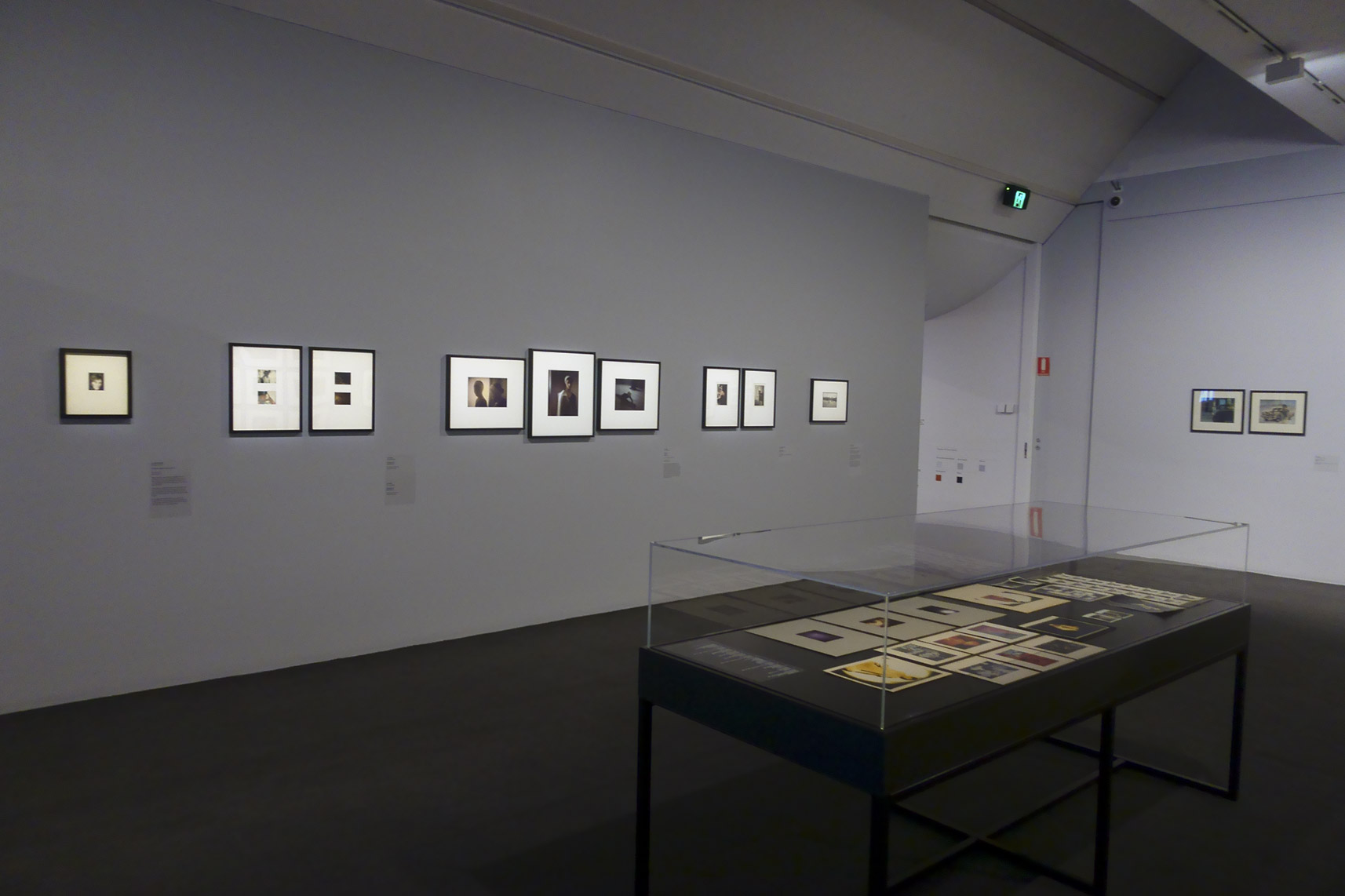
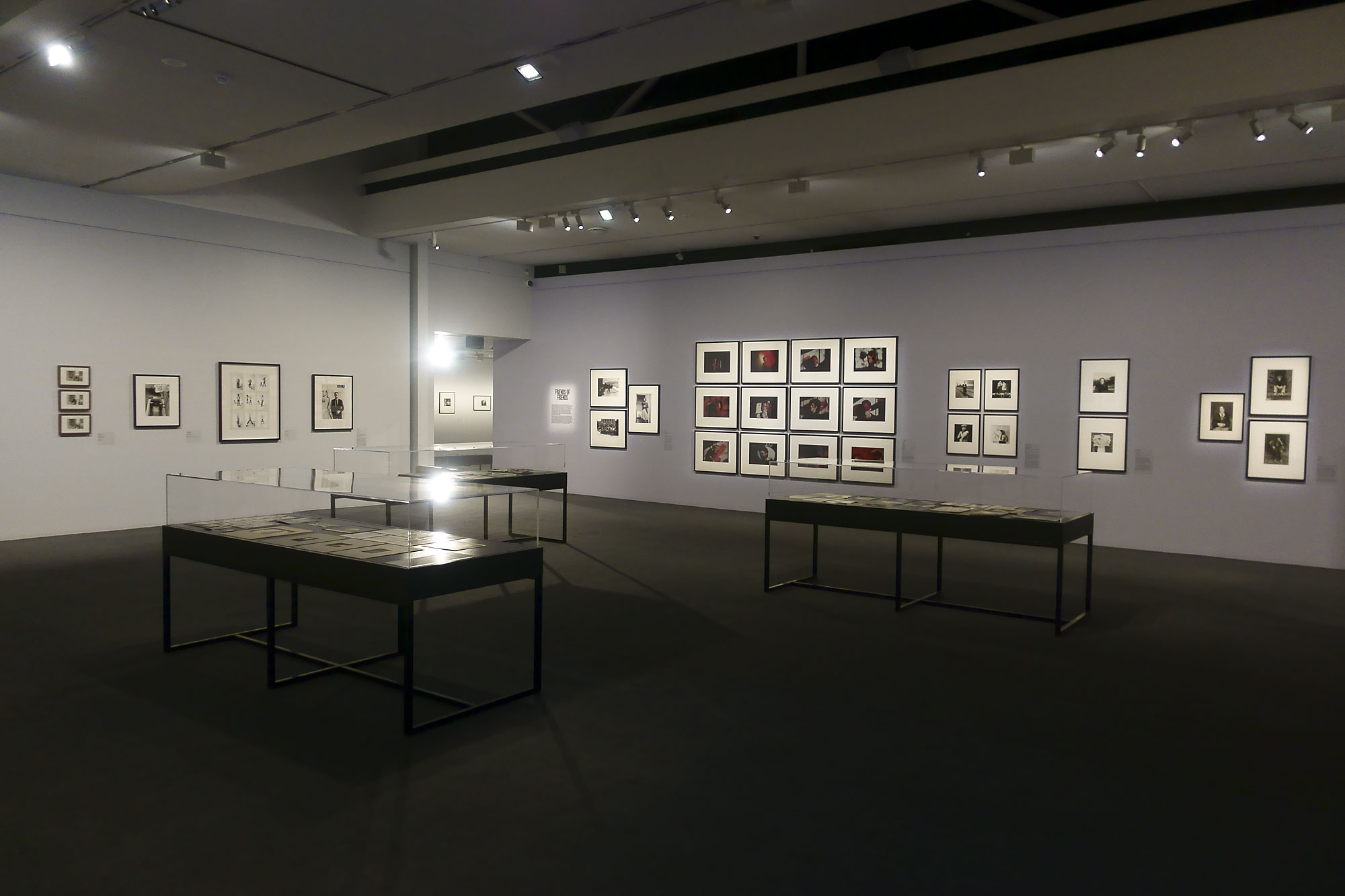
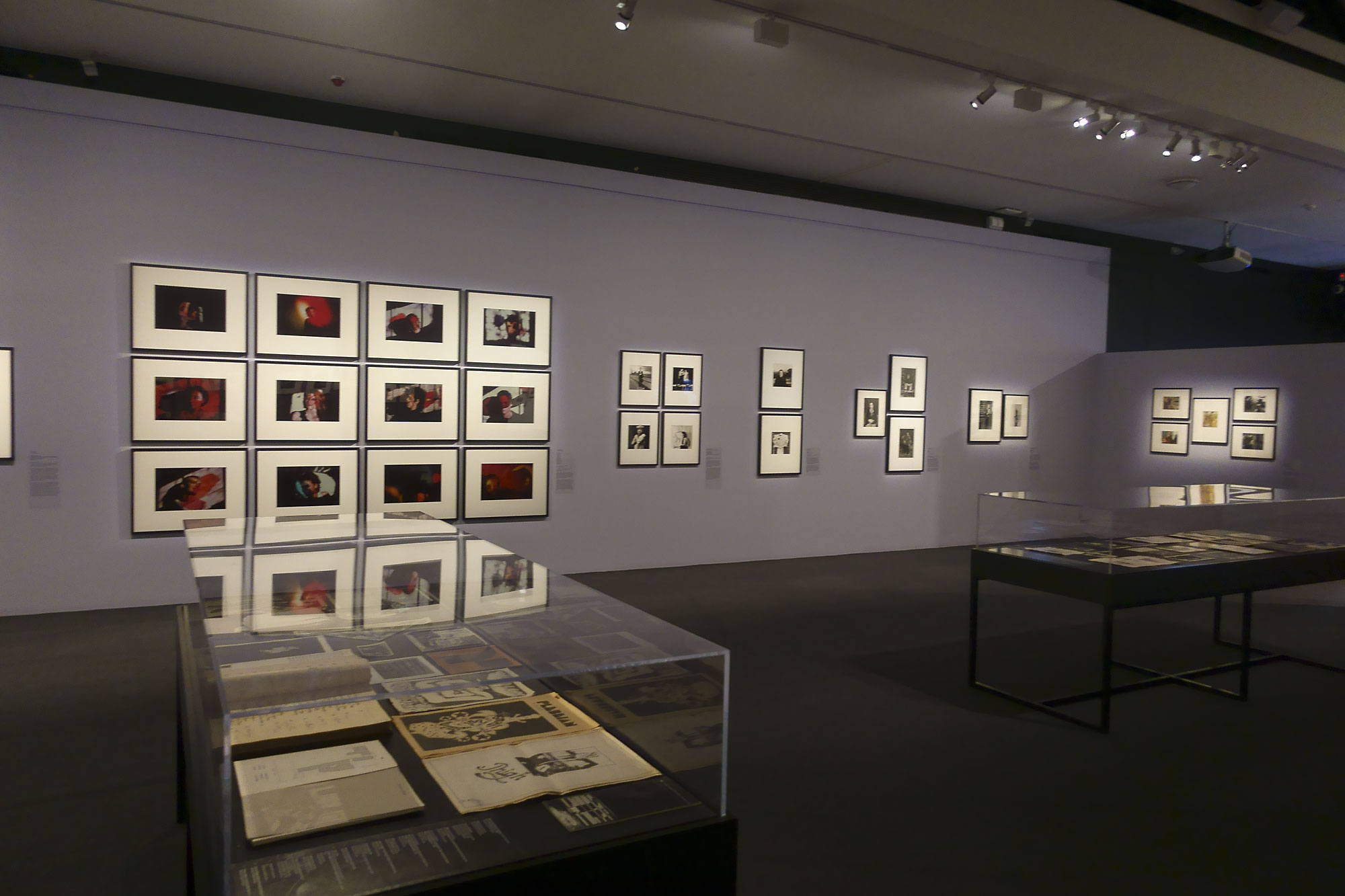
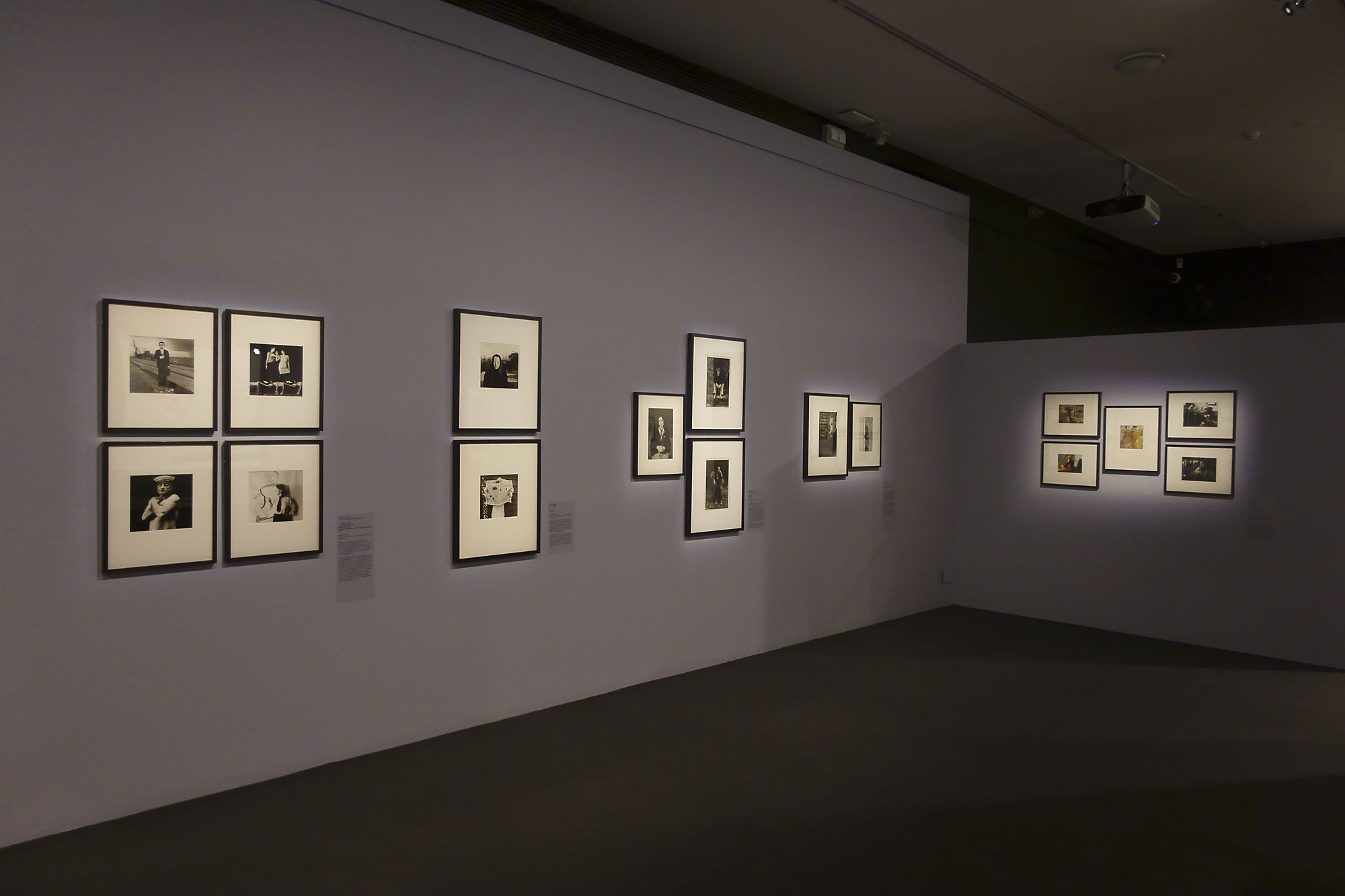
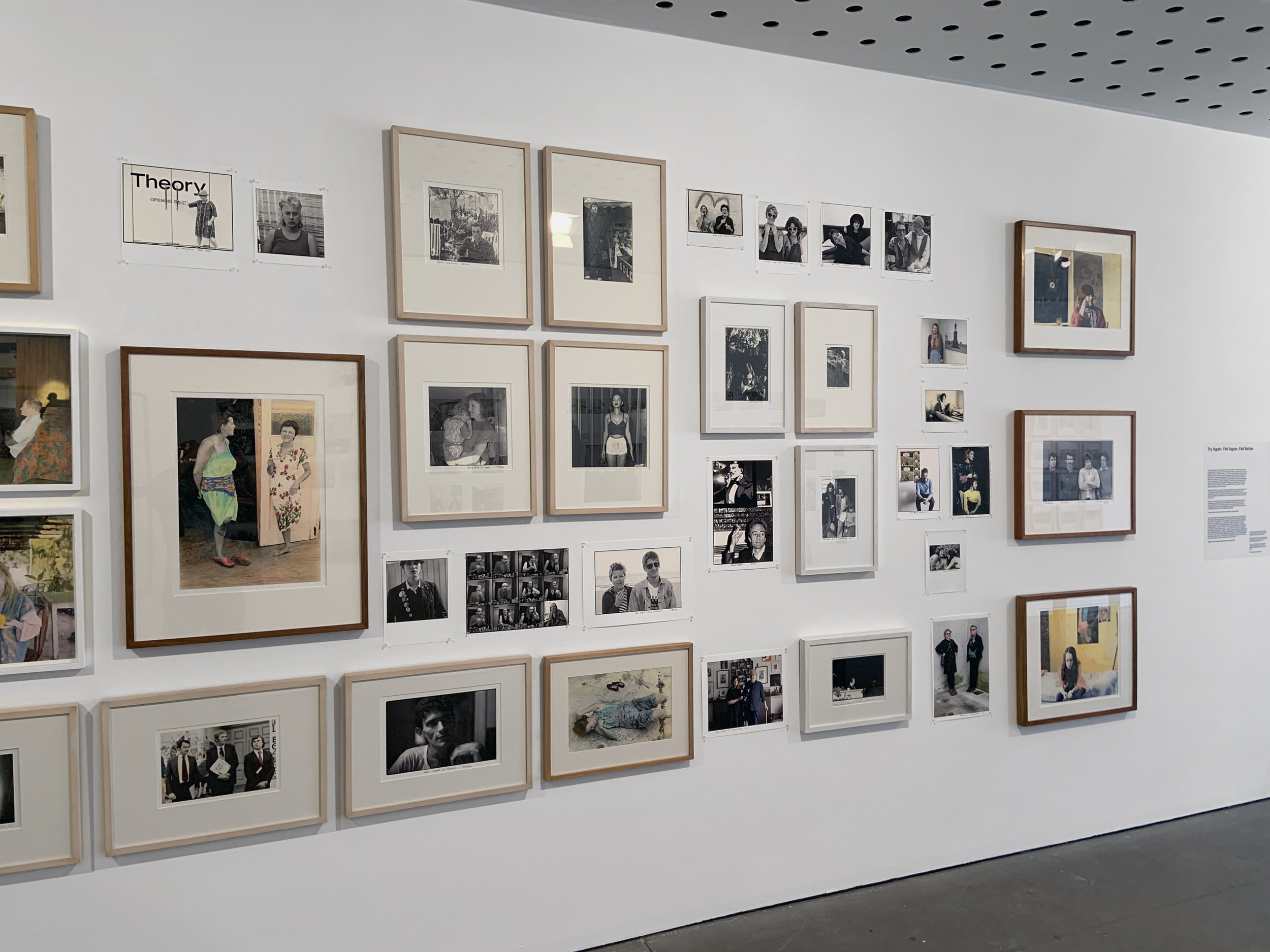
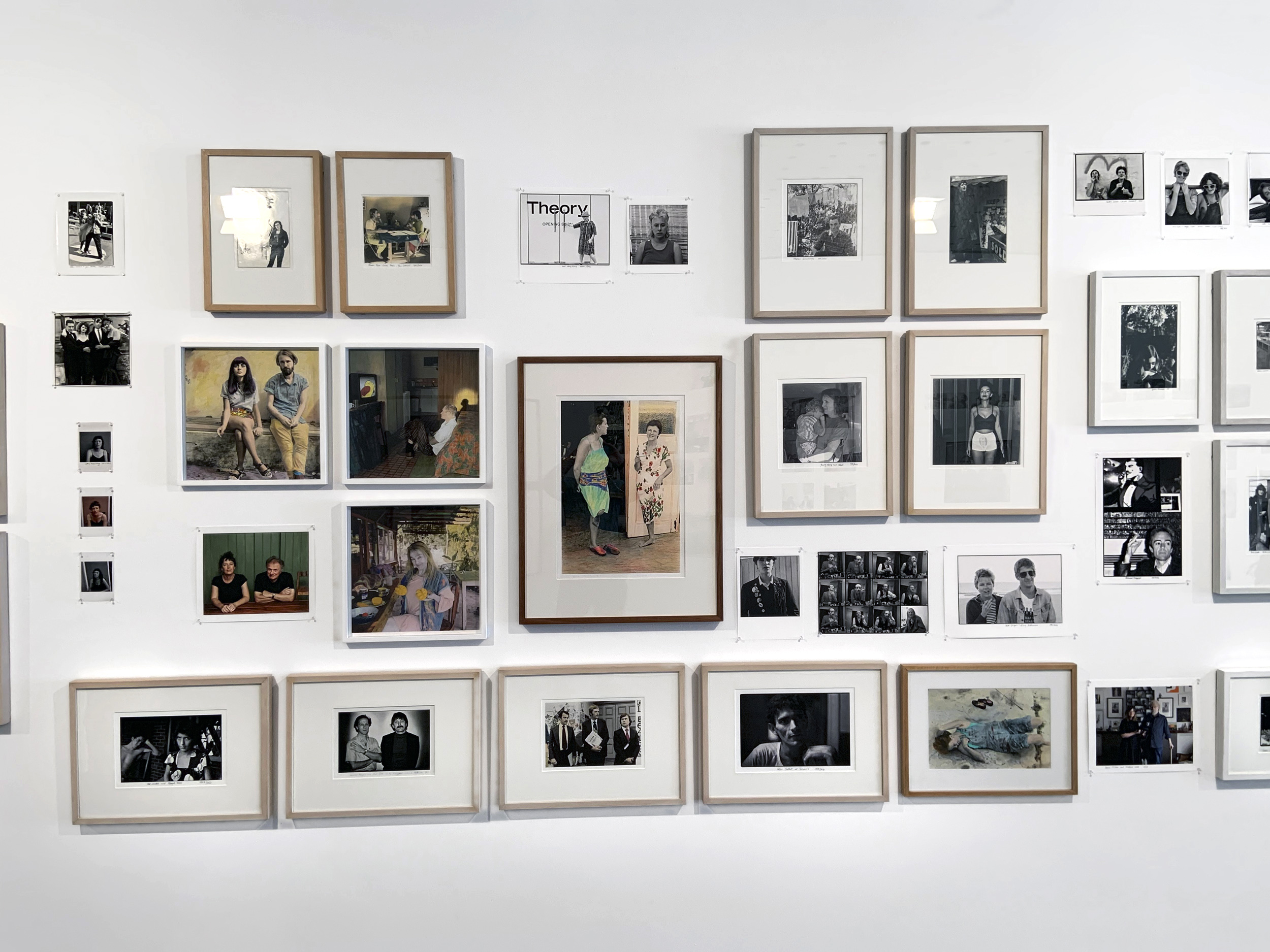
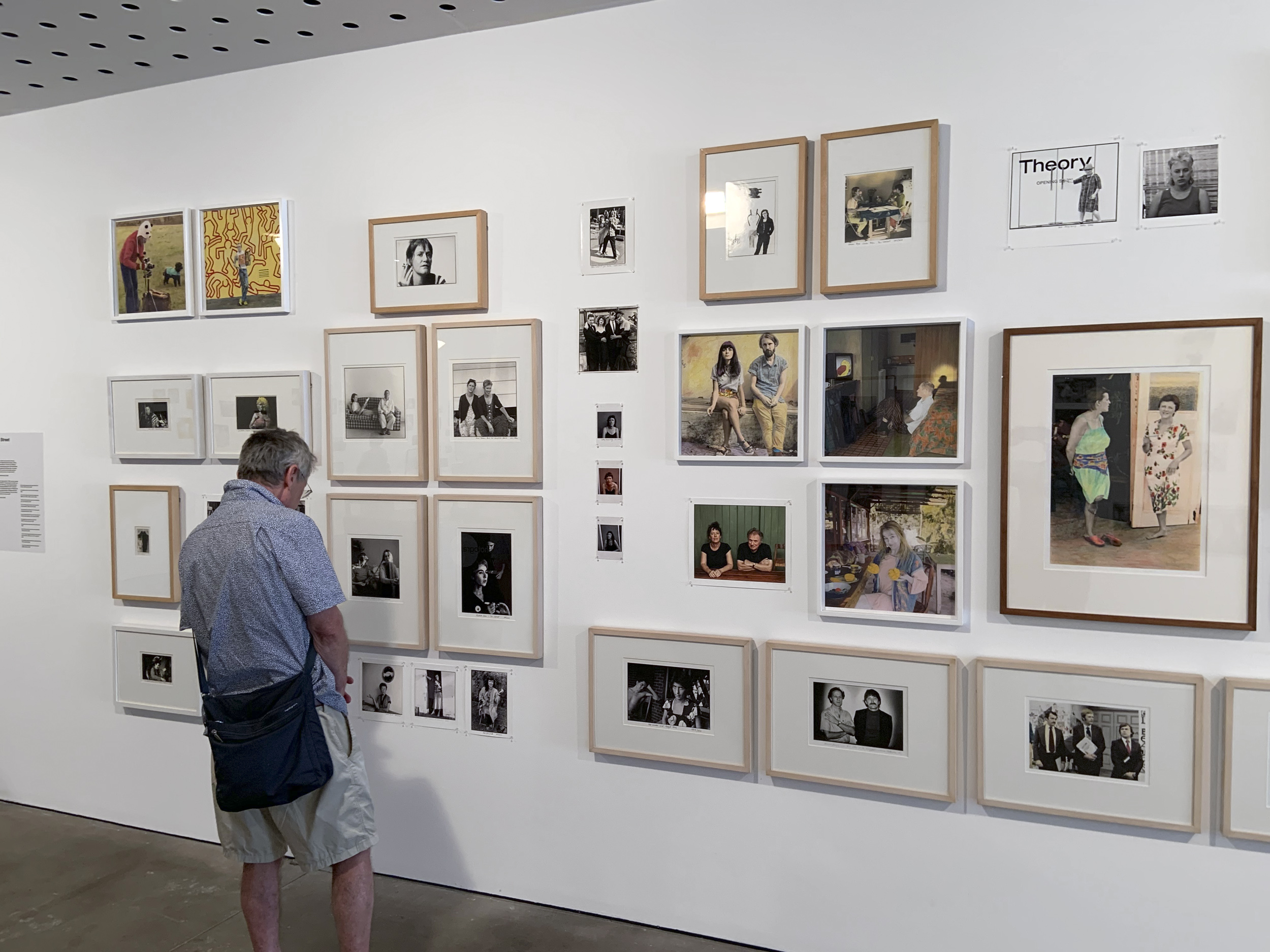
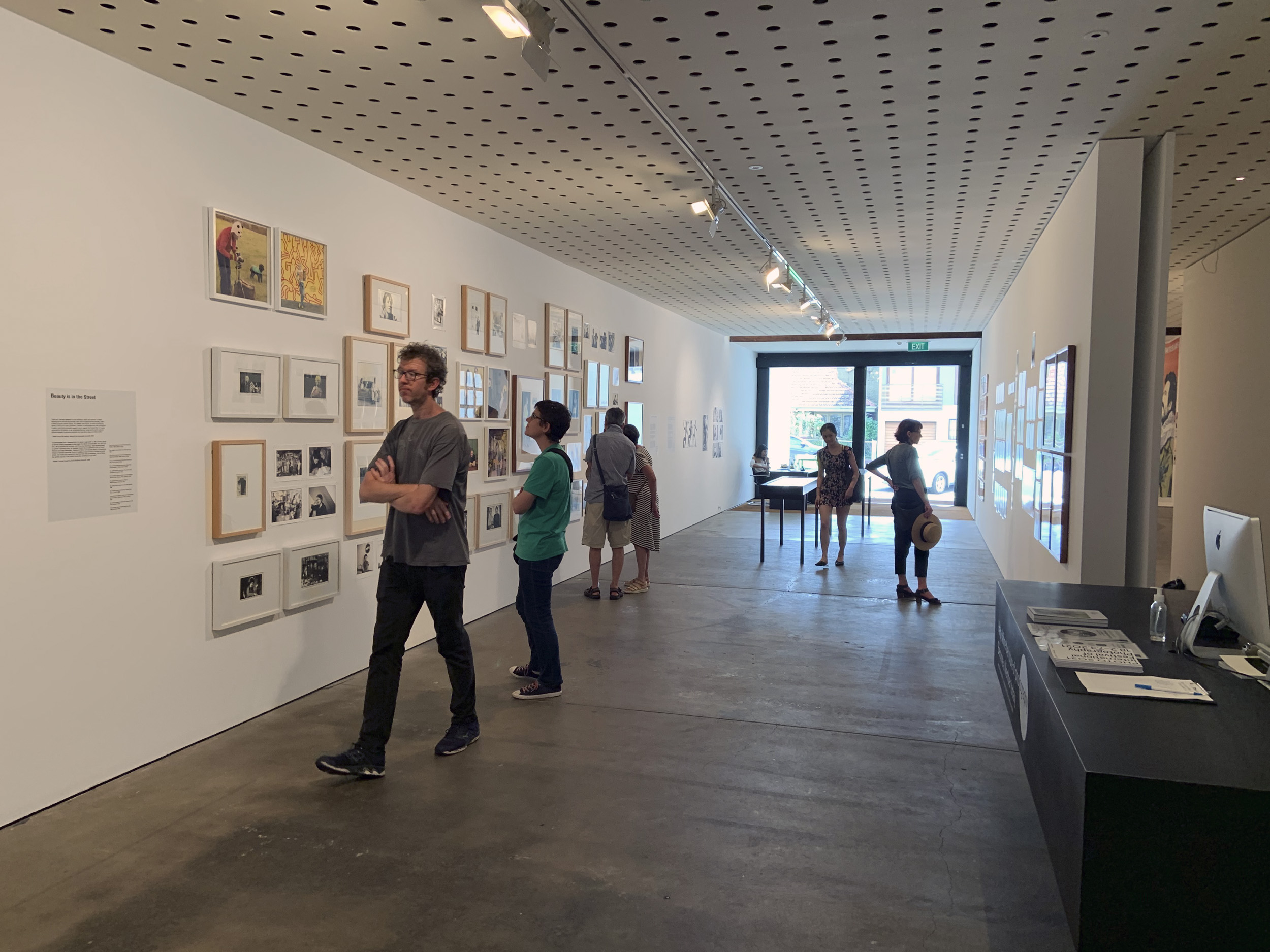
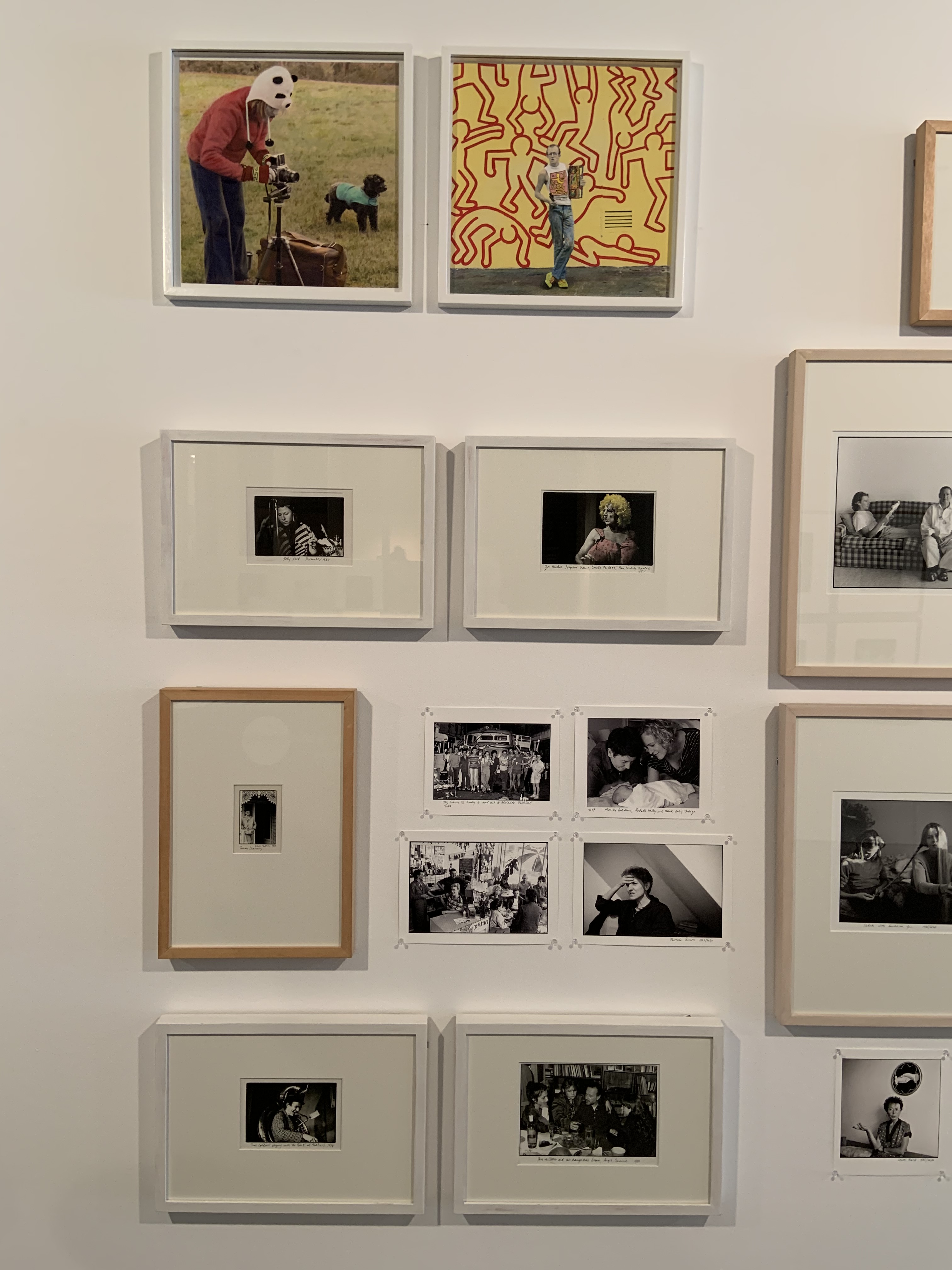
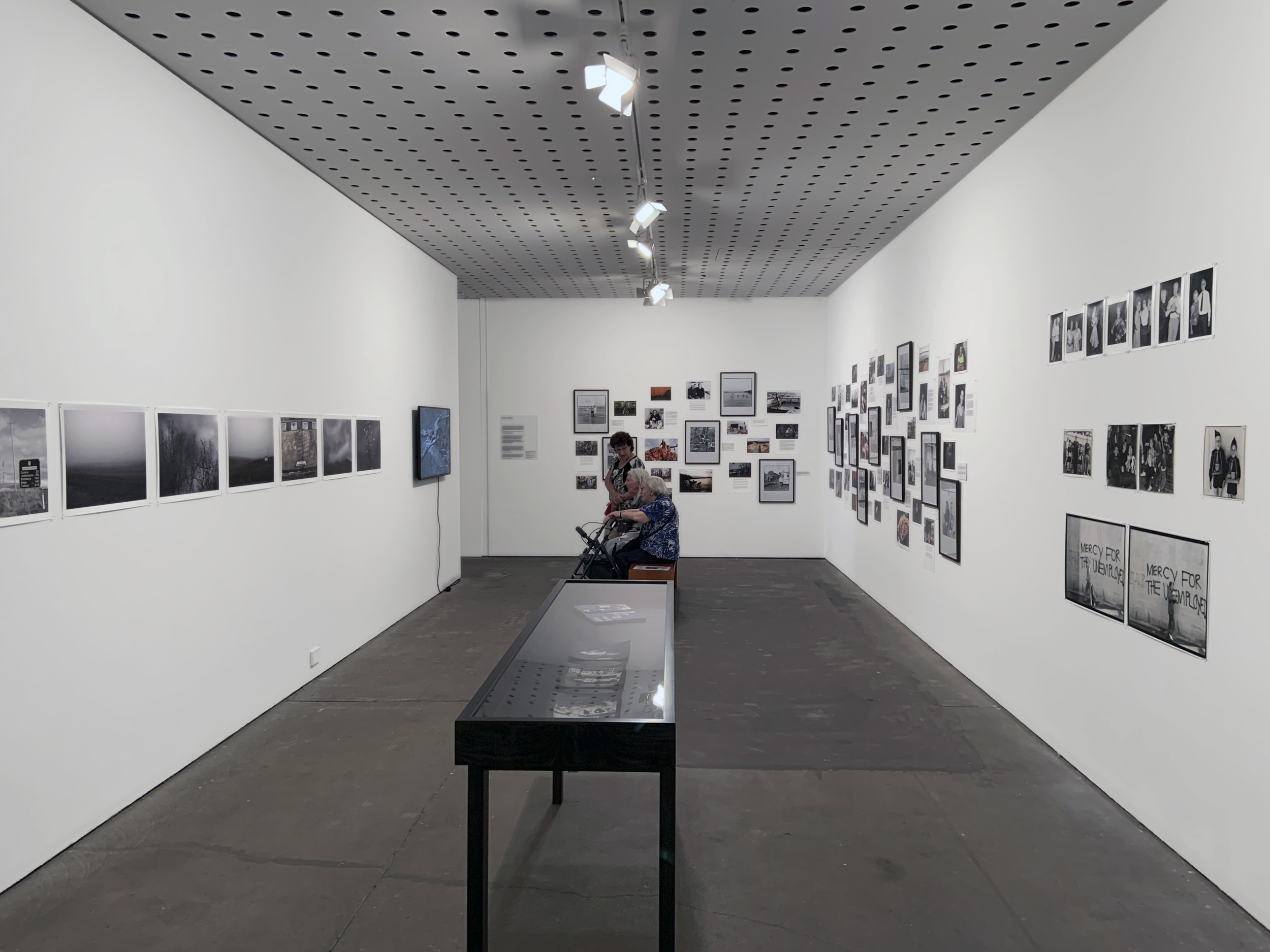
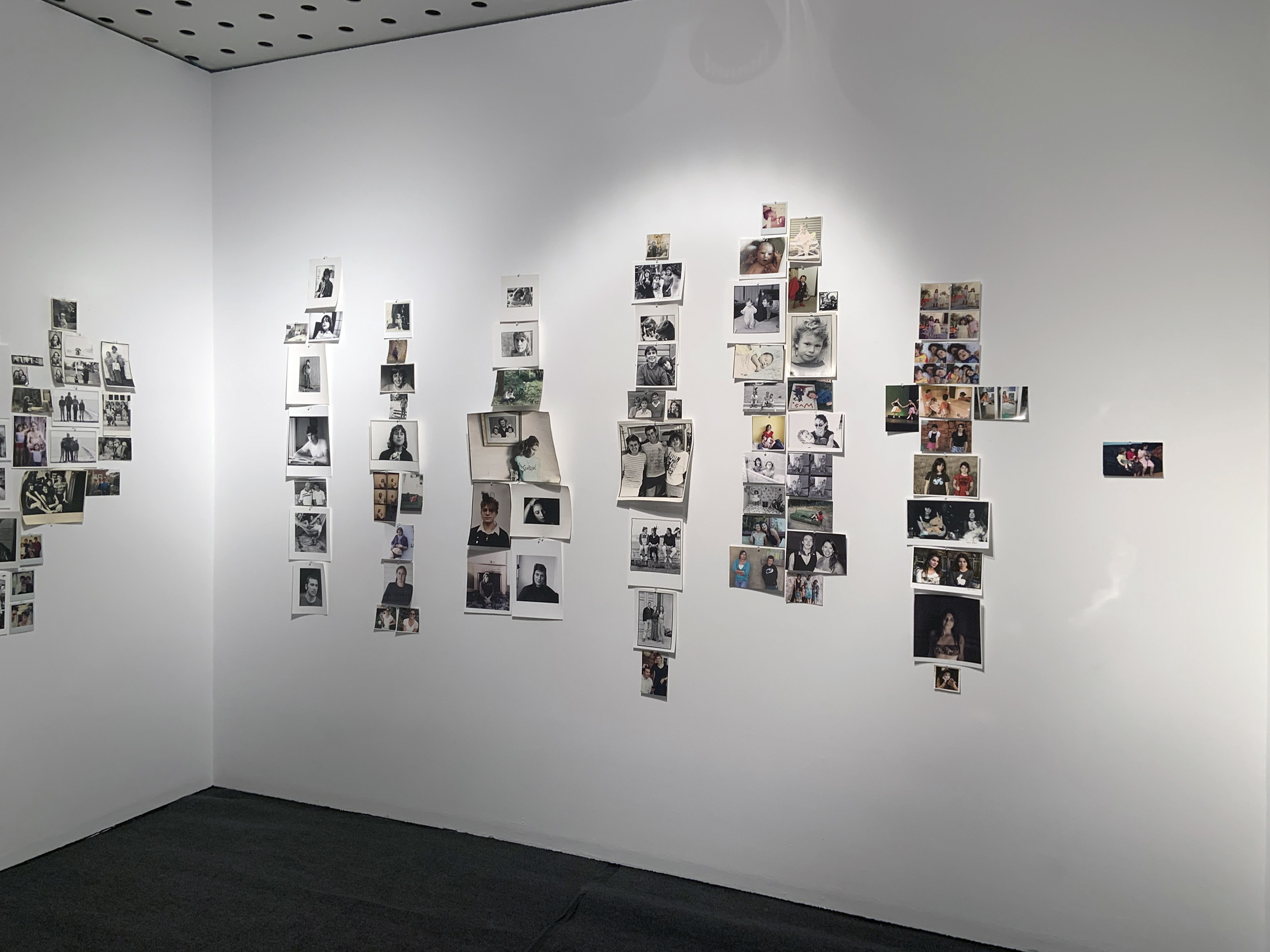
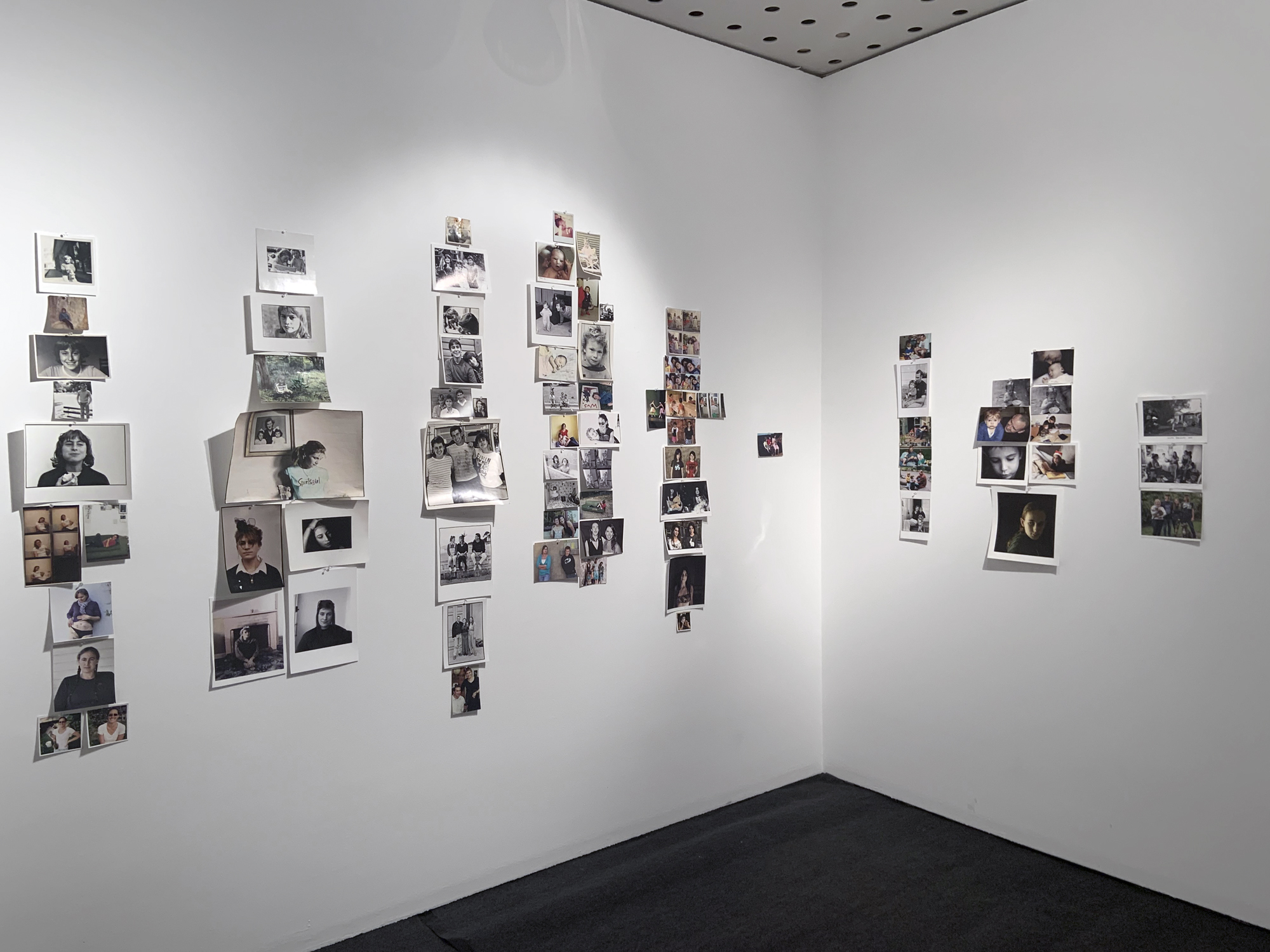
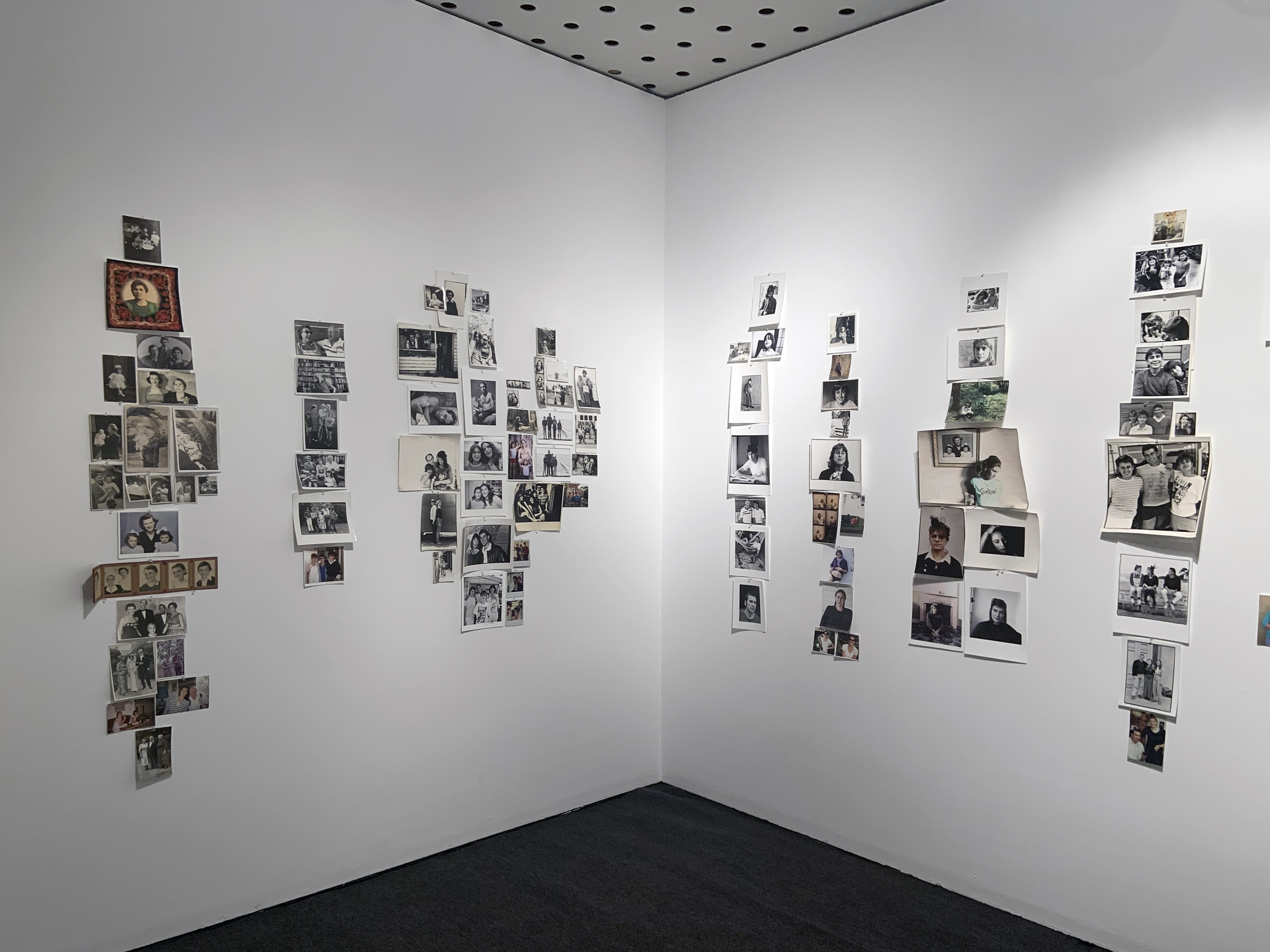
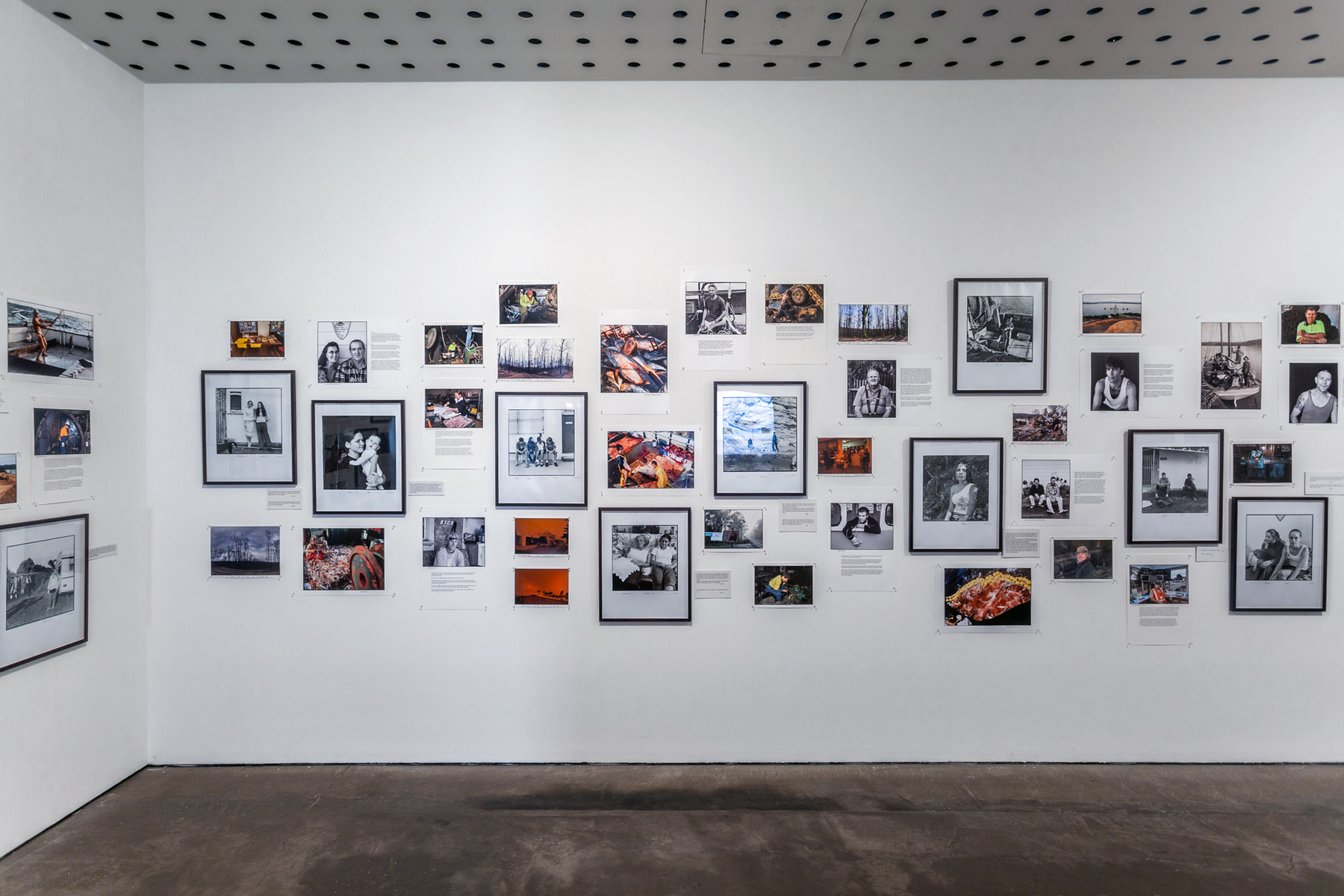
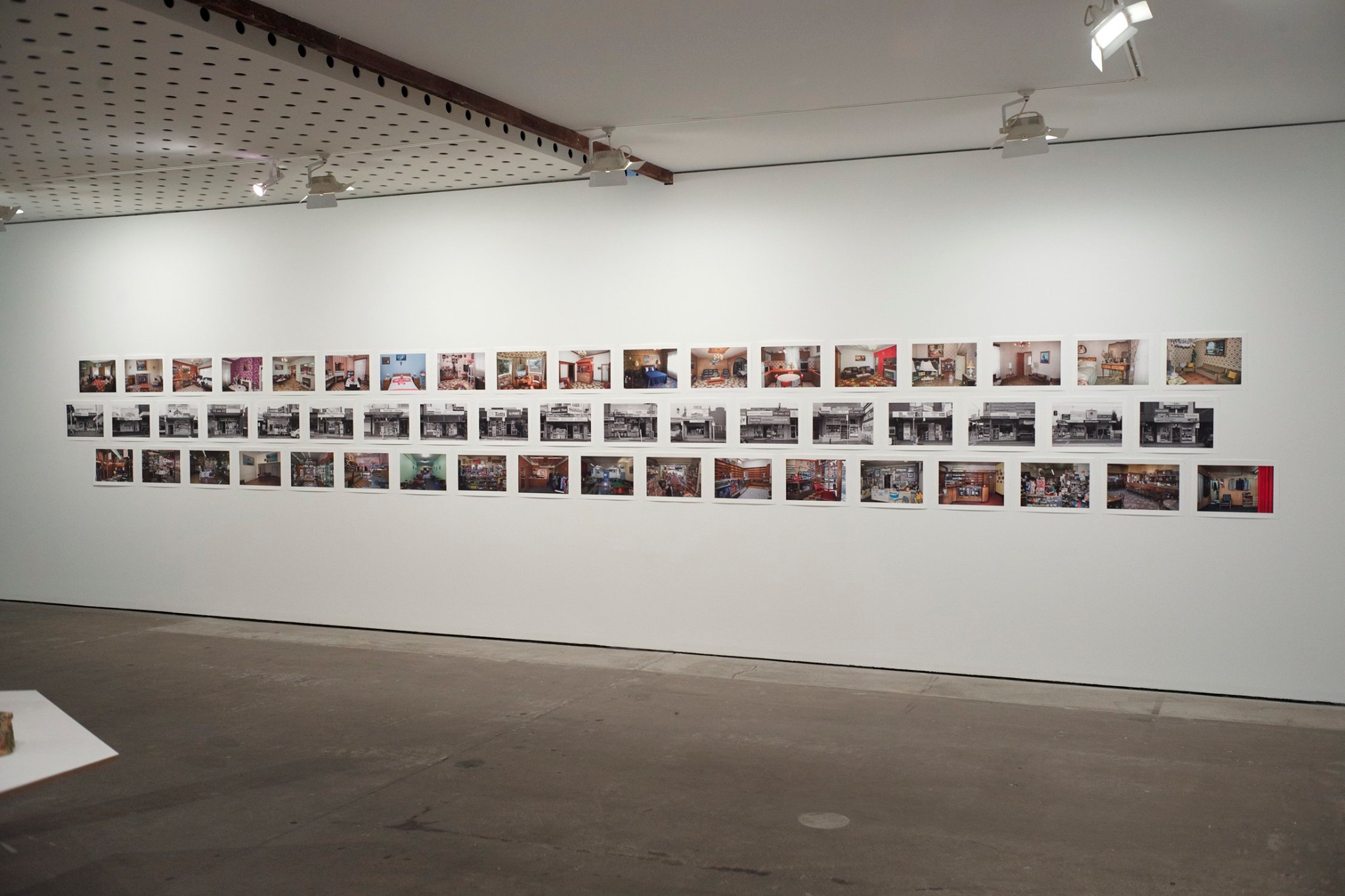
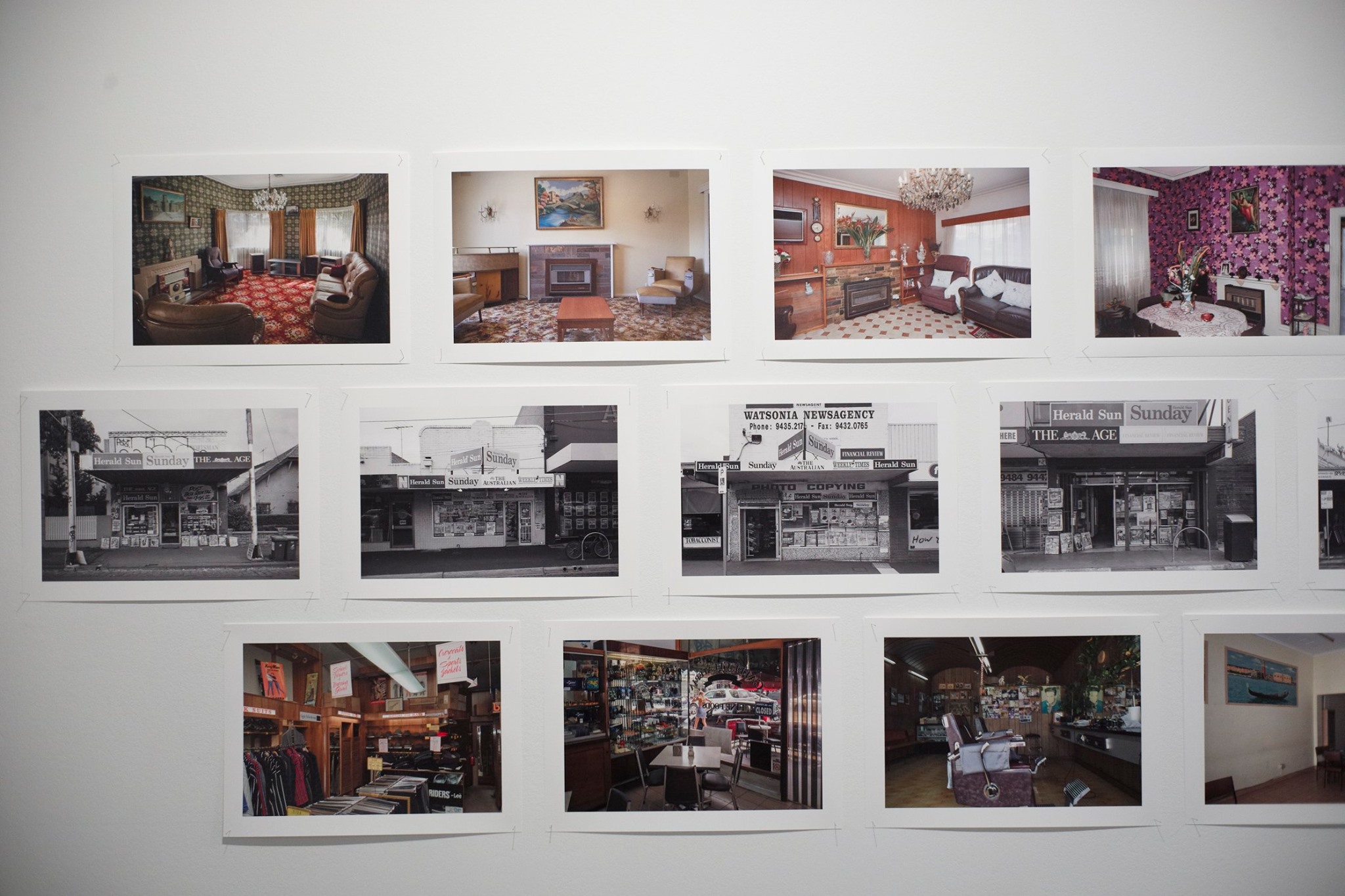
Installation view of the exhibition 'The basement: photography from Prahran College (1968-1981)' at the Museum of Australian Photography, Wheelers Hill, Melbourne
Wall text from the exhibition 'The basement: photography from Prahran College (1968-1981)' at the Museum of Australian Photography, Wheelers Hill, Melbourne, March - May, 2025
Installation view of the exhibition 'The basement: photography from Prahran College (1968-1981)' at the Museum of Australian Photography, Wheelers Hill, Melbourne, March - May, 2025


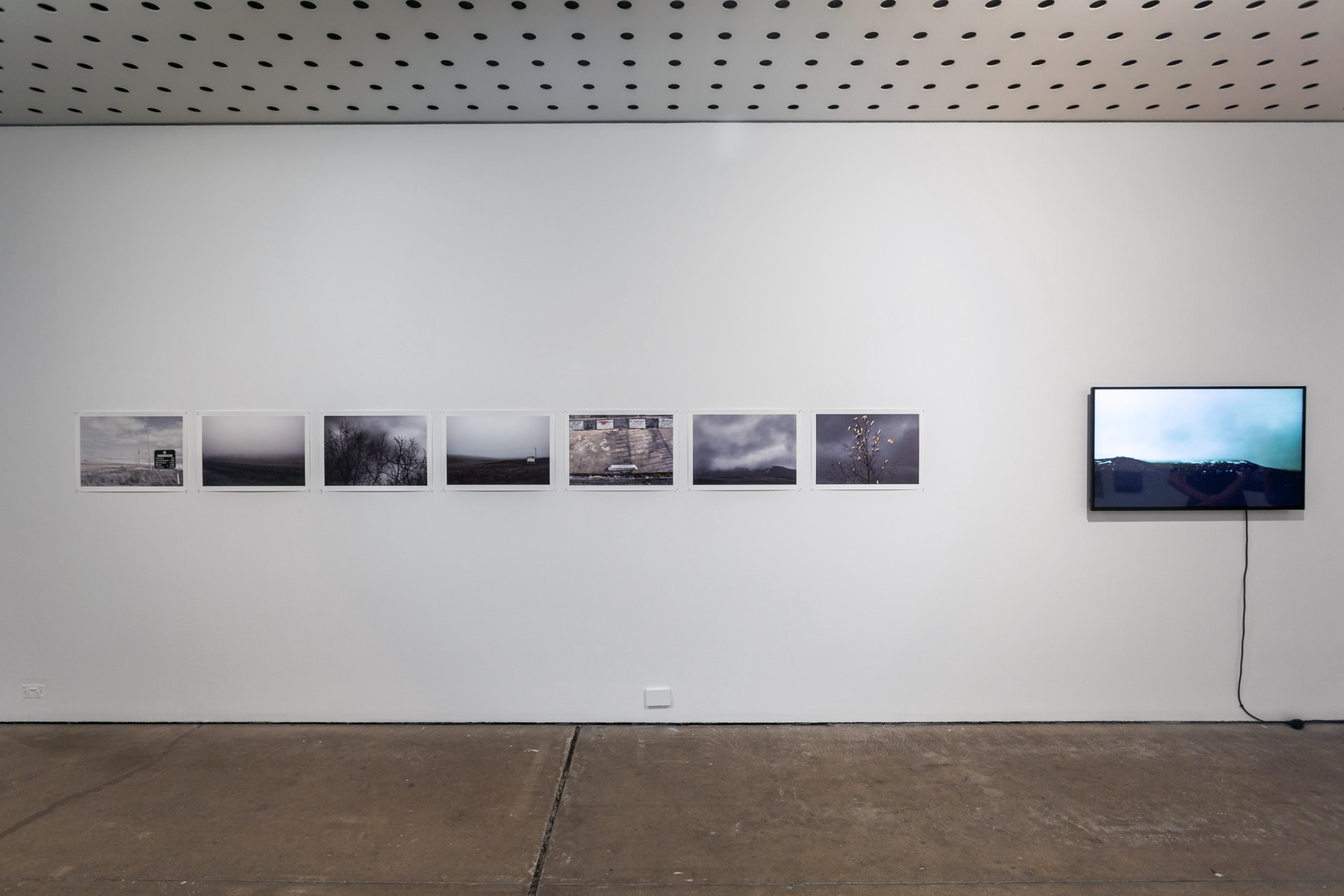
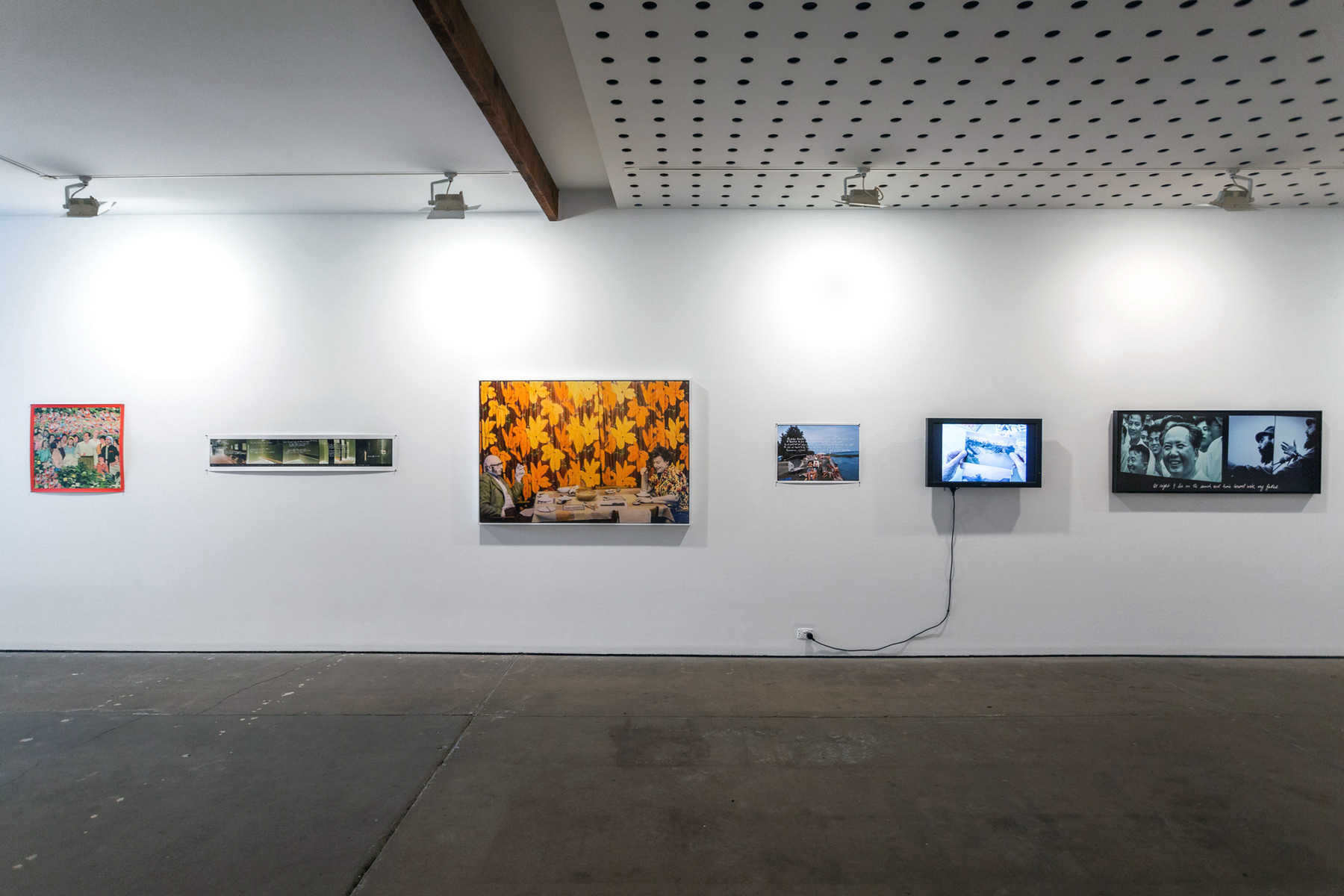
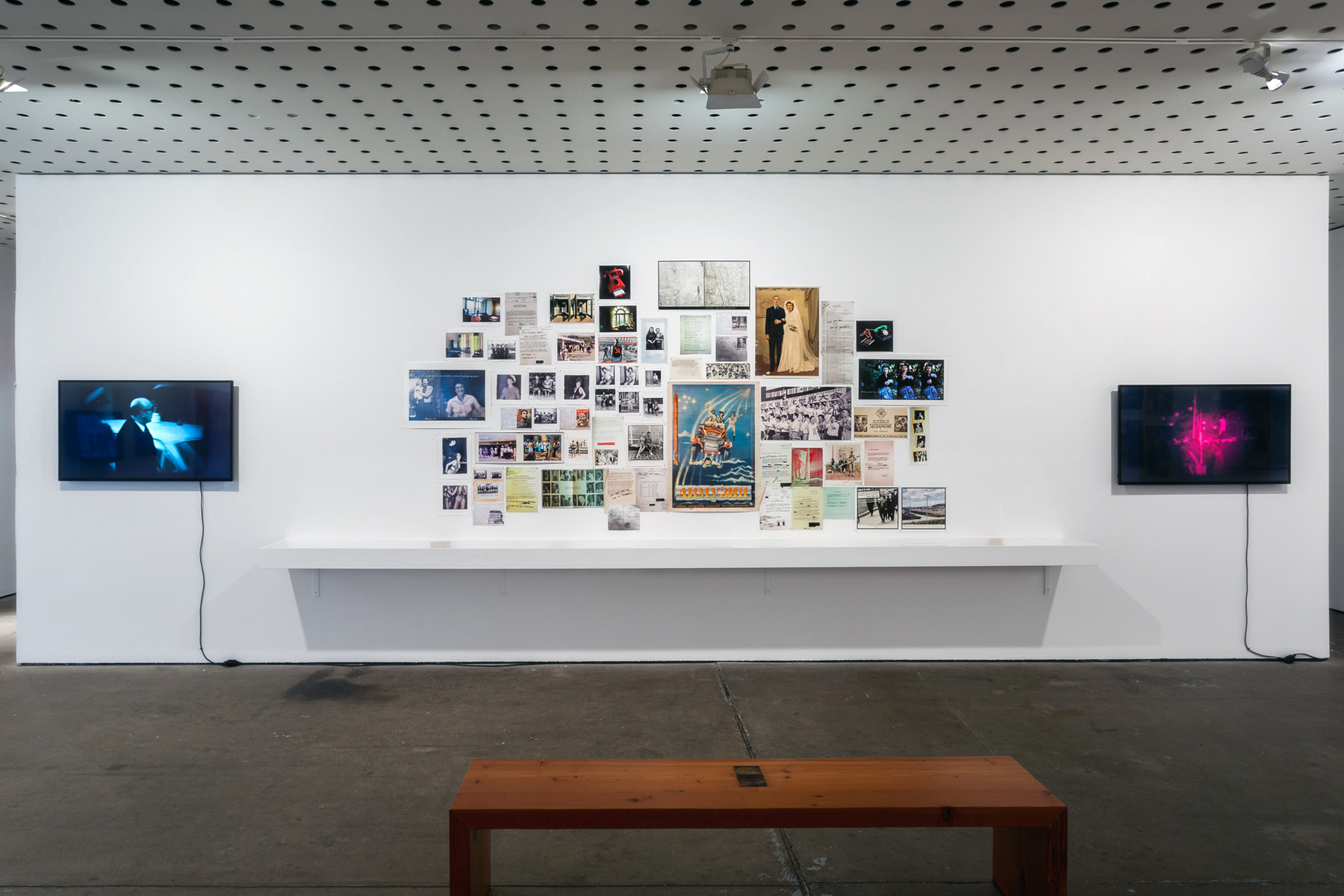
Installation views of the exhibition The basement: photography from Prahran College (1968-1981) at the Museum of Australian Photography, Wheelers Hill, Melbourne
Photos: Marcus Bunyan


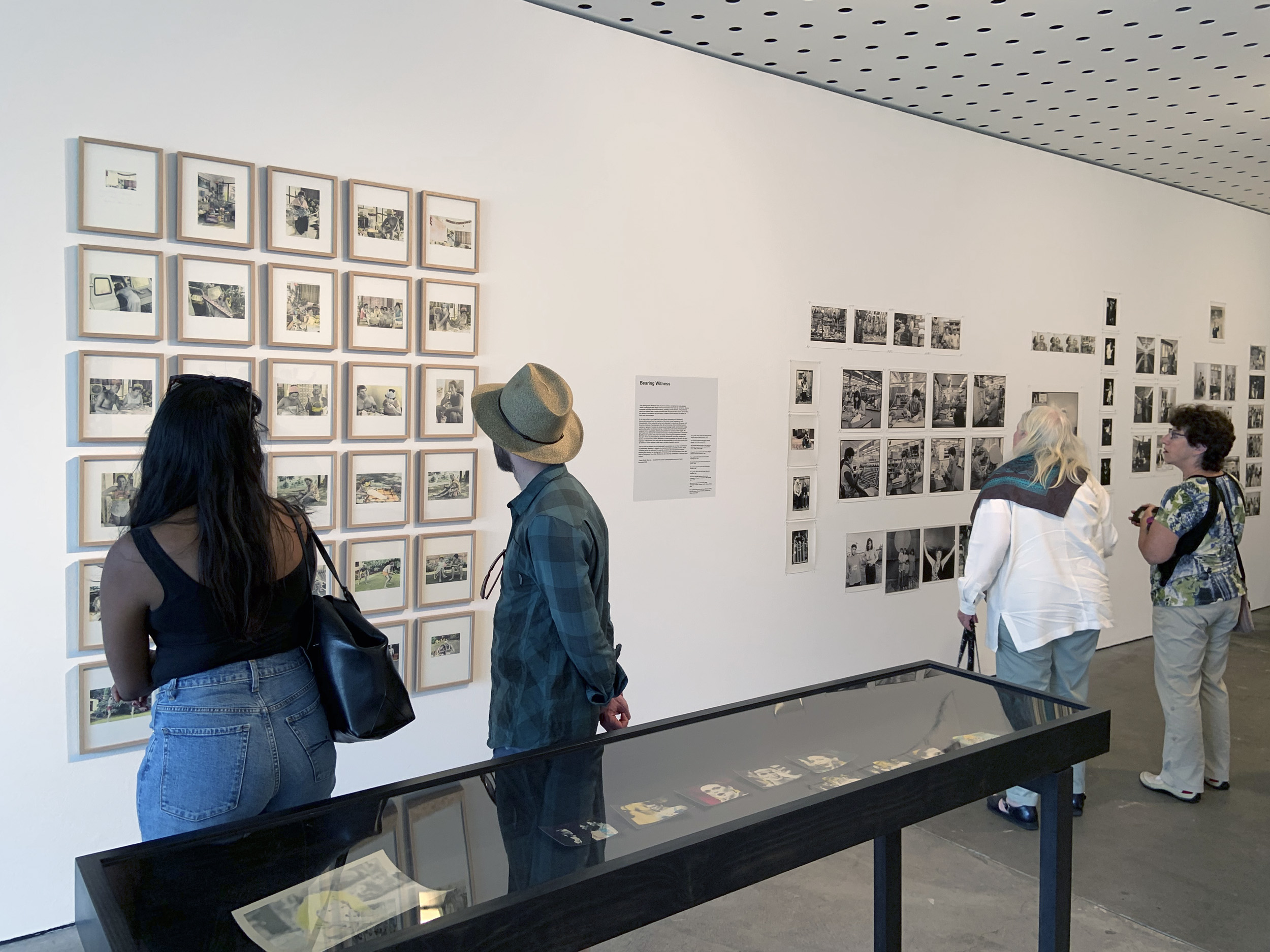
In May 1968 the newly formed photography department of Prahran Technical School (known as Prahran College of Advanced Education (PCAE) from 1973) moved into the basement of a freshly completed art and design building on the corner of High Street and Thomas Street in Melbourne’s inner southeastern suburb of Prahran. Here, for the first time in Australia, photography was taught as an artform.

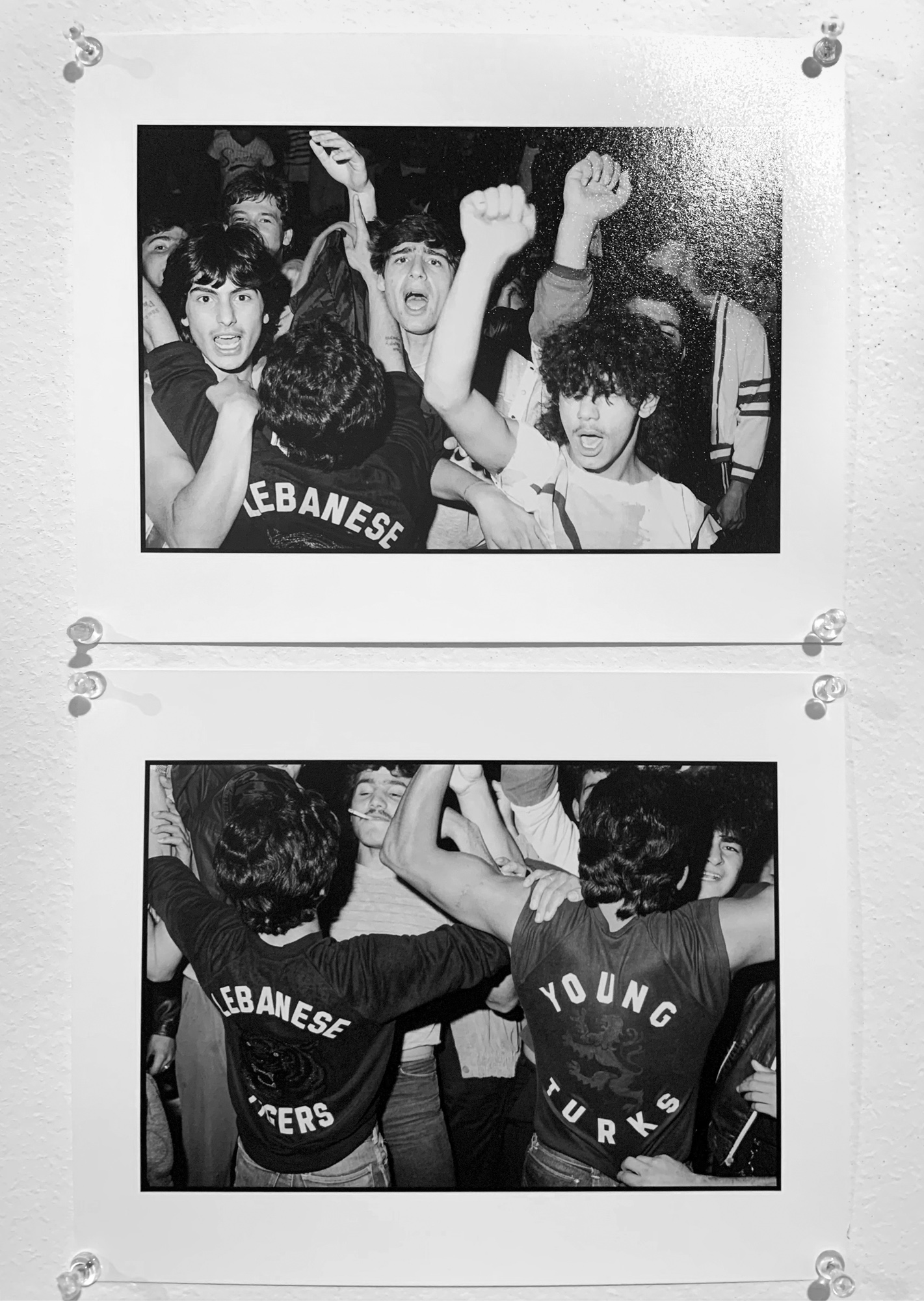
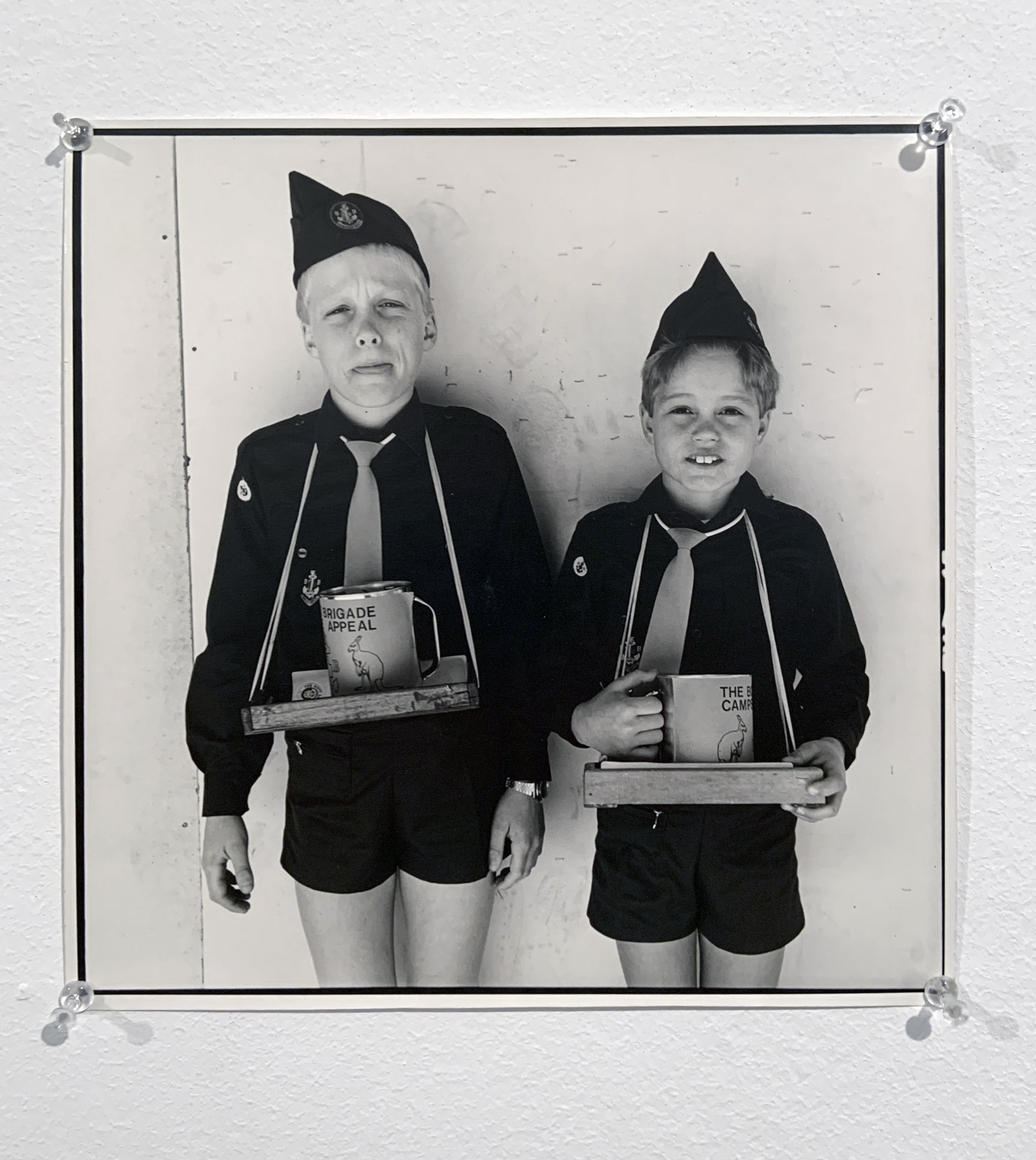
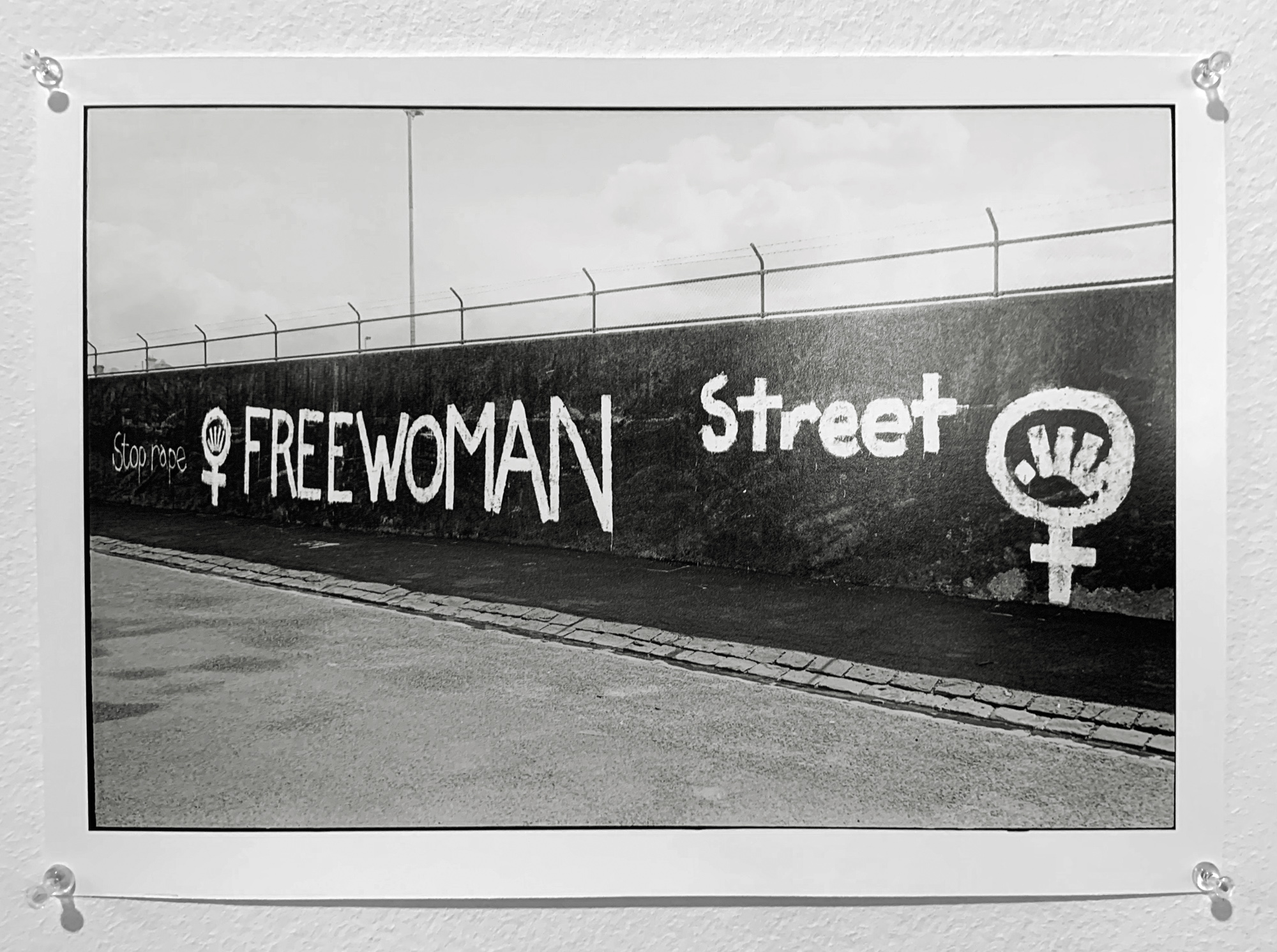
Featuring the work of approximately 60 artists, The basement brings to light rare vintage prints from the 1960s through to the early 1980s, key archival ephemera and folio work – from students and teachers of the College’s Diploma of Art & Design (Photography). It was a period where new discussions developed quickly around the possibilities of what photography could be. These students and teachers were part of a progressive, edgy wave of image-makers excited about the medium’s potential.

Under the vanguard of influential photographers such as John Cato, Paul Cox and Athol Shmith, the school became a breeding ground for some of this country’s most important art photographers: Carol Jerrems, Bill Henson, Nanette Carter, Rod McNicol, Polly Borland, Peter Milne, Robert Ashton, Philip Quirk, Peter Leiss, Jacqueline Mitelman, Mimmo Cozzolino, Graham Howe and Julie Millowick, among many others.

The exhibition’s accompanying publication elucidates the experience from several perspectives. As we hear from the curators, students, colleagues and academics, it’s clear that this course, in this time, was of great consequence to our photographic ecosystem and its development.

Curated by Angela Connor, MAPh Senior Curator, and Stella Loftus-Hills, MAPh Curator, The basement gathers works from close to 60 artists, traversing over 13 years of image-making and adjacent subcultures in music, protest, fashion and art criticism. This landmark exhibition will deliver new research into the canon of Australia’s cultural history through its assembled works and attendant publication.

Text from the Museum of Australian Photography website
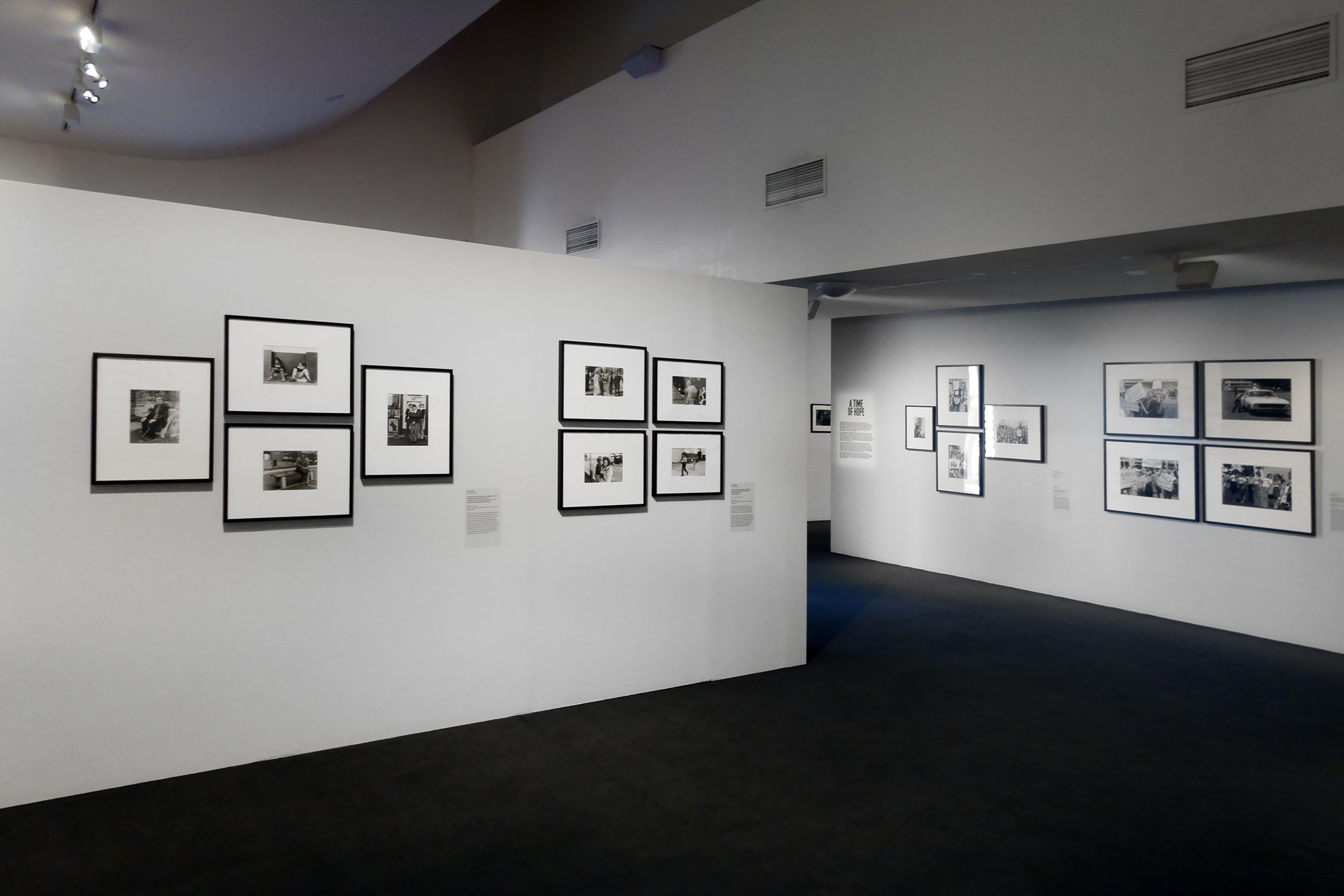
 

Installation view of the reverse of the opening wall of the exhibition 'The basement: photography from Prahran College (1968-1981)' at the Museum of Australian Photography, Wheelers Hill, Melbourne


Installation view of the reverse of the opening wall of the exhibition The basement: photography from Prahran College (1968-1981) at the Museum of Australian Photography, Wheelers Hill, Melbourne
Photo: Marcus Bunyan


Moira Joseph (Australian, b. 1955)
'Jack with a cigarette sitting in the church garden, St Kilda'  1974 (installation view) from the exhibition 'The basement: photography from Prahran College (1968-1981)' at the Museum of Australian Photography, March - May, 2025


Moira Joseph (Australian, b. 1955)
Jack with a cigarette sitting in the church garden, St Kilda (installation view)
1974
Gelatin silver print
Museum of Australian Photography, City of Monash Collection
Acquired 2024
Photo: Marcus Bunyan


Moira Joseph (Australian, b. 1955)
'Herald boys, Fitzroy Street, St Kilda' 1975 (installation view)


Moira Joseph (Australian, b. 1955)
Herald boys, Fitzroy Street, St Kilda (installation view)
1975
Gelatin silver print
Museum of Australian Photography, City of Monash Collection
Acquired 2024
Photo: Marcus Bunyan


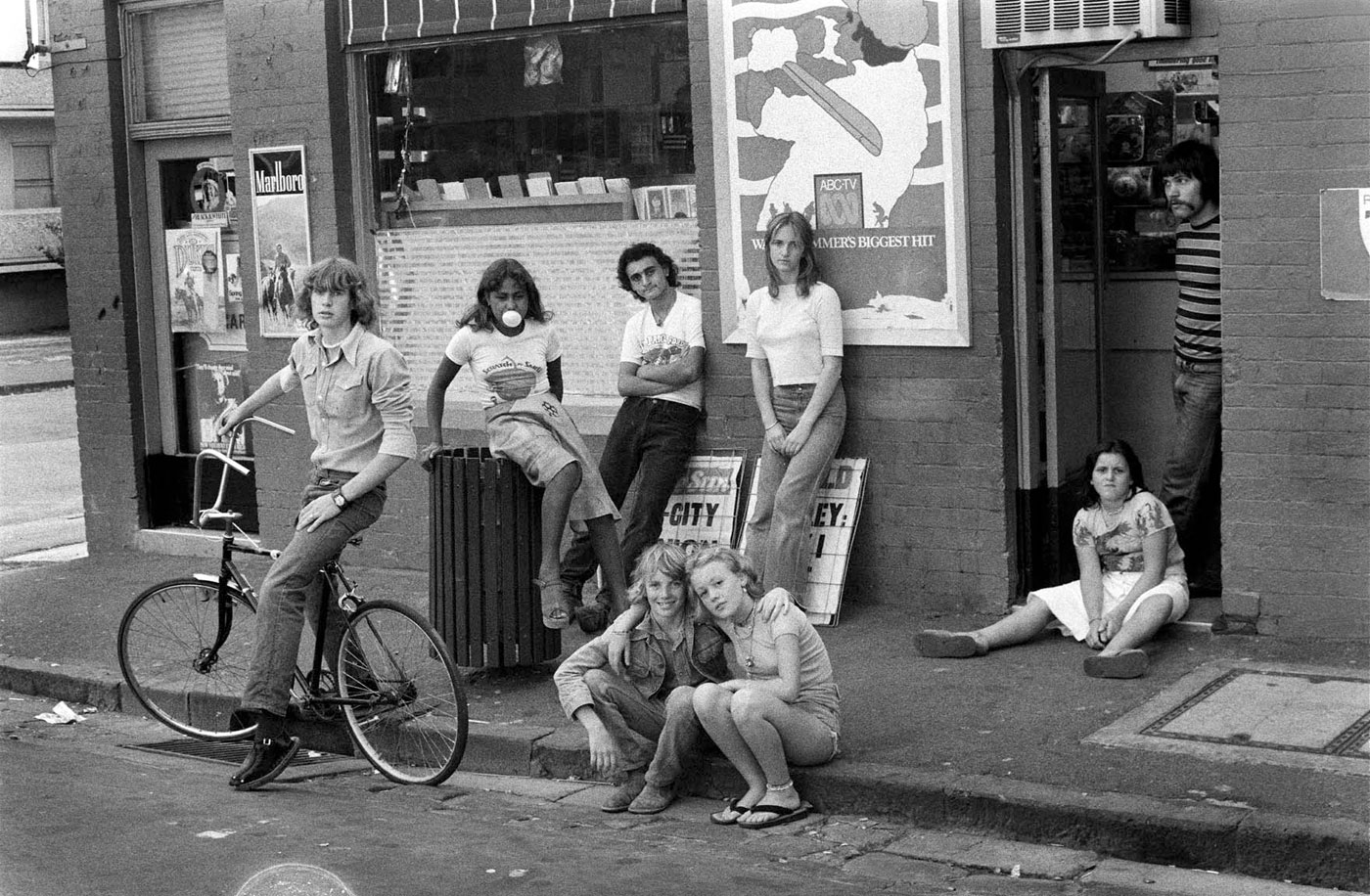
Moira Joseph is a Melbourne-based professional photographer, filmmaker and teacher. She studied photography at Prahran College from 1974 to 1977. Joseph created the works on display here while she was a student. Armed with her Mamiya 220 medium-format camera, Joesph often walked between the College and her home in St Kilda, affectionately documenting the characters she regularly encountered. Jack with a cigarette sitting in the church garden, St Kilda (1974), for example, shows an elderly gentleman from a nearby men’s refuge sitting alone in Acland Street’s church square. Children regularly feature in Joseph’s student work, and she spent time photographing at luna park, as well as Prahran Primary School.

Wall text from the exhibition

Moira Joseph alumni profile on the Prahran Legacy website


Moira Joseph (Australian, b. 1955)
'Three Herald boys, Acland Street, St Kilda' 1975 (installation view)


Moira Joseph (Australian, b. 1955)
Three Herald boys, Acland Street, St Kilda (installation view)
1975
Gelatin silver print
Museum of Australian Photography, City of Monash Collection
Acquired 2024
Photo: Marcus Bunyan
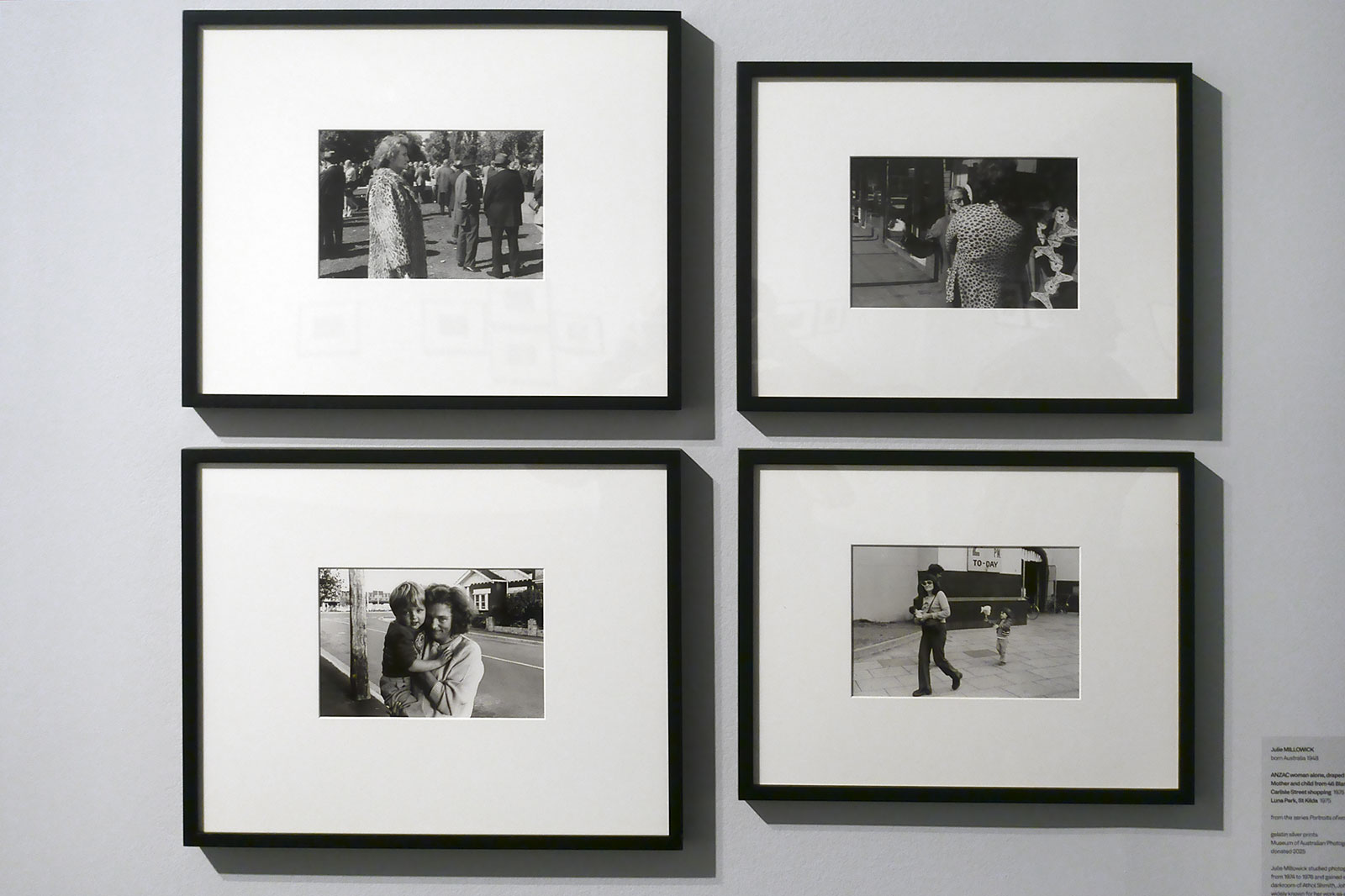
 

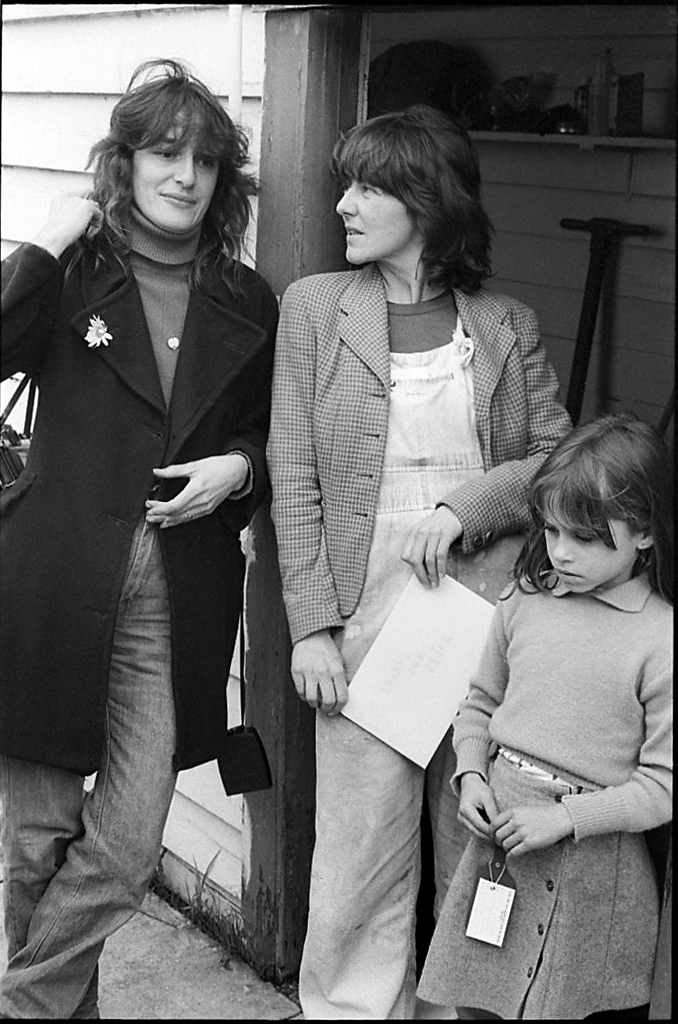
Installation view of the exhibition 'The basement: photography from Prahran College (1968-1981)' at the Museum of Australian Photography, Wheelers Hill, Melbourne showing Julie Millowick 's photographs


Installation view of the first gallery of the exhibition The basement: photography from Prahran College (1968-1981) at the Museum of Australian Photography, Wheelers Hill, Melbourne showing Julie Millowick ‘s photographs from clockwise: ANZAC woman alone, draped in leopard skin coat, 1975; Carlisle Street shopping, 1975; Luna Park, St Kilda, 1975; Mother and child from 46 Blanche Street, St Kilda, 1977 from the series Portraits of women
Photo: Marcus Bunyan


Julie Millowick studied photography at Prahran College from 1974 to 1976 and gained early experience working in the darkroom of Athol Shmith, John Cato and Peter Bart. She is widely known for her work as a commercial photographer and photojournalist as well as her personal documentary projects.

1975 was Millowick’s second year at Prahran College, and also International Women’s Year, as designated by the United Nations. With the spotlight set firmly on women’s rights, Millowick made an extensive series of photographs entitled Portraits of women, which she continued in subsequent years. This human-centred series with feminist undertones, sympathetically captured women in a variety of locations and depicted moments of motherhood, friendship, loneliness, old-age and youth.

Wall text from the exhibition

Read my review “Down with Earth,” on the exhibition Julie Millowick: Surrounding at the Castlemaine Art Museum, June 2024

Julie Millowick Alumni profile on the Prahran Legacy website


Julie Millowick (Australian, b. 1948)
'Mother and child from 46 Blanche Street, St Kilda' 1977 from the exhibition 'The basement: photography from Prahran College (1968-1981)' at the Museum of Australian Photography, Wheelers Hill, Melbourne, March - May 2025


Julie Millowick (Australian, b. 1948)
Mother and child from 46 Blanche Street, St Kilda
1977
Gelatin silver print
15.9 x 23.7cm
Museum of Australian Photography, City of Monash Collection donated by Julie Millowick 2024


Wall text from the exhibition 'The basement: photography from Prahran College (1968-1981)' at the Museum of Australian Photography, Wheelers Hill, Melbourne


Wall text from the exhibition The basement: photography from Prahran College (1968-1981) at the Museum of Australian Photography, Wheelers Hill, Melbourne
Photo: Marcus Bunyan
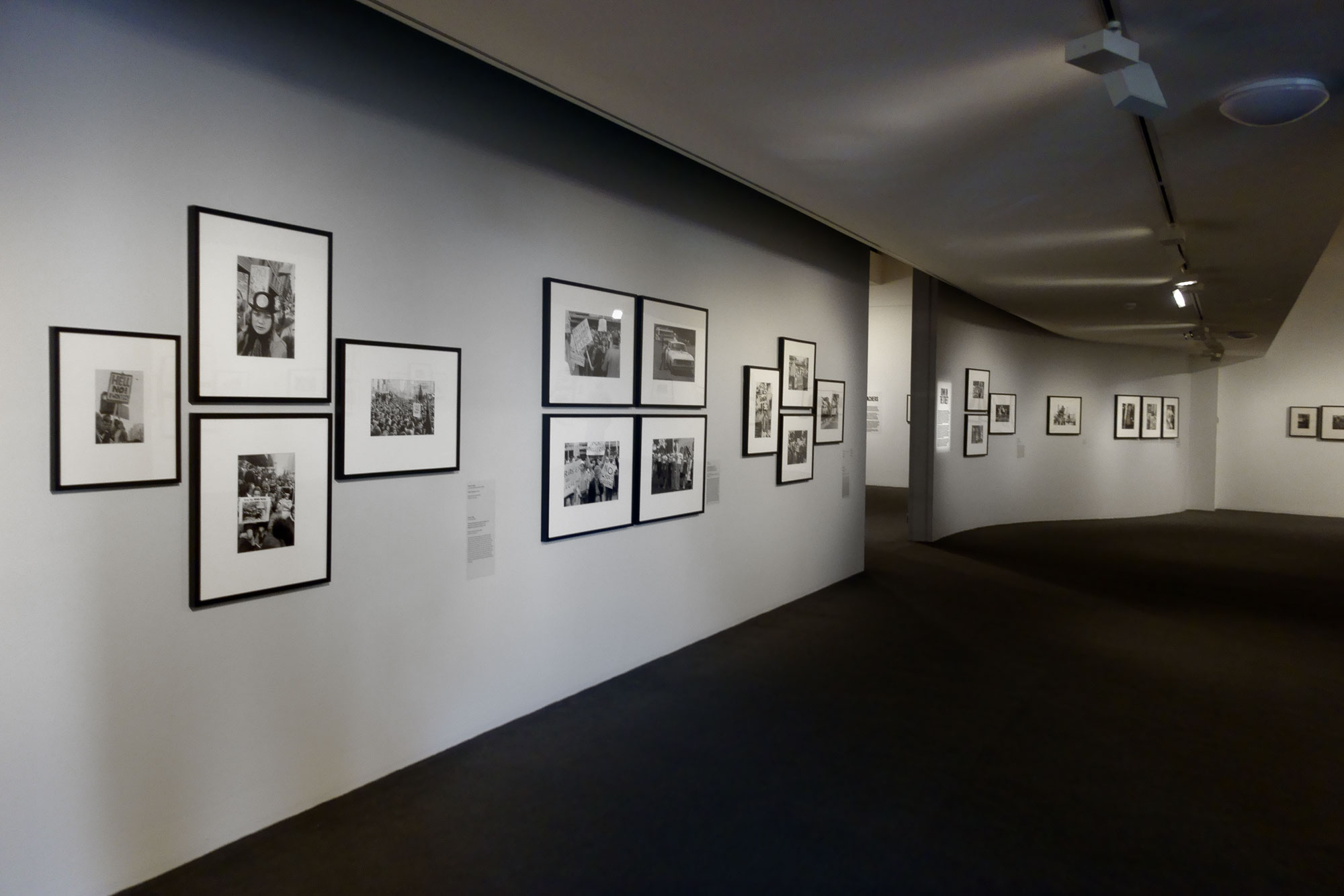
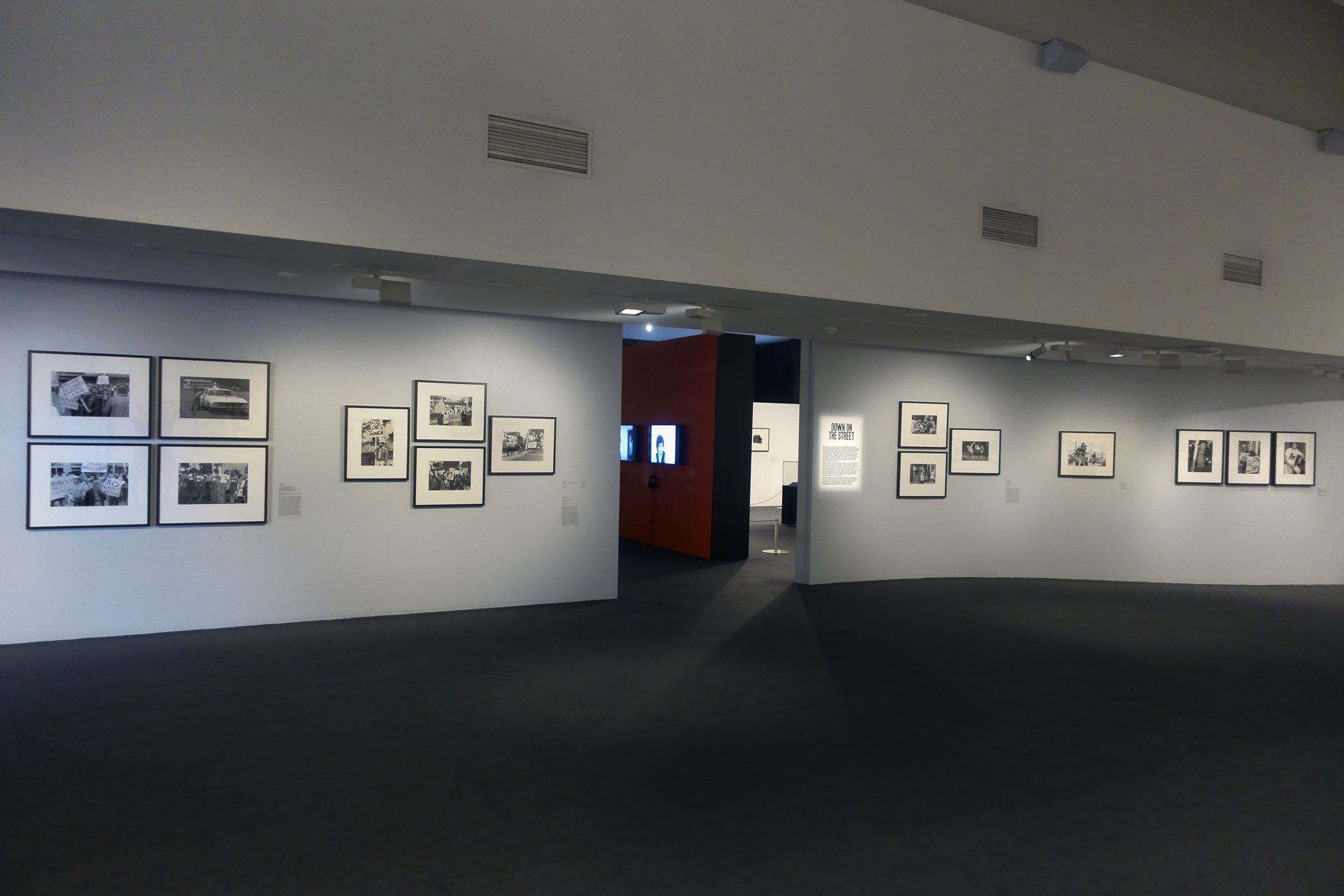
 

Installation view of the exhibition 'The basement: photography from Prahran College (1968-1981)' at the Museum of Australian Photography, Wheelers Hill, Melbourne
Installation view of the first gallery of the exhibition 'The basement: photography from Prahran College (1968-1981)' at the Museum of Australian Photography, Wheelers Hill, Melbourne


Installation views of the first gallery of the exhibition The basement: photography from Prahran College (1968-1981) at the Museum of Australian Photography, Wheelers Hill, Melbourne
Photos: Marcus Bunyan


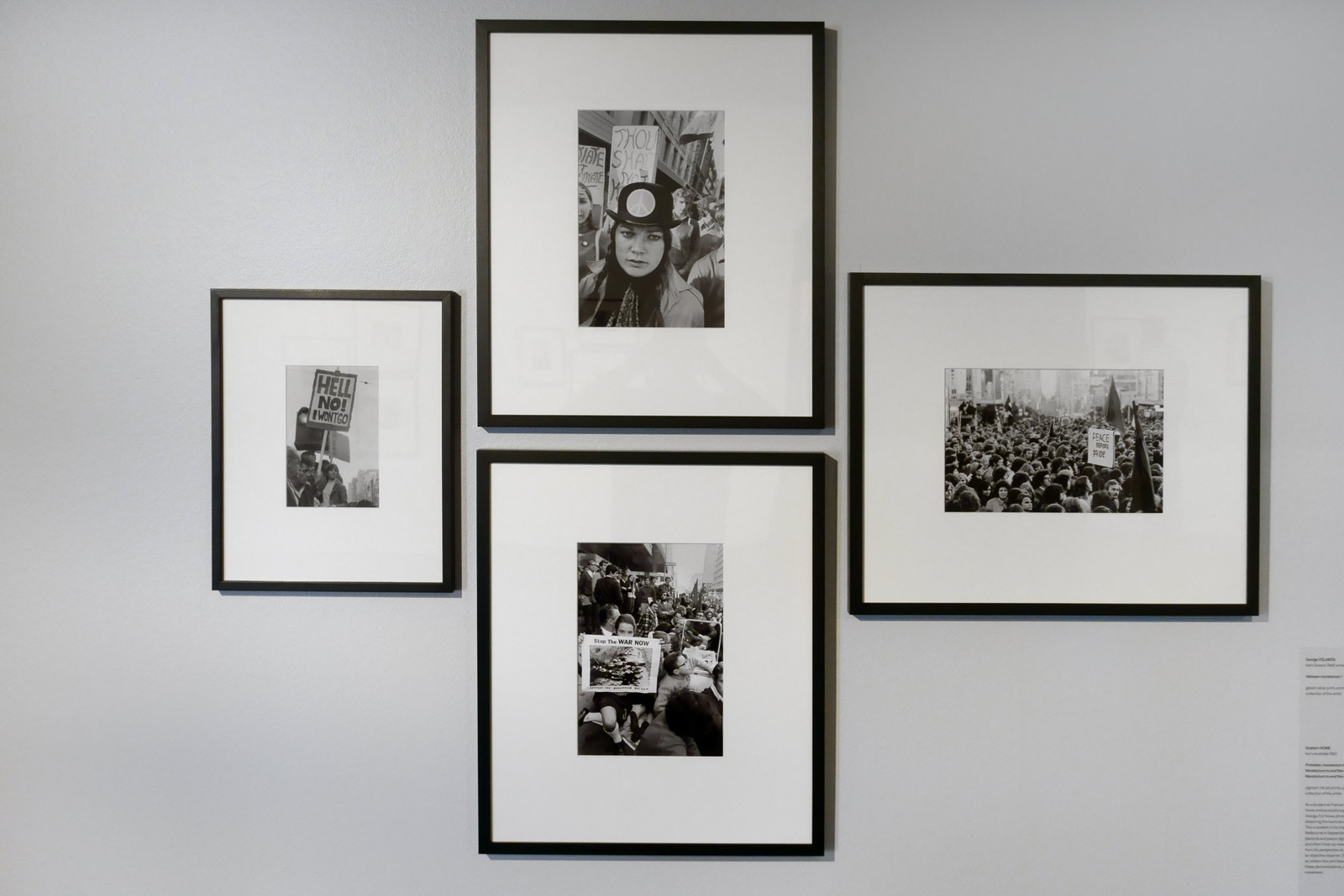
Installation view of the exhibition 'The basement: photography from Prahran College (1968-1981)' at the Museum of Australian Photography, Wheelers Hill, Melbourne showing photography by George Volakos and Graham Howe


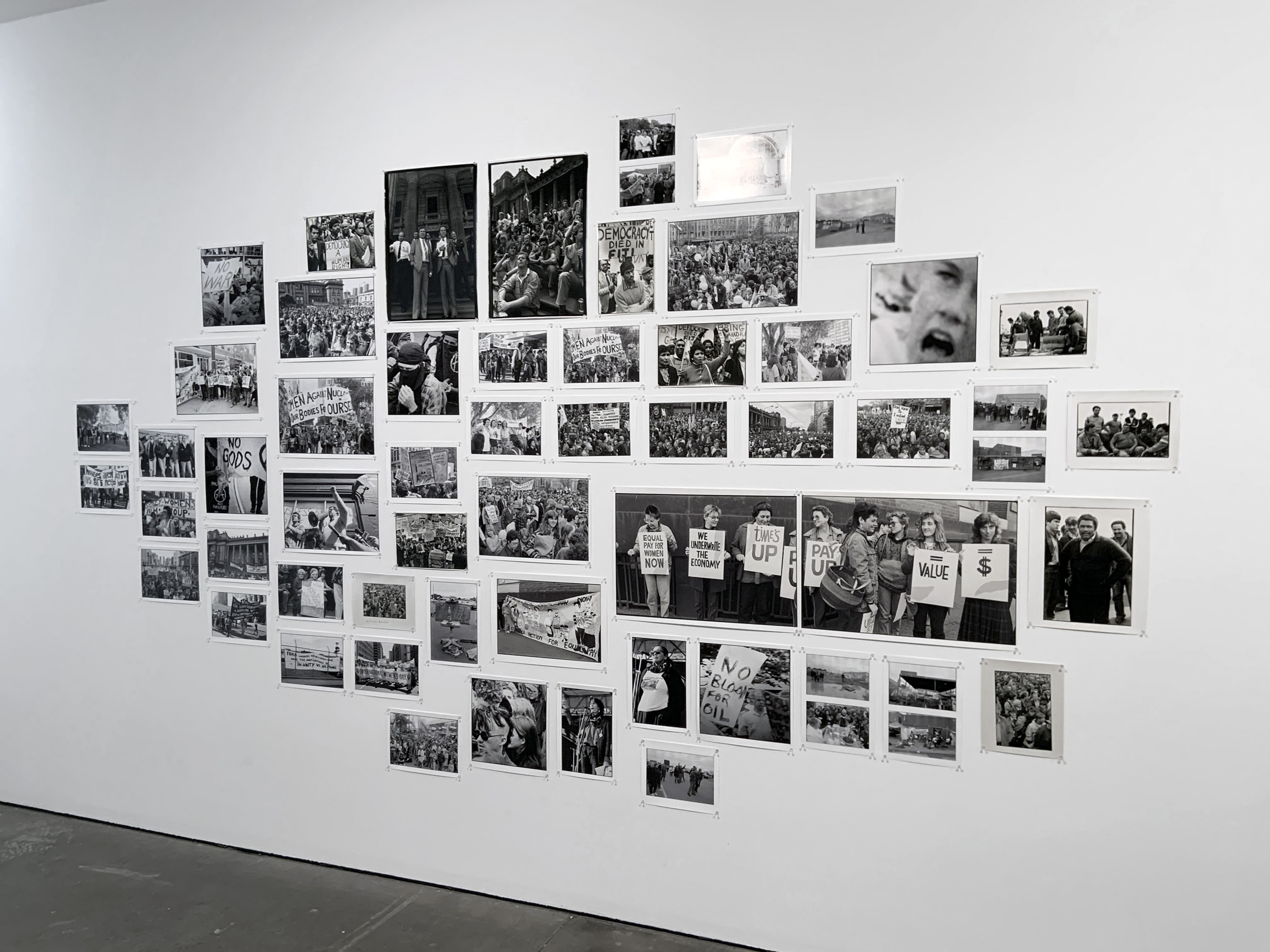
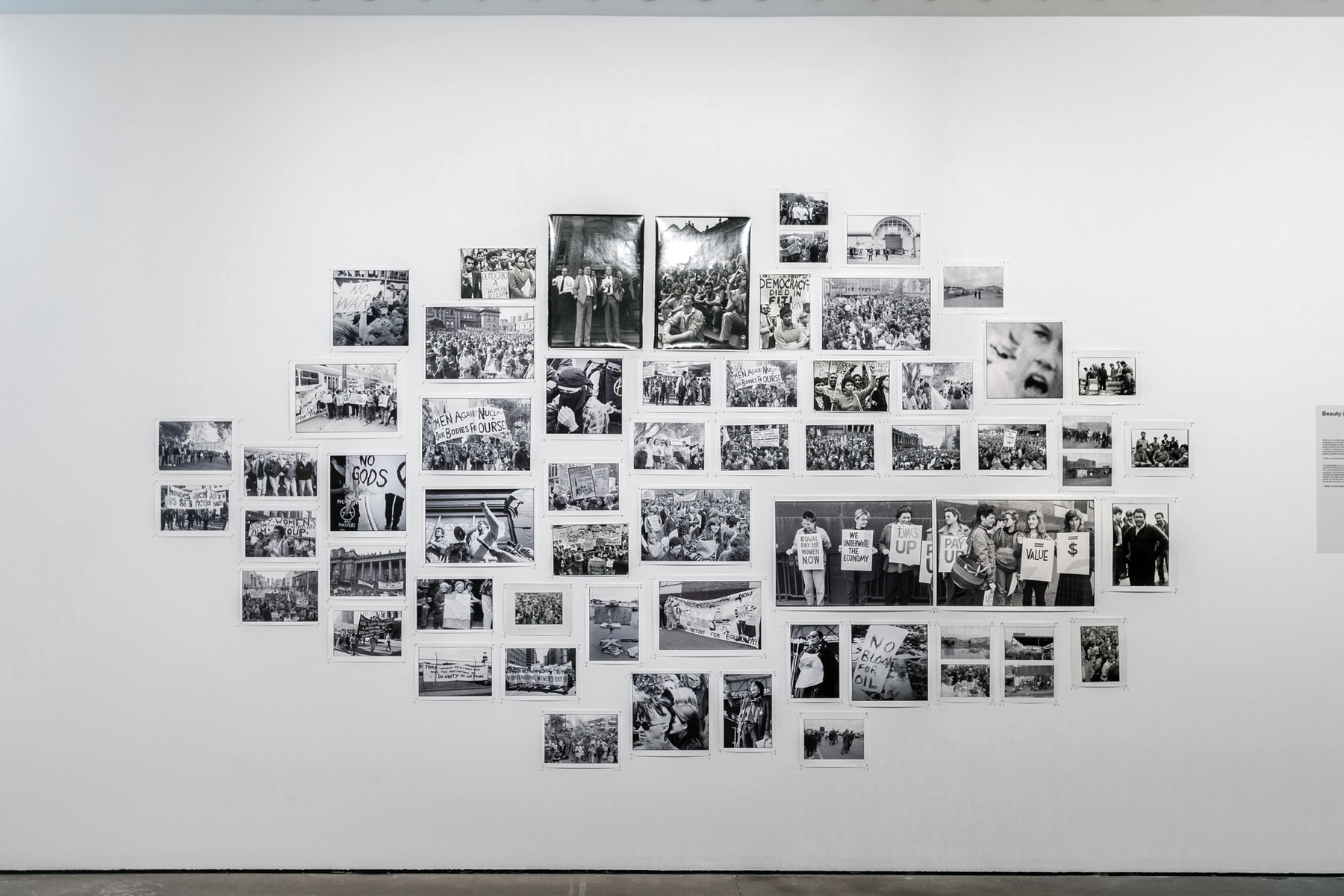
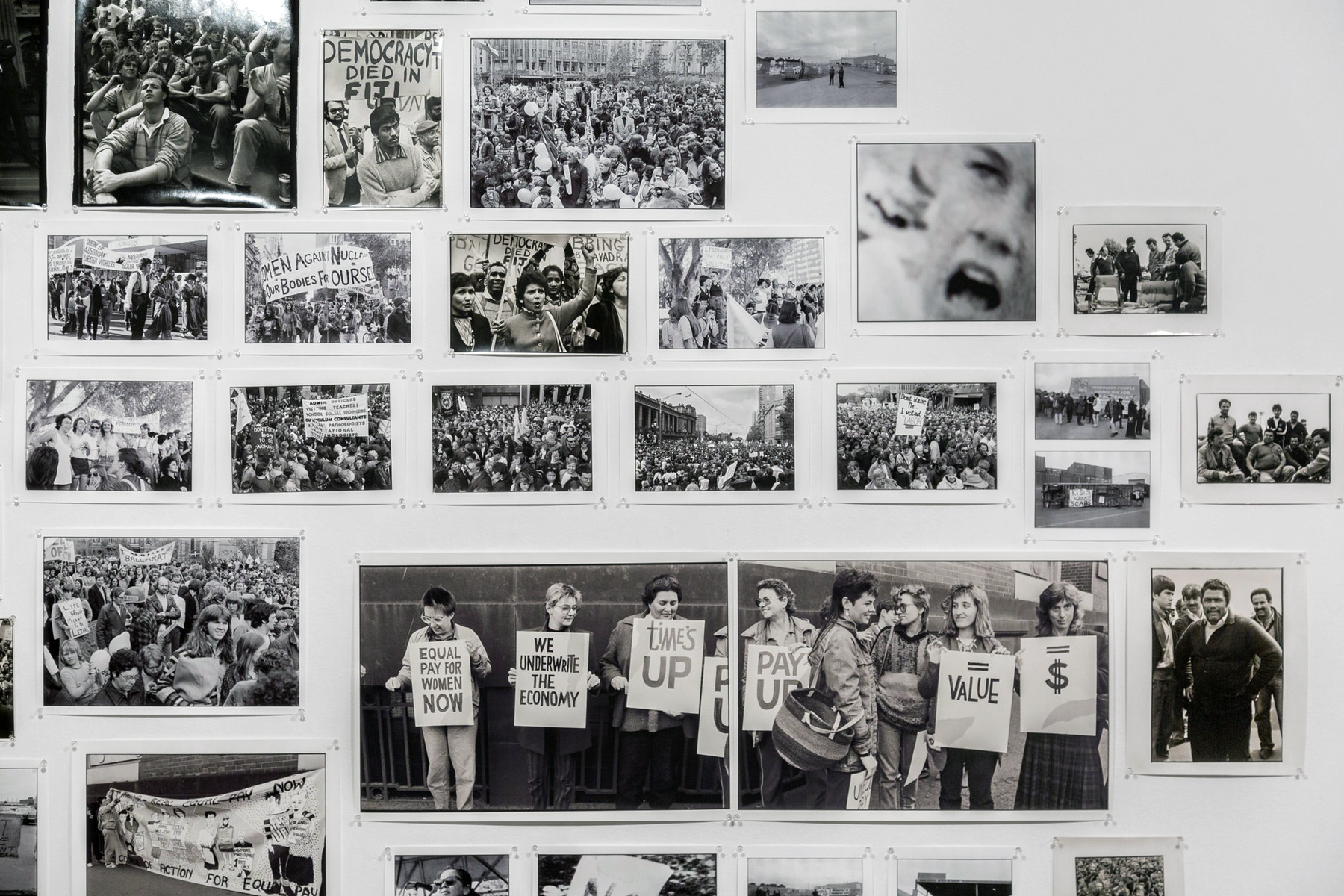
Installation view of the first gallery of the exhibition The basement: photography from Prahran College (1968-1981) at the Museum of Australian Photography, Wheelers Hill, Melbourne showing at left, George Volakos’ photograph Vietnam moratorium 1 1970; at top centre, Graham Howe’s photograph Protester, moratorium to end the war in Vietnam 1970 followed by two photographs Moratorium to end the war in Vietnam 1970 (below)
Photo: Marcus Bunyan


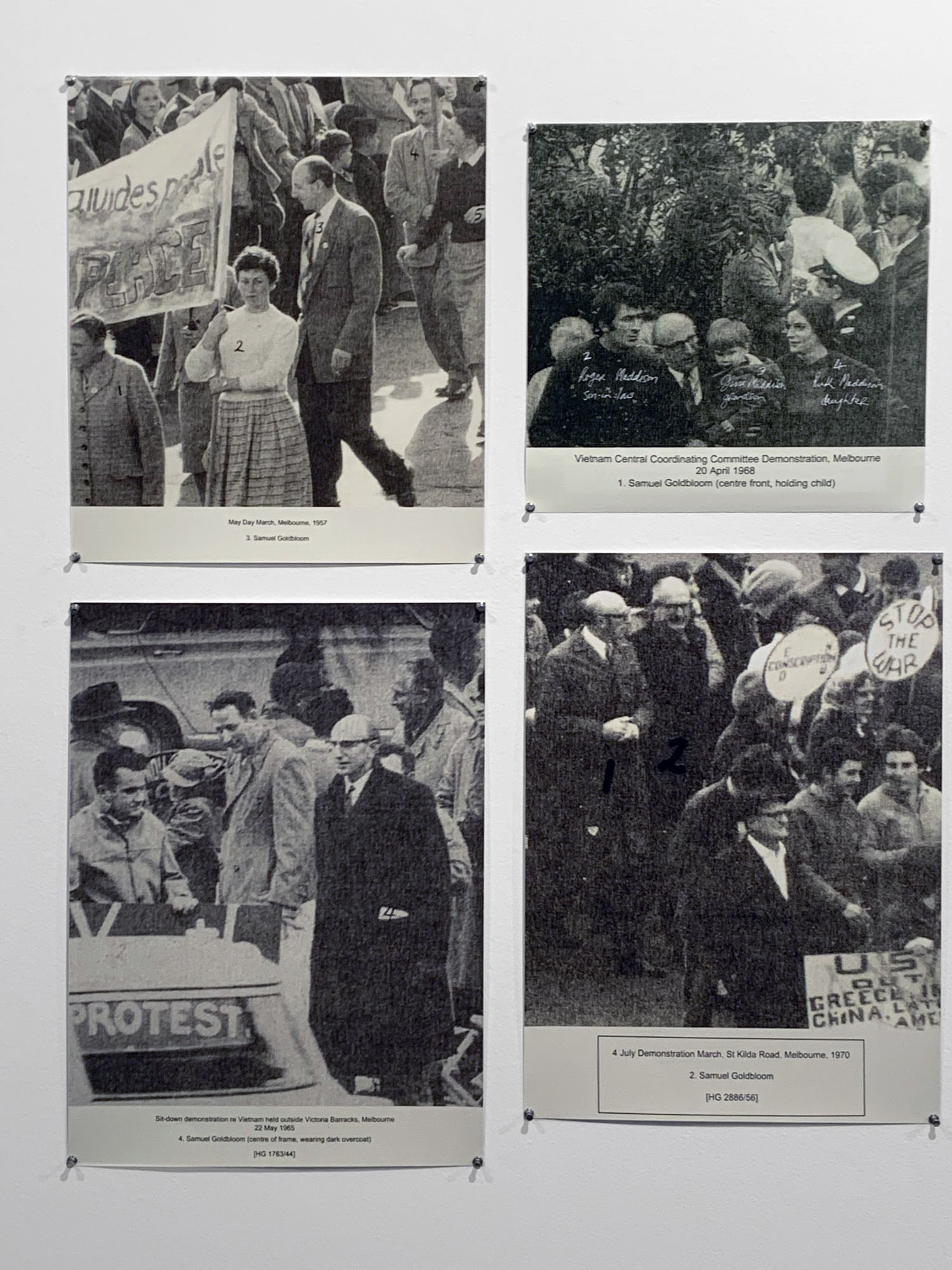
As a student at Prahran College in the early 1970s, Graham Howe embraced photography’s ability to document social change. For Howe, photography was the perfect medium for observing the world around him and expressing a point of view. This is evident in his images of a Vietnam War moratorium in Melbourne in September 1970. Immersed in a sea of people, placards and peace signs, Howe made a series of tightly framed and often close-up views of the protesters, showing the event from his perspective as an impassioned participant rather than an objective observer. Other Prahran College students, such as Johann Kris and George Volvos, also took photographs at these demonstrations, documenting the intensity of the activist movement

Wall text from the exhibition

Graham Howe alumni profile on the Prahran Legacy website


Graham Howe (Australian, b. 1950)
'Moratorium to end the war in Vietnam' 1970, printed 2024  (installation view)


Graham Howe (Australian, b. 1950)
Moratorium to end the war in Vietnam (installation view)
1970, printed 2024
Pigment inkjet print
Collection of the artist
Photo: Marcus Bunyan


Graham Howe (Australian, b. 1950)
'Moratorium to end the war in Vietnam' 1970, printed 2024  (installation view) from the exhibition 'The basement: photography from Prahran College (1968-1981)' at the Museum of Australian Photography, March - May, 2025


Graham Howe (Australian, b. 1950)
Moratorium to end the war in Vietnam (installation view)
1970, printed 2024
Pigment inkjet print
Collection of the artist
Photo: Marcus Bunyan


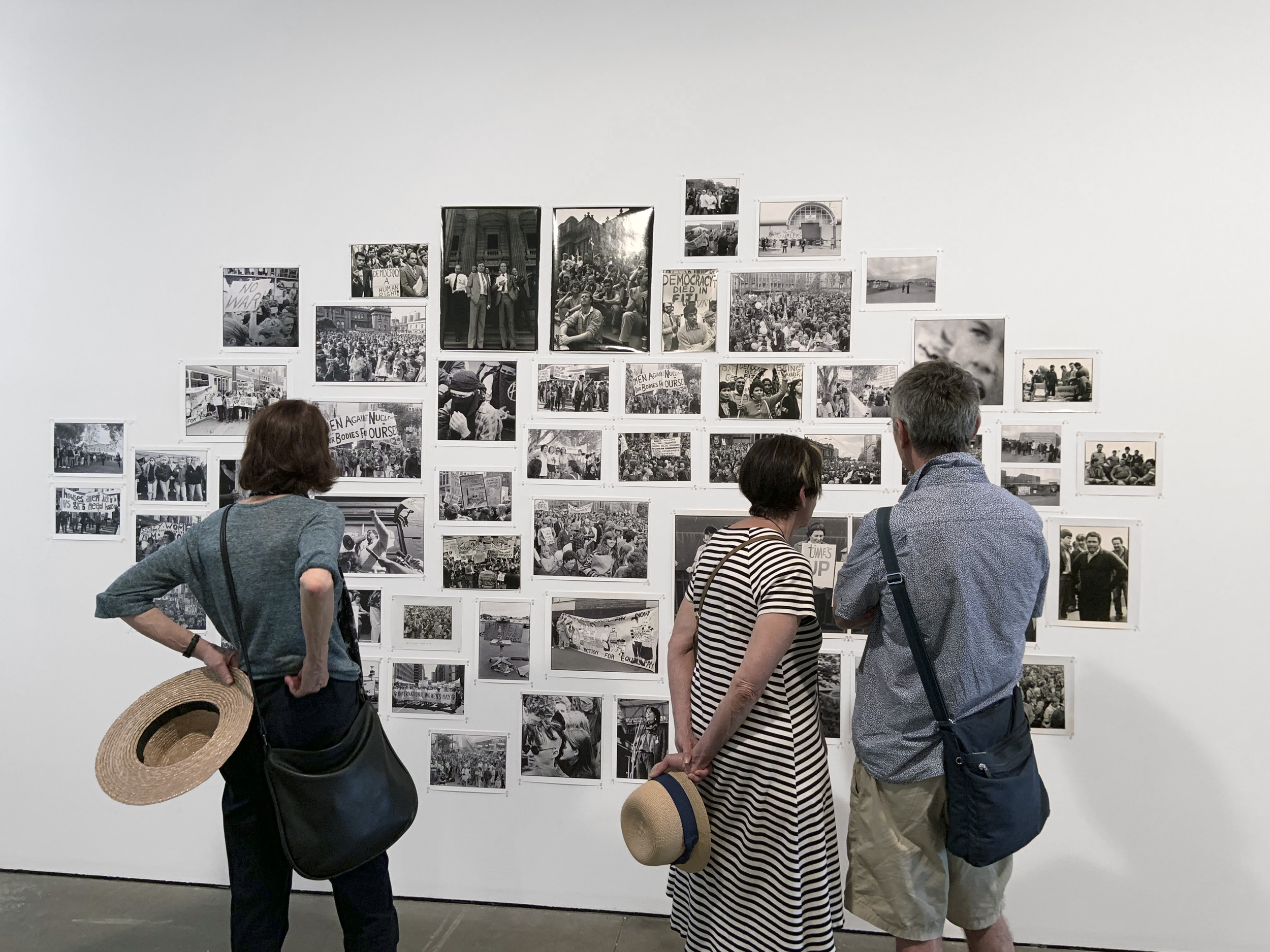
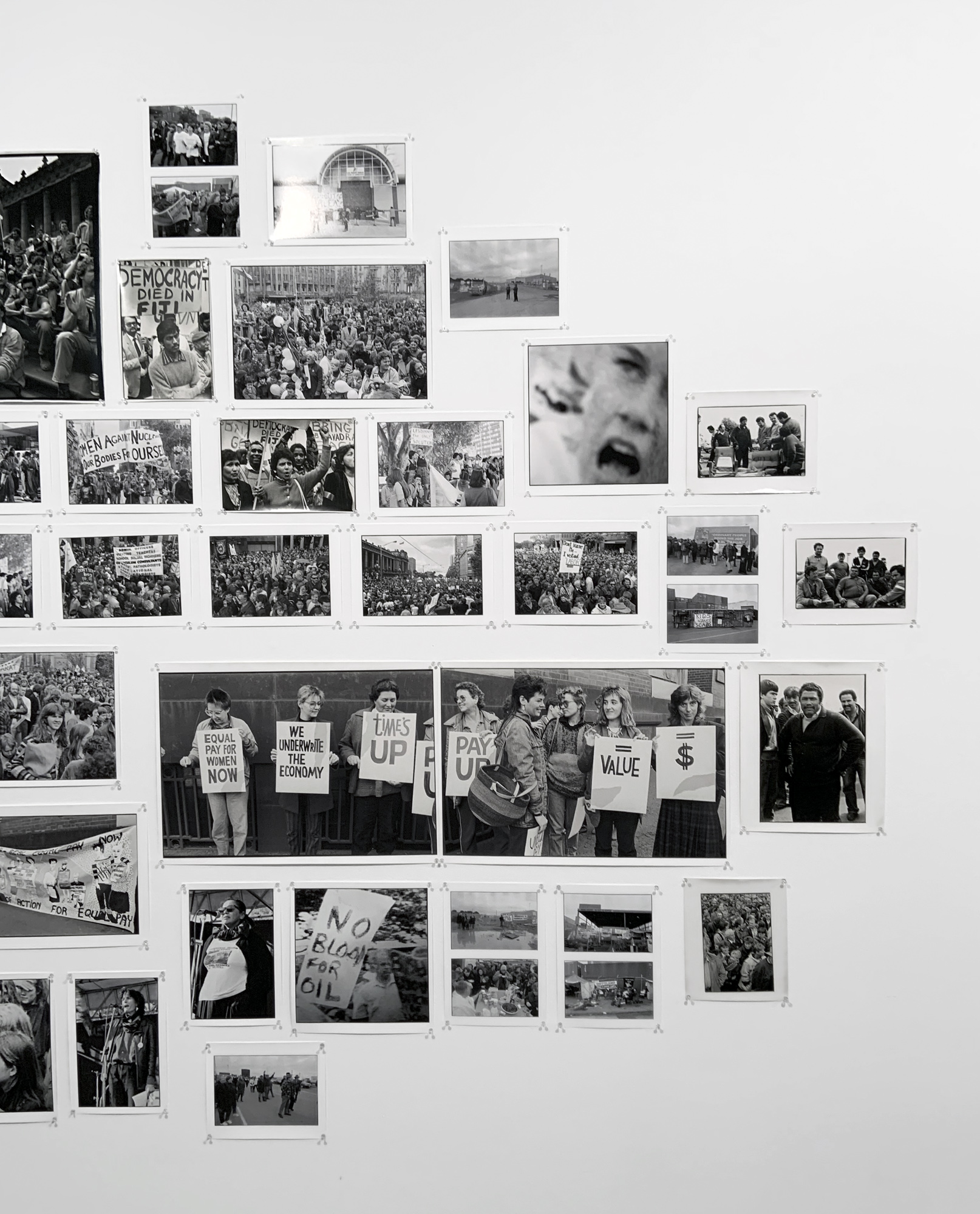
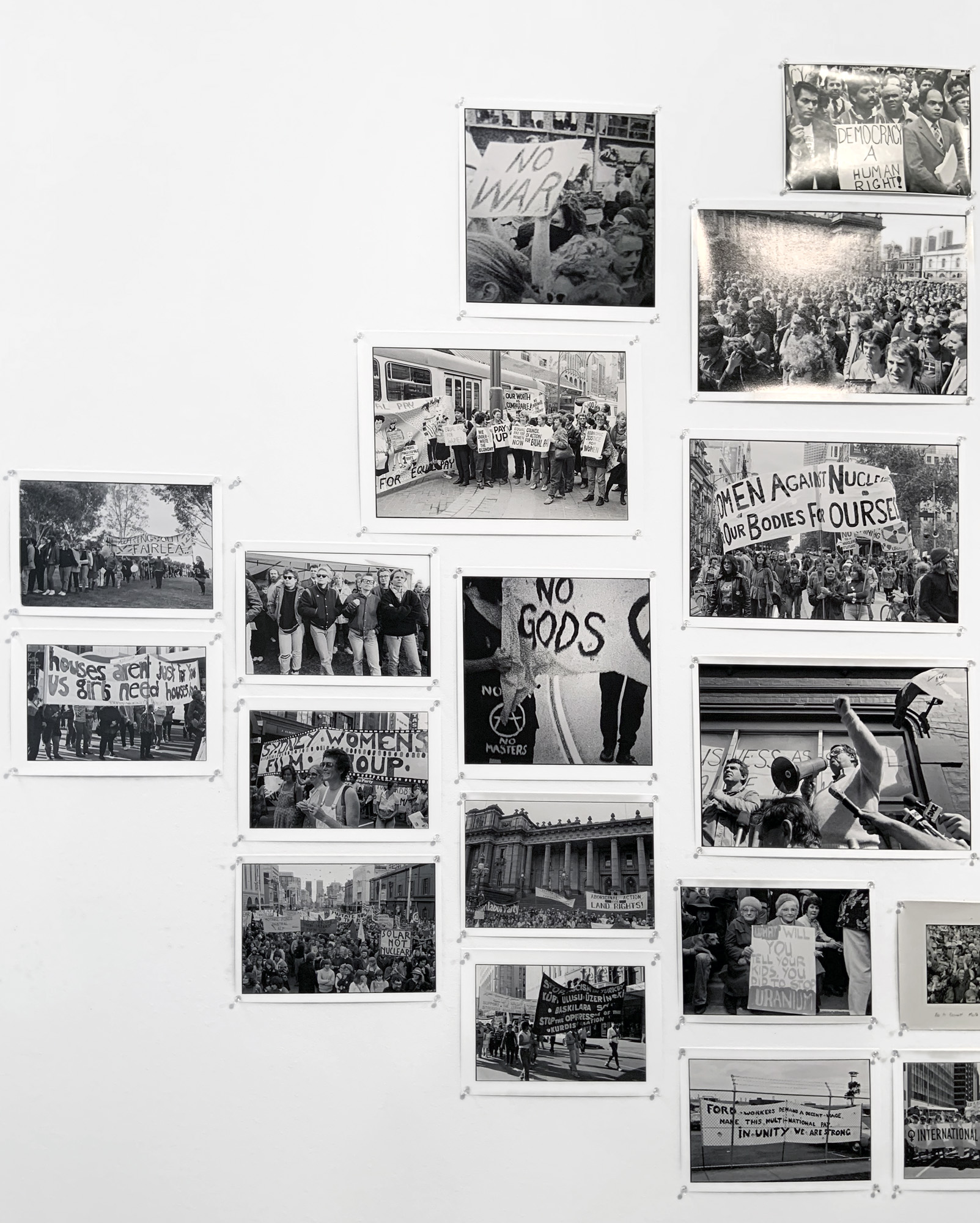
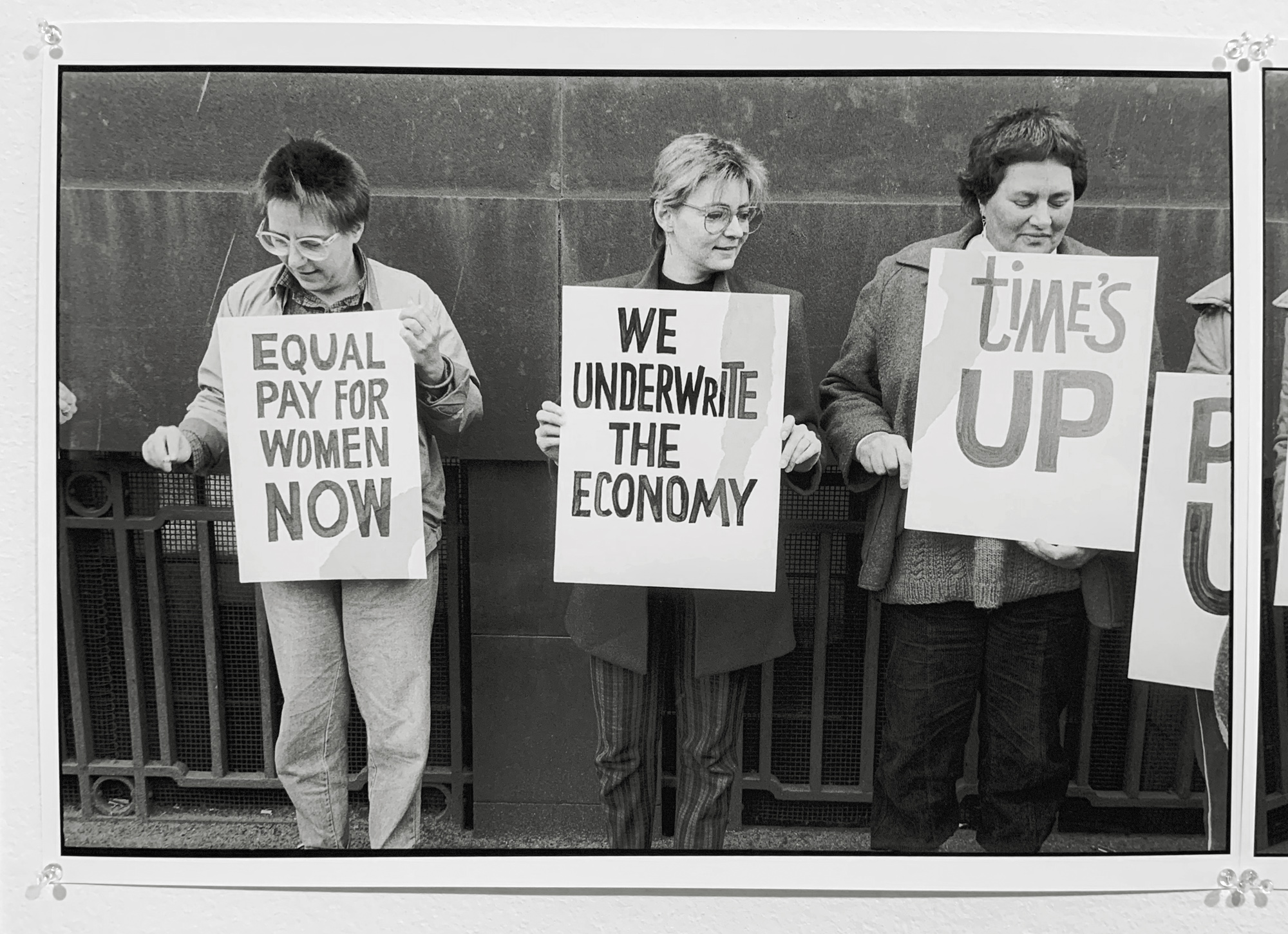
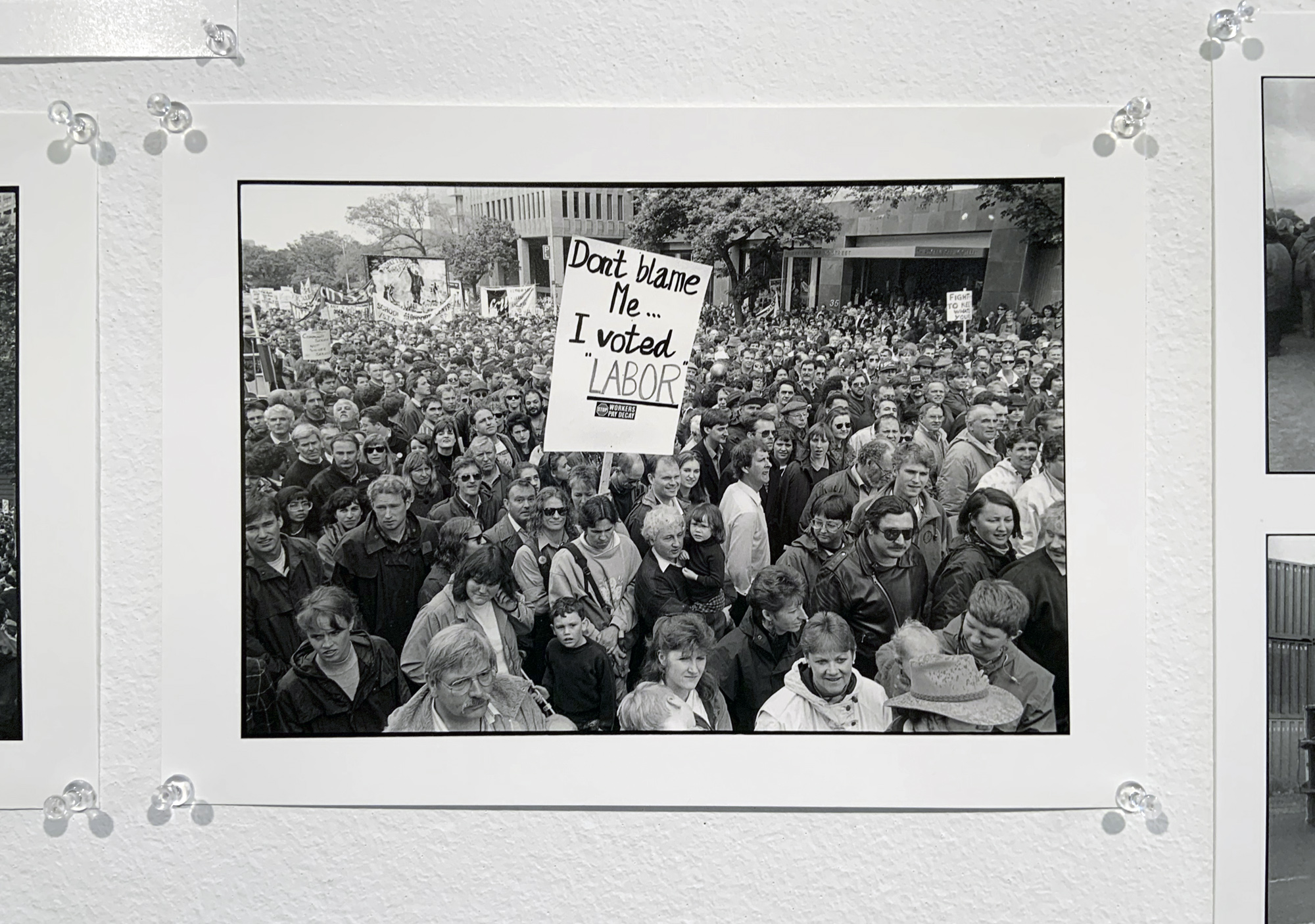
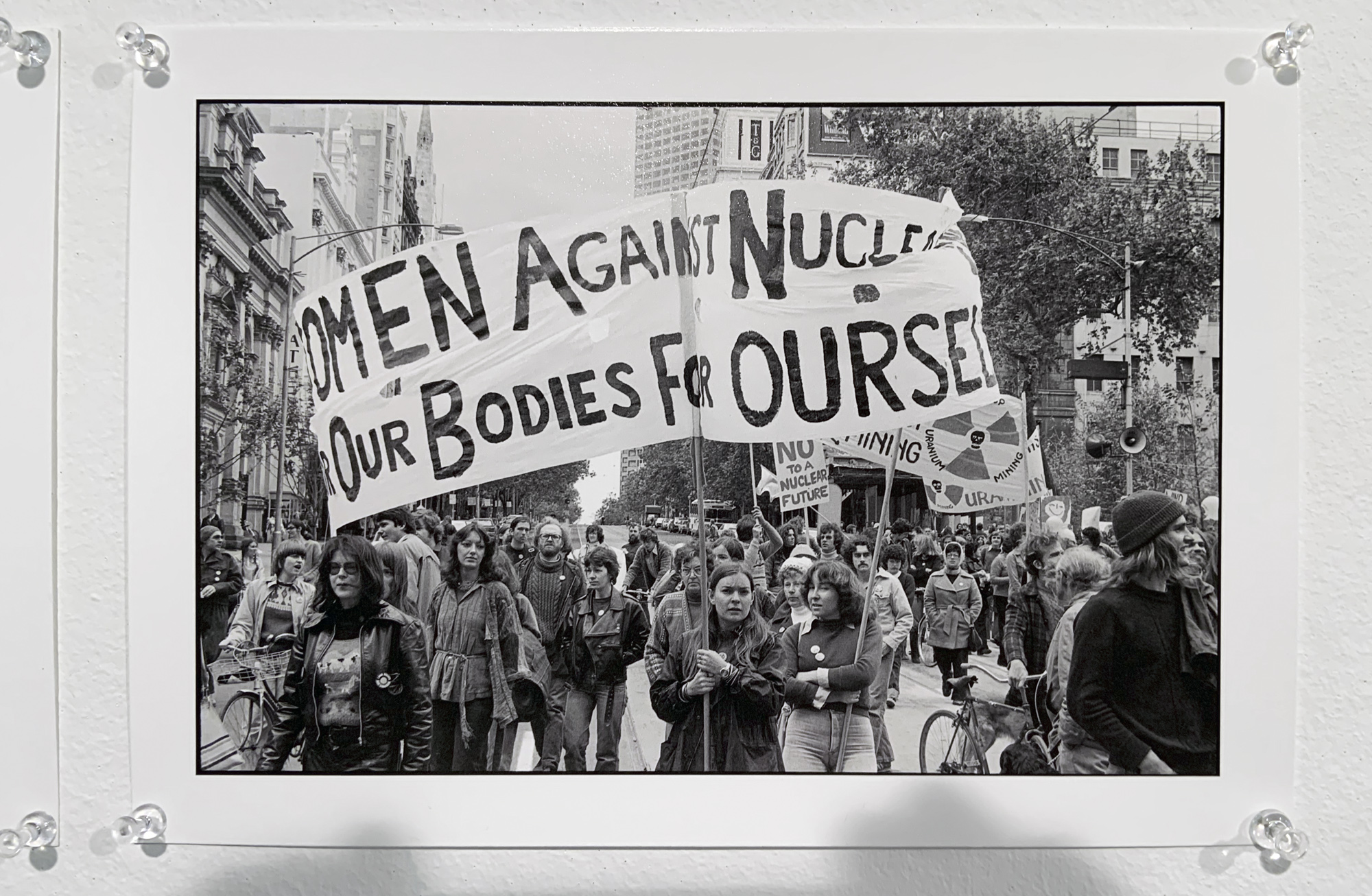
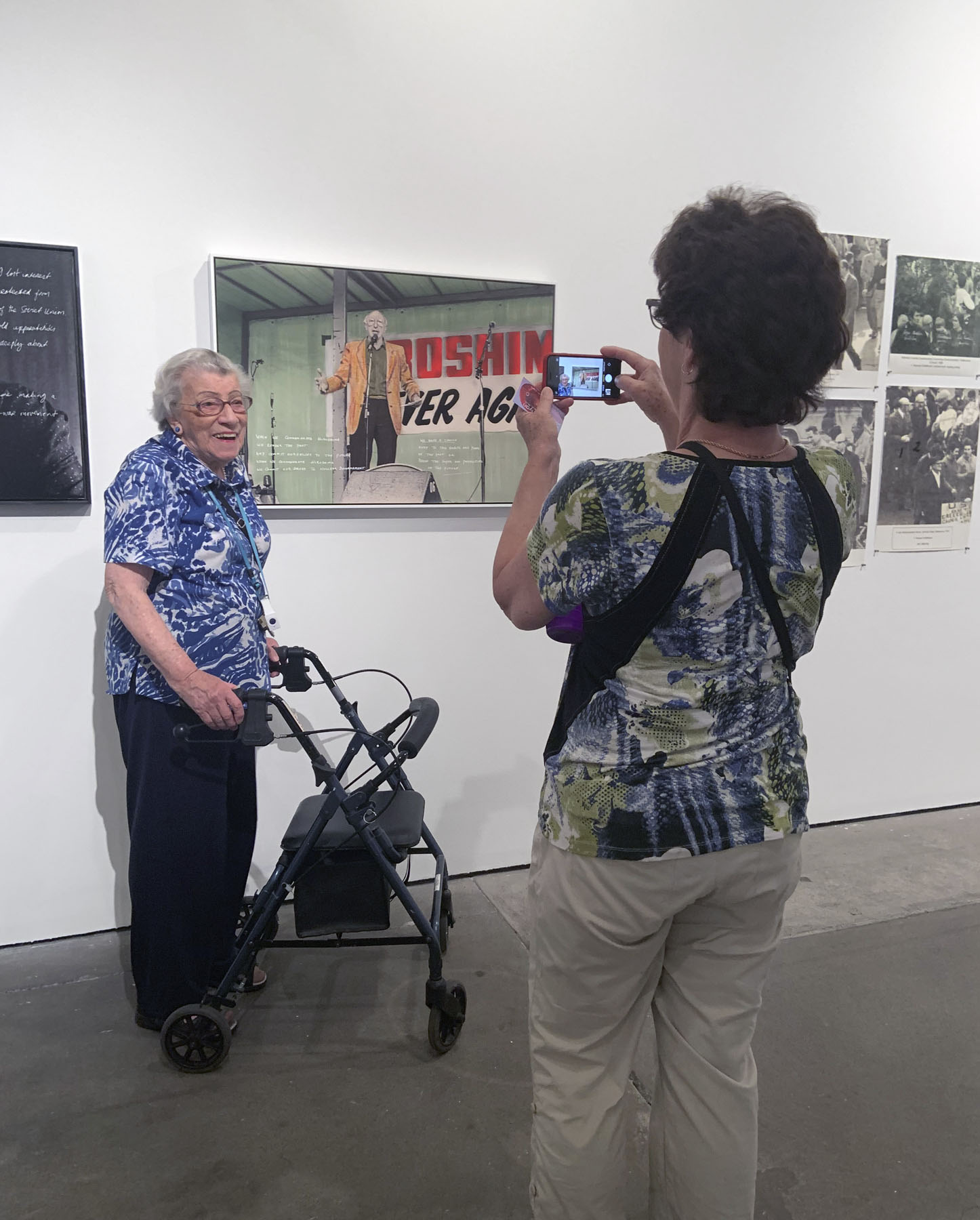
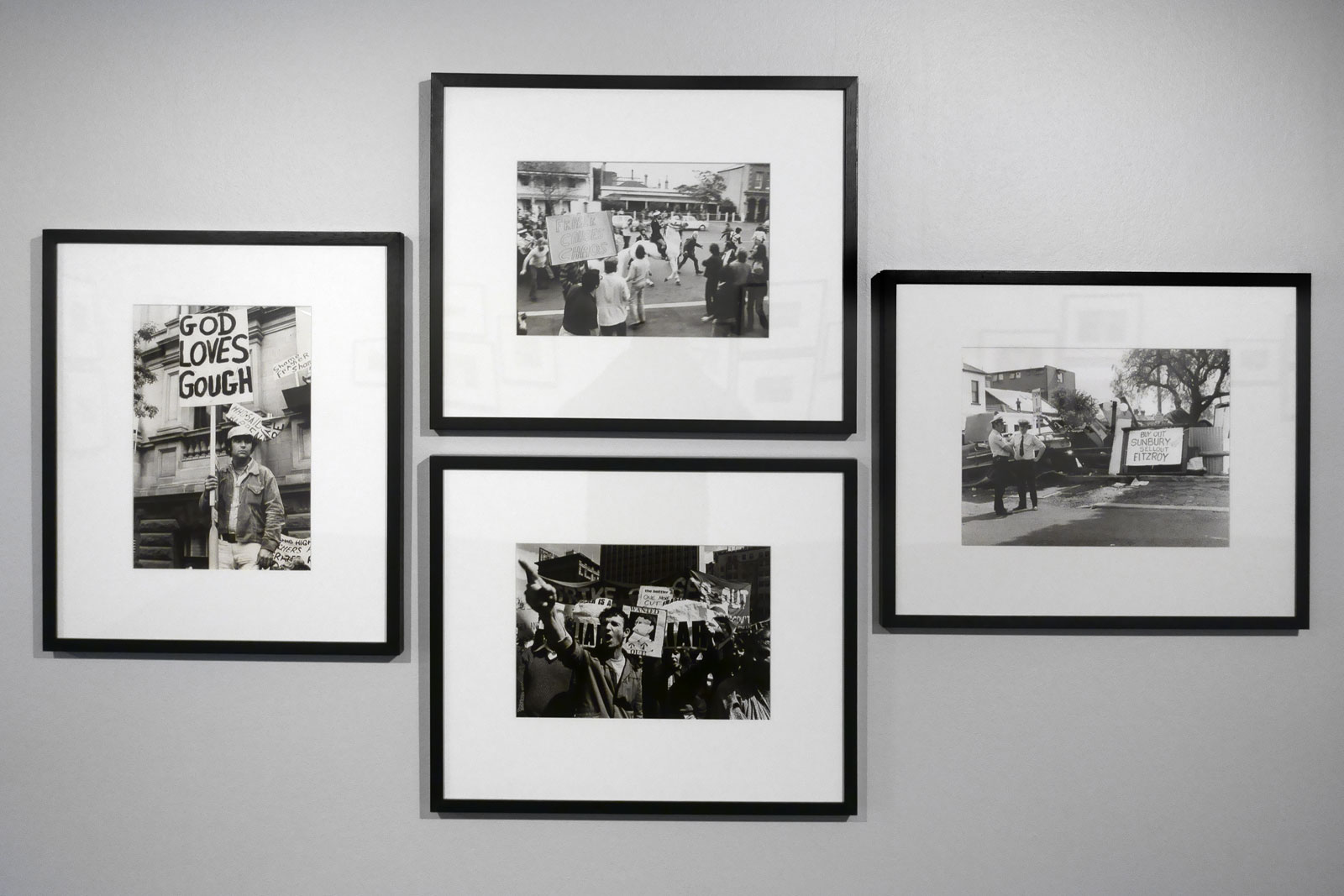
Installation view of the exhibition 'The basement: photography from Prahran College (1968-1981)' at the Museum of Australian Photography, Wheelers Hill, Melbourne showing from left clockwise, Ken Wright's 'Rally for Gough' 1975; Andrew Chapman's 'Street protest, November 11th' 1975; Richard Muggleton's 'Untitled (F19 protest)' c. 1977; and Andrew Chapman's 'Lest we forget' 1980


Installation view of the first gallery of the exhibition The basement: photography from Prahran College (1968-1981) at the Museum of Australian Photography, Wheelers Hill, Melbourne showing from left clockwise, Ken Wright’s Rally for Gough 1975; Andrew Chapman’s Street protest, November 11th 1975; Richard Muggleton’s Untitled (F19 protest) c. 1977; and Andrew Chapman’s Lest we forget 1980
Photo: Marcus Bunyan


Ken Wright (Australian / New Zealand, 1948-1998)
'Rally for Gough' 1975 (installation view)


Ken Wright (Australian/New Zealand, 1948-1998)
Rally for Gough (installation view)
1975
Gelatin silver print
Private collection
Photo: Marcus Bunyan


Andrew Chapman (Australian, b. 1954) 'Lest we forget' 1980 (installation view)


Andrew Chapman (Australian, b. 1954)
Lest we forget (installation view)
1980
Gelatin silver print
Museum of Australian Photography, City of Monash Collection donated 2024
Photo: Marcus Bunyan


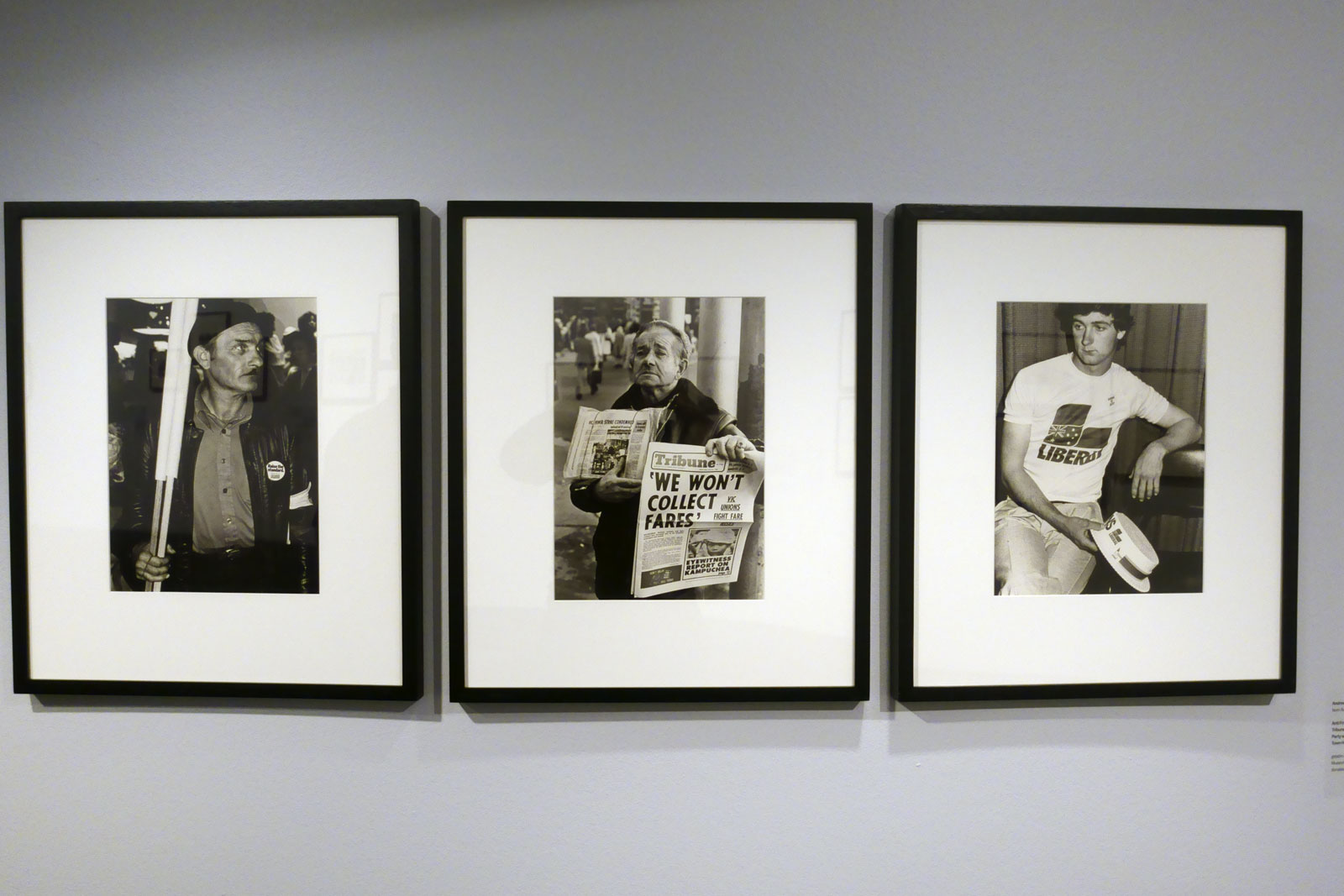
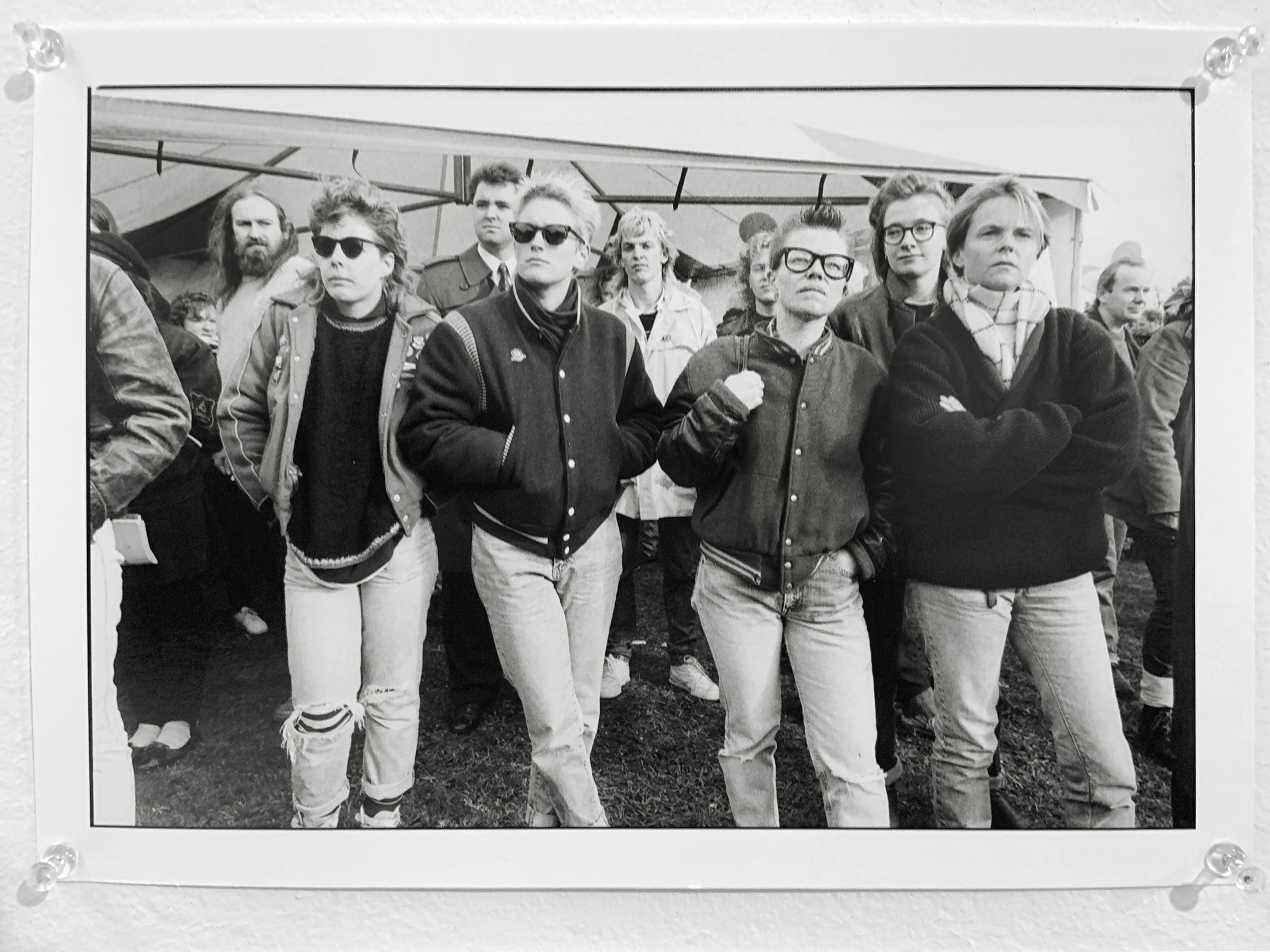
Andrew Chapman studied photography at Prahran College from 1974 to 1976 and then again in 1980. His Street protest, November 11th (1975) documents a politically motivated rally. It was taken on the corner of Albert Street and moray Street in South Melbourne. Chapman was in his second year at Prahran College and had been listening to parliament on the radio in the office of the then photography technician Murray White. When the news broke of the Whitlam Government’s dismissal, Chapman was quick to join the rallies that broke out in the streets. Later, in 1980, the streets were still politically charged when Chapman returned to Prahran to complete his course. His image, Lest we forget (1980) was made in City Square on Swanston Street at an anti-Fraser demonstration in the lead-up to the 1980 federal election. Described by Julie Millowick as the student who never stopped photographing, even during class, Chapman always has his Leica camera ready. Throughout his career Chapman has photographed much of Australia’s social and political landscape, working both personally and for clients, including as a photojournalist for major Australian newspapers and magazines.

Wall text from the exhibition

Andrew Chapman alumni profile on the Prahran Legacy website


Wall text from the exhibition 'The basement: photography from Prahran College (1968-1981)' at the Museum of Australian Photography, Wheelers Hill, Melbourne


Wall text from the exhibition The basement: photography from Prahran College (1968-1981) at the Museum of Australian Photography, Wheelers Hill, Melbourne
Photo: Marcus Bunyan
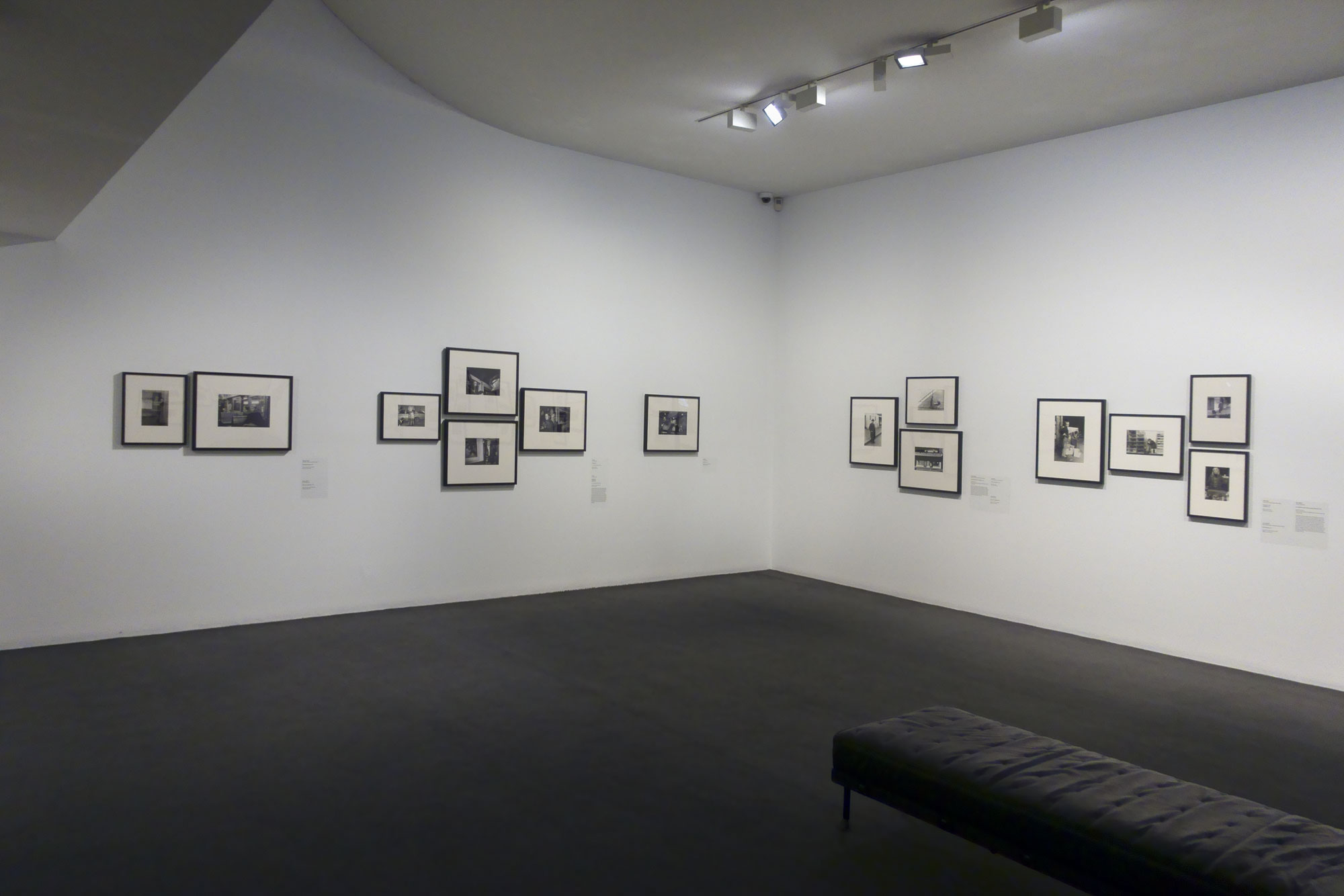
 

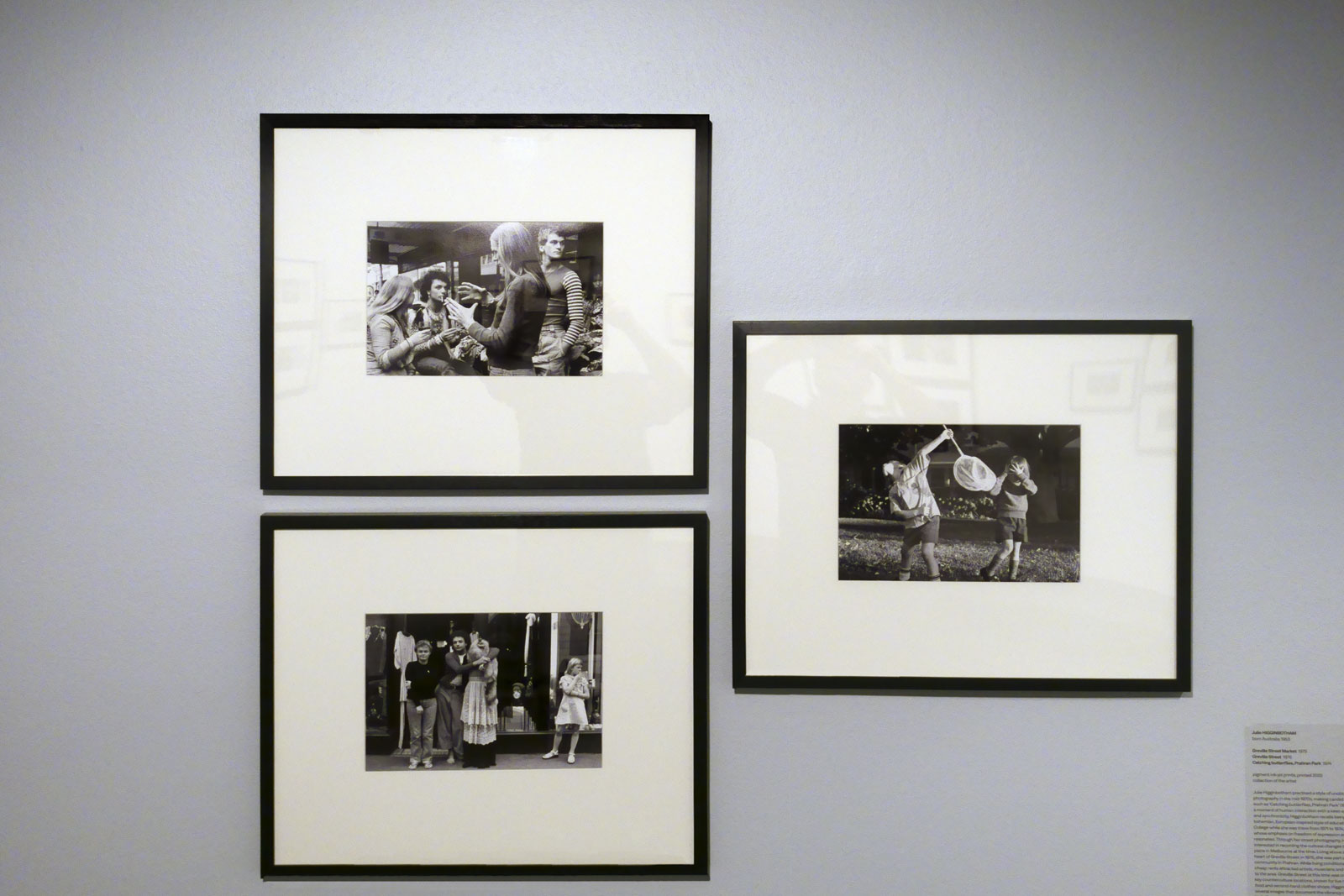
Installation view of the exhibition 'The basement: photography from Prahran College (1968-1981)' at the Museum of Australian Photography, Wheelers Hill, Melbourne showing from top left clockwise photographs by Julie Higginbotham: 'Greville Street Market', 1975; 'Catching butterflies, Prahran Park', 1974; and 'Greville Street', 1976


Installation view of the first gallery of the exhibition The basement: photography from Prahran College (1968-1981) at the Museum of Australian Photography, Wheelers Hill, Melbourne showing from top left clockwise photographs by Julie Higginbotham: Greville Street Market, 1975; Catching butterflies, Prahran Park, 1974; and Greville Street, 1976
Photo: Marcus Bunyan


Julie Higginbotham practiced a style of unobtrusive street photography in the mid-1970s, making candid expressive images such as ‘Catching butterflies, Prahran Park’ (1974), which records a moment of human interaction with a keen eye for composition and synchronicity. Higginbotham recalls being offered a bohemian, European-inspired style of education at Prahran College while she was there from 1971 to 1974, particularly by Cox whose emphasis on freedom of expression and personal choice resonated. Through her street photography, Higginbotham was interested in recording the cultural changes that were taking place in Melbourne at the time. Living above a shop in the heart of Greville Street in 1975, she was part of a lively hippie community in Prahran. While living conditions were squalid, the cheap rents attracted artists, musicians and alternative thinkers to the area. Greville Street at this time was one of Melbourne’s key counterculture locations, known for live music, organic food and second-hand clothes shops. Higginbotham produced several images that document the vibrancy of this movement, including a series of street photographs she made at the Greville Street Market on Saturday in 1975.

Wall text from the exhibition

Julie Higginbotham alumni profile on the Prahran Legacy website


Julie Higginbotham interview Prahran CAE 1971 – 74 Photography


Installation view of the exhibition 'The basement: photography from Prahran College (1968-1981)' at the Museum of Australian Photography, Wheelers Hill, Melbourne showing from left, Andrew Chapman's photographs 'Anti Fraser demonstrator, Collins Street Melbourne' 1979; 'Tribune newspaper seller, Melbourne' 1980; 'Party supporter, Liberal Party campaign launch, Moorabbin Town Hall' 1980


Installation view of the first gallery of the exhibition The basement: photography from Prahran College (1968-1981) at the Museum of Australian Photography, Wheelers Hill, Melbourne showing from left, Andrew Chapman’s photographs Anti Fraser demonstrator, Collins Street Melbourne 1979; Tribune newspaper seller, Melbourne 1980; Party supporter, Liberal Party campaign launch, Moorabbin Town Hall 1980
Photo: Marcus Bunyan


Andrew Chapman (Australian, b. 1954) 'Tribune newspaper seller, Melbourne' 1980 (installation view)


Andrew Chapman (Australian, b. 1954)
Tribune newspaper seller, Melbourne (installation view)
1980
Gelatin silver print
Museum of Australian Photography, City of Monash Collection donated 2024
Photo: Marcus Bunyan


Andrew Chapman (Australian, b. 1954) 'Tribune newspaper seller, Melbourne' 1980 from the exhibition 'The basement: photography from Prahran College (1968-1981)' at the Museum of Australian Photography, Wheelers Hill, Melbourne, March - May 2025


Andrew Chapman (Australian, b. 1954)
Tribune newspaper seller, Melbourne (installation view)
1980
Gelatin silver print
Museum of Australian Photography, City of Monash Collection donated 2024


Andrew Chapman (Australian, b. 1954) 'Party supporter, Liberal Party campaign launch, Moorabbin Town Hall' 1980 (installation view)


Andrew Chapman (Australian, b. 1954)
Party supporter, Liberal Party campaign launch, Moorabbin Town Hall (installation view)
1980
Gelatin silver print
Museum of Australian Photography, City of Monash Collection donated 2024
Photo: Marcus Bunyan


Installation view of the exhibition 'The basement: photography from Prahran College (1968-1981)' at the Museum of Australian Photography, Wheelers Hill, Melbourne showing at left, George Volakos' 'Flinders Street Station' 1972; and at right, Graham Howe's 'Man on tram, Melbourne' 1970


Installation view of the exhibition The basement: photography from Prahran College (1968-1981) at the Museum of Australian Photography, Wheelers Hill, Melbourne showing at left, George Volakos’ Flinders Street Station 1972; and at right, Graham Howe’s Man on tram, Melbourne 1970
Photo: Marcus Bunyan


Installation view of the exhibition 'The basement: photography from Prahran College (1968-1981)' at the Museum of Australian Photography, Wheelers Hill, Melbourne


Installation view of the exhibition The basement: photography from Prahran College (1968-1981) at the Museum of Australian Photography, Wheelers Hill, Melbourne showing photographs by Rob Gale from his Dogs and their humans (1978) and Swanston Street 5pm (1978) series
Photo: Marcus Bunyan


Rob Gale (Australian, b. 1953) 'Untitled 01' 1978 (installation view)


Rob Gale (Australian, b. 1953)
Untitled 01 (installation view)
1978
From the series Swanston Street 5pm
Pigment ink-jet print, printed 2024
Collection of the artist
Photo: Marcus Bunyan


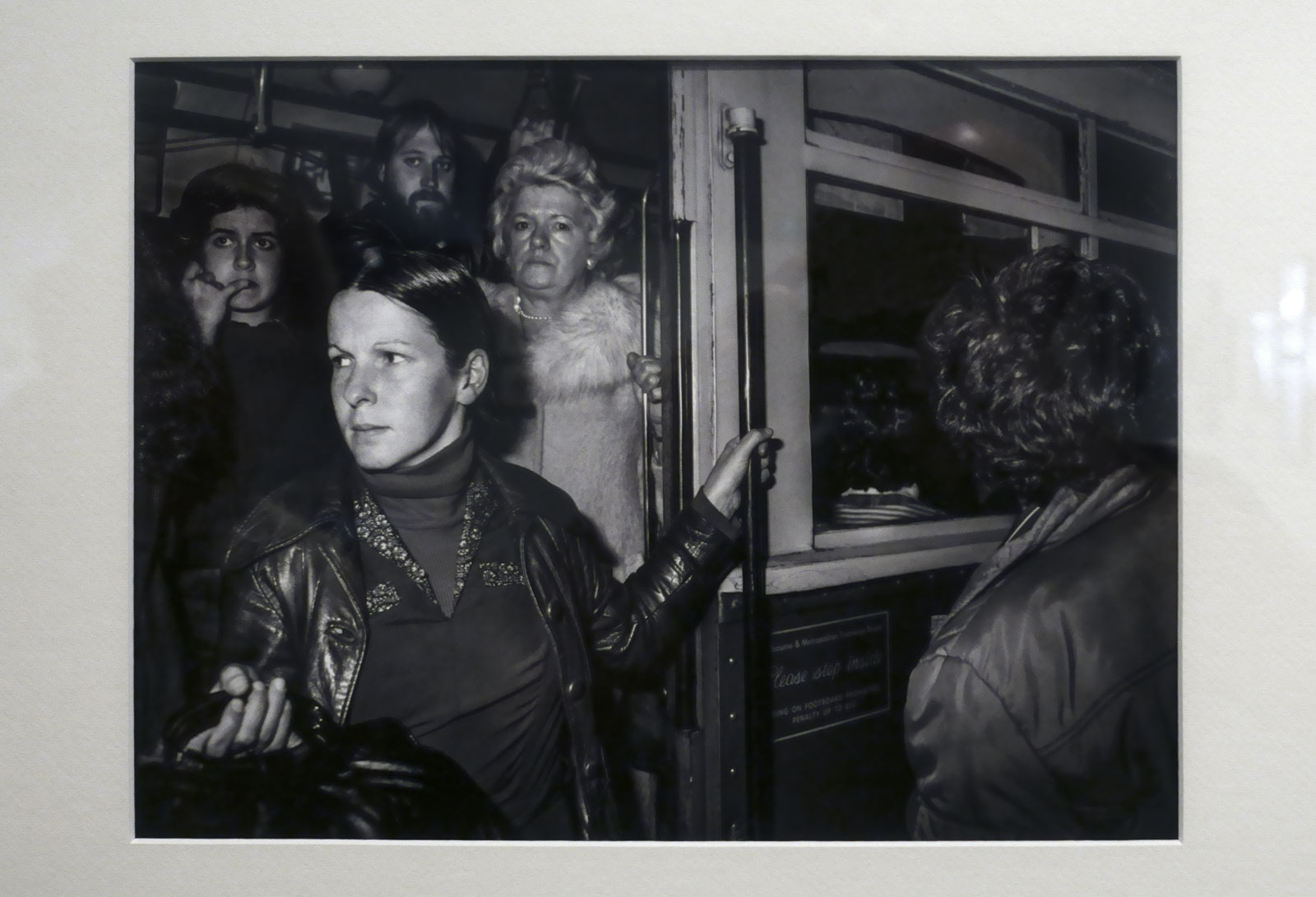
Rob Gale studied photography at Prahran Collect from 1976 to 1978. For his series, Swanston Street, 5pm (1978), Gale took inspiration from an iconic painting by the Australian artist John Brack, Collins Street, 5pm (1955). Gale’s photographic exploration of Brack’s stylised view of Melbourne’s office workers was made during peak hour at a busy tram stop near Flinders Street Station. Influenced by American street photographers such as Bruce Golden and Weegee, Gale used a hand-held flash to illuminate his subjects. In a nod to Brack’s painting, this technique allowed Gale to create harsh, stylised views of impatient commuters. The flash also seems to have induced grimaces and sideways stares which, along with the harsh lighting, shadows and unusual camera angles, served to accentuate the strange and surreal atmosphere in the photographs.

Wall text from the exhibition

Rob Gale alumni profile on the Prahran Legacy website


Rob Gale (Australian, b. 1953)
'Untitled 12' 1978 from the series 'Swanston Street 5pm' from the exhibition 'The basement: photography from Prahran College (1968-1981)' at the Museum of Australian Photography, Wheelers Hill, Melbourne, March - May 2025


Rob Gale (Australian, b. 1953)
Untitled 12
1978
From the series Swanston Street 5pm
Pigment ink-jet print, printed 2024
Collection of the artist


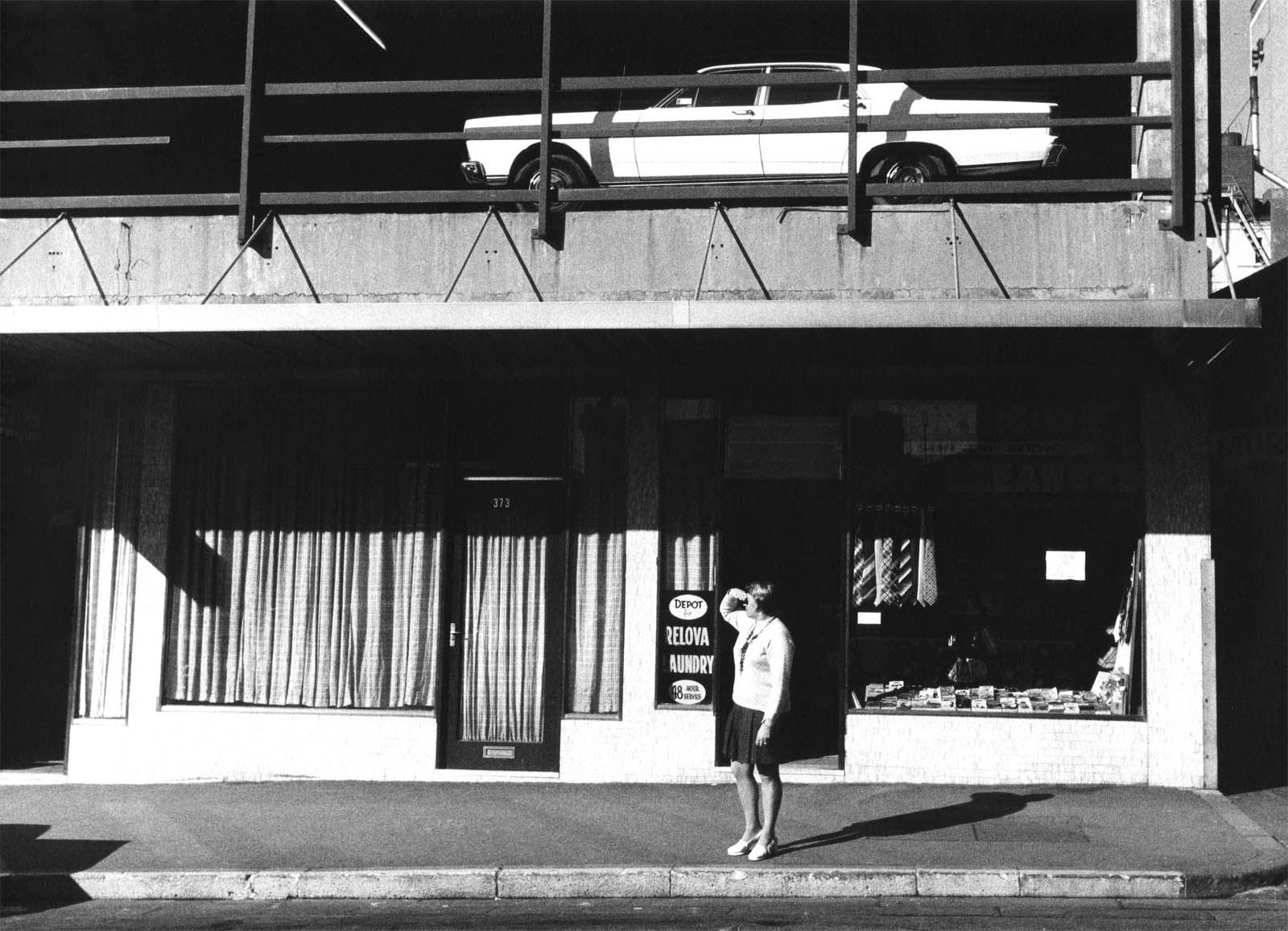
Installation view of the exhibition 'The basement: photography from Prahran College (1968-1981)' at the Museum of Australian Photography, Wheelers Hill, Melbourne showing photographs from left clockwise, Steven Lojewsi's 'Man with umbrella near curb, Melbourne' 1975; Johann Krix's 'Proud moment, Moomba' c. 1971; and Andrew Wittner's 'Where's my car, Melbourne' 1973


Installation view of the exhibition The basement: photography from Prahran College (1968-1981) at the Museum of Australian Photography, Wheelers Hill, Melbourne showing photographs from left clockwise, Steven Lojewsi’s Man with umbrella near curb, Melbourne 1975; Johann Krix’s Proud moment, Moomba c. 1971; and Andrew Wittner’s Where’s my car, Melbourne 1973
Photo: Marcus Bunyan


Andrew Wittner (Australian, b. 1955) 'Where's My Car?' 1973, printed 2024


Andrew Wittner (Australian, b. 1955)
Where’s My Car?
1973, printed 2024
Gelatin silver print
Collection of the artist

Andrew Wittner alumni profile on the Prahran Legacy website


Steven Lojewsi (Australian born England, b. 1952) 'Man with umbrella near curb, Melbourne' 1975 (installation view)


Steven Lojewsi (Australian born England, b. 1952)
Man with umbrella near curb, Melbourne (installation view)
1975
Gelatin silver print
Museum of Australian Photography, City of Monash Collection donated 2025
Photo: Marcus Bunyan


Steven Lojewski was born in London and grea up in Canada before arriving in Australian in 1969. He studied photography at Prahran College from 1974 to 1976 and later at Sydney College of the Arts. While studying at Prahran, Lojewski made a number of photographs on the streets of Melbourne. Sparsely populated, these early-career vintage prints demonstrate Lojewski’s highly defined, formal approach to documenting the urban landscape and illustrate his ability to produce a subtle range of silvery mid-tones and carefully styled compositions.

Wall text from the exhibition

Steven Lojewski alumni profile on the Prahran Legacy website


Steven Lojewsi (Australian born England, b. 1952) 'Man with umbrella near curb, Melbourne' 1975


Steven Lojewsi (Australian born England, b. 1952)
Man with umbrella near curb, Melbourne
1975
Gelatin silver print
Museum of Australian Photography, City of Monash Collection donated 2025


Installation view of the exhibition 'The basement: photography from Prahran College (1968-1981)' at the Museum of Australian Photography, Wheelers Hill, Melbourne showing at left, John Conte's 'Telephone, Prahran' 1971; at centre top, Philip Quirk's 'Lone ranger (Prahran resident with Royal Show souvenirs)' 1973; at centre bottom, Philip Quirk's 'The headmistress, sports day, Como Park' 1975; and at right, Johann Krix's 'Toorak Road, South Yarra' 1972


Installation view of the exhibition The basement: photography from Prahran College (1968-1981) at the Museum of Australian Photography, Wheelers Hill, Melbourne showing at left, John Conte’s Telephone, Prahran 1971; at centre top, Philip Quirk’s Lone ranger (Prahran resident with Royal Show souvenirs) 1973; at centre bottom, Philip Quirk’s The headmistress, sports day, Como Park 1975; and at right, Johann Krix’s Toorak Road, South Yarra 1972
Photo: Marcus Bunyan


Philip Quirk (Australian, b. 1948)
'Lone ranger (Prahran resident with Royal Show souvenirs)' 1973 (installation view)


Philip Quirk (Australian, b. 1948)
Lone ranger (Prahran resident with Royal Show souvenirs) (installation view)
1973
Gelatin silver print
15.9 x 23.8cm
Museum of Australian Photography, City of Monash Collection acquired 2024
Photo: Marcus Bunyan


Based in Sydney, Philip Quirk has been a practising documentary photographer since the 1970s. He studied photography at Prahran College from 1971 to 1973 and has frequently used his camera to capture endearing images of humanity. Influenced by international photographers such as Henri Cartier-Bresson and Diane Arbus, Quirk’s images feature unusual characters and situations, often incorporating humour and incongruity. His work, Lone ranger (Prahran resident with Royal Show souvenirs) (1973) formed part of his final portfolio assessment at Prahran College. Walking through the streets of Prahran, Quirk stopped to talk to this elderly resident and photographed him in the afternoon sunlight. With its emphasis on light and composition combined with an interest in Australian culture, this photograph is a precursor to the street and social documentary work Quirk produced in the years immediately following his time at Prahran College.

Wall text from the exhibition

Phil Quirk alumni profile on the Prahran Legacy website


Johann Krix (Australian born Austria, b. 1948) 'Toorak Road, South Yarra' 1972 (installation view)


Johann Krix (Australian born Austria, b. 1948)
Toorak Road, South Yarra (installation view)
1972
Gelatin silver print
Collection of the artist
Photo: Marcus Bunyan


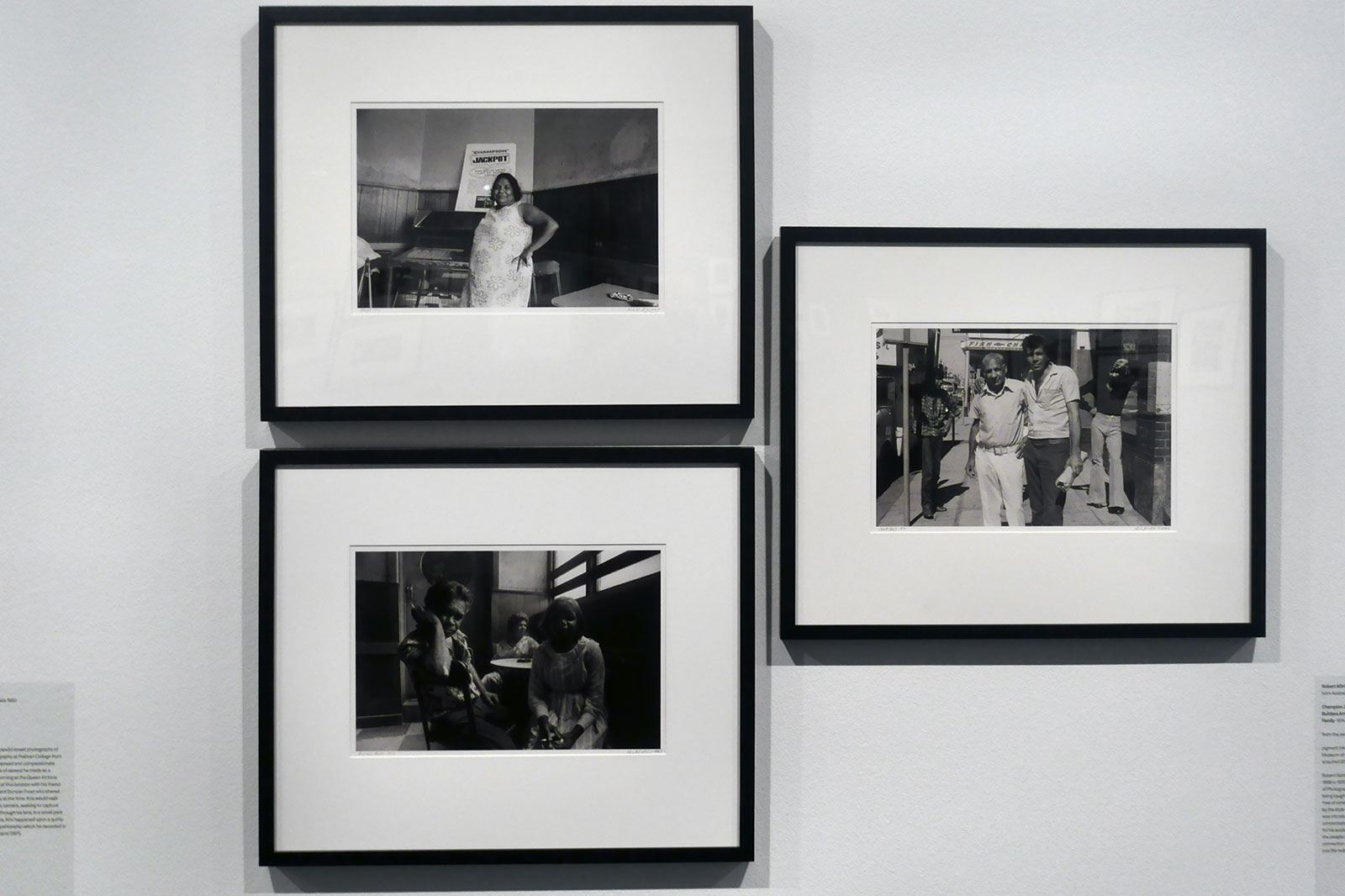
Installation view of the exhibition 'The basement: photography from Prahran College (1968-1981)' at the Museum of Australian Photography, Wheelers Hill, Melbourne showing Robert Ashton's photographs, 'Champion Jackpot' 1974; 'Builders Arms Hotel' 1974; 'Family' 1974 from the series 'Fitzroy'


Installation view of the exhibition The basement: photography from Prahran College (1968-1981) at the Museum of Australian Photography, Wheelers Hill, Melbourne showing Robert Ashton’s photographs, Champion Jackpot 1974; Builders Arms Hotel 1974; Family 1974 from the series Fitzroy
Photo: Marcus Bunyan


Robert Ashton (Australian, b. 1950)
'Champion Jackpot' 1974, printed 2008 (installation view)


Robert Ashton (Australian, b. 1950)
Champion Jackpot (installation view)
1974, printed 2008
Pigment inkjet print
Museum of Australian Photography, City of Monash Collection acquired 2010
Photo: Marcus Bunyan


Robert Ashton studied photography at Prahran college from 1968 to 1970 and first exhibited his work at Brummels Gallery of Photography in 1973. As a student at Prahran, Ashton recalls being taught to follow his heart and his eye in a way that was free of constraints, developing a visual language influenced by the style of European black-and-white photography that he was introduced to by Paul Cox. His early documentary work concentrated on inner-city subjects, and he is widely known for his acclaimed series Fitzroy, which warmly documents the people of Fitzroy, focusing on human life and community connection. This series was originally published as a photobook, Into the hollow mountains a portrait of Fitzroy, in 1974.

Wall text from the exhibition

Robert Ashton alumni profile on the Prahran Legacy website


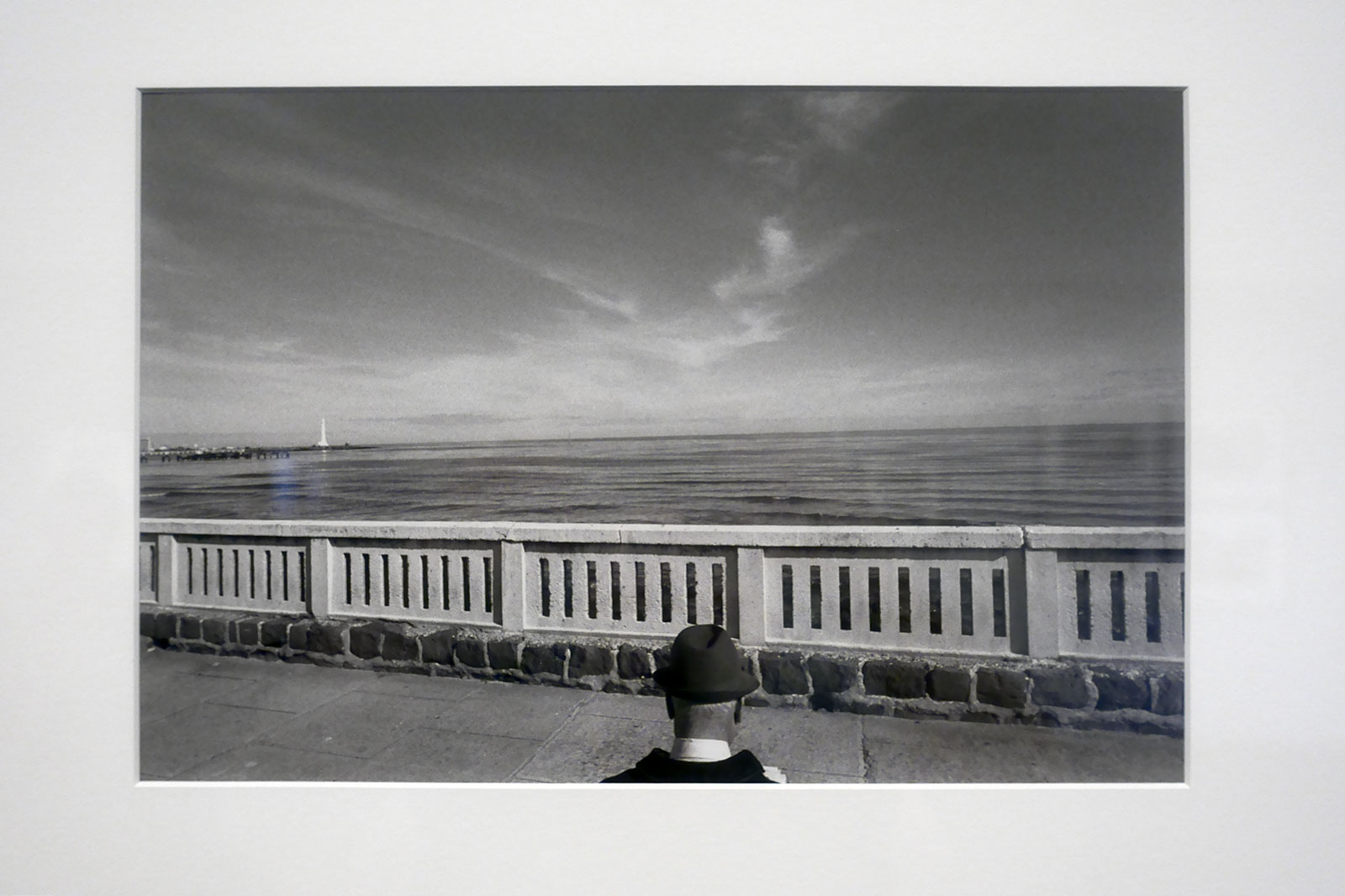
Installation view of the exhibition 'The basement: photography from Prahran College (1968-1981)' at the Museum of Australian Photography, Wheelers Hill, Melbourne  showing from left clockwise, Geoff Strong's 'Bald man enjoying the sun, St Kilda' 1975; Steven Lojewski's 'Man with hat and lighthouse, St Kilda' 1975; Glen O'Malley's 'St Kilda' 1973; and Steven Lojewski's 'Man on bench, Stardust St Kilda' 1975


Installation view of the exhibition The basement: photography from Prahran College (1968-1981) at the Museum of Australian Photography, Wheelers Hill, Melbourne showing from left clockwise, Geoff Strong’s Bald man enjoying the sun, St Kilda 1975; Steven Lojewski’s Man with hat and lighthouse, St Kilda 1975; Glen O’Malley’s St Kilda 1973; and Steven Lojewski’s Man on bench, Stardust St Kilda 1975
Photo: Marcus Bunyan


Geoff Strong (Australian, b. 1950) 'Bald man enjoying the sun, St Kilda'
1975


Geoff Strong (Australian, b. 1950)
Bald man enjoying the sun, St Kilda
1975
Gelatin silver print
19.1 x 26.3cm
Museum of Australian Photography, City of Monash Collection donated 2025


Geoff Strong moved to Melbourne from Brisbane for the photography course at Prahran College, which he began in 1975 after already having established himself as a political journalist. Strong’s image, Bald man enjoying the sun, St Kilda (1975) showcases his acute interest in the qualities of Melbourne’s sunlight. The human element, a man’s bald head, becomes a formal, compositional device, which appears more like a bronze ball than a human form. Strong’s depiction of harsh light in this sparse composition accentuates the photograph’s formal elements and calls to mind the surreal paintings of Georgio de Chirico.

Text from the Museum of Australian Photography website

Geoff Strong alumni profile on the Prahran Legacy website


Steven Lojewsi (Australian born England, b. 1952) 'Man with hat and lighthouse, St Kilda' 1975 (installation view)


Steven Lojewsi (Australian born England, b. 1952)
Man with hat and lighthouse, St Kilda (installation view)
1975
Gelatin silver print
Museum of Australian Photography, City of Monash Collection donated 2025
Photo: Marcus Bunyan


James McArdle (Australian, b. 1950)
'Couple, Luna Park' 1976 (installation view)


James McArdle (Australian, b. 1950)
Couple, Luna Park (installation view)
1976
Gelatin silver print
Museum of Australian Photography, City of Monash Collection donated 2025
Photo: Marcus Bunyan


James McArdle (Australian, b. 1950)
'Conscript, Luna Park' 1976 (installation view)


James McArdle (Australian, b. 1950)
Conscript, Luna Park (installation view)
1976
Gelatin silver print
Museum of Australian Photography, City of Monash Collection donated 2025
Photo: Marcus Bunyan


James McArdle is a photographic artist, curator, writer and educator based in Castlemaine, Victoria. While studying photography at Prahran College from 1974 to 1976, McArdle took his camera out onto the streets of Melbourne. He made several social documentary images as well as more playful, abstract compositions, which highlight his interest in shadow and form. The vintage silver gelatin prints on display here come mostly from McArdle’s first-and second-year street photography folios. They were made during long walks around St Kilda and Elwood. Conscript, Luna Park (1976) formed part of McArdle’s third-year major project on Luna Park, which included portraits taken in the Penny Arcade. Created using a Linhof 4 x 5 inch press camera and flash, this folio was assessed by Wolfgang Sievers.

Wall text from the exhibition

Dr James McArdle profile on the Academia website


Installation view of the exhibition 'The basement: photography from Prahran College (1968-1981)' at the Museum of Australian Photography, Wheelers Hill, Melbourne


Installation view of the exhibition The basement: photography from Prahran College (1968-1981) at the Museum of Australian Photography, Wheelers Hill, Melbourne
Photo: Marcus Bunyan
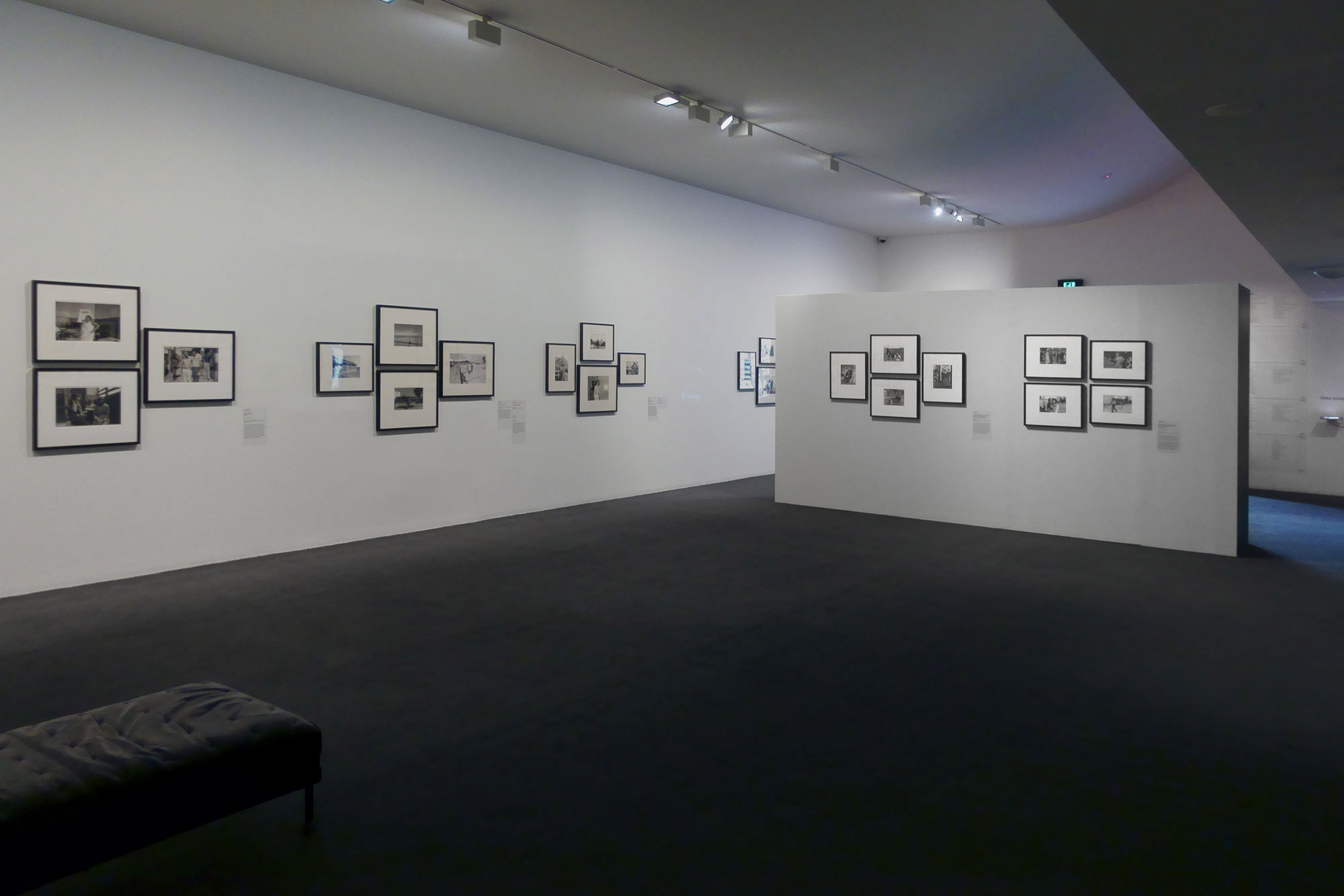
 

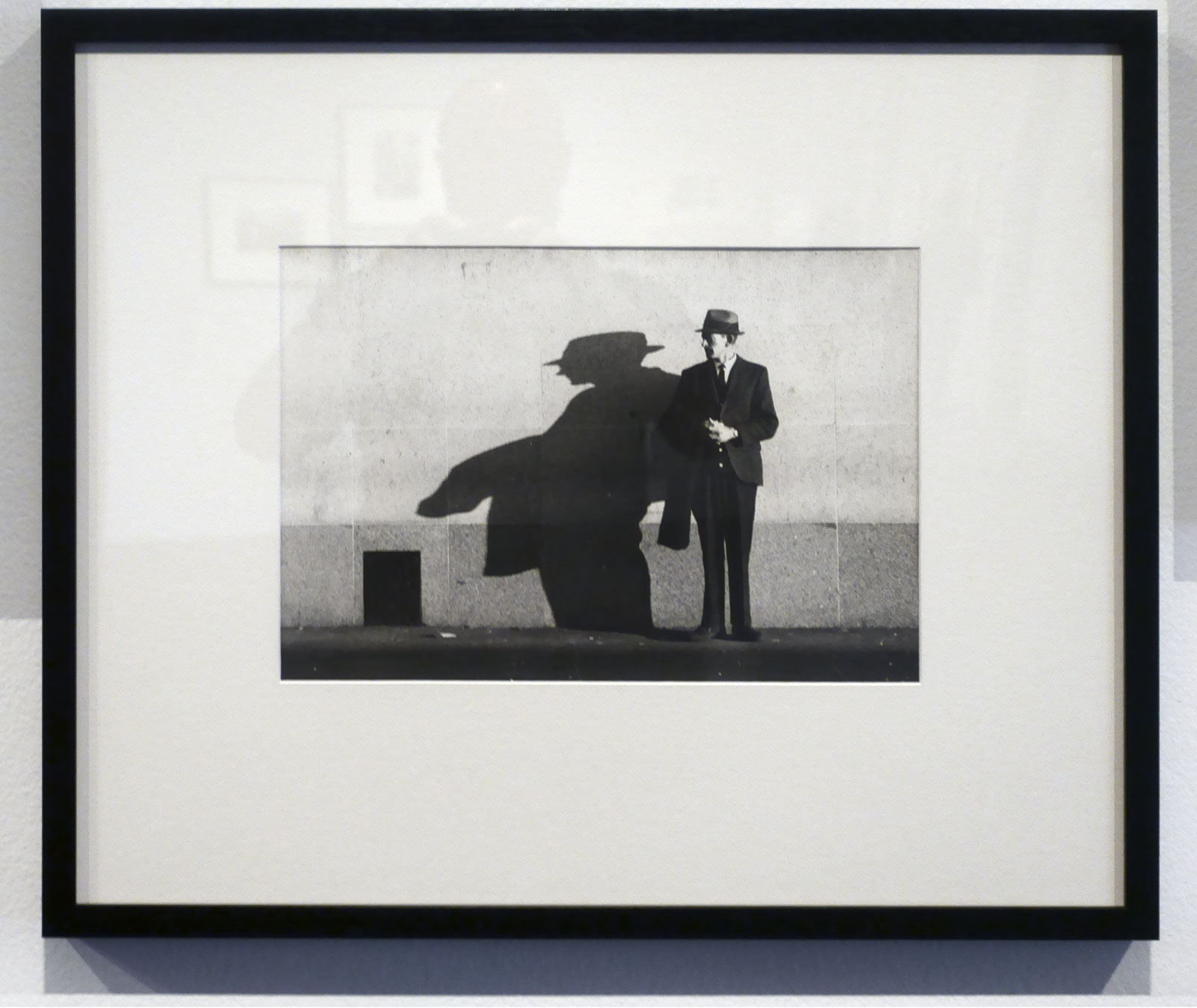
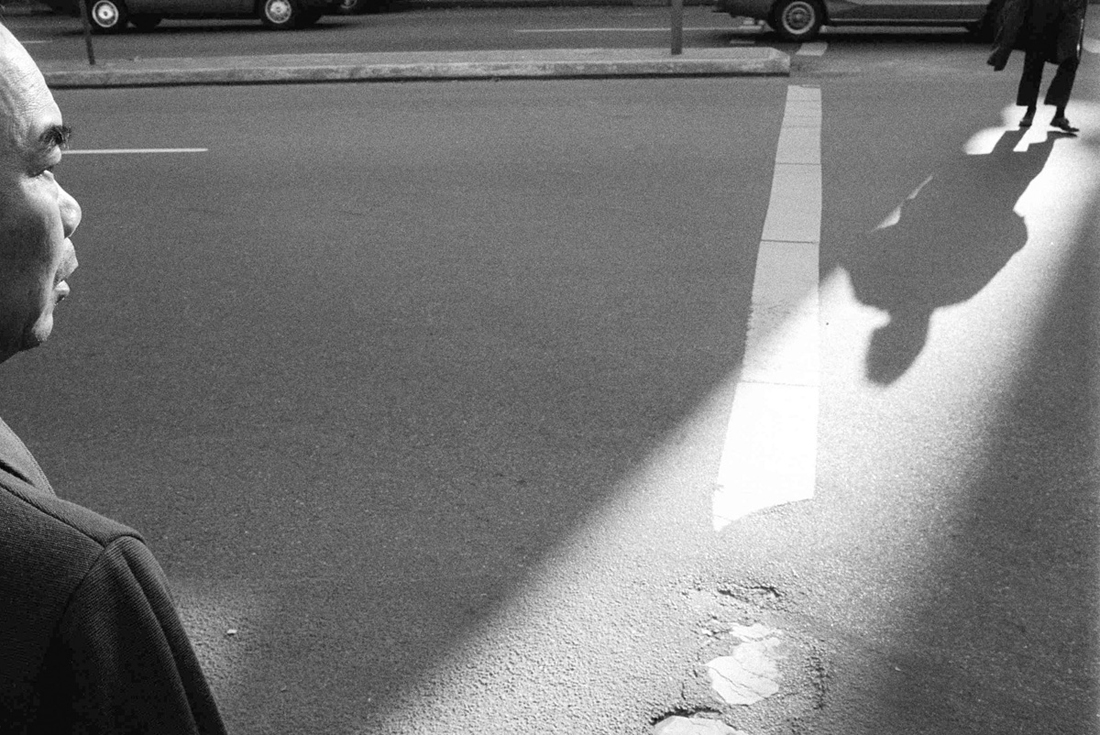
Installation view of the exhibition 'The basement: photography from Prahran College (1968-1981)' at the Museum of Australian Photography, Wheelers Hill, Melbourne showing from left clockwise, James McArdle's 'Hungry puddle, Elwood' 1975 and 'St Kilda Courthouse' 1974; Martin Munz's 'Man at crossing, Lower Esplanade St Kilda' 1979; and Greg Neville's 'Man and shadow' 1971


Installation view of the exhibition The basement: photography from Prahran College (1968-1981) at the Museum of Australian Photography, Wheelers Hill, Melbourne showing from left clockwise, James McArdle’s Hungry puddle, Elwood 1975 and St Kilda Courthouse 1974; Martin Munz’s Man at crossing, Lower Esplanade St Kilda 1979; and Greg Neville’s Man and shadow 1971
Photo: Marcus Bunyan


James McArdle (Australian, b. 1950)
'Hungry puddle, Elwood' 1975


James McArdle (Australian, b. 1950)
Hungry puddle, Elwood
1975
Gelatin silver print
27.0 x 18.5cm
Museum of Australian Photography, City of Monash Collection donated by James McArdle in honour of John Cato 2025


Greg Neville (Australian, b. 1950) 'Man and shadow' 1971 (installation view)


Greg Neville (Australian, b. 1950)
Man and shadow (installation view)
1971
Gelatin silver print
Collection of the artist
Photo: Marcus Bunyan


Installation view of the exhibition 'The basement: photography from Prahran College (1968-1981)' at the Museum of Australian Photography, Wheelers Hill, Melbourne showing Sandra Graham's photographs 'Walls 3 (Joseph)' and 'Walls 2 (cloak 1)' 1976 from the series 'Walls' (left); and 'Backstage, Chapel street bridge, Prahran' 1976 (right)


Installation view of the exhibition The basement: photography from Prahran College (1968-1981) at the Museum of Australian Photography, Wheelers Hill, Melbourne showing Sandra Graham’s photographs Walls 3 (Joseph) and Walls 2 (cloak 1) 1976 from the series Walls (left); and Backstage, Chapel street bridge, Prahran 1976 (right)
Photo: Marcus Bunyan


Sandra Graham (Australian, b. 1947)
'Walls 3 (Joseph)' 1976 (installation view)


Sandra Graham (Australian, b. 1947)
Walls 3 (Joseph) (installation view)
1976
Gelatin silver print
Collection of the artist
Photo: Marcus Bunyan


Formal concerns permeate the street portraits by Sandra Graham who studied photography at Prahran college fromollege from 1974-1975. In her series Walls, Graham relates the human forms of her subjects to the textured walls behind them. For instance, in Walls 3 (Joseph) (1976), the weathered face and stained clothes of a painter are shown in front of a mottled wall that he is about to paint white. Graham blends figure and ground in this image, playing with tonal relationships in black and white. She creates a painterly style of flatness through this series, which was made on streets around St Kilda and Albert Park.

Wall text from the exhibition

Sandra Graham alumni profile on the Prahran Legacy website


Sandra Graham (Australian, b. 1947)
'Walls 3 (Joseph)' 1976


Sandra Graham (Australian, b. 1947)
Walls 3 (Joseph)
1976
Gelatin silver print
Collection of the artist


Gallery two section one (clockwise)


Installation view of the exhibition 'The basement: photography from Prahran College (1968-1981)' at the Museum of Australian Photography, Wheelers Hill, Melbourne


Installation views of the second gallery part A of the exhibition The basement: photography from Prahran College (1968-1981) at the Museum of Australian Photography, Wheelers Hill, Melbourne
Photos: Marcus Bunyan
 

Wall text from the exhibition 'The basement: photography from Prahran College (1968-1981)' at the Museum of Australian Photography, Wheelers Hill, Melbourne


Wall text from the exhibition The basement: photography from Prahran College (1968-1981) at the Museum of Australian Photography, Wheelers Hill, Melbourne
Photo: Marcus Bunyan


Lyn Cheong (Australian, b. 1954)
'Self-portrait' 1977; 'Self-portrait' 1977 (installation view)


Lyn Cheong (Australian, b. 1954)
Self-portrait (installation view)
1977
Self-portrait (installation view)
1977
Dye diffusion transfer prints
Collection of the artist
Photo: Marcus Bunyan


Nicholas Nedelkopoulos (Australian, b. 1955)
'Shrunken head' 1978-1991; 'Dark wedding' 1978-1990 (installation view)


Nicholas Nedelkopoulos (Australian, b. 1955)
Shrunken head (installation view)
1978-1991
Dark wedding (installation view)
1978-1990
Chromogenic prints
Museum of Australian Photography, City of Monash Collection acquired 1992
Photo: Marcus Bunyan


Nicholas Nedelkopoulos (Australian, b. 1955) 'Shrunken head' 1978-1991 (installation view)


Nicholas Nedelkopoulos (Australian, b. 1955)
Shrunken head (installation view)
1978-1991
Chromogenic print
Museum of Australian Photography, City of Monash Collection acquired 1992
Photo: Marcus Bunyan


Leonie Reisberg (Australian, b. 1955) 'Portrait of Peggy Silinski, Merimbula, NSW' 1974 (installation view)


Leonie Reisberg (Australian, b. 1955)
Portrait of Peggy Silinski, Merimbula, NSW (installation view)
1974
Gelatin silver print
Museum of Australian Photography, City of Monash Collection donated by Janice Hinderaker through the Australian Government’s Cultural Gifts Program 2023
Photo: Marcus Bunyan


Leonie Reisberg attended Prahran College between 1974 and 1975, where she developed her photographic practice. Her work from this period is often associated with a growing interest in experimental and documentary photography that emerged in Melbourne during the 1970s.

Reisberg’s approach blends real-life moments with a more composed and conceptual style, often exploring themes of intimacy, femininity and social dynamics. She is part of a cohort of photographers that helped shape the trajectory of contemporary Australian photography, particularly within the context feminist and documentary practices.

Wall text from the exhibition

Leonie Reisberg alumni profile on the Prahran Legacy website


Leonie Reisberg (Australian, b. 1955)
'Portrait of Peggy Silinski, Merimbula, NSW' 1974


Leonie Reisberg (Australian, b. 1955)
Portrait of Peggy Silinski, Merimbula, NSW
1974
Gelatin silver print
Museum of Australian Photography, City of Monash Collection donated by Janice Hinderaker through the Australian Government’s Cultural Gifts Program 2023


Installation view of the exhibition 'The basement: photography from Prahran College (1968-1981)' at the Museum of Australian Photography, Wheelers Hill, Melbourne


Installation view of the exhibition The basement: photography from Prahran College (1968-1981) at the Museum of Australian Photography, Wheelers Hill, Melbourne showing at centre, Andrew Chapman’s Self-portrait in bath 1975; and at right, Viki Petherbridge’s Frames 10-18 1975 from the series Frames
Photo: Marcus Bunyan


Viki Petherbridge (Australian, b. 1954) 'Frames 10-18' 1975 (installation view)


Viki Petherbridge (Australian, b. 1954)
Frames 10-18 (installation view)
1975
from the series Frames
Gelatin silver print
Collection of the artist
Photo: Marcus Bunyan


Wall text from the exhibition 'The basement: photography from Prahran College (1968-1981)' at the Museum of Australian Photography, Wheelers Hill, Melbourne


Wall text from the exhibition The basement: photography from Prahran College (1968-1981) at the Museum of Australian Photography, Wheelers Hill, Melbourne
Photo: Marcus Bunyan


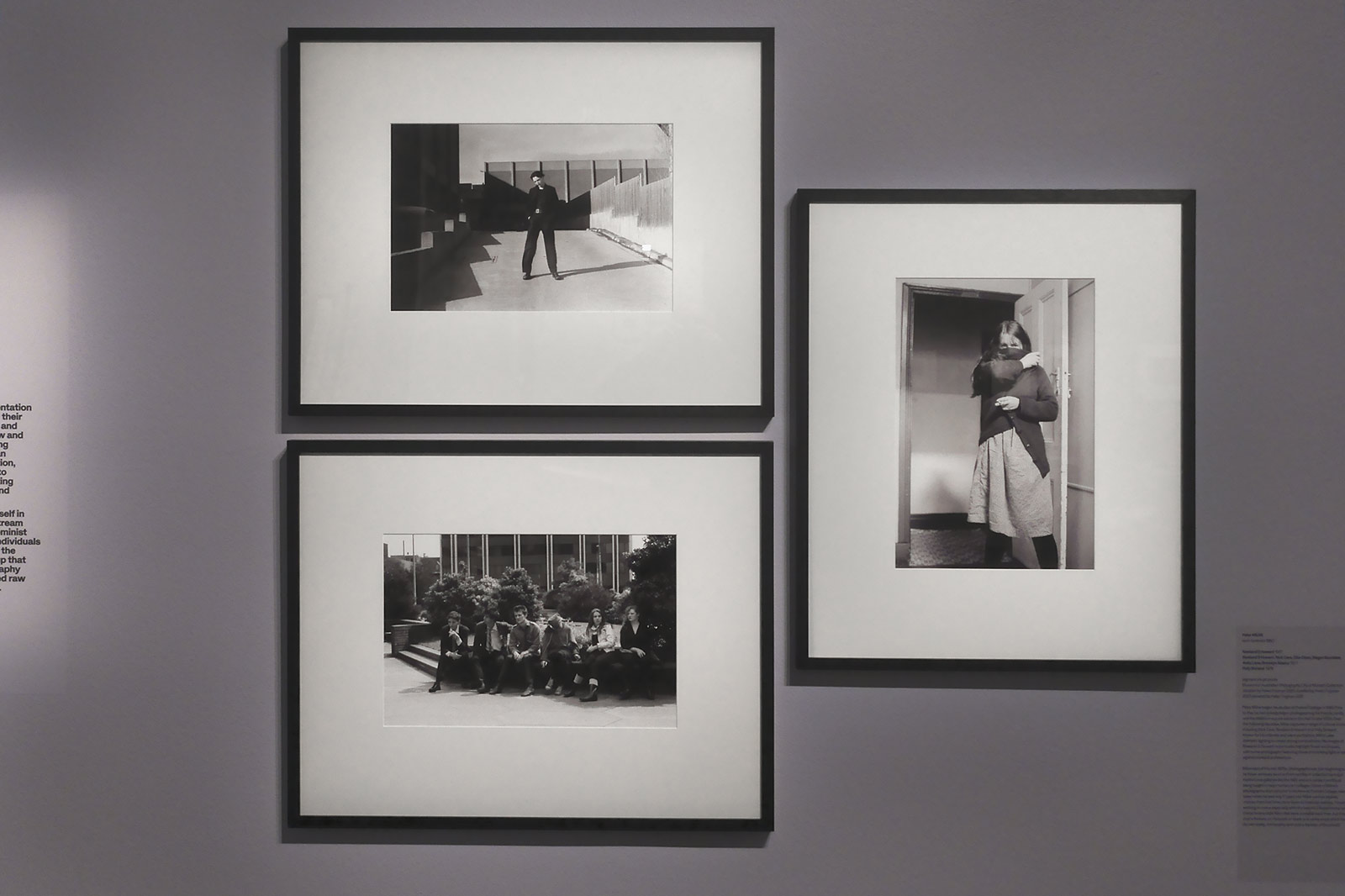
Installation view of the exhibition 'The basement: photography from Prahran College (1968-1981)' at the Museum of Australian Photography, Wheelers Hill, Melbourne showing Peter Milne's photographs from top clockwise, 'Rowland S Howard' 1977; 'Polly Borland' 1979; and 'Rowland S Howard, Nick Cave, Ollie Olsen, Megan Bannister, Anita Lane, Bronwyn Adams' 1977


Installation view of the exhibition The basement: photography from Prahran College (1968-1981) at the Museum of Australian Photography, Wheelers Hill, Melbourne showing Peter Milne’s photographs from top clockwise, Rowland S Howard 1977; Polly Borland 1979; and Rowland S Howard, Nick Cave, Ollie Olsen, Megan Bannister, Anita Lane, Bronwyn Adams 1977
Photo: Marcus Bunyan


Peter Milne (Australian, b. 1960)
'Rowland S Howard' 1977 (installation view)


Peter Milne (Australian, b. 1960)
Rowland S Howard (installation view)
1977
Pigment inkjet print
Museum of Australian Photography, City of Monash Collection donated by Helen Frajman 2023
Photo: Marcus Bunyan


Peter Milne began his studies at Prahran College in 1980. Prior to this, he had already begun photographing his friends, family, and the Melbourne punk scene in the mid-to late 1970s. Over the following decades, Milne captured a range of cultural icons, including Nick Cave, Rowland S Howard and Polly Borland. Known for his intimate and warm portraiture, Milne uses dramatic lighting to create strong compositions. His images of Rowland S Howard, in particular, highlight these techniques, with some photographs featuring Howard in striking light or set against brutalist architecture.

Wall text from the exhibition

See the exhibition Juvenilia: Peter Milne at Strange Neighbour, Fitzroy, Melbourne February – March 2015


Peter Milne (Australian, b. 1960)
'Polly Borland' 1979


Peter Milne (Australian, b. 1960)
Polly Borland
1979
Pigment ink-jet print
48 x 32cm
Museum of Australian Photography, City of Monash Collection donated by Helen Frajman 2021


Installation view of the exhibition 'The basement: photography from Prahran College (1968-1981)' at the Museum of Australian Photography, Wheelers Hill, Melbourne showing portraits by Polly Borland from 1983


Installation view of the exhibition The basement: photography from Prahran College (1968-1981) at the Museum of Australian Photography, Wheelers Hill, Melbourne showing portraits by Polly Borland from 1983
Photo: Marcus Bunyan


Polly Borland (Australian, b. 1959)
'Dave' 1983, printed 2025 (installation view)


Polly Borland (Australian, b. 1959)
Dave (installation view)
1983, printed 2025
Silver dye bleach print
Collection of the artist
Photo: Marcus Bunyan
 

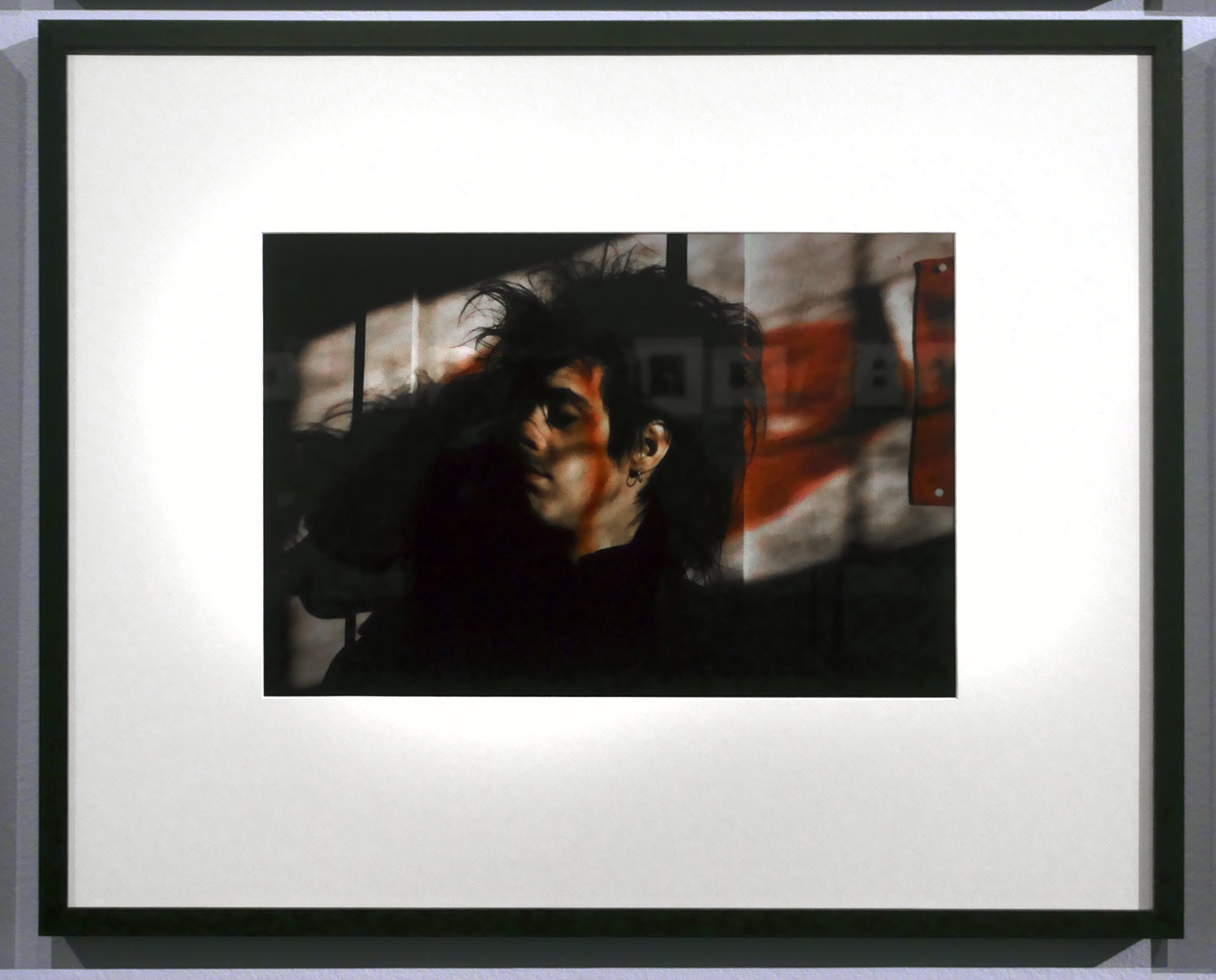
Polly Borland attended Prahran College between 1980 and 1983. Borland shot most of her student work, featured here, on Kodachrome. She shot the works in her Camberwell apartment with direct sunlight pouring through the window. Pieces of carefully placed cellophane on the window created coloured shadows across the subjects’ faces. …

Borland and Cave first began working together in the early 1980s after they met at a party in St Kilda in 1979. The image of Borland at the St Kilda party is documented by fellow friend Peter Milne. Borland’s formative photographs in the early 1980s were part of a new wave of experimental images that departed from renderings of ordinary life.

Wall text from the exhibition


Polly Borland (Australian, b. 1959) 'Nick' 1983, printed 2025 (installation view)


Polly Borland (Australian, b. 1959)
Nick (installation view)
1983, printed 2025
Silver dye bleach print
Museum of Australian Photography, City of Monash Collection acquired 2025
Photo: Marcus Bunyan


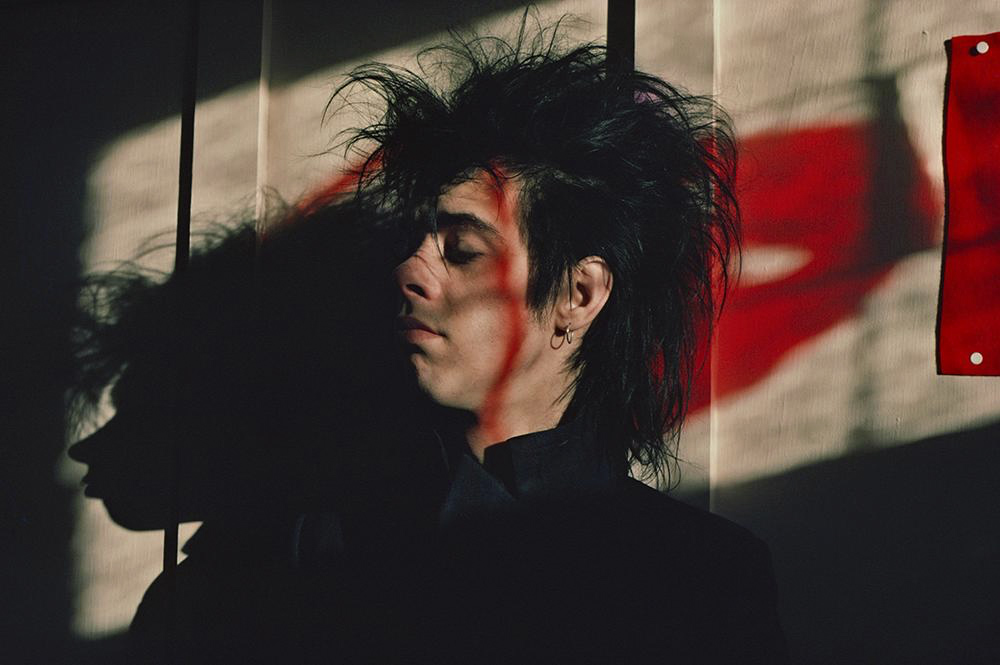
Polly Borland (Australian, b. 1959) 'Nick' 1983, printed 2025


Polly Borland (Australian, b. 1959)
Nick
1983, printed 2025
Silver dye bleach print
Museum of Australian Photography, City of Monash Collection acquired 2025


Polly Borland made this work during her student days at Prahran College where she studied between 1980 and 1983. Borland shot most of her student work on Kodachrome. Shot on Kodachrome, this work forms part of a series of portraits Borland made in her Camberwell apartment with direct sunlight pouring through the window. Pieces of carefully placed cellophane on the window created coloured shadows across the subjects’ faces. 

Borland’s images of Nick Cave from the 1980s and 1990s have become legendary. Often described as raw and intense, these images highlight the tension between the public persona of the famous musician and the more vulnerable, human side of the singer and artist. Borland and Cave first began working together in the early 1980s after they met at a party in St Kilda in 1979.

Text from the Museum of Australian Photography website


Installation view of the exhibition 'The basement: photography from Prahran College (1968-1981)' at the Museum of Australian Photography, Wheelers Hill, Melbourne showing from top left clockwise, Christopher Köller's photographs 'Past self portrait' 1980; 'Philip and Maria' 1981; 'Joe as a Russian soldier' 1980; and 'Bauhausler (homage to Oscar Schlemmer and August Sander)' 1980


Installation view of the exhibition The basement: photography from Prahran College (1968-1981) at the Museum of Australian Photography, Wheelers Hill, Melbourne showing from top left clockwise, Christopher Köller’s photographs Past self portrait 1980; Philip and Maria 1981; Joe as a Russian soldier 1980; and Bauhausler (homage to Oscar Schlemmer and August Sander) 1980
Photo: Marcus Bunyan


Christopher Köller (Australian born England, b. 1943) 'Past self-portrait' 1980


Christopher Köller (Australian born England, b. 1943)
Past self-portrait
1980
Gelatin silver print
23.0 x 24.0cm
Museum of Australian Photography, City of Monash Collection acquired 2024


Christopher Köller trained as a silk-screen printer before travelling extensively throughout the late 1960s and 1970s. Upon his return to Australia, Köller studied photography at Prahran college fromollege, graduating in 1980. Köller enrolled in Prahran with the intention of doing an expose on the conditions experienced by the miners of Bolivia as he had learnt about their plight while travelling in South America.

In his second year Köller stopped looking at photography books and started poring over the pages of art book, influenced by his now partner and historian Nanette Carter and lecturer Norbert Loeffler. Inspired by these teachings, Köller started to set up his images. His first self-portrait titled Past self portrait (1980) is an image of a young artist arriving at Station Pier, Melbourne with his passport in hand. It was part of a series of self-portraits that were shown at The Photographers’ Gallery and Workshop. Other works in this period were influenced by Russian Constructivism – particularly Vladimir Mayakovsky – and 1930s German avant-garde art. In another image, Köller’s subject, dressed in a shirt and tie, stand in front of an Oskar Schlemmer drawing, made by the artist.

Wall text from the exhibition

Christopher Köller alumni profile on the Prahran Legacy website


Christopher Köller (Australian born England, b. 1943) 'Joe as a Russian soldier' 1980 (installation view)


Christopher Köller (Australian born England, b. 1943)
Joe as a Russian soldier (installation view)
1980
Gelatin silver print
Museum of Australian Photography, City of Monash Collection acquired 2024
Photo: Marcus Bunyan


Christopher Köller (Australian born England, b. 1943) 'Joe as a Russian soldier' 1980


Christopher Köller (Australian born England, b. 1943)
Joe as a Russian soldier
1980
Gelatin silver print
Museum of Australian Photography, City of Monash Collection acquired 2024


Installation view of the exhibition 'The basement: photography from Prahran College (1968-1981)' at the Museum of Australian Photography, Wheelers Hill, Melbourne showing Nanette Carter's photographs 'Proof' 1979 and 'Newspaper' 1980


Installation view of the exhibition The basement: photography from Prahran College (1968-1981) at the Museum of Australian Photography, Wheelers Hill, Melbourne showing Nanette Carter’s photographs Proof 1979 and Newspaper 1980
Photo: Marcus Bunyan


Nanette Carter (Australian, b. 1954) 'Proof' 1979 (installation view)


Nanette Carter (Australian, b. 1954)
Proof (installation view)
1979
Gelatin silver print
Museum of Australian Photography, City of Monash Collection acquired 1981
Photo: Marcus Bunyan


Nanette Carter studied first-year photography at Prahran College in 1974 and then completed a diploma (1977) and post graduate diploma (1980) in fine art at the Phillip Institute of Technology, majoring in photography. Her practice explored feminist issues with autobiographical overtones, and she exhibited her work widely between 1981 and 1995. She ceased practising as a Photographer in the early 1990s to pursue her career as a lecturer in design history.

Carter’s image Proof (1979) is a striking self-portrait that reflects on the concept of identity and addresses the idea of photographic ‘proof’ in a multifaceted way. The word written across her face explores the proof of identity and the assertion of existence that photography claims. Newspaper (1980) utilities her partner Christopher Köller as subject. From early on in their relationship, Carter and Köller used each other as models.

Wall text from the exhibition

Nanette Carter alumni profile on the Prahran Legacy website


Nanette Carter (Australian, b. 1954)
'Proof' 1979


Nanette Carter (Australian, b. 1954)
Proof
1979
Gelatin silver print
Museum of Australian Photography, City of Monash Collection acquired 1981


Installation view of the exhibition 'The basement: photography from Prahran College (1968-1981)' at the Museum of Australian Photography, Wheelers Hill, Melbourne showing from left clockwise, Rod McNicol's photographs 'Nanette' 1978; 'Stewart' 1978; and 'Kent' 1978 from the series 'Permanent mirrors'


Installation view of the exhibition The basement: photography from Prahran College (1968-1981) at the Museum of Australian Photography, Wheelers Hill, Melbourne showing from left clockwise, Rod McNicol’s photographs Nanette 1978; Stewart 1978; and Kent 1978 from the series Permanent mirrors
Photo: Marcus Bunyan


Rod McNicol (Australian, b. 1946)
'Nanette' 1978 (installation view)


Rod McNicol (Australian, b. 1946)
Nanette (installation view)
1978
From the series Permanent mirrors
Gelatin silver print
Museum of Australian Photography, City of Monash Collection donated 2024
Photo: Marcus Bunyan


Rod McNicol (Australian, b. 1946) 'Nanette' 1978 from the series 'Permanent mirrors'


Rod McNicol (Australian, b. 1946)
Nanette
1978
From the series Permanent mirrors
Gelatin silver print
Museum of Australian Photography, City of Monash Collection donated 2024


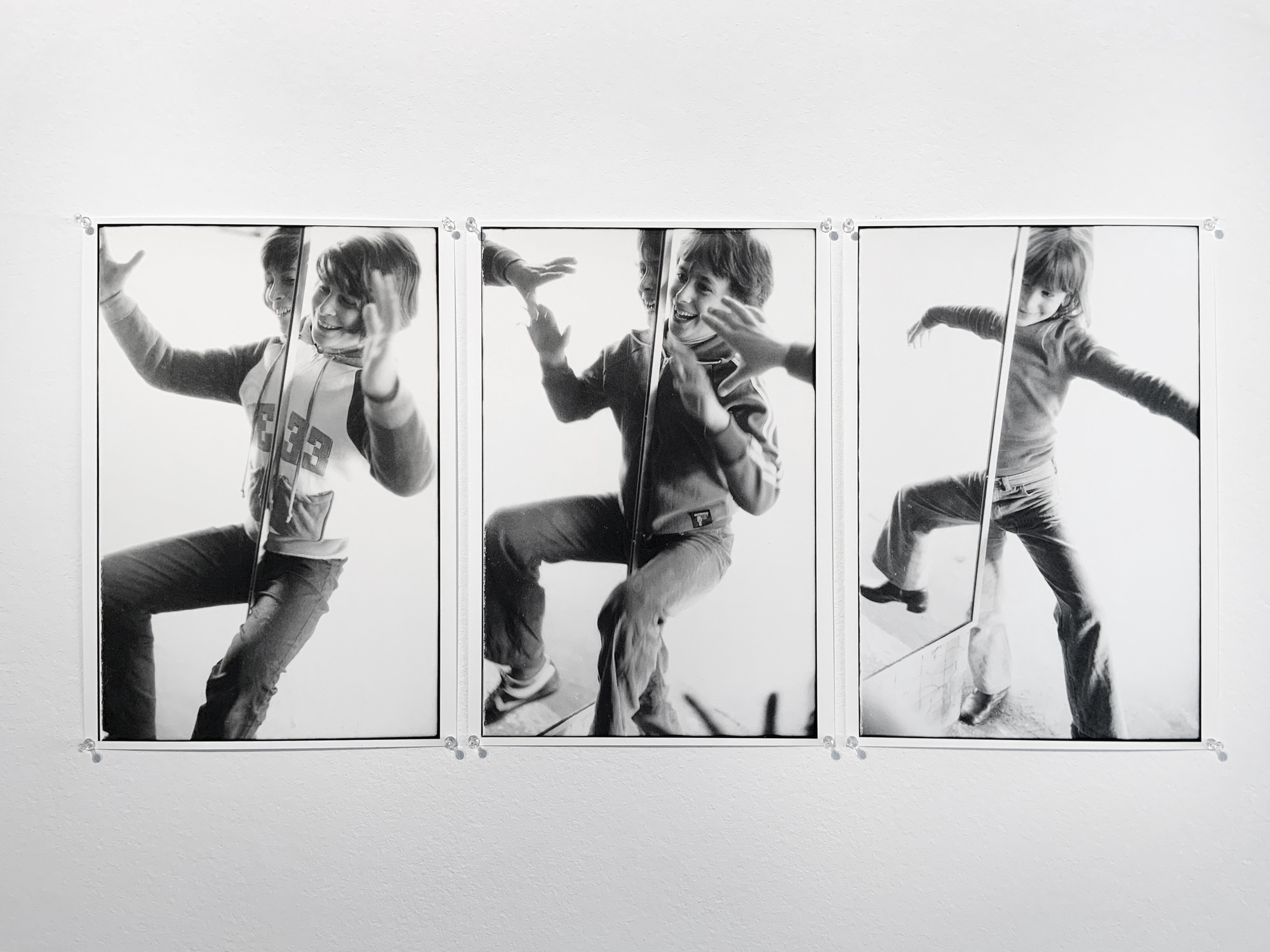
Rod McNicol has been drawn to portraiture ever since he attended Prahran College in 1974. His fellow classmates included Nanette Carter and Bill Henson, and he formed a close connection with Athol Shmith, who would become, in McNicol’s words, ‘a lifelong mentor and friend’. McNicol held his first exhibition and Brummels Gallery of Photography with Carol Jerrems, where he exhibited works from his Permanent mirrors series. This exhibition marked a transition to what McNicol would call his structured approach to portraiture. In the image Nanette, McNicol made a makeshift studio on Paul Cox’s front veranda and placed Carter against a neutral backdrop.

In late 1978, McNicol moved into his warehouse apartment on Smith Street, Fitzroy. Since this move, he has incorporated this space into his work and it has become an important component, both as a location and as an aesthetic context.

Wall text from the exhibition

Rod McNicol alumni profile on the Prahran Legacy website


Rod McNicol (Australian, b. 1946)
'Kent' 1978 (installation view)


Rod McNicol (Australian, b. 1946)
Kent (installation view)
1978
From the series Permanent mirrors
Gelatin silver print
Museum of Australian Photography, City of Monash Collection acquired 2013
Photo: Marcus Bunyan


Rod McNicol’s series of portraits Permanent mirrors grew out of his interest in nineteenth-century photographic portraiture, whereby the slow exposure times necessitated what he calls a ‘gauche, self-conscious, fatalist stare’. For McNicol, these portraits carried the ‘spectre of mortality itself’. The environmental portraits that make up his Permanent mirrors series embody many of the formal attributes of nineteenth-century portraiture that appealed to him, insofar as the sitters are seated in highly static poses, staring directly and blankly at the camera. Soon after, McNicol introduced a range of highly significant formal changes to his portraits, whereby sitters were photographed on a kitchen chair against a plain, neutral background in the artist’s Fitzroy studio. McNicol continues to photograph people from his neighbourhood in this way.

Text from the Museum of Australian Photography website


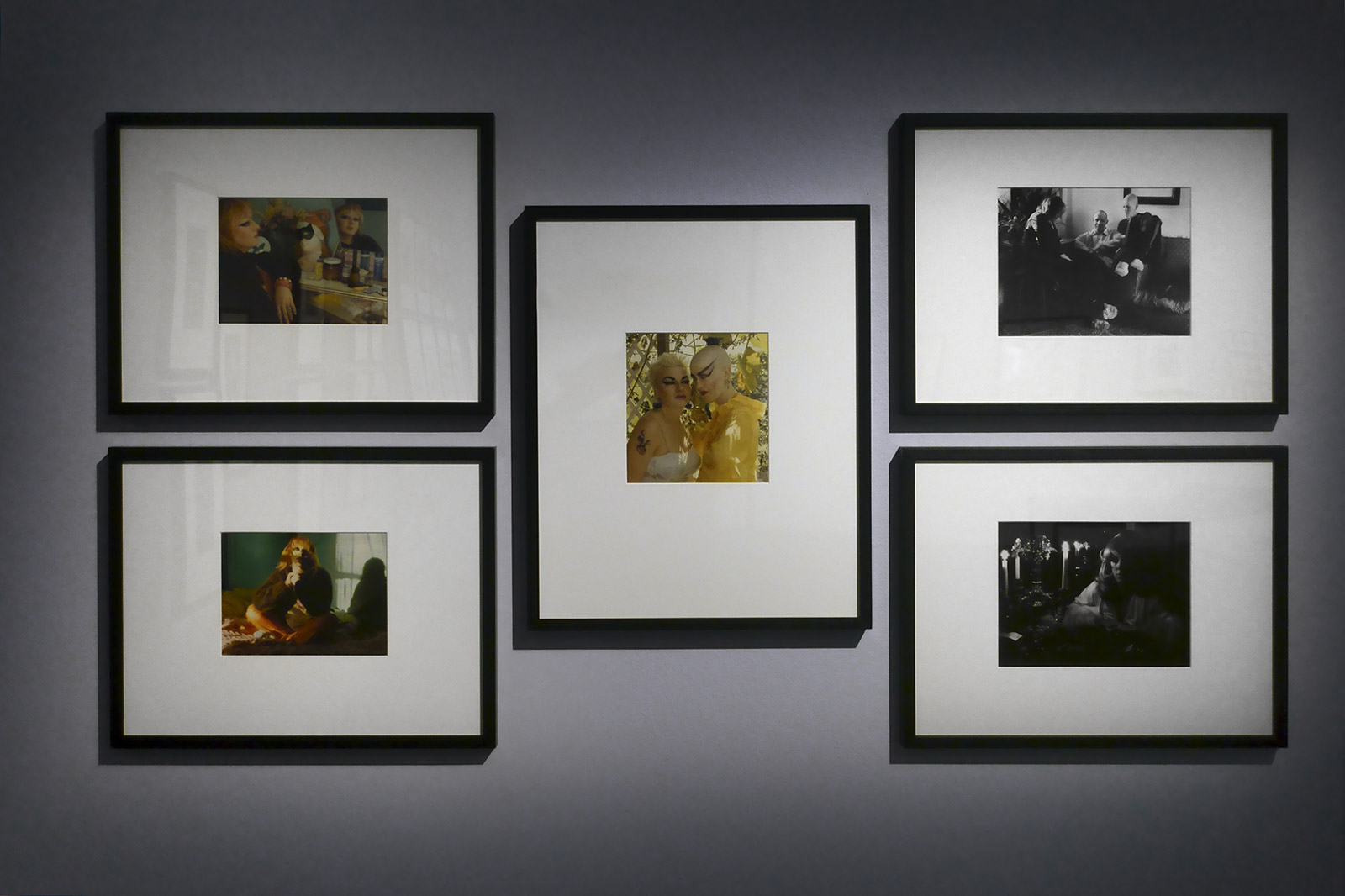
Installation view of the exhibition 'The basement: photography from Prahran College (1968-1981)' at the Museum of Australian Photography, Wheelers Hill, Melbourne showing from left top to bottom, Stella Sallman's photographs 'Sue at the mirror' 1977; 'Sue on the bed' 1977; 'Sue and Carmen' 1978; 'Sue, Simon and Carmen' 1977; 'Beautiful transvestite' 1975


Installation view of the exhibition The basement: photography from Prahran College (1968-1981) at the Museum of Australian Photography, Wheelers Hill, Melbourne showing from left top to bottom, Stella Sallman’s photographs Sue at the mirror 1977; Sue on the bed 1977; Sue and Carmen 1978; Sue, Simon and Carmen 1977; Beautiful transvestite 1975
Photo: Marcus Bunyan


Stella Sallman (Australian, b. 1956)
'Sue and Carmen' 1978 (installation view)


Stella Sallman (Australian, b. 1956)
Sue and Carmen (installation view)
1978
Chromogenic print
Museum of Australian Photography, City of Monash Collection acquired 2025
Photo: Marcus Bunyan


Stella Sallman attended Prahran College from 1976 to 1978. She had originally planned to study fashion design at RMIT, but she was unable pursue the course because she didn’t have a folio. Instead, after completing the preliminary year in Art and Design at Prahran College, she discovered a deep fascination with photography.

Sallman was invited by Rennie Ellis to exhibit her series of glam punks, which she started in her second year, at Brummels Gallery of Photography in 1978, as a support for fellow photographer Jon Rhodes. She said, ‘Rennie came and did some lectures at Prahran. I found him very inspiring because he wasn’t about things looking technically correct.’ He was also brimming with ‘exuberant enthusiastic positive energy.’ The 13 works exhibited at Brummels were portraits of people that Sallman had encountered. Sallman had seen Sue whilst travelling on a train and asked if she could take her portrait. ‘I was very curious about people that didn’t conform.’ In Sallman’s images, she uses colour to emphasise the personality and mood of her subjects, challenging the more traditional, formal portraiture that had prevailed at the time.

Wall text from the exhibition

Stella Sallman alumni profile on the Prahran Legacy website


Gallery two section two (clockwise)


Installation view of the exhibition 'The basement: photography from Prahran College (1968-1981)' at the Museum of Australian Photography, Wheelers Hill, Melbourne
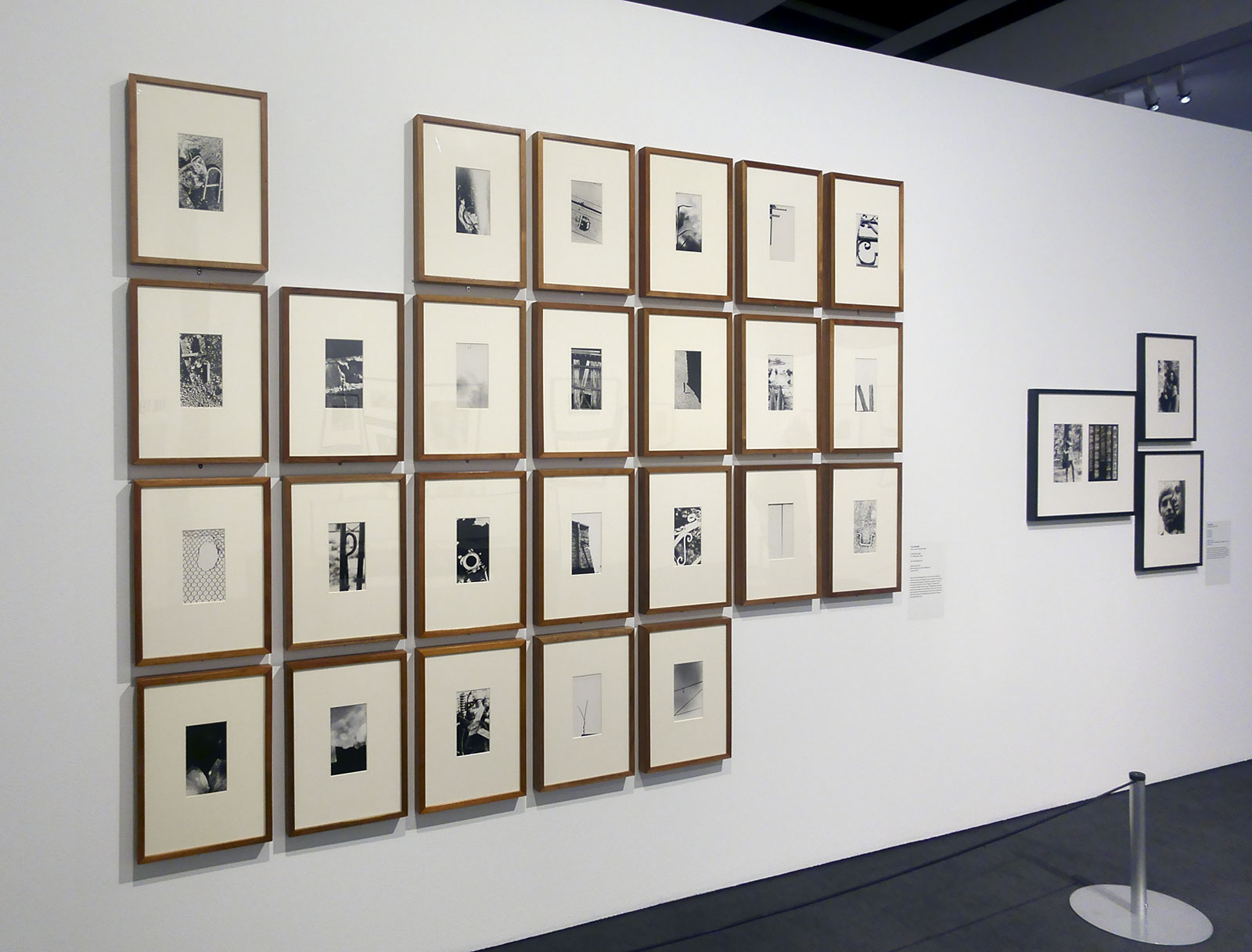
Installation view of the exhibition 'The basement: photography from Prahran College (1968-1981)' at the Museum of Australian Photography, Wheelers Hill, Melbourne showing at left, Carol Jerrems 'Alphabet folio' 1968 dated 1969


Installation view of the exhibition The basement: photography from Prahran College (1968-1981) at the Museum of Australian Photography, Wheelers Hill, Melbourne showing at left, Carol Jerrems Alphabet folio 1968 dated 1969
Photos: Marcus Bunyan


Carol Jerrems (Australian, 1949-1980) Letter from the 'Alphabet folio' 1968 dated 1969 (installation view)


Carol Jerrems (Australian, 1949-1980)
Letters from the Alphabet folio (installation views)
1968 dated 1969
Gelatin silver print
National Gallery of Victoria, Melbourne
Purchased 1971
Photos: Marcus Bunyan


Carol Jerrem’s Alphabet folio is one of her most celebrated and iconic works, and it holds an important place in the history of Australian photography, Created as an assignment during her time as a student at Prahran College, the Alphabet folio consists of 25 letters, with the letter ‘S’ deliberately omitted by Jerrems. The assignment left a lasting impression on Jerrems, as she regularly set this assignment for her own students when she was teaching at the Heidelberg Technical School and the Tasmania School of Art.

Wall text from the exhibition

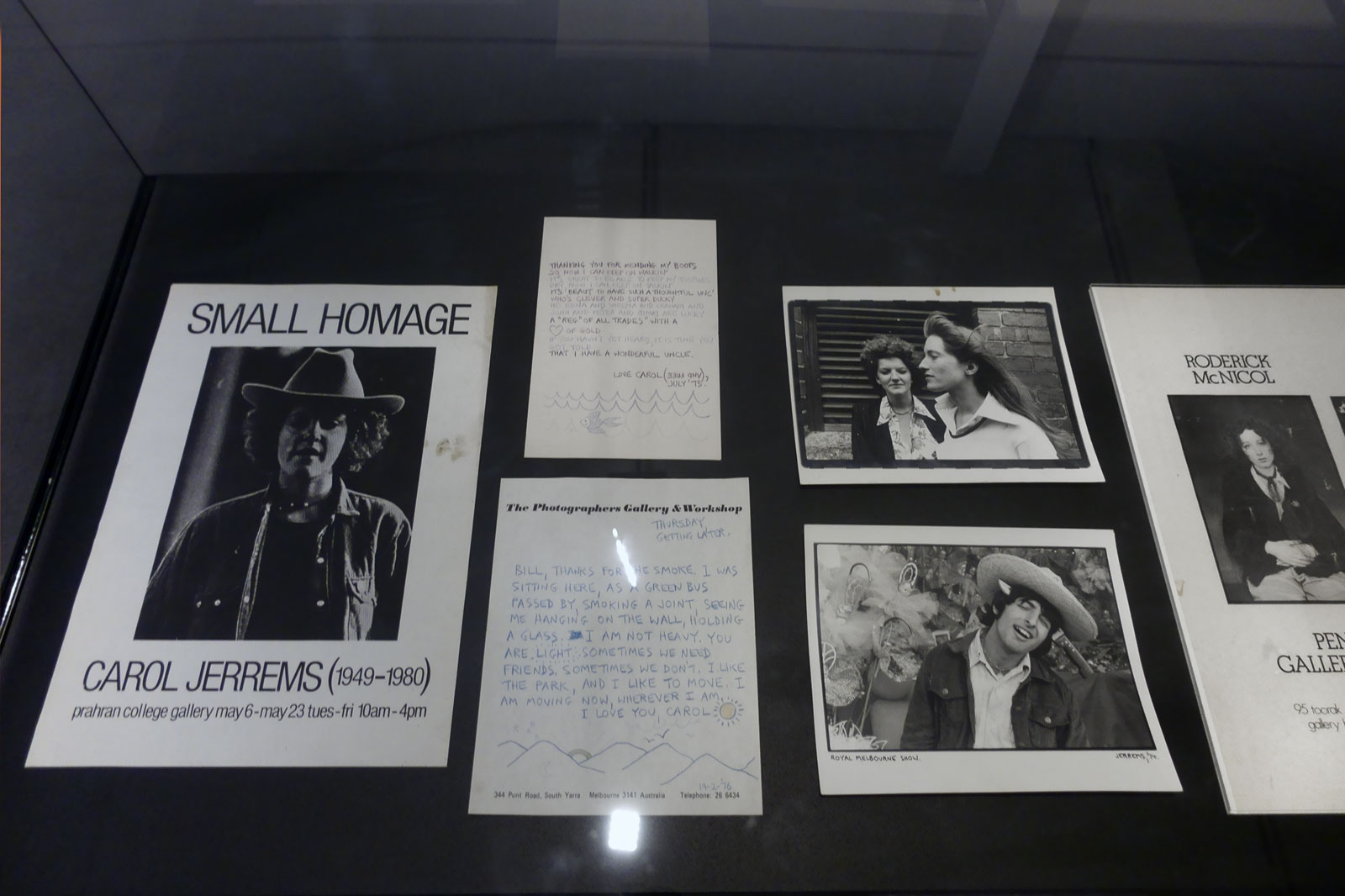
Carol Jerrems studied at Prahran College between 1967-1969 and graduated in 1970, studying under lecturers McKenzie, Cox, and Lee.

Carol Jerrems alumni profile on the Prahran Legacy website


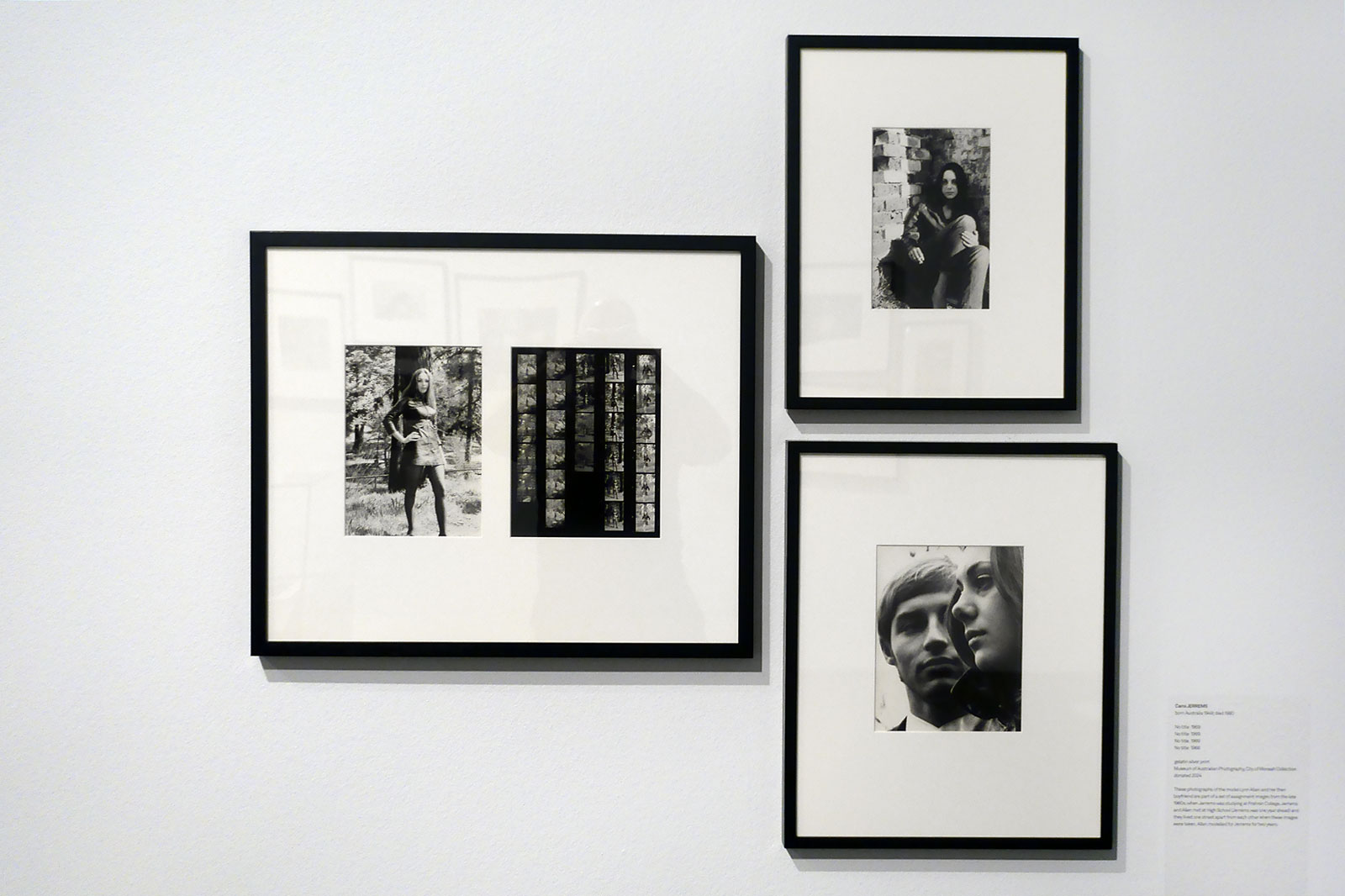
Installation view of the exhibition 'The basement: photography from Prahran College (1968-1981)' at the Museum of Australian Photography, Wheelers Hill, Melbourne


Installation view of the exhibition The basement: photography from Prahran College (1968-1981) at the Museum of Australian Photography, Wheelers Hill, Melbourne showing Carol Jerrems’ No title photographs 1968/1969
Photos: Marcus Bunyan


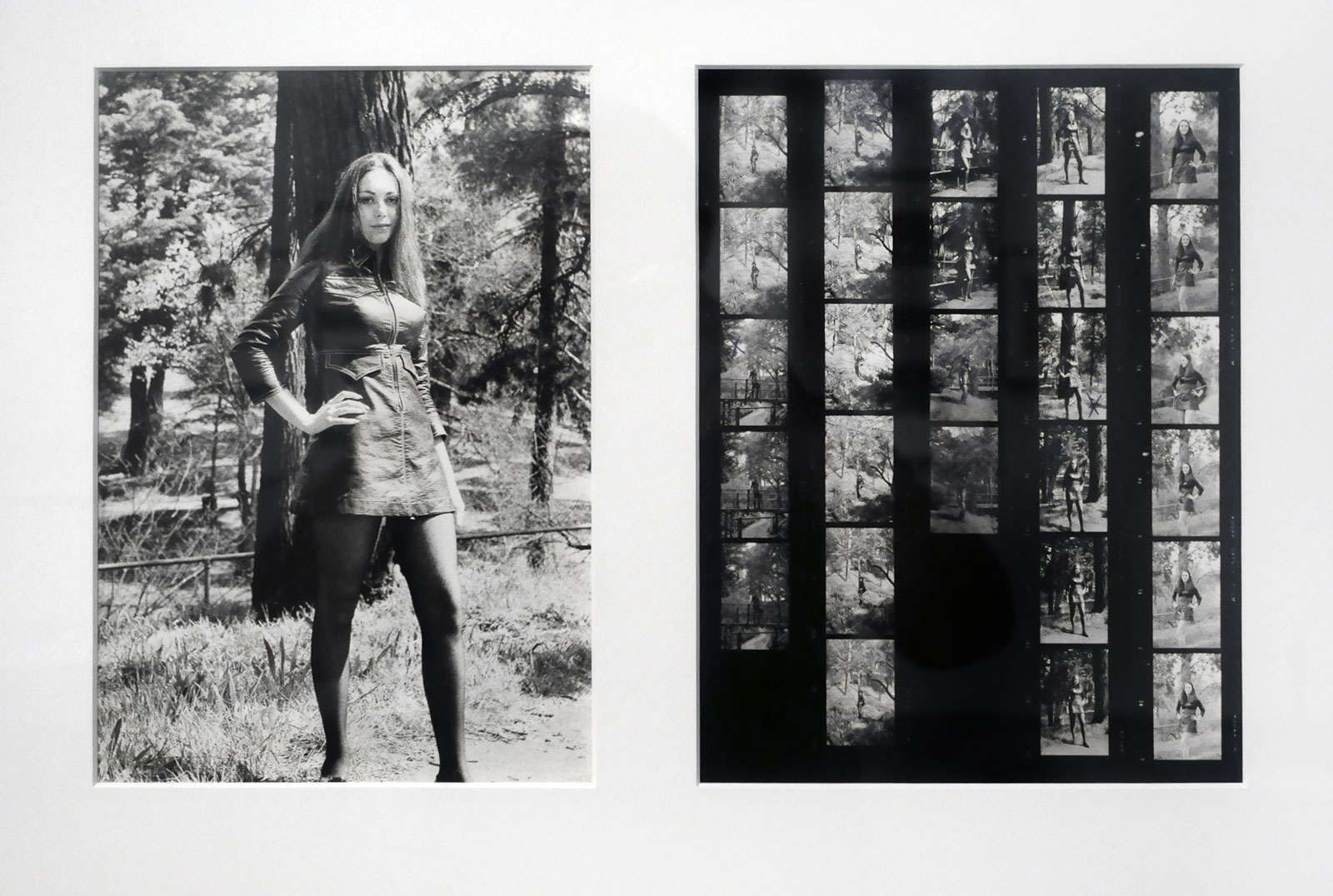
These photographs of the model Lynn Allen and her then boyfriend are part of a set of assignment images from the late 1960s, when Jerrems was studying at Prahran College. Jerrems and Allen met at High School (Jerrems was one year ahead) and they lived one street apart from each other when these images were taken. Allen modelled for Jerrems for two years.

Wall text from the exhibition


Carol Jerrems (Australian, 1949-1980) 'No title' 1969; 'No title' 1969 (installation view)


Carol Jerrems (Australian, 1949-1980)
No title (installation view)
1969
No title (installation view)
1969
Gelatin silver print
Museum of Australian Photography, City of Monash Collection donated 2024
Photo: Marcus Bunyan


Carol Jerrems (Australian, 1949-1980) 'No title' 1969 (installation view)


Carol Jerrems (Australian, 1949-1980)
No title (installation view)
1969
Gelatin silver print
Museum of Australian Photography, City of Monash Collection donated 2024
Photo: Marcus Bunyan


Installation view of the exhibition 'The basement: photography from Prahran College (1968-1981)' at the Museum of Australian Photography, Wheelers Hill, Melbourne showing photographs by Carol Jerrems


Installation view of the exhibition The basement: photography from Prahran College (1968-1981) at the Museum of Australian Photography, Wheelers Hill, Melbourne showing photographs by Carol Jerrems
Photo: Marcus Bunyan


Installation view of the exhibition 'The basement: photography from Prahran College (1968-1981)' at the Museum of Australian Photography, Wheelers Hill, Melbourne


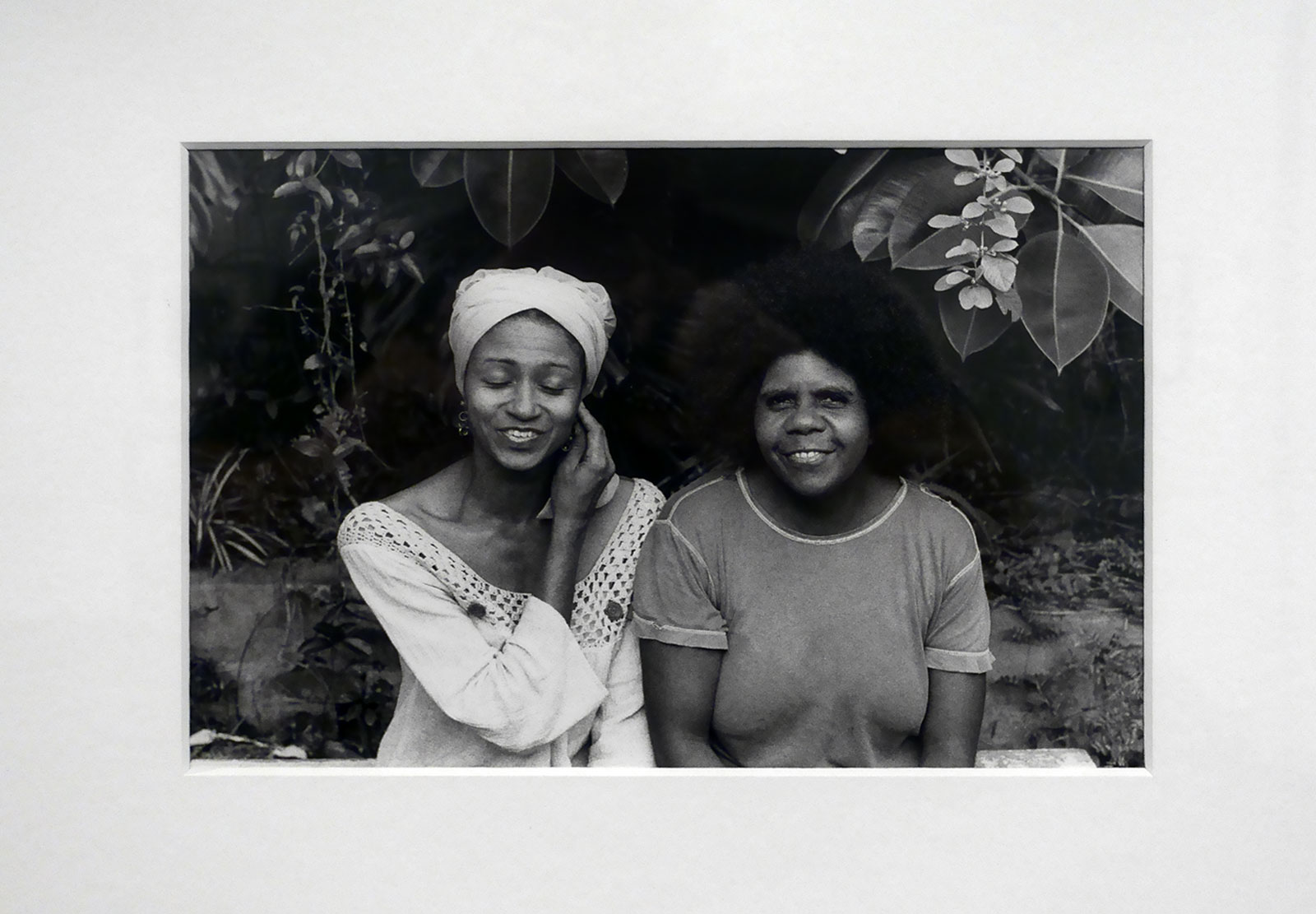
Installation view of the exhibition The basement: photography from Prahran College (1968-1981) at the Museum of Australian Photography, Wheelers Hill, Melbourne showing Carol Jerrems’ photographs at left top, Kath Walker 1974; at bottom left, Thancouple (Gloria Fletcher) and Carole Johnson 1974; and at right, Ron Johnson 1974
Photo: Marcus Bunyan


Carol Jerrems (Australian, 1949-1980) 'Thancouple (Gloria Fletcher) and Carole Johnson' 1974 (installation view)


Carol Jerrems (Australian, 1949-1980)
Thancouple (Gloria Fletcher) and Carole Johnson (installation view)
1974
Gelatin silver print
National Gallery of Australia, Canberra
Gift of Mrs Joy Jerrems 1981
Photo: Marcus Bunyan


Carol Jerrems (Australian, 1949-1980) 'Ron Johnson' 1974


Carol Jerrems (Australian, 1949-1980)
Ron Johnson
1974
Gelatin silver print
Museum of Australia Photography, City of Monash Collection donated through the Australian Government’s Cultural Gifts Program 2015
Photo: Marcus Bunyan


Installation view of the exhibition 'The basement: photography from Prahran College (1968-1981)' at the Museum of Australian Photography, Wheelers Hill, Melbourne


Installation view of the exhibition The basement: photography from Prahran College (1968-1981) at the Museum of Australian Photography, Wheelers Hill, Melbourne showing Carol Jerrem’s photographs at left, Esoteric personal (mini) recent exhibition 1976; at top right, Vale Street 1975; at bottom right, Juliet holding ‘Vale Street’ at Murray Road 1976
Photo: Marcus Bunyan


Carol Jerrems (Australian, 1949-1980) 'Esoteric personal (mini) recent exhibition' 1976 (installation view)


Carol Jerrems (Australian, 1949-1980)
Esoteric personal (mini) recent exhibition (installation view)
1976
Gelatin silver prints
Private collection
Photo: Marcus Bunyan
 

Carol Jerrems (Australian, 1949-1980) 'Vale Street' 1975 (installation view)


Carol Jerrems (Australian, 1949-1980)
Vale Street (installation view)
1975
Gelatin silver print
Museum of Australia Photography, City of Monash Collection donated through the Australian Government’s Cultural Gifts Program by Susan Hesse 2012
Photo: Marcus Bunyan


Carol Jerrems (Australian, 1949-1980) 'Vale Street' 1975


Carol Jerrems (Australian, 1949-1980)
Vale Street
1975
Gelatin silver print
Museum of Australia Photography, City of Monash Collection donated through the Australian Government’s Cultural Gifts Program by Susan Hesse 2012


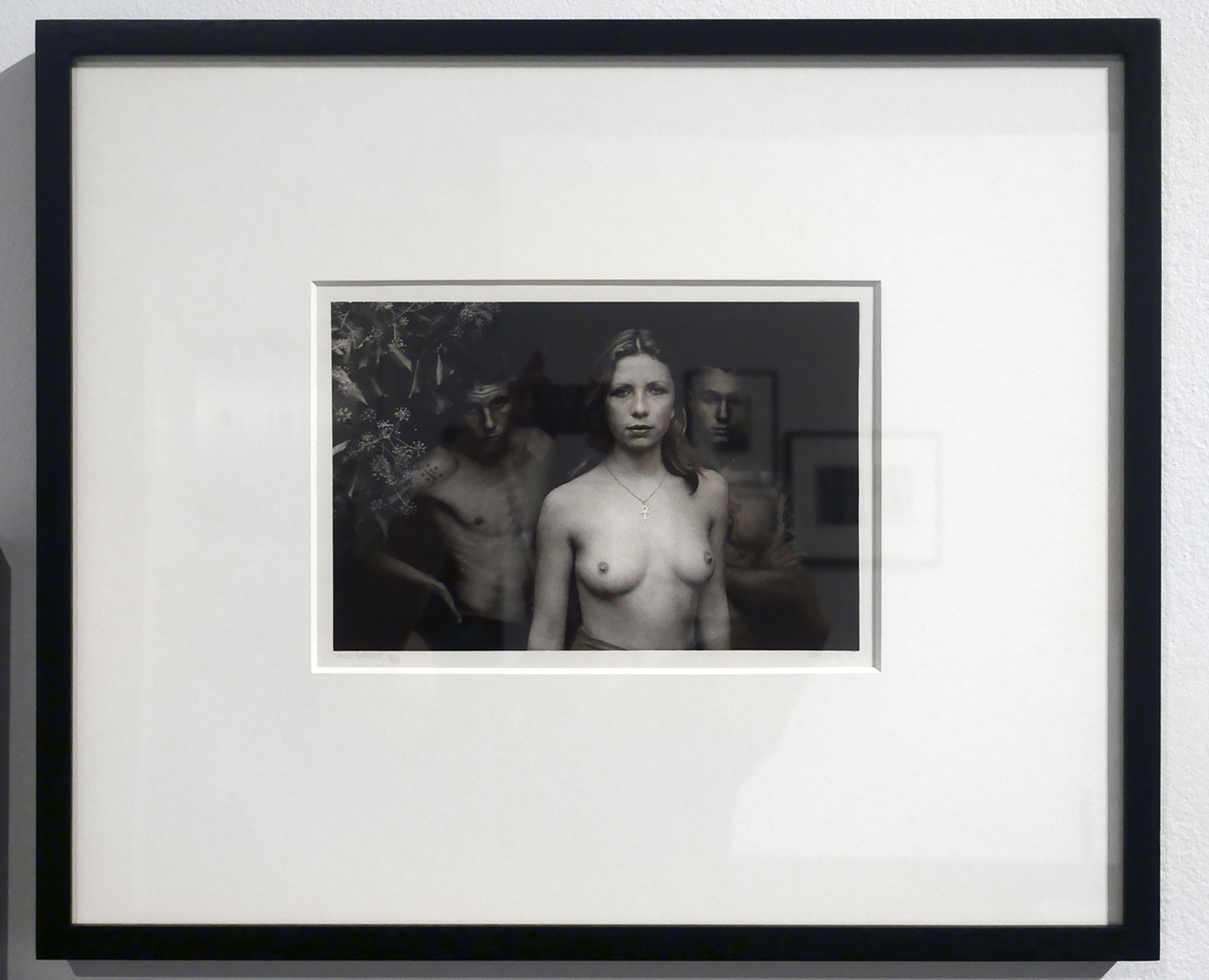
In 1975, Carol Jerrems made what would become her most famous photograph. Vale Street shows Jerrem’s friend Catriona Brown standing in front of Mark Lean and Jon Bourke, teenage boys from Heidelberg Technical School where Jerrems was teaching at the time. The photograph, taken in the back yard of a house at 52 Vale Street, St Kilda, comes from a series of pictures that show the three subjects socialising, smoking and, under the direction of Jerrems, gradually disrobing. Jerrems carefully set up and managed this no-iconic image, which quickly came to personify the optimism and ambitions of countercultural and feminist politics at the time

Wall text from the exhibition


Installation view of the exhibition 'The basement: photography from Prahran College (1968-1981)' at the Museum of Australian Photography, Wheelers Hill, Melbourne showing photographs by Carol Jerrems (left) and Paul Cox (centre)


Installation view of the exhibition The basement: photography from Prahran College (1968-1981) at the Museum of Australian Photography, Wheelers Hill, Melbourne showing photographs by Carol Jerrems (left) and Paul Cox (centre)
Photo: Marcus Bunyan


Installation view of the exhibition 'The basement: photography from Prahran College (1968-1981)' at the Museum of Australian Photography, Wheelers Hill, Melbourne


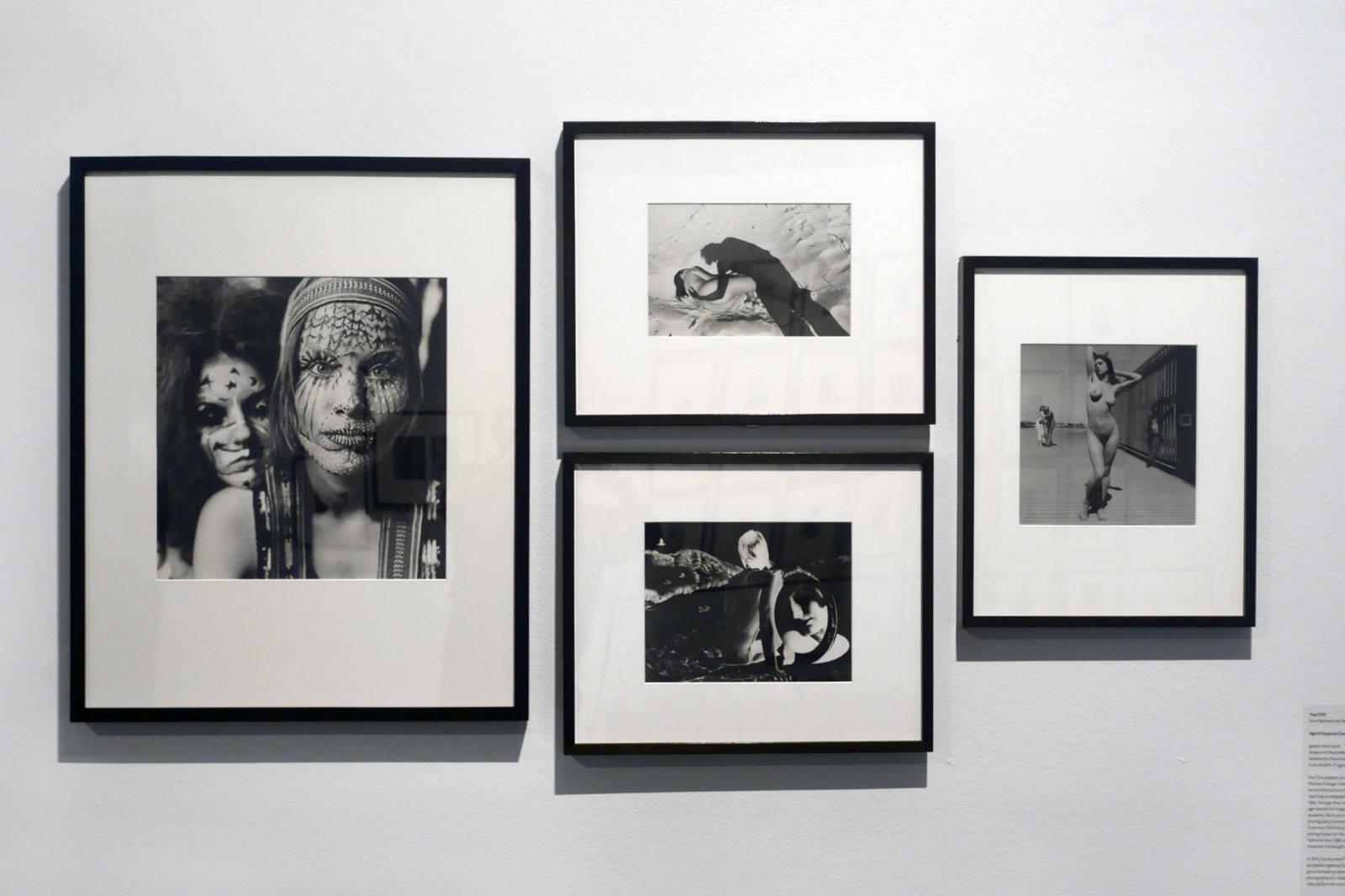
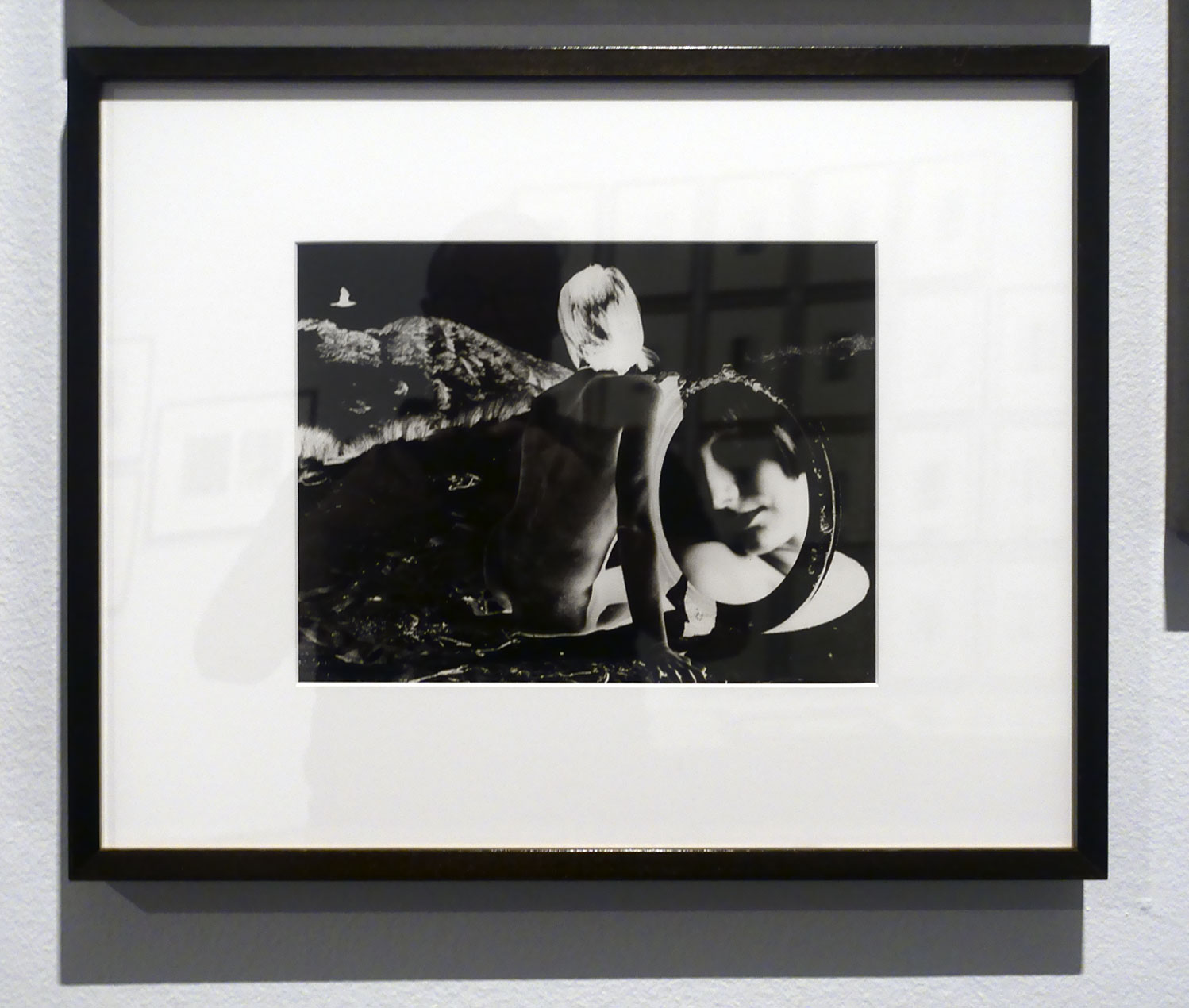
Installation view of the exhibition The basement: photography from Prahran College (1968-1981) at the Museum of Australian Photography, Wheelers Hill, Melbourne showing Paul Cox’s photographs with at left, Age of Aquarius (Carol Jerrems, Jan Hurrell) 1970; at centre top, Elizabeth 1 1972; at centre bottom, Fantasy of divine illusion 1972; and at right, Prahran 2 1974
Photo: Marcus Bunyan


Paul Cox (Australian born Netherlands, 1940-2016) 'Age of Aquarius (Carol Jerrems, Jan Hurrell)' 1970 (installation view)


Paul Cox (Australian born Netherlands, 1940-2016)
Age of Aquarius (Carol Jerrems, Jan Hurrell)
1970
Gelatin silver print
Museum of Australia Photography, City of Monash Collection donated by the artist through the Australian Government’s Cultural Gifts Program
Photo: Marcus Bunyan


Paul Cox played a pivotal role in the Photography Department at Prharan College, initially appointed part-time in February 1968, he transitioned to full-time position in 1970 and continued teaching photography and filmmaking until his departure in 1982. Younger than colleagues such as Cato and Shmith, Cox’s age helped him forge strong, personal connections with his students. Many alumni attribute their exposure to international photography luminaries to Cox’s influence. However, it was Cox’s own distinctive approach to photography that left a lasting impact on his students. Cox moved to Australia from the Netherlands in 1965 and although he was not formally trained as a teacher, he brought with him a European sensibility.

In 1973, Cox founded The Photographers’ Gallery and Workshop, alongside Ingeborg Tyssen, John F William and Rod McNicol, a groundbreaking space that played a crucial role in establishing photography as a respected art form in Australia and provided a vital platform for contemporary photographers.

Wall text from the exhibition

Paul Cox on the Prahran Legacy website


Paul Cox (Australian born Netherlands, 1940-2016) 'Age of Aquarius (Carol Jerrems, Jan Hurrell)' 1970


Paul Cox (Australian born Netherlands, 1940-2016)
Age of Aquarius (Carol Jerrems, Jan Hurrell)
1970
Gelatin silver print
Museum of Australia Photography, City of Monash Collection donated by the artist through the Australian Government’s Cultural Gifts Program


Paul Cox (Australian born Netherlands, 1940-2016) 'Fantasy of divine illusion' 1972 (installation view)


Paul Cox (Australian born Netherlands, 1940-2016)
Fantasy of divine illusion (installation view)
1972
Gelatin silver print
Museum of Australia Photography, City of Monash Collection donated by the artist through the Australian Government’s Cultural Gifts Program
Photo: Marcus Bunyan


Paul Cox (Australian born Netherlands, 1940-2016) 'Prahran 2' 1974 (installation view)


Paul Cox (Australian born Netherlands, 1940-2016)
Prahran 2 (installation view)
1974
Gelatin silver print
Museum of Australia Photography, City of Monash Collection donated by the artist through the Australian Government’s Cultural Gifts Program
Photo: Marcus Bunyan


Wall text from the exhibition 'The basement: photography from Prahran College (1968-1981)' at the Museum of Australian Photography, Wheelers Hill, Melbourne


Wall text from the exhibition The basement: photography from Prahran College (1968-1981) at the Museum of Australian Photography, Wheelers Hill, Melbourne
Photo: Marcus Bunyan


Installation view of the exhibition 'The basement: photography from Prahran College (1968-1981)' at the Museum of Australian Photography, Wheelers Hill, Melbourne showing a poster for an exhibition by Tod McNicol and Carol Jerrems at Brummels Gallery of Photography, August - September 1978
Installation view of the exhibition 'The basement: photography from Prahran College (1968-1981)' at the Museum of Australian Photography, Wheelers Hill, Melbourne two letters from Carol Jerrems including at bottom a letter to William (Bill) Heimerman (1950-2017) co-director at the time of The Photographers' Gallery and Workshop
Installation view of the exhibition 'The basement: photography from Prahran College (1968-1981)' at the Museum of Australian Photography, Wheelers Hill, Melbourne


Installation views of the exhibition The basement: photography from Prahran College (1968-1981) at the Museum of Australian Photography, Wheelers Hill, Melbourne with artefacts in a vitrine, showing a poster for an exhibition by Tod McNicol and Carol Jerrems at Brummels Gallery of Photography, August – September 1978; two letters from Carol Jerrems including at bottom a letter to William (Bill) Heimerman (1950-2017) co-director at the time of The Photographers’ Gallery and Workshop; and two gelatin silver prints by Carol Jerrems
Photos: Marcus Bunyan


Installation view of the exhibition 'The basement: photography from Prahran College (1968-1981)' at the Museum of Australian Photography, Wheelers Hill, Melbourne showing at centre, work by John Cato


Installation view of the exhibition The basement: photography from Prahran College (1968-1981) at the Museum of Australian Photography, Wheelers Hill, Melbourne showing at far left a photograph by Paul Cox, at second and third left photographs by Athol Shmith and at centre, photographs by John Cato
Photo: Marcus Bunyan


Installation view of the exhibition 'The basement: photography from Prahran College (1968-1981)' at the Museum of Australian Photography, Wheelers Hill, Melbourne


Installation view of the exhibition The basement: photography from Prahran College (1968-1981) at the Museum of Australian Photography, Wheelers Hill, Melbourne showing at left, Paul Cox’s Portrait of Athol Shmith 2 1983; and at right, Athol Shmith’s Anamorphic image No. 17 and Anamorphic image No. 1 both 1973
Photo: Marcus Bunyan


Athol Shmith is widely known for his commercial portraiture and fashion photography. His style became emblematic of an era that was transitioning from the more formal rigid photographic style of the early 20th century to something more dramatic. His portraits are highly polished, sophisticated and capture the essence of the post-war era’s glamour.

Shmith’s sale was characterised by a strong focus on lighting and composition, often using dramatic lighting setups to create bold, striking images. As Head of the Photography Department from 1972 to 1979 Art Prahran College, Shmith brought a high level of technical expertise.

Shmith created his Anamorphic series while teaching at Prahran College, and exhibited the series at Realities Gallery in 1973. Student Suzanne Budds recalls being a model for one of the images in this series.

Wall text from the exhibition

Athol Shmith Lecturer profile on the Prahran Legacy website


Paul Cox (Australian born Netherlands, 1940-2016) 'Portrait of Athol Shmith 2' 1983 (installation view)


Paul Cox (Australian born Netherlands, 1940-2016)
Portrait of Athol Shmith 2 (installation view)
1983
Gelatin silver print
Museum of Australia Photography, City of Monash Collection donated by the artist through the Australian Government’s Cultural Gifts Program 2000
Photo: Marcus Bunyan


Installation view of the exhibition 'The basement: photography from Prahran College (1968-1981)' at the Museum of Australian Photography, Wheelers Hill, Melbourne showing from left, John Cato's photographs 'Seawind' 1871-1975; 'Tree - a journey' 1971-1973; and 'Tree - a journey #13' 1971-1973 from the series 'Essay I: landscape in a figure' 1971-1979


Installation view of the exhibition The basement: photography from Prahran College (1968-1981) at the Museum of Australian Photography, Wheelers Hill, Melbourne showing from left, John Cato’s photographs Seawind 1871-1975; Tree – a journey 1971-1973; and Tree – a journey #13 1971-1973 from the series Essay I: landscape in a figure 1971-1979
Photo: Marcus Bunyan


John Cato (Australian, 1926-2011) 'Tree - a journey' 1971-1973 (installation view)


John Cato (Australian, 1926-2011)
Tree – a journey (installation views)
1971-1973
Gelatin silver print
Museum of Australian Photography, City of Monash Collection donated by the Cato Estate 2021


John Cato (Australian, 1926-2011) 'Tree - a journey' 1971-1973


John Cato (Australian, 1926-2011)
Tree – a journey
1971-1973
Gelatin silver print
Museum of Australian Photography, City of Monash Collection donated by the Cato Estate 2021


John Cato began his informal studies in photography with his father, the photographer Jack Cato, in 1938. He worked as a commercial photographer from 1947 to 1974, including a notable stint as a press photographer for The Argus from 1947 to 1950. Over the course of his career, Cato collaborated with Athol Shmith for more than two decades, before shifting away from commercial photography in 1974 to focus on his own fine art practice. That same year, Cato also embarked on his career as a photography educator, taking a teaching position at Prahran College, eventually succeeding Shmith as Head of the Photography Department in 1980.

Cato was known for his mystical and spiritual approach to photography, a philosophy that deeply influenced both his teaching style and his own photographic work. His method was unconventional, emphasising not just technical skill, but the creation of images with a deeper, almost transcendent resonance. Many of Cato’s works are minimalist, capturing quiet, still moments in nature, where form and texture take precedence over literal representation. These images often have an abstract quality, inviting the viewer to engage with the landscape on a more introspective, emotional level. Cato’s photography was not just about capturing a scene, it was about evoking a deeper connection to the transformative power of the natural world.

Wall text from the exhibition

Read my Vale to Dr John Cato (1926-2011)

John Cato on the Prahran Legacy website


John Cato (Australian, 1926-2011) 'Tree - a journey #13' 1971-1973 (installation view)


John Cato (Australian, 1926-2011)
Tree – a journey #13 (installation views)
1971-1973
Gelatin silver print
Museum of Australian Photography, City of Monash Collection donated by the artist
Acquired 1981


John Cato (Australian, 1926-2011) 'Tree - a journey #13' 1971-1973


John Cato (Australian, 1926-2011)
Tree – a journey #13
1971-1973
Gelatin silver print
Museum of Australian Photography, City of Monash Collection donated by the artist
Acquired 1981


“Thanks are due to…. Phil Quirk, Peter Leiss, and the now deceased Jon Conte, who started finding alumni (starting with those of 1968-1972) in 2012; Colin Abbott who encouraged Photonet gallery (now MAGNET) in 2014 to put on a show of 1 sample each of student-era and contemporary work of most of the 1974-1976 cohort; Colin has generously part-funded the book that MAPh has produced; designer and archivist Mimmo Cozzolino has contributed beautifully preserved ephemera from his College years, as well as donating his design skills to the ongoing project. Peter Leiss, assisted by Nicholas Nedelkopoulos, produced fine video interviews with alumni… a labour of love!

James McArdle joined the project in 2017. Merle Hathaway, who accepted an invitation to work with the team in 2021, has been an invaluable and key driver of the project in getting this exhibition (and future showings). Merle has secured upcoming shows of contemporary work by 1968-1991 alumni for MAGNET (through May 2025),  the BIFB (August 2025) and elsewhere…

Above all, MAPh curators, Angela Connor and Stella-Loftus-Hills, have been extraordinary in their enthusiasm for the concept, and their realisation of it through their expertise and hard work and is beyond our wildest expectations.  To have contributing writers of the calibre of Gael Newton, Helen Ennis, Daniel Palmer, Adrian Danks et al. is an honour and a further tribute to MAPh organisation and thoroughness.”

Associate Professor James McArdle


For more information please see The Prahran Photography website which upholds the legacy of Prahran College 1970s photography through posts on profiles of the alumni (an ongoing project). The site was initiated by James McArdle, who graduated in 1977 with a Diploma of Art and Design from Prahran College and Merle Hathaway, who coined the title, and who joins James in writing some of the posts.


Making film

Required to collaborate on a class film or create one of their own, photography students often took on multiple roles in each other’s projects. Paul Cox frequently cast his students as actors in his films, forging relationships that continued long after they graduated from college. In Cox’s productions, students also filled essential technical roles such as stills photographer and cinematographer. As well as developing their skills, this collaborative environment fostered a sense of community among aspiring filmmakers.

Paul Cox is known for his distinctive, often introspective films that explore human relationships, emotions, and existential themes. His work, while not always mainstream, is highly regarded in the Australian film industry and internationally for its emotional depth and unique storytelling style.

Mirka is a short film that features French-Australian visual artist Mirka Mora, a key figure in the Melbourne art scene. Mora gained recognition for her distinctive and colourful works, and her blend of surrealism, fantasy and personal experiences. The film explores her journey as an artist and her personal life, showcasing her experiences and her unique approach to art. The film offers a personal perspective into her world and is a rare glimpse into the life of one of Australia’s most beloved and influential artists.

Mirka was a collaborative project, directed by Paul Cox with the assistance of several Prahran students.

Student life

The students at Prahran College were part of a vibrant and dynamic environment that nurtured creativity, experimentation and community. Many drew inspiration from their immediate circles – friends and acquaintances – for their class assignments. They actively participated in exhibitions, showcasing their work to the public and their peers. Students presented their works in critique sessions that played a vital role in the learning process, providing a forum for discussion, debate and critical feedback.

Assignments often revolved around chosen topics such as fashion, portraiture or family, and sometimes involved field trips out into the landscape or excursions to places like hospitals, factories and the beach. Taking advantage of a ‘free assignment’ in 1976 a group of rebellious students got together to produce images of themselves dressed as revolutionaries, wearing clothes sourced from local opportunity shops and carrying real guns.

The images of students from Prahran College in the 1970s serve as visual documents of the bohemian spirit and encapsulate the idealism of the time. The way students were photographed, often in unposed and relaxed settings, captures the free-spirited nature of the College, with the camera becoming a tool for exploring vulnerability and personal expression, rather than just recording events or situations.

The legacy of the bohemian spirit that was cultivated at Prahran College during the 1970s is still evident in the work of contemporary Australian artists today, many of whom continue to embrace self-expression, individuality and alternative narratives.

Text from the Museum of Australian Photography website


Gallery three


Installation view of the exhibition 'The basement: photography from Prahran College (1968-1981)' at the Museum of Australian Photography, Wheelers Hill, Melbourne


Installation view of the exhibition The basement: photography from Prahran College (1968-1981) at the Museum of Australian Photography, Wheelers Hill, Melbourne
Photo: Marcus Bunyan


Installation view of the exhibition 'The basement: photography from Prahran College (1968-1981)' at the Museum of Australian Photography, Wheelers Hill, Melbourne showing Andrew Wittner's photograph 'John Cato leading a group on a photographic expedition, Steve Lojewski using a film camera' 1975; and George Volakos' 'Rye back beach 1' 1972


Installation view of the exhibition The basement: photography from Prahran College (1968-1981) at the Museum of Australian Photography, Wheelers Hill, Melbourne showing at left, Andrew Wittner’s photograph John Cato leading a group on a photographic expedition, Steve Lojewski using a film camera 1975; and at right, George Volakos’ Rye back beach 1 1972
Photo: Marcus Bunyan


Andrew Wittner (Australian, b. 1955) 'John Cato leading a group on a photographic expedition, Steve Lojewski using a film camera' 1975, printed 2024 (installation view)


Andrew Wittner (Australian, b. 1955)
John Cato leading a group on a photographic expedition, Steve Lojewski using a film camera (installation view)
1975, printed 2024
Gelatin silver print
Collection of the artist
Photo: Marcus Bunyan


George Volakos (Australian born Greece, b. 1948) 'Rye back beach 1' 1972, printed 2024 (installation view)


George Volakos (Australian born Greece, b. 1948)
Rye back beach 1 (installation view)
1972, printed 2024
Gelatin silver print
Collection of the artist
Photo: Marcus Bunyan


Installation view of the exhibition 'The basement: photography from Prahran College (1968-1981)' at the Museum of Australian Photography, Wheelers Hill, Melbourne showing photographs by Richard Muggleton, George Volakos, Colin Abbott, Graham Howe, Philip Quirk, Jim McFarlane, Greg Neville, Andrew Wittner, Peter Bowes, and an unknown photographer


Installation view of the exhibition The basement: photography from Prahran College (1968-1981) at the Museum of Australian Photography, Wheelers Hill, Melbourne showing photographs by Richard Muggleton, George Volakos, Colin Abbott, Graham Howe, Philip Quirk, Jim McFarlane, Greg Neville, Andrew Wittner, Peter Bowes, and an unknown photographer
Photo: Marcus Bunyan


Installation view of the exhibition 'The basement: photography from Prahran College (1968-1981)' at the Museum of Australian Photography, Wheelers Hill, Melbourne showing photographs by Philip Quirk, Jim McFarlane, Peter Bowes, and Peter Leiss


Installation view of the exhibition The basement: photography from Prahran College (1968-1981) at the Museum of Australian Photography, Wheelers Hill, Melbourne showing photographs by Philip Quirk, Jim McFarlane, Peter Bowes, and Peter Leiss
Photo: Marcus Bunyan


Installation view of the exhibition 'The basement: photography from Prahran College (1968-1981)' at the Museum of Australian Photography, Wheelers Hill, Melbourne showing photographs by Julie Higginbotham, Andrew Wittner, and Colin Abbott


Installation view of the exhibition The basement: photography from Prahran College (1968-1981) at the Museum of Australian Photography, Wheelers Hill, Melbourne showing photographs by Julie Higginbotham, Andrew Wittner, and Colin Abbott
Photo: Marcus Bunyan


Julie Higginbotham (Australian, b. 1953) 'Mirka film' 1973


Julie Higginbotham (Australian, b. 1953)
Mirka film
1973
Pigment ink-jet print
Courtesy of the artist


Installation view of the exhibition 'The basement: photography from Prahran College (1968-1981)' at the Museum of Australian Photography, Wheelers Hill, Melbourne


Installation view of the exhibition The basement: photography from Prahran College (1968-1981) at the Museum of Australian Photography, Wheelers Hill, Melbourne showing photographs by Philip Quirk, Peter Leiss, and Peter Bowes including at centre left, Peter Leiss’ Untitled [Bill Heimerman (right) and Ian Lobb (left) at the rear of The Photographers’ Gallery] c. 1975-1980 (below); and at centre Peter Leiss’ Jean-Marc Le Pechoux 1976
Photo: Marcus Bunyan


Ian Lobb was co-director of The Photographers’ Gallery and Workshop with Bill Heimerman. Jean-Marc Le Pechoux was editor of the important Light Vision: Australia’s international photography magazine launched in September 1977.

Read my Vale Ian Lobb (1948-2023), photographer
Read my Vale William Heimerman (1950-2017)


Peter Leiss (Australian born England, b. 1951) 'Untitled [Bill Heimerman and Ian Lobb at the rear of the Photographers' Gallery]' c. 1975-1980


Peter Leiss (Australian born England, b. 1951)
Untitled [Bill Heimerman and Ian Lobb at the rear of the Photographers’ Gallery]
c. 1975-1980
Silver gelatin print


Greg Neville (Australian, b. 1950)
'Tutorial: lecturers and students [back row L–R Derrick Lee, Bryan Gracey, Athol Shmith, Paul Cox, Elizabeth Tainsh]' c. 1971 (installation view)


Greg Neville (Australian, b. 1950)
Tutorial: lecturers and students [back row L–R Derrick Lee, Bryan Gracey, Athol Shmith, Paul Cox, Elizabeth Tainsh] (installation view)
c. 1971
Pigment ink-jet print
Collection of the artist
Photo: Marcus Bunyan

Greg Neville alumni profile on the Prahran Legacy website


Greg Neville (Australian, b. 1950)
'Tutorial: lecturers and students [back row L–R Derrick Lee, Bryan Gracey, Athol Shmith, Paul Cox, Elizabeth Tainsh]' c. 1971


Greg Neville (Australian, b. 1950)
Tutorial: lecturers and students [back row L–R Derrick Lee, Bryan Gracey, Athol Shmith, Paul Cox, Elizabeth Tainsh]
c. 1971
Pigment ink-jet print
Collection of the artist

Unidentified students with lecturers editing 35mm transparencies on a light box.


Summary of Bill Henson’s opening speech for The basement exhibition, 1st March, 2025

Internationally acclaimed photographer Bill Henson delivered a characteristically personal, challenging and reflective speech to mark the opening of The Basement.

He began his address by reminiscing about his time at Prahran in the mid-1970s – a period he remembered as unconventional and formative, despite his own intermittent attendance. “The only catch in my experience there is that I never went,” he quipped to rising laughter from the audience. Henson recalled how his interactions with lecturers such as John Cato and Athol Shmith shaped his artistic philosophy more than technical instruction ever could. “They were setting a moral example, an ethical example, an example of empathy,” he said, emphasising the profound impact their mentorship had on him.

Henson fondly and colourfully described Shmith, a glamorous portraitist who photographed Hollywood stars, and Cato, a figure of quiet wisdom, conjuring their style as an “imperious insouciance” – a blend of grandeur and carefree independence. He emphasised that, unlike today’s art educators who have to navigate academic formalities, these lecturers were practicing artists who brought hard-won experience into the classroom.

“They hadn’t gone through a professional teaching career,” Henson explained. “They weren’t like the kind of lecturer that I seem to see in art schools now, who have to go and get a ‘doctorate of painting’ to keep their job,” but were decidedly “outlandish” and unorthodox.

Their focus was not on rigid curricula but on fostering creativity and curiosity. “They were very generous with their comments,” Henson noted, recalling how they encouraged him to pursue his own path. He would disappear for months at a time, working on his own projects before returning with a bundle of photographs to share with his lecturers; “John would turn around and say, ‘Fuck, we thought you’d left!'” Despite his absences, they were formative in shaping his artistic independence, Shmith advised him to “just piss off and do your own work.”

Henson also shared anecdotes that highlighted the camaraderie and spontaneity of those years. One memorable moment was when Shmith surprised Henson by arranging for his work to be shown at the National Gallery of Victoria – a gesture that underscored his pride in his students’ potential. “That was as big a shock for me as anyone else,” Henson admitted.

Henson advised aspiring young artists to “try to be true to yourself, and don’t… stop… working!” Also important was intergenerational dialogue in art; he urged young people to seek wisdom from older artists before their insights are lost. Drawing on his own friendships with figures like Barry Humphries, Leo Schofield and Marc Newson, he highlighted how such exchanges enrich both parties through shared experiences and perspectives.

Beyond personal anecdotes, Henson used his speech to reflect on broader themes in art education and practice. He lamented what he sees as the increasing politicisation of contemporary art, which he believes has shifted focus away from aesthetics toward “box-ticking exercises” driven by ideology. While acknowledging that political movements such as feminism were present among Prahran’s students in the 1970s – “there were the feminists; there were little groups doing their social diligence” – he noted that these stances did not overshadow the college’s overarching emphasis on beauty and creative exploration. “There wasn’t this righteousness, this indignation, this kind of territorial thing about issues,” he said. In contrast was an openness and enthusiasm that defined Prahran during his time there – a place where beauty and creativity were paramount. Quoting Plato, he remarked, “Beauty is the splendour of truth,” positioning this ideal as central to artistic endeavour.

In opening The Basement exhibition Henson’s speech served not only as a tribute to Prahran College’s legacy – the enduring influence of its educators and alumni on Australia’s photographic landscape – but also as a call to preserve the values of curiosity, independence, and beauty in art.

Bill Henson opening speech summarised in James McArdle. “Opening!” on the On This Date in Photography website, 1st March, 2025 [Online] Cited 18/04/2025

Many thankx to James McArdle for allowing me to reproduce this text.


 Julie Millowick (Australian, b. 1948)
'John Cato, PCAE basement, Prahran' 1976 (installation view)


Julie Millowick (Australian, b. 1948)
John Cato, PCAE basement, Prahran (installation view)
1976
Gelatin silver print
Museum of Australian Photography, City of Monash Collection donated by Julie Millowick 2024
Photo: Marcus Bunyan


Julie Millowick (Australian, b. 1948)
'John Cato, PCAE basement, Prahran'
1976


Julie Millowick (Australian, b. 1948)
John Cato, PCAE basement, Prahran
1976
Gelatin silver print
Museum of Australian Photography, City of Monash Collection donated by Julie Millowick 2024
Photo: Marcus Bunyan


Peter Leiss (Australian born United Kingdom, b. 1951) 'Robert Besanko and Nanette Carter at The Photographers' Gallery, Punt Road' 1976 (installation view)


Peter Leiss (Australian born United Kingdom, b. 1951)
Robert Besanko and Nanette Carter at The Photographers’ Gallery, Punt Road (installation view)
1976
Gelatin silver print
Collection of the artist
Photo: Marcus Bunyan

Peter Leiss alumni profile on the Prahran Legacy website


Stella Sallman (Australian, b. 1956)
'Peter Leiss' 1976 (installation view)


Stella Sallman (Australian, b. 1956)
Peter Leiss (installation view)
1976
Gelatin silver print
Private collection
Photo: Marcus Bunyan


Carol Jerrems (Australian, 1949-1980) 'Rennie Ellis and Robert Ashton'
1976 (installation view)


Carol Jerrems (Australian, 1949-1980)
Rennie Ellis and Robert Ashton (installation view)
1976
Gelatin silver print
Private collection
Photo: Marcus Bunyan


In the early 1970s, advertising photographer and photojournalist Rennie Ellis with deputy director Robert Ashton reopened the space as Brummels Gallery of Photography. Assisted with two Arts Council grants, it was non-profit, and the first privately run art gallery in the country to be devoted specifically to photography…

The gallery closed in January 1980, the month before the premature death of its inaugural exhibitor, Carol Jerrems. Having run for eight years, the gallery had advanced the standing of photography as art and the careers of many Australian photographers including Warren Breninger, Godwin BradbeerPonch HawkesDavid Moore, Gerard Groeneveld, Peter Leiss, Steven Lojewski, Rod McNicol, Wesley Stacey, Robert Ashton, Ian Dodd, Sue FordGeorge Gittoes, Ashe Venn, John Williams, Jon Rhodes, Geoff Strong, Jean-Marc Le Pechoux and Henry Talbot.

“Brummels Gallery,” on the Wikipedia website


Carol Jerrems (Australian, 1949-1980) 'Paul Cox' 1977 (installation view)


Carol Jerrems (Australian, 1949-1980)
Paul Cox (installation view)
1977
Gelatin silver print
Private collection
Photo: Marcus Bunyan


Museum of Australian Photography
860 Ferntree Gully Road, Wheelers Hill
Victoria 3150 Australia
Phone: + 61 3 8544 0500

Opening hours:
Tue – Fri: 10am – 5pm
Sat – Sun: 10pm – 5pm
Mon/public holidays: closed

Museum of Australian Photography website

LIKE ART BLART ON FACEBOOK

Back to top

Exhibition: ‘Hoda Afshar: A Curve is a Broken Line’ at the Art Gallery of New South Wales, Sydney

Exhibition dates: 2nd September 2023 – 21st January 2024


Hoda Afshar (Iran, Australia, b. 1983) 'Portrait #3' 2014 From the series 'In the exodus, I love you more' 2014 - ongoing


Hoda Afshar (Iran, Australia, b. 1983)
Portrait #3
2014
From the series In the exodus, I love you more 2014 – ongoing
Pigment photographic print
47 x 59cm
© Hoda Afshar, image courtesy the artist


“Mixed-up times are overflowing with both pain and joy – with vastly unjust patterns of pain and joy, with unnecessary killing of ongoingness but also with necessary resurgence. The task is to make kin in lines of inventive connection as a practice of learning to live and die well with each other in a thick present. Our task is to make trouble, to stir up potent response to devastating events, as well as to settle troubled waters and rebuild quiet places.”


Donna Haraway, 2016


“… according to one’s structure and position, each of us sees certain facets, certain parts of facets (…).”


Alberto Giacometti


It’s great to see Melbourne artist Hoda Afshar have a mid-career survey exhibition at the Art Gallery of New South Wales. With her strong bodies of work over recent years she surely deserves such an accolade.

Unfortunately I can’t make any comment on the exhibition Hoda Afshar: A Curve is a Broken Line itself – its flow from body of work to body of work, from space to space; the colours used behind the photographs; the sequencing of the work; and how the different sizes of the photographs bring the viewer forward and push them back – because I have not seen the exhibition. But, as always with the work of Afshar, it would seem her compassionate, lyrical, conceptual images are displayed with a clear seeing and focus on the stories that the artist wishes to tell.

Many words have been written by others (below) about significant aspects of Afshar’s work: the layers of displacement, difference and marginality; othering and image-making; war, statelessness, diaspora, oppression, corruption, torment, identity, place … which relate to the “relativity of reality” (the view that people are active participants in the construction of their own reality) imbued in her work. Indeed, “concepts of identity develop across the social spectrum – from within the self, within the culture, and within the political arena.”1  You can read these texts at your leisure. But from what I can see in the media images the exhibition exemplifies, as writer Celina Lei notes, “how her practice has matured while still carrying forth that visual pull – aesthetically, intellectually and emotionally.”

From what I can observe and feel the images are strongly composed, rigorously conceived and carry emotional weight when combined in sequences. Single images are ambiguous but when combined into a flow of images the narrative comes alive. People are framed against contextless backgrounds, they turn away from the camera, they shield their eyes and their identity or have their faces obscured by tree branches – so much of Afshar’s work is about absence, loss, longing, persecution, the impermanence of identity and the conflicting perceptions of a constructed, lived reality.

What I take issue with is John McDonald’s comparison of Afshar’s work with that of William Eggleston: works in her ongoing series In the exodus, I love you more (2014-) which capture diverse images of Iran “have the same mixture of ordinariness and oddity one finds in the work of a photographer such as William Eggleston.”2 Nothing could be farther from a form of reality. Eggleston’s images are never ordinary, are frequently surreal and bizarre, shot from a low or high angle (often with lurid colour ways) and possess a cutting social commentary on American culture … whereas Afshar’s photographs are poetic, sublime, lyrical emanations of ‘reality’ and if they do picture some oddity they lack the intense “bite” of an Eggleston image – something I would like to see Afshar reintroduce into her image making.

Many of her images are reflective, meditative, and approach the subject matter in an oblique manner which illuminates “how photography can activate new ways of thinking” … all well and good, but I long for a little more guts and directness to some of her individual images (physically, literally not intellectually). Her early series Under Western Eyes for example, contains biting, quirky creativity but for obvious reasons has not been included in this exhibition because it doesn’t fit the style of the smooth, polished, buffed, ambiguous and other worldly later work.

I also take issue with Tom Williams’ observation. “Even in her early, nominally “documentary” series, you can sense an embracing of the ambiguity of the still image, and an interest in composing a reality more vivid (and perhaps genuine) than dispassionate reportage might be capable of.”3 I disagree with the second part of this statement.

Having recently spent hours assembling a huge posting of photographs on the war in Ukraine – images which picture the ordinariness and atrocity of war – nothing, literally nothing, can be more vivid and genuine than the images of that war captured by brave Ukrainian photographers (see examples below). The same can be said of the genocide happening in Gaza and the photographs emerging from that massacre.

But as John McDonald intelligently observes, “The tragic events that have unfolded in Israel and Gaza over the past month should be enough to remind us that art is powerless in the face of real political upheaval. The most an artist can do to effect social and political change is to create a few striking images that circulate beyond the thought-absorbing walls of the art museum. Even then, any change to people’s attitudes is bound to be incremental and highly personal.”4

Most images then, have little power to change public and personal opinion… all they can do is proffer alternate visions and interpretations of the world and hope that some glimmer of recognition of injustice, difference and otherness will permeate the mind of the viewer. And while Afshar’s photographs do not effect social and political change what they do is bring to consciousness in the viewer “other” aspects of the realities of the world. Through the visibility of her images she exposes the phallocracy of the masculine, singular definition of truth. As David Smail suggests when speaking on the nature of ‘truth’,

“Though the truth is not just a matter of personal perspective, neither is it fixed and certain, objectively ‘out there’ and independent of human knowing. ‘The truth’ changes according to, among other things, developments and alterations in our values and understandings… the ‘non-finality’ of truth is not to be confused with a simple relativity of ‘truths’.”5

Afshar’s photographs address the simple relativity of many ‘truths’, the tension between “forms” … of truth and reality. Truths and reality, what is seen and not seen. So much of being alive is breaking…

Dr Marcus Bunyan


Footnotes

1/ Ari Hakkarainen. “‘The Urgency of Resistance’: Rehearsals of Death in the Photography of David Wojnarowicz” 2018

2/ John McDonald. “Politically charged or aesthetically ambitious? This show is the best of both worlds,” on The Sydney Morning Herald website November 3, 2023 [Online] Cited 05/02/2024

3/ Tom Williams. “How photography can reveal, overlook and manipulate truth: the fearless work of Australian Iranian artist Hoda Afshar,” on The Conversation website September 8, 2023 [Online] Cited 05/02/2024

4/ McDonald, op cit.,

5/ David Smail. Illusion & Reality: The Meaning of Anxiety. London: J.M. Dent & Sons, 1984, p. 152.


Many thankx to the Art Gallery of New South Wales for allowing me to publish the photographs in the posting. Please click on the photographs for a larger version of the image.


Mstyslav Chernov (Ukrainian, b. 1985) / AP 'Doctors unsuccessfully try to resuscitate a girl hit by Russian shelling in Mariupol, Ukraine. February 27, 2022' 2022


Mstyslav Chernov (Ukrainian, b. 1985) / AP
Doctors unsuccessfully try to resuscitate a girl hit by Russian shelling in Mariupol, Ukraine. February 27, 2022
2022

Used under fair use conditions for the purposes of education, research, criticism and review


Alexey FurmanAlexey Furman (Ukrainian, b. 1991) / Getty Images 'A young girl cries as a man bids his daughter goodbye at the railway station in Lviv, Ukraine, on March 22, 2022. Lviv has served as a stopover and shelter for the millions of Ukrainians fleeing the Russian invasion, either to the safety of nearby countries or the relative security of western Ukraine' 2022


Alexey FurmanAlexey Furman (Ukrainian, b. 1991) / Getty Images
A young girl cries as a man bids his daughter goodbye at the railway station in Lviv, Ukraine, on March 22, 2022. Lviv has served as a stopover and shelter for the millions of Ukrainians fleeing the Russian invasion, either to the safety of nearby countries or the relative security of western Ukraine’
2022

Used under fair use conditions for the purposes of education, research, criticism and review


Sergi Mykhalchuk (Ukrainian, b. 1972) 'Evacuation of civilians from Irpіn, Ukraine. March 4-5, 2022'


Sergi Mykhalchuk (Ukrainian, b. 1972)
Evacuation of civilians from Irpіn, Ukraine. March 4-5, 2022
2022

Used under fair use conditions for the purposes of education, research, criticism and review


Mstyslav Chernov (Ukrainian, b. 1985) / AP 'Mariana Vishegirskaya stands outside a maternity hospital that was damaged by shelling in Mariupol, Ukraine, March 9, 2022. Vishegirskaya survived the shelling and later gave birth to a girl in another hospital in Mariupol' 2022


Mstyslav Chernov (Ukrainian, b. 1985) / AP
Mariana Vishegirskaya stands outside a maternity hospital that was damaged by shelling in Mariupol, Ukraine, March 9, 2022. Vishegirskaya survived the shelling and later gave birth to a girl in another hospital in Mariupol
2022

Used under fair use conditions for the purposes of education, research, criticism and review


“I see art-making as a process of “unselfing” – you can be outside of your body, less focused on what’s inside, and see yourself in relation to the broader world.”⁠


Hoda Afshar


“In co-opting the documentary genre, Afshar harnesses its truth-telling power while simultaneously telling another story – one that is often unspoken or at odds with what we are told by those in power.”


Susan Acret. “Hoda Afshar’s Fragments of Reality,” on the Ocula website Sydney, 3 February 2023 [Online] Cited 11/12/2023


Through her poetically constructed images, Hoda Afshar illuminates a world overshadowed by history and atrocity. Yet we never see despair: we see defiance, comradeship, reinvention and a search for how photography can activate new ways of thinking. …

What unites her materially diverse work is a concern with visibility: who is denied it, what is made visible by media, and how photography can reveal, overlook and manipulate truth.

Much of her work addresses critical humanitarian issues of our time: war, statelessness, diaspora, oppression, corruption. She challenges stereotypes. We don’t see passive victims or closed narratives: we are introduced to new perspectives that might lead us to reappraise the world we inhabit.


Anonymous. “How photography can reveal, overlook and manipulate truth,” on the University of Wollongong website September 8, 2023 [Online] Cited 11/01/2023


The title of the exhibition was inspired by lines in a poem by Kaveh Akbar:

a curve is a straight line broken at all its points so much
of being alive is breaking.


Through her photographs and moving image works, Iranian-born, Melbourne-based Hoda Afshar examines the politics of image-making. Deeply researched yet emotionally sensitive, her work can be seen as a form of activism as much as an artistic inquiry.

Afshar uses the camera to give visibility to those who have been denied it, resolutely insisting on the humanity of her subjects. She makes us contend with violence and brutality, not through blunt imagery but through evocation. Her work is anchored in empathy yet also radical in the way it wrestles with injustice.

This exhibition will feature photography and film from the past decade to present a comprehensive overview of Afshar’s recent practice, including a newly commissioned series. Amassed together in dialogue for the first time in a major public institution, these works offer a poignant reminder of the power of images and their coercive potential.

An accompanying publication offers critical insight into Afshar’s work as well as creative and experimental responses from a range of writers.

Text from the Art Gallery of New South Wales website


“The tragic events that have unfolded in Israel and Gaza over the past month should be enough to remind us that art is powerless in the face of real political upheaval. The most an artist can do to effect social and political change is to create a few striking images that circulate beyond the thought-absorbing walls of the art museum. Even then, any change to people’s attitudes is bound to be incremental and highly personal. …

Like Valamanesh, Afshar has never been able to let go of her brutalised, much-maligned country. In her ongoing series, In the exodus, I love you more (2014-), which takes its title from a line by Palestinian poet Mahmoud Darwish, she returns time and again to Iran, capturing diverse images that have the same mixture of ordinariness and oddity one finds in the work of a photographer such as William Eggleston. Landscapes, street scenes, portraits, horses, peacocks, a building draped in heavy curtains, a hose in a courtyard … nothing is disqualified from an idiosyncratic overview that digs under the skin of her birthplace. The same applies, but with added eeriness, to the series Speak to the wind (2015-22), set on the island of Hormuz, off the southern coast of Iran.”

John McDonald. “Politically charged or aesthetically ambitious? This show is the best of both worlds,” on The Sydney Morning Herald website November 3, 2023 [Online] Cited 05/02/2024


“Through her poetically constructed images, Hoda Afshar illuminates a world overshadowed by history and atrocity. Yet we never see despair: we see defiance, comradeship, reinvention and a search for how photography can activate new ways of thinking. …

Even in her early, nominally “documentary” series, you can sense an embracing of the ambiguity of the still image, and an interest in composing a reality more vivid (and perhaps genuine) than dispassionate reportage might be capable of. …

What unites her materially diverse work is a concern with visibility: who is denied it, what is made visible by media, and how photography can reveal, overlook and manipulate truth.

Much of her work addresses critical humanitarian issues of our time: war, statelessness, diaspora, oppression, corruption. She challenges stereotypes. We don’t see passive victims or closed narratives: we are introduced to new perspectives that might lead us to reappraise the world we inhabit. …

Hoda Afshar’s work addresses conflict, injustice, mobility and the often fragile state of being alive. It reminds us that dominant powers can be challenged by exposing truth and envisioning something new.”

Tom Williams. “How photography can reveal, overlook and manipulate truth: the fearless work of Australian Iranian artist Hoda Afshar,” on The Conversation website September 8, 2023 [Online] Cited 05/02/2024


“Social and political commentary is a given in much of her work, but her lens remains sympathetic, never othering. This is highlighted in sections throughout Hoda Afshar: A Curve is a Broken Line. Her portraits of stateless asylum seekers on Manus Island, Papua New Guinea, taken in 2018, display power and dignity in visibility, despite lived experiences of harshness and torment.”

Celina Lei. “Exhibition review: Hoda Afshar – A Curve is a Broken Line, AGNSW,” on the Artshub website 13 Sep 2023 [Online] Cited 05/02/2024


Installation view of the exhibition 'Hoda Afshar: A Curve is a Broken Line' at the Art Gallery of New South Wales, 2023 showing work from the series 'In the exodus, I love you more' 2014- ongoing

Installation view of the exhibition 'Hoda Afshar: A Curve is a Broken Line' at the Art Gallery of New South Wales, 2023 showing work from the series 'In the exodus, I love you more' 2014- ongoing


Installation views of the exhibition Hoda Afshar: A Curve is a Broken Line at the Art Gallery of New South Wales, 2023 showing work from the series In the exodus, I love you more 2014- ongoing
Photo: © Art Gallery of New South Wales, Christopher Snee


Hoda Afshar (Iran, Australia, b. 1983) 'Untitled' 2014 From the series 'In the exodus, I love you more' 2014- ongoing


Hoda Afshar (Iran, Australia, b. 1983)
Untitled
2014
From the series In the exodus, I love you more 2014- ongoing
Pigment photographic print
© Hoda Afshar, image courtesy the artist


Hoda Afshar (Iran, Australia, b. 1983) 'Grace' 2014 From the series 'In the exodus, I love you more' 2014- ongoing


Hoda Afshar (Iran, Australia, b. 1983)
Grace
2014
From the series In the exodus, I love you more 2014- ongoing
Pigment photographic print
47 x 59cm
© Hoda Afshar, image courtesy the artist


In the exodus, I love you more (2014-) is a portrait of her home country formed by experiences of familiarity and distance. The artist is both at home and searching, like an outsider. Images suggest at times an intimate proximity, and at others a separation akin to the one made by raising a camera to your eye.

Afshar examines her experience of migration and, she tells me, seeks to “dismantle the idea of there being one way of seeing Iran.”

The final image in this series shows the erasure of a woman’s face in a painted Persian miniature.

Tom Williams. “How photography can reveal, overlook and manipulate truth: the fearless work of Australian Iranian artist Hoda Afshar,” on The Conversation website September 8, 2023 [Online] Cited 08/11/2023


Hoda Afshar (Iran, Australia, b. 1983) 'Crease' 2014 From the series 'In the exodus, I love you more' 2014 - ongoing


Hoda Afshar (Iran, Australia, b. 1983)
Crease
2014
From the series In the exodus, I love you more 2014 – ongoing
Pigment photographic print
23 x 29cm
© Hoda Afshar, image courtesy the artist


Hoda Afshar (Iran, Australia, b. 1983) 'Draw' 2016 From the series 'In the exodus, I love you more' 2014 - ongoing


Hoda Afshar (Iran, Australia, b. 1983)
Draw
2016
From the series In the exodus, I love you more 2014 – ongoing
Pigment photographic print
81 x 102cm
© Hoda Afshar, image courtesy the artist


Hoda Afshar (Iran, Australia, b. 1983) 'Twofold' 2014, printed 2023 From the series 'In the exodus, I love you more' 2014 - ongoing


Hoda Afshar (Iran, Australia, b. 1983)
Twofold
2014, printed 2023
From the series In the exodus, I love you more 2014 – ongoing
Digital print on vinyl, installation dimensions variable
© Hoda Afshar, image courtesy the artist


In September, the Art Gallery of New South Wales will present Hoda Afshar: A Curve is a Broken Line, the first major solo exhibition of one of Australia’s most innovative and unflinching photo-media artists, Iranian-born, Melbourne-based Hoda Afshar.

Featuring photographs and moving image works from the past decade, including a newly commissioned series, the comprehensive exhibition provides an overview of the artist’s recent practice and examines the politics of art making. Amassed together in dialogue for the first time by a major public institution, these works offer a poignant reminder of the power of images and their coercive potential.

Art Gallery of NSW director Michael Brand said it is a great pleasure to present Afshar’s first major solo exhibition at the Art Gallery of NSW.

‘Hoda Afshar is one of the most exciting artists working in Australia today. While her work explores themes of violence and pain, it also speaks to the transformative potential of image-making which is of profound importance to art institutions, as agents of advocacy and emotional encounter,’ said Brand.

‘Her work gives visibility to marginalised voices and serves as a powerful reminder of art’s capacity to embolden, inspire, and move. Her own voice as an artist is a defiantly international one.’

Since she first began working with photography in the early 2000s, Afshar has resolutely insisted on the humanity of her subjects. She is sensitive to the camera’s status as an imperialist tool that has long been used to define how history is told and how power is consolidated. Throughout her practice, she has involved her subjects in the act of photographing them in order to equalise the power dynamic that exists between photographer and photographed and return agency to those she depicts.

Exhibition curator, Art Gallery of NSW senior curator of contemporary Australian art Isobel Parker Philip said: ‘Hoda Afshar’s work is both deeply researched and poetically resonant and can be seen as a form of activism as much as an artistic inquiry.

‘Hoda’s approach is unique in that she makes us contend with brutality, not through blunt imagery but through evocation. Her work is anchored in compassion yet also radical in the way it wrestles with injustice.

‘Hoda’s photographs and videos are emotionally embroiled in the world they depict. It is this fact that makes a survey of her work both compelling and timely.’

Hoda Afshar: A Curve is a Broken Line includes the reveal of a new body of work commissioned for the exhibition, titled In turn 2023, which is a series of large-scale photographs depicting Iranian women who, like Afshar, live in Australia and have watched, from afar, the women-led Iranian uprising that began in September 2022. Presented one year on from when the uprising started, the portrait series is something of an elegy, speaking to their shared grief and their shared hope.

Among the most recognisable works featured in the exhibition, is Behrouz Boochani – Manus Island 2018, which was acquired by the Art Gallery in 2020 from Afshar’s pivotal series Remain 2018, which comprises a video and suite of photographs. Made on Manus Island, Papua New Guinea with a group of stateless asylum seekers, the video and photographs of Remain serve as testimony to the lived impact of Australia’s border protection policy.

The exhibition is accompanied by a publication, Hoda Afshar: A Curve is a Broken Line (RRP$65) featuring new writing by curator Isobel Parker Philip and writers including Hala Alyan, Elyas Alavi, Behrouz Boochani, Andrew Brooks and Astrid Lorange (working as the duo Snack Syndicate), Taous Dahmani, Shahram Khosravi and Sarah Sentilles.

Press release from the Art Gallery of New South Wales


Hoda Afshar (Iran, Australia, b. 1983) 'Untitled #4' From the series 'Behold' 2016


Hoda Afshar (Iran, Australia, b. 1983)
Untitled #4
From the series Behold 2016
Pigment photographic print
95 x 120cm
© Hoda Afshar, image courtesy the artist


Hoda Afshar (Iran, Australia, b. 1983) 'Untitled #6' rom the series 'Behold' 2016


Hoda Afshar (Iran, Australia, b. 1983)
Untitled #6
rom the series Behold 2016
Pigment photographic print
95 x 120cm
© Hoda Afshar, image courtesy the artist


Behold (2016)

The series Behold was made while the artist was travelling in the Middle East and befriended a group of young gay men who invited her to photograph them in a local male-only bathhouse.

The title Behold is alluding to the role of the viewer, the camera, in partially constructing the meaning of these images. For instance, the visible expressions of male intimacy tend to be viewed through a very narrow sexualized frame in the West, but in Iran, like elsewhere in the East, it is quite normal to see men engaged in physical contact, embracing each other and kissing cheeks, physically massaging each other in bathhouses, without it being sexualized. It is like public displays of breastfeeding and images of naked infants or adolescents – and also male intimacy – it is always interesting for me the reactions that these things engender in the West – the weird sort of prohibitions, and paranoias that surround the displaying of certain bodies or their interactions.⁠

Picking up on something that John Berger said for example – if we were to replace the men in these images with women then of course the reaction would be very different. So returning to the idea of viewing: this work for me (now, upon reflection) is also about challenging the viewer – or different viewers – about these things. because despite the points just mentioned, the dominant reading of the work will still likely be about the censorship of bodies and identities in a particularly religious environment. But again what I am suggesting is that this has something, though not everything, to do with our own framing.

Hoda Afshar Instagram page


In Behold (2016), once more we see acts of resolute defiance by people performing for the camera. Afshar was invited by a group of gay men to observe re-enacted gestures of protection and intimacy outlawed in most of the Middle East.

Unable to freely express their love in society, they disclose and affirm it for Afshar and her lens.

Tom Williams. “How photography can reveal, overlook and manipulate truth: the fearless work of Australian Iranian artist Hoda Afshar,” on The Conversation website September 8, 2023 [Online] Cited 08/11/2023


Behold was made unexpectedly, and without design. I was travelling in a city that I sometimes return to, and I got to know a group of gay men. There, where they live, these men (and many others like them) are mostly left to be. But only on the condition that they lead one part of their lives in secret. Rarely, that is, do their bodies ever meet in open honesty outside, in public. Only here, in this bathhouse, where their desire to be seen and embraced by others – just to be and to be held – is played out the partial openness of these four closed walls.

The bathhouse no longer exists. But while it still did, these men invited me to document it and a little glimpse of their lives in it. We arrived, but I was not allowed to enter. So we rented the place, and for a few hours I took pictures while these men played themselves performing their lives for my peering camera, in order that their desire to be seen might be realised, in part at least, here in the world of the images – in the act of beholding, where the bare thereness of life is transformed from mere appearing or appearance, into something more meaningful … into recognition.

Hoda Afshar. “11 Works by Hoda Afshar,” on the Cordite website 1 August 2018 [Online] Cited 09/11/2023


Hoda Afshar (Iran, Australia, b. 1983) 'Untitled #7' From the series 'Behold' 2016


Hoda Afshar (Iran, Australia, b. 1983)
Untitled #7
From the series Behold 2016
Pigment photographic print
95 x 120cm
© Hoda Afshar, image courtesy the artist


Installation view of the exhibition 'Hoda Afshar: A Curve is a Broken Line' at the Art Gallery of New South Wales, 2023 showing 'Ibrahim Mahjid – Manus Island' from the series 'Remain' 2018


Installation view of the exhibition Hoda Afshar: A Curve is a Broken Line at the Art Gallery of New South Wales, 2023 showing Ibrahim Mahjid – Manus Island from the series Remain 2018
Photo: © Art Gallery of New South Wales, Christopher Snee


Hoda Afshar (Iran, Australia, b. 1983) 'Remain' (video still) 2018


Hoda Afshar (Iran, Australia, b. 1983)
Remain (video still)
2018
From the series Remain 2018
Dual channel digital video, colour, sound
Two-channel digital video, colour, sound, duration 23:33 min, aspect ratio 16:9, installation dimensions variable
Art Gallery of New South Wales
Purchased with funds provided by the Contemporary Collection Benefactors 2020
© Hoda Afshar


Hoda Afshar | Remain (excerpt)


Remain (2018)

Remain addresses Australia’s contentious border protection policy and the human rights of asylum seekers. The work was made in collaboration with several of the men who remained on Manus Island, Papua New Guinea, six or more years after they left their homelands to seek asylum in Australia, but instead were sent to languish in the remote offshore detention centre. The work involves these men retelling their individual and shared stories through staged images, words, and poetry, and bearing witness to life in the Manus camps: from the death of friends and dreams of freedom, to the strange air of beauty, boredom, and violence that surrounds them on the island.

Afshar believes ‘typical images of refugees only reinforce in the eyes of the viewer their inferior image and position’. Afshar, in collaboration with the people in her
portraits, attempted to create ‘an artwork – using the language of poetry, performance, and song – that defies such logic, and forces the viewer to confront their
own incomprehension, as well as the very inexplicableness of the situation that these men face.’ Collaboration, trust and empathy is an important aspect of Afshar’s art practice. She says:

One portrait shows a stateless Kurdish refugee called Emad struggling under a downpour of sand. When I asked him what natural element he wanted to use in his image, he chose soil. He said: ‘It reminds me of land; the land that I was torn from; the land that has been torn from me. From us. Soil is the most precious idea in Kurdish culture. But we are stateless. I’ve been stateless my whole life.’

Afshar’s criticism of documentary photography isn’t aimed at photographers themselves, or their intentions: ‘It’s important for all of us to look at the visual languages that we inherited, that are predominantly imperial visual languages, and ask questions about why we’re framing things in a certain way.’

Anonymous. “Counihan Gallery learning resource – Means Without End Hoda Afshar,” on the Merri-bek City Council website [Online] Cited 08/11/2023


Hoda Afshar – Introduction to Remain

Hoda Afshar’s 2018 body of work Remain is an unflinchingly political commentary on Australia’s border protection policy and serves as testimony to its assault of human rights. Encompassing a film and a suite of photographic portraits, Remain speaks the stories of a group of stateless men who remained on Manus Island, Papua New Guinea, after the immigration detention centre closed in October 2017. In the film, their experiences are recounted as episodic fragments shot through with violence in voice overs that are by turns lyrical and brutal. Some recite poetry, some sing, some remember the riots and the suicides. As their stories unfold, the camera pans over a picturesque landscape – lush foliage and crystal-clear water. A ‘green hell’ as one man describes it. It is the abrupt collision of these two registers, the haunting narrative and the idyllic imagery, that carries the emotional force of the work. It is beautiful and horrifying at the same time.

The accompanying photographic portraits of the same protagonists are insistent and powerful. They stand before us, in the foreground of the image, against a dark backdrop. In these photographs, there is nothing to distract us from the figures themselves. Nothing to detract from the simple fact of their presence. They each assert their right to be seen. The bluntness of this gesture is itself a political act. For that is what detention does; it makes individuals invisible. In these portraits, Afshar acknowledges the plight of these men metaphorically. They are beset by the elements, by fire, water and earth. But at no point is their humanity questioned.

Text from the Art Gallery of New South Wales website


Hoda Afshar (Iran, Australia, b. 1983) 'Behrouz Boochani – Manus Island' 2018 From the series 'Remain'


Hoda Afshar (Iran, Australia, b. 1983)
Behrouz Boochani – Manus Island
2018
From the series Remain
Inkjet archival print
130 x 104cm
Art Gallery of New South Wales
Purchased with funds provided by the Contemporary Collection Benefactors 2020
© Hoda Afshar


Behrouz Boochani (Persian, b. 1983)

Behrouz Boochani (Persian: بهروز بوچانی; born 23 July 1983) is a Kurdish-Iranian journalist, human rights defender, writer and film producer living in New Zealand. He was held in the Australian-run Manus Island detention centre in Papua New Guinea from 2013 until its closure in 2017. He remained on the island before being moved to Port Moresby along with the other detainees around September 2019. On 14 November 2019 he arrived in Christchurch on a one-month visa, to speak at a special event organised by WORD Christchurch on 29 November, as well as other speaking events. In December 2019, his one month visa to New Zealand expired and he remained on an expired visa until being granted refugee status in July 2020, at which time he became a Senior Adjunct Research Fellow at the University of Canterbury.

Boochani is the co-director, along with Iranian film maker Arash Kamali Sarvestani, of the documentary Chauka, Please Tell Us the Time, has published numerous articles in leading media internationally about the plight of refugees held by the Australian government on Manus Island, and has won several awards.

His memoir, No Friend But the Mountains: Writing from Manus Prison, won the Victorian Prize for Literature and the Victorian Premier’s Prize for Nonfiction in January 2019. The book was tapped out on a mobile phone in a series of single messages over time and translated from Persian into English by Omid Tofighian.

After the November 2022 publication of his second collection of writings, Freedom, Only Freedom: The Prison Writings of Behrouz Boochani, Boochani visited Australia for the first time to promote the book in December 2022.

Text from the Wikipedia website


Hoda Afshar (Iran, Australia, b. 1983) 'Emad Moradi – Manus Island' 2018 From the series 'Remain'


Hoda Afshar (Iran, Australia, b. 1983)
Emad Moradi – Manus Island
2018
From the series Remain
Inkjet archival print
130 x 83cm
Art Gallery of New South Wales
Purchased with funds provided by the Contemporary Collection Benefactors 2020
© Hoda Afshar


Hoda Afshar’s 2018 body of work Remain is an unflinchingly political commentary on Australia’s border protection policy and serves as testimony to its assault of human rights. Encompassing a film and a suite of photographic portraits, Remain speaks the stories of a group of stateless men who remained on Manus Island, Papua New Guinea, after the immigration detention centre closed in October 2017. In the film, their experiences are recounted as episodic fragments shot through with violence in voice overs that are by turns lyrical and brutal. Some recite poetry, some sing, some remember the riots and the suicides. As their stories unfold, the camera pans over a picturesque landscape – lush foliage and crystal-clear water. A ‘green hell’ as one man describes it. It is the abrupt collision of these two registers, the haunting narrative and the idyllic imagery, that carries the emotional force of the work. It is beautiful and horrifying at the same time.

The accompanying photographic portraits of the same protagonists are insistent and powerful. They stand before us, in the foreground of the image, against a dark backdrop. In these photographs, there is nothing to distract us from the figures themselves. Nothing to detract from the simple fact of their presence. They each assert their right to be seen. The bluntness of this gesture is itself a political act. For that is what detention does; it makes individuals invisible. In these portraits, Afshar acknowledges the plight of these men metaphorically. They are beset by the elements, by fire, water and earth. But at no point is their humanity questioned.

Text from the Art Gallery of New South Wales website


Hoda Afshar (Iran, Australia, b. 1983) 'Ari Sirwan – Manus Island' 2018 From the series 'Remain'


Hoda Afshar (Iran, Australia, b. 1983)
Ari Sirwan – Manus Island
2018
From the series Remain
Inkjet archival print
130 x 83cm
Art Gallery of New South Wales
Purchased with funds provided by the Contemporary Collection Benefactors 2020
© Hoda Afshar


Installation view of the exhibition 'Hoda Afshar: A Curve is a Broken Line' at the Art Gallery of New South Wales, 2023 showing work from the series 'Speak the wind' 2015-2022


Installation view of the exhibition Hoda Afshar: A Curve is a Broken Line at the Art Gallery of New South Wales, 2023 showing work from the series Speak the wind 2015-2022 (see below)
Photo: © Art Gallery of New South Wales, Christopher Snee


Hoda Afshar (Iran, Australia, b. 1983) 'Untitled' From the series 'Speak the wind' 2015-2022


Hoda Afshar (Iran, Australia, b. 1983)
Untitled
From the series Speak the wind 2015-2022
Pigment photographic print
100 x 80cm
© Hoda Afshar, image courtesy the artist


Hoda Afshar (Iran, Australia, b. 1983) 'Untitled' From the series 'Speak the wind' 2015-2022


Hoda Afshar (Iran, Australia, b. 1983)
Untitled
From the series Speak the wind 2015-2022
Pigment photographic print
100 x 80cm
© Hoda Afshar, image courtesy the artist


Installation view of the exhibition 'Hoda Afshar: A Curve is a Broken' Line at the Art Gallery of New South Wales, 2023 showing work from the series 'Speak the wind' 2015-2022


Installation view of the exhibition Hoda Afshar: A Curve is a Broken Line at the Art Gallery of New South Wales, 2023 showing work from the series Speak the wind 2015-2022 (see below)
Photo: © Art Gallery of New South Wales, Christopher Snee


Hoda Afshar (Iran, Australia, b. 1983) 'Untitled' From the series 'Speak the wind' 2015-2022


Hoda Afshar (Iran, Australia, b. 1983)
Untitled
From the series Speak the wind 2015-2022
Pigment photographic print
100 x 80cm
© Hoda Afshar, image courtesy the artist


Hoda Afshar (Iran, Australia, b. 1983) 'Untitled #88' From the series 'Speak the wind' 2015-2022


Hoda Afshar (Iran, Australia, b. 1983)
Untitled #88
From the series Speak the wind 2015-2022
Pigment photographic print
80 x 100cm
© Hoda Afshar, image courtesy the artist


Hoda Afshar (Iran, Australia, b. 1983) 'Untitled' From the series 'Speak the wind' 2015-2022


Hoda Afshar (Iran, Australia, b. 1983)
Untitled
From the series Speak the wind 2015-2022
Pigment photographic print
80 x 100cm
© Hoda Afshar, image courtesy the artist


Hoda Afshar (Iran, Australia, b. 1983) 'Untitled #18' From the series 'Speak the wind' 2015-2022


Hoda Afshar (Iran, Australia, b. 1983)
Untitled #18
From the series Speak the wind 2015-2022
Pigment photographic print
80 x 100cm
© Hoda Afshar, image courtesy the artist


Speak the wind 2015-2022

On the islands in the Strait of Hormuz, a belief exists that a wind, known as zār, can possess a person, and can be exorcised from them through an intense ceremony of dance and music.

On the islands of the Strait of Hormuz, near the southern coast of Iran, there is a belief that the winds – generally believed to be harmful – can possess a person, causing them to experience illness or disease. As part of a ritual placating the winds’ harmful effects, the islands’ inhabitants practice a ceremony involving incense, music and movement, in which a hereditary cult leader speaks with the wind through the afflicted patient in order to negotiate its exit.⁠

When artist Hoda Afshar first visited the islands in 2015, she found herself drawn not only to these distinctive customs practiced by its inhabitants but also to its otherworldly landscapes – the strange valleys and statue-like mountains, themselves sculpted by the wind over many millennia. While the exact origins remain unclear, the existence of similar beliefs in many African countries suggests that the cult may have been brought to the south of Iran from southeast Africa through the Arab slave trade. This seldom spoken history became a starting point into an intriguing project for Afshar, who sought to document the story of these winds and the traces they have left on these islands and inhabitants.⁠

Mack Books on Intagram


Hoda Afshar (Iran, Australia, b. 1983) 'Untitled #11' From the series 'Speak the wind' 2015-2022


Hoda Afshar (Iran, Australia, b. 1983)
Untitled #11
From the series Speak the wind 2015-2022
Pigment photographic print
80 x 100cm
© Hoda Afshar, image courtesy the artist


Hoda Afshar (Iran, Australia, b. 1983) 'Untitled' From the series 'Speak the wind' 2015-2022


Hoda Afshar (Iran, Australia, b. 1983)
Untitled
From the series Speak the wind 2015-2022
Pigment photographic print
80 x 100cm
© Hoda Afshar, image courtesy the artist


Hoda Afshar (Iran, Australia, b. 1983) 'Untitled #2' From the series 'Speak the wind' 2015-2022


Hoda Afshar (Iran, Australia, b. 1983)
Untitled #2
From the series Speak the wind 2015-2022
Pigment photographic print
100 x 80cm
© Hoda Afshar, image courtesy the artist


Installation view of the exhibition 'Hoda Afshar: A Curve is a Broken Line' at the Art Gallery of New South Wales, 2023 showing work from the series 'Agonistes' 2020


Installation view of the exhibition Hoda Afshar: A Curve is a Broken Line at the Art Gallery of New South Wales, 2023 showing work from the series Agonistes 2020 with, from left to right, A General Practitioner / A Writer Who Was Born Into A Closed Christadelphian Community / A Solicitor and Barrister, and Former Attorney General / A Disability Care Worker Employed at Autism Spectrum Australia
Photo: © Art Gallery of New South Wales, Christopher Snee


With 110 cameras functioning instantaneously in a photo studio, Afshar created 3D images of her subjects and used a 3D printer to convert them into statues.


Hoda Afshar (Iran, Australia, b. 1983) 'Portrait #3' From the series 'Agonistes' 2020


Hoda Afshar (Iran, Australia, b. 1983)
Portrait #3
From the series Agonistes 2020
Pigment photographic print, text
69 x 55cm
© Hoda Afshar, image courtesy the artist


An officer and lawyer in the Australian Special Forces

While serving in Afghanistan, he raised concerns that the Australian government were covering up the corruption of Australia’s defence force for political gain, and sacrificing the lives of Australian soldiers. After his concerns were consistently ignored, he copied over a hundred secret documents and distributed them to several journalists and to the ABC. He faces trial on five charges relating to National Security. If found guilty, he will face lifetime imprisonment.

Hoda Afshar Instagram page


Hoda Afshar (Iran, Australia, b. 1983) 'A writer who was born into a closed Christadelphian community' From the series 'Agonistes' 2020


Hoda Afshar (Iran, Australia, b. 1983)
A writer who was born into a closed Christadelphian community
From the series Agonistes 2020
Pigment photographic print, text
69 x 55cm
© Hoda Afshar, image courtesy the artist


Portrait of Janet Galbraith, a survivor of family sexual abuse


Hoda Afshar (Iran, Australia, b. 1983) 'An occupational health and safety manager working for security firm G4S at Manus Island Immigration Detention Centre' From the series 'Agonistes' 2020


Hoda Afshar (Iran, Australia, b. 1983)
An occupational health and safety manager working for security firm G4S at Manus Island Immigration Detention Centre
From the series Agonistes 2020
Pigment photographic print, text
69 x 55cm
© Hoda Afshar, image courtesy the artist


Portrait of Rod St George, who exposed atrocious conditions at the Manus Island detention centre


Agonistes (2020)

Hoda Afshar explores the experiences of people who have spoken out. The artist worked with people known as whistle-blowers, who have brought to light various transgressions perpetrated in Australian institutions today. Although whistleblowing in Australia is considered a hallmark of our democracy, whistle blowers take great personal risks when drawing attention to institutional wrongdoing.

Agonistes is based on the experiences of several men and women – former employees in the areas of immigration, youth detention, disability care, and other government agencies – who chose to speak out, and who now live with the consequences. They describe the personal and professional ruin, the breakdown of friendships and family relationships, and the physical and mental anguish that followed their decision to call out alleged abuses, and the reasons that led them to do so, despite knowing their possible fate. They explain that if they could go back, they would do it all again.

While their individual stories differ, the shared struggle of these men and women and their portraits expose the same agonizing truth: that the choice between responsibility and obligation – between morality and the law – is, in a very real sense, the essence of tragedy. Afshar produced a 3D scan of each of the whistle blowers. This was then 3D printed to create a bust. Afshar created studio photographs of the busts, which resulted in a suite of images that abstracts the identity of each subject. The eyes – a feature we usually use to identify people in photographs – become curiously blank.

Anonymous. “Counihan Gallery learning resource – Means Without End Hoda Afshar,” on the Merri-bek City Council website [Online] Cited 08/11/2023


“It took me 14 years to find that level of courage, or knowledge or connection to the place [Australia] to make a work like the Agonistes, to turn the lens inward, to feel like I’m authorised to talk about it as a citizen,” says Afshar.

To identify the whistleblowers to approach for the project, Afshar worked with Claire Loughnan, a lecturer in criminology at the University of Melbourne.

She flew each person to Melbourne and photographed them using a system of 110 cameras – which allowed her to essentially create a 360-degree portrait. She used this composite image to generate a 3D-printed sculpture of each whistleblower. …

Afshar was fascinated to discover that the one thing that the 110 cameras could not capture was the details of her subjects’ eyes – resulting in a glazed-over effect.

This accidental byproduct of the process had a certain poetic resonance for the photographer: it reminded her of the eyes on ancient Greek busts.

She points out that democracy and tragedy emerged in ancient Greece at the same time.

“Often in the tragic narratives, the main character is the one that is caught between two conflicting choices: responsibility and obligation, or morality and the law … [or] the public and the state.”

“The reality of Athens at the time was a system that was rooted in patriarchy, slavery, xenophobia, refugee crisis – which are still the struggles of our time. And the function of tragedy then was to give voice to the excluded voices.”

In the Agonistes video work, we hear the excluded voices of the whistleblowers while Afshar zooms in on her subjects’ eyes, mouths, hands.

Hannah Reich. “Hoda Afshar documents Australian government whistleblowers in new photography and film project,” on the ABC News website Sat 6 Mar 2021 [Online] Cited 08/11/2023


Hoda Afshar (Iran, Australia, b. 1983) 'Agonistes' (video still) From the series 'Agonistes' 2020


Hoda Afshar (Iran, Australia, b. 1983)
Agonistes (video still)
From the series Agonistes 2020
Single-channel digital video, colour, sound, duration 20 min, aspect ratio 16:9, installation dimensions variable
© Hoda Afshar, image courtesy the artist


Installation view of the exhibition 'Hoda Afshar: A Curve is a Broken Line' at the Art Gallery of New South Wales, 2023 showing work from the series 'In turn' 2023

Installation view of the exhibition 'Hoda Afshar: A Curve is a Broken Line' at the Art Gallery of New South Wales, 2023 showing work from the series 'In turn' 2023

Installation view of the exhibition 'Hoda Afshar: A Curve is a Broken Line' at the Art Gallery of New South Wales, 2023 showing work from the series 'In turn' 2023


Installation views of the exhibition Hoda Afshar: A Curve is a Broken Line at the Art Gallery of New South Wales, 2023 showing work from the series In turn 2023
Photo: © Art Gallery of New South Wales, Christopher Snee


Hoda Afshar (Iran, Australia, b. 1983) 'Untitled #2' From the series 'In turn' 2023


Hoda Afshar (Iran, Australia, b. 1983)
Untitled #2
From the series In turn 2023
Pigment photographic print
169 x 128cm
© Hoda Afshar, image courtesy the artist


Hoda Afshar (Iran, Australia, b. 1983) 'Untitled #4' From the series 'In turn' 2023


Hoda Afshar (Iran, Australia, b. 1983)
Untitled #4
From the series In turn 2023
Pigment photographic print
169 x 128cm
© Hoda Afshar, image courtesy the artist


In the adjoining room, the new series In turn (2023) is a suite of large, framed photographs of Iranian women based in Australia. Many images show them as they tenderly braid one another’s hair. These women are unidentifiable, apart from artist and activist Mahla Karimian, who appears airborne with a pair of flying doves.

This work was catalysed by the women-led protest movement sparked by the death of Mahsa Jina Amini, an Iranian Kurdish woman arrested in September 2022 for not following Iran’s strict female dress codes. The uprising filled the streets with women chanting “Women, Life, Freedom!” and “Say her name!” in fearless defiance of authorities, who responded with murderous retaliation.

Afshar was observing her homeland from afar. She says she wanted to “share voices the media was ignoring”. She was inspired by social media images of women plaiting each other’s hair in public: a rebellious act that echoes a practice of female Kurdish fighters preparing for battle.

But the images aren’t violent. They’re quietly peaceful, showing solidarity in grief, hope and determination. In making this “visual letter” to her Iranian sisters, Afshar has risked long-term exile from her country of birth.

Tom Williams. “How photography can reveal, overlook and manipulate truth: the fearless work of Australian Iranian artist Hoda Afshar,” on The Conversation website September 8, 2023 [Online] Cited 08/11/2023


Hoda Afshar (Iran, Australia, b. 1983) 'Untitled #10' From the series 'In turn' 2023


Hoda Afshar (Iran, Australia, b. 1983)
Untitled #10
From the series In turn 2023
Pigment photographic print
169 x 128cm
© Hoda Afshar, image courtesy the artist


Art Gallery of New South Wales
Art Gallery Road, The Domain
Sydney NSW 2000, Australia

Opening hours:
Open every day 10am – 5pm
except Christmas Day and Good Friday

Art Gallery of New South Wales website

LIKE ART BLART ON FACEBOOK

Back to top

Exhibition: ‘Joyce Evans’ at the National Library of Australia, Canberra

Exhibition dates: 4th April – 5th November 2023

Curators: Dr Grace Blakeley-Carroll and Shelly McGuire


Joyce Evans (Australian, 1929-2019) 'May Day University Labour Club banner, May Day March, Flinders Street, Melbourne' 1951 from the exhibition 'Joyce Evans' at the National Library of Australia, April - Nov 2023


Joyce Evans (Australian, 1929-2019)
Students Protesting during a May Day March on Flinders Street, Melbourne
1951
Photograph
Joyce Evans Archive
National Library of Australia


At far-left, John Clendenin, philosopher and president of University of Melbourne SRC. Banner-bearer Jill Warwick, later a TV Producer, vice-president UniMelb SRC. The Forum Theatre on Flinders Street in the background.


That bohemian force of nature who was Australian artist, curator, teacher, writer, philanthropist, poet, gallery owner and collector Joyce Evans OAM (1929-2019) would have been the first to admit that she was not the most naturally gifted photographer the world has ever known. But Joyce worked assiduously at her craft for over 70 years and became a very fine image maker, picturing her beloved Australia through landscape, documentary and portrait photographs for many a decade.

Her early and historically important photographs of the late 1940s and early 1950s (of which three are in this posting) represent the post Second World War flowering of an Australian civil right movement. Further images from this period can be seen in the book We Had Such High Hopes: Student Activism and the Peace Movement 1949-1952, A Photographic Memoir by Joyce Evans published by Australian Scholarly Publishing in 2019; and you can read my foreword to the book and see more images from it in the Art Blart posting “Nothing emerges from nothing” (2019).

Joyce had an innate knack of putting people at their ease when having their photograph taken. Never without a camera close at hand, she would approach complete strangers anywhere and ask them whether she could take their portrait… and she was never refused. She had the most gracious way about her, as though she was speaking in communion with her subject: whether that be the contemplation of the Australian landscape, Indigenous Australians, or up close and personal portraits of the ordinary or famous. As author Professor Sasha Grishin observes in his book Joyce Evans (National Library of Australia, 2022) she “was an artist who possessed a definite photographic personality… [who] pursued an agenda that shone a light on racism, social inequality and environmental degradation.”

Joyce worked hard at her craft and it rewarded her soul in so many unconditional ways. Her energy for life and photography was full of unbridled enthusiasm. It is therefore a blessing that this passion has now found a permanent home: her complete photographic archive, the Joyce Evans Archive, is now housed at the National Library of Australia in Canberra, an institution for which she did much work over the years. And it is wonderful that they have staged this small exhibition of 27 of her photographs. My only quibble would be the lack of photographs of Indigenous Australians in the exhibition. Other than the portrait of Aboriginal activist Faith Bandler (1951, below) there are no other photographs of her immense engagement with Aboriginal communities and peoples in this exhibition – which is a great shame. Joyce was very proud of her photography of and relationship with remote Aboriginal communities and their people and it would have been nice to see that energy reflected in the photographs in this exhibition.

Dr Marcus Bunyan

Joyce Evans was a cherished friend of Marcus Bunyan.


Many thankx to the National Library of Australia for allowing me to publish the photographs in the posting. Please click on the photographs for a larger version of the image.


The career of Joyce Evans OAM (1929-2019) spans more than six decades of landscape, documentary, and portrait photography. Her work is preserved through the Library’s Joyce Evans Archive, one of our largest collections of images by a contemporary Australian photographer, and contains images which capture essential aspects of Australian life.


“We believed we had an obligation, neither social nor political, to make a difference. We were brought up as children to believe that we had an obligation to make that difference.

If we can find out what we are… that is the artist. This goes to the core element of your being, and the core element of your enquiry remains the same.

If the core part of your life is the search for the truth then that becomes a core part of your identity for the rest of your life. It becomes embedded in your soul.”


Joyce Evans


Joyce Evans (Australian, 1929-2019) 'Richard 'Dicky' Woolcott, delegate to conference, at NUAUS encampment' 1951 from the exhibition 'Joyce Evans' at the National Library of Australia, April - Nov 2023


Joyce Evans (Australian, 1929-2019)
Richard Woolcott AC at NUAUS Conference, Largs Bay, S.A.
1951, printed by David Chisolm and Joyce Evans, 2013
Photograph
Joyce Evans Archive
National Library of Australia


Richard Arthur Woolcott AC (11 June 1927 – 2 February 2023) was an Australian public servant, diplomat, author, and commentator.


The [photographic] form that Joyce found so early in her life was the music and poetry of humanist photographs, images that are subjective, lyrical, and reveal a state-of-mind. Here is passion and belief in the life of human beings, and the exquisiteness, beauty (and death) of the lived moment. You could label them “social documentary photography” if you were so inclined, but labels don’t capture the frisson of the creative process nor the joyous outcome of Joyce’s portraits. It’s as though Joyce, in a mixture of consciousness and unconsciousness, is making love to the world through her images: neither rational nor cerebral they evoke sensations and feelings, of being here and there, in that past space and time, now, all these years later. These were epic days of change and transformation – of nations, of continents, of cultures and of people. There was death and destruction but there was also such happiness, hope and joy.

Further, what her photographs also depict is the rise of an informed Australian social consciousness after the Second World War. Her important historical and personal photographs shine a light on forgotten people, times, places and actions, such as the broad based youth movements opposition to the atomic bomb, associations and friendships which eventually form the basis for the progressive social and political protest movements of the 1960s. The voices raised later in support of feminism, gay liberation, free love and Vietnam anti-war protests did not appear fully formed, for there was a history of activism… a slow build, a groundswell of public opinion that was the basis for such emerging actions. Nothing ever emerges from nothing.

Marcus Bunyan. “Nothing emerges from nothing,” foreword from the book We Had Such High Hopes: Student Activism and the Peace Movement 1949-1952, A Photographic Memoir by Joyce Evans. Melbourne: Australian Scholarly Publishing, 2019

Read the full text and see more early photographic images by Joyce Evans


Joyce Evans (Australian, 1929-2019) 'Faith Bandler' 1951 from the exhibition 'Joyce Evans' at the National Library of Australia, April - Nov 2023


Joyce Evans (Australian, 1929-2019)
Faith Bandler
1951, printed 2012
Photograph
Joyce Evans Archive
National Library of Australia


Faith Bandler AC MBE (27 September 1918 – 13 February 2015; née Ida Lessing Faith Mussing) was an Australian civil rights activist of South Sea Islander and Scottish-Indian heritage. A campaigner for the rights of Indigenous Australians and South Sea Islanders, she was best known for her leadership in the campaign for the 1967 referendum on Aboriginal Australians.


‘I don’t know what sort of photographer I am, but I try to be an honest one.’ ~ Joyce Evans.

The career of Joyce Evans OAM (1929-2019) spans more than six decades of landscape, documentary, and portrait photography. Her work is preserved through the Library’s Joyce Evans Archive, one of our largest collections of images by a contemporary Australian photographer, and contains images which capture essential aspects of Australian life.

This collection-in-focus display contains highlights from the Library’s Joyce Evans Archive, and can be seen in our Treasures Gallery from Tuesday 4 April 2023. Entry to the Gallery is free and no bookings are required.

You can read more about Evans’ life in the NLA Publishing title, Joyce Evans by Sasha Grishin.

Text from the National Library of Australia website.


Joyce Evans (Australian, 1929-2019) 'Cotswold Farm, Menzies Creek, Victoria' 1982


Joyce Evans (Australian, 1929-2019)
Cotswold Farm, Menzies Creek, Victoria
1982
Colour photograph
Joyce Evans Archive
National Library of Australia


Joyce Evans (Australian, 1929-2019) 'Moon over Coober Pedy, South Australia' 1988


Joyce Evans (Australian, 1929-2019)
Moon over Coober Pedy, South Australia
1988, printed by David Chisolm and Joyce Evans, 2013
Colour photograph
35.2 x 35cm
Joyce Evans Archive
National Library of Australia


Joyce Evans (Australian, 1929-2019) 'Windmill on Weerewa/Lake George, New South Wales' c. 1983-2012


Joyce Evans (Australian, 1929-2019)
Windmill on Weerewa/Lake George, New South Wales
c. 1983-2012
Colour photograph
35.6 x 37.2cm
Joyce Evans Archive
National Library of Australia


Joyce Evans (Australian, 1929-2019) 'Desert Car on Gunbarrel Highway, Northern Territory' 1991


Joyce Evans (Australian, 1929-2019)
Desert Car on Gunbarrel Highway, Northern Territory
1991
Colour photograph
21 x 50.6cm
Joyce Evans Archive
National Library of Australia


Joyce Evans (Australian, 1929-2019) 'Mud Football, Derby, Western Australia' 2000, printed 2012


Joyce Evans (Australian, 1929-2019)
Mud Football, Derby, Western Australia
2000, printed 2012
Inkjet on Hahnemuhle photo rag paper
34.3 x 41cm
Joyce Evans Archive
National Library of Australia


Joyce Evans (Australian, 1929-2019) 'The Big Galah and Tourist Gift Shop, Kimba, South Australia' c. 2006-2012


Joyce Evans (Australian, 1929-2019)
The Big Galah and Tourist Gift Shop, Kimba, South Australia
c. 2006-2012
Colour photograph
33.6 x 50.7cm
Joyce Evans Archive
National Library of Australia


Joyce Evans (Australian, 1929-2019) 'Gertrude, Boola Boolka Station, New South Wales' 2006


Joyce Evans (Australian, 1929-2019)
Gertrude, Boola Boolka Station, New South Wales
2006
Colour photograph
33.9 x 50.7cm
Joyce Evans Archive
National Library of Australia


Joyce Evans (Australian, 1929-2019) 'Evidence of Severe Drought at Menindee Dam, Menindee, New South Wales' 2006


Joyce Evans (Australian, 1929-2019)
Evidence of Severe Drought at Menindee Dam, Menindee, New South Wales
2006
Colour photograph
Joyce Evans Archive
National Library of Australia


Joyce Evans (Australian, 1929-2019) 'Uluru, Northern Territory' 1987


Joyce Evans (Australian, 1929-2019)
Uluru, Northern Territory
1987
Colour photograph
Joyce Evans Archive
National Library of Australia


Joyce Evans was an unusual phenomenon in the Australian photography scene. Her conversion to photography did not occur until she was already in her 40s, while her engagement in professional photography had to wait until she was 50. She never developed a signature style, nor had she become a template photographer, but she possessed a definite photographic personality. …

As a documentary photographer, Evans considered herself a hunter and gatherer waiting to find the image. She remarked, “as an artist, you channel the energy of the place – the image comes to you as a gift.”

Her oeuvre is remarkable for its diversity and includes landscapes, roadkill, portraiture, social documentation, brothels and erotica – all brought together through a unifying sensibility, the Evans photographic moment. She was also an artist with a social conscience and pursued an agenda that shone a light on racism, social inequality and environmental degradation.

Many of Evans’s photographs demand slow viewing and open up gradually. Uluru, Northern Territory, 1987 (above), shows the rock as if carved by nature. In one sense, it is a very simple photograph in which two colours meet – the brilliant red ochre of the rock and the fathomless blue of the sky. It is also an immensely complex photograph with the mysterious slit – like the womb of the earth – in the centre of the composition and galvanising the viewer’s attention.

Gradually, as you focus into the image, there are signs of human presence at the top of the rock: two climbers on the chain pathway, contrasted with organic shapes created through centuries of erosion – a contrast between the temporal and the eternal. Despite the sense of stillness and silence, there is also considerable movement as the light plays over the textured surfaces.

The photograph is rare in that it defines a space but also distils the spiritual essence of the place and asserts an atmosphere of mystery and contemplative presence.

In 2016, when I was working on a monograph on Evans’s work, she noted: “As a photographer – I have a voice – it is an Australian voice, as I do not know intimately any other culture. It comes at a time when you say: ‘This is my country’. One of the sub-texts, when I pick up a camera, is that I always try to identify the stereotypical that is always defined by that which is on the edge.”

Sasha Grishin. “Joyce Evans, an unheralded icon of photography, the focus of the National Library of Australia,” on the Riotact website 8 October 2023 [Online] Cited 16/10/2023


Joyce Evans (Australian, 1929-2019) 'Barbara Blackman' 1989


Joyce Evans (Australian, 1929-2019)
Barbara Blackman
1989
Photograph
30 x 40.7cm
Joyce Evans Archive
National Library of Australia


Barbara Blackman AO (née Patterson; born 22 December 1928) is an Australian writer, poet, librettist, broadcaster, model and patron of the arts. In 2004, she donated $1 million to a number of Australian music organisations, including Pro Musica, the Australian Chamber Orchestra, the Australian National University’s School of Music and the Stopera Chamber Opera Company. In 2006, she was awarded the Australian Contemporary Music Award for Patronage. Barbara Blackman was married for 27 years to renowned Australian artist Charles Blackman.


Joyce Evans (Australian, 1929-2019) 'Philanthropist Dame Elisabeth Murdoch, Langwarrin, Victoria' 1995


Joyce Evans (Australian, 1929-2019)
Philanthropist Dame Elisabeth Murdoch, Langwarrin, Victoria
1995
Photograph
24.9 x 37.0cm
Joyce Evans Archive
National Library of Australia


Dame Elisabeth Joy Murdoch, Lady Murdoch AC DBE (née Greene; 8 February 1909 – 5 December 2012), also known as Elisabeth, Lady Murdoch, was an Australian philanthropist and matriarch of the Murdoch family. She was the wife of Australian newspaper publisher Sir Keith Murdoch and the mother of international media proprietor Rupert Murdoch. She was appointed a Dame Commander of the Order of the British Empire (DBE) in 1963 for her charity work in Australia and overseas.


Joyce Evans (Australian, 1929-2019) 'Bernard Smith, Victoria' 2004, printed 2013


Joyce Evans (Australian, 1929-2019)
Bernard Smith, Victoria
2004, printed 2013
Colour photograph
47.5 x 37.5cm
Joyce Evans Archive
National Library of Australia


Bernard William Smith (3 October 1916 – 2 September 2011) was an Australian art historian, art critic and academic, considered the founding father of Australian art history, and one of the country’s most important thinkers. His book Place, Taste and Tradition: a Study of Australian Art Since 1788 (1945) is a key text in Australian art history, and influence on Robert Hughes. Smith was associated with the Communist Party of Australia, and after leaving the party remained a prominent left-wing intellectual and Marxist thinker.


Joyce Evans (Australian, 1929-2019) 'Stephen Dupont' 2009


Joyce Evans (Australian, 1929-2019)
Stephen Dupont
2009, printed by David Chisolm and Joyce Evans, 2013
Photograph
35.6 x 35.6cm
Joyce Evans Archive
National Library of Australia


Stephen Dupont (b. 1967) is an Australian photographer and director working on films, commercials, magazine and newspaper assignments and long term personal projects.


Joyce Evans (Australian, 1929-2019) 'William Yang' 1996


Joyce Evans (Australian, 1929-2019)
William Yang
1996
Photograph
Joyce Evans Archive
National Library of Australia


“William Yang [Aust., b.1943] belongs to a generation of artists who used photography to document alternative lifestyles and celebrate social diversity during the latter decades of the 20th century…Yang is the type of social documentary photographer who carries a camera around his neck, ready to capture things with a certain immediacy, as they happen around him.” ~ Museum of Contemporary Art


Joyce Evans was an unusual phenomenon in the Australian photography scene. Her conversion to photography did not occur until she was already in her forties, while her engagement in professional photography had to wait until she was fifty. She never developed a signature style, nor did she become a template photographer, but she possessed a sensibility that has become characteristic of her work, so that you can quickly recognise a Joyce Evans photograph. She was an artist who possessed a definite photographic personality.

Evans combined documentary photography, social photography, landscape photography and studio practice. She also had a social conscience. Although avoiding didactic images or illustrative propaganda, in her documentary work and in her choice of subjects, she had pursued an agenda that shone a light on racism, social inequality and environmental degradation.

This stylish and generously-illustrated monograph shows how Evans’ photography was about capturing not only the surface appearances, but ultimately the essences, of her subjects. It illustrates the Evans’ belief that in silence and stillness you come to feel the spirit of the subject, and that capturing this spirit was the photographer’s goal.

About the author

Professor Sasha Grishin AM, FAHA established the academic discipline of Art History at the ANU and was the Sir William Dobell Professor of Art History and Head of Art History and Curatorship at the ANU until December 2013. He works internationally as an art historian, art critic and curator. In 2005 he was awarded the Order of Australia (AM) for services to Australian art and art history. He has published over 25 books and over 2,000 articles and catalogue essays dealing with various aspects of art.

Text from the National Library of Australia website.

Purchase the book


Cover of the book 'Joyce Evans' by Sasha Grishin


Cover of the book Joyce Evans by Sasha Grishin


National Library of Australia
Parkes Place
Canberra ACT 2600
Australia

Opening hours:
Daily 9am – 5pm

National Library of Australia website

LIKE ART BLART ON FACEBOOK

Back to top

Stereographs: Rose Stereoscopic Views of Victorian Contingents leaving for the Boer War in South Africa, 1899-1900

October 2023

1st Victorian Contingent


George Rose (Australian, 1861-1942) (publisher, Windsor, Melbourne) 'The Victorian Continent' Melbourne, Victoria, 28th October 1899


Unknown photographer
George Rose (Australian, 1861-1942) (publisher, Windsor, Melbourne)
The Victorian Continent
Melbourne, Victoria, 28th October 1899
2 photographic prints on stereocard
9 x 18cm


A historical posting this week: stereographs of soldiers of the two Victorian Contingents leaving from Melbourne for the Boer War in South Africa, the first in October 1899 and the second contingent in January 1900.

I have digitally scanned and cleaned these stereographs (that is, two nearly identical photographs or photomechanical prints, paired to produce the illusion of a single three-dimensional image, usually when viewed through a stereoscope, usually mounted on card) that I borrowed from my friend Terence Hodgkinson. I have added bibliographic information where possible: a small history of Australia and the Boer War; enrolment and embarkation details of the contingents; photographs and details of both ships that the men departed on; and information on the Rose Stereograph Company and its founder.

These 3D stereographs really give you a feeling of what it would have been like to live in Australia in last year of the 19th century and the beginning of the 20th century: a society full of pomp and circumstance with banners and bunting, ceremony and marches supporting a militarised society, where Australia was still a colony and not yet a nation (Federation of Australia only occurred on 1 January 1901).

In the stereograph The Victorian Continent (Melbourne, Victoria, 28th October 1899, above) a crowd of spectators on Swanston Street, Melbourne (viewed from Flinders Street Station with people on the steps of St Paul’s Cathedral at back right) celebrates the departure for South Africa of the 1st Victorian Continent to the Boer War. Notice the flags of the United States of American, Japan, Scotland, United Kingdom and St. George (England) flying above the procession and the absence of the Australian flag (the current Australian flag was first flown on 3rd September 1901). Also note the girl at bottom right clinging onto the corrugated iron roof of wooden sheds where you can book tickets to the Moonee Valley Races and Port Melbourne.

In the series of three stereographs Victorian Continent, S.S. “Medic” Leaving the Pier (Melbourne, Victoria, 28th October 1899, below) we can observe the passage of time as the ship pulls away from the pier as the crowd of onlookers walks towards us, and in the two following stereographs Victorian Continent, S.S. “Medic” off to South Africa and The Victorian Continent, Last View of Boat (both Melbourne, Victoria, 28th October 1899, below) we note that the photographer on top of his high perch has swung his large plate camera through 180 degrees to photograph the crowd and stern of the ship as she passes from view. Again, in the series of stereographs of the departure of the 2nd Victorian contingent The Bushman’s Contingent. “Euryalus” Leaving Pier (Melbourne, Victoria, 13th January 1900, below) we an see how the photographer captures the ship as she slides past, closing in on the troops piled high on the deck to wave goodbye. With their layered geometric forms and serried ranks these are very modernist photographs for their time in Australia. Finally, note another photographer with his large format camera and tripod standing above the crowd at left in the stereograph 2nd Victorian Contingent. The Troops at the Pier (Melbourne, Victoria, 13th January 1900, below)

It’s been a lot of hard work but it’s great to have this record of Melbourne life online as large format jpg for as far as I can tell they are not available otherwise. If anyone needs high resolution scans of the images please get in touch, always happy to send them.

Dr Marcus Bunyan


Many thankx to my friend Terence Hodgkinson for allowing me to scan and publish his stereographs. Digital clean and colour balance by Marcus Bunyan. Please click on the photographs for a larger version of the image.


“It was national sentiment in Canada and Australia which demanded that they share in the dangers of empire as well as the benefits they had long known. Self-appreciation would no longer permit colonial peoples in such advanced areas to feel that they could make no significant contribution to the war in which Britain was engaged.”


Donald C. Gordon, The Dominion Partnership in Imperial Defense 1870-1914 (Baltimore, 1965), p. 152.


“South Australia was still a colony, and Australia not yet a nation, when the Boer War broke out in South Africa in 1899. The colonies of Australia each provided contingents. When the war was over the colonial contingents had been merged, reflecting Australia’s emergence as a nation. Its soldiers had already begun the process of forging a reputation for courage, initiative, and endurance, which would later be reinforced during the Great War.”


Adapted by Steve Larkins from original work by Will Clough as featured in “Tributes of Honour”. “Boer War (11 October 1899 to 30 May 1902),” on the Virtual War Memorial Australia website Nd [Online] 03/10/2023


George Rose (Australian, 1861-1942) (publisher, Windsor, Melbourne) 'The Victorian Contingent Procession' Melbourne, Victoria, 28th October 1899


Unknown photographer
George Rose (Australian, 1861-1942) (publisher, Windsor, Melbourne)
The Victorian Contingent Procession
Melbourne, Victoria, 28th October 1899
2 photographic prints on stereocard
9 x 18cm


A crowd of spectators watching a parade of the 1st Victorian Contingent to the Boer War. The white helmets of the soldiers are visible as a line passing through the arch emblazoned with the words “For Queen”. The soldiers are on their way to embark on a ship bound for South Africa.


George Rose (Australian, 1861-1942) (publisher, Windsor, Melbourne) 'The Victorian Contingent Procession' Melbourne, Victoria, 28th October 1899


Unknown photographer
George Rose (Australian, 1861-1942) (publisher, Windsor, Melbourne)
The Victorian Contingent Procession
Melbourne, Victoria, 28th October 1899
2 photographic prints on stereocard
9 x 18cm


George Rose (Australian, 1861-1942) (publisher, Windsor, Melbourne) 'The Victorian Contingent Procession' Melbourne, Victoria, 28th October 1899


Unknown photographer
George Rose (Australian, 1861-1942) (publisher, Windsor, Melbourne)
The Victorian Contingent Procession
Melbourne, Victoria, 28th October 1899
2 photographic prints on stereocard
9 x 18cm


George Rose (Australian, 1861-1942) (publisher, Windsor, Melbourne) 'Victorian Continent Procession (Governor's Carriage)' Melbourne, Victoria, 28th October 1899


Unknown photographer
George Rose (Australian, 1861-1942) (publisher, Windsor, Melbourne)
Victorian Continent Procession (Governor’s Carriage)
Melbourne, Victoria, 28th October 1899
2 photographic prints on stereocard
9 x 18cm


The enrolment of Victorian volunteers for service in the Transvaal should war break out began on 20 September at Victoria Barracks. Members of all branches of the service were invited to register, as well as citizens with previous military training,22 and by 28 September 760 men of the defence forces and 280 civilians had volunteered.23 But after 3 October, when Victoria committed itself to sending 125 infantry and 125 mounted infantry, the call for recruits became more specific. By 12 October 260 mounted men from a volunteer regiment of 800, and 250 infantry men from a militia regiment of 1900, had given in their names. This was hardly an enthusiastic response to the call to arms, but worse was to follow. When called up for medical and military efficiency tests, only 128 mounted infantry men and 107 infantry men reported.24 The medical examination also produced a surprise: forty percent of the applicants failed to pass a test considered not strict. The failure rate among the Victorian Mounted Rifles might be explained by the fact that as a volunteer regiment its recruits were not subject to any medical examination; but the same excuse could not be made for the militia, and their failure rate was just as high.25 To complete the numbers in both the mounted and unmounted units, the authorities called on the Victorian Rangers,a volunteer infantry regiment; but still lacking five men for the infantry unit they gave the places to members of the permanent artillery!26 Victoria had set out to enlist preferably single men of twenty to forty years of age, and it is a further measure of recruiting difficulties that twenty-seven married men embarked for South Africa.27

It was common for press reporters to regard the Victorian contingent as being composed of bushmen, but that could not have been so for about eighty percent of the infantry were recruited from Melbourne, with the remainder coming from Castlemaine, Ballarat, and Bendigo. Only the mounted unit was filled from country areas. A summary of the occupations of the Victorian contingent shows a preponderance of townmen, with rural areas being represented by landowners rather than rural workers.

Selection of the officers for the contingent on grounds that ignored seniority was questioned in the Legislative Assembly, but defended by the premier who claimed that efficiency had been the criterion.29 An Age report regarded the officers, who had been selected from “numerous volunteers”, as “young, intelligent and enthusiastic”,30 but when one considers the favourable connections of several of them, another factor in their selection seems likely. A biographical summary of the officers is given below. It indicates possible sources of influence, but more importantly, it gives an idea of the type of leader who sailed with the first and the second contingents. All the Victorians were colonials and in personal and professional details they appeared fairly typical of Australian militia officers of the time.31

From existing sources, fragmentary though they may be at times, there emerges a reasonably clear picture of the men who were to lay the foundations of Australian military tradition. They were predominantly unmarried men, on an average in their mid-twenties. The average physique might have approximated a man five feet eight and a half inches in height, ten stone twelve pounds in weight, and thirty-five inches around the chest.47 This suggests a tallish, lithe soldier, and the suggestion is supported by numerous contemporary references to the Australians’ admirable physique. If members of infantry units, the contingenters were most likely to have come from the cities; if members of mounted infantry and cavalry units they would have come mainly from country towns and rural areas. They would have had a liking for the military life, a modicum of discipline, but only a limited knowledge of the science of war.

L.M. Field. The Forgotten War. Australian Involvement in the South African Conflict of 1899-1902. Master of Arts thesis, Australian National University, September 1973, pp. 55-56; 60-61.


George Rose (Australian, 1861-1942) (publisher, Windsor, Melbourne) 'The Victorian Continent Taking Horses Abroad' Melbourne, Victoria, 28th October 1899


Unknown photographer
George Rose (Australian, 1861-1942) (publisher, Windsor, Melbourne)
The Victorian Continent Taking Horses Abroad
Melbourne, Victoria, 28th October 1899
2 photographic prints on stereocard
9 x 18cm


George Rose (Australian, 1861-1942) (publisher, Windsor, Melbourne) 'The Victorian Continent Going Aboard' Melbourne, Victoria, 28th October 1899


Unknown photographer
George Rose (Australian, 1861-1942) (publisher, Windsor, Melbourne)
The Victorian Continent Going Aboard 
Melbourne, Victoria, 28th October 1899
2 photographic prints on stereocard
9 x 18cm


George Rose (Australian, 1861-1942) (publisher, Windsor, Melbourne) 'Victorian Continent, S.S. "Medic" Leaving the Pier' Melbourne, Victoria, 28th October 1899


Unknown photographer
George Rose (Australian, 1861-1942) (publisher, Windsor, Melbourne)
Victorian Continent, S.S. “Medic” Leaving the Pier
Melbourne, Victoria, 28th October 1899
2 photographic prints on stereocard
9 x 18cm


A crowd of onlookers walk down Railway Pier in Port Melbourne to farewell the Victorian Contingent aboard the S.S. Medic as it departs for the Boer War in South Africa.


George Rose (Australian, 1861-1942) (publisher, Windsor, Melbourne) 'Victorian Continent, S.S. "Medic" Leaving the Pier' Melbourne, Victoria, 28th October 1899


Unknown photographer
George Rose (Australian, 1861-1942) (publisher, Windsor, Melbourne)
Victorian Continent, S.S. “Medic” Leaving the Pier
Melbourne, Victoria, 28th October 1899
2 photographic prints on stereocard
9 x 18cm


A crowd of onlookers walk down Railway Pier in Port Melbourne to farewell the Victorian Contingent aboard the S.S. Medic as it departs for the Boer War in South Africa.


George Rose (Australian, 1861-1942) (publisher, Windsor, Melbourne) 'Victorian Continent, S.S. "Medic" Leaving the Pier' Melbourne, Victoria, 28th October 1899


Unknown photographer
George Rose (Australian, 1861-1942) (publisher, Windsor, Melbourne)
Victorian Continent, S.S. “Medic” Leaving the Pier
Melbourne, Victoria, 28th October 1899
2 photographic prints on stereocard
9 x 18cm


A crowd of onlookers walk down Railway Pier in Port Melbourne to farewell the Victorian Contingent aboard the S.S. Medic as it departs for the Boer War in South Africa.


Unknown photographer. 'S.S. Medic leaving Sydney' Probably 1900s


Unknown photographer
S.S. Medic leaving Sydney
Probably 1900s
State Library of New South Wales
Public domain


S.S. Medic

SS Medic was a steamship built by Harland and Wolff in Belfast for the White Star Line which entered service in 1899. Medic was one of five Jubilee-class ocean liners (the others being the Afric, Persic, Runic and Suevic) built specifically to service the Liverpool – Cape Town – Sydney route. The ship’s name pertained to the ancient Persian region of Media and was pronounced Mee-dic.

Medic was the second Jubilee-class ship to be built for the Australia service. Like her sisters she was a single funnel liner, measuring just under 12,000 gross register tons (GRT), which had capacity for 320 passengers in third class on three decks, she also had substantial cargo capacity with seven cargo holds, most of them refrigerated for the transport of Australian meat.

After a long career with White Star, Medic was sold in 1928 and was converted into a whaling factory ship and renamed Hektoria, she remained in service in this role until being torpedoed and sunk during World War II in the Atlantic Ocean whilst sailing in a convoy in 1942. …

White Star Line career

Medic was launched at Belfast on 15 December 1898, but her completion was delayed until 6 July the following year, so that improvements that were being made to her earlier sister Afric could be incorporated into her construction.

Medic inaugurated White Star’s new Australia service with her maiden voyage, which started from Liverpool on 3 August 1899, she was then the largest ship ever to sail to Australia. Although Afric was the first ship built for the service, she did not make her first voyage to Australia until the following month. On board the maiden voyage was Charles Lightoller on his first assignment as fourth mate, he would later become the only senior officer to survive the sinking of the Titanic. Upon Medic‘s arrival in Australia she was greeted with a rapturous reception. Lightoller wrote:

“She was a show ship, the biggest that had ever been out there, and the people in Australia gave us the time of our lives. Everything and everywhere it was Medic


On her first return trip to the UK, Medic carried Australian troops to South Africa for the Boer War which had started in October 1899, and continued to carry troops to the conflict until it concluded in 1902. In October 1900, while Medic was anchored in Neutral Bay, Sydney Harbour, Charles Lightoller and some shipmates were involved in the “Fort Denison Incident”, a prank intended to fool locals into believing a Boer raiding party was attacking the city. The culprits were never apprehended but Lightoller confessed to his company’s superiors, after which he was transferred to the Atlantic route.

Text from the Wikipedia website


Allan C. Green (Australian, d. 1954) 'The steamship and White Star Liner Medic' Before 1940


Allan C. Green (Australian, d. 1954)
The steamship and White Star Liner Medic
Before 1940
State Library of Victoria, Allan C. Green collection of glass negatives
Public domain


George Rose (Australian, 1861-1942) (publisher, Windsor, Melbourne) 'Victorian Continent, S.S. "Medic" off to South Africa' Melbourne, Victoria, 28th October 1899


Unknown photographer
George Rose (Australian, 1861-1942) (publisher, Windsor, Melbourne)
Victorian Continent, S.S. “Medic” off to South Africa
Melbourne, Victoria, 28th October 1899
2 photographic prints on stereocard
9 x 18cm


A crowd of onlookers on Railway Pier in Port Melbourne waves off the Victorian Contingent aboard the S.S. Medic as it departs for the Boer War in South Africa.


The Victorian government took additional steps to ensure the success of the Melbourne farewell by making available holiday excursion fares from all stations to the city. It also approved the issue of free rail passes to the immediate relatives of country members of the contingent.107

The Victorian contingent was given a taste of the morrow by the crowds who thronged inside and outside the Melbourne Town Hall for the mayor’s farewell. “For the first time in the history of Victoria the thrill of patriotism vibrated through the nerves of the people”, and their hearts were stirred by the colony’s first plunge into “the great deeps of international warfare”. After the ceremony, the troops headed a triumphal procession back to barracks, and as the men disappeared within the gates the huge crowd sang Soldiers of the Queen. 111

The thronged streets were lined by 2000 school cadets for the march the following day, Saturday 28 October, and the contingent had an escort of 4000 members of the defence forces. Included in the column, and basking in a glory they must have thought gone forever, were former Imperial soldiers, “ambling but proud old wrecks” who wore the medals of Crimea and the Mutiny.112 Lieutenant Tremearne, in writing of the occasion later, told of people, perfect strangers to him, rushing into the ranks with tear filled eyes and murmuring, “Good luck, old man”.113 Followed by a flotilla of smaller craft, the Medic, largest ship ever to enter an Australian port, sailed down the bay and turned to the open sea. Long after the cheering had died and the launches had turned back, Victoria continued to salute her first contingent with huge bonfires which blazed along miles of coastline.114

L.M. Field. The Forgotten War. Australian Involvement in the South African Conflict of 1899-1902. Master of Arts thesis, Australian National University, September 1973, pp. 74-76.


George Rose (Australian, 1861-1942) (publisher, Windsor, Melbourne) 'The Victorian Continent, Last View of Boat' Melbourne, Victoria, 28th October 1899


Unknown photographer
George Rose (Australian, 1861-1942) (publisher, Windsor, Melbourne)
The Victorian Continent, Last View of Boat
Melbourne, Victoria, 28th October 1899
2 photographic prints on stereocard
9 x 18cm


The Rose Stereograph Company

The publishing output of this long-lived firm (which operated from about 1880 until it went into liquidation in 2017) was phenomenal, and when the remains of what must have been a vast photographic archive went on sale in June 2021 with Lloyds Auctions…

According to a brief history by postcard collector Leo Fitzgerald, the Rose story began when Cornish sea captain William Rose came to the Victorian Ballarat gold fields from California and married Grace Ash at Ballarat in 1861. The couple’s son, George, was born in 1862 at the town of Clunes. He worked in his father’s shoe shop in Chapel Street, Prahran, between 1877 and 1880 (apparently producing his earliest photos from those premises) and began spending his Sundays selling photos to picnic parties in the Dandenong hills. Finding his niche in photography, he moved to a new address at Armadale and founded his own firm publishing stereographic views. Over the years he travelled to many countries and recorded numerous important historic events with his stereographic camera equipment, opening offices in Sydney, Wellington and London. His images from Korea have become especially celebrated in Korea, where they represent an extremely rare glimpse of the nation in 1904, before the onset of the destruction wrought by the wars of the 20th century. …

Collector and researcher Ron Blum, whose excellent books built on Leo Fitzgerald’s work, wrote that George’s son Walter took over the business sometime before 1931, selling it in that year to long-time employees Edward Gilbert and Herbert Cutts… George’s wife, Elizabeth, died in 1929, and both George’s sons died before him. With no longer any legal interest in the company he had founded, George kept on taking photographs for the old firm, travelling around Australia in a mobile darkroom and camping along the way. He worked almost until his death in 1942, aged 80… The Rose Stereographic Company continued under the stewardship of Herbert “Bert” Cutts, who brought his son Neil into the business in the 1950s.

Greg Ray. “The Rose Stereograph Company: a snapshot,” on the Photo Time Tunnel website July 16, 2021 [Online] Cited 23/09/2023


George Rose was born in Clunes, Victoria, in 1861. He did not follow his father into boot-making, but was interested in astronomy and natural history. He was unconventional, of rather eccentric and Bohemian character. After moving to Melbourne in 1876, George developed his skills as a photographer, especially in the stereoscopic field – what is known as 3D photography today. He founded the Rose Stereographic Company in 1880. In 1901 George recorded the celebrations for the visit of the Duke and Duchess of York, and in the following years travelled across Australia and over 35 countries taking three-dimensional photos. By 1907 his business employed six people – two males and four females; at its peak, staff numbered around 20. In 1913 the Rose Stereographic Company began manufacturing “real photo” postcards. George’s son Walter managed the company, allowing his father to concentrate on taking the photographs. In 1931 the business was sold to two long-time employees, Edward Gilbert and Herbert (Bert) Cutts. George Rose died of cancer in 1942, having outlived both his sons, but the business remained in the Cutts family for many years before it finally closed down in March 2017.

Information from the book George Rose – The Postcard Era by Ron Blum.


2nd Victorian Contingent


George Rose (Australian, 1861-1942) (publisher, Windsor, Melbourne) 'The Bushman's Contingent at Camp, Langwarrin' Melbourne, Victoria, 13th January 1900


Unknown photographer
George Rose (Australian, 1861-1942) (publisher, Windsor, Melbourne)
The Bushman’s Contingent at Camp, Langwarrin
Melbourne, Victoria, 13th January 1900
2 photographic prints on stereocard
9 x 18cm


George Rose (Australian, 1861-1942) (publisher, Windsor, Melbourne) 'The Bushman's Contingent at Langwarrin' Melbourne, Victoria, 13th January 1900


Unknown photographer
George Rose (Australian, 1861-1942) (publisher, Windsor, Melbourne)
The Bushman’s Contingent at Langwarrin
Melbourne, Victoria, 13th January 1900
2 photographic prints on stereocard
9 x 18cm


George Rose (Australian, 1861-1942) (publisher, Windsor, Melbourne) 'The Bushman's Contingent Lining up for Grub' Melbourne, Victoria, 13th January 1900


Unknown photographer
George Rose (Australian, 1861-1942) (publisher, Windsor, Melbourne)
The Bushman’s Contingent Lining up for Grub
Melbourne, Victoria, 13th January 1900
2 photographic prints on stereocard
9 x 18cm


George Rose (Australian, 1861-1942) (publisher, Windsor, Melbourne) 'The Bushman's Contingent. Capt. Patterson Giving Instructions to Officers' Melbourne, Victoria, 13th January 1900


Unknown photographer
George Rose (Australian, 1861-1942) (publisher, Windsor, Melbourne)
The Bushman’s Contingent. Capt. Patterson Giving Instructions to Officers
Melbourne, Victoria, 13th January 1900
2 photographic prints on stereocard
9 x 18cm


George Rose (Australian, 1861-1942) (publisher, Windsor, Melbourne) 'The Bushman's Contingent. Group of Officers' Melbourne, Victoria, 13th January 1900


Unknown photographer
George Rose (Australian, 1861-1942) (publisher, Windsor, Melbourne)
The Bushman’s Contingent. Group of Officers
Melbourne, Victoria, 13th January 1900
2 photographic prints on stereocard
9 x 18cm


George Rose (Australian, 1861-1942) (publisher, Windsor, Melbourne) '2nd Victorian Contingent, at the Showgrounds' Melbourne, Victoria, 13th January 1900


Unknown photographer
George Rose (Australian, 1861-1942) (publisher, Windsor, Melbourne)
2nd Victorian Contingent, at the Showgrounds
Melbourne, Victoria, 13th January 1900
2 photographic prints on stereocard
9 x 18cm


George Rose (Australian, 1861-1942) (publisher, Windsor, Melbourne) '2nd Victorian Contingent. Procession (Scottish Regiment)' Melbourne, Victoria, 13th January 1900


Unknown photographer
George Rose (Australian, 1861-1942) (publisher, Windsor, Melbourne)
2nd Victorian Contingent. Procession (Scottish Regiment)
Melbourne, Victoria, 13th January 1900
2 photographic prints on stereocard
9 x 18cm


The Scottish Regiment parading down Collins Street (looking east), Melbourne. The building on the left appears to be the Colonial Mutual Life Building (demolished) and further along, the clock tower is the town hall and the spire is Scots Church. Interesting to note the American flag flying the building at left. I wonder why?


George Rose (Australian, 1861-1942) (publisher, Windsor, Melbourne) '2nd Victorian Contingent. Procession' Melbourne, Victoria, 13th January 1900


Unknown photographer
George Rose (Australian, 1861-1942) (publisher, Windsor, Melbourne)
2nd Victorian Contingent. Procession
Melbourne, Victoria, 13th January 1900
2 photographic prints on stereocard
9 x 18cm


The 2nd Victorian Contingent parading down Collins Street (looking east), Melbourne. The building on the left appears to be the Colonial Mutual Life Building (demolished) and further along, the clock tower is the town hall and the spire is Scots Church. Interesting to note the American flag flying the building at left. I wonder why?


George Rose (Australian, 1861-1942) (publisher, Windsor, Melbourne) '2nd Victorian Contingent. Horses alongside Boat' Melbourne, Victoria, 13th January 1900


Unknown photographer
George Rose (Australian, 1861-1942) (publisher, Windsor, Melbourne)
2nd Victorian Contingent. Horses alongside Boat
Melbourne, Victoria, 13th January 1900
2 photographic prints on stereocard
9 x 18cm


Departed Melbourne: SS Euryalus 13 January 1900.

Raised predominantly on the Mounted Rifle Regiment, formed by Lt-Col Tom Price in 1885, and Victorian Rangers, Militia including the battalions of the Infantry Brigade and some from the Royal Australian Artillery. Colonel Price was initially made CO of the Hanover Road Field Force, including one battalion of Lancashire Militia, two companies of Prince Albert’s Guards and Tasmanians. Price was the only Australian Colonial Officer placed in command of British units during the Boer War.

A seminal moment in the Boer War was the capture of Pretoria in 1900 by British commander, Lord Roberts. The Victorian 2nd (Mounted Rifles) Contingent was the first unit to enter the city. A large number of this unit were invalided back to Victoria, having experienced starvation and extreme exhaustion on some treks.

Strength: 265
Service period: Feb 1900 – Dec 1900.

Text from the Defending Victoria website


George Rose (Australian, 1861-1942) (publisher, Windsor, Melbourne) '2nd Victorian Contingent. Soldiers Taking Saddles Aboard' Melbourne, Victoria, 13th January 1900


Unknown photographer
George Rose (Australian, 1861-1942) (publisher, Windsor, Melbourne)
2nd Victorian Contingent. Soldiers Taking Saddles Aboard
Melbourne, Victoria, 13th January 1900
2 photographic prints on stereocard
9 x 18cm


George Rose (Australian, 1861-1942) (publisher, Windsor, Melbourne) '2nd Victorian Contingent. Horses Going Aboard' Melbourne, Victoria, 13th January 1900


Unknown photographer
George Rose (Australian, 1861-1942) (publisher, Windsor, Melbourne)
2nd Victorian Contingent. Horses Going Aboard
Melbourne, Victoria, 13th January 1900
2 photographic prints on stereocard
9 x 18cm


The horses of the 2nd Victorian Contingent to the Boer War about to be put aboard the steamship “Euryalus”, bound for South Africa. The 2nd Victorian Contingent consisted entirely of mounted rifles.


Unknown photographer. 'S.S. Euryalus' Between 1898 and 1913?


Unknown photographer
S.S. Euryalus
Between 1898 and 1913?
Albumen silver print
13.8 x 19.7cm
State Library of Victoria, R.J. French photographic collection of ships
Gift of Mr R. J. French 1979
Public domain


S.S. Euryalus

The steamer Euryalus returned from South Africa
last night, berthing at the Port Melbourne Town
Pier at about a quarter-past 9 o’clock. It was
thought that she, like the Moravian, might have
had some invalided Australian troops on board, but
there were not any, although the vessel brought a
number of saloon and steerage passengers. She had
an uneventful voyage. Durban was left on the 5th
inst., and normal weather was experienced until
the Euryalus reached lat. 41deg. S. and lon. 97deg.
E., where foggy conditions set in, and these continued
to lon. 109deg. E. She passed Cape Otway
at 11.30 a.m. yesterday, and entered Port Phillip
Heads at 5.30 p.m.

“S.S. EURYALUS.The Argus (Melbourne, Vic.: 1848-1957) 26 May 1900: p. 12. Web. 23 Sep 2023 http://nla.gov.au/nla.news-article9542431


Name: EURYALUS
Type: Passenger Cargo Ship
Launched: 08/06/1898
Completed: 08/1898
Builder: Palmers’ Shipbuilding & Iron Co Ltd
Yard: Jarrow
Yard Number: 732
Dimensions: 3570grt, 2286nrt, 360.0 x 45.7 x 24.1ft
Engines: T3cyl (27, 45.5 & 74 x 48ins), 458nhp
Engines by: Palmers’ Shipbuilding & Iron Co Ltd, Jarrow
Propulsion: 1 x Screw, 11.5knots
Construction: Steel

History

04/11/1898: A Currie & Co, Melbourne
1913: British India Steam Navigation Co Ltd, Glasgow
1913: Placed on the India to Australia service
1919: Accommodation increased to include 2441 x deck passengers
31/12/1923: Arrived for breaking up at La Spezia. Cost £6,500

Comments

1898: Completed at a price of £47,500
Accommodation for 22 x 1st and 24 x 2nd Class passengers


George Rose (Australian, 1861-1942) (publisher, Windsor, Melbourne) '2nd Victorian Contingent. Going Aboard the "Euryalus"' Melbourne, Victoria, 13th January 1900


Unknown photographer
George Rose (Australian, 1861-1942) (publisher, Windsor, Melbourne)
2nd Victorian Contingent. Going Aboard the “Euryalus”
Melbourne, Victoria, 13th January 1900
2 photographic prints on stereocard
9 x 18cm


George Rose (Australian, 1861-1942) (publisher, Windsor, Melbourne) '2nd Victorian Contingent. Going Aboard the "Euryalus"' Melbourne, Victoria, 13th January 1900


Unknown photographer
George Rose (Australian, 1861-1942) (publisher, Windsor, Melbourne)
2nd Victorian Contingent. Going Aboard the “Euryalus”
Melbourne, Victoria, 13th January 1900
2 photographic prints on stereocard
9 x 18cm


George Rose (Australian, 1861-1942) (publisher, Windsor, Melbourne) '2nd Victorian Contingent. Horses Going Aboard' Melbourne, Victoria, 13th January 1900


Unknown photographer
George Rose (Australian, 1861-1942) (publisher, Windsor, Melbourne)
2nd Victorian Contingent. Horses Going Aboard
Melbourne, Victoria, 13th January 1900
2 photographic prints on stereocard
9 x 18cm


Australia and the Boer War, 1899-1902

As part of the British Empire, the Australian colonies offered troops for the war in South Africa. Australians served in contingents raised by the six colonies or, from 1901, by the new Australian Commonwealth. For a variety of reasons many Australians also joined British or South African colonial units in South Africa: some were already in South Africa when the war broke out; others either made their own way to the Cape or joined local units after their enlistment in an Australian contingent ended. Recruiting was also done in Australia for units which already existed in South Africa, such as the Scottish Horse.

Australians served mostly in mounted units formed in each colony before despatch, or in South Africa itself. The Australian contribution took the form of five “waves”. The first were the contingents raised by the Australian colonies in response to the outbreak of war in 1899, which often drew heavily on the men in the militia of the colonial forces. The second were the “bushmen” contingents, which were recruited from more diverse sources and paid for by public subscription or the military philanthropy of wealthy individuals. The third were the “imperial bushmen” contingents, which were raised in ways similar to the preceding contingents, but paid for by the imperial government in London. Then were then the “draft contingents”, which were raised by the state governments after Federation on behalf of the new Commonwealth government, which was as yet unable to do so. Finally, after Federation, and close to the end of the war, the Australian Commonwealth Horse contingents were raised by the new Federal government. These contingents fought in both the British counter-offensive of 1900, which resulted in the capture of the Boer capitals, and in the long, weary guerrilla phases of the war which lasted until 1902. Colonial troops were valued for their ability to “shoot and ride”, and in many ways performed well in the open war on the veldt. There were significant problems, however, with the relatively poor training of Australian officers, with contingents generally arriving without having undergone much training and being sent on campaign immediately. These and other problems faced many of the hastily raised contingents sent from around the empire, however, and were by no means restricted to those from Australia…

The Australians at home initially supported the war, but became disenchanted as the conflict dragged on, especially as the effects on Boer civilians became known…

Conditions for both soldiers and horses were harsh. Without time to acclimatise to the severe environment and in an army with a greatly over-strained logistic system, the horses fared badly. Many died, not just in battle but of disease, while others succumbed to exhaustion and starvation on the long treks across the veld. Quarantine regulations in Australia ensured that even those which did survive could not return home. In the early stages of the war Australian soldier losses were so high through illness that components of the first and second contingents ceased to exist as viable units after a few months of service.

Extract of text from “Australia and the Boer War, 1899-1902” on the Australian War Memorial website Nd [Online] Cited 06/10/2023


George Rose (Australian, 1861-1942) (publisher, Windsor, Melbourne) 'The Bushman's Contingent. Horses Going Aboard' Melbourne, Victoria, 13th January 1900


Unknown photographer
George Rose (Australian, 1861-1942) (publisher, Windsor, Melbourne)
The Bushman’s Contingent. Horses Going Aboard
Melbourne, Victoria, 13th January 1900
2 photographic prints on stereocard
9 x 18cm


George Rose (Australian, 1861-1942) (publisher, Windsor, Melbourne) 'The Bushman's Contingent. "Euryalus" Leaving Pier' Melbourne, Victoria, 13th January 1900


Unknown photographer
George Rose (Australian, 1861-1942) (publisher, Windsor, Melbourne)
The Bushman’s Contingent. “Euryalus” Leaving Pier
Melbourne, Victoria, 13th January 1900
2 photographic prints on stereocard
9 x 18cm


George Rose (Australian, 1861-1942) (publisher, Windsor, Melbourne) 'The Bushman's Contingent, "Euryalus" Leaving Pier' Melbourne, Victoria, 13th January 1900


Unknown photographer
George Rose (Australian, 1861-1942) (publisher, Windsor, Melbourne)
The Bushman’s Contingent, “Euryalus” Leaving Pier
Melbourne, Victoria, 13th January 1900
2 photographic prints on stereocard
9 x 18cm


George Rose (Australian, 1861-1942) (publisher, Windsor, Melbourne) 'The Bushman's Contingent, "Good-bye, Lads."' Melbourne, Victoria, 13th January 1900


Unknown photographer
George Rose (Australian, 1861-1942) (publisher, Windsor, Melbourne)
The Bushman’s Contingent, “Good-bye, Lads.”
Melbourne, Victoria, 13th January 1900
2 photographic prints on stereocard
9 x 18cm


George Rose (Australian, 1861-1942) (publisher, Windsor, Melbourne) 'The Bushman's Contingent, "Good-bye, Lads."' Melbourne, Victoria, 13th January 1900


Unknown photographer
George Rose (Australian, 1861-1942) (publisher, Windsor, Melbourne)
The Bushman’s Contingent, “Good-bye, Lads.”
Melbourne, Victoria, 13th January 1900
2 photographic prints on stereocard
9 x 18cm


George Rose (Australian, 1861-1942) (publisher, Windsor, Melbourne) '2nd Victorian Contingent. Going Aboard the "Euryalus"' Melbourne, Victoria, 13th January 1900


Unknown photographer
George Rose (Australian, 1861-1942) (publisher, Windsor, Melbourne)
2nd Victorian Contingent. The Troops at the Pier
Melbourne, Victoria, 13th January 1900
2 photographic prints on stereocard
9 x 18cm


Soldiers and sailors lined up on the pier, at a farewell parade for the troops of the 2nd Victoria Contingent to the Boer War. The troops of the 2nd Victoria Contingent, all Mounted Rifles, are aboard the steamship “Euryalus”, which is about to depart for Cape Town, South Africa. Note the photographer with his large format camera on tripod at left.


George Rose (Australian, 1861-1942) (publisher, Windsor, Melbourne) '2nd Victorian Contingent. The Last View of the "Euryalus"' Melbourne, Victoria, 13th January 1900


Unknown photographer
George Rose (Australian, 1861-1942) (publisher, Windsor, Melbourne)
2nd Victorian Contingent. The Last View of the “Euryalus”
Melbourne, Victoria, 13th January 1900
2 photographic prints on stereocard
9 x 18cm


LIKE ART BLART ON FACEBOOK

Back to top

Review: ‘Ruth Maddison: It was the best of times, it was the worst of times’ at the Centre for Contemporary Photography, Melbourne

Exhibition dates: 26th February  –  18th April, 2021

Curators: a collaboration of Adam Harding CCP Director, Jack Willet CCP Curator, Ruth Maddison and independent Curator Olivia Poloni, with inceptive curatorial work from Linsey Gosper and Madé Spencer-Castle.


Ruth Maddison (Australian, b. 1945) 'Equal pay demo, Bourke Street Melbourne' 1985 from the exhibition 'Ruth Maddison: It was the best of times, it was the worst of times' at the Centre for Contemporary Photography, Melbourne, Feb - April, 2021


Ruth Maddison (Australian, b. 1945)
Equal pay demo, Bourke Street Melbourne
1985
Pigment print from scanned negative
39 x 58cm (image size)
Courtesy of the artist and the Centre for Contemporary Photography


“One can also pursue politics with art.
Everything that intervenes in the processes of life, and transforms them, is politics.”


Hans Richter


“I always wanted to document people’s lives – their work, their family, their relationships, their leisure – their pain and pleasure.

“To me, every individual’s life is more wondrous than any fantasy could ever be.”


Ruth Maddison


The Art of a Fellow Traveller

Since the 1970s Australia has been blessed with many talented women photographers… Sue Ford, Carol Jerrems, Joyce Evans, Ponch Hawkes, Micky Allan, Ruth Maddison, Rosemary Laing, Hoda Afshar, Anne Ferran, Katrin Koenning, Robyn Stacey, Janina Green, Bindi Cole, Tracey Moffatt, Polixeni Papapetrou, Pat Brassington, Claire Rae, Claudia Terstappen, Jacqui Stockdale, Siri Hayes, Petrina Hicks, Kim Lawler, Carolyn Lewens, Nicola Loder, Jill Orr, Kim Percy, Patricia Piccinini, Elizabeth Gertsakis, Jane Brown, to name just a few…

 ** Thinking. Australia. For such a small (in population) and isolated (geographically) country, rarely in the history of photography can there have been such an accumulated wealth of talent within the space of 60 years or so. I have suggested to a major public gallery in Melbourne a group exhibition of these artists but it went nowhere. Why? This is world class talent! **


Which brings me to the exhibition Ruth Maddison: It was the best of times, it was the worst of times which occupies all galleries at the Centre for Contemporary Photography, Melbourne.

What a delight it is to see this artist in full flight in this exceptionally strong exhibition. As pictured in the flow of images, Maddison has carved her name as a social documentary and feminist photographer, her holistic body of work providing a “significant contribution to the documentation of Australian life and society from the 1970s to the present – from her earliest iconic hand-coloured works, the working life of women, Melbourne’s social and cultural life of the 1980s, and Maddison’s documentation of the people and industries of her adopted home of Eden.”

Through direct, frontal mainly black and white / hand coloured photographs, Maddison builds compelling stories in her work, stories which explore the cultures and sub-cultures of Australia: the political upheavals, alternative lifestyles and counter culture, the women’s movement, gay liberation, Vietnam, union, nuclear, anti-fascist and other protests; the fight for equality and equal pay, the fight against discrimination and other actions that fight for fairness, acceptance and respect for all, within Australian society. With compassion and understanding Maddison pictures youth and exuberance, old age and protest, life on the land and sea, and life leaving it for the cities. Her photographs serve a testificatory function – related to BOTH a person who has witnessed these events (the artist) AND an object used as evidence (the photograph).

Maddison’s testimony to such events creates a polyperspectivity – not so much in terms of what the camera sees in individual images, but in what it sees directed by the artist over an entire career, comprising more than 40 years. Of looking, of being present, of being ethical. In her work, “the shadows already become immortal while still alive.”1

This is the crux of the matter. Since the very day that Maddison picked up a camera being ethical when representing the world around her has been a gut reaction. “Ethics is concerned with what is good for individuals and society and is also described as moral philosophy. The term is derived from the Greek word ethos which can mean custom, habit, character or disposition.” Her presentation of the world reflects her character and disposition. Her ethos is embedded in her being and psyche – the human soul, mind AND spirit. You can’t make this stuff up, you either have it or you don’t.

Maddison has this generosity of spirit in spades. The belief in balance, fairness, and equality for all. Yes, her photographs document people’s pleasure and pain, their lives, their existence but only through her own presence and vision. Her photographs are a reflection of her inner being, her spirit. What she believes the world can be, should be. It is this force of nature, her own being, that propels the investigation forwards. Never more so than now, in the midst of a pandemic, the world needs such ethical artists. To remind us for what we fight for.

For example, Netflix have recently announced a new “docu-soap” series “Byron Baes” (babes) to be filmed in the northern NSW beachside town of Byron Bay, which will reveal “hot Instagrammers, living their best lives, being their best selves,” with a cast of “celebrity-adjacent-adjacent influencers.” Who cares about these egotistical non-entities, when in the town drug use is rampant, housing is unaffordable and people cannot get a job! That is the real story, one which an artist such as Maddison would recognise and document with empathy and insight.

Maddison is a fellow traveller2 and I travel with her. She doesn’t follow “the running dog of capitalism” – or as people used to call them, “running dogs”3 – nipping at your heels, constantly harassing you, but these days not even that… just lackadaisical multinational corporations who don’t even care to hide their disdain for the working class, or their ecological disdain for the health of the world. All that matters is money and keeping the shareholders happy. She follows her own path and long may that continue. Looking and documenting is always both personal and political and this is Maddison’s story: “Everything that intervenes in the processes of life, and transforms them, is politics.” Blessings to her.

Dr Marcus Bunyan


1/ Joseph Roth, quoted, in translation, from Ulrich Raulff. “Umbrische Figuren,” in Floris M. Neusüss. Fotogramme – die lichtreichen Schatten. Kassel 1983, p. 16.

2/ A person who travels with another; a person who is not a member of a particular group or political party … but who sympathises with the group’s aims and policies.

3/ A servile follower, especially of a political system.

Many thankx to the Centre for Contemporary Photography for allowing me to publish the installation photographs at the bottom of the posting. All other iPhone photographs © Marcus Bunyan and the artist. Please click on the photographs to view a larger version of the image.


Gallery One


Text from the exhibition 'Ruth Maddison It was the best of times, it was the worst of times' at the Centre for Contemporary Photography, Melbourne

Text from the exhibition 'Ruth Maddison It was the best of times, it was the worst of times' at the Centre for Contemporary Photography, Melbourne


Ruth Maddison (Australian, b. 1945) 'First roll of film' 1976 (installation view) from the exhibition 'Ruth Maddison: It was the best of times, it was the worst of times' at the Centre for Contemporary Photography, Melbourne, Feb - April, 2021


Ruth Maddison (Australian, b. 1945)
From First roll of film (installation view)
1976
Photo: Marcus Bunyan


Ruth Maddison (Australian, b. 1945) 'First roll of film' 1976 (installation view)


Ruth Maddison (Australian, b. 1945)
From First roll of film (installation view)
1976
Photo: Marcus Bunyan


Ruth Maddison (Australian, b. 1945) 'First roll of film' 1976


Ruth Maddison (Australian, b. 1945)
From First roll of film (installation view)
1976
Photo: Marcus Bunyan


Installation view of the exhibition 'Ruth Maddison It was the best of times, it was the worst of times' at the Centre for Contemporary Photography, Melbourne showing at left the series 'Christmas Holidays with Bob's Family, Mermaid Beach, Queensland' (1979)


Installation view of the exhibition Ruth Maddison It was the best of times, it was the worst of times at the Centre for Contemporary Photography, Melbourne showing at left the series Christmas Holidays with Bob’s Family, Mermaid Beach, Queensland (1979)
Photo: Marcus Bunyan


Installation view of the exhibition 'Ruth Maddison It was the best of times, it was the worst of times' at the Centre for Contemporary Photography, Melbourne


Installation view of the exhibition 'Ruth Maddison It was the best of times, it was the worst of times' at the Centre for Contemporary Photography, Melbourne Installation view of the exhibition 'Ruth Maddison It was the best of times, it was the worst of times' at the Centre for Contemporary Photography, Melbourne showing the series 'Christmas Holidays with Bob's Family, Mermaid Beach, Queensland' (1979)

Installation view of the exhibition 'Ruth Maddison It was the best of times, it was the worst of times' at the Centre for Contemporary Photography, Melbourne Installation view of the exhibition 'Ruth Maddison It was the best of times, it was the worst of times' at the Centre for Contemporary Photography, Melbourne showing the series 'Christmas Holidays with Bob's Family, Mermaid Beach, Queensland' (1979)


Installation views of the exhibition Ruth Maddison It was the best of times, it was the worst of times at the Centre for Contemporary Photography, Melbourne showing the series Christmas Holidays with Bob’s Family, Mermaid Beach, Queensland (1979)
Photos: Marcus Bunyan


Ruth Maddison (born Australia 1945) 'No title (Woman collecting a Christmas present from the car)' 1977-1978


Ruth Maddison (Australia, b. 1945)
No title (Woman collecting a Christmas present from the car)
1977-1978
From the series Christmas Holidays with Bob’s Family, Mermaid Beach, Queensland 1979


Ruth Maddison. 'Christmas holiday with Bob's family, Mermaid Beach, Queensland' 1977/78


Ruth Maddison (Australia, b. 1945)
From Christmas Holidays with Bob’s family, Mermaid Beach, Queensland
1979


Ruth Maddison (Australia, b. 1945) 'Christmas Holidays with Bob's family, Mermaid Beach, Queensland' 1979


Ruth Maddison (Australia, b. 1945)
From Christmas Holidays with Bob’s family, Mermaid Beach, Queensland
1979


Installation view of the series 'Christmas Holidays with Bob's family, Mermaid Beach, Queensland' (1979) from the exhibition 'Ruth Maddison It was the best of times, it was the worst of times' at the Centre for Contemporary Photography, Melbourne

Installation view of the series 'Christmas Holidays with Bob's family, Mermaid Beach, Queensland' (1979) from the exhibition 'Ruth Maddison It was the best of times, it was the worst of times' at the Centre for Contemporary Photography, Melbourne

Installation view of the series 'Christmas Holidays with Bob's family, Mermaid Beach, Queensland' (1979) from the exhibition 'Ruth Maddison It was the best of times, it was the worst of times' at the Centre for Contemporary Photography, Melbourne


Installation views of the series Christmas Holidays with Bob’s family, Mermaid Beach, Queensland (1979) from the exhibition Ruth Maddison It was the best of times, it was the worst of times at the Centre for Contemporary Photography, Melbourne
Photos: Marcus Bunyan


Ruth Maddison (Australian, b. 1945) 'Untitled #18' 1979


Ruth Maddison (Australian, b. 1945)
Untitled #18
1979
From the series Christmas holidays with Bob’s family. Mermaid Beach, Queensland 1979
Pigment print from scan, edition 1/1
10.5 x 16.2cm
Courtesy of the artist and the Centre for Contemporary Photography


Text from the exhibition 'Ruth Maddison It was the best of times, it was the worst of times' at the Centre for Contemporary Photography, Melbourne


Installation view of the exhibition 'Ruth Maddison It was the best of times, it was the worst of times' at the Centre for Contemporary Photography, Melbourne showing photographs of women workers and single mothers (various dates and series, see above)


Installation view of the exhibition Ruth Maddison It was the best of times, it was the worst of times at the Centre for Contemporary Photography, Melbourne showing photographs of women workers and single mothers (various dates and series, see above)
Photo: Marcus Bunyan


Installation views of the exhibition 'Ruth Maddison It was the best of times, it was the worst of times' at the Centre for Contemporary Photography, Melbourne showing images from the series 'And so we joined the Union' (1985)

Installation views of the exhibition 'Ruth Maddison It was the best of times, it was the worst of times' at the Centre for Contemporary Photography, Melbourne showing images from the series 'And so we joined the Union' (1985)

Installation views of the exhibition 'Ruth Maddison It was the best of times, it was the worst of times' at the Centre for Contemporary Photography, Melbourne showing images from the series 'And so we joined the Union' (1985)

Installation views of the exhibition 'Ruth Maddison It was the best of times, it was the worst of times' at the Centre for Contemporary Photography, Melbourne showing images from the series 'And so we joined the Union' (1985)

Installation views of the exhibition 'Ruth Maddison It was the best of times, it was the worst of times' at the Centre for Contemporary Photography, Melbourne showing images from the series 'And so we joined the Union' (1985)

Installation views of the exhibition 'Ruth Maddison It was the best of times, it was the worst of times' at the Centre for Contemporary Photography, Melbourne showing images from the series 'And so we joined the Union' (1985)


Installation views of the exhibition Ruth Maddison It was the best of times, it was the worst of times at the Centre for Contemporary Photography, Melbourne showing images from the series And so we joined the Union (1985)
Photos: Marcus Bunyan


Ruth Maddison (Australian, b. 1945) 'Prison Officers, Pentridge' 1985


Ruth Maddison (Australian, b. 1945)
Prison Officers, Pentridge
1985
Pigment print from scanned negative (Print by Les Walkling)
50 x 50cm (image size)
Courtesy of the artist and the Centre for Contemporary Photography


Ruth Maddison (Australian, b. 1945) From the series 'Let's Dance' 1979 (installation view)

Ruth Maddison (Australian, b. 1945) From the series 'Let's Dance' 1979 (installation view)


Ruth Maddison (Australian, b. 1945)
From the series Let’s Dance (installation views)
1979
Photos: Marcus Bunyan


Ruth Maddison photographed the social spaces that had been important to activist communities but which were in the process of passing away. These were mainly commissioned projects for labour and social movements, otherwise these histories would have been lost.

Dancing and entertainment were features of Ruth Maddison’s work throughout the 1980s. These photographs reflected Maddison’s own social life, which often revolved around Melbourne’s pubs and nightclubs. But there was also a classical documentary function to her photographs of trade union dances and the annual women’s dance at St Kilda Town Hall. These pictures reflected social spaces that had been important to activist communities, but which by the mid-1980s were in the process of passing away; as women’s groups began to fragment, and as the membership of labour organisations changed. The photograph shown here of the Vehicle Builders’ Union Ball at Collingwood Town Hall were part of a commission. Like many photographers in this exhibition (including Helen Grace, Sandy Edwards and Ponch Hawkes), political affiliation and professional practice often came together in commissioned projects for labour and social movements.

Text from the Monash Gallery of Art website


Ruth Maddison. 'Vehicle Builders' Union Ball, Collingwood Town Hall, Melbourne' 1979


Ruth Maddison (Australian, b. 1945)
Vehicle Builders’ Union Ball, Collingwood Town Hall, Melbourne
1979
Gelatin silver print


Ruth Maddison (Australian, b. 1945) 'Single Mothers and their Children' 1994 (installation view)


Installation view of a work from Ruth Maddison’s series Single Mothers and their Children 1994
Photo: Marcus Bunyan


Ruth Maddison (Australian, b. 1945) 'Mmaskepe Sejoe and her daughter Nthabelong. Botswana - Melbourne' 1997 (installation view)


Ruth Maddison (Australian, b. 1945)
Mmaskepe Sejoe and her daughter Nthabelong. Botswana – Melbourne (installation view)
1997
From the series Australian Women
Photo: Marcus Bunyan


Ruth Maddison (Australian, b. 1945) 'Mary Marcoftsis. Macedonia – Melbourne' 1997 (installation view)


Ruth Maddison (Australian, b. 1945)
Mary Marcoftsis. Macedonia – Melbourne (installation view)
1997
From the series Australian Women
Photo: Marcus Bunyan


Ruth Maddison (Australian, b. 1945) 'Nada Jankovic. Serbia – Buli, NSW' 1997 (installation view)


Ruth Maddison (Australian, b. 1945)
Nada Jankovic. Serbia – Buli, NSW (installation view)
1997
From the series Australian Women
Photo: Marcus Bunyan


Ruth Maddison (Australian, b. 1945) 'Lia Tata Ruga, Devi Hamid, Anna Dartania and Ita Sulis. Indonesia – Sydney' 1997 (installation view)


Ruth Maddison (Australian, b. 1945)
Lia Tata Ruga, Devi Hamid, Anna Dartania and Ita Sulis. Indonesia – Sydney (installation view)
1997
From the series Australian Women
Photo: Marcus Bunyan


Ruth Maddison (Australian, b. 1945) 'Trade workshop for girls, Preston TAFE' 1984 (installation view)


Ruth Maddison (Australian, b. 1945)
Trade workshop for girls, Preston TAFE (installation view)
1984, printed 2020
Pigment print from scanned negative
18.6 x 28cm
Photo: Marcus Bunyan


Ruth Maddison (Australian, b. 1945) 'Trade workshop for girls, Preston TAFE' 1984 (installation view)


Ruth Maddison (Australian, b. 1945)
Trade workshop for girls, Preston TAFE (installation view)
1984, printed 2020
Pigment print from scanned negative
18.6 x 28cm
Photo: Marcus Bunyan


Ruth Maddison (Australian, b. 1945) 'Women's Dance, St Kilda Hall' 1985, printed 2014 (installation view)


Ruth Maddison (Australian, b. 1945)
Women’s Dance, St Kilda Hall (installation view)
1985, printed 2014
Gelatin silver prints


Text from the exhibition 'Ruth Maddison It was the best of times, it was the worst of times' at the Centre for Contemporary Photography, Melbourne


Installation view of the exhibition 'Ruth Maddison It was the best of times, it was the worst of times' at the Centre for Contemporary Photography, Melbourne

Installation view of the exhibition 'Ruth Maddison It was the best of times, it was the worst of times' at the Centre for Contemporary Photography, Melbourne

Installation view of the exhibition 'Ruth Maddison It was the best of times, it was the worst of times' at the Centre for Contemporary Photography, Melbourne


Installation views of the exhibition Ruth Maddison It was the best of times, it was the worst of times at the Centre for Contemporary Photography, Melbourne
Photos: Marcus Bunyan


Ruth Maddison (Australian, b. 1945) 'Ponch Hawkes, Helen and Alice Garner' 1978-2018


Ruth Maddison (Australian, b. 1945)
Ponch Hawkes, Helen and Alice Garner
1978-2018
Pigment print from scanned negative
Image: 22.6 x 15cm
Courtesy of the artist and the Centre for Contemporary Photography


Ruth Maddison (Australian, b. 1945) 'Jane Clifton and Helen Garner' 1976-2013 (installation view)

Ruth Maddison (Australian, b. 1945) 'Jane Clifton and Helen Garner' 1976-2013 (installation view)


Ruth Maddison (Australian, b. 1945)
Jane Clifton and Helen Garner (installation views)
1976-2013
Photos: Marcus Bunyan


Text from the exhibition 'Ruth Maddison It was the best of times, it was the worst of times' at the Centre for Contemporary Photography, Melbourne


Installation view of the exhibition 'Ruth Maddison It was the best of times, it was the worst of times' at the Centre for Contemporary Photography, Melbourne


Installation view in gallery one of the exhibition Ruth Maddison It was the best of times, it was the worst of times at the Centre for Contemporary Photography, Melbourne
Photo: Marcus Bunyan


Installation view of the exhibition 'Ruth Maddison It was the best of times, it was the worst of times' at the Centre for Contemporary Photography, Melbourne showing at second top left, 'Keith Haring' (1985-2014)


Installation view of the exhibition Ruth Maddison It was the best of times, it was the worst of times at the Centre for Contemporary Photography, Melbourne showing at second top left, Keith Haring (1985-2014)
Photo: Marcus Bunyan


Ruth Maddison (Australian, b. 1945) 'Keith Haring' 1985-2014


Ruth Maddison (Australian, b. 1945)
Keith Haring
1985-2014
Pigment print from scanned negative, hand-coloured and digitally enhanced
40 x 40cm
Courtesy of the artist and the Centre for Contemporary Photography


Ruth Maddison (Australian, b. 1945) 'Monika Behrem, Rochelle Haley and their baby Indigo' 2017 (installation view)


Ruth Maddison (Australian, b. 1945)
Monika Behrem, Rochelle Haley and their baby Indigo (installation view)
2017
Photo: Marcus Bunyan


Installation view of the exhibition 'Ruth Maddison It was the best of times, it was the worst of times' at the Centre for Contemporary Photography, Melbourne

Installation view of the exhibition 'Ruth Maddison It was the best of times, it was the worst of times' at the Centre for Contemporary Photography, Melbourne

Installation view of the exhibition 'Ruth Maddison It was the best of times, it was the worst of times' at the Centre for Contemporary Photography, Melbourne

Installation view of the exhibition 'Ruth Maddison It was the best of times, it was the worst of times' at the Centre for Contemporary Photography, Melbourne


Installation views of the exhibition Ruth Maddison It was the best of times, it was the worst of times at the Centre for Contemporary Photography, Melbourne
Photos: Marcus Bunyan


Ruth Maddison (Australian, b. 1945) 'Equal pay demo, Bourke Street Melbourne' 1985 (installation view)


Ruth Maddison (Australian, b. 1945)
Equal pay demo, Bourke Street Melbourne (installation view)
1985
Photo: Marcus Bunyan


Installation view of the exhibition 'Ruth Maddison It was the best of times, it was the worst of times' at the Centre for Contemporary Photography, Melbourne

Installation view of the exhibition 'Ruth Maddison It was the best of times, it was the worst of times' at the Centre for Contemporary Photography, Melbourne

Installation view of the exhibition 'Ruth Maddison It was the best of times, it was the worst of times' at the Centre for Contemporary Photography, Melbourne

Installation view of the exhibition 'Ruth Maddison It was the best of times, it was the worst of times' at the Centre for Contemporary Photography, Melbourne

Installation view of the exhibition 'Ruth Maddison It was the best of times, it was the worst of times' at the Centre for Contemporary Photography, Melbourne

Installation view of the exhibition 'Ruth Maddison It was the best of times, it was the worst of times' at the Centre for Contemporary Photography, Melbourne


Installation view of the exhibition Ruth Maddison It was the best of times, it was the worst of times at the Centre for Contemporary Photography, Melbourne
Photos: Marcus Bunyan


Gallery two


Text from the exhibition 'Ruth Maddison It was the best of times, it was the worst of times' at the Centre for Contemporary Photography, Melbourne


Installation view of the exhibition 'Ruth Maddison It was the best of times, it was the worst of times' at the Centre for Contemporary Photography, Melbourne

Installation view of the exhibition 'Ruth Maddison It was the best of times, it was the worst of times' at the Centre for Contemporary Photography, Melbourne


Installation views in gallery two of the exhibition Ruth Maddison It was the best of times, it was the worst of times at the Centre for Contemporary Photography, Melbourne
Photos: Marcus Bunyan


Installation view of the exhibition 'Ruth Maddison It was the best of times, it was the worst of times' at the Centre for Contemporary Photography, Melbourne

Installation view of the exhibition 'Ruth Maddison It was the best of times, it was the worst of times' at the Centre for Contemporary Photography, Melbourne

Installation view of the exhibition 'Ruth Maddison It was the best of times, it was the worst of times' at the Centre for Contemporary Photography, Melbourne

Installation view of the exhibition 'Ruth Maddison It was the best of times, it was the worst of times' at the Centre for Contemporary Photography, Melbourne

Installation view of the exhibition 'Ruth Maddison It was the best of times, it was the worst of times' at the Centre for Contemporary Photography, Melbourne

Installation view of the exhibition 'Ruth Maddison It was the best of times, it was the worst of times' at the Centre for Contemporary Photography, Melbourne

Installation view of the exhibition 'Ruth Maddison It was the best of times, it was the worst of times' at the Centre for Contemporary Photography, Melbourne


Installation views of the exhibition Ruth Maddison It was the best of times, it was the worst of times at the Centre for Contemporary Photography, Melbourne
Photos: Marcus Bunyan


Text from the exhibition 'Ruth Maddison It was the best of times, it was the worst of times' at the Centre for Contemporary Photography, Melbourne


Ruth Maddison (Australian, b. 1945) 'Highway 23' 2009 (installation view)


Ruth Maddison (Australian, b. 1945)
Highway 23 (installation view)
2009
Type C print from digital file
Photo: Marcus Bunyan


Installation view showing work from the series 'Crossing the Monaro' (2009) in the exhibition 'Ruth Maddison It was the best of times, it was the worst of times' at the Centre for Contemporary Photography, Melbourne

Installation view showing work from the series 'Crossing the Monaro' (2009) in the exhibition 'Ruth Maddison It was the best of times, it was the worst of times' at the Centre for Contemporary Photography, Melbourne

Installation view showing work from the series 'Crossing the Monaro' (2009) in the exhibition 'Ruth Maddison It was the best of times, it was the worst of times' at the Centre for Contemporary Photography, Melbourne


Installation views showing work from the series Crossing the Monaro (2009) in the exhibition Ruth Maddison It was the best of times, it was the worst of times at the Centre for Contemporary Photography, Melbourne
Photos: Marcus Bunyan


In Ruth Maddison’s regular trips across the Monaro she stopped frequently to take photographs. She is drawn to the expansiveness of this unencumbered landscape, the way it opens up and seems to encourage something similar in ourselves.

“I drive across the Monaro and look at the sweep of the land and think about what was there and what has gone – time and time again. Stopping at small cemeteries scattered across the Monaro, passing through the dying towns, collecting bird and animal bones scattered all along the way, watching grass seeds blowing across the road. I am conscious of layers of history held beneath the surface of the land. …

History is writ large on this route. Small towns attest to times of brief plenty: the promise of gold, the economy of fleece. They are established at distances determined in an era when horses paced the daily work. Where rail provided a short-lived reprise. They are now towns that compete for use to “Stop Revive Survive” or to which some retire…

This new body of work is a departure from the people-focused documentary / portrait based work that has informed my public practice for 30 years. This departure is the outcome of my social and professional isolation [in Eden], which I sought and have embraced. Yet I consider this work a documentary piece – I am documenting the passage of my life through a place and a time via photography and the problem solving processes it presents to me. I am documenting what it is that makes me want to go on and on with the work.”

Ruth Maddison artist statements 2008-09 quoted in Merryn Gates. “There is a time,” (catalogue essay) from the exhibition There is a time at the Huw Davies Gallery, September 2009 [Online] Cited 05/04/2021


Text from the exhibition 'Ruth Maddison It was the best of times, it was the worst of times' at the Centre for Contemporary Photography, Melbourne


Installation view of the exhibition 'Ruth Maddison It was the best of times, it was the worst of times' at the Centre for Contemporary Photography, Melbourne


Installation view in gallery two of the exhibition Ruth Maddison It was the best of times, it was the worst of times at the Centre for Contemporary Photography, Melbourne
Photo: Marcus Bunyan


Ruth Maddison (Australian, b. 1945) 'Millsy (Jason Mills)' 2000-2002 (installation view)


Ruth Maddison (Australian, b. 1945)
Millsy (Jason Mills) (installation view)
2000-2002
From the series Now a river went out of Eden
Photo: Marcus Bunyan


Ruth Maddison (Australian, b. 1945) 'Bounge (Gregory Curtis) and Apple (John McCrory)' 2000-2002 (installation view)


Ruth Maddison (Australian, b. 1945)
Bounge (Gregory Curtis) and Apple (John McCrory) (installation view)
2000-2002
From the series Now a river went out of Eden
Photo: Marcus Bunyan


Ruth Maddison (Australian, b. 1945) 'Norm Joiner' 2000-2002 (installation view)


Ruth Maddison (Australian, b. 1945)
Norm Joiner (installation view)
2000-2002
From the series Now a river went out of Eden
Photo: Marcus Bunyan


Ruth Maddison (Australian, b. 1945) 'Imlay Street, Eden 1.44 pm 31 December 2019' and 'Walking towards Aslings Beach 7.14 am 31 December 2019' 2019 (installation view)


Ruth Maddison (Australian, b. 1945)
Imlay Street, Eden 1.44 pm 31 December 2019 (installation view)
Walking towards Aslings Beach 7.14 am 31 December 2019
2019
From the series When No Birds Sing 2020
Photo: Marcus Bunyan


Ruth Maddison (Australian, b. 1945) 'Volunteers sorting. At the Fishermen's Co-op, Eden. 3.06 pm 18 January 2020' 2020 (installation view)


Ruth Maddison (Australian, b. 1945)
Volunteers sorting. At the Fishermen’s Co-op, Eden. 3.06 pm 18 January 2020 (installation view)
2020
From the series When No Birds Sing 2020
Photo: Marcus Bunyan


Ruth Maddison (Australian, b. 1945) 'Julie Ristanovic, canteen supervisor. Chip mill' Nd (installation view)


Ruth Maddison (Australian, b. 1945)
Julie Ristanovic, canteen supervisor. Chip mill (installation view)
Nd
Photo: Marcus Bunyan


Gallery three


Text from the exhibition 'Ruth Maddison It was the best of times, it was the worst of times' at the Centre for Contemporary Photography, Melbourne

Fifty-one selected posters, from the Samuel Goldbloom Collection, Melbourne University Archives, pigment prints

Fifty-one selected posters, from the Samuel Goldbloom Collection, Melbourne University Archives, pigment prints

Fifty-one selected posters, from the Samuel Goldbloom Collection, Melbourne University Archives, pigment prints

Fifty-one selected posters, from the Samuel Goldbloom Collection, Melbourne University Archives, pigment prints

Fifty-one selected posters, from the Samuel Goldbloom Collection, Melbourne University Archives, pigment prints

Fifty-one selected posters, from the Samuel Goldbloom Collection, Melbourne University Archives, pigment prints

Fifty-one selected posters, from the Samuel Goldbloom Collection, Melbourne University Archives, pigment prints


Fifty-one selected posters, from the Samuel Goldbloom Collection, Melbourne University Archives, pigment prints
Photos: Marcus Bunyan


Installation view of the exhibition 'Ruth Maddison It was the best of times, it was the worst of times' at the Centre for Contemporary Photography, Melbourne

Installation view of the exhibition 'Ruth Maddison It was the best of times, it was the worst of times' at the Centre for Contemporary Photography, Melbourne showing on the television 'The Dustbins of History' (1950s/2020), edited from ASIO footage sourced from the National Archives of Australia


Installation views in gallery three of the exhibition Ruth Maddison It was the best of times, it was the worst of times at the Centre for Contemporary Photography, Melbourne showing on the television The Dustbins of History (1950s / 2020), edited from ASIO footage sourced from the National Archives of Australia
Photos: Marcus Bunyan


'The Dustbins of History' (1950s), edited from Asio footage sourced from the National Archives of Australia.


Still from The Dustbins of History (1950s / 2020), edited from ASIO footage sourced from the National Archives of Australia


She [Maddison] also discovered reels of surveillance film documenting suspected members of the Communist party as they arrived at a secret meeting in one of Melbourne’s laneways in the 50s. This footage appears in the exhibition as The Dustbins of History, a short film that is comedic in its ambiguity and monotony. All that’s missing is the Keystone Cops.

Alison Stieven-Taylor. “The communist who raised me: photographer Ruth Maddison interrogates her father’s Asio file,” on the Guardian website Thurs 25 February 2021 [Online] Cited 05/04/2021


Installation view of the exhibition 'Ruth Maddison It was the best of times, it was the worst of times' at the Centre for Contemporary Photography, Melbourne

Installation view of the exhibition 'Ruth Maddison It was the best of times, it was the worst of times' at the Centre for Contemporary Photography, Melbourne

Installation view of the exhibition 'Ruth Maddison It was the best of times, it was the worst of times' at the Centre for Contemporary Photography, Melbourne


Installation views in gallery three of the exhibition Ruth Maddison It was the best of times, it was the worst of times at the Centre for Contemporary Photography, Melbourne
Photos: Marcus Bunyan


Installation view of the exhibition 'Ruth Maddison It was the best of times, it was the worst of times' at the Centre for Contemporary Photography, Melbourne showing works from the series 'My father's footsteps' (1942-2020)

Installation view of the exhibition 'Ruth Maddison It was the best of times, it was the worst of times' at the Centre for Contemporary Photography, Melbourne showing works from the series 'My father's footsteps' (1942-2020)

Installation view of the exhibition 'Ruth Maddison It was the best of times, it was the worst of times' at the Centre for Contemporary Photography, Melbourne showing works from the series 'My father's footsteps' (1942-2020)

Installation view of the exhibition 'Ruth Maddison It was the best of times, it was the worst of times' at the Centre for Contemporary Photography, Melbourne showing works from the series 'My father's footsteps' (1942-2020)

Installation view of the exhibition 'Ruth Maddison It was the best of times, it was the worst of times' at the Centre for Contemporary Photography, Melbourne showing works from the series 'My father's footsteps' (1942-2020)

Installation view of the exhibition 'Ruth Maddison It was the best of times, it was the worst of times' at the Centre for Contemporary Photography, Melbourne showing works from the series 'My father's footsteps' (1942-2020)

Installation view of the exhibition 'Ruth Maddison It was the best of times, it was the worst of times' at the Centre for Contemporary Photography, Melbourne showing works from the series 'My father's footsteps' (1942-2020)

Installation view of the exhibition 'Ruth Maddison It was the best of times, it was the worst of times' at the Centre for Contemporary Photography, Melbourne showing works from the series 'My father's footsteps' (1942-2020)

Installation view of the exhibition 'Ruth Maddison It was the best of times, it was the worst of times' at the Centre for Contemporary Photography, Melbourne showing works from the series 'My father's footsteps' (1942-2020)

Installation view in gallery three of the exhibition 'Ruth Maddison It was the best of times, it was the worst of times' at the Centre for Contemporary Photography, Melbourne showing works from the series 'My father's footsteps' (1942-2020)

Installation view in gallery three of the exhibition 'Ruth Maddison It was the best of times, it was the worst of times' at the Centre for Contemporary Photography, Melbourne showing works from the series 'My father's footsteps' (1942-2020)


Installation views in gallery three of the exhibition Ruth Maddison It was the best of times, it was the worst of times at the Centre for Contemporary Photography, Melbourne showing works from the series My father’s footsteps (1942-2020)
Photos: Marcus Bunyan


Ruth Maddison (Australian, b. 1945) 'To everything there is a turn, turn, turn' 2020


Ruth Maddison (Australian, b. 1945)
To everything there is a turn, turn, turn
2020
From the series My father’s footsteps (1942-2020)
Diptych
Pigment print from ASIO files


After decades of being denigrated in the press and parliament, in 1990 Goldbloom was awarded an OAM for his service as an activist for peace. Later, a street was named after him in Canberra. Maddison has paired an ASIO image of her father at a peace rally in 1965 with the Goldbloom street sign, evidence she says of “history doing the wheel again”.

Alison Stieven-Taylor. “The communist who raised me: photographer Ruth Maddison interrogates her father’s Asio file,” on the Guardian website Thurs 25 February 2021 [Online] Cited 05/04/2021


Installation view of the exhibition 'Ruth Maddison It was the best of times, it was the worst of times' at the Centre for Contemporary Photography, Melbourne


Installation view in gallery three of the exhibition Ruth Maddison It was the best of times, it was the worst of times at the Centre for Contemporary Photography, Melbourne
Photo: Marcus Bunyan


Ruth Maddison (Australian, b. 1945) 'Hiroshima Day, Melbourne' 1981/2020 (installation view)

Ruth Maddison (Australian, b. 1945) 'Hiroshima Day, Melbourne' 1981/2020 (installation view detail)

Ruth Maddison (Australian, b. 1945) 'Hiroshima Day, Melbourne' 1981/2020 (installation view detail)


Ruth Maddison (Australian, b. 1945)
Hiroshima Day, Melbourne (installation views)
1981/2020
Pigment print from scanned black and white negative. Hand coloured and digitally enhanced
Photos: Marcus Bunyan


Herta and Jill Koppel


I just met the most wonderful lady at the Ruth Maddison exhibition at the Centre for Contemporary Photography, Melbourne.

100 year old Herta Koppel (pictured with her daughter Jill) was as bright as a button. She escaped the Nazis from Vienna with her two sisters in 1939, a few weeks before the war, leaving behind her parents who did not make it.

In the gallery the family were reminiscing on the people they knew in Ruth’s photographs while ‘The Internationale’ played in the background. How fitting.

Marcus

Photo: Marcus Bunyan


Samuel Goldbloom. Four photographs by ASIO 1957/1965/1968/1970 archival pigments prints 2020 (installation view)

Samuel Goldbloom. Four photographs by ASIO 1957/1965/1968/1970 archival pigments prints 2020 (installation view)


Samuel Goldbloom. Four photographs by ASIO 1957/1965/1968/1970 archival pigments prints 2020 (installation view)
Photos: Marcus Bunyan


Ruth Maddison (Australian, b. 1945) Sam self-portrait, self-redacted Nd (installation view)


Ruth Maddison (Australian, b. 1945)
Sam self-portrait, self-redacted (installation view)
Nd
Pigment print from scanned negative
Photo: Marcus Bunyan


Ruth Maddison (Australian, b. 1945) 'Sam self-portrait, self-redacted' Nd (installation view detail)


Ruth Maddison (Australian, b. 1945)
Sam self-portrait, self-redacted (installation view detail)
Nd
Pigment print from scanned negative
Photo: Marcus Bunyan


Installation view of the exhibition 'Ruth Maddison It was the best of times, it was the worst of times' at the Centre for Contemporary Photography, Melbourne

Installation view of the exhibition 'Ruth Maddison It was the best of times, it was the worst of times' at the Centre for Contemporary Photography, Melbourne

Installation view of the exhibition 'Ruth Maddison It was the best of times, it was the worst of times' at the Centre for Contemporary Photography, Melbourne


Installation views in gallery three of the exhibition Ruth Maddison It was the best of times, it was the worst of times at the Centre for Contemporary Photography, Melbourne
Photos: Marcus Bunyan


Ruth Maddison (Australian, b. 1945) 'Maddison's parents' Nd (installation view)


Ruth Maddison (Australian, b. 1945)
Maddison’s parents (installation view)
Nd
Pigment print from scanned black and white negative
Photo: Marcus Bunyan


Ruth Maddison (Australian, b. 1945) 'Last night I had the strangest dream (#1)' 2020 (installation view)


Ruth Maddison (Australian, b. 1945)
Last night I had the strangest dream (#1) (installation view)
2020
Pigment print, hand coloured and digitally enhanced
64 x 70cm
Photo: Marcus Bunyan


From an early age, Ruth Maddison knew her father, Sam Goldbloom, was being watched. “He used to tell us not to worry about the men sitting in the car in front of the house … we were aware the clicks on the phone meant ‘they’ were listening too,” the award-winning Melbourne-born photographer says.

“They” were the Australian Security Intelligence Organisation. In the 1940s, Goldbloom’s anti-fascist ideals drew ASIO’s attention. He later joined the Communist party before becoming a major player in the World Peace Council. These associations made him a person of interest for more than 30 years. …

While the spy agency’s prolonged surveillance of her father was not news, Maddison says that when her mother, Rosa, died in 2008, she discovered a much more layered history. As she and her two sisters packed up the family home, Maddison was tasked with clearing out her father’s shed. He had died in 1999 but until then no one had gone through “Sam’s stuff”.

There she found packs of slides, video footage from Goldbloom’s numerous peace missions to communist regimes including the USSR, East Germany and Cuba, as well as home movies, correspondence and other paraphernalia related to his activist work. This discovery became the entry point to The Fellow Traveller, the centrepiece for the first major survey of Maddison’s work, “It was the best of times, it was the worst of times”.

She [Maddison] uses her camera to explore the influence of politics on everyday life, often focusing on the personal. In The Fellow Traveller she exposes the social and political climate of the postwar years through a very intimate and at times painful lens.

“For my father, politics was number one,” she says. “To see it all laid out in the ASIO files, you know, night after night after night Sam was at meetings, and then this year he’s overseas for one month, and then another year for two months, then three. While I was looking at all of that I realised family wasn’t number one for him.”

While Maddison was not witness to her father’s interactions with world leaders, she imagined him meeting men like Mao and Khrushchev. In a series, “Last night I had the strangest dream” Maddison has inserted Goldbloom into pictures with his political heroes [see Last night I had the strangest dream (#1) below].

“It’s not about reinterpreting history, I am playing with him and his life, and wondering if he ever daydreamed these images like I am now.” These hand-coloured photographs are also visual evidence of the fiction ASIO pursued.

Maddison describes her treatment of the archival materials as “part real, part desire and part imaginary”, which parallels the narrative in the ASIO files. In the endless reams of observational notes, innocuous photographs and informers’ statements lies the hope that Goldbloom was up to something.

After decades of being denigrated in the press and parliament, in 1990 Goldbloom was awarded an OAM for his service as an activist for peace. Later, a street was named after him in Canberra. Maddison has paired an ASIO image of her father at a peace rally in 1965 with the Goldbloom street sign, evidence she says of “history doing the wheel again”. [See the diptych To everything there is a turn, turn, turn 2020 above]

Alison Stieven-Taylor. “The communist who raised me: photographer Ruth Maddison interrogates her father’s Asio file,” on the Guardian website Thurs 25 February 2021 [Online] Cited 05/04/2021


Ruth Maddison (Australian, b. 1945) 'Last night I had the strangest dream (#1)' 2020


Ruth Maddison (Australian, b. 1945)
Last night I had the strangest dream (#1)
2020
Pigment print, hand coloured and digitally enhanced
64 x 70cm
Courtesy of the artist and the Centre for Contemporary Photography


Gallery four


Text from the exhibition 'Ruth Maddison It was the best of times, it was the worst of times' at the Centre for Contemporary Photography, Melbourne


Installation view of the exhibition 'Ruth Maddison It was the best of times, it was the worst of times' at the Centre for Contemporary Photography, Melbourne

Installation view of the exhibition 'Ruth Maddison It was the best of times, it was the worst of times' at the Centre for Contemporary Photography, Melbourne

Installation view of the exhibition 'Ruth Maddison It was the best of times, it was the worst of times' at the Centre for Contemporary Photography, Melbourne

Installation view of the exhibition 'Ruth Maddison It was the best of times, it was the worst of times' at the Centre for Contemporary Photography, Melbourne

Installation view of the exhibition 'Ruth Maddison It was the best of times, it was the worst of times' at the Centre for Contemporary Photography, Melbourne

Installation view of the exhibition 'Ruth Maddison It was the best of times, it was the worst of times' at the Centre for Contemporary Photography, Melbourne

Installation view of the exhibition 'Ruth Maddison It was the best of times, it was the worst of times' at the Centre for Contemporary Photography, Melbourne

Installation view of the exhibition 'Ruth Maddison It was the best of times, it was the worst of times' at the Centre for Contemporary Photography, Melbourne

Installation view of the exhibition 'Ruth Maddison It was the best of times, it was the worst of times' at the Centre for Contemporary Photography, Melbourne

Installation view of the exhibition 'Ruth Maddison It was the best of times, it was the worst of times' at the Centre for Contemporary Photography, Melbourne


Installation views in gallery four of the exhibition Ruth Maddison It was the best of times, it was the worst of times at the Centre for Contemporary Photography, Melbourne
Photos: Marcus Bunyan


Ruth Maddison: It was the best of times, it was the worst of times is a significant survey exhibition focusing on Maddison’s social documentary practice from 1976 to the current day. Bringing together key historical works with a major new commission, this exhibition is a timely and focused look at one of Australia’s leading feminist photographers.

The exhibition features several key series, from Maddison’s earliest hand-coloured works Miss Universe (1979); her iconic Christmas Holidays with Bob’s Family, Mermaid Beach, Queensland (1979); a selection of series focusing on women in the workforce (from 1979); The Beginning of Absence (1996) documenting her father’s mortality; photojournalistic works documenting political rallies and activism in Australia (1975-2015); to Maddison’s more recent projects documenting the people and industries of Eden, NSW (2002-2014).

These works are presented alongside Maddison’s documentation of the cultural milieu of Melbourne with a focus on the late 1970s and 1980s. Her portraits of Melbourne’s leading writers, artists, theatre makers and musicians include Helen Garner, Tracey Moffatt, Steven Cummings, Jenny Watson, Mickey Allen, Ponch Hawkes and the founders of Melbourne’s Circus Oz amongst others.

Maddison’s more recent projects documenting Eden’s people and industries illustrate the changing face of regional Australia and the societal pressures that have come to bear. The Eden teens captured in Maddison’s 2002 series have now splintered, with half leaving town for new opportunities and the other remaining. The two industries – fishing and timber – that have underpinned Eden’s economy for decades have been dramatically reduced. While the 2019 bushfires, followed by the COVID-19 pandemic have further economically ravaged a community trying to rebuild itself.

The newly commissioned work The Fellow Traveller (2020) is an immersive photographic installation exploring Maddison’s father’s radical political activities in Australia and overseas from the 1950s-1980s, which were under ASIO scrutiny. Combining archival material, footage and hand-coloured photographs among a sea of revealing and curious images, The Fellow Traveller presents the shifting nature of long held personal and historical truths at a time of increasing social and political urgency.

Delivered through the collaboration of Adam Harding CCP Director, Jack Willet CCP Curator, Ruth Maddison and independent Curator Olivia Poloni, with inceptive curatorial work from Linsey Gosper and Madé Spencer-Castle.

Biography

Ruth Maddison (b. Melbourne, 1945, lives and works in Eden) is one of Australia’s foremost senior feminist photographers. Best known for her hand-coloured series, Christmas Holidays with Bob’s Family, Mermaid Beach, Queensland (1977-78), for over 40 years Maddison has been exploring ideas surrounding relationships, working lives, and communities through portraiture and social documentary photography.

An entirely self-taught practitioner, Maddison shot her first roll of film in 1976 under the encouragement of longtime friend Ponch Hawkes, and has hardly put down a camera since. Maddison’s work is represented in major public collections, including the National Gallery of Australia, National Gallery of Victoria, the Museum of Contemporary Art, the National Library and the State Libraries of Victoria and New South Wales.

Text from the CCP website [Online] Cited 28/03/2021


Gallery one

Documentation photography J Forsyth


’Ruth Maddison: It was the best of times, it was the worst of times’, installation view Centre for Contemporary Photography, 2021. Documentation photography J Forsyth.

’Ruth Maddison: It was the best of times, it was the worst of times’, installation view Centre for Contemporary Photography, 2021. Documentation photography J Forsyth.

’Ruth Maddison: It was the best of times, it was the worst of times’, installation view Centre for Contemporary Photography, 2021. Documentation photography J Forsyth.

’Ruth Maddison: It was the best of times, it was the worst of times’, installation view Centre for Contemporary Photography, 2021. Documentation photography J Forsyth.

’Ruth Maddison: It was the best of times, it was the worst of times’, installation view Centre for Contemporary Photography, 2021. Documentation photography J Forsyth.

’Ruth Maddison: It was the best of times, it was the worst of times’, installation view Centre for Contemporary Photography, 2021. Documentation photography J Forsyth.

’Ruth Maddison: It was the best of times, it was the worst of times’, installation view Centre for Contemporary Photography, 2021. Documentation photography J Forsyth.

’Ruth Maddison: It was the best of times, it was the worst of times’, installation view Centre for Contemporary Photography, 2021. Documentation photography J Forsyth.

’Ruth Maddison: It was the best of times, it was the worst of times’, installation view Centre for Contemporary Photography, 2021. Documentation photography J Forsyth.


Gallery two


’Ruth Maddison: It was the best of times, it was the worst of times’, installation view Centre for Contemporary Photography, 2021. Documentation photography J Forsyth.

’Ruth Maddison: It was the best of times, it was the worst of times’, installation view Centre for Contemporary Photography, 2021. Documentation photography J Forsyth.

’Ruth Maddison: It was the best of times, it was the worst of times’, installation view Centre for Contemporary Photography, 2021. Documentation photography J Forsyth.


Gallery three


’Ruth Maddison: It was the best of times, it was the worst of times’, installation view Centre for Contemporary Photography, 2021. Documentation photography J Forsyth.

’Ruth Maddison: It was the best of times, it was the worst of times’, installation view Centre for Contemporary Photography, 2021. Documentation photography J Forsyth.

’Ruth Maddison: It was the best of times, it was the worst of times’, installation view Centre for Contemporary Photography, 2021. Documentation photography J Forsyth.


Gallery four


’Ruth Maddison: It was the best of times, it was the worst of times’, installation view Centre for Contemporary Photography, 2021. Documentation photography J Forsyth.

’Ruth Maddison: It was the best of times, it was the worst of times’, installation view Centre for Contemporary Photography, 2021. Documentation photography J Forsyth.


Ruth Maddison: It was the best of times, it was the worst of times, installation views Centre for Contemporary Photography, 2021.
Documentation photography J Forsyth


Centre for Contemporary Photography

No permanent exhibition space at the moment

Centre for Contemporary Photography website

LIKE ART BLART ON FACEBOOK

Back to top

Text: Marcus Bunyan. “Nothing emerges from nothing,” Foreword to ‘We Had Such High Hopes: Student Activism and the Peace Movement 1949-1952, A Photographic Memoir by Joyce Evans’ 2019

August 2019

Publisher: Australian Scholarly Publishing
ISBN: 9781925801859
Hardback
Purchase


Book cover to 'We Had Such High Hopes: Student Activism and the Peace Movement 1949-1952, A Photographic Memoir by Joyce Evans' 2019


Book cover to We Had Such High Hopes: Student Activism and the Peace Movement 1949-1952, A Photographic Memoir by Joyce Evans. Australian Scholarly Publishing 2019.


The book We Had Such High Hopes: Student Activism and the Peace Movement 1949-1952, A Photographic Memoir by Joyce Evans has now been published by Australian Scholarly Publishing and is available to purchase from their website.

I just want to say a big thank you to everyone who worked on the book, and an especially big thank you to the wonderful Jenner Zimmer who edited the book and without whose help it would not be the book it turned out to be. Her research in tracking down who the people were in the photographs, their correct names, the location of some of the photographs, and her layout of the book, was magnificent to say the least. Through her excellent work, we can now place these photographs not only in a personal context, but in an important historical context in relation to the development of the civil rights movement in Australia directly after the Second World War.

The book is a reflection of the times, an insight into the nascent civil rights movement of the late 1940s-1950s that reached full bloom in the 1960s. As I observe in the foreword below it also becomes a reflection on how photography and friendship go hand in hand… and how this transformative process leads us to reassess our relationship to the world through the act of taking photographs.

Dr Marcus Bunyan


Please click on the photographs for a larger version of the image.


Foreword

Nothing emerges from nothing


“… every human being is a poet, a masker, a warrior, a dancer: and in his innocent artistry he projects, against the turmoil of the street, an image of human existence.”

Helen Levitt. ‘In the Street’ 1948.1


The gift of friendship between two people is a truly magical thing, a relationship built on the nurturing of respect between them, over time. The alchemical gift of a photograph does not arrive fully formed in a moment, for its magic is grounded in the context of its taking, informed by the wisdom, vision and creativity of the photographer. How Joyce Evans was touched by a connection between photography and friendship is another transformative process, one that leads her to reassess her relationship to the world through the act of taking photographs. Nothing ever emerges from nothing.

My friendship with Joyce Evans began when a joint acquaintance who knew of our love of photography introduced us. Over numerous years since – through trips to Sydney to see Joyce’s favourite photographer Julia Margaret Cameron; through visits to many exhibitions where we have discussed our reactions to the work (often with completely opposing views); through vigorous debate about the merits of different artists; through her promotion of Australian photography; and through her deep knowledge of the world, of life, and of art – I have come to know and love this vibrant and intelligent women. To begin to understand this complex human being and her approach to photography and life. The photographs, text and poetry in this book show evidence of the early maturing of this spirit of life.

Imagine being a nineteen year old who has been studying in America after the end of the Second World War, who has arrived in poverty-stricken England to meet friends who were mutually interested in the peace movement. Imagine travelling across Europe by car with those same friends, as mass migrations of people across Europe were still happening after the war, staying in youth hostels, to camp outside the city of Vienna. Then to cross the “Iron Curtain” and journey with thousands of other people from eight-two countries around the world to the city of Budapest for the Second World Festival of Youth and Students – a festival movement that grew out of the ashes of the war to proclaim, to shout, that youth would never again allow the horrors of fascism to terrorise the world. What a journey of discovery, love, friendship, excitement and danger that must have been!

Using her intelligence and the informed nature of her artistic being to define what interested her most, Joyce documented what she saw of the world around her.2 In so doing, these early photographs set the stage for concerns that have remained consistent in her work to this very day: peace, freedom, place, identity and humanity. While the photographs are a mirror of the times, portraying the improvisational vitality of everyday life, they also represent how the mind of the photographer can be embodied in the physical world, providing a glimpse into that most secret room of all – the core beliefs of a human being, their humanity, their soul.

The Australian photographer Max Dupain stated that the ‘mission of the photograph is to clarify the subject’.3 But perhaps the mission of the photograph is also to help clarify the identity of the artist. As the Austrian-born American photographer Inge Morath eloquently observes:

“Photography is a strange phenomenon. In spite of the use of that technical instrument, the camera, no two photographers, even if they were at the same place at the same time, come back with the same pictures. The personal vision is usually there from the beginning; result of a special chemistry of background and feelings, traditions and their rejection, of sensibility and voyeurism. You trust your eye and you cannot help but bare your soul. One’s vision finds of necessity the form suitable to express it.”4


The form that Joyce found so early in her life was the music and poetry of humanist photographs, images that are subjective, lyrical, and reveal a state-of-mind. Here is passion and belief in the life of human beings, and the exquisiteness, beauty (and death) of the lived moment. You could label them “social documentary photography” if you were so inclined, but labels don’t capture the frisson of the creative process nor the joyous outcome of Joyce’s portraits. It’s as though Joyce, in a mixture of consciousness and unconsciousness, is making love to the world through her images: neither rational nor cerebral they evoke sensations and feelings, of being here and there, in that past space and time, now, all these years later. These were epic days of change and transformation – of nations, of continents, of cultures and of people. There was death and destruction but there was also such happiness, hope and joy.

Further, what her photographs also depict is the rise of an informed Australian social consciousness after the Second World War. Her important historical and personal photographs shine a light on forgotten people, times, places and actions, such as the broad based youth movements opposition to the atomic bomb, associations and friendships which eventually form the basis for the progressive social and political protest movements of the 1960s. The voices raised later in support of feminism, gay liberation, free love and Vietnam anti-war protests did not appear fully formed, for there was a history of activism… a slow build, a groundswell of public opinion that was the basis for such emerging actions. Nothing ever emerges from nothing.

As much as Joyce’s photographs engage the viewer in memory, they also engage in the moment, both past and present. Not only an engagement with the history and nostalgia of the images, but in their present day hope and joy. It is such a pleasure to see these strong images, of people now old, still young, a moving image of humanity. This is the heart of the matter: a moving image of humanity. The photographs represent an understanding of (a) life, well formed and well lived, of a courageous and visionary woman who told it her way, who still tells it her way to this day.

I have a deep sense of gratitude for both our friendship and for Joyce Evans’ prescient vision in recording these remarkable stories so that they can be shared today. At the time they had such high hopes, for their lives and for the future, energy that eventually morphed into something else (as is its want). This leaves these images, written memory, as both poem and testimonial to the uncertainty of human dreams and to the percipience of the artist who embodied and enabled them… in feeling, in love and in spirit. Nothing ever emerges from nothing. Good on ya Bert!

Dr Marcus Bunyan
Melbourne, February 2019


Endnotes

1/ Levitt, Helen (ed.,). In the Street. Directed by Helen Levitt, Janice Loeb and James Agee. Black and white film, 14 mins. 1948 (VHS) New York: Arthouse, Inc., 1996.
2/ Joyce was ever attentive to the power of the historical for she had been studying the Baroque painters in Paris and on her travels through Italy, evidence of which can be seen in the grouping of human figures in her photographs.
3/ Anonymous label. “Max Dupain, (Factory chimney stacks) 1940,” on the National Gallery of Australia website [Online] Cited 15/02/2019.
4/ Morath, Inge; Folie, Sabine and Matt, Gerald. Inge Morath, Life as a Photographer. Munich: Gina Kehayoff Verlag, 1999, p. 13.


Joyce Evans (Australian, 1929-2019) 'Good on yer Bert' 1949


Joyce Evans (Australian, 1929-2019)
Good on yer Bert
1949
Gelatin silver print
From We Had Such High Hopes: Student Activism and the Peace Movement 1949-1952, A Photographic Memoir by Joyce Evans (Australian Scholarly Publishing 2019)


Joyce Evans (Australian, 1929-2019) 'Untitled [Budapest crowd]' 1949


Joyce Evans (Australian, 1929-2019)
Budapest crowd
1949
Gelatin silver print
From We Had Such High Hopes: Student Activism and the Peace Movement 1949-1952, A Photographic Memoir by Joyce Evans (Australian Scholarly Publishing 2019)


Joyce Evans (Australian, 1929-2019) 'Stalin banner, Budapest' 1949


Joyce Evans (Australian, 1929-2019)
Stalin banner, Budapest
1949
Gelatin silver print
From We Had Such High Hopes: Student Activism and the Peace Movement 1949-1952, A Photographic Memoir by Joyce Evans (Australian Scholarly Publishing 2019)


Joyce Evans (Australian, 1929-2019) 'Farewell to Delegates' 1951


Joyce Evans (Australian, 1929-2019)
Farewell to Delegates
1951
Gelatin silver print
From We Had Such High Hopes: Student Activism and the Peace Movement 1949-1952, A Photographic Memoir by Joyce Evans (Australian Scholarly Publishing 2019)


Joyce Evans (Australian, 1929-2019) 'Farewell to Delegates Townsend' 1951


Joyce Evans (Australian, 1929-2019)
Farewell to Delegates
1951
Gelatin silver print
From We Had Such High Hopes: Student Activism and the Peace Movement 1949-1952, A Photographic Memoir by Joyce Evans (Australian Scholarly Publishing 2019)


Joyce Evans (Australian, 1929-2019) 'Joyce with camera' 1951


Joyce Evans (Australian, 1929-2019)
Joyce with camera
1951
Gelatin silver print
From We Had Such High Hopes: Student Activism and the Peace Movement 1949-1952, A Photographic Memoir by Joyce Evans (Australian Scholarly Publishing 2019)


Joyce Evans (Australian, 1929-2019) 'Joyce onboard ship' 1951


Joyce Evans (Australian, 1929-2019)
Joyce onboard ship
1951
Gelatin silver print
From We Had Such High Hopes: Student Activism and the Peace Movement 1949-1952, A Photographic Memoir by Joyce Evans (Australian Scholarly Publishing 2019)


Joyce Evans (Australian, 1929-2019) 'Joyce with lifeboat' 1951


Joyce Evans (Australian, 1929-2019)
Joyce with lifeboat
1951
Gelatin silver print
From We Had Such High Hopes: Student Activism and the Peace Movement 1949-1952, A Photographic Memoir by Joyce Evans (Australian Scholarly Publishing 2019)


Joyce Evans (Australian, 1929-2019) 'Faith Bandler' 1951


Joyce Evans (Australian, 1929-2019)
Faith Bandler
1951
Gelatin silver print
From We Had Such High Hopes: Student Activism and the Peace Movement 1949-1952, A Photographic Memoir by Joyce Evans (Australian Scholarly Publishing 2019)


Joyce Evans (Australian, 1929-2019) 'Edward 'Woods Lloyd' Drummond' 1951


Joyce Evans (Australian, 1929-2019)
Edward ‘Woods Lloyd’ Drummond
1951
Gelatin silver print
From We Had Such High Hopes: Student Activism and the Peace Movement 1949-1952, A Photographic Memoir by Joyce Evans (Australian Scholarly Publishing 2019)


“We believed we had an obligation, neither social nor political, to make a difference. We were brought up as children to believe that we had an obligation to make that difference.

If we can find out what we are… that is the artist. This goes to the core element of your being, and the core element of your enquiry remains the same.

If the core part of your life is the search for the truth then that becomes a core part of your identity for the rest of your life. It becomes embedded in your soul.”


Joyce Evans


Description

Some think it all happened in the 1960s but Joyce Evans, acclaimed photographer of Australia’s land and its people, goes back to her youth and memories of her many adventures as a student activist. In 1949, aged 19, she set sail for Soviet-occupied Budapest to join the post-war demonstrations at ‘The World Festival of Youth and Students for Peace’. It was a time when young Australians dreamed of change and travelled to war-torn Europe in the hope of peace becoming the new reality. Among them were many who would later become important figures in Australia’s government, legal profession, diplomatic corps and academia. People like Frank Hardy, John Bluthal, Faith Bandler, Clyde Holding, Irving Saulwick and Richard Woolcott appear in Joyce Evans’ photographs of these events.

This story, with its cast of endearing and passionate characters, records voyages across battle-scarred Europe, clashes with draconian authorities, daring escapes, betrayals, lost idealism and a wealth of unlikely friendships. It describes the adventures of a youthful cohort who felt empowered and believed it could fulfil its dream of world-wide peace. Joyce says: ‘If such a dream existed then, such high hopes can be reclaimed by the youth of today!’

Text from the Australian Scholarly Publishing website [Online] Cited 08/08/2019


World Federation of Democratic Youth

The World Federation of Democratic Youth (WFDY) is an international youth organisation, recognised by the United Nations as an international youth non-governmental organisation, and has historically characterised itself as anti-imperialist and left-wing. WFDY was founded in London in 1945 as a broad international youth movement, organised in the context of the end of World War II with the aim of uniting youth from the Allies behind an anti-fascist platform that was broadly pro-peace, anti-nuclear war, expressing friendship between youth of the capitalist and socialist nations. The WFDY Headquarters are in Budapest, Hungary. The main event of WFDY is the World Festival of Youth and Students. The last festival was held in Sochi, Russia, in October 2017. It was one of the first organisations granted general consultative status with the United Nations Economic and Social Council.

History

On 10 November 1945, the World Youth Conference, organised in London, founded the World Federation of Democratic Youth. This historic conference was convened at the initiative of the World Youth Council which was formed during World War II to encourage the fight against fascism by the youth of the allied nations. The conference brought together, for the first time in the history of the international youth movement, representatives of more than 30,000,000 young people of diverse different political ideologies and religious beliefs from 63 nations. It adopted a pledge for peace.

Shortly after, with the onset of the Cold War and Winston Churchill’s Iron Curtain speech, the organisation was accused by the US State Department of being a “Moscow front”. Many of the founding organisations quit, leaving mostly youth from socialist nations, national liberation movements, and communist youth. Like the International Union of Students (IUS) and other pro-Soviet organisations, the WFDY became a target and victim of CIA espionage as well as part of active measures conducted by the Soviet state security.

The WFYD’s first General Secretary, Alexander Shelepin, was a former leader of the Young Communist International which had been dissolved in 1943. Shelepin had been a guerilla fighter during World War II (after his work with the WFDY, he was appointed head of Soviet State Security). Both the WFDY and IUS vocally criticised the Marshall Plan, supported the Czechoslovak coup d’état of 1948 and the new People’s Democracies in Europe. They opposed the Korean War.

The main event of the WFDY became the World Festival of Youth and Students, a massive political and cultural celebration for peace and friendship between the youth of the world. Most, but not all, of the early festivals were held in socialist nations in Europe.

Text from the Wikipedia website


World Festival of Youth and Students

The World Festival of Youth and Students is an international event, organised by the World Federation of Democratic Youth (WFDY), a United Nations-recognised international youth non-governmental organisation, jointly with the International Union of Students since 1947. Initially pluralist, the event became an outlet for Soviet propaganda for foreign audiences during the Cold War.

The festival has been held regularly since 1947 as an event of global youth solidarity for democracy and against war and imperialism. The largest festival was the 6th, held in 1957 in Moscow, when 34,000 young people from 131 countries attended the event. This festival also marked the international debut of the song “Moscow Nights”, which subsequently went on to become perhaps the most widely recognised Russian song in the world. Until the 19th festival in Sochi, Russia in 2017 (with 185 countries participating), the largest festival by number of countries with participants was the 13th, held in 1989 in Pyongyang when 177 countries attended the event.

The World Federation of Democratic Youth was founded to bring together young people of both the socialist and capitalist countries to promote peaceful cooperation and mutual rejection of war. However, with the onset of the Cold War soon after, the organisation and the festivals became a matter of contention within the rivalry. Because of the enormous expenditure and coordination required to support a youth festival, most of the early festivals were held in cities in the socialist countries of Europe. However, many festivals, both then and more so since, have been held in non-socialist countries, affirming the commitment to peaceful coexistence between the peoples living under the different systems. The most recent festival took place in Sochi, Russia, from 13 to 22 October 2017.

Text from the Wikipedia website


2nd World Festival of Youth and Students

The Second World Festival of Youth and Students (WFYS) was held in 1949, in Budapest, a city still recuperating from World War II. The 2nd WFYS was one of three major youth events held in Hungary in 1949, along with the World University Summer Games and the World Youth Congress. It was organised by the World Federation of Democratic Youth and the International Union of Students

On August 14, 1949, 20,000 young people from 82 countries, gathered in the Ujpest Stadium, inaugurating the festival. For two weeks, the participants took part in cultural, sport, and political activities. The festival expressed its solidarity for the “anti-colonialist struggle” of the peoples of Indonesia, Malaysia and French Indochina and also for the “anti-fascist struggle” of the Spanish and Greek peoples. It was the first time that a delegation from what would become East Germany took part.

It featured a sports programme, including an athletics competition.

The motto of the festival was: Youth Unite! Forward for Lasting Peace, Democracy, National Independence and a better future for the people!

Text from the Wikipedia website


Joyce Evans (Australian, 1929-2019) 'No Coal for War, May Day March' 1951


Joyce Evans (Australian, 1929-2019)
No Coal for War, May Day March
1951
Gelatin silver print
From We Had Such High Hopes: Student Activism and the Peace Movement 1949-1952, A Photographic Memoir by Joyce Evans (Australian Scholarly Publishing 2019)


Joyce Evans (Australian, 1929-2019) 'Reduce Armaments Ban Atomic Bomb, May Day March, Flinders Street, Melbourne' 1951


Joyce Evans (Australian, 1929-2019)
Reduce Armaments Ban Atomic Bomb, May Day March, Flinders Street, Melbourne
1951
Gelatin silver print
From We Had Such High Hopes: Student Activism and the Peace Movement 1949-1952, A Photographic Memoir by Joyce Evans (Australian Scholarly Publishing 2019)


Pictured image-right, Professor Bernard Rechter.


Joyce Evans (Australian, 1929-2019) 'University Labour Club banner, May Day March, Flinders Street, Melbourne' 1951


Joyce Evans (Australian, 1929-2019)
University Labour Club banner, May Day March, Flinders Street, Melbourne
1951
Gelatin silver print
From We Had Such High Hopes: Student Activism and the Peace Movement 1949-1952, A Photographic Memoir by Joyce Evans (Australian Scholarly Publishing 2019)


In far-left, John Clendenin, philosopher and president of University of Melbourne SRC. Banner-bearer Jill Warwick, later a TV Producer, vice-president UniMelb SRC.


Joyce Evans (Australian, 1929-2019) 'Want Peace and Freedom, May Day March, Flinders Street, Melbourne' 1951


Joyce Evans (Australian, 1929-2019)
Want Peace and Freedom, May Day March, Flinders Street, Melbourne
1951
Gelatin silver print
From We Had Such High Hopes: Student Activism and the Peace Movement 1949-1952, A Photographic Memoir by Joyce Evans (Australian Scholarly Publishing 2019)


Joyce Evans (Australian, 1929-2019) 'Richard 'Dicky' Woolcott, delegate to conference, at NUAUS encampment' 1951


Joyce Evans (Australian, 1929-2019)
Richard ‘Dicky’ Woolcott, delegate to conference, at NUAUS encampment
1951
Gelatin silver print
From We Had Such High Hopes: Student Activism and the Peace Movement 1949-1952, A Photographic Memoir by Joyce Evans (Australian Scholarly Publishing 2019)


Joyce Evans (Australian, 1929-2019) 'John O'Neil' 1951


Joyce Evans (Australian, 1929-2019)
John O’Neil
1951
Gelatin silver print
From We Had Such High Hopes: Student Activism and the Peace Movement 1949-1952, A Photographic Memoir by Joyce Evans (Australian Scholarly Publishing 2019)


Joyce Evans (Australian, 1929-2019) 'Jenny Lloyd and Clyde Holding' 1951


Joyce Evans (Australian, 1929-2019)
Jenny Lloyd and Clyde Holding
1951
Gelatin silver print
From We Had Such High Hopes: Student Activism and the Peace Movement 1949-1952, A Photographic Memoir by Joyce Evans (Australian Scholarly Publishing 2019)


Joyce Evans Photographer website

Australian Scholarly Publishing website

LIKE ART BLART ON FACEBOOK

Back to top

Review: ‘Why Take Pictures?’ at the Centre for Contemporary Photography, Fitzroy, Melbourne

Exhibition dates: 15th June – 11th August, 2019

Artists: Alan Constable, Lyndal Irons, Glenn Sloggett, Michelle Tran, David Wadelton

Curator: Madé Spencer-Castle


Lyndal Irons (Australian) 'Backstage before Parade of Champions' 2015 from the exhibition 'Why Take Pictures?' at the Centre for Contemporary Photography, Fitzroy, Melbourne, June - August, 2019


Lyndal Irons (Australian)
Backstage before Parade of Champions
2015
From the series Physie
Courtesy of the artist


Picturing themselves

This is another strong exhibition at the Centre for Contemporary Photography, Melbourne, principally due to the integrity of the work and not the investigation of the theme for the exhibition, why take pictures?

I have always loved Alan Constable’s tactile cameras every since I first saw them. Constable is legally blind. He holds photographs of old cameras up to his eyes, a couple of inches away, and scans the images, committing them to memory. He then creates these most wonderful evocations of a seeing machine, almost as though he is transferring his in/sight into these in/operable, beautifully glazed structures. He twists two dimensional, photographic reality into these lumpy, misshapen sculptures, evocations of his memory and imagination. I have three of these cameras in my own collection. I treasure them.

Glen Sloggett’s works is, well… Glen Slogett’s work. What I mean by the statement is that you can always recognise his photographs through his signature as an artist. There is a delicious irony and dark humour present in his work… the cat / dead. The rose / a brothel. The scree of concrete / solidified. Slogett’s insightfulness into our existential condition is evidenced through his unique view of the world, pictured in thought provoking photographs. Nothing is quite as it seems. He has a fantastic eye and aesthetic. I remember the image Cheaper and Deeper (1996) from a book I saw many years ago and it so resonated with me. Just the sensibility of looking at these spaces and contexts. He pokes around in the strangeness of the world and reflects what he sees back to us: life hidden in plain sight, revealed in all its intricacies, in all its mundanity and glory. I really like his work.

Another artist I have a great affection for is David Wadelton. Again, the signature of his work is striking. You know it’s a Wadelton image. What I admire about his work is the persistence of his vision. His intellectual vision, his photographic vision. He sets out on a project and he puts his whole mind and soul into the work, documenting the shifting and changing spaces and places of Melbourne’s suburbs since 1975. What a great eye! The black and white objective newsagents, all Becher frontality, with this seeming emotional detachment when in fact each image is so emotionally charged – through the signage, and through the knowledge that these newsagents are disappearing from our city landscape. And then the colour, some might say kitsch, Suburban Baroque living rooms which picture “mid-century suburban interiors of the formerly working-class northern areas that were the destination of choice for many post-war immigrants from Europe.” Here a different technique, photographed at an angle, off to one side, from above, sometimes central, letting the spaces and colours speak for themselves. Now vanishing, these habitats redolent with pathos and longing for the motherland.

And then Lyndal Irons, an artist whose work I have never seen before. Again, beautifully composed images, the use of a limited colour palette and rouge highlights in Grooming Routine being particularly effective. There is something unnerving about the entire scenario – the fake tans, the too bright lipstick, the fervent admiration, the ecstatic posing… the winners having their photograph taken with their trophies while off to the side others watch (enviously?); the lines of young competitors and a photograph with the instructions: ‘Ideas For Photo Poses’ and ‘Make Sure The Photographer Can See your Number’. The whole charade reminds me of the hideous child beauty pageants in the good ol’ US of A. I would have liked to have seen more photographs from this body of work.

Where the exhibition fails is in its investigation into the theme, why take pictures? The exhibition does not interrogate with any rigour, in fact does not really scratch the surface of why we humans are so obsessed with taking photographs. Through the few lines of text that accompanies the exhibition (below), it offers a few titbits as way of remediation, a few possible ideas to cling to so as to answer the question: perhaps desire, perhaps obsession, curiosity, nostalgia and information. It then throws the photographic work of these artists at us as an answer, but what we are actually looking at is just representation, the outcome of the desire to picture, not an examination of the act itself. What the exhibition really needed was a thoroughly insightful text that examined our impulse to take pictures.

Here is a controversial statement. Every photograph is a self-portrait. What do I mean by this?

When we think back to the cave paintings of the Neolithic period, human beings picture the world around them by painting in colour on the rock that is earth. They picture themselves in that scene by painting what they know of the world around them. Through their imagination and creativity they place themselves in the scene – physically as hunters in the scene, and metaphorically through their relationship to the animals that they know and the objects that they carve, pictured on the cave walls. Theirs is a conscious decision to picture themselves as an infinite presence.

The same with photographs. Every time we press the shutter of a camera, it is a conscious decision to picture our relationship with the world. Through our will (to power), though our imagination and our desire, we place ourselves metaphorically (and physically when actually appear in the photograph) in every photograph. We stand behind the camera but imagine ourselves in that environment, have placed ourselves there to take the photograph. Every photograph is a self-portrait, one that establishes our relationship to the world, our identity, our values, who we are and how we react in each and every context.

These photographs are not memories at the time of their taking, although they make be taken under an impulse to memorialise. They will become memories, as when looking at old photo albums. They are not simply documents either, a recording of this time and place, because there is always the personal, the subjective relationship to the objective. Look at David Wadelton’s photographs of living rooms. Why was he present in all of these spaces? Just to observe, to document, to capture? No… he was their, to imagine, to create, to place himself at the scene, in the scene. Human beings make conscious choices to take photographs for all different kinds of reasons. But the one reason that is never mentioned is that, in reality, they are always picturing themselves.

Dr Marcus Bunyan


Many thankx to the Centre for Contemporary Photography for allowing me to publish the photographs in the posting. Please click on the photographs to view a larger version of the image.


Installation view of the exhibition 'Why Make Pictures?' at the Centre for Contemporary Photography, Melbourne

Installation view of the exhibition 'Why Make Pictures?' at the Centre for Contemporary Photography, Melbourne

Installation view of the exhibition 'Why Make Pictures?' at the Centre for Contemporary Photography, Melbourne

Installation view of the exhibition 'Why Make Pictures?' at the Centre for Contemporary Photography, Melbourne

Installation view of the exhibition 'Why Make Pictures?' at the Centre for Contemporary Photography, Melbourne


Installation views of the exhibition Why Make Pictures? at the Centre for Contemporary Photography, Melbourne
Photographs: J. Forsyth


Why Take Pictures? returns to one of the fundamental questions in photography, to consider our desire-drive and obsession with taking photographs, the apparatus of the camera and diverse approaches of looking through, or at, the lens. Featuring work by Alan Constable (VIC), Michelle Tran (VIC), Lyndal Irons (NSW), Glenn Sloggett (VIC) and David Wadelton (VIC), Why Take Pictures? considers the divergent motivations and compulsions as to why we take images in the first place.

We all take pictures, leaving every one of us with an extensive collection of images, historically as physical artefacts, but now stored within our digital devices. These collections become vessels of information and nostalgia, desire and curiosity. Why Takes Pictures? interrogates how and why we build up these storehouses of images, as considered through the lens of five exceptional artists.

Traversing documentary, commercial, political and highly personal modes, Why Take Pictures? presents a broad cross-section of different approaches to making photographs. Whether documenting social environments in states of change, examining the discarded or overlooked, prying at the strange behaviour of humans; or through examining the obsession with the camera itself, the artists in Why Take Pictures? are driven to continue to take photographs, like an itch that can’t be scratched.

Press release from the Centre for Contemporary Photography 21/09/2019


Biographies

Alan Constable is a multi-disciplinary artist whose practice spans drawing, painting and ceramics. His ceramic sculptures, which he began developing in 2007, reflects his life-long fascination with old cameras, which started at the age of eight when he would make replicas from cardboard cereal boxes. Constable’s finger impressions can be seen clearly on the clay surface, leaving the mark of the maker as a lasting imprint. Constable has been a regular studio artist at Arts Project Australia since 1991. Alongside selection in group exhibitions throughout Australia (including the Museum of Old and New Art in 2017), Constable has presented in a number of solo exhibitions including Andrew Baker Art Dealer, Brisbane; Darren Knight Gallery, Sydney; South Willard (curated by Ricky Swallow), Los Angeles; Stills Gallery, Sydney; and Helen Gory Galerie, Melbourne. Alan Constable is represented by Arts Projects Australia, Melbourne; Darren Knight Gallery, Sydney; and DUTTON, New York.

Hand-built from slabs of clay, Alan Constable’s charing sculptural cameras and optical devices … evoke and absolute obsession with the photographic apparatus. Legally blind, Constable creates his work through appropriating photographs from old books and magazines, holding the images close to his face and committing them to memory. Through recall, Constable reinterprets these images, transforming them from high-precision consumer objects, to tactile sculptures imbued with vitality, personality and warmth. Elegantly clunky, anthropomorphic and on the edge of the surreal, Constable’s compelling works all have ‘fictional’ apertures or viewfinders that can be physically seen through. Asking us to consider the functionality of vision, Constable’s ceramics have a human touch and sensibility that connects us directly to the devices we often consider merely utilitarian.


Alan Constable (Australian, b. 1956) 'Not titled' 2018 from the exhibition 'Why Take Pictures?' at the Centre for Contemporary Photography, Fitzroy, Melbourne, June - August, 2019


Alan Constable (Australian, b. 1956)
Not titled
2018
Earthenware and glaze
9 x 19 x 8cm
Courtesy of the artist
Alan Constable is represented by Arts Project Australia, Melbourne; Darren Knight, Sydney; Dutton, New York
Image copyright the artist, courtesy Arts Projects Australia
Photo: Andrew Barcham


Alan Constable (Australian, b. 1956) 'Not titled' 2019


Alan Constable (Australian, b. 1956)
Not titled
2019
Earthenware and glaze
Courtesy of the artist
Alan Constable is represented by Arts Project Australia, Melbourne; Darren Knight, Sydney; Dutton, New York
Image copyright the artist, courtesy Arts Projects Australia
Photo: Andrew Barcham


Alan Constable (Australian, b. 1956) 'Not titled' 2019


Alan Constable (Australian, b. 1956)
Not titled
2018
Earthenware and glaze
Courtesy of the artist
Alan Constable is represented by Arts Project Australia, Melbourne; Darren Knight, Sydney; Dutton, New York
Image copyright the artist, courtesy Arts Projects Australia
Photo: Andrew Barcham


Lyndal Irons (Australian) 'Mermaid Beach' 2015


Lyndal Irons (Australian)
Mermaid Beach
2015
From the series Physie
Archival inkjet print
37 x 55cm
Courtesy the artist


Lyndal Irons is a Sydney-based photographer and writer focused on local reportage, who is interested in seeking out parts of Australian society that are familiar and accessible, yet not often closely encountered. By recording social histories and building legacies using photographs and words, her work encourages curiosity and a deeper connection to daily life. Irons has presented solo exhibitions at the State Library of New South Wales (2015), the Australian Centre for Photography (2014), and Elizabeth Street Gallery (2014). Lyndal has been a finalist in the National Photographic Portrait Prize (2017), the Bowness Prize (2015) and the Olive Cotton Award for Portraiture (2015). Lyndal Irons’ Physie series documents one of Australia’s oldest sporting institutions: physical culture (physie) and calisthenics.


Lyndal Irons (Australian) 'Fans' 2015


Lyndal Irons (Australian)
Fans
2015
From the series Physie
Archival inkjet print
37 x 55cm
Courtesy the artist


Lyndal Irons (Australian) 'Grooming Routine' 2015


Lyndal Irons (Australian)
Grooming Routine
2015
From the series Physie
Archival inkjet print
37 x 55cm
Courtesy the artist


Lyndal Irons (Australian) 'Junior National Repecharge' 2015


Lyndal Irons (Australian)
Junior National Repecharge
2015
From the series Physie
Archival inkjet print
37 x 55cm
Courtesy the artist


Lyndal Irons (Australian) 'Ideas for Photo Poses' 2015


Lyndal Irons (Australian)
Ideas for Photo Poses
2015
From the series Physie
Archival inkjet print
37 x 55cm
Courtesy the artist


Glenn Sloggett (Australian, b. 1964) 'Pawn shop' 2018


Glenn Sloggett (Australian, b. 1964)
Pawn shop
2018
C-type print
120 x 100cm
Courtesy the artist


Glenn Sloggett has been exhibiting since the mid-90s. He won the prestigious Josephine Ulrick & Win Schubert Photography Award in 2008, and the inaugural John and Margaret Baker Memorial Fellowship for an Emerging Artist in 2001. He has held numerous solo exhibitions, including Cheaper and Deeper, a national touring show organised by the Australian Centre for Photography (2007). Sloggett’s work was featured on the ABC program The Art Life, and has been included in significant survey exhibitions of Australian art, including Australian Vernacular Photography, Art Gallery of New South Wales (2014); Melbourne Now, National Gallery of Victoria (2013-2014); internationally touring Photographica Australis (2002–2004); and nationally touring New Australiana, Australian Centre for Photography (2001). His work is held in numerous private and public collections including the Art Gallery of New South Wales, the National Gallery of Victoria and Monash Gallery of Art.

Interested in failure as a mechanism, Glenn Sloggett’s series of medium format photograph made with his twin-lens Rolleiflex could almost have been taken on a single walk around the neighbourhood on a strange, sunlit day. Wryly infused with dark humour and intermittent text punctuations such as “ICE IS A BAD THING” and “DO NOT LEAVE CHILDREN IN CARS”, Sloggett ask us to look beneath the surface of his documentary-style images. Why are people leaving their children in their cars? What precarious situation has driven someone to graffiti “is a bad thing” on this sign?

Sloggett’s work is at times bleak, and at others sublime. Looking closely, a cat that appears to be peacefully sunbaking has sunken eyes, an innocuous rose bush was taken in a brothel carpark. dumped concrete on the sidewalk looks like it has been churned up from a Friday night on the town.


Glenn Sloggett (Australian, b. 1964) 'Industrial dumping' 2019


Glenn Sloggett (Australian, b. 1964)
Industrial dumping
2019
C-type print
120 x 100cm
Courtesy the artist


Glenn Sloggett (Australian, b. 1964) 'Dead cat' 2019


Glenn Sloggett (Australian, b. 1964)
Dead cat
2019
C-type print
120 x 100cm
Courtesy the artist


Glenn Sloggett (Australian, b. 1964) 'Brothel car park' 2019


Glenn Sloggett (Australian, b. 1964)
Brothel car park
2019
C-type print
120 x 100 cm
Courtesy the artist


Michelle Tran (Australian, b. 1985) 'Sachi' 2019


Michelle Tran (Australian, b. 1985)
Sachi
2019
Archival inkjet print
79 x 54cm
Courtesy the artist and Hart & Co., Melbourne


Michelle Tran is a fashion and portrait photographer, born and raised in Melbourne by Vietnamese refugee parents. She began her photographic studies at the Victorian College of the Arts with an exploration into cultural identity through portraiture. Commercially, she has applied her interest in people to fashion, creating an approach that is both delicate and candid. Making a connection with her subjects, Michelle puts people at ease in front of the camera. Her portfolio includes portraits of celebrities such as Kendrick Lamar and Christian Louboutin, while her fashion and advertising work spans across brands including Adidas, MECCA, Amazon, Moroccan Oil, L’Oréal and Myer. Michelle lives in Melbourne with her partner, daughter and two rabbits. Michelle Tran is represented by Hart & Co., Melbourne.


Michelle Tran (Australian, b. 1985) 'Madison Shauna' 2019


Michelle Tran (Australian, b. 1985)
Madison Shauna
2019
Archival inkjet print
79 x 54cm
Courtesy the artist and Hart & Co., Melbourne


Michelle Tran (Australian, b. 1985) 'Sachi In Shadow' 2019


Michelle Tran (Australian, b. 1985)
Sachi In Shadow
2019
Archival inkjet print
79 x 54cm
Courtesy the artist and Hart & Co., Melbourne


Installation view of the exhibition 'Why Make Pictures?' at the Centre for Contemporary Photography, Melbourne

Installation view of the exhibition 'Why Make Pictures?' at the Centre for Contemporary Photography, Melbourne

Installation view of the exhibition 'Why Make Pictures?' at the Centre for Contemporary Photography, Melbourne

Installation view of the exhibition 'Why Make Pictures?' at the Centre for Contemporary Photography, Melbourne

Installation view of the exhibition 'Why Make Pictures?' at the Centre for Contemporary Photography, Melbourne


Installation views of the exhibition Why Make Pictures? at the Centre for Contemporary Photography, Melbourne showing the work of David Wadelton and his series Living Rooms (top), Milk Bars (middle) and Small business (bottom)


David Wadelton is a Melbourne-based painter and photographer who has documented the changing face of Melbourne’s Northern suburbs since 1975. Wadelton has held over 20 solo exhibitions, including three career surveys: Pictorial Knowledge, Geelong Art Gallery (1998); Icons Of Suburbia, McClelland Gallery, Langwarrin (2011) and The Northcote Hysterical Society, Bundoora Homestead Gallery (2015). Wadelton’s work has been included in Vision In Disbelief, 4th Biennale of Sydney (1982); Australian Culture Now, National Gallery of Victoria (2004); Far-Famed City of Melbourne, Ian Potter Museum of Art (2013); Melbourne Now, National Gallery of Victoria (2014); Crossing paths with Vivian Maier, Centre for Contemporary Photography (2014); The Documentary Take, Centre for Contemporary Photography (2016); Romancing the Skull, Ballarat Art Gallery (2017) and Beyond boundaries – Discoveries in contemporary photography, Aperture Gallery, New York (2019).


David Wadelton (Australian, b. 1955) 'Coburg' 2018


David Wadelton (Australian, b. 1955)
Coburg
2018
From the series Living Rooms
Courtesy the artist


David Wadelton (Australian, b. 1955) 'Reservoir' 2017-2019


David Wadelton (Australian, b. 1955)
Reservoir
2017-2019
From the series Living Rooms
Courtesy the artist


David Wadelton (Australian, b. 1955) 'Pascoe Vale South' 2018


David Wadelton (Australian, b. 1955)
Pascoe Vale South
2018
From the series Living Rooms
Courtesy the artist


David Wadelton (Australian, b. 1955) 'Reservoir' 2017


David Wadelton (Australian, b. 1955)
Reservoir
2017
From the series Living Rooms
Courtesy the artist


David Wadelton (Australian, b. 1955) 'Reservoir' 2017


David Wadelton (Australian, b. 1955)
Reservoir
2017
From the series Living Rooms
Courtesy the artist


David Wadelton (Australian, b. 1955) 'Glenferrie Road, Hawthorn' 2018


David Wadelton (Australian, b. 1955)
Glenferrie Road, Hawthorn
2018
From the series Newsagents
Courtesy the artist


David Wadelton (Australian, b. 1955) 'Broadway, Reservoir' 2019


David Wadelton (Australian, b. 1955)
Broadway, Reservoir
2019
From the series Newsagents
Courtesy the artist


David Wadelton (Australian, b. 1955) 'Watsonia Road Watsonia' 2016


David Wadelton (Australian, b. 1955)
Watsonia Road, Watsonia
2016
From the series Newsagents
Courtesy the artist


Centre for Contemporary Photography

No permanent exhibition space at the moment

Centre for Contemporary Photography website

LIKE ART BLART ON FACEBOOK

Back to top

Review: ‘My last 60 years on the streets: John Williams Retrospective (1933 – 2016)’ at Magnet Galleries, Melbourne

Exhibition dates: 14th June – 7th July, 2018

Curator: Merle Hathaway


John Williams (Australian, 1933-2016) 'Paper Seller, Farmer’s Building, Sydney' 1965 from the exhibition 'My last 60 years on the streets: John Williams Retrospective (1933 - 2016)' at Magnet Galleries, Melbourne, June - July, 2018


John Williams (Australian, 1933-2016)
Paper Seller, Farmer’s Building, Sydney
1965
Silver gelatin print
© John Williams


An Australian Classic

When I think of Australian photography, I invariably think of four themes / concepts / era: Pictorialism, Modernism, contemporary (mainly talented female artists) … and street photography. In the latter category, the artist John Williams is an Australian classic. Personally, I have never had the facility or confidence to be a street photographer. It takes a particular kind of person with a very special “eye” to be successful in this genre of photography. Williams had that “eye” in spades.

This retrospective of his work at Magnet Galleries in downtown Melbourne Central Business District is fascinating. You know that you are having a good time at an exhibition when you walk around looking at image after image and chortling to yourself. And laughing out loud. While the quality of some of the prints might not be the best in the world, the aesthetic, fun and irony which the images contain more than make up for it. To actually see these compositions in a spilt second and recognise them for what they are, in that instant, is incomparable.

The paper seller with the woman top right, the woman half appearing at left, the table in the distance and the vanishing point far left. The woman in Paddington with her hand on her hip, looking at the camera and thinking to herself, “what the hell do you think your doing”. The man at Clovelly Beach sunning himself in all his masculinity, not knowing that there is another man with his legs spread in shot behind him. Oh the irony! My particular favourite is the photograph Anzac Day, Melbourne (1965, below) in which what looks like a homeless man, fag in hand, casts a disparaging look towards a veteran in suit and tie displaying all his medals. You can just hear him thinking: “what a tosser”. There are many more: the hand and expression on the face of the women second from the right in Rocks Pub Crawl, Sydney (1973, below) and the disparaging grimace of the man on the left in St Kilda (1975, below). The look on the attendant’s face in front of the Leonardo da Vinci Mona Lisa is an absolute cracker.

Williams’ street photography emerged out of the culture that inspired it. In his photographs we can observe the White Australia policy, the remains of British Empire in the stiff upper lip of ANZAC veterans, powerful white men sitting behind desks with nameless female secretaries, rebellious youth culture, the informality of beach culture and the larrikinism of pub crawls everywhere in Australia. While “Williams embraced the ‘element of chance’ or the ‘decisive moment’ (Cartier-Bresson) … to socially document the raw character of Australia”, in so doing investigating the myth of national identity, his photographs are much more complex than traditional street photography.

There is a much more formal, classical aesthetic going on in these photographs than in other street photography, for example the work of the Americans Lee Friedlander and Garry Winogrand. Here is an artist who, while working with a necessary immediacy, implicitly understands the formal composition and structure of the image plane. Williams loves his off-centre vanishing points, he loves spatially layering the image, and understands how the eye of the viewer wanders across the surface of the image. Look at the two images of the beach, Bondi Beach, Sydney (1964, below) and Clovelly Beach (1964, below) and just let your eye play over the diagonals and verticals, the negative and positive spaces, the ways of escape that the eye has out of each image. The shadow of the two heads ground the first image, while the space either side of the lying man at the top of the image allows your eye to escape the strong diagonal below; while in the second image the horizon line is breached by the sitting woman. If she were not there the image would not work.

Williams’ photographic work deserves to be better known. Here is a talented man who as a historian wrote many books on the First World War; a far sighted man who (with film maker Paul Cox and Rod McNicol), established one of the first commercial fine art photography galleries in Melbourne (The Photographers’ Gallery, Punt Road, South Yarra) in 1973; and a man who took damn good photographs that held a mirror up to Australian culture at that time, which question Australian identity through humour and irony balanced by a complex, classical aesthetic.

Dr Marcus Bunyan


Many thankx to John Williams’ widow Jean Curthoys, curator Merle Hathaway, Michael Silver and Magnet Galleries for allowing me to publish the photographs in the posting. Please click on the photographs for a larger version of the image.


John Williams (Australian, 1933-2016) 'Paddington' 1962 from the exhibition 'My last 60 years on the streets: John Williams Retrospective (1933 - 2016)' at Magnet Galleries, Melbourne, June - July, 2018


John Williams (Australian, 1933-2016)
Paddington
1962
Silver gelatin print
© John Williams


John Williams (Australian, 1933-2016) 'Clovelly Beach' 1964


John Williams (Australian, 1933-2016)
Clovelly Beach
1964
Silver gelatin print
© John Williams


John Williams (Australian, 1933-2016) 'Clovelly Beach' 1964


John Williams (Australian, 1933-2016)
Clovelly Beach
1964
Silver gelatin print
© John Williams


John Williams (Australian, 1933-2016) 'Bondi Beach, Sydney' 1964


John Williams (Australian, 1933-2016)
Bondi Beach, Sydney
1964
Silver gelatin print
© John Williams


John Williams (Australian, 1933-2016) 'Open Air Shower, Bronte Beach' 1964


John Williams (Australian, 1933-2016)
Open Air Shower, Bronte Beach
1964
Silver gelatin print
© John Williams


John Williams (Australian, 1933-2016) 'Anzac Day, Sydney' 1964


John Williams (Australian, 1933-2016)
Anzac Day, Sydney
1964
Silver gelatin print
© John Williams


John Williams (Australian, 1933-2016) 'Anzac Day, Martin Place' 1964


John Williams (Australian, 1933-2016)
Anzac Day, Martin Place (also titled Sydney)
1964
Silver gelatin print
© John Williams


Sydney photographer, lecturer and historian John F. Williams has a long and personal interest in the ramifications of the Allies’ commitment to and sacrifice in the First World War which he later explored in his 1985 series From the flatlands. Williams became an amateur street photographer, inspired by Henri Cartier-Bresson and the photojournalist W. Eugene Smith. He read The family of man catalogue and saw the exhibition in 1959 but he rejected its “saccharine humanism and deliberate ahistoricism” choosing instead to socially document the raw character of Australia.1

When interviewed in 1994 Williams said: “After the [First World War] you had a range of societies which were pretty much exhausted, and they tended to turn inwards. In a society like Australia which had a poorly formed image of itself, where there was no intellectual underpinning, the image of the soldier replaced everything else as a national identity.”2

Sydney expresses the ‘Anzac spirit’ born in the battlefields of Gallipoli, the Somme and Flanders, a character study of an independent, introspective soldier. With an air of grit, determinedly smoking and wearing his badge, ribbons and rosemary as remembrance, Sydney stands apart from the crowd, not marching with his regiment. Williams embraced the ‘element of chance’ or the ‘decisive moment’ as he documented the soldier in a public place observing the procession. Taken from a low angle and very close up the man is unaware of the photographer at the moment the shot was taken, apparently lost in his own memories. The old soldier represents a generation now lost to history but portraits such as these continue to reinforce the myth of national identity.

1/ Jolly, M. “Faith sustained,” in Art Monthly, September 1989, pp. 18-19

2/ “John Williams – photographer and historian: profile,” in Sirius, winter, Macquarie University, Sydney, 1994, p. 5

© Art Gallery of New South Wales Photography Collection Handbook, 2007


John Williams (Australian, 1933-2016) 'Anzac Day, Melbourne' 1965


John Williams (Australian, 1933-2016)
Anzac Day, Melbourne
1965
Silver gelatin print
© John Williams


Melbourne’s best photographic gallery, Magnet Galleries, will feature the work of two major Australian photographers, John Williams and Ingeborg Tyssen.

John Williams always wanted to hold an exhibition with his photographer wife, and sadly it did not occur during either of their lifetimes. Magnet Galleries, at 640 Bourke Street now fulfils this wish with a double exhibition running from 14 June to 7 July 2018.

The two exhibitions, “My last 60 years on the streets: John Williams Retrospective (1933-2016)” and “Swimmers: Ingeborg Tyssen (1945-2002)” feature their superb black and white photography. Both artists were keen observers of people in their environments and preferred the black and white format.

On the day she was fatally injured in an accident Tyssen was in Holland, learning to use her new digital camera. She died two days later with John at her side. Williams’ work was also darkroom generated until 2002 when he became concerned at the effects of chemicals on photographers. From then on he only used the digital format, and increasingly played with the effects of overlaying images and stitching multiple images.

Williams became well known for his 1960s and 1970s Sydney street scenes, and Anzac Day marches over the decades. He described himself as a photographer who wrote history and a historian who took photographs. He wrote seven books and many articles about World War 1. This exhibition will show the full extent of his legacy.

The exhibition at Magnet Galleries is organised by John Williams’ widow Jean Curthoys and curator Merle Hathaway.


John Williams (Australian, 1933-2016) 'Tesiphon, Iraq' 1965


John Williams (Australian, 1933-2016)
Tesiphon, Iraq
1965
Silver gelatin print
© John Williams


John Williams (Australian, 1933-2016) 'Brighton Beach, Sussex' 1967


John Williams (Australian, 1933-2016)
Brighton Beach, Sussex
1967
Silver gelatin print
© John Williams


John Williams (Australian, 1933-2016) 'Pisa' 1968


John Williams (Australian, 1933-2016)
Pisa
1968
Silver gelatin print
© John Williams


John Williams (Australian, 1933-2016) 'Rozelle, Sydney' 1968


John Williams (Australian, 1933-2016)
Rozelle, Sydney
1968
Silver gelatin print
© John Williams


John Williams (Australian, 1933-2016) 'Rocks Pub Crawl, Sydney' 1973


John Williams (Australian, 1933-2016)
Rocks Pub Crawl, Sydney
1973
Silver gelatin print
© John Williams


John Williams (Australian, 1933-2016) 'Rocks Pub Crawl, Sydney' 1973


John Williams (Australian, 1933-2016)
Rocks Pub Crawl, Sydney
1973
Silver gelatin print
© John Williams


John Williams (Australian, 1933-2016) 'St Kilda' 1975


John Williams (Australian, 1933-2016)
St Kilda
1975
Silver gelatin print
© John Williams


John Williams (Australian, 1933-2016) 'Louvre' 1975


John Williams (Australian, 1933-2016)
Louvre
1975
Silver gelatin print
© John Williams


John Williams (Australian, 1933-2016) 'Chicago' 1975


John Williams (Australian, 1933-2016)
Chicago
1975
Silver gelatin print
© John Williams


John Williams (Australian, 1933-2016) 'Haymarket, Sydney' 1977


John Williams (Australian, 1933-2016)
Haymarket, Sydney
1977
Silver gelatin print
© John Williams


John Williams (Australian, 1933-2016) 'William McMahon, Australian Prime Minister' 1971-1972


John Williams (Australian, 1933-2016)
William McMahon, Australian Prime Minister
1971-1972
Silver gelatin collage
© John Williams


Photographed in his parliamentary office in 1980 when he was ‘Father of the House’


John Williams (Australian, 1933-2016) 'Andrew Peacock and Secretary' 1980


John Williams (Australian, 1933-2016)
Andrew Peacock and Secretary
1980
Silver gelatin collage
© John Williams


At the time of this photograph, Andrew Peacock was Minister for Foreign Affairs


John Williams (Australian, 1933-2016) 'Ed Douglas (photographer)' 1980


John Williams (Australian, 1933-2016)
Ed Douglas (photographer)
1980
From the series Living Room Portraits, 1980
Silver gelatin collage
© John Williams


John Williams (Australian, 1933-2016) 'Christine, Sydney' 1980


John Williams (Australian, 1933-2016)
Christine, Sydney
1980
From the series Living Room Portraits, 1980
Silver gelatin collage
© John Williams


John Williams (Australian, 1933-2016) 'Anzac Day, Sydney' 2000


John Williams (Australian, 1933-2016)
Anzac Day, Sydney
2000
Silver gelatin print
© John Williams


Magnet Galleries Melbourne Inc.
SC G19, Wharf st, The District, Docklands
Melbourne, Victoria, 3008
Australia
Phone: +61 3 8589 0371

Opening hours:
Tuesday – Saturday: 10am – 4pm

Magnet Galleries website

LIKE ART BLART ON FACEBOOK

Back to top

Review: ‘The Rennie Ellis Show’ at Monash Gallery of Art, Wheelers Hill, Melbourne

Exhibition dates: 3rd April – 8th June 2014


Ponch Hawkes (Australian, b. 1946) 'Rennie Ellis photographing at the Gay Liberation march, Elizabeth Street, Melbourne, 1973' 1973


Ponch Hawkes (Australian, b. 1946)
Rennie Ellis photographing at the Gay Liberation march, Elizabeth Street, Melbourne, 1973
1973
Silver gelatin photograph
© Ponch Hawkes


In researching photographs for the upcoming exhibition Out of the closets, onto the streets: Gay Liberation photography 1971-73 I came across this photograph taken by Ponch Hawkes of the Gay Liberation march that was part of Gay Pride week in 1973. Ponch had never seen this image before until I scanned the negative. And there, front and centre as always, is Rennie Ellis capturing the action… What a special find and a wonderful photograph by Ponch!


We Are Family

This is FAB, one of the best experiences I have had this year at an exhibition in Melbourne. You know you are having a good time when you laugh out loud at so many photographs, sharing the experience of the artist as though you had been there. As indeed I had, for in many cases the clubs pictured in Rennie Ellis’ photographs are the ones I went to.

I remember: Wednesday nights at Inflation in the late 80s, where to satisfy licensing restrictions you had to be served a “meal” so that you could drink alcohol (Dining Out, Inflation, 1980 below). The famous Razor Club (1986-1992), based at the Light Car Club of Australia’s clubrooms on the corner of Queens Road and Roy Street, opposite the Albert Park Lake and golf course. “It was Melbourne’s version of Studio 54, the hedonistic, off-the-wall New York disco of the late ’70s – both places notoriously hard to get into but once inside a wonderland of celebrities, freaks, transvestites and fantastic music free from the tyranny of genre.” Once on a big party night the gang of us tried to get in but the queue was so long it was impossible – so I went down the side, climbed up the drain pipes past the ladies loo, and up to the first floor balcony where someone pulled me over – completely off my face, just to get my friends in. Zu Zu’s, Cadillac Bar, 397, Commerce Club, Tasty, Freakazoid, Dome, Baseline, Hardware Club, The Peel and so many parties you could poke a stick at – what a time we had!

There to capture it all – affectionately, non-judgementally – was Rennie Ellis. He wasn’t like Diane Arbus, who thrust her camera as an outsider at people, waiting for a reaction. He was always part of the action because he was part of the family. He was a humanist photographer in the true sense of the word, for he loved photographing human beings, their social relations and their habitats, whatever that might be – sunning, partying, boozing, smoking, picking up. He referred to himself as a “people perv.”

Ellis had an eloquently clumsy eye, and for the type of baroque photographs he took this is a great thing. No perfect framing, no perfect tension points within the image, no regular alignment of horizontals, verticals or diagonals – just instinctual images taken in a split second, with his own particular brand of humour embedded in them. And always with this slight eccentricity in his vision. Look at the image of Dancing People, Razor Club (1991, below) and notice the odd hand poking in at the left hand side and the attitude of the dancers, or Fully equipped, Albert Park Beach (c. 1981, below), with the angle of the three cigarettes, the drink and the bottle of sun tan lotion strapped to the hip – FIERCE!

But he was not averse to understanding the structure of his images either, as can be seen by my comparison between the tight, formal structure of Paul Strand’s The Family, Luzzara, Italy (1953, below) and the looser, more natural gathering in Ellis’ The Gang, Windsor (1976, below); or the influence of other artists on his work, for example Norman Lindsay in his My Bare Lady, The Ritz, St Kilda (1977, below). Ellis also liked to push and pull at the pictorial plane; he liked to use pairs of people; he was not afraid of out of focus elements in the foreground of his images; he used chiaroscuro; and his use of light is always excellent. Above all, there is a consistency to his vision that never falters – a concatenation of images that is his style?

This is not just nostalgia. These are bloody good images, and Ellis takes these insightful type of images over and over again – the excesses of hedonism, the influences of wealth, the see-and-be-seen syndrome, things erotic and bizarre and, most importantly, enduring friendships. He photographs what he sees with a love and affection for his subject matter. None of this “staged” vernacular photography that I recently featured in an exhibition at the Art Gallery of New South Wales. This is the real deal. A friend said to me recently, “Ah, but you know, he never did in depth photo-essays like Mary Ellen Mark did of the circus, for example.” To which I have a one word reply: BULLSHIT. His whole oeuvre is a huge photo-essay on the human race, specifically the construction of Australian identity as evidenced in sections like portraits, gangs, sharpies, Aboriginals, Kings Cross, Social Documentary, Decadence, Graffiti, Life’s a Parade, Life’s a Beach etc…

When you look at his photography it would seem to me that his images dissolve the barriers between image / subject / viewer. It’s a strange phenomena to feel so connected to a person’s work. It’s the journey that he takes us on, that we went on too – not so much the destination but the rejoicing in this journey… of company, of environment, friends, places – the joy of being human. He was allowed entry into these public/private spaces because he earned our trust. He lived with the people, and they allowed him to take a bit of their life with him – as a photographic memory, to be retold and relived in the present, allowing us all to relive those times and places. It’s the love, trust, humour and anticipation of the journey that make Ellis’ images truly unique in the history of Australian photography.

Dr Marcus Bunyan


Many thankx to Manuela Furci, Rennie Ellis Photographic Archive and the Monash Gallery of Art for allowing me to publish the photographs in the posting. Please click on the photographs for a larger version of the image.


Rennie Ellis (Australian, 1940-2003) 'Dancing People, Razor Club' 1991


Rennie Ellis (Australian, 1940-2003)
Dancing People, Razor Club
1991
Selenium-toned gelatin silver print
26.7 x 40.7cm
Courtesy of the Rennie Ellis Photographic Archive


Robyn Dean (Australian) 'Marcus dancing at an unknown club, Melbourne' c. 1991-1992


Robyn Dean (Australian)
Marcus dancing at an unknown club, Melbourne
c. 1991-1992


Rennie Ellis (Australian, 1940-2003) 'Dining Out, Inflation' 1980


Rennie Ellis (Australian, 1940-2003)
Dining Out, Inflation
1980
Selenium-toned gelatin silver print
26.7 x 40.7cm
Courtesy of the Rennie Ellis Photographic Archive


SISTER SLEDGE – WE ARE FAMILY (1979) OFFICIAL VIDEO


Rennie Ellis (Australian, 1940-2003) 'Fitzroy extrovert' 1974


Rennie Ellis (Australian, 1940-2003)
Fitzroy extrovert
1974
Selenium-toned gelatin silver print
40.5 x 50.8cm
Courtesy of the Rennie Ellis Photographic Archive


Rennie Ellis (Australian, 1940-2003) 'Dino Ferrari, Toorak Road' 1976


Rennie Ellis (Australian, 1940-2003)
Dino Ferrari, Toorak Road
1976
Selenium-toned gelatin silver print
26.7 x 40.7cm
Courtesy of the Rennie Ellis Photographic Archive


Rennie Ellis (Australian, 1940-2003) 'Bon Scott and Angus Young, Atlanta, Georgia' 1978


Rennie Ellis (Australian, 1940-2003)
Bon Scott and Angus Young, Atlanta, Georgia
1978
Selenium-toned gelatin silver print
26.7 x 40.7cm
Courtesy of the Rennie Ellis Photographic Archive


Ronald Belford “Bon” Scott (9 July 1946 – 19 February 1980) was a Scottish-born Australian rock musician, best known for being the lead singer and lyricist of Australian hard rock band AC/DC from 1974 until his death in 1980.

Angus McKinnon Young (born 31 March 1955) is a Scottish-born Australian guitarist best known as a co-founder, lead guitarist, and songwriter of the Australian hard rock band, AC/DC. Known for his energetic performances, schoolboy-uniform stage outfits, and popularisation of Chuck Berry’s duckwalk, Rolling Stone magazine ranked Young as the 24th greatest guitarist of all time.

AC/DC’s popularity grew throughout the 1970s, initially in Australia, and then internationally. Their 1979 album Highway to Hell reached the top twenty in the United States, and the band seemed on the verge of a commercial breakthrough. However, on 19 February 1980, Scott died after a night out in London. AC/DC briefly considered disbanding, but the group quickly recruited vocalist Brian Johnsonof the British glam rock band Geordie. AC/DC’s subsequent album, Back in Black, was released only five months later, and was a tribute to Scott.

Text from the Wikipedia website


AC/DC – Highways to Hell (Official Video)


Rennie Ellis (Australian, 1940-2003) 'At the Pub, Brisbane' 1982


Rennie Ellis (Australian, 1940-2003)
At the Pub, Brisbane
1982
Selenium-toned gelatin silver print
26.7 x 40.7cm
Courtesy of the Rennie Ellis Photographic Archive


Rennie Ellis (Australian, 1940-2003) 'The Gang, Windsor' 1976


Rennie Ellis (Australian, 1940-2003)
The Gang, Windsor
1976
Selenium-toned gelatin silver print
26.7 x 40.7cm
Courtesy of the Rennie Ellis Photographic Archive


Paul Strand (American, 1890-1976) 'The Family, Luzzara, Italy' 1953


Paul Strand (American, 1890-1976)
The Family, Luzzara, Italy
1953
Silver gelatin photograph


The photographer Rennie Ellis (1940-2003) is a key figure in Australian visual culture. Ellis is best remembered for his effervescent observations of Australian life during the 1970s-90s, including his now iconic book Life is a beach. Although invariably inflected with his own personality and wit, the thousands of social documentary photographs taken by Ellis during this period now form an important historical record.

The Rennie Ellis Show highlights some of the defining images of Australian life from the 1970s and ’80s. This is the period of Gough Whitlam and Malcolm Fraser, Paul Keating and Bob Hawke; AC/DC and punk rock; cheap petrol and coconut oil; Hare Krishnas and Hookers and Deviant balls.

This exhibition of over 100 photographs provides a personal account of what Ellis termed ‘a great period of change’. Photographs explore the cultures and subcultures of the period, and provide a strong sense of a place that now seems worlds away, a world free of risk, of affordable inner city housing, of social protest, of disco and pub rock, of youth and exuberance.

Text from the MGA website


Rennie Ellis (Australian, 1940-2003) 'My son Josh learns to swim' 1972


Rennie Ellis (Australian, 1940-2003)
My son Josh learns to swim
1972
Selenium-toned gelatin silver print
26.7 x 40.7cm
Courtesy of the Rennie Ellis Photographic Archive


Rennie Ellis (Australian, 1940-2003) 'My Bare Lady, The Ritz, St Kilda' 1977


Rennie Ellis (Australian, 1940-2003)
My Bare Lady, The Ritz, St Kilda
1977
Digital C Type photograph
Fuji Crystal Archive print
Courtesy of the Rennie Ellis Photographic Archive


Norman Lindsay (Australian, 1879-1969) 'The Olympians' Nd


Norman Lindsay (Australian, 1879-1969)
The Olympians
Nd
Oil on canvas
Collection of Hamilton Art Gallery


Rennie Ellis (Australian, 1940-2003) 'Richmond fans, Grand Final, MCG' 1974


Rennie Ellis (Australian, 1940-2003)
Richmond fans, Grand Final, MCG
1974
Chromogenic print
40.5 x 50.8 cm
Courtesy of the Rennie Ellis Photographic Archive


Interesting to note that Ellis must have been shooting both black and white and colour film during the VFL Grand Final of 1974. He must have had two cameras with him (this is more likely than swapping between films in the same 35mm camera) to shoot the photograph above in colour and the black and white image of Robbie McGhie (1974, below).


Rennie Ellis (Australian, 1940-2003) 'Mr Muscleman, Albert Park Beach' c. 1986


Rennie Ellis (Australian, 1940-2003)
Mr Muscleman, Albert Park Beach
c. 1986
Chromogenic print
26.7 x 40.7cm
Courtesy of the Rennie Ellis Photographic Archive


Rennie Ellis (Australian, 1940-2003) 'Fully equipped, Albert Park Beach' c. 1981


Rennie Ellis (Australian, 1940-2003)
Fully equipped, Albert Park Beach
c. 1981
Digital C Type photograph
Fuji Crystal Archive print
Courtesy of the Rennie Ellis Photographic Archive


Rennie Ellis (Australian, 1940-2003) 'Don and Patrizia, St Kilda Beach' 1985


Rennie Ellis (Australian, 1940-2003)
Don and Patrizia, St Kilda Beach
1985
Chromogenic print
40.5 x 50.8cm
Courtesy of the Rennie Ellis Photographic Archive


Rennie Ellis (Australian, 1940-2003) 'Berlin Party, Inflation, Melbourne' 1980


Rennie Ellis (Australian, 1940-2003)
Berlin Party, Inflation, Melbourne
1980
Digital C Type photograph
Fuji Crystal Archive print
Courtesy of the Rennie Ellis Photographic Archive


Rennie Ellis book covers: 'Decade, 1970-1980' (left) and 'Decadent, 1980-2000' (right)


Rennie Ellis book covers: Decade: 1970-1980 (left) and Decadent: 1980-2000 (right)


Decade: 1970-1980 is a photography book showcasing Rennie Ellis’ (1940-2003) contribution to photography and social history. With an introduction by film maker and Rennie contemporary Paul Cox and an essay by academic Susan Van Wyk, Decade highlights Ellis as one of Australia’s most important chroniclers of the 1970s. The photographs, predominantly black and white, are drawn from a core selection originally made by Rennie from his own unpublished book, supplemented by other significant and iconic images from 1970 to 1980 drawn from the Rennie Ellis Photographic Archive and the State Library of Victoria Rennie Ellis collection. Many of the photographs are accompanied by extended captions written by Rennie himself, published here for the first time. Decade explores the cultures and sub-cultures of the seventies: the political upheavals, alternative lifestyles and counter culture, the women’s movement, gay liberation, the new religions and cults, pop festivals, Vietnam and other protests, massage parlours, the disco scene, the blossoming of Australia’s film industry, the new sexual freedom, Aboriginal rights, street festivals, the new theatre, fashion, drugs and the emergence of a decadent and hedonistic society that would later characterise the 1980s.

Decadent: 1980-2000 is a photography book showcasing Rennie Ellis’ (1940-2003) contribution to photography and social history. It is a fascinating snapshot of the wild, opulent, sometimes tacky and always decadent 1980s in Australia by a true original. With an introduction by photographer and Rennie contemporary William Yang and an essay by photographer and art critic Robert McFarlane, Decadent highlights Ellis as one of Australia’s most important chroniclers of the 1980s. The photographs, both colour and black and white, are drawn from the Rennie Ellis Photographic Archive and the State Library of Victoria Rennie Ellis collection. Decadent explores the rise of the hedonism that we now associate with the 1980s. Ellis’ boundary-pushing, racy and sometimes voyeuristic works capture a society that seems to be revelling in its abandonment of the politically charged 1970s documented in Decade.

About the Author

No other photographer has documented – in such depth – the life and times in Australia, throughout the 1970s until his death in 2003, with such insight into the human condition as Rennie Ellis. His non-judgmental approach was his ‘access-to-all-areas’ pass. Ellis used his camera as a key to open the doors to the social arenas of the rich and famous and to enter the underbelly of the nightclubs, bearing witness to the indulgences and excesses. In today’s post-Henson era, these captured moments offer an intimate access to an Australia tantalisingly, but sadly, now almost out of reach.


Rennie Ellis (Australian, 1940-2003) 'Robert McGhie, Grand Final, MCG' 1974


Rennie Ellis (Australian, 1940-2003)
Robert McGhie, Grand Final, MCG
1974
Selenium-toned gelatin silver print
50.8 x 40.5cm
Courtesy of the Rennie Ellis Photographic Archive


Robert ‘Robbie’ McGhie is a former Australian rules football player who played in the VFL between 1969 and 1972 and again in 1979 for the Footscray Football Club, from 1973 to 1978 for the Richmond Football Club and in 1980 and 1981 for the South Melbourne Football Club. His height was 192 cm and he weighed 85.5 kg. He played 46 games for Footscray, 80 games for Richmond and 16 games for South Melbourne. He was a Richmond Premiership Player 1973, 1974 (the year this photograph by Rennie Ellis was taken at the Grand Final).


Rennie Ellis (Australian, 1940-2003) 'Property of Hells Angels, Kings Cross' 1970-1971


Rennie Ellis (Australian, 1940-2003)
Property of Hells Angels, Kings Cross
1970-1971
Selenium-toned gelatin silver print
50.8 x 40.5cm
Courtesy of the Rennie Ellis Photographic Archive


Invitation to The Rennie Ellis Show at the Monash Gallery of Art


Invitation to The Rennie Ellis Show at the Monash Gallery of Art


Monash Gallery of Art
860 Ferntree Gully Road, Wheelers Hill
Victoria 3150 Australia
Phone: + 61 3 8544 0500

Opening hours:
Tue – Fri: 10am – 5pm
Sat – Sun: 10pm – 4pm
Mon/public holidays: closed
Monash Gallery of Art website

Rennie Ellis Photographic Archive

LIKE ART BLART ON FACEBOOK

Back to top

Exhibition and book launch preview: ‘THE RENNIE ELLIS SHOW’ and ‘Decadent 1980-2000’ at Monash Gallery of Art, Wheelers Hill, Melbourne

Exhibition dates: 3rd April – 8th June 2014
Exhibition and book launch: 3-5 pm Saturday 5th April 2014


Rennie Ellis (Australian, 1940-2003) 'Fully equipped, Albert Park Beach' c.1981


Rennie Ellis (Australian, 1940-2003)
Fully equipped, Albert Park Beach
c.1981, printed later
Digital colour print
© Rennie Ellis Photographic Archive


I saw a digital preview of the new book Rennie Ellis – Decadent 1980-2000, shown to me by the delightful Director of the Rennie Ellis Photographic Archive, Manuela Furci – and I must say I was mighty impressed… it was absolutely, colourfully, outrageously FAB !

My god Rennie Ellis was a fantastic artist, what an eye, and what a sense of humour he imparts in his work. And in colour this time. The exhibition draws work from BOTH books – Decade 1970-1980 and Decadent 1980-2000. The colour images in the posting are from the Decadent book and are also in the exhibition. Do come along to the opening and book launch… it will be a solid gold event!

Marcus


Many thankx to Manuel Furci and the Rennie Ellis Archive for allowing me to publish the photographs in the posting. Please click on the photographs for a larger version of the image.


“Without my photography life would be boring. Photography adds an extra dimension to my life. Somehow it confirms my place in the world”


Rennie Ellis


Rennie Ellis (Australian, 1940-2003) 'Berlin Party, Inflation Melbourne' c. 1981


Rennie Ellis (Australian, 1940-2003)
Berlin Party, Inflation, Melbourne
c. 1981, printed later
Digital colour print
© Rennie Ellis Photographic Archive


Rennie Ellis book covers


Rennie Ellis Decade 1970-1980 and Decadent 1980-2000


The photographer Rennie Ellis (1940-2003) is a key figure in Australian visual culture. Ellis is best remembered for his effervescent observations of Australian life during the 1970s-90s, including his now iconic book Life is a beach. Although invariably inflected with his own personality and wit, the thousands of social documentary photographs taken by Ellis during this period now form an important historical record.

The Rennie Ellis Show highlights some of the defining images of Australian life from the 1970s and ’80s. This is the period of Gough Whitlam and Malcolm Fraser, Paul Keating and Bob Hawke; AC/DC and punk rock; cheap petrol and coconut oil; Hare Krishnas and Hookers and Deviant balls.

This exhibition of over 100 photographs provides a personal account of what Ellis termed ‘a great period of change’. Photographs explore the cultures and subcultures of the period, and provide a strong sense of a place that now seems worlds away, a world free of risk, of affordable inner city housing, of social protest, of disco and pub rock, of youth and exuberance.

Text from the MGA website


Rennie Ellis (Australian, 1940-2003) 'Dining Out, Inflation' 1980


Rennie Ellis (Australian, 1940-2003)
Dining Out, Inflation
1980, printed later
Selenium-toned silver gelatin print
© Rennie Ellis Photographic Archive


Rennie Ellis (Australian, 1940-2003) 'At the Pub, Brisbane' 1982


Rennie Ellis (Australian, 1940-2003)
At the Pub, Brisbane
1982, printed later
Selenium-toned silver gelatin print
© Rennie Ellis Photographic Archive


Exhibition and book launch preview: 'THE RENNIE ELLIS SHOW' and 'Decadent 1980-2000'


Rennie Ellis Photographic Archive website


Rennie Ellis Photographic Archive
Level 1 / 26 Acland Street
St Kilda 3182
Victoria, Australia
Phone: +61 3 9525 3862
E: info@RennieEllis.com.au

Rennie Ellis Photographic Archive website


Monash Gallery of Art
860 Ferntree Gully Road, Wheelers Hill
Victoria 3150 Australia
Phone: + 61 3 8544 0500

Opening hours:
Tue – Fri: 10am – 5pm
Sat – Sun: 10pm – 4pm
Mon/public holidays: closed
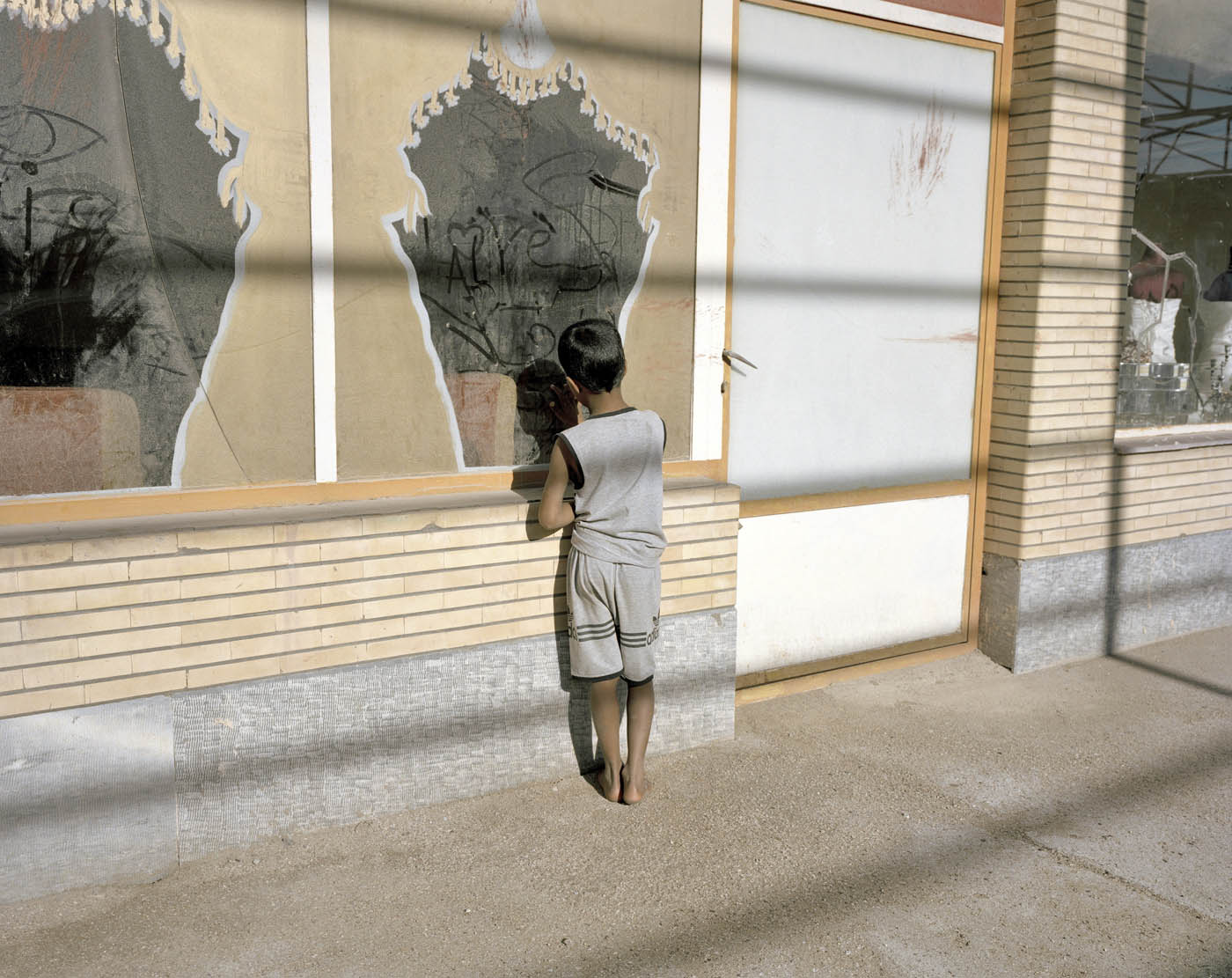
Monash Gallery of Art website

LIKE ART BLART ON FACEBOOK

Back to top