Unknown photographer (Australian) Untitled (girl on porch) 1946-1947 Medium format negative Collection of Nicholas Henderson
One of the great joys about compiling this archive is the ability to rescue unloved and unknown images. To give them a voice in the contemporary world.
These 2 1/4″ square (6 x 6cm) medium format black and white negatives come from the collection of my friend Nick Henderson. There is no marking on any of the negatives, leading me to believe that the film numbers were on the backing paper of the 120 film roll. The negatives are housed in paper packets adorned with a logo and words ‘APS Developing and Printing Service’ – perhaps Australian Photographic Services? Each packet contains basic title information for some of the photographs. Looking at the photographs and their perspective on the world, it would seem that the camera is a waist view camera, in other words the photographer was looking down into the viewfinder, the camera not held at eye level. The camera could possibly have been a Voigtländer or similar camera (see below). The quality of the negatives is reasonable, with some fall off in terms of sharpness occurring at the edge of the image. The photographs can be dated to 1946-1947 due to the February 1947 expiry Victorian registration label on the Chevrolet (thank you Simon Barnfield for spotting this!), are taken by an unknown photographer (probably male)… photographs of life in Sydney, his family and their travels around Australia. This is the first tranche of photographs with roughly the same number to come in the second part of the posting.
What makes these photographs particularly interesting is:
1/ the breadth of subject matter taken just after the Second World War and the fact that they are medium format
2/ the relaxed nature and beauty of the photographs of the children, and the light!
3/ the unknown images of places such as Bondi Beach and historical monuments, such as that of the forlorn The Dog on the Tuckerbox
4/ the photographs of the motor sport activity of hillclimbing, unfortunately no place known but its has been suggested it could be the 90-years-old Maldon hill climb at Mt Tarrengower because of the box-ironbark (and the fact that there are photographs of Maldon in the collection).
Variously we have country towns, theatrical groups, sailing, boating, churches, Sydney ferries, a trip to Maldon in Victoria for the Maldon Show, family picnics, cars and caravans, houses and horse riding, churches and children, and the oh so cute dogs in their own car boxes. So Australian. The photographs really give an extensive insight into suburban life in Australia just after the privations of the Second World War… and the photographer had a good eye. That is what is most important – that they knew how to take a good photograph.
Talking to my friend James McArdle who writes the oh so excellent On this Date in Photography website (essential reading!), he was unaware of the time it takes to prepare images for these postings. It has literally taken me hours and hours of hard work to scan these negatives and then digitally clean and balance them. All to give them a new lease of life in the world, to preserve their captured memories and histories. I hope you can appreciate all the hard work and admire the images I have revealed.
Many thankx to Nick Henderson for allowing me to publish the photographs in the posting. All photographs collection of Nick Henderson. Please click on the photographs for a larger version of the image. See Part 2 of the posting.
APS (Australian Photographic Services?) Developing and Printing Service Film packets and negatives 1946-1947 Negatives: 2 1/4″ square (6 x 6 cm) Packet (closed): 3 7/8 x 3 1/4″ (10cm x 8cm) Collection of Nicholas Henderson
Voigtländer Billiant 1930s Photograph by Rama, Wikimedia Commons, Cc-by-sa-2.0-fr
The Voigtländer Brillant is a range of pseudo-TLR cameras, and later true TLR cameras, taking 6 × 6 cm exposures on 120 film, made by Voigtländer from 1932. Famed Hungarian-Dutch photographer Eva Besnyö used a Brillant for her early work.
Unknown photographer (Australian) Untitled (Circular Quay, Sydney) 1946-1947 Medium format negative Collection of Nicholas Henderson
Unknown photographer (Australian) Untitled (Karrabee ferry, Sydney, leaving High St Wharf, Kurraba in the background) 1946-1947 Medium format negative Collection of Nicholas Henderson
Karingal and Karrabee ferry
Karingal and Karrabee were built by Morrison & Sinclair, Balmain for Sydney Ferries Limited, being launched in 1913. They were the smallest of the round-ended K-class Sydney ferries, and could carry 608 and 653 passengers respectively.
They were near identical sister ferries operated by Sydney Ferries Limited and its NSW State Government operated successors on Sydney Harbour from 1913 until 1984. Wooden ferries built at the time of Sydney Ferries’ rapid early twentieth century, they were the smallest of the round-end “K-class ferries”.
The ferries were built as coal-fired steamer and were converted to diesel in the 1930s – the first Sydney Harbour ferries to be so converted. Unlike many early twentieth century Sydney Ferries, they survived the opening of the Sydney Harbour Bridge in the 1930s, and the State Government takeover in 1951.
Karrabee sank at Circular Quay after taking on water during the Great Ferry Race in 1984 – an incident that received extensive media coverage – and did not return to service. Karingal, and the other three remaining old wooden ferries, were taken out of service shortly after Karrabee’s sinking. In service for 71 years, they were among the longest-serving ferries on Sydney Harbour.
“Karingal” and “Karrabee” are Australian Aboriginal words meaning ‘happy home’ and ‘cockatoo’ respectively.
Unknown photographer (Australian) Untitled (Bondi Beach, Sydney) 1946-1947 Medium format negative Collection of Nicholas Henderson
Unknown photographer (Australian) Untitled (Bondi Beach, Sydney) 1946-1947 Medium format negative Collection of Nicholas Henderson
Unknown photographer (Australian) Untitled (Bondi Beach, Sydney) 1946-1947 Medium format negative Collection of Nicholas Henderson
Unknown photographer (Australian) Untitled (The Dog on the Tuckerbox) Gundagai, 1946-1947 Medium format negative Collection of Nicholas Henderson
Unknown photographer (Australian) Untitled (The Dog on the Tuckerbox) Gundagai, 1946-1947 Medium format negative Collection of Nicholas Henderson
The Dog on the Tuckerbox
The Dog on the Tuckerbox is an Australian historical monument and tourist attraction, located at Snake Gully, approximately five miles (eight kilometres) from Gundagai, New South Wales as described in the song of the same name.
The inspiration for the statue has been traced to a doggerel poem, “Bullocky Bill”, published anonymously by “Bowyang Yorke” in 1857 (other references have 1880 in the Gundagai Times, however confirmation of either is hard to find), which humorously describes a series of misfortunes faced by a bullock driver, culminating in his dog either sitting on or spoiling the food in his tucker-box (an Australian colloquialism for a box that holds food, similar to a lunchbox, but larger). …
A dog monument was first erected at a site nine miles from Gundagai in 1926. Gundagai stonemason Frank Rusconi suggested a memorial using the legend of the Dog on the Tuckerbox in 1928; and in 1932 the proposal was taken up by the community…
The Back to Gundagai Committee chose the Five Mile camping site rather than the Nine Mile Peg as a location for the monument on the basis that it was more convenient to the Hume Highway and closer to the town, thereby more beneficial to tourism.
A nationwide competition was held to obtain the most suitable inscription for the monument. The chosen inscription on the base of the monument was written by Brian Fitzpatrick of Sydney. The inscription says:
“Earth’s self upholds this monument To conquerors who won her when Wooing was dangerous, and now Are gathered unto her again.”
The dog section of the monument was modelled by Rusconi and cast at ‘Oliver’s Foundry’ in Sydney. Rusconi also sculpted its base.
The Dog on the Tuckerbox monument was erected in 1932 as part of ‘Back to Gundagai’ week, and a large crowd “gathered to her again” to witness the unveiling by Prime Minister Joseph Lyons on 28 November 1932. It was planned to donate money placed in the wishing well at the base of the monument to the Gundagai District Hospital. A souvenir shop was also opened nearby. Copyright on the monument was vested in the Gundagai Hospital, who for many years received a useful income from receipt of royalties from firms using the iconic image.
Unknown photographer (Australian) Untitled (hillclimb, possibly at Maldon, Victoria) 1946-1947 Medium format negative Collection of Nicholas Henderson
Unknown photographer (Australian) Untitled (hillclimb, possibly at Maldon, Victoria) (detail) 1946-1947 Medium format negative Collection of Nicholas Henderson
Unknown photographer (Australian) Untitled (hillclimb, possibly at Maldon, Victoria) 1946-1947 Medium format negative Collection of Nicholas Henderson
Unknown location, possibly the 90-years-old Maldon hill climb at Mt Tarrengower because of the box-ironbark (and the fact that there are photographs of Maldon in the collection).
Unknown photographer (Australian) Untitled (hillclimb, possibly at Maldon, Victoria) (detail) 1946-1947 Medium format negative Collection of Nicholas Henderson
Unknown photographer (Australian) Untitled (hillclimb, possibly at Maldon, Victoria) 1946-1947 Medium format negative Collection of Nicholas Henderson
Unknown photographer (Australian) Untitled (hillclimb, possibly at Maldon, Victoria) (detail) 1946-1947 Medium format negative Collection of Nicholas Henderson
Unknown photographer (Australian) Untitled (boat) 1946-1947 Medium format negative Collection of Nicholas Henderson
Unknown photographer (Australian) Untitled (boat at sea) 1946-1947 Medium format negative Collection of Nicholas Henderson
Unknown photographer (Australian) Untitled (child on porch) 1946-1947 Medium format negative Collection of Nicholas Henderson
Unknown photographer (Australian) Untitled (boy outside house) 1946-1947 Medium format negative Collection of Nicholas Henderson
Unknown photographer (Australian) Untitled (boy smiling) 1946-1947 Medium format negative Collection of Nicholas Henderson
Unknown photographer (Australian) Untitled (boy and girl smiling) 1946-1947 Medium format negative Collection of Nicholas Henderson
Unknown photographer (Australian) Untitled (child on lawn) 1946-1947 Medium format negative Collection of Nicholas Henderson
Unknown photographer (Australian) Untitled (child and chairs) 1946-1947 Medium format negative Collection of Nicholas Henderson
Unknown photographer (Australian) Untitled (man and woman) 1946-1947 Medium format negative Collection of Nicholas Henderson
Unknown photographer (Australian) Untitled (house) 1946-1947 Medium format negative Collection of Nicholas Henderson
Unknown photographer (Australian) Untitled (boy on horse) 1946-1947 Medium format negative Collection of Nicholas Henderson
Unknown photographer (Australian) Untitled (dog and saucepan) 1946-1947 Medium format negative Collection of Nicholas Henderson
Unknown photographer (Australian) Untitled (1932 Chevrolet) 1946-1947 Medium format negative Collection of Nicholas Henderson
Unknown photographer (Australian) Untitled (Chevrolet and caravan) 1946-1947 Medium format negative Collection of Nicholas Henderson
Unknown photographer (Australian) Untitled (1932 Chevrolet and dogs) 1946-1947 Medium format negative Collection of Nicholas Henderson
The photographs can be dated to 1946-1947 due to the February 1947 expiry Victorian registration label on the Chevrolet. Thank you to Simon Barnfield for spotting this.
Unknown photographer (Australian) Untitled (Chevrolet and caravan) 1946-1947 Medium format negative Collection of Nicholas Henderson
Unknown photographer (Australian) Untitled (man and car) 1946-1947 Medium format negative Collection of Nicholas Henderson
Unknown photographer (Australian) Untitled (family picnic) 1946-1947 Medium format negative Collection of Nicholas Henderson
Unknown photographer (Australian) Untitled (man and car) 1946-1947 Medium format negative Collection of Nicholas Henderson
Unknown photographer (Australian) Untitled (house on hill) 1946-1947 Medium format negative Collection of Nicholas Henderson
Unknown photographer (Australian) Untitled (room interior) 1946-1947 Medium format negative Collection of Nicholas Henderson
Unknown photographer (Australian) Untitled (Future Miss Maldons, Maldon Show, Maldon, Victoria, with Maldon Timber & Hardware at 28 Main Street in the background) 1946-1947 Medium format negative Collection of Nicholas Henderson
Where are they now, so many ghosts with flowers in their hair.
Unknown photographer (Australian) Untitled (Scottish band, Maldon Show, Maldon, Victoria) 1946-1947 Medium format negative Collection of Nicholas Henderson
Unknown photographer (Australian) Untitled (church) 1946-1947 Medium format negative Collection of Nicholas Henderson
Unknown photographer (Australian) Untitled (church) 1946-1947 Medium format negative Collection of Nicholas Henderson
Unknown photographer (Australian) Untitled (group of actors) 1946-1947 Medium format negative Collection of Nicholas Henderson
Unknown photographer (Australian) Untitled (actor and ballerina) 1946-1947 Medium format negative Collection of Nicholas Henderson
Unknown photographer (Australian) Untitled (actor) 1946-1947 Medium format negative Collection of Nicholas Henderson
Unknown photographer (Australian) Untitled (band performances) 1946-1947 Medium format negative Collection of Nicholas Henderson
Unknown photographer (Australian) Untitled (Bilsons, country town) 1946-1947 Medium format negative Collection of Nicholas Henderson
Artists: Gordon Bennett, Polly Borland, Pat Brassington, Eric Bridgeman, Jeff Carter, Nanette Carter, Jack Cato, Zoë Croggon, Sharon Danzig, Rennie Ellis, Elizabeth Gertsakis, Christine Godden, Alfred Gregory, Craig Holmes, Tracey Moffatt, Derek O’Connor, Jill Orr, Deborah Paauwe, David Rosetzky, Damien Shen, Wesley Stacey, Christian Thompson, Lyndal Walker, Justene Williams, Anne Zahalka.
Installation view of the exhibition Dressing Up at the Monash Gallery of Art, Melbourne showing at centre right, Deborah Paauwe’s Foreign body (2004) Photo: Marcus Bunyan
Making an appearance
There are some stimulating and challenging works in this first exhibition curated by new MGA Associate Curator Gareth Syvret, who was parachuted into the project at the last moment. The curator has pulled together work that examines the complex interweaving of “cultural scenarios,” “interpersonal scripts,” and “intrapsychic scripts” that ground how the camera, and the photographer, picture our relationship to dressing up… and how we see ourselves pictured by the camera.
In various ways, the works interrogate how clothes (or the lack of them) reinforce the postmodern fragmentation of the individual or group, the self being decentred and multiple, as when we change from work clothes, to drag, to leather, to wearing our footy beanie and scarf… and how these e/facements, these everyday performances (for that is what they are), camouflage or reveal our “true” nature. Do we dress up to fit in (to a tribe or group, or representation), or do we rebel against the status quo, as did that enfant terrible who refused all categorisation throughout his life, the Australian fashion pioneer Leigh Bowery. How do we turn our face towards, or away from, the camera? (turning away is a re/action to the power of representation, even if a negative one)
Firstly we must recognise that “cultural forms do not have single determinate meanings – people make sense of them in different ways, according to the cultural (including sub-cultural) codes available to them.” And secondly, we must acknowledge that, “the analysis of images always needs to see how any given instance is embedded in a network of other instances”1 through intertexuality – where we, reality, our representation, and the image, are just nodes within a network whose unity is variable and relative.
“Critical to understanding the construction of these constantly shifting networks in contemporary society are the concepts of weaving and intertexuality. Intertextuality is the concept that texts do not live in isolation, ‘caught up as they are in a system of references to other books, other texts, other sentences: it is a node within a network… Its unity is variable and relative’ (Foucault, 1973). In other words the network is decentred and multiple allowing the possibility of transgressive texts or the construction of a work of art through the techniques of assemblage [Deleuze and Guattari] – a form of fluid, associative networking that is now the general condition of art production.”2
This weaving of surfaces disrupts histories and memories that are already narrativised, already textualised. It disrupts this marking, the continual reiteration of norms, by weaving a lack of fixity into objects, namely how we see ourselves, how we pictures ourselves. Through dress, and the camera, through a constant process of reconceptualisation of space and matter, we can redefine the significations of the body of the animal in the fold of inscription, through a process of materialisation. The production of this materialisation (the matériel, or arms, of sartorial elegance) – of this signified – is open to struggle, the simulation “by virtue of its being referent-free invites a reading of a different order: it is a perpetual examination of the code.”3 A code which, Julia Kristeva notes, is not simply the product of a single author, but of its relationship to other texts and to the structures of language itself. “[A]ny text,” she argues, “is constructed of a mosaic of quotations; any text is the absorption and transformation of another.”4 And this is what is happening in this exhibition – work, and images, which are a mosaic of quotations fighting over unity and fragmentation, reality and representation… and the construction of identity.
What this exhibition, and this materialisation, does not, and cannot answer, is the critical question: why do we dress up in the first place? What is the overriding reason for this ritualistic, performative enactment, this action, which happens time after time, day after day. And what is that face that we present to the camera during this performance? As Roland Barthes lucidly observes in Camera Lucida, “The PORTRAIT-PHOTOGRAPH is a closed field of forces. Four image-repertoires intersect here, oppose and distort each other. In front of the lens, I am at the same time: the one I think I am, the one I want others to think I am, the one the photographer thinks I am, and the one he makes use of to exhibit his art.”5
So, who I am?
Dr Marcus Bunyan
1/ Dyer, Richard. The Matter of Images: Essays on Representations. London: Routledge, 1993, pp. 2-3
2/ Foucault, Michel cited in Thumlert, Kurt. Intervisuality, Visual Culture, and Education. Nd [Online] Cited 01/04/2011 no longer available online
3/ Tseëlon, E. The Masque of Femininity: The Representation of Women in Everyday Life. London: Sage, 1995, pp. 128-130
4/ Kristeva, Julia. “Word, Dialog and Novel”, in Moi, Toril (ed.,). The Kristeva Reader, New York: Columbia University Press, 1986, p, 37 quoted in Keep, Christopher; McLaughlin, Tim and Parmar, Robin. “Intertextuality,” on The Electronic Labyrinth website [Online] Cited 07/02/2020
5/ Barthes, Roland. Camera Lucida, London, 1984, p. 13
Dress and clothing are so much a part of the way people present themselves to the camera and this subject provides a strong theme through which to explore MGA’s extraordinary collection. Some photographs in the exhibition are well known, others have not previously been shown. All are equally compelling in showing the way photographers record and manipulate dress to tell their stories.
Gareth Syvret, MGA Associate Curator
As cultural hybrids, images are used as if they simultaneously block and unveil truth, reality, ways of seeing and understanding.
Ron Burnett. Cultures of Vision: Images, Media, & the Imaginary. Bloomington: Indiana University Press, 1995, p. 237
The meanings of clothes may usefully be divided into two types, ‘denotation’ and ‘connotation’, each working in its own way on its own level. … Denotation is sometimes called a first order of signification or meaning. It is the literal meaning of a word or image… Connotation is sometimes called a second order of signification or meaning. It may be described as the things that the word to the image makes a person think or feel, or as the associations that a word or an image has for someone…
Barnard, Malcolm. Fashion as Communication. London: Routledge, 1996
Installation views of the exhibition Dressing Up at the Monash Gallery of Art, Melbourne with at left in the bottom image, Gordon Bennett’s Self-portrait (Nuance II) (1994) and at right, Deborah Paauwe’s Foreign body (2004) Photos: Marcus Bunyan
Gordon Bennett (Australian, 1955-2014) Self-portrait (Nuance II) 1994 Gelatin silver prints 50.8 x 40.6cm (each) Photographer: Leanne Bennett Monash Gallery of Art, City of Monash Collection acquired 1995 Courtesy of the Estate of Gordon Bennett and Sutton Gallery (Melbourne)
Gordon Bennett’s Self -portrait (nuance II) performance was staged for the camera rather than a live audience. The artist prepared for the performance by painting his face with polyvinyl acetate glue. The process of peeling away the pale skin, created by the dry glue, was then documented in a series of photographs. This work is a subtle critique of simplistic oppositions between people who have light skin and people who have dark skin. Bennett discovered that he was of Aboriginal descent when he was 11 years old, but he resisted identifying as an Indigenous Australian for another 20 years. Conceived as a self-portrait, this work alludes to Bennett’s own process of ‘coming out’ as an Aboriginal man; removing his white mask. But, rather than representing this process in terms of a simple opposition, the photographs emphasise the nuanced ambiguities and transitory nature of identity.
Deborah Paauwe (Australian, b. 1972) Foreign body 2004 From the series Chinese whispers Chromogenic print 120 x 120cm Monash Gallery of Art, City of Monash Collection acquired 2004 Courtesy of the artist, GAGPROJECTS Greenaway Art Gallery (Adelaide) and Michael Reid (Sydney)
Deborah Paauwe’s photographs are loaded and coded psychosexual puzzles. In this photograph Foreign body, who are the subjects and what is their relation? What is the nature of the embrace Paauwe concocts: eroticism or comfort? In their opposition as clothed and naked Paauwe’s models perform a drama, on desire, for the camera in which dress is figured as a method for revealing or concealing the body as the border between eye and flesh.
Installation view of the exhibition Dressing Up at the Monash Gallery of Art, Melbourne showing at left, Eric Bridgeman’s Woman from settlement with boobs (2010) and at right, two photographs from Tracey Moffatt’s series Scarred for life Photo: Marcus Bunyan
Installation view of the exhibition Dressing Up at the Monash Gallery of Art, Melbourne showing two photographs from Tracey Moffatt’s series Scarred for life Photo: Marcus Bunyan
Tracey Moffatt (Australian, b. 1960) Job hunt 1976 1994 From the series Scarred for life Off-set print 80 x 60cm Monash Gallery of Art, City of Monash Collection acquired 1998 Courtesy of the artist and Roslyn Oxley9 Gallery (Sydney)
Scarred for life is a series of works based on true stories about traumatic childhood experiences. In response to each story, Moffatt has staged and photographed a scene that illustrates the tragic tale. The photographs have been made to look like snapshots from a family album, emphasising the everyday nature of the incidents and their ongoing significance as memories. The photographs have been presented in a way that mimics the format of the 1960s American magazine, Life, which was well known for publishing photo-essays in this captioned format. Moffatt often draws on the story-telling conventions of magazines, cinema and other popular forms of visual communication in ways that give her photographs a heightened sense of drama. In Job hunt the tension between the fictive nature of Moffatt’s artistry and the ordinariness of the subject’s dress as a schoolboy dramatises the everyday. This effect is explored further in The Wizard of Oz where the awkwardness of Moffatt’s casting of a boy in a dress as Dorothy in her own fiction is heightened by his father’s overblown gesture.
Installation views of the exhibition Dressing Up at the Monash Gallery of Art, Melbourne showing at left, Christian Thompson’s Gods and kings (2015) and at right, Damien Shen’s Ventral aspect of a male #1 and #2 (2014) Photos: Marcus Bunyan
Christian Thompson (Australian / Bidjara, b. 1978) Gods and kings 2015 From the series Imperial relic Chromogenic print 100.0 x 100.0cm Monash Gallery of Art, City of Monash Collection acquired 2018 Courtesy of the artist and Michael Reid (Sydney + Berlin)
In this photograph by Christian Thompson the artist wears a makeshift hooded cape fashioned out of multiple maps of Australia charting different and conflicting Indigenous and colonial histories. The melding of these narratives through a careful but fragmented process of folding references the instrumentality of the map as a weapon of territoriality to challenge the idea of colonial power predicated on the designation of Australia as terra nullius. Describing his use of portraiture Thompson says, ‘I don’t think of them as being ‘myself’, because I think of my works as conceptual portraits. I’m really just the armature to layer ideas on top of … I really like the idea of wearing history, I like the idea of adorning myself in references to history.’ By wearing his cloak of maps, Thompson transfigures his body into a terrain where difficult histories are re-explored.
Damien Shen (Australian / Ngarrindjeri, b. 1976) Ventral aspect of a male #1 2014 From the series On the fabric of the Ngarrindjeri body – volume II Pigment ink-jet print 59.4 x 42.0cm Photographer: Richard Lyons Monash Gallery of Art, City of Monash Collection acquired 2016 Courtesy of the artists and MARS Gallery (Melbourne)
This work is from Shen’s series On the fabric of the Ngarrindjeri body – volume II (2014), which comprises 12 black-and-white photographs showing the artist and his uncle, a Ngarrindjeri elder known as Major Sumner. Across the series, the two subjects are shown from different angles, either together or individually. Their bodies have been painted in the traditional Ngarrindjeri way and they perform in front of the camera in a studio setting. While the majority of the images were taken in front of the studio backdrop, four of the images document Major Sumner ‘behind the scenes’.
This series is typical of Shen’s practice in that it explores his Indigenous identity and family history through portraiture. For Shen this series is extremely personal, as it documents his uncle sharing his cultural knowledge and experience with him. However, the series was also created to more broadly document Ngarrindjeri culture and the history of his ancestors. Furthermore, Shen’s use of a plain studio backdrop and sepia toning, along with his prosaic titles, directly reference 19th-century ethnographic portraiture, drawing attention to the history of the representation of Indigenous people. The candid backstage images are not sepia toned and have been juxtaposed with the staged portraits in a way that further highlights the artificiality of the studio setting.
Damien Shen (Australian / Ngarrindjeri, b. 1976) Ventral aspect of a male #2 2014 From the series On the fabric of the Ngarrindjeri body – volume II Pigment ink-jet print 59.4 x 42.0cm Photographer: Richard Lyons Monash Gallery of Art, City of Monash Collection acquired 2016 Courtesy of the artists and MARS Gallery (Melbourne)
Installation views of the exhibition Dressing Up at the Monash Gallery of Art, Melbourne showing at left, Jill Orr’s Lunch with the birds (1979) and at centre, Zoë Croggon’s Lucia (2018) and at centre right, Justene Williams Blue foto (2005) Photos: Marcus Bunyan
Jill Orr (Australian, b. 1952) Lunch with the birds #3 1979 Ink-jet print, printed 2007 Photographer: Elizabeth Campbell 30 x 44cm Monash Gallery of Art, City of Monash Collection acquired 2008 Courtesy of the artist
Jill Orr’s Lunch with the birds performance took place on St Kilda beach on a wintery day in 1979. It was conceived as a shamanistic ritual that would provide an antidote to the junk food that is often thrown to scavenging seagulls. Dressed in her mother’s wedding gown, Orr lay on the beach surrounded by a meal of whole bread, fresh fish and pure grain, and waited for the birds to come and commune with her on the foreshore. Apart from the photographer Elizabeth Campbell, who had been commissioned to document the event, there was no human audience on the beach. Like other performances that Orr has enacted in the landscape, nature itself is the primary audience for this ritual. All the same, Orr is quite conscious of using photography to share the performance with gallery audiences. Working with the photographic documentation after the event, Orr composed the images as a narrative sequence (from which these works are taken) and presented them on black mount boards to suggest a filmstrip.
Zoë Croggon (Australian, b. 1989) Lucia 2018 From the series Luce Rossa Pigment ink-jet print 65 x 79cm Monash Gallery of Art, City of Monash Collection acquired 2019 Courtesy of the artist and Daine Singer Gallery (Melbourne)
Zoë Croggon uses collage techniques to explore spatial relationships between the human form, architecture and the physical world. Her practice is informed by her experience of studying ballet and dance. In many of Croggon’s works, found photographs of the human body are cut out and re-placed, in tension, against surface and structure to explore the politics and poetics of space. For the series Lucia Rossa, the source materials are derived from Italian pornography, eroctica and fashion magazines. Although it is not overtly depicted, this work responds to the ways that the female body is ‘arranged, fragmented and presented for consumption…’ As such, ‘Lucia’ considers the condition of fabric, clothing and dress as a space for the body, laden with the politics of sexuality.
Installation views of the exhibition Dressing Up at the Monash Gallery of Art, Melbourne showing at left, Justene Williams Blue foto (2005) and at right, Christine Godden’s photographs Photo: Marcus Bunyan
Christine Godden (Australian, b. 1947) Untitled 1976 Gelatin silver print 15.3 x 22.8cm Monash Gallery of Art, City of Monash Collection acquired with the assistance of The Robert Salzer Foundation 2015 Courtesy of the artist
Christine Godden’s photographic work is a highly personal and poetic form of documentary practice, which is informed by a feminist interest in developing distinctly female perspectives on the world. Godden’s familiarity with the tradition of fine art photography in North America is evident in her commitment to high quality printing, which accentuates the sensuality of her subject matter. This photograph is from a body of Untitled works that was originally exhibited in 1976 at George Paton Gallery, Melbourne and the Australian Centre for Photography, Sydney. This tightly organised sequence of 44 photographs intended to show ‘how women see [and] how women think.’ The photographs present fragments or tightly cropped glimpses of textures and bodies (usually of women) that, with their combination of tenderness and formal rigour, take the appearance of being ‘female,’ while at the same time unpicking or unhinging the logic of a feminine imagery or style.
Christine Godden (Australian, b. 1947) Untitled 1976 Gelatin silver print 15.3 x 22.8cm Monash Gallery of Art, City of Monash Collection acquired with the assistance of The Robert Salzer Foundation 2015 Courtesy of the artist
Christine Godden (Australian, b. 1947) Untitled 1976 Gelatin silver print 15.3 x 22.8cm Monash Gallery of Art, City of Monash Collection acquired with the assistance of The Robert Salzer Foundation 2015 Courtesy of the artist
Installation views of the exhibition Dressing Up at the Monash Gallery of Art, Melbourne showing at left in the bottom image, Christine Godden’s photographs; at middle left David Rosetzky’s photographs; and at far right Sharon Danzig’s No escape (2004) Photos: Marcus Bunyan
David Rosetzky (Australian, b. 1970) Hamish 2004 Chromogenic prints 50 x 61cm Monash Gallery of Art, City of Monash Collection acquired 2005 Reproduction courtesy of the artist and Sutton Gallery (Melbourne)
This work by David Rosetzky is an early examples of cut-out and collaged photographic portraits that he has been producing periodically since 2004. To create these images, Rosetzky produces slick studio portraits of young models, referencing the style of photography prevalent in advertising and fashion magazines. He then layers a number of portraits on top of each other before hand-cutting sections to reveal parts of the underlying prints. Through this method of image making he seeks to represent the identity of his subjects as multi-layered, shifting and often concealed.
Installation views of the exhibition Dressing Up at the Monash Gallery of Art, Melbourne showing at second left in the bottom image, Sharon Danzig’s No escape (2004) and at right, the work of Pat Brassington Photos: Marcus Bunyan
Installation views of the exhibition Dressing Up at the Monash Gallery of Art, Melbourne showing work from Elizabeth Gertsakis’ series Innocent reading for origin (1987) Photos: Marcus Bunyan
Elizabeth Gertsakis (Australian, b. 1954) Innocent reading for origin 1987 Gelatin silver prints 74.0 x 48.5cm (each) Monash Gallery of Art, City of Monash Collection acquired 1994 Courtesy of the artist
For the series Innocent reading for origin, Elizabeth Gertsakis uses photographs of her family taken at the time of their migration to Australia from Florina, Greece, her birthplace, when she was an infant. These photographs are presented with typescripts of her readings and observations about the photographs. As viewers we are witness to how the images form the artist’s words and, placed alongside them, how her words form the images. The dress of the people in the photographs is particularly significant for their interpretation and description and the ways that these images operate on the artist and the viewer. Gertsakis is concerned here with how photographs transmit memory and meaning in private and public. By shifting the format and scale of family photographs from shoebox to gallery wall, Gertsakis calls into question the status of the medium as vernacular and/or fine art.
Elizabeth Gertsakis (Australian, b. 1954) Innocent reading for origin 1987 Gelatin silver prints 74.0 x 48.5cm (each) Monash Gallery of Art, City of Monash Collection acquired 1994 Courtesy of the artist
As necessity or luxury, to integrate or rebel, in freedom or oppression, dress is the nexus of selfhood. Photography and dress are forever entwined; from its inception in the 1840s one of photography’s main objectives has been the making of portraits. Clothing has been imaged by photographers ever since. In documentary mode, photography provides a record of the ways we dress and how clothing has changed over time. As an instrument of empire photography was used for the purpose of recording the dress and appearance of Indigenous people. Since the early twentieth century the practice of fashion photographers has posed body and garment to create brands and promote lifestyle choices to sell us the clothes we wear.
This exhibition draws together photographs from the MGA collection that feature dress or clothing as a significant element in their making. Some of the photographers included have produced works with documentary intent. For many, a classification of their practice is not so clear cut. These artists photograph dress, clothing and the body to actively question appearances. They use photography as a tactic for testing the nature of consumer culture, challenging social norms or protesting histories of colonisation and discrimination. Shaping and shaped by the individual, our clothes can conceal, reveal and transform who we are. Like the photographs in this exhibition they are the bearers of memory, emotion and time.
Text from the Monash Gallery of Art website [Online] Cited 22/12/2019
Installation view of the exhibition Dressing Up at the Monash Gallery of Art, Melbourne showing the work of Polly Borland from her Bunny series (2004-2005) Photo: Marcus Bunyan
Polly Borland (Australian, b. 1959) Untitled XXIII 2004-2005 From the series Bunny Chromogenic print, printed 2008 25.3 x 17.1cm Monash Gallery of Art, City of Monash Collection acquired 2008 Courtesy of the artist and Murray White Room (Melbourne)
This photograph is from Polly Borland’s Bunny series, which consists of more than 50 images. Borland worked over an extended period of time in close collaboration with actress Gwendoline Christie as the subject of the photographs. The Bunny series plays upon the physicality of its model – who is extraordinarily tall – rendering tense, awkward and absurd poses. The surreal character of Bunny created through gestures of masking and dressing up acts as a darkly playful riposte to the objectification of the Playboy centrefold. Through a process of costuming explored between photographer and subject these images lampoon the fetishism of the glamour shot, supplanting it with their own fantasies both revealed and concealed.
Installation views of the exhibition Dressing Up at the Monash Gallery of Art, Melbourne showing at left in the bottom image, the work of Alfred Gregory, at centre the work of Jack Cato (1930s-1940s), and at right Lyndal Walker’s Lachlan sprucing by the hearth (2013) from the series Modern romance. Photo: Marcus Bunyan
Installation views of the exhibition Dressing Up at the Monash Gallery of Art, Melbourne showing the work of Jeff Carter with at left in the bottom image: Saturday arvo, Cronulla Beach (1960) and Clan gathering, Wangaratta (1955); and at right, Rennie Ellis’ Richmond fans, Grand Final, MCG (1974) Photos: Marcus Bunyan
Jeff Carter (Australian, 1928-2010) Saturday arvo, Cronulla Beach 1960 Gelatin silver print 26.8 x 38.0cm Monash Gallery of Art, City of Monash Collection acquired 1992 Courtesy of the artist
Jeff Carter (Australian, 1928-2010) Clan gathering, Wangaratta 1955 Gelatin silver print 29.1 x 31.9cm Monash Gallery of Art, City of Monash Collection acquired 1992 Courtesy of the artist
Rennie Ellis (Australian, 1940-2003) Richmond fans, Grand Final, MCG 1974 Chromogenic print 26.7 x 40.7cm Monash Gallery of Art, City of Monash Collection acquired 2007 Courtesy of the Rennie Ellis Photographic Archive (Melbourne)
This is one of the most famous photographs of the most important date in the Australian football calendar: Grand Final Day. Ellis turned his lens off the field onto the fans of the winning side on 28 September 1974, the Richmond Tigers. Ellis’s photograph encapsulates the centrality of clothing and colour to the tribalism of football fandom – in particular among ‘cheer squads’ – some of it official merchandise, some adapted or homemade. The image brilliantly exemplifies the unique ability of still photography to render human physicality and a moment in time.
Installation views of the exhibition Dressing Up at the Monash Gallery of Art, Melbourne showing at left in the bottom image, Derek O’Connor’s Untitled (1981-1984) and at right, four Rennie Ellis photographs (see below). Photos: Marcus Bunyan
Rennie Ellis (Australian, 1940-2003) Confrontation, Gay Pride Picnic, Botanic Gardens 1973 Selenium-toned gelatin silver print 22.8 x 34.3cm Monash Gallery of Art, City of Monash Collection acquired 2016 Courtesy of the Rennie Ellis Photographic Archive (Melbourne)
Rennie Ellis (Australian, 1940-2003) Drag queens and security guard 1973 Selenium-toned gelatin silver print 30 x 44cm Monash Gallery of Art, City of Monash Collection acquired 2016 Courtesy of the Rennie Ellis Photographic Archive (Melbourne)
In 1973 the Australian Gay Liberation movement instigated a series of Gay Pride festivals in Adelaide, Brisbane, Melbourne and Sydney. This was a time when homosexual sex was classified as a criminal act across Australia, and the Gay Pride events sought to challenge these repressive laws and openly celebrate gay and lesbian culture in public spaces.
Rennie Ellis, one of the most prolific photojournalists of Australian society during the 1970s and 1980s, documented Melbourne’s Gay Pride Week with his characteristic warmth and candour. Commissioned to photograph the event for the National Review, Ellis captured everything from transgressive cross-dressers and camped up political banners to same-sex couples enjoying romantic interludes on the lawns of the Botanic Gardens.
Ellis made the only substantial visual record of Melbourne’s first gay and lesbian festival. These photographs show the importance of dress as a method for open expression of gay and queer identities. Since the making of these photographs, significant progress has been made on this issue, most notably with the Marriage Amendment (Definition and Religious Freedoms) Bill, 2017 providing equal rights to same sex couples. Continued work and education towards the eradication of discrimination on the basis of sexual orientation, however, remains imperative.
Installation views of the exhibition Dressing Up at the Monash Gallery of Art, Melbourne showing at left, Derek O’Connor’s Untitled (1981-1984) and at right, two photographs by Wesley Stacey, both Untitled (1973) from the series Friends Photo: Marcus Bunyan
Derek O’Connor (Australian born England, b. 1959) Untitled (installation view) 1981-1984 From the series Amata Image 2 of a series of 4 Gelatin silver print 50.8 x 61.2cm Monash Gallery of Art, City of Monash Collection acquired 2007 Courtesy of the artist Photo: Marcus Bunyan
Derek O’Connor took this series of photographs in the early 1980s while he was living at Amata, an Aboriginal community situated in the Anangu Pitjantjatjara / Yankunyjatjara Lands in the far northwest of South Australia. They show a group of Aboriginal youths congregating around a campfire on the outskirts of the township, casually incorporating various elements of capitalist culture into their own communal space: second-hand ’70s clothing, a portable cassette player, a tin can with a Hans Heysen label, and petrol.
Photographs of this sort, which represent Aboriginal people as fringe-dwellers on the margins of White Australia, date back to the nineteenth century. Early examples of this genre typically cast Aboriginal people as a dying race, whose way of life was rapidly being undermined by the colonial regime. In O’Connor’s photographs, however, the Aboriginal youths personify a sense of persistent vitality, in spite of their circumstances. As O’Connor explains, ‘there is no self-pity or passive resignation in the way they face the camera. Their quiet defiance has a palpable sense of integrity.’
Monash Gallery of Art 860 Ferntree Gully Road, Wheelers Hill Victoria 3150 Australia Phone: + 61 3 8544 0500
Andrew Follows (Australian, d. 2019) Elements of Focus 2019 Photos used: 12
Vale Andrew Follows: A life in focus
It is with great sadness that I found out today that artist Andrew Follows passed away yesterday, December 11th, 2019.
If anybody could say that he lived and breathed photography it was Andrew. It was his passion, his reason for being. And he was good at it, very good at it.
With his Retinitis Pigmentosa (RP) – a condition which rendered one eye completely blind with ever diminishing tunnel vision in the other – he saw the world like nobody else could. Not because of this, but because he was Andrew, he was just born to be the great enabler. There was no dis/abled with Andrew. He got on with life. He got on with being an artist, being the best he could possibly be with a passion and enthusiasm which I was totally in awe of.
I still remember our trips together to photograph for his solo exhibition Density at Anita Traverso Gallery in 2013 with his beloved guide dog Eamon sitting in the footwell of my car. I mentored Andrew for a year before the exhibition and believe me, he knew what he wanted and how to get the shot. I drove him to the locations we had chosen and helped him set up the camera and tripod. He opened the lens and looked at the screen on the back of the digital camera… and saw the world! He saw things that were only blurs to him before on the screen of that digital camera. That line of light that hovers above the judges chair in the courtroom at Beechworth, where Ned Kelly was sentenced to death, lingers long in the memory. Only Andrew could get permission to photograph, at night, in the old Beechworth Courthouse.
As I have written in an earlier piece, “His is not the vision of im(pair)ment as the rest of us see the world, through two eyes, but the holistic vision of a monocular eye that becomes the root of his photography. The lens of the camera becomes an extension of Self, the shutter his very existence and the digital screen on the back of the camera his tabula rasa, a “blank slate” upon which he writes his experience and perception, his knowledge of the world. His experience of vision and the evidence of his photographs become both the beginning and the end of the work, a place in which his fundamental nature resides.”
Andrew speaks truth to photography, for that was his nature. In so doing he speaks truth to life itself.
He had such a passion for photography. Two postings I did for him earlier, Andrew Follows: Carmania (February 2016) and Andrew Follows: Carmania 2 (June 2016) express what I most loved about Andrew as a person and as a photographer… how he just got so much out of life, and how he saw the world with crystal clear focus and clarity – in these two postings combining his two great passions, cars and photography. I still think these are some of the best art car photographs I have ever seen. There is an immediacy and directness to them, a time and space of great perception. Again, in his new exhibition we feel his love in seeing the world through the camera, offering his unique and fragmented perspective to the viewer, which comes together in the final, holistic image.
Above all Andrew brought people together to enable his projects through his charisma, cheekiness and charm, his get up and go for what he was doing and what he wanted to achieve. He brought everyone along for the ride. Andrew Andrew Andrew what a spirit young man… what energy, love, passion, commitment and talent. We had some fabulous times together. I loved how you taught me as much as I taught you. About life, about photography, and looking and seeing the world. I’m so glad I got to see you at the opening on Saturday and give you a kiss and a hug.
Andrew speaks truth to photography, for that was his nature. In so doing he speaks truth to life itself.
With thanks to Dishan Marikar, Magnet Galleries Melbourne, Fiona Cook and everyone who helped with the exhibition and book. Condolences to all family and friends.
Dr Marcus Bunyan xx
Many thankx to Andrew Follows, Magnet Galleries Melbourne and Dishan Marikar for allowing me to publish the photographs in the posting. Please click on the photographs for a larger version of the image. The book from the exhibition is available to buy from the gallery as are prints, and funds raised from this show will benefit artists with disability in the future with a biennial prize to be awarded from the Andrew Follows Trust. For more information about the book please see the Magnet Galleries Melbourne website.
Andrew Follows (Australian, d. 2019) Mercedes-Benz 230SL 2019 Photos used: 11 Year of manufacture: 1964
Elements of Focus exhibition book cover
Elements of Focus exhibition book cover and postcards
Elements of Focus exhibition postcards
Crowd at the opening of Andrew Follows’ Elements of Focus exhibition at Magnet Galleries Melbourne Photo: Michael Silver
Andrew Follows (Australian, d. 2019) Ferrari F12tdf 2019 Photos used: 12 Year of manufacture: 2017
Andrew Follows (Australian, d. 2019) Ferrari F12tdf (details) 2019 Photos used: 12 Year of manufacture: 2017
Andrew Follows (Australian, d. 2019) Lamborghini Murcielago R-GT (unrestored) 2019 Photos used: 5 Year of manufacture: 2004
Andrew Follows (Australian, d. 2019) Lamborghini Murcielago R-GT (restored) 2019 Photos used: 13 Year of manufacture: 2004
Andrew Follows (Australian, d. 2019) Ferrari Enzo 2019 Photos used: 10 Year of manufacture: 2003
Andrew Follows with his guide dog Leo and his mentor Dishan Marikar at the opening of the exhibition Elements of Focus at Magnet Galleries Melbourne
Elements of Focus is a very important project that brings together my two passions – motor cars and photography. The cars in this project range from some of the rarest to even a few more common examples, but they are being photographed and presented in a way that has never been seen before.
Being a legally blind photographer, who has tunnel vision, my images offer the viewer a different perspective through my lens and take them on a visual journey. I have an eye condition called Retinitis Pigmentosa (RP), a condition which has rendered one eye completely blind with ever diminishing tunnel vision in the other. I can see three metres to most people’s seventy metres, and that through a foggy haze.
My tunnel vision means that I can’t see the object as a whole when I’m photographing a car, I take shots of each individual element of the car, and then piece the final image together like a jigsaw puzzle.
For this very exciting photographic project, I have been mentored by Dishan Marikar, one of the best car photographers in Melbourne. I am very honoured and proud to have Dishan teach me new skills in the area of photography he is so well known for.
For those of you may not know, I have been diagnosed with cancer of the oesophagus and Elements of Focus may be the last exhibition that I will be able to celebrate with you as I am not well. I’d love to share this important exhibition with my friends, peers and colleagues. Thank you for being part of my journey in photography and life.
Andrew Follows
Text from the Andrew Follows website November 7, 2019 [Online] Cited Saturday 07/12/2019
Andrew Follows (Australian, d. 2019) Porsche 991 911 GT2 RS 2019 Photos used: 16 Year of manufacture: 2018
Andrew Follows (Australian, d. 2019) Lamborghini Diablo Roadster 2019 Photos used: 21 Year of manufacture: 1999
Andrew Follows (Australian, d. 2019) Frazer Nash TT 2019 Photos used: 11 Year of manufacture: 1932
Elements Of Focus is a very important project that brings together the two passions of Andrew Follows: motor cars and photography. The cars in this project range from some of the rarest in Australia to even a few common examples, but they are being photographed and presented in a way that has never been seen before. Being a legally blind photographer with tunnel vision, Andrew’s images offer viewers a different perspective through his lens as he takes them on a visual journey.
“My tunnel vision means that I can’t see the object as a whole. When I’m photographing a car, I take shots of each individual element of the car, and then piece the final image together like a jigsaw puzzle.”
For this very exciting photographic project, Andrew has been mentored by Dishan Marikar, one of the best car photographers in Melbourne.
The exhibition is being held in December at Magnet Gallery in Docklands, a highly respected photography gallery in Melbourne.
“I am very honoured and proud to have Dishan teach me new skills in the area of photography he is so well known for. The team at Magnet has been great to work with and I am very excited to showcase my Elements Of Focus project there.”
Text from the Magnet Galleries Melbourne website [Online] Cited Saturday 07/12/2019
Andrew Follows (Australian, d. 2019) Citroën DS21 Safari 2019 Photos used: 10 Year of manufacture: 1971
Andrew Follows (Australian, d. 2019) Citroën DS21 Safari (details) 2019 Photos used: 10 Year of manufacture: 1971
Installation views of Andrew Follows Citroën DS21 Safari 2019 at the exhibition Elements of Focus at Magnet Galleries Melbourne
Pages from the Elements of Focus book showing photographic fragmentation and stitching process
Andrew Follows (Australian, d. 2019) Porsche 964 991 Turbo 3.6 2019 Photos used: 9 Year of manufacture: 1994
Andrew Follows (Australian, d. 2019) Maserati Merak SS 2019 Photos used: 9 Year of manufacture: 1978
Marcus Bunyan with his friend Andrew Follows at the opening of his exhibition Elements of Focus at Magnet Galleries Melbourne
Magnet Galleries Melbourne SC G19 Wharf St, The District, Docklands, Victoria, 3008 Australia Phone: +61 (0) 3 8589 0371
Remembering all my lovers, friends, and everyone who has passed or been affected by this disease on World AIDS Day.
To survive the initial wave was just luck of the draw. We lost so many people. Thinking of you all.
Marcus xx
The titles from this period tend to be poetic, pragmatic or composed, like Japanese haiku. The two photographs How will it be when you have changed and Tell me your face before you were born (1994, above) were included in the seminal exhibition Don’t Leave Me This Way: Art in the Age of AIDS at the National Gallery of Australia in 1994. Please click on the photographs for a larger version of the image.
Just putting this out there in the ether of the cosmos because you never know, its spirit might hear you.
I am looking for a research fellowship or postdoc work in photography anywhere in the world.
I have been working at Faculty of Arts at the University of Melbourne for years, 4 days a week making websites. This is because of my bipolar and anxiety disorder. It has been a job to get me through the tough times. But after my recent photographic research trip to Europe, I realise that I need more stimulus – to fully concentrate on photography at an elite level. To research and write a book on photography.
In 2021 I will have been an artist for 30 years and my first writings date from 1998. I have been writing Art Blart now for 10 years… a lot of research and writing for this cultural memory archive, perhaps used as the basis for a book on the spirit of photography in the 21st century. But I am open to any research project. I have to do something to be able to immerse myself fully in photography.
If you have any ideas or knowledge of friends with connections please let me know at bunyanth@netspace.net.au.
Thank you!
Marcus
New work
All photographs are from a new body of art work I am working on for 2020, provisionally titled ‘(How I) Wish You Were Here’, taken during my recent European research trip. These are difficult photographs to understand but please take the time (critical in looking at photographs) to feel them.
My mentor and friend Ian Lobb said: “This is the most difficult work to organise yet. There is something to see in every picture – but it is so subtle – not everyone will see it, but it is for people who look at pictures a lot. MG0028 (the yellow entrance with stone pillars) is lovely – the entrance painted a warm sickish colour, a sort of terrible colour aesthetically – and the cropping is just a little brutal: what is it really showing at this camera to subject distance?
But it all works brilliantly, and they are all like that – there are subtle things that can’t be traced: i.e. are they the photographer: or are they the camera or are they just inevitable in this world? It is a type of anti-spirituality meets spirituality… and any number of other meeting points.”
And my friend Elizabeth Gertsakis said: “Spatial as well as surface tactile. Fascinated randomness. The human figure appears as a singular frozen device. Post-apocalyptic as well.”
I said: the spirit has left the earth, the body; something NQR. Eventually, the whole purpose of the series is not to tell the viewer where they are in the world, just give little clues as the viewer moves through time and space… something that photography is very good at: disrupting time and space.
Marcus
Please click on the photographs for a larger version of the image.
Many thankx to University of Otago academics Chris Brickell and Judith Collard for inviting me to write a chapter for this important book… about my glorious punk jacket of the late 1980s (with HIV/AIDS pink triangle c. 1989). Aaah, the memories!
Please come along to the Australian launch of the book at Hares Hyenas bookshop (63 Johnston Street, Fitzroy, Melbourne) on Wednesday, November 6, 2019 at 6pm – 7.30pm. The book is to be launched by Jason Smith (Director Geelong Gallery). Click on the photographs for a larger version of the image.
Marcus
“Gay and lesbian identity (and, by extension, queer identity) is predicated on the idea that, as sexualities, they are invisible, because sexuality is not a visible identity in the ways that race or sex are visible. Only by means of individual expression are gay and lesbian sexualities made discernible.”
Ari Hakkarainen. “‘The Urgency of Resistance’: Rehearsals of Death in the Photography of David Wojnarowicz” 2018
Punk Jacket
I arrived in Melbourne in August 1986 after living and partying in London for 11 years. I had fallen in love with an Australian skinhead boy in 1985. After we had been together for a year and a half together his visa was going to expire and he had to leave Britain to avoid deportation. So I gave up my job, packed up my belongings and went to Australia. All for love.
We landed in Melbourne after a 23-hour flight and I was driven down Swanston Street, the main drag (which in those days was open to traffic) and I was told this was it; this was the centre of the city. Bought at a milk bar, the Australian version of the corner shop, the first thing I ever ate in this new land was a Violet Crumble, the Oz equivalent of a Crunchie. Everything was so strange: the light, the sounds, the countryside.
I felt alienated. My partner had all his friends and I was in a strange land on my own. I was homesick but stuck it out. As you could in those days, I applied for gay de facto partnership status and got my permanent residency. But it did not last and we parted ways. Strange to say, though, I did not go back to England: there was an opportunity for a better life in Australia. I began a photography course and then went to university. I became an artist, which I have now been for over 30 years.
Melbourne was totally different then from the international city of today: no café culture, no big events, no shopping on Sundays, everything shut down early. At first living there was a real culture shock. I was the only gay man in town who had tattoos and a shaved head, who wore Fred Perrys, braces and Doc Martens. All the other gay men seemed to be stuck in the New Romantics era. In 1988 I walked into the Xchange Hotel on Commercial Road, then one of the pubs on the city’s main gay drag, and said to the manager, Craig, ‘I’m hungry, I’m starving, give me a job’, or words to that effect. He thought a straight skinhead had come to rob the place, but he gave me a job, sweet man. He later died of AIDS.
I went to my first Mardi Gras in Sydney the same year, when the party after the parade was in the one pavilion, the Horden at the showgrounds, and there were only 3000 people there. I loved it. Two men, both artists who lived out in Newtown, picked me up and I spent the rest of the weekend with them, having a fine old time. I still have the gift Ian gave me from his company, Riffin Drill, the name scratched on the back of the brass belt buckle that was his present. I returned the next year and the party was bigger. I ventured out to Newtown during the day, when the area was a haven for alternatives, punks and deviants (not like it is now, all gentrified and bland) and found an old second-hand shop quite a way up from the train station. And there was the leather jacket, unadorned save for the red lapels. It fitted like a glove. Somehow it made its way back with me to Melbourne. Surprise, surprise!
Then I started making the jacket my own. Studs were added to the red of the lapel and to the lower tail at the back of the jacket with my initials MAB (or MAD as I frequently referred to myself) as part of the design. A large, Gothic Alchemy patch with dragon and cross surrounded by hand-painted designs by my best mate and artist, Frederick White, finished the back of the jacket. Slogans such as ‘One Way System,’ ‘Oh Bondage, Up Yours!’ and ‘Anarchy’ were stencilled to both arms and the front of the jacket; cloth patches were pinned or studded to the front and sides: Doc Martens, Union Jack, Southern Cross … and Greenpeace. I added metal badges from the leather bar, The Gauntlet, and a British Skins badge with a Union Jack had pride of place on the red lapel. And then there was one very special homemade badge. Made out of a bit of strong fabric and coloured using felt-tip pens, it was attached with safety pins to the left arm. It was, and still is, a pink triangle. And in grey capital letters written in my own hand, it says, using the words of the Latin proverb, ‘SILENCE IS THE VOICE OF COMPLICITY’.
I have been unable to find this slogan anywhere else in HIV/AIDS material, but that is not to say it has not been used. This was my take on the Silence = Death Collective’s protest poster of a pink triangle with those same words, ‘Silence = Death’ underneath, one of the most iconic and lasting images that would come to symbolise the Aids activist movement. Avram Finkelstein, a member of the collective who designed the poster, comments eloquently on the weight of the meaning of ‘silence’: ‘Institutionally, silence is about control. Personally, silence is about complicity.’1 In a strange synchronicity, in 1989 I inverted the pink triangle of the ‘Silence = Death’ poster so that it resembled the pink triangle used to identify gay (male) prisoners sent to Nazi concentration camps because of their homosexuality; the Pink Triangles were considered the ‘lowest’ and ‘most insignificant’ prisoners. It is estimated that the Nazis killed up to 15,000 homosexuals in concentration camps. Only in 2018, when writing this piece, did I learn that Avram Finkelstein was a Jew. He relates both variants of the pink triangle to complicity because ‘when you see something happening and you are silent, you are participating in it, whether you want to or not, whether you know it or not’.2
Finishing the jacket was a labour of love that took several years to reach its final state of being. I usually wore it with my brown, moth-eaten punk jumper, bought off a friend who found it behind a concert stage. Chains and an eagle adorned the front of it, with safety pins holding it all together. On the back was a swastika made out of safety pins, to which I promptly added the word ‘No’ above the symbol, using more safety pins, making my political and social allegiances very clear. Both the jumper and the jacket have both been donated to the Australian Lesbian and Gay Archives.
By 1993 I had a new boyfriend and was at the beginning of a 12-year relationship that would be the longest of my life. We were both into skinhead and punk gear, my partner having studied fashion design with Vivienne Westwood in London. We used to walk around Melbourne dressed up in our gear, including the jacket, holding hands on trams and trains, on the bus and in the street. Australia was then such a conservative country, even in the populated cities, and our undoubtedly provocative actions challenged prevailing stereotypes of masculinity. We wore our SHARP (Skinheads Against Racial Prejudice) T-shirts with pride and opposed any form of racism, particularly from neo-fascists.3
Why did we like the punk and skinhead look so much? For me, it had links to my working-class roots growing up in Britain. I liked the butch masculinity of the shaved head and the Mohawk, the tattoos, braces, Docs and Perrys – but I hated the racist politics of straight skinheads. ‘SHARPs draw inspiration from the biracial origins of the skinhead subculture … [they] dress to project an image that looks hard and smart, in an evolving continuity with style ideals established in the middle-to-late 1960s. They remain true to the style’s original purpose of enjoying life, clothes, attitude and music. This does not include blanket hatred of other people based on their skin colour.’4
By the very fact of being a ‘gay’ punk and skinhead, too, I was effectively subverting the status quo: the hetero-normative, white patriarchal society much in evidence in Australia at the time. I was subverting a stereotypical masculinity, that of the straight skinhead, by turning it ‘queer’. Murray Healy’s excellent book, Gay Skins: Class, Masculinity and Queer Appropriation, was critical to my understanding of what I was doing intuitively. Healy looks into the myths and misapprehensions surrounding gay skins by exploring fascism, fetishism, class, sexuality and gender. Queer undercurrents ran through skinhead culture, and shaven heads, shiny DMs and tight Levis fed into fantasies and fetishes based on notions of hyper-masculinity. But Healy puts the boot into those myths of masculinity and challenges assumptions about class, queerness and real men. Tracing the historical development of the gay skin from 1968, he assesses what gay men have done to the hardest cult of them all. He asks how they transformed the gay scene in Britain and then around the world, and observes that the ‘previously sublimated queerness of working class youth culture was aggressively foregrounded in punk. Punk harnessed the energies of an underclass dissatisfied with a sanitised consumer youth culture, and it was from the realm of dangerous sexualities that it appropriated its shocking signifiers.’5 There is now a whole cult of gay men who like nothing better than displaying their transformative sexuality by shaving their heads and putting on their Docs to go down the pub for a few drinks. Supposedly as hard as nails and as gay as fuck, the look is more than a costume, as much leatherwear has become in recent years: it is a spiritual attitude and a way of life. It can also signify a vulnerable persona open to connection, passion, tenderness and togetherness.
In 1992 I took this spiritual belonging to a tribe to a new level. For years I had suffered from depression and self-harm, cutting my arms with razor blades. Now, in an act of positive energy and self-healing, skinhead friend Glenn performed three and a half hours of cutting on my right arm as a form of tribal scarification. There was no pain: I divorced my mind from my body and went on a journey, a form of astral travel. It was the most spiritual experience of my life. Afterwards we both needed a drink, so we put on our gear and went down to the Exchange Hotel on Oxford Street in Sydney with blood still coming from my arm. I know the queens were shocked – the looks we got reflected, in part, what blood meant to the gay community in that era – but this is who I then was. The black and white photograph in this chapter (below) was taken a day later. Paraphrasing Leonard Peltier, I was letting who I was ring out and resonate in every deed. I was taking responsibility for my own being. From that day to this, I have never cut myself again.
These tribal belongings and deviant sexualities speak of a desire to explore the self and the world. They cross the prohibition of the taboo by subverting gender norms through a paradoxical masculinity that ironically eroticises the desire for traditional masculinity. As Brian Pronger observes,
“Paradoxical masculinity takes the traditional signs of patriarchal masculinity and filters them through an ironic gay lens. Signs such as muscles [and gay skinheads], which in heterosexual culture highlight masculine gender by pointing out the power men have over women and the power they have to resist other men, through gay irony emerge as enticements to homoerotic desire – a desire that is anathema to orthodox masculinity. Paradoxical masculinity invites both reverence for the traditional signs of masculinity and the violation of those signs.”6
Violation is critical here. Through violation gay men are brought closer to a physical and mental eroticism. I remember going to dance parties with my partner and holding each other at arm’s length on the pumping dance floor, rubbing our shaved heads together for what seemed like minutes on end among the sweaty crowd, and being transported to another world. I lost myself in another place of ecstatic existence. Wearing my punk jacket, being a gay skinhead and exploring different pleasures always took me out of myself into another realm – a sensitive gay man who belonged to a tribe that was as sexy and deviant as fuck.
Dr Marcus Bunyan
Marcus Bunyan. “Punk Jacket,” in Chris Brickell and Judith Collard (eds.,). Queer Objects. Manchester University Press, 2019, pp. 342-349.
Word count: 2,055
Endnotes
1/ Anonymous. ‘The Artist Behind the Iconic Silence = Death Image’, University of California Press Blog, 1 June 2017 [Online] Cited 30th October 2019. No longer available online
Publisher: Australian Scholarly Publishing ISBN: 9781925801859 Hardback Purchase
Book cover to We Had Such High Hopes: Student Activism and the Peace Movement 1949-1952, A Photographic Memoir by Joyce Evans. Australian Scholarly Publishing 2019.
I just want to say a big thank you to everyone who worked on the book, and an especially big thank you to the wonderful Jenner Zimmer who edited the book and without whose help it would not be the book it turned out to be. Her research in tracking down who the people were in the photographs, their correct names, the location of some of the photographs, and her layout of the book, was magnificent to say the least. Through her excellent work, we can now place these photographs not only in a personal context, but in an important historical context in relation to the development of the civil rights movement in Australia directly after the Second World War.
The book is a reflection of the times, an insight into the nascent civil rights movement of the late 1940s-1950s that reached full bloom in the 1960s. As I observe in the foreword below it also becomes a reflection on how photography and friendship go hand in hand… and how this transformative process leads us to reassess our relationship to the world through the act of taking photographs.
Dr Marcus Bunyan
Please click on the photographs for a larger version of the image.
Foreword
Nothing emerges from nothing
“… every human being is a poet, a masker, a warrior, a dancer: and in his innocent artistry he projects, against the turmoil of the street, an image of human existence.”
Helen Levitt. ‘In the Street’ 1948.1
The gift of friendship between two people is a truly magical thing, a relationship built on the nurturing of respect between them, over time. The alchemical gift of a photograph does not arrive fully formed in a moment, for its magic is grounded in the context of its taking, informed by the wisdom, vision and creativity of the photographer. How Joyce Evans was touched by a connection between photography and friendship is another transformative process, one that leads her to reassess her relationship to the world through the act of taking photographs. Nothing ever emerges from nothing.
My friendship with Joyce Evans began when a joint acquaintance who knew of our love of photography introduced us. Over numerous years since – through trips to Sydney to see Joyce’s favourite photographer Julia Margaret Cameron; through visits to many exhibitions where we have discussed our reactions to the work (often with completely opposing views); through vigorous debate about the merits of different artists; through her promotion of Australian photography; and through her deep knowledge of the world, of life, and of art – I have come to know and love this vibrant and intelligent women. To begin to understand this complex human being and her approach to photography and life. The photographs, text and poetry in this book show evidence of the early maturing of this spirit of life.
Imagine being a nineteen year old who has been studying in America after the end of the Second World War, who has arrived in poverty-stricken England to meet friends who were mutually interested in the peace movement. Imagine travelling across Europe by car with those same friends, as mass migrations of people across Europe were still happening after the war, staying in youth hostels, to camp outside the city of Vienna. Then to cross the “Iron Curtain” and journey with thousands of other people from eight-two countries around the world to the city of Budapest for the Second World Festival of Youth and Students – a festival movement that grew out of the ashes of the war to proclaim, to shout, that youth would never again allow the horrors of fascism to terrorise the world. What a journey of discovery, love, friendship, excitement and danger that must have been!
Using her intelligence and the informed nature of her artistic being to define what interested her most, Joyce documented what she saw of the world around her.2 In so doing, these early photographs set the stage for concerns that have remained consistent in her work to this very day: peace, freedom, place, identity and humanity. While the photographs are a mirror of the times, portraying the improvisational vitality of everyday life, they also represent how the mind of the photographer can be embodied in the physical world, providing a glimpse into that most secret room of all – the core beliefs of a human being, their humanity, their soul.
The Australian photographer Max Dupain stated that the ‘mission of the photograph is to clarify the subject’.3 But perhaps the mission of the photograph is also to help clarify the identity of the artist. As the Austrian-born American photographer Inge Morath eloquently observes:
“Photography is a strange phenomenon. In spite of the use of that technical instrument, the camera, no two photographers, even if they were at the same place at the same time, come back with the same pictures. The personal vision is usually there from the beginning; result of a special chemistry of background and feelings, traditions and their rejection, of sensibility and voyeurism. You trust your eye and you cannot help but bare your soul. One’s vision finds of necessity the form suitable to express it.”4
The form that Joyce found so early in her life was the music and poetry of humanist photographs, images that are subjective, lyrical, and reveal a state-of-mind. Here is passion and belief in the life of human beings, and the exquisiteness, beauty (and death) of the lived moment. You could label them “social documentary photography” if you were so inclined, but labels don’t capture the frisson of the creative process nor the joyous outcome of Joyce’s portraits. It’s as though Joyce, in a mixture of consciousness and unconsciousness, is making love to the world through her images: neither rational nor cerebral they evoke sensations and feelings, of being here and there, in that past space and time, now, all these years later. These were epic days of change and transformation – of nations, of continents, of cultures and of people. There was death and destruction but there was also such happiness, hope and joy.
Further, what her photographs also depict is the rise of an informed Australian social consciousness after the Second World War. Her important historical and personal photographs shine a light on forgotten people, times, places and actions, such as the broad based youth movements opposition to the atomic bomb, associations and friendships which eventually form the basis for the progressive social and political protest movements of the 1960s. The voices raised later in support of feminism, gay liberation, free love and Vietnam anti-war protests did not appear fully formed, for there was a history of activism… a slow build, a groundswell of public opinion that was the basis for such emerging actions. Nothing ever emerges from nothing.
As much as Joyce’s photographs engage the viewer in memory, they also engage in the moment, both past and present. Not only an engagement with the history and nostalgia of the images, but in their present day hope and joy. It is such a pleasure to see these strong images, of people now old, still young, a moving image of humanity. This is the heart of the matter: a moving image of humanity. The photographs represent an understanding of (a) life, well formed and well lived, of a courageous and visionary woman who told it her way, who still tells it her way to this day.
I have a deep sense of gratitude for both our friendship and for Joyce Evans’ prescient vision in recording these remarkable stories so that they can be shared today. At the time they had such high hopes, for their lives and for the future, energy that eventually morphed into something else (as is its want). This leaves these images, written memory, as both poem and testimonial to the uncertainty of human dreams and to the percipience of the artist who embodied and enabled them… in feeling, in love and in spirit. Nothing ever emerges from nothing. Good on ya Bert!
Dr Marcus Bunyan Melbourne, February 2019
Endnotes
1/ Levitt, Helen (ed.,). In the Street. Directed by Helen Levitt, Janice Loeb and James Agee. Black and white film, 14 mins. 1948 (VHS) New York: Arthouse, Inc., 1996. 2/ Joyce was ever attentive to the power of the historical for she had been studying the Baroque painters in Paris and on her travels through Italy, evidence of which can be seen in the grouping of human figures in her photographs. 3/ Anonymous label. “Max Dupain, (Factory chimney stacks) 1940,” on the National Gallery of Australia website [Online] Cited 15/02/2019. 4/ Morath, Inge; Folie, Sabine and Matt, Gerald. Inge Morath, Life as a Photographer. Munich: Gina Kehayoff Verlag, 1999, p. 13.
Joyce Evans (Australian, 1929-2019) Good on yer Bert 1949 Gelatin silver print From We Had Such High Hopes: Student Activism and the Peace Movement 1949-1952, A Photographic Memoir by Joyce Evans(Australian Scholarly Publishing 2019)
Joyce Evans (Australian, 1929-2019) Budapest crowd 1949 Gelatin silver print From We Had Such High Hopes: Student Activism and the Peace Movement 1949-1952, A Photographic Memoir by Joyce Evans(Australian Scholarly Publishing 2019)
Joyce Evans (Australian, 1929-2019) Stalin banner, Budapest 1949 Gelatin silver print From We Had Such High Hopes: Student Activism and the Peace Movement 1949-1952, A Photographic Memoir by Joyce Evans(Australian Scholarly Publishing 2019)
Joyce Evans (Australian, 1929-2019) Farewell to Delegates 1951 Gelatin silver print From We Had Such High Hopes: Student Activism and the Peace Movement 1949-1952, A Photographic Memoir by Joyce Evans(Australian Scholarly Publishing 2019)
Joyce Evans (Australian, 1929-2019) Farewell to Delegates 1951 Gelatin silver print From We Had Such High Hopes: Student Activism and the Peace Movement 1949-1952, A Photographic Memoir by Joyce Evans(Australian Scholarly Publishing 2019)
Joyce Evans (Australian, 1929-2019) Joyce with camera 1951 Gelatin silver print From We Had Such High Hopes: Student Activism and the Peace Movement 1949-1952, A Photographic Memoir by Joyce Evans(Australian Scholarly Publishing 2019)
Joyce Evans (Australian, 1929-2019) Joyce onboard ship 1951 Gelatin silver print From We Had Such High Hopes: Student Activism and the Peace Movement 1949-1952, A Photographic Memoir by Joyce Evans(Australian Scholarly Publishing 2019)
Joyce Evans (Australian, 1929-2019) Joyce with lifeboat 1951 Gelatin silver print From We Had Such High Hopes: Student Activism and the Peace Movement 1949-1952, A Photographic Memoir by Joyce Evans(Australian Scholarly Publishing 2019)
Joyce Evans (Australian, 1929-2019) Faith Bandler 1951 Gelatin silver print From We Had Such High Hopes: Student Activism and the Peace Movement 1949-1952, A Photographic Memoir by Joyce Evans(Australian Scholarly Publishing 2019)
Joyce Evans (Australian, 1929-2019) Edward ‘Woods Lloyd’ Drummond 1951 Gelatin silver print From We Had Such High Hopes: Student Activism and the Peace Movement 1949-1952, A Photographic Memoir by Joyce Evans(Australian Scholarly Publishing 2019)
“We believed we had an obligation, neither social nor political, to make a difference. We were brought up as children to believe that we had an obligation to make that difference.
If we can find out what we are… that is the artist. This goes to the core element of your being, and the core element of your enquiry remains the same.
If the core part of your life is the search for the truth then that becomes a core part of your identity for the rest of your life. It becomes embedded in your soul.”
Joyce Evans
Description
Some think it all happened in the 1960s but Joyce Evans, acclaimed photographer of Australia’s land and its people, goes back to her youth and memories of her many adventures as a student activist. In 1949, aged 19, she set sail for Soviet-occupied Budapest to join the post-war demonstrations at ‘The World Festival of Youth and Students for Peace’. It was a time when young Australians dreamed of change and travelled to war-torn Europe in the hope of peace becoming the new reality. Among them were many who would later become important figures in Australia’s government, legal profession, diplomatic corps and academia. People like Frank Hardy, John Bluthal, Faith Bandler, Clyde Holding, Irving Saulwick and Richard Woolcott appear in Joyce Evans’ photographs of these events.
This story, with its cast of endearing and passionate characters, records voyages across battle-scarred Europe, clashes with draconian authorities, daring escapes, betrayals, lost idealism and a wealth of unlikely friendships. It describes the adventures of a youthful cohort who felt empowered and believed it could fulfil its dream of world-wide peace. Joyce says: ‘If such a dream existed then, such high hopes can be reclaimed by the youth of today!’
The World Federation of Democratic Youth (WFDY) is an international youth organisation, recognised by the United Nations as an international youth non-governmental organisation, and has historically characterised itself as anti-imperialist and left-wing. WFDY was founded in London in 1945 as a broad international youth movement, organised in the context of the end of World War II with the aim of uniting youth from the Allies behind an anti-fascist platform that was broadly pro-peace, anti-nuclear war, expressing friendship between youth of the capitalist and socialist nations. The WFDY Headquarters are in Budapest, Hungary. The main event of WFDY is the World Festival of Youth and Students. The last festival was held in Sochi, Russia, in October 2017. It was one of the first organisations granted general consultative status with the United Nations Economic and Social Council.
History
On 10 November 1945, the World Youth Conference, organised in London, founded the World Federation of Democratic Youth. This historic conference was convened at the initiative of the World Youth Council which was formed during World War II to encourage the fight against fascism by the youth of the allied nations. The conference brought together, for the first time in the history of the international youth movement, representatives of more than 30,000,000 young people of diverse different political ideologies and religious beliefs from 63 nations. It adopted a pledge for peace.
Shortly after, with the onset of the Cold War and Winston Churchill’s Iron Curtain speech, the organisation was accused by the US State Department of being a “Moscow front”. Many of the founding organisations quit, leaving mostly youth from socialist nations, national liberation movements, and communist youth. Like the International Union of Students (IUS) and other pro-Soviet organisations, the WFDY became a target and victim of CIA espionage as well as part of active measures conducted by the Soviet state security.
The WFYD’s first General Secretary, Alexander Shelepin, was a former leader of the Young Communist International which had been dissolved in 1943. Shelepin had been a guerilla fighter during World War II (after his work with the WFDY, he was appointed head of Soviet State Security). Both the WFDY and IUS vocally criticised the Marshall Plan, supported the Czechoslovak coup d’état of 1948 and the new People’s Democracies in Europe. They opposed the Korean War.
The main event of the WFDY became the World Festival of Youth and Students, a massive political and cultural celebration for peace and friendship between the youth of the world. Most, but not all, of the early festivals were held in socialist nations in Europe.
The World Festival of Youth and Students is an international event, organised by the World Federation of Democratic Youth (WFDY), a United Nations-recognised international youth non-governmental organisation, jointly with the International Union of Students since 1947. Initially pluralist, the event became an outlet for Soviet propaganda for foreign audiences during the Cold War.
The festival has been held regularly since 1947 as an event of global youth solidarity for democracy and against war and imperialism. The largest festival was the 6th, held in 1957 in Moscow, when 34,000 young people from 131 countries attended the event. This festival also marked the international debut of the song “Moscow Nights”, which subsequently went on to become perhaps the most widely recognised Russian song in the world. Until the 19th festival in Sochi, Russia in 2017 (with 185 countries participating), the largest festival by number of countries with participants was the 13th, held in 1989 in Pyongyang when 177 countries attended the event.
The World Federation of Democratic Youth was founded to bring together young people of both the socialist and capitalist countries to promote peaceful cooperation and mutual rejection of war. However, with the onset of the Cold War soon after, the organisation and the festivals became a matter of contention within the rivalry. Because of the enormous expenditure and coordination required to support a youth festival, most of the early festivals were held in cities in the socialist countries of Europe. However, many festivals, both then and more so since, have been held in non-socialist countries, affirming the commitment to peaceful coexistence between the peoples living under the different systems. The most recent festival took place in Sochi, Russia, from 13 to 22 October 2017.
The Second World Festival of Youth and Students (WFYS) was held in 1949, in Budapest, a city still recuperating from World War II. The 2nd WFYS was one of three major youth events held in Hungary in 1949, along with the World University Summer Games and the World Youth Congress. It was organised by the World Federation of Democratic Youth and the International Union of Students
On August 14, 1949, 20,000 young people from 82 countries, gathered in the Ujpest Stadium, inaugurating the festival. For two weeks, the participants took part in cultural, sport, and political activities. The festival expressed its solidarity for the “anti-colonialist struggle” of the peoples of Indonesia, Malaysia and French Indochina and also for the “anti-fascist struggle” of the Spanish and Greek peoples. It was the first time that a delegation from what would become East Germany took part.
It featured a sports programme, including an athletics competition.
The motto of the festival was: Youth Unite! Forward for Lasting Peace, Democracy, National Independence and a better future for the people!
Joyce Evans (Australian, 1929-2019) No Coal for War, May Day March 1951 Gelatin silver print From We Had Such High Hopes: Student Activism and the Peace Movement 1949-1952, A Photographic Memoir by Joyce Evans(Australian Scholarly Publishing 2019)
Joyce Evans (Australian, 1929-2019) Reduce Armaments Ban Atomic Bomb, May Day March, Flinders Street, Melbourne 1951 Gelatin silver print From We Had Such High Hopes: Student Activism and the Peace Movement 1949-1952, A Photographic Memoir by Joyce Evans(Australian Scholarly Publishing 2019)
Pictured image-right, Professor Bernard Rechter.
Joyce Evans (Australian, 1929-2019) University Labour Club banner, May Day March, Flinders Street, Melbourne 1951 Gelatin silver print From We Had Such High Hopes: Student Activism and the Peace Movement 1949-1952, A Photographic Memoir by Joyce Evans(Australian Scholarly Publishing 2019)
In far-left, John Clendenin, philosopher and president of University of Melbourne SRC. Banner-bearer Jill Warwick, later a TV Producer, vice-president UniMelb SRC.
Joyce Evans (Australian, 1929-2019) Want Peace and Freedom, May Day March, Flinders Street, Melbourne 1951 Gelatin silver print From We Had Such High Hopes: Student Activism and the Peace Movement 1949-1952, A Photographic Memoir by Joyce Evans(Australian Scholarly Publishing 2019)
Joyce Evans (Australian, 1929-2019) Richard ‘Dicky’ Woolcott, delegate to conference, at NUAUS encampment 1951 Gelatin silver print From We Had Such High Hopes: Student Activism and the Peace Movement 1949-1952, A Photographic Memoir by Joyce Evans(Australian Scholarly Publishing 2019)
Joyce Evans (Australian, 1929-2019) John O’Neil 1951 Gelatin silver print From We Had Such High Hopes: Student Activism and the Peace Movement 1949-1952, A Photographic Memoir by Joyce Evans(Australian Scholarly Publishing 2019)
Joyce Evans (Australian, 1929-2019) Jenny Lloyd and Clyde Holding 1951 Gelatin silver print From We Had Such High Hopes: Student Activism and the Peace Movement 1949-1952, A Photographic Memoir by Joyce Evans(Australian Scholarly Publishing 2019)
Artists: Alan Constable, Lyndal Irons, Glenn Sloggett, Michelle Tran, David Wadelton
Curator: Madé Spencer-Castle
Lyndal Irons (Australian) Backstage before Parade of Champions 2015 From the series Physie Courtesy of the artist
Picturing themselves
This is another strong exhibition at the Centre for Contemporary Photography, Melbourne, principally due to the integrity of the work and not the investigation of the theme for the exhibition, why take pictures?
I have always loved Alan Constable’s tactile cameras every since I first saw them. Constable is legally blind. He holds photographs of old cameras up to his eyes, a couple of inches away, and scans the images, committing them to memory. He then creates these most wonderful evocations of a seeing machine, almost as though he is transferring his in/sight into these in/operable, beautifully glazed structures. He twists two dimensional, photographic reality into these lumpy, misshapen sculptures, evocations of his memory and imagination. I have three of these cameras in my own collection. I treasure them.
Glen Sloggett’s works is, well… Glen Slogett’s work. What I mean by the statement is that you can always recognise his photographs through his signature as an artist. There is a delicious irony and dark humour present in his work… the cat / dead. The rose / a brothel. The scree of concrete / solidified. Slogett’s insightfulness into our existential condition is evidenced through his unique view of the world, pictured in thought provoking photographs. Nothing is quite as it seems. He has a fantastic eye and aesthetic. I remember the image Cheaper and Deeper (1996) from a book I saw many years ago and it so resonated with me. Just the sensibility of looking at these spaces and contexts. He pokes around in the strangeness of the world and reflects what he sees back to us: life hidden in plain sight, revealed in all its intricacies, in all its mundanity and glory. I really like his work.
Another artist I have a great affection for is David Wadelton. Again, the signature of his work is striking. You know it’s a Wadelton image. What I admire about his work is the persistence of his vision. His intellectual vision, his photographic vision. He sets out on a project and he puts his whole mind and soul into the work, documenting the shifting and changing spaces and places of Melbourne’s suburbs since 1975. What a great eye! The black and white objective newsagents, all Becher frontality, with this seeming emotional detachment when in fact each image is so emotionally charged – through the signage, and through the knowledge that these newsagents are disappearing from our city landscape. And then the colour, some might say kitsch, Suburban Baroque living rooms which picture “mid-century suburban interiors of the formerly working-class northern areas that were the destination of choice for many post-war immigrants from Europe.” Here a different technique, photographed at an angle, off to one side, from above, sometimes central, letting the spaces and colours speak for themselves. Now vanishing, these habitats redolent with pathos and longing for the motherland.
And then Lyndal Irons, an artist whose work I have never seen before. Again, beautifully composed images, the use of a limited colour palette and rouge highlights in Grooming Routine being particularly effective. There is something unnerving about the entire scenario – the fake tans, the too bright lipstick, the fervent admiration, the ecstatic posing… the winners having their photograph taken with their trophies while off to the side others watch (enviously?); the lines of young competitors and a photograph with the instructions: ‘Ideas For Photo Poses’ and ‘Make Sure The Photographer Can See your Number’. The whole charade reminds me of the hideous child beauty pageants in the good ol’ US of A. I would have liked to have seen more photographs from this body of work.
Where the exhibition fails is in its investigation into the theme, why take pictures? The exhibition does not interrogate with any rigour, in fact does not really scratch the surface of why we humans are so obsessed with taking photographs. Through the few lines of text that accompanies the exhibition (below), it offers a few titbits as way of remediation, a few possible ideas to cling to so as to answer the question: perhaps desire, perhaps obsession, curiosity, nostalgia and information. It then throws the photographic work of these artists at us as an answer, but what we are actually looking at is just representation, the outcome of the desire to picture, not an examination of the act itself. What the exhibition really needed was a thoroughly insightful text that examined our impulse to take pictures.
Here is a controversial statement. Every photograph is a self-portrait. What do I mean by this?
When we think back to the cave paintings of the Neolithic period, human beings picture the world around them by painting in colour on the rock that is earth. They picture themselves in that scene by painting what they know of the world around them. Through their imagination and creativity they place themselves in the scene – physically as hunters in the scene, and metaphorically through their relationship to the animals that they know and the objects that they carve, pictured on the cave walls. Theirs is a conscious decision to picture themselves as an infinite presence.
The same with photographs. Every time we press the shutter of a camera, it is a conscious decision to picture our relationship with the world. Through our will (to power), though our imagination and our desire, we place ourselves metaphorically (and physically when actually appear in the photograph) in every photograph. We stand behind the camera but imagine ourselves in that environment, have placed ourselves there to take the photograph. Every photograph is a self-portrait, one that establishes our relationship to the world, our identity, our values, who we are and how we react in each and every context.
These photographs are not memories at the time of their taking, although they make be taken under an impulse to memorialise. They will become memories, as when looking at old photo albums. They are not simply documents either, a recording of this time and place, because there is always the personal, the subjective relationship to the objective. Look at David Wadelton’s photographs of living rooms. Why was he present in all of these spaces? Just to observe, to document, to capture? No… he was their, to imagine, to create, to place himself at the scene, in the scene. Human beings make conscious choices to take photographs for all different kinds of reasons. But the one reason that is never mentioned is that, in reality, they are always picturing themselves.
Dr Marcus Bunyan
Many thankx to the Centre for Contemporary Photography for allowing me to publish the photographs in the posting. Please click on the photographs to view a larger version of the image.
Installation views of the exhibition Why Make Pictures? at the Centre for Contemporary Photography, Melbourne Photographs: J. Forsyth
Why Take Pictures? returns to one of the fundamental questions in photography, to consider our desire-drive and obsession with taking photographs, the apparatus of the camera and diverse approaches of looking through, or at, the lens. Featuring work by Alan Constable (VIC), Michelle Tran (VIC), Lyndal Irons (NSW), Glenn Sloggett (VIC) and David Wadelton (VIC), Why Take Pictures? considers the divergent motivations and compulsions as to why we take images in the first place.
We all take pictures, leaving every one of us with an extensive collection of images, historically as physical artefacts, but now stored within our digital devices. These collections become vessels of information and nostalgia, desire and curiosity. Why Takes Pictures? interrogates how and why we build up these storehouses of images, as considered through the lens of five exceptional artists.
Traversing documentary, commercial, political and highly personal modes, Why Take Pictures? presents a broad cross-section of different approaches to making photographs. Whether documenting social environments in states of change, examining the discarded or overlooked, prying at the strange behaviour of humans; or through examining the obsession with the camera itself, the artists in Why Take Pictures? are driven to continue to take photographs, like an itch that can’t be scratched.
Press release from the Centre for Contemporary Photography 21/09/2019
Biographies
Alan Constable is a multi-disciplinary artist whose practice spans drawing, painting and ceramics. His ceramic sculptures, which he began developing in 2007, reflects his life-long fascination with old cameras, which started at the age of eight when he would make replicas from cardboard cereal boxes. Constable’s finger impressions can be seen clearly on the clay surface, leaving the mark of the maker as a lasting imprint. Constable has been a regular studio artist at Arts Project Australia since 1991. Alongside selection in group exhibitions throughout Australia (including the Museum of Old and New Art in 2017), Constable has presented in a number of solo exhibitions including Andrew Baker Art Dealer, Brisbane; Darren Knight Gallery, Sydney; South Willard (curated by Ricky Swallow), Los Angeles; Stills Gallery, Sydney; and Helen Gory Galerie, Melbourne. Alan Constable is represented by Arts Projects Australia, Melbourne; Darren Knight Gallery, Sydney; and DUTTON, New York.
Hand-built from slabs of clay, Alan Constable’s charing sculptural cameras and optical devices … evoke and absolute obsession with the photographic apparatus. Legally blind, Constable creates his work through appropriating photographs from old books and magazines, holding the images close to his face and committing them to memory. Through recall, Constable reinterprets these images, transforming them from high-precision consumer objects, to tactile sculptures imbued with vitality, personality and warmth. Elegantly clunky, anthropomorphic and on the edge of the surreal, Constable’s compelling works all have ‘fictional’ apertures or viewfinders that can be physically seen through. Asking us to consider the functionality of vision, Constable’s ceramics have a human touch and sensibility that connects us directly to the devices we often consider merely utilitarian.
Alan Constable (Australian, b. 1956) Not titled 2018 Earthenware and glaze 9 x 19 x 8cm Courtesy of the artist Alan Constable is represented by Arts Project Australia, Melbourne; Darren Knight, Sydney; Dutton, New York Image copyright the artist, courtesy Arts Projects Australia Photo: Andrew Barcham
Alan Constable (Australian, b. 1956) Not titled 2019 Earthenware and glaze Courtesy of the artist Alan Constable is represented by Arts Project Australia, Melbourne; Darren Knight, Sydney; Dutton, New York Image copyright the artist, courtesy Arts Projects Australia Photo: Andrew Barcham
Alan Constable (Australian, b. 1956) Not titled 2018 Earthenware and glaze Courtesy of the artist Alan Constable is represented by Arts Project Australia, Melbourne; Darren Knight, Sydney; Dutton, New York Image copyright the artist, courtesy Arts Projects Australia Photo: Andrew Barcham
Lyndal Irons (Australian) Mermaid Beach 2015 From the series Physie Archival inkjet print 37 x 55cm Courtesy the artist
Lyndal Irons is a Sydney-based photographer and writer focused on local reportage, who is interested in seeking out parts of Australian society that are familiar and accessible, yet not often closely encountered. By recording social histories and building legacies using photographs and words, her work encourages curiosity and a deeper connection to daily life. Irons has presented solo exhibitions at the State Library of New South Wales (2015), the Australian Centre for Photography (2014), and Elizabeth Street Gallery (2014). Lyndal has been a finalist in the National Photographic Portrait Prize (2017), the Bowness Prize (2015) and the Olive Cotton Award for Portraiture (2015). Lyndal Irons’ Physie series documents one of Australia’s oldest sporting institutions: physical culture (physie) and calisthenics.
Lyndal Irons (Australian) Fans 2015 From the series Physie Archival inkjet print 37 x 55cm Courtesy the artist
Lyndal Irons (Australian) Grooming Routine 2015 From the series Physie Archival inkjet print 37 x 55cm Courtesy the artist
Lyndal Irons (Australian) Junior National Repecharge 2015 From the series Physie Archival inkjet print 37 x 55cm Courtesy the artist
Lyndal Irons (Australian) Ideas for Photo Poses 2015 From the series Physie Archival inkjet print 37 x 55cm Courtesy the artist
Glenn Sloggett (Australian, b. 1964) Pawn shop 2018 C-type print 120 x 100cm Courtesy the artist
Glenn Sloggett has been exhibiting since the mid-90s. He won the prestigious Josephine Ulrick & Win Schubert Photography Award in 2008, and the inaugural John and Margaret Baker Memorial Fellowship for an Emerging Artist in 2001. He has held numerous solo exhibitions, including Cheaper and Deeper, a national touring show organised by the Australian Centre for Photography (2007). Sloggett’s work was featured on the ABC program The Art Life, and has been included in significant survey exhibitions of Australian art, including Australian Vernacular Photography, Art Gallery of New South Wales (2014); Melbourne Now, National Gallery of Victoria (2013-2014); internationally touring Photographica Australis (2002–2004); and nationally touring New Australiana, Australian Centre for Photography (2001). His work is held in numerous private and public collections including the Art Gallery of New South Wales, the National Gallery of Victoria and Monash Gallery of Art.
Interested in failure as a mechanism, Glenn Sloggett’s series of medium format photograph made with his twin-lens Rolleiflex could almost have been taken on a single walk around the neighbourhood on a strange, sunlit day. Wryly infused with dark humour and intermittent text punctuations such as “ICE IS A BAD THING” and “DO NOT LEAVE CHILDREN IN CARS”, Sloggett ask us to look beneath the surface of his documentary-style images. Why are people leaving their children in their cars? What precarious situation has driven someone to graffiti “is a bad thing” on this sign?
Sloggett’s work is at times bleak, and at others sublime. Looking closely, a cat that appears to be peacefully sunbaking has sunken eyes, an innocuous rose bush was taken in a brothel carpark. dumped concrete on the sidewalk looks like it has been churned up from a Friday night on the town.
Glenn Sloggett (Australian, b. 1964) Industrial dumping 2019 C-type print 120 x 100cm Courtesy the artist
Glenn Sloggett (Australian, b. 1964) Dead cat 2019 C-type print 120 x 100cm Courtesy the artist
Glenn Sloggett (Australian, b. 1964) Brothel car park 2019 C-type print 120 x 100 cm Courtesy the artist
Michelle Tran (Australian, b. 1985) Sachi 2019 Archival inkjet print 79 x 54cm Courtesy the artist and Hart & Co., Melbourne
Michelle Tran is a fashion and portrait photographer, born and raised in Melbourne by Vietnamese refugee parents. She began her photographic studies at the Victorian College of the Arts with an exploration into cultural identity through portraiture. Commercially, she has applied her interest in people to fashion, creating an approach that is both delicate and candid. Making a connection with her subjects, Michelle puts people at ease in front of the camera. Her portfolio includes portraits of celebrities such as Kendrick Lamar and Christian Louboutin, while her fashion and advertising work spans across brands including Adidas, MECCA, Amazon, Moroccan Oil, L’Oréal and Myer. Michelle lives in Melbourne with her partner, daughter and two rabbits. Michelle Tran is represented by Hart & Co., Melbourne.
Michelle Tran (Australian, b. 1985) Madison Shauna 2019 Archival inkjet print 79 x 54cm Courtesy the artist and Hart & Co., Melbourne
Michelle Tran (Australian, b. 1985) Sachi In Shadow 2019 Archival inkjet print 79 x 54cm Courtesy the artist and Hart & Co., Melbourne
Installation views of the exhibition Why Make Pictures? at the Centre for Contemporary Photography, Melbourne showing the work of David Wadelton and his series Living Rooms (top), Milk Bars (middle) and Small business (bottom)
David Wadelton is a Melbourne-based painter and photographer who has documented the changing face of Melbourne’s Northern suburbs since 1975. Wadelton has held over 20 solo exhibitions, including three career surveys: Pictorial Knowledge, Geelong Art Gallery (1998); Icons Of Suburbia, McClelland Gallery, Langwarrin (2011) and The Northcote Hysterical Society, Bundoora Homestead Gallery (2015). Wadelton’s work has been included in Vision In Disbelief, 4th Biennale of Sydney (1982); Australian Culture Now, National Gallery of Victoria (2004); Far-Famed City of Melbourne, Ian Potter Museum of Art (2013); Melbourne Now, National Gallery of Victoria (2014); Crossing paths with Vivian Maier, Centre for Contemporary Photography (2014); The Documentary Take, Centre for Contemporary Photography (2016); Romancing the Skull, Ballarat Art Gallery (2017) and Beyond boundaries – Discoveries in contemporary photography, Aperture Gallery, New York (2019).
David Wadelton (Australian, b. 1955) Coburg 2018 From the series Living Rooms Courtesy the artist
David Wadelton (Australian, b. 1955) Reservoir 2017-2019 From the series Living Rooms Courtesy the artist
David Wadelton (Australian, b. 1955) Pascoe Vale South 2018 From the series Living Rooms Courtesy the artist
David Wadelton (Australian, b. 1955) Reservoir 2017 From the series Living Rooms Courtesy the artist
David Wadelton (Australian, b. 1955) Reservoir 2017 From the series Living Rooms Courtesy the artist
David Wadelton (Australian, b. 1955) Glenferrie Road, Hawthorn 2018 From the series Newsagents Courtesy the artist
David Wadelton (Australian, b. 1955) Broadway, Reservoir 2019 From the series Newsagents Courtesy the artist
David Wadelton (Australian, b. 1955) Watsonia Road, Watsonia 2016 From the series Newsagents Courtesy the artist
Shea Kirk (Australian, b. 1985) Dale Robertson (left and right view) 2019 From the series Vantages Courtesy the artist
In Vantages, Kirk invites people to be photographed in the setting of his home studio, in front of simple, unadorned backdrops. Using dual large-format cameras, each portrait is exposed onto separate sheets of black-and-white film, capturing two images of the sitter from slightly different perspectives, emulating the viewpoints of each eye. In an explicitly contemporary take on traditional modes of portraiture, Kirk’s considered and methodical process facilitates an intimate exchange between photographer and subject, with the intention of creating a heightened sense of agency for each sitter. In this way, the series becomes an exercise for the sitter in representing themselves, defying the threat of reduction to a single vantage point.
Another impressive exhibition at the Centre for Contemporary Photography, this time by artist Shea Kirk in their first solo exhibition.
Photographed in a home-studio with plain backdrops (which remind me of photo-booth images and the white backgrounds of Richard Avedon) on dual large format cameras, I love the split screen vision of these stereoscopic portraits. The schism between left and right, as when you close and open your left and right eye to see something from a different point of view. I couldn’t get the stereoscopic viewer provided to work for me when looking through it… which is probably a good thing because I like the split between the images, those different vantage points, instead of the image being combined into a statuesque edifice.
(The definition of “vantage” is a point of view or position that is more superior or advantageous than another. Personally I don’t think any point of view, in terms of identity construction, should be superior to another.)
Where I think the exhibition is less successful is in the pose of some of the subjects. The press release states that the subjects “stare at us with a disarming self-awareness … presenting as though conscious of their own vulnerabilities – they are aware of what it means to represent themselves”, but all to often I get no sense of who these people really are, what their personality is, in their stillness and statuesqueness, in the time freeze snap of the camera shutter.
I am no great fan of dead pan photography, and here the subjects too often stare off into the distance, supposedly immersed in their own reverie, allowing the viewers eye to rove over their outer appearance, as though the edifice tells us all about who they are. This works well in the image of the nude women covered in tattoos, a magnificent image of strength and beauty but the technique falls flat in the image of Christiane D’Arc (2018, below) for example. I just don’t buy this vacant stare, or to put it another way, photography as mere representation.
The sitter might be aware of their own vulnerabilities and aware of what it means to represent themselves, but it’s not they who are engaged in deciphering the enigma. The best images give you more, for example the photographs of Dale Robertson (2019, above). Here, in the right hand side image, the subject stares straight at the camera engaging me directly, while the mystery of this human being is enhanced by the left hand portrait where he is staring away. What is he thinking, feeling? I get it, it works.
This is a fantastic exhibition for a first solo effort. What is going to be really interesting is to see how Kirk develops this work further. What direction will the work take, which pathways will the artist uncover on their journey of discovery. I would suggest reading the Robert Johnson books He, She and We if not already read. For any artist, these are exciting times!
Dr Marcus Bunyan
Many thankx to the Centre for Contemporary Photography for allowing me to publish the photographs in the posting. Please click on the photographs to view a larger version of the image.
Installation views of the exhibition Shea Kirk: Vantages at the Centre for Contemporary Photography, Melbourne Photographs: J. Forsyth
Vantages is an ongoing series of stereoscopic portraits by Melbourne-based artist Shea Kirk. Working with dual large-format cameras to simultaneously capture two images from different perspectives, Kirk invites subjects to be photographed in his humble home-studio. Each portrait is exposed onto black and white sheet film through a slow and methodical process, enabling an intimate exchange that highlights the agency between photographer and subject. When viewed through a stereoscope, these dual-portraits can be seen three-dimensionally, rendering the subject hauntingly statuesque.
Often in states of undress and portrayed standing or sitting in front of simple backdrops, the subjects in Vantages stare at us with a disarming self-awareness, perhaps only possible in the selfie-obsessed, smart-phone age. Subjects present as though conscious of their own vulnerabilities – they are aware of what it means to represent themselves – and through the very nature of this dual imaging process, they resist being reduced to a single vantage point.
Vantages references a rich history of photographic portraiture, with a freshness that is distinctly contemporary. Vantages considers the significance of portraiture now, through Kirk’s powerfully contemplative, and beautifully realised dual images.
Biography
Shea Kirk is a Melbourne-based visual artist working with traditional photographic methods and techniques. Shea Kirk has been a finalist in the Olive Cotton Award (2019); National Photographic Portrait Prize (2019) and the Head On Portrait Prize (2018), and has participated in a number of group exhibitions across Victoria.
Press release from the Centre for Contemporary Photography 21/09/2019
Shea Kirk (Australian, b. 1985) Mohini Hillyer (left and right view) 2017 From the series Vantages Courtesy the artist
Shea Kirk (Australian, b. 1985) Christiane D’Arc (left and right view) 2018 From the series Vantages Courtesy the artist
Shea Kirk (Australian, b. 1985) Jacob Coppedge (left and right view) 2019 From the series Vantages Courtesy the artist
Shea Kirk (Australian, b. 1985) Paul Stillen (left and right view) 2019 From the series Vantages Courtesy the artist
Shea Kirk (Australian, b. 1985) Joao Quintao Marcolla (left and right view) 2019 From the series Vantages Courtesy the artist
Sophie Gabrielle (Australian) Worry For The Fruit The Birds Won’t Eat #5 2017-2019
This is the first posting on three strong exhibitions at the Centre for Contemporary Photography, Melbourne… and my pick of the bunch.
I admire an artist who can tell a moving personal story using historic images. An artist who has the imagination, does the research, and works on the process to fulfil the conceptualisation of an idea… to tell that personal story in strong, emotive images that really engage the viewer. Sophie Gabrielle is one such artist.
Gabrielle moves these historic images into the present, and into contemporary relevance, through clear insight into the condition of their becoming. What I mean by that is, she knows her subject matter and she knows where she wants to go with the work. So much contemporary photography is so full of concept that the images are crap. They have no feeling, they have no emotion. Will they engage me a week down the track, or a month, or a year? Will they speak to me, will they reveal themselves to me over and over again? Probably not.
In these photographs Gabrielle combines sci-fi, Village of the Dammed photographs and images of botanicals (which are either medicinal or poisonous, a reflection of the alternate medicinal methods attributed to fighting cancer) with “traces” of her DNA, then re-photographing the image many times, and then degrading the emulsion of the negative in polluted water. In doing so, she pictures worlds in which people think that they are doing the right thing, only to later find that their world has been corrupted and has lost its moral certainty. In this case, Soviet era children blasted with ultraviolet light to cure vitamin D deficiency, or to rid them of freckles, inevitably leading to cancer down the track. The process is called heliotherapy, an archaic treatment for tuberculosis that involved UV light so the kids would produce vitamin D that would fight the bacteria. But as we now know in Australia, solarium and tanning beds have been banned because they significantly increase your risk of cancer.
And why would you want to cure someone of having freckles? Or to extrapolate further, for being left handed, or being gay, or having autism. To make them wear a yellow star or a pink triangle? According to the dictionary, a cure is a method or course of remedial treatment, as for disease. A means of correcting or relieving anything that is troublesome or detrimental. Troublesome or detrimental… or different!
Gabrielle describes Worry for the Fruit the Birds Won’t Eat as “an exploration into the world of the unseen through optics, chemical interactions, and the investigative processes used to photograph something invisible to the naked eye.” Cancer. The Big C. Death. Chemotherapy. Radiation treatment. Leukemia. Melanoma. On and on. Invisible but ever. Present. Here. Now. And then she shows us photographs that seek to dissolve, to dis-solve what is present – freckles, DNA, emulsion, reality – into light. To find an answer to, explanation for, or means of effectively dealing with (a problem or mystery). I’ll let you guess what that mystery might be.
Dr Marcus Bunyan
Many thankx to the Centre for Contemporary Photography for allowing me to publish the photographs in the posting. Please click on the photographs to view a larger version of the image.
Installation views of the exhibition Sophie Gabrielle: Worry For The Fruit The Birds Won’t Eat at the Centre for Contemporary Photography, Melbourne Photographs: J. Forsyth
Through channelling her interest in psychology, science and perception, Sophie Gabrielle creates poetically arresting images that reflect the fragility of the human body, psyche and experience. Combining archival imagery from MRI scans, brain synaptic structures and science experiments from the 1930s and 1940s, Gabrielle creates haunting narratives that interweave the personal and clinical.
Worry For The Fruit The Birds Won’t Eat is a dreamy and deeply personal exploration of the artists’ experiences with cancer, presenting medicinal botanicals and photographic portraits, alongside archival images from obscure medical research catalogues. Photographed through plates of glass to catch minute particles of her own skin – images are overlaid with the artists’ own DNA – creating interwoven, abstract self-portraits.
“Worry For The Fruit The Birds Won’t Eat is an exploration drawn from my experiences with cancer through optics and chemical interactions, and an investigative process to photograph that which is generally invisible to the naked eye.
This project started as a coping mechanism to address the impact cancer has had on my life over the past few years, after all the men in my family were diagnosed with stage four cancer. These works give a sense of the unsettled, fragile, daunting and overwhelming aspects that have culminated during this time in my life.”
~ Sophie Gabrielle, 2019
Biography
Sophie Gabrielle is a Melbourne based artist and curator working between analogue and digital photographic practices. Graduating from Photography Studies College in 2015, her work has been exhibited in Australia, Malaysia, New York, UK and Amsterdam. In 2018, Gabrielle was the first Australian chosen as a finalist for Foam Talent, Foam Fotografiemuseum, Amsterdam. In 2016, Gabrielle was a finalist for the Lensculture Emerging Talent Award.
Press release from the Centre for Contemporary Photography 21/09/2019
Sophie Gabrielle (Australian) Worry For The Fruit The Birds Won’t Eat 2017-2019
Sophie Gabrielle (Australian) Worry For The Fruit The Birds Won’t Eat #7 2017-2019
After discovering a number of her close family members were ill with the disease, she searched through physical and digital scientific archives connected to the various strains associated with each loved one. “I was interested in archives that were connected to my family’s own story of diagnosis, treatment, recovery and death,” she explains. The resulting images make up her body of work Worry for the Fruit the Birds Won’t Eat, which Gabrielle describes as “an exploration into the world of the unseen through optics, chemical interactions, and the investigative processes used to photograph something invisible to the naked eye.”
As Gabrielle worked through the archives, she also worked through her own personal trauma and confusion. “It was an all-consuming process, both physically and emotionally. The images I was most drawn to ran parallel to the events happening in the lives of my family members during that painful time.” Each archival discovery pointed Gabrielle in another direction, so that she eventually found major points of comparison across multiple sets of images from a variety of different sources. “My father’s diagnosis of stage four prostate cancer made me reflect on the surgical procedures in the images, and my grandfather’s diagnosis of lung cancer drew me to x-rays, especially after seeing the dark clustered patterns of abnormal cells in the imagery. Also, the collection of botanicals are either medicinal or poisonous – a reflection of the alternate medicinal methods attributed to fighting cancer.”
Upon selecting each archival image, Gabrielle used historical processes to involve her own photographic practice in the work. After leaving each image under a glass plate to collect floating particles of dust and hair, she re-photographed each piece multiple times, creating negatives that incorporate flecks of the environment’s natural disruptions. “There was something healing about getting lost within the process of creating these images, transforming their scientific purpose into something personal and poetic. I left them to collect dust in places that were significant to me and my family.”
After re-photographing the images, Gabrielle submerged her negatives in polluted water, allowing the emulsion’s degradation to further highlight the lyrical features of illness. “I actually did it while sitting on a jetty in Penang, Malaysia,” she explains. “I was thinking about the clear water that runs from taps, and how this re-enters nature to become ill and polluted. It was this unseen danger that intrigued me, and I wanted to incorporate that into the work. The microbes in the polluted water ate away at the film, leaving their own marks upon the negatives before I made the prints.”
This incorporation of intervention and decay into her photographic process soon became an integral part of Gabrielle’s own healing process, affording her a clear state of mind to work through a number of complex emotions.



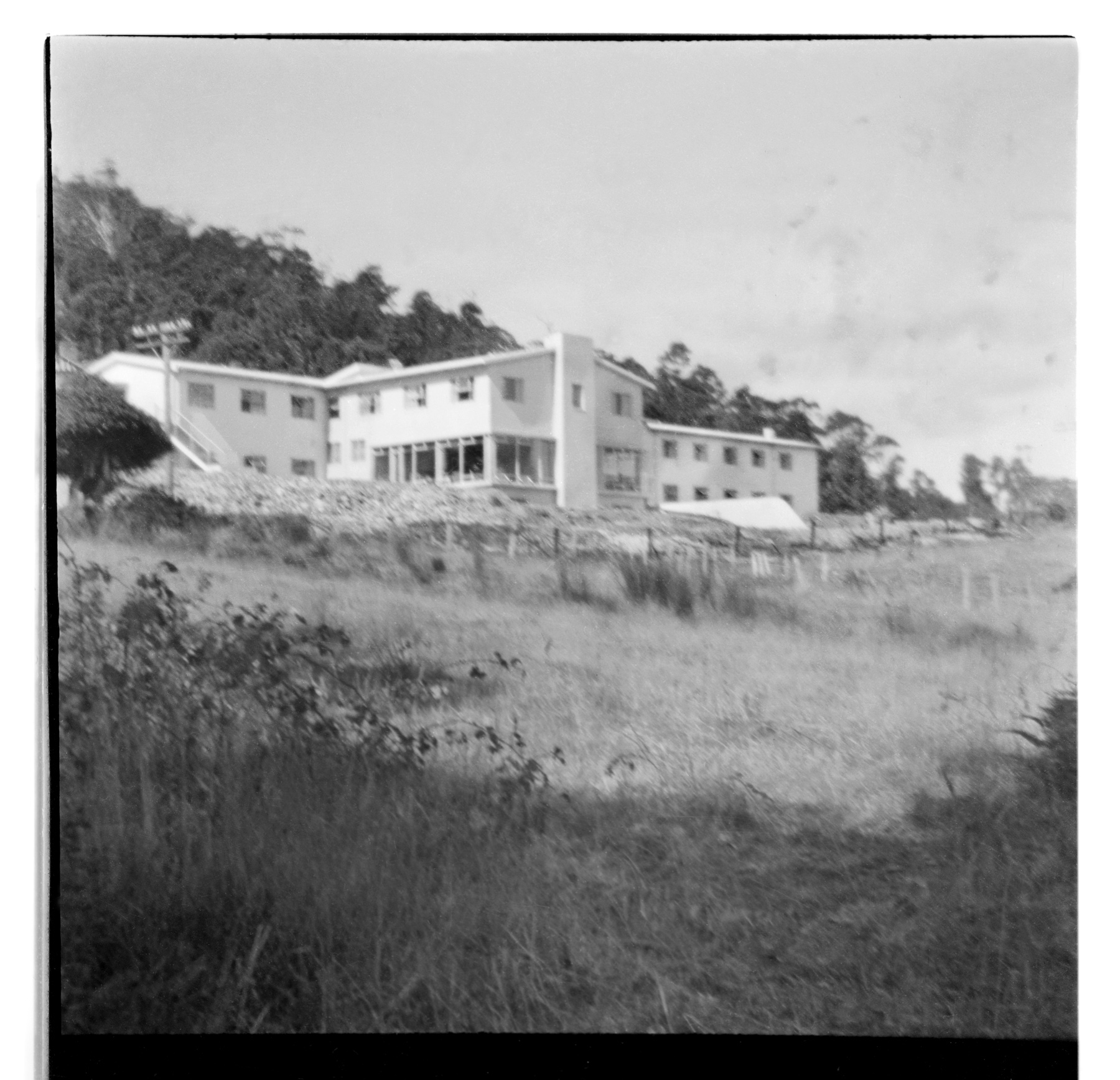


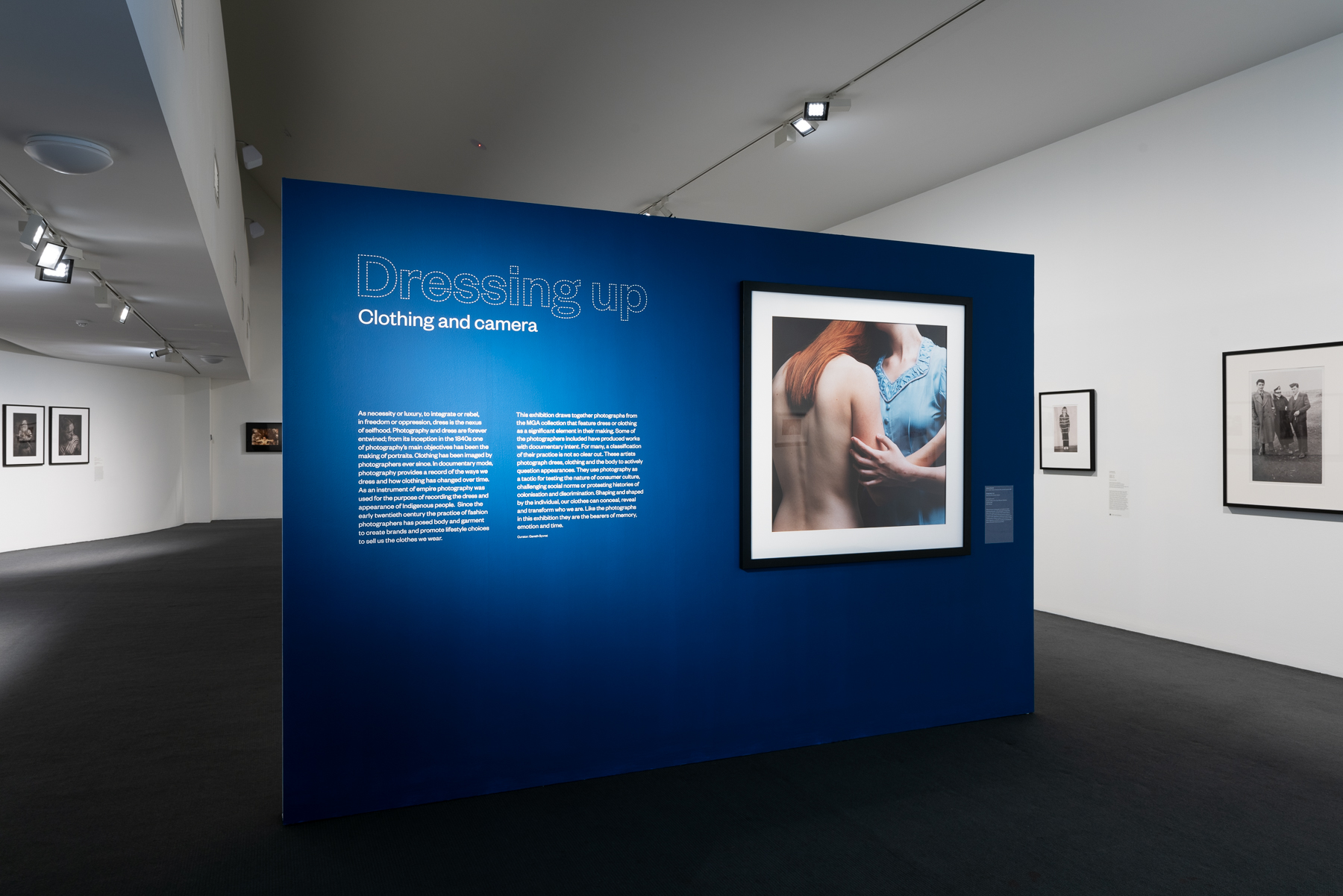
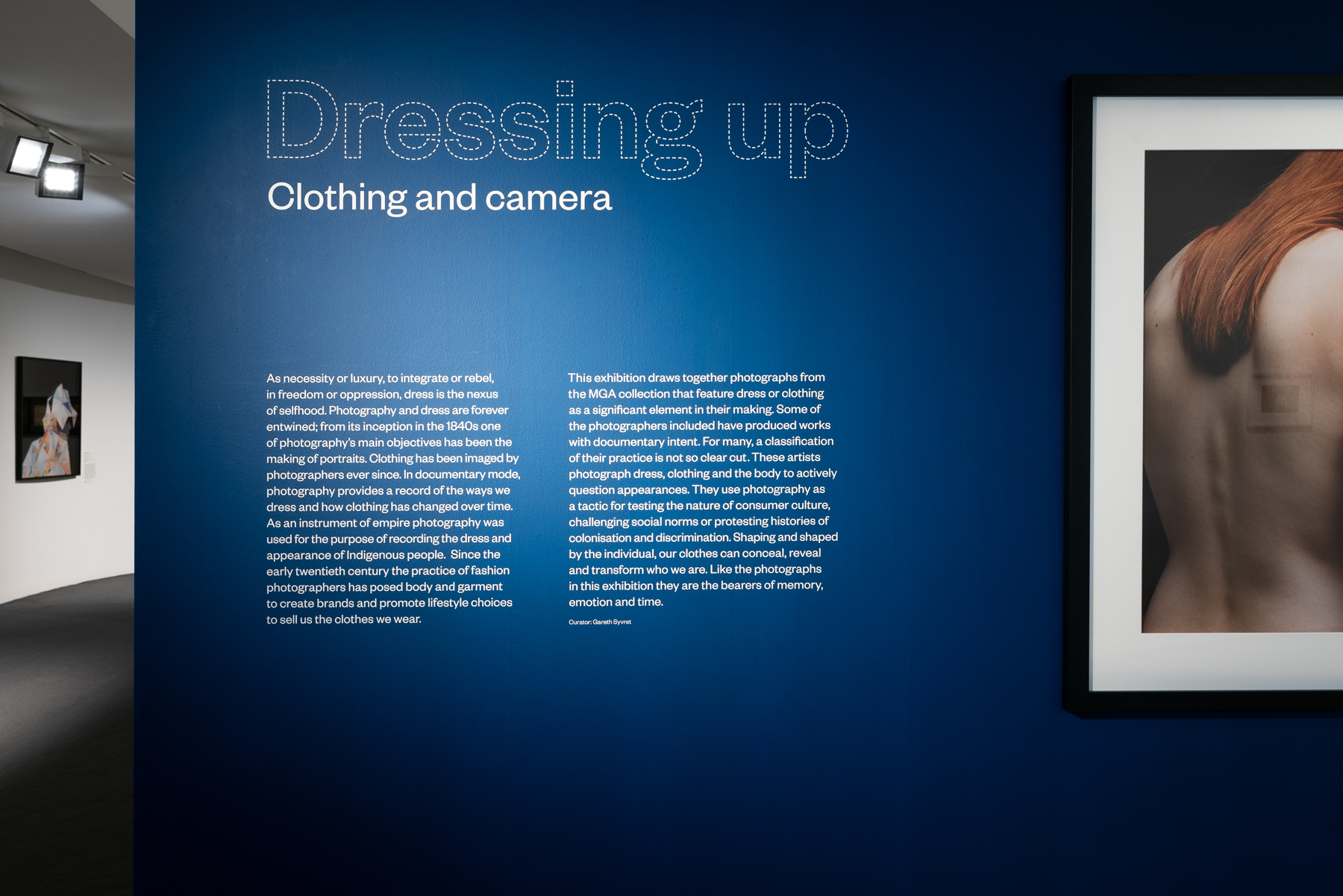

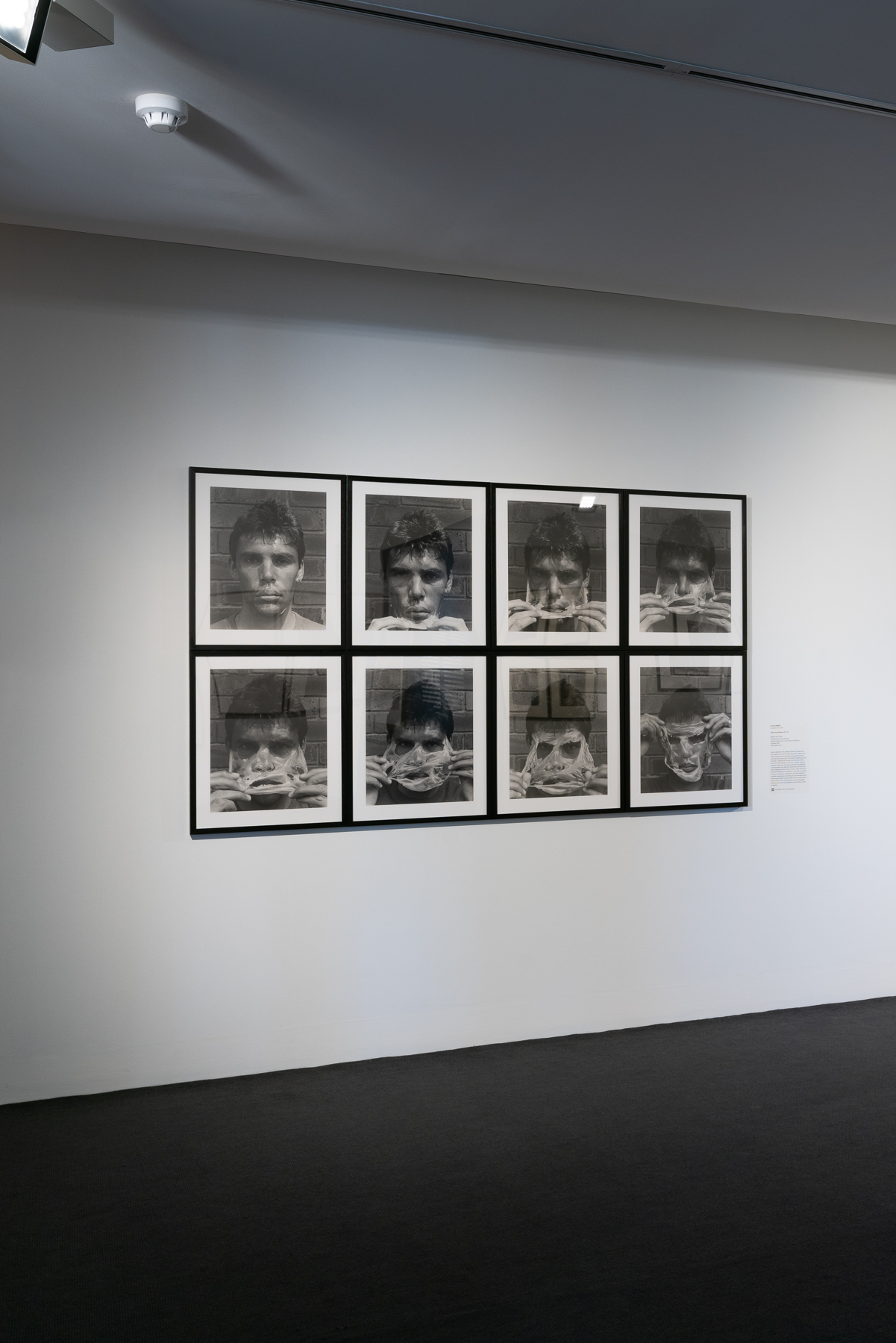
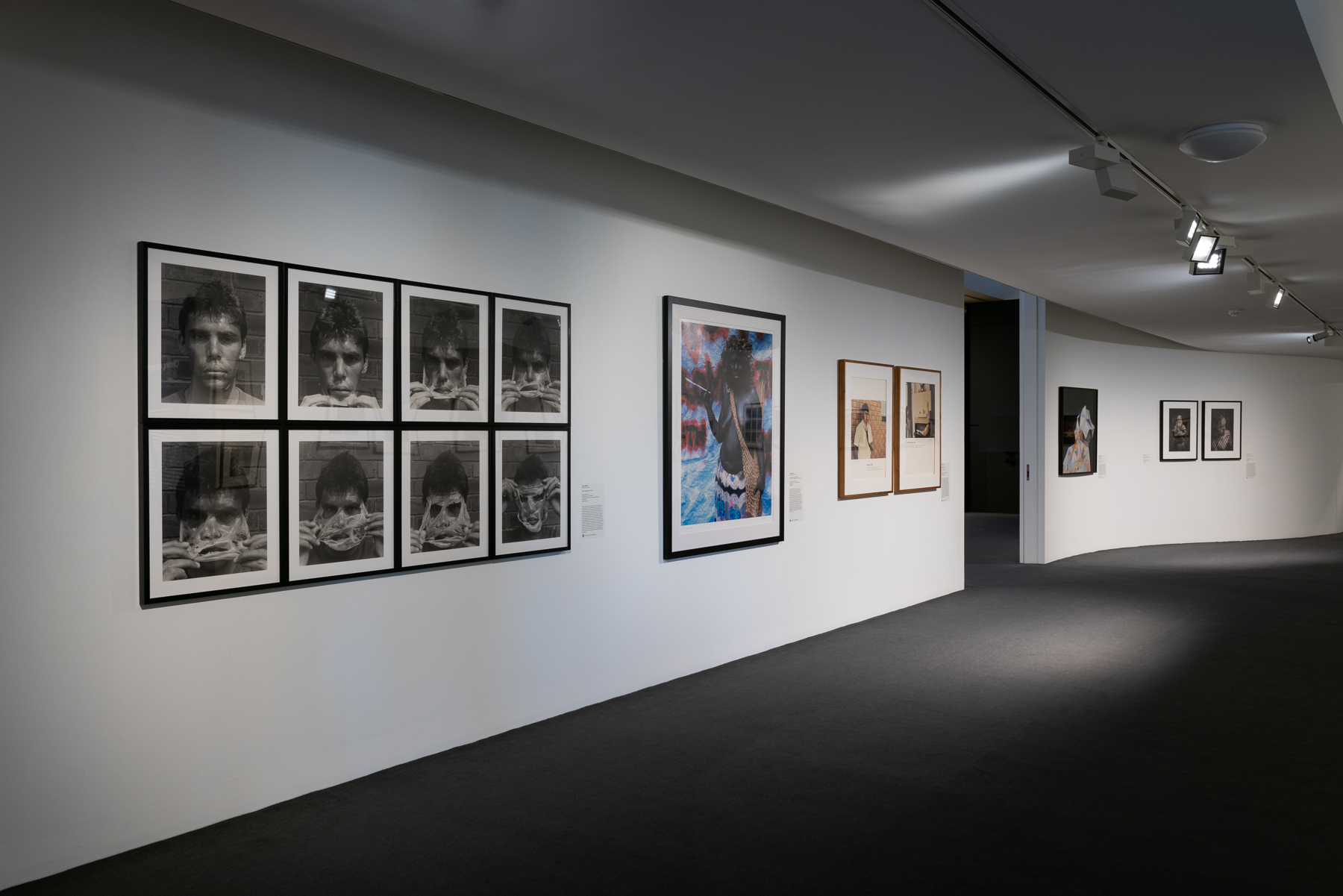
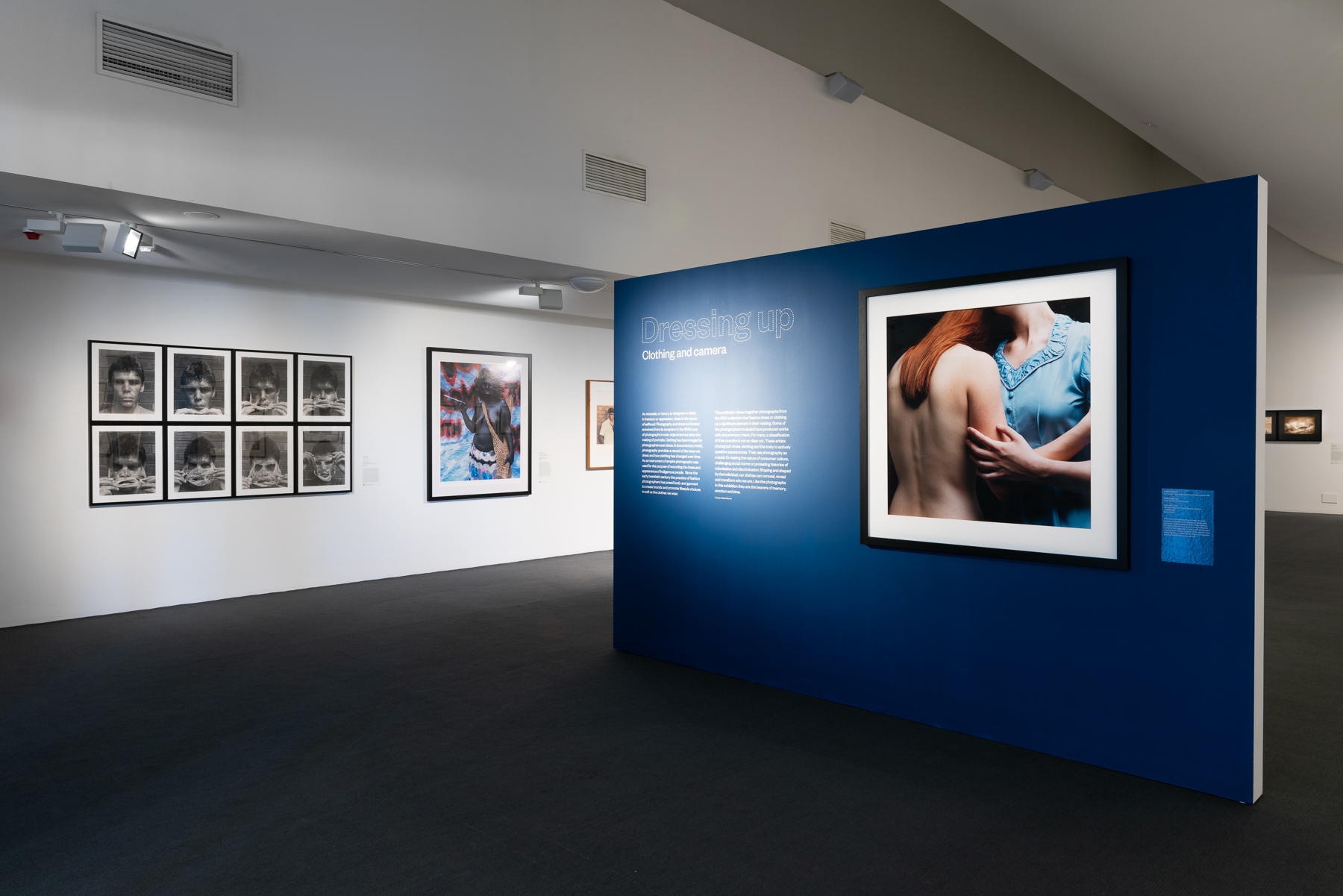
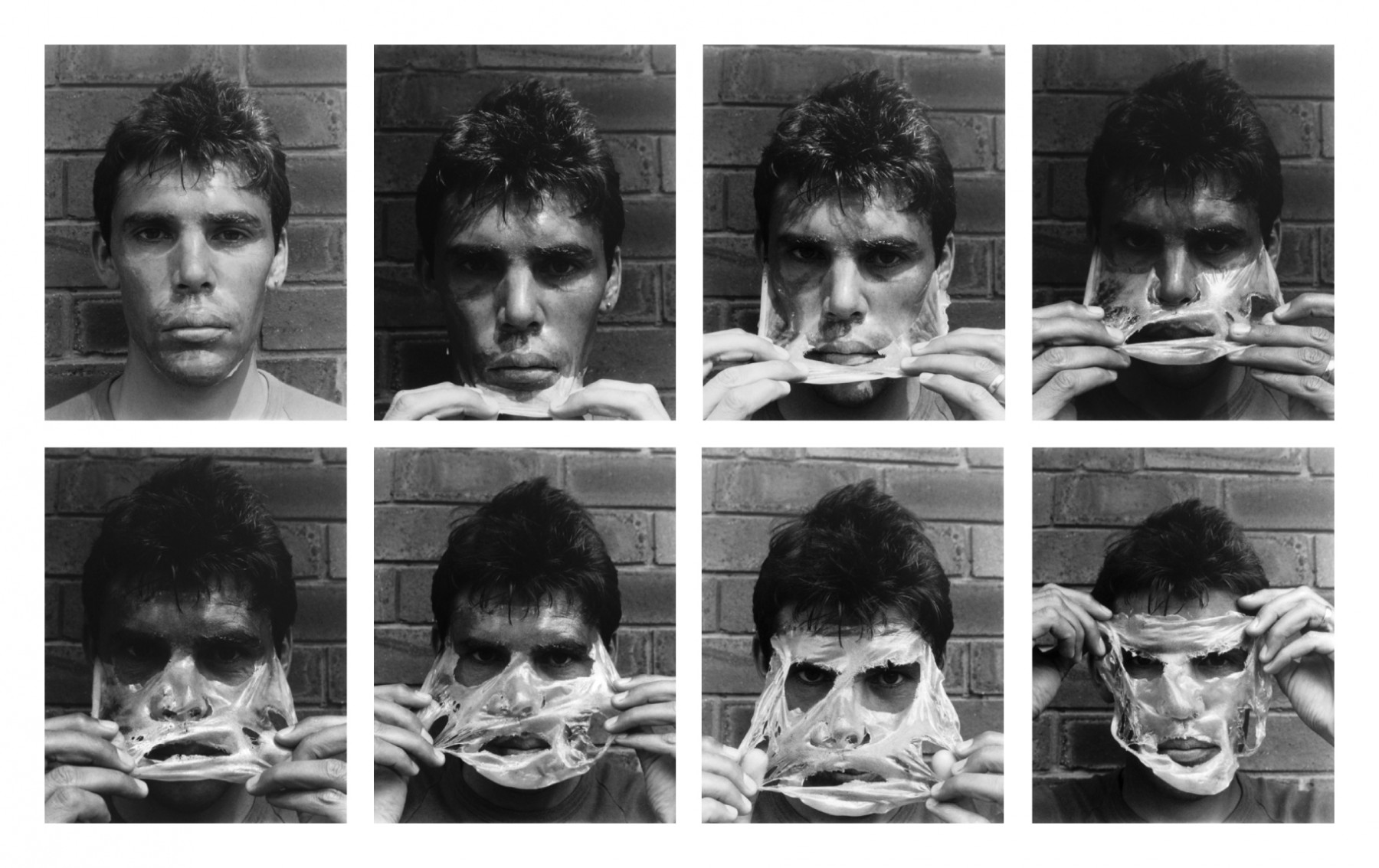
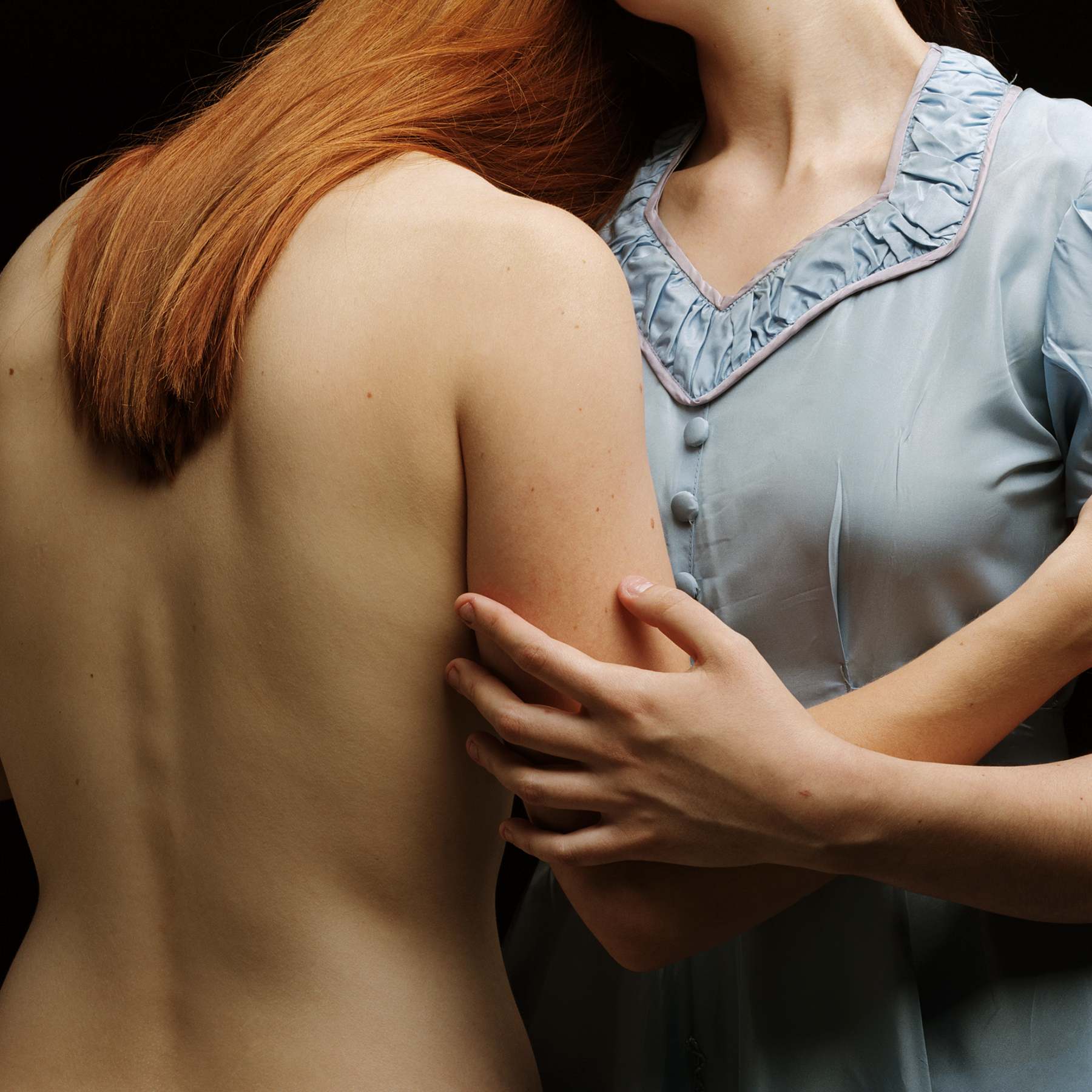
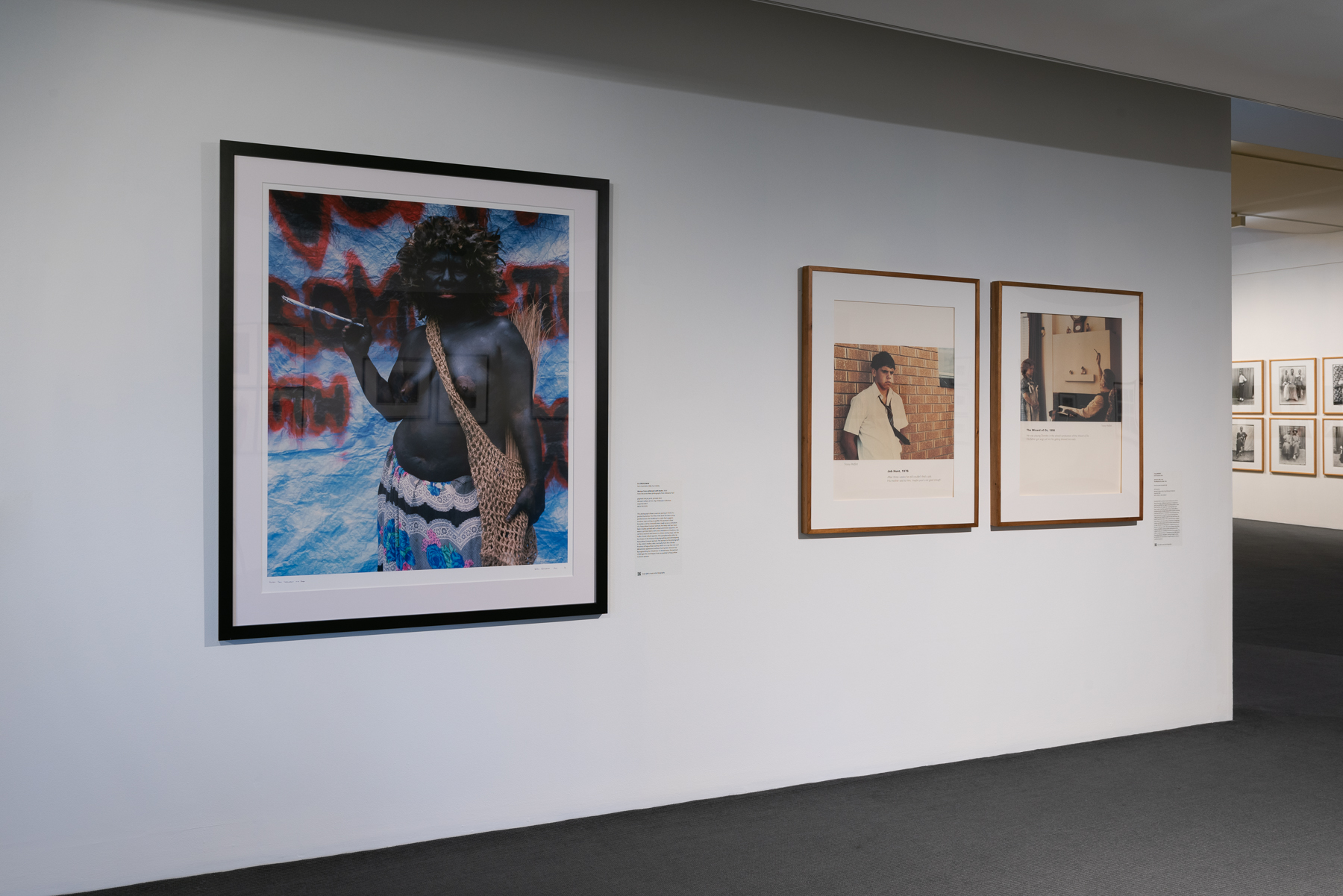


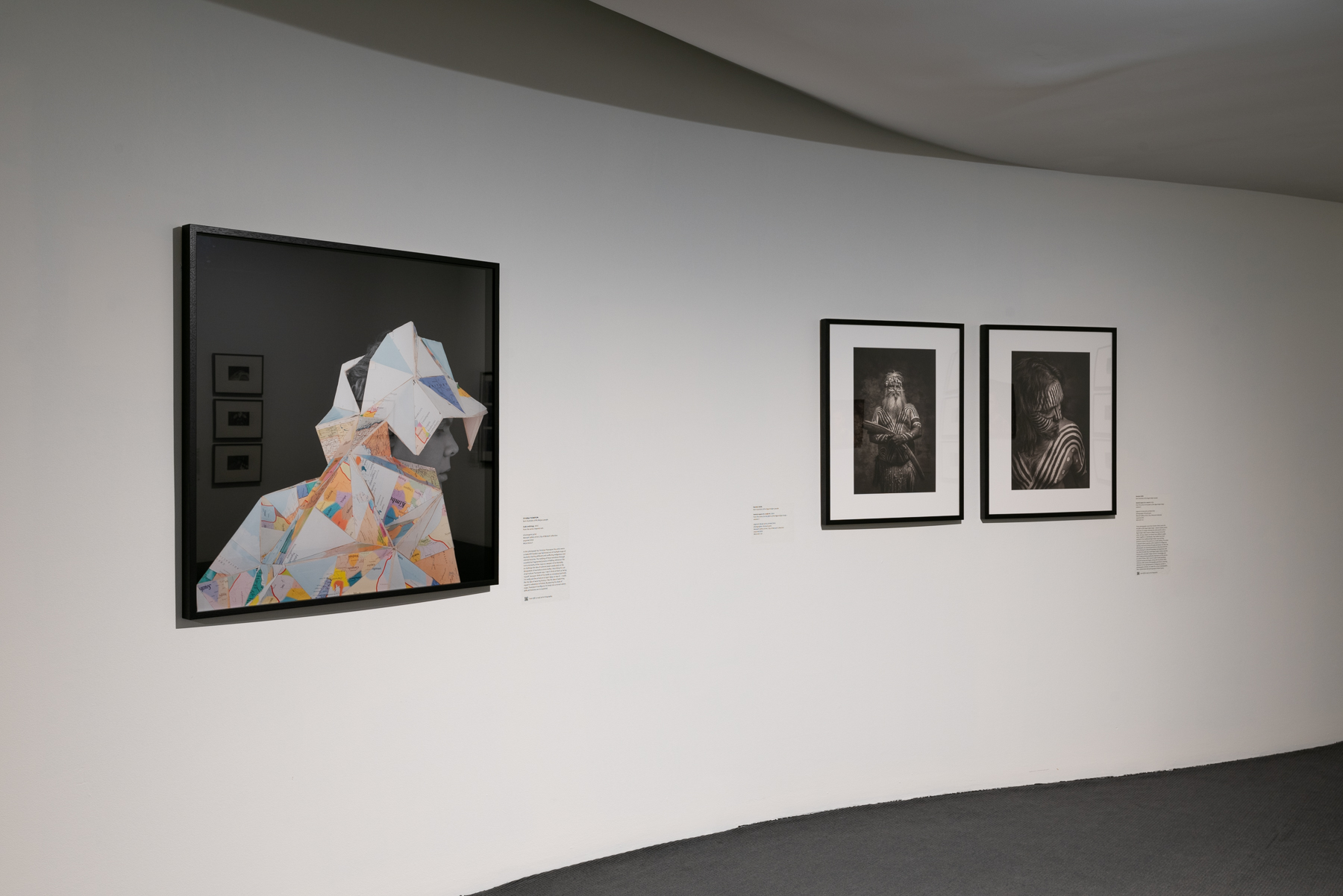
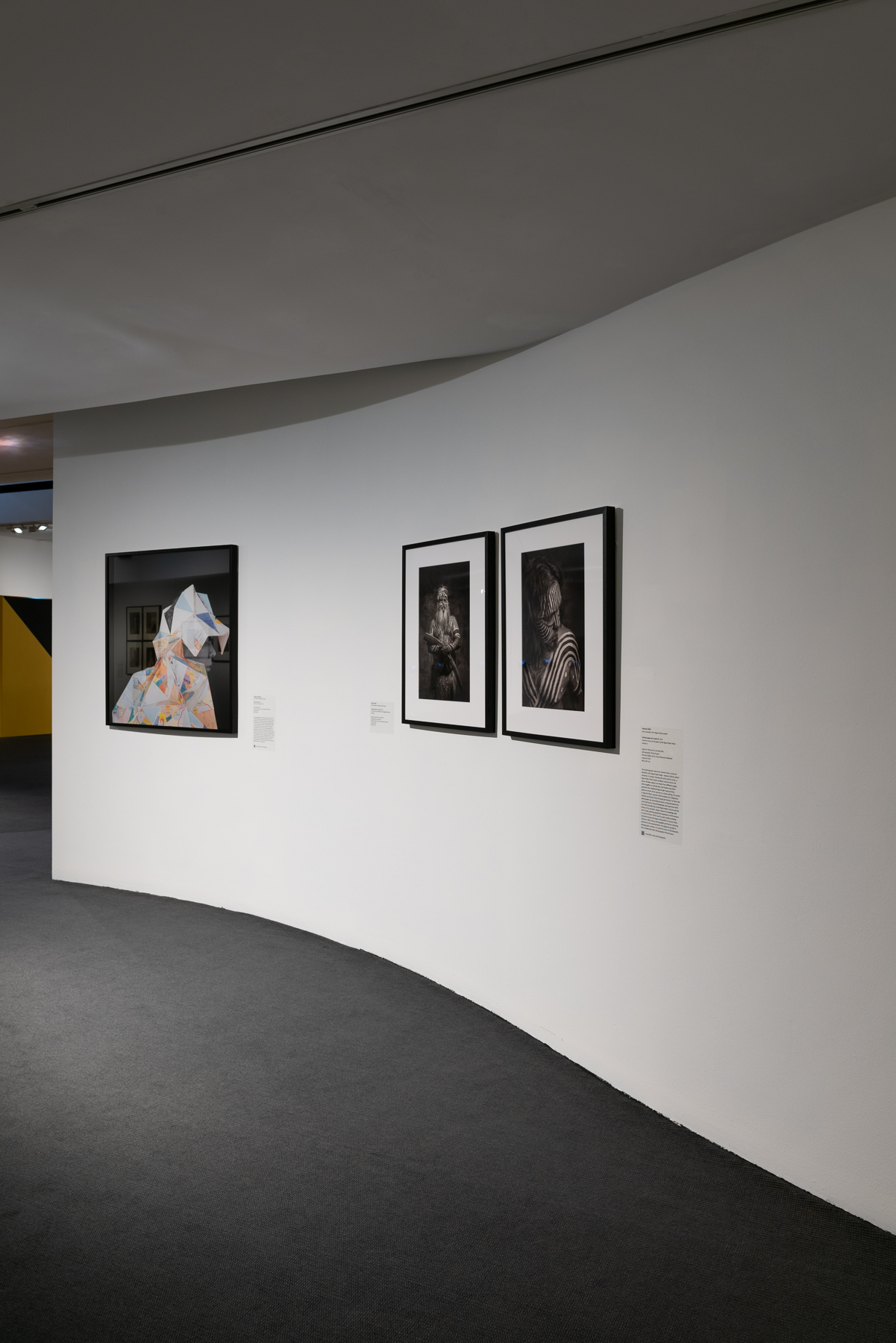
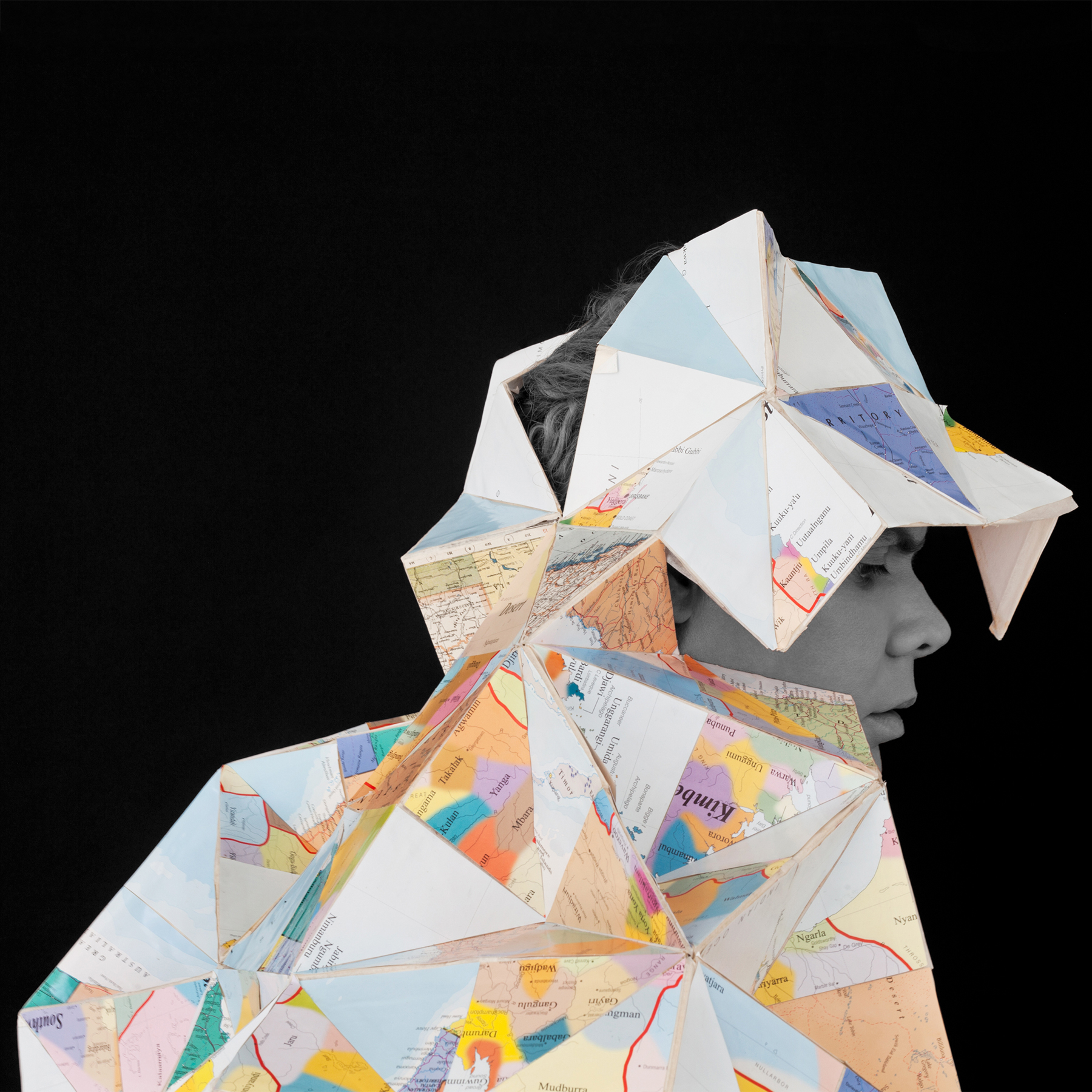


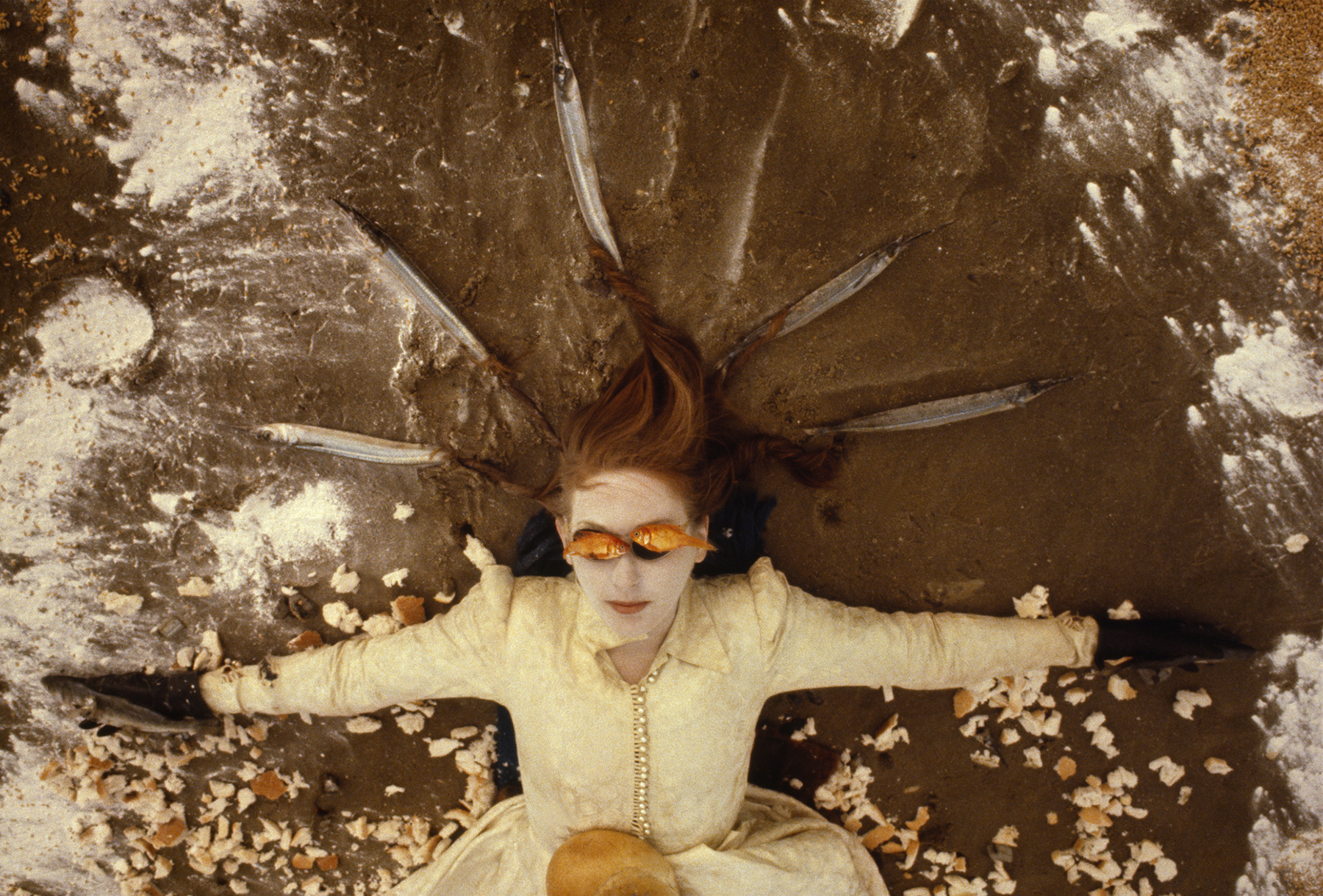


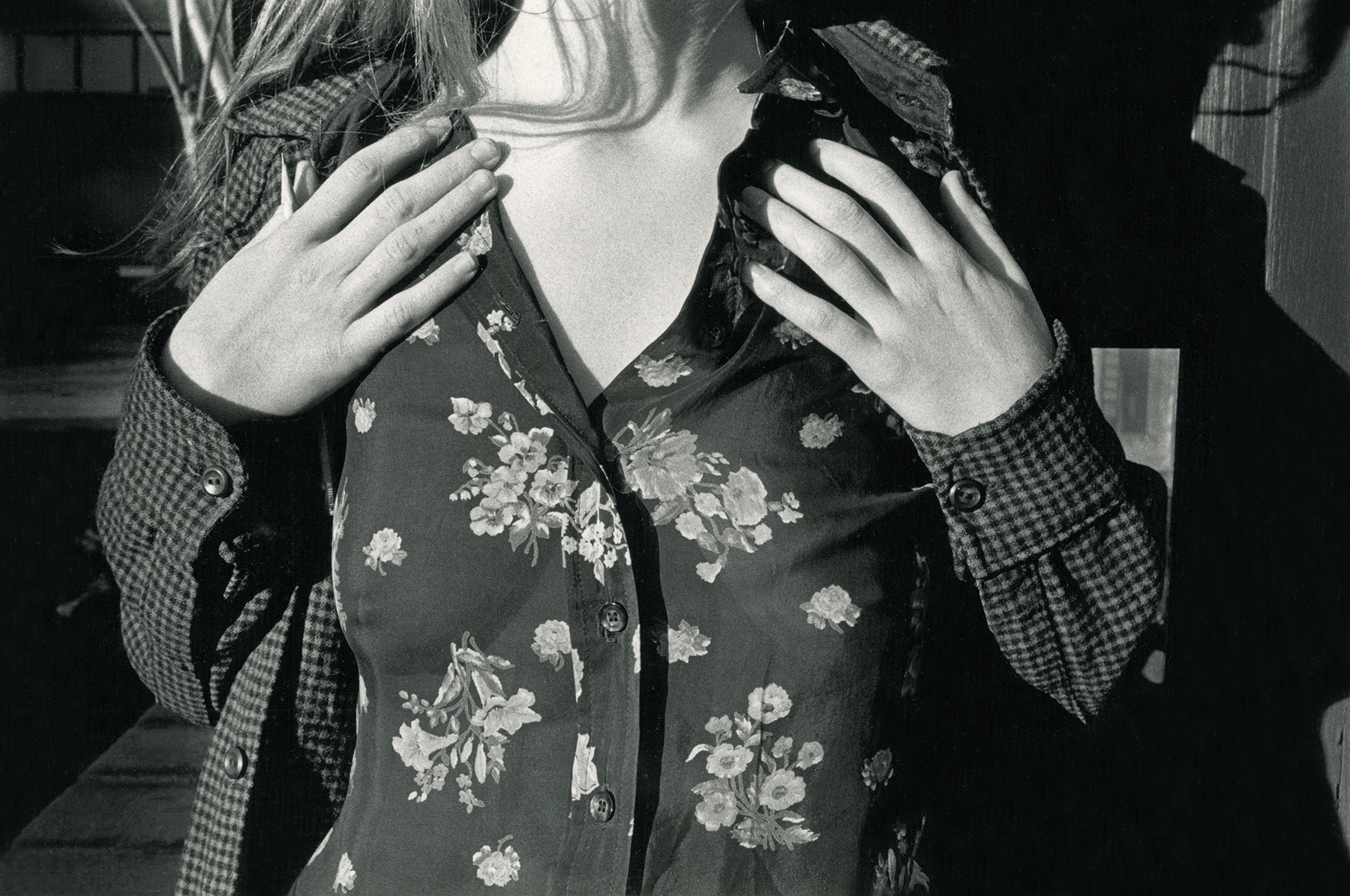
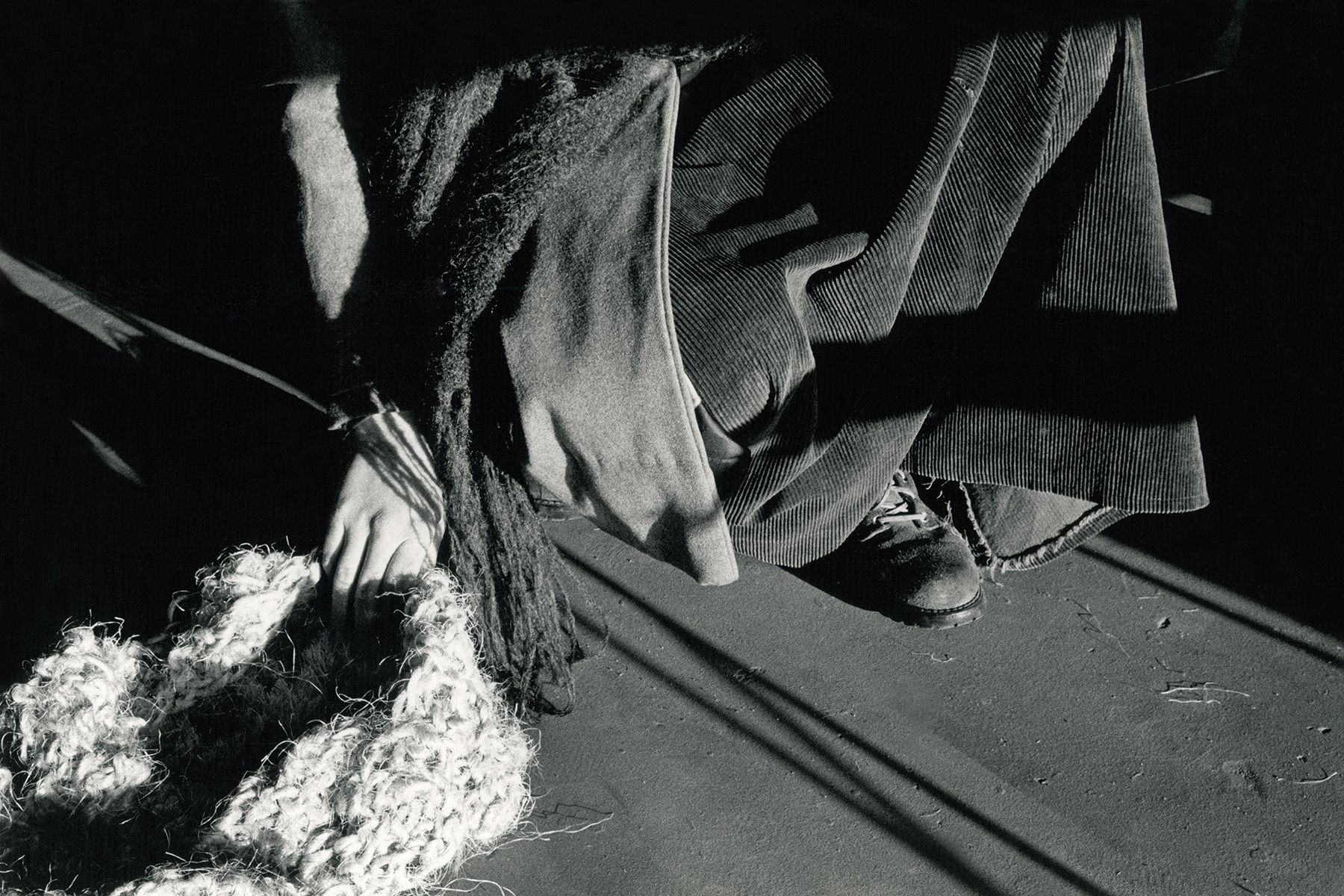
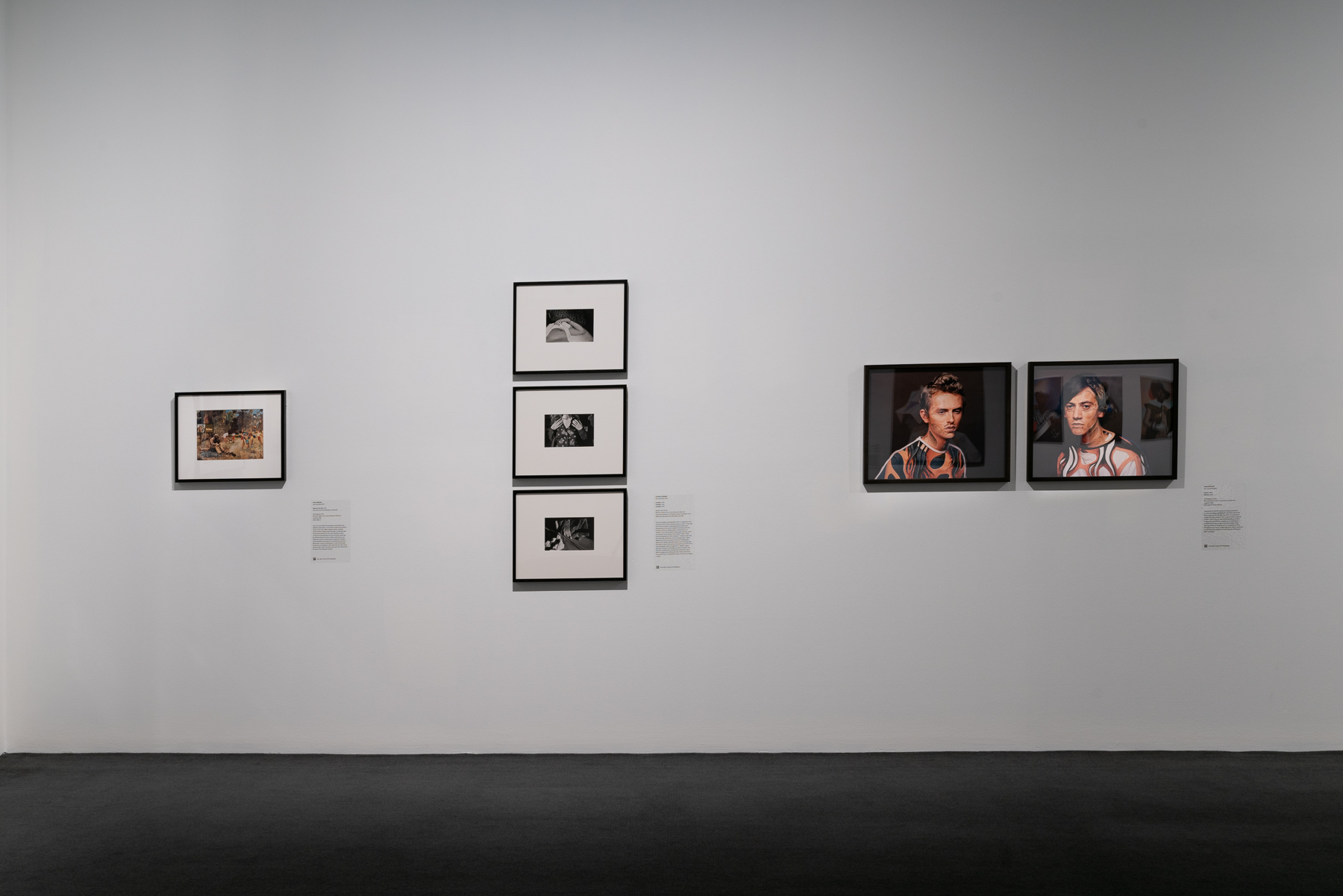
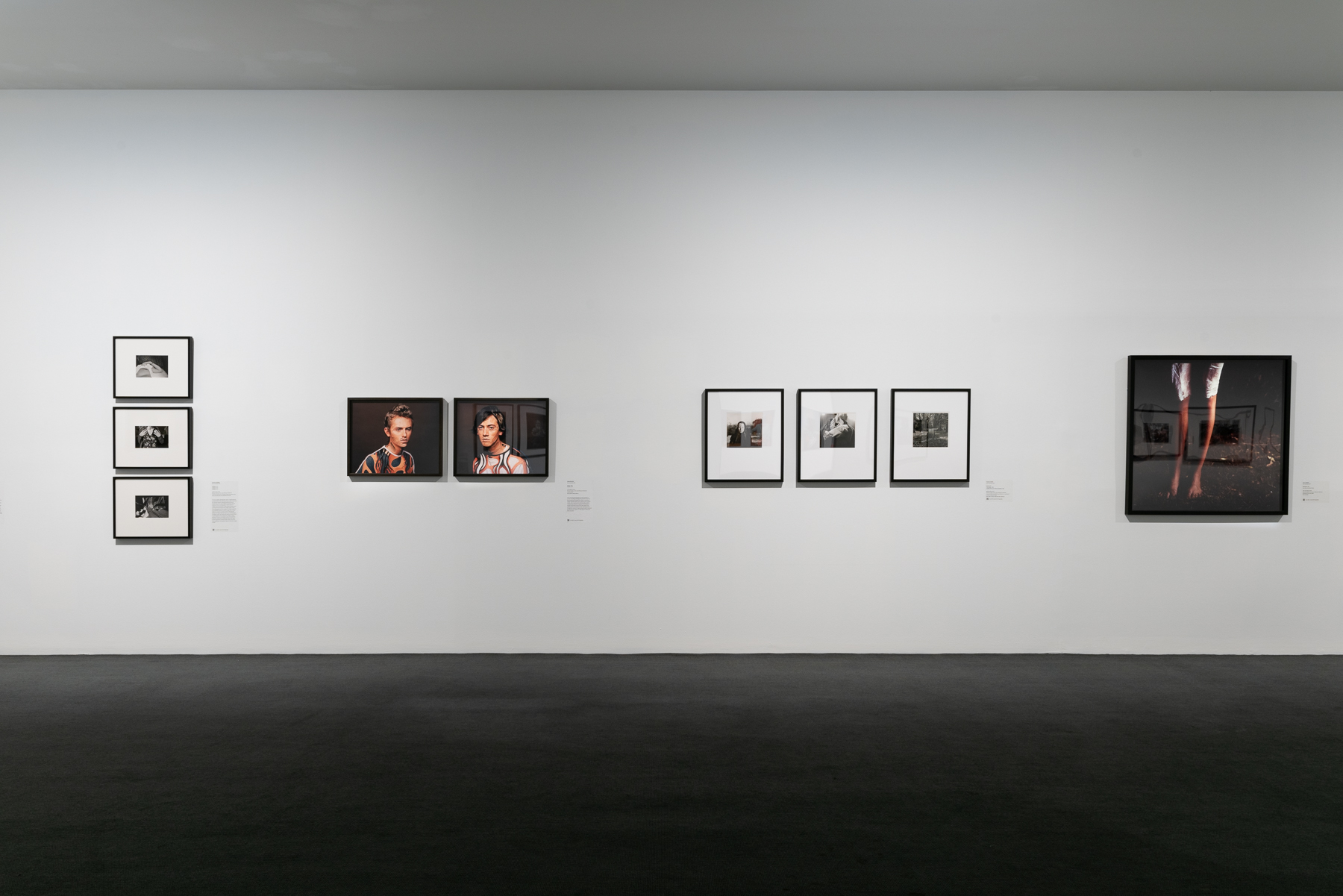


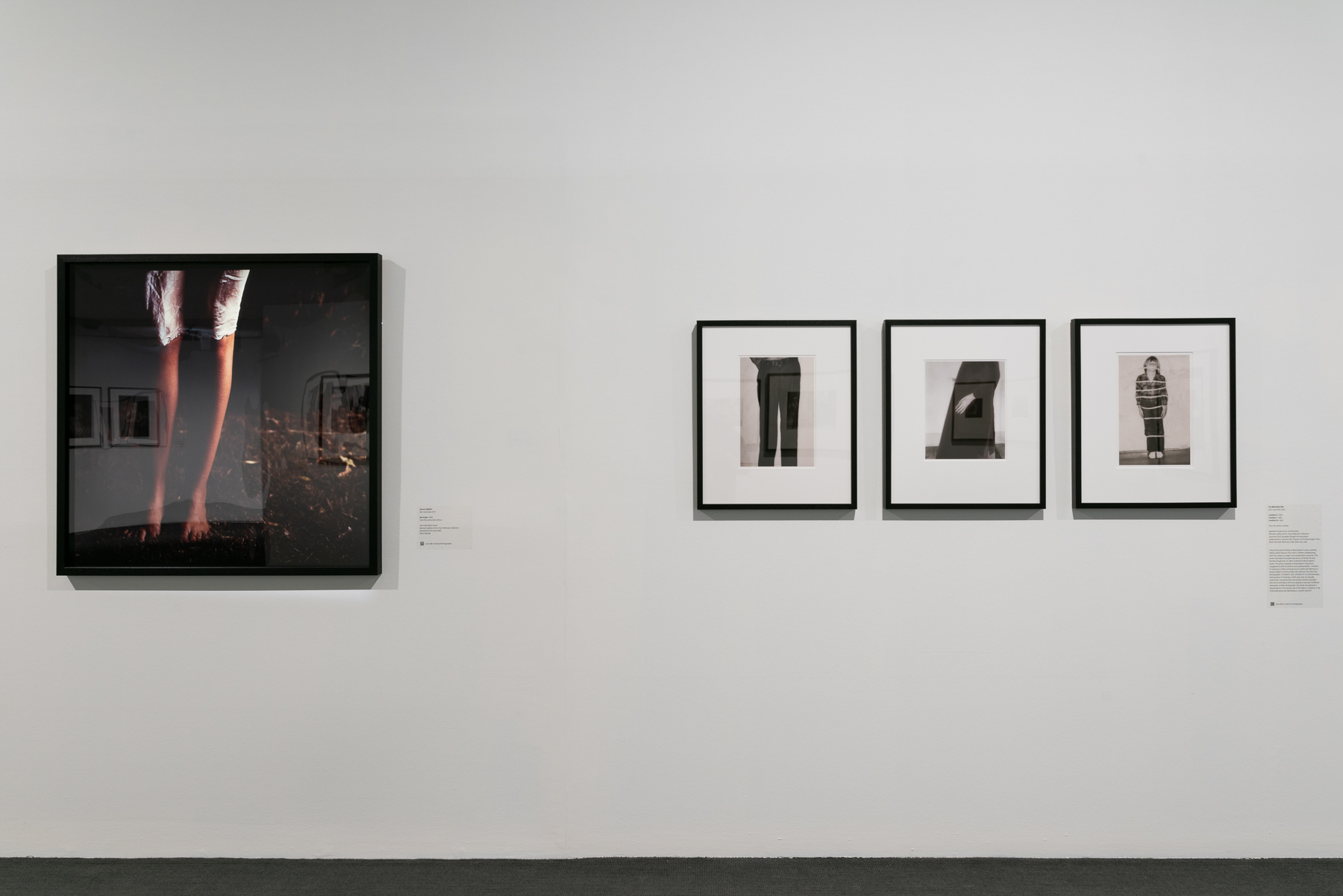
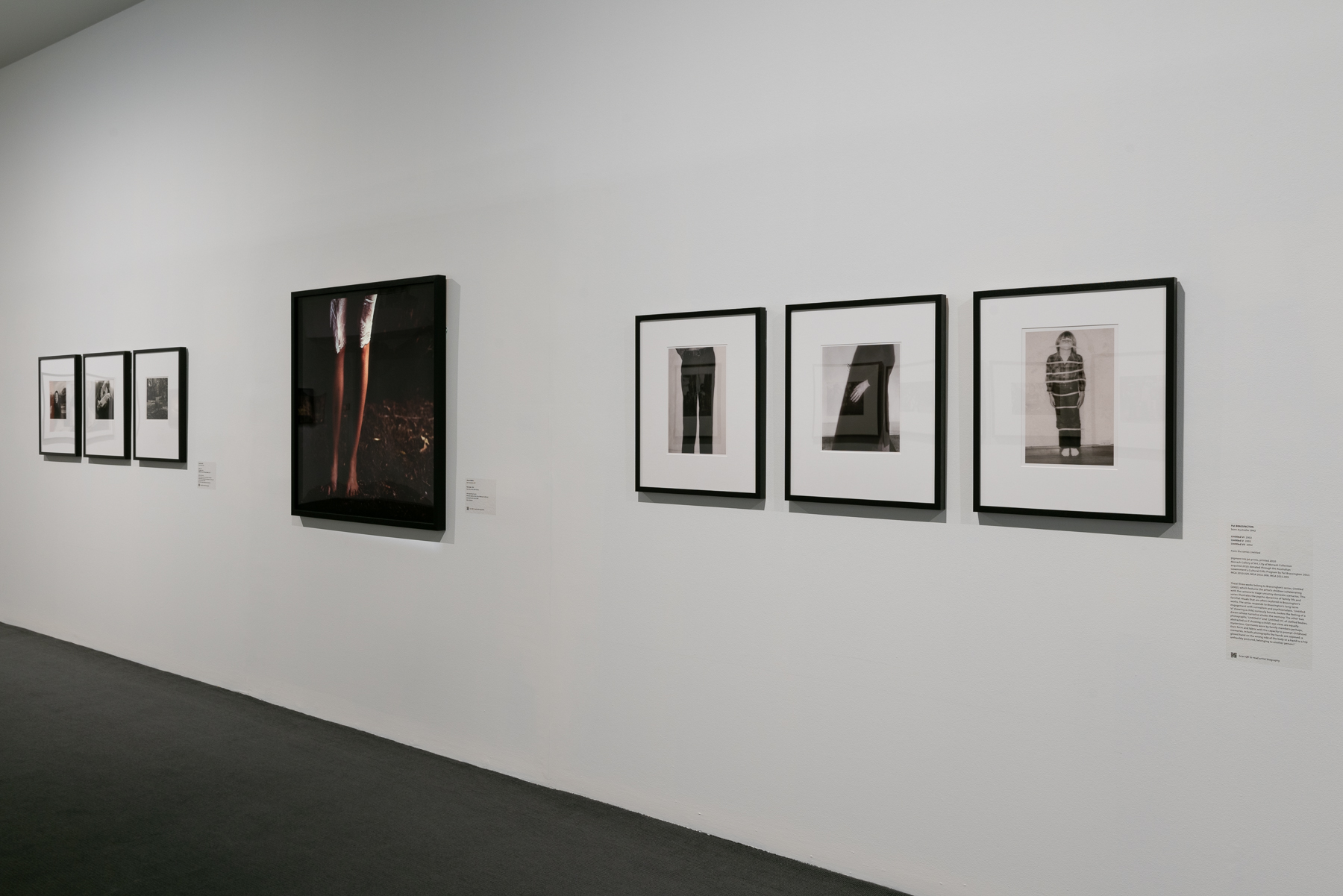

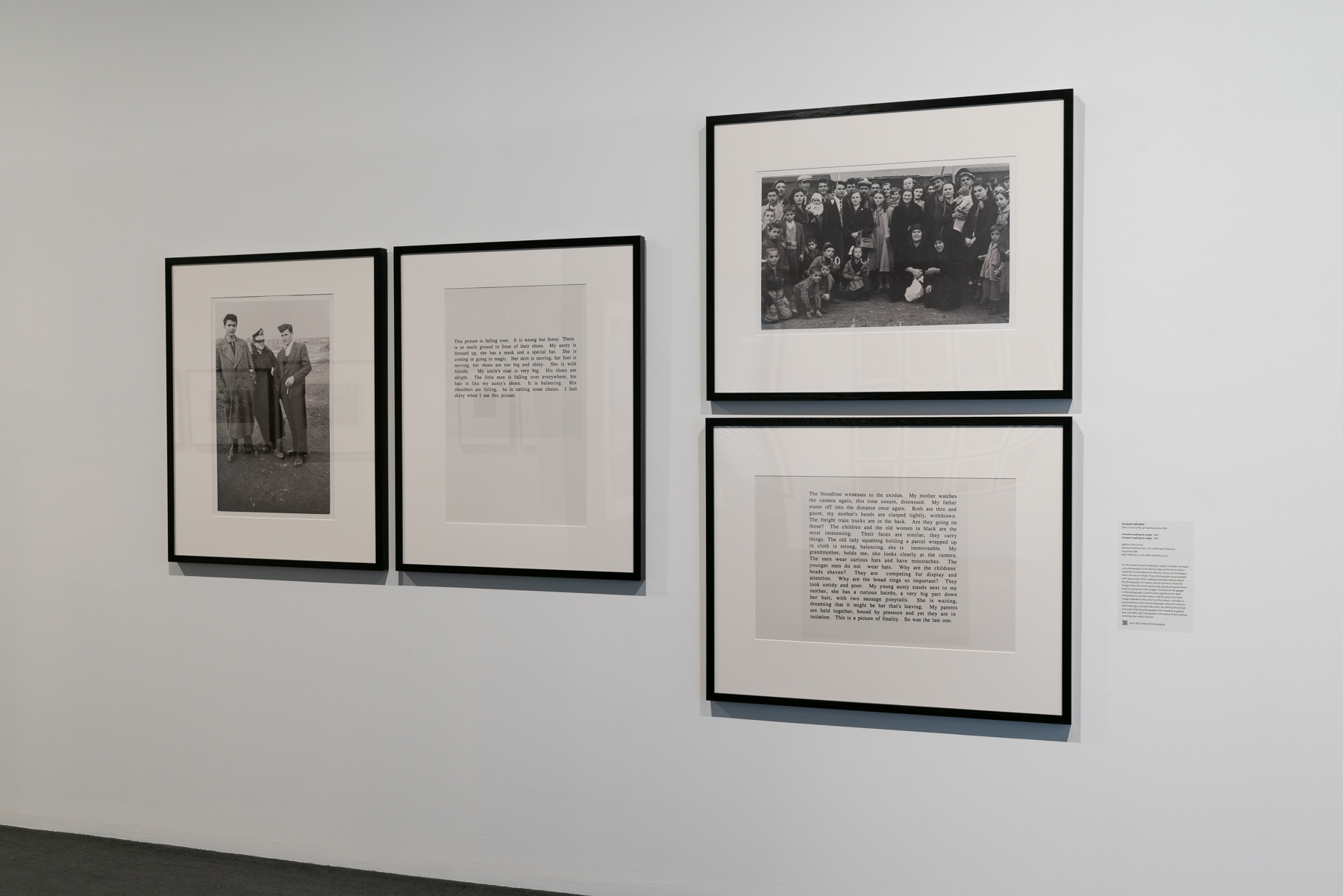
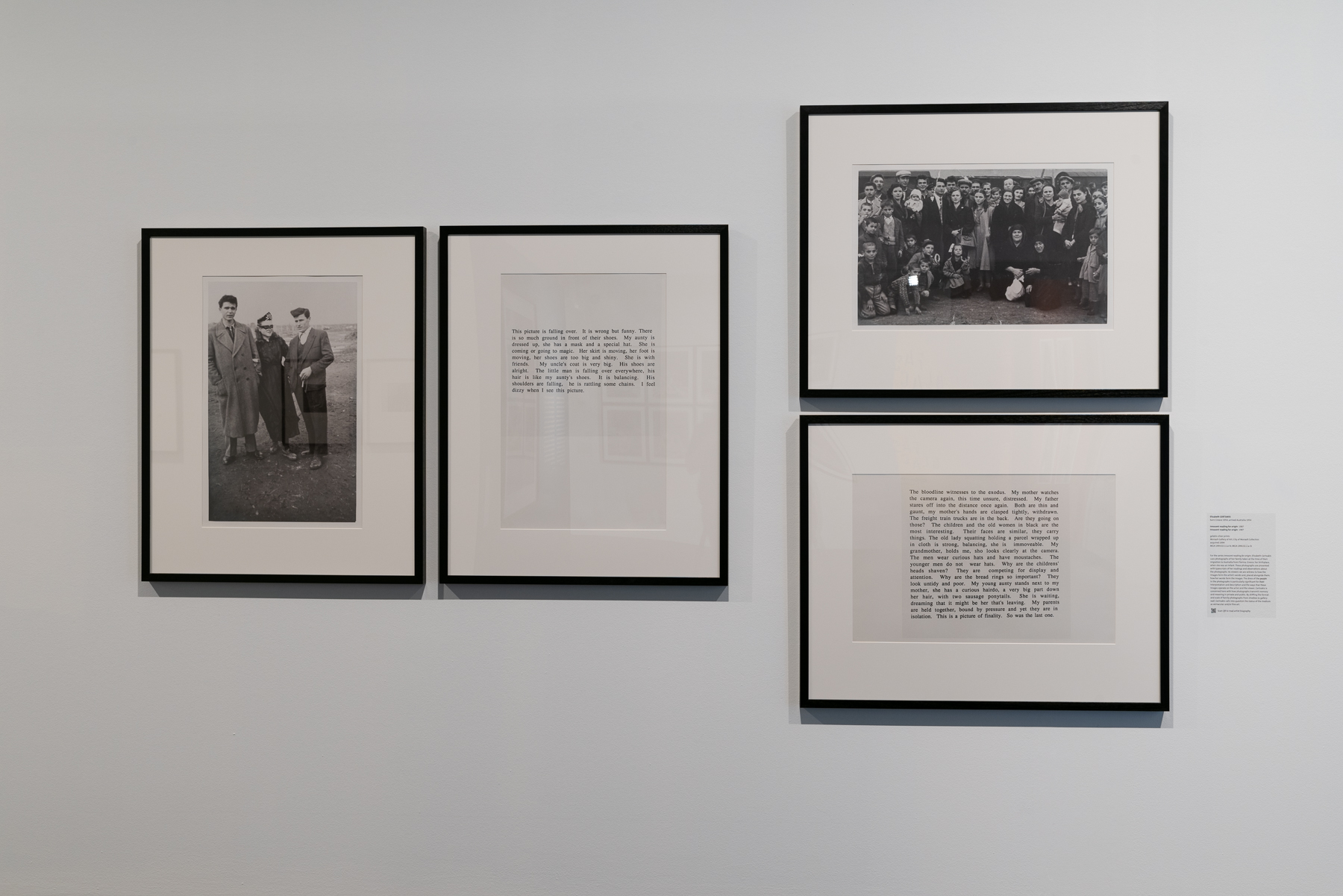
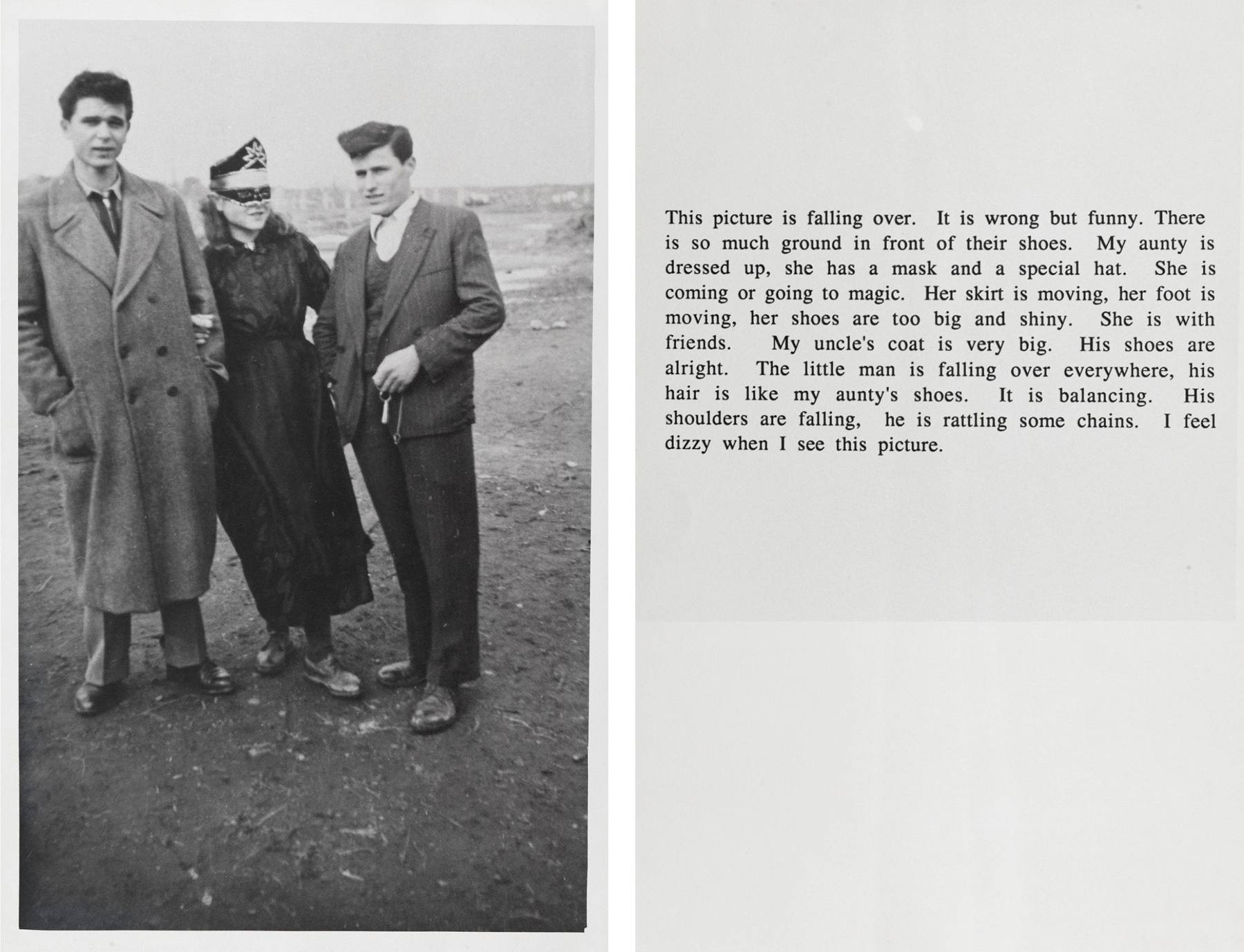
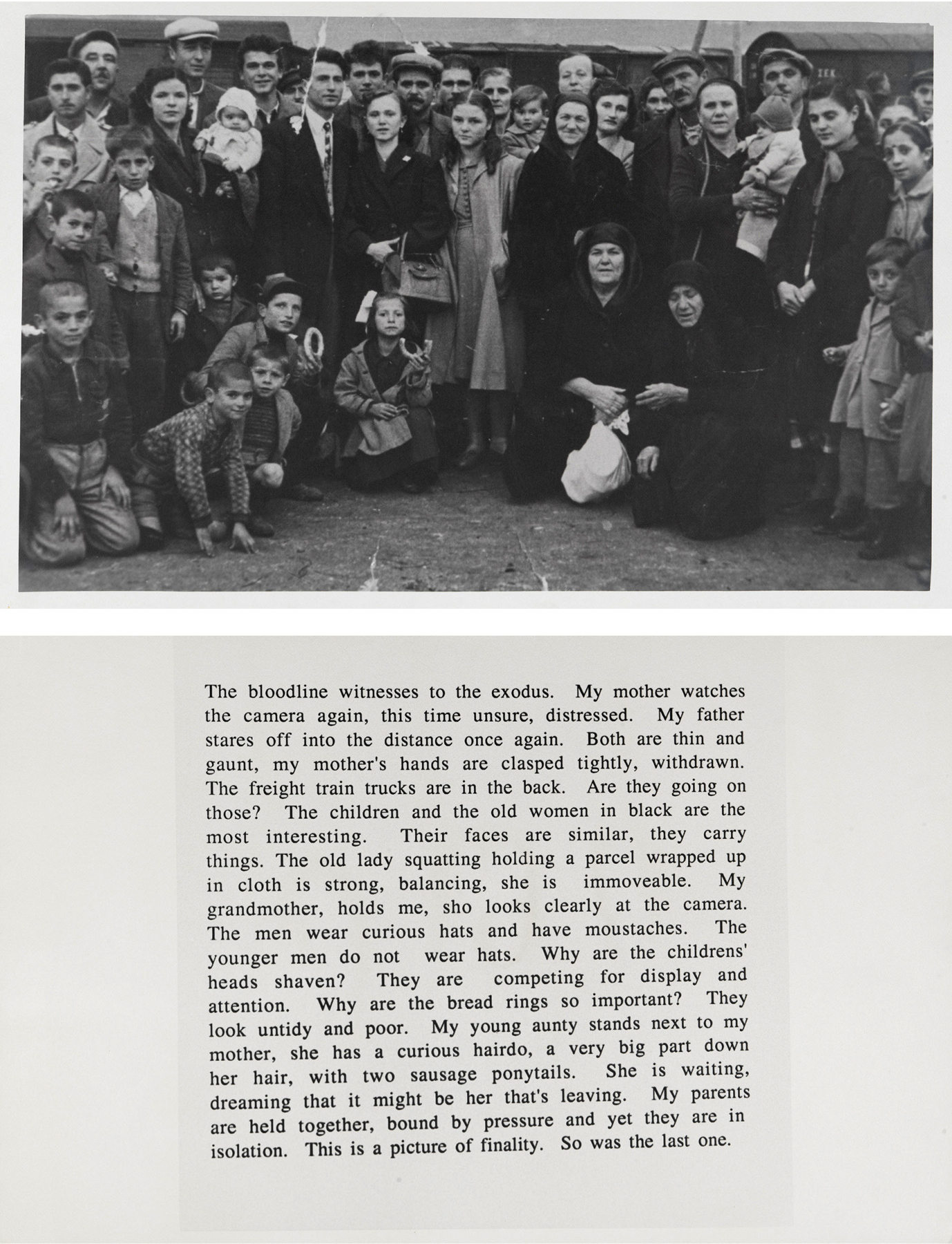
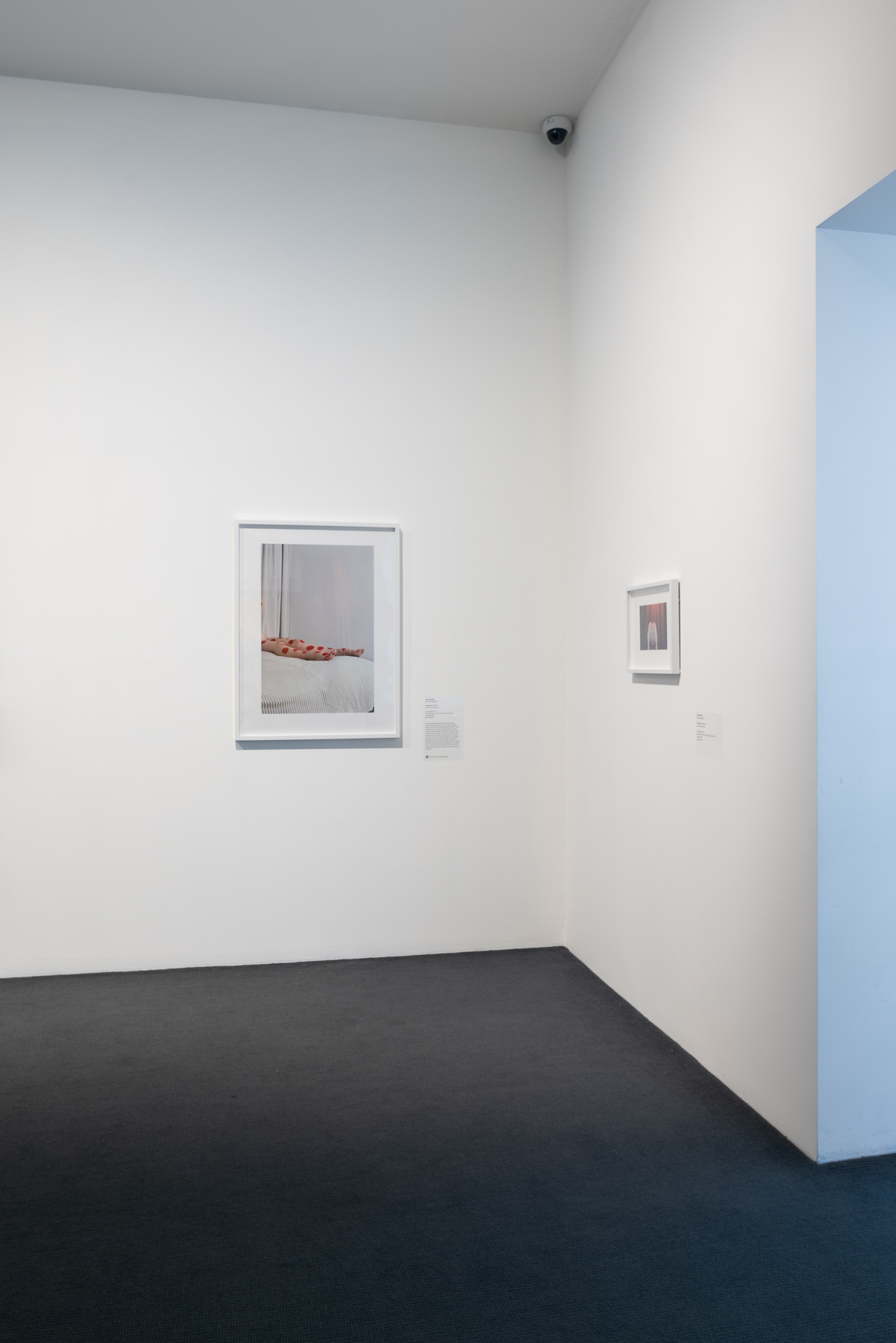
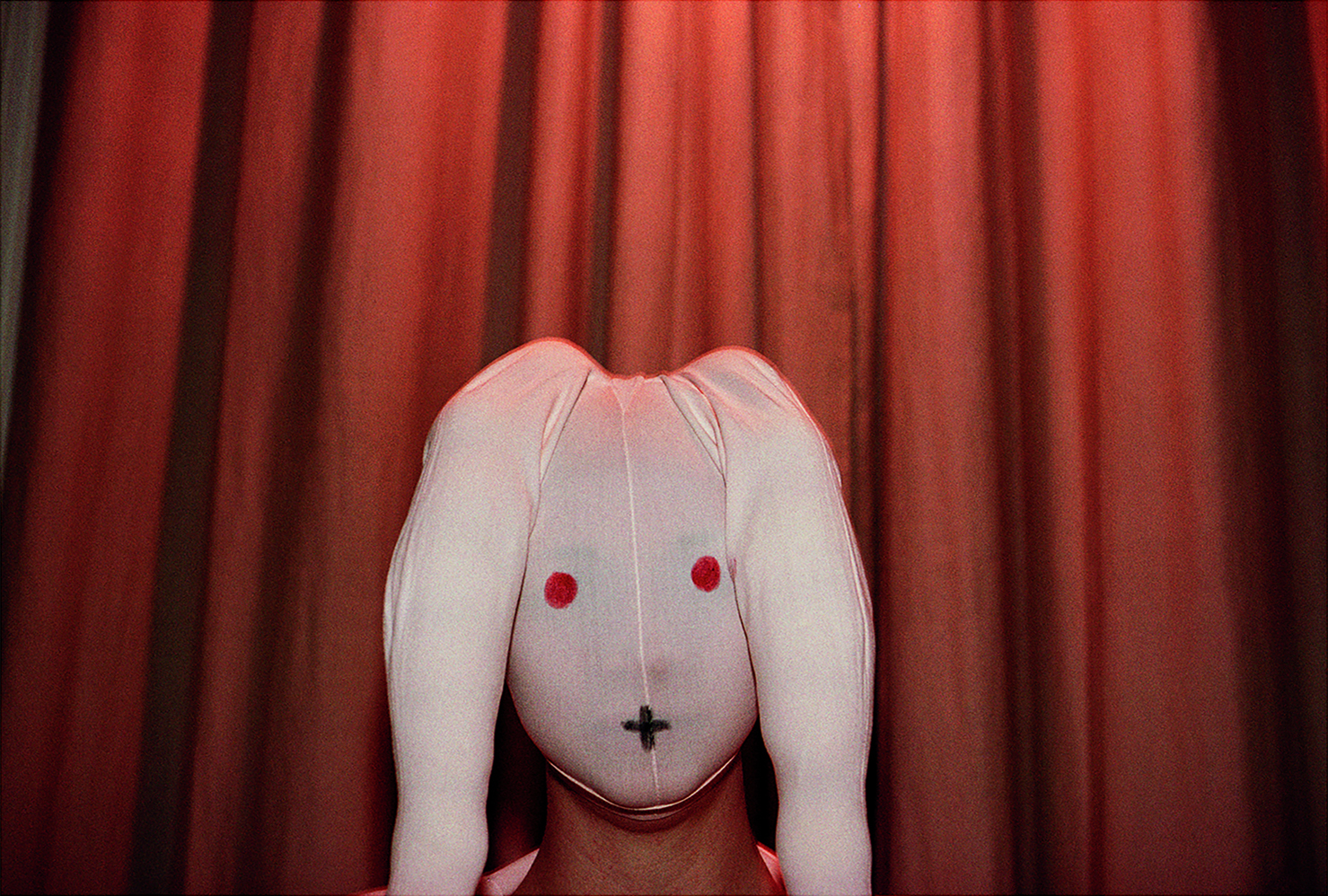
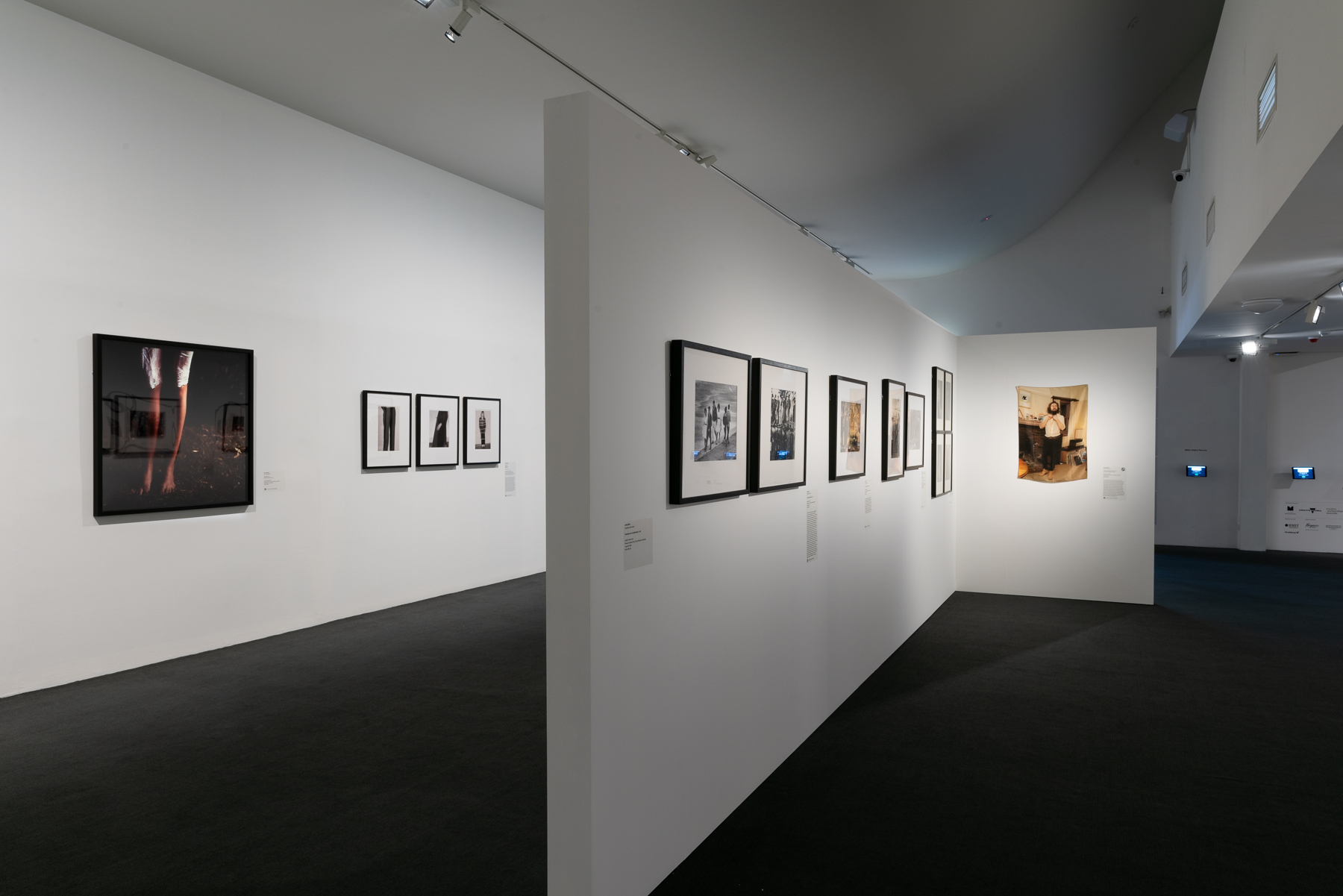
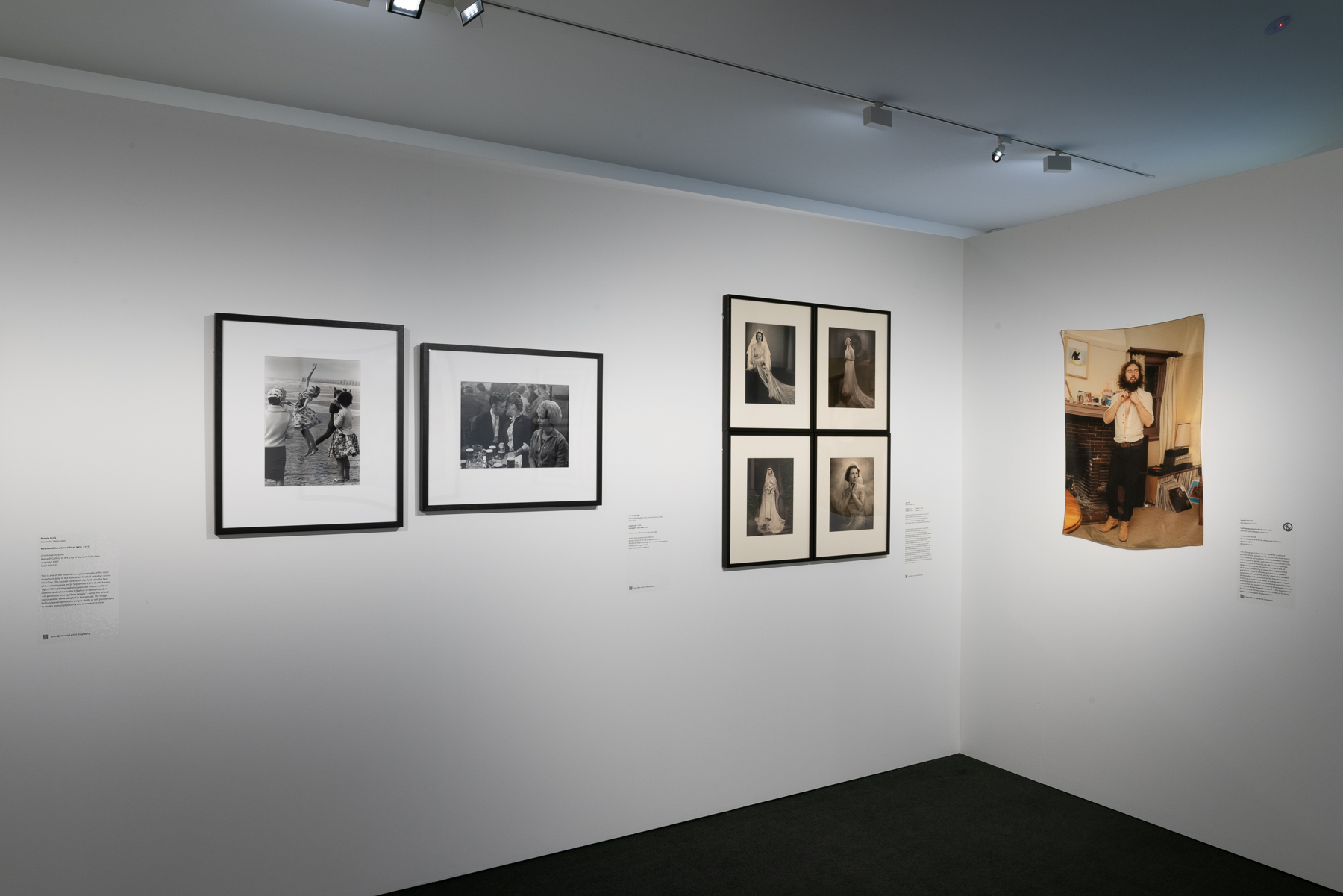


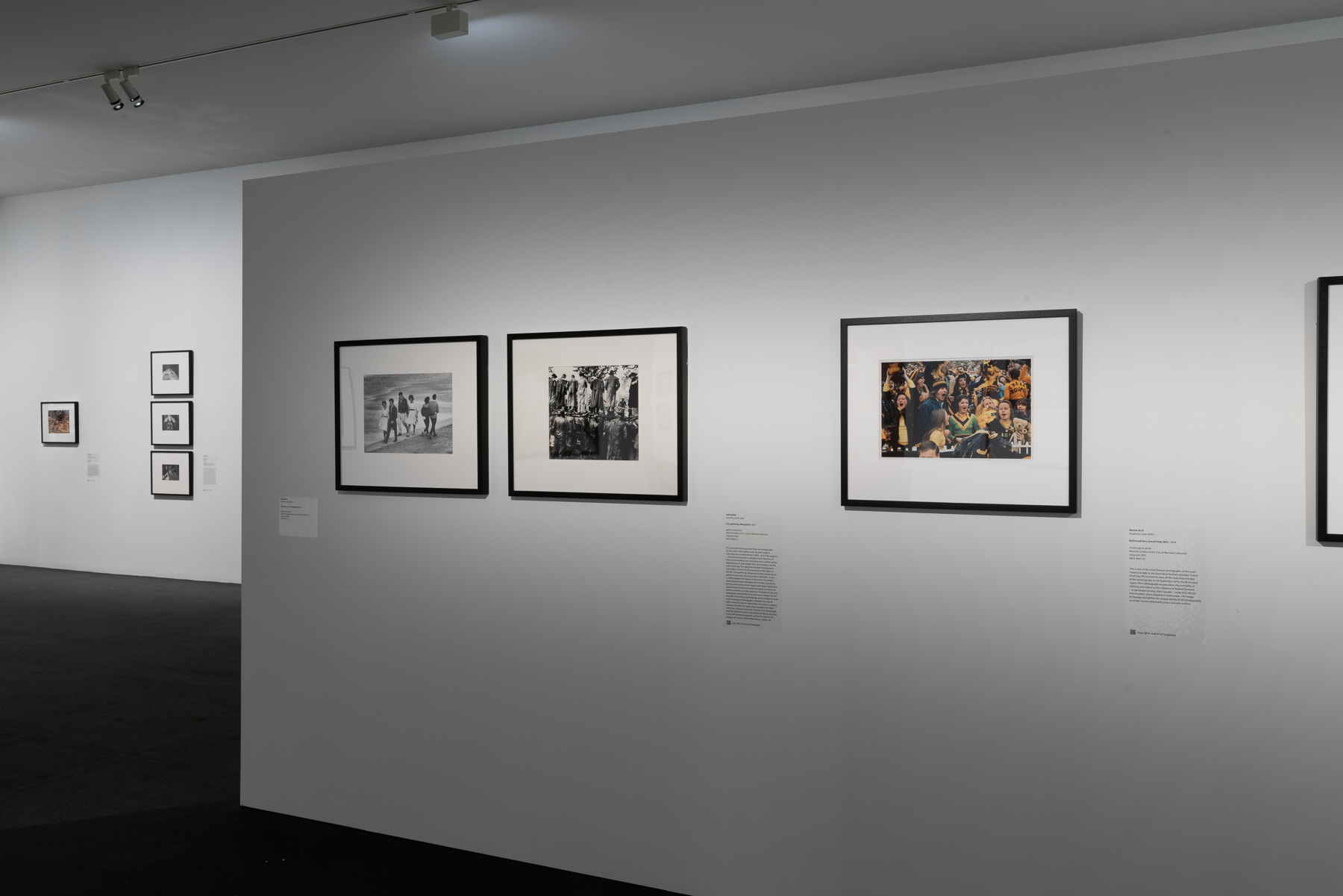
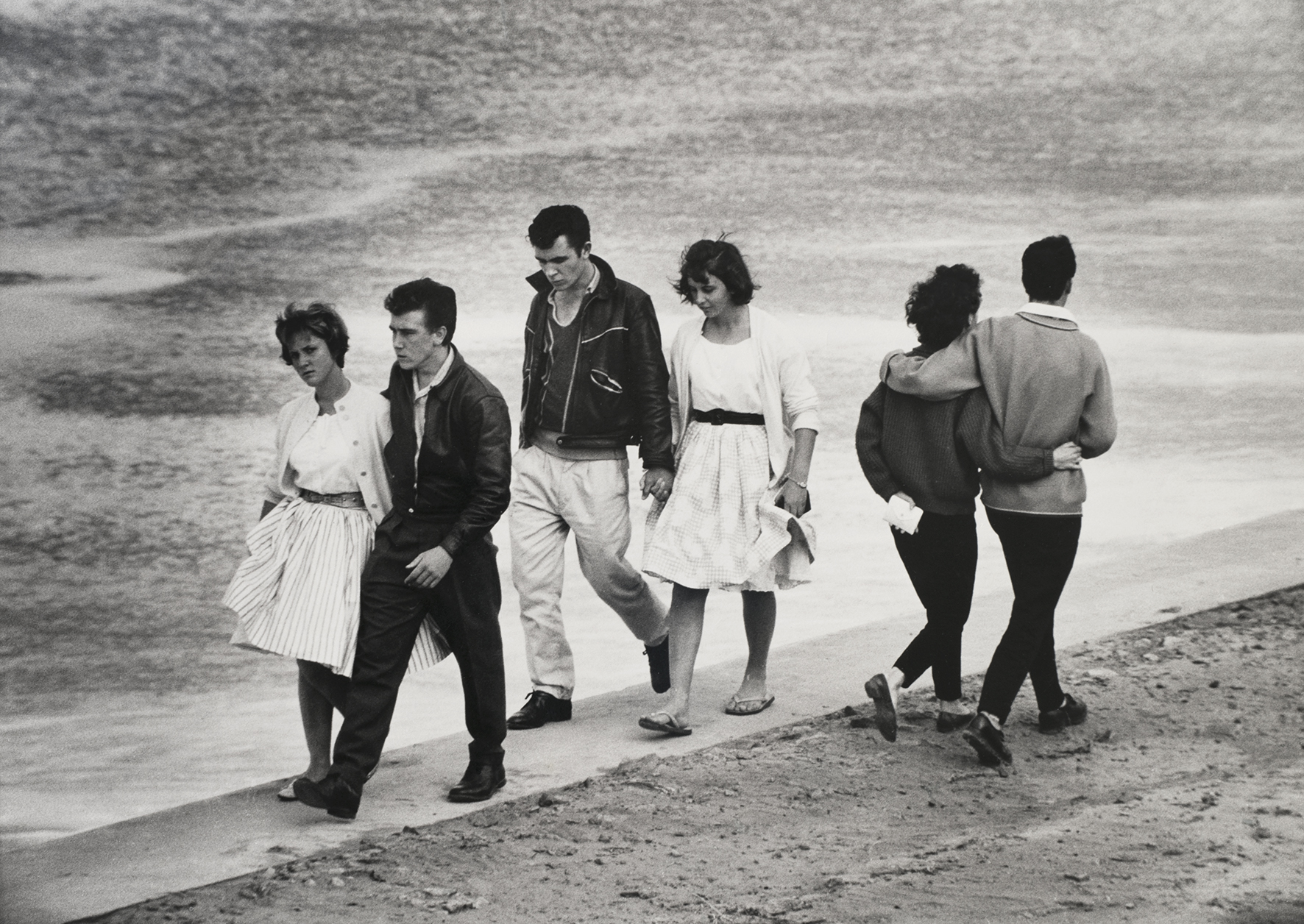
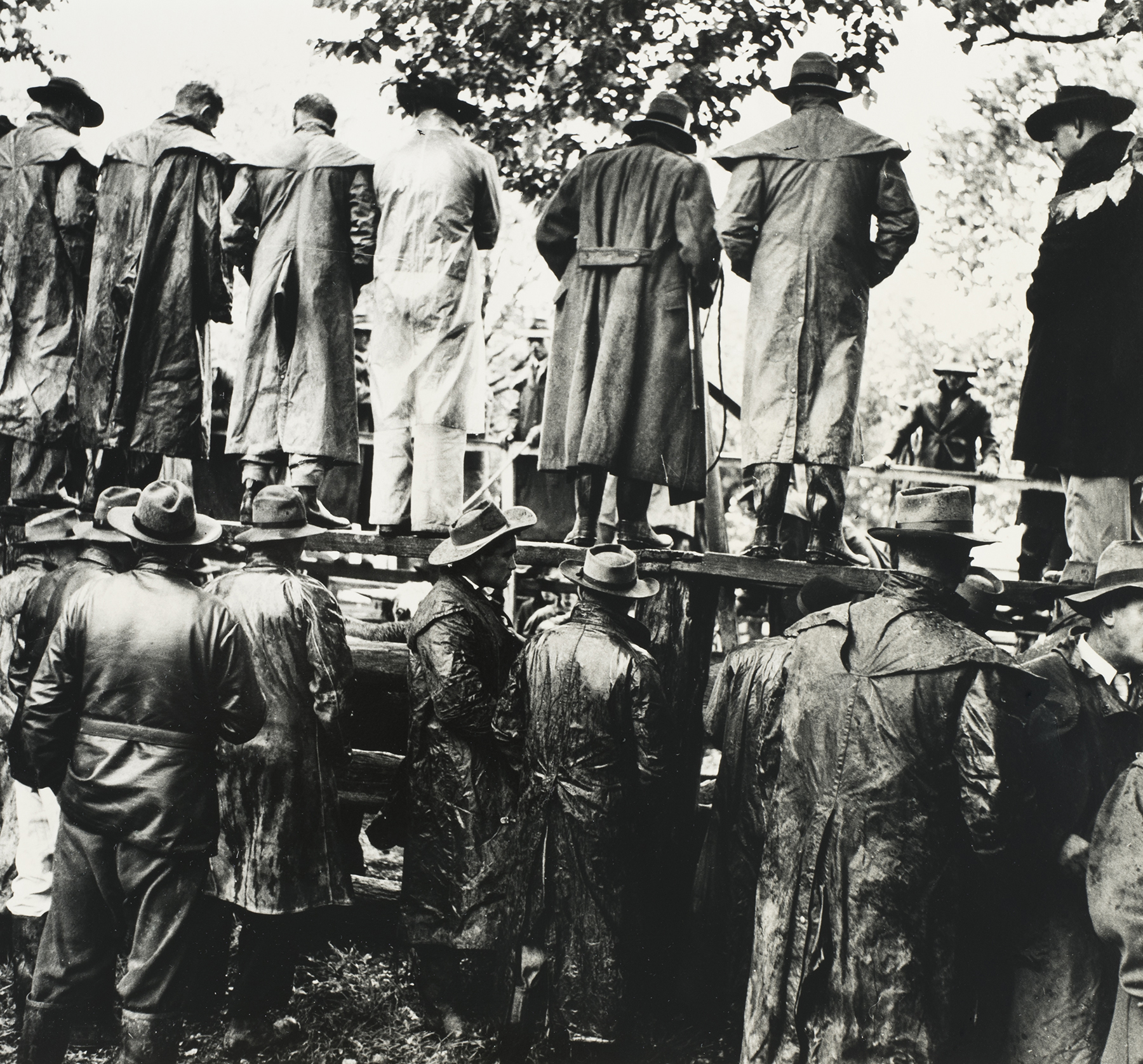
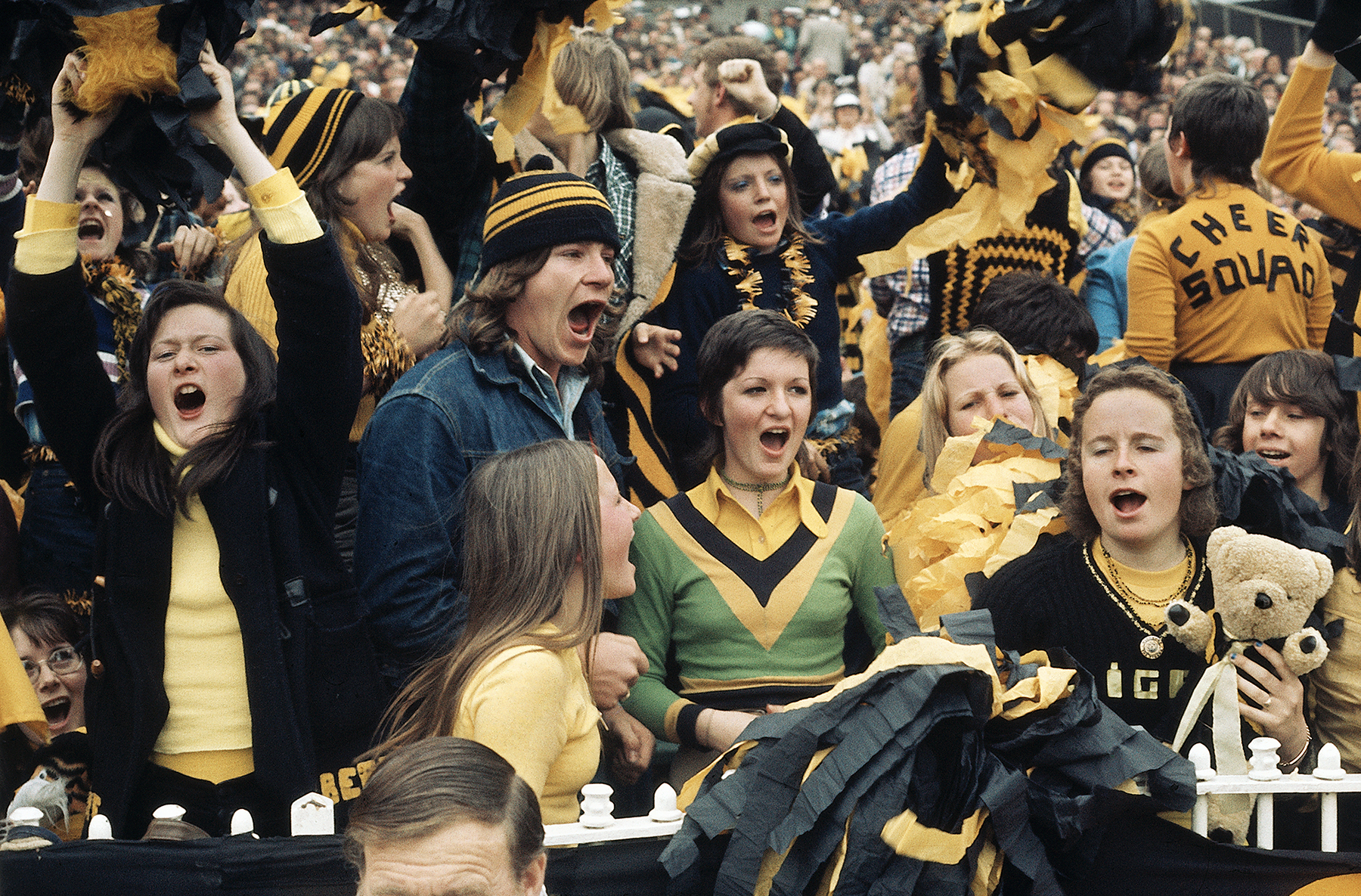


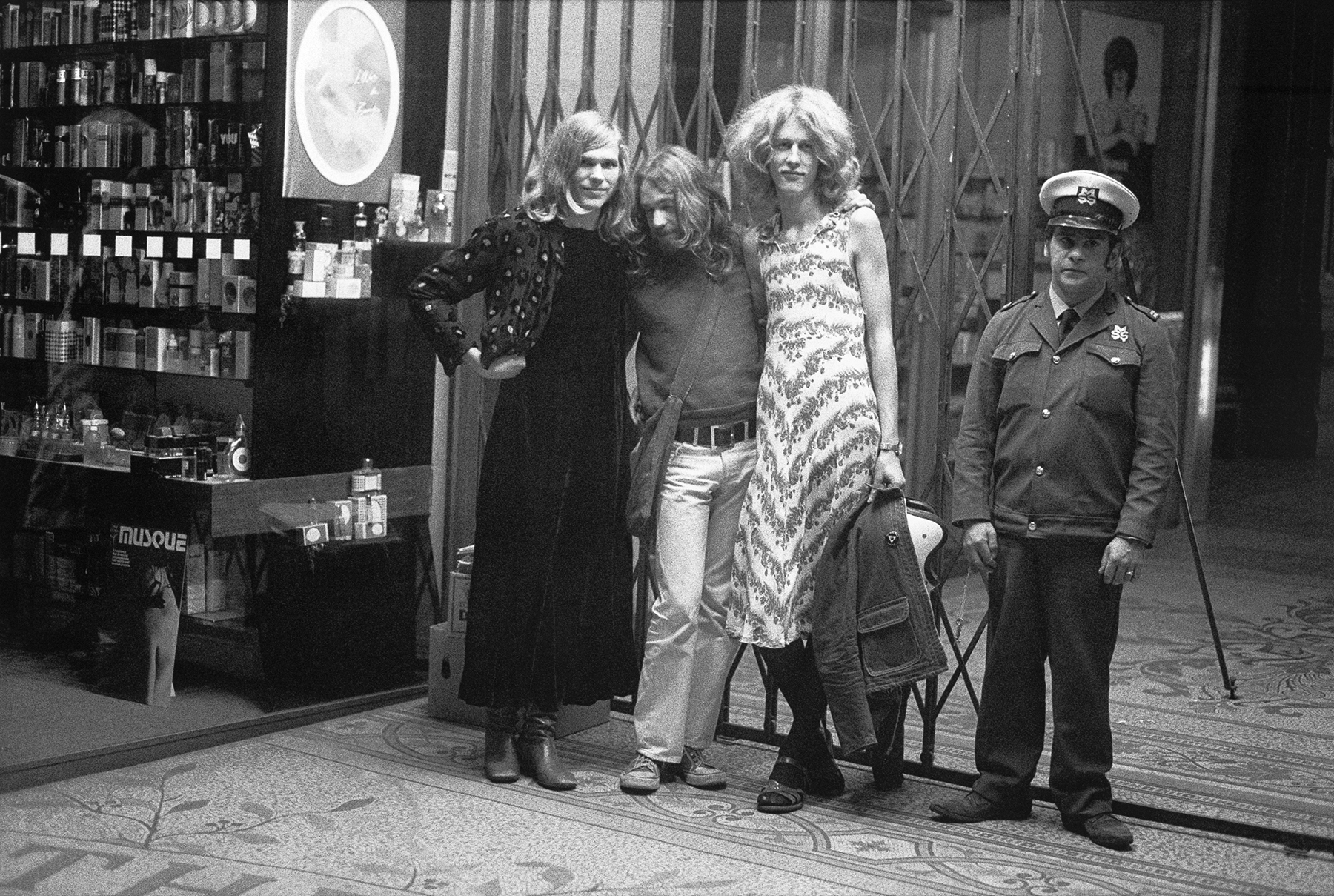
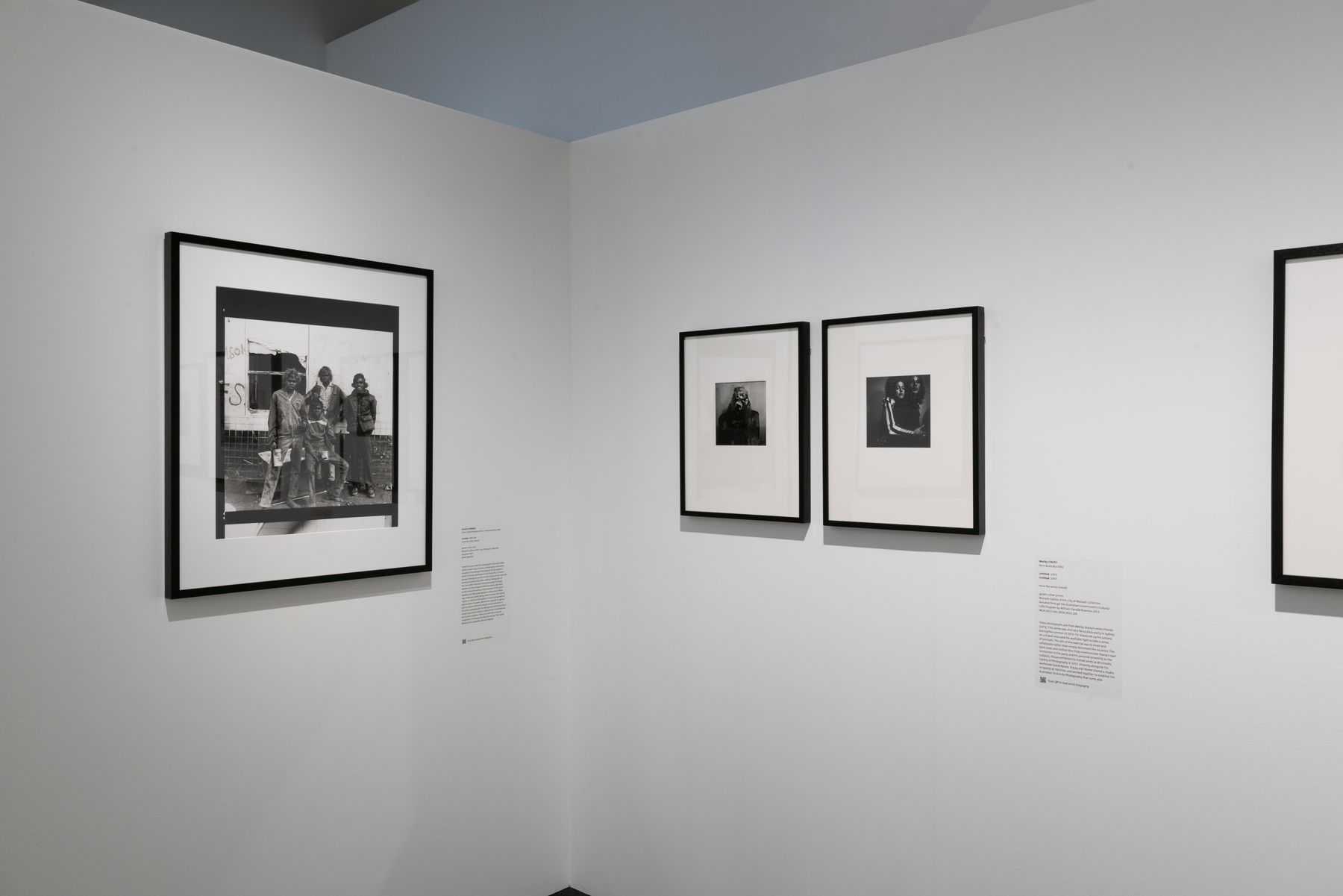

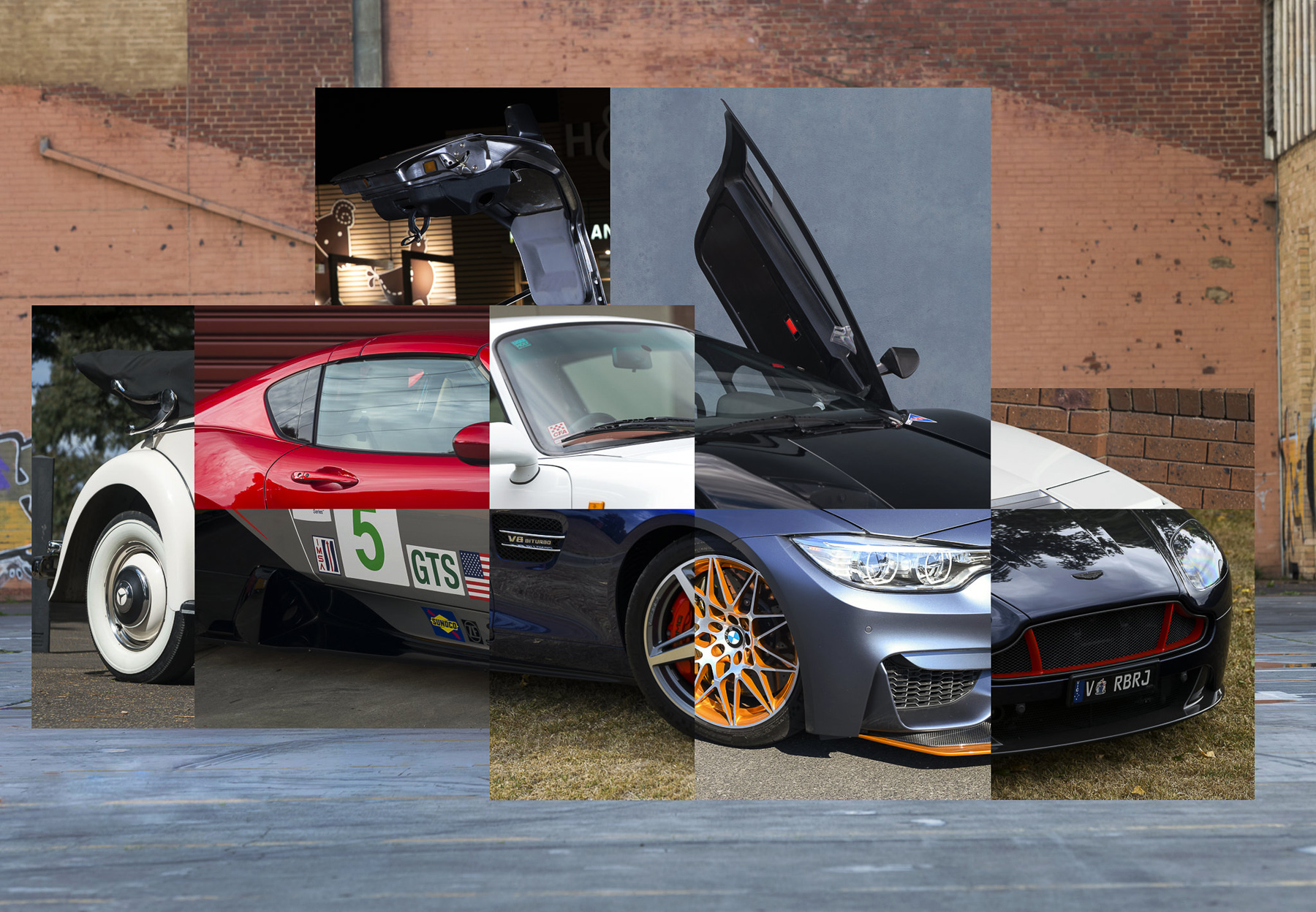
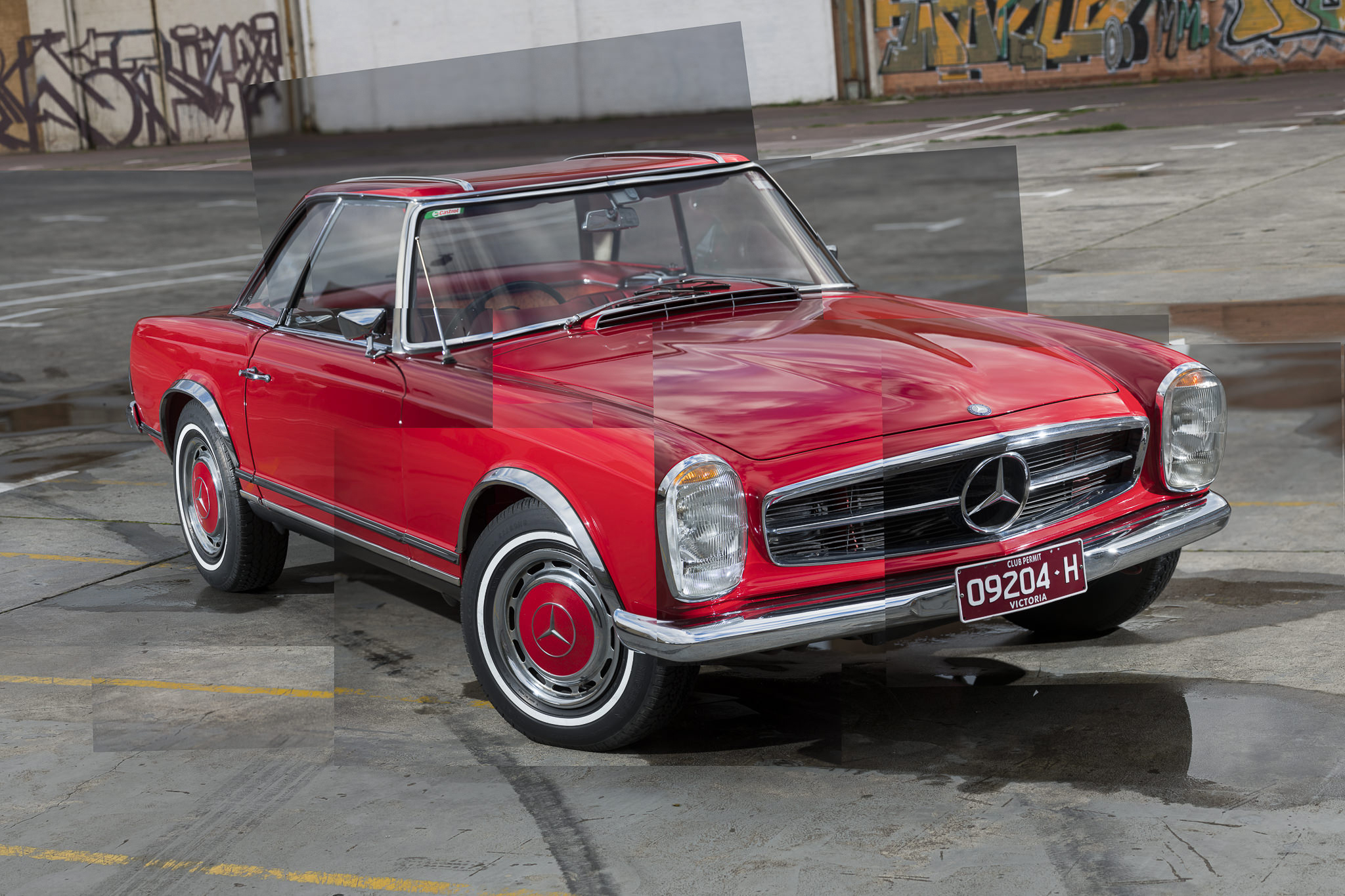
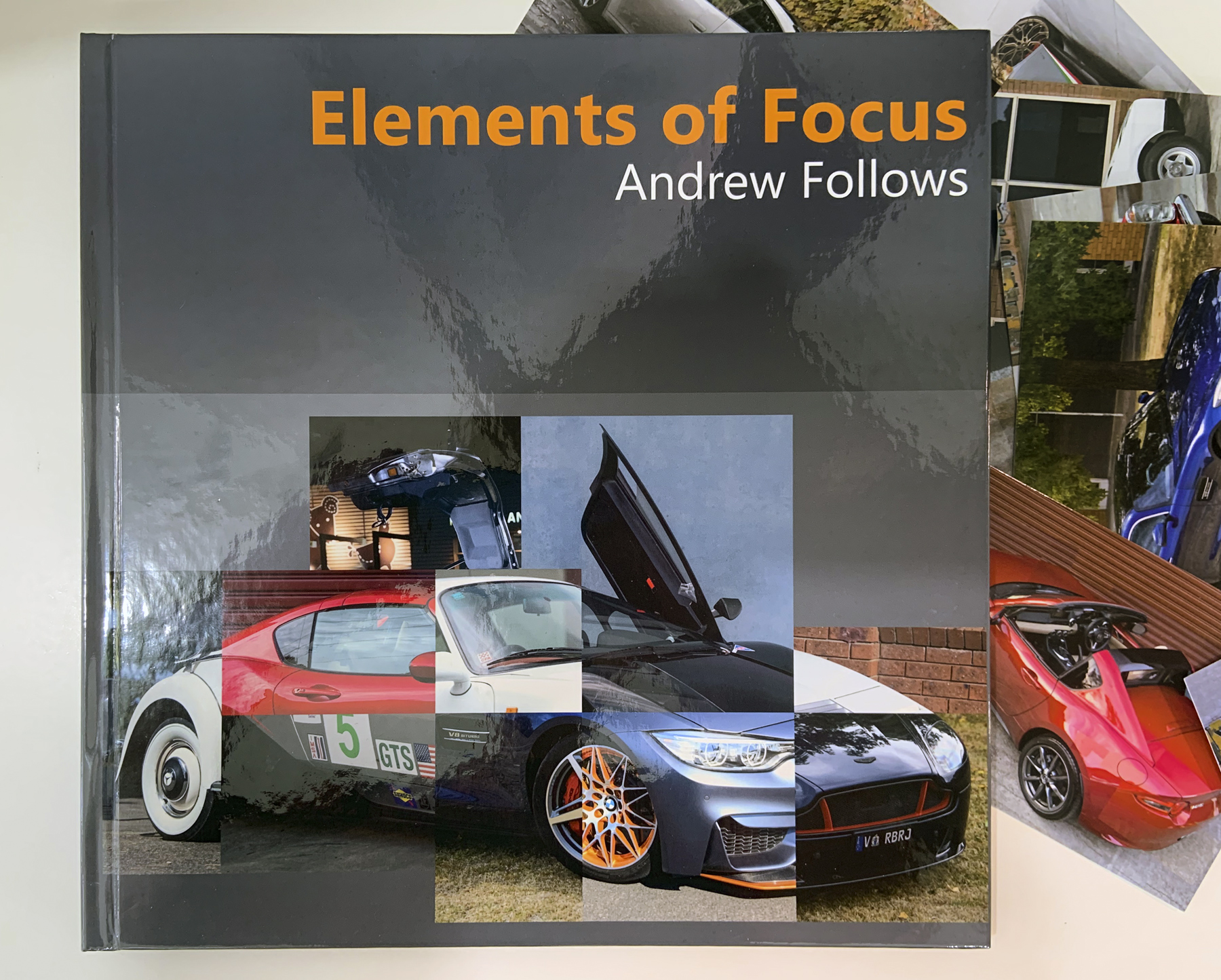
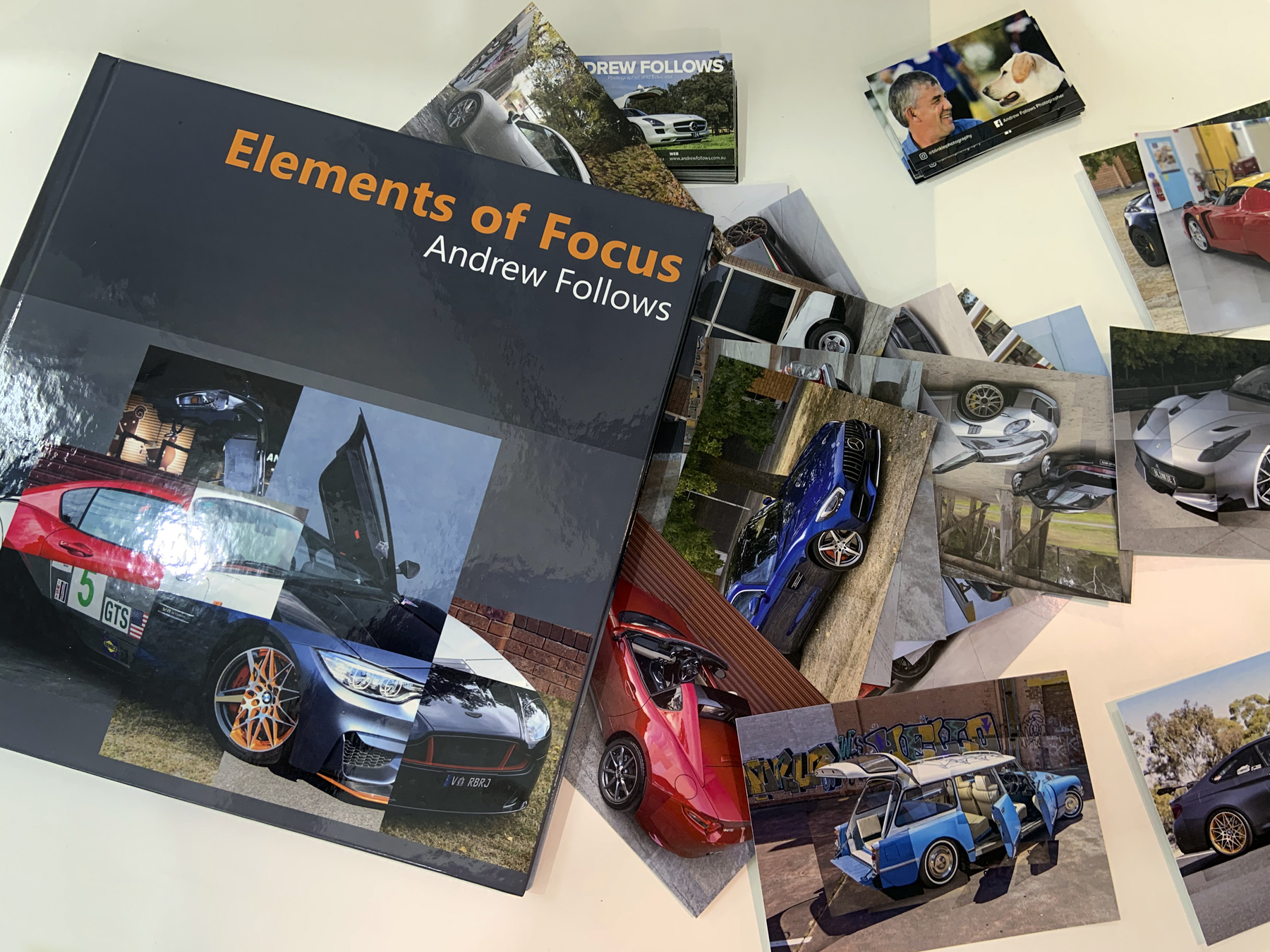
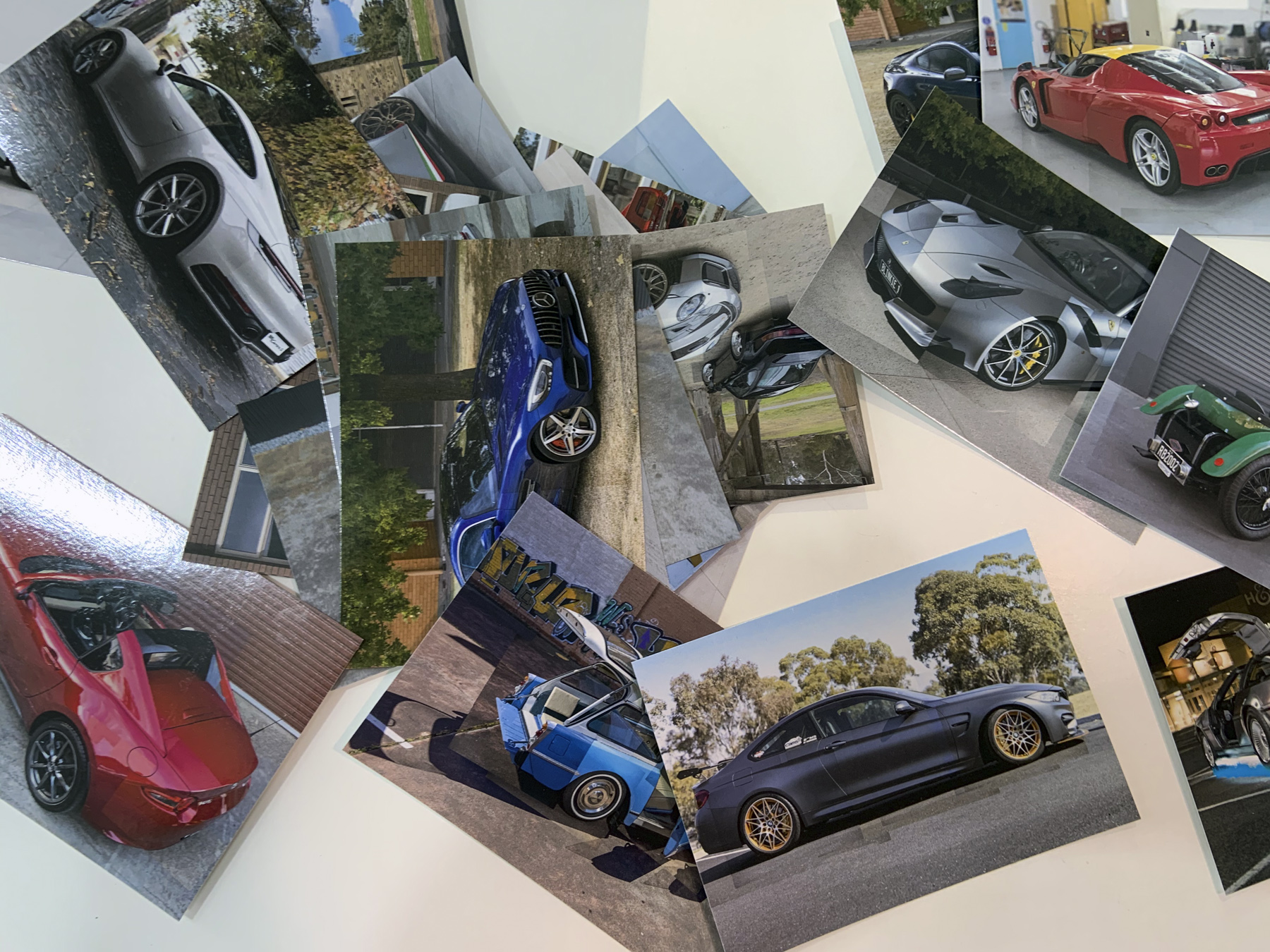
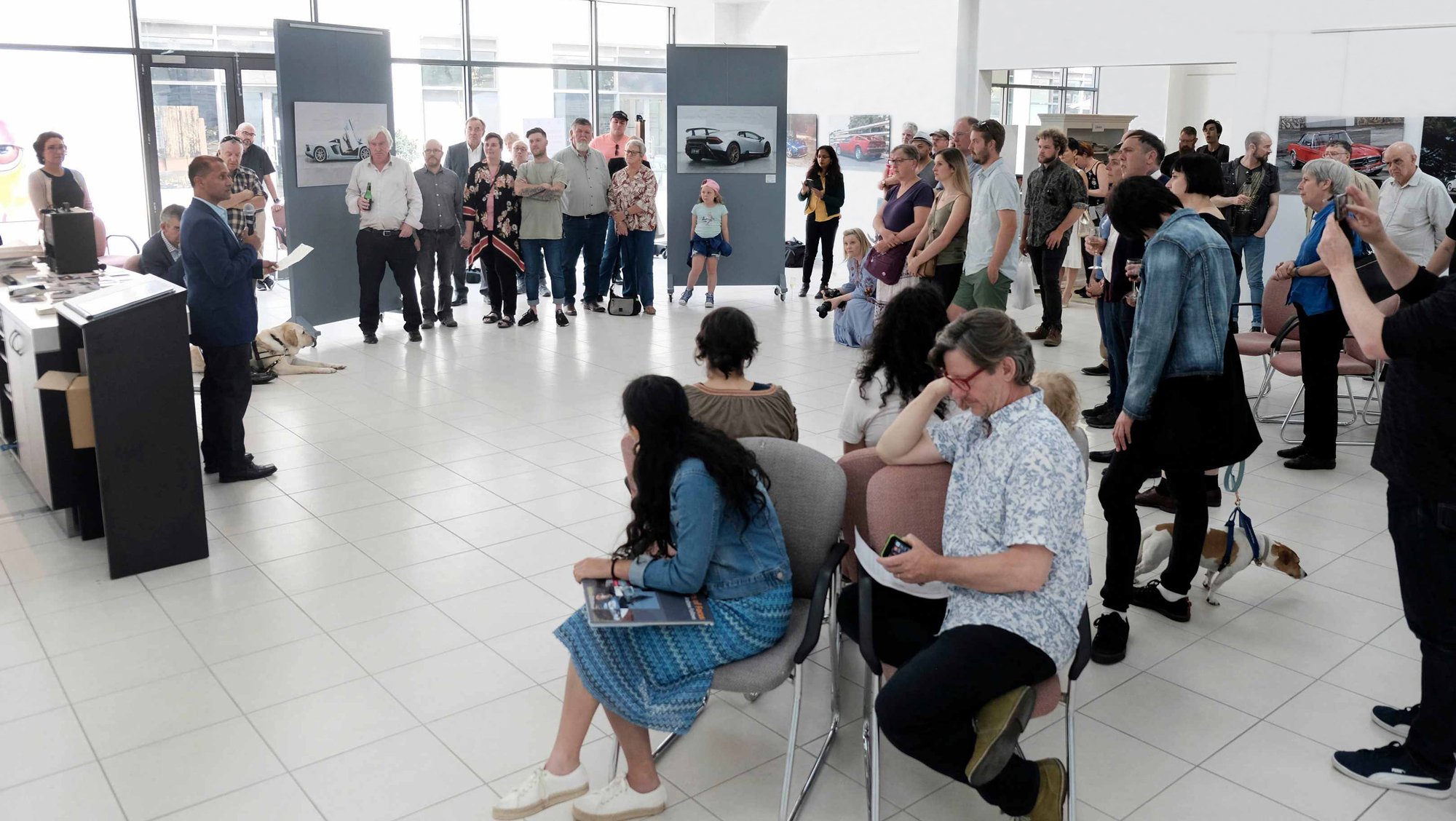
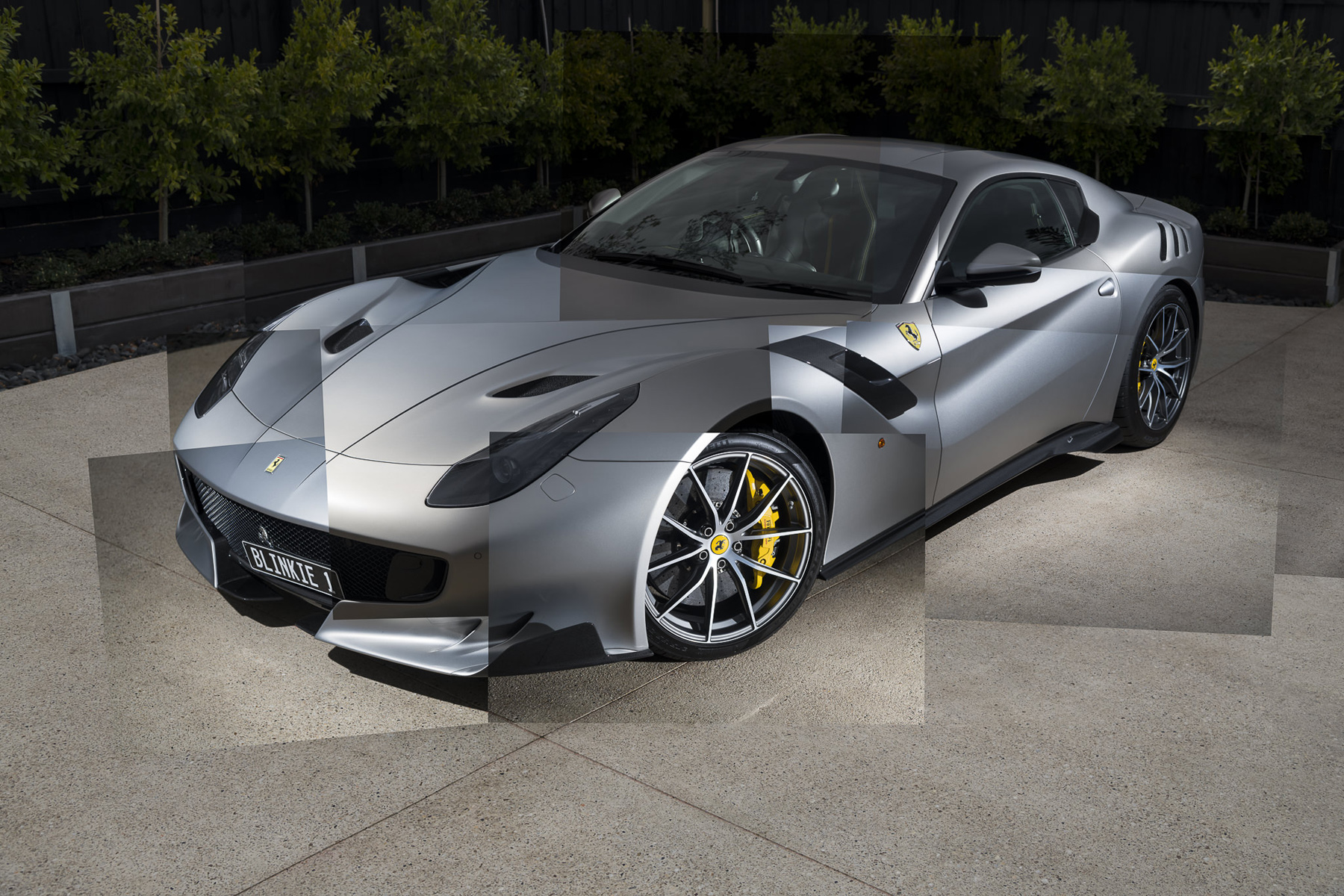
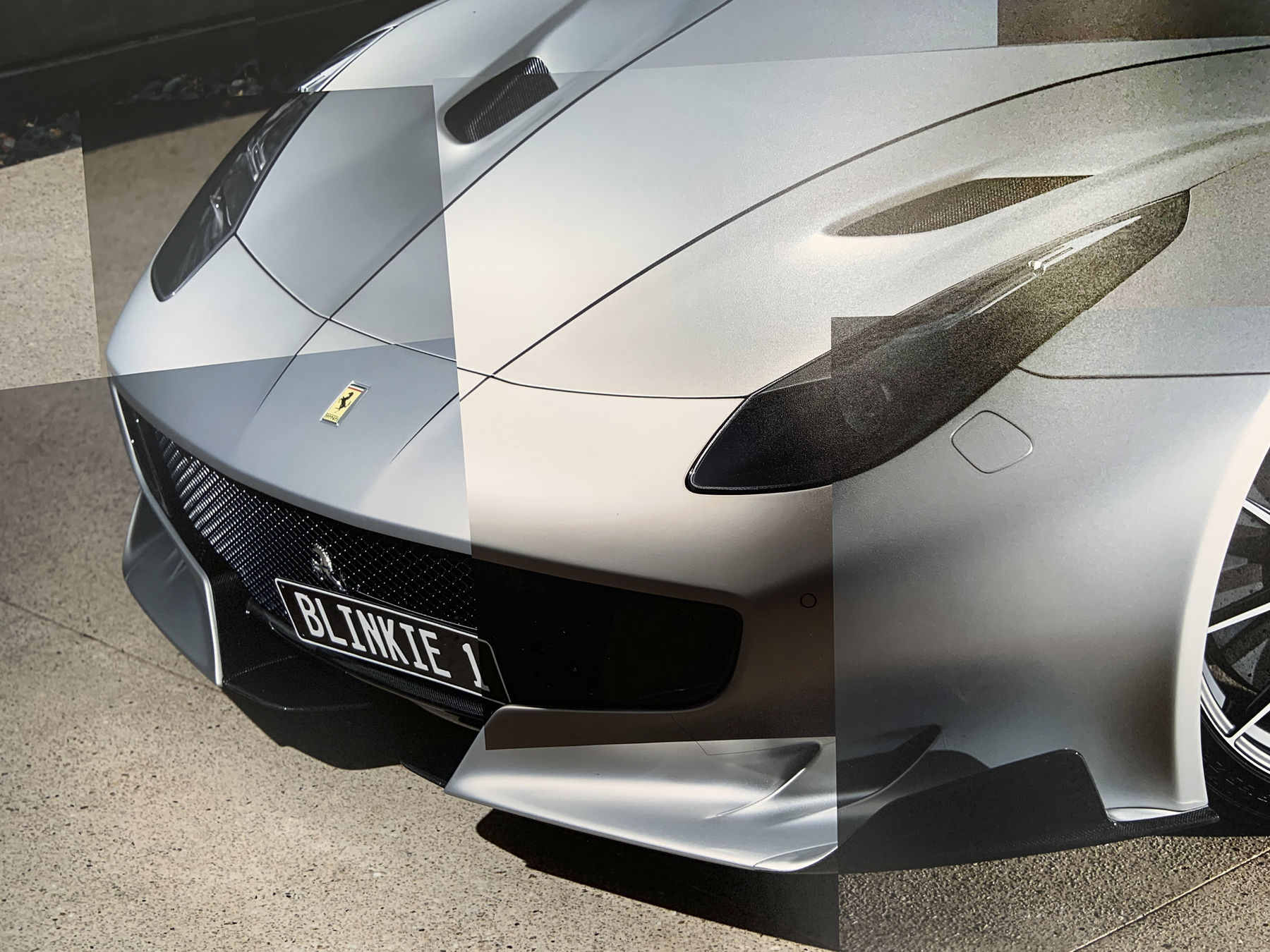
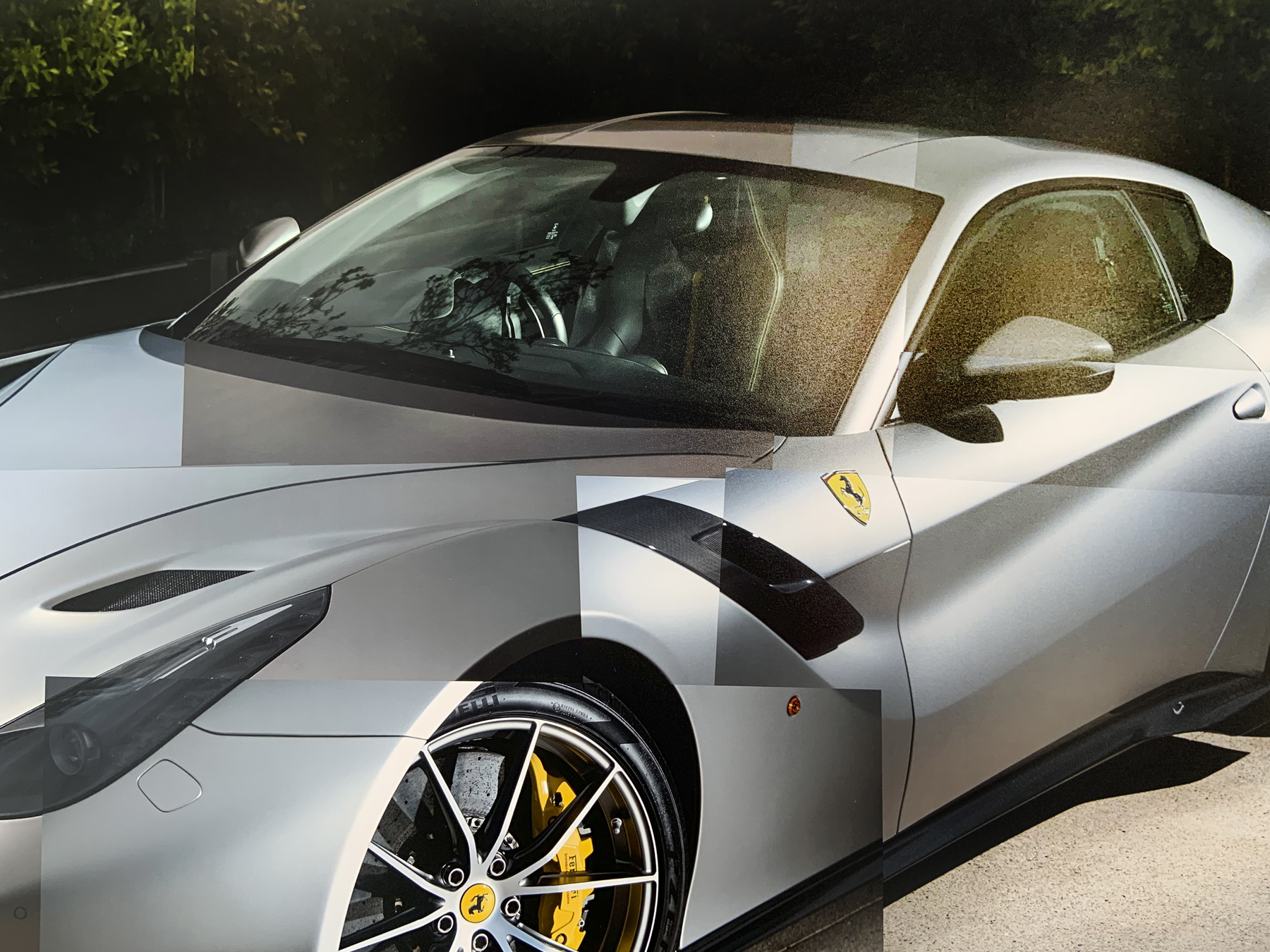
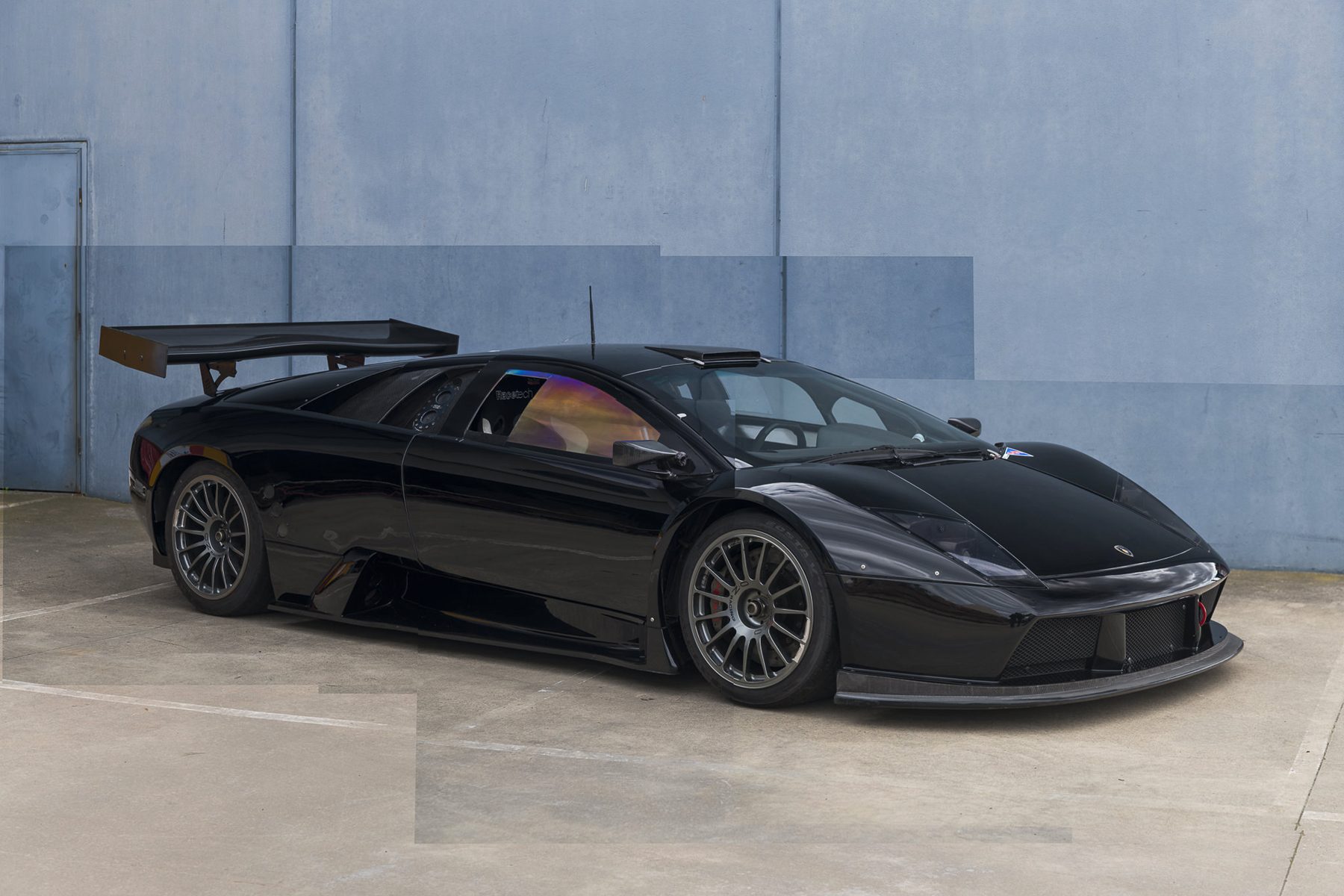

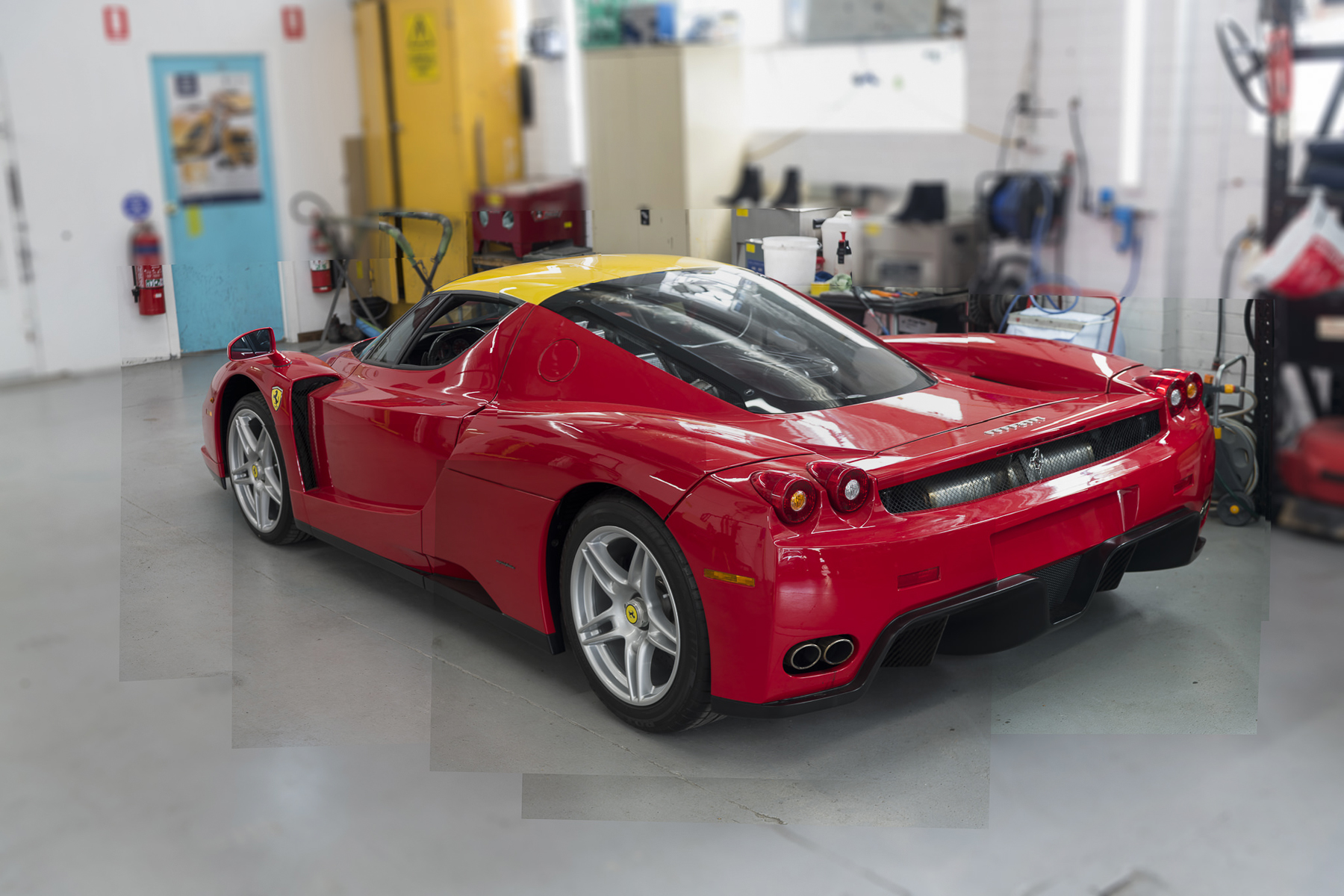
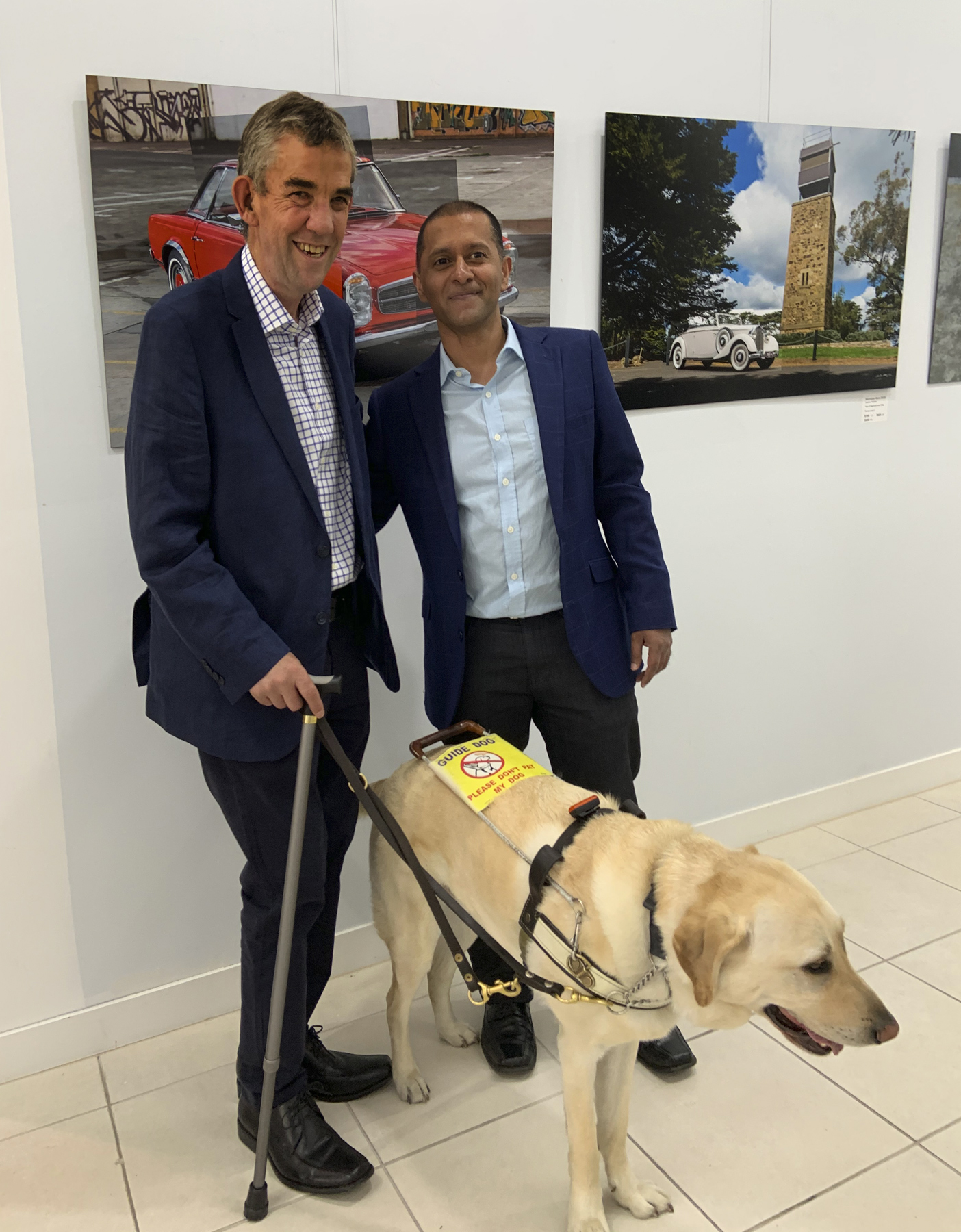
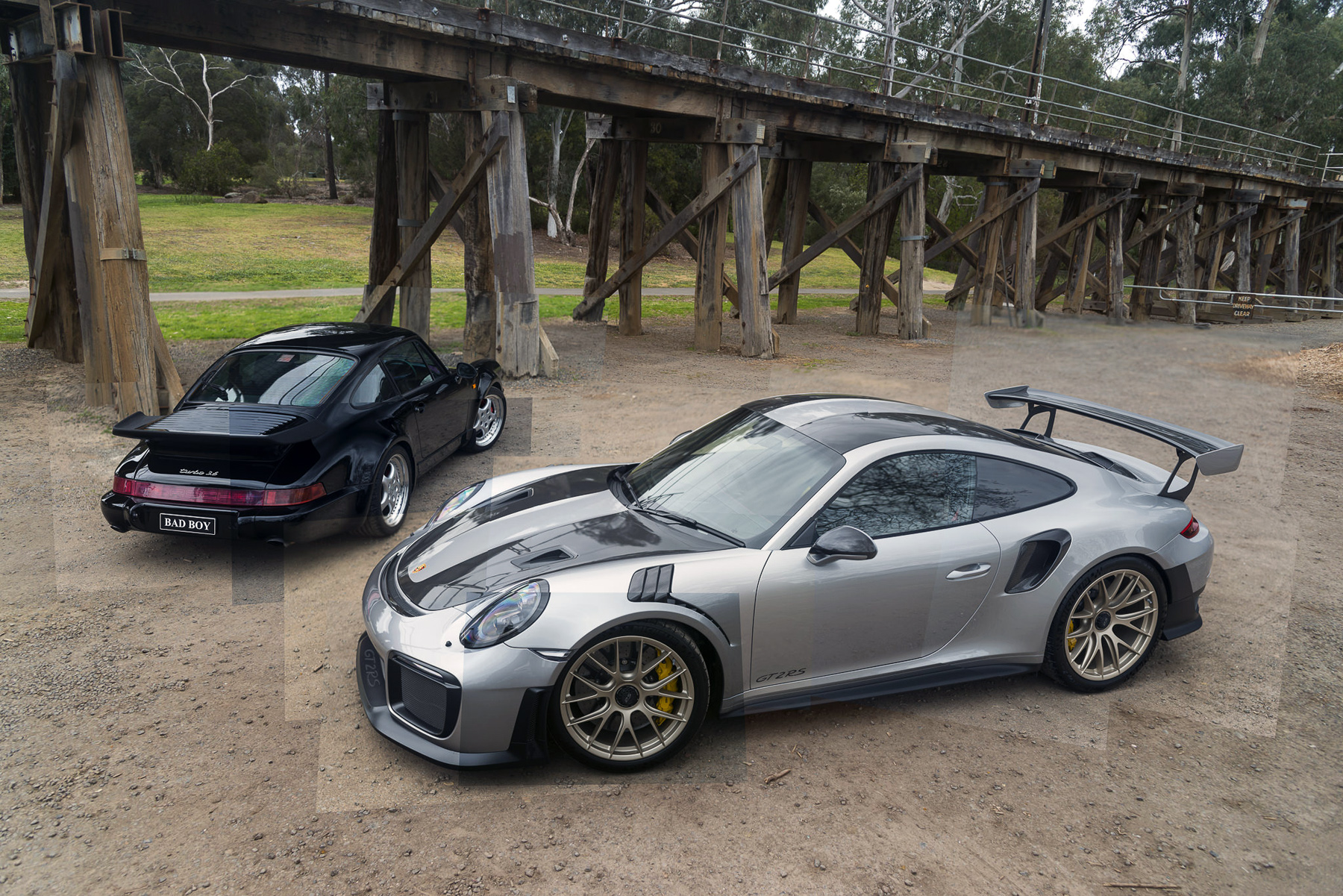
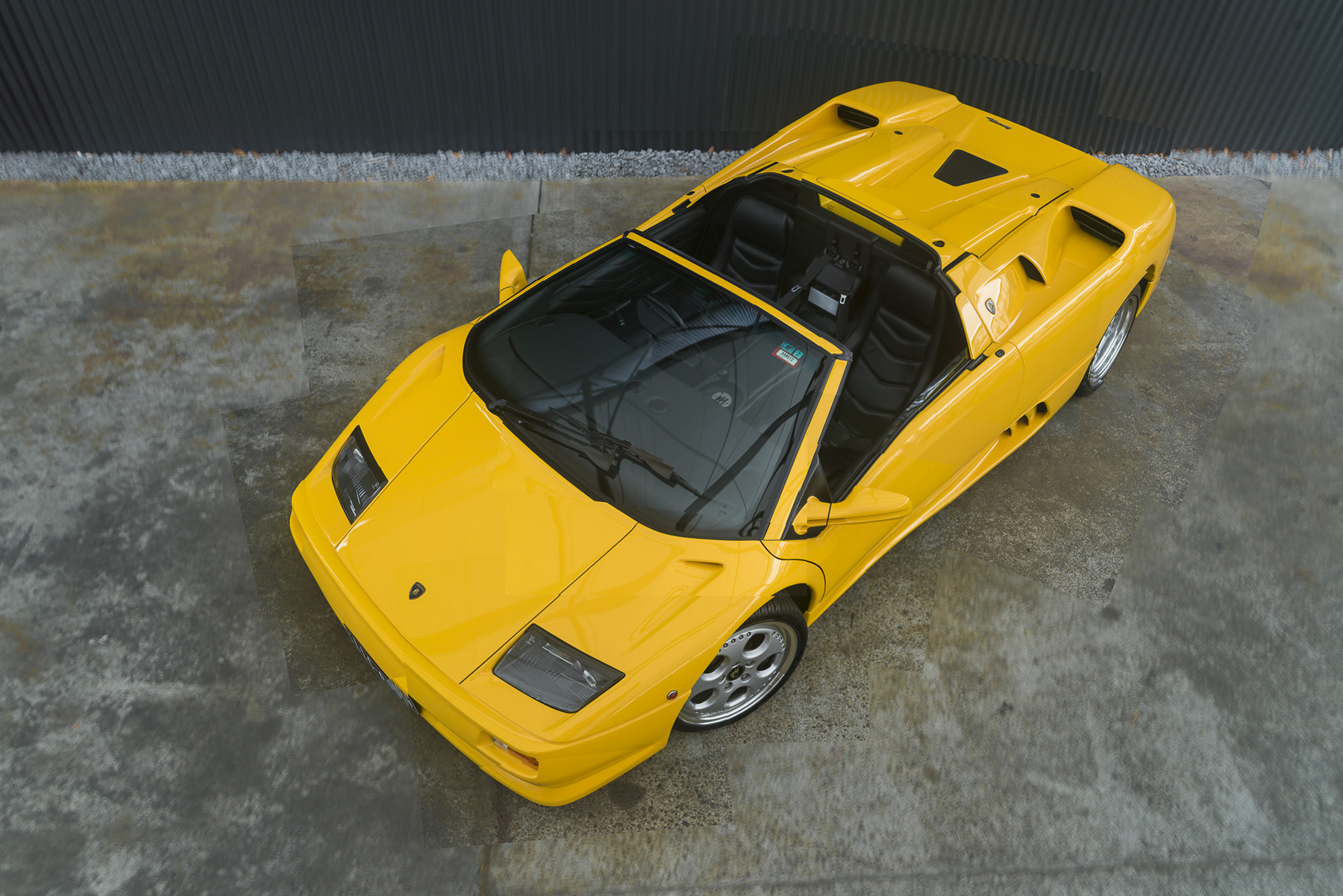
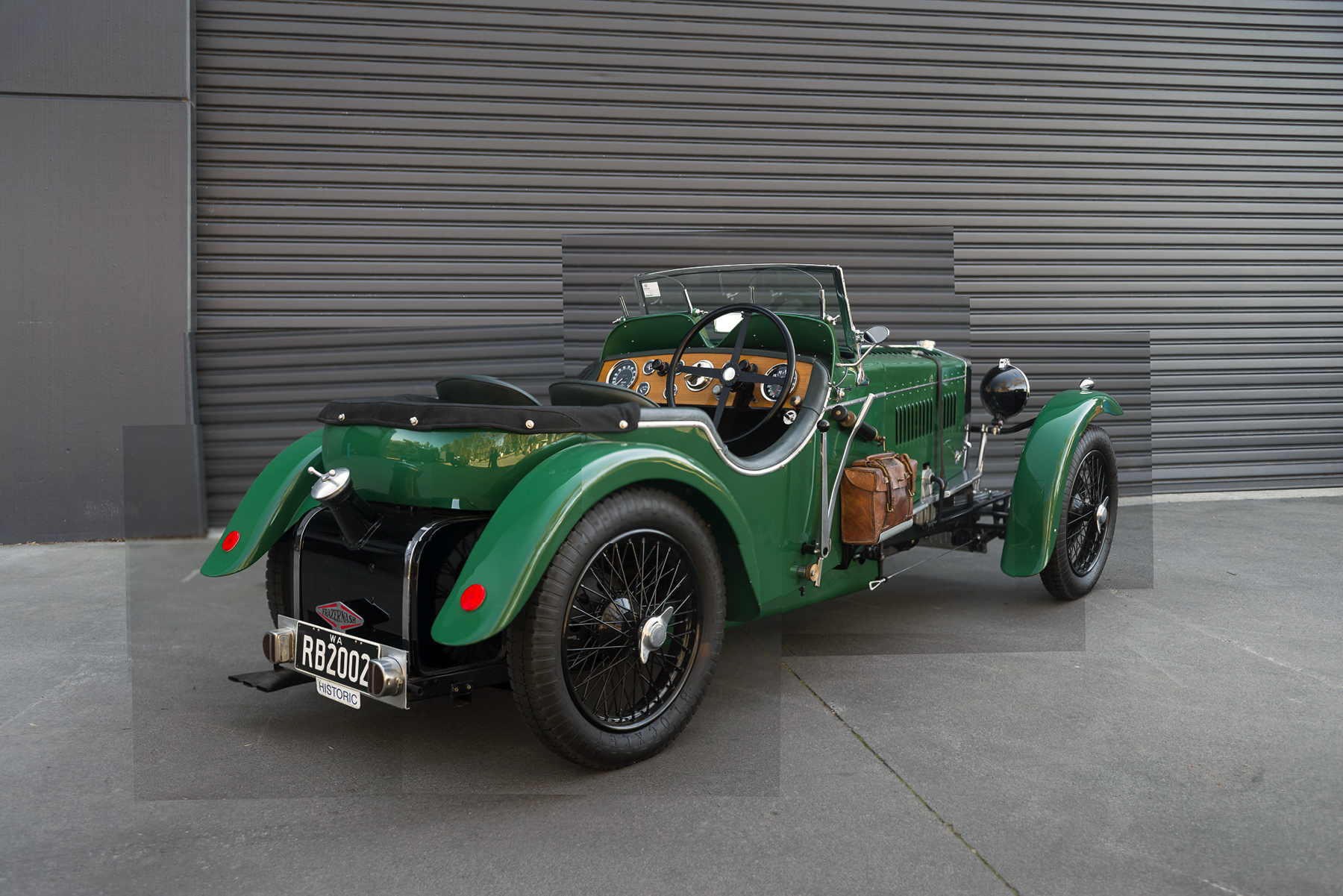
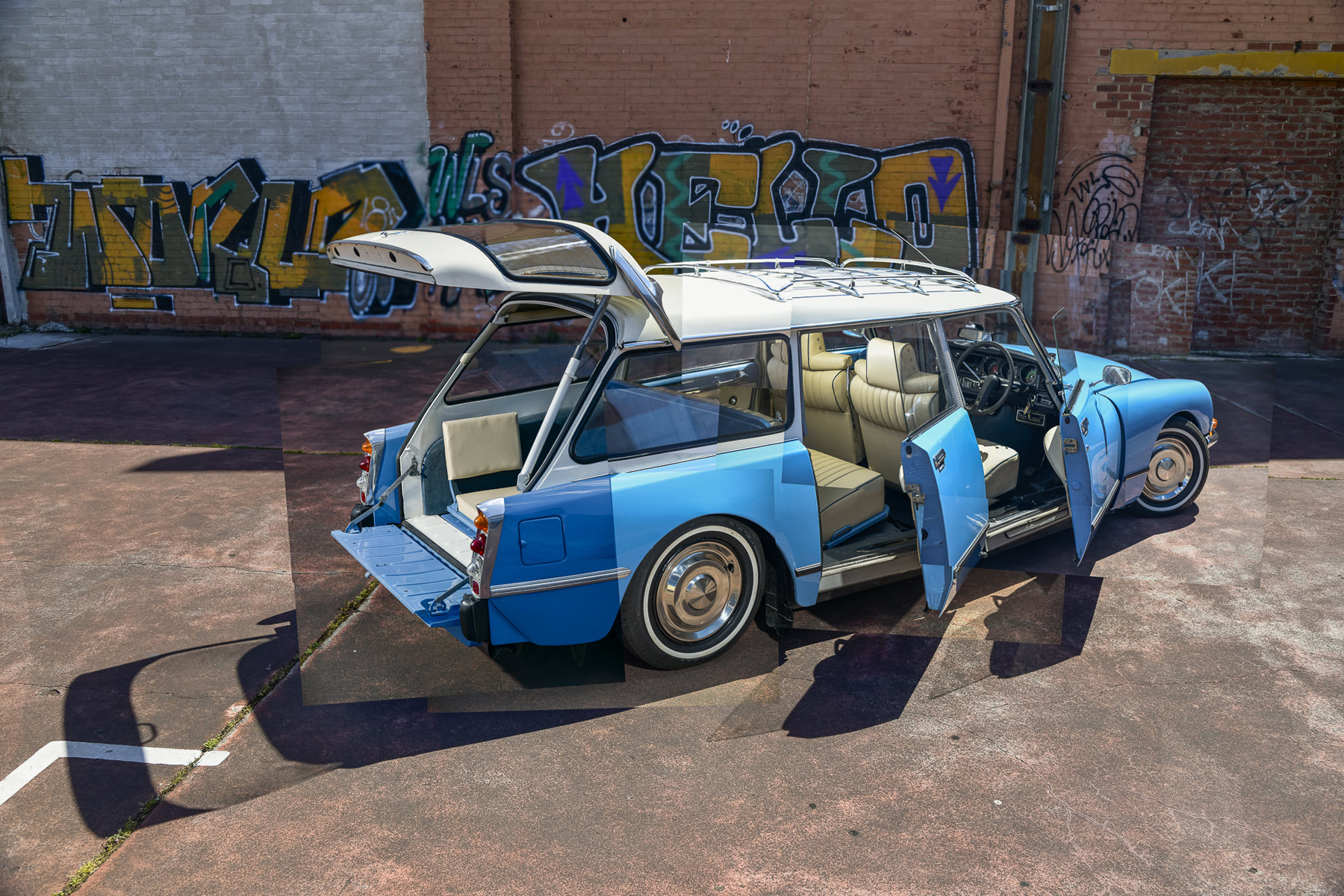
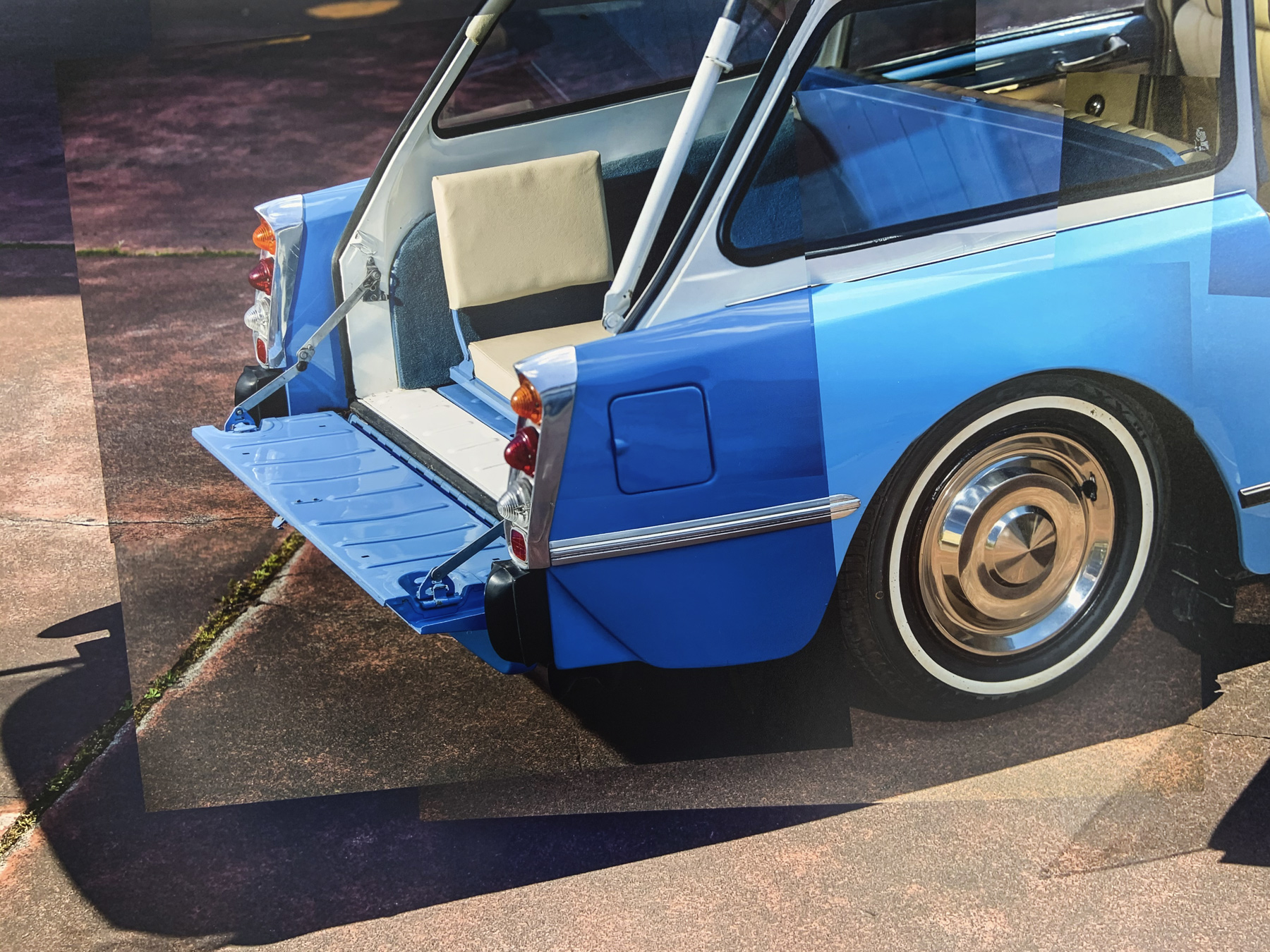
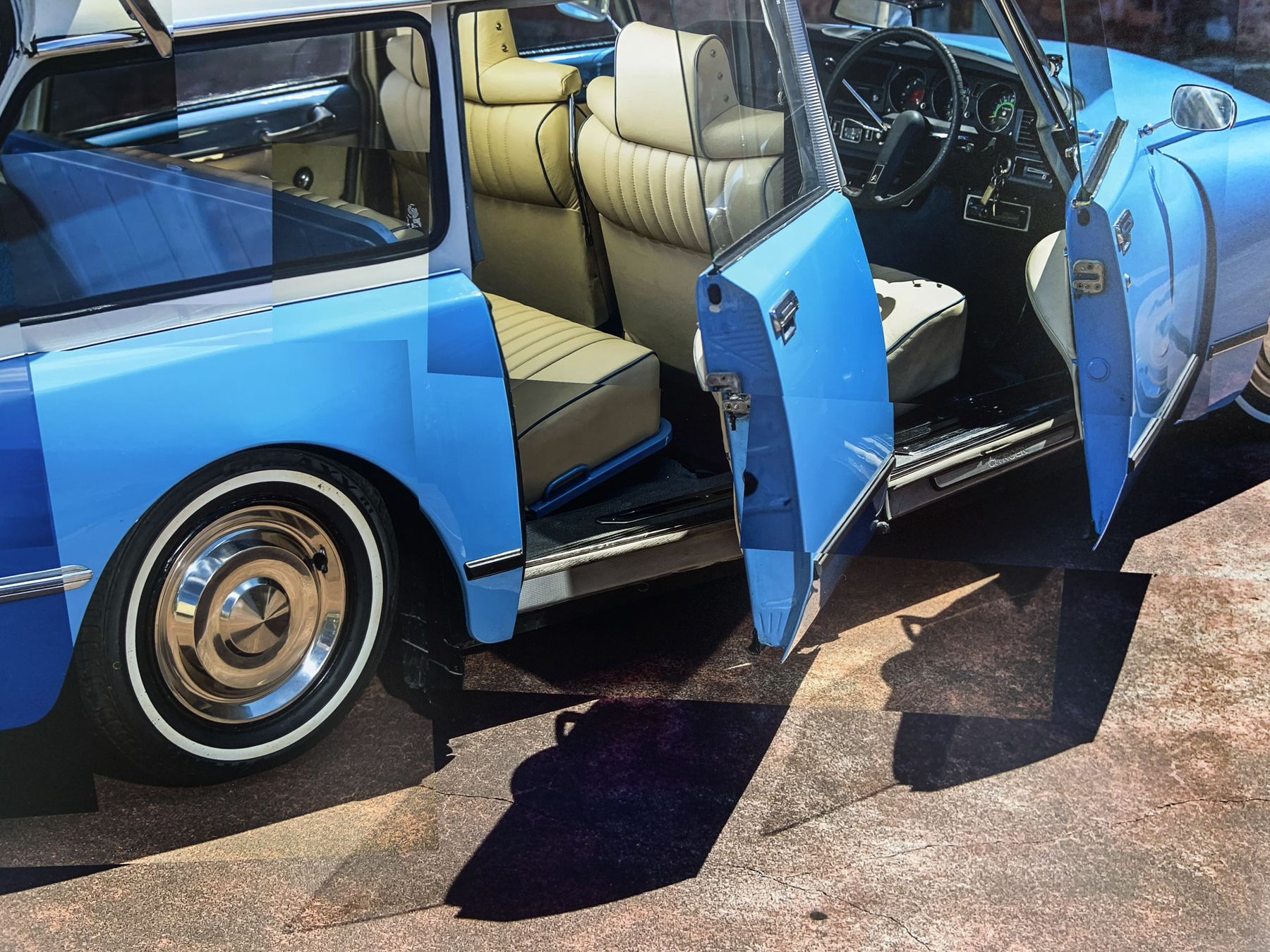
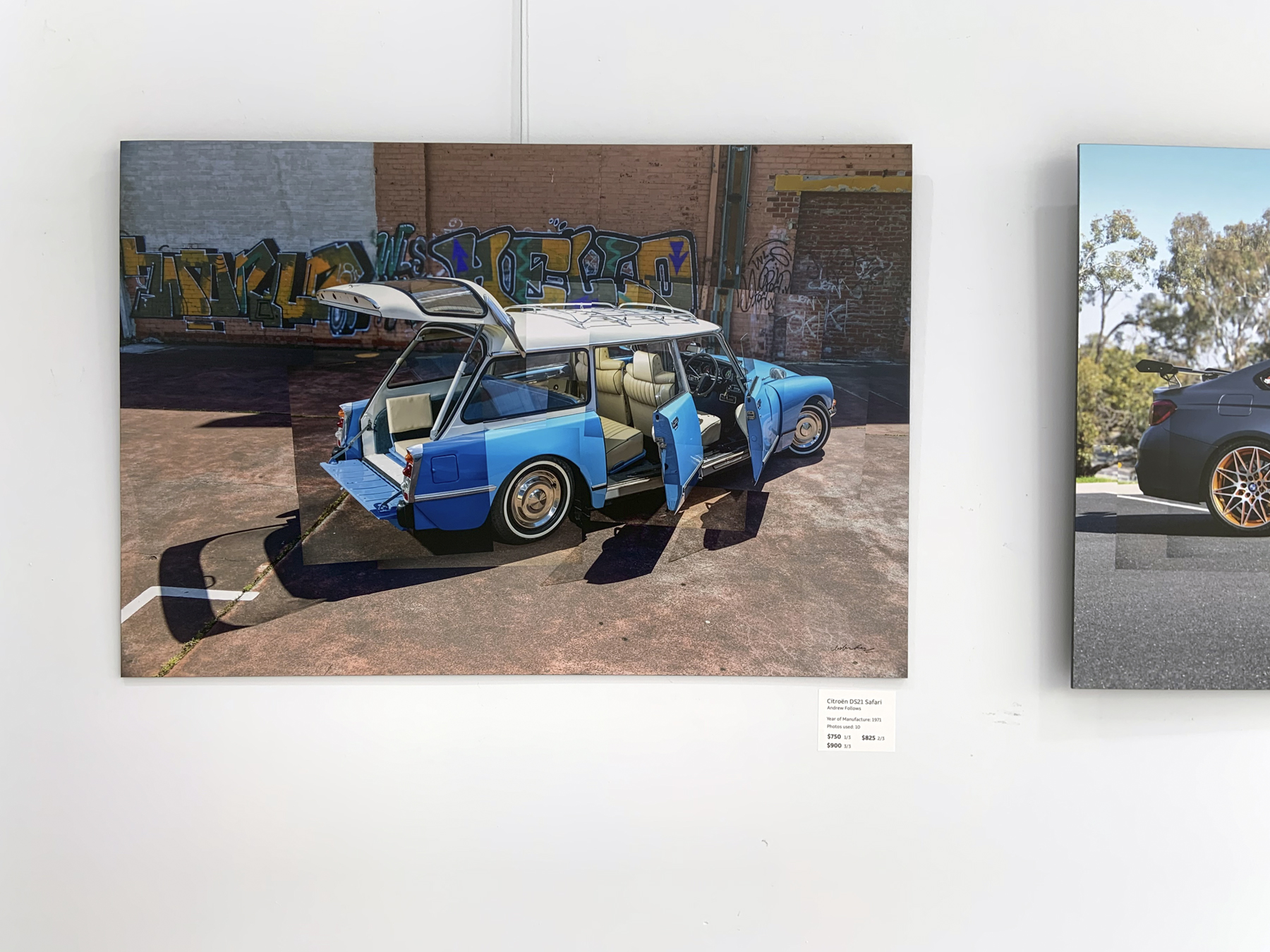
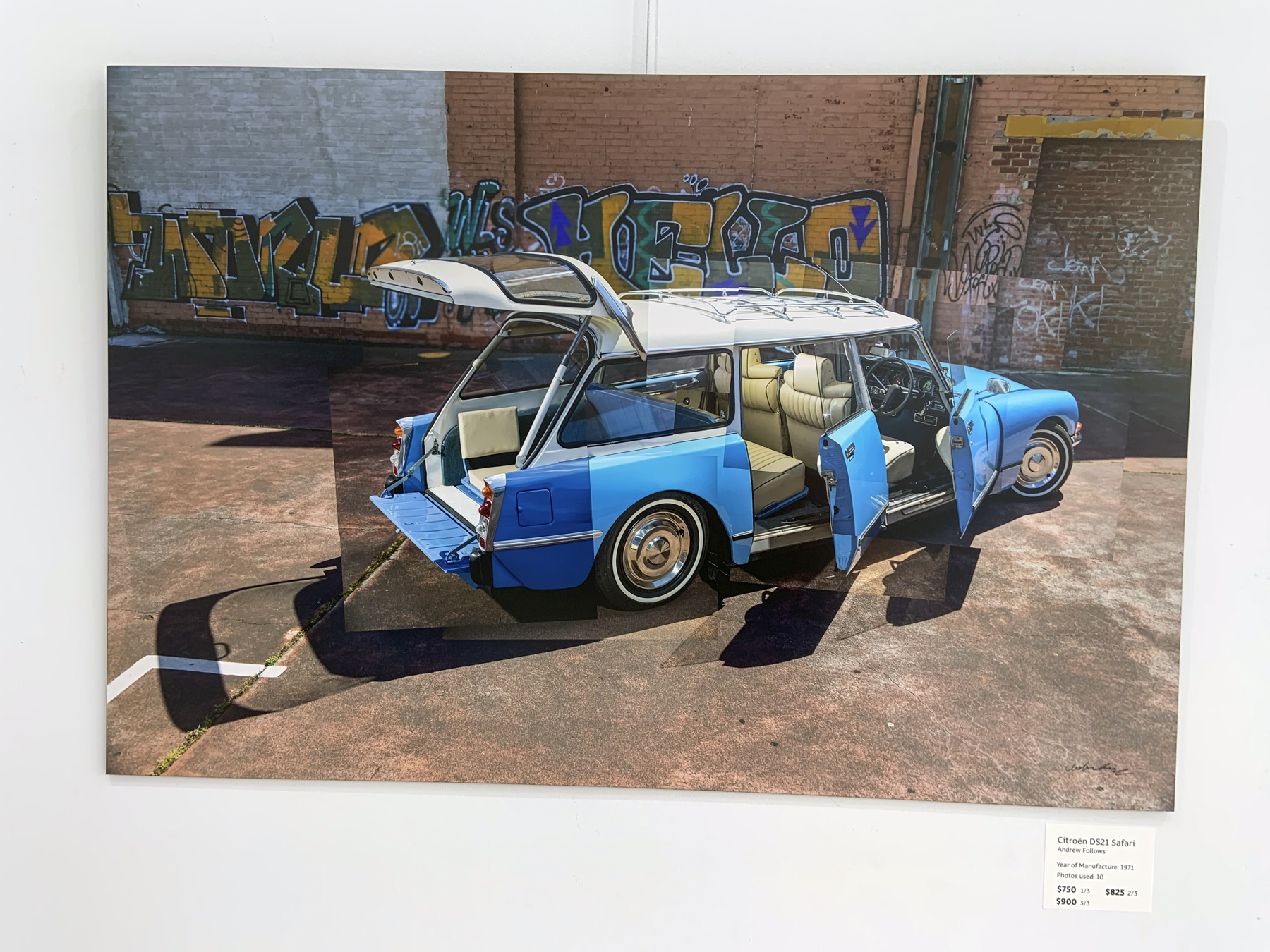
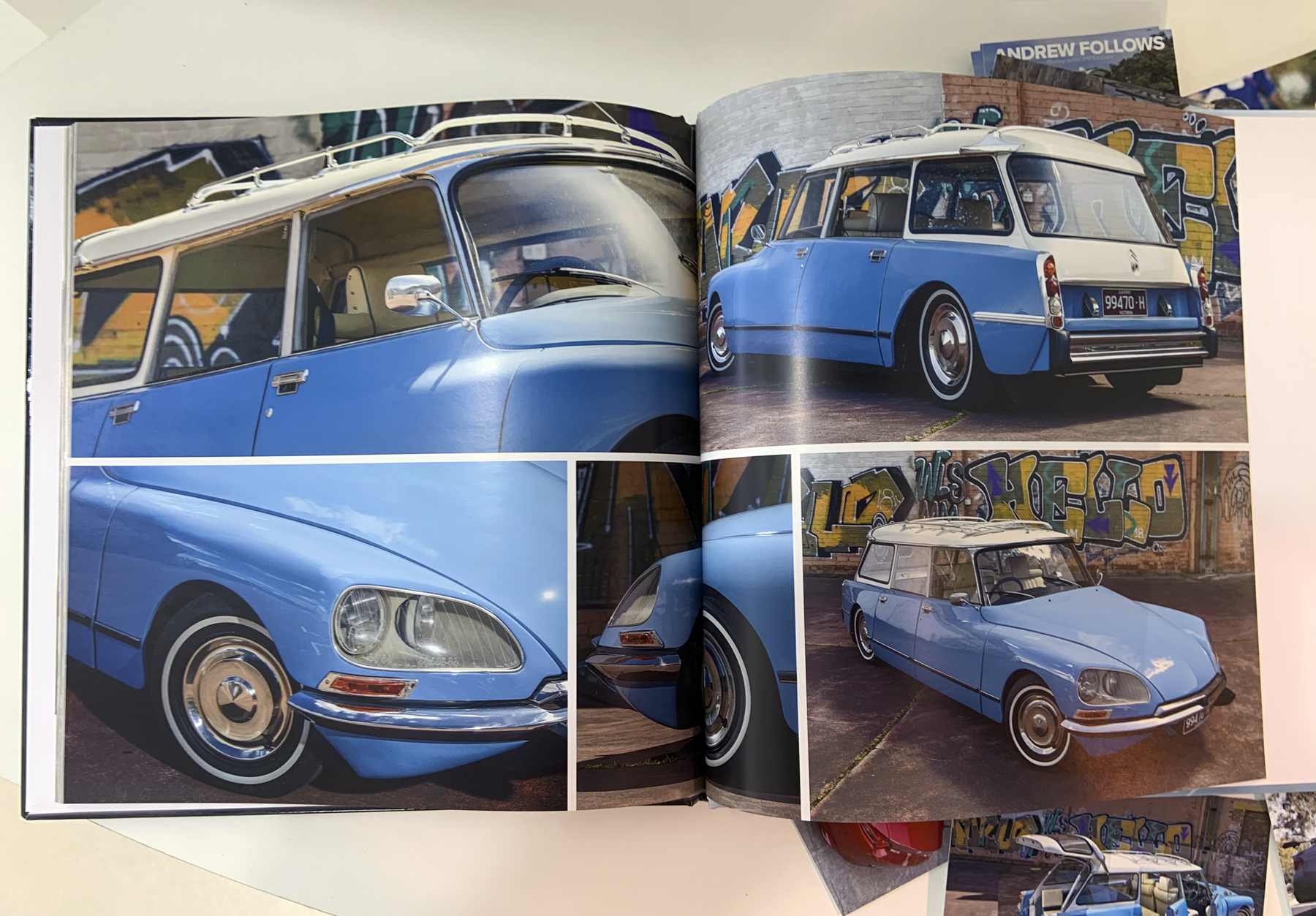
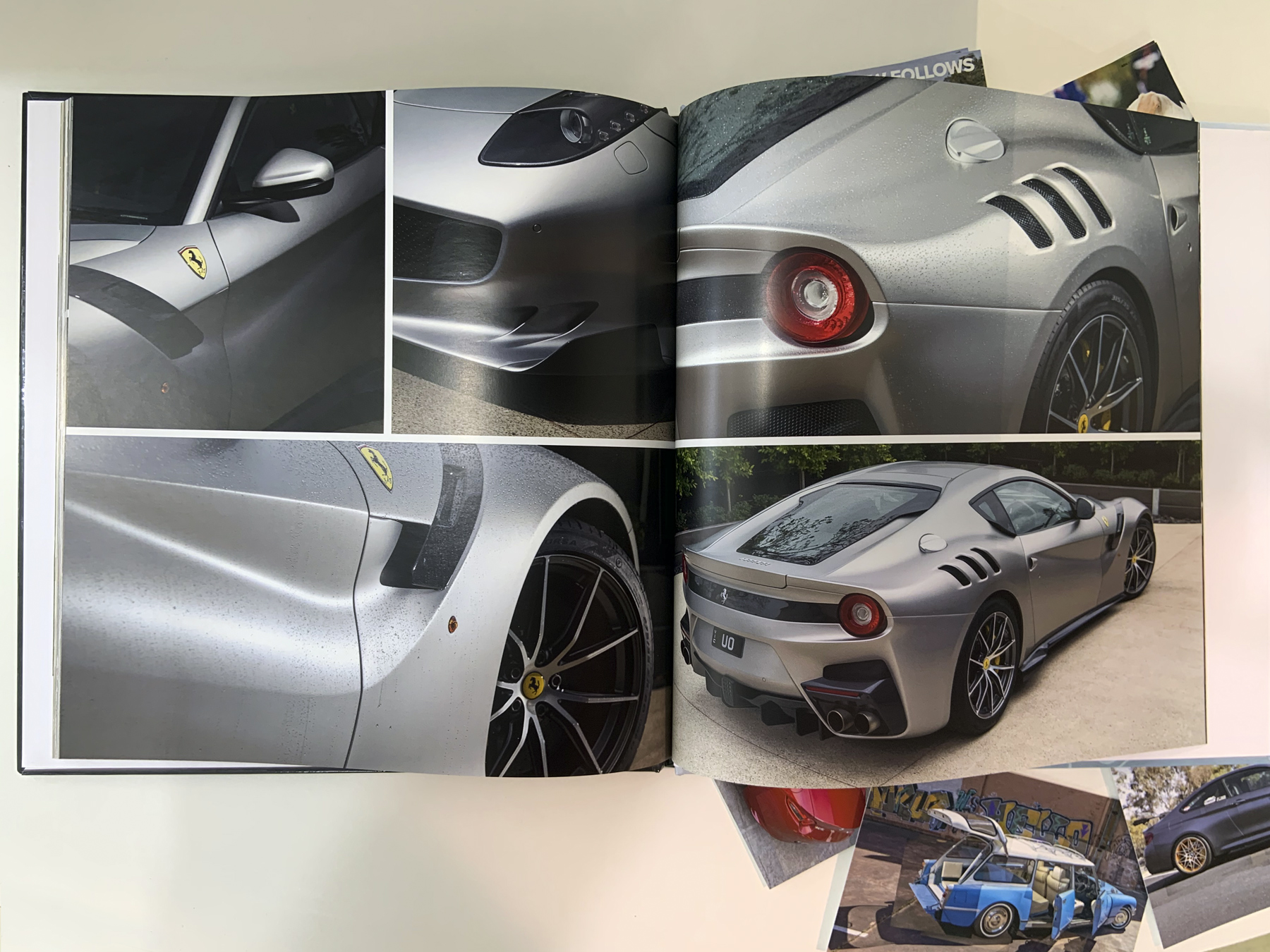
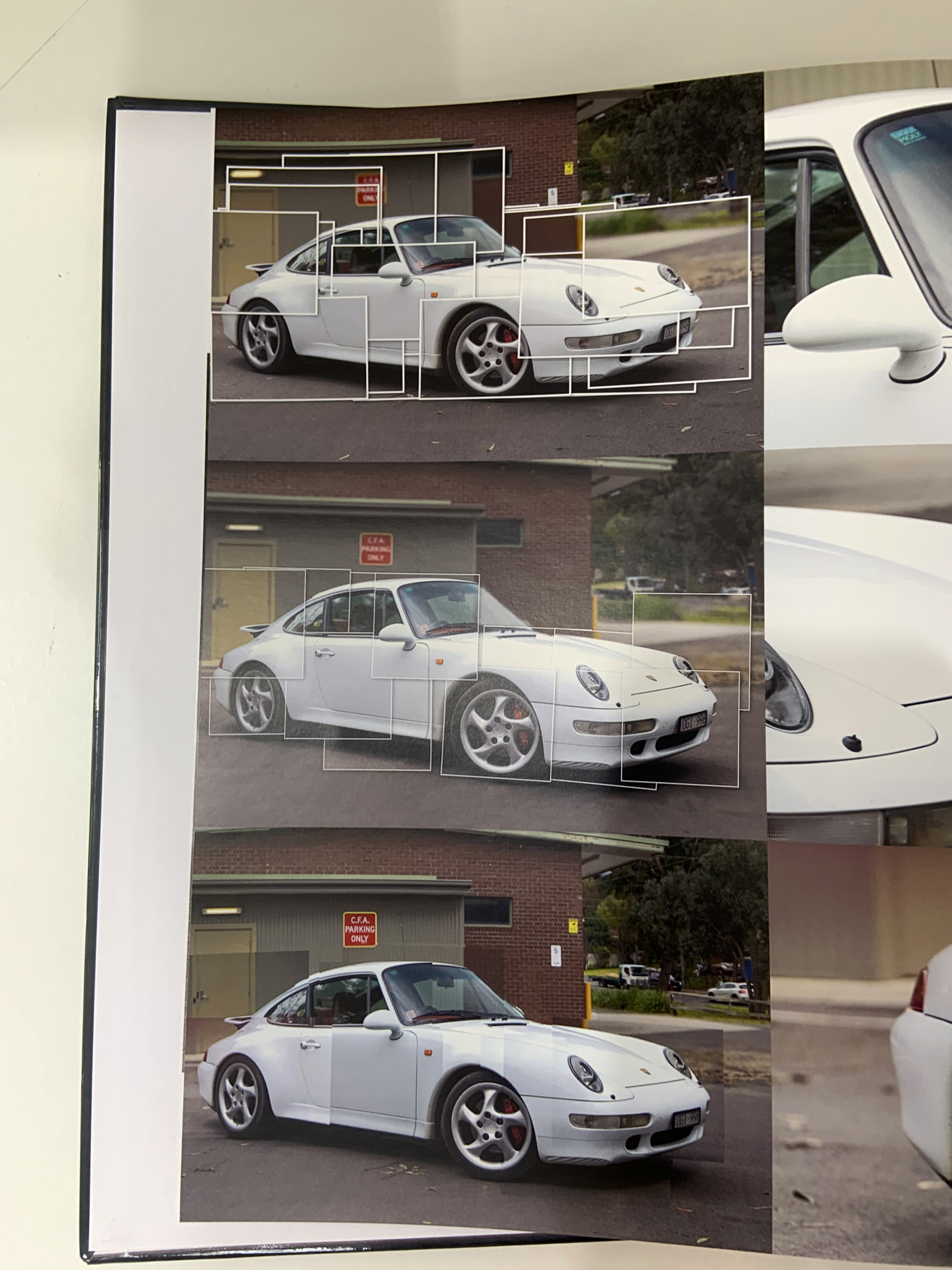
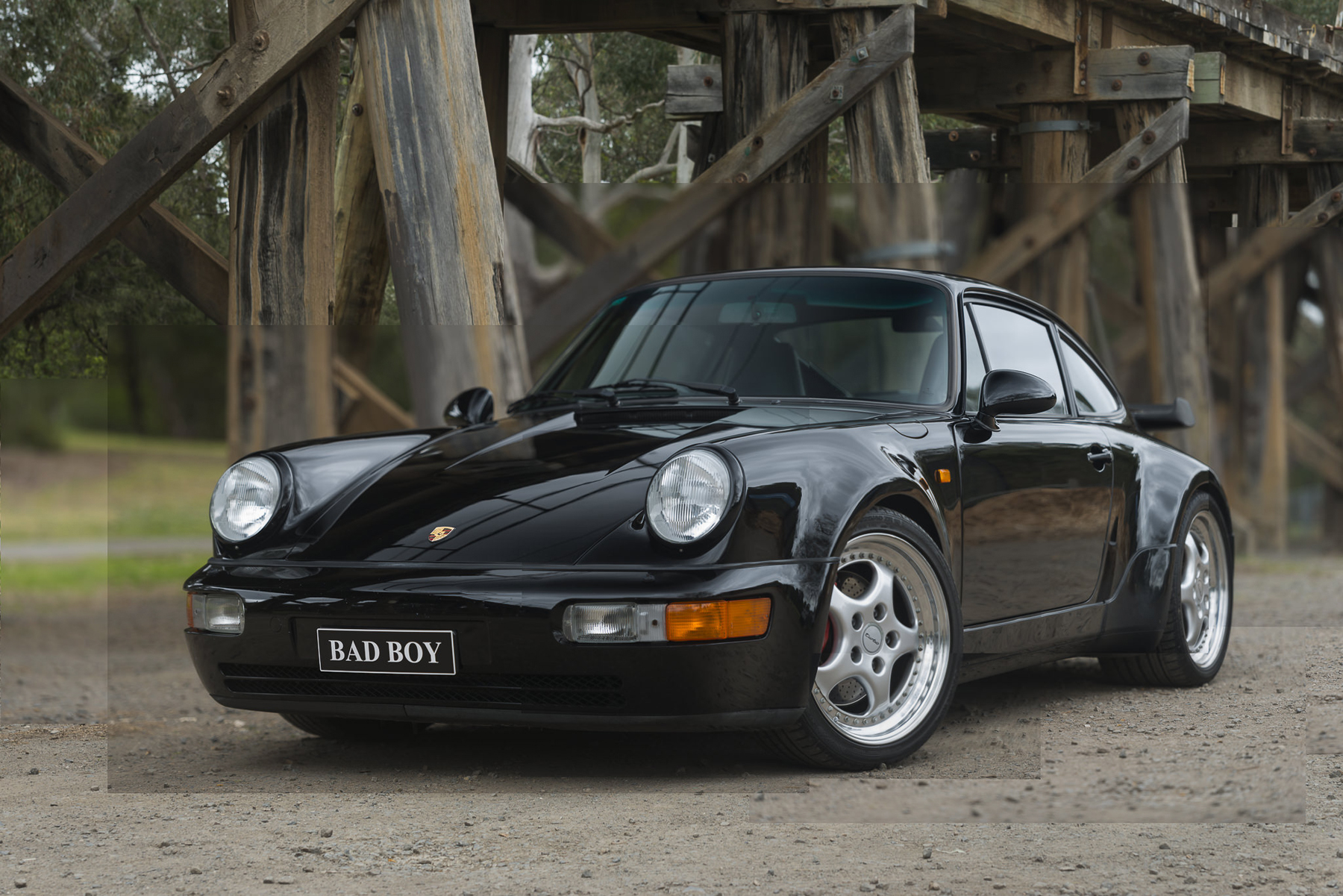
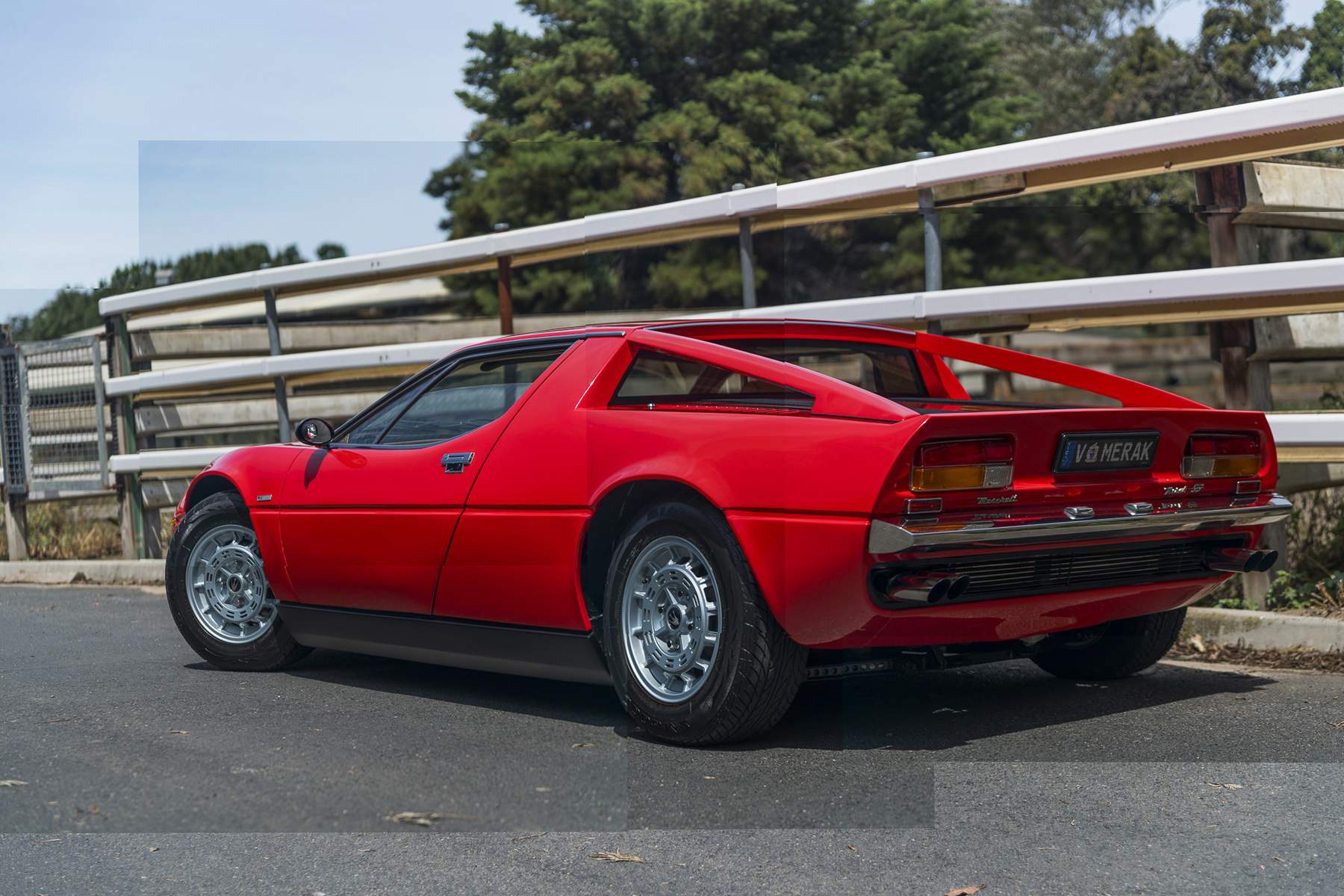
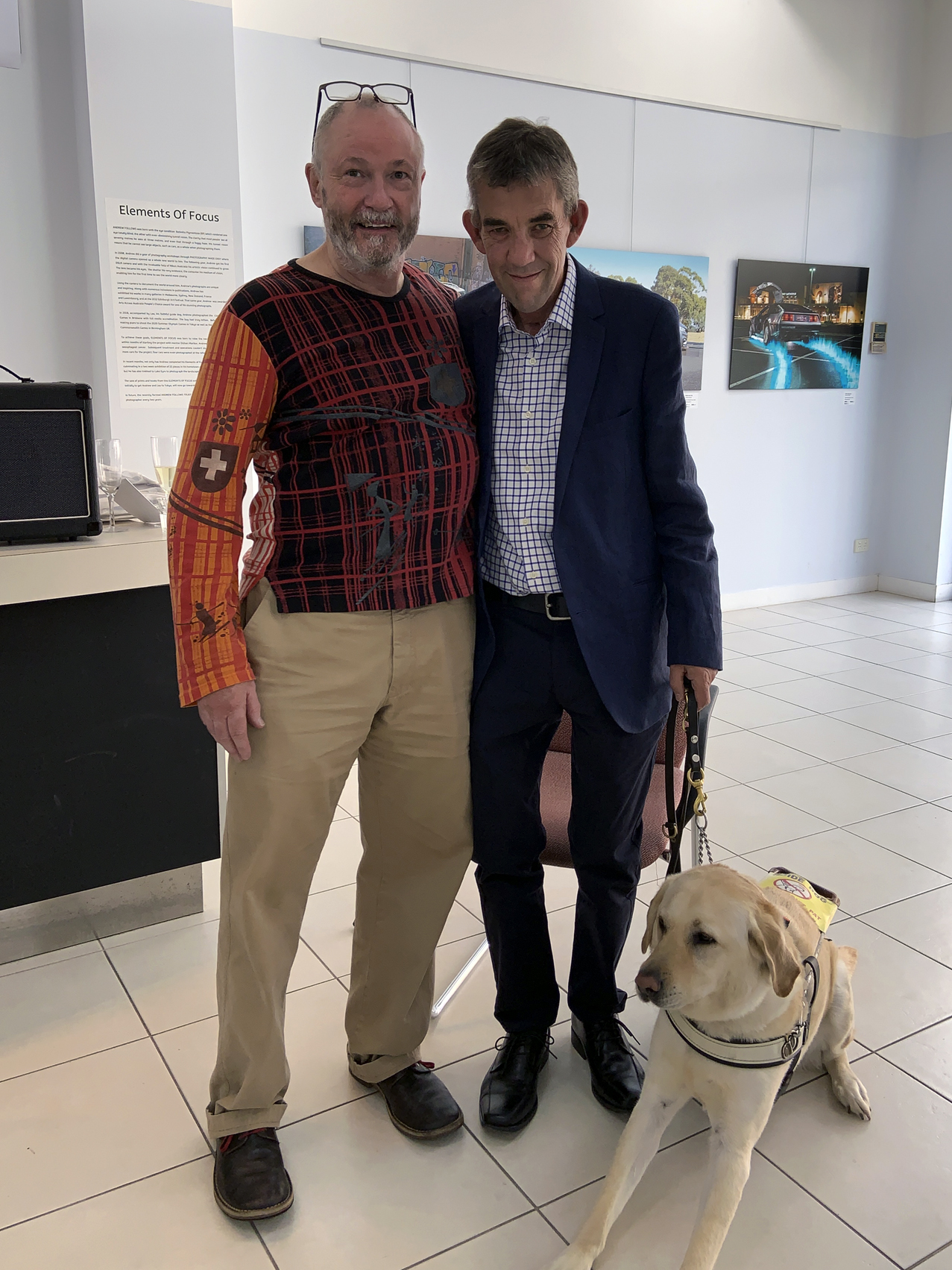
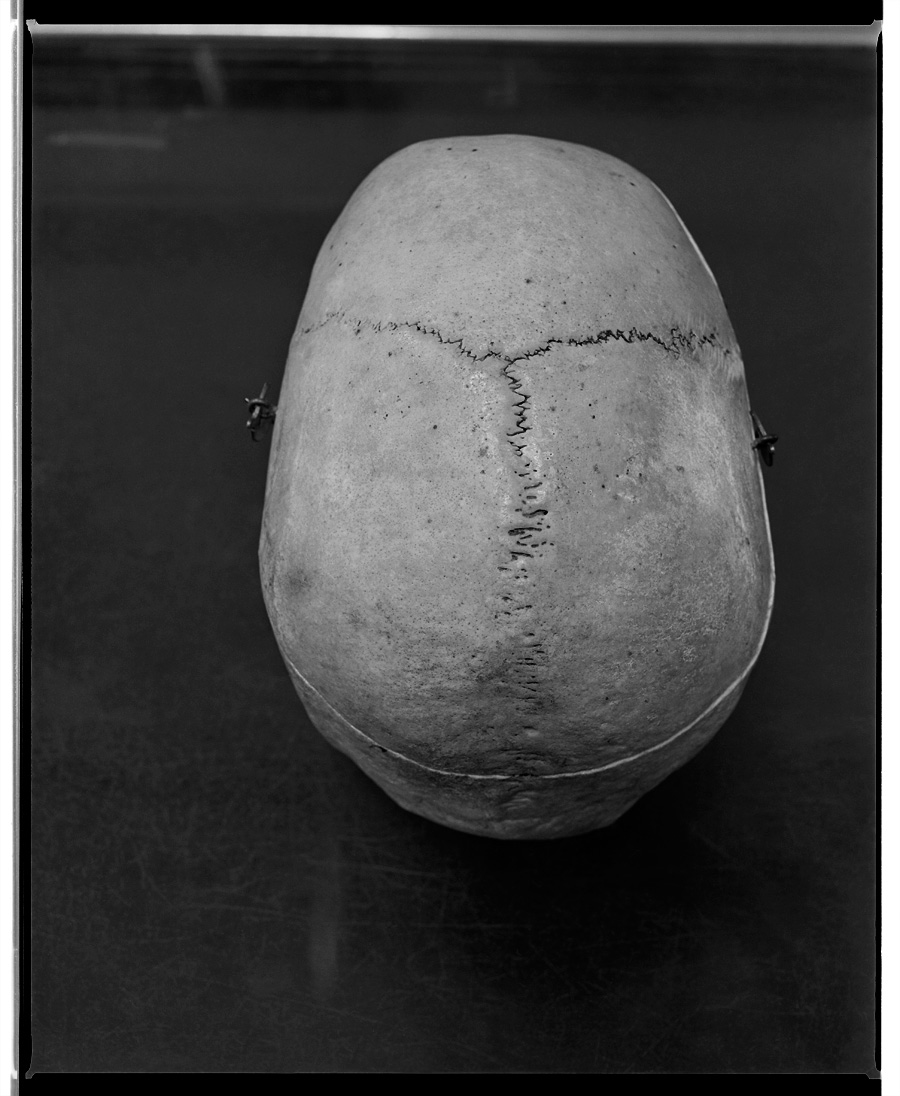

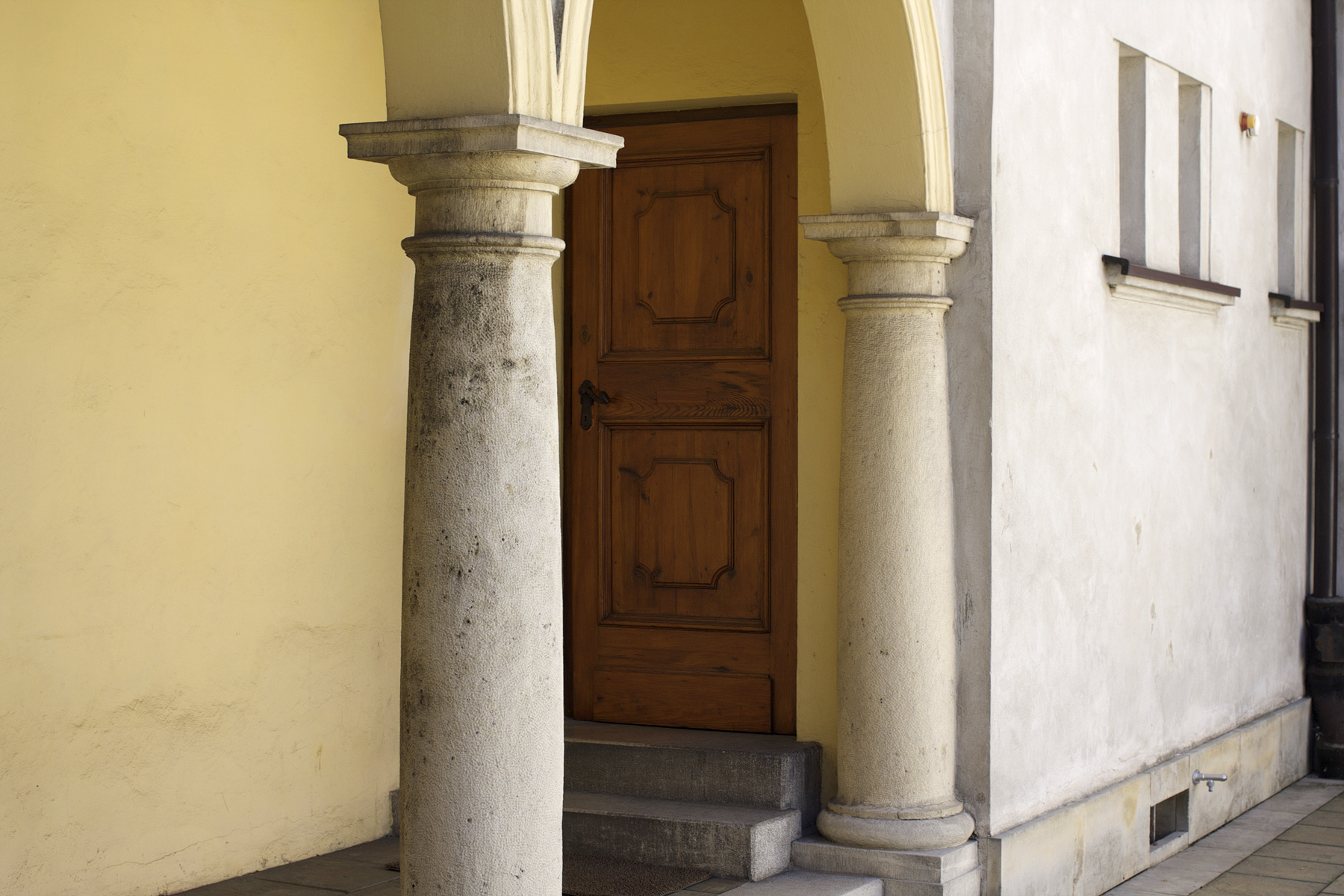
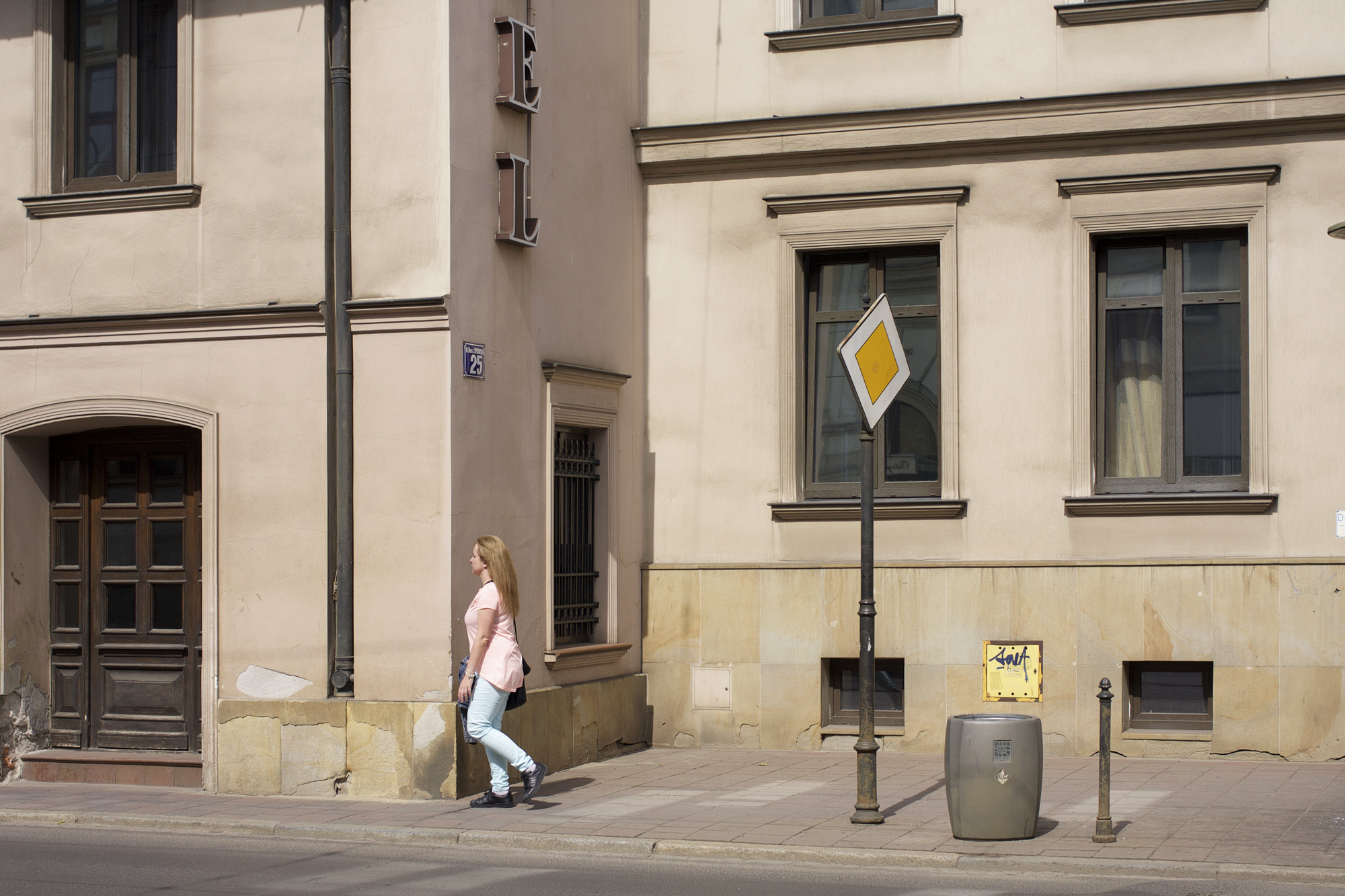
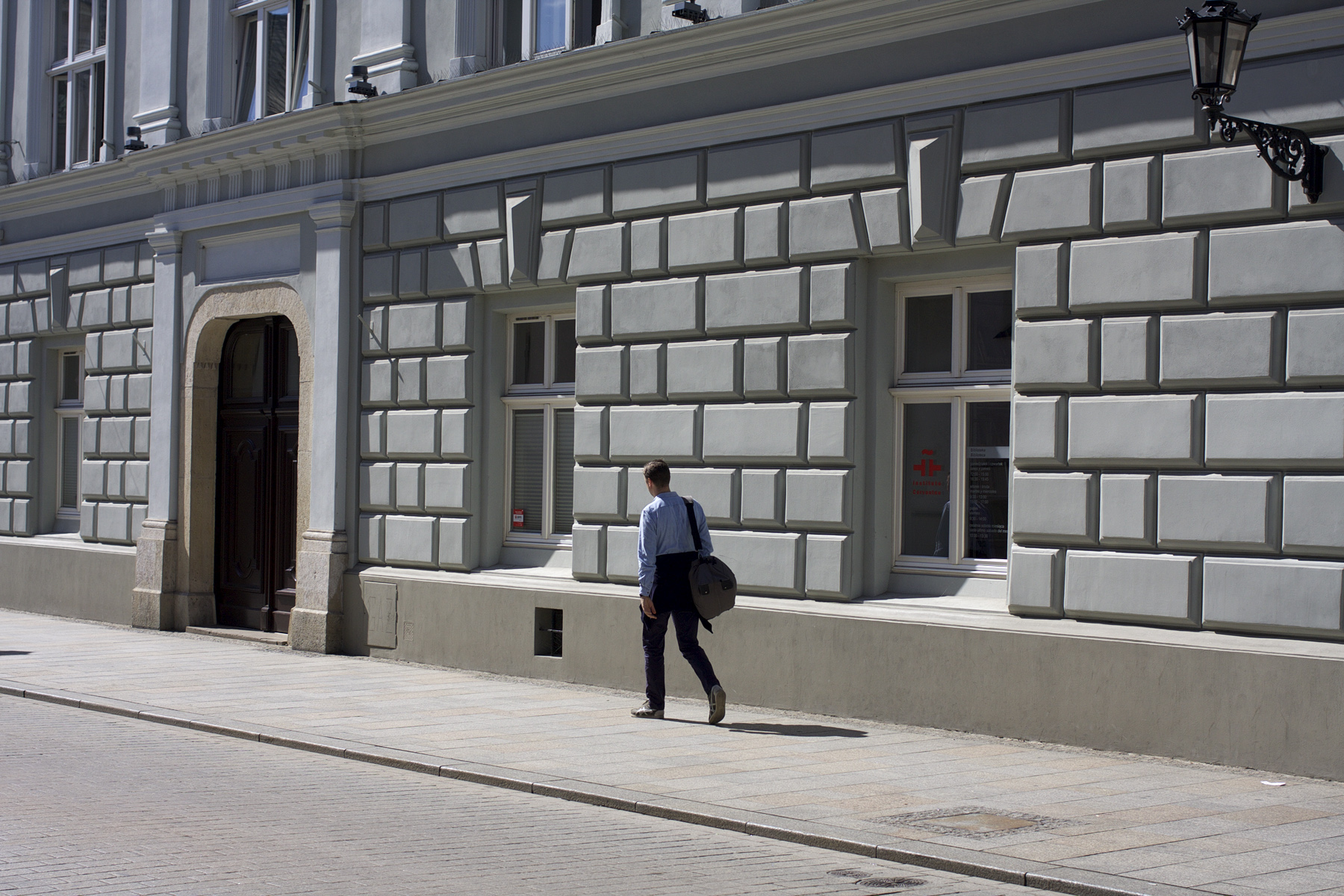
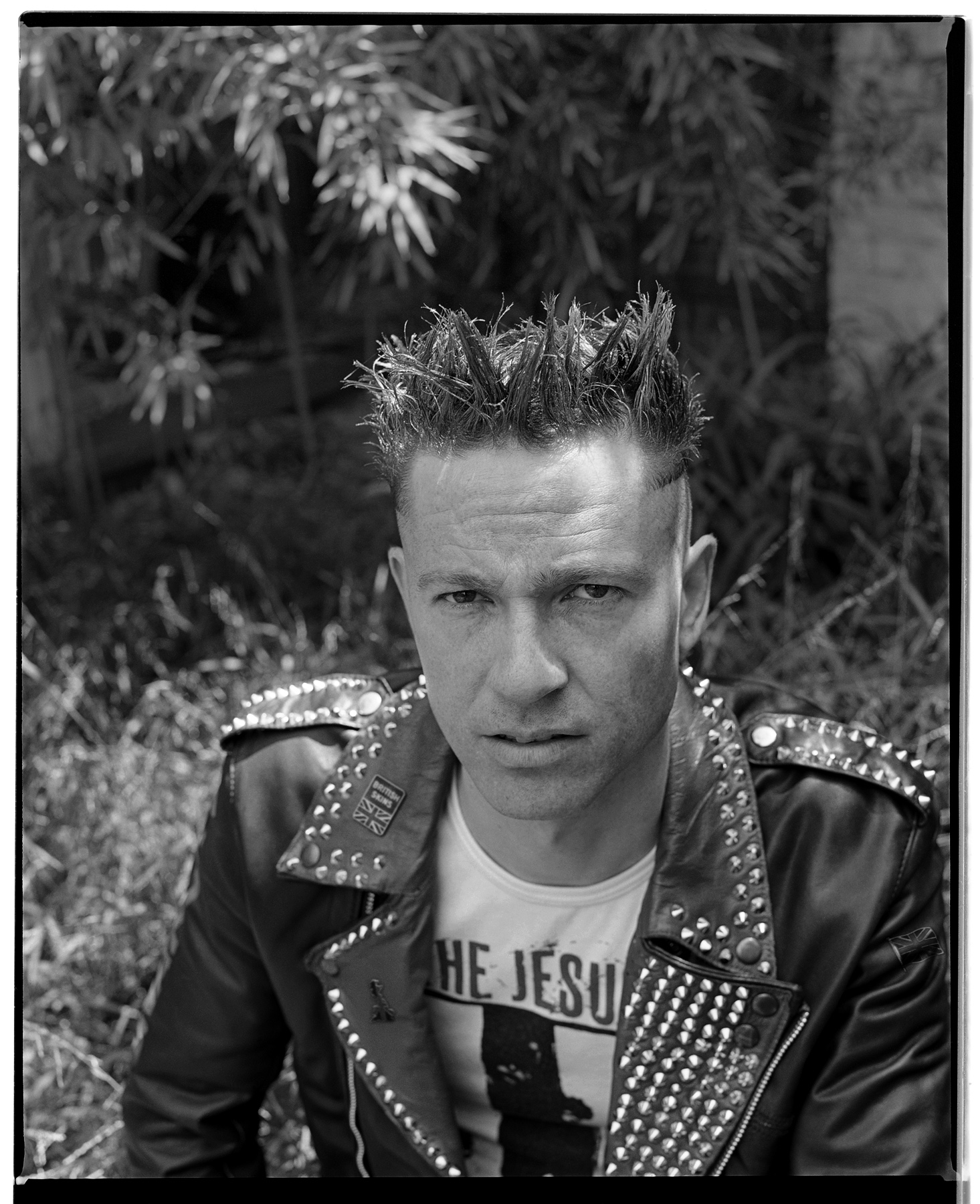

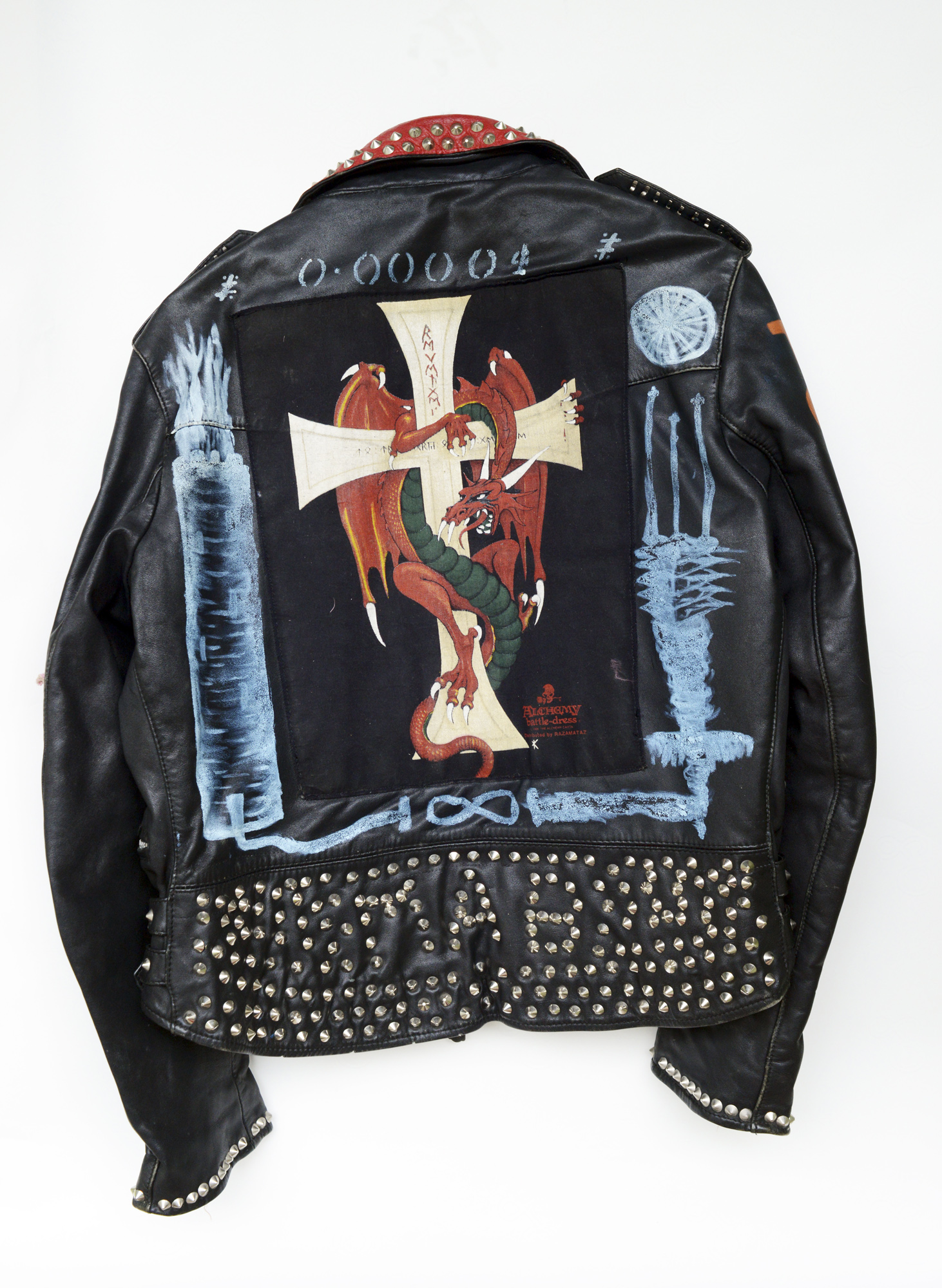
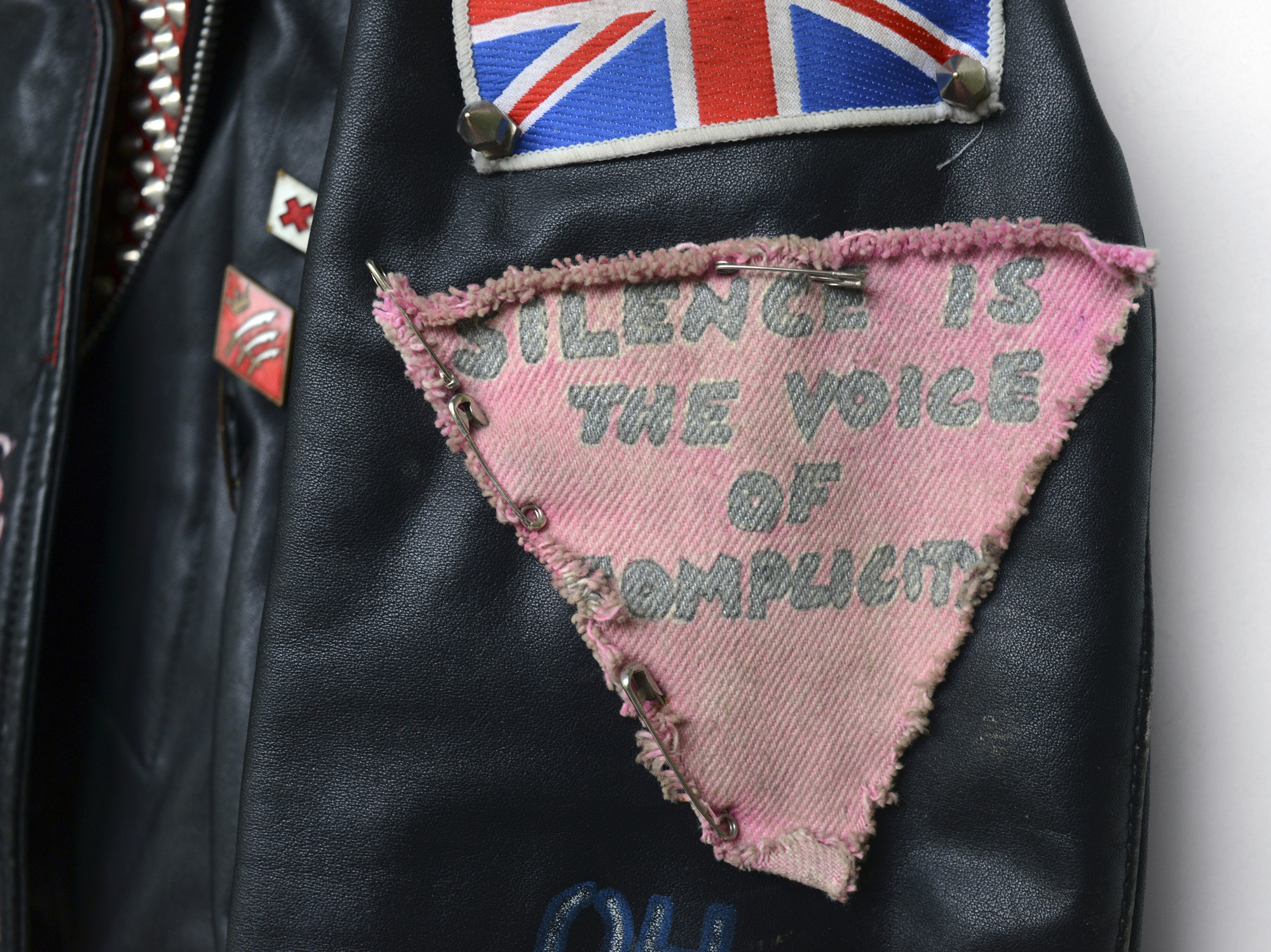
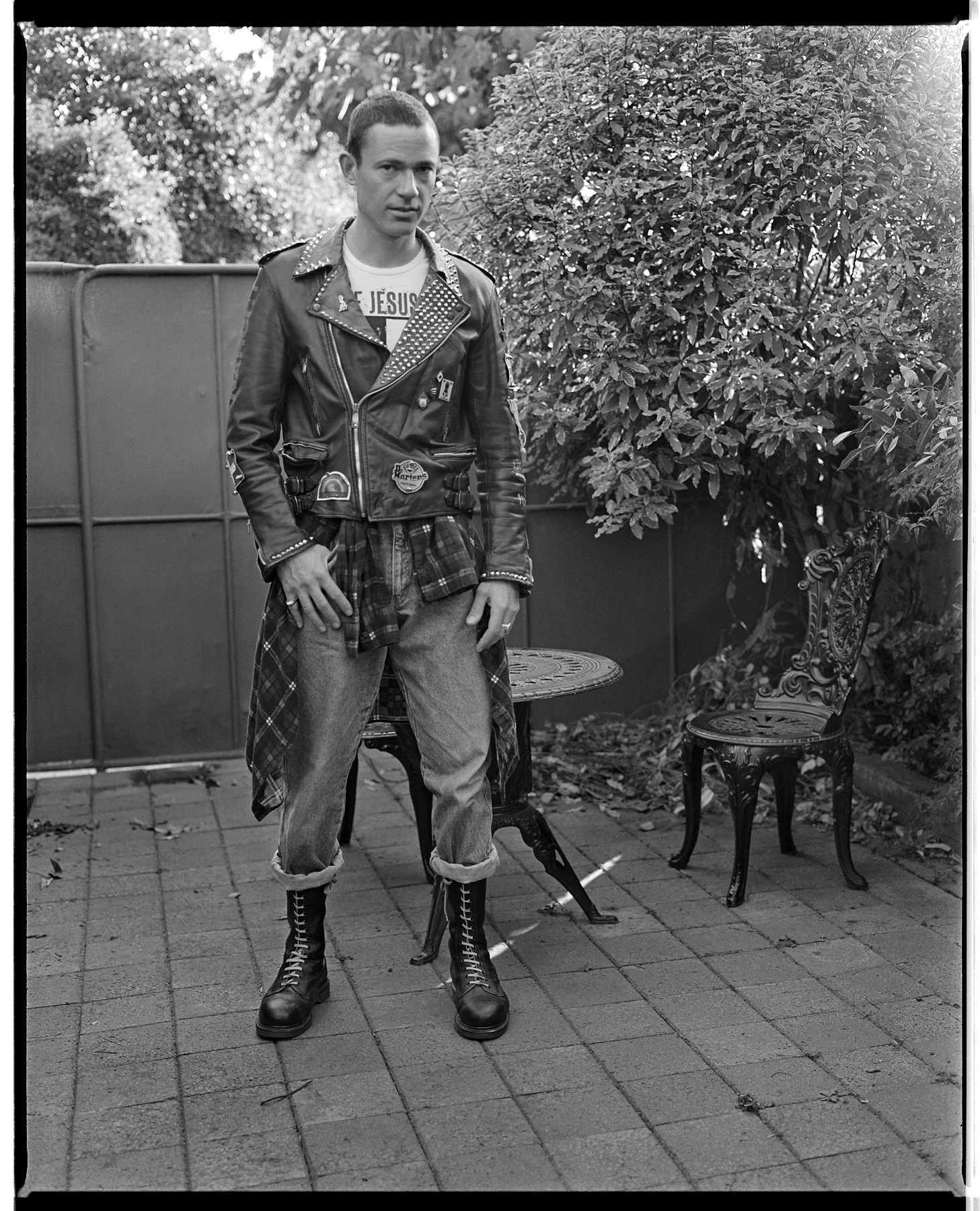
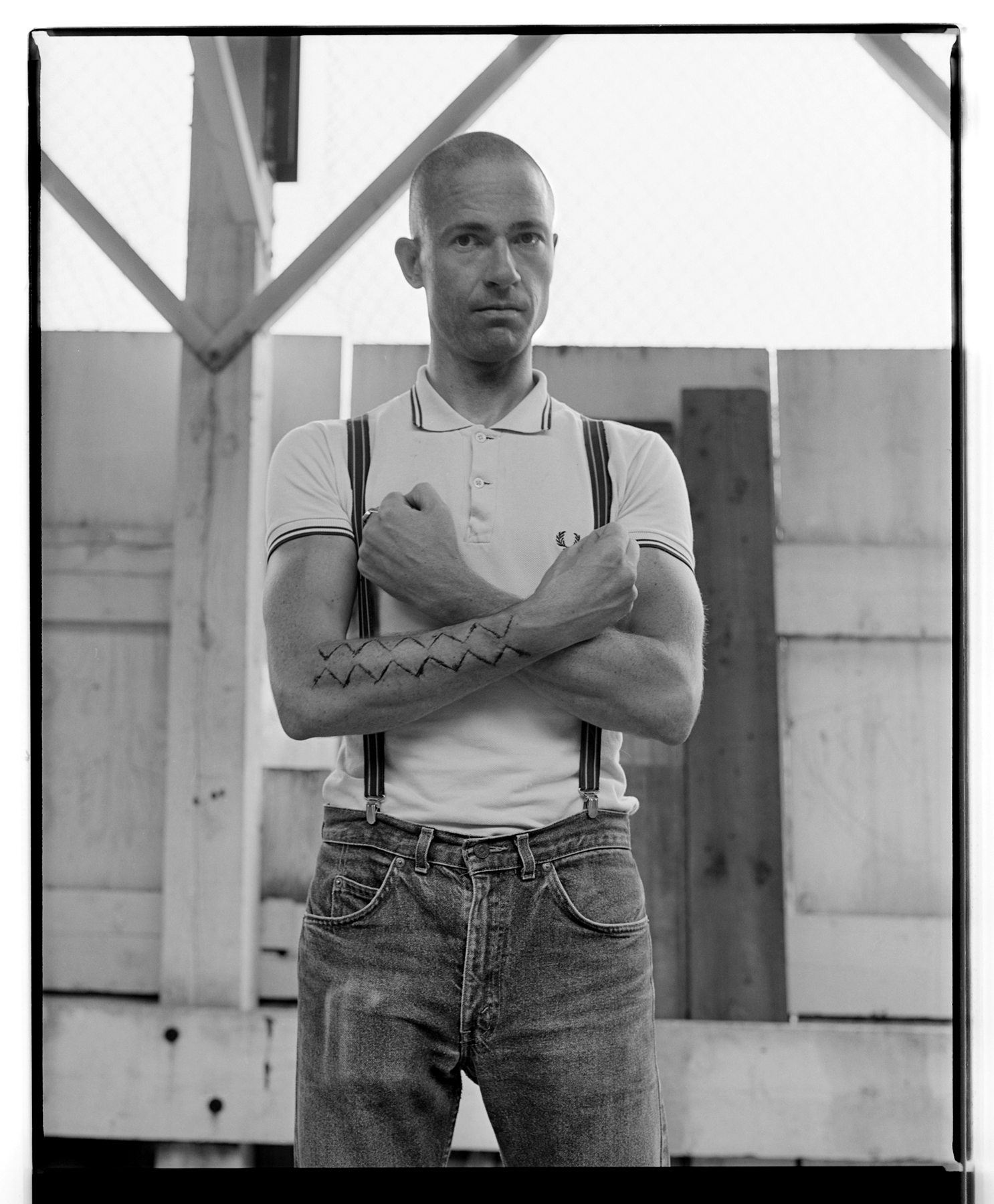
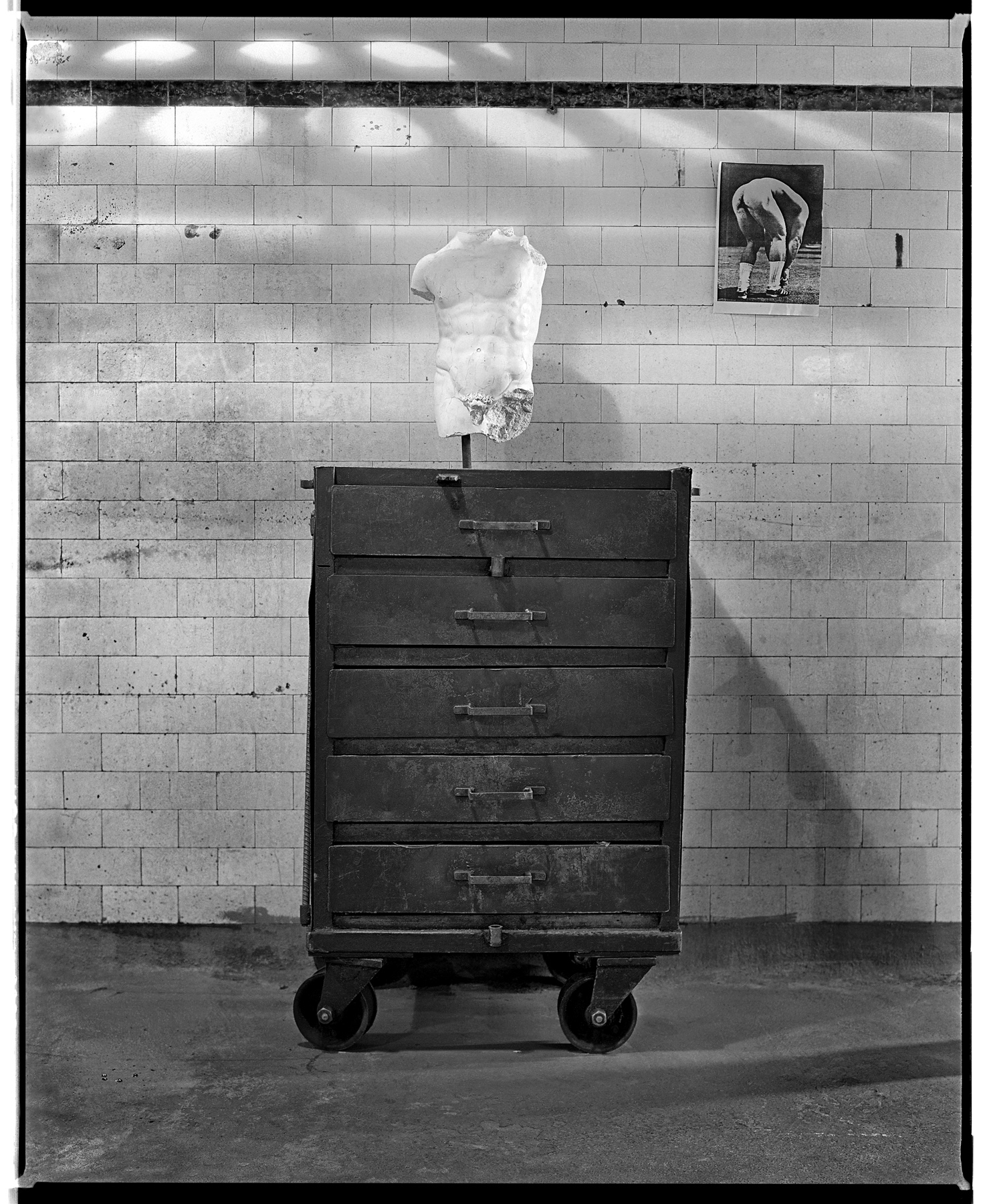

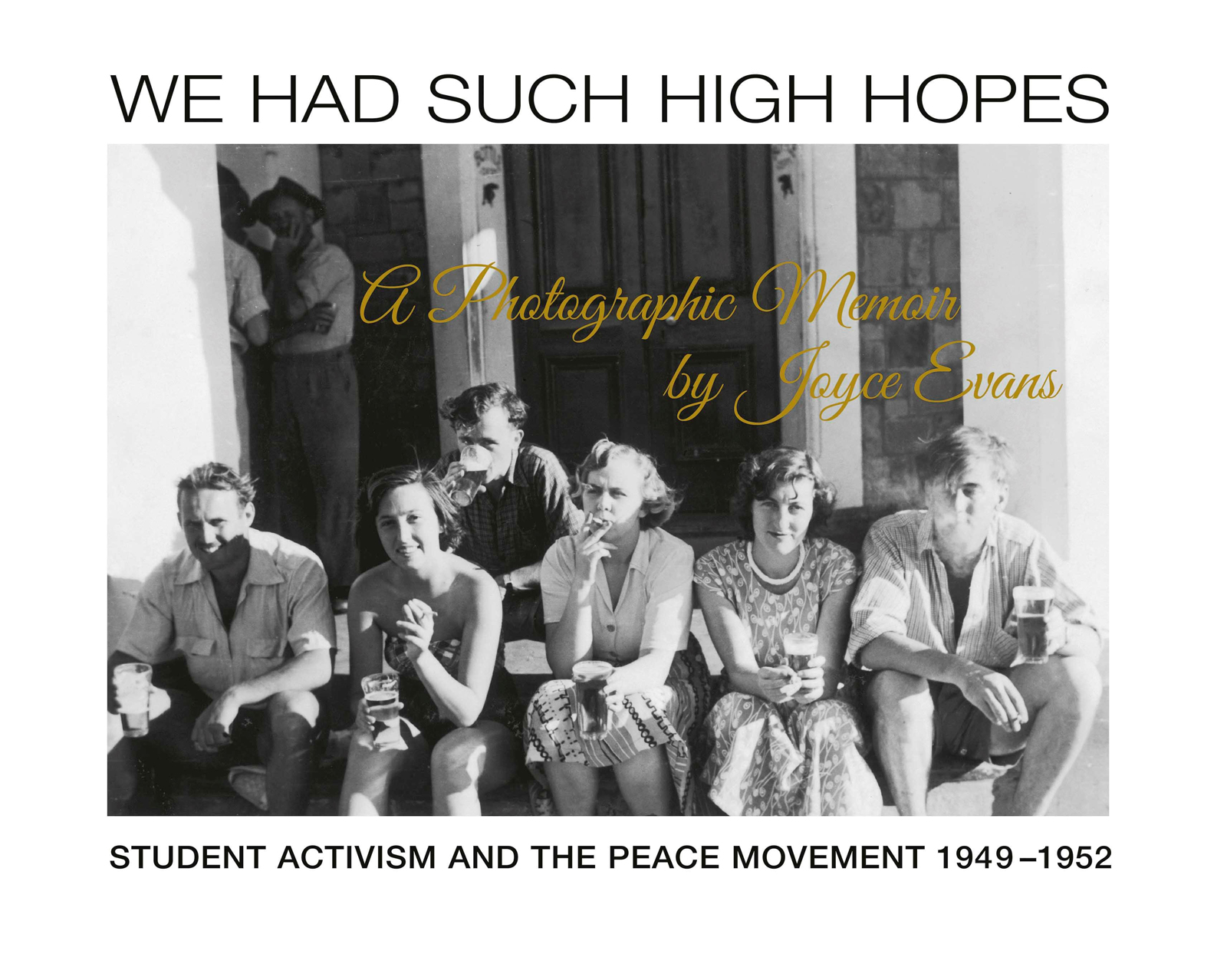
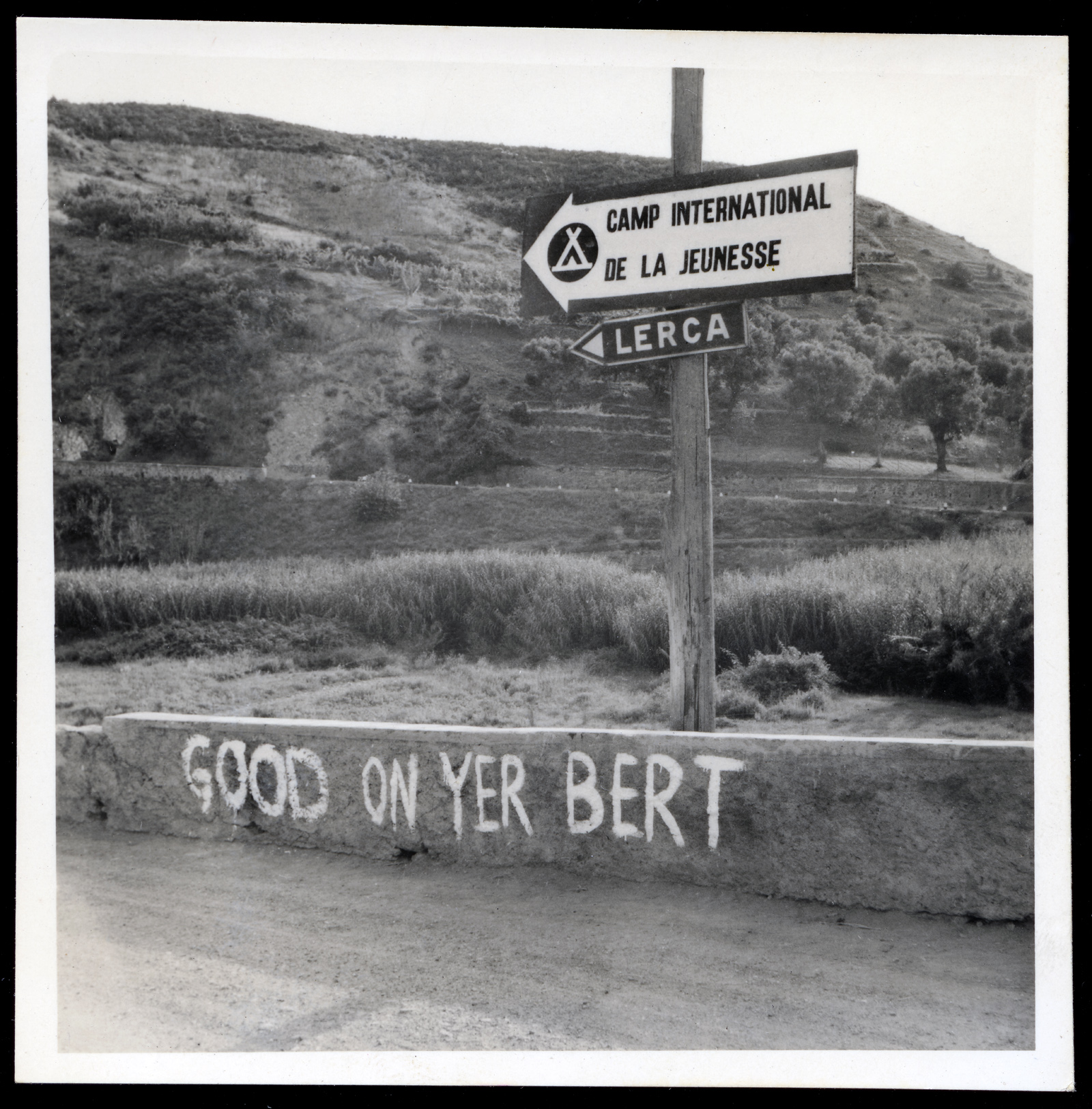
![Joyce Evans (Australian, 1929-2019) 'Untitled [Budapest crowd]' 1949](https://artblart.com/wp-content/uploads/2019/08/joyce-evans-budapest-crowd-1949-web.jpg "Joyce Evans (Australian, 1929-2019) 'Untitled [Budapest crowd]' 1949")
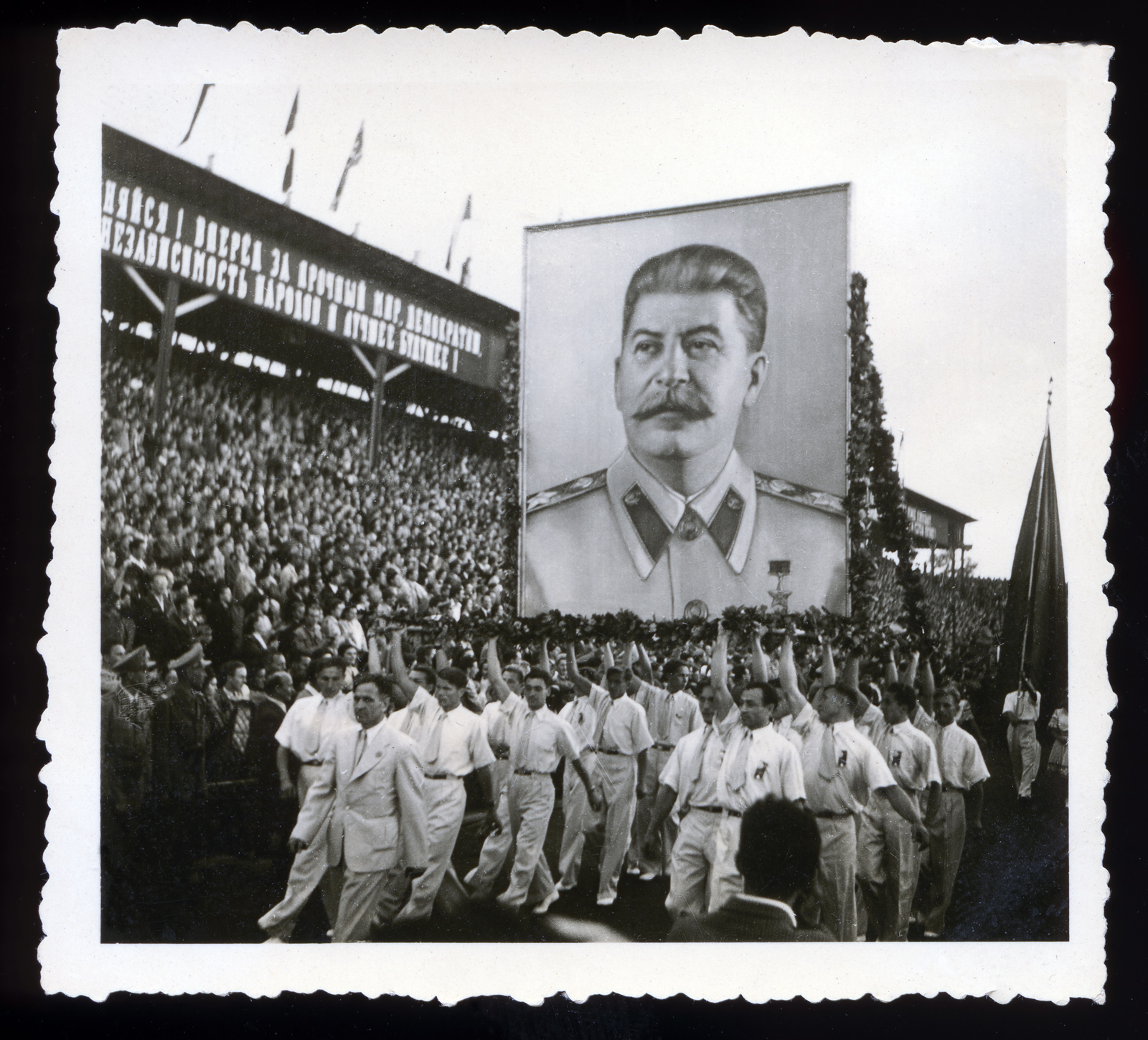
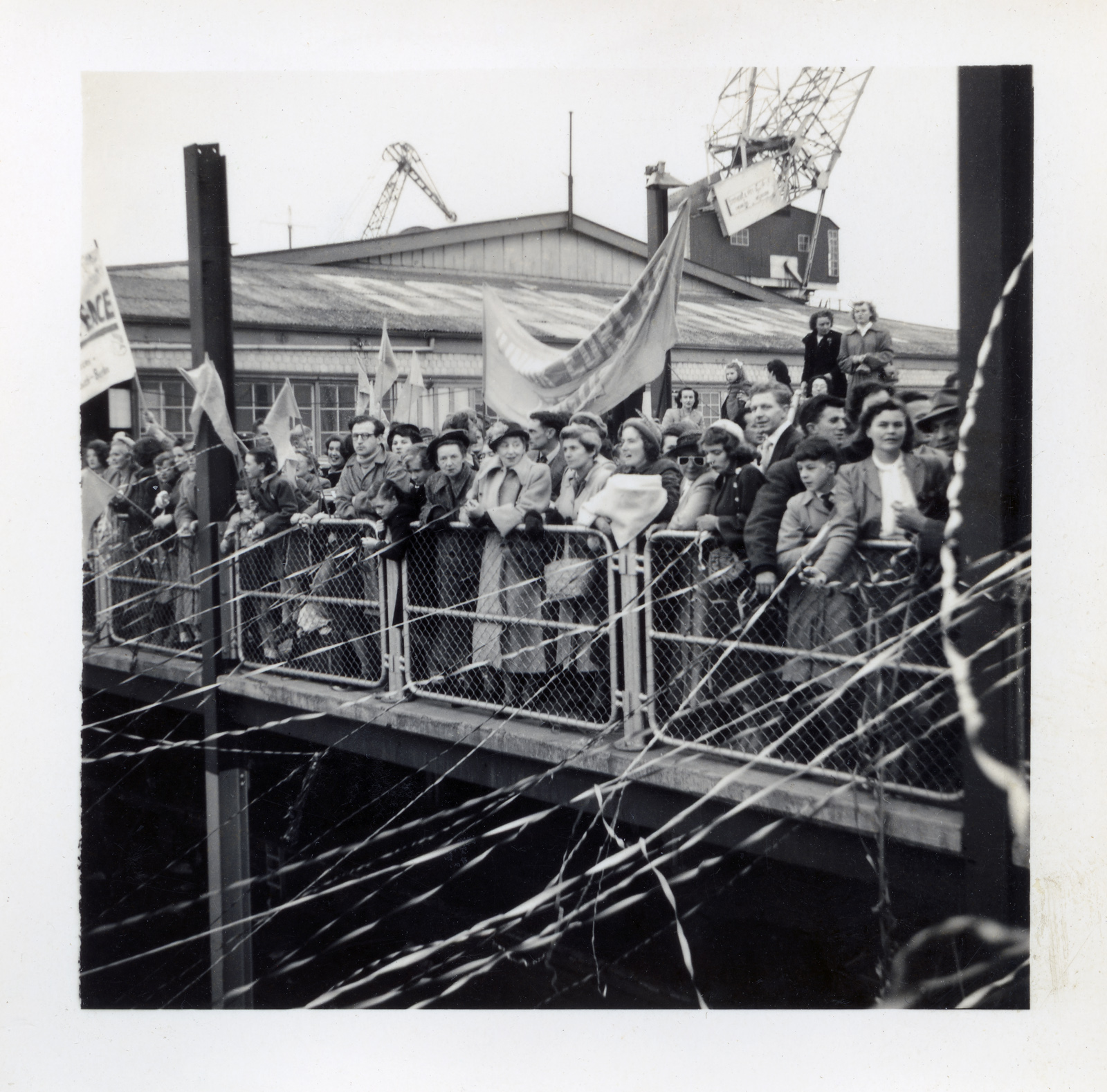
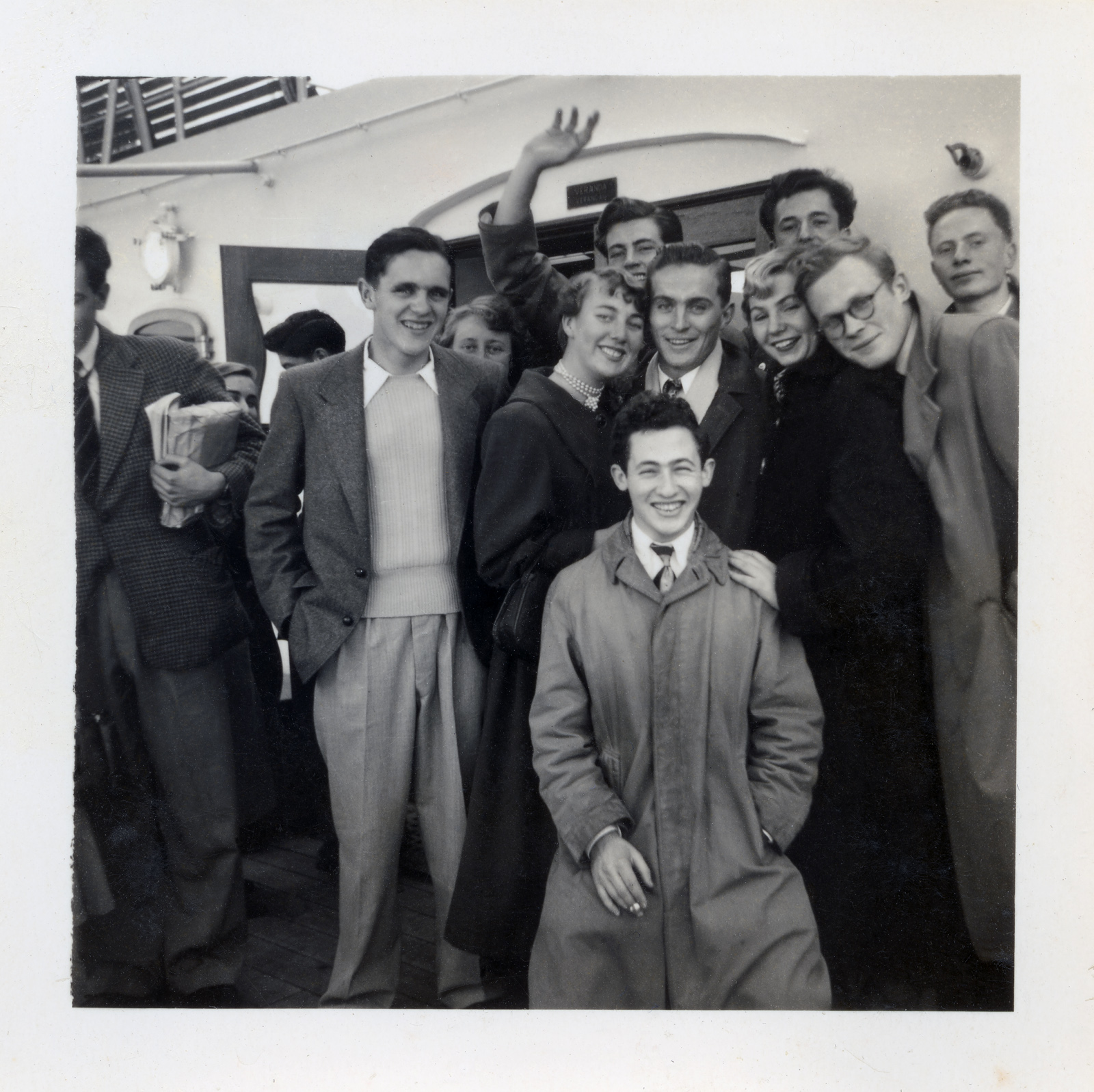
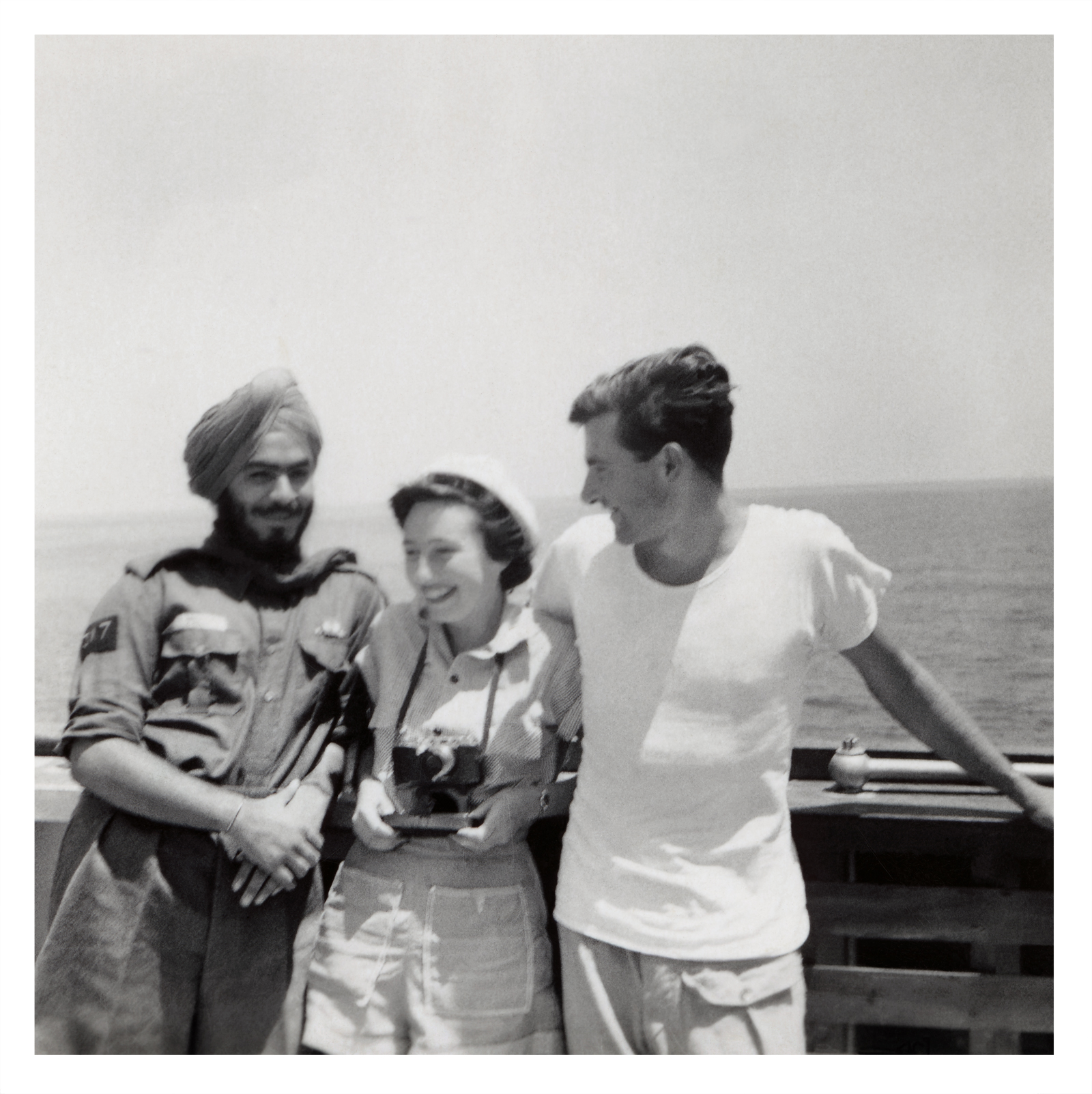
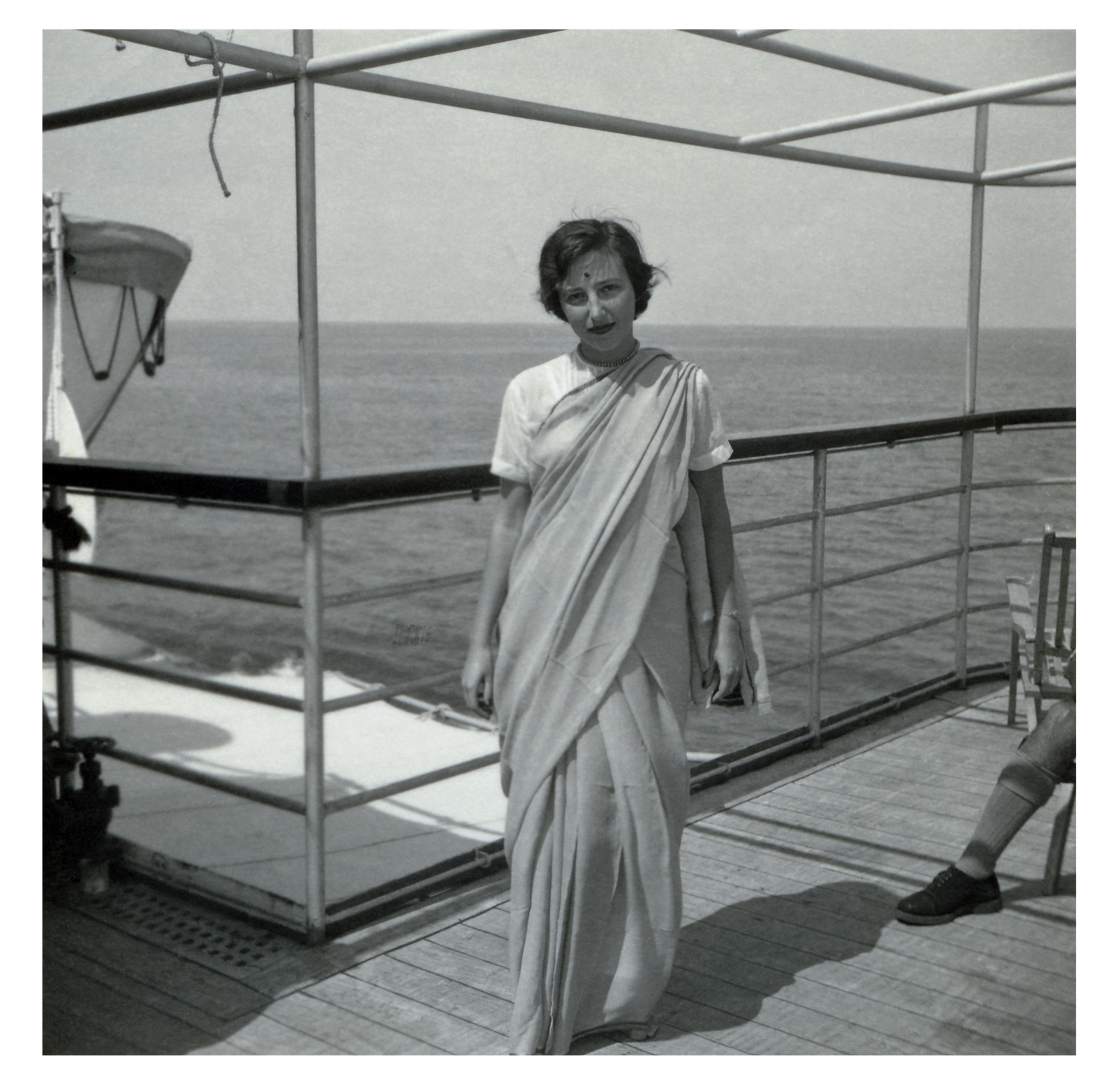
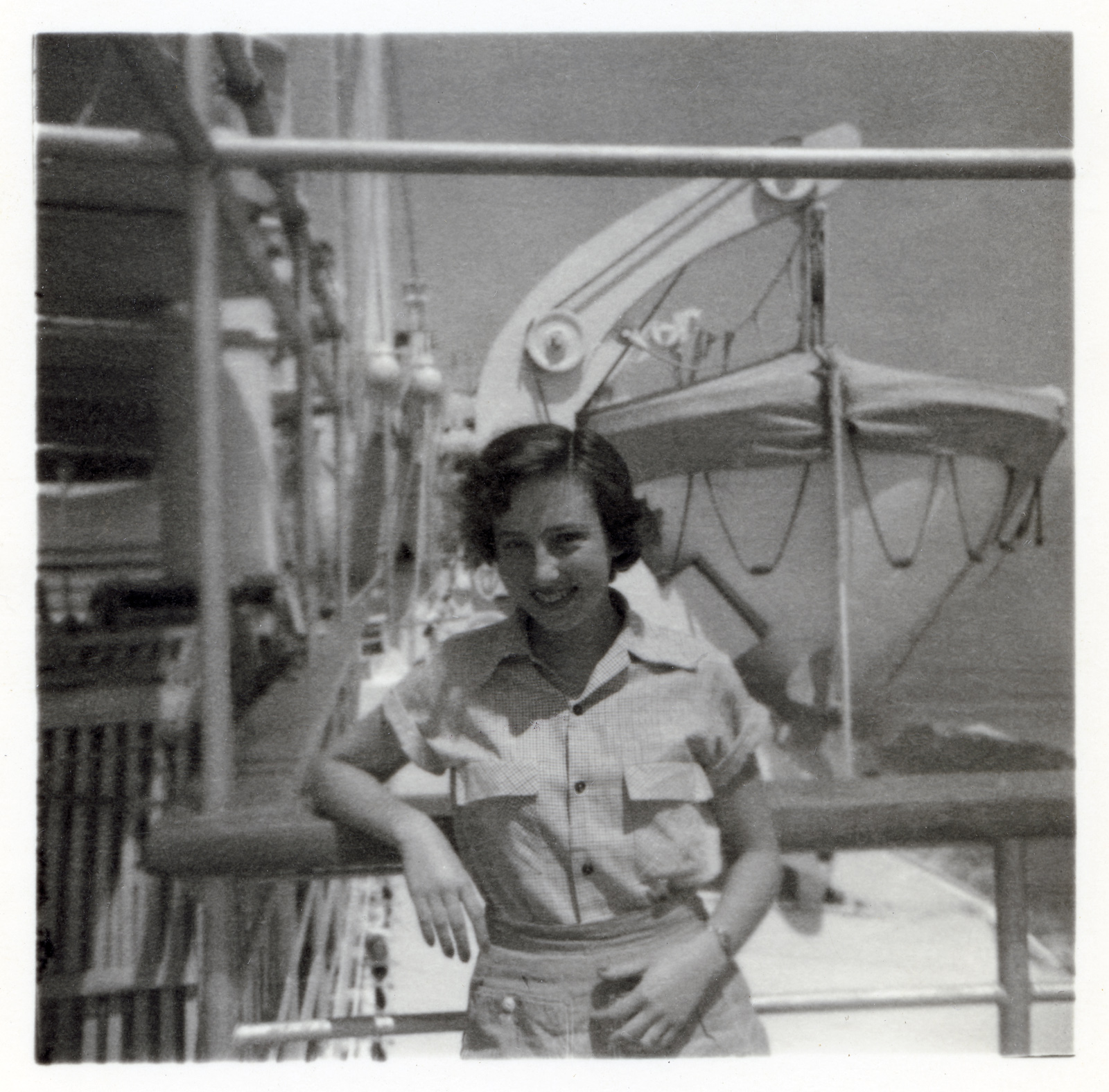
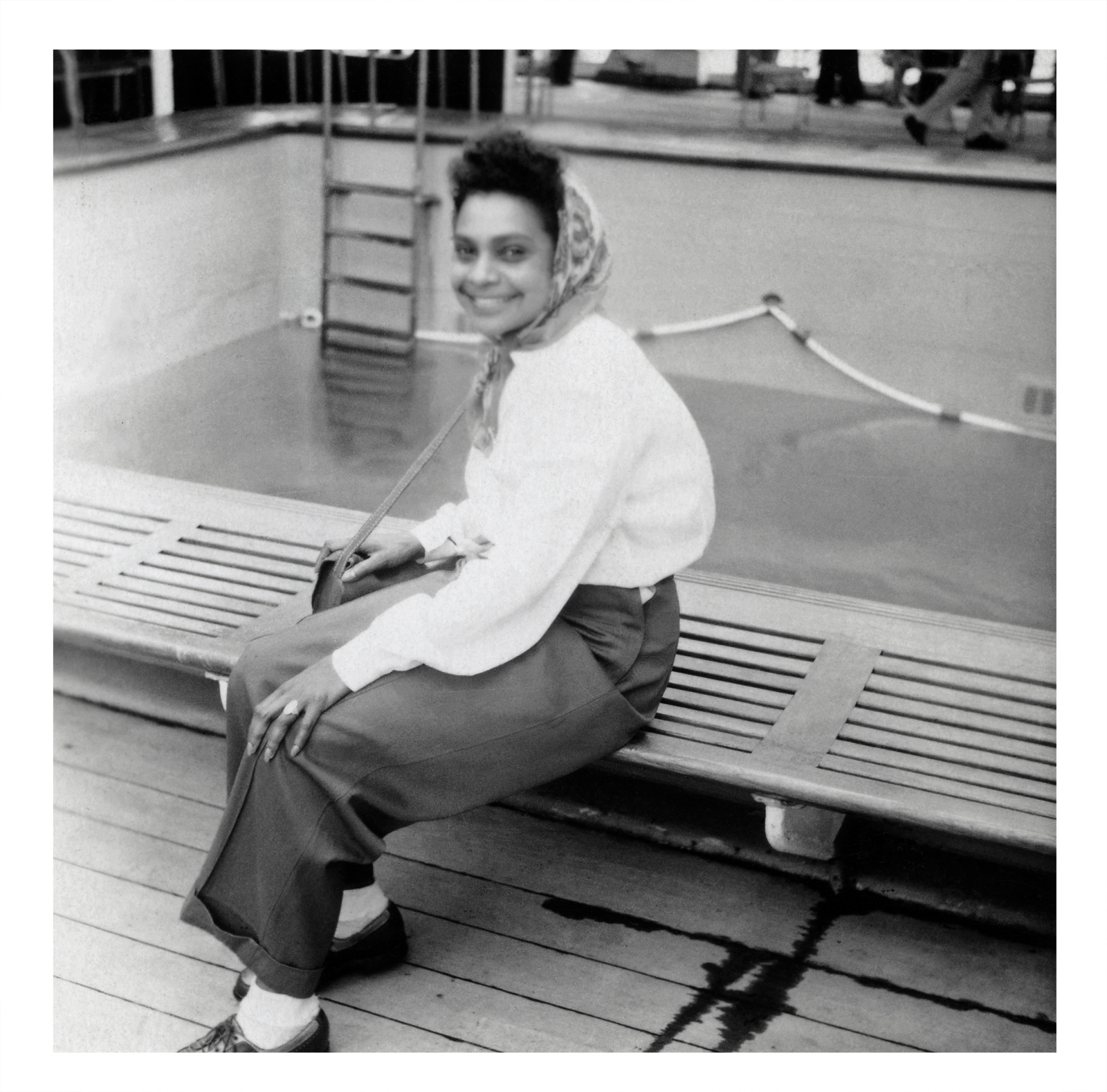
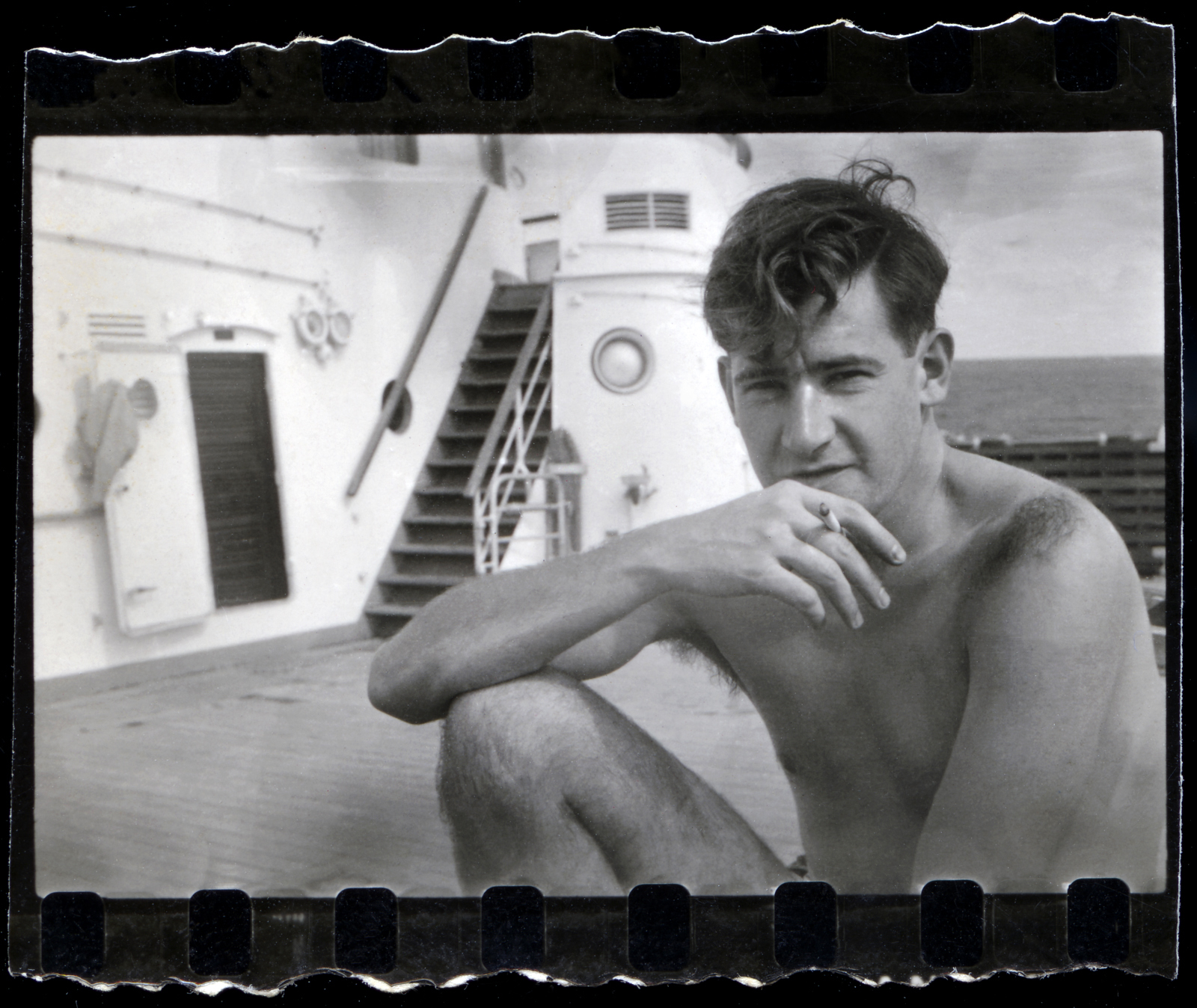
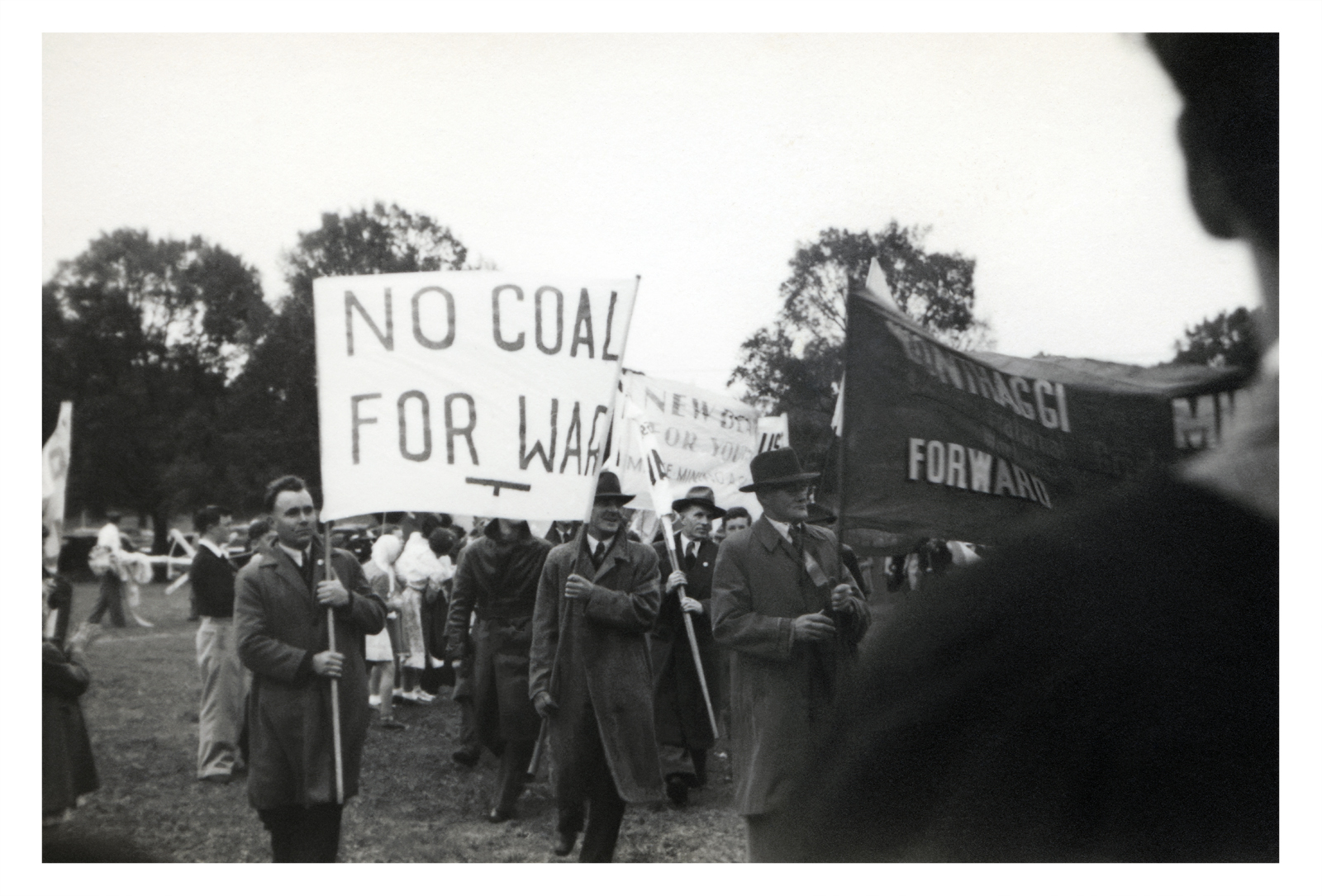
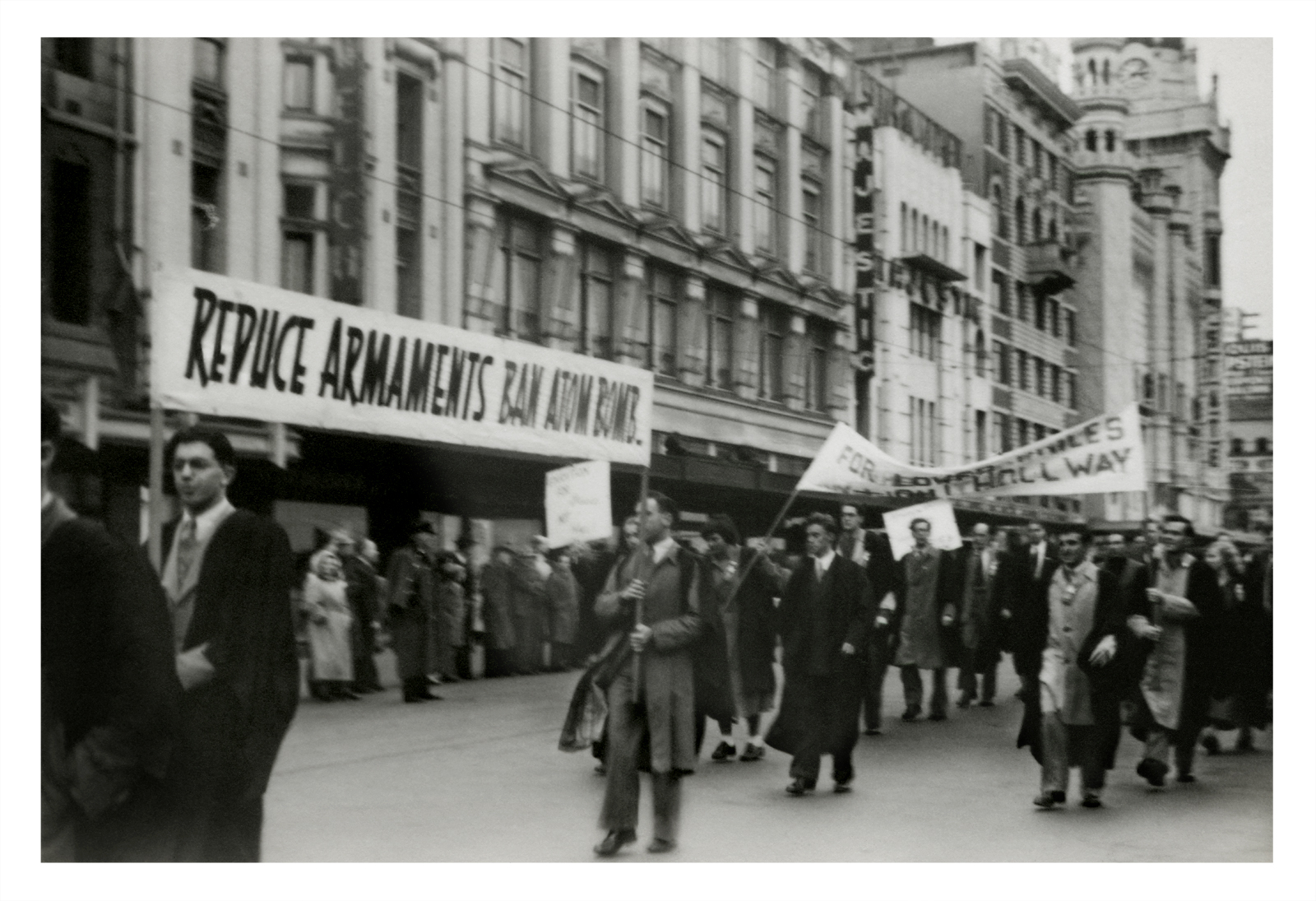
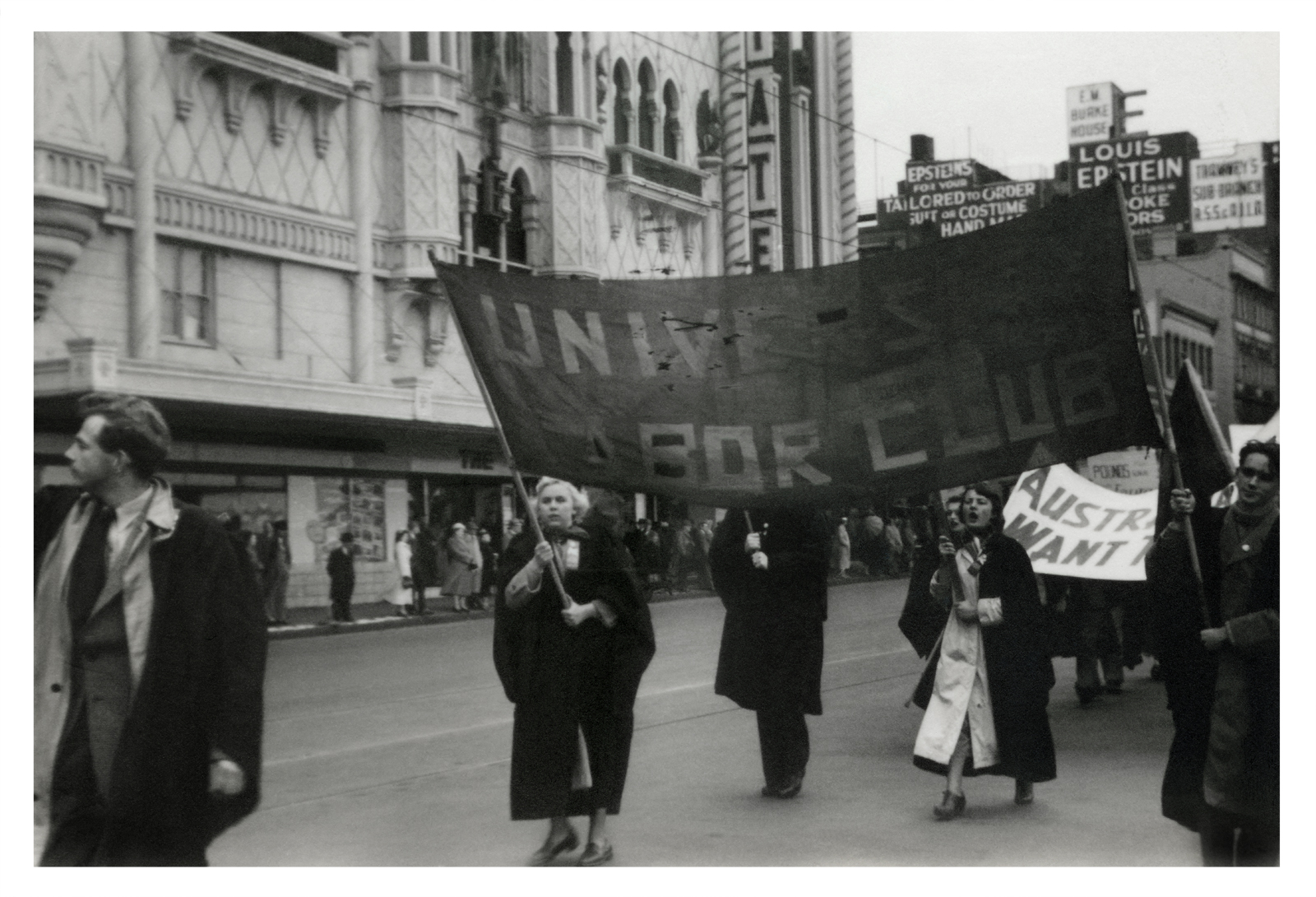
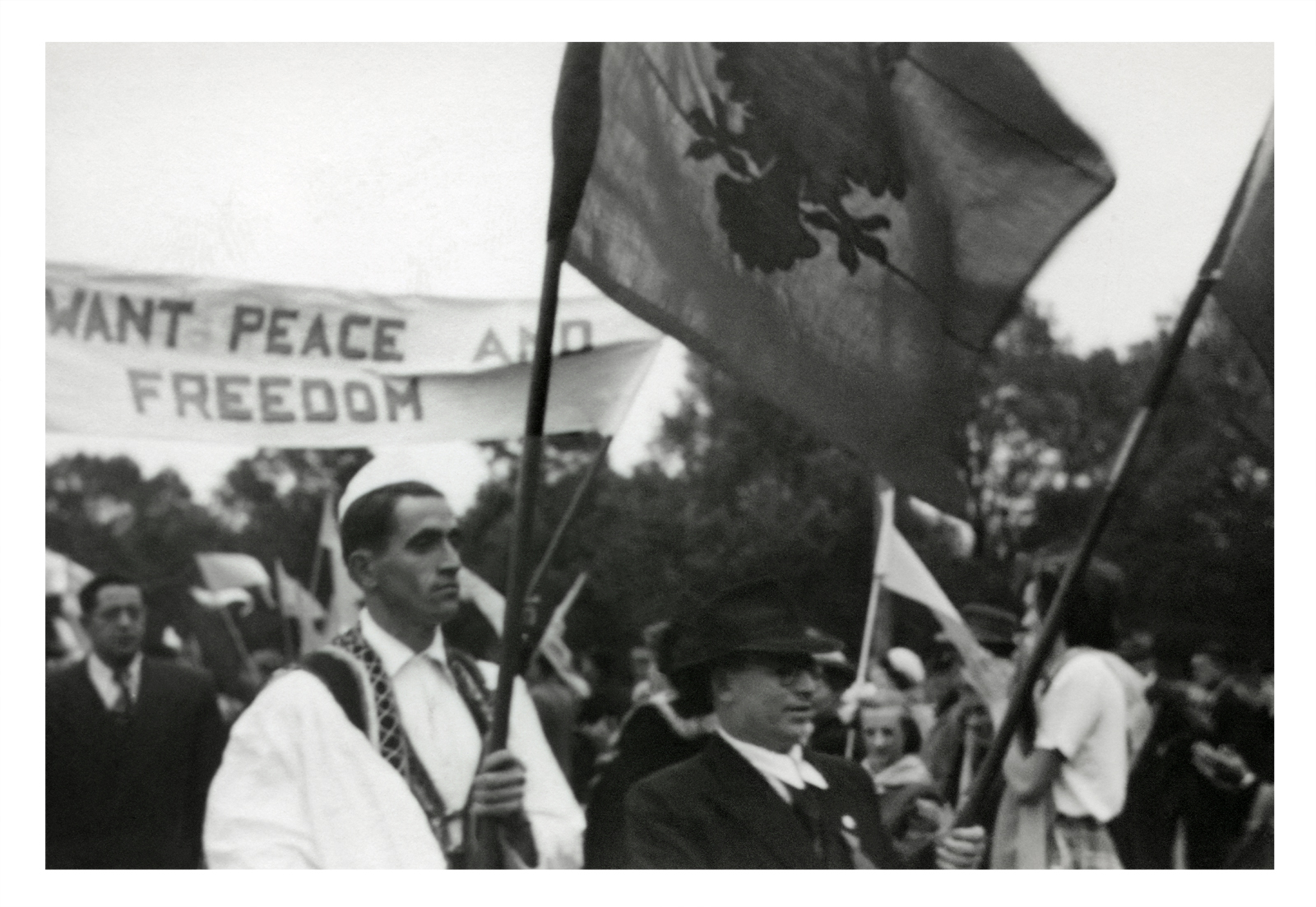
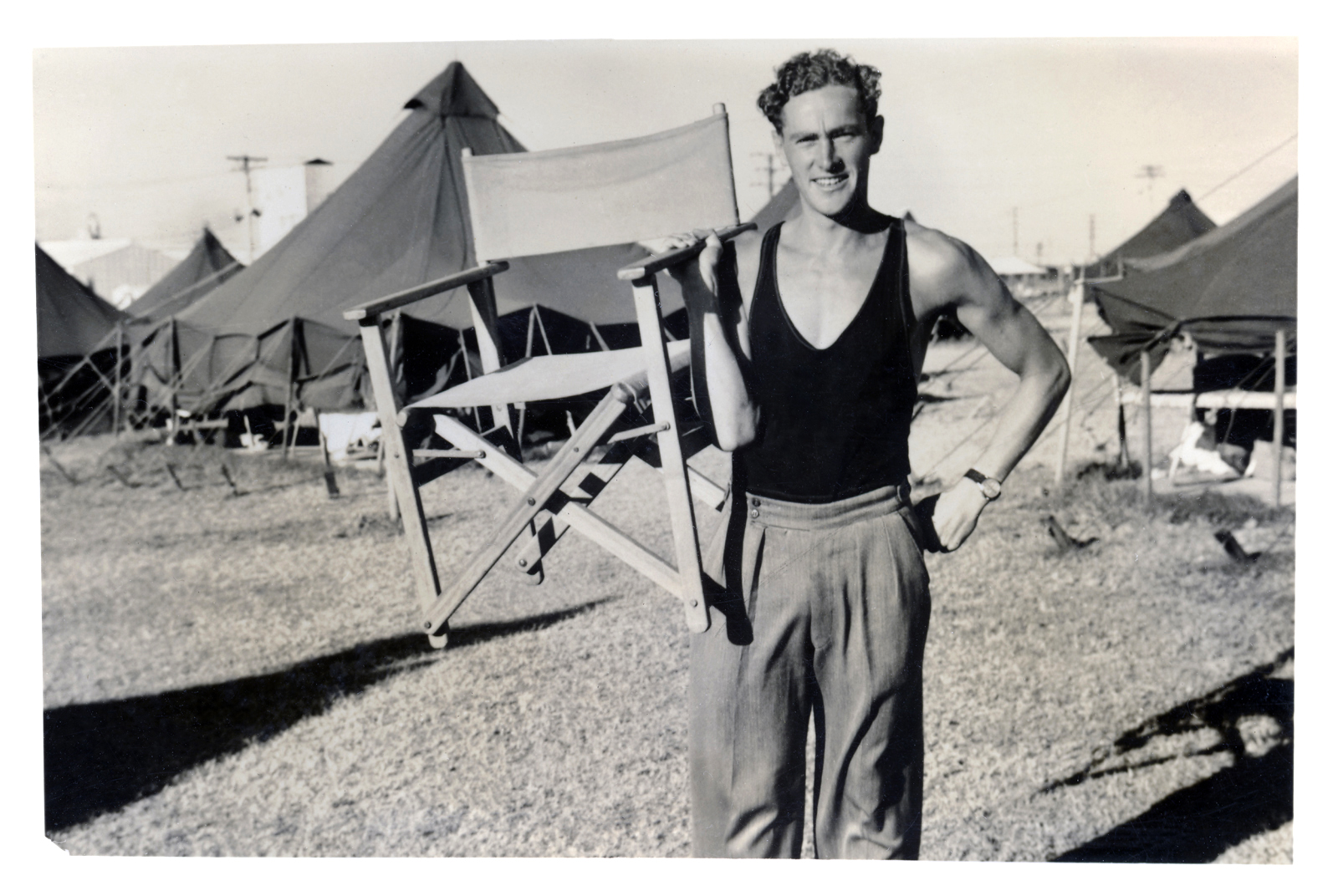
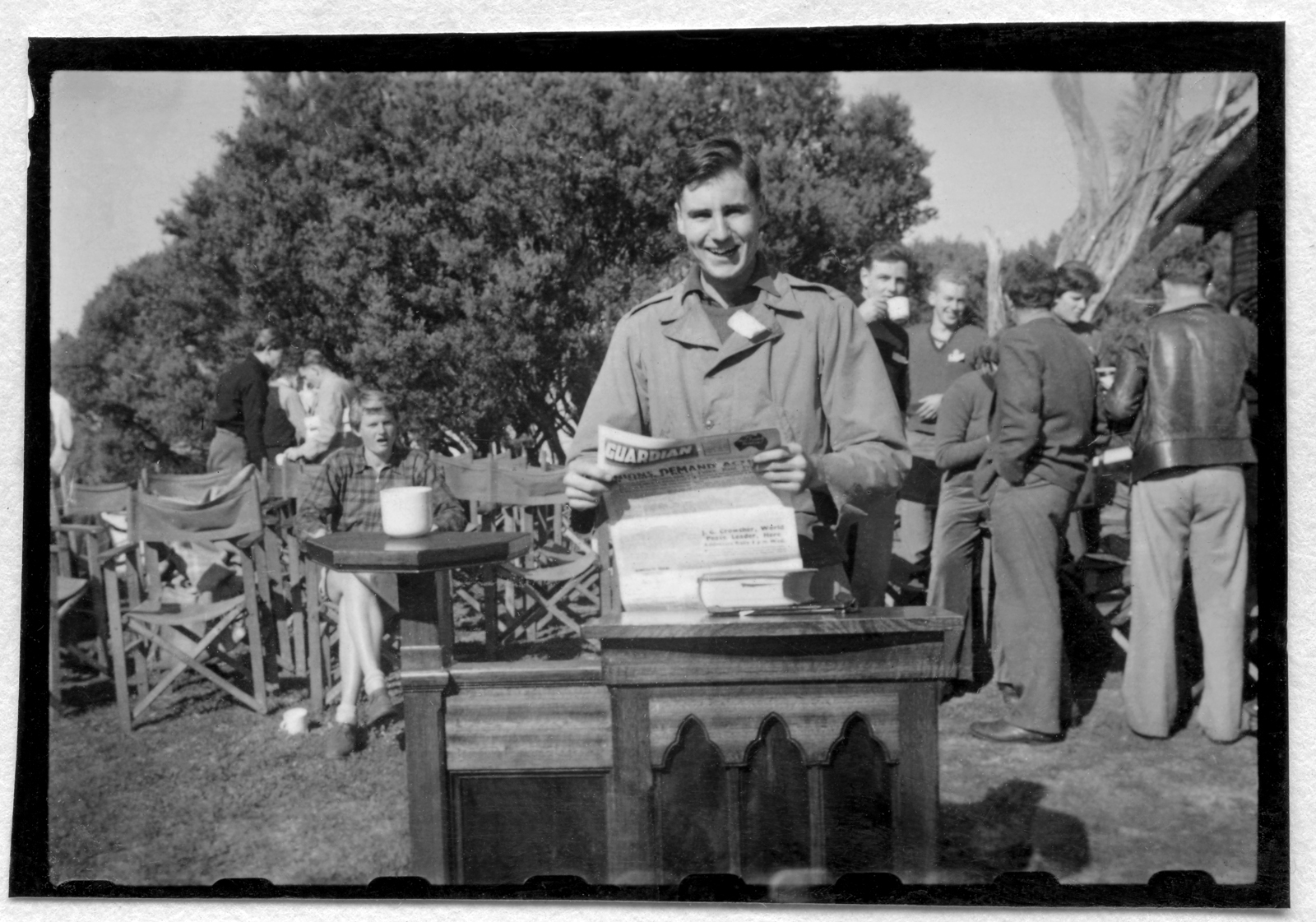
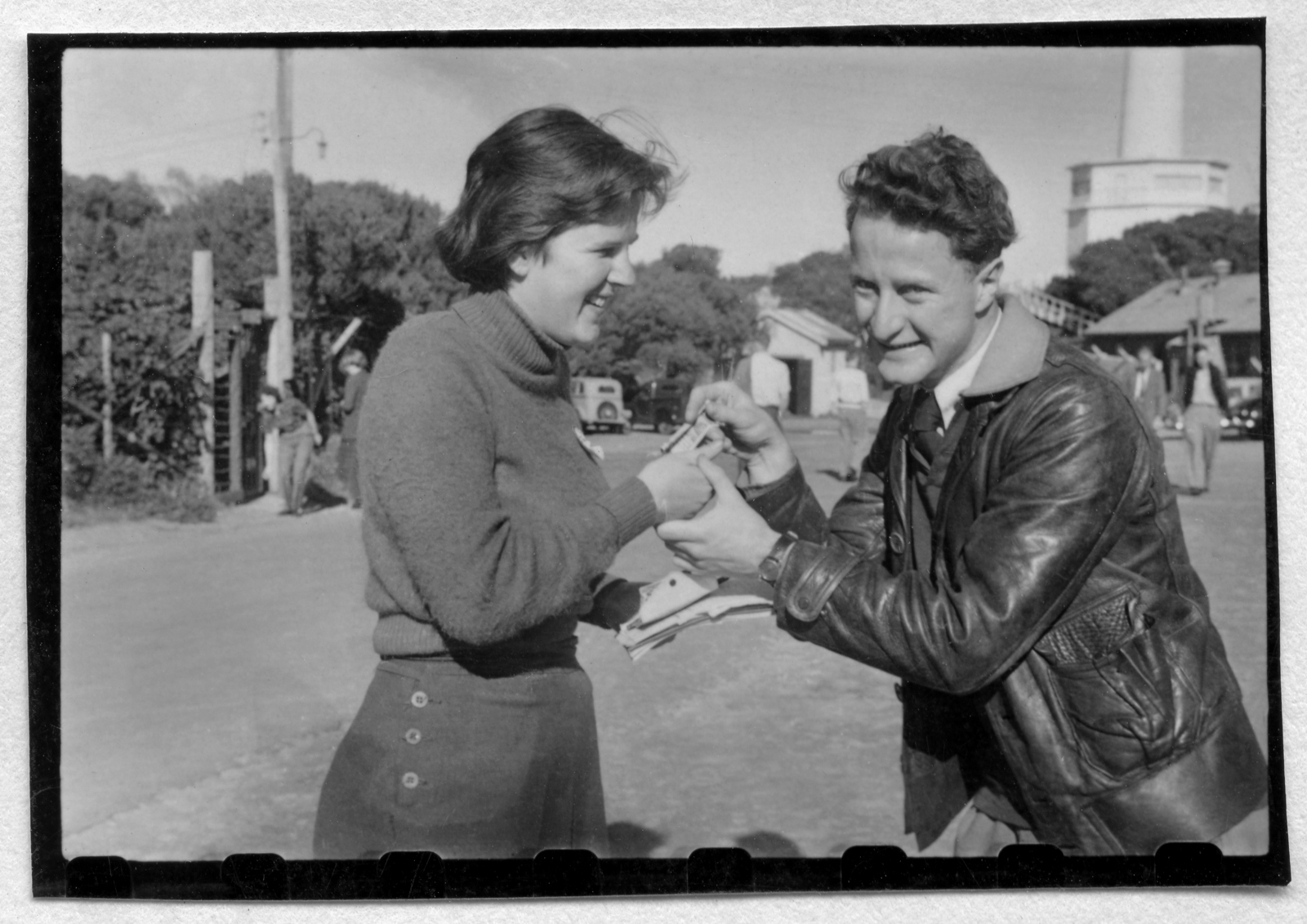
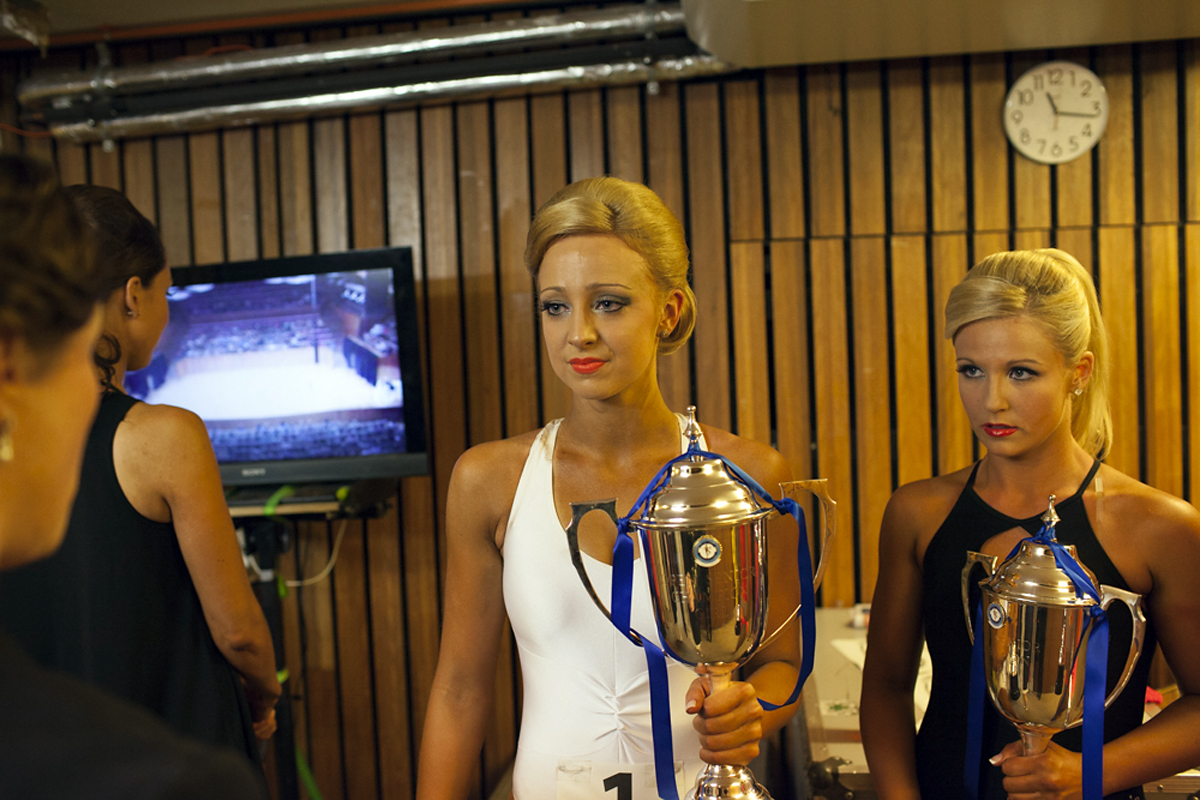
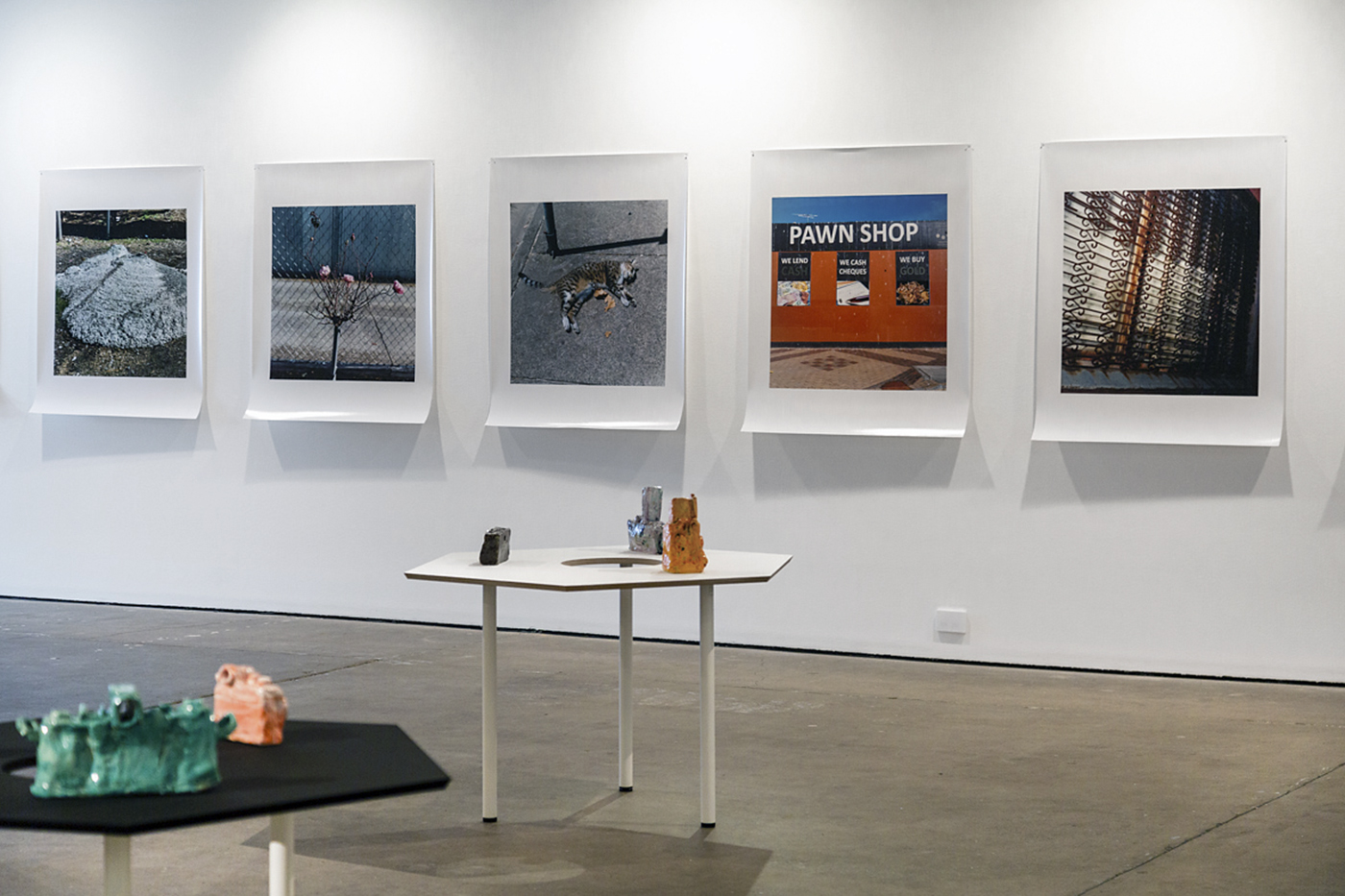
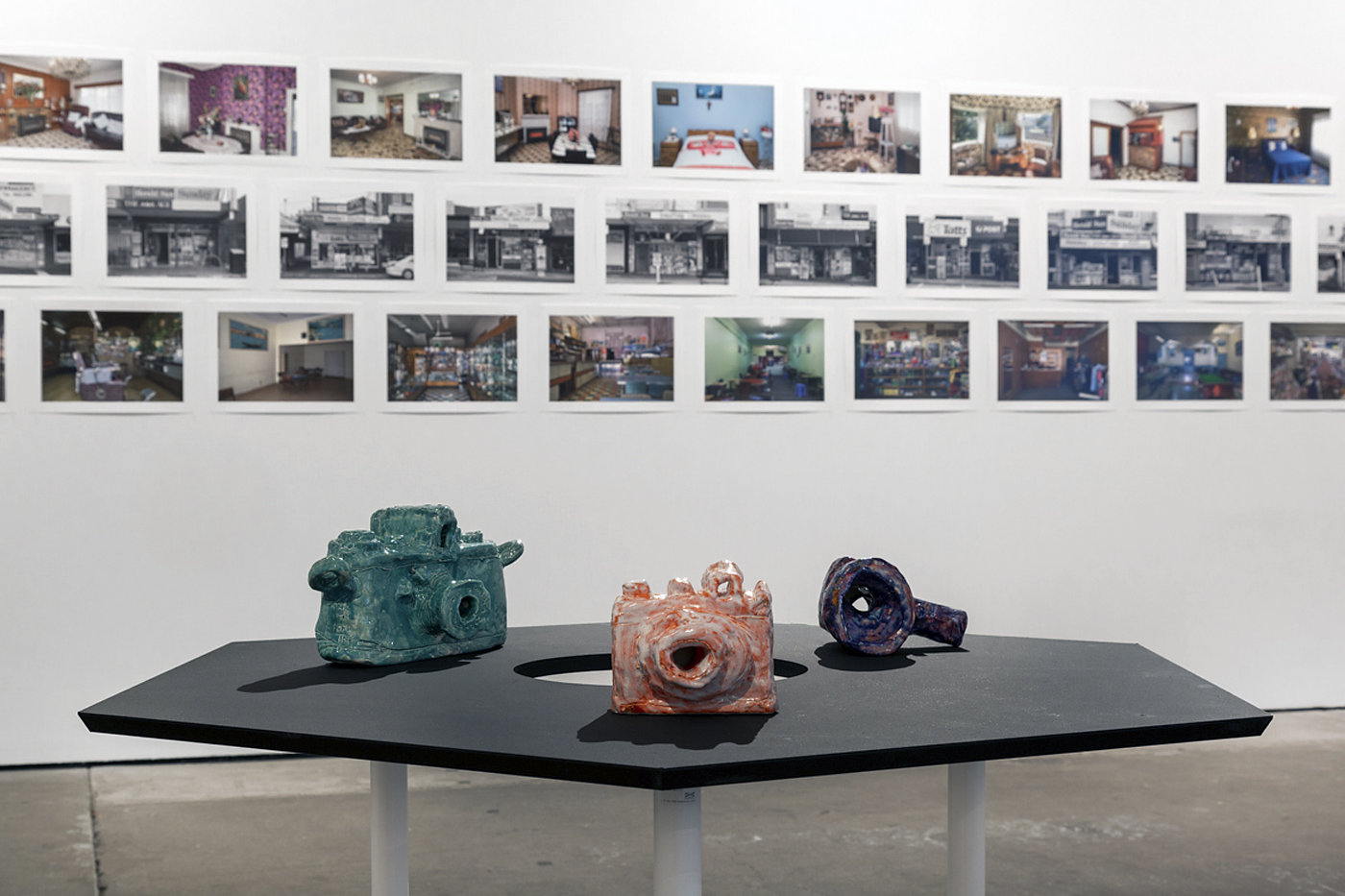
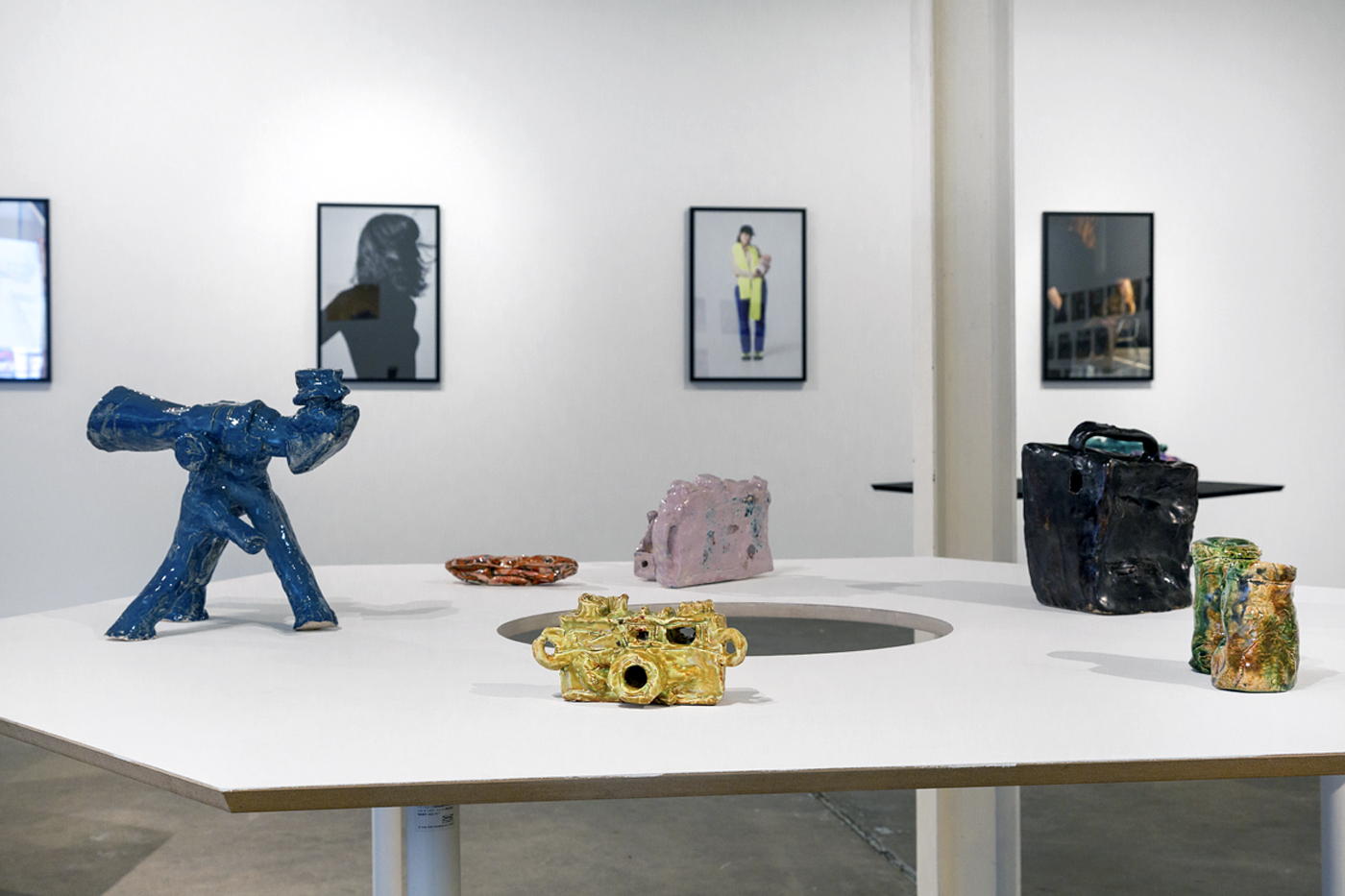
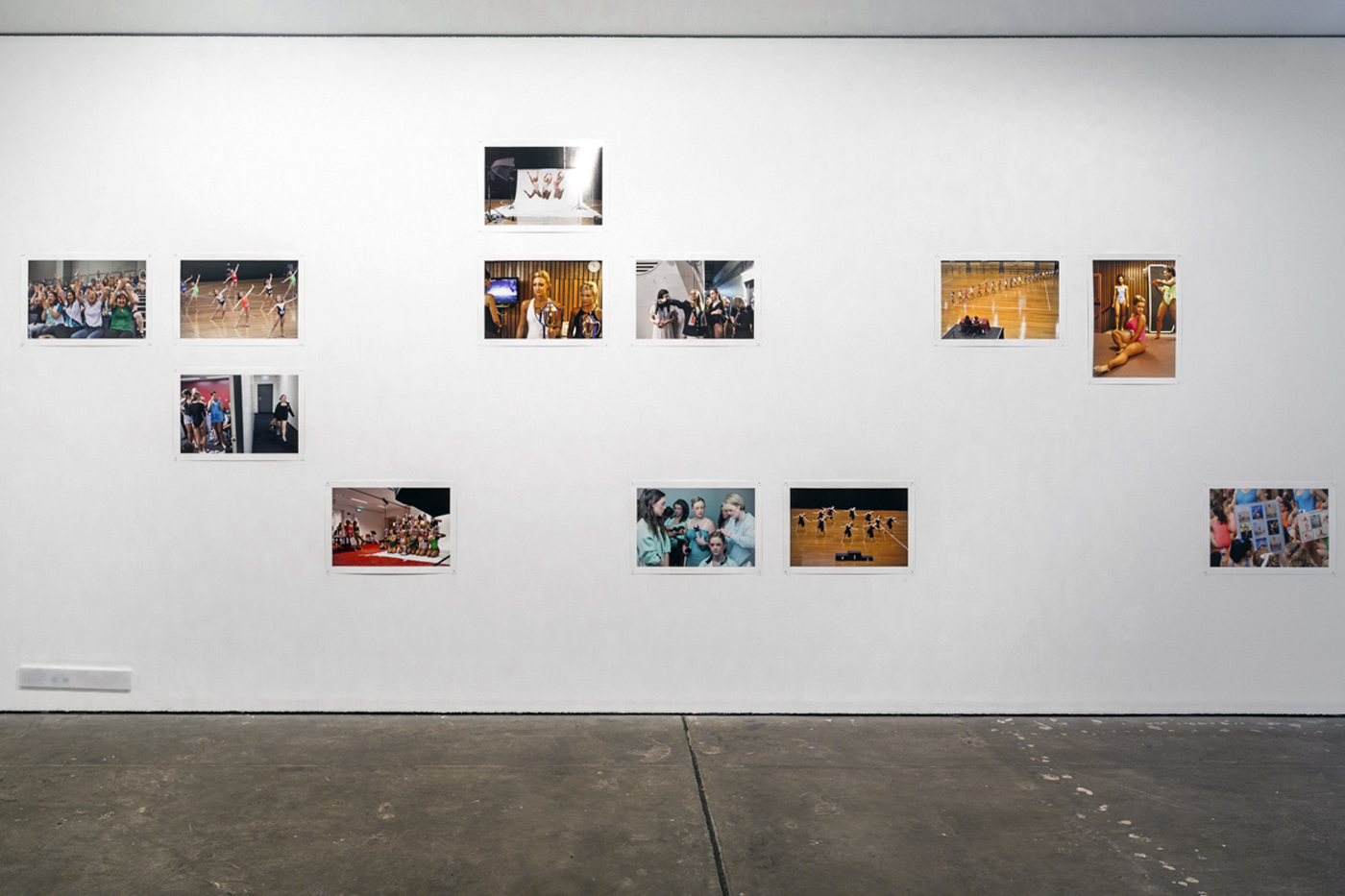
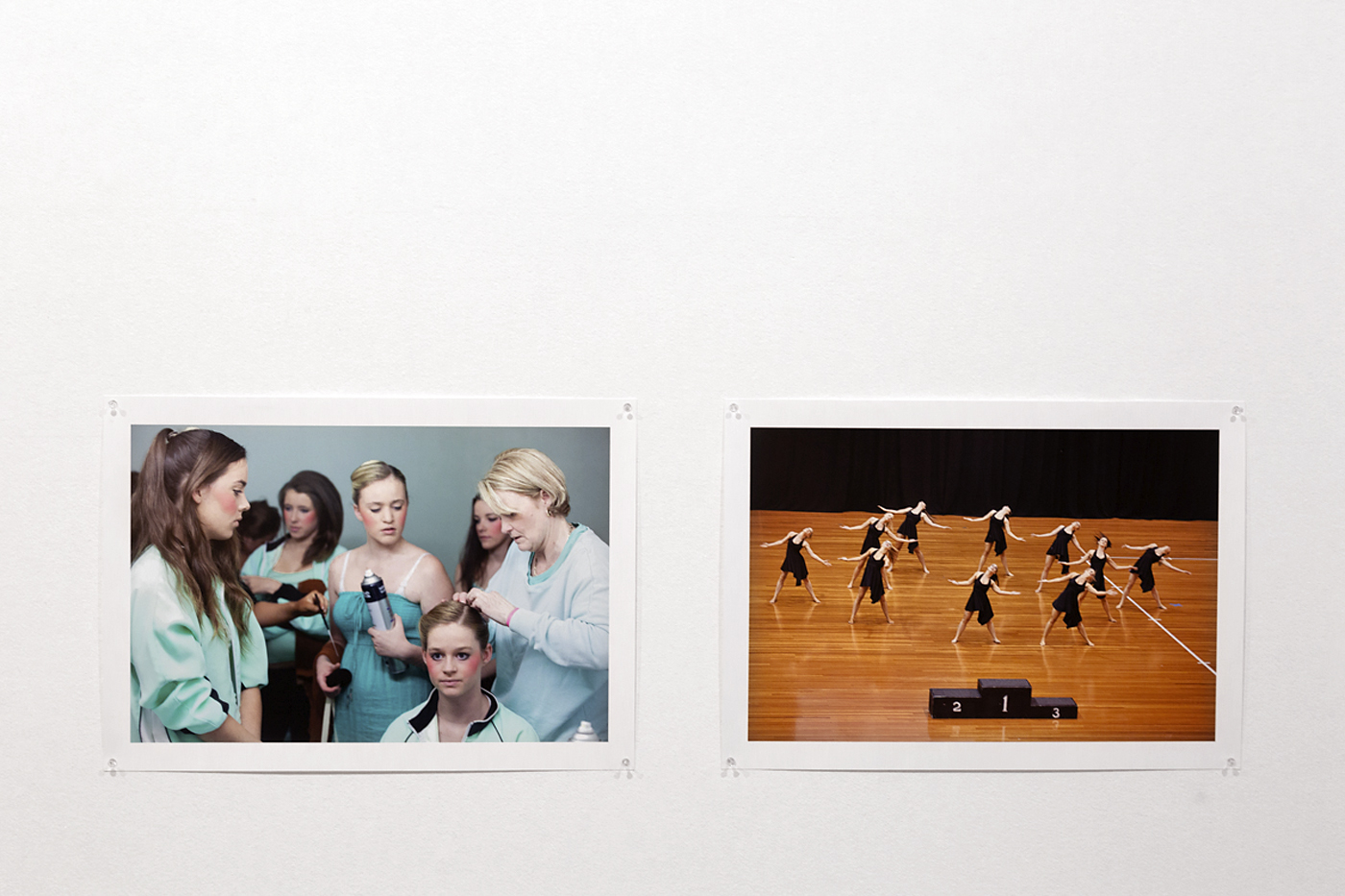
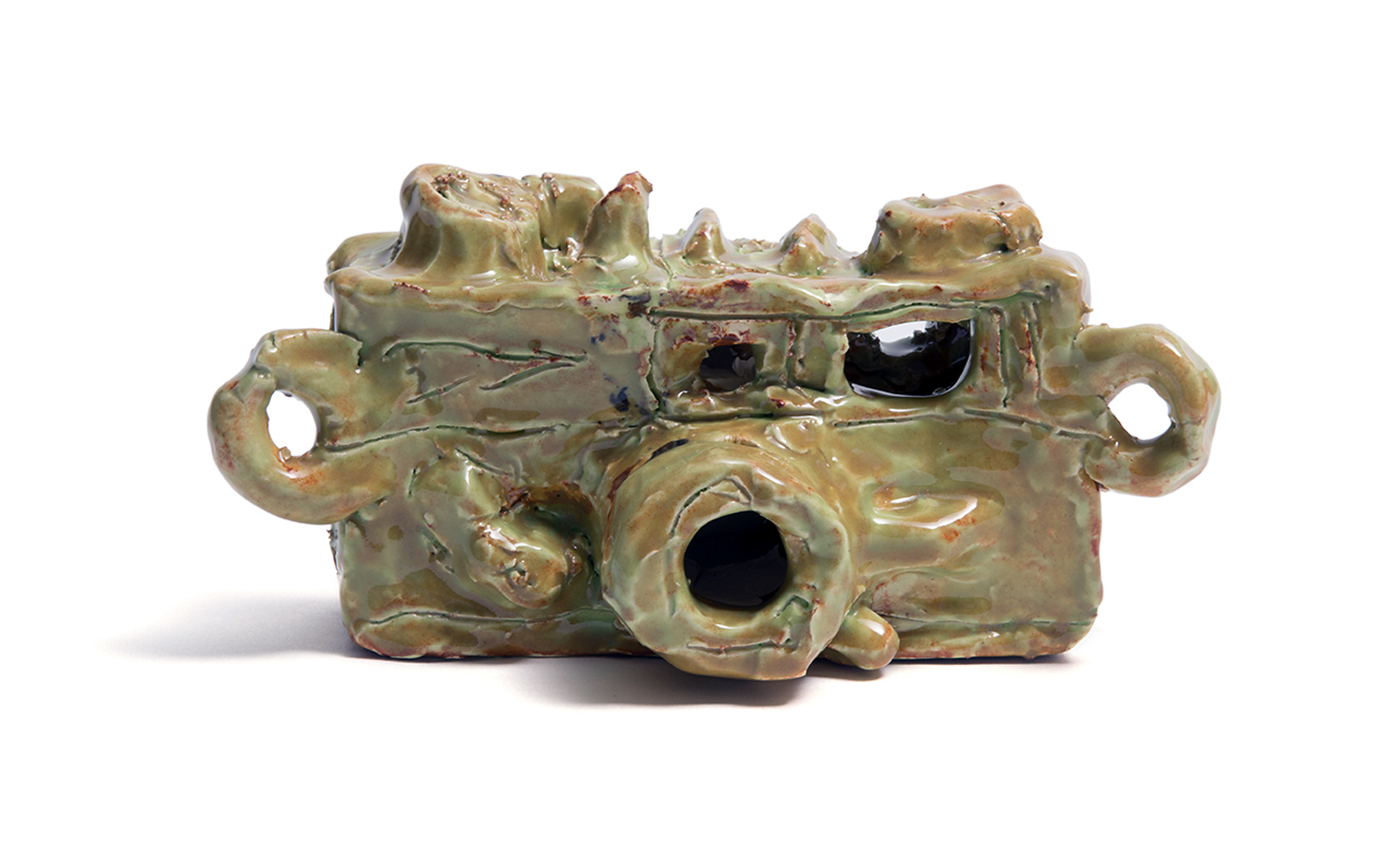
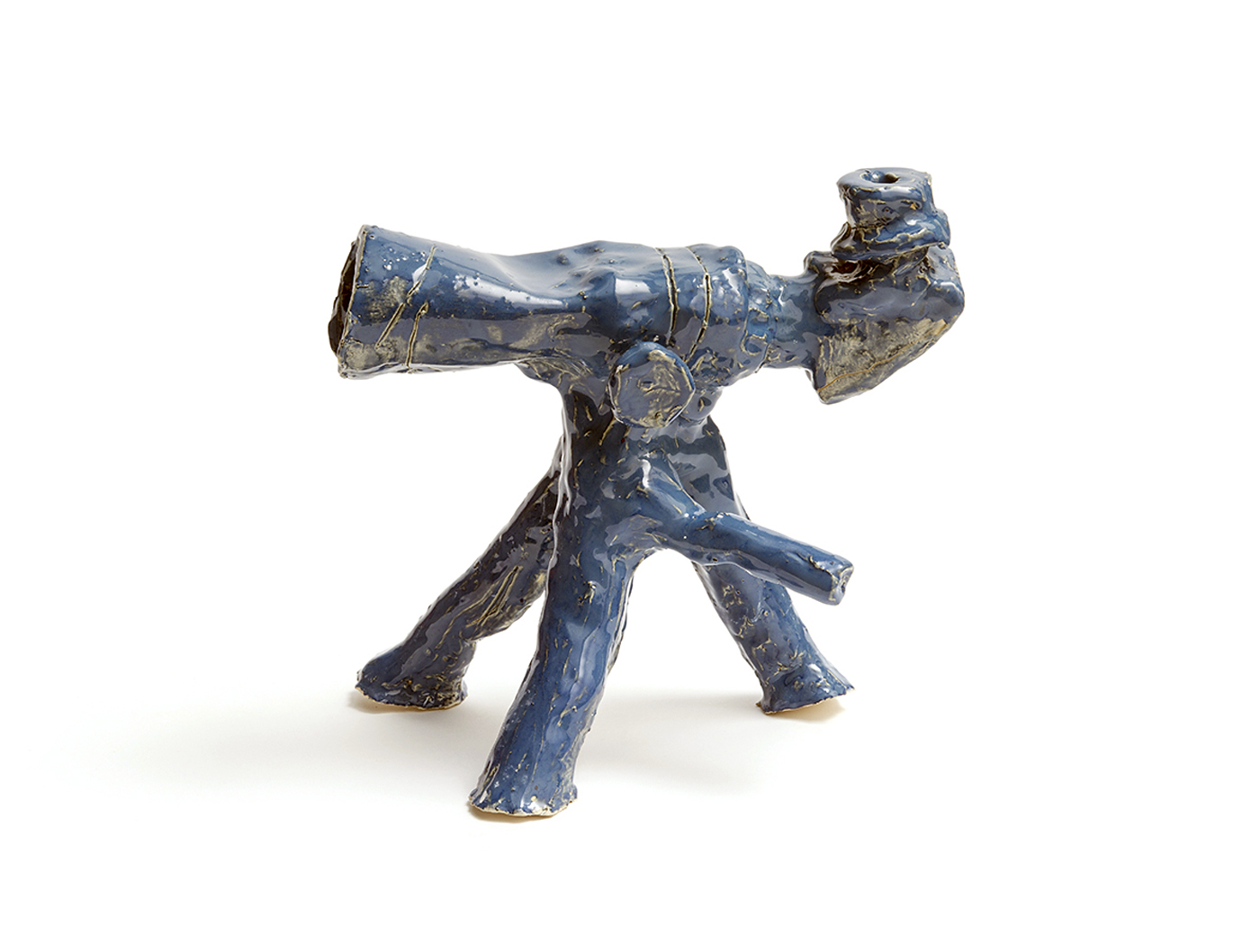
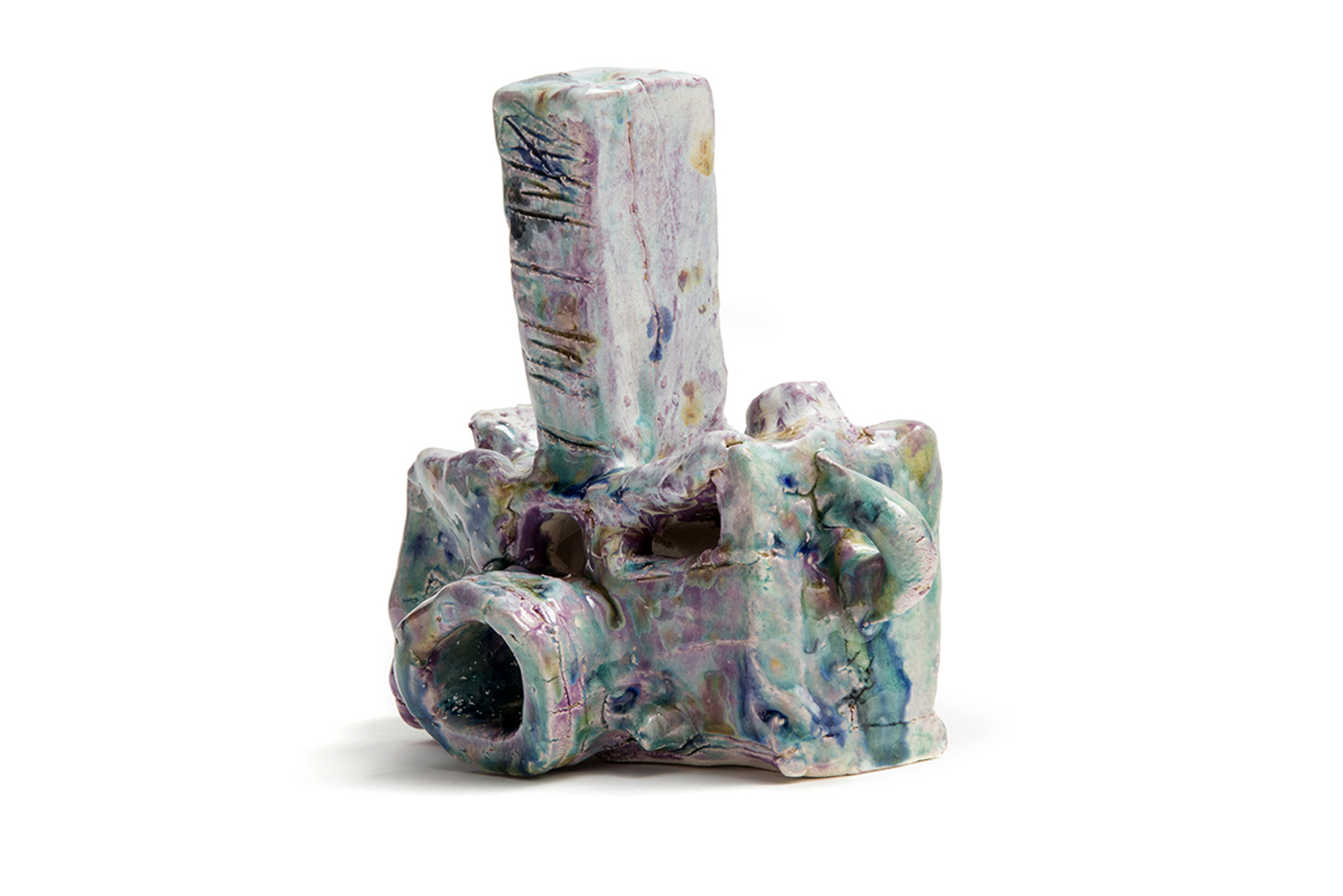


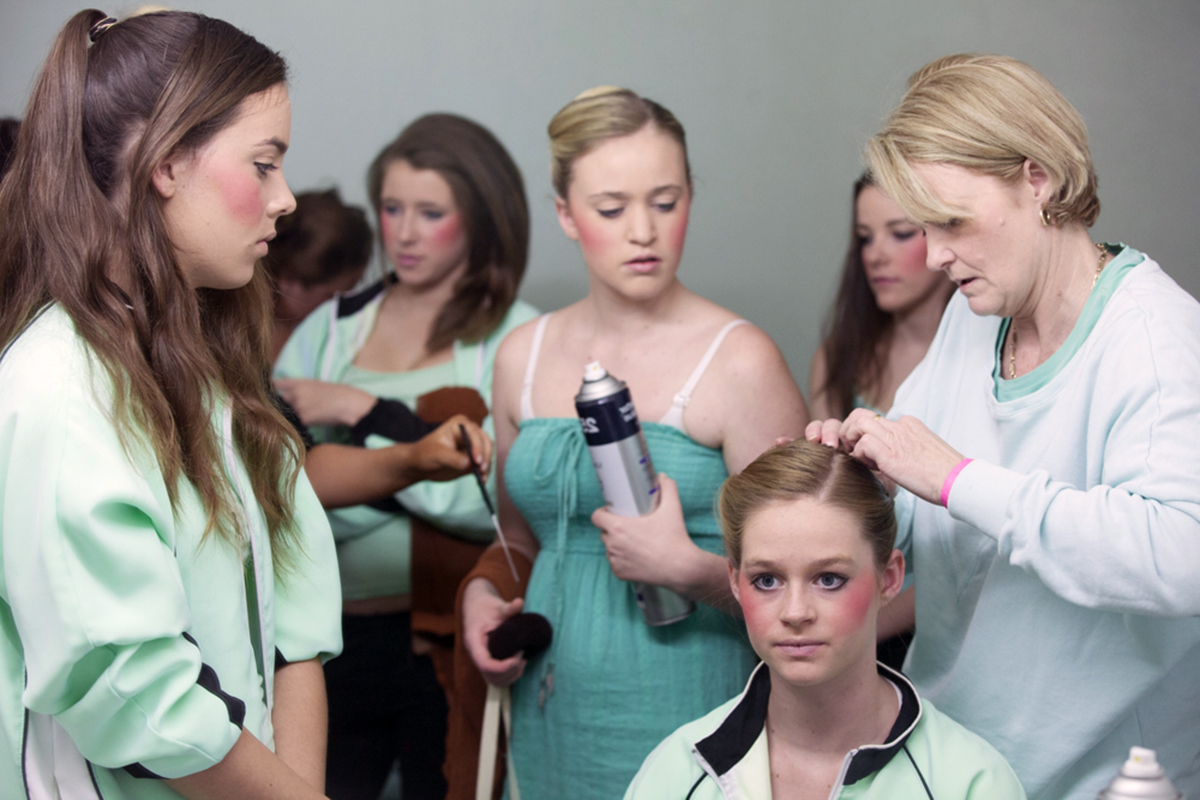


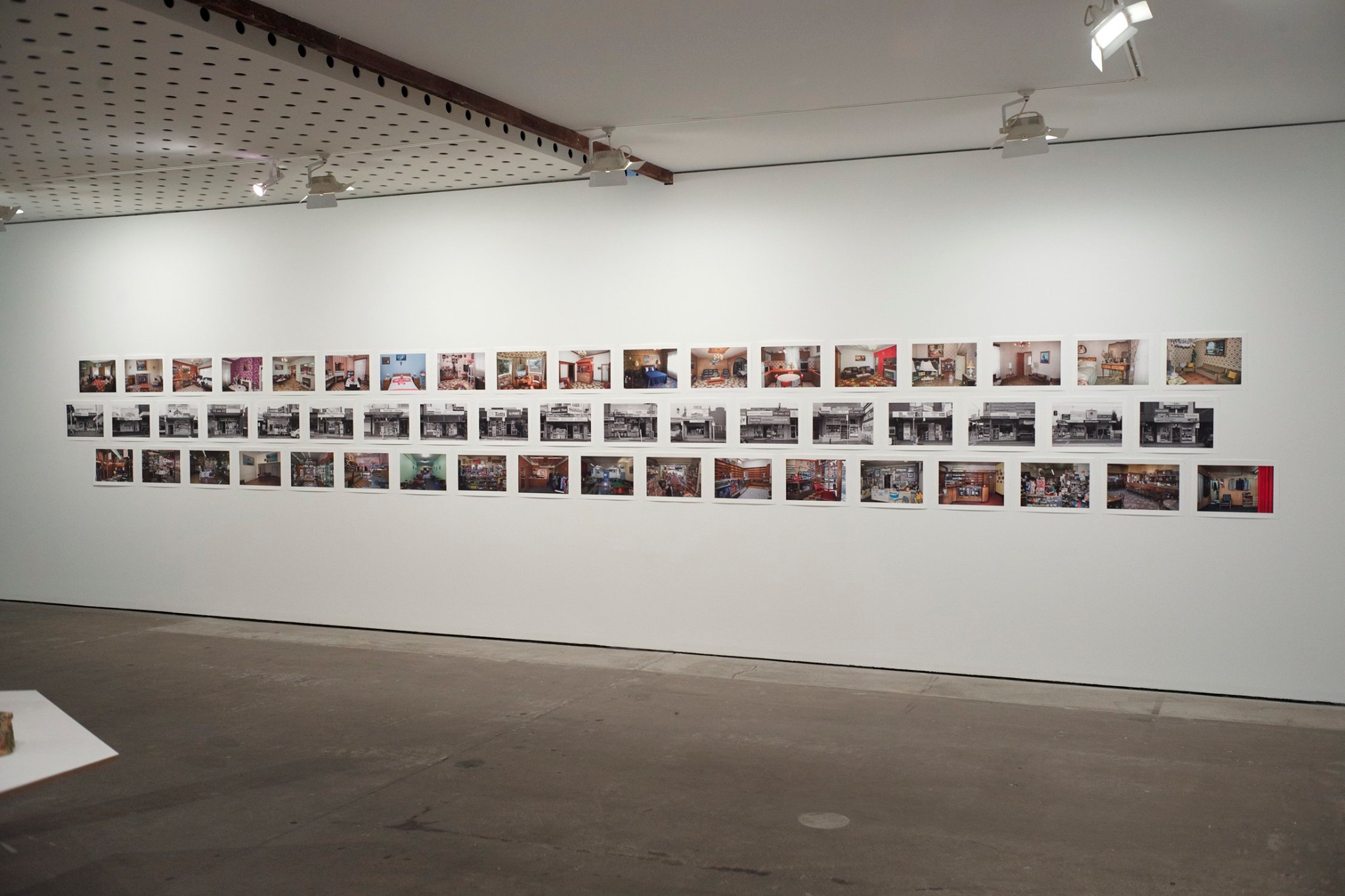

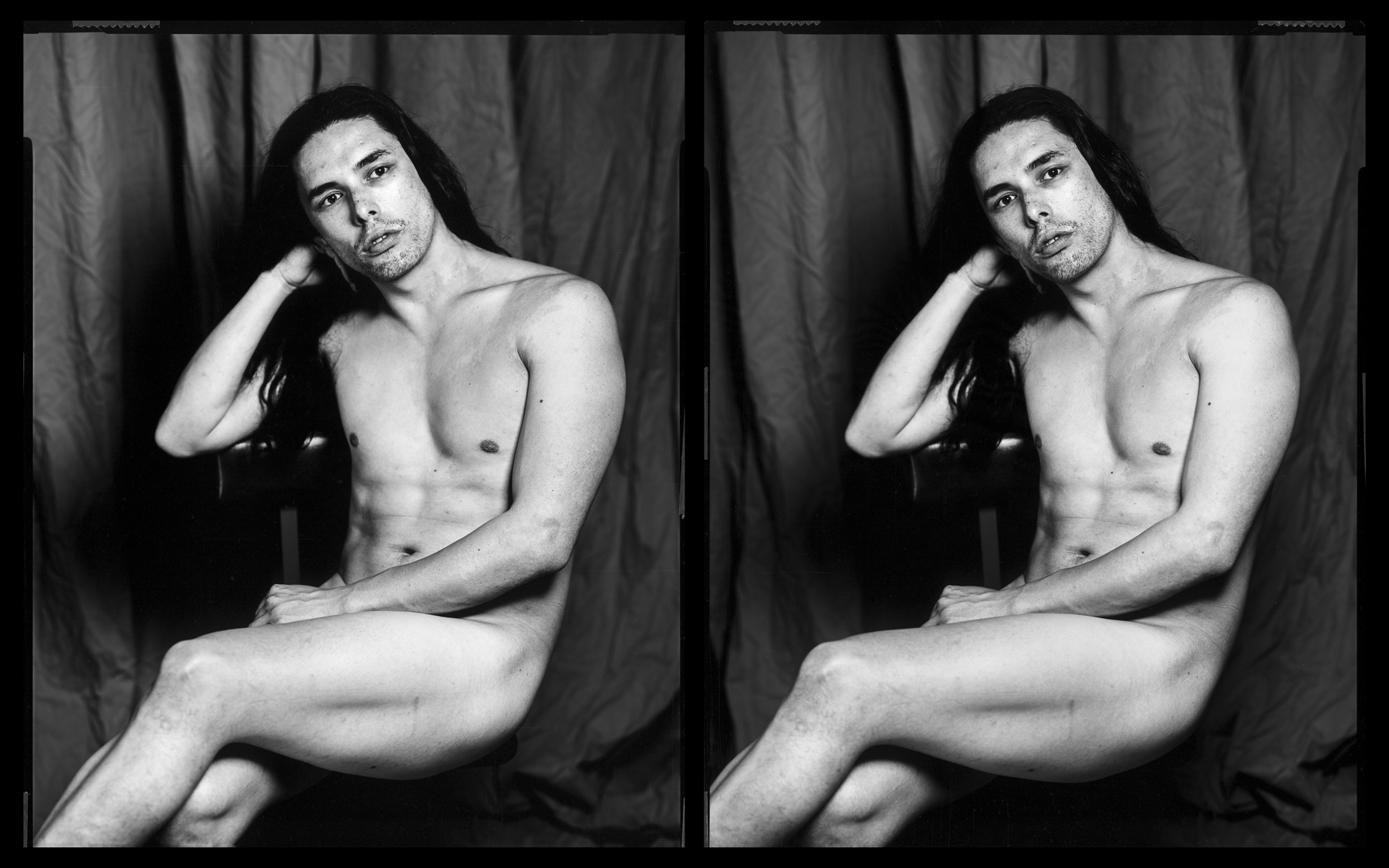


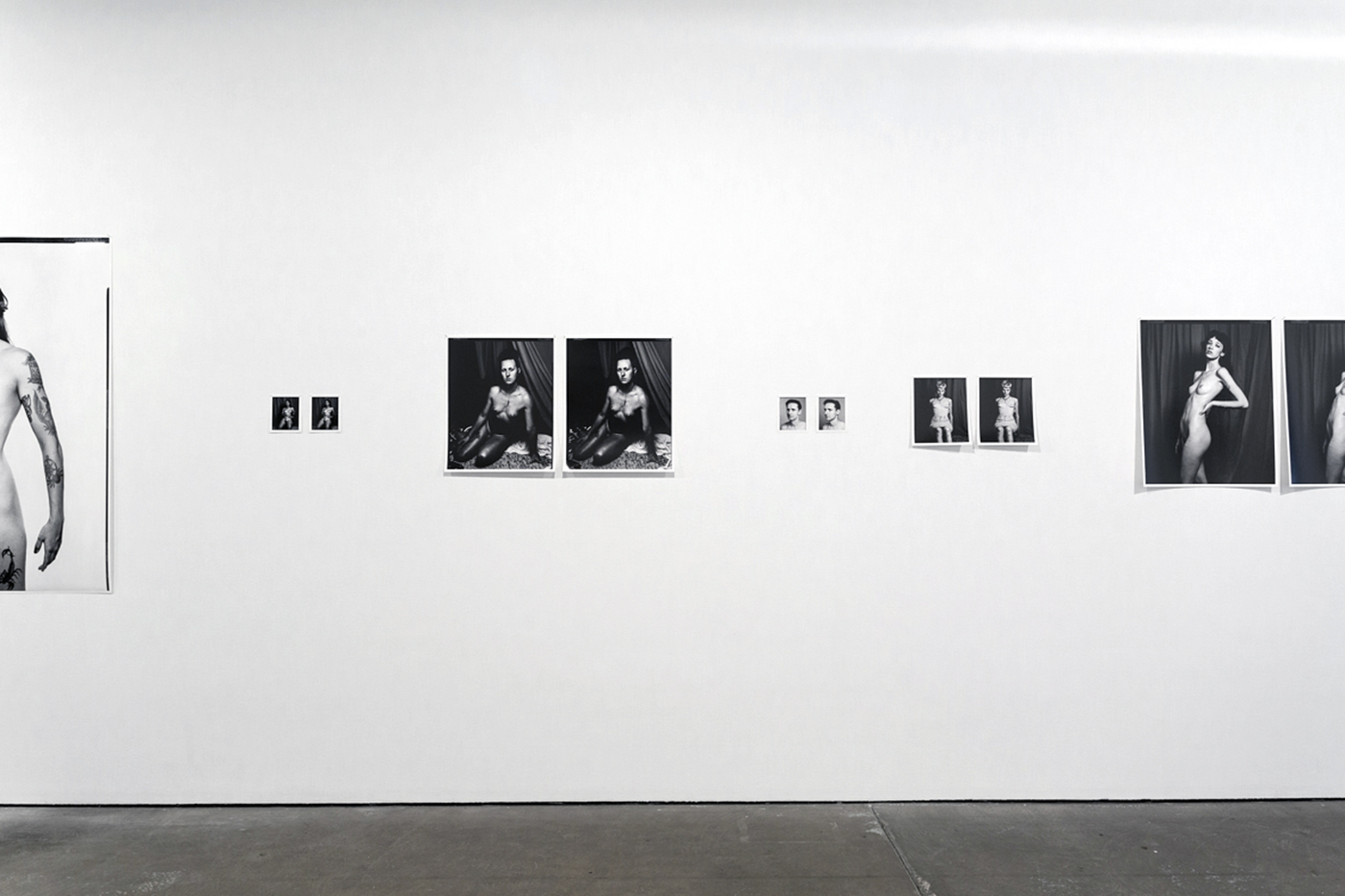


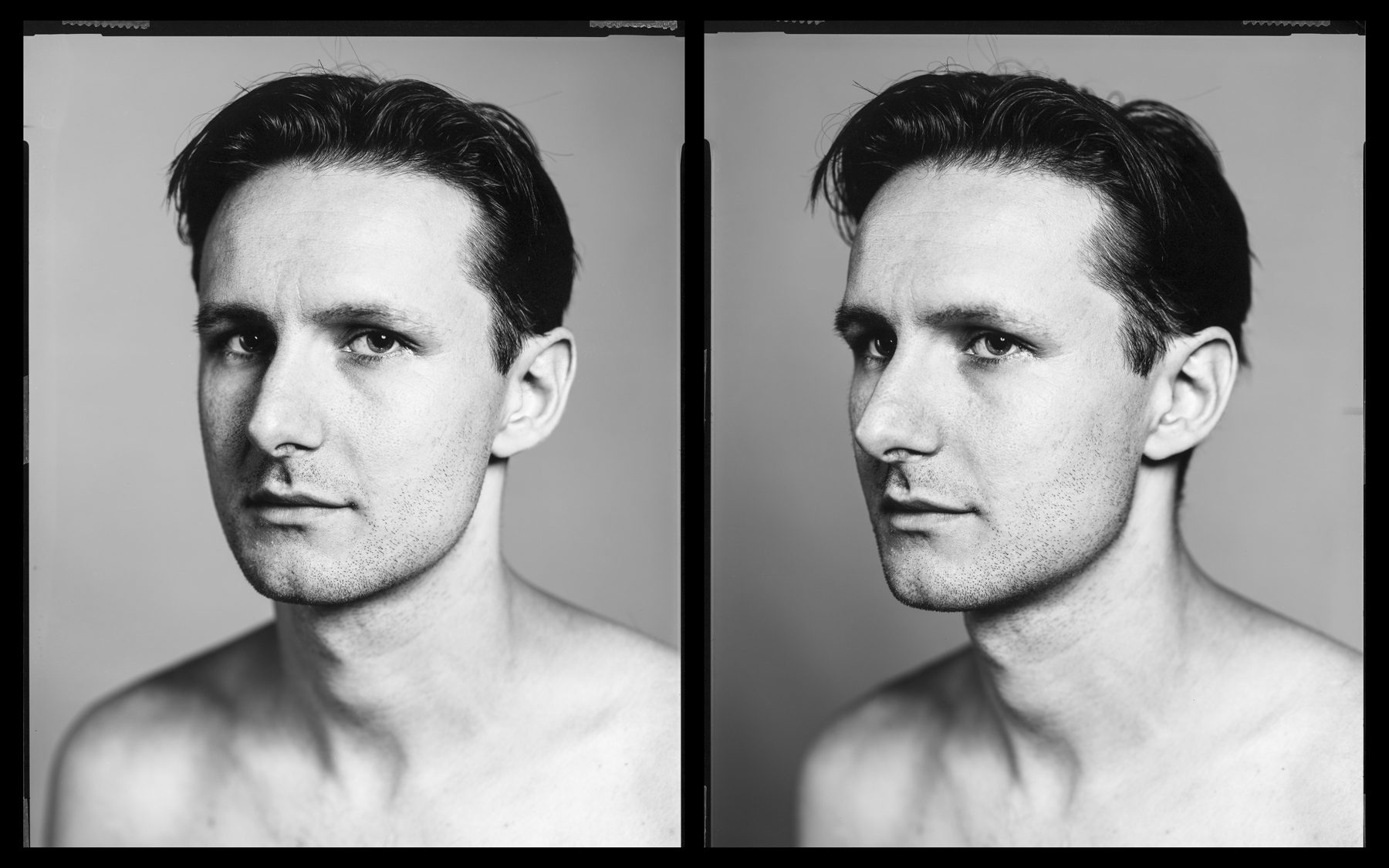

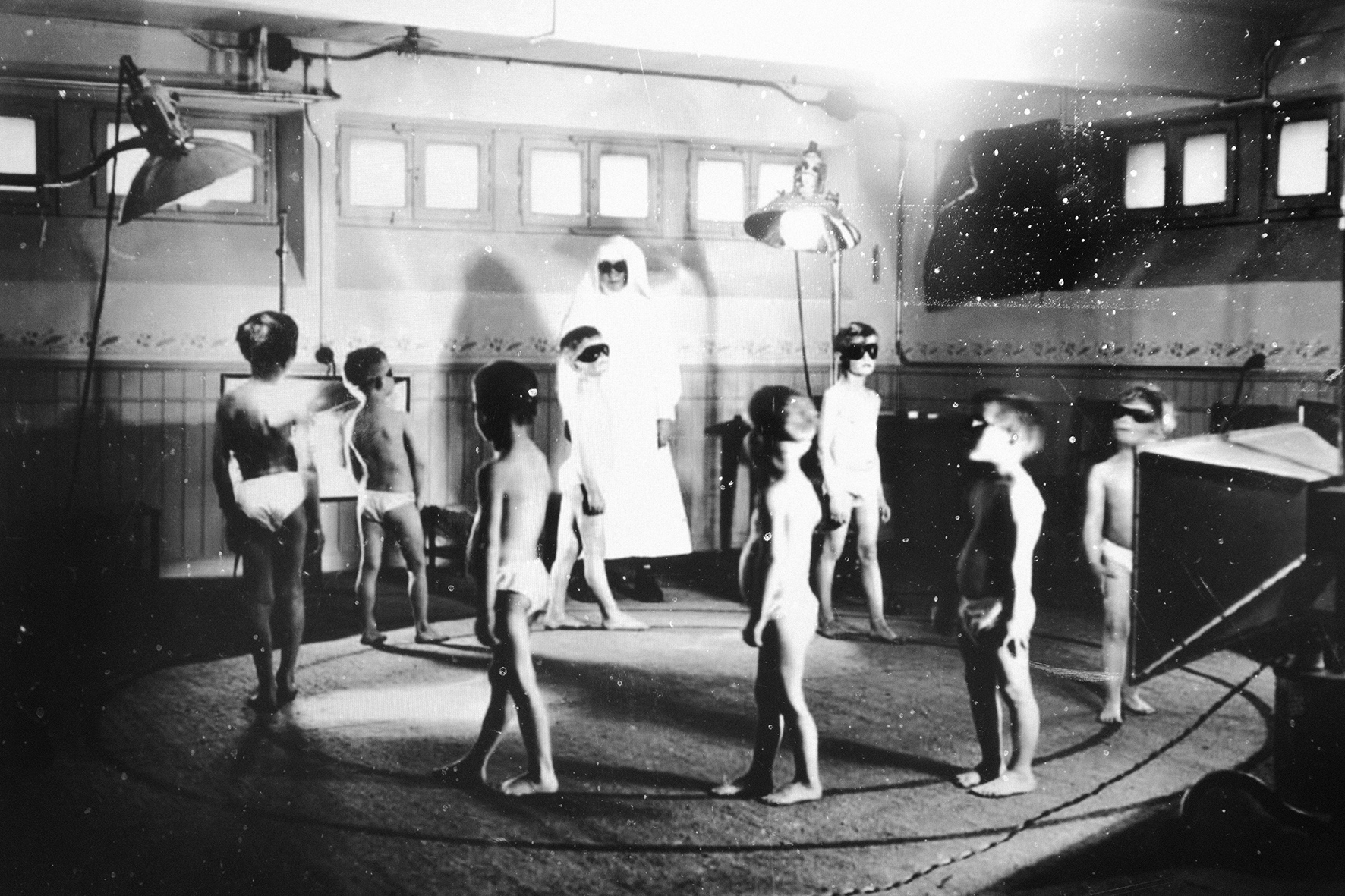
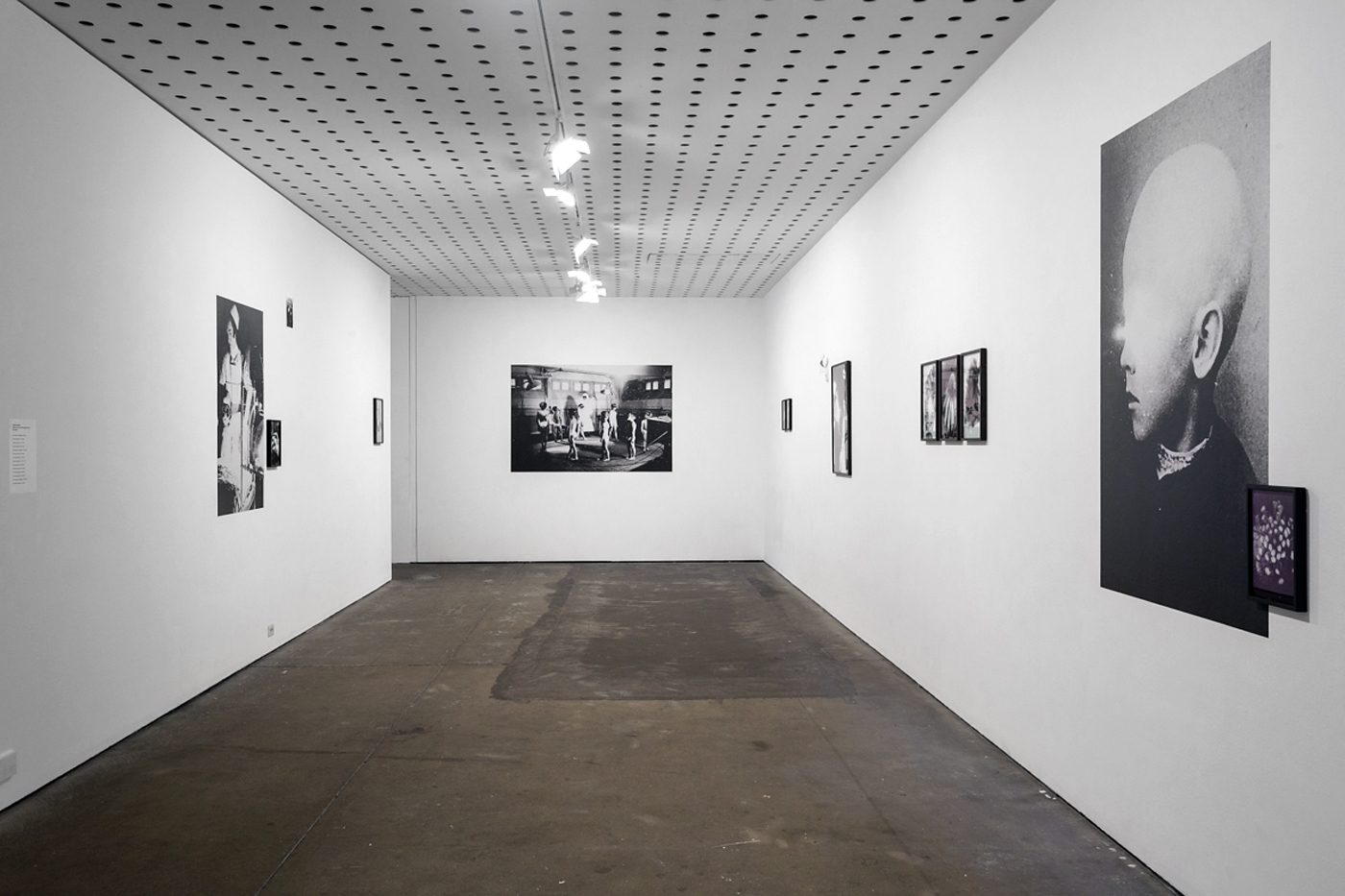




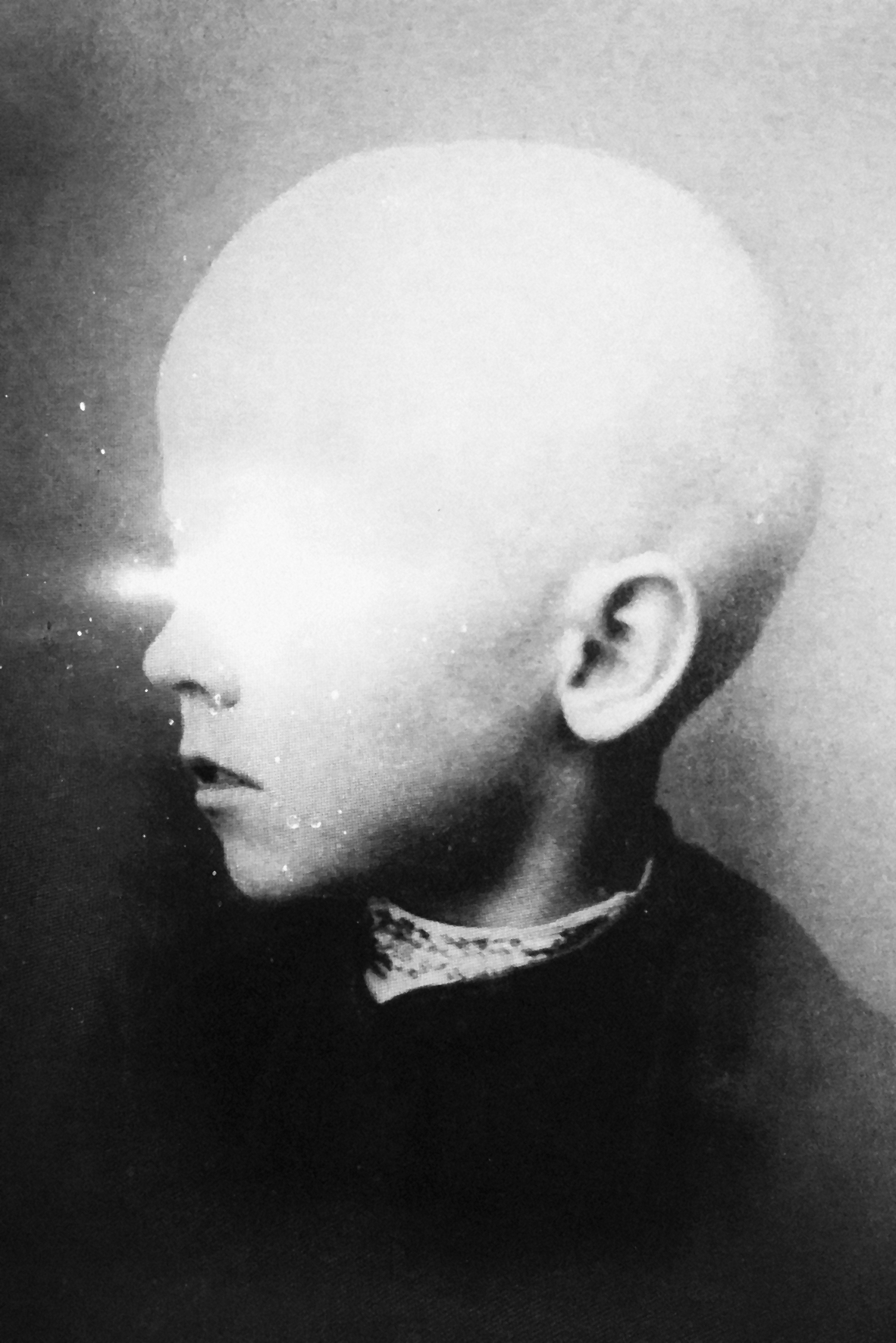
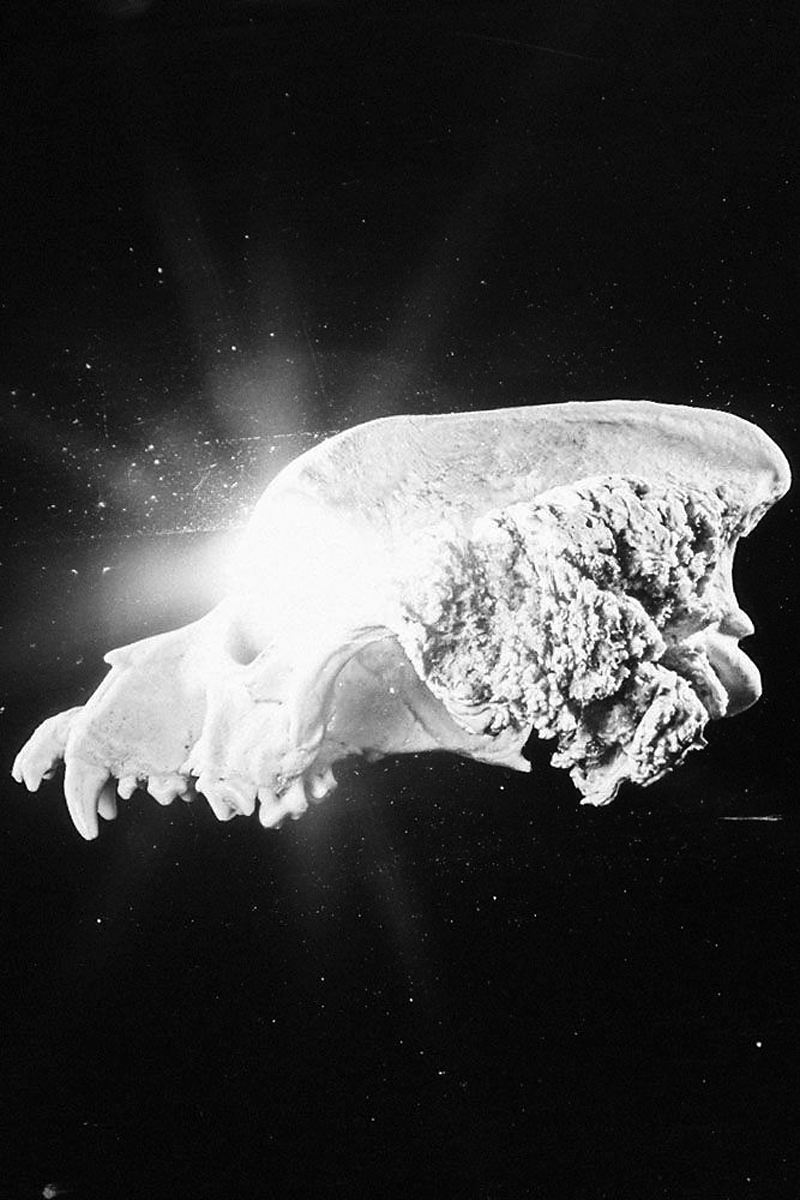
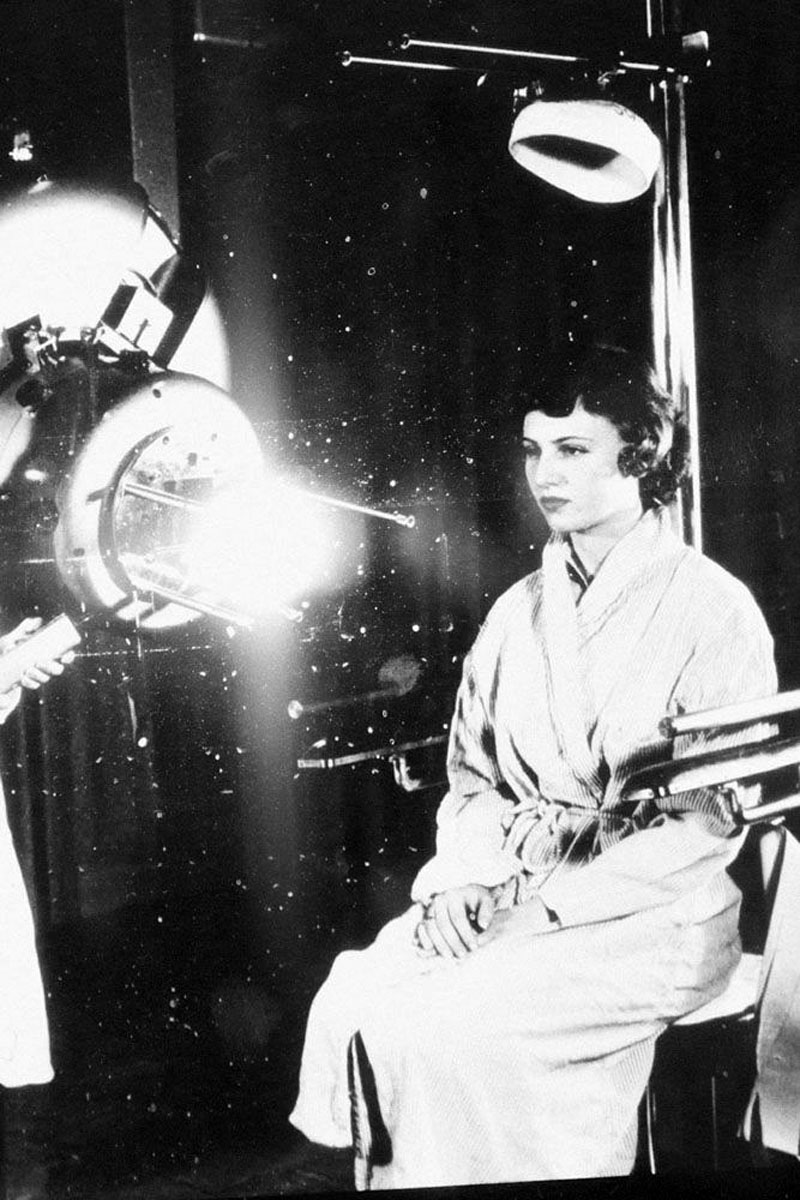
 Art Blart _ art and cultural memory archive
You must be logged in to post a comment.