Exhibition: ‘Shea Kirk: Vantages’ at the Centre for Contemporary Photography, Fitzroy, Melbourne

Exhibition dates: 15 June - 11 August, 2019


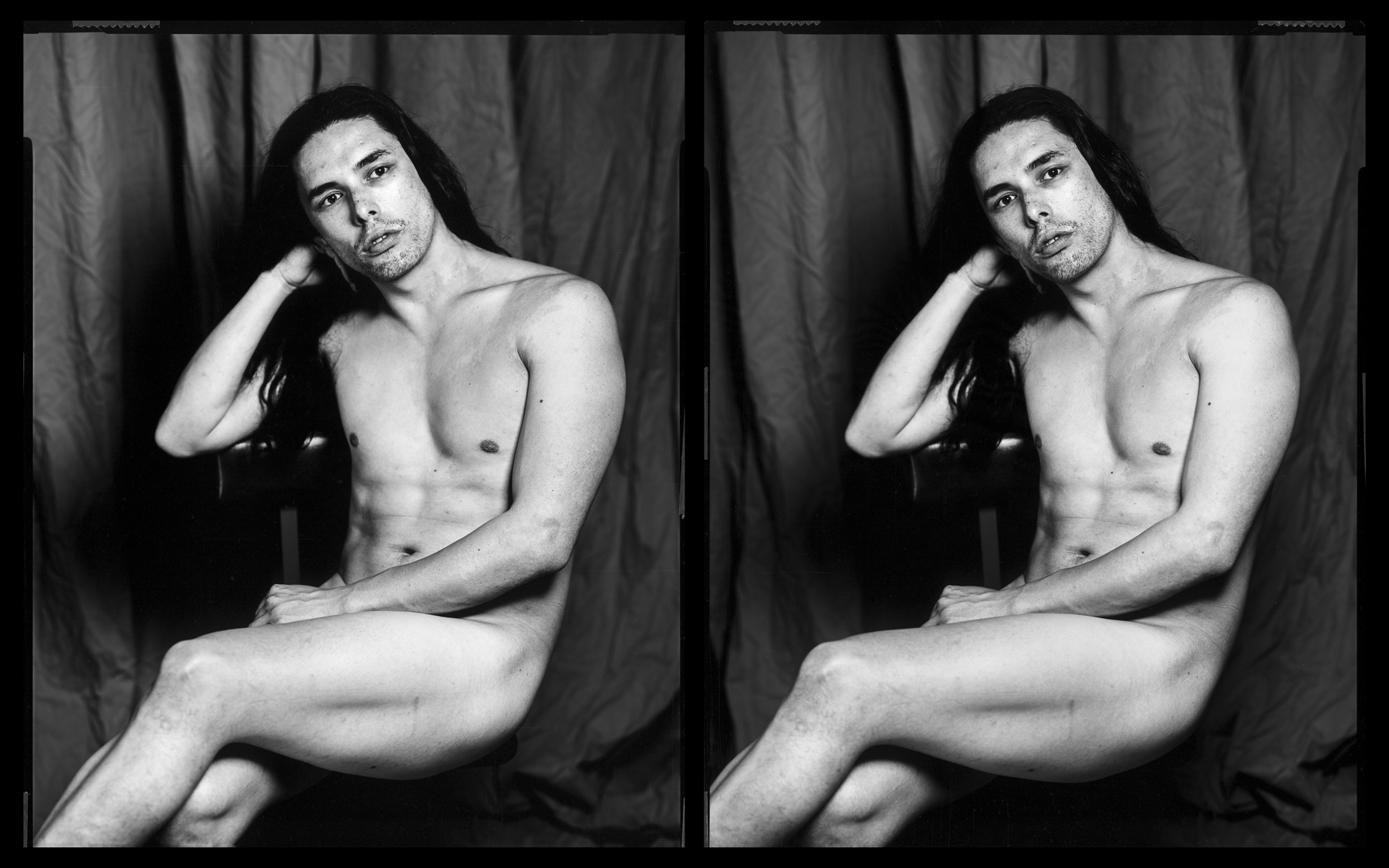
Shea Kirk (Australian, b. 1985) 'Dale Robertson (left and right view)' 2019 from the exhibition 'Shea Kirk: Vantages' at the Centre for Contemporary Photography, Fitzroy, Melbourne, June - August, 2019


Shea Kirk (Australian, b. 1985)
Dale Robertson (left and right view)
2019
From the series Vantages
Courtesy the artist


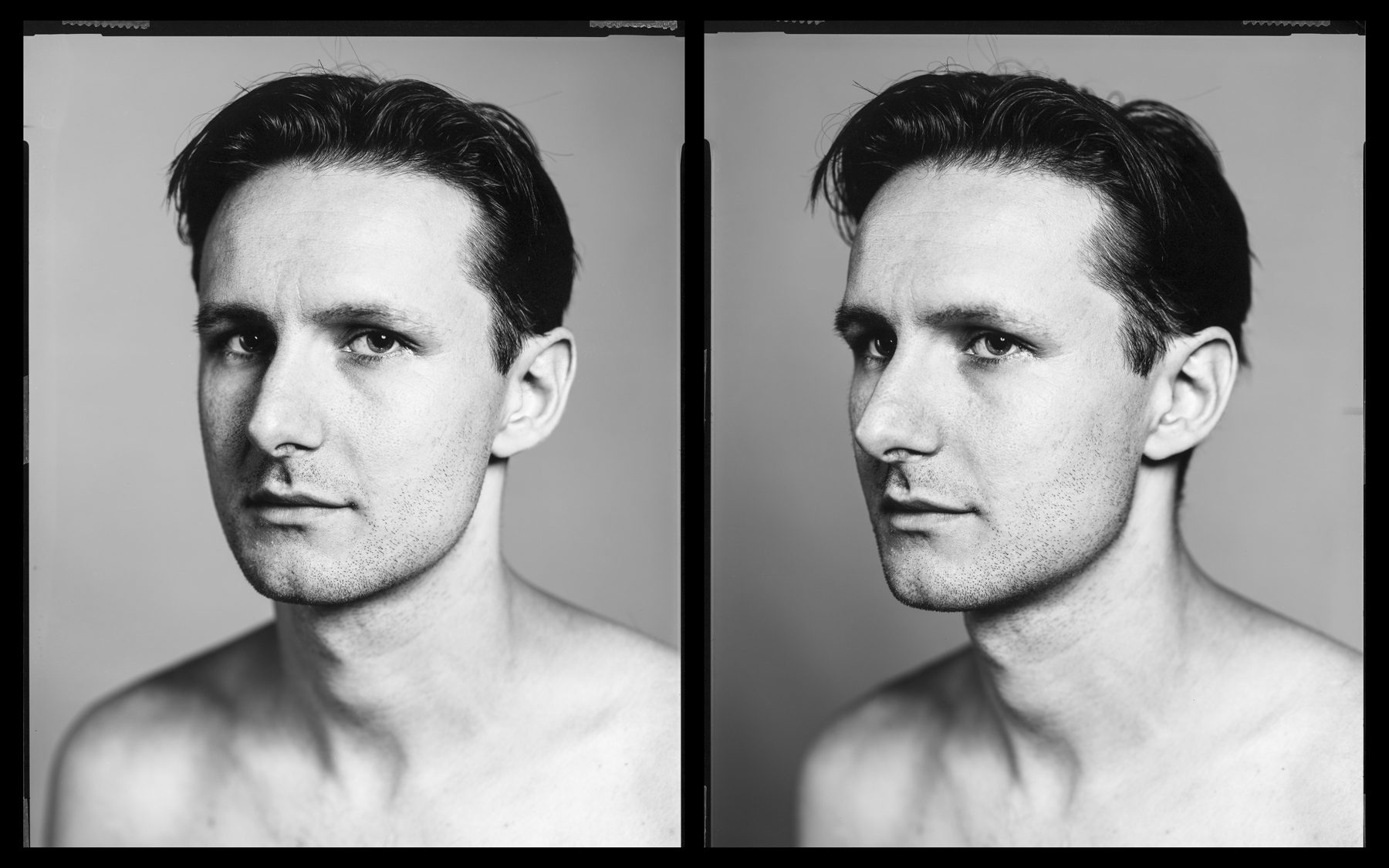
In Vantages, Kirk invites people to be photographed in the setting of his home studio, in front of simple, unadorned backdrops. Using dual large-format cameras, each portrait is exposed onto separate sheets of black-and-white film, capturing two images of the sitter from slightly different perspectives, emulating the viewpoints of each eye. In an explicitly contemporary take on traditional modes of portraiture, Kirk’s considered and methodical process facilitates an intimate exchange between photographer and subject, with the intention of creating a heightened sense of agency for each sitter. In this way, the series becomes an exercise for the sitter in representing themselves, defying the threat of reduction to a single vantage point.

Text from the National Gallery of Victoria website


Another impressive exhibition at the Centre for Contemporary Photography, this time by artist Shea Kirk in their first solo exhibition.

Photographed in a home-studio with plain backdrops (which remind me of photo-booth images and the white backgrounds of Richard Avedon) on dual large format cameras, I love the split screen vision of these stereoscopic portraits. The schism between left and right, as when you close and open your left and right eye to see something from a different point of view. I couldn’t get the stereoscopic viewer provided to work for me when looking through it… which is probably a good thing because I like the split between the images, those different vantage points, instead of the image being combined into a statuesque edifice.

(The definition of “vantage” is a point of view or position that is more superior or advantageous than another. Personally I don’t think any point of view, in terms of identity construction, should be superior to another.)

Where I think the exhibition is less successful is in the pose of some of the subjects. The press release states that the subjects “stare at us with a disarming self-awareness … presenting as though conscious of their own vulnerabilities – they are aware of what it means to represent themselves”, but all to often I get no sense of who these people really are, what their personality is, in their stillness and statuesqueness, in the time freeze snap of the camera shutter.

I am no great fan of dead pan photography, and here the subjects too often stare off into the distance, supposedly immersed in their own reverie, allowing the viewers eye to rove over their outer appearance, as though the edifice tells us all about who they are. This works well in the image of the nude women covered in tattoos, a magnificent image of strength and beauty but the technique falls flat in the image of Christiane D’Arc (2018, below) for example. I just don’t buy this vacant stare, or to put it another way, photography as mere representation.

The sitter might be aware of their own vulnerabilities and aware of what it means to represent themselves, but it’s not they who are engaged in deciphering the enigma. The best images give you more, for example the photographs of Dale Robertson (2019, above). Here, in the right hand side image, the subject stares straight at the camera engaging me directly, while the mystery of this human being is enhanced by the left hand portrait where he is staring away. What is he thinking, feeling? I get it, it works.

This is a fantastic exhibition for a first solo effort. What is going to be really interesting is to see how Kirk develops this work further. What direction will the work take, which pathways will the artist uncover on their journey of discovery. I would suggest reading the Robert Johnson books He, She and We if not already read. For any artist, these are exciting times!

Dr Marcus Bunyan


Many thankx to the Centre for Contemporary Photography for allowing me to publish the photographs in the posting. Please click on the photographs to view a larger version of the image.


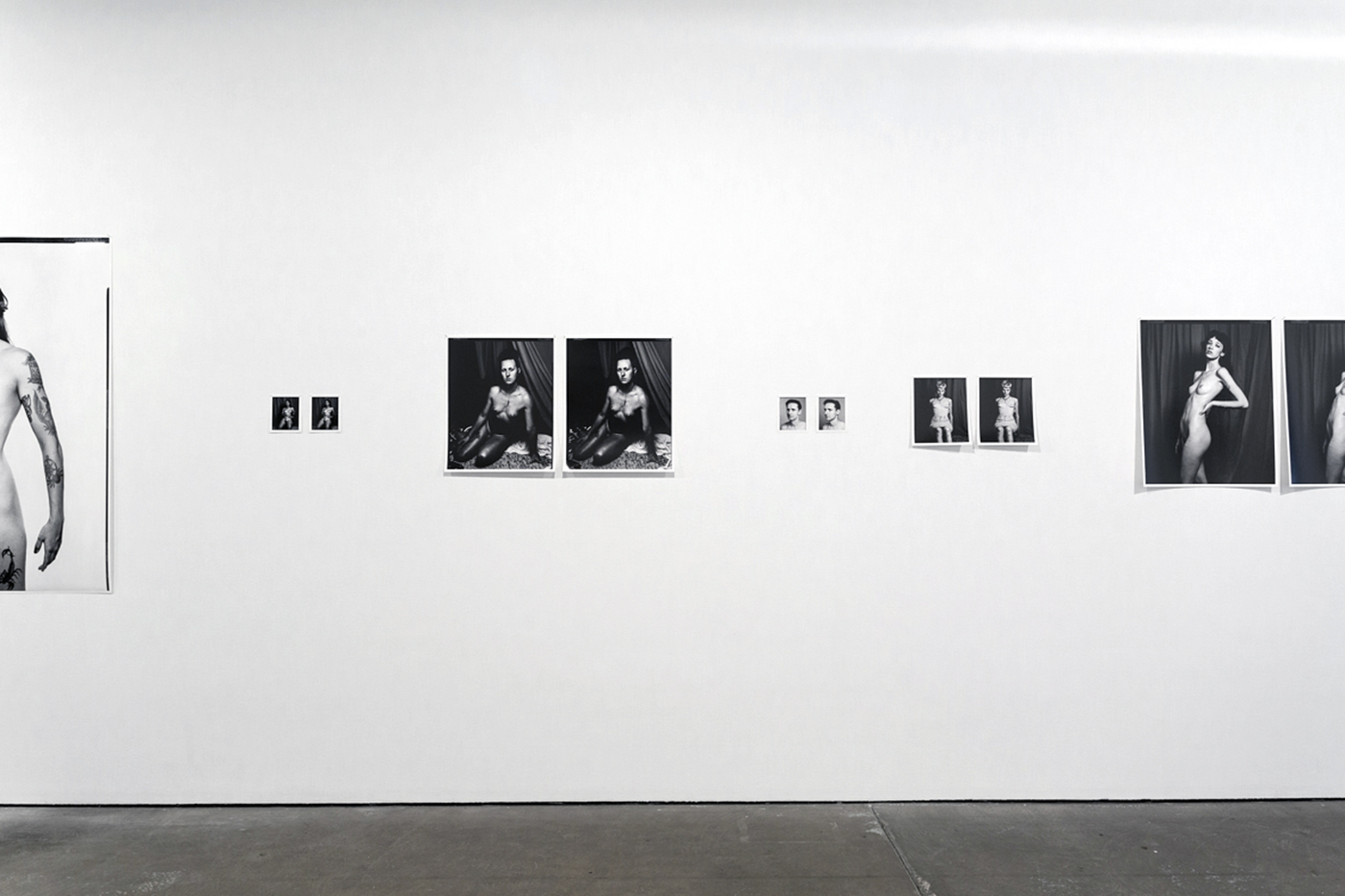
Installation view of the exhibition 'Shea Kirk: Vantages' at the Centre for Contemporary Photography, Melbourne

Installation view of the exhibition 'Shea Kirk: Vantages' at the Centre for Contemporary Photography, Melbourne

Installation view of the exhibition 'Shea Kirk: Vantages' at the Centre for Contemporary Photography, Melbourne

Installation view of the exhibition 'Shea Kirk: Vantages' at the Centre for Contemporary Photography, Melbourne

Installation view of the exhibition 'Shea Kirk: Vantages' at the Centre for Contemporary Photography, Melbourne


Installation views of the exhibition Shea Kirk: Vantages at the Centre for Contemporary Photography, Melbourne
Photographs: J. Forsyth


Vantages is an ongoing series of stereoscopic portraits by Melbourne-based artist Shea Kirk. Working with dual large-format cameras to simultaneously capture two images from different perspectives, Kirk invites subjects to be photographed in his humble home-studio. Each portrait is exposed onto black and white sheet film through a slow and methodical process, enabling an intimate exchange that highlights the agency between photographer and subject. When viewed through a stereoscope, these dual-portraits can be seen three-dimensionally, rendering the subject hauntingly statuesque.

Often in states of undress and portrayed standing or sitting in front of simple backdrops, the subjects in Vantages stare at us with a disarming self-awareness, perhaps only possible in the selfie-obsessed, smart-phone age. Subjects present as though conscious of their own vulnerabilities – they are aware of what it means to represent themselves – and through the very nature of this dual imaging process, they resist being reduced to a single vantage point.

Vantages references a rich history of photographic portraiture, with a freshness that is distinctly contemporary. Vantages considers the significance of portraiture now, through Kirk’s powerfully contemplative, and beautifully realised dual images.

Biography

Shea Kirk is a Melbourne-based visual artist working with traditional photographic methods and techniques. Shea Kirk has been a finalist in the Olive Cotton Award (2019); National Photographic Portrait Prize (2019) and the Head On Portrait Prize (2018), and has participated in a number of group exhibitions across Victoria.

Press release from the Centre for Contemporary Photography 21/09/2019


Shea Kirk (Australian, b. 1985) 'Mohini Hillyer (left and right view)' 2017 from the exhibition 'Shea Kirk: Vantages' at the Centre for Contemporary Photography, Fitzroy, Melbourne, June - August, 2019


Shea Kirk (Australian, b. 1985)
Mohini Hillyer (left and right view)
2017
From the series Vantages
Courtesy the artist


Shea Kirk (Australian, b. 1985) 'Christiane D'Arc (left and right view)' 2018


Shea Kirk (Australian, b. 1985)
Christiane D’Arc (left and right view)
2018
From the series Vantages
Courtesy the artist


Shea Kirk (Australian, b. 1985) 'Jacob Coppedge (left and right view)' 2019


Shea Kirk (Australian, b. 1985)
Jacob Coppedge (left and right view)
2019
From the series Vantages
Courtesy the artist


Shea Kirk (Australian, b. 1985) 'Paul Stillen (left and right view)' 2019


Shea Kirk (Australian, b. 1985)
Paul Stillen (left and right view)
2019
From the series Vantages
Courtesy the artist


Shea Kirk (Australian, b. 1985) 'Joao Quintao Marcolla (left and right view)' 2019


Shea Kirk (Australian, b. 1985)
Joao Quintao Marcolla (left and right view)
2019
From the series Vantages
Courtesy the artist


Centre for Contemporary Photography

No permanent exhibition space at the moment

Centre for Contemporary Photography website

LIKE ART BLART ON FACEBOOK

Back to top

Exhibition: ‘Sophie Gabrielle: Worry For The Fruit The Birds Won’t Eat’ at the Centre for Contemporary Photography, Fitzroy, Melbourne

Exhibition dates: 15th June – 11th August, 2019


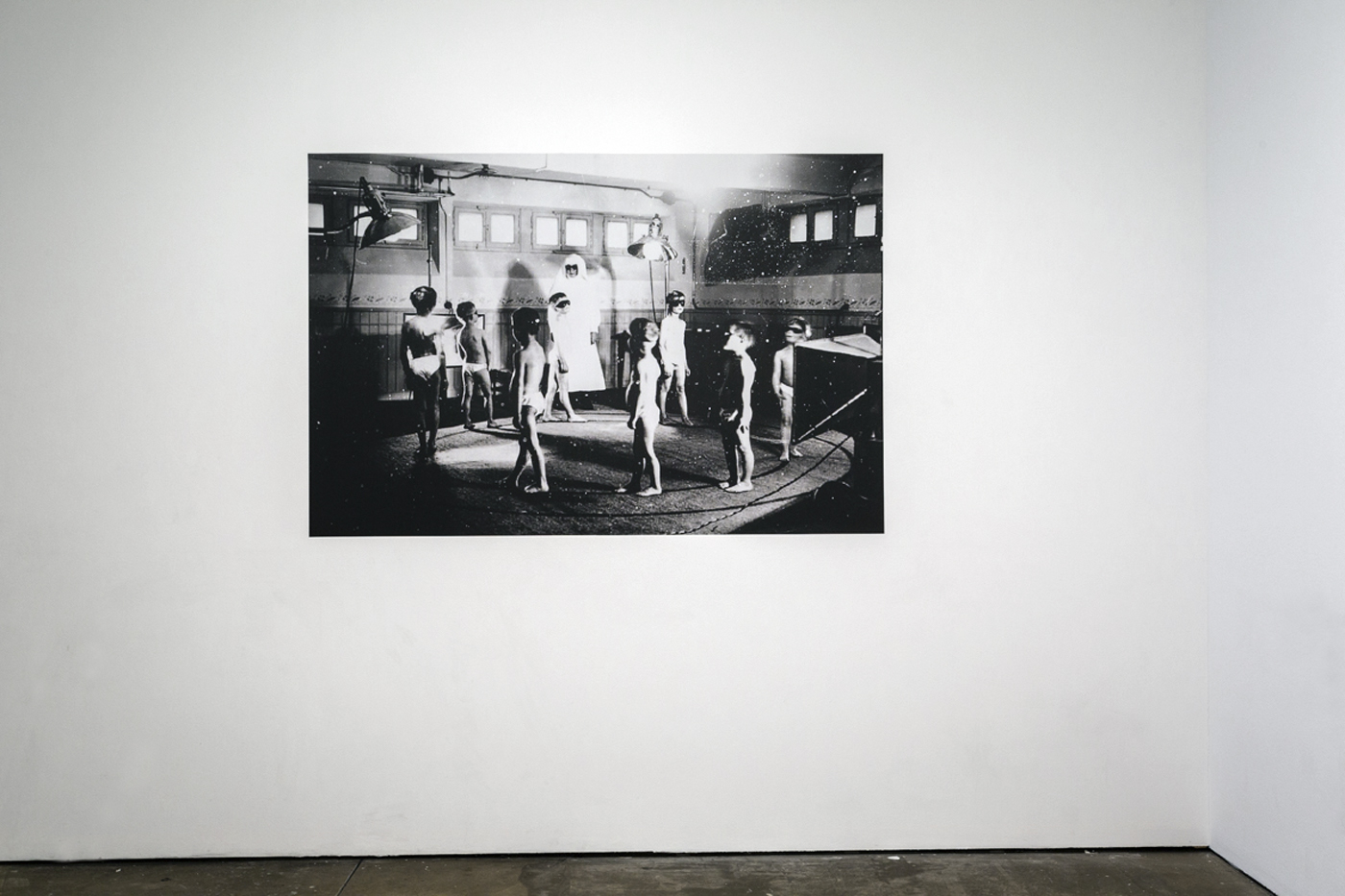
Sophie Gabrielle (Australian) 'Worry For The Fruit The Birds Won't Eat #5' 2017-2019 from the exhibition 'Sophie Gabrielle: Worry For The Fruit The Birds Won't Eat' at the Centre for Contemporary Photography, Fitzroy, Melbourne, June - August, 2019


Sophie Gabrielle (Australian)
Worry For The Fruit The Birds Won’t Eat #5
2017-2019


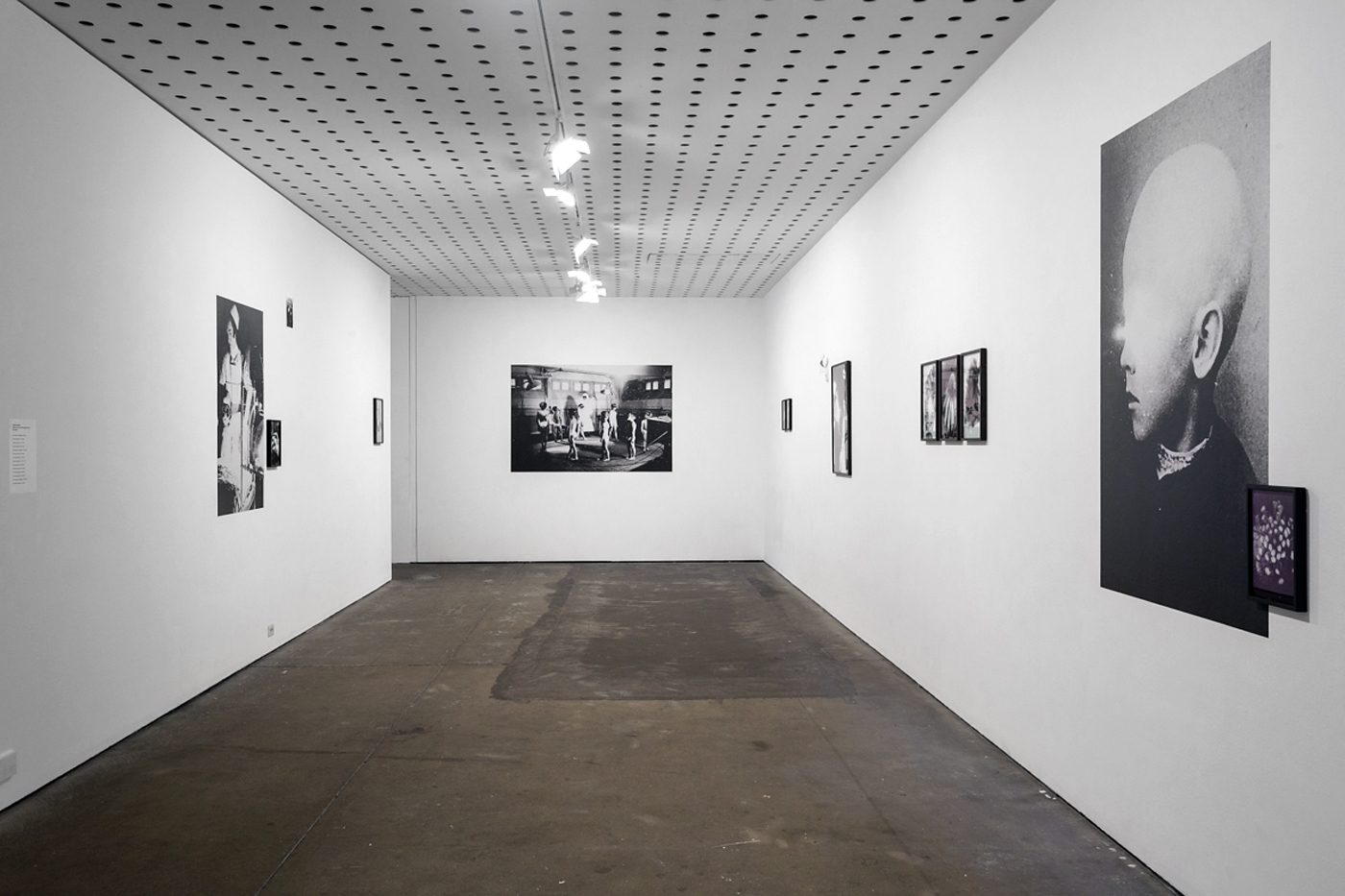
This is the first posting on three strong exhibitions at the Centre for Contemporary Photography, Melbourne… and my pick of the bunch.

I admire an artist who can tell a moving personal story using historic images. An artist who has the imagination, does the research, and works on the process to fulfil the conceptualisation of an idea… to tell that personal story in strong, emotive images that really engage the viewer. Sophie Gabrielle is one such artist.

Gabrielle moves these historic images into the present, and into contemporary relevance, through clear insight into the condition of their becoming. What I mean by that is, she knows her subject matter and she knows where she wants to go with the work. So much contemporary photography is so full of concept that the images are crap. They have no feeling, they have no emotion. Will they engage me a week down the track, or a month, or a year? Will they speak to me, will they reveal themselves to me over and over again? Probably not.

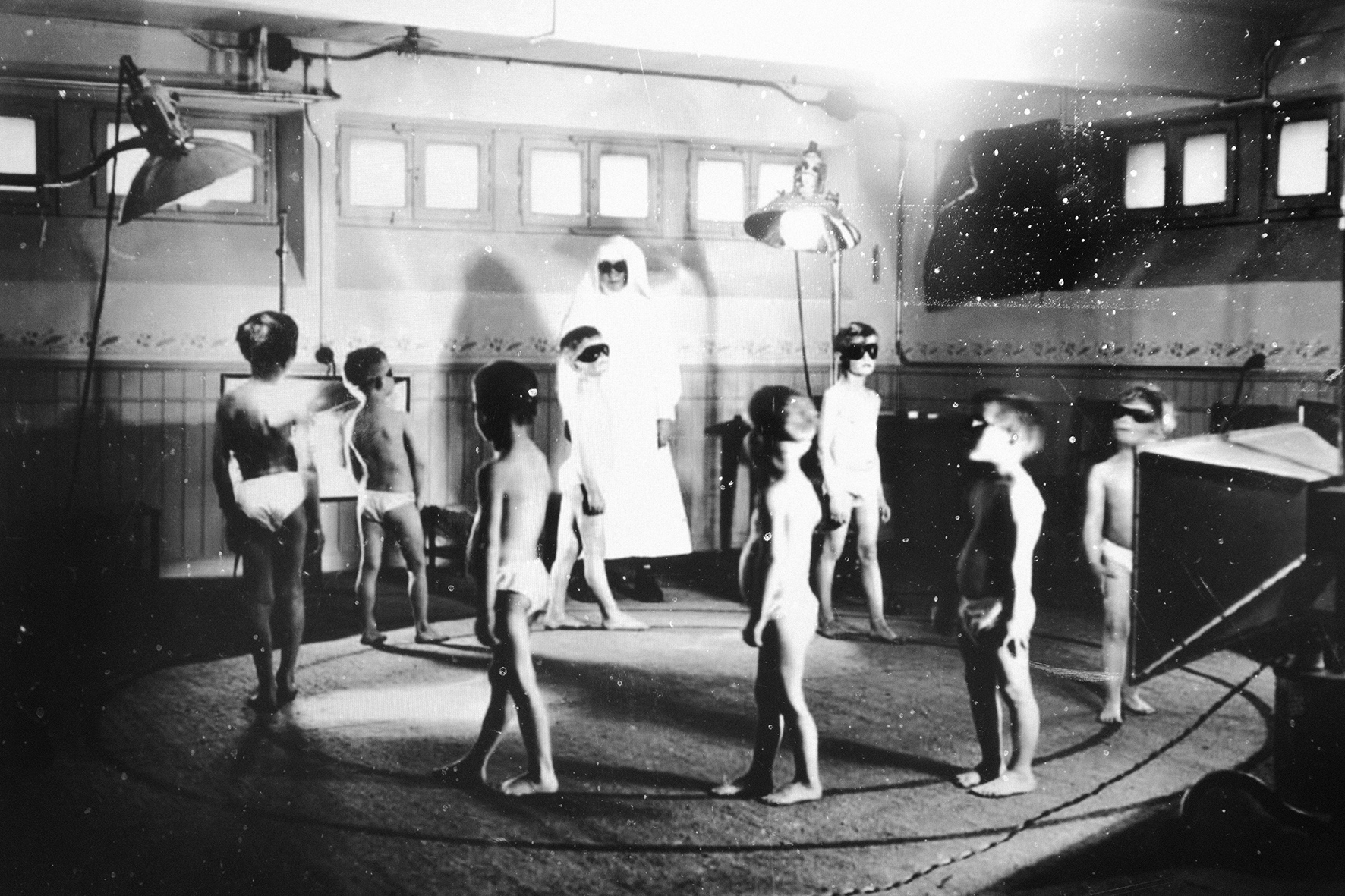
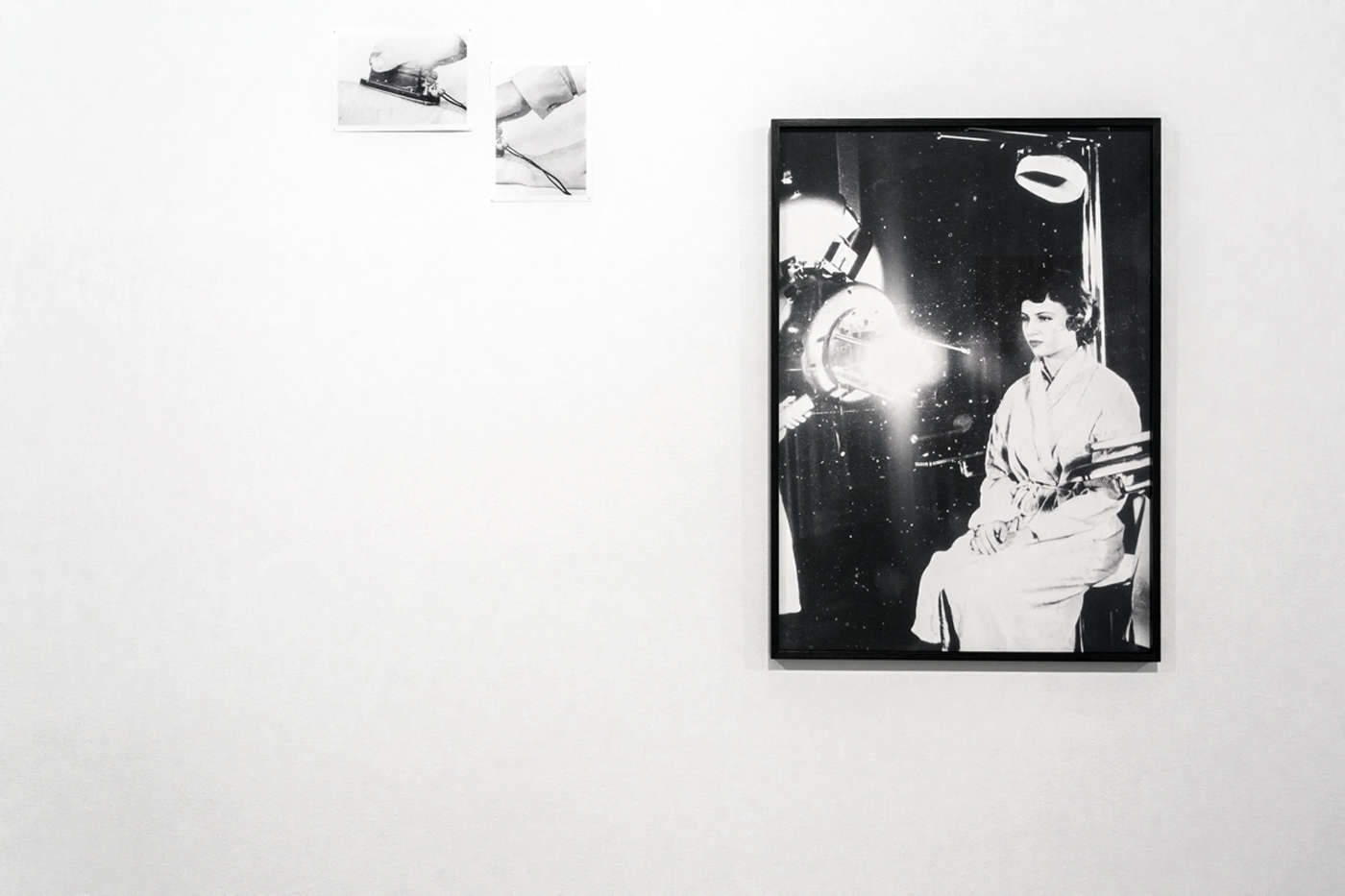
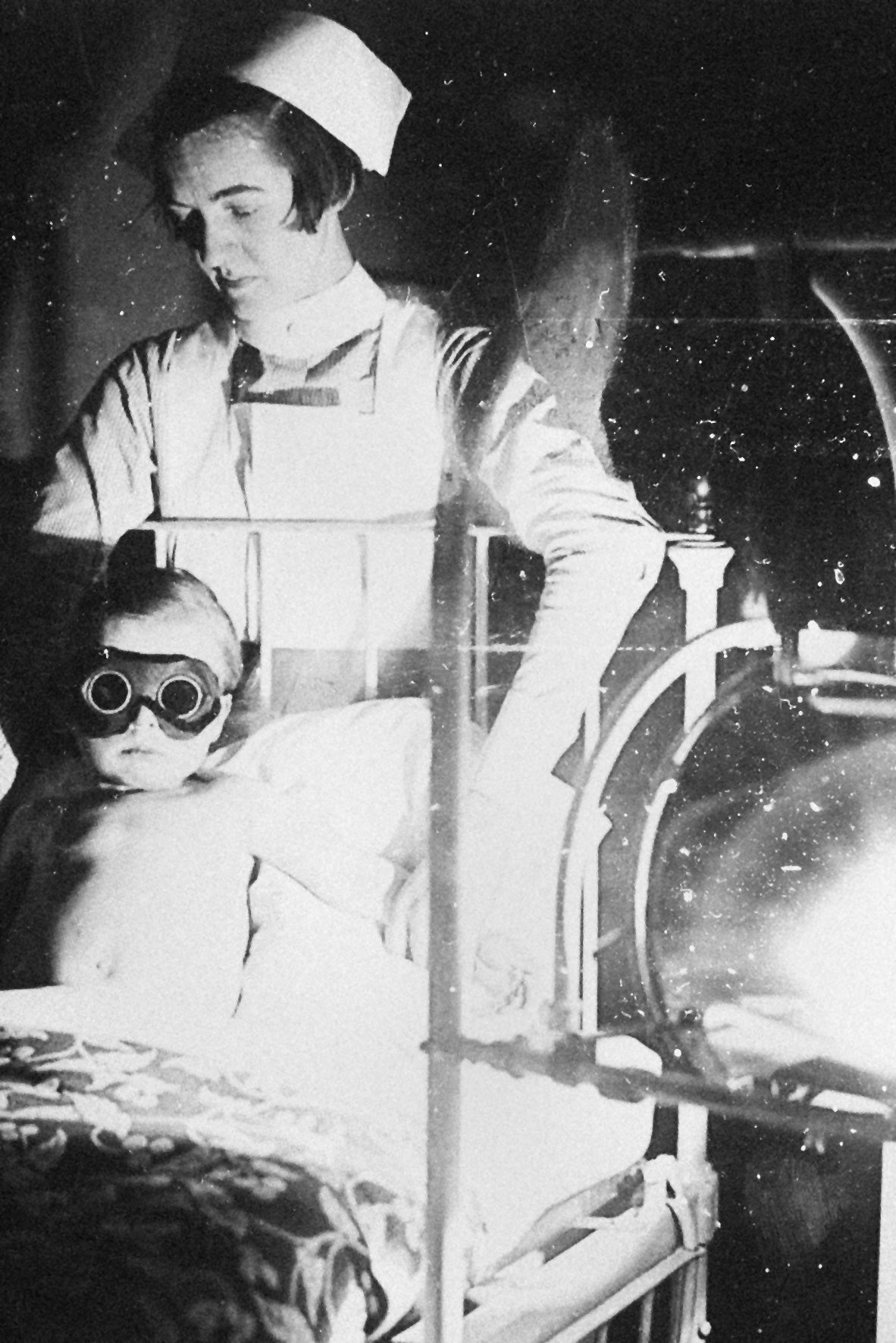
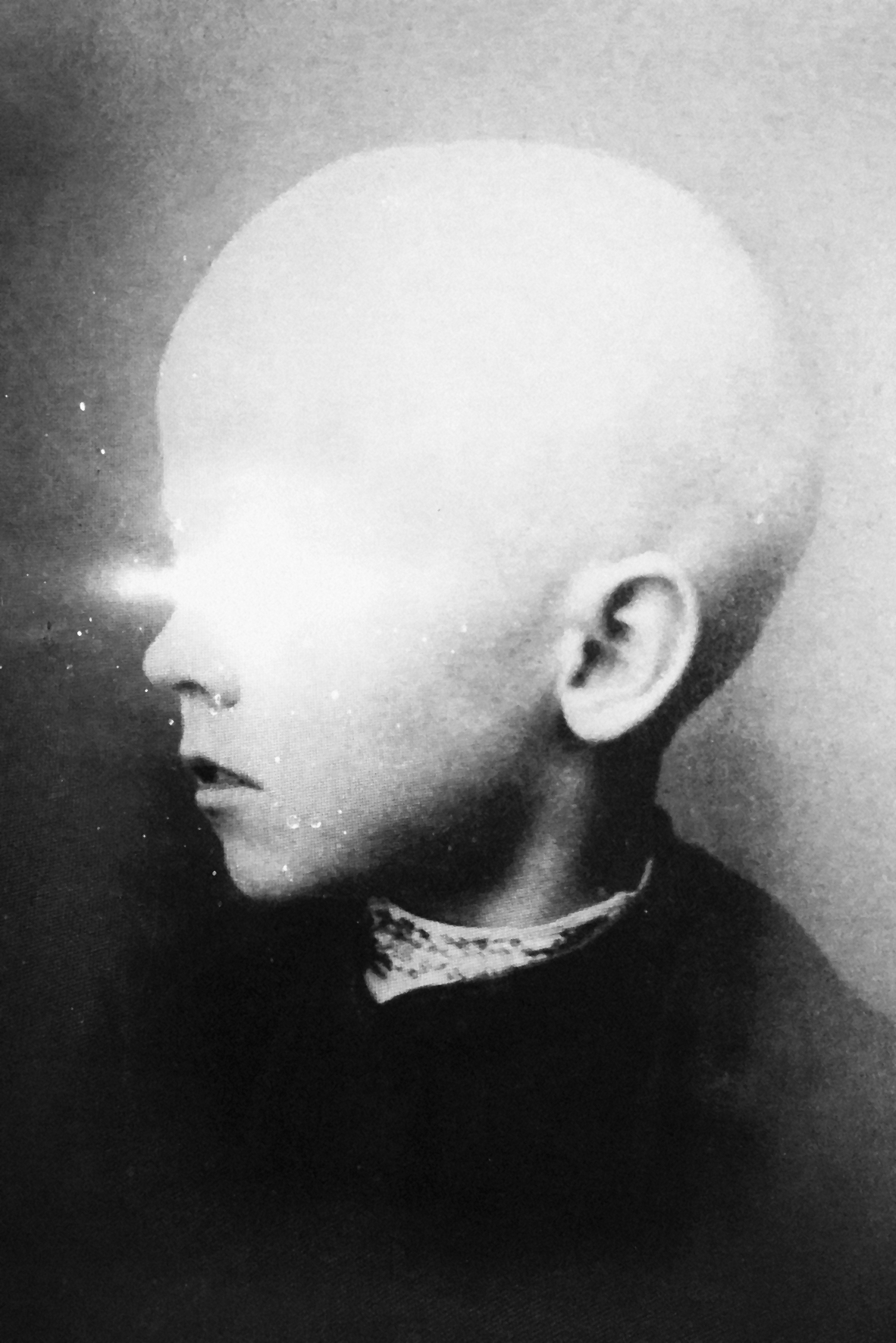
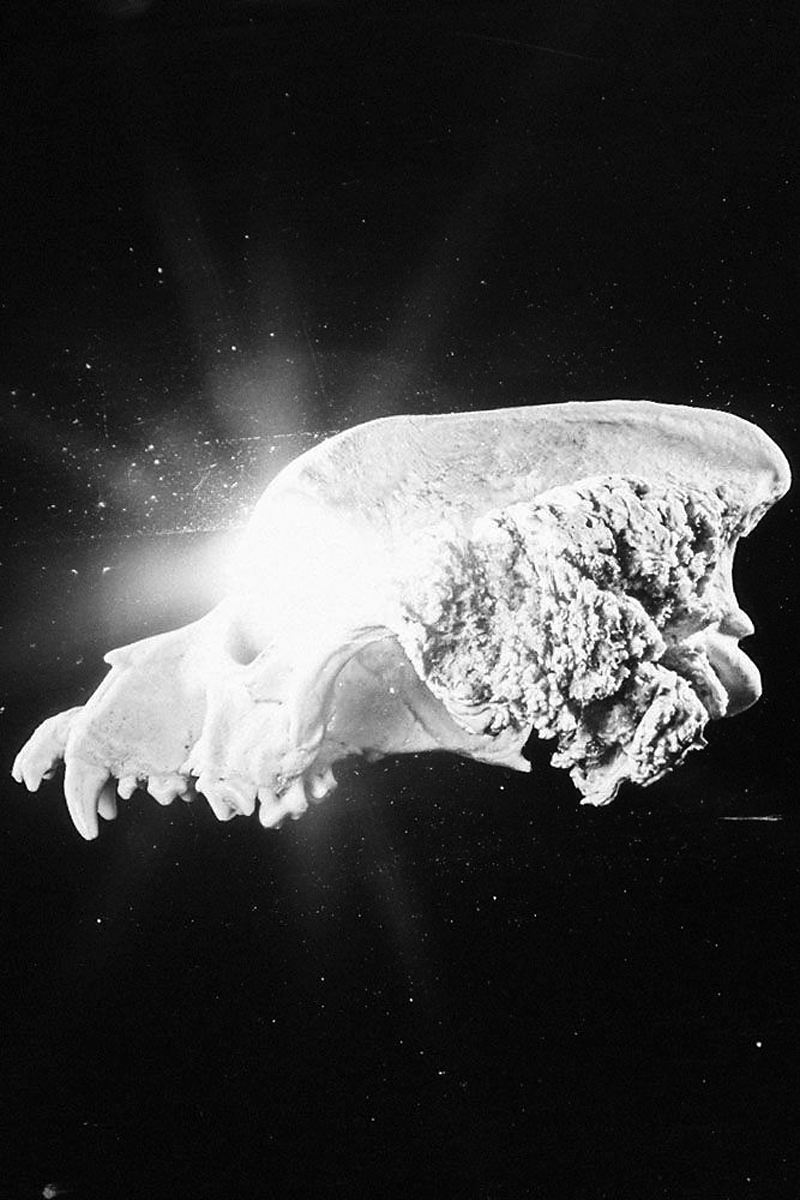
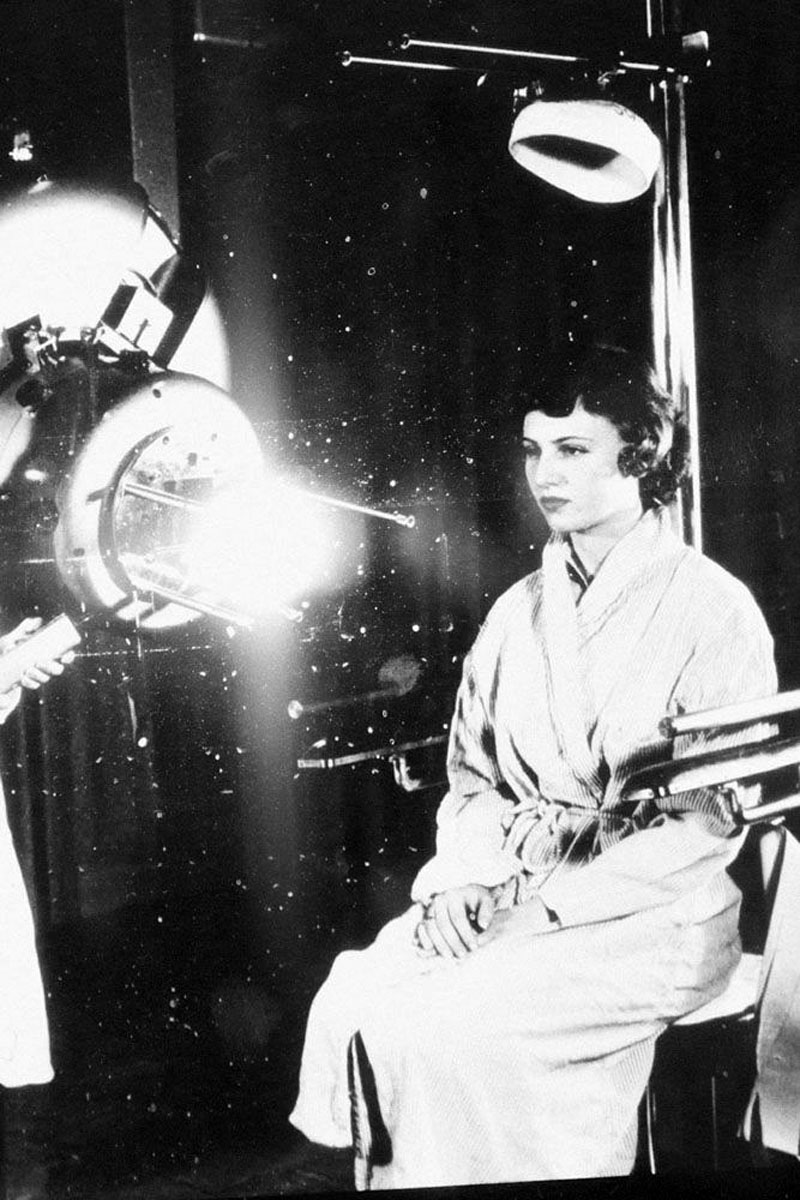
In these photographs Gabrielle combines sci-fi, Village of the Dammed photographs and images of botanicals (which are either medicinal or poisonous, a reflection of the alternate medicinal methods attributed to fighting cancer) with “traces” of her DNA, then re-photographing the image many times, and then degrading the emulsion of the negative in polluted water. In doing so, she pictures worlds in which people think that they are doing the right thing, only to later find that their world has been corrupted and has lost its moral certainty. In this case, Soviet era children blasted with ultraviolet light to cure vitamin D deficiency, or to rid them of freckles, inevitably leading to cancer down the track. The process is called heliotherapy, an archaic treatment for tuberculosis that involved UV light so the kids would produce vitamin D that would fight the bacteria. But as we now know in Australia, solarium and tanning beds have been banned because they significantly increase your risk of cancer.

And why would you want to cure someone of having freckles? Or to extrapolate further, for being left handed, or being gay, or having autism. To make them wear a yellow star or a pink triangle? According to the dictionary, a cure is a method or course of remedial treatment, as for disease. A means of correcting or relieving anything that is troublesome or detrimental. Troublesome or detrimental… or different!

Gabrielle describes Worry for the Fruit the Birds Won’t Eat as “an exploration into the world of the unseen through optics, chemical interactions, and the investigative processes used to photograph something invisible to the naked eye.” Cancer. The Big C. Death. Chemotherapy. Radiation treatment. Leukemia. Melanoma. On and on. Invisible but ever. Present. Here. Now. And then she shows us photographs that seek to dissolve, to dis-solve what is present – freckles, DNA, emulsion, reality – into light. To find an answer to, explanation for, or means of effectively dealing with (a problem or mystery). I’ll let you guess what that mystery might be.

Dr Marcus Bunyan


Many thankx to the Centre for Contemporary Photography for allowing me to publish the photographs in the posting. Please click on the photographs to view a larger version of the image.


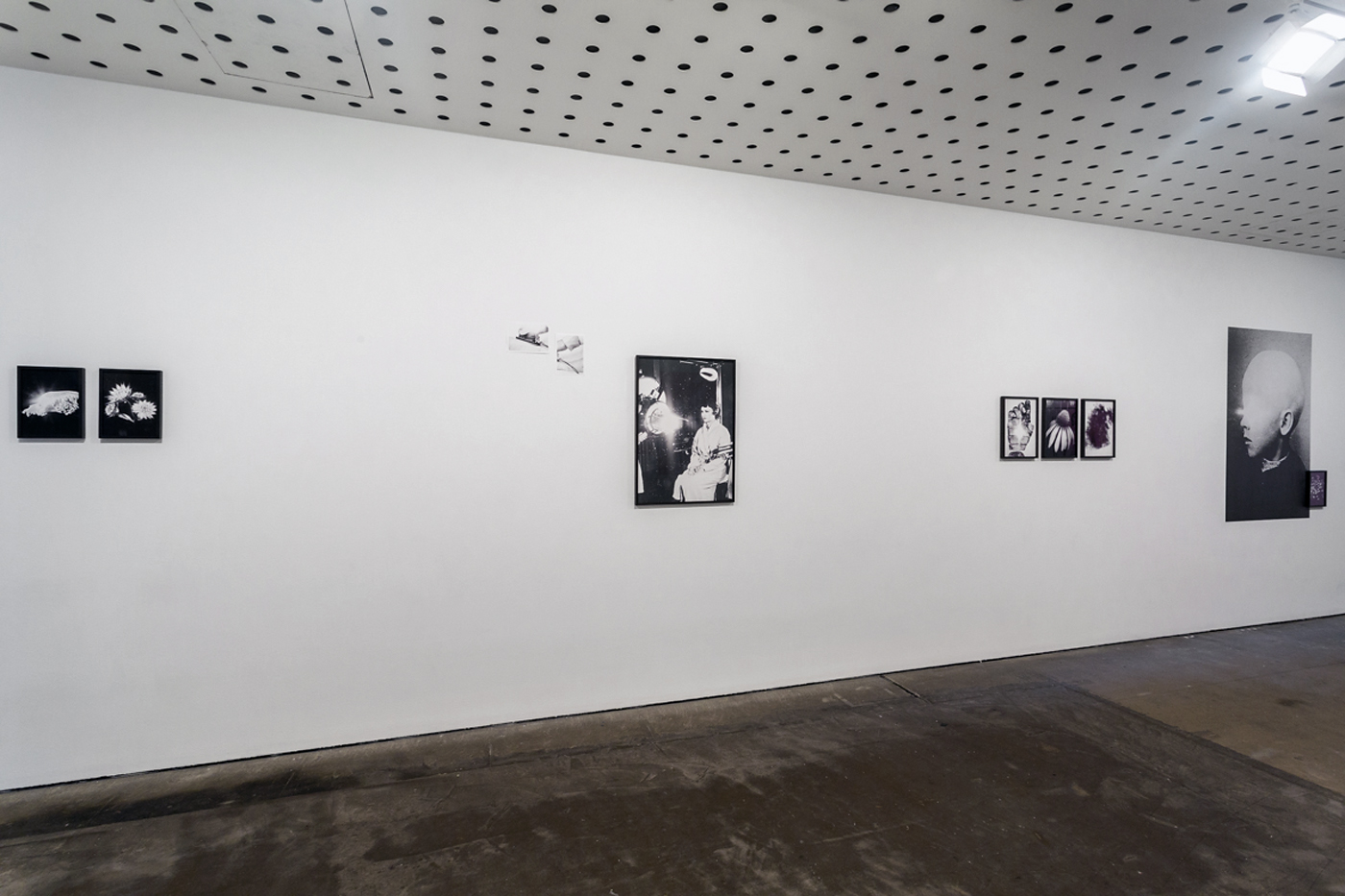
Installation view of the exhibition ‘Sophie Gabrielle: Worry For The Fruit The Birds Won’t Eat’ at the Centre for Contemporary Photography, Melbourne

Installation view of the exhibition ‘Sophie Gabrielle: Worry For The Fruit The Birds Won’t Eat’ at the Centre for Contemporary Photography, Melbourne

Installation view of the exhibition ‘Sophie Gabrielle: Worry For The Fruit The Birds Won’t Eat’ at the Centre for Contemporary Photography, Melbourne

Installation view of the exhibition ‘Sophie Gabrielle: Worry For The Fruit The Birds Won’t Eat’ at the Centre for Contemporary Photography, Melbourne

Installation view of the exhibition ‘Sophie Gabrielle: Worry For The Fruit The Birds Won’t Eat’ at the Centre for Contemporary Photography, Melbourne

Installation view of the exhibition ‘Sophie Gabrielle: Worry For The Fruit The Birds Won’t Eat’ at the Centre for Contemporary Photography, Melbourne

Installation view of the exhibition ‘Sophie Gabrielle: Worry For The Fruit The Birds Won’t Eat’ at the Centre for Contemporary Photography, Melbourne


Installation views of the exhibition Sophie Gabrielle: Worry For The Fruit The Birds Won’t Eat at the Centre for Contemporary Photography, Melbourne
Photographs: J. Forsyth


Through channelling her interest in psychology, science and perception, Sophie Gabrielle creates poetically arresting images that reflect the fragility of the human body, psyche and experience. Combining archival imagery from MRI scans, brain synaptic structures and science experiments from the 1930s and 1940s, Gabrielle creates haunting narratives that interweave the personal and clinical.

Worry For The Fruit The Birds Won’t Eat is a dreamy and deeply personal exploration of the artists’ experiences with cancer, presenting medicinal botanicals and photographic portraits, alongside archival images from obscure medical research catalogues. Photographed through plates of glass to catch minute particles of her own skin – images are overlaid with the artists’ own DNA – creating interwoven, abstract self-portraits.

Worry For The Fruit The Birds Won’t Eat is an exploration drawn from my experiences with cancer through optics and chemical interactions, and an investigative process to photograph that which is generally invisible to the naked eye.

This project started as a coping mechanism to address the impact cancer has had on my life over the past few years, after all the men in my family were diagnosed with stage four cancer. These works give a sense of the unsettled, fragile, daunting and overwhelming aspects that have culminated during this time in my life.”

~ Sophie Gabrielle, 2019

Biography

Sophie Gabrielle is a Melbourne based artist and curator working between analogue and digital photographic practices. Graduating from Photography Studies College in 2015, her work has been exhibited in Australia, Malaysia, New York, UK and Amsterdam. In 2018, Gabrielle was the first Australian chosen as a finalist for Foam Talent, Foam Fotografiemuseum, Amsterdam. In 2016, Gabrielle was a finalist for the Lensculture Emerging Talent Award.

Press release from the Centre for Contemporary Photography 21/09/2019


Sophie Gabrielle (Australian) 'Worry For The Fruit The Birds Won't Eat' 2017-2019 from the exhibition 'Sophie Gabrielle: Worry For The Fruit The Birds Won't Eat' at the Centre for Contemporary Photography, Fitzroy, Melbourne, June - August, 2019


Sophie Gabrielle (Australian)
Worry For The Fruit The Birds Won’t Eat
2017-2019


Sophie Gabrielle (Australian) 'Worry For The Fruit The Birds Won't Eat #7' 2017-2019


Sophie Gabrielle (Australian)
Worry For The Fruit The Birds Won’t Eat #7
2017-2019


After discovering a number of her close family members were ill with the disease, she searched through physical and digital scientific archives connected to the various strains associated with each loved one. “I was interested in archives that were connected to my family’s own story of diagnosis, treatment, recovery and death,” she explains. The resulting images make up her body of work Worry for the Fruit the Birds Won’t Eat, which Gabrielle describes as “an exploration into the world of the unseen through optics, chemical interactions, and the investigative processes used to photograph something invisible to the naked eye.”

As Gabrielle worked through the archives, she also worked through her own personal trauma and confusion. “It was an all-consuming process, both physically and emotionally. The images I was most drawn to ran parallel to the events happening in the lives of my family members during that painful time.” Each archival discovery pointed Gabrielle in another direction, so that she eventually found major points of comparison across multiple sets of images from a variety of different sources. “My father’s diagnosis of stage four prostate cancer made me reflect on the surgical procedures in the images, and my grandfather’s diagnosis of lung cancer drew me to x-rays, especially after seeing the dark clustered patterns of abnormal cells in the imagery. Also, the collection of botanicals are either medicinal or poisonous – a reflection of the alternate medicinal methods attributed to fighting cancer.”

Upon selecting each archival image, Gabrielle used historical processes to involve her own photographic practice in the work. After leaving each image under a glass plate to collect floating particles of dust and hair, she re-photographed each piece multiple times, creating negatives that incorporate flecks of the environment’s natural disruptions. “There was something healing about getting lost within the process of creating these images, transforming their scientific purpose into something personal and poetic. I left them to collect dust in places that were significant to me and my family.”

After re-photographing the images, Gabrielle submerged her negatives in polluted water, allowing the emulsion’s degradation to further highlight the lyrical features of illness. “I actually did it while sitting on a jetty in Penang, Malaysia,” she explains. “I was thinking about the clear water that runs from taps, and how this re-enters nature to become ill and polluted. It was this unseen danger that intrigued me, and I wanted to incorporate that into the work. The microbes in the polluted water ate away at the film, leaving their own marks upon the negatives before I made the prints.”

This incorporation of intervention and decay into her photographic process soon became an integral part of Gabrielle’s own healing process, affording her a clear state of mind to work through a number of complex emotions.

Extract from Cat Lachowskyj. “Worry for the Fruit the Birds Won’t Eat,” on the Lens Culture website [Online] Cited 21/07/2019


Sophie Gabrielle (Australian) 'Worry For The Fruit The Birds Won't Eat #1' 2017-2019


Sophie Gabrielle (Australian)
Worry For The Fruit The Birds Won’t Eat #1
2017-2019


Sophie Gabrielle (Australian) 'Worry For The Fruit The Birds Won't Eat #13' 2017-2019


Sophie Gabrielle (Australian)
Worry For The Fruit The Birds Won’t Eat #13
2017-2019


Sophie Gabrielle (Australian) 'Worry For The Fruit The Birds Won't Eat' 2017-2019


Sophie Gabrielle (Australian)
Worry For The Fruit The Birds Won’t Eat
2017-2019


Sophie Gabrielle (Australian) 'Worry For The Fruit The Birds Won't Eat' 2017-2019


Sophie Gabrielle (Australian)
Worry For The Fruit The Birds Won’t Eat
2017-2019


Centre for Contemporary Photography

No permanent exhibition space at the moment

Centre for Contemporary Photography website

LIKE ART BLART ON FACEBOOK

Back to top

Photographs: Marcus Bunyan. ‘The Night Journey’ 2019

July 2019


Marcus Bunyan (Australian, b. 1958) ‘Untitled’ from the series ‘The Night Journey’ 2019


Marcus Bunyan (Australian, b. 1958)
Untitled
2019
From the series The Night Journey
Digital photograph on cotton rag


The Night Journey

The only reason to make art is for yourself… but I hope you enjoy the images and the sequence as much as I enjoyed making it!

The images picture interstitial spaces, un/realities that hover at a median point, a tipping point between the real and the unreal. Which is which is open to question…

Please click on the photographs to see a larger version of the image. They are best viewed on a desktop computer to see the details of the image.

Marcus

38 images in the series in two sets
© Marcus Bunyan

SEE THE FULL SERIES ON MY WEBSITE

Photographs are available from this series for purchase. As a guide, a digital colour 16″ x 20″ costs $1000 plus tracked and insured shipping. For more information please see my Store web page.


Marcus Bunyan (Australian, b. 1958) ‘Untitled’ from the series ‘The Night Journey’ 2019


Marcus Bunyan (Australian, b. 1958)
Untitled
2019
From the series The Night Journey
Digital photograph on cotton rag


Marcus Bunyan (Australian, b. 1958) ‘Untitled’ from the series ‘The Night Journey’ 2019


Marcus Bunyan (Australian, b. 1958)
Untitled
2019
From the series The Night Journey
Digital photograph on cotton rag


Marcus Bunyan (Australian, b. 1958) ‘Untitled’ from the series ‘The Night Journey’ 2019


Marcus Bunyan (Australian, b. 1958)
Untitled
2019
From the series The Night Journey
Digital photograph on cotton rag


Marcus Bunyan (Australian, b. 1958) ‘Untitled’ from the series ‘The Night Journey’ 2019


Marcus Bunyan (Australian, b. 1958)
Untitled
2019
From the series The Night Journey
Digital photograph on cotton rag


Marcus Bunyan (Australian, b. 1958) ‘Untitled’ from the series ‘The Night Journey’ 2019


Marcus Bunyan (Australian, b. 1958)
Untitled
2019
From the series The Night Journey
Digital photograph on cotton rag


Marcus Bunyan (Australian, b. 1958) ‘Untitled’ from the series ‘The Night Journey’ 2019


Marcus Bunyan (Australian, b. 1958)
Untitled
2019
From the series The Night Journey
Digital photograph on cotton rag


Marcus Bunyan (Australian, b. 1958) ‘Untitled’ from the series ‘The Night Journey’ 2019


Marcus Bunyan (Australian, b. 1958)
Untitled
2019
From the series The Night Journey
Digital photograph on cotton rag


Marcus Bunyan (Australian, b. 1958) ‘Untitled’ from the series ‘The Night Journey’ 2019


Marcus Bunyan (Australian, b. 1958)
Untitled
2019
From the series The Night Journey
Digital photograph on cotton rag


Marcus Bunyan (Australian, b. 1958) ‘Untitled’ from the series ‘The Night Journey’ 2019


Marcus Bunyan (Australian, b. 1958)
Untitled
2019
From the series The Night Journey
Digital photograph on cotton rag


Marcus Bunyan (Australian, b. 1958) ‘Untitled’ from the series ‘The Night Journey’ 2019


Marcus Bunyan (Australian, b. 1958)
Untitled
2019
From the series The Night Journey
Digital photograph on cotton rag


Marcus Bunyan (Australian, b. 1958) ‘Untitled’ from the series ‘The Night Journey’ 2019


Marcus Bunyan (Australian, b. 1958)
Untitled
2019
From the series The Night Journey
Digital photograph on cotton rag


Marcus Bunyan (Australian, b. 1958) ‘Untitled’ from the series ‘The Night Journey’ 2019


Marcus Bunyan (Australian, b. 1958)
Untitled
2019
From the series The Night Journey
Digital photograph on cotton rag


Marcus Bunyan (Australian, b. 1958) ‘Untitled’ from the series ‘The Night Journey’ 2019


Marcus Bunyan (Australian, b. 1958)
Untitled
2019
From the series The Night Journey
Digital photograph on cotton rag


Marcus Bunyan website

LIKE ART BLART ON FACEBOOK

Back to top

Vale Joyce Evans OAM photographer (1929-2019)

July 2019


Joyce Evans (Australian, 1929-2019) 'Untitled [Joyce with camera]' 1951


Joyce Evans (Australian, 1929-2019)
Untitled [Joyce with camera]
1951
Gelatin silver print
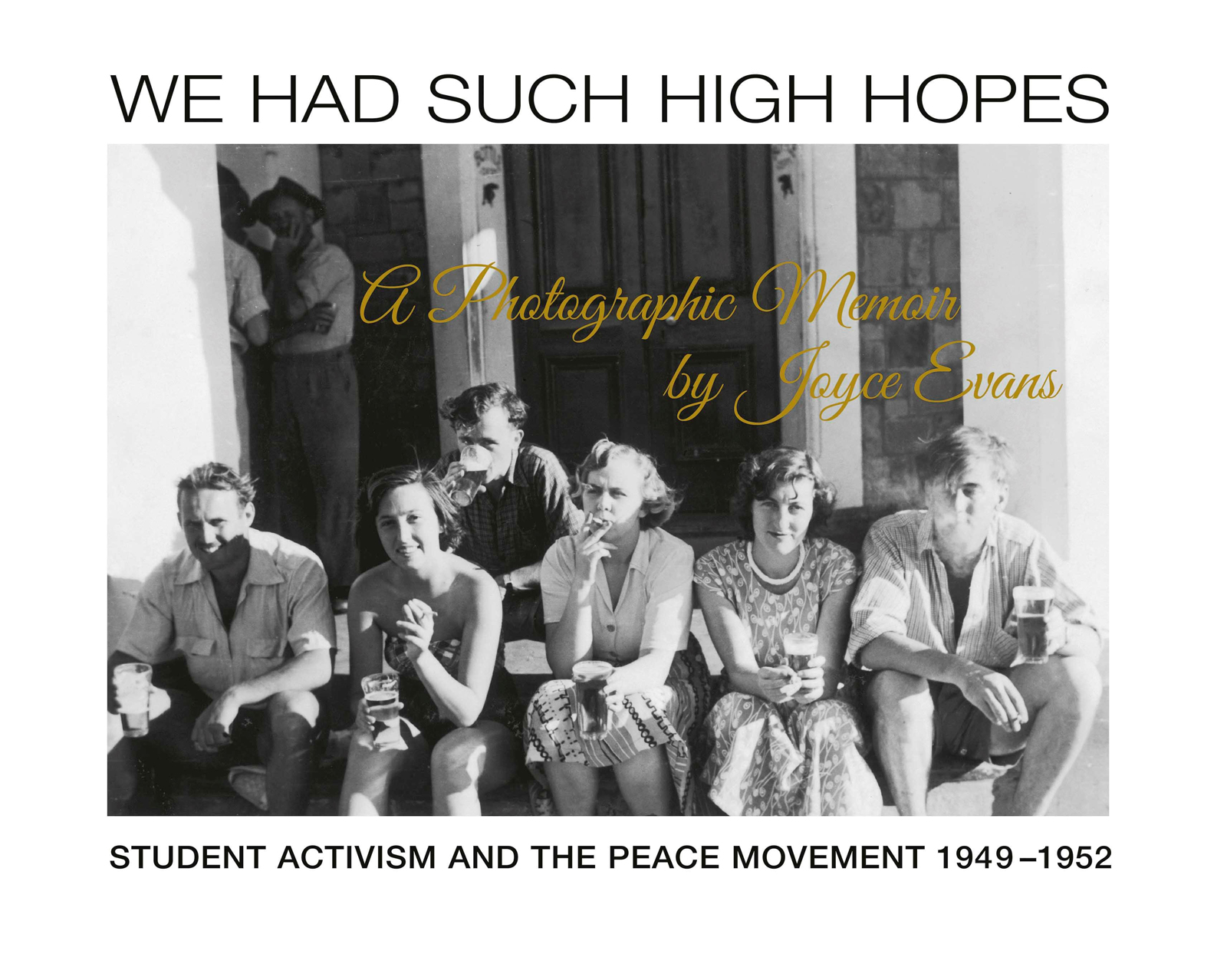
From We Had Such High Hopes: Student Activism and the Peace Movement 1949-1952, A Photographic Memoir by Joyce Evans (Australian Scholarly Publishing 2019)
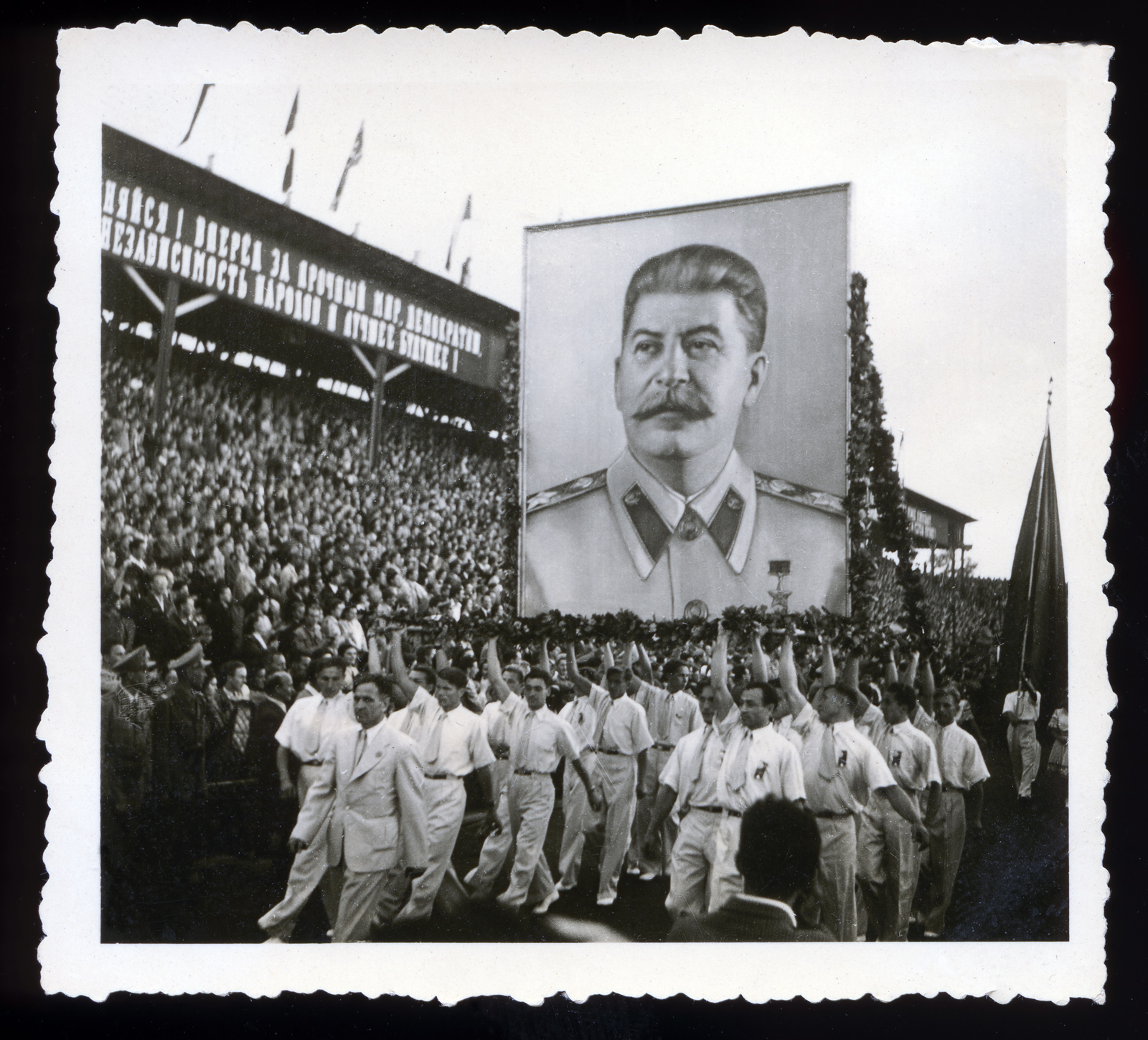


It’s taken me more than a moment of reflection to write this text. The events are almost too close to write about my surrogate mother in Australia, my friend and fellow artist, Joycie. I can only write about the person I knew, not the time before I knew her – and so this will be a very personal reflection on one of the most incredible human beings that I have ever met.


Do not go gentle into that good night
Rage, rage, against the dying of the light

Vale Joyce Evans.

Human, female, lover, mother, grandmother, wife, poet, publisher, writer, romantic, creative, humanist, universalist, spiritualist, bohemian, pioneer, gallery director, teacher, lecturer, collector, philanthropist, activist, artist, feminist, supporter of artists, Indigenous rights, civil rights, and the disenfranchised, exhibitor… and working photographer.


I met the force of nature that was Joyce Olga Evans (1929-2019) through a mutual friend, Alison Inglis, who knew of our love of photography. It was the start of an intense friendship that lasted just seven or eight years until Joycie, as I used to call her, passed away at Easter this year. Before she passed she knew that she had been awarded an OAM (Medal of the Order of Australia) for service to photography. This was a long overdue tribute to a pioneer and supporter of photography in Australia, one of the first women to be the director of an independent, commercial photography gallery in this country.

Joyce had an incredible passion for and knowledge about photography, whether it was historical Australian or world photographers and their prints from any era, or contemporary artists here and overseas. Her collection of both local and international photographs was almost unparalleled in private hands in this country. She had such a keen eye. When attending a local auction with her she purchased an original William Mortensen for next to nothing. Nobody else had recognised the power and presence of the image by this master artist.

This incisive vision translated into her work as an artist who was a working photographer. At heart, that’s what Joyce was – a working photographer and a storyteller. She believed in photography like photographers get photography… not like an academic or a theoretician, but like an avid fan, an enthusiast, a passionate collector, a teacher. Photography was an integral part of her life, her soul.

She said to me of being an artist, “If we can find out what we are… that is the artist. The core element of your being, and the core element of your enquiry as an artist remains the same. The concerns that you had when you started being an artist are with you until the end. If the core part of your life is the search for truth then that becomes a core part of your identity. It becomes embedded in your soul.”

In this sense, photography becomes something of you, more than just intention – it becomes your essence, your shape…. your physical shape, a tangible thing.

Photography and its spirit inhabited Joyce as Joyce lived in the world. To Joyce, photography was just as much about the world and creativity as it was about the image. The image was just a manifestation of spirit, something that you worked at, recognised, and captured for what it was and could be. As Minor White said, “There is always a dragon in the negative,” and a dragon, that symbol of power, strength, and good luck, lived inside Joyce (see my favourite photograph of her below) and in her work. Her photographs possessed a spiritual and psychological sensation of the place.

As she said, “Making photographs that are memorable requires more than just camera, light and a story. It requires a type of harmony, unity, and an indefinable something, which I can best explain as becoming emotionally attached to the subject so that the images almost make themselves.”

Joyce’s commitment to photography was legendary. She was in it for the long haul.

I was always amazed when we were out in public, going to the exhibitions that we loved to visit, that she would always be taking photographs. Whenever she saw something that interested her out would come her beloved iPhone or digital camera, and she would talk to strangers and their children and take their photos. She was a totally open spirit and had no fear about the path she took. People embraced her, talked to her, responded to her energy and spirit. I remember travelling up to Sydney with her to see an exhibition of her favourite photographer, “Our Julia”, Julia Margaret Cameron at the Art Gallery of New South Wales, and just observing that sparkle in her eyes, that unparalleled love that transcends all our pasts and futures in the simple moment of being and looking at these photographs.

Joyce was uncompromising. If she thought you were being a fuckwit she told you so in no uncertain terms. But she was a rock on which I came to depend. As someone said of her, “Joyce wasn’t into niceties and didn’t take any shit from anyone! I hope I grow up to be as tough as her. She was a visionary.” She really did not stand fools gladly (thank god), and had little truck for fine art photographers who didn’t understand the medium, its history or their small place within the grand scheme of things. As the playwright Edward Albee commented at the American painter Lee Krasner’s memorial at the Metropolitan Museum of Art, in both her life and her work, ‘… she looked you straight in the eye, and you dared not flinch’. It was the same with Joycie. She could see deep inside you to the core of your being.

Joyce loved helping people. She was so generous of her time and energy, of her wisdom and knowledge. Some of the best times of my life were spent in her kitchen talking about art, love and life. People were drawn to her. As Julie Moss has observed, she was “such a strong, creative and vibrant role model for so many female photographers” in a sea of male prejudice and ambivalence. What Joyce did not do is live on her memories… she was ever active, ever inquiring. She stood up for what she believed. A couple of weeks before she passed she said to me, “I don’t want to go yet, I still have so much that I want to do.” She was still raging against the dying of the light, not going gently into that good night.

But what she achieved in her truly remarkable life is a testament to her unquenchable spirit. In a journey full of determination, intelligence, exploration and love she achieved so much and touched so many. I miss her terribly.


I am the (sublime) space where I am, that surrounds me with countless presences.

Dr Marcus Bunyan July 2019


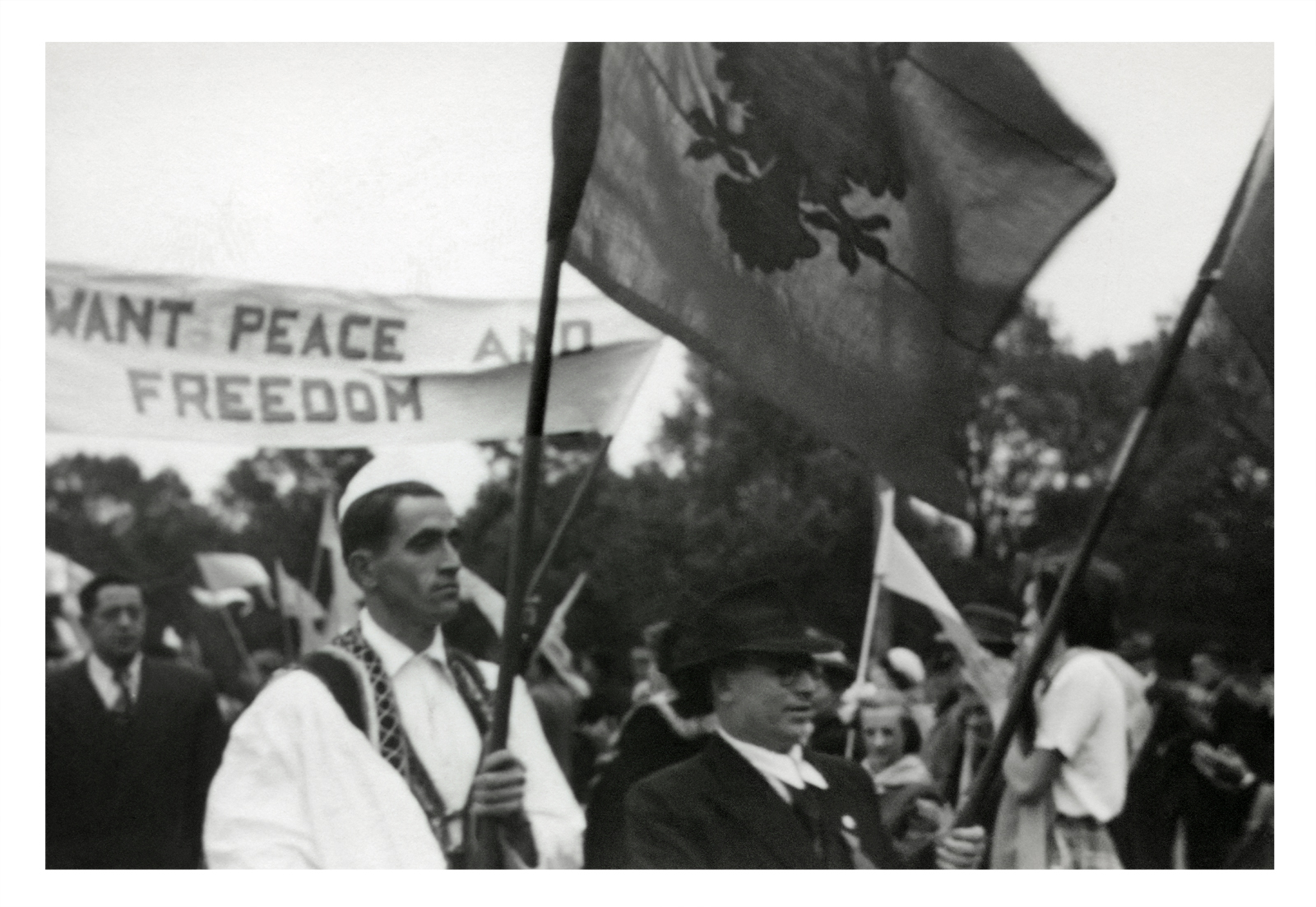
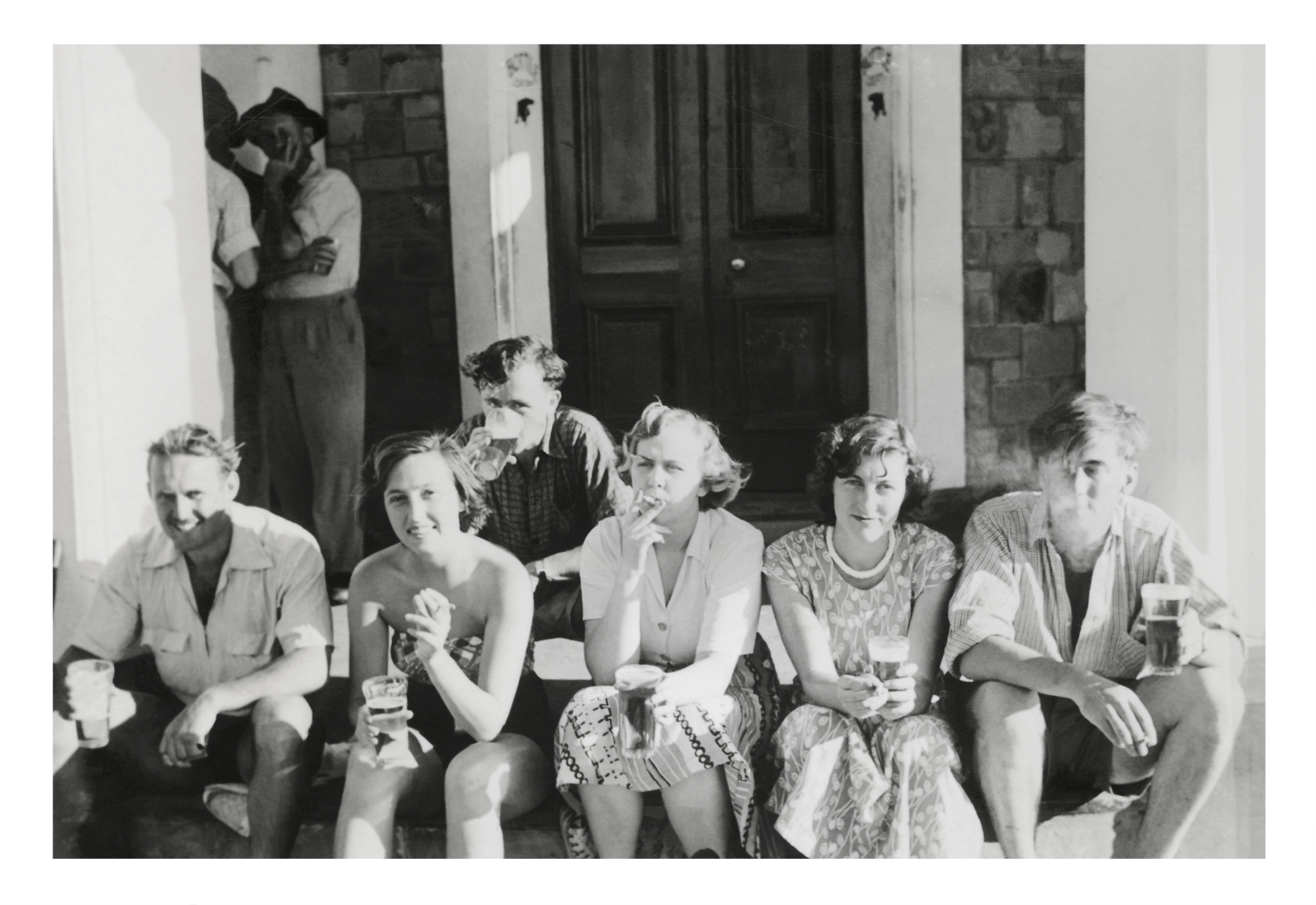
Joyce Evans (Australian, 1929-2019) 'Dissipation at the pub: students outside Largs Bay pub while attending N.U.A.U.S. conference, South Australia 1951 - Joyce Zerfas, Jill Warwick, Val Groves' 1951


Joyce Evans (Australian, 1929-2019)
Dissipation at the pub: students outside Largs Bay pub while attending N.U.A.U.S. conference, South Australia 1951 – Joyce Zerfas, Jill Warwick, Val Groves
1951
Gelatin silver print
From We Had Such High Hopes: Student Activism and the Peace Movement 1949-1952, A Photographic Memoir by Joyce Evans (Australian Scholarly Publishing 2019)
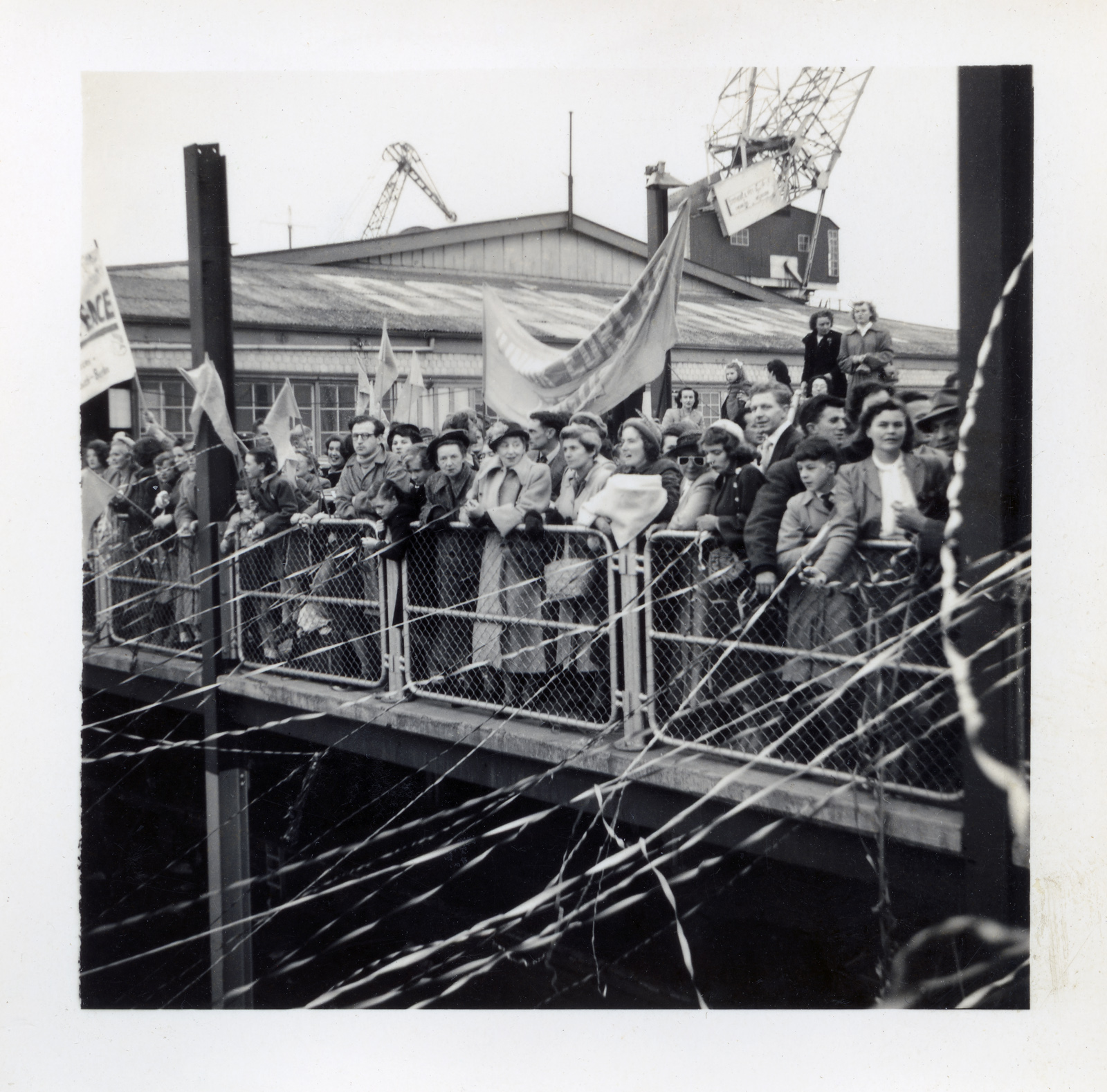
 

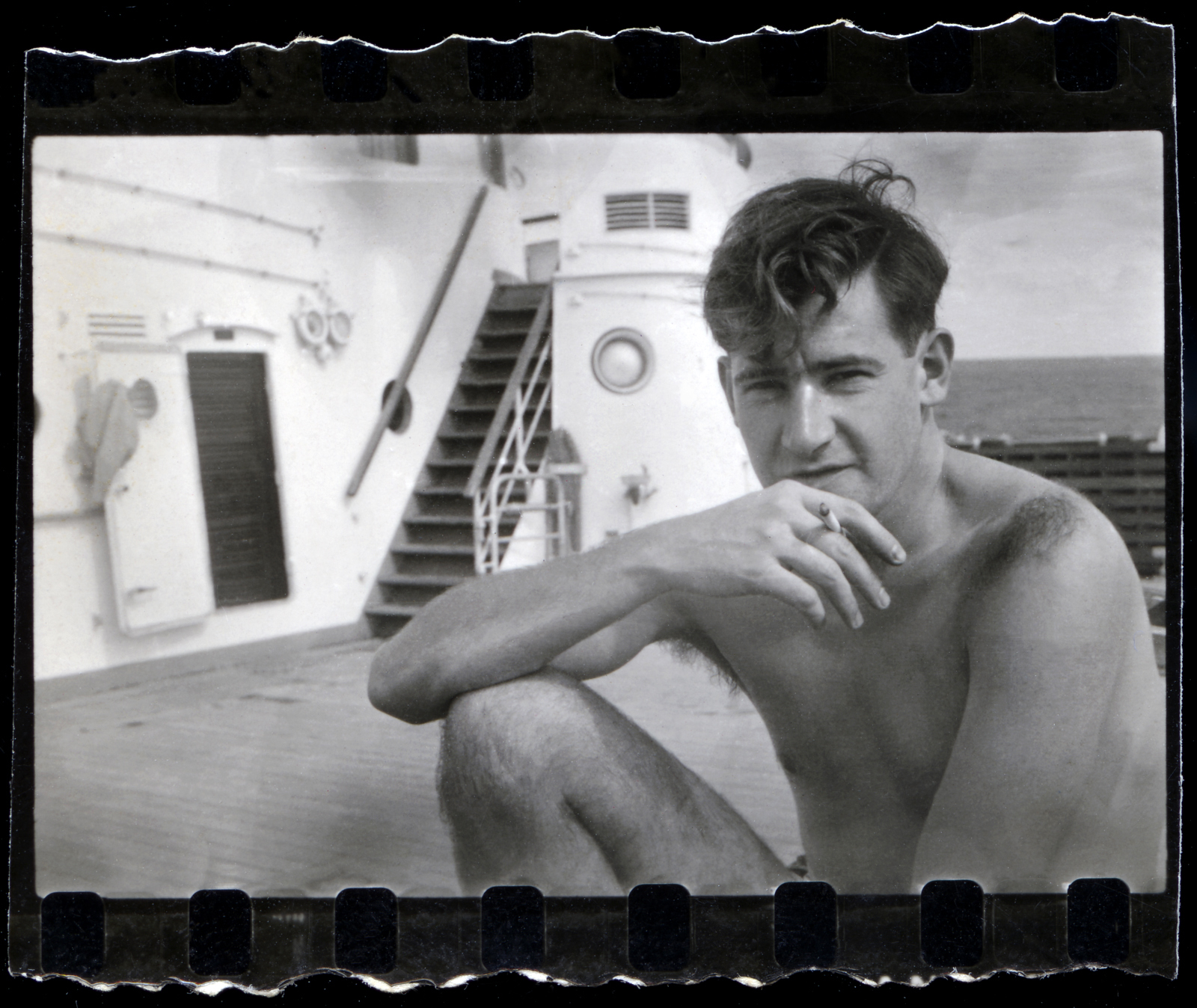
This photograph, showing students smoking and drinking outside the pub at Largs Bay, was published in an Adelaide newspaper. At the time this was considered to be immoral behaviour. Note the man in the background with his fingers up in a derogatory manner.

The names of the three women who have been identified are from left to right: Joyce Evans (nee Zerfas) photographer, Jill Warwick, deceased, (producer of TV programme “It Could Be You”) Val Groves, psychologist. I have been unable to identify the men. ~ Joyce Evans


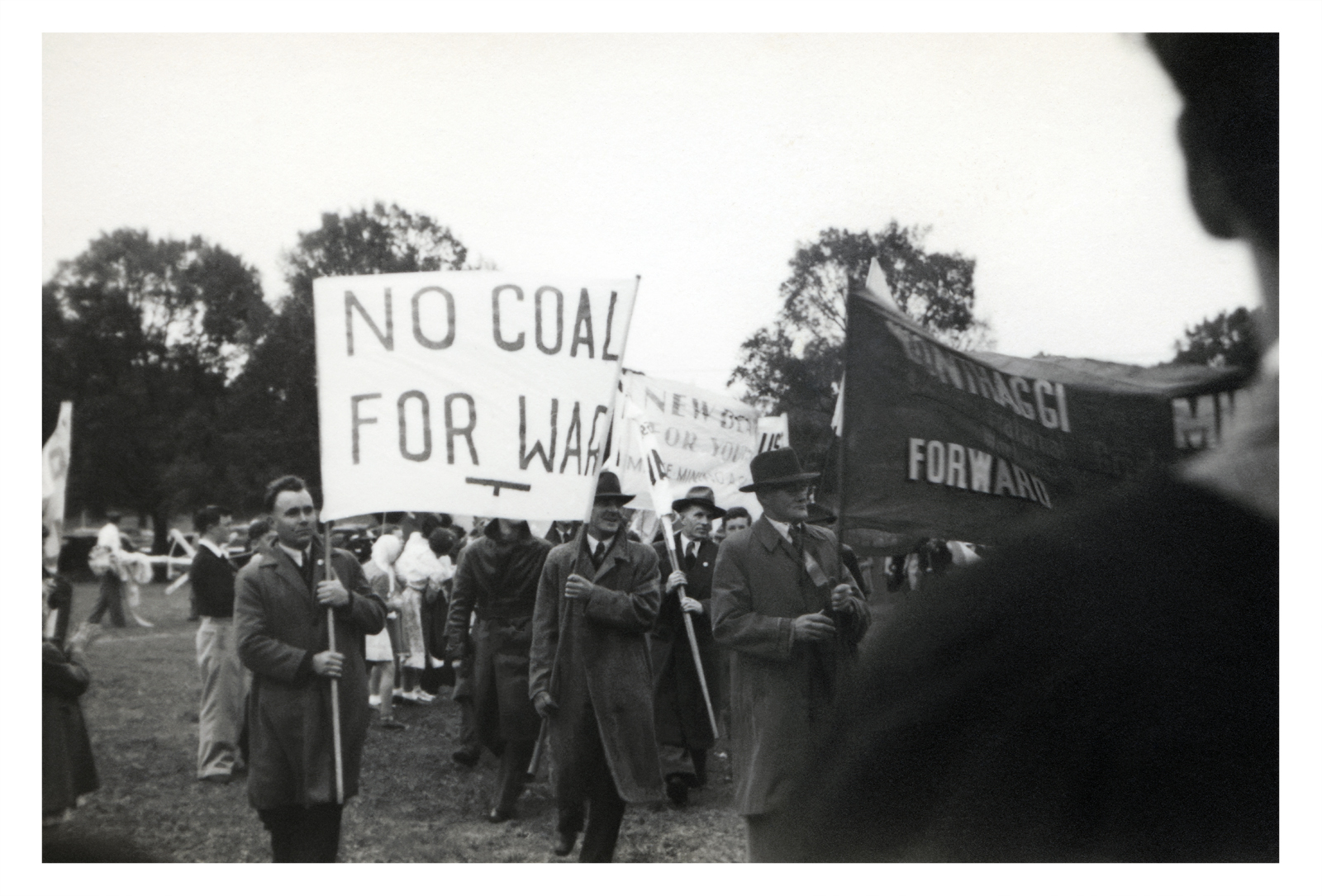
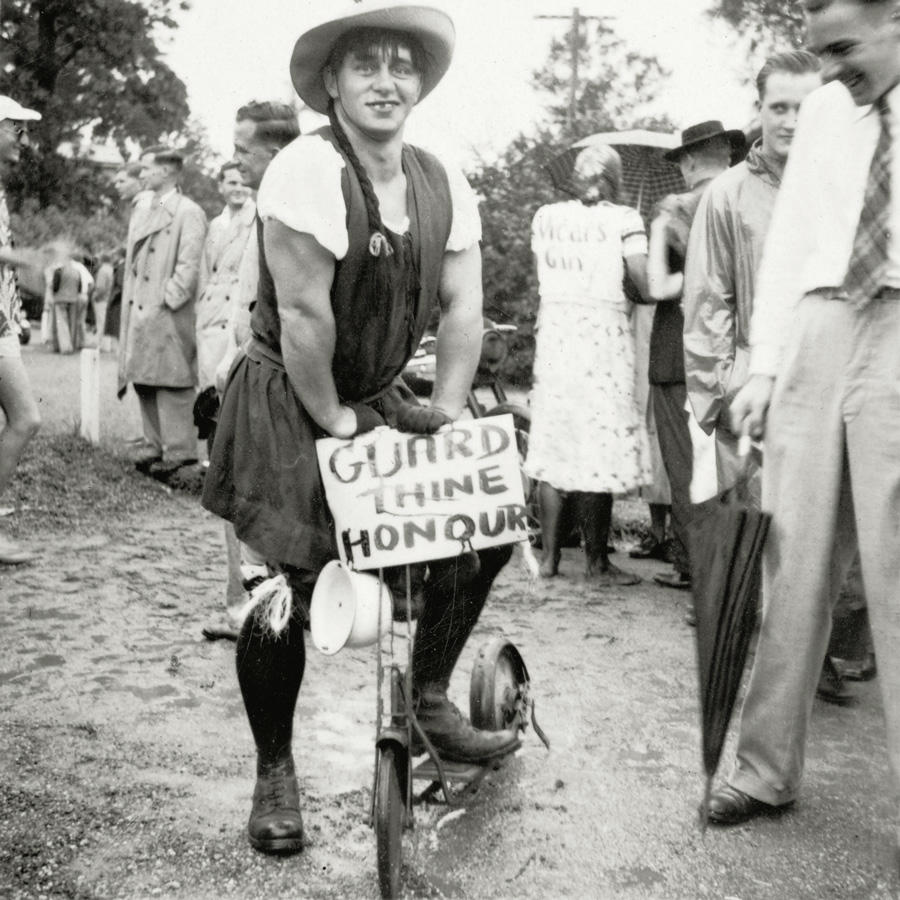
Joyce Evans (Australian, 1929-2019) 'Guard Thine Honour, May Day March, Flinders Street, Melbourne' 1951


Joyce Evans (Australian, 1929-2019)
Guard Thine Honour, May Day March, Flinders Street, Melbourne
1951
Gelatin silver print
From We Had Such High Hopes: Student Activism and the Peace Movement 1949-1952, A Photographic Memoir by Joyce Evans (Australian Scholarly Publishing 2019)
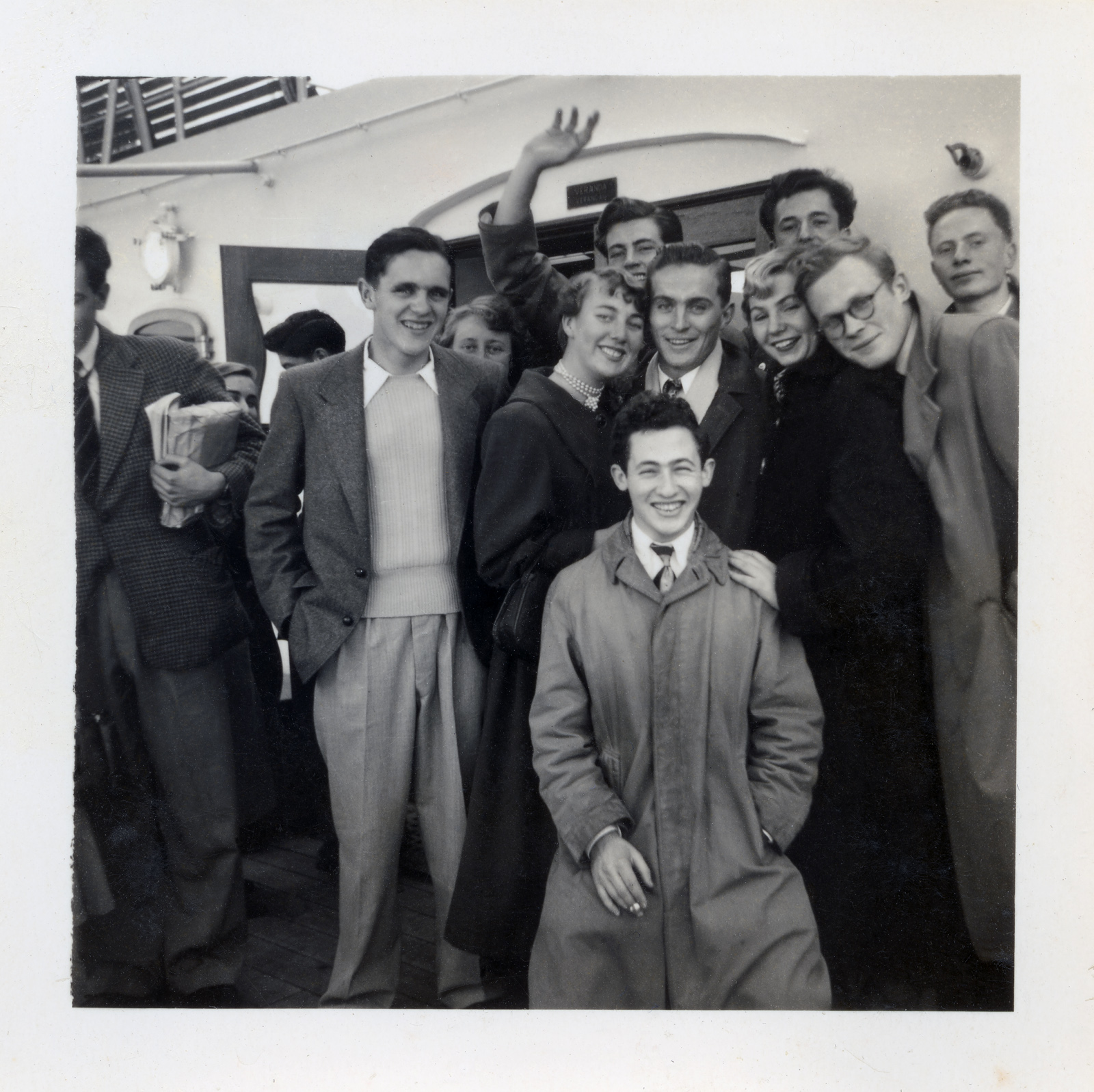
 

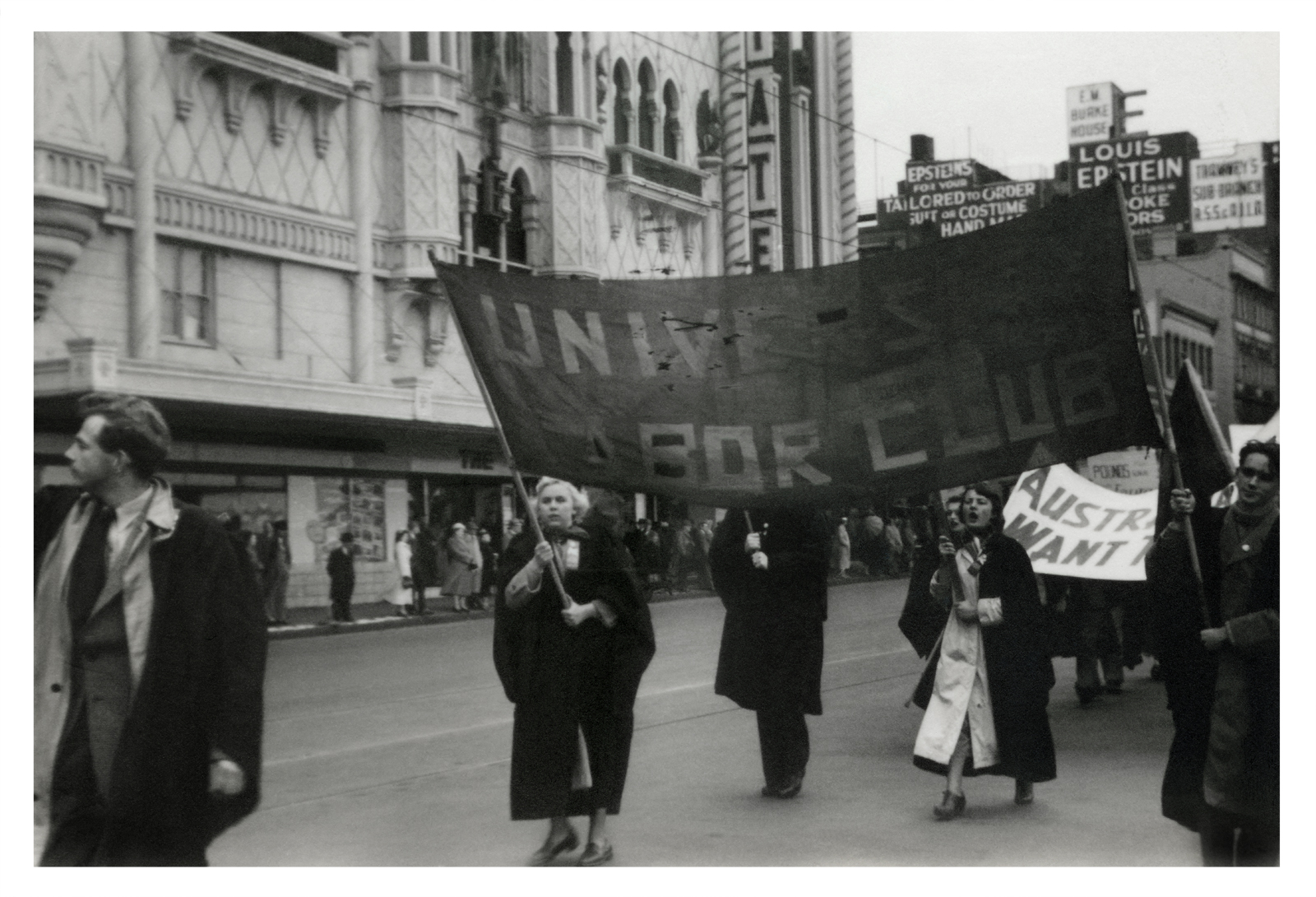
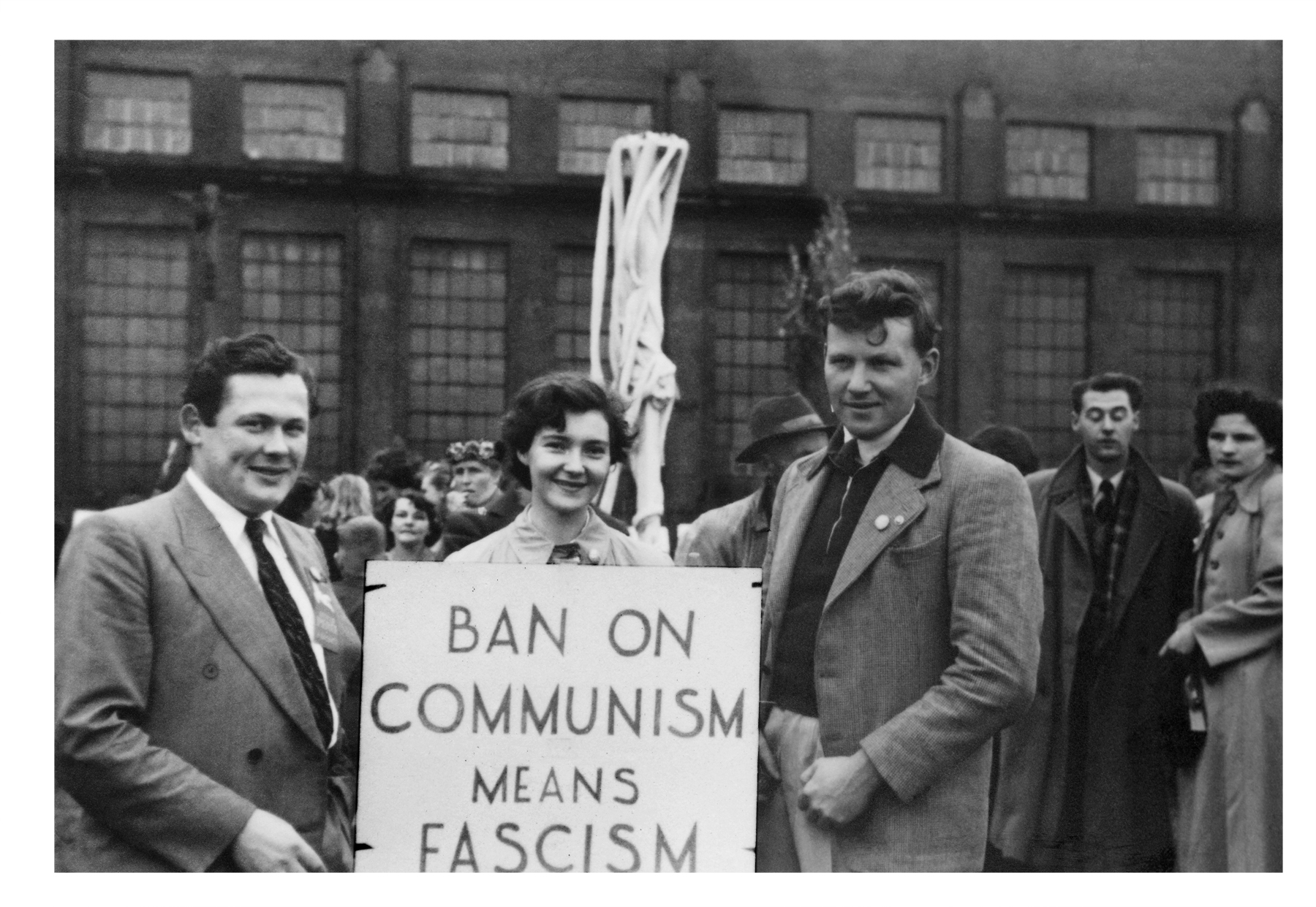
Joyce Evans (Australian, 1929-2019) 'Ban on Communism Means Fascism, May Day March, Flinders Street, Melbourne' 1951


Joyce Evans (Australian, 1929-2019)
Ban on Communism Means Fascism, May Day March, Flinders Street, Melbourne
1951
Gelatin silver print
From We Had Such High Hopes: Student Activism and the Peace Movement 1949-1952, A Photographic Memoir by Joyce Evans (Australian Scholarly Publishing 2019)
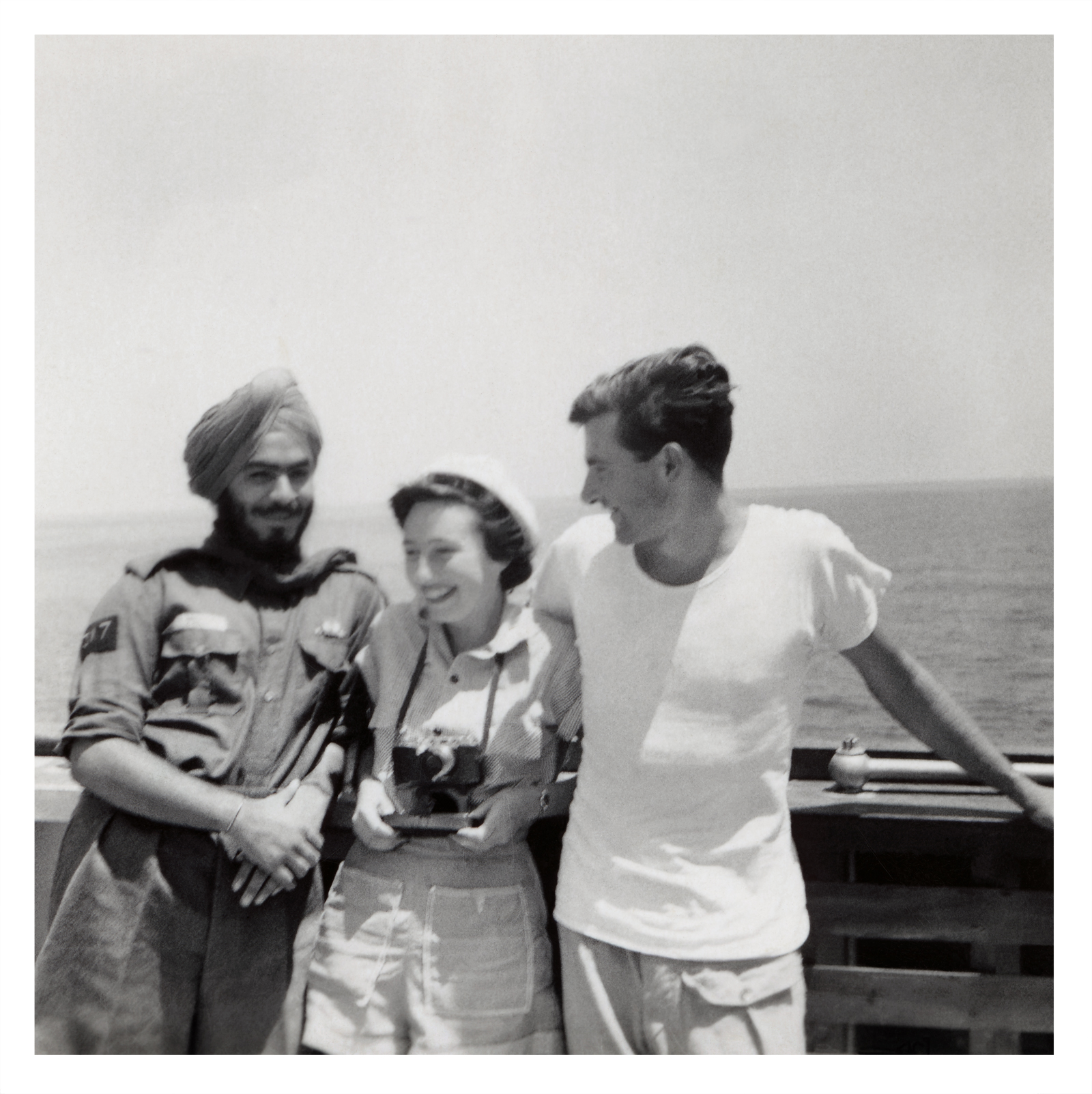
 

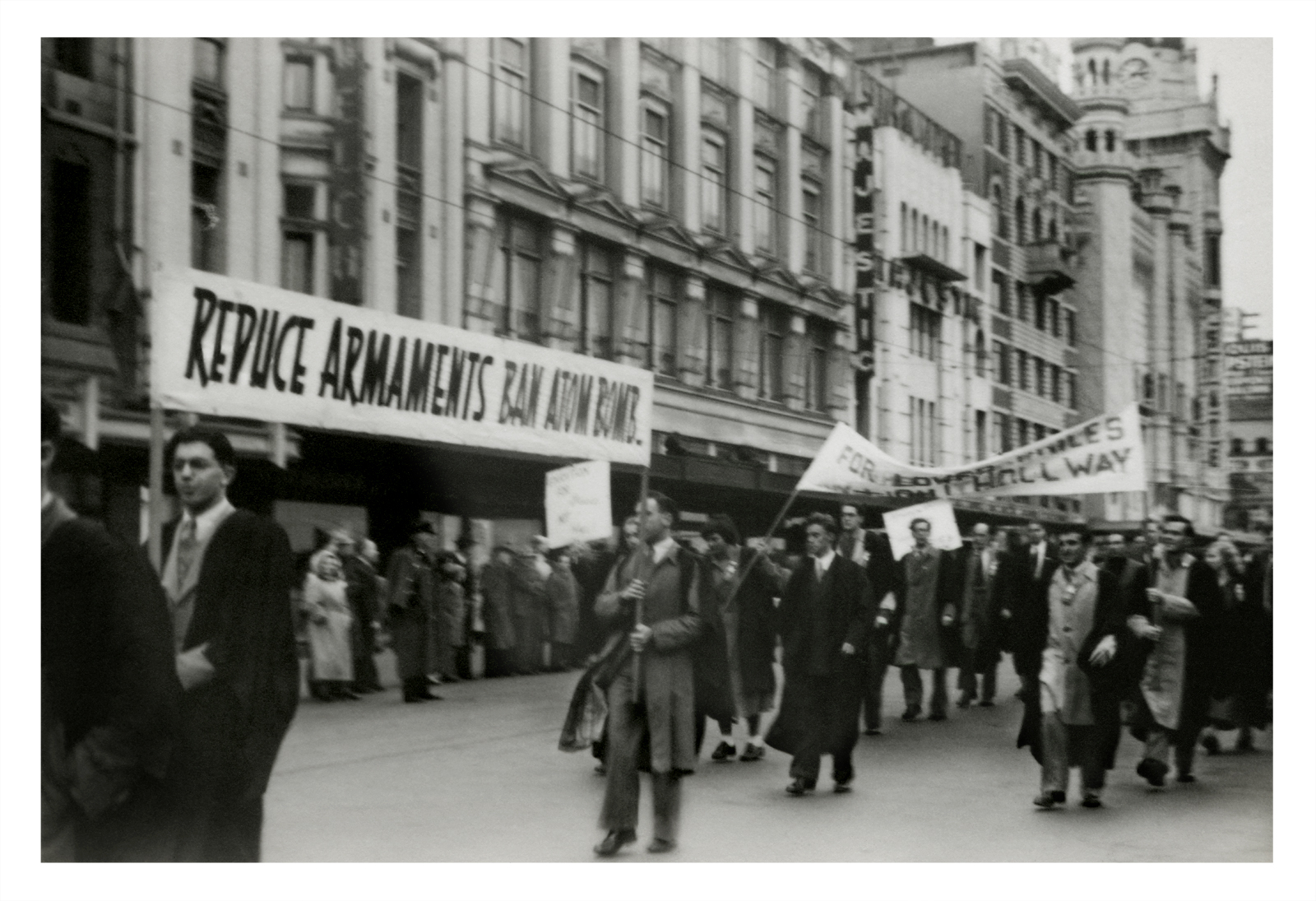
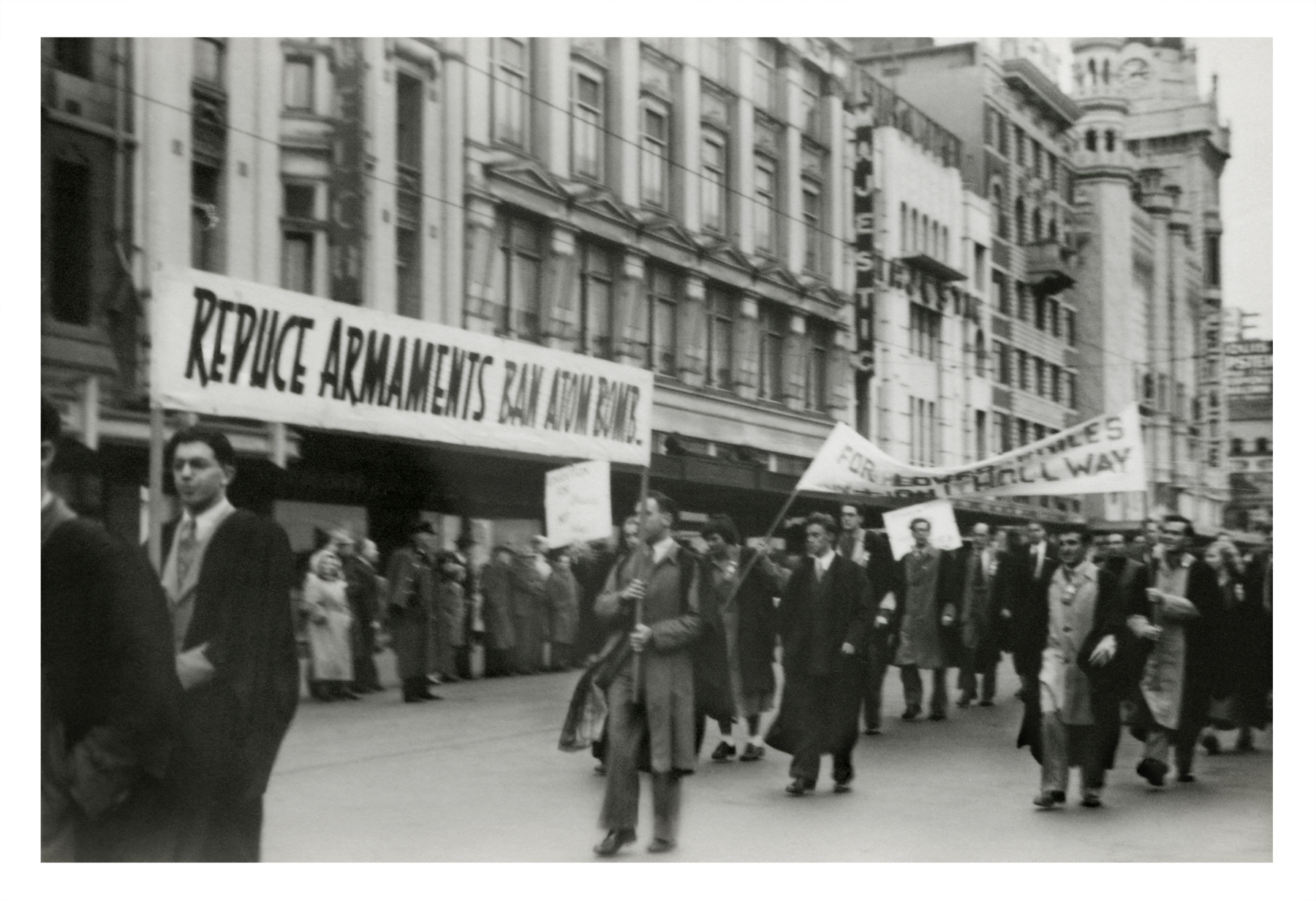
Joyce Evans (Australian, 1929-2019) 'Reduce Armaments Ban Atomic Bomb' 1951


Joyce Evans (Australian, 1929-2019)
Reduce Armaments Ban Atomic Bomb, May Day March, Flinders Street, Melbourne [pictured image-right, Professor Bernard Rechter]
1951
Gelatin silver print
From We Had Such High Hopes: Student Activism and the Peace Movement 1949-1952, A Photographic Memoir by Joyce Evans (Australian Scholarly Publishing 2019)
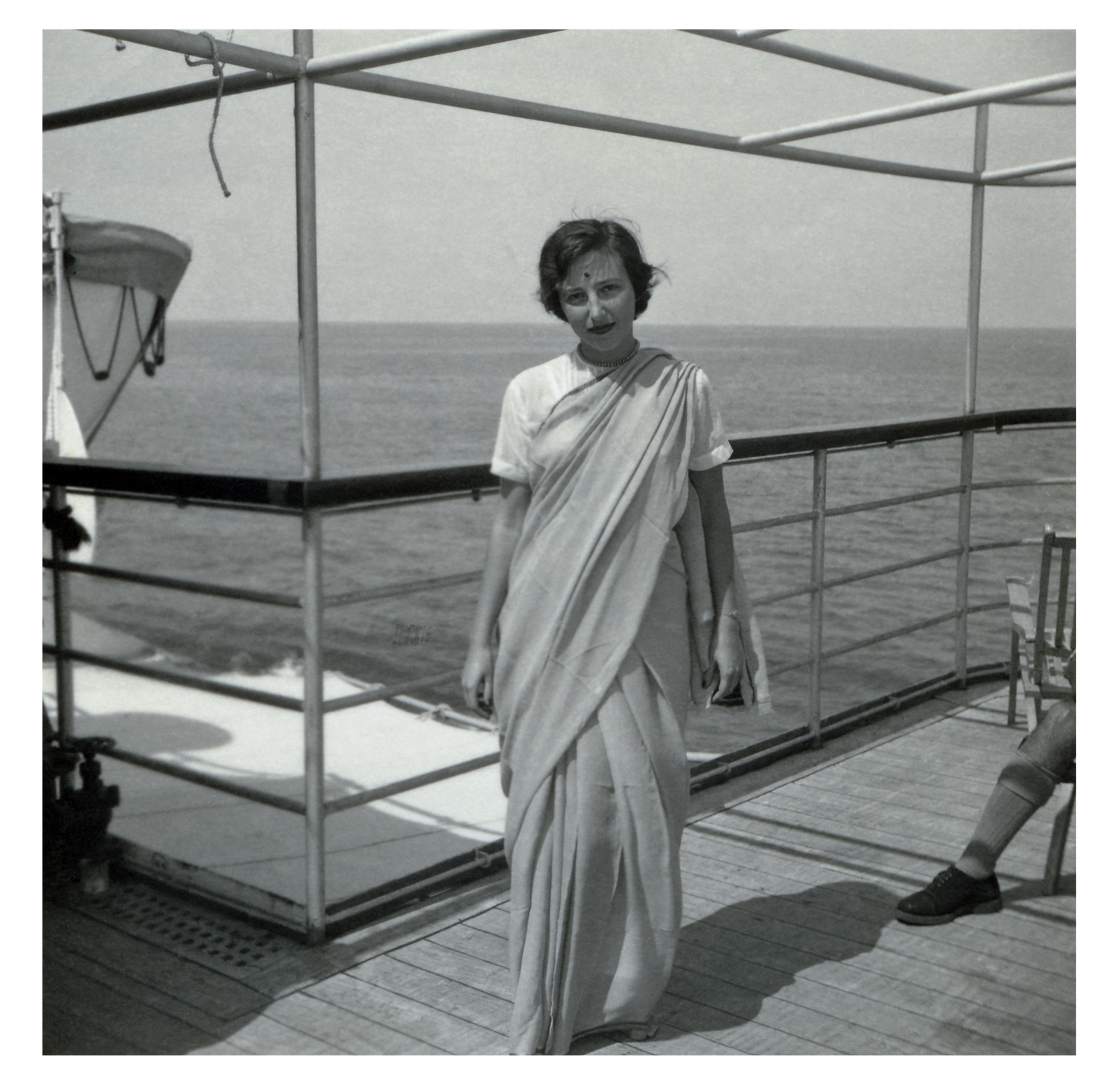


“Making photographs that are memorable requires more than just camera, light and a story. It requires a type of harmony, unity, and an indefinable something, which I can best explain as becoming emotionally attached to the subject so that the images almost make themselves.”


Joyce Evans


“Photography for me is a type of communion with my subject. Like everybody else I take photographs which have little meaning. But sometimes I sense an underlying value in the land, a group of people, a location, and then I make photograph, which is satisfying to myself. I think I would like to call that the way in which the quintessential spirit of what I am seeing has stirred me to need to make a photograph of it.

To me, I am alive, and my life and the life of everything in the world is connected. For me it is that universality that is the basis of my idea of the spiritual. I feel uncomfortable about formal organised religion and am perhaps more than a humanist, a universalist.”


Joyce Evans


“Aesthetically, I enjoy the camera’s capacity to record relationships and detail, which my subconscious may perceive, but I may not fully see.

My appreciation of aesthetics goes back to when I studied painting with John Olsen at the Bakery Art School, Sydney in 1967-1968. Olsen made me aware of the power of the edge of the image to relate to what was not shown in the image. My formal education was further enhanced when I did a degree in fine arts at Sydney University 1969-1971. There, Dr Anton Wilhelm taught me how to read an image. My understanding of the limits and potentials of two-dimensional imagery was expounded by Professor Bernard Smith.

Informally, my knowledge of photography and my practice was refined through formative conversations with a wide range of great photographers such as Andre Kertesz, Max Dupain, Ansel Adams and Bill Henson, Julie Millowick and Linda Connor.

Each of these relationships helped me to clarify my photographic position, which is based on a search for the essence of a subject.”


Joyce Evans


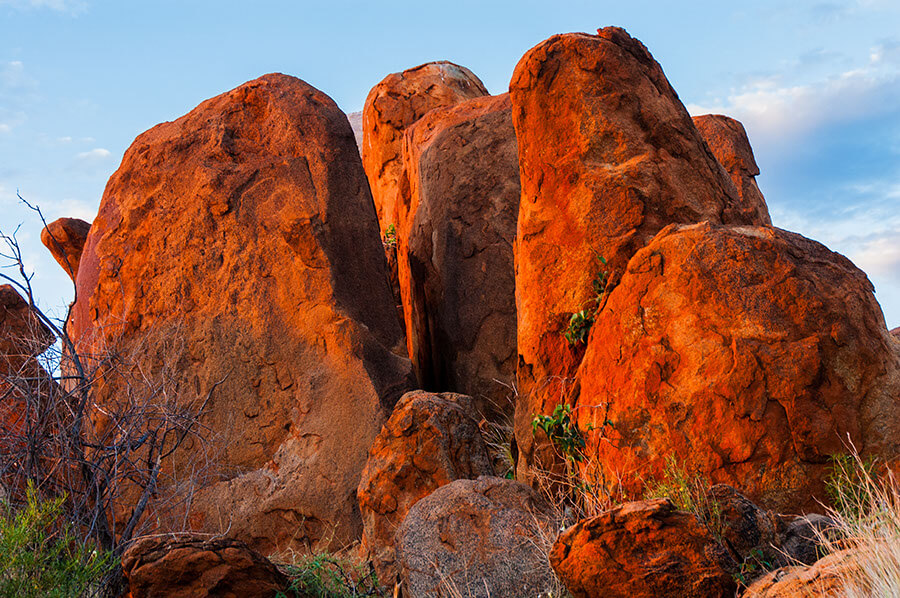
Joyce Evans (Australian, 1929-2019) 'Rain Dreaming, Yuendumu, NT' 2005


Joyce Evans (Australian, 1929-2019)
Rain Dreaming, Yuendumu, NT
2005


Joyce Evans (Australian, 1929-2019) 'Rain Dreaming, Yuendumu, NT' 2005


Joyce Evans (Australian, 1929-2019)
Rain Dreaming, Yuendumu, NT
2005


Joyce Evans (Australian, 1929-2019) 'Rain Dreaming, Yuendumu, NT' 2005


Joyce Evans (Australian, 1929-2019)
Rain Dreaming, Yuendumu, NT
2005


Joyce Evans (Australian, 1929-2019) 'Rain Dreaming, Yuendumu, NT' 2005


Joyce Evans (Australian, 1929-2019)
Rain Dreaming, Yuendumu, NT
2005


Joyce Evans (Australian, 1929-2019) 'Rain Dreaming, Yuendumu, NT' 2005


Joyce Evans (Australian, 1929-2019)
Rain Dreaming, Yuendumu, NT
2005


Joyce Evans short biography

Joyce Olga Evans is well known in Australian photography. In 1976 Joyce opened Church Street Photographic Centre, a pioneer Australian commercial gallery devoted to Photography. It showcased the best of Australian and International photographers. Joyce exhibited works by Frank Hurley, Imogen Cunningham, Bill Henson, Henri Cartier-Bresson, Julia Margret Cameron, Max Dupain and many other renowned photographers – she says that they were her teachers.

Passionately dedicated to photography, she has had many solo exhibitions of both her landscapes (she photographed in the Dandenongs and Mt Martha regions in the outer Melbourne; along the Hume Highway; in the Central Desert and outback Australia, most notably Oodnadatta, Oodlawirra, Menindee, and Lake Mungo; vineyards and rural villages in the South of France; the old Jewish cemetery in the centre of Prague; and numerous others) and her portraits (she photographed Australian intelligentsia and personalities, including Marianne Baillieu; Barbara Blackman; Baron Avid von Blumenthal; Tim Burstall; Dur-e Dara; Robert Dessaix; Germaine Greer; Elena Kats-Chernin; Joan Kerr; Ellen Koshland; David Malouf; Dame Elisabeth Murdoch; Lin Onus; Jill Reichstein; Chris Wallace-Crabbe; and innumerable others) throughout Australia and Europe.

Joyce has spent two decades documenting Australia for the National Library of Australia, who are acquiring her life’s work for their permanent collection. When this acquisition is complete the Library will hold over 30,000 analogue images and 80,000 digital files. Also included are diaries and other relevant documents and files. Much of this work is destined for display on Trove, the library’s online viewing resource. She has exhibited extensively in Australia and in France and her photographs are held in many major collections. Joyce has been published widely. Her monograph Only One Kilometre was published in 2003 by Lothian Press. It detailed her many years of studying the unique qualities of the Balcombe Estuary Reserve, at Mount Martha as well as poems and articles by distinguished writers. Her work is held in many collections both locally and internationally.

Joyce Evans also plays an important educational role in Australian photography. She taught history of photography at Melbourne’s RMIT University; appointed inaugural assistant director of Waverley City Gallery (now Monash Gallery of Art), 1990-1991, the first municipal public collection in Melbourne to specialise in photography; established and inaugurated a course on the History of Photography and appointed Research Fellow at the University of Melbourne, 1997-2010.

Evans worked as an honorary photographer for the Department of Aboriginal Affairs in Central Australia and for over ten years documented Australian country towns and events for the National Library of Australia. Important publications on Joyce Evans include a monograph Only One Kilometre (Melbourne: Lothian Press, 2003), and exhibition catalogues with essays by Alison Inglis, Eugene Barilo von Reisberg, Tim Page, Victoria Hammond, and many others.

Anonymous text from the Joyce Evans Photographer website Nd [Online] Cited 16th June 2019. No longer available online


William Yang (Australian, b. 1943) 'Marcus and Joyce' 2018


William Yang (Australian, b. 1943)
Marcus and Joyce
2018


Being two photographers, the only photograph of Joyce and Marcus together, taken by another photographer William Yang.


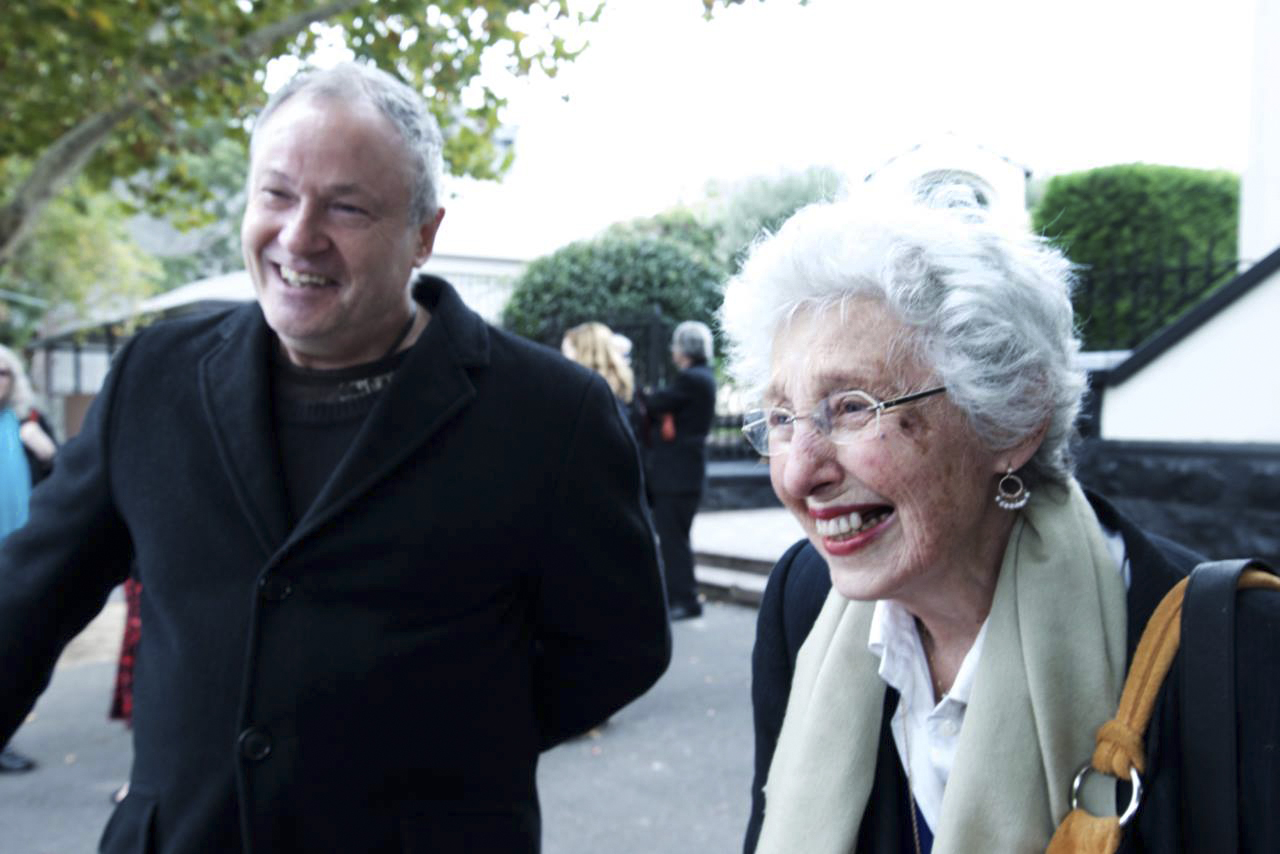
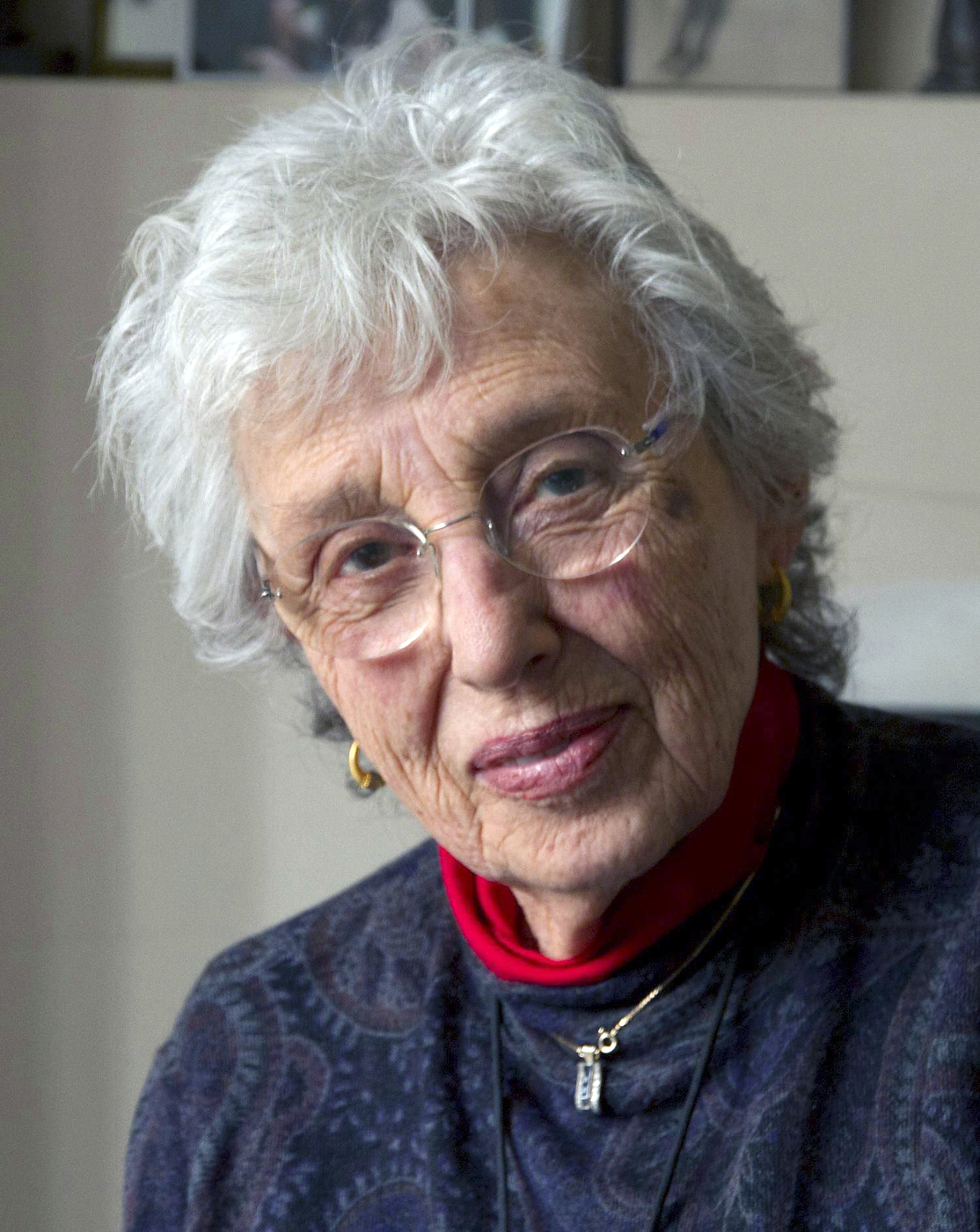
Michael Silver (Australian) 'Joyce Evans' 2013


Michael Silver (Australian)
Joyce Evans
2013


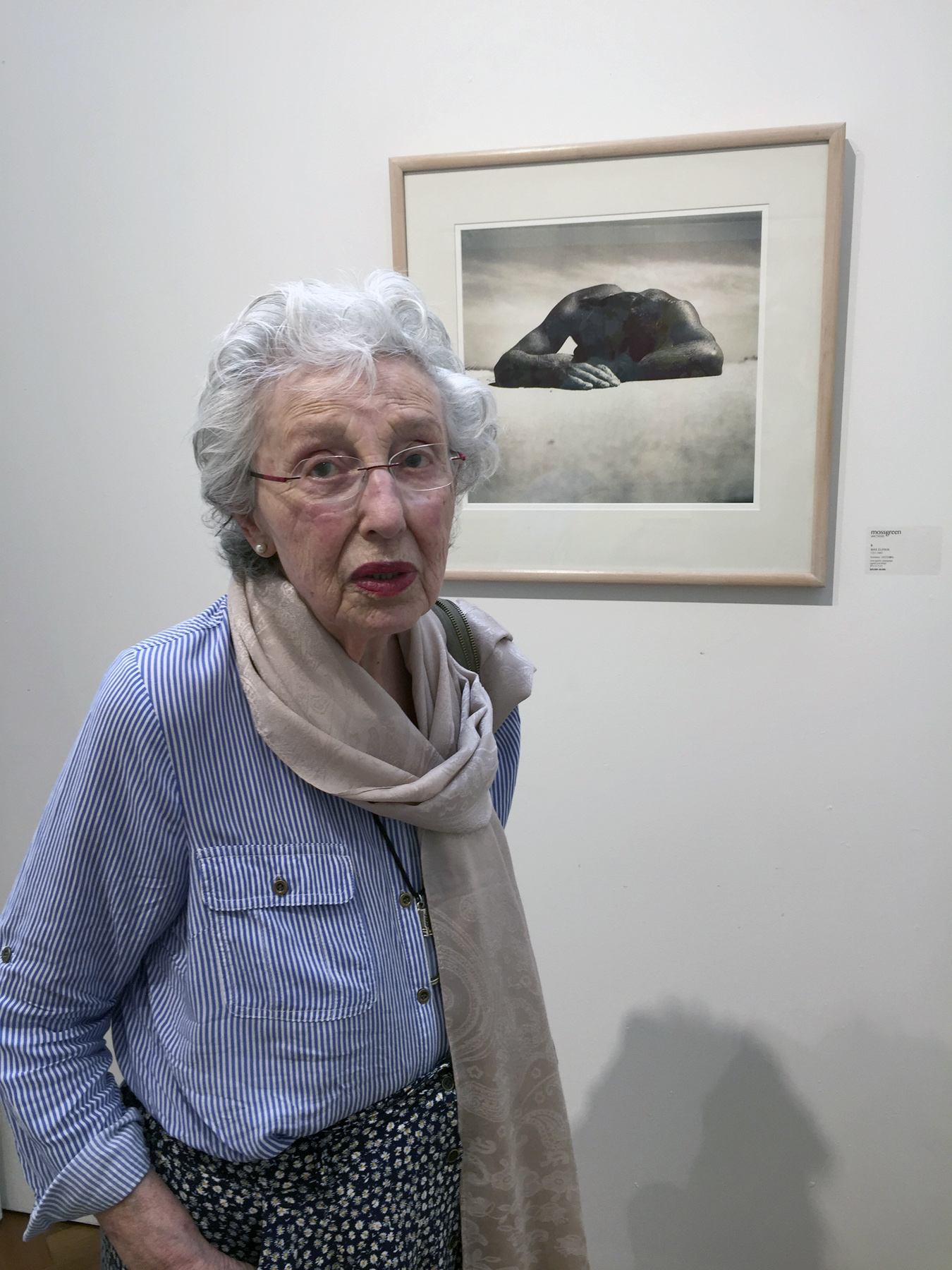
Marcus Bunyan (Australian, b. 1958) 'Joyce Evans standing in front of Max Dupain's 'Sunbaker' 1937' 2018


Marcus Bunyan (Australian, b. 1958)
Joyce Evans standing in front of Max Dupain’s ‘Sunbaker’ 1937
2018


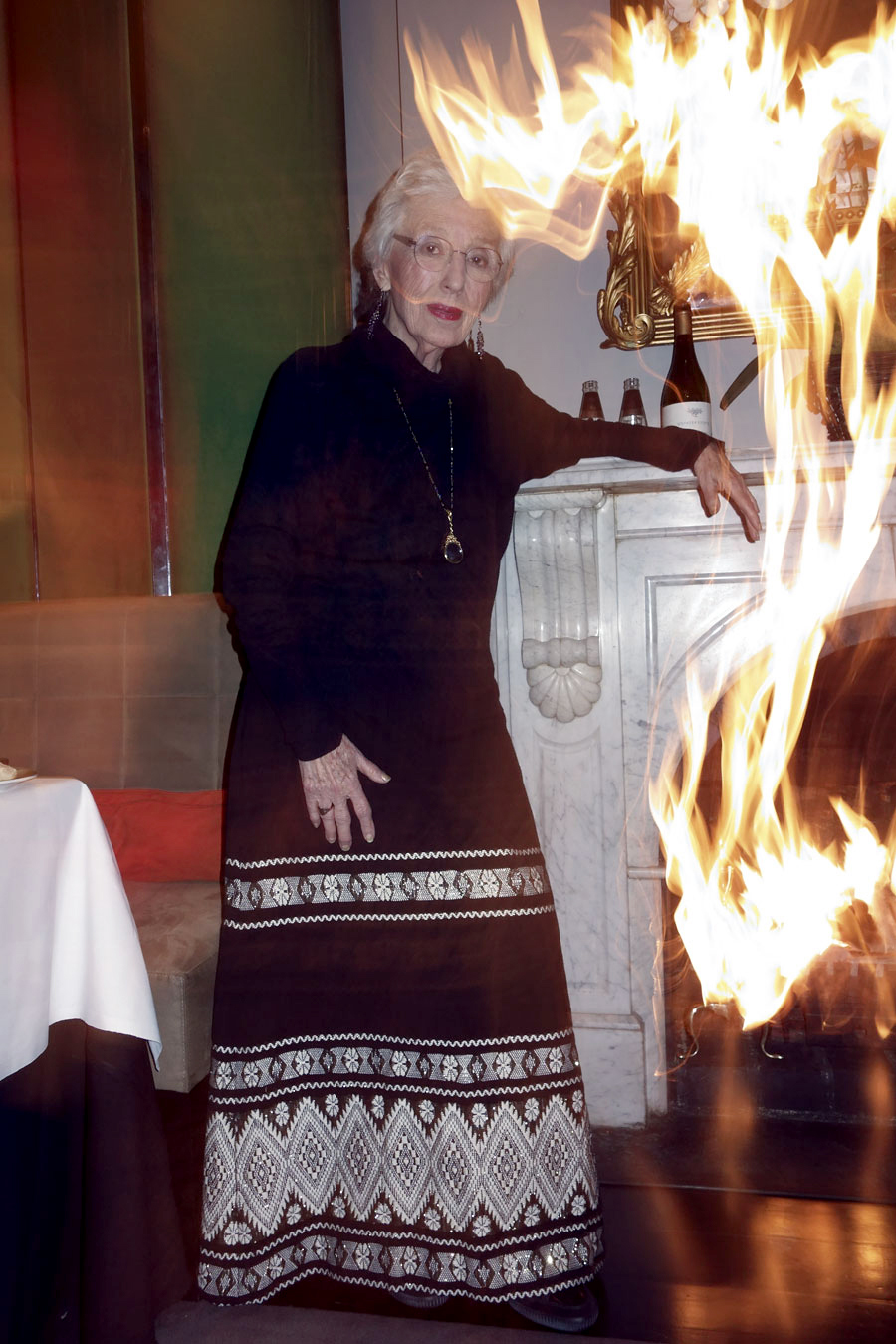
Marcus Bunyan (Australian, b. 1958) 'Joyce and the dragon' 2016


Marcus Bunyan (Australian, b. 1958)
Joyce and the dragon
2016


Joyce standing in front of the fireplace at Jacques Reymond’s restaurant for the birthday of her friend Marcus Bunyan. In Chinese mythology the dragon traditionally symbolises potent and auspicious powers and also is a symbol of power, strength, and good luck for people who are worthy of it.


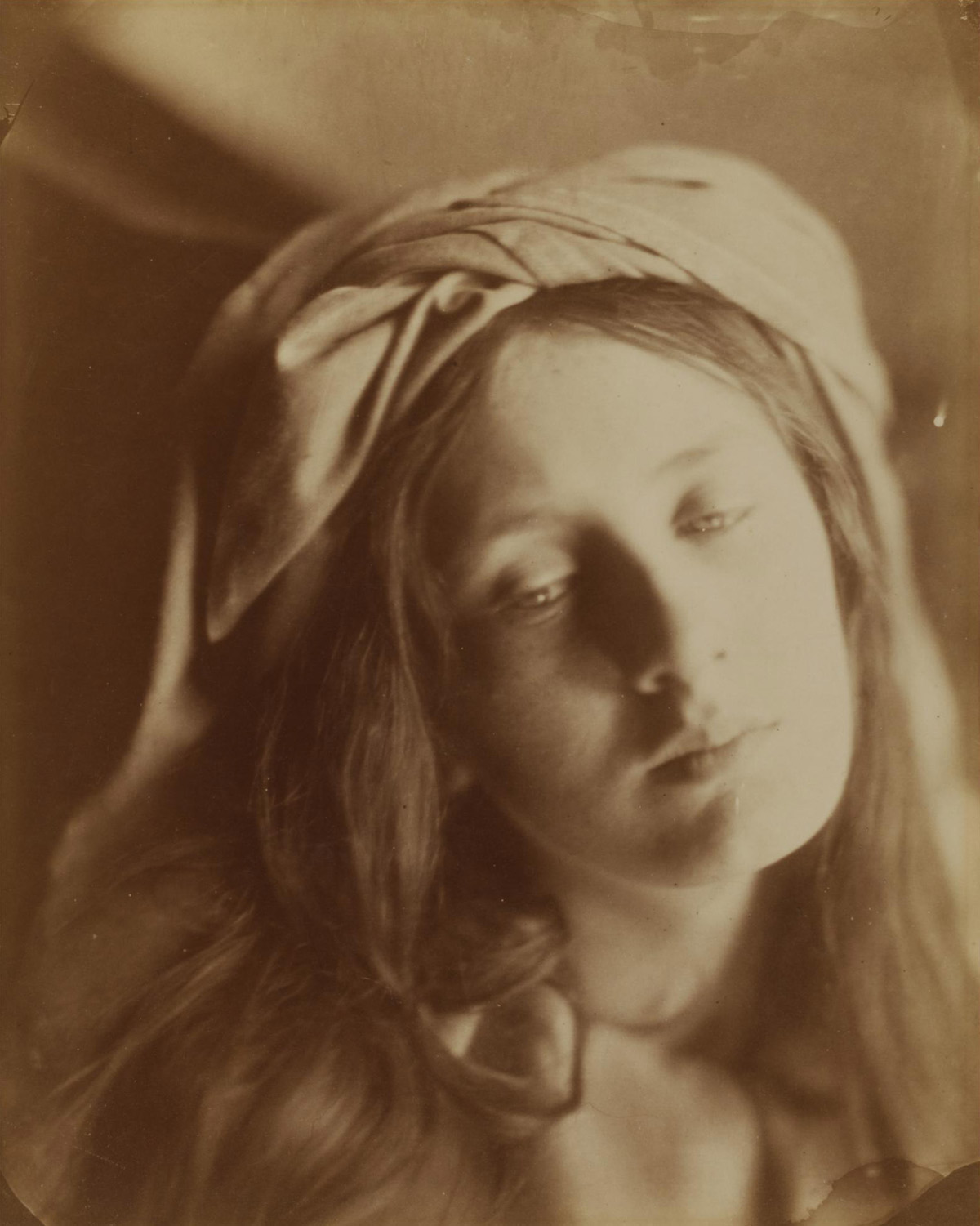
Julia Margaret Cameron (British, 1815-1879) 'Beatrice' 1866


Julia Margaret Cameron (British, 1815-1879)
Beatrice
1866
Albumen silver print


Joyce Evans Photographer website

LIKE ART BLART ON FACEBOOK

Back to top

Joyce Evans celebration

May 2019

Where: Monash Gallery of Art, Wheelers Hill
When: Monday 20th May 2019, 6-9pm


Joyce Evans photographer celebration… I hope many of you can attend.

A celebration of Joyce and her contribution to art, photography, women’s status, mentorship and philanthropy. At least 30 of her prints will be displayed. Celebrants will talk and recall in their own words experiences with Joyce and her passions. The event will be recorded and made available for non-attendees. Snacks and drinks will be available.

A truly remarkable human being.

Marcus


If we can find out what we are… that is the artist. This goes to the core element of your being, and the core element of your enquiry remains the same.

If the core part of your life is the search for the truth then that becomes a core part of your identity for the rest of your life. It becomes embedded in your soul.


Joyce Evans


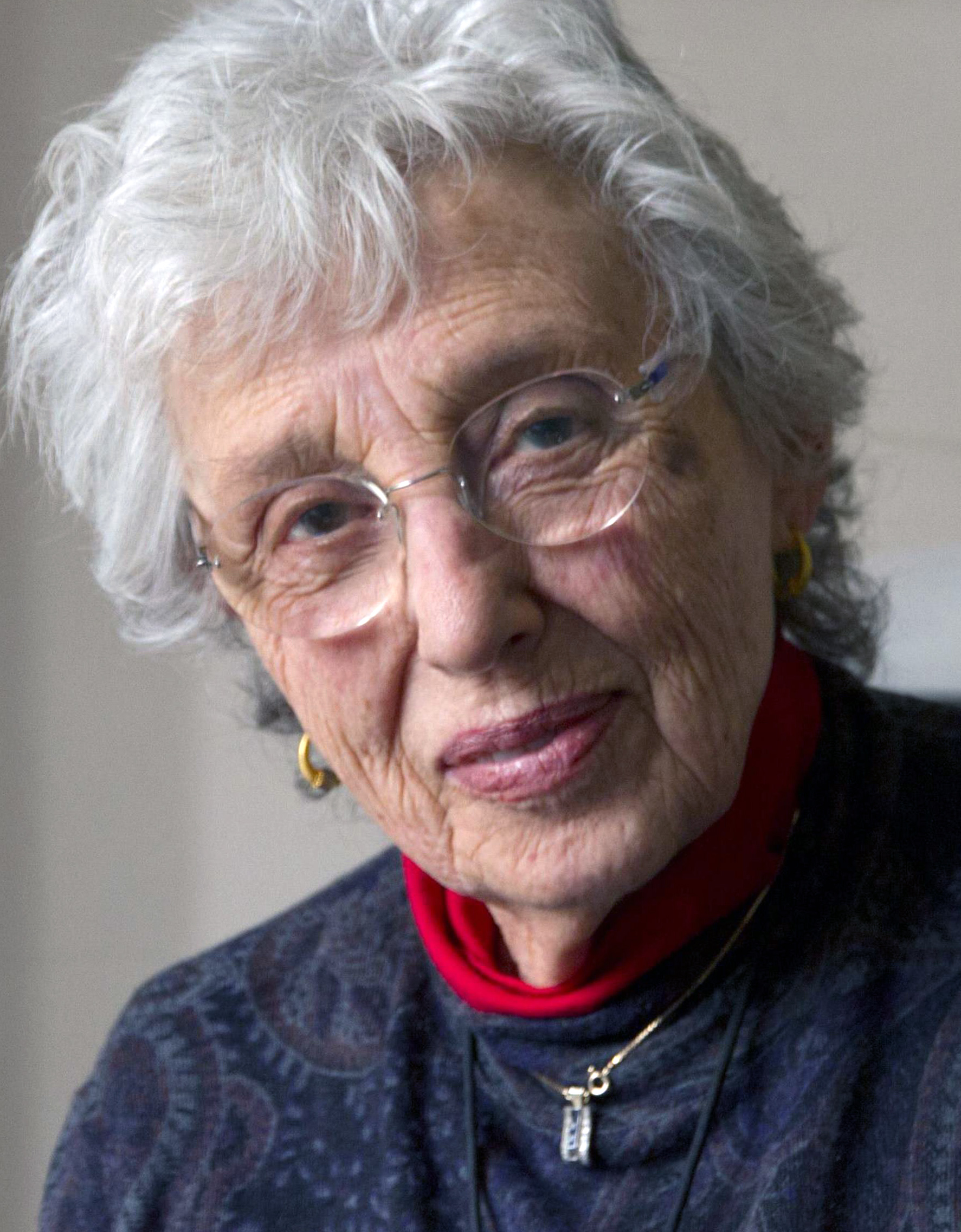
Michael Silver (Australian) 'Joyce Evans' Nd


Michael Silver (Australian)
Joyce Evans
Nd


Monash Gallery of Art
860 Ferntree Gully Road, Wheelers Hill
Victoria 3150 Australia
Phone: + 61 3 8544 0500

Opening hours:
Tue – Fri: 10am – 5pm
Sat – Sun: 10pm – 4pm
Mon/public holidays: closed

Monash Gallery of Art website

LIKE ART BLART ON FACEBOOK

Back to top

Marcus Bunyan black and white archive: ‘Mask’, 1995-1996

April 2019

*PLEASE NOTE THIS POSTING CONTAINS ART PHOTOGRAPHS OF MALE NUDITY – IF YOU DO NOT LIKE PLEASE DO NOT LOOK, FAIR WARNING HAS BEEN GIVEN*


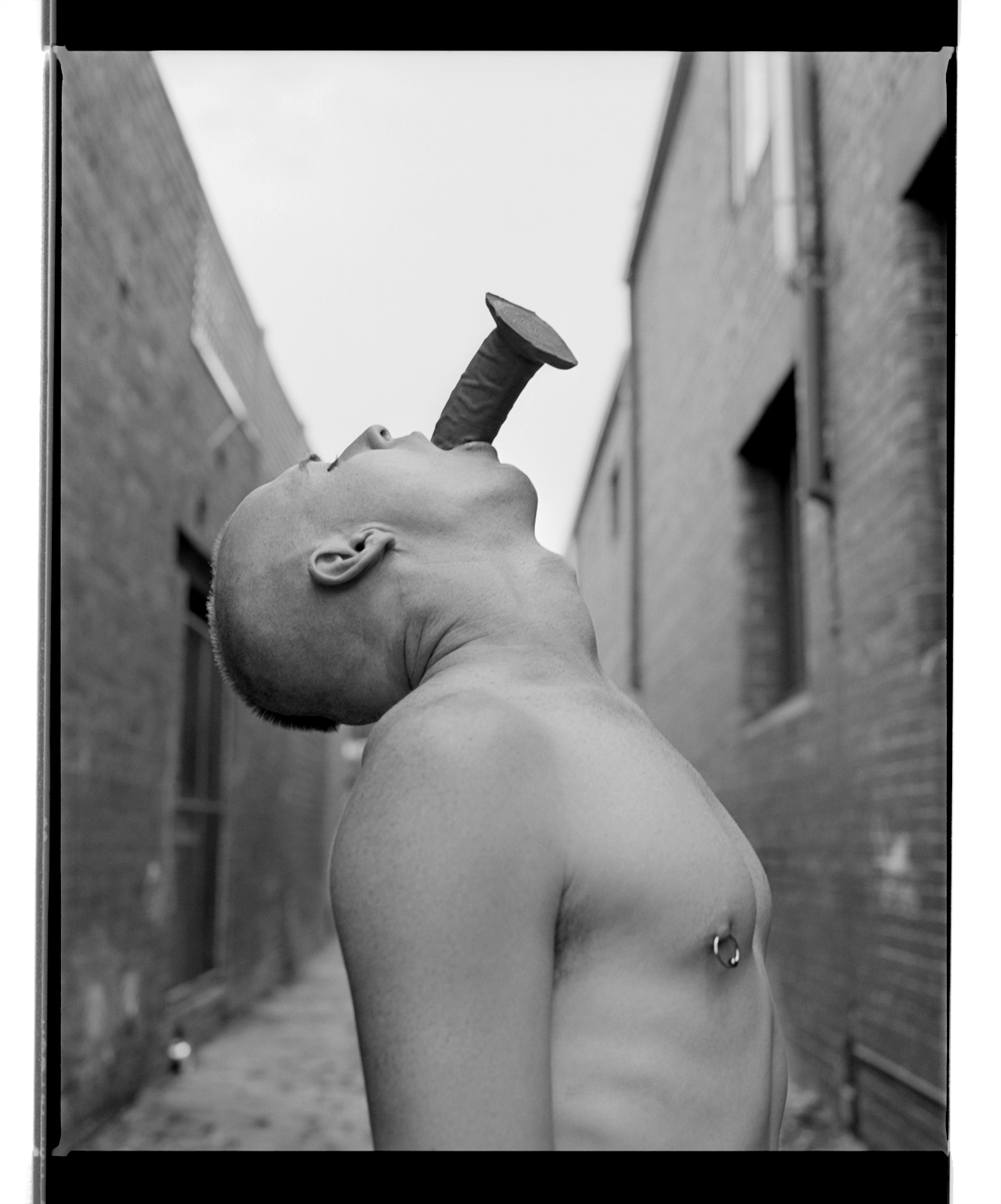
Marcus Bunyan (Australian, b. 1958) 'Paul (Dildo I)' 1995-1996 from the series 'Mask'


Marcus Bunyan (Australian born England, b. 1958)
Paul (Dildo I)
1995-1996
From the series Mask
Gelatin silver print


This series of photographs is of my partner, my lover, my best friend and my muse for twelve and a half years. We had such fun with life, pushing the boundaries at every opportunity. It was a privilege to be able to photograph him in every situation that we thought about, to capture the creativity of spirit and being, of existence.

There are many photographs of this handsome, intelligent man that I took – a deep collaboration that I will never have again in my lifetime. The photographs that emerged from our relationship remind me of those that Alfred Stieglitz took of Georgia O’Keeffe – strong images based on trust and intimacy.

To Paul, I am proud of the photographs we took together and I am eternally grateful for our love, relationship and exploration of body, mind and spirit. Thank you.

Marcus


I am scanning my negatives made during the years 1991-1997 to preserve them in the form of an online archive as a process of active memory, so that the images are not lost forever. These photographs were images of my life and imagination at the time of their making, the ideas I was thinking about and the people and things that surrounded me.

All images © Marcus Bunyan. Please click the photographs for a larger version of the image. Please remember these are just straight scans of the prints, all full frame, no cropping !

Photographs are available from this series for purchase. As a guide, a vintage 8″ x 10″ silver gelatin print costs $700 plus tracked and insured shipping. For more information please see my Store web page.


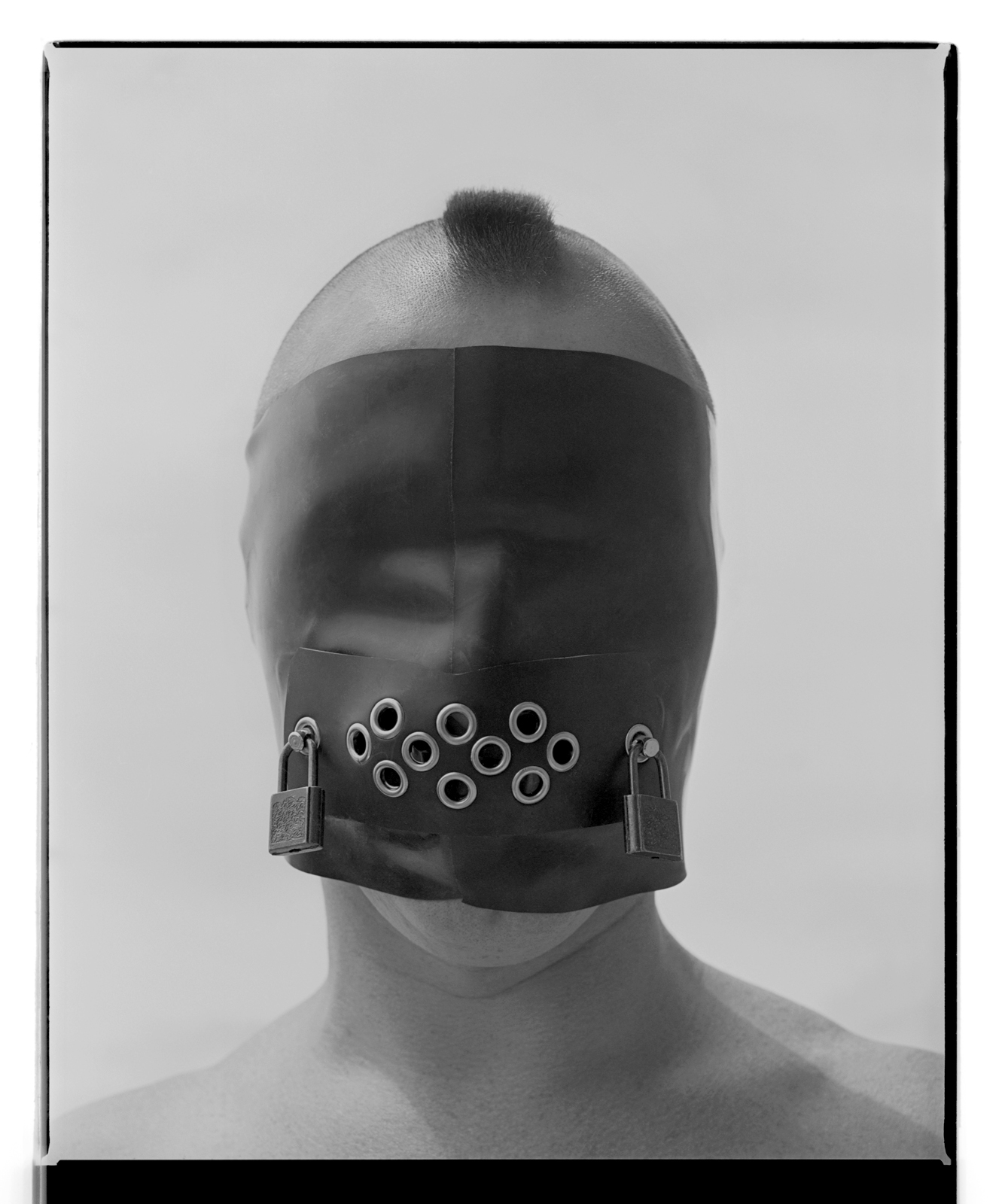
Marcus Bunyan (Australian born England, b. 1958) 'Mask I' 1995-1996 from the series 'Mask'


Marcus Bunyan (Australian born England, b. 1958)
Mask I
1995-1996
From the series Mask
Gelatin silver print


Marcus Bunyan (Australian born England, b. 1958) 'Mask II' 1995-1996 from the series 'Mask'


Marcus Bunyan (Australian born England, b. 1958)
Mask II
1995-1996
From the series Mask
Gelatin silver print


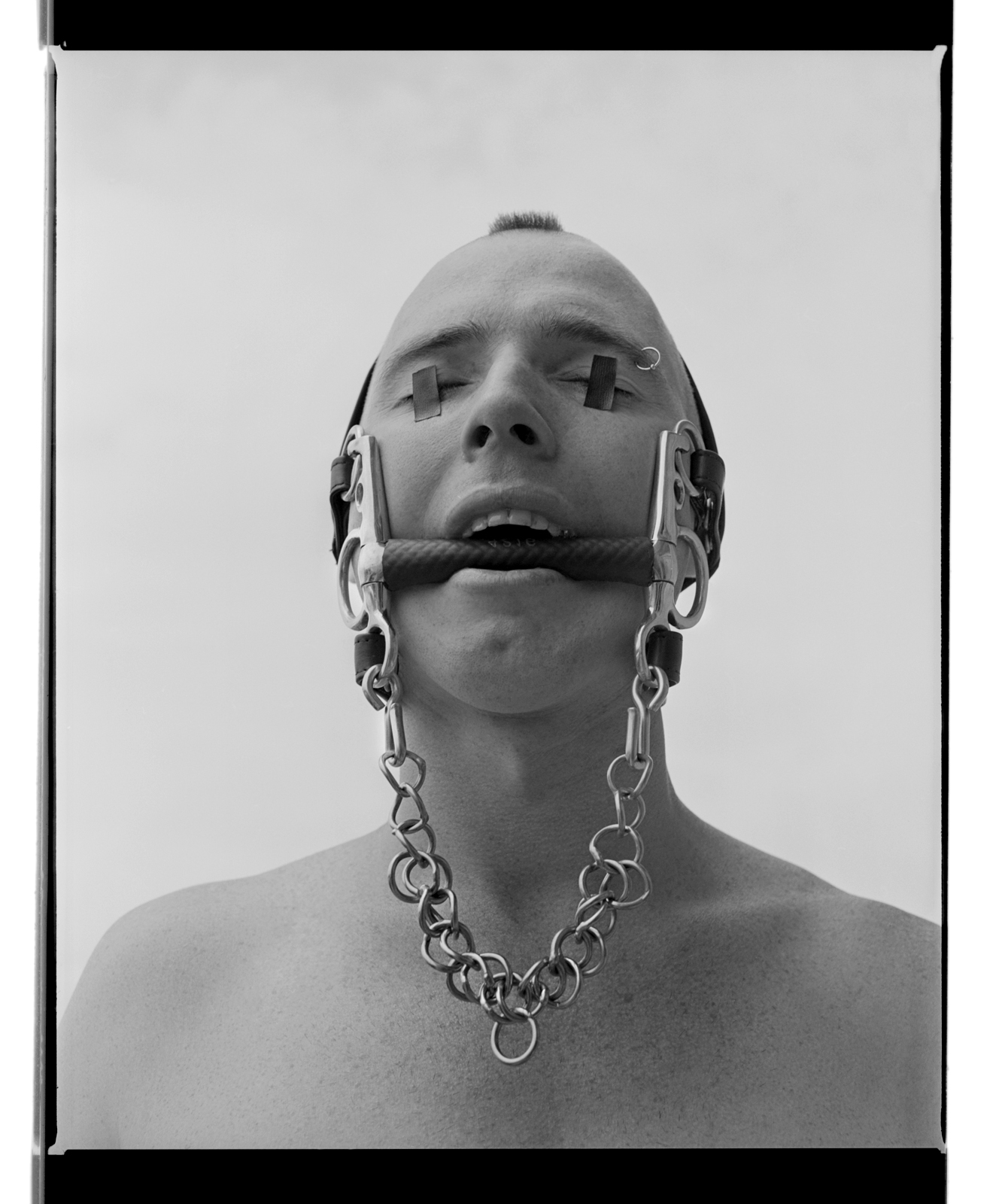
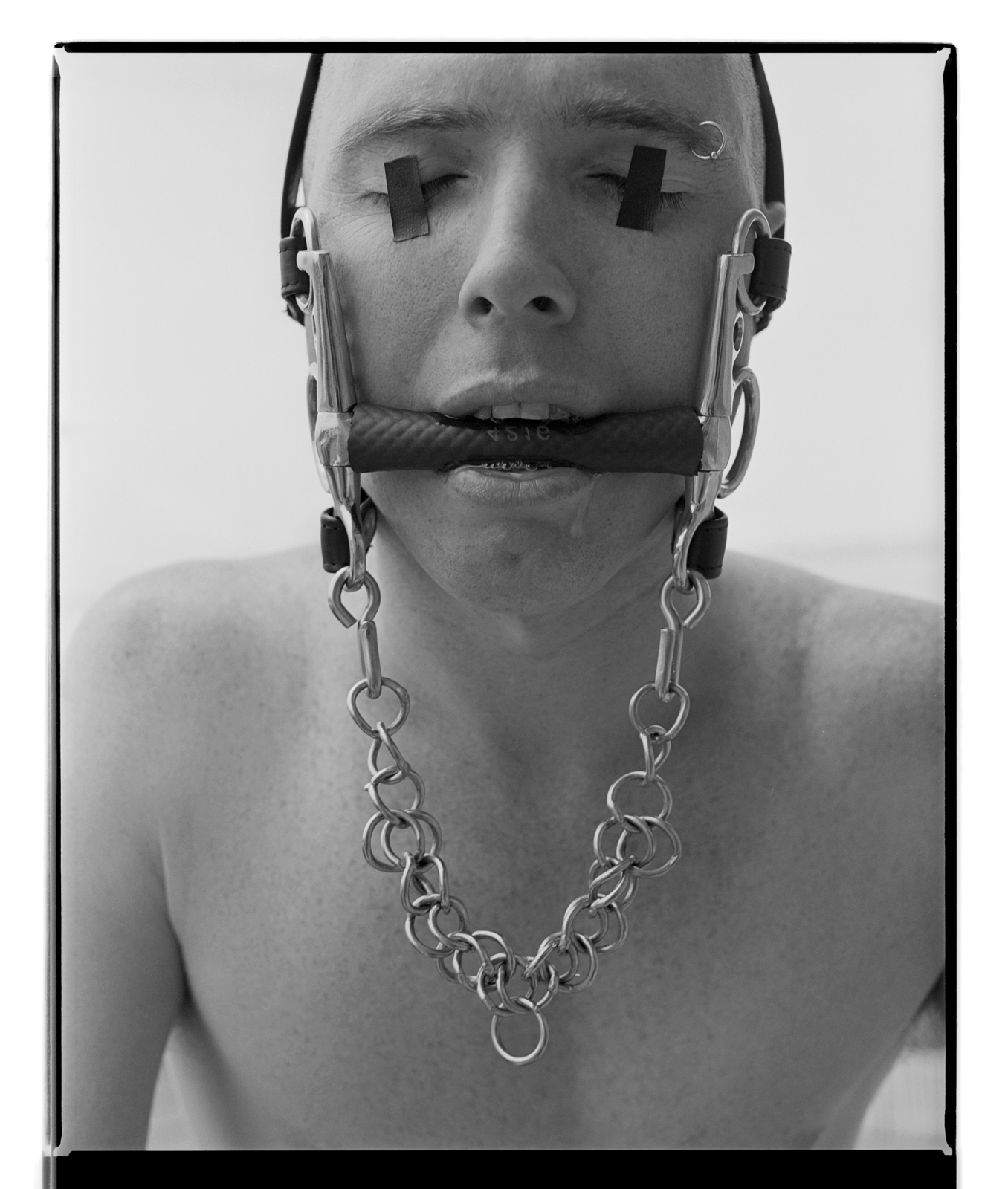
Marcus Bunyan (Australian born England, b. 1958) 'Paul (Horse bit)' 1995-1996 from the series 'Mask'


Marcus Bunyan (Australian born England, b. 1958)
Paul (Horse bit)
1995-1996
From the series Mask
Gelatin silver print


Marcus Bunyan (Australian born England, b. 1958) 'Paul (Boots)' 1995-1996 from the series 'Mask'


Marcus Bunyan (Australian born England, b. 1958)
Paul (Boots)
1995-1996
From the series Mask
Gelatin silver print


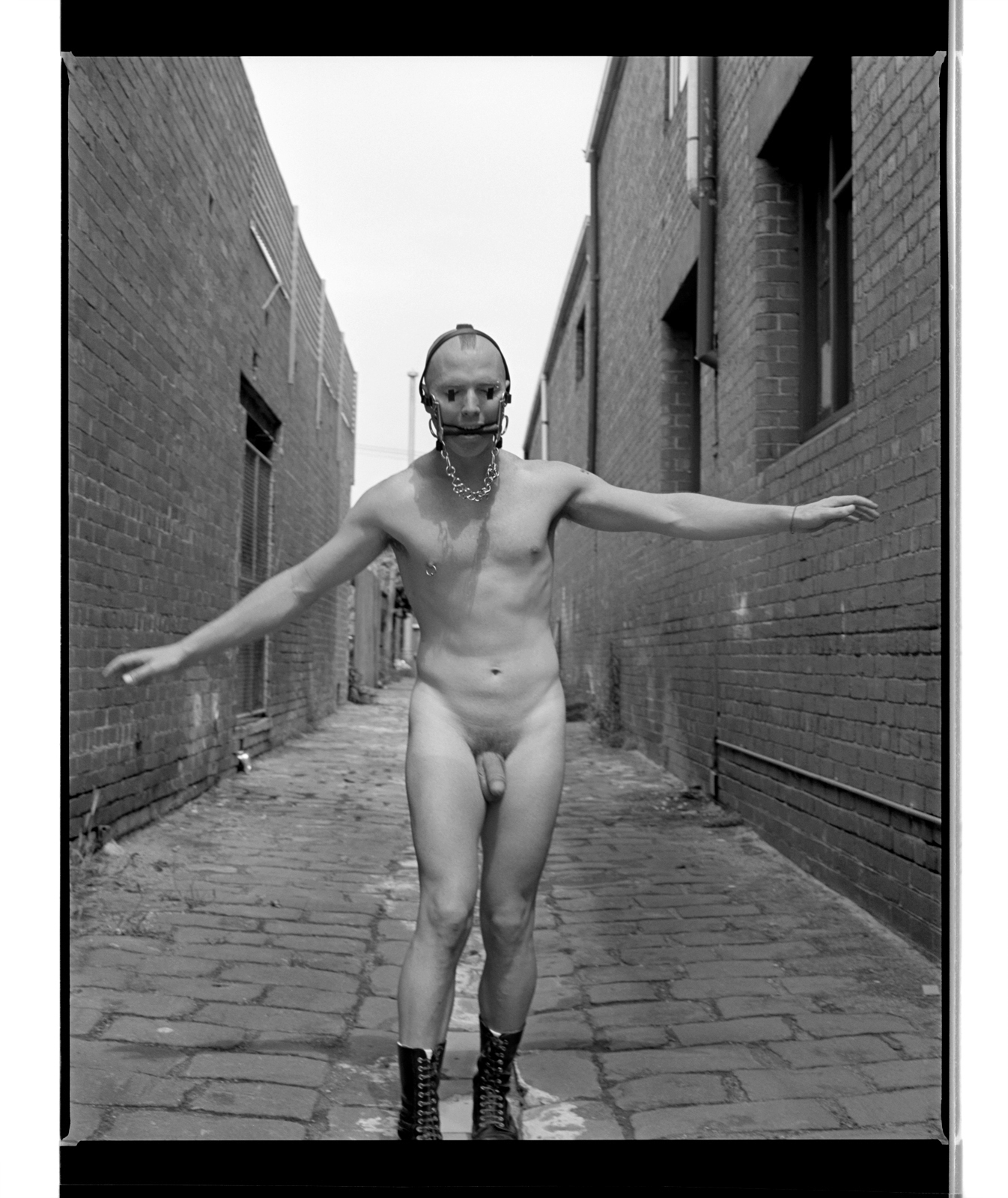
Marcus Bunyan (Australian born England, b. 1958) 'Balance I' 1995-1996 from the series 'Mask'


Marcus Bunyan (Australian born England, b. 1958)
Balance I
1995-1996
From the series Mask
Gelatin silver print


Marcus Bunyan (Australian born England, b. 1958) 'Mask III' 1995-1996 from the series 'Mask'


Marcus Bunyan (Australian born England, b. 1958)
Mask III
1995-1996
From the series Mask
Gelatin silver print


Marcus Bunyan (Australian born England, b. 1958) 'Paul (Dildo II)' 1995-1996 from the series 'Mask'


Marcus Bunyan (Australian born England, b. 1958)
Paul (Dildo II)
1995-1996
From the series Mask
Gelatin silver print


Marcus Bunyan (Australian born England, b. 1958) 'Paul (Blind)' 1995-1996 from the series 'Mask'


Marcus Bunyan (Australian born England, b. 1958)
Paul (Blind)
1995-1996
From the series Mask
Gelatin silver print


Marcus Bunyan (Australian born England, b. 1958) 'Balance II' 1995-1996 from the series 'Mask'


Marcus Bunyan (Australian born England, b. 1958)
Balance II
1995-1996
From the series Mask
Gelatin silver print


Marcus Bunyan (Australian born England, b. 1958) 'Balance III' 1995-1996 from the series 'Mask'


Marcus Bunyan (Australian born England, b. 1958)
Balance III
1995-1996
From the series Mask
Gelatin silver print


Marcus Bunyan (Australian born England, b. 1958) 'Balance IV' 1995-1996 from the series 'Mask'


Marcus Bunyan (Australian born England, b. 1958)
Balance IV
1995-1996
From the series Mask
Gelatin silver print


Marcus Bunyan (Australian born England, b. 1958) 'Paul (Dildo III)' 1995-1996 from the series 'Mask'


Marcus Bunyan (Australian born England, b. 1958)
Paul (Dildo III)
1995-1996
From the series Mask
Gelatin silver print


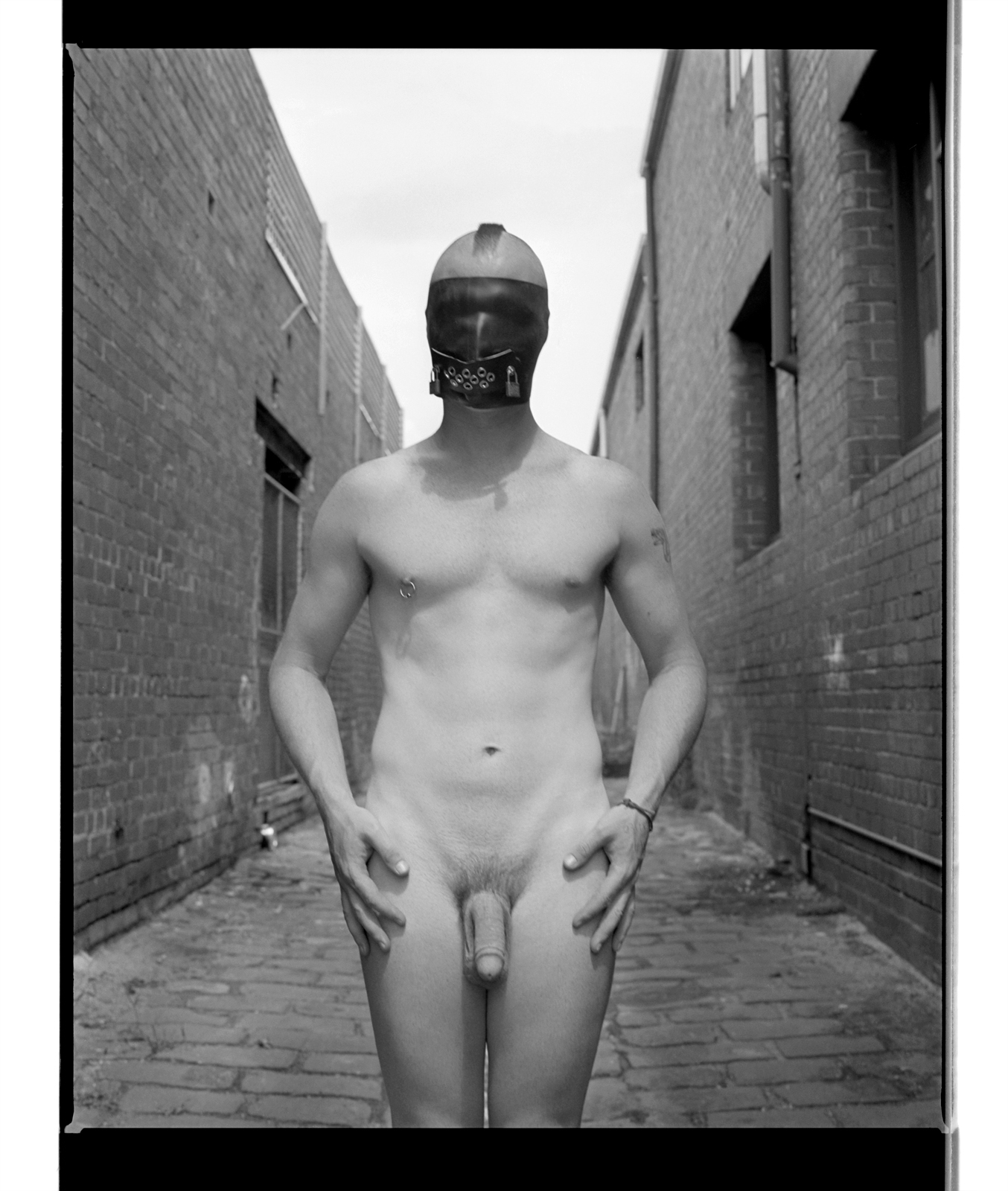
Marcus Bunyan (Australian born England, b. 1958) 'Paul (Hands on hips)' 1995-1996 from the series 'Mask'


Marcus Bunyan (Australian born England, b. 1958)
Paul (Hands on hips)
1995-1996
From the series Mask
Gelatin silver print


Marcus Bunyan (Australian born England, b. 1958) 'Paul (Blind)' 1995-1996 from the series 'Mask'


Marcus Bunyan (Australian born England, b. 1958)
Paul (Blind)
1995-1996
From the series Mask
Gelatin silver print


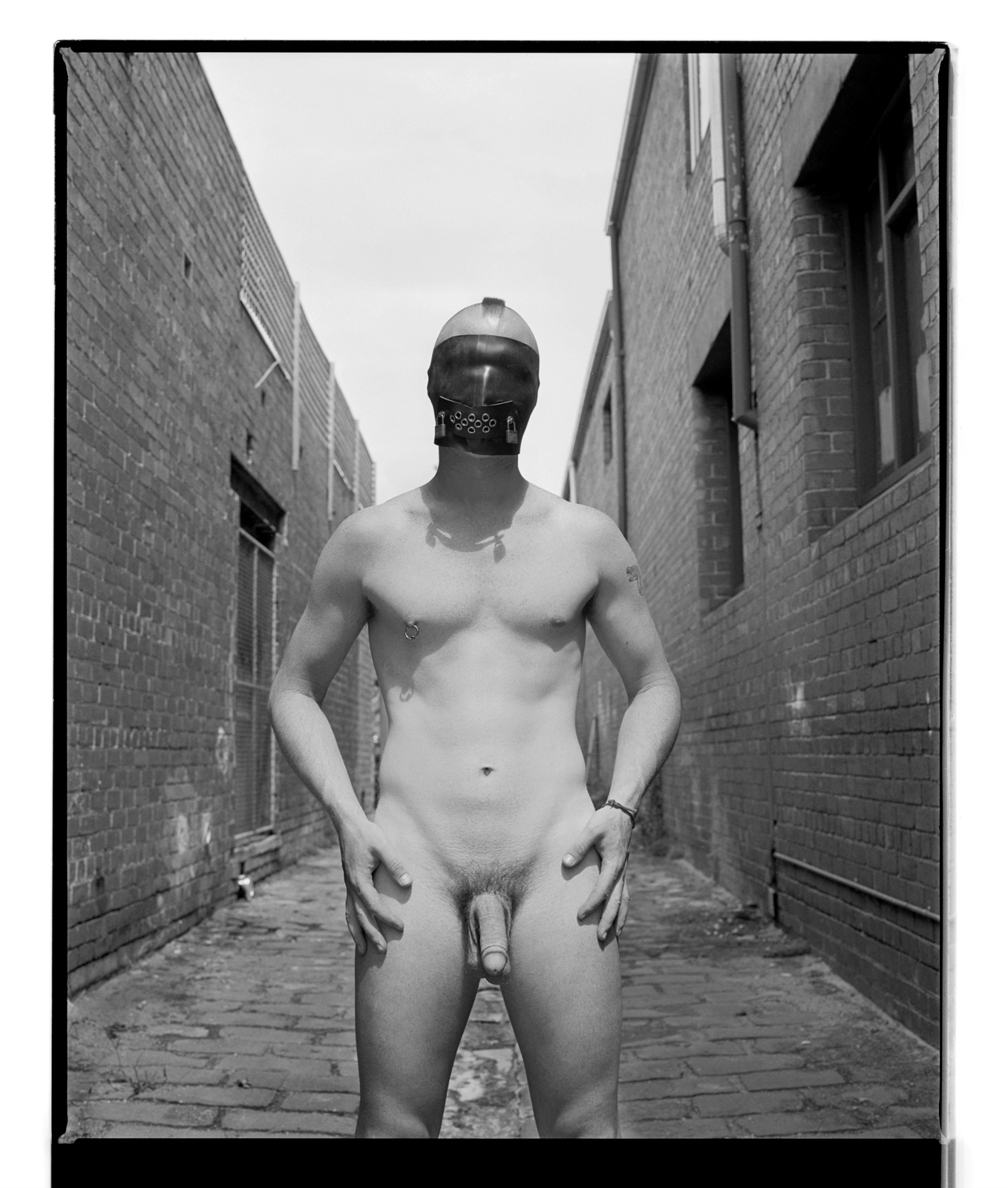
Marcus Bunyan (Australian born England, b. 1958) 'Paul (Hands on hips)' 1995-1996 from the series 'Mask'


Marcus Bunyan (Australian born England, b. 1958)
Paul (Hands on hips)
1995-1996
From the series Mask
Gelatin silver print


Marcus Bunyan (Australian born England, b. 1958) 'Saliva I' 1995-1996 from the series 'Mask'


Marcus Bunyan (Australian born England, b. 1958)
Saliva I
1995-1996
From the series Mask
Gelatin silver print


Marcus Bunyan (Australian born England, b. 1958) 'Saliva II' 1995-1996 from the series 'Mask'


Marcus Bunyan (Australian born England, b. 1958)
Saliva II
1995-1996
From the series Mask
Gelatin silver print


Marcus Bunyan (Australian born England, b. 1958) 'Paul (Hands behind back)' 1995-1996 from the series 'Mask'


Marcus Bunyan (Australian born England, b. 1958)
Paul (Hands behind back)
1995-1996
From the series Mask
Gelatin silver print


Marcus Bunyan (Australian born England, b. 1958) 'Mask IV' 1995-1996 from the series 'Mask'


Marcus Bunyan (Australian born England, b. 1958)
Mask IV
1995-1996
From the series Mask
Gelatin silver print


Marcus Bunyan (Australian born England, b. 1958) 'Paul (Boots and mask)' 1995-1996 from the series 'Mask'


Marcus Bunyan (Australian born England, b. 1958)
Paul (Boots and mask)
1995-1996
From the series Mask
Gelatin silver print


Marcus Bunyan website
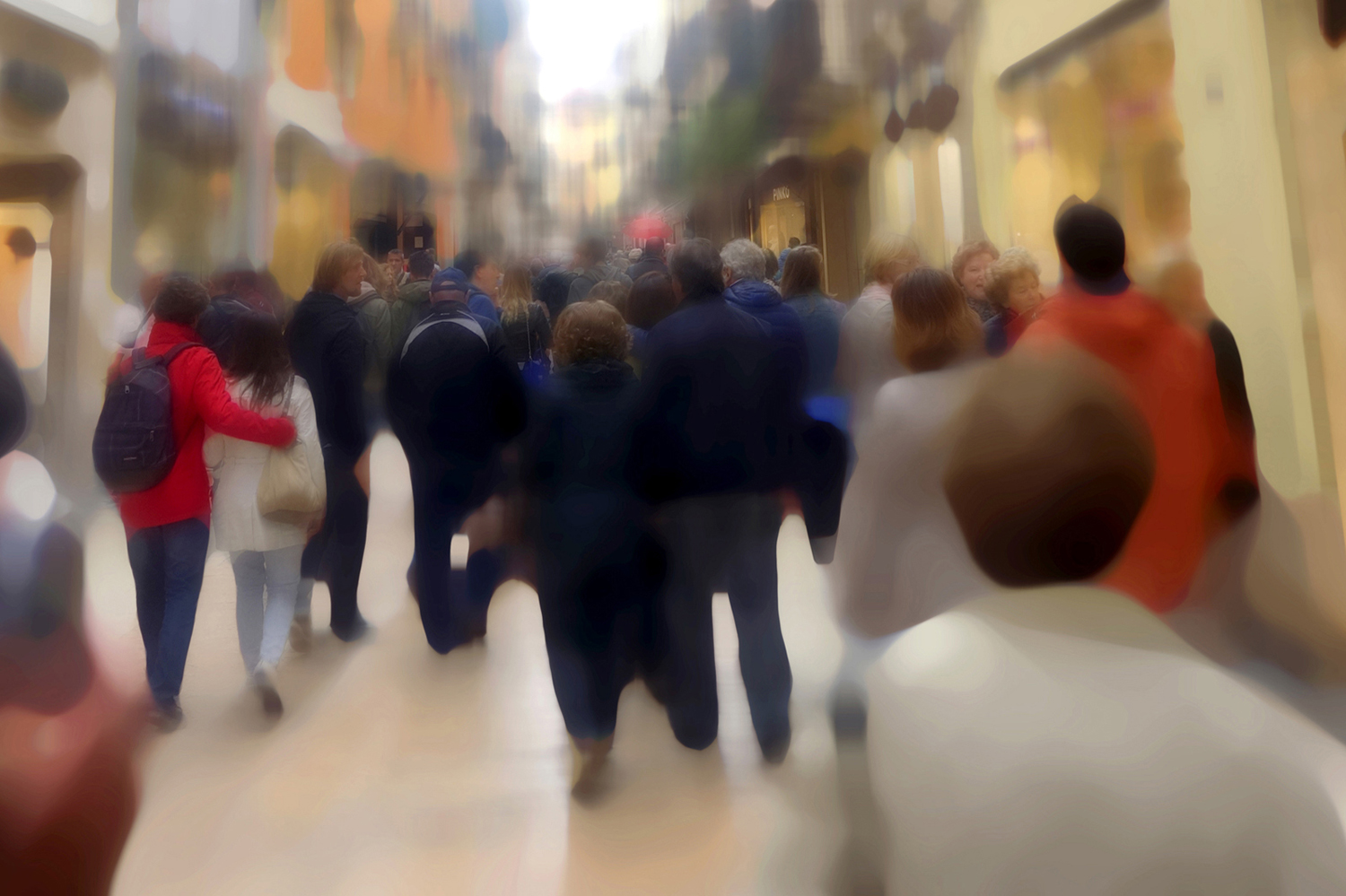
Marcus Bunyan black and white archive 1991-1997

LIKE ART BLART ON FACEBOOK

Back to top

Photographs: Marcus Bunyan. ‘Oblique’ 2019

March 2019


Marcus Bunyan (Australian born England, b. 1958) 'Untitled' 2019 From the series 'Oblique'


Marcus Bunyan (Australian born England, b. 1958)
Untitled
2019
From the series Oblique
Digital colour photograph


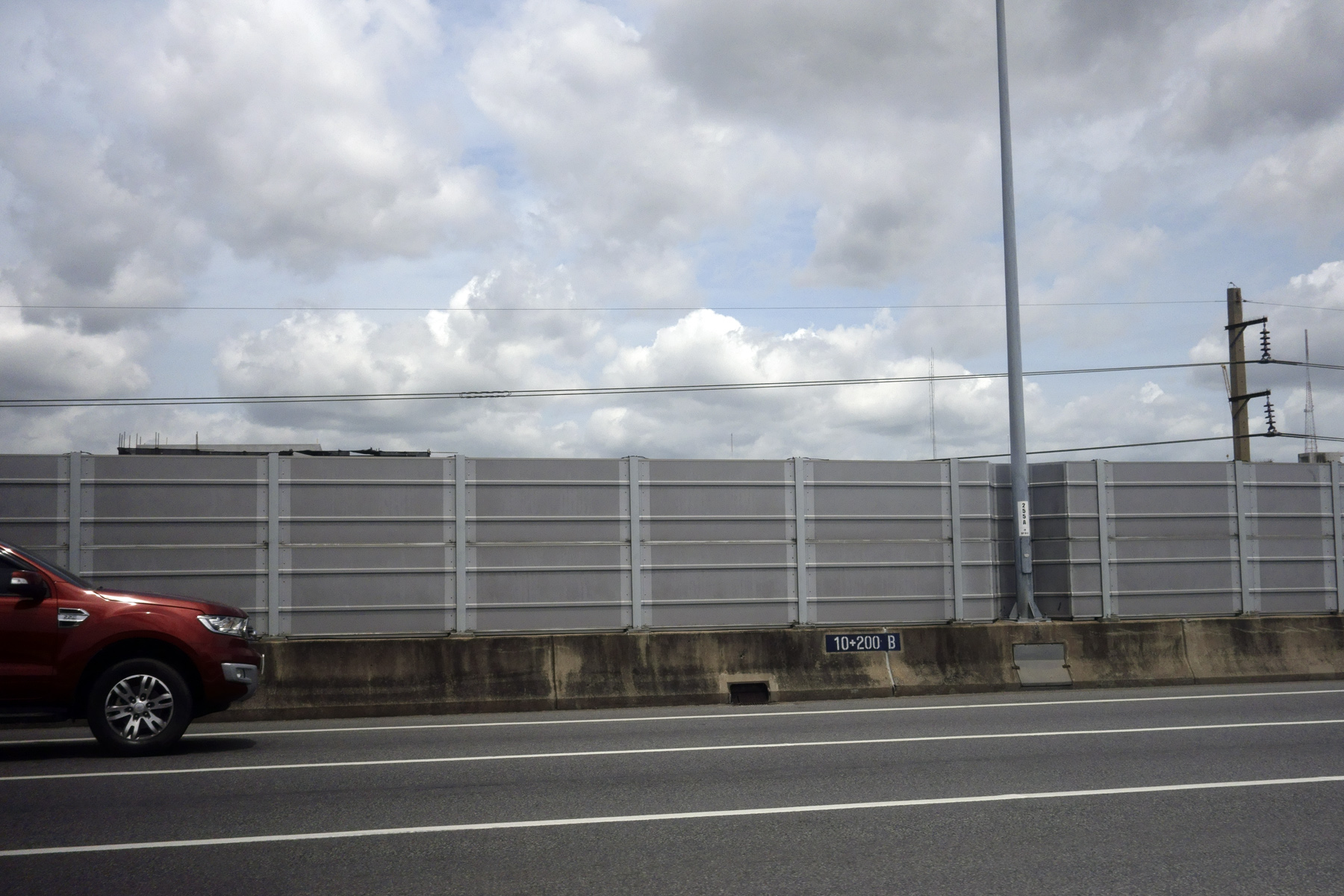
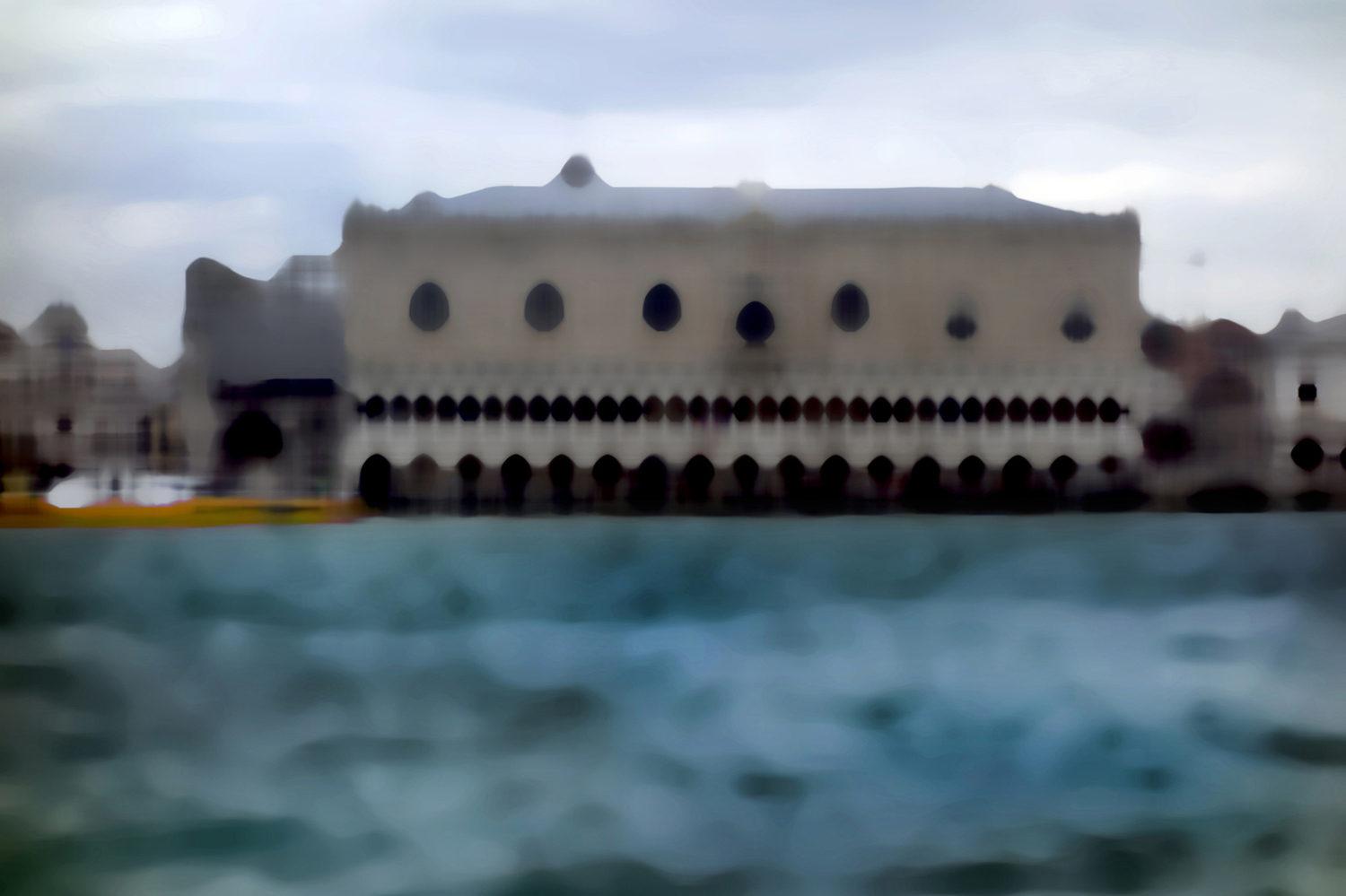
Here is a body of work shot mainly from moving taxi windows in Bangkok and surrounds, interspersed with still, Zen-like images.

With the moving images, you have to anticipate by a couple of seconds the movement of the taxi and the release of the shutter so you have no idea what the image will actually be. Your sense of previsualisation is completed on feel and instinct. You trust the world to provide the image which you are looking for. I enjoy them, they give me pleasure and contentment in their creation.


Oblique

In terms of defining the concept of the oblique we can say that: “The oblique is fundamentally interested in how a body physically experiences a space.”

In this case, both physically and spiritually.

The series investigates the concept through images of movement and stillness, fleeting glimpses of urban life intertwined with Zen-like images. The series is constructed not as a sequence, but as a “volume” where there is no beginning, no middle and no end. It is like a jewel that can be turned around and looked at from different perspectives, where no one perspective is the correct interpretation. Each volume has its own validity, its own uniqueness.

The images can also be read as a protest against death – no beginning, no middle, no end – where everything is connected to everything else. As Goethe observes in his Conversations with Eckermarm (5 June 1825):

“In nature we never see anything isolated, but everything in connection with something else which is before it, beside it, under it, and over it.”

Dr Marcus Bunyan


66 images
© Marcus Bunyan

Please note: the series is best viewed on a desktop computer with a large screen. Please click on the photographs to see a larger version of the image.

PLEASE VIEW THE WHOLE SERIES ON MY WEBSITE

Photographs are available from this series for purchase. As a guide, a digital colour 16″ x 20″ costs $1000 plus tracked and insured shipping. For more information please see my Store web page.


Marcus Bunyan (Australian born England, b. 1958) 'Oblique' series 2019


The 66 images of Oblique (2019). Please click on the photograph to see a larger version of the work


Marcus Bunyan (Australian born England, b. 1958) 'Untitled' 2019 From the series 'Oblique'


Marcus Bunyan (Australian born England, b. 1958)
Untitled
2019
From the series Oblique
Digital colour photograph


Marcus Bunyan website
LIKE ART BLART ON FACEBOOK

Back to top

Photographs: Marcus Bunyan. ‘Paris in film’ 2018 Part 2

July 2018


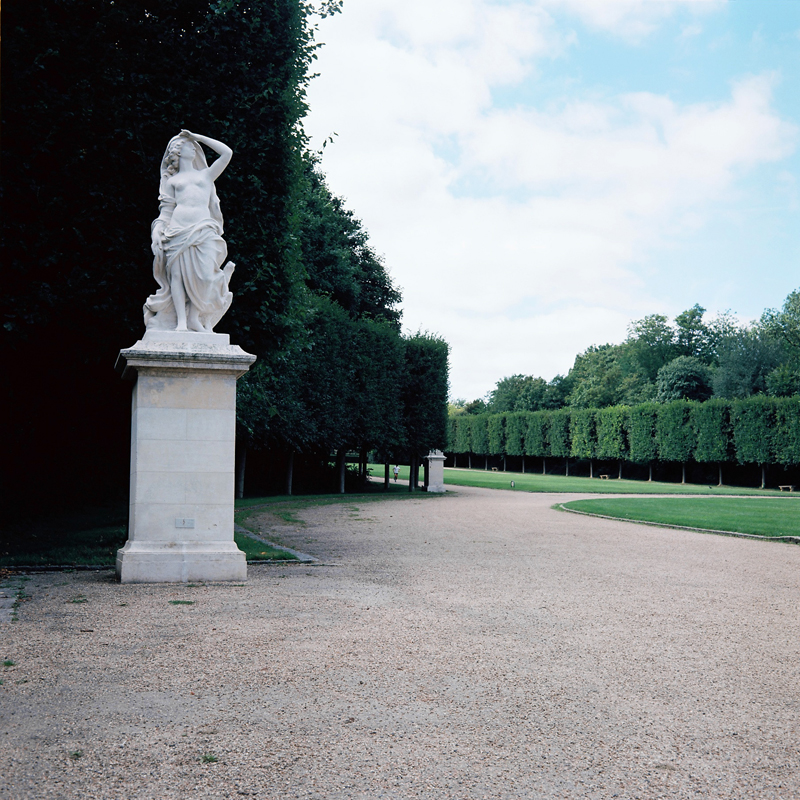
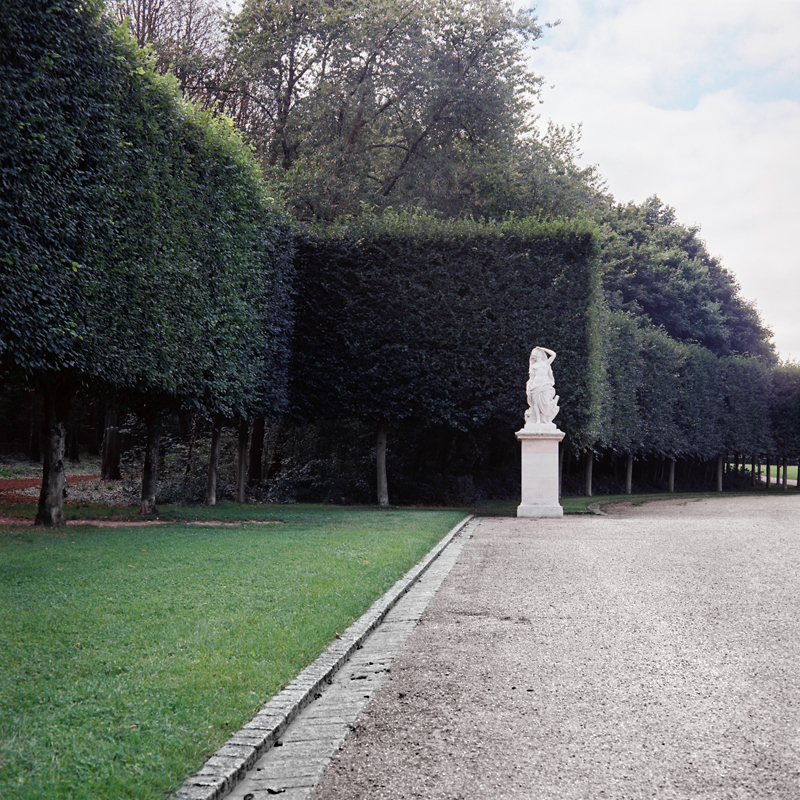
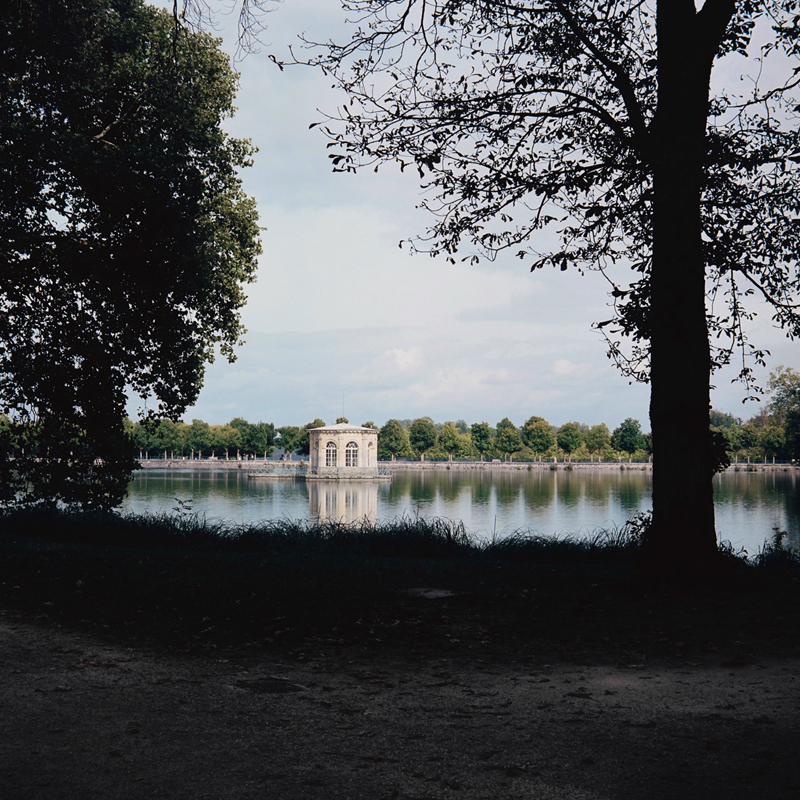
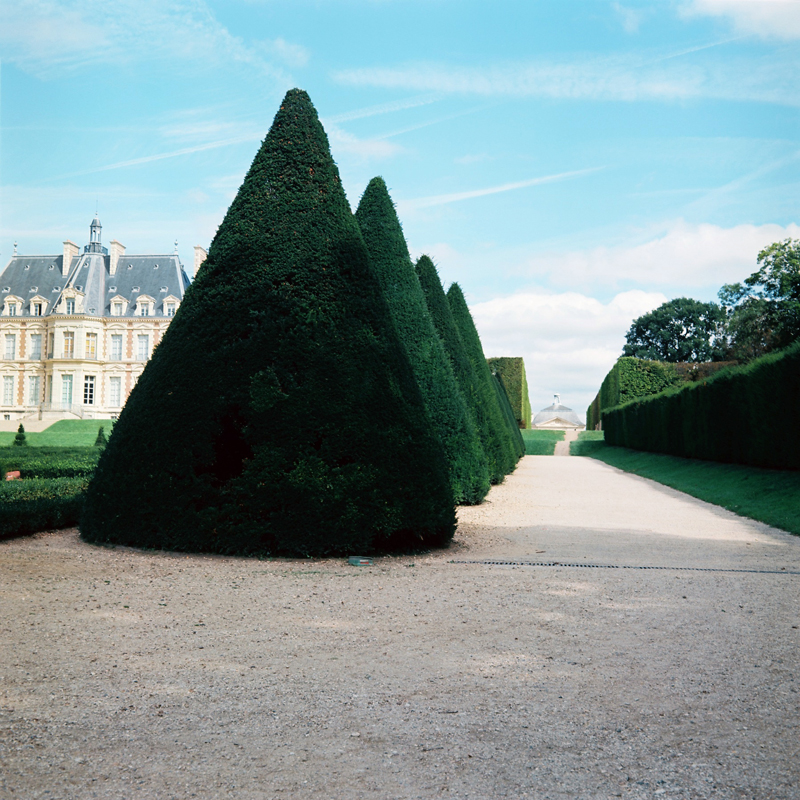
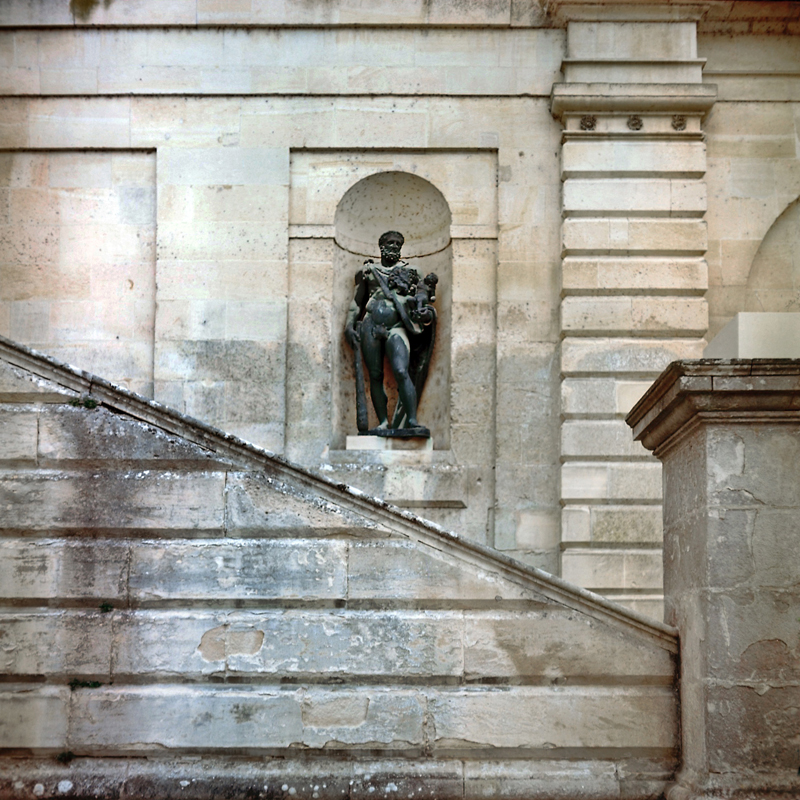
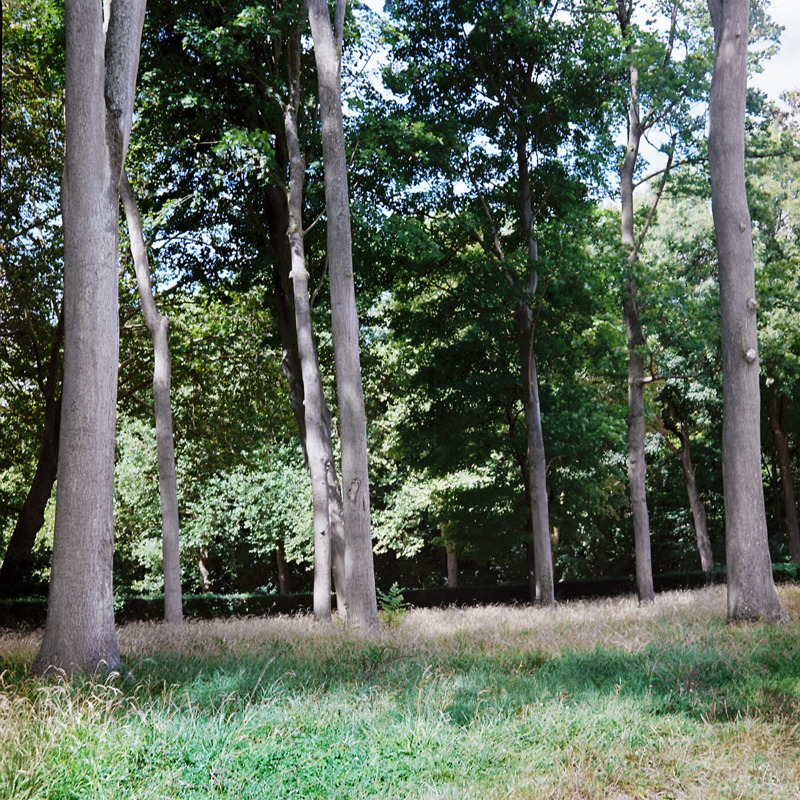
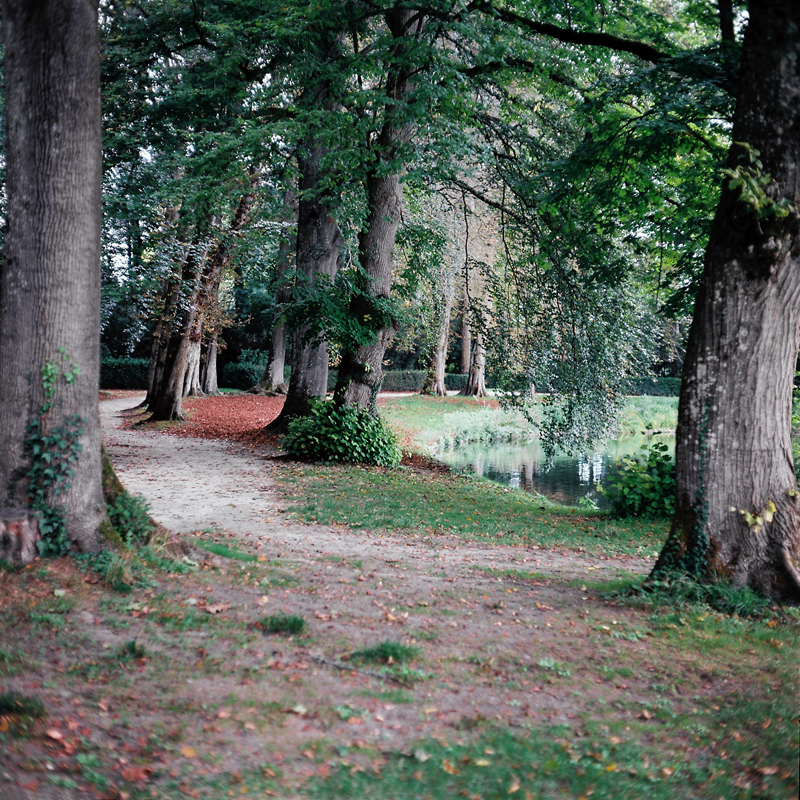
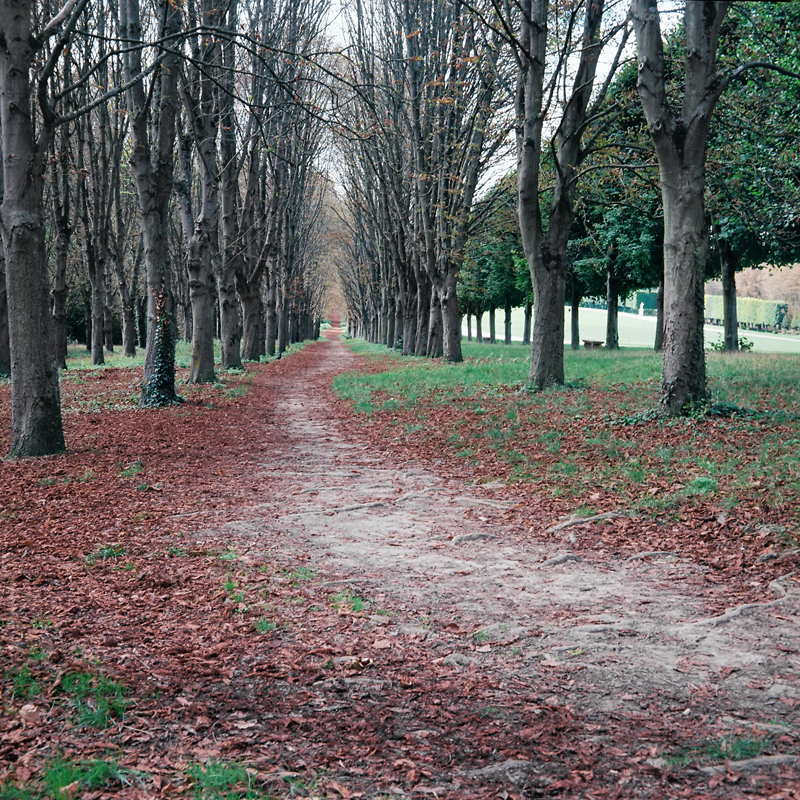
Marcus Bunyan (Australian, b. 1958) 'Parc de Sceaux' from the series 'Paris in film' 2018


Marcus Bunyan (Australian, b. 1958)
Parc de Sceaux
2018
From the series Paris in film
Digital photograph


Paris in film

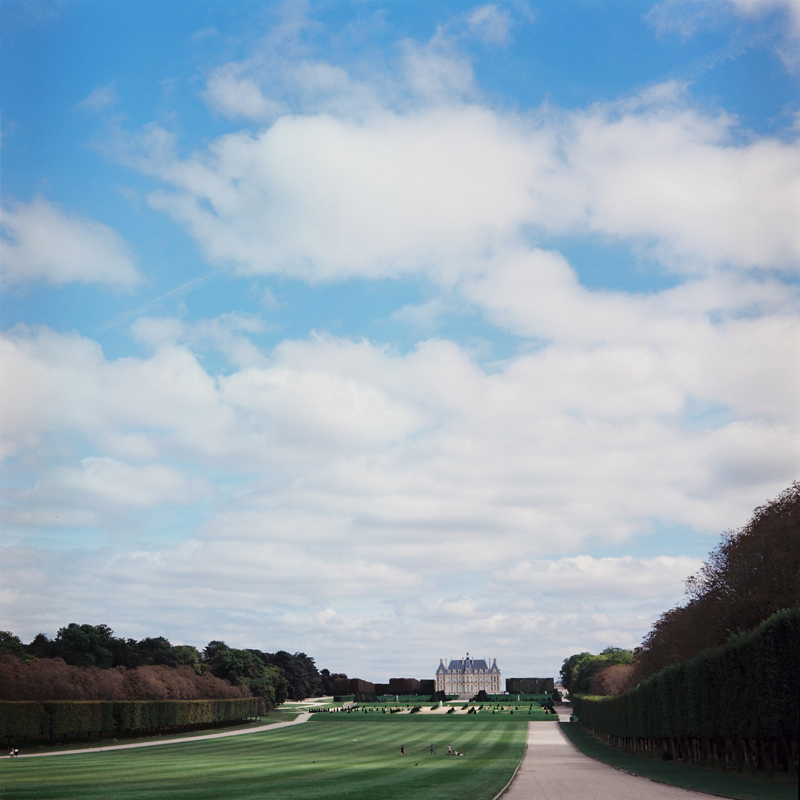
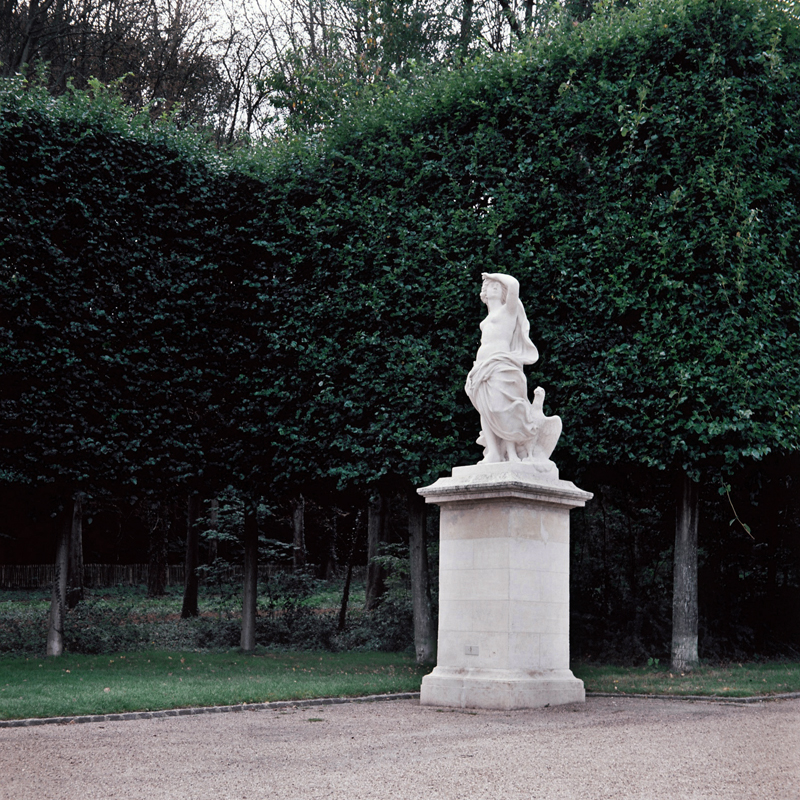
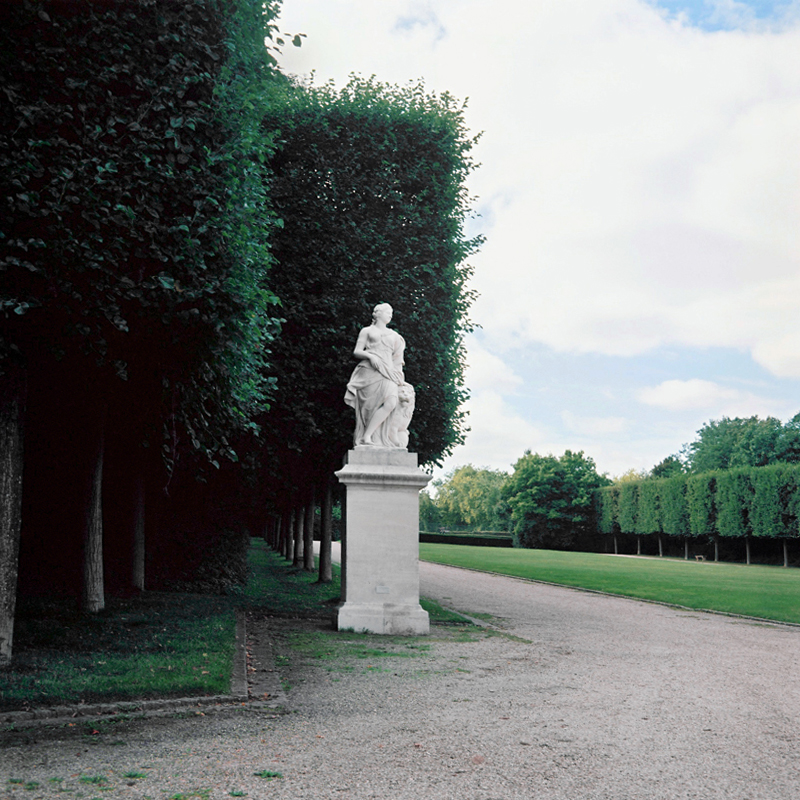
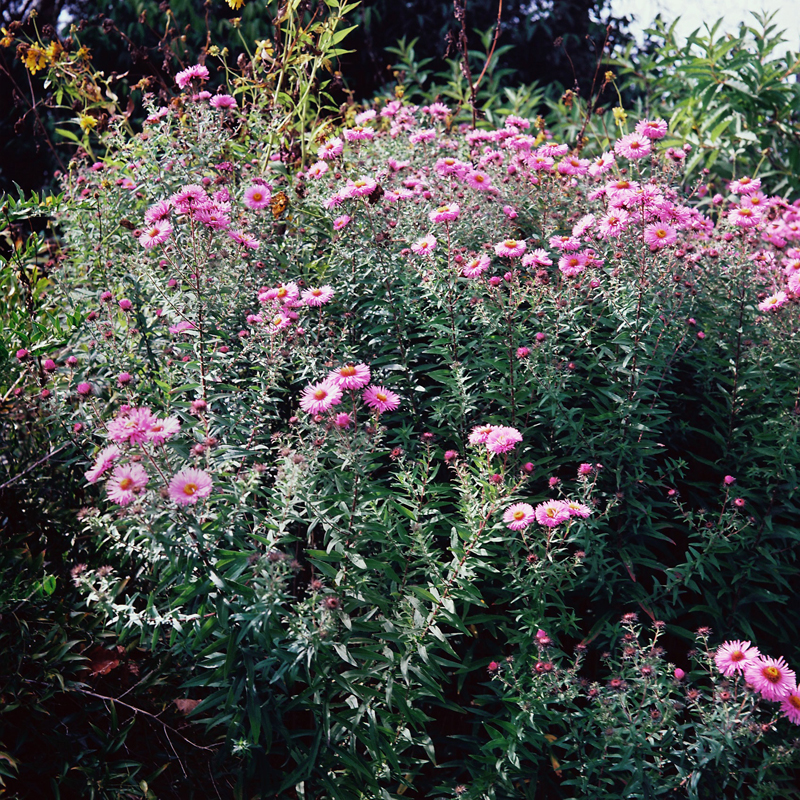
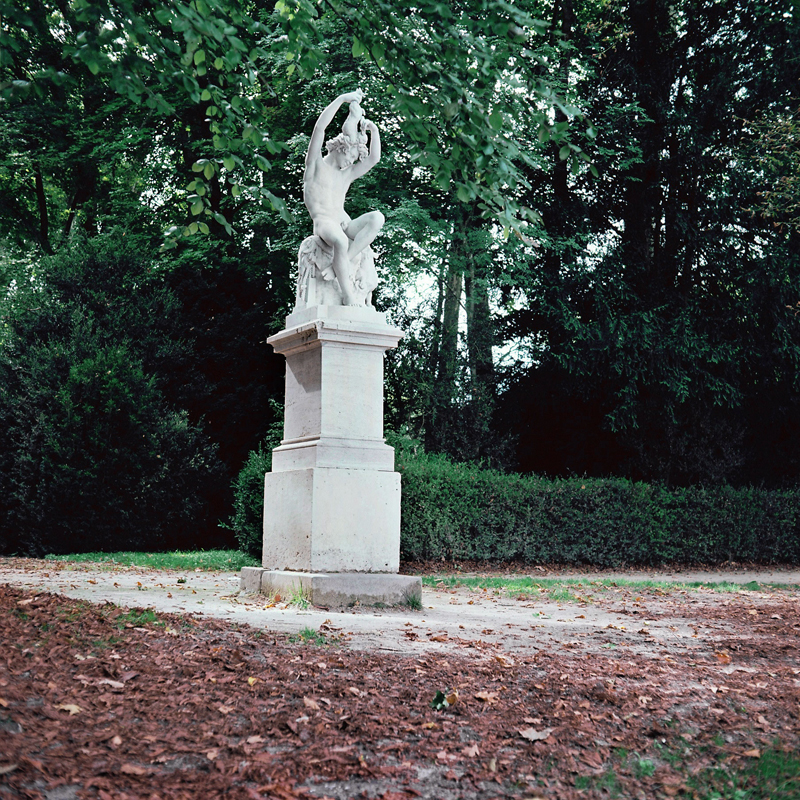
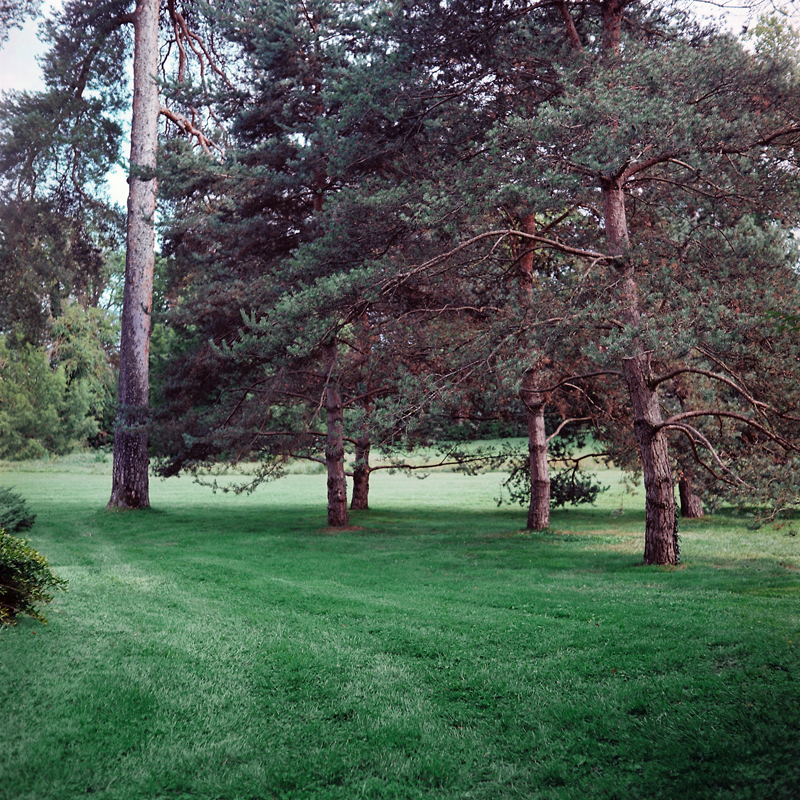
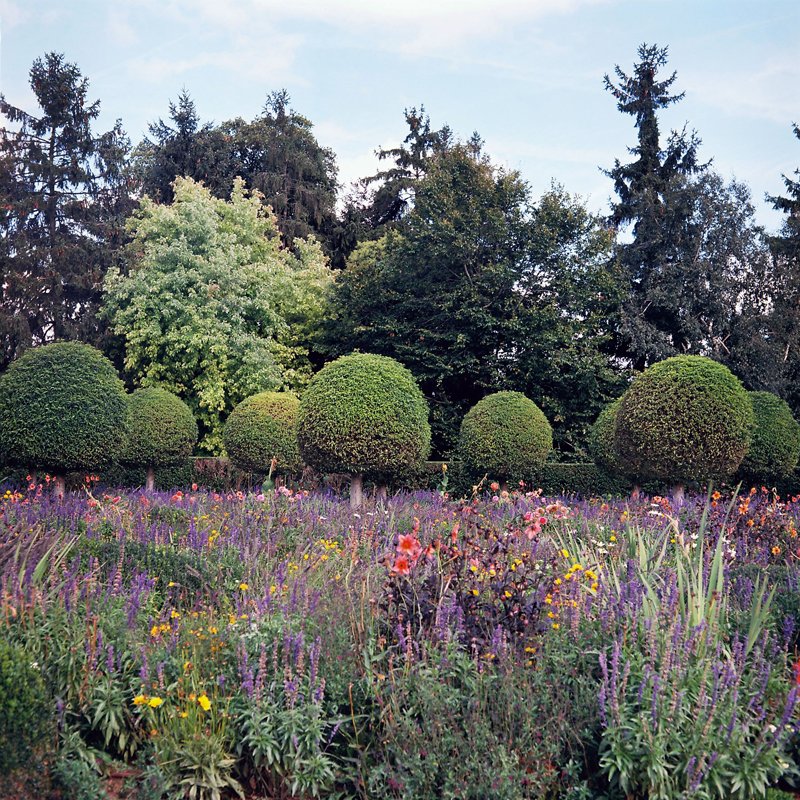
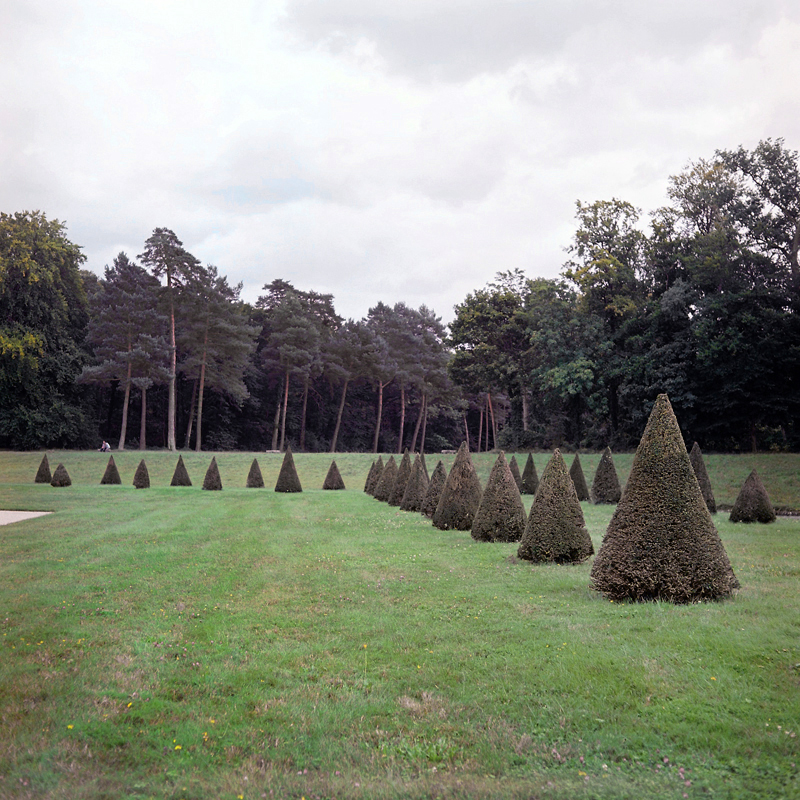
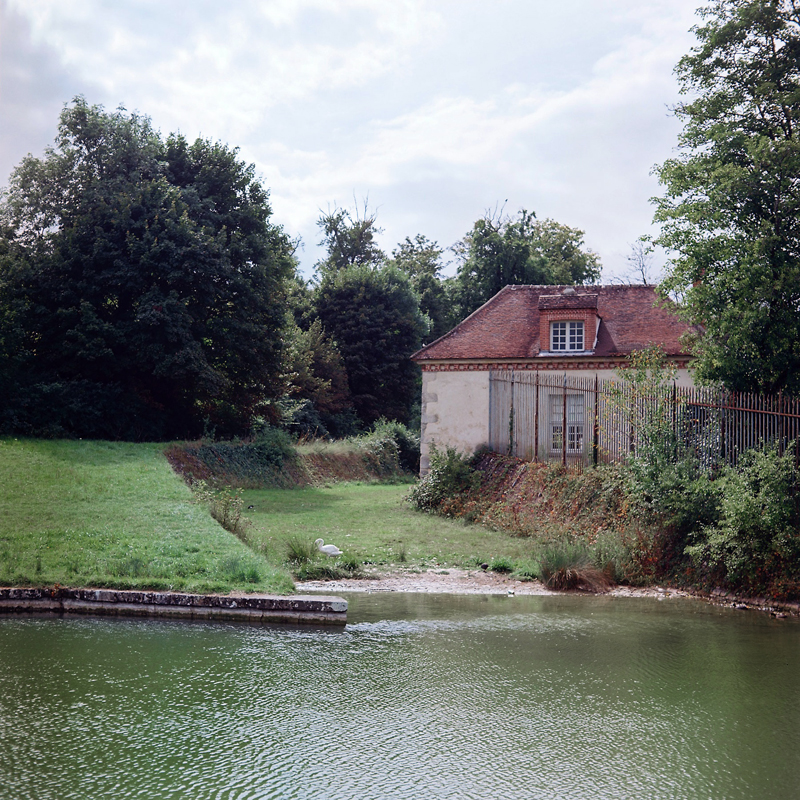
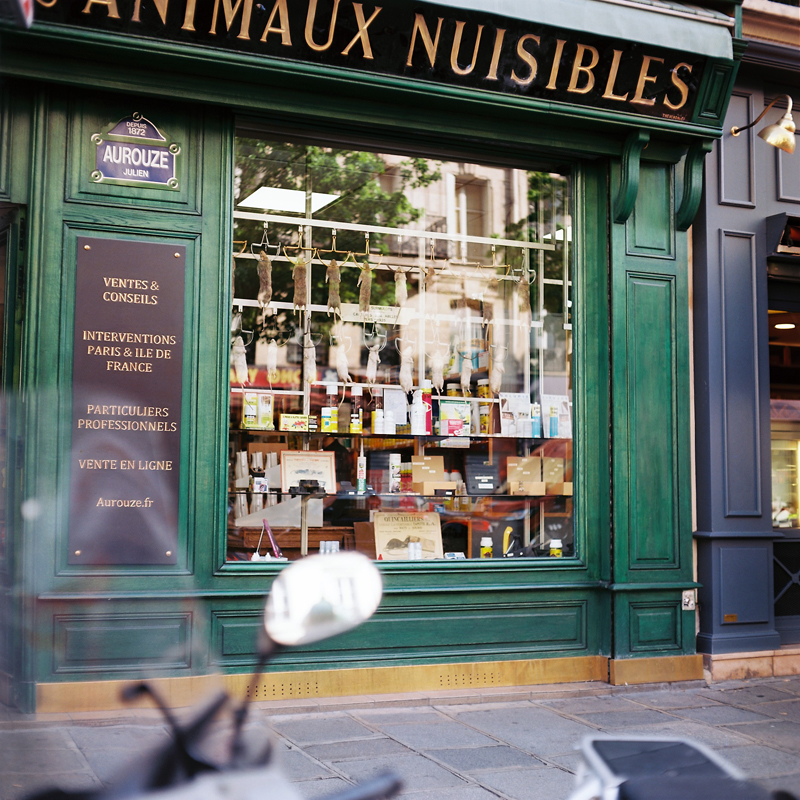
These photographs were taken on a trip to Paris in 2017 using my Mamiya twin-lens C220 medium format camera shot on Kodak Ektra 100 colour negative film.

It was strange taking these photographs over numerous, adventurous, energised days in Paris. Different from the yet to be sorted 4,000+ digital photographs I took, the act of taking these photographs allowed me to fully concentrate, to immerse myself in the environment, to loose myself in the process – with a commensurate dropping away of ego. I just was in the moment, “in the zone” as athletes would say.

They are reasonable scans of the negatives, full frame, no cropping, and I have colour corrected as best I can, noting that all digital images look different from computer monitor to monitor – one of the perennial hazards of looking at work online. They have not been sequenced at the moment.

The photographs seem to hang well together as a body of work.

Through their clear visualisation, the photographs speak directly to the viewer.

Marcus


68 images
© Marcus Bunyan

Please click on the photographs for a larger version of the image.

Photographs are available from this series for purchase. As a guide, a digital colour 16″ x 20″ costs $1000 plus tracked and insured shipping. For more information please see my Store web page.


“The great goal that we must all pursue is to kill off the great evil that eats away at us: egotism.”


“Sometimes I think I love nature just as much, if not more, for not being capable of translation into words… No words can describe some things. The more one says the less one sees. You see… nature is like love, it’s in the heart and you must not talk about it too much. You diminish what you try to describe. As for myself, I have no idea of my own nature when I act unselfconsciously. I only see what there is between the sky and myself. I have no part in it all. If I think of you, in my odd way I am you and I cease to exist.”


George Sand


Marcus Bunyan (Australian, b. 1958) 'Parc de Sceaux' from the series 'Paris in film' 2018


Marcus Bunyan (Australian, b. 1958)
Parc de Sceaux
2018
From the series Paris in film
Digital photograph


Marcus Bunyan (Australian, b. 1958) 'Parc de Sceaux' from the series 'Paris in film' 2018


Marcus Bunyan (Australian, b. 1958)
Parc de Sceaux
2018
From the series Paris in film
Digital photograph


Marcus Bunyan (Australian, b. 1958) 'Parc de Sceaux' from the series 'Paris in film' 2018


Marcus Bunyan (Australian, b. 1958)
Parc de Sceaux
2018
From the series Paris in film
Digital photograph


Marcus Bunyan (Australian, b. 1958) 'Parc de Sceaux' from the series 'Paris in film' 2018


Marcus Bunyan (Australian, b. 1958)
Parc de Sceaux
2018
From the series Paris in film
Digital photograph


Marcus Bunyan (Australian, b. 1958) 'Parc de Sceaux' from the series 'Paris in film' 2018


Marcus Bunyan (Australian, b. 1958)
Parc de Sceaux
2018
From the series Paris in film
Digital photograph


Marcus Bunyan. 'Parc de Sceaux' from the series 'Paris in film' 2018


Marcus Bunyan (Australian, b. 1958)
Parc de Sceaux
2018
From the series Paris in film
Digital photograph


Marcus Bunyan. 'Parc de Sceaux' from the series 'Paris in film' 2018


Marcus Bunyan (Australian, b. 1958)
Parc de Sceaux
2018
From the series Paris in film
Digital photograph


Marcus Bunyan. 'Parc de Sceaux' from the series 'Paris in film' 2018


Marcus Bunyan (Australian, b. 1958)
Parc de Sceaux
2018
From the series Paris in film
Digital photograph


Marcus Bunyan. 'Parc de Sceaux' from the series 'Paris in film' 2018


Marcus Bunyan (Australian, b. 1958)
Parc de Sceaux
2018
From the series Paris in film
Digital photograph


Marcus Bunyan. 'Parc de Sceaux' from the series 'Paris in film' 2018


Marcus Bunyan (Australian, b. 1958)
Parc de Sceaux
2018
From the series Paris in film
Digital photograph


Marcus Bunyan. 'Parc de Sceaux' from the series 'Paris in film' 2018


Marcus Bunyan (Australian, b. 1958)
Parc de Sceaux
2018
From the series Paris in film
Digital photograph


Marcus Bunyan. 'Parc de Sceaux' from the series 'Paris in film' 2018


Marcus Bunyan (Australian, b. 1958)
Parc de Sceaux
2018
From the series Paris in film
Digital photograph


Marcus Bunyan. 'Parc de Sceaux' from the series 'Paris in film' 2018


Marcus Bunyan (Australian, b. 1958)
Parc de Sceaux
2018
From the series Paris in film
Digital photograph


Marcus Bunyan. 'Parc de Sceaux' from the series 'Paris in film' 2018


Marcus Bunyan (Australian, b. 1958)
Parc de Sceaux
2018
From the series Paris in film
Digital photograph


Marcus Bunyan. 'Parc de Sceaux' from the series 'Paris in film' 2018


Marcus Bunyan (Australian, b. 1958)
Parc de Sceaux
2018
From the series Paris in film
Digital photograph


Marcus Bunyan. 'Parc de Sceaux' from the series 'Paris in film' 2018


Marcus Bunyan (Australian, b. 1958)
Parc de Sceaux
2018
From the series Paris in film
Digital photograph


Marcus Bunyan. 'Parc de Sceaux' from the series 'Paris in film' 2018


Marcus Bunyan (Australian, b. 1958)
Parc de Sceaux
2018
From the series Paris in film
Digital photograph


Marcus Bunyan. 'Parc de Sceaux' from the series 'Paris in film' 2018


Marcus Bunyan (Australian, b. 1958)
Parc de Sceaux
2018
From the series Paris in film
Digital photograph


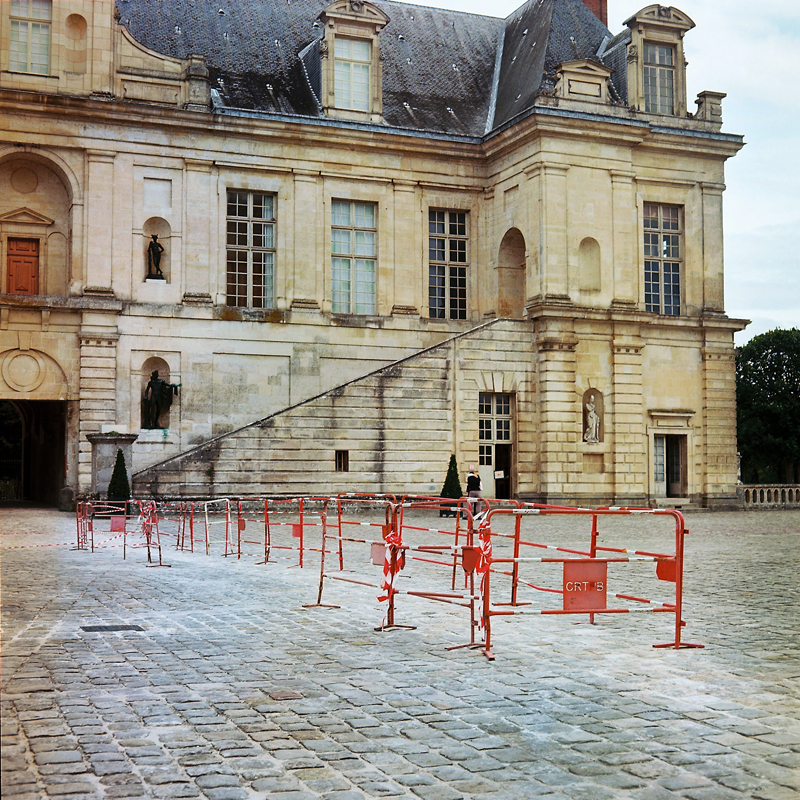
Marcus Bunyan (Australian, b. 1958) 'Fontainebleau' from the series 'Paris in film' 2018


Marcus Bunyan (Australian, b. 1958)
Fontainebleau
2018
From the series Paris in film
Digital photograph


Marcus Bunyan (Australian, b. 1958) 'Fontainebleau' from the series 'Paris in film' 2018


Marcus Bunyan (Australian, b. 1958)
Fontainebleau
2018
From the series Paris in film
Digital photograph


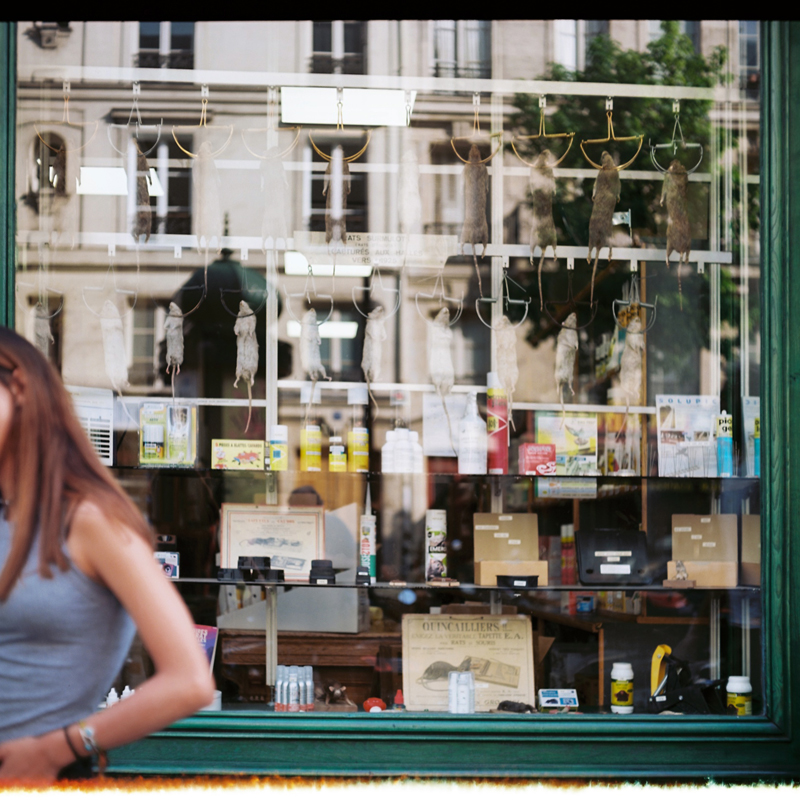
Marcus Bunyan (Australian, b. 1958) 'Animaux Nuisibles' from the series 'Paris in film' 2018


Marcus Bunyan (Australian, b. 1958)
Animaux Nuisibles
2018
From the series Paris in film
Digital photograph


Marcus Bunyan (Australian, b. 1958) 'Animaux Nuisibles' from the series 'Paris in film' 2018


Marcus Bunyan (Australian, b. 1958)
Animaux Nuisibles
2018
From the series Paris in film
Digital photograph


Marcus Bunyan (Australian, b. 1958) 'Animaux Nuisibles' from the series 'Paris in film' 2018


Marcus Bunyan (Australian, b. 1958)
Animaux Nuisibles
2018
From the series Paris in film
Digital photograph


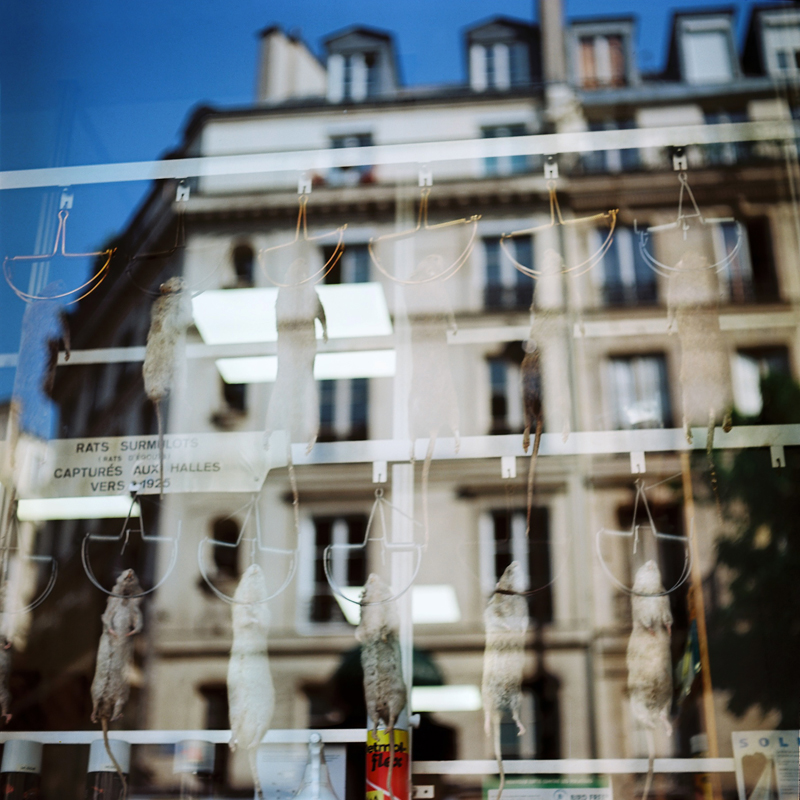
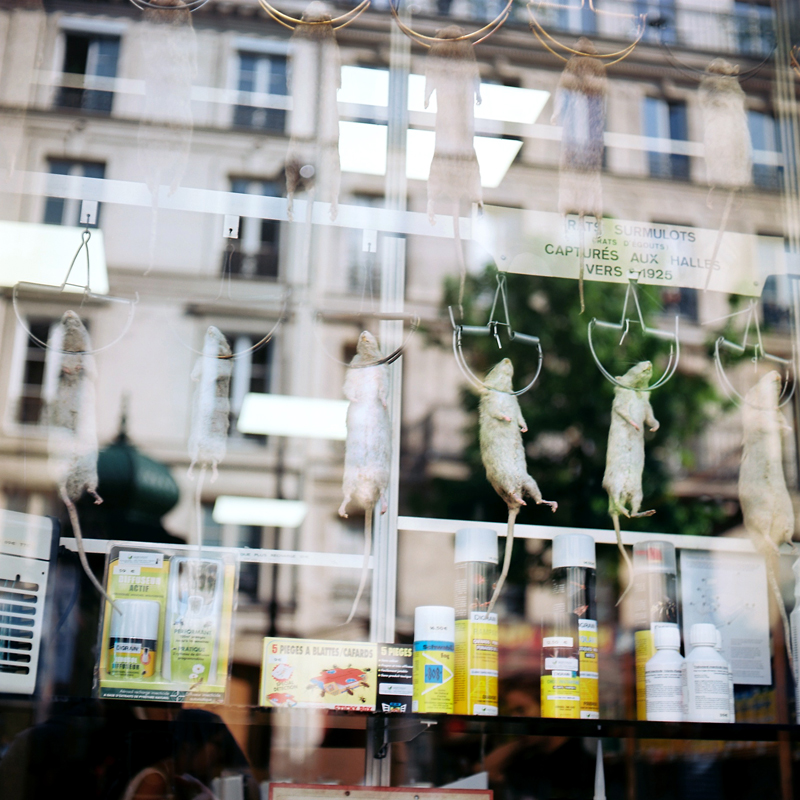
Marcus Bunyan (Australian, b. 1958) 'Rats Surmulots Captures aux Halles vers 1925' from the series 'Paris in film' 2018


Marcus Bunyan (Australian, b. 1958)
Rats Surmulots Captures aux Halles vers 1925
2018
From the series Paris in film
Digital photograph


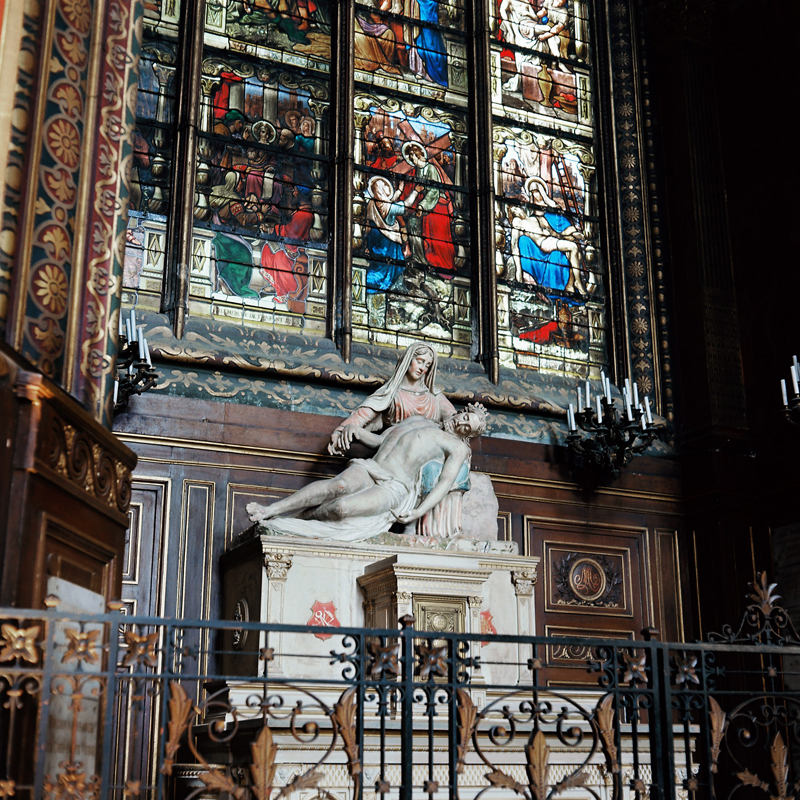
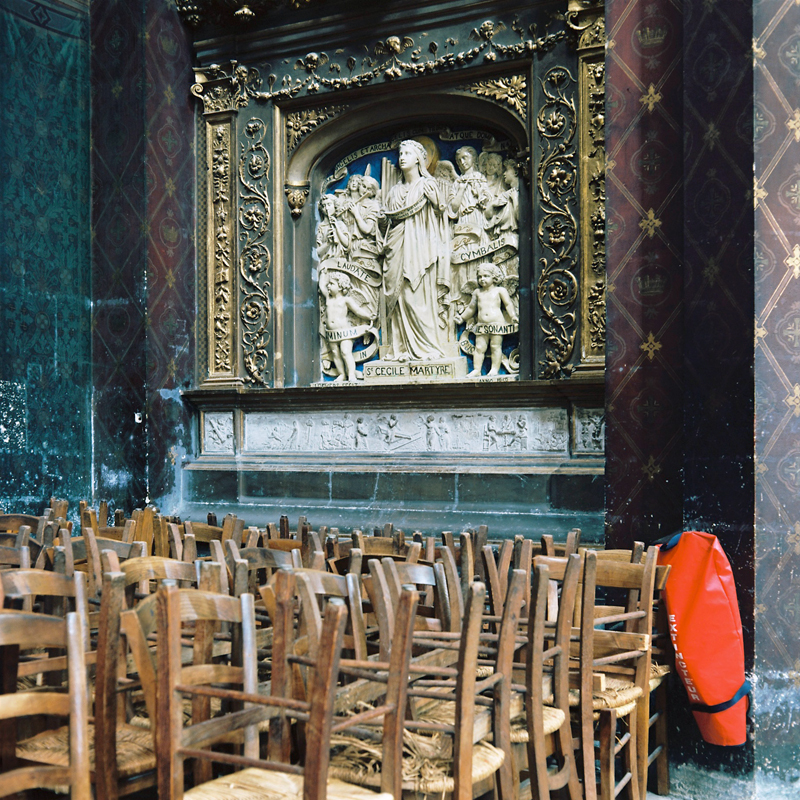
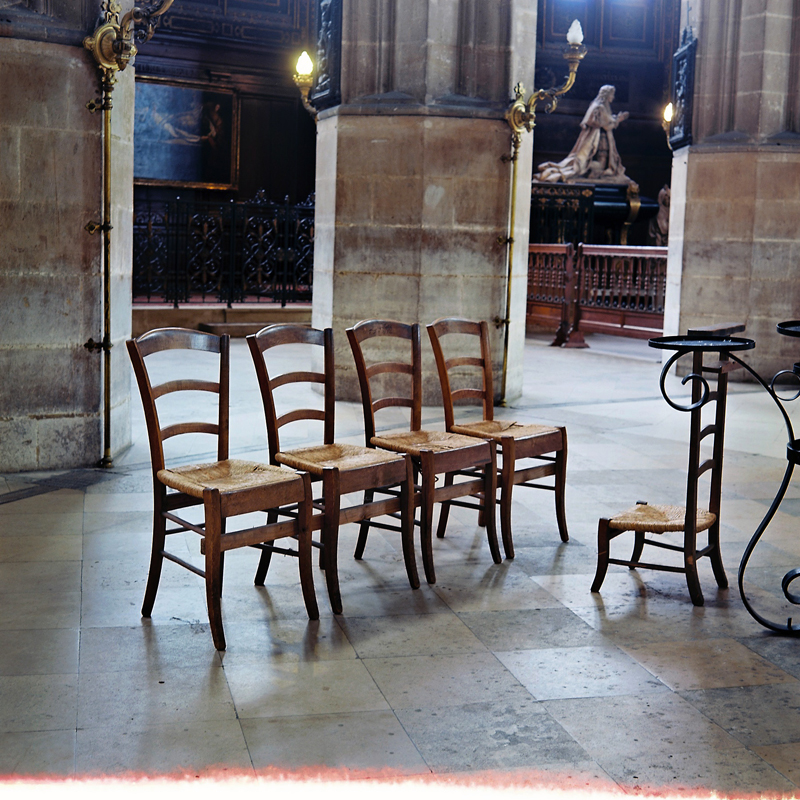
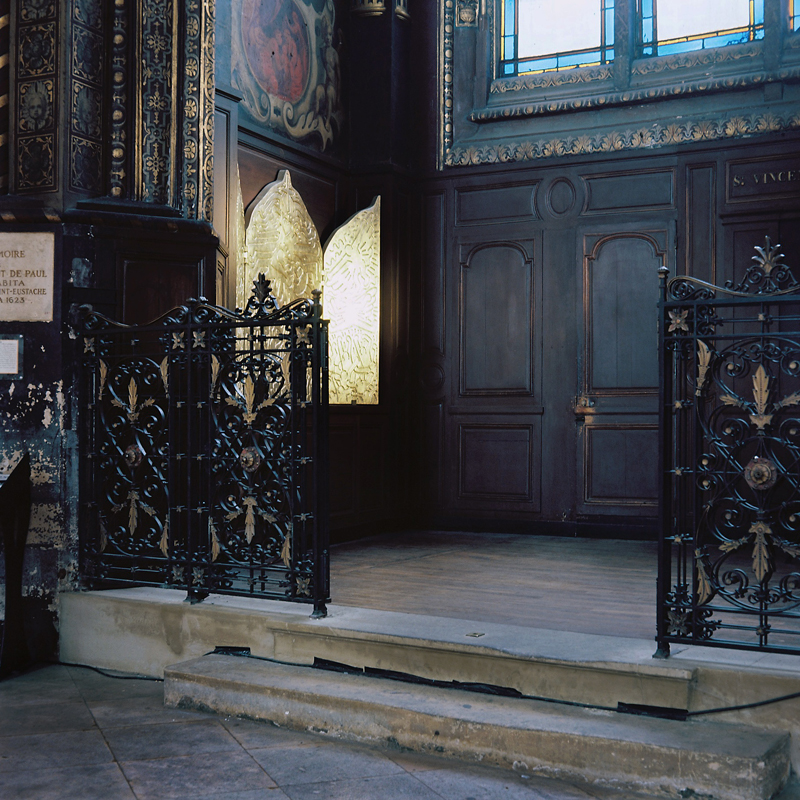
Marcus Bunyan (Australian, b. 1958) 'Saint-Eustache Church' from the series 'Paris in film' 2018


Marcus Bunyan (Australian, b. 1958)
Saint-Eustache Church
2018
From the series Paris in film
Digital photograph


Marcus Bunyan (Australian, b. 1958) 'Saint-Eustache Church' from the series 'Paris in film' 2018


Marcus Bunyan (Australian, b. 1958)
Saint-Eustache Church
2018
From the series Paris in film
Digital photograph


Marcus Bunyan (Australian, b. 1958) 'Saint-Eustache Church' from the series 'Paris in film' 2018


Marcus Bunyan (Australian, b. 1958)
Saint-Eustache Church
2018
From the series Paris in film
Digital photograph


Marcus Bunyan (Australian, b. 1958) 'Saint-Eustache Church' from the series 'Paris in film' 2018


Marcus Bunyan (Australian, b. 1958)
Saint-Eustache Church
2018
From the series Paris in film
Digital photograph


Marcus Bunyan (Australian, b. 1958) 'Saint-Eustache Church' from the series 'Paris in film' 2018


Marcus Bunyan (Australian, b. 1958)
Saint-Eustache Church
2018
From the series Paris in film
Digital photograph


Marcus Bunyan (Australian, b. 1958) 'Saint-Eustache Church' from the series 'Paris in film' 2018


Marcus Bunyan (Australian, b. 1958)
Saint-Eustache Church
2018
From the series Paris in film
Digital photograph


Marcus Bunyan (Australian, b. 1958) 'Saint-Eustache Church' from the series 'Paris in film' 2018


Marcus Bunyan (Australian, b. 1958)
Saint-Eustache Church
2018
From the series Paris in film
Digital photograph


Marcus Bunyan (Australian, b. 1958) 'Dying light, Keith Haring in Saint-Eustache Church' from the series 'Paris in film' 2018


Marcus Bunyan (Australian, b. 1958)
Dying light, Keith Haring in Saint-Eustache Church
2018
From the series Paris in film
Digital photograph


Marcus Bunyan website

LIKE ART BLART ON FACEBOOK

Back to top

Photographs: Marcus Bunyan. ‘Paris in film’ 2018 Part 1

July 2018


Marcus Bunyan (Australian, b. 1958) 'Fontainebleau' from the series 'Paris in film' 2018


Marcus Bunyan (Australian, b. 1958)
Fontainebleau
2018
From the series Paris in film
Digital photograph


Paris in film

These photographs were taken on a trip to Paris in 2017 using my Mamiya twin-lens C220 medium format camera shot on Kodak Ektra 100 colour negative film.

They are reasonable scans of the negatives, full frame, no cropping, and I have colour corrected as best I can, noting that all digital images look different from computer monitor to monitor – one of the perennial hazards of looking at work online. They have not been sequenced at the moment.

The photographs seem to hang well together as a body of work.

Through their clear visualisation, the photographs speak directly to the viewer.

Marcus


68 images
© Marcus Bunyan

Please click on the photographs for a larger version of the image.

Photographs are available from this series for purchase. As a guide, a digital colour 16″ x 20″ costs $1000 plus tracked and insured shipping. For more information please see my Store web page.


Marcus Bunyan (Australian, b. 1958) 'Fontainebleau' from the series 'Paris in film' 2018


Marcus Bunyan (Australian, b. 1958)
Fontainebleau
2018
From the series Paris in film
Digital photograph


Marcus Bunyan (Australian, b. 1958) 'Fontainebleau' from the series 'Paris in film' 2018


Marcus Bunyan (Australian, b. 1958)
Fontainebleau
2018
From the series Paris in film
Digital photograph


Marcus Bunyan (Australian, b. 1958) 'Fontainebleau' from the series 'Paris in film' 2018


Marcus Bunyan (Australian, b. 1958)
Fontainebleau
2018
From the series Paris in film
Digital photograph


Marcus Bunyan (Australian, b. 1958) 'Fontainebleau' from the series 'Paris in film' 2018


Marcus Bunyan (Australian, b. 1958)
Fontainebleau
2018
From the series Paris in film
Digital photograph


Marcus Bunyan (Australian, b. 1958) 'Fontainebleau' from the series 'Paris in film' 2018


Marcus Bunyan (Australian, b. 1958)
Fontainebleau
2018
From the series Paris in film
Digital photograph


Marcus Bunyan (Australian, b. 1958) 'Cimetière du Père Lachaise' from the series 'Paris in film' 2018


Marcus Bunyan (Australian, b. 1958)
Cimetière du Père Lachaise
2018
From the series Paris in film
Digital photograph


Marcus Bunyan (Australian, b. 1958) 'Cimetière du Père Lachaise' from the series 'Paris in film' 2018


Marcus Bunyan (Australian, b. 1958)
Cimetière du Père Lachaise
2018
From the series Paris in film
Digital photograph


Marcus Bunyan (Australian, b. 1958) 'Cimetière du Père Lachaise' from the series 'Paris in film' 2018


Marcus Bunyan (Australian, b. 1958)
Cimetière du Père Lachaise
2018
From the series Paris in film
Digital photograph


Marcus Bunyan (Australian, b. 1958) 'Cimetière du Père Lachaise' from the series 'Paris in film' 2018


Marcus Bunyan (Australian, b. 1958)
Cimetière du Père Lachaise
2018
From the series Paris in film
Digital photograph


Marcus Bunyan (Australian, b. 1958) 'Cimetière du Père Lachaise' from the series 'Paris in film' 2018


Marcus Bunyan (Australian, b. 1958)
Cimetière du Père Lachaise
2018
From the series Paris in film
Digital photograph


Marcus Bunyan (Australian, b. 1958) 'Cimetière du Père Lachaise' from the series 'Paris in film' 2018


Marcus Bunyan (Australian, b. 1958)
Cimetière du Père Lachaise
2018
From the series Paris in film
Digital photograph


Marcus Bunyan (Australian, b. 1958) 'Cimetière du Père Lachaise' from the series 'Paris in film' 2018


Marcus Bunyan (Australian, b. 1958)
Cimetière du Père Lachaise
2018
From the series Paris in film
Digital photograph


Marcus Bunyan (Australian, b. 1958) 'Parc de Sceaux' from the series 'Paris in film' 2018


Marcus Bunyan (Australian, b. 1958)
Parc de Sceaux
2018
From the series Paris in film
Digital photograph


Marcus Bunyan (Australian, b. 1958) 'Parc de Sceaux' from the series 'Paris in film' 2018


Marcus Bunyan (Australian, b. 1958)
Parc de Sceaux
2018
From the series Paris in film
Digital photograph


Marcus Bunyan (Australian, b. 1958) 'Parc de Sceaux' from the series 'Paris in film' 2018


Marcus Bunyan (Australian, b. 1958)
Parc de Sceaux
2018
From the series Paris in film
Digital photograph


Marcus Bunyan (Australian, b. 1958) 'Parc de Sceaux' from the series 'Paris in film' 2018


Marcus Bunyan (Australian, b. 1958)
Parc de Sceaux
2018
From the series Paris in film
Digital photograph


Marcus Bunyan (Australian, b. 1958) 'Parc de Sceaux' from the series 'Paris in film' 2018


Marcus Bunyan (Australian, b. 1958)
Parc de Sceaux
2018
From the series Paris in film
Digital photograph


Marcus Bunyan (Australian, b. 1958) 'Parc de Sceaux' from the series 'Paris in film' 2018


Marcus Bunyan (Australian, b. 1958)
Parc de Sceaux
2018
From the series Paris in film
Digital photograph


Marcus Bunyan (Australian, b. 1958) 'Parc de Sceaux' from the series 'Paris in film' 2018


Marcus Bunyan (Australian, b. 1958)
Parc de Sceaux
2018
From the series Paris in film
Digital photograph


Marcus Bunyan (Australian, b. 1958) 'Parc de Sceaux' from the series 'Paris in film' 2018


Marcus Bunyan (Australian, b. 1958)
Parc de Sceaux
2018
From the series Paris in film
Digital photograph


Marcus Bunyan (Australian, b. 1958) 'Parc de Sceaux' from the series 'Paris in film' 2018


Marcus Bunyan (Australian, b. 1958)
Parc de Sceaux
2018
From the series Paris in film
Digital photograph


Marcus Bunyan (Australian, b. 1958) 'Parc de Sceaux' from the series 'Paris in film' 2018


Marcus Bunyan (Australian, b. 1958)
Parc de Sceaux
2018
From the series Paris in film
Digital photograph


Marcus Bunyan (Australian, b. 1958) 'Parc de Sceaux' from the series 'Paris in film' 2018


Marcus Bunyan (Australian, b. 1958)
Parc de Sceaux
2018
From the series Paris in film
Digital photograph


Marcus Bunyan (Australian, b. 1958) 'Fontainebleau' from the series 'Paris in film' 2018


Marcus Bunyan (Australian, b. 1958)
Fontainebleau
2018
From the series Paris in film
Digital photograph


Marcus Bunyan (Australian, b. 1958) 'Fontainebleau' from the series 'Paris in film' 2018


Marcus Bunyan (Australian, b. 1958)
Fontainebleau
2018
From the series Paris in film
Digital photograph


Marcus Bunyan (Australian, b. 1958) 'Fontainebleau' from the series 'Paris in film' 2018


Marcus Bunyan (Australian, b. 1958)
Fontainebleau
2018
From the series Paris in film
Digital photograph


Marcus Bunyan (Australian, b. 1958) 'Fontainebleau' from the series 'Paris in film' 2018


Marcus Bunyan (Australian, b. 1958)
Fontainebleau
2018
From the series Paris in film
Digital photograph


Marcus Bunyan (Australian, b. 1958) 'Fontainebleau' from the series 'Paris in film' 2018


Marcus Bunyan (Australian, b. 1958)
Fontainebleau
2018
From the series Paris in film
Digital photograph


Marcus Bunyan (Australian, b. 1958) 'Fontainebleau' from the series 'Paris in film' 2018


Marcus Bunyan (Australian, b. 1958)
Fontainebleau
2018
From the series Paris in film
Digital photograph


Marcus Bunyan (Australian, b. 1958) 'Fontainebleau' from the series 'Paris in film' 2018


Marcus Bunyan (Australian, b. 1958)
Fontainebleau
2018
From the series Paris in film
Digital photograph


Marcus Bunyan (Australian, b. 1958) 'Fontainebleau' from the series 'Paris in film' 2018


Marcus Bunyan (Australian, b. 1958)
Fontainebleau
2018
From the series Paris in film
Digital photograph


Marcus Bunyan (Australian, b. 1958) 'Parc de Sceaux' from the series 'Paris in film' 2018


Marcus Bunyan (Australian, b. 1958)
Parc de Sceaux
2018
From the series Paris in film
Digital photograph


Marcus Bunyan (Australian, b. 1958) 'Parc de Sceaux' from the series 'Paris in film' 2018


Marcus Bunyan (Australian, b. 1958)
Parc de Sceaux
2018
From the series Paris in film
Digital photograph


Marcus Bunyan (Australian, b. 1958) 'Parc de Sceaux' from the series 'Paris in film' 2018


Marcus Bunyan (Australian, b. 1958)
Parc de Sceaux
2018
From the series Paris in film
Digital photograph


Marcus Bunyan website
LIKE ART BLART ON FACEBOOK

Back to top

Review: ‘My last 60 years on the streets: John Williams Retrospective (1933 – 2016)’ at Magnet Galleries, Melbourne

Exhibition dates: 14th June – 7th July, 2018

Curator: Merle Hathaway


John Williams (Australian, 1933-2016) 'Paper Seller, Farmer’s Building, Sydney' 1965 from the exhibition 'My last 60 years on the streets: John Williams Retrospective (1933 - 2016)' at Magnet Galleries, Melbourne, June - July, 2018


John Williams (Australian, 1933-2016)
Paper Seller, Farmer’s Building, Sydney
1965
Silver gelatin print
© John Williams


An Australian Classic

When I think of Australian photography, I invariably think of four themes / concepts / era: Pictorialism, Modernism, contemporary (mainly talented female artists) … and street photography. In the latter category, the artist John Williams is an Australian classic. Personally, I have never had the facility or confidence to be a street photographer. It takes a particular kind of person with a very special “eye” to be successful in this genre of photography. Williams had that “eye” in spades.

This retrospective of his work at Magnet Galleries in downtown Melbourne Central Business District is fascinating. You know that you are having a good time at an exhibition when you walk around looking at image after image and chortling to yourself. And laughing out loud. While the quality of some of the prints might not be the best in the world, the aesthetic, fun and irony which the images contain more than make up for it. To actually see these compositions in a spilt second and recognise them for what they are, in that instant, is incomparable.

The paper seller with the woman top right, the woman half appearing at left, the table in the distance and the vanishing point far left. The woman in Paddington with her hand on her hip, looking at the camera and thinking to herself, “what the hell do you think your doing”. The man at Clovelly Beach sunning himself in all his masculinity, not knowing that there is another man with his legs spread in shot behind him. Oh the irony! My particular favourite is the photograph Anzac Day, Melbourne (1965, below) in which what looks like a homeless man, fag in hand, casts a disparaging look towards a veteran in suit and tie displaying all his medals. You can just hear him thinking: “what a tosser”. There are many more: the hand and expression on the face of the women second from the right in Rocks Pub Crawl, Sydney (1973, below) and the disparaging grimace of the man on the left in St Kilda (1975, below). The look on the attendant’s face in front of the Leonardo da Vinci Mona Lisa is an absolute cracker.
Williams’ street photography emerged out of the culture that inspired it. In his photographs we can observe the White Australia policy, the remains of British Empire in the stiff upper lip of ANZAC veterans, powerful white men sitting behind desks with nameless female secretaries, rebellious youth culture, the informality of beach culture and the larrikinism of pub crawls everywhere in Australia. While “Williams embraced the ‘element of chance’ or the ‘decisive moment’ (Cartier-Bresson) … to socially document the raw character of Australia”, in so doing investigating the myth of national identity, his photographs are much more complex than traditional street photography.
There is a much more formal, classical aesthetic going on in these photographs than in other street photography, for example the work of the Americans Lee Friedlander and Garry Winogrand. Here is an artist who, while working with a necessary immediacy, implicitly understands the formal composition and structure of the image plane. Williams loves his off-centre vanishing points, he loves spatially layering the image, and understands how the eye of the viewer wanders across the surface of the image. Look at the two images of the beach, Bondi Beach, Sydney (1964, below) and Clovelly Beach (1964, below) and just let your eye play over the diagonals and verticals, the negative and positive spaces, the ways of escape that the eye has out of each image. The shadow of the two heads ground the first image, while the space either side of the lying man at the top of the image allows your eye to escape the strong diagonal below; while in the second image the horizon line is breached by the sitting woman. If she were not there the image would not work.

Williams’ photographic work deserves to be better known. Here is a talented man who as a historian wrote many books on the First World War; a far sighted man who (with film maker Paul Cox and Rod McNicol), established one of the first commercial fine art photography galleries in Melbourne (The Photographers’ Gallery, Punt Road, South Yarra) in 1973; and a man who took damn good photographs that held a mirror up to Australian culture at that time, which question Australian identity through humour and irony balanced by a complex, classical aesthetic.

Dr Marcus Bunyan


Many thankx to John Williams’ widow Jean Curthoys, curator Merle Hathaway, Michael Silver and Magnet Galleries for allowing me to publish the photographs in the posting. Please click on the photographs for a larger version of the image.


John Williams (Australian, 1933-2016) 'Paddington' 1962 from the exhibition 'My last 60 years on the streets: John Williams Retrospective (1933 - 2016)' at Magnet Galleries, Melbourne, June - July, 2018


John Williams (Australian, 1933-2016)
Paddington
1962
Silver gelatin print
© John Williams


John Williams (Australian, 1933-2016) 'Clovelly Beach' 1964


John Williams (Australian, 1933-2016)
Clovelly Beach
1964
Silver gelatin print
© John Williams


John Williams (Australian, 1933-2016) 'Clovelly Beach' 1964


John Williams (Australian, 1933-2016)
Clovelly Beach
1964
Silver gelatin print
© John Williams


John Williams (Australian, 1933-2016) 'Bondi Beach, Sydney' 1964


John Williams (Australian, 1933-2016)
Bondi Beach, Sydney
1964
Silver gelatin print
© John Williams


John Williams (Australian, 1933-2016) 'Open Air Shower, Bronte Beach' 1964


John Williams (Australian, 1933-2016)
Open Air Shower, Bronte Beach
1964
Silver gelatin print
© John Williams


John Williams (Australian, 1933-2016) 'Anzac Day, Sydney' 1964


John Williams (Australian, 1933-2016)
Anzac Day, Sydney
1964
Silver gelatin print
© John Williams


John Williams (Australian, 1933-2016) 'Anzac Day, Martin Place' 1964


John Williams (Australian, 1933-2016)
Anzac Day, Martin Place (also titled Sydney)
1964
Silver gelatin print
© John Williams


Sydney photographer, lecturer and historian John F. Williams has a long and personal interest in the ramifications of the Allies’ commitment to and sacrifice in the First World War which he later explored in his 1985 series From the flatlands. Williams became an amateur street photographer, inspired by Henri Cartier-Bresson and the photojournalist W. Eugene Smith. He read The family of man catalogue and saw the exhibition in 1959 but he rejected its “saccharine humanism and deliberate ahistoricism” choosing instead to socially document the raw character of Australia.1

When interviewed in 1994 Williams said: “After the [First World War] you had a range of societies which were pretty much exhausted, and they tended to turn inwards. In a society like Australia which had a poorly formed image of itself, where there was no intellectual underpinning, the image of the soldier replaced everything else as a national identity.”2

Sydney expresses the ‘Anzac spirit’ born in the battlefields of Gallipoli, the Somme and Flanders, a character study of an independent, introspective soldier. With an air of grit, determinedly smoking and wearing his badge, ribbons and rosemary as remembrance, Sydney stands apart from the crowd, not marching with his regiment. Williams embraced the ‘element of chance’ or the ‘decisive moment’ as he documented the soldier in a public place observing the procession. Taken from a low angle and very close up the man is unaware of the photographer at the moment the shot was taken, apparently lost in his own memories. The old soldier represents a generation now lost to history but portraits such as these continue to reinforce the myth of national identity.

1/ Jolly, M. “Faith sustained,” in Art Monthly, September 1989, pp. 18-19

2/ “John Williams – photographer and historian: profile,” in Sirius, winter, Macquarie University, Sydney, 1994, p. 5

© Art Gallery of New South Wales Photography Collection Handbook, 2007


John Williams (Australian, 1933-2016) 'Anzac Day, Melbourne' 1965


John Williams (Australian, 1933-2016)
Anzac Day, Melbourne
1965
Silver gelatin print
© John Williams


Melbourne’s best photographic gallery, Magnet Galleries, will feature the work of two major Australian photographers, John Williams and Ingeborg Tyssen.

John Williams always wanted to hold an exhibition with his photographer wife, and sadly it did not occur during either of their lifetimes. Magnet Galleries, at 640 Bourke Street now fulfils this wish with a double exhibition running from 14 June to 7 July 2018.

The two exhibitions, “My last 60 years on the streets: John Williams Retrospective (1933-2016)” and “Swimmers: Ingeborg Tyssen (1945-2002)” feature their superb black and white photography. Both artists were keen observers of people in their environments and preferred the black and white format.

On the day she was fatally injured in an accident Tyssen was in Holland, learning to use her new digital camera. She died two days later with John at her side. Williams’ work was also darkroom generated until 2002 when he became concerned at the effects of chemicals on photographers. From then on he only used the digital format, and increasingly played with the effects of overlaying images and stitching multiple images.

Williams became well known for his 1960s and 1970s Sydney street scenes, and Anzac Day marches over the decades. He described himself as a photographer who wrote history and a historian who took photographs. He wrote seven books and many articles about World War 1. This exhibition will show the full extent of his legacy.

The exhibition at Magnet Galleries is organised by John Williams’ widow Jean Curthoys and curator Merle Hathaway.


John Williams (Australian, 1933-2016) 'Tesiphon, Iraq' 1965


John Williams (Australian, 1933-2016)
Tesiphon, Iraq
1965
Silver gelatin print
© John Williams


John Williams (Australian, 1933-2016) 'Brighton Beach, Sussex' 1967


John Williams (Australian, 1933-2016)
Brighton Beach, Sussex
1967
Silver gelatin print
© John Williams


John Williams (Australian, 1933-2016) 'Pisa' 1968


John Williams (Australian, 1933-2016)
Pisa
1968
Silver gelatin print
© John Williams


John Williams (Australian, 1933-2016) 'Rozelle, Sydney' 1968


John Williams (Australian, 1933-2016)
Rozelle, Sydney
1968
Silver gelatin print
© John Williams


John Williams (Australian, 1933-2016) 'Rocks Pub Crawl, Sydney' 1973


John Williams (Australian, 1933-2016)
Rocks Pub Crawl, Sydney
1973
Silver gelatin print
© John Williams


John Williams (Australian, 1933-2016) 'Rocks Pub Crawl, Sydney' 1973


John Williams (Australian, 1933-2016)
Rocks Pub Crawl, Sydney
1973
Silver gelatin print
© John Williams


John Williams (Australian, 1933-2016) 'St Kilda' 1975


John Williams (Australian, 1933-2016)
St Kilda
1975
Silver gelatin print
© John Williams


John Williams (Australian, 1933-2016) 'Louvre' 1975


John Williams (Australian, 1933-2016)
Louvre
1975
Silver gelatin print
© John Williams


John Williams (Australian, 1933-2016) 'Chicago' 1975


John Williams (Australian, 1933-2016)
Chicago
1975
Silver gelatin print
© John Williams


John Williams (Australian, 1933-2016) 'Haymarket, Sydney' 1977


John Williams (Australian, 1933-2016)
Haymarket, Sydney
1977
Silver gelatin print
© John Williams


John Williams (Australian, 1933-2016) 'William McMahon, Australian Prime Minister' 1971-1972


John Williams (Australian, 1933-2016)
William McMahon, Australian Prime Minister
1971-1972
Silver gelatin collage
© John Williams


Photographed in his parliamentary office in 1980 when he was ‘Father of the House’


John Williams (Australian, 1933-2016) 'Andrew Peacock and Secretary' 1980


John Williams (Australian, 1933-2016)
Andrew Peacock and Secretary
1980
Silver gelatin collage
© John Williams


At the time of this photograph, Andrew Peacock was Minister for Foreign Affairs


John Williams (Australian, 1933-2016) 'Ed Douglas (photographer)' 1980


John Williams (Australian, 1933-2016)
Ed Douglas (photographer)
1980
From the series Living Room Portraits, 1980
Silver gelatin collage
© John Williams


John Williams (Australian, 1933-2016) 'Christine, Sydney' 1980


John Williams (Australian, 1933-2016)
Christine, Sydney
1980
From the series Living Room Portraits, 1980
Silver gelatin collage
© John Williams


John Williams (Australian, 1933-2016) 'Anzac Day, Sydney' 2000


John Williams (Australian, 1933-2016)
Anzac Day, Sydney
2000
Silver gelatin print
© John Williams


Magnet Galleries Melbourne Inc.
SC G19, Wharf st, The District, Docklands
Melbourne, Victoria, 3008
Australia
Phone: +61 3 8589 0371

Opening hours:
Tuesday – Saturday: 10am – 4pm

Magnet Galleries website
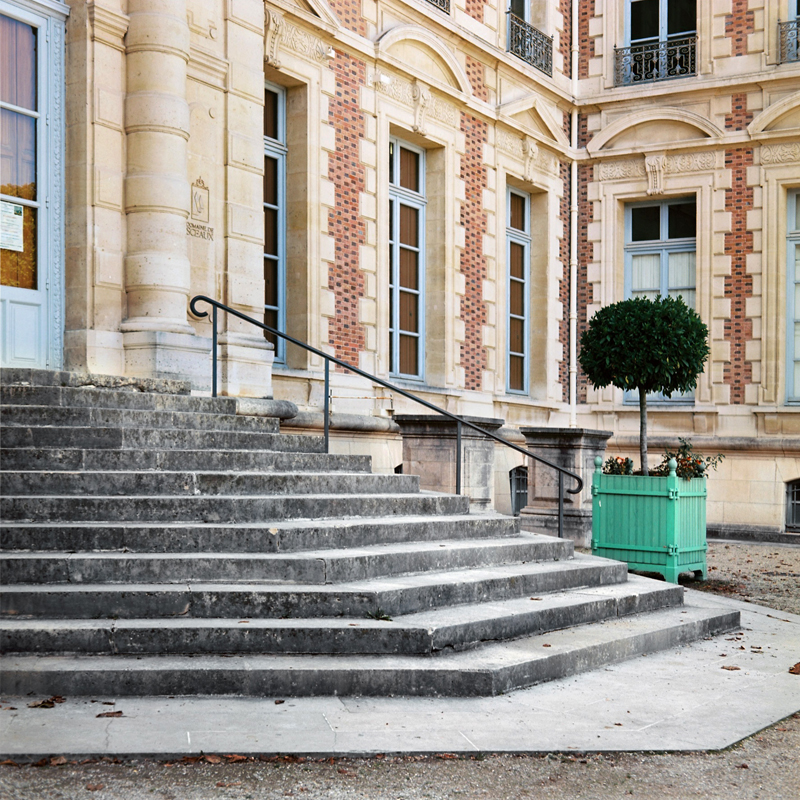
LIKE ART BLART ON FACEBOOK

Back to top