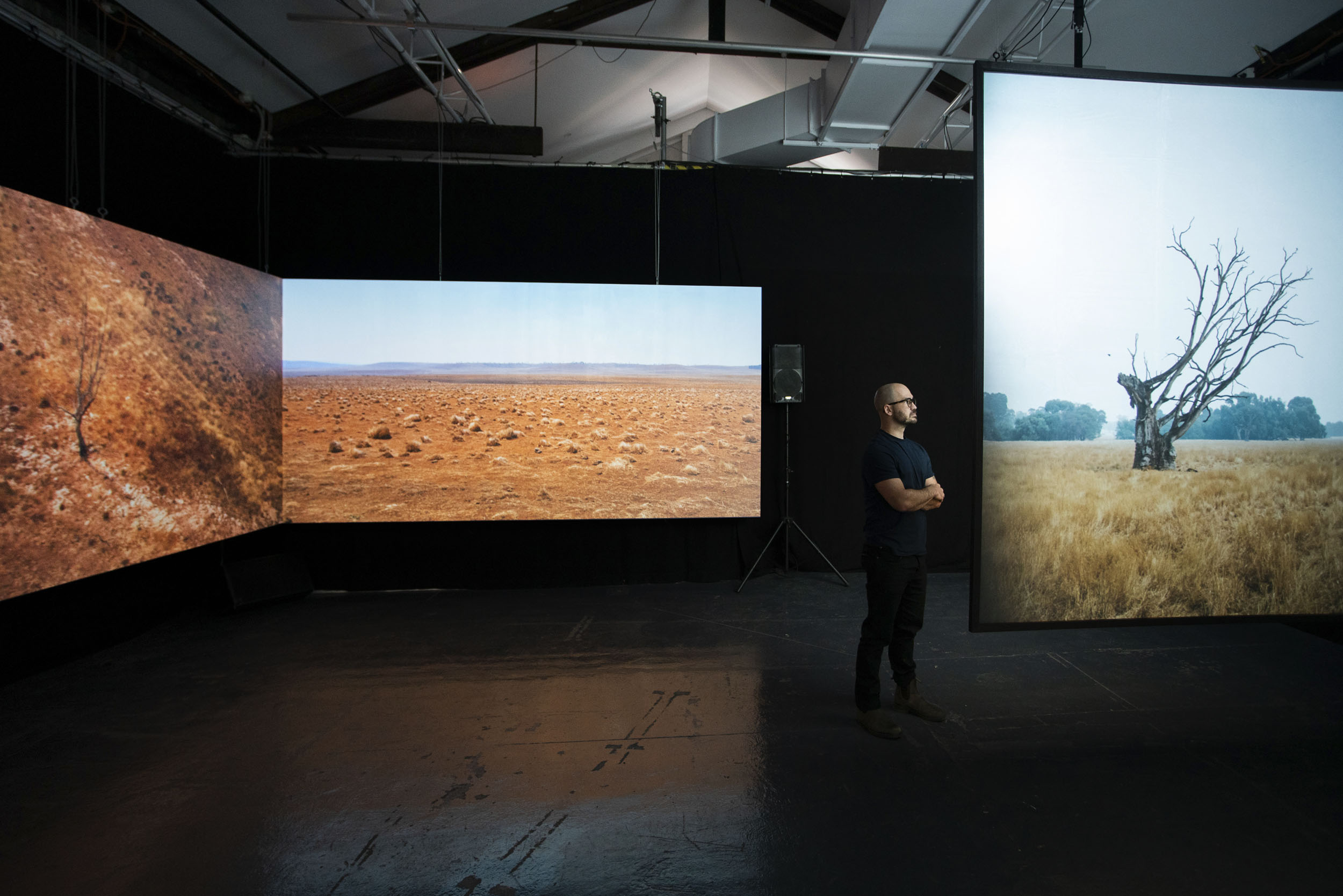
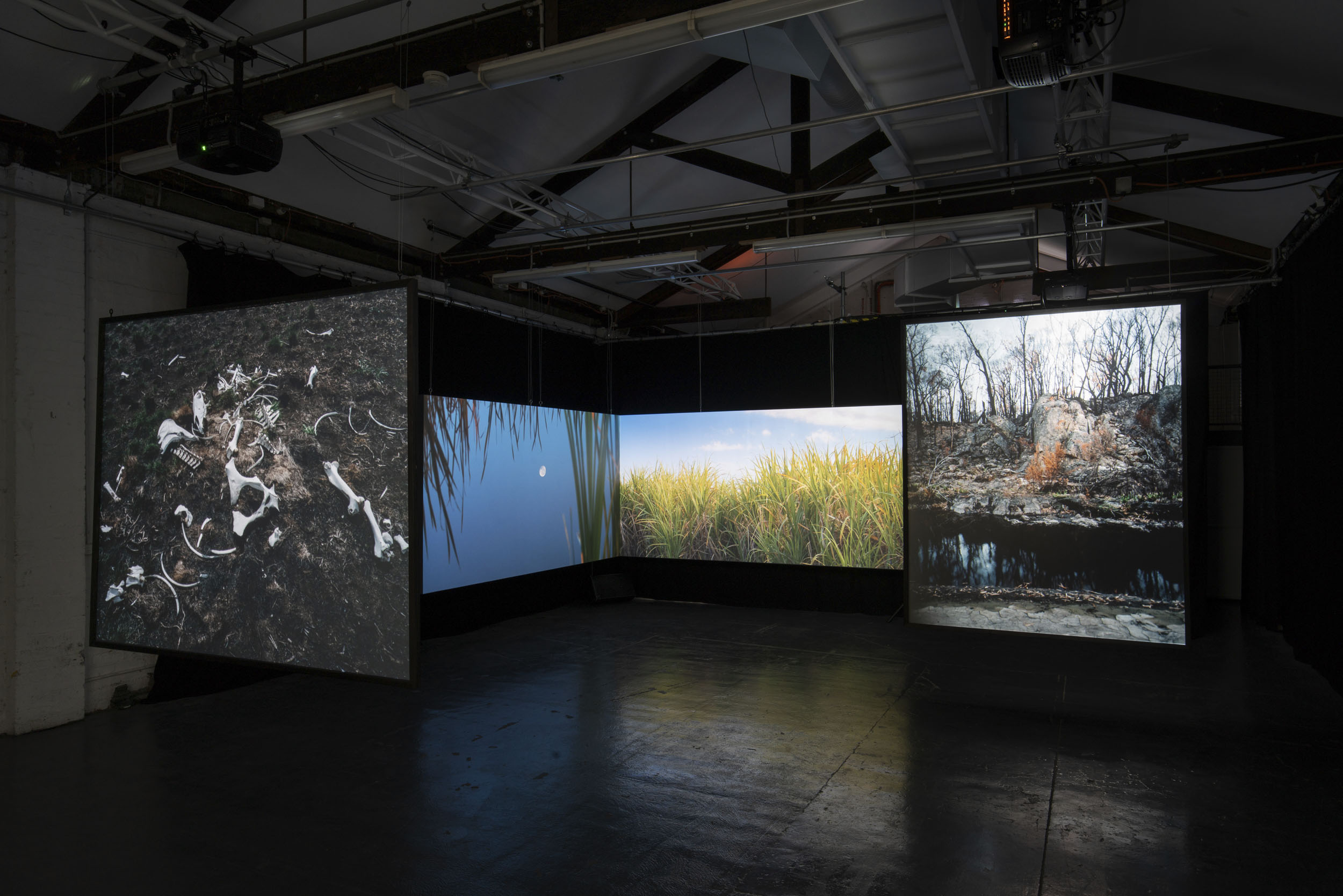
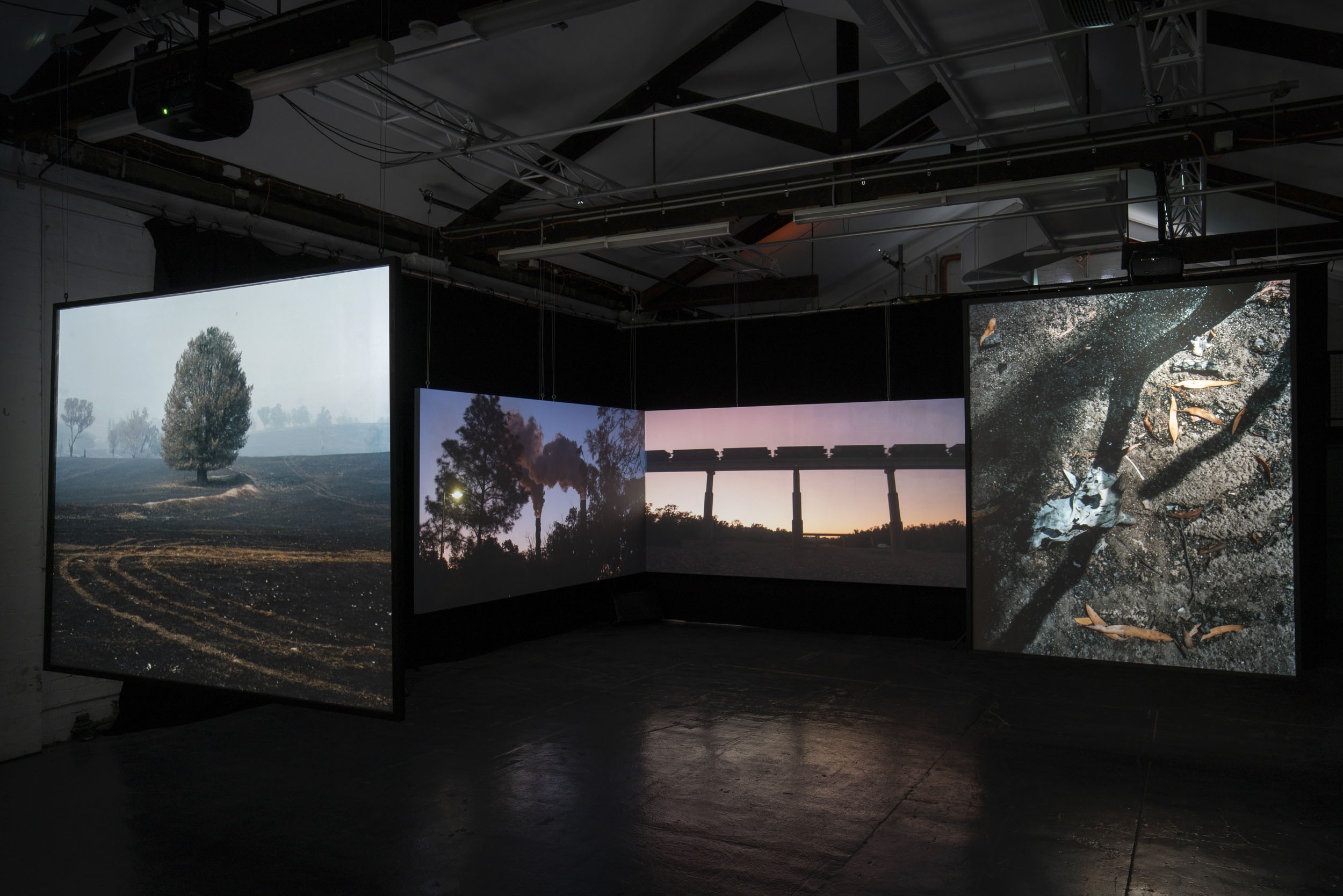
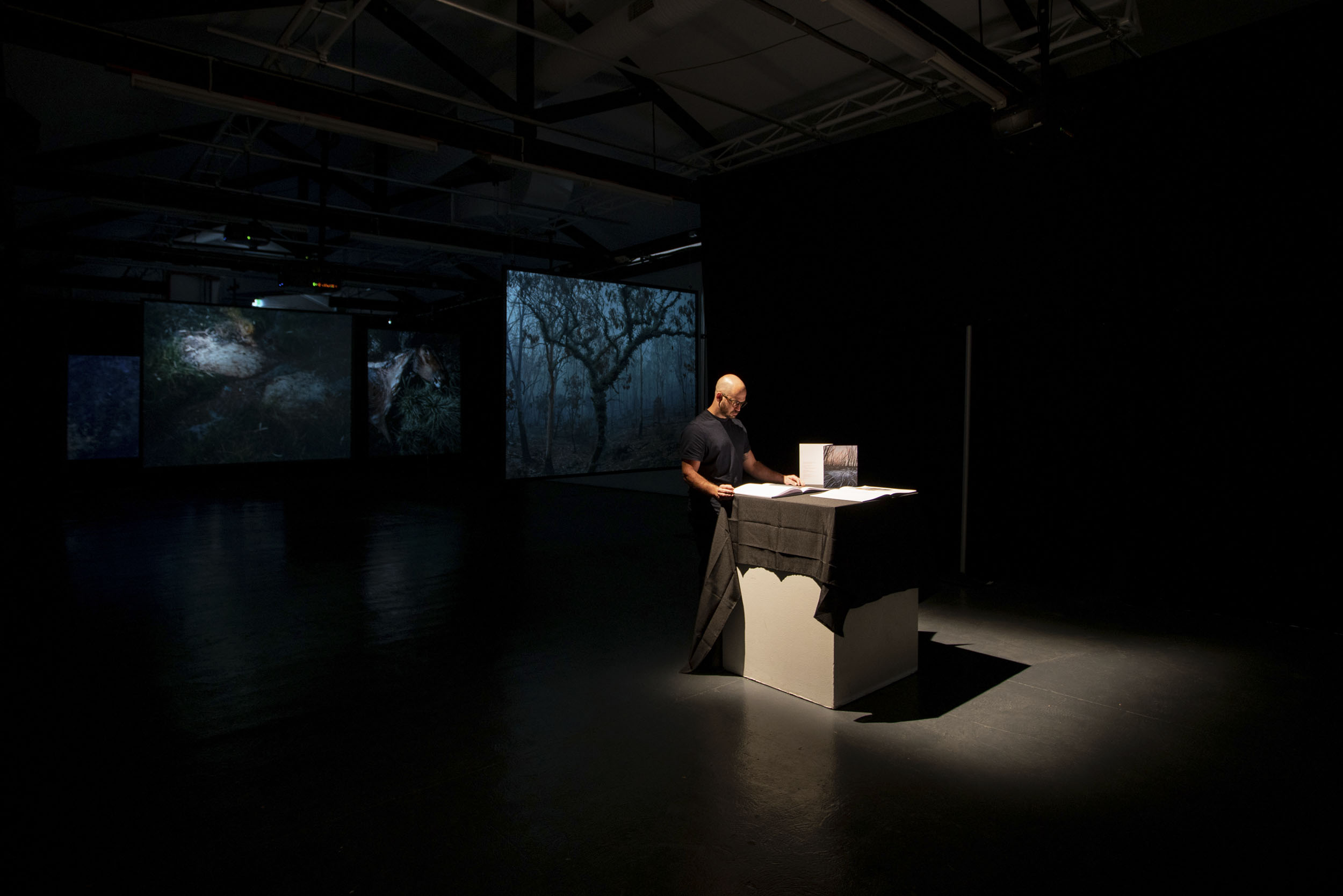
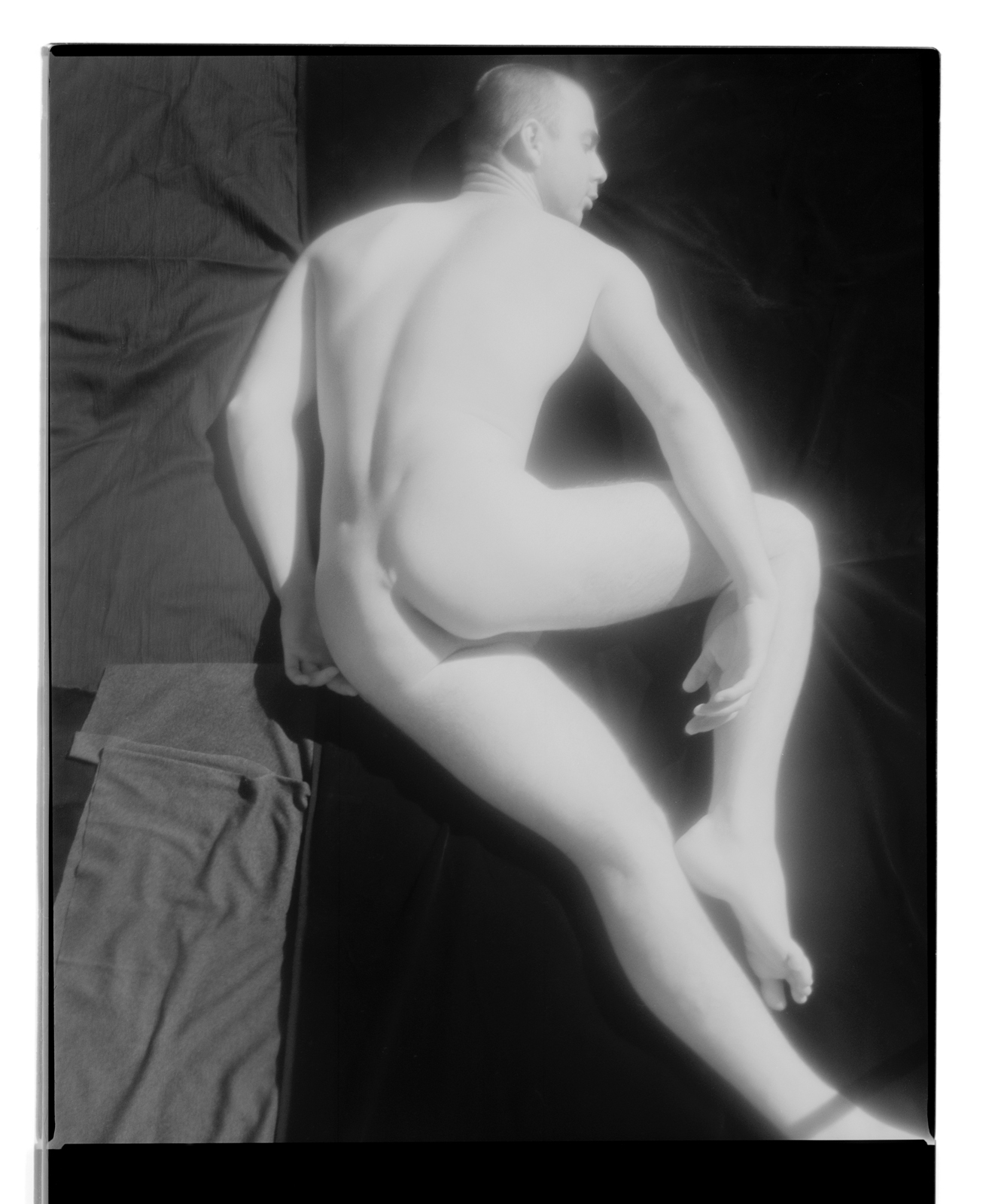
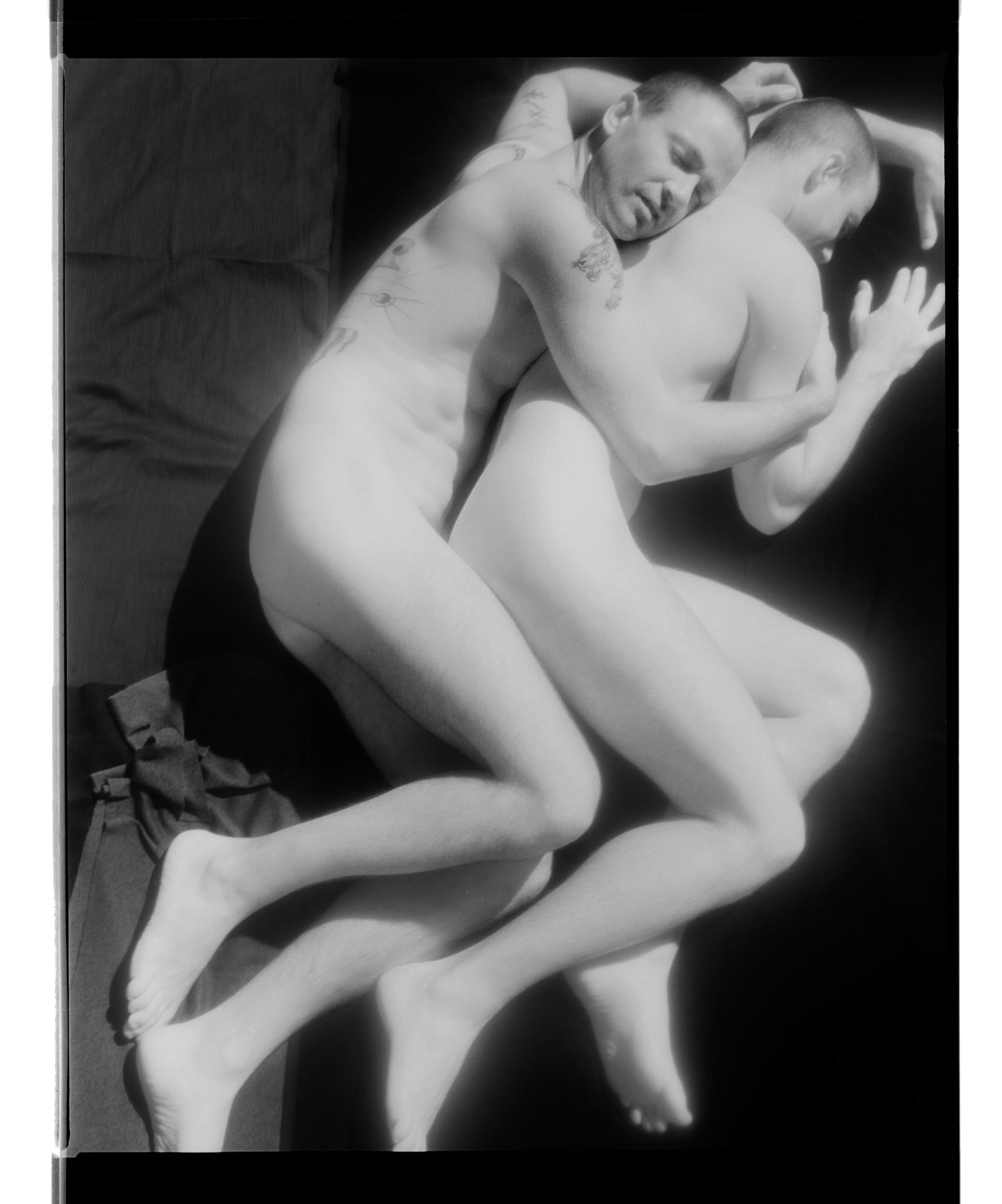
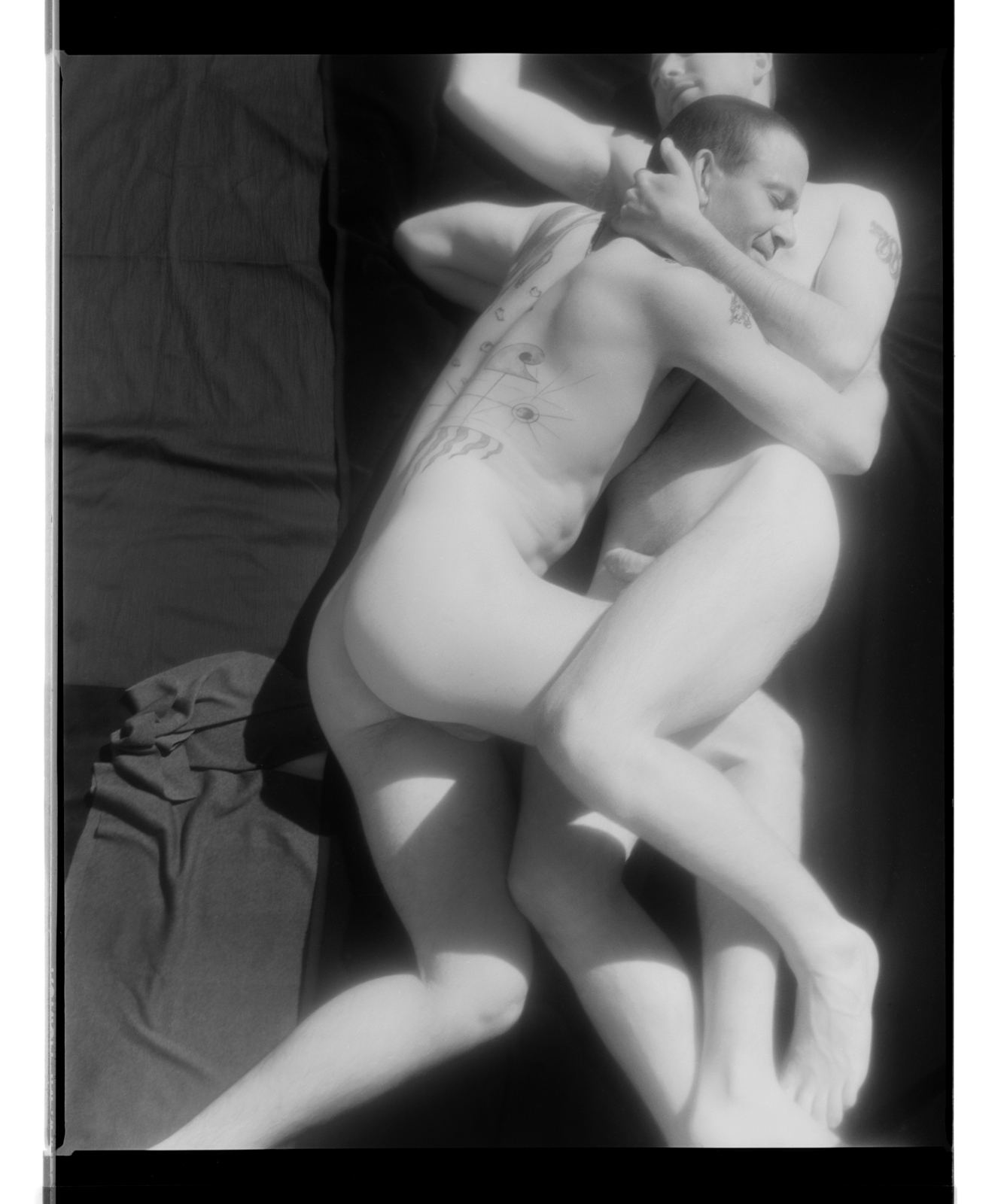
Review: ‘Ruth Maddison: It was the best of times, it was the worst of times’ at the Centre for Contemporary Photography, Melbourne

Exhibition dates: 26th February  –  18th April, 2021

Curators: a collaboration of Adam Harding CCP Director, Jack Willet CCP Curator, Ruth Maddison and independent Curator Olivia Poloni, with inceptive curatorial work from Linsey Gosper and Madé Spencer-Castle.


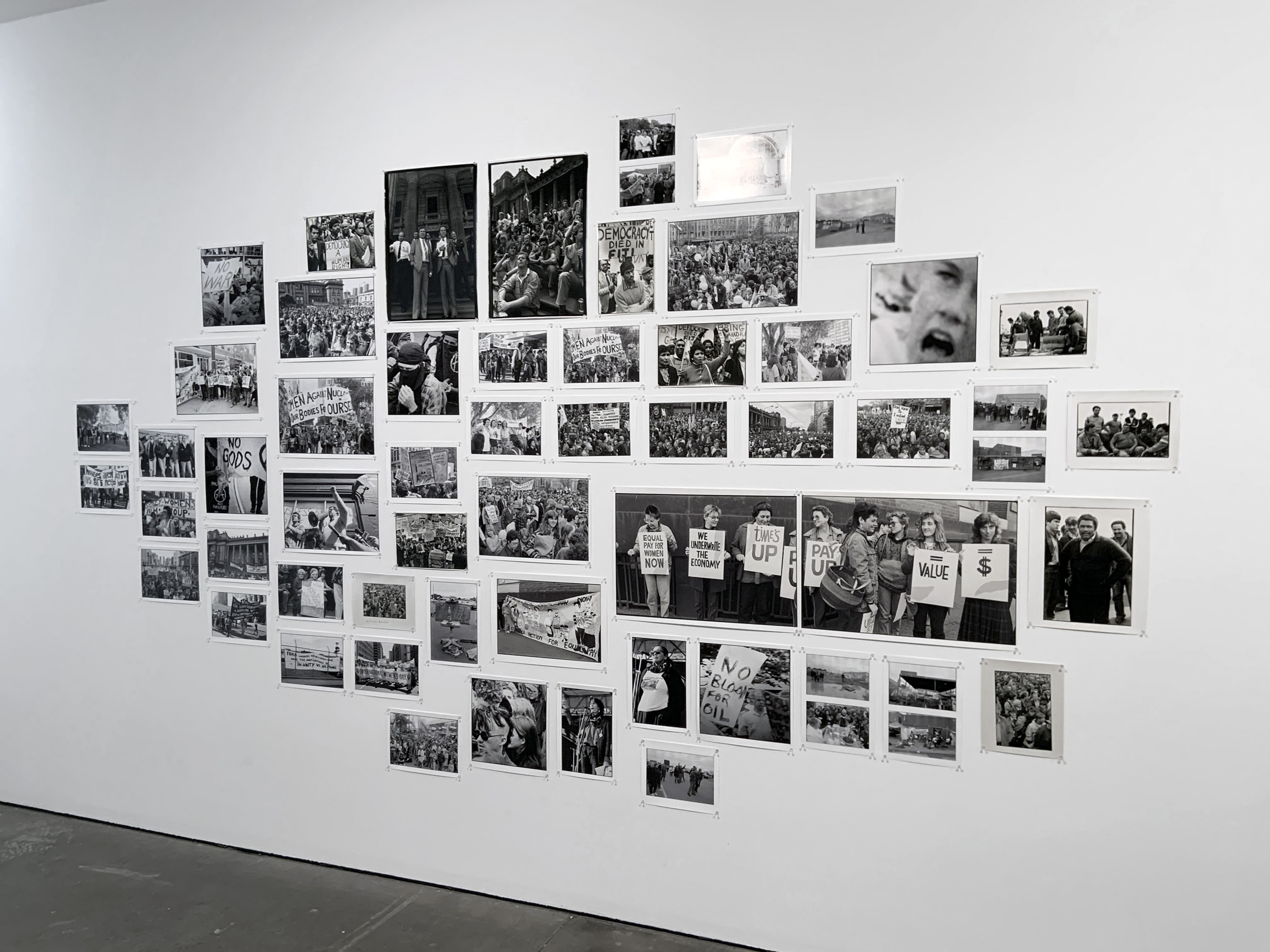
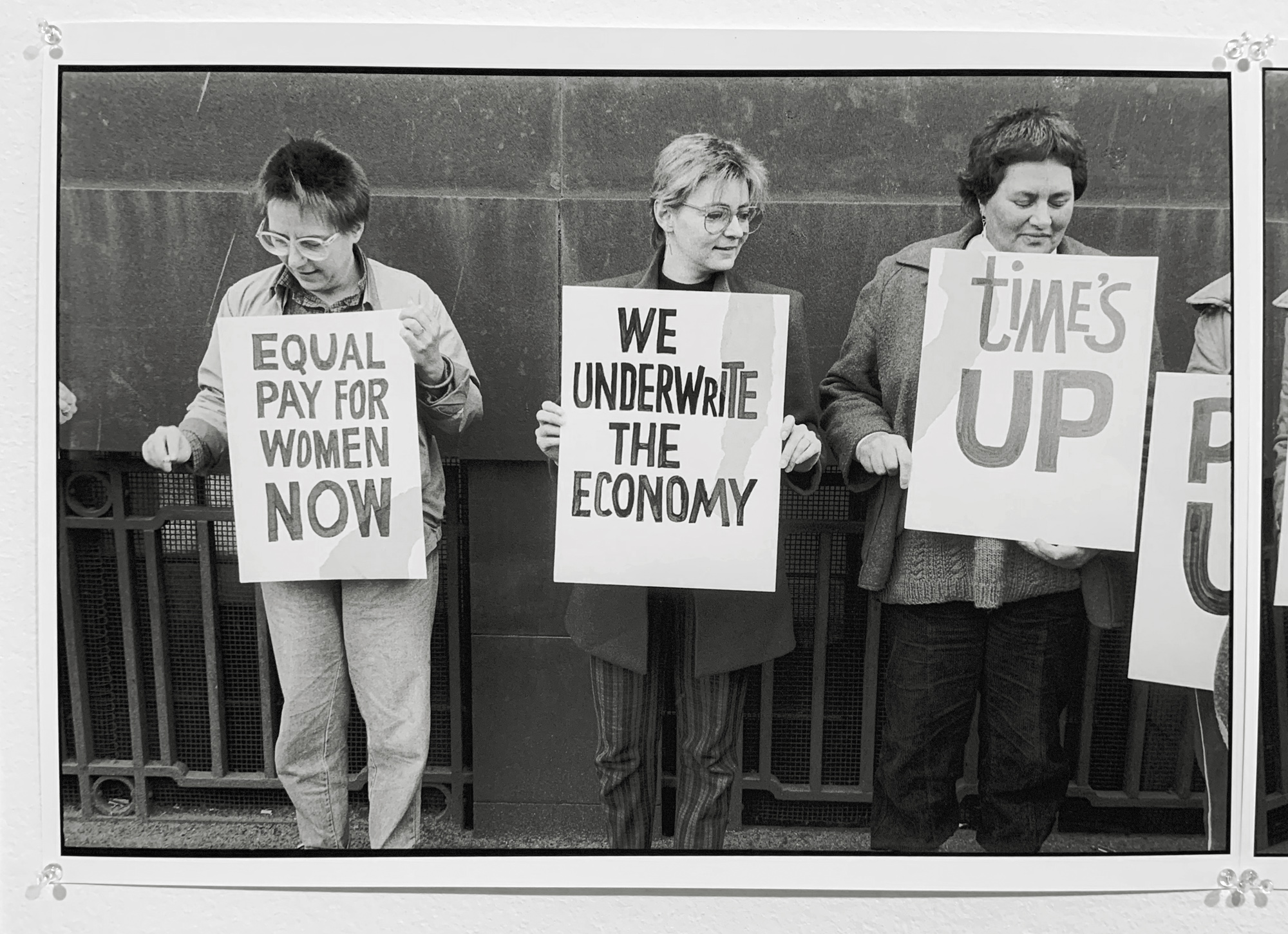
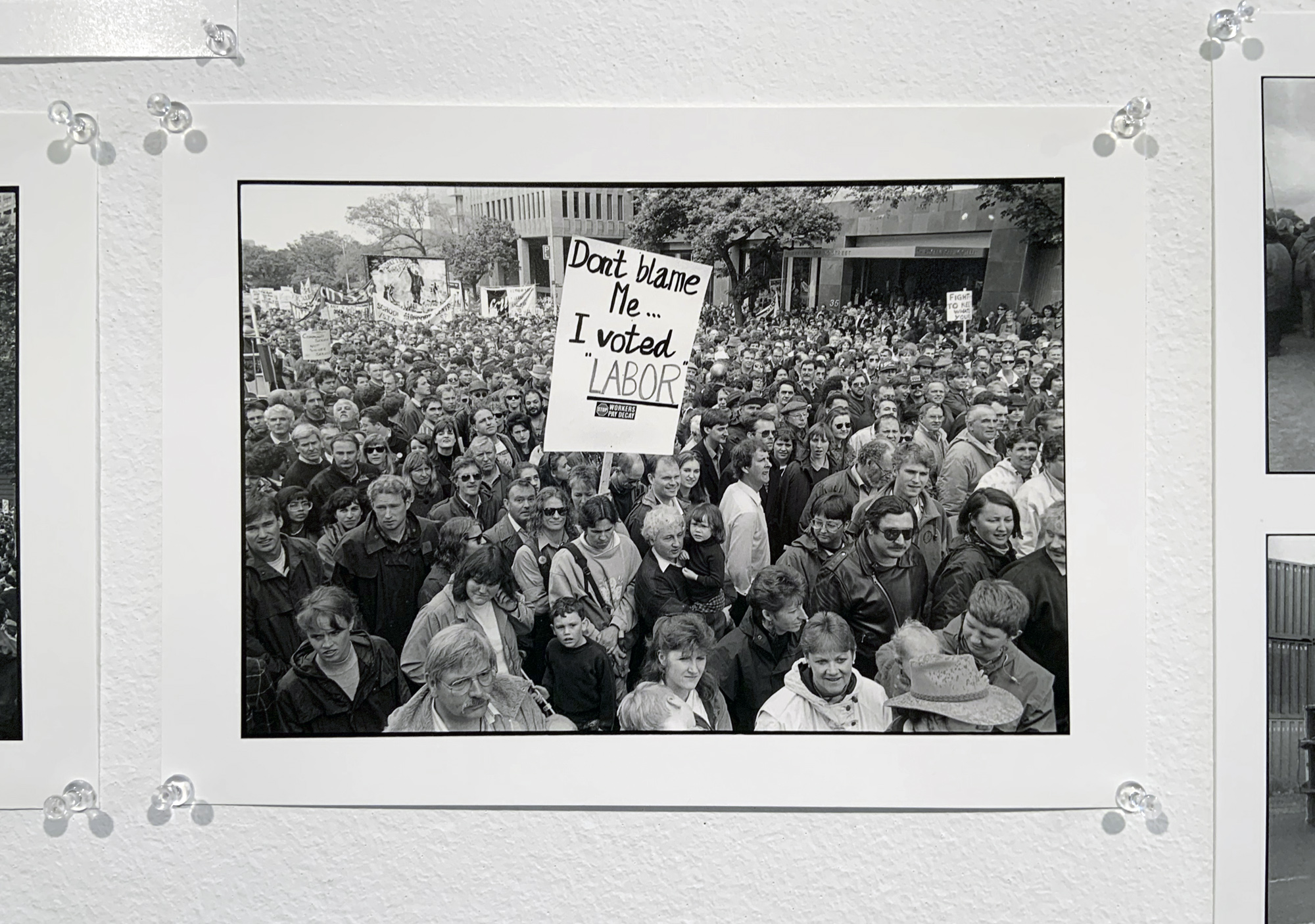
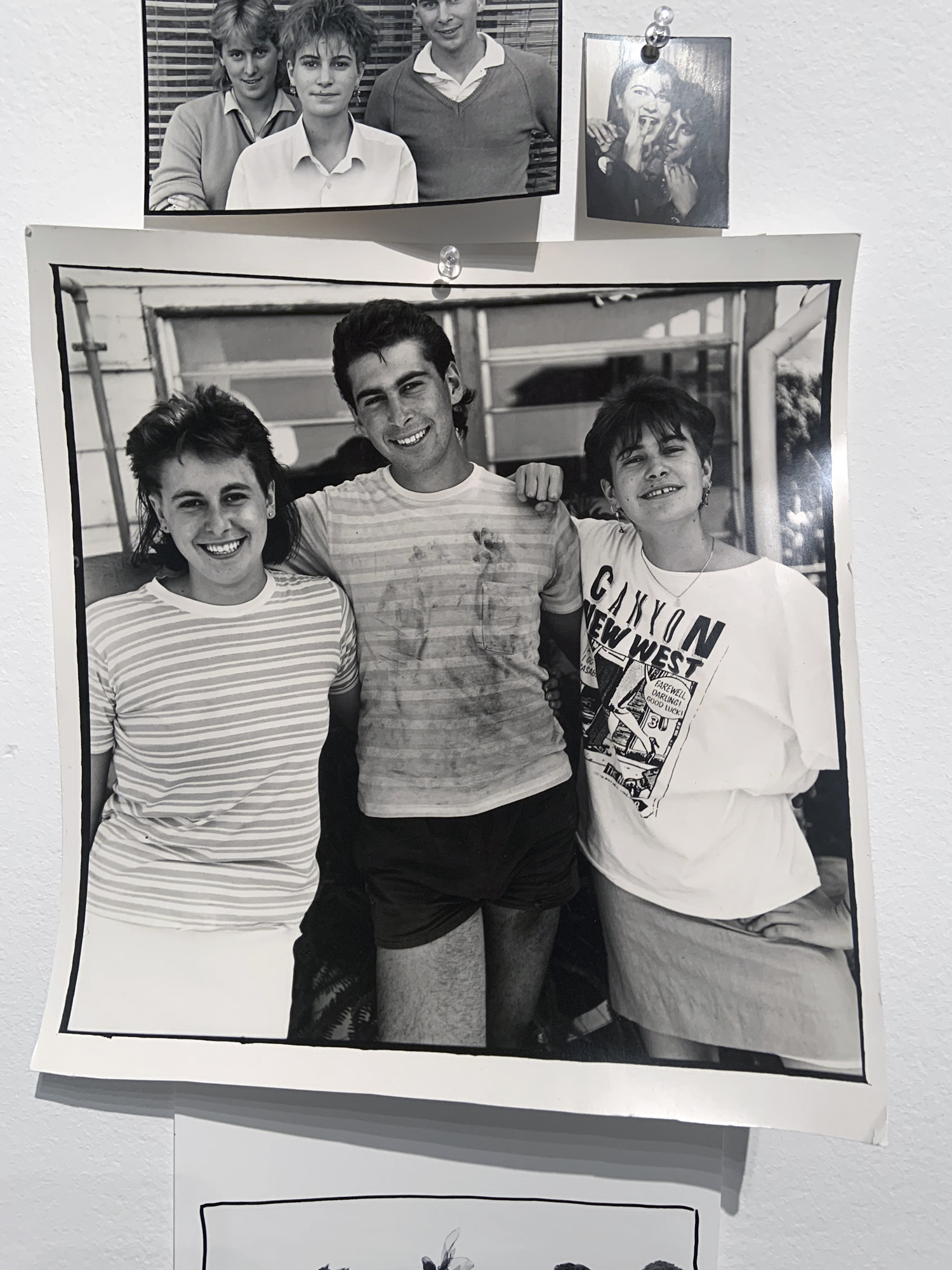
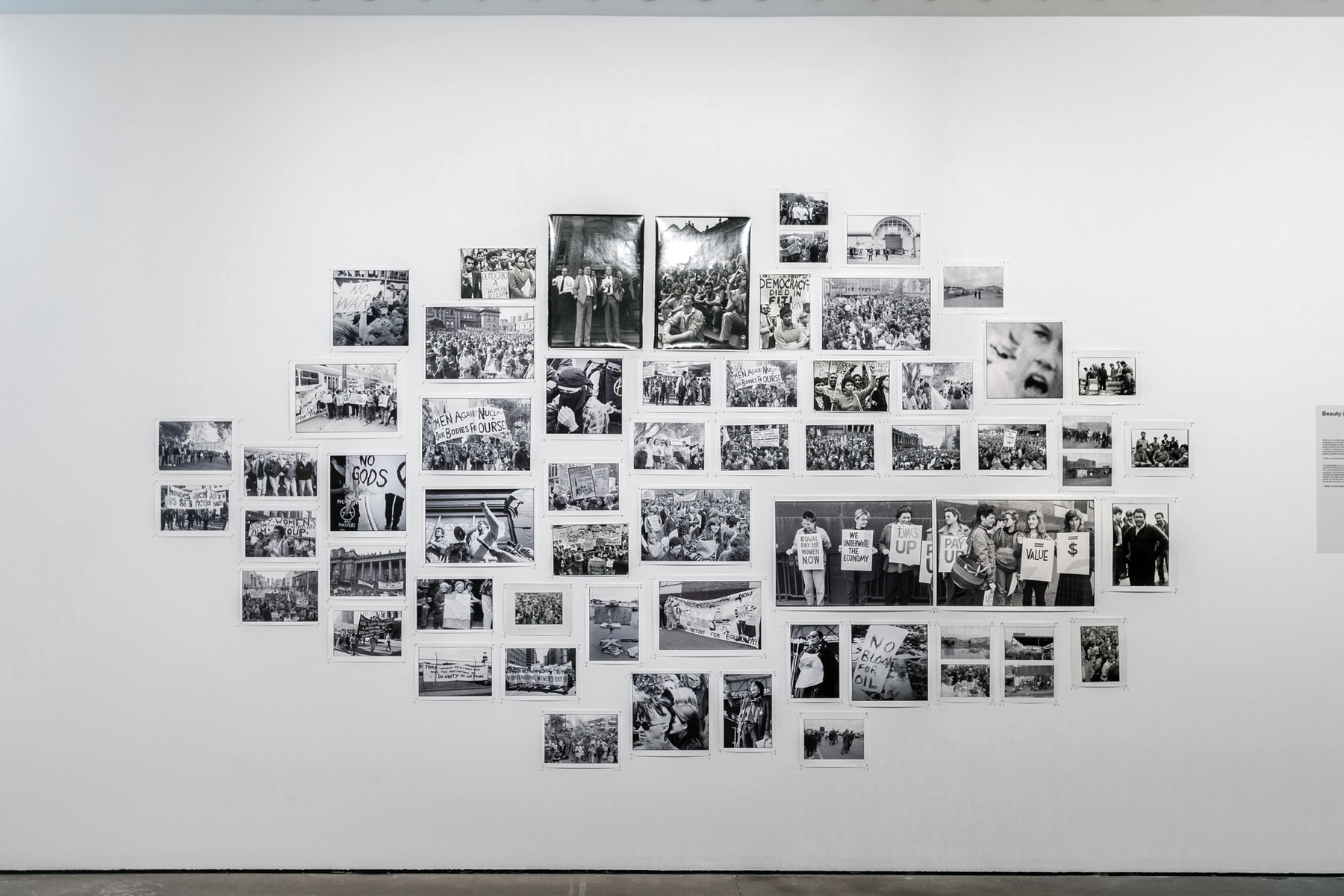
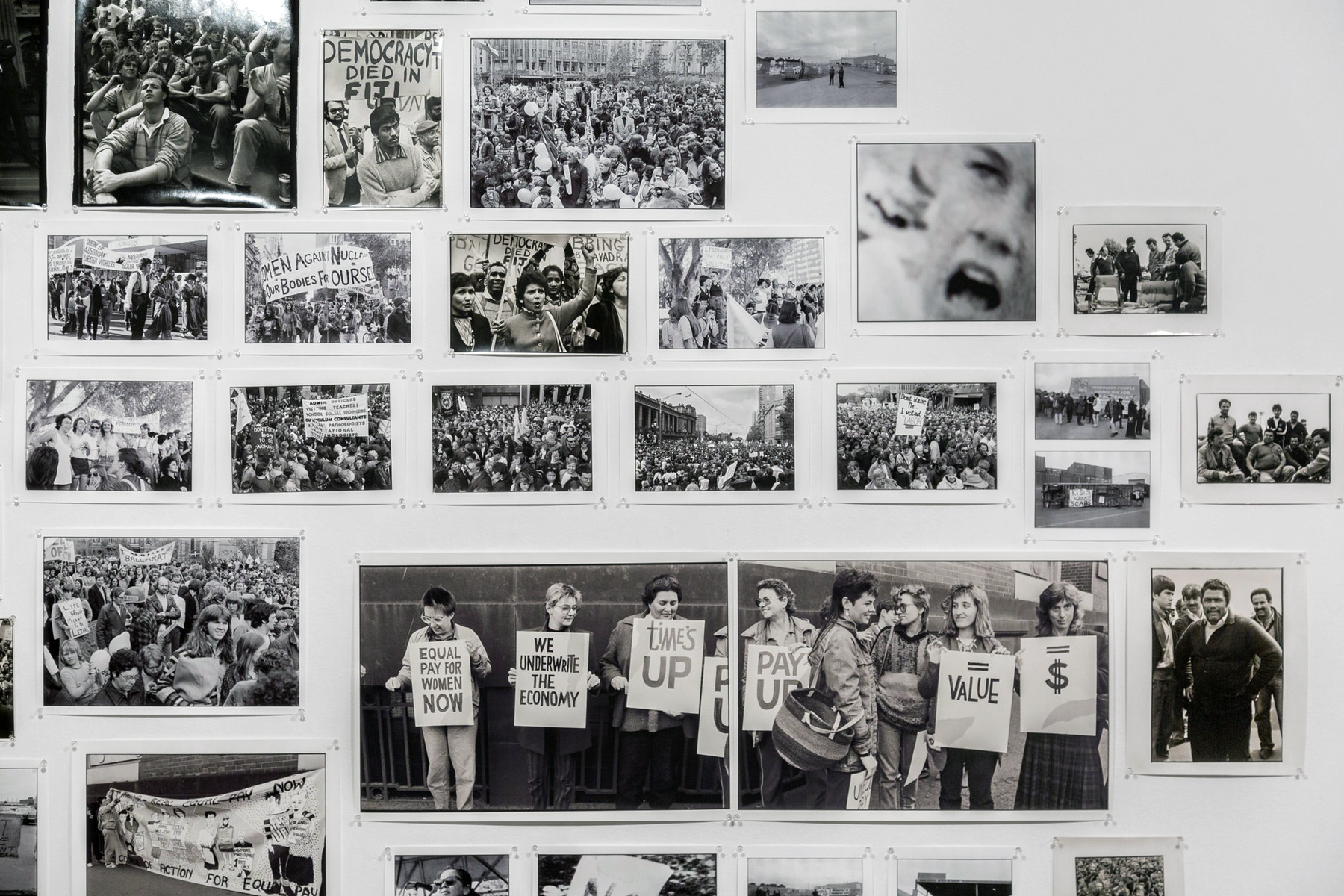
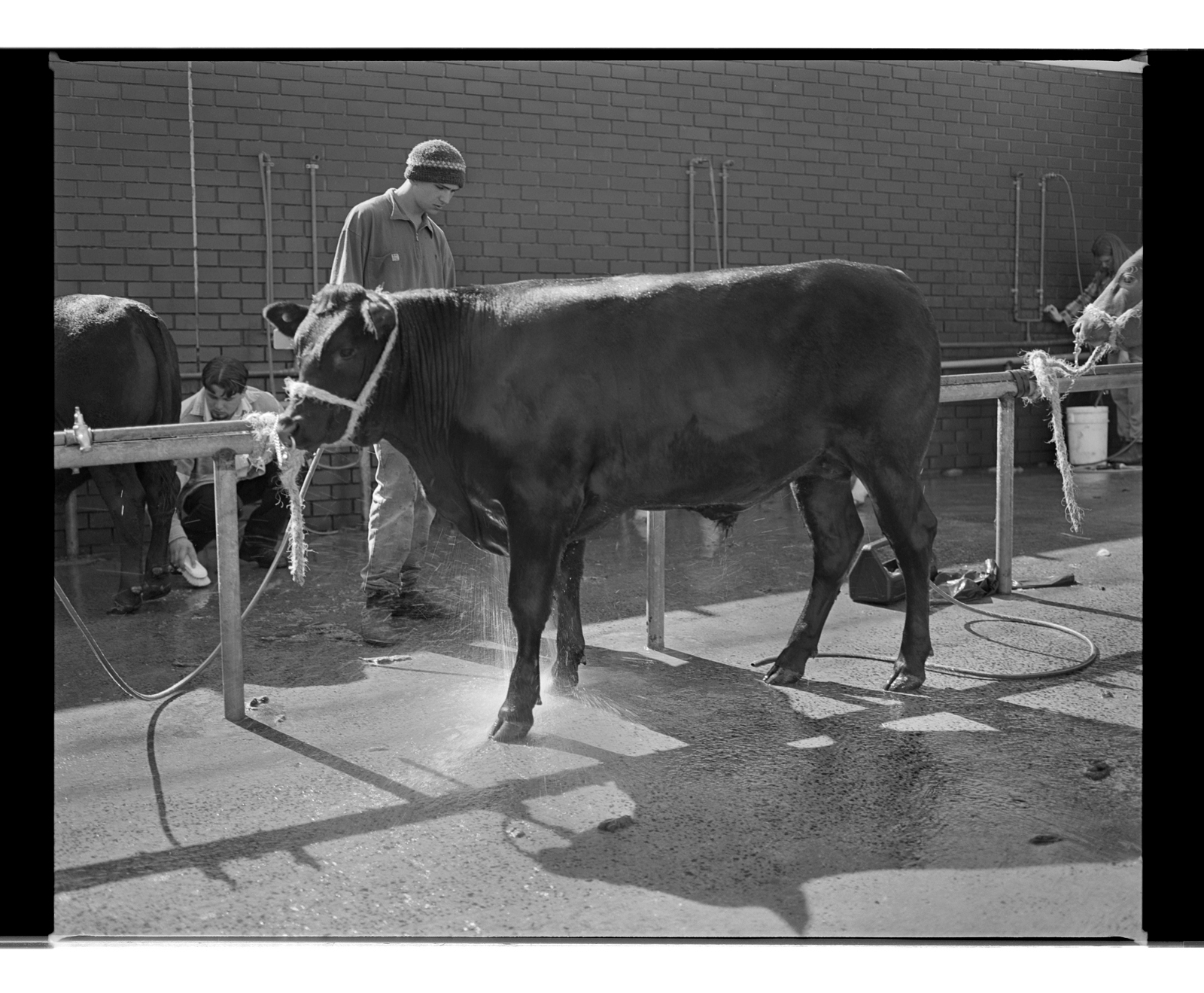
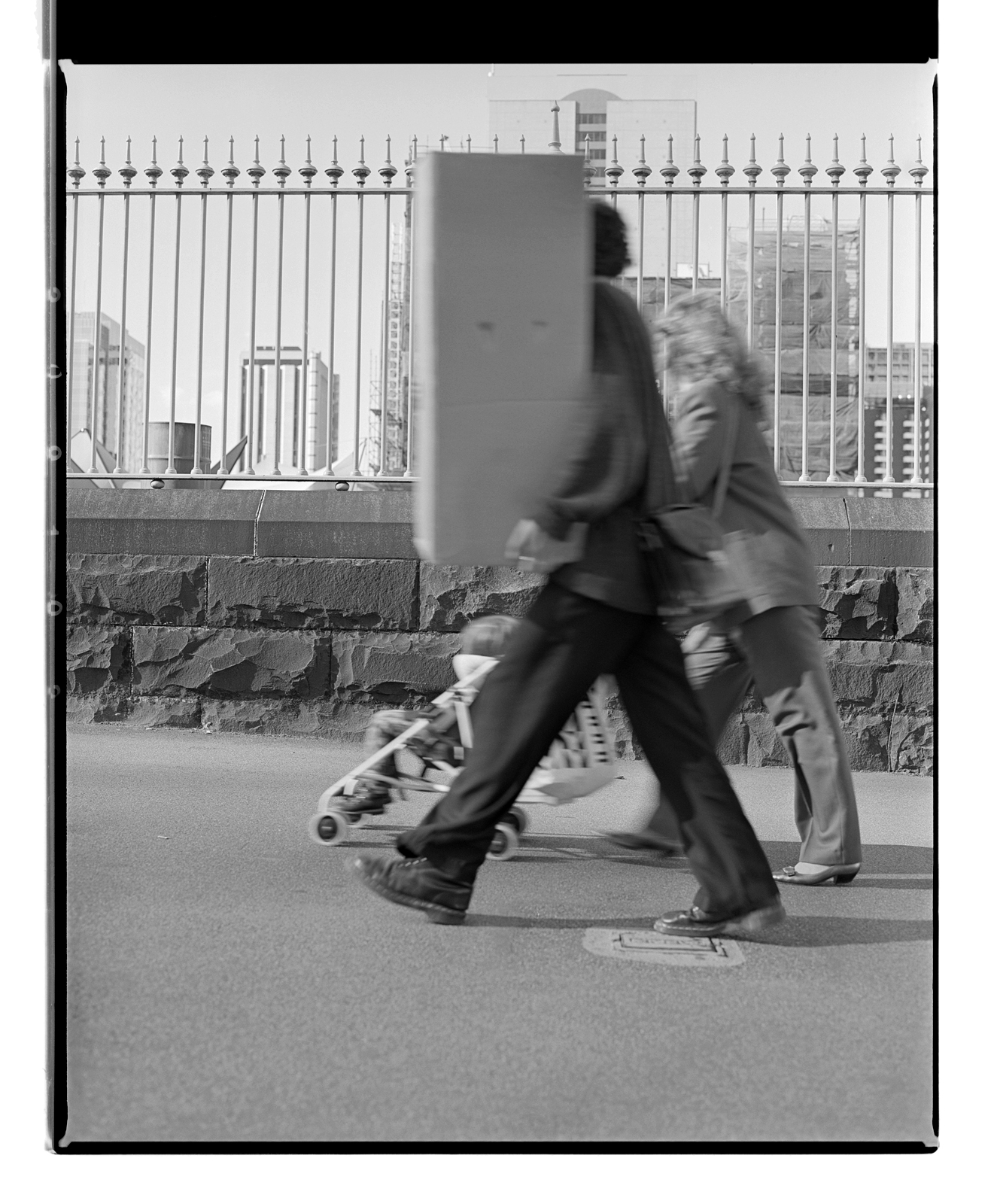
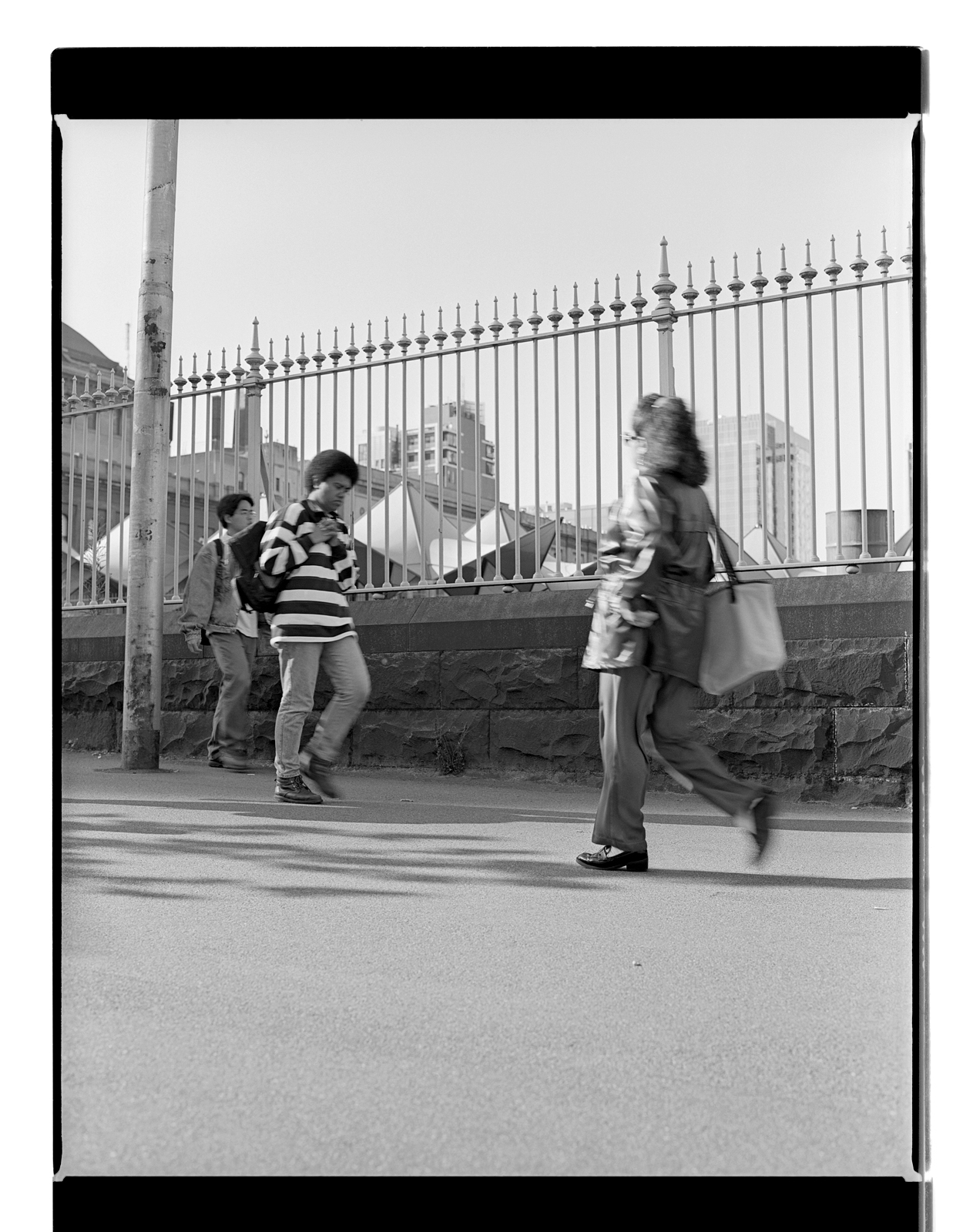
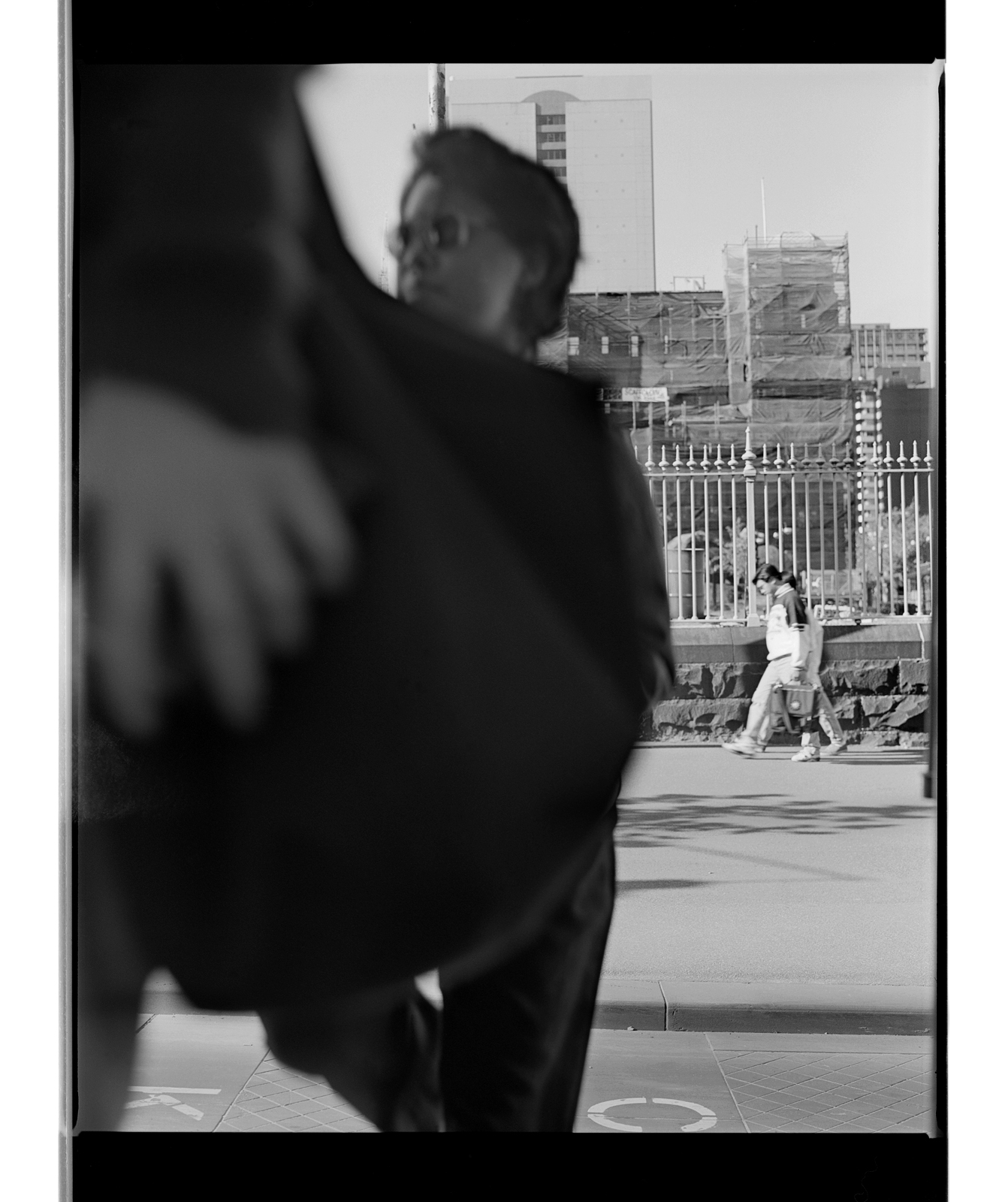
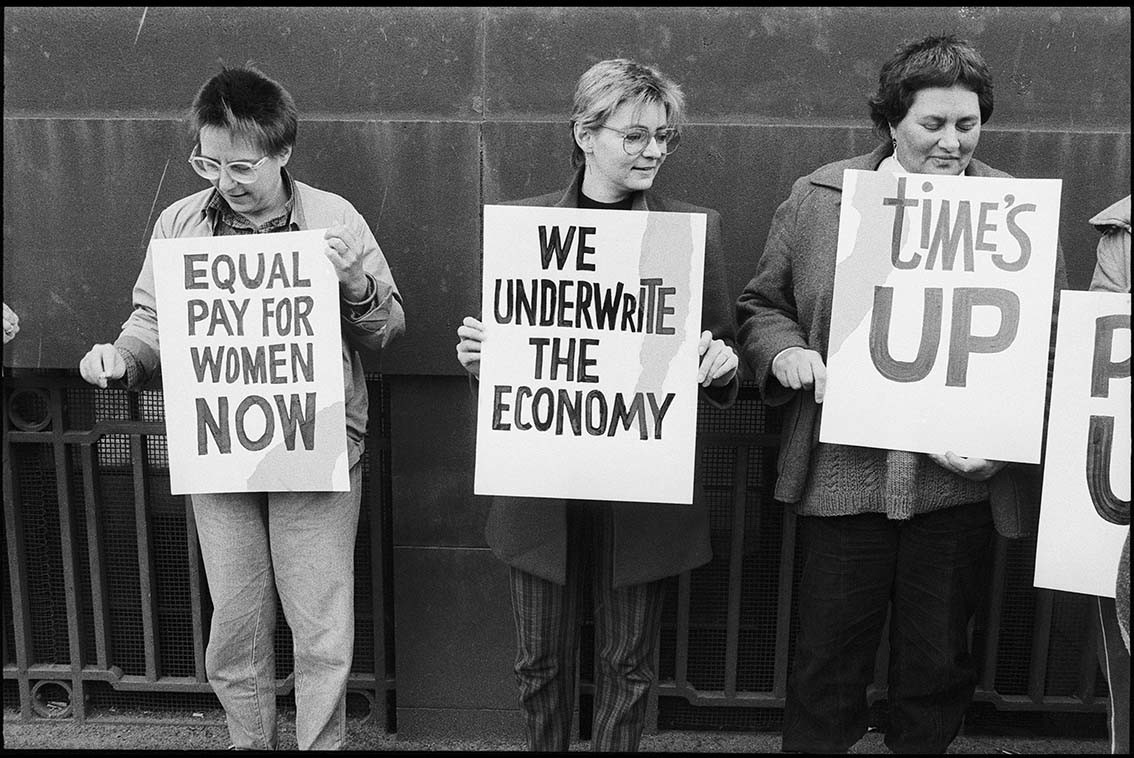
Ruth Maddison (Australian, b. 1945) 'Equal pay demo, Bourke Street Melbourne' 1985 from the exhibition 'Ruth Maddison: It was the best of times, it was the worst of times' at the Centre for Contemporary Photography, Melbourne, Feb - April, 2021


Ruth Maddison (Australian, b. 1945)
Equal pay demo, Bourke Street Melbourne
1985
Pigment print from scanned negative
39 x 58cm (image size)
Courtesy of the artist and the Centre for Contemporary Photography


“One can also pursue politics with art.
Everything that intervenes in the processes of life, and transforms them, is politics.”


Hans Richter


“I always wanted to document people’s lives – their work, their family, their relationships, their leisure – their pain and pleasure.

“To me, every individual’s life is more wondrous than any fantasy could ever be.”


Ruth Maddison


The Art of a Fellow Traveller

Since the 1970s Australia has been blessed with many talented women photographers… Sue Ford, Carol Jerrems, Joyce Evans, Ponch Hawkes, Micky Allan, Ruth Maddison, Rosemary Laing, Hoda Afshar, Anne Ferran, Katrin Koenning, Robyn Stacey, Janina Green, Bindi Cole, Tracey Moffatt, Polixeni Papapetrou, Pat Brassington, Claire Rae, Claudia Terstappen, Jacqui Stockdale, Siri Hayes, Petrina Hicks, Kim Lawler, Carolyn Lewens, Nicola Loder, Jill Orr, Kim Percy, Patricia Piccinini, Elizabeth Gertsakis, Jane Brown, to name just a few…

 ** Thinking. Australia. For such a small (in population) and isolated (geographically) country, rarely in the history of photography can there have been such an accumulated wealth of talent within the space of 60 years or so. I have suggested to a major public gallery in Melbourne a group exhibition of these artists but it went nowhere. Why? This is world class talent! **


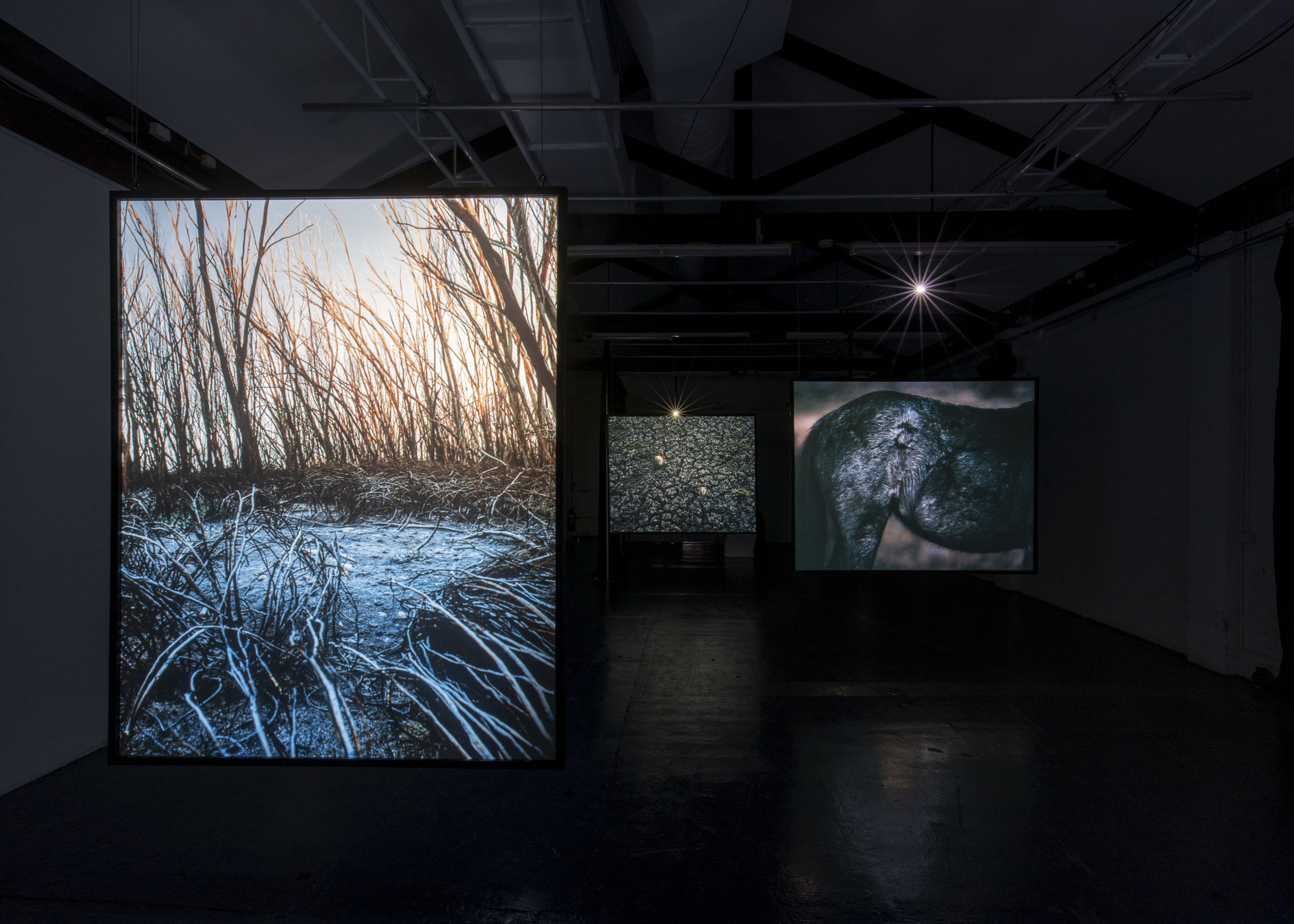
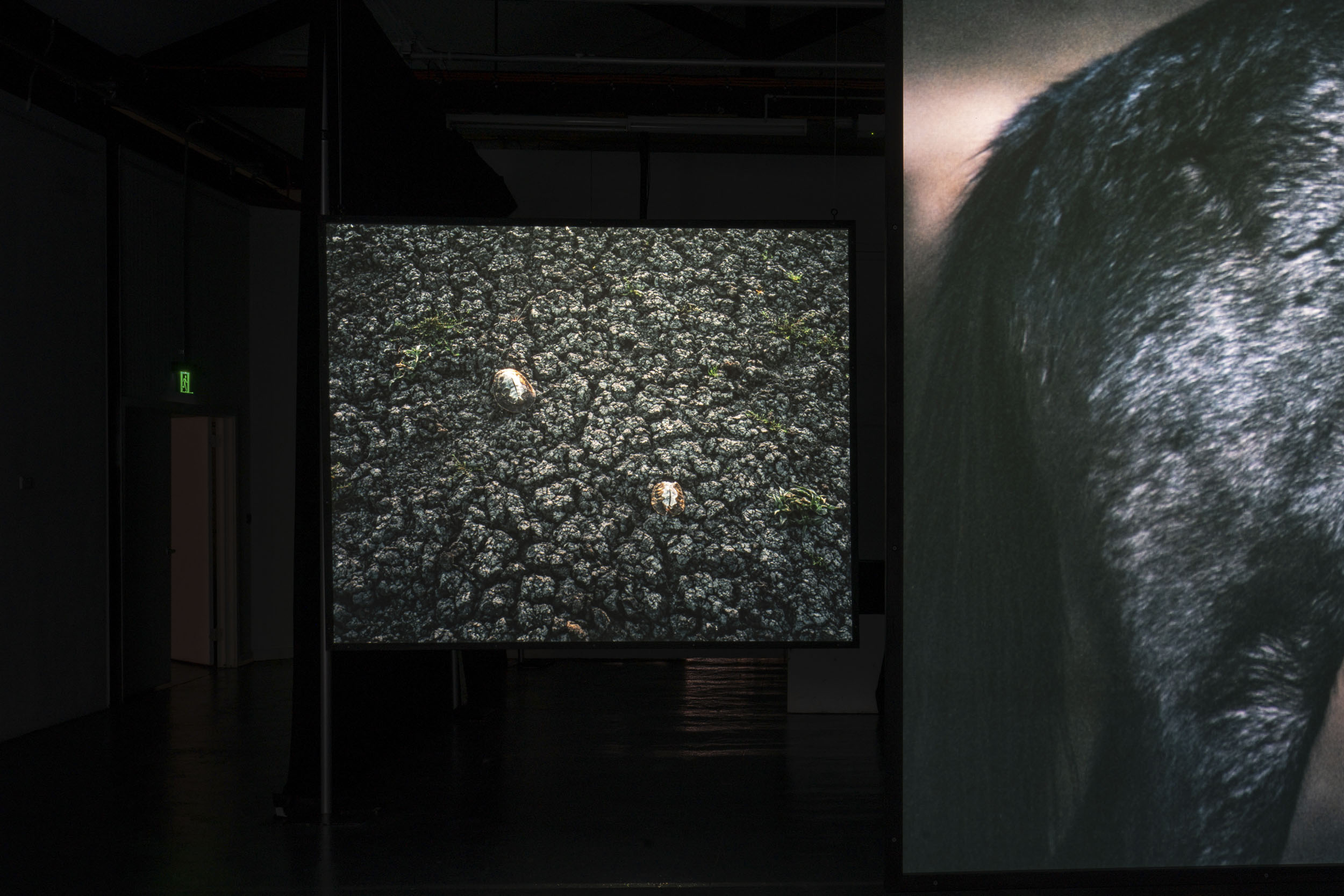
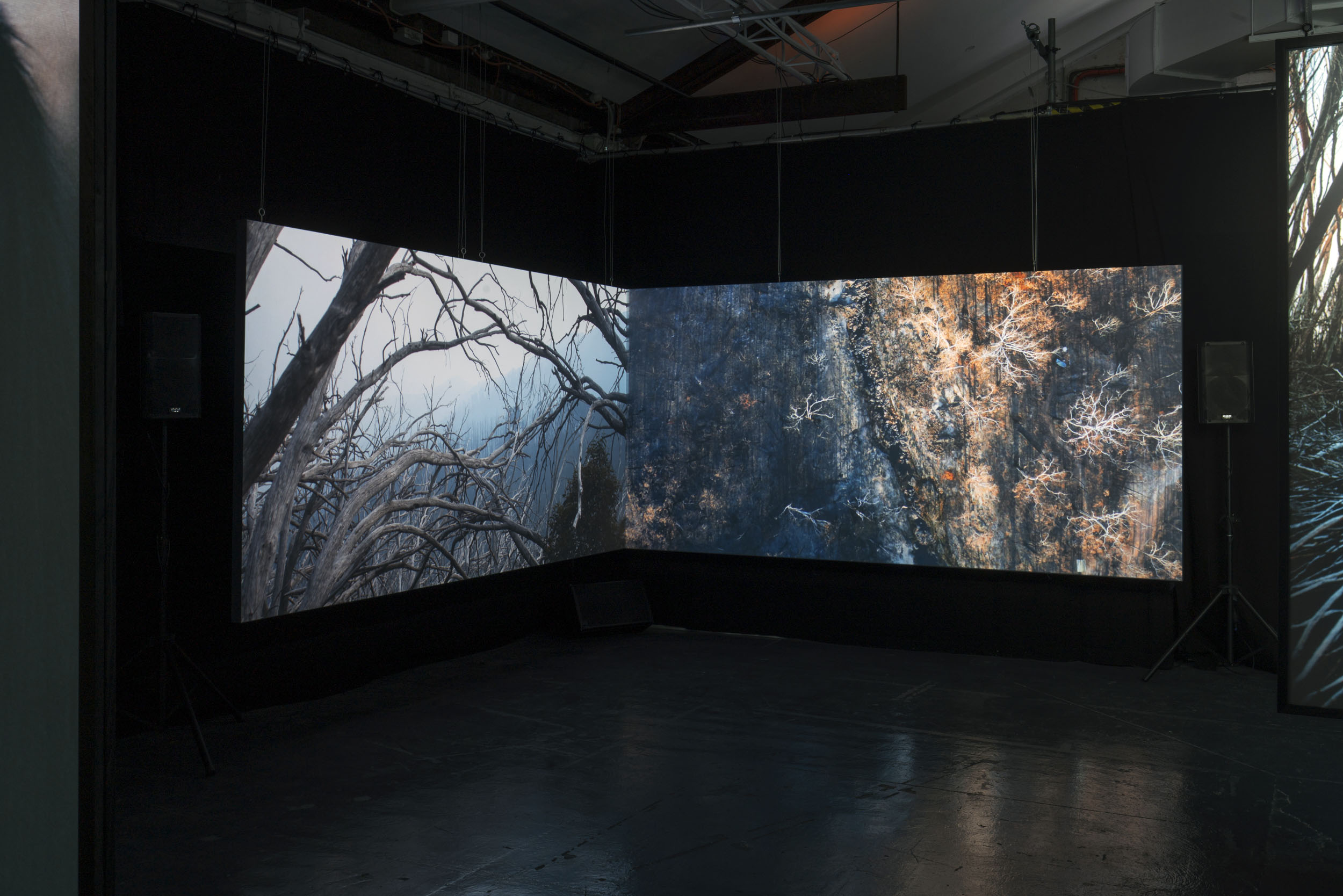
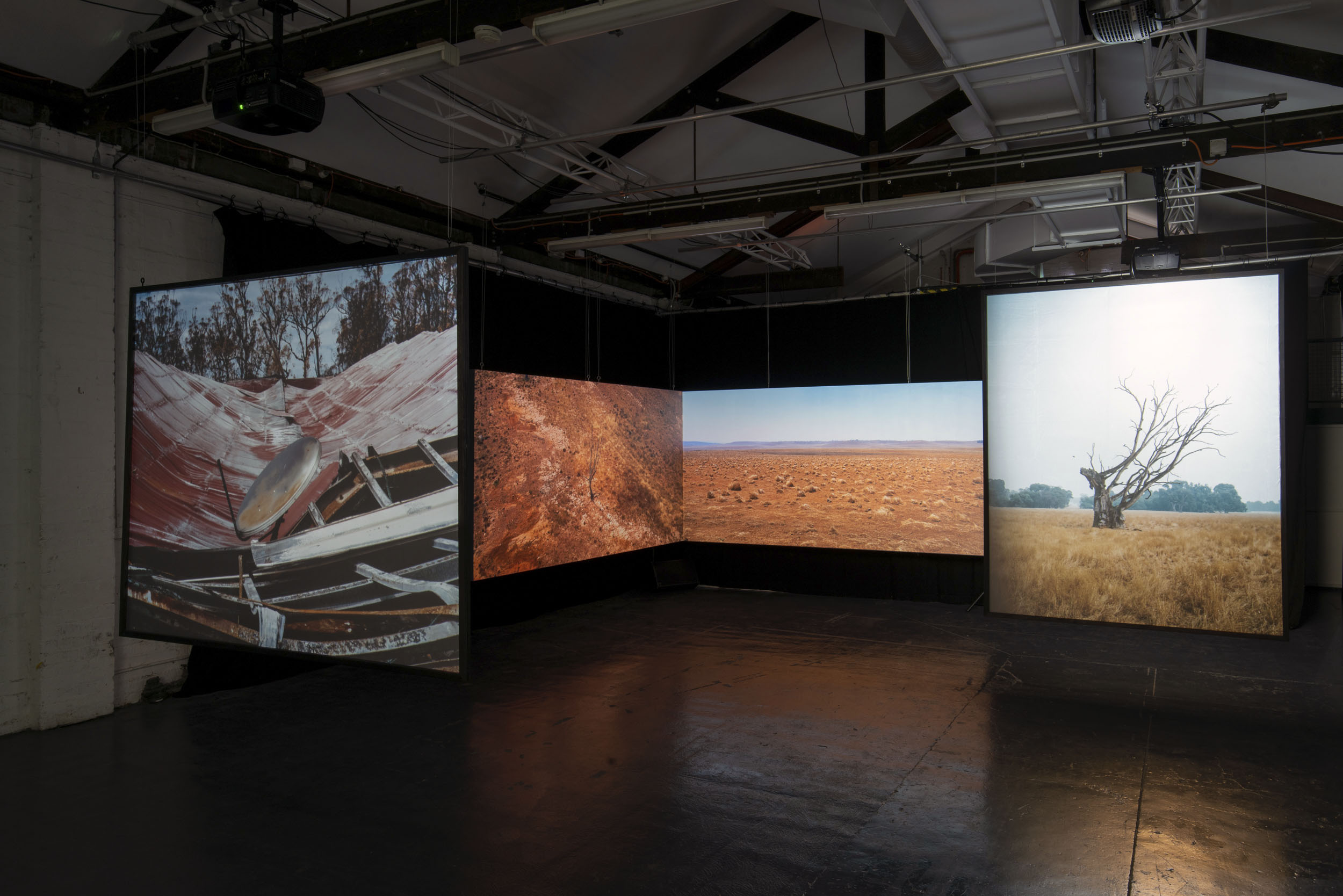
Which brings me to the exhibition Ruth Maddison: It was the best of times, it was the worst of times which occupies all galleries at the Centre for Contemporary Photography, Melbourne.

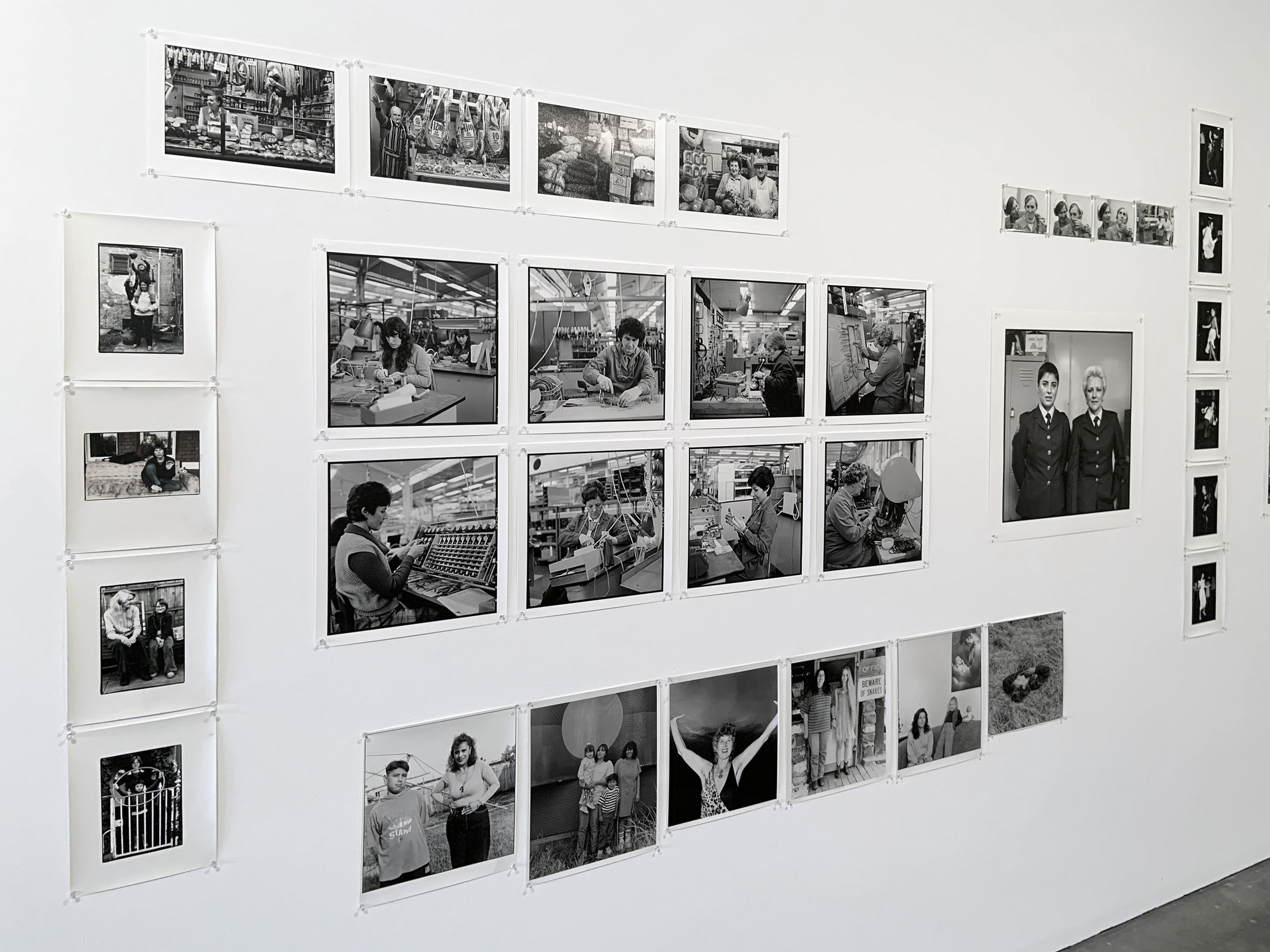
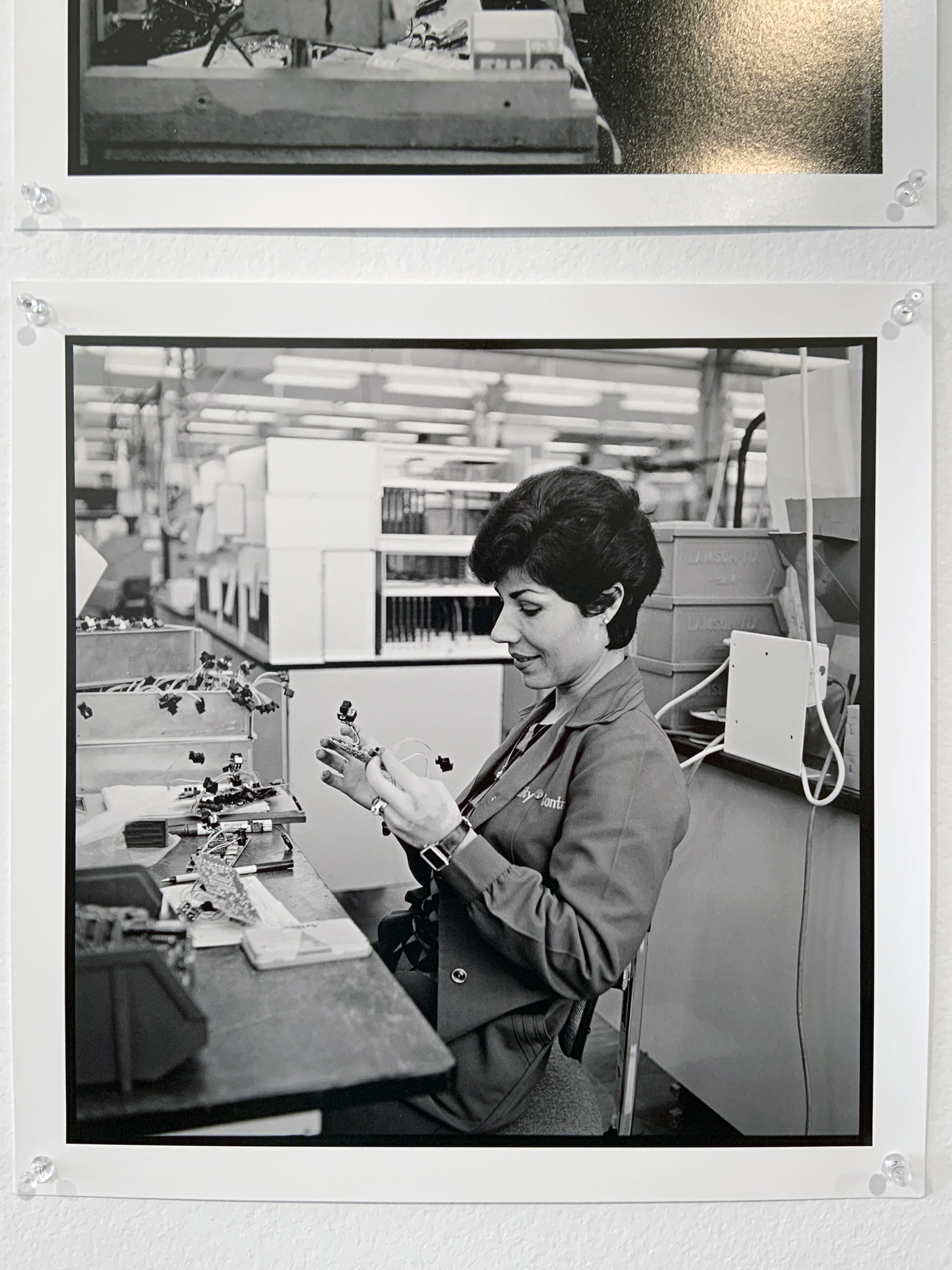
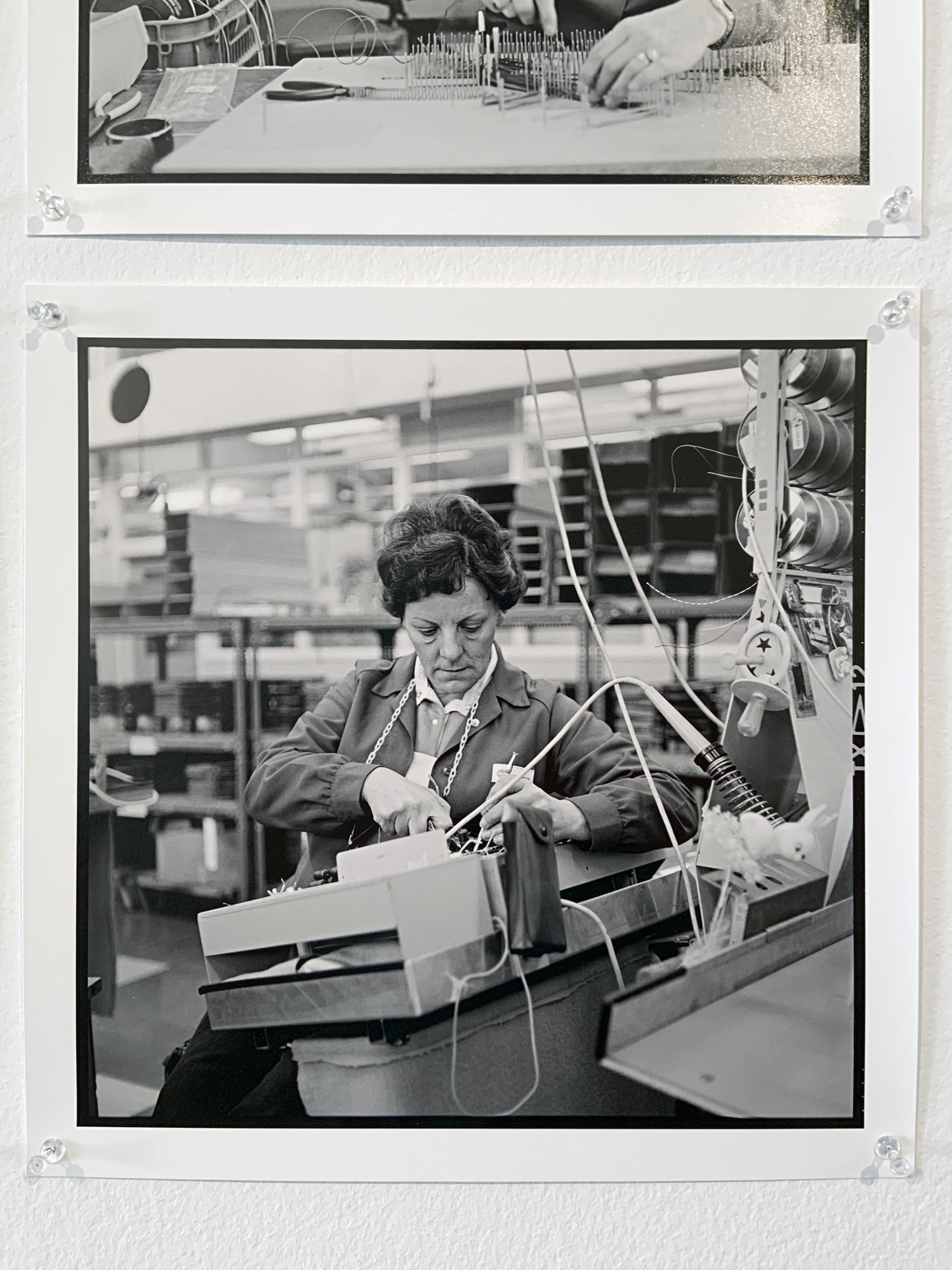
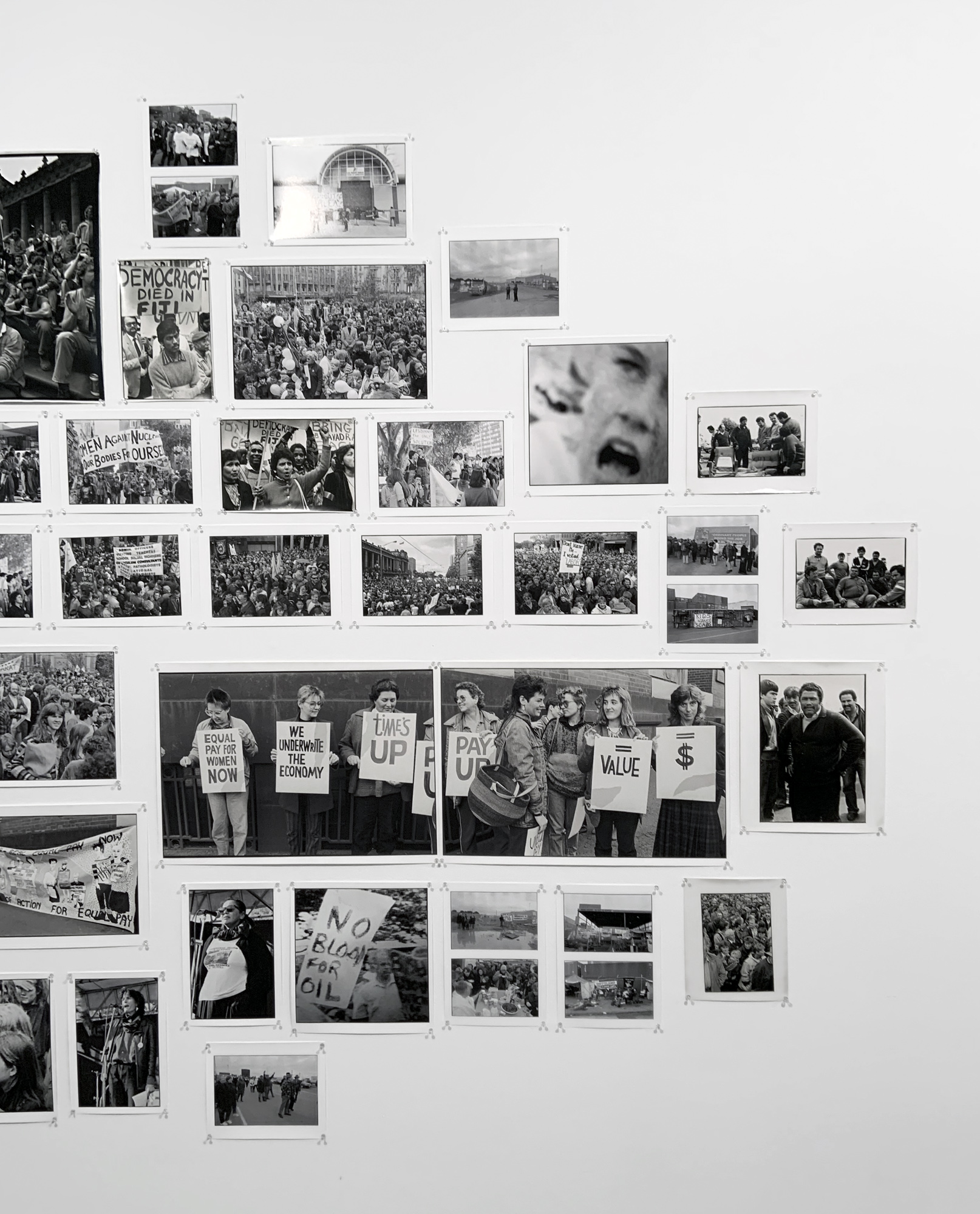
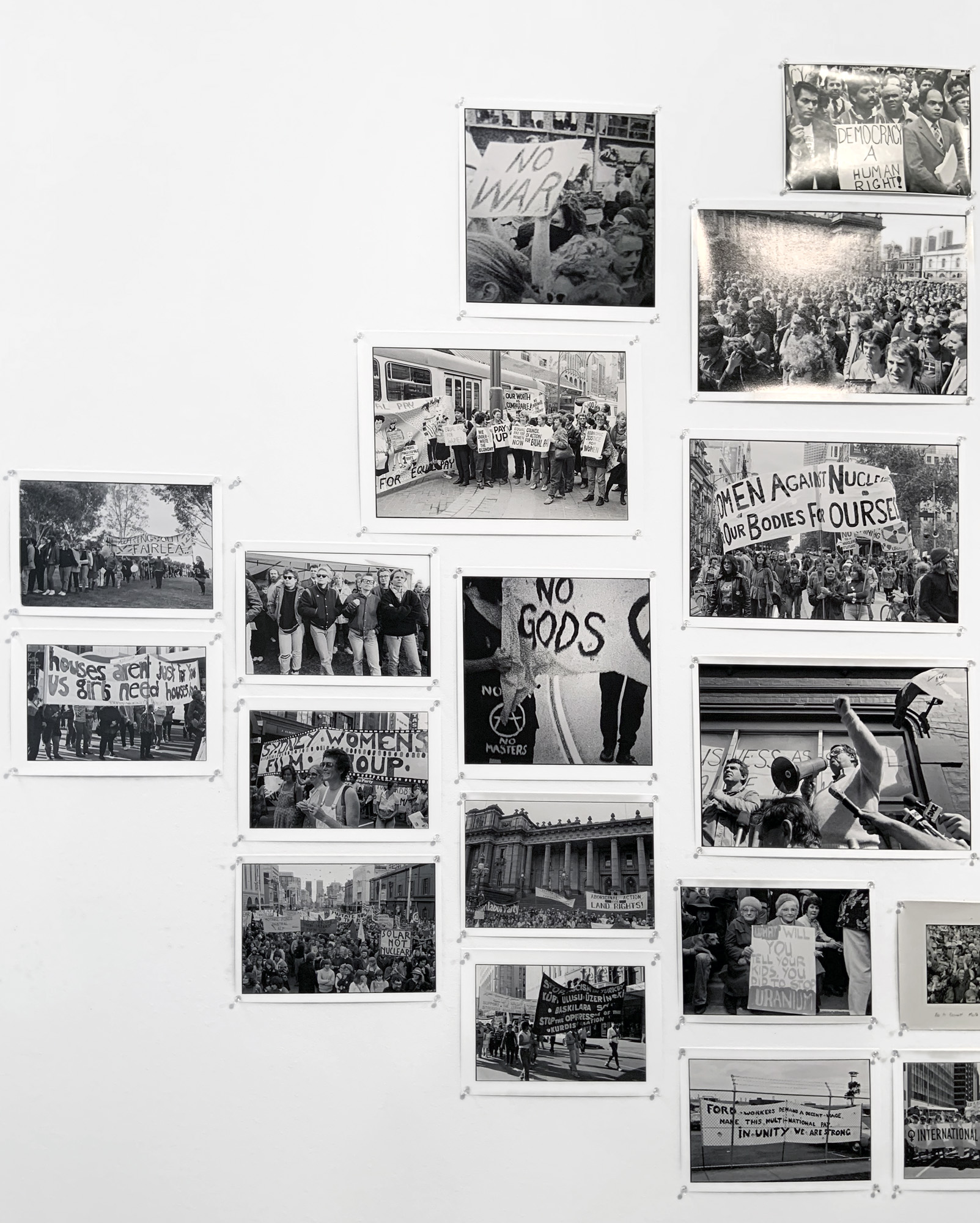
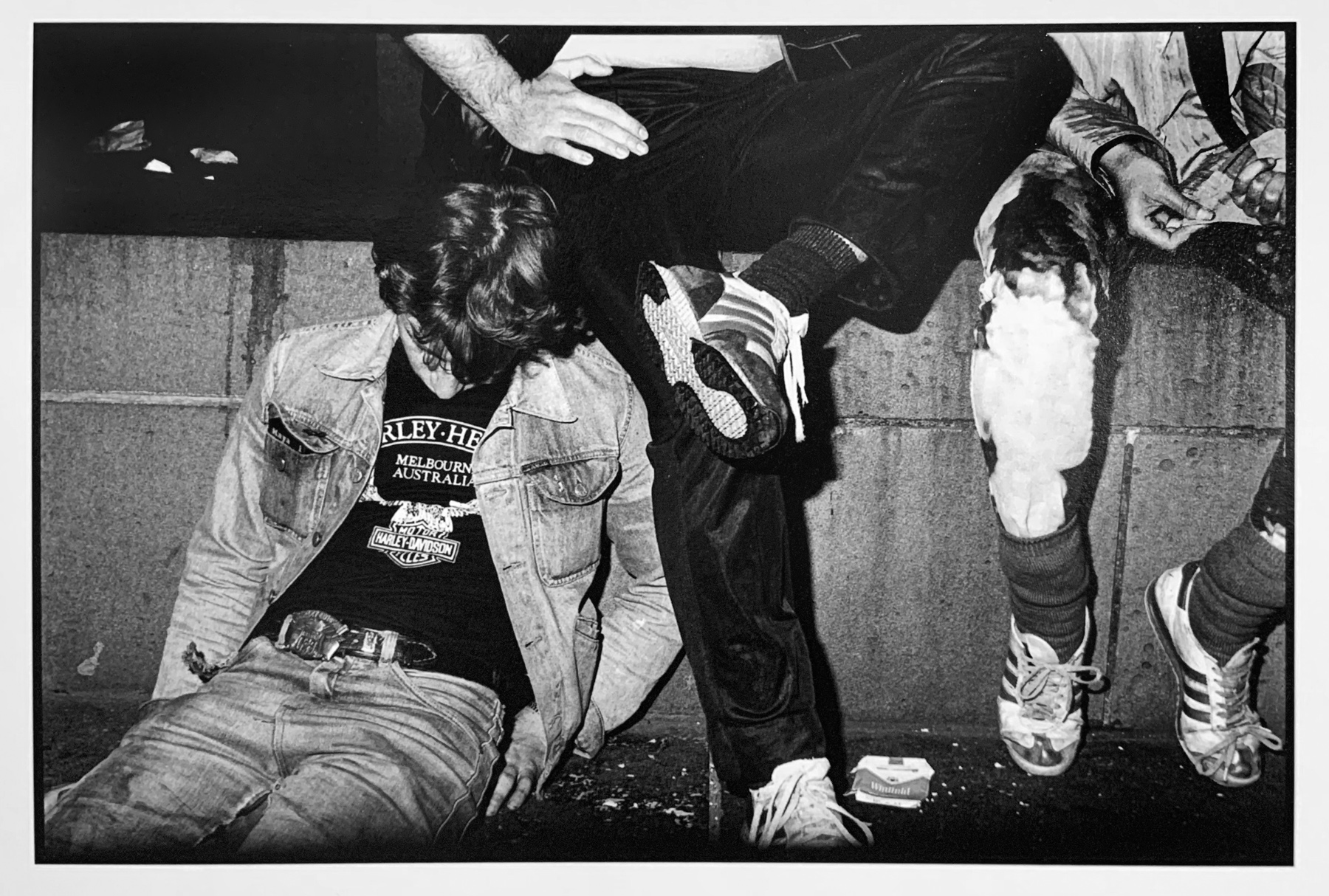
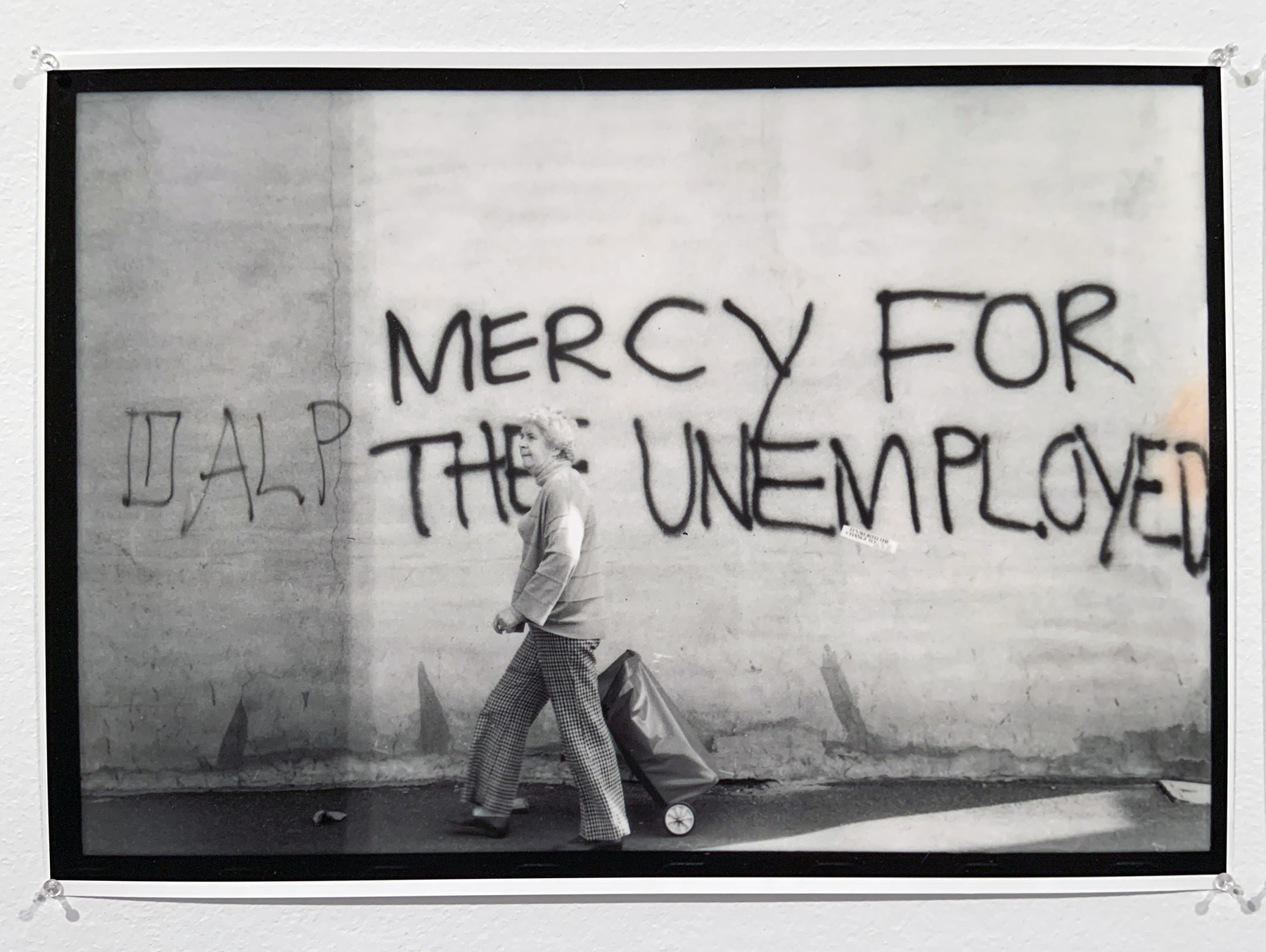
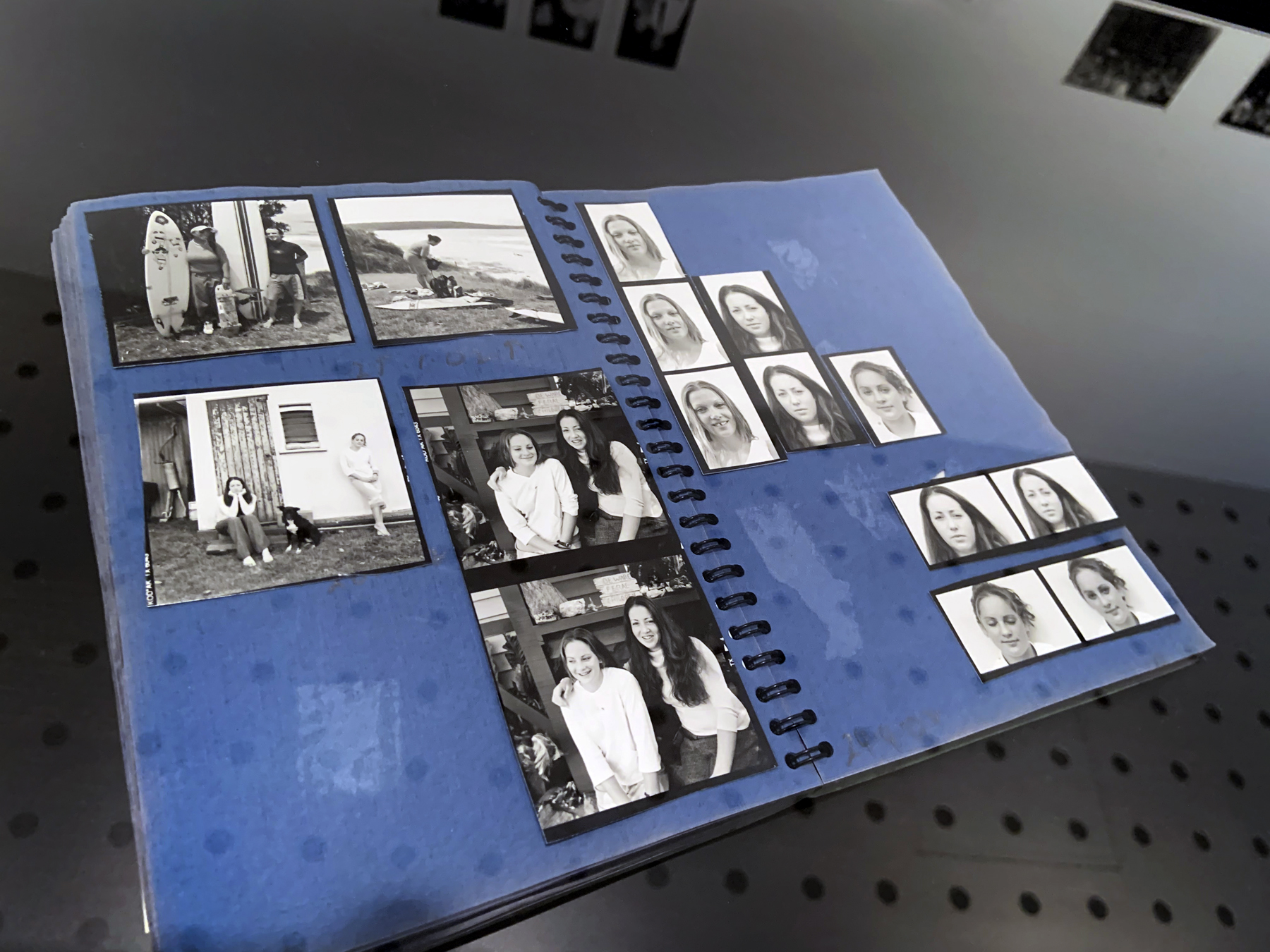
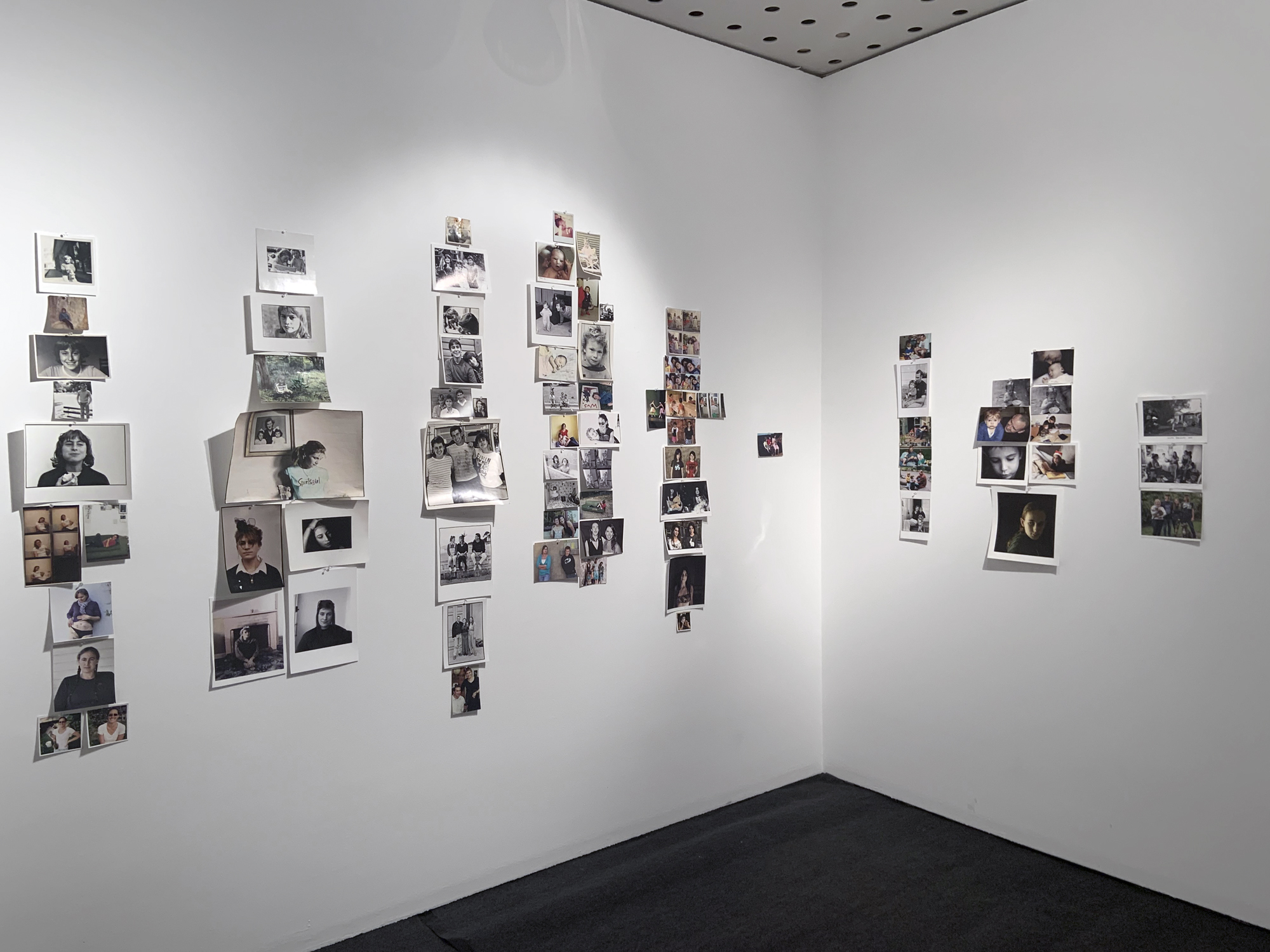
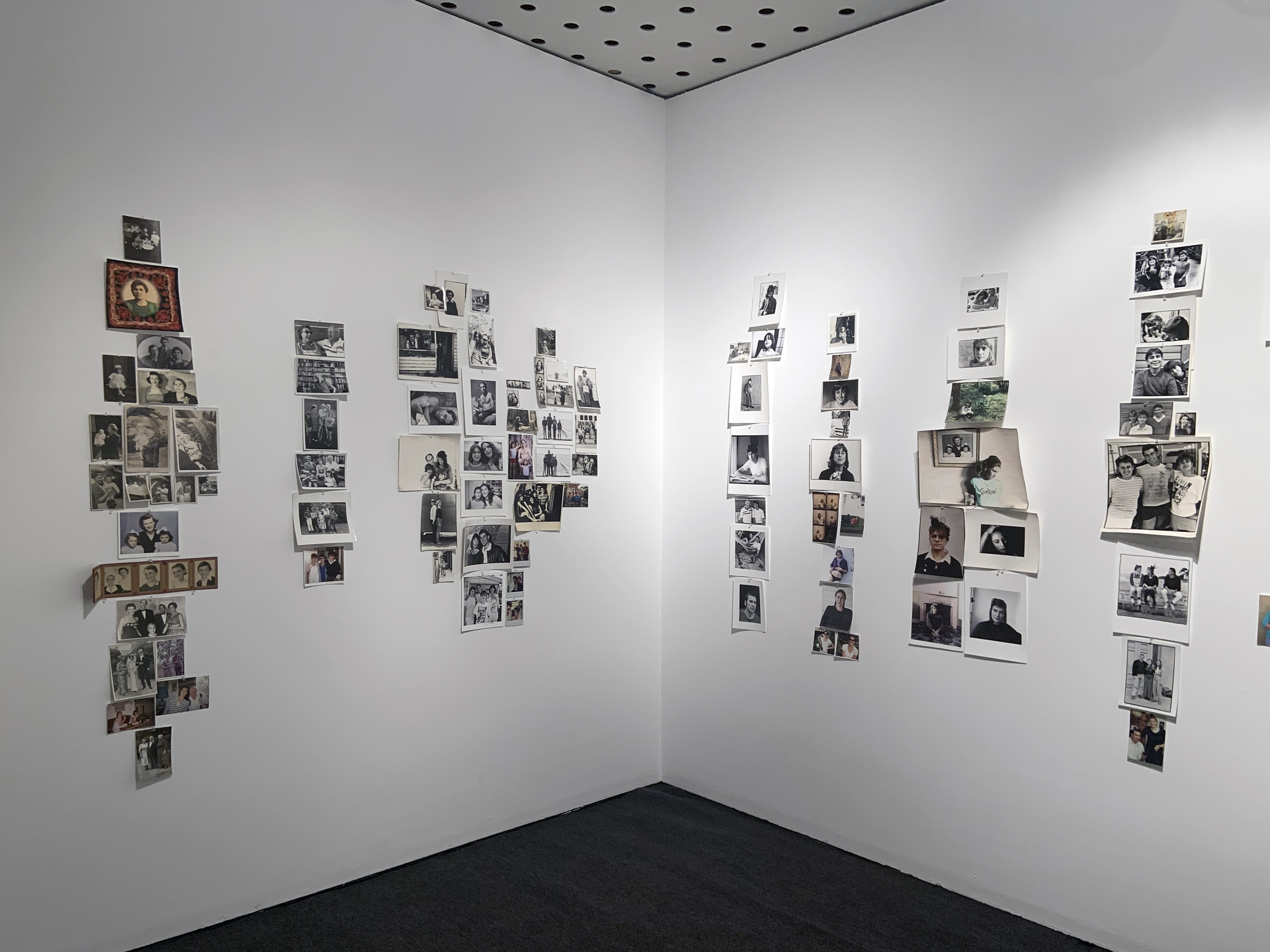
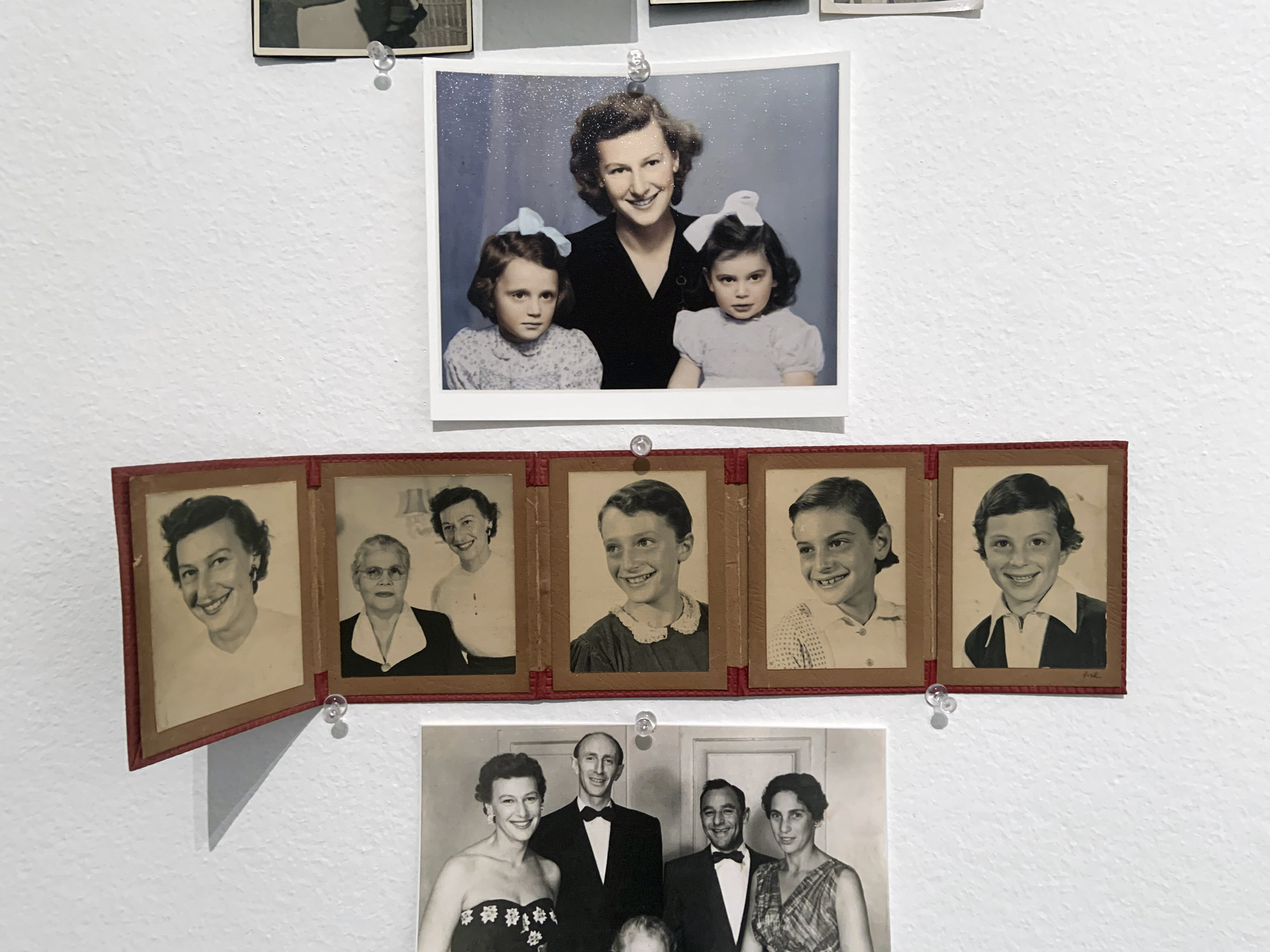
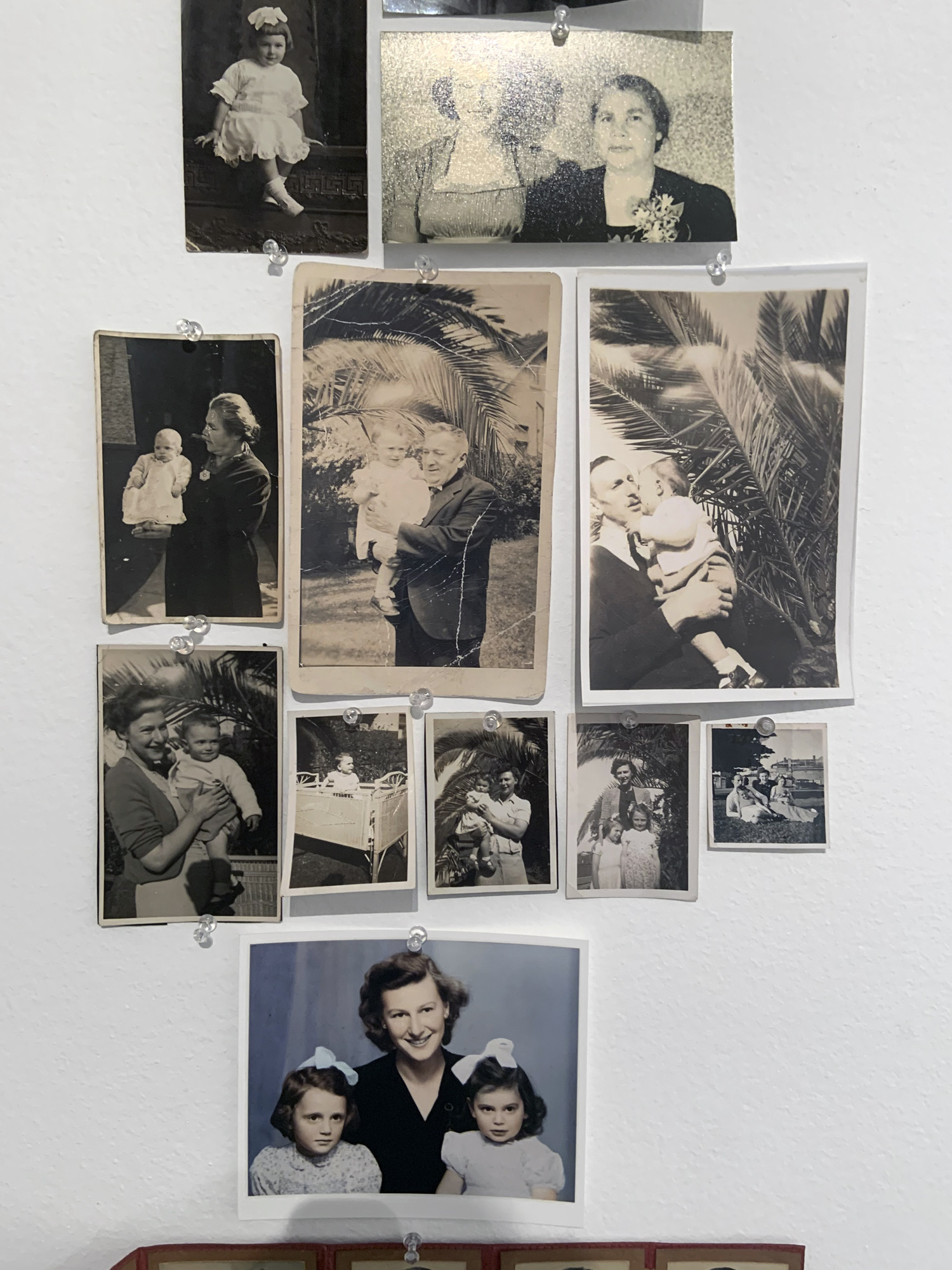
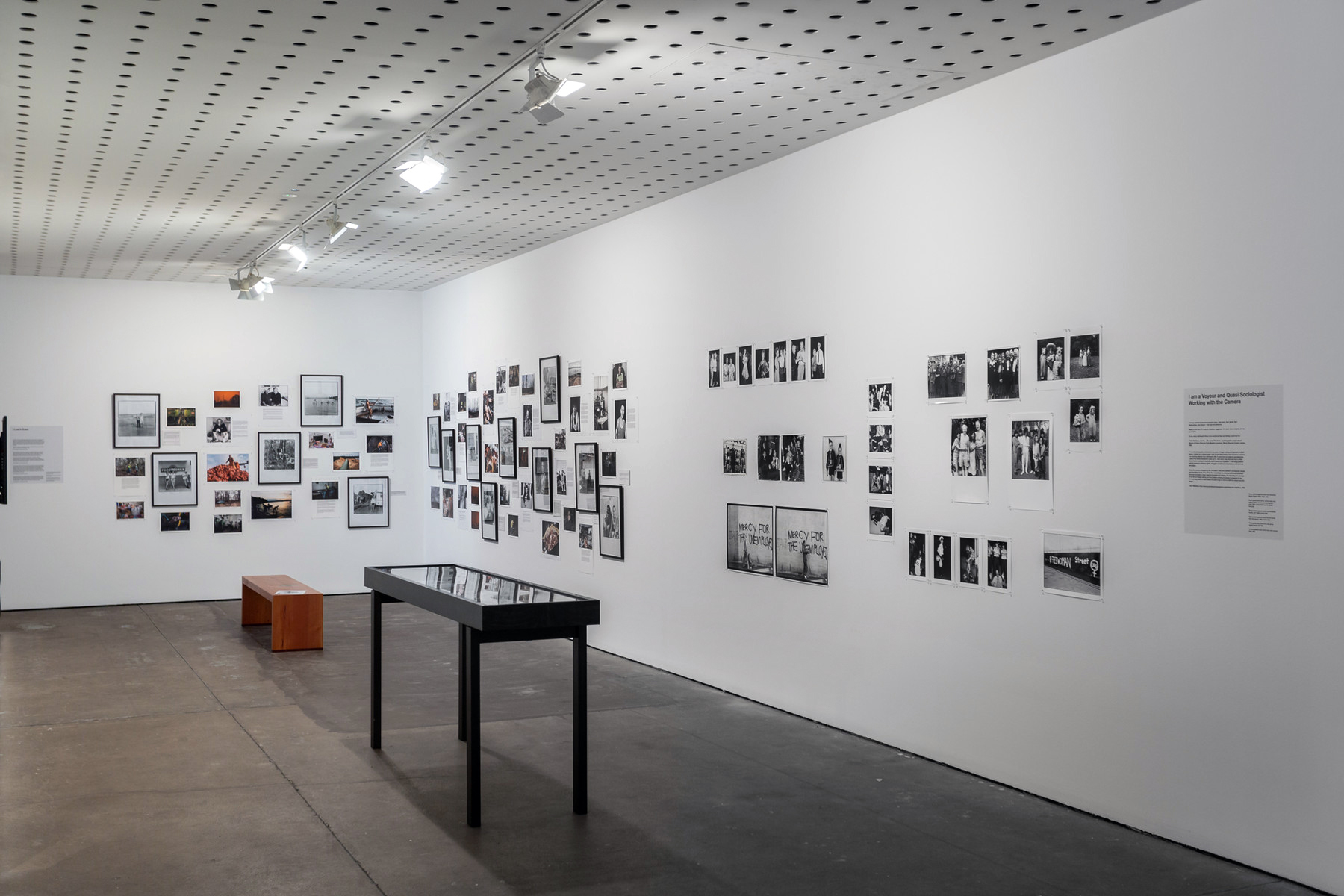
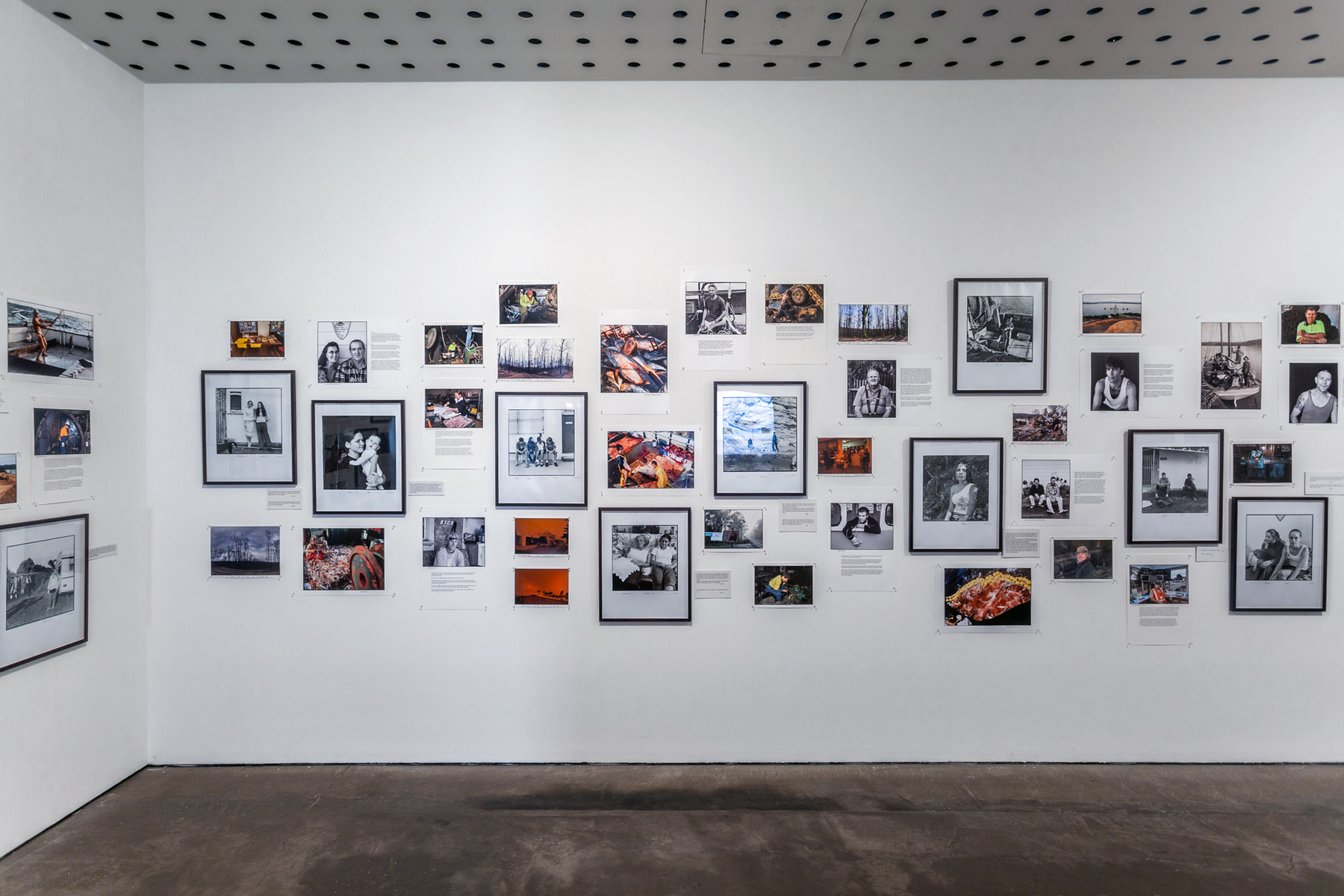
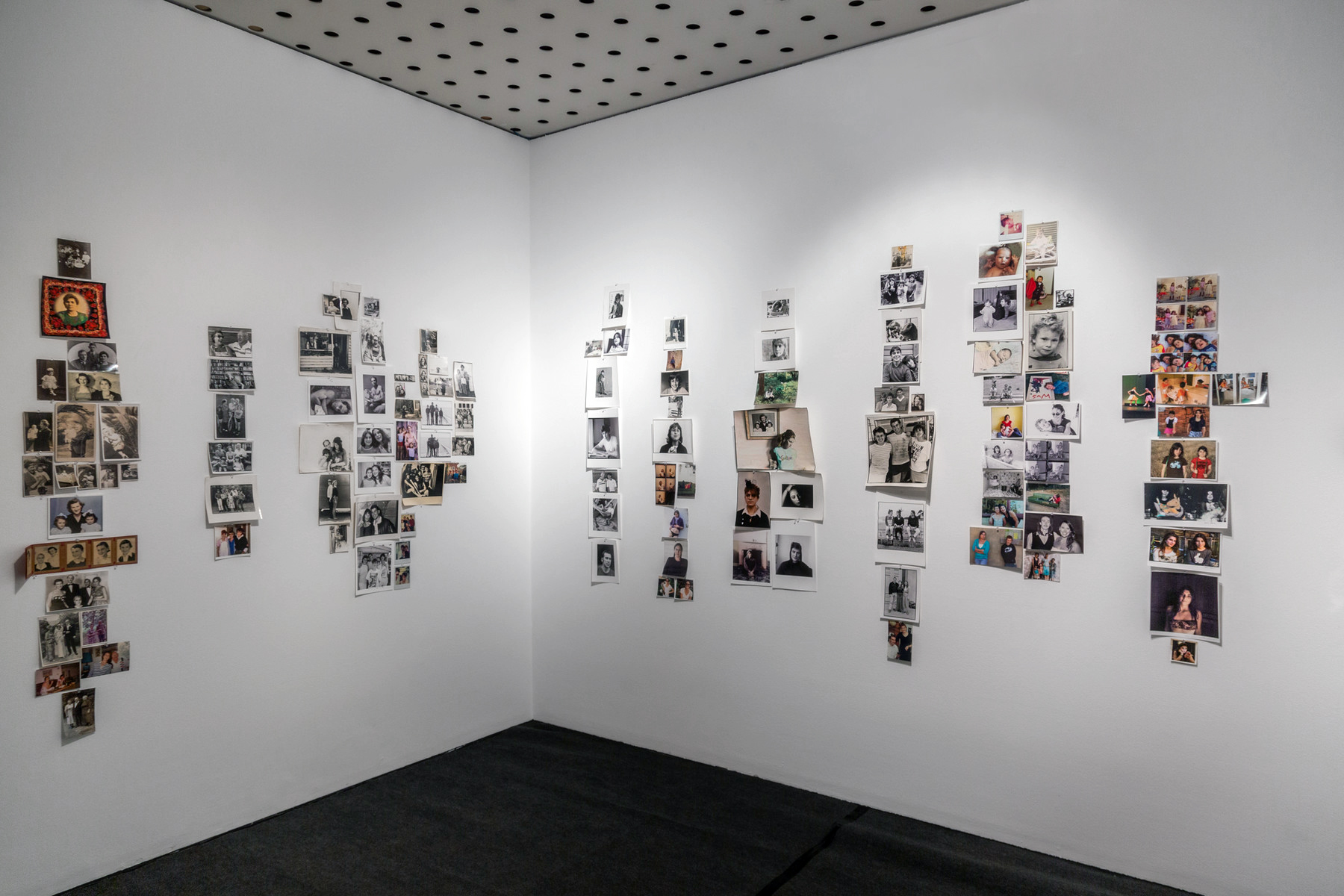
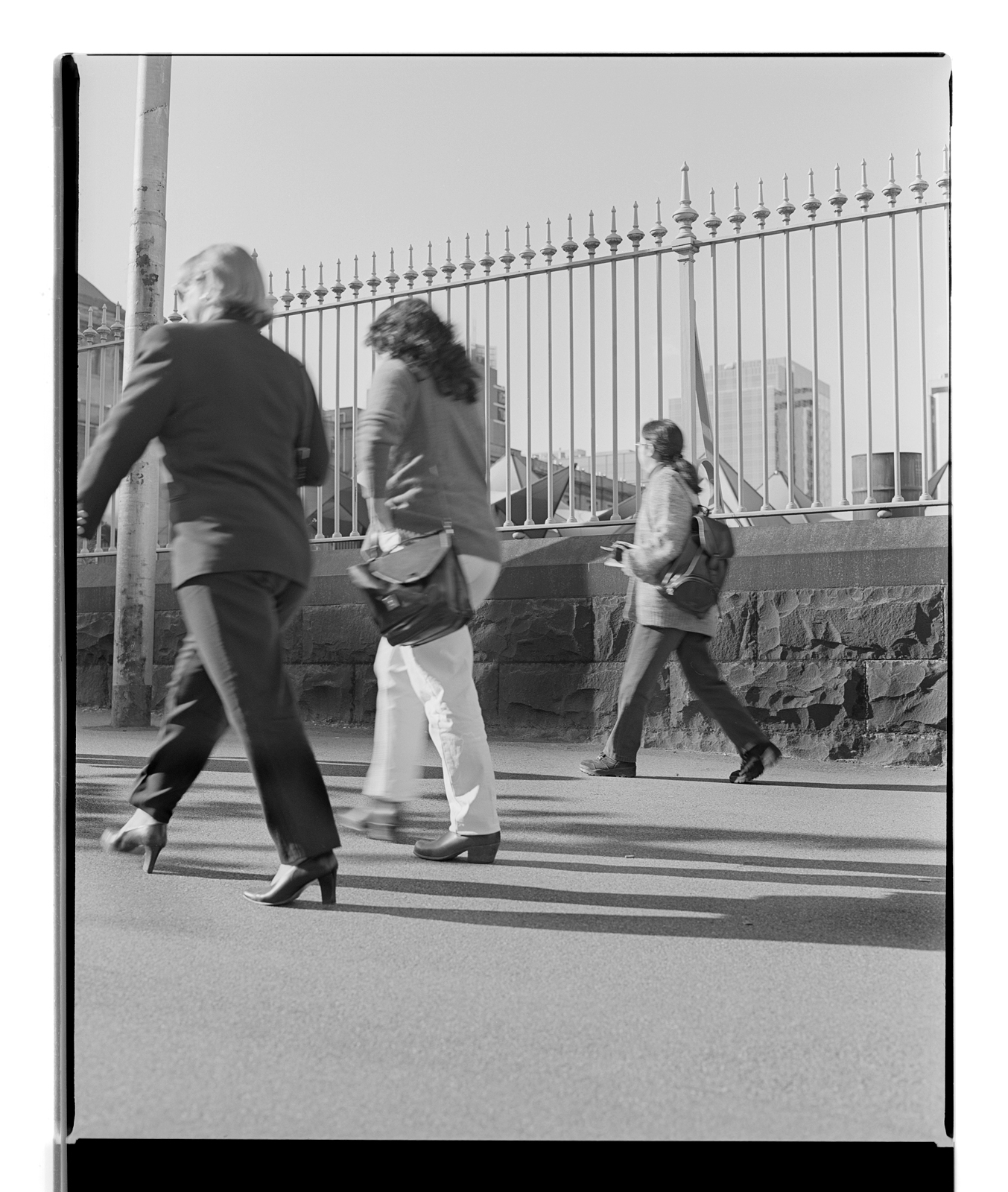
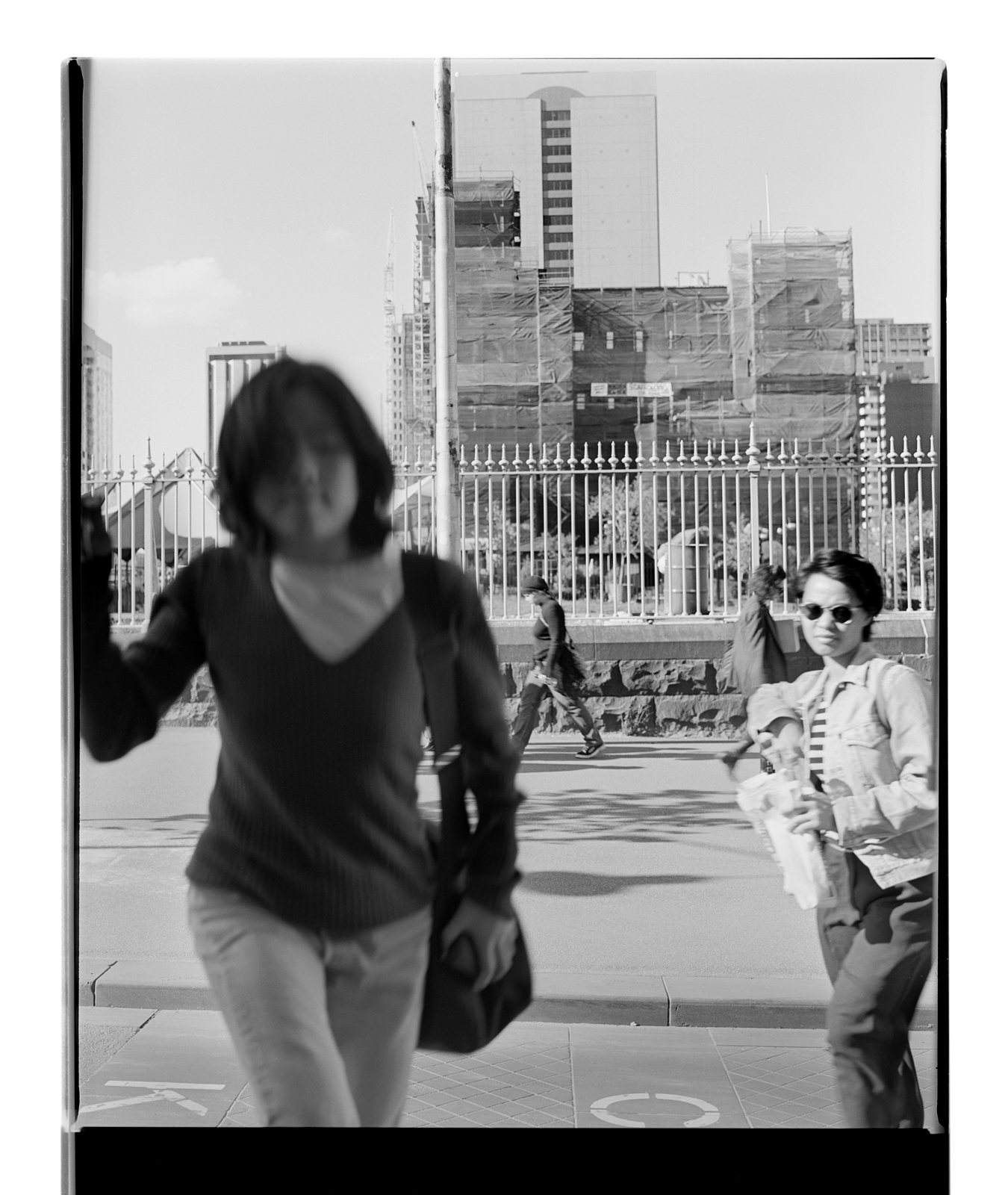
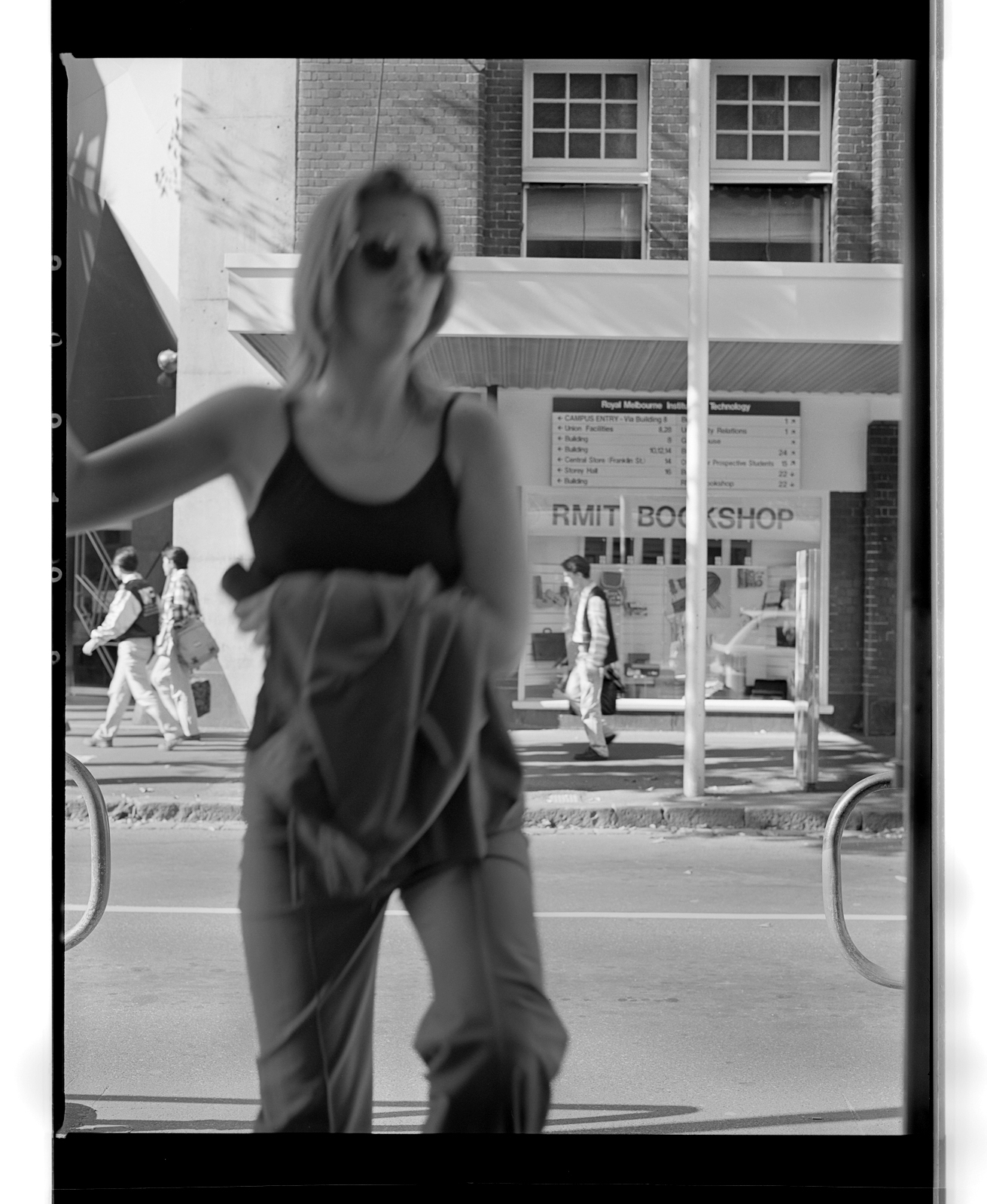
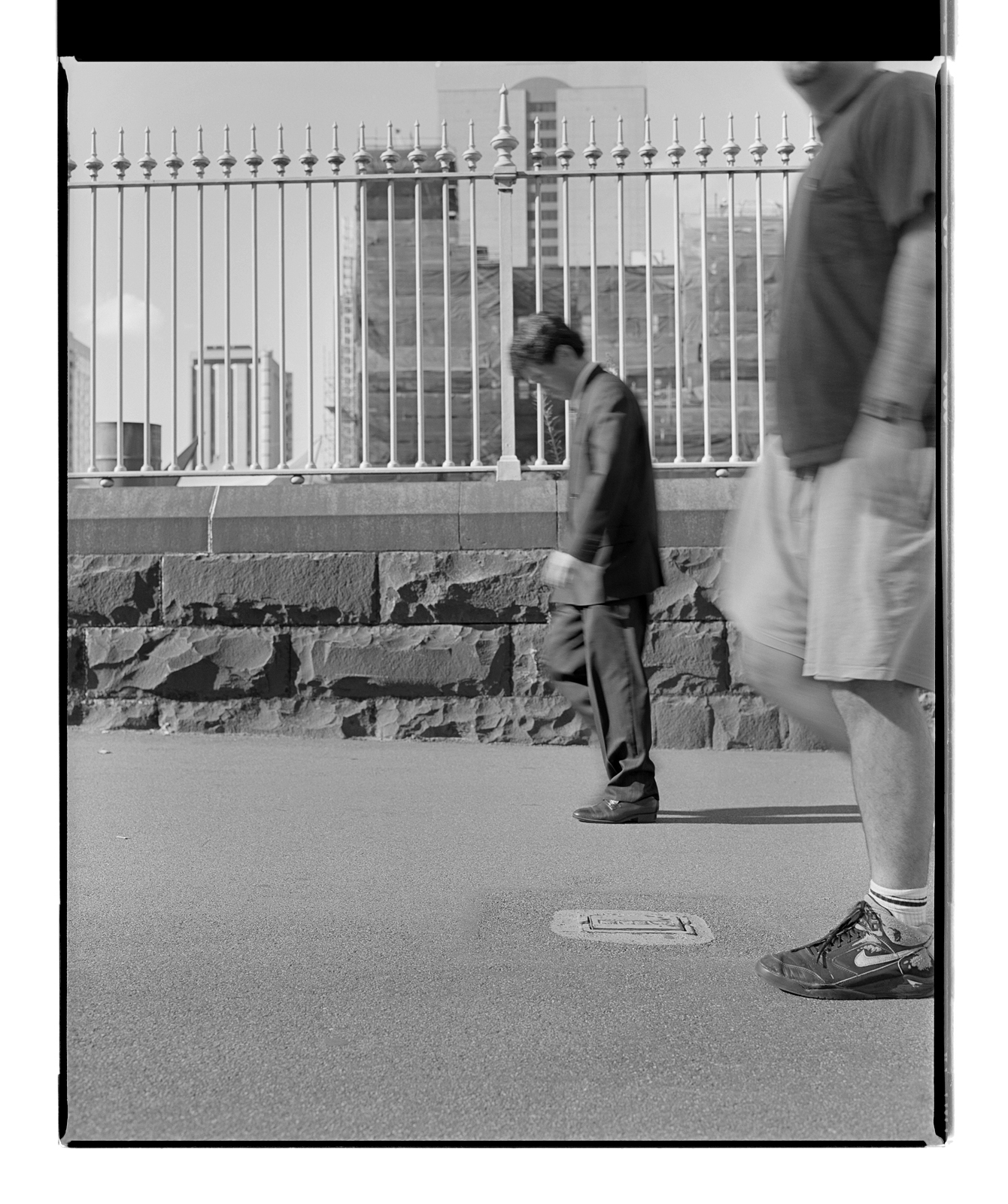
What a delight it is to see this artist in full flight in this exceptionally strong exhibition. As pictured in the flow of images, Maddison has carved her name as a social documentary and feminist photographer, her holistic body of work providing a “significant contribution to the documentation of Australian life and society from the 1970s to the present – from her earliest iconic hand-coloured works, the working life of women, Melbourne’s social and cultural life of the 1980s, and Maddison’s documentation of the people and industries of her adopted home of Eden.”

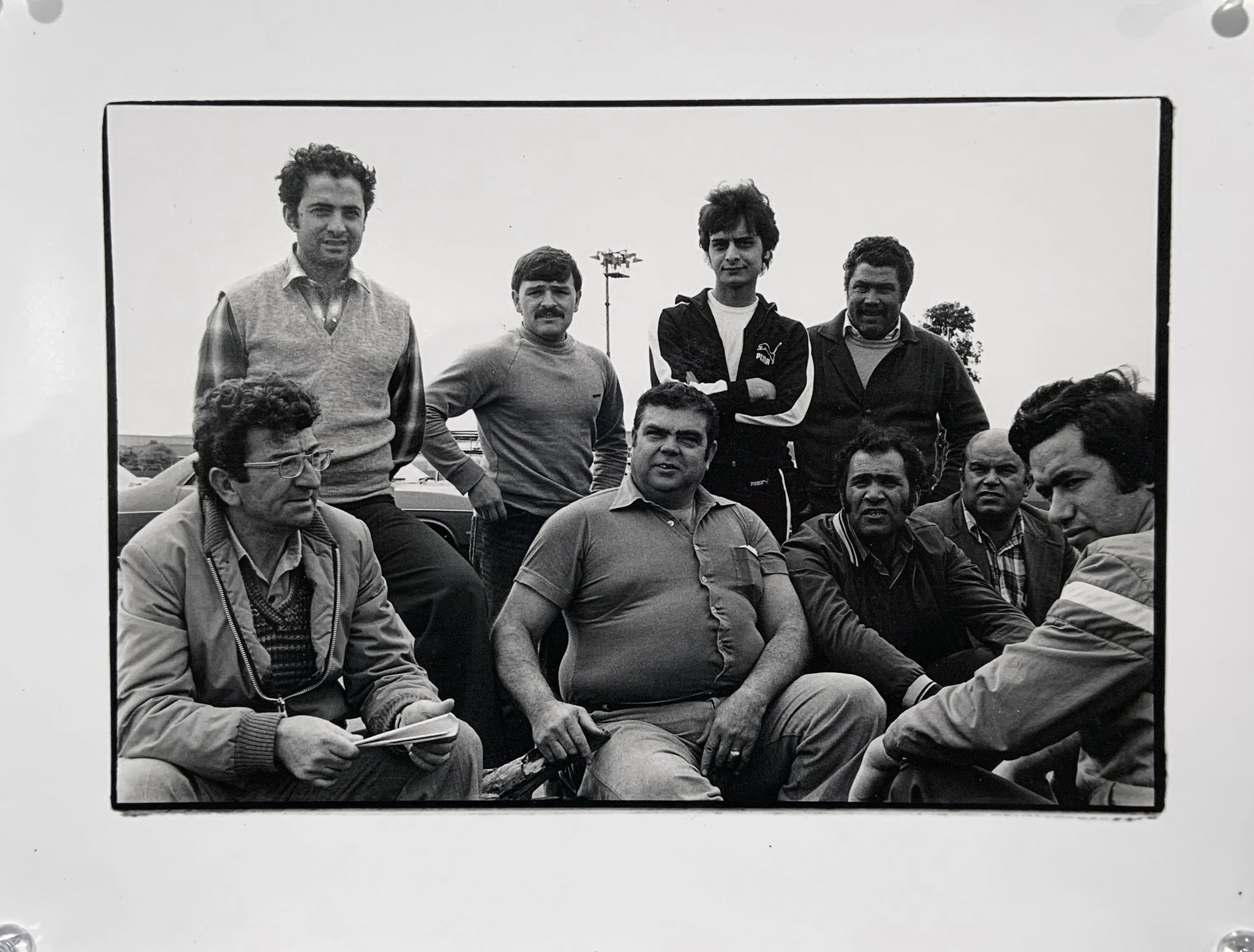
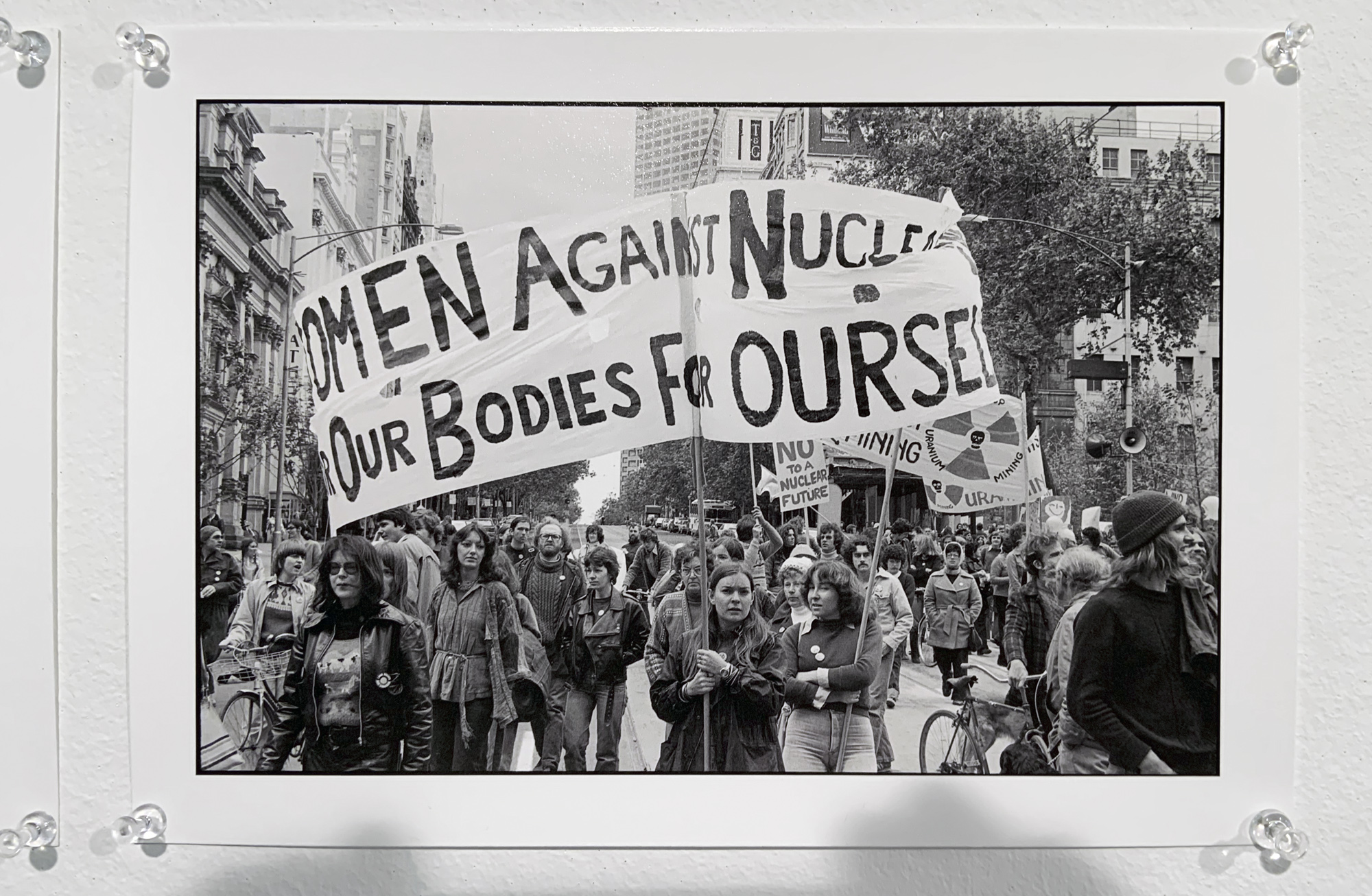
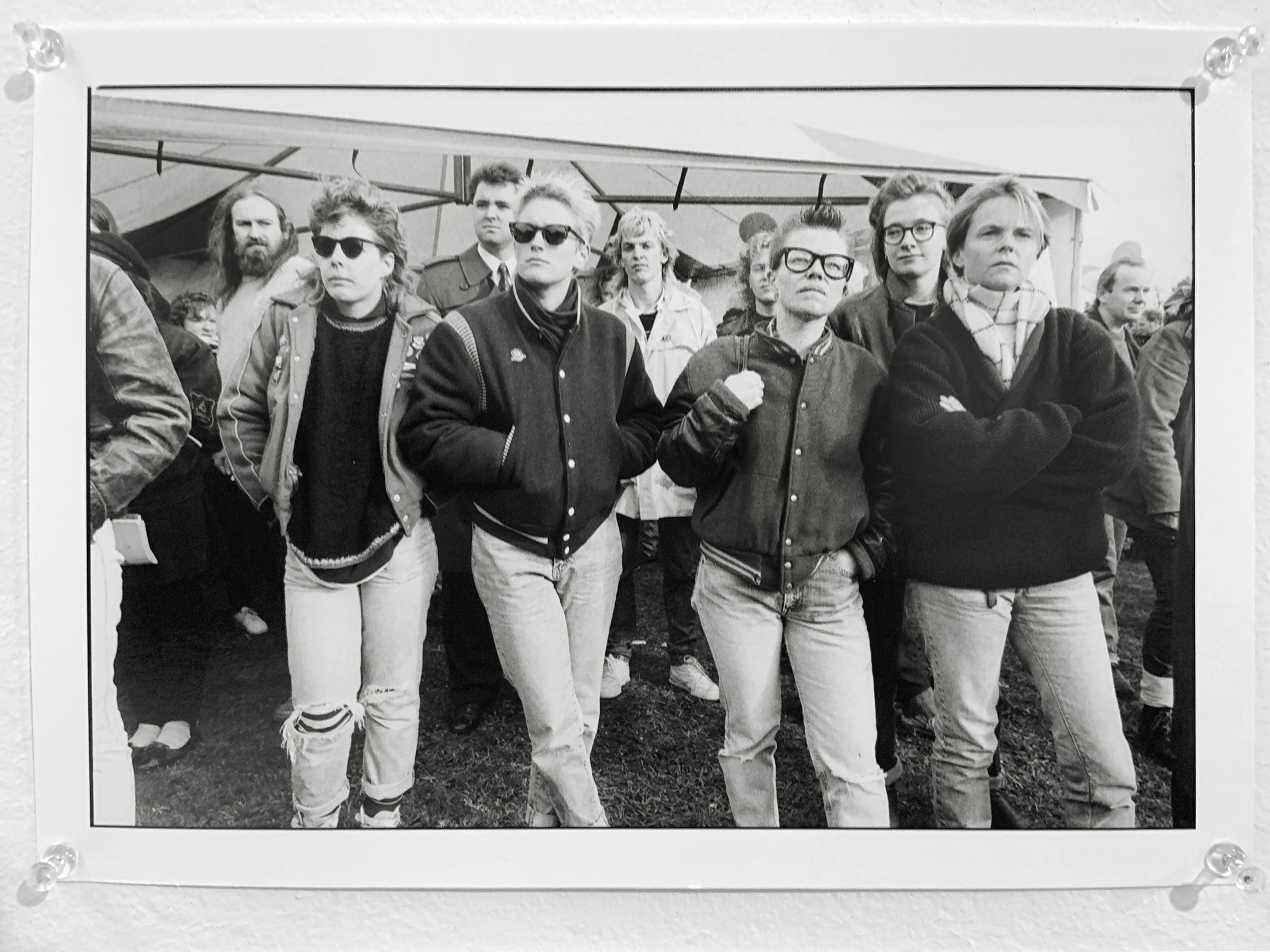
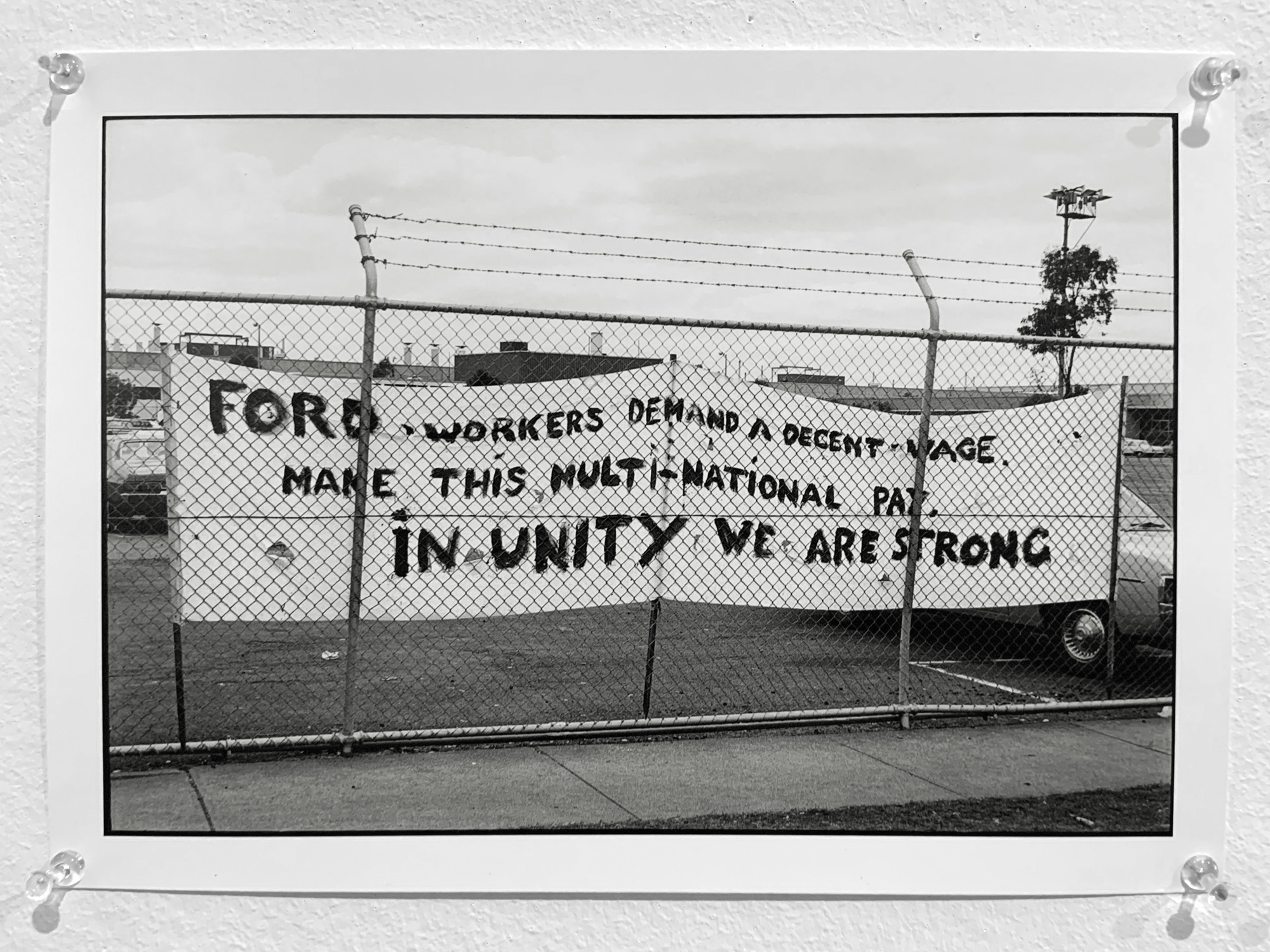
Through direct, frontal mainly black and white / hand coloured photographs, Maddison builds compelling stories in her work, stories which explore the cultures and sub-cultures of Australia: the political upheavals, alternative lifestyles and counter culture, the women’s movement, gay liberation, Vietnam, union, nuclear, anti-fascist and other protests; the fight for equality and equal pay, the fight against discrimination and other actions that fight for fairness, acceptance and respect for all, within Australian society. With compassion and understanding Maddison pictures youth and exuberance, old age and protest, life on the land and sea, and life leaving it for the cities. Her photographs serve a testificatory function – related to BOTH a person who has witnessed these events (the artist) AND an object used as evidence (the photograph).

Maddison’s testimony to such events creates a polyperspectivity – not so much in terms of what the camera sees in individual images, but in what it sees directed by the artist over an entire career, comprising more than 40 years. Of looking, of being present, of being ethical. In her work, “the shadows already become immortal while still alive.”1

This is the crux of the matter. Since the very day that Maddison picked up a camera being ethical when representing the world around her has been a gut reaction. “Ethics is concerned with what is good for individuals and society and is also described as moral philosophy. The term is derived from the Greek word ethos which can mean custom, habit, character or disposition.” Her presentation of the world reflects her character and disposition. Her ethos is embedded in her being and psyche – the human soul, mind AND spirit. You can’t make this stuff up, you either have it or you don’t.

Maddison has this generosity of spirit in spades. The belief in balance, fairness, and equality for all. Yes, her photographs document people’s pleasure and pain, their lives, their existence but only through her own presence and vision. Her photographs are a reflection of her inner being, her spirit. What she believes the world can be, should be. It is this force of nature, her own being, that propels the investigation forwards. Never more so than now, in the midst of a pandemic, the world needs such ethical artists. To remind us for what we fight for.

For example, Netflix have recently announced a new “docu-soap” series “Byron Baes” (babes) to be filmed in the northern NSW beachside town of Byron Bay, which will reveal “hot Instagrammers, living their best lives, being their best selves,” with a cast of “celebrity-adjacent-adjacent influencers.” Who cares about these egotistical non-entities, when in the town drug use is rampant, housing is unaffordable and people cannot get a job! That is the real story, one which an artist such as Maddison would recognise and document with empathy and insight.

Maddison is a fellow traveller2 and I travel with her. She doesn’t follow “the running dog of capitalism” – or as people used to call them, “running dogs”3 – nipping at your heels, constantly harassing you, but these days not even that… just lackadaisical multinational corporations who don’t even care to hide their disdain for the working class, or their ecological disdain for the health of the world. All that matters is money and keeping the shareholders happy. She follows her own path and long may that continue. Looking and documenting is always both personal and political and this is Maddison’s story: “Everything that intervenes in the processes of life, and transforms them, is politics.” Blessings to her.

Dr Marcus Bunyan


1/ Joseph Roth, quoted, in translation, from Ulrich Raulff. “Umbrische Figuren,” in Floris M. Neusüss. Fotogramme – die lichtreichen Schatten. Kassel 1983, p. 16.

2/ A person who travels with another; a person who is not a member of a particular group or political party … but who sympathises with the group’s aims and policies.

3/ A servile follower, especially of a political system.

Many thankx to the Centre for Contemporary Photography for allowing me to publish the installation photographs at the bottom of the posting. All other iPhone photographs © Marcus Bunyan and the artist. Please click on the photographs to view a larger version of the image.


Gallery One


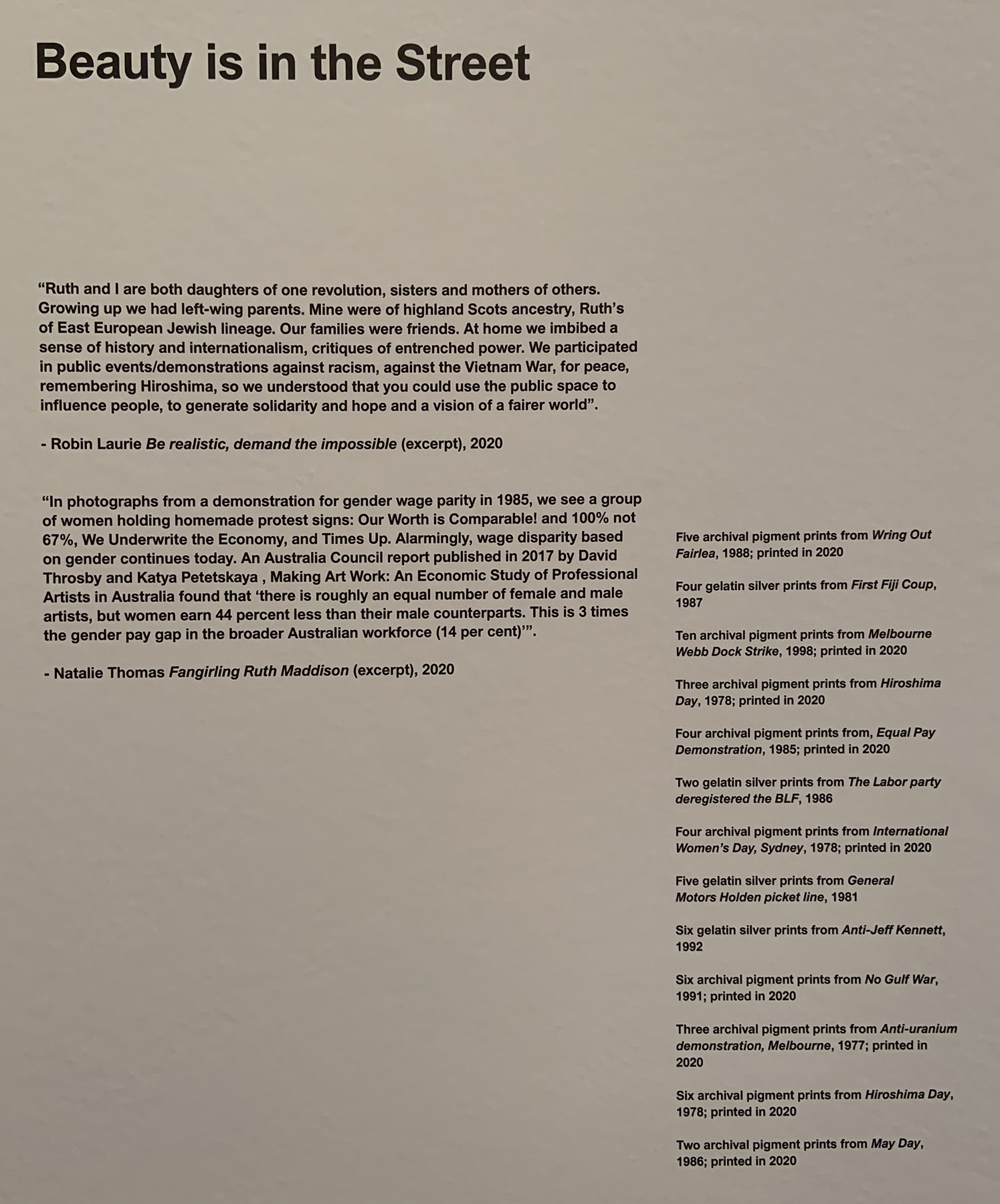
Text from the exhibition 'Ruth Maddison It was the best of times, it was the worst of times' at the Centre for Contemporary Photography, Melbourne

Text from the exhibition 'Ruth Maddison It was the best of times, it was the worst of times' at the Centre for Contemporary Photography, Melbourne


Ruth Maddison (Australian, b. 1945) 'First roll of film' 1976 (installation view) from the exhibition 'Ruth Maddison: It was the best of times, it was the worst of times' at the Centre for Contemporary Photography, Melbourne, Feb - April, 2021


Ruth Maddison (Australian, b. 1945)
From First roll of film (installation view)
1976
Photo: Marcus Bunyan


Ruth Maddison (Australian, b. 1945) 'First roll of film' 1976 (installation view)


Ruth Maddison (Australian, b. 1945)
From First roll of film (installation view)
1976
Photo: Marcus Bunyan


Ruth Maddison (Australian, b. 1945) 'First roll of film' 1976


Ruth Maddison (Australian, b. 1945)
From First roll of film (installation view)
1976
Photo: Marcus Bunyan


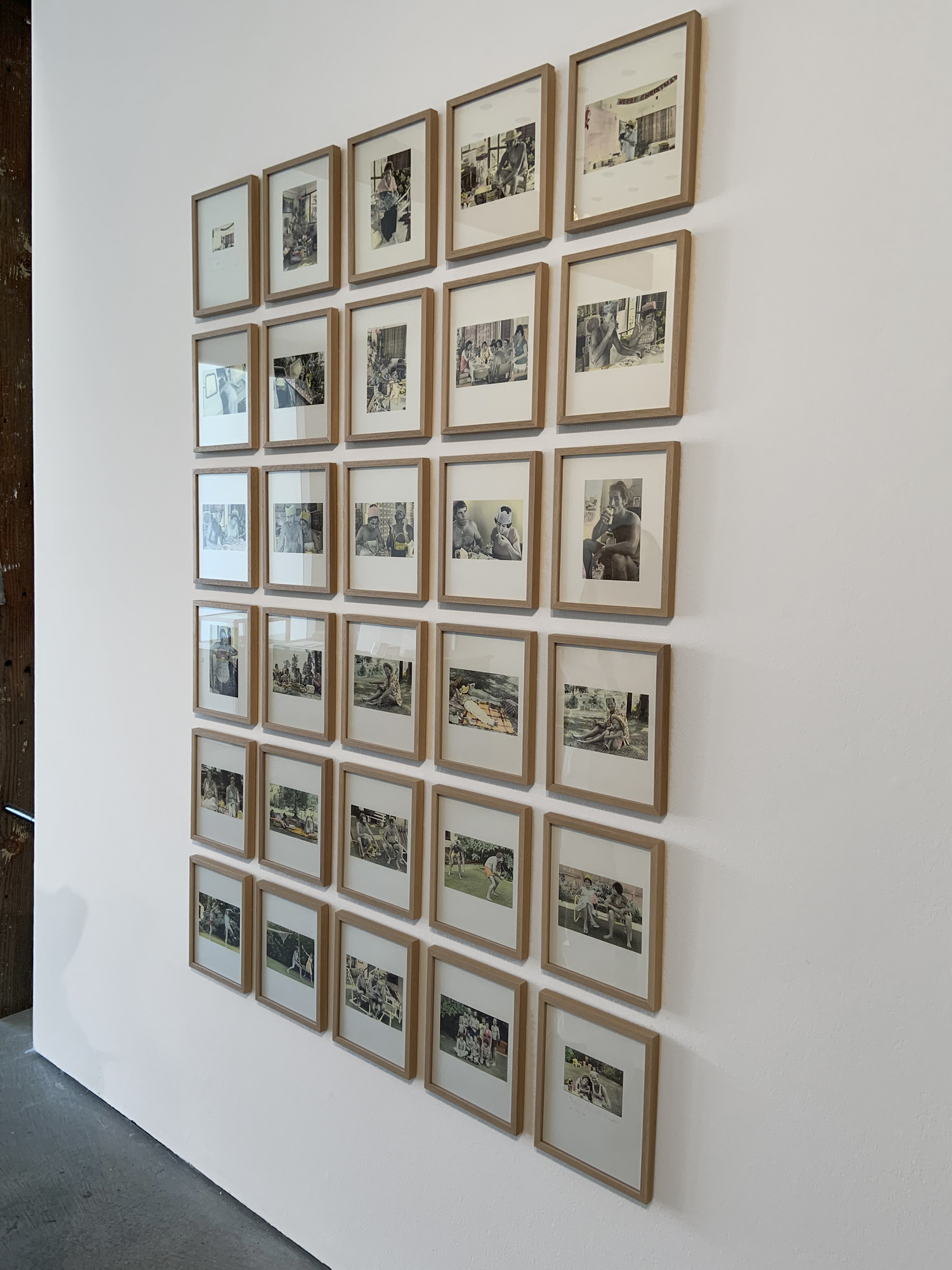
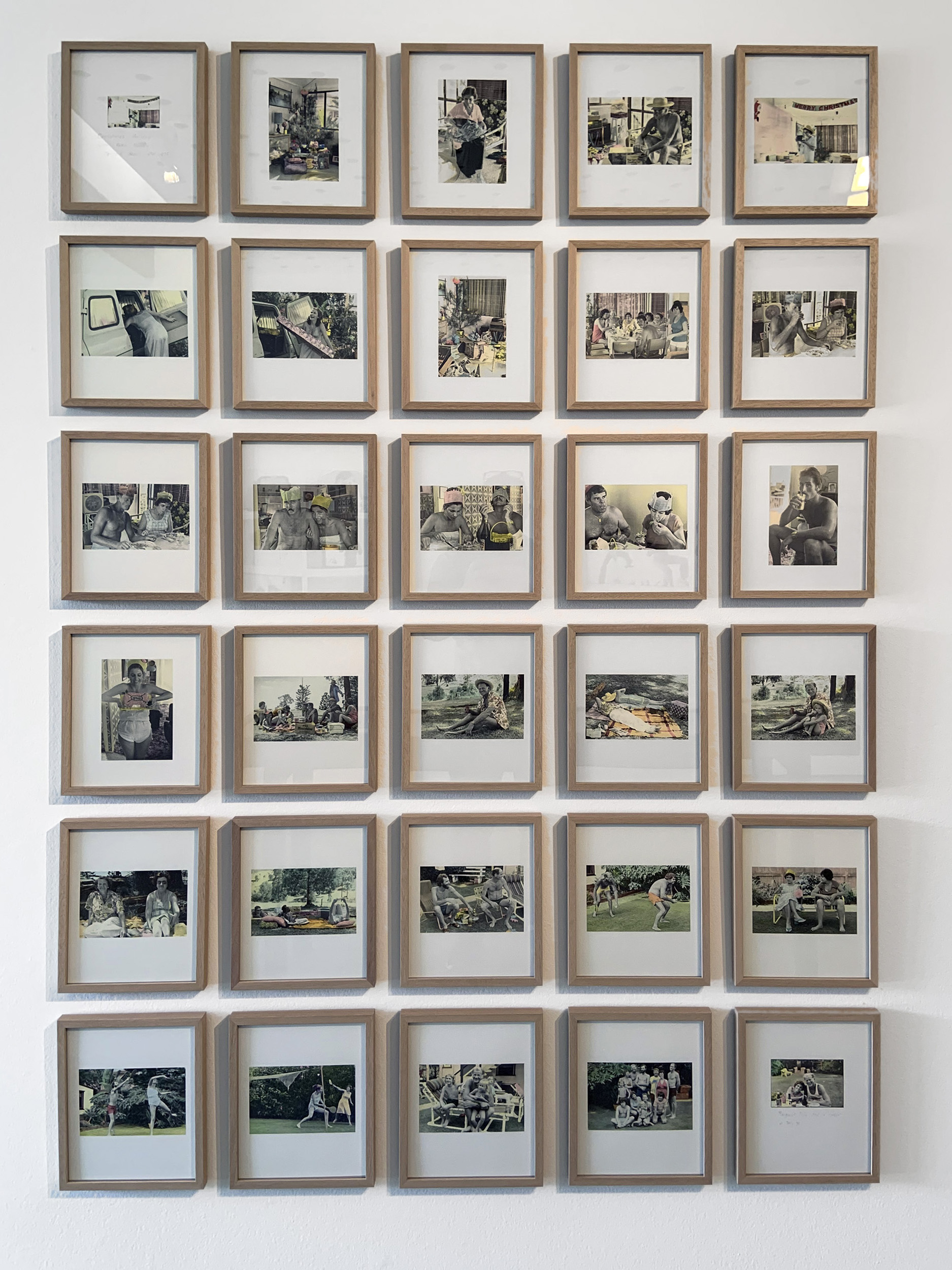
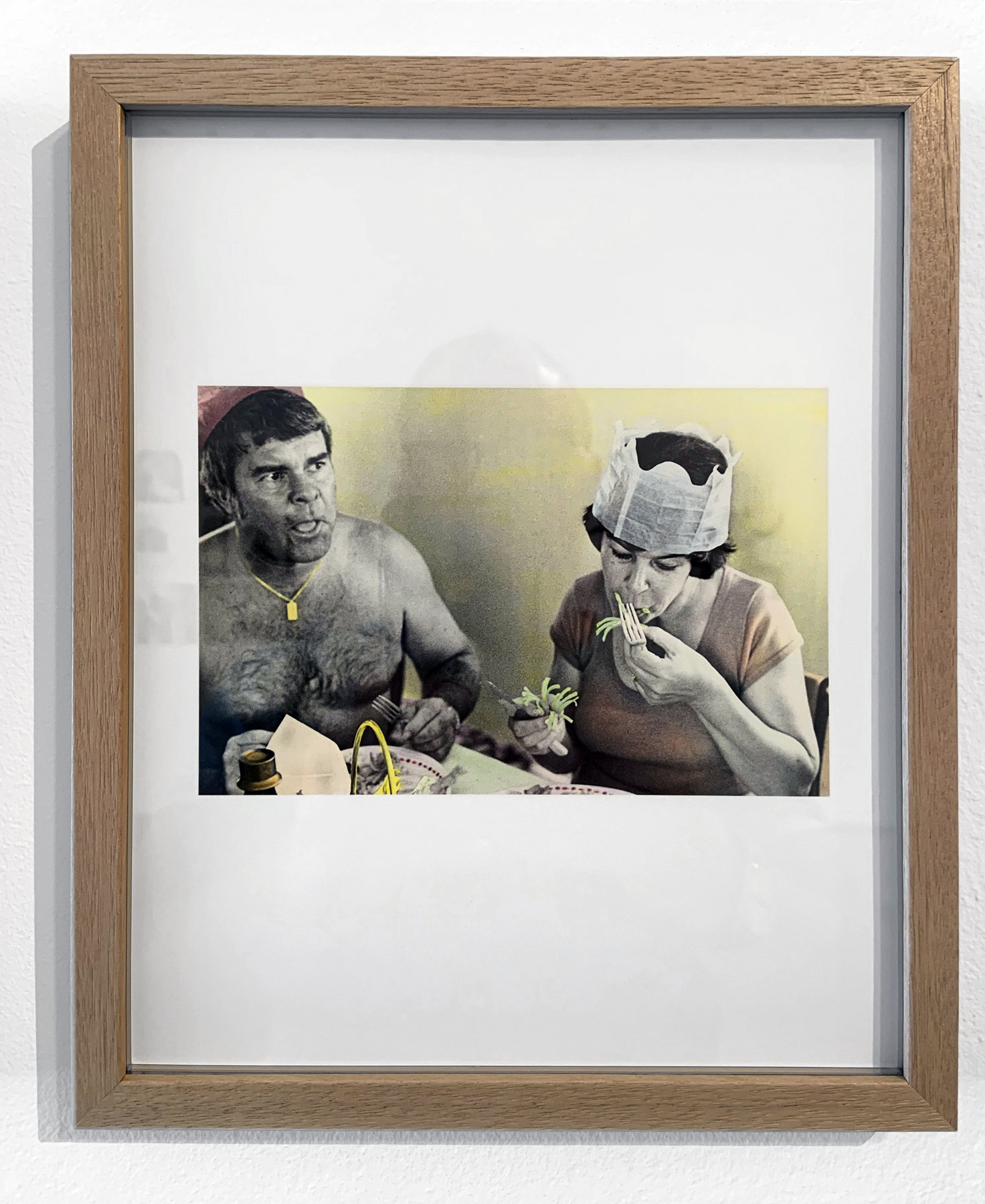
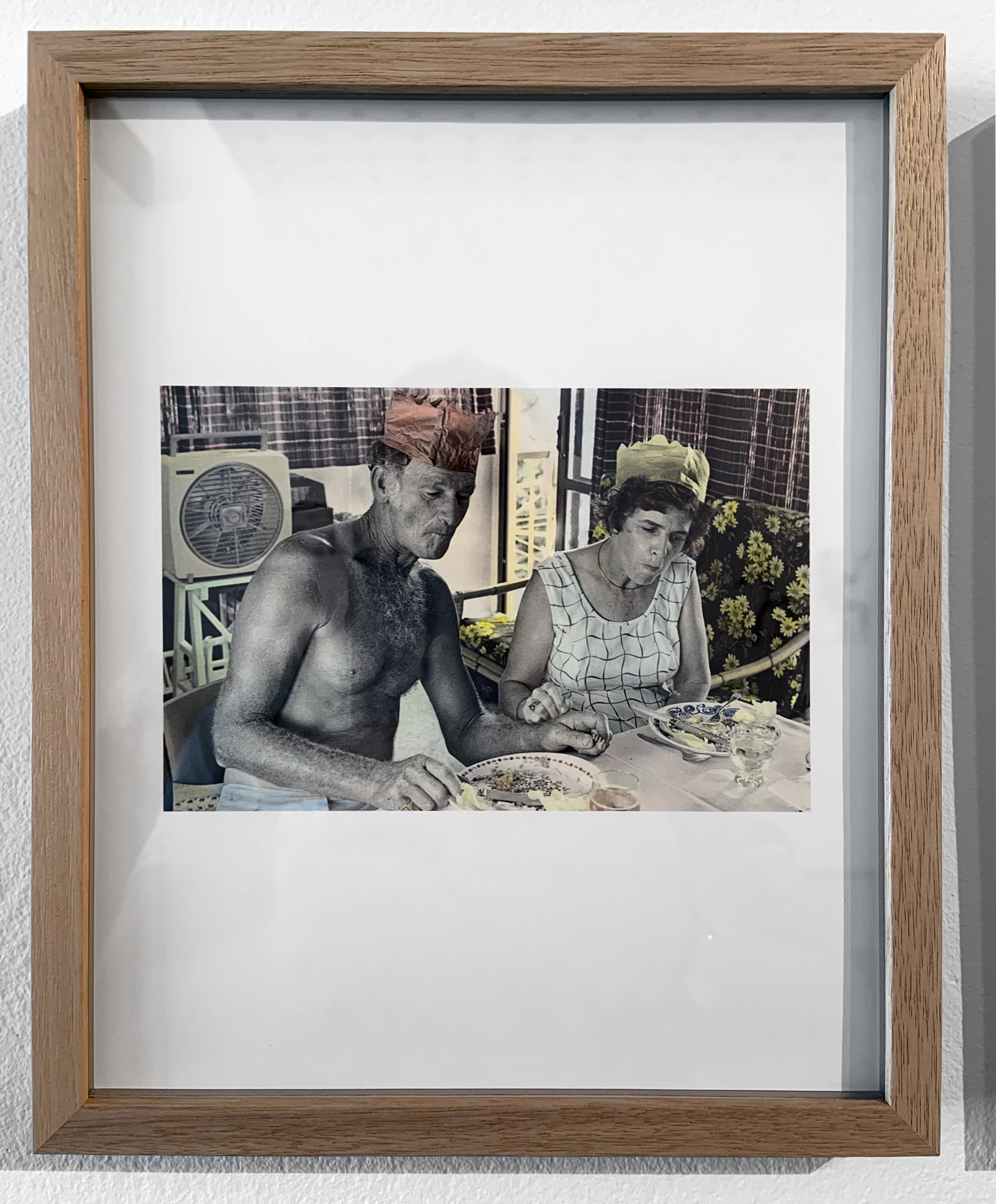
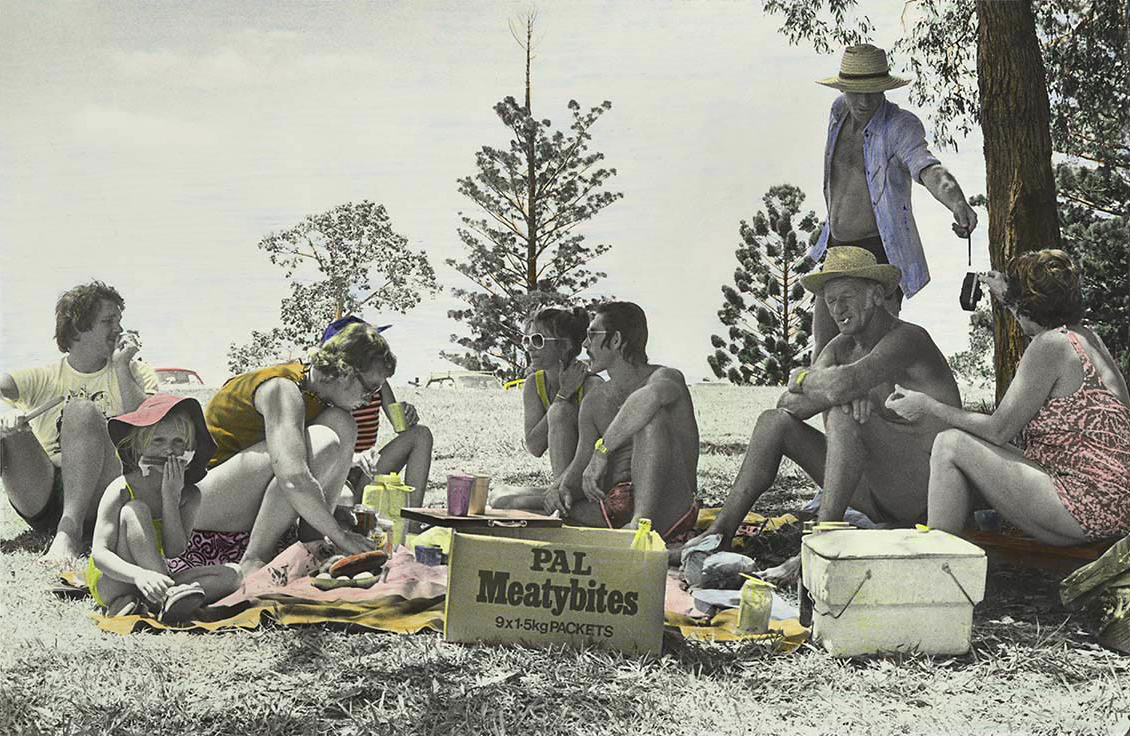
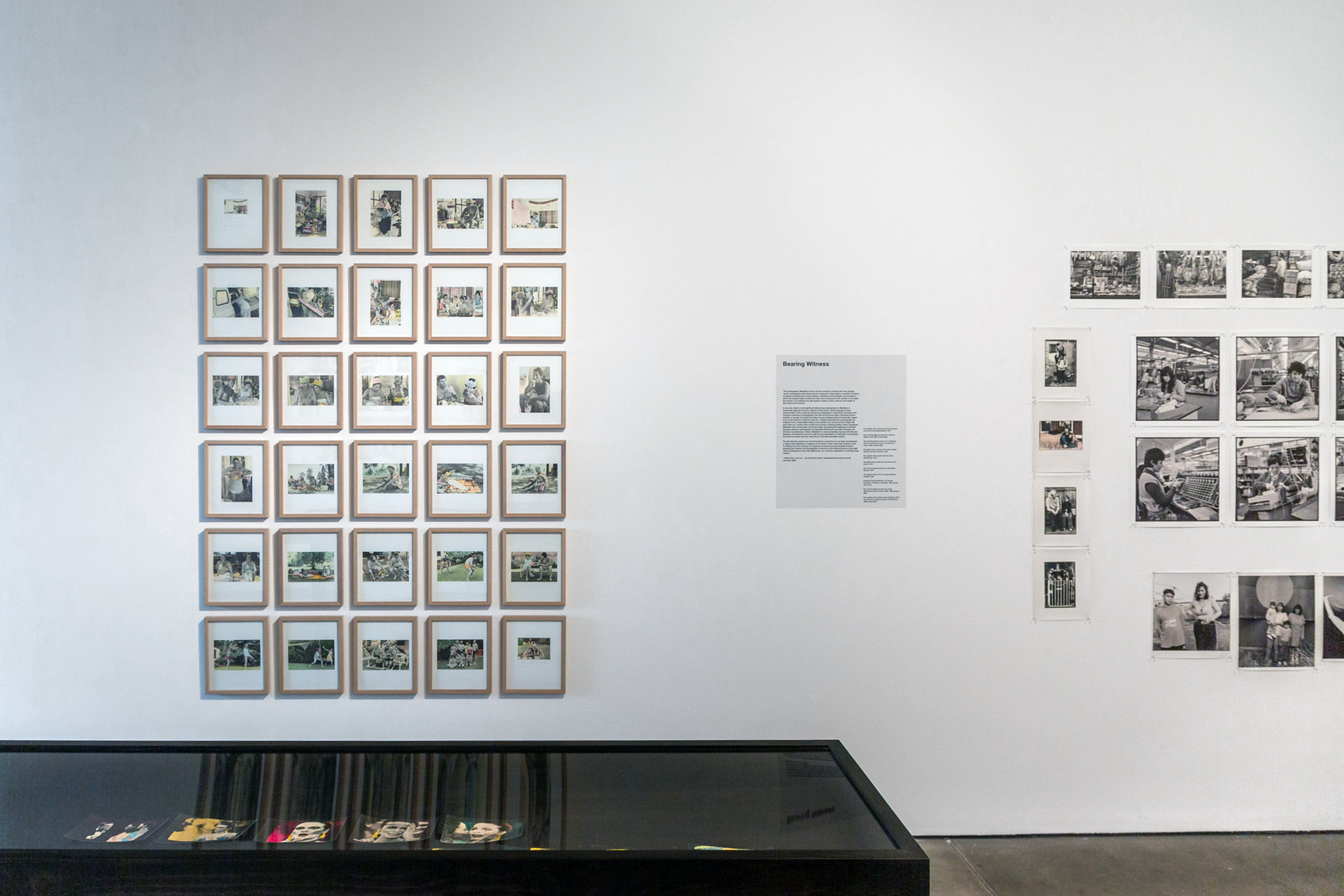
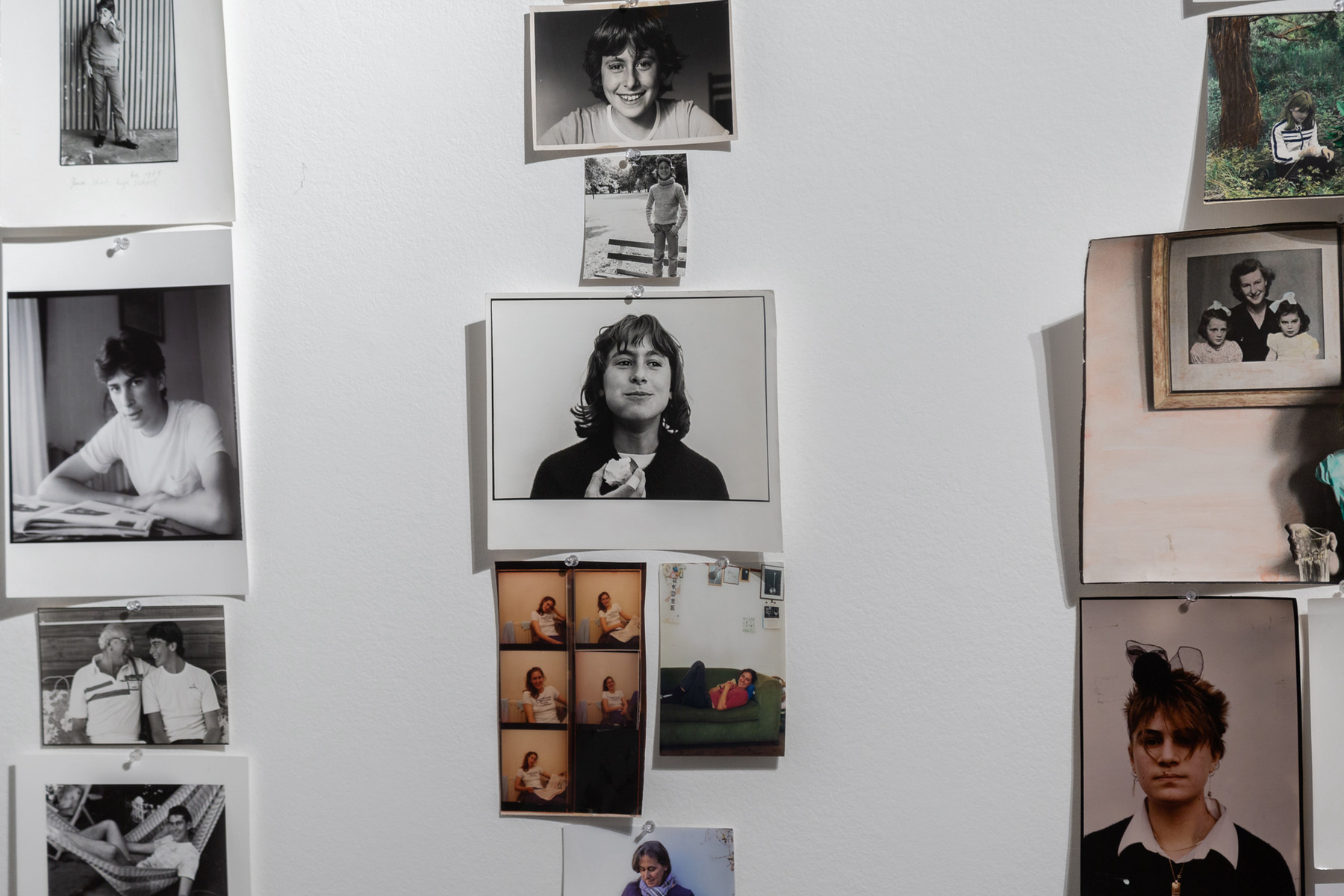
Installation view of the exhibition 'Ruth Maddison It was the best of times, it was the worst of times' at the Centre for Contemporary Photography, Melbourne showing at left the series 'Christmas Holidays with Bob's Family, Mermaid Beach, Queensland' (1979)


Installation view of the exhibition Ruth Maddison It was the best of times, it was the worst of times at the Centre for Contemporary Photography, Melbourne showing at left the series Christmas Holidays with Bob’s Family, Mermaid Beach, Queensland (1979)
Photo: Marcus Bunyan


Installation view of the exhibition 'Ruth Maddison It was the best of times, it was the worst of times' at the Centre for Contemporary Photography, Melbourne


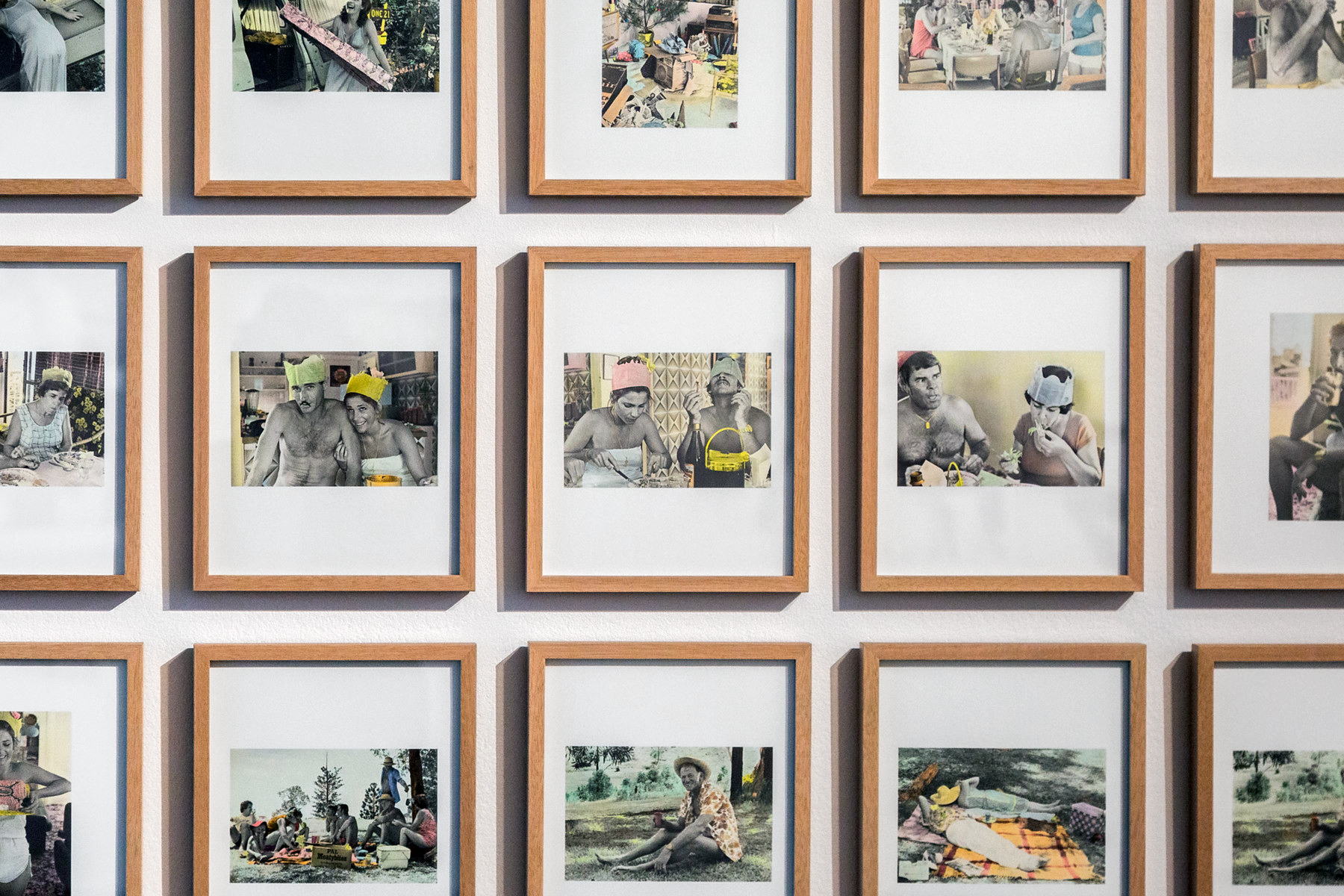
Installation view of the exhibition 'Ruth Maddison It was the best of times, it was the worst of times' at the Centre for Contemporary Photography, Melbourne Installation view of the exhibition 'Ruth Maddison It was the best of times, it was the worst of times' at the Centre for Contemporary Photography, Melbourne showing the series 'Christmas Holidays with Bob's Family, Mermaid Beach, Queensland' (1979)

Installation view of the exhibition 'Ruth Maddison It was the best of times, it was the worst of times' at the Centre for Contemporary Photography, Melbourne Installation view of the exhibition 'Ruth Maddison It was the best of times, it was the worst of times' at the Centre for Contemporary Photography, Melbourne showing the series 'Christmas Holidays with Bob's Family, Mermaid Beach, Queensland' (1979)


Installation views of the exhibition Ruth Maddison It was the best of times, it was the worst of times at the Centre for Contemporary Photography, Melbourne showing the series Christmas Holidays with Bob’s Family, Mermaid Beach, Queensland (1979)
Photos: Marcus Bunyan


Ruth Maddison (born Australia 1945) 'No title (Woman collecting a Christmas present from the car)' 1977-1978


Ruth Maddison (Australia, b. 1945)
No title (Woman collecting a Christmas present from the car)
1977-1978
From the series Christmas Holidays with Bob’s Family, Mermaid Beach, Queensland 1979


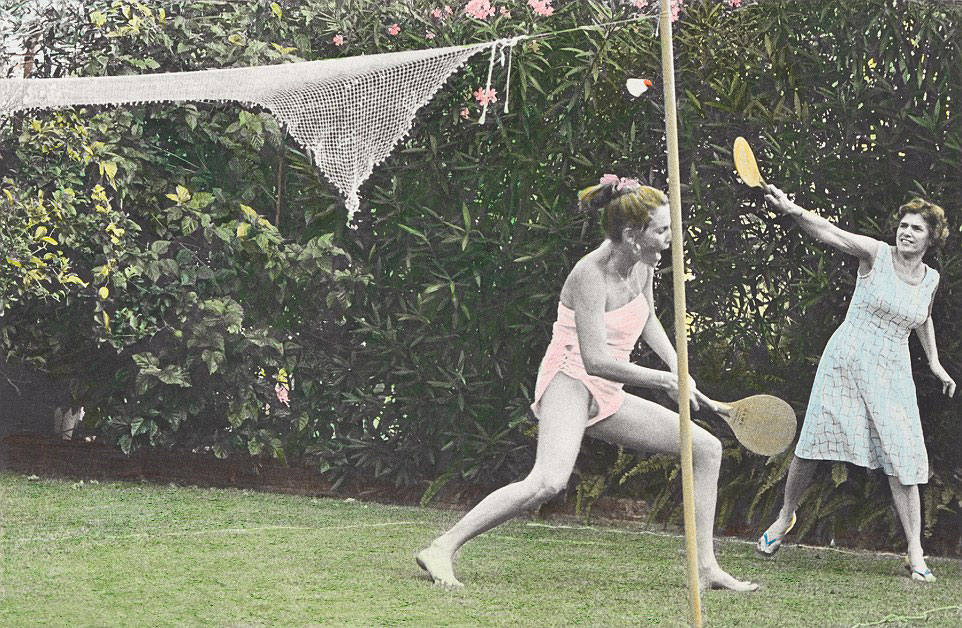
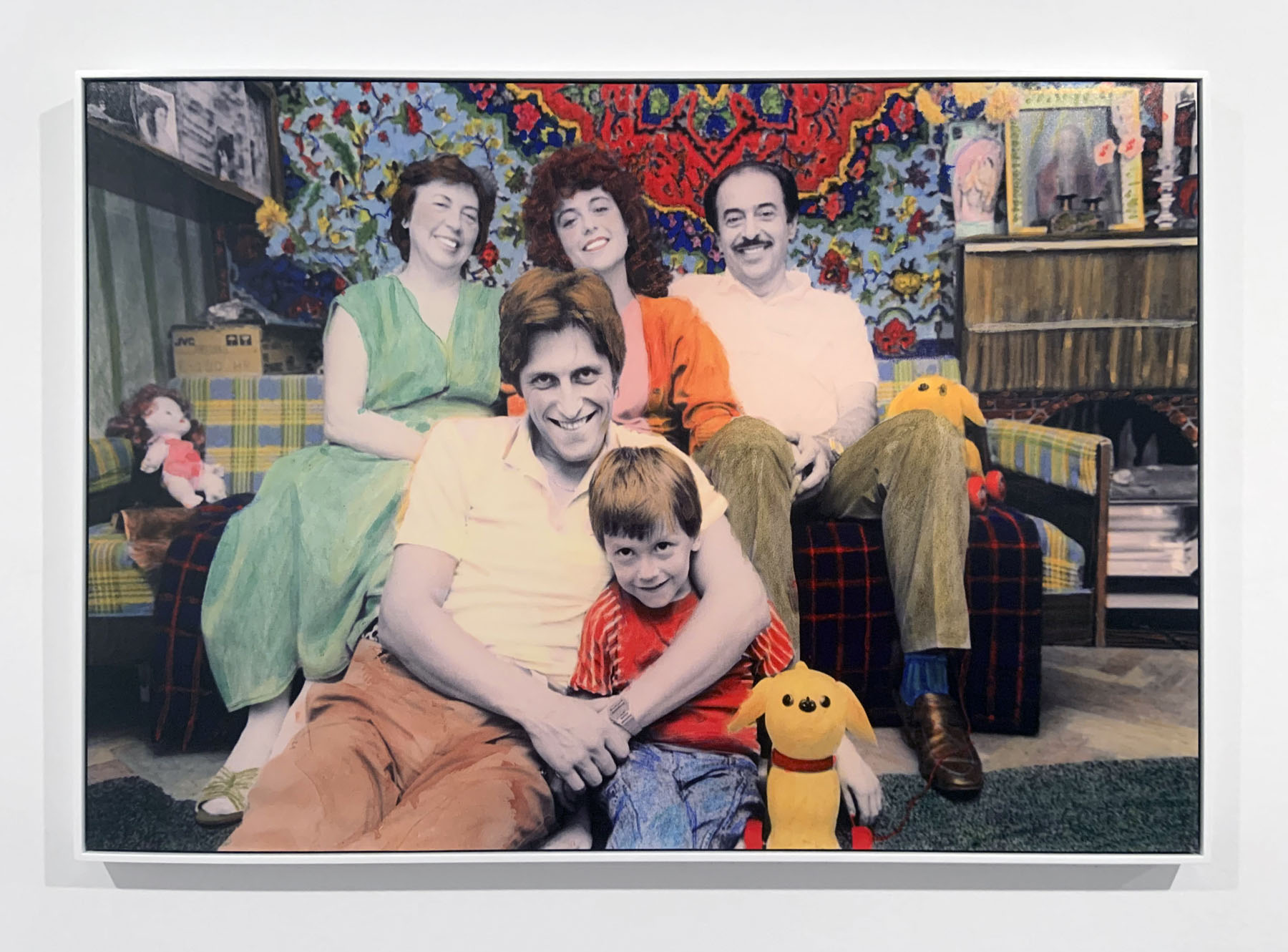
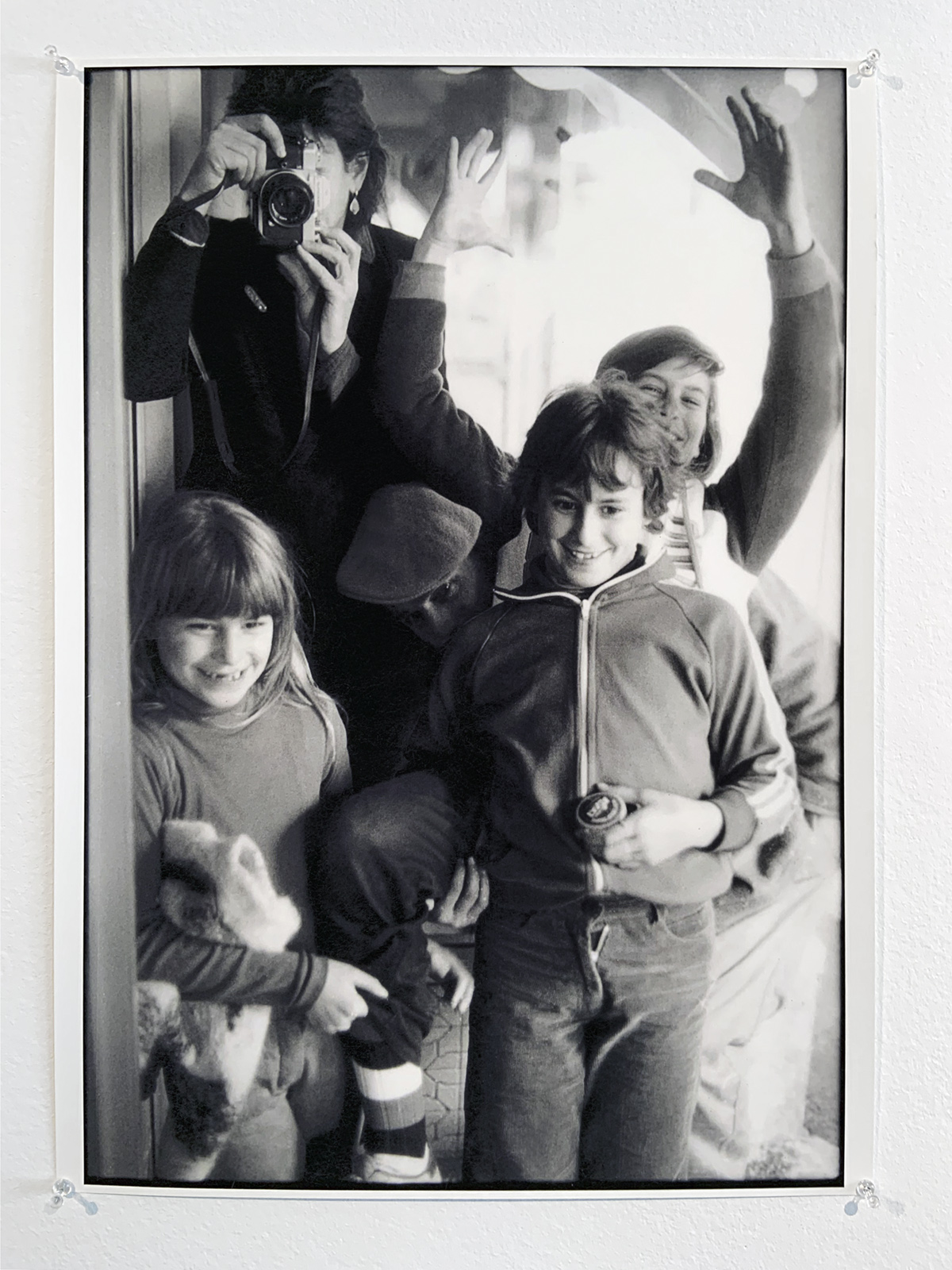
Ruth Maddison. 'Christmas holiday with Bob's family, Mermaid Beach, Queensland' 1977/78


Ruth Maddison (Australia, b. 1945)
From Christmas Holidays with Bob’s family, Mermaid Beach, Queensland
1979


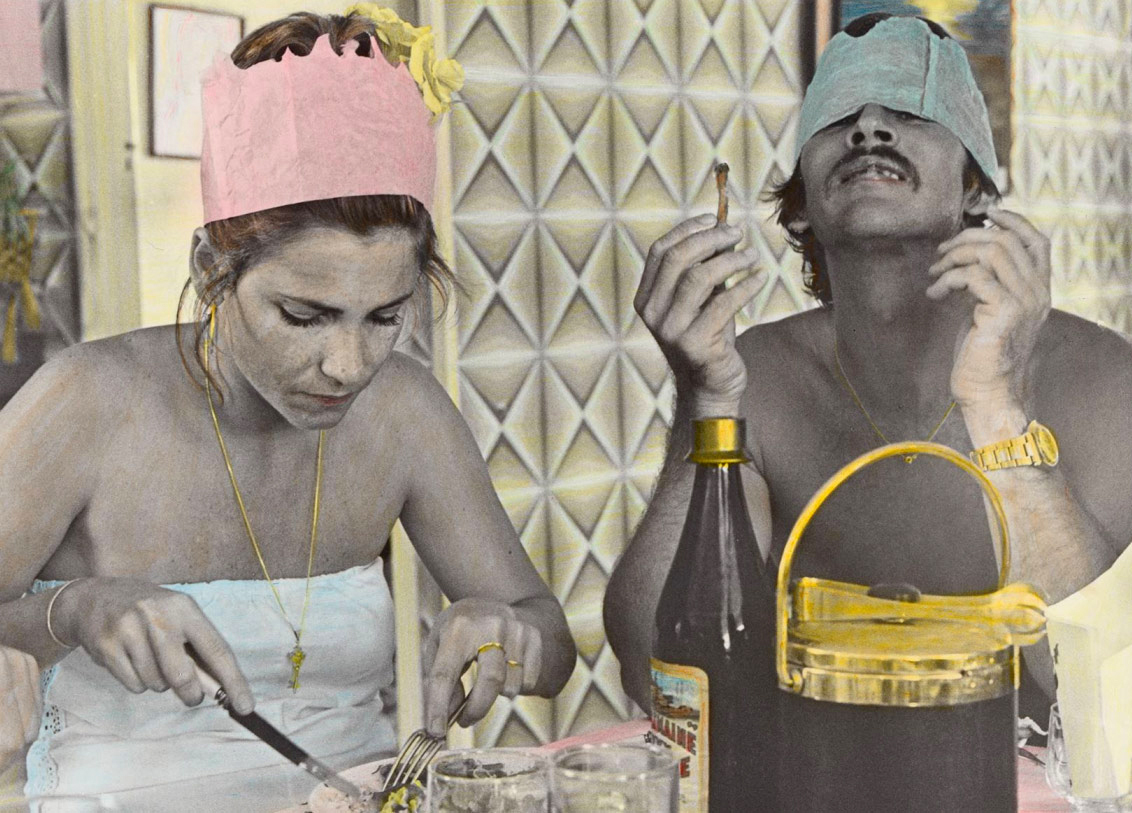
Ruth Maddison (Australia, b. 1945) 'Christmas Holidays with Bob's family, Mermaid Beach, Queensland' 1979


Ruth Maddison (Australia, b. 1945)
From Christmas Holidays with Bob’s family, Mermaid Beach, Queensland
1979


Installation view of the series 'Christmas Holidays with Bob's family, Mermaid Beach, Queensland' (1979) from the exhibition 'Ruth Maddison It was the best of times, it was the worst of times' at the Centre for Contemporary Photography, Melbourne

Installation view of the series 'Christmas Holidays with Bob's family, Mermaid Beach, Queensland' (1979) from the exhibition 'Ruth Maddison It was the best of times, it was the worst of times' at the Centre for Contemporary Photography, Melbourne

Installation view of the series 'Christmas Holidays with Bob's family, Mermaid Beach, Queensland' (1979) from the exhibition 'Ruth Maddison It was the best of times, it was the worst of times' at the Centre for Contemporary Photography, Melbourne


Installation views of the series Christmas Holidays with Bob’s family, Mermaid Beach, Queensland (1979) from the exhibition Ruth Maddison It was the best of times, it was the worst of times at the Centre for Contemporary Photography, Melbourne
Photos: Marcus Bunyan


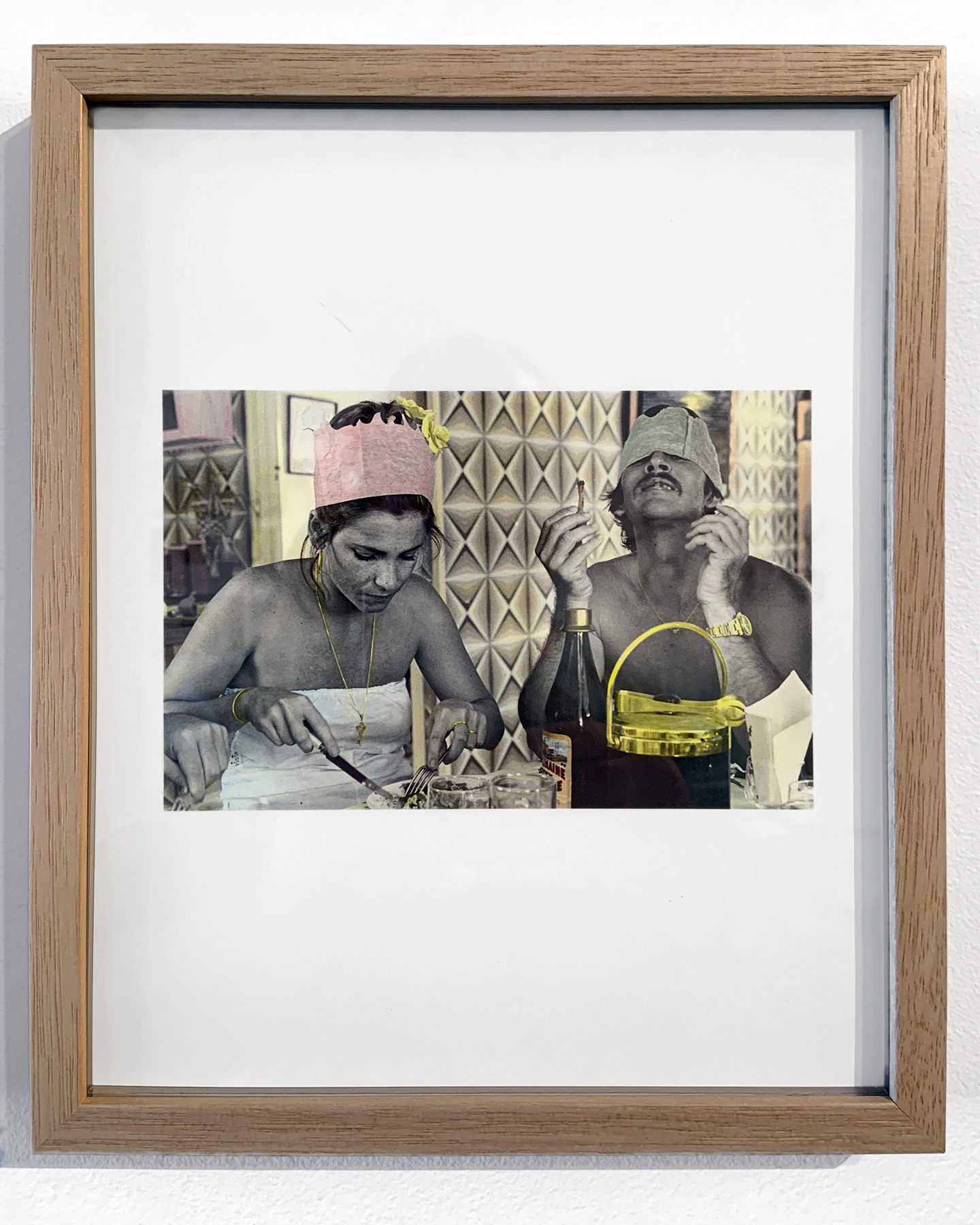
Ruth Maddison (Australian, b. 1945) 'Untitled #18' 1979


Ruth Maddison (Australian, b. 1945)
Untitled #18
1979
From the series Christmas holidays with Bob’s family. Mermaid Beach, Queensland 1979
Pigment print from scan, edition 1/1
10.5 x 16.2cm
Courtesy of the artist and the Centre for Contemporary Photography


Text from the exhibition 'Ruth Maddison It was the best of times, it was the worst of times' at the Centre for Contemporary Photography, Melbourne


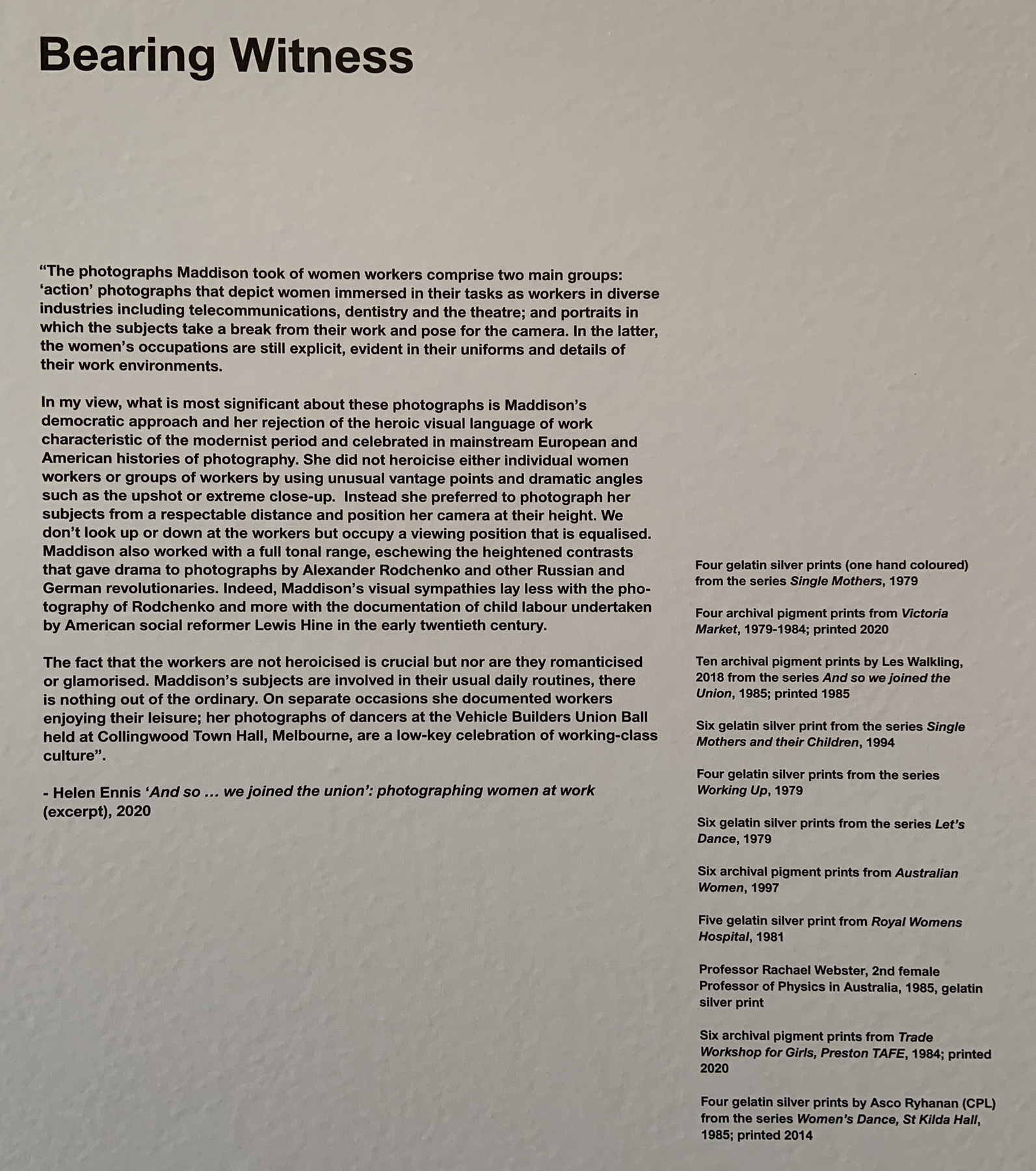
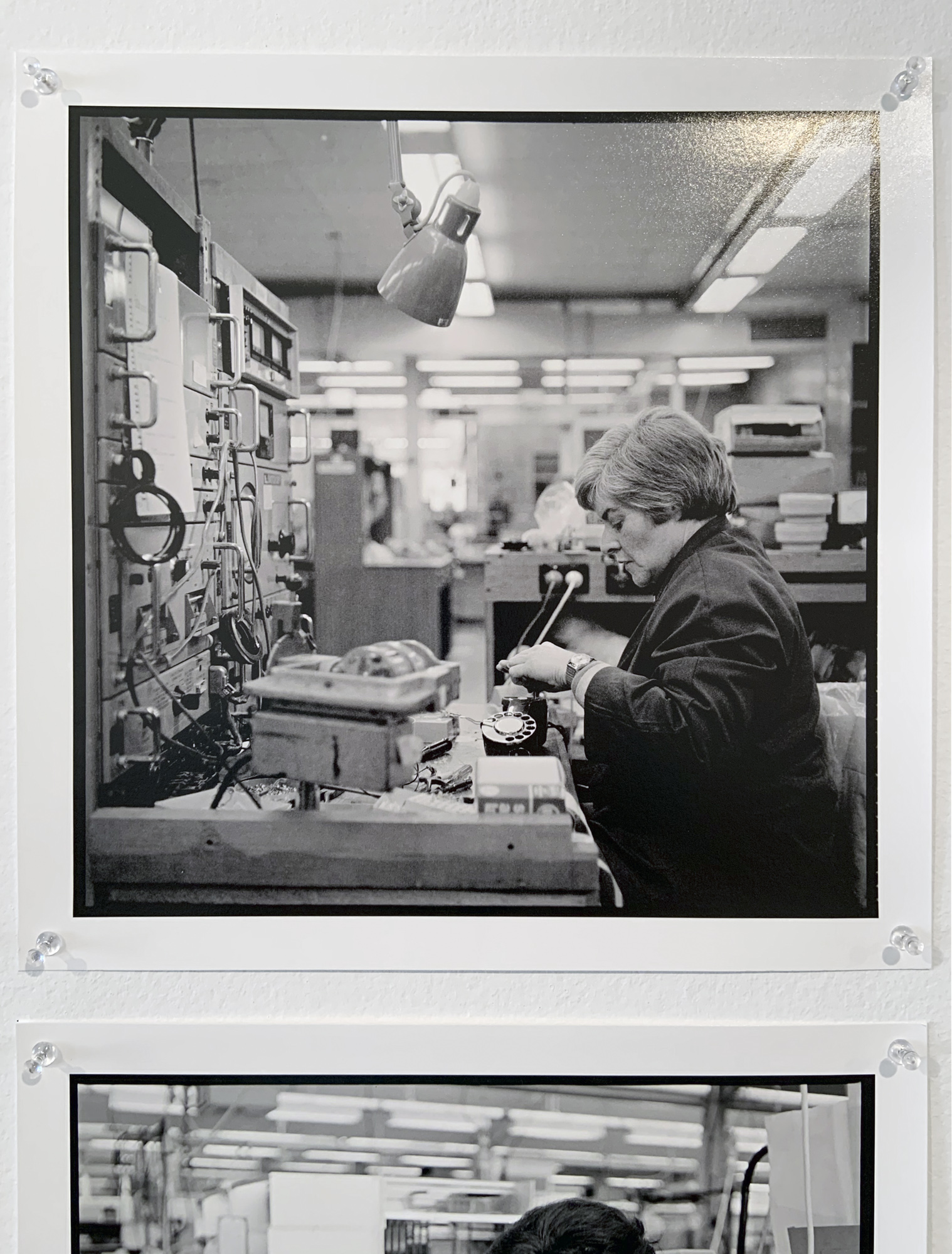
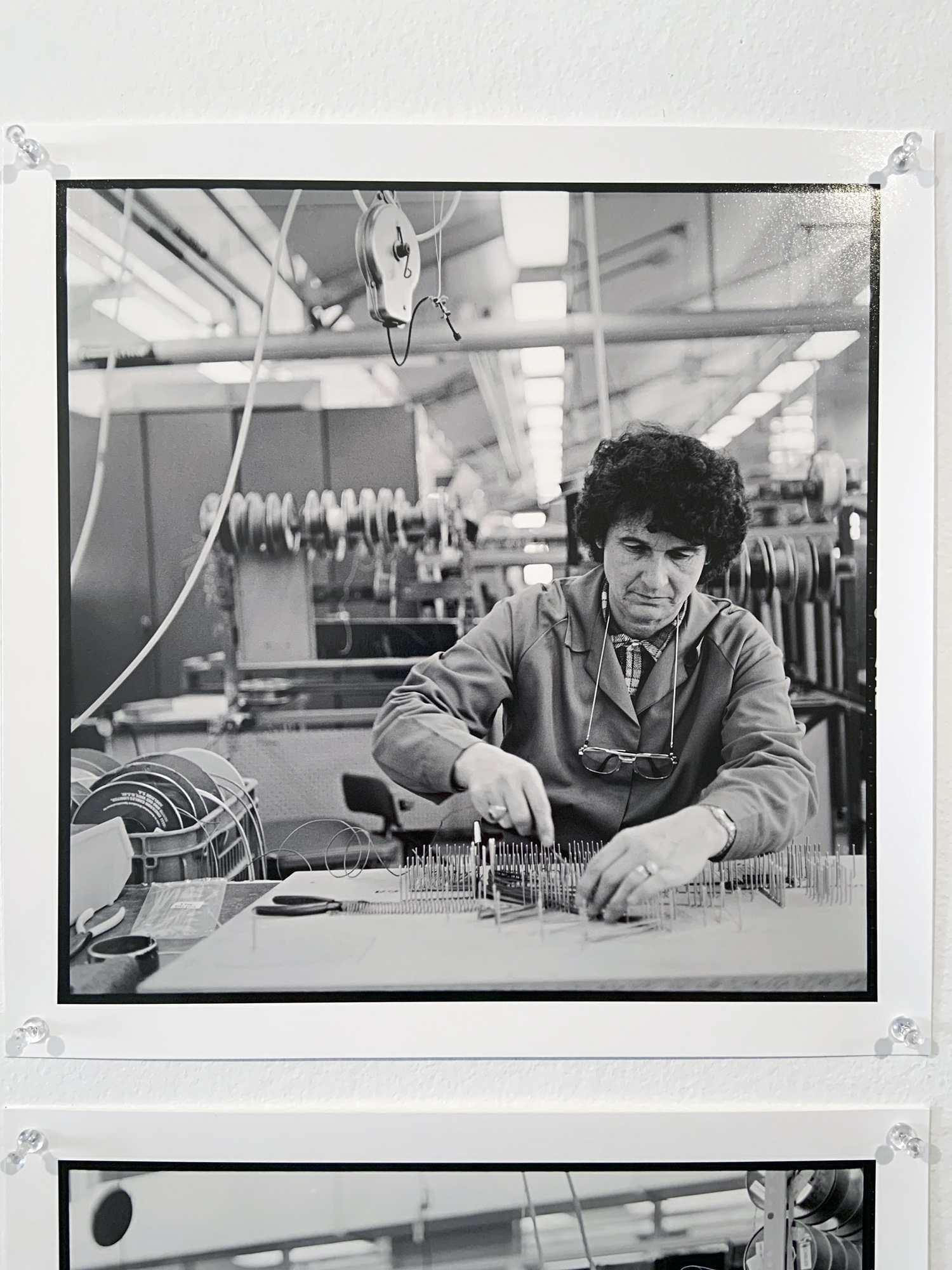
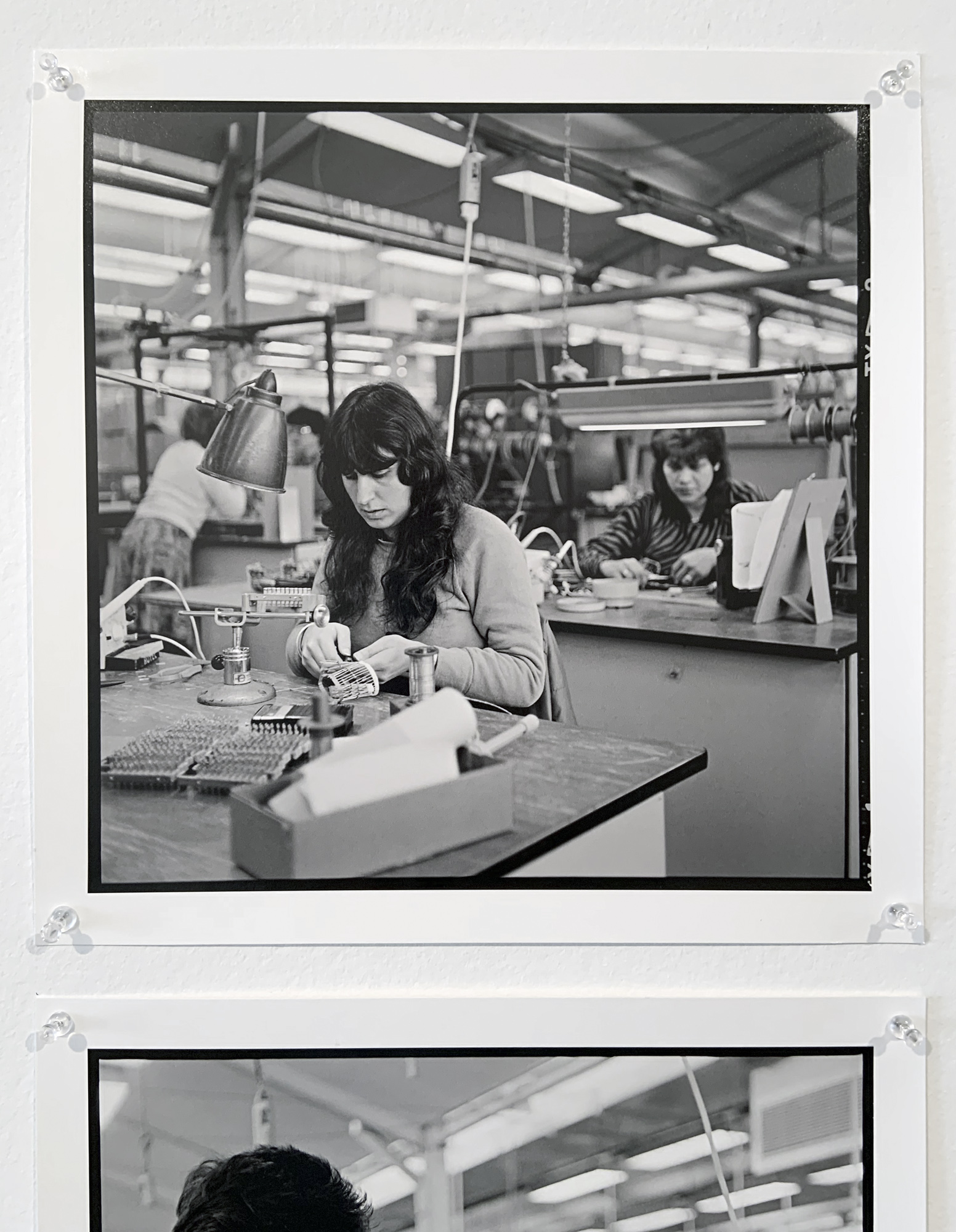
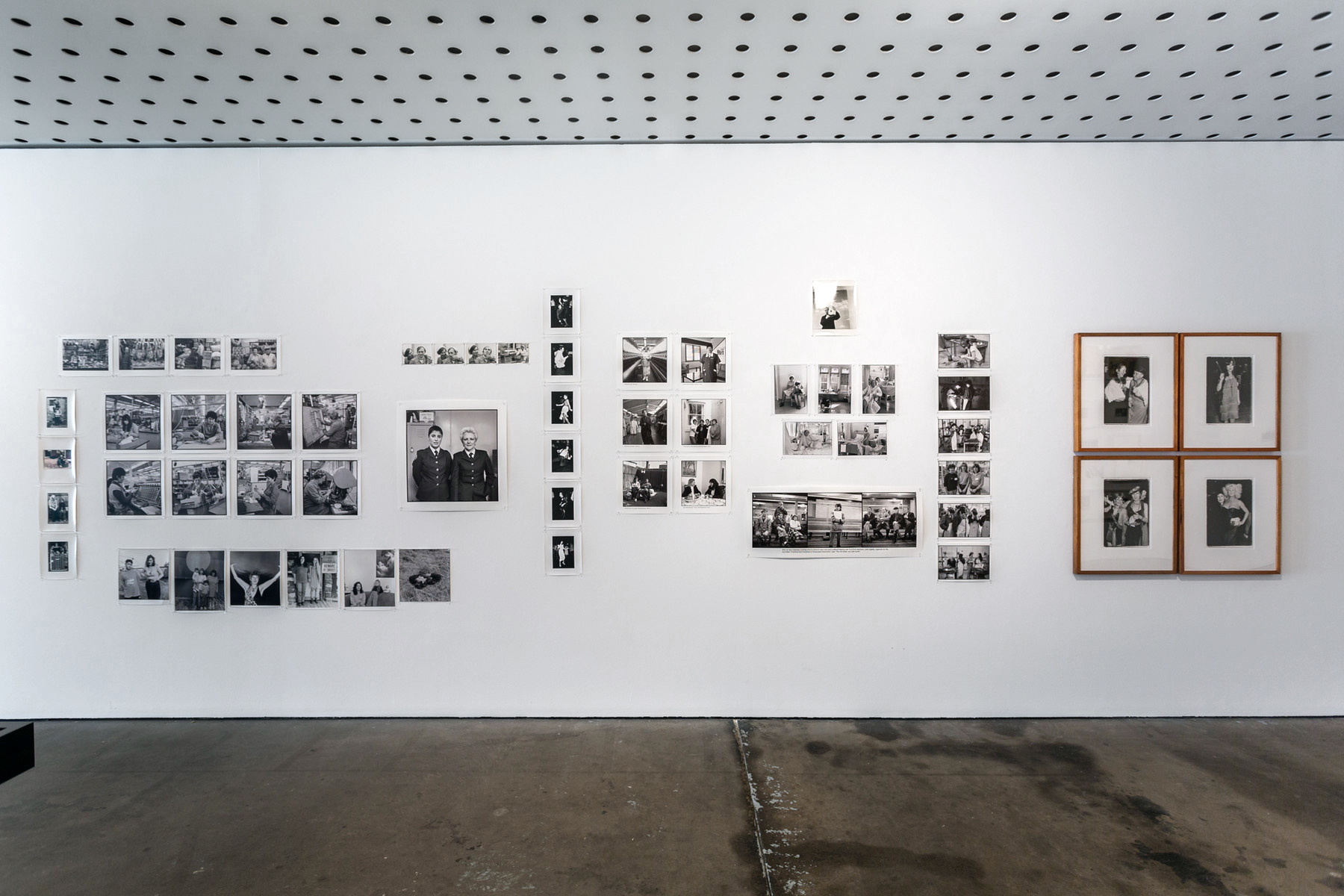
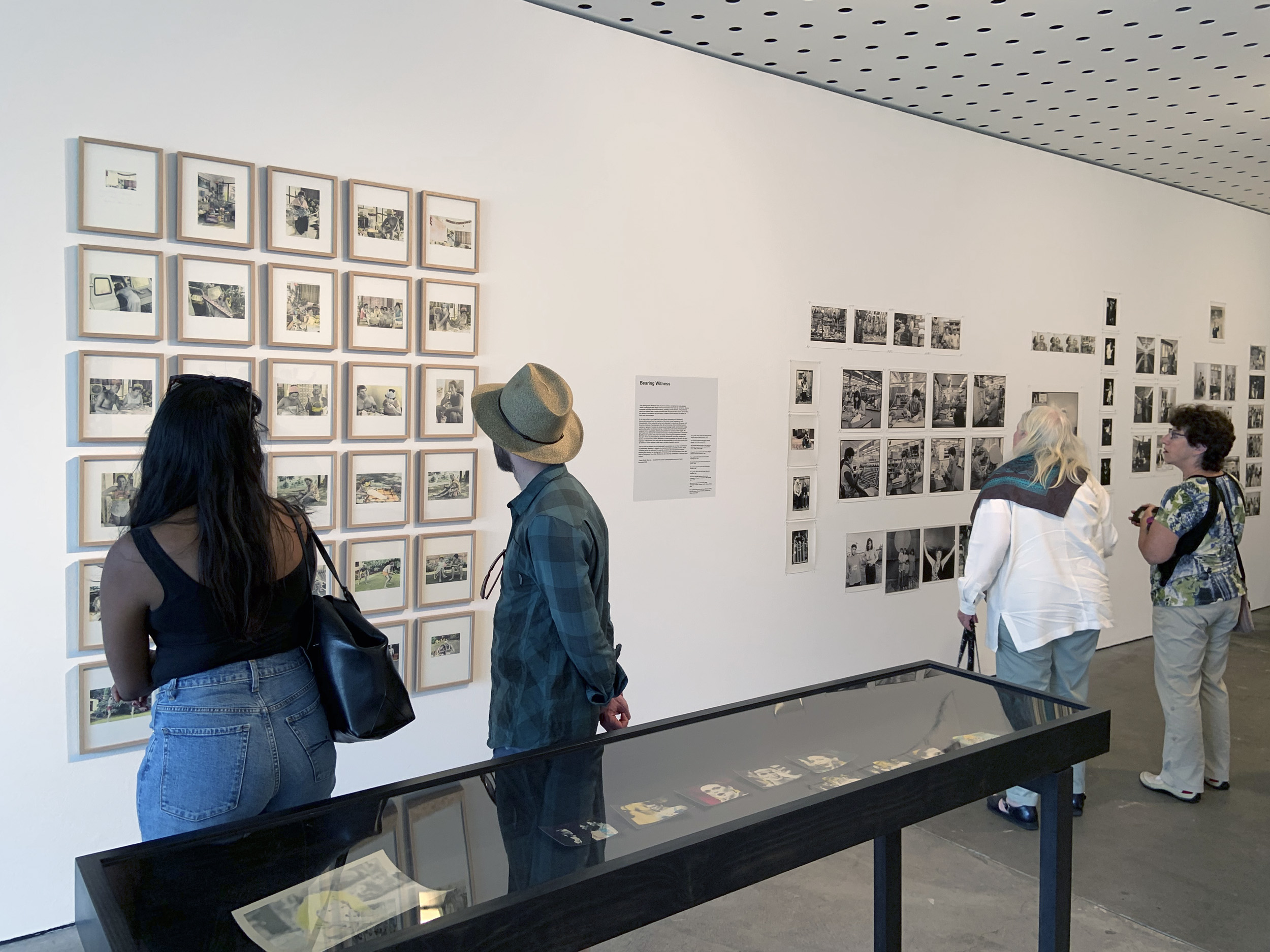
Installation view of the exhibition 'Ruth Maddison It was the best of times, it was the worst of times' at the Centre for Contemporary Photography, Melbourne showing photographs of women workers and single mothers (various dates and series, see above)


Installation view of the exhibition Ruth Maddison It was the best of times, it was the worst of times at the Centre for Contemporary Photography, Melbourne showing photographs of women workers and single mothers (various dates and series, see above)
Photo: Marcus Bunyan


Installation views of the exhibition 'Ruth Maddison It was the best of times, it was the worst of times' at the Centre for Contemporary Photography, Melbourne showing images from the series 'And so we joined the Union' (1985)

Installation views of the exhibition 'Ruth Maddison It was the best of times, it was the worst of times' at the Centre for Contemporary Photography, Melbourne showing images from the series 'And so we joined the Union' (1985)

Installation views of the exhibition 'Ruth Maddison It was the best of times, it was the worst of times' at the Centre for Contemporary Photography, Melbourne showing images from the series 'And so we joined the Union' (1985)

Installation views of the exhibition 'Ruth Maddison It was the best of times, it was the worst of times' at the Centre for Contemporary Photography, Melbourne showing images from the series 'And so we joined the Union' (1985)

Installation views of the exhibition 'Ruth Maddison It was the best of times, it was the worst of times' at the Centre for Contemporary Photography, Melbourne showing images from the series 'And so we joined the Union' (1985)

Installation views of the exhibition 'Ruth Maddison It was the best of times, it was the worst of times' at the Centre for Contemporary Photography, Melbourne showing images from the series 'And so we joined the Union' (1985)


Installation views of the exhibition Ruth Maddison It was the best of times, it was the worst of times at the Centre for Contemporary Photography, Melbourne showing images from the series And so we joined the Union (1985)
Photos: Marcus Bunyan


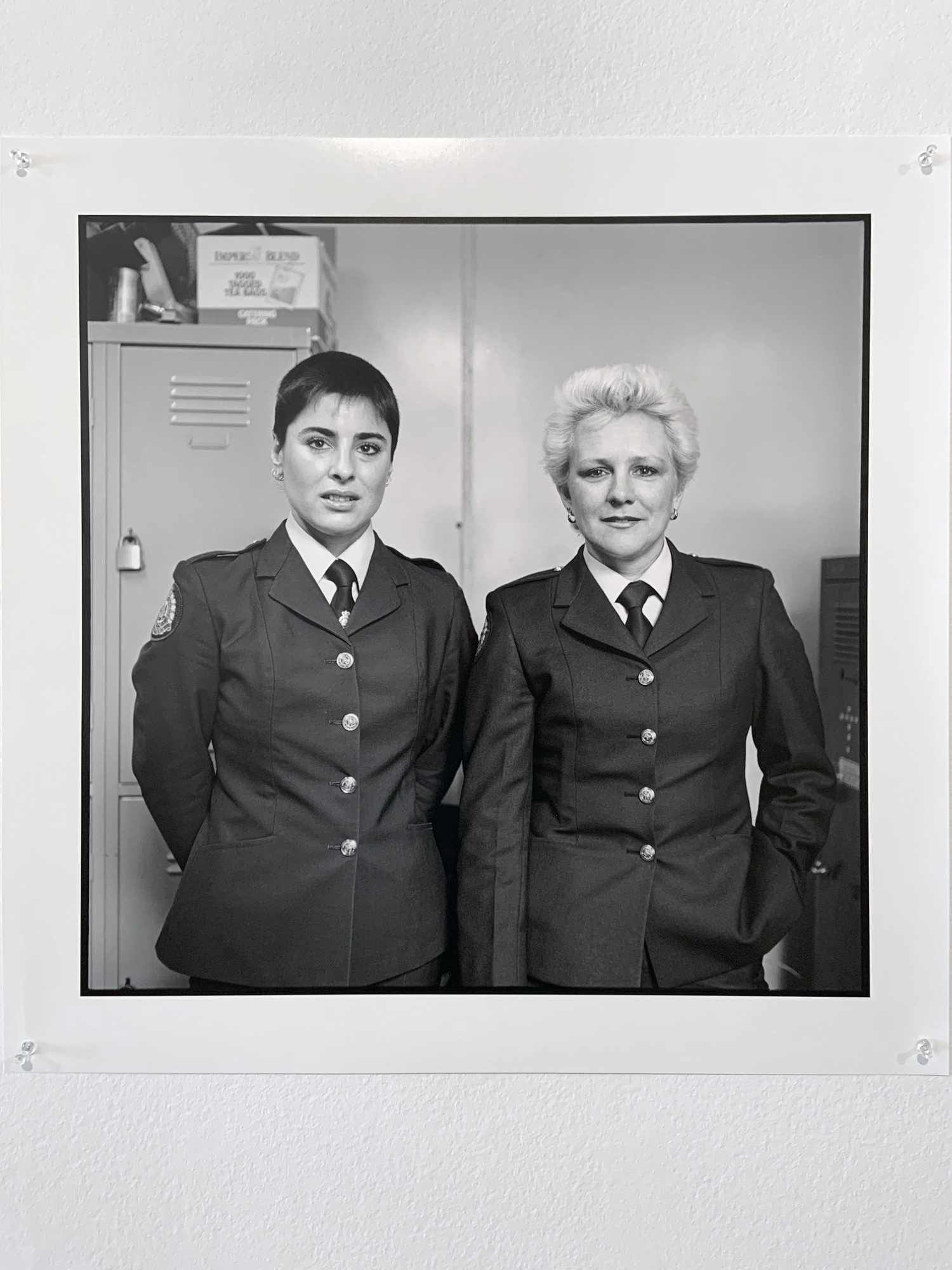
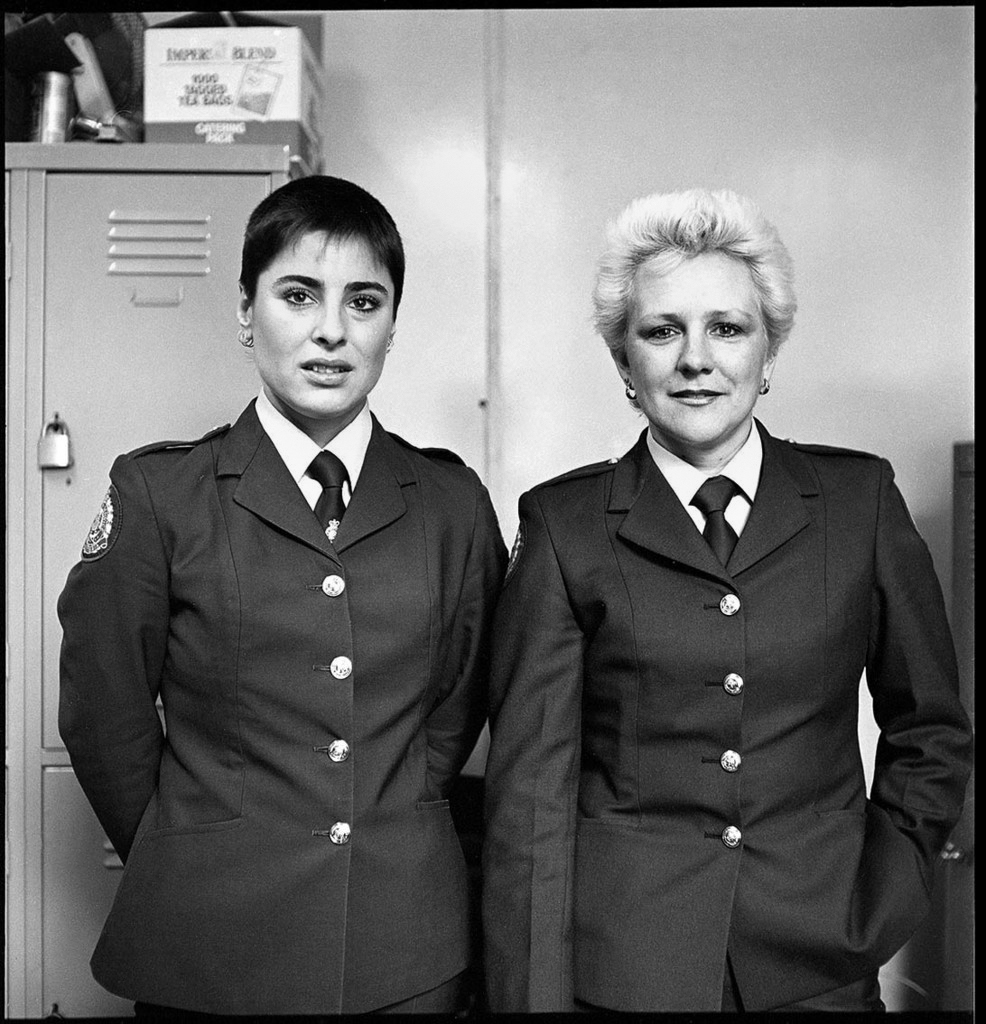
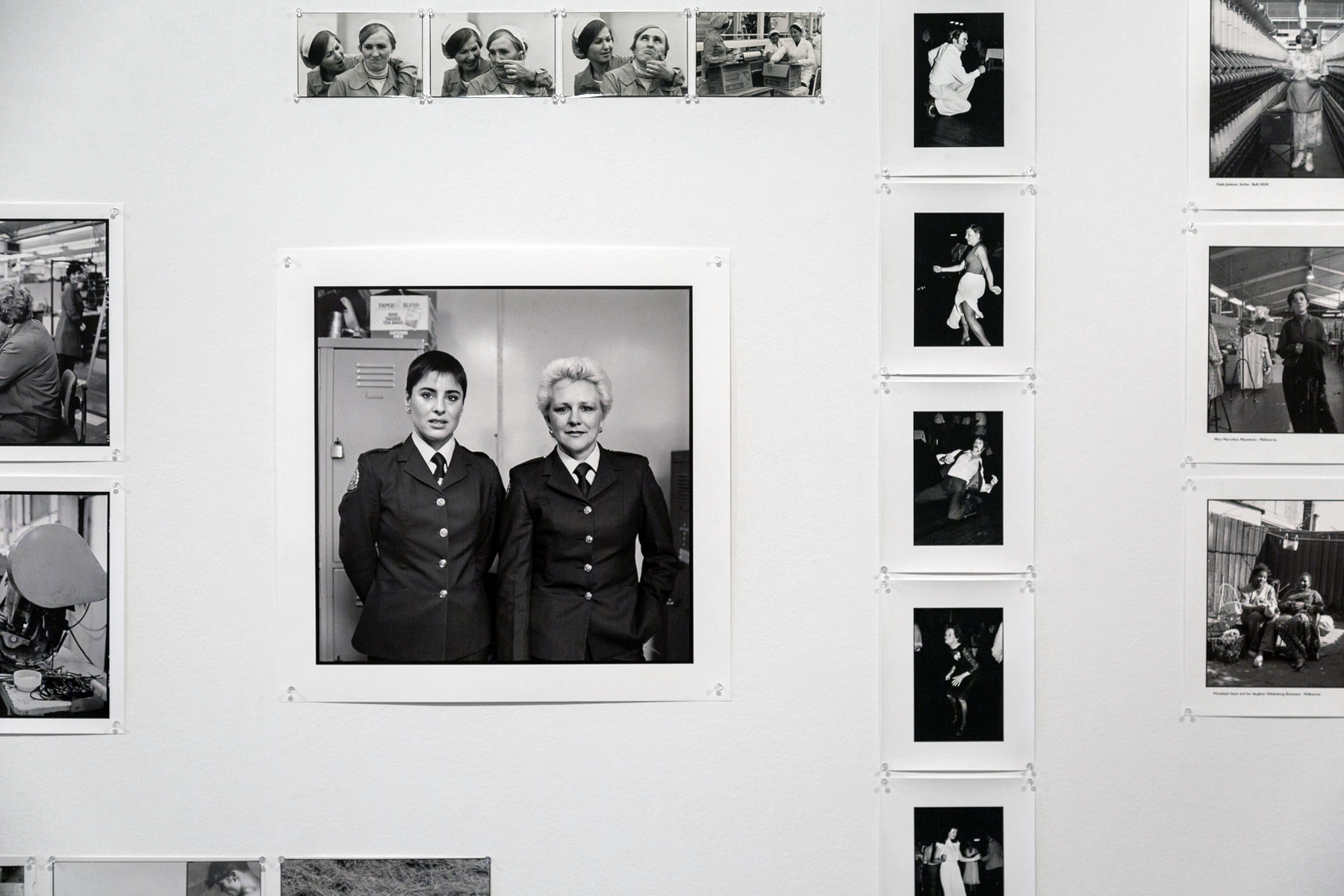
Ruth Maddison (Australian, b. 1945) 'Prison Officers, Pentridge' 1985


Ruth Maddison (Australian, b. 1945)
Prison Officers, Pentridge
1985
Pigment print from scanned negative (Print by Les Walkling)
50 x 50cm (image size)
Courtesy of the artist and the Centre for Contemporary Photography


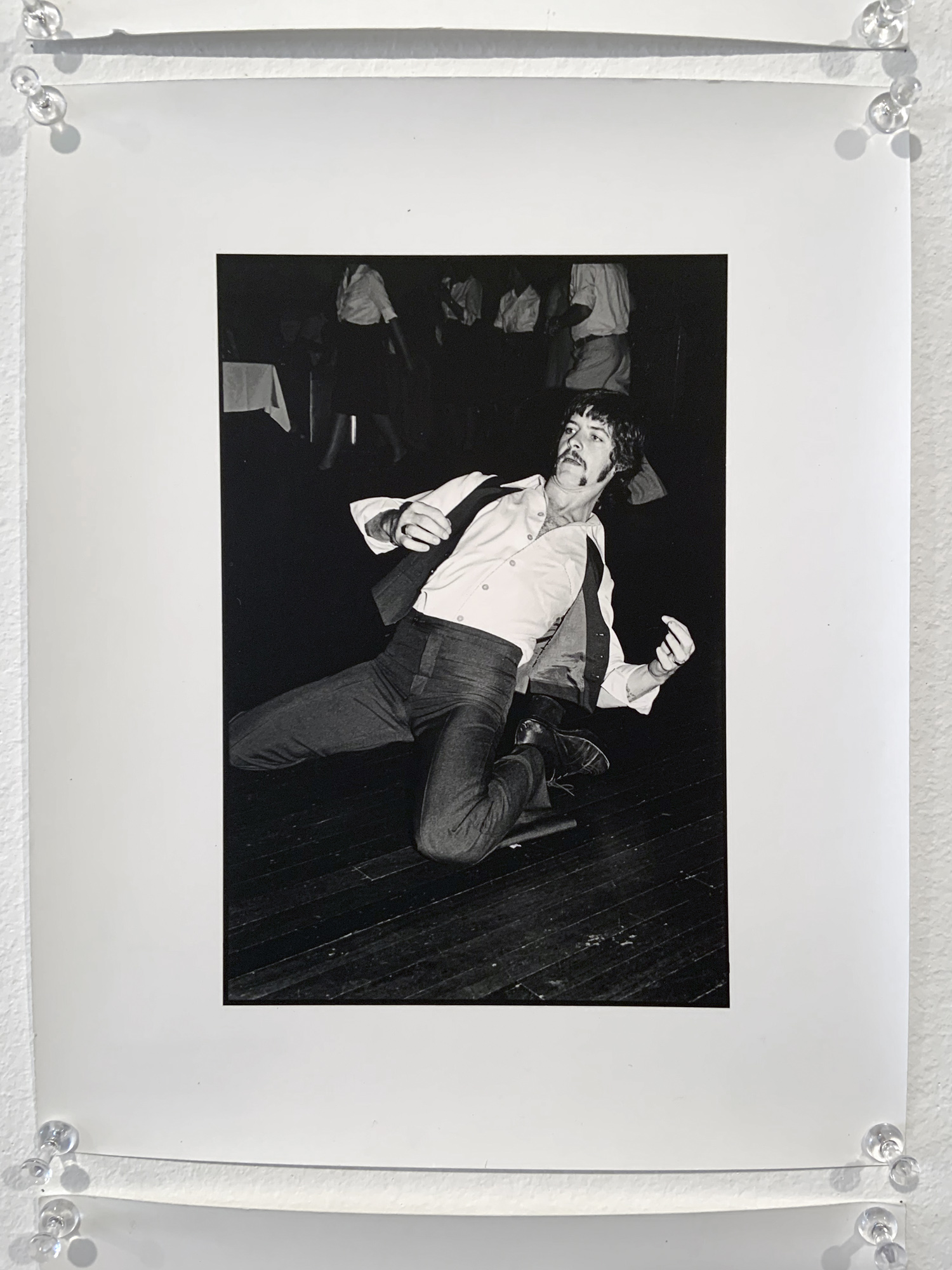
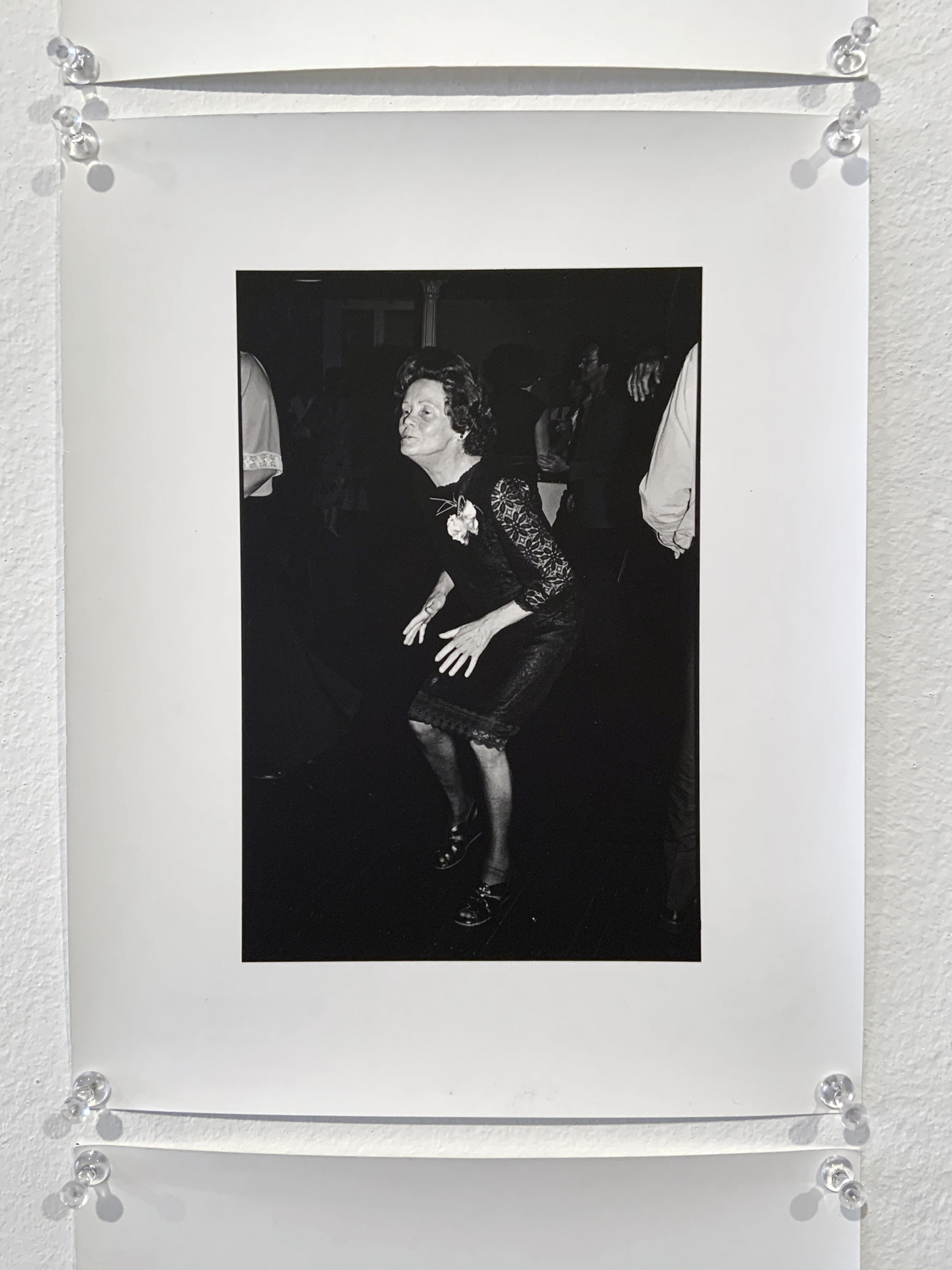
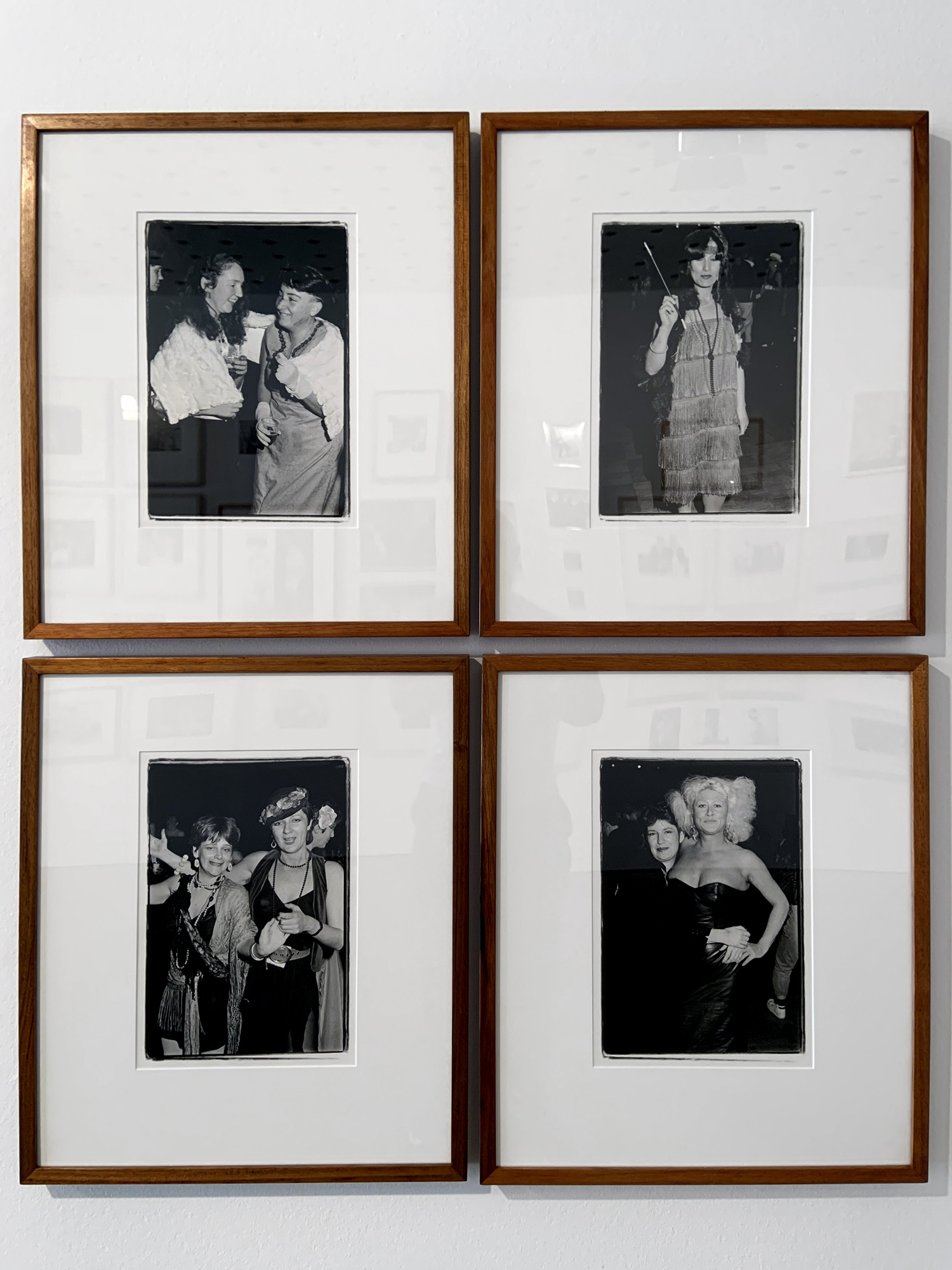
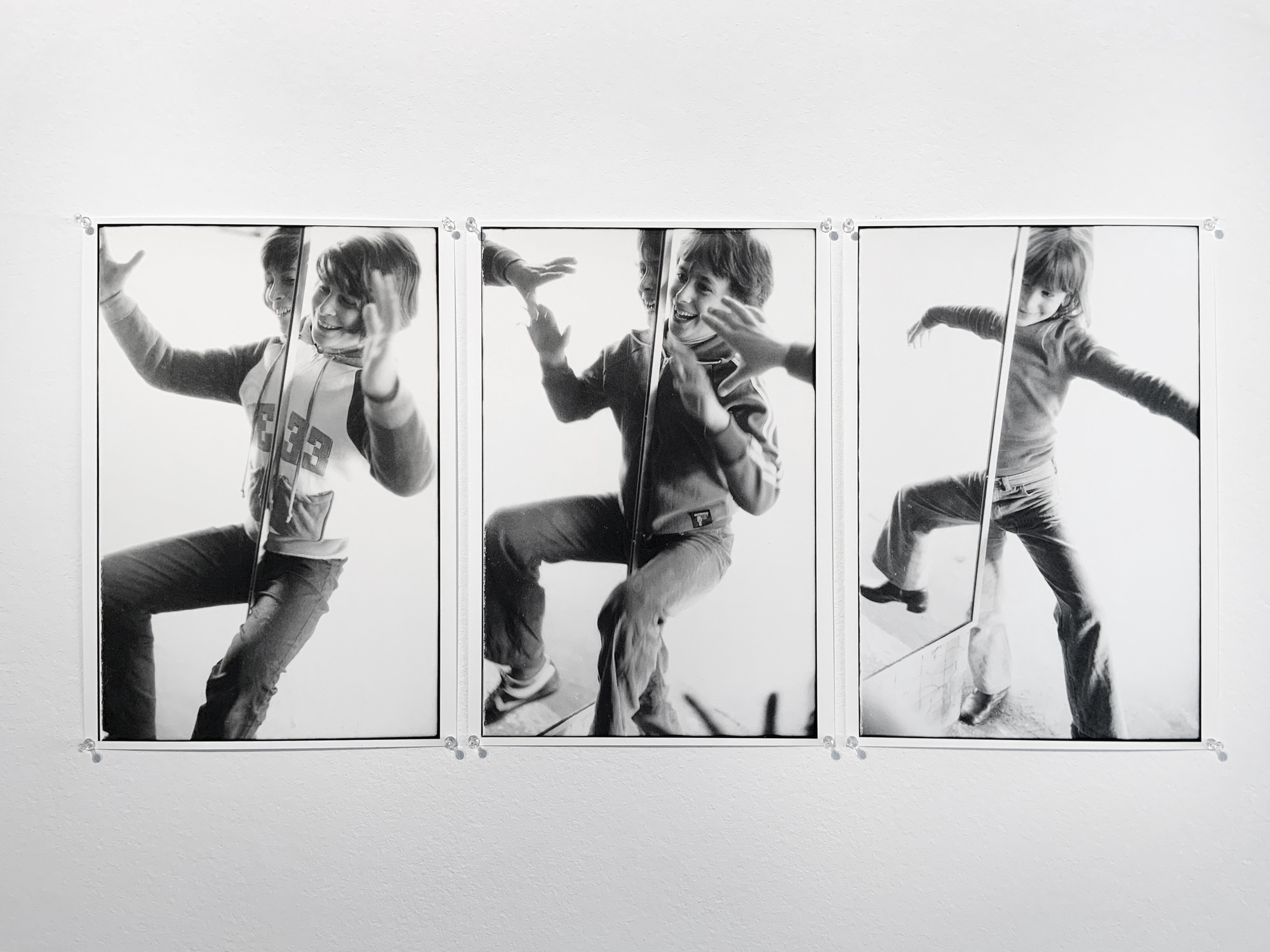
Ruth Maddison (Australian, b. 1945) From the series 'Let's Dance' 1979 (installation view)

Ruth Maddison (Australian, b. 1945) From the series 'Let's Dance' 1979 (installation view)


Ruth Maddison (Australian, b. 1945)
From the series Let’s Dance (installation views)
1979
Photos: Marcus Bunyan


Ruth Maddison photographed the social spaces that had been important to activist communities but which were in the process of passing away. These were mainly commissioned projects for labour and social movements, otherwise these histories would have been lost.

Dancing and entertainment were features of Ruth Maddison’s work throughout the 1980s. These photographs reflected Maddison’s own social life, which often revolved around Melbourne’s pubs and nightclubs. But there was also a classical documentary function to her photographs of trade union dances and the annual women’s dance at St Kilda Town Hall. These pictures reflected social spaces that had been important to activist communities, but which by the mid-1980s were in the process of passing away; as women’s groups began to fragment, and as the membership of labour organisations changed. The photograph shown here of the Vehicle Builders’ Union Ball at Collingwood Town Hall were part of a commission. Like many photographers in this exhibition (including Helen Grace, Sandy Edwards and Ponch Hawkes), political affiliation and professional practice often came together in commissioned projects for labour and social movements.

Text from the Monash Gallery of Art website
 

Ruth Maddison. 'Vehicle Builders' Union Ball, Collingwood Town Hall, Melbourne' 1979


Ruth Maddison (Australian, b. 1945)
Vehicle Builders’ Union Ball, Collingwood Town Hall, Melbourne
1979
Gelatin silver print


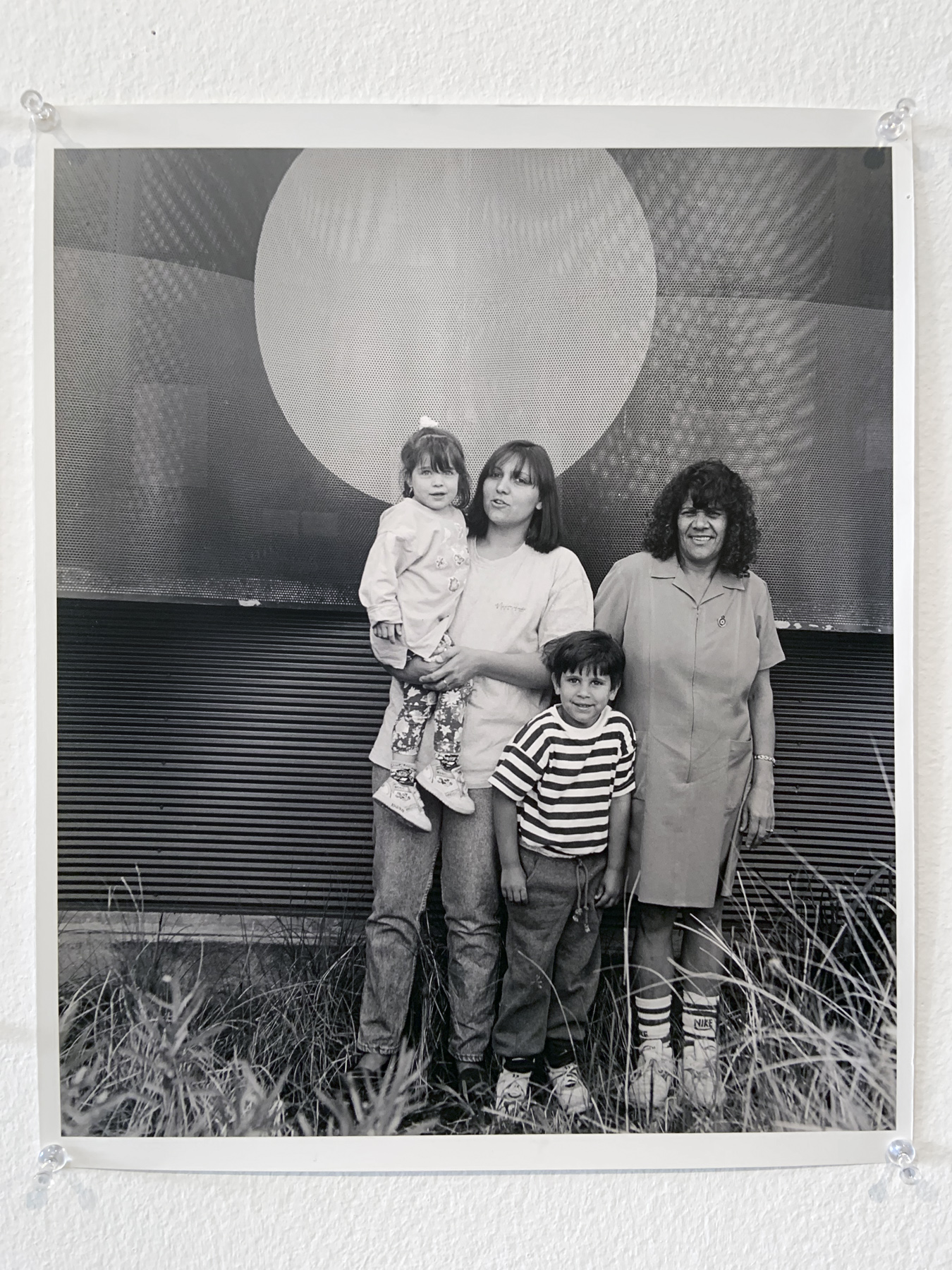
Ruth Maddison (Australian, b. 1945) 'Single Mothers and their Children' 1994 (installation view)


Installation view of a work from Ruth Maddison’s series Single Mothers and their Children 1994
Photo: Marcus Bunyan


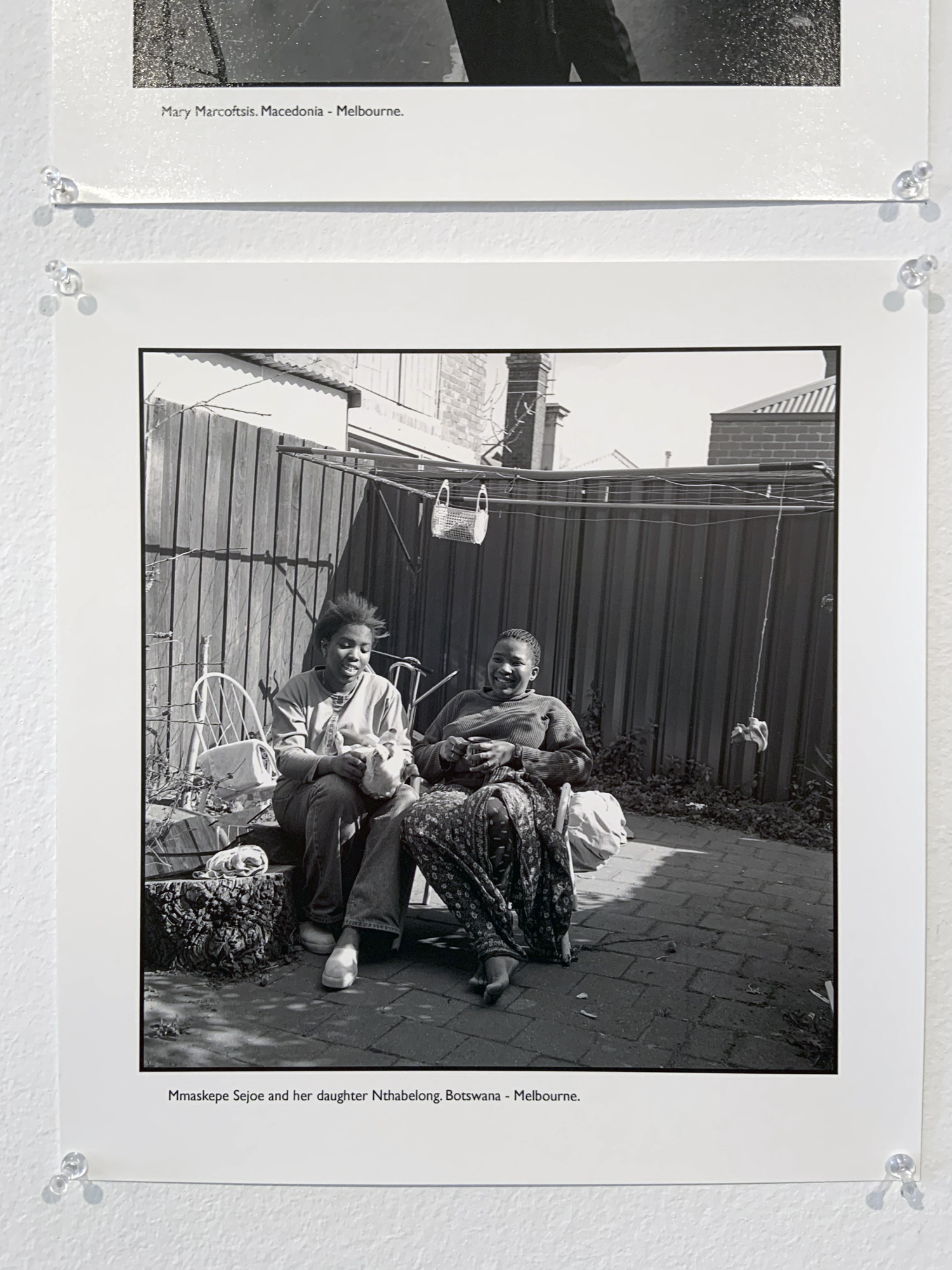
Ruth Maddison (Australian, b. 1945) 'Mmaskepe Sejoe and her daughter Nthabelong. Botswana - Melbourne' 1997 (installation view)


Ruth Maddison (Australian, b. 1945)
Mmaskepe Sejoe and her daughter Nthabelong. Botswana – Melbourne (installation view)
1997
From the series Australian Women
Photo: Marcus Bunyan


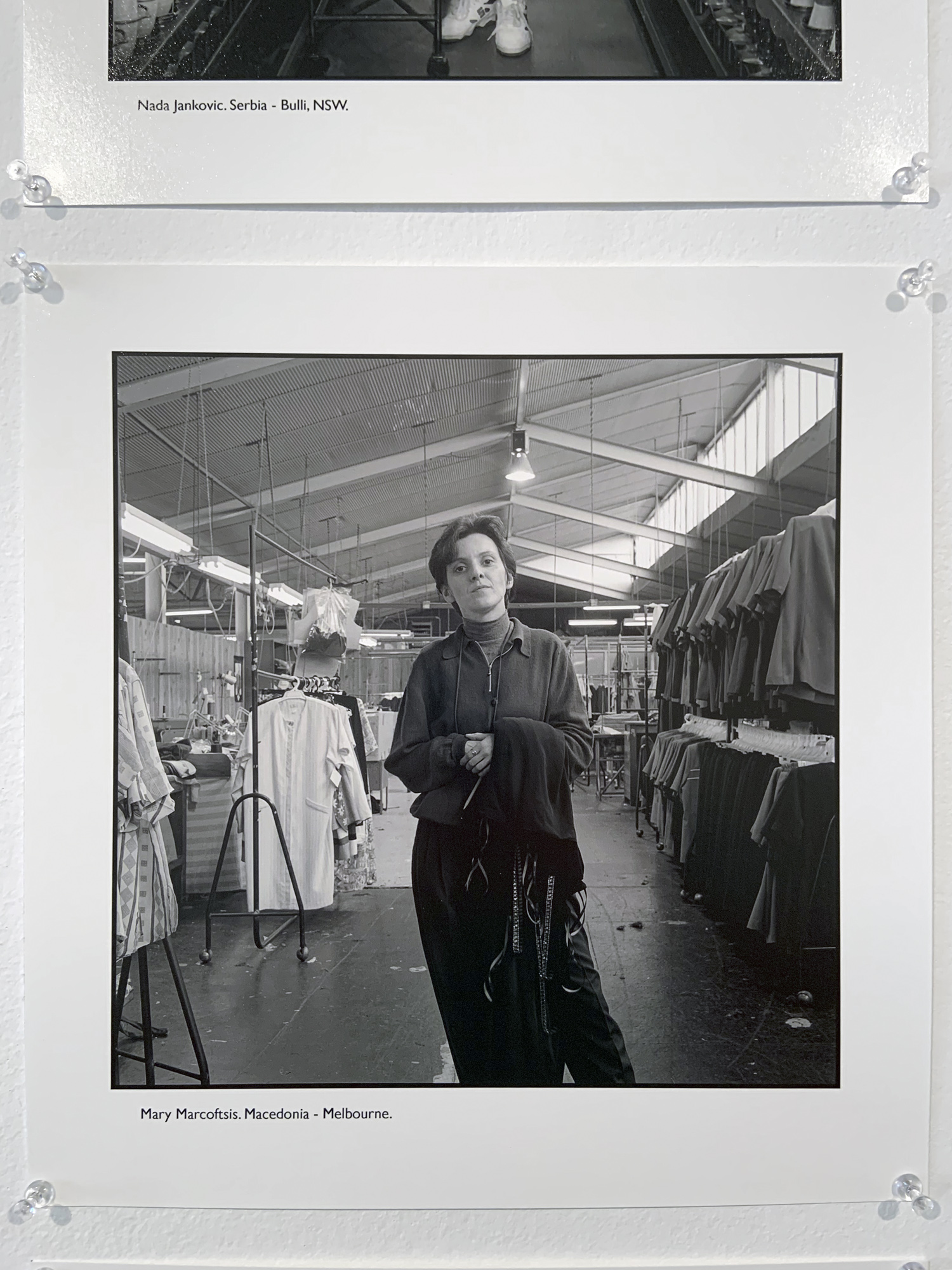
Ruth Maddison (Australian, b. 1945) 'Mary Marcoftsis. Macedonia – Melbourne' 1997 (installation view)


Ruth Maddison (Australian, b. 1945)
Mary Marcoftsis. Macedonia – Melbourne (installation view)
1997
From the series Australian Women
Photo: Marcus Bunyan


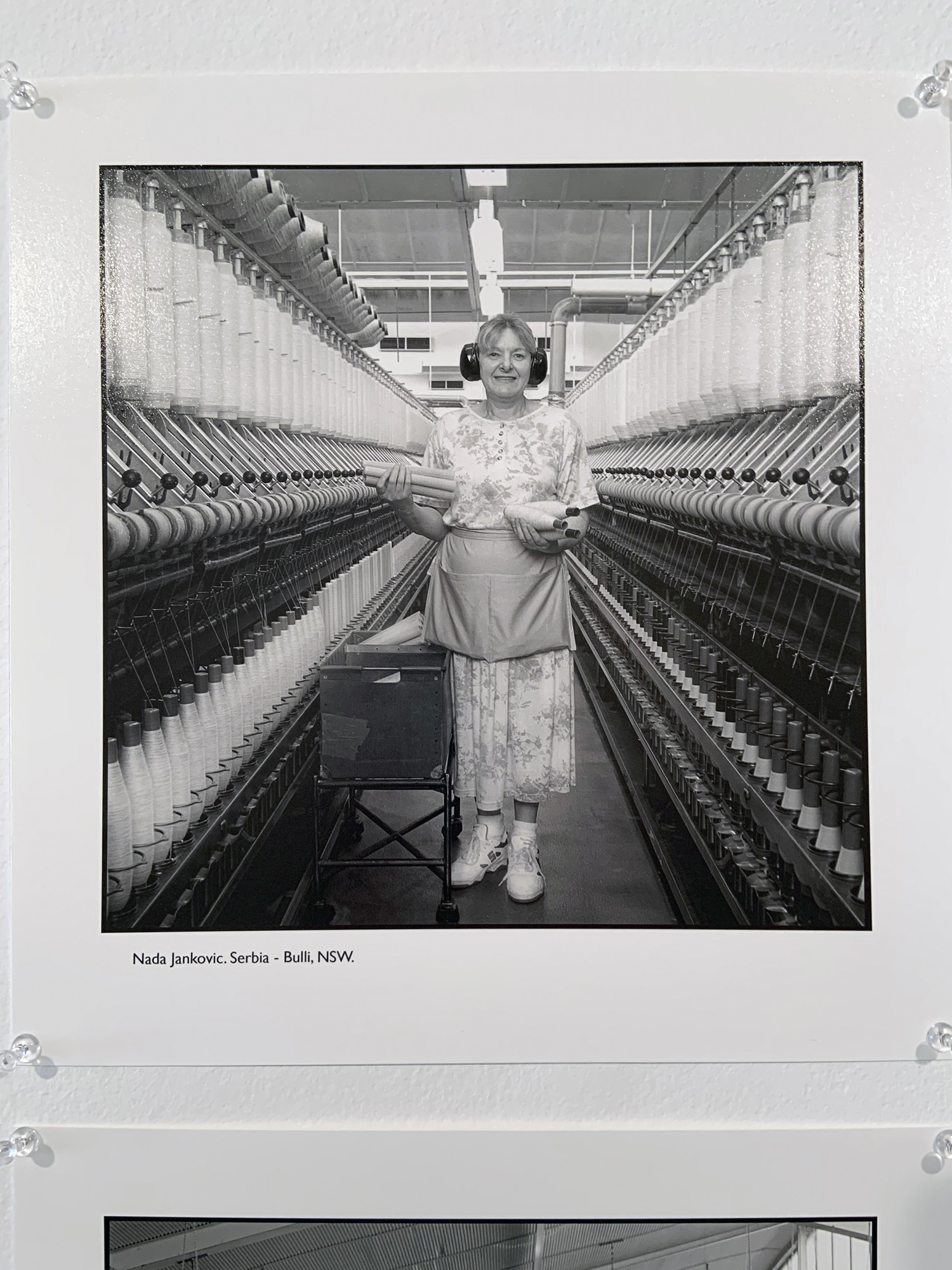
Ruth Maddison (Australian, b. 1945) 'Nada Jankovic. Serbia – Buli, NSW' 1997 (installation view)


Ruth Maddison (Australian, b. 1945)
Nada Jankovic. Serbia – Buli, NSW (installation view)
1997
From the series Australian Women
Photo: Marcus Bunyan


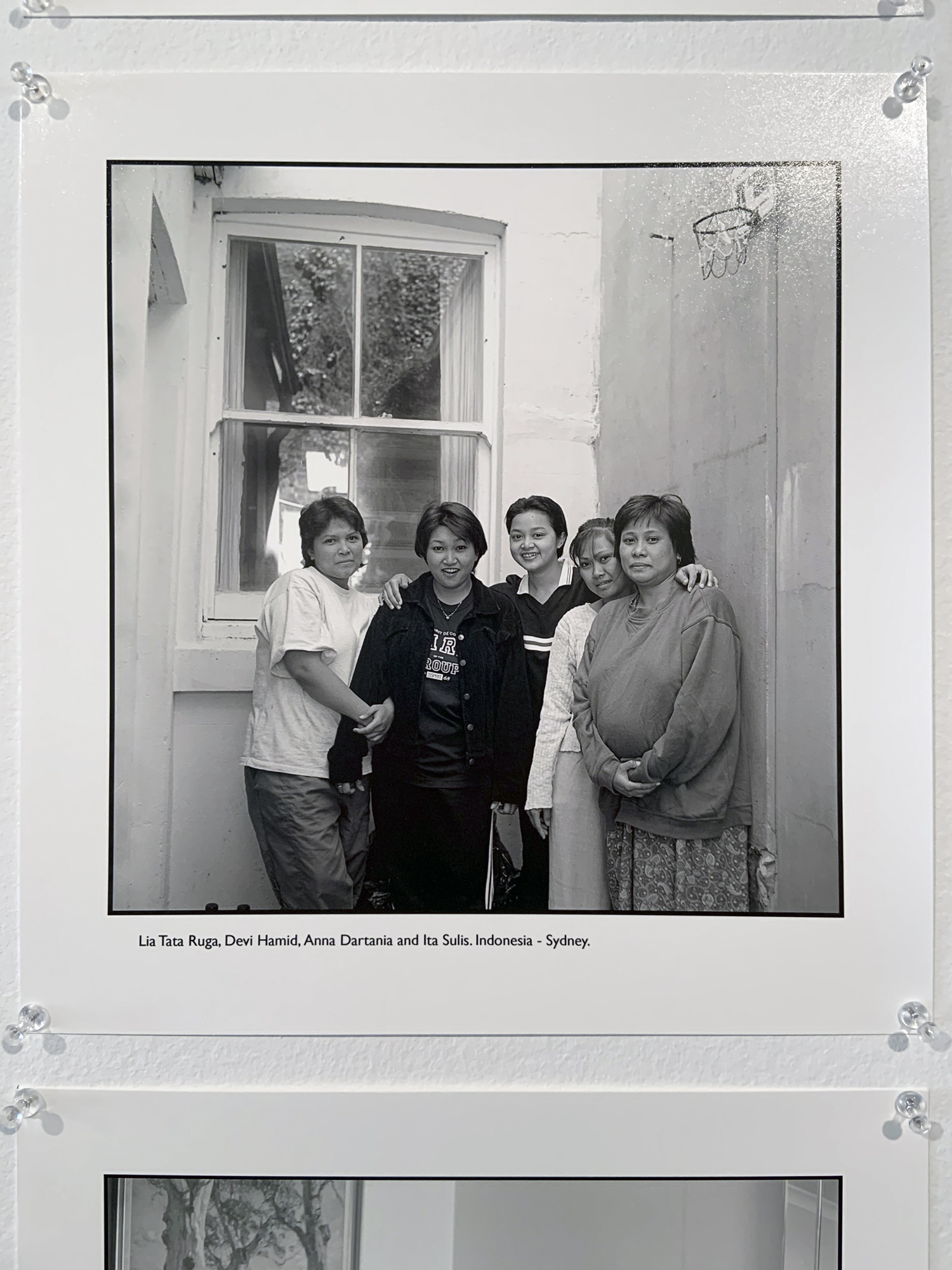
Ruth Maddison (Australian, b. 1945) 'Lia Tata Ruga, Devi Hamid, Anna Dartania and Ita Sulis. Indonesia – Sydney' 1997 (installation view)


Ruth Maddison (Australian, b. 1945)
Lia Tata Ruga, Devi Hamid, Anna Dartania and Ita Sulis. Indonesia – Sydney (installation view)
1997
From the series Australian Women
Photo: Marcus Bunyan


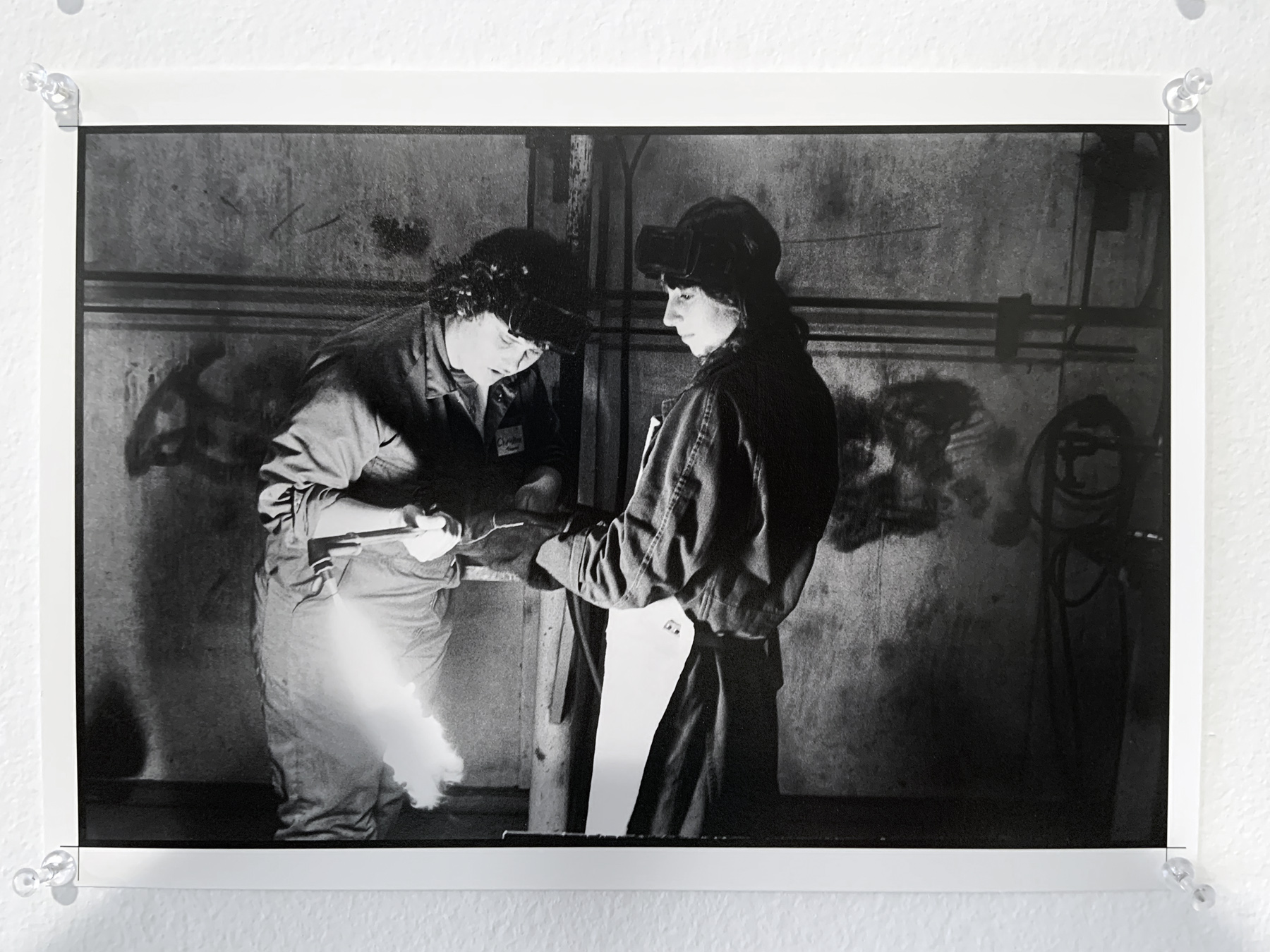
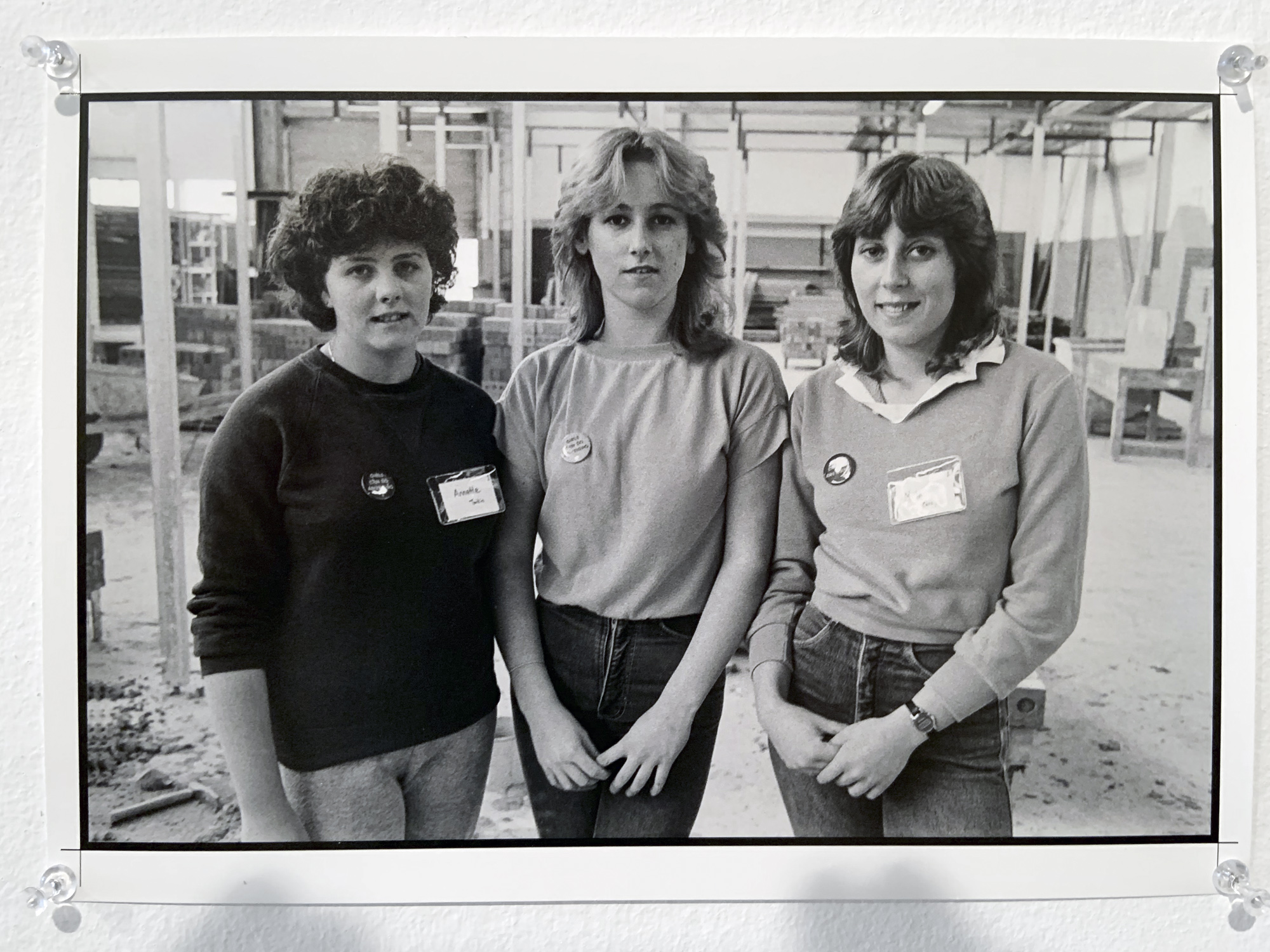
Ruth Maddison (Australian, b. 1945) 'Trade workshop for girls, Preston TAFE' 1984 (installation view)


Ruth Maddison (Australian, b. 1945)
Trade workshop for girls, Preston TAFE (installation view)
1984, printed 2020
Pigment print from scanned negative
18.6 x 28cm
Photo: Marcus Bunyan


Ruth Maddison (Australian, b. 1945) 'Trade workshop for girls, Preston TAFE' 1984 (installation view)


Ruth Maddison (Australian, b. 1945)
Trade workshop for girls, Preston TAFE (installation view)
1984, printed 2020
Pigment print from scanned negative
18.6 x 28cm
Photo: Marcus Bunyan


Ruth Maddison (Australian, b. 1945) 'Women's Dance, St Kilda Hall' 1985, printed 2014 (installation view)


Ruth Maddison (Australian, b. 1945)
Women’s Dance, St Kilda Hall (installation view)
1985, printed 2014
Gelatin silver prints


Text from the exhibition 'Ruth Maddison It was the best of times, it was the worst of times' at the Centre for Contemporary Photography, Melbourne


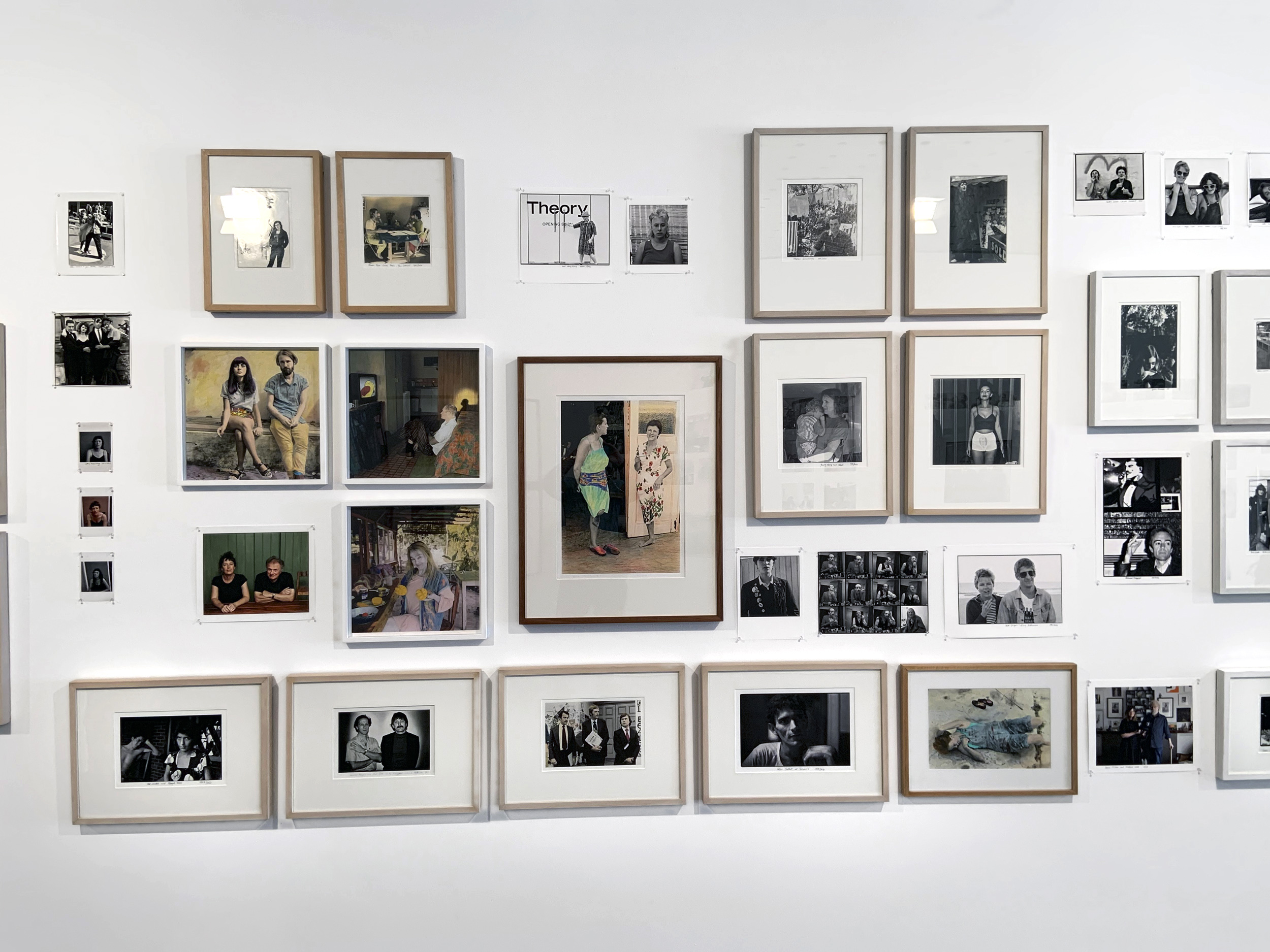
Installation view of the exhibition 'Ruth Maddison It was the best of times, it was the worst of times' at the Centre for Contemporary Photography, Melbourne

Installation view of the exhibition 'Ruth Maddison It was the best of times, it was the worst of times' at the Centre for Contemporary Photography, Melbourne

Installation view of the exhibition 'Ruth Maddison It was the best of times, it was the worst of times' at the Centre for Contemporary Photography, Melbourne


Installation views of the exhibition Ruth Maddison It was the best of times, it was the worst of times at the Centre for Contemporary Photography, Melbourne
Photos: Marcus Bunyan


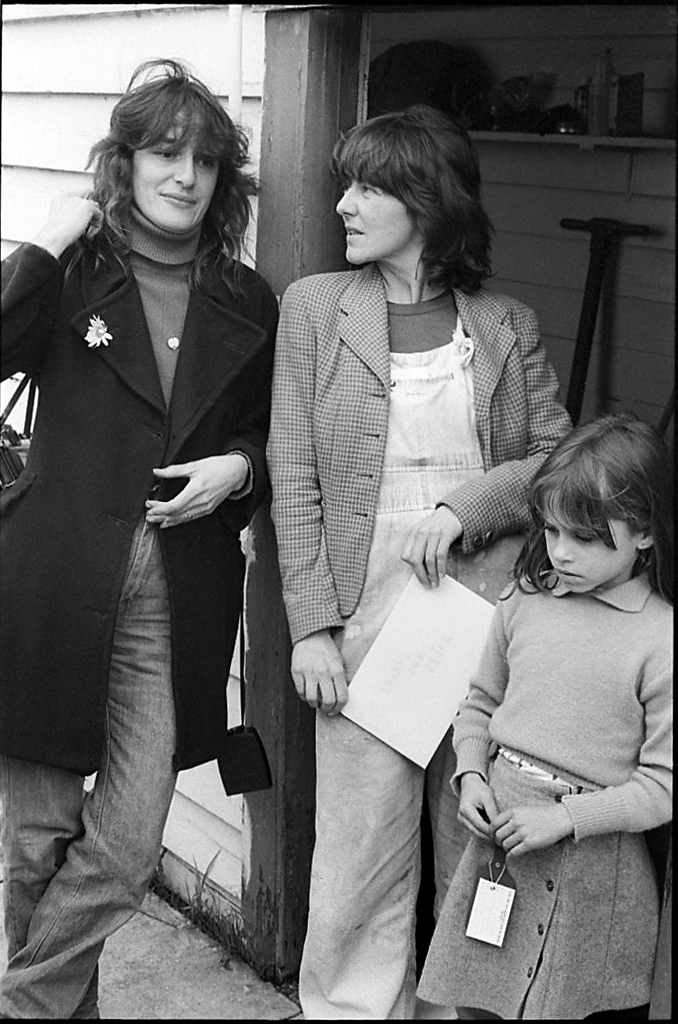
Ruth Maddison (Australian, b. 1945) 'Ponch Hawkes, Helen and Alice Garner' 1978-2018


Ruth Maddison (Australian, b. 1945)
Ponch Hawkes, Helen and Alice Garner
1978-2018
Pigment print from scanned negative
Image: 22.6 x 15cm
Courtesy of the artist and the Centre for Contemporary Photography


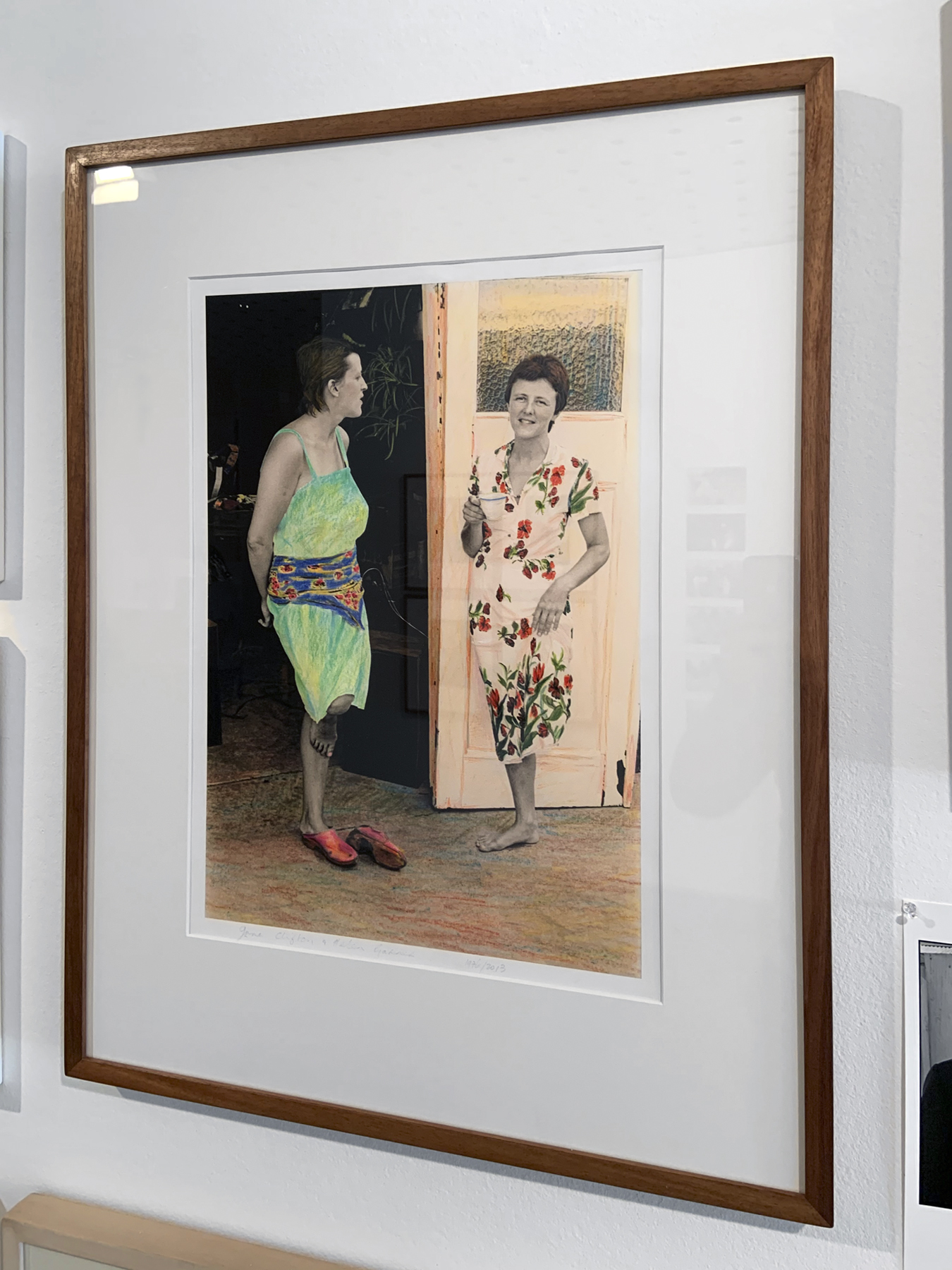
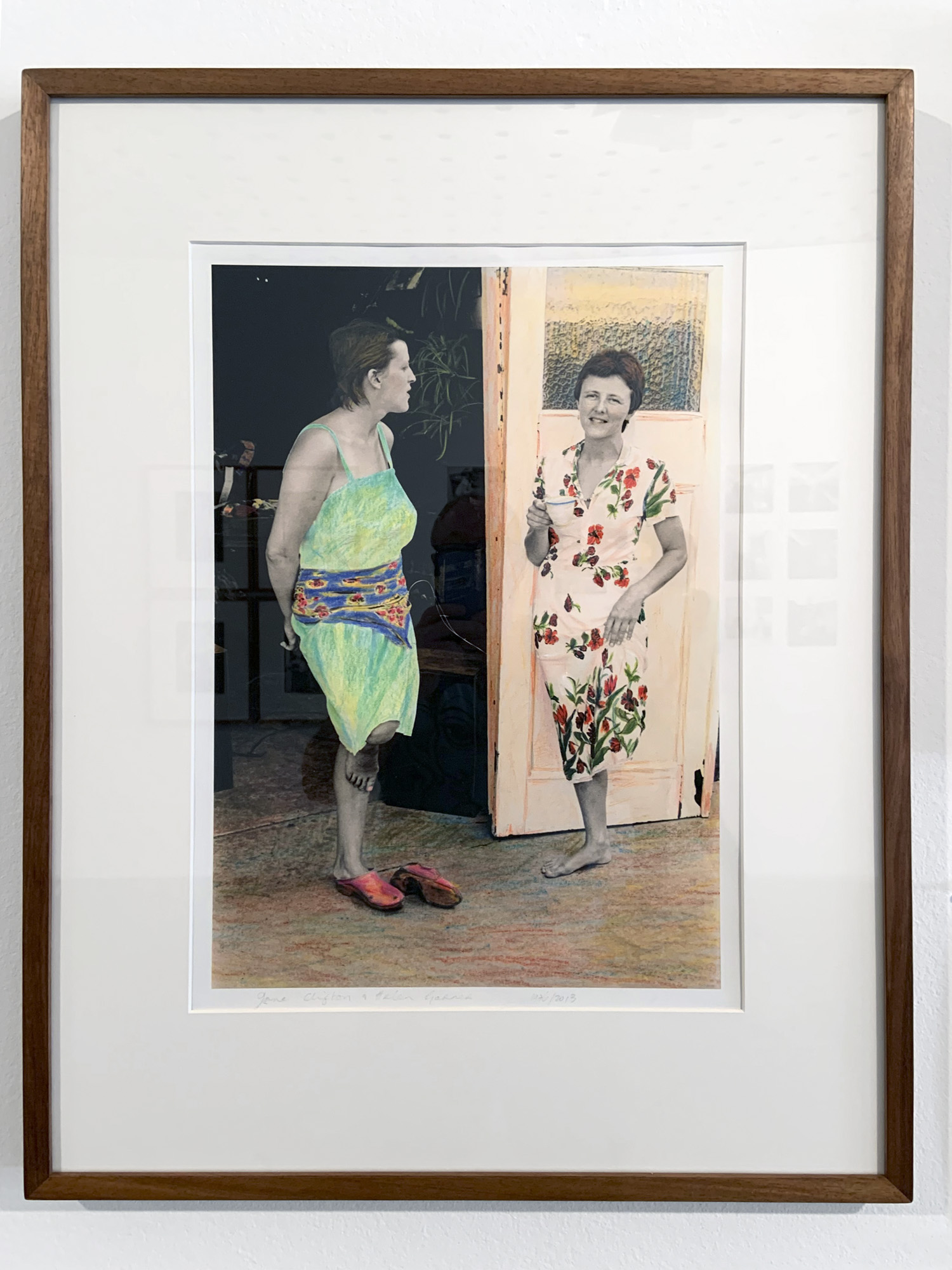
Ruth Maddison (Australian, b. 1945) 'Jane Clifton and Helen Garner' 1976-2013 (installation view)

Ruth Maddison (Australian, b. 1945) 'Jane Clifton and Helen Garner' 1976-2013 (installation view)


Ruth Maddison (Australian, b. 1945)
Jane Clifton and Helen Garner (installation views)
1976-2013
Photos: Marcus Bunyan


Text from the exhibition 'Ruth Maddison It was the best of times, it was the worst of times' at the Centre for Contemporary Photography, Melbourne


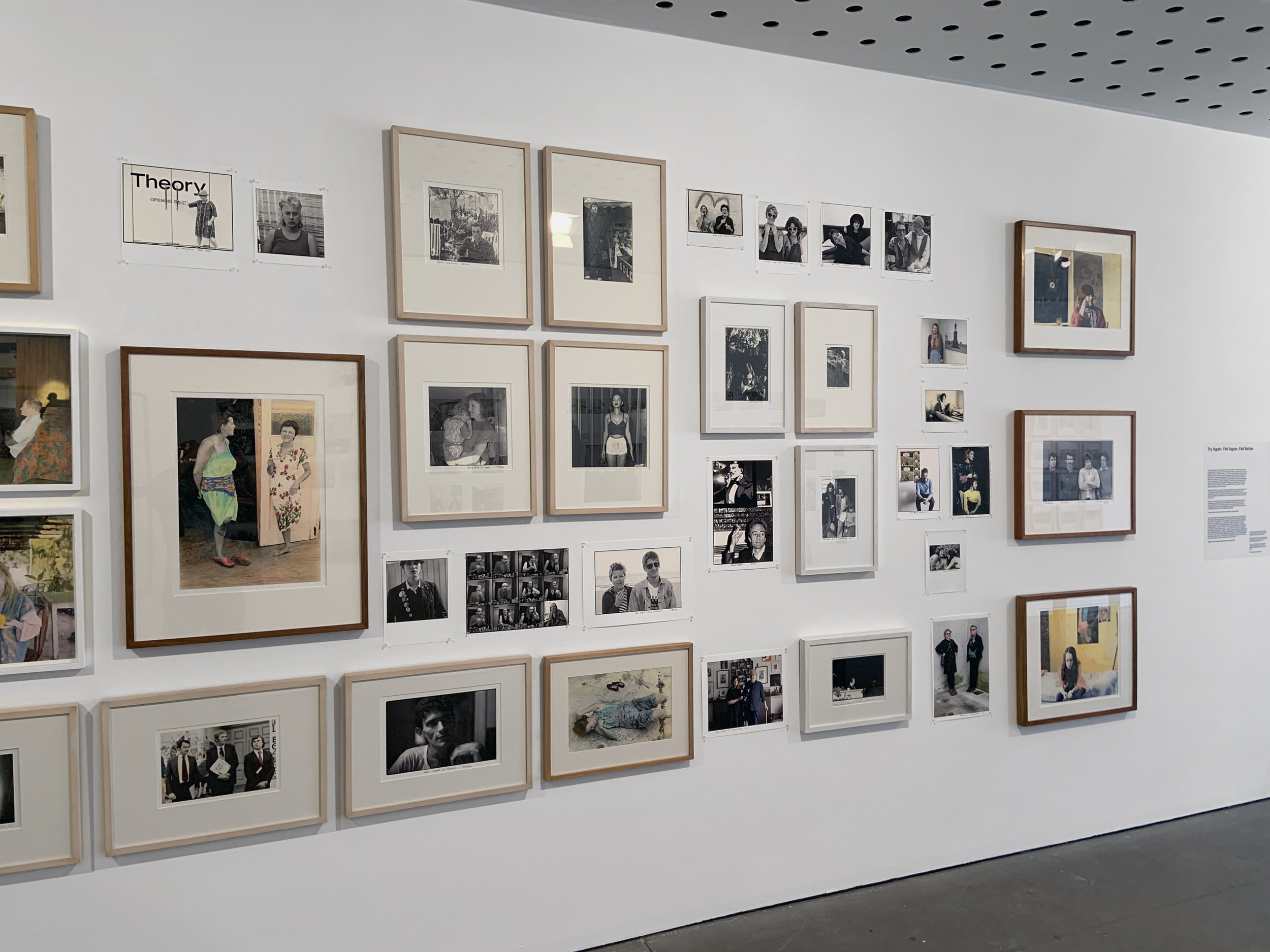
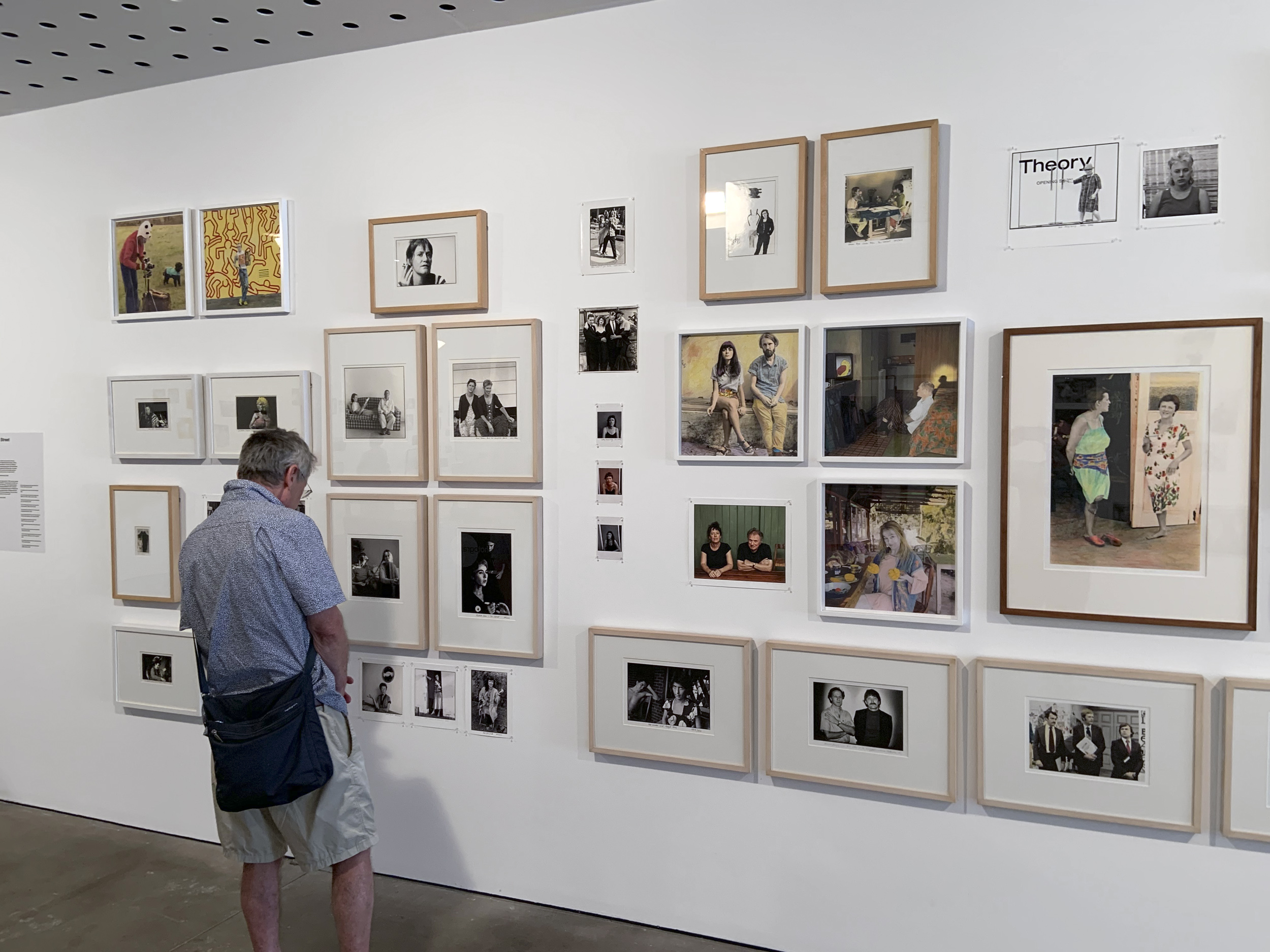
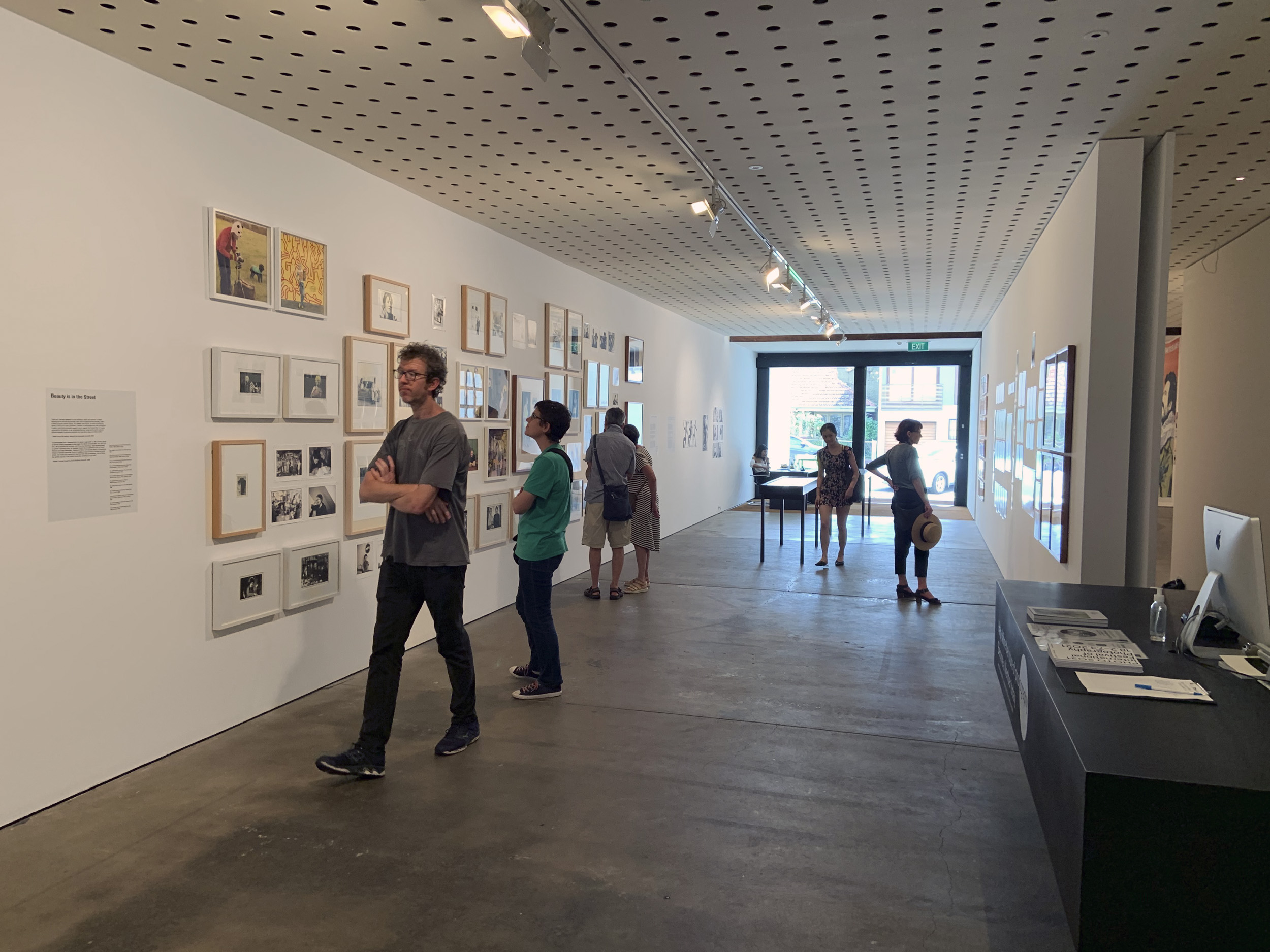
Installation view of the exhibition 'Ruth Maddison It was the best of times, it was the worst of times' at the Centre for Contemporary Photography, Melbourne


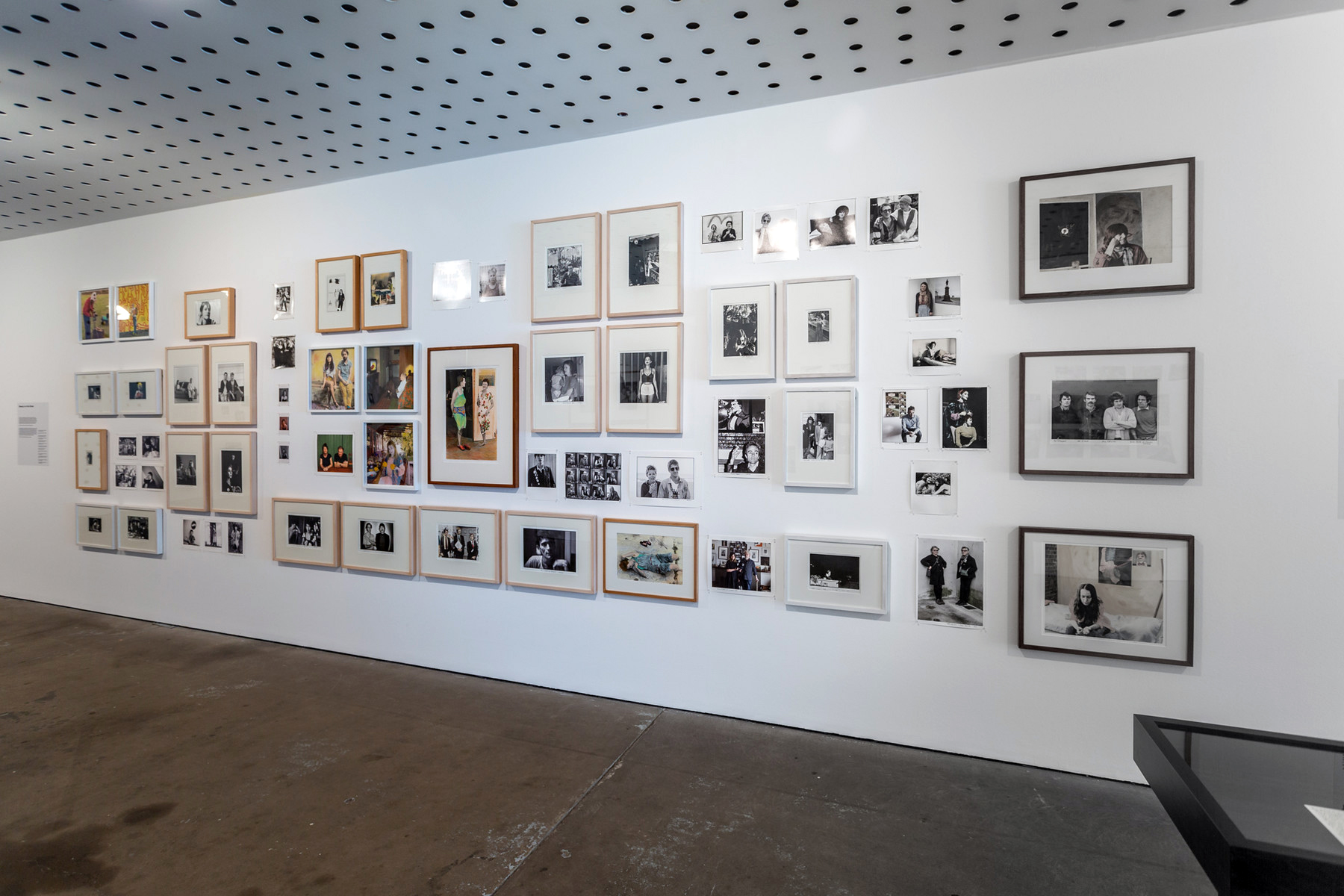
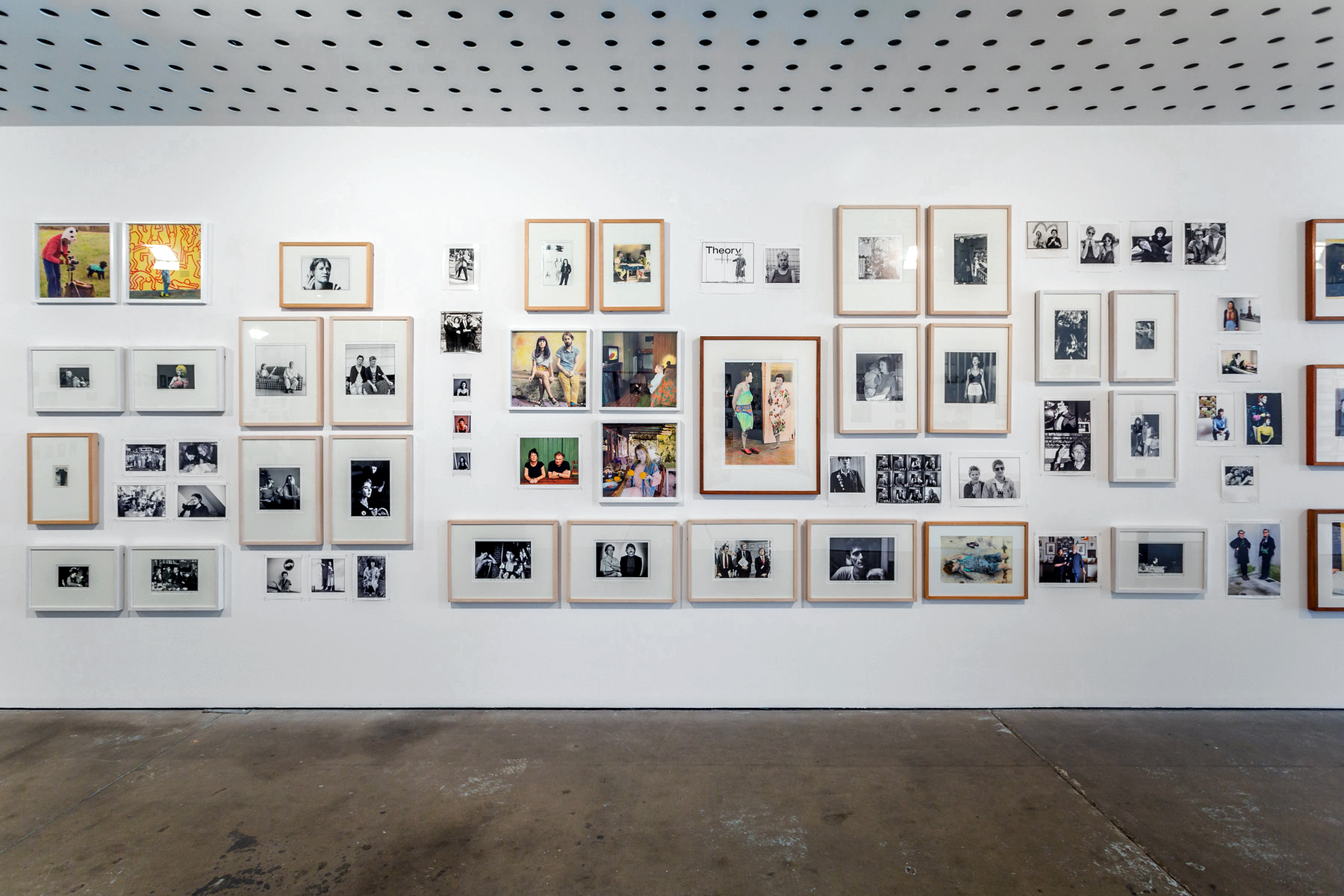
Installation view in gallery one of the exhibition Ruth Maddison It was the best of times, it was the worst of times at the Centre for Contemporary Photography, Melbourne
Photo: Marcus Bunyan


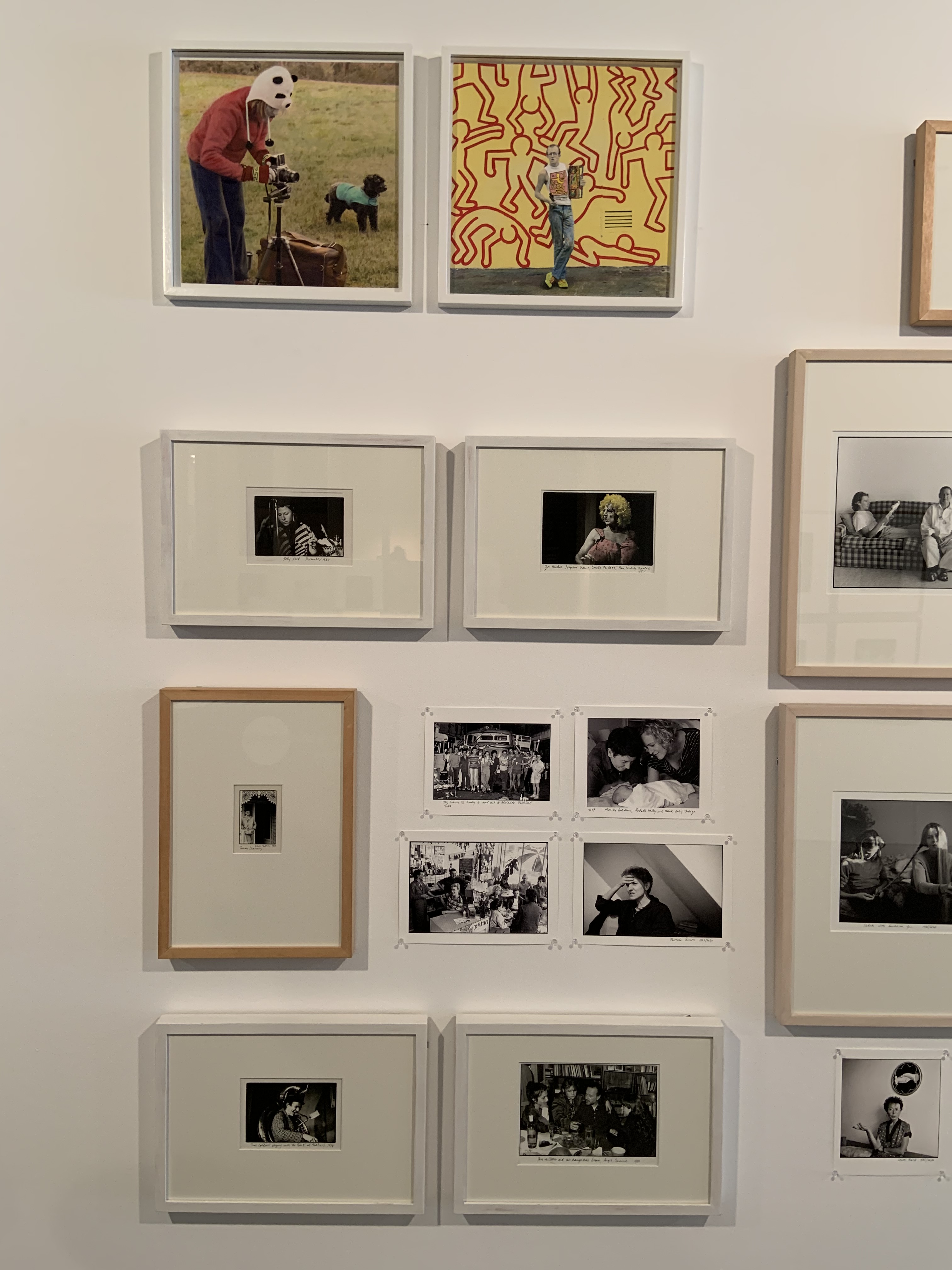
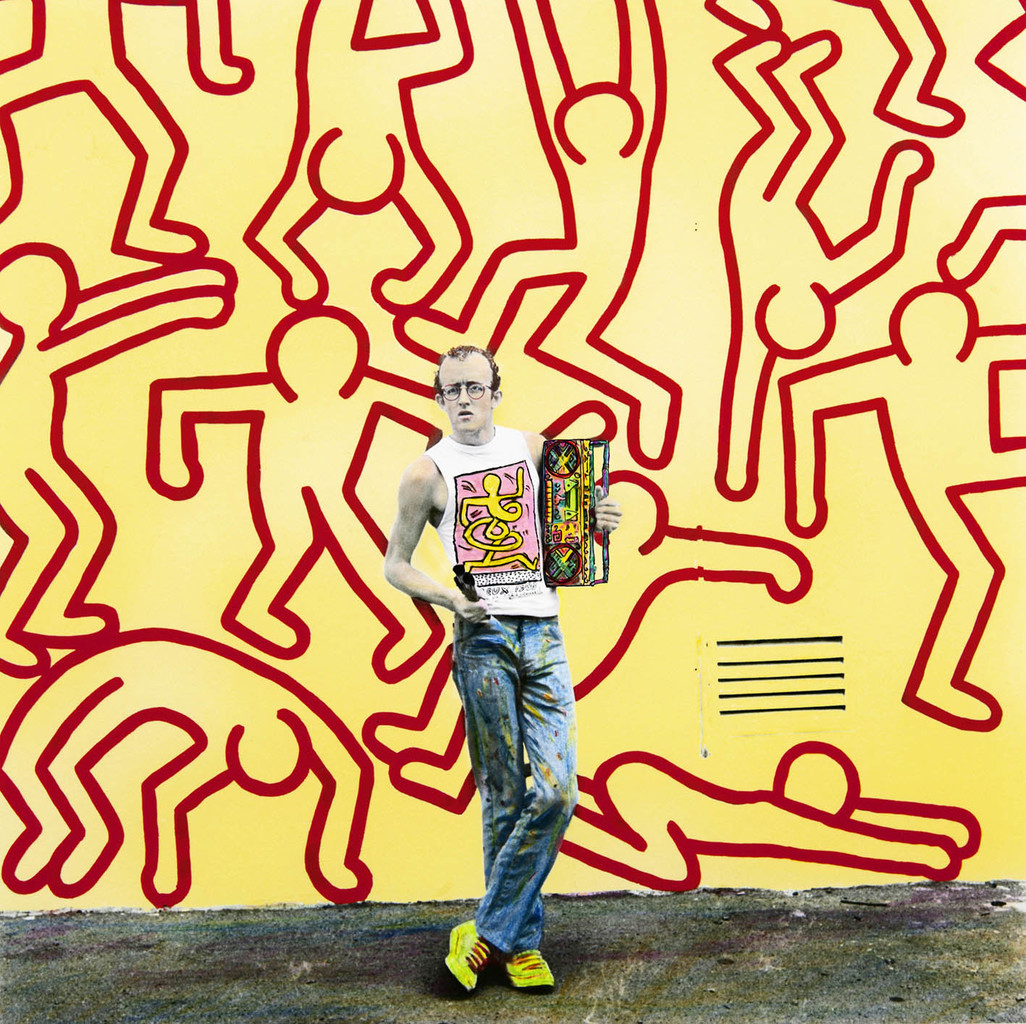
Installation view of the exhibition 'Ruth Maddison It was the best of times, it was the worst of times' at the Centre for Contemporary Photography, Melbourne showing at second top left, 'Keith Haring' (1985-2014)


Installation view of the exhibition Ruth Maddison It was the best of times, it was the worst of times at the Centre for Contemporary Photography, Melbourne showing at second top left, Keith Haring (1985-2014)
Photo: Marcus Bunyan


Ruth Maddison (Australian, b. 1945) 'Keith Haring' 1985-2014


Ruth Maddison (Australian, b. 1945)
Keith Haring
1985-2014
Pigment print from scanned negative, hand-coloured and digitally enhanced
40 x 40cm
Courtesy of the artist and the Centre for Contemporary Photography


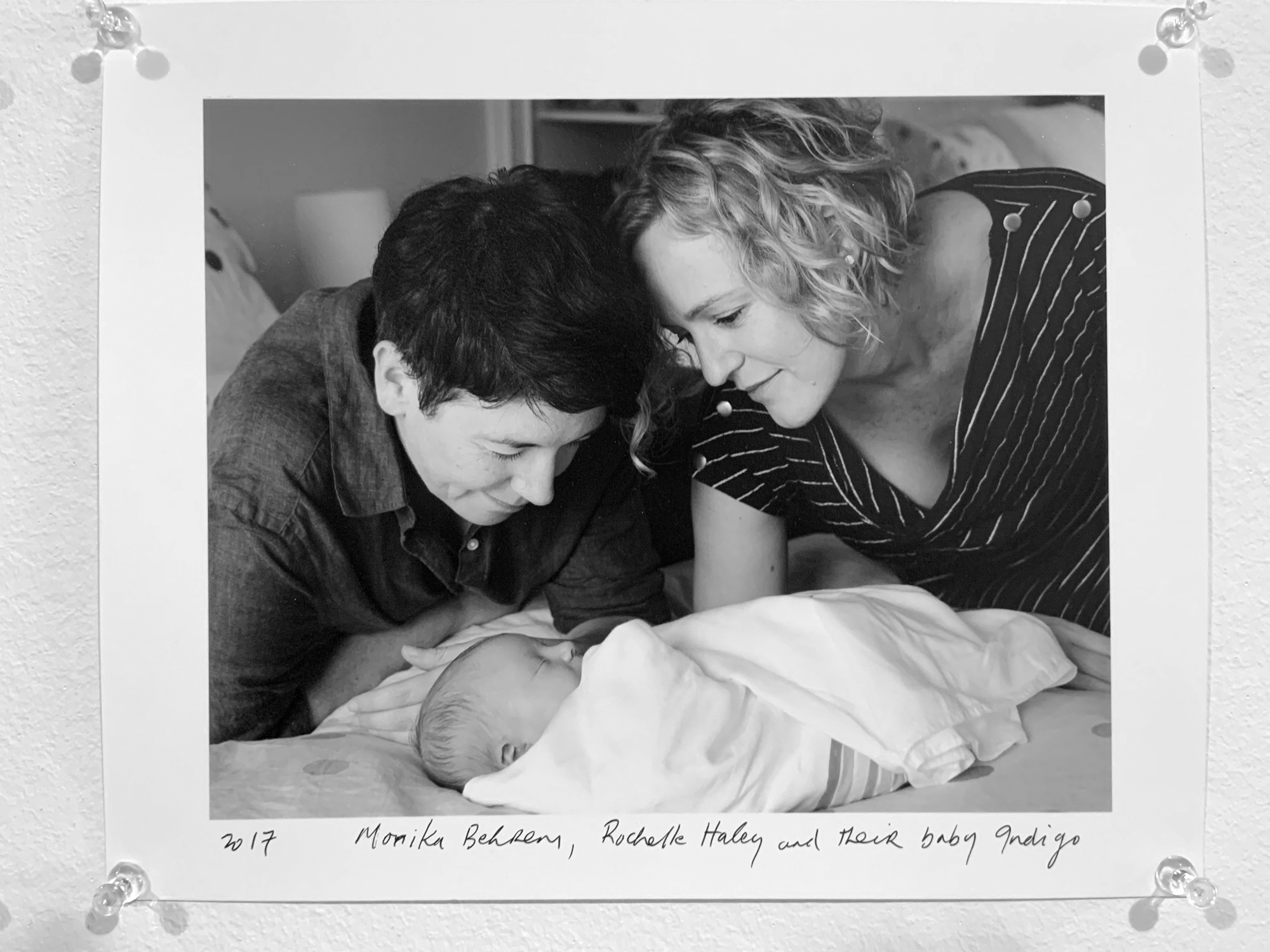
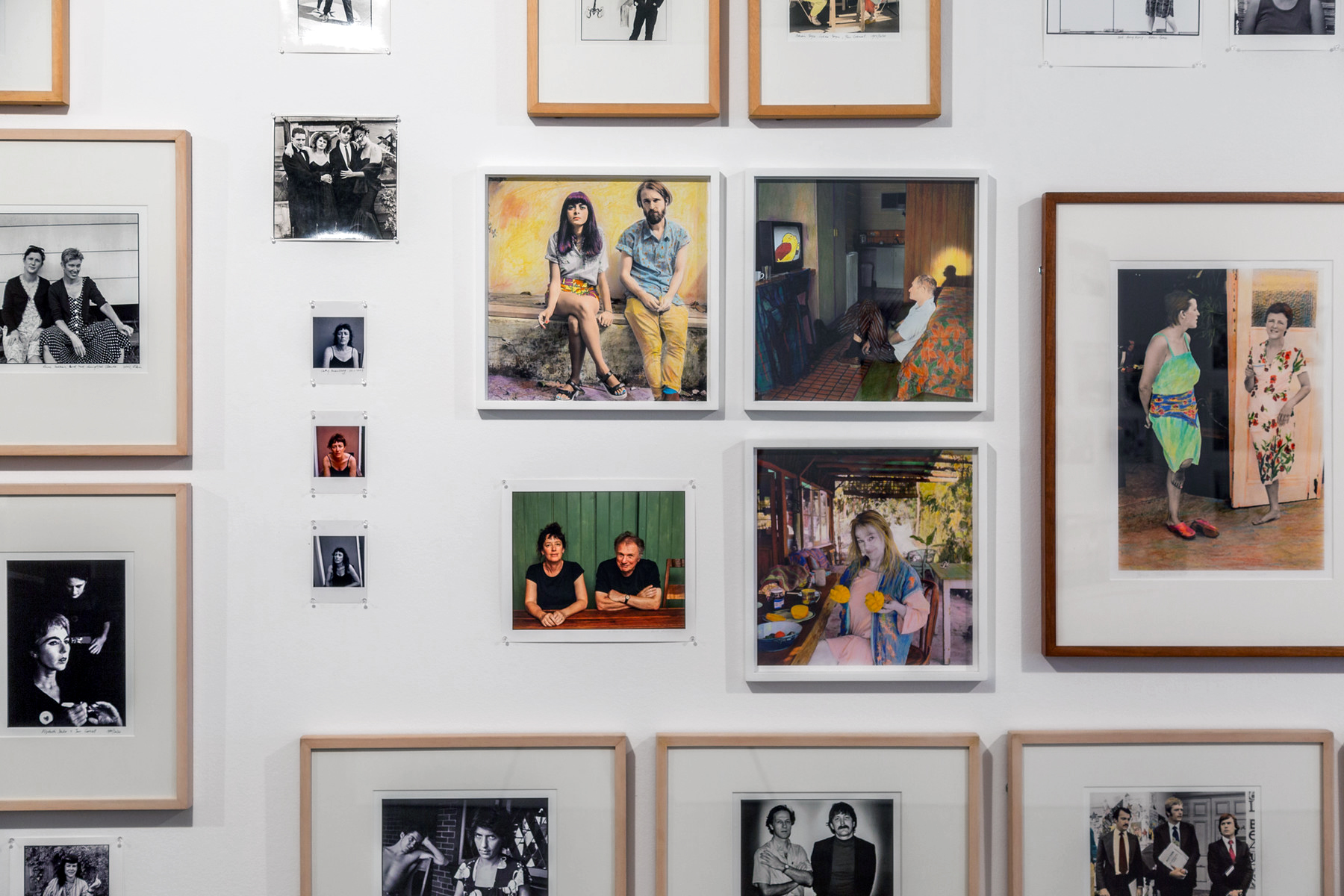
Ruth Maddison (Australian, b. 1945) 'Monika Behrem, Rochelle Haley and their baby Indigo' 2017 (installation view)


Ruth Maddison (Australian, b. 1945)
Monika Behrem, Rochelle Haley and their baby Indigo (installation view)
2017
Photo: Marcus Bunyan


Installation view of the exhibition 'Ruth Maddison It was the best of times, it was the worst of times' at the Centre for Contemporary Photography, Melbourne

Installation view of the exhibition 'Ruth Maddison It was the best of times, it was the worst of times' at the Centre for Contemporary Photography, Melbourne

Installation view of the exhibition 'Ruth Maddison It was the best of times, it was the worst of times' at the Centre for Contemporary Photography, Melbourne

Installation view of the exhibition 'Ruth Maddison It was the best of times, it was the worst of times' at the Centre for Contemporary Photography, Melbourne


Installation views of the exhibition Ruth Maddison It was the best of times, it was the worst of times at the Centre for Contemporary Photography, Melbourne
Photos: Marcus Bunyan


Ruth Maddison (Australian, b. 1945) 'Equal pay demo, Bourke Street Melbourne' 1985 (installation view)


Ruth Maddison (Australian, b. 1945)
Equal pay demo, Bourke Street Melbourne (installation view)
1985
Photo: Marcus Bunyan


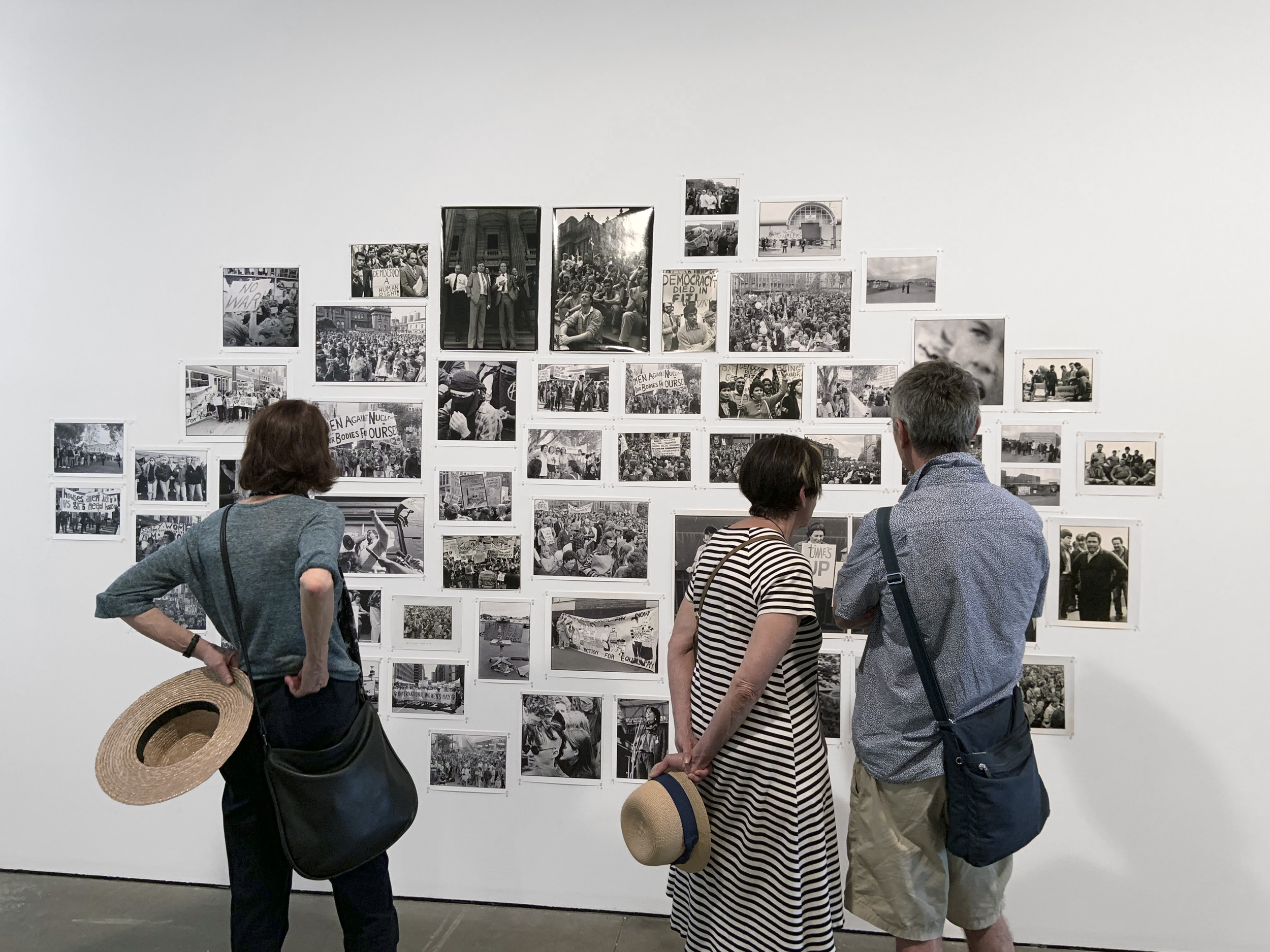
Installation view of the exhibition 'Ruth Maddison It was the best of times, it was the worst of times' at the Centre for Contemporary Photography, Melbourne

Installation view of the exhibition 'Ruth Maddison It was the best of times, it was the worst of times' at the Centre for Contemporary Photography, Melbourne

Installation view of the exhibition 'Ruth Maddison It was the best of times, it was the worst of times' at the Centre for Contemporary Photography, Melbourne

Installation view of the exhibition 'Ruth Maddison It was the best of times, it was the worst of times' at the Centre for Contemporary Photography, Melbourne

Installation view of the exhibition 'Ruth Maddison It was the best of times, it was the worst of times' at the Centre for Contemporary Photography, Melbourne

Installation view of the exhibition 'Ruth Maddison It was the best of times, it was the worst of times' at the Centre for Contemporary Photography, Melbourne


Installation view of the exhibition Ruth Maddison It was the best of times, it was the worst of times at the Centre for Contemporary Photography, Melbourne
Photos: Marcus Bunyan


Gallery two


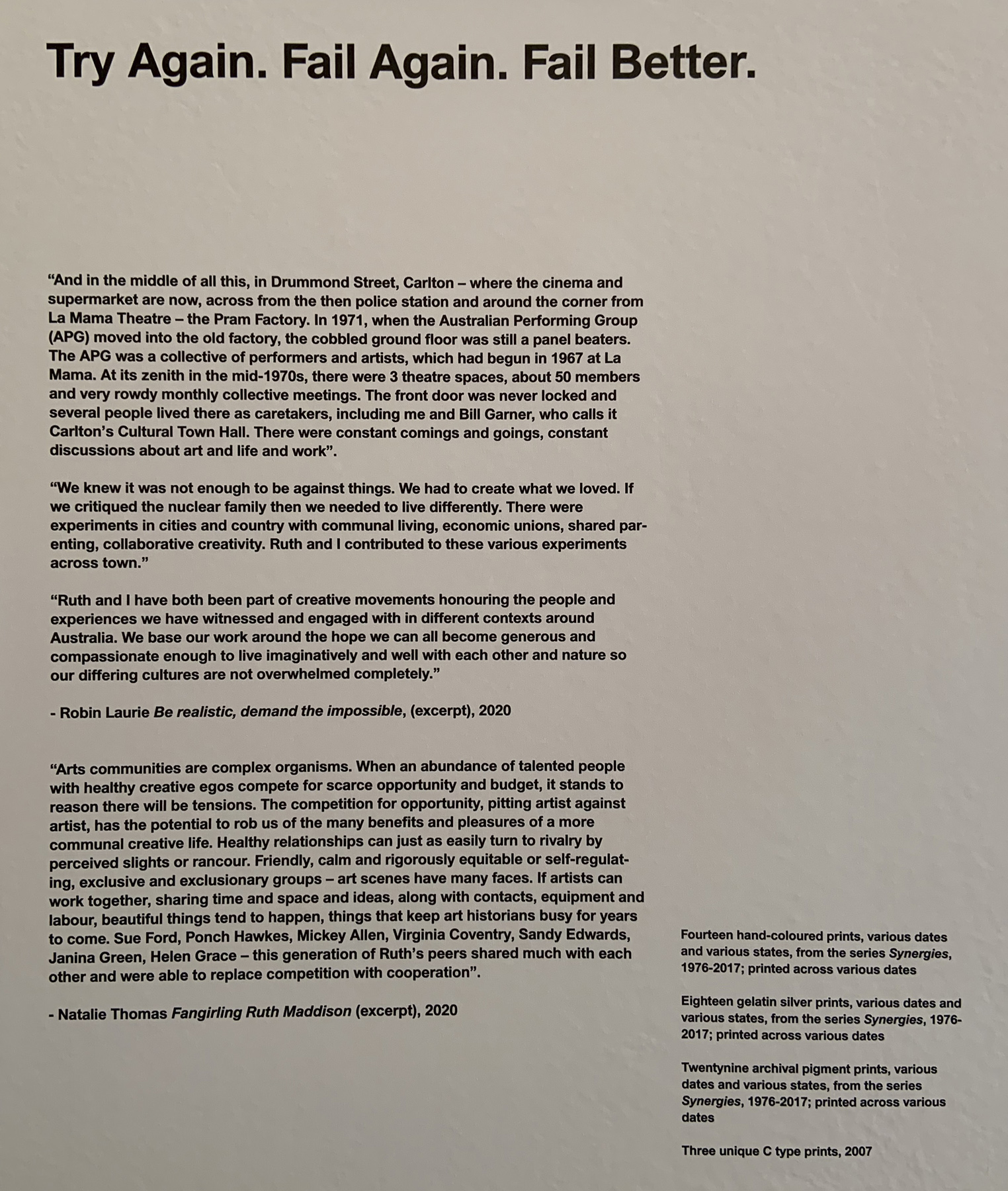
Text from the exhibition 'Ruth Maddison It was the best of times, it was the worst of times' at the Centre for Contemporary Photography, Melbourne


Installation view of the exhibition 'Ruth Maddison It was the best of times, it was the worst of times' at the Centre for Contemporary Photography, Melbourne

Installation view of the exhibition 'Ruth Maddison It was the best of times, it was the worst of times' at the Centre for Contemporary Photography, Melbourne


Installation views in gallery two of the exhibition Ruth Maddison It was the best of times, it was the worst of times at the Centre for Contemporary Photography, Melbourne
Photos: Marcus Bunyan


Installation view of the exhibition 'Ruth Maddison It was the best of times, it was the worst of times' at the Centre for Contemporary Photography, Melbourne

Installation view of the exhibition 'Ruth Maddison It was the best of times, it was the worst of times' at the Centre for Contemporary Photography, Melbourne

Installation view of the exhibition 'Ruth Maddison It was the best of times, it was the worst of times' at the Centre for Contemporary Photography, Melbourne

Installation view of the exhibition 'Ruth Maddison It was the best of times, it was the worst of times' at the Centre for Contemporary Photography, Melbourne

Installation view of the exhibition 'Ruth Maddison It was the best of times, it was the worst of times' at the Centre for Contemporary Photography, Melbourne

Installation view of the exhibition 'Ruth Maddison It was the best of times, it was the worst of times' at the Centre for Contemporary Photography, Melbourne

Installation view of the exhibition 'Ruth Maddison It was the best of times, it was the worst of times' at the Centre for Contemporary Photography, Melbourne


Installation views of the exhibition Ruth Maddison It was the best of times, it was the worst of times at the Centre for Contemporary Photography, Melbourne
Photos: Marcus Bunyan


Text from the exhibition 'Ruth Maddison It was the best of times, it was the worst of times' at the Centre for Contemporary Photography, Melbourne


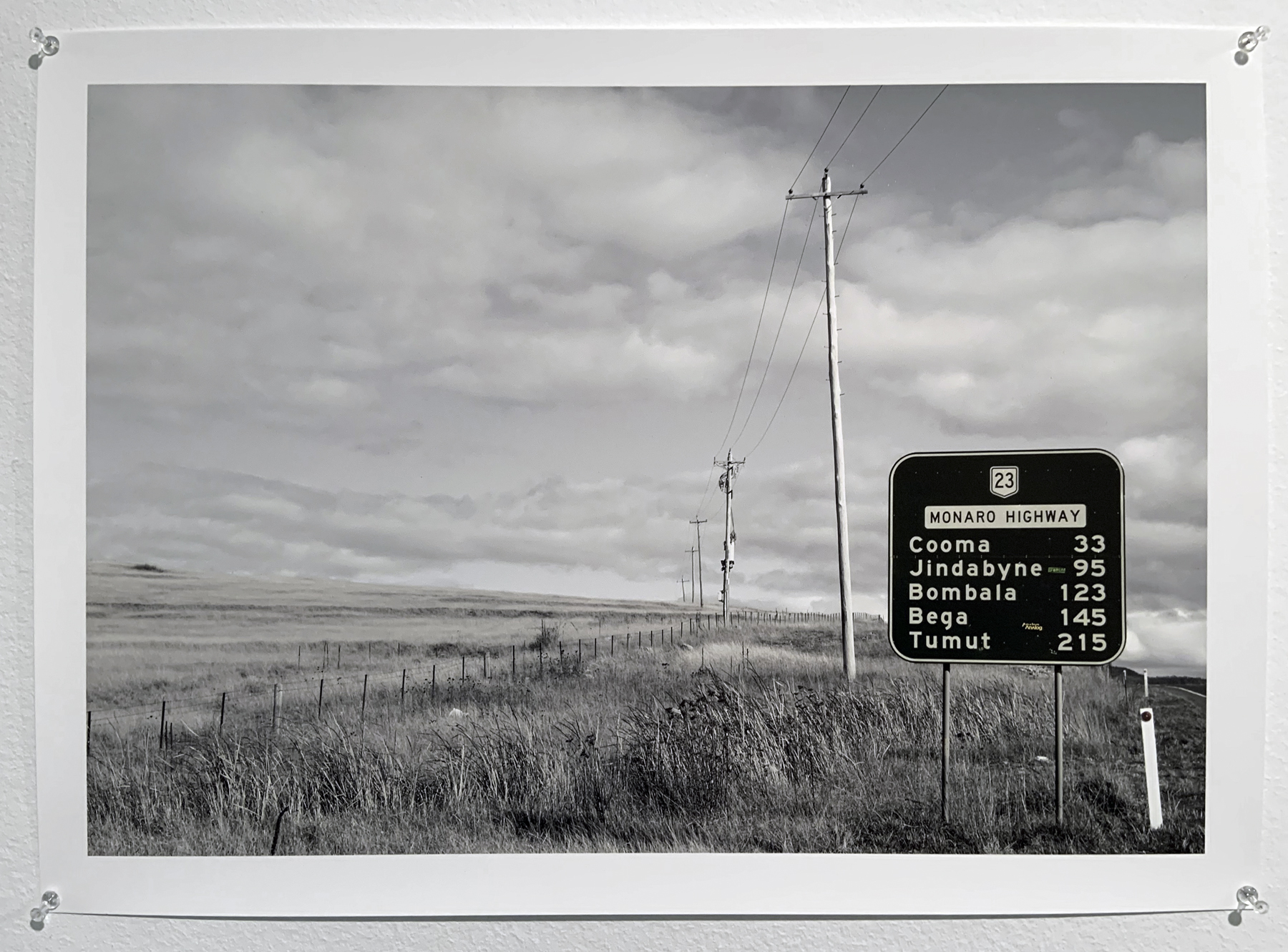
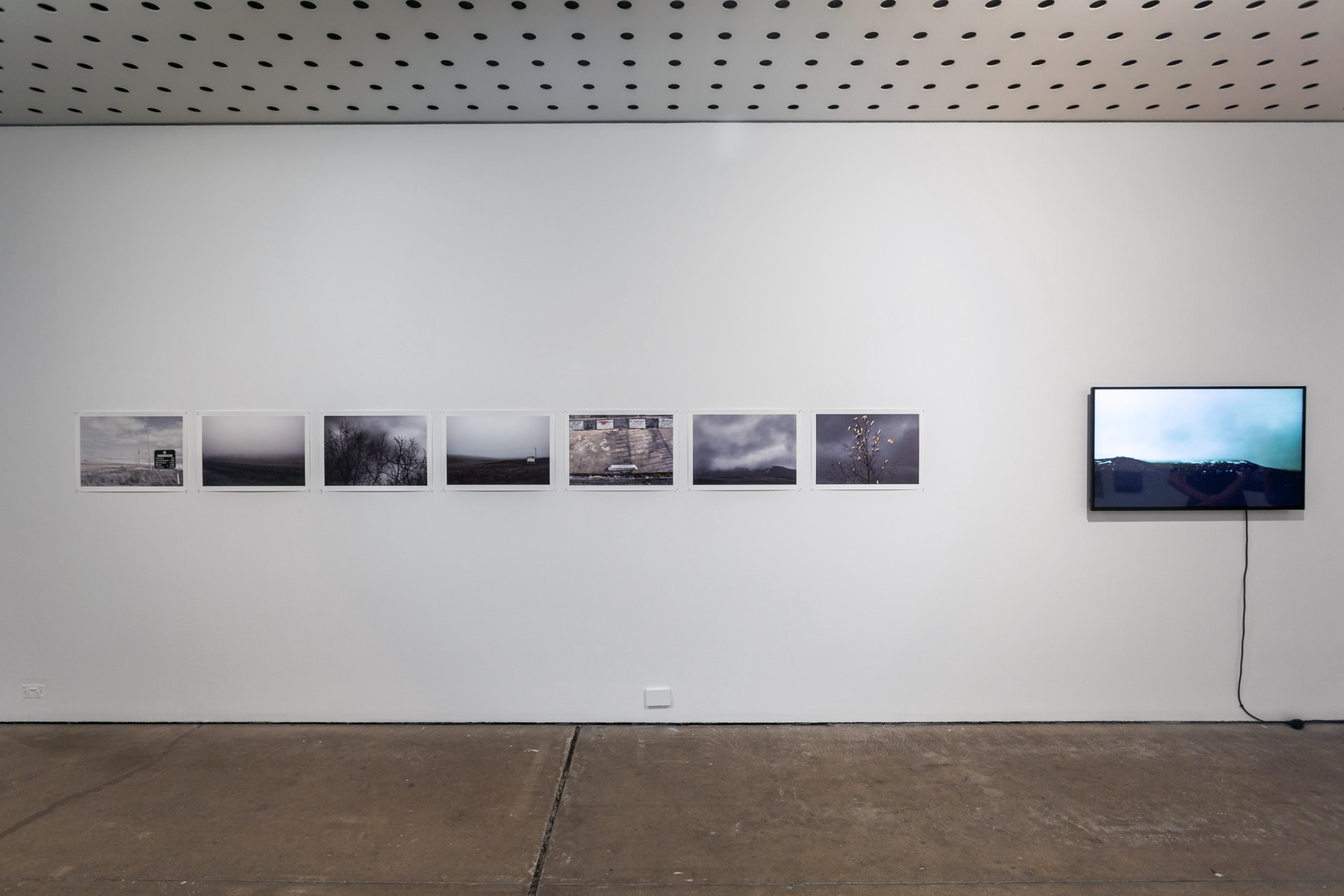
Ruth Maddison (Australian, b. 1945) 'Highway 23' 2009 (installation view)


Ruth Maddison (Australian, b. 1945)
Highway 23 (installation view)
2009
Type C print from digital file
Photo: Marcus Bunyan


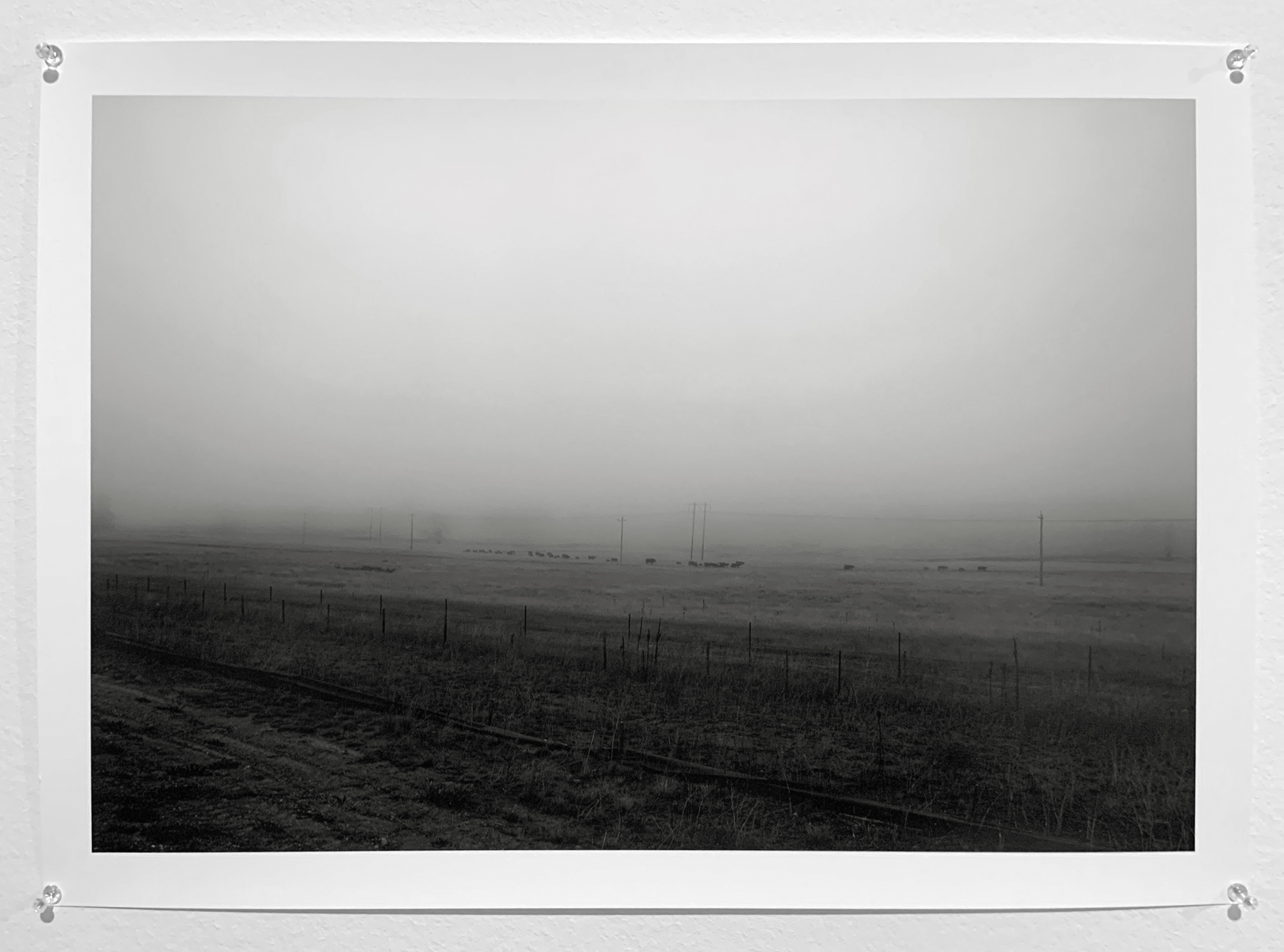
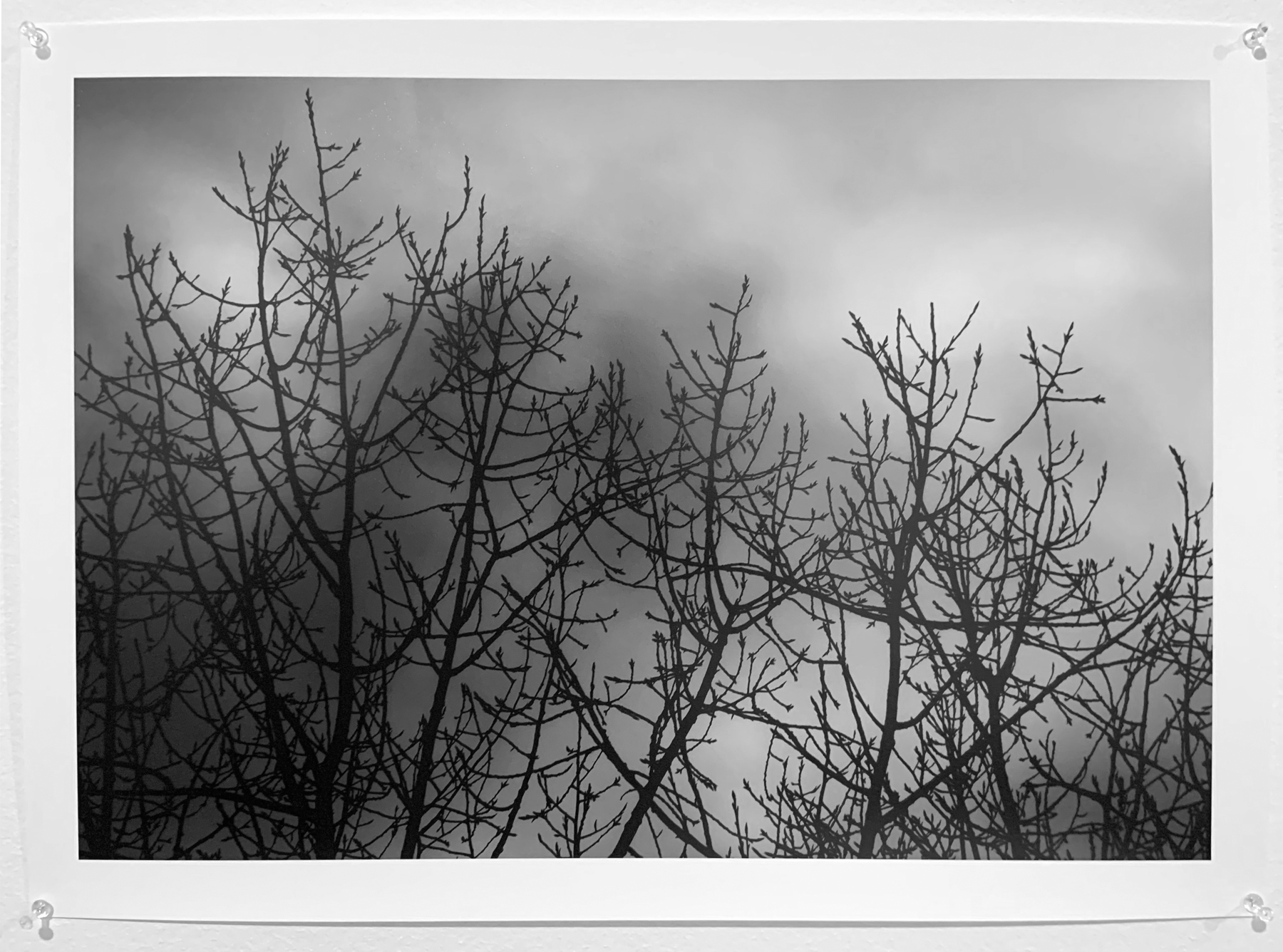
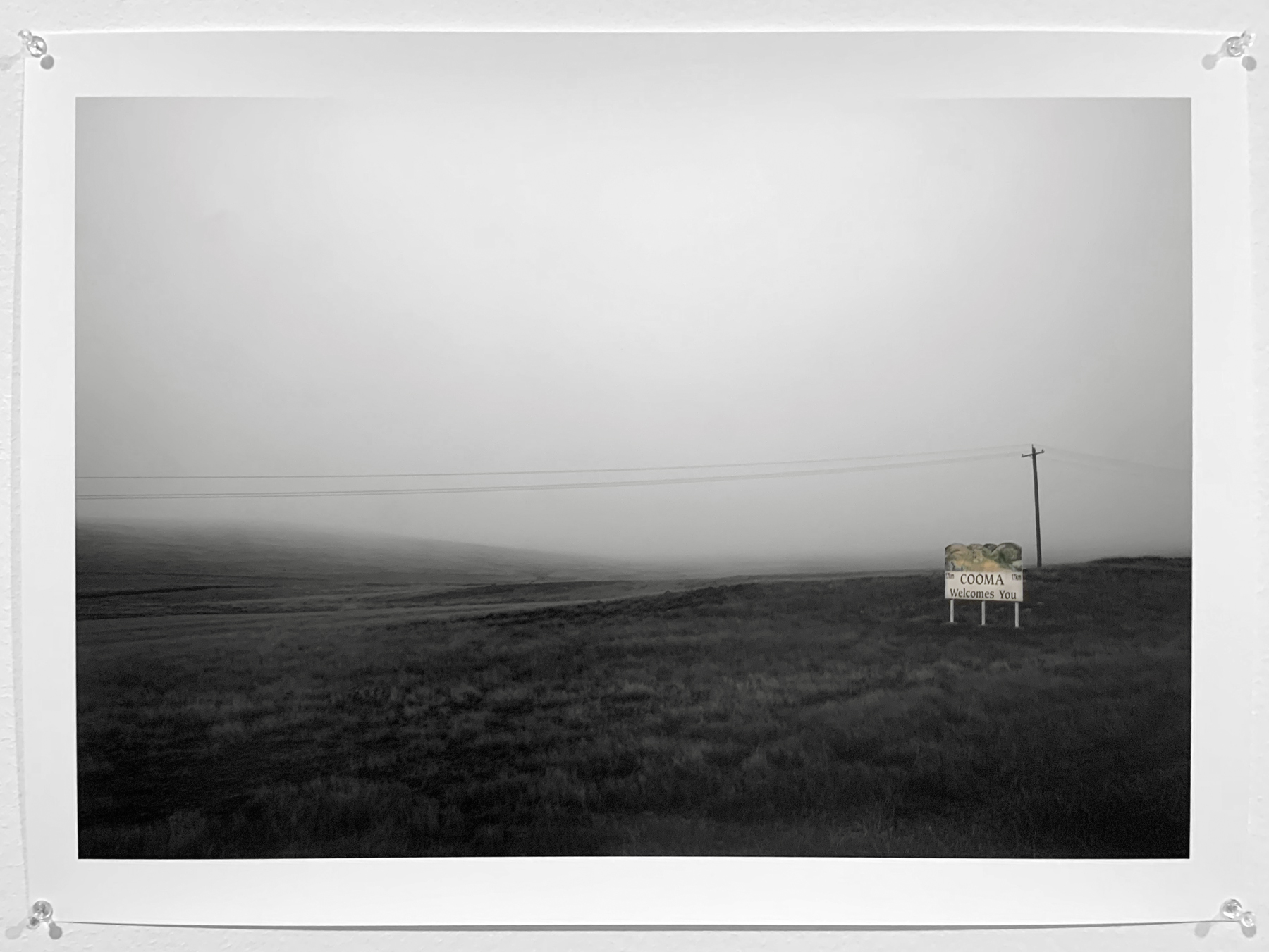
Installation view showing work from the series 'Crossing the Monaro' (2009) in the exhibition 'Ruth Maddison It was the best of times, it was the worst of times' at the Centre for Contemporary Photography, Melbourne

Installation view showing work from the series 'Crossing the Monaro' (2009) in the exhibition 'Ruth Maddison It was the best of times, it was the worst of times' at the Centre for Contemporary Photography, Melbourne

Installation view showing work from the series 'Crossing the Monaro' (2009) in the exhibition 'Ruth Maddison It was the best of times, it was the worst of times' at the Centre for Contemporary Photography, Melbourne


Installation views showing work from the series Crossing the Monaro (2009) in the exhibition Ruth Maddison It was the best of times, it was the worst of times at the Centre for Contemporary Photography, Melbourne
Photos: Marcus Bunyan


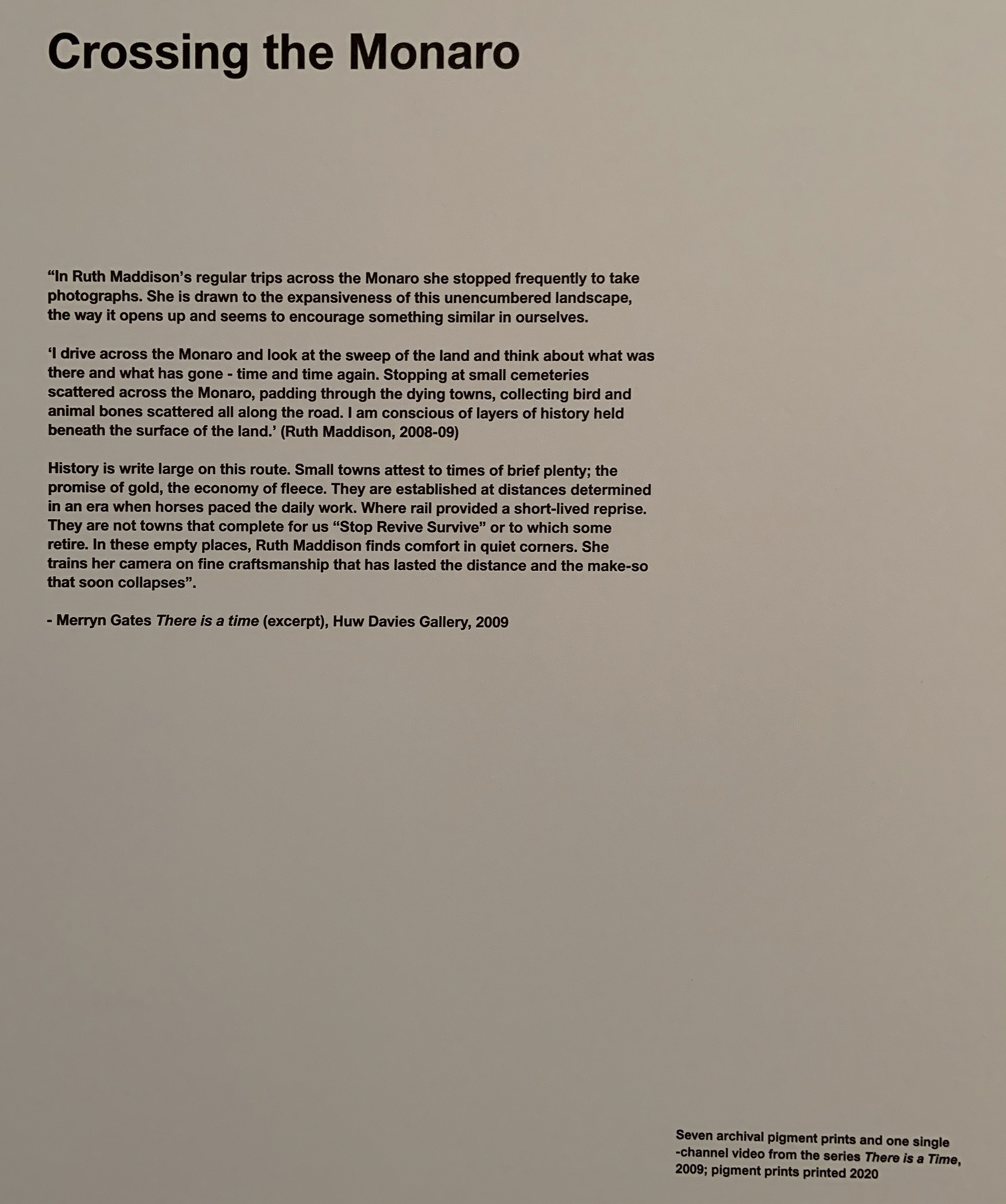
In Ruth Maddison’s regular trips across the Monaro she stopped frequently to take photographs. She is drawn to the expansiveness of this unencumbered landscape, the way it opens up and seems to encourage something similar in ourselves.

“I drive across the Monaro and look at the sweep of the land and think about what was there and what has gone – time and time again. Stopping at small cemeteries scattered across the Monaro, passing through the dying towns, collecting bird and animal bones scattered all along the way, watching grass seeds blowing across the road. I am conscious of layers of history held beneath the surface of the land. …

History is writ large on this route. Small towns attest to times of brief plenty: the promise of gold, the economy of fleece. They are established at distances determined in an era when horses paced the daily work. Where rail provided a short-lived reprise. They are now towns that compete for use to “Stop Revive Survive” or to which some retire…

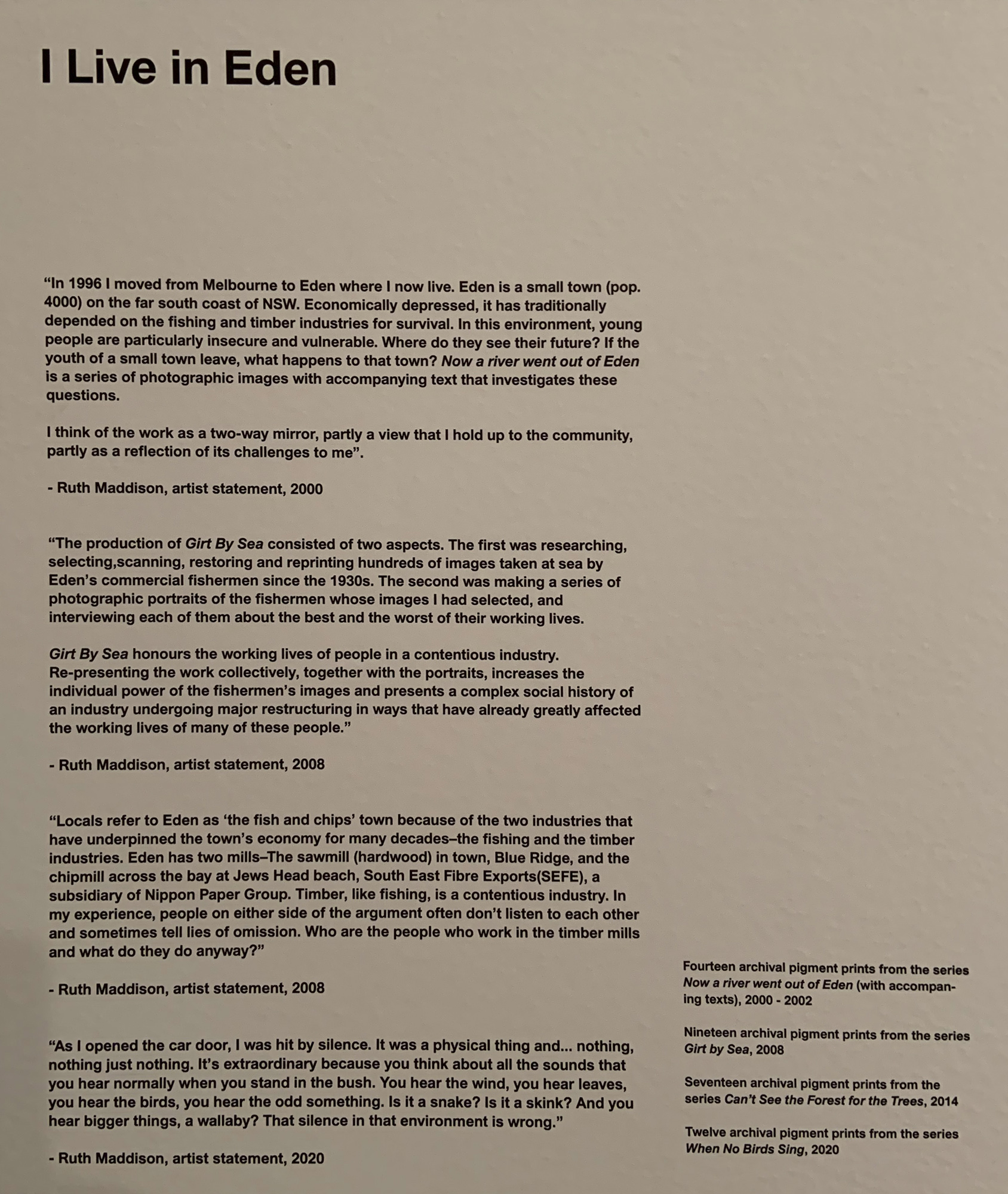
This new body of work is a departure from the people-focused documentary / portrait based work that has informed my public practice for 30 years. This departure is the outcome of my social and professional isolation [in Eden], which I sought and have embraced. Yet I consider this work a documentary piece – I am documenting the passage of my life through a place and a time via photography and the problem solving processes it presents to me. I am documenting what it is that makes me want to go on and on with the work.”

Ruth Maddison artist statements 2008-09 quoted in Merryn Gates. “There is a time,” (catalogue essay) from the exhibition There is a time at the Huw Davies Gallery, September 2009 [Online] Cited 05/04/2021


Text from the exhibition 'Ruth Maddison It was the best of times, it was the worst of times' at the Centre for Contemporary Photography, Melbourne


Installation view of the exhibition 'Ruth Maddison It was the best of times, it was the worst of times' at the Centre for Contemporary Photography, Melbourne


Installation view in gallery two of the exhibition Ruth Maddison It was the best of times, it was the worst of times at the Centre for Contemporary Photography, Melbourne
Photo: Marcus Bunyan


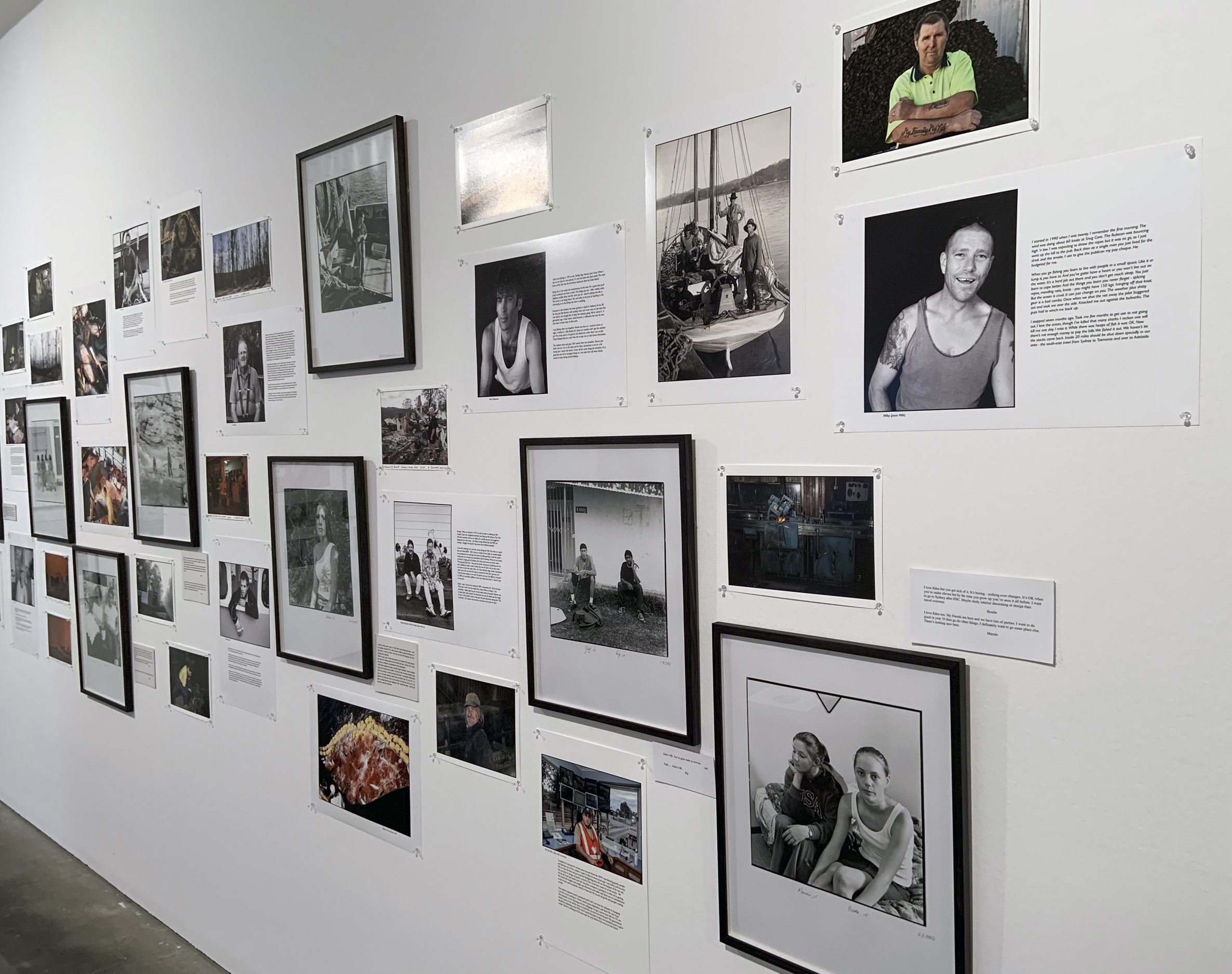
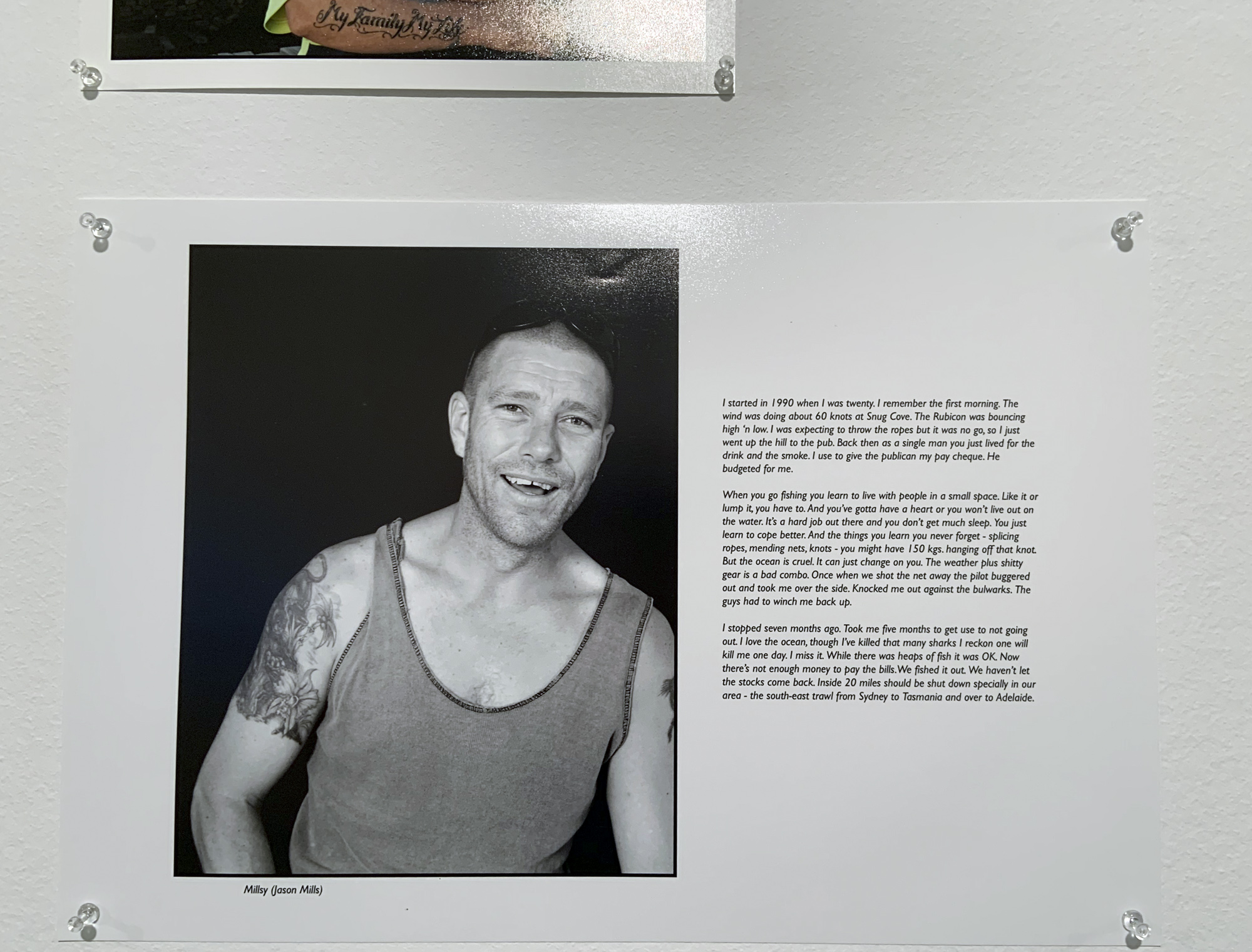
Ruth Maddison (Australian, b. 1945) 'Millsy (Jason Mills)' 2000-2002 (installation view)


Ruth Maddison (Australian, b. 1945)
Millsy (Jason Mills) (installation view)
2000-2002
From the series Now a river went out of Eden
Photo: Marcus Bunyan


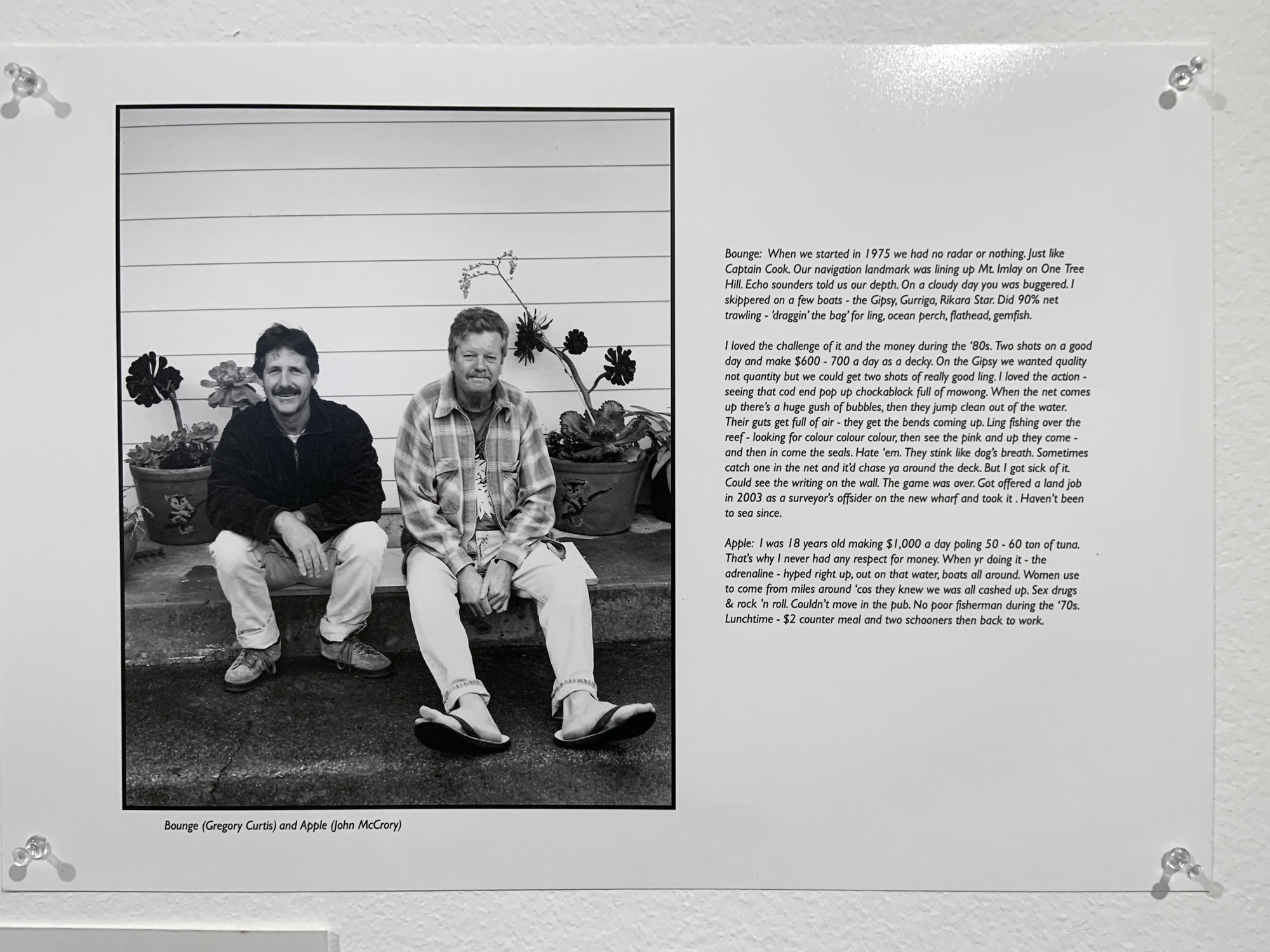
Ruth Maddison (Australian, b. 1945) 'Bounge (Gregory Curtis) and Apple (John McCrory)' 2000-2002 (installation view)


Ruth Maddison (Australian, b. 1945)
Bounge (Gregory Curtis) and Apple (John McCrory) (installation view)
2000-2002
From the series Now a river went out of Eden
Photo: Marcus Bunyan


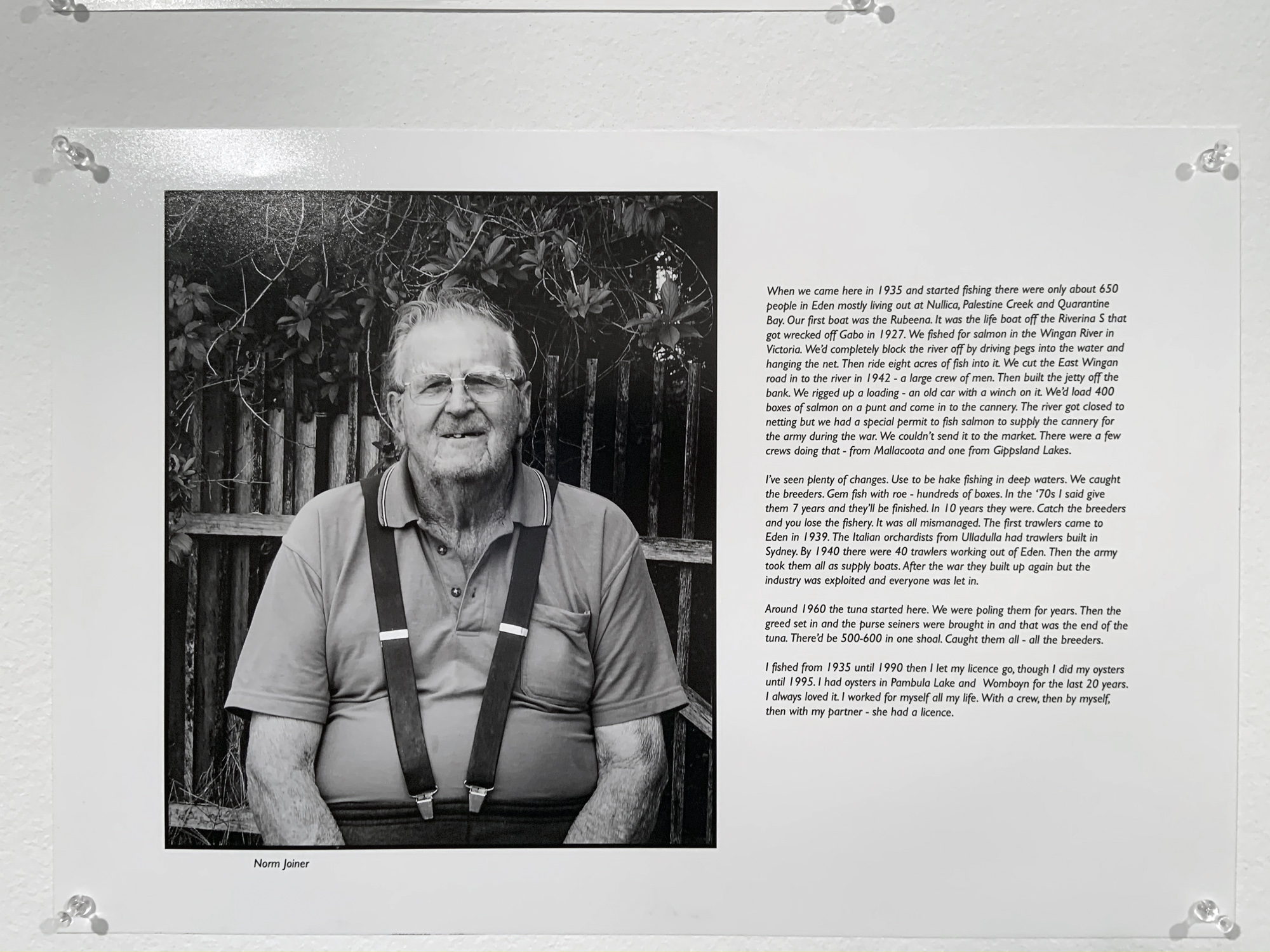
Ruth Maddison (Australian, b. 1945) 'Norm Joiner' 2000-2002 (installation view)


Ruth Maddison (Australian, b. 1945)
Norm Joiner (installation view)
2000-2002
From the series Now a river went out of Eden
Photo: Marcus Bunyan


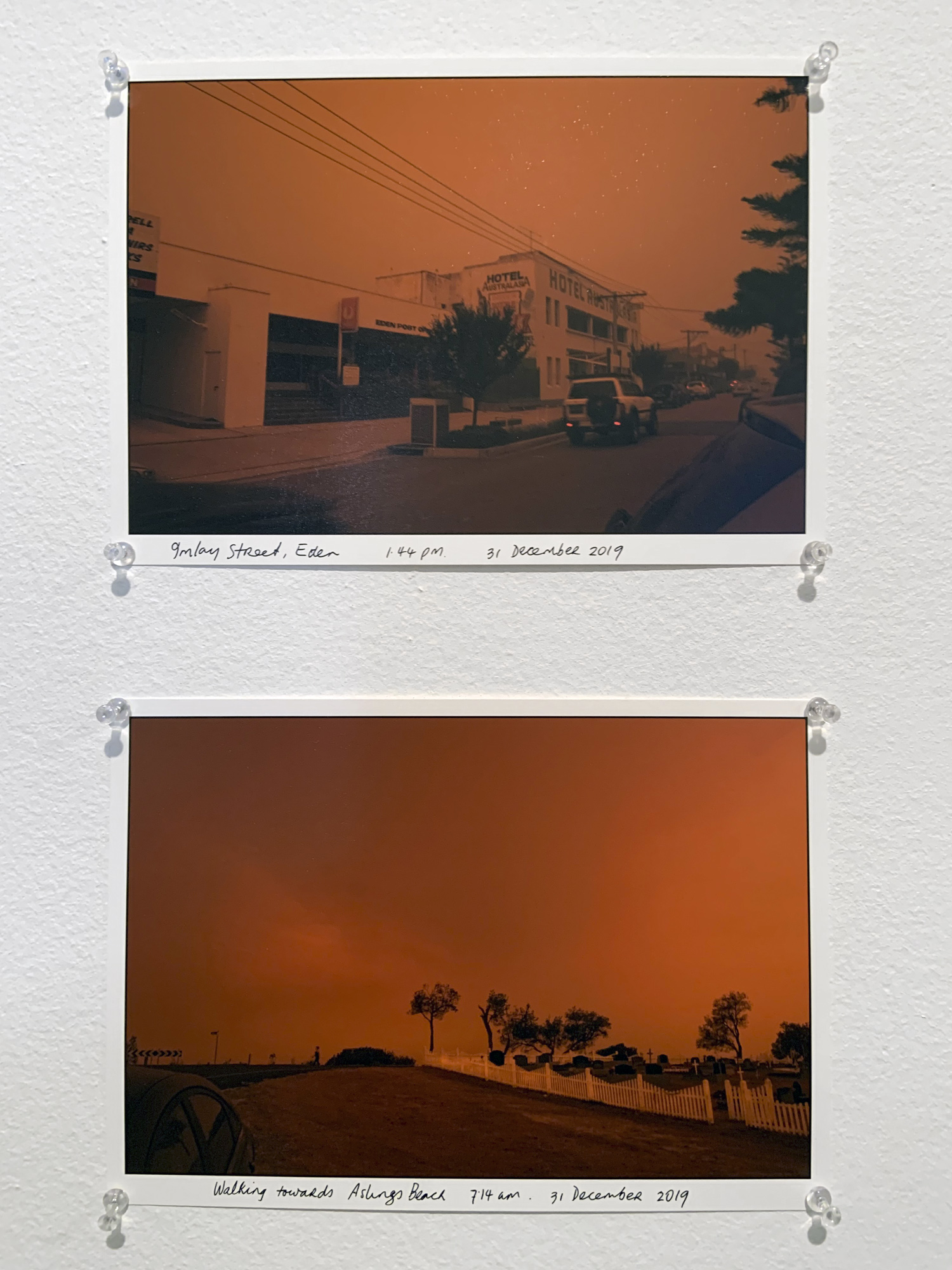
Ruth Maddison (Australian, b. 1945) 'Imlay Street, Eden 1.44 pm 31 December 2019' and 'Walking towards Aslings Beach 7.14 am 31 December 2019' 2019 (installation view)


Ruth Maddison (Australian, b. 1945)
Imlay Street, Eden 1.44 pm 31 December 2019 (installation view)
Walking towards Aslings Beach 7.14 am 31 December 2019
2019
From the series When No Birds Sing 2020
Photo: Marcus Bunyan


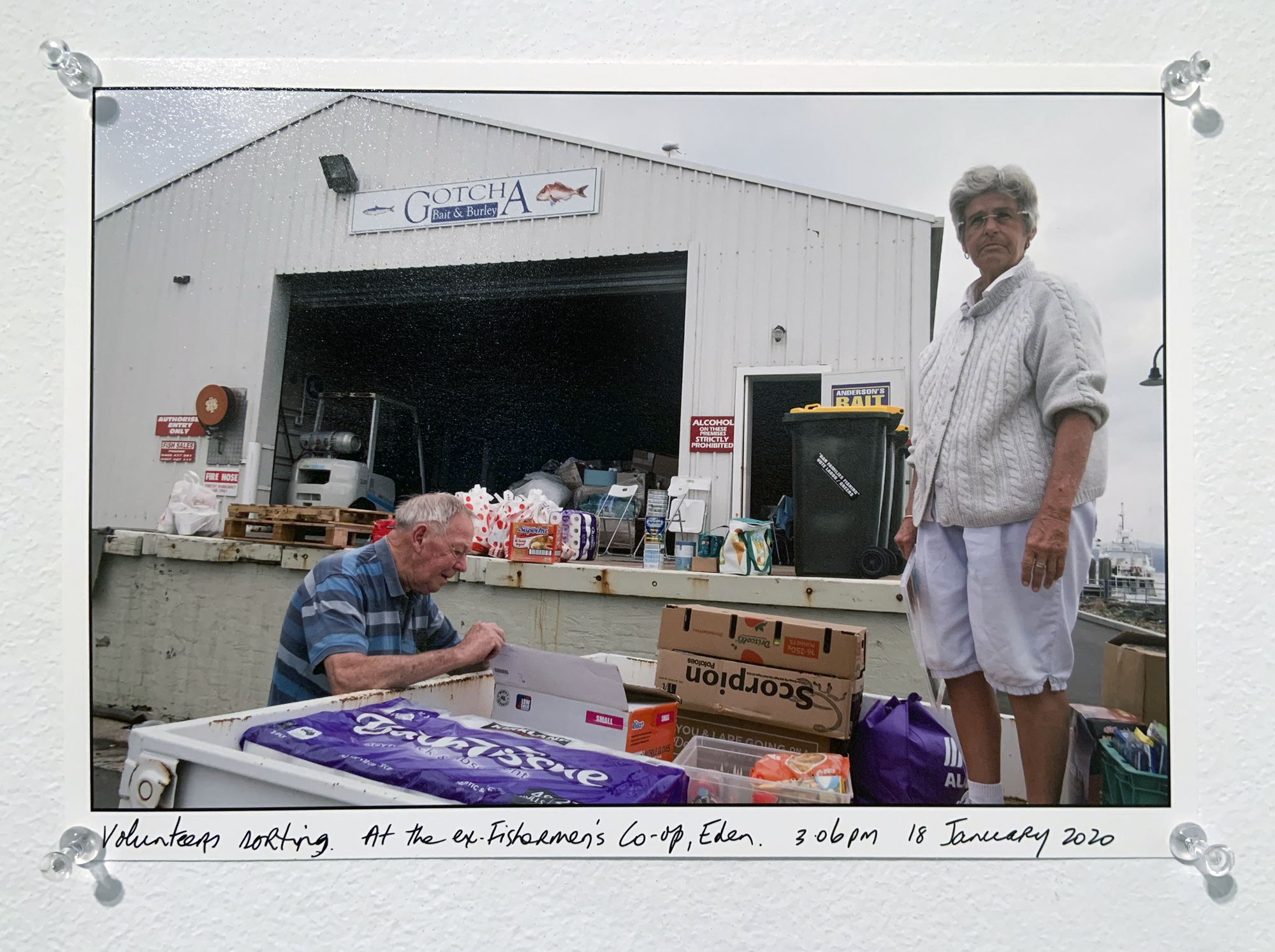
Ruth Maddison (Australian, b. 1945) 'Volunteers sorting. At the Fishermen's Co-op, Eden. 3.06 pm 18 January 2020' 2020 (installation view)


Ruth Maddison (Australian, b. 1945)
Volunteers sorting. At the Fishermen’s Co-op, Eden. 3.06 pm 18 January 2020 (installation view)
2020
From the series When No Birds Sing 2020
Photo: Marcus Bunyan


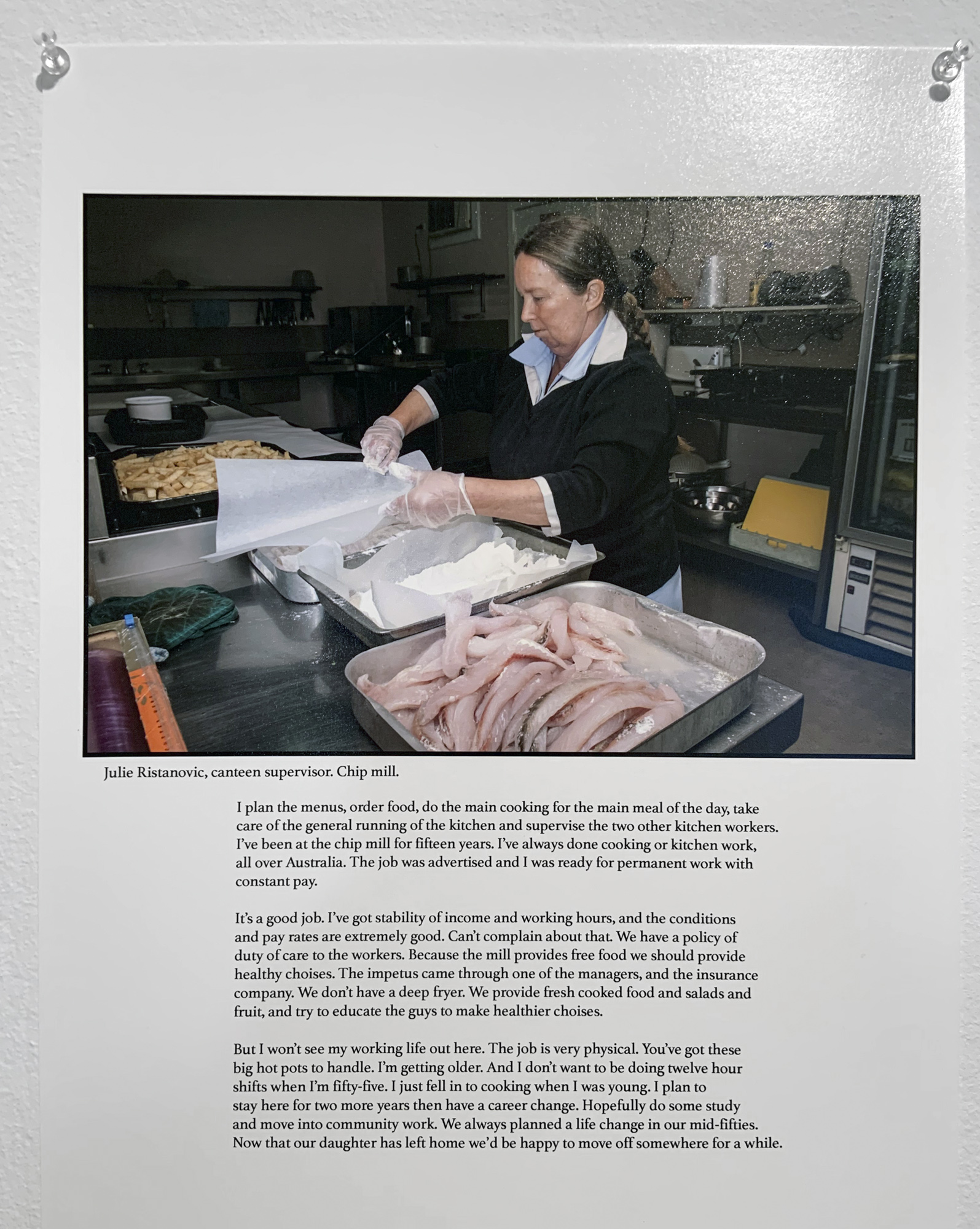
Ruth Maddison (Australian, b. 1945) 'Julie Ristanovic, canteen supervisor. Chip mill' Nd (installation view)


Ruth Maddison (Australian, b. 1945)
Julie Ristanovic, canteen supervisor. Chip mill (installation view)
Nd
Photo: Marcus Bunyan


Gallery three


Text from the exhibition 'Ruth Maddison It was the best of times, it was the worst of times' at the Centre for Contemporary Photography, Melbourne

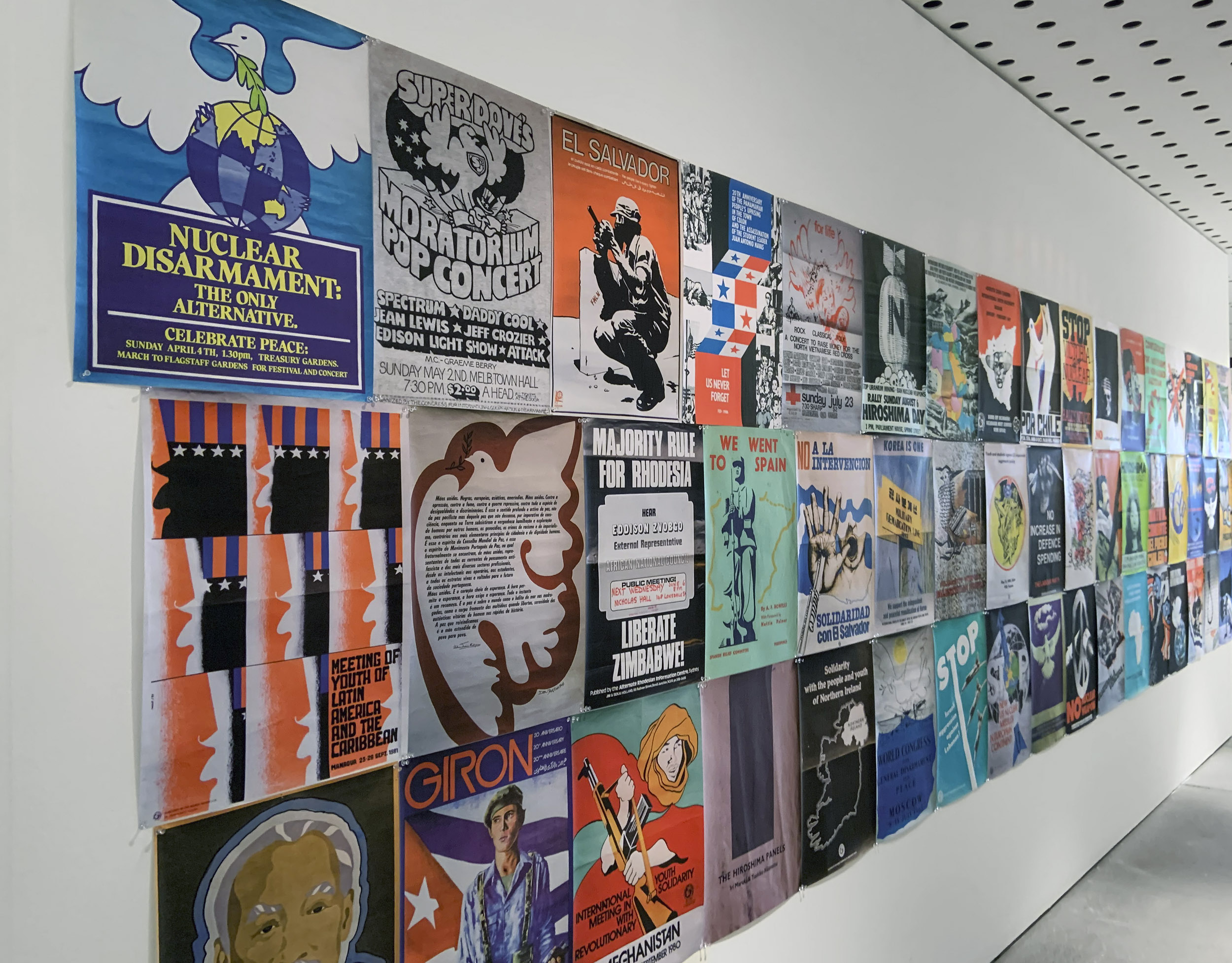
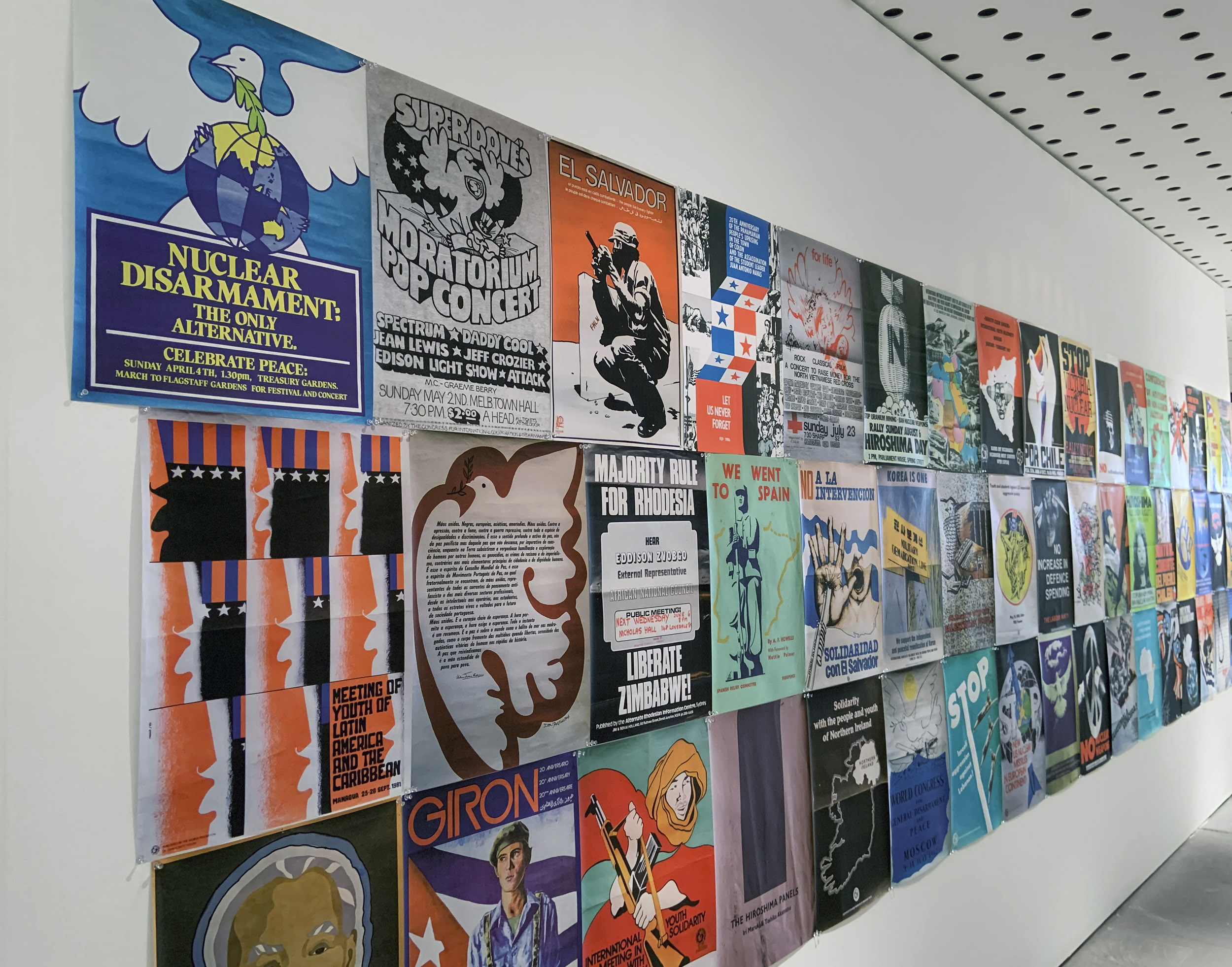
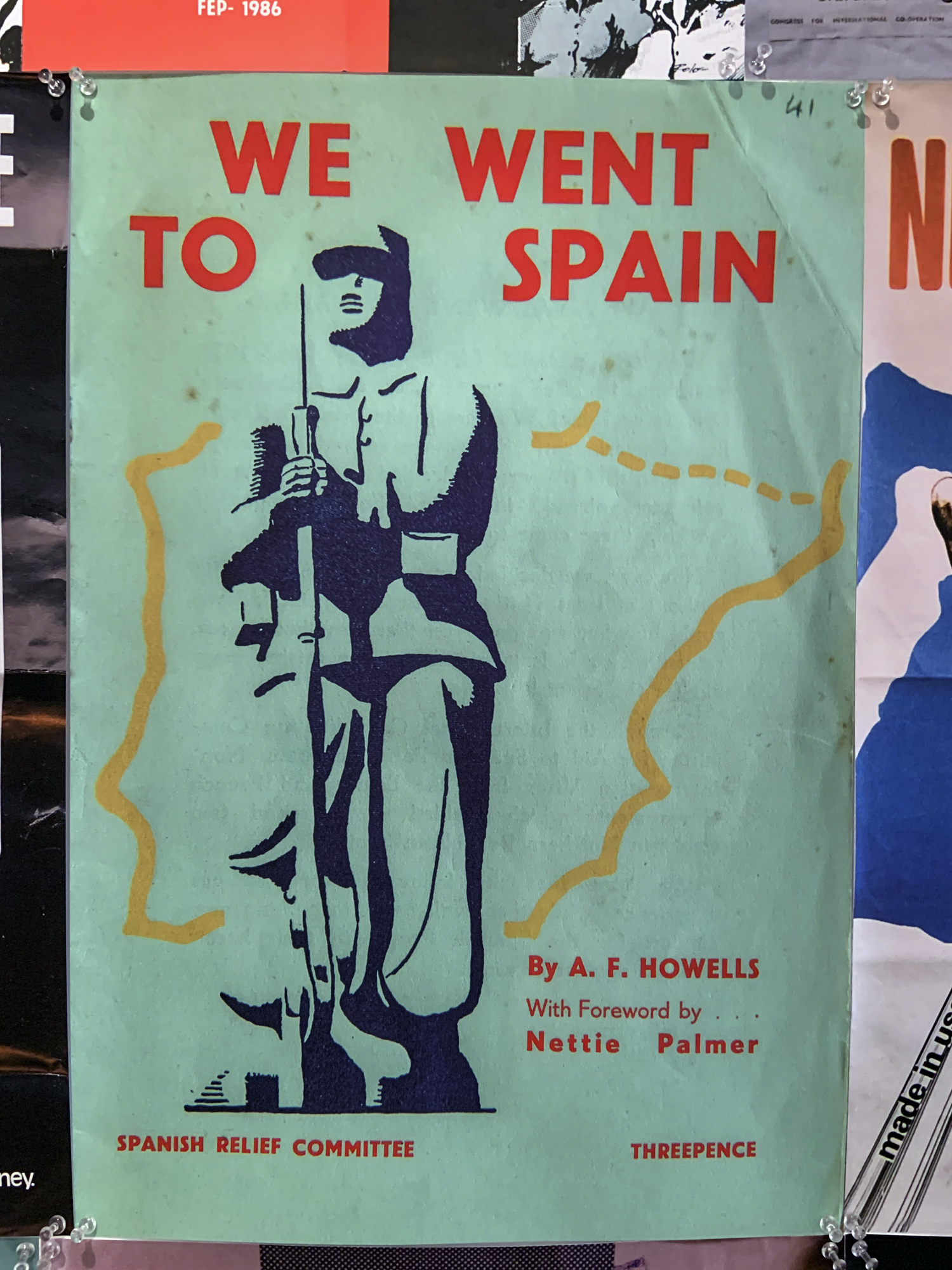
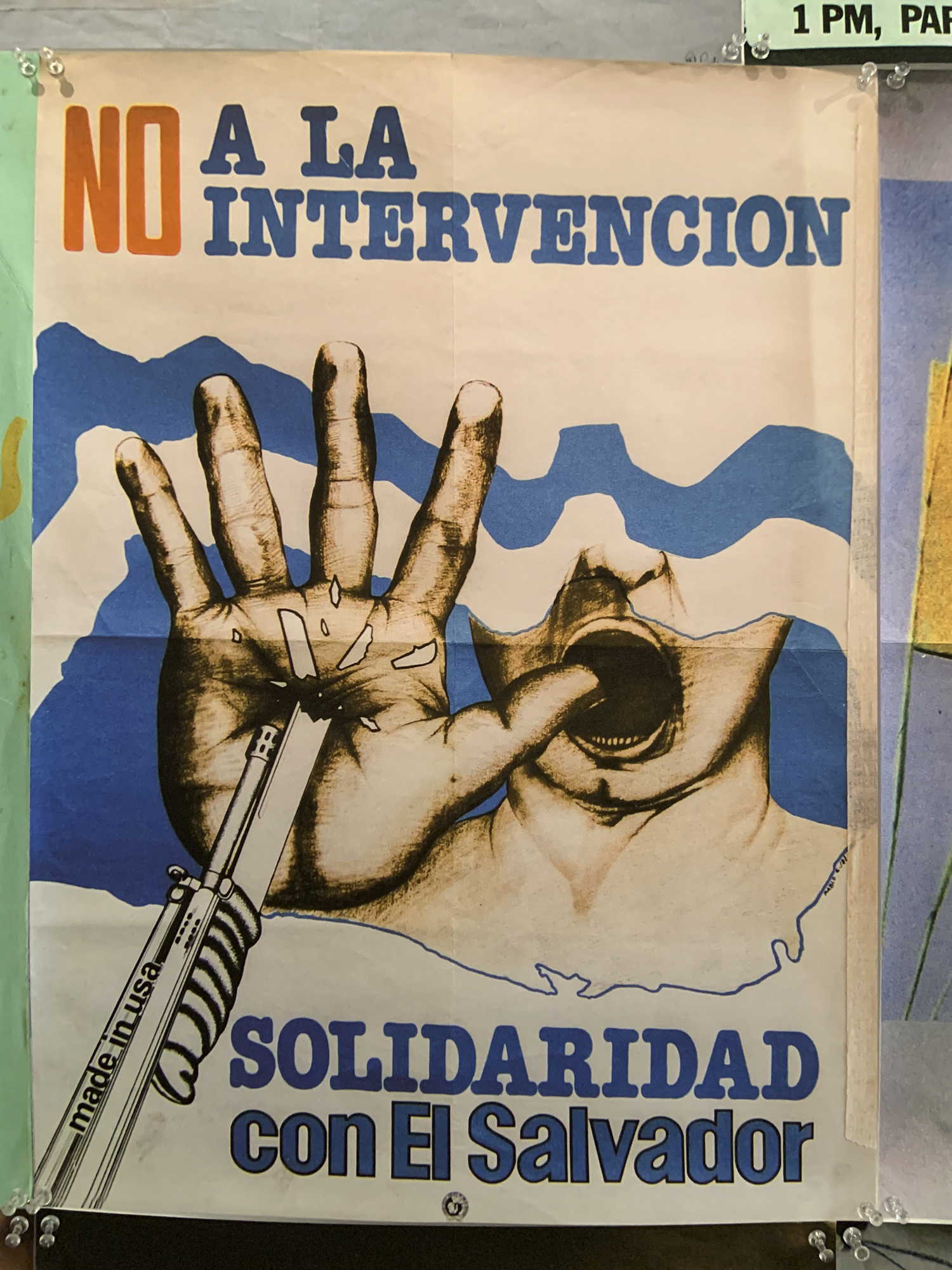
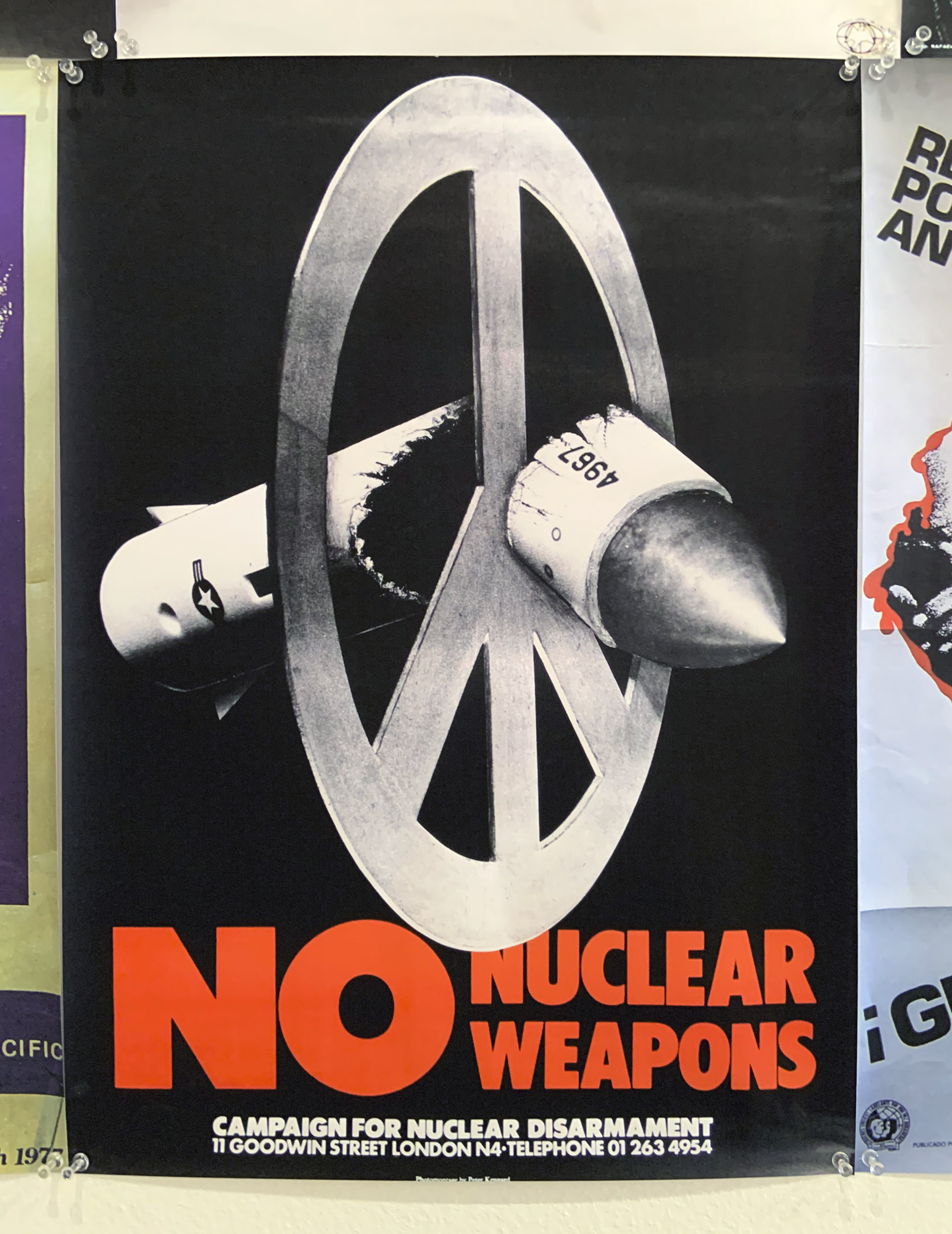
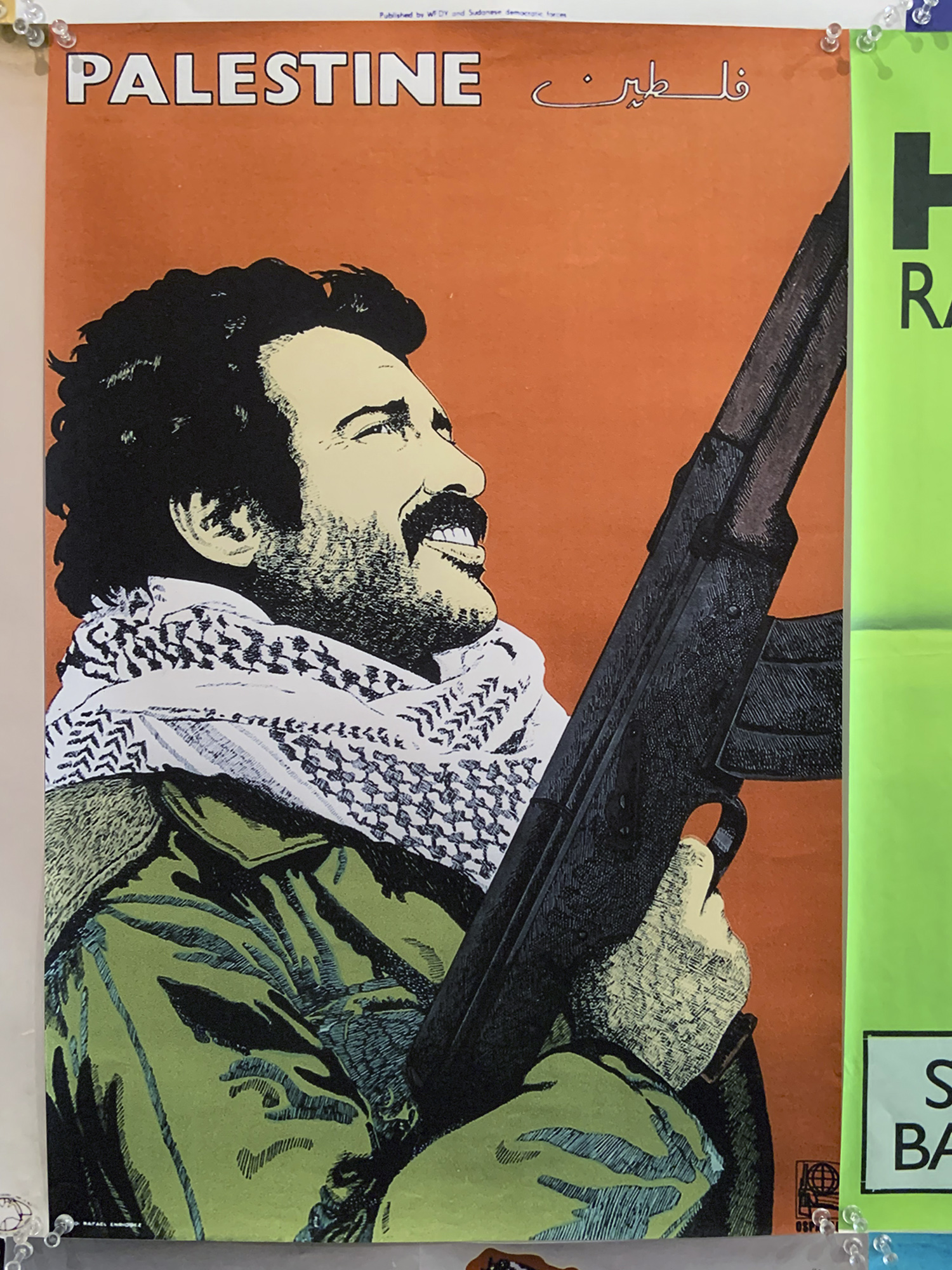
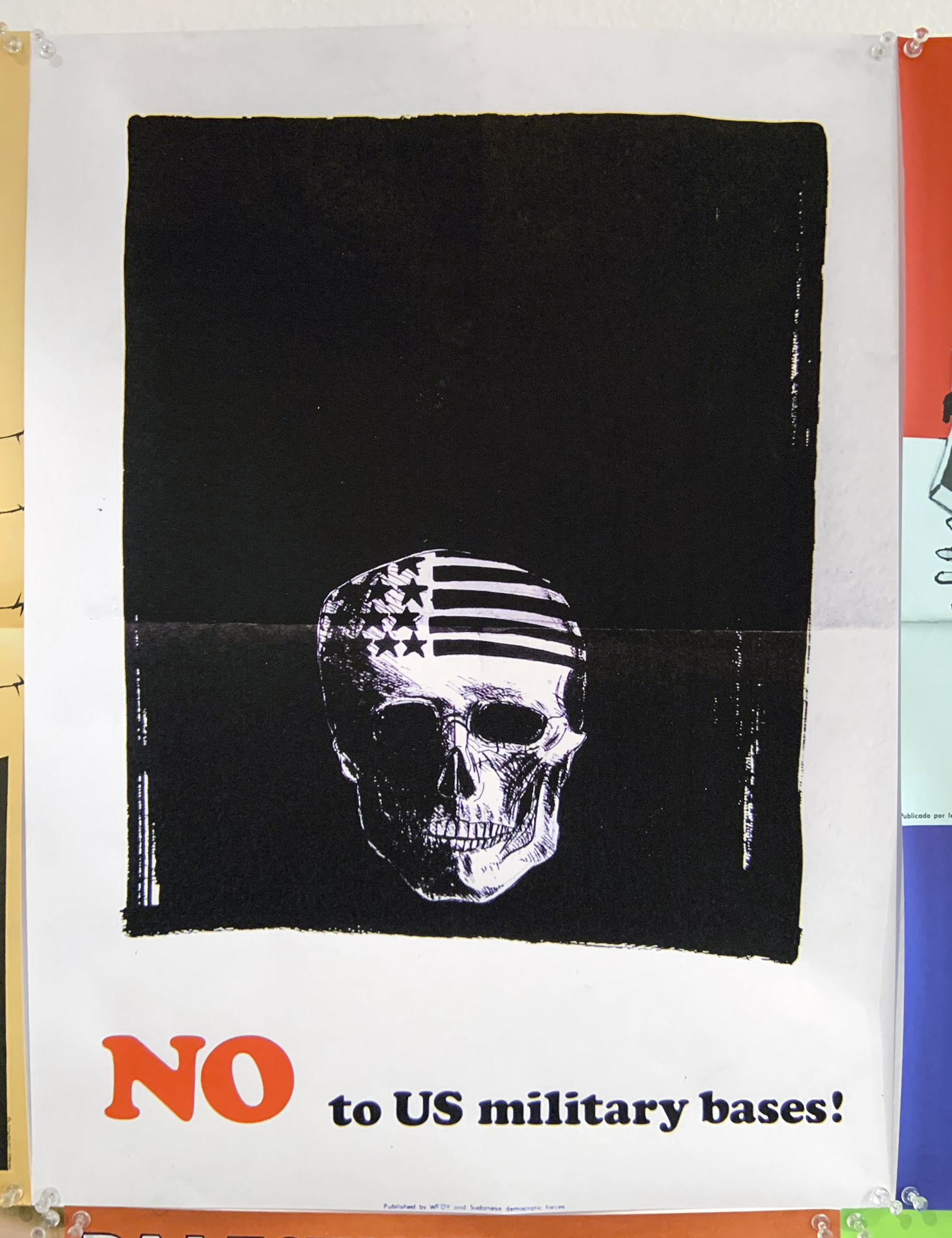
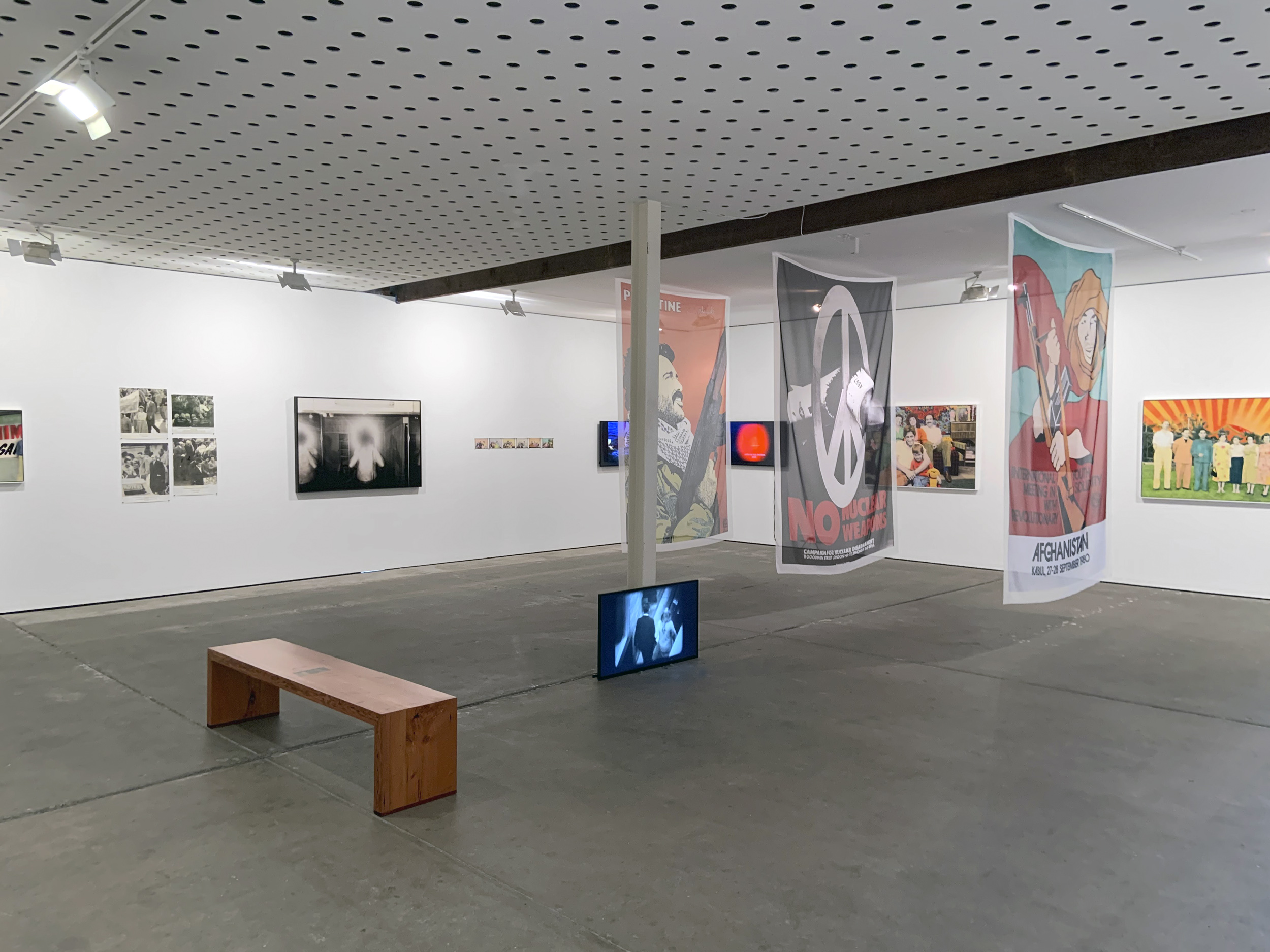
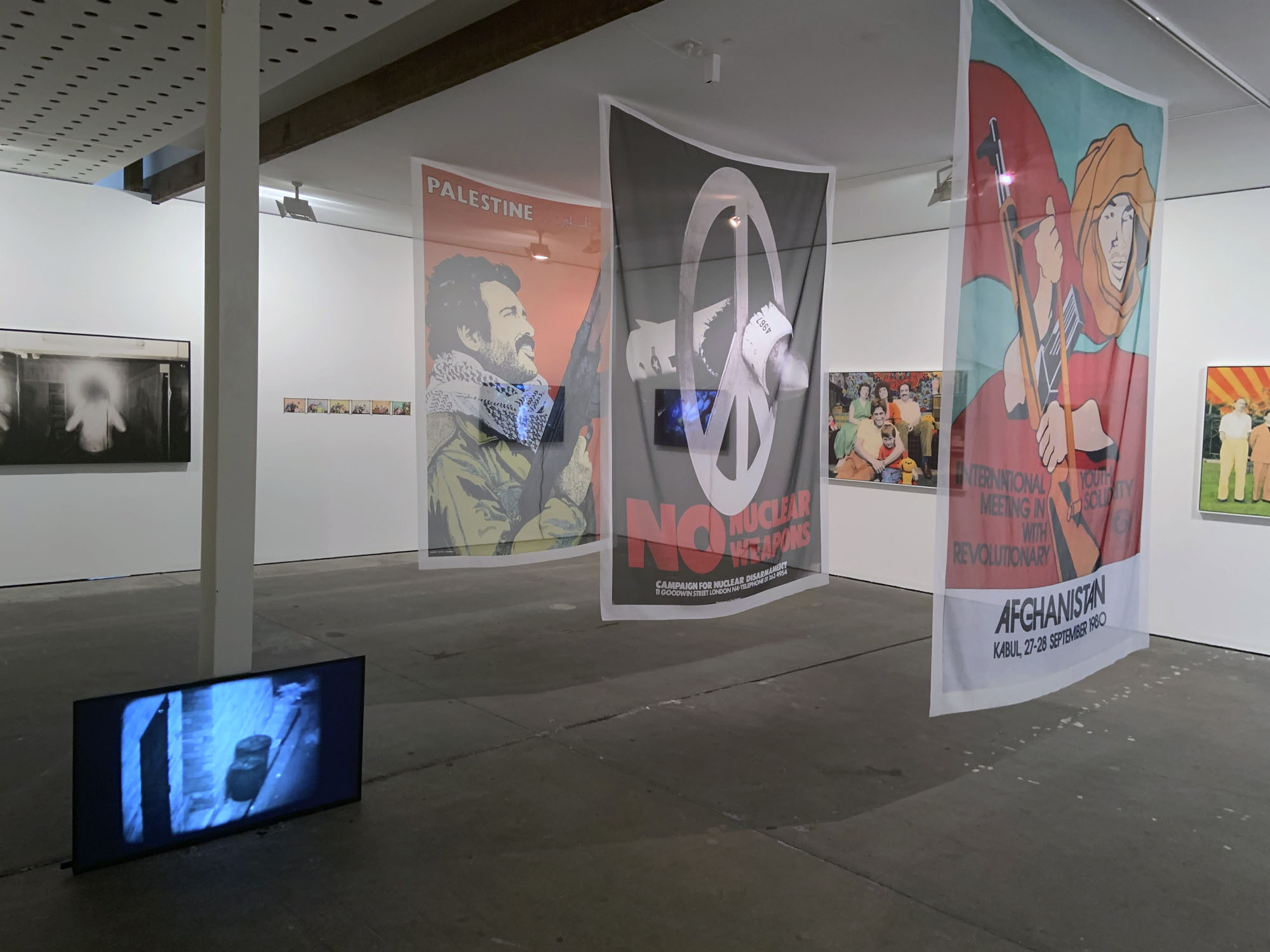
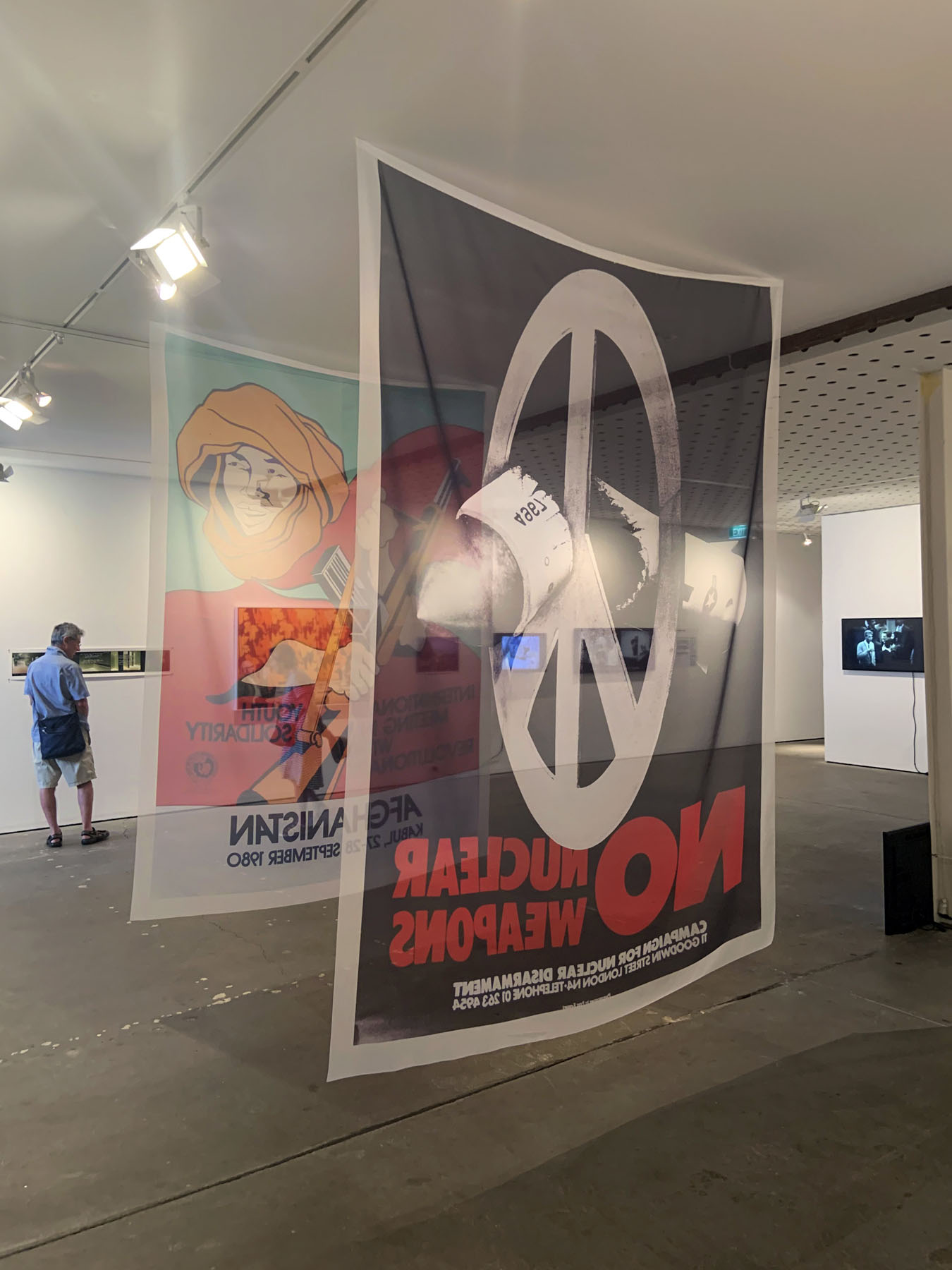
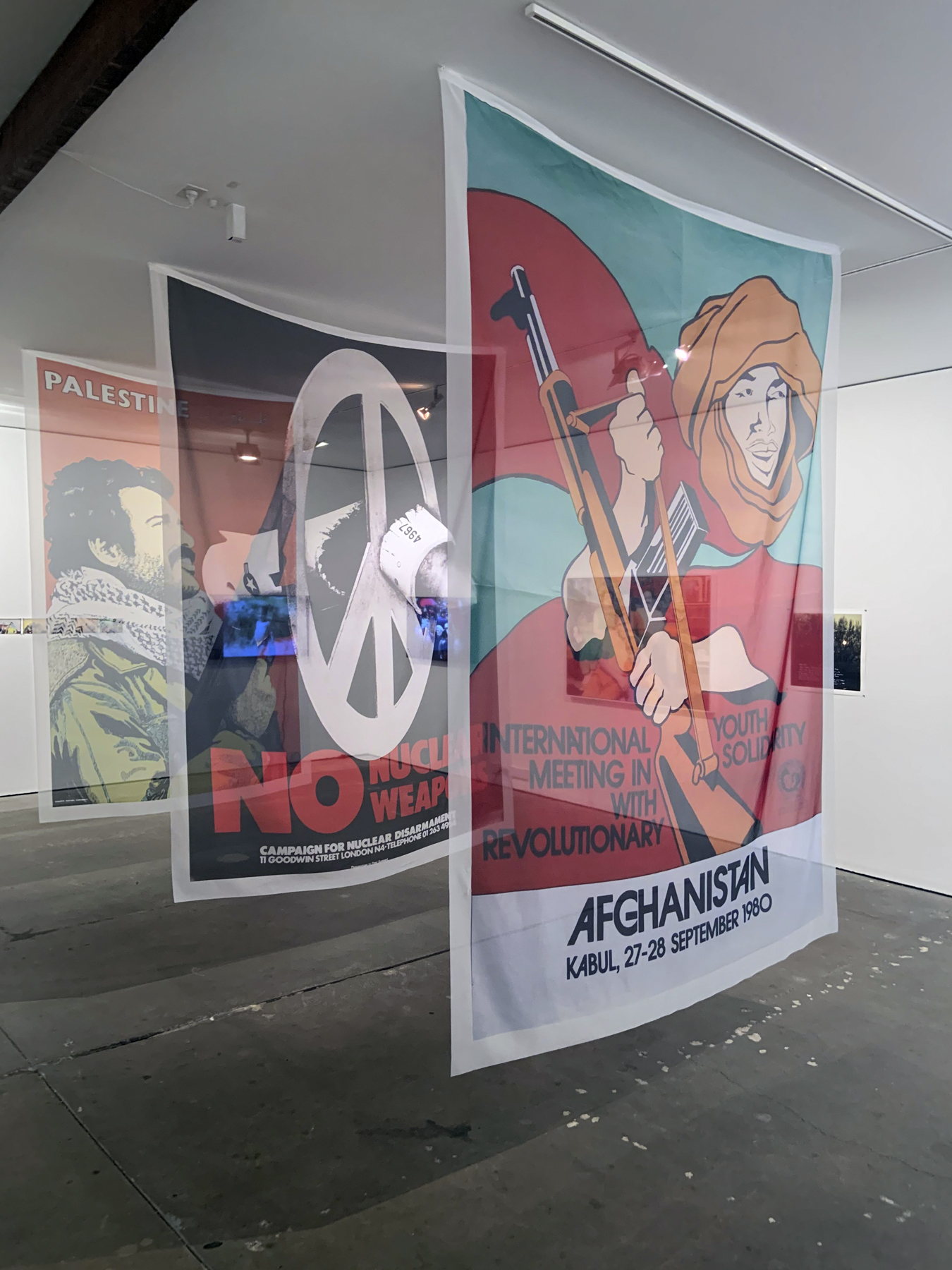
Fifty-one selected posters, from the Samuel Goldbloom Collection, Melbourne University Archives, pigment prints

Fifty-one selected posters, from the Samuel Goldbloom Collection, Melbourne University Archives, pigment prints

Fifty-one selected posters, from the Samuel Goldbloom Collection, Melbourne University Archives, pigment prints

Fifty-one selected posters, from the Samuel Goldbloom Collection, Melbourne University Archives, pigment prints

Fifty-one selected posters, from the Samuel Goldbloom Collection, Melbourne University Archives, pigment prints

Fifty-one selected posters, from the Samuel Goldbloom Collection, Melbourne University Archives, pigment prints

Fifty-one selected posters, from the Samuel Goldbloom Collection, Melbourne University Archives, pigment prints


Fifty-one selected posters, from the Samuel Goldbloom Collection, Melbourne University Archives, pigment prints
Photos: Marcus Bunyan


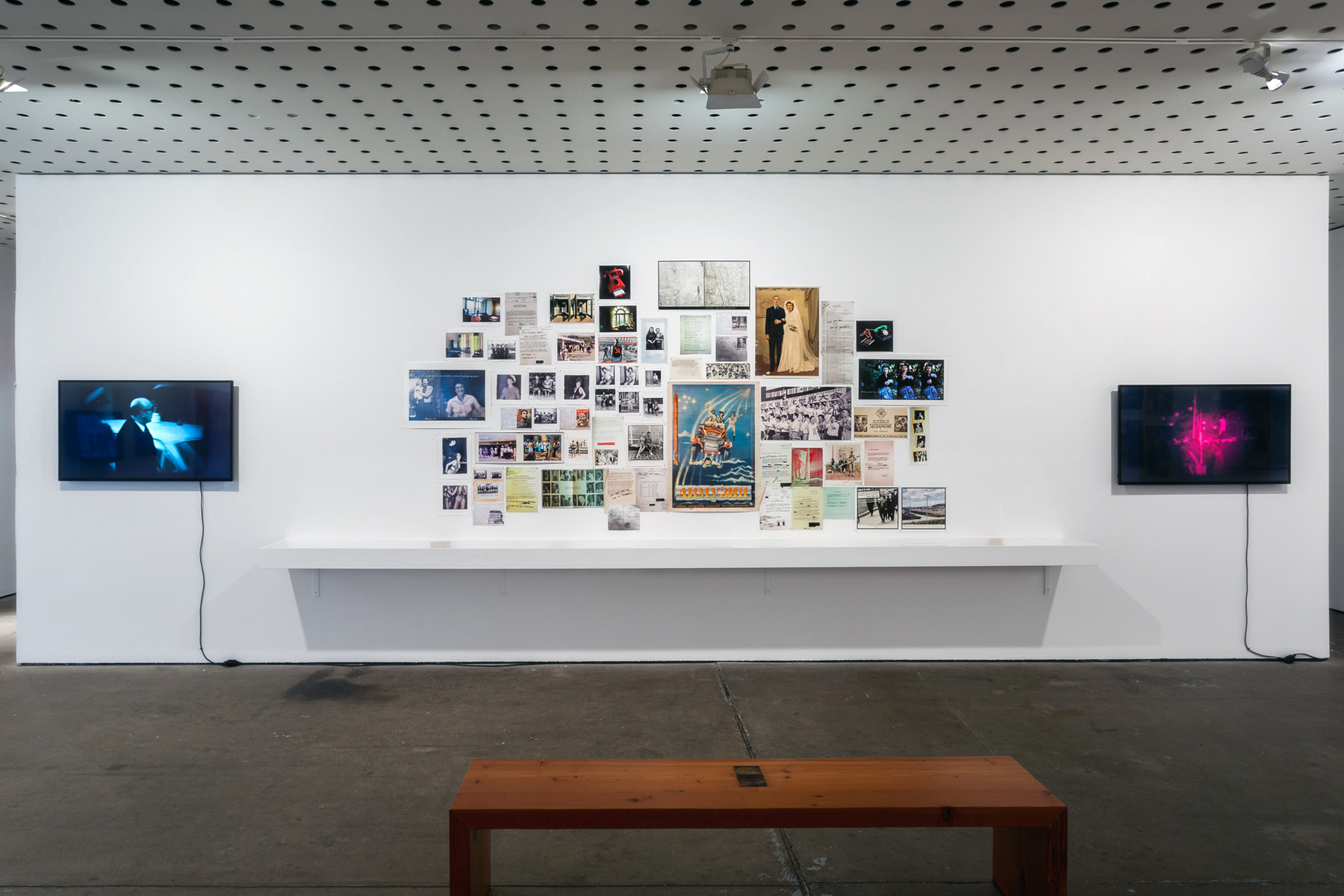
Installation view of the exhibition 'Ruth Maddison It was the best of times, it was the worst of times' at the Centre for Contemporary Photography, Melbourne

Installation view of the exhibition 'Ruth Maddison It was the best of times, it was the worst of times' at the Centre for Contemporary Photography, Melbourne showing on the television 'The Dustbins of History' (1950s/2020), edited from ASIO footage sourced from the National Archives of Australia


Installation views in gallery three of the exhibition Ruth Maddison It was the best of times, it was the worst of times at the Centre for Contemporary Photography, Melbourne showing on the television The Dustbins of History (1950s / 2020), edited from ASIO footage sourced from the National Archives of Australia
Photos: Marcus Bunyan


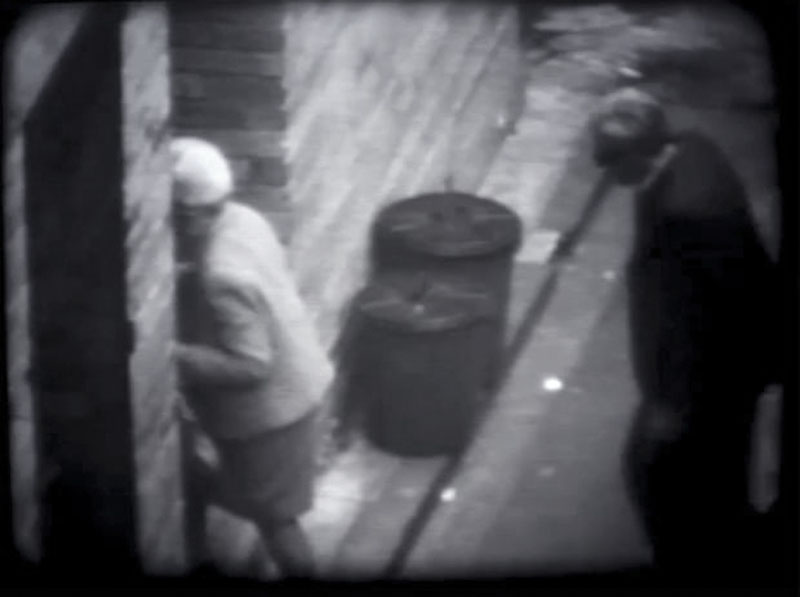
'The Dustbins of History' (1950s), edited from Asio footage sourced from the National Archives of Australia.


Still from The Dustbins of History (1950s / 2020), edited from ASIO footage sourced from the National Archives of Australia


She [Maddison] also discovered reels of surveillance film documenting suspected members of the Communist party as they arrived at a secret meeting in one of Melbourne’s laneways in the 50s. This footage appears in the exhibition as The Dustbins of History, a short film that is comedic in its ambiguity and monotony. All that’s missing is the Keystone Cops.

Alison Stieven-Taylor. “The communist who raised me: photographer Ruth Maddison interrogates her father’s Asio file,” on the Guardian website Thurs 25 February 2021 [Online] Cited 05/04/2021
 

Installation view of the exhibition 'Ruth Maddison It was the best of times, it was the worst of times' at the Centre for Contemporary Photography, Melbourne

Installation view of the exhibition 'Ruth Maddison It was the best of times, it was the worst of times' at the Centre for Contemporary Photography, Melbourne

Installation view of the exhibition 'Ruth Maddison It was the best of times, it was the worst of times' at the Centre for Contemporary Photography, Melbourne


Installation views in gallery three of the exhibition Ruth Maddison It was the best of times, it was the worst of times at the Centre for Contemporary Photography, Melbourne
Photos: Marcus Bunyan


Installation view of the exhibition 'Ruth Maddison It was the best of times, it was the worst of times' at the Centre for Contemporary Photography, Melbourne showing works from the series 'My father's footsteps' (1942-2020)

Installation view of the exhibition 'Ruth Maddison It was the best of times, it was the worst of times' at the Centre for Contemporary Photography, Melbourne showing works from the series 'My father's footsteps' (1942-2020)

Installation view of the exhibition 'Ruth Maddison It was the best of times, it was the worst of times' at the Centre for Contemporary Photography, Melbourne showing works from the series 'My father's footsteps' (1942-2020)

Installation view of the exhibition 'Ruth Maddison It was the best of times, it was the worst of times' at the Centre for Contemporary Photography, Melbourne showing works from the series 'My father's footsteps' (1942-2020)

Installation view of the exhibition 'Ruth Maddison It was the best of times, it was the worst of times' at the Centre for Contemporary Photography, Melbourne showing works from the series 'My father's footsteps' (1942-2020)

Installation view of the exhibition 'Ruth Maddison It was the best of times, it was the worst of times' at the Centre for Contemporary Photography, Melbourne showing works from the series 'My father's footsteps' (1942-2020)

Installation view of the exhibition 'Ruth Maddison It was the best of times, it was the worst of times' at the Centre for Contemporary Photography, Melbourne showing works from the series 'My father's footsteps' (1942-2020)

Installation view of the exhibition 'Ruth Maddison It was the best of times, it was the worst of times' at the Centre for Contemporary Photography, Melbourne showing works from the series 'My father's footsteps' (1942-2020)

Installation view of the exhibition 'Ruth Maddison It was the best of times, it was the worst of times' at the Centre for Contemporary Photography, Melbourne showing works from the series 'My father's footsteps' (1942-2020)

Installation view in gallery three of the exhibition 'Ruth Maddison It was the best of times, it was the worst of times' at the Centre for Contemporary Photography, Melbourne showing works from the series 'My father's footsteps' (1942-2020)

Installation view in gallery three of the exhibition 'Ruth Maddison It was the best of times, it was the worst of times' at the Centre for Contemporary Photography, Melbourne showing works from the series 'My father's footsteps' (1942-2020)


Installation views in gallery three of the exhibition Ruth Maddison It was the best of times, it was the worst of times at the Centre for Contemporary Photography, Melbourne showing works from the series My father’s footsteps (1942-2020)
Photos: Marcus Bunyan


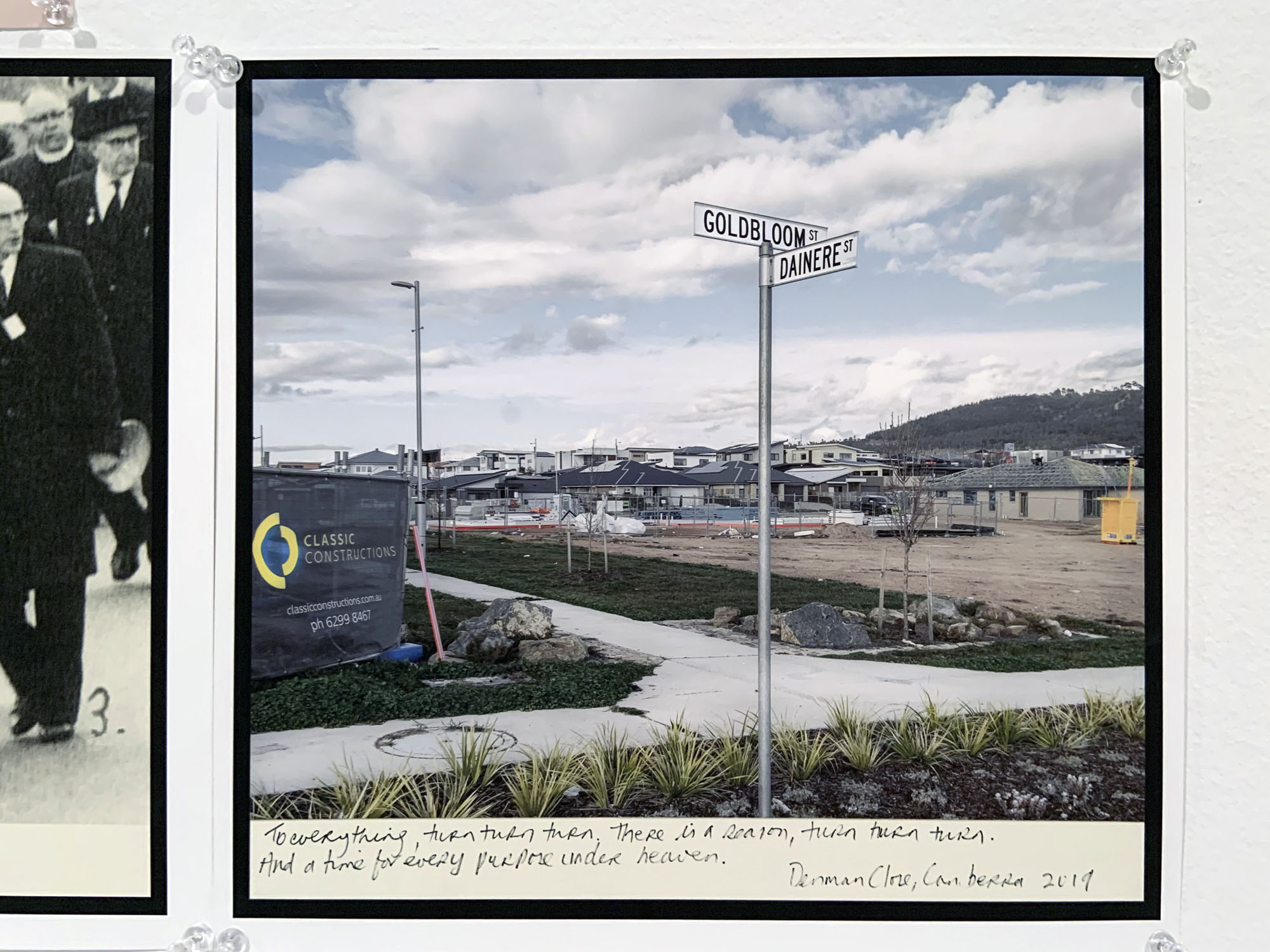
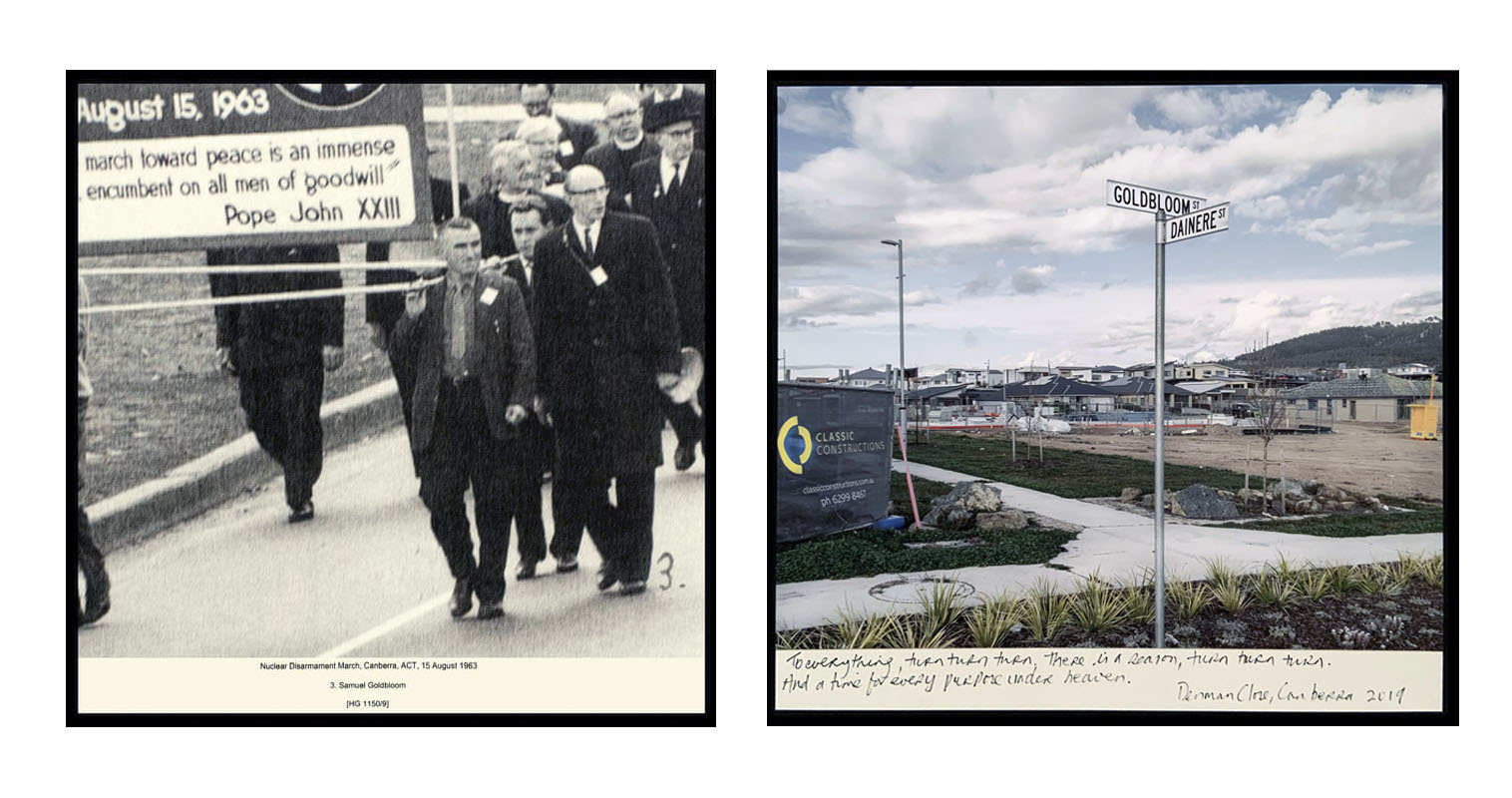
Ruth Maddison (Australian, b. 1945) 'To everything there is a turn, turn, turn' 2020


Ruth Maddison (Australian, b. 1945)
To everything there is a turn, turn, turn
2020
From the series My father’s footsteps (1942-2020)
Diptych
Pigment print from ASIO files


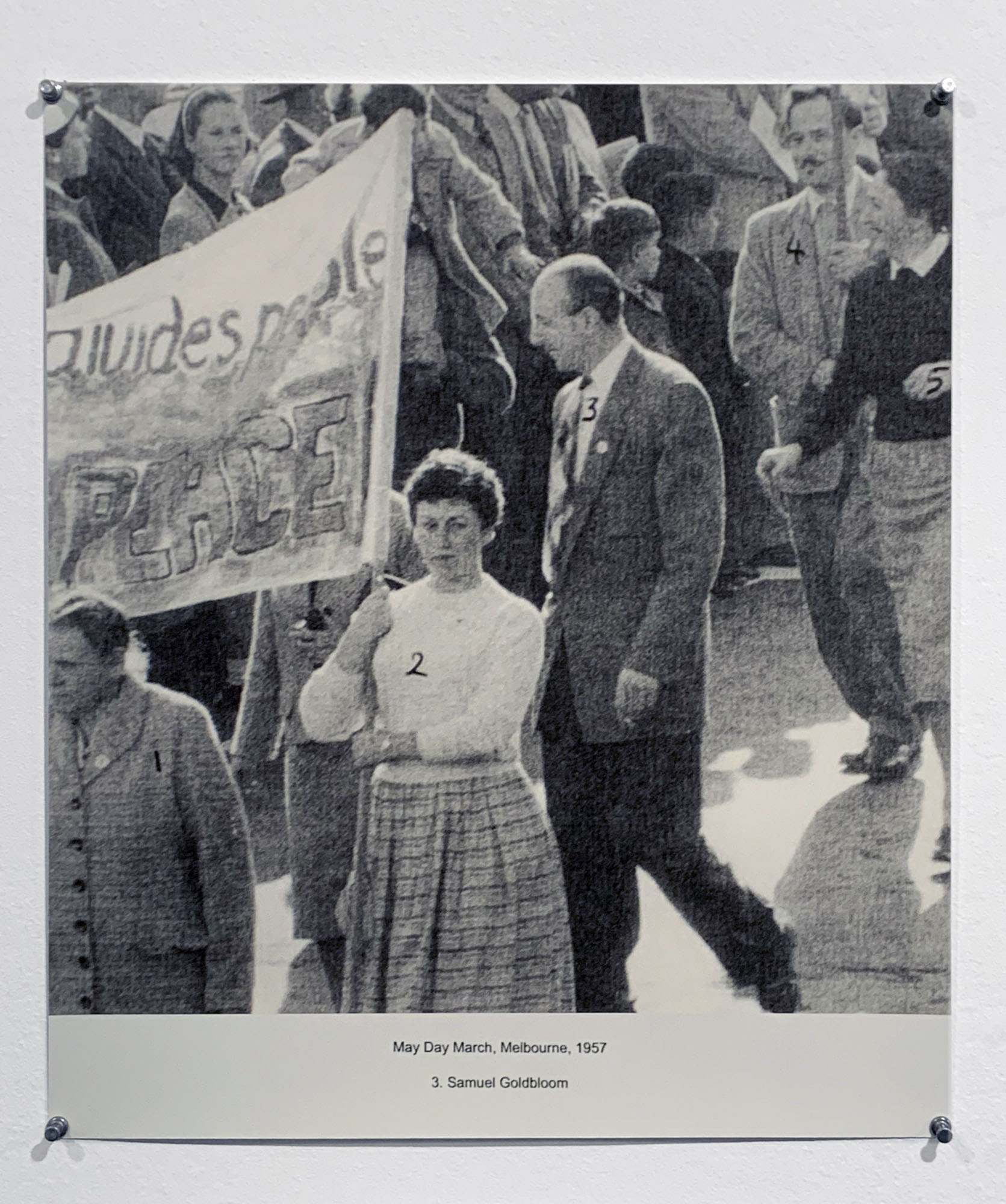
After decades of being denigrated in the press and parliament, in 1990 Goldbloom was awarded an OAM for his service as an activist for peace. Later, a street was named after him in Canberra. Maddison has paired an ASIO image of her father at a peace rally in 1965 with the Goldbloom street sign, evidence she says of “history doing the wheel again”.

Alison Stieven-Taylor. “The communist who raised me: photographer Ruth Maddison interrogates her father’s Asio file,” on the Guardian website Thurs 25 February 2021 [Online] Cited 05/04/2021
 

Installation view of the exhibition 'Ruth Maddison It was the best of times, it was the worst of times' at the Centre for Contemporary Photography, Melbourne


Installation view in gallery three of the exhibition Ruth Maddison It was the best of times, it was the worst of times at the Centre for Contemporary Photography, Melbourne
Photo: Marcus Bunyan


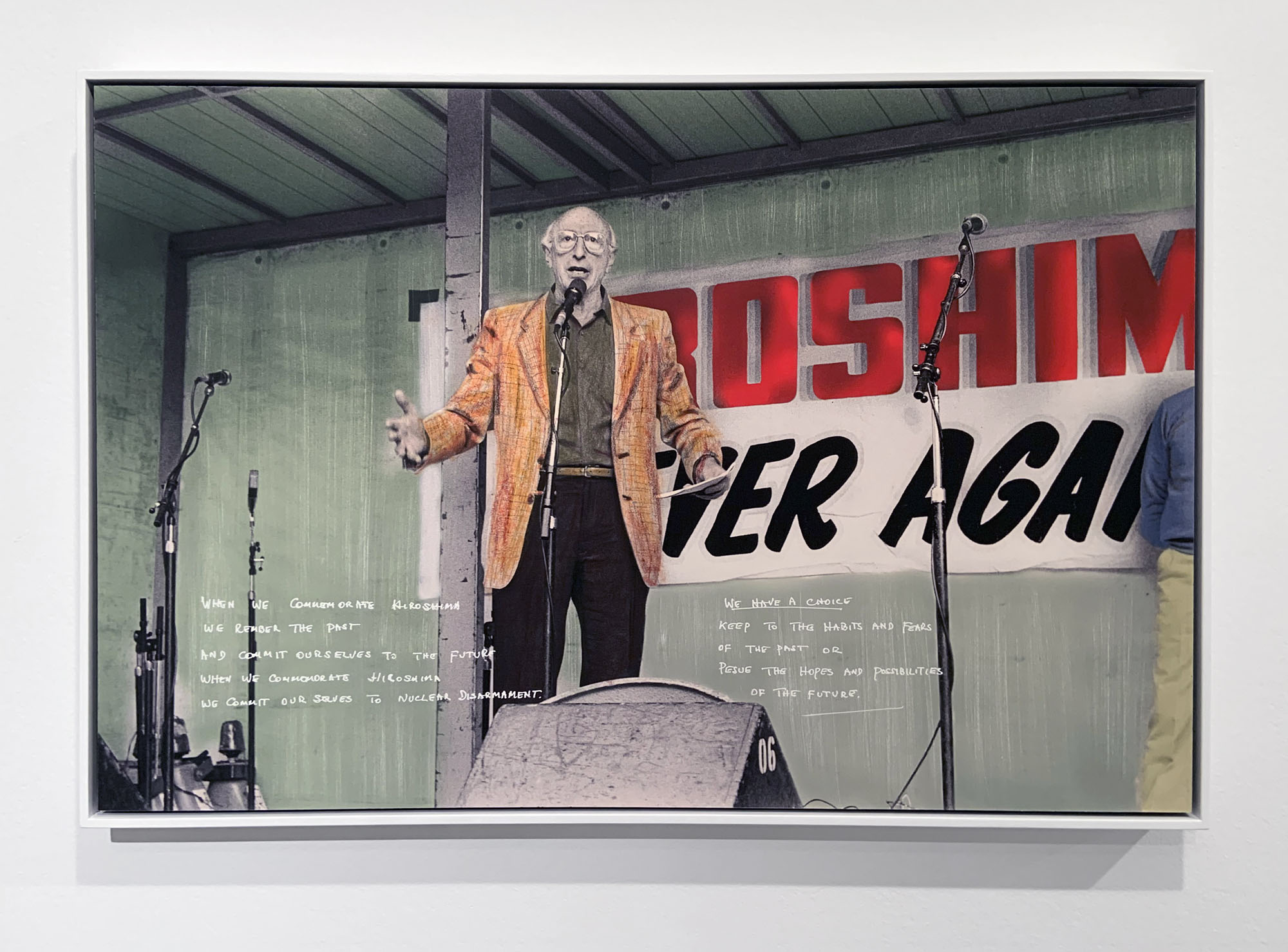
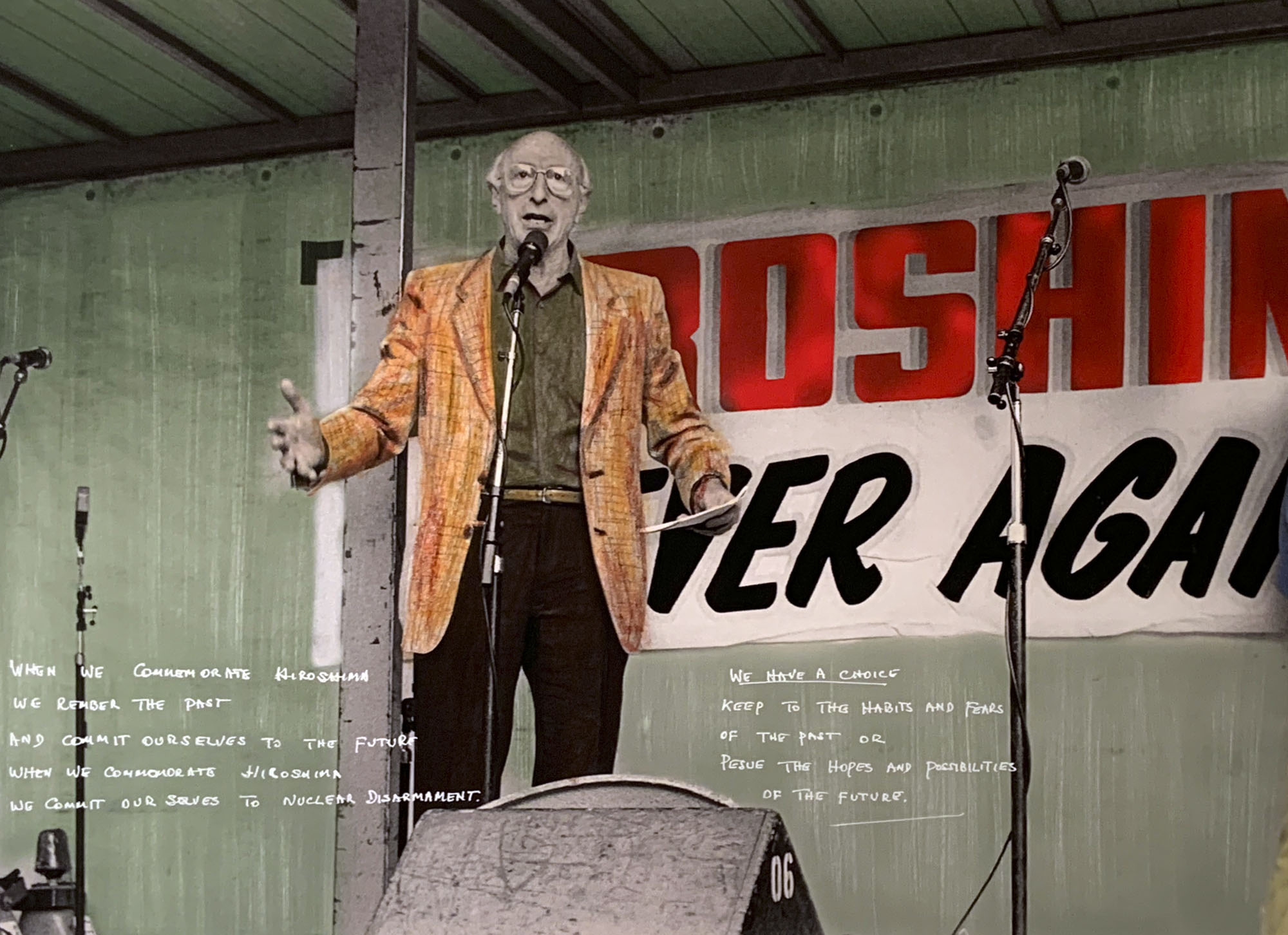
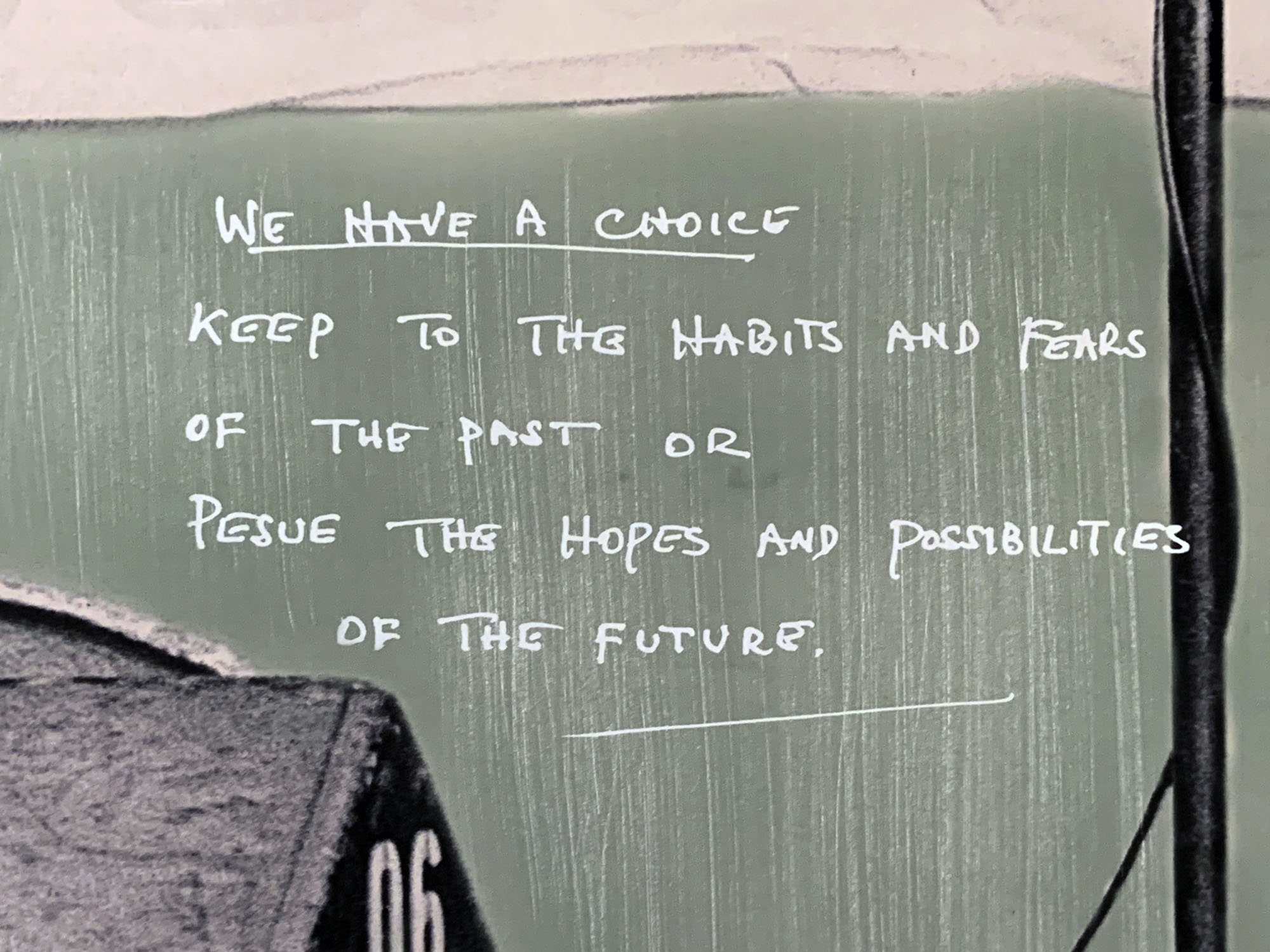
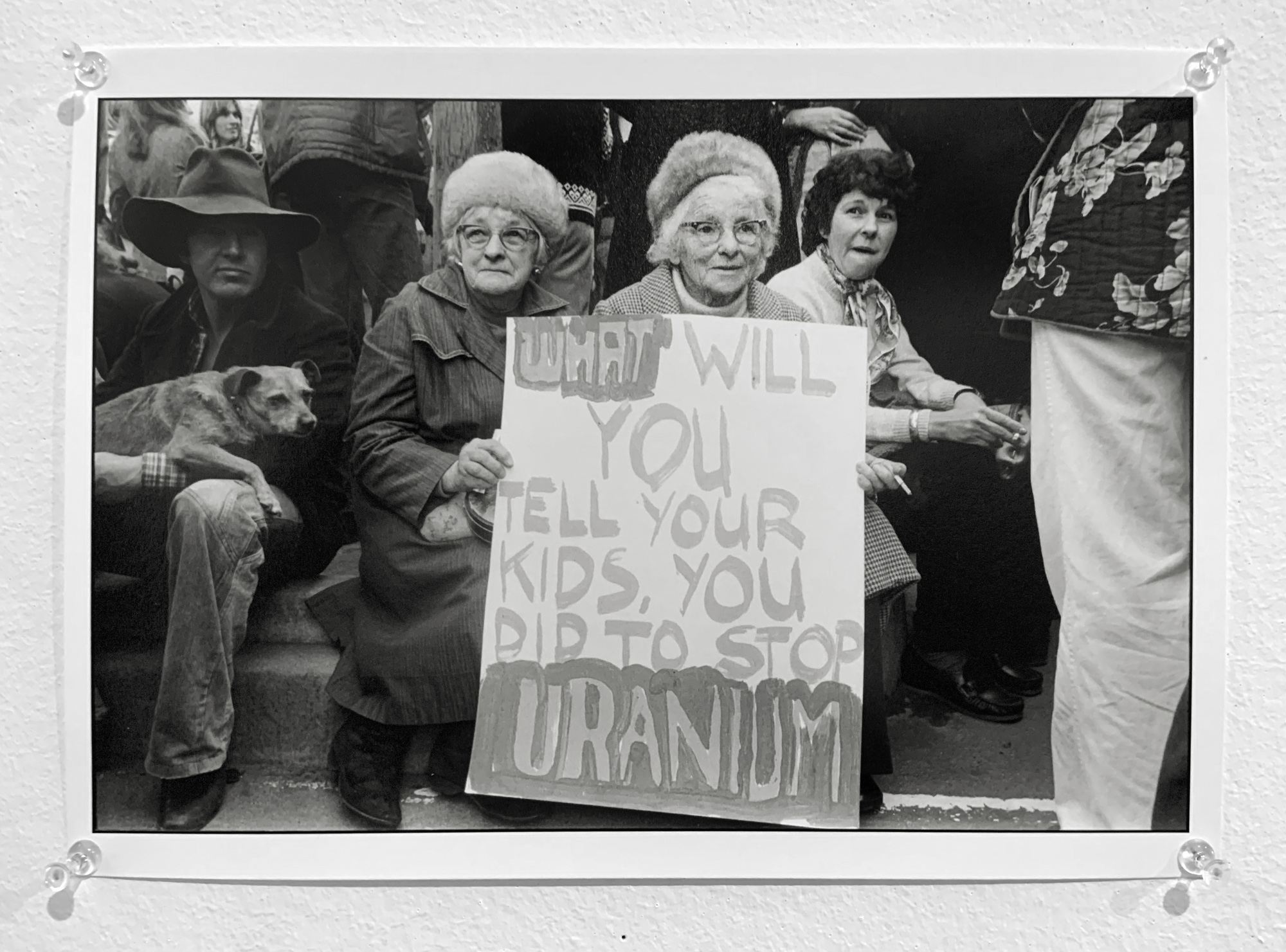
Ruth Maddison (Australian, b. 1945) 'Hiroshima Day, Melbourne' 1981/2020 (installation view)

Ruth Maddison (Australian, b. 1945) 'Hiroshima Day, Melbourne' 1981/2020 (installation view detail)

Ruth Maddison (Australian, b. 1945) 'Hiroshima Day, Melbourne' 1981/2020 (installation view detail)


Ruth Maddison (Australian, b. 1945)
Hiroshima Day, Melbourne (installation views)
1981/2020
Pigment print from scanned black and white negative. Hand coloured and digitally enhanced
Photos: Marcus Bunyan


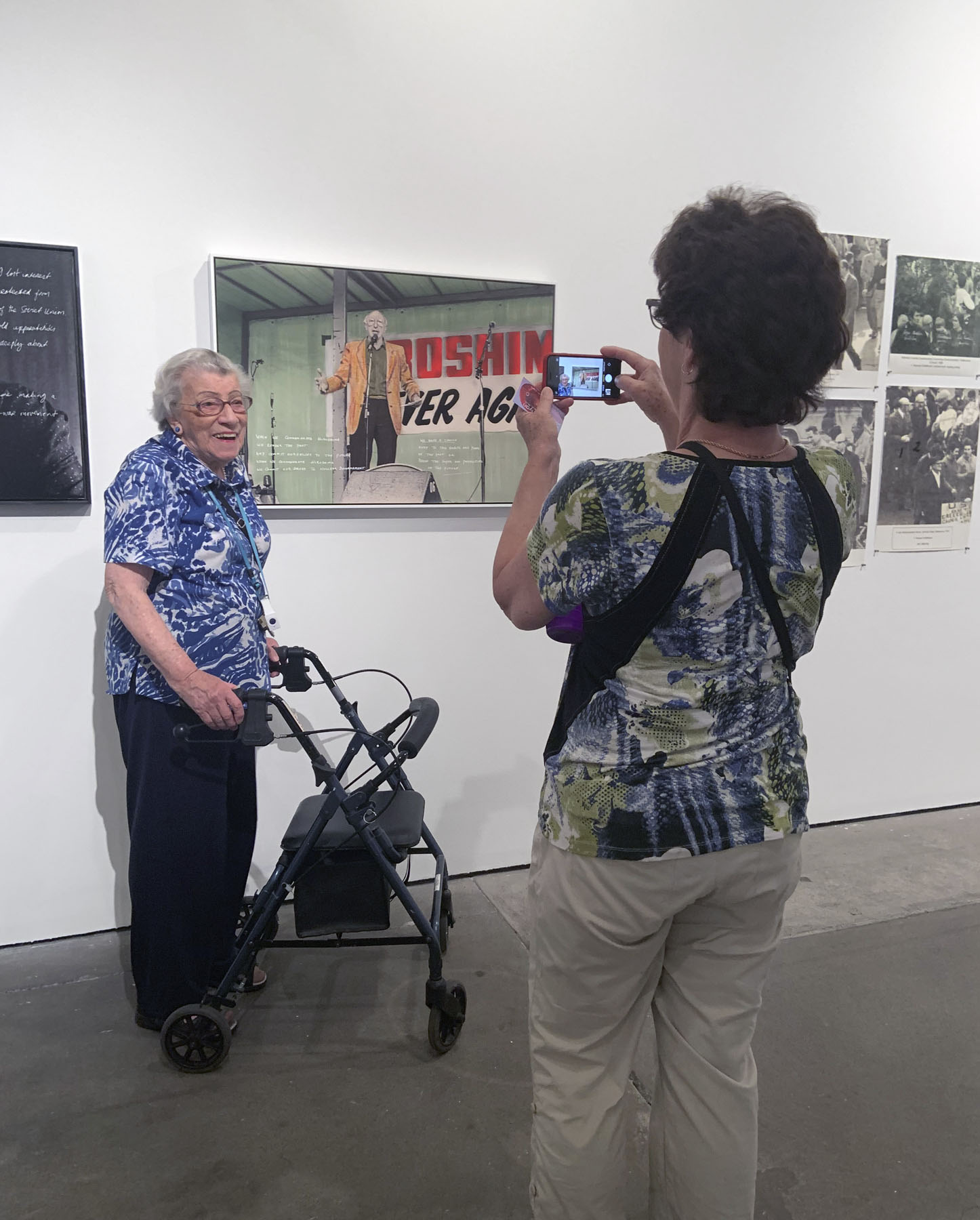
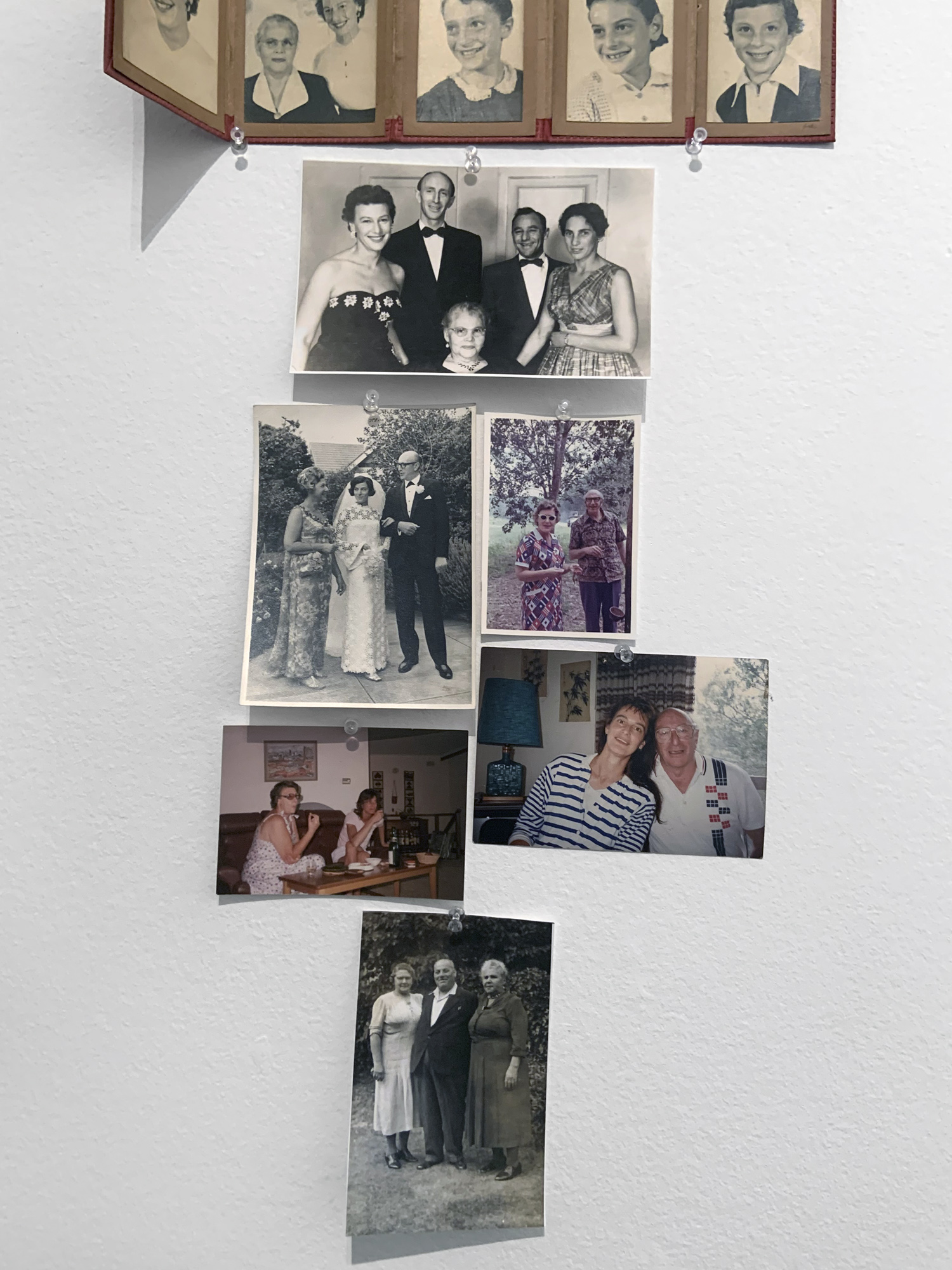
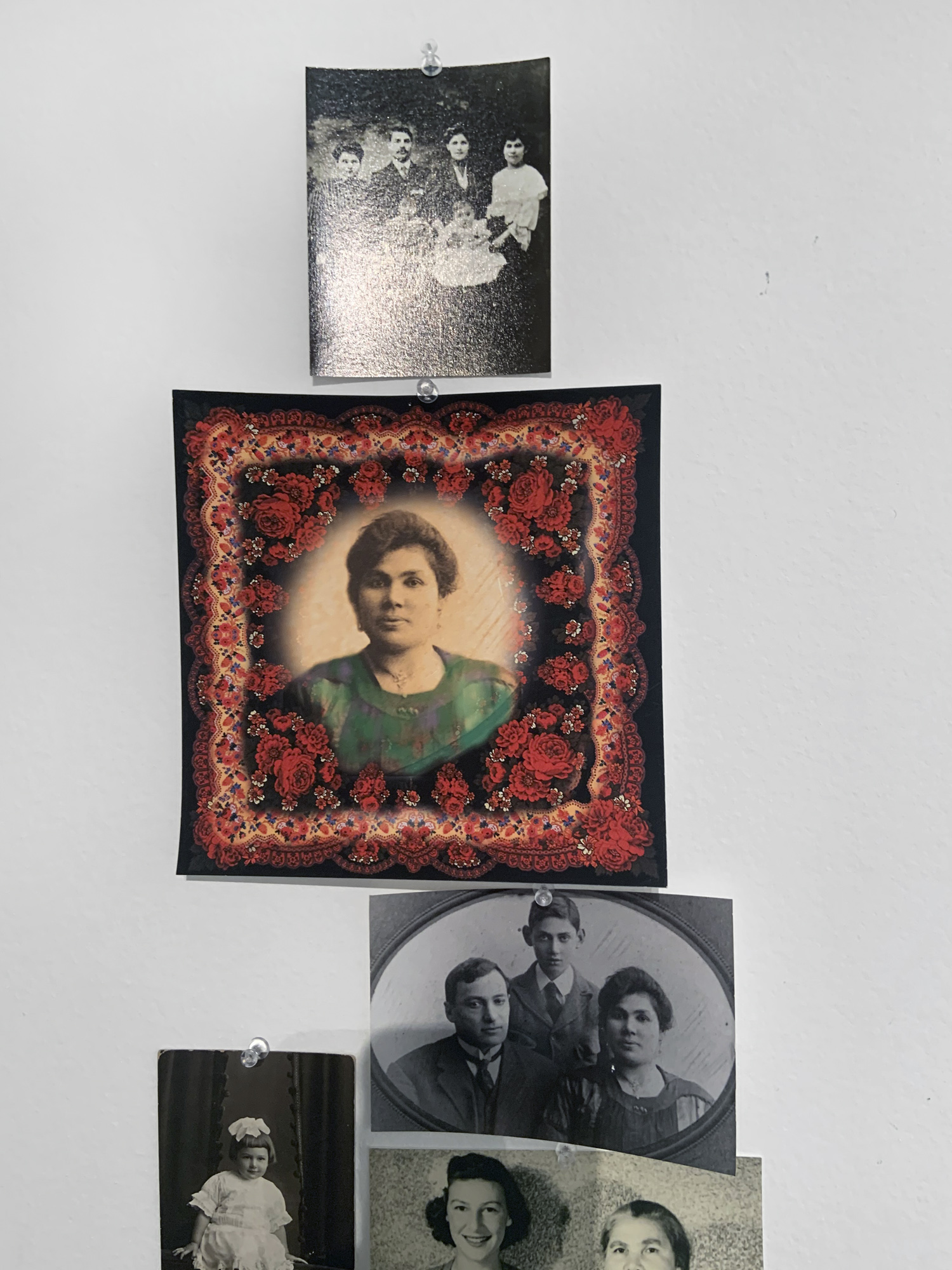
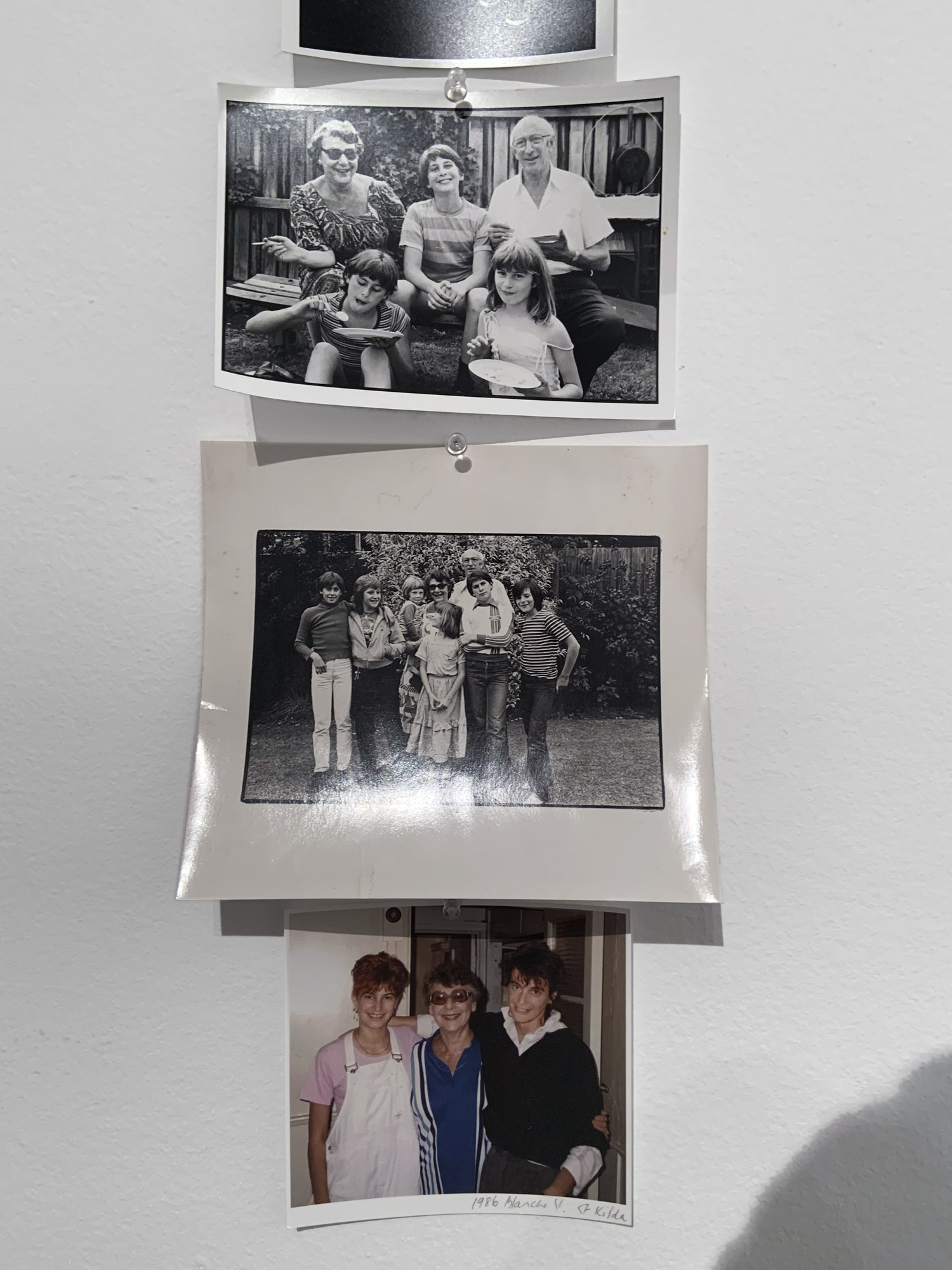
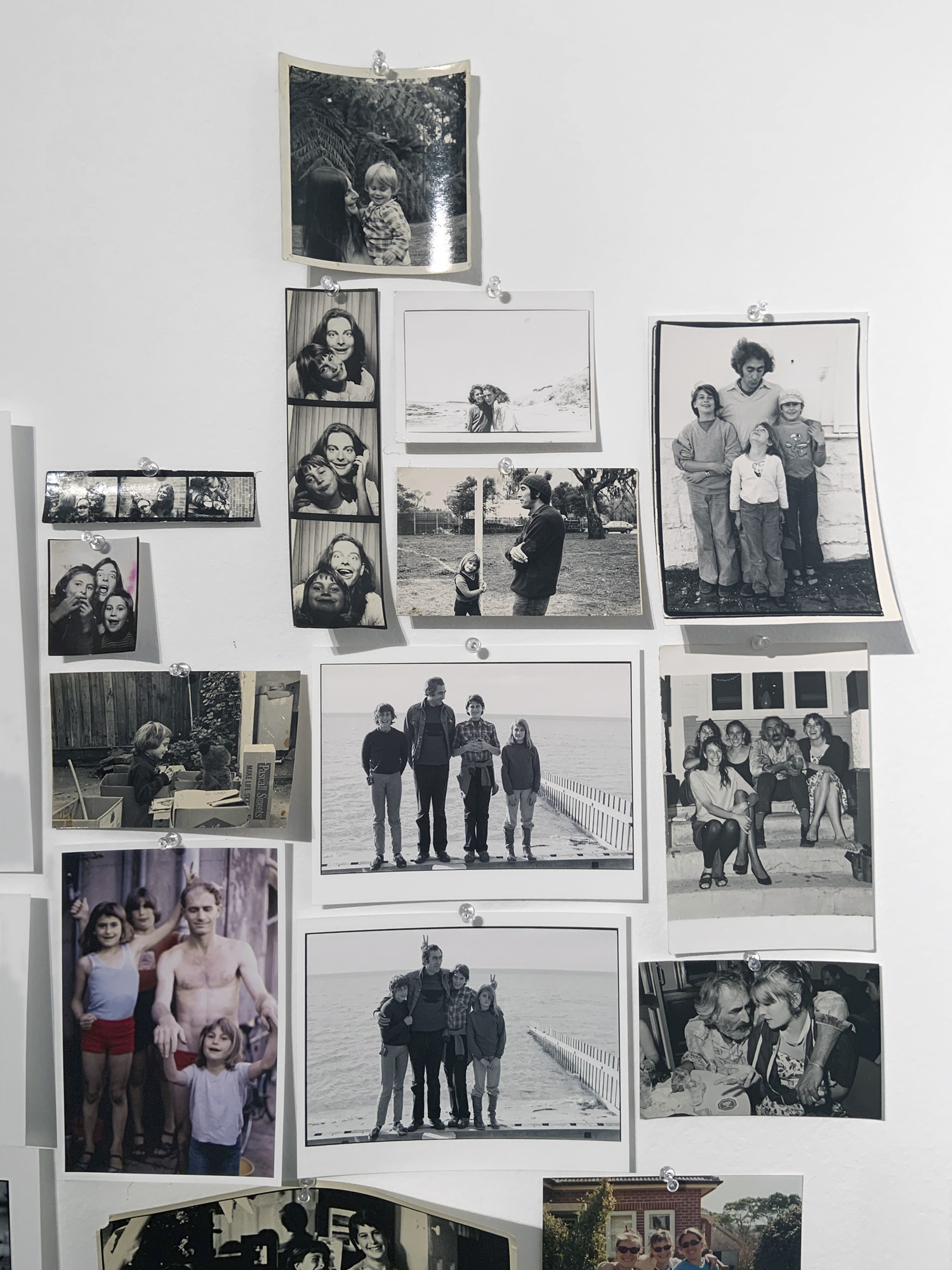
Herta and Jill Koppel


I just met the most wonderful lady at the Ruth Maddison exhibition at the Centre for Contemporary Photography, Melbourne.

100 year old Herta Koppel (pictured with her daughter Jill) was as bright as a button. She escaped the Nazis from Vienna with her two sisters in 1939, a few weeks before the war, leaving behind her parents who did not make it.

In the gallery the family were reminiscing on the people they knew in Ruth’s photographs while ‘The Internationale’ played in the background. How fitting.

Marcus

Photo: Marcus Bunyan


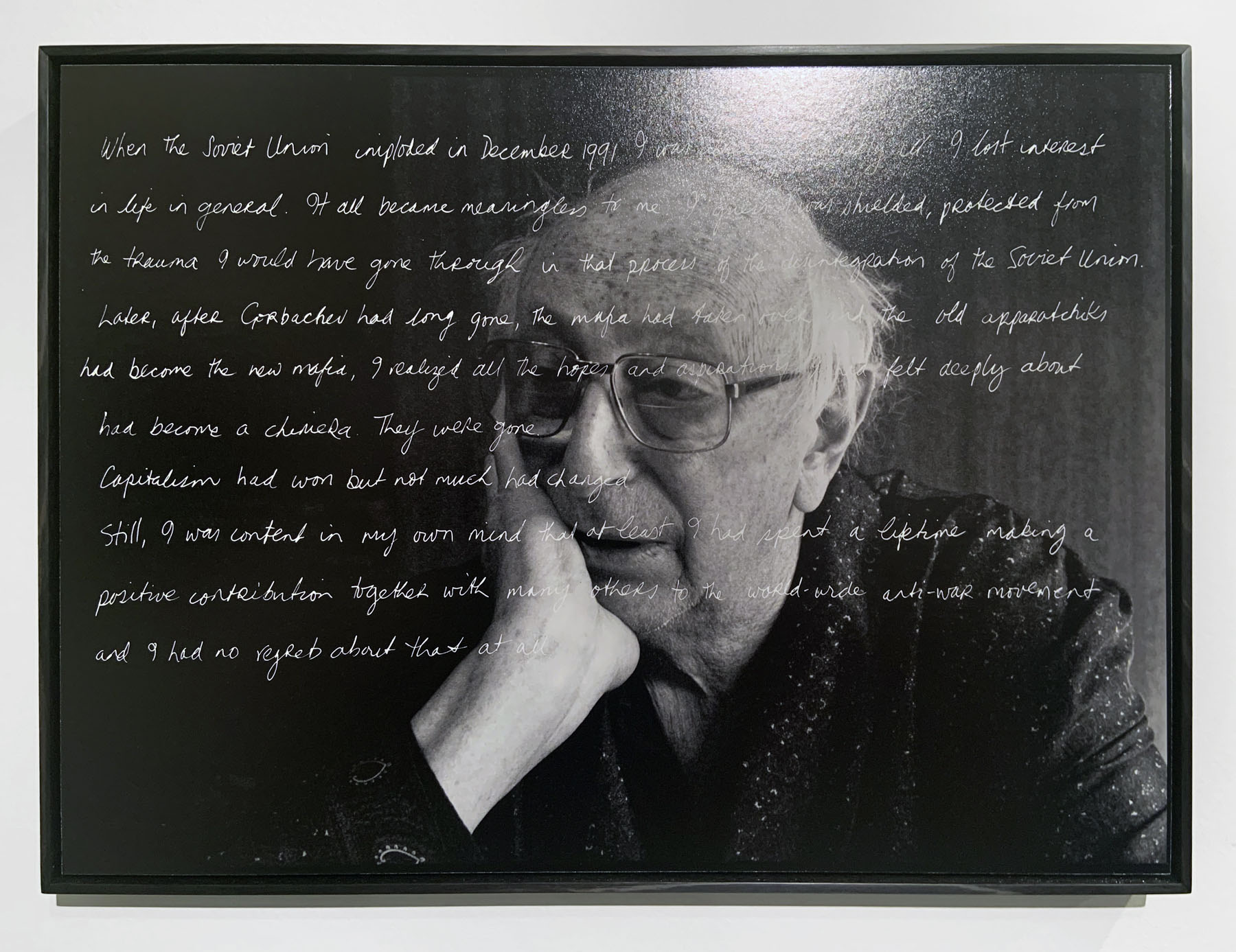
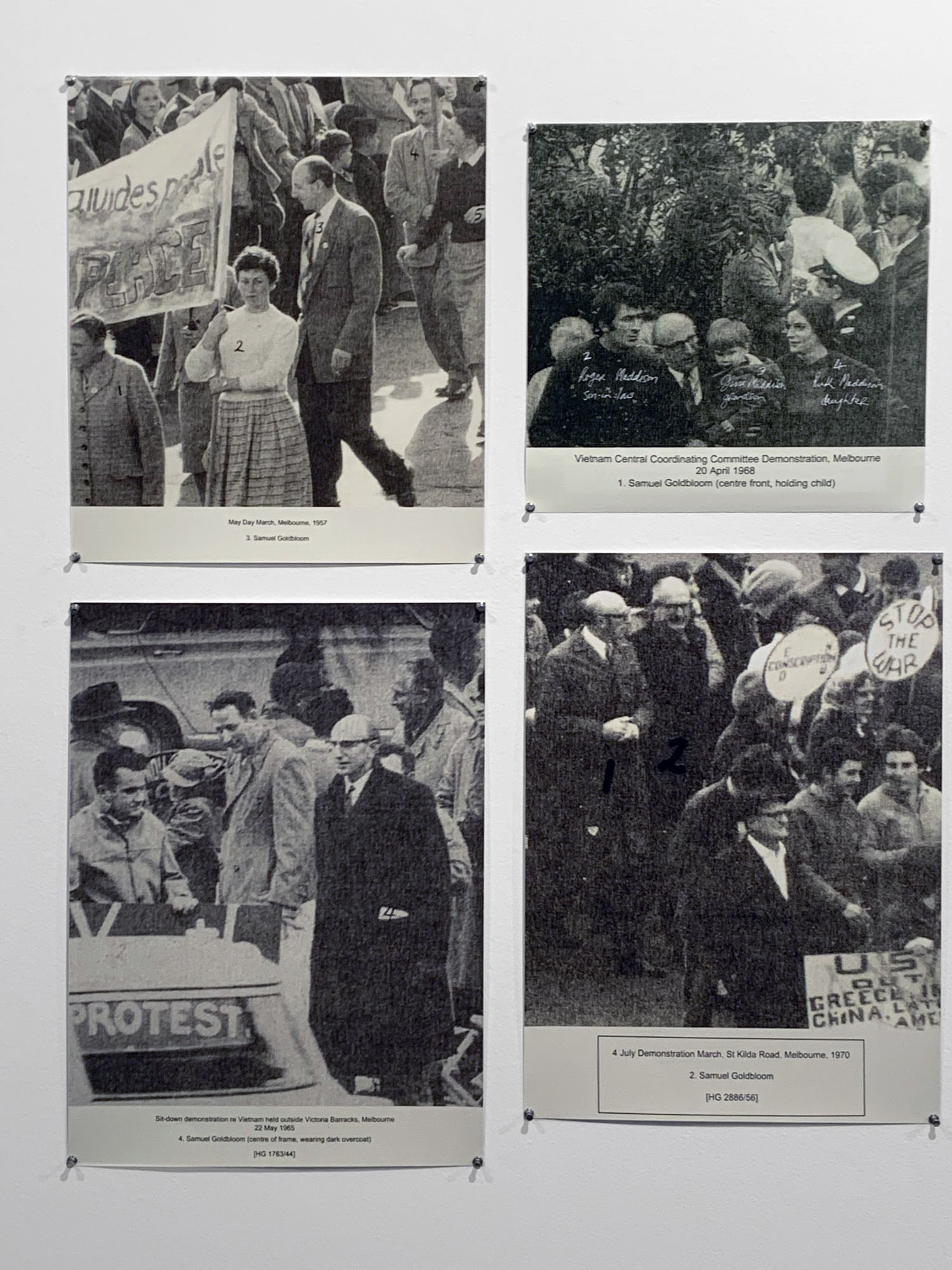
Samuel Goldbloom. Four photographs by ASIO 1957/1965/1968/1970 archival pigments prints 2020 (installation view)

Samuel Goldbloom. Four photographs by ASIO 1957/1965/1968/1970 archival pigments prints 2020 (installation view)


Samuel Goldbloom. Four photographs by ASIO 1957/1965/1968/1970 archival pigments prints 2020 (installation view)
Photos: Marcus Bunyan


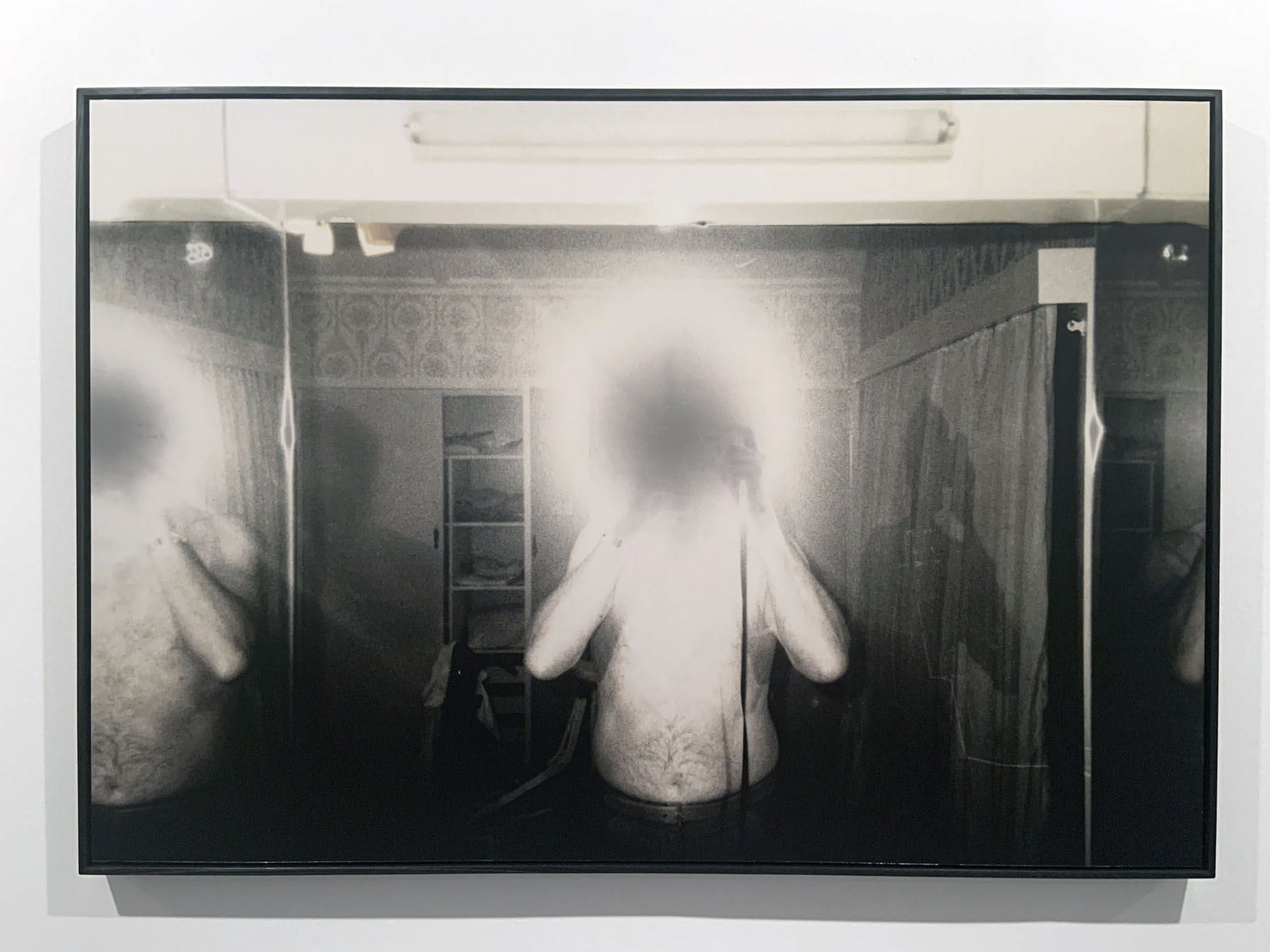
Ruth Maddison (Australian, b. 1945) Sam self-portrait, self-redacted Nd (installation view)


Ruth Maddison (Australian, b. 1945)
Sam self-portrait, self-redacted (installation view)
Nd
Pigment print from scanned negative
Photo: Marcus Bunyan


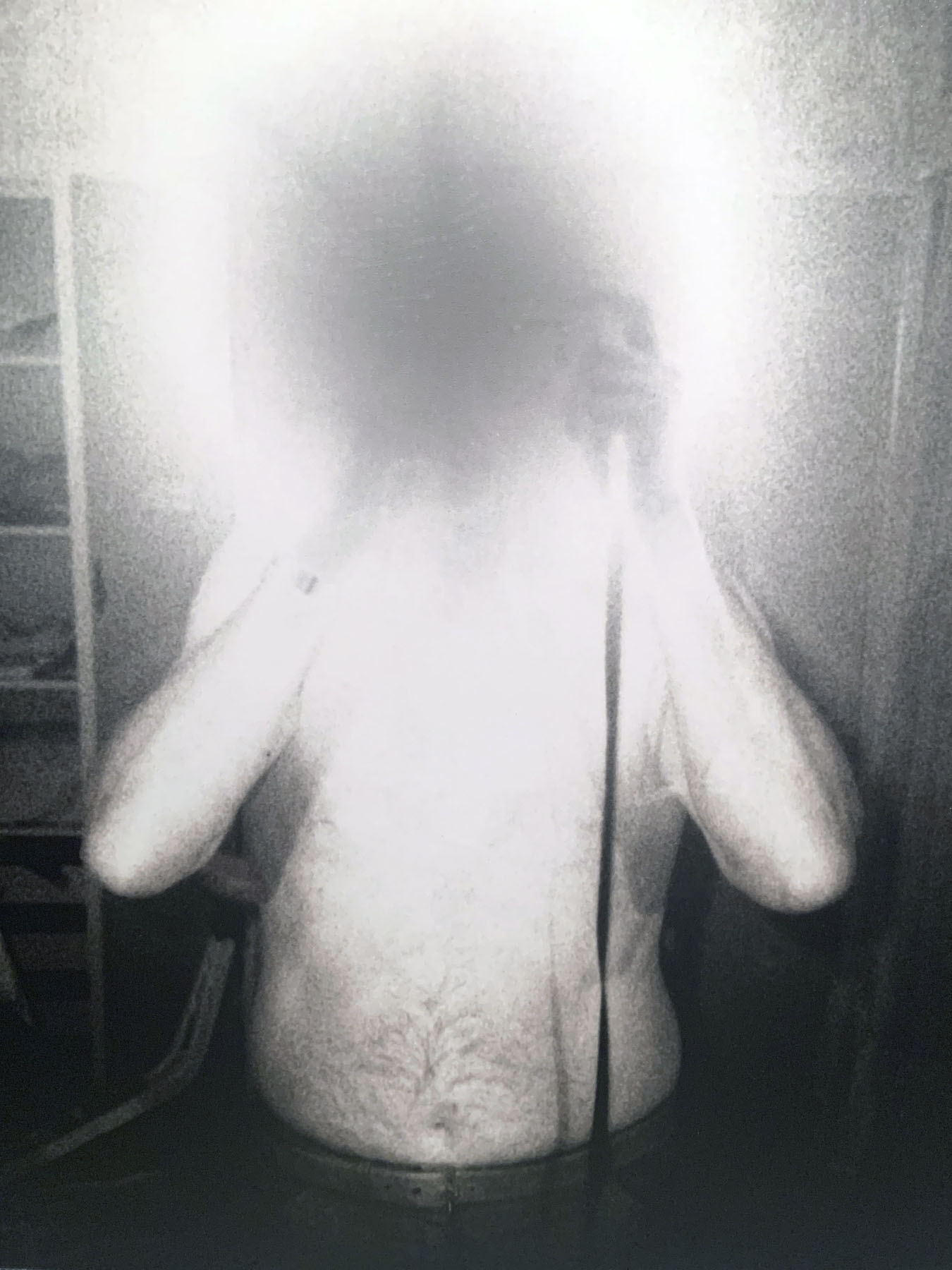
Ruth Maddison (Australian, b. 1945) 'Sam self-portrait, self-redacted' Nd (installation view detail)


Ruth Maddison (Australian, b. 1945)
Sam self-portrait, self-redacted (installation view detail)
Nd
Pigment print from scanned negative
Photo: Marcus Bunyan


Installation view of the exhibition 'Ruth Maddison It was the best of times, it was the worst of times' at the Centre for Contemporary Photography, Melbourne

Installation view of the exhibition 'Ruth Maddison It was the best of times, it was the worst of times' at the Centre for Contemporary Photography, Melbourne

Installation view of the exhibition 'Ruth Maddison It was the best of times, it was the worst of times' at the Centre for Contemporary Photography, Melbourne


Installation views in gallery three of the exhibition Ruth Maddison It was the best of times, it was the worst of times at the Centre for Contemporary Photography, Melbourne
Photos: Marcus Bunyan


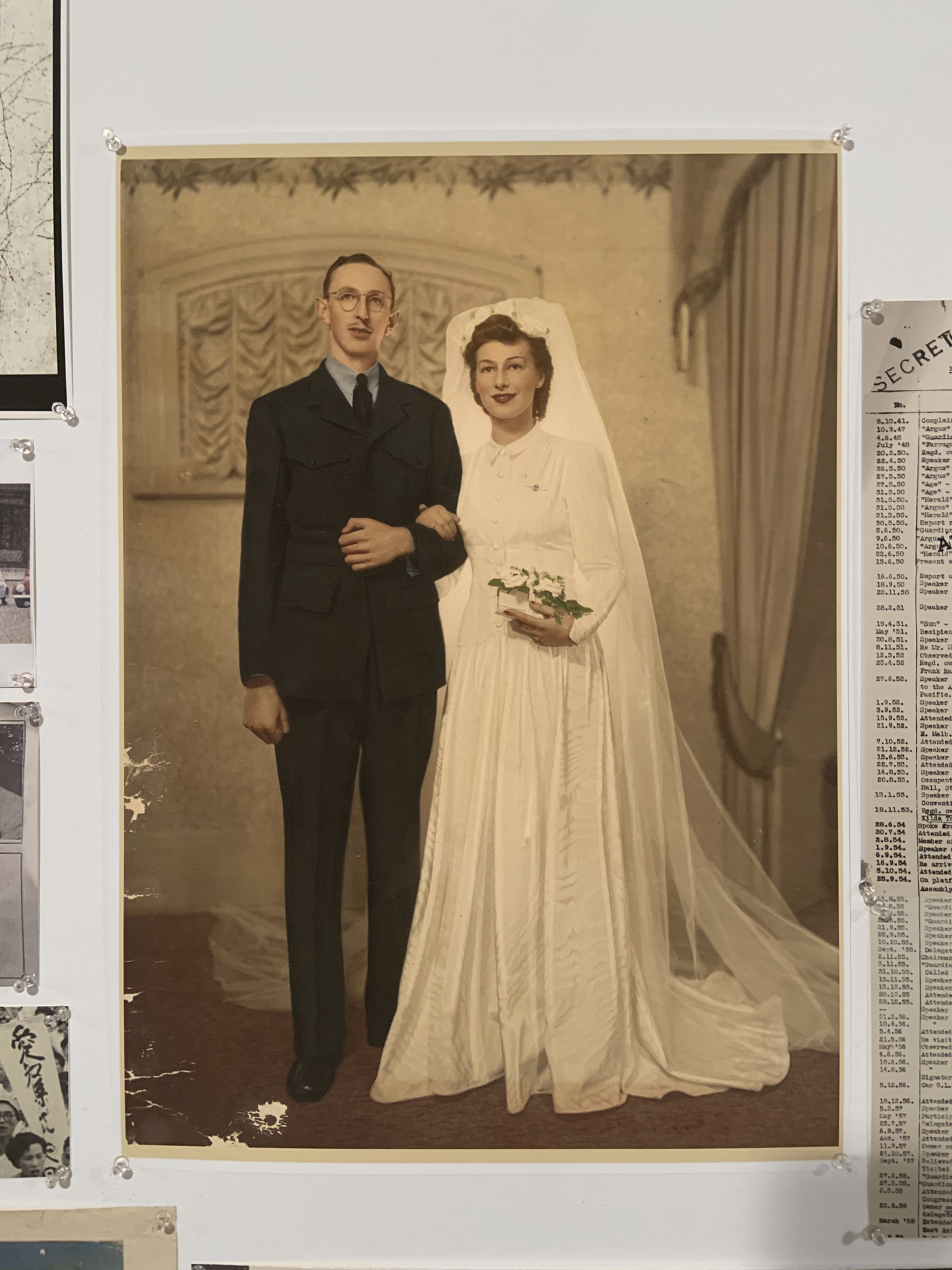
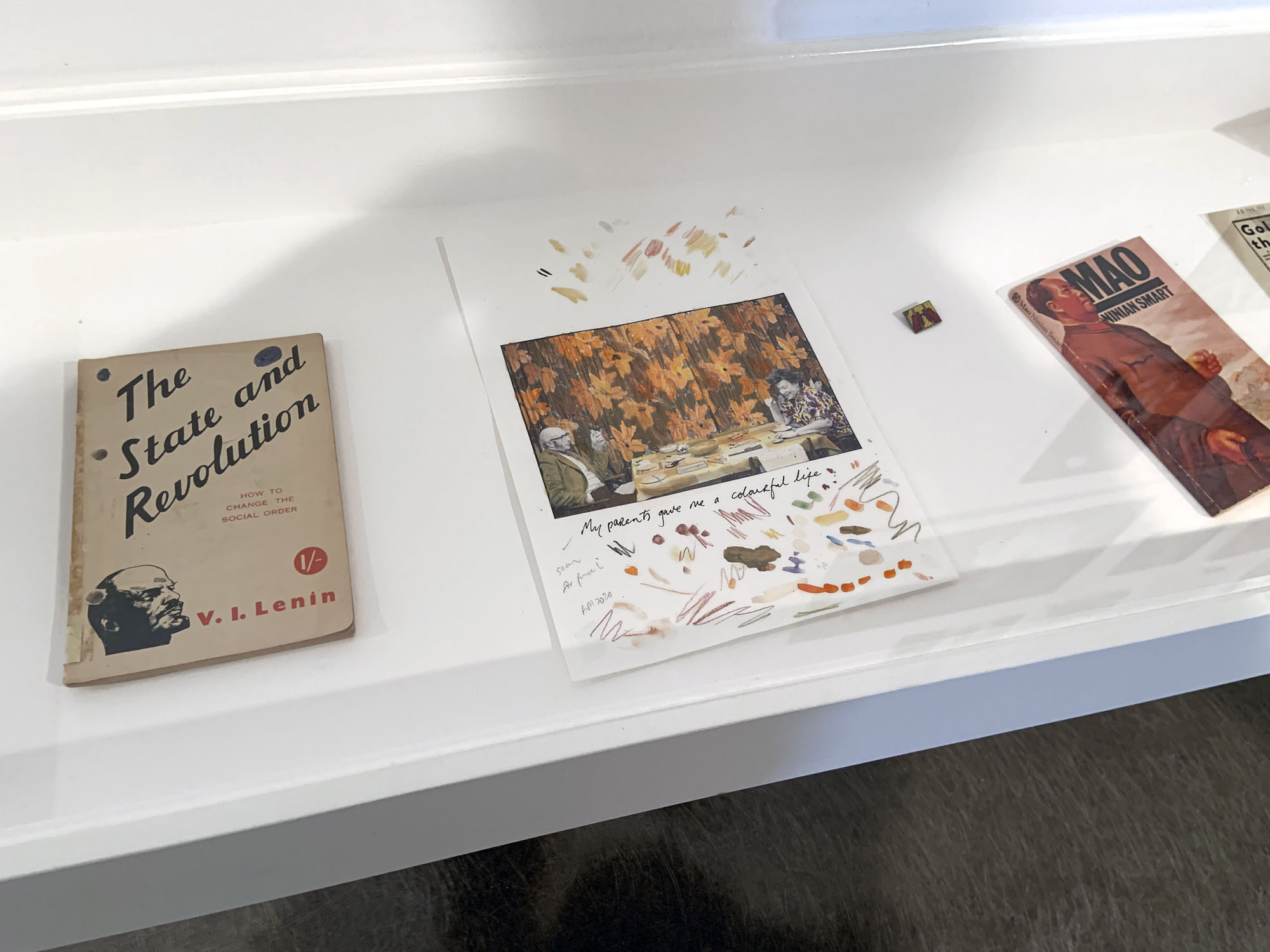
Ruth Maddison (Australian, b. 1945) 'Maddison's parents' Nd (installation view)


Ruth Maddison (Australian, b. 1945)
Maddison’s parents (installation view)
Nd
Pigment print from scanned black and white negative
Photo: Marcus Bunyan


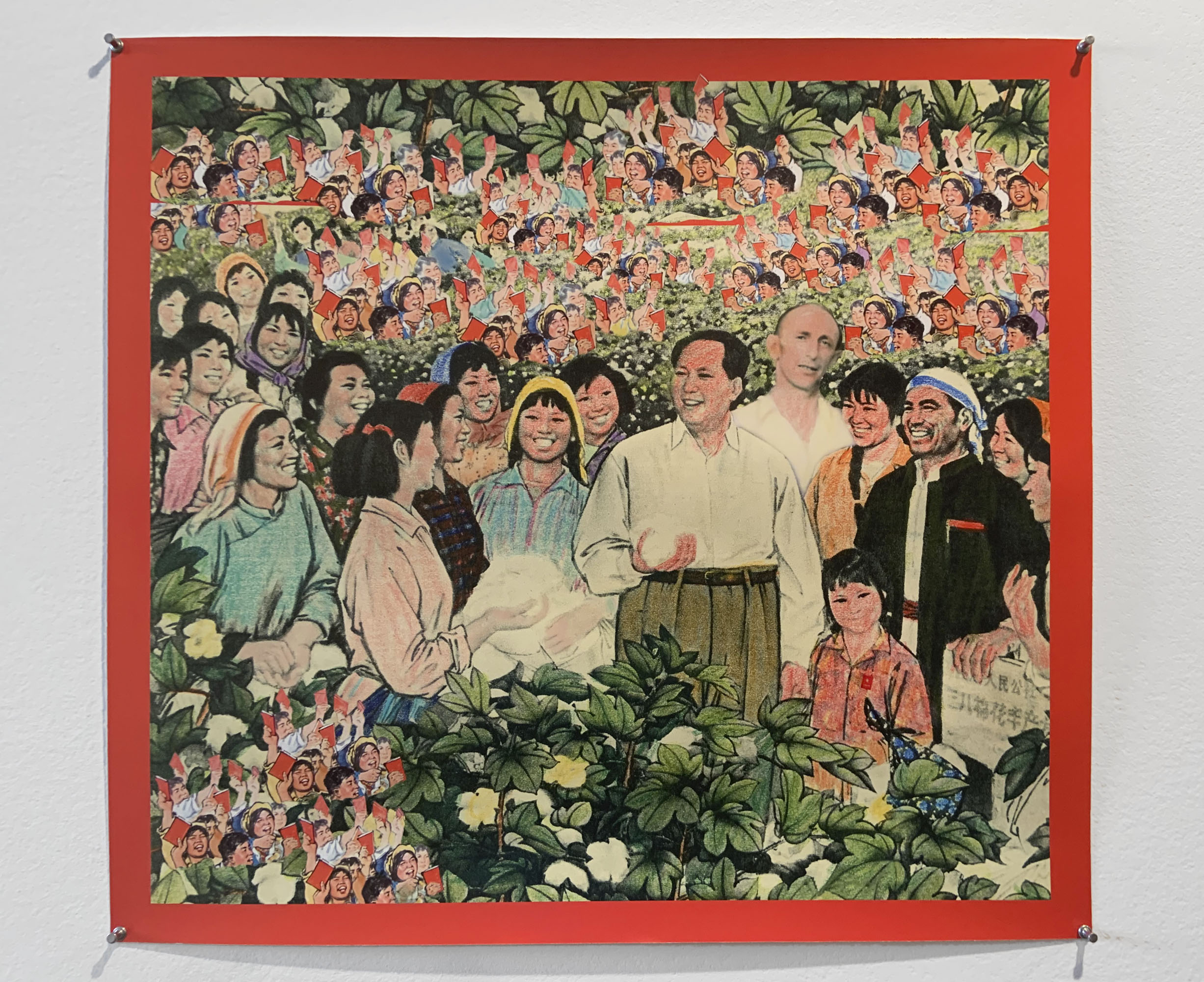
Ruth Maddison (Australian, b. 1945) 'Last night I had the strangest dream (#1)' 2020 (installation view)


Ruth Maddison (Australian, b. 1945)
Last night I had the strangest dream (#1) (installation view)
2020
Pigment print, hand coloured and digitally enhanced
64 x 70cm
Photo: Marcus Bunyan


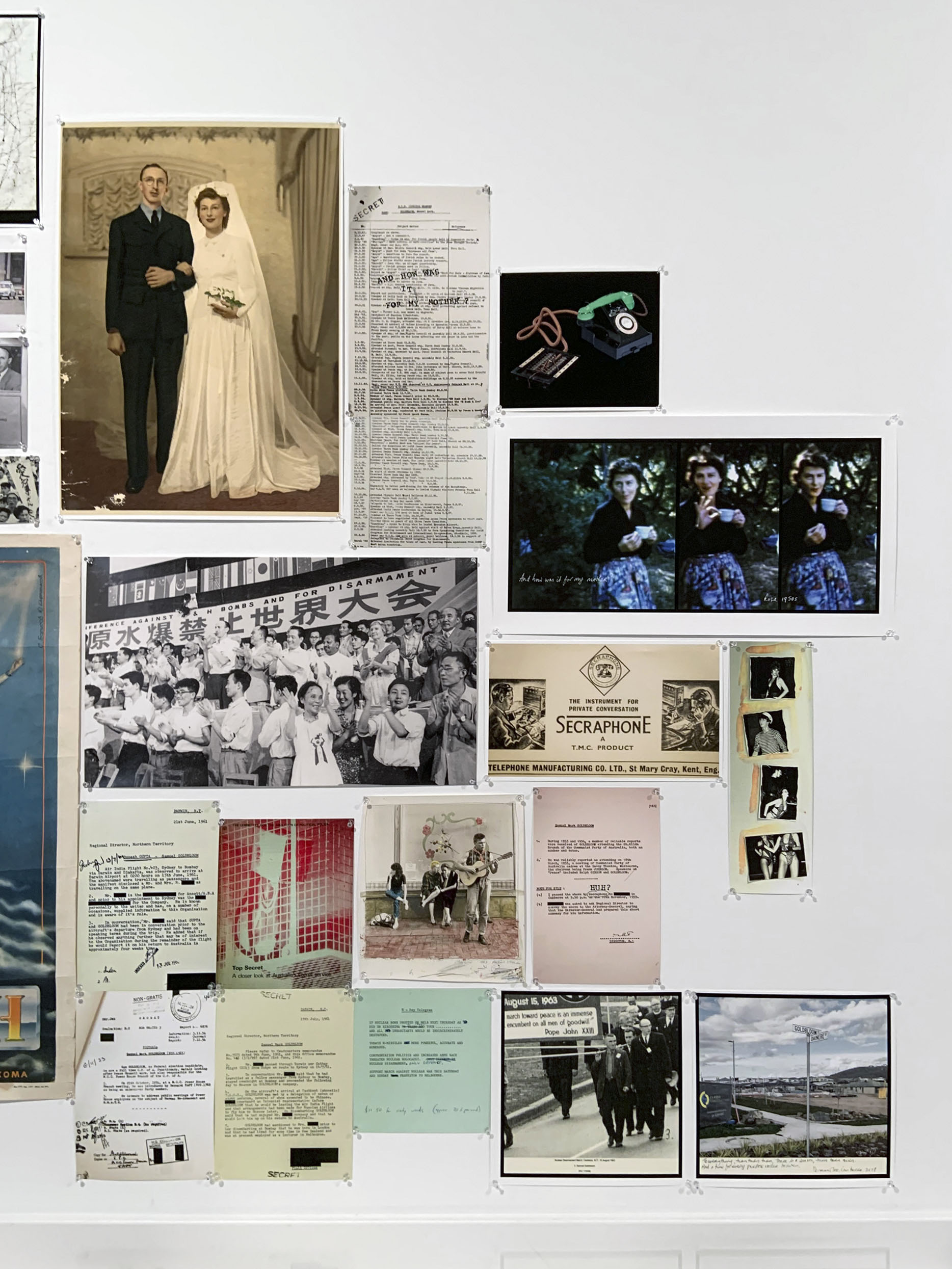
From an early age, Ruth Maddison knew her father, Sam Goldbloom, was being watched. “He used to tell us not to worry about the men sitting in the car in front of the house … we were aware the clicks on the phone meant ‘they’ were listening too,” the award-winning Melbourne-born photographer says.

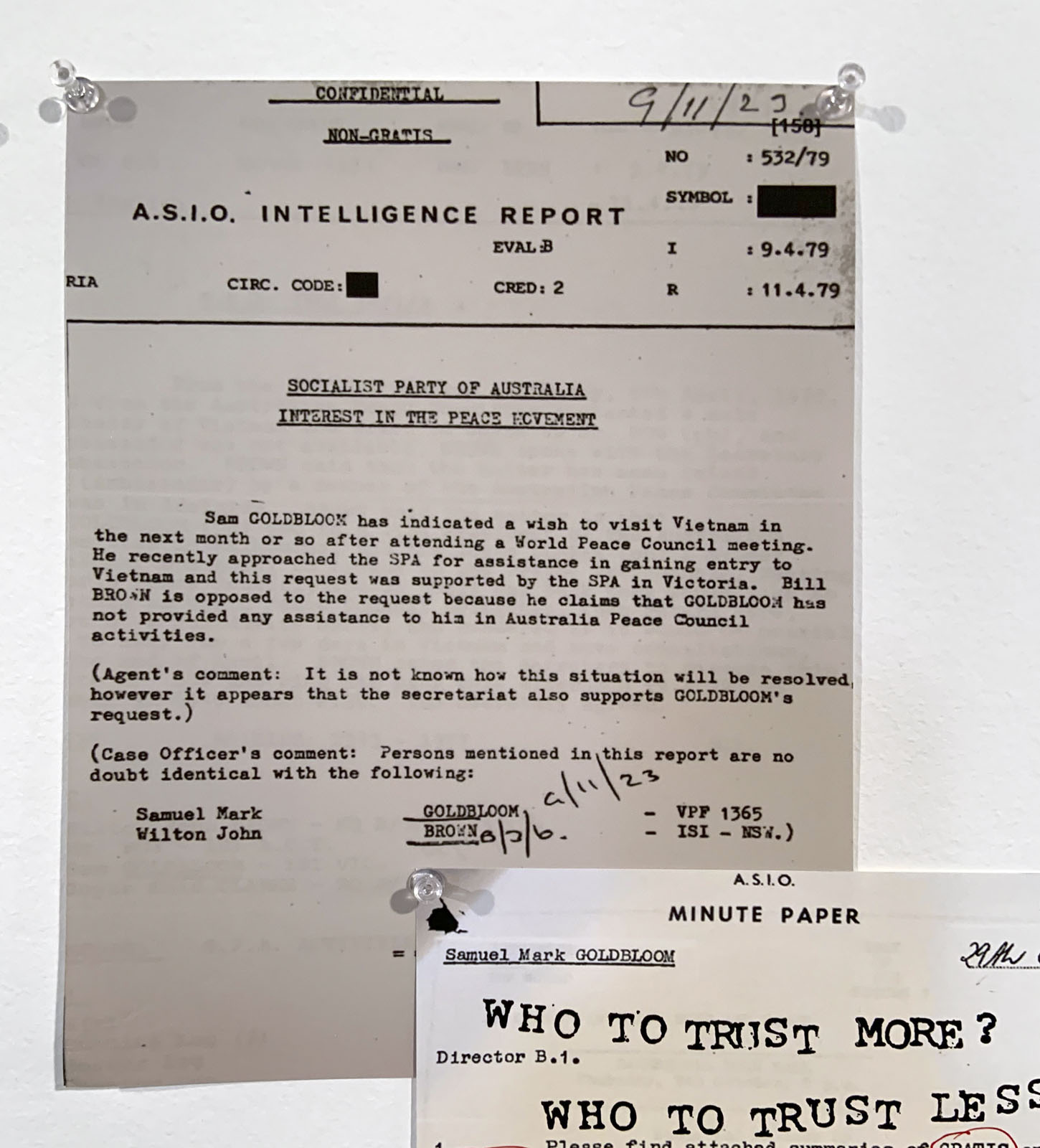
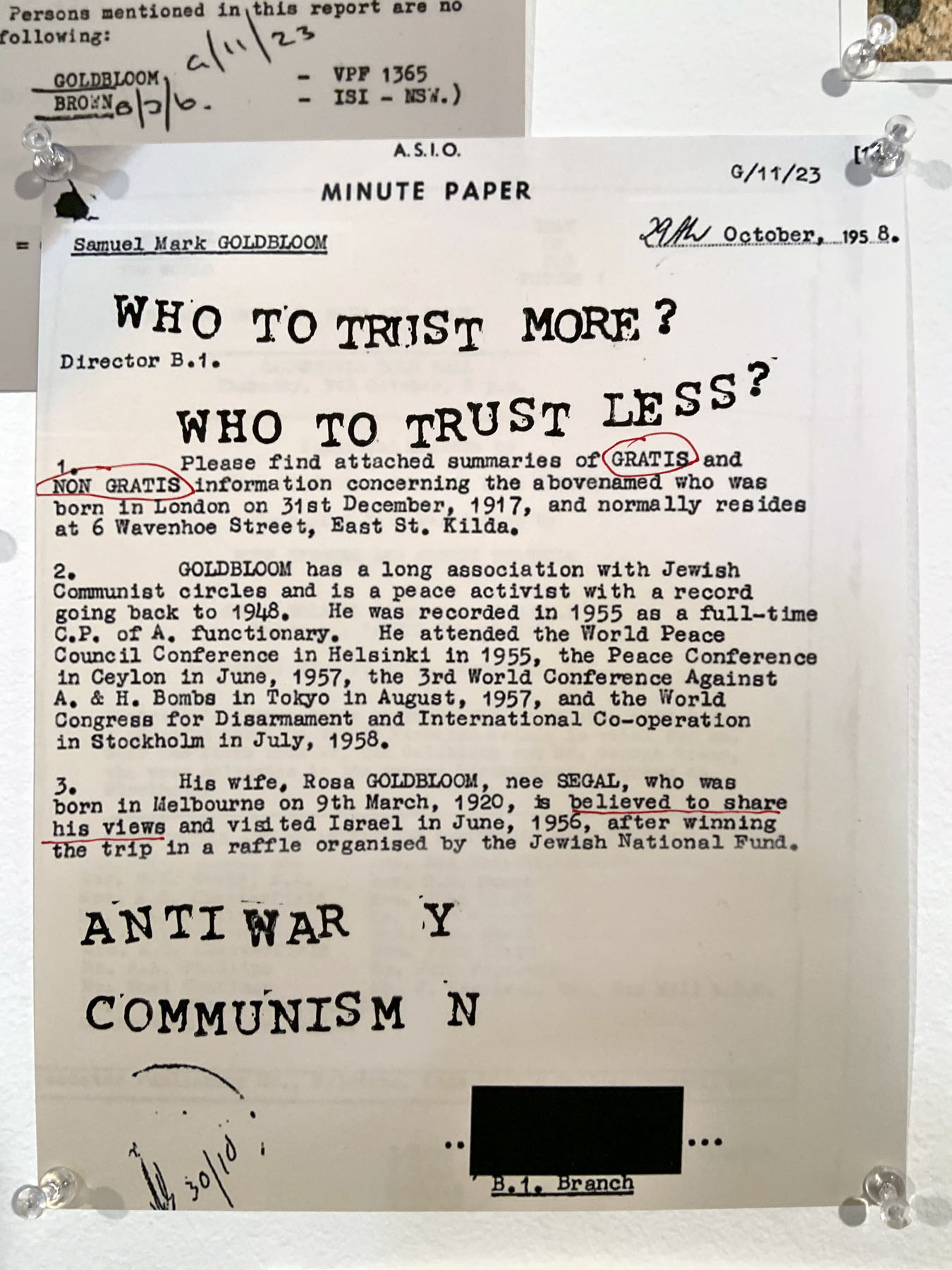
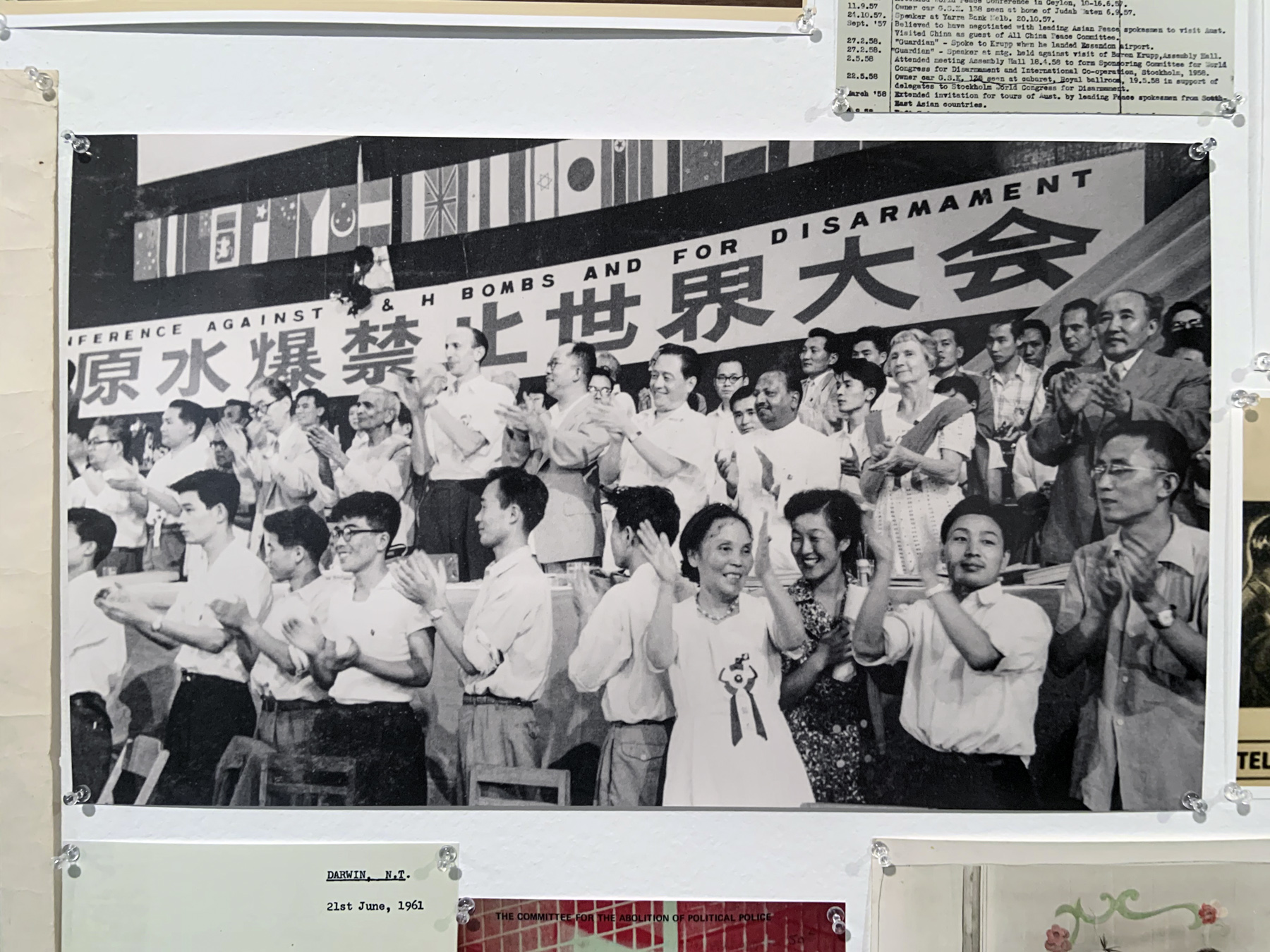
“They” were the Australian Security Intelligence Organisation. In the 1940s, Goldbloom’s anti-fascist ideals drew ASIO’s attention. He later joined the Communist party before becoming a major player in the World Peace Council. These associations made him a person of interest for more than 30 years. …

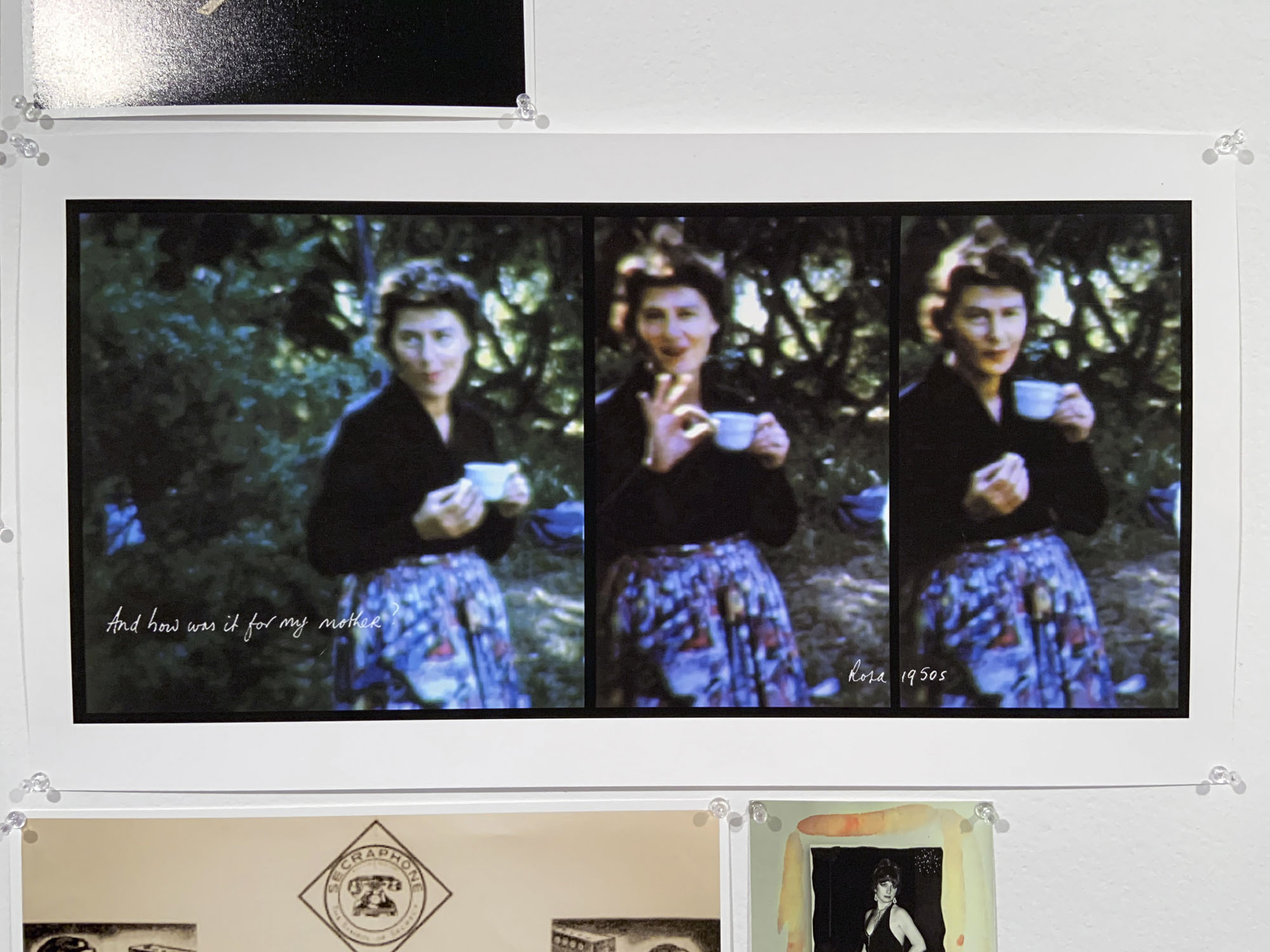
While the spy agency’s prolonged surveillance of her father was not news, Maddison says that when her mother, Rosa, died in 2008, she discovered a much more layered history. As she and her two sisters packed up the family home, Maddison was tasked with clearing out her father’s shed. He had died in 1999 but until then no one had gone through “Sam’s stuff”.

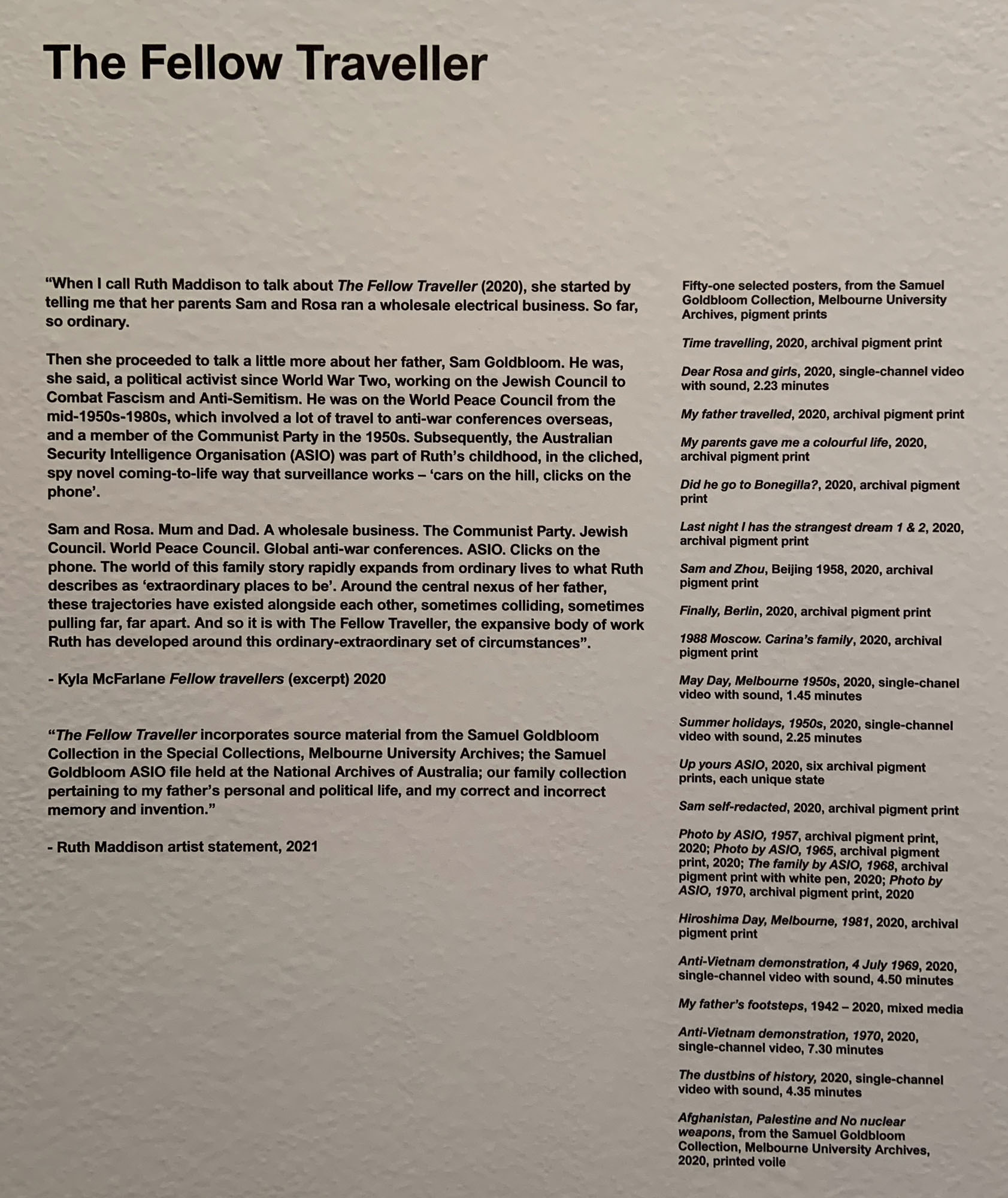
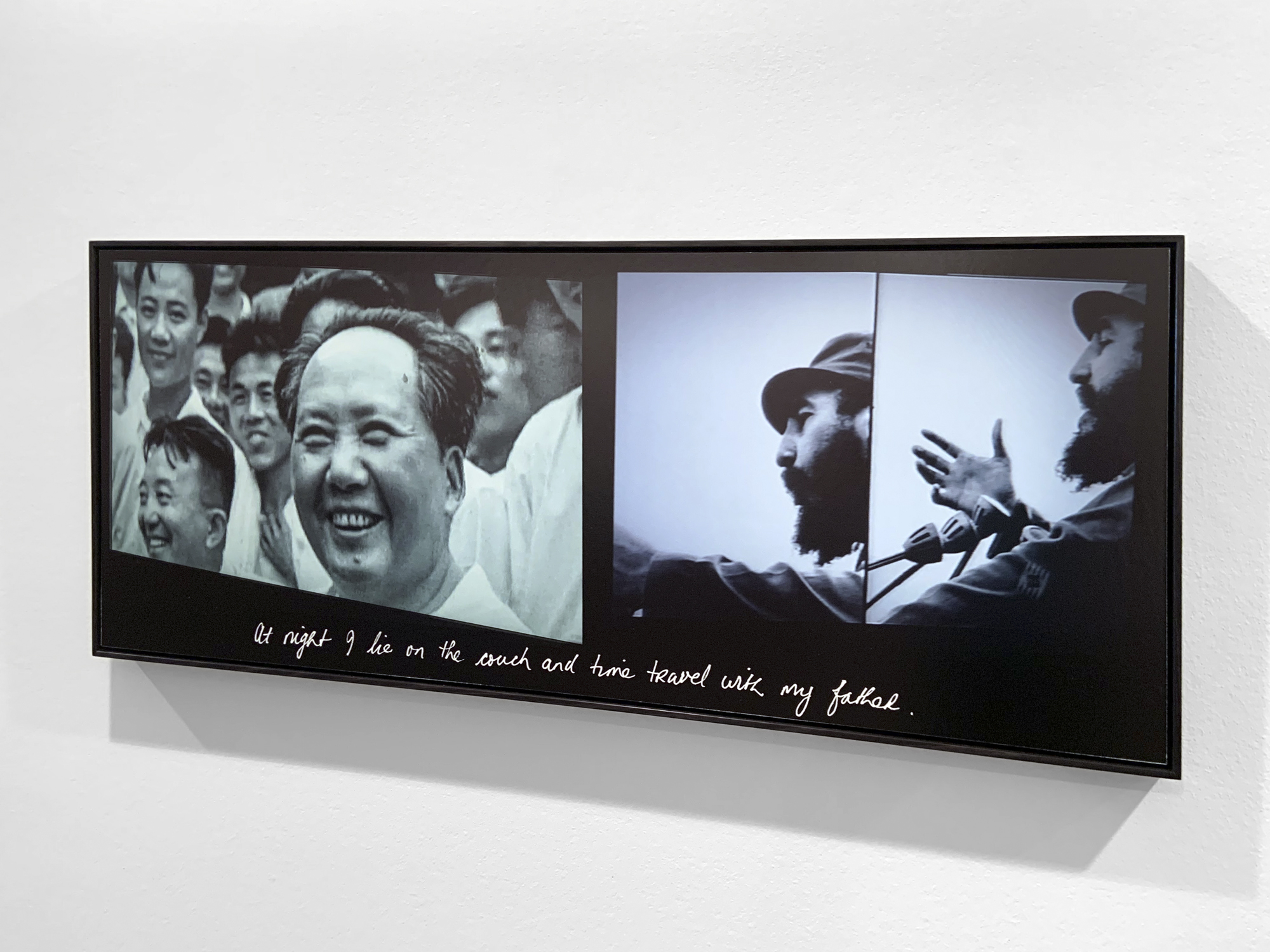
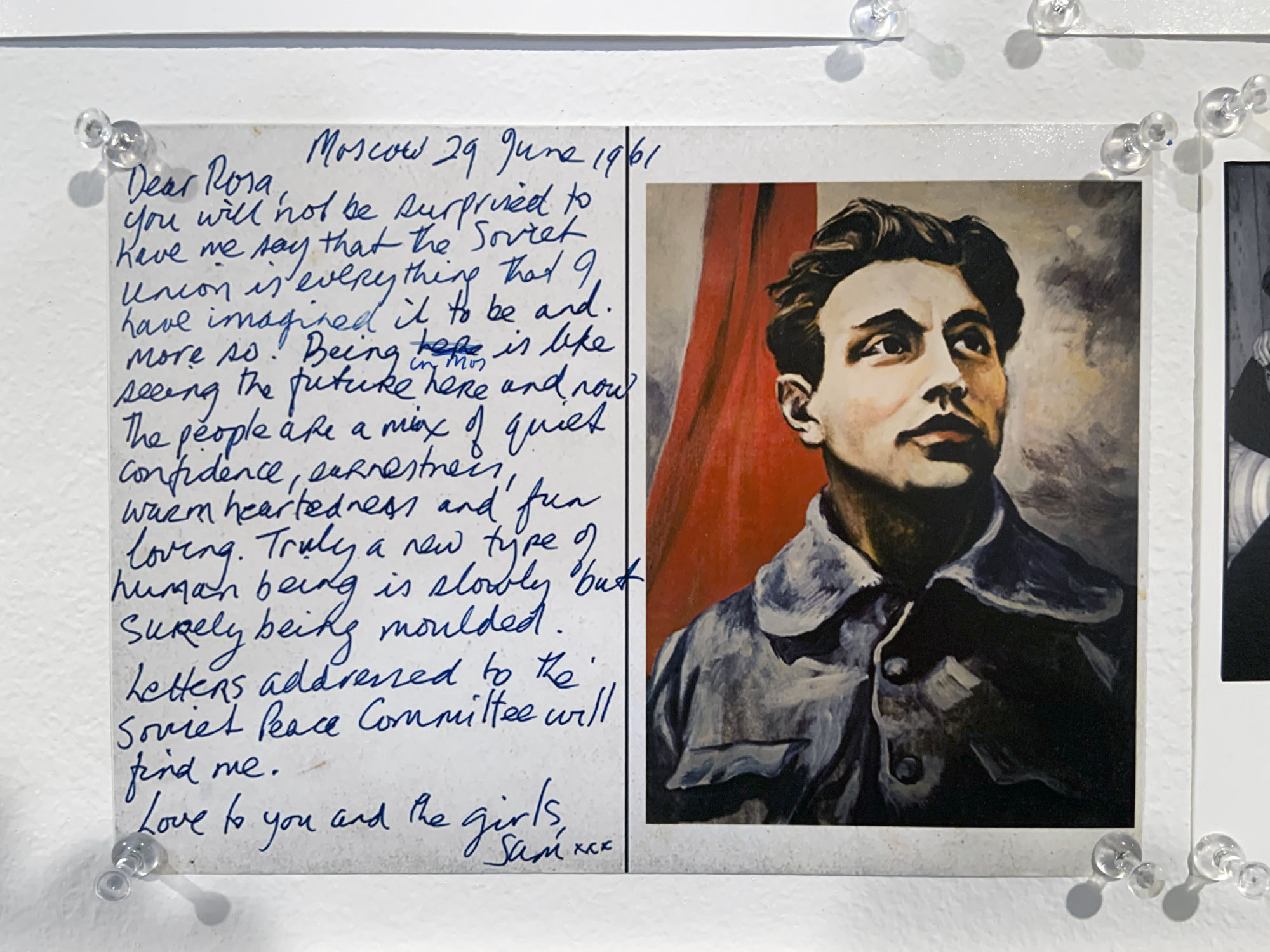
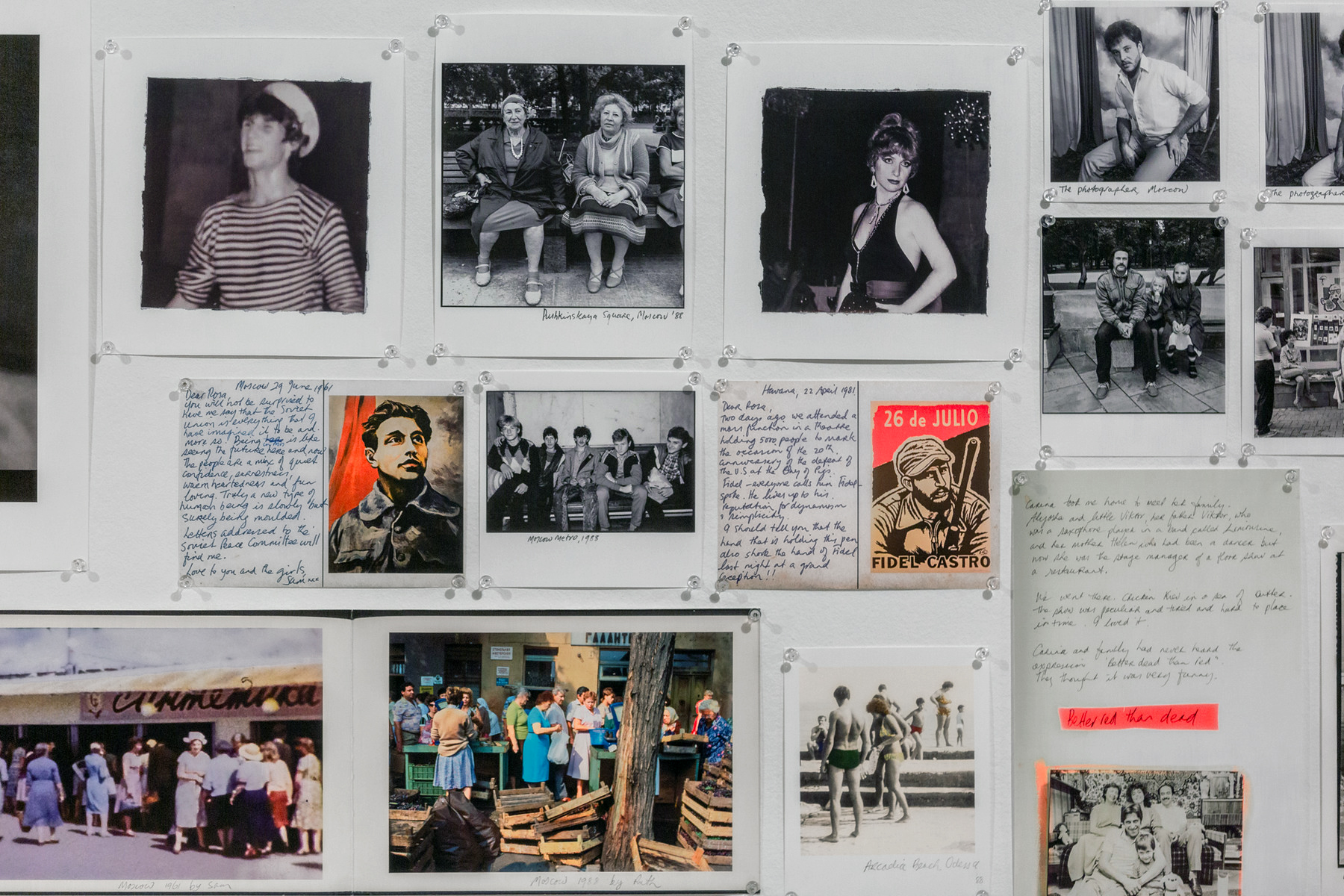
There she found packs of slides, video footage from Goldbloom’s numerous peace missions to communist regimes including the USSR, East Germany and Cuba, as well as home movies, correspondence and other paraphernalia related to his activist work. This discovery became the entry point to The Fellow Traveller, the centrepiece for the first major survey of Maddison’s work, “It was the best of times, it was the worst of times”.

She [Maddison] uses her camera to explore the influence of politics on everyday life, often focusing on the personal. In The Fellow Traveller she exposes the social and political climate of the postwar years through a very intimate and at times painful lens.

“For my father, politics was number one,” she says. “To see it all laid out in the ASIO files, you know, night after night after night Sam was at meetings, and then this year he’s overseas for one month, and then another year for two months, then three. While I was looking at all of that I realised family wasn’t number one for him.”

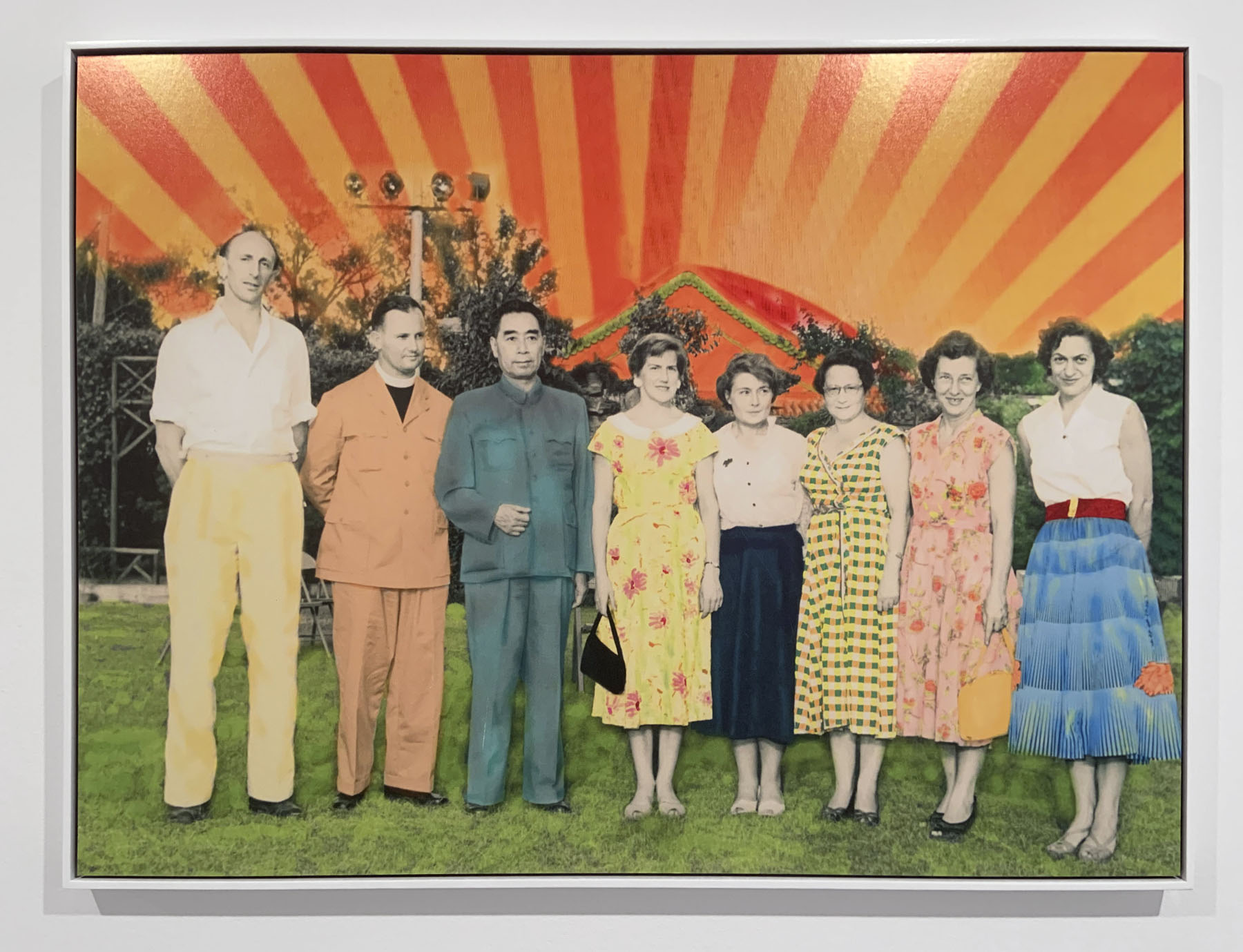
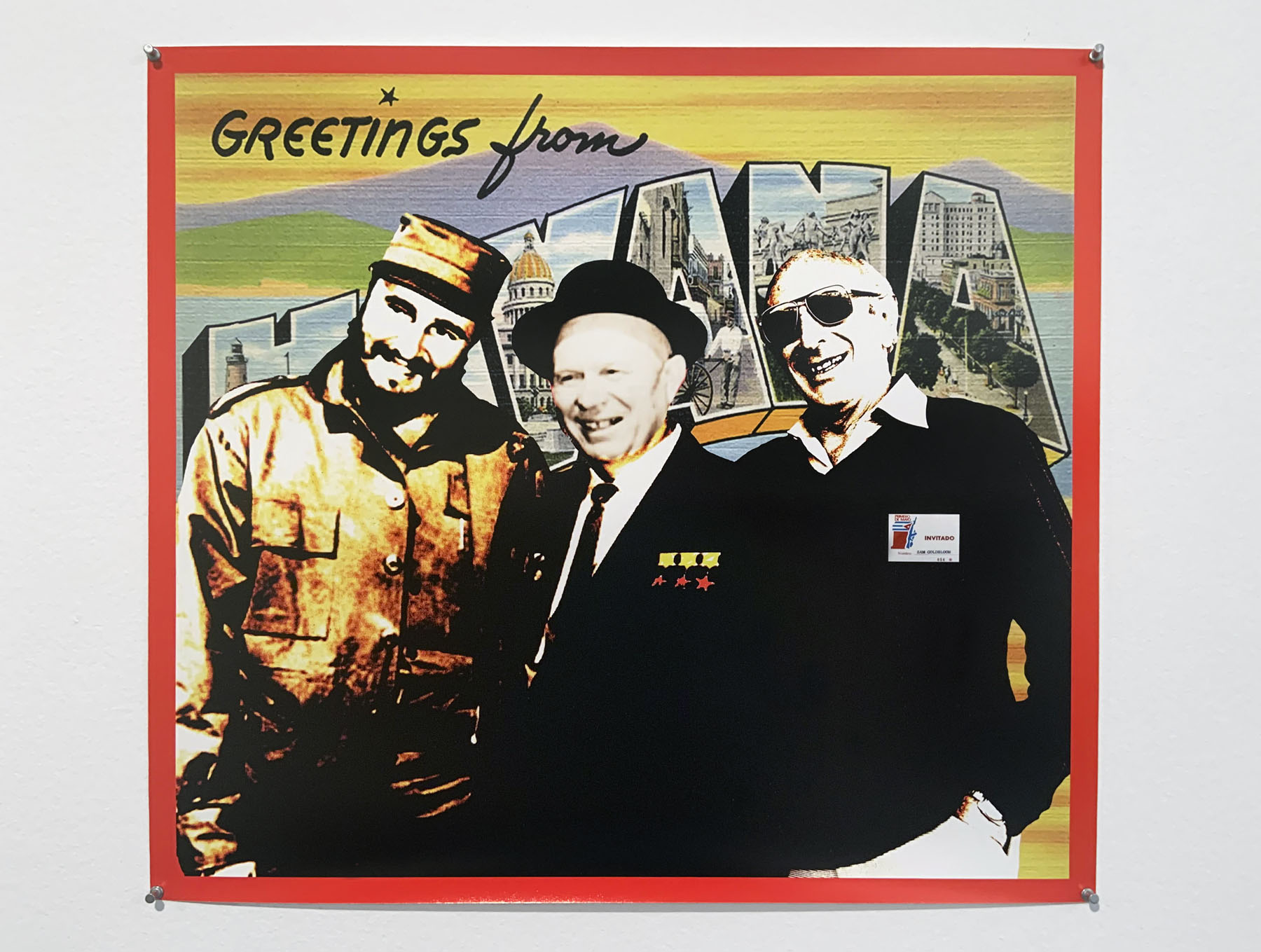
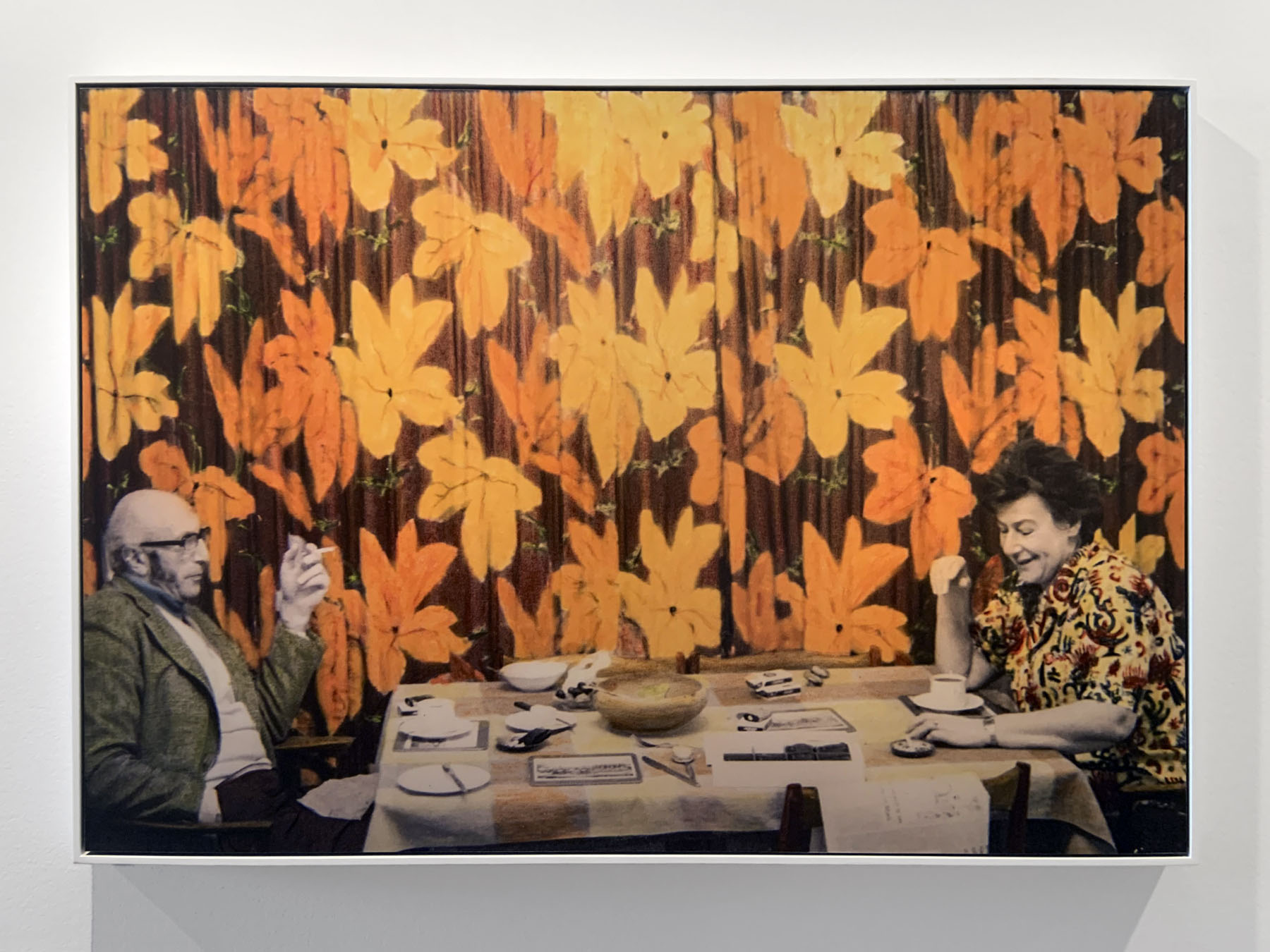
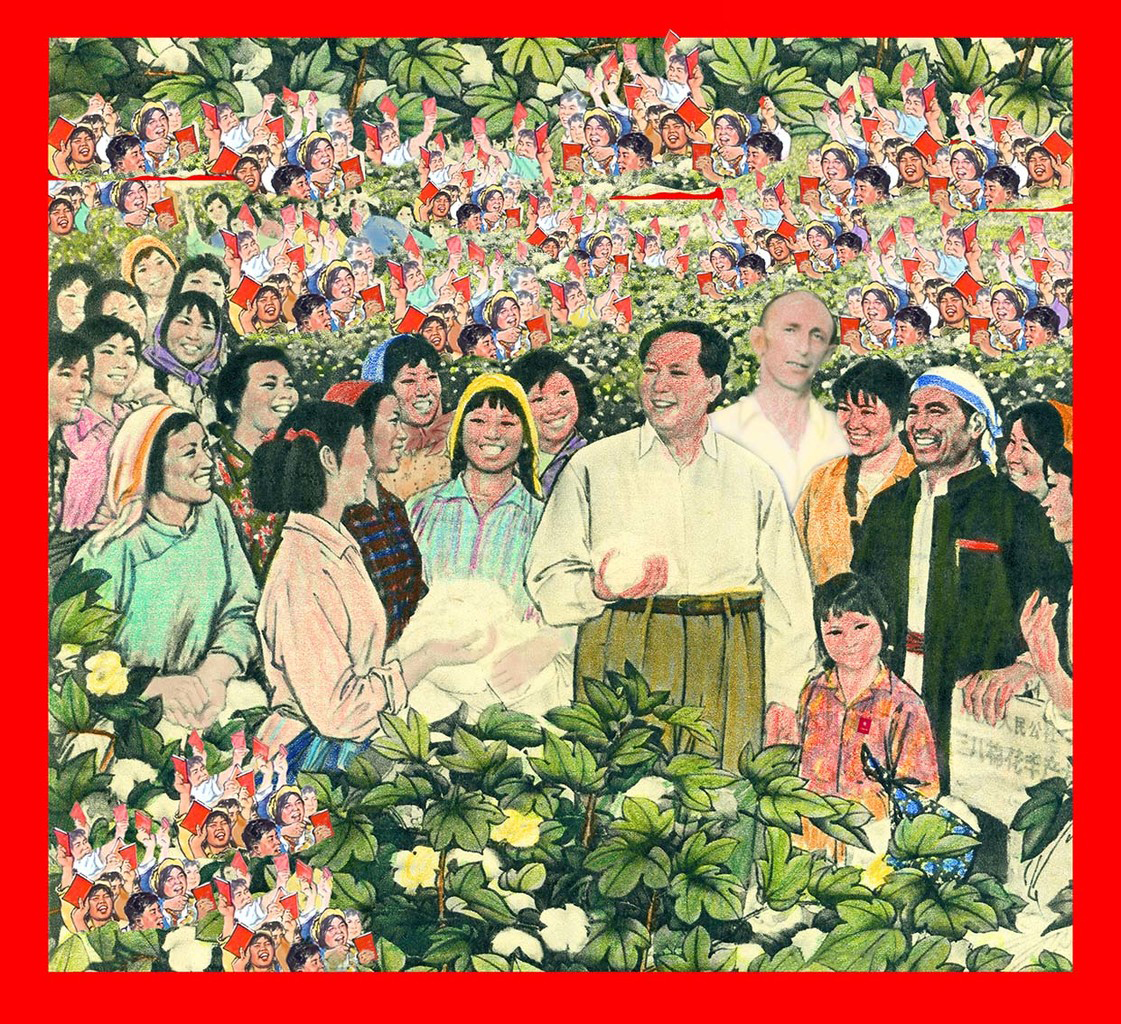
While Maddison was not witness to her father’s interactions with world leaders, she imagined him meeting men like Mao and Khrushchev. In a series, “Last night I had the strangest dream” Maddison has inserted Goldbloom into pictures with his political heroes [see Last night I had the strangest dream (#1) below].

“It’s not about reinterpreting history, I am playing with him and his life, and wondering if he ever daydreamed these images like I am now.” These hand-coloured photographs are also visual evidence of the fiction ASIO pursued.

Maddison describes her treatment of the archival materials as “part real, part desire and part imaginary”, which parallels the narrative in the ASIO files. In the endless reams of observational notes, innocuous photographs and informers’ statements lies the hope that Goldbloom was up to something.

After decades of being denigrated in the press and parliament, in 1990 Goldbloom was awarded an OAM for his service as an activist for peace. Later, a street was named after him in Canberra. Maddison has paired an ASIO image of her father at a peace rally in 1965 with the Goldbloom street sign, evidence she says of “history doing the wheel again”. [See the diptych To everything there is a turn, turn, turn 2020 above]

Alison Stieven-Taylor. “The communist who raised me: photographer Ruth Maddison interrogates her father’s Asio file,” on the Guardian website Thurs 25 February 2021 [Online] Cited 05/04/2021
 

Ruth Maddison (Australian, b. 1945) 'Last night I had the strangest dream (#1)' 2020


Ruth Maddison (Australian, b. 1945)
Last night I had the strangest dream (#1)
2020
Pigment print, hand coloured and digitally enhanced
64 x 70cm
Courtesy of the artist and the Centre for Contemporary Photography


Gallery four


Text from the exhibition 'Ruth Maddison It was the best of times, it was the worst of times' at the Centre for Contemporary Photography, Melbourne


Installation view of the exhibition 'Ruth Maddison It was the best of times, it was the worst of times' at the Centre for Contemporary Photography, Melbourne

Installation view of the exhibition 'Ruth Maddison It was the best of times, it was the worst of times' at the Centre for Contemporary Photography, Melbourne

Installation view of the exhibition 'Ruth Maddison It was the best of times, it was the worst of times' at the Centre for Contemporary Photography, Melbourne

Installation view of the exhibition 'Ruth Maddison It was the best of times, it was the worst of times' at the Centre for Contemporary Photography, Melbourne

Installation view of the exhibition 'Ruth Maddison It was the best of times, it was the worst of times' at the Centre for Contemporary Photography, Melbourne

Installation view of the exhibition 'Ruth Maddison It was the best of times, it was the worst of times' at the Centre for Contemporary Photography, Melbourne

Installation view of the exhibition 'Ruth Maddison It was the best of times, it was the worst of times' at the Centre for Contemporary Photography, Melbourne

Installation view of the exhibition 'Ruth Maddison It was the best of times, it was the worst of times' at the Centre for Contemporary Photography, Melbourne

Installation view of the exhibition 'Ruth Maddison It was the best of times, it was the worst of times' at the Centre for Contemporary Photography, Melbourne

Installation view of the exhibition 'Ruth Maddison It was the best of times, it was the worst of times' at the Centre for Contemporary Photography, Melbourne


Installation views in gallery four of the exhibition Ruth Maddison It was the best of times, it was the worst of times at the Centre for Contemporary Photography, Melbourne
Photos: Marcus Bunyan


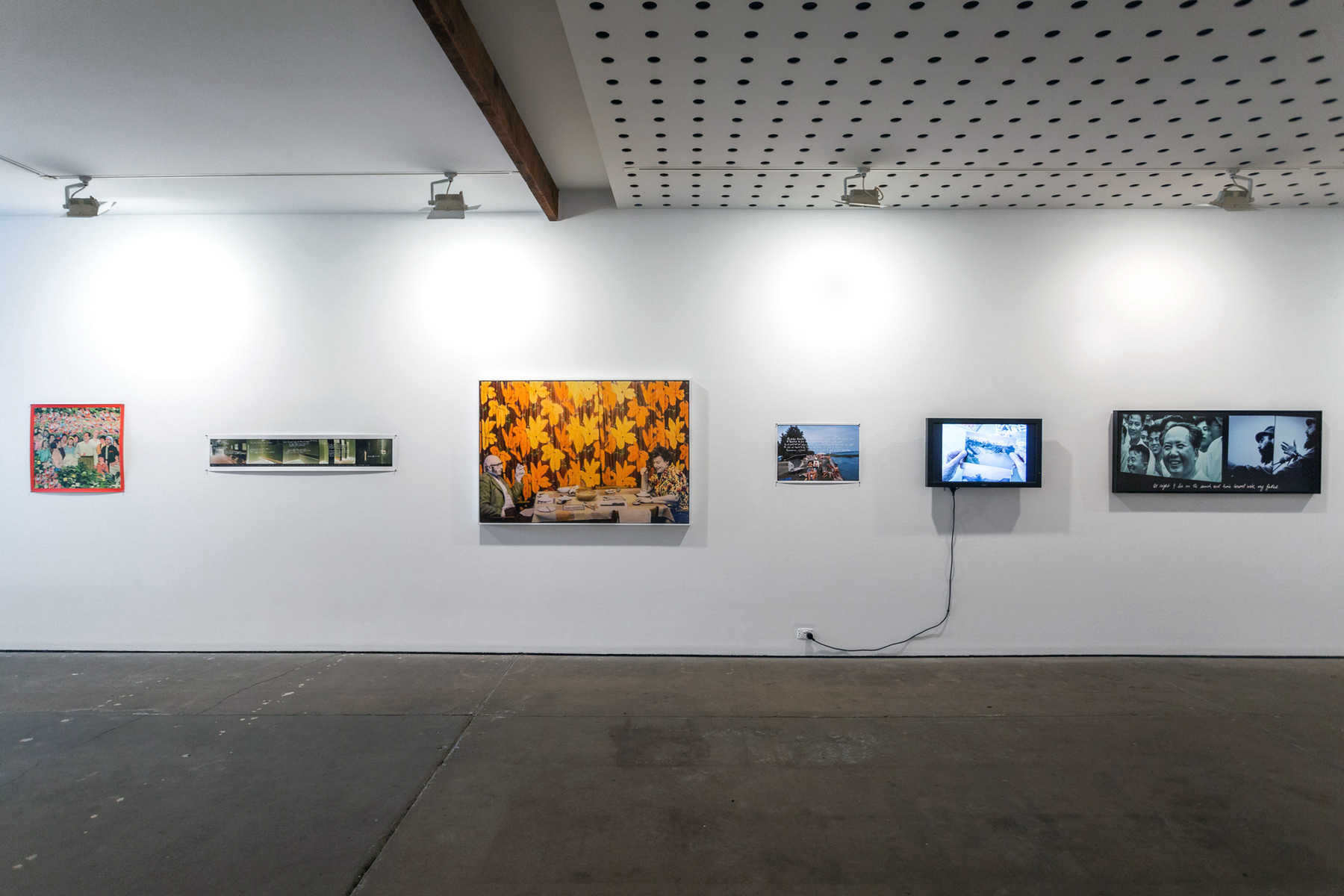
Ruth Maddison: It was the best of times, it was the worst of times is a significant survey exhibition focusing on Maddison’s social documentary practice from 1976 to the current day. Bringing together key historical works with a major new commission, this exhibition is a timely and focused look at one of Australia’s leading feminist photographers.

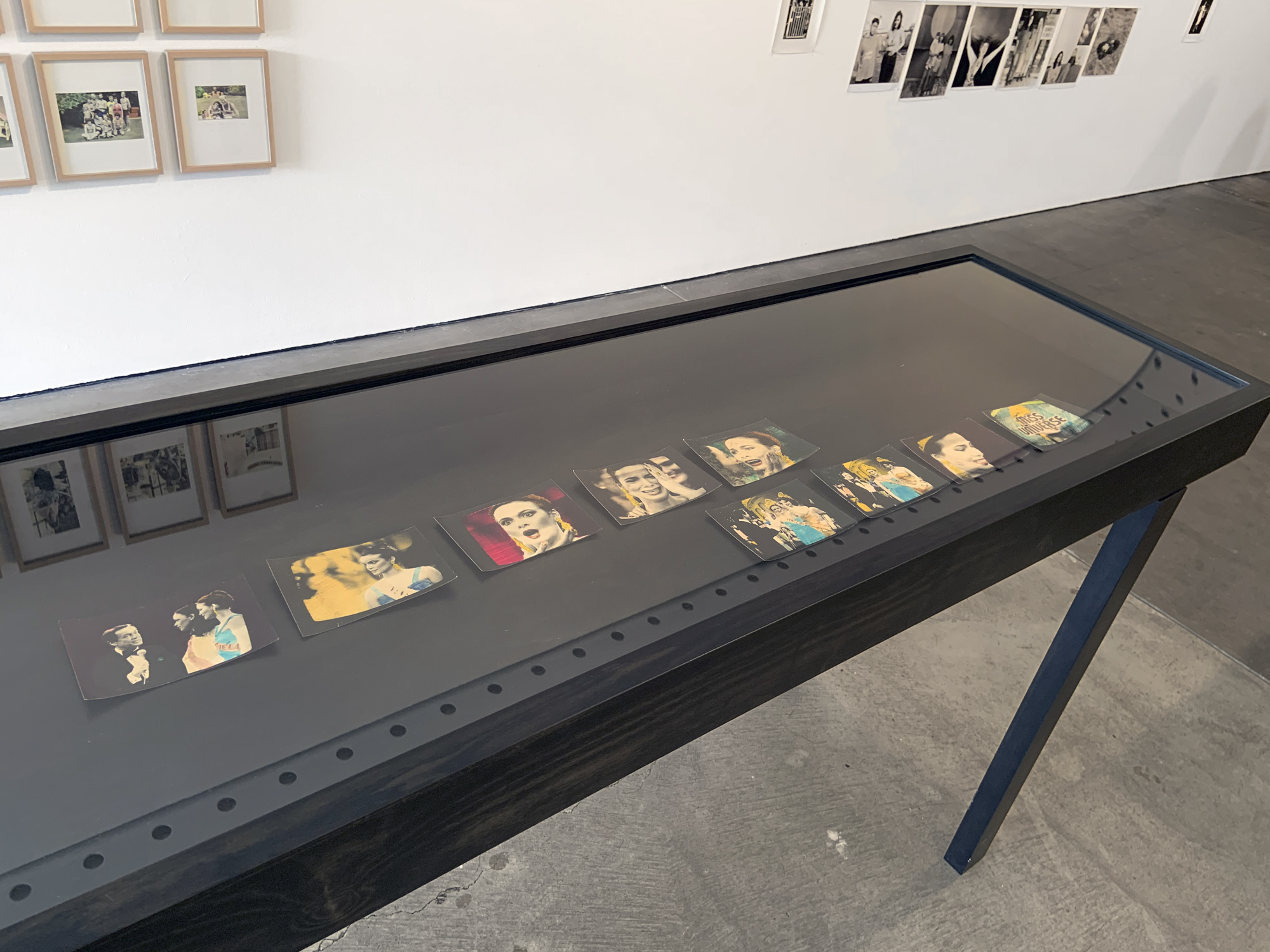
The exhibition features several key series, from Maddison’s earliest hand-coloured works Miss Universe (1979); her iconic Christmas Holidays with Bob’s Family, Mermaid Beach, Queensland (1979); a selection of series focusing on women in the workforce (from 1979); The Beginning of Absence (1996) documenting her father’s mortality; photojournalistic works documenting political rallies and activism in Australia (1975-2015); to Maddison’s more recent projects documenting the people and industries of Eden, NSW (2002-2014).

These works are presented alongside Maddison’s documentation of the cultural milieu of Melbourne with a focus on the late 1970s and 1980s. Her portraits of Melbourne’s leading writers, artists, theatre makers and musicians include Helen Garner, Tracey Moffatt, Steven Cummings, Jenny Watson, Mickey Allen, Ponch Hawkes and the founders of Melbourne’s Circus Oz amongst others.

Maddison’s more recent projects documenting Eden’s people and industries illustrate the changing face of regional Australia and the societal pressures that have come to bear. The Eden teens captured in Maddison’s 2002 series have now splintered, with half leaving town for new opportunities and the other remaining. The two industries – fishing and timber – that have underpinned Eden’s economy for decades have been dramatically reduced. While the 2019 bushfires, followed by the COVID-19 pandemic have further economically ravaged a community trying to rebuild itself.

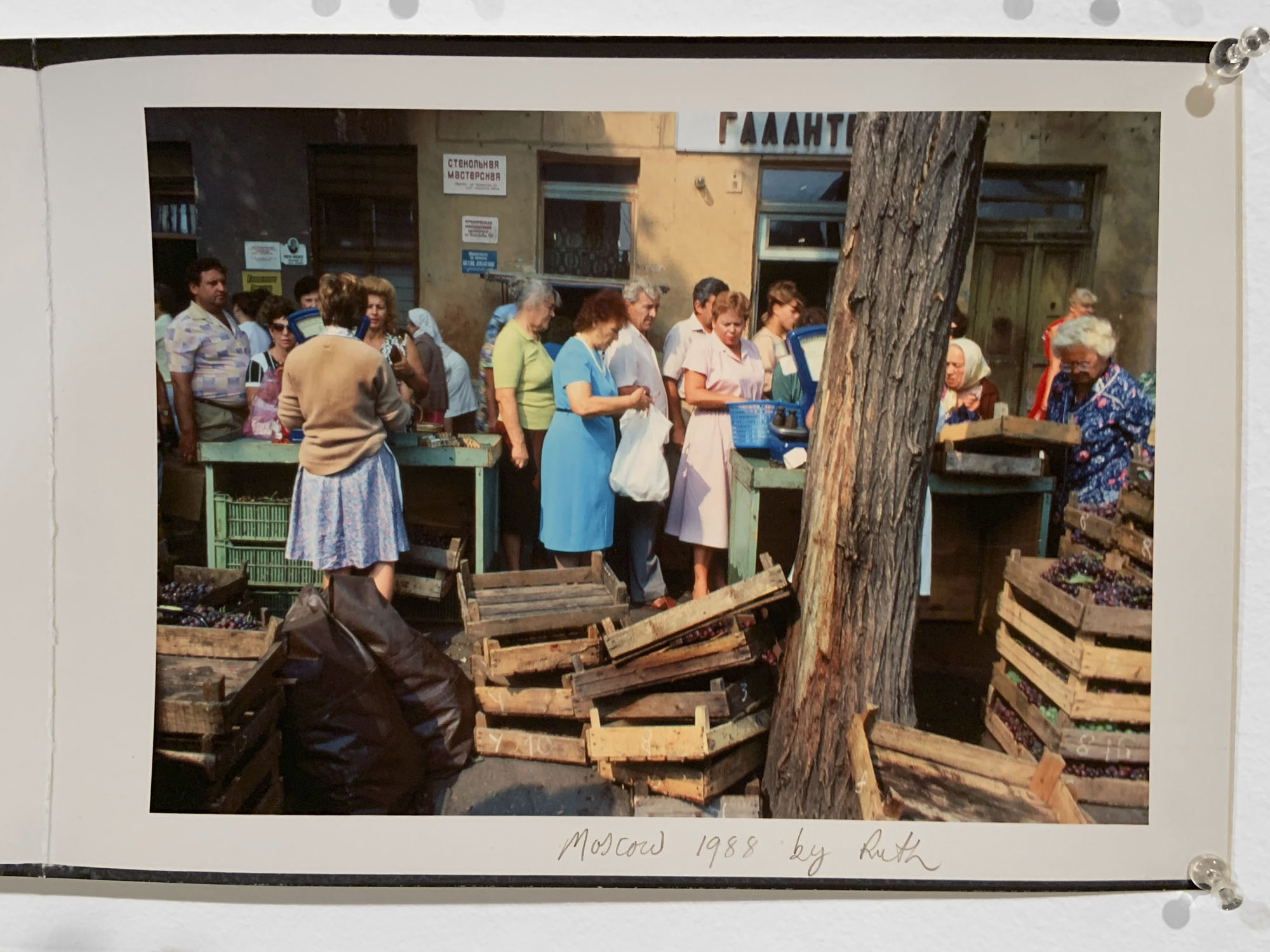
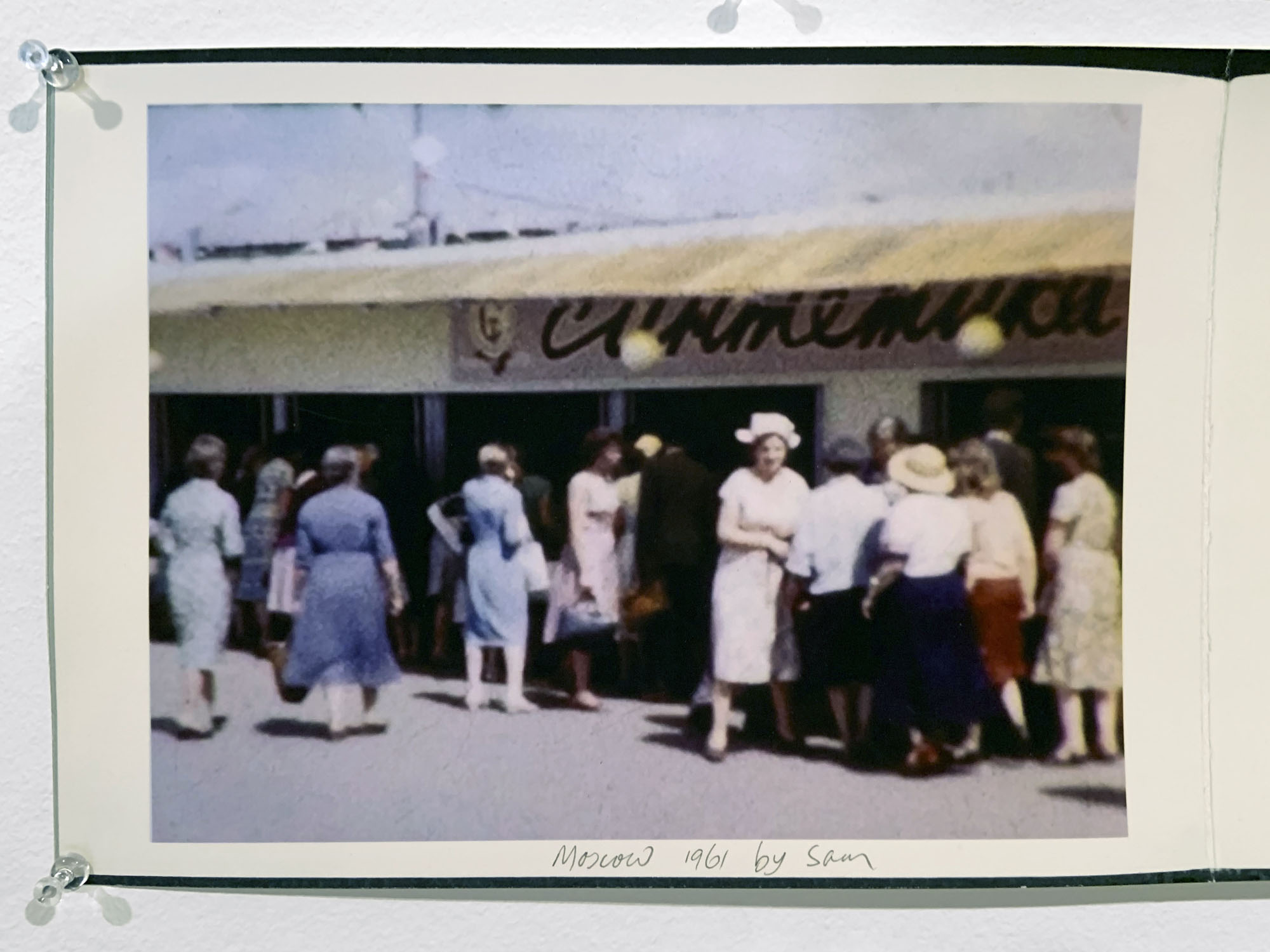
The newly commissioned work The Fellow Traveller (2020) is an immersive photographic installation exploring Maddison’s father’s radical political activities in Australia and overseas from the 1950s-1980s, which were under ASIO scrutiny. Combining archival material, footage and hand-coloured photographs among a sea of revealing and curious images, The Fellow Traveller presents the shifting nature of long held personal and historical truths at a time of increasing social and political urgency.

Delivered through the collaboration of Adam Harding CCP Director, Jack Willet CCP Curator, Ruth Maddison and independent Curator Olivia Poloni, with inceptive curatorial work from Linsey Gosper and Madé Spencer-Castle.

Biography

Ruth Maddison (b. Melbourne, 1945, lives and works in Eden) is one of Australia’s foremost senior feminist photographers. Best known for her hand-coloured series, Christmas Holidays with Bob’s Family, Mermaid Beach, Queensland (1977-78), for over 40 years Maddison has been exploring ideas surrounding relationships, working lives, and communities through portraiture and social documentary photography.

An entirely self-taught practitioner, Maddison shot her first roll of film in 1976 under the encouragement of longtime friend Ponch Hawkes, and has hardly put down a camera since. Maddison’s work is represented in major public collections, including the National Gallery of Australia, National Gallery of Victoria, the Museum of Contemporary Art, the National Library and the State Libraries of Victoria and New South Wales.

Text from the CCP website [Online] Cited 28/03/2021
 

Gallery one

Documentation photography J Forsyth


’Ruth Maddison: It was the best of times, it was the worst of times’, installation view Centre for Contemporary Photography, 2021. Documentation photography J Forsyth.

’Ruth Maddison: It was the best of times, it was the worst of times’, installation view Centre for Contemporary Photography, 2021. Documentation photography J Forsyth.

’Ruth Maddison: It was the best of times, it was the worst of times’, installation view Centre for Contemporary Photography, 2021. Documentation photography J Forsyth.

’Ruth Maddison: It was the best of times, it was the worst of times’, installation view Centre for Contemporary Photography, 2021. Documentation photography J Forsyth.

’Ruth Maddison: It was the best of times, it was the worst of times’, installation view Centre for Contemporary Photography, 2021. Documentation photography J Forsyth.

’Ruth Maddison: It was the best of times, it was the worst of times’, installation view Centre for Contemporary Photography, 2021. Documentation photography J Forsyth.

’Ruth Maddison: It was the best of times, it was the worst of times’, installation view Centre for Contemporary Photography, 2021. Documentation photography J Forsyth.

’Ruth Maddison: It was the best of times, it was the worst of times’, installation view Centre for Contemporary Photography, 2021. Documentation photography J Forsyth.

’Ruth Maddison: It was the best of times, it was the worst of times’, installation view Centre for Contemporary Photography, 2021. Documentation photography J Forsyth.


Gallery two


’Ruth Maddison: It was the best of times, it was the worst of times’, installation view Centre for Contemporary Photography, 2021. Documentation photography J Forsyth.

’Ruth Maddison: It was the best of times, it was the worst of times’, installation view Centre for Contemporary Photography, 2021. Documentation photography J Forsyth.

’Ruth Maddison: It was the best of times, it was the worst of times’, installation view Centre for Contemporary Photography, 2021. Documentation photography J Forsyth.


Gallery three


’Ruth Maddison: It was the best of times, it was the worst of times’, installation view Centre for Contemporary Photography, 2021. Documentation photography J Forsyth.

’Ruth Maddison: It was the best of times, it was the worst of times’, installation view Centre for Contemporary Photography, 2021. Documentation photography J Forsyth.

’Ruth Maddison: It was the best of times, it was the worst of times’, installation view Centre for Contemporary Photography, 2021. Documentation photography J Forsyth.


Gallery four


’Ruth Maddison: It was the best of times, it was the worst of times’, installation view Centre for Contemporary Photography, 2021. Documentation photography J Forsyth.

’Ruth Maddison: It was the best of times, it was the worst of times’, installation view Centre for Contemporary Photography, 2021. Documentation photography J Forsyth.


Ruth Maddison: It was the best of times, it was the worst of times, installation views Centre for Contemporary Photography, 2021.
Documentation photography J Forsyth


Centre for Contemporary Photography

No permanent exhibition space at the moment

Centre for Contemporary Photography website
LIKE ART BLART ON FACEBOOK

Back to top

Photographs: Max Dupain (Australian, 1911-1992) Part 2

December 2020


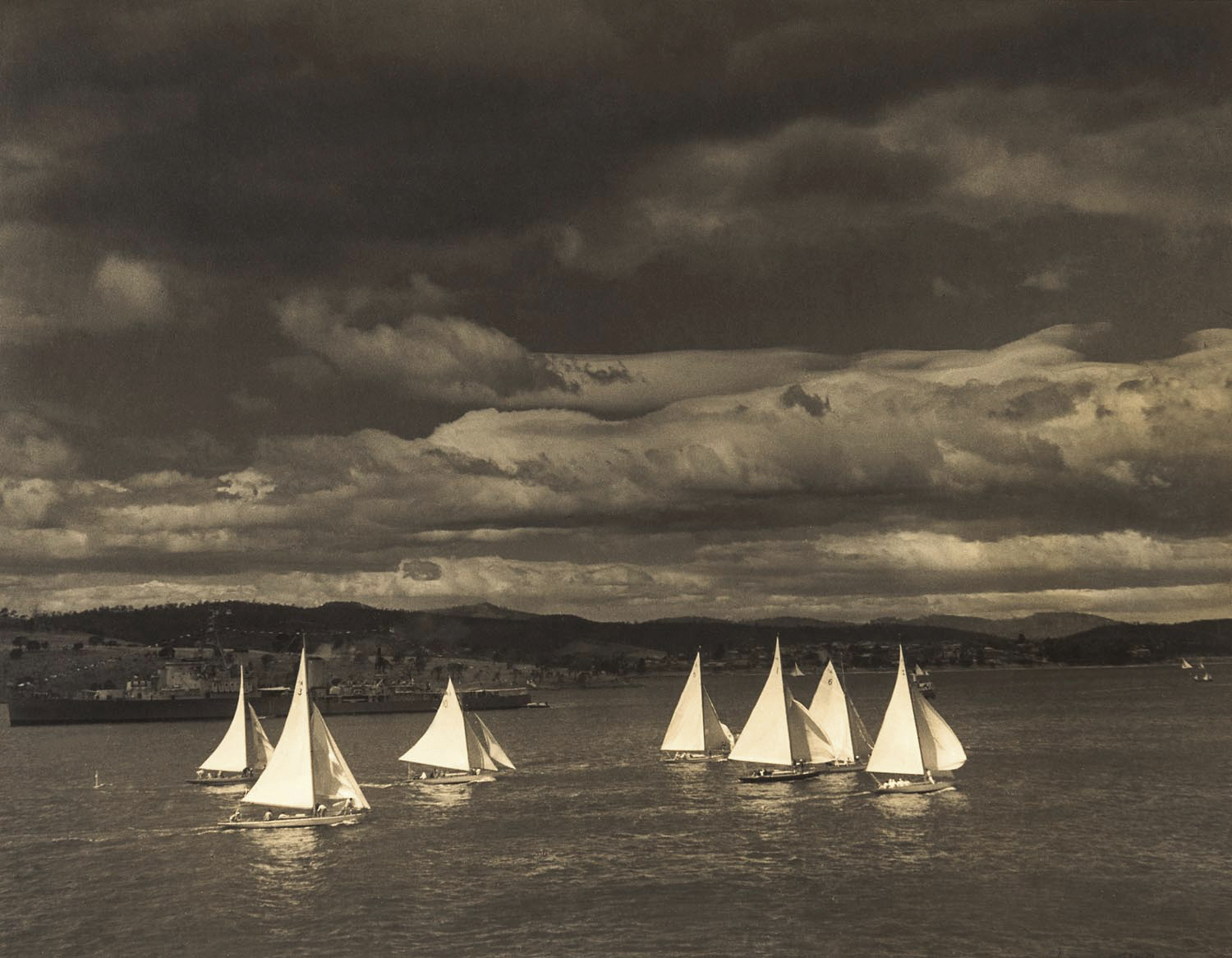
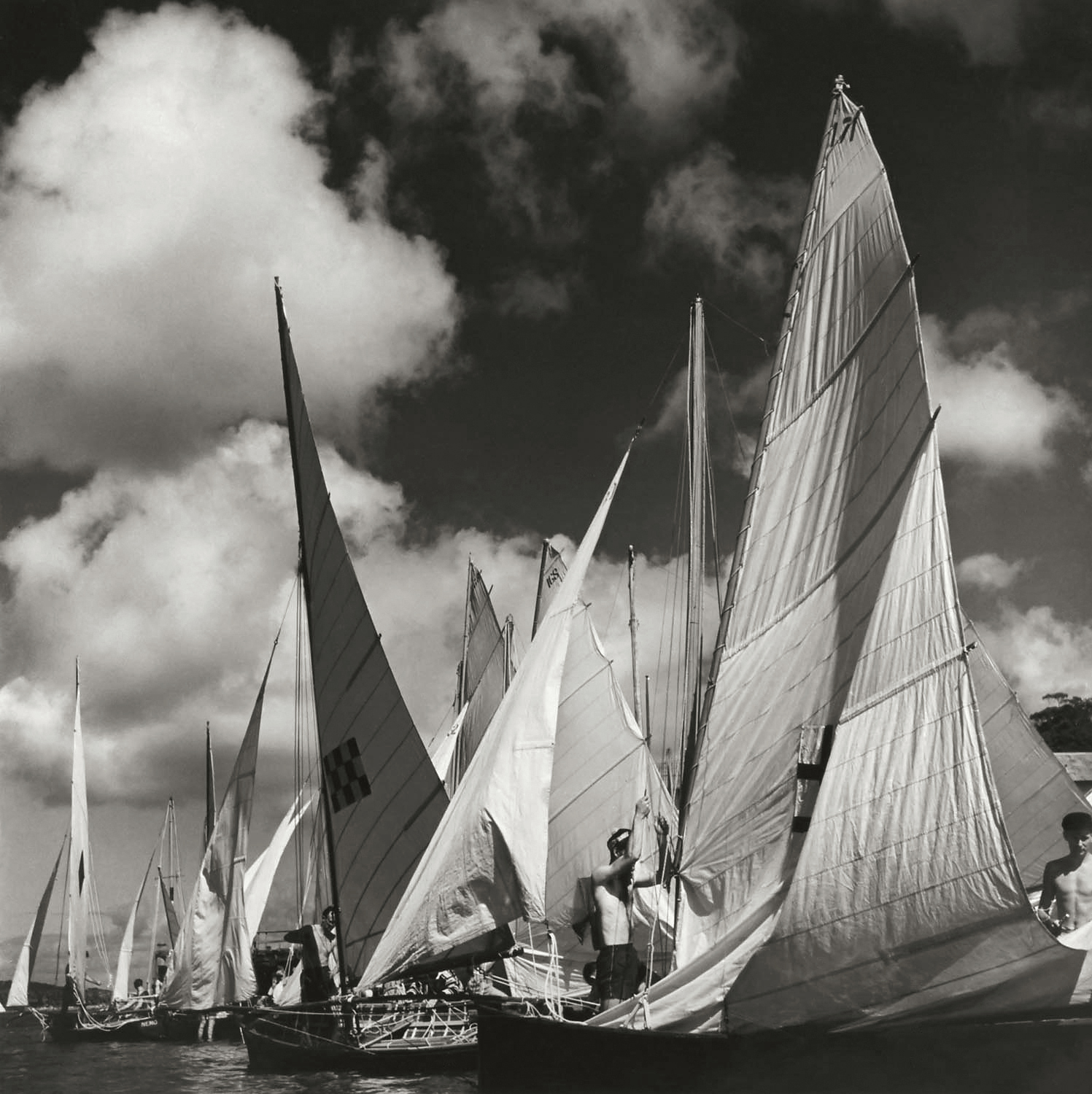
Max Dupain (Australian, 1911-1992) '(Seven Yachts in the Bay)' Nd


Max Dupain (Australian, 1911-1992)
(Seven Yachts in the Bay)
Nd
Gelatin silver print
29 x 37cm (11.4 x 14.6 in.)


A second tranche of photographs from the Australian photographer Max Dupain. This means that Art Blart has one of the largest groups of his work online with larger images.

In this posting I have grouped the images through ships and boats; surf and beach; nudes / montage / surrealism; city and Harbour Bridge; dance and abstraction; portraits and Pictorialism – finishing with two stunning bromoil landscapes.

View Max Dupain photographs Part 1

Dr Marcus Bunyan


All images are used under fair use conditions for the purpose of educational research. Please click on the photographs for a larger version of the image.


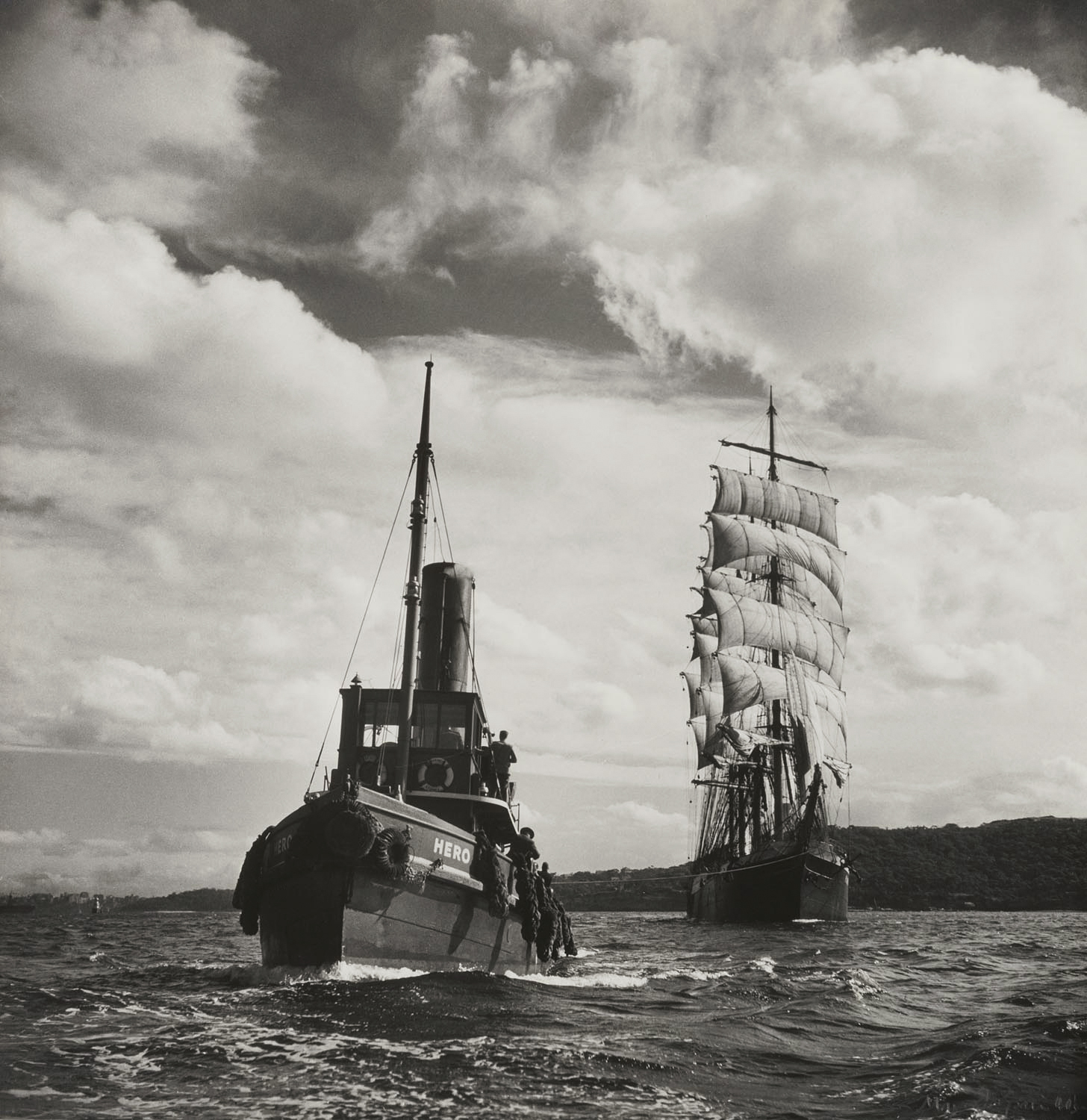
Max Dupain (Australian, 1911-1992) 'Hero Towing Pamir to Sydney Heads' c. 1940s


Max Dupain (Australian, 1911-1992)
Hero Towing Pamir to Sydney Heads
c. 1940s
Gelatin silver print
41 x 39.5cm


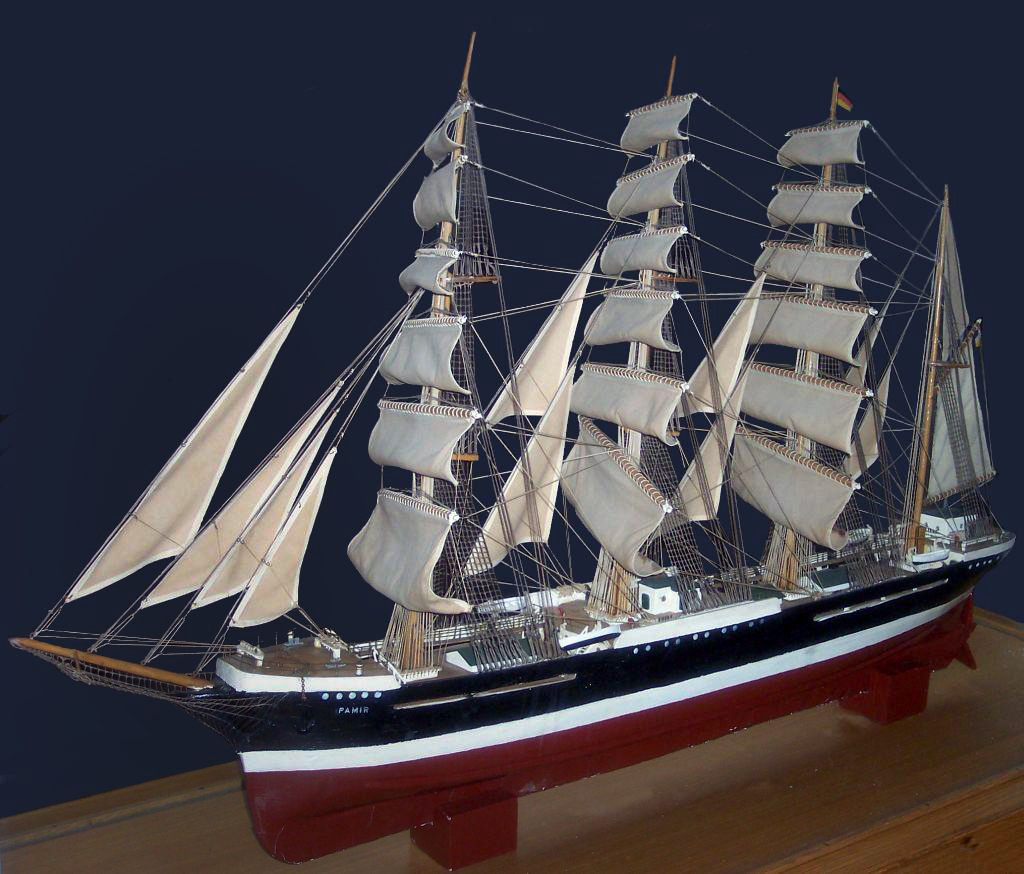
Pamir was a four-masted barque built for the German shipping company F. Laeisz. One of their famous Flying P-Liners, she was the last commercial sailing ship to round Cape Horn, in 1949. By 1957, she had been outmoded by modern bulk carriers and could not operate at a profit. Her shipping consortium’s inability to finance much-needed repairs or to recruit sufficient sail-trained officers caused severe technical difficulties. On 21 September 1957, she was caught in Hurricane Carrie and sank off the Azores, with only six survivors rescued after an extensive search.
Text from the Wikipedia website
 

A model of Pamir, a four-masted barque


A model of Pamir, a four-masted barque that was one of the famous Flying P-Liner sailing ships of the German shipping company F. Laeisz


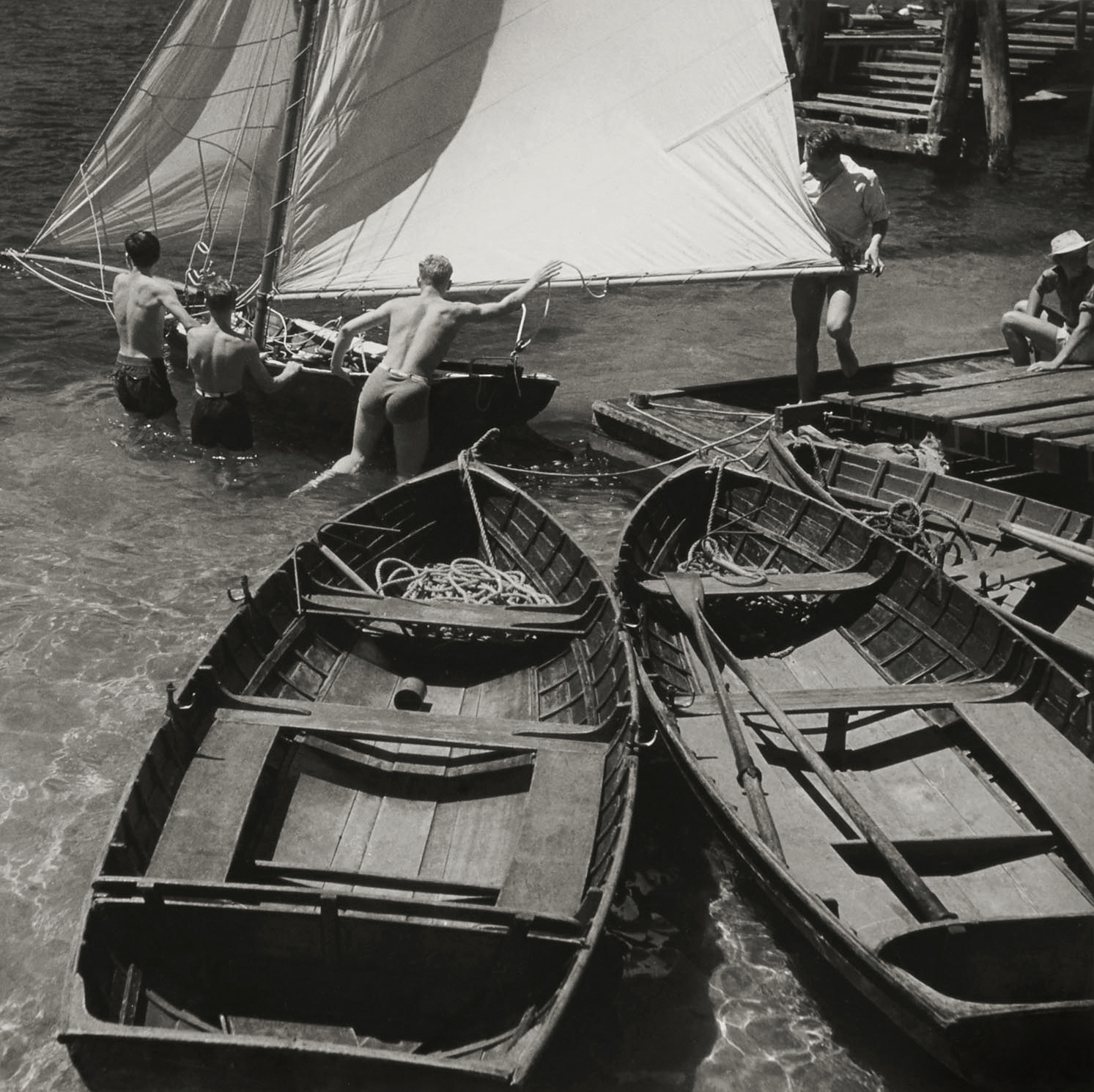
Max Dupain (Australian, 1911-1992) 'Rigging Sails' Nd


Max Dupain (Australian, 1911-1992)
Rigging Sails
Nd
Gelatin silver print
25.5 x 25cm


Max Dupain (Australian, 1911-1992) 'Life at the Spit' Nd


Max Dupain (Australian, 1911-1992)
Life at the Spit
Nd
Gelatin silver print
23.5 x 22cm


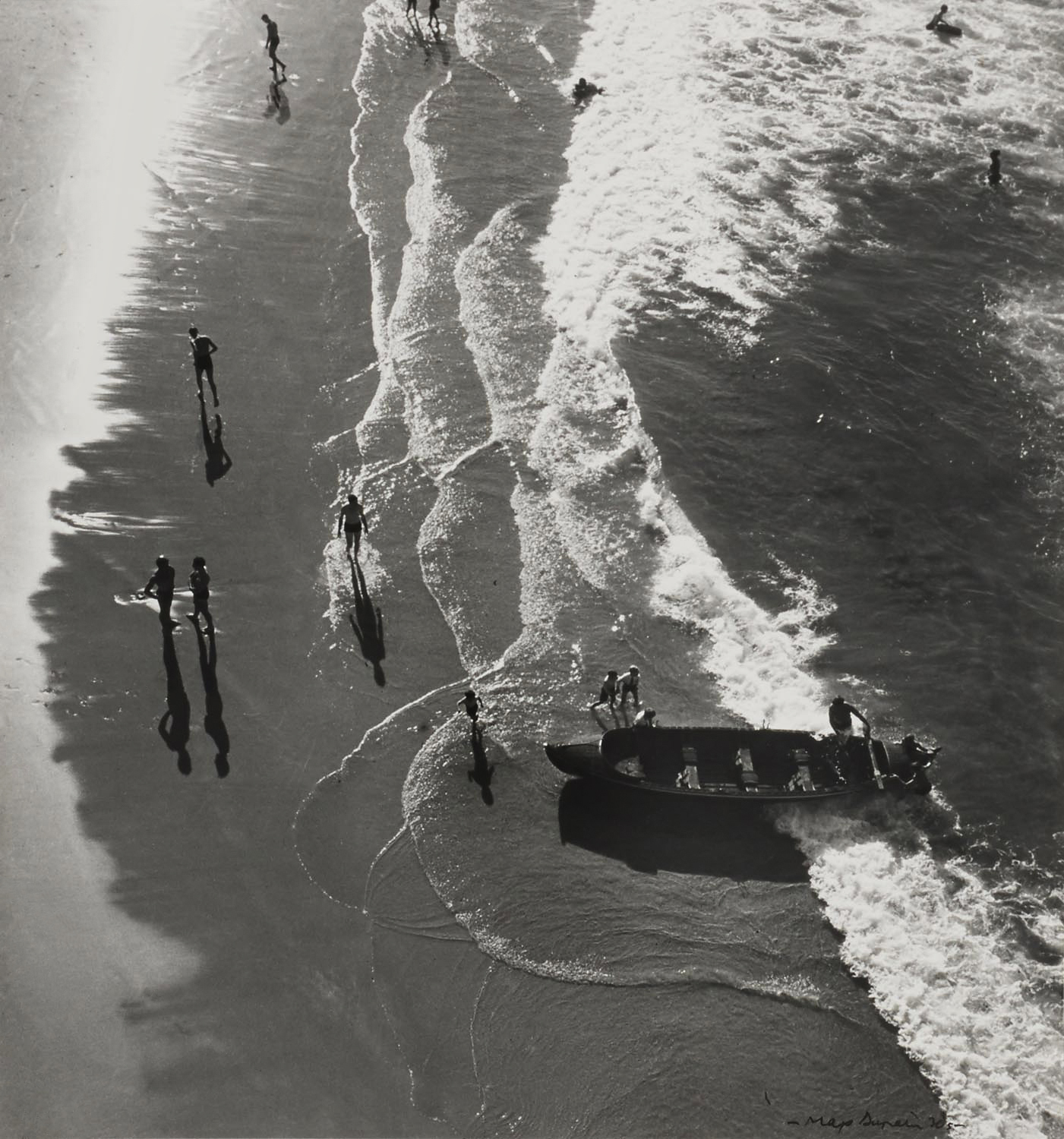
Max Dupain (Australian, 1911-1992) '(Aerial of Waters Edge)' 1930s


Max Dupain (Australian, 1911-1992)
(Aerial of Waters Edge)
1930s
Gelatin silver print
26 x 24cm


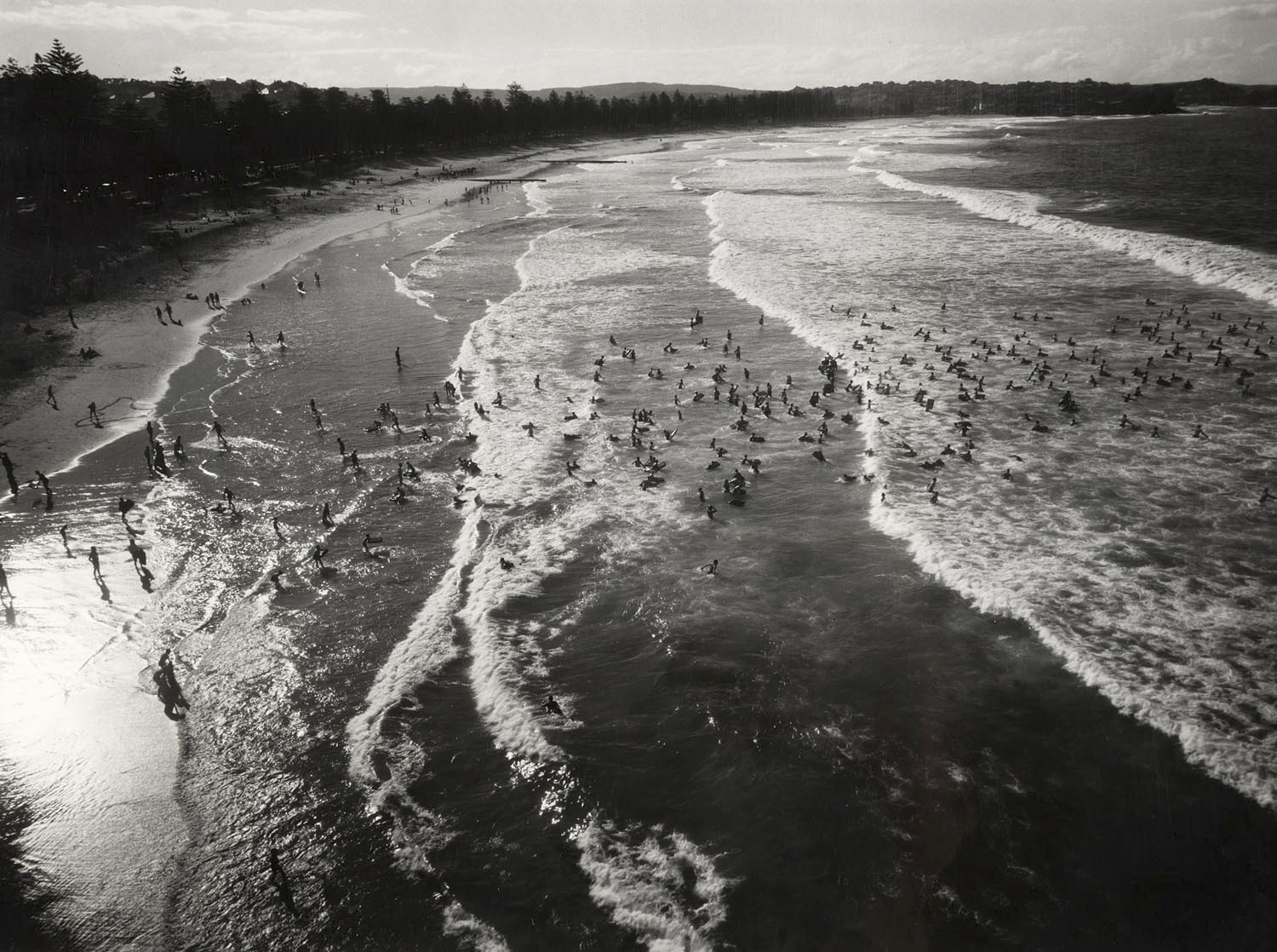
Max Dupain (Australian, 1911-1992) '(Aerial View of Manly Beach)' 1938


Max Dupain (Australian, 1911-1992)
(Aerial View of Manly Beach)
1938
Gelatin silver print
23 x 31cm


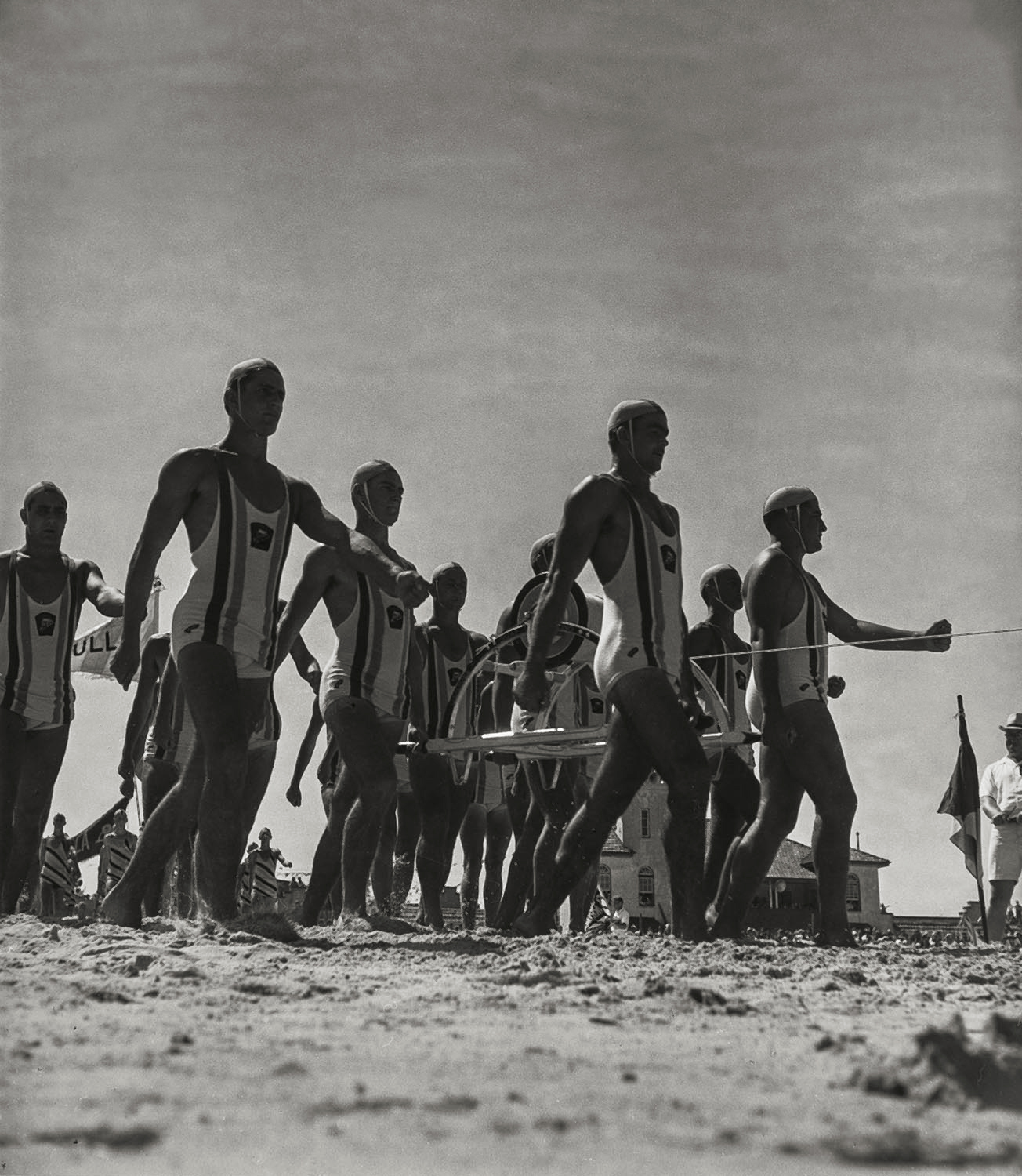
Max Dupain (Australian, 1911-1992) '(Life Guards Marching with Reel)' Nd


Max Dupain (Australian, 1911-1992)
(Life Guards Marching with Reel)
Nd
Gelatin silver print
34.5 x 30cm


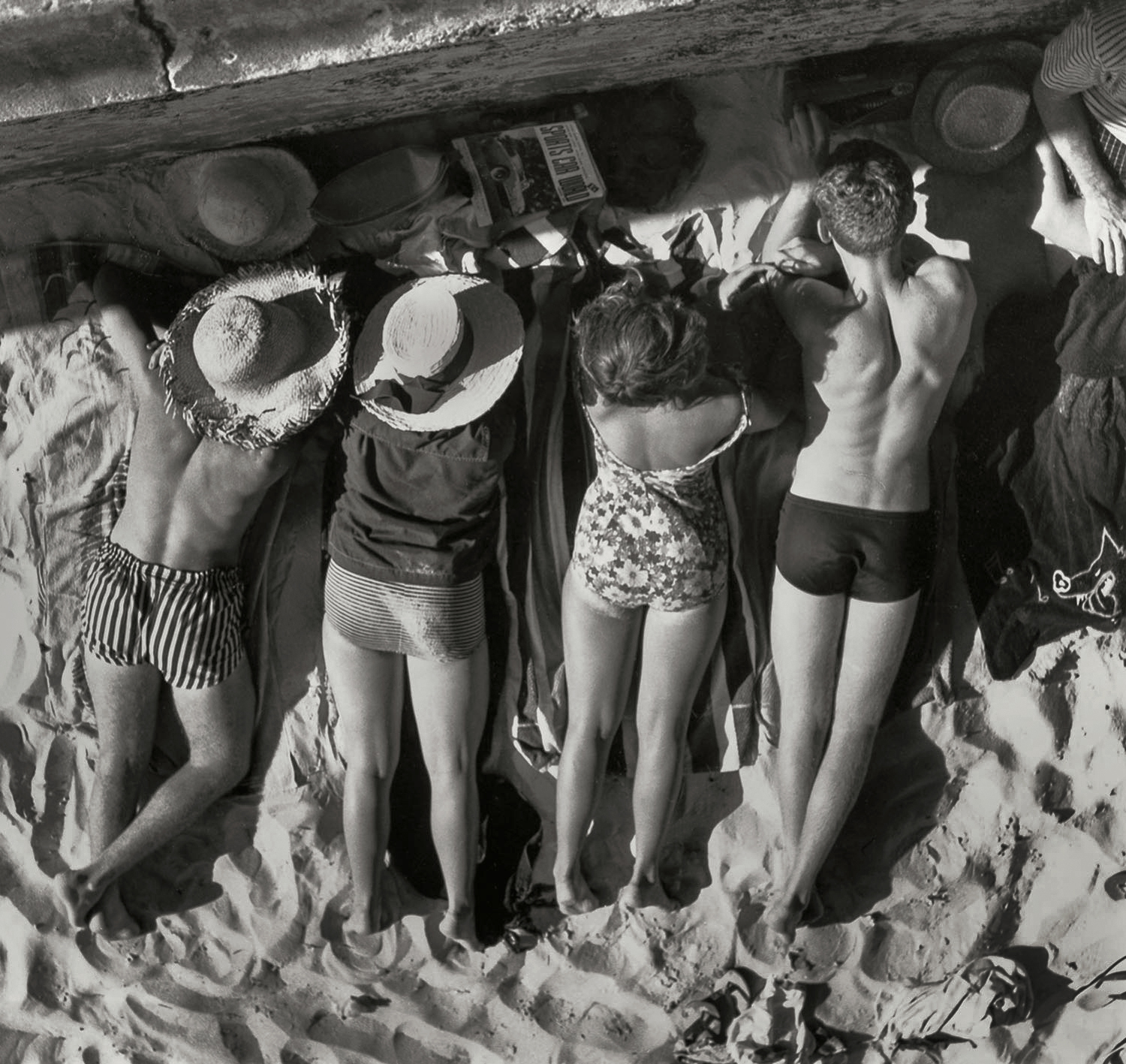
Max Dupain (Australian, 1911-1992) '(Sunbaking by the Wall)' Nd


Max Dupain (Australian, 1911-1992)
(Sunbaking by the Wall)
Nd
Gelatin silver print
30.5 x 32cm


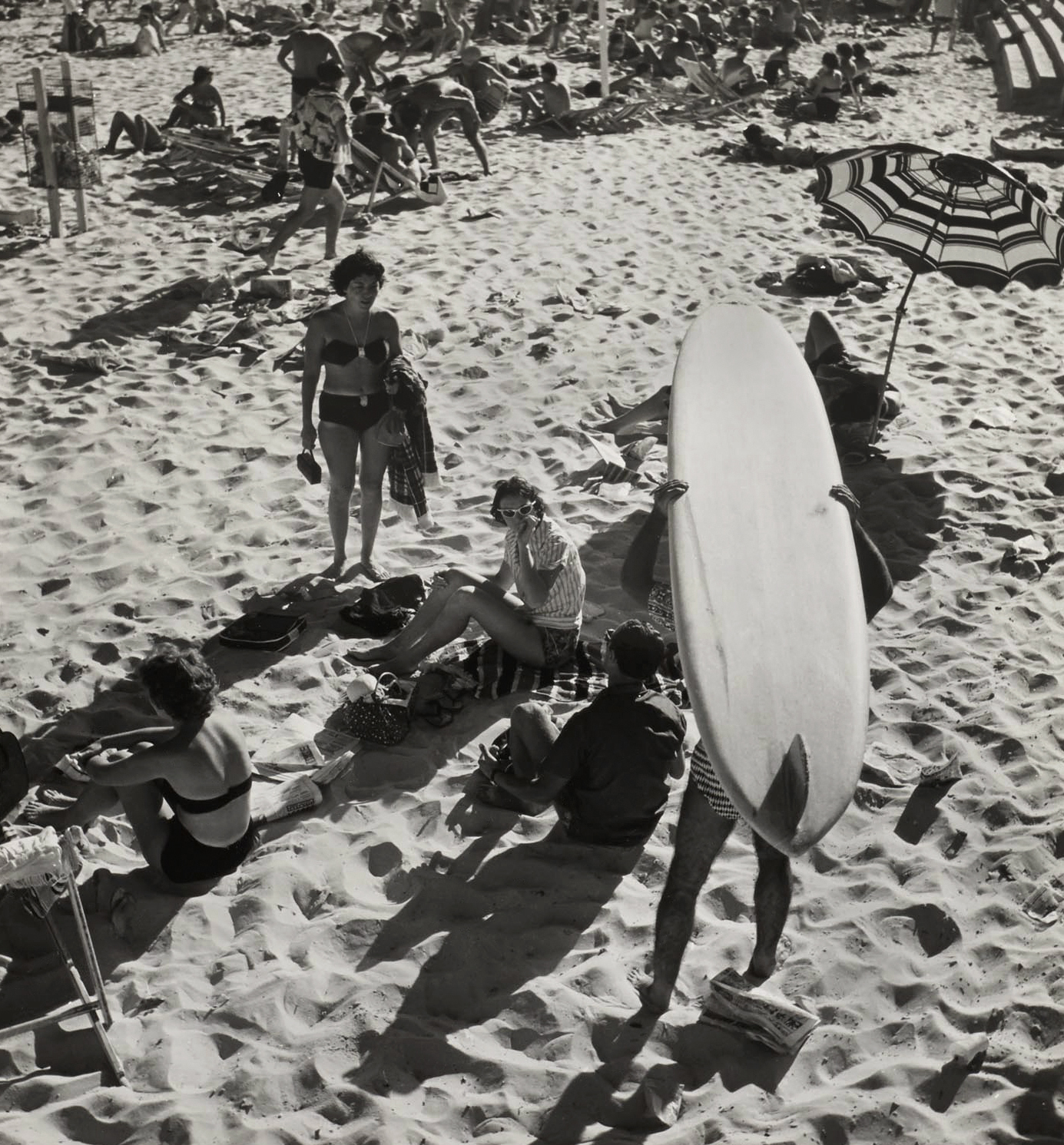
Max Dupain (Australian, 1911-1992) '(Surfboard, Umbrella and Crowds)' Nd


Max Dupain (Australian, 1911-1992)
(Surfboard, Umbrella and Crowds)
Nd
Gelatin silver print
29 x 25.5cm


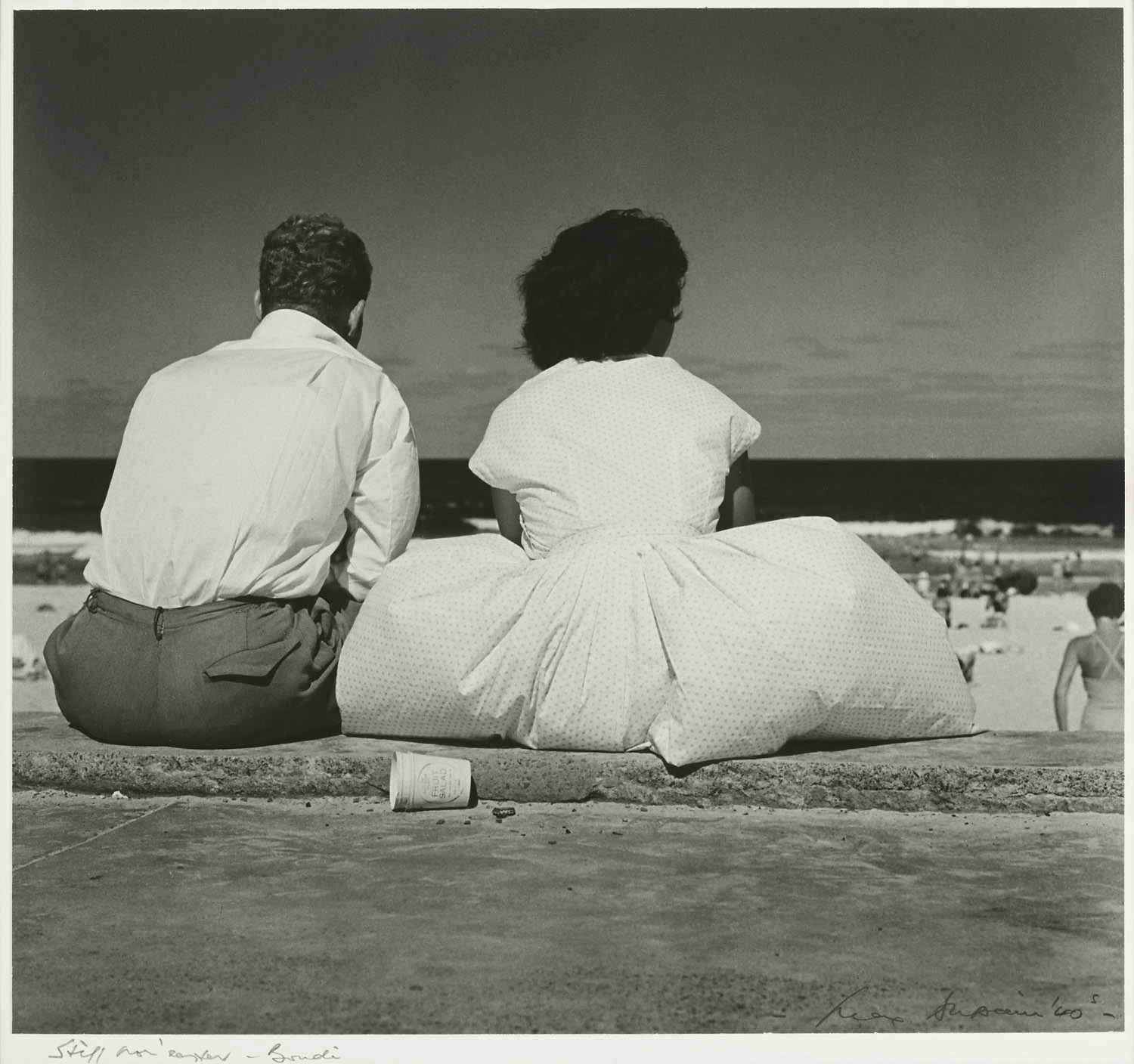
Max Dupain (Australian, 1911-1992) 'Stiff Nor'Easter' 1940s


Max Dupain (Australian, 1911-1992)
Stiff Nor’Easter
1940s
Gelatin silver print
38 x 40.5cm


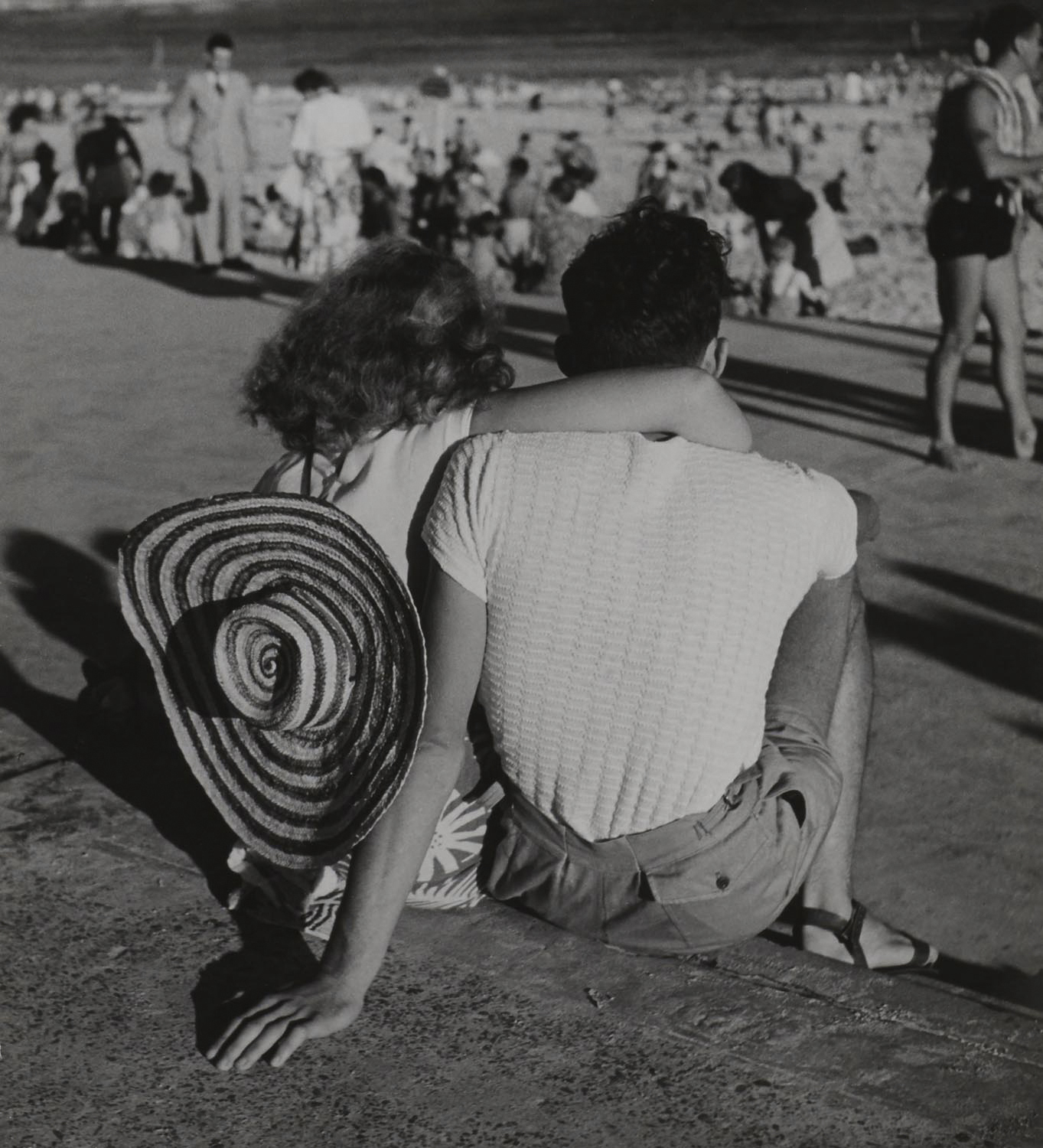
Max Dupain (Australian, 1911-1992) 'Beach Watchers, Bondi' 1940s


Max Dupain (Australian, 1911-1992)
Beach Watchers, Bondi
1940s
Gelatin silver print
28.5 x 25.5cm


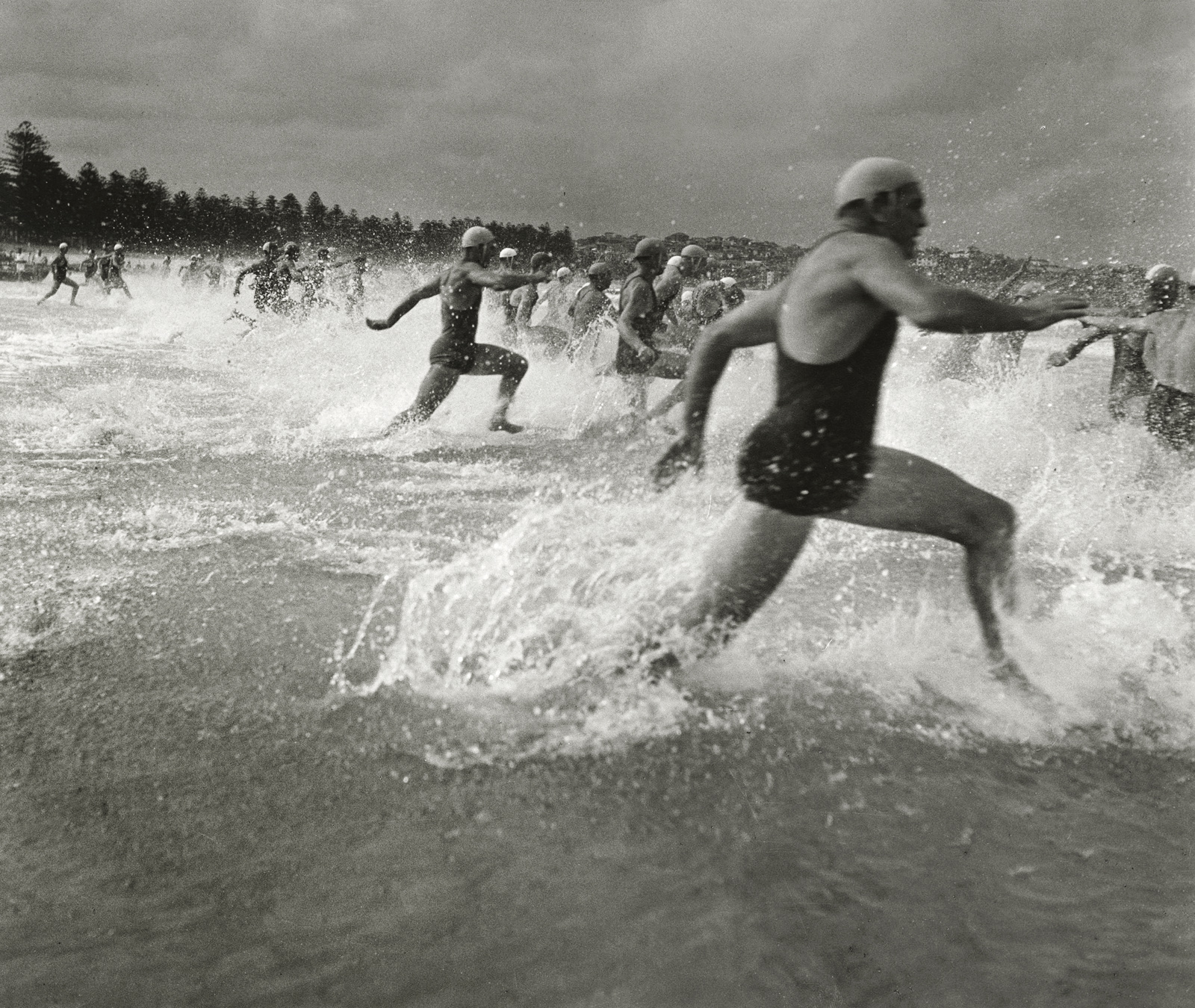
Max Dupain (Australian, 1911-1992) 'Surf Race Start' 1947


Max Dupain (Australian, 1911-1992)
Surf Race Start
1947
Gelatin silver print
36 x 37cm


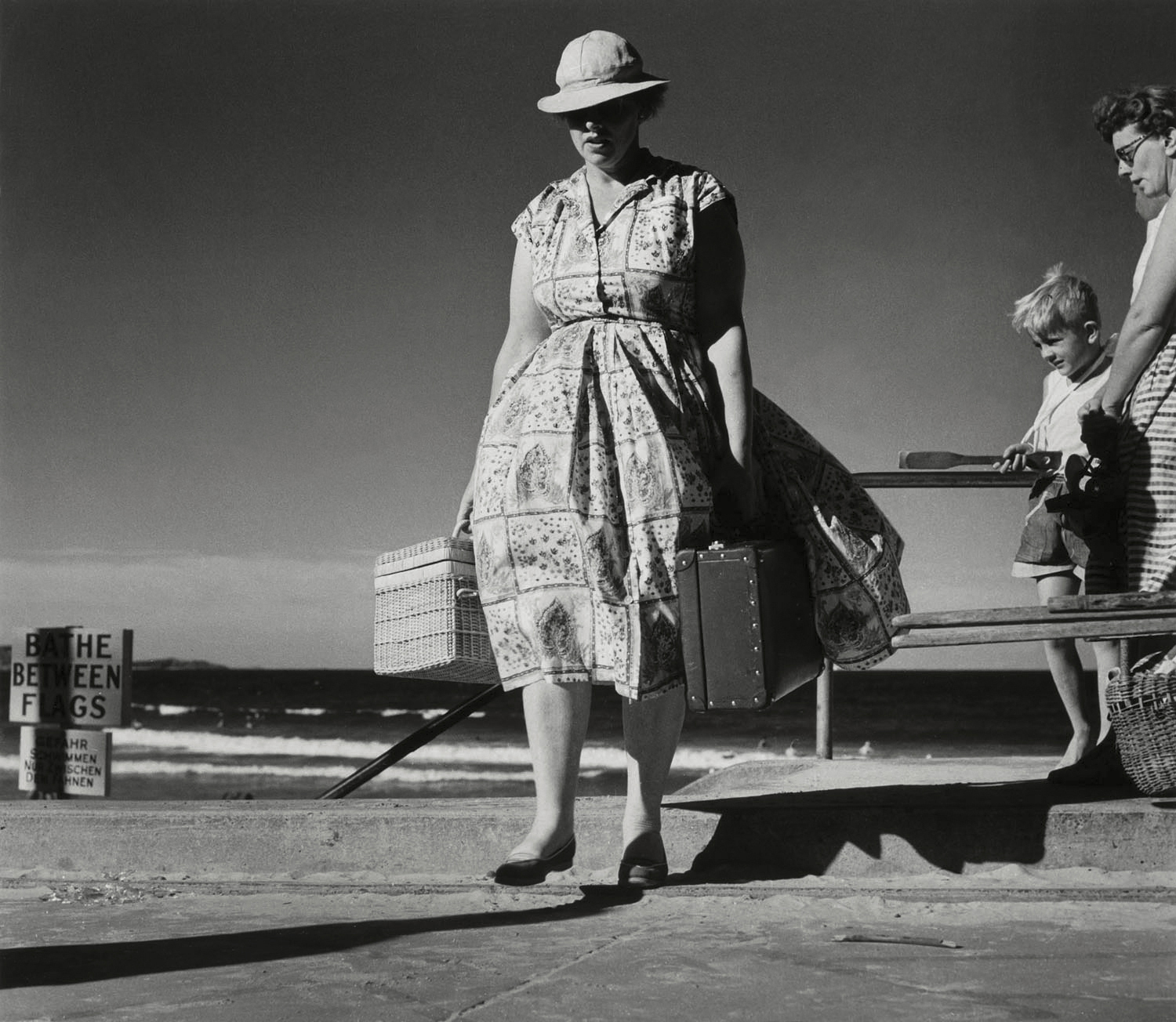
Max Dupain (Australian, 1911-1992) 'Picnicker Leaving the Beach' Nd


Max Dupain (Australian, 1911-1992)
Picnicker Leaving the Beach
Nd
Gelatin silver print
30 x 34.5cm


Max Dupain (Australian, 1911-1992) 'Beach Play' 1937


Max Dupain (Australian, 1911-1992)
Beach Play
1937
Gelatin silver print
30.5 x 36cm


Max Dupain (Australian, 1911-1992) '(Nude Figures)' 1930s


Max Dupain (Australian, 1911-1992)
(Nude Figures)
1930s
Gelatin silver print
24 x 20cm


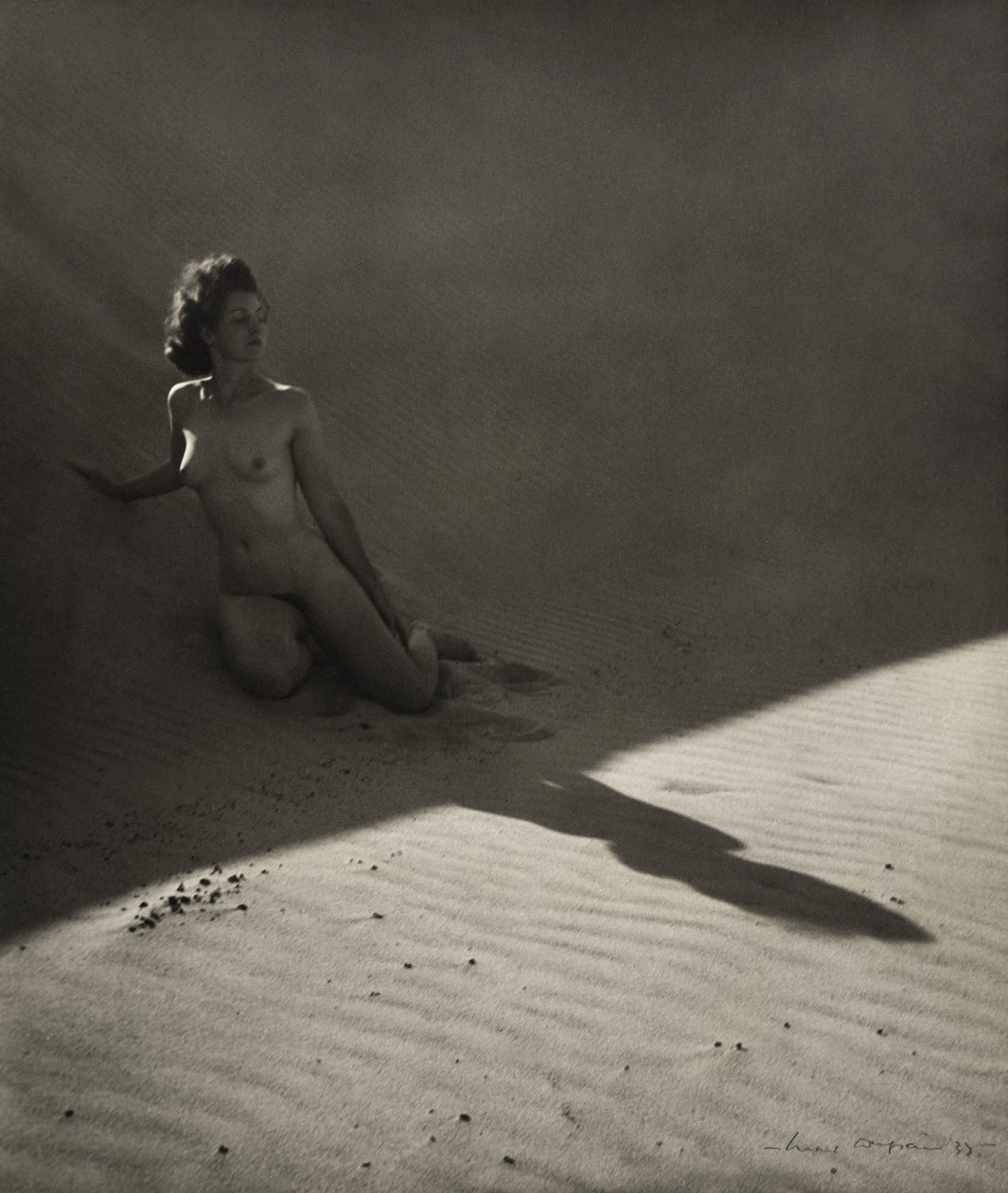
Max Dupain (Australian, 1911-1992) '(Nude in Shadow on the Sand)' 1937


Max Dupain (Australian, 1911-1992)
(Nude in Shadow on the Sand)
1937
Gelatin silver print
35.5 x 30cm


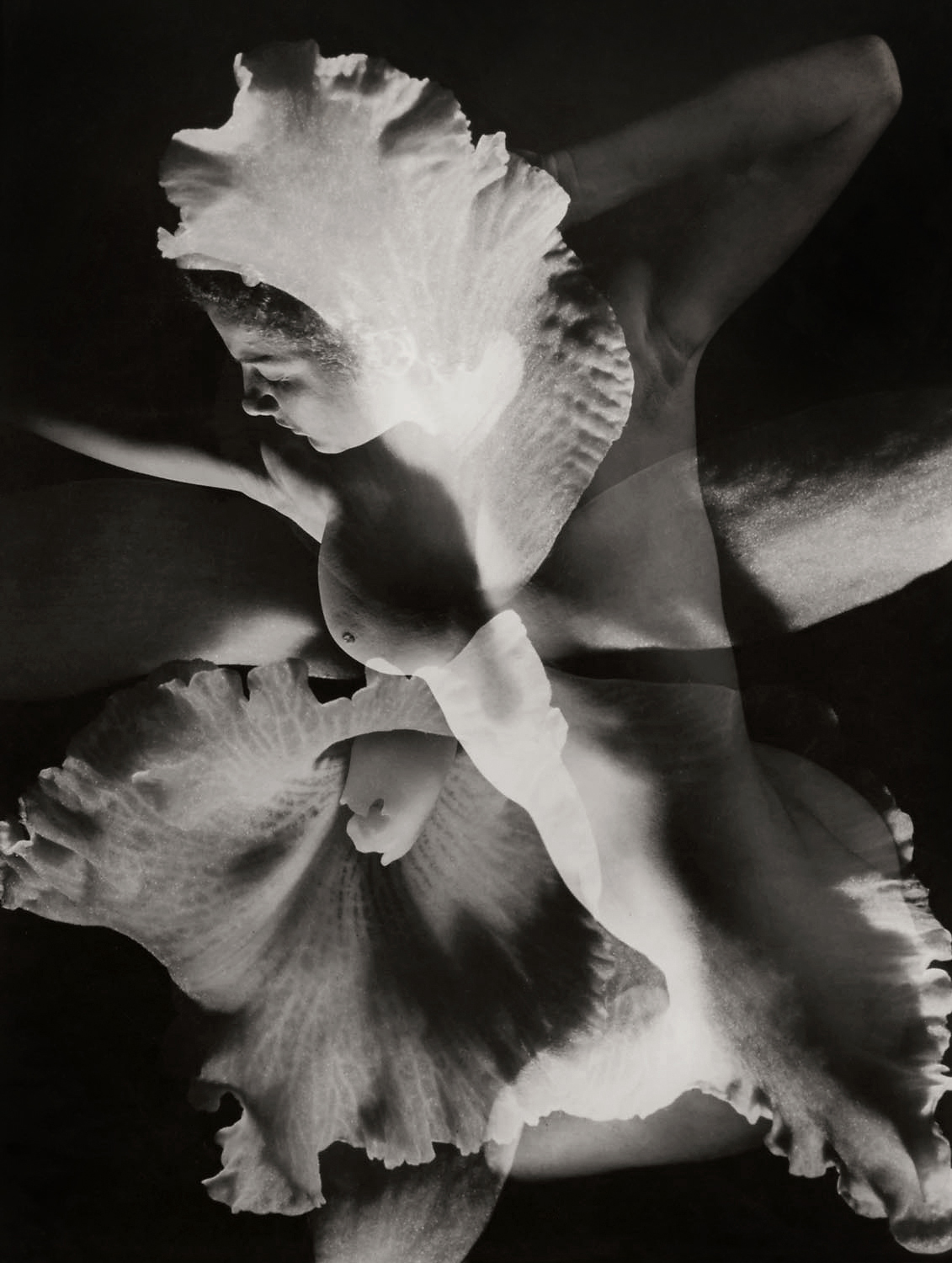
Max Dupain (Australian, 1911-1992) '(Nude Montage)' 1930s


Max Dupain (Australian, 1911-1992)
(Nude Montage)
1930s
Gelatin silver print
34.5 x 33cm


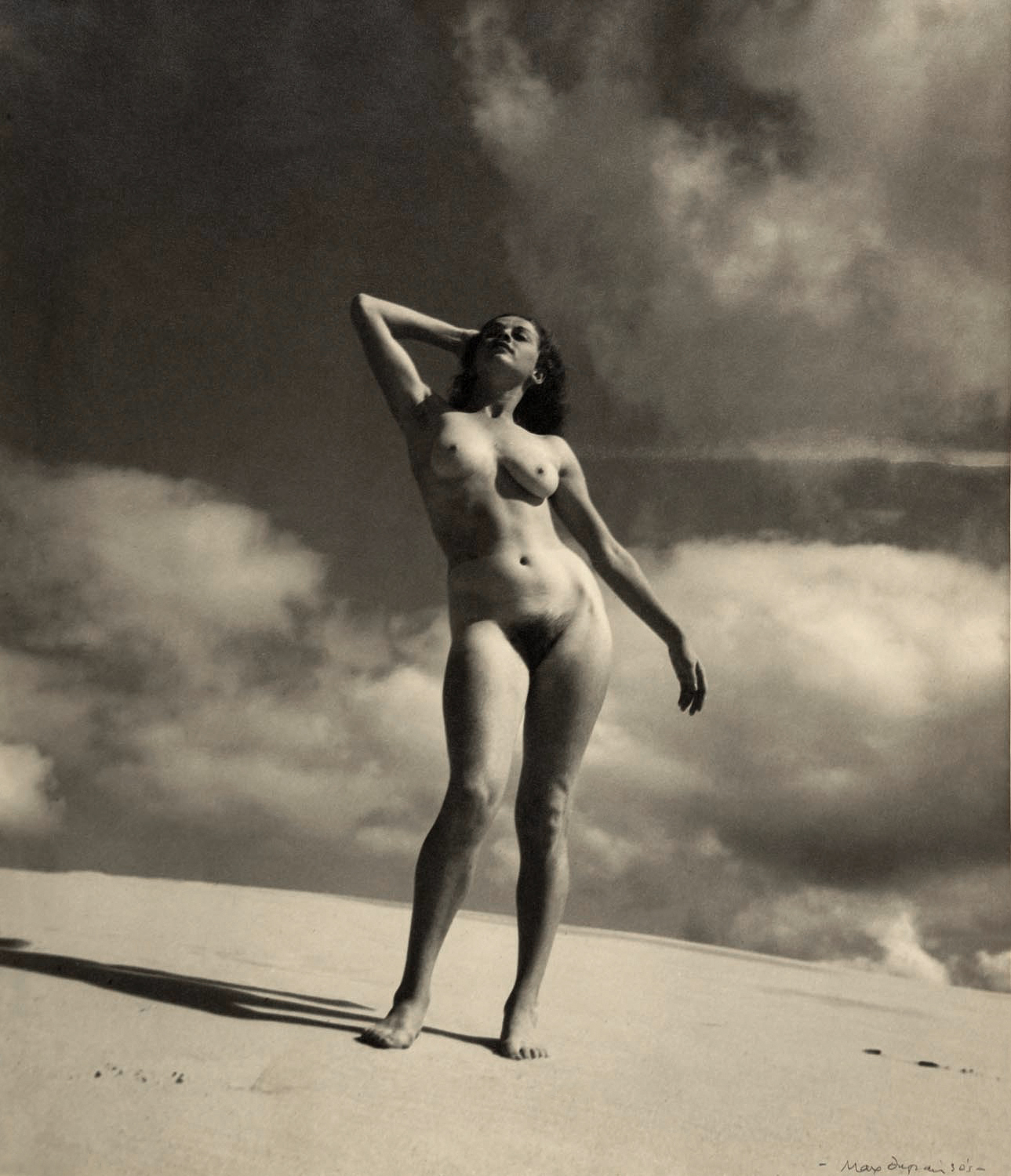
Max Dupain (Australian, 1911-1992) '(Standing Nude on Sand)' 1930s


Max Dupain (Australian, 1911-1992)
(Standing Nude on Sand)
1930s
Gelatin silver print
39 x 33.5cm


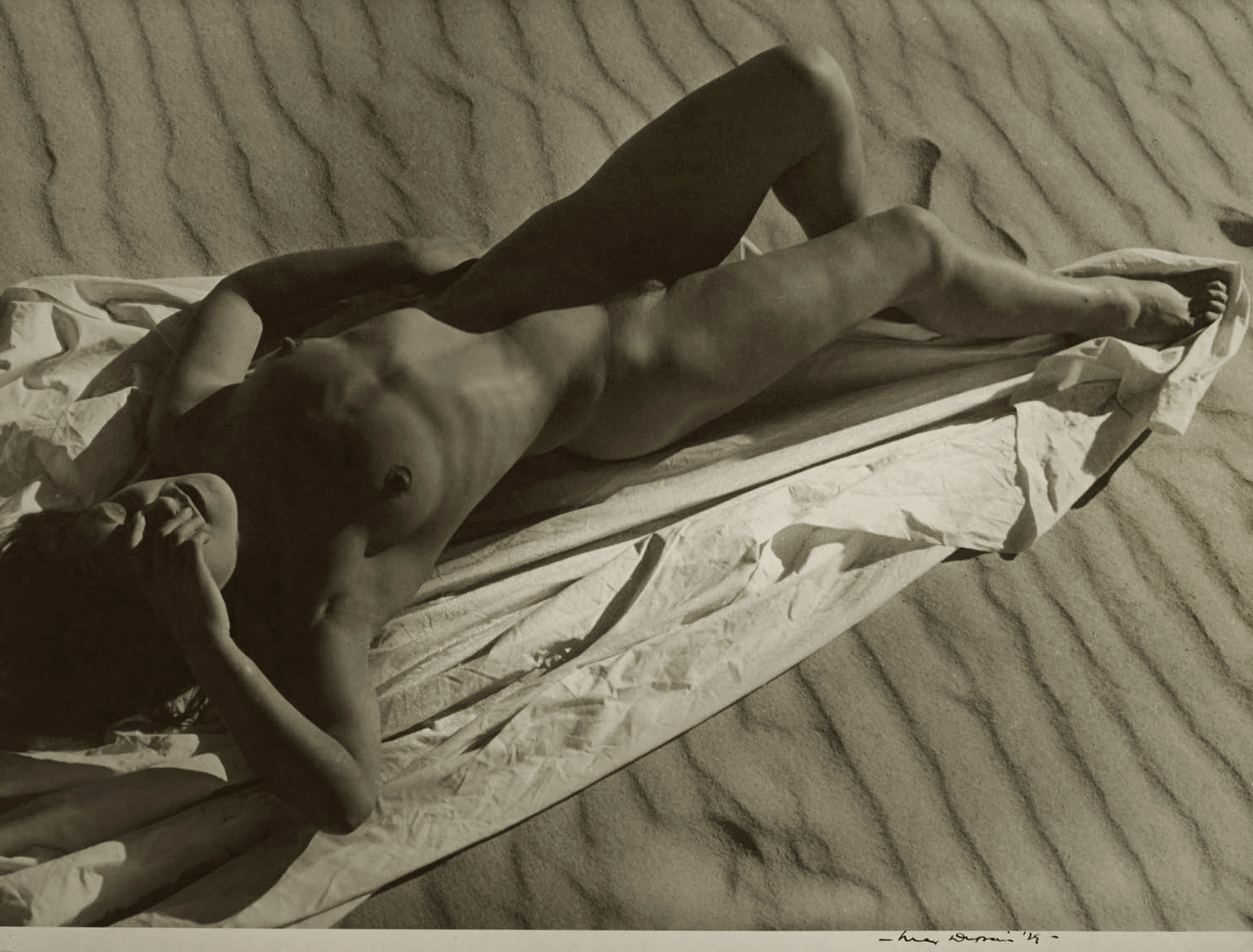
Max Dupain (Australian, 1911-1992) '(Nude Sunbaker)' 1939


Max Dupain (Australian, 1911-1992)
(Nude Sunbaker)
1939
Gelatin silver print
35 x 46.5cm


Max Dupain (Australian, 1911-1992) '(Rhythmic Form)' 1935


Max Dupain (Australian, 1911-1992)
(Rhythmic Form)
1935
Gelatin silver print


Max Dupain (Australian, 1911-1992) 'Debussy Quartet in G' 1937


Max Dupain (Australian, 1911-1992)
Debussy Quartet in G
1937
Gelatin silver print
30.5 x 23.5cm


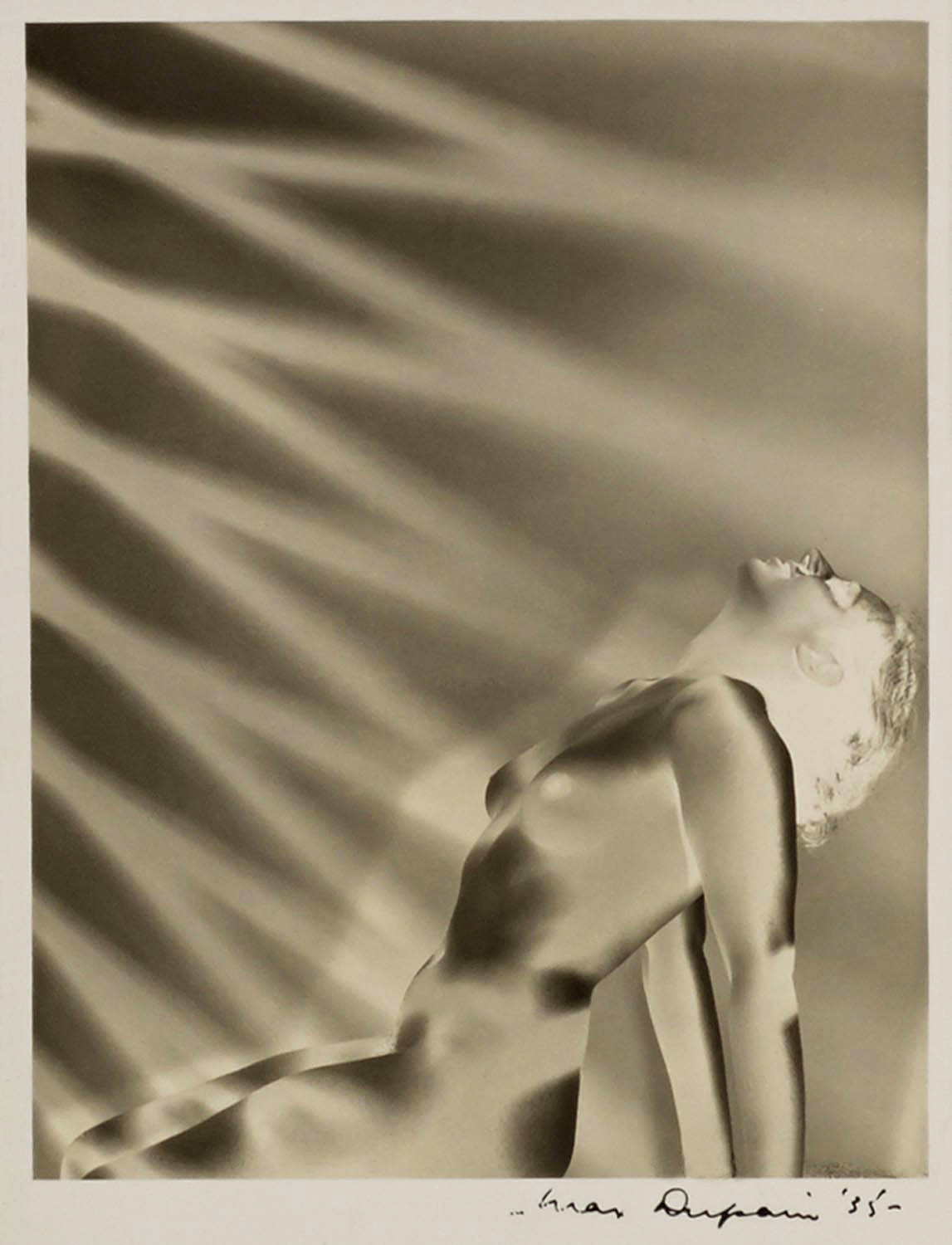
Max Dupain. '(Solarised Nude and Rays of Light)' 1935


Max Dupain (Australian, 1911-1992)
(Solarised Nude and Rays of Light)
1935
Gelatin silver print
12.5 x 9.5cm


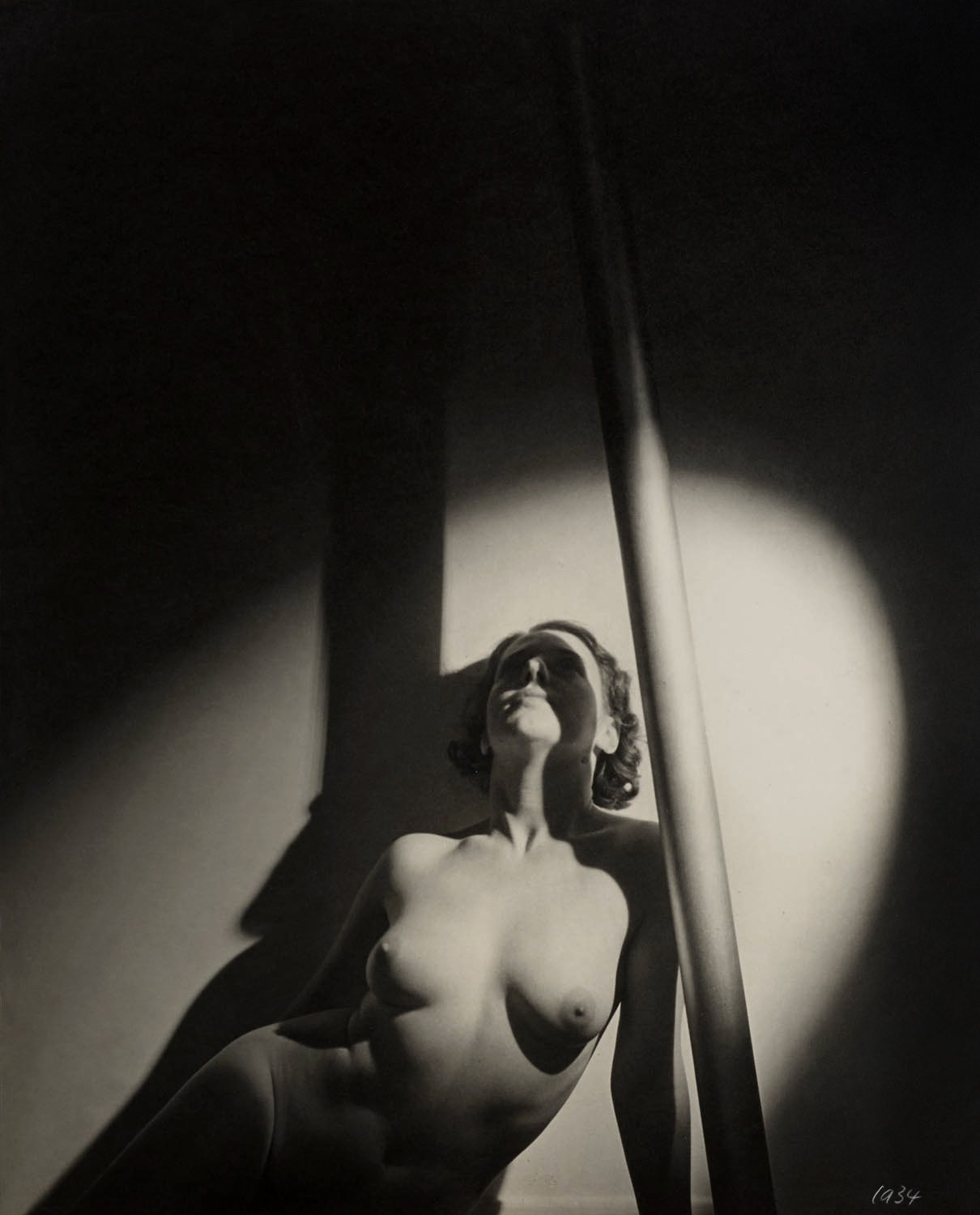
Max Dupain. '(Nude and Pole)' 1934


Max Dupain (Australian, 1911-1992)
(Nude and Pole)
1934
Gelatin silver print
45.5 x 36cm


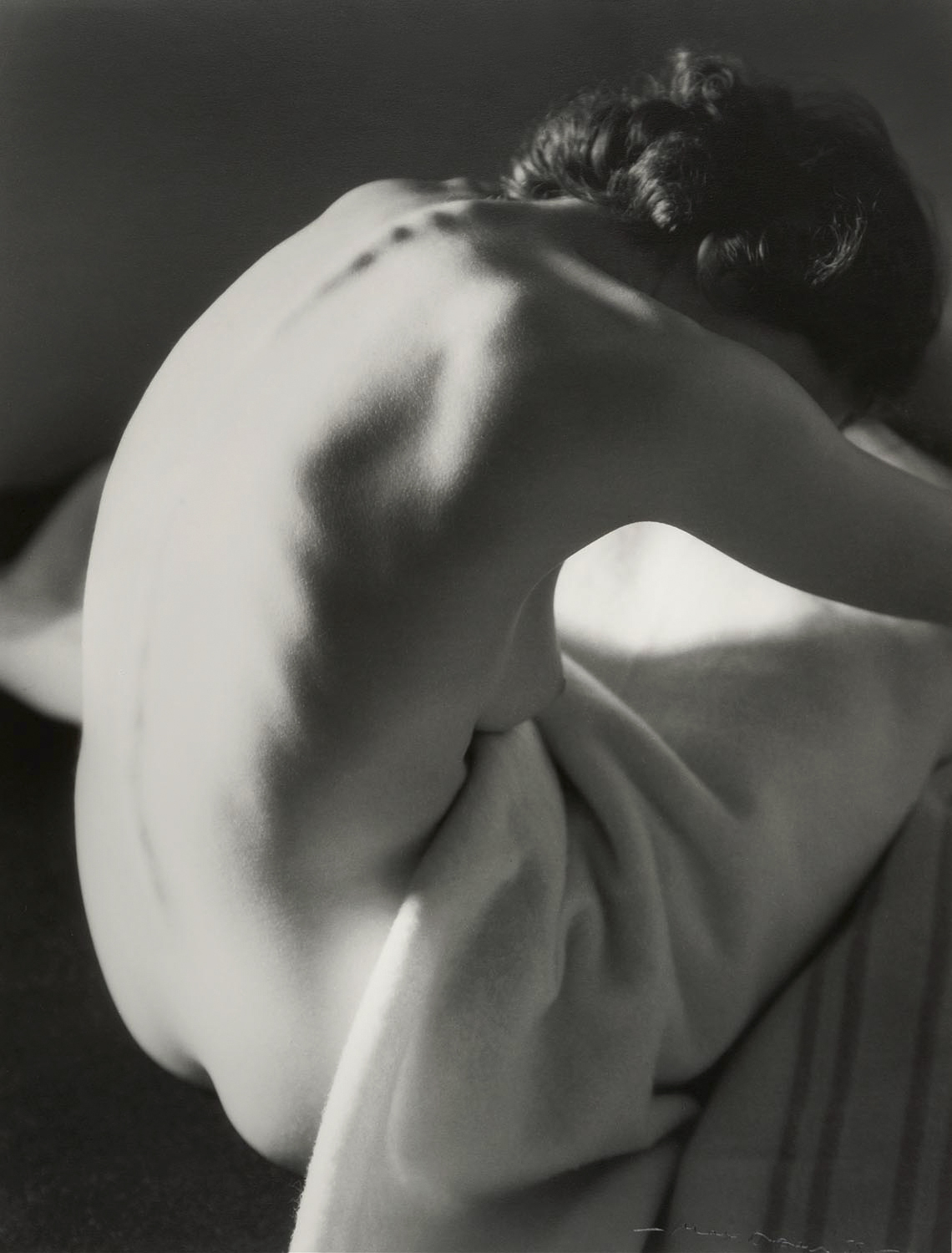
Max Dupain. 'Little Nude' 1938


Max Dupain (Australian, 1911-1992)
Little Nude
1938
Gelatin silver print
41 x 31cm


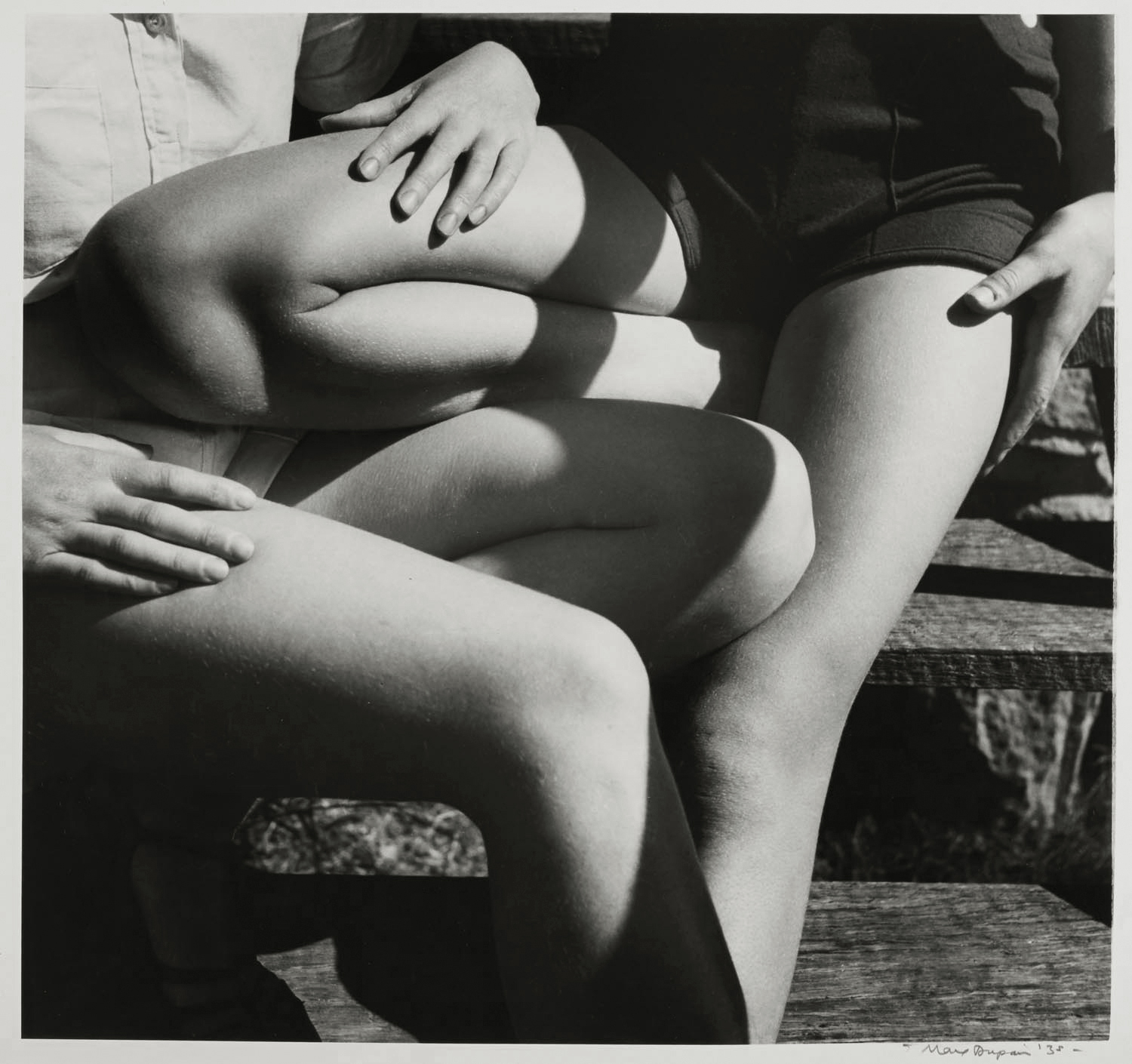
Max Dupain (Australian, 1911-1992) 'Spontaneous Composition' 1935


Max Dupain (Australian, 1911-1992)
Spontaneous Composition
1935
Gelatin silver print
38 x 41cm


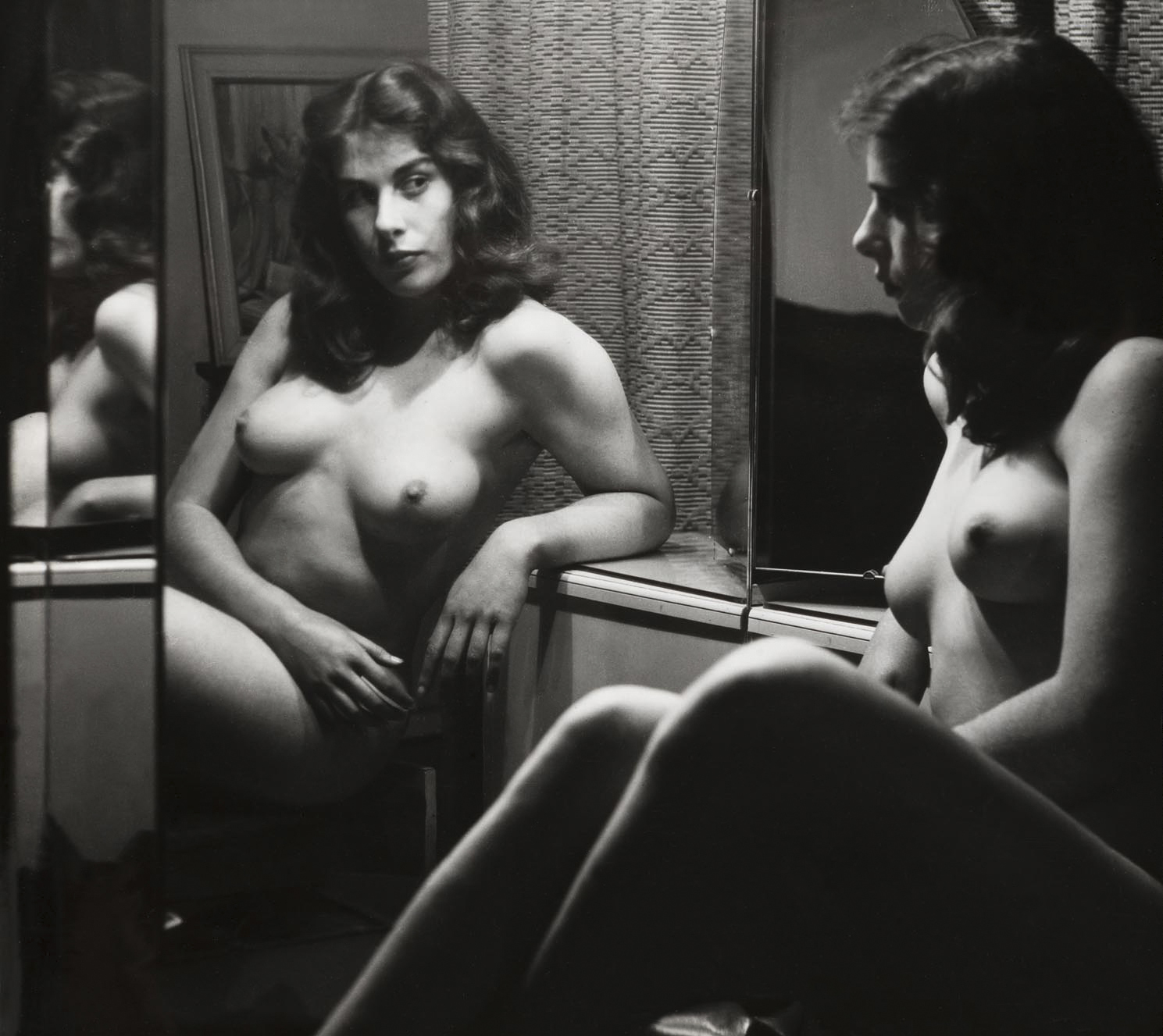
Max Dupain (Australian, 1911-1992) '(Moira in the Mirror)' 1931


Max Dupain (Australian, 1911-1992)
(Moira in the Mirror)
1931
Gelatin silver print
25.5 x 28cm


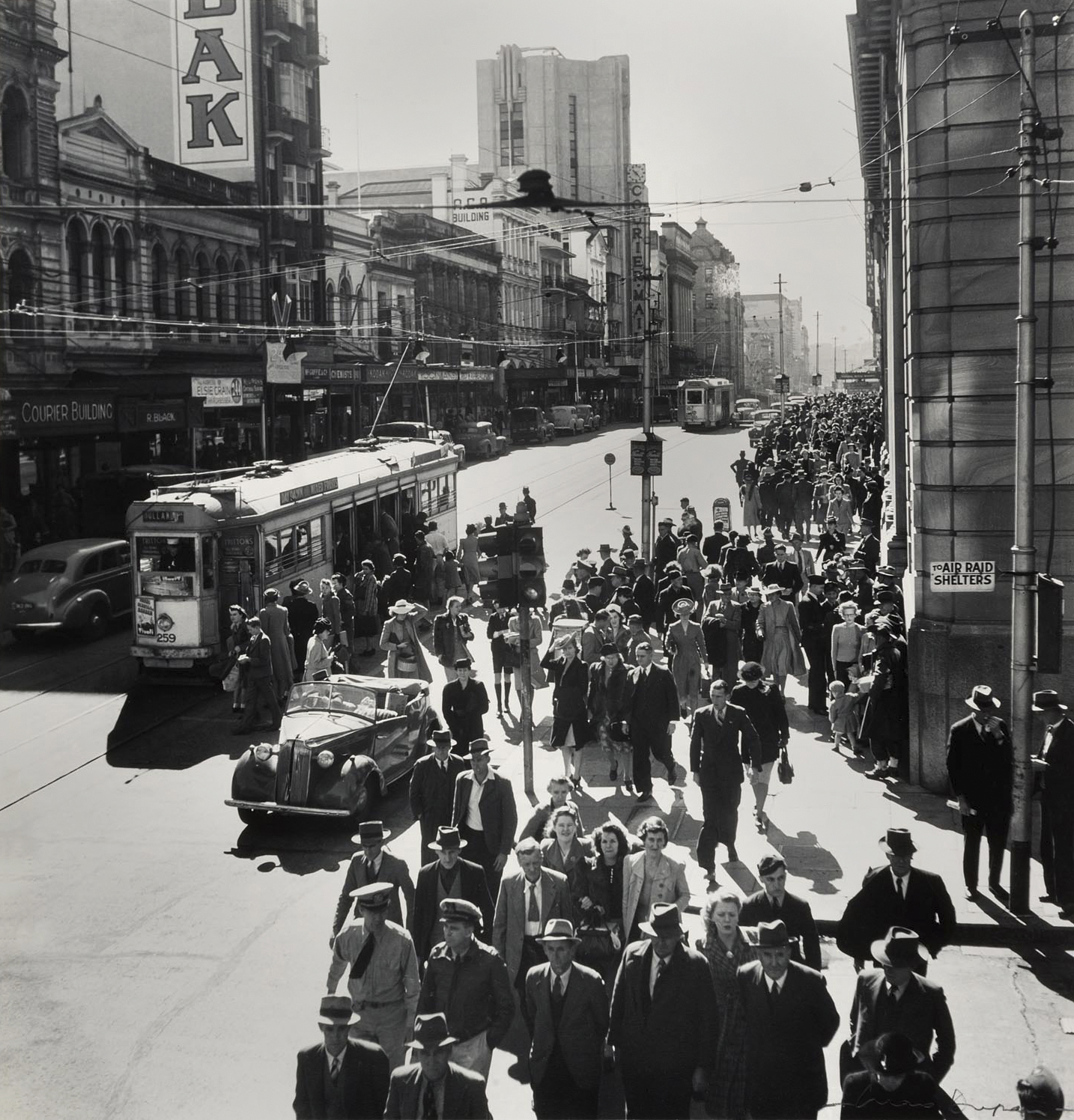
Max Dupain (Australian, 1911-1992) '(Elizabeth Street, Melbourne)' Nd


Max Dupain (Australian, 1911-1992)
(Elizabeth Street, Melbourne)
Nd
Gelatin silver print
40.5 x 39cm


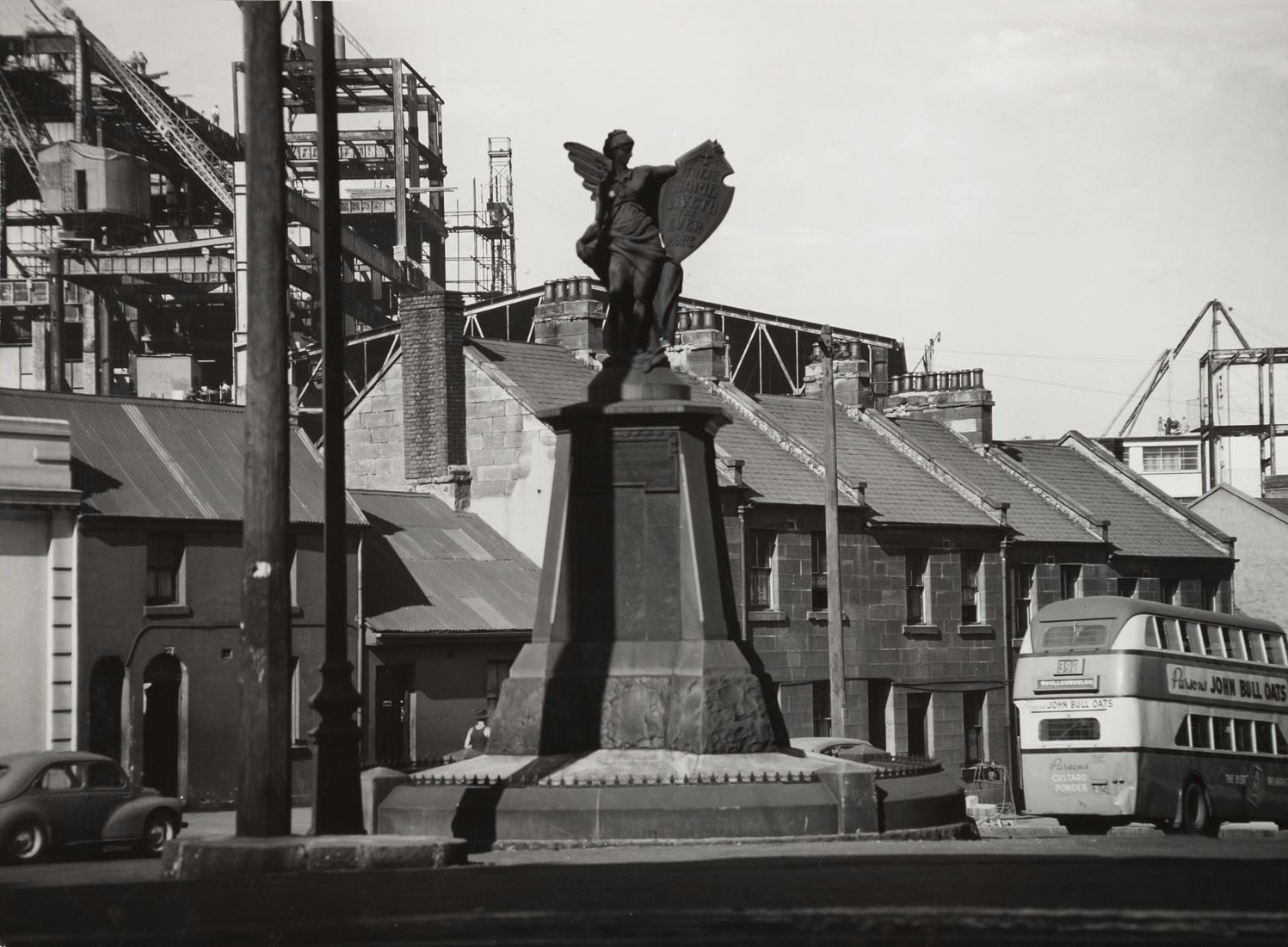
Max Dupain (Australian, 1911-1992) '(Angel Statue, 392 Bus and Terraces)' Nd


Max Dupain (Australian, 1911-1992)
(Angel Statue, 392 Bus and Terraces)
Nd
Gelatin silver print
28 x 38cm


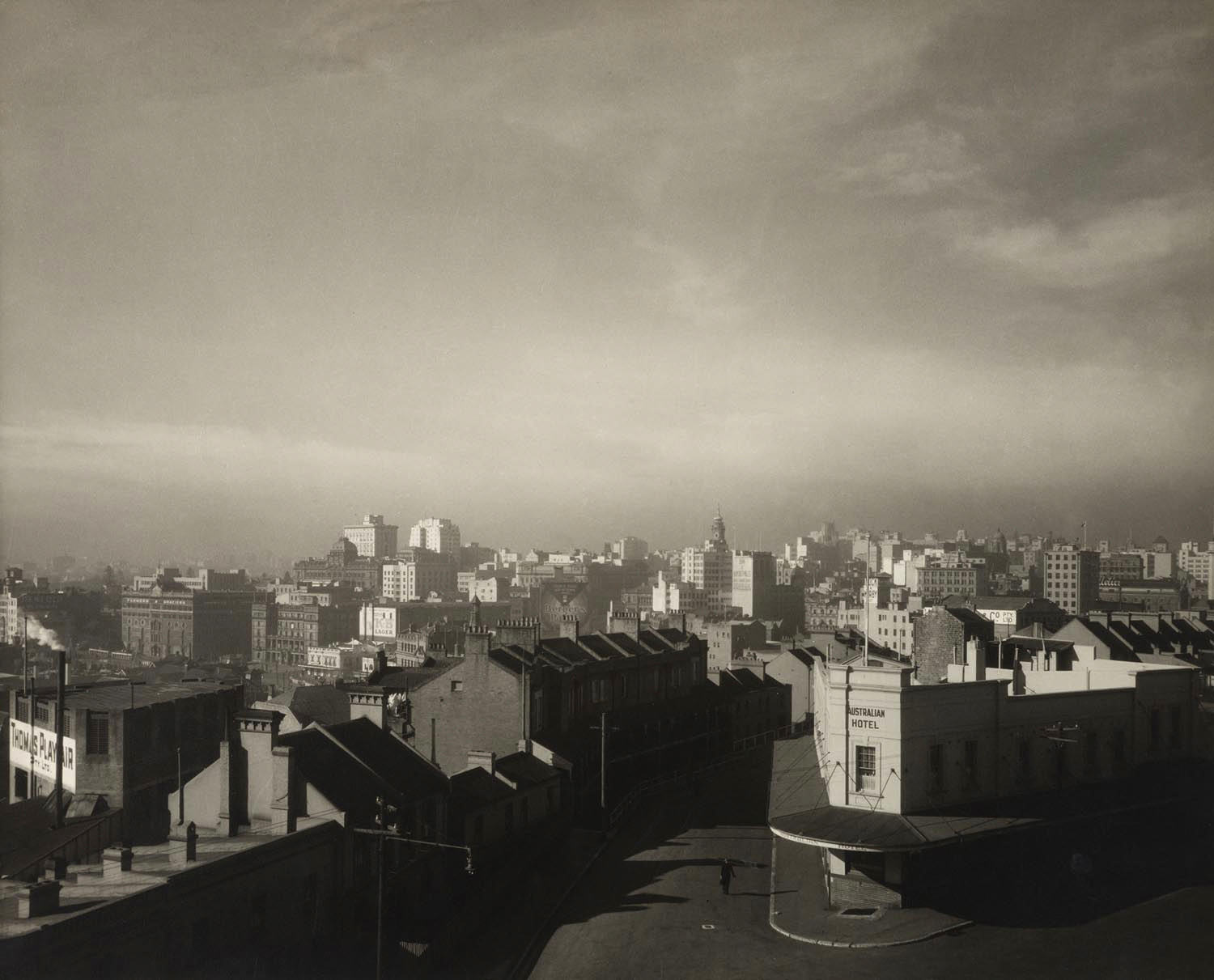
Max Dupain (Australian, 1911-1992) '(Australian Hotel, The Rocks)' Nd


Max Dupain (Australian, 1911-1992)
(Australian Hotel, The Rocks)
Nd
Gelatin silver print
31 x 38cm


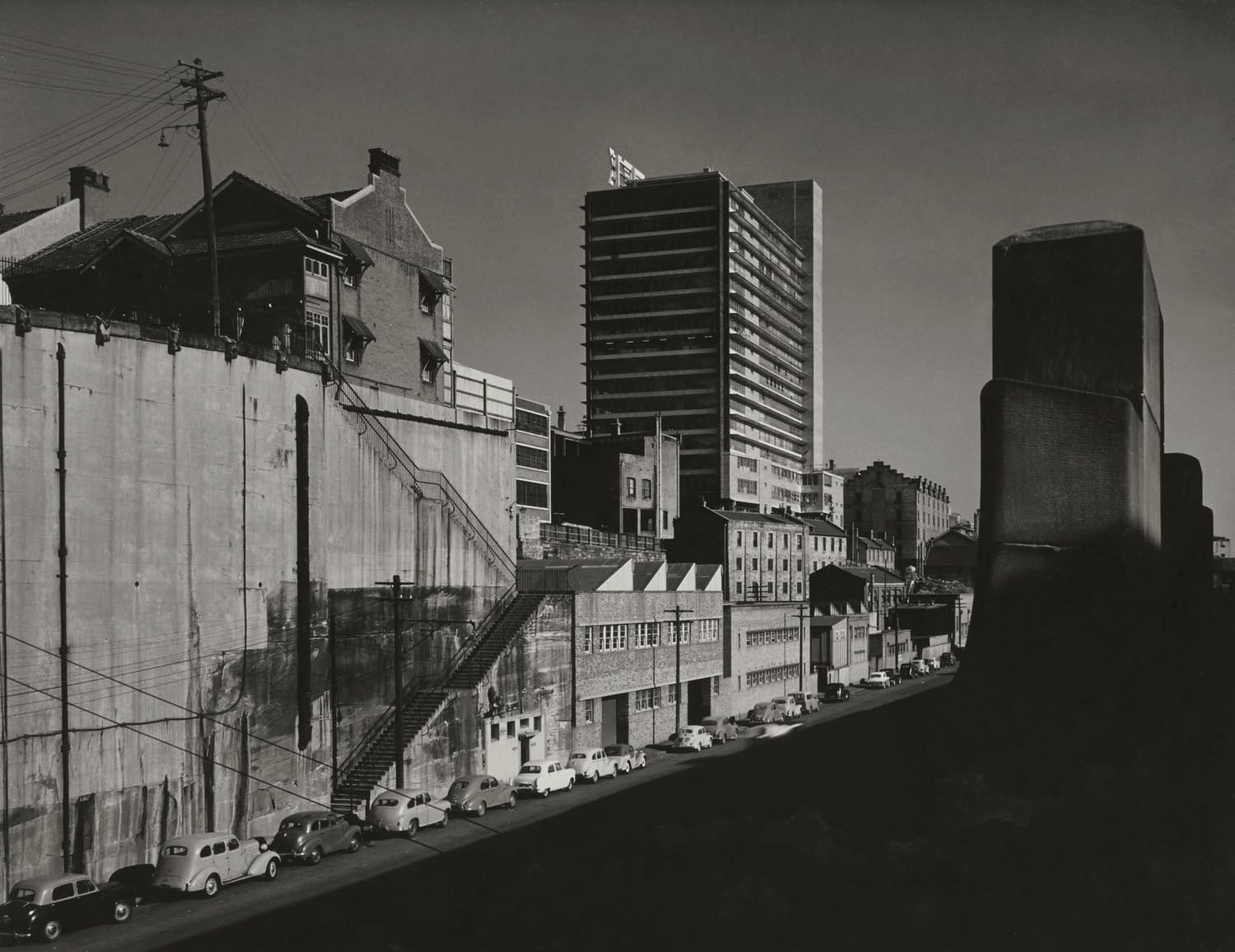
Max Dupain (Australian, 1911-1992) '(Hickson Road)' Nd


Max Dupain (Australian, 1911-1992)
(Hickson Road)
Nd
Gelatin silver print
39 x 50.5cm


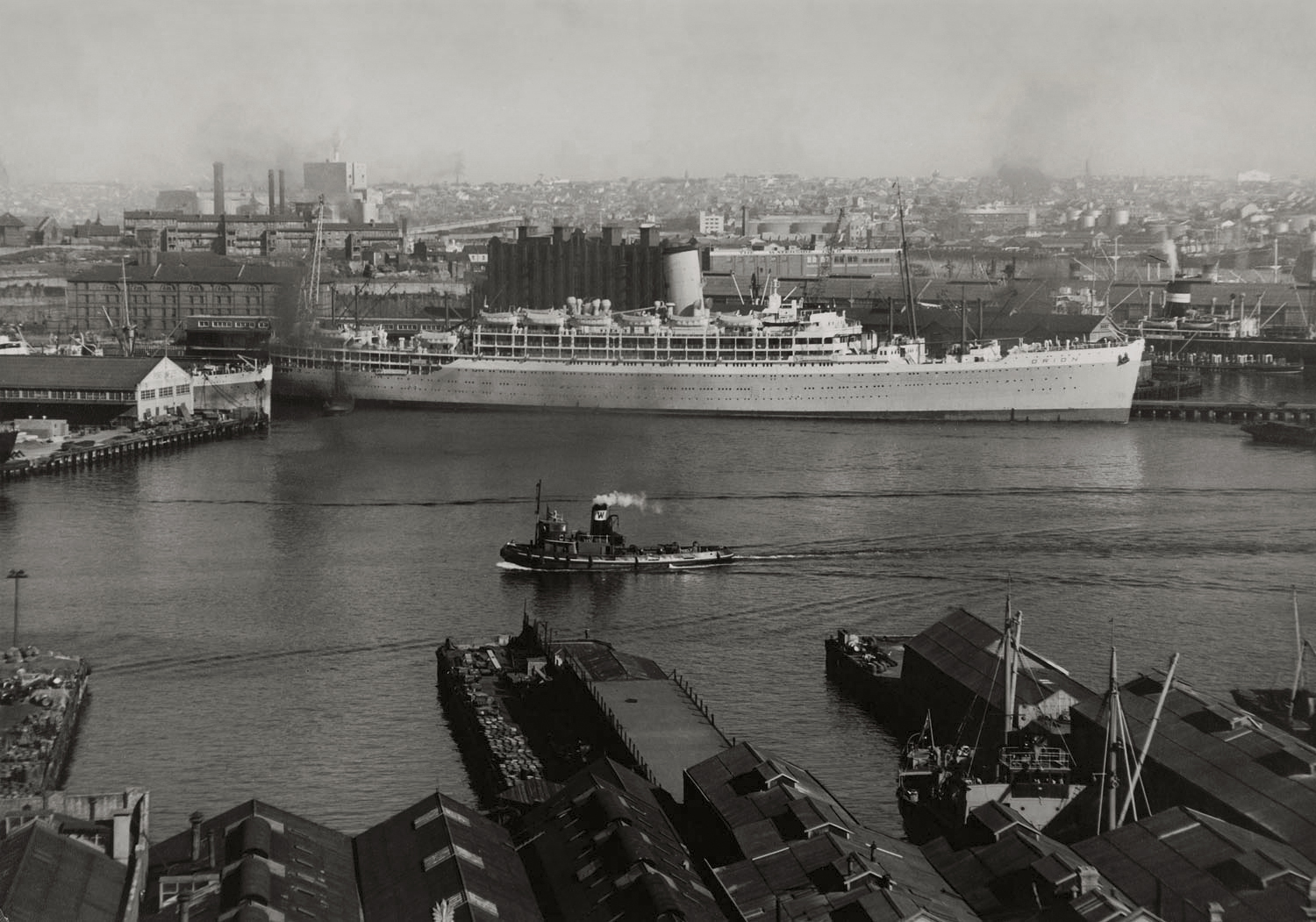
Max Dupain (Australian, 1911-1992) 'Darling Harbour from Studio Window' 1940s


Max Dupain (Australian, 1911-1992)
Darling Harbour from Studio Window
1940s
Gelatin silver print
32 x 45cm


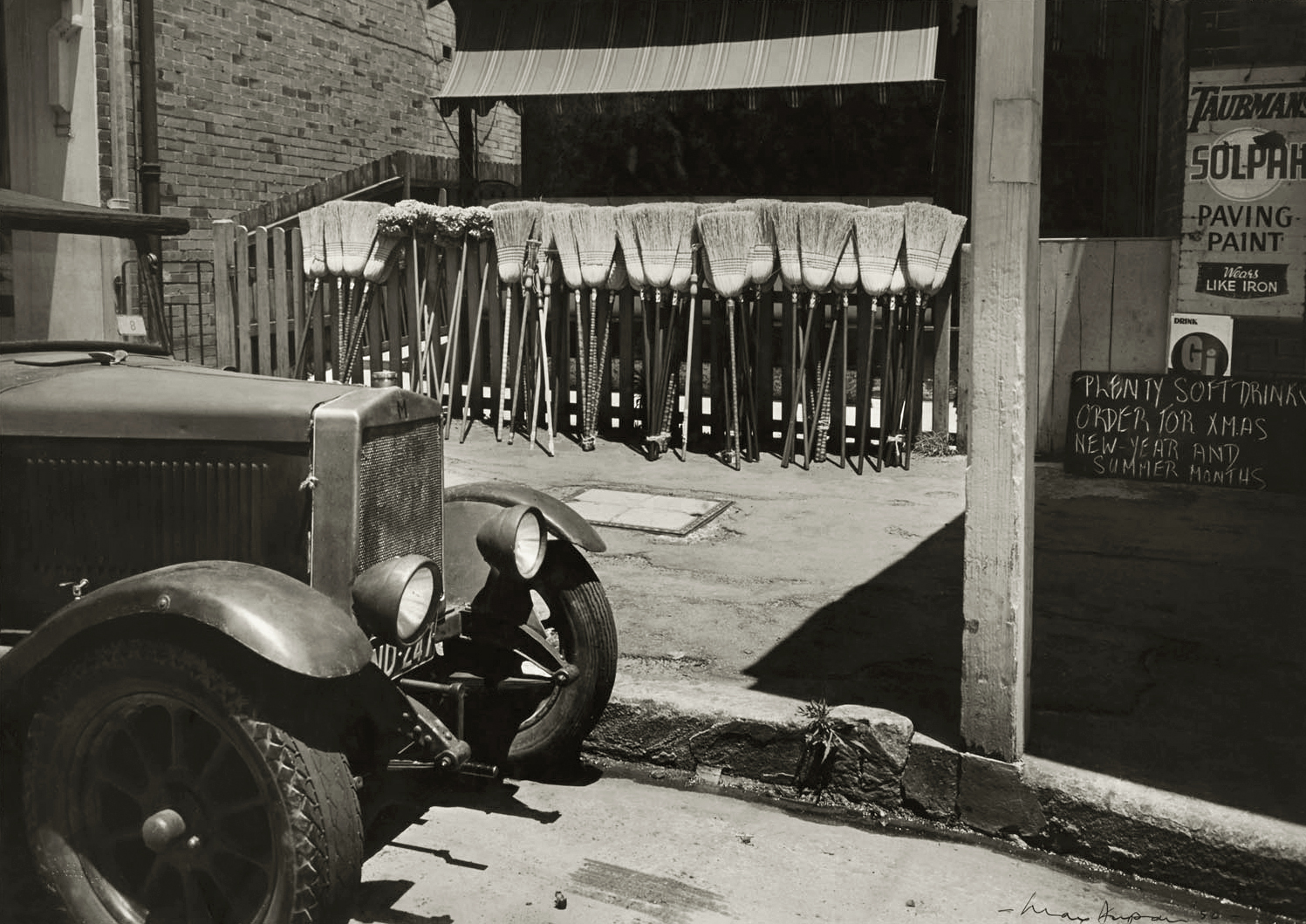
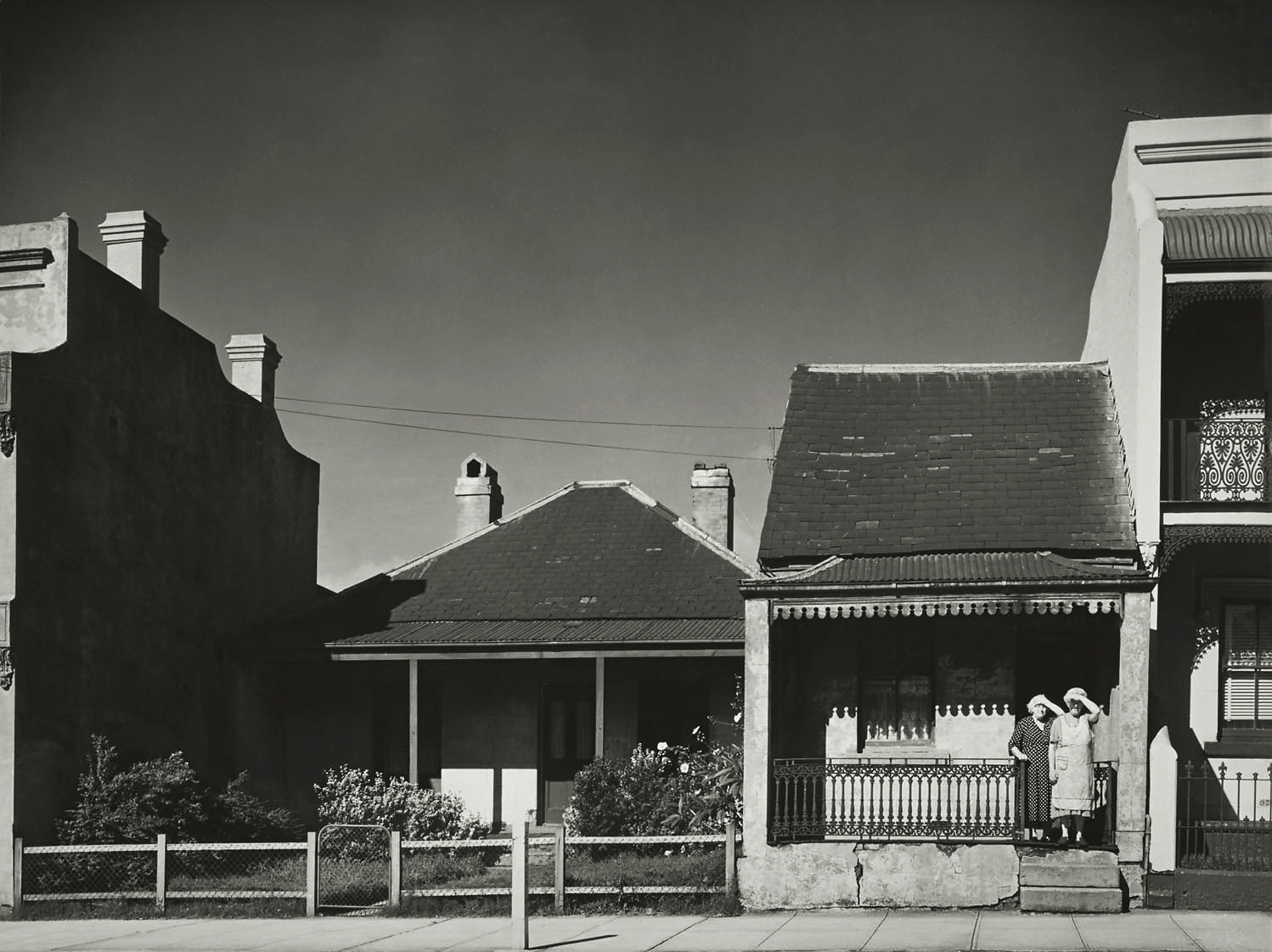
Max Dupain (Australian, 1911-1992) 'Brooms for Sale' 1950


Max Dupain (Australian, 1911-1992)
Brooms for Sale
1950
Gelatin silver print
31.5 x 44.5cm


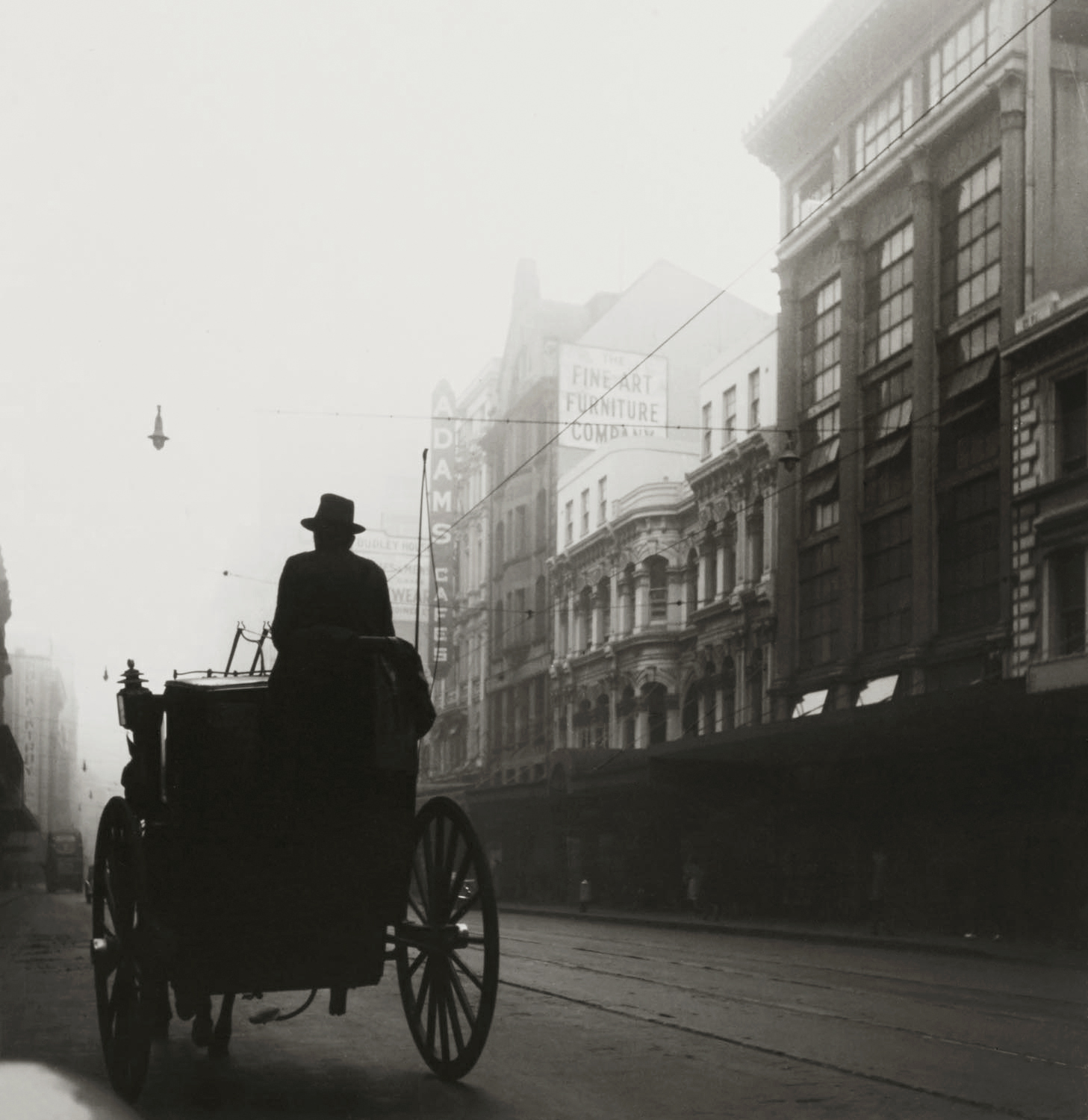
Max Dupain (Australian, 1911-1992) 'George Street Silhouette' 1940


Max Dupain (Australian, 1911-1992)
George Street Silhouette
1940
Gelatin silver print
30.5 x 29.5cm


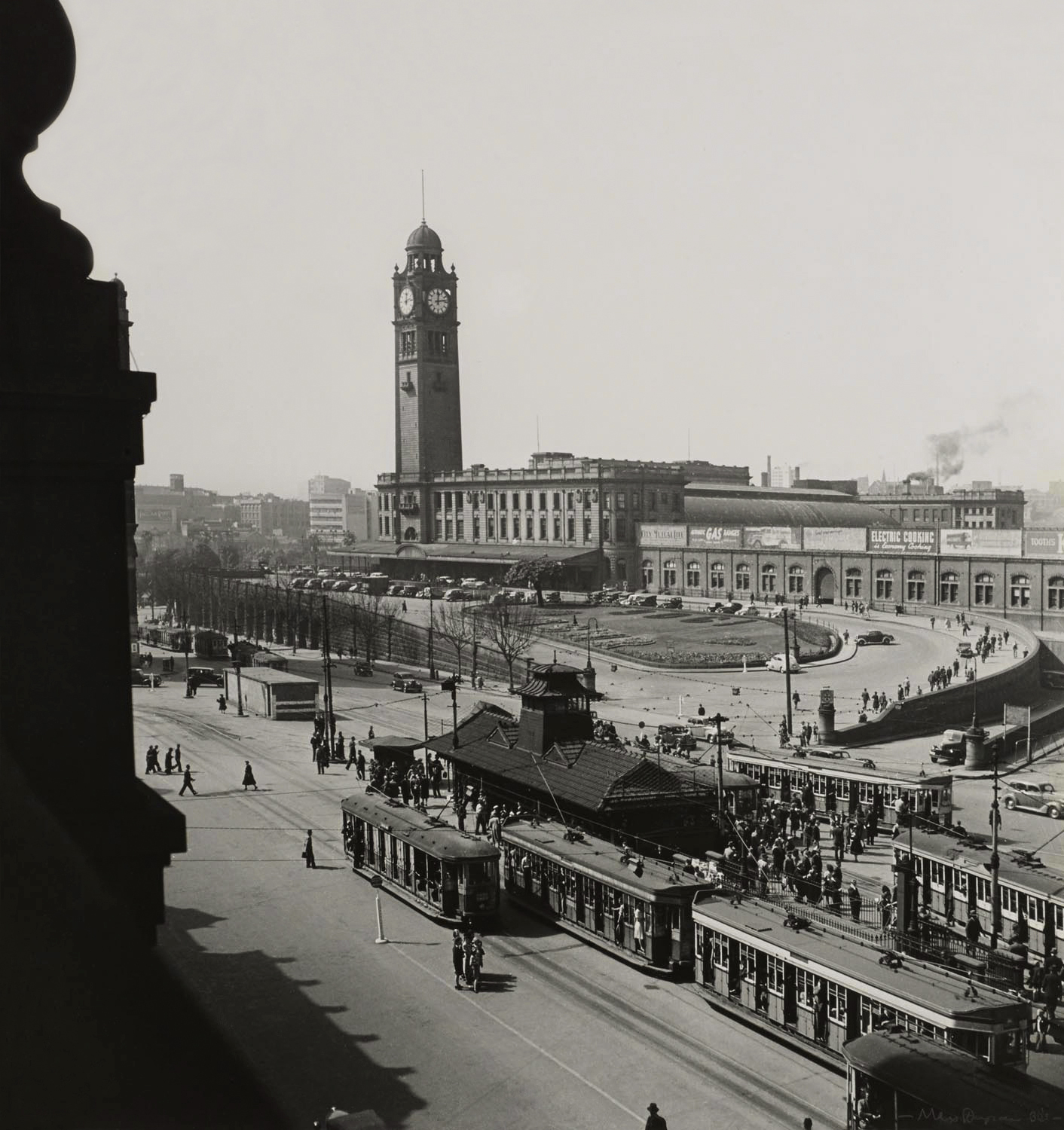
Max Dupain (Australian, 1911-1992) 'Central Station, Sydney' 1939


Max Dupain (Australian, 1911-1992)
Central Station, Sydney
1939
Gelatin silver print
40 x 39cm


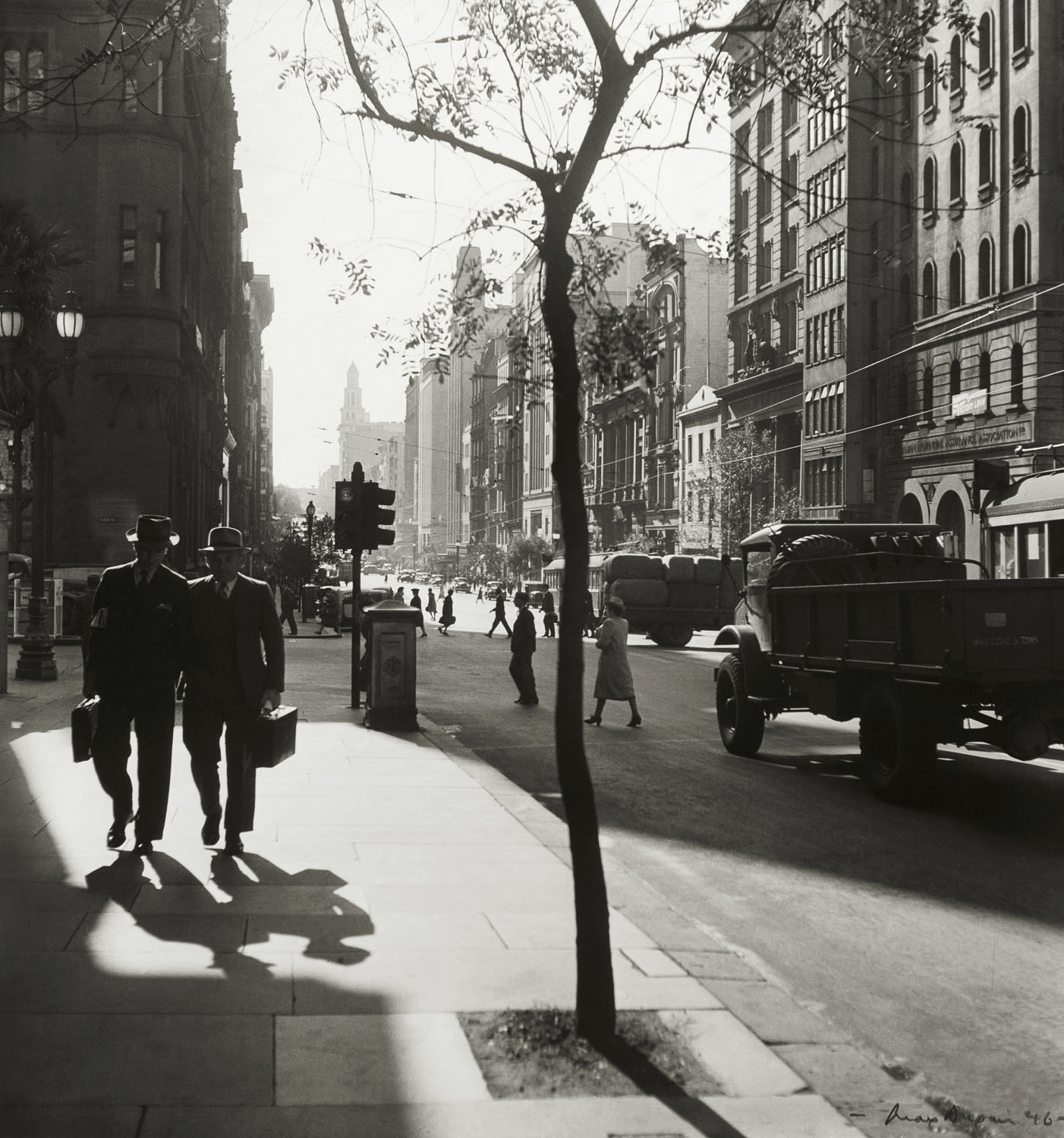
Max Dupain (Australian, 1911-1992) 'Collins Street, Melbourne' 1946


Max Dupain (Australian, 1911-1992)
Collins Street, Melbourne
1946
Gelatin silver print
42 x 39.5cm


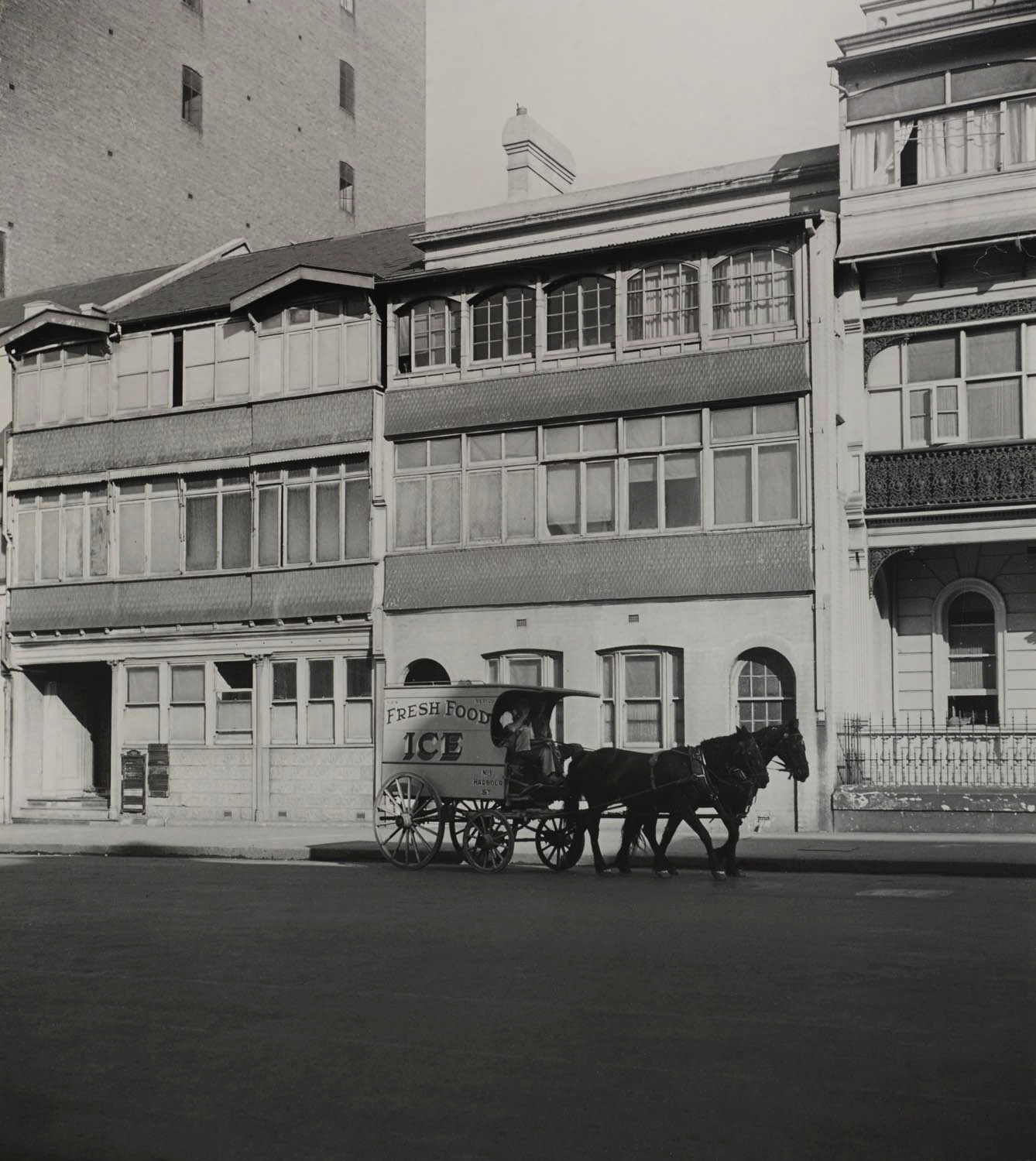
Max Dupain (Australian, 1911-1992) 'Morning, Kings Cross Ice Wagon' Nd


Max Dupain (Australian, 1911-1992)
Morning, Kings Cross Ice Wagon
Nd
Gelatin silver print
45 x 40.5cm


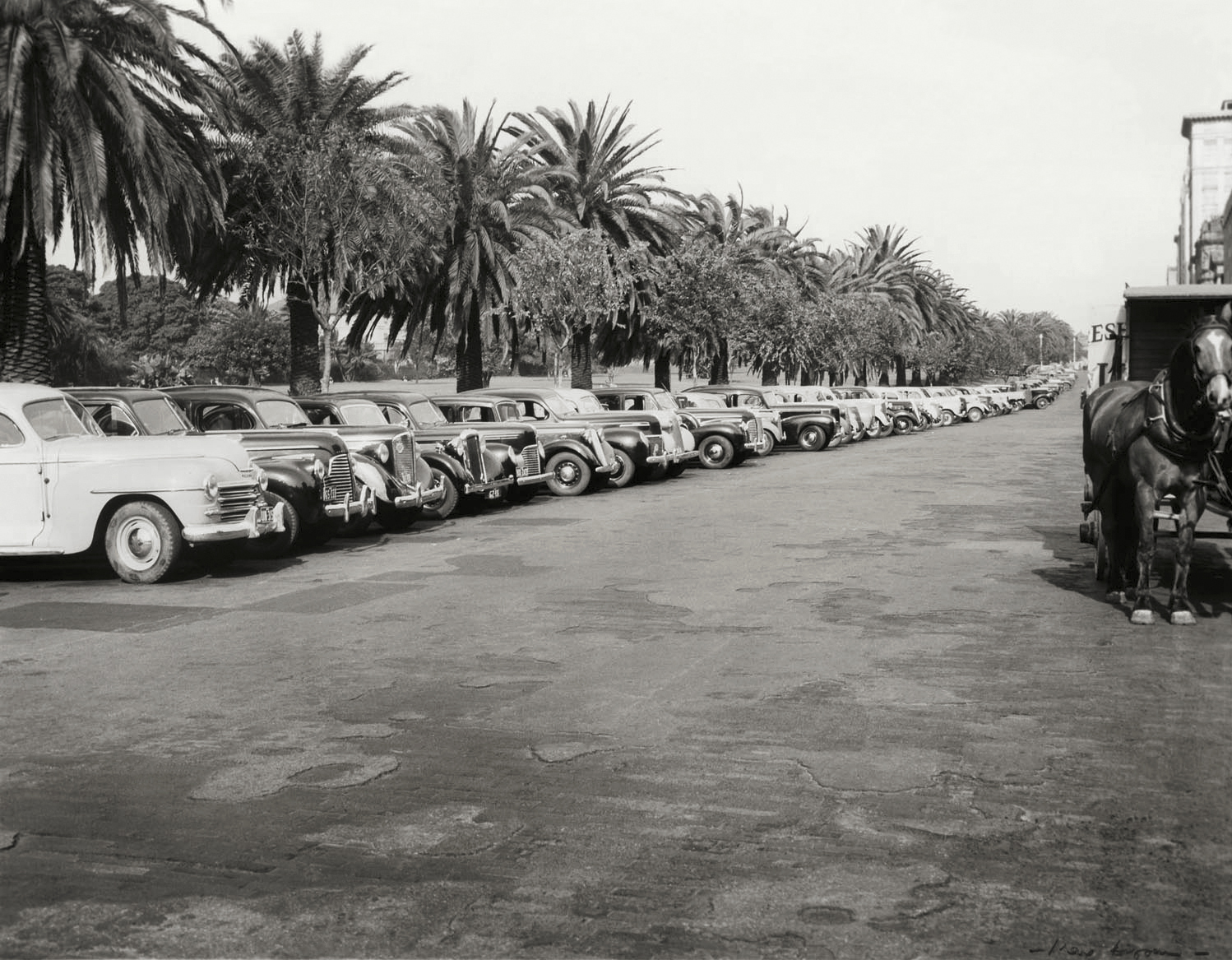
Max Dupain (Australian, 1911-1992) 'Parking, Macquarie Street' 1930s


Max Dupain (Australian, 1911-1992)
Parking, Macquarie Street
1930s
Gelatin silver print
39 x 48.5cm


Max Dupain (Australian, 1911-1992) 'Suburban Terraces' Nd


Max Dupain (Australian, 1911-1992)
Suburban Terraces
Nd
Gelatin silver print
28 x 38cm


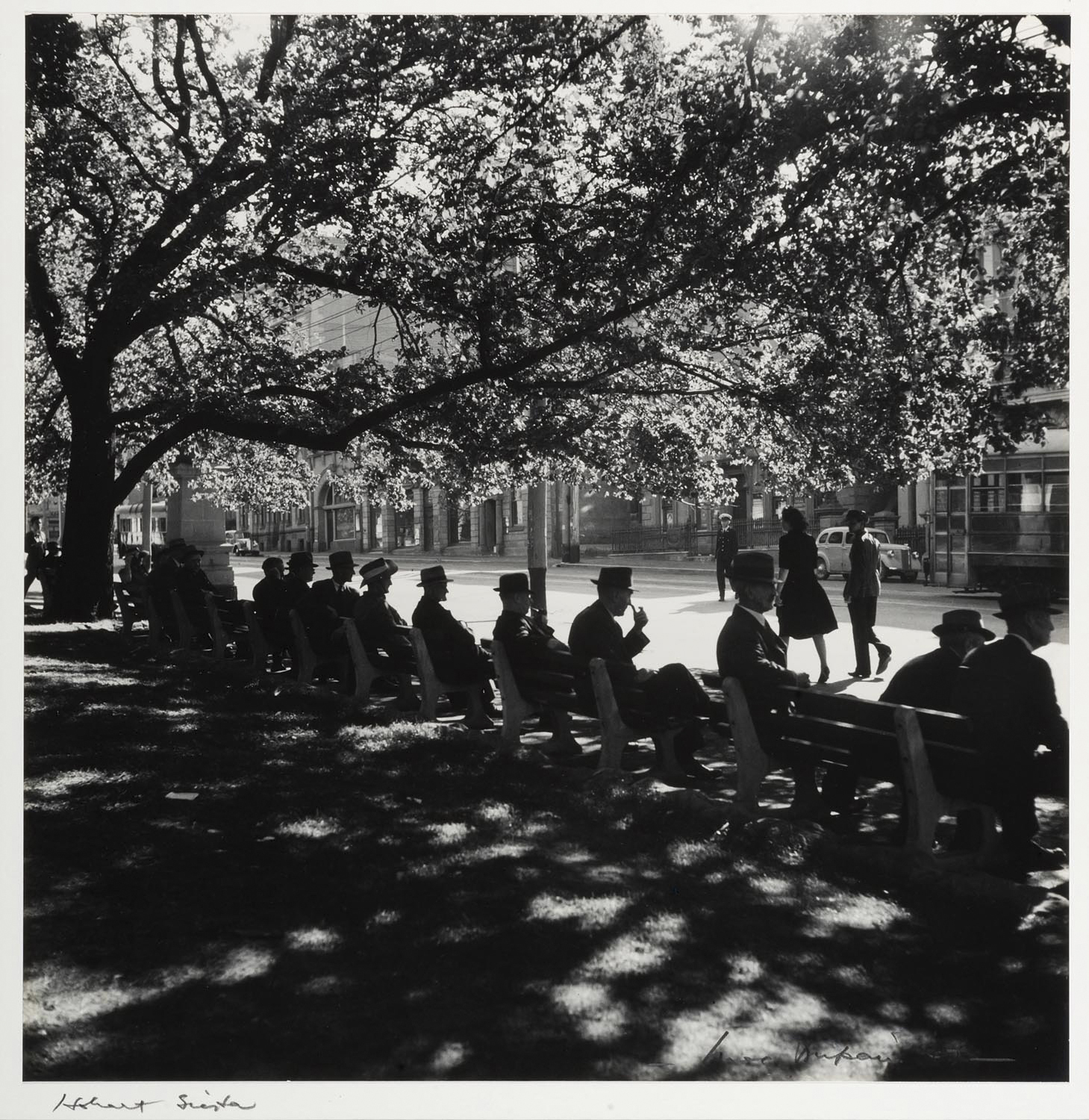
Max Dupain (Australian, 1911-1992) 'Hobart Siesta' 1947


Max Dupain (Australian, 1911-1992)
Hobart Siesta
1947
Gelatin silver print
38.5 x 38cm


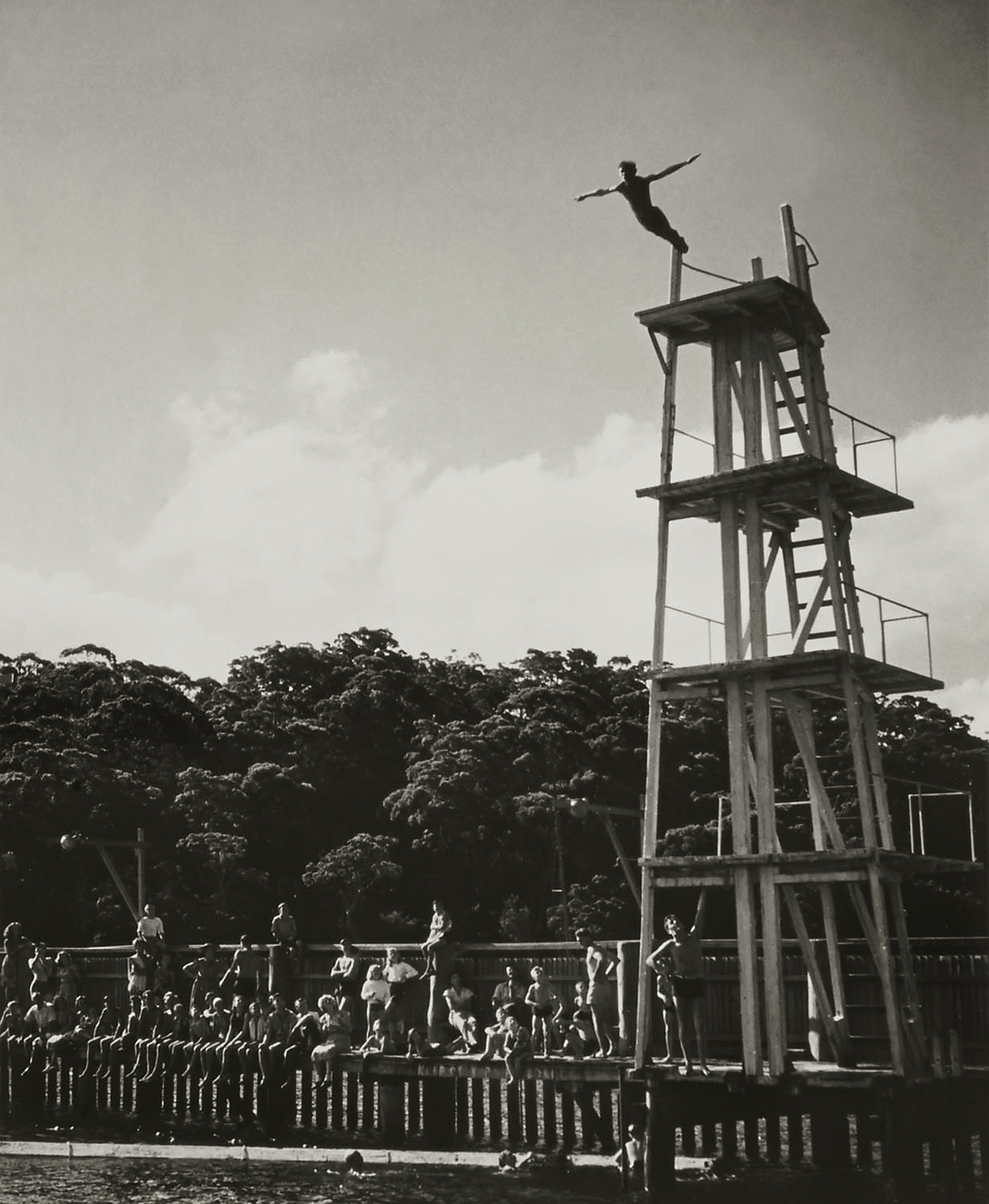
Max Dupain (Australian, 1911-1992) 'Diver, Northbridge Baths' Nd


Max Dupain (Australian, 1911-1992)
Diver, Northbridge Baths
Nd
Gelatin silver print
23 x 18.5cm


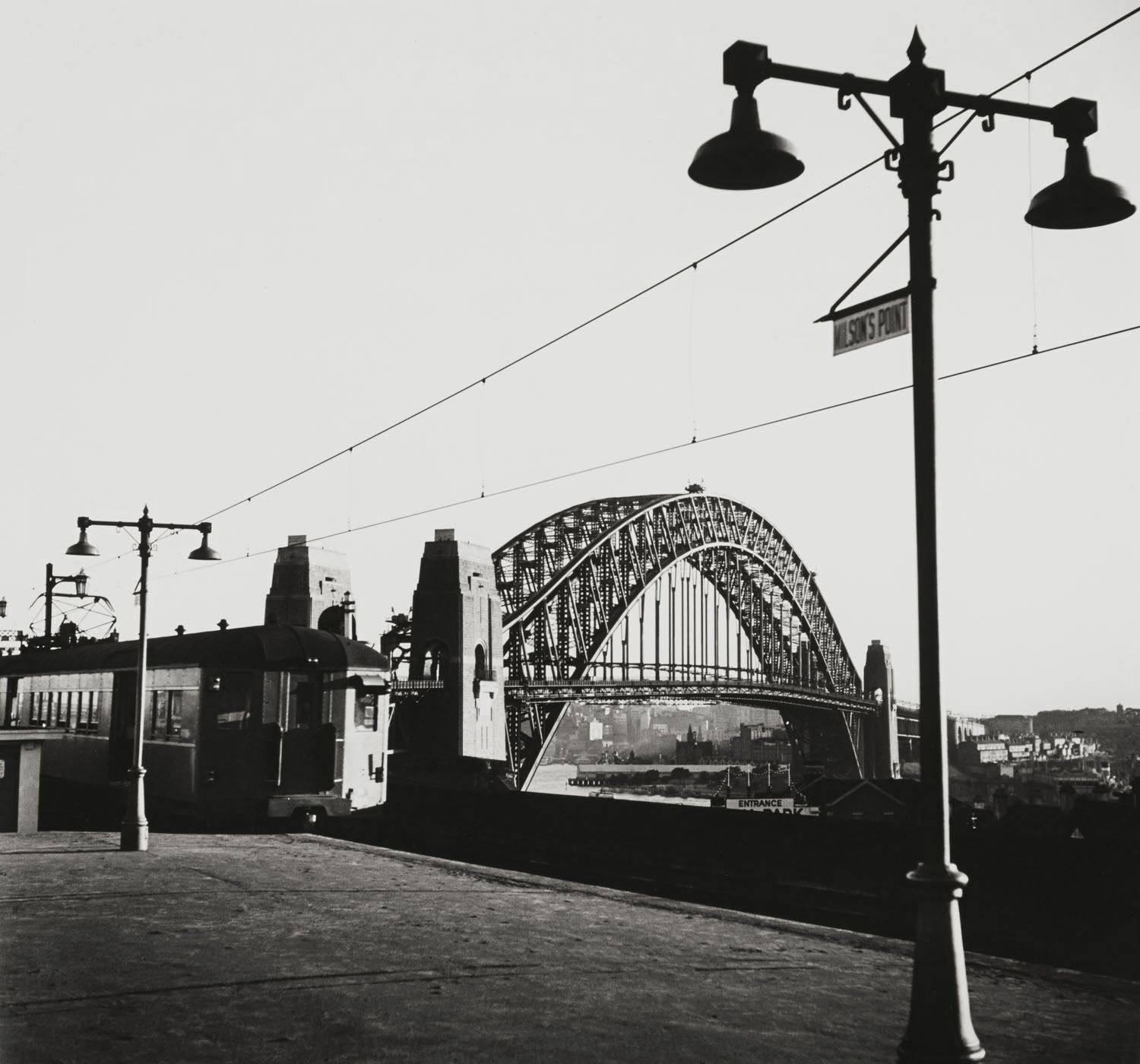
Max Dupain (Australian, 1911-1992) '(Milson's Point)' Nd


Max Dupain (Australian, 1911-1992)
(Milson’s Point)
Nd
Gelatin silver print
30.5 x 32.5cm


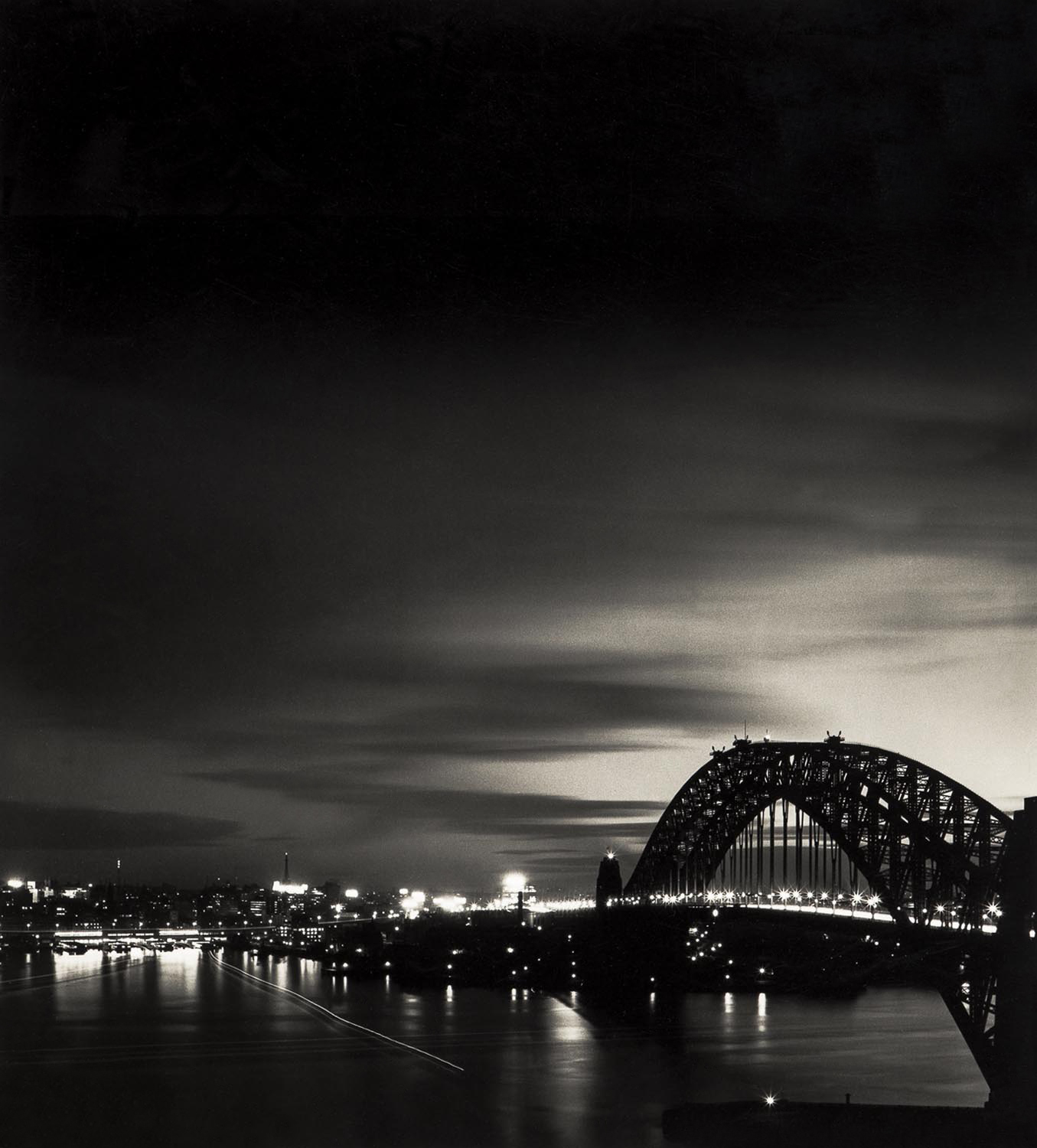
Max Dupain (Australian, 1911-1992) '(Harbour Bridge at Dusk)' Nd


Max Dupain (Australian, 1911-1992)
(Harbour Bridge at Dusk)
Nd
Gelatin silver print
31 x 28.5cm


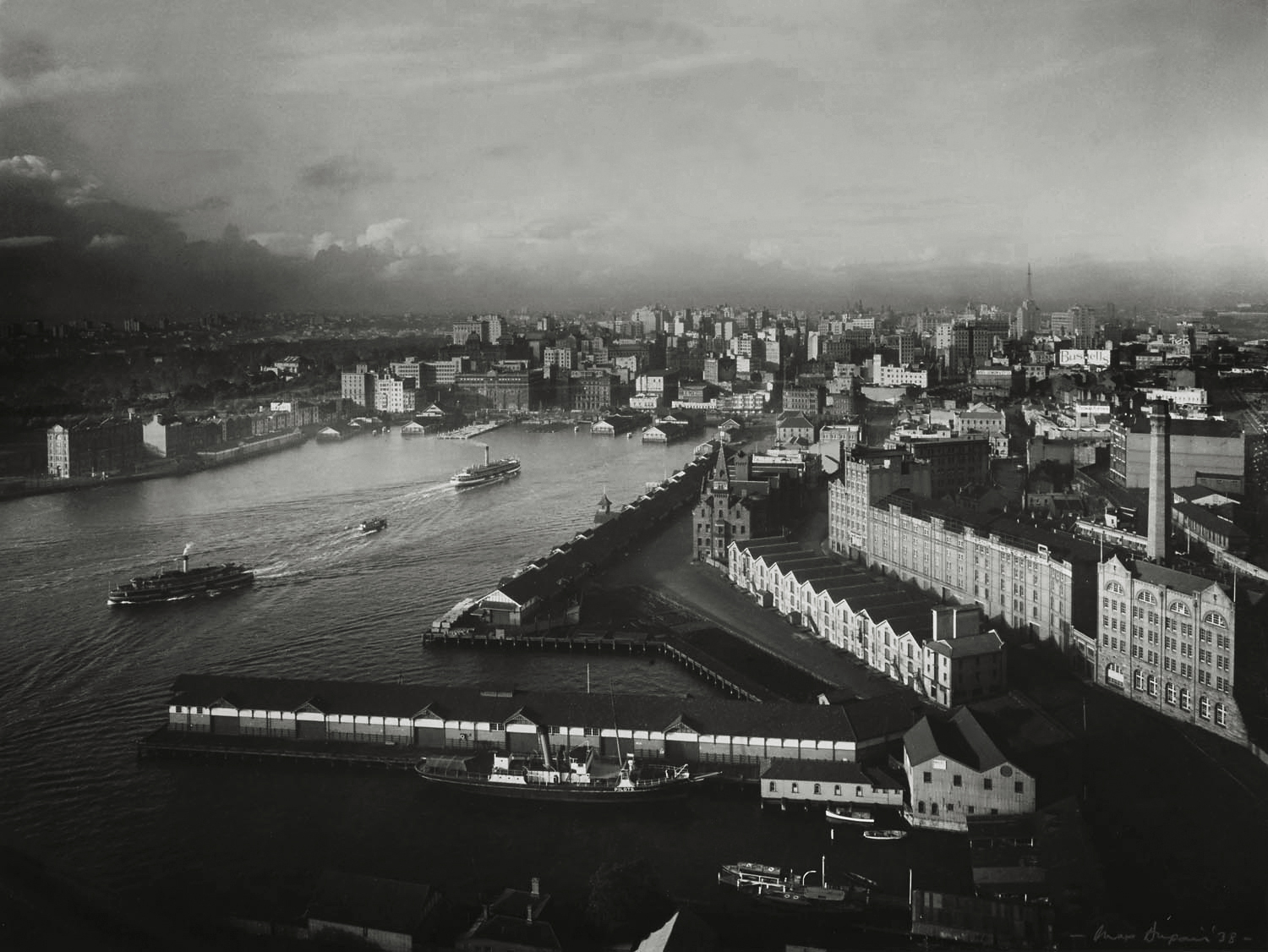
Max Dupain (Australian, 1911-1992) 'Sydney from South Pylon' 1938


Max Dupain (Australian, 1911-1992)
Sydney from South Pylon
1938
Gelatin silver print
38 x 50.5cm


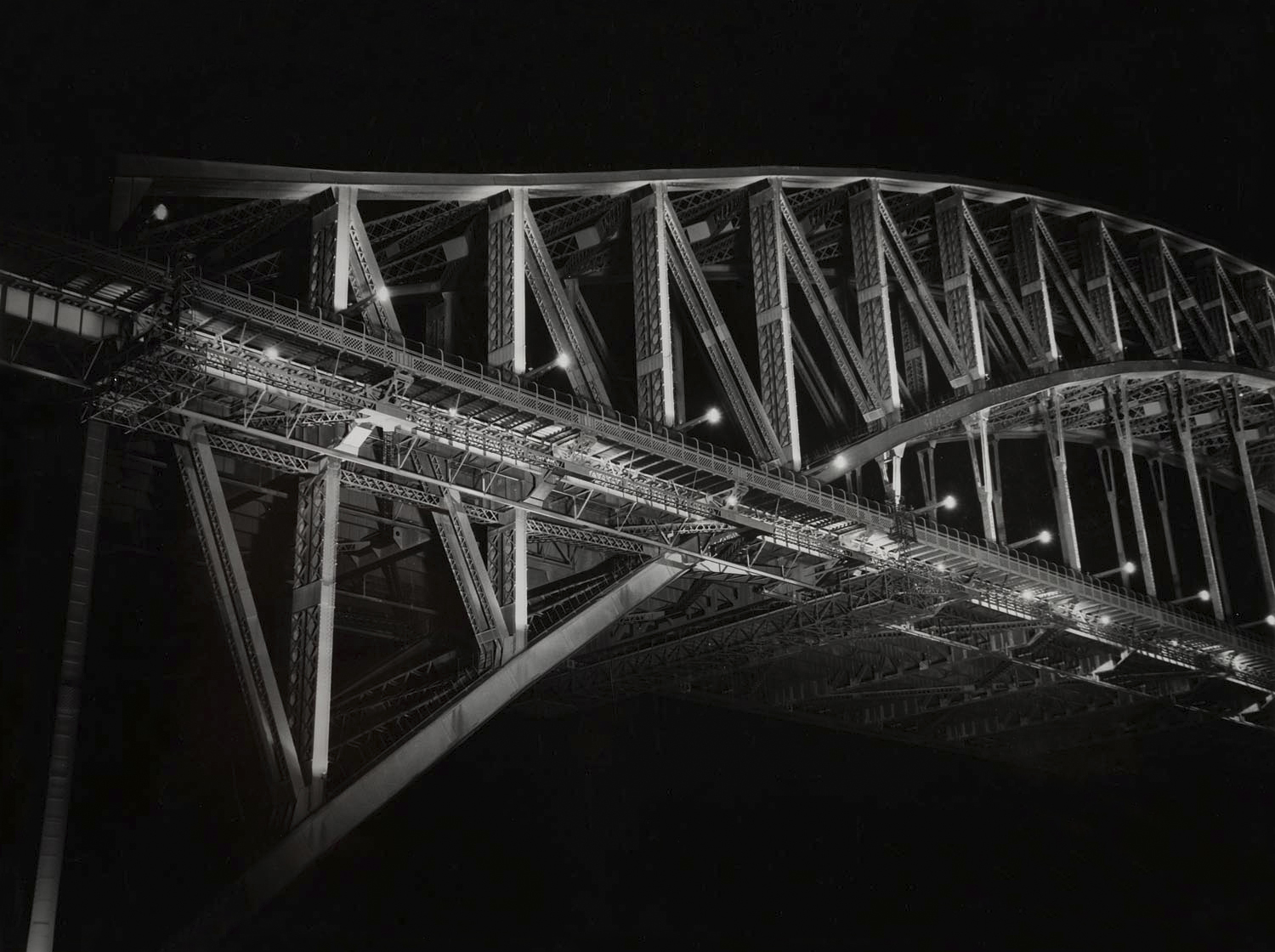
Max Dupain (Australian, 1911-1992) '(Harbour Bridge Closed at Night)' 1946


Max Dupain (Australian, 1911-1992)
(Harbour Bridge Closed at Night)
1946
Gelatin silver print
18 x 24cm


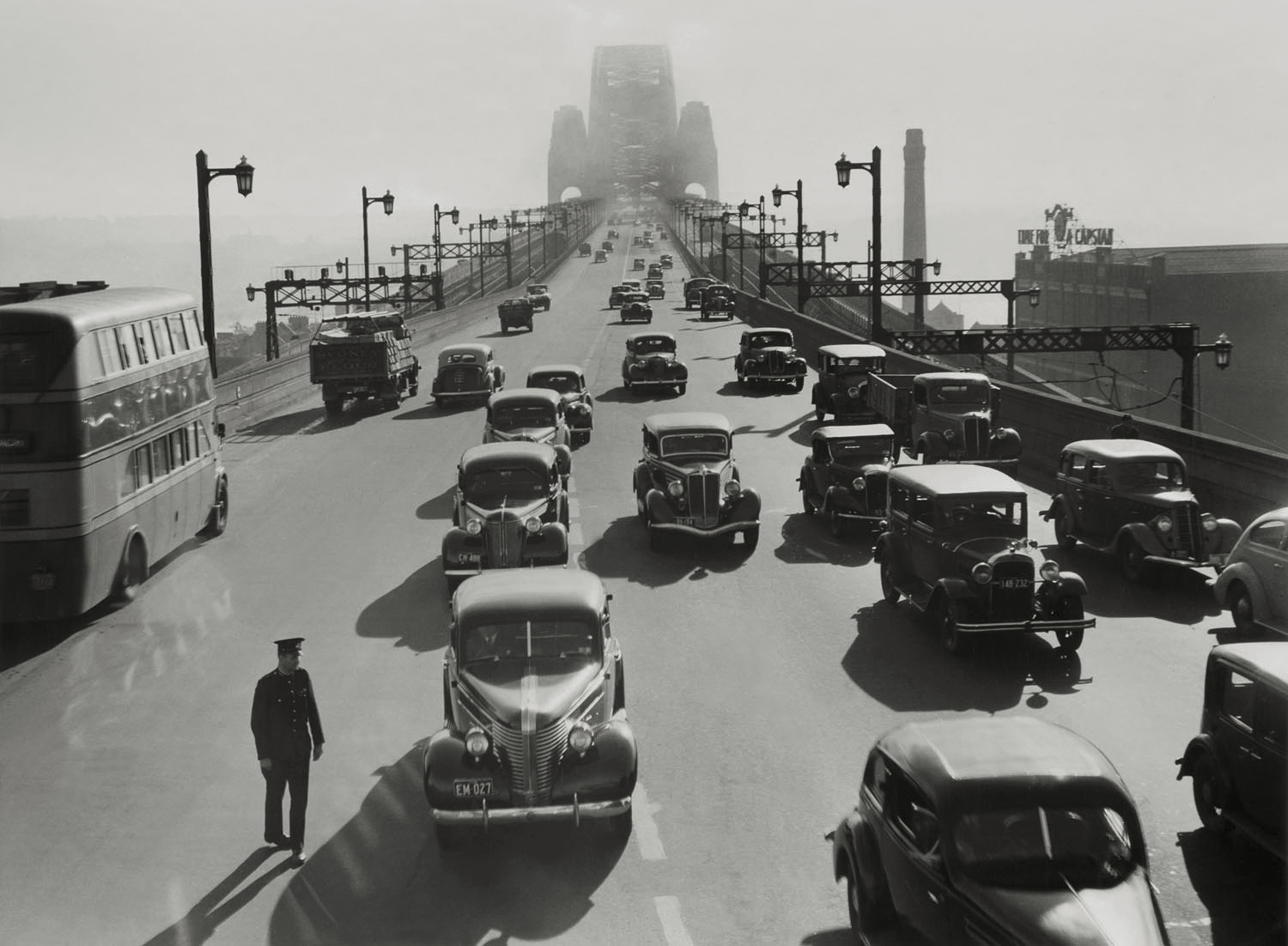
Max Dupain (Australian, 1911-1992) '(Harbour Bridge with Traffic, Buses and Policeman)' 1940-1950s


Max Dupain (Australian, 1911-1992)
(Harbour Bridge with Traffic, Buses and Policeman)
1940-1950s
Gelatin silver print
17.5 x 24cm


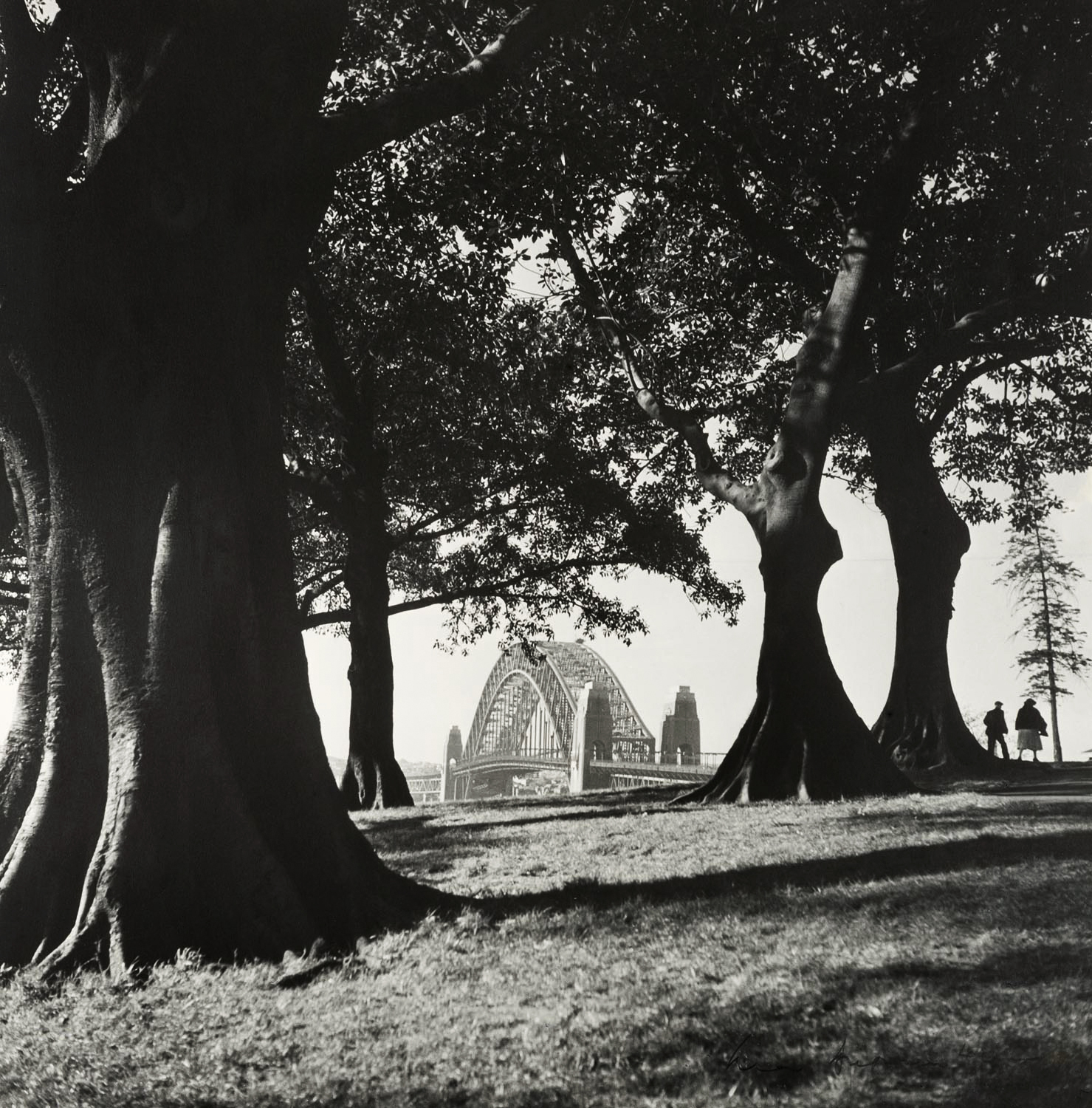
Max Dupain (Australian, 1911-1992) 'Observatory Hill, Looking North to the Sydney Harbour Bridge' 1940


Max Dupain (Australian, 1911-1992)
Observatory Hill, Looking North to the Sydney Harbour Bridge
1940
Gelatin silver print
40.5 x 40cm


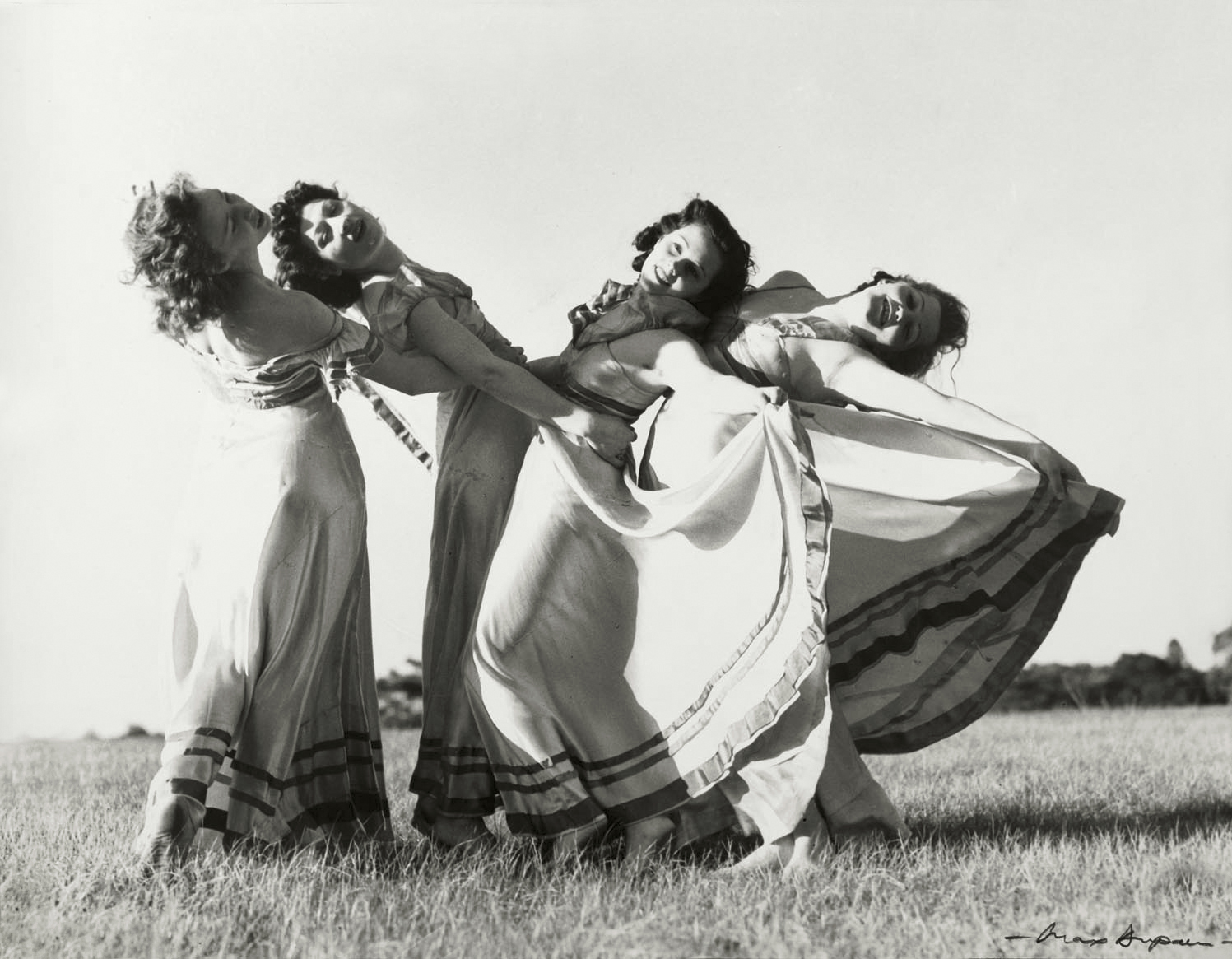
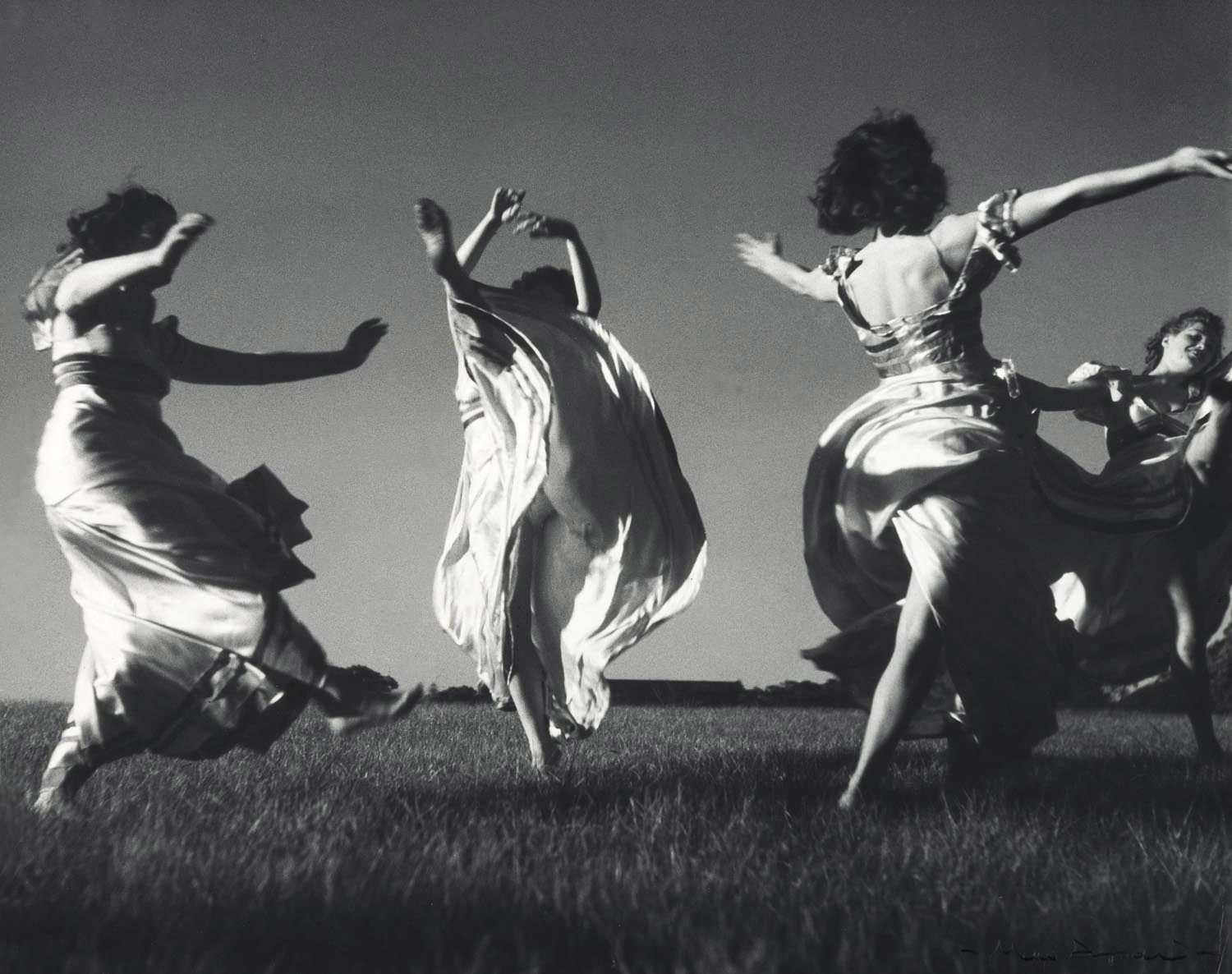
Max Dupain (Australian, 1911-1992) '(Four Graces)' Nd


Max Dupain (Australian, 1911-1992)
(Four Graces)
Nd
Gelatin silver print
37 x 48cm


Max Dupain (Australian, 1911-1992) '(Four Graces)' Nd


Max Dupain (Australian, 1911-1992)
(Four Graces)
Nd
Gelatin silver print
24 x 30.5cm


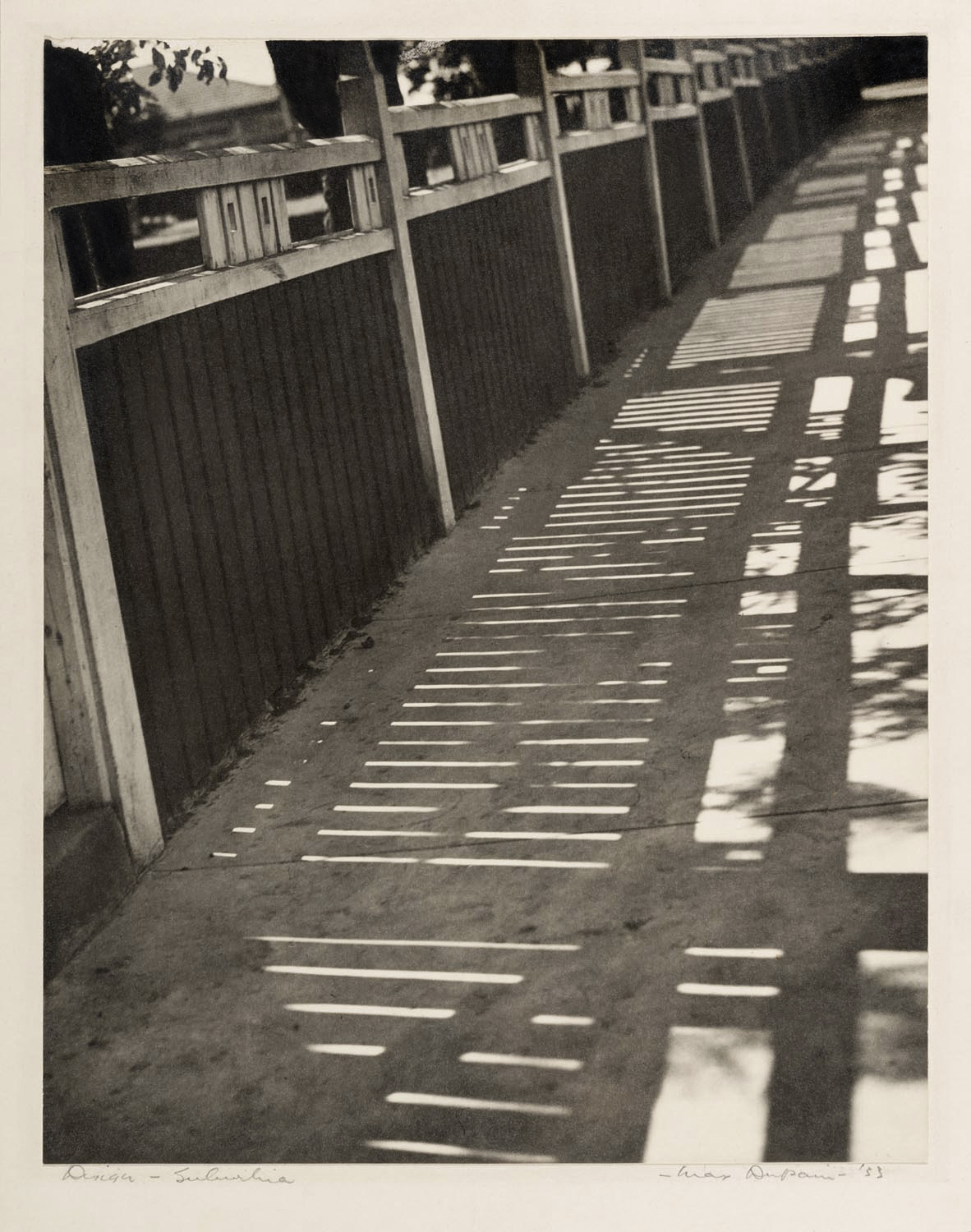
Max Dupain (Australian, 1911-1992) 'Design – Suburbia' 1933


Max Dupain (Australian, 1911-1992)
Design – Suburbia
1933
Gelatin silver print
29.5 x 23cm


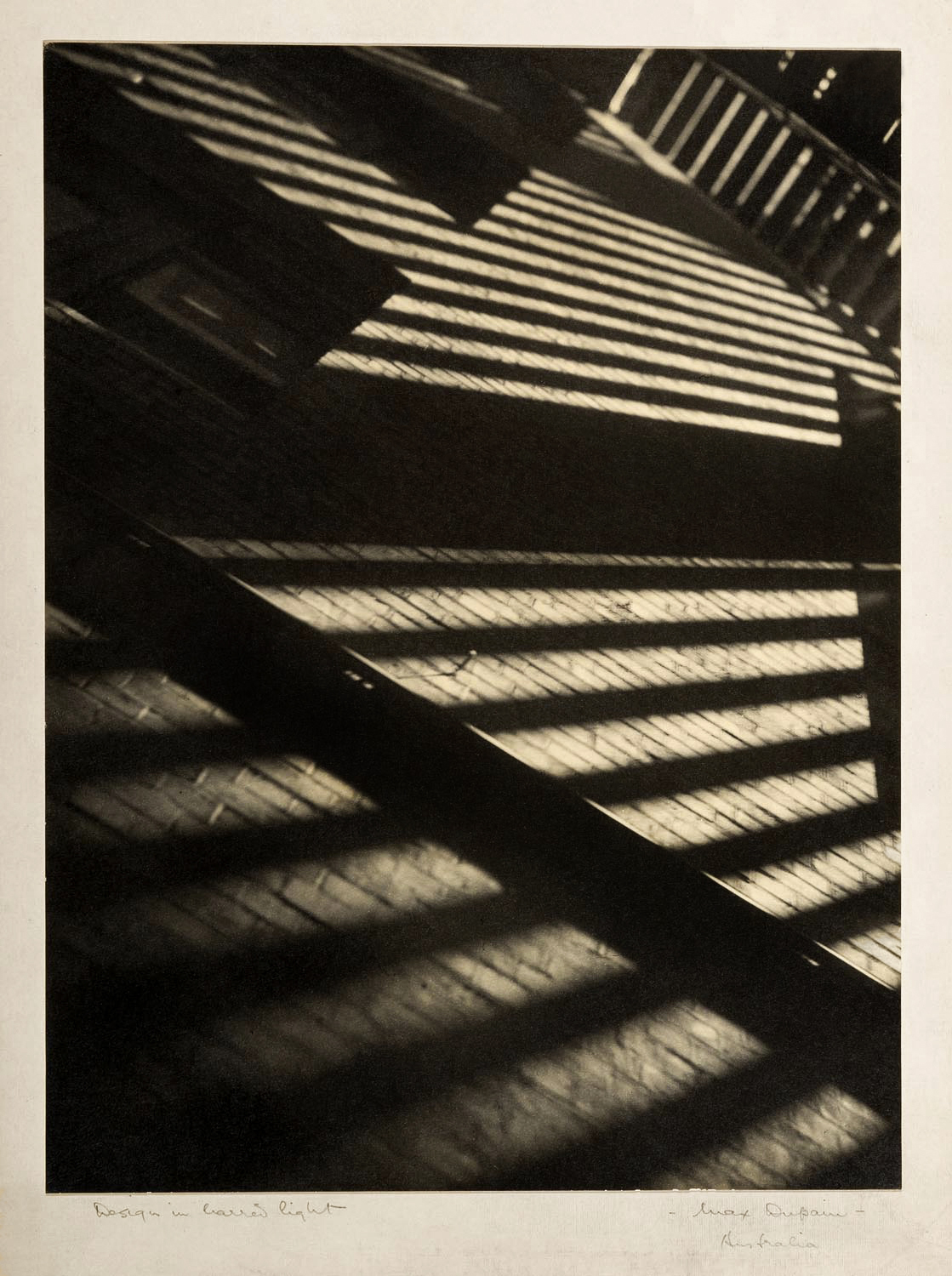
Max Dupain (Australian, 1911-1992) 'Design in Barred Light' Nd


Max Dupain (Australian, 1911-1992)
Design in Barred Light
Nd
Gelatin silver print
25 x 18.5cm


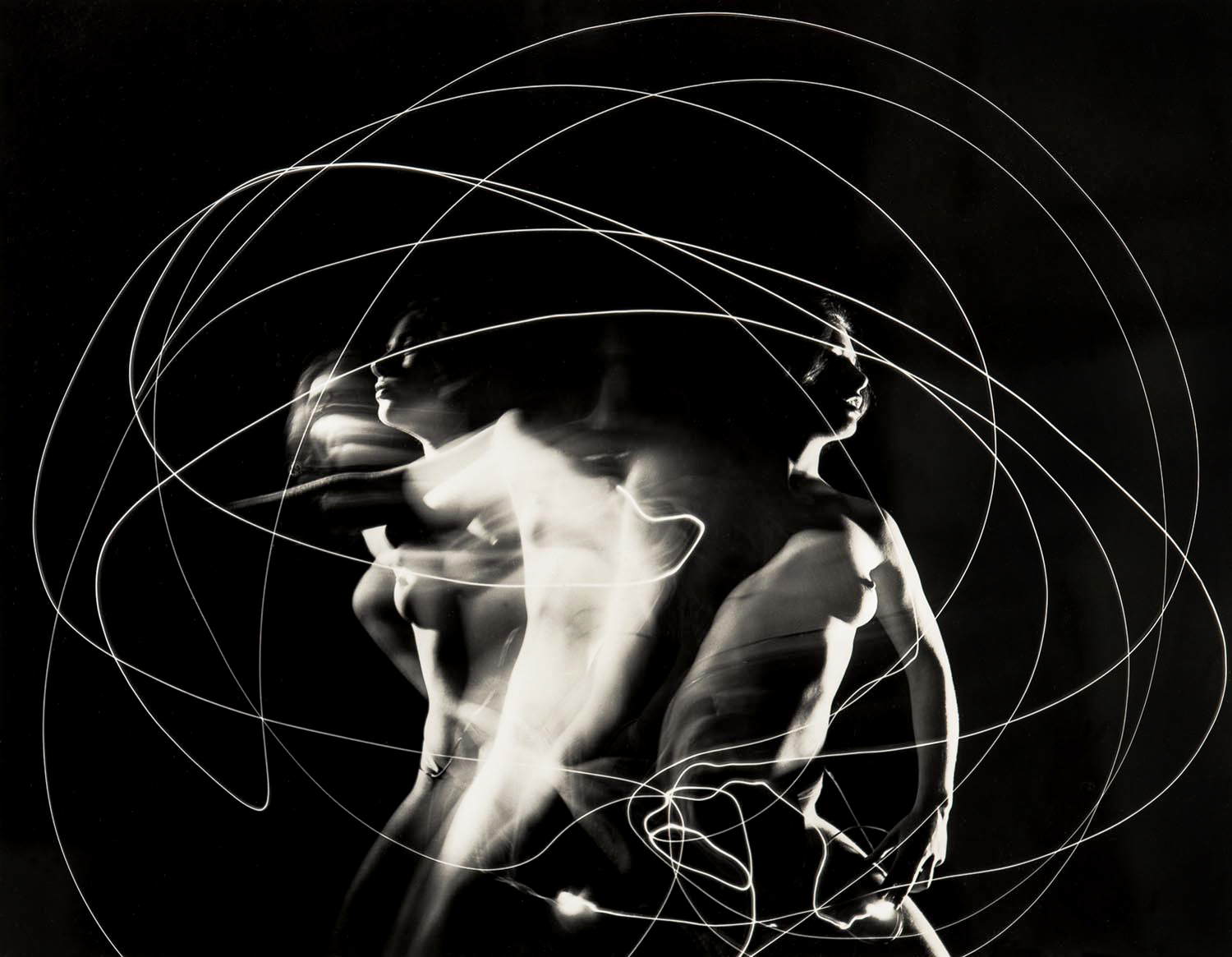
Max Dupain (Australian, 1911-1992) '(Timelapse Nude Figure)' Nd


Max Dupain (Australian, 1911-1992)
(Timelapse Nude Figure)
Nd
Gelatin silver print
23.5 x 29.5cm


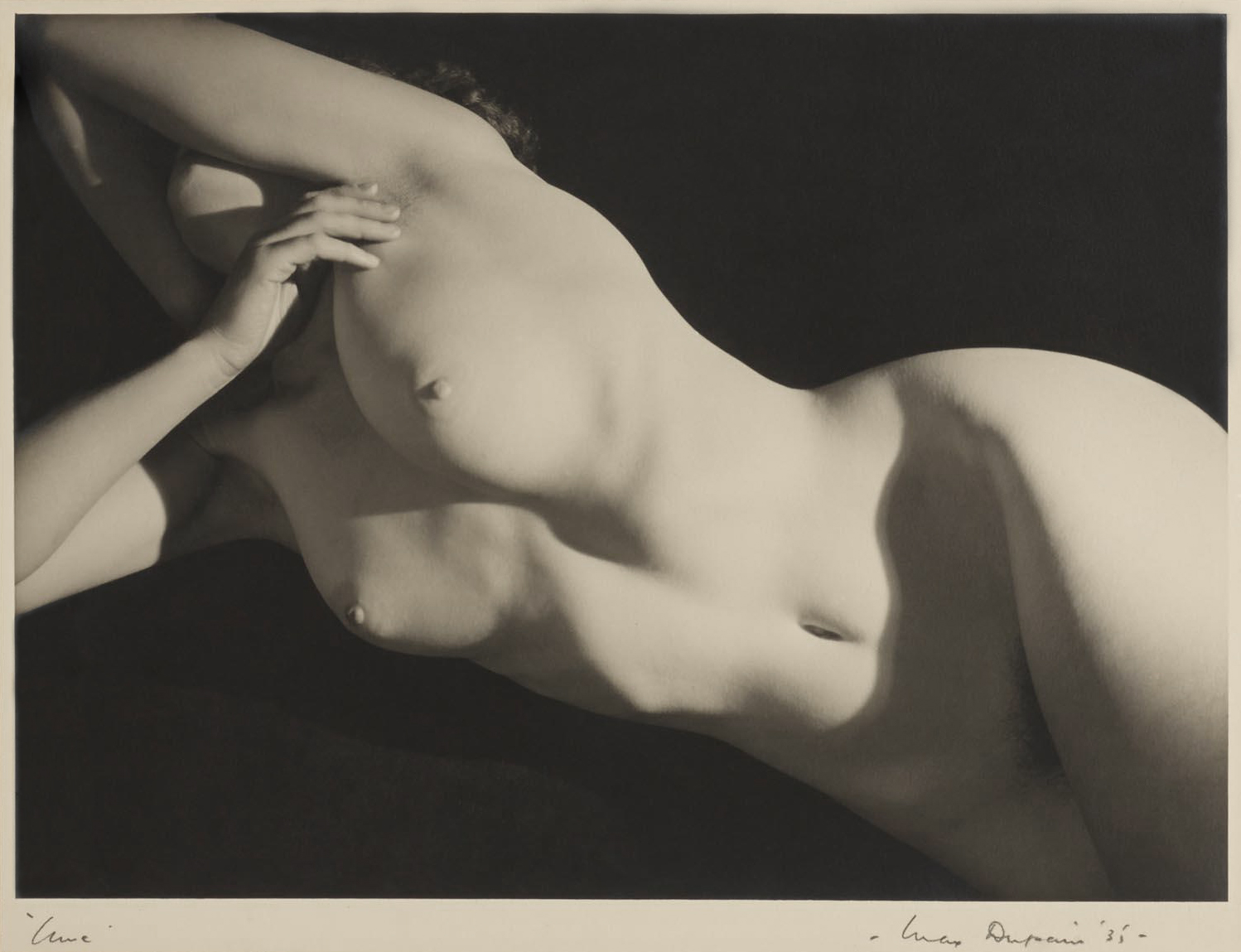
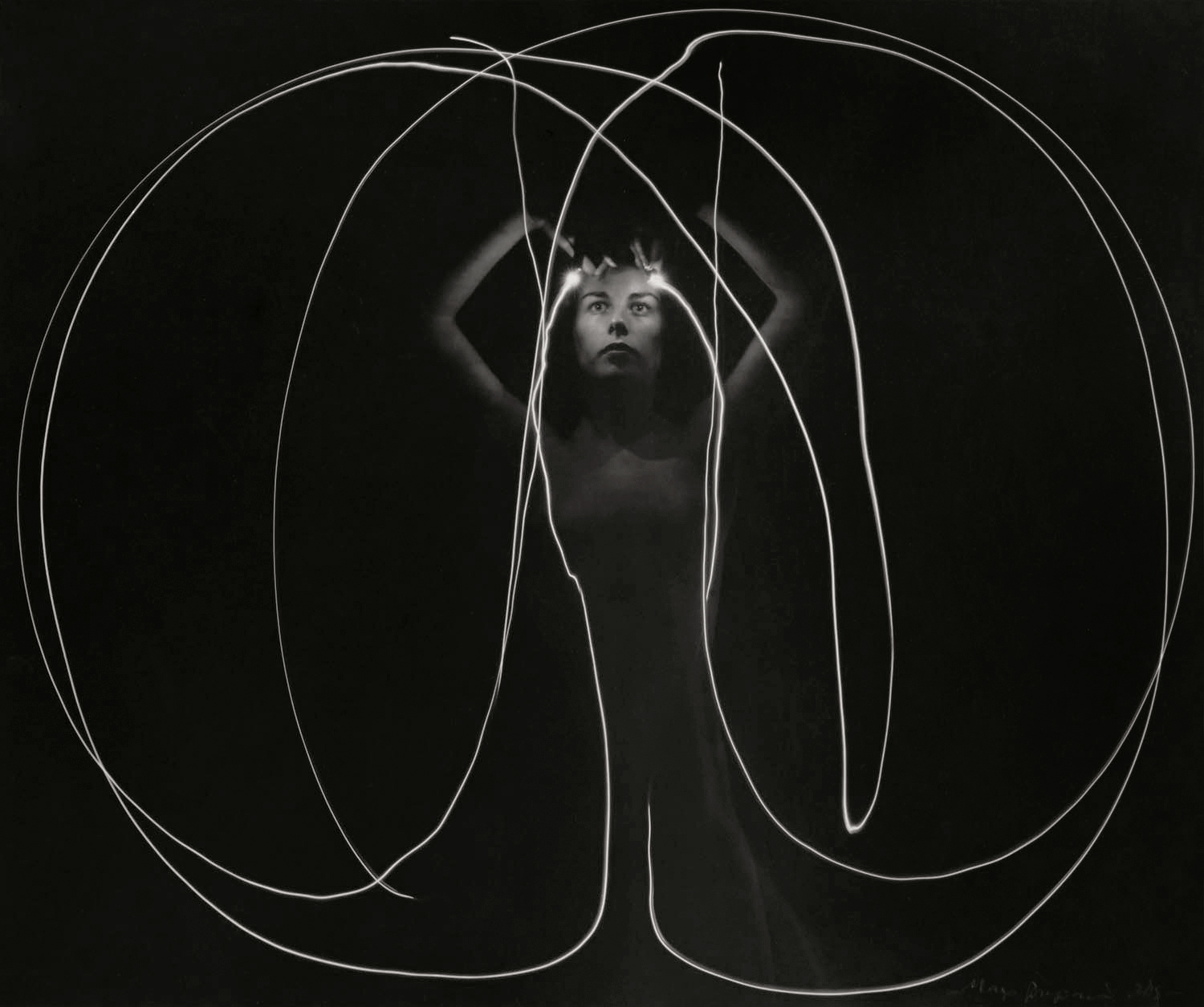
Max Dupain (Australian, 1911-1992) '(Nude Figure and Light)' 1930s


Max Dupain (Australian, 1911-1992)
(Nude Figure and Light)
1930s
Gelatin silver print
30.5 x 36cm


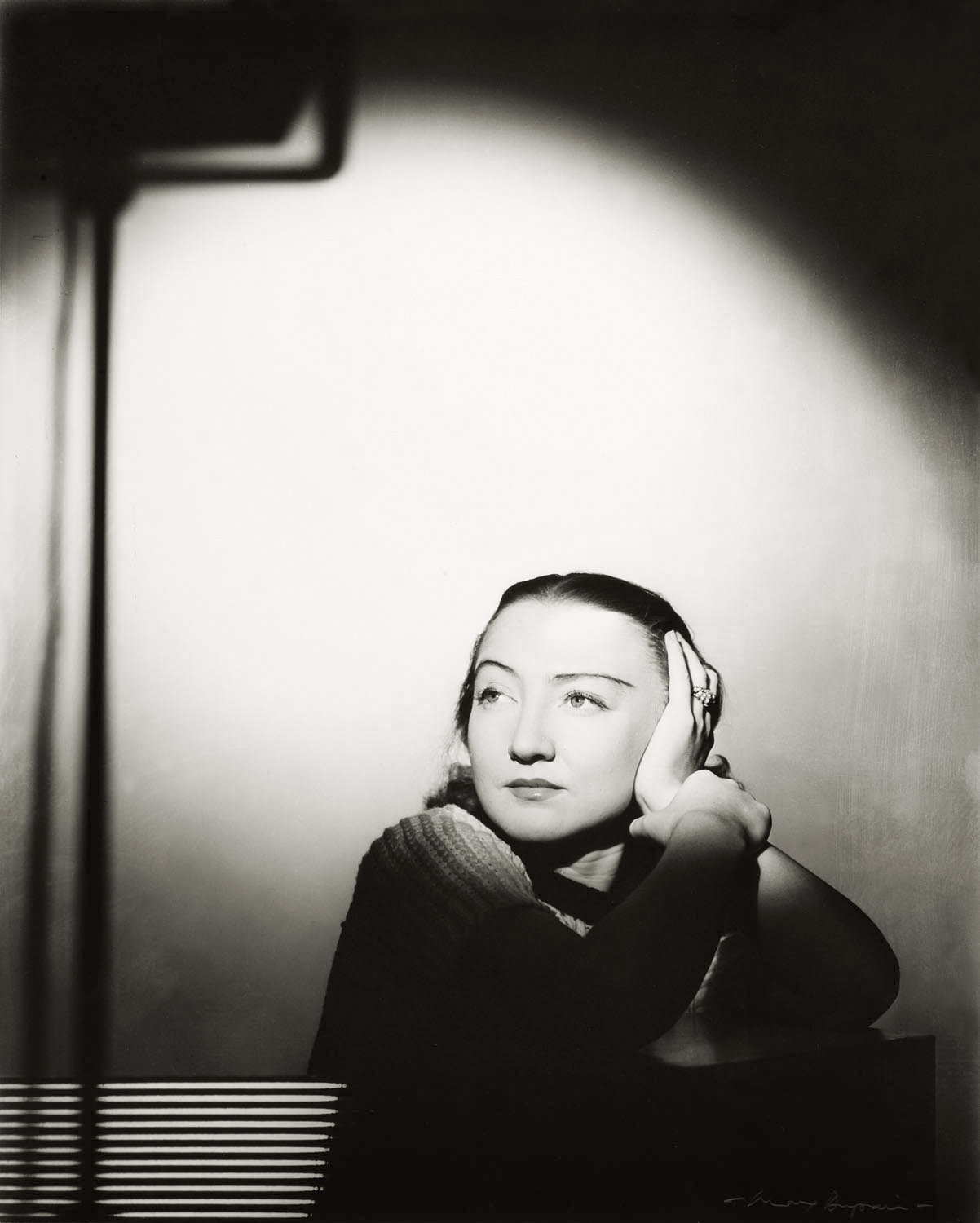
Max Dupain (Australian, 1911-1992) '(Portrait and Shadows)' Nd


Max Dupain (Australian, 1911-1992)
(Portrait and Shadows)
Nd
Gelatin silver print
50 x 40cm


Max Dupain (Australian, 1911-1992) 'Domestic Poem, Douglas Stewart' Nd


Max Dupain (Australian, 1911-1992)
Domestic Poem, Douglas Stewart
Nd
Gelatin silver print
27 x 26cm


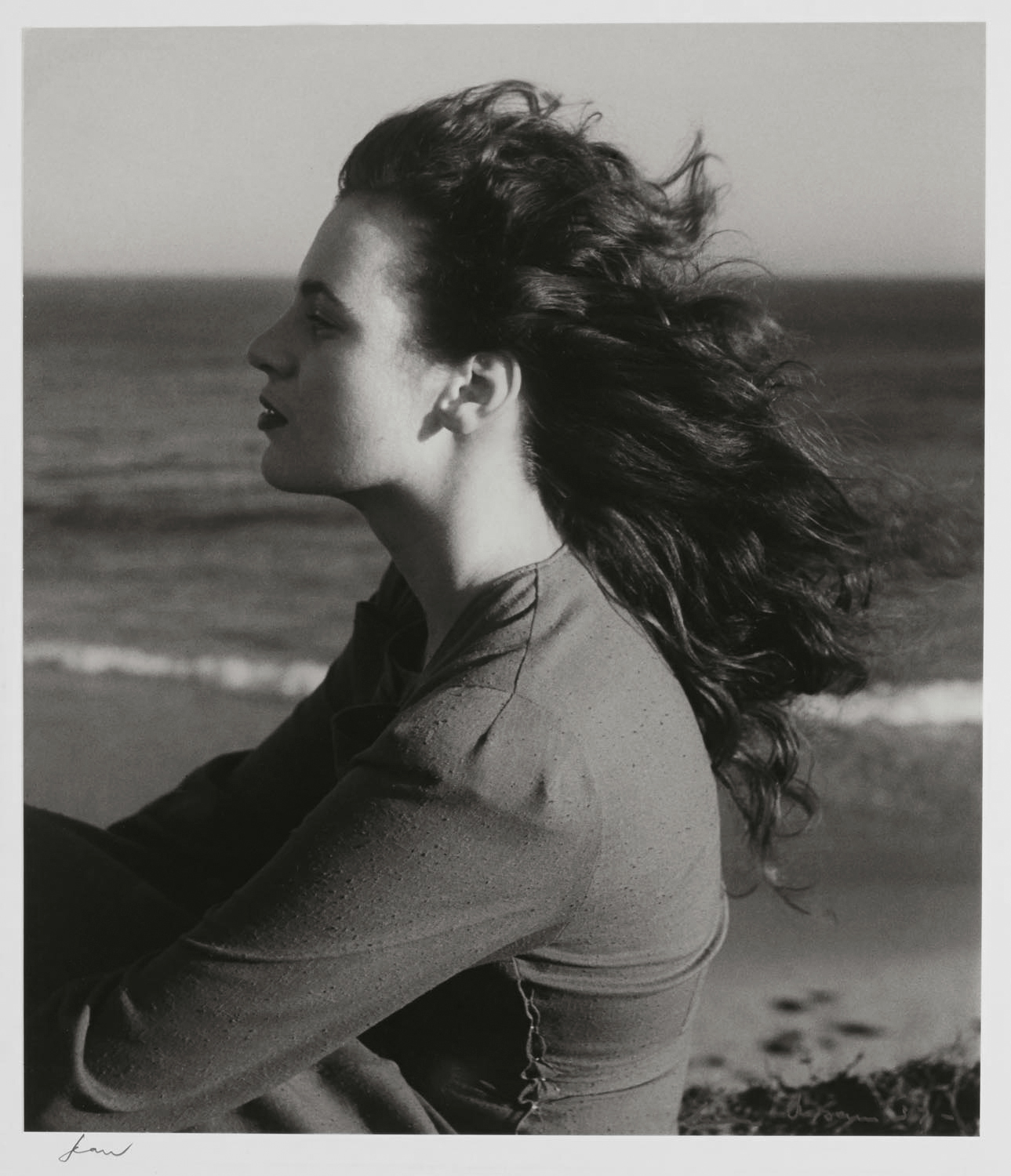
Max Dupain (Australian, 1911-1992) 'Jean' 1936-1937


Max Dupain (Australian, 1911-1992)
Jean
1936-1937
Gelatin silver print
37 x 31cm


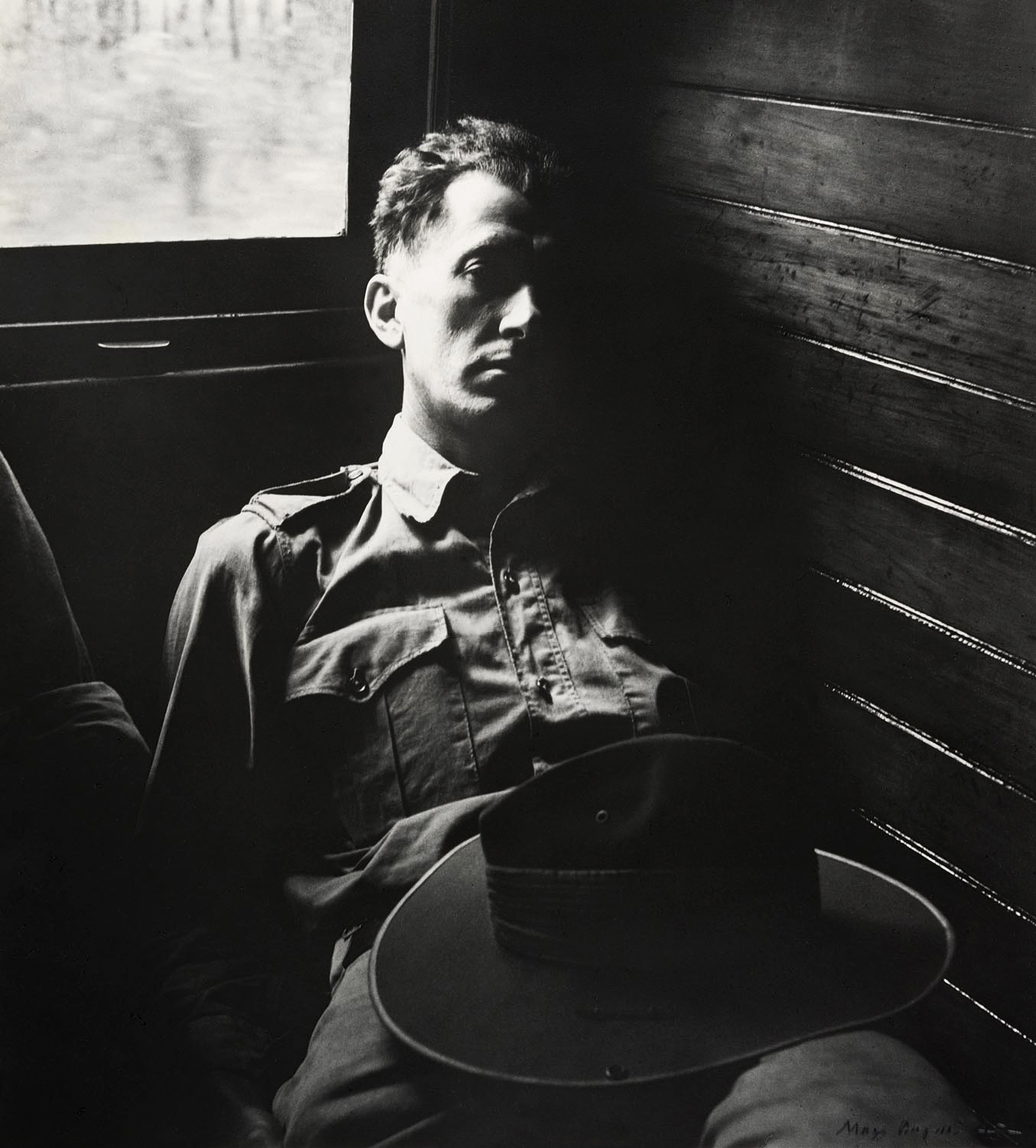
Max Dupain (Australian, 1911-1992) 'Tired Soldier in Queensland Train' 1943


Max Dupain (Australian, 1911-1992)
Tired Soldier in Queensland Train
1943
Gelatin silver print
45 x 40.5cm


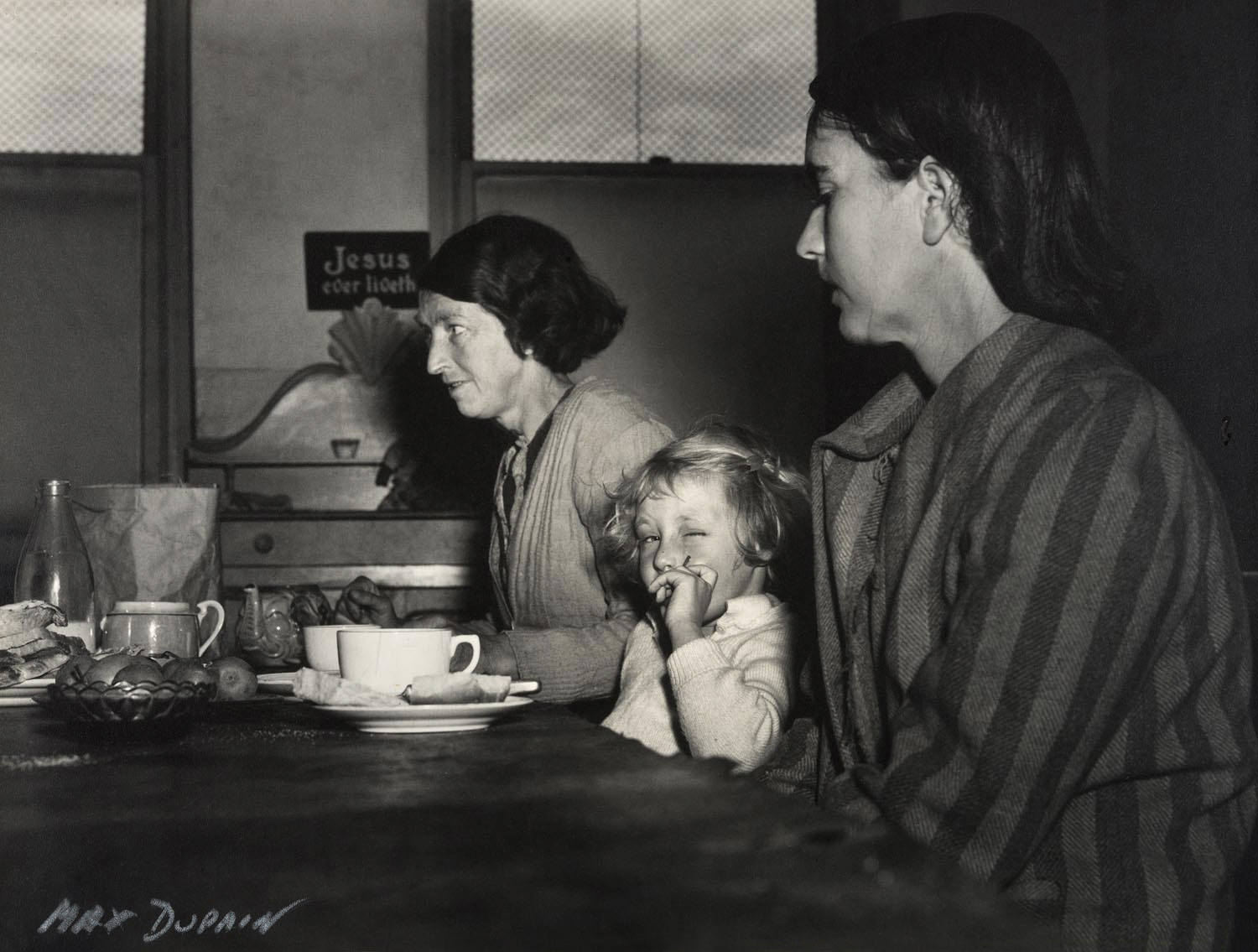
Max Dupain (Australian, 1911-1992) 'Hostel Breakfast' Nd


Max Dupain (Australian, 1911-1992)
Hostel Breakfast
Nd
Gelatin silver print
31 x 41cm


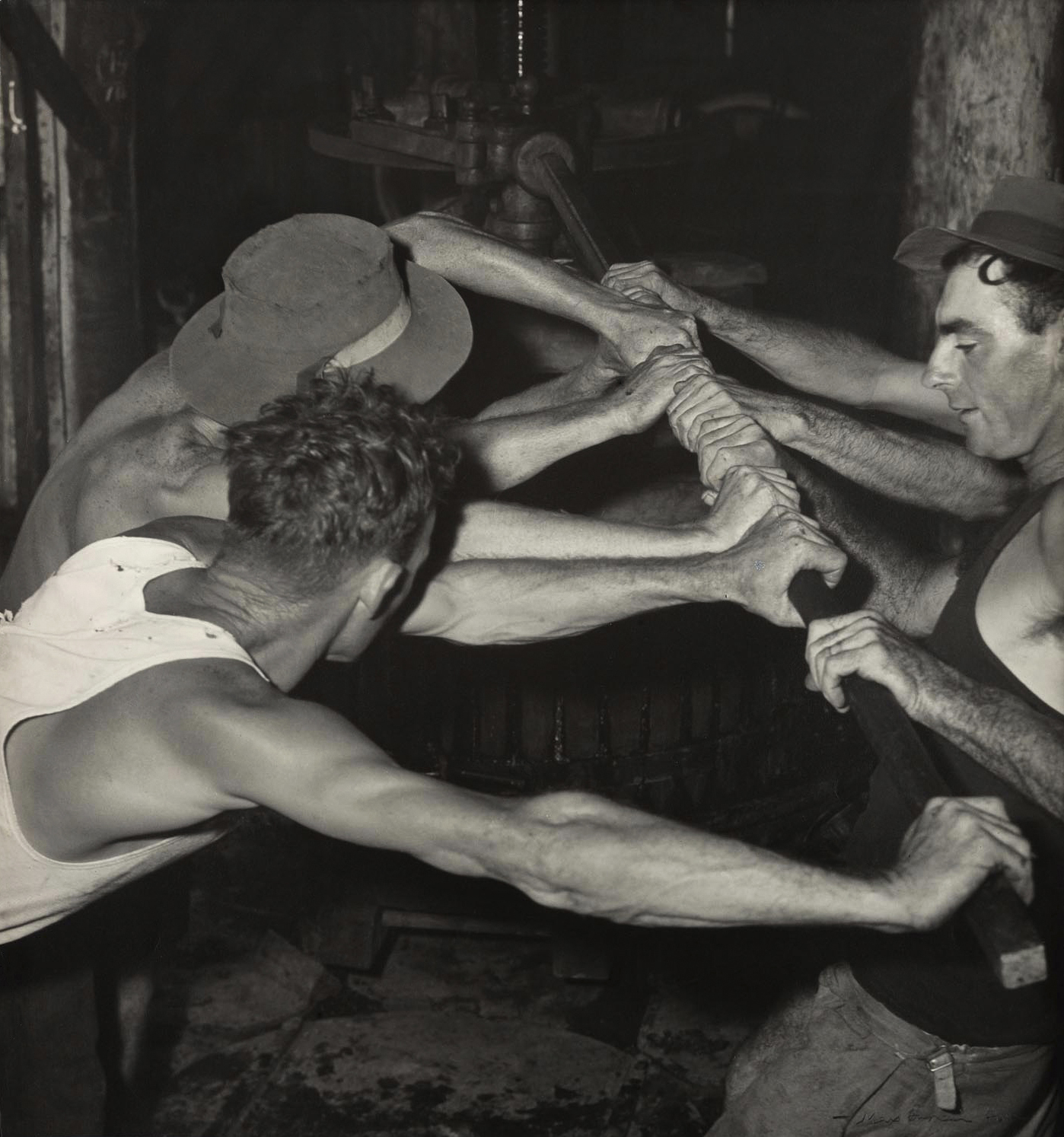
Max Dupain (Australian, 1911-1992) '(Three Men at Work)' 1940s


Max Dupain (Australian, 1911-1992)
(Three Men at Work)
1940s
Gelatin silver print
52 x 49cm


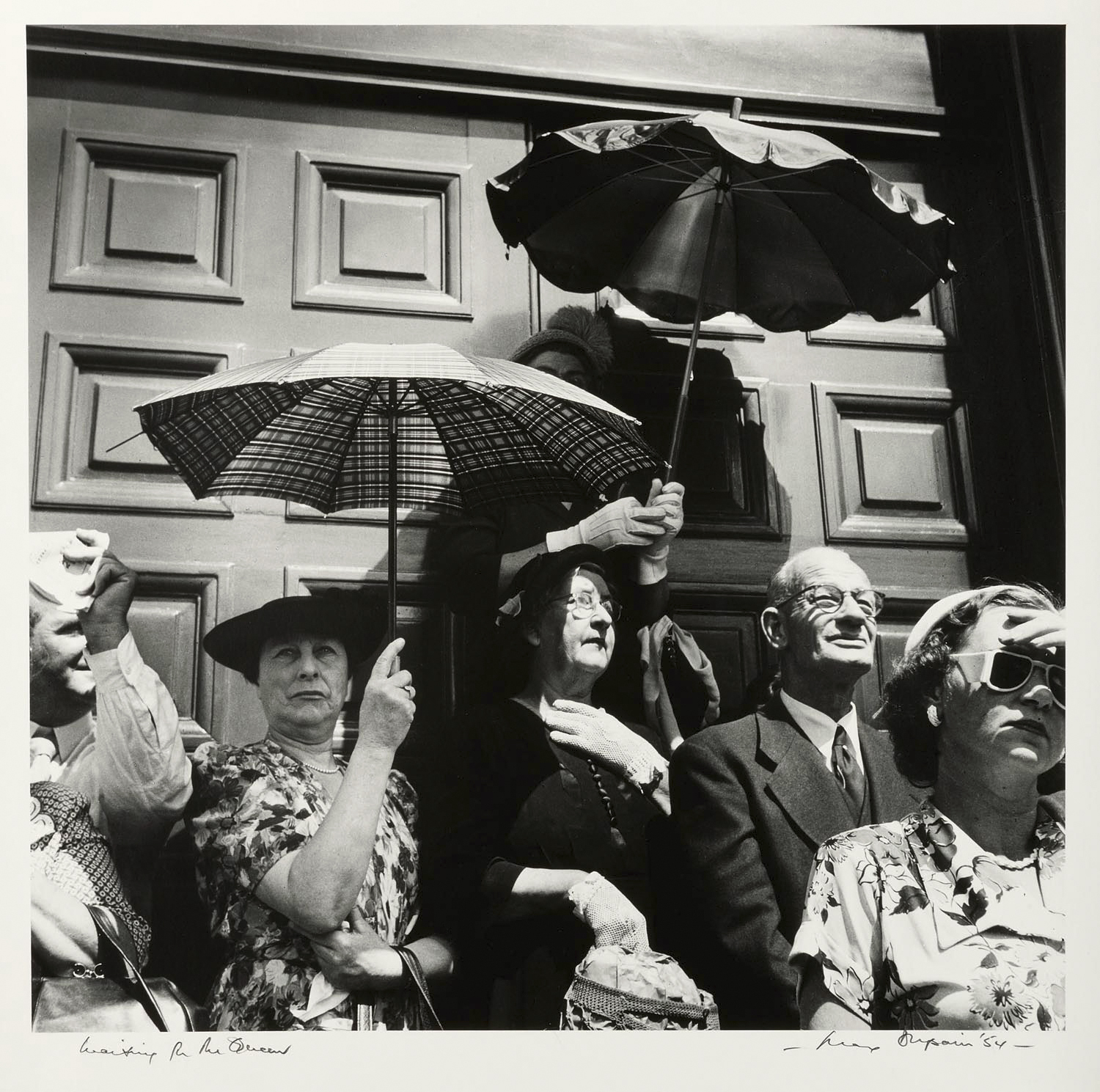
Max Dupain (Australian, 1911-1992) 'Waiting for the Queen' 1954


Max Dupain (Australian, 1911-1992)
Waiting for the Queen
1954
Gelatin silver print
38.5 x 39.5cm


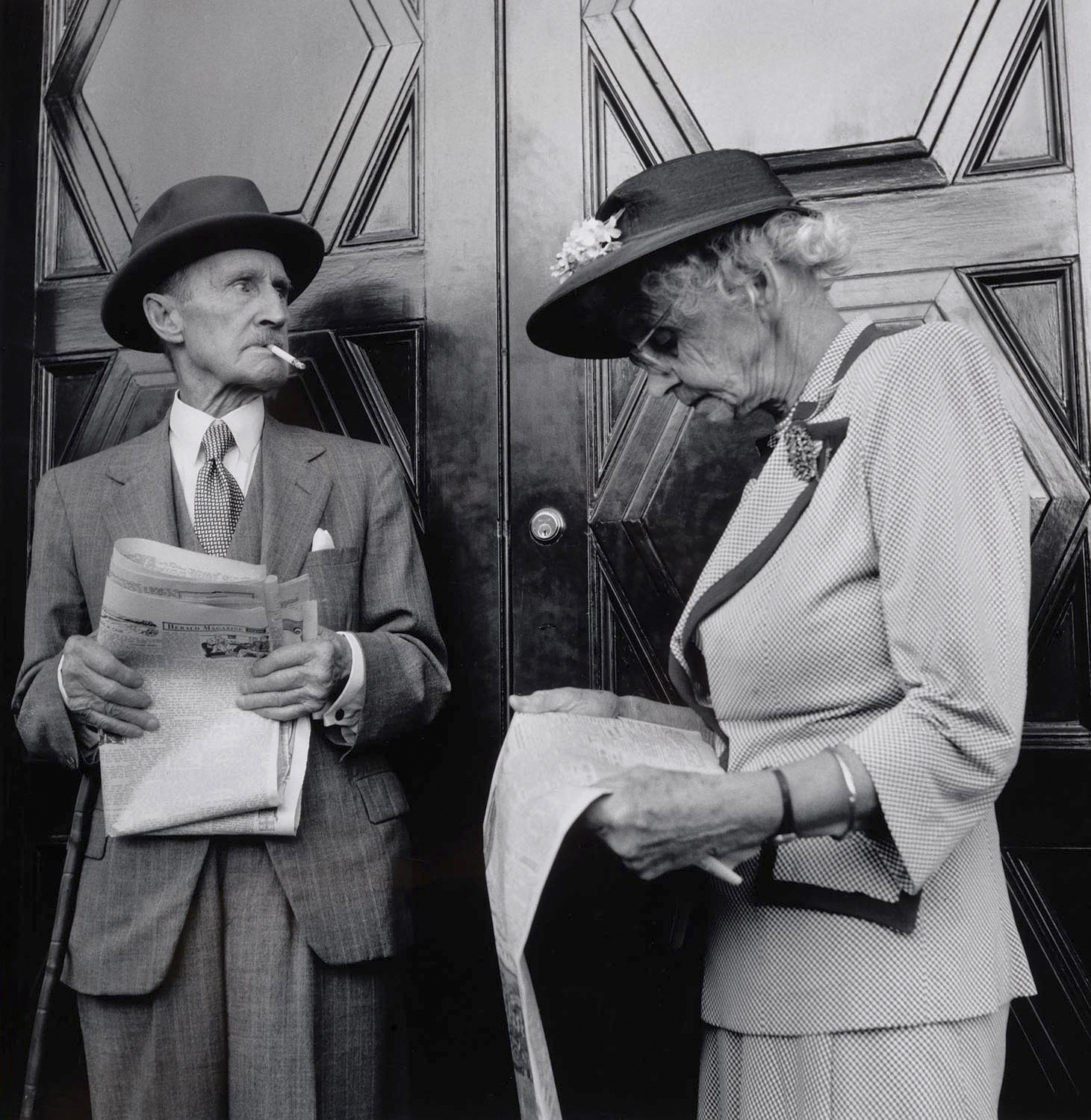
Max Dupain (Australian, 1911-1992) '(Waiting for the Queen)' Nd


Max Dupain (Australian, 1911-1992)
(Waiting for the Queen)
Nd
Gelatin silver print
24.5 x 24cm


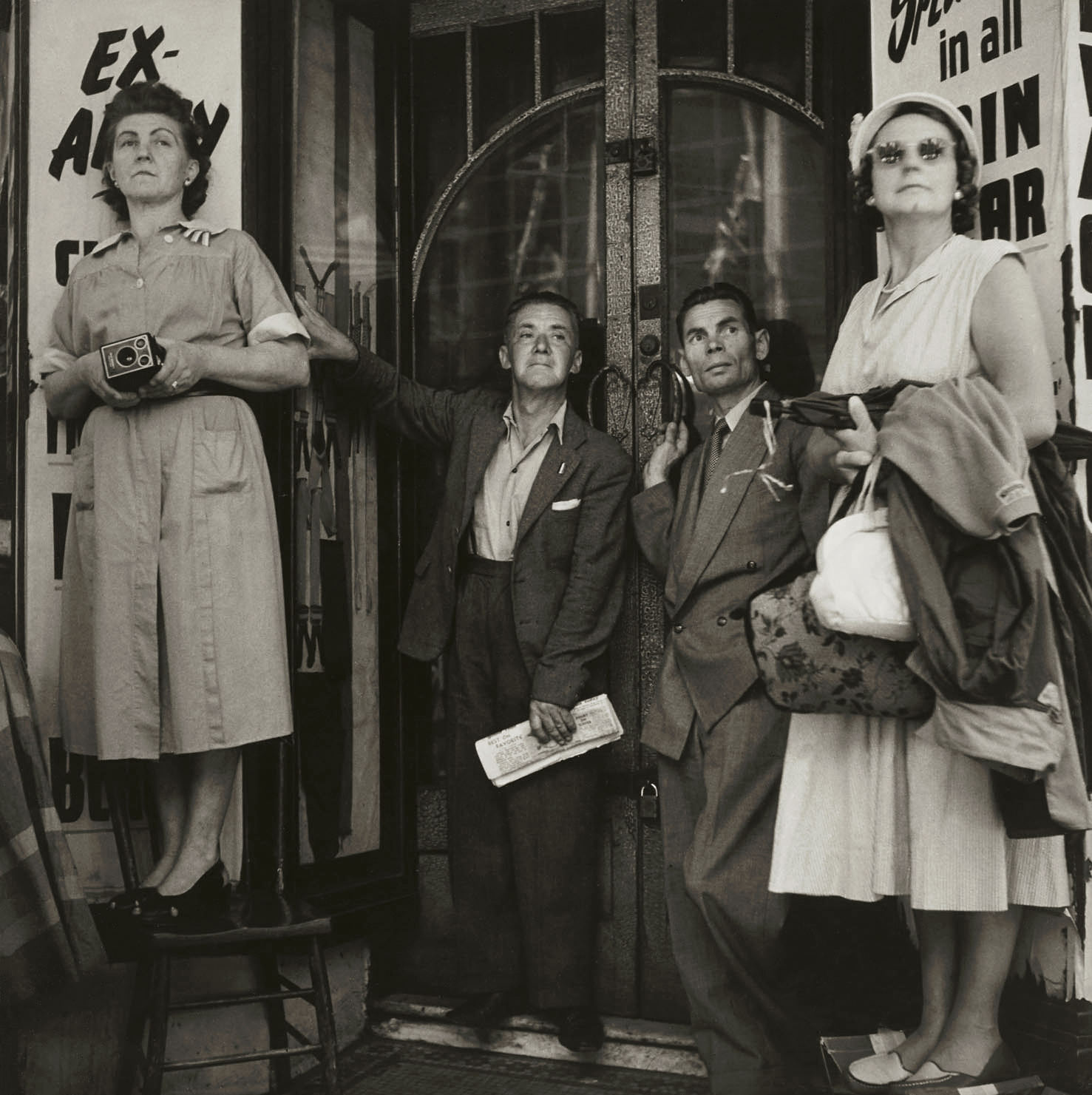
Max Dupain (Australian, 1911-1992) 'Enter The Queen' 1954


Max Dupain (Australian, 1911-1992)
Enter The Queen
1954
Gelatin silver print
50 x 50cm


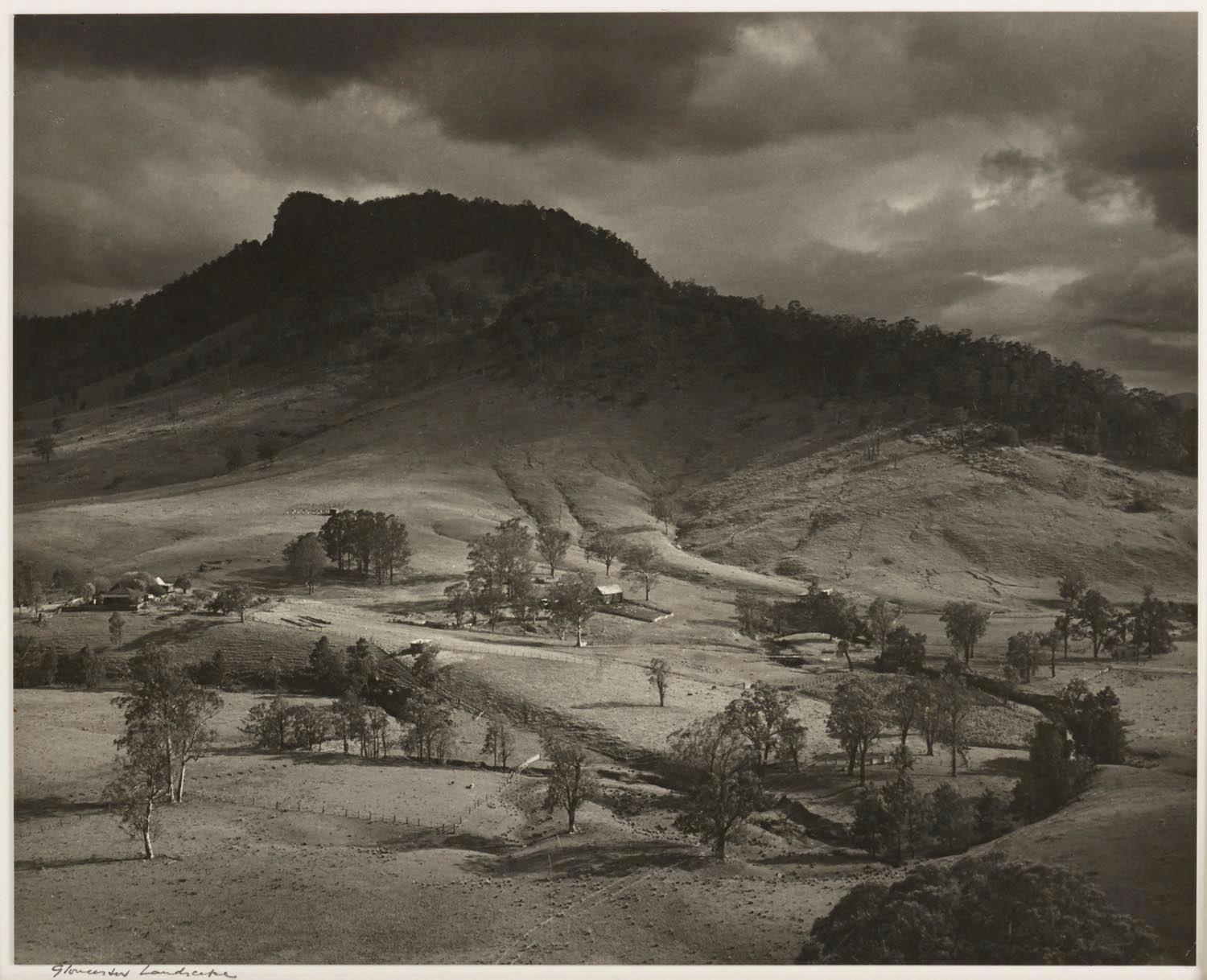
Max Dupain (Australian, 1911-1992) 'Gloucester Landscape' 1951


Max Dupain (Australian, 1911-1992)
Gloucester Landscape
1951
Gelatin silver print
40.5 x 50.5cm


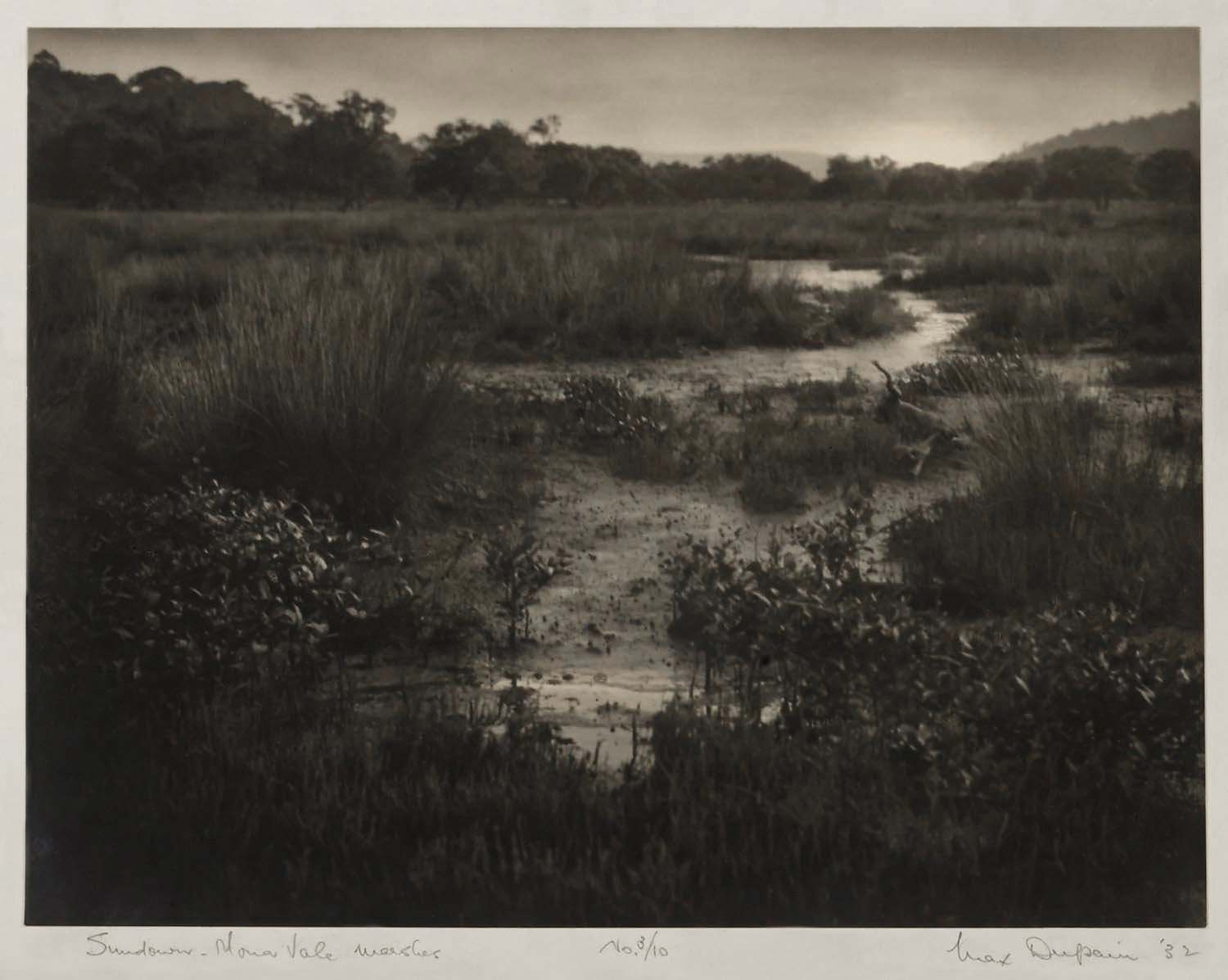
Max Dupain (Australian, 1911-1992) 'Sundown, Mona Vale Marshes' 1932


Max Dupain (Australian, 1911-1992)
Sundown, Mona Vale Marshes
1932
18.5 x 24cm


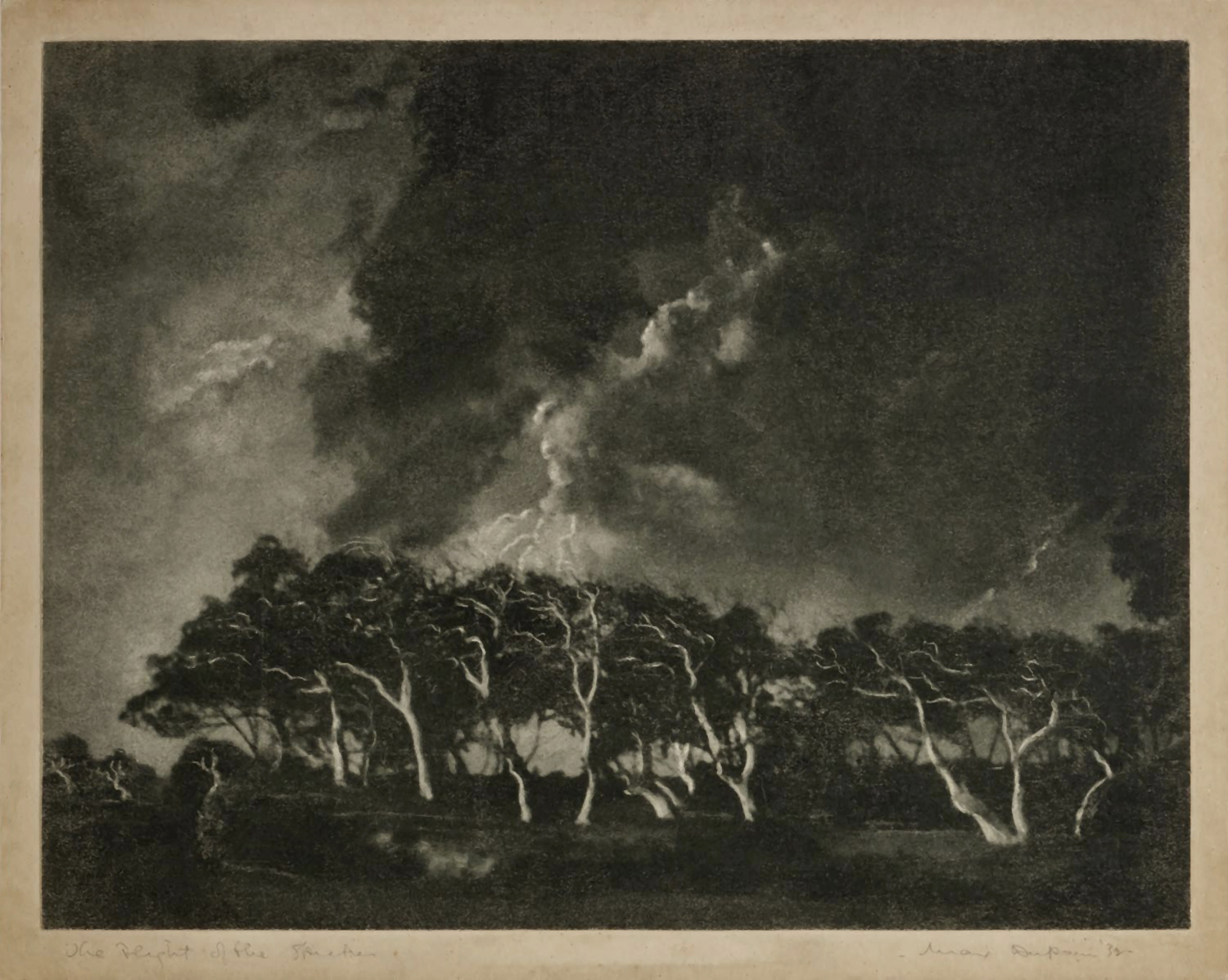
Max Dupain (Australian, 1911-1992) 'The Flight of the Spectres' 1932


Max Dupain (Australian, 1911-1992)
The Flight of the Spectres
1932
Bromoil
27.5 x 29cm


LIKE ART BLART ON FACEBOOK

Back to top

Photographs: Max Dupain (Australian, 1911-1992) Part 1

November 2020


Max Dupain (Australian, 1911-1992) 'Sydney Harbour Crepuscule' 1937


Max Dupain (Australian, 1911-1992)
Sydney Harbour Crepuscule
1937
Gelatin silver print
32.5 x 47cm


Noun. crépuscule m (plural crépuscules) twilight, dusk (the time of the day when the sun sets)


Iv’e been saving up these images for some time. This, the first of a two-part posting, features many images that are rare online, especially in a large size.

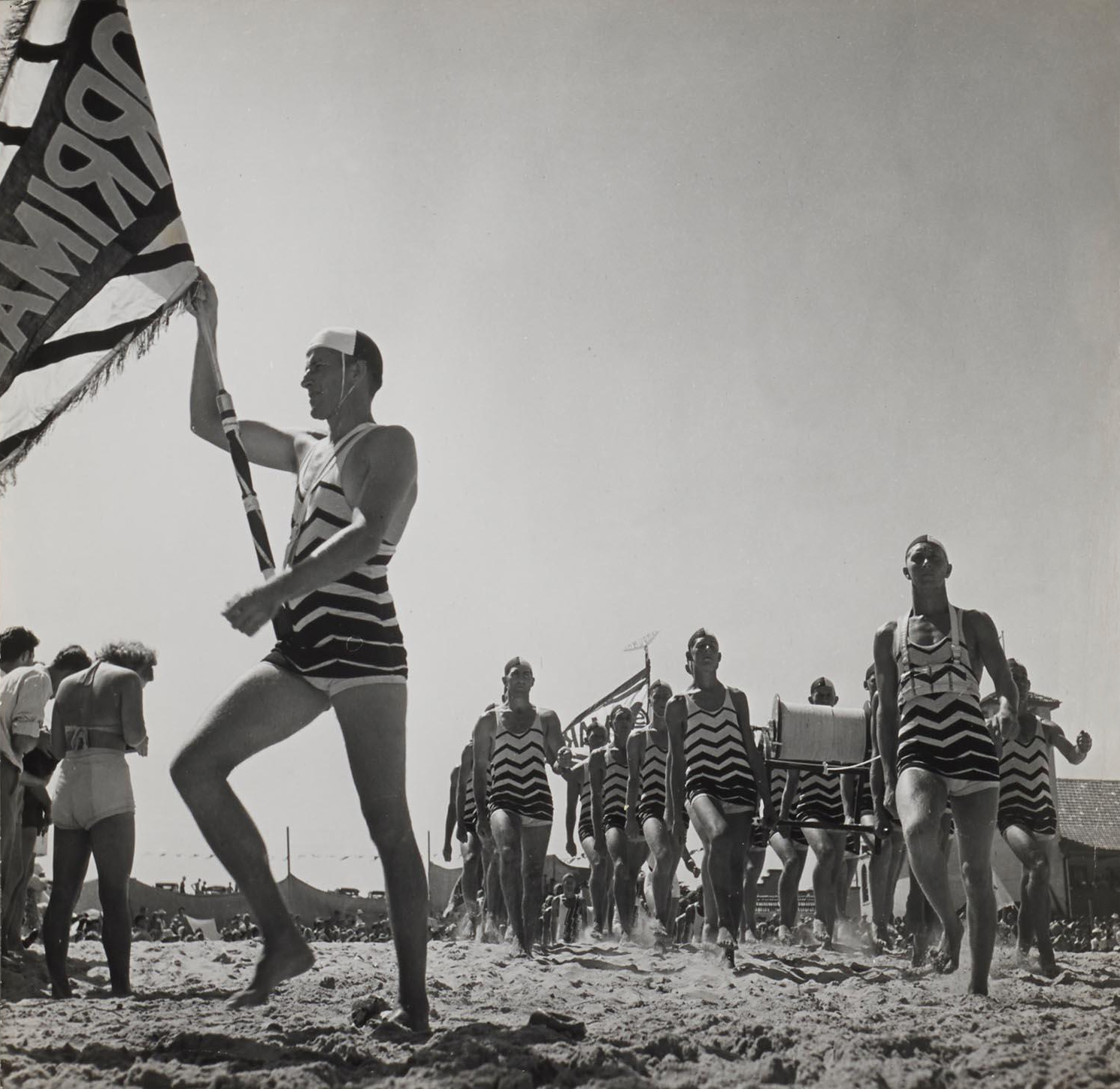
Dupain was a master of the use of light and form (Tea Towel Trio, 1934), an early proponent of Modernist photography in Australia (Silos at Pyrmont; Silos through windscreen, both 1935), an expert in night photography (Mosman Bay at dusk, 1937) and the use of chiaroscuro (Passengers Disembarking from Ferry, 1950s; Newsstand, Nd). He was an innovator in surrealist photography (Night with her train of stars and her gift of sleep, 1936-37), photomontage (Nude Figure with Shell Transposed, 1936), and advertising photography. His nude studies evidence an experimentation towards the representation of the human body (Jean with Wire Mesh, 1938; Nude Figure behind Wire Mesh, 1930s), his portraits possess a sensitivity and feeling towards subject matter (Portrait of Boy in Sunlight, 1936), while his portrayal of Australian culture –  the body as architecture (Bondi, 1939); the myth of the surf lifesaver (Life Guards with Flag and Reel March, Nd); and the bustling metropolis (Rush Hour, Kings Cross, 1938) address the burgeoning self confidence of the Australian nation in the 1930s.

Seemingly, there was nothing that Dupain could not turn his hand too, that he could not photograph.

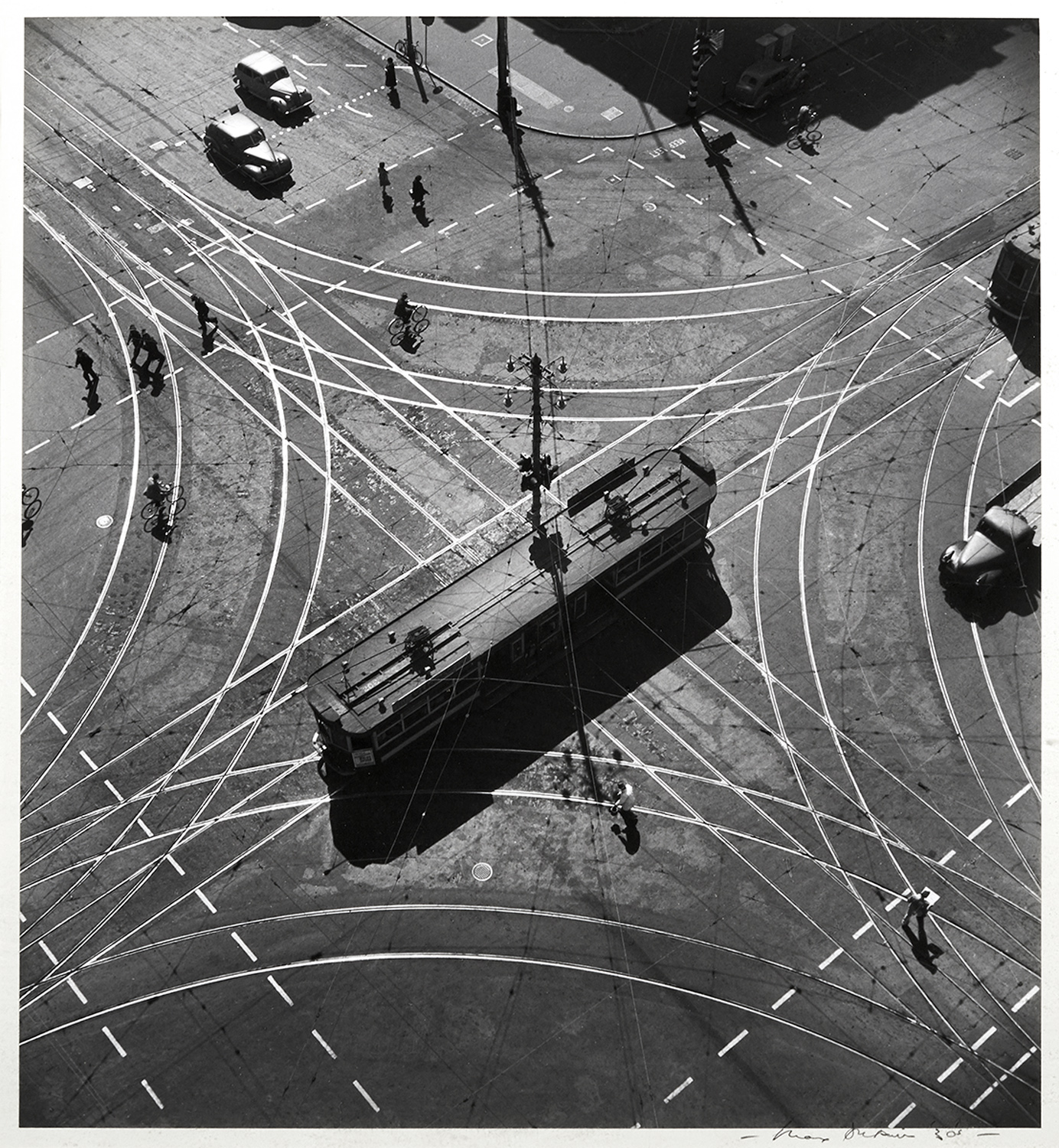
What strikes me most when looking at his photographs is the precision of his visual inquiry. His focus, his previsualisation, in knowing exactly what he wanted to say in that image – even while shifting genres and points of view. Like the subtle camera positioning of Atget where the angles are not what you would expect, Dupain rarely puts his camera where a mere mortal would stand to take a photograph. He looks, down (Manly, 1940s), up (crouching on his haunches to make the Life Guards and the Bondi couple seem monumental) and across – framing his compositions with diagonals, arches, and waves of people, almost like musical annotation. Everything looks simple and eloquent, elegant, but beneath the surface these are sophisticated images.

Far from being nostalgic, I look at Dupain’s body of work, and then at an individual photograph like Buses, Eddy Avenue (Nd) – and marvel at Dupain’s contemporary rendition (rending?) of time and space. Placing his camera as far to the right as he dared, Dupain captures the diagonal line of the parked buses in sunlight framed by the dark arch of the tunnel, the tram passing from left to right, the perfectly positioned clocktower and willowy flag giving a sense of movement… and then that man, that man, standing stock still at right with his shadow falling in front of him. IF he was not there, the whole focus of the image, the punctum, would be gone. It would just be a serviceable image. But he IS there and Dupain recognised that!

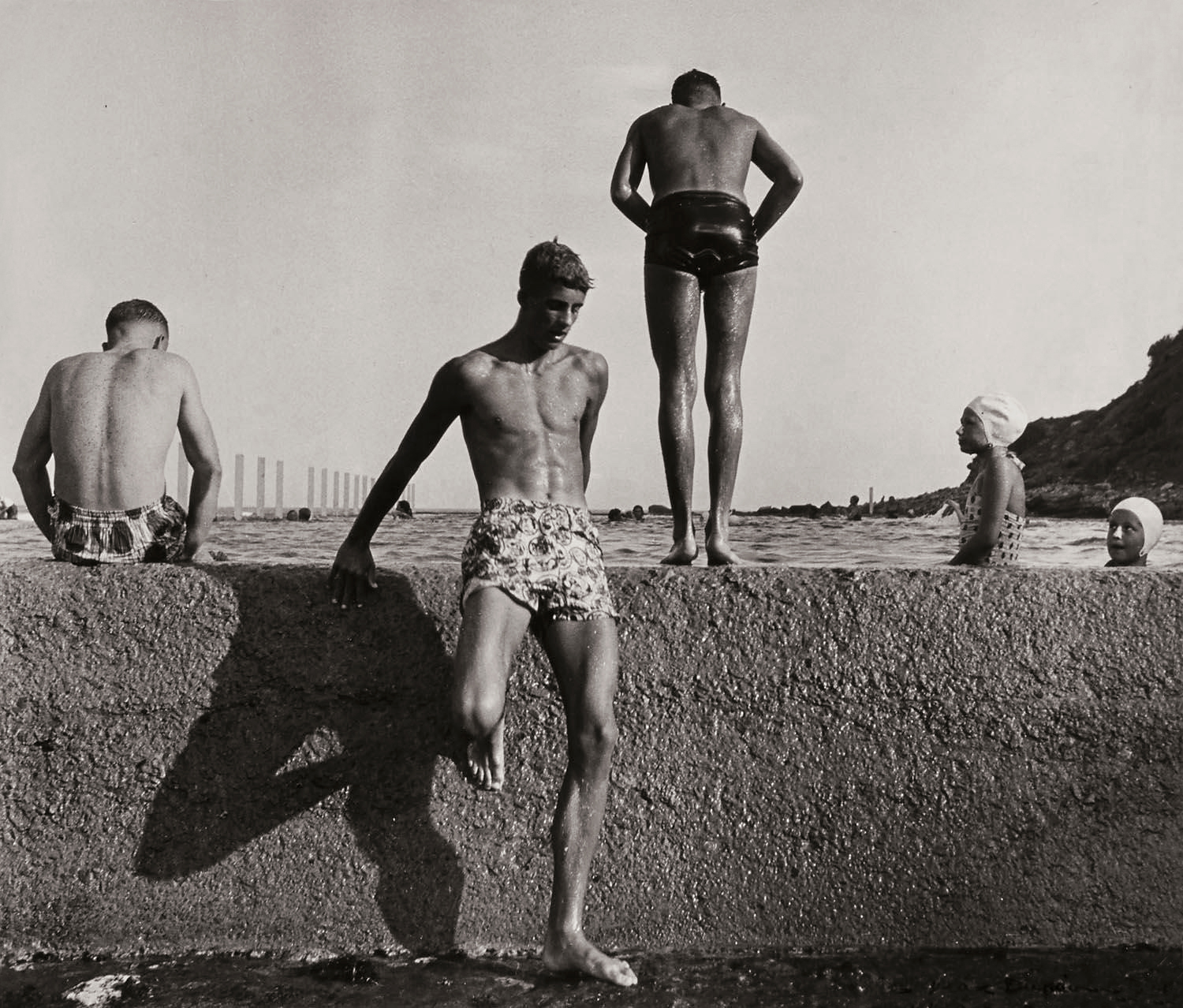
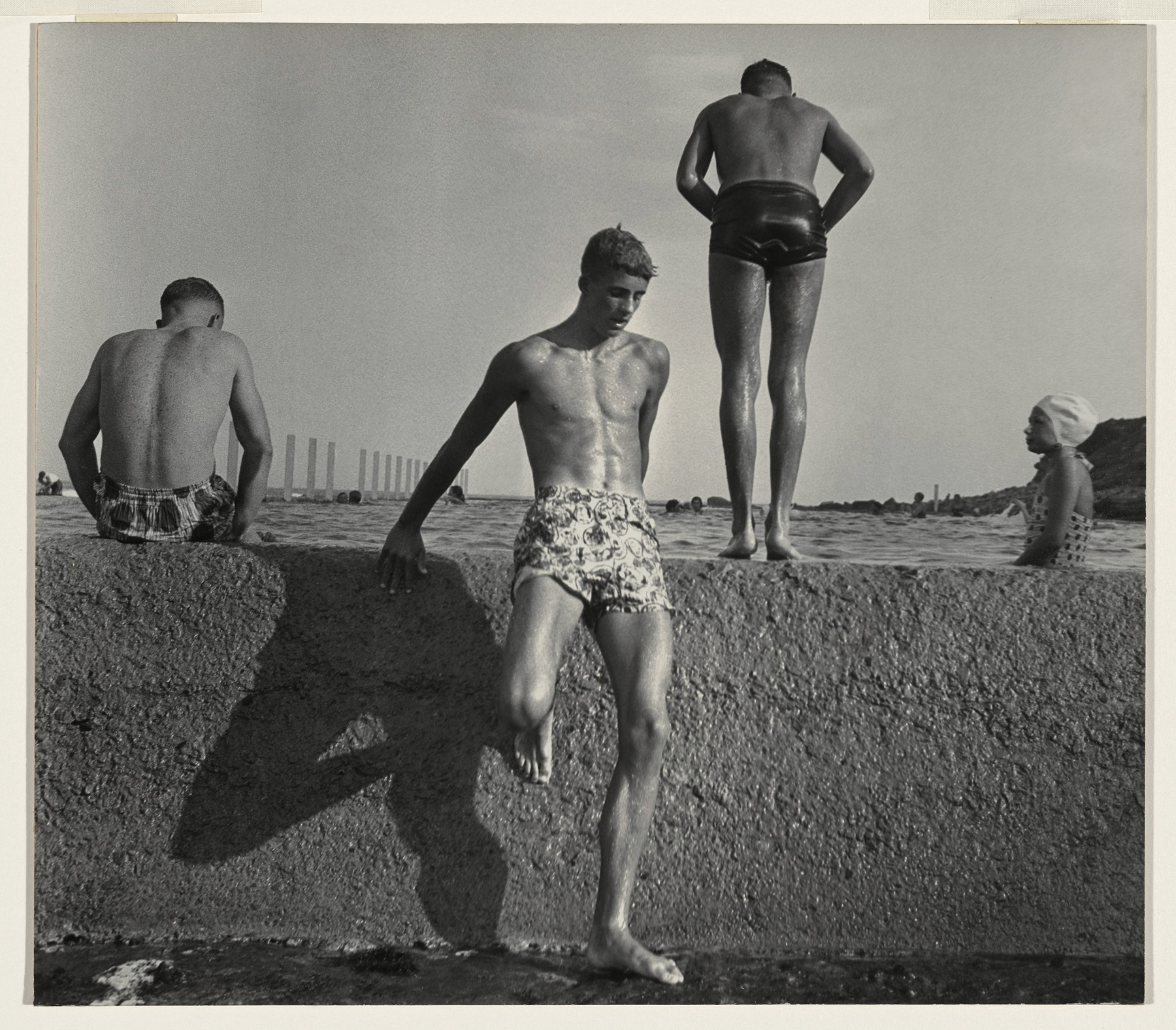
Similarly, in one of my favourite photographs by Dupain, At Newport (1952) “Dupain’s viewpoint turns the top of the wall into a taught line across the picture and his five bathers are strung out along it and held in tension like forms on a wire. As one prepares to dive, his counterweight, the sinewy young man, descends on the dry side. At the picture’s edges, the girls in bathing caps counterbalance the boy with hunched shoulders.” Birds on a wire, notes on a musical stave. Can you imagine being Dupain standing there and recognising that composition and the distorted shadow, in that very instance of its emergence, its flowering, for that ever so brief second in the existence of the cosmos….

Simply put, Max Dupain is the greatest Australian male photographer that has ever lived.

Dr Marcus Bunyan

View Max Dupain photographs Part 2


All images are used under fair use conditions for the purpose of educational research. Please click on the photographs for a larger version of the image.


Max Dupain (Australian, 1911-1992) 'Mosman Bay at dusk' 1937


Max Dupain (Australian, 1911-1992)
Mosman Bay at dusk
1937
Gelatin silver print
28 x 37.5cm


Max Dupain (Australian, 1911-1992) 'Night with her train of stars and her gift of sleep' 1936-1937


Max Dupain (Australian, 1911-1992)
Night with her train of stars and her gift of sleep
1936-37
Gelatin silver print
30 x 36cm


Max Dupain (Australian, 1911-1992) '(Rhythmic Form)' 1935


Max Dupain (Australian, 1911-1992)
(Rhythmic Form)
1935
Gelatin silver print
22.5 x 30.5cm


Max Dupain (Australian, 1911-1992) '(Nude Figure with Trombone Shadow)' 1930s


Max Dupain (Australian, 1911-1992)
(Nude Figure with Trombone Shadow)
1930s
Gelatin silver print
25 x 17.5cm


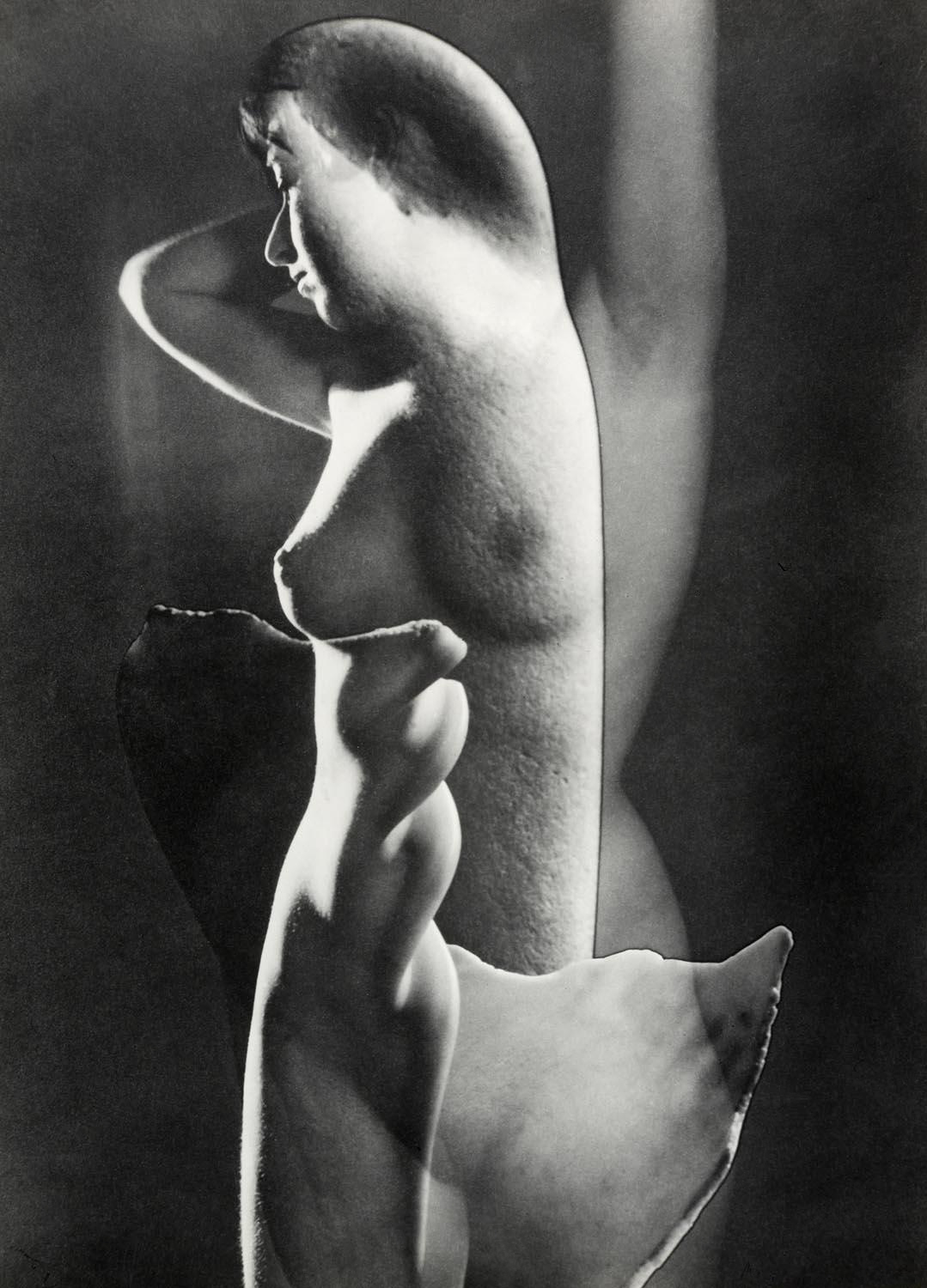
Max Dupain (Australian, 1911-1992) '(Nude Figure with Shell Transposed)' 1936


Max Dupain (Australian, 1911-1992)
(Nude Figure with Shell Transposed)
1936
Gelatin silver print
50 x 35.5cm


Max Dupain (Australian, 1911-1992) 'Two forms' 1939


Max Dupain (Australian, 1911-1992)
Two forms
1939
Gelatin silver print
50.5 x 38.5cm


This photograph relates conceptually to Dupain’s experiments with photographs of nudes. According to the vitalist philosophies of the time, the spiralling rounded shell being shaped by nature is feminine, while the hard metallic tool is man-made and represents the masculine principle. Photographed on a plain surface and lit with raking light, the sense of space is ambiguous. Dupain retained an interest in still-lifes throughout his career, returning to them particularly towards the end of his life. In the 1930s his most well-known still-life was Shattered intimacy 1936 (AGNSW collection) where an image of broken glass and a broken classical statue has been solarised, producing a powerful narrative. Two forms is a more contemplative image as the shell and the head of a hammer lie side by side and are of similar scale. Interestingly, the two forms are distant from each other, rather than close together, and their scale gives them equality. It is not known whether Dupain necessarily subscribed to the contemporaneous anxiety about the ‘new woman’, but certainly one can read this image as an examination of difference.

© Art Gallery of New South Wales Photography Collection Handbook, 2007


Max Dupain (Australian, 1911-1992) 'Tea Towel Trio' 1934


Max Dupain (Australian, 1911-1992)
Tea Towel Trio
1934
Gelatin silver print
29.5 x 22cm


Max Dupain (Australian, 1911-1992) 'Still Life' 1935


Max Dupain (Australian, 1911-1992)
Still Life
1935
Gelatin silver print
29.5 x 21.5cm


Max Dupain (Australian, 1911-1992) 'Blankets' Nd


Max Dupain (Australian, 1911-1992)
Blankets
Nd
Gelatin silver print
31 x 24cm


Max Dupain (Australian, 1911-1992) '(Male Nude with Discus)' Nd


Max Dupain (Australian, 1911-1992)
(Male Nude with Discus)
Nd
Gelatin silver print
39 x 32cm


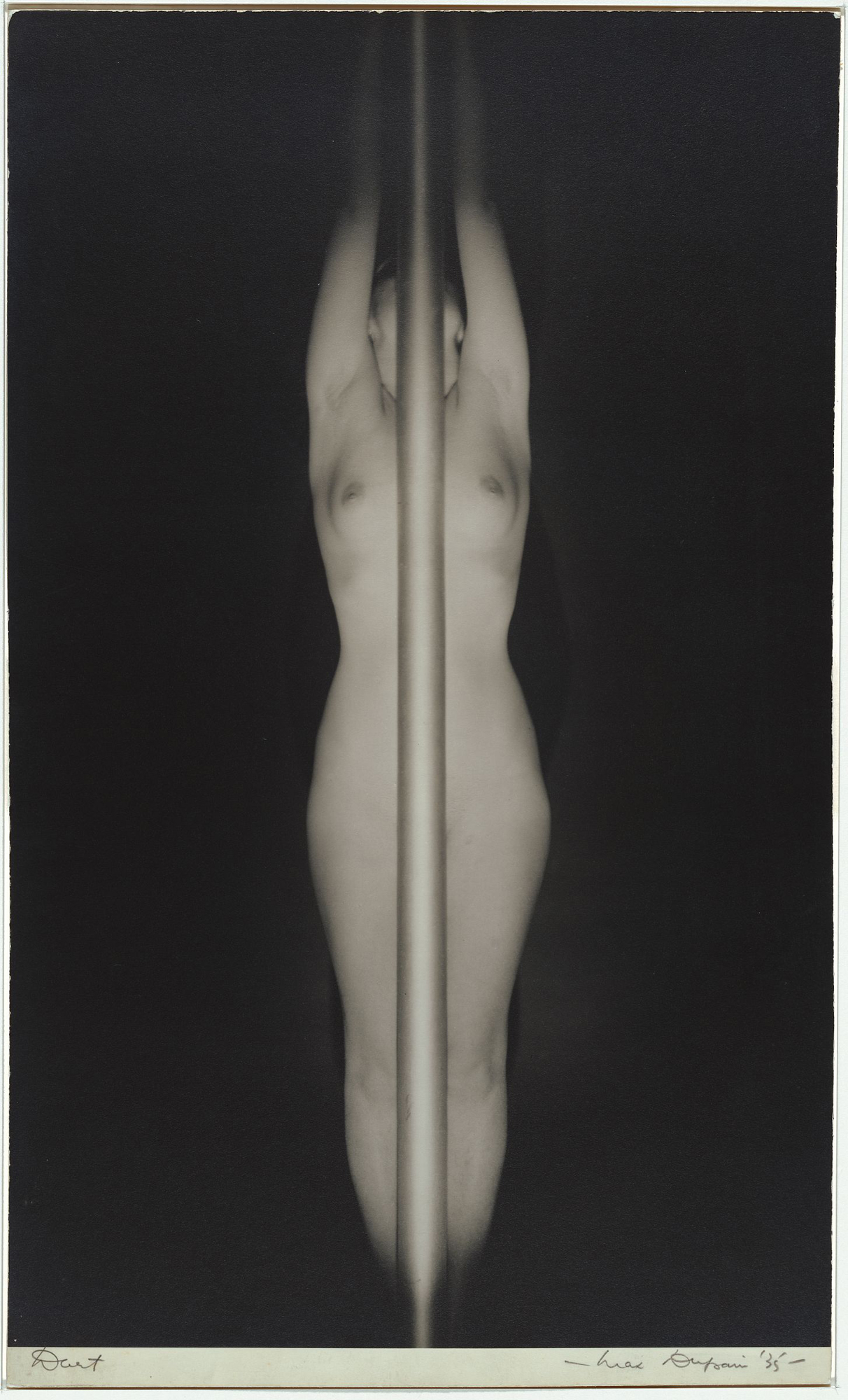
Max Dupain (Australian, 1911-1992) 'Dart' 1935


Max Dupain (Australian, 1911-1992)
Dart
1935
Gelatin silver print
50 x 37.5cm


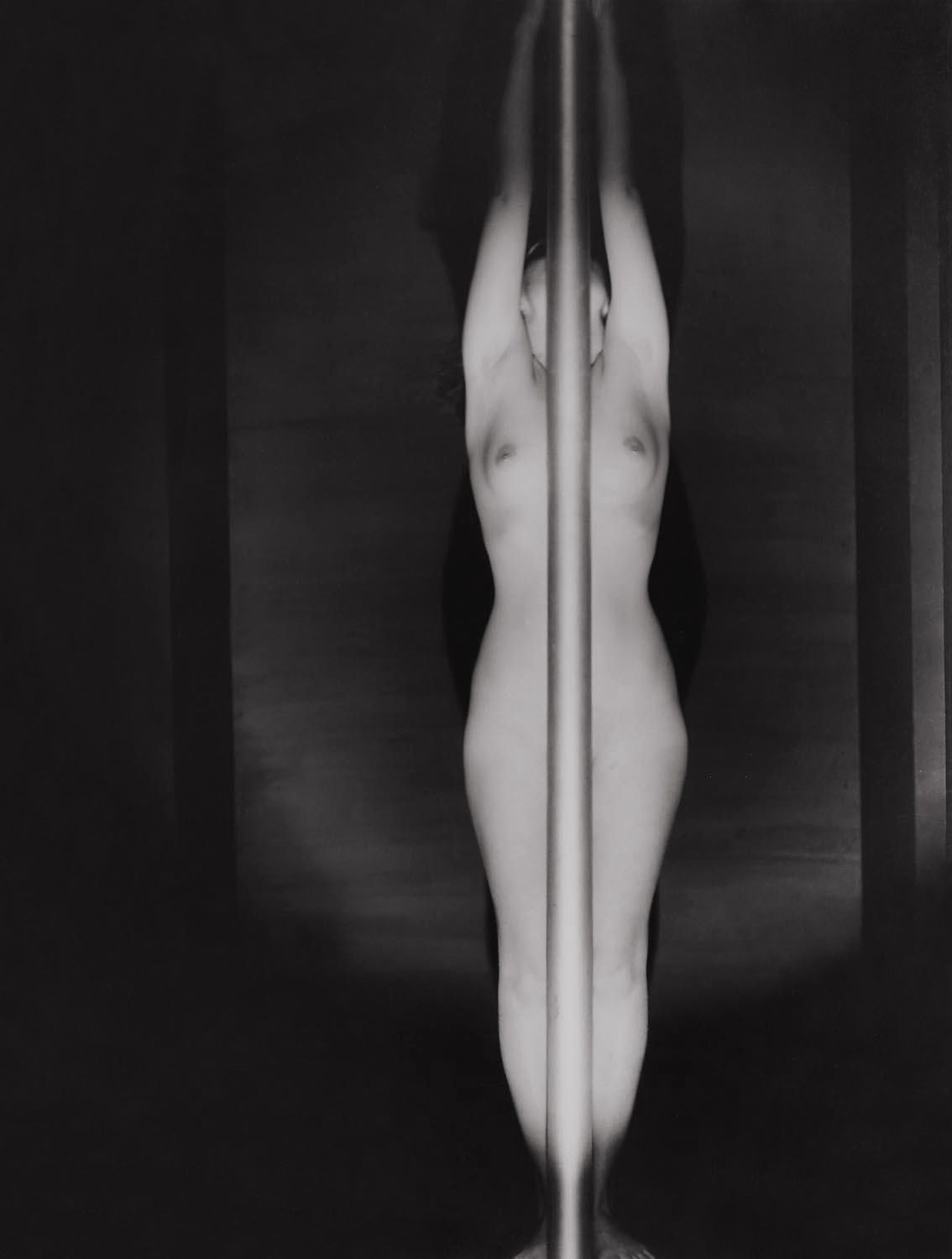
Max Dupain (Australian, 1911-1992) 'Dart' 1935


Max Dupain (Australian, 1911-1992)
Dart
1935
Gelatin silver print


Max Dupain (Australian, 1911-1992) 'Sleeping Boy' 1941


Max Dupain (Australian, 1911-1992)
Sleeping Boy
1941
Gelatin silver print


Max Dupain (Australian, 1911-1992) 'Portrait of Boy in Sunlight' 1936


Max Dupain (Australian, 1911-1992)
Portrait of Boy in Sunlight
1936
Gelatin silver print
29 x 26cm


Max Dupain (Australian, 1911-1992) 'Jean with Wire Mesh' 1938


Max Dupain (Australian, 1911-1992)
Jean with Wire Mesh
1938
Gelatin silver print
49.5 x 39.5cm


In 1937, [Jean] Bailey posed for Jean with wire mesh, which some experts hail as the single most powerful image ever taken by Max Dupain, generally regarded as Australia’s greatest lensman.

It’s more subtle than his most famous image, Sunbaker, also shot in 1937. It’s less frozen in time than his striking scenes of wartime Australians serving in New Guinea. It’s more universal than his evocative tableaux of shearers, cattle drovers, miners and “six o’clock swillers”. And it’s less contrived than the commissioned portraits he took of wealthier women for the equivalent of today’s social pages.

Of all the many women who posed for his camera, Bailey was regarded as Dupain’s muse. Even by her own admission, she was not the most beautiful woman in 1930s Sydney.

In some pictures, by other photographers, she looks quite plain. …

But Dupain saw something special in her, though even Bailey does not know what it was.

“It’s not enormously erotic,” says [Alan] Davies. “But it is incredibly sensual, masterful in its use of light and shade. To photograph someone with her forehead in full sunlight and the rest of her figure cloaked in shadow is an extraordinary technical achievement. Most photographers would regard it as professional suicide. They wouldn’t attempt it.”

The image, he says, “is an astonishing masterpiece of chiaroscuro”. Unlike so many of Dupain’s images, this – and another outstanding work in the exhibition of an unknown model called Nude with pole – are timeless, betraying none of the nostalgia for which Dupain is so often noted.

White, who under Dupain’s tutelage became an accomplished photographer herself, says simply, “I think Jean with wire mesh is his most beautiful image. It leaves Sunbaker for dead.”

Anonymous. “Portrait of a lady,” on The Sydney Morning Herald website, July 12, 2003 [Online] Cited 24/10/2020


Max Dupain (Australian, 1911-1992) '(Nude Figure behind Wire Mesh)' 1930s


Max Dupain (Australian, 1911-1992)
(Nude Figure behind Wire Mesh)
1930s
Gelatin silver print
50.5 x 40 cm


Max Dupain (Australian, 1911-1992) 'Hands of a Dancer' 1935


Max Dupain (Australian, 1911-1992)
Hands of a Dancer
1935
Gelatin silver print
29 x 27.5cm


Max Dupain (Australian, 1911-1992) 'Artist and Model' 1938


Max Dupain (Australian, 1911-1992)
Artist and Model
1938
Gelatin silver print
35.5 x 30.5cm


Max Dupain (Australian, 1911-1992) '(Super-Imposed Woman and Night Cityscape)' 1937


Max Dupain (Australian, 1911-1992)
(Super-Imposed Woman and Night Cityscape)
1937
Gelatin silver print
46 x 35cm


Max Dupain (Australian, 1911-1992) 'Fire Stairs at Bond Street Studio (Solarised)' 1935


Max Dupain (Australian, 1911-1992)
Fire Stairs at Bond Street Studio (Solarised)
1935
Gelatin silver print
30 x 21.5cm


Max Dupain (Australian, 1911-1992) 'Fire Stairs at Bond Street Studio' 1930s


Max Dupain (Australian, 1911-1992)
Fire Stairs at Bond Street Studio
1930s
Gelatin silver print
24.5 x 9cm


Max Dupain (Australian, 1911-1992) '(Olive Cotton in Wheat Fields)' Nd


Max Dupain (Australian, 1911-1992)
(Olive Cotton in Wheat Fields)
Nd
Gelatin silver print
30 x 30cm


Max Dupain (Australian, 1911-1992) '(Fire Stairs at Bond Street)' 1934


Max Dupain (Australian, 1911-1992)
(Fire Stairs at Bond Street)
1934
Gelatin silver print
26 x 21cm


Max Dupain is Australia’s most celebrated modernist photographer. Born in the Sydney, Dupain practiced photography as a teenager, receiving his first camera in 1924. In 1929 he joined the New South Wales Photographic Society, and in 1930 was employed in the studio of prominent Pictorialist Cecil Bostock, where he received solid training in all aspects of photography. He established his own studio in Sydney in 1934, servicing commercial clients and producing still lifes, figure photography and portraits. In his personal work, he explored the surrealist aesthetic of Man Ray, experimenting with formal abstraction and montage. With the outbreak of World War II, Dupain worked with the Camouflage Unit in 1941, travelling to New Guinea and the Admiralty Islands. His photography of the 1960s and 70s was shaped by architectural interests and he fostered working relationships with several prominent architects, most notably Harry Seidler.

Text from the Art Gallery of New South Wales website [Online] Cited 24/10/2020
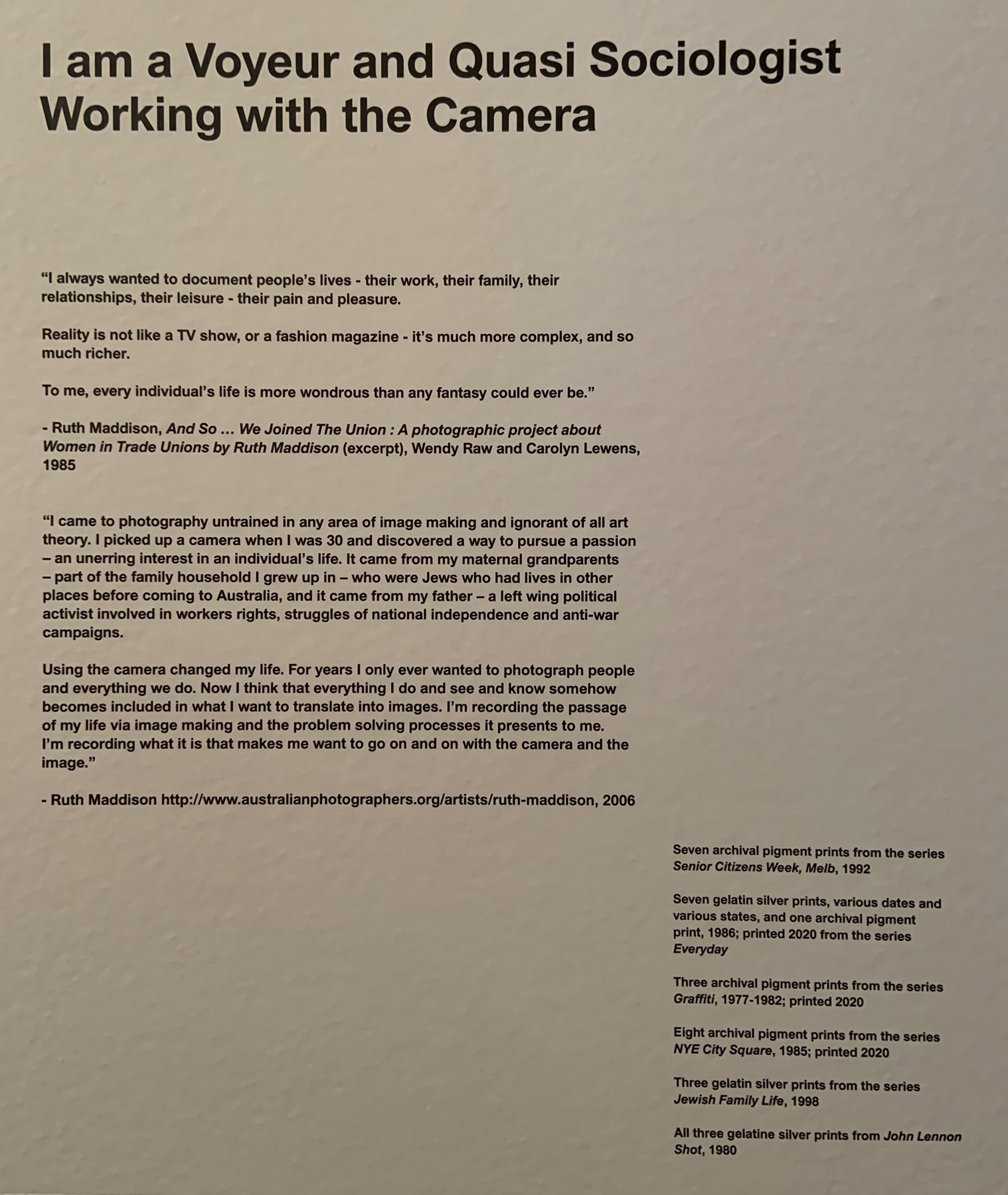
 

Max Dupain (Australian, 1911-1992) 'Silos through windscreen' 1935


Max Dupain (Australian, 1911-1992)
Silos through windscreen
1935
Gelatin silver print
40 x 43cm


While cars and machinery were rarely Max Dupain’s personal choice of forms to photograph, his Silos through windscreen 1935 embraces the new age from a new perspective. It is an uncharacteristically complex composition. The view of the silos from the front seat shows off the car’s smart dashboard; at the same time his camera records a fragment of a brick factory reflected in the rear vision mirror.


Max Dupain (Australian, 1911-1992) 'Silos at Pyrmont' 1935


Max Dupain (Australian, 1911-1992)
Silos at Pyrmont
1935
Gelatin silver print
49 x 37cm


Pyrmont silos is one of a number of photographs that Dupain took of these constructions in the 1930s. In all cases Dupain examined the silos from a modernist perspective, emphasising their monumentality from low viewpoints under a bright cloudless sky. Additionally, his use of strong shadows to emphasise the forms of the silos and the lack of human figures celebrates the built structure as well as providing no sense of scale. Another photograph by Dupain in the AGNSW collection was taken through a car windscreen so that the machinery of transport merges explicitly with industrialisation into a complex hard-edge image of views and mirror reflections. There were no skyscrapers in Sydney until the late 1930s so the silos, Walter Burley Griffin’s incinerators and the Sydney Harbour Bridge were the major points of reference for those interested in depicting modern expressions of engineering and industrial power.

Dupain was the first Australian photographer to embrace modernism. One of his photographs of the silos was roundly criticised when shown to the New South Wales Photographic Society but Dupain forged on regardless with his reading, thinking and experimentation. Some Australian painting and writing had embraced modernist principles in the 1920s, but as late as 1938 Dupain was writing to the Sydney Morning Herald:

“Great art has always been contemporary in spirit. Today we feel the surge of aesthetic exploration along abstract lines, the social economic order impinging itself on art, the repudiation of the ‘truth to nature criterion’ … We sadly need the creative courage of Man Ray, the original thought of Moholy-Nagy, and the dynamic realism of Edouard [sic] Steichen.”1

1/ Dupain, M. 1938, ‘Letter to the editor’, Sydney Morning Herald, 30 March

© Art Gallery of New South Wales Photography Collection Handbook, 2007


Max Dupain (Australian, 1911-1992) 'Bondi' 1939


Max Dupain (Australian, 1911-1992)
Bondi
1939
Gelatin silver print
37 x 37.5cm


Dupain was one of the first Australian photographers to embrace Modernism. The simplicity of form and unusually low vantage point of this picture reflect the influence of German photography that he saw in the journal Das Deutsche Lichtbild. At first Dupain preferred another version of the image; when it was published in 1948, the photograph shows the woman standing with her arms folded. Here, she leans toward the man, their bodies slightly overlapping. Standing parallel to the picture plane, their bodies and those of the young men at their sides form a pyramid – one of Dupain’s preferred forms at this time.

Text © National Gallery of Australia, Canberra


Max Dupain (Australian, 1911-1992) 'At Newport' 1952


Max Dupain (Australian, 1911-1992)
At Newport
1952
Gelatin silver print
25 x 29cm


There is a strong sense of masculinity found in many of Dupain’s beach works. In At Newport this is emphasised by the strong, angular lines of the figures, an image that seems to capture the essence of male youth at the beach. In this image, three male swimmers are positioned in the foreground of a beachside pool setting. The long shadows of the late summer sun place further emphasis on the angularity and thus the masculinity that is a feature of this image.

Text from the Annette Larkin Fine Art website
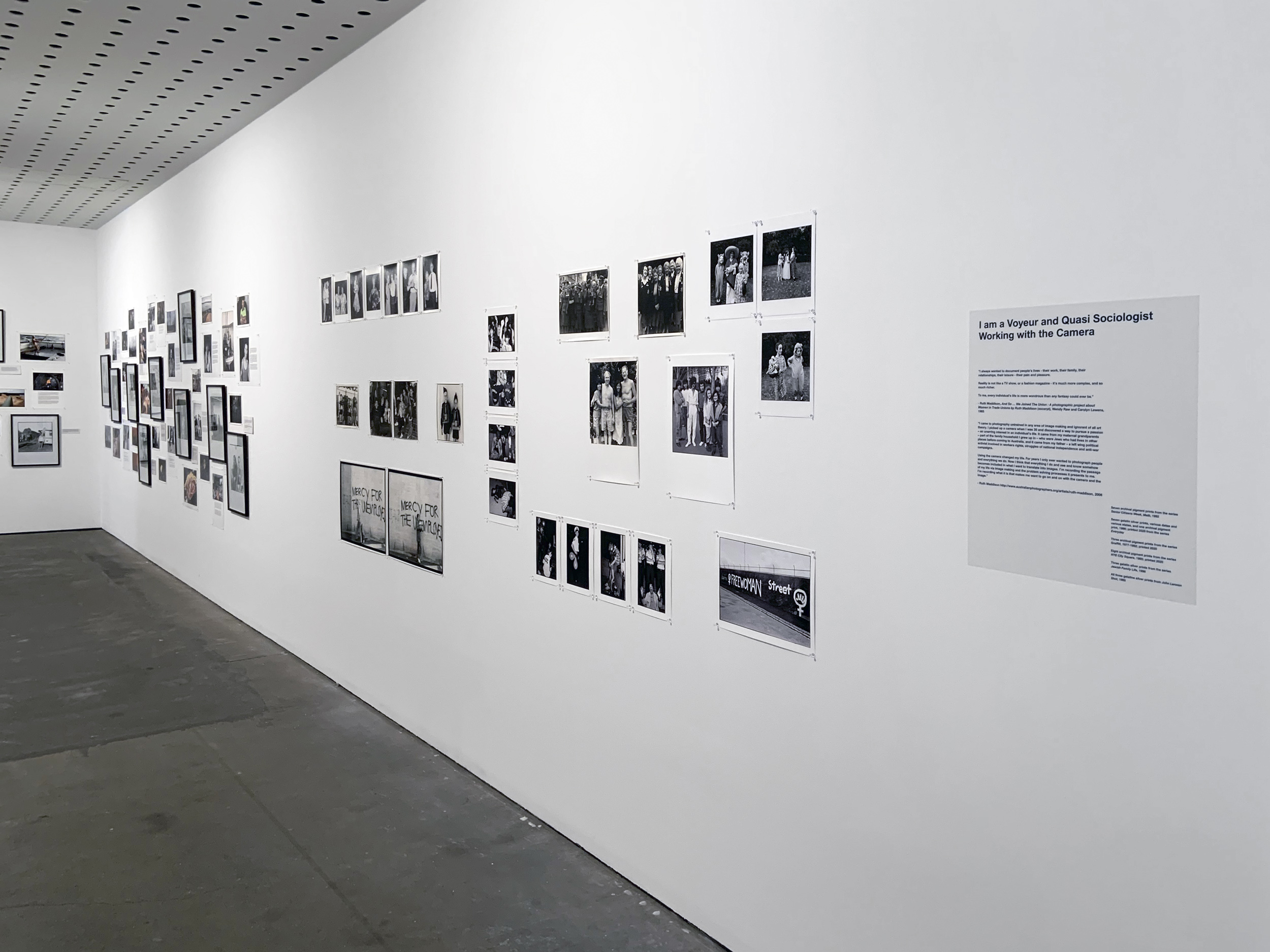
 

Max Dupain (Australian, 1911-1992) 'At Newport Baths' 1952


Max Dupain (Australian, 1911-1992)
At Newport
1952
Gelatin silver print
45.0 x 40.0cm
National Gallery of Australia
Purchased 1976


Dupain took At Newport in 1952 at the Newport Baths, as it was then known, a sea-water pool next to the Pacific Ocean about 20 miles north of Sydney. It’s an ambiguous photograph in more ways than one because the angle of the shot makes it seem as if the tremendous weight of the sea is being held back by nothing stronger than a low wall, with the water rising almost to the brim. Dupain’s viewpoint turns the top of the wall into a taught line across the picture and his five bathers are strung out along it and held in tension like forms on a wire. As one prepares to dive, his counterweight, the sinewy young man, descends on the dry side. At the picture’s edges, the girls in bathing caps counterbalance the boy with hunched shoulders. The distant pillars along the side of the pool duplicate these intervals. There appears to be some indecision, though, about the crop Dupain intended on the right. A print in his archive shows space between the right-hand girl and the edge, which is better, while a print in a national collection omits her entirely. Losing her disembodied head and intense concentration on the diver weakens the photograph. (There is also a second picture of bathers from the same group (below))

At Newport can be straightforwardly construed as another celebration by Dupain the dedicated modernist of the vitalising power of sunlight and the exuberant Australianness of the beach, but there is an alternative way of reading it. An essay in Dupain’s Sydney (1999) notes that the photographer didn’t like people very much, valued solitude, and would rather be doing something than have to talk. (He was remarkably industrious, leaving an archive of more than a million pictures.) This group of bathers is together but disconnected. Two faces are hidden and unknowable, looking down at the water, and the others are half-concealed in shadow, lost in their own thoughts. Then there is the ungainly shape cast by the young man’s long legs, which serves as a foil to the dark tones of the rising land. The shadow introduces an element of discord and adds to the mood of subtle disquiet.

Rick Poynor. “Exposure: Newport Baths by Max Dupain,” on the Design Observer website 23/06/2015 [Online] Cited 24/10/2020
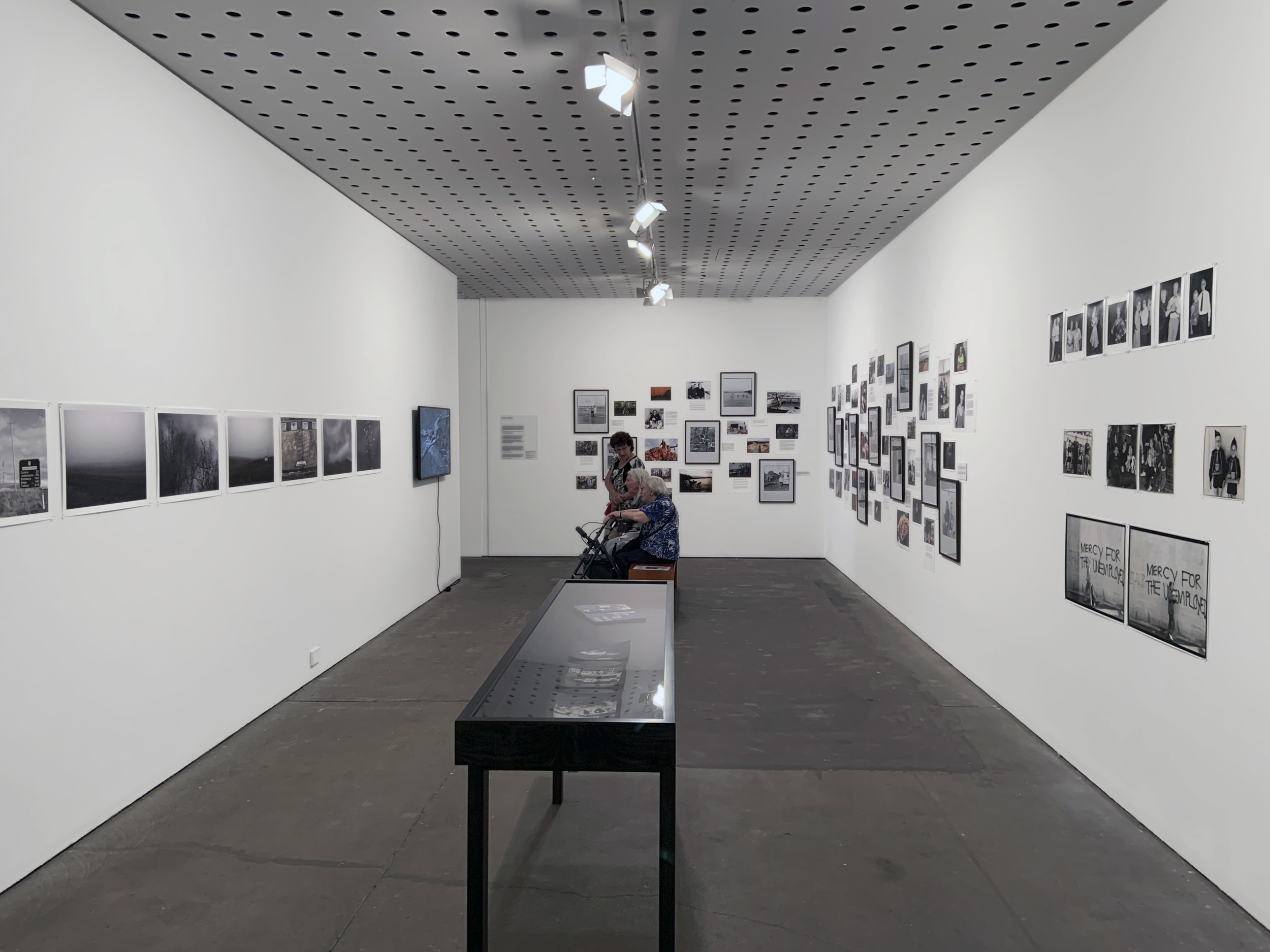
 

Max Dupain (Australian, 1911-1992) 'Newport Baths I' 1952


Max Dupain (Australian, 1911-1992)
Newport Baths I
1952
Gelatin silver print
23.5 x 25.5cm


Max Dupain (Australian, 1911-1992) 'Bondi Couple' 1950s


Max Dupain (Australian, 1911-1992)
Bondi Couple
1950s
Gelatin silver print
20.5 x 20.5cm


Max Dupain (Australian, 1911-1992) 'Manly' 1940s


Max Dupain (Australian, 1911-1992)
Manly
1940s
Gelatin silver print
47 x 37.5cm


From 1938, and throughout the late 1940s after his return from the war, Dupain took many photographs of Manly beach from the high vantage point offered by its iconic shark tower. These landscapes often found striking diagonal obliques in the convergence of incoming surf, the activities of lifesavers, the lines of beachgoers, and the surrounding modernist architecture, including promenades. These photographs tell us as much about Dupain’s leisure time as they do his artistic interests: the beach was ‘how I used to spend my weekends’, Dupain later wrote. More than its convenience, Manly offered a very local experience of modernity. Dupain strongly believed in and advocated for a contemporary photography, that it was important to consciously be part of the age into which one was born.

Text © National Gallery of Australia, Canberra


Max Dupain (Australian, 1911-1992) '(Life Guards with Flag and Reel March)' Nd


Max Dupain (Australian, 1911-1992)
(Life Guards with Flag and Reel March)
Nd
Gelatin silver print
26 x 26.5cm


Max Dupain (Australian, 1911-1992) '(Life Savers at Attention in a Row)' 1940s


Max Dupain (Australian, 1911-1992)
(Life Savers at Attention in a Row)
1940s
Gelatin silver print
25.5 x 30 cm


Max Dupain (Australian, 1911-1992) 'Lifesavers' 1940s


Max Dupain (Australian, 1911-1992)
Lifesavers
1940s
Gelatin silver print
36.5 x 47.5cm


Max Dupain (Australian, 1911-1992) '(Passengers Disembarking from Ferry)' 1950s


Max Dupain (Australian, 1911-1992)
(Passengers Disembarking from Ferry)
1950s
Gelatin silver print
30.5 x 30.5cm


Max Dupain (Australian, 1911-1992) '(Male Commuters departing Ferry)' Nd


Max Dupain (Australian, 1911-1992)
(Male Commuters departing Ferry)
Nd
Gelatin silver print
27 x 26cm


Max Dupain (Australian, 1911-1992) '(Newsstand)' Nd


Max Dupain (Australian, 1911-1992)
(Newsstand)
Nd
Gelatin silver print
36 x 30.5cm


Max Dupain (Australian, 1911-1992) 'Meat Queue, Sydney' 1946


Max Dupain (Australian, 1911-1992)
Meat Queue, Sydney
1946
Gelatin silver print
40.5 x 50.5cm


Meat queue, Sydney was one in a series of pictures Sydney photographer Max Dupain undertook for the Department of Information. When interviewed by curator Helen Ennis in 1991 Dupain said:

“We were doing a story on queues after the war. They were all over the place – queues for buses, vegetables, fruit. I just happened to come across this butcher shop in Pitt Street, I think it was. Here they were all lined up, and I went around it, took a number of pictures, ultimately ending up with this sort of architectural approach with four of five females all dressed in black with black hats, not looking too happy about the world. Suddenly one of them breaks the queue when I’m focused up all ready to go, pure luck.”1

The solidity of the linear figures taken from mid distance beneath a meat coupon scale which will weigh a proportion of meat with the allowable coupons democratises the women. The picture is given a sudden focus as the central figure decides to move from the queue and unwanted contact is made with the woman ahead. Described as both a documentary photograph, but not necessarily a social comment, the economic food-rationing of postwar Australia is shown in this clear modernist image of black-and-white shapes in shallow space. Form rather than content defines this image. The central figure in a lighter coloured coat is balanced on either side by the darker coats as the black hats, which make a wave along the horizontal, parallel the line of meat hooks.

1/ Ennis, H. 1991, Max Dupain: photographs, Australian National Gallery, Canberra p. 18.

© Art Gallery of New South Wales Photography Collection Handbook, 2007


Max Dupain (Australian, 1911-1992) 'Morning Commuters, The Kabu, Circular Quay' 1938


Max Dupain (Australian, 1911-1992)
Morning Commuters, The Kabu, Circular Quay
1938
Gelatin silver print
32.5 x 30cm


Max Dupain (Australian, 1911-1992) 'Tram Abstraction' 1930


Max Dupain (Australian, 1911-1992)
Tram Abstraction
1930
Gelatin silver print
23.5 x 20cm


Max Dupain (Australian, 1911-1992) '(Buses, Eddy Avenue)' Nd


Max Dupain (Australian, 1911-1992)
(Buses, Eddy Avenue)
Nd
Gelatin silver print
17.5 x 17cm


Max Dupain (Australian, 1911-1992) 'Rush Hour, Kings Cross' 1938


Max Dupain (Australian, 1911-1992)
Rush Hour, Kings Cross
1938
Gelatin silver print


Max Dupain (Australian, 1911-1992) 'Rush Hour, Kings Cross' 1938


Max Dupain (Australian, 1911-1992)
Rush Hour, Kings Cross
1938
Gelatin silver print


Max Dupain (Australian, 1911-1992) 'Rush Hour, Kings Cross' 1938


Max Dupain (Australian, 1911-1992)
Rush Hour, Kings Cross
1938
Gelatin silver print
40.5 x 42cm


LIKE ART BLART ON FACEBOOK

Back to top

Marcus Bunyan black and white archive: ‘Horses, sheep’, 1994-1995

September 2020


Marcus Bunyan (Australian, b. 1958) 'Untitled' from 'Horses, sheep' 1994-1995


Marcus Bunyan (Australian, b. 1958)
Untitled
1994-1995
From Horses, sheep
Gelatin silver print
© Marcus Bunyan


The second of two postings of new scans from my black and white negative archive.

The horse photographs were taken at a Royal Melbourne Show one year. The photographs of the sheep were taken in country New South Wales.

Ah, the light!

Dr Marcus Bunyan


I am scanning my negatives made during the years 1991-1997 to preserve them in the form of an online archive as a process of active memory, so that the images are not lost forever. These photographs were images of my life and imagination at the time of their making, the ideas I was thinking about and the people and things that surrounded me.

All images © Marcus Bunyan. Please click the photographs for a larger version of the image. Please remember these are just straight scans of the prints, all full frame, no cropping !

Photographs are available from this series for purchase. As a guide, a vintage 8″ x 10″ silver gelatin print costs $700 plus tracked and insured shipping. For more information please see my Store web page.


Marcus Bunyan (Australian, b. 1958) 'Untitled' from 'Horses, sheep' 1994-1995


Marcus Bunyan (Australian, b. 1958)
Untitled
1994-1995
From Horses, sheep
Gelatin silver print
© Marcus Bunyan


Marcus Bunyan (Australian, b. 1958) 'Untitled' from 'Horses, sheep' 1994-1995


Marcus Bunyan (Australian, b. 1958)
Untitled
1994-1995
From Horses, sheep
Gelatin silver print
© Marcus Bunyan


Marcus Bunyan (Australian, b. 1958) 'Untitled' from 'Horses, sheep' 1994-1995


Marcus Bunyan (Australian, b. 1958)
Untitled
1994-1995
From Horses, sheep
Gelatin silver print
© Marcus Bunyan


Marcus Bunyan (Australian, b. 1958) 'Untitled' from 'Horses, sheep' 1994-1995


Marcus Bunyan (Australian, b. 1958)
Untitled
1994-1995
From Horses, sheep
Gelatin silver print
© Marcus Bunyan


Marcus Bunyan (Australian, b. 1958) 'Untitled' from 'Horses, sheep' 1994-1995


Marcus Bunyan (Australian, b. 1958)
Untitled
1994-1995
From Horses, sheep
Gelatin silver print
© Marcus Bunyan


Marcus Bunyan (Australian, b. 1958) 'Untitled' from 'Horses, sheep' 1994-1995


Marcus Bunyan (Australian, b. 1958)
Untitled
1994-1995
From Horses, sheep
Gelatin silver print
© Marcus Bunyan


Marcus Bunyan (Australian, b. 1958) 'Untitled' from 'Horses, sheep' 1994-1995


Marcus Bunyan (Australian, b. 1958)
Untitled
1994-1995
From Horses, sheep
Gelatin silver print
© Marcus Bunyan


Marcus Bunyan (Australian, b. 1958) 'Foal' from 'Horses, sheep' 1994-1995


Marcus Bunyan (Australian, b. 1958)
Foal
1994-1995
From Horses, sheep
Gelatin silver print
© Marcus Bunyan


Marcus Bunyan (Australian, b. 1958) 'Foal' from 'Horses, sheep' 1994-1995


Marcus Bunyan (Australian, b. 1958)
Foal
1994-1995
From Horses, sheep
Gelatin silver print
© Marcus Bunyan


Marcus Bunyan (Australian, b. 1958) 'Mother, foal' from 'Horses, sheep' 1994-1995


Marcus Bunyan (Australian, b. 1958)
Mother, Foal
1994-1995
From Horses, sheep
Gelatin silver print
© Marcus Bunyan


Marcus Bunyan (Australian, b. 1958) 'Brand' from 'Horses, sheep' 1994-1995


Marcus Bunyan (Australian, b. 1958)
Brand
1994-1995
From Horses, sheep
Gelatin silver print
© Marcus Bunyan


Marcus Bunyan (Australian, b. 1958) 'Diamonds' from 'Horses, sheep' 1994-1995


Marcus Bunyan (Australian, b. 1958)
Diamonds
1994-1995
From Horses, sheep
Gelatin silver print
© Marcus Bunyan


Marcus Bunyan (Australian, b. 1958) 'Diamonds' from 'Horses, sheep' 1994-1995


Marcus Bunyan (Australian, b. 1958)
Diamonds
1994-1995
From Horses, sheep
Gelatin silver print
© Marcus Bunyan


Marcus Bunyan (Australian, b. 1958) 'Button braids' from 'Horses, sheep' 1994-1995


Marcus Bunyan (Australian, b. 1958)
Button braids
1994-1995
From Horses, sheep
Gelatin silver print
© Marcus Bunyan


Marcus Bunyan (Australian, b. 1958) 'Bridle' from 'Horses, sheep' 1994-1995


Marcus Bunyan (Australian, b. 1958)
Bridle
1994-1995
From Horses, sheep
Gelatin silver print
© Marcus Bunyan


Marcus Bunyan (Australian, b. 1958) 'Hock, Gaskin' from 'Horses, sheep' 1994-1995


Marcus Bunyan (Australian, b. 1958)
Hock, Gaskin
1994-1995
From Horses, sheep
Gelatin silver print
© Marcus Bunyan


Marcus Bunyan (Australian, b. 1958) 'Saddle' from 'Horses, sheep' 1994-1995


Marcus Bunyan (Australian, b. 1958)
Saddle
1994-1995
From Horses, sheep
Gelatin silver print
© Marcus Bunyan


Marcus Bunyan (Australian, b. 1958) 'Saddle' from 'Horses, sheep' 1994-1995


Marcus Bunyan (Australian, b. 1958)
Saddle
1994-1995
From Horses, sheep
Gelatin silver print
© Marcus Bunyan


Marcus Bunyan (Australian, b. 1958) 'Untitled' from 'Horses, sheep' 1994-1995


Marcus Bunyan (Australian, b. 1958)
Untitled
1994-1995
From Horses, sheep
Gelatin silver print
© Marcus Bunyan


Marcus Bunyan (Australian, b. 1958) 'Untitled' from 'Horses, sheep' 1994-1995


Marcus Bunyan (Australian, b. 1958)
Untitled
1994-1995
From Horses, sheep
Gelatin silver print
© Marcus Bunyan


Marcus Bunyan (Australian, b. 1958) 'Untitled' from 'Horses, sheep' 1994-1995


Marcus Bunyan (Australian, b. 1958)
Untitled
1994-1995
From Horses, sheep
Gelatin silver print
© Marcus Bunyan


Marcus Bunyan (Australian, b. 1958) 'Untitled' from 'Horses, sheep' 1994-1995


Marcus Bunyan (Australian, b. 1958)
Untitled
1994-1995
From Horses, sheep
Gelatin silver print
© Marcus Bunyan


Marcus Bunyan (Australian, b. 1958) 'Untitled' from 'Horses, sheep' 1994-1995


Marcus Bunyan (Australian, b. 1958)
Untitled
1994-1995
From Horses, sheep
Gelatin silver print
© Marcus Bunyan


Marcus Bunyan (Australian, b. 1958) 'Untitled' from 'Horses, sheep' 1994-1995


Marcus Bunyan (Australian, b. 1958)
Untitled
1994-1995
From Horses, sheep
Gelatin silver print
© Marcus Bunyan


Marcus Bunyan black and white archive 1991-1997

Marcus Bunyan website
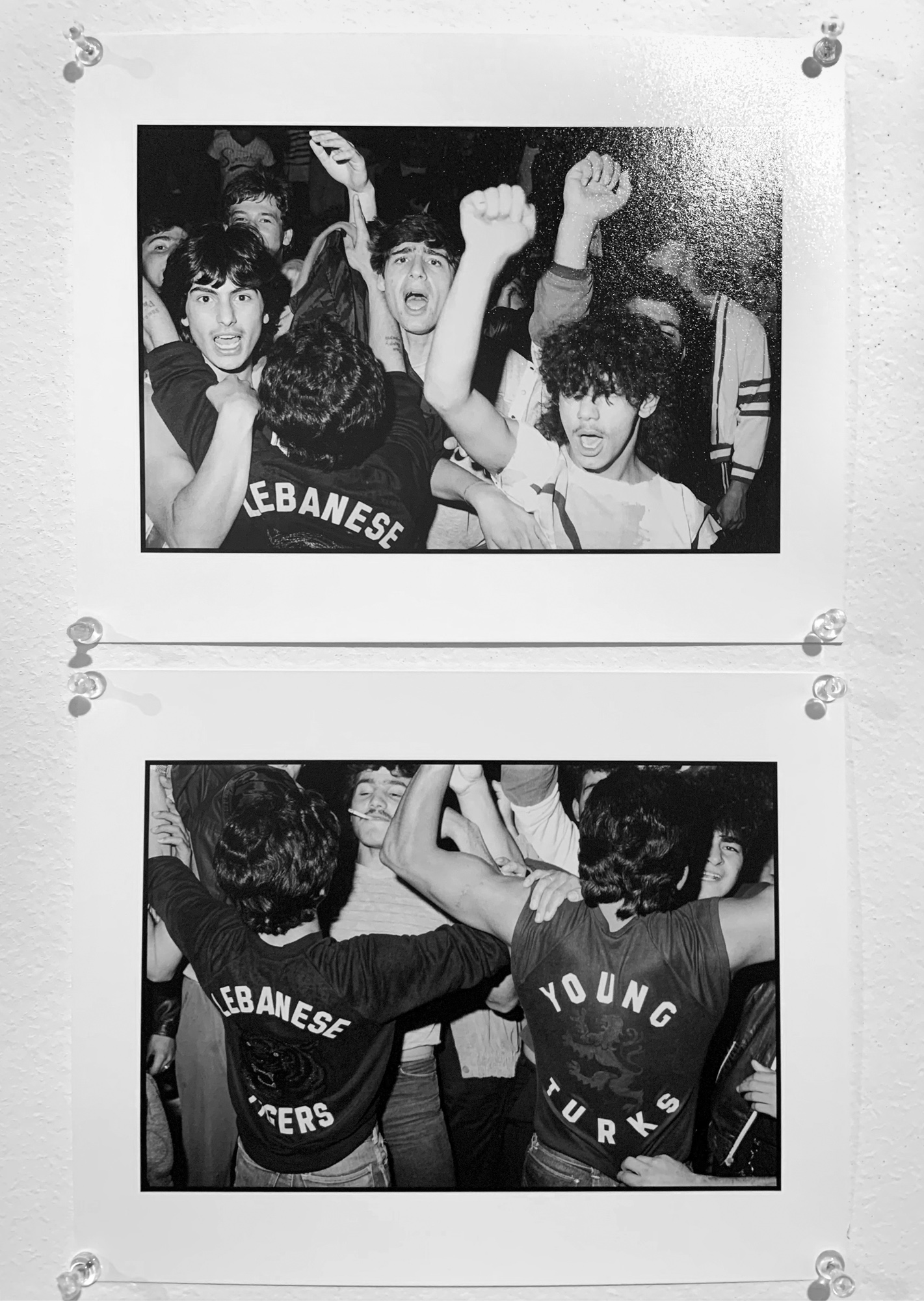
LIKE ART BLART ON FACEBOOK

Back to top

Marcus Bunyan black and white archive: ‘Dogs, chickens, cattle’, 1994-1995
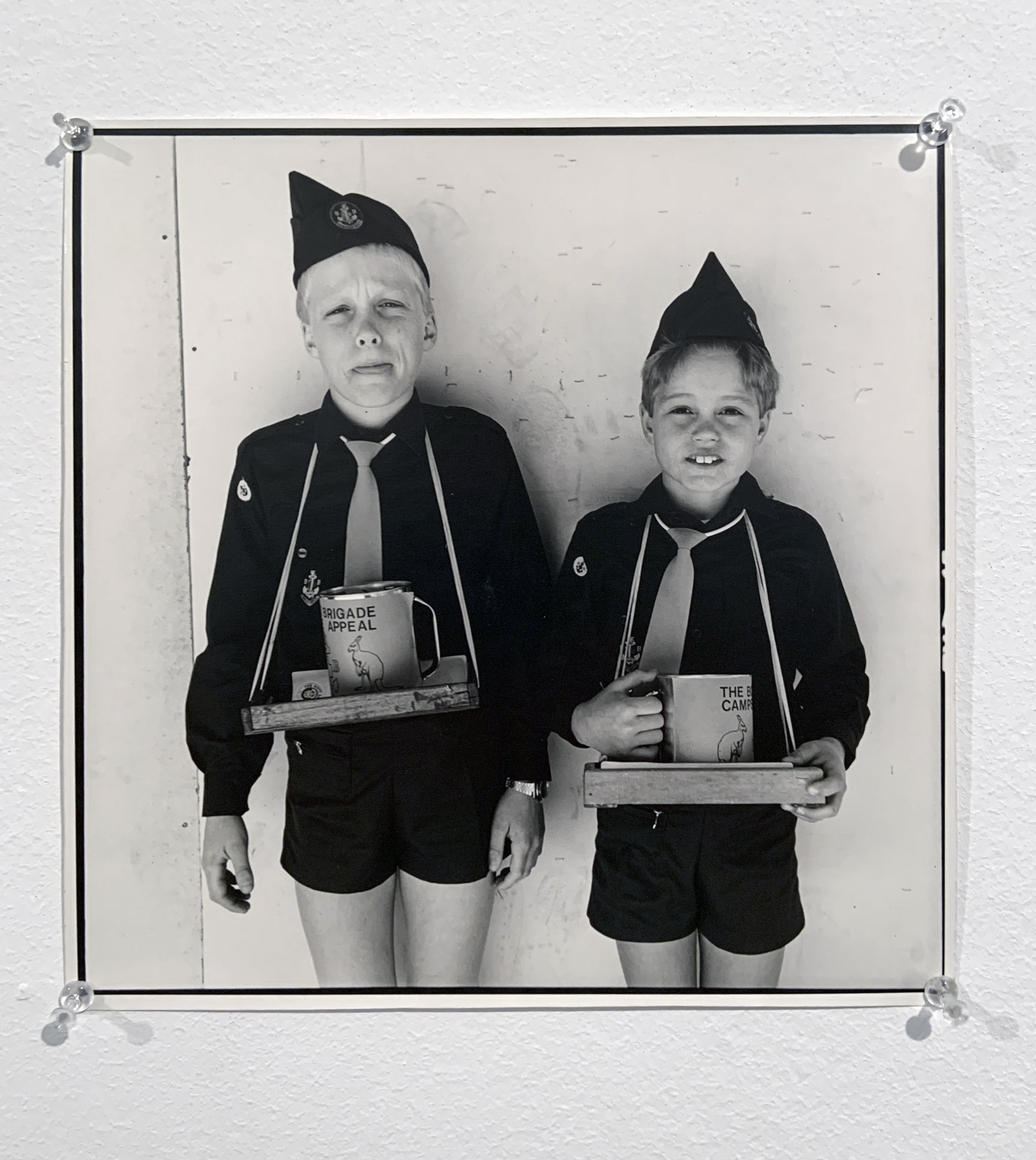
September 2020


Marcus Bunyan (Australian, b. 1958) 'Untitled' from 'Dogs, chickens, cattle and cows' 1994-1995


Marcus Bunyan (Australian, b. 1958)
Untitled
1994-1995
From Dogs, chickens, cattle
Gelatin silver print
© Marcus Bunyan


The first of two postings of new scans from my black and white negative archive.
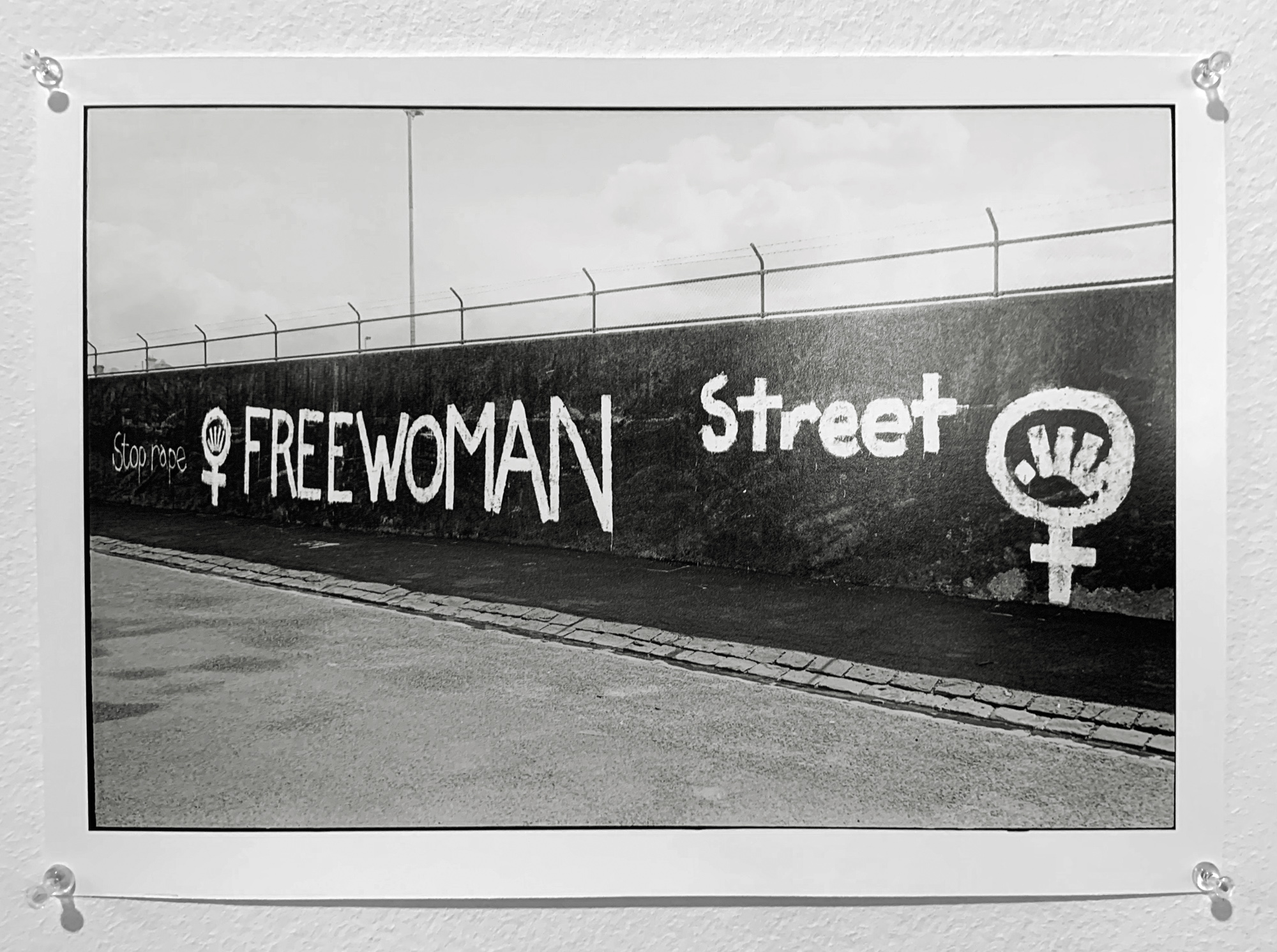
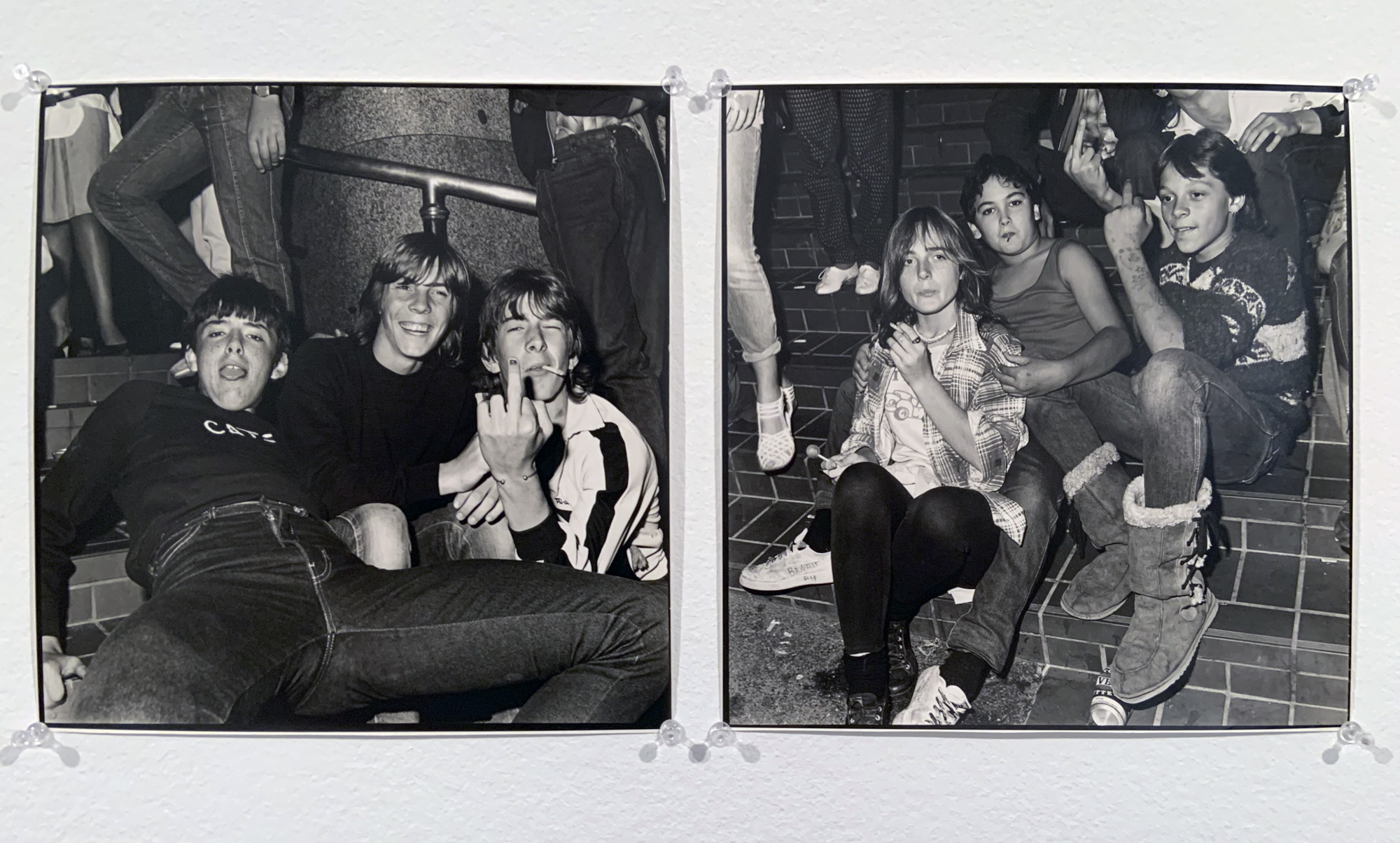
Most of these photographs were taken at a Royal Melbourne Show one year. The photographs of the cattle on the road were taken in country New South Wales, while the photographs of the Dalmatian were taken near Commercial Road in Prahran, South Yarra.

Ah, the light!

Dr Marcus Bunyan


I am scanning my negatives made during the years 1991-1997 to preserve them in the form of an online archive as a process of active memory, so that the images are not lost forever. These photographs were images of my life and imagination at the time of their making, the ideas I was thinking about and the people and things that surrounded me.

All images © Marcus Bunyan. Please click the photographs for a larger version of the image. Please remember these are just straight scans of the prints, all full frame, no cropping !

Photographs are available from this series for purchase. As a guide, a vintage 8″ x 10″ silver gelatin print costs $700 plus tracked and insured shipping. For more information please see my Store web page.


Marcus Bunyan (Australian, b. 1958) 'Untitled' from 'Dogs, chickens, cattle and cows' 1994-1995


Marcus Bunyan (Australian, b. 1958)
Untitled
1994-1995
From Dogs, chickens, cattle
Gelatin silver print
© Marcus Bunyan


Marcus Bunyan (Australian, b. 1958) 'Untitled' from 'Dogs, chickens, cattle and cows' 1994-1995


Marcus Bunyan (Australian, b. 1958)
Untitled
1994-1995
From Dogs, chickens, cattle
Gelatin silver print
© Marcus Bunyan


Marcus Bunyan (Australian, b. 1958) 'Untitled' from 'Dogs, chickens, cattle and cows' 1994-1995


Marcus Bunyan (Australian, b. 1958)
Untitled
1994-1995
From Dogs, chickens, cattle
Gelatin silver print
© Marcus Bunyan


Marcus Bunyan (Australian, b. 1958) 'Dalmatian' from 'Dogs, chickens, cattle and cows' 1994-1995


Marcus Bunyan (Australian, b. 1958)
Dalmatian
1994-1995
From Dogs, chickens, cattle
Gelatin silver print
© Marcus Bunyan


Marcus Bunyan (Australian, b. 1958) 'Dalmatian' from 'Dogs, chickens, cattle and cows' 1994-1995


Marcus Bunyan (Australian, b. 1958)
Dalmatian
1994-1995
From Dogs, chickens, cattle
Gelatin silver print
© Marcus Bunyan


Marcus Bunyan (Australian, b. 1958) 'Dalmatian' from 'Dogs, chickens, cattle and cows' 1994-1995


Marcus Bunyan (Australian, b. 1958)
Dalmatian
1994-1995
From Dogs, chickens, cattle
Gelatin silver print
© Marcus Bunyan


Marcus Bunyan (Australian, b. 1958) 'Untitled' from 'Dogs, chickens, cattle' 1994-1995


Marcus Bunyan (Australian, b. 1958)
Untitled
1994-1995
From Dogs, chickens, cattle
Gelatin silver print
© Marcus Bunyan


Marcus Bunyan (Australian, b. 1958) 'Untitled' from 'Dogs, chickens, cattle' 1994-1995


Marcus Bunyan (Australian, b. 1958)
Untitled
1994-1995
From Dogs, chickens, cattle
Gelatin silver print
© Marcus Bunyan


Marcus Bunyan (Australian, b. 1958) 'Untitled' from 'Dogs, chickens, cattle' 1994-1995


Marcus Bunyan (Australian, b. 1958)
Untitled
1994-1995
From Dogs, chickens, cattle
Gelatin silver print
© Marcus Bunyan


Marcus Bunyan (Australian, b. 1958) 'Untitled' from 'Dogs, chickens, cattle' 1994-1995


Marcus Bunyan (Australian, b. 1958)
Untitled
1994-1995
From Dogs, chickens, cattle
Gelatin silver print
© Marcus Bunyan


Marcus Bunyan (Australian, b. 1958) 'Untitled' from 'Dogs, chickens, cattle' 1994-1995


Marcus Bunyan (Australian, b. 1958)
Untitled
1994-1995
From Dogs, chickens, cattle
Gelatin silver print
© Marcus Bunyan


Marcus Bunyan (Australian, b. 1958) 'Untitled' from 'Dogs, chickens, cattle' 1994-1995


Marcus Bunyan (Australian, b. 1958)
Untitled
1994-1995
From Dogs, chickens, cattle
Gelatin silver print
© Marcus Bunyan


Marcus Bunyan (Australian, b. 1958) 'Untitled' from 'Dogs, chickens, cattle' 1994-1995


Marcus Bunyan (Australian, b. 1958)
Untitled
1994-1995
From Dogs, chickens, cattle
Gelatin silver print
© Marcus Bunyan


Marcus Bunyan (Australian, b. 1958) 'Untitled' from 'Dogs, chickens, cattle' 1994-1995


Marcus Bunyan (Australian, b. 1958)
Untitled
1994-1995
From Dogs, chickens, cattle
Gelatin silver print
© Marcus Bunyan


Marcus Bunyan (Australian, b. 1958) 'Untitled' from 'Dogs, chickens, cattle' 1994-1995


Marcus Bunyan (Australian, b. 1958)
Untitled
1994-1995
From Dogs, chickens, cattle
Gelatin silver print
© Marcus Bunyan


Marcus Bunyan (Australian, b. 1958) 'Untitled' from 'Dogs, chickens, cattle' 1994-1995


Marcus Bunyan (Australian, b. 1958)
Untitled
1994-1995
From Dogs, chickens, cattle
Gelatin silver print
© Marcus Bunyan


Marcus Bunyan (Australian, b. 1958) 'Untitled' from 'Dogs, chickens, cattle' 1994-1995


Marcus Bunyan (Australian, b. 1958)
Untitled
1994-1995
From Dogs, chickens, cattle
Gelatin silver print
© Marcus Bunyan


Marcus Bunyan (Australian, b. 1958) 'Untitled' from 'Dogs, chickens, cattle' 1994-1995


Marcus Bunyan (Australian, b. 1958)
Untitled
1994-1995
From Dogs, chickens, cattle
Gelatin silver print
© Marcus Bunyan


Marcus Bunyan (Australian, b. 1958) 'Untitled' from 'Dogs, chickens, cattle' 1994-1995


Marcus Bunyan (Australian, b. 1958)
Untitled
1994-1995
From Dogs, chickens, cattle
Gelatin silver print
© Marcus Bunyan


Marcus Bunyan (Australian, b. 1958) 'Untitled' from 'Dogs, chickens, cattle' 1994-1995


Marcus Bunyan (Australian, b. 1958)
Untitled
1994-1995
From Dogs, chickens, cattle
Gelatin silver print
© Marcus Bunyan


Marcus Bunyan (Australian, b. 1958) 'Untitled' from 'Dogs, chickens, cattle' 1994-1995


Marcus Bunyan (Australian, b. 1958)
Untitled
1994-1995
From Dogs, chickens, cattle
Gelatin silver print
© Marcus Bunyan


Marcus Bunyan (Australian, b. 1958) 'Untitled' from 'Dogs, chickens, cattle' 1994-1995


Marcus Bunyan (Australian, b. 1958)
Untitled
1994-1995
From Dogs, chickens, cattle
Gelatin silver print
© Marcus Bunyan


Marcus Bunyan (Australian, b. 1958) 'Untitled' from 'Dogs, chickens, cattle' 1994-1995


Marcus Bunyan (Australian, b. 1958)
Untitled
1994-1995
From Dogs, chickens, cattle
Gelatin silver print
© Marcus Bunyan


Marcus Bunyan (Australian, b. 1958) 'Untitled' from 'Dogs, chickens, cattle' 1994-1995


Marcus Bunyan (Australian, b. 1958)
Untitled
1994-1995
From Dogs, chickens, cattle
Gelatin silver print
© Marcus Bunyan


Marcus Bunyan black and white archive 1991-1997

Marcus Bunyan website

LIKE ART BLART ON FACEBOOK

Back to top

Marcus Bunyan black and white archive: ‘Padlocks/People’, 1994-1996

July 2020


Marcus Bunyan (Australian, born England 1958) 'Padlocks/People' 1995-1996


Marcus Bunyan (Australian born England, b. 1958)
Untitled
1995-1996
From Padlocks/People
Gelatin silver print


The padlocks were from a collection borrowed from a friend and photographed on a black velvet background. I liked their antiquity coupled with their minimalist modernist aesthetic highlighted against the black background. The installation photographs at the bottom of the posting show how they were originally exhibited at my solo exhibition The Cleft in Words, The Words as Flesh at Stop 22 Gallery, Melbourne in 1996, in a grid formation with the facade of an English cathedral.

The people were photographed out of the open door of an old W class tram on Swanston Street, Melbourne, with me sitting on the floor of the tram handholding my Mamiya RZ67 – so that the people outside were at eye level as they entered. At the time, I was fascinated by the open door of the tram, of life sliding past, of people not being aware they were being photographed climbing up into the tram after the door had opened.

Today, putting these two sets of images together, I am thinking about the relationship between the mundanity of everyday life and being locked into the routine and ritual of existence, with barely a key in/sight. At the time, and now, I am informed by a quotation from Susan Stewart:

“To walk in the city is to experience the disjuncture of partial vision/partial consciousness. The narrativity of this walking is belied by a simultaneity we know and yet cannot experience. As we turn a corner, our object disappears around the next corner. The sides of the street conspire against us; each attention suppresses a field of possibilities… The walkers of the city travel at different speeds, their steps like handwriting of a personal mobility.”1

Shadows lengthen, people hasten, rushing who knows where, the body immersed in absent presence, present and not present, conscious and not conscious, aware and yet unaware of the narratives of the body and the city. Walkers of this transcendent and anonymous silence.

Dr Marcus Bunyan


1/ Stewart, Susan. On Longing: Narratives of the Miniature, the Gigantic, the Souvenir, the Collection. Durham: Duke University Press, 1993, p. 2. Prologue.


I am scanning my negatives made during the years 1991-1997 to preserve them in the form of an online archive as a process of active memory, so that the images are not lost forever. These photographs were images of my life and imagination at the time of their making, the ideas I was thinking about and the people and things that surrounded me.

All images © Marcus Bunyan. Please click the photographs for a larger version of the image. Please remember these are just straight scans of the prints, all full frame, no cropping !

Photographs are available from this series for purchase. As a guide, a vintage 8″ x 10″ silver gelatin print costs $700 plus tracked and insured shipping. For more information please see my Store web page.


Marcus Bunyan (Australian, born England 1958) 'Padlocks/People' 1995-1996


Marcus Bunyan (Australian born England, b. 1958)
Untitled
1995-1996
From Padlocks/People
Gelatin silver print


Marcus Bunyan (Australian, born England 1958) 'Padlocks/People' 1995-1996


Marcus Bunyan (Australian born England, b. 1958)
Untitled
1995-1996
From Padlocks/People
Gelatin silver print


Marcus Bunyan (Australian, born England 1958) 'Padlocks/People' 1995-1996


Marcus Bunyan (Australian born England, b. 1958)
Untitled
1995-1996
From Padlocks/People
Gelatin silver print


Marcus Bunyan (Australian, born England 1958) 'Padlocks/People' 1995-1996


Marcus Bunyan (Australian born England, b. 1958)
Untitled
1995-1996
From Padlocks/People
Gelatin silver print


Marcus Bunyan (Australian, born England 1958) 'Padlocks/People' 1995-1996


Marcus Bunyan (Australian born England, b. 1958)
Untitled
1995-1996
From Padlocks/People
Gelatin silver print


Marcus Bunyan (Australian, born England 1958) 'Padlocks/People' 1995-1996


Marcus Bunyan (Australian born England, b. 1958)
Untitled
1995-1996
From Padlocks/People
Gelatin silver print


Marcus Bunyan (Australian, born England 1958) 'Padlocks/People' 1995-1996


Marcus Bunyan (Australian born England, b. 1958)
Untitled
1995-1996
From Padlocks/People
Gelatin silver print


Marcus Bunyan (Australian, born England 1958) 'Padlocks/People' 1995-1996


Marcus Bunyan (Australian born England, b. 1958)
Untitled
1995-1996
From Padlocks/People
Gelatin silver print


Marcus Bunyan (Australian, born England 1958) 'Padlocks/People' 1995-1996


Marcus Bunyan (Australian born England, b. 1958)
Untitled
1995-1996
From Padlocks/People
Gelatin silver print


Marcus Bunyan (Australian, born England 1958) 'Padlocks/People' 1995-1996


Marcus Bunyan (Australian born England, b. 1958)
Untitled
1995-1996
From Padlocks/People
Gelatin silver print


Marcus Bunyan (Australian, born England 1958) 'Padlocks/People' 1995-1996


Marcus Bunyan (Australian born England, b. 1958)
Untitled
1995-1996
From Padlocks/People
Gelatin silver print


Marcus Bunyan (Australian, born England 1958) 'Padlocks/People' 1995-1996


Marcus Bunyan (Australian born England, b. 1958)
Untitled
1995-1996
From Padlocks/People
Gelatin silver print


Marcus Bunyan (Australian, born England 1958) 'Padlocks/People' 1995-1996


Marcus Bunyan (Australian born England, b. 1958)
Untitled
1995-1996
From Padlocks/People
Gelatin silver print


Marcus Bunyan (Australian, born England 1958) 'Padlocks/People' 1995-1996


Marcus Bunyan (Australian born England, b. 1958)
Untitled
1995-1996
From Padlocks/People
Gelatin silver print


Marcus Bunyan (Australian, born England 1958) 'Padlocks/People' 1995-1996


Marcus Bunyan (Australian born England, b. 1958)
Untitled
1995-1996
From Padlocks/People
Gelatin silver print


Marcus Bunyan (Australian, born England 1958) 'Padlocks/People' 1995-1996


Marcus Bunyan (Australian born England, b. 1958)
Untitled
1995-1996
From Padlocks/People
Gelatin silver print


Marcus Bunyan (Australian, born England 1958) 'Padlocks/People' 1995-1996


Marcus Bunyan (Australian born England, b. 1958)
Untitled
1995-1996
From Padlocks/People
Gelatin silver print


Marcus Bunyan (Australian, born England 1958) 'Padlocks/People' 1995-1996


Marcus Bunyan (Australian born England, b. 1958)
Untitled
1995-1996
From Padlocks/People
Gelatin silver print


Marcus Bunyan (Australian, born England 1958) 'Padlocks/People' 1995-1996


Marcus Bunyan (Australian born England, b. 1958)
Untitled
1995-1996
From Padlocks/People
Gelatin silver print


Marcus Bunyan (Australian, born England 1958) 'Padlocks/People' 1995-1996


Marcus Bunyan (Australian born England, b. 1958)
Untitled
1995-1996
From Padlocks/People
Gelatin silver print


Marcus Bunyan (Australian, born England 1958) 'Padlocks/People' 1995-1996


Marcus Bunyan (Australian born England, b. 1958)
Untitled
1995-1996
From Padlocks/People
Gelatin silver print


Marcus Bunyan (Australian, born England 1958) 'Padlocks/People' 1995-1996


Marcus Bunyan (Australian born England, b. 1958)
Untitled
1995-1996
From Padlocks/People
Gelatin silver print


Marcus Bunyan (Australian, born England 1958) 'Padlocks/People' 1995-1996


Marcus Bunyan (Australian born England, b. 1958)
Untitled
1995-1996
From Padlocks/People
Gelatin silver print


Marcus Bunyan (Australian, born England 1958) 'Padlocks/People' 1995-1996


Marcus Bunyan (Australian born England, b. 1958)
Untitled
1995-1996
From Padlocks/People
Gelatin silver print


Marcus Bunyan (Australian, born England 1958) 'Padlocks/People' 1995-1996


Marcus Bunyan (Australian born England, b. 1958)
Untitled
1995-1996
From Padlocks/People
Gelatin silver print


Marcus Bunyan (Australian, born England 1958) 'Padlocks/People' 1995-1996


Marcus Bunyan (Australian born England, b. 1958)
Untitled
1995-1996
From Padlocks/People
Gelatin silver print


Marcus Bunyan (Australian, born England 1958) 'Padlocks/People' 1995-1996


Marcus Bunyan (Australian born England, b. 1958)
Untitled
1995-1996
From Padlocks/People
Gelatin silver print


Marcus Bunyan (Australian, born England 1958) 'Padlocks/People' 1995-1996


Marcus Bunyan (Australian born England, b. 1958)
Untitled
1995-1996
From Padlocks/People
Gelatin silver print


Marcus Bunyan (Australian, born England 1958) 'Padlocks/People' 1995-1996


Marcus Bunyan (Australian born England, b. 1958)
Untitled
1995-1996
From Padlocks/People
Gelatin silver print


Marcus Bunyan (Australian, born England 1958) 'Padlocks/People' 1995-1996


Marcus Bunyan (Australian born England, b. 1958)
Untitled
1995-1996
From Padlocks/People
Gelatin silver print


Marcus Bunyan (Australian, born England 1958) 'Padlocks/People' 1995-1996


Marcus Bunyan (Australian born England, b. 1958)
Untitled
1995-1996
From Padlocks/People
Gelatin silver print


Marcus Bunyan (Australian, born England 1958) 'Padlocks/People' 1995-1996


Marcus Bunyan (Australian born England, b. 1958)
Untitled
1995-1996
From Padlocks/People
Gelatin silver print


Marcus Bunyan (Australian, born England 1958) 'Padlocks/People' 1995-1996


Marcus Bunyan (Australian born England, b. 1958)
Untitled
1995-1996
From Padlocks/People
Gelatin silver print


Marcus Bunyan (Australian, born England 1958) 'Padlocks/People' 1995-1996


Marcus Bunyan (Australian born England, b. 1958)
Untitled
1995-1996
From Padlocks/People
Gelatin silver print


Marcus Bunyan (Australian, born England 1958) 'Padlocks/People' 1995-1996


Marcus Bunyan (Australian born England, b. 1958)
Untitled
1995-1996
From Padlocks/People
Gelatin silver print


Marcus Bunyan (Australian, born England 1958) 'Padlocks/People' 1995-1996


Marcus Bunyan (Australian born England, b. 1958)
Untitled
1995-1996
From Padlocks/People
Gelatin silver print


Marcus Bunyan (Australian, born England 1958) 'Padlocks/People' 1995-1996


Marcus Bunyan (Australian born England, b. 1958)
Untitled
1995-1996
From Padlocks/People
Gelatin silver print


Marcus Bunyan (Australian, born England 1958) 'Padlocks/People' 1995-1996


Marcus Bunyan (Australian born England, b. 1958)
Untitled
1995-1996
From Padlocks/People
Gelatin silver print


Marcus Bunyan (Australian, born England 1958) 'Padlocks/People' 1995-1996


Marcus Bunyan (Australian born England, b. 1958)
Untitled
1995-1996
From Padlocks/People
Gelatin silver print


Marcus Bunyan (Australian, born England 1958) 'Padlocks/People' 1995-1996


Marcus Bunyan (Australian born England, b. 1958)
Untitled
1995-1996
From Padlocks/People
Gelatin silver print


Marcus Bunyan (Australian, born England 1958) 'Padlocks/People' 1995-1996


Marcus Bunyan (Australian born England, b. 1958)
Untitled
1995-1996
From Padlocks/People
Gelatin silver print


Marcus Bunyan (Australian, born England 1958) 'Installation of the Padlocks at the exhibition ‘The Cleft in Words, The Words as Flesh’ at Stop 22 Gallery, Melbourne, 1996'


Marcus Bunyan (Australian born England, b. 1958)
Installation of the Padlocks at the exhibition ‘The Cleft in Words, The Words as Flesh’ at Stop 22 Gallery, Melbourne, 1996
1996
Gelatin silver print


Marcus Bunyan (Australian, born England 1958) 'Installation of the Padlocks at the exhibition ‘The Cleft in Words, The Words as Flesh’ at Stop 22 Gallery, Melbourne, 1996'


Marcus Bunyan (Australian born England, b. 1958)
Installation of the Padlocks at the exhibition ‘The Cleft in Words, The Words as Flesh’ at Stop 22 Gallery, Melbourne, 1996
1995-96
Gelatin silver print


Marcus Bunyan black and white archive 1991-1997

Marcus Bunyan website

LIKE ART BLART ON FACEBOOK

Back to top

Photographs: Marcus Bunyan. ‘A day in the Tiergarten’ 2019-2020

June 2020


Marcus Bunyan (Australian, b. 1958) 'Untitled' 2019-2020


Marcus Bunyan (Australian, b. 1958)
Untitled
2019-2020
From the series A day in the Tiergarten
Digital photograph


A day in the Tiergarten

I hope people like this series.

In late 2019, I took a photographic research trip through Europe by train, visiting nine countries and seeing many exhibitions and photographs by master photographers (Güler, Capa, Lartigue, Katz, Frank, Sudek, Sander, Brassaï, Abbott, Kertesz). I also took over 8,000 photographs on three digital cameras. This series, this stream of consciousness – the images shown in the exact order that I took them, no sequencing – reflects my state of mind during the trip. It was a kind of an ascetic experience for me, embedded as I was in the spaces and architectures of the cities and landscapes of Europe, hardly talking to anyone for the duration of the journey.

A day in the Tiergarten reflects this focus and clear seeing. Using camera and tripod the series, like a piece of music, moves from classical into surreal (the reflections of trees and water displacing the image plane), back to classical and on through Abstract Expressionism, ending in a peaceful coda of 4, 3, 2.

The series is an engagement with spirit – of wandering through a space of intimate desire and love. Love of trees, of being alone, of engaging with the self and nature. It was a magical day.

Please view the images on a larger screen. The whole series can be see with larger images on the A day in the Tiergarten web page or you can enlarge the images below by clicking on them.

Dr Marcus Bunyan


88 images in the series © Marcus Bunyan. Please click on the photographs for a larger version of the image. Remember these are just straight digital photographs, all full frame, no cropping.

Photographs are available from this series for purchase. As a guide, a digital colour 16″ x 20″ costs $1000 plus tracked and insured shipping. For more information please see my Store web page.


Marcus Bunyan (Australian, b. 1958) 'Untitled' 2019-2020


Marcus Bunyan (Australian, b. 1958) 'Untitled' 2019-2020


Marcus Bunyan (Australian, b. 1958) 'Untitled' 2019-2020


Marcus Bunyan (Australian, b. 1958) 'Untitled' 2019-2020


Marcus Bunyan (Australian, b. 1958) 'Untitled' 2019-2020


Marcus Bunyan (Australian, b. 1958) 'Untitled' 2019-2020


Marcus Bunyan (Australian, b. 1958) 'Untitled' 2019-2020Marcus Bunyan (Australian, b. 1958) 'Untitled' 2019-2020


Marcus Bunyan (Australian, b. 1958) 'Untitled' 2019-2020


Marcus Bunyan (Australian, b. 1958) 'Untitled' 2019-2020


Marcus Bunyan (Australian, b. 1958) 'Untitled' 2019-2020


Marcus Bunyan (Australian, b. 1958) 'Untitled' 2019-2020


Marcus Bunyan (Australian, b. 1958) 'Untitled' 2019-2020


Marcus Bunyan (Australian, b. 1958) 'Untitled' 2019-2020


Marcus Bunyan (Australian, b. 1958) 'Untitled' 2019-2020


Marcus Bunyan (Australian, b. 1958) 'Untitled' 2019-2020


Marcus Bunyan (Australian, b. 1958) 'Untitled' 2019-2020


Marcus Bunyan (Australian, b. 1958) 'Untitled' 2019-2020


Marcus Bunyan (Australian, b. 1958) 'Untitled' 2019-2020


Marcus Bunyan (Australian, b. 1958) 'Untitled' 2019-2020


Marcus Bunyan (Australian, b. 1958) 'Untitled' 2019-2020


Marcus Bunyan (Australian, b. 1958) 'Untitled' 2019-2020


Marcus Bunyan (Australian, b. 1958) 'Untitled' 2019-2020Marcus Bunyan (Australian, b. 1958) 'Untitled' 2019-2020


Marcus Bunyan (Australian, b. 1958) 'Untitled' 2019-2020


Marcus Bunyan (Australian, b. 1958) 'Untitled' 2019-2020


Marcus Bunyan (Australian, b. 1958) 'Untitled' 2019-2020


Marcus Bunyan (Australian, b. 1958) 'Untitled' 2019-2020


Marcus Bunyan (Australian, b. 1958) 'Untitled' 2019-2020


Marcus Bunyan (Australian, b. 1958) 'Untitled' 2019-2020


Marcus Bunyan (Australian, b. 1958) 'Untitled' 2019-2020


Marcus Bunyan (Australian, b. 1958) 'Untitled' 2019-2020


Marcus Bunyan (Australian, b. 1958) 'Untitled' 2019-2020


Marcus Bunyan (Australian, b. 1958) 'Untitled' 2019-2020


Marcus Bunyan (Australian, b. 1958) 'Untitled' 2019-2020


Marcus Bunyan (Australian, b. 1958) 'Untitled' 2019-2020


Marcus Bunyan (Australian, b. 1958) 'Untitled' 2019-2020


Marcus Bunyan (Australian, b. 1958) 'Untitled' 2019-2020


Marcus Bunyan (Australian, b. 1958) 'Untitled' 2019-2020


Marcus Bunyan (Australian, b. 1958) 'Untitled' 2019-2020


Marcus Bunyan (Australian, b. 1958) 'Untitled' 2019-2020


Marcus Bunyan (Australian, b. 1958) 'Untitled' 2019-2020


Marcus Bunyan (Australian, b. 1958) 'Untitled' 2019-2020


Marcus Bunyan (Australian, b. 1958) 'Untitled' 2019-2020


Marcus Bunyan (Australian, b. 1958) 'Untitled' 2019-2020


Marcus Bunyan (Australian, b. 1958) 'Untitled' 2019-2020


Marcus Bunyan (Australian, b. 1958) 'Untitled' 2019-2020


Marcus Bunyan (Australian, b. 1958) 'Untitled' 2019-2020


Marcus Bunyan (Australian, b. 1958) 'Untitled' 2019-2020


Marcus Bunyan (Australian, b. 1958) 'Untitled' 2019-2020


Marcus Bunyan (Australian, b. 1958) 'Untitled' 2019-2020


Marcus Bunyan (Australian, b. 1958) 'Untitled' 2019-2020


Marcus Bunyan (Australian, b. 1958) 'Untitled' 2019-2020


Marcus Bunyan (Australian, b. 1958) 'Untitled' 2019-2020


Marcus Bunyan (Australian, b. 1958) 'Untitled' 2019-2020


Marcus Bunyan (Australian, b. 1958) 'Untitled' 2019-2020


Marcus Bunyan (Australian, b. 1958) 'Untitled' 2019-2020


Marcus Bunyan (Australian, b. 1958) 'Untitled' 2019-2020


Marcus Bunyan (Australian, b. 1958) 'Untitled' 2019-2020


Marcus Bunyan (Australian, b. 1958) 'Untitled' 2019-2020


Marcus Bunyan (Australian, b. 1958) 'Untitled' 2019-2020


Marcus Bunyan (Australian, b. 1958) 'Untitled' 2019-2020


Marcus Bunyan (Australian, b. 1958) 'Untitled' 2019-2020


Marcus Bunyan (Australian, b. 1958) 'Untitled' 2019-2020


Marcus Bunyan (Australian, b. 1958) 'Untitled' 2019-2020


Marcus Bunyan (Australian, b. 1958) 'Untitled' 2019-2020


Marcus Bunyan (Australian, b. 1958) 'Untitled' 2019-2020


Marcus Bunyan (Australian, b. 1958) 'Untitled' 2019-2020


Marcus Bunyan (Australian, b. 1958) 'Untitled' 2019-2020


Marcus Bunyan (Australian, b. 1958) 'Untitled' 2019-2020


Marcus Bunyan (Australian, b. 1958) 'Untitled' 2019-2020


Marcus Bunyan (Australian, b. 1958) 'Untitled' 2019-2020


Marcus Bunyan (Australian, b. 1958) 'Untitled' 2019-2020


Marcus Bunyan (Australian, b. 1958) 'Untitled' 2019-2020


Marcus Bunyan (Australian, b. 1958) 'Untitled' 2019-2020


Marcus Bunyan (Australian, b. 1958) 'Untitled' 2019-2020


Marcus Bunyan (Australian, b. 1958) 'Untitled' 2019-2020


Marcus Bunyan (Australian, b. 1958) 'Untitled' 2019-2020


Marcus Bunyan (Australian, b. 1958) 'Untitled' 2019-2020


Marcus Bunyan (Australian, b. 1958) 'Untitled' 2019-2020


Marcus Bunyan (Australian, b. 1958) 'Untitled' 2019-2020


Marcus Bunyan (Australian, b. 1958) 'Untitled' 2019-2020


Marcus Bunyan (Australian, b. 1958) 'Untitled' 2019-2020


Marcus Bunyan (Australian, b. 1958) 'Untitled' 2019-2020


Marcus Bunyan (Australian, b. 1958) 'Untitled' 2019-2020


Marcus Bunyan (Australian, b. 1958) 'Untitled' 2019-2020


Marcus Bunyan (Australian, b. 1958) 'Untitled' 2019-2020


Marcus Bunyan (Australian, b. 1958) 'Untitled' 2019-2020


Marcus Bunyan (Australian, b. 1958) 'Untitled' 2019-2020


Marcus Bunyan (Australian, b. 1958) 'Untitled' 2019-2020


Marcus Bunyan (Australian, b. 1958)
A Day in the Tiergarten
2019-2020
Digital photographs


Marcus Bunyan website

LIKE ART BLART ON FACEBOOK

Back to top

Marcus Bunyan black and white archive: ‘Sleep/Wound’, 1995-1996

May 2019

*PLEASE NOTE THIS POSTING CONTAINS ART PHOTOGRAPHS OF MALE NUDITY – IF YOU DO NOT LIKE PLEASE DO NOT LOOK, FAIR WARNING HAS BEEN GIVEN*


Marcus Bunyan (Australian born England, b. 1958) 'Untitled' 1995-96 From the series 'Sleep/Wound'


Marcus Bunyan (Australian born England, b. 1958)
Untitled
1995-1996
From the series Sleep/Wound
Gelatin silver print


Time is but the stream I go a-fishing in. I drink at it;
but while I drink, I see the sandy bottom and detect
how shallow it is. Its thin current slides away, but
eternity remains. I would drink deeper; fish in the sky,
whose bottom is pebbly with stars.


Thoreau, Walden


The series Sleep/Wound appeared in my solo exhibition titled The Cleft in Words, The Words As Flesh, at Stop 22 Gallery, St Kilda, Melbourne in 1996.

The series consists of ethereal, intimate photographs of my partner and myself in sleep positions, taken on infra-red film, the only time I ever used such film. I was fascinated (and still am) with the positions of the body in space, and how it moves in different environments.

The second part of the series are photographs of a performance, that of the cutting of my partners back. Paul and I held a dance party at a house on Punt Road in South Yarra where our friend Woody (David J. Wood of Bent Metal fame) was being evicted. The party, naturally enough called Eviction, was held to raise money for HIV/AIDS. Paul and I decorated the house, painting large, colourful kundalini symbols such as snakes and mandalas on the walls. In one room, painted with the seven colours of the main chakras, and to ambient music connected to earth, spirit and cosmos – I cut my partners back. Half the people fled, but the other half recognised the powerful spiritual connection that was happening in the performance (remember at this time, blood in terms of being gay, was tainted because of HIV/AIDS infection). I then smeared Paul’s blood on the walls of the house with my hands, crossing the boundary of the taboo by touching a bodily fluid whist acknowledging something that is essential to human life.

After packing up all the equipment from the party, we both headed to the Tasty nightclub (if any of you remember the Tasty raid) to have a good dance, with the blood still drying on Paul’s back. People were shocked at seeing his cut back. When we got back home at 6am in the morning I took out my trusty Mamiya RZ67 and took these beautiful photographs of one of the most connected, spiritual experiences of my life.

My thankx go to Paul as always for being my muse and partner without whom these experiences and photographs would never have been possible.

Dr Marcus Bunyan


I am scanning my negatives made during the years 1991-1997 to preserve them in the form of an online archive as a process of active memory, so that the images are not lost forever. These photographs were images of my life and imagination at the time of their making, the ideas I was thinking about and the people and things that surrounded me.

All images © Marcus Bunyan. Please click the photographs for a larger version of the image. Please remember these are just straight scans of the prints, all full frame, no cropping !

Photographs are available from this series for purchase. As a guide, a vintage 8″ x 10″ silver gelatin print costs $700 plus tracked and insured shipping. For more information please see my Store web page.


Marcus Bunyan (Australian born England, b. 1958) 'Untitled' 1995-96 From the series 'Sleep/Wound'


Marcus Bunyan (Australian born England, b. 1958)
Untitled
1995-1996
From the series Sleep/Wound
Gelatin silver print


Marcus Bunyan (Australian born England, b. 1958) 'Untitled' 1995-96 From the series 'Sleep/Wound'


Marcus Bunyan (Australian born England, b. 1958)
Untitled
1995-1996
From the series Sleep/Wound
Gelatin silver print


Marcus Bunyan (Australian born England, b. 1958) 'Untitled' 1995-96 From the series 'Sleep/Wound'


Marcus Bunyan (Australian born England, b. 1958)
Untitled
1995-1996
From the series Sleep/Wound
Gelatin silver print


Marcus Bunyan (Australian born England, b. 1958) 'Untitled' 1995-96 From the series 'Sleep/Wound'


Marcus Bunyan (Australian born England, b. 1958)
Untitled
1995-1996
From the series Sleep/Wound
Gelatin silver print


Marcus Bunyan (Australian born England, b. 1958) 'Untitled' 1995-96 From the series 'Sleep/Wound'


Marcus Bunyan (Australian born England, b. 1958)
Untitled
1995-1996
From the series Sleep/Wound
Gelatin silver print


Marcus Bunyan (Australian born England, b. 1958) 'Untitled' 1995-96 From the series 'Sleep/Wound'


Marcus Bunyan (Australian born England, b. 1958)
Untitled
1995-1996
From the series Sleep/Wound
Gelatin silver print


Marcus Bunyan (Australian born England, b. 1958) 'Untitled' 1995-96 From the series 'Sleep/Wound'


Marcus Bunyan (Australian born England, b. 1958)
Untitled
1995-1996
From the series Sleep/Wound
Gelatin silver print


Marcus Bunyan (Australian born England, b. 1958) 'Untitled' 1995-96 From the series 'Sleep/Wound'


Marcus Bunyan (Australian born England, b. 1958)
Untitled
1995-1996
From the series Sleep/Wound
Gelatin silver print


Marcus Bunyan (Australian born England, b. 1958) 'Untitled' 1995-96 From the series 'Sleep/Wound'


Marcus Bunyan (Australian born England, b. 1958)
Untitled
1995-1996
From the series Sleep/Wound
Gelatin silver print


Marcus Bunyan (Australian born England, b. 1958) 'Untitled' 1995-96 From the series 'Sleep/Wound'


Marcus Bunyan (Australian born England, b. 1958)
Untitled
1995-1996
From the series Sleep/Wound
Gelatin silver print


Marcus Bunyan (Australian born England, b. 1958) 'Untitled' 1995-96 From the series 'Sleep/Wound'


Marcus Bunyan (Australian born England, b. 1958)
Untitled
1995-1996
From the series Sleep/Wound
Gelatin silver print


Marcus Bunyan (Australian born England, b. 1958) 'Untitled' 1995-96 From the series 'Sleep/Wound'


Marcus Bunyan (Australian born England, b. 1958)
Untitled
1995-1996
From the series Sleep/Wound
Gelatin silver print


Marcus Bunyan (Australian born England, b. 1958) 'Untitled' 1995-96 From the series 'Sleep/Wound'


Marcus Bunyan (Australian born England, b. 1958)
Untitled
1995-1996
From the series Sleep/Wound
Gelatin silver print


Marcus Bunyan (Australian born England, b. 1958) 'Untitled' 1995-96 From the series 'Sleep/Wound'


Marcus Bunyan (Australian born England, b. 1958)
Untitled
1995-1996
From the series Sleep/Wound
Gelatin silver print


Marcus Bunyan (Australian born England, b. 1958) 'Untitled' 1995-96 From the series 'Sleep/Wound'


Marcus Bunyan (Australian born England, b. 1958)
Untitled
1995-1996
From the series Sleep/Wound
Gelatin silver print


Marcus Bunyan (Australian born England, b. 1958) 'Untitled' 1995-96 From the series 'Sleep/Wound'


Marcus Bunyan (Australian born England, b. 1958)
Untitled
1995-1996
From the series Sleep/Wound
Gelatin silver print


Marcus Bunyan (Australian born England, b. 1958) 'Untitled' 1995-96 From the series 'Sleep/Wound'


Marcus Bunyan (Australian born England, b. 1958)
Untitled
1995-1996
From the series Sleep/Wound
Gelatin silver print


Marcus Bunyan (Australian born England, b. 1958) 'Untitled' 1995-96 From the series 'Sleep/Wound'


Marcus Bunyan (Australian born England, b. 1958)
Untitled
1995-1996
From the series Sleep/Wound
Gelatin silver print


Marcus Bunyan (Australian born England, b. 1958) 'Untitled' 1995-96 From the series 'Sleep/Wound'


Marcus Bunyan (Australian born England, b. 1958)
Untitled
1995-1996
From the series Sleep/Wound
Gelatin silver print


Marcus Bunyan (Australian born England, b. 1958) 'Untitled' 1995-96 From the series 'Sleep/Wound'


Marcus Bunyan (Australian born England, b. 1958)
Untitled
1995-1996
From the series Sleep/Wound
Gelatin silver print


Marcus Bunyan (Australian born England, b. 1958) 'Untitled' 1995-96 From the series 'Sleep/Wound'


Marcus Bunyan (Australian born England, b. 1958)
Untitled
1995-1996
From the series Sleep/Wound
Gelatin silver print


Marcus Bunyan black and white archive 1991-1997

Marcus Bunyan website

LIKE ART BLART ON FACEBOOK

Back to top

Photographs: ‘Australia 1946-1947’ Part 2 March 2020

March 2020


Unknown photographer (Australian) 'Untitled (Flinders Street railway station)' 1946-1947


Unknown photographer (Australian)
Untitled (Flinders Street railway station)
1946-1947
Medium format negative
Collection of Nicholas Henderson


Another mountain of work scanning and cleaning 50 of these 2 1/4″ square (6 x 6 cm) medium format black and white negatives which come from the collection of my friend Nick Henderson. In Part 2 of the posting the family travel to Melbourne, Colac and Tasmania. The photographs of postwar Melbourne are fascinating. There are also pictures of mining works, a speedcar racer, picnic, pub, dogs, ballerinas, actors, children and some stunning, Frank Hurley-esque photographs of Sydney Harbour Bridge.

The photographs seem as though from another world. The Pacific Highway in North Sydney is almost deserted of traffic. A fascinating set of four photographs are Road accident, hay truck, Albion Park, New South Wales. In the first photograph from a distance we observe that a hay truck has lost its load, possibly after rounding the corner from left at too fast a speed, the intersection marked in the road by a small metal bollard. Small children inspect the underside of the truck while a boy on a bike rides to join them. What strikes one is the openness of the scene, the lack of other cars, and the spareness of the landscape, with only the “milk bar” with the Peters ice cream sign showing any sign of commerce. In the second image the photographer has moved around to the front side of the truck which tilts at a crazy angle. Two forty-gallon oil drums, possibly from the truck, have been placed upright on the road while bales of hay little the bitumen. In the background a petrol station advertises PLUME, Mobiloil, and Atlantic tyres(?) and on the right we can make out the Albion Park Hotel and the intersection around which the truck came.

In the third image which again shows the underside of the truck men have joined the scene, talking to presumably the shirtless truck driver in peaked cap, sheepishly standing among the twisted axles and staring at the camera. To the left two shoeless boys observe the scene. In the last photograph of the front of the truck we see kids sitting on the hay bails posing for the camera, while at far right the shirtless truck driver may be in conversation with others. What a glorious sequence of Walker Evans type social documentary photography… a brief context, an accident, a shooting star in the timeline of the galaxy.

My two favourite photographs in the posting: the almost solarised image of the Convict-built church at Port Arthur convict colony ruins; but more especially Number 42 tram going to Mont Albert. This photograph should become a classic in the annals of Australian photography. In one dynamic image the photographer has captured the hustle and bustle of postwar Melbourne – the women striding purposefully towards us, the Silver Top taxi cresting the rise at speed, the number 42 tram to Mont Albert kicking up dust from the tracks, the shadows, the gothic buildings, the towers behind and the vanishing point. A superlative image.

Hopefully there will be part 3 of this series when I get chance to scan some more negatives. In the meantime you can view Part 1 and these images. Enjoy!

Dr Marcus Bunyan


Many thankx to Nick Henderson for allowing me to publish the photographs in the posting. All photographs collection of Nick Henderson. Please click on the photographs for a larger version of the image.


Unknown photographer (Australian) 'Untitled (Y.M.C.A, City Road, South Melbourne)' 1946-1947


Unknown photographer (Australian)
Untitled (Y.M.C.A, City Road, South Melbourne)
1946-1947
Medium format negative
Collection of Nicholas Henderson


Unknown photographer (Australian) 'Untitled (Collins Street, Melbourne)' 1946-1947


Unknown photographer (Australian)
Untitled (Collins Street, Melbourne looking west from just above the Swanston Street intersection, Town Hall on the right, and then the Manchester Unity building across Swanston Street, probably taken from in front of the Regent Theatre)
1946-1947
Medium format negative
Collection of Nicholas Henderson


Unknown photographer (Australian) 'Untitled (Looking at Flinders Street railway station on Elizabeth Street, Melbourne)' 1946-1947


Unknown photographer (Australian)
Untitled (Looking at Flinders Street railway station on Elizabeth Street, Melbourne)
1946-1947
Medium format negative
Collection of Nicholas Henderson


Unknown photographer (Australian) 'Untitled (Centreway Building on Collins Street, 259-263 Collins Street)' 1946-1947


Unknown photographer (Australian)
Untitled (Centreway Building on Collins Street, 259-263 Collins Street)
1946-1947
Medium format negative
Collection of Nicholas Henderson


Unknown photographer (Australian) 'Untitled (Melbourne street)' 1946-1947


Unknown photographer (Australian)
Untitled (Melbourne street)
1946-1947
Medium format negative
Collection of Nicholas Henderson


Unknown photographer (Australian) 'Untitled (A. C. Goode House at 389-399 Collins)' 1946-1947


Unknown photographer (Australian)
Untitled (A. C. Goode House at 389-399 Collins) (the Gothic building at right)
1946-1947
Medium format negative
Collection of Nicholas Henderson


Unknown photographer (Australian) 'Untitled (Russell Street taken from near Collins Street)' 1946-1947


Unknown photographer (Australian)
Untitled (Russell Street taken from near Collins Street)
1946-1947
Medium format negative
Collection of Nicholas Henderson


Russell Street with police radio tower viewed from Collins street. American 1930’s car’s that where popular then, Dodge, Chevy, Lincoln & Fords! Yellow cab at left, and the cars are facing the same way both sides of the road. The Holden Motor Company built Buick, Chevy & Pontiac from “CKD” kits from the USA. Parking in the middle of the road (so we are not seeing the other side of the road).


Unknown photographer (Australian) 'Untitled (Exhibition Street, looking from Collins Street, down past Flinders Lane)' 1946-1947


Unknown photographer (Australian)
Untitled (Exhibition Street, looking from Collins Street, down past Flinders Lane)
1946-1947
Medium format negative
Collection of Nicholas Henderson


Unknown photographer (Australian) 'Untitled (Collins Street looking up towards Old Treasury Building)' 1946-1947


Unknown photographer (Australian)
Untitled (Collins Street looking up towards Old Treasury Building)
1946-1947
Medium format negative
Collection of Nicholas Henderson


Unknown photographer (Australian) 'Untitled (Number 42 tram going to Mont Albert)' 1946-1947


Unknown photographer (Australian)
Untitled (Number 42 tram going to Mont Albert)
1946-1947
Medium format negative
Collection of Nicholas Henderson


Photograph taken where – Collins and Swanston Street? The lady is walking towards or just beyond the Melbourne Town Hall, the tram is on the other side of the road going the opposite way towards Mont Albert. In the centre background is the APA Tower and in front of it is the Mutual Life and Citizens Assurance Co (MLC) building. In the far distance is the Federal Hotel and Coffee Palace. Silver Top Pontiac Taxi (1937) slippery leather seats! Front bench seats with full length grab bar too hold on when cornering! (centre of image).

Many thankx to James Nolen for help identifying this image.


Unknown photographer (Australian) 'Untitled (St Paul's Cathedral, Melbourne looking from Flinders Street Railway Station)' 1946-1947


Unknown photographer (Australian)
Untitled (St Paul’s Cathedral, Melbourne looking from Flinders Street railway station)
1946-1947
Medium format negative
Collection of Nicholas Henderson


Unknown photographer (Australian) 'Untitled (Princes Bridge, Melbourne on the Yarra River with Flinders Street Railway Station to the right)' 1946-1947


Unknown photographer (Australian)
Untitled (Princes Bridge, Melbourne on the Yarra River with Flinders Street railway station to the right)
1946-1947
Medium format negative
Collection of Nicholas Henderson


Unknown photographer (Australian) 'Untitled (Seagulls, rowing sheds on the Yarra River, Melbourne)' 1946-1947


Unknown photographer (Australian)
Untitled (Seagulls, rowing sheds on the Yarra River, Melbourne)
1946-1947
Medium format negative
Collection of Nicholas Henderson


Unknown photographer (Australian) 'Untitled (Bill Edwards speedcar, Victoria)' 1946-1947


Unknown photographer (Australian)
Untitled (Bill Edwards speedcar, Victoria)
1946-1947
Medium format negative
Collection of Nicholas Henderson


Unknown photographer (Australian) 'Untitled (Bill Edwards speedcar, Victoria)' 1946-1947


Unknown photographer (Australian)
Untitled (Bill Edwards speedcar, Victoria)
1946-1947
Medium format negative
Collection of Nicholas Henderson


Unknown photographer (Australian) 'Untitled (Union Club Hotel, Colac)' 1946-1947


Unknown photographer (Australian)
Untitled (Union Club Hotel, Colac)
1946-1947
Medium format negative
Collection of Nicholas Henderson


Union Club Hotel, Colac 2010


Union Club Hotel, Colac
2010
Wikimedia Commons
Creative Commons Attribution-Share Alike 3.0 Unported


Unknown photographer (Australian) 'Untitled (Picnic, family and car)' 1946-1947


Unknown photographer (Australian)
Untitled (Picnic, family and car)
1946-1947
Medium format negative
Collection of Nicholas Henderson


Unknown photographer (Australian) 'Untitled (Two women and two girls)' 1946-1947


Unknown photographer (Australian)
Untitled (Two women and two girls)
1946-1947
Medium format negative
Collection of Nicholas Henderson


Unknown photographer (Australian) 'Untitled (Girl)' 1946-1947


Unknown photographer (Australian)
Untitled (Girl)
1946-1947
Medium format negative
Collection of Nicholas Henderson


Unknown photographer (Australian) 'Untitled (Girl)' 1946-1947


Unknown photographer (Australian)
Untitled (Girl)
1946-1947
Medium format negative
Collection of Nicholas Henderson


Unknown photographer (Australian) 'Untitled (Two lads and two children)' 1946-1947


Unknown photographer (Australian)
Untitled (Two lads and two children)
1946-1947
Medium format negative
Collection of Nicholas Henderson


Unknown photographer (Australian) 'Untitled (Three dogs)' 1946-1947


Unknown photographer (Australian)
Untitled (Three dogs)
1946-1947
Medium format negative
Collection of Nicholas Henderson


Unknown photographer (Australian) 'Untitled (Port Arthur ruins, Tasmania)' 1946-1947


Unknown photographer (Australian)
Untitled (Port Arthur convict colony ruins, Tasmania)
1946-1947
Medium format negative
Collection of Nicholas Henderson


Unknown photographer (Australian) 'Untitled (Port Arthur convict colony ruins, Tasmania)' 1946-1947


Unknown photographer (Australian)
Untitled (Port Arthur convict colony ruins, Tasmania)
1946-1947
Medium format negative
Collection of Nicholas Henderson


Unknown photographer (Australian) 'Untitled (Port Arthur convict colony ruins, Tasmania)' 1946-1947


Unknown photographer (Australian)
Untitled (Port Arthur convict colony ruins, Tasmania)
1946-1947
Medium format negative
Collection of Nicholas Henderson


Unknown photographer (Australian) 'Untitled (Convict-built church at Port Arthur convict colony ruins, Tasmania)' 1946-1947


Unknown photographer (Australian)
Untitled (Convict-built church at Port Arthur convict colony ruins, Tasmania)
1946-1947
Medium format negative
Collection of Nicholas Henderson


Unknown photographer (Australian) 'Untitled (Pirates Bay Lookout, Tasmania)' 1946-1947


Unknown photographer (Australian)
Untitled (Pirates Bay Lookout, Tasmania)
1946-1947
Medium format negative
Collection of Nicholas Henderson


One of the Tasman Peninsula’s finest coastal lookouts is actually on the Forestier Peninsula, high on the hillsides above the Tesselated Pavement. Pirates Bay Lookout gives panoramic views down the east coast of Tasmania Peninsula and overs spectacular vistas towards Cape Hauy and Cape Pillar, which are both visible on a clear day. The lookout is on Pirates Bay Drive, the turnoff to the left off Tasman Highway being around 2 km before reaching Eaglehawk Neck when approaching from Dunalley. The lookout can also be accessed from Eaglehawk Neck. Simply take the Scenic drive past the Lufra Hotel.

Text from the Our Tasmania website [Online] Cited 29/03/2020


Pirates Bay Lookout, Tasmania 2009


Pirates Bay Lookout, Tasmania
2009
Wikimedia Commons
Creative Commons Attribution-Share Alike 2.0 Generic


Unknown photographer (Australian) 'Untitled (Men and shark)' 1946-1947


Unknown photographer (Australian)
Untitled (Men and shark) (location unknown)
1946-1947
Medium format negative
Collection of Nicholas Henderson


Unknown photographer (Australian) 'Untitled (Mining landscape)' 1946-1947


Unknown photographer (Australian)
Untitled (Mining landscape) (location unknown)
1946-1947
Medium format negative
Collection of Nicholas Henderson


Unknown photographer (Australian) 'Untitled (Mining landscape)' 1946-1947


Unknown photographer (Australian)
Untitled (Mining landscape) (location unknown)
1946-1947
Medium format negative
Collection of Nicholas Henderson


Unknown photographer (Australian) 'Untitled (Mining landscape)' 1946-1947


Unknown photographer (Australian)
Untitled (Mining landscape) (location unknown)
1946-1947
Medium format negative
Collection of Nicholas Henderson


Unknown photographer (Australian) 'Untitled (Three dogs)' 1946-1947


Unknown photographer (Australian)
Untitled (Three dogs)
1946-1947
Medium format negative
Collection of Nicholas Henderson


Unknown photographer (Australian) 'Untitled (Two dogs)' 1946-1947


Unknown photographer (Australian)
Untitled (Two dogs)
1946-1947
Medium format negative
Collection of Nicholas Henderson


Unknown photographer (Australian) 'Untitled (Smiling girl with pigtails)' 1946-1947


Unknown photographer (Australian)
Untitled (Smiling girl with pigtails)
1946-1947
Medium format negative
Collection of Nicholas Henderson


Unknown photographer (Australian) 'Untitled (Two ballerinas)' 1946-1947


Unknown photographer (Australian)
Untitled (Two ballerinas)
1946-1947
Medium format negative
Collection of Nicholas Henderson


Unknown photographer (Australian) 'Untitled (Man and ballerina)' 1946-1947


Unknown photographer (Australian)
Untitled (Man and ballerina)
1946-1947
Medium format negative
Collection of Nicholas Henderson


Unknown photographer (Australian) 'Untitled (Women in gown)' 1946-1947


Unknown photographer (Australian)
Untitled (Women in gown)
1946-1947
Medium format negative
Collection of Nicholas Henderson


Unknown photographer (Australian) 'Untitled (Three girls)' 1946-1947


Unknown photographer (Australian)
Untitled (Three girls)
1946-1947
Medium format negative
Collection of Nicholas Henderson


Unknown photographer (Australian) 'Untitled (Two women, a man and a dog)' 1946-1947


Unknown photographer (Australian)
Untitled (Two women, a man and a dog)
1946-1947
Medium format negative
Collection of Nicholas Henderson


Unknown photographer (Australian) 'Untitled (Road accident, hay truck, Albion Park, New South Wales)' 1946-1947


Unknown photographer (Australian)
Untitled (Road accident, hay truck, Albion Park, New South Wales)
1946-1947
Medium format negative
Collection of Nicholas Henderson


Unknown photographer (Australian) 'Untitled (Road accident, hay truck, Albion Park, New South Wales)' 1946-1947


Unknown photographer (Australian)
Untitled (Road accident, hay truck, Albion Park, New South Wales)
1946-1947
Medium format negative
Collection of Nicholas Henderson


Unknown photographer (Australian) 'Untitled (Road accident, hay truck, Albion Park, New South Wales)' 1946-1947


Unknown photographer (Australian)
Untitled (Road accident, hay truck, Albion Park, New South Wales)
1946-1947
Medium format negative
Collection of Nicholas Henderson


Unknown photographer (Australian) 'Untitled (Road accident, hay truck, Albion Park, New South Wales)' 1946-1947


Unknown photographer (Australian)
Untitled (Road accident, hay truck, Albion Park, New South Wales)
1946-1947
Medium format negative
Collection of Nicholas Henderson


Unknown photographer (Australian) 'Untitled (Bridgeview Motors, 267 Pacific Highway, North Sydney with Sydney Harbour Bridge in the background)' 1946-1947


Unknown photographer (Australian)
Untitled (Bridgeview Motors, 267 Pacific Highway, North Sydney with Sydney Harbour Bridge in the background)
1946-1947
Medium format negative
Collection of Nicholas Henderson


Unknown photographer (Australian) 'Untitled (Lavender street, Lavender Bay looking towards the Sydney Harbour Bridge)' 1946-1947


Unknown photographer (Australian)
Untitled (Lavender street, Lavender Bay looking towards the Sydney Harbour Bridge)
1946-1947
Medium format negative
Collection of Nicholas Henderson

Unknown photographer (Australian) 'Untitled (Dawes Point ferry, under the Sydney Harbour Bridge looking to Fort Denison)' 1946-1947


Unknown photographer (Australian)
Untitled (Dawes Point ferry, under the Sydney Harbour Bridge looking to Fort Denison)
1946-1947
Medium format negative
Collection of Nicholas Henderson


Unknown photographer (Australian) 'Untitled (Sydney Harbour Bridge, south looking north showing the North Sydney Olympic Pool in the background left)' 1946-1947


Unknown photographer (Australian)
Untitled (Sydney Harbour Bridge, south looking north showing the North Sydney Olympic Pool in the background left)
1946-1947
Medium format negative
Collection of Nicholas Henderson


The North Sydney Olympic Pool is a swimming and exercise complex located adjacent to Sydney Harbour at Milsons Point in North Sydney between the Sydney Harbour Bridge and Luna Park. Designed by architects Rudder & Grout in the Inter-War Free Classical style with art deco-style decorations, the Olympic-sized outdoor pool was built on part of the Dorman Long workshops site following the completion of the Harbour Bridge. The pool opened 4 April 1936 and hosted the swimming and diving events for the 1938 Empire Games.

Text from the Wikipedia website


Unknown photographer (Australian) 'Untitled (Sydney Harbour Bridge, north looking south showing DC current power station stack to the left)' 1946-1947


Unknown photographer (Australian)
Untitled (Sydney Harbour Bridge, north looking south showing DC current power station stack to the left)
1946-1947
Medium format negative
Collection of Nicholas Henderson


Unknown photographer (Australian) 'Untitled (Under the Sydney Harbour Bridge, north looking south showing DC current power station stack to the left)' 1946-1947


Unknown photographer (Australian)
Untitled (Under the Sydney Harbour Bridge, north looking south showing DC current power station stack to the left)
1946-1947
Medium format negative
Collection of Nicholas Henderson


LIKE ART BLACK ON FACEBOOK

Back to top

Exhibition: ‘Dressing up: clothing and camera’ at the Monash Gallery of Art, Wheelers Hill, Melbourne

Exhibition dates: 23rd November, 2019 – 9th February, 2020

Curator: Gareth Syvret

Artists: Gordon Bennett, Polly Borland, Pat Brassington, Eric Bridgeman, Jeff Carter, Nanette Carter, Jack Cato, Zoë Croggon, Sharon Danzig, Rennie Ellis, Elizabeth Gertsakis, Christine Godden, Alfred Gregory, Craig Holmes, Tracey Moffatt, Derek O’Connor, Jill Orr, Deborah Paauwe, David Rosetzky, Damien Shen, Wesley Stacey, Christian Thompson, Lyndal Walker, Justene Williams, Anne Zahalka.


Installation view of the exhibition 'Dressing Up' at the Monash Gallery of Art, Melbourne showing at centre right, Deborah Paauwe's 'Foreign body' (2004)


Installation view of the exhibition Dressing Up at the Monash Gallery of Art, Melbourne showing at centre right, Deborah Paauwe’s Foreign body (2004)
Photo: Marcus Bunyan


Making an appearance

There are some stimulating and challenging works in this first exhibition curated by new MGA Associate Curator Gareth Syvret, who was parachuted into the project at the last moment. The curator has pulled together work that examines the complex interweaving of “cultural scenarios,” “interpersonal scripts,” and “intrapsychic scripts” that ground how the camera, and the photographer, picture our relationship to dressing up… and how we see ourselves pictured by the camera.

In various ways, the works interrogate how clothes (or the lack of them) reinforce the postmodern fragmentation of the individual or group, the self being decentred and multiple, as when we change from work clothes, to drag, to leather, to wearing our footy beanie and scarf… and how these e/facements, these everyday performances (for that is what they are), camouflage or reveal our “true” nature. Do we dress up to fit in (to a tribe or group, or representation), or do we rebel against the status quo, as did that enfant terrible who refused all categorisation throughout his life, the Australian fashion pioneer Leigh Bowery. How do we turn our face towards, or away from, the camera? (turning away is a re/action to the power of representation, even if a negative one)

Firstly we must recognise that “cultural forms do not have single determinate meanings – people make sense of them in different ways, according to the cultural (including sub-cultural) codes available to them.” And secondly, we must acknowledge that, “the analysis of images always needs to see how any given instance is embedded in a network of other instances”1 through intertexuality – where we, reality, our representation, and the image, are just nodes within a network whose unity is variable and relative.

“Critical to understanding the construction of these constantly shifting networks in contemporary society are the concepts of weaving and intertexuality. Intertextuality is the concept that texts do not live in isolation, ‘caught up as they are in a system of references to other books, other texts, other sentences: it is a node within a network… Its unity is variable and relative’ (Foucault, 1973). In other words the network is decentred and multiple allowing the possibility of transgressive texts or the construction of a work of art through the techniques of assemblage [Deleuze and Guattari] – a form of fluid, associative networking that is now the general condition of art production.”2

This weaving of surfaces disrupts histories and memories that are already narrativised, already textualised. It disrupts this marking, the continual reiteration of norms, by weaving a lack of fixity into objects, namely how we see ourselves, how we pictures ourselves. Through dress, and the camera, through a constant process of reconceptualisation of space and matter, we can redefine the significations of the body of the animal in the fold of inscription, through a process of materialisation. The production of this materialisation (the matériel, or arms, of sartorial elegance) – of this signified – is open to struggle, the simulation “by virtue of its being referent-free invites a reading of a different order: it is a perpetual examination of the code.”3 A code which, Julia Kristeva notes, is not simply the product of a single author, but of its relationship to other texts and to the structures of language itself. “[A]ny text,” she argues, “is constructed of a mosaic of quotations; any text is the absorption and transformation of another.”4 And this is what is happening in this exhibition – work, and images, which are a mosaic of quotations fighting over unity and fragmentation, reality and representation… and the construction of identity.

What this exhibition, and this materialisation, does not, and cannot answer, is the critical question: why do we dress up in the first place? What is the overriding reason for this ritualistic, performative enactment, this action, which happens time after time, day after day. And what is that face that we present to the camera during this performance? As Roland Barthes lucidly observes in Camera Lucida, “The PORTRAIT-PHOTOGRAPH is a closed field of forces. Four image-repertoires intersect here, oppose and distort each other. In front of the lens, I am at the same time: the one I think I am, the one I want others to think I am, the one the photographer thinks I am, and the one he makes use of to exhibit his art.”5

So, who I am?

Dr Marcus Bunyan


1/ Dyer, Richard. The Matter of Images: Essays on Representations. London: Routledge, 1993, pp. 2-3

2/ Foucault, Michel cited in Thumlert, Kurt. Intervisuality, Visual Culture, and Education. Nd [Online] Cited 01/04/2011 no longer available online

3/ Tseëlon, E. The Masque of Femininity: The Representation of Women in Everyday Life. London: Sage, 1995, pp. 128-130

4/ Kristeva, Julia. “Word, Dialog and Novel”, in Moi, Toril (ed.,). The Kristeva Reader, New York: Columbia University Press, 1986, p, 37 quoted in Keep, Christopher; McLaughlin, Tim and Parmar, Robin. “Intertextuality,” on The Electronic Labyrinth website [Online] Cited 07/02/2020

5/ Barthes, Roland. Camera Lucida, London, 1984, p. 13


Many thankx to Monash Gallery of Art for allowing me to publish the photographs in the posting. All installation photographs © Marcus Bunyan proceed in a clockwise order around the exhibition. Please click on the photographs for a larger version of the image.


Dress and clothing are so much a part of the way people present themselves to the camera and this subject provides a strong theme through which to explore MGA’s extraordinary collection. Some photographs in the exhibition are well known, others have not previously been shown. All are equally compelling in showing the way photographers record and manipulate dress to tell their stories.


Gareth Syvret, MGA Associate Curator


As cultural hybrids, images are used as if they simultaneously block and unveil truth, reality, ways of seeing and understanding.


Ron Burnett. Cultures of Vision: Images, Media, & the Imaginary. Bloomington: Indiana University Press, 1995, p. 237


The meanings of clothes may usefully be divided into two types, ‘denotation’ and ‘connotation’, each working in its own way on its own level. … Denotation is sometimes called a first order of signification or meaning. It is the literal meaning of a word or image… Connotation is sometimes called a second order of signification or meaning. It may be described as the things that the word to the image makes a person think or feel, or as the associations that a word or an image has for someone…


Barnard, Malcolm. Fashion as Communication. London: Routledge, 1996


Installation view of the exhibition 'Dressing Up' at the Monash Gallery of Art, Melbourne

Installation view of the exhibition 'Dressing Up' at the Monash Gallery of Art, Melbourne showing Deborah Paauwe's 'Foreign body' (2004)

Installation view of the exhibition 'Dressing Up' at the Monash Gallery of Art, Melbourne showing Gordon Bennett's 'Self-portrait (Nuance II)' (1994)

Installation view of the exhibition 'Dressing Up' at the Monash Gallery of Art, Melbourne

Installation view of the exhibition 'Dressing Up' at the Monash Gallery of Art, Melbourne with at left, Gordon Bennett's 'Self-portrait (Nuance II)' (1994) and at right, Deborah Paauwe's 'Foreign body' (2004)


Installation views of the exhibition Dressing Up at the Monash Gallery of Art, Melbourne with at left in the bottom image, Gordon Bennett’s Self-portrait (Nuance II) (1994) and at right, Deborah Paauwe’s Foreign body (2004)
Photos: Marcus Bunyan


Gordon Bennett (Australian, 1955-2014) 'Self-portrait (Nuance II)' 1994 from the exhibition 'Dressing up: clothing and camera' at the Monash Gallery of Art, Wheelers Hill, Melbourne, November 2019 - February 2020


Gordon Bennett (Australian, 1955-2014)
Self-portrait (Nuance II)
1994
Gelatin silver prints
50.8 x 40.6cm (each)
Photographer: Leanne Bennett
Monash Gallery of Art, City of Monash Collection acquired 1995
Courtesy of the Estate of Gordon Bennett and Sutton Gallery (Melbourne)


Gordon Bennett’s Self -portrait (nuance II) performance was staged for the camera rather than a live audience. The artist prepared for the performance by painting his face with polyvinyl acetate glue. The process of peeling away the pale skin, created by the dry glue, was then documented in a series of photographs. This work is a subtle critique of simplistic oppositions between people who have light skin and people who have dark skin. Bennett discovered that he was of Aboriginal descent when he was 11 years old, but he resisted identifying as an Indigenous Australian for another 20 years. Conceived as a self-portrait, this work alludes to Bennett’s own process of ‘coming out’ as an Aboriginal man; removing his white mask. But, rather than representing this process in terms of a simple opposition, the photographs emphasise the nuanced ambiguities and transitory nature of identity.


Deborah Paauwe (Australian, b. 1972) 'Foreign body' 2004 from the exhibition 'Dressing up: clothing and camera' at the Monash Gallery of Art, Wheelers Hill, Melbourne, November 2019 - February 2020


Deborah Paauwe (Australian, b. 1972)
Foreign body
2004
From the series Chinese whispers
Chromogenic print
120 x 120cm
Monash Gallery of Art, City of Monash Collection acquired 2004
Courtesy of the artist, GAGPROJECTS Greenaway Art Gallery (Adelaide) and Michael Reid (Sydney)


Deborah Paauwe’s photographs are loaded and coded psychosexual puzzles. In this photograph Foreign body, who are the subjects and what is their relation? What is the nature of the embrace Paauwe concocts: eroticism or comfort? In their opposition as clothed and naked Paauwe’s models perform a drama, on desire, for the camera in which dress is figured as a method for revealing or concealing the body as the border between eye and flesh.


Installation view of the exhibition 'Dressing Up' at the Monash Gallery of Art, Melbourne showing at left, Eric Bridgeman's 'Woman from settlement with boobs' (2010) and at right, two photographs from Tracey Moffatt's series 'Scarred for life'


Installation view of the exhibition Dressing Up at the Monash Gallery of Art, Melbourne showing at left, Eric Bridgeman’s Woman from settlement with boobs (2010) and at right, two photographs from Tracey Moffatt’s series Scarred for life
Photo: Marcus Bunyan


Installation view of the exhibition 'Dressing Up' at the Monash Gallery of Art, Melbourne showing two photographs from Tracey Moffatt's series 'Scarred for life'


Installation view of the exhibition Dressing Up at the Monash Gallery of Art, Melbourne showing two photographs from Tracey Moffatt’s series Scarred for life
Photo: Marcus Bunyan


Tracey Moffatt (Australian, b. 1960) 'Job hunt' 1976 1994


Tracey Moffatt (Australian, b. 1960)
Job hunt
1976 1994
From the series Scarred for life
Off-set print
80 x 60cm
Monash Gallery of Art, City of Monash Collection acquired 1998
Courtesy of the artist and Roslyn Oxley9 Gallery (Sydney)


Scarred for life is a series of works based on true stories about traumatic childhood experiences. In response to each story, Moffatt has staged and photographed a scene that illustrates the tragic tale. The photographs have been made to look like snapshots from a family album, emphasising the everyday nature of the incidents and their ongoing significance as memories. The photographs have been presented in a way that mimics the format of the 1960s American magazine, Life, which was well known for publishing photo-essays in this captioned format. Moffatt often draws on the story-telling conventions of magazines, cinema and other popular forms of visual communication in ways that give her photographs a heightened sense of drama. In Job hunt the tension between the fictive nature of Moffatt’s artistry and the ordinariness of the subject’s dress as a schoolboy dramatises the everyday. This effect is explored further in The Wizard of Oz where the awkwardness of Moffatt’s casting of a boy in a dress as Dorothy in her own fiction is heightened by his father’s overblown gesture.


Installation view of the exhibition 'Dressing Up' at the Monash Gallery of Art, Melbourne showing at left, Christian Thompson's 'Gods and kings' (2015) and at right, Damien Shen's 'Ventral aspect of a male #1 and #2' (2014)

Installation view of the exhibition 'Dressing Up' at the Monash Gallery of Art, Melbourne showing at left, Christian Thompson's 'Gods and kings' (2015) and at right, Damien Shen's 'Ventral aspect of a male #1 and #2' (2014)

Installation view of the exhibition 'Dressing Up' at the Monash Gallery of Art, Melbourne showing at left, Christian Thompson's 'Gods and kings' (2015) and at right, Damien Shen's 'Ventral aspect of a male #1 and #2' (2014)


Installation views of the exhibition Dressing Up at the Monash Gallery of Art, Melbourne showing at left, Christian Thompson’s Gods and kings (2015) and at right, Damien Shen’s Ventral aspect of a male #1 and #2 (2014)
Photos: Marcus Bunyan


Christian Thompson (Australian / Bidjara, b. 1978) 'Gods and kings' 2015


Christian Thompson (Australian / Bidjara, b. 1978)
Gods and kings
2015
From the series Imperial relic
Chromogenic print
100.0 x 100.0cm
Monash Gallery of Art, City of Monash Collection acquired 2018
Courtesy of the artist and Michael Reid (Sydney + Berlin)


In this photograph by Christian Thompson the artist wears a makeshift hooded cape fashioned out of multiple maps of Australia charting different and conflicting Indigenous and colonial histories. The melding of these narratives through a careful but fragmented process of folding references the instrumentality of the map as a weapon of territoriality to challenge the idea of colonial power predicated on the designation of Australia as terra nullius. Describing his use of portraiture Thompson says, ‘I don’t think of them as being ‘myself’, because I think of my works as conceptual portraits. I’m really just the armature to layer ideas on top of … I really like the idea of wearing history, I like the idea of adorning myself in references to history.’ By wearing his cloak of maps, Thompson transfigures his body into a terrain where difficult histories are re-explored.


Damien Shen (Australian / Ngarrindjeri, b. 1976) 'Ventral aspect of a male #1' 2014


Damien Shen (Australian / Ngarrindjeri, b. 1976)
Ventral aspect of a male #1
2014
From the series On the fabric of the Ngarrindjeri body – volume II
Pigment ink-jet print
59.4 x 42.0cm
Photographer: Richard Lyons
Monash Gallery of Art, City of Monash Collection acquired 2016
Courtesy of the artists and MARS Gallery (Melbourne)


This work is from Shen’s series On the fabric of the Ngarrindjeri body – volume II (2014), which comprises 12 black-and-white photographs showing the artist and his uncle, a Ngarrindjeri elder known as Major Sumner. Across the series, the two subjects are shown from different angles, either together or individually. Their bodies have been painted in the traditional Ngarrindjeri way and they perform in front of the camera in a studio setting. While the majority of the images were taken in front of the studio backdrop, four of the images document Major Sumner ‘behind the scenes’.

This series is typical of Shen’s practice in that it explores his Indigenous identity and family history through portraiture. For Shen this series is extremely personal, as it documents his uncle sharing his cultural knowledge and experience with him. However, the series was also created to more broadly document Ngarrindjeri culture and the history of his ancestors. Furthermore, Shen’s use of a plain studio backdrop and sepia toning, along with his prosaic titles, directly reference 19th-century ethnographic portraiture, drawing attention to the history of the representation of Indigenous people. The candid backstage images are not sepia toned and have been juxtaposed with the staged portraits in a way that further highlights the artificiality of the studio setting.


Damien Shen (Australian / Ngarrindjeri, b. 1976) 'Ventral aspect of a male #2' 2014


Damien Shen (Australian / Ngarrindjeri, b. 1976)
Ventral aspect of a male #2
2014
From the series On the fabric of the Ngarrindjeri body – volume II
Pigment ink-jet print
59.4 x 42.0cm
Photographer: Richard Lyons
Monash Gallery of Art, City of Monash Collection acquired 2016
Courtesy of the artists and MARS Gallery (Melbourne)


Installation view of the exhibition 'Dressing Up' at the Monash Gallery of Art, Melbourne showing at left, Jill Orr's 'Lunch with the birds' (1979) and at centre, Zoë Croggon's 'Lucia' (2018) and at centre right, Justene Williams 'Blue foto' (2005)

Installation view of the exhibition 'Dressing Up' at the Monash Gallery of Art, Melbourne showing at left, Jill Orr's 'Lunch with the birds' (1979) and at centre, Zoë Croggon's 'Lucia' (2018) and at centre right, Justene Williams 'Blue foto' (2005)


Installation views of the exhibition Dressing Up at the Monash Gallery of Art, Melbourne showing at left, Jill Orr’s Lunch with the birds (1979) and at centre, Zoë Croggon’s Lucia (2018) and at centre right, Justene Williams Blue foto (2005)
Photos: Marcus Bunyan


Jill Orr (Australian, b. 1952) 'Lunch with the birds #3' 1979


Jill Orr (Australian, b. 1952)
Lunch with the birds #3
1979
Ink-jet print, printed 2007
Photographer: Elizabeth Campbell
30 x 44cm
Monash Gallery of Art, City of Monash Collection acquired 2008
Courtesy of the artist


Jill Orr’s Lunch with the birds performance took place on St Kilda beach on a wintery day in 1979. It was conceived as a shamanistic ritual that would provide an antidote to the junk food that is often thrown to scavenging seagulls. Dressed in her mother’s wedding gown, Orr lay on the beach surrounded by a meal of whole bread, fresh fish and pure grain, and waited for the birds to come and commune with her on the foreshore. Apart from the photographer Elizabeth Campbell, who had been commissioned to document the event, there was no human audience on the beach. Like other performances that Orr has enacted in the landscape, nature itself is the primary audience for this ritual. All the same, Orr is quite conscious of using photography to share the performance with gallery audiences. Working with the photographic documentation after the event, Orr composed the images as a narrative sequence (from which these works are taken) and presented them on black mount boards to suggest a filmstrip.


Zoë Croggon (Australian, b. 1989) 'Lucia' 2018


Zoë Croggon (Australian, b. 1989)
Lucia
2018
From the series Luce Rossa
Pigment ink-jet print
65 x 79cm
Monash Gallery of Art, City of Monash Collection acquired 2019
Courtesy of the artist and Daine Singer Gallery (Melbourne)


Zoë Croggon uses collage techniques to explore spatial relationships between the human form, architecture and the physical world. Her practice is informed by her experience of studying ballet and dance. In many of Croggon’s works, found photographs of the human body are cut out and re-placed, in tension, against surface and structure to explore the politics and poetics of space. For the series Lucia Rossa, the source materials are derived from Italian pornography, eroctica and fashion magazines. Although it is not overtly depicted, this work responds to the ways that the female body is ‘arranged, fragmented and presented for consumption…’ As such, ‘Lucia’ considers the condition of fabric, clothing and dress as a space for the body, laden with the politics of sexuality.


Installation view of the exhibition 'Dressing Up' at the Monash Gallery of Art, Melbourne showing at left, Justene Williams 'Blue foto' (2005) and at right, Christine Godden's photographs


Installation views of the exhibition Dressing Up at the Monash Gallery of Art, Melbourne showing at left, Justene Williams Blue foto (2005) and at right, Christine Godden’s photographs
Photo: Marcus Bunyan


Christine Godden (Australian, b. 1947) 'Untitled' 1976


Christine Godden (Australian, b. 1947)
Untitled
1976
Gelatin silver print
15.3 x 22.8cm
Monash Gallery of Art, City of Monash Collection acquired with the assistance of The Robert Salzer Foundation 2015
Courtesy of the artist


Christine Godden’s photographic work is a highly personal and poetic form of documentary practice, which is informed by a feminist interest in developing distinctly female perspectives on the world. Godden’s familiarity with the tradition of fine art photography in North America is evident in her commitment to high quality printing, which accentuates the sensuality of her subject matter. This photograph is from a body of Untitled works that was originally exhibited in 1976 at George Paton Gallery, Melbourne and the Australian Centre for Photography, Sydney. This tightly organised sequence of 44 photographs intended to show ‘how women see [and] how women think.’ The photographs present fragments or tightly cropped glimpses of textures and bodies (usually of women) that, with their combination of tenderness and formal rigour, take the appearance of being ‘female,’ while at the same time unpicking or unhinging the logic of a feminine imagery or style.


Christine Godden (Australian, b. 1947) 'Untitled' 1976


Christine Godden (Australian, b. 1947)
Untitled
1976
Gelatin silver print
15.3 x 22.8cm
Monash Gallery of Art, City of Monash Collection acquired with the assistance of The Robert Salzer Foundation 2015
Courtesy of the artist


Christine Godden (Australian, b. 1947) 'Untitled' 1976


Christine Godden (Australian, b. 1947)
Untitled
1976
Gelatin silver print
15.3 x 22.8cm
Monash Gallery of Art, City of Monash Collection acquired with the assistance of The Robert Salzer Foundation 2015
Courtesy of the artist


Installation view of the exhibition 'Dressing Up' at the Monash Gallery of Art, Melbourne showing at centre, Christine Godden's photographs; at right, David Rosetzky's photographs

Installation view of the exhibition 'Dressing Up' at the Monash Gallery of Art, Melbourne showing at left, Christine Godden's photographs; at middle left David Rosetzky's photographs; and at far right Sharon Danzig's 'No escape' (2004)


Installation views of the exhibition Dressing Up at the Monash Gallery of Art, Melbourne showing at left in the bottom image, Christine Godden’s photographs; at middle left David Rosetzky’s photographs; and at far right Sharon Danzig’s No escape (2004)
Photos: Marcus Bunyan


David Rosetzky (Australian, b. 1970) 'Hamish' 2004


David Rosetzky (Australian, b. 1970)
Hamish
2004
Chromogenic prints
50 x 61cm
Monash Gallery of Art, City of Monash Collection acquired 2005
Reproduction courtesy of the artist and Sutton Gallery (Melbourne)


This work by David Rosetzky is an early examples of cut-out and collaged photographic portraits that he has been producing periodically since 2004. To create these images, Rosetzky produces slick studio portraits of young models, referencing the style of photography prevalent in advertising and fashion magazines. He then layers a number of portraits on top of each other before hand-cutting sections to reveal parts of the underlying prints. Through this method of image making he seeks to represent the identity of his subjects as multi-layered, shifting and often concealed.


Installation view of the exhibition 'Dressing Up' at the Monash Gallery of Art, Melbourne

Installation view of the exhibition 'Dressing Up' at the Monash Gallery of Art, Melbourne

Installation view of the exhibition 'Dressing Up' at the Monash Gallery of Art, Melbourne showing at left, Sharon Danzig's 'No escape' (2004) and at right, the work of Pat Brassington

Installation view of the exhibition 'Dressing Up' at the Monash Gallery of Art, Melbourne showing at second left, Sharon Danzig's No escape (2004) and at right, the work of Pat Brassington


Installation views of the exhibition Dressing Up at the Monash Gallery of Art, Melbourne showing at second left in the bottom image, Sharon Danzig’s No escape (2004) and at right, the work of Pat Brassington
Photos: Marcus Bunyan


Installation view of the exhibition 'Dressing Up' at the Monash Gallery of Art, Melbourne showing work from Elizabeth Gertsakis' series 'Innocent reading for origin' (1987)

Installation view of the exhibition 'Dressing Up' at the Monash Gallery of Art, Melbourne showing work from Elizabeth Gertsakis' series 'Innocent reading for origin' (1987)

Installation view of the exhibition 'Dressing Up' at the Monash Gallery of Art, Melbourne showing work from Elizabeth Gertsakis' series 'Innocent reading for origin' (1987)


Installation views of the exhibition Dressing Up at the Monash Gallery of Art, Melbourne showing work from Elizabeth Gertsakis’ series Innocent reading for origin (1987)
Photos: Marcus Bunyan


Elizabeth Gertsakis. 'Innocent reading for origin' 1987


Elizabeth Gertsakis (Australian, b. 1954)
Innocent reading for origin
1987
Gelatin silver prints
74.0 x 48.5cm (each)
Monash Gallery of Art, City of Monash Collection acquired 1994
Courtesy of the artist


For the series Innocent reading for origin, Elizabeth Gertsakis uses photographs of her family taken at the time of their migration to Australia from Florina, Greece, her birthplace, when she was an infant. These photographs are presented with typescripts of her readings and observations about the photographs. As viewers we are witness to how the images form the artist’s words and, placed alongside them, how her words form the images. The dress of the people in the photographs is particularly significant for their interpretation and description and the ways that these images operate on the artist and the viewer. Gertsakis is concerned here with how photographs transmit memory and meaning in private and public. By shifting the format and scale of family photographs from shoebox to gallery wall, Gertsakis calls into question the status of the medium as vernacular and/or fine art.


Elizabeth Gertsakis. 'Innocent reading for origin' 1987


Elizabeth Gertsakis (Australian, b. 1954)
Innocent reading for origin
1987
Gelatin silver prints
74.0 x 48.5cm (each)
Monash Gallery of Art, City of Monash Collection acquired 1994
Courtesy of the artist


As necessity or luxury, to integrate or rebel, in freedom or oppression, dress is the nexus of selfhood. Photography and dress are forever entwined; from its inception in the 1840s one of photography’s main objectives has been the making of portraits. Clothing has been imaged by photographers ever since. In documentary mode, photography provides a record of the ways we dress and how clothing has changed over time. As an instrument of empire photography was used for the purpose of recording the dress and appearance of Indigenous people. Since the early twentieth century the practice of fashion photographers has posed body and garment to create brands and promote lifestyle choices to sell us the clothes we wear.

This exhibition draws together photographs from the MGA collection that feature dress or clothing as a significant element in their making. Some of the photographers included have produced works with documentary intent. For many, a classification of their practice is not so clear cut. These artists photograph dress, clothing and the body to actively question appearances. They use photography as a tactic for testing the nature of consumer culture, challenging social norms or protesting histories of colonisation and discrimination. Shaping and shaped by the individual, our clothes can conceal, reveal and transform who we are. Like the photographs in this exhibition they are the bearers of memory, emotion and time.

Text from the Monash Gallery of Art website [Online] Cited 22/12/2019


Installation view of the exhibition 'Dressing Up' at the Monash Gallery of Art, Melbourne showing the work of Polly Borland from her 'Bunny' series (2004-2005)


Installation view of the exhibition Dressing Up at the Monash Gallery of Art, Melbourne showing the work of Polly Borland from her Bunny series (2004-2005)
Photo: Marcus Bunyan


Polly Borland. 'Untitled XXIII' 2004-2005


Polly Borland (Australian, b. 1959)
Untitled XXIII
2004-2005
From the series Bunny
Chromogenic print, printed 2008
25.3 x 17.1cm
Monash Gallery of Art, City of Monash Collection acquired 2008
Courtesy of the artist and Murray White Room (Melbourne)


This photograph is from Polly Borland’s Bunny series, which consists of more than 50 images. Borland worked over an extended period of time in close collaboration with actress Gwendoline Christie as the subject of the photographs. The Bunny series plays upon the physicality of its model – who is extraordinarily tall – rendering tense, awkward and absurd poses. The surreal character of Bunny created through gestures of masking and dressing up acts as a darkly playful riposte to the objectification of the Playboy centrefold. Through a process of costuming explored between photographer and subject these images lampoon the fetishism of the glamour shot, supplanting it with their own fantasies both revealed and concealed.


Installation view of the exhibition 'Dressing Up' at the Monash Gallery of Art, Melbourne

Installation view of the exhibition 'Dressing Up' at the Monash Gallery of Art, Melbourne showing at left the work of Alfred Gregory, at centre the work of Jack Cato (1930s-1940s), and at right Lyndal Walker's Lachlan 'sprucing by the hearth' (2013) from the series 'Modern romance'


Installation views of the exhibition Dressing Up at the Monash Gallery of Art, Melbourne showing at left in the bottom image, the work of Alfred Gregory, at centre the work of Jack Cato (1930s-1940s), and at right Lyndal Walker’s Lachlan sprucing by the hearth (2013) from the series Modern romance.
Photo: Marcus Bunyan


Installation view of the exhibition 'Dressing Up' at the Monash Gallery of Art, Melbourne showing the work of Jeff Carter and Rennie Ellis

Installation view of the exhibition 'Dressing Up' at the Monash Gallery of Art, Melbourne showing the work of Jeff Carter and Rennie Ellis

Installation view of the exhibition 'Dressing Up' at the Monash Gallery of Art, Melbourne showing the work of Jeff Carter with at left 'Saturday arvo, Cronulla Beach' (1960) and 'Clan gathering, Wangaratta' (1955); and at right, Rennie Ellis' 'Richmond fans, Grand Final, MCG' (1974)


Installation views of the exhibition Dressing Up at the Monash Gallery of Art, Melbourne showing the work of Jeff Carter with at left in the bottom image: Saturday arvo, Cronulla Beach (1960) and Clan gathering, Wangaratta (1955); and at right, Rennie Ellis’ Richmond fans, Grand Final, MCG (1974)
Photos: Marcus Bunyan


Jeff Carter (Australian, 1928-2010) 'Saturday arvo, Cronulla Beach' 1960


Jeff Carter (Australian, 1928-2010)
Saturday arvo, Cronulla Beach
1960
Gelatin silver print
26.8 x 38.0cm
Monash Gallery of Art, City of Monash Collection acquired 1992
Courtesy of the artist


Jeff Carter (Australian, 1928-2010) 'Clan gathering, Wangaratta' 1955


Jeff Carter (Australian, 1928-2010)
Clan gathering, Wangaratta
1955
Gelatin silver print
29.1 x 31.9cm
Monash Gallery of Art, City of Monash Collection acquired 1992
Courtesy of the artist


Rennie Ellis (Australian, 1940-2003) 'Richmond fans, Grand Final, MCG' 1974


Rennie Ellis (Australian, 1940-2003)
Richmond fans, Grand Final, MCG
1974
Chromogenic print
26.7 x 40.7cm
Monash Gallery of Art, City of Monash Collection acquired 2007
Courtesy of the Rennie Ellis Photographic Archive (Melbourne)


This is one of the most famous photographs of the most important date in the Australian football calendar: Grand Final Day. Ellis turned his lens off the field onto the fans of the winning side on 28 September 1974, the Richmond Tigers. Ellis’s photograph encapsulates the centrality of clothing and colour to the tribalism of football fandom – in particular among ‘cheer squads’ – some of it official merchandise, some adapted or homemade. The image brilliantly exemplifies the unique ability of still photography to render human physicality and a moment in time.


Installation view of the exhibition 'Dressing Up' at the Monash Gallery of Art, Melbourne

Installation view of the exhibition 'Dressing Up' at the Monash Gallery of Art, Melbourne showing at left, Derek O'Connor's 'Untitled' (1981-1984) and at right, four Rennie Ellis photographs


Installation views of the exhibition Dressing Up at the Monash Gallery of Art, Melbourne showing at left in the bottom image, Derek O’Connor’s Untitled (1981-1984) and at right, four Rennie Ellis photographs (see below).
Photos: Marcus Bunyan


Rennie Ellis (Australian, 1940-2003) 'Confrontation, Gay Pride Week Picnic, Botanical Gardens' 1973


Rennie Ellis (Australian, 1940-2003)
Confrontation, Gay Pride Picnic, Botanic Gardens
1973
Selenium-toned gelatin silver print
22.8 x 34.3cm
Monash Gallery of Art, City of Monash Collection acquired 2016
Courtesy of the Rennie Ellis Photographic Archive (Melbourne)


Rennie Ellis (Australian, 1940-2003) 'Drag queens and security guard' 1973


Rennie Ellis (Australian, 1940-2003)
Drag queens and security guard
1973
Selenium-toned gelatin silver print
30 x 44cm
Monash Gallery of Art, City of Monash Collection acquired 2016
Courtesy of the Rennie Ellis Photographic Archive (Melbourne)


In 1973 the Australian Gay Liberation movement instigated a series of Gay Pride festivals in Adelaide, Brisbane, Melbourne and Sydney. This was a time when homosexual sex was classified as a criminal act across Australia, and the Gay Pride events sought to challenge these repressive laws and openly celebrate gay and lesbian culture in public spaces.

Rennie Ellis, one of the most prolific photojournalists of Australian society during the 1970s and 1980s, documented Melbourne’s Gay Pride Week with his characteristic warmth and candour. Commissioned to photograph the event for the National Review, Ellis captured everything from transgressive cross-dressers and camped up political banners to same-sex couples enjoying romantic interludes on the lawns of the Botanic Gardens.

Ellis made the only substantial visual record of Melbourne’s first gay and lesbian festival. These photographs show the importance of dress as a method for open expression of gay and queer identities. Since the making of these photographs, significant progress has been made on this issue, most notably with the Marriage Amendment (Definition and Religious Freedoms) Bill, 2017 providing equal rights to same sex couples. Continued work and education towards the eradication of discrimination on the basis of sexual orientation, however, remains imperative.


Installation view of the exhibition 'Dressing Up' at the Monash Gallery of Art, Melbourne showing at left, Derek O'Connor's 'Untitled' (1981-1984) and at right, two photographs by Wesley Stacey, both 'Untitled' (1973) from the series 'Friends'


Installation views of the exhibition Dressing Up at the Monash Gallery of Art, Melbourne showing at left, Derek O’Connor’s Untitled (1981-1984) and at right, two photographs by Wesley Stacey, both Untitled (1973) from the series Friends
Photo: Marcus Bunyan


Derek O'Connor (Australian born England, b. 1959) 'Untitled' 1981-1984 (installation view)


Derek O’Connor (Australian born England, b. 1959)
Untitled (installation view)
1981-1984
From the series Amata
Image 2 of a series of 4
Gelatin silver print
50.8 x 61.2cm
Monash Gallery of Art, City of Monash Collection acquired 2007
Courtesy of the artist
Photo: Marcus Bunyan


Derek O’Connor took this series of photographs in the early 1980s while he was living at Amata, an Aboriginal community situated in the Anangu Pitjantjatjara / Yankunyjatjara Lands in the far northwest of South Australia. They show a group of Aboriginal youths congregating around a campfire on the outskirts of the township, casually incorporating various elements of capitalist culture into their own communal space: second-hand ’70s clothing, a portable cassette player, a tin can with a Hans Heysen label, and petrol.

Photographs of this sort, which represent Aboriginal people as fringe-dwellers on the margins of White Australia, date back to the nineteenth century. Early examples of this genre typically cast Aboriginal people as a dying race, whose way of life was rapidly being undermined by the colonial regime. In O’Connor’s photographs, however, the Aboriginal youths personify a sense of persistent vitality, in spite of their circumstances. As O’Connor explains, ‘there is no self-pity or passive resignation in the way they face the camera. Their quiet defiance has a palpable sense of integrity.’


Monash Gallery of Art
860 Ferntree Gully Road, Wheelers Hill
Victoria 3150 Australia
Phone: + 61 3 8544 0500

Opening hours:
Tue – Fri: 10am – 5pm
Sat – Sun: 10pm – 4pm
Mon/public holidays: closed

Monash Gallery of Art website

LIKE ART BLART ON FACEBOOK

Back to top