Review: ‘Claudia Terstappen: In The Shadow Of Change’ at the Monash Gallery of Art, Wheelers Hill, Melbourne

Exhibition dates: 9th November 2013 – 19th January 2014
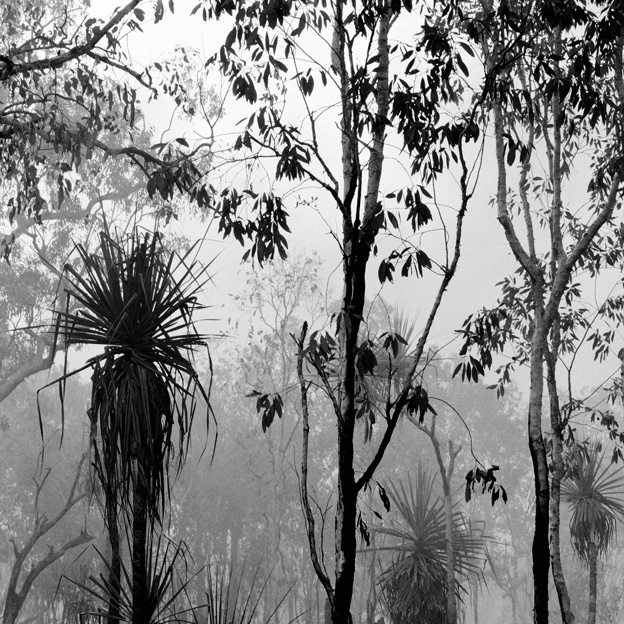
 

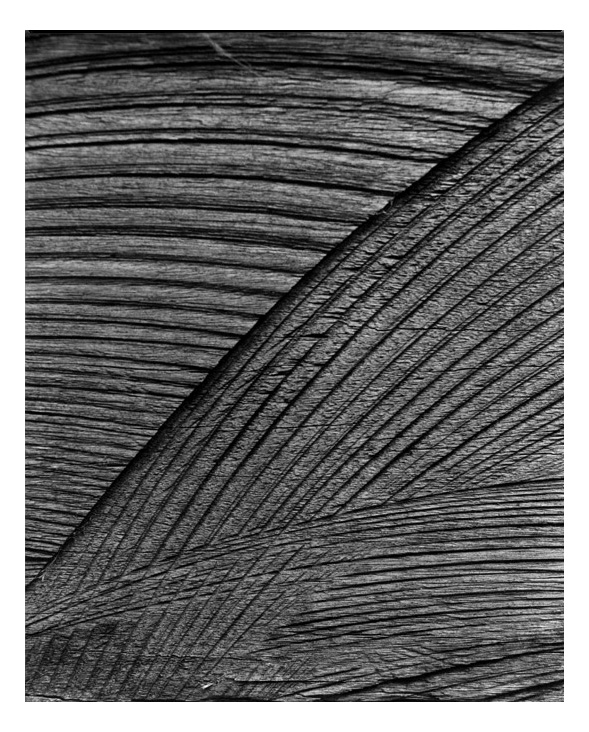
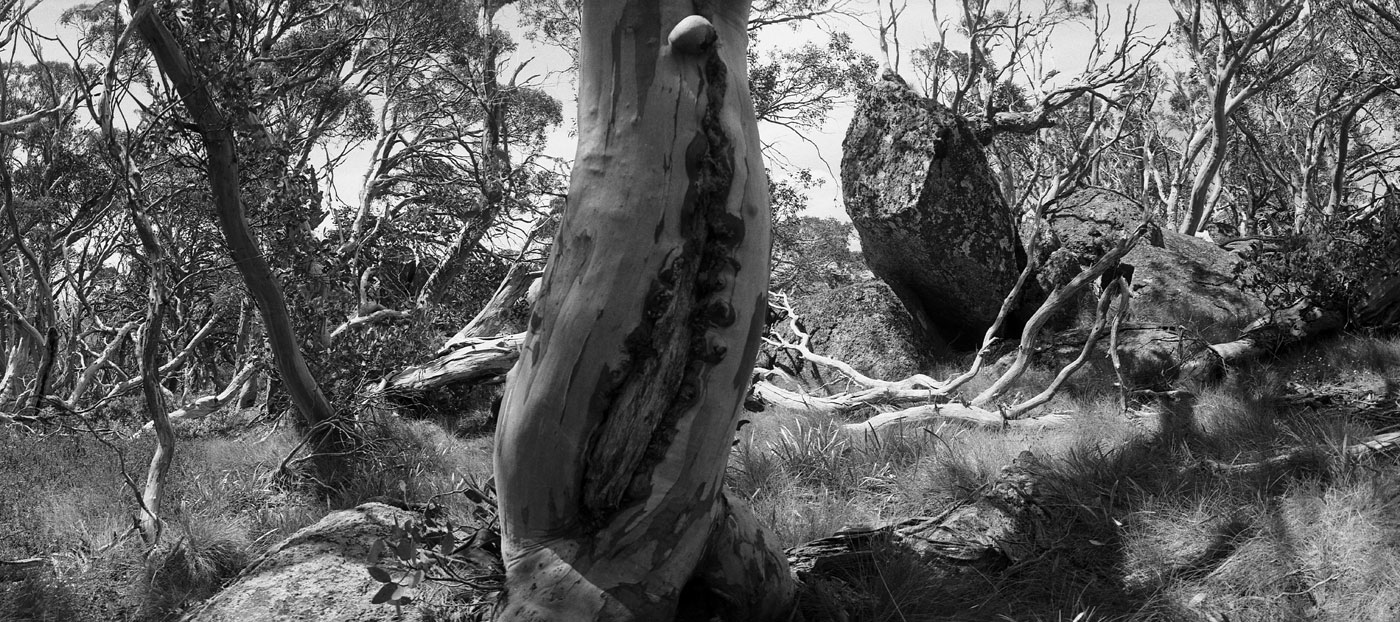
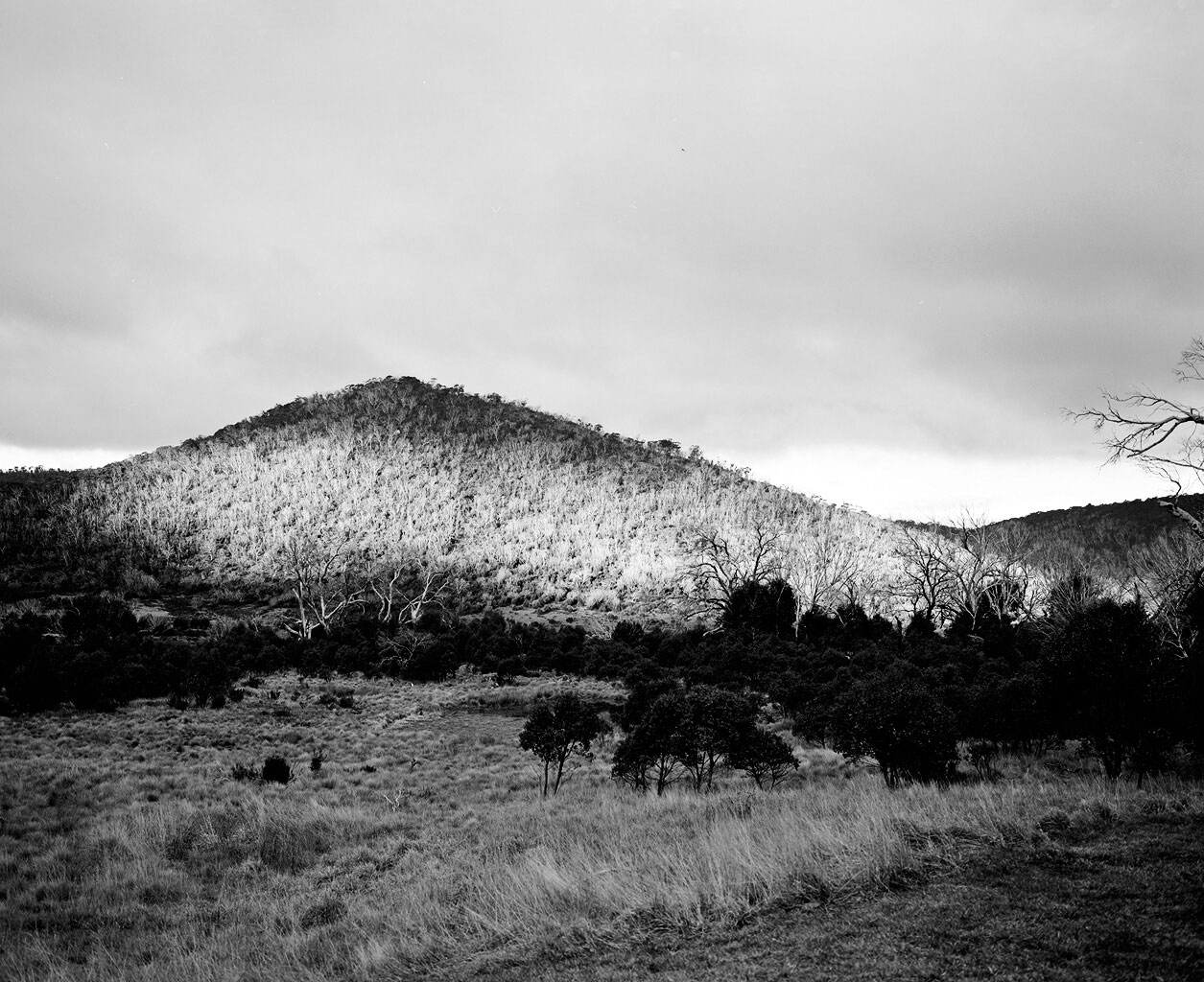
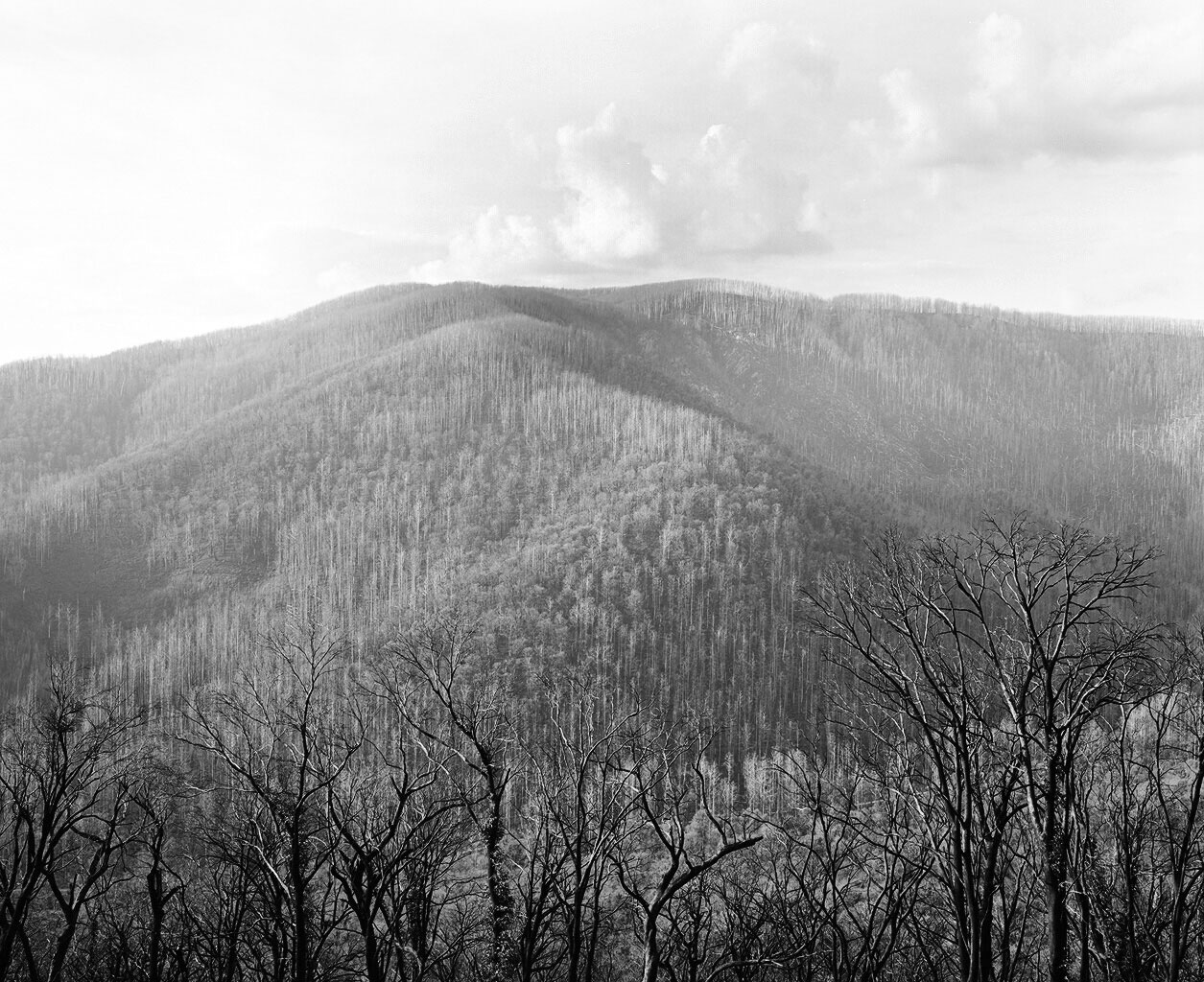
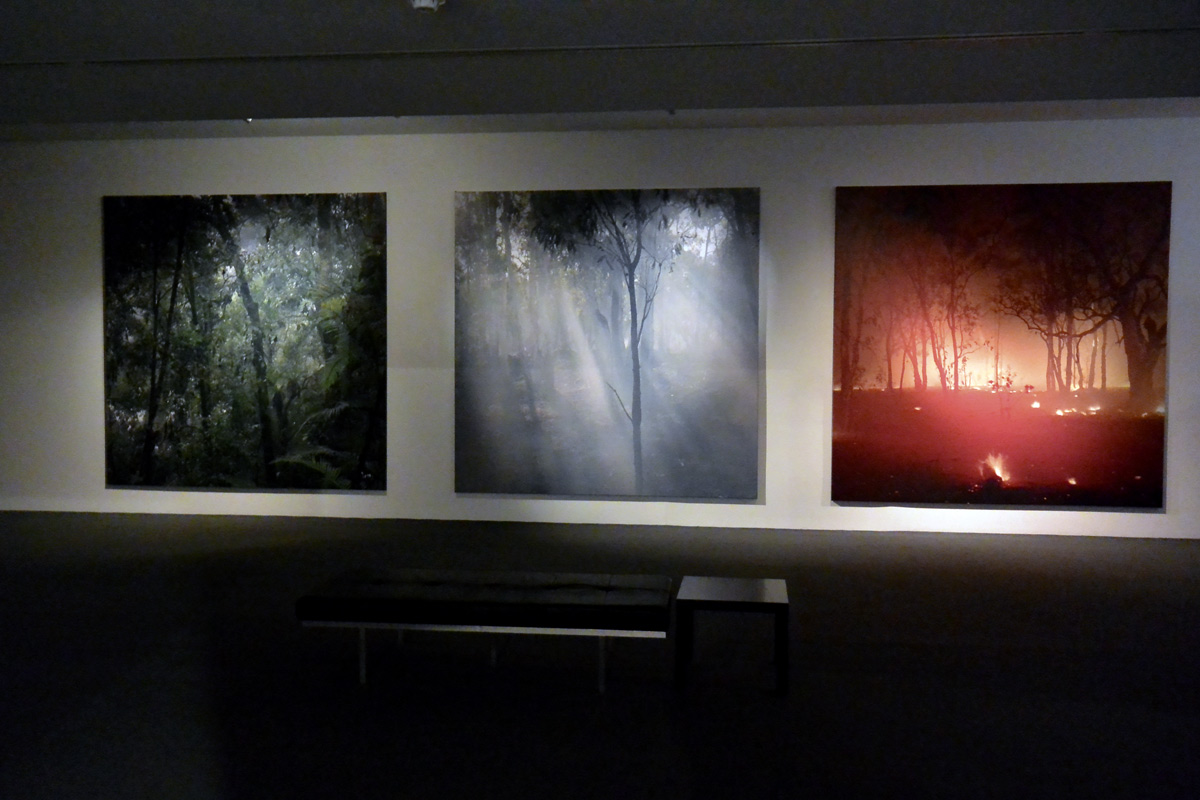
Claudia Terstappen (Australian born Germany, b. 1959) 'After the fire (Northern Territory, Australia)' 2002


Claudia Terstappen (Australian born Germany, b. 1959)
After the fire (Northern Territory, Australia)
2002
From the series Our ancestors 1990-
29 cm x 29cm


“For me, trees have always been the most penetrating preachers. I revere them when they live in tribes and families, in forests and groves. And even more I revere them when they stand alone. They are like lonely persons. Not like hermits who have stolen away out of some weakness, but like great, solitary men, like Beethoven and Nietzsche. In their highest boughs the world rustles, their roots rest in infinity; but they do not lose themselves there, they struggle with all the force of their lives for one thing only: to fulfil themselves according to their own laws, to build up their own form, to represent themselves. Nothing is holier, nothing is more exemplary than a beautiful, strong tree…

A longing to wander tears my heart when I hear trees rustling in the wind at evening. If one listens to them silently for a long time, this longing reveals its kernel, its meaning. It is not so much a matter of escaping from one’s suffering, though it may seem to be so. It is a longing for home, for a memory of the mother, for new metaphors for life. It leads home. Every path leads homeward, every step is birth, every step is death, every grave is mother.

So the tree rustles in the evening, when we stand uneasy before our own childish thoughts: Trees have long thoughts, long-breathing and restful, just as they have longer lives than ours. They are wiser than we are, as long as we do not listen to them. But when we have learned how to listen to trees, then the brevity and the quickness and the childlike hastiness of our thoughts achieve an incomparable joy. Whoever has learned how to listen to trees no longer wants to be a tree. He wants to be nothing except what he is. That is home. That is happiness.”


Herman Hesse. Bäume: Betrachtungen und Gedichte (Trees: Reflections and Poems) 1984


This is the last review of 2013 and what a cracker of an exhibition to finish the year. Without doubt this is the best pure photography exhibition I have seen this year in Melbourne. The exhibition is stimulating and enervating, the image making of the highest order in its aesthetic beauty and visual complexity. The artist explores intangible spaces which define our physical and spiritual relationship with the un/known world.

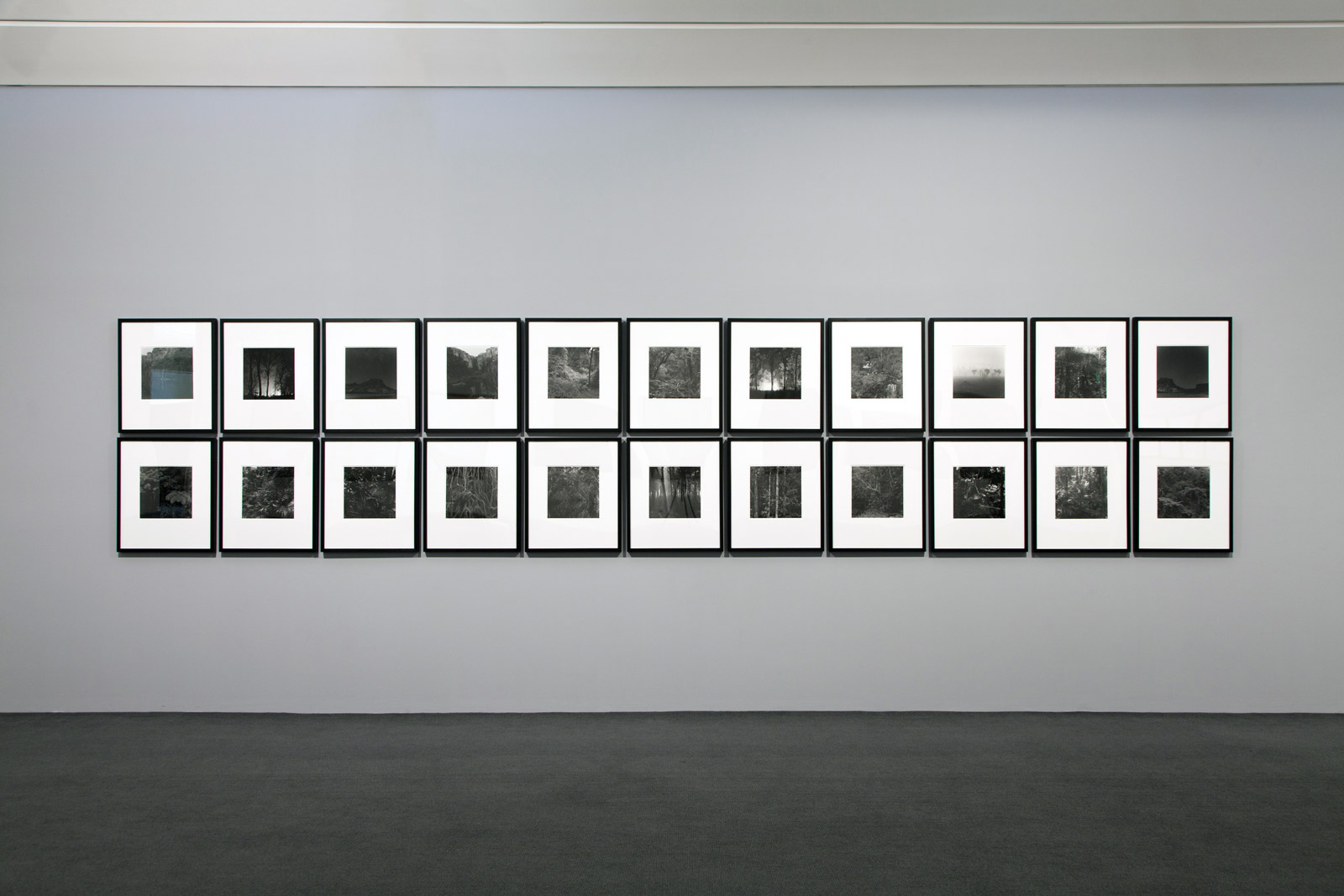
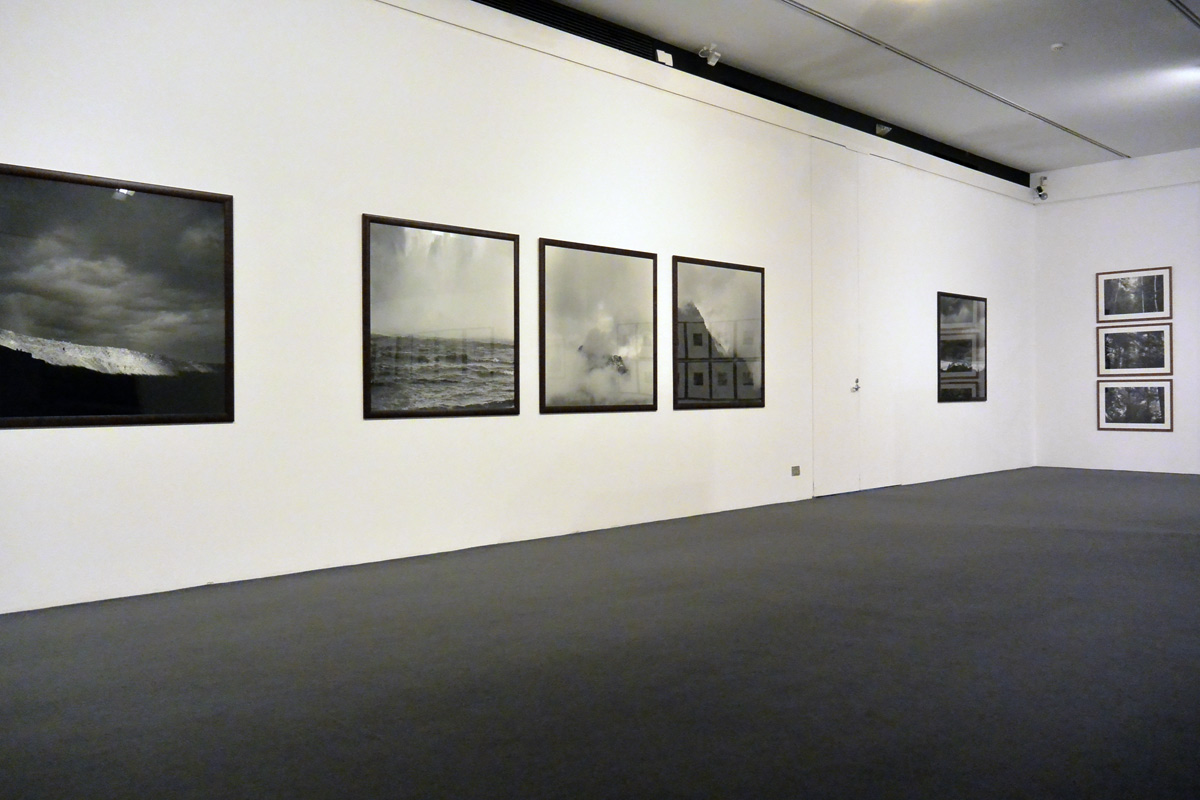
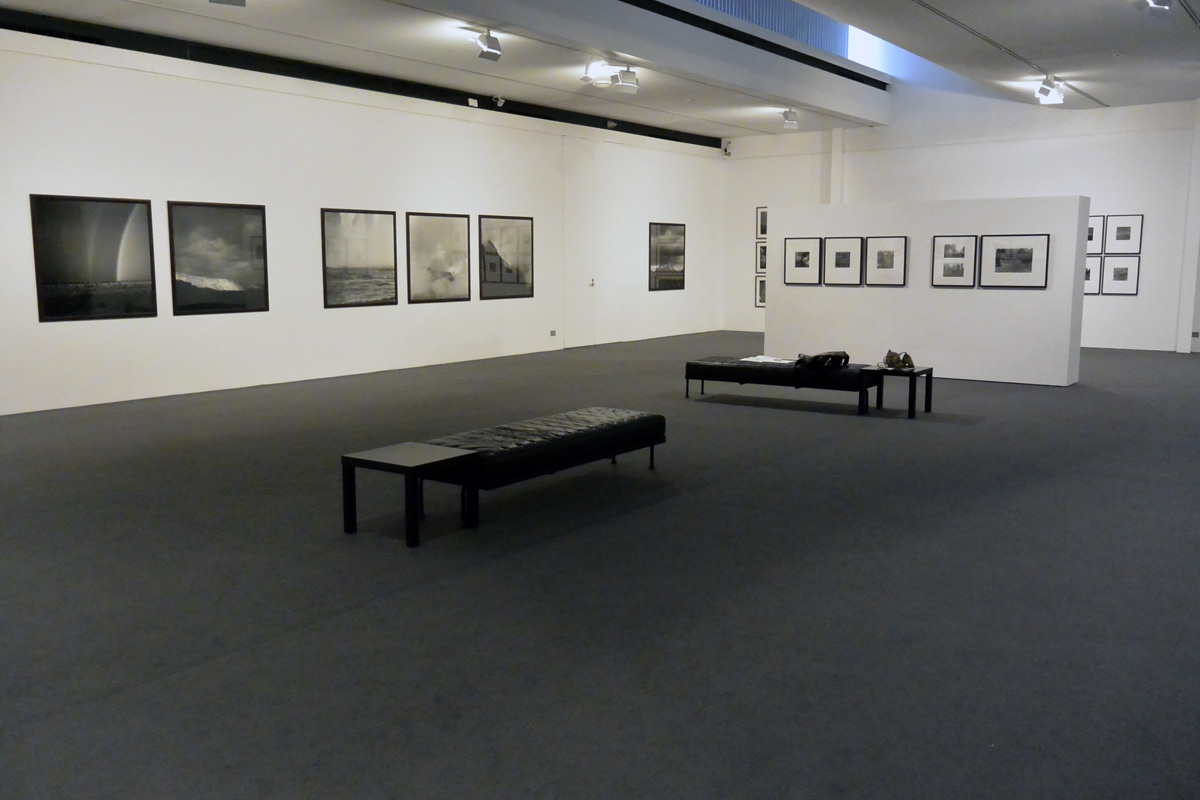
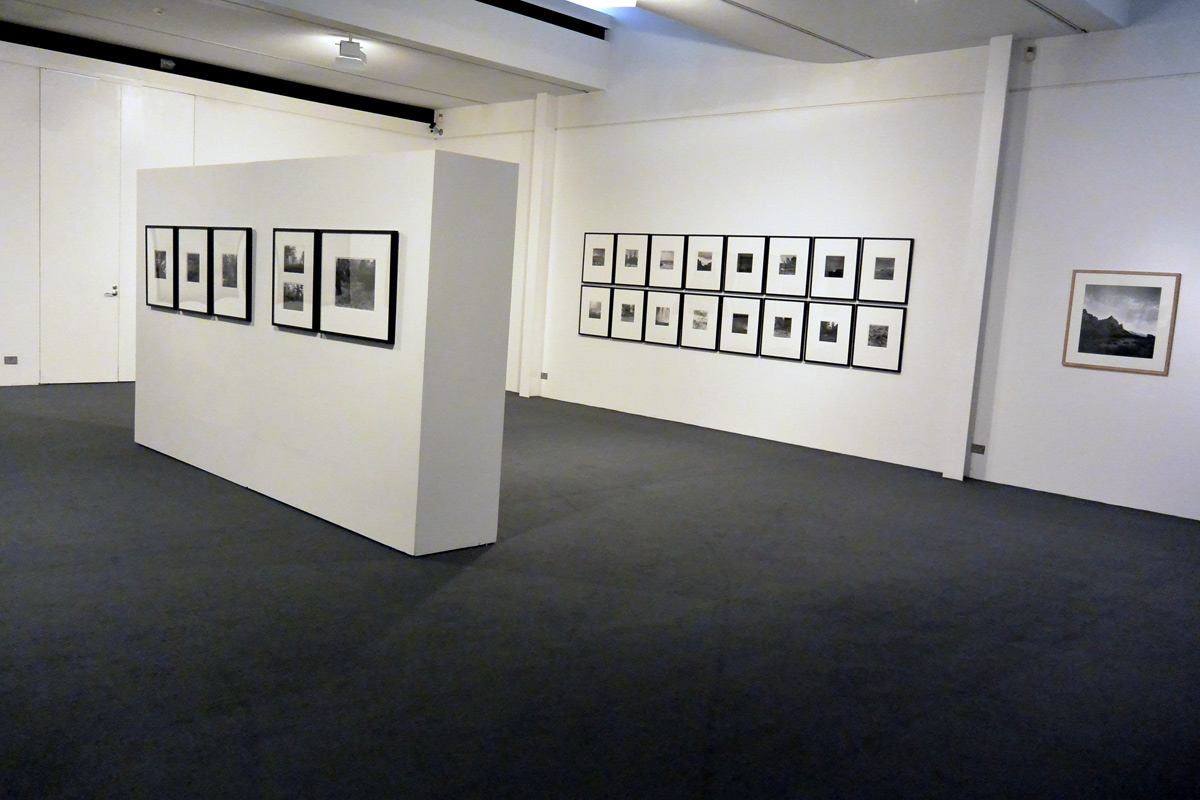
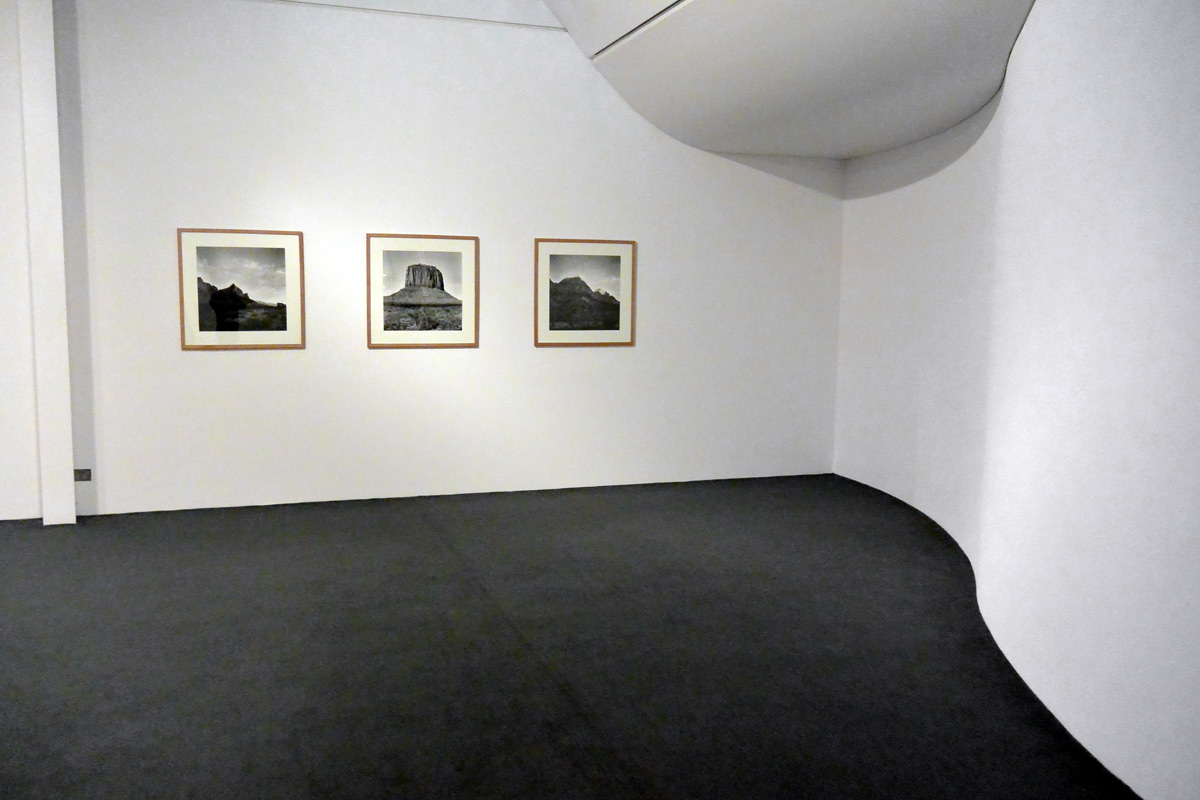
Briefly stated the bulk of the exhibition features small, square, tonally rich black and white medium format landscape images of unspoiled places from around the world taken between the mid-1980s and the early 2000s, images that possess a sense of the sublime and suggest a link to indigenous cultures. These images are hung in rows, sometimes double row grids, that flesh out the narrative that Terstappen seeks to establish. It is a beautiful, enlightening hang and whoever sequenced the work and hung the show should be congratulated for they understood the artist’s narrative and the tonal range of the printing.

In an excellent review in The Age newspaper (Wednesday December 18th 2013) the writer Robert Nelson suggests that these vistas depict something holy to an earlier or parallel civilisation. He observes that Terstappen’s images go beyond the mere picturesque because the artist applies a persistent inquiry to image making no matter where she is in the world, for “she always looks for properties that the environment shares with counterparts elsewhere.” He goes on to state that the photographs have three systematic demands that the artist places on her interpretation of the landscape: 1/ that they express something elemental (earth, air, water, fire); 2/ the scene has to sustain a dark print with a visual weight that is almost contrary to the nature of photography; and 3/ the picture must reconcile the expansive and the intimate. In her world, everything must have presence, no matter how far away, and press up against the picture plane; everything must have a certain density, a thickness of being which is not about light but about the darkness of light

“All photographs depend on light; but Terstappen’s sensibility errs to descriptions of the density of things, not their reception or reflection of sunshine or even moonlight. Her scenery is gravid with banks engorged by roots, the bulk of outcrops or the intricate tangle of overlapping forest, which is also what seems to activate the water within the air to express it heaviness… A part of the impetus behind Terstappen’s project is pictorial: how to make the most rigorous sense of multiplicity, to frame big things so that they harmonise with little things, so that everything has an equivalent weight, including the air. The corollary of this consistent investigation is a poetic respect for the natural subject matter…”


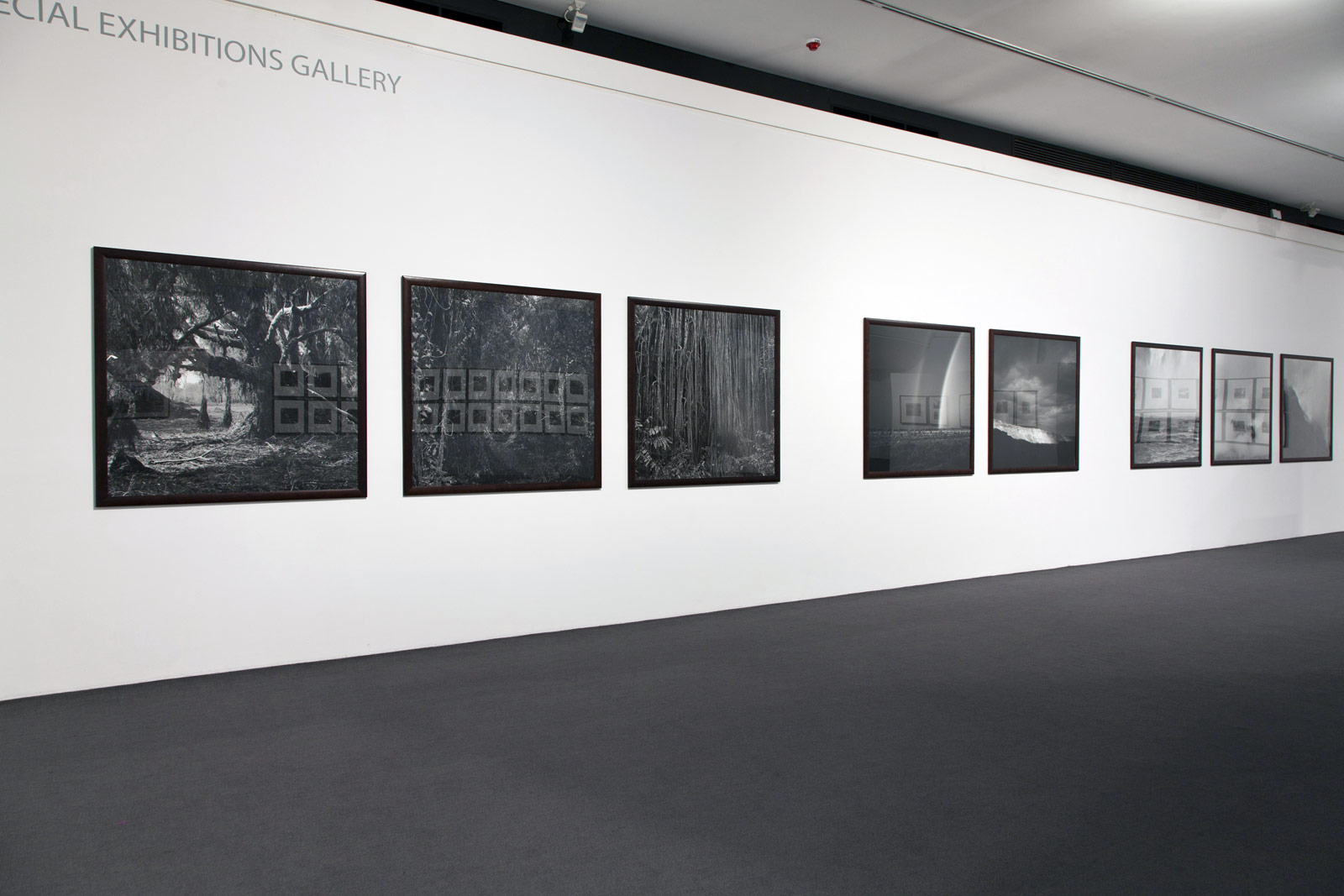
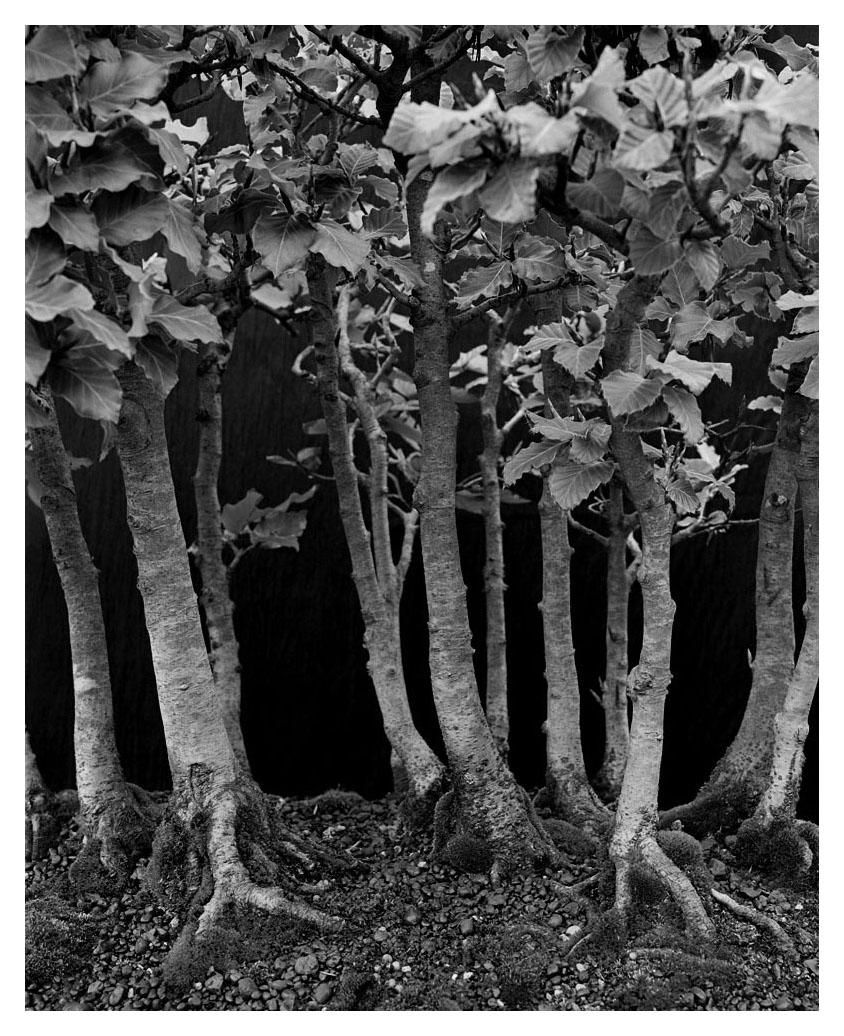
Through images of visual and conceptual beauty and complexity, Terstappen imparts a strange kind of temporality to the work. The artist layers shapes within the photographs and, befitting her training as a sculptor, pushes and pulls at the image plane like a malleable piece of clay, sometimes blocking vision at the surface of the print, sometimes allowing access to a partially accessible (psychological) interiority. For example, look at the last three images before the press release below: Cabbage trees (Queensland, Australia)Curtain fig tree (Queensland, Australia) and Alligator nest (Queensland, Australia) (all 2002). In Cabbage trees the artist creates a visual pattern, like a fabric pattern, that holds the viewer at the surface of the image while still allowing glimpses of what lies beyond; in Curtain fig tree it is as if a curtain has literally descended blocking any access to the interior; while in Alligator nest there is a beautiful, open density to the work that invites contemplation and meditation upon the scene.

In Terstappen’s work, there is always a sense of space moving back, moving from the bottom up or top down and a conscious use of a restricted tonality (no bright whites or blackest blacks). The artist blocks movement, opens it up or swirls it around. Sometimes earth becomes sky as steam turns to cloud, or rock becomes water as the two meld at the base of a waterfall. In this multiplicity, each element is given equal weight within certain atmospheres and an equilibrium is formed, to live at the heart of these images. Each complex, thoughtful image becomes a living and breathing entity.

In Terstappen’s work there is no fixed image and no single purpose, a single meaning, or one singular existence that the images propose. They transcend claims about the world arising from, for example, natural or scientific attitudes or theories of the ontological nature of the world. As the artist visualises, records the feeling of the facts, such complex and balanced images let the mind of the viewer wander in the landscape. In their fecundity the viewer is enveloped in that situation of not knowing. There is the feeling of the landscape, a sensitivity to being “lost” in the landscape, in the shadow of ‘Other’, enhanced through the modality of the printing. Dreamworld vs analytical/descriptive, there is the enigma of the landscape and its spiritual places. Yes, the sublime, but more an invocation, a plea to the gods for understanding. This phenomenological prayer allows the artist to envelop herself and the viewer in the profundity – the great depth, intensity and emotion – of the landscape. To be ‘present’ in the the untrammelled places of the world as (divine) experience.

The only doubt I have about the exhibition is the ex post facto interpretation of the archive as picturing places that are threatened by social and ecological change. As the catalogue text states, “These pictures now form part of an archive of historically significant places that are threatened by social and ecological change. This archive of spiritual sites has, over time, become an environmental archive, reminding us that photography not only has the power to bring places to life, but also to bear witness to the forces that threaten life.” If they are only now forming part of an environmental archive, what memory of sacred place did they initially respond to?

While Terstappen’s work has always focused on a physical encounter with space and an imaging of places that have deep or hidden meanings and mythical / symbolic significance, when I look at this work I do not get a strong sense of these places being under threat. Only through written (not visual) language is this environmental threat enunciated. While archives are always fluid and will always gather new meaning (look at Atget’s “documents for artists”, images that are now acknowledged as some of the most artistic and influential in the whole canon of photography), we must also acknowledge that nothing in this world remains the same, that everything changes all the time, for better or worse. The landscapes that Terstappen photographs are no more “natural” then as they are now, due to the effects of bushfires, human cultivation, erosion, habitation, hunting, farming and natural disaster. Humans cannot appeal to some vision of a world, some garden of Eden, that exists pre humanity. Who is to stay that these places in the world are disappearing or appearing? By the very act of photographing these places, Terstappen labels them, names them as inconsolable places that should never change. This is not the mysterious way of the world. I prefer to look at these places and acknowledge that this is how they looked through the eyes of this artist at this point in time. They have full presence before me, in all their mystery and majesty.

Is this textual analysis necessary for the work to succeed? I do not believe it is, in fact I believe it lessens the inherent quality of these images. Use these images to help people understand what human beings are doing to the planet by all means, but please do not try to retrofit concepts of destruction onto the work.

This minor quibble aside, I say to you that this is the most sophisticated reading of the landscape that I have seen in a long time – not just in Australia but from around the world. This is such a joy of an exhibition to see that you leave feeling engaged and uplifted. Being in the gallery on your own is a privilege that is hard to describe: to see (and feel!) landscape photography of the highest order and by an Australian artist as well. If you grant anything for your New Year’s wish you could do no better than to visit this magnificent exhibition and drink of its atmospheres.

Dr Marcus Bunyan


Many thankx to the Monash Gallery of Art for allowing me to publish the photographs in the posting. All installation photographs © Marcus Bunyan and the Monash Gallery of Art. Please click on the photographs for a larger version of the image.
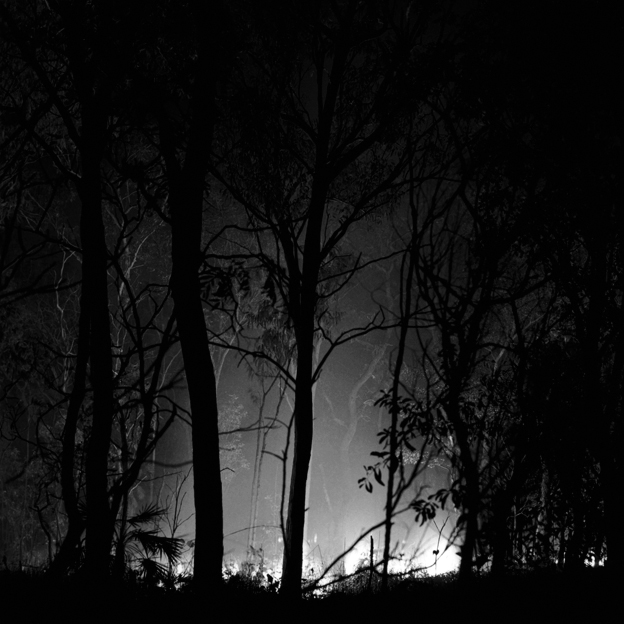


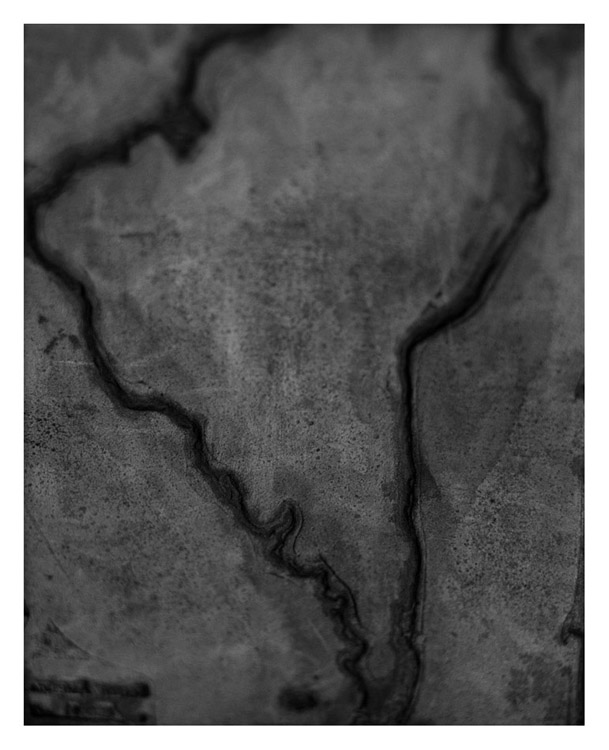
Claudia Terstappen (Australian born Germany, b. 1959) 'Bushfire III (Northern Territory, Australia)' 2002


Claudia Terstappen (Australian born Germany, b. 1959)
Bushfire III (Northern Territory, Australia)
2002
From the series Our ancestors 1990-
29 cm x 29cm
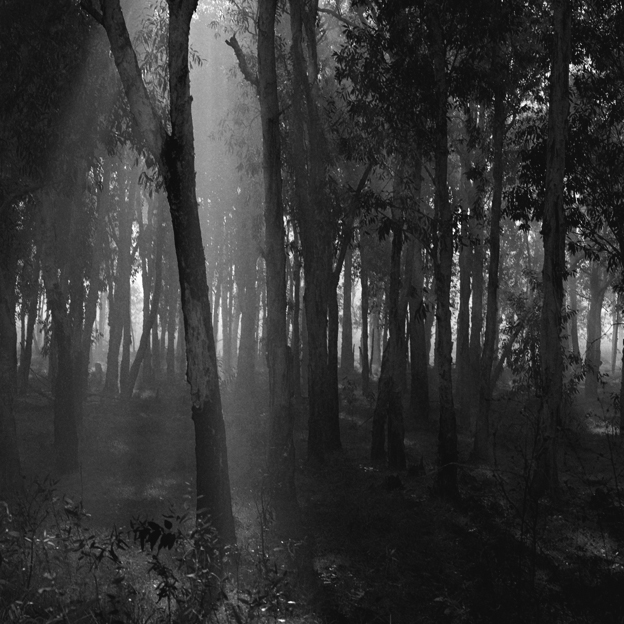
 

Claudia Terstappen (Australian born Germany, b. 1959) 'Sickness country II (Northern Territory, Australia)' 2002


Claudia Terstappen (Australian born Germany, b. 1959)
Sickness country II (Northern Territory, Australia)
2002
From the series Our ancestors 1990-
29 cm x 29cm
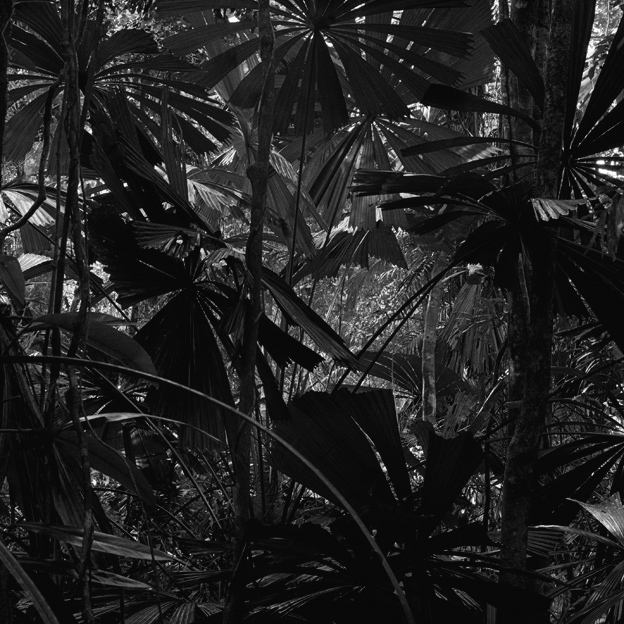
 

Claudia Terstappen (Australian born Germany, b. 1959) 'Cabbage trees (Queensland, Australia)' 2002


Claudia Terstappen (Australian born Germany, b. 1959)
Cabbage trees (Queensland, Australia)
2002
From the series Our ancestors 1990-
29 cm x 29cm
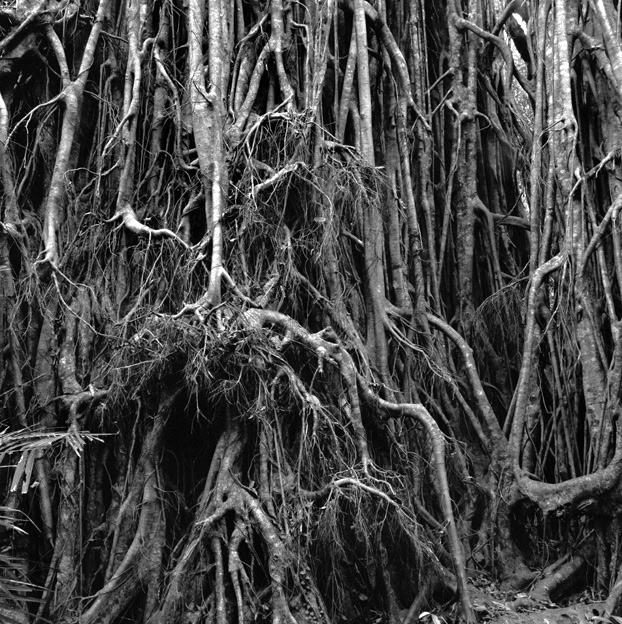
 

Claudia Terstappen (Australian born Germany, b. 1959) 'Curtain fig tree (Queensland, Australia)' 2002


Claudia Terstappen (Australian born Germany, b. 1959)
Curtain fig tree (Queensland, Australia)
2002
From the series Our ancestors 1990-
29 cm x 29cm
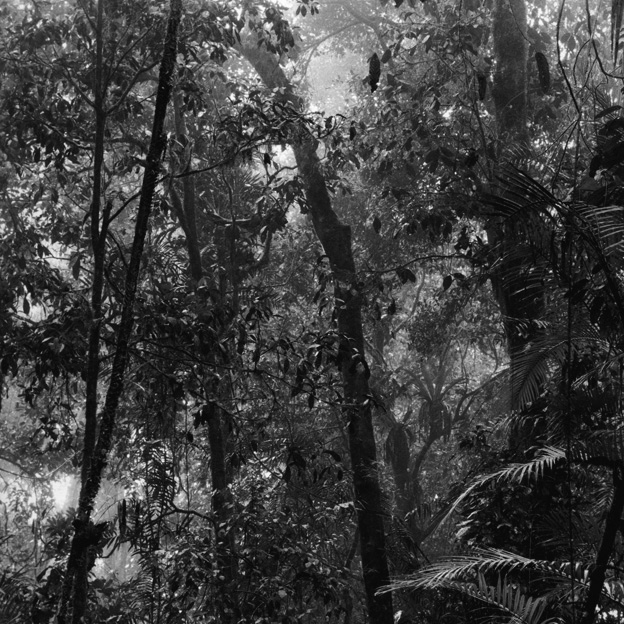
 

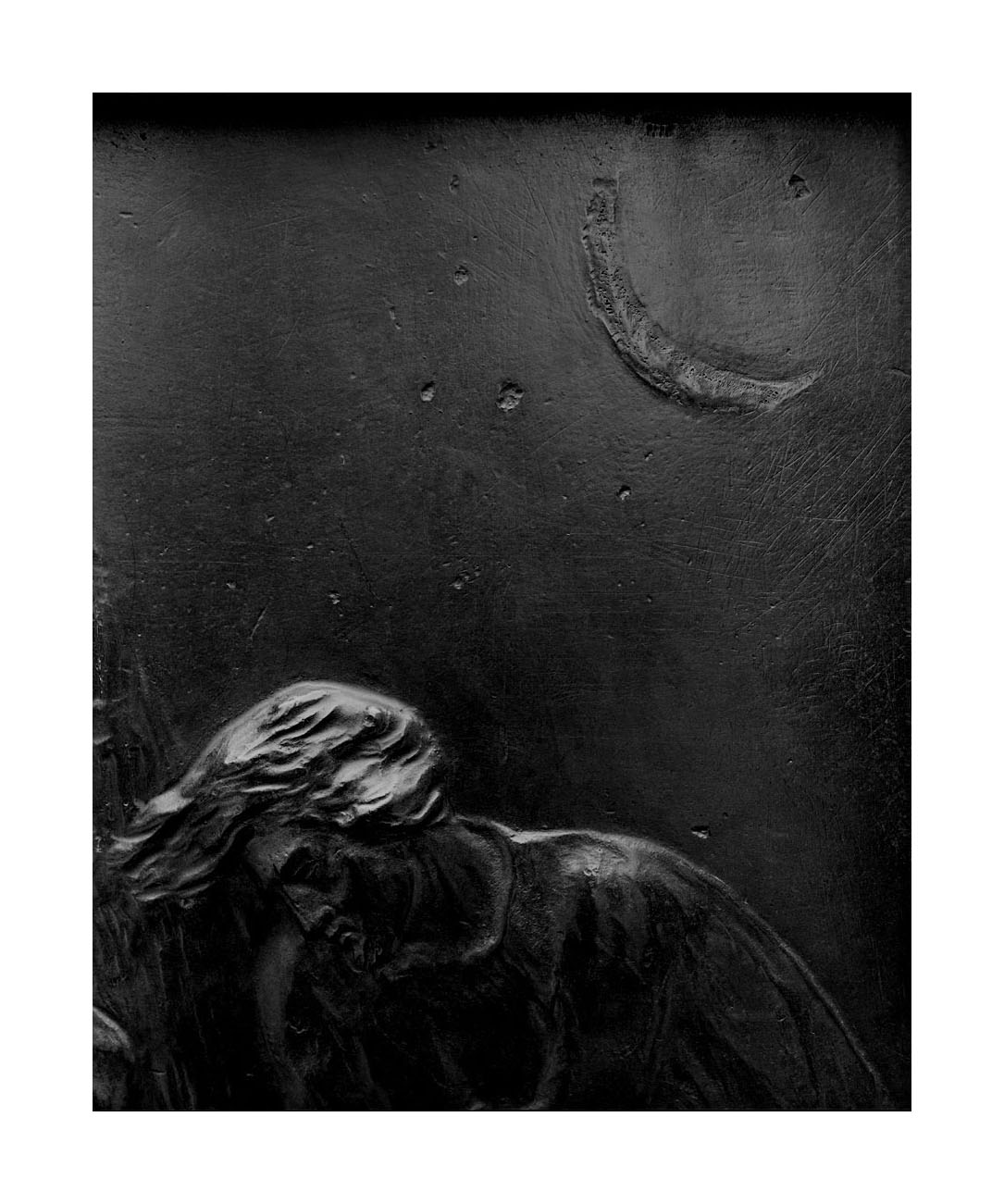
Claudia Terstappen (Australian born Germany, b. 1959) 'Alligator nest (Queensland, Australia)' 2002


Claudia Terstappen (Australian born Germany, b. 1959)
Alligator nest (Queensland, Australia)
2002
From the series Lost world 2002-
21 cm x 21cm


Over the last thirty years Claudia Terstappen has taken photographs of places throughout the world that have spiritual resonance or associations. The basis of this exhibition is a selection of these landscapes, presented as gelatin silver prints printed by the artist between the 1980s – early 2000s.

The landscapes in this exhibition document places that have spiritual associations or significance for indigenous people, to make sense of their relationship to the land. But I now realise that the archive has taken on another set of meanings or intention. Today, these pictures form part of a vast archive of landscapes and places undergoing significant change. This archive of spiritual places has become an environmental archive.

Terstappen was born in Germany, and her landscapes are in many ways informed by her heritage. Like Australia, Germany has a particular tradition of landscape, where places of nature carry important associations for cultural understanding and a sense of belonging. Terstappen is herself part of a long tradition of German artists to explore this relationship.

Terstappen studied at the Düsseldorfer Kunstakademie, the training ground for many of Germany’s most important contemporary artists. Having been taught by the famous photographer Bernd Becher and then the architect and sculptor Erich Reusch, Terstappen has since exhibited widely throughout Europe, North America and Australia.

Text from the Monash Gallery of Art website


Claudia Terstappen originally trained a a sculptor but for over three decades she has worked in the medium of photography. In some respects, her art practice has been developed between these two artistic disciplines. She retains a strong interest in the sculptural sensation of a physical encounter in space, but she uses the two-dimensional medium of photography to document and reiterate these experiences.

Terstappen’s interest in the interplay between depth and surface is also evident in the subjects that she explores. She often photographs places that have deep or hidden meanings. This includes sites of pilgrimage, shrines of worship and landscapes invested with mythic significance. These associations are not always apparent, and often subsist as a type of secret knowledge, but they can be given tangible form through processes of story-telling and ceremonial action. Terstappen engages with these locations in order to give them a tangible photographic form, elaborating a sense of symbolic power or sublime drama across the surface of her images.

This exhibition features 75 photographs depicting places that have been invested with spiritual resonances or mythical associations, from Iceland and southern Europe to the Americas and Australia. The starting point for this exhibition is a selection of gelatin silver prints that were hand-printed by the artist between the mid-1980s and the early 2000s. These pictures now form part of an archive of historically significant places that are threatened by social and ecological change. This archive of spiritual sites has, over time, become an environmental archive; reminding us that photography not only has the power to bring places to life, but also to bear witness to the forces that threaten life.

Text from the exhibition pamphlet


Claudia Terstappen (Australian born Germany, b. 1959) 'Turtle Dreaming, Australia (Northern Territory)' 2002


Claudia Terstappen (Australian born Germany, b. 1959)
Turtle Dreaming, Australia (Northern Territory)
2002
from the series Vanishing landscapes 1987-
Gelatin silver print
120 x 120cm
Courtesy of the artist


Claudia Terstappen (Australian born Germany, b. 1959) 'Namandi spirit [Queensland, Australia]' 2002


Claudia Terstappen (Australian born Germany, b. 1959)
Namandi spirit (Queensland, Australia)
2002
from the series Our ancestors 1990-
Gelatin silver print
29 x 29cm
Courtesy  of the artist


Claudia Terstappen (Australian born Germany, b. 1959) 'Cabbage trees [Queensland, Australia]' 2002


Claudia Terstappen (Australian, born Germany 1959)
Cabbage trees (Queensland, Australia)
2002
from the series Our ancestors 1990-
Gelatin silver print
29 x 29cm
Courtesy  of the artist


Claudia Terstappen (Australian born Germany, b. 1959) 'Full moon [France]' 1997


Claudia Terstappen (Australian born Germany, b. 1959)
Full moon (France)
1997
from the series I believe in miracles 1997-
Gelatin silver print
80 x 80cm
Courtesy  of the artist


Claudia Terstappen (Australian born Germany, b. 1959) 'Mountain [Brazil]' 1991


Claudia Terstappen (Australian born Germany, b. 1959)
Mountain (Brazil)
1991
from the series Sacred mountains 1989-
Gelatin silver print
37 x 37cm
Courtesy  of the artist


Claudia Terstappen (Australian born Germany, b. 1959) 'Mountain [Las Palmas, Spain]' 1992


Claudia Terstappen (Australian born Germany, b. 1959)
Mountain (Las Palmas, Spain)
1992
from the series Sacred mountains 1989-
Gelatin silver print
49 x 49cm
Courtesy  of the artist


Claudia Terstappen (Australian born Germany, b. 1959) 'Zion Park [USA]' 1996


Claudia Terstappen (Australian, born Germany 1959)
Zion Park (USA)
1996
from the series Sacred land of the Navajo Indians 1990-
Gelatin silver print
37 x 37cm
Courtesy  of the artist


In the shadow of change features almost 100 of Claudia Terstappen’s magnificent landscape photographs. Terstappen is a German-born photographer who studied at the famous Dusseldorf art academy and is now Professor of Photography at Monash University in Melbourne.

For over three decades, Terstappen has been photographing landscapes the world over. Brazil, Colombia, Canada, Japan, USA, Iceland and Spain have been destinations for the artist, who has travelled the world looking for landscapes which have particular spiritual or mythical meanings. This search brought Terstappen to Australia in 2002; the artist now lives in Melbourne as a permanent resident.

Terstappen’s vast archive of landscape photographs has taken on significant environmental associations. As debates about the politics and impact of land use and climate change continue, Terstappen’s landscapes – from intimately scaled views of forests and riverbeds to grand views of mountains and glaciers – present a truly beautiful account of landscape photography and its contemporary significance.

As Terstappen states: ‘There is a moral dimension to looking at and photographing landscape today. Landscape photography has tremendous currency. Many of the landscapes in my photographs will have either completely disappeared or drastically changed by now. I firmly believe we need to re-establish our relationship with nature and landscape and photography can help us to achieve this.’

MGA Director and curator of the exhibition Shaune Lakin states: ‘MGA is very proud to have developed this exhibition with Claudia, which will be accompanied by a beautifully illustrated book. We have timed the exhibition to coincide with the 30-year anniversary of one of the defining moments in Australian photography, when landscape photographs actually brought about significant social and political change. It is now 30 years since Peter Dombrovskis’s now-iconic photographs of the Gordon River helped prevent construction of the Franklin Dam in Tasmania, which to this day remains one of the world’s great wilderness areas.

‘With the election of a new government and promises of a new environmental agenda, it seems a perfect time for us to reconsider the power of landscape photography and the status of environmentalism in Australia today.’

Press release from the Monash Gallery of Art website
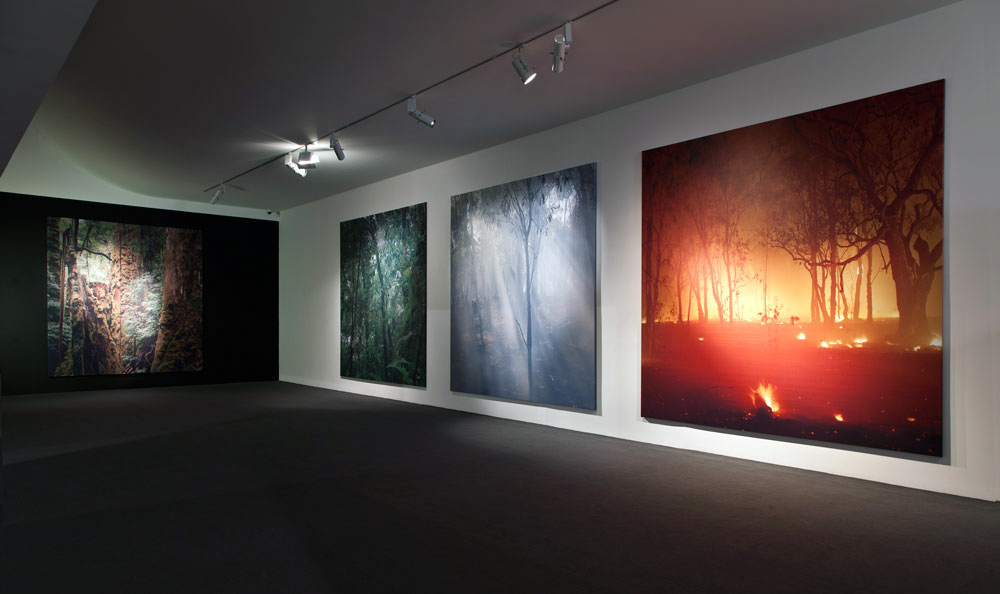
 

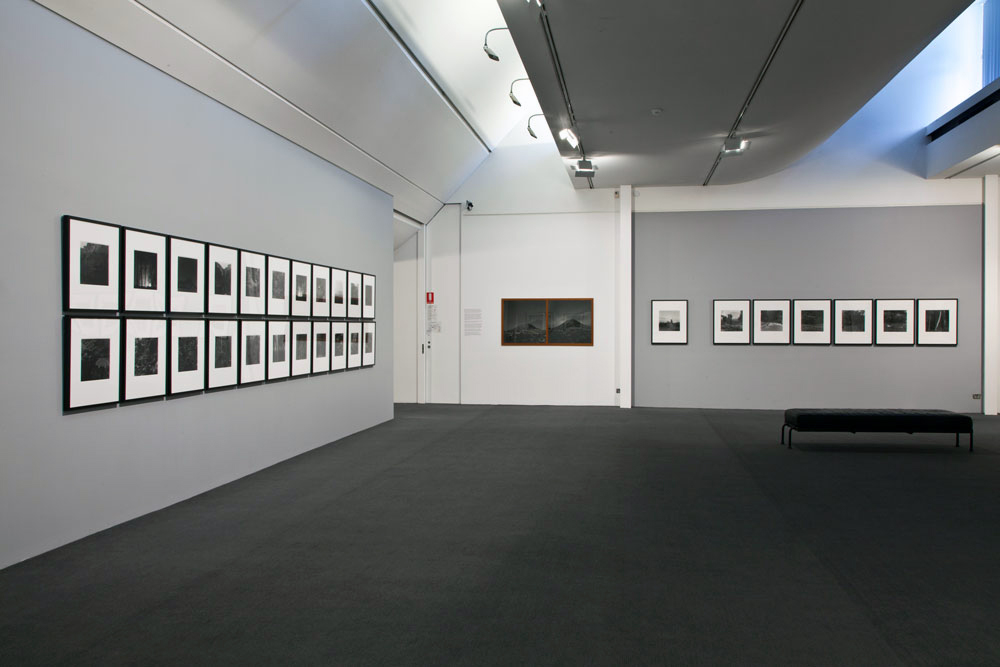
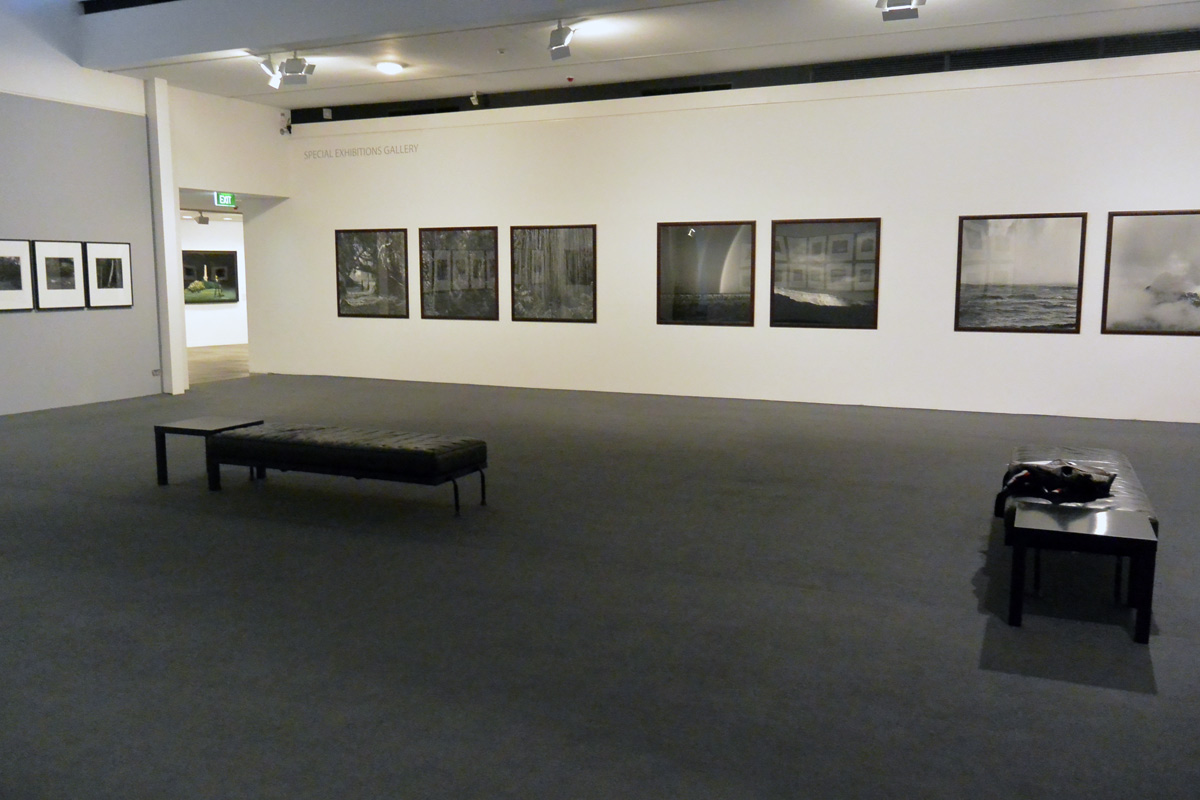
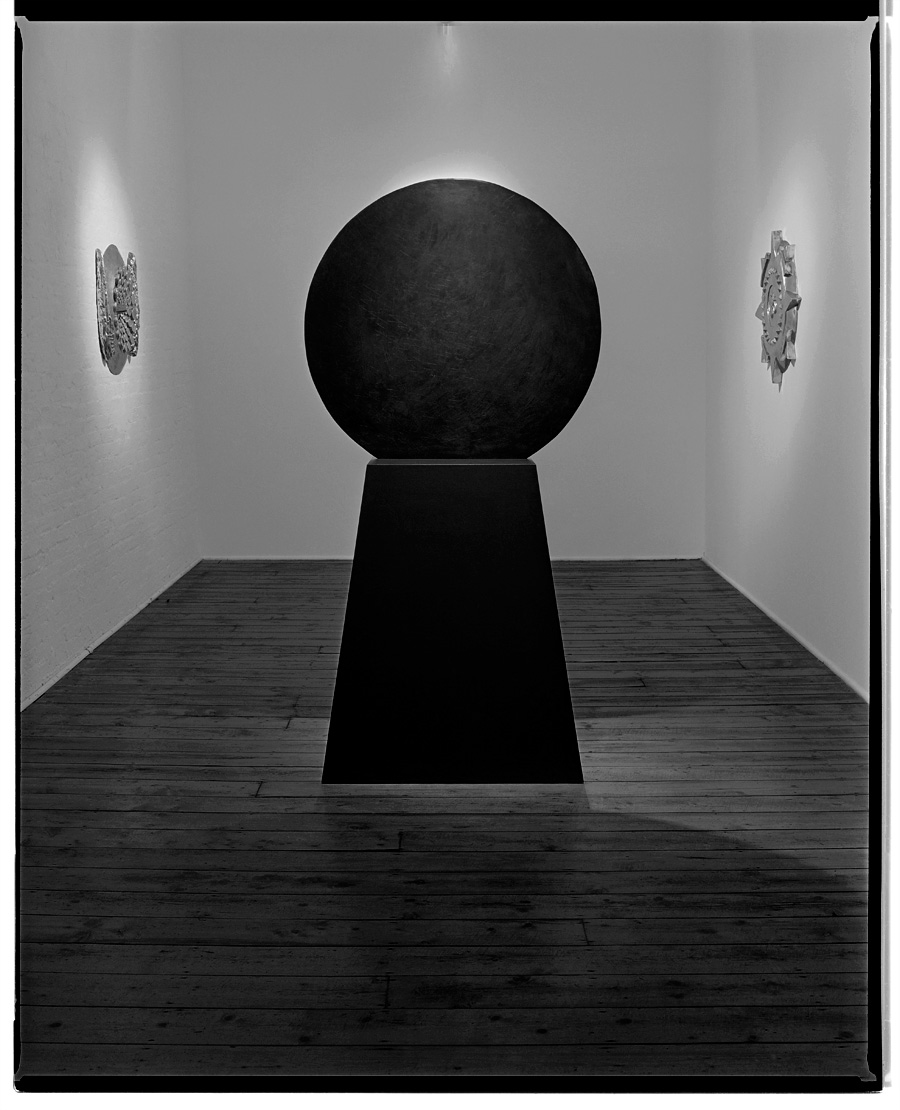
Installation photograph of the exhibition 'Claudia Terstappen: In The Shadow Of Change' at the Monash Gallery of Art, Wheelers Hill, Melbourne

Installation photograph of the exhibition 'Claudia Terstappen: In The Shadow Of Change' at the Monash Gallery of Art, Wheelers Hill, Melbourne

Installation photograph of the exhibition 'Claudia Terstappen: In The Shadow Of Change' at the Monash Gallery of Art, Wheelers Hill, MelbourneInstallation photograph of the exhibition 'Claudia Terstappen: In The Shadow Of Change' at the Monash Gallery of Art, Wheelers Hill, Melbourne

Installation photograph of the exhibition 'Claudia Terstappen: In The Shadow Of Change' at the Monash Gallery of Art, Wheelers Hill, Melbourne

Installation photograph of the exhibition 'Claudia Terstappen: In The Shadow Of Change' at the Monash Gallery of Art, Wheelers Hill, Melbourne

Installation photograph of the exhibition 'Claudia Terstappen: In The Shadow Of Change' at the Monash Gallery of Art, Wheelers Hill, Melbourne

Installation photograph of the exhibition 'Claudia Terstappen: In The Shadow Of Change' at the Monash Gallery of Art, Wheelers Hill, Melbourne

Installation photograph of the exhibition 'Claudia Terstappen: In The Shadow Of Change' at the Monash Gallery of Art, Wheelers Hill, Melbourne

Installation photograph of the exhibition 'Claudia Terstappen: In The Shadow Of Change' at the Monash Gallery of Art, Wheelers Hill, Melbourne

Installation photograph of the exhibition 'Claudia Terstappen: In The Shadow Of Change' at the Monash Gallery of Art, Wheelers Hill, Melbourne

Installation photograph of the exhibition 'Claudia Terstappen: In The Shadow Of Change' at the Monash Gallery of Art, Wheelers Hill, Melbourne


Installation photographs of the exhibition Claudia Terstappen: In The Shadow Of Change at the Monash Gallery of Art, Wheelers Hill, Melbourne
Photos: © Marcus Bunyan


Bob Browns opening speech at artist Claudia Terstappen’s exhibition In the shadow of change at the Monash Gallery of Art (MGA) in Melbourne. Recorded on Saturday 9 November 2013.


Monash Gallery of Art
860 Ferntree Gully Road, Wheelers Hill
Victoria 3150 Australia
Phone: + 61 3 8544 0500

Opening hours:
Tuesday – Friday 10am – 5pm
Saturday – Sunday 12pm – 4pm
Mon/public holidays closed

Monash Gallery of Art website

LIKE ART BLART ON FACEBOOK

Back to top

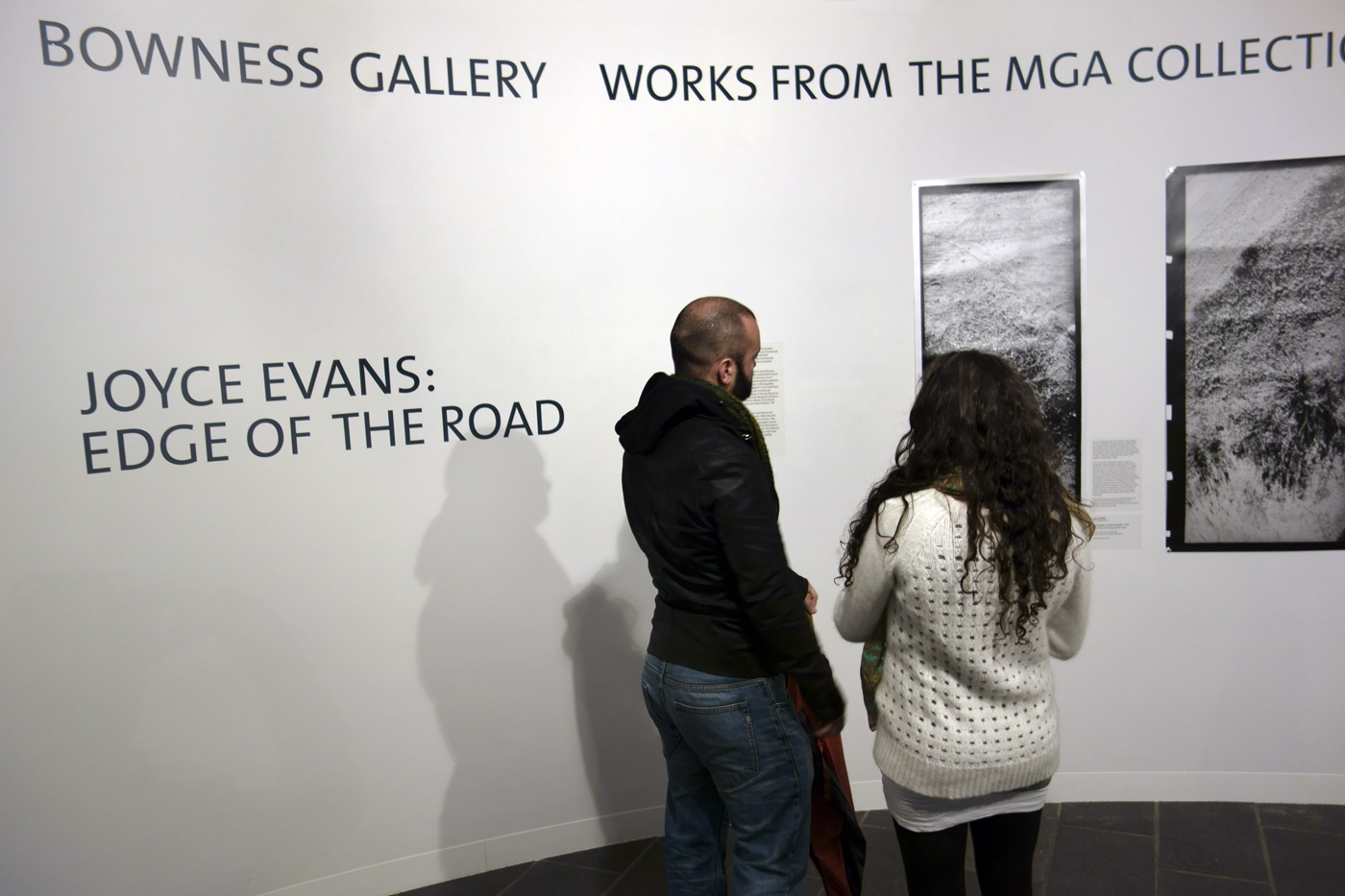
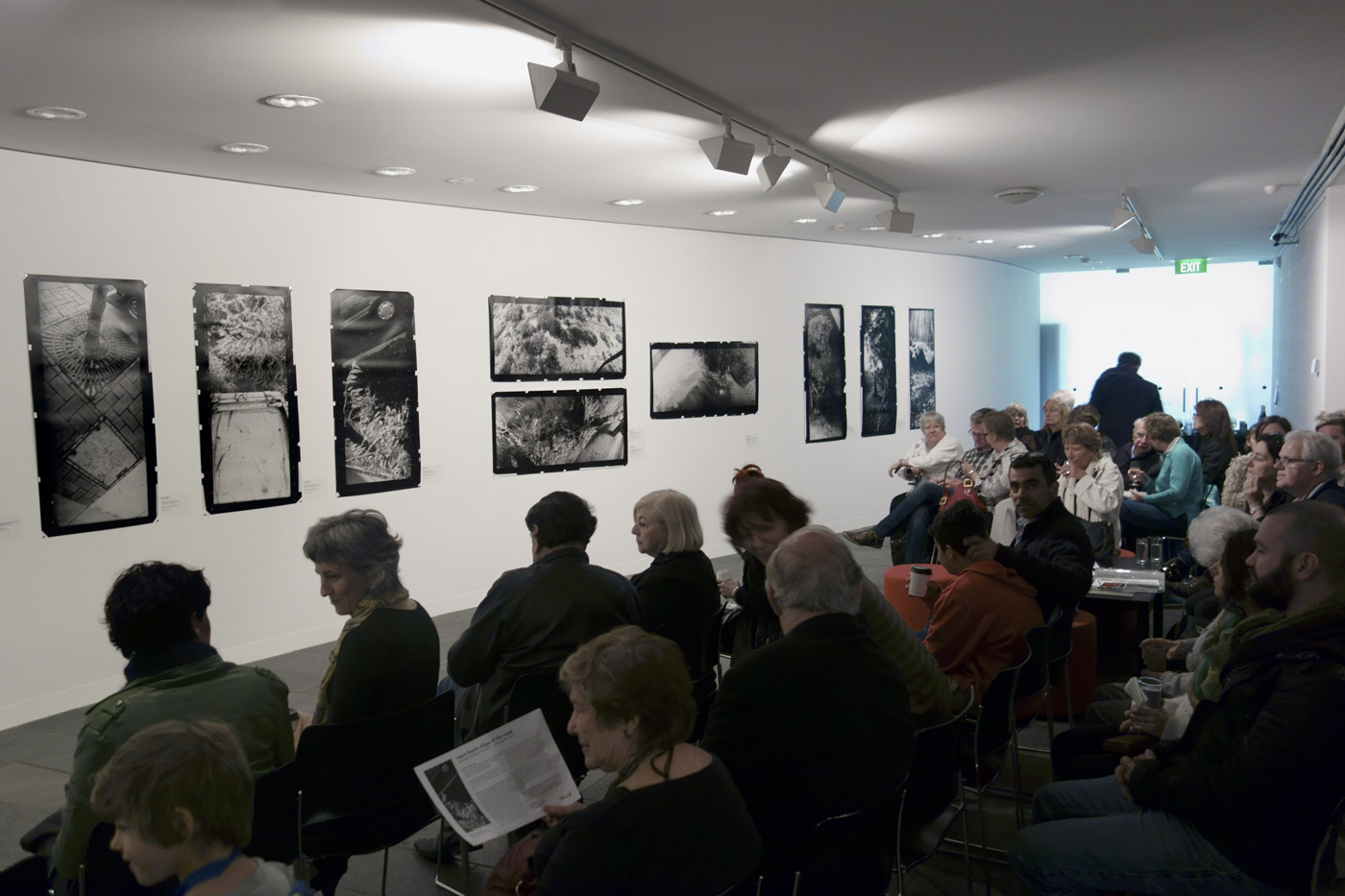
Review: ‘Joyce Evans: Edge of the road’ at the Monash Gallery of Art, Wheelers Hill, Melbourne

Exhibition dates: 3rd October – 3rd November 2013


Joyce Evans (Australian, 1929-2019) 'Wilcannia, New South Wales' 1990


Joyce Evans (Australian, 1929-2019)
Wilcannia, New South Wales
1990
Silver gelatin photograph
© Joyce Evans


At close range

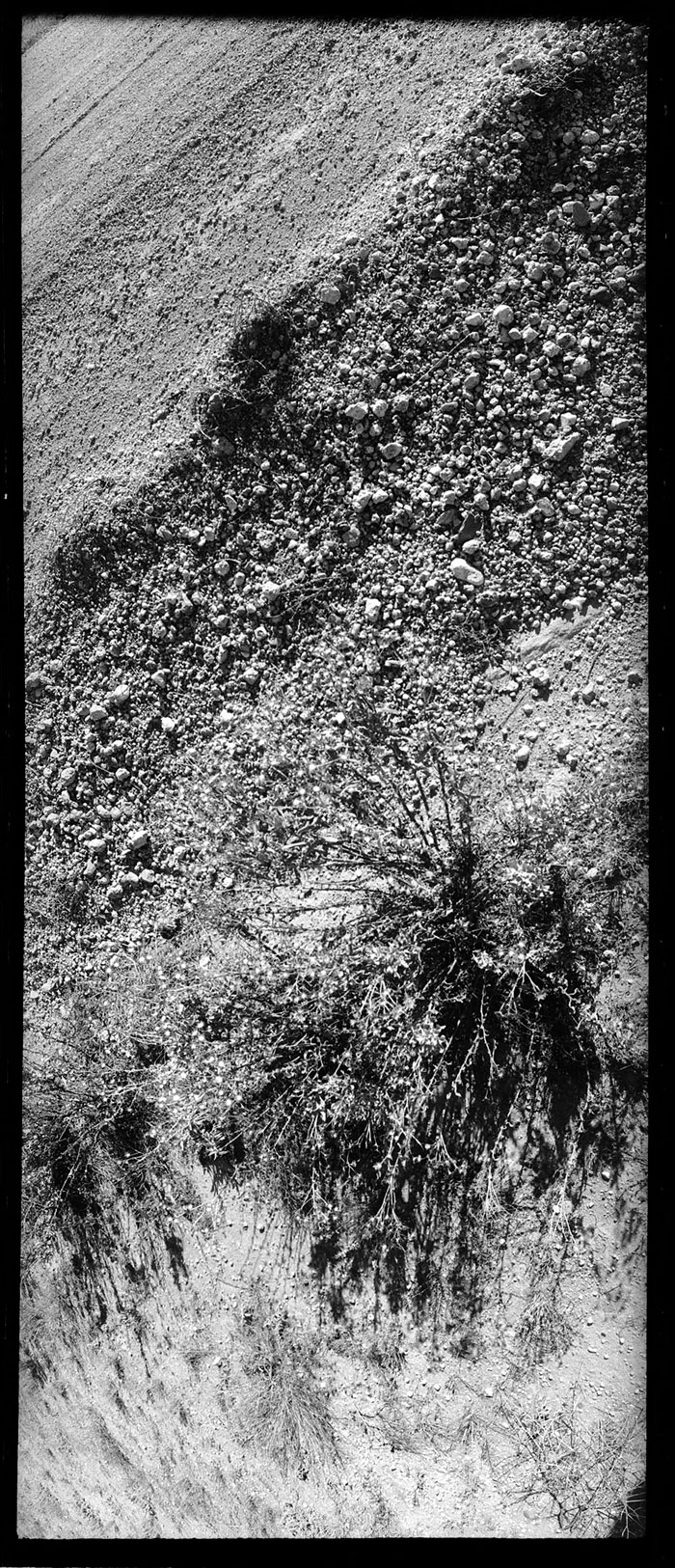
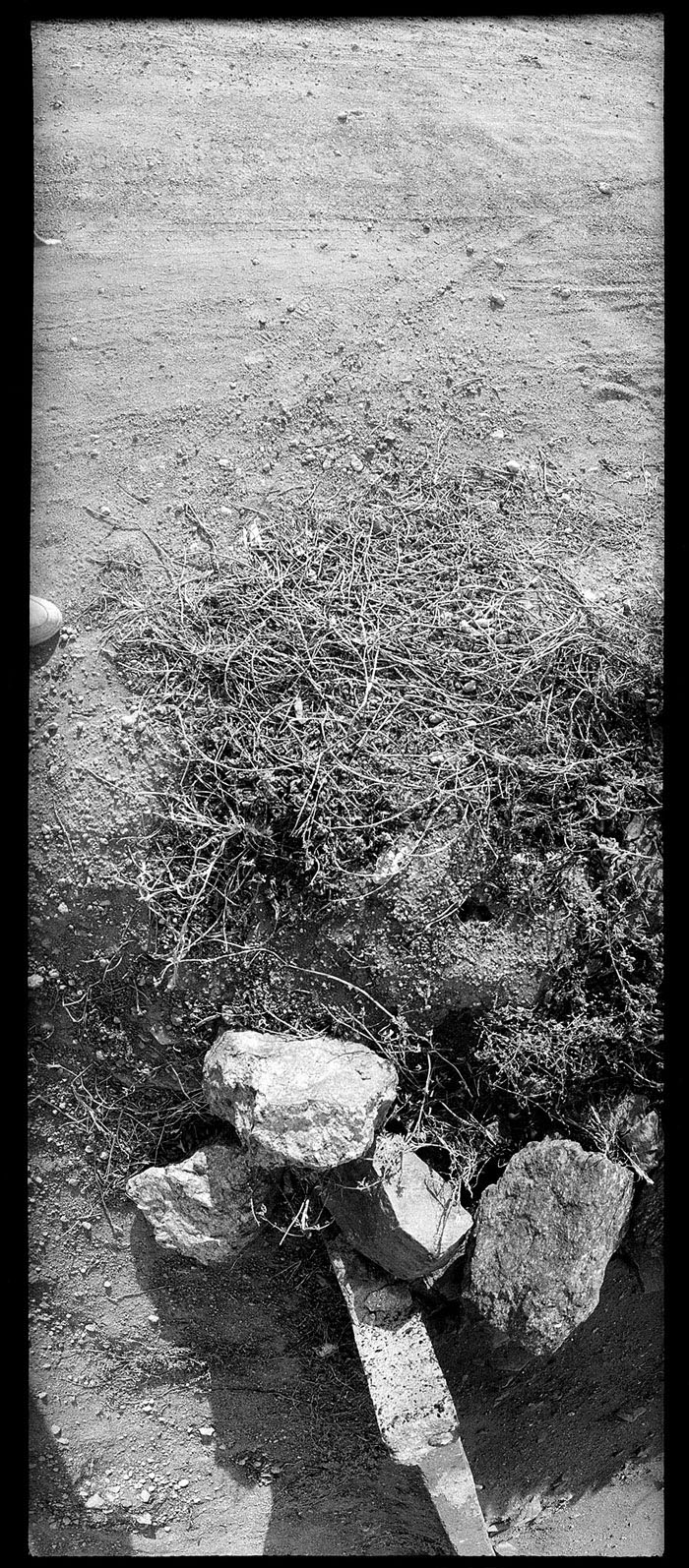
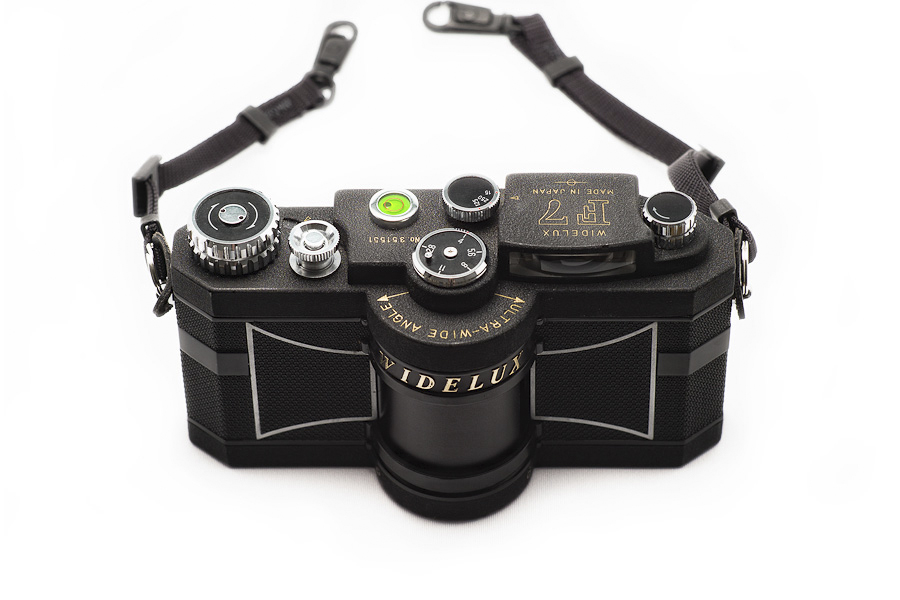
This exhibition at the Monash Gallery of Art features the series Edge of the road by Melbourne photographer Joyce Evans. It is an intense, if less than fully successful, presentation of a body of work completed between 1988 and 1996. The photographs were made with a Widelux F7 35mm panoramic camera, a camera that has a rotating fixed focus lens (see images of the camera below). Rather than the normal horizontal panoramic orientation, Evans has mostly used the camera in a vertical orientation to shoot these images. At the same time she has twisted the camera along unfamiliar axes, sometimes on a diagonal line, which has produced unexpected distortion within the final images.

Evans professed aim in her artist statement (below) is to let go of control of what is captured by the camera, to let go of some previsualisation (what the photographer imagines that they want the photograph to be in their mind’s eye before they press the shutter) and rely on a certain amount of planning and chance. She cites the example of the American photographer Minor White (1908-1976) who popularised the idea of previsualisation as a means of aesthetically controlling the outcome of what the camera captures. Evans wants little of this and sees her photographs as using the camera’s inherent capabilities to image the minutiae of the world, using “the camera’s capacity to see detail, which in the 60th of a second of the firing of the shutter my subconscious may perceive, but may not fully know.” In this sense, the artist is appealing to Walter Benjamin’s idea of film serving as an optical unconscious, a medium that captures everyday objects of ordinary experience which are revealed as strange and unsettling, a “different” nature presenting itself to the camera than to the naked eye.1 As Richard Prouty has noted, “Film changed how we view the least significant minutiae of reality just as surely as Freud’s Psychopathology of Everyday Life changed how we look at incidental phenomenon like slips of the tongue.”2

This enrichment of human perception by a scientific technology, the camera, happens at a level below human recognition, for although the retina frequently receives these aspects, they are not transformed into information by the perceptive system.3 “These new technical images helped discover hitherto unknown – ie. unacknowledged and analysed by perception and therefore restricted to the space of the unconscious or, as he [Benjamin] called it, of an “optical unconscious” – movements and dimensions of reality.”4 In other words, these new technical images may include information that was not retained, processed or even intended by the operator (hence the hoped for serendipity of the images). These images then surprise with the unexpected. As François Arago has observed, “When observers apply a new instrument to the study of nature, what they had hoped for is always but little compared with the successions of discoveries of which the instrument becomes the source – in such matters it is on the unexpected that one can especially count.”5 This is evidenced in Evans photographs through the POTENTIAL of chance. Not chance itself, but the potential of chance of the optical unconscious (of film) to capture something unexpected.

I must disagree with Evans, however, about the photographic process of Minor White and the process of “letting go” that she proposes to adhere to in this body of work. In fact, I would go so far as to invert her rationalisation. Having studied the work of Minor White and visited his archive at Princeton University Museum of Art I understand that previsualisation was strong in White’s photographs, but there was an ultimate letting go of control when he opened the shutter to his camera. In meditation, he sought a connection from himself to the object, from the object back through the camera to form a Zen circle of connection which can be seen in one of his famous Canons: “Let the Subject generate its own Composition.” Then something (spirit?) might take over. This is the ultimate in paradoxical letting go of control for a photographer – to previsualise something, to see it on the ground glass, to capture it on film, to then print it out to find that there is something amorphous in the negative and in the print that you cannot quite put your finger on. Some indefinable element that is not chance, not the unexpected, but spirit itself. Evans photographs are not of this order.

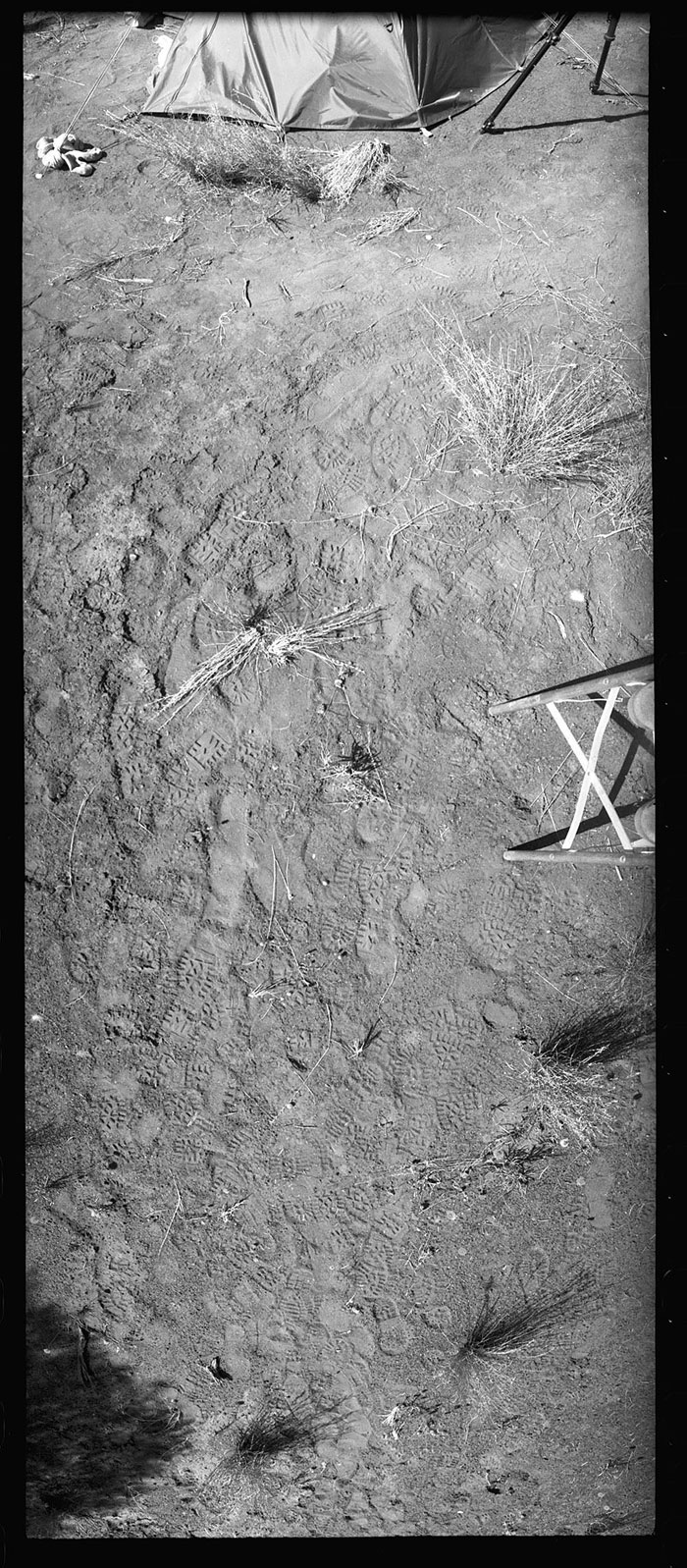
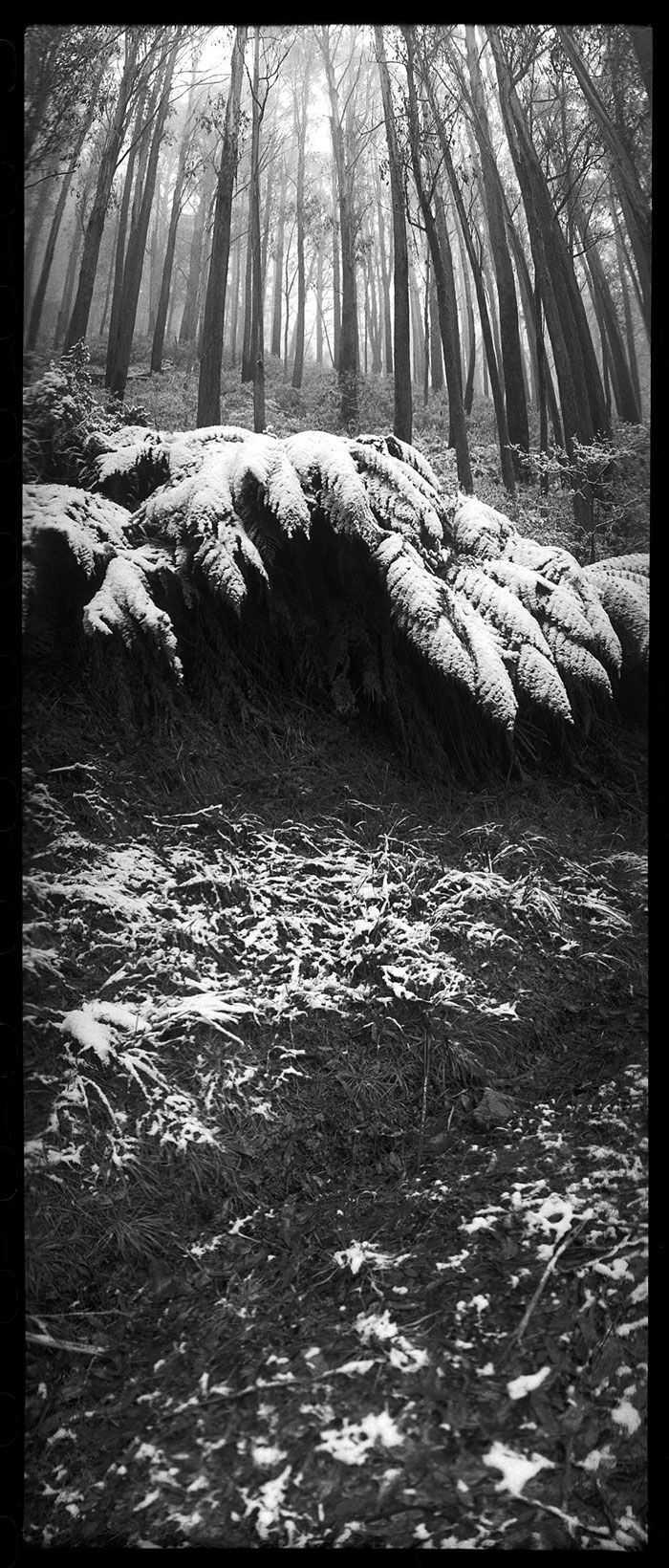
What these photographs are about is an intimate view of the land and our relationship to it, an examination of something that is very close to the artist, but evidenced through the subjectivity of the artist’s control and the objectivity of the cameras optical unconscious. They are shot “at close range,” the picture being taken very close (both physically and psychologically) to the person who is taking the photograph. In their multifaceted perspectives – some images, such as Flood on Murray River on Wodonga side, Victoria (1996) have double horizon lines – the viewer is immersed in the disorientating sweep of the landscape. The photographs become almost William Robinson-esque in their panoramic distortion of both time and space. For example, the descent from the light of the trees, to ferns, to the mulch of paleontological existence in Mount Bulla Ferns, Victoria (1996, below) is particularly effective, as is the booted front prints of Anzses Trip, Talaringa Springs, Great Victorian Desert, South Australia (1993, below). The transition of time is further emphasised by the inclusion of the film sprocket holes in some of the works, such as Pine Barbed Wire Fence and Orchard, Tyabb, Mornington Peninsula (1992, below). However, out of the thirteen photographs presented from the series some photographs, such as Bin, Toorak, Victoria (1990, below) simply do not work, for the image is too didactic in its political and aesthetic definition.

At their best these photographs capture an intensity that is at the boundary of some threshold of understanding (edge of the road, no man’s land, call it whatever you will or the artist wills) of our European place in this land, Australia. There are no bare feet on the ground, only booted footprints, barbed wire, gravel roads, dustbins, tyre tracks and hub caps. The reproductions do not do the work justice. One has to stand in front of these complex images to appreciate their scale and impact on the viewer. They resist verbal description, for only when standing in front of the best of these images does one observe in oneself a sense of disorientation, as though you are about to step off the edge of the world. They do not so much attempt to capture the energy of the landscape but our fragmented and possessive relation to it.

Ultimately, Evans photographs are highly conceptual photographs. Despite protestations to the contrary her photographs are about the control of the photographer with the potential of chance (through the recognition of the process of the optical unconscious of the camera) used knowingly by the artist to achieve the results that she wants. They are about the control of humans over landscape. Evans knows her medium, she knows the propensities of her camera, she plans each shot and despite not knowing exactly what she will get, she roughly knows what they results will be when she tilts the lens of her camera along different axes. These are not emotionally evocative landscapes but, because of the optical unconscious embedded in their construction, they are intimate, political statements about our relationship to the land.

Dr Marcus Bunyan


Marcus was a friend of Joyce Evans OAM (1929-2019). Please click on the photographs for a larger version of the image.


Footnotes

1/ Prouty, Richard. “The Optical Unconscious,” on the One-Way Street blog, October 16th 2009 [Online] Cited 20th October 2013. No longer available online

2/ Ibid.,

3/ Flores, Victor. “Optical unconscious,” on the Fundação Côa Parque website [Online] Cited 20th October 2013. No longer available online

4/ Ibid.,

5/ Arago, Francois. “Rapport sur le daguerréotype,” in AA.VV. Du Bon Usage de la Photographie: une anthologie de textes. Paris: Centre National de la Photographie, 1987, p. 14 quoted in Flores, op. cit.,


Many thankx to Joyce Evans and Monash Gallery of Art for allowing me to publish the photographs in the posting. Please click on the photographs for a larger version of the image.


Joyce Evans (Australian, 1929-2019) 'Wilcannia, New South Wales' 1990


Joyce Evans (Australian, 1929-2019)
Wilcannia, New South Wales
1990
Silver gelatin photograph
© Joyce Evans


Joyce Evans (Australian, 1929-2019) 'Holden, Victoria' 1990


Joyce Evans (Australian, 1929-2019)
Holden, Victoria
1990
Silver gelatin photograph
© Joyce Evans


“Evidenced in these photographs is one of the things that attracted me to photography – namely, its ability to capture the millisecond. While there are many schools of photography, the one popularised by the American photographer Minor White (1908-1976) suggests that the photographer pre-visualises the image prior to pressing the shutter. In other words, the photographer is in control and is the controller of what is captured by the camera. In terms of the resolution of the final image this is technically an important concept. However aesthetically, I enjoy the camera’s capacity to see detail, which in the 60th of a second of the firing of the shutter my subconscious may perceive, but may not fully know.

This appreciation of aesthetics goes back to my university days in 1969-1971 when I did a degree in fine arts at Sydney University. Here the ability to deconstruct imagery was passed on to us by Dr Anton Wilhelm and the understanding of the limits and potentials of two-dimensional imagery (with constant reference to the picture plane), was demonstrated by Professor Bernard Smith. This understanding was further enhanced when I painted at the Bakery Art School in Sydney, 1977-1978. Studying under the inspiring tutelage of John Olsen (b.1928) he made me aware of the power of the edge of the image to relate to what was not shown in the image.

This awareness is reflected in the exhibition through my fascination with, and imaging of, the Edge of the Road, that no man’s land which has a rarely noticed life of its own. I use the 180 degree vista of the Widelux camera, with its ability to capture elongated elements of the landscape, to conceptually explore the lack of control that is offered by the camera. The results are serendipitous: the cigarette butts, the spiders home, the intruding foot, the fecund compost under snow laden ferns. All of these elements combine with the time freeze of the camera to image places of survival and change.

While the images may not be fully visualised they rely on both planning and chance. I choose to point the camera at the subject and let the ‘snap’ of the shutter do the rest. The images that emerge from the flow of time are images that I have imagined in my mind but which the camera has interpreted through an (ir)rational act: the fixity of the image frame challenged by the very act of taking the photograph at the edge of consciousness. As such they ask the question of the viewer: what exactly is being imaged and did it really exist in the first place?”

Joyce Evans with Dr Marcus Bunyan


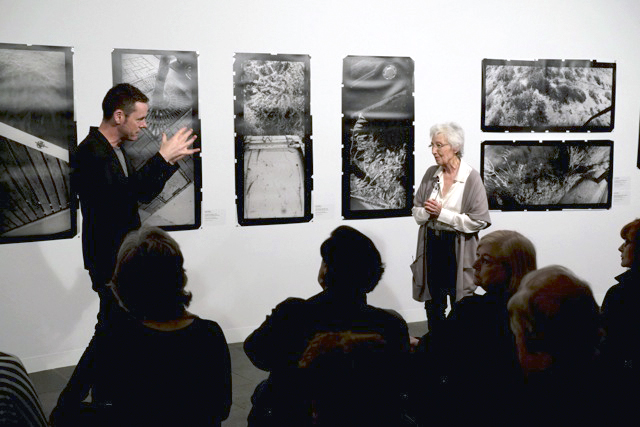
'Joyce Evans: Edge of the road' installation photographs and artist talk at Monash Gallery of Art

'Joyce Evans: Edge of the road' installation photographs and artist talk at Monash Gallery of Art

'Joyce Evans Edge of the road' installation photographs and artist talk at Monash Gallery of Art

'Joyce Evans Edge of the road' installation photographs and artist talk at Monash Gallery of Art

Shaune Lakin, Director of the Monash Gallery of Art, speaking to the assembled at the exhibition 'Joyce Evans Edge of the road' at Monash Gallery of Art


Joyce Evans Edge of the road installation photographs and artist talk at Monash Gallery of Art showing in the bottom image, Shaune Lakin, Director of the Monash Gallery of Art, speaking to the assembled
Photos: Marcus Bunyan


View of the Widelux F7 camera

View of the Widelux F7 camera


Two views of the Widelux F7 camera


Shaune Lakin, Director of the Monash Gallery of Art, speaking to the photographer Joyce Evans


Shaune Lakin, Director of the Monash Gallery of Art, speaking to the photographer Joyce Evans OAM (Australian, 1929-2019)
Photo: Jason Blake


Joyce Evans [OAM, Australian, 1929-2019] has been a key figure in Australian photography for many decades. As a gallerist, Evans introduced audiences to the work of many young and established photographers, and as a photographer she has assiduously documented the Australian landscape and the Australian cultural scene.

Evans’s initial contribution to photography in Australia was largely as an advocate for the medium. She established Church Street Photographic Centre in 1976, which became one of Australia’s most significant commercial photographic galleries. Church Street encourage a broad interest in photography and assisted the careers of many of Australia’s most important photographers. At Church Street. Evans also introduced Melbourne audiences to the work of many of the key figures in international photography, including Julia Margaret Cameron, Eugène Atget, Alfred Steiglitz, Berenice Abbott, Paul Strand, Brett Weston, Henri Cartier-Bresson and André Kertész.

Evans devised to become a photographer well before she opened Church Street. But it was in the early 1980s that she began to focus more productively on her own practice. This exhibition includes a selection of colour photographs drawn from the MGA Collection, each of which demonstrates Evans’s quite formal interest in landscape. The exhibition mainly features the series Edge of the road, large panoramic prints that have only rarely been exhibited and which reflect a decidedly different photographic relationship to landscape.

Evans’s landscapes are often political. They reflect her keen interest in the way that we relate to land, and engage with the politics of Indigenous land ownership. Evans is also interested in the way that landscape has featured in Australian art history, and often draws on the work and lessons of the legendary painter of abstract landscapes John Olsen, who taught her during the 1960s.

A fine example is Edge of the road, a series of landscapes made between 1988 and 1996 with a Widelux F7 35mm camera. The Widelux is a swing-lens panoramic camera which provides only basic functionality. Its rotating lens is fixed focus at 3.3 metres. Evans embraced these limitations, and in fact played with them by introducing chance to the photographic process. During exposure Evans twisted her camera, sometimes on a diagonal line which produced unexpected distortion. Rather than the straight vertical or horizontal axis usually associated with panoramic photographs, the axis of some of these landscapes chops and changes. In doing so, Evans is attempting to capture the energy of the landscape. These large panoramas were printed by the artist and her assistant Christian Alexander in her darkroom.

Wall text from the exhibition


Joyce Evans (Australian, 1929-2019) 'Bin, Toorak, Victoria' 1990


Joyce Evans (Australian, 1929-2019)
Bin, Toorak, Victoria
1990
Silver gelatin photograph
© Joyce Evans


Joyce Evans (Australian, 1929-2019) 'Anzses Trip, Talaringa Springs, Great Victorian Desert, South Australia' 1993


Joyce Evans (Australian, 1929-2019)
Anzses Trip, Talaringa Springs, Great Victorian Desert, South Australia
1993
Silver gelatin photograph
© Joyce Evans


Joyce Evans (Australian, 1929-2019) 'Pine Barbed Wire Fence and Orchard, Tyabb, Mornington Peninsula' 1992


Joyce Evans (Australian, 1929-2019)
Pine Barbed Wire Fence and Orchard, Tyabb, Mornington Peninsula
1992
Silver gelatin photograph
© Joyce Evans


Joyce Evans (Australian, 1929-2019) 'Mount Bulla Ferns, Victoria' 1996


Joyce Evans (Australian, 1929-2019)
Mount Bulla Ferns, Victoria
1996
Silver gelatin photograph
© Joyce Evans


Monash Gallery of Art
860 Ferntree Gully Road, Wheelers Hill
Victoria 3150 Australia
Phone: + 61 3 8544 0500

Opening hours:
Tuesday – Friday 10am – 5pm
Saturday – Sunday 10am – 4pm
Closed Mondays

Monash Gallery of Art website

LIKE ART BLART ON FACEBOOK

Back to top

Marcus Bunyan black and white archive: ‘Immersion’, 1994

October 2013


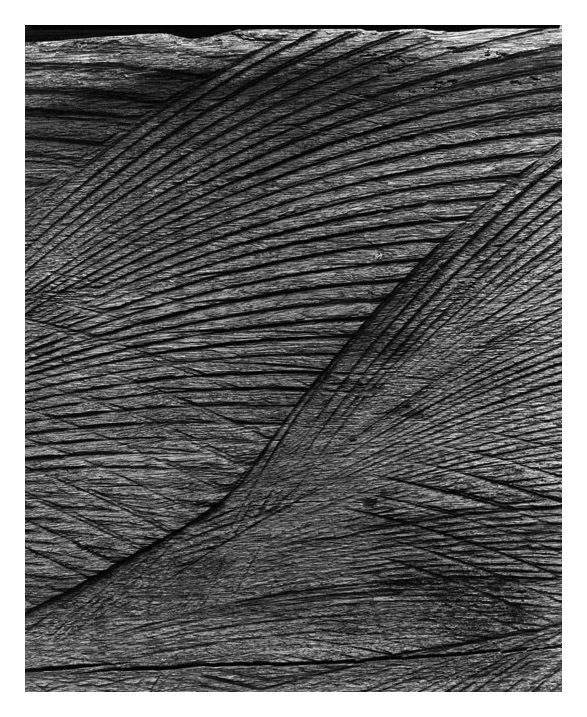
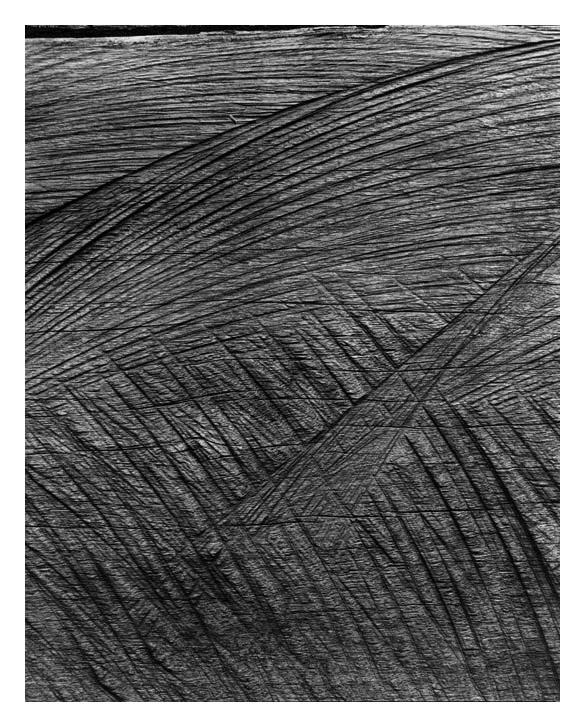
Marcus Bunyan (Australian, b. 1958) 'Untitled (bandsaw)' 1994


Marcus Bunyan (Australian, b. 1958)
Untitled (bandsaw)
1994
Silver gelatin photograph


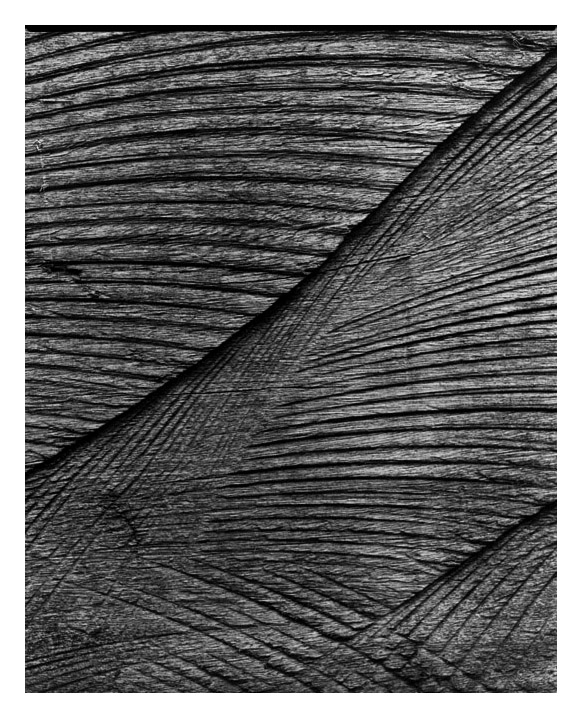
“What A. feels he is doing, however, as he writes the pages of his own book, is something that does not belong to either one of these two types of memory. A. has both a good memory and a bad memory. He has lost much, but he has also retained much. As he writes, he feels the he is moving inward (through himself) and at the same time moving outward (towards the world). What he experienced, perhaps, during those few moments on Christmas Eve, 1979, as he sat alone in his room on Varick Street, was this: the sudden knowledge that came over him that even alone, in the deepest solitude of his room, he was not alone, or, more precisely, that the moment he began to try to speak of that solitude, he had become more than just himself. Memory, therefore, not simply as the resurrection of one’s private past, but an immersion in the past of others, which is to say: history – which one both participates in and is a witness to, is a part of and apart from. Everything, therefore, is present in his mind at once, as if each element were reflecting the light of all the others, and at the same time emitting its own unique and unquenchable radiance. If there is any reason for him to be in this room now, it is because there is something inside him hungering to see it all at once, to savor the chaos of it in all its raw and urgent simultaneity. And yet, the telling of it is necessarily slow, a delicate business of trying to remember what has already been remembered. The pen will never be able to move fast enough to write down every word discovered in the space of memory. Some things have been lost forever, other things will perhaps be remembered again, and still others have been lost and found and lost again. There is no way to be sure of any of this.”


Paul Auster. “The Book of Memory,” in The Invention of Solitude, 1982, pp. 148-49


I am scanning my negatives made during the years 1991-1997 to preserve them in the form of an online archive as a process of active memory, so that the images are not lost forever. These photographs were images of my life and imagination at the time of their making, the ideas I was thinking about and the people and things that surrounded me.

All images © Marcus Bunyan. Please click the photographs for a larger version of the image. Please remember these are just straight scans of the prints, all full frame, no cropping !

Photographs are available from this series for purchase. As a guide, a vintage 8″ x 10″ silver gelatin print costs $700 plus tracked and insured shipping. For more information please see my store web page.


Marcus Bunyan (Australian, b. 1958) 'Inversion' 1994


Marcus Bunyan (Australian, b. 1958)
Inversion
1994
Silver gelatin photograph


Marcus Bunyan (Australian, b. 1958) 'Growth 2' 1994


Marcus Bunyan (Australian, b. 1958)
Growth 2
1994
Silver gelatin photograph


Marcus Bunyan (Australian, b. 1958) 'Starry Night (Burke and Wills memorial)' 1994


Marcus Bunyan (Australian, b. 1958)
Starry Night (Burke and Wills memorial)
1994
Silver gelatin photograph


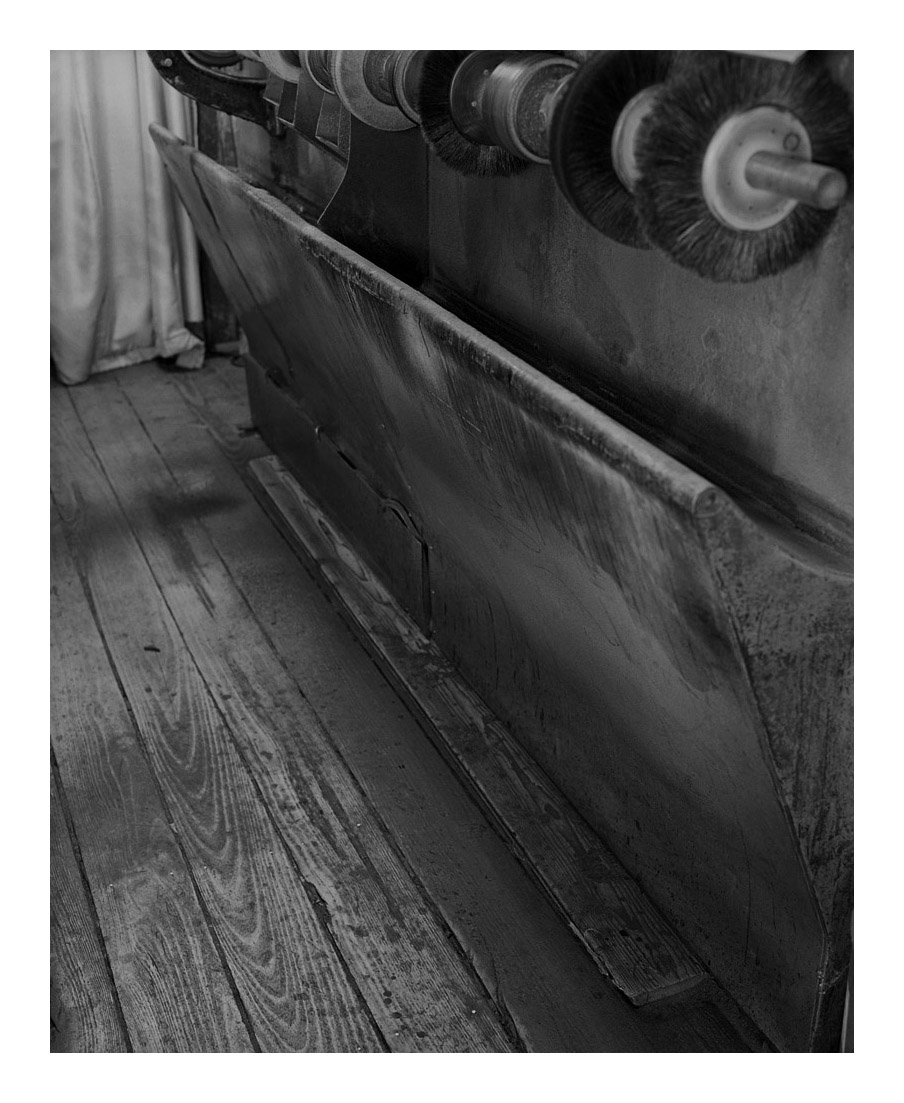
Marcus Bunyan (Australian, b. 1958) 'Untitled (bandsaw)' 1994


Marcus Bunyan (Australian, b. 1958)
Untitled (bandsaw)
1994
Silver gelatin photograph


Marcus Bunyan (Australian, b. 1958) 'Four ears' 1994


Marcus Bunyan (Australian, b. 1958)
Four ears
1994
Silver gelatin photograph


Marcus Bunyan (Australian, b. 1958) 'Such is death' 1994


Marcus Bunyan (Australian, b. 1958)
Such is death
1994
Silver gelatin photograph


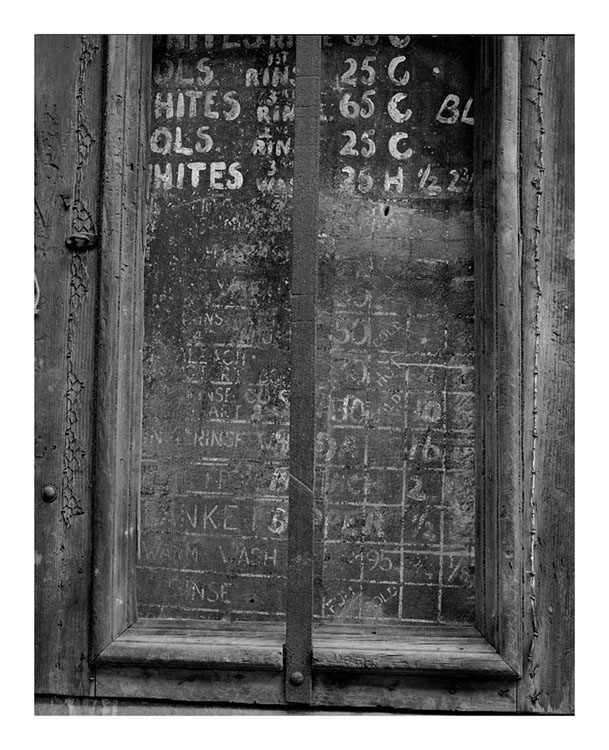
Marcus Bunyan (Australian, b. 1958) 'The wash house' 1994


Marcus Bunyan (Australian, b. 1958)
The wash house
1994
Silver gelatin photograph


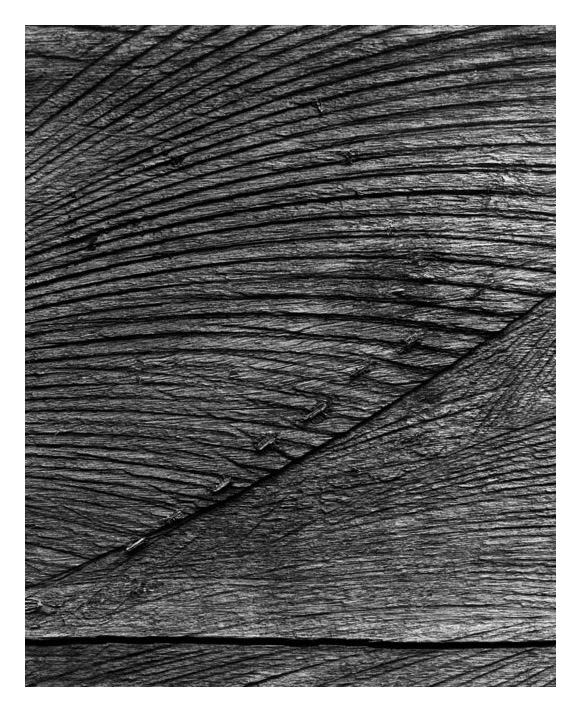
Marcus Bunyan (Australian, b. 1958) 'Untitled (bandsaw)' 1994


Marcus Bunyan (Australian, b. 1958)
Untitled (bandsaw)
1994
Silver gelatin photograph


Marcus Bunyan (Australian, b. 1958) 'The place where many men have stood' 1994


Marcus Bunyan (Australian, b. 1958)
The place where many men have stood
1994
Silver gelatin photograph


Marcus Bunyan (Australian, b. 1958) 'Untitled (bandsaw)' 1994


Marcus Bunyan (Australian, b. 1958)
Untitled (bandsaw)
1994
Silver gelatin photograph


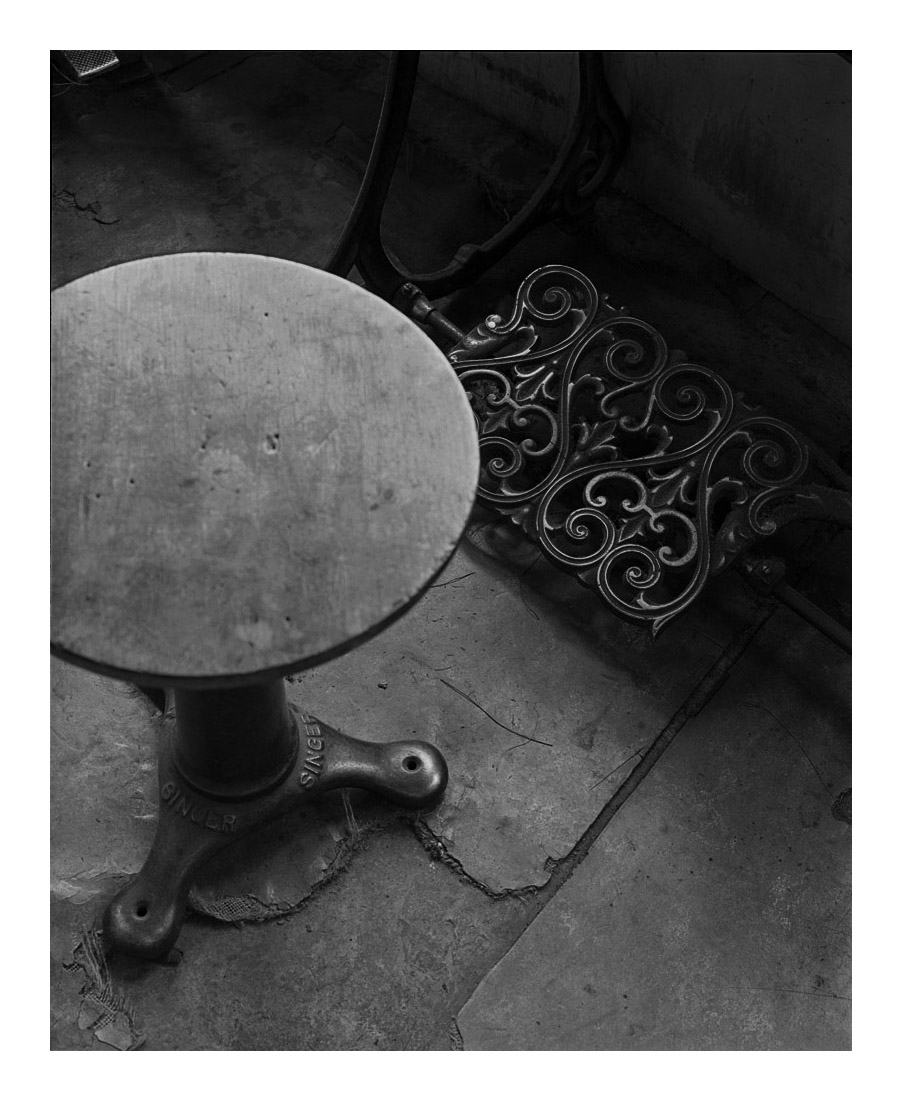
Marcus Bunyan (Australian, b. 1958) 'Singer' 1994


Marcus Bunyan (Australian, b. 1958)
Singer
1994
Silver gelatin photograph


Marcus Bunyan (Australian, b. 1958) 'Ecce homo' 1994


Marcus Bunyan (Australian, b. 1958)
Ecce homo
1994
Silver gelatin photograph


Marcus Bunyan (Australian, b. 1958) 'Cluster' 1994


Marcus Bunyan (Australian, b. 1958)
Cluster
1994
Silver gelatin photograph


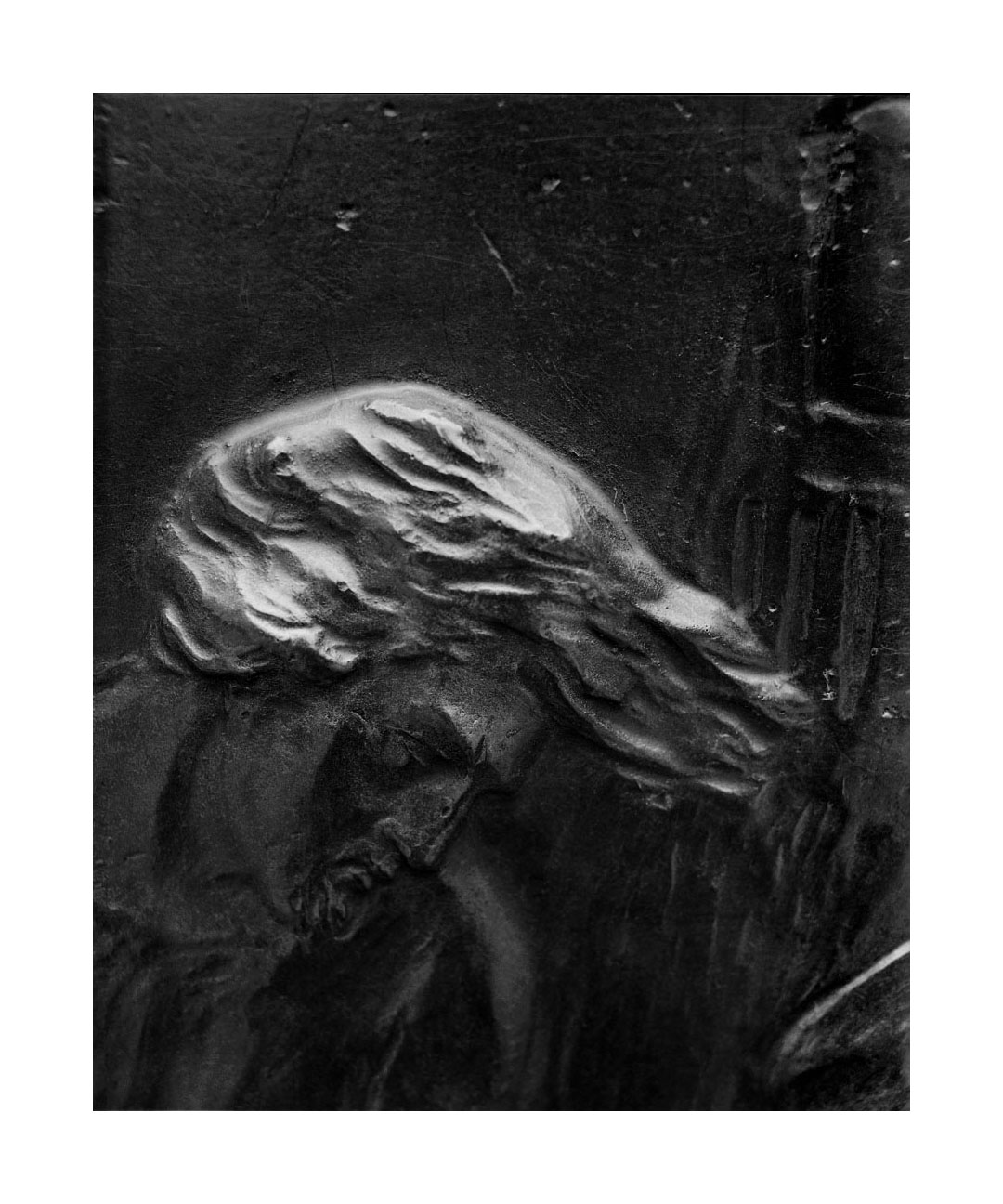
Marcus Bunyan (Australian, b. 1958) 'Theoria' 1994


Marcus Bunyan (Australian, b. 1958)
Theoria
1994
Silver gelatin photograph


The Greek theoria (θεωρία), from which the English word “theory” is derived, meant “contemplation, speculation, a looking at, things looked at”, from theorein (θεωρεῖν) “to consider, speculate, look at”, from theoros (θεωρός) “spectator”, from thea (θέα) “a view” + horan (ὁρᾶν) “to see”. It expressed the state of being a spectator. Both Greek θεωρία and Latin contemplatio primarily meant looking at things, whether with the eyes or with the mind.

Taking philosophical and theological traditions into consideration, the term was used by the ancient Greeks to refer to the act of experiencing or observing and then comprehending through consciousness, which is called the nous or “eye of the soul” (Matthew 6:22-34). Insight into being and becoming (called noesis) through the intuitive truth called faith, in God (action through faith and love for God), leads to truth through our contemplative faculties. This theory, or speculation, as action in faith and love for God, is then expressed famously as “Beauty shall Save the World”. This expression comes from a mystical or gnosiological perspective, rather than a scientific, philosophical or cultural one.

Text from Wikipedia website


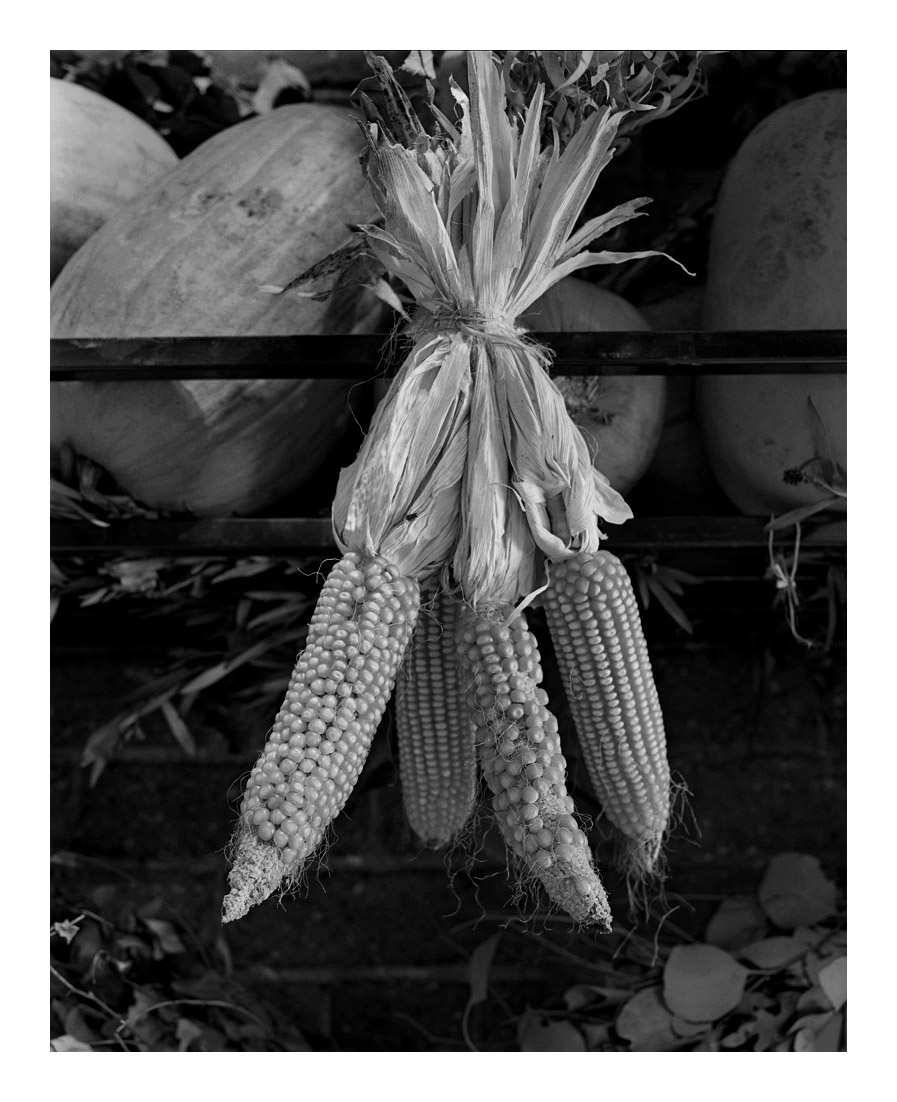
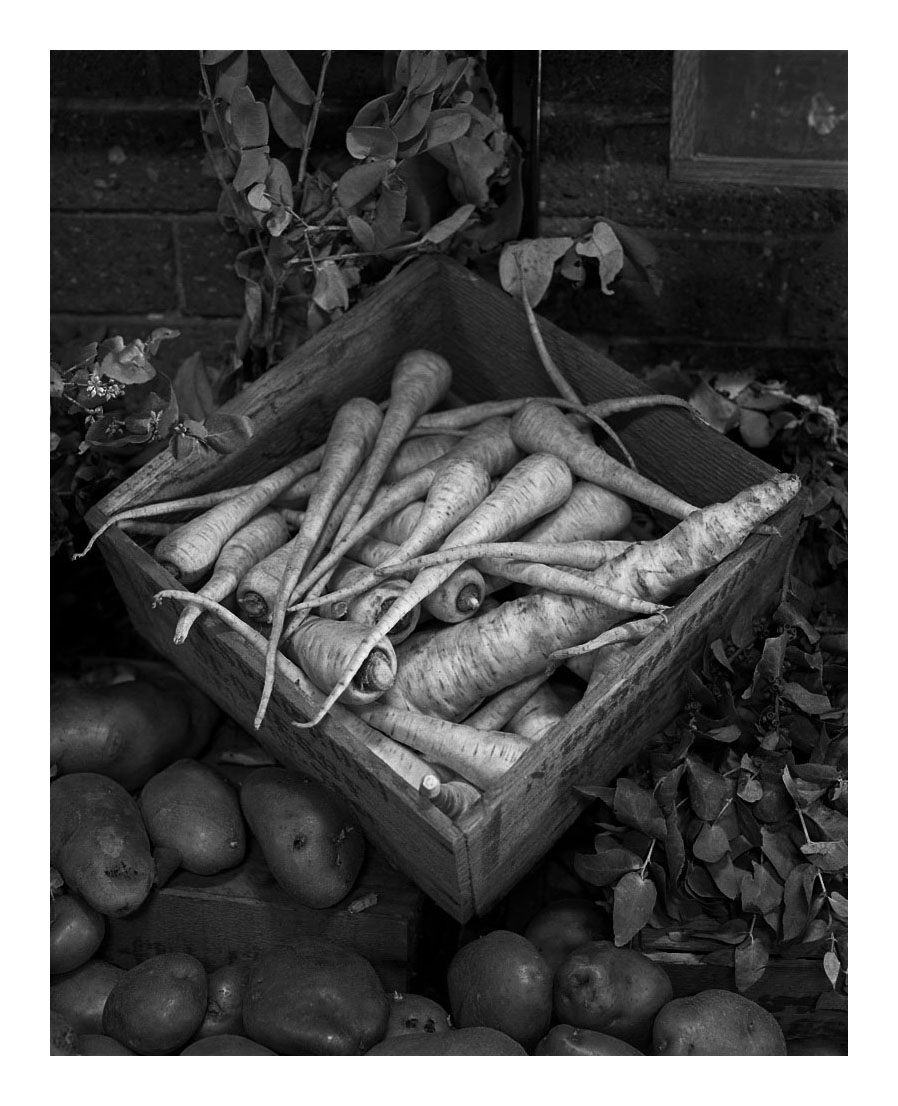
Marcus Bunyan (Australian, b. 1958) 'Parsnips and potatoes' 1994


Marcus Bunyan (Australian, b. 1958)
Parsnips and potatoes
1994
Silver gelatin photograph


Marcus Bunyan (Australian, b. 1958) 'Burke and water' 1994


Marcus Bunyan (Australian, b. 1958)
Burke and water
1994
Silver gelatin photograph


Marcus Bunyan (Australian, b. 1958) 'Growth 1' 1994


Marcus Bunyan (Australian, b. 1958)
Growth 1
1994
Silver gelatin photograph


Marcus Bunyan. 'Untitled (comet)' 1994


Marcus Bunyan (Australian, b. 1958)
Untitled (comet)
1994
Silver gelatin photograph


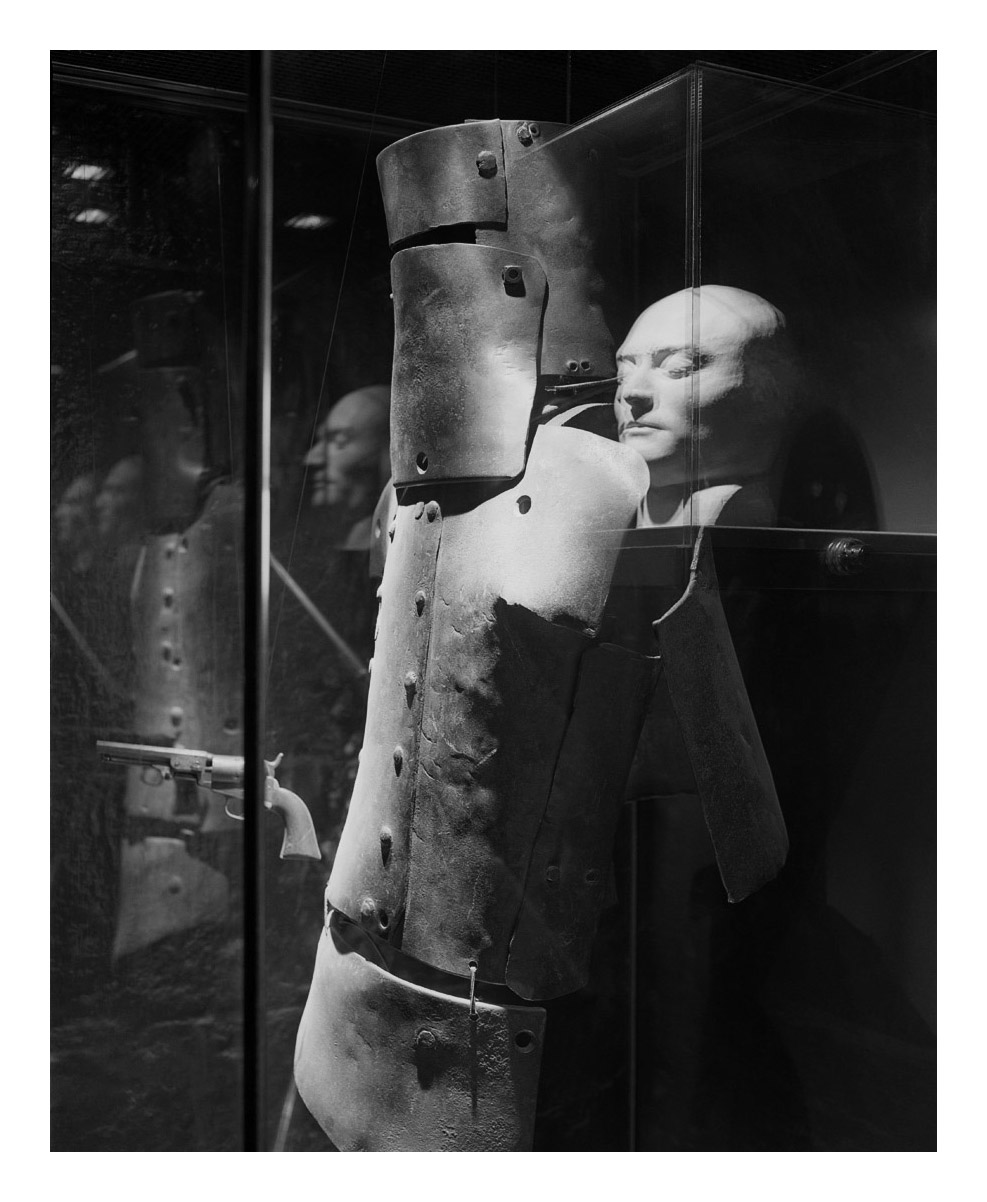
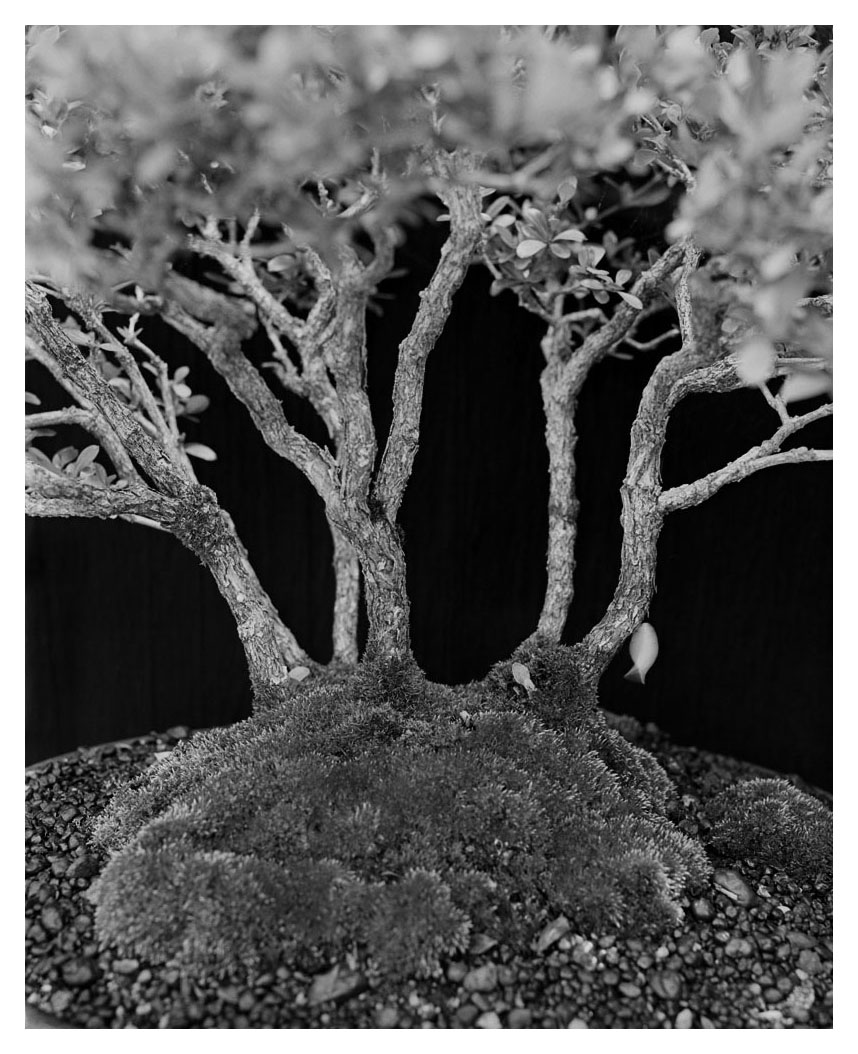
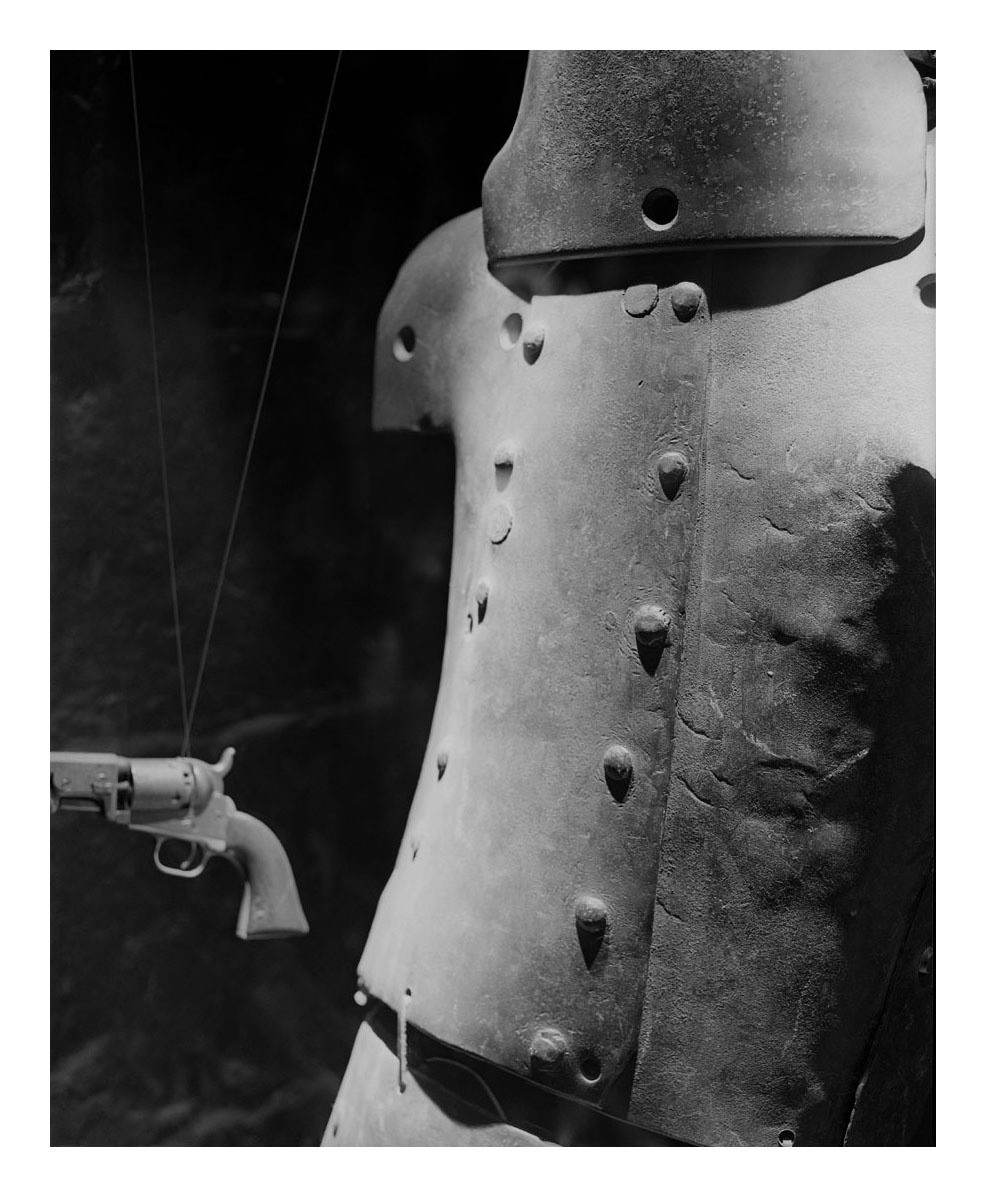
Marcus Bunyan (Australian, b. 1958) 'A(r)mour' 1994


Marcus Bunyan (Australian, b. 1958)
A(r)mour
1994
Silver gelatin photograph


Marcus Bunyan black and white archive page

LIKE ART BLART ON FACEBOOK

Back to top

Review: ‘Carol Jerrems: photographic artist’ at the Monash Gallery of Art, Wheelers Hill, Melbourne

Exhibition dates: 6th July – 30th September 2013

A National Gallery of Australia exhibition

PLEASE NOTE: THIS POSTING CONTAINS ART PHOTOGRAPHS OF FEMALE NUDITY – IF YOU DO NOT LIKE PLEASE DO NOT LOOK, FAIR WARNING HAS BEEN GIVEN


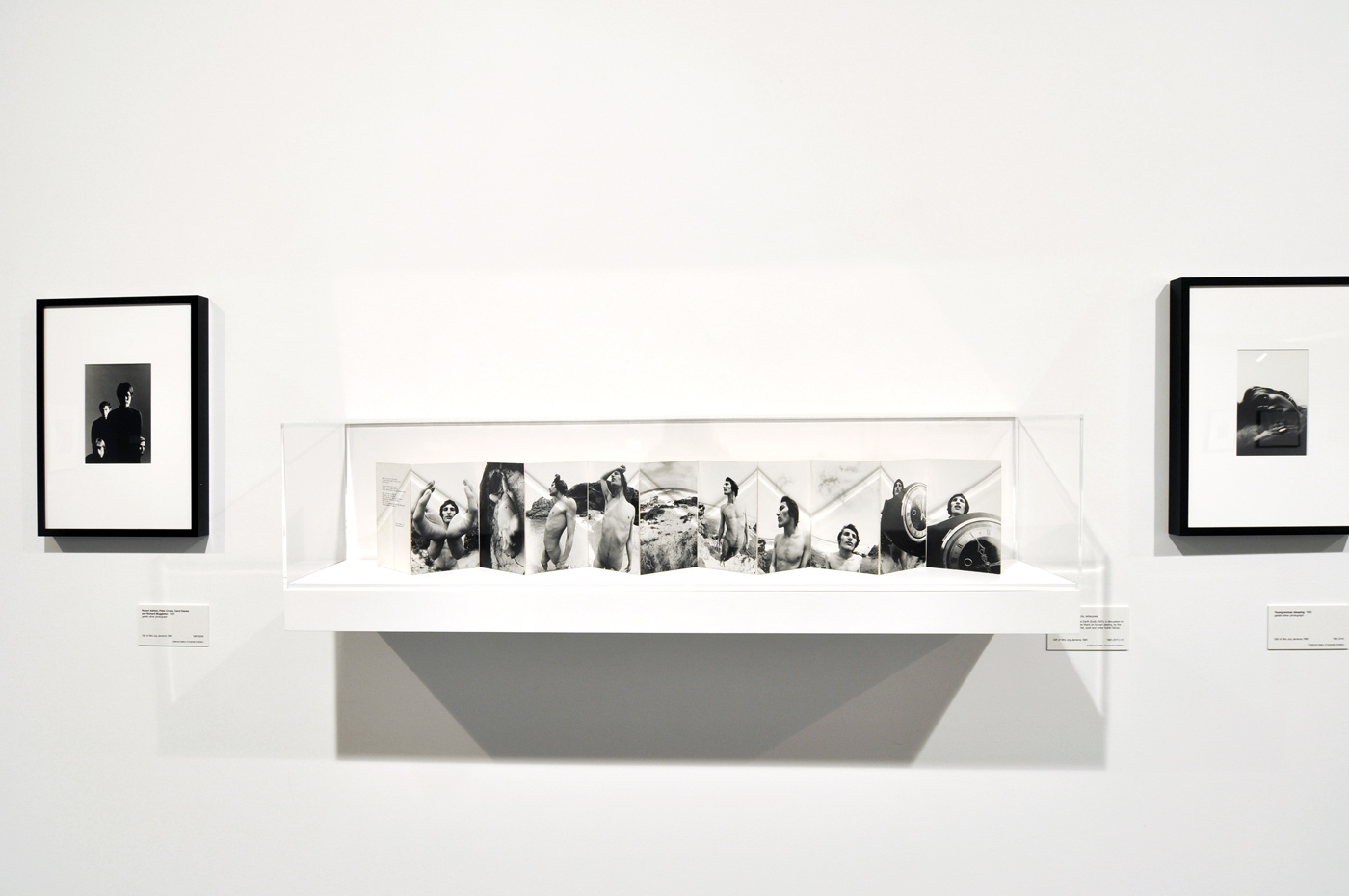
Carol Jerrems (Australian, 1949-1980) 'A poem' 1970 (installation view)


Carol Jerrems (Australian, 1949-1980)
A poem (installation view)
1970
Gelatin silver photographs, letterpress, installed at Monash Gallery of Art
Photograph: Katie Tremschnig


The one and only…

This is a fascinating National Gallery of Australia exhibition about the work of Australian photographer Carol Jerrems at Monash Gallery of Art, Wheelers Hill – in part both memorable, intimate, informative, beautiful, uplifting and disappointing. Let me explain what I mean.

The first section of the exhibition is devoted to Jerrems student work, notably her experiments with overlapping bodies, depth of field, movement and the layering of space and time that can be seen in her vibrant photo boooks and concertina books (see installation photographs below), accompanied by her own poems. This early work, which I had never seen, provides a wonderful insight into how the later images came to be: the shooting down hallways into the light, the pairing and tripling of bodies one behind the other, and how she constructed narrative in her later set piece photographs. This is the informative part of the exhibition.

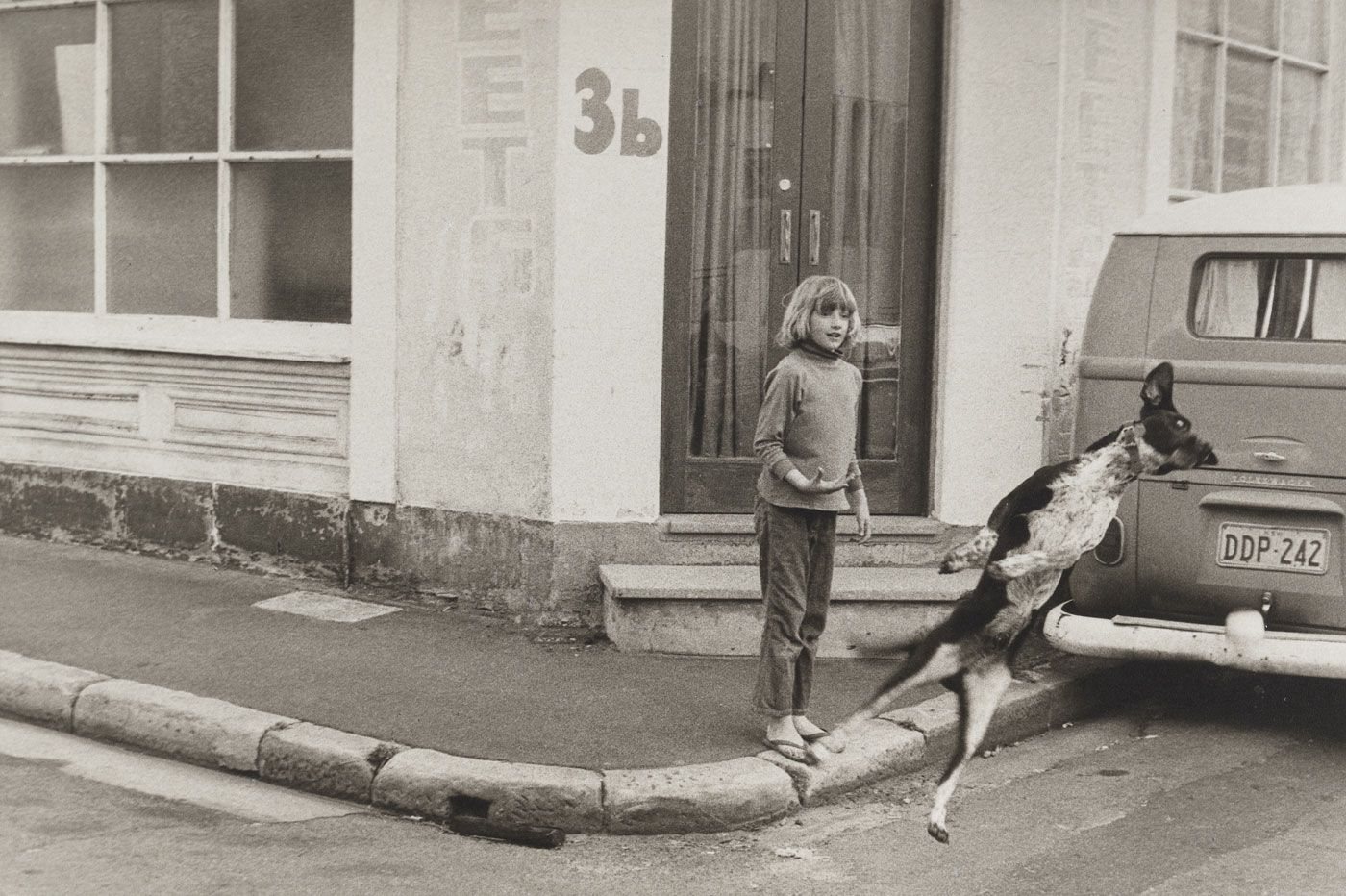
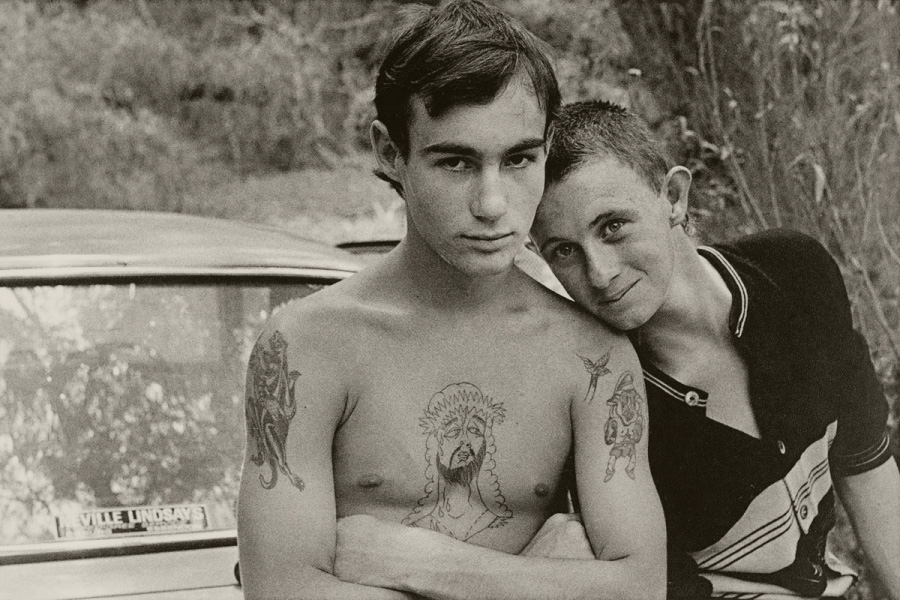
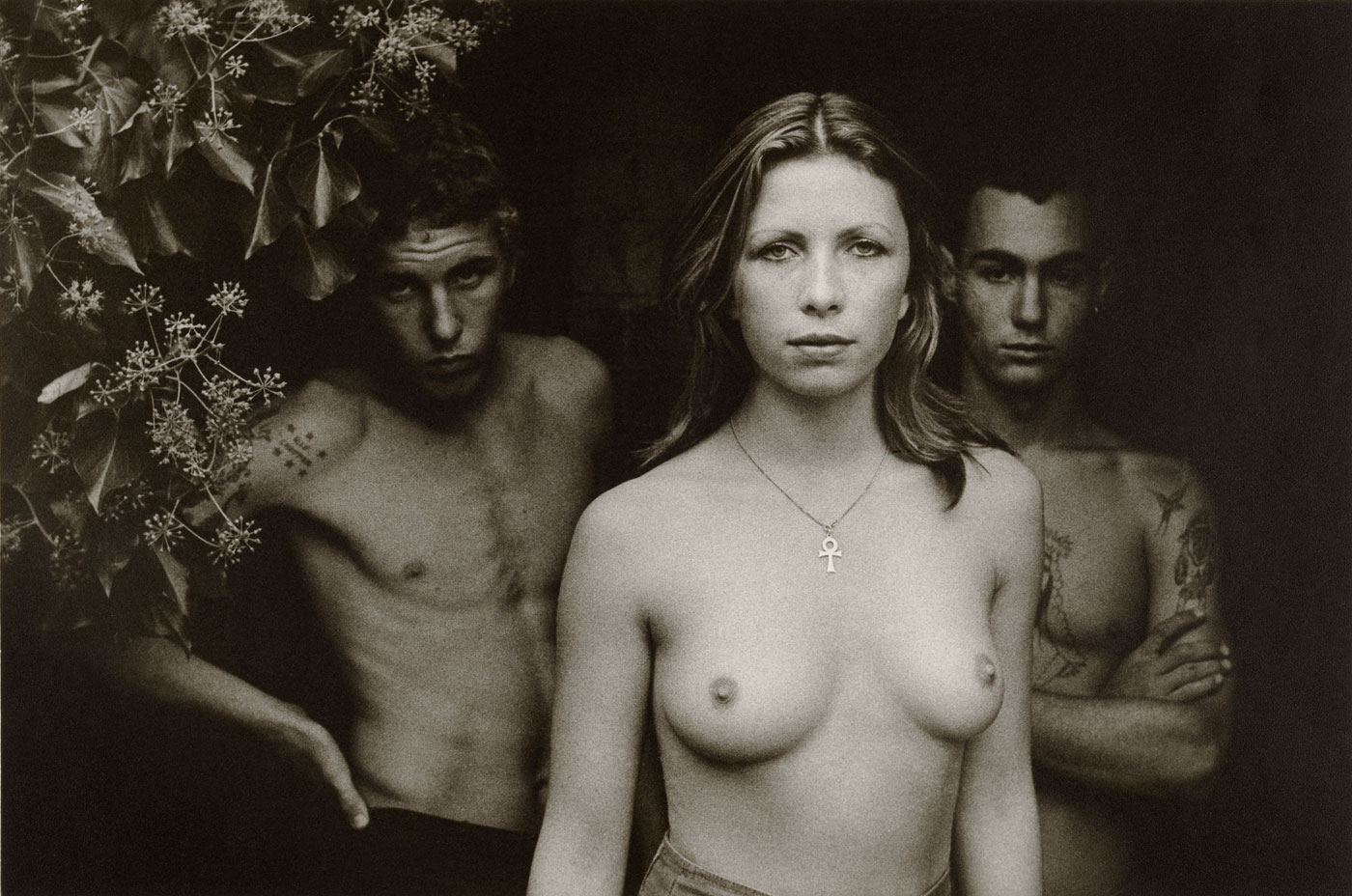
As the exhibition moves on to the main body of Jerrems work there, in all their glory, are the famous images: Evonne Goolagong, Melbourne (1973), Flying dog (1973), Vale Street (1975), Mark and Flappers (1975), Mark Lean: rape game (1975), Mozart Street (1975), Butterfly behind glass [Red Symons from Skyhooks] (1975), Lyn (1976), Lyn and the Buick (1976), Dusan and Esben, Cronulla (1977), the self portraits and the lads with their car down by the river bank. These are memorable, intimate images, at the top of tree in terms of their importance as some of the greatest images taken by any Australian photographer of all time. They are right up there with the very best and there is no denying this. But what else is there? Take away the top dozen images of any photographer and look at the next twenty images. Now, what do you see? In Jerrems case, the results (as evidenced by this exhibition) are a little disappointing. Of course, this is not unusual with any artist.

In her low key, diaristic documentary style, Jerrems focuses on life before her lens. She finds joy, intimacy, love, danger, transgression and rape; she portrays women and gay liberation, youth on the streets, sharpies and the indigenous population. As Christopher Allen notes, sexuality and its darker side was never far from the surface in Jerrems work and there was a “mix of defiance, erotic assertiveness and vulnerability of that time… [an] intimate closeness to the subject and the direct and unmodified transcription of the world before her.”1 Her intelligent imaging of everyday subject matter “produced a body of photographs that symbolised the hopes and aspirations of the counter-culture in Australia in the 1970s,” but this investigation did not produce particularly memorable photographs. Outside the top group of images I am struggling to remember her other images.

But what we must remember is that this Australia was another time and place. Art photography books had only just arrived in Melbourne in 1970 and Jerrems was one of the first women to point her camera at other women (producing the book A Book About Australian Women in 1974) and people of the revolution. These are socially important documents in terms of Australian (photographic) history. I believe that she said to herself – I know who I am, but I want to know what other people are like – and she transcribed how she was thinking about the world to the people around her through her photographs. Building on the legacy of artists like Henri Cartier-Bresson, André Kertész and Robert Frank, her photographs are like an after-image of some other place, some other Australia that is only forty years ago but now seems eons away in time and space.

What we take for granted, in terms of sexual liberation, freedom of action and speech, she had to fight for. She had to fight for photographic, conceptual and technical knowledge to arm herself as an intelligent women (for that is what she was), so that she could image / imagine the world. She had to fight damn hard for these things – and then she upped the ante and pushed even harder, even further. These are dangerous photos, for women and gay men were vulnerable and threatened, marginalised and they were a target. Even in the act of photographing, her going into these places (brothels for example), she would have been a target. Does this make for memorable photographs?  Not necessarily, and you can see this in the unevenness of the results of her investigation. But socially these are very important images.

The pity is that she died so young for what this exhibition brought home to me was that here was an artist still defining, refining her subject matter. She never had to time to develop a mature style, a mature narrative as an artist (1975-1976 seems to be the high point as far as this exhibition goes). This is the great regret about the work of Carol Jerrems. Yes, there is some mediocre work in this exhibition, stuff that really doesn’t work at all (such as the brothel photographs), experimental work, individual and collective images that really don’t impinge on your consciousness. But there are also the miraculous photographs (and for a young photographer she had a lot of those), the ones that stay with you forever. The right up there, knock you out of the ball park photographs and those you cannot simply take away from the world. They live on in the world forever.

Does Jerrems deserve to be promoted as a legend, a ‘premier’ of Australian photography as some people are doing? Probably not on the evidence of this exhibition but my god, those top dozen or so images are something truly special to behold. Their ‘presence’ alone – their physicality in the world, their impact on you as you stand before them – guarantees that Jerrems will forever remain in the very top echelons of Australian photographers of all time not as a legend, but as a women of incredible strength, intelligence, passion, determination and vision.

Dr Marcus Bunyan


1/ Allen, Christopher. “Between suburbia and radicalism,” in The Australian newspaper, October 20th, 2012 [Online] Cited 20/09/2013 no longer available online.


Many thankx to Mark Hislop for his help and Monash Gallery of Art for allowing me to publish the photographs in the posting. Please click on the photographs for a larger version of the image.


Carol Jerrems (Australian, 1949-1980) 'A poem' 1970 (installation view)


Carol Jerrems (Australian, 1949-1980)
A poem
1970
Gelatin silver photographs, letterpress, installed at Monash Gallery of Art
Photograph: Katie Tremschnig


Carol Jerrems (Australian, 1949-1980) 'Jim Fields, a portrait' 1970 (installation view)


Carol Jerrems (Australian, 1949-1980)
Jim Fields, a portrait (installation view)
1970
Gelatin silver photographs, letterpress, installed at Monash Gallery of Art
Photograph: Katie Tremschnig


Carol Jerrems (Australian, 1949-1980) 'The Royal Melbourne Show.....1968, an essay' (L) and 'Movement with Zara' (R) 1968


Carol Jerrems (Australian, 1949-1980)
The Royal Melbourne Show…1968, an essay (L) and Movement with Zara (R)
1968
Gelatin silver photographs, letterpress, installed at Monash Gallery of Art
Photograph: Katie Tremschnig


Living in the seventies

Carol Jerrems’s gritty, poetic and elusive images show people trying to find a new way of life and action in the 1970s. Her images have come to define a decade in Australia’s history. In contrast to an earlier generation of internationally renowned magazine photojournalists such as David Moore, the new generation did not seek commissioned commercial or magazine work and took instead a low key intimate approach with a diaristic personal-documentary style of imagery focussed on themselves and their own, mostly urban, environments. Jerrems put her camera where the counter culture suggested; women’s liberation, social inclusiveness for street youths and Indigenous people in the cities who were campaigning for justice and land rights.

Carol Jerrems was the first contemporary Australian woman photographer to have work acquired by a number of museums including the National Gallery of Australia. The National Gallery holds an extensive archive of Jerrems photographs and film work gifted by the artist’s mother Joy Jerrems in 1983. The current exhibition concentrates on prints signed or formally exhibited, by Carol Jerrems in her lifetime dating from 1968-1978. MGA is the only Victorian venue to host the National Gallery of Australia’s major new exhibition Carol Jerrems: photographic artist. This extraordinary exhibition tells the story of Jerrems’ complex and highly influential practice. Drawn from the National Gallery of Australia’s massive holdings of the artist’s work, Carol Jerrems: photographic artist features more than 100 works, most of which have not been seen in Melbourne since Jerrems lived here during the late ’60s and ’70s.

Jerrems was born in Melbourne in 1949 and studied photography at Prahran Technical College under Paul Cox and Athol Shmith. Although she practised as an artist for only a decade, Jerrems has acquired a celebrated place in the annals of Australian photography. Her reputation is based on her intensely compassionate, formally striking pictures, her intimate connection with the people involved in social movements of the day, and her role in the promotion of ‘art photography’ in this country.

Jerrems was one of several Australian women whose work during the 1970s challenged the dominant ideas of what a photographer was and how they worked. She adopted a collaborative approach to making photographs, often featuring friends and associates, and sought a photographic practice that would bring about social change. Her gritty, poetic and elusive images show people trying to find a new way of life in the 1970s. Her images have come to define Melbourne in a decade of great social and political upheaval.

Carol Jerrems: photographic artist pays tribute to this important period in recent Australian history, showing how Jerrems participated in and helped to define Melbourne’s subculture and style in the 1970s. MGA Director Shaune Lakin said Jerrems’ vision would particularly resonate with Melbourne audiences, especially as her vision was revealed across the full breadth of her work. “Carol Jerrems: photographic artist is a perfect story for MGA to tell, as it is also the story of Melbourne in the 1970s. Jerrems captured Melbourne’s sub-cultures – sharpies, mods, hippies, feminists and gay liberationists – with powerful images that engage the viewer intimately with her subjects.”

As Dr Lakin notes, this is a rare chance to see the works Jerrems intended for exhibition: “Carol Jerrems: photographic artist concentrates on prints signed or formally exhibited by Jerrems in her lifetime, most returning to Melbourne for the first time. In addition to many of the images for which Jerrems is rightly famous, visitors to MGA can see Jerrems’ early work, including her extraordinary concertina books and other photo books,” Lakin said.”

Press release from the Monash Gallery of Art website
 

Carol Jerrems (Australian, 1949-1980) 'Flying dog' 1973


Carol Jerrems (Australian, 1949-1980)
Flying dog
1973
Gelatin silver photograph
National Gallery of Australia, Canberra
Purchased 1976
© Ken Jerrems and the Estate of Lance Jerrems


Carol Jerrems (Australian, 1949-1980) 'Mark and Flappers' 1975


Carol Jerrems (Australian, 1949-1980)
Mark and Flappers
1975
Gelatin silver photograph
National Gallery of Australia, Canberra
© Ken Jerrems and the Estate of Lance Jerrems


Carol Jerrems (Australian, 1949-1980) 'Vale Street' 1975


Carol Jerrems (Australian, 1949-1980)
Vale Street
1975
Gelatin silver photograph
National Gallery of Australia, Canberra
Purchased 1976
© Ken Jerrems and the Estate of Lance Jerrems


From the outset, Jerrems was interested in the expressive possibilities of the photographic medium, declaring that she was ‘an artist whose tool of expression is the camera’. She concentrated on photographing people; her subjects included her students, and her friends and acquaintances. Her first photographs were documentary in style, but by the mid-1970s the scenes she photographed were often contrived. She used a non-exploitative approach, based on the consent of her subjects. For Jerrems, photography had a crucial social role: ‘the society is sick and I must help change it’. Her photographs were a means of ‘bringing people together’ and offered affirmative views of certain aspects of contemporary life. With Virginia Fraser, she published A Book About Australian Women (Melbourne, 1974), to which she contributed the photographs…

Although one critic regarded her work as uneven – ‘she took a casual approach’ – Jerrems’s talents as a photographer were widely recognised. With her camera ‘firmly pointed at the heart of things’, she produced a body of photographs that symbolised the hopes and aspirations of the counter-culture in Australia in the 1970s.

Helen Ennis, Australian Dictionary of Biography Volume 14, (MUP), 1996


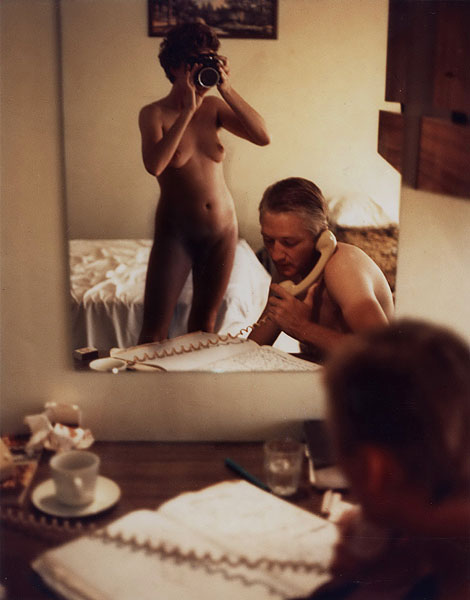
Carol Jerrems (Australian, 1949-1980) 'Mirror with a memory: motel room' 1977


Carol Jerrems (Australian, 1949-1980)
Mirror with a memory: motel room
1977
Type C colour photograph
National Gallery of Australia, Canberra
Gift of Mrs Joy Jerrems 1981
© Ken Jerrems and the Estate of Lance Jerrems


Carol Jerrems (Australian, 1949-1980) 'Boys' 1973


Carol Jerrems (Australian, 1949-1980)
Boys
1973
Gelatin silver photograph
National Gallery of Australia, Canberra
© Ken Jerrems and the Estate of Lance Jerrems


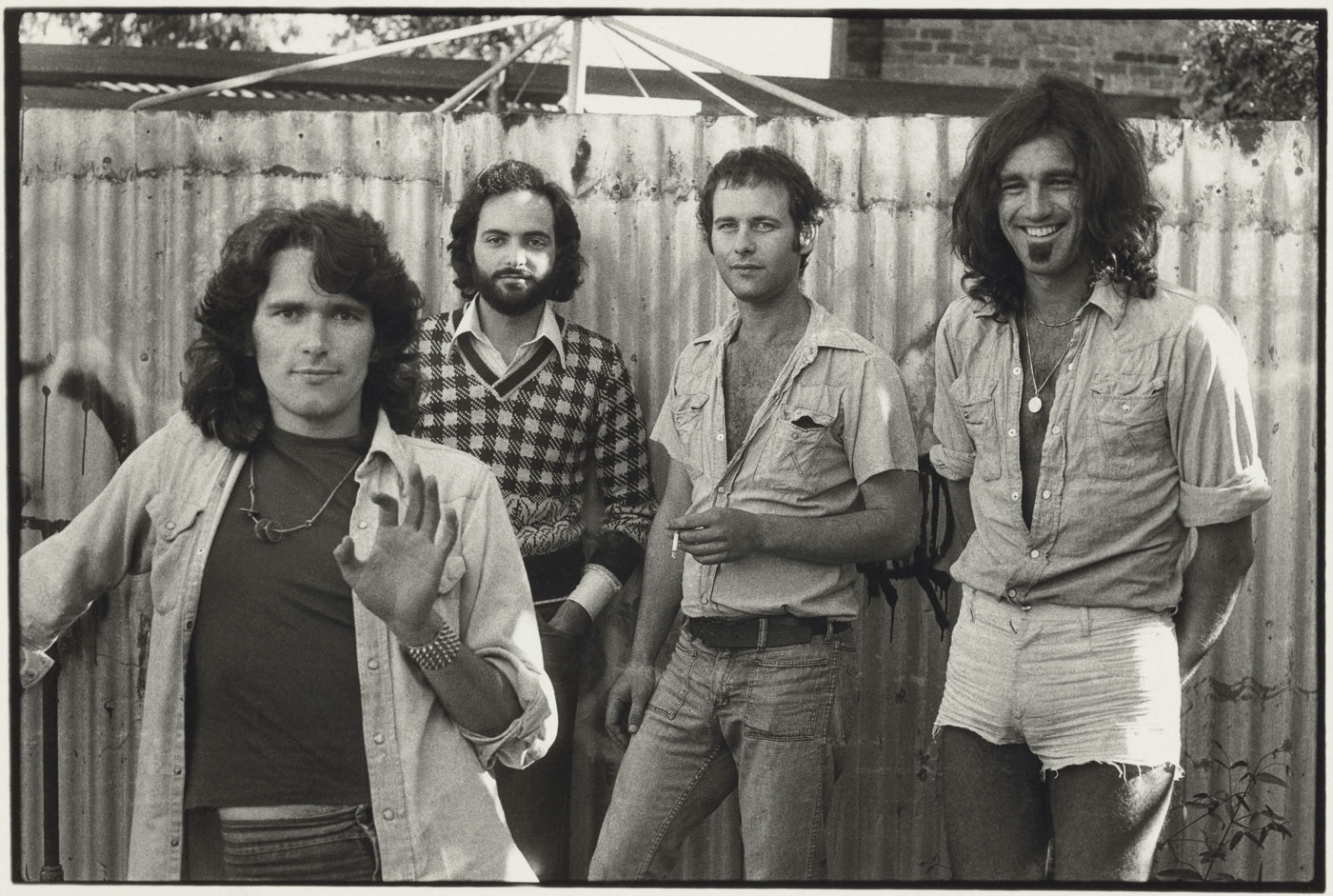
Carol Jerrems (Australian, 1949-1980) 'Boys' 1973  'Outback Press Melbourne' 1974


Carol Jerrems (Australian, 1949-1980)
Outback Press Melbourne
1974
left to right: Colin Talbot (writer), Alfred Milgrom (publisher), Morry Schwartz (entrepreneur, publisher, now publisher of The Monthly), Mark Gillespie (singer/songwriter)
Gelatin silver photograph
National Gallery of Australia, Canberra
Gift of Mrs Joy Jerrems 1981
© Ken Jerrems and the Estate of Lance Jerrems


Carol Jerrems (Australian, 1949-1980) 'Carol Jerrems, self-portrait with Esben Storm' c.1975


Carol Jerrems (Australian, 1949-1980)
Carol Jerrems, self-portrait with Esben Storm
c. 1975
Gelatin silver photograph
National Gallery of Australia, Canberra
Gift of Mrs Joy Jerrems 1981
© Ken Jerrems and the Estate of Lance Jerrems


Carol Jerrems (Australian, 1949-1980) 'Dusan and Esben, Cronulla' 1977


Carol Jerrems (Australian, 1949-1980)
Dusan and Esben, Cronulla
1977
Gelatin silver photograph
20.1 x 30.3cm
© Ken Jerrems and the Estate of Lance Jerrems


Carol Jerrems (Australian, 1949-1980) 'Butterfly behind glass [Red Symons from Skyhooks]' 1975


Carol Jerrems (Australian, 1949-1980)
Butterfly behind glass [Red Symons from Skyhooks]
1975
Gelatin silver photograph
National Gallery of Australia, Canberra
Gift of Mrs Joy Jerrems 1981
© Ken Jerrems and the Estate of Lance Jerrems


Carol Jerrems (Australian, 1949-1980) 'Jane Oehr, “Womenvision”, Filmaker's Co-Op' 1973


Carol Jerrems (Australian, 1949-1980)
Jane Oehr, “Womenvision”, Filmaker’s Co-Op
1973
From A Book about Australian Women (Outback Press, 1974)
Gelatin silver photograph
National Gallery of Australia, Canberra
Gift of Mrs Joy Jerrems 1981
© Ken Jerrems and the Estate of Lance Jerrems


Carol Jerrems (Australian, 1949-1980) 'Performers on stage,' Hair', Metro Theatre Kings Cross, Sydney, January 1970 [Jim Sharman Director cast included Reg Livermore]' 1970


Carol Jerrems (Australian, 1949-1980)
Performers on stage, ‘Hair’, Metro Theatre Kings Cross, Sydney, January 1970
[Jim Sharman Director cast included Reg Livermore]
1970
Gelatin silver photograph
National Gallery of Australia, Canberra
Gift of Mrs Joy Jerrems 1981
© Ken Jerrems and the Estate of Lance Jerrems


Carol Jerrems (Australian, 1949-1980) 'Peggy Selinski' 1968


Carol Jerrems (Australian, 1949-1980)
Peggy Selinski
1968
Gelatin silver photograph
National Gallery of Australia, Canberra
Gift of Mrs Joy Jerrems 1981
© Ken Jerrems and the Estate of Lance Jerrems


Carol Jerrems (Australian, 1949-1980) 'Lynn' 1976


Carol Jerrems (Australian, 1949-1980)
Lynn
1976
Gelatin silver photograph
National Gallery of Australia, Canberra
© Ken Jerrems and the Estate of Lance Jerrems


Monash Gallery of Art
860 Ferntree Gully Road, Wheelers Hill
Victoria 3150 Australia
Phone: + 61 3 8544 0500

Opening hours:
Tue – Fri: 10am – 5pm
Sat – Sun: 10pm – 4pm
Mon/public holidays: closed

Monash Gallery of Art website

LIKE ART BLART ON FACEBOOK

Back to top

Opening speech: ‘John Cato Retrospective’ and book launch

Exhibition dates: 17th August – 15th September 2013


“… in my memory John was a teacher determined to seek out the aptitudes and endowments of each student who came before him; his teaching and mentorship involved a deep empathy with each student’s approach. He was almost clairvoyant in being able to very quickly identify one’s strengths and it was on those he would concentrate, unafraid to express criticism; but only in terms of how a certain fault might detract from a strength. Such was his positive and affirming approach to teaching, and consequently we have each been left a different and very personal perception of what he valued in photography.”


Dr James McArdle


Read my opening speech

Read my chapter “… and his forms were without number,” in the book John Cato: A Retrospective of the Photographic Work 1971-1991

Photographers David Callow and Andrew Chapman’s video tribute to John Cato (18 mins 39 secs) can be viewed on Vimeo (Password is Cato)

Please click on the photographs to see a larger version of the image and to view other photographs from the opening.


Ballarat International Foto Biennale
12 Lydiard St North, Ballarat 3350

Ballarat International Foto Biennale website

LIKE ART BLART ON FACEBOOK

Back to top

Marcus Bunyan black and white archive: ‘Ignudi’, 1994

April 2013

PLEASE NOTE: THIS POSTING CONTAINS ART PHOTOGRAPHS OF MALE NUDITY – IF YOU DO NOT LIKE PLEASE DO NOT LOOK, FAIR WARNING HAS BEEN GIVEN


Marcus Bunyan (Australian, b. 1958) 'Untitled' 1994 from the series 'Ignudi'


Marcus Bunyan (Australian, b. 1958)
Untitled
1994
From the series Ignudi
Silver gelatin photograph


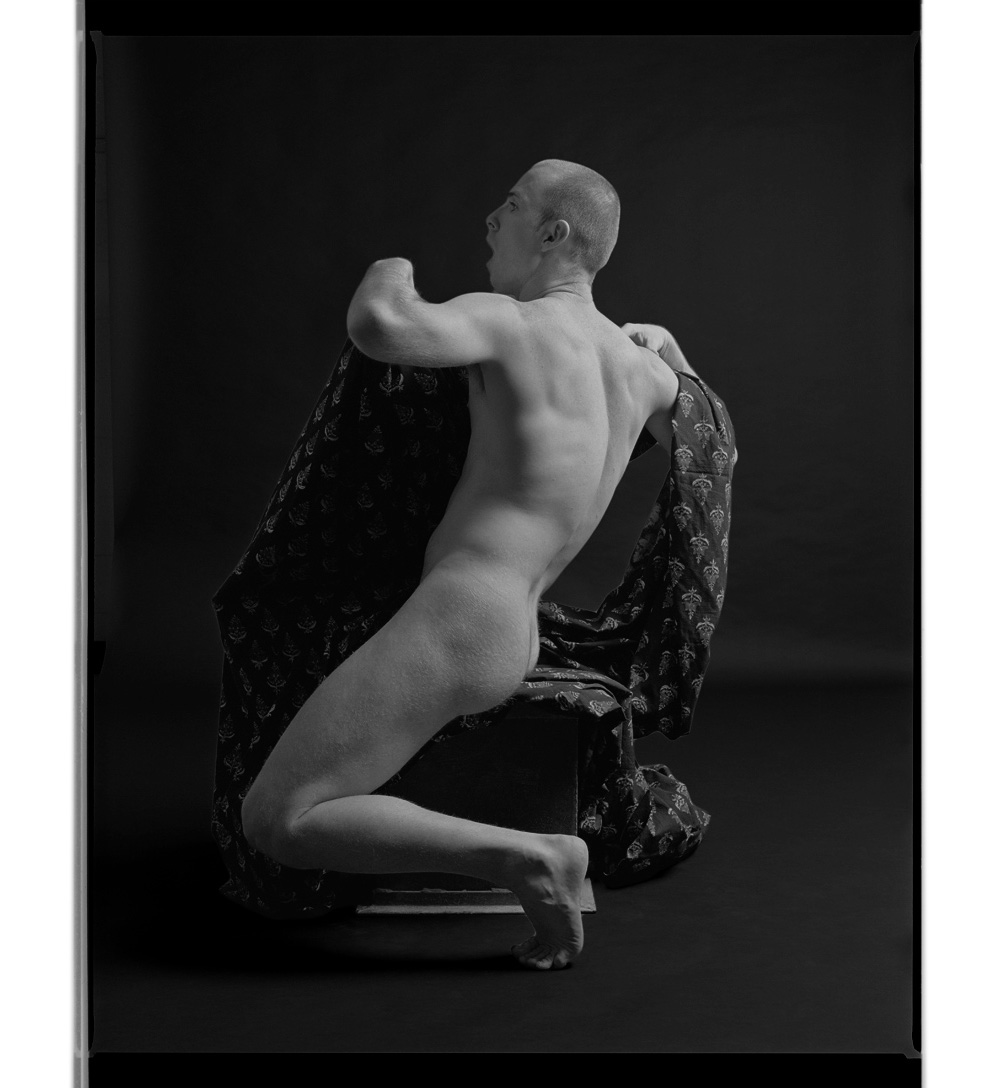
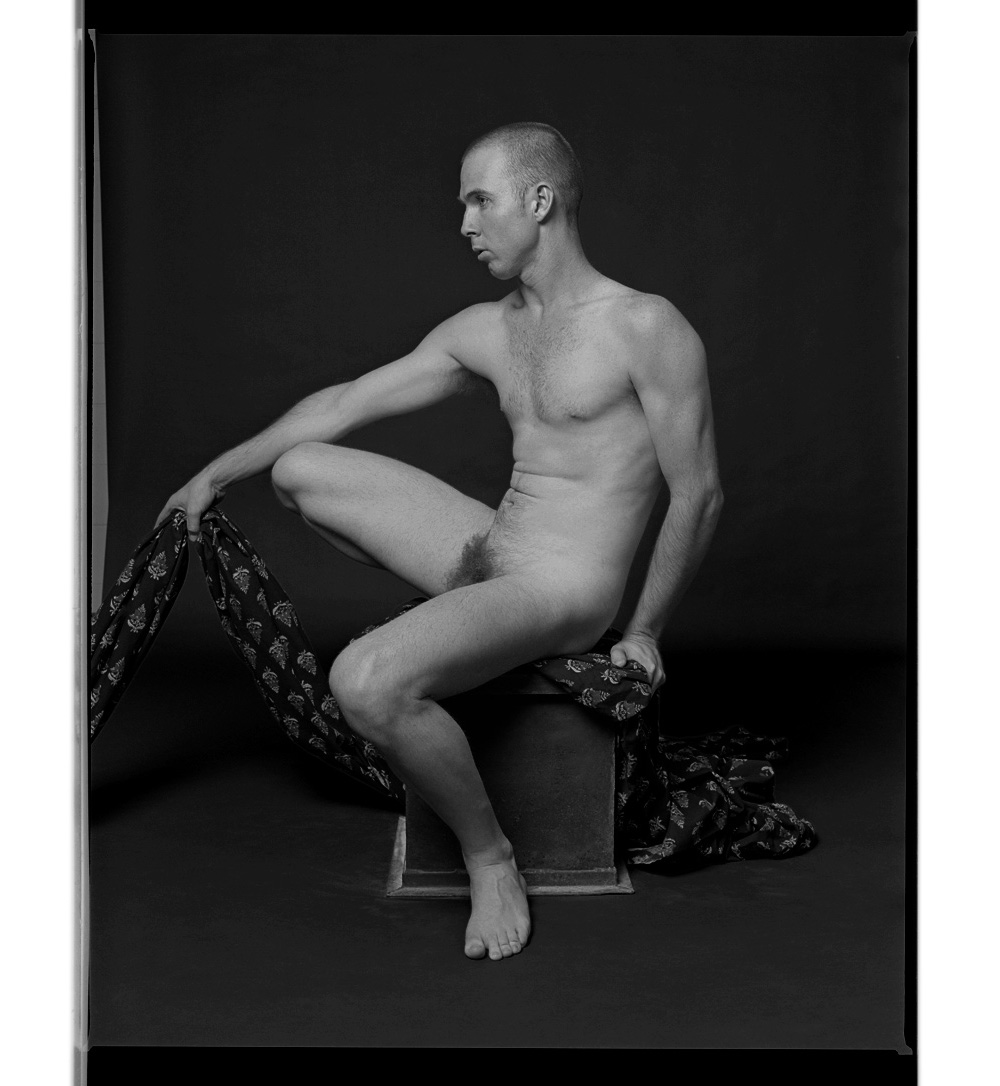
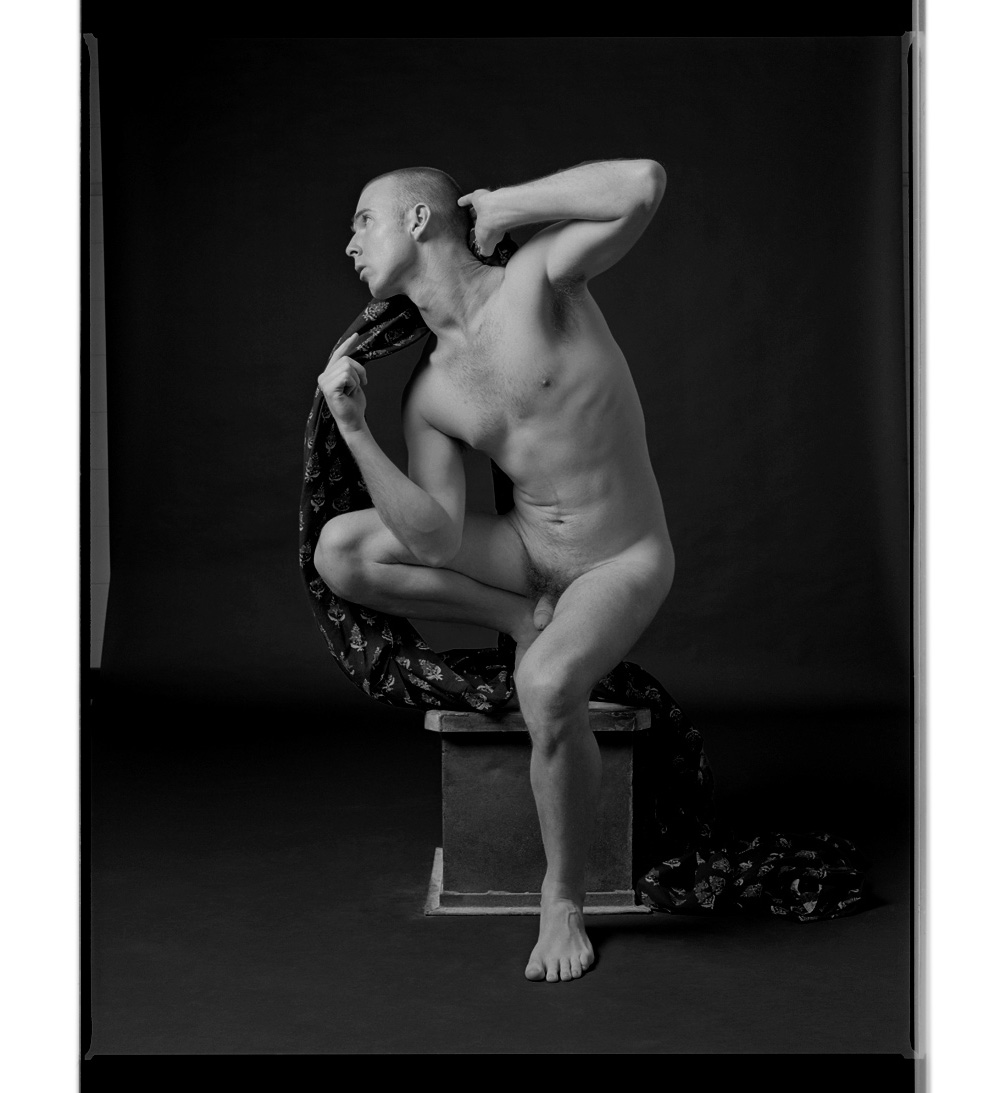
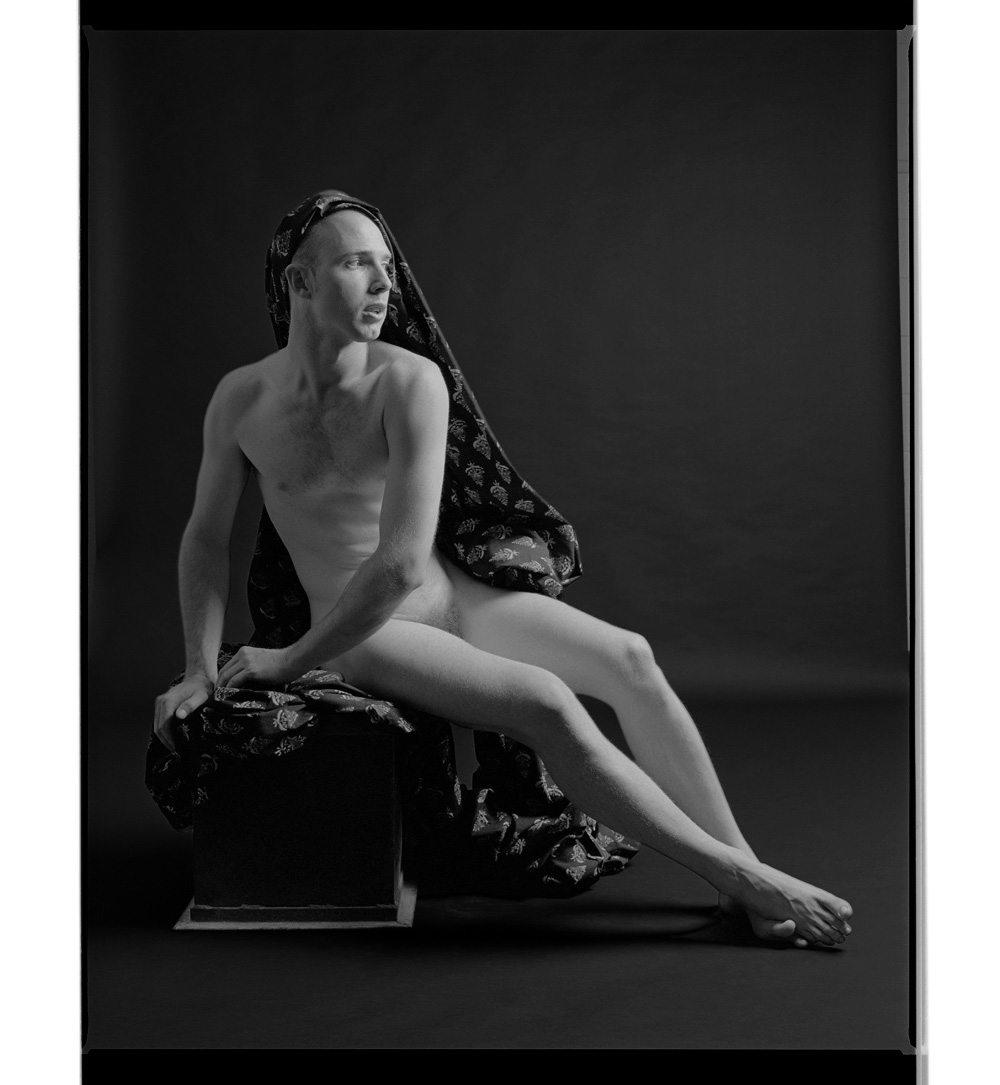
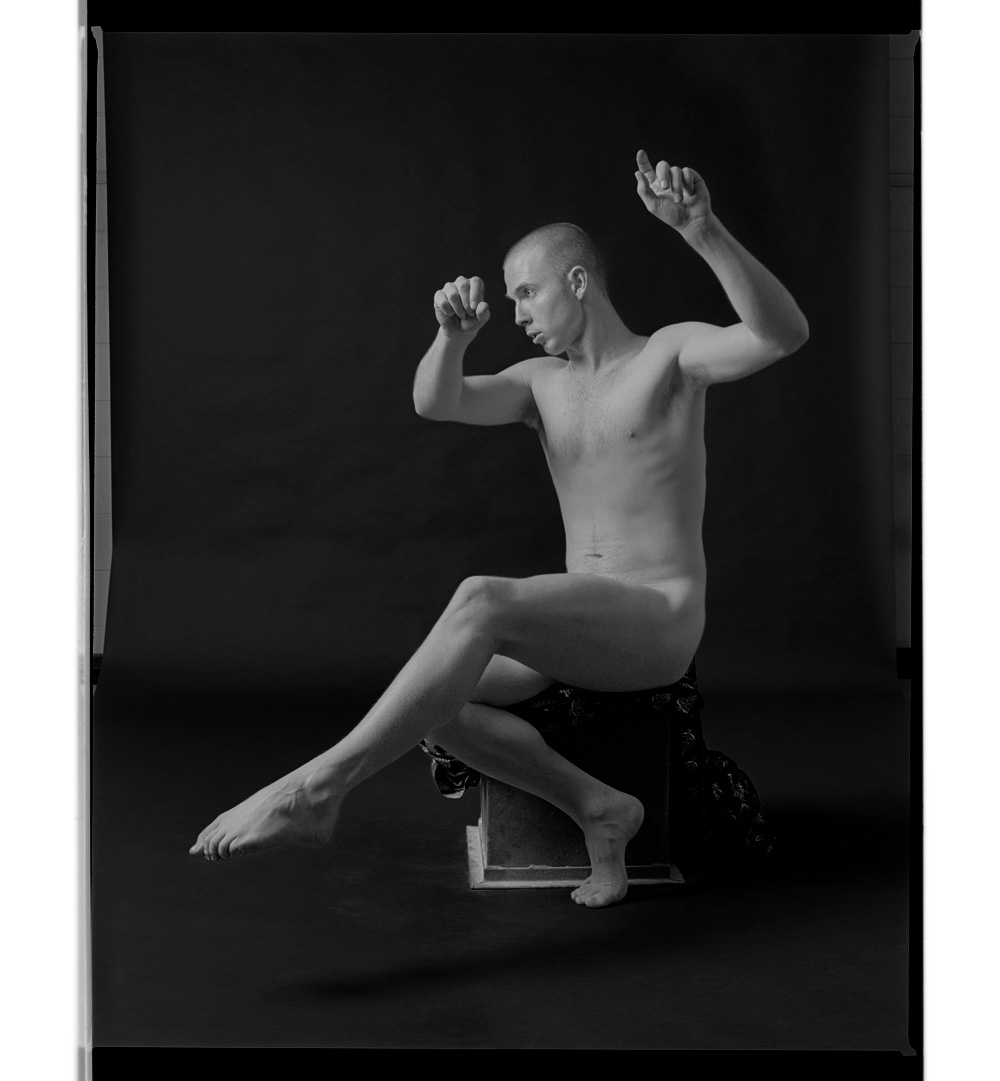
This series of photographs is a reconceptualisation of Michelangelo’s Ignudi from the Sistine Chapel. The Ignudi (singular: ignudo, from the Italian adjective nudo, meaning “naked”) are the 20 athletic, nude male figures that Michelangelo painted at the four corners of the five smaller scenes of Creation. Recontextualising the figures implicitly fetches elements from other texts, the meaning of the male body based on its meaning in other contexts and ages (beauty, desire, homoeroticism, nudity, power of the body/phallus), realising a continual unfolding of texts, discourses and conversations in a field of production.

These prints are incredibly rare. There are probably 3 vintage photographs on fibre-base paper of each image at 12″ x 16″ size.


I am scanning my negatives made during the years 1991-1997 to preserve them in the form of an online archive as a process of active memory, so that the images are not lost forever. These photographs were images of my life and imagination at the time of their making, the ideas I was thinking about and the people and things that surrounded me.

All images © Marcus Bunyan. Please click the photographs for a larger version of the image; remember these are just straight scans of the negatives !

Photographs are available from this series for purchase. As a guide, a vintage 8″ x 10″ silver gelatin print costs $700 plus tracked and insured shipping. For more information please see my Store web page.


Marcus Bunyan (Australian, b. 1958) 'Untitled' 1994 from the series 'Ignudi'


Marcus Bunyan (Australian, b. 1958)
Untitled
1994
From the series Ignudi
Silver gelatin photograph


Marcus Bunyan (Australian, b. 1958) 'Untitled' 1994 from the series 'Ignudi'


Marcus Bunyan (Australian, b. 1958)
Untitled
1994
From the series Ignudi
Silver gelatin photograph


Marcus Bunyan (Australian, b. 1958) 'Untitled' 1994 from the series 'Ignudi'


Marcus Bunyan (Australian, b. 1958)
Untitled
1994
From the series Ignudi
Silver gelatin photograph


Marcus Bunyan (Australian, b. 1958) 'Untitled' 1994 from the series 'Ignudi'


Marcus Bunyan (Australian, b. 1958)
Untitled
1994
From the series Ignudi
Silver gelatin photograph


Marcus Bunyan (Australian, b. 1958) 'Untitled' 1994 from the series 'Ignudi'


Marcus Bunyan (Australian, b. 1958)
Untitled
1994
From the series Ignudi
Silver gelatin photograph


Marcus Bunyan (Australian, b. 1958) 'Untitled' 1994 from the series 'Ignudi'


Marcus Bunyan (Australian, b. 1958)
Untitled
1994
From the series Ignudi
Silver gelatin photograph


Marcus Bunyan (Australian, b. 1958) 'Untitled' 1994 from the series 'Ignudi'


Marcus Bunyan (Australian, b. 1958)
Untitled
1994
From the series Ignudi
Silver gelatin photograph


Marcus Bunyan (Australian, b. 1958) 'Untitled' 1994 from the series 'Ignudi'


Marcus Bunyan (Australian, b. 1958)
Untitled
1994
From the series Ignudi
Silver gelatin photograph


Marcus Bunyan (Australian, b. 1958) 'Untitled' 1994 from the series 'Ignudi'


Marcus Bunyan (Australian, b. 1958)
Untitled
1994
From the series Ignudi
Silver gelatin photograph


Marcus Bunyan (Australian, b. 1958) 'Untitled' 1994 from the series 'Ignudi'


Marcus Bunyan (Australian, b. 1958)
Untitled
1994
From the series Ignudi
Silver gelatin photograph


Marcus Bunyan (Australian, b. 1958) 'The Lovers (Major Arcana)' 1994 from the series 'Ignudi'


Marcus Bunyan (Australian, b. 1958)
The Lovers (Major Arcana)
1994
From the series Ignudi
Silver gelatin photograph


Marcus Bunyan black and white archive page

LIKE ART BLART ON FACEBOOK

Back to top

Review: ‘Ingeborg Tyssen: photographs’ at Monash Gallery of Art, Melbourne

Exhibition dates: 23rd November 2012 – 3rd February 2013


Ingeborg Tyssen (Netherlands, Australia 1945-2002) 'Untitled' from the series 'People' 1977


Ingeborg Tyssen (Netherlands, Australia 1945-2002)
Untitled
1977
From the People series
Gelatin silver print
Image: 20.1 x 25.2cm
Monash Gallery of Art, City of Monash Collection
Donated by Janice Hinderaker through the Australian Government’s Cultural Gifts Program 2003


“Tysenn clearly felt a deep sense of dislocation from her country of birth, its national identity and cultural conventions. It was apparent in her ongoing explorations of the Australian landscape that on her arrival she had met with more than just an initial linguistic barrier, and there were also barriers to understanding the Australian landscape which was so far and different to European forests and Dutch tales and legends about them that she grew up with.”


Essay “Remembering Ingeborg” by Sandra Byron


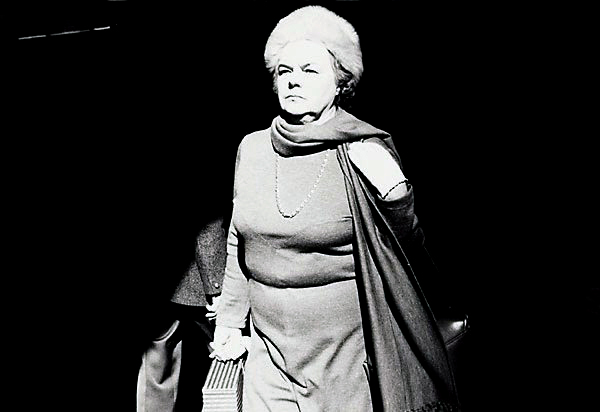
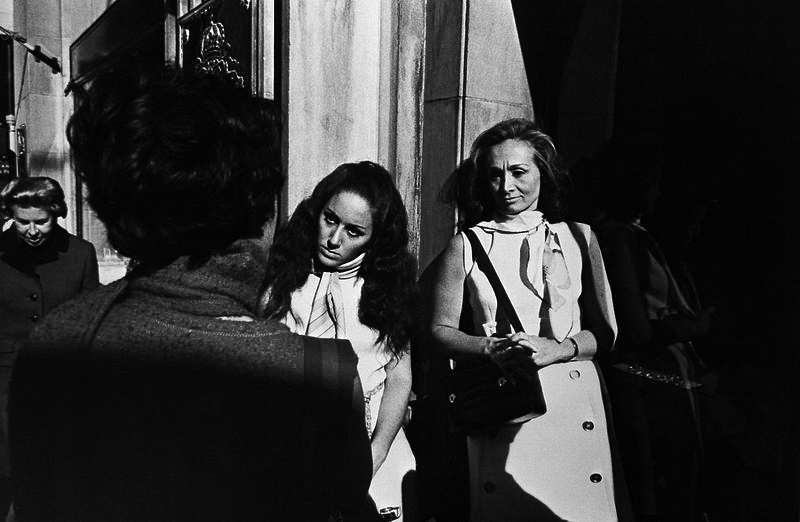
“Tyssen’s people are not known to her, rather are studies of anonymous people: in action, in the city, at a fairground. The People series – City Light 1977 images reveal a sense of isolation in a crowd. People emerging from the dark shadows of the same station / mall and march into the sunlight. They are expressionless, uncommunicative, isolated, yet display a keen sense of self and appearance. Mostly minding their own business, doing their own thing, they seem undisturbed by the female photographer standing nearby. She must not have been intrusive or demanding, just there with her camera at the ready.”


Fiona McIntosh. “Two women photographers,” on the art out there blog Friday, 18 May 2012 [Online] Cited 08/09/2022


Ingeborg Tyssen (Netherlands, Australia 1945-2002) 'Untitled' from the series 'People' 1977


Ingeborg Tyssen (Netherlands, Australia 1945-2002)
Untitled
1977
From the People series
Gelatin silver print
Image: 20.1 x 25.2cm
Monash Gallery of Art, City of Monash Collection
Donated by Janice Hinderaker through the Australian Government’s Cultural Gifts Program 2003


Ingeborg Tyssen (Netherlands, Australia 1945-2002) 'Untitled' from the series 'People' 1977


Ingeborg Tyssen (Netherlands, Australia 1945-2002)
Untitled
1977
From the People series
Gelatin silver print
Image: 20.1 x 25.2cm
Monash Gallery of Art, City of Monash Collection
Donated by Janice Hinderaker through the Australian Government’s Cultural Gifts Program 2003


Ingeborg Tyssen (Netherlands, Australia 1945-2002) 'Untitled' from the series 'People' 1977


Ingeborg Tyssen (Netherlands, Australia 1945-2002)
Untitled
1977
From the People series
Gelatin silver print
Image: 20.1 x 25.2cm
Monash Gallery of Art, City of Monash Collection
Donated by Janice Hinderaker through the Australian Government’s Cultural Gifts Program 2003


Ingeborg Tyssen (Netherlands, Australia 1945-2002) 'Untitled' from the series 'People' 1977


Ingeborg Tyssen (Netherlands, Australia 1945-2002)
Untitled
1977
From the People series
Gelatin silver print
Image: 20.1 x 25.2cm
Monash Gallery of Art, City of Monash Collection
Donated by Janice Hinderaker through the Australian Government’s Cultural Gifts Program 2003


Ingeborg Tyssen (Netherlands, Australia 1945-2002) 'Untitled' from the series 'People' 1977


Ingeborg Tyssen
Untitled
1977
From the People series
Gelatin silver print
Image: 20.1 x 25.2cm
Monash Gallery of Art, City of Monash Collection
Donated by Janice Hinderaker through the Australian Government’s Cultural Gifts Program 2003


Garry Winogrand (American, 1928-1984) 'Untitled' from Women are Beautiful' Nd/1981


Garry Winogrand (American, 1928-1984)
Untitled
Nd (1960s) / published 1981
From the portfolio Women are Beautiful
Silver gelatin print


Harry Callahan (American, 1912-1999) 'Chicago' 1961


Harry Callahan (American, 1912-1999)
Chicago
1961
Gelatin silver print
Overall (image): 40.6 x 27.1cm (16 x 10 11/16 in.)
National Gallery of Art, Washington, Gift of the Callahan Family
© Estate of Harry Callahan, courtesy Pace/MacGill Gallery, New York


“Ingeborg Tyssen was one of the great Australian photographers of her generation.” (Press release)

“Ingeborg Tysenn was one of Australia’s most important post war artists.”
(Essay “Remembering Ingeborg” by Sandra Byron)


This is a disappointing exhibition of the work of Australian photographer Ingeborg Tyssen at Monash Gallery of Art, Melbourne encumbered as it is by the above two statements. On the evidence of the work presented neither statement is true. Whoever is pushing this barrow (and it is a large barrow to push) should really stop and have a damn good look at the work to see whether it is worthy of such claims and what they hope to achieve by promoting such statements. If they really looked objectively they would see that the art just is, and nothing more.

Being a cultural commentator means that you have to form an opinion on the work presented. For me this involves the eye (what the work looks like), the head (undertaking research into the artist) and the heart (how I feel about the work). Then and only then can you make an informed decision on the merits of the work. With Tyssen’s work there were four standout photographs in the exhibition (people in a swimming pool taken in the Modernist style, part of the 1981 Ryde Pool, Sydney series, none of which I can show you in this posting) and the rest of the photographs exist in the world.

Tyssen was born in The Netherlands and arrived here when she was 12 years old. Her photographs show a European and Australian sensibility, a dislocation from but also an attraction toward both her native country and her adopted country Australia. Her photographs can be divided into various styles: early documentary street photography (the People series, 1977), Modernist photography (Ryde Pool, Sydney series, 1981 and From the heart of the forest to the edge of the road series, 1982-1984), New Topographics photography (Billboards and Trees series, 1981-1982) and Romantic photography (The voice of silence series 1991-1992). In this regard, Tyssen never seems to have developed a voice of her own, a signature style that you could say was unique to her own art practice. So many of these photographs are derivative of other photographers who have already invented and mastered that style that nothing seems to belong to Tyssen herself. She seems to have been enamoured of style after style.

In the high contrast, small scale People series (1977, above) the animals are particularly unapproachable. While exhibiting a sense of Australian light and an intimation of Australia’s white only policy – there is a specific Australian-ness in the people she has chosen and the atmosphere of Whitlam / post Whitlam remaking of the Australian identity; even the lady with the European aura knows she is in Australia, perhaps she even knows she is in the Australian light – these are hard images to engage with emotionally, unlike the psychological works of Harry Callahan and Garry Winogrand. Problematically, the Billboards and Trees series (both 1981-1982, below) are so redolent of American photography (both in physical dis/location and surface remarks) that I felt I had seen it all before. In both these series Australia morphs into America and not in a good way.

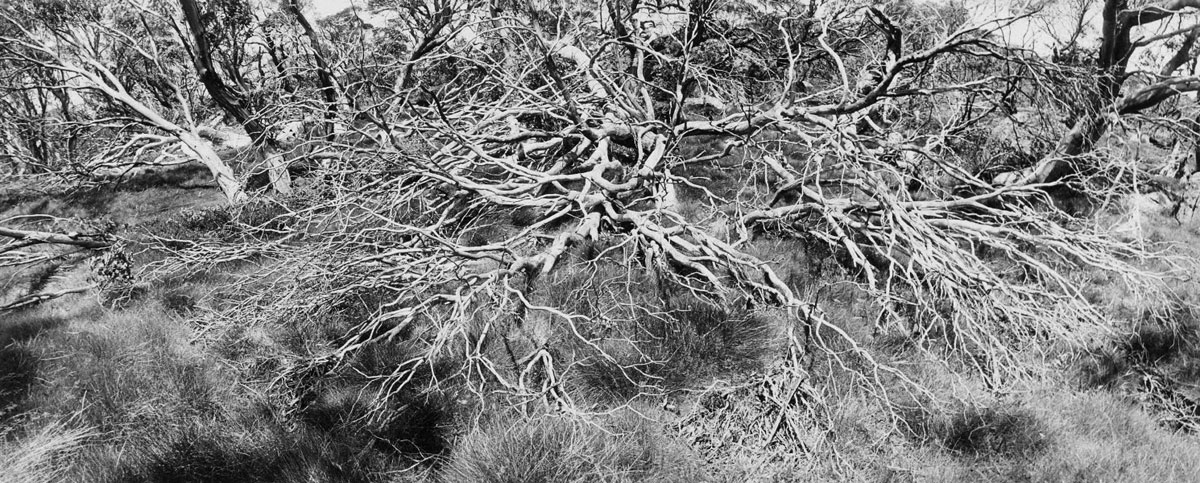
In the panoramic series From the heart of the forest to the edge of the road (1982-1984, below) Tyssen comes closest to capturing the intensity of the Australian landscape only to be let down by a) the quality of the prints and b) the fact that the title is a coat hanger, allowing the artist to hang disparate images together that really have no relationship to each other. The prints themselves do little to support the work, being sometimes too pale and insignificant to hold the image, too flat. Playing with the print and its tonal range and surface qualities does little to help an overall vision of the work or help the viewer engage with the content.

In my notes I wrote in capital letters: THEY DON’T ENGAGE ME! In other words, there was little in these photographs that held my attention for any length of time.

Tyssen seems to have known her limitations as well. She just wanted to be a photographer and kept persevering at her art … keep at it, keep going, keep creating. That’s all you can do as an artist. At their best Tyssen’s photographs lie somewhere between Kertesz and Cartier-Bresson without the decisive moment (look at the photograph Taronga Zoo, Sydney, 1974 below and you will understand what I mean). But the deference of some of her images was really brought home to me when, in a small gallery off to the side of the main space, there in all its glory was one of the iconic images of a generation – Vale Street (1975) by Carol Jerrems.

People really do need to stop making grandiose statements about the work of artists and let the viewer just look clearly at the art. That way there is little expectation, the work will be taken on its merits, and everyone may be quietly surprised at the outcome.

Dr Marcus Bunyan


Many thankx to the Monash Gallery of Art for allowing me to publish the photographs in the posting. Please click on the photographs for a larger version of the image. Download the essay by Sandra Byron, “Remembering Ingeborg: A personal appreciation of the life and work of Ingeborg Tyssen” (2.24Mb pdf)


Ingeborg Tyssen (Netherlands, Australia 1945-2002) 'Taronga Zoo, Sydney' 1974


Ingeborg Tyssen (Netherlands, Australia 1945-2002)
Taronga Zoo, Sydney
1974
Gelatin silver print
Collection of the Estate of Ingeborg Tyssen


Ingeborg Tyssen (Netherlands, Australia 1945-2002) 'Royal Easter Show, Sydney' 1979


Ingeborg Tyssen (Netherlands, Australia 1945-2002)
Royal Easter Show, Sydney
1979
Silver gelatin print
Collection of the Estate of Ingeborg Tyssen


Ingeborg Tyssen (Netherlands, Australia 1945-2002) 'Ryde Pool, Sydney' 1981


Ingeborg Tyssen (Netherlands, Australia 1945-2002)

Untitled
1981
From the series Ryde Pool, Sydney
Ink-jet print
Collection of the Estate of Ingeborg Tyssen


Ingeborg Tyssen (Netherlands, Australia 1945-2002) 'Annandale, Sydney' 1981


Ingeborg Tyssen (Netherlands, Australia 1945-2002)
Annandale, Sydney
1981
From the series Trees 1981-82
Silver gelatin print


Ingeborg Tyssen (Netherlands, Australia 1945-2002) 'Pyrmont, Sydney' 1982


Ingeborg Tyssen (Netherlands, Australia 1945-2002)
Pyrmont, Sydney
1982
From the series Billboards 1981-82
Silver gelatin print


Ingeborg Tyssen (1945-2002) was one of the great Australian photographers of her generation. Although generally overlooked by critics during her lifetime in favour of many of her male counterparts, Tyssen left us a remarkable body of work. Ingeborg Tyssen: photographs is the first museum retrospective of her work in Victoria, and the first major exhibition since her memorial show was held at the Art Gallery of NSW in 2002.

This exhibition provides a great opportunity for audiences to view the work of this major figure. Spanning 20 years of creative output from 1974-94, Ingeborg Tyssen: photographs shows Tyssen as a highly original observer of modern life. Her candid photographs of pedestrians in city streets, young kids playing in suburban swimming pools, and images of the Australian and American landscape reveal an artist whose concerns were at the forefront of Australian photographic practice.

MGA Gallery Director Shaune Lakin states, “Tyssen’s story is one of the great stories of Australian photography. Her arrival in Australia at the age of 12 as an immigrant from her native Holland and her struggle with displacement and new language and landscape is one that many Australians are familiar with. Being one of Australia’s first street photographers, she made a significant contribution to the history of Australian photography. Her experience of migration gave Tyssen a rare ability to observe people in their environment. Her earliest photographs, taken in the city streets, fun parks, and suburbs of 1970s were acute depictions of the urban isolation she felt in her new homeland. Her experience and pictures certainly remain relevant to contemporary Australia.”

In 1995 the Art Gallery of New South Wales presented a mid-career survey of her work and she continued to exhibit in commercial galleries and museums in Australia and abroad until she died as a result of a motor accident in 2002. In her obituary, critic Robert McFarlane wrote: “With Tyssen’s death, Australia has lost one of the most talented photographers from the postwar generation… The originality and lack of ego in these images will ensure their enduring place in the history of the medium.”

Tyssen studied photography under John Williams, who became her husband. She was a co-founder of the Photographers Gallery in South Yarra in 1975.

Press release from the Monash Gallery of Art website
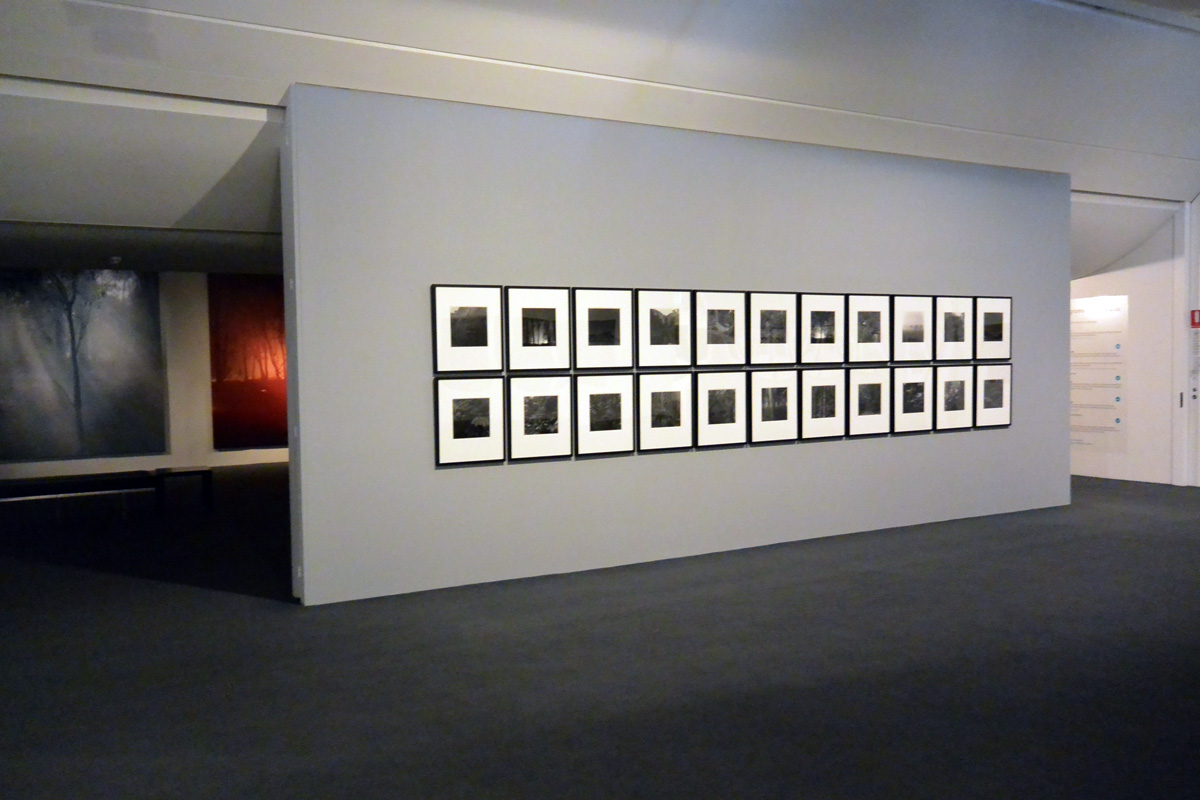
 

Ingeborg Tyssen (Netherlands, Australia 1945-2002) 'Perisher Valley, NSW' from the series 'From the heart of the forest to the edge of the road' series 1984


Ingeborg Tyssen (Netherlands, Australia 1945-2002)
Perisher Valley, NSW
1984
From the series From the heart of the forest to the edge of the road 1982-1984
Silver gelatin print


Ingeborg Tyssen (Netherlands, Australia 1945-2002) 'Perisher Valley No 6, NSW' 1984


Ingeborg Tyssen (Netherlands, Australia 1945-2002)
Perisher Valley No 6, NSW
1984
From the series From the heart of the forest to the edge of the road 1982-1984
Gelatin silver print
14.5 x 35.7cm
Hallmark Cards Australian Photography Collection Fund 1989
© Ingeborg Tyssen, 1984. Licensed by Viscopy, Sydney
Collection of the Estate of Ingeborg Tyssen
Courtesy John Williams & Sandra Byron Gallery


Ingeborg Tyssen (Netherlands, Australia 1945-2002) '
Royal Easter Show, Sydney' 1982


Ingeborg Tyssen (Netherlands, Australia 1945-2002)

Royal Easter Show, Sydney
1982
Gelatin silver print
Collection of the Estate of Ingeborg Tyssen


Ingeborg Tyssen (Netherlands, Australia 1945-2002) 'Untitled' from 'The voice of silence' series 1991-1992


Ingeborg Tyssen (Netherlands, Australia 1945-2002)
Untitled
1991-1992
From The voice of silence series 1991-92
Gelatin silver print


Monash Gallery of Art
860 Ferntree Gully Road, Wheelers Hill
Victoria 3150 Australia
Phone: + 61 3 8544 0500

Opening hours:
Tue – Fri: 10am – 5pm
Sat – Sun: 10pm – 4pm
Mon/public holidays: closed

Monash Gallery of Art website
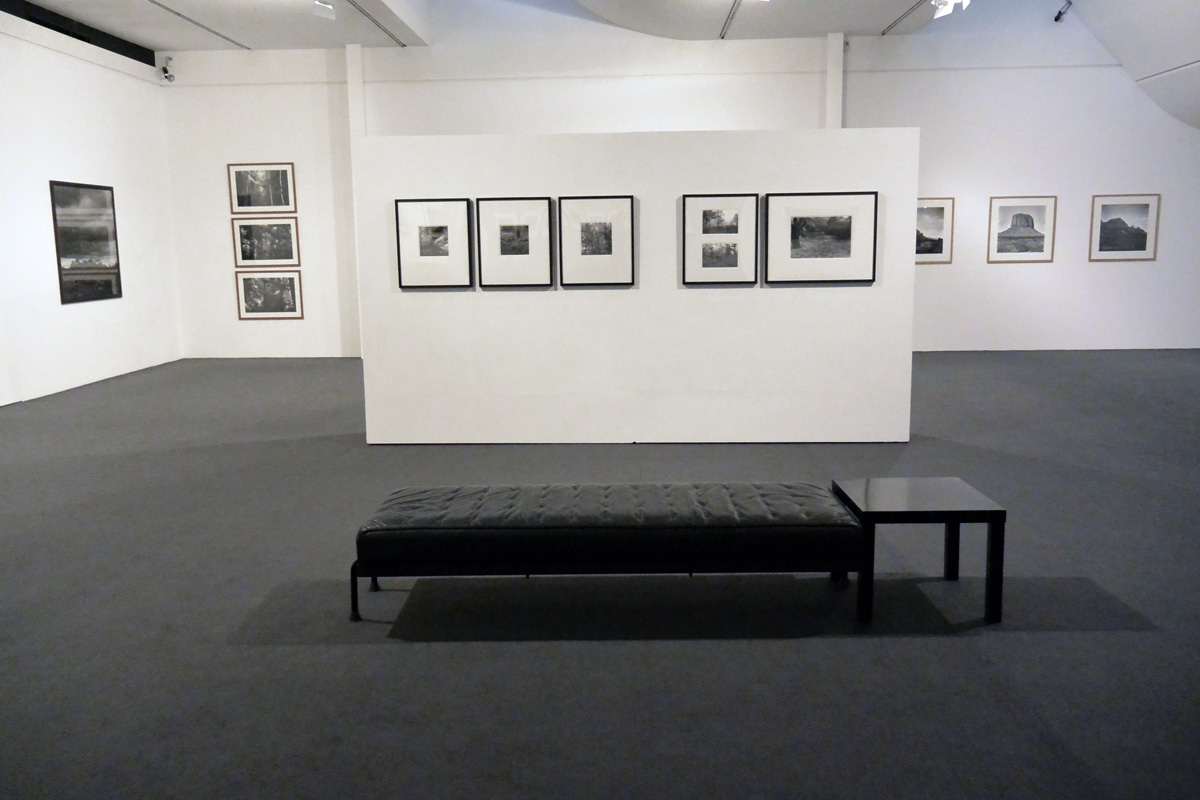
LIKE ART BLART ON FACEBOOK

Back to top

Marcus Bunyan black and white archive: ‘Circumnavigation’, 1992-1994

November 2012

*PLEASE NOTE THIS POSTING CONTAINS ART PHOTOGRAPHS OF MALE SEXUAL NUDITY- IF YOU DO NOT LIKE PLEASE DO NOT LOOK, FAIR WARNING HAS BEEN GIVEN*


The titles from this period tend to be poetic, pragmatic or composed, like Japanese haiku. The photographs are a mixture of personal narrative and universal archetype, hence the affinity to Frederick Sommer’s incantation: Circumnavigation of the blood is always Circumnavigation of the world.

I am scanning my negatives made during the years 1991-1997 to preserve them in the form of an online archive as a process of active memory, so that the images are not lost forever. These photographs were images of my life and imagination at the time of their making, the ideas I was thinking about and the people and things that surrounded me.

All images © Marcus Bunyan. Please click the photographs for a larger version of the image; remember these are just straight scans of the negatives!

Photographs are available from this series for purchase. As a guide, a vintage 8″ x 10″ silver gelatin print costs $700 plus tracked and insured shipping. For more information please see my Store web page.


Marcus Bunyan (Australian, b. 1958) 'Doll on chair' 1992-94


Marcus Bunyan (Australian, b. 1958)
Doll on chair
1992-1994
Silver gelatin photograph


Marcus Bunyan (Australian, b. 1958) 'Paul on the balcony, Mcilwrick Street, Windsor' 1992-94


Marcus Bunyan (Australian, b. 1958)
Paul on the balcony, Mcilwrick Street, Windsor
1992-1994
Silver gelatin photograph


Marcus Bunyan (Australian, b. 1958) 'Paul resting' 1992-94


Marcus Bunyan (Australian, b. 1958)
Paul resting
1992-1994
Silver gelatin photograph


Marcus Bunyan (Australian, b. 1958) 'Marcus holding his cock' 1992-94


Marcus Bunyan (Australian, b. 1958)
Marcus holding his cock
1992-1994
Silver gelatin photograph


Marcus Bunyan (Australian, b. 1958) 'Post with finial, tree' 1992-94


Marcus Bunyan (Australian, b. 1958)
Post with finial, tree
1992-1994
Silver gelatin photograph


Marcus Bunyan (Australian, b. 1958) 'People who live in glass houses shouldn't throw stars' 1992-1994


Marcus Bunyan (Australian, b. 1958)
People who live
in glass houses
shouldn’t throw stars
1992-1994
Silver gelatin photograph


Marcus Bunyan (Australian, b. 1958) 'Paul, Windsor and the city' 1992-1994


Marcus Bunyan (Australian, b. 1958)
Paul, Windsor and the city
1992-1994
Silver gelatin photograph


Marcus Bunyan (Australian, b. 1958) 'Self portrait with punk jacket and flanny' 1992-1994


Marcus Bunyan (Australian, b. 1958)
Self portrait with punk jacket and flanny
1992-1994
Silver gelatin photograph


Marcus Bunyan (Australian, b. 1958) 'Release' 1992-1994


Marcus Bunyan (Australian, b. 1958)
Release
1992-1994
Silver gelatin photograph


Marcus Bunyan (Australian, b. 1958) 'Jesus, Mary and Joseph.' 1992-1994


Marcus Bunyan (Australian, b. 1958)
Jesus, Mary and Joseph.
1992-1994
Silver gelatin photograph


Marcus Bunyan (Australian, b. 1958) 'Circumnavigation of the blood is always Circumnavigation of the world (for Frederick Sommer)' 1992-1994


Marcus Bunyan (Australian, b. 1958)
Circumnavigation of the blood is always Circumnavigation of the world (for Frederick Sommer)
1992-1994
Silver gelatin photograph


Marcus Bunyan (Australian, b. 1958) 'Release (cock, hands, cum)' 1992-1994


Marcus Bunyan (Australian, b. 1958)
Release (cock, hands, cum)
1992-1994
Silver gelatin photograph


Marcus Bunyan (Australian, b. 1958) 'Madonna and child, skull' 1992-94


Marcus Bunyan (Australian, b. 1958)
Madonna and child, skull
1992-1994
Silver gelatin photograph


Marcus Bunyan black and white archive 1991-1997

LIKE ART BLART ON FACEBOOK

Back to top

Marcus Bunyan black and white archive: within, 1992-1994

August 2012


Marcus Bunyan (Australian, b. 1958) 'Gryphon, Luna Park, St Kilda' 1992-94


Marcus Bunyan (Australian, b. 1958)
Gryphon, Luna Park, St Kilda
1992-1994
Silver gelatin photograph


The titles from this period tend to be poetic, pragmatic or composed, like Japanese haiku. The two photographs How will it be when you have changed and Tell me your face before you were born (1994, below) were included in the seminal exhibition Don’t Leave Me This Way: Art in the Age of AIDS at the National Gallery of Australia in 1994. The floater (1992-94) is one of the best black and white photographs I ever took.

I am scanning my negatives made during the years 1991-1997 to preserve them in the form of an online archive as a process of active memory, so that the images are not lost forever. These photographs were images of my life and imagination at the time of their making, the ideas I was thinking about and the people and things that surrounded me.

Marcus


All images © Marcus Bunyan. Please click the photographs for a larger version of the image; remember these are just straight scans of the negatives !

Photographs are available from this series for purchase. As a guide, a vintage 8″ x 10″ silver gelatin print costs $700 plus tracked and insured shipping. For more information please see my Store web page.


Marcus Bunyan (Australian, b. 1958) 'Paul, Windsor railway station' 1992-94


Marcus Bunyan (Australian, b. 1958)
Paul, Windsor railway station
1992-1994


Marcus Bunyan (Australian, b. 1958) 'Night, Windsor' 1992-94


Marcus Bunyan (Australian, b. 1958)
Night, Windsor
1992-1994


Marcus Bunyan (Australian, b. 1958) 'The dusty city, Stillness, blossoms and mist within' 1992-94


Marcus Bunyan (Australian, b. 1958)
The dusty city
Stillness
blossoms and mist within
1992-1994
Silver gelatin photograph


Marcus Bunyan (Australian, b. 1958) 'Afterlife' 1992-94


Marcus Bunyan (Australian, b. 1958)
Afterlife
1992-1994


Marcus Bunyan (Australian, b. 1958) 'The face of man, in the surface of Moon, blinks' 1992-94


Marcus Bunyan (Australian, b. 1958)
The face of man
in the surface of Moon
blinks
1992-1994
Silver gelatin photograph


Marcus Bunyan (Australian, b. 1958) 'How will it be when you have changed' 1994


Marcus Bunyan (Australian, b. 1958)
How will it be when you have changed
1994
Silver gelatin photograph


Marcus Bunyan (Australian, b. 1958) 'Tell me your face before you were born' 1994


Marcus Bunyan (Australian, b. 1958)
Tell me your face before you were born
1994
Silver gelatin photograph


Marcus Bunyan (Australian, b. 1958) 'The floater' 1992-94


Marcus Bunyan (Australian, b. 1958)
The floater
1992-1994
Silver gelatin photograph


Marcus Bunyan (Australian, b. 1958) 'Keyhole, Source, Form No. 1, Fredrick White' 1993


Marcus Bunyan (Australian, b. 1958)
Keyhole, Source, Form No. 1, Fredrick White
1993
Silver gelatin photograph


Marcus Bunyan (Australian, b. 1958) 'Gryphon and palms, St Kilda' 1992-94


Marcus Bunyan (Australian, b. 1958)
Gryphon and palms, St Kilda
1992-1994
Silver gelatin photograph


Marcus Bunyan (Australian, b. 1958) 'Untitled [divinity]' 1992-94


Marcus Bunyan (Australian, b. 1958)
Untitled [divinity]
1992-1994
Silver gelatin photograph


Marcus Bunyan black and white archive 1991-1997

LIKE ART BLART ON FACEBOOK

Back to top

Review: ‘Jane Brown / Australian Gothic’ at Edmund Pearce Gallery, Melbourne

Exhibition dates: 25th April – 12th May 2012


Jane Brown (Kuwait, Australia, b. 1967) 'Big Trout, New South Wales' 2010


Jane Brown (Kuwait, Australia, b. 1967)
Big Trout, New South Wales
2010
Museo silver rag print
59 x 46cm


As you should know by now, this blog tries to promote the work of less well known artists and subject matter. So instead of concentrating on the wonderful aerial bushfire photographs of the well-known artist John Gollings (showing in the same gallery in different spaces with the work of Michael Norton) I have decided to do a posting on the exhibition Australian Gothic by Jane Brown.

This is a good exhibition of small, darkly hewn, traditionally printed silver gelatin photographs, beautifully hung in the small gallery at Edmund Pearce and lit in the requisite, ambient manner. There are some outstanding photographs in the exhibition. The strongest works are the surrealist tinged, film noir-ish mise-en-scènes, the ones that emphasise the metaphorical darkness of the elements gathered upon the stage. Photographs such as Big TroutThe Female Factory, Adelong, New South Wales and Captain’s Flat Hotel, New South Wales really invoke a feeling of unhomely (or unheimlich), where nature is out of kilter. These images unsettle our idea of Oztraliana, our perceived sense of Self and our place in the world. They disrupt normal transmission; they transmutate the seen environment, transforming appearance, nature and form. Less successful in this quest are the bushfire landscapes. I feel these add little to the narrative thread of the exhibition and could have easily been left out in a judicious cull of the photographs. This would have made the overarching story line stronger still.

One of the best photographs in the exhibition is Lathamstowe (2011, below). This dark, brooding, intense photograph is a beautifully realised visualisation, one that balances scale, tone, light, form and darkness to create a haunting image that stays with you a long time after you have seen it. This one images says it all: the artist has talent. More please!

Dr Marcus Bunyan


Many thankx to Edmund Pearce Gallery for allowing me to publish the photographs in the posting. Please click on the photographs for a larger version of the image.


Jane Brown (Kuwait, Australia, b. 1967) 'Bushfire Landscape I' 2011


Jane Brown (Kuwait, Australia, b. 1967)
Bushfire Landscape I
2011
Fibre based, silver gelatin print
16.5 x 20.5cm


Jane Brown (Kuwait, Australia, b. 1967) 'Bushfire Landscape II, Lake Mountain, Victoria' 2010


Jane Brown (Kuwait, Australia, b. 1967)
Bushfire Landscape II, Lake Mountain, Victoria
2010
Fibre based, silver gelatin print
16.5 x 19.5cm


Jane Brown (Kuwait, Australia, b. 1967) 'The Female Factory (convict women’s prison), Ross, Tasmania' 2009


Jane Brown (Kuwait, Australia, b. 1967)
The Female Factory (convict women’s prison), Ross, Tasmania
2009
Fibre based, silver gelatin print
15.8 x 19.5cm


Jane Brown (Kuwait, Australia, b. 1967) 'Front Bar, Wonthaggi Hotel, Victoria' 2012


Jane Brown (Kuwait, Australia, b. 1967)
Front Bar, Wonthaggi Hotel, Victoria
2012
Fibre based, selenium toned, gelatin silver print


Jane Brown (Kuwait, Australia, b. 1967) 'Bush Christmas, Victoria' 2011


Jane Brown (Kuwait, Australia, b. 1967)
Bush Christmas, Victoria
2011
Fibre based, selenium toned, gelatin silver print


Jane Brown (Kuwait, Australia, b. 1967) 'Lathamstowe' 2011


Jane Brown (Kuwait, Australia, b. 1967)
Lathamstowe
2011
Fibre based, silver gelatin print
16.5 x 16.5cm


“I find it interesting how monochrome is used to differentiate the living and the dead, the past and the present. It has an ability to transcend the constraints of time, memory and death. I examine this a lot in my work – landscapes seem to have vestiges or traces of past life and memorials become otherworldly.”


Jane Brown. ‘Weekend Australian Review’, August 2011


“The antipodes was seen as a world of reversals, the dark subconscious of Britain. It was for all intents and purposes Gothic par excellence.”


Gary Turcotte. “Australian Gothic,” in Marie Mulvey-Roberts (ed.). The Handbook to Gothic Literature. 1998


Comprising photographs taken in rural New South Wales, the ACT, Victoria and Tasmania, this exhibition takes its cue from the gothic imaginings of colonial Australia. We see images of a convict past, the bush Christmas, unforgiving landscapes and melancholic hotels. It carries echoes of the cinema of Wake in Fright (1971) and the Cars that Ate Paris (1974)Rendering visible the themes of the melancholic and the uncanny, Australian Gothic manifests itself in rural isolation – where the homely becomes unhomely (or unheimlich) and where nature is out of kilter.


Jane Brown (Kuwait, Australia, b. 1967) 'Adelong, New South Wales' 2011


Jane Brown (Kuwait, Australia, b. 1967)
Adelong, New South Wales
2011
Fibre based, silver gelatin print
16.5 x 20.5cm


Jane Brown (Kuwait, Australia, b. 1967) 'Tumbarumba, New South Wales' 2012


Jane Brown (Kuwait, Australia, b. 1967)
Tumbarumba, New South Wales
2012
Fibre based, silver gelatin print
16.5 x 19.5cm


Jane Brown (Kuwait, Australia, b. 1967) 'One Way, Hobart, Tasmania' 2009


Jane Brown (Kuwait, Australia, b. 1967)
One Way, Hobart, Tasmania
2009
Fibre based, silver gelatin print
16.5 x 19.5cm


Jane Brown (Kuwait, Australia, b. 1967) 'Unheimlich, French Island, Victoria' 2010


Jane Brown (Kuwait, Australia, b. 1967)
Unheimlich, French Island, Victoria
2010
Fibre based, silver gelatin print
19 x 16cm


Jane Brown (Kuwait, Australia, b. 1967) 'Captain’s Flat Hotel, New South Wales' 2012


Jane Brown (Kuwait, Australia, b. 1967)
Captain’s Flat Hotel, New South Wales
2012
Fibre based, silver gelatin print
21.5 x 17.5cm


Edmund Pearce Gallery

This gallery has now closed.

LIKE ART BLART ON FACEBOOK

Back to top