Exhibition: ‘At the Window: The Photographer’s View’ at the J. Paul Getty Museum, Getty Center, Los Angeles

Exhibition dates: 1st October 2013 – 5th January 2014


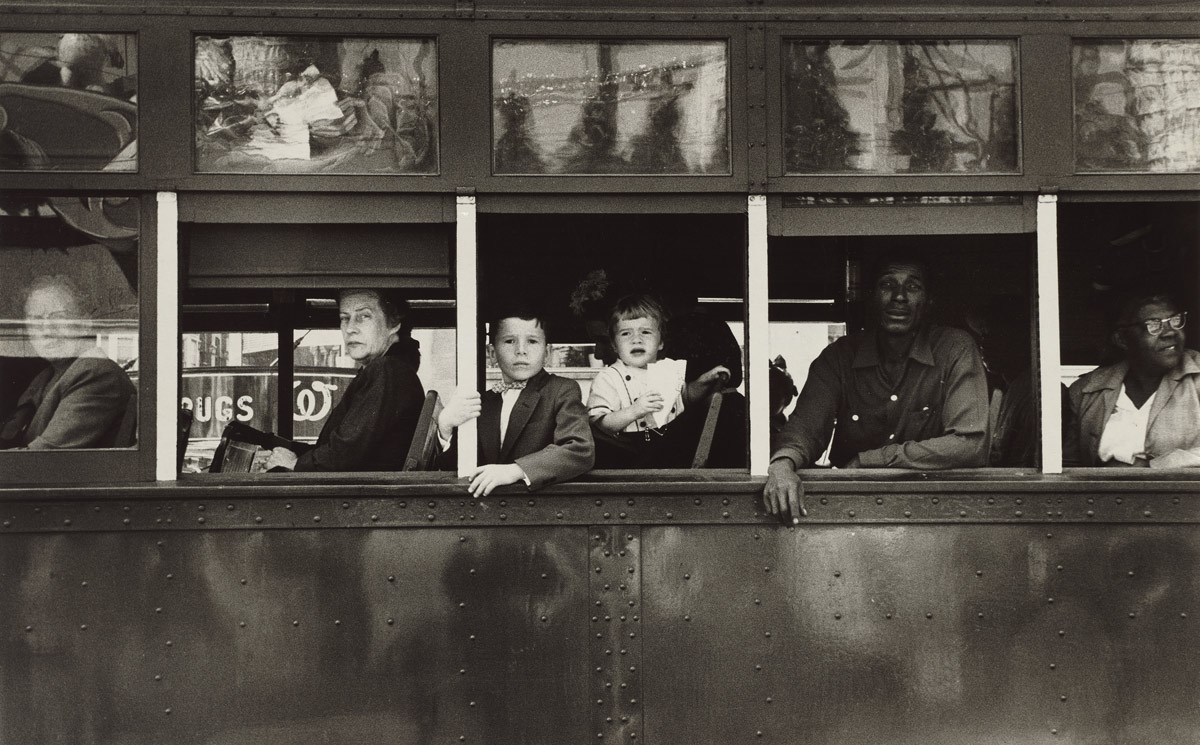
Robert Frank (Swiss, 1924-2019) 'Trolley - New Orleans' 1955


Robert Frank (Swiss, 1924-2019)
Trolley – New Orleans
1955
Gelatin silver print
Image: 22.9 x 34cm (9 x 13 3/8 in.)
Trish and Jan de Bont


Another fascinating exhibition from the J. Paul Getty Museum that features classic photographs and some that I have never seen before. In my opinion, the two most famous photographs of windows have to be Minor White’s rhapsodic Windowsill Daydreaming, Rochester (1958, below) and Paul Strand’s Wall Street (1915, below, originally known as Pedestrians raked by morning light in a canyon of commerce) which, strangely, is not included in the exhibition. I can’t understand this omission as this is the seminal image of windows in the history of photography.

Dr Marcus Bunyan


Many thankx to the J. Paul Getty Museum for allowing me to publish the photographs in the posting. Please click on the photographs for a larger version of the image.


Paul Strand (American, 1890-1976 'Wall Street, New York' 1915


Paul Strand (American, 1890-1976)
Wall Street
1915
Platinum print


In this photo, taken by morning light 1915, the recently built J.P. Morgan Co. building appears sinister and foreboding and dwarfs (perhaps consumes even) the humanity of suited men and women, their long shadows dragging behind them, walked alongside its facade.

Paul Strand studied under Lewis Hine and Alfred Steiglitz. Although he set up in New York as a portrait photographer, Strand often visited Stieglitz’s gallery to see the new European painting which it exhibited. In 1914-1915, under the influence of this new form of art, Strand turned from soft-focus Pictoralism towards abstraction. It was in this spirit that the above photo was taken, originally named, “Pedestrians raked by morning light in a canyon of commerce”. Strand did not intended to show Wall Street in a bad light, he admitted. However, as the Great Depression happened (criticism was squarely towards Wall Street back then as it is today) and Strand turned more communist, he later spoke of “sinister windows” and “blind shapes” inherent in the above picture.

The photo, now simply titled “Wall Street”, was one of six Paul Strand pictures Stieglitz published in Camera Work. In three of the six pictures, humanity strides out from abstract ideas, and each figure was a study in itself – an irregular item complimented by modular formats that surround it. Another set of eleven Strand photos were published in the magazine’s final issue in 1917, and those pictures, overwhelmingly endorsed by Stieglitz as ‘brutally direct’ made Strand’s reputation.

Alex Selwyn-Holmes. “Wall Street by Paul Strand,” on the Iconic Photos blog, December 2010 [Online] Cited 12/01/2021


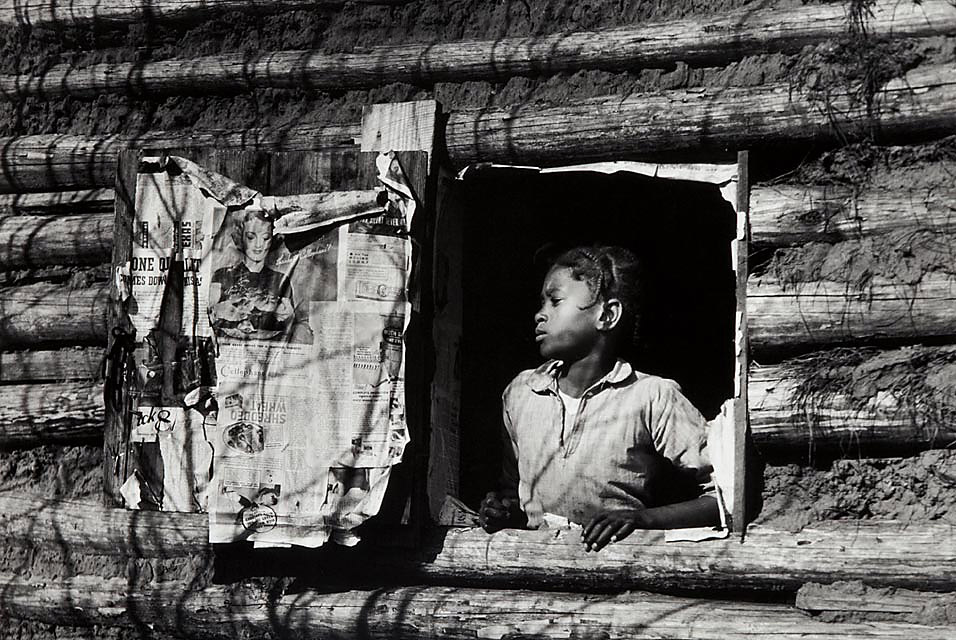
Arthur Rothstein (American, 1915-1985) 'Girl at Gee's Bend' 1937


Arthur Rothstein (American, 1915-1985)
Girl at Gee’s Bend
1937
Silver gelatin print
Image: 40 x 49.7cm (15 3/4 x 19 9/16 in.)
The J. Paul Getty Museum, Los Angeles


Edmund Collein (German, 1906-1992) '[Four Women Looking Through Window]' about 1928


Edmund Collein (German, 1906-1992)
[Four Women Looking Through Window]
about 1928
Gelatin silver print
Image: 8.2 x 11.1cm (3 1/4 x 4 3/8 in.)
The J. Paul Getty Museum, Los Angeles
© Ursula Kirsten-Collein, Berlin


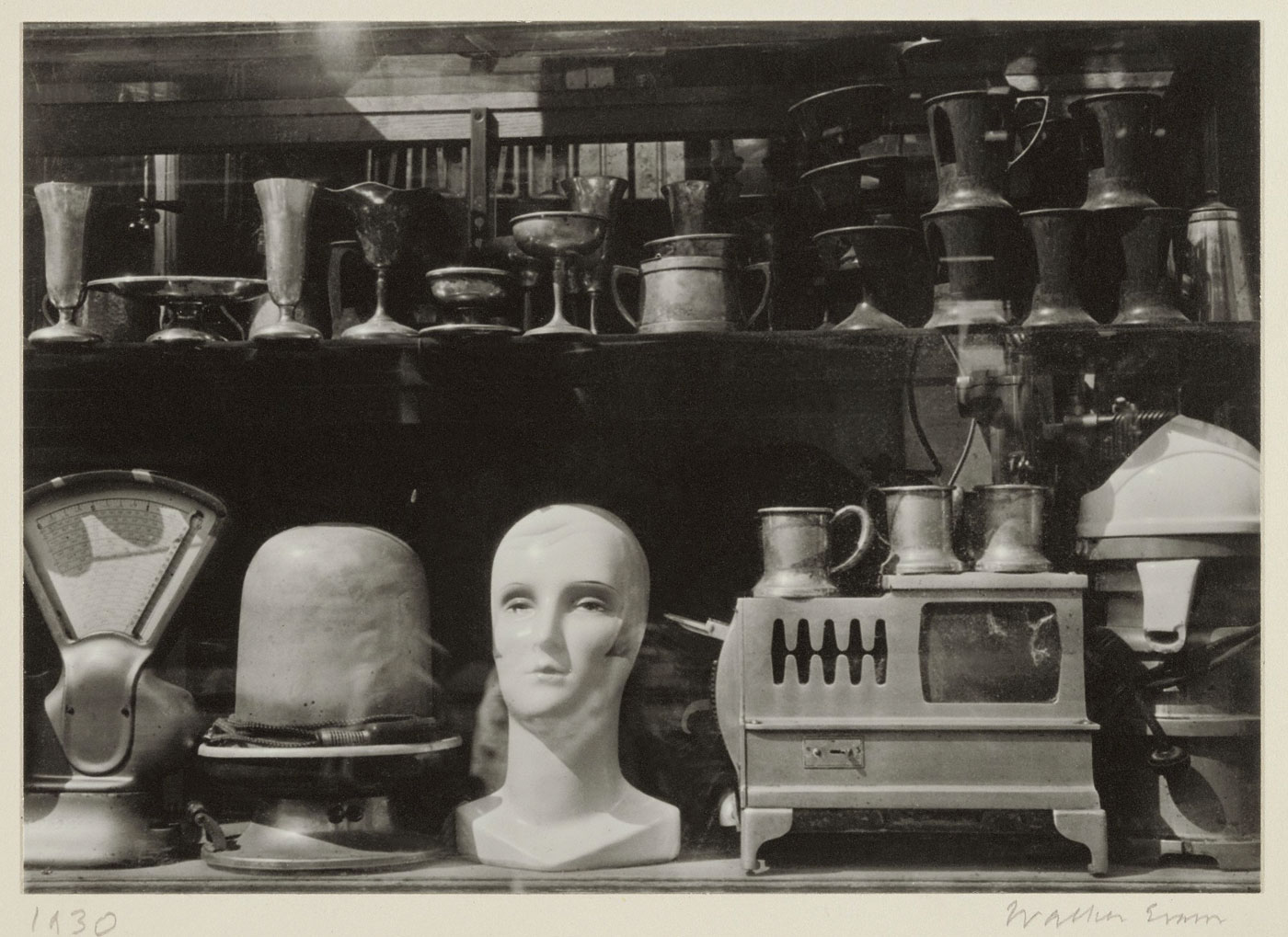
Walker Evans (American, 1903-1975) 'Wall Street Windows' about 1929


Walker Evans (American, 1903-1975)
Wall Street Windows
about 1929
Gelatin silver print
Image: 29.8 x 19.2cm (11 3/4 x 7 9/16 in.)
The J. Paul Getty Museum, Los Angeles
© Walker Evans Archive, The Metropolitan Museum of Art


William Henry Fox Talbot (English, 1800-1877) '[The Milliner's Window]' before January 1844


William Henry Fox Talbot (English, 1800-1877)
[The Milliner’s Window]
before January 1844
Salted paper print from a Calotype negative
Image: 14.3 x 19.5cm (5 5/8 x 7 11/16 in.)
The J. Paul Getty Museum, Los Angeles


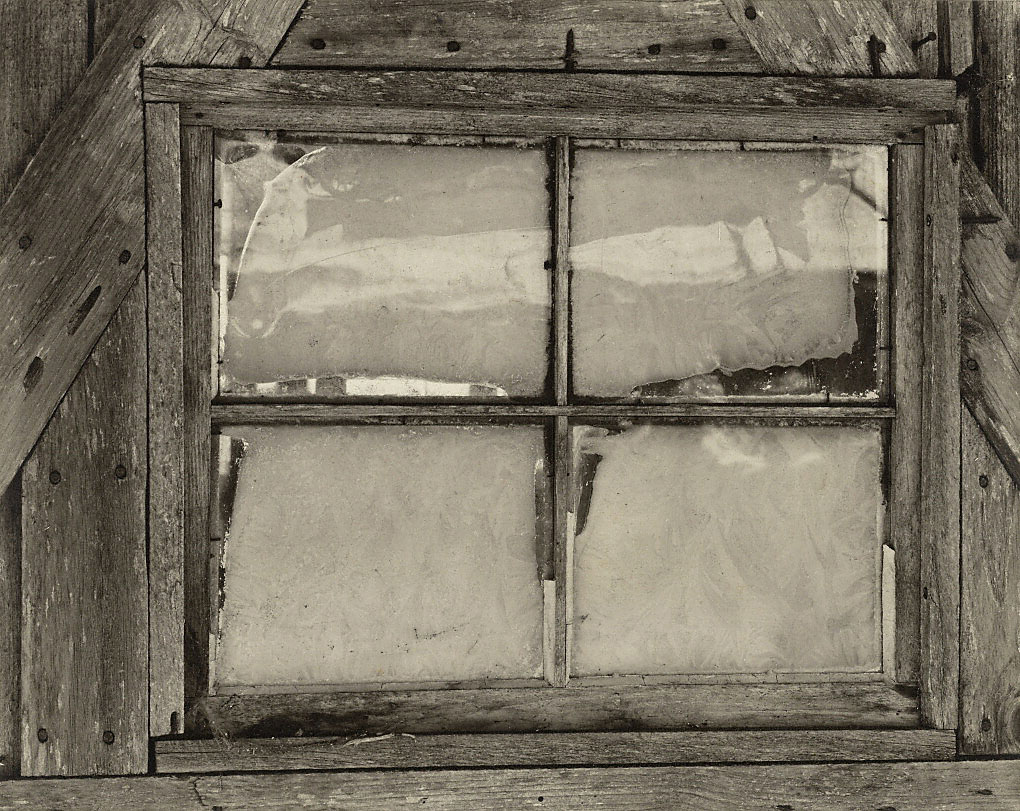
Paul Strand (American, 1890-1976) 'Barn Window and Ice, East Jamaica, Vermont' 1943


Paul Strand (American, 1890-1976)
Barn Window and Ice, East Jamaica, Vermont
1943
Gelatin silver print
Image (trimmed to mount): 19.4 x 24.3cm (7 5/8 x 9 9/16 in.)
The J. Paul Getty Museum, Los Angeles
© Aperture Foundation


Brett Weston (American, 1911-1993) 'Rain Drops' 1953


Brett Weston (American, 1911-1993)
Rain Drops
1953
Gelatin silver print
Image: 20.2 x 25cm (7 15/16 x 9 13/16 in.)
The J. Paul Getty Museum, Los Angeles, Gift of Christian K. Keesee
© The Brett Weston Archive


Sebastião Salgado (Brazilian, b. 1944) 'Ho Chi Minh City, Vietnam' Negative 1995; print 2009


Sebastião Salgado (Brazilian, b. 1944)
Ho Chi Minh City, Vietnam
Negative 1995; print 2009
Gelatin silver print
Image: 34.3 x 51.4cm (13 1/2 x 20 1/4 in.)
The J. Paul Getty Museum, Los Angeles
© Sebastião Salgado


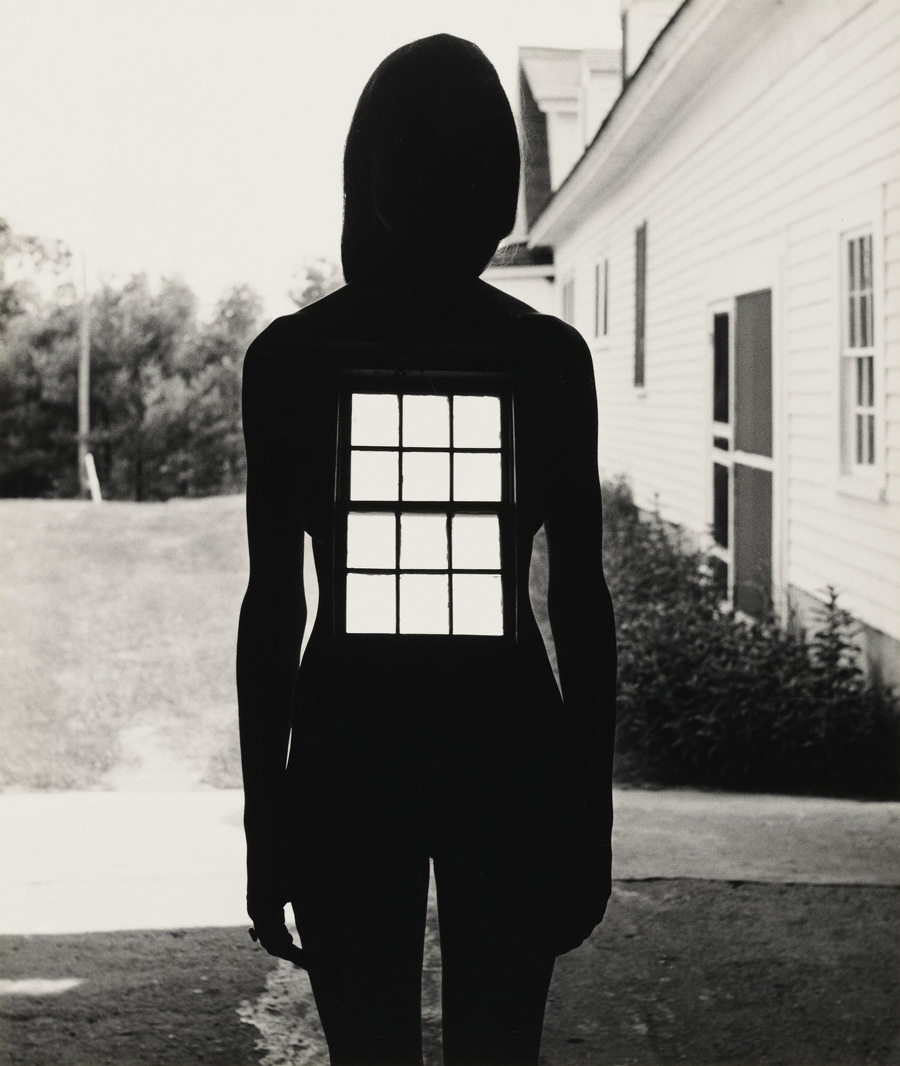
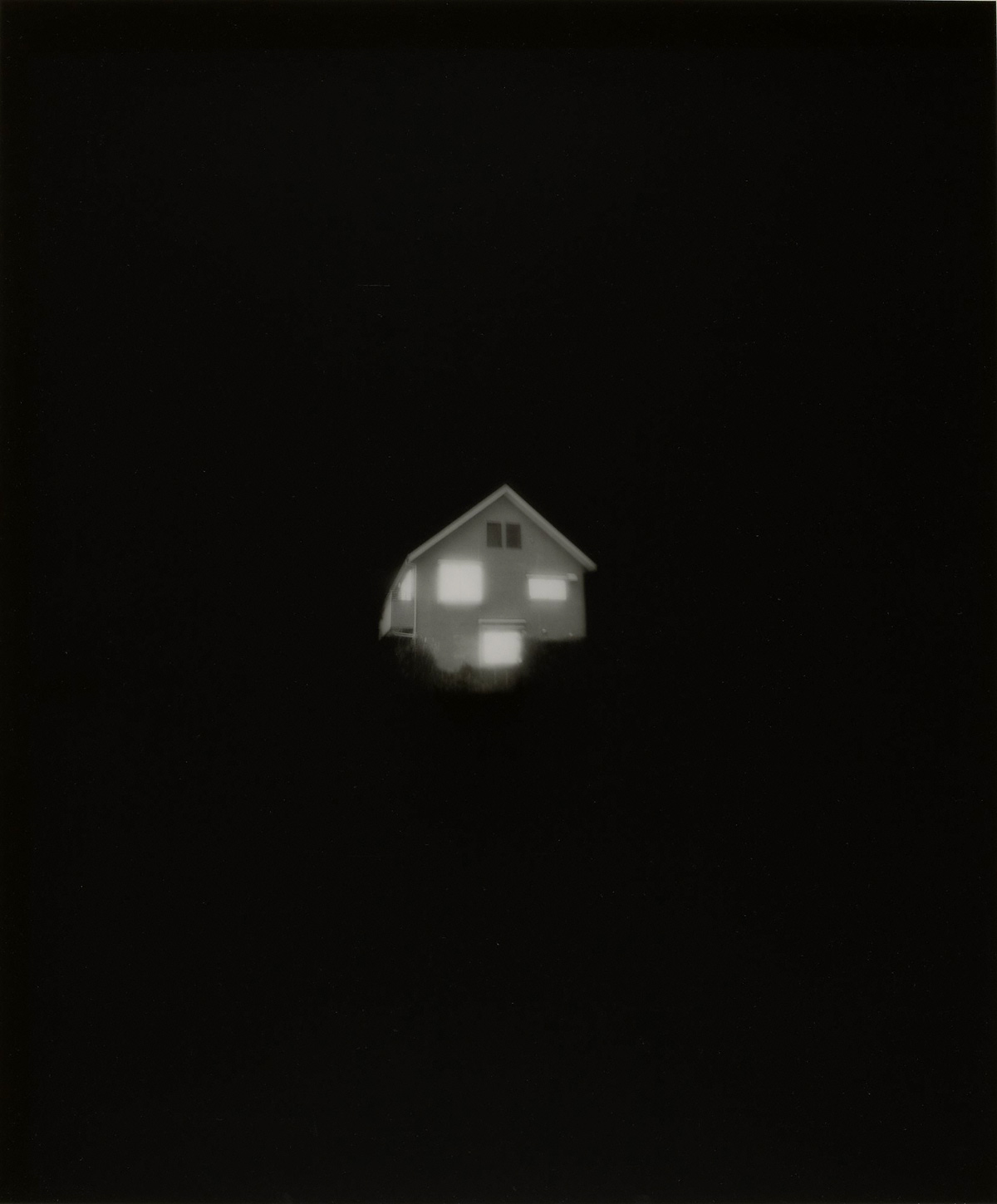
In many respects, the window was where photography began. As early as 1826, the sill of an upstairs window in the home of the French inventor Joseph Nicéphore Niépce served as a platform for his photographic experiments. His View from the Window at Le Gras is today considered to be the first photograph. Since then, the window motif in photographs has functioned formally as a framing device and conceptually as a tool for artistic expression. It is also tied metaphorically to the camera itself which is, at its most rudimentary, a “room” (the word camera means “chamber”) and its lens a “window” through which images are projected and fixed. The photographs in At the Window: A Photographer’s View, on view October 1, 2013 – January 5, 2014 at the J. Paul Getty Museum, Getty Center, explore varying aspects of the window as frame or mirror – formally or metaphorically – for photographic vision.

“The Getty Museum’s extensive collection allows us to explore themes and subjects within the history of photography that highlight not only the most famous masters and iconic images they produced, but also less obvious subjects, methods and practitioners of the medium whose contributions have not yet been fully acknowledged. At the Window is one such an exhibition, and holds in store many surprises, even for those who know the field well,” explains Timothy Potts, director of the J. Paul Getty Museum. “The exhibition also allows us to celebrate a substantial body of work that was recently added to the collection with funds provided by the Museum’s Photographs Council, whose mission it is to help us support the growth of the collection, and a number of highly important loans from private collections.”

Shop Windows and Architecture

Featured in the exhibition is an exceedingly rare early photograph, William Henry Fox Talbot’s The Milliner’s Window (before January 1844) which depicts not an actual window but a carefully constructed one: shelves were placed outdoors and propped in front of black cloth, while various ladies’ hats were arranged to simulate the look of a shop display. Throughout the history of photography, actual shop fronts have been a popular subject and reflections in their windows a source for unexpected juxtapositions. This motif is well represented in the exhibition with photographs by William Eggleston, Eugène Atget, and Walker Evans.

Photographers have also taken an interest in the distinctive formal arrangements made possible by the architectural facades found in a cityscape. André Kertész’s Rue Vavin, Paris (1925), a view from his apartment window, is one of the first photographs he took upon arriving in Paris from Budapest. Photographers like Alfred Stieglitz carefully framed their views of urban exteriors, using the window as a unifying device within the composition.

The Window as Social Documentary

While windows provide an opportunity to observe life beyond a single room, the camera’s lens opens a window to the world at large. Arthur Rothstein believed in photography’s ability to enact social change – his Girl at Gee’s Bend (1937) features a young girl framed in the window of her log-and-earth home in Alabama, highlighting the schism between magazine images and the actual lives of most Americans at the time. Similarly, Robert Frank’s Trolley – New Orleans (1955) frames racial segregation through windows in a trolley, while Sebastião Salgado’s Ho Chi Minh City, Vietnam (negative 1995; print 2009) uses the barely separated windows of a housing structure to evoke the cramped quarters and dire economic situation of its inhabitants.

The Window as a Conceptual Tool

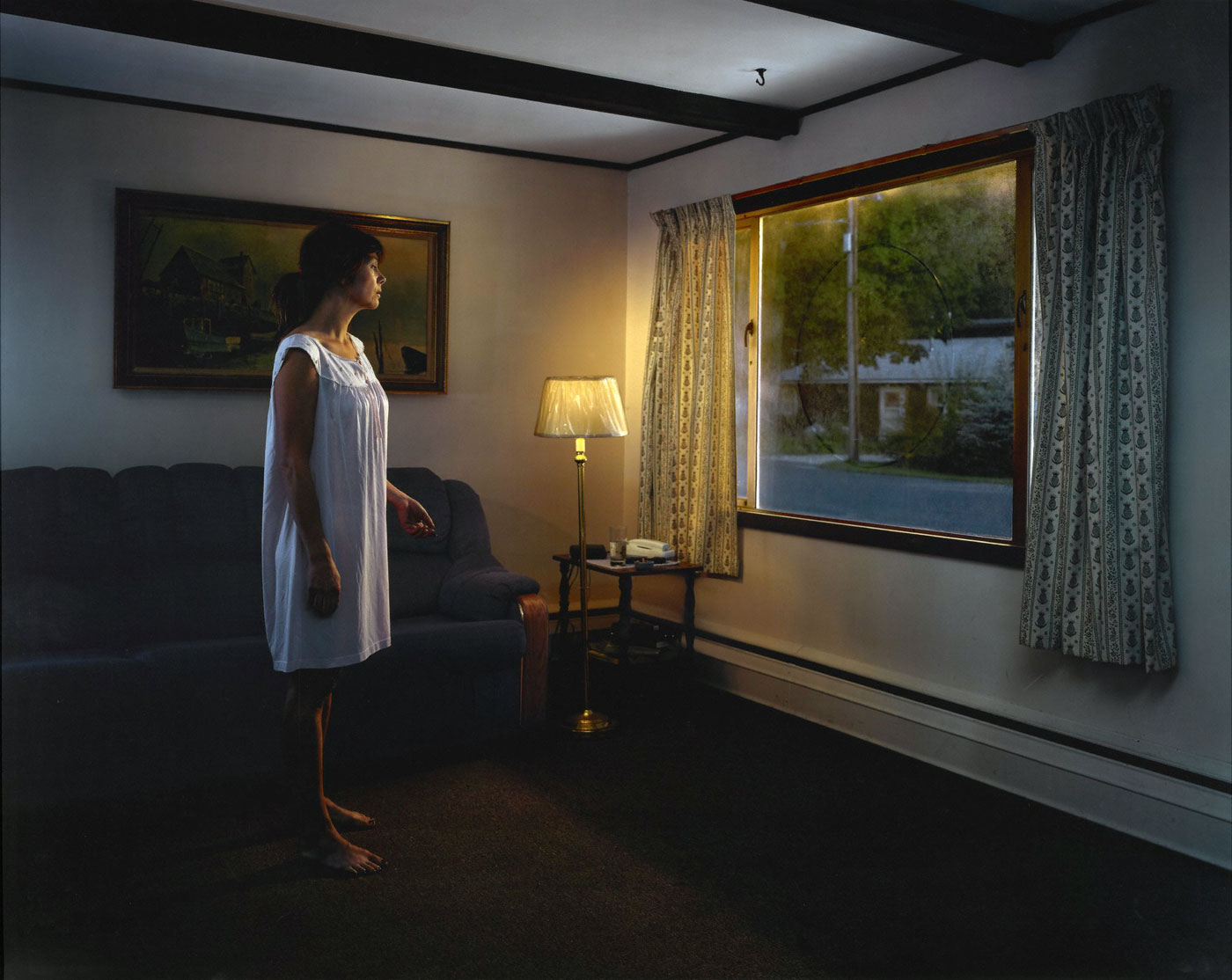
Artists have used the window in other novel ways, whether to create an enigmatic mood or suggest a suspenseful scene. In Gregory Crewdson’s Untitled (2002) from the series Twilight, the image of a woman standing in a room and turned toward a window creates a suspended, unsettling moment of anticipation that is never resolved. In her Stranger series (2000), Shizuka Yokomizo actively engages subjects by sending letters to randomly selected apartment residents, asking them to stand in front of a window at a particular date and time in order to be photographed. Uta Barth’s diptych …and of time (2000), where the path of a window’s light and shadow is followed across the wall of the artist’s living room, illustrates something the artist phrased as “ambient vision.”

“The window has been a recurrent and powerful theme for photographers from the beginning of the medium,” explains Karen Hellman, assistant curator of photographs at the J. Paul Getty Museum and curator of the exhibition. “In a collection such as the Getty’s that is particularly rich in work by important photographers from the beginnings of the medium to the present day, the motif provides a unique way to travel through the history of photography.”

The Window in Photographs (Getty Publications, $24.95, hardcover) investigates the recurrence of windows both as a figurative and literal theme throughout the history of photography. From the very vocabulary we use to describe cameras and photographic processes to the subjects of world-renowned photographers, windows have long held powerful sway over artists working in the medium. When documented on film, windows call into question issues of representation, the malleability of perception, and the viewer’s experience of the photograph itself, and the window’s evocative power is often rooted in the interplay between positive and negative, darkness and light, and inside and out.

Yet despite the ubiquity of windows in photography, this subject has been rarely addressed head on in a single exhibition or publication. From the birth of the Daguerreotype to the development of digital imagery, this volume presents a full account of the motif of the window as a symbol of photographic vision. Its eighty featured colour plates, all drawn from the Getty Museum’s permanent collection, are arranged thematically rather than chronologically, allowing the window’s many uses in photography to be highlighted and explored stylistically. Including images from all-star contributors such as Uta Barth, Gregory Crewdson, William Eggleston, Walker Evans, Robert Frank, and Minor White, The Window in Photographs is a remarkable examination of a theme that has inspired photographers for over a century. This book is published to coincide with the exhibition At the Window: The Photographer’s View at the J. Paul Getty Museum from October 1, 2013 to January 5, 2014.

Press release from the J. Paul Getty Museum website


Minor White (American, 1908-1976) 'Windowsill daydreaming' 1958


Minor White (American, 1908-1976)
Windowsill Daydreaming, Rochester
Negative July 1958; print 1960
Gelatin silver print, selenium toned
Image: 28.6 x 22.2cm (11 1/4 x 8 3/4 in.)
The J. Paul Getty Museum, Los Angeles,
Purchased in part with funds provided by the Greenberg Foundation
© Trustees of Princeton University, Minor White Archive


Charles Swedlund (American, b. 1935) 'Buffalo, NY' about 1970


Charles Swedlund (American, b. 1935)
Buffalo, NY
about 1970
Gelatin silver print
Image: 18.7 x 15.9cm (7 3/8 x 6 1/4 in.)
The J. Paul Getty Museum, Los Angeles
Purchased in part with funds provided by an anonymous donor in memory of James N. Wood
© Charles Swedlund


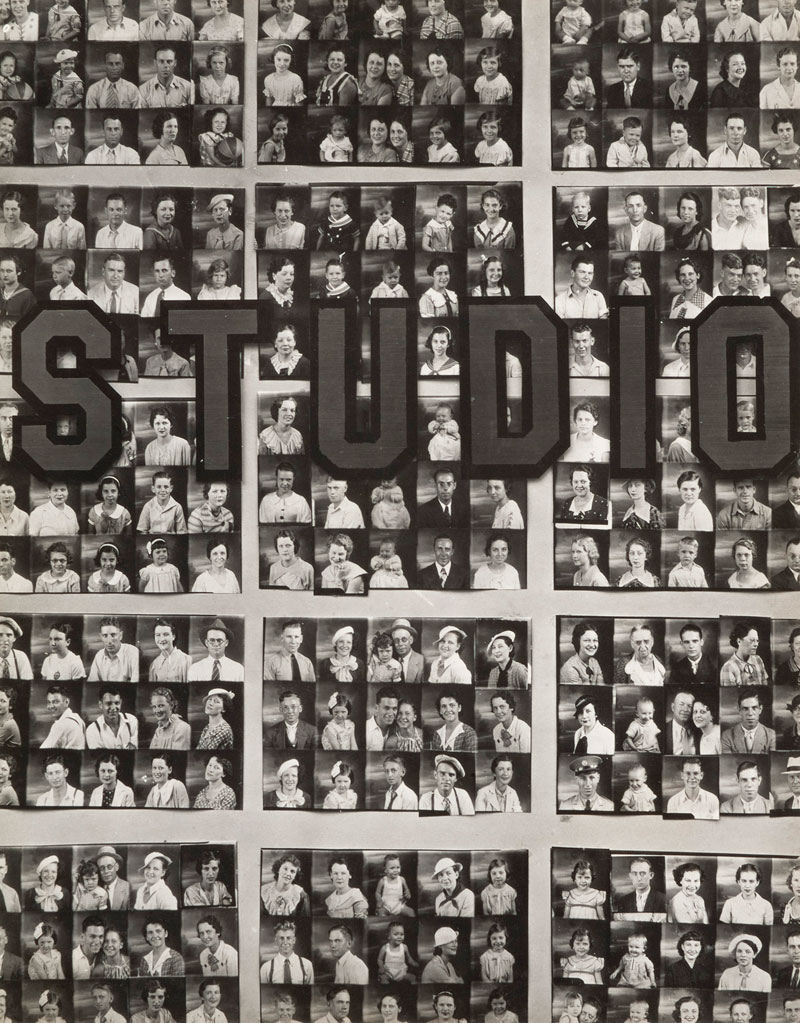
Walker Evans (American, 1903-1975) 'Penny Picture Display, Savannah' 1936


Walker Evans (American, 1903-1975)
Penny Picture Display, Savannah / Photographer’s Window Display, Birmingham, Alabama / Studio Portraits, Birmingham, Alabama
1936
Gelatin silver print
Image: 25.6 x 19.9cm (10 1/16 x 7 7/8 in.)
The J. Paul Getty Museum, Los Angeles


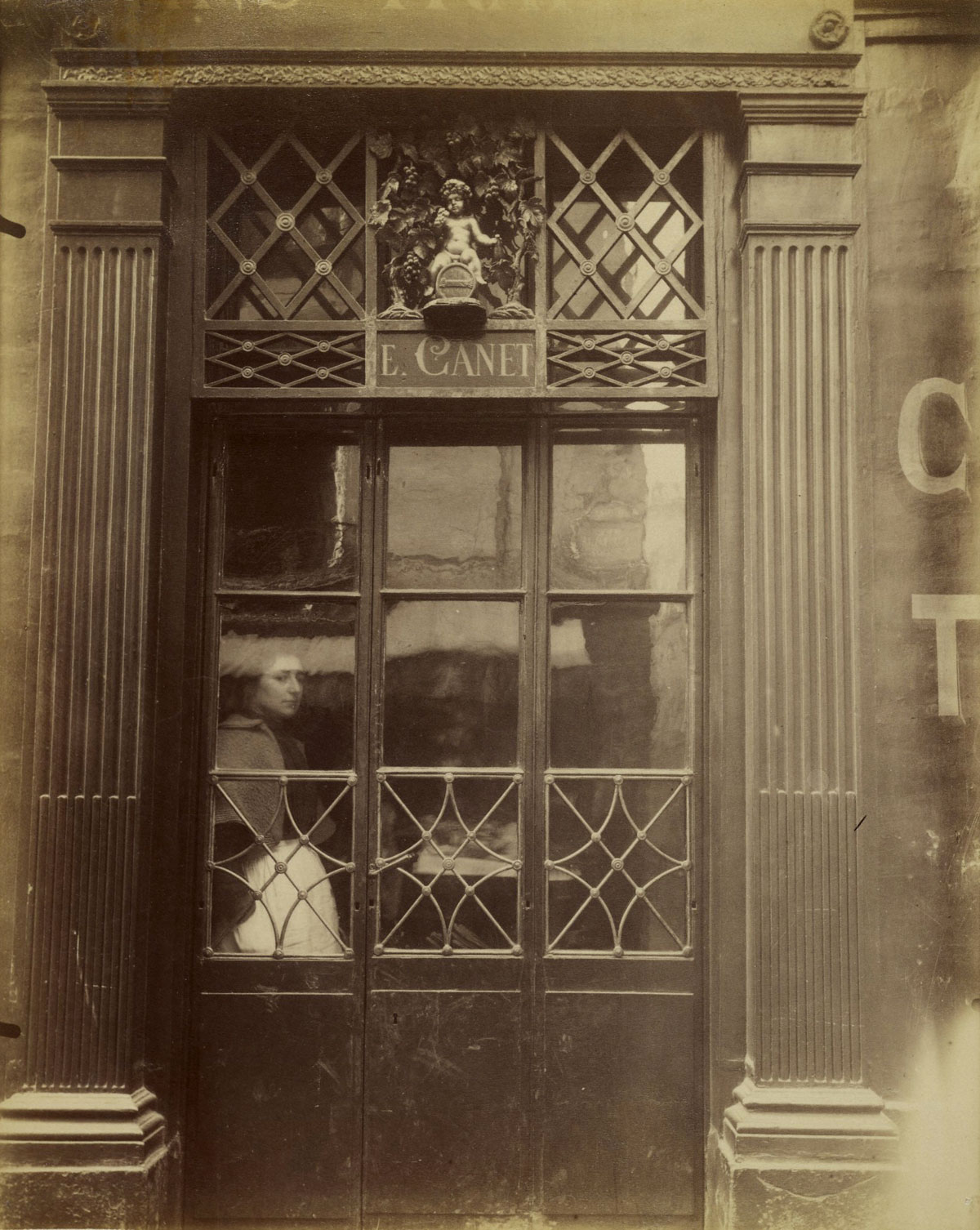
Eugène Atget (French, 1857-1927) 'Petit Bacchus, 61, rue St. Louis en l'Ile' (The Little Bacchus Café, rue St. Louis en l'Ile) 1901-1902


Eugène Atget (French, 1857-1927)
Petit Bacchus, 61, rue St. Louis en l’Ile (The Little Bacchus Café, rue St. Louis en l’Ile)
1901-1902
Albumen silver print
Image: 22.1 x 17.8cm (8 11/16 x 7 in.)
The J. Paul Getty Museum, Los Angeles


Alfred Stieglitz (American, 1864-1946) '[From My Window at the Shelton, North]' 1931


Alfred Stieglitz (American, 1864-1946)
[From My Window at the Shelton, North]
1931
Gelatin silver print
Image (trimmed to mount): 24.3 x 19.1cm (9 9/16 x 7 1/2 in.)
The J. Paul Getty Museum, Los Angeles
© Georgia O’Keeffe Museum


Yuki Onodera (Japanese, b. 1962) 'Look Out the Window, No. 18' 2000


Yuki Onodera (Japanese, b. 1962)
Look Out the Window, No. 18
2000
Gelatin silver print
Image: 59 x 49.2cm (23 1/4 x 19 3/8 in.)
The J. Paul Getty Museum, Los Angeles, Purchased with funds provided by the Photographs Council
© Yuki Onodera


Shizuka Yokomizo (Japanese, b. 1966) 'Stranger (15)' 1998-2000


Shizuka Yokomizo (Japanese, b. 1966)
Stranger (15)
1998-2000
Chromogenic print
Mount: 124.5 x 104.9cm (49 x 41 5/16 in.)
The J. Paul Getty Museum, Los Angeles,
Purchased with funds provided by the Photographs Council
© Shizuka Yokomizo


Alex Prager (American, b. 1979) 'Megan' 2007


Alex Prager (American, b. 1979)
Megan
2007
Chromogenic print
Framed: 125.7 x 62.9cm (49 1/2 x 24 3/4 in.)
Michael and Jane Wilson


Gregory Crewdson (American, b. 1962) 'Untitled' from the series 'Twilight' 2002


Gregory Crewdson (American, b. 1962)
Untitled from the series Twilight
2002
Chromogenic print
Image: 122 x 152cm (48 1/16 x 59 13/16 in.)
The J. Paul Getty Museum, Los Angeles
Gift of Trish and Jan de Bont
© Gregory Crewdson


Uta Barth (German, b. 1958) 'Untitled (...and of time. #4)' 2000


Uta Barth (German, b. 1958)
Untitled (…and of time. #4)
2000
Chromogenic print
Image: 88.9 x 114.3cm (35 x 45 in.)
The J. Paul Getty Museum, Los Angeles
© 2000 Uta Barth


The J. Paul Getty Museum
1200 Getty Center Drive
Los Angeles, California 90049

Opening hours:
Tuesday – Friday 10am – 5.30pm
Saturday 10am – 8pm
Sunday 10am – 5.30pm
Monday closed

The J. Paul Getty Museum website

LIKE ART BLART ON FACEBOOK

Back to top

Exhibition: ‘Abelardo Morell: The Universe Next Door’ at the J. Paul Getty Museum, Getty Center, Los Angeles

Exhibition dates: 1st October 2013 – 5th January 2014


Abelardo Morell (American born Cuba, b. 1948) 'Paper Bag' 1992


Abelardo Morell (American born Cuba, b. 1948)
Paper Bag
1992
Inkjet print
Image: 57.2 x 45.7cm (22 1/2 x 18 in.)
Courtesy of the artist and Edwynn Houk Gallery, New York
© Abelardo Morell, courtesy of Edwynn Houk Gallery, New York


The J. Paul Getty Museum puts on some amazing exhibitions, and this is no exception. For me the strength of this artist lies in his black and white work. I am not so enamoured with the camera obscura, unexpected juxtapositions of objects or tent-camera images. They seem prosaic and lack the magic of the black and white work.

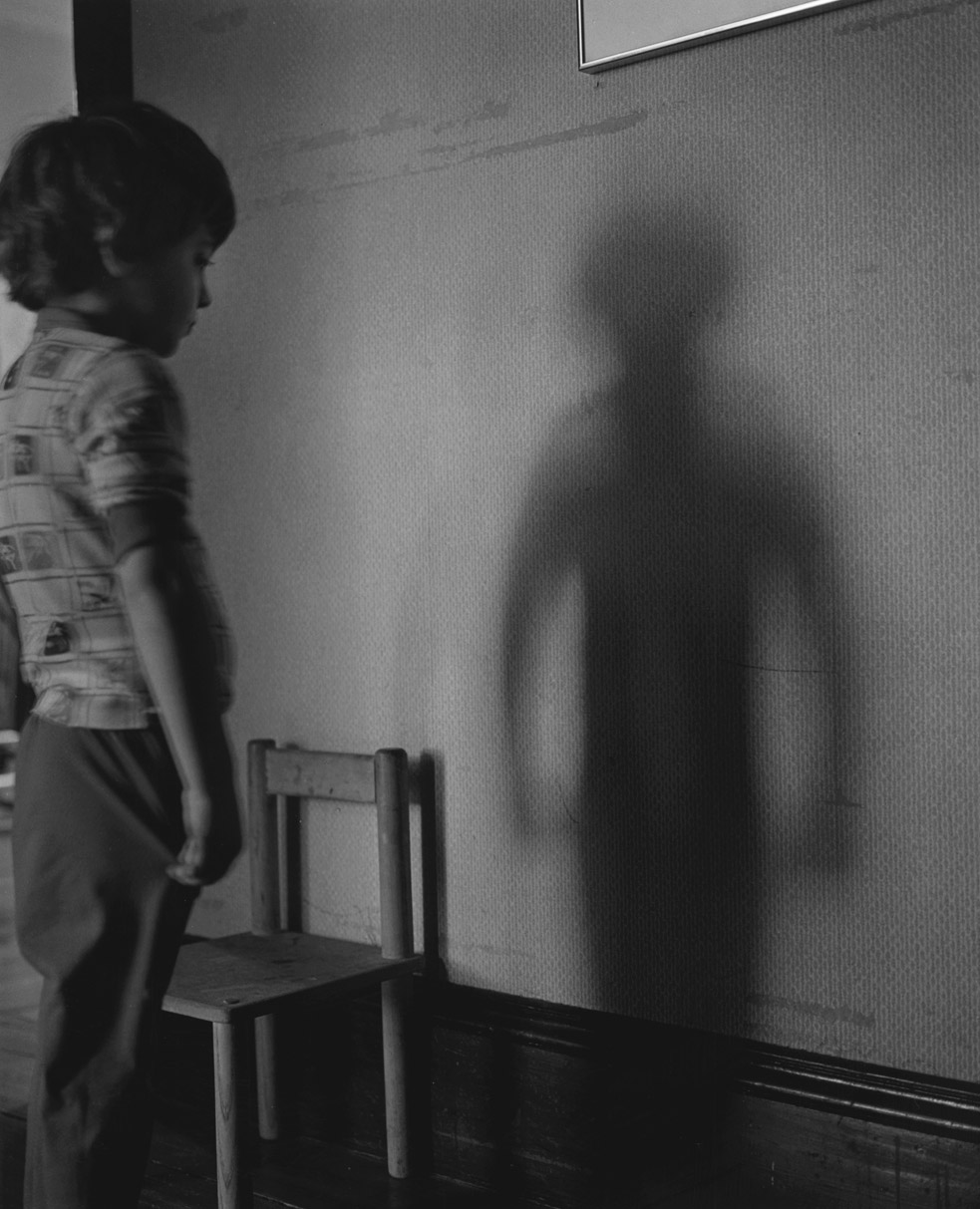
The artist’s distinctive take on domestic interiors and family life is beguiling. Damp footprints on a bathroom floor with the most glorious light; the dark maw of a open paper bag; toy blocks ascending skywards; jumble of letters on a monolithic refrigerator door; the shadow of a house made into a house (amazing!); and the portents of darkness to come as Brady looks at his shadow. You cannot forget these images, they impinge on your consciousness. As for the colour images, they seem insignificant, superfluous when compared with these resonances.

Dr Marcus Bunyan


Many thankx to the J. Paul Getty Museum for allowing me to publish the photographs in the posting. Please click on the photographs for a larger version of the image.


Abelardo Morell (American born Cuba, b. 1948) 'Curiouser and Curiouser' 1998


Abelardo Morell (American born Cuba, b. 1948)
Curiouser and Curiouser
1998
Inkjet print
Image: 57.2 x 45.7cm (22 1/2 x 18 in.)
Courtesy of the artist and Edwynn Houk Gallery, New York
© Abelardo Morell, courtesy of Edwynn Houk Gallery, New York


Abelardo Morell (American born Cuba, b. 1948) 'Lisa and Brady Behind Glass' 1986


Abelardo Morell (American born Cuba, b. 1948)
Lisa and Brady Behind Glass
1986
Inkjet print
Image: 57.2 x 45.7cm (22 1/2 x 18 in.)
Courtesy of the artist and Edwynn Houk Gallery, New York
© Abelardo Morell, courtesy of Edwynn Houk Gallery, New York


Abelardo Morell (American born Cuba, b. 1948) 'Toy Blocks' 1987


Abelardo Morell (American born Cuba, b. 1948)
Toy Blocks
1987
Inkjet print
Image: 57.2 x 45.7cm (22 1/2 x 18 in.)
Courtesy of the artist and Edwynn Houk Gallery, New York
© Abelardo Morell, courtesy of Edwynn Houk Gallery, New York


Abelardo Morell (American born Cuba, b. 1948) 'Refrigerator' 1987


Abelardo Morell (American born Cuba, b. 1948)
Refrigerator
1987
Inkjet print
Image: 57.2 x 45.7cm (22 1/2 x 18 in.)
Courtesy of the artist and Edwynn Houk Gallery, New York
© Abelardo Morell, courtesy of Edwynn Houk Gallery, New York


Abelardo Morell (American born Cuba, b. 1948) 'Footprints' 1987


Abelardo Morell (American born Cuba, b. 1948)
Footprints
1987
Inkjet print
Image: 57.2 x 45.7 cm (22 1/2 x 18 in.)
High Museum of Art, Atlanta, purchased with funds from the Friends of Photography
© Abelardo Morell, courtesy of Edwynn Houk Gallery, New York


Abelardo Morell (American born Cuba, b. 1948) 'Laura and Brady in the Shadow of Our House' 1994


Abelardo Morell (American born Cuba, b. 1948)
Laura and Brady in the Shadow of Our House
1994
Gelatin silver print
Image: 45.7 x 57.2cm (18 x 22 1/2 in.)
The Art Institute of Chicago, gift of Abelardo Morell
© Abelardo Morell, courtesy of Edwynn Houk Gallery, New York


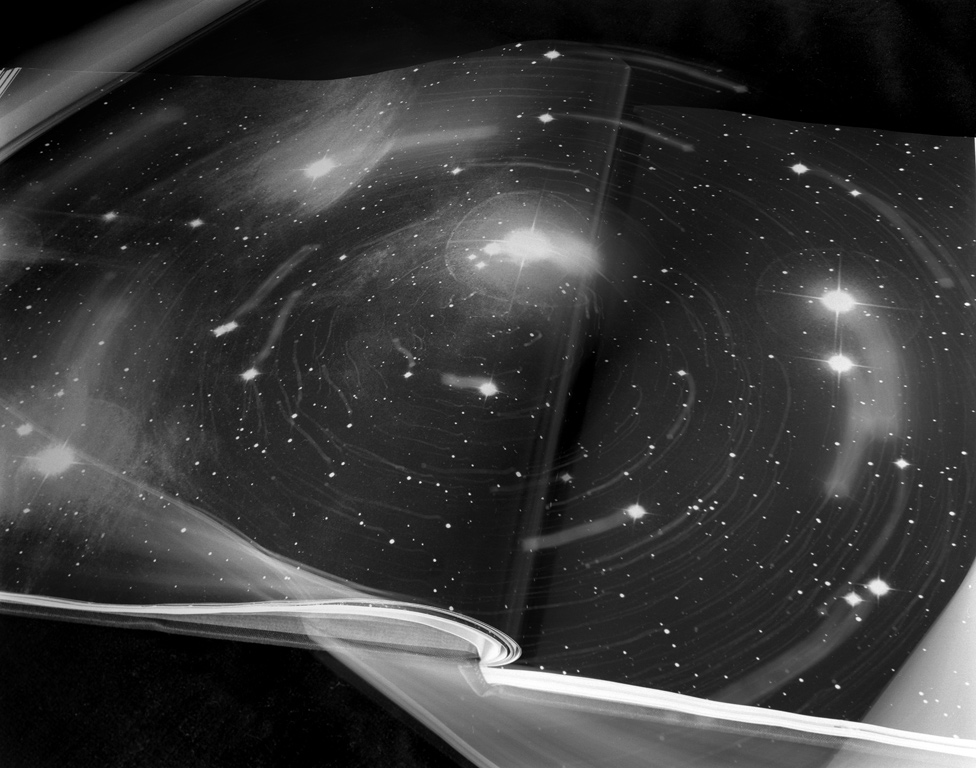
Abelardo Morell (American born Cuba, b. 1948) 'Book of Revolving Stars' 1994


Abelardo Morell (American born Cuba, b. 1948)
Book of Revolving Stars
1994
Inkjet print
Image: 45.7 x 57.2cm (18 x 22 1/2 in.)
Courtesy of the artist and Edwynn Houk Gallery, New York
© Abelardo Morell, courtesy of Edwynn Houk Gallery, New York


Abelardo Morell (American born Cuba, b. 1948) 'Light Bulb' 1991


Abelardo Morell (American born Cuba, b. 1948)
Light Bulb
1991
Gelatin silver print
Image: 45.7 x 57.2cm (18 x 22 1/2 in.)
The Art Institute of Chicago, Comer Foundation Fund
© Abelardo Morell, courtesy of Edwynn Houk Gallery, New York


Abelardo Morell (American born Cuba, b. 1948) 'Camera Obscura: Houses Across the Street in Our Bedroom, Quincy, MA' 1991


Abelardo Morell (American born Cuba, b. 1948)
Camera Obscura: Houses Across the Street in Our Bedroom, Quincy, MA
1991
Gelatin silver print
Image: 79.2 x 103.2 cm (31 3/16 x 40 5/8 in.)
The J. Paul Getty Museum, Los Angeles, promised gift of Daniel Greenberg and Susan Steinhauser
© Abelardo Morell, courtesy of Edwynn Houk Gallery, New York


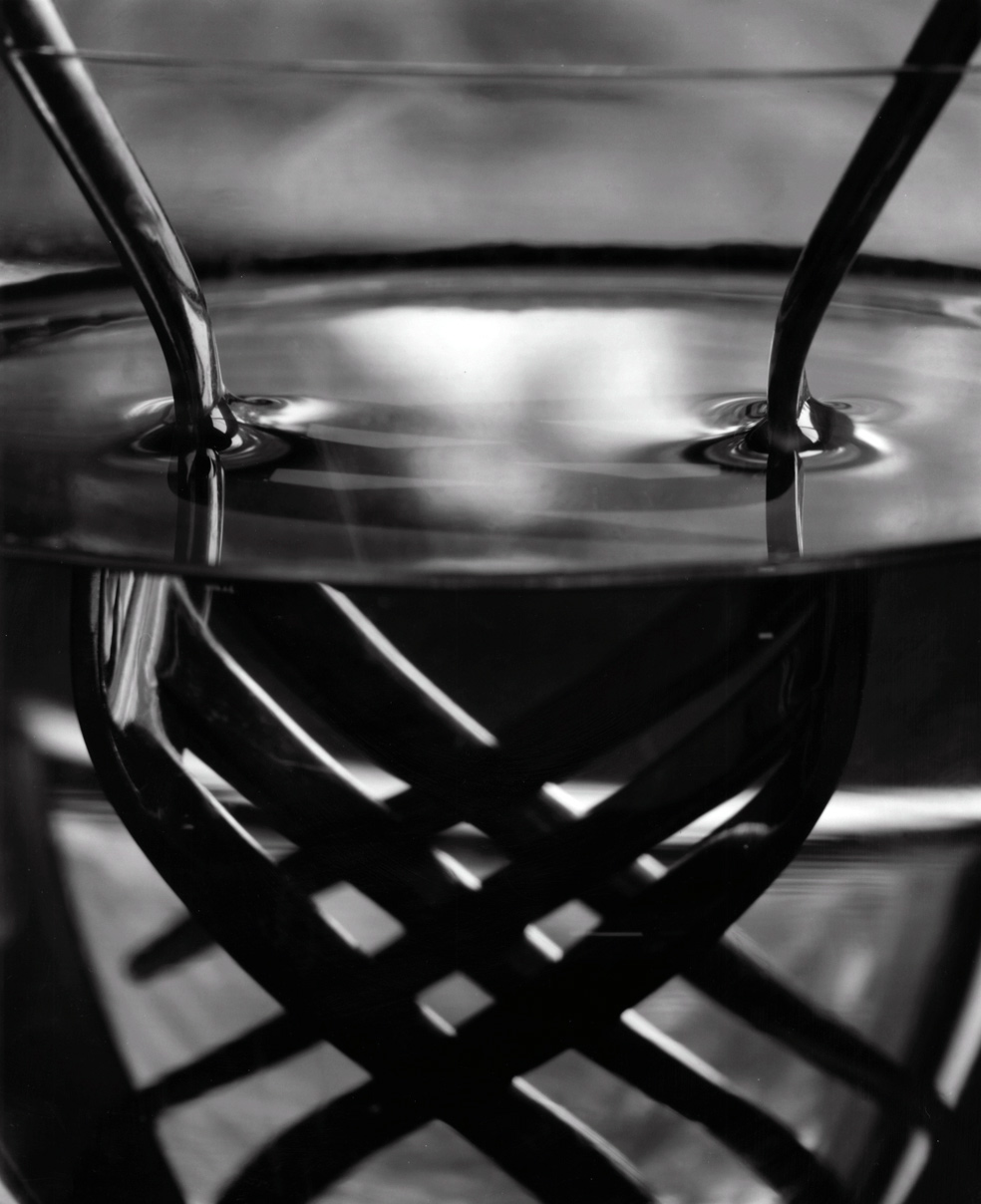
Abelardo Morell (American born Cuba, b. 1948) 'Two Forks Under Water' 1993


Abelardo Morell (American born Cuba, b. 1948)
Two Forks Under Water
1993
Inkjet print
Image: 57.2 x 45.7cm (22 1/2 x 18 in.)
Courtesy of the artist and Edwynn Houk Gallery, New York
© Abelardo Morell, courtesy of Edwynn Houk Gallery, New York


Abelardo Morell (American born Cuba, b. 1948) 'Book with Wavy Pages' 2001


Abelardo Morell (American born Cuba, b. 1948)
Book with Wavy Pages
2001
Gelatin silver print
Image: 57.2 x 45.7cm (22 1/2 x 18 in.)
Lent by the artist, courtesy Edwynn Houk Gallery, New York
© Abelardo Morell, courtesy of Edwynn Houk Gallery, New York


Abelardo Morell (American born Cuba, b. 1948) 'Motion Study of Falling Pitchers' 2004


Abelardo Morell (American born Cuba, b. 1948)
Motion Study of Falling Pitchers
2004
Gelatin silver print
Image: 57.2 x 45.7cm (22 1/2 x 18 in.)
The Art Institute of Chicago, promised gift of Daniel Greenberg and Susan Steinhauser
© Abelardo Morell, courtesy of Edwynn Houk Gallery, New York


Abelardo Morell (American born Cuba, b. 1948) 'Brady Looking at his Shadow' 1991


Abelardo Morell (American born Cuba, b. 1948)
Brady Looking at his Shadow
1991
Inkjet print
Image: 57.2 x 45.7cm (22 1/2 x 18 in.)
High Museum of Art, Atlanta, purchased with funds from Bert and Cathy Clark
© Abelardo Morell, courtesy of Edwynn Houk Gallery, New York


Over the past 25 years, Abelardo Morell (American, born Cuba, 1948) has become internationally renowned for photographs that push the boundaries of the medium while exploring visual surprise and wonder. Throughout his career, he has looked at things with a fresh vision and investigated simple optics in myriad forms. Abelardo Morell: The Universe Next Door, on view October 1, 2013 – January 5, 2014 at the J. Paul Getty Museum, Getty Center, traces the artist’s innovative work as he has continued to mine the essential strangeness and complexity of photography. The exhibition was organised by The Art Institute of Chicago, in association with the J. Paul Getty Museum, Los Angeles, and the High Museum of Art, Atlanta.

“Abelardo Morell is one of this country’s great contemporary photographers whose very distinctive achievement is celebrated in this first major survey of his work,” explains Timothy Potts, director of the J. Paul Getty Museum. “The exhibition also celebrates the growth of the holdings of Morell at three major museums, which have recently been augmented through the generosity of Dan Greenberg and Susan Steinhauser, who have promised significant groups of works by the artist to each institution’s permanent collection.”

Morell came to the United States as a teenager. He attended Bowdoin College in Maine, and later completed an MFA in photography at Yale University. In 1986 he began creating large-format pictures around his home, examining common household objects with childlike curiosity. As a professor at the Massachusetts College of Art and Design, he experimented with optics in his teaching and initiated a series of images in which he turned entire rooms into camera obscuras, capturing the outside world as projected onto interior surfaces. These visual experiments and endless exploration of the medium are at the heart of the work on view in the exhibition.

From a Child’s Perspective

The earliest photographs in the exhibition date from the mid-1980s, when the birth of his son, Brady, led Morell to a radical shift in his work. Looking inward at his own family life, Morell found novel subject matter in domestic interiors. He set aside his hand-held camera in favor of a large-format view camera that necessitated a more deliberate style and elicited a wealth of tactile detail from his subjects. Of this shift, Morell writes: “I started making photographs as if I were a child myself. This strategy got me to look at things around me more closely, more slowly, and from vantage points I hadn’t considered before.” This technique can be seen in Refrigerator (negative, 1987; print, 2012), where Morell portrays a common refrigerator as a giant monolith with jumbled letters on it, evoking the preverbal vision of a child. This concept recurs in Toy Blocks (negative, 1987; print, 2012), where toy blocks photographed from a steep perspective on the floor are made to seem like a mysterious Tower of Babel, as they might to a small child.

Camera Obscura Experiments

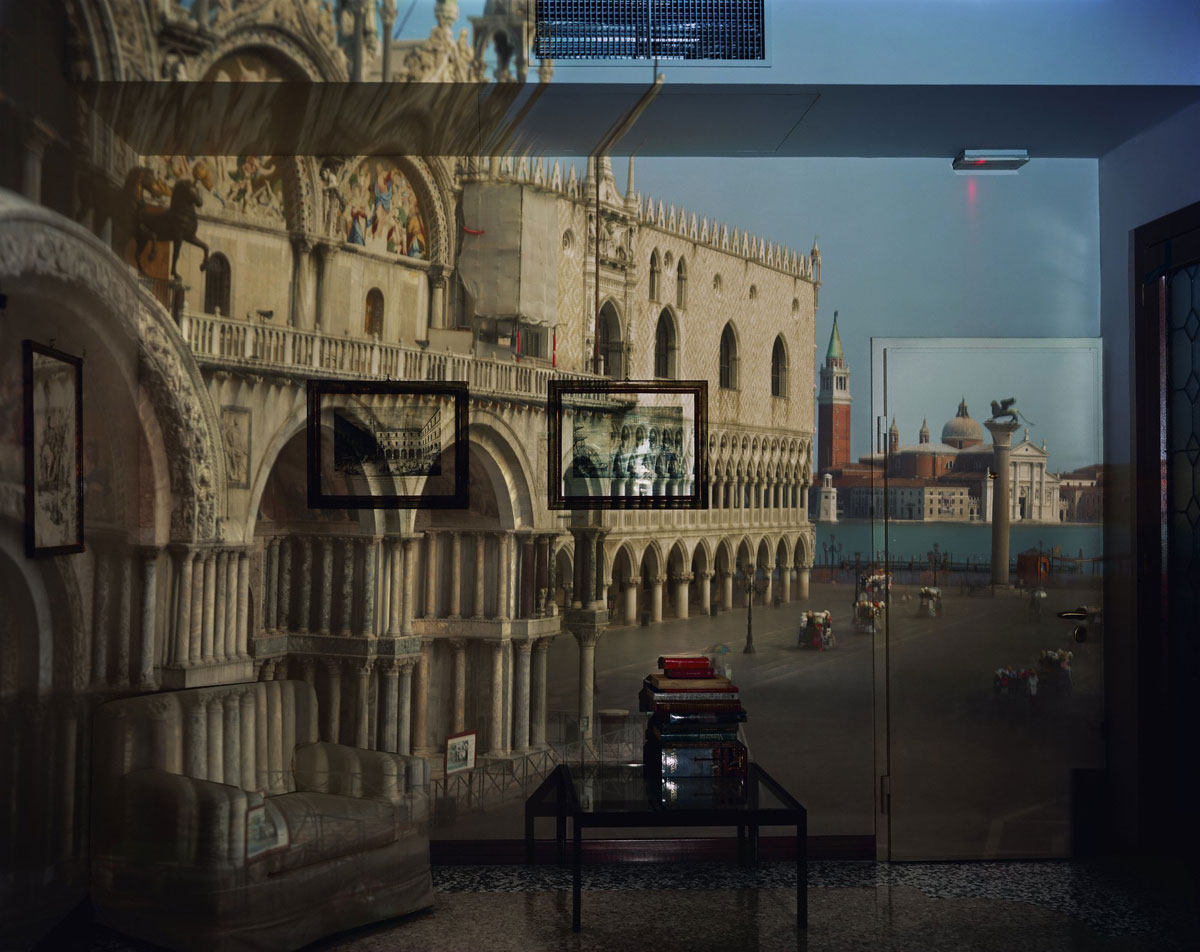
The basis for all photography, the principle of the camera obscura (Latin for “dark chamber”) has been known since antiquity. In 1991, Morell began transforming entire rooms into cameras by covering the windows and inserting a small hole. He used a second camera to photograph the superimposition of the outside world as projected onto various interiors. Morell started by making black-and-white pictures in his own home before traveling before traveling in search of other compelling subjects for his uncanny, disorienting images. Morell made a pilgrimage to photograph Lacock Abbey, the country house of William Henry Fox Talbot (British, 1800-1877), one of the inventors of photography. Talbot’s era was an ideal model for the camera obscura work, as the general interest in a variety of intersecting subject matter at that time mirrored Morell’s own interest in uniting science, art, philosophy, and religion.

In 2005, Morell turned to creating camera obscura works in colour, eventually incorporating technical refinements that made his photographs less raw and immediate and more explicitly constructed. In View of the Brooklyn Bridge in the Bedroom (2009), bold red sheets serve as a reminder of the bed as a site of intimacy, contrasting with the public space of the Brooklyn Bridge. This strange juxtaposition also evokes a dreamlike state, as the outdoor image floats just above the bed.

Tent Camera Images

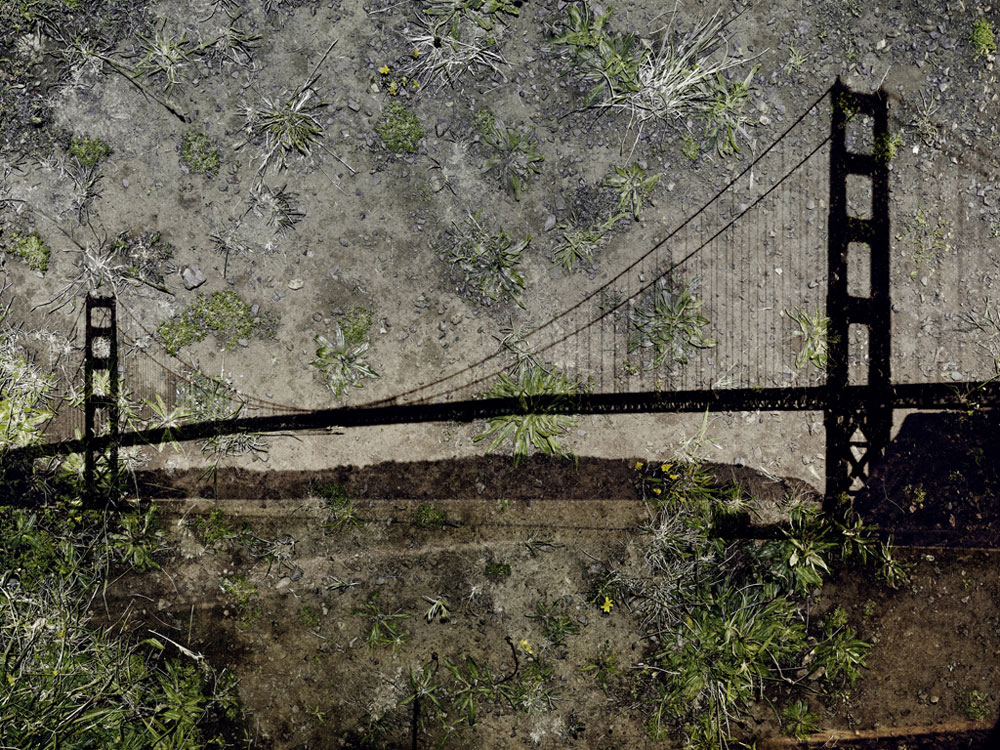
In 2010, following the example of 19th century photographers such as Carleton Watkins (American, 1829-1916) and William Henry Jackson (American, 1843-1942), Morell set out to capture the grandeur of the American wilderness. At Big Bend National Park in Texas, he began experimenting with a portable tent camera featuring a periscope lens on top, which projected the scene outside onto the ground. Morell found it appealing that what was overlooked because it was underfoot – something so common and shared – formed the backdrop for these images. In Tent Camera Image on Ground: El Capitan from Cathedral Beach, Yosemite National Park, California (2012), Morell followed Carleton Watkins’s path into Yosemite, where he used the tent camera to create a landscape that is no longer fresh and pristine, but set against such modern visual disruptions as bike tracks in the dirt.

Additional Experiments

Also on view in the exhibition are additional visual experiments employed by Morell, including a simulation of Eadweard Muybridge’s early use of stop-motion using a water pitcher and wine glass, as well as optical curiosities like dappled sunlight under trees, which Morell said results from hundreds of “tiny cameras” that form in the minute spaces between leaves. While in residence at two museums – the Isabella Stewart Gardner Museum in Boston in 1998, and the Yale University Art Gallery in New Haven in 2008 – Morell created photographs that involve unexpected juxtapositions that explore how the presentation of art affects its meaning. By moving sculptures and paintings in close proximity to one another, he created what he called “an impossible conversation” between works of art. In Nadelman / Hopper (negative, 2008; print, 2012), he positioned a bust by Elie Nadelman (American, 1882-1946) in front of a painting by Edward Hopper (American, 1882-1967) for a composition in the vein of Surrealist painter Giorgio de Chirico (Italian, 1888-1978).

“Morell is driven by his unflagging intellectual curiosity and his love of the medium of photography,” said Paul Martineau, associate curator of photographs and curator of the exhibition at the Getty Museum. “His work is grounded in the past, but it also contains an unexpected twist that causes us to reexamine what we think we know. I am delighted to be able to share this unique collection of photographs with our visitors.”

Abelardo Morell: The Universe Next Door is on view October 1, 2013 – January 5, 2014 at the J. Paul Getty Museum, Getty Center. The exhibition was on view at the the Art Institute of Chicago from June 1 – September 2, 2013, and will be on view at the High Museum of Art, Atlanta from February 22 – May 18, 2014. The exhibition is curated by Paul Martineau, associate curator in the Department of Photographs at the J. Paul Getty Museum, Elizabeth Siegel, associate curator of photography at the Art Institute of Chicago, and Brett Abbott, curator of photography at the High Museum of Art, Atlanta, where it travels after the Getty. Funding for the exhibition catalogue was provided by the Robert Mapplethorpe Foundation. Generous in-kind support for the exhibition was provided by Tru Vue Inc. and Gemini Moulding Incc.

Press release from the J. Paul Getty Museum website


Abelardo Morell (American born Cuba, b. 1948) 'Nadelman/Hopper, Yale University Art Gallery' 2008


Abelardo Morell (American born Cuba, b. 1948)
Nadelman/Hopper, Yale University Art Gallery
2008
Inkjet print
Image: 61 x 76.2cm (24 x 30 in.)
Courtesy of Bonni Benrubi Gallery, New York
© Abelardo Morell, courtesy of Edwynn Houk Gallery, New York


Abelardo Morell (American born Cuba, b. 1948) 'Tent-Camera Image On Ground: Rooftop View Of The Brooklyn Bridge' 2010


Abelardo Morell (American born Cuba, b. 1948)
Tent-Camera Image On Ground: Rooftop View Of The Brooklyn Bridge
2010
Inkjet print
Image: 76.2 x 101.6cm (30 x 40 in.)
Courtesy of the artist and Edwynn Houk Gallery, New York
© Abelardo Morell, courtesy of Edwynn Houk Gallery, New York


Abelardo Morell (American born Cuba, b. 1948) 'Tent-Camera Image on Ground: View of the Golden Gate Bridge from Battery Yates' 2012


Abelardo Morell (American born Cuba, b. 1948)
Tent-Camera Image on Ground: View of the Golden Gate Bridge from Battery Yates
2012
Inkjet print
Image: 57.2 x 76.2cm (22 1/2 x 30 in.)
Courtesy of the artist and Edwynn Houk Gallery, New York
© Abelardo Morell, courtesy of Edwynn Houk Gallery, New York


Abelardo Morell (American born Cuba, b. 1948) 'Tent-Camera Image on Ground: View of the Grand Canyon from Trailview Overlook' 2012


Abelardo Morell (American born Cuba, b. 1948)
Tent-Camera Image on Ground: View of the Grand Canyon from Trailview Overlook
2012
Inkjet print
Image: 57.2 x 76.2cm (22 1/2 x 30 in.)
Courtesy of Bonni Benrubi Gallery, New York
© Abelardo Morell, courtesy of Edwynn Houk Gallery, New York


Abelardo Morell (American born Cuba, b. 1948) 'Tent-Camera Image on Ground: View of the Yosemite Valley from Tunnel View' 2012


Abelardo Morell (American born Cuba, b. 1948)
Tent-Camera Image on Ground: View of the Yosemite Valley from Tunnel View
2012
Inkjet print
Image: 57.2 x 76.2cm (22 1/2 x 30 in.)
Courtesy of the artist and Edwynn Houk Gallery, New York
© Abelardo Morell, courtesy of Edwynn Houk Gallery, New York


Abelardo Morell (American born Cuba, b. 1948) 'Upright Camera Obscura Image of the Piazzeta San Marco Looking Southeast in Office' 2007


Abelardo Morell (American born Cuba, b. 1948)
Upright Camera Obscura Image of the Piazzeta San Marco Looking Southeast in Office
2007
Inkjet print
Image: 61 x 76.2cm (24 x 30 in.)
The Art Institute of Chicago, gift of the artist in memory of David Feingold, 2013.1
© Abelardo Morell, courtesy of Edwynn Houk Gallery, New York


Abelardo Morell (American born Cuba, b. 1948) 'Camera Obscura: View of the Brooklyn Bridge in Bedroom' 2009


Abelardo Morell (American born Cuba, b. 1948)
Camera Obscura: View of the Brooklyn Bridge in Bedroom
2009
Inkjet print
Image: 79 x 101.6cm (31 1/8 x 40 in.)
The J. Paul Getty Museum, Los Angeles, Purchased with funds provided by Richard and Alison Crowell, Daniel Greenberg and Susan Steinhauser and anonymous donors in honour of James N. Wood
© Abelardo Morell, courtesy of Edwynn Houk Gallery, New York


Abelardo Morell (American born Cuba, b. 1948) 'Camera Obscura Image of Santa Maria della Salute in Palazzo Bedroom, Venice, Italy' 2006


Abelardo Morell (American born Cuba, b. 1948)
Camera Obscura Image of Santa Maria della Salute in Palazzo Bedroom, Venice, Italy
2006
Inkjet print
Image: 101.6 x 76.2cm (40 x 30 in.)
Lent by the artist, courtesy Edwynn Houk Gallery, New York
© Abelardo Morell, courtesy of Edwynn Houk Gallery, New York


The J. Paul Getty Museum
1200 Getty Center Drive
Los Angeles, California 90049

Opening hours:
Tuesday – Friday 10am – 5.30pm
Saturday 10 am – 9pm
Sunday 10am – 5.30pm
Monday closed

The J. Paul Getty Museum website

LIKE ART BLART ON FACEBOOK

Back to top

Exhibition: ‘A Democracy of Images: Photographs from the Smithsonian American Art Museum’ at the Smithsonian American Art Museum, Washington DC

Exhibition dates: 28th June 2013 – 5th January 2014
1st floor West, American Art Museum (8th and F Streets, N.W.)

Browse the exhibition and related works on the exhibition website


Unidentified artist. '[Bird in Basin with Thread Spool and Patterned Cloth]' c. 1855


Unidentified artist
[Bird in Basin with Thread Spool and Patterned Cloth]
c. 1855
Daguerreotype
Plate: 2 3/4 x 3 1/4 in. (6.9 x 8.2cm)
Smithsonian American Art Museum
Museum purchase from the Charles Isaacs Collection made possible in part by the Luisita L. and Franz H. Denghausen Endowment


The next two weeks sees a lot of exhibitions finish their run on the 5th January 2014.

Here is a bumper posting which contains one of my favourite photographs of all time: Danny Lyon’s Crossing the Ohio River, Louisville (1966, below). From a distance, this looks to be a very interesting exhibition on a large topic, delineated for the viewer into four main sections. The task of the curator cannot have been easy, picking 113 images to represent a “democracy” of images out of a collection of over 7,000 images. Of course there can never be a true “democracy” of images as some will always be more valued within our culture than others. There is a meritocracy in this exhibition which features images by masters of the medium but this is balanced by the inclusion of images by anonymous photographers, little known photographers and vernacular and street photography.

What is most impressive is the specially developed website which includes many images from the different sections of the exhibition. These images are of good quality and, along with relevant text, help the viewer place the images in context. Related content is also suggested from the full photographic collection at The Smithsonian which has been placed online with good image quality. This is a far cry from many exhibitions at state galleries in Australia where there are hardly any dedicated exhibition websites. Most of the photographic collection from these galleries is not available online and if it has been scanned, the image quality is generally poor. How many times have I searched a state gallery or library collection and come up with the answer: “Image not available” ?

Dr Marcus Bunyan


Many thankx to the Smithsonian American Art Museum for allowing me to publish the photographs and text in the posting. Please click on the photographs for a larger version of the image.


“More often, though, the moments, places, people and views that have been collected here feel offhand and stumbled upon, telling a fragmentary, incomplete tale. Sometimes it’s literally a glance, as in “Girl Holding Popsicle,” a 1972 image by Mark Cohen, who rarely even looked through his viewfinder. Other times, it’s more like a long stare, as in William Christenberry’s 1979 “China Grove Church – Hale County, Alabama,” a locale that the Washington-based artist and Alabama native returned to again and again. These 113 pictures are, at the same time, quietly telling, revealing bits of America in oblique, prismatic ways.”


Part of Michael O’Sullivan’s review of the exhibition in The Washington Post.


American Characters

Photographers have captured the texture of everyday life since the medium’s arrival in the United States in 1839. Photographic portraits have made both the iconic and the commonplace serve as stand-ins for all of us, forging a shared language of political and social understanding. In charting the passing parade of history – the faces of the anonymous and the famous; evolving stories of immigration, disenfranchisement, and assimilation; as well as emblematic objects and celebrated landmarks lodged within our collective memory – photographs reveal the complexities of America.


Larry Sultan (American, 1946-2009) 'Portrait of My Father with Newspaper' 1988


Larry Sultan (American, 1946-2009)
Portrait of My Father with Newspaper
1988
Chromogenic print
Image: 28 5/8 x 34 5/8 in. (72.7 x 87.9cm)
Smithsonian American Art Museum
Gift of Nan Tucker McEvoy
© 1988, Larry Sultan


In Portrait of My Father with Newspaper, Irving Sultan reads the Los Angeles Times as light pours in behind him. This carefully composed portrait reveals the artist’s father almost entirely through reflections and shadows. Thin newsprint shields his body from the camera, while only a vague profile of his face is discernible on the right half of the spread. Prompted by the discovery of a box of home movies, Larry Sultan embarked on an eight-year enquiry into his parents’ lives. He stayed in their home for weeks at a time, interviewing them about their marriage and photographing their domestic activities.


Eugene Richards (American, b. 1944) 'First Communion (Dorchester, Mass.)' 1976


Eugene Richards (American, b. 1944)
First Communion (Dorchester, Mass.)
1976
Gelatin silver print
Image: 8 x 12 in. (20.3 x 30.5cm)
Sheet: 11 x 14 in. (27.9 x 35.6cm)
Smithsonian American Art Museum
Transfer from the National Endowment for the Arts
© 1974, Eugene Richards


Mark Cohen (American, b. 1943) 'Girl Holding Popsicle' 1972, printed 1983


Mark Cohen (American, b. 1943)
Girl Holding Popsicle
1972, printed 1983
Gelatin silver print
Sheet: 14 x 17 in. (35.5 x 43.2cm)
Smithsonian American Art Museum
Gift of Dene and Mel Garbow
© 1972, Mark Cohen


In Girl Holding Popsicle a young girl twists shyly as she poses before a graffiti-inscribed brick wall. Mark Cohen took this photograph spontaneously as he passed through a back alley. Cohen does not hesitate to get assertively close to the strangers he meets in his hometown of Wilkes-Barre, Pennsylvania. Many of his photographs are made without looking through a viewfinder, and so remain a mystery even to Cohen until they are developed.


Unidentified artist. '[Gold Nugget]' c. 1860s


Unidentified artist
[Gold Nugget]
c. 1860s
Albumen silver print
Image: 2 1/8 x 3 5/8 in. (5.4 x 9.2cm)
Sheet: 2 3/8 x 3 7/8 in. (6.1 x 9.8cm) irregular
Smithsonian American Art Museum
Gift of Charles Isaacs and Carol Nigro


Mathew B. Brady (American, 1823-1896) 'Reviewing Stand in Front of the Executive Mansion, Washington, D.C., May, 1865' 1865, printed early 1880s


Mathew B. Brady (American, 1823-1896)
Reviewing Stand in Front of the Executive Mansion, Washington, D.C., May, 1865
1865, printed early 1880s
Albumen silver print
Sheet and image: 6 1/2 x 9 in. (16.5 x 22.9cm)
Smithsonian American Art Museum
Museum purchase through the Julia D. Strong Endowment
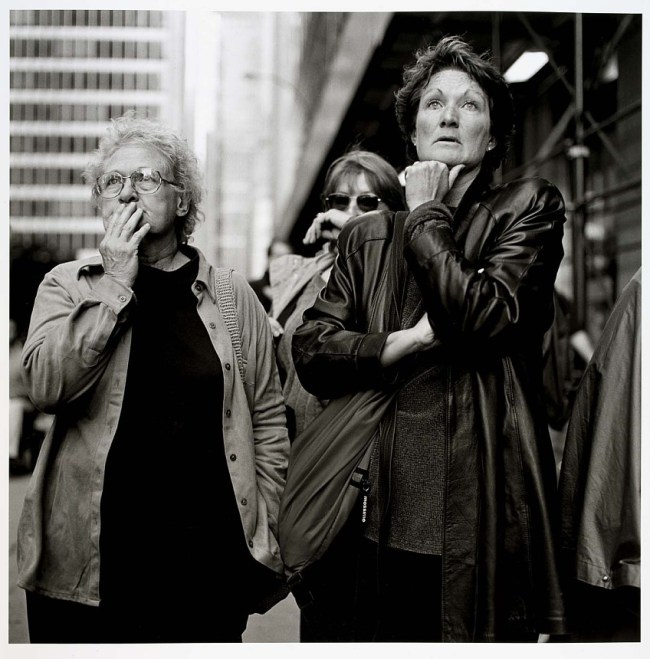
 

Kevin Bubriski (American, b. 1954) 'World Trade Center Series, New York City' 2001


Kevin Bubriski (American, b. 1954)
World Trade Center Series, New York City
2001
Gelatin silver print
Image: 18 x 18 in. (45.7 x 45.7cm)
Smithsonian American Art Museum
Gift of the Consolidated Natural Gas Company Foundation
© 2001, Kevin Bubriski


In the weeks and months following the World Trade Center attacks on September 11, 2001, Kevin Bubriski photographed people who gathered at Ground Zero. Frozen in awe, struck with disbelief, and overcome with loss, people stood before the destroyed building site to confront the horrible tragedy. More than ten years later, Bubriski’s photographs preserve the emotional impact of this infamous day through images of those who witnessed its aftermath first-hand.
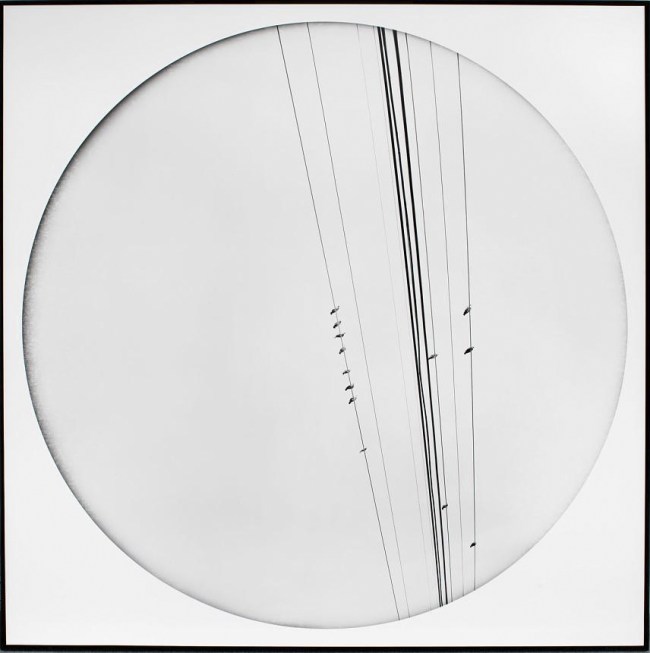
 

Deborah Luster (American, b. 1951) '01-26 Location. 1800 Leonidas Street (Carrollton) Date(s). July 14, 2009 7:55 a.m. Name(s). Brian Christopher Smith (22) Notes. Face up with multiple gunshot wounds' 2008-2012


Deborah Luster (American, b. 1951)
01-26 Location. 1800 Leonidas Street (Carrollton) Date(s). July 14, 2009 7:55 a.m. Name(s). Brian Christopher Smith (22) Notes. Face up with multiple gunshot wounds
2008-2012
Gelatin silver print
55 x 55 in. (139.7 x 139.7cm)
Smithsonian American Art Museum
Museum purchase through the Luisita L. and Franz H. Denghausen Endowment
© 2010, Deborah Luster


This photograph, from a series that documents contemporary and historical homicide sites in New Orleans, presents Deborah Luster’s interpretation of the last view of the crime victim lying face up on the ground. The title is the entry from the New Orleans Police blotter, but the photograph is Luster’s meditation on looking, seeing, and the power of images to haunt our imagination.


Unidentified artist. '[Two Workmen Polishing a Stove]' c. 1865


Unidentified artist
[Two Workmen Polishing a Stove]
c. 1865
Albumen silver print
Sheet and image: 14 1/8 x 11 in. (35.9 x 28cm)
Smithsonian American Art Museum
Museum purchase from the Charles Isaacs Collection made possible in part by the Luisita L. and Franz H. Denghausen Endowment
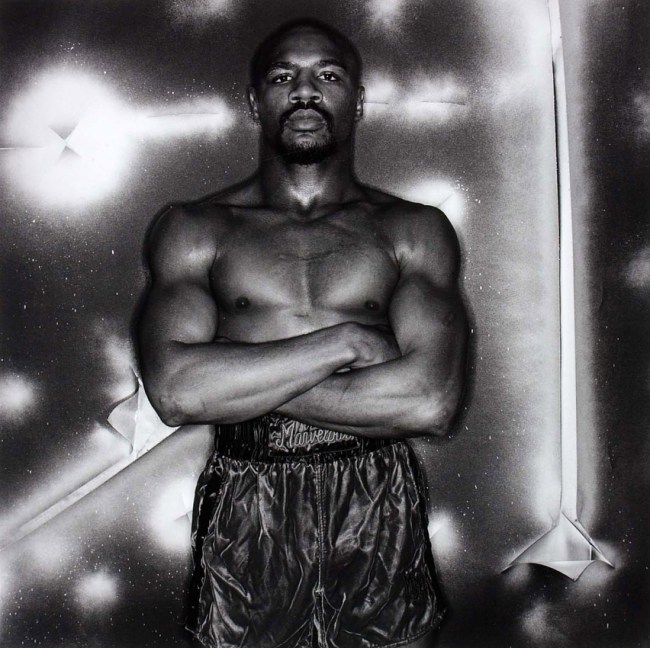
 

Anthony Barboza (American, b. 1944) '"Marvelous" Marvin Hagler, boxer' 1981


Anthony Barboza (American, b. 1944)
“Marvelous” Marvin Hagler, boxer
1981
Gelatin silver print
Image: 13 7/8 x 13 7/8 in. (35.2 x 35.2cm)
Smithsonian American Art Museum
Gift of Kenneth B. Pearl
© 1981, Anthony Barboza
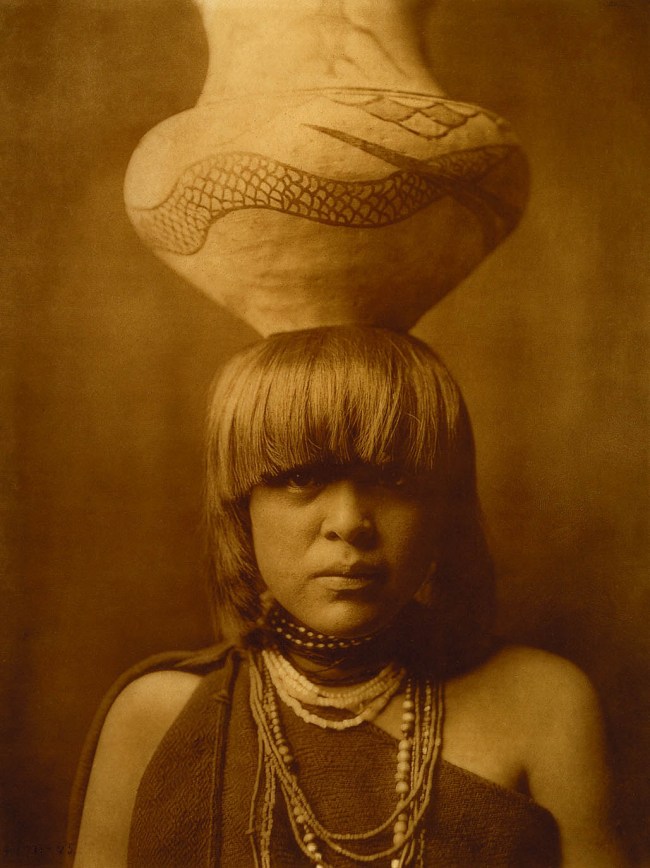
 

Edward S. Curtis (American, 1868-1952) 'Girl and Jar – San Ildefonso' 1905


Edward S. Curtis (American, 1868-1952)
Girl and Jar – San Ildefonso
1905
Photogravure
16 5/8 x 12 1/4 in. (12.3 x 31.1cm)
Smithsonian American Art Museum
Transfer from the United States Marshal Service of the U.S. Department of Justice


Between 1900 and 1930, Edward S. Curtis traveled across the continent photographing more than seventy Native American tribes. The photographs, compiled into twenty volumes, presented daily activities, customs, and religions of a people he called “a vanishing race.” Curtis hoped to preserve the legacy of Native peoples in lasting images. To this end, Curtis often costumed his subjects and set up scenes, mixing tribal artefacts and traditions to match his romantic vision of the people he studied. In this intimate portrait, a young Tewa woman named Povi-Tamu (“Flower Morning”) balances a large jug with help from a hidden fiber ring. She is from the San Ildefonso Pueblo of New Mexico, which is famed for its rich tradition of fine pottery. Curtis associated the serpentine design of the vessel with the serpent cult, which he noted was central to Tewa life.


Oliver H. Willard (American, active 1850s-1870s, died 1875) 'Portrait of a Young Woman' c. 1857


Oliver H. Willard (American, active 1850s-1870s, died 1875)
Portrait of a Young Woman
c. 1857
Salted paper print
8 7/8 x 6 3/4 in. (22.5 x 17.1cm)
Smithsonian American Art Museum
Museum purchase through the Horace W. Goldsmith Foundation, 1999.29.1


Spiritual Frontier

The earliest photographs made in America describe an awesome land blessed with such an abundance of natural beauty that it seemed heaven sent. Images of waterfalls, mountains, and vast open spaces conveyed the beauty, the grandeur, the sublimity, and dynamics of a great spiritual endeavour. In the nineteenth century photographers pictured wilderness landscapes that symbolised American greatness. More recently, photographers have described a landscape no less romantic, but now recalibrated to account for the interaction of nature and culture.


Eadweard Muybridge (English, 1830-1904) 'Valley of the Yosemite from Union Point' 1872


Eadweard Muybridge (English, 1830-1904)
Valley of the Yosemite from Union Point
1872
Albumen silver print
Sheet: 17 x 21 1/2 in. (43.2 x 54.6cm)
Smithsonian American Art Museum
Gift of Dr. and Mrs. Charles T. Isaacs


Eadweard Muybridge went to great lengths to photograph the best possible views of the West. He chopped down trees if they obstructed his camera, and ventured to “points where his packers refused to follow him.” Muybridge was determined to produce the most comprehensive photographs ever made of Yosemite and the surrounding region. His views were sold widely in both large-format prints and stereograph cards, which are viewed through a device that creates the illusion of three-dimensional space. This allowed Muybridge to transport his audience, if just for a moment, to a faraway place caught on film.


Robert Frank (Swiss, 1924-2019) 'Butte, Montana' 1956, printed 1973


Robert Frank (Swiss, 1924-2019)
Butte, Montana
1956, printed 1973
Gelatin silver print
Image: 8 3/4 x 13 in. (22.2 x 33cm)
Smithsonian American Art Museum
Museum purchase


Robert Adams (American, b. 1937) 'New Housing, Longmont, Colorado' 1973


Robert Adams (American, b. 1937)
New Housing, Longmont, Colorado
1973
Gelatin silver print
Sheet: 6 x 7 5/8 in. (15.1 x 19.3cm)
Smithsonian American Art Museum
Transfer from the National Endowment for the Arts
© 1973, Robert Adams


As both a photographer and writer, Robert Adams is committed to describing the western American landscape as both awe-inspiring and scarred by man. In New Housing, Longmont Colorado, Adams contrasted the vast space of the distant landscape view with a foreground image of the wall of a newly constructed suburban tract house. Adams invites a consideration of the balance between myth and reality and the land as home as well as scenic backdrop.


Charles L. Weed (American, 1824-1903) 'Mirror Lake and Reflections, Yosemite Valley, Mariposa County, California' 1865


Charles L. Weed (American, 1824-1903)
Mirror Lake and Reflections, Yosemite Valley, Mariposa County, California
1865
Albumen silver print
Sheet and image: 15 1/2 x 20 1/4 in. (39.4 x 51.4cm)
Smithsonian American Art Museum
Gift of Dr. and Mrs. Charles T. Isaacs


Like Carleton Watkins, his better-known competitor, Charles Weed recognised the pictorial dividend to be gained by showing Yosemite’s glorious geological features in duplicate, using the valley’s lakes as reflecting ponds. Weed first traveled to what was then known as “Yo-Semite,” in 1859, but with a relatively small camera; he returned in 1865 with a larger model capable of using what were called mammoth plates. Like Watkins, he sold his prints to buyers eager to own a photograph of majestic natural beauty.
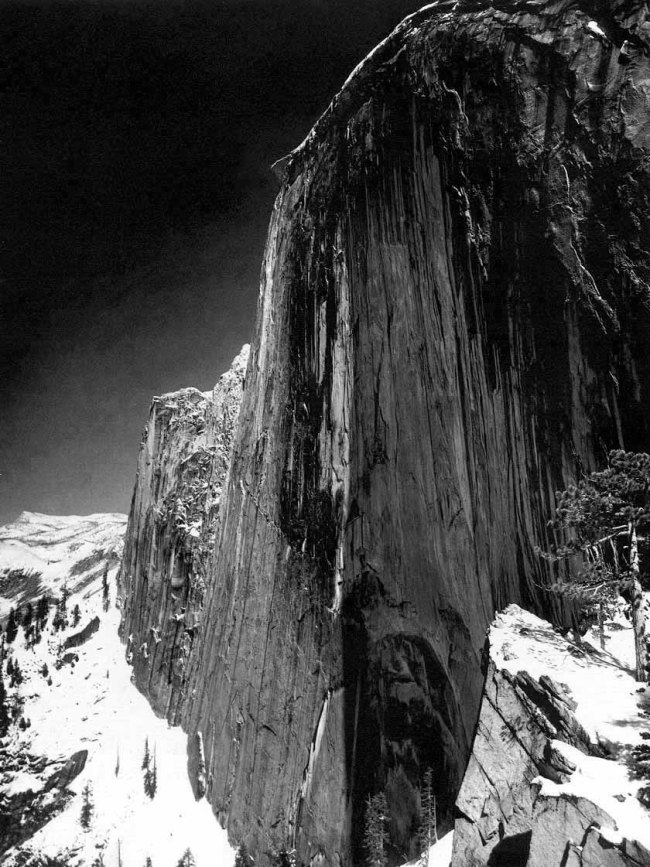
 

Ansel Adams (American, 1902-1984) 'Monolith: The Face of Half Dome, Yosemite Valley' 1926-1927, printed 1927


Ansel Adams (American, 1902-1984)
Monolith: The Face of Half Dome, Yosemite Valley
1926-1927, printed 1927
Gelatin silver print
Sheet: 11 7/8 x 9 7/8 in. (30.2 x 25.1cm)
Smithsonian American Art Museum
Museum purchase
© 2013 The Ansel Adams Publishing Rights Trust


At just over 4,700 feet above the valley, Half Dome is the most iconic rock formation in Yosemite National Park. Adams squeezed the monolith into the frame to emphasise the majesty of its scale and the drama of its cliff. As it thrusts out of the brilliant white snow, Half Dome stands as a symbol of the unspoiled western landscape. Ansel Adams made his first trip to the Sierra Nevada mountain range when he was fourteen years old, and he returned every year until the end of his life, often for month-long stretches. Throughout his career Adams traveled widely – from Hawaii to Maine – to photograph the most picturesque vistas in America. After his death in 1984, a section of the Sierra Nevada was named the Ansel Adams Wilderness in his honour.
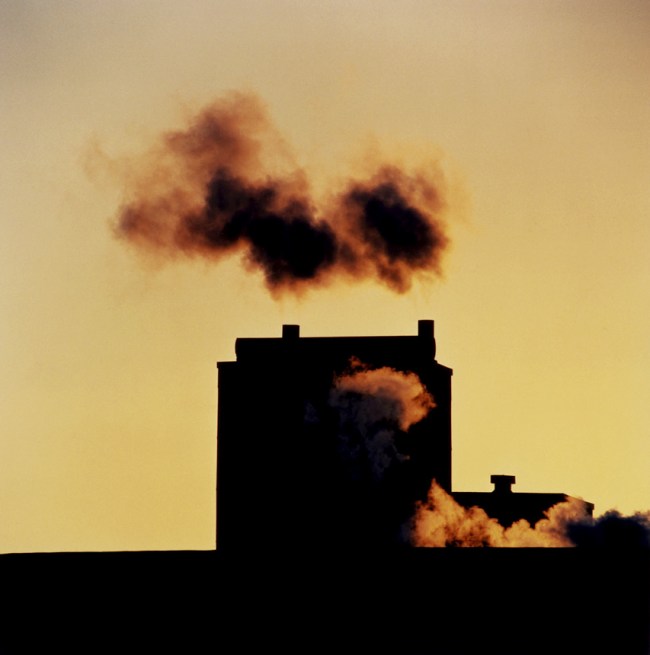
 

John Pfahl (American, 1939-2020) 'Goodyear #5, Niagara Falls, New York' 1989


John Pfahl (American, 1939-2020)
Goodyear #5, Niagara Falls, New York
1989
Chromogenic print
Sheet: 20 x 24 in. (50.8 x 61.0cm)
Smithsonian American Art Museum
Gift of the Consolidated Natural Gas Company Foundation
© 1989, John Pfahl


John Pfahl’s photographs embody the conflict between progress and preservation. Throughout the 1980s he focused on oil refineries and power plants. He chose the sites strategically based on their location in picturesque landscapes, where he observed a “transcendental” connection between industry and nature. In Goodyear #5 a nuclear power plant occupies the horizon. The setting sun provides a romantic colour palette as light filters through clouds of billowing steam. The landscape is reduced to an abstract composition that celebrates colour and texture. Pfahl’s intention with this series, titled Smoke, was to “make photographs whose very ambiguity provokes thought.” This photograph complicates popular notions of power plants by revealing an uncommonly beautiful view of a controversial structure.


A Democracy of Images: Photographs from the Smithsonian American Art Museum celebrates the numerous ways in which photography, from early daguerreotypes to contemporary digital works, has captured the American experience. The photographs presented here are selected from the approximately 7,000 images collected since the museum’s photography program began thirty years ago, in 1983. Ranging from daguerreotype to digital, they depict the American experience and are loosely grouped around four ideas: American Characters, Spiritual Frontier, America Inhabited, and Imagination at Work.

The exhibition’s title is inspired by American poet Walt Whitman’s belief that photography provided America with a new, democratic art form that matched the spirit of the young country and his belief that photography was a quintessentially American activity, rooted in everyday people and ordinary things and presented in a straightforward way. Known as the “poet of democracy,” Whitman wrote after visiting a daguerreotype studio in 1846: “You will see more life there – more variety, more human nature, more artistic beauty… than in any spot we know.” At the time of Whitman’s death, in 1892, George Eastman had just introduced mass market photography when he put an affordable box camera into the hands of thousands of Americans. The ability to capture an instant of lasting importance and fundamental truth mesmerised Americans then and continues to inspire photographers working today. Marking the thirtieth anniversary of the establishment of the museum’s pioneering photography collection, the exhibition examines photography’s evolution in the United States from a documentary medium to a full-fledged artistic genre and showcases the numerous ways in which it has distilled our evolving idea of “America.”

The exhibition features 113 photographs selected from the museum’s permanent collection, including works by Edward S. Curtis, Timothy H. O’SullivanBerenice AbbottDiane ArbusRoy DeCaravaWalker Evans,Irving PennTrevor Paglen, among others, as well as vernacular works by unknown artists. A number of recent acquisitions are featured, including works by Ellen CareyMitch EpsteinMuriel HasbunAlfredo Jaar, Annie Leibovitz, Deborah Luster, and Sally Mann. Landscapes, portraits, documentary-style works from the New York Photo League and images from surveying expeditions sent westward after the Civil War are among the images on display, and explore how photographs have been used to record and catalogue, to impart knowledge, to project social commentary, and as instruments of self-expression.

Photography’s arrival in the United States in 1840 allowed ordinary people to make and own images in a way that had not been previously possible. Photographers immediately became engaged with the life of the emerging nation, the activity of new urban centers, and the possibilities of unprecedented access to the vast western frontier. From the nineteenth to the twentieth century, photography not only captured the country’s changing cultural and physical landscape, but also developed its own language and layers of meaning.

A Democracy of Images: Photographs from the Smithsonian American Art Museum is organised around four major themes that defined American photography. “American Characters” examines the ways in which photographs of individuals, places, and objects become a catalogue of our collective memory and have contributed to the ever-evolving idea of the American character. “Spiritual Frontier” investigates early ideas of a vast, inexhaustible wilderness that symbolised American greatness. “America Inhabited” traces the nation’s rapid industrialisation and urbanisation through images of speed, change, progress, immigration, and contemporary rural, urban, and suburban landscapes. “Imagination at Work” demonstrates how photography’s role of spontaneous witness gradually gave way to contrived arrangement and artistic invention. The exhibition is organised by Merry Foresta, guest curator and independent consultant for the arts. She was the museum’s curator of photography from 1983 to 1999.

Connecting online

A complementary website designed for viewing on tablets includes photographs on view in the exhibition, an expanded selection of works from the museum’s collection and a timeline of American photography. It is available through tablet stations in the exhibition galleries, online, and on mobile devices.”

Press release from the Smithsonian American Art Museum website


America Inhabited

Photography’s early presence in America coincided with the rise of an industrial economy, the growth of major urban population centers, and the fulfilling of what some saw as the Manifest Destiny of spanning the continent from sea to sea. Images of progress and industry, as well as of city and suburbs, quickly added themselves to photography’s catalogue of places and people. Some of these images reflect idealistically, and at times nostalgically, on the beauty and humanity of our own backyards. Others stand as social documents that can be seen as critical and ironic, inviting outrage as well as compassion about the way we now live our lives.


Helen Levitt (American, 1913-2009) 'New York' c. 1942, printed later


Helen Levitt (American, 1913-2009)
New York
c. 1942, printed later
Gelatin silver print
Image: 7 1/8 x 10 1/2 in. (18.1 x 26.6cm)
Smithsonian American Art Museum
Museum purchase
© 1981, Helen Levitt


Caught before they run off into the streets, three masked youngsters pause on their front stoop. Expressive postures and mysterious disguises give this trio a theatrical quality. Helen Levitt, who found poetry in the uninhibited gestures of children, used a right-angle viewfinder to capture boys and girls roaming freely and playing with found objects. Working in New York City during the years surrounding World War II, her photographs show the drama of life that unfolded on the sidewalks of poor and working-class neighbourhoods.


Louis Faurer (American, 1916-2001) 'Broadway, New York, N.Y.' 1949-1950, printed 1980-1981


Louis Faurer (American, 1916-2001)
Broadway, New York, N.Y.
1949-1950, printed 1980-1981
Gelatin silver print
Image: 8 3/8 x 12 9/16 in. (21.3 x 32cm)
Smithsonian American Art Museum
Gift of David L. Davies and John D. Weeden and museum purchase
© Estate of Louis Faurer
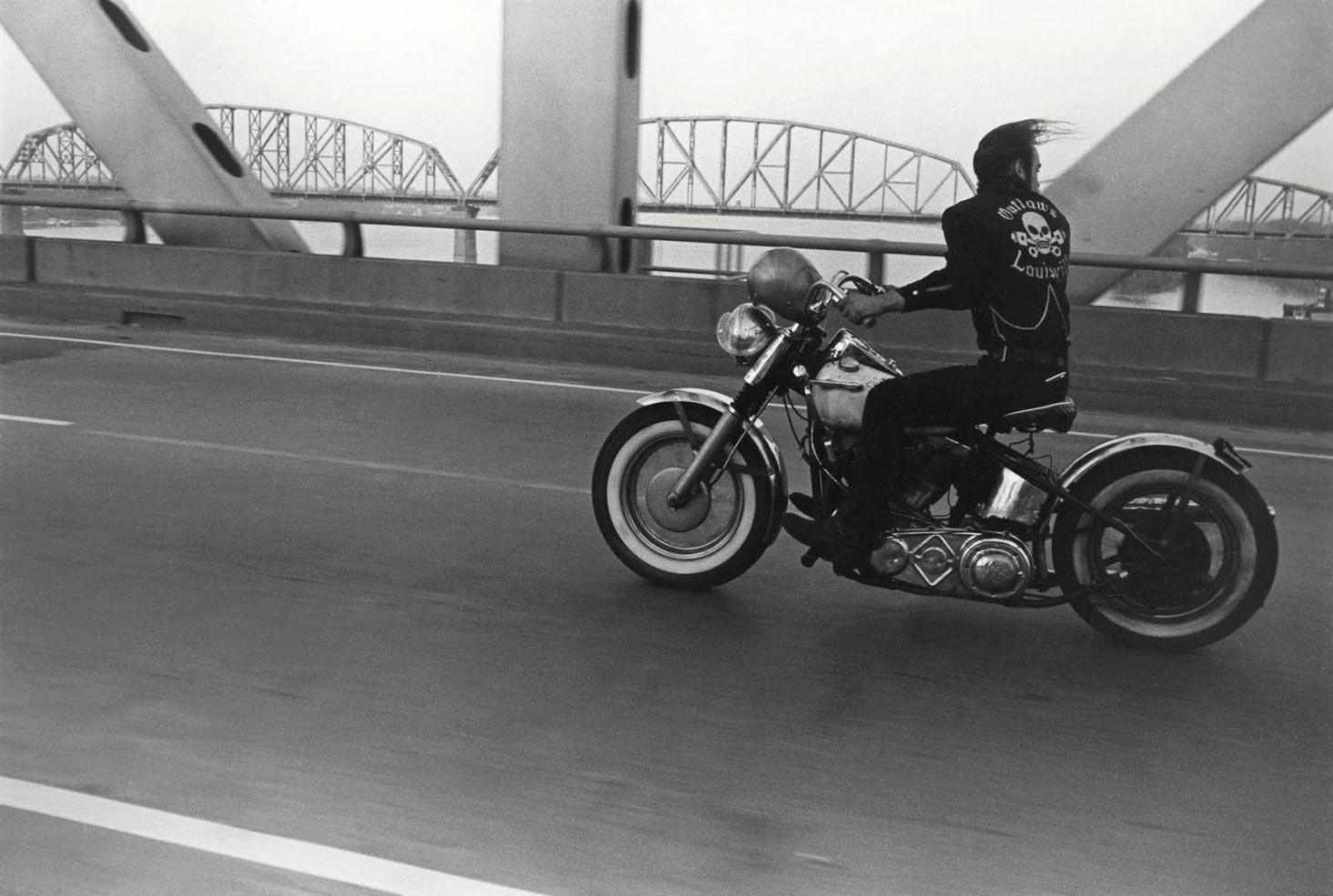
 

Danny Lyon (American, b. 1942) 'Crossing the Ohio River, Louisville' 1966, printed 1985


Danny Lyon (American, b. 1942)
Crossing the Ohio River, Louisville
1966, printed 1985
Gelatin silver print
Image: 8 3/4 x 12 7/8 in. (22.2 x 32.7cm)
Smithsonian American Art Museum
Museum purchase made possible by Mrs. Marshall Langhorne
Photo courtesy Edwynn Houk Gallery


William Eggleston (America, born July 27, 1939) 'Memphis' c. 1970


William Eggleston (American, b. 1939)
Tricycle (Memphis)
about 1975, printed 1980
Dye transfer print
Smithsonian American Art Museum, Gift of Amy Loeserman Klein


An ordinary tricycle is made monumental in this playful colour photograph. Taken from below, it suggests a child’s perspective – elevating this rusty tricycle to a symbol of innocence and freedom. The quiet Memphis suburb in the background typifies the safe neighbourhoods where children could spend hours playing after school. This print was made with the expensive and exacting dye imbibition process, which was typically used for fashion and advertising at the time. Eggleston began experimenting with colour photography in the mid-1960s. Inspired by trips to a commercial photography lab, he developed an approach that imitates the random, imperfect style of amateur snapshots to describe his immediate surroundings combined with a keen interest in the effects of colour.


Tina Barney (American, b. 1945) 'Marina's Room' 1987


Tina Barney (American, b. 1945)
Marina’s Room
1987
Chromogenic print
Sheet: 48 x 60 in. (121.9 x 52.3cm)
Smithsonian American Art Museum
Museum purchase
© 1987, Tina Barney, Courtesy Janet Borden, Inc.


Aaron Siskind (American, 1903-1991) 'Untitled' 1937, printed later


Aaron Siskind (American, 1903-1991)
Untitled
1937, printed later
Gelatin silver print
Sheet: 10 x 14 in. (25.4 x 35.5cm)
Smithsonian American Art Museum
Gift of Tennyson and Fern Schad, courtesy of Light Gallery
© 1940, Aaron Siskind


In this untitled photograph Aaron Siskind focused on the regular grid of boarded-up windows on a derelict tenement building. Once portals into intimate domestic spaces, the windows represent loss in a community plagued by poverty, unemployment, and racial discrimination. Building upon the traditions of social documentary photographers before him, Siskind used his camera to raise public awareness of Harlem’s struggle, even as he created a modernist work of art.


Walker Evans (American, 1903-1975) 'Kitchen Wall, Alabama Farmstead' 1936, printed 1974


Walker Evans (American, 1903-1975)
Kitchen Wall, Alabama Farmstead
1936, printed 1974
Gelatin silver print
Sheet and image: 9 3/8 x 12 in. (23.9 x 30.5cm)
Smithsonian American Art Museum
Gift of Lee and Maria Friedlander


During the summer of 1936, Walker Evans joined writer James Agee in rural Alabama to work on a magazine assignment on cotton farming. Evans and Agee met with three tenant farm families and documented every detail of their experiences. The result, which the magazine declined to publish, was released as the book Let Us Now Praise Famous Men in 1941. It contains some of the most iconic and contentious photographs to document the Great Depression. Kitchen Wall, Alabama Farmstead reads like a modern novel. Every crack in the wood, every speck of paint tells part of the story. Evans drew special attention to the scarcity of cooking tools at the family’s disposal. These everyday utensils illustrate a metaphor for the struggle to meet basic needs.
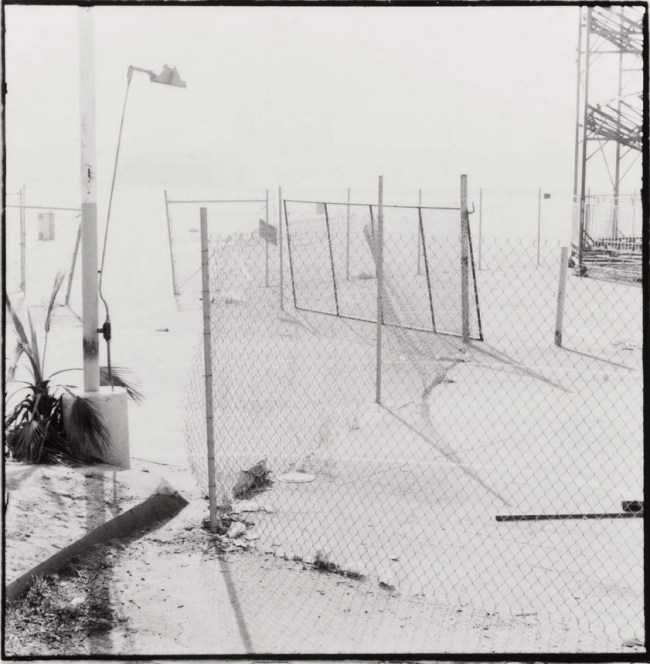
 

Judy Fiskin (American, b. 1945) 'Long Beach Pike (broken fence)', from the 'Long Beach, California Documentary Survey Project' 1980


Judy Fiskin (American, b. 1945)
Long Beach Pike (broken fence), from the Long Beach, California Documentary Survey Project
1980
Gelatin silver print
Image: 2 1/2 x 2 1/2 in. (6.2 x 6.2cm)
Smithsonian American Art Museum
Transfer from the National Endowment for the Arts
© 1980, Judy Fiskin


For this series, sponsored by the National Endowment of the Art’s Long Beach Documentary Survey Project, Judy Fiskin focused on the Long Beach Pike, an amusement park that was demolished soon after she made the photographs. By printing in high contrast and restricting the scale of her prints, Fiskin reduced form to its bare essentials. Devoid of superfluous detail, these photographs appear more like conjured images than documents of reality. Judy Fiskin systematically catalogues the world of architecture and design in order to study variations of historical styles. Her series carefully investigate esoteric subjects such as military base architecture, “dingbat” style houses in southern California, and the art of flower arranging.
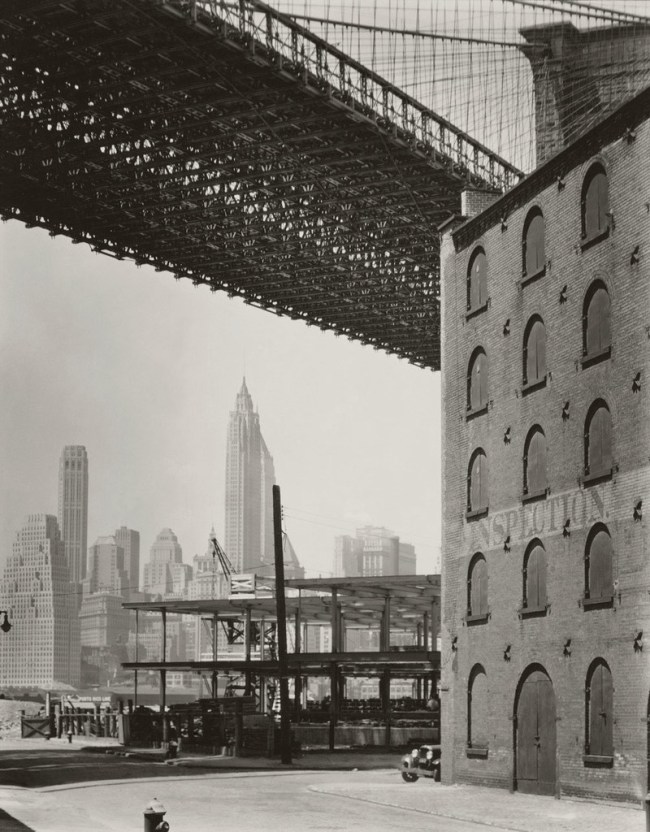
 

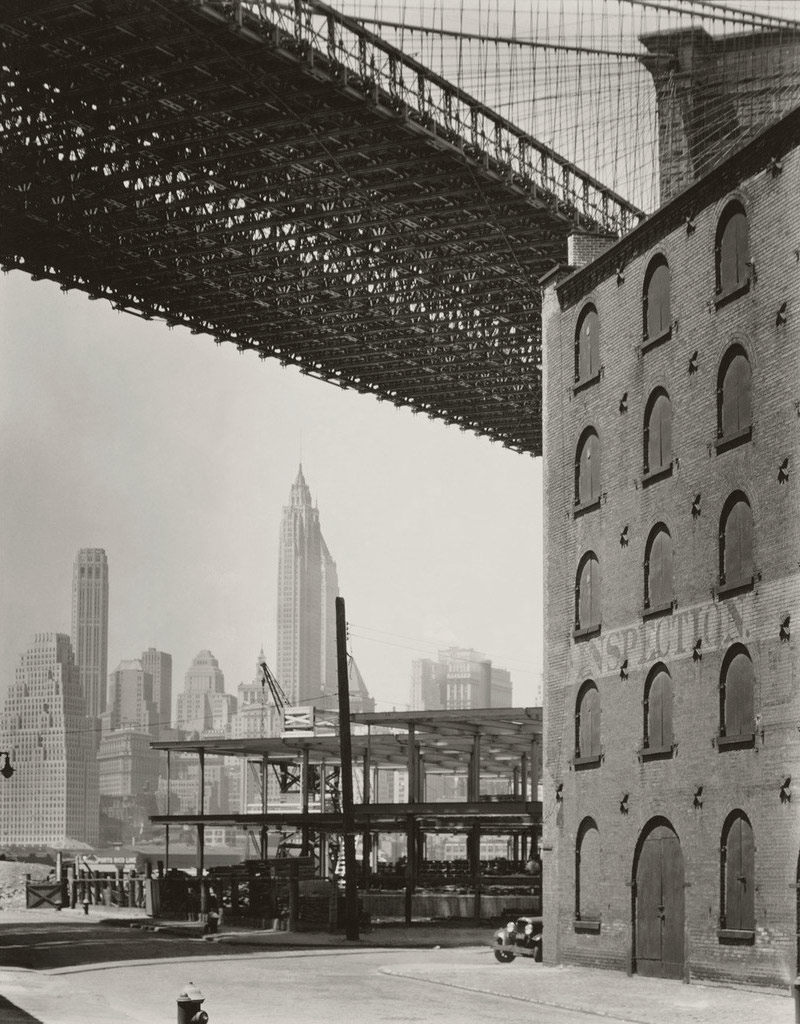
Berenice Abbott (American, 1898-1991) 'Brooklyn Bridge, Water and Dock Streets, Brooklyn' 1936


Berenice Abbott (American, 1898-1991)
Brooklyn Bridge, Water and Dock Streets, Brooklyn
1936
Gelatin silver print
Sheet: 18 x 14 3/8 in. (45.7 x 36.6cm)
Smithsonian American Art Museum
Transfer from the Evander Childs High School, Bronx, New York through the General Services Administration


Berenice Abbott returned home in 1929 after nearly eight years abroad and found herself fascinated by the rapid growth of New York City. She saw the city as bristling with new buildings and structures which seemed to her as solid and as permanent as a mountain range. Aiming to capture “the past jostling the present,” Abbott spent the next five years on a project she called Changing New York. In Brooklyn Bridge, Water and Dock Streets, Brooklyn, Abbott presented a century of history in a single image. The Brooklyn Bridge, once a marvel of modern engineering, seems dark and heavy compared with the skeletal structure beneath it. The construction site at center suggests the never-ending cycle of death and regeneration. And the Manhattan skyline, veiled and weightless, hangs just out of reach, its shape accommodating the ambitious spirit of American modernism.
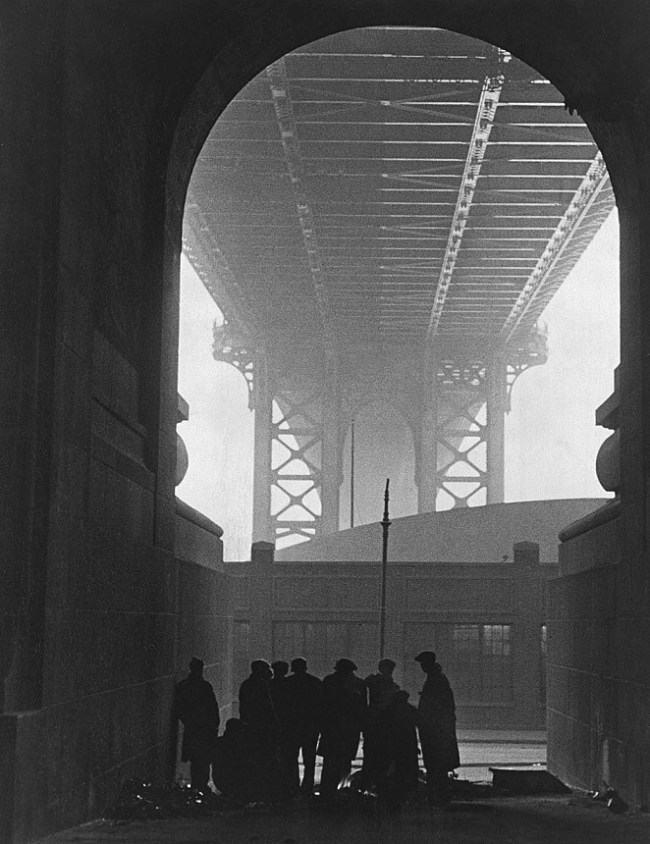
 

Robert Disraeli (American, 1905-1987) 'Cold Day on Cherry Street' 1932


Robert Disraeli (American, 1905-1987)
Cold Day on Cherry Street
1932
Gelatin silver print
Image and sheet: 14 x 11 in. (35.5 x 28cm)
Smithsonian American Art Museum
Museum purchase made possible by Mr. and Mrs. G. Howland Chase, Mrs. James S. Harlan (Adeline M. Noble Collection), Lucie Louise Fery, Berthe Girardet, and Mrs. George M. McClellan
© 1932, Robert Disraeli


Imagination at Work

Nineteenth-century French commentator Alexis de Tocqueville observed that in America, nothing is ever quite what it seems. Yet the idea that “seeing is believing” is deeply ingrained in the American character. By yoking together style and subject under the guise of the real, today’s photographers borrow from photography’s rich past while embracing the conceptual framework of contemporary art. They read reality as something on the surface of a picture or, more complexly, as something located in the mind of its beholder.


Sonya Noskowiak (American born Germany, 1900-1975) 'Calla Lily' c. 1930s


Sonya Noskowiak (American born Germany, 1900-1975)
Calla Lily
c. 1930s
Gelatin silver print
Sheet: 7 3/8 x 9 3/4 in. (18.8 x 24.7cm)
Smithsonian American Art Museum
Museum purchase made possible through Deaccession Funds


Ray K. Metzker (American, 1931-2014) 'Composites: Philadelphia (Car and Street Lamp)' 1966


Ray K. Metzker (American, 1931-2014)
Composites: Philadelphia (Car and Street Lamp)
1966
Gelatin silver prints
Image: 25 3/8 x 17 3/4 in. (64.5 x 45cm)
Smithsonian American Art Museum
Museum purchase
© 1966, Ray K. Metzker


Ray Metzker’s Composites series, begun in 1964, connected in a dramatic fashion his interests in contrasts of light and shadow, his strong sense of design, and his earlier explorations of the multiple image. Metzker studied at Chicago’s Institute of Design, where a rigorously formal, problem-solving approach to photography was taught. For this series he assembled grids of individual photographs to create complex image-fields. When viewed from a distance, this work reads as an abstract, rhythmic pattern of light and dark. On closer inspection, however, many crisply descriptive images are revealed. The Composites function somewhat like short filmstrips. The mystery of these brief narratives is exaggerated by the repetitive design and provides a unique opportunity, in Metzker’s words, “to deal with complexity of succession and simultaneity, of collected and related moments.”
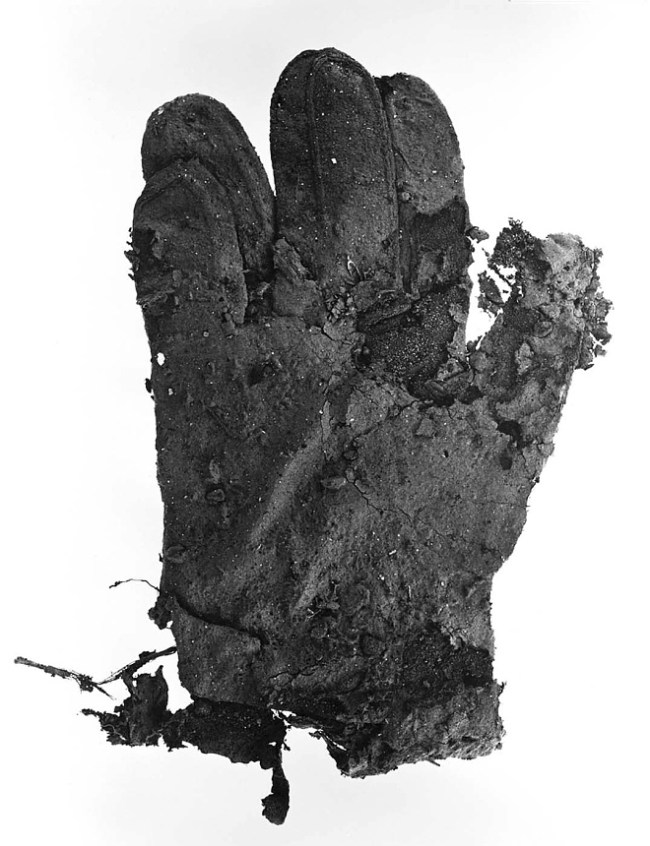
 

Irving Penn (American, 1917-2009) 'Mud Glove – New York' 1975, printed 1976


Irving Penn (American, 1917-2009)
Mud Glove – New York
1975, printed 1976
Platinum-palladium print
Sheet and image: 29 3/4 x 22 1/4 in. (75.5 x 56.5cm)
Smithsonian American Art Museum
Gift of the artist


Irving Penn was one of the most important and influential photographers of the twentieth century. In a career that spanned almost seventy years, Penn worked across multiple genres, from celebrity portraits to fashion, from still lives to images of native cultures in remote places of the world. Throughout his career Penn also worked on a series of photographs of discarded objects: things that had been lost, neglected, or misused. Printed in platinum, these detailed photographs of objects such as a lost glove found in the gutter, are Penn’s photographic memento mori, offering beauty compromised by age or disuse.
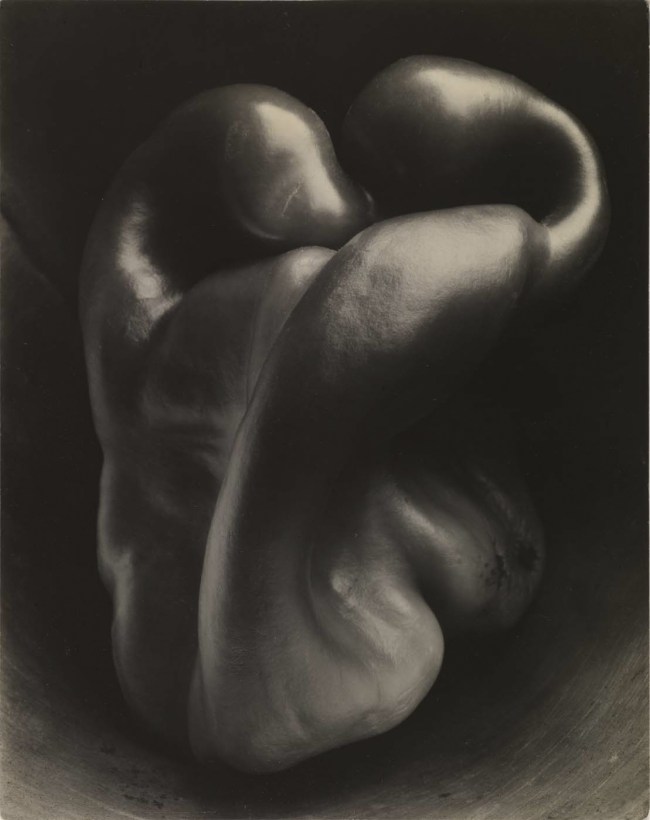
 

Edward Weston (American, 1886-1958) 'Pepper no. 30' 1930


Edward Weston (American, 1886-1958)
Pepper no. 30
1930
Gelatin silver print
Sheet: 9 1/2 x 7 1/2 in. (24.3 x 19.2cm)
Smithsonian American Art Museum
Museum purchase
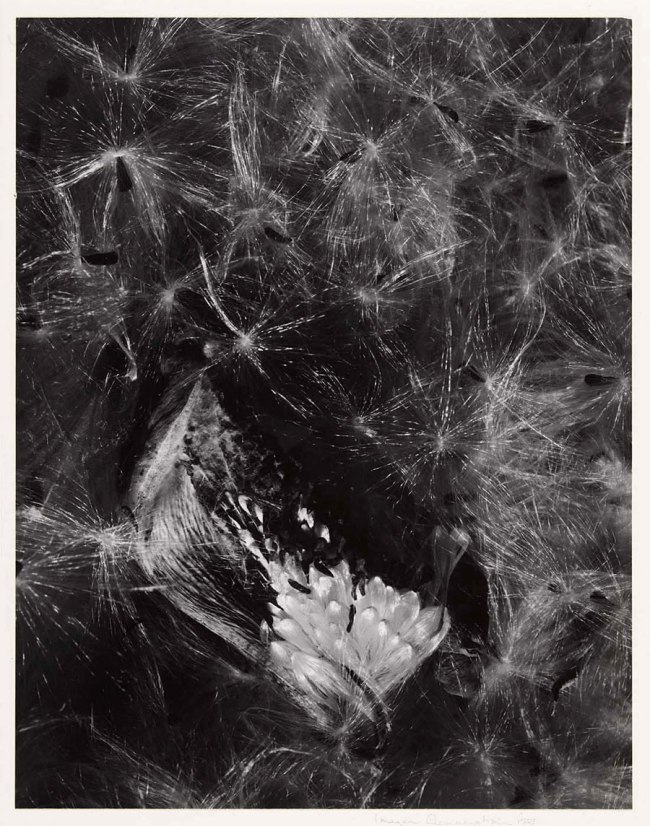
 

Imogen Cunningham (American, 1883-1976) 'Auragia' 1953, printed c. 1960s


Imogen Cunningham (American, 1883-1976)
Auragia
1953, printed c. 1960s
Gelatin silver print
Sheet and image: 11 1/8 x 8 3/4 in. (28.3 x 22.2cm)
Smithsonian American Art Museum
Gift of Charles Isaacs and Carol Nigro


Ellen Carey (American, b. 1952) 'Dings and Shadows' 2012


Ellen Carey (American, b. 1952)
Dings and Shadows
2012
Chromogenic print
Sheet and image: 40 x 30 in. (101.6 x 76.2cm)
Smithsonian American Art Museum
Gift of Linda Cheverton Wick and Walter Wick
© 2012, Ellen Carey


Ellen Carey created the series she calls Dings and Shadows by exposing photosensitive paper to light projected through primary and complementary colour filters. The artist first folds and crushes paper; then after exposing the paper to light from a colour enlarger, flattens it out again for processing. In doing so, Carey dissects the process of developing film, and evokes the hand-crafted nature of early photographic techniques.


Some images from the Timeline on the website

1843

Daguerreotypists Albert S. Southworth and Josiah Johnson Hawes begin a partnership, establishing Southworth & Hawes as the most highly regarded portrait studio in Boston, Mass. The studio caters to the city’s elite, and is visited by Charles Dickens, Ralph Waldo Emerson, and Oliver Wendell Holmes, among many other influential people of the time.
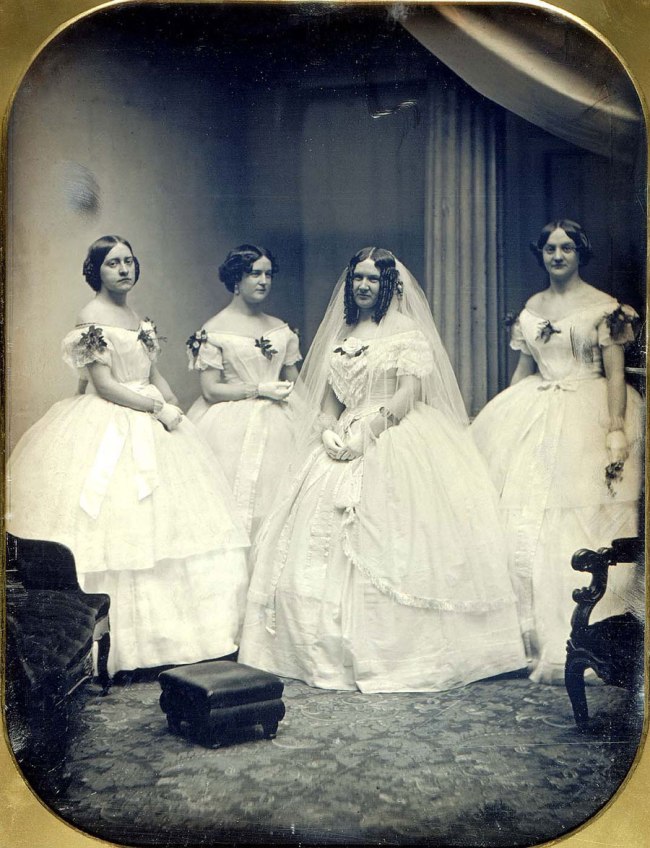
 

Albert Sands Southworth (American, 1811-1894) and Josiah Johnson Hawes (American, 1808-1901) 'A Bride and Her Bridesmaids' 1851


Albert Sands Southworth (American, 1811-1894) and Josiah Johnson Hawes (American, 1808-1901)
A Bride and Her Bridesmaids
1851
Daguerreotype
Smithsonian American Art Museum
Museum purchase made possible by Walter Beck


1853

The New York Daily Tribune estimates that in the United States, three million daguerreotypes are being produced annually.


Unidentified artist. 'Mother and Son' c. 1855


Unidentified artist
Mother and Son
c. 1855
Daguerreotype with applied colour
Smithsonian American Art Museum
Museum purchase from the Charles Isaacs Collection made possible in part by the Luisita L. and Franz H. Denghausen Endowment


1857

Julian Vannerson and Samuel Cohner make the first systematic photographs of Native American delegations to visit Washington, D.C. They photograph ninety delegates representing thirteen tribes who conduct treaty and other negotiations with government officials.
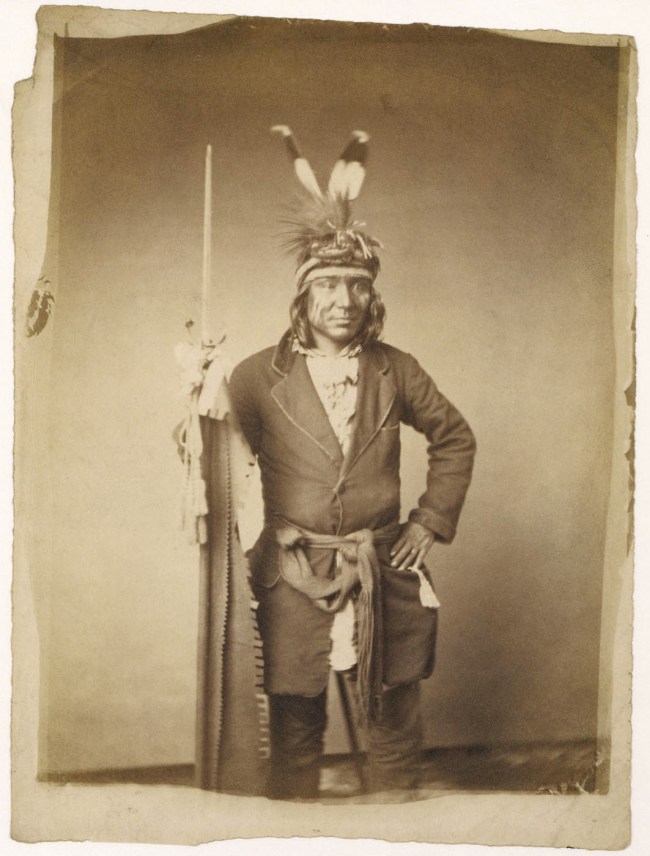
 

Julian Vannerson (American, 1827-1875) 'Shining Metal' 1858


Julian Vannerson (American, 1827-1875)
Shining Metal
1858
Salted paper print
Smithsonian American Art Museum
Museum purchase from the Charles Isaacs Collection made possible in part by the Luisita L. and Franz H. Denghausen Endowment


1861

American Civil War begins with shots fired on Fort Sumter by Confederate troops. Portrait photographer Mathew Brady is given permission by President Abraham Lincoln to photograph the First Battle of Bull Run, but comes so close to the battle that he narrowly avoids capture. Using paid assistants Alexander Gardner, Timothy O’Sullivan, George N. Barnard, and others, Brady’s studio makes thousands of photos of the sites, material, and people of the war. Civilian free-lance photographer Egbert Guy Fowx sells numerous negatives to Brady’s studio, which publishes and copyrights many of them. Many other images are credited to Fowx, including this group of Union officers.


Egbert Guy Fowx (American, 1821-1889) 'New York 7th Regiment Officers' c. 1863


Egbert Guy Fowx (American, 1821-1889)
New York 7th Regiment Officers
c. 1863
Salted paper print
Smithsonian American Art Museum
Museum purchase from the Charles Isaacs Collection made possible in part by the Luisita L. and Franz H. Denghausen Endowment


1867

Eadweard Muybridge begins trip to photograph in Yosemite Valley. He publishes his photographs under the name “Helios,” which is also the name of his San Francisco studio. An exhibition of more than 300 photographic portraits of Native American delegates to Washington, D.C., opens in the Smithsonian Castle. Clarence R. King begins direction of the U.S. Geological Expedition of the Fortieth Parallel, appointing Timothy O’Sullivan as the official photographer. Photographer Carleton Watkins joins the survey in 1871.


Timothy H. O'Sullivan  (American born Ireland, 1840-1882) 'Tufa Domes, Pyramid Lake, Nevada' 1867


Timothy H. O’Sullivan  (American born Ireland, 1840-1882)
Tufa Domes, Pyramid Lake, Nevada
1867
Albumen silver print
Smithsonian American Art Museum
Museum purchase from the Charles Isaacs Collection made possible in part by the Luisita L. and Franz H. Denghausen Endowment


1869

Andrew J. Russell’s album, The Great West Illustrated in a Series of Photographic Views across the Continent; Taken along the Line of the Union Pacific Railroad from Omaha, Nebraska, Volume I, is published. George M. Wheeler begins direction of the United States Geological Surveys West of the 100th Meridian for the U.S. Army Corps of Engineers. Wheeler makes fourteen trips to the West over the next eight years. Photographer Timothy O’Sullivan accompanies him in 1871, 1873, and 1874.


Andrew Joseph Russell (American, 1829-1902) 'Sphinx of the Valley' 1869


Andrew Joseph Russell (American, 1829-1902)
Sphinx of the Valley
1869
Albumen silver print
Smithsonian American Art Museum
Museum purchase from the Charles Isaacs Collection made possible in part by the Luisita L. and Franz H. Denghausen Endowment


1967

The Friends of Photography is founded in Carmel, California, by Ansel Adams, Beaumont and Nancy Newhall, Brett Weston, and others, with the aim of promoting creative photography and supporting its practitioners. It remains in existence until 2001.


Brett Weston (American, 1911-1993) 'Untitled (Snow Covered Mountains)' 1973


Brett Weston (American, 1911-1993)
Untitled (Snow Covered Mountains)
1973
Gelatin silver print
Smithsonian American Art Museum
Transfer from the National Endowment for the Arts
© 1973, Brett Weston


1975

New Topographics: Photographs of a Man-Altered Landscape opens at the International Museum of Photography in Rochester, N.Y. It includes photographs by Robert Adams, Lewis Baltz, Bernd and Hilla Becher, Joe Deal, Frank Gohlke, Nicholas Nixon, John Schott, Stephen Shore, and Henry Wessel Jr.
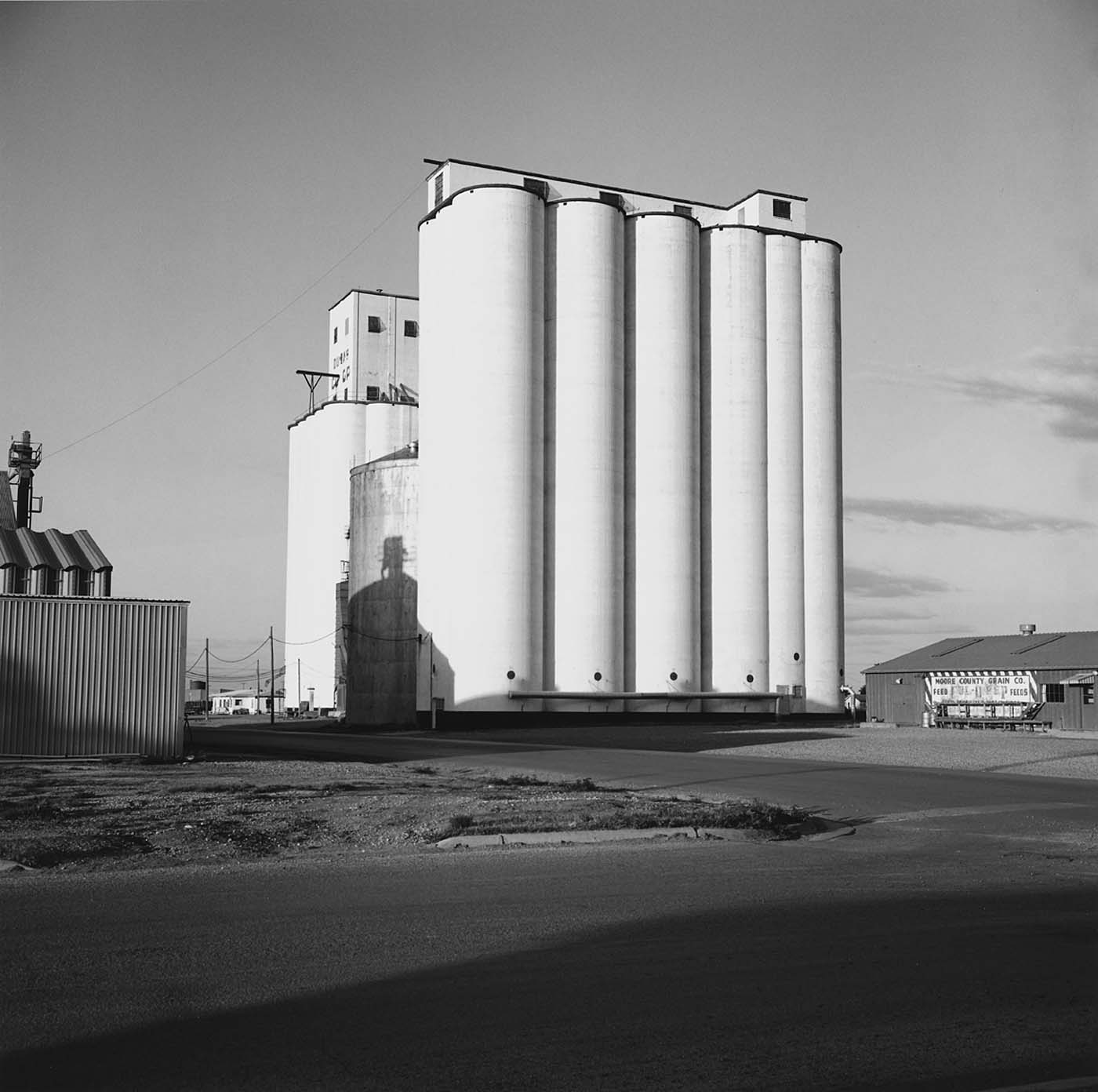
 

Frank Gohlke (American, b. 1942) 'Grain Elevator, Dumas, Texas, 1973' 1973, printed 1994


Frank Gohlke (American, b. 1942)
Grain Elevator, Dumas, Texas, 1973
1973, printed 1994
Gelatin silver print
Smithsonian American Art Museum, Museum purchase through the Luisita L. and Franz H. Denghausen Endowment
© 1973, Frank Gohlke


Smithsonian American Art Museum
8th and F Streets, N.W.
Washington, D.C. 20004

Opening hours:
11.30am – 7.00pm daily

Smithsonian American Art Museum website

A Democracy of Images website

LIKE ART BLART ON FACEBOOK

Back to top

Videos: William Klein

December 2013


William Klein: In Pictures from Tate Modern


William Klein – Photographer Technique & Process

William Klein talks about his works, technique and process.

William Klein (1928-2022) is an American-born French photographer and filmmaker noted for his ironic approach to both media and his extensive use of unusual photographic techniques in the context of photojournalism and fashion photography. He was ranked 25th on Professional Photographer’s list of 100 most influential photographers.

Klein trained as a painter, studying under Fernand Léger and found early success with exhibitions of his work. He soon moved on to photography and achieved widespread fame as a fashion photographer for Vogue and for his photo essays on various cities. He has directed feature-length fiction films, numerous short and feature-length documentaries and has produced over 250 television commercials.

He has been awarded the Prix Nadar in 1957, the Royal Photographic Society’s Centenary Medal and Honorary Fellowship (HonFRPS) in 1999, and the Outstanding Contribution to Photography Award at the Sony World Photography Awards in 2012.


LIKE ART BLART ON FACEBOOK

Back to top

Exhibition: ‘Detroit 1968: Photographs by Enrico Natali’ at Joseph Bellows Gallery, La Jolla, CA – Part 2

Exhibition dates: 2nd November – 21st December 2013


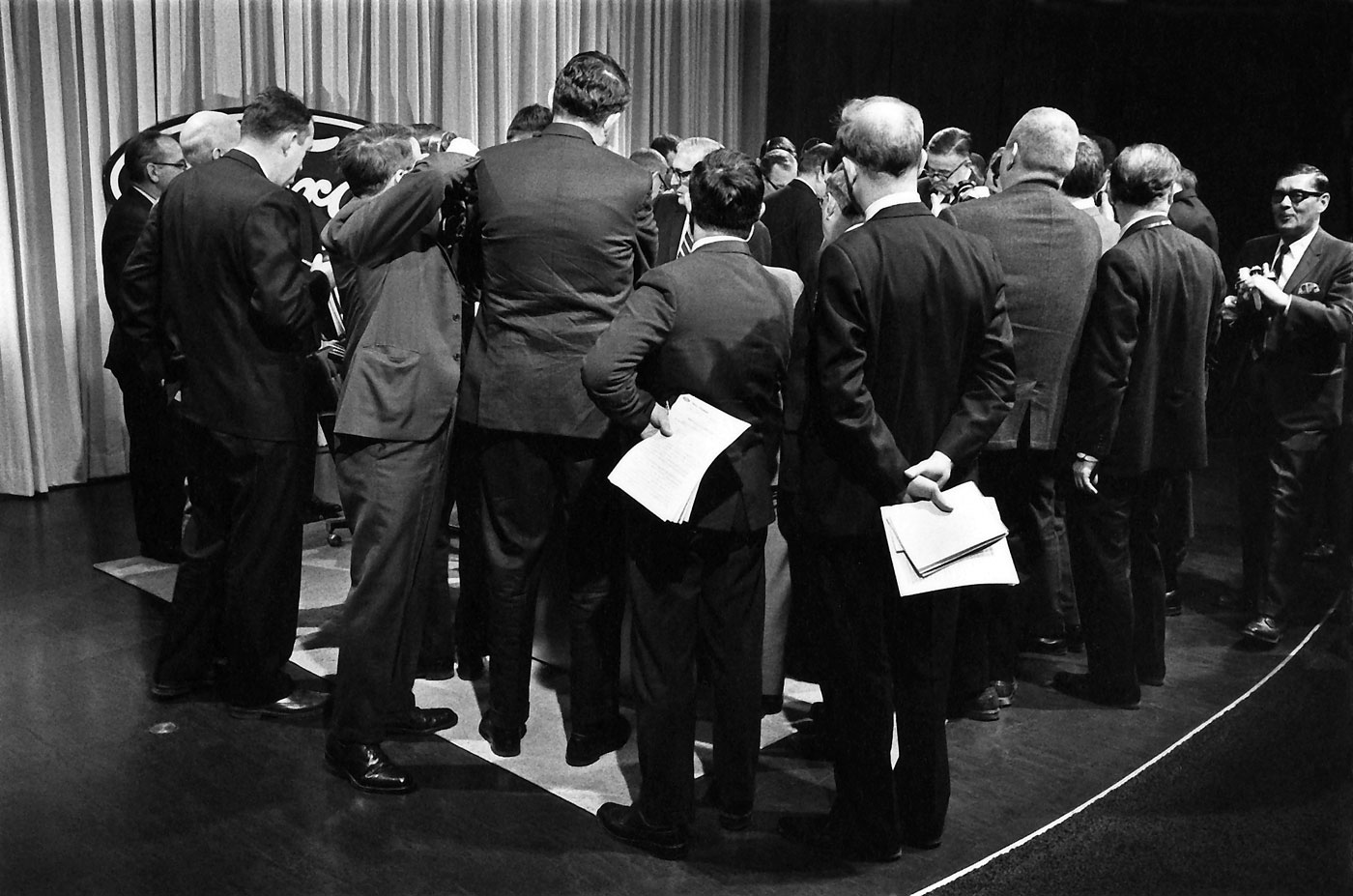
Enrico Natali (American, b. 1933) 'Ford Motor Company press conference, Detroit, 1968' 1968


Enrico Natali (American, b. 1933)
Ford Motor Company press conference, Detroit, 1968
1968
Gelatin silver print


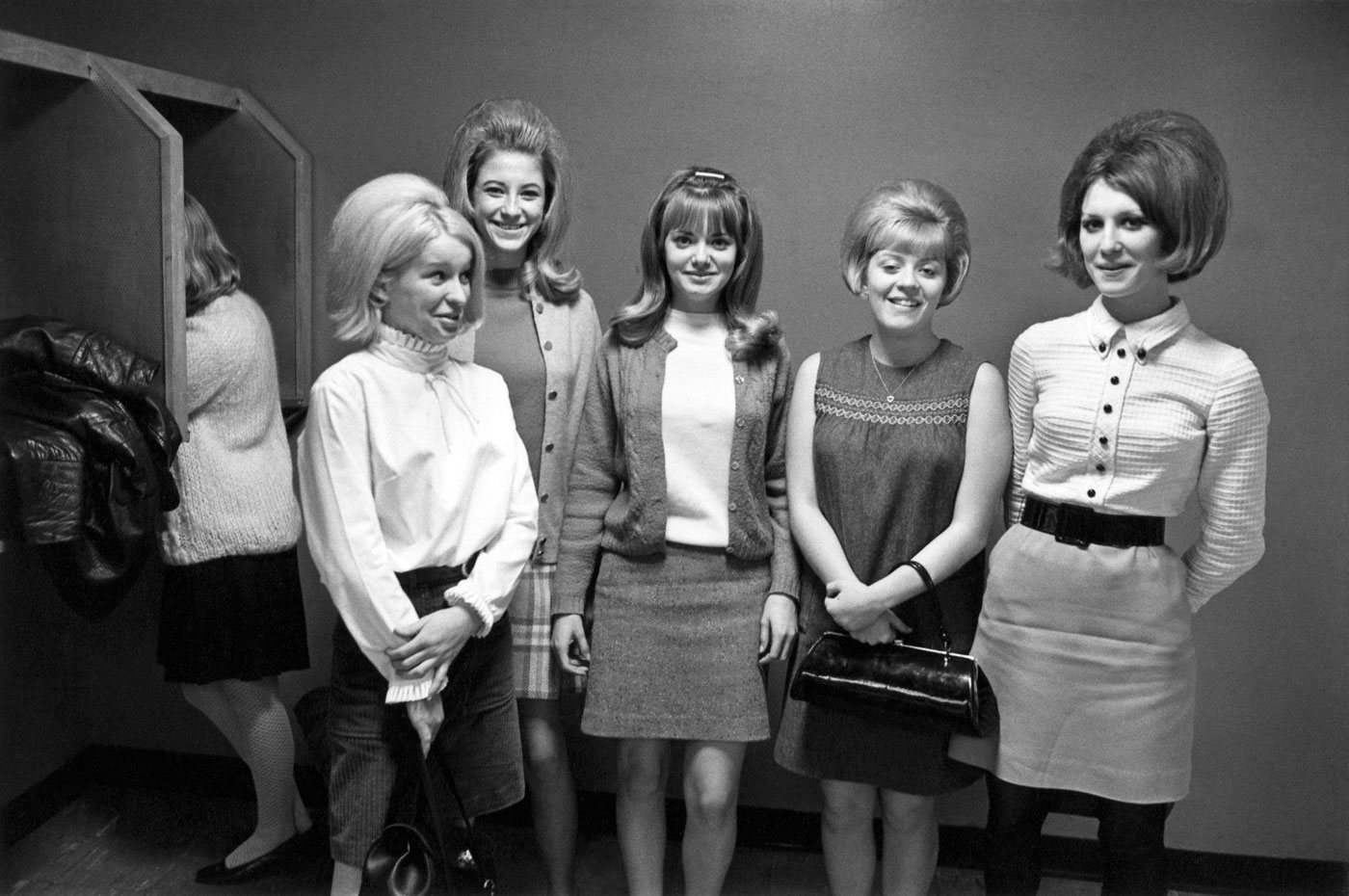
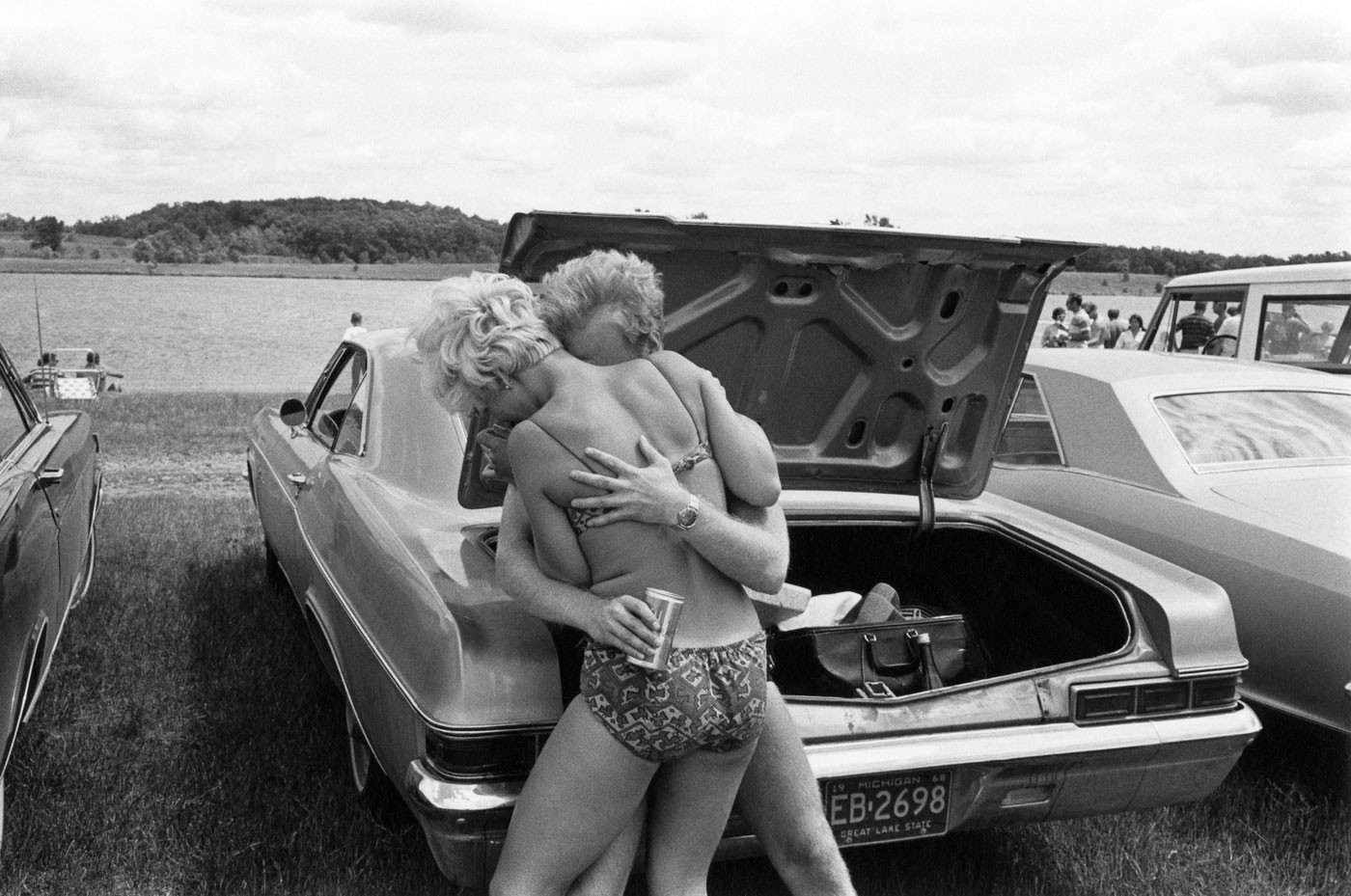
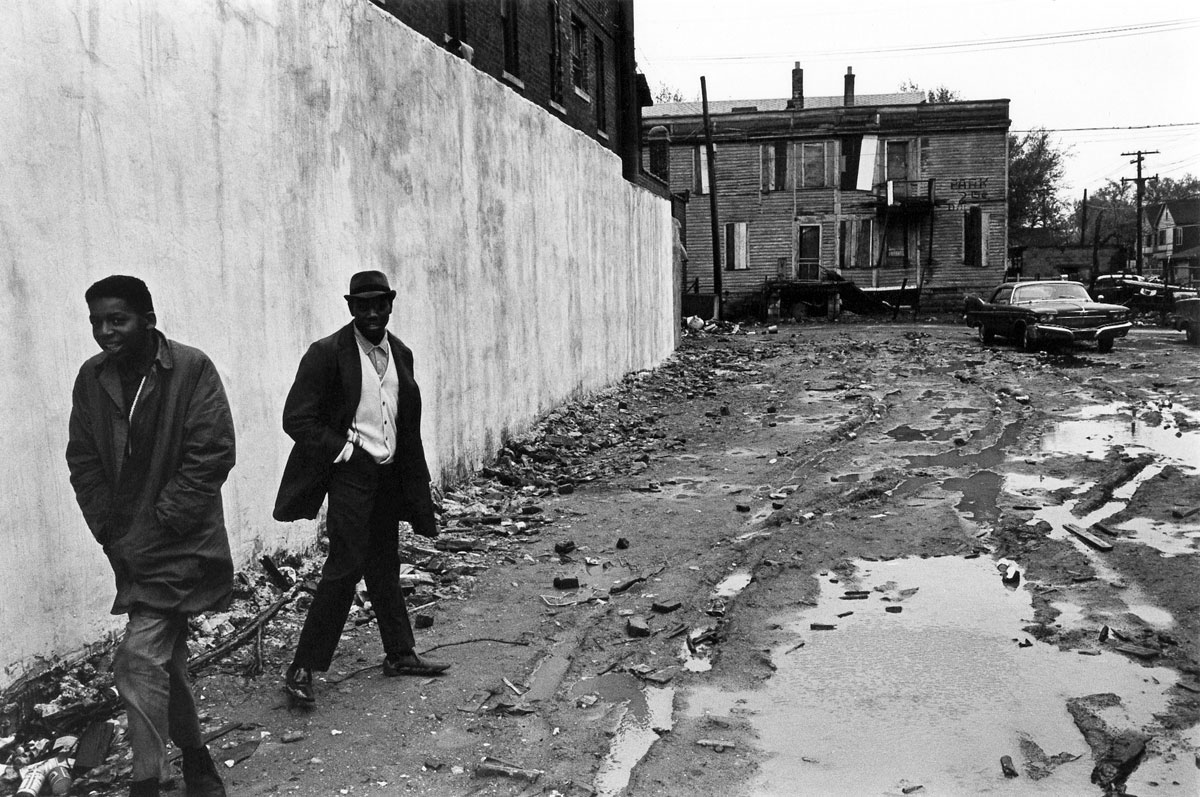
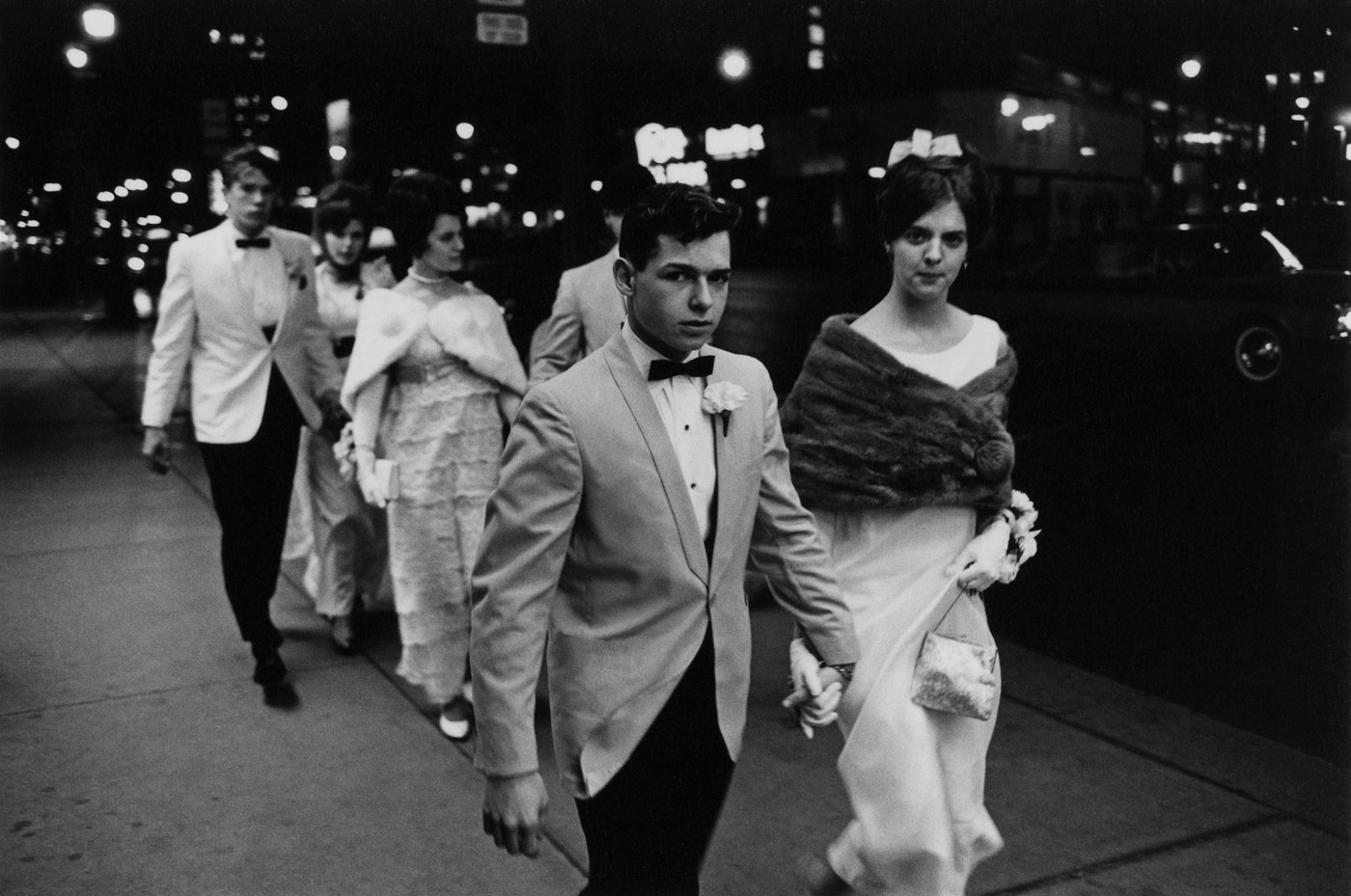
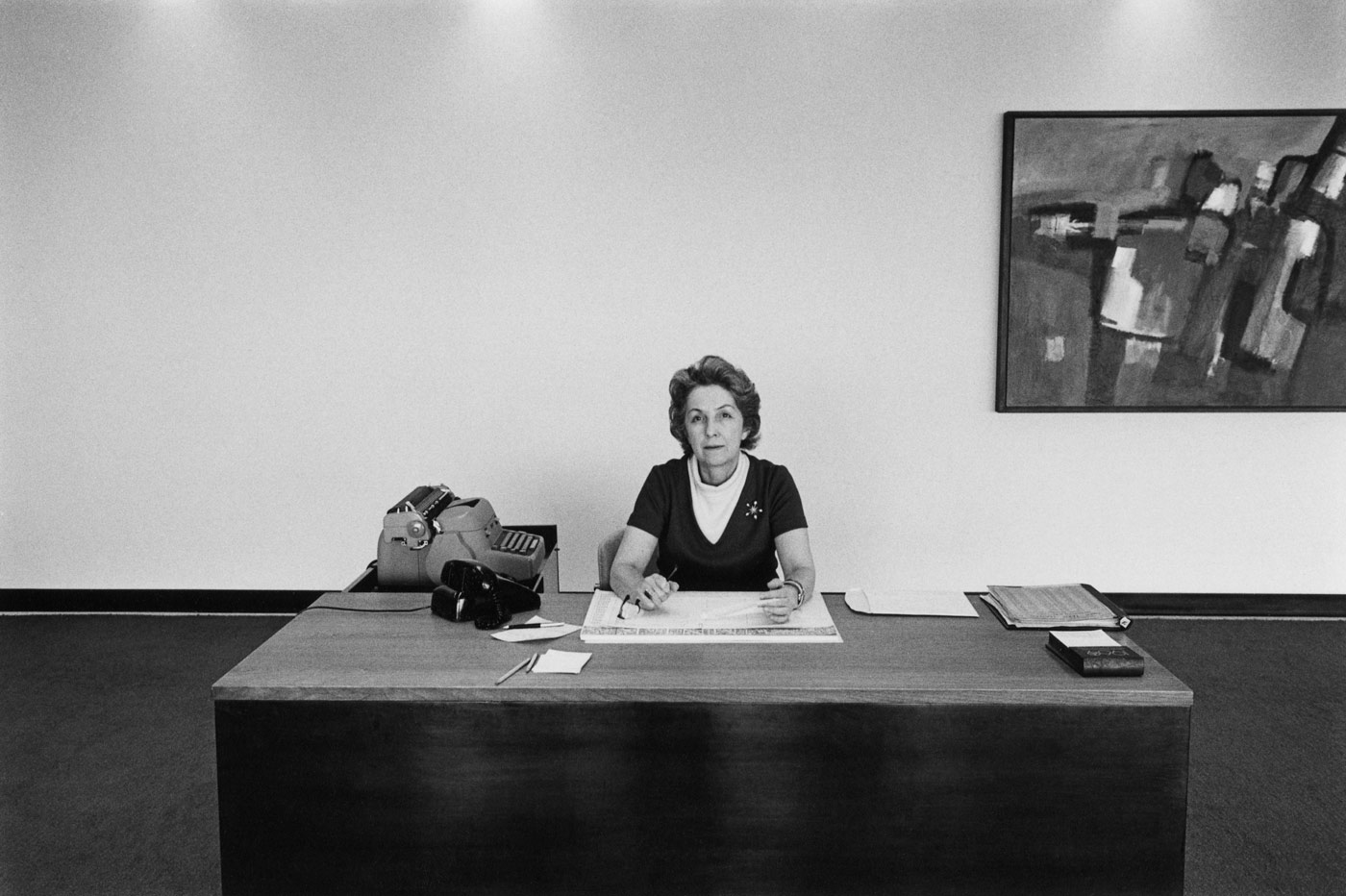
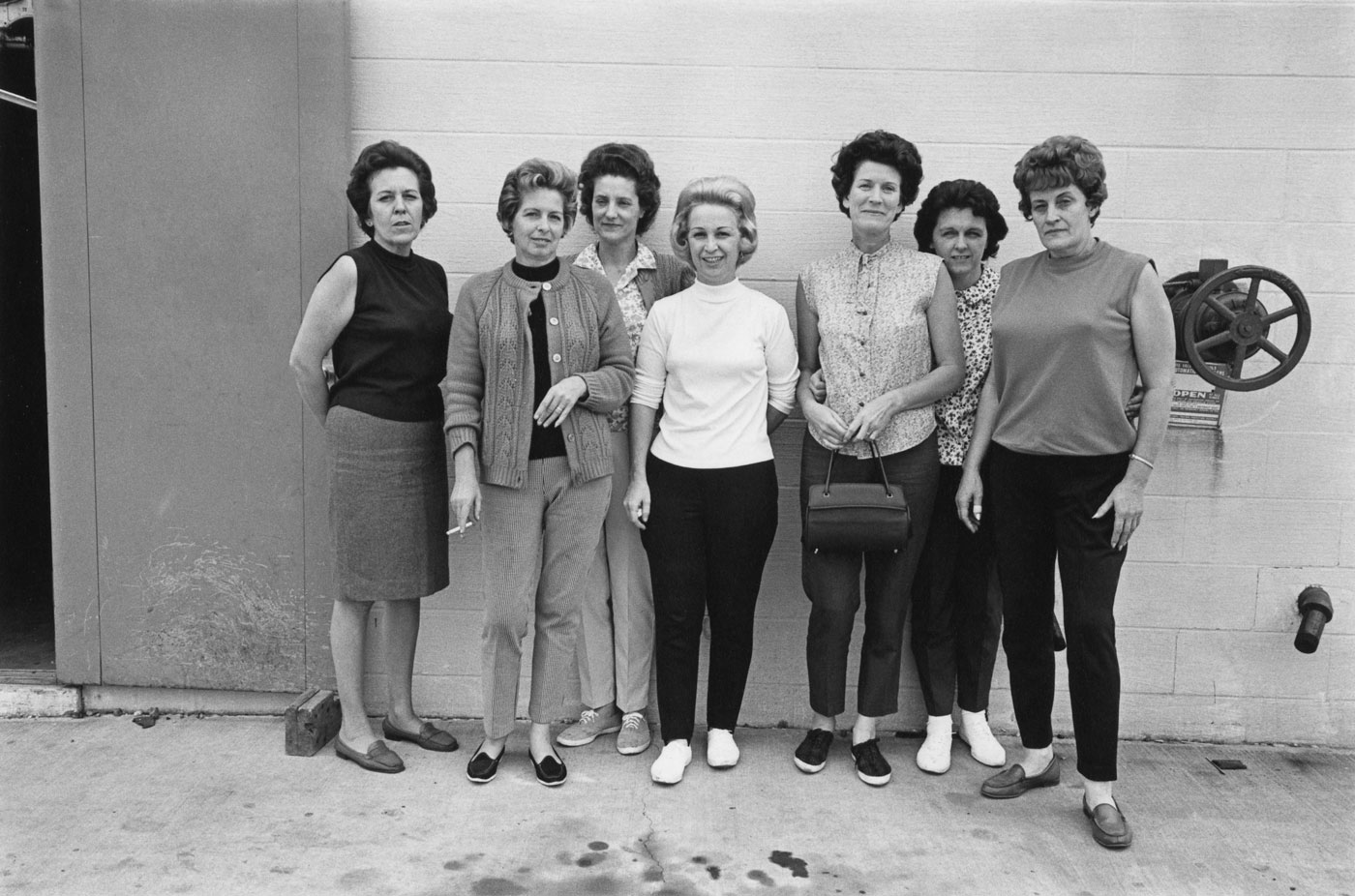
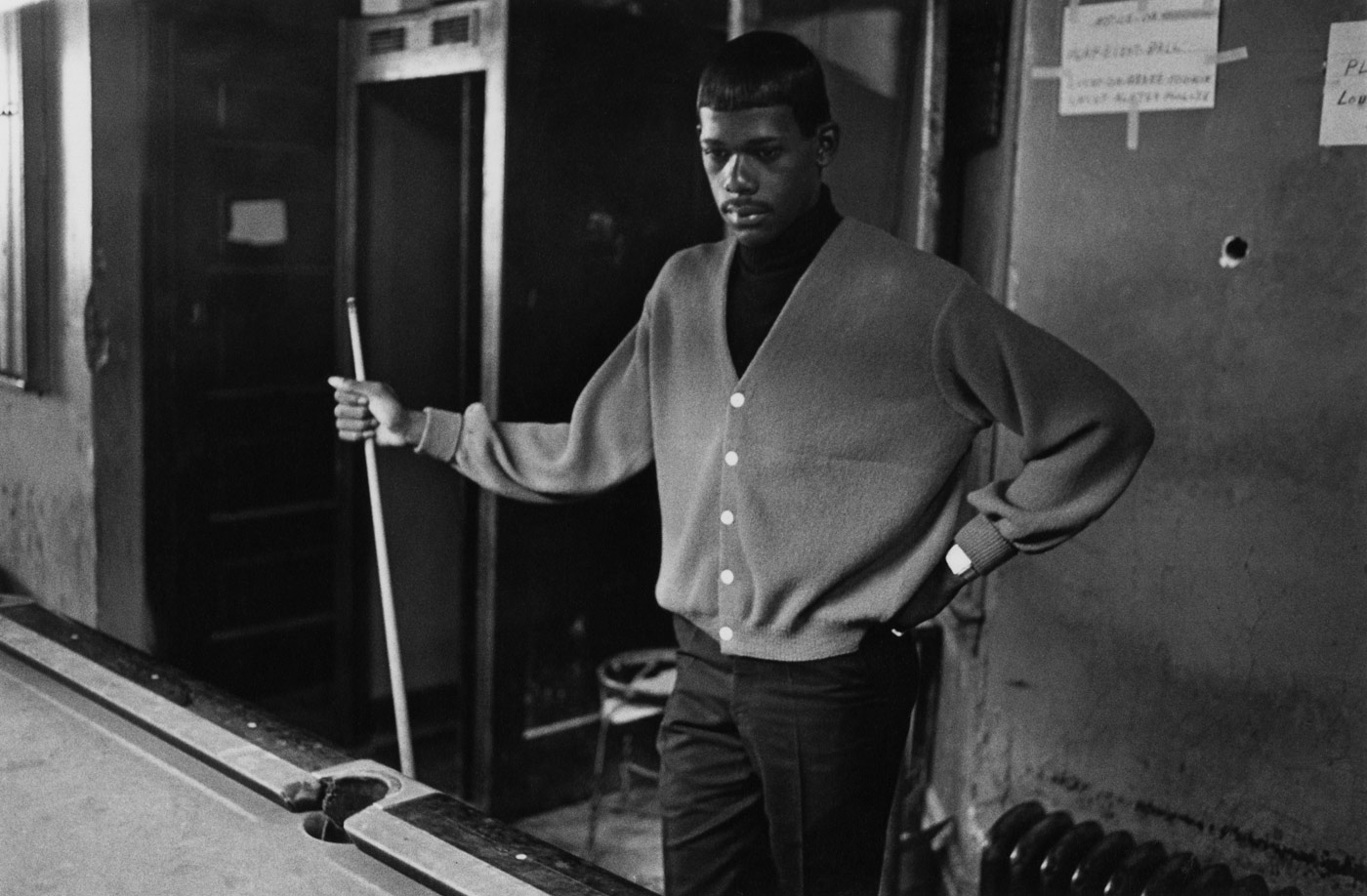
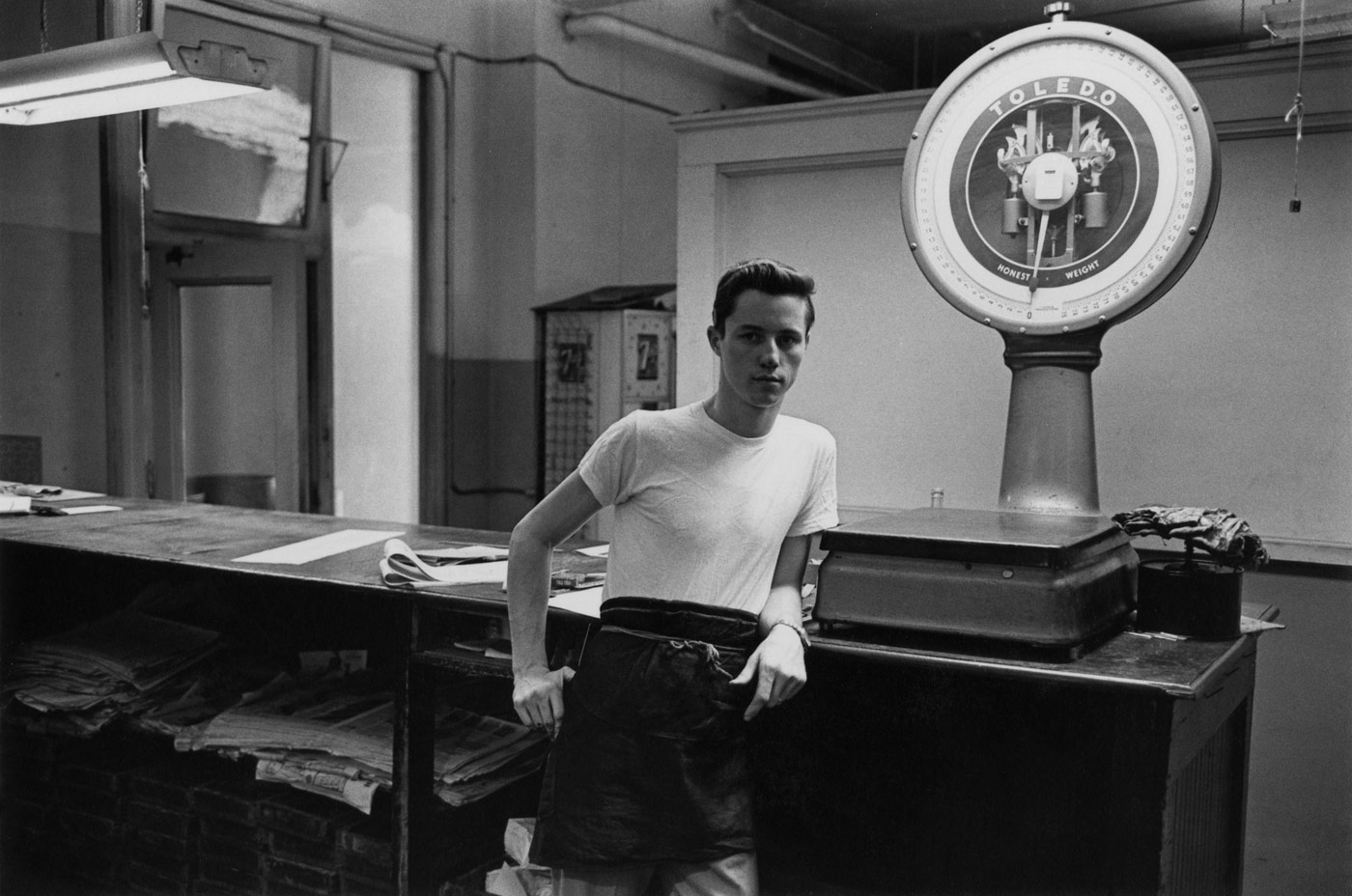
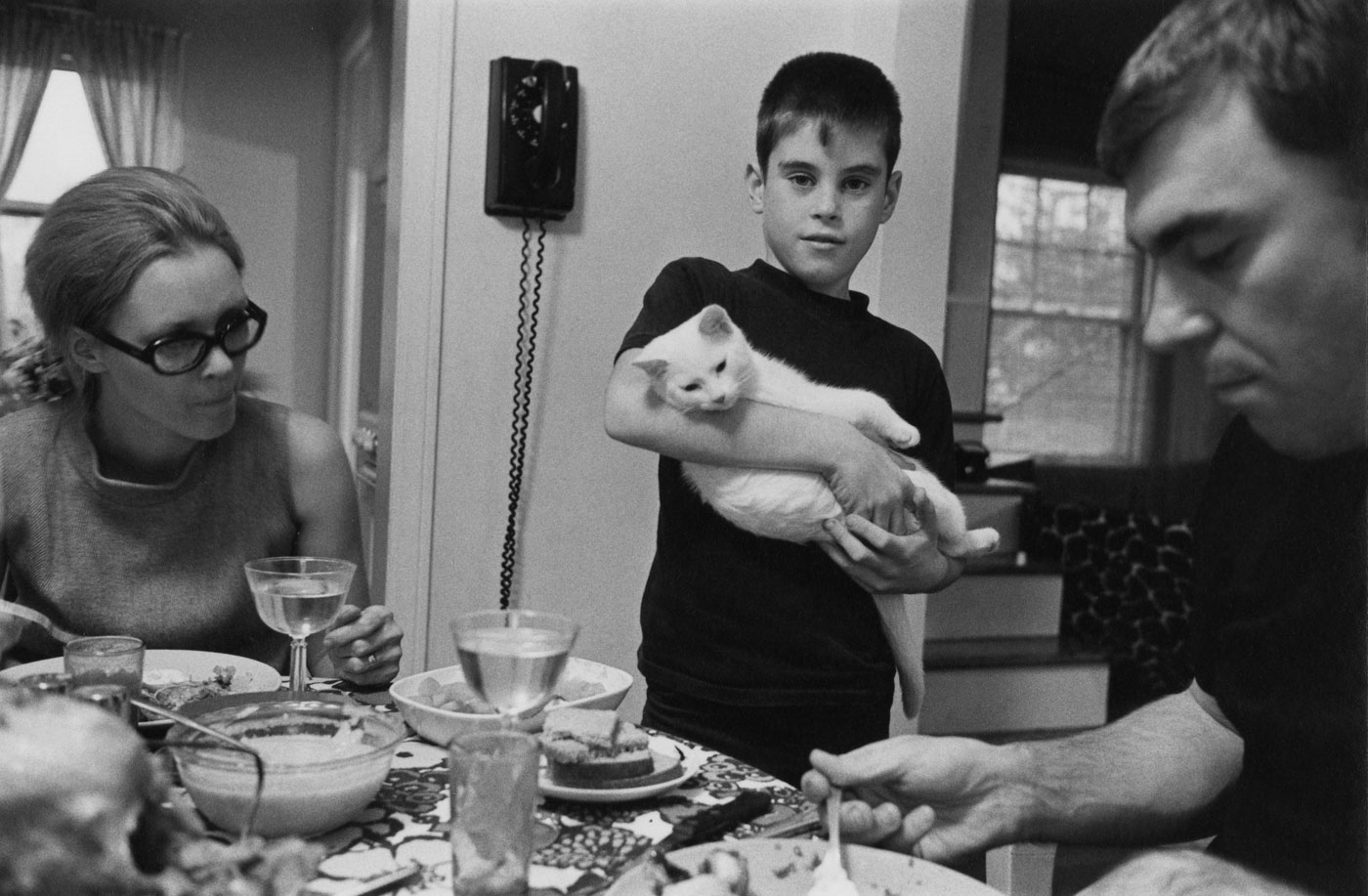
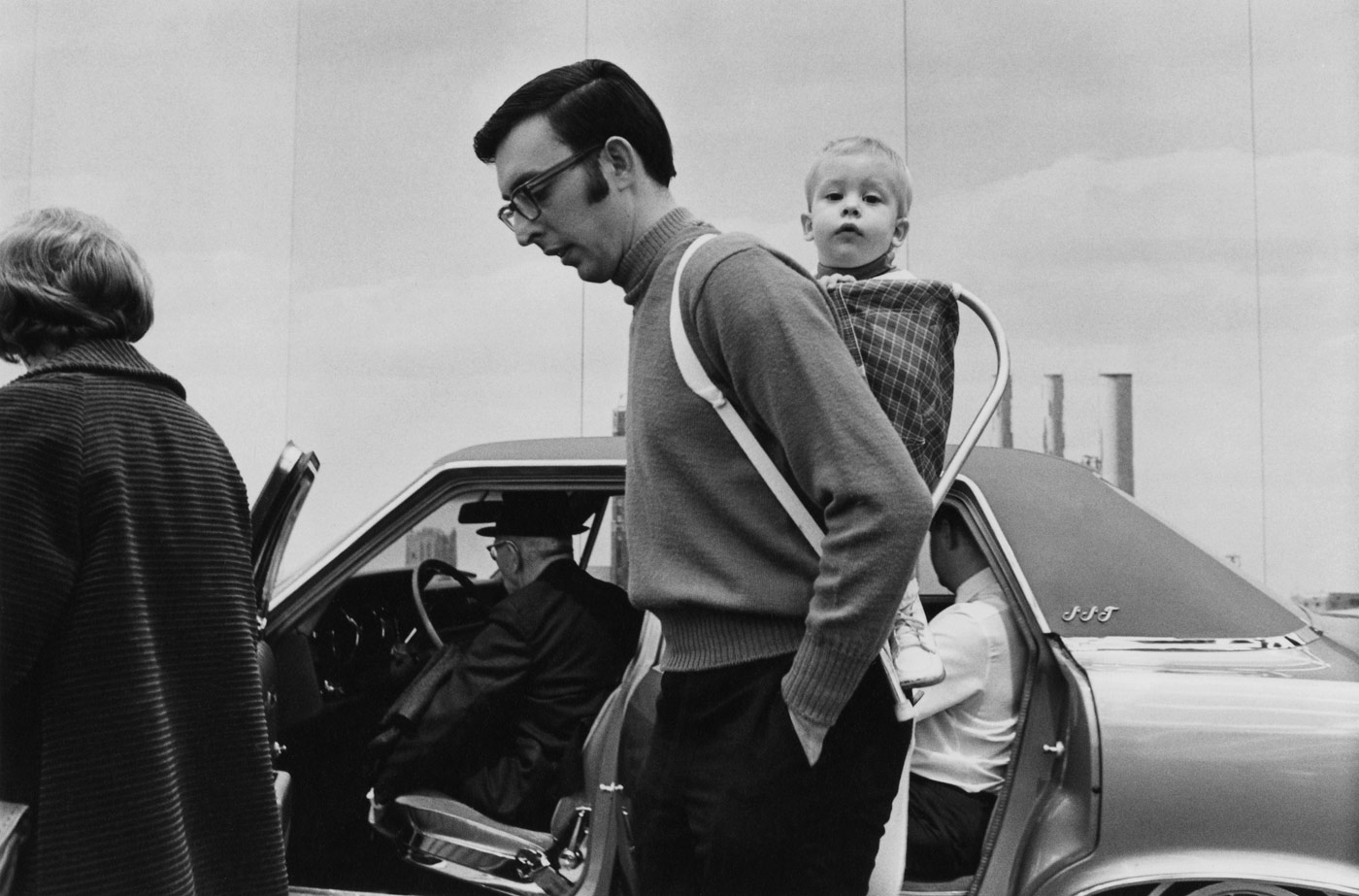
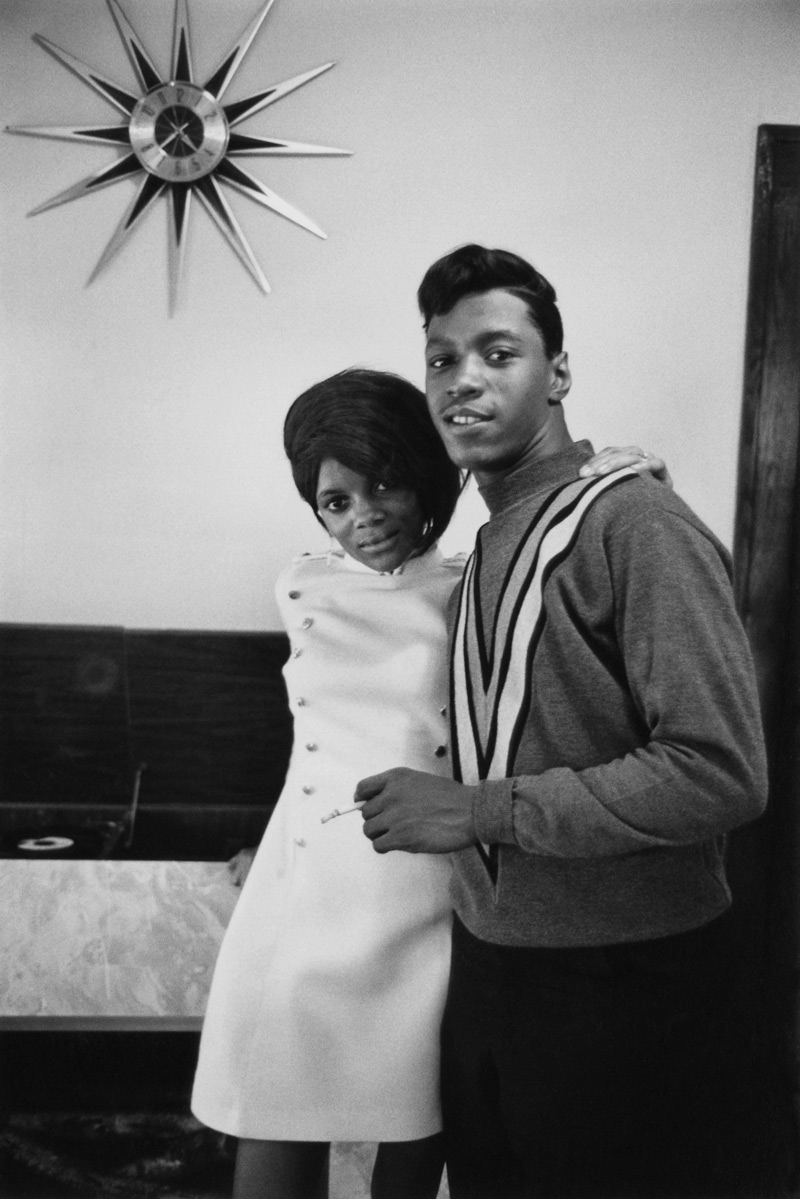
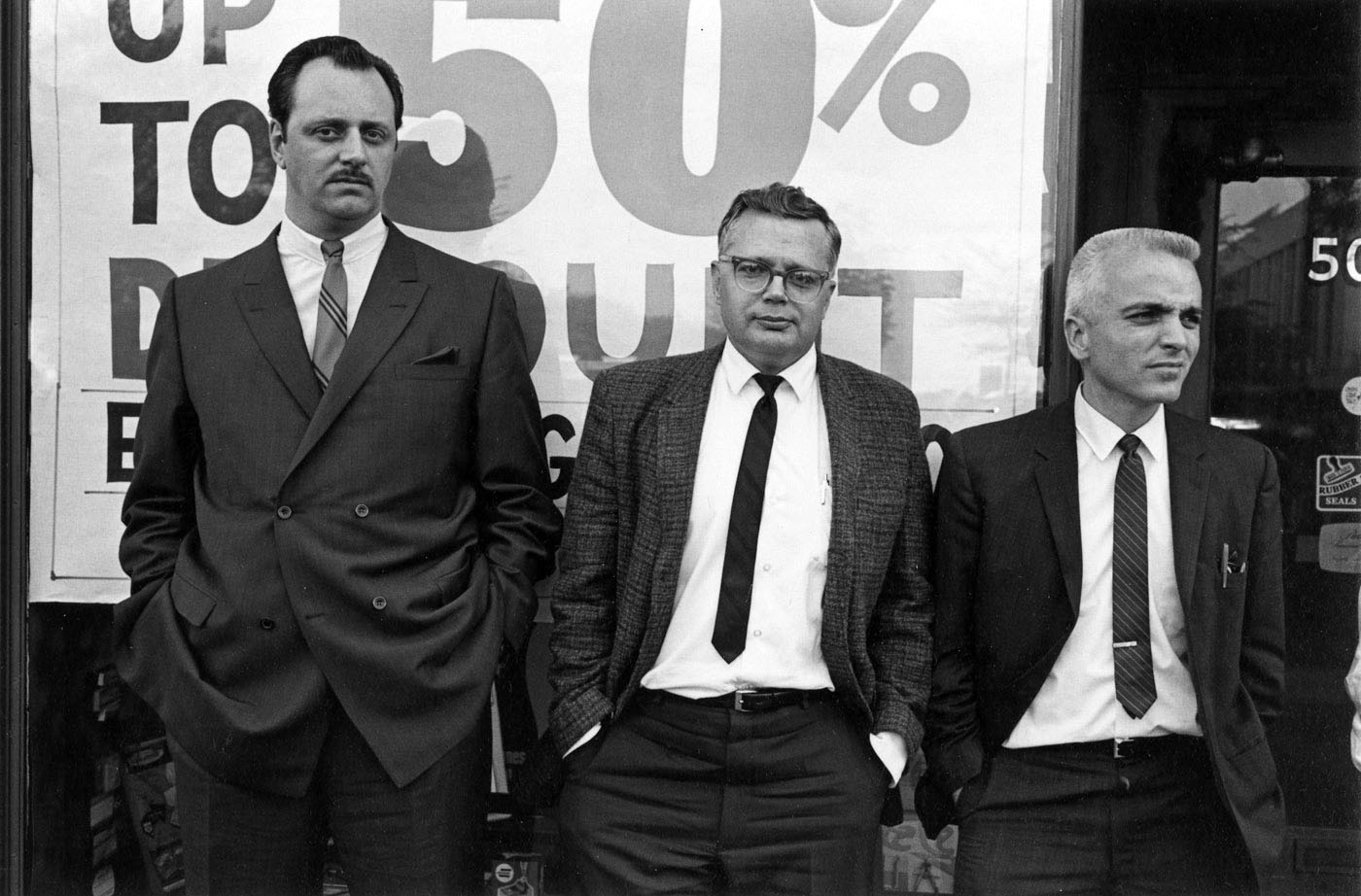
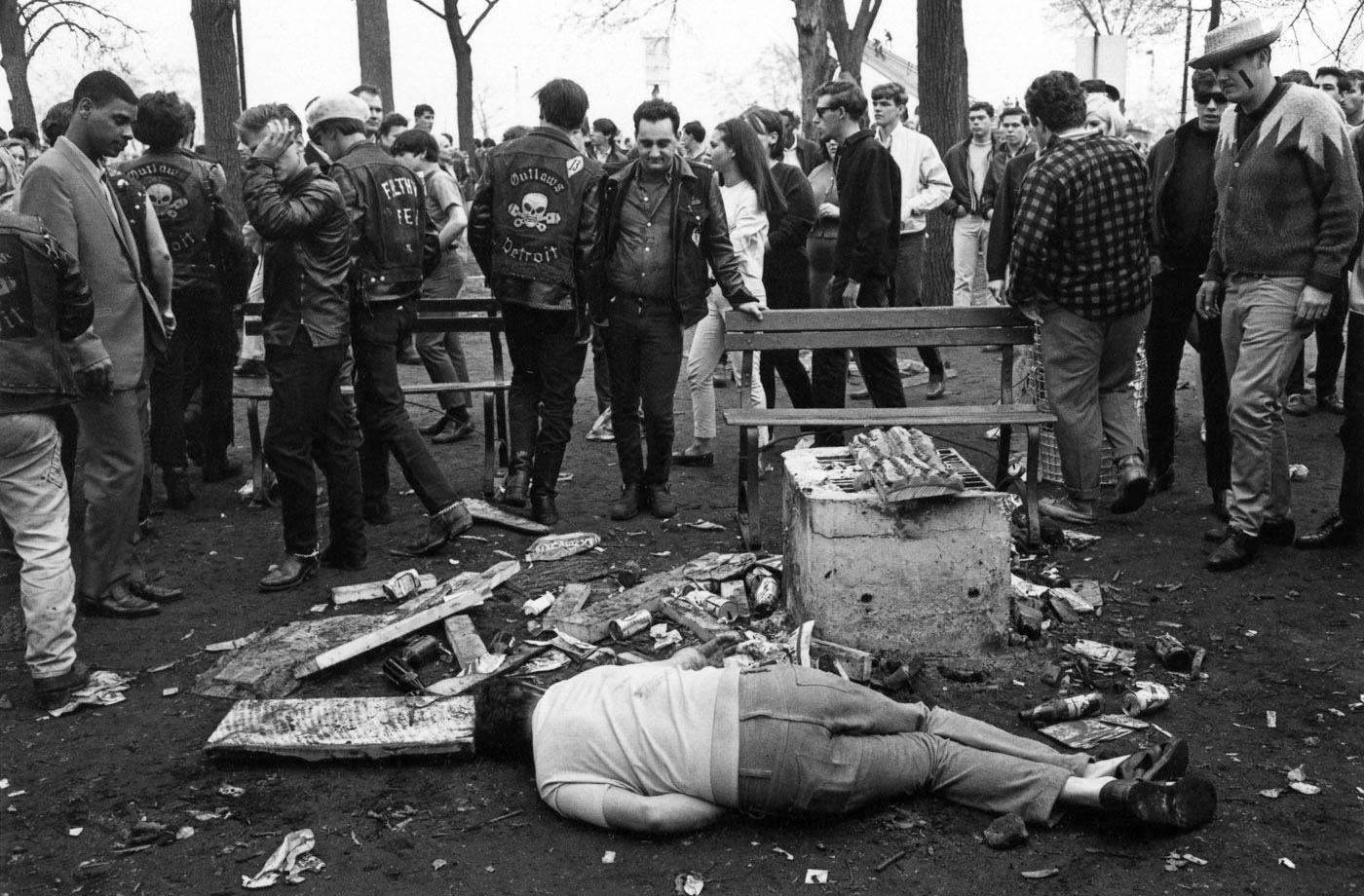
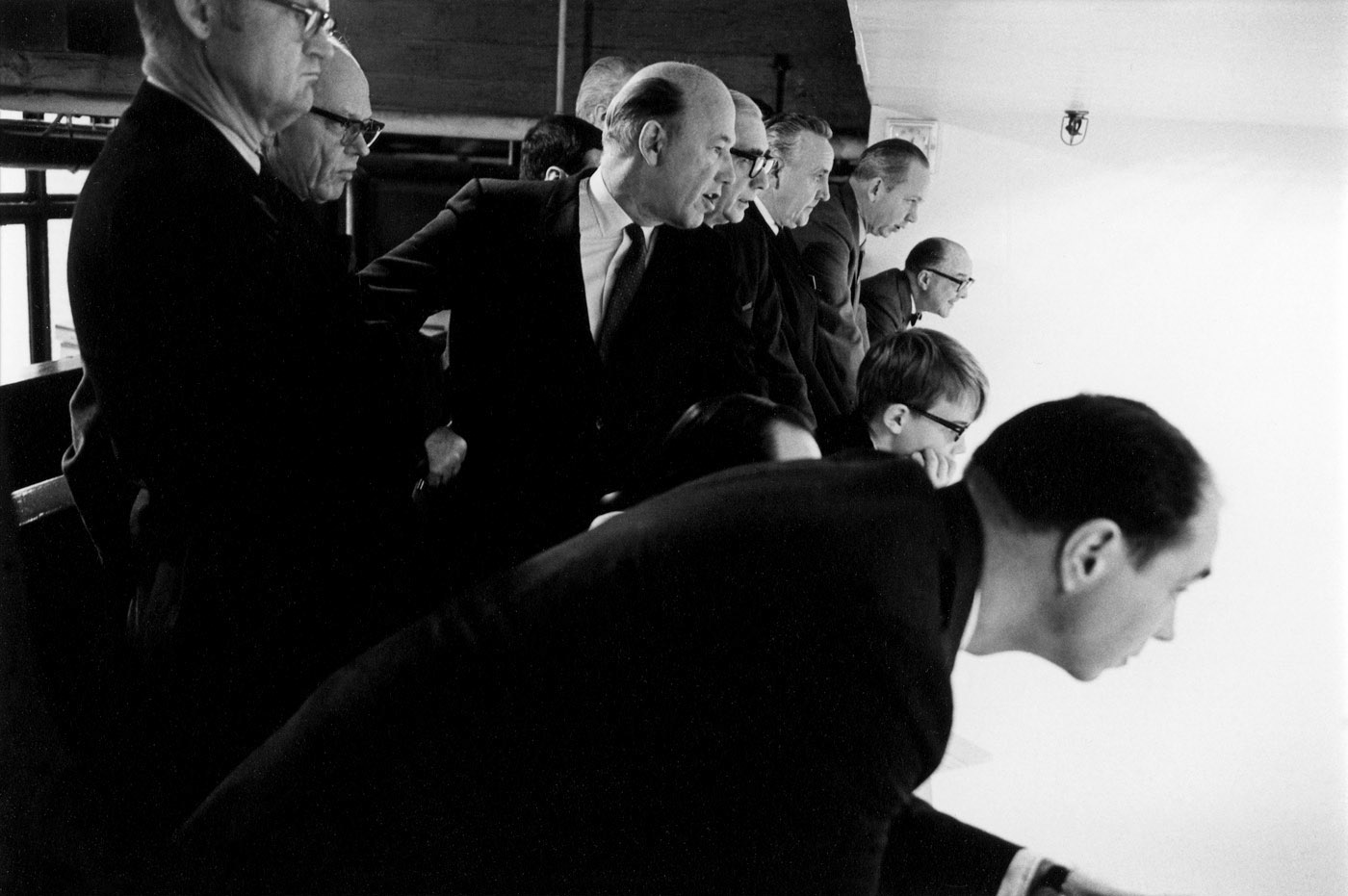
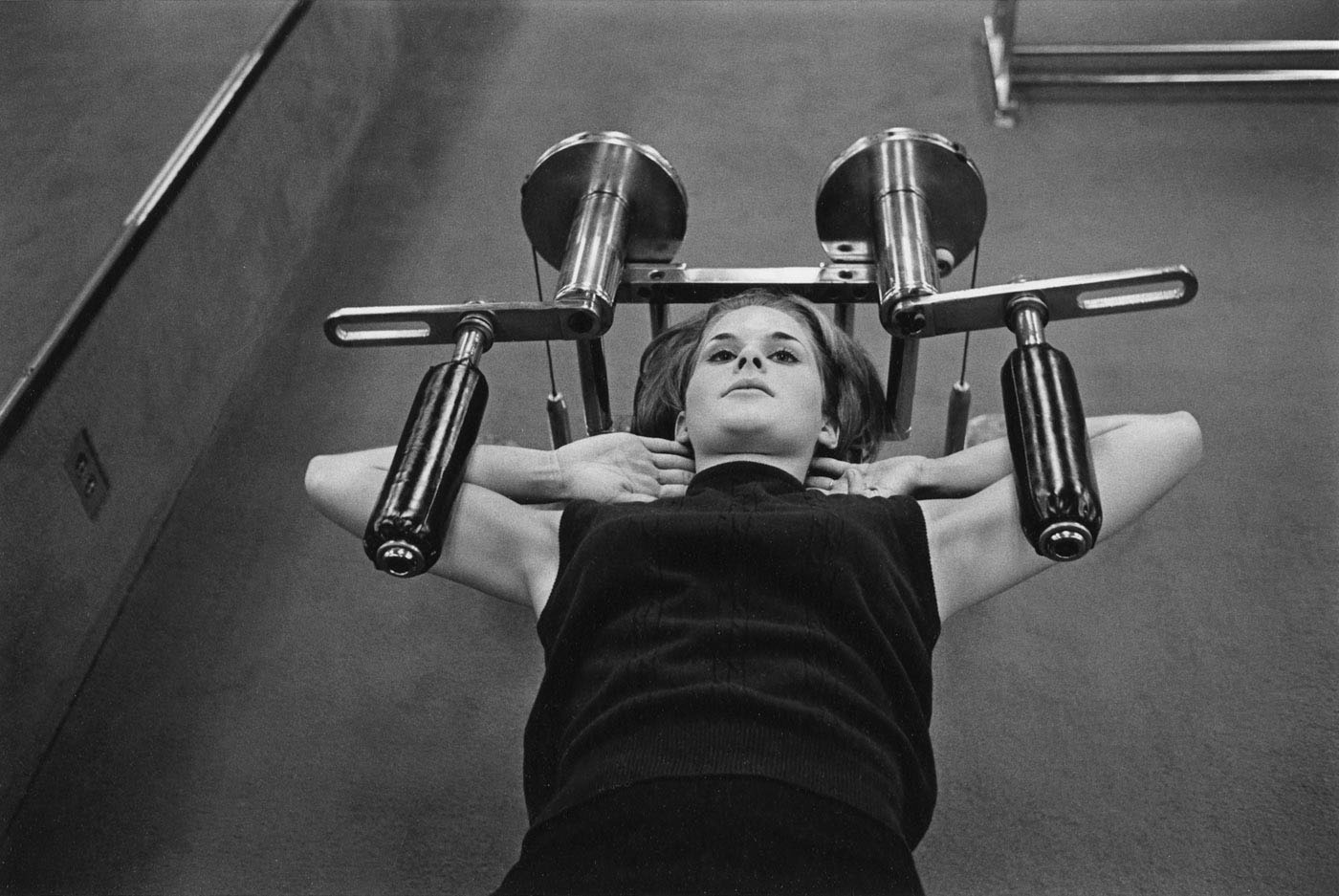
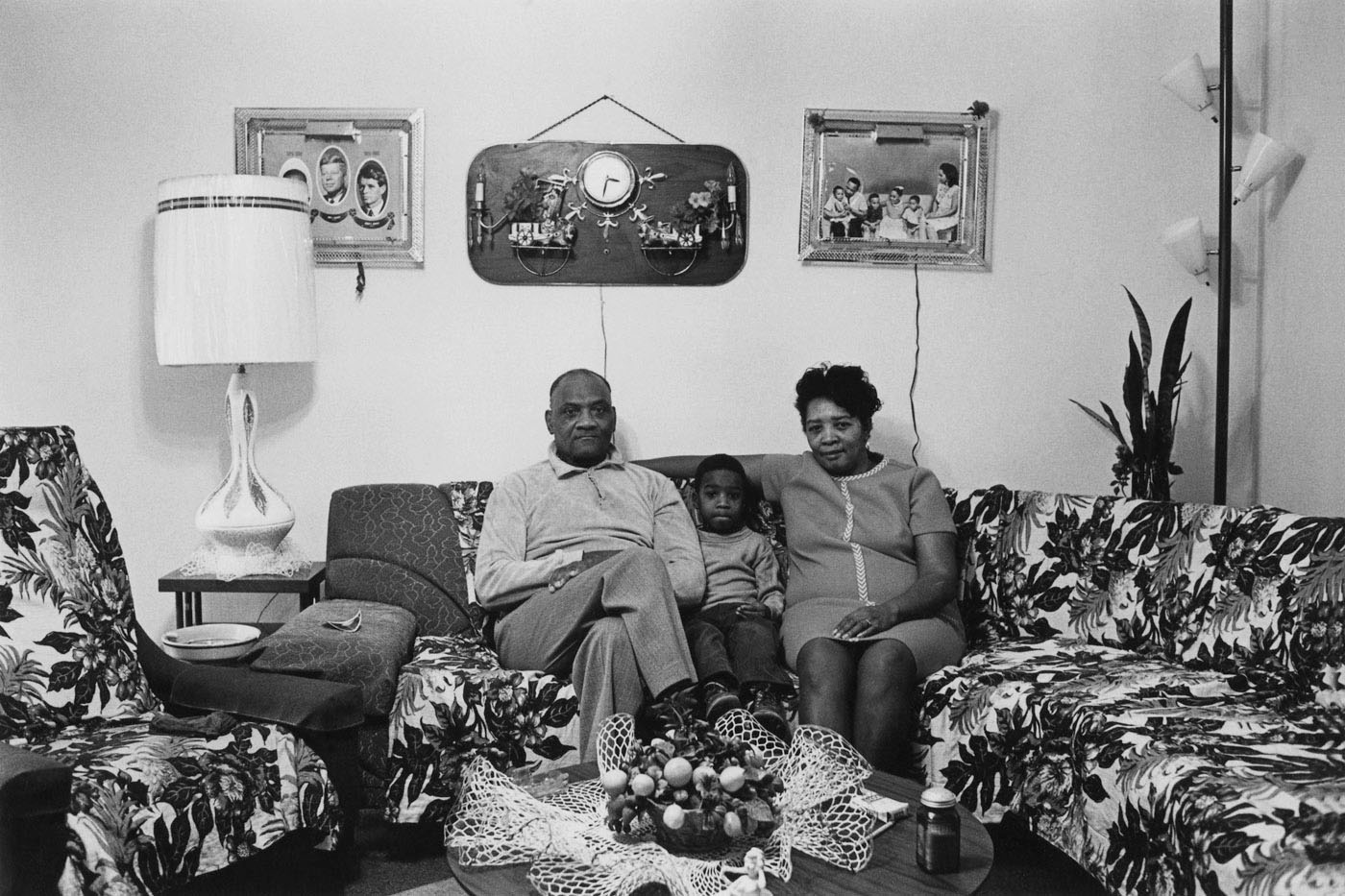
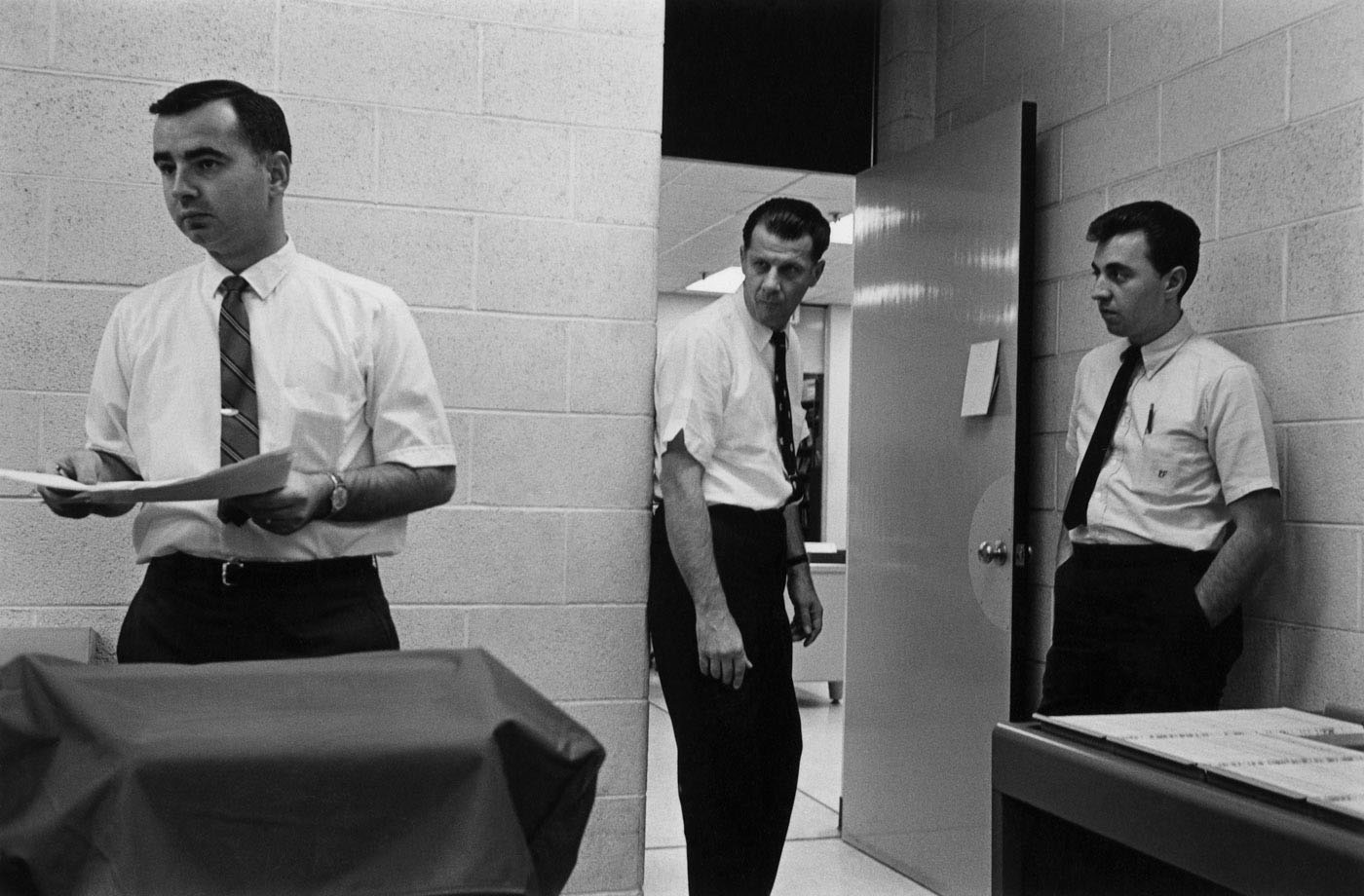
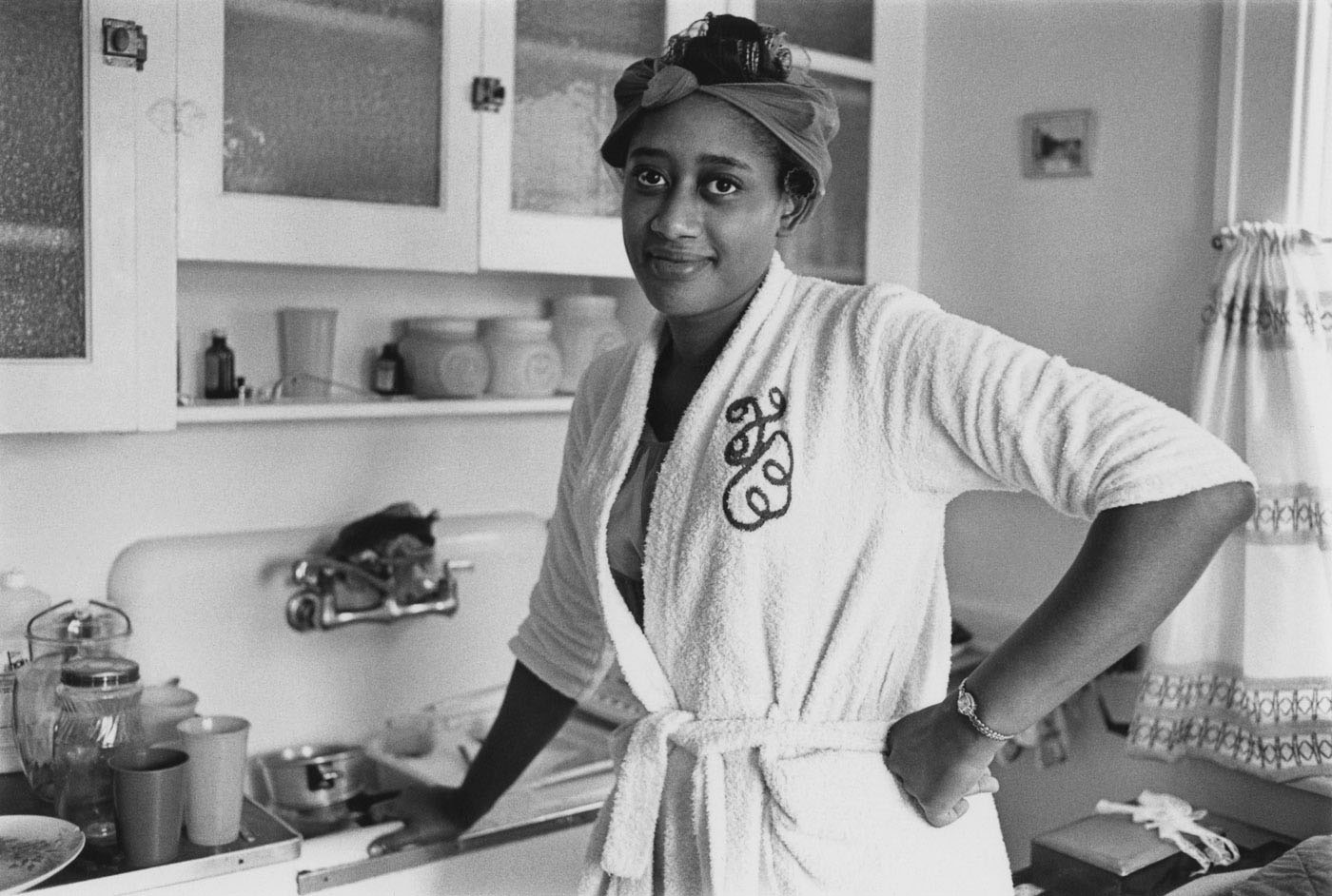
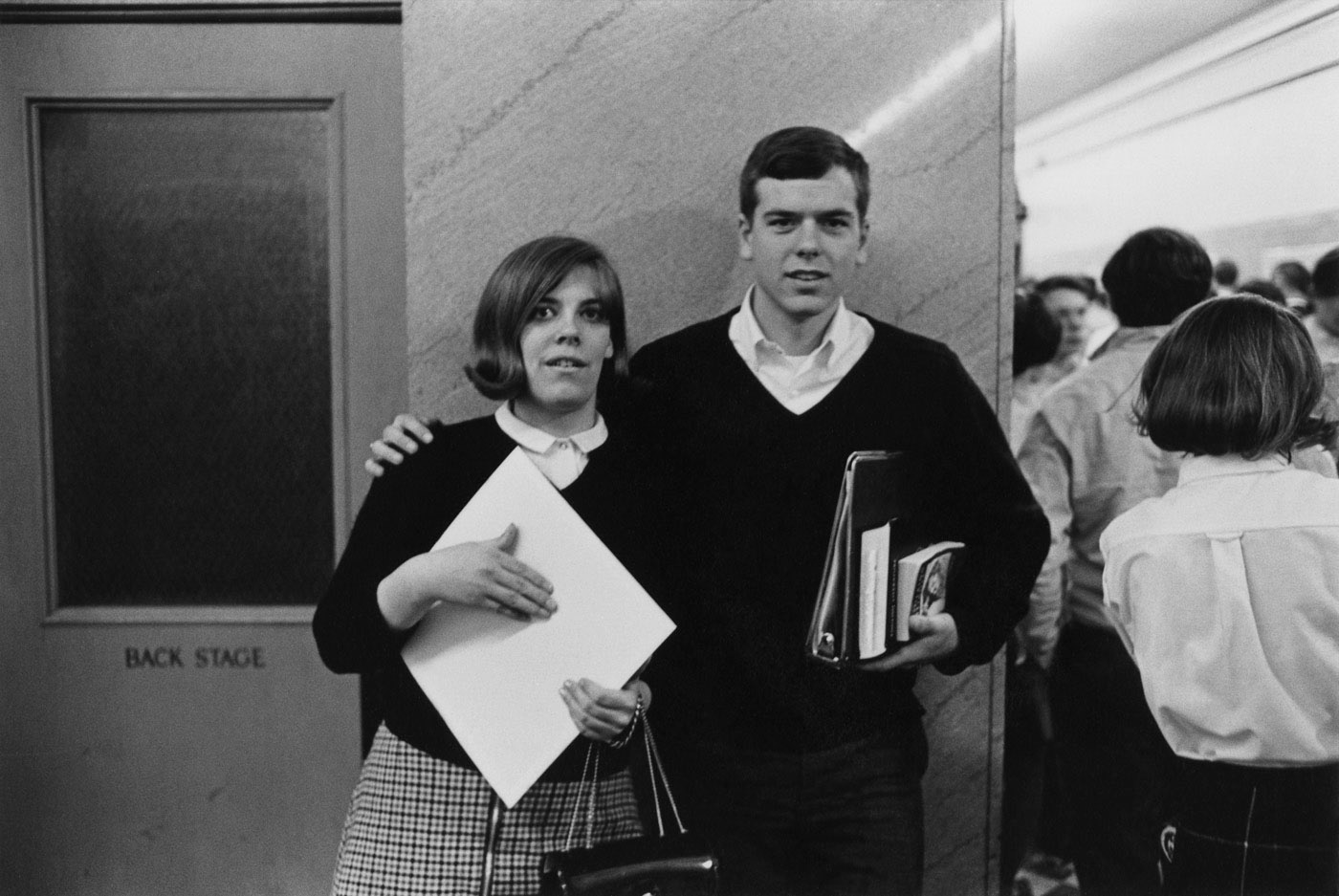
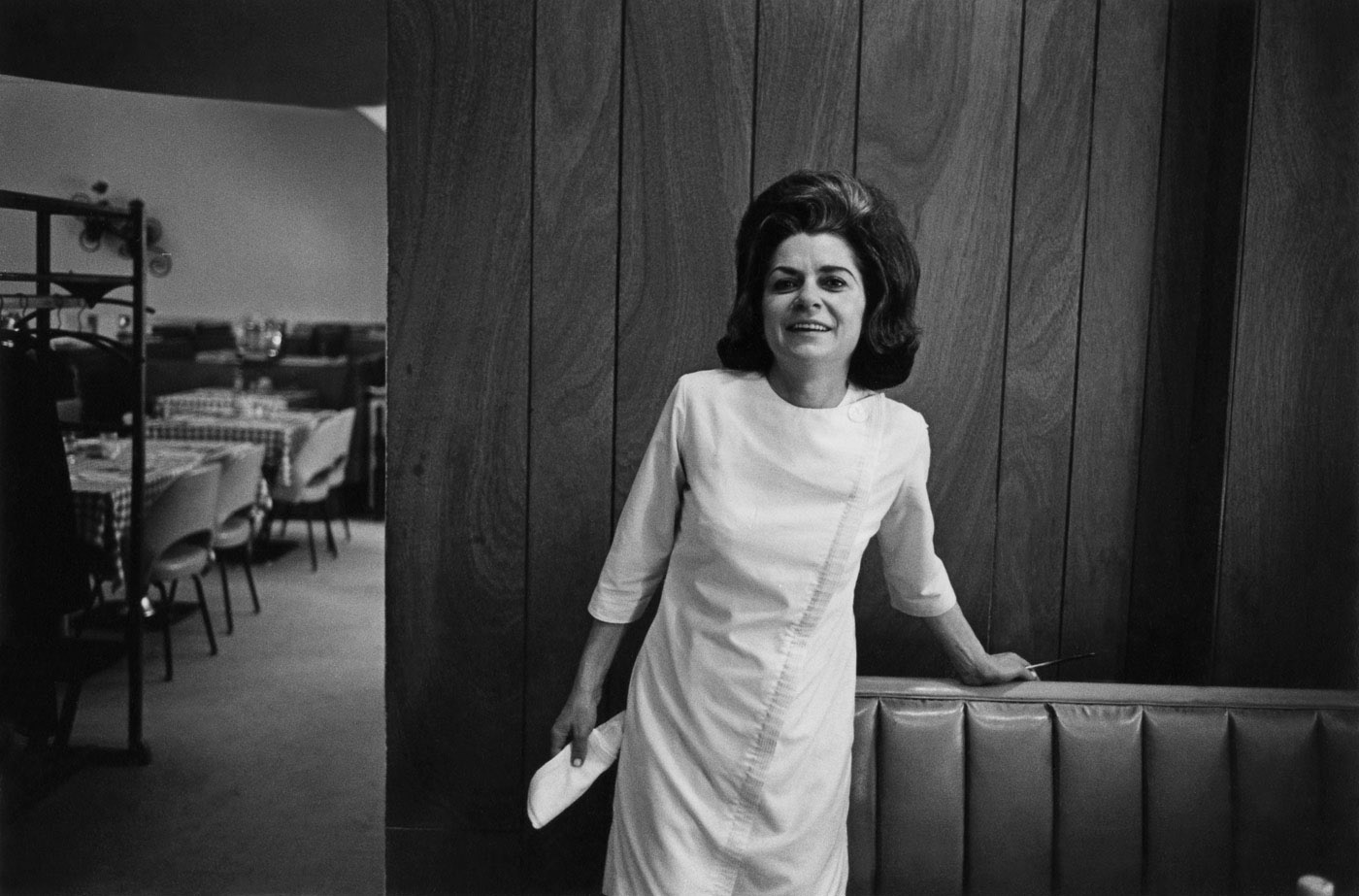
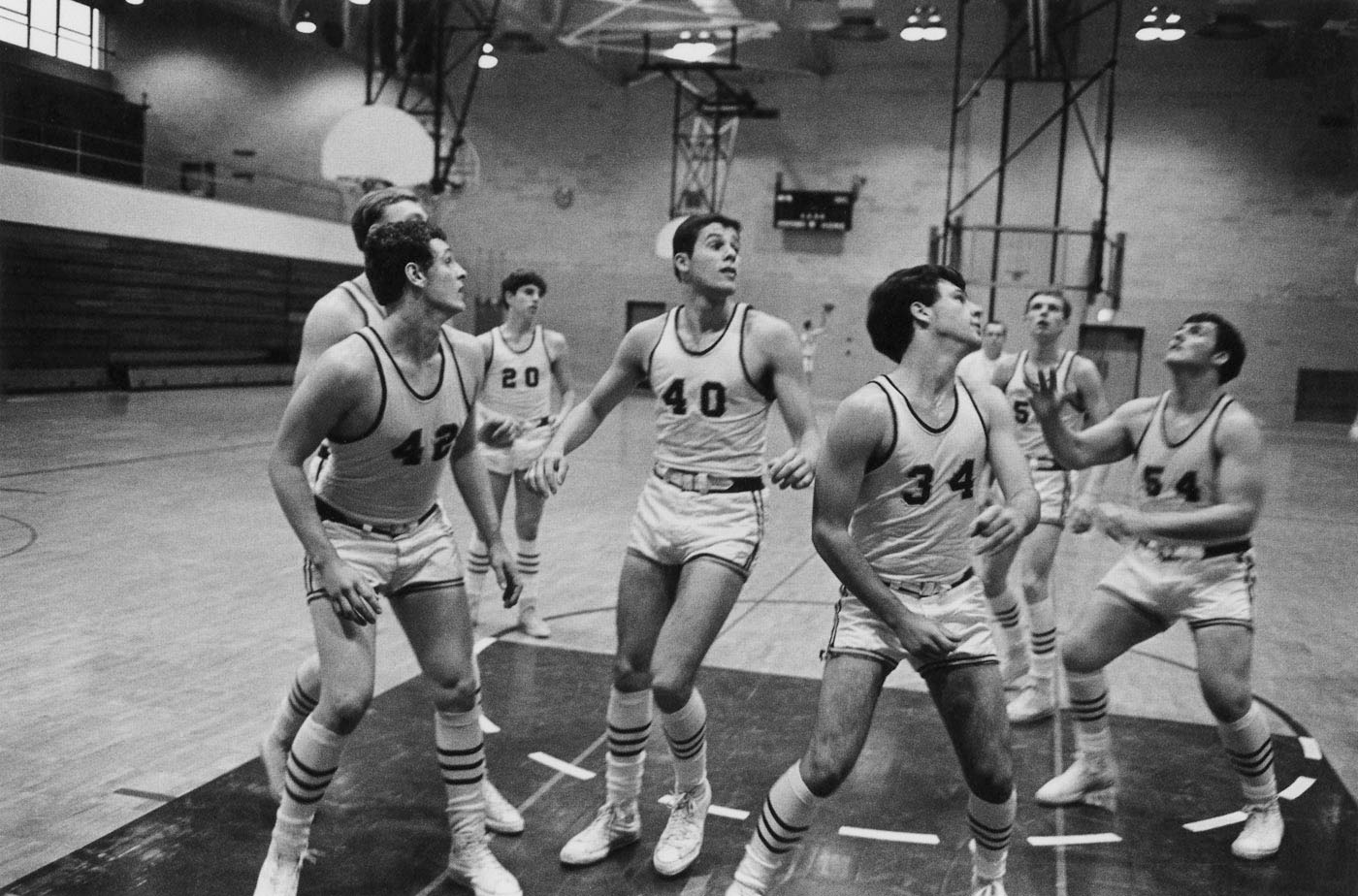
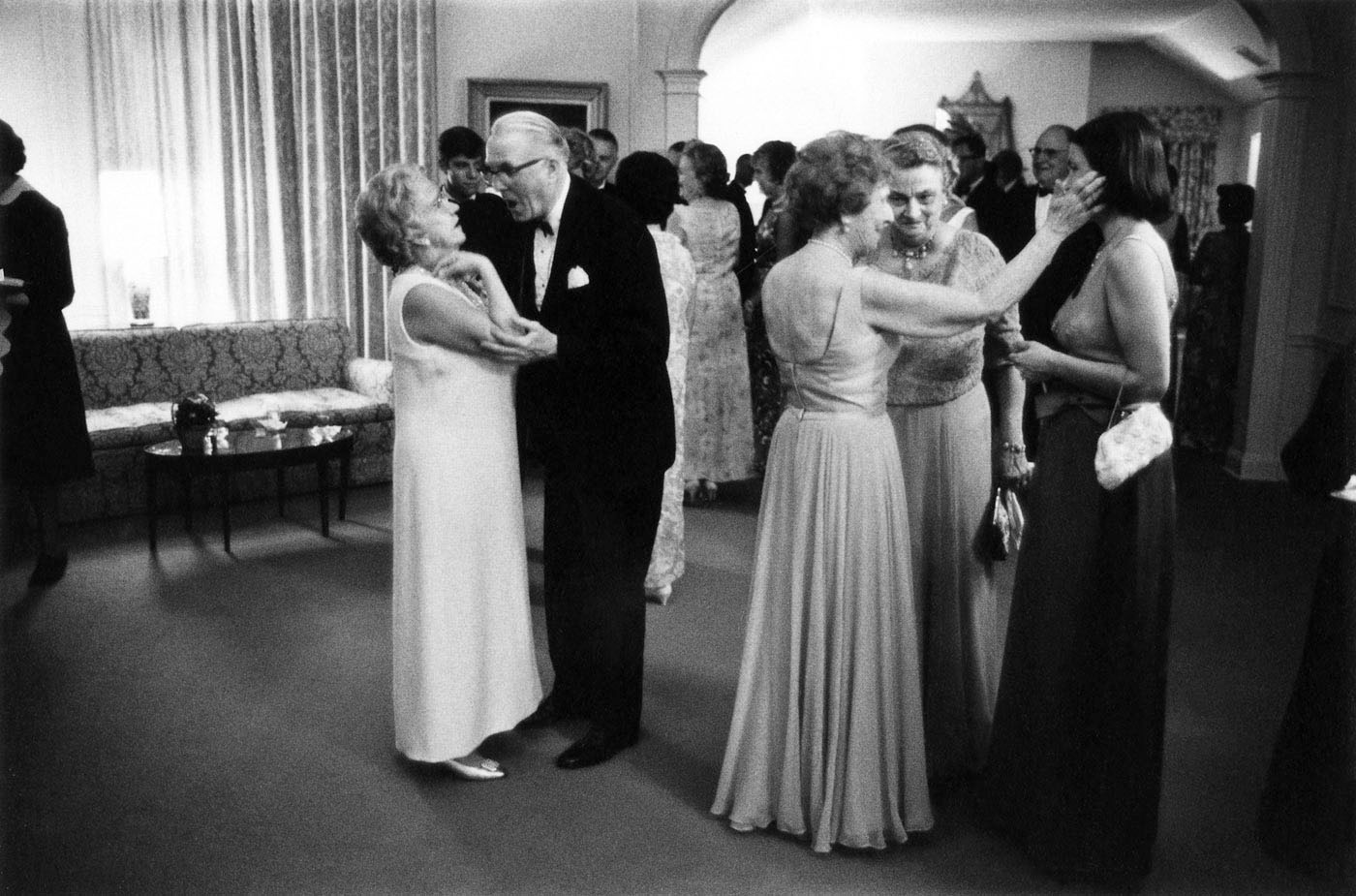
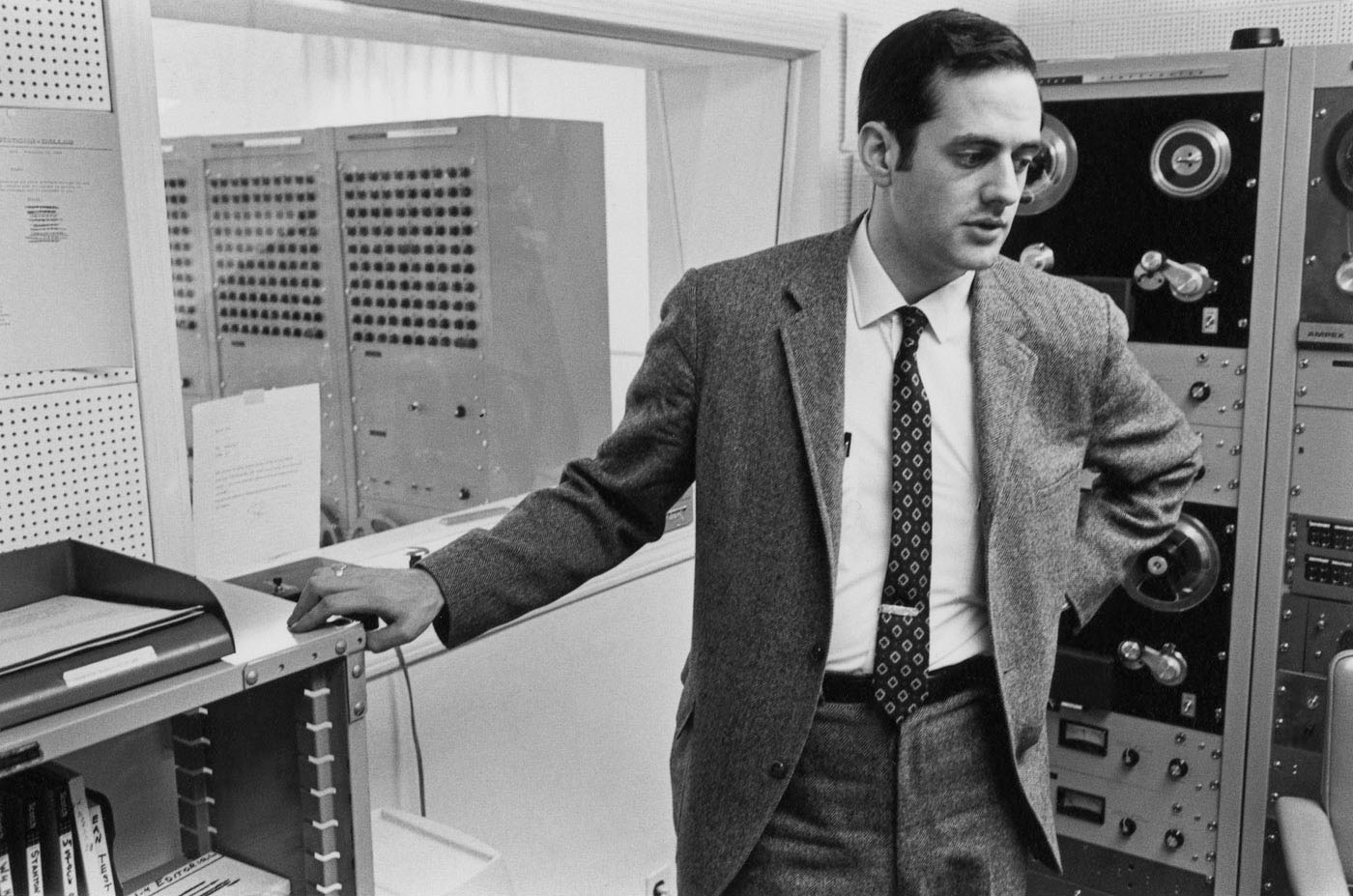
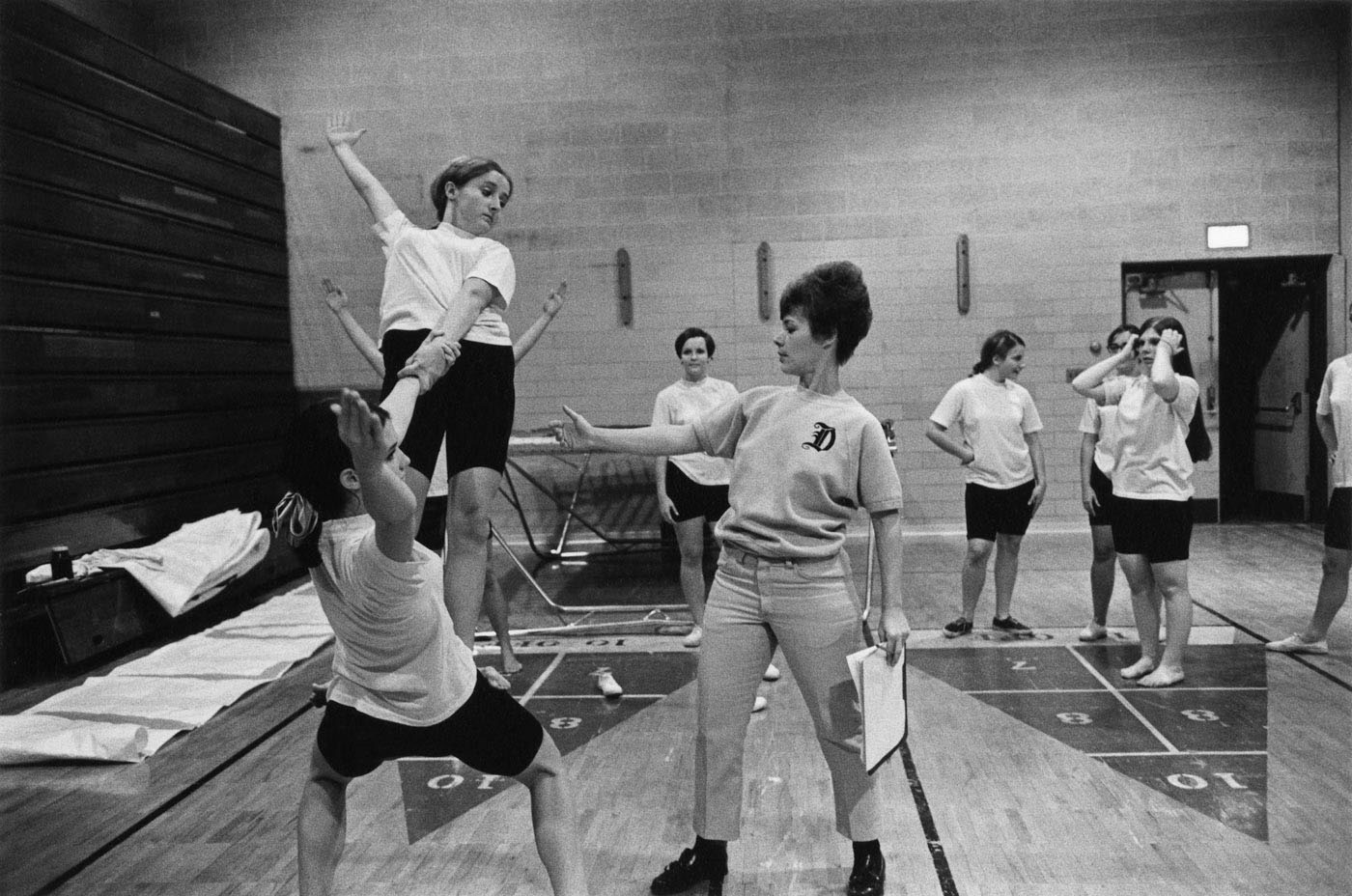
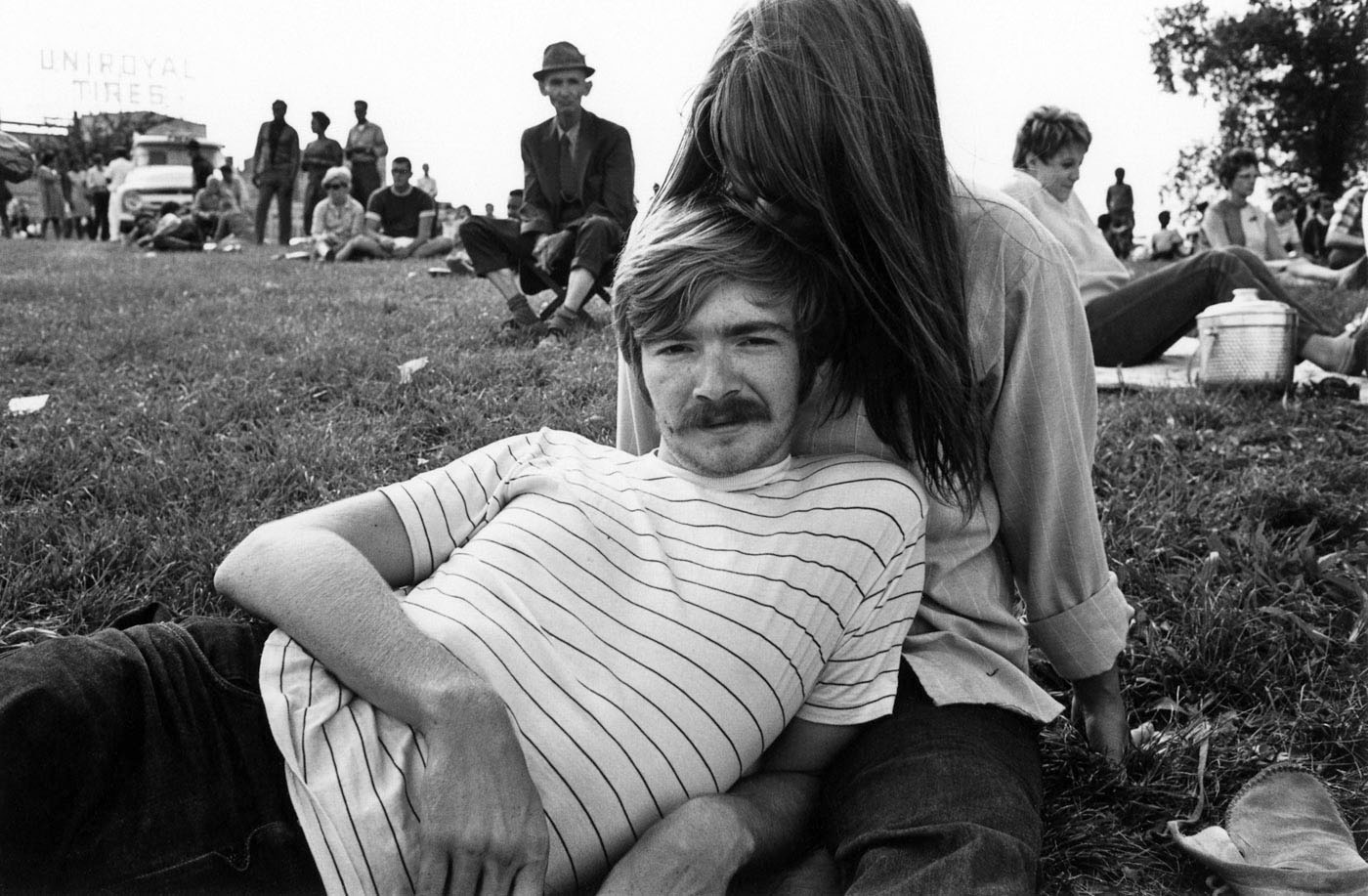
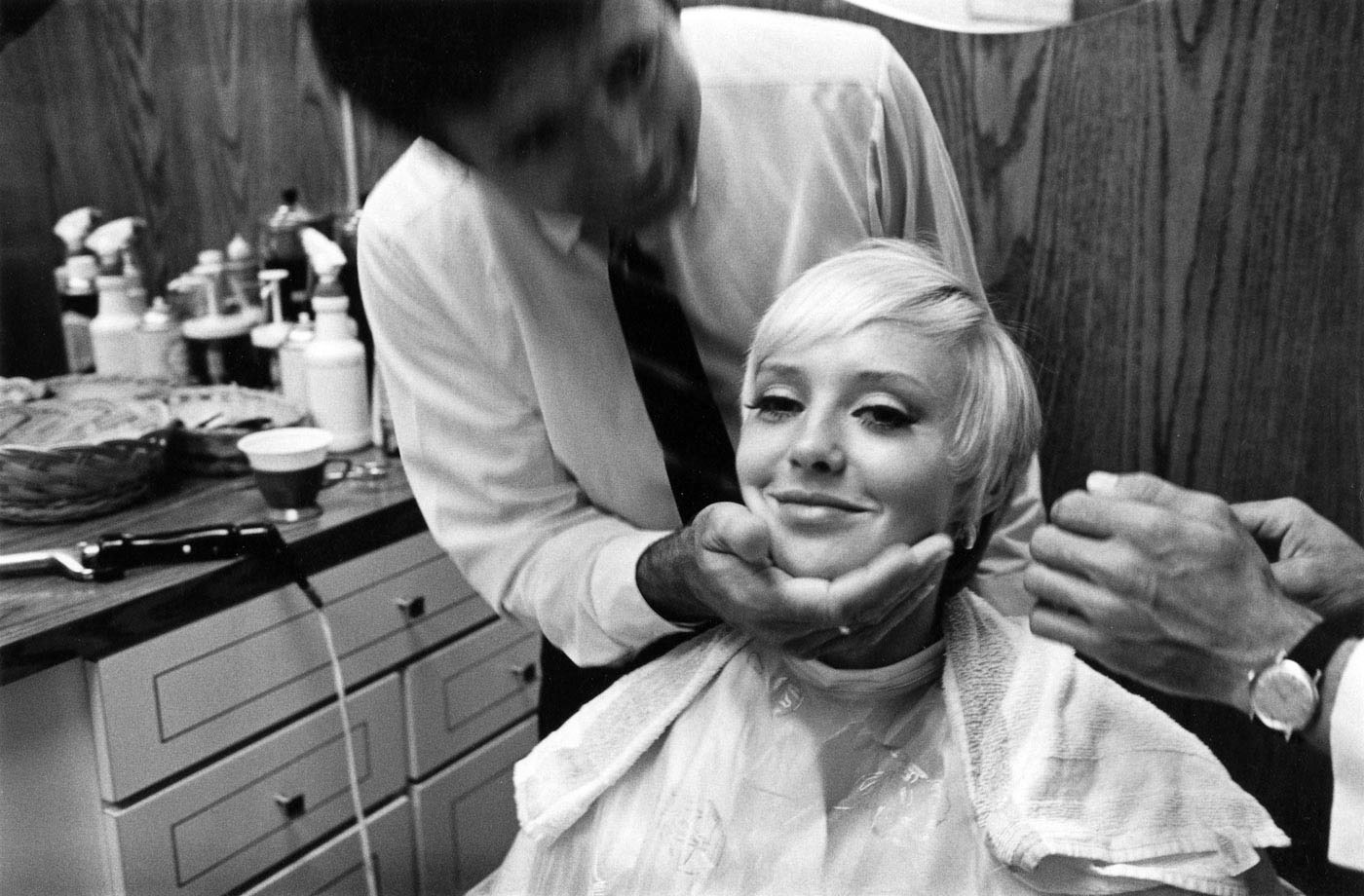
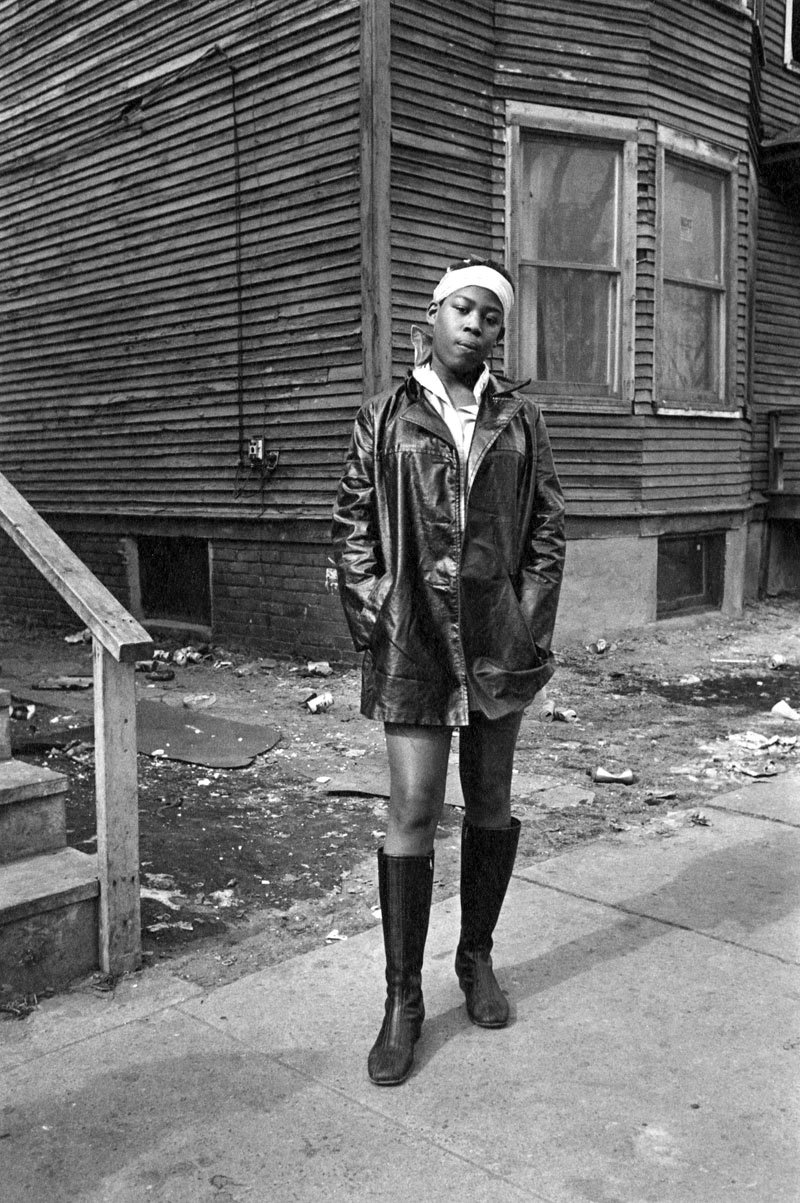
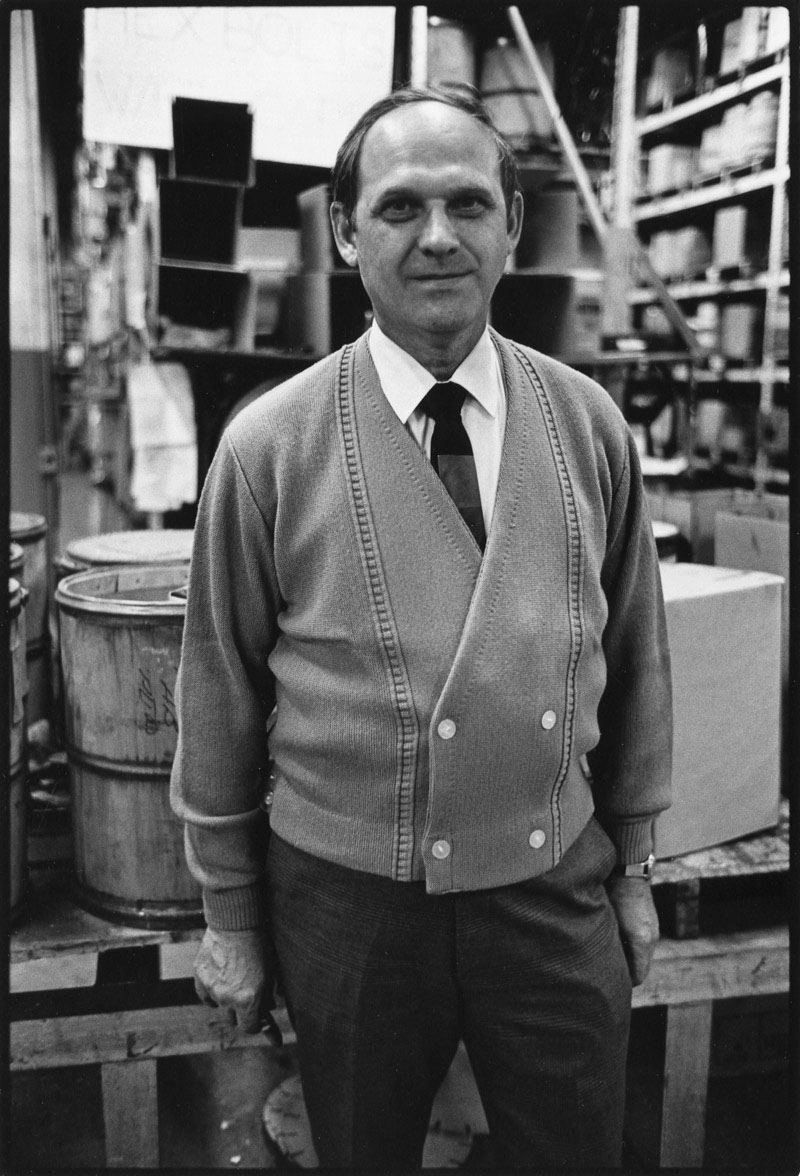
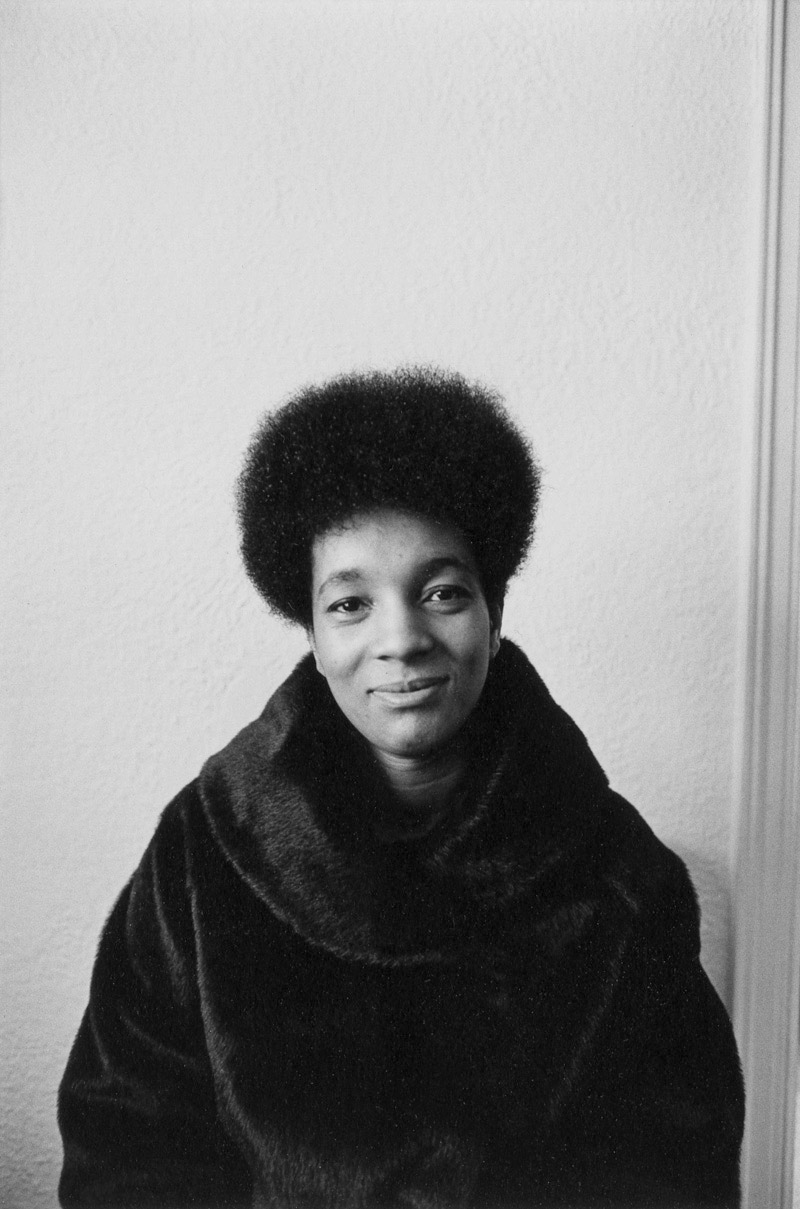
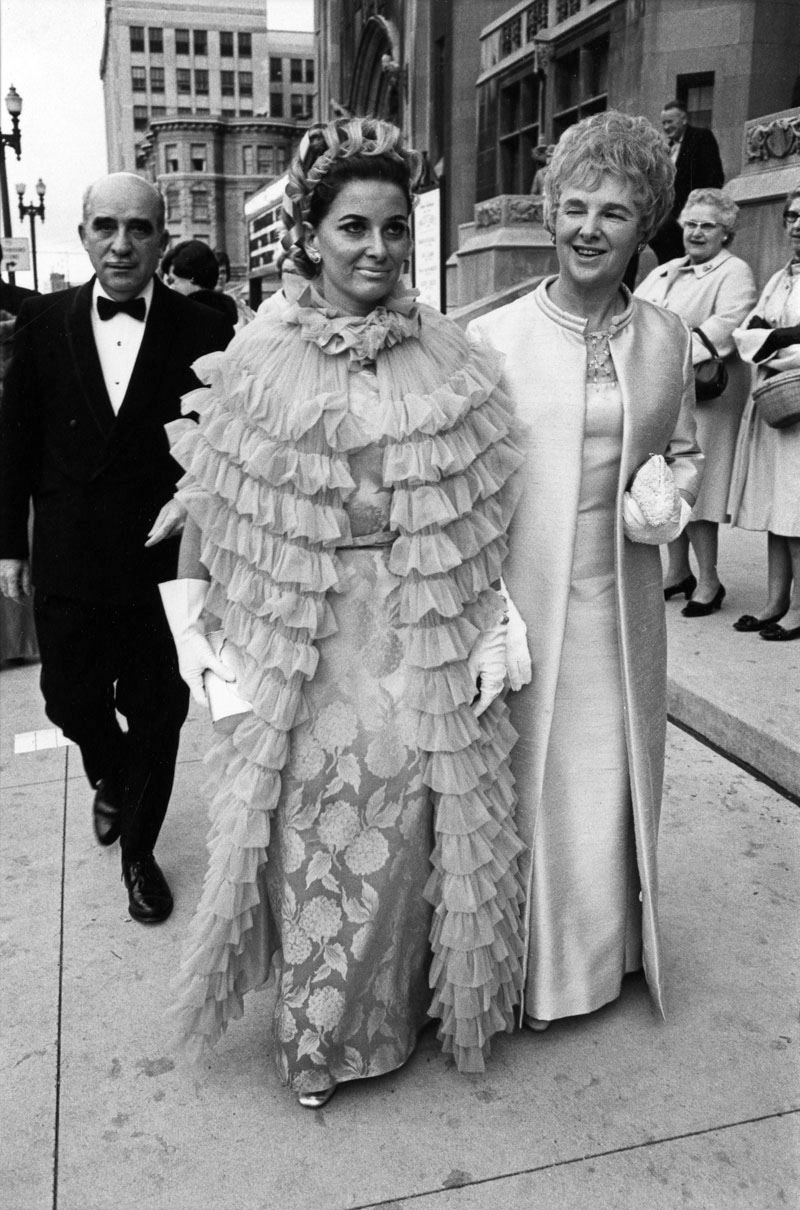
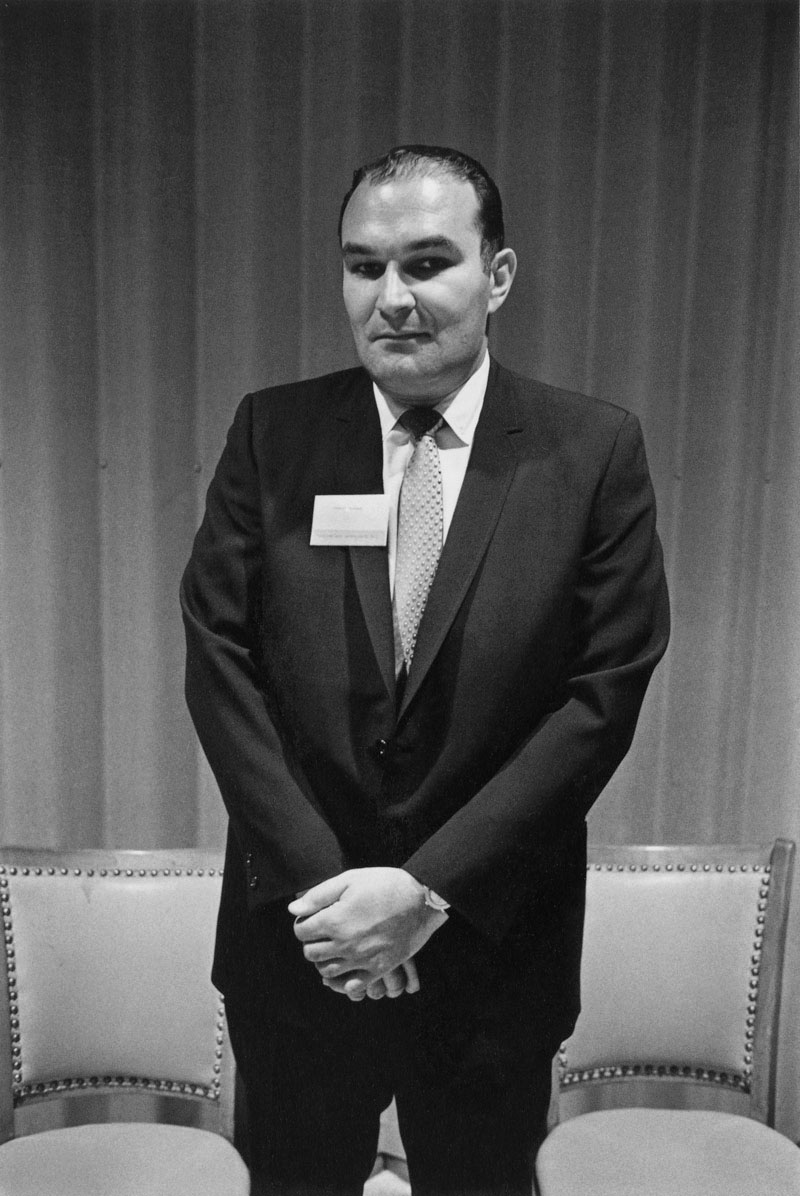
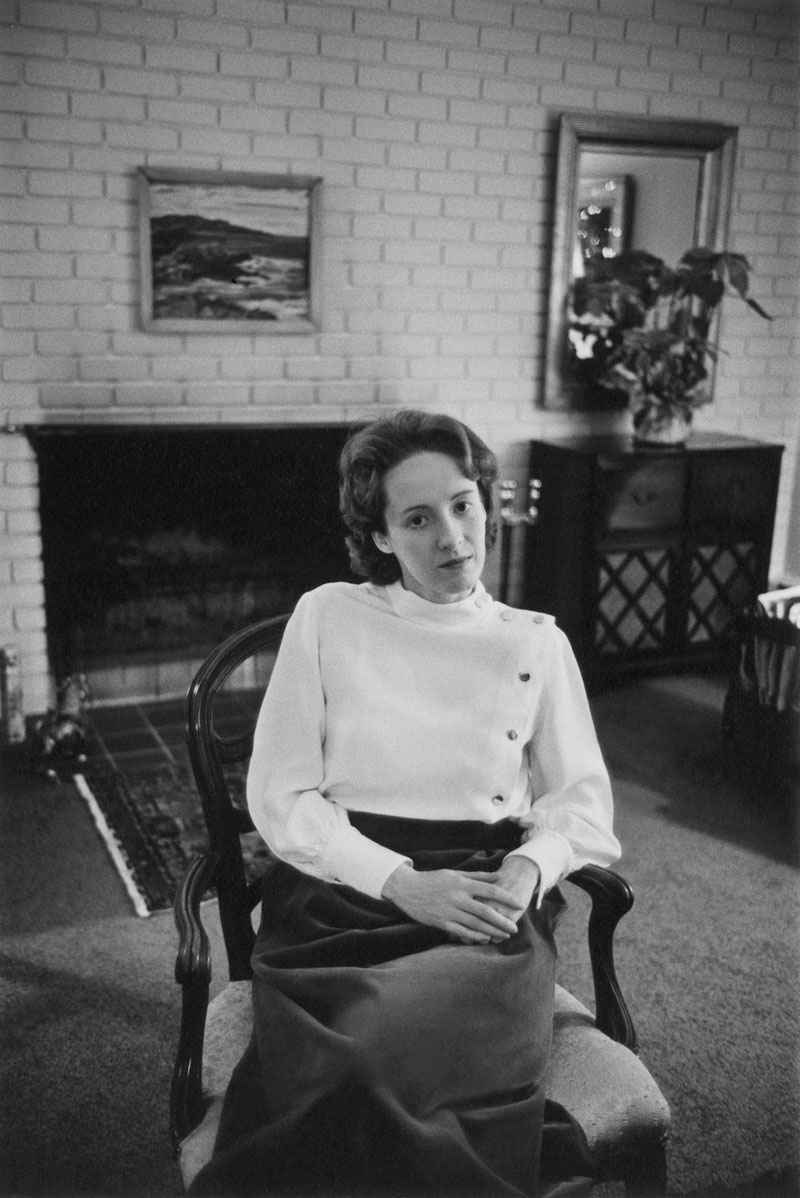
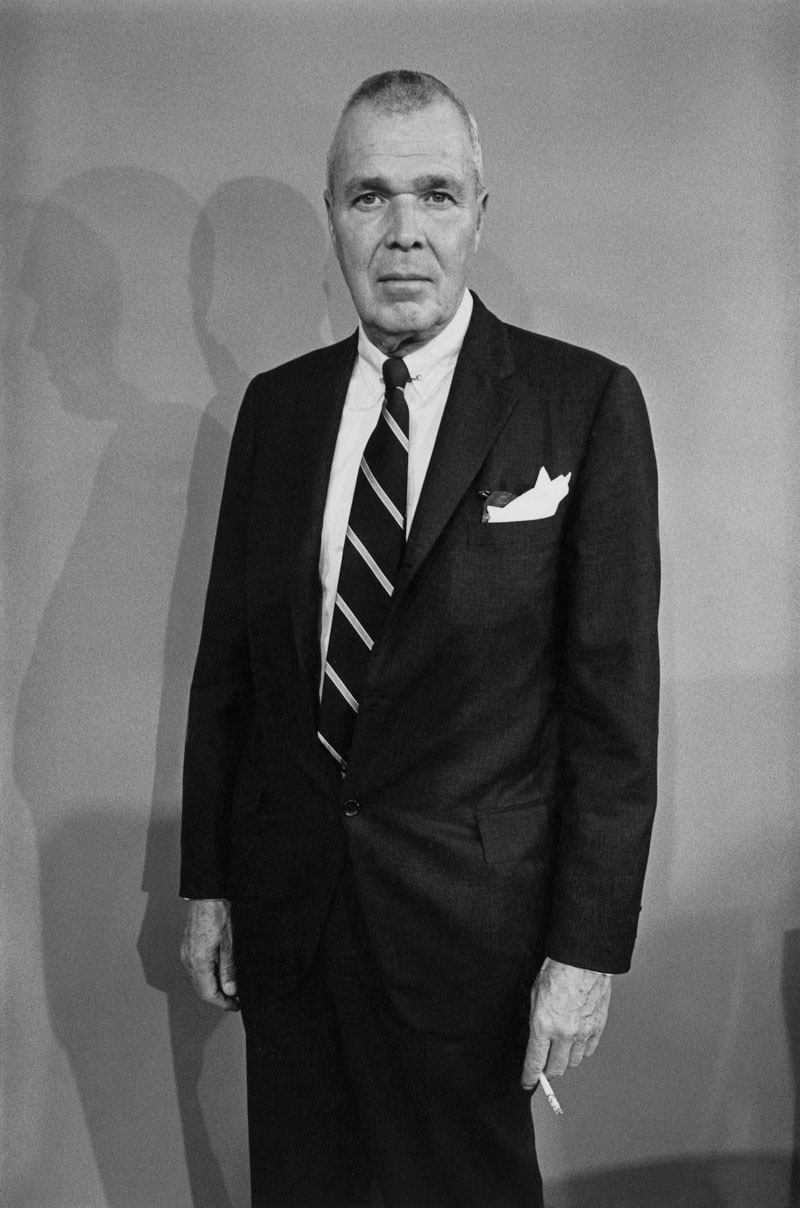
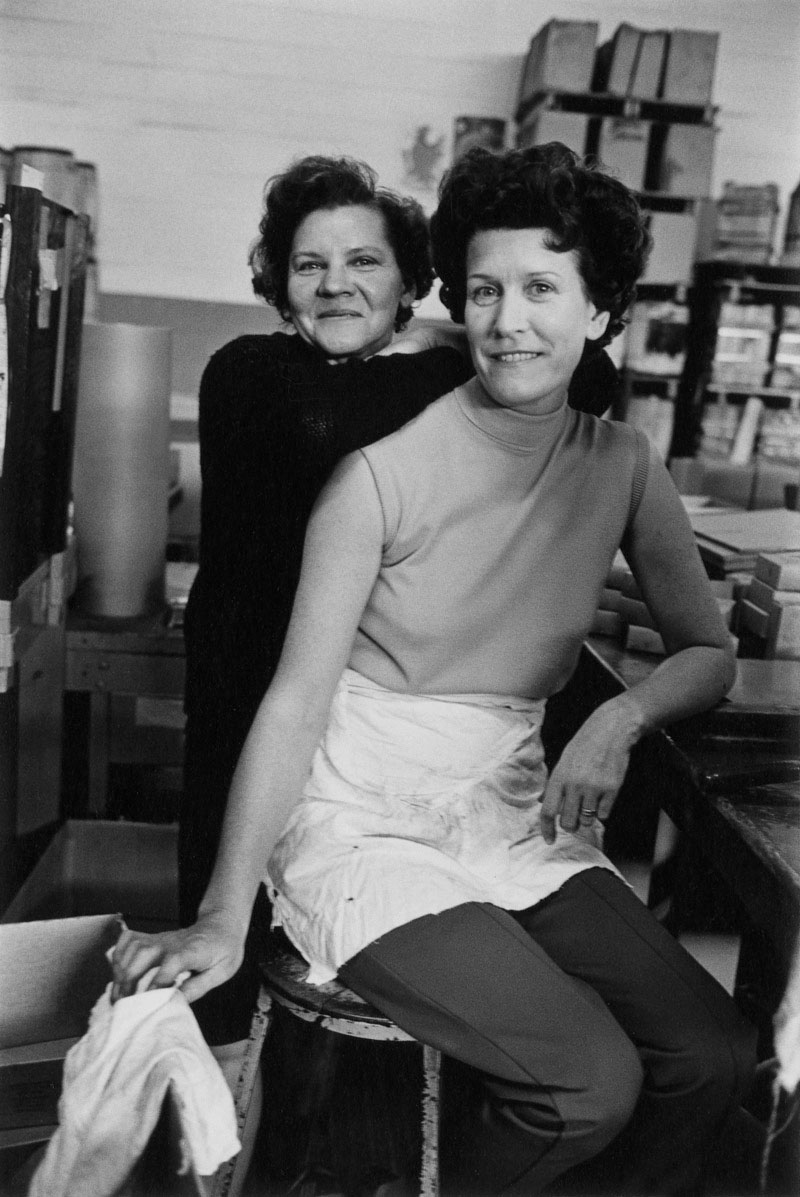
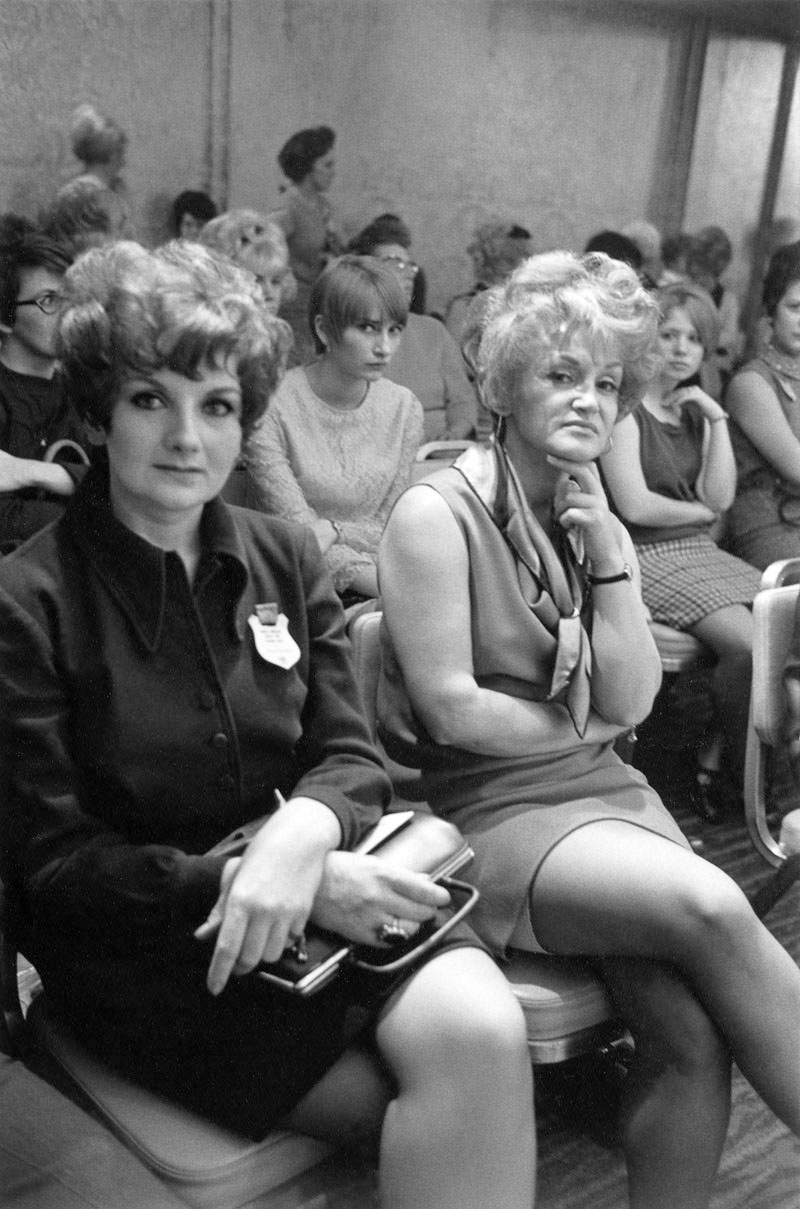
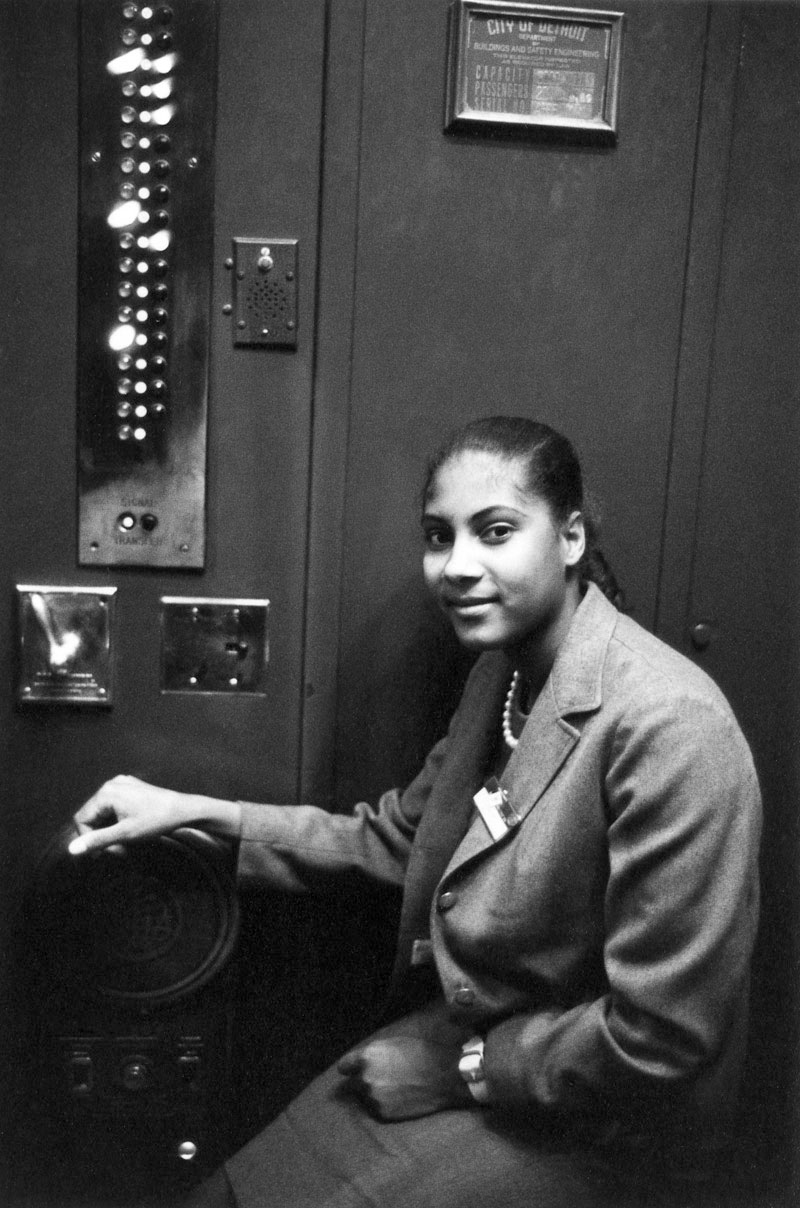
The second tranche of images from the artist Enrico Natali demonstrate his command of visual space. Groups of people face away from the camera, then towards it (image above and below), people clutch at each other or walk in opposite directions (next two images). There is the comparison of races, between abject poverty and young people dressed in fur going to the prom. There is the silence of the singular women in the office, and the (op)posed camaraderie of the Detroit Bolt and Nut Company workers (1968, below). Above all, there is light and shade coupled with a sensitive understanding of how human beings interact – with themselves and the camera. Newlywed couple, Detroit, 1968 (1968, below) is a case in point: the clock on the wall, the record player with single, the hand on the shoulder and the ash lengthening on the cigarette complement the presence of the couple and the wonderful look on their faces. Somehow Natali adds genuine charisma to these people, a dignity and poignancy that makes these photographs memorable.

Dr Marcus Bunyan


Many thankx to Joseph Bellows Gallery for allowing me to publish the photographs in the posting. Please click on the photographs for a larger version of the image.


Enrico Natali (American, b. 1933) 'Office workers, Detroit, 1968' 1968


Enrico Natali (American, b. 1933)
Office workers, Detroit, 1968
1968
Gelatin silver print


Enrico Natali (American, b. 1933) 'Couple at Metropolitan Beach, Detroit, 1968' 1968


Enrico Natali (American, b. 1933)
Couple at Metropolitan Beach, Detroit, 1968
1968
Gelatin silver print


Enrico Natali (American, b. 1933) 'Pedestrians at the corner of Jefferson Avenue and Conners, Detroit, 1968' 1968


Enrico Natali (American, b. 1933)
Pedestrians at the corner of Jefferson Avenue and Conners, Detroit, 1968
1968
Gelatin silver print


Enrico Natali (American, b. 1933) 'High school prom, Detroit, 1968' 1968


Enrico Natali (American, b. 1933)
High school prom, Detroit, 1968
1968
Gelatin silver print


Enrico Natali (American, b. 1933) 'Secretary with abstract painting, Detroit, 1968' 1968


Enrico Natali (American, b. 1933)
Secretary with abstract painting, Detroit, 1968
1968
Gelatin silver print


Enrico Natali (American, b. 1933) 'Detroit Bolt and Nut Company workers, Detroit, 1968' 1968


Enrico Natali (American, b. 1933)
Detroit Bolt and Nut Company workers, Detroit, 1968
1968
Gelatin silver print


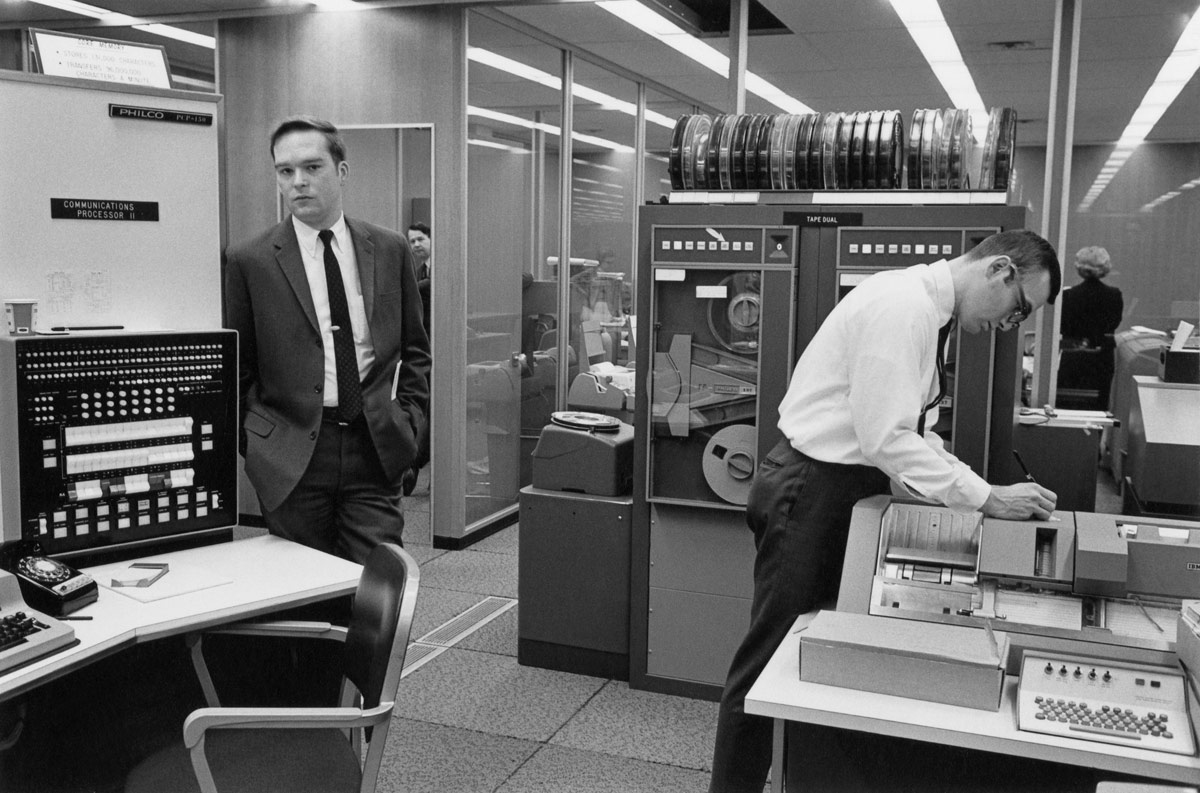
Enrico Natali (American, b. 1933) 'Computer room, Detroit, 1968' 1968


Enrico Natali (American, b. 1933)
Computer room, Detroit, 1968
1968
Gelatin silver print


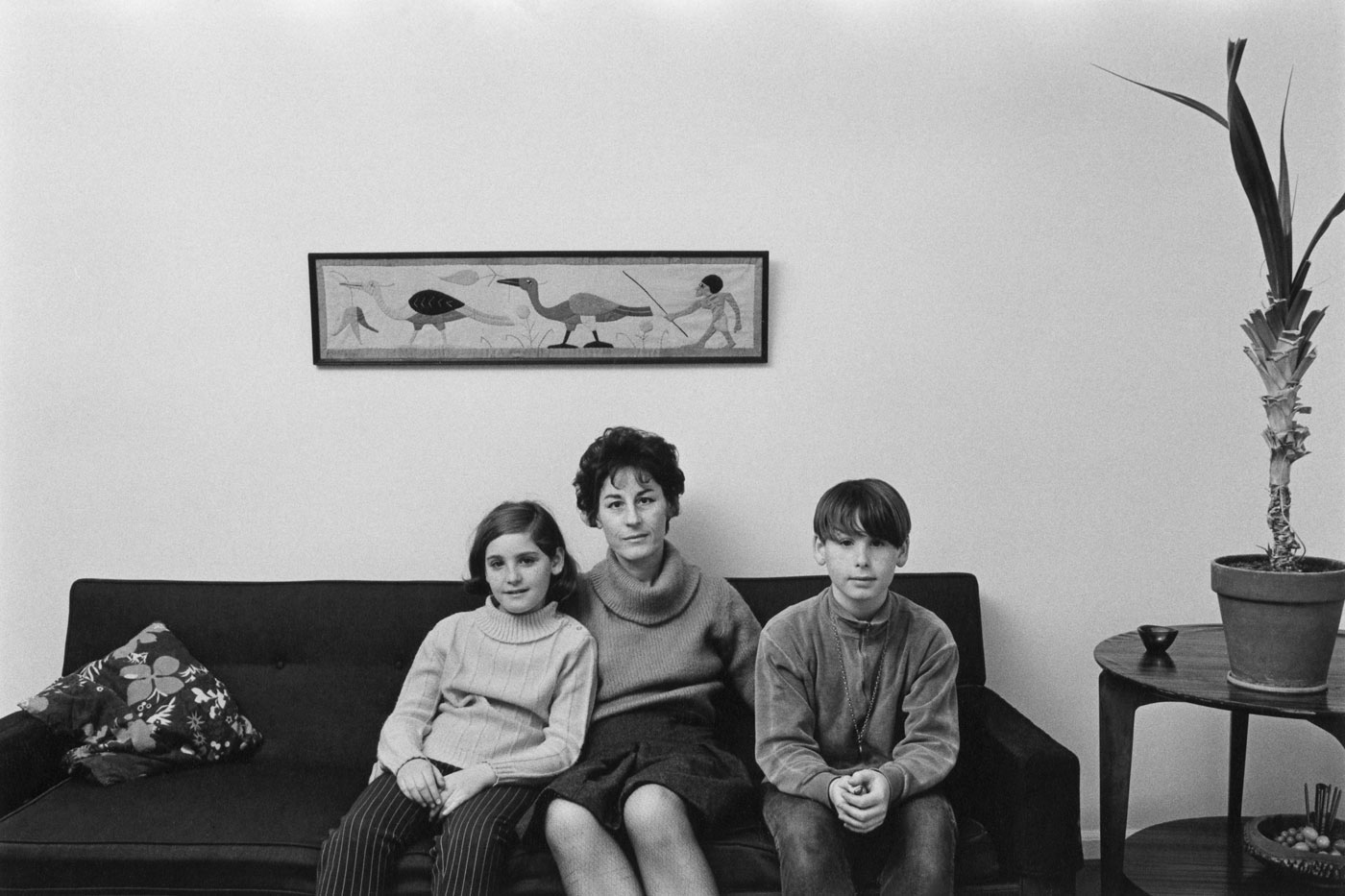
Enrico Natali (American, b. 1933) 'Ann Davis at home with her daughter and son, Detroit, 1968' 1968


Enrico Natali (American, b. 1933)
Ann Davis at home with her daughter and son, Detroit, 1968
1968
Gelatin silver print


Enrico Natali (American, b. 1933) 'Couple at home with their daughter, Detroit, 1968' 1968


Enrico Natali (American, b. 1933)
Couple at home with their daughter, Detroit, 1968
1968
Gelatin silver print


Enrico Natali (American, b. 1933) 'Jim and Judy Yardley with their dogs, Sport and Barney, Detroit, 1968' 1968


Enrico Natali (American, b. 1933)
Jim and Judy Yardley with their dogs, Sport and Barney, Detroit, 1968
1968
Gelatin silver print


Enrico Natali (American, b. 1933) 'Pool player in an east side poolroom, Detroit, 1968' 1968


Enrico Natali (American, b. 1933)
Pool player in an east side poolroom, Detroit, 1968
1968
Gelatin silver print


Enrico Natali (American, b. 1933) 'Typesetter at work, Detroit, 1968' 1968


Enrico Natali (American, b. 1933)
Typesetter at work, Detroit, 1968
1968
Gelatin silver print


Enrico Natali (American, b. 1933) 'Dean Turner with his parents and cat, Detroit, 1968' 1968


Enrico Natali (American, b. 1933)
Dean Turner with his parents and cat, Detroit, 1968
1968
Gelatin silver print


Enrico Natali (American, b. 1933) 'Father and child at the Detroit Auto Show, Detroit, 1968' 1968


Enrico Natali (American, b. 1933)
Father and child at the Detroit Auto Show, Detroit, 1968
1968
Gelatin silver print


Enrico Natali (American, b. 1933) 'Enrico Natali's son, Vincenzo Natali, on the day of his birth, Detroit, 1968' 1968


Enrico Natali (American, b. 1933)
Enrico Natali’s son, Vincenzo Natali, on the day of his birth, Detroit, 1968
1968
Gelatin silver print


Enrico Natali (American, b. 1933) 'Suburban girls shopping in downtown Detroit, Detroit, 1968' 1968


Enrico Natali (American, b. 1933)
Suburban girls shopping in downtown Detroit, Detroit, 1968
1968
Gelatin silver print


Enrico Natali (American, b. 1933) 'Man with injured knee at the beach smoking, Detroit, 1968' 1968


Enrico Natali (American, b. 1933)
Man with injured knee at the beach smoking, Detroit, 1968
1968
Gelatin silver print


Enrico Natali (American, b. 1933) 'Beauty salon client smoking, Detroit, 1968' 1968


Enrico Natali (American, b. 1933)
Beauty salon client smoking, Detroit, 1968
1968
Gelatin silver print


Enrico Natali (American, b. 1933) 'Gala hostess, Detroit, 1968' 1968


Enrico Natali (American, b. 1933)
Gala hostess, Detroit, 1968
1968
Gelatin silver print


Enrico Natali (American, b. 1933) 'Woman outside a tire factory waiting for the bus, Detroit, 1968' 1968


Enrico Natali (American, b. 1933)
Woman outside a tire factory waiting for the bus, Detroit, 1968
1968
Gelatin silver print


Enrico Natali (American, b. 1933) 'Spectators at an Armed Forces Day parade, Detroit, 1968' 1968


Enrico Natali (American, b. 1933)
Spectators at an Armed Forces Day parade, Detroit, 1968
1968
Gelatin silver print


Enrico Natali (American, b. 1933) 'High school student in mini dress, Detroit, 1968' 1968


Enrico Natali (American, b. 1933)
High school student in mini dress, Detroit, 1968
1968
Gelatin silver print


Enrico Natali (American, b. 1933) 'Couple outside of an art museum, Detroit, 1968' 1968


Enrico Natali (American, b. 1933)
Couple outside of an art museum, Detroit, 1968
1968
Gelatin silver print


Enrico Natali (American, b. 1933) 'Woman at an art exhibition in Grosse Pointe, Detroit, 1968' 1968


Enrico Natali (American, b. 1933)
Woman at an art exhibition in Grosse Pointe, Detroit, 1968
1968
Gelatin silver print


Enrico Natali (American, b. 1933) 'Newlywed couple, Detroit, 1968' 1968


Enrico Natali (American, b. 1933)
Newlywed couple, Detroit, 1968
1968
Gelatin silver print


Joseph Bellows Gallery
7661 Girard Avenue
La Jolla, CA 92037
Phone: (858) 456-5620

Opening hours:
Tuesday – Saturday 11am – 5pm

Joseph Bellows Gallery website

LIKE ART BLART ON FACEBOOK

Back to top

Exhibition: ‘Detroit 1968: Photographs by Enrico Natali’ at Joseph Bellows Gallery, La Jolla, CA – Part 1

Exhibition dates: 2nd November – 21st December 2013


Enrico Natali (American, b. 1933) 'Spectators at a public demonstration, Detroit, 1968' 1968


Enrico Natali (American, b. 1933)
Spectators at a public demonstration, Detroit, 1968
1968
Gelatin silver print


It takes about five or six photographs. Then, in a light bulb moment, you realise what the artist is doing and how good these images really are.

They stink of humanity!

They are good because the humanity is not something that the photographer has been able to whip around to serve his photography. In fact, because of the milieu in which they were made, he might not have even been aware of it as an outstanding feature. But after looking at contemporary photography, Natali serves up something that is now missing in aces. As a full house in fact.

The strength of these photographs lies in their directness, intimacy and immediacy. The 35mm format adds to latter quality, as does the photographers ability to get his subjects to engage with the process of having their photograph taken. In different contexts, Natali seems to have a wonderful rapport with all sorts of people, whether it be office workers, people at home, students at school or men sitting under hair dryers. The look of the woman with sunglasses fourth in line in the photograph Women’s Convention, Detroit, 1968 (1968, below) is priceless.

Natali never defines his point of departure and just moves around it but in his case it doesn’t matter, for the “humanity” present in his work is obvious. Admittedly, there are elements that Natali borrows from people such as Robert Frank and Diane Arbus. And a photographer such as Lee Friedlander for example, by his intellect / aesthetic, tops the attribute of humanity under a layer of quality and a veneer of fame. But this work has a wonderful presence and substance, a respect for human beings and their worlds and real guts to the work. You can absolutely feel his love for the medium, the craft of photography, and the capturing of these self-contained moments.

Today – all too often (as in most of the photography in the Melbourne Now exhibition) – we have a top layer of aesthetic / intellect etc… but there is rarely anything under it. And that my friends, gives me the shits.

Dr Marcus Bunyan


Many thankx to Joseph Bellows Gallery for allowing me to publish the photographs in the posting. Please click on the photographs for a larger version of the image.


Enrico Natali (American, b. 1933) 'Incident at Bell Isle Park, Detroit, 1968' 1968


Enrico Natali (American, b. 1933)
Incident at Bell Isle Park, Detroit, 1968
1968
Gelatin silver print


Enrico Natali (American, b. 1933) 'Businessmen at a squash match, Detroit, 1968' 1968


Enrico Natali (American, b. 1933)
Businessmen at a squash match, Detroit, 1968
1968
Gelatin silver print


Enrico Natali (American, b. 1933) 'Woman at a gym, Detroit, 1968' 1968


Enrico Natali (American, b. 1933)
Woman at a gym, Detroit, 1968
1968
Gelatin silver print


Enrico Natali (American, b. 1933) 'Husband and wife at home with their youngest child, Detroit, 1968' 1968


Enrico Natali (American, b. 1933)
Husband and wife at home with their youngest child, Detroit, 1968
1968
Gelatin silver print


Enrico Natali (American, b. 1933) 'Office workers, Detroit, 1968' 1968


Enrico Natali (American, b. 1933)
Office workers, Detroit, 1968
1968
Gelatin silver print


Enrico Natali (American, b. 1933) 'Woman in her kitchen with rollers in her hair, Detroit, 1968' 1968


Enrico Natali (American, b. 1933)
Woman in her kitchen with rollers in her hair, Detroit, 1968
1968
Gelatin silver print


Enrico Natali (American, b. 1933) 'Students at school, Detroit, 1968' 1968


Enrico Natali (American, b. 1933)
Students at school, Detroit, 1968
1968
Gelatin silver print


Enrico Natali (American, b. 1933) 'Waitress in an empty restaurant, Detroit, 1968' 1968


Enrico Natali (American, b. 1933)
Waitress in an empty restaurant, Detroit, 1968
1968
Gelatin silver print


Enrico Natali (American, b. 1933) 'High school basketball, Detroit, 1968' 1968


Enrico Natali (American, b. 1933)
High school basketball, Detroit, 1968
1968
Gelatin silver print


Enrico Natali (American, b. 1933) 'Formal cocktail party, Detroit, 1968' 1968


Enrico Natali (American, b. 1933)
Formal cocktail party, Detroit, 1968
1968
Gelatin silver print


Enrico Natali (American, b. 1933) 'Programmer with computer, Detroit, 1968' 1968


Enrico Natali (American, b. 1933)
Programmer with computer, Detroit, 1968
1968
Gelatin silver print


Enrico Natali (American, b. 1933) 'Women's gymnastics class, Detroit, 1968' 1968


Enrico Natali (American, b. 1933)
Women’s gymnastics class, Detroit, 1968
1968
Gelatin silver print


Enrico Natali (American, b. 1933) 'Women's gymnastics class, Detroit, 1968' 1968


Enrico Natali (American, b. 1933)
Couple picnicking, Detroit, 1968
1968
Gelatin silver print


Enrico Natali (American, b. 1933) 'Beauty salon client with a new haircut, Detroit, 1968' 1968


Enrico Natali (American, b. 1933)
Beauty salon client with a new haircut, Detroit, 1968
1968
Gelatin silver print


Enrico Natali (American, b. 1933) 'Men under hairdryers, Detroit, 1968' 1968


Enrico Natali (American, b. 1933)
Men under hairdryers, Detroit, 1968
1968
Gelatin silver print


Enrico Natali (American, b. 1933) 'Shoe repair shop owner, Detroit, 1968' 1968


Enrico Natali (American, b. 1933)
Shoe repair shop owner, Detroit, 1968
1968
Gelatin silver print


Enrico Natali (American, b. 1933) 'Women waiting at a bus stop in the rain, Detroit, 1968' 1968


Enrico Natali (American, b. 1933)
Women waiting at a bus stop in the rain, Detroit, 1968
1968
Gelatin silver print


Enrico Natali (American, b. 1933) 'Women's Convention, Detroit, 1968' 1968


Enrico Natali (American, b. 1933)
Women’s Convention, Detroit, 1968
1968
Gelatin silver print


As the fall of Detroit began, as her middle class American Dreamers began moving to greener pastures, and while the Motor City’s status as one of the shining stars of the industrial revolution began to fade, Detroit became a locus for the racial conflict and political upheaval that swept the country during the late 1960s. Throughout this pivotal moment, Enrico Natali was present, empathically documenting Detroit, her people and their environments, and their lives and conditions in his compelling photographs.

Forty-one years later, Natali’s photographs of Detroit still resonate with hope and emotion, and indeed, have taken on an added pathos. These pictures capture the relative calm before the storm: people attending art exhibitions, sporting events, a high school prom; families posing together for portraits; secretaries smoking their afternoon cigarettes; children, parents and grandparents, workers of every stripe – machinists, waitresses, beauticians – plying their trades with what might be described in retrospect as innocence. The spirits of these nameless faces, young and old, are the ghosts that haunt what is now – very literally – this bankrupt metropolis.

Enrico Natali was born in 1933, in Utica, New York. During the 1960s he lived and photographed in various American cities, including New York, New Orleans, Chicago, and Detroit. At the end of that decade he ceased work as a photographer and began a meditation practice that became his primary focus, as he built a home and raised his family in California’s Los Padres National Forest. In 1990 Natali and his wife Nadia founded the Blue Heron Center for Integral Studies, a Zen meditation center in Ojai, California. A handsome, timely and poignant publication, Detroit 1968, published by Foggy Notion Books, including an essay by Mark Binelli, author of the critically acclaimed Detroit City is the Place to Be (2012, Metropolitan Books), accompanies the exhibition.

Press release from the Joseph Bellows Gallery website


Enrico Natali (American, b. 1933) 'Young woman on a street, Detroit, 1968' 1968


Enrico Natali (American, b. 1933)
Young woman on a street, Detroit, 1968
1968
Gelatin silver print


Enrico Natali (American, b. 1933) 'Warehouse foreman, Detroit, 1968' 1968


Enrico Natali (American, b. 1933)
Warehouse foreman, Detroit, 1968
1968
Gelatin silver print


Enrico Natali (American, b. 1933) 'Community organizer, Detroit, 1968' 1968


Enrico Natali (American, b. 1933)
Community organiser, Detroit, 1968
1968
Gelatin silver print


Enrico Natali (American, b. 1933) 'Opening night at the Detroit Opera, Detroit, 1968' 1968


Enrico Natali (American, b. 1933)
Opening night at the Detroit Opera, Detroit, 1968
1968
Gelatin silver print


Enrico Natali (American, b. 1933) 'Hair stylist smoking, Detroit, 1968' 1968


Enrico Natali (American, b. 1933)
Hair stylist smoking, Detroit, 1968
1968
Gelatin silver print


Enrico Natali (American, b. 1933) 'Boy in a backyard, Detroit, 1968' 1968


Enrico Natali (American, b. 1933)
Boy in a backyard, Detroit, 1968
1968
Gelatin silver print


Enrico Natali (American, b. 1933) 'Young men at a debutante ball, Detroit, 1968' 1968


Enrico Natali (American, b. 1933)
Young men at a debutante ball, Detroit, 1968
1968
Gelatin silver print


Enrico Natali (American, b. 1933) 'Ana Kuzick at home in high chair, Detroit, 1968' 1968


Enrico Natali (American, b. 1933)
Ana Kuzick at home in high chair, Detroit, 1968
1968
Gelatin silver print


Enrico Natali (American, b. 1933) 'Businessman at a press party, Detroit, 1968' 1968


Enrico Natali (American, b. 1933)
Businessman at a press party, Detroit, 1968
1968
Gelatin silver print


Enrico Natali (American, b. 1933) 'Margaret Carpenter at home, Detroit, 1968' 1968


Enrico Natali (American, b. 1933)
Margaret Carpenter at home, Detroit, 1968
1968
Gelatin silver print


Enrico Natali (American, b. 1933) 'William Day, president of Michigan Bell Telephone Company, Detroit, 1968' 1968


Enrico Natali (American, b. 1933)
William Day, president of Michigan Bell Telephone Company, Detroit, 1968
1968
Gelatin silver print


Enrico Natali (American, b. 1933) 'Bolt and nut sorters, Detroit, 1968' 1968


Enrico Natali (American, b. 1933)
Bolt and nut sorters, Detroit, 1968
1968
Gelatin silver print


Enrico Natali (American, b. 1933) 'Executive secretary, Detroit, 1968' 1968


Enrico Natali (American, b. 1933)
Executive secretary, Detroit, 1968
1968
Gelatin silver print


Enrico Natali (American, b. 1933) 'Go-Go dancer, Detroit, 1968' 1968


Enrico Natali (American, b. 1933)
Go-Go dancer, Detroit, 1968
1968
Gelatin silver print


Enrico Natali (American, b. 1933) 'Warehouse worker, Detroit, 1968' 1968


Enrico Natali (American, b. 1933)
Warehouse worker, Detroit, 1968
1968
Gelatin silver print


Enrico Natali (American, b. 1933) 'Trucking company executive, Detroit, 1968' 1968


Enrico Natali (American, b. 1933)
Trucking company executive, Detroit, 1968
1968
Gelatin silver print


Enrico Natali (American, b. 1933) 'Sales meeting in an auditorium, Detroit, 1968' 1968


Enrico Natali (American, b. 1933)
Sales meeting in an auditorium, Detroit, 1968
1968
Gelatin silver print


Enrico Natali (American, b. 1933) 'Elevator operator, Detroit, 1968' 1968


Enrico Natali (American, b. 1933)
Elevator operator, Detroit, 1968
1968
Gelatin silver print


Joseph Bellows Gallery
7661 Girard Avenue
La Jolla, CA 92037
Phone: (858) 456-5620

Opening hours:
Tuesday – Saturday 11am – 5pm

Joseph Bellows Gallery website

LIKE ART BLART ON FACEBOOK

Back to top

Nathaniel L. Stebbins photographic collection at Historic New England, Boston, Mass. now available online

November 2013


Nathaniel Livermore Stebbins (American, 1847-1922) 'George W. Wells' 1900-10-26


Nathaniel Livermore Stebbins (American, 1847-1922)
George W. Wells
1900-10-26
Nathaniel L. Stebbins photographic collection
© Historic New England


Historic New England

I had never heard of this photographer before, but it is such a joy that these photographs have been digitised and are now available online. How gloriously elegant these yachts were (but still at the cutting edge of technology of their day), when compared with the ugly, contemporary America’s Cup trimarans.

All the photographs in this posting are wonderful for their classical eloquence and framing of the subject. I especially like the first image, George W. Wells (1900, below), as the photographer stands on a tug belching smoke that has gone out to meet the largest schooner in the world at the time. With land in the distance and a rope snaking across the water back to the tug, the lack of sail – along with the darkness of the hull and the attitude of the ship – make it seem as though this were a ghost ship. The other image I particularly like is Start of Schooners (1920, below). The angles of the three ships as they manoeuvre on a seemingly becalmed sea adds a wonderful aura to the photograph.

Can you imagine trying to take these photographs using a large format camera with dry-plate glass negatives on the open sea? While dry-plate photography with its fast exposure time and ease of use had made photography more practical, the difficulty of getting an in focus image on an open, exposed, rocking ship would have been enormous. That the artist achieved such outstanding results says a lot about his previsualisation and his expertise and craftsmanship as a photographer.

Dr Marcus Bunyan


Please click on the photographs for a larger version of the image. All images © Historic New England


Nathaniel Livermore Stebbins (American, 1847-1922) 'George W. Wells' 1900-10-26


Nathaniel Livermore Stebbins (American, 1847-1922)
George W. Wells
1900-10-26
Nathaniel L. Stebbins photographic collection
© Historic New England


The first arrival of the new George W. Wells in Boston, then the world’s largest schooner and its first six masted schooner. The tug Storm King picked her up off Highland Light and N. L. Stebbins probably went on the Storm King to take this photo.


Nathaniel Livermore Stebbins (American, 1847-1922) 'Gadabout' 1893-10-07


Nathaniel Livermore Stebbins (American, 1847-1922)
Gadabout
1893-10-07
Nathaniel L. Stebbins photographic collection
© Historic New England


Taken on the day of the first America’s Cup race between Vigilant and Valkyrie, 15 miles to windward and return, starting from Sandy Hook Lightship, Vigilant won.


Nathaniel Livermore Stebbins (American, 1847-1922) 'Egeria' 1886-07-09


Nathaniel Livermore Stebbins (American, 1847-1922)
Egeria
1886-07-09
Nathaniel L. Stebbins photographic collection
© Historic New England


Historic New England announced that it’s collection of Nathaniel L. Stebbins photographs will be accessible online on August 22, 2013. Stebbins, a celebrated marine photographer, captured the quintessential New England pastimes of yachting and racing, as well as an extraordinary variety of marine vessels. This spectacular photographic collection consists of approximately 6,000 original prints. Dating from the early 1880s to c. 1922, the images depict recreational sailing vessels, steamships, ferries, and police boats, as well as boatyards and other dockside facilities. The images are a record of an important era in maritime history and document commercial and recreational maritime activities that would eventually fade away due to changes in transportation and technology. Architectural views are also part of the collection.

Born in Meadville, Pennsylvania, Stebbins developed a love of ships at a young age, and made an ocean voyage to South America as a young man. He published several books on marine and naval topics, including The New Navy of the United States (1912), The Illustrated Coast Pilot, with Sailing Directions (1891), and The Yachtsman’s Album (1896). Stebbins took roughly 25,000 photographs before his death in 1922. The digitisation of the Stebbins collection is an important step in Historic New England’s ongoing Collections Access Project, which launched in 2010. The Northeast Document Conservation Center and the Boston Public Library in conjunction with the Digital Commonwealth participated in the effort.

Text from the Art Daily website [Online] Cited 10/11/2013


Nathaniel Livermore Stebbins (American, 1847-1922) 'Puritan' 1885-08-03


Nathaniel Livermore Stebbins (American, 1847-1922)
Puritan
1885-08-03
Nathaniel L. Stebbins photographic collection
© Historic New England


Goelet Cup, Newport

“Mr. N. L. Stebbins, the marine photographer, succeeded in getting a large number of views of the Puritan, Priscilla and other yachts in the race for the Goelet cups Monday [1885-08-03].”

Source: Anon. “Yachting Spray.” Boston Globe, August 9, 1885, p. 6.


Nathaniel Livermore Stebbins (American, 1847-1922) 'Mayflower' 1886-09-07


Nathaniel Livermore Stebbins (American, 1847-1922)
Mayflower
1886-09-07
Nathaniel L. Stebbins photographic collection
© Historic New England


First race for the America’s Cup 1886, Mayflower won against Galatea


Nathaniel Livermore Stebbins (American, 1847-1922) 'America's Cup Race: Start, Vigilant and Valkyrie' 1893-10-07


Nathaniel Livermore Stebbins (American, 1847-1922)
America’s Cup Race: Start, Vigilant and Valkyrie
1893-10-07
Nathaniel L. Stebbins photographic collection
© Historic New England


First America’s Cup race, 15 miles to windward and return, starting from Sandy Hook Lightship, Vigilant won.


Nathaniel Livermore Stebbins (January 9, 1847 – July 10, 1922) was a noted American marine photographer, whose surviving photographs document an important era in the development of American maritime activities, as sweeping technological and social changed revolutionised activity on the water, in military, commercial and leisure spheres… He became interested in photography in about 1882, shortly after the introduction of dry-plate photography, with its fast exposure time and ease of use, made photography more practical. With an interest in the sea, and little competition in that area, it was natural that he should specialise in maritime photography.

Over his working career as a commercial photographer (from 1884 to 1922), he took approximately 25,000 images. Of these, about 60% were of marine subjects (the majority of those being of leisure activities, but many are of military and commercial scenes, a valuable record for historians). The remainder include a wide variety of commercial work, including the theatre, railroads, home interiors, etc. His collection at his death included about 20,000 negatives, almost all on glass plates (the usual medium for high-resolution negatives in his time); it was bought by another photographer, and on his death, many of Stebbins’ plates were sold for scrap (tradition holds that they were used in greenhouses).

A few plates found their way to the Peabody Museum in Salem, Massachusetts, and another small group eventually wound up at the Mariners’ Museum, but the bulk of the remaining collection (about 5,000 images total, of which a little over 2,500 are the original glass negatives) were rescued for Historic New England by William Appleton, the founder of the Society. Almost all are of maritime subjects; very little of his non-maritime work survives.

Text from the Wikipedia website


Nathaniel Livermore Stebbins (American, 1847-1922) 'America's Cup Race: Two minutes after start, Valkyrie & Vigilant' 1893-10-09


Nathaniel Livermore Stebbins (American, 1847-1922)
America’s Cup Race: Two minutes after start, Valkyrie & Vigilant
1893-10-09
Nathaniel L. Stebbins photographic collection
© Historic New England


Second America’s Cup race between Vigilant and Valkyrie, equilateral triangle, starting from Sandy Hook Lightship, Vigilant won.


Nathaniel Livermore Stebbins (American, 1847-1922) 'America's Cup Race: Vigilant at the mark' 1893-10-05


Nathaniel Livermore Stebbins (American, 1847-1922)
America’s Cup Race: Vigilant at the mark
1893-10-05
Nathaniel L. Stebbins photographic collection
© Historic New England


First America’s Cup race, 15 miles to windward and return, starting from Sandy Hook Lightship, Vigilant won.


Nathaniel Livermore Stebbins (American, 1847-1922) 'Colonia, Vigilant & Jubilee' 1893-08-11


Nathaniel Livermore Stebbins (American, 1847-1922)
Colonia, Vigilant & Jubilee
1893-08-11
Nathaniel L. Stebbins photographic collection
© Historic New England


Nathaniel Livermore Stebbins (American, 1847-1922) 'Defender' 1895-07-20


Nathaniel Livermore Stebbins (American, 1847-1922)
Defender
1895-07-20
Nathaniel L. Stebbins photographic collection
© Historic New England


First trial race between Defender and Vigilant, 30 miles windward and leeward from Scotland lightship. Defender’s first race and win. Defender, designed and built in 1895 by N. G. Herreshoff to defend the America’s Cup against Valkyrie III. Her bottom was polished bronze, but her topsides, deck beams, and some of her deck framing were aluminium (making her a giant battery with electrolysis).


Nathaniel Livermore Stebbins (American, 1847-1922) 'Elsemarie' 1895-08-02


Nathaniel Livermore Stebbins (American, 1847-1922)
Elsemarie
1895-08-02
Nathaniel L. Stebbins photographic collection
© Historic New England


Goelet Cup, Newport

N. L. Stebbins took photos from the Amadis (Boston Globe, Aug. 3, 1895, p. 1-2). Volunteer won the slop class (after Defender had been disabled by a broken gaff); Emerald the schooner class.


Nathaniel Livermore Stebbins (American, 1847-1922) 'Gitana' 1888-06-10


Nathaniel Livermore Stebbins (American, 1847-1922)
Gitana
1888-06-10
Nathaniel L. Stebbins photographic collection
© Historic New England


Nathaniel Livermore Stebbins (American, 1847-1922) 'Jubilee' 1893-09-07


Nathaniel Livermore Stebbins (American, 1847-1922)
Jubilee
1893-09-07
Nathaniel L. Stebbins photographic collection
© Historic New England


First trial race to choose an America’s Cup defender.


Nathaniel Livermore Stebbins (American, 1847-1922) 'Start of Schooners' 1920-07-10


Nathaniel Livermore Stebbins (American, 1847-1922)
Start of Schooners
1920-07-10
Nathaniel L. Stebbins photographic collection
© Historic New England


Nathaniel Livermore Stebbins (American, 1847-1922) 'Troubadour' 1888-08-14


Nathaniel Livermore Stebbins (American, 1847-1922)
Troubadour
1888-08-14
Nathaniel L. Stebbins photographic collection
© Historic New England


Historic New England website

LIKE ART BLART ON FACEBOOK

Back to top

Exhibition: ‘Lee Friedlander – America by Car’ at Foam, Amsterdam

Exhibition dates: 13th September – 11th December 2013


Lee Friedlander (American, b. 1934) 'Bettina Katz, Cleveland, Ohio' 2009


Lee Friedlander (American, b. 1934)
Bettina Katz, Cleveland, Ohio
2009
From the series America by Car, 1995-2009
Gelatin silver print
15 × 15 in. (38.1 × 38.1cm)
Collection of the artist; courtesy Fraenkel Gallery, San Francisco
© Lee Friedlander, courtesy Fraenkel Gallery, San Francisco


“I’m not trying to do something to you, I’m trying to do something with you.”


American pianist and composer Keith Jarrett at a concert in Melbourne, 1970s


The eye of Lee Friedlander is incredible. His complex, classical photographs in books such as Letters from the People (1993), Flowers and Trees (1981), The American Monument (1976) and America by Car (2010) have redefined the (photographic) landscape. The artist is constantly reinventing himself, reinventing pictorial space – cutting, distorting, reflecting it back onto itself – to create layered images (after Eugène Atget and Walker Evans). These self-reflective spaces are as much about the artist and his nature as they are about the world in which he lives. They have become the basis of Friedlander’s visual language. Here is a love of the medium and of the world that is a reflection of Self.

I don’t see these cars (or photographs) as illusion factories. For me, this series of work is akin to a tri-view self-portrait. Instead of the artist painting the sitter (as in the triple portrait of Cardinal Richelieu, 1627 below), a vision, an energy of Self emanates outwards from behind the bulwark of the car steering wheel and dash. It is a Self and its relationship to the world split into multifaceted angles and views. He looks out the left window, the front window, the side window – and then he splits his views between side and front windows using the A pillar of the car as a dividing, framing tool. Sometimes he throws in the reflections of him / self with camera in the rear view mirror for good measure. There is wit, humour and irony in these photographs. There is cinematic panorama and moments of intimacy. There is greatness in these images.

Friedlander is not trying to do something to you, but something with you, for he is showing you something that you inherently know but may not be aware of. Like a Zen master, he asks you questions but also shows you the way. If you understand the path of life and the energy of the cosmos, you understand what a journey this is.

Dr Marcus Bunyan


Many thankx to Foam for allowing me to publish the photographs in the posting. Please click on the photographs for a larger version of the image.


Philippe de Champaigne (French, 1602-1674) 'Triple portrait of Cardinal Richelieu' 1642


Philippe de Champaigne (French, 1602-1674)
Triple portrait of Cardinal Richelieu
c. 1640
Oil on canvas
58cm (22.8 in) x 72cm (28.3 in)
The National Gallery, London
This reproduction is in the public domain


Lee Friedlander: America by Car

Published by D.A.P./Fraenkel


Lee Friedlander (American, b. 1934) 'Houston, Texas' 2006


Lee Friedlander (American, b. 1934)
Houston, Texas
2006
From the series America by Car, 1995-2009
Gelatin silver print
15 × 15 in. (38.1 × 38.1cm)
Collection of the artist; courtesy Fraenkel Gallery, San Francisco
© Lee Friedlander, courtesy Fraenkel Gallery, San Francisco


Lee Friedlander (American, b. 1934) 'Denali National Park, Alaska' 2007


Lee Friedlander (American, b. 1934)
Denali National Park, Alaska
2007
From the series America by Car, 1995-2009
Gelatin silver print
15 × 15 in. (38.1 × 38.1cm)
Collection of the artist; courtesy Fraenkel Gallery, San Francisco
© Lee Friedlander, courtesy Fraenkel Gallery, San Francisco


Lee Friedlander (American, b. 1934) 'Nebraska' 1999


Lee Friedlander (American, b. 1934)
Nebraska
1999
From the series America by Car, 1995-2009
Gelatin silver print
15 × 15 in. (38.1 × 38.1cm)
Collection of the artist; courtesy Fraenkel Gallery, San Francisco
© Lee Friedlander, courtesy Fraenkel Gallery, San Francisco


The automobile has come to symbolise the American dream and the associated urge for freedom. It is therefore no surprise that cars play a central role in the series America by Car and The New Cars 1964 by renowned American photographer Lee Friedlander (1934, US), now receiving their first showing in the Netherlands.

Road Trip

America by Car documents Friedlander’s countless wanderings around the United States over the past decade. In this he follows a trail laid down by numerous photographers, film makers and writers like Robert Frank, Stephen Shore and Jack Kerouac. Friedlander nevertheless succeeds in giving the theme of the American road trip his own very original twist, using the cars’ windscreens and dashboards to frame the familiar American landscape, as well as exploiting the reflections found in their wing and rear view mirrors. It is a simple starting point which results in complex and layered images that are typical for Friedlander’s visual language. He also has a sharp eye for the ironic detail. He makes free use of text on billboards and symbols on store signs to add further meaning to his work. His images are so layered that new information continues to surface with every glance, making America by Car a unique evocation of contemporary America.

Car portraits

The New Cars 1964 is a much older series. Friedlander had been commissioned by Harper’s Bazaar to photograph all the new models of automobile introduced in 1964. Rather than placing them centrally and showing them to best advantage, Friedlander decided to set the cars in the most banal of locations, in front of a furniture store or in a scrap yard for instance. Exploiting reflections, available light and unusual perspectives, his cars are almost completely absorbed into the street scene. Although they were rejected at the time by the magazine’s editorial board on the grounds that the images were not attractive enough, the pictures were put away in a drawer and since forgotten. Friedlander however recently rediscovered this series. The New Cars 1964 has since become a special historical and social document and has in its own right become part of Friedlander’s impressive oeuvre.

Fifty-year career

Lee Friedlander was born in the US in 1934. In a career extending across 5 decades Friedlander has maintained an obsessive focus on the portrayal of the American social landscape. His breakthrough in the eyes of the wider public came with the New Documents exhibition at the MoMA in 1967, where his work was presented alongside that of Diane Arbus and Garry Winogrand. Friedlander accumulated numerous awards during his career, including the MacArthur Foundation Award and three Guggenheim Fellowships. He also published more than twenty books. His work has been shown at many venues around the world, including the Whitney Museum of American Art and the MoMA in New York, San Francisco’s SFMOMA, the MAMM in Moscow and the National Museum of Photography in Copenhagen.

Press release from the FOAM website


Lee Friedlander (American, b. 1934) 'Cleveland, Ohio' 2009


Lee Friedlander (American, b. 1934)
Cleveland, Ohio
2009
From the series America by Car, 1995-2009
Gelatin silver print
15 × 15 in. (38.1 × 38.1cm)
Collection of the artist; courtesy Fraenkel Gallery, San Francisco
© Lee Friedlander, courtesy Fraenkel Gallery, San Francisco


Lee Friedlander (American, b. 1934) 'Montana' 2008


Lee Friedlander (American, b. 1934)
Montana
2008
From the series America by Car, 1995-2009
Gelatin silver print
15 × 15 in. (38.1 × 38.1cm)
Collection of the artist; courtesy Fraenkel Gallery, San Francisco
© Lee Friedlander, courtesy Fraenkel Gallery, San Francisco


Lee Friedlander (American, b. 1934) 'Montana' 2008


Lee Friedlander (American, b. 1934)
Montana
2008
From the series America by Car, 1995-2009
Gelatin silver print
15 × 15 in. (38.1 × 38.1cm)
Collection of the artist; courtesy Fraenkel Gallery, San Francisco
© Lee Friedlander, courtesy Fraenkel Gallery, San Francisco


Mr. Friedlander took his black-and-white, square-format photographs entirely from the interior of standard rental cars – late-model Toyotas and Chevys, by the looks of them – on various road trips over the past 15 years. In these pictures our vast, diverse country is buffered by molded plastic dashboards and miniaturized in side-view mirrors…

Mr. Friedlander groups images by subject, not geography: monuments, churches, houses, factories, ice cream shops, plastic Santas, roadside memorials.

So “America by Car,”… is more of an exercise in typology, along the lines of Ed Ruscha’s “Twentysix Gasoline Stations.” But there’s nothing deadpan or straightforward about the way Mr. Friedlander composes his pictures. He knows that cars are essentially illusion factories – to wit: “Objects in the mirror are closer than they appear.”

Some of the illusions on view here exploit the technology of the camera Mr. Friedlander has been using since the 1990s, the square-format Hasselblad Superwide (so named for its extra-wide-angle lens). The Superwide produces crisp and detail-packed images that are slightly exaggerated in perspective, giving the foreground – the car – a heightened immediacy…

Some of the photographs are dizzyingly complex, like one taken in Pennsylvania in 2007. The camera looks out through the passenger-side window, at a man whose feet appear to be perched on the door frame. He is standing in front of a trompe l’oeil mural of a train, which seems to be heading right at the car. In the side-view mirror you can see a woman approaching. It’s a bizarre pileup of early cinematic trickery (as in the Lumière Brothers), amateur photography and surveillance technology.

Mr. Friedlander’s love of such layering can be traced to Walker Evans and Eugène Atget. He also shares, in this series, Evans’s wry eye for signs of all kinds: the matter-of-fact “Bar” advertising a Montana watering hole, or the slightly more cryptic “ME RY RISTMAS” outside a service station in Texas [see image below]. He strikes semiotic gold at Mop’s Reaching the Hurting Ministry in Mississippi: “LIVE IN RELATIONSHIP ARE LIKE RENTAL CARS NO COMMITMENT.”

Cars distance people from one another, this series reminds us over and over. When Mr. Friedlander photographs people he knows – the photographer Richard Benson, or the legendary MoMA curator John Szarkowski (to whom the book is dedicated) – he remains in his seat, shooting through an open window. In just a few instances the subjects poke their heads inside, a gesture that seems transgressive in its intimacy…

Did he ever get out of the vehicle? Just once in this series, for a self-portrait. It’s the last picture, and it shows him leaning into the driver’s-side window, elbow propped on the door, left hand reaching for the steering wheel.

Maybe he was thinking of the last image in “The Americans” – a shot of Mr. Frank’s used Ford taken from the roadside, showing his wife and son huddled in the back seat. In Mr. Frank’s photograph the car is a protective cocoon. Mr. Friedlander seems to see it that way too, but from the inside out.

Excerpts of an excellent review of “America by Car” by Karen Rosenberg published on The New York Times website on September 2, 2010.


Lee Friedlander (American, b. 1934) 'Alaska' 2007


Lee Friedlander (American, b. 1934)
Alaska
2007
From the series America by Car, 1995-2009
Gelatin silver print
15 × 15 in. (38.1 × 38.1cm)
Collection of the artist; courtesy Fraenkel Gallery, San Francisco
© Lee Friedlander, courtesy Fraenkel Gallery, San Francisco


Lee Friedlander (American, b. 1934) 'Montana' 2008


Lee Friedlander (American, b. 1934)
Montana
2008
From the series America by Car, 1995-2009
Gelatin silver print
15 × 15 in. (38.1 × 38.1cm)
Collection of the artist; courtesy Fraenkel Gallery, San Francisco
© Lee Friedlander, courtesy Fraenkel Gallery, San Francisco


Lee Friedlander (American, b. 1934) 'California' 2008


Lee Friedlander (American, b. 1934)
California
2008
From the series America by Car, 1995-2009
Gelatin silver print
15 × 15 in. (38.1 × 38.1cm)
Collection of the artist; courtesy Fraenkel Gallery, San Francisco
© Lee Friedlander, courtesy Fraenkel Gallery, San Francisco


Lee Friedlander (American, b. 1934) 'Texas' 2006


Lee Friedlander (American, b. 1934)
Texas
2006
From the series America by Car, 1995-2009
Gelatin silver print
15 × 15 in. (38.1 × 38.1cm)
Collection of the artist; courtesy Fraenkel Gallery, San Francisco
© Lee Friedlander, courtesy Fraenkel Gallery, San Francisco


Foam
Keizersgracht 609
1017 DS Amsterdam
The Netherlands
Phone: + 31 20 5516500

Opening hours:
Daily from 10am – 6pm
Thurs – Friday 10am – 9pm

Foam website

LIKE ART BLART ON FACEBOOK

Back to top

Exhibition: ‘Winogrand’s Women Are Beautiful’ at the Worcester Art Museum, Worcester, MA

Exhibition dates: 10th August – 10th November 2013


Garry Winogrand (American, 1928-1984) 'Untitled (Woman Carrying Bags)' about 1972


Garry Winogrand (American, 1928-1984)
Untitled (Woman Carrying Bags)
about 1972
Gelatin silver print
Gift of the Schorr Family Collection, 1984.102
© The Estate of Garry Winogrand, courtesy Fraenkel Gallery, San Francisco


As people may know, I am not a great fan of the photography of Garry Winogrand. Wile other people rave over this “master” of street snapshot photography, his work has never won me over, and possibly never will. There is something a little… what’s the word… creepy? voyeuristic? plain downright predatory about his photography. All the oblique angles in the world aren’t going to change my opinion.

For me, this series represents the pinnacle of Winogrand’s photography. The affection of the photographer toward the subject is clearly evident, coupled with a stealthy hunting instinct. It’s almost as if he is stalking these women to peer up their skirts (as in Woman in a Telephone Booth, New York, about 1972, below). The scenario is pretty unedifying. There are odd moments of joy (such as is in Woman Laughing, New York 1968, below) and beauty, as in the rightly famous Centennial Ball, Metropolitan Museum, New York (1969, below).

However, I feel like the human being in Woman Crossing Street, New York (about 1970, below) where the look on her face says that she could just bop him on the nose with a good left hook. And I wouldn’t have blamed her, either.

Dr Marcus Bunyan


Many thankx to the Worcester Art Museum for allowing me to publish the photographs in the posting. Please click on the photographs for a larger version of the image.

All of the photographs are Gift of the Schorr Family Collection © The Estate of Garry Winogrand, courtesy Fraenkel Gallery, San Francisco


Garry Winogrand (American, 1928-1984) 'Untitled (Woman in a Telephone Booth, New York)' about 1972


Garry Winogrand (American, 1928-1984)
Untitled (Woman in a Telephone Booth, New York)
about 1972
Gelatin silver print
Gift of the Schorr Family collection
© The Estate of Garry Winogrand, courtesy Fraenkel Gallery, San Francisco


Garry Winogrand (American, 1928-1984) 'Untitled (Histrionics on a Bench, World’s Fair, New York)' 1964


Garry Winogrand (American, 1928-1984)
Untitled (Histrionics on a Bench, World’s Fair, New York)
1964
Gelatin silver print
Gift of the Schorr Family Collection
© The Estate of Garry Winogrand, courtesy Fraenkel Gallery, San Francisco


Garry Winogrand (American, 1928-1984) 'Untitled (Woman Laughing, New York)' 1968


Garry Winogrand (American, 1928-1984)
Untitled (Woman Laughing, New York)
1968
Gelatin silver print
Gift of the Schorr Family Collection
© The Estate of Garry Winogrand, courtesy Fraenkel Gallery, San Francisco


Garry Winogrand (American, 1928-1984) 'Untitled (Identically Dressed)' Nd


Garry Winogrand (American, 1928-1984)
Untitled (Identically Dressed)
Nd
Gelatin silver print
Gift of the Schorr Family Collection
© The Estate of Garry Winogrand, courtesy Fraenkel Gallery, San Francisco


Garry Winogrand (American, 1928-1984) 'Untitled (Women Rallying, New York)' about 1972


Garry Winogrand (American, 1928-1984)
Untitled (Women Rallying, New York)
about 1972
Gelatin silver print
Gift of the Schorr Family Collection, 1991.293
© The Estate of Garry Winogrand, courtesy Fraenkel Gallery, San Francisco


Worcester Art Museum is pleased to announce the photography exhibition, Winogrand’s Women are Beautiful, on view August 10 through November 10, 2013. Worcester Art Museum owns a complete portfolio of the Women are Beautiful series by photographer Garry Winogrand (American, 1928-1984).  68 of the 85 images will be on view. Photographs feature black and white images of young adult women taken primarily during the 1960s and early 1970s.

Hailed as a pioneer of the “snapshot aesthetic” within the genre of documentary photography, Winogrand used a wide-angle Leica M4 camera to produce spontaneous images emphasising how everyday subjects, like people, dogs, or crowds, interact with the landscape around them. His work features oblique perspectives, often resulting in uniquely composed photographs made by the stealthy eye of a private investigator. However, Winogrand is also routinely criticised for exploiting the subjects of his work, particularly women.

Organised by Assistant Curator of Prints, Drawings and Photographs, Nancy Burns, Winogrand’s Women are Beautiful, presents the photographer’s most popular portfolio through the lens of five varying themes.  These themes seek to promote Winogrand’s significance within the canon of photography, while engaging directly with the censure his works receive from art historians and feminists alike.

Press release from the Worcester Art Museum


Garry Winogrand (American, 1928-1984) 'Untitled (Restaurant Window, Boston)' about 1970


Garry Winogrand (American, 1928-1984)
Untitled (Restaurant Window, Boston)
about 1970
Gelatin silver print
Gift of the Schorr Family collection
© The Estate of Garry Winogrand, courtesy Fraenkel Gallery, San Francisco


Garry Winogrand (American, 1928-1984) 'Untitled (Café, Paris)' about 1969


Garry Winogrand (American, 1928-1984)
Untitled (Café, Paris)
about 1969
Gelatin silver print
Gift of the Schorr Family Collection
© The Estate of Garry Winogrand, courtesy Fraenkel Gallery, San Francisco


Garry Winogrand (American, 1928-1984) 'Untitled (Cheerleaders, Austin)' 1974


Garry Winogrand (American, 1928-1984)
Untitled (Cheerleaders, Austin)
1974
Gelatin silver print
Gift of the Schorr Family Collection
© The Estate of Garry Winogrand, courtesy Fraenkel Gallery, San Francisco


Garry Winogrand (American, 1928-1984) 'Untitled (Centennial Ball, Metropolitan Museum, New York)' 1969


Garry Winogrand (American, 1928-1984)
Untitled (Centennial Ball, Metropolitan Museum, New York)
1969
Gelatin silver print
Gift of the Schorr Family collection
© The Estate of Garry Winogrand, courtesy Fraenkel Gallery, San Francisco


Garry Winogrand (American, 1928-1984) 'Untitled (Women Walking Poodles, New York)' about 1959


Garry Winogrand (American, 1928-1984)
Untitled (Women Walking Poodles, New York)
about 1959
Gelatin silver print
Gift of the Schorr Family Collection
© The Estate of Garry Winogrand, courtesy Fraenkel Gallery, San Francisco


Garry Winogrand (American, 1928-1984) 'Untitled (Woman Crossing Street, New York)' about 1970


Garry Winogrand (American, 1928-1984)
Untitled (Woman Crossing Street, New York)
about 1970
Gelatin silver print
Gift of the Schorr Family collection
© The Estate of Garry Winogrand, courtesy Fraenkel Gallery, San Francisco


Worcester Art Museum
Fifty-five Salisbury Street
Worcester, MA 01609
Phone: 508.799.4406

Opening hours:
Wednesday – Sunday 10am – 4pm

Worcester Art Museum website

LIKE ART BLART ON FACEBOOK

Back to top

Photographs: ‘The War at Home: Farm Security Administration / Office of War Information Color Photographs’ by Alfred Palmer Part 2

October 2013


Alfred Palmer (American, 1906-1993) 'Large pipe elbows for the Army are formed at Tube Turns, Inc.,' 1941


Alfred Palmer (American, 1906-1993)
Large pipe elbows for the Army are formed at Tube Turns, Inc., by heating lengths of pipe with gas flames and forcing them around a die, in Louisville, Kentucky, in 1941
1941
4 x 5 Kodachrome transparency
Alfred Palmer/OWI/LOC


Kodachrome sheets 1941-1943

This is the second of a two-part posting on the large format Kodachrome colour transparency photographs of the American photographer Alfred Palmer taken during 1941-1943.

This man was a true master of his craft. Look at the lighting in the first three photographs. Palmer really understood the theatre of the scene he was photographing. The first photograph, an inanimate object picturing an elemental force, brings me to tears when looking at it. Too sentimental, too emotional? I don’t think so… just an amazing experience from a magnificent photograph.

See Part 1 of the posting.

Dr Marcus Bunyan


Please click on the photographs for a larger version of the image. Many thankx to the Library of Congress for allowing me to publish the photographs in the posting. No known copyright restrictions on any of the photographs.


Alfred Palmer (American, 1906-1993) 'Casting a billet from an electric furnace, Chase Brass and Copper Co., Euclid, Ohio' February 1942


Alfred Palmer (American, 1906-1993)
Casting a billet from an electric furnace, Chase Brass and Copper Co., Euclid, Ohio. Modern electric furnaces have helped considerably in speeding the production of brass and other copper alloys for national defense. Here the molten metal is poured or cast from the tilted furnace into a mold to form a billet. The billet later is worked into rods, tubes, wires or special shapes for a variety of uses
February 1942
4 x 5 Kodachrome transparency
Alfred Palmer/OWI/LOC


Alfred Palmer (American, 1906-1993) 'Crane operator at Tennessee Valley Authority's Douglas Dam' June 1942


Alfred Palmer (American, 1906-1993)
Crane operator at Tennessee Valley Authority’s Douglas Dam
June 1942
4 x 5 Kodachrome transparency
Alfred Palmer/OWI


Alfred Palmer (American, 1906-1993) 'An employee in the drill-press section of North American's huge machine shop runs mounting holes in a large dural casting, in Inglewood, California, in October of 1942' October 1942


Alfred Palmer (American, 1906-1993)
An employee in the drill-press section of North American’s huge machine shop runs mounting holes in a large dural casting, in Inglewood, California, in October of 1942
October 1942
4 x 5 Kodachrome transparency
Alfred Palmer/OWI/LOC


Alfred Palmer (American, 1906-1993) 'North American Aviation drill operator in the control surface department assembling horizontal stabilizer section of an airplane. Inglewood, California' October 1942


Alfred Palmer (American, 1906-1993)
North American Aviation drill operator in the control surface department assembling horizontal stabilizer section of an airplane. Inglewood, California
October 1942
4 x 5 Kodachrome transparency
Alfred Palmer/OWI


Alfred Palmer (American, 1906-1993) 'Here's our mission. A combat crew receives final instructions just before taking off in a mighty YB-17 bomber from a bombardment squadron base at the field, in Langley Field, Virginia, in May of 1942' May 1942


Alfred Palmer (American, 1906-1993)
Here’s our mission. A combat crew receives final instructions just before taking off in a mighty YB-17 bomber from a bombardment squadron base at the field, in Langley Field, Virginia, in May of 1942
May 1942
4 x 5 Kodachrome transparency
Alfred Palmer/OWI/LOC


Alfred Palmer (American, 1906-1993) 'Hitler would like this man to go home and forget about the war. A good American non-com at the side machine gun of a huge YB-17 bomber is a man who knows his business and works hard at it' May 1942


Alfred Palmer (American, 1906-1993)
Hitler would like this man to go home and forget about the war. A good American non-com at the side machine gun of a huge YB-17 bomber is a man who knows his business and works hard at it
May 1942
4 x 5 Kodachrome transparency
Alfred Palmer/OWI/LOC


Alfred Palmer (American, 1906-1993) 'Young woman employee of North American Aviation working over the landing gear mechanism of a P-51 fighter plane. Inglewood, California' October 1942


Alfred Palmer (American, 1906-1993)
Young woman employee of North American Aviation working over the landing gear mechanism of a P-51 fighter plane. Inglewood, California. 
October 1942
4 x 5 Kodachrome transparency
Alfred Palmer/OWI


Alfred Palmer (American, 1906-1993) 'Working on the horizontal stabilizer of a "Vengeance" dive bomber at the Consolidated-Vultee plant in Nashville' February 1943


Alfred Palmer (American, 1906-1993)
Working on the horizontal stabilizer of a “Vengeance” dive bomber at the Consolidated-Vultee plant in Nashville
February 1943
4 x 5 Kodachrome transparency
Alfred Palmer/OWI


Alfred Palmer (American, 1906-1993) 'Testing electric wiring at Douglas Aircraft Company. Long Beach, California' October 1942


Alfred Palmer (American, 1906-1993)
Testing electric wiring at Douglas Aircraft Company. Long Beach, California
October 1942
4 x 5 Kodachrome transparency
Alfred Palmer/OWI


Alfred Palmer (American, 1906-1993) 'Truck driver at the Tennessee Valley Authority's Douglas Dam' June 1942


Alfred Palmer (American, 1906-1993)
Truck driver at the Tennessee Valley Authority’s Douglas Dam
June 1942
4 x 5 Kodachrome transparency
Alfred Palmer/OWI


Alfred Palmer (American, 1906-1993) 'Experimental staff at the North American Aviation plant in Inglewood, Calif. , observing wind tunnel tests on a model of the B-25 ("Billy Mitchell") bomber' October 1942
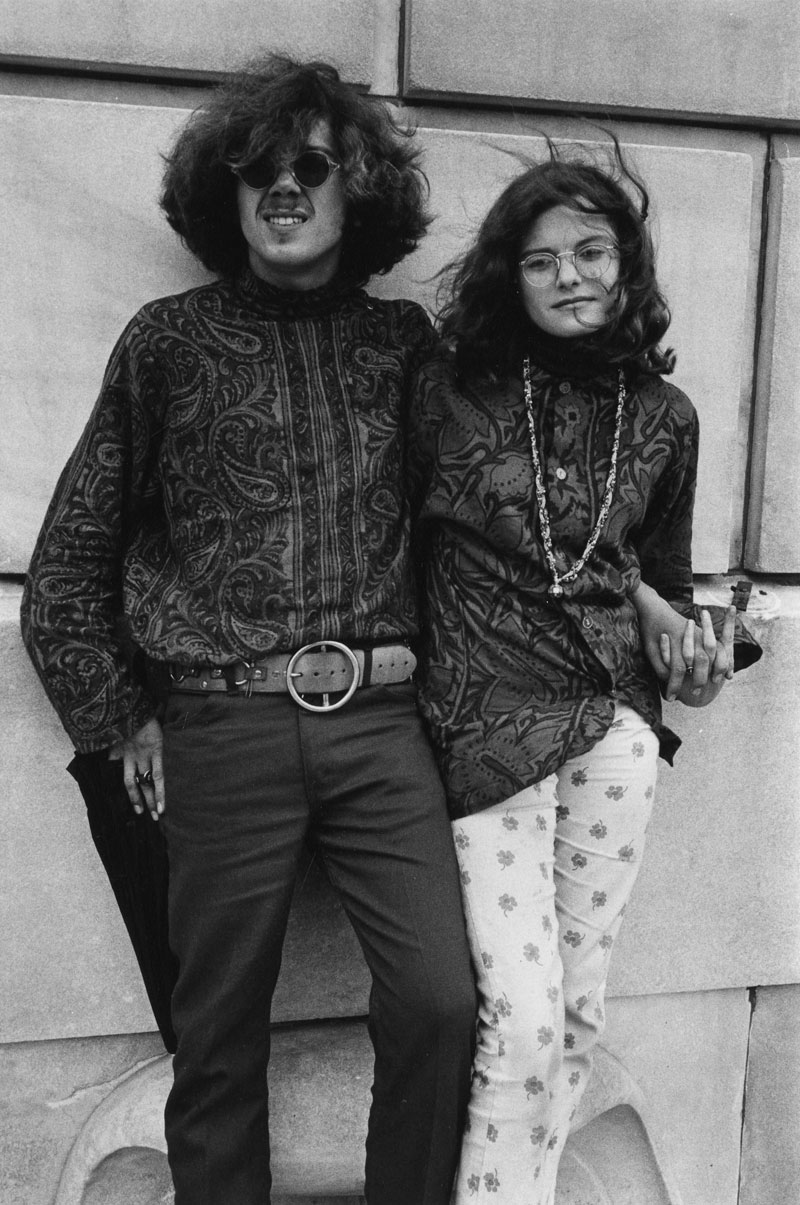
 

Alfred Palmer (American, 1906-1993)
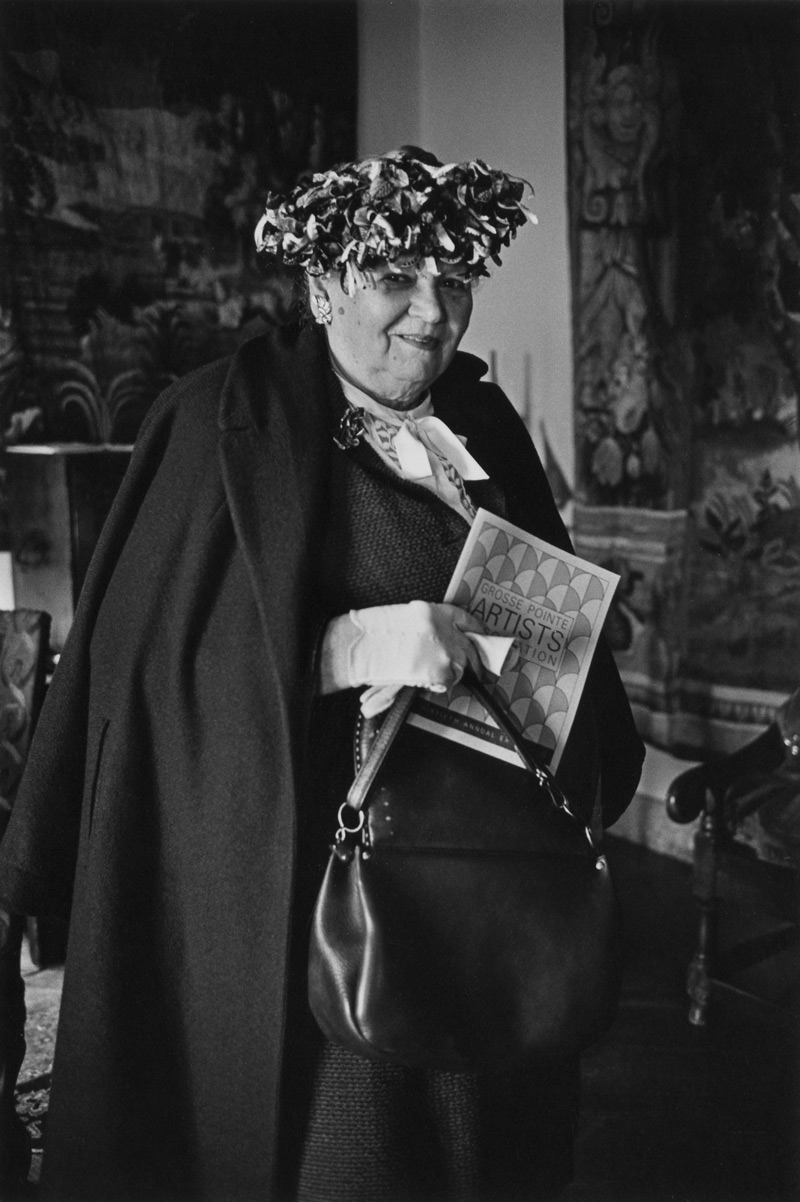
Experimental staff at the North American Aviation plant in Inglewood, Calif., observing wind tunnel tests on a model of the B-25 (“Billy Mitchell”) bomber
October 1942
4 x 5 Kodachrome transparency
Alfred Palmer/OWI


Alfred Palmer (American, 1906-1993) 'An experimental scale model of the B-25 plane is prepared for wind tunnel tests in the plant of the North American Aviation, Inc., Inglewood, California' October 1942


Alfred Palmer (American, 1906-1993)
An experimental scale model of the B-25 plane is prepared for wind tunnel tests in the plant of the North American Aviation, Inc., Inglewood, California. The model maker holds an exact miniature reproduction of the type of bomb the plane will carry
October 1942
4 x 5 Kodachrome transparency
Alfred Palmer/OWI/LOC


Alfred Palmer (American, 1906-1993) 'Parris Island S.C., barrage balloon' May 1942


Alfred Palmer (American, 1906-1993)
Parris Island S.C., barrage balloon
May 1942
4 x 5 Kodachrome transparency
Alfred Palmer/OWI


Alfred Palmer (American, 1906-1993) 'Women are trained as engine mechanics in thorough Douglas training methods, at the Douglas Aircraft Company in Long Beach, California, in October of 1942' October 1942


Alfred Palmer (American, 1906-1993)
Women are trained as engine mechanics in thorough Douglas training methods, at the Douglas Aircraft Company in Long Beach, California, in October of 1942
October 1942
4 x 5 Kodachrome transparency
Alfred Palmer/OWI/LOC


Alfred Palmer (American, 1906-1993) 'Annette del Sur publicizes a salvage campaign in yard of Douglas Aircraft Company, in Long Beach, California, in October of 1942' October 1942


Alfred Palmer (American, 1906-1993)
Annette del Sur publicizes a salvage campaign in yard of Douglas Aircraft Company, in Long Beach, California, in October of 1942
October 1942
4 x 5 Kodachrome transparency
Alfred Palmer/OWI/LOC


Alfred Palmer (American, 1906-1993) 'Annette del Sur publicizing salvage campaign in yard of Douglas Aircraft Company. Long Beach, California' October 1942


Alfred Palmer (American, 1906-1993)
Annette del Sur publicizing salvage campaign in yard of Douglas Aircraft Company. Long Beach, California
October 1942
4 x 5 Kodachrome transparency
Alfred Palmer/OWI


Alfred Palmer (American, 1906-1993) 'Engine installers at Douglas Aircraft in Long Beach, California' October 1942


Alfred Palmer (American, 1906-1993)
Engine installers at Douglas Aircraft in Long Beach, California
October 1942
4 x 5 Kodachrome transparency
Alfred Palmer/OWI


LIKE ART BLART ON FACEBOOK

Back to top