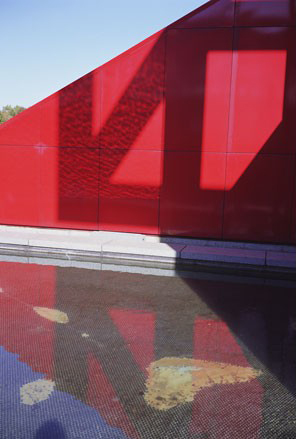
Exhibition: ‘Gordon Parks: Centennial’ at Jenkins Johnson Gallery, San Francisco

Exhibition dates: 21st February – 27th April 2013


Gordon Parks (American, 1912-2006) 'Ondria Tanner and Her Grandmother Window-shopping, Mobile, Alabama' 1956


Gordon Parks (American, 1912-2006)
Ondria Tanner and Her Grandmother Window-shopping, Mobile, Alabama
1956
Edition 19 of 25
Pigment print
14 x 14 inches
Modern print
© The Gordon Parks Foundation


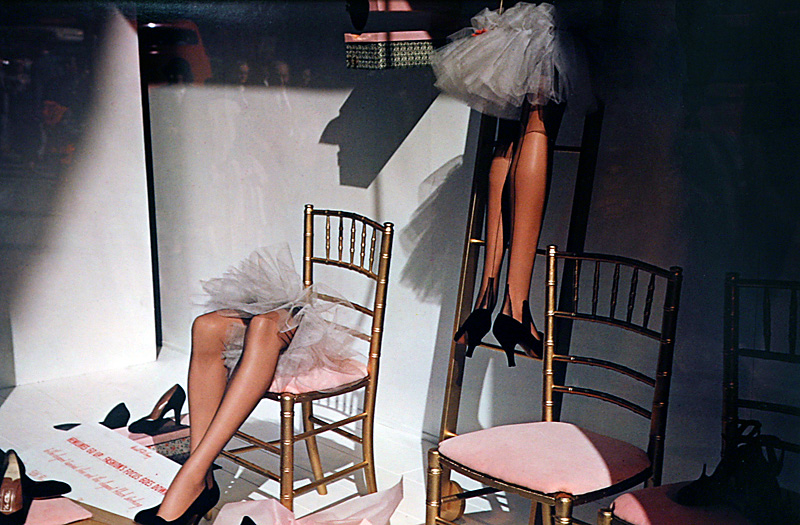
What an admirable photographer Gordon Parks was. It is a joy to see five of his colour photographs in this posting because I have never seen any before. They are glorious, complex compositions that ebb and flow like music whilst at the same time they are also damning indictments of the racially segregated society that was America in the 1950s (and still is today). Bitterness, discrimination and racism have deep roots in any country – just look at contemporary Australia. The little girl looks on in Ondria Tanner and Her Grandmother Window-shopping (1956, above), her left index finger bent upward on the pane of glass as the prettily dressed white, automaton mannequins march on, oblivious to her gaze; Mr. and Mrs. Albert Thornton, Mobile, Alabama  (1956, below) are surrounded by photographs, their pose mimicking that of their parents hanging behind them, while before them on the coffee table (under glass) are other, younger members of their extended family. Past, present and future coalesce in this one poignant image.

“Sensibility” is based on personal impressions of pleasure or pain. The sensibility of Parks photographs is a refined sensitivity based on experience – his experience of the discrimination of human beings toward each other. These hard-wired responses toward such a situation will vary from person to person.

These photographs were his hard-wired response. This was his feeling towards subject matter and that is why these insightful photographs still matter to us today.

Dr Marcus Bunyan


Many thankx to the Jenkins Johnson Gallery for allowing me to publish the photographs in the posting. Please click on the photographs for a larger version of the image.


Gordon Parks is the most important black photographer in the history of photojournalism. Long after the events that he photographed have been forgotten, his images will remain with us, testaments to the genius of his art, transcending time, place and subject matter.


Dr Henry Louis Gates


Gordon Parks (American, 1912-2006) 'At Segregated Drinking Fountain, Mobile, Alabama' 1956


Gordon Parks (American, 1912-2006)
At Segregated Drinking Fountain, Mobile, Alabama
1956
Edition 19 of 25
Pigment print
14 x 14 inches
Modern print
© The Gordon Parks Foundation


Gordon Parks (American, 1912-2006) 'Department Store, Mobile, Alabama' 1956


Gordon Parks (American, 1912-2006)
Department Store, Mobile, Alabama
1956
Edition 20 of 25
Pigment print
14 x 14 inches
Modern print
© The Gordon Parks Foundation
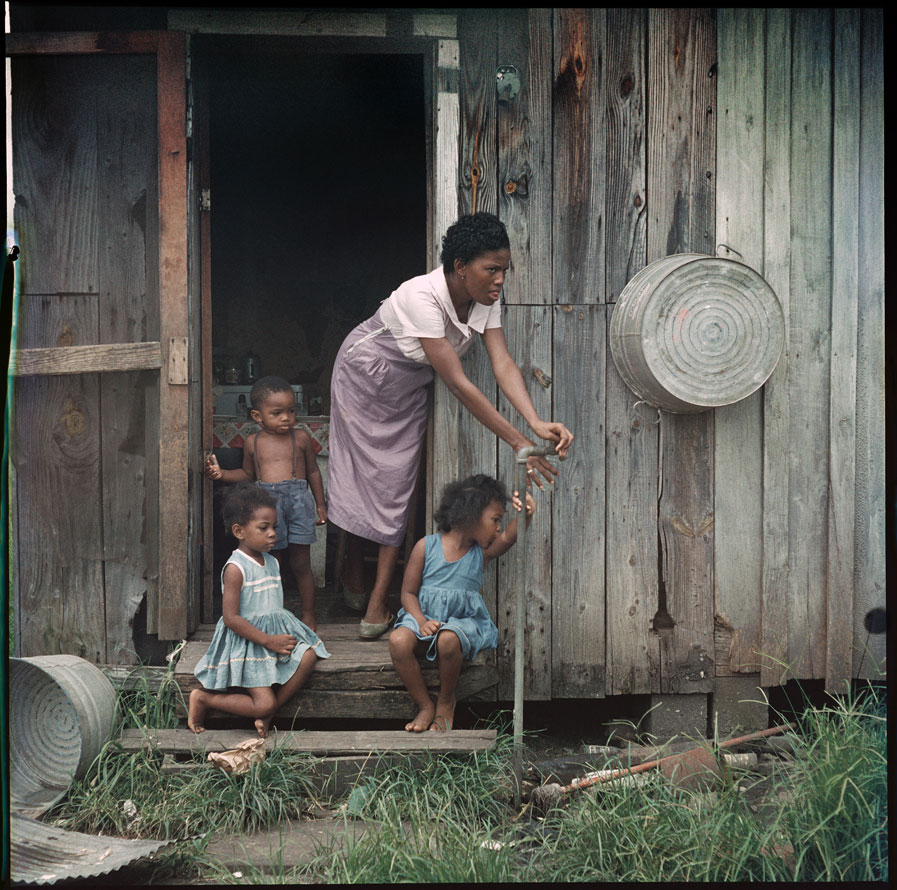
 

Gordon Parks (American, 1912-2006) 'Mother and Children, Mobile, Alabama' 1956


Gordon Parks (American, 1912-2006)
Mother and Children, Mobile, Alabama
1956
Edition 17 of 25
Pigment print
13 7/8 x 14 inches
Modern print
© The Gordon Parks Foundation
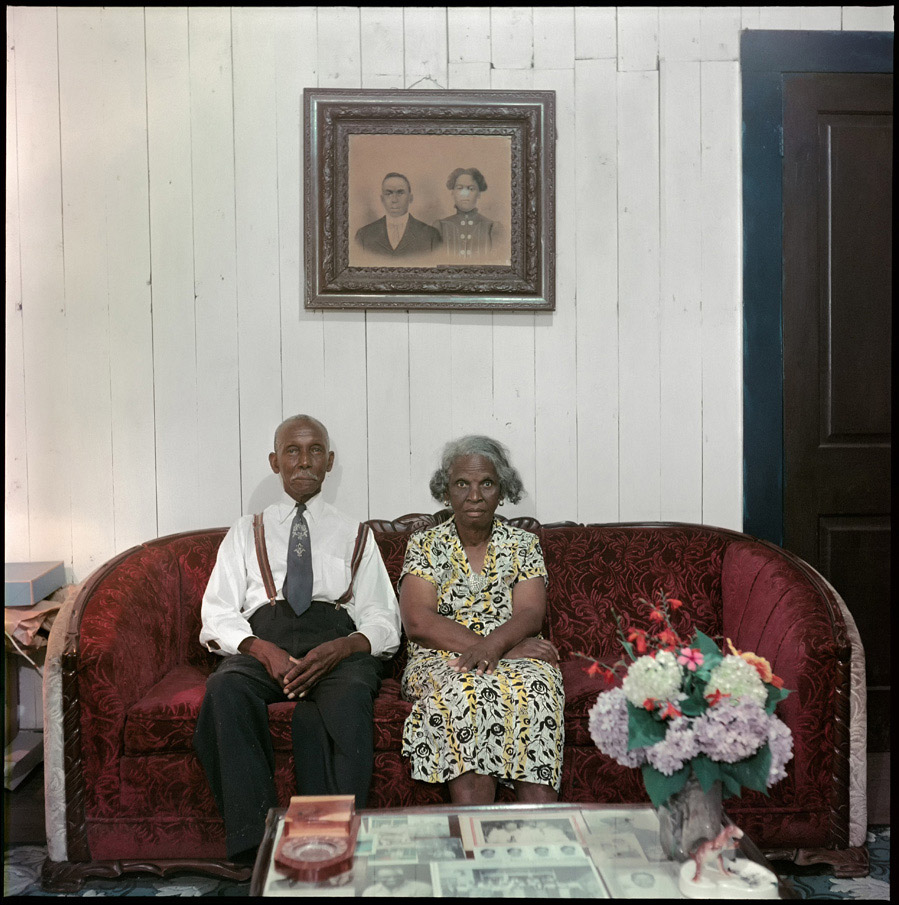
 

Gordon Parks (American, 1912-2006) 'Mr. and Mrs. Albert Thornton, Mobile, Alabama' 1956


Gordon Parks (American, 1912-2006)
Mr. and Mrs. Albert Thornton, Mobile, Alabama
1956
Edition 17 of 25
Pigment print
14 1/8 x 14 inches
Modern print
© The Gordon Parks Foundation


In celebration of the 100th birthday of Gordon Parks, one of the most influential African American photographers of the 20th century, Jenkins Johnson Gallery in collaboration with The Gordon Parks Foundation presents Gordon Parks: Centennial, on view from February 21 through April 27, 2013. Gordon Parks, an iconic photographer, writer, composer, and filmmaker, would have turned 100 on November 30, 2012. This will be the first solo exhibition for Parks on the West Coast in thirteen years. The exhibition will survey works spanning six decades of the artist’s career starting in 1940. The exhibition consists of more than seventy-five gelatin silver and pigment prints, including selections from Life magazine photo essays: Invisible Man, 1952; Segregation Story, 1956; The Black Panthers, 1970; and Flavio, 1960, about favelas in Brazil. Also included in the exhibition is his reinterpretation of American Gothic and his elegant depictions of artists like Alexander Calder, fashion models, and movie stars.

Noteworthy highlights include groundbreaking prints from the Invisible Man series which unfolds a visual narrative based on Ralph Ellison’s award winning novel. The images capture the essence of social isolation and the struggle of a black man who feels invisible to the outside world. Also on view will be a number of colour prints from Segregation Story, 1956, which are a part of a limited edition portfolio of twelve colour photographs with an essay by Maurice Berger. Newly released, these images were produced from transparencies found in early 2012, discovered in a storage box at The Gordon Parks Foundation. In the late 1960s Life magazine asked Gordon Parks to report on the Oakland, California-based Black Panther Party, including Eldridge Cleaver. Parks’ striking image of Eldridge Cleaver and His Wife, Kathleen, Algiers, Algeria, 1970 depicts Cleaver recovering from gun wounds after being ambushed by the Oakland police as well as an insert of Huey P. Newton, co-founder of the party along with Bobby Seale.

About Gordon Parks

Parks was born into poverty in Fort Scott, Kansas in 1912, the youngest of fifteen children. He worked several odd jobs until he bought a camera at a Pawn Shop in 1937 in Seattle and was hired to photograph fashion at a department store in Minneapolis. In 1942 Parks received a photography fellowship from the Farm Security Administration, succeeding Dorothea Lange among others. While at the F.S.A., Parks created American Gothic, now known as one of his signature images, in which he shows Ella Watson, a cleaning women, holding a mop and broom, standing in front of an American flag. The image makes a poignant commentary on social injustice whilst referencing Grant Wood’s celebrated painting American Gothic which it is also named after. He became a freelance photographer working for Vogue as well as publishing two books, Flash Photography (1947) and Camera Portraits: Techniques and Principles of Documentary Portraiture (1948). In 1948 Parks was hired by Life magazine to do a photographic essay on Harlem gang leader, Red Jackson, which led to a permanent position at Life, where he worked for twenty years. Parks developed his skills as a composer and author and in 1969 he became the first African American to direct a major motion picture, The Learning Tree based on his best selling novel and in 1971 he directed Shaft. A true Renaissance man, Gordon Parks passed away in 2006.

As Philip Brookman, curator of photography and media arts at the Corcoran, states, “Gordon Parks’ art has now changed the way we perceive and remember chronic issues, such as race, poverty, and crime, just as it has influenced our understanding of beauty: of nature, landscape, childhood, fashion, and memory.”

Press release from the Jenkins Johnson Gallery website
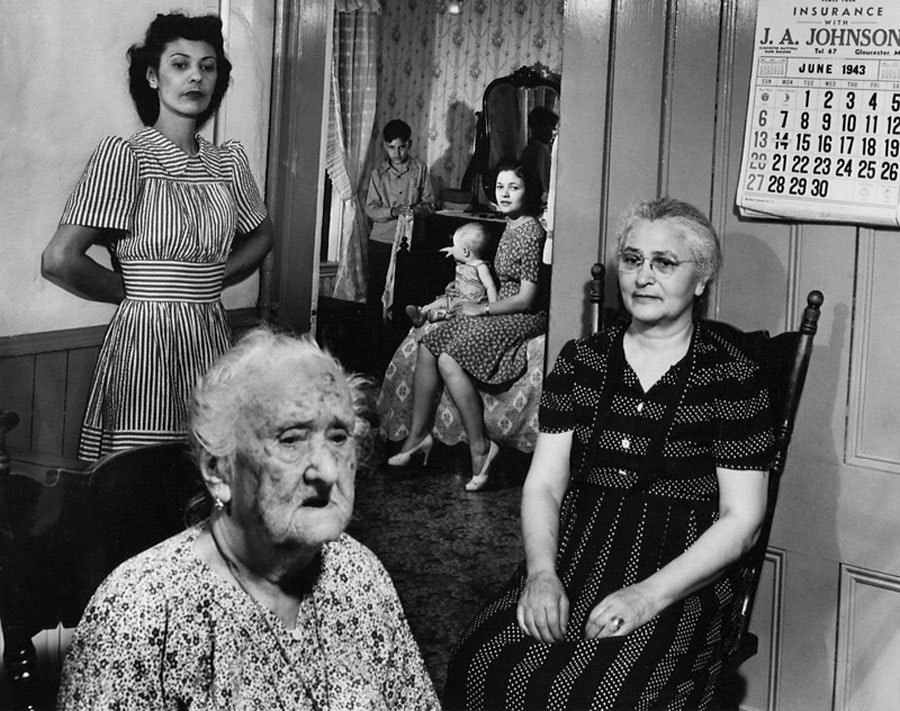
 

Gordon Parks (American, 1912-2006) 'Mary Machado, Mother of Isabell Lopez, and Family, Gloucester, Massachusetts' 1943


Gordon Parks (American, 1912-2006)
Mary Machado, Mother of Isabell Lopez, and Family, Gloucester, Massachusetts
1943
Gelatin silver print
© The Gordon Parks Foundation
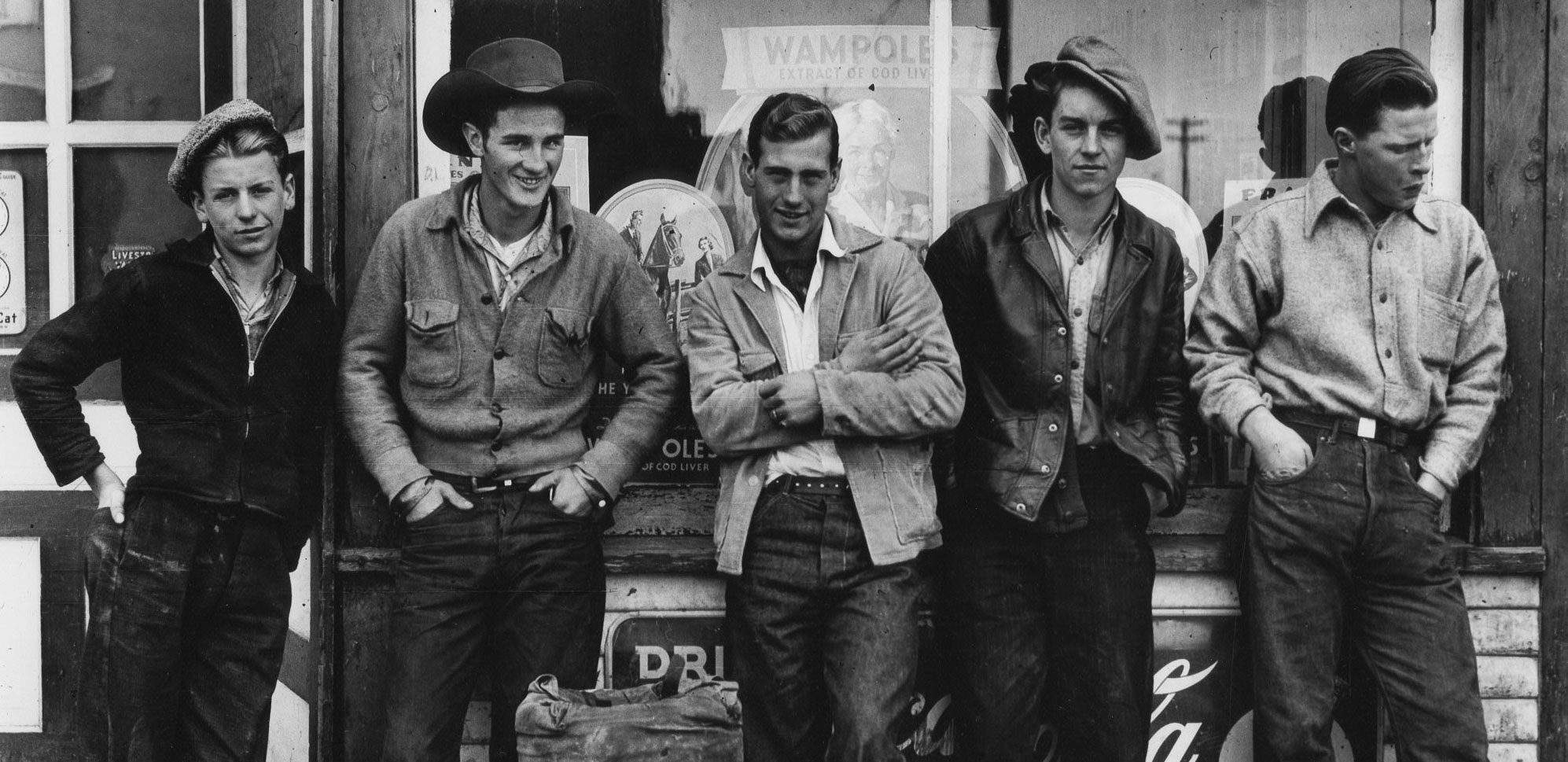
 

Gordon Parks (American, 1912-2006) 'Drugstore Cowboys, Turner Valley, Canada' 1945


Gordon Parks (American, 1912-2006)
Drugstore Cowboys, Turner Valley, Canada
1945
Gelatin silver print
9 7/8 x 12 7/8 inches
Modern print
© The Gordon Parks Foundation


Gordon Parks (American, 1912-2006) 'Untitled' 1950


Gordon Parks (American, 1912-2006)
Untitled
1950
Gelatin silver print
© The Gordon Parks Foundation


Gordon Parks (American, 1912-2006) 'Tenement Dwellers, Chicago, Illinois' 1950


Gordon Parks (American, 1912-2006)
Tenement Dwellers, Chicago, Illinois
1950
Gelatin silver print
7 x 9 inches
Modern print
© The Gordon Parks Foundation


Gordon Parks (American, 1912-2006) 'Mysticism, Harlem, New York' 1952


Gordon Parks (American, 1912-2006)
Mysticism, Harlem, New York
1952
Gelatin silver print
10 5/8 x 10 3/8 inches
Vintage print
© The Gordon Parks Foundation


Gordon Parks (American, 1912-2006) 'Harlem Neighborhood, Harlem, New York' 1952


Gordon Parks (American, 1912-2006)
Harlem Neighborhood, Harlem, New York
1952
Gelatin silver print
10 3/8 x 13 1/2 inches
Vintage print
© The Gordon Parks Foundation


Gordon Parks (American, 1912-2006) 'The Invisible Man, Harlem, New York' 1952


Gordon Parks (American, 1912-2006)
The Invisible Man, Harlem, New York
1952
Edition 1 of 10
Pigment print
14 1/8 x 14 inches
Modern print
© The Gordon Parks Foundation


Gordon Parks (American, 1912-2006) 'Muhammad Ali' 1966


Gordon Parks (American, 1912-2006)
Muhammad Ali
1966
Gelatin silver print
© The Gordon Parks Foundation


Gordon Parks (American, 1912-2006) 'Ellen's Feet, Harlem, New York' 1967


Gordon Parks (American, 1912-2006)
Ellen’s Feet, Harlem, New York
1967
Gelatin silver print
6 1/4 x 9 3/8 inches
Modern print
© The Gordon Parks Foundation


Gordon Parks (American, 1912-2006) 'Norman Fontenelle, Sr., Harlem, New York' 1967


Gordon Parks (American, 1912-2006)
Norman Fontenelle, Sr., Harlem, New York
1967
Gelatin silver print
13 x 9 1/8 inches
Modern print
© The Gordon Parks Foundation
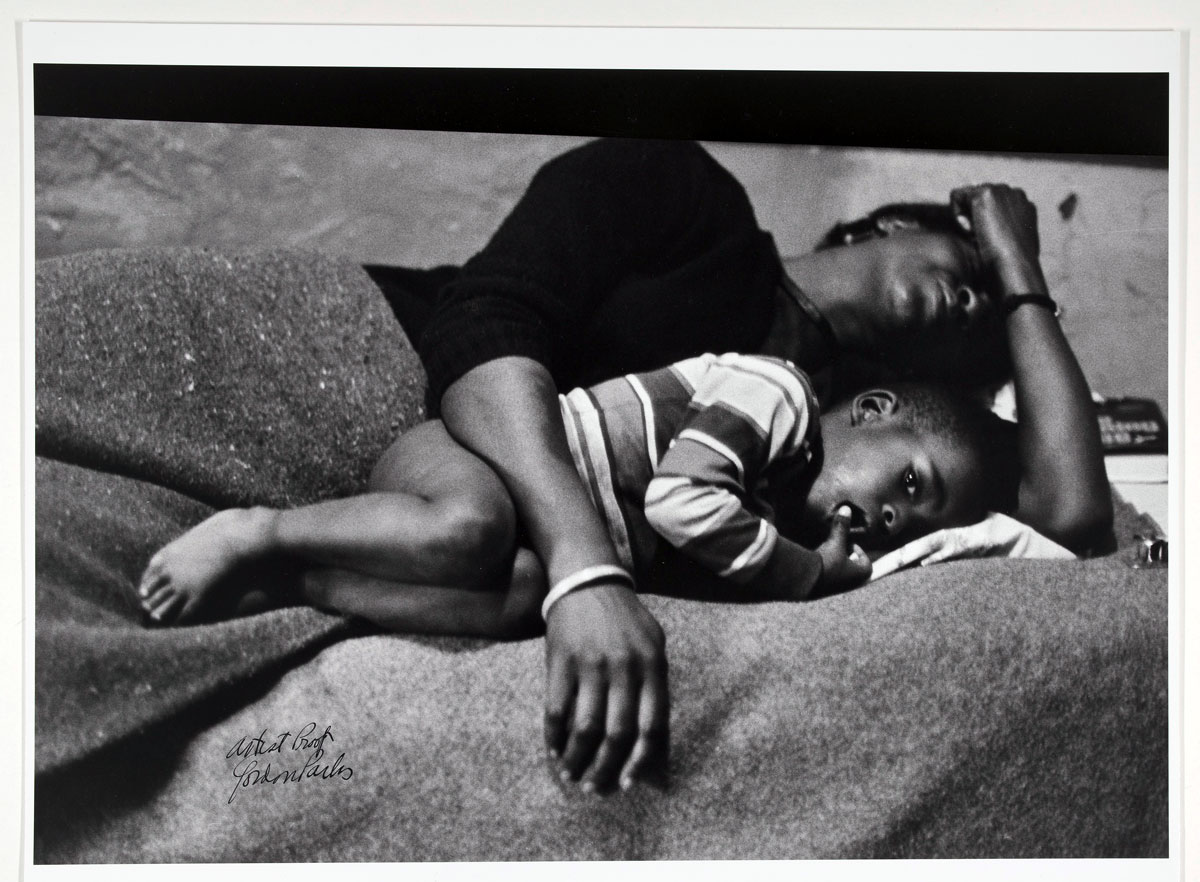
 

Gordon Parks (American, 1912-2006) 'Bessie and Little Richard the Morning After She Scalded Her Husband, Harlem, New York, 1968' 1968


Gordon Parks (American, 1912-2006)
Bessie and Little Richard the Morning After She Scalded Her Husband, Harlem, New York, 1968
1968
Gelatin silver print
© The Gordon Parks Foundation


Jenkins Johnson Gallery
1275 Minnesota Street, #200
San Francisco, CA 94107
Phone: 415.677.0770

Opening hours:
Tuesday – Saturday 11am – 5pm

Jenkins Johnson Gallery website

LIKE ART BLART ON FACEBOOK

Back to top

Exhibition: ‘Saul Leiter Retrospective’ at The House of Photography at Deichtorhallen Hamburg

Exhibition dates: 3rd February – 15th April 2012


Saul Leiter (American, 1923-2013) 'Joanna' c. 1947


Saul Leiter (American, 1923-2013)
Joanna
c. 1947
© Saul Leiter
Courtesy: Saul Leiter, Howard Greenberg Gallery, New York


“I always assumed that I would simply be forgotten and disappear from view.”


Saul Leiter


The second of two postings on the colour photography of Saul Leiter. The first posting was for the exhibition Saul Leiter: New York Reflections at the Jewish Historical Museum, Amsterdam, October 2011 – March 2012. This exhibition is the first major retrospective of his work. At last this artist seems to be getting the recognition he deserves!

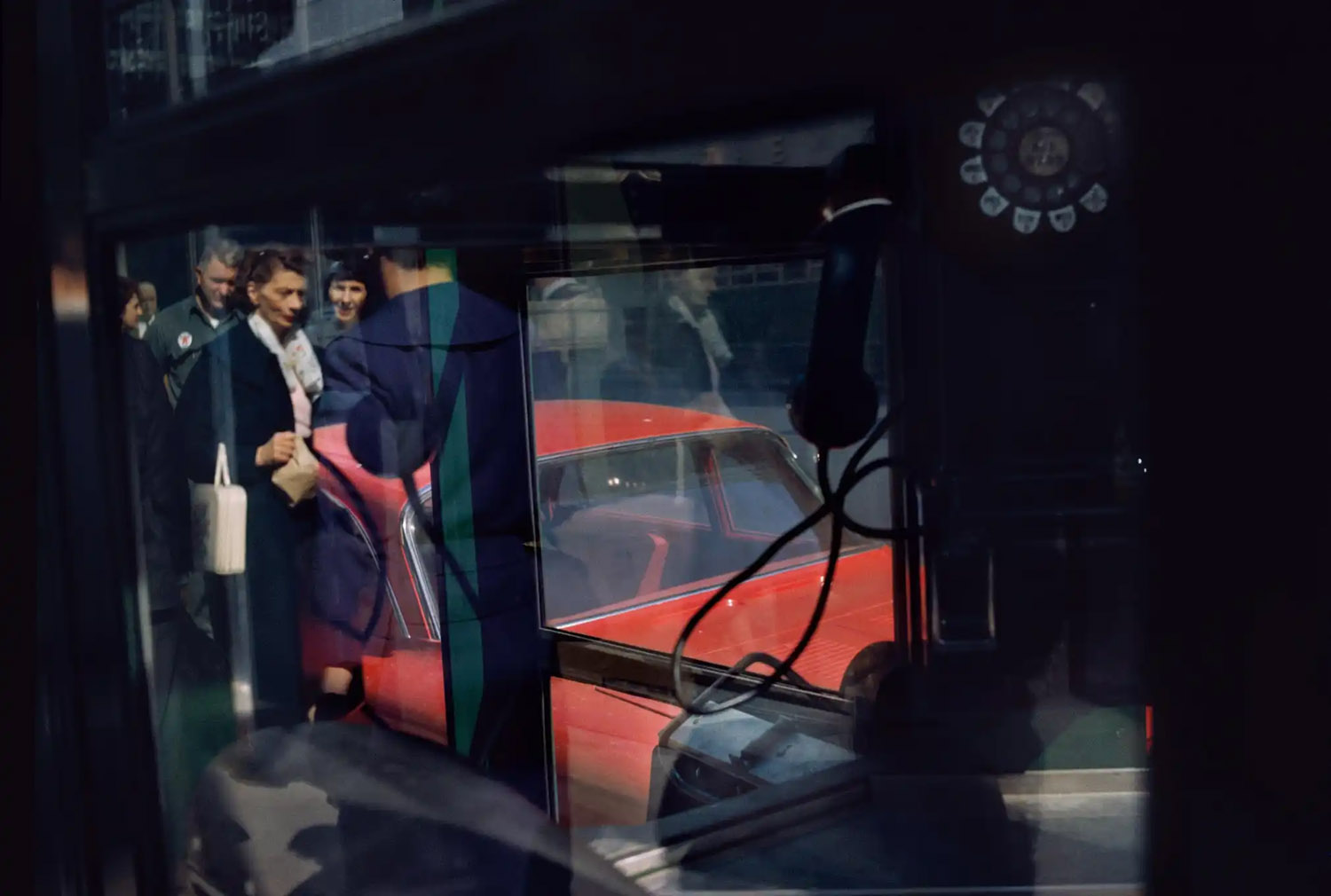
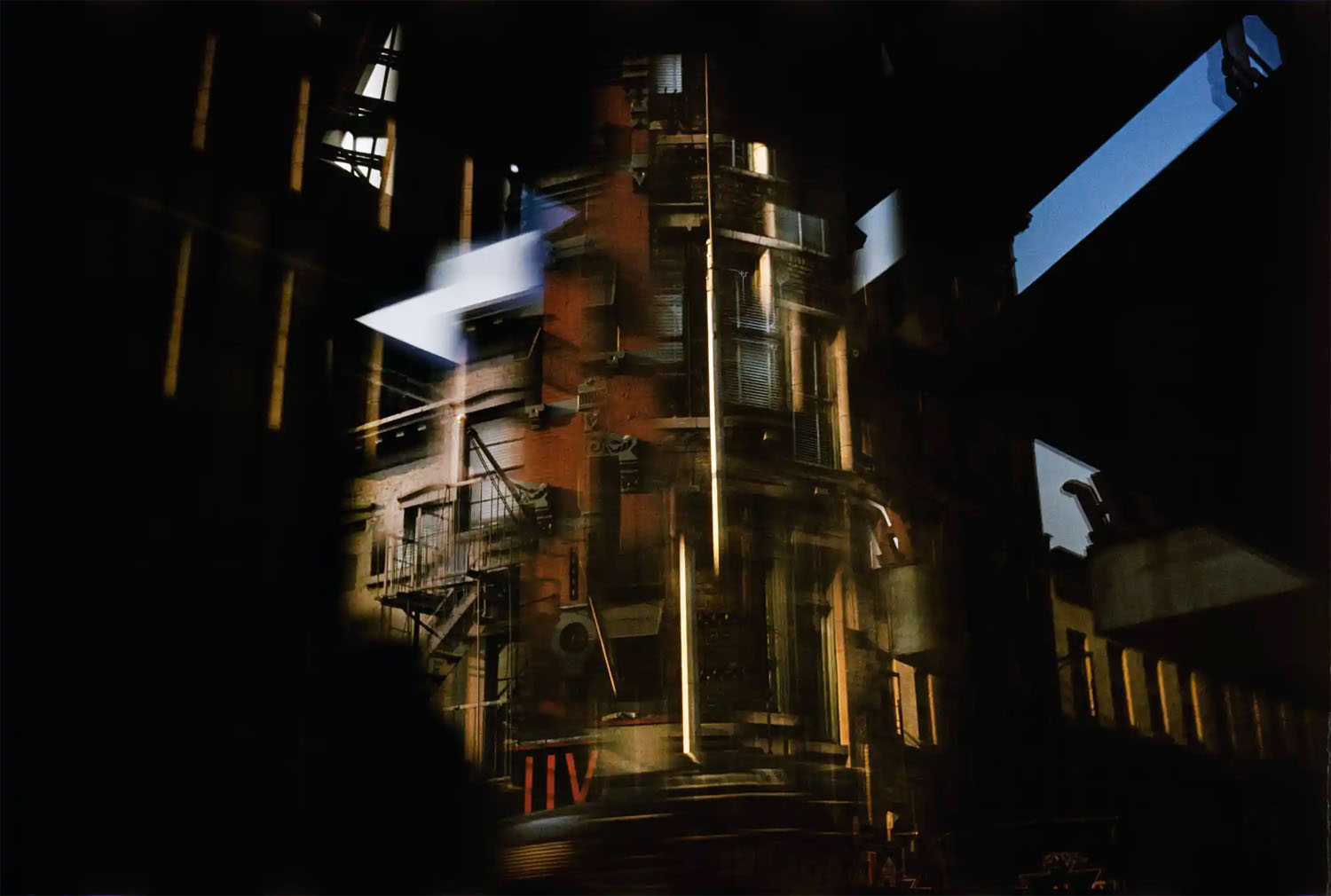
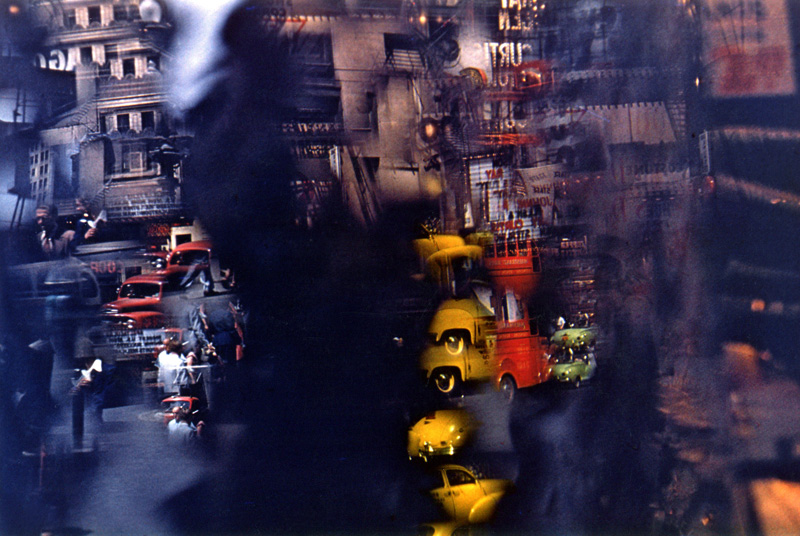
The prosaic nature of the titles of the photographs belies their complexity. They remind me of the refractions of Lee Friedlander, the colour fields of Mark Rothko, the emotional intensity of Abstract Expressionism and the impression of spontaneous, subconscious creation that is Surrealism. His photographs are the glorious spirit of the city writ large – unique, atmospheric and with great psychological use of colour and space. I can’t think of any other colour photographer of the era (or for that matter, any era) that occludes the picture plane as much as Leiter does, and to such psychological affect, as in the last two photographs in this posting. The viewer becomes like a Peeping Tom, a voyeur of the world. Leiter deserves to be one of the modern masters of colour photography. I am so glad that he hasn’t disappeared from view. The world would be a poorer place without his visualisation.

Dr Marcus Bunyan


Many thankx to The House of Photography at Deichtorhallen for allowing me to publish the photographs in the posting. Please click on the photographs for a larger version of the image.


Saul Leiter (American, 1923-2013) 'Untitled (Self-portrait)' 1950s


Saul Leiter (American, 1923-2013)
Untitled (Self-portrait)
1950s
© Saul Leiter
Courtesy: Howard Greenberg Gallery, New York


Saul Leiter (American, 1923-2013) 'Phone Call' c. 1957


Saul Leiter (American, 1923-2013)
Phone Call
c. 1957
© Saul Leiter
Courtesy: Saul Leiter, Howard Greenberg Gallery, New York


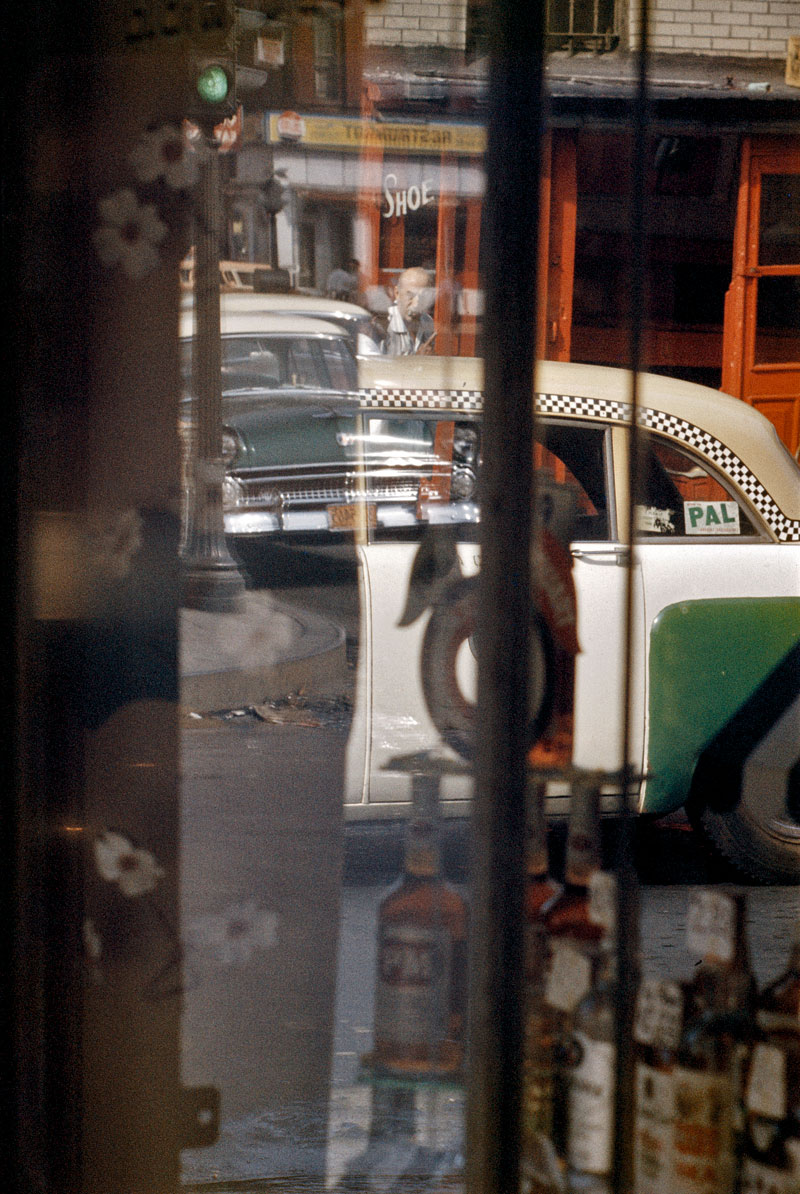
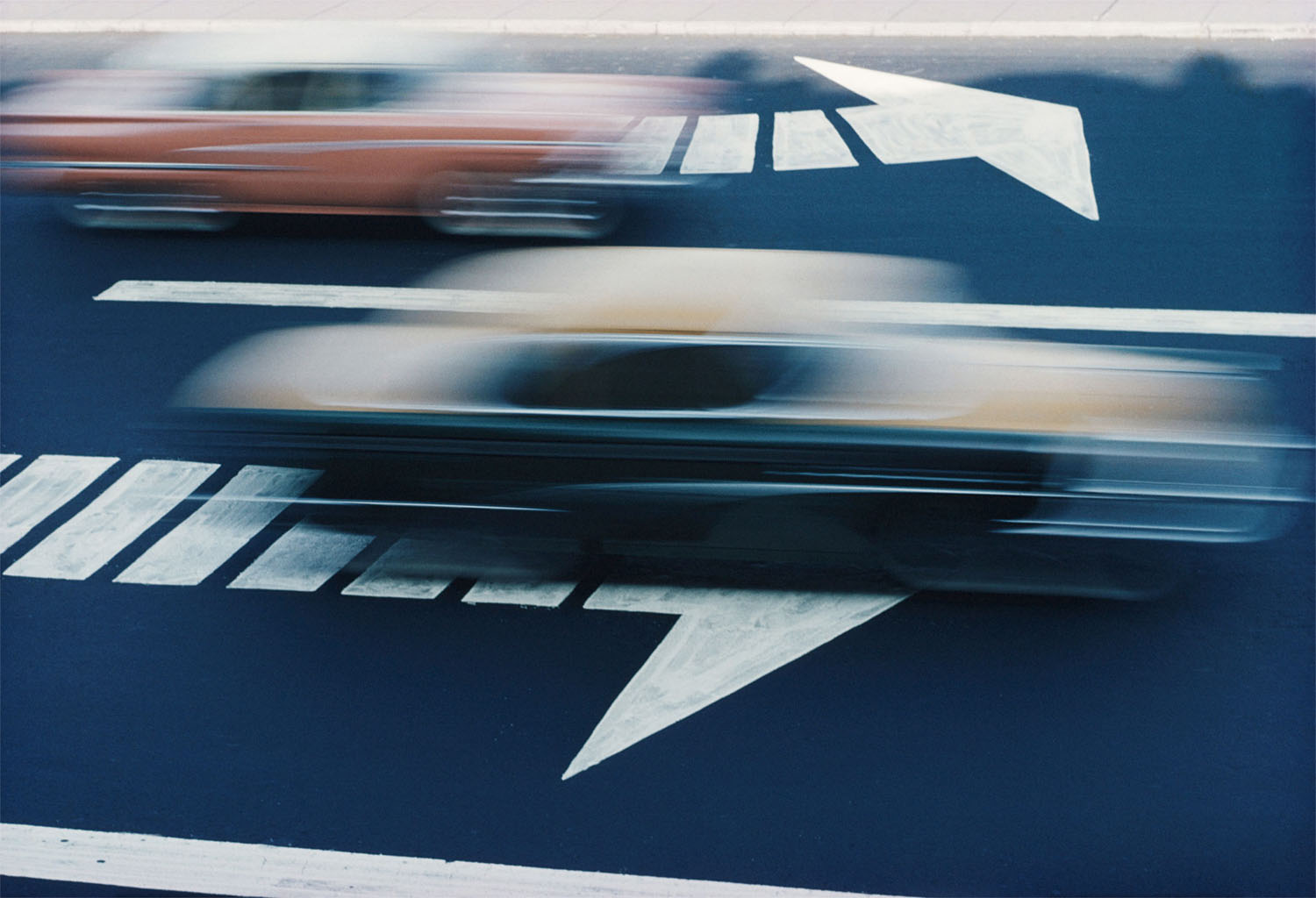
Saul Leiter (American, 1923-2013) 'Taxi' 1957


Saul Leiter (American, 1923-2013)
Taxi
1957
© Saul Leiter
Courtesy: Saul Leiter, Howard Greenberg Gallery, New York


Saul Leiter (American, 1923-2013) 'Postmen' 1952


Saul Leiter (American, 1923-2013)
Postmen
1952
© Saul Leiter
Courtesy: Saul Leiter, Howard Greenberg Gallery, New York


Saul Leiter (American, 1923-2013) 'Walking' 1956


Saul Leiter (American, 1923-2013)
Walking
1956
© Saul Leiter
Courtesy: Saul Leiter, Howard Greenberg Gallery, New York


Saul Leiter (American, 1923-2013) 'Shopping' c. 1953


Saul Leiter (American, 1923-2013)
Shopping
c. 1953
© Saul Leiter
Courtesy: Saul Leiter, Howard Greenberg Gallery, New York


“Leiter is a rare artist, one whose vision is so encompassing, so refined, so in touch with a certain lyrical undertone, that his best photographs occasionally seem literally to transcend the medium.”


Jane Livingston


House of Photography at Deichtorhallen will from February 3 to April 15, 2012 be highlighting the oeuvre of 88-year-old photographer and painter Saul Leiter in the world’s first major retrospective. The exhibition covers more than 400 works and brings together in marvellous combination his early black-and-white and colour photographs, fashion images, painted-over nude photographs, paintings and his sketchbooks, which have never gone on public view before. Then final chapter in the exhibition is dedicated to Saul Leiter’s most recent photographic works, which he continues to take on the streets in his neighbourhood in New York’s East Village.

 Saul Leiter was born in 1923 in Pittsburgh and it was not until a few years ago that his work received due recognition for its pioneering role in the emergence of colour photography. As early as 1946, and thus well before the representatives of New Color Photography in the 1970s (such as William Eggleston and Stephen Shore) he was one of the first to use colour photography, despite it being despised by artists of the day, for his free artistic shots.

“The older photo-aesthetic views on the hegemony of black-and-white and the dating in photo history of the artistic use of color photography to the early 1970s need to be critically revisited. With Saul Leiter’s oeuvre, the history of photography essentially has to be rewritten,” comments curator Ingo Taubhorn. 

Saul Leiter has always seen himself as both painter and photograph. In his painting and in his photographs he tends clearly to abstraction and a surface feel. Often there are large, deep black surfaces caused by shadows that take up as much as three quarters of the photographs. These are images that do not present passers-by as individuals, but as blurred colour impulses, behind panes of glass or wedges between house walls and traffic signs. He espouses a fluid transition between the abstract and the figurative in his paintings and photographs. Saul Leiter’s street photography, and in this genre his work is quite without precedent, is actually painting that has become photography, as Rolf Nobel writes in the book accompanying the exhibition.

On Saul Leiter

Saul Leiter discovered his passion for art at an early date and started painting as a teenager at the end of the 1940s. His family did not support him in his artistic endeavours as his father, a renowned Talmudic rabbi and scholar, always hoped his son Saul would one day follow him in the family tradition and become a rabbi. Leiter was self-taught, but by no means uneducated. He read and learned a lot about art, such that his knowledge and understanding constantly grew. In this way, he could be certain that his own thought and artistic efforts were duly related to the historical context, as Carrie Springer, curator at the Whitney Museum in New York, points out in the catalog.

 In 1946, shortly after he had moved to New York, Leiter got to know Richard Poussette-Dart, who introduced him to photography, a medium that Leiter found very much to his liking and which he quickly made his own. Leiter soon resolved to make use of photography not only as a means of making art but as a way of earning a living. He started taking fashion photographs and thanks to his good eye, his playful sense of humour, and his pronounced sense of elegance, swiftly emerged as an extraordinary fashion photographer.
 In the 1950s, LIFE magazine brought out the first photo-spreads of Saul Leiter’s first black-and-white images. For example, he took part in the exhibition on Always the young strangers (1953) curated by Edward Steichen at the Museum of Modern Art. From 1958 to 1967, Leiter worked for Harper’s Bazaar. All in all he was to spend some 20 years photographing for both the classic magazines and more recent ones, such as Esquire and Harper’s: Show, Elle, British Vogue, Queen and Nova.

Saul Leiter was born in 1923 in Pittsburgh and has lived since 1946 in New York. For over 40 years, until her death in 2002 New York artist Soames Bantry was his partner. During the preparations for the Hamburg exhibition, Saul Leiter once remarked that he wished that Soames Bantry has received the same attention from the art world as he is now receiving. This spawned the idea of an homage to Soames Bantry, an exhibition in the exhibition at House of Photography that Saul Leiter has himself curated – with over 20 paintings: For Soames with Love Saul. 

In his photographs, the genres of street life, portraiture, still lifes, fashion and architectural photography meld. He comes across his themes, such as shop windows, passers-by, cars, signs and (a recurrent motif) umbrellas, in the direct vicinity of his apartment in New York, where he has now lived for almost 60 years. The lack of clear detail, the blurring of movement and the reduction in depth of field, the compensation for or deliberate avoidance of the necessary light as well as the alienation caused by photographing through windows and by reflections all blend to create a language of colour fuelled by a semi-real, semi-abstract urban space. These are the works of an as good as undiscovered modern master of colour photography of the 1940s and 1950s. The Hamburg exhibition and the major monograph by Kehrer Verlag seek to prevent this happening.

Press release from The House of Photography website


Saul Leiter (American, 1923-2013) 'Red Umbrella' c. 1958


Saul Leiter (American, 1923-2013)
Red Umbrella
c. 1958
© Saul Leiter
Courtesy: Howard Greenberg Gallery, New York


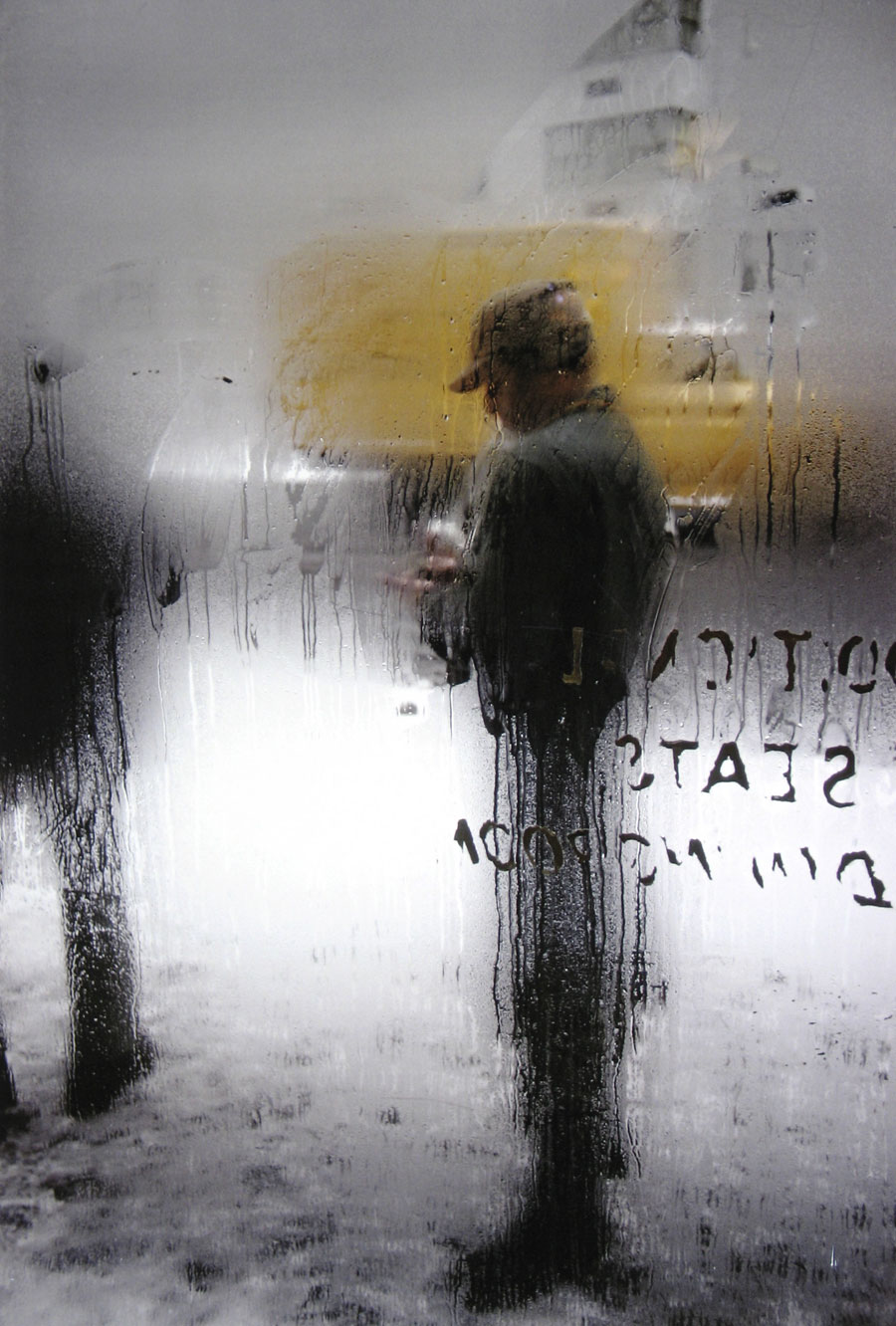
Saul Leiter (American, 1923-2013) 'Snow' 1960


Saul Leiter (American, 1923-2013)
Snow
1960
© Saul Leiter
Courtesy: Saul Leiter, Howard Greenberg Gallery, New York


Saul Leiter (American, 1923-2013) 'Man with Straw Hat' c. 1955


Saul Leiter (American, 1923-2013)
Man with Straw Hat
c. 1955
© Saul Leiter
Courtesy: Howard Greenberg Gallery, New York


Saul Leiter (American, 1923-2013) 'Pizza, Patterson' 1952


Saul Leiter (American, 1923-2013)
Pizza, Patterson
1952
© Saul Leiter
Courtesy: Howard Greenberg Gallery, New York


Saul Leiter (American, 1923-2013) 'Canopy' c. 1957


Saul Leiter (American, 1923-2013)
Canopy
c. 1957
© Saul Leiter
Courtesy: Saul Leiter, Howard Greenberg Gallery, New York


Saul Leiter (American, 1923-2013) 'Through Boards' c. 1957


Saul Leiter (American, 1923-2013)
Through Boards
c. 1957
© Saul Leiter
Courtesy: Saul Leiter, Howard Greenberg Gallery, New York


Deichtorhallen Hamburg
Deichtorstrasse 1-2
20095
Hamburg
Phone: +49 (0)40 32103-0

Opening hours:
Tuesday – Sunday 11am – 6pm
Closed Mondays

Deichtorhallen Hamburg website

LIKE ART BLART ON FACEBOOK

Back to top

Exhibition: ‘Joel Sternfeld – Color Photographs since 1970’ at Foam, Amsterdam

Exhibition dates: 16th December 2011 – 14th March 2012


Foam Curator Colette Olof on Joel Sternfeld


In mid-December Foam will present the first major retrospective exhibition in the Netherlands of the work of Joel Sternfeld (1944, New York), one of the pioneers of colour photography. Foam will be showing more than one hundred photos from ten different series in an exhibition spanning two floors. A highlight is Sternfeld’s early work from the 1970s, which has never been previously exhibited. A large selection from famed series such as American Prospects, the result of his legendary journey through the United States, and Stranger Passing will also be on show. A constant factor in his work is his native land America, its inhabitants and the traces left by people on the landscape. With a subtle feeling for irony and an exceptional feeling for colour, Sternfeld offers us an image of daily life in America over the last three decades.

New Color Photography

Along with William Eggleston and Stephen Shore, Sternfeld saw to it that colour photography became a respected artistic medium in the 1970s. Until that time, colour was used widely in advertising and amateur photography, but was rarely seen in museums and galleries. Sternfeld was influenced by the colour theory of the Bauhaus and by the work of William Eggleston, whose exhibition in MoMA in 1976 marked the official acceptance of colour photography in the art world.

Early Work

A typical ‘street photographer’ style can be recognised in Sternfeld’s early and as yet unknown work, using a 35mm camera, to record everyday life in America. This work already contained the characteristics that made his later work so successful. In 1978, Joel Sternfeld began a long journey through the United States. For eight years he crisscrossed his homeland and recorded everything he encountered with his large-format camera. His investigation into the landscape and people moving within it resulted in the American Prospects series (1979-1983). In Stranger Passing (1987-2000) Sternfeld concentrated on people. He photographed them in an unambiguous way: from the same distance and looking directly into the camera. This series is a portrait of a society, comparable to the magnum opus of August Sander in the early twentieth century. Just as in American Prospect, there is evidence of a light absurdism as well as sympathy for those being portrayed.

The American Landscape

For the On This Site series (1993-1996), Sternfeld photographed urban and rural locations which were at first glance unremarkable. In the accompanying text, however, it becomes clear that these were the locations of ‘crime passionnels’, racial violence and stabbings. The photos thus acquire an entirely different connotation. In Sweet Earth (1993-2005) Sternfeld shows alternative lifestyles and communities which have arisen in America over the past two centuries. He travelled to the homes and communities of people that do not fit into conventional lifestyles and instead pursue another way of life. In Oxbow Archive (2005-2007) Sternfeld depicts the effects of the changing seasons on the landscape and how human behaviour influences nature.”

Press release from Foam website


Foam
Keizersgracht 609
1017 DS Amsterdam
The Netherlands
Phone: + 31 20 5516500

Opening hours:
Mon – Wed 10.00 – 18.00 hrs
Thu – Fri 10.00 – 21.00 hrs
Sat – Sun 10.00 – 18.00 hrs

Foam website

LIKE ART BLART ON FACEBOOK

Back to top

Exhibition: ‘Saul Leiter: New York Reflections’ at the Jewish Historical Museum, Amsterdam

Exhibition dates: 24th October 2011 – 4th March 2012


Saul Leiter (American, 1923-2013) 'Taxi' 1957


Saul Leiter (American, 1923-2013)
Taxi
1957
© Saul Leiter, Collection Howard Greenberg Gallery, New York


“I must admit that I am not a member of the ugly school. I have a great regard for certain notions of beauty even though to some it is an old fashioned idea. Some photographers think that by taking pictures of human misery, they are addressing a serious problem. I do not think that misery is more profound than happiness.”

“Seeing is a neglected enterprise.”


Saul Leiter


“Leiter’s sensibility… placed him outside the visceral confrontations with urban anxiety associated with photographers such as Robert Frank or William Klein. Instead, for him the camera provided an alternate way of seeing, of framing events and interpreting reality. He sought out moments of quiet humanity in the Manhattan maelstrom, forging a unique urban pastoral from the most unlikely of circumstances.”


Martin Harrison. ‘Saul Leiter Early Color’


The first of two postings on the underrated, underexposed American photographer Saul Leiter. These photographs are a delightful surprise! Some, like Through Boards (1957, below) are as illuminating as any Rothko going around. His art is not of the documentary gaze but of a brief glimpse, glanz, refulgence of desire ∞ snatched from the nonlinearity of time ∞ cleft in(to) its fabric. What wonderfully composed reflections they are. I absolutely adore them.

The media release states, “… but where his color photography is concerned, he cannot be compared with any other photographer. In the 1940s and 1950s, Leiter was virtually the only non-commercial photographer working in color.” Galleries must beware such bombastic claims: other photographers working in colour in the 1940s-50s include Paul OuterbridgeLászló Moholy-NagyNickolas MurayJack Smith, Eliot Porter and William Eggleston to name but a few (also see the posting on the exhibition Beyond COLOR: Color in American Photography, 1950-1970).

The second posting will be from a major retrospective of his work at The House of Photography at Deichtorhallen.

Perhaps this photographer is finally getting the accolades he so rightly deserves.

Dr Marcus Bunyan


Many thankx to the Jewish Historical Museum for allowing me to publish the photographs in the posting. Please click on the photographs for a larger version of the image.


Saul Leiter (American, 1923-2013) 'Haircut' 1956


Saul Leiter (American, 1923-2013)
Haircut
1956
© Saul Leiter, Collection Howard Greenberg Gallery, New York


Saul Leiter (American, 1923-2013) 'Through Boards' 1957


Saul Leiter (American, 1923-2013)
Through Boards
1957
© Saul Leiter, Courtesy Howard Greenberg Gallery, New York


Saul Leiter (American, 1923-2013) 'Harlem' 1960


Saul Leiter (American, 1923-2013)
Harlem
1960
© Saul Leiter, Collection Howard Greenberg Gallery, New York


Saul Leiter (American, 1923-2013) 'Snow' 1960


Saul Leiter (American, 1923-2013)
Snow
1960
© Saul Leiter, Collection Howard Greenberg Gallery, New York


From 24 October 2011 to 4 March 2012 the JHM is presenting a retrospective exhibition of the work of the American photographer and painter Saul Leiter (1923-2013). Following a long period of obscurity, Leiter’s work has recently been rediscovered in the United States and Europe. This is the first exhibition of his work in the Netherlands.

Saul Leiter is celebrated particularly for his painterly colour photographs of the street life in New York, which he produced between 1948 and 1960. Amid the hectic life of the city he captured tranquil moments of everyday beauty. He was able to transform mundane objects – a red umbrella in a snowstorm, a foot resting on a bench in the metro, or a human figure seen through the condensation on a pane of glass – into what has been described as ‘urban visual poetry’. His photographs are frequently layered, near-abstract compositions of reflections and shadows, which recall paintings by abstract expressionists such as Mark Rothko and Willem de Kooning, with whom Leiter felt a strong affinity.

Saul Leiter is seen as belonging to the New York School of Photographers, a group of innovative artists, most of them Jewish, who achieved fame in New York in the period 1936-1963, primarily with their images of the street and their documentary photography. His black-and-white work displays a lyricism, dreaminess and surrealism that might prompt comparison with photographers such as Ted Croner, Leon Levinstein and Louis Faurer, but where his colour photography is concerned, he cannot be compared with any other photographer. In the 1940s and 1950s, Leiter was virtually the only non-commercial photographer working in colour.

Born in Pittsburgh, Leiter was destined to become a rabbi like his father. But his growing interest in art led him to abandon his religious studies. Instead, he went to New York and dedicated himself to painting. His friendship there with the abstract expressionist painter Richard Pousette-Dart, who was experimenting with photography, and the work of the photographer Henri Cartier-Bresson, inspired Leiter to take up photography. His friendship with the photographer W. Eugene Smith was another inspiring influence.

The exhibition Saul Leiter: New York Reflections was prepared by the JHM in collaboration with the Howard Greenberg Gallery in New York. Besides over 60 colour and 40 black-and-white examples of his street photography, a small selection of fashion photographs, paintings, and painted photographs will be shown. Visitors will also be able to watch a recent documentary about Leiter by the British film maker Tomas Leach. This autumn, the publisher Steidl will be publishing the third edition of Early Color, the first book of Leiter’s photographs, compiled in 2006 by Martin Harrison of the Victoria & Albert Museum in London.

Press release from the Jewish Historical Museum website


Saul Leiter (American, 1923-2013) 'Foot on El' 1954


Saul Leiter (American, 1923-2013)
Foot on El
1954
© Saul Leiter, Courtesy Howard Greenberg Gallery, New York


Saul Leiter (American, 1923-2013) 'Taxi' 1956


Saul Leiter (American, 1923-2013)
Taxi
1956
© Saul Leiter, Courtesy Howard Greenberg Gallery, New York


Saul Leiter (American, 1923-2013) 'Reflection' 1958


Saul Leiter (American, 1923-2013)
Reflection
1958
© Saul Leiter, Courtesy Howard Greenberg Gallery, New York


Saul Leiter (American, 1923-2013) 'Paris' 1959


Saul Leiter (American, 1923-2013)
Paris
1959
© Saul Leiter, Collection Howard Greenberg Gallery, New York


Saul Leiter (American, 1923-2013) 'Walk with Soames' Nd


Saul Leiter (American, 1923-2013)
Walk with Soames
Nd
© Saul Leiter, Courtesy Howard Greenberg Gallery, New York


Jewish Historical Museum
Nieuwe Amstelstraat
1
1011 PL Amsterdam
Phone: +31 (0)20 5 310 310

Opening hours:
Daily from 10.00 – 17.00

Jewish Historical Museum website

LIKE ART BLART ON FACEBOOK

Back to top

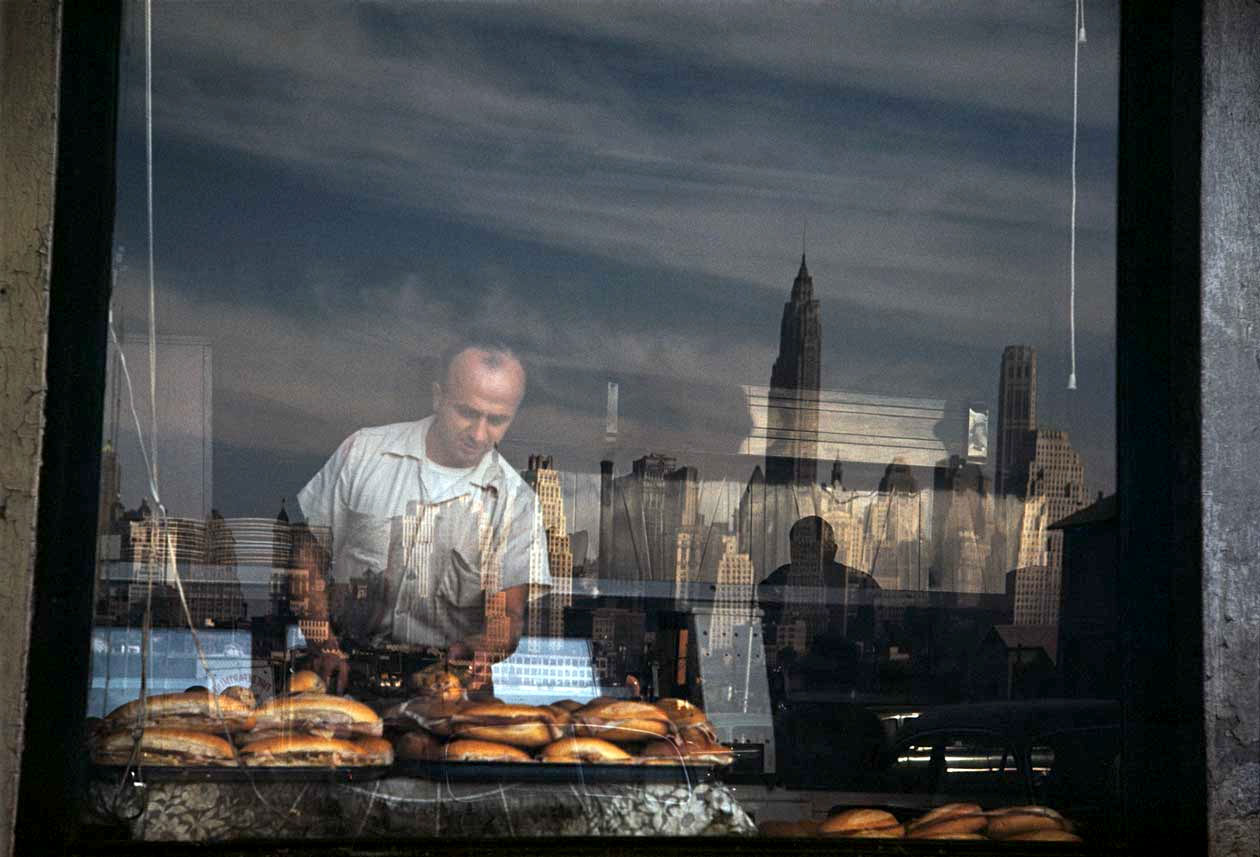
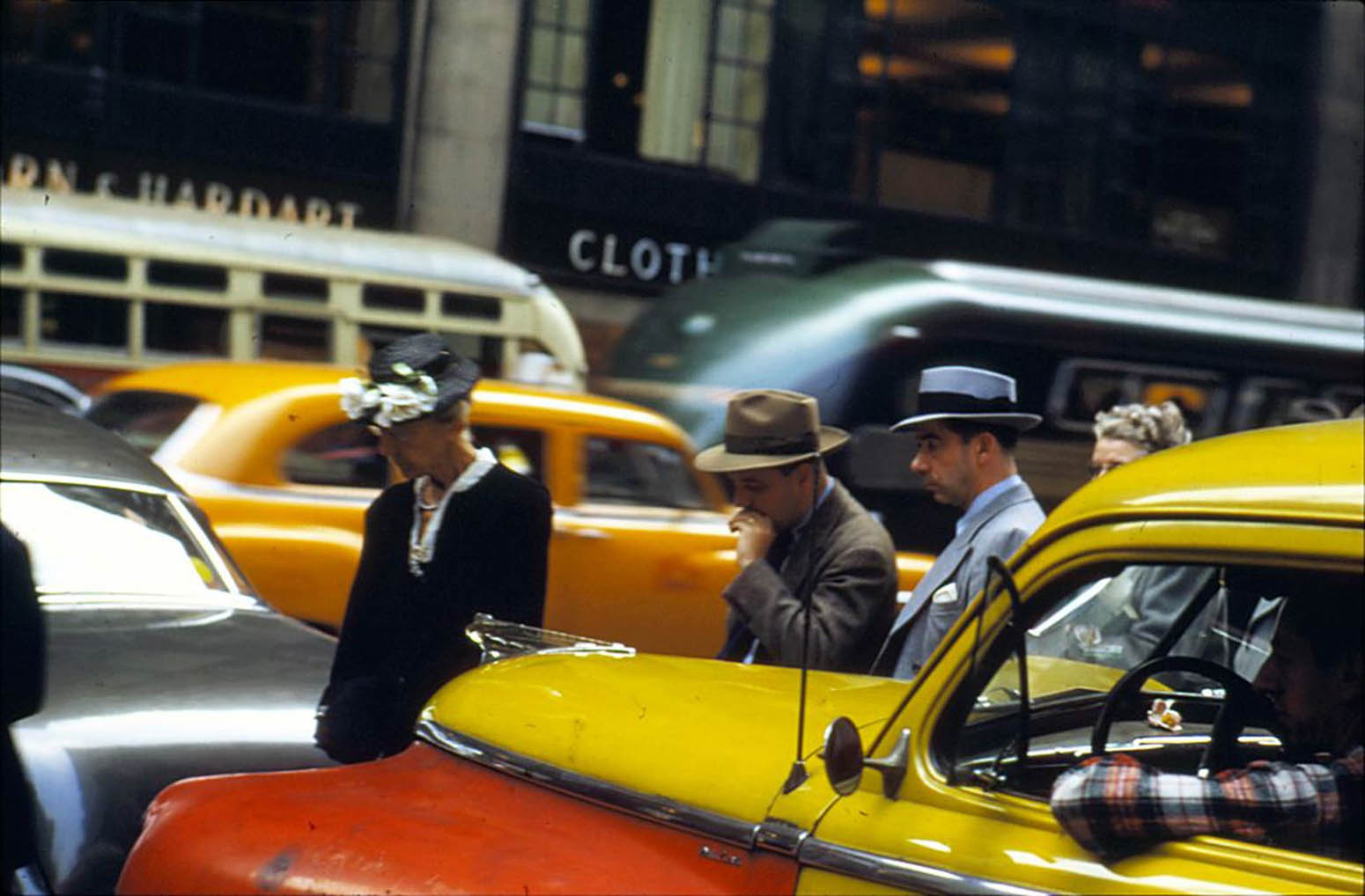
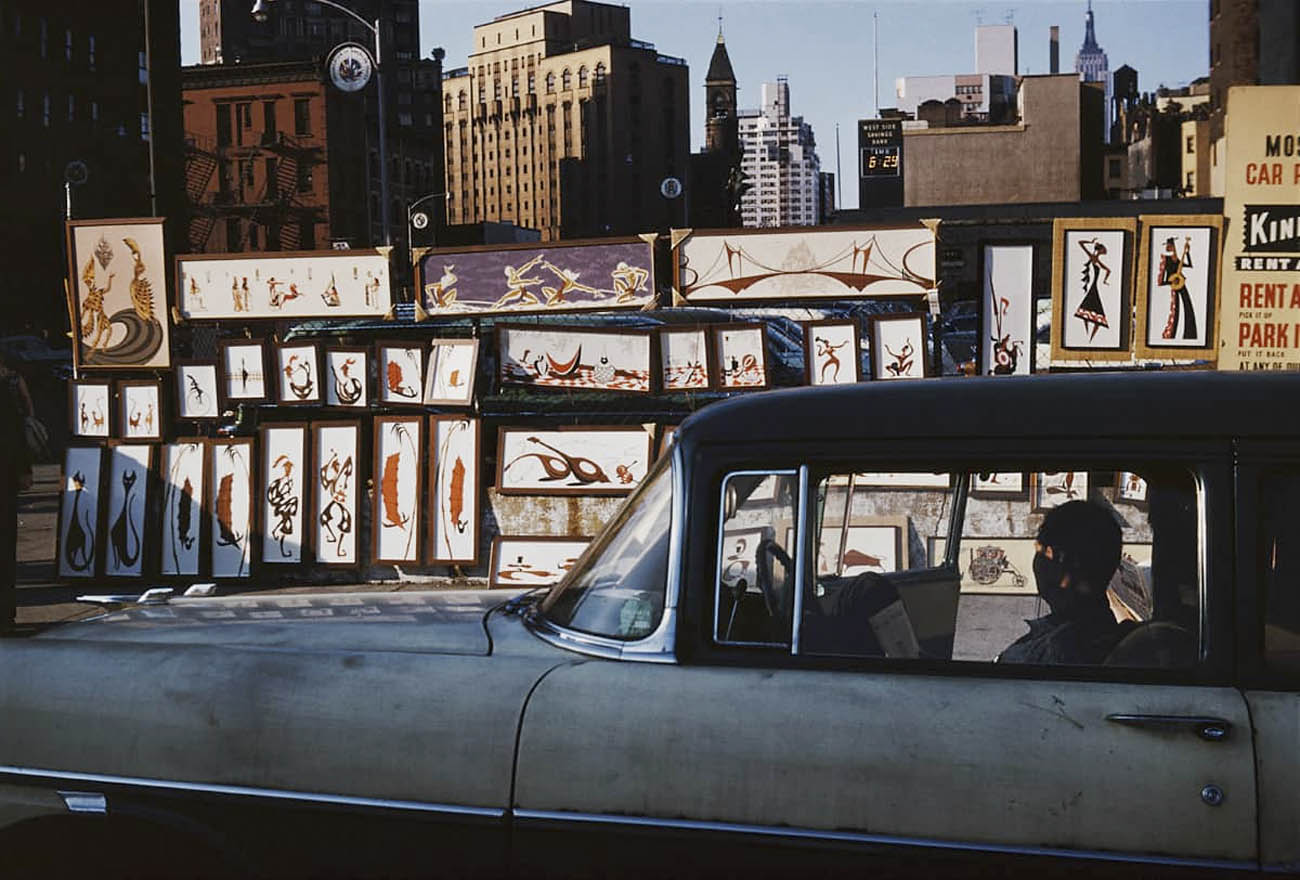
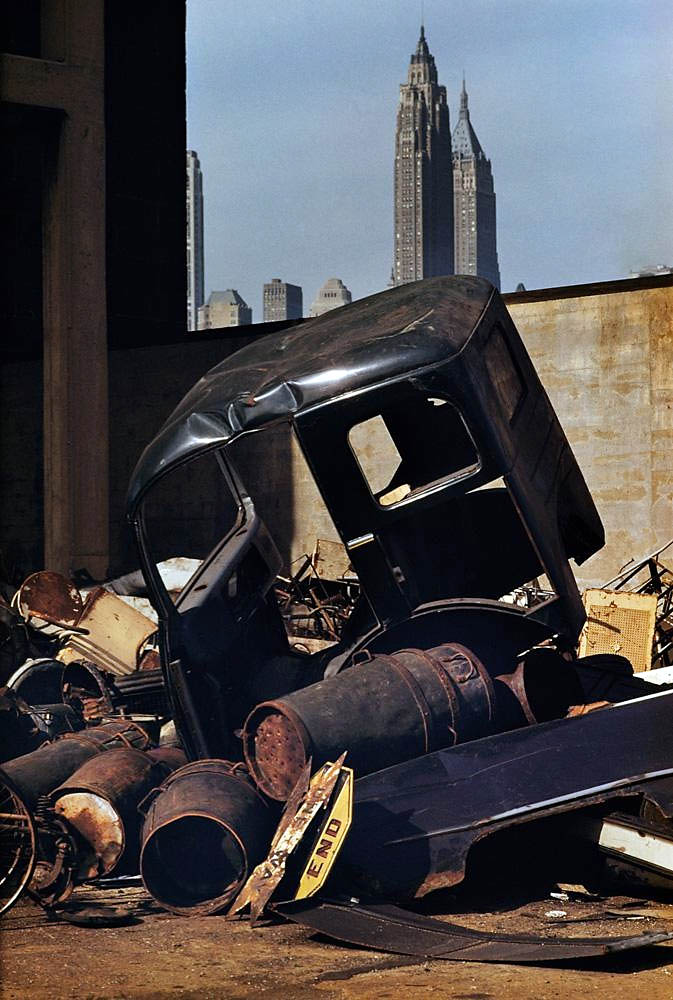
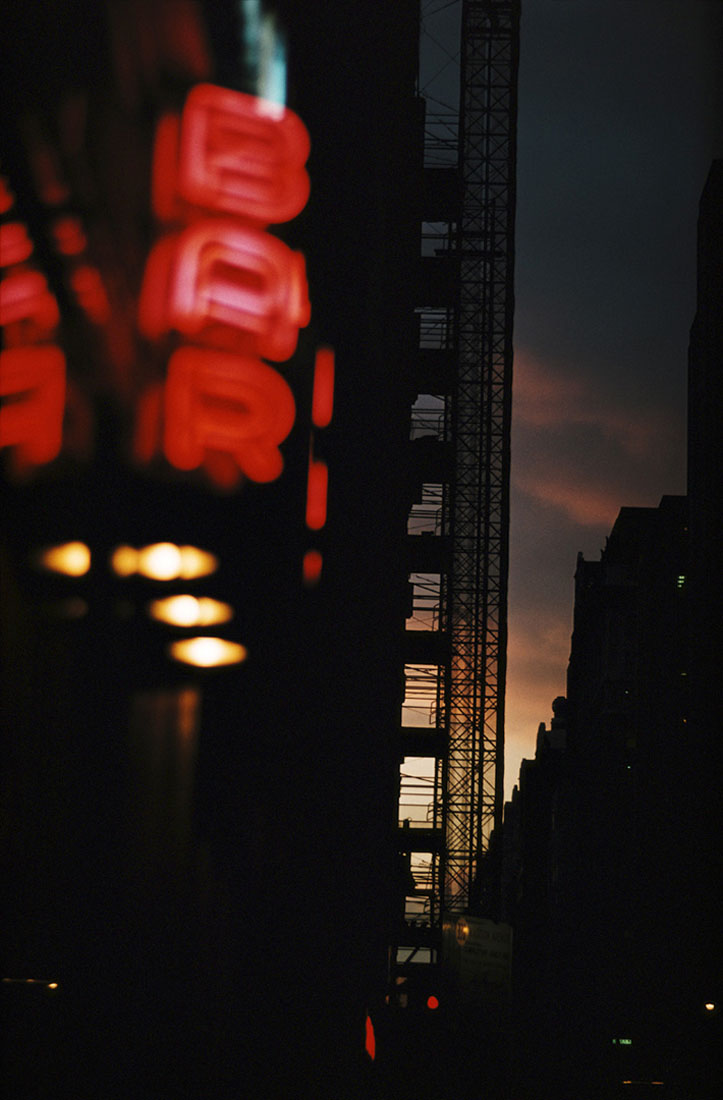
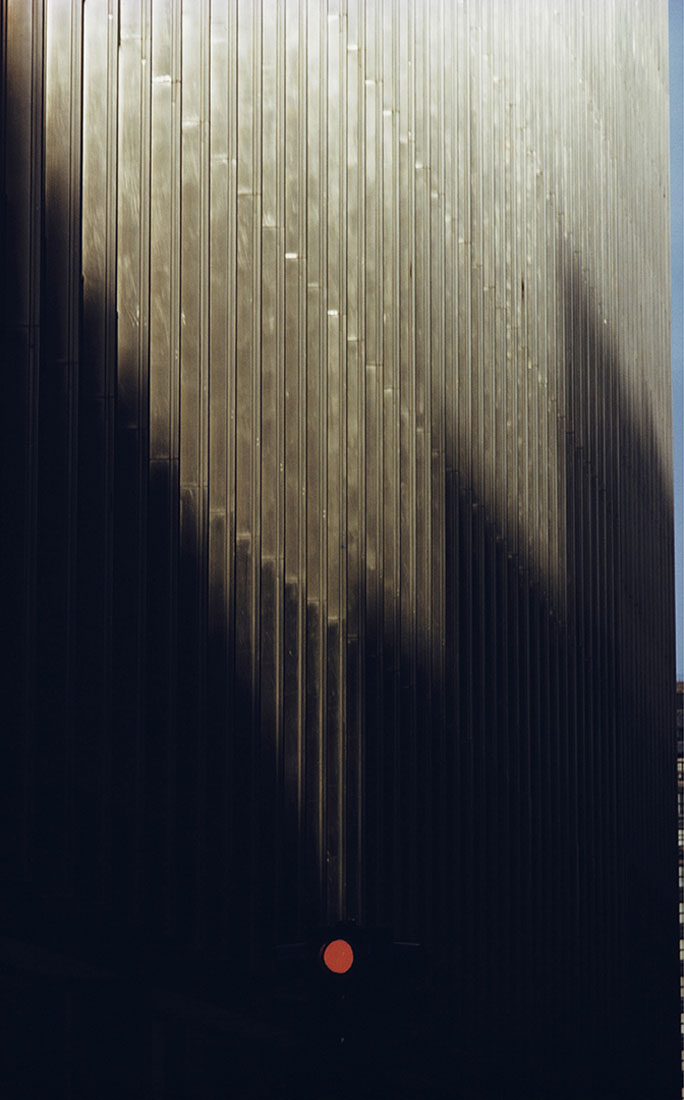
Exhibition: ‘Color Correction’ by Ernst Haas at Christophe Guye Galerie, Zurich

Exhibition dates: 20th January – 25th February 2012


Many thankx to Christophe Guye Galerie, Zurich for allowing me to publish the photographs in the posting. Please click on the photographs for a larger version of the image.


Ernst Haas (American, 1921-1986) 
'New York' 1980


Ernst Haas (American, 1921-1986)

New York
1980
C-print, later print
76.2 x 101.6cm (30 x 40 in)
Edition of 15
Courtesy of Ernst Haas and Christophe Guye Galerie


“No photographer has worked more successfully to express the sheer physical joy of seeing.”


John Szarkowski


“Bored with obvious reality, I find my fascination in transforming it into a subjective point of view. Without touching my subject I want to come to the moment when, through pure concentration of seeing, the composed picture becomes more made than taken. Without a descriptive caption to justify its existence, it will speak for itself – less descriptive, more creative; less informative, more suggestive; less prose, more poetry.”


Ernst Haas from “About Color Photography,” in DU, 1961


Ernst Haas (American, 1921-1986) 'Rush Hour, New York City' Nd


Ernst Haas (American, 1921-1986)
Rush Hour, New York City
Nd
C-print, later print
76.2 x 101.6cm (30 x 40 in)
Edition of 15
Courtesy of Ernst Haas and Christophe Guye Galerie


Ernst Haas (American, 1921-1986) 'New York City, USA' Nd


Ernst Haas (American, 1921-1986)
New York City, USA
Nd
C-print, later print
76.2 x 101.6cm (30 x 40 in)
Edition of 15
Courtesy of Ernst Haas and Christophe Guye Galerie


Ernst Haas (American, 1921-1986) 'New York City, USA' Nd


Ernst Haas (American, 1921-1986)
New York City, USA
Nd
Courtesy of Ernst Haas and Christophe Guye Galerie


Ernst Haas (American, 1921-1986) 'New York City, USA' Nd


Ernst Haas (American, 1921-1986)
New York City, USA
Nd
Courtesy of Ernst Haas and Christophe Guye Galerie


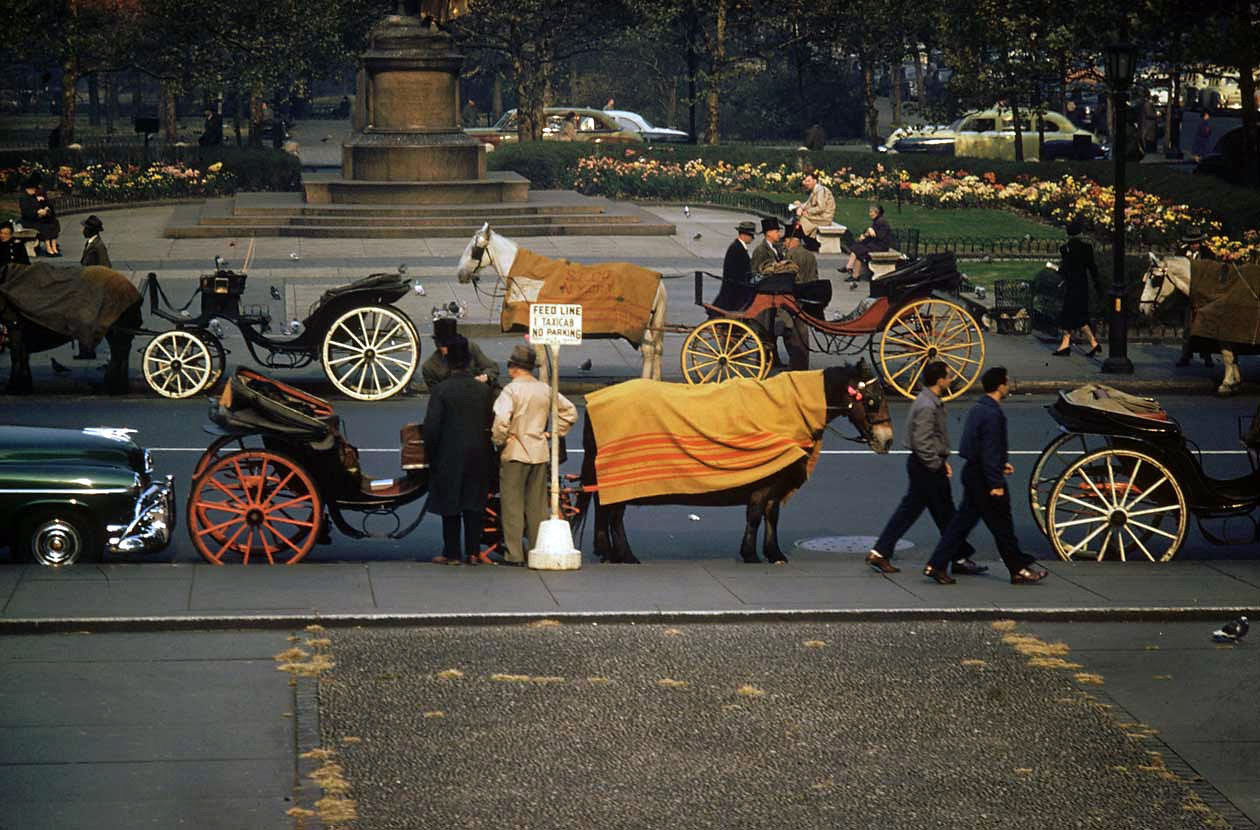
Ernst Haas (American, 1921-1986) 'Feed Line, New York City, USA' Nd


Ernst Haas (American, 1921-1986)
Feed Line, New York City, USA
Nd
Courtesy of Ernst Haas and Christophe Guye Galerie


Ernst Haas (American, 1921-1986) 'New York City, USA' Nd


Ernst Haas (American, 1921-1986)
New York City, USA
Nd
Courtesy of Ernst Haas and Christophe Guye Galerie


Ernst Haas (American, 1921-1986) 'New York City' 1951


Ernst Haas (American, 1921-1986)
New York City
1951
C-print, later print
76.2 x 101.6cm (30 x 40 in)
Edition of 15
Courtesy of Ernst Haas and Christophe Guye Galerie


Ernst Haas (American, 1921-1986) 'Food Day, New York City, USA' 1953


Ernst Haas (American, 1921-1986)
Food Day, New York City, USA
1953
C-print, later print
Courtesy of Ernst Haas and Christophe Guye Galerie


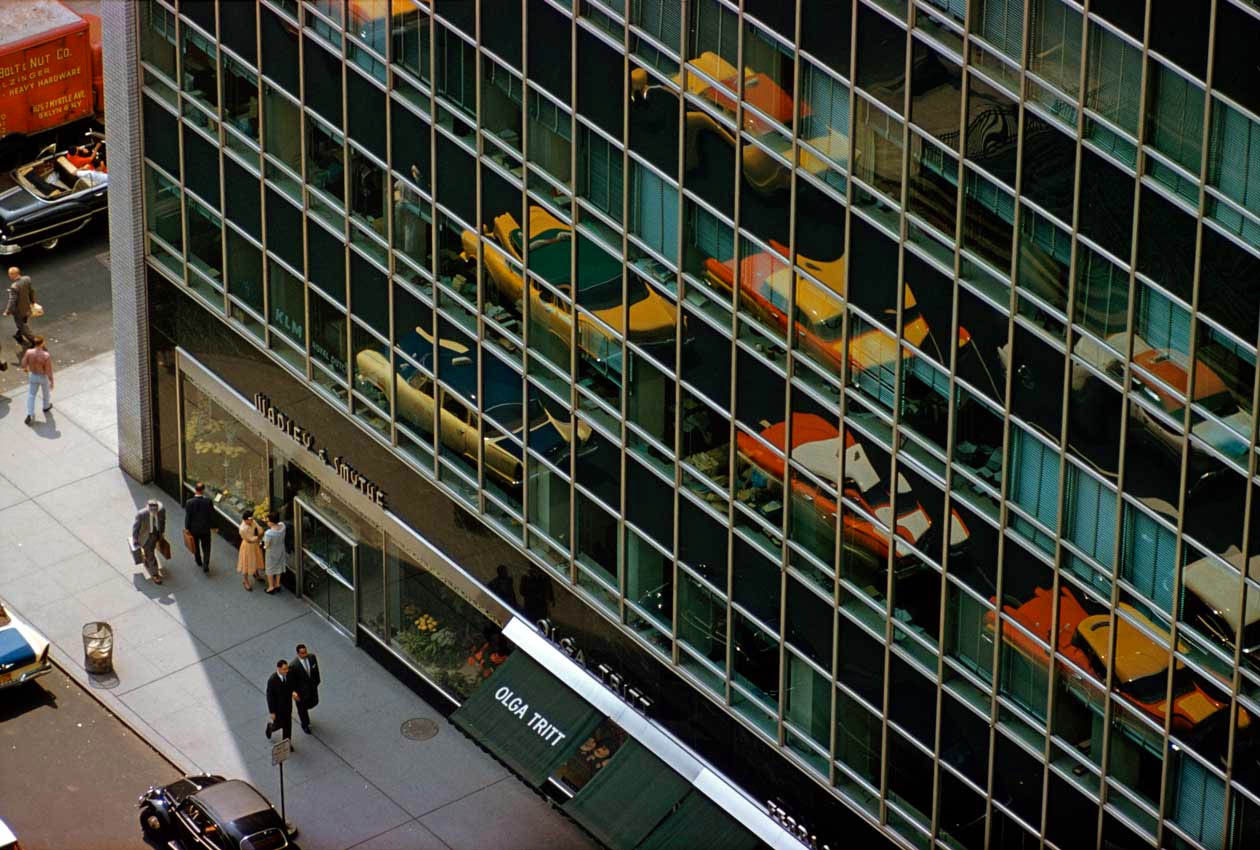
Ernst Haas (American, 1921-1986) '3rd Avenue, Reflection, New York City' 1952


Ernst Haas (American, 1921-1986)
3rd Avenue, Reflection, New York City
1952
C-print, later print
76.2 x 101.6cm (30 x 40 in)
Edition of 15
Courtesy of Ernst Haas and Christophe Guye Galerie


Ernst Haas (American, 1921-1986) 'New York City, USA' 1953


Ernst Haas (American, 1921-1986)
New York City, USA
1953
C-print, later print
76.2 x 101.6cm (30 x 40 in)
Edition of 15
Courtesy of Ernst Haas and Christophe Guye Galerie


Ernst Haas (American, 1921-1986) 'Paris, France' 1954


Ernst Haas (American, 1921-1986)
Paris, France
1954
C-print, later print
76.2 x 101.6cm (30 x 40 in)
Edition of 15
Courtesy of Ernst Haas and Christophe Guye Galerie


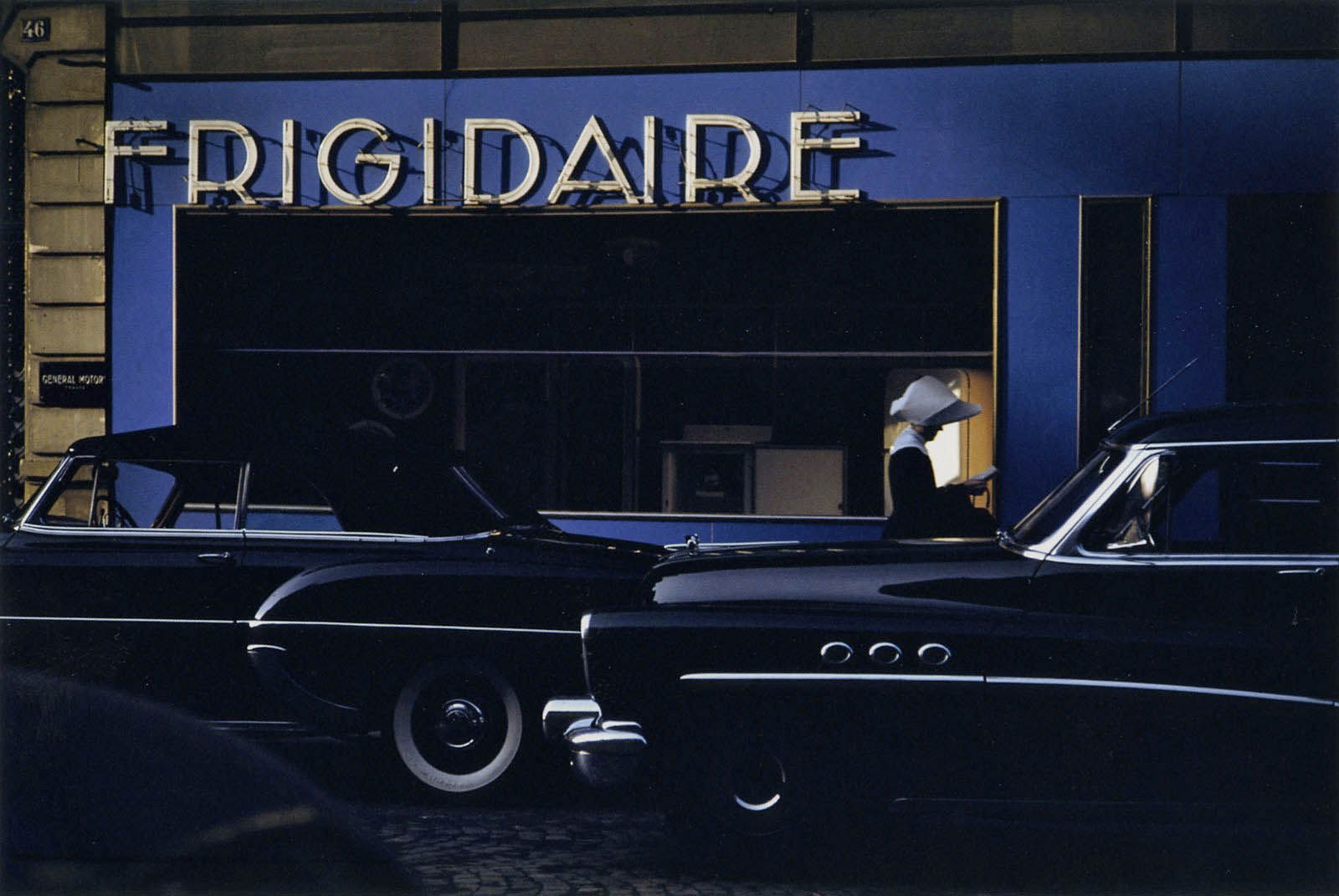
Ernst Haas (American, 1921-1986) 'Frigidaire, Paris' 1954


Ernst Haas (American, 1921-1986)
Frigidaire, Paris
1954
C-print, later print
76.2 x 101.6cm (30 x 40 in)
Edition of 15
Courtesy of Ernst Haas and Christophe Guye Galerie


Ernst Haas (American, 1921-1986) 'New York City' 1955


Ernst Haas (American, 1921-1986)
New York City
1955
C-print, later print
76.2 x 101.6cm (30 x 40 in)
Edition of 15
Courtesy of Ernst Haas and Christophe Guye Galerie


Ernst Haas (American, 1921-1986) '
New Orleans' 1957


Ernst Haas (American, 1921-1986)

New Orleans
1957
C-print, later print
76.2 x 101.6cm (30 x 40 in)
Edition of 15
Courtesy of Ernst Haas and Christophe Guye Galerie


Ernst Haas (American, 1921-1986) 'Park Avenue Taxis' 1958


Ernst Haas (American, 1921-1986)
Park Avenue Taxis
1958
C-print, later print
76.2 x 101.6cm (30 x 40 in)
Edition of 15
Courtesy of Ernst Haas and Christophe Guye Galerie


Ernst Haas (American, 1921-1986) '
New Orleans, USA' 1960


Ernst Haas (American, 1921-1986)

New Orleans, USA
1960
C-print, later print
76.2 x 101.6cm (30 x 40 in)
Edition of 15
Courtesy of Ernst Haas and Christophe Guye Galerie


Ernst Haas (American, 1921-1986) 'New York City, USA' 1962


Ernst Haas (American, 1921-1986)
New York City, USA
1962
C-print, later print
76.2 x 101.6cm (30 x 40 in)
Edition of 15
Courtesy of Ernst Haas and Christophe Guye Galerie


Ernst Haas (American, 1921-1986) 'New York City, USA' 1962


Ernst Haas (American, 1921-1986)
New York City, USA
1962
C-print, later print
76.2 x 101.6cm (30 x 40 in)
Edition of 15
Courtesy of Ernst Haas and Christophe Guye Galerie


Ernst Haas (American, 1921-1986) 'Traffic, Mexico City' 1963


Ernst Haas (American, 1921-1986)
Traffic, Mexico City
1963
C-print, later print
76.2 x 101.6cm (30 x 40 in)
Edition of 15
Courtesy of Ernst Haas and Christophe Guye Galerie


Ernst Haas (American, 1921-1986) 'New York City, USA' 1963


Ernst Haas (American, 1921-1986)
New York City, USA
1963
C-print, later print
Courtesy of Ernst Haas and Christophe Guye Galerie


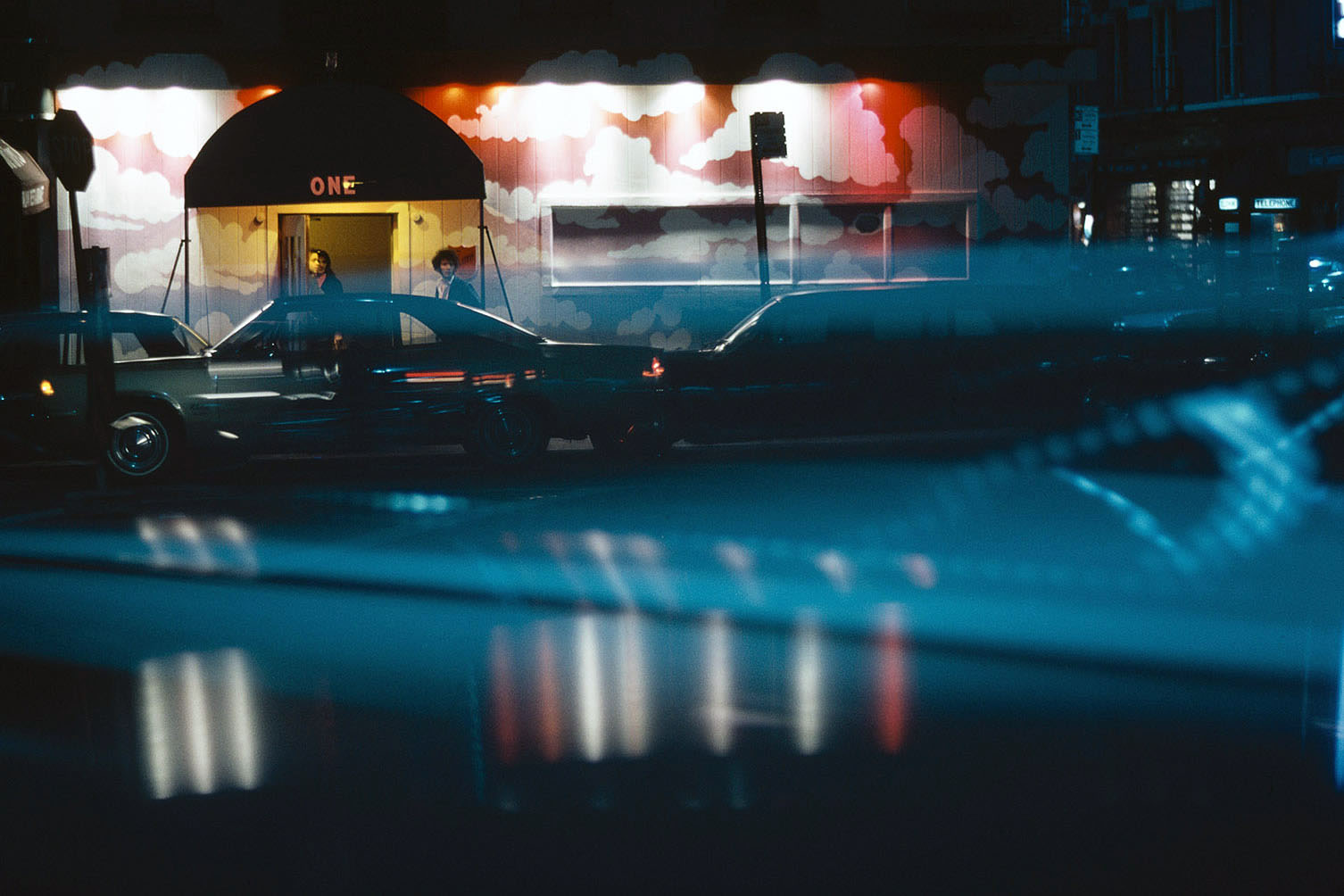
Ernst Haas (American, 1921-1986) 'Lights of New York City, New York City' 1966


Ernst Haas (American, 1921-1986)
Lights of New York City, New York City
1966
C-print, later print
Courtesy of Ernst Haas and Christophe Guye Galerie


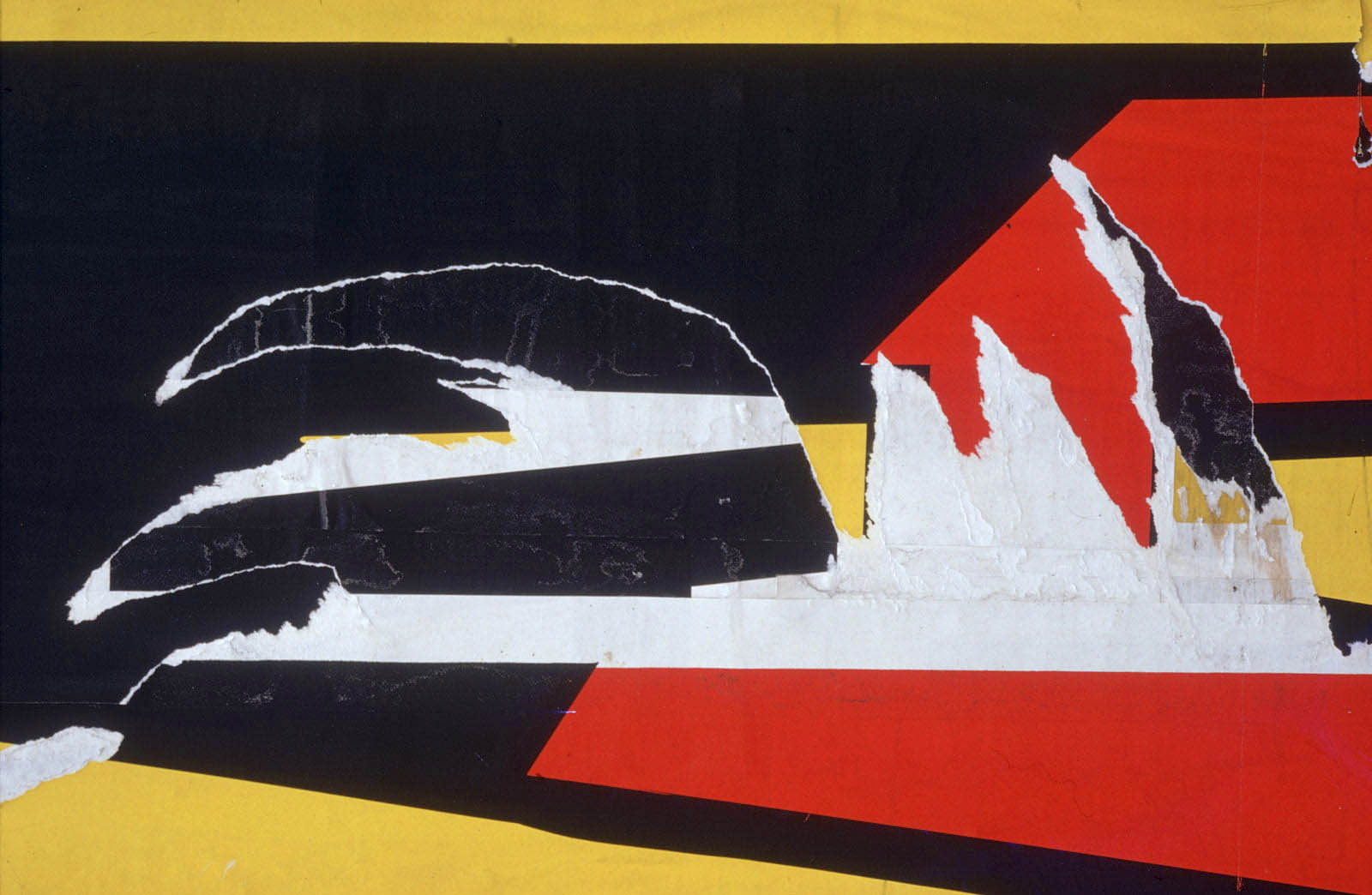
Ernst Haas (American, 1921-1986) 'Torn Poster I, Wave, NYC' 1968


Ernst Haas (American, 1921-1986)
Torn Poster I, Wave, NYC
1968
C-print, later print
76.2 x 101.6cm (30 x 40 in)
Edition of 15
Courtesy of Ernst Haas and Christophe Guye Galerie


Ernst Haas (American, 1921-1986) 'New York City, USA' 1968


Ernst Haas (American, 1921-1986)
New York City, USA
1968
C-print, later print
Courtesy of Ernst Haas and Christophe Guye Galerie


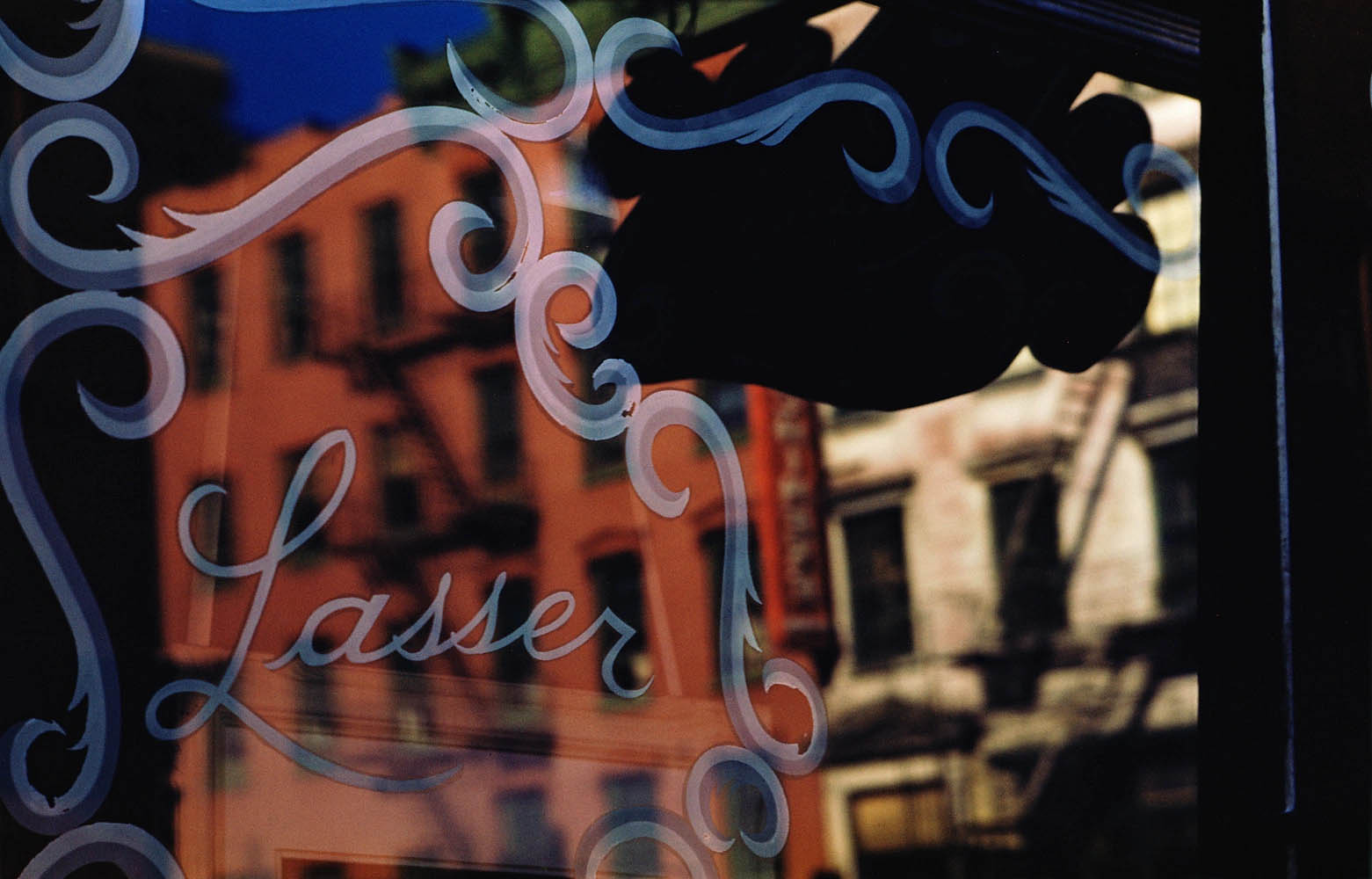
Ernst Haas (American, 1921-1986) 'Greenwich Village, New York City, USA' 1970


Ernst Haas (American, 1921-1986)
Greenwich Village, New York City, USA
1970
C-print, later print
76.2 x 101.6cm (30 x 40 in)
Edition of 15
Courtesy of Ernst Haas and Christophe Guye Galerie


Ernst Haas (American, 1921-1986) 'California, USA' 1970


Ernst Haas (American, 1921-1986)
California, USA
1970
C-print, later print
76.2 x 101.6cm (30 x 40 in)
Edition of 15
Courtesy of Ernst Haas and Christophe Guye Galerie


Ernst Haas (American, 1921-1986) 'New York City, USA' 1972


Ernst Haas (American, 1921-1986)
New York City, USA
1972
C-print, later print
Courtesy of Ernst Haas and Christophe Guye Galerie


Ernst Haas (American, 1921-1986) 'New York City, USA' 1973


Ernst Haas (American, 1921-1986)
New York City, USA
1973
C-print, later print
Courtesy of Ernst Haas and Christophe Guye Galerie


Ernst Haas (American, 1921-1986) 'New York City, USA' 1974


Ernst Haas (American, 1921-1986)
New York City, USA
1974
C-print, later print
76.2 x 101.6cm (30 x 40 in)
Edition of 15
Courtesy of Ernst Haas and Christophe Guye Galerie


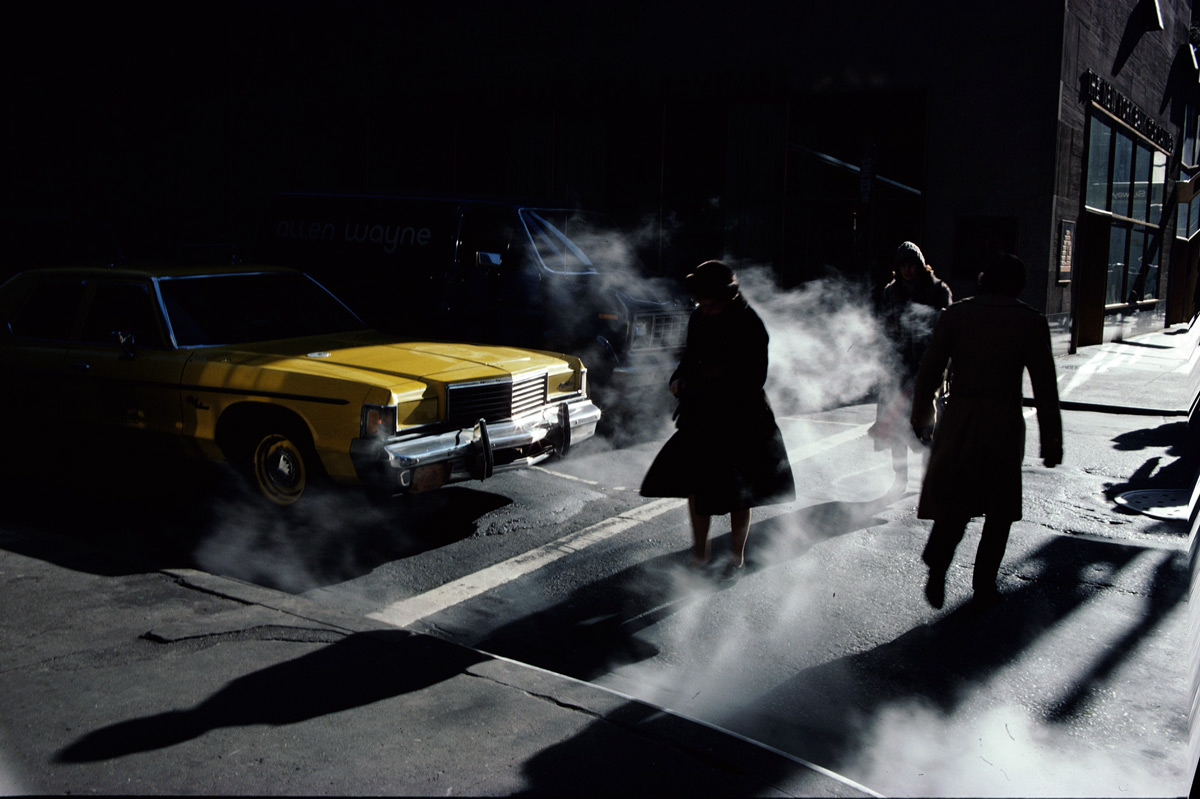
“Making his first color photographs in 1949, Haas was a member of the prestigious Magnum agency. Known mainly for his commissioned work, whereby he created influential imagery such as iconic Marlboro Man advertisements long before other artists were commissioned to do so, Haas’ work would come to have great influence on later artists, such as Richard Prince, Marc Quinn or Robert Longo. Using color also for his personal work, with a pictorial language recalling at times the works by painter Edward Hopper, Haas has been described as a poet photographer. Haas cropped and abstracted, photographed against the light and out of focus, and used reflections and close-ups to mystify the visible. Interested in the everyday,as well, some of his personal photographs remind of the likes of Lee Friedlander or Stephan Shore.”

Anonymous. “Ernst Haas: Color Correction,” on the Lens Culture website Nd [Online] Cited 15/11/2024


Ernst Haas (American, 1921-1986) 'New Mexico, USA' 1975


Ernst Haas (American, 1921-1986)
New Mexico, USA
1975
C-print, later print
76.2 x 101.6cm (30 x 40 in)
Edition of 15
Courtesy of Ernst Haas and Christophe Guye Galerie


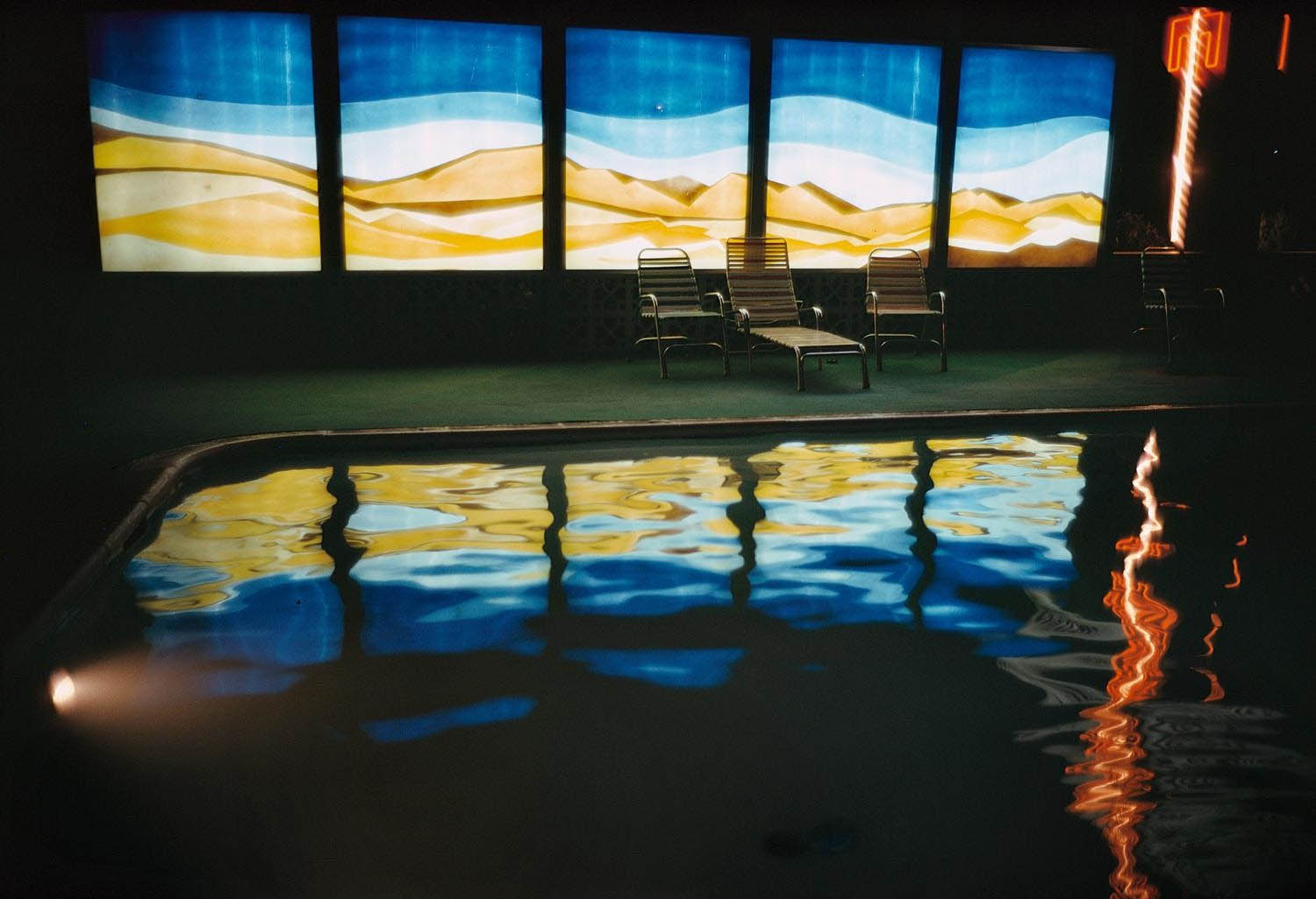
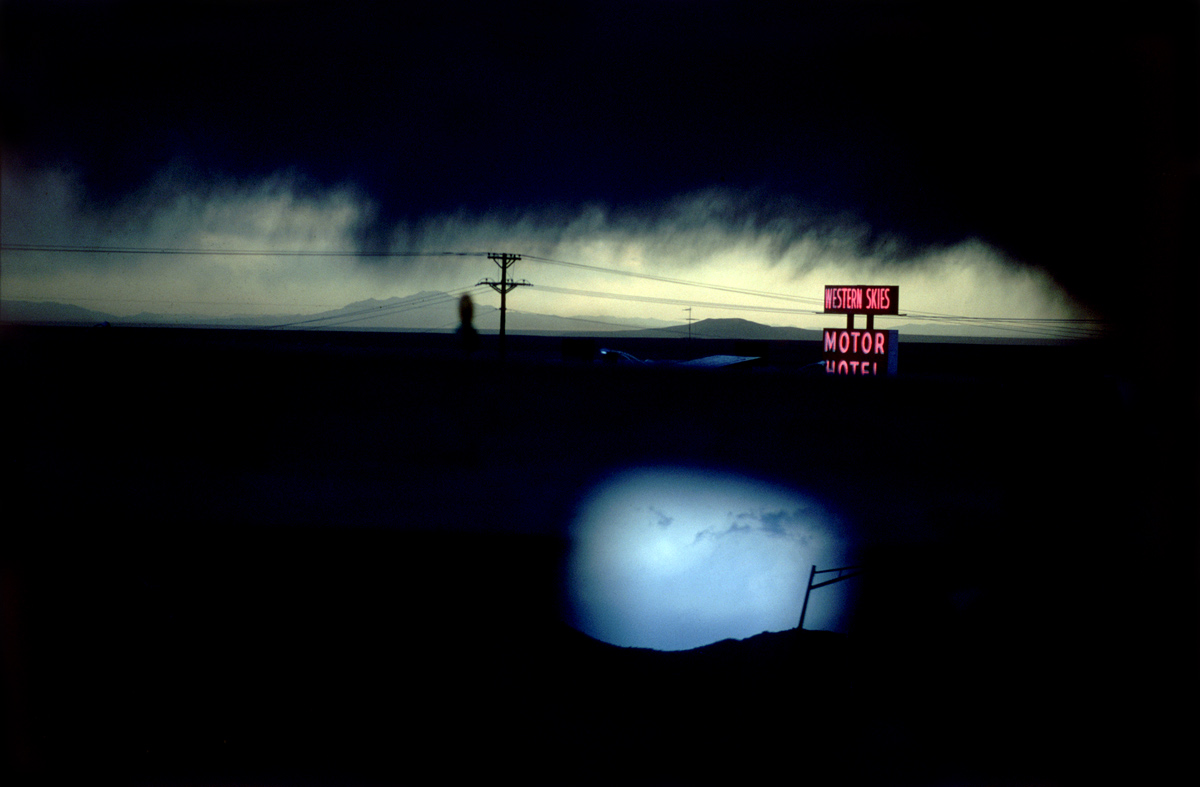
Ernst Haas (American, 1921-1986)
 'Western Skies Motel' 1978


Ernst Haas (American, 1921-1986)
Western Skies Motel
1978
C-Print, later print
76.2 x 101.6cm (30 x 40 in)
Edition of 15
Courtesy of Ernst Haas and Christophe Guye Galerie


Ernst Haas (American, 1921-1986) 'New York City, USA' 1981


Ernst Haas (American, 1921-1986)
New York City, USA
1981
C-Print, later print
76.2 x 101.6cm (30 x 40 in)
Edition of 15
Courtesy of Ernst Haas and Christophe Guye Galerie


Ernst Haas (American, 1921-1986) 'St Louis, Missouri, USA' 1986


Ernst Haas (American, 1921-1986)
St Louis, Missouri, USA
1986
C-Print, later print
76.2 x 101.6cm (30 x 40 in)
Edition of 15
Courtesy of Ernst Haas and Christophe Guye Galerie


Christophe Guye Galerie is proud to present Color Correction: by one of the most important and influential artists in the development of colour photography and the history of the medium on a whole, this exhibition spotlights a body of work that poignantly describes the complex ways in which an artist’s ‘career’ took form. Ernst Haas belonged to the best known, most productive and widely published photographers of the twentieth century. Most commonly associated with vibrant colour photography, Haas was famed for his commercial work. It is undoubtedly however his other, private work that really illuminates the power of his sensibility and his true mastery. Unfortunately this side of his creative output has been kept private and thus escaped posthumous appreciation. It is only now, with the efforts and belief in Haas’ ability of a few, such as William Ewing, former Director of the Musée de l’Elysée in Lausanne, that this body of work is finally revealed and justly let’s this artist’s aptitude shine. The exhibition Color Correction, and Ewing’s corresponding book published by Steidl, uncovers, with an exciting and novel view, the “other” side of Ernst Haas’ visionary.

Color Correction is the first exhibition in Switzerland to present the to-date little known, non-commission work by the late Austrian-born photographer. Uncovering a new side to a much celebrated body of work, the show will include fifteen new and mostly never before seen large format works, alongside a handpicked selection of rare, vintage dye-transfer prints from the 1950s and ’60s. These astoundingly complex and ultimately enveloping pieces form a group exhibited under the title Colour Correction to coincide with the recent Steidl publication Color Correction, by William Ewing.”These images are of great sophistication, and rival (and sometimes surpass) the best of his colleagues”, says Ewing, revealing works “far more edgy, loose, enigmatic, and ambiguous than his celebrated work.”

“Color correction” is a term used in printing, through which the inked proofs are brought into as close equivalence as possible with the original photograph. Ewing has chosen to use the term metaphorically, to suggest “we owe it to Ernst Haas and our understanding of the history of colour photography, to reevaluate his importance in light of this marvellous imagery, kept under wraps for so many years.” It was in 1962 that the first ever colour photography exhibition, Ernst Haas Color Photography, was held at the prestigious MoMA in New York, and not until fourteen years later would colour photography be given another show at the museum with Color Photography by William Eggleston. Though introducing Haas’ work to a large audience and a major milestone in the history of the medium it would not come to have the same effect on the development of the artist’s career. On the contrary: an exhibition planned by Edward Steichen, renowned photographer and curator of MoMA at the time, it was in the end his predecessor John Szakowski who would actually see it realised. With this shift in curatorial visionary, Szakowski would enforce a different taste. Having the duty to complete Steichen’s idea, but keen to champion his own and dissimilar ideas, Szakowski’s enthusiasm regarding the artist and the exhibition Ernst Haas Color Photography was meek, the praise in his accompanying texts all but faint. Steichen, once in favour of Pictorialism, thus a subjective photography, valued Haas’ profound use of the camera, while Szakowski on the other hand chose to favour a less embellished sentiment; a more hardedge modernist inspired American approach. It was this disregard and clashing of personal agendas that would ultimately and erroneously see Haas excluded from the canon of colour photography; his indisputable talent became the victim of the cyclical debate of what art photography should be.

Making his first colour photographs in 1949, Haas was a member of the prestigious Magnum agency. Known mainly for his commissioned work, whereby he created influential imagery such as iconic Marlboro Man advertisements long before other artists were commissioned to do so, Haas’ work would come to have great influence on later artists, such as Richard Prince, Marc Quinn or Robert Longo. Using colour also for his personal work, with a pictorial language recalling at times the works by painter Edward Hopper, Haas has been described as a poet photographer. By no means the first to use the medium in colour, he was said to be “the first to do it masterfully.” Visionary, Haas early on cropped and abstracted, photographing against the light and out of focus, using reflections, close-up to mystify the visible, abstraction of colour and texture. Interested in the everyday, his photographs remind of the likes of Lee Friedlander or Stephan Shore, but rather than documents his works are “vignettes of personal experience.” The works on display in Color Correction reveal this more abstract side of the artist’s oeuvre.

Haas’ work never received the recognition it deserved. The works presented at Christophe Guye Galerie are based upon this dispute, attempting to reveal the true ability of Haas’ work and restore his rightful place in the medium’s canon.

Haas’ formal language echoes decades past while being extremely contemporary at once. Often shooting inches away from the subject at acute and unexpected angles, Haas work was visionary. Lyrical, evocative, and expressive, while at the same time exact, the artist moved away from obvious reality, finding fascination in transforming it into a subjective point of view. The works on view are to be understood not as informative but as creative; description gives way to suggestion. Color Correction – the exhibition as well as the book – show works that are rich, vibrant, and intelligent alike. With this new view on the body of work of one of the medium’s most important advocates, Color Correction hopes to evoke the excitement Steichen expressed when he first came across Haas imaginarium of seeing: “In my estimation we have experienced an epoch in photography. Here is a free spirit, untrammelled by tradition and theory, who has gone out and found beauty unparalleled in photography.”

Press release from the Christophe Guye Galerie website


Ernst Haas (American, 1921-1986) 'New York City' 1952


Ernst Haas (American, 1921-1986)
New York City
1952
C-print, later print
76.2 x 101.6cm (30 x 40 in)
Edition of 15
Courtesy of Ernst Haas and Christophe Guye Galerie


Ernst Haas (American, 1921-1986) 'Brooklyn, New York' 1952


Ernst Haas (American, 1921-1986)
Brooklyn, New York
1952
C-print, later print
101.6 x 76.2cm (40 x 30 in)
Edition of 15
Courtesy of Ernst Haas and Christophe Guye Galerie


Ernst Haas (American, 1921-1986) 'New York City, USA' 1952


Ernst Haas (American, 1921-1986)
New York City, USA
1952
C-print, later print
Courtesy of Ernst Haas and Christophe Guye Galerie


Ernst Haas (American, 1921-1986) 'New York City, USA' 1955


Ernst Haas (American, 1921-1986)
New York City, USA
1955
C-print, later print
Courtesy of Ernst Haas and Christophe Guye Galerie


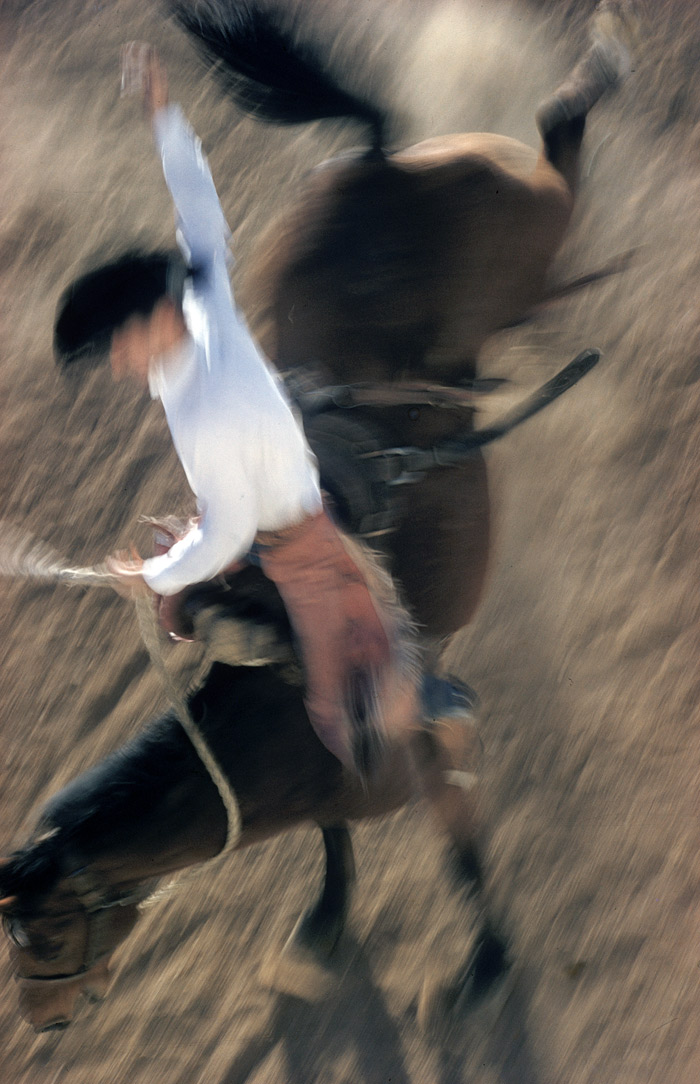
Ernst Haas (American, 1921-1986) 'Bronco Rider, California' 1957


Ernst Haas (American, 1921-1986)
Bronco Rider, California
1957
C-print, later print
101.6 x 76.2cm (40 x 30 in)
Edition of 15
Courtesy of Ernst Haas and Christophe Guye Galerie


Ernst Haas (American, 1921-1986) 'New York City, USA' 1963


Ernst Haas (American, 1921-1986)
New York City, USA
1963
C-print, later print
Courtesy of Ernst Haas and Christophe Guye Galerie


Ernst Haas (American, 1921-1986) 'Los Angeles, California, USA' 1963


Ernst Haas (American, 1921-1986)
Los Angeles, California, USA
1963
C-print, later print
101.6 x 76.2cm (40 x 30 in)
Edition of 15
Courtesy of Ernst Haas and Christophe Guye Galerie


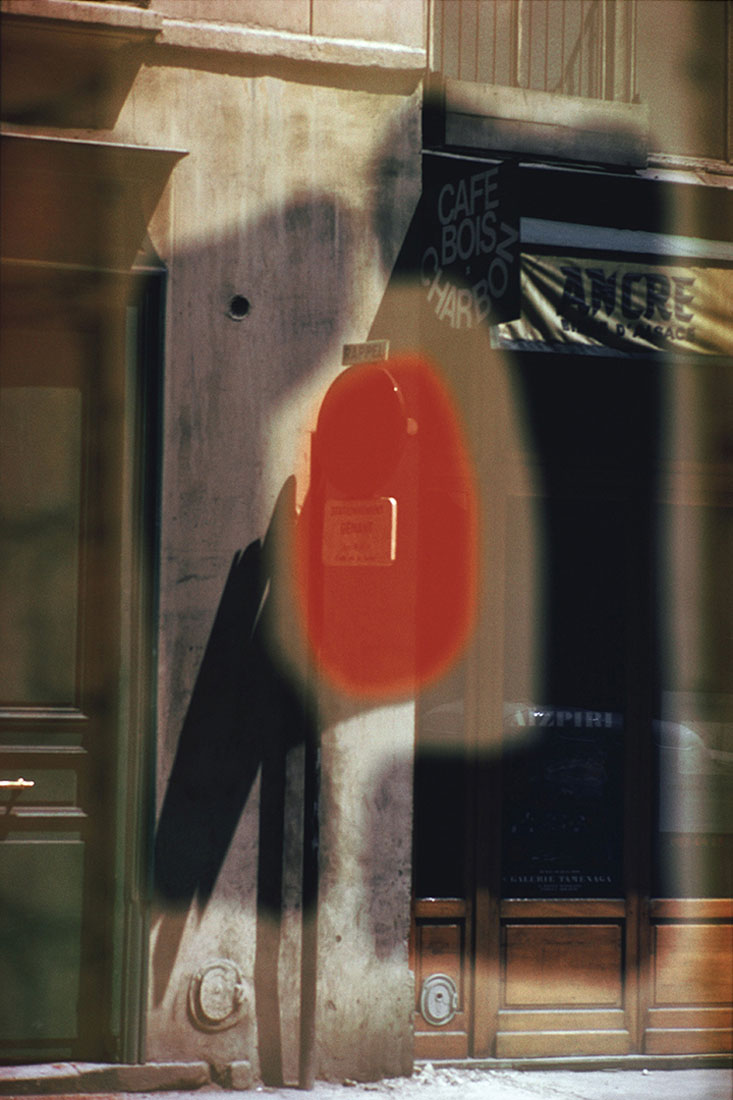
Ernst Haas (American, 1921-1986) 'Cafe Boi Charbon, Caen, France' 1976


Ernst Haas (American, 1921-1986)
Cafe Boi Charbon, Caen, France
1976
C-print, later print
Courtesy of Ernst Haas and Christophe Guye Galerie


Ernst Haas (American, 1921-1986) 'California, USA' 1976


Ernst Haas (American, 1921-1986)
California, USA
1976
C-print, later print
101.6 x 76.2cm (40 x 30 in)
Courtesy of Ernst Haas and Christophe Guye Galerie


Christophe Guye Galerie
Dufourstrasse 31
8008 Zurich, Switzerland
Phone: +41 44 252 01 11

Opening hours:
Monday to Friday 10am – 6pm
Saturday 11am – 4pm

Christophe Guye Galerie website

LIKE ART BLART ON FACEBOOK

Back to top

Exhibition: ‘Joel Meyerowitz – Aftermath’ at the Miami Art Museum

Exhibition dates: 19th August – 6th November 2011


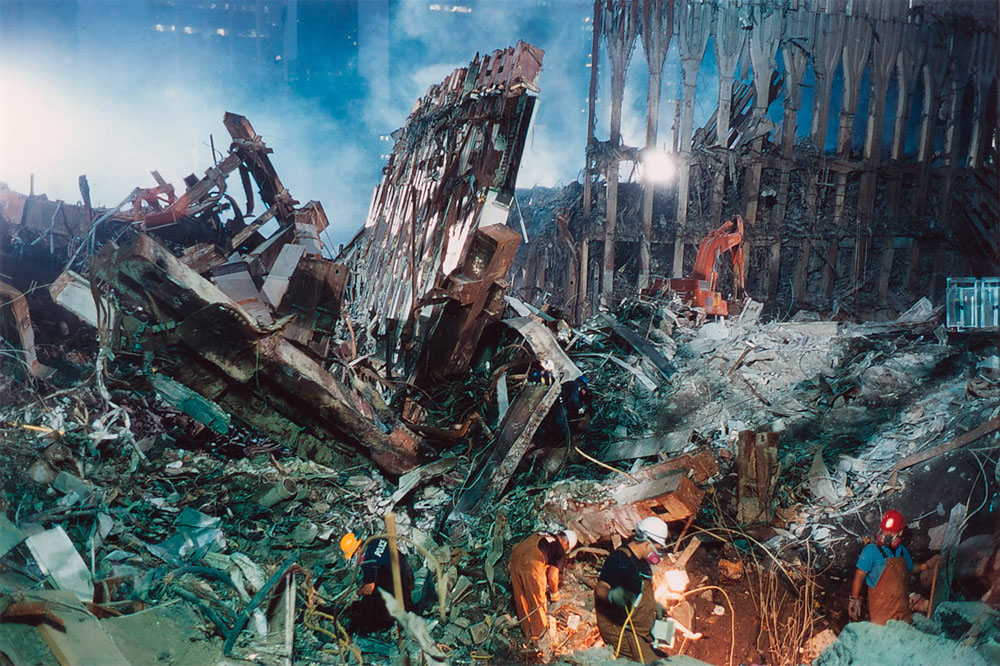
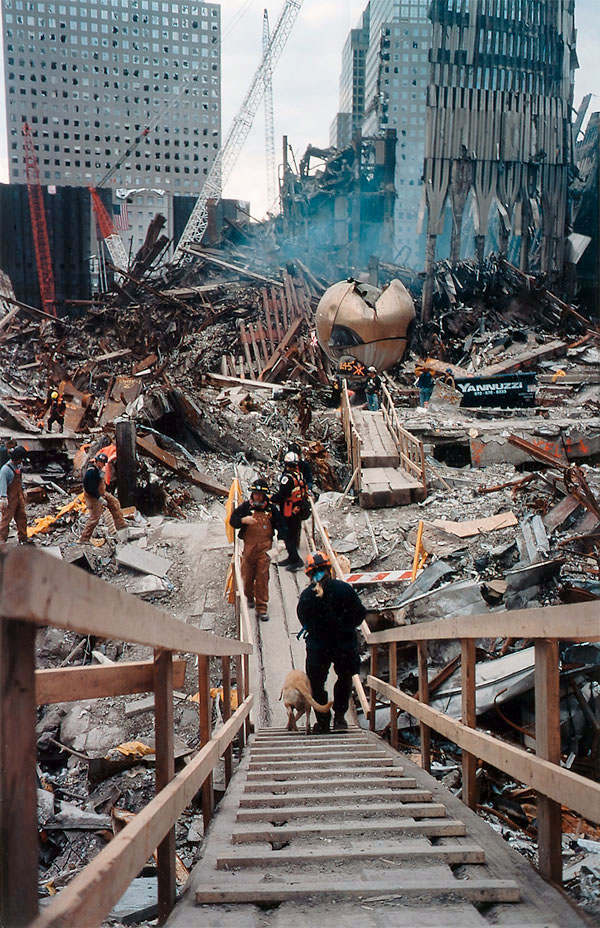
Joel Meyerowitz (American, b. 1938) 'Searchers in Rubble' 2001


Joel Meyerowitz (American, b. 1938)
Searchers in Rubble
2001
Vintage contact print
Collection Miami Art Museum, gift of Steven E. and Phyllis Gross


And do you know what “the world” is to me? Shall I show it to you in my mirror? This world: a monster of energy, without beginning, without end; a firm, iron magnitude of force that does not grow bigger or smaller, that does not expend itself but only transforms itself; as a whole, of unalterable size, a household without expenses or losses, but likewise without increase or income; enclosed by “nothingness” as by a boundary; not something blurry or wasted, not something endlessly extended, but set in a definite space as a definite force, and not a space that might be “empty” here or there, but rather a force throughout, as a play of forces and waves of forces, at the same time one and many, increasing here and at the same time decreasing there …


Frederick Nietzsche, The Will to Power


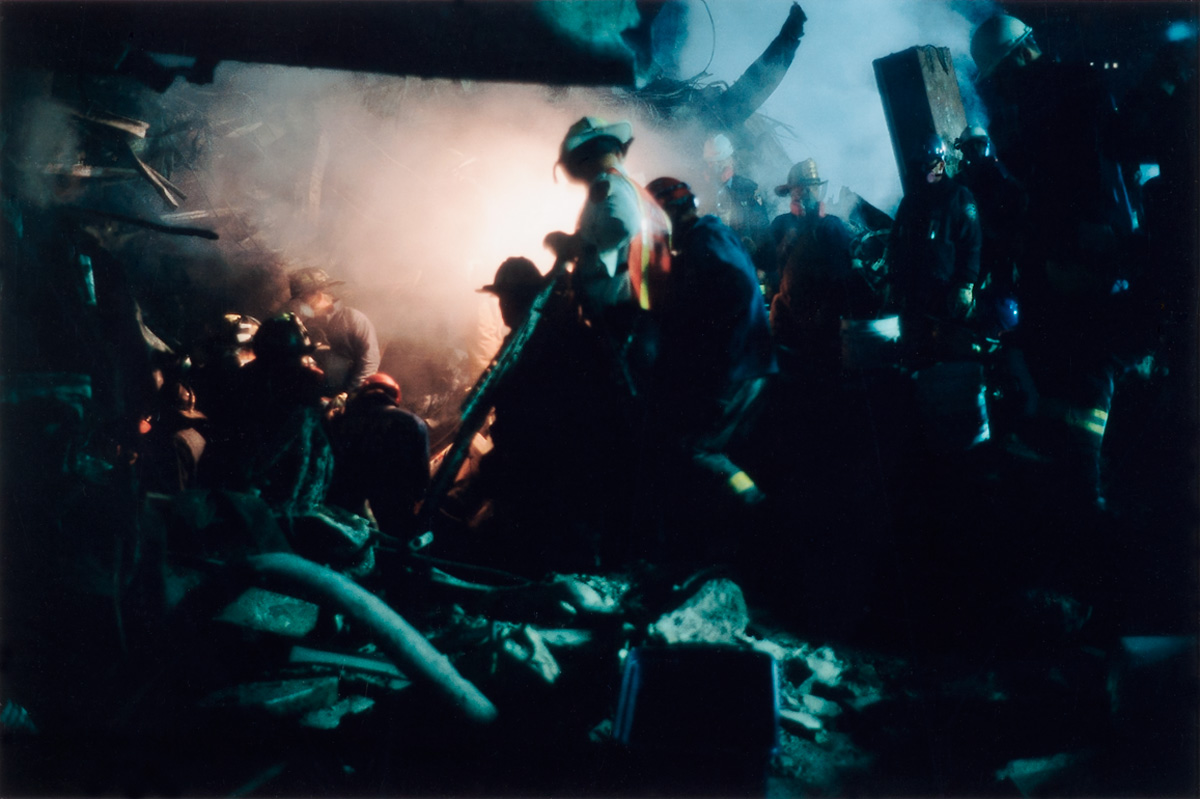
Sadness. And light. Hope. Amidst the inferno. Study the masterpiece Finding More Fireman (below) in the enlarged version and you cannot fail to be moved. It is all there: monumental, intimate, hellish, redemptive – a modern, “disastrous” form of the Rembrandt’s The Night Watch.

Dr Marcus Bunyan


Many thanxk to the Miami Art Museum for allowing me to publish the photographs in the posting. Please click on the photographs for a larger version of the image.


Joel Meyerowitz (American, b. 1938) 'Flower Offering' 2001


Joel Meyerowitz (American, b. 1938)
Flower Offering
2001
Vintage contact print
Collection Miami Art Museum, gift of Steven E. and Phyllis Gross


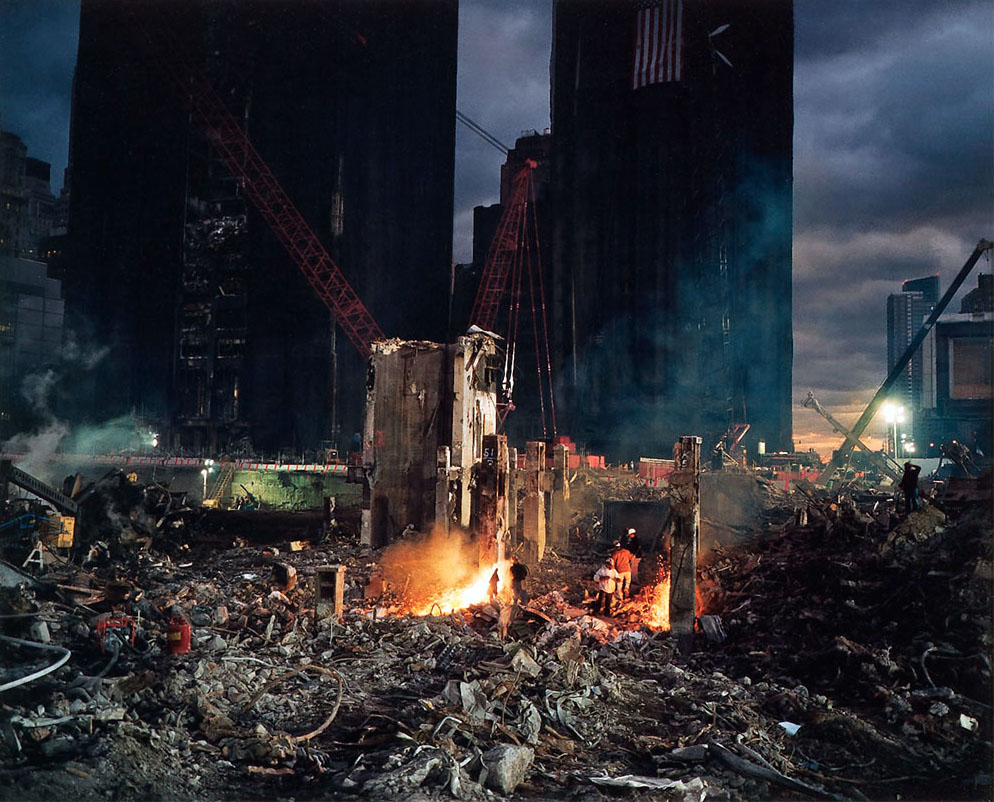
Joel Meyerowitz (American, b. 1938) 'Pit Looking North' 2002


Joel Meyerowitz (American, b. 1938)
Pit Looking North
2002
Vintage contact print
Collection Miami Art Museum, gift of Steven E. and Phyllis Gross


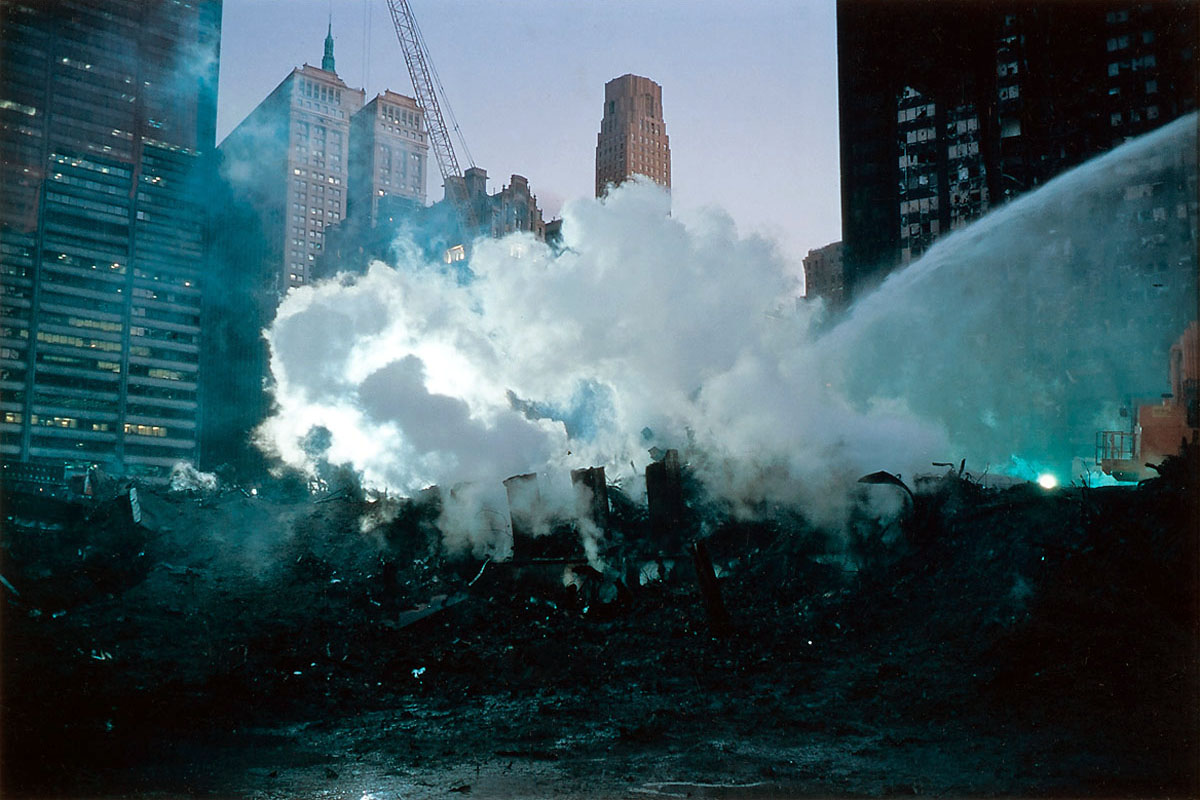
Joel Meyerowitz (American, b. 1938) 'Smoke and Spray' 2001


Joel Meyerowitz (American, b. 1938)
Smoke and Spray
2001
Vintage contact print
Collection Miami Art Museum, gift of Jeffrey Hugh Newman


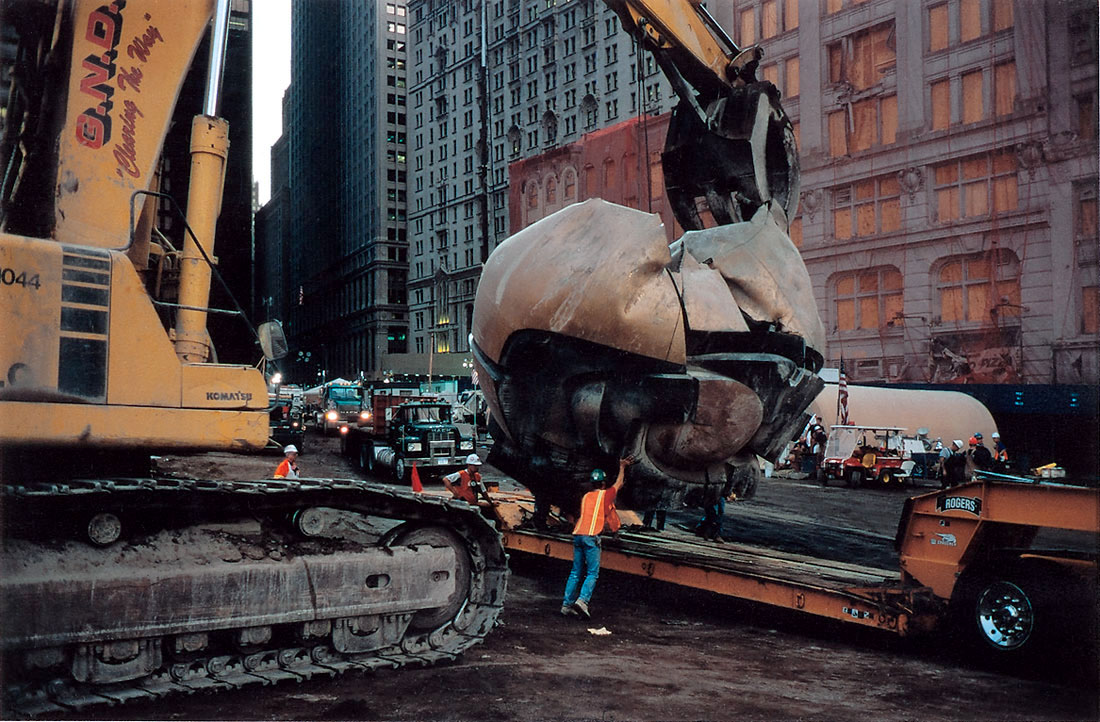
Joel Meyerowitz (American, b. 1938) 'Moving the Monument' 2001


Joel Meyerowitz (American, b. 1938)
Moving the Monument
2001
Vintage contact print
Collection Miami Art Museum, gift of Jeffrey Hugh Newman


Joel Meyerowitz (American, b. 1938) 'Finding More Fireman' 2001


Joel Meyerowitz (American, b. 1938)
Finding More Fireman
2001
Vintage contact print
Collection Miami Art Museum, gift of Charles S. and Elynne B. Zucker


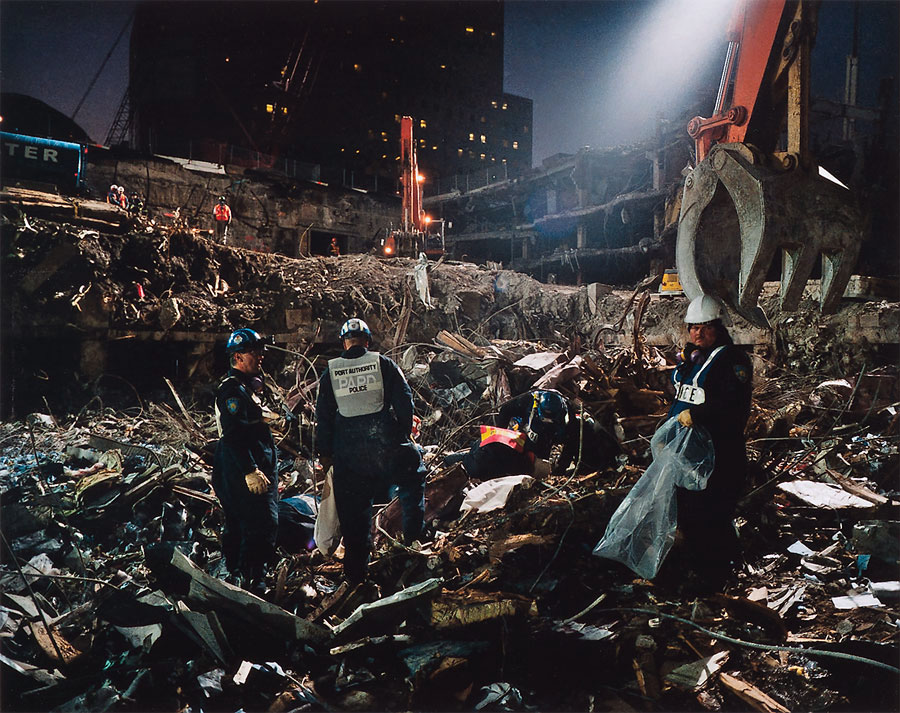
Joel Meyerowitz (American, b. 1938) 'Searchers' 2002


Joel Meyerowitz (American, b. 1938)
Searchers
2002
Vintage contact print
Collection Miami Art Museum, gift of Charles S. and Elynne B. Zucker


Joel Meyerowitz (American, b. 1938) 'Welders in South Tower' 2001


Joel Meyerowitz (American, b. 1938)
Welders in South Tower
2001
Vintage contact print
Collection Miami Art Museum, gift of Charles S. and Elynne B. Zucker


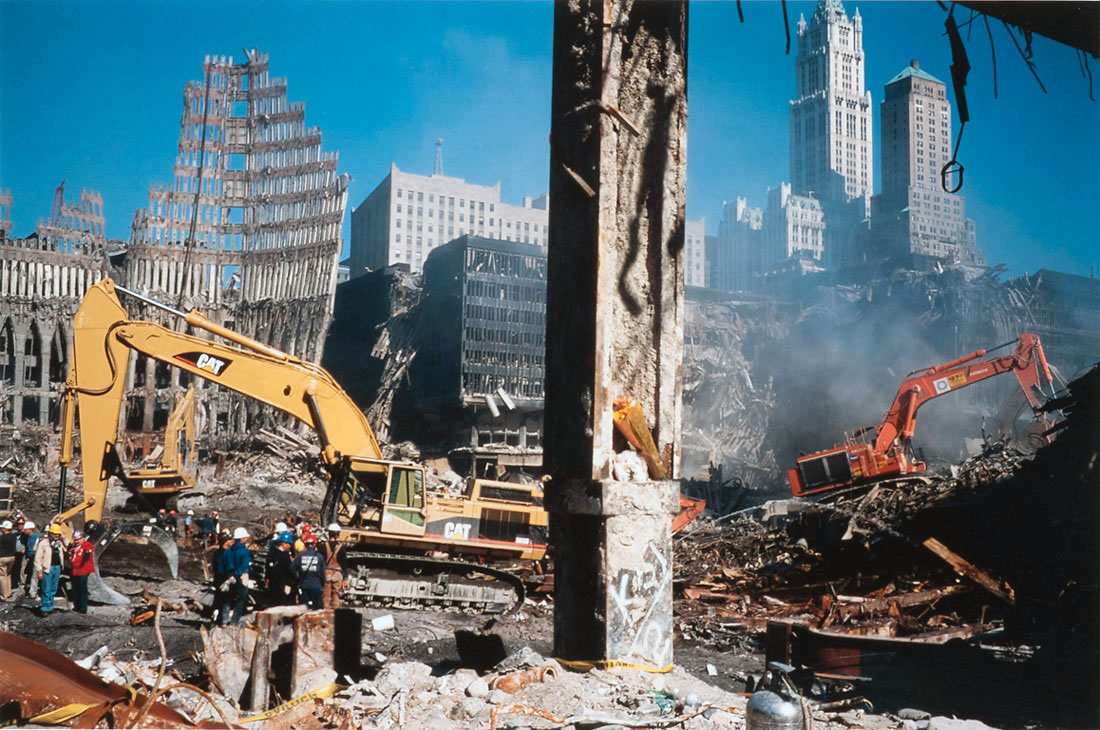
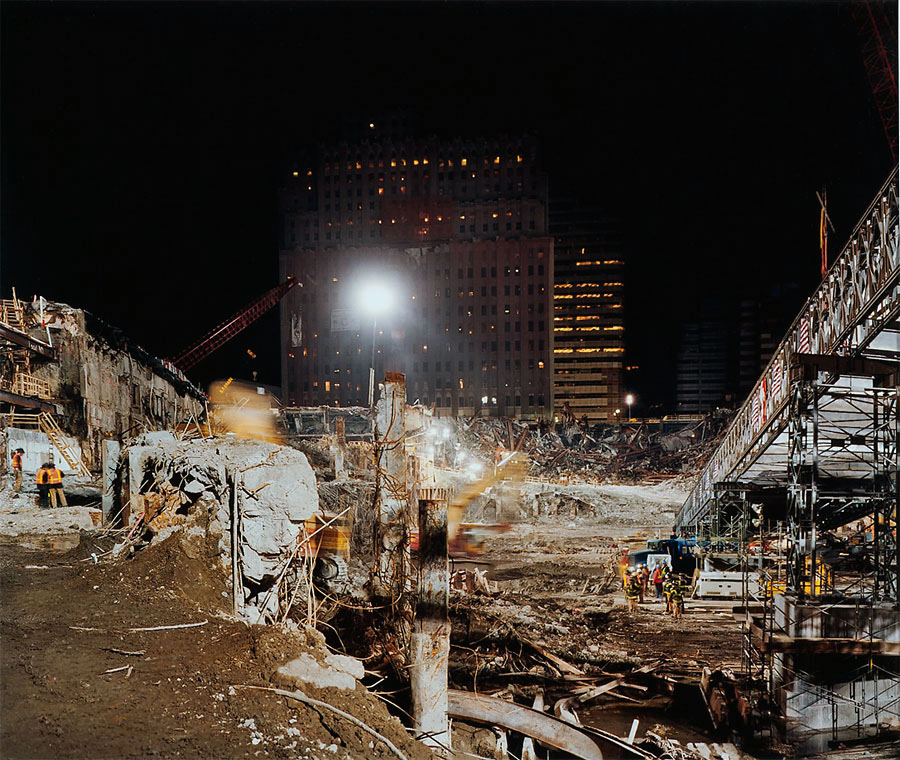
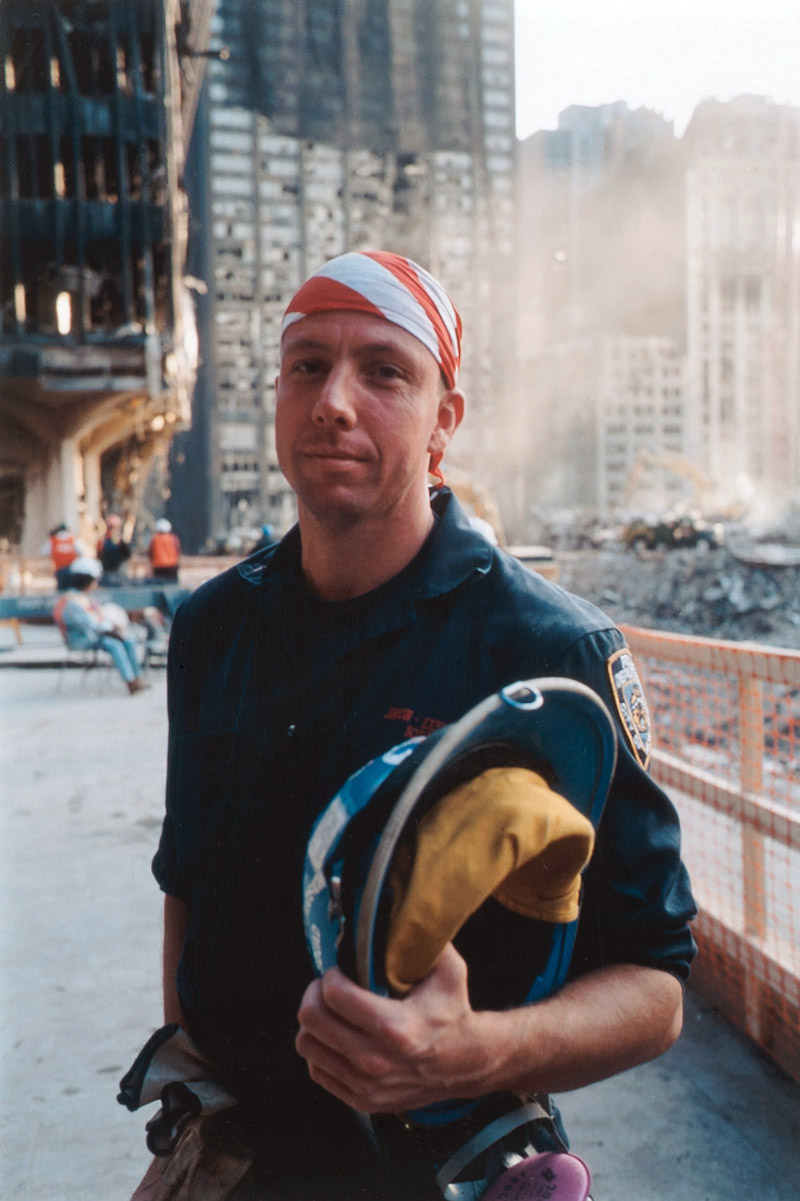
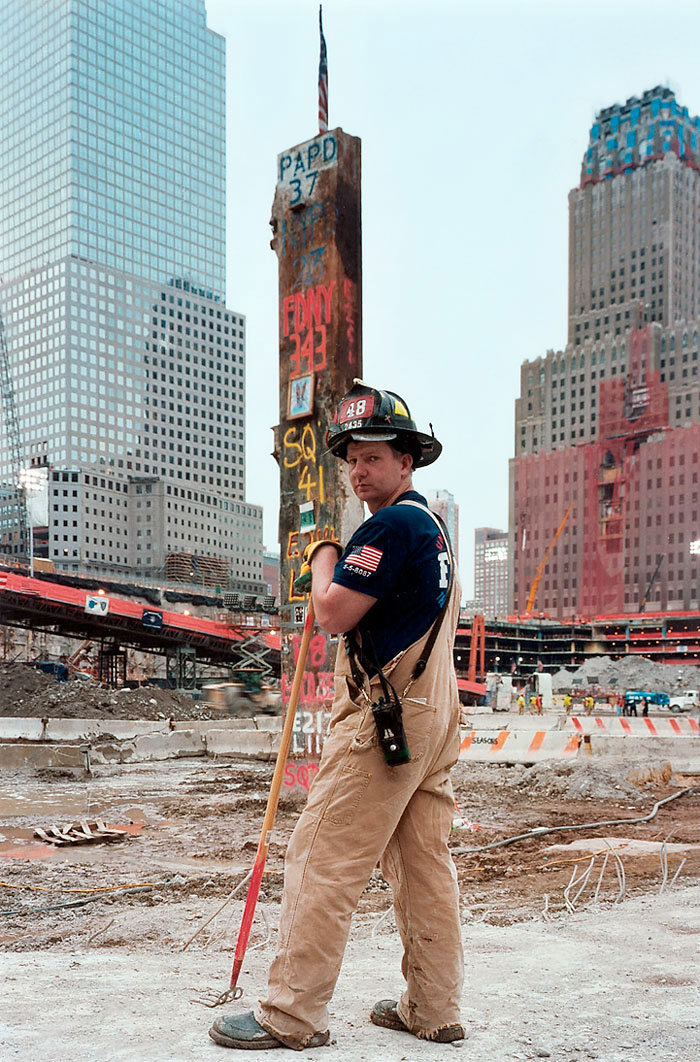
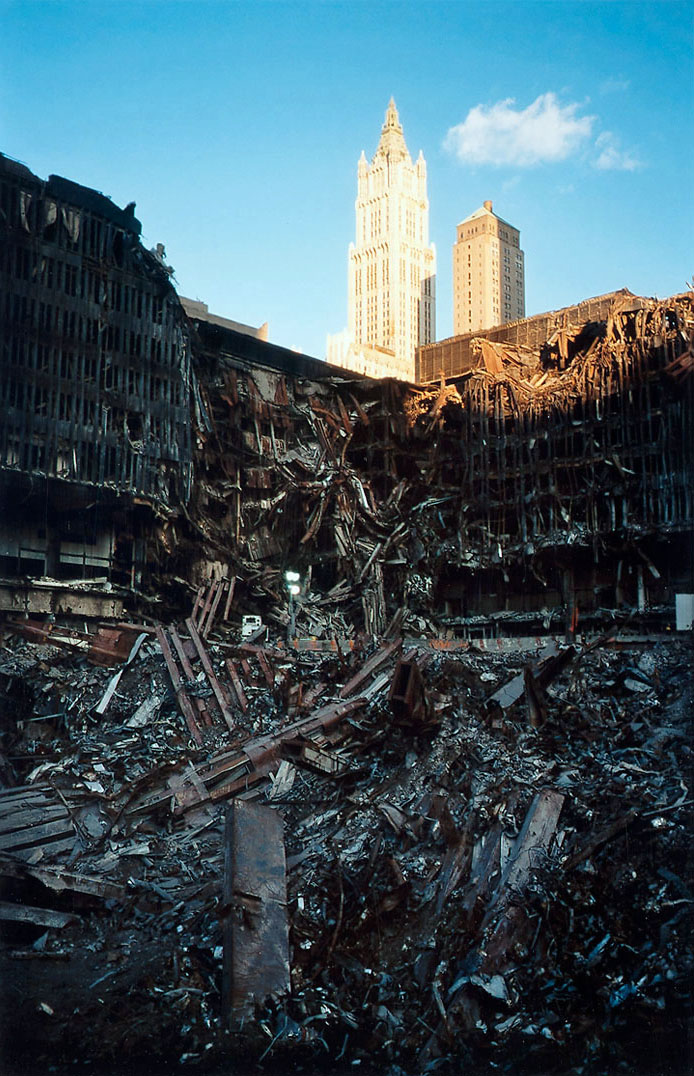
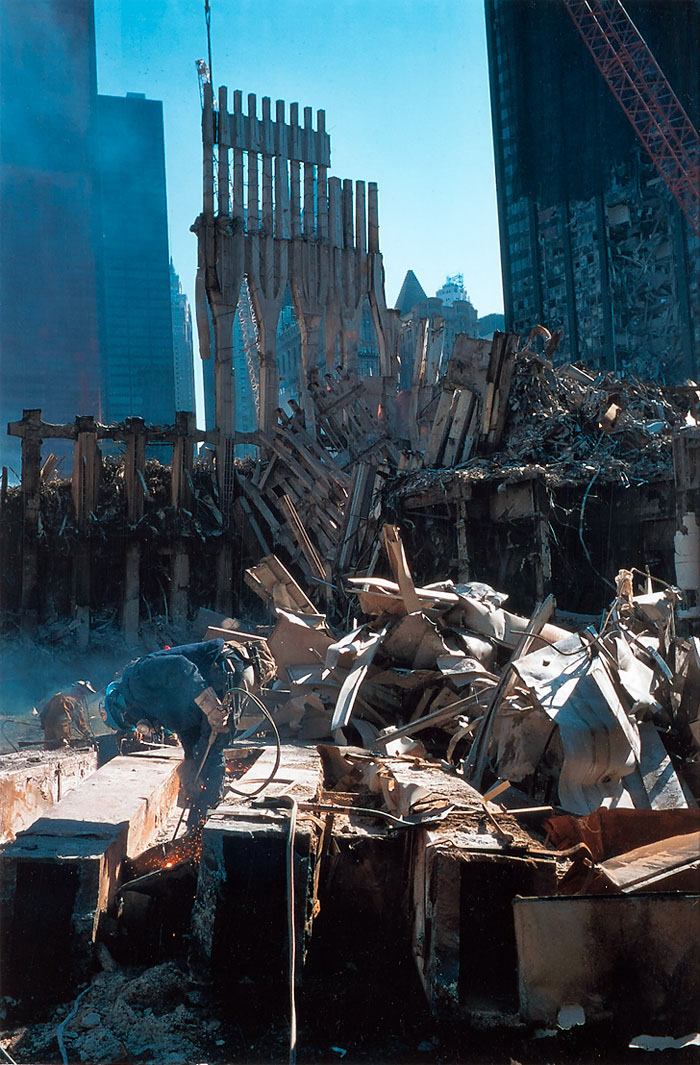
In commemoration of the 10th anniversary of 9/11, Miami Art Museum presents Focus Gallery: Joel Meyerowitz – Aftermath, an exhibition of photographs taken by the only photographer granted right of entry into Ground Zero after the September 11, 2001 attacks on the World Trade Center in New York City. For nine months during the day and night, Meyerowitz photographed “the pile,” as the World Trade Center came to be known, and the over 800 people a day that were working in it. The exhibition consists of 24, recently-donated photographs, presented in the Focus Gallery section of the Museum’s Permanent Collection installation. Admission to Miami Art Museum will be free to all emergency personnel, including police and firefighters, and their guests throughout the exhibition’s run, August 19 – November 6, 2011. A special preview for emergency personnel will be held on Thursday, August 18, 2011, 4-7pm. Author and photography critic Vicki Goldberg will give a lecture entitled “What Remains” on Thursday, September 8, 2011, beginning at 6:30pm.

After September 11, 2001, the Ground Zero site in New York City was classified as a crime scene and only those directly involved in the recovery efforts were allowed inside. The press was prohibited from the site. Influenced by Walker Evans’s and Dorothea Lange’s work for the Farm Security Administration during the Great Depression, Meyerowitz, long recognised as one of the pioneers of colour photography, was convinced that if a photographic record of the unprecedented recovery efforts was not made, “there would be no history.” With the help of sympathetic officials, he managed to become the only photographer granted right of entry into Ground Zero.

“I was making photographs for everyone who didn’t have access to the site,” says Meyerowitz, “I wanted to communicate what it felt like to be in there as well as what it looked like: to show the pile’s incredible intricacy and visceral power. I could provide a window for everyone else who wanted to be there, too, to help, or to grieve, or simply to try to understand what had happened to our city.”

Armed with a large-format wooden camera, Meyerowitz spent nine months photographing the site. In the first few weeks, he was chased off the site repeatedly, but over time, with the help of officials on and off site, the use of forged workers’ passes, and by assuming the “uniform” of hard hat, goggles, respirator, gloves, boots and duct taped pants, Meyerowitz became “woven into the fabric of the site.”

About the experience, Meyerowitz has written, “The nine months I worked at Ground Zero were among the most rewarding of my life. I came in as an outsider, a witness bent on keeping the record, but over time I began to feel a part of the very project I’d been intent on recording… the intense camaraderie I experienced at Ground Zero inspired me, changing both my sense of myself and my sense of responsibility to the world around me. September 11th was a tragedy of almost unfathomable proportions. But living for nine months in the midst of those individuals who faced that tragedy head-on, day after day, and did what they could to set things right, was an immense privilege.”

The photographs in MAM’s collection are from a unique set of contact prints (photographs printed on a 1:1 scale from the negatives) issued by the artist in 2006. As a group, they span the entire nine month period that Meyerowitz was on site, presenting a poignant, condensed view of the clean up effort, including portraits of the workers involved. The set is introduced by a single image of the World Trade Center towers taken by the artist in the 1980s from his apartment window.

The entire set of more than 8,000 photographs taken by Meyerowitz form an archive at the Museum of the City of New York. The Aftermath series was the focus of a 2006 book, Aftermath: World Trade Center Archives published by Phaidon (reissued this year in a special 10th anniversary edition) and an exhibition organised by the US Department of State that traveled worldwide from 2002 to 2005.

Press release from the Miami Art Museum website


Joel Meyerowitz (American, b. 1938) 'Explosion Squad Detective' 2001


Joel Meyerowitz (American, b. 1938)
Explosion Squad Detective
2001
Vintage contact print
Collection Miami Art Museum, gift of Steven E. and Phyllis Gross


Joel Meyerowitz (American, b. 1938) 'Steps Down to Plaza' 2001


Joel Meyerowitz (American, b. 1938)
Steps Down to Plaza
2001
Vintage contact print
Collection Miami Art Museum, gift of Jeffrey Hugh Newman


Joel Meyerowitz (American, b. 1938) 'Fireman at Last Column' 2002


Joel Meyerowitz (American, b. 1938)
Fireman at Last Column
2002
Vintage contact print
Collection Miami Art Museum, gift of Charles S. and Elynne B. Zucker


Joel Meyerowitz (American, b. 1938) 'Building #5 and Woolworth' 2001


Joel Meyerowitz (American, b. 1938)
Building #5 and Woolworth
2001
Vintage contact print
Collection Miami Art Museum, gift of Simon and Bonnie Levin


Joel Meyerowitz (American, b. 1938) 'Welder and Rubble' 2001


Joel Meyerowitz (American, b. 1938)
Welder and Rubble
2001
Vintage contact print
Collection Miami Art Museum, gift of Steven E. and Phyllis Gross


Miami Art Museum
101 W Flagler St., Miami, FL 33130

Opening hours:
Monday 11am – 6pm
Tuesday – Wednesday Closed
Thursday 11am – 9pm
Friday – Sunday 11am – 6pm

Miami Art Museum website

LIKE ART BLART ON FACEBOOK

Back to top

Exhibition: ‘Beyond COLOR: Color in American Photography, 1950-1970’ at Bruce Silverstein Gallery, New York

Exhibition dates: 15th September – 23rd October 2010


Many thankx to Yvonne Gomez and the Bruce Silverstein Gallery for allowing me to publish the photographs in the posting. Please click on the photographs for a larger version of the image.


Arthur Siegel (American, 1913-1978) 'Untitled', from the series 'In Search of Myself' 1951, printed c. 1950s from the exhibition 'Beyond COLOR: Color in American Photography, 1950-1970' at Bruce Silverstein Gallery, New York, Sept - Oct 2010


Arthur Siegel (American, 1913-1978)
Untitled, from the series In Search of Myself
1951, printed c. 1950s
Dye transfer print mounted to board
Signed, initialed and dated by Adam Siegel on mount verso
6 7/8 x 10 inches
© Arthur Siegel, courtesy of Bruce Silverstein Gallery, NY


Harry Callahan (1912-1999). 'New York' 1955 printed c. 1970 from the exhibition 'Beyond COLOR: Color in American Photography, 1950-1970' at Bruce Silverstein Gallery, New York, Sept - Oct 2010


Harry Callahan (American, 1912-1999)
New York
1955 printed c. 1970s
Dye transfer print
Signed on recto
14 x 10 1/4 inches
© Harry Callahan, courtesy of Bruce Silverstein Gallery, NY


Inge Morath (American, 1923-2002)
'New York City' 1958


Inge Morath (American, 1923-2002)
New York City
1958
Archival pigment print
© Inge Morath / Magnum Photos


“If I had to do color and black and white simultaneously,” Morath recalled, “I’d finish one, then do [the other], trying not to think of both at the same time; the thinking is so different!”


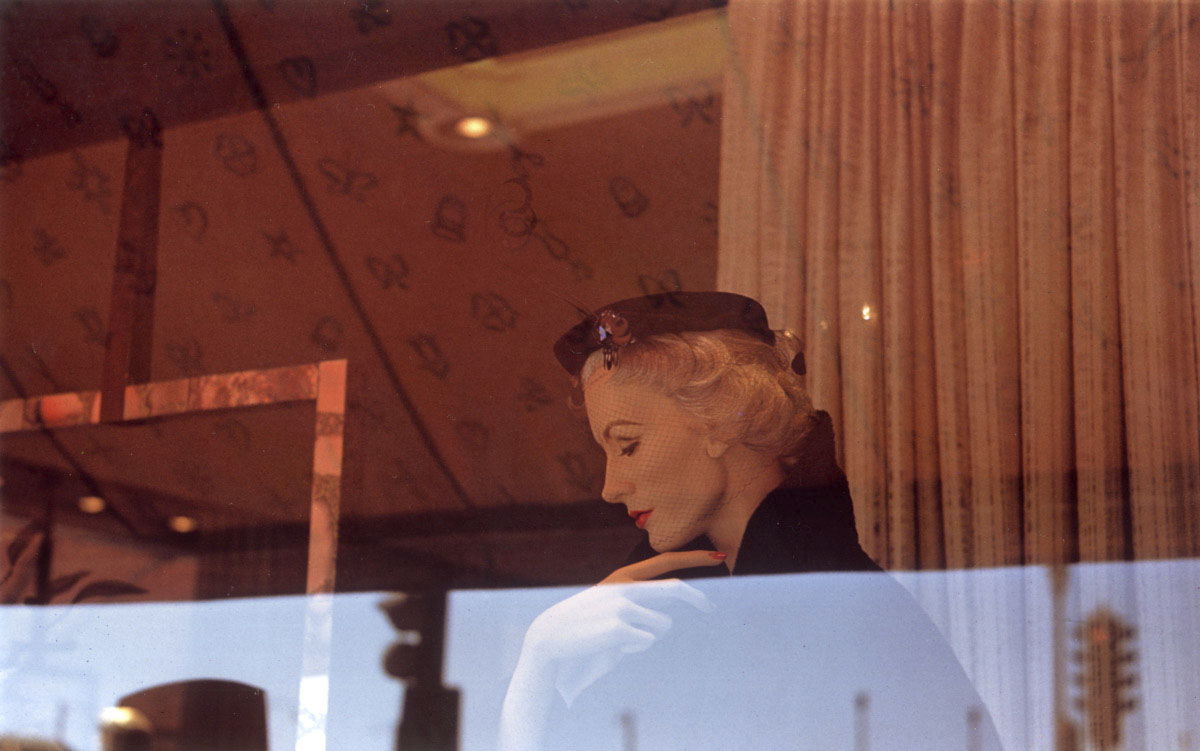
Inge Morath (American, 1923-2002)
'Hollywood, California' 1959


Inge Morath (American, 1923-2002)
Hollywood, California
1959
Archival pigment print
© Inge Morath / Magnum Photos


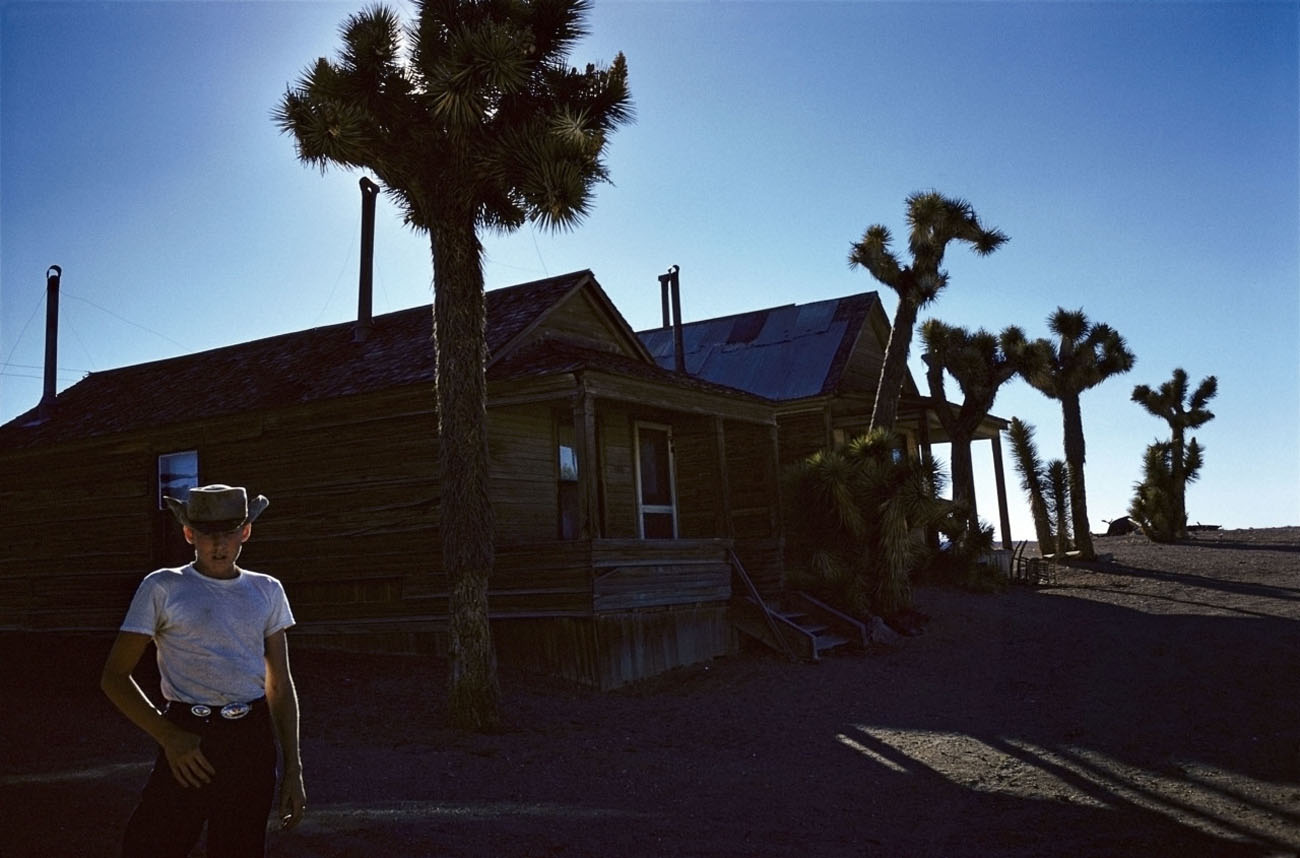
Inge Morath (American, 1923-2002) 'Ghost Town, Goldfield, Nevada'
1960, printed later from the exhibition 'Beyond COLOR: Color in American Photography, 1950-1970' at Bruce Silverstein Gallery, New York, Sept - Oct 2010


Inge Morath (American, 1923-2002)
Ghost Town, Goldfield, Nevada
1960, printed later
Archival pigment print
Edition of 11
Estate stamp on verso
13 x 17 1/2 inches
© Inge Morath / Magnum Photos


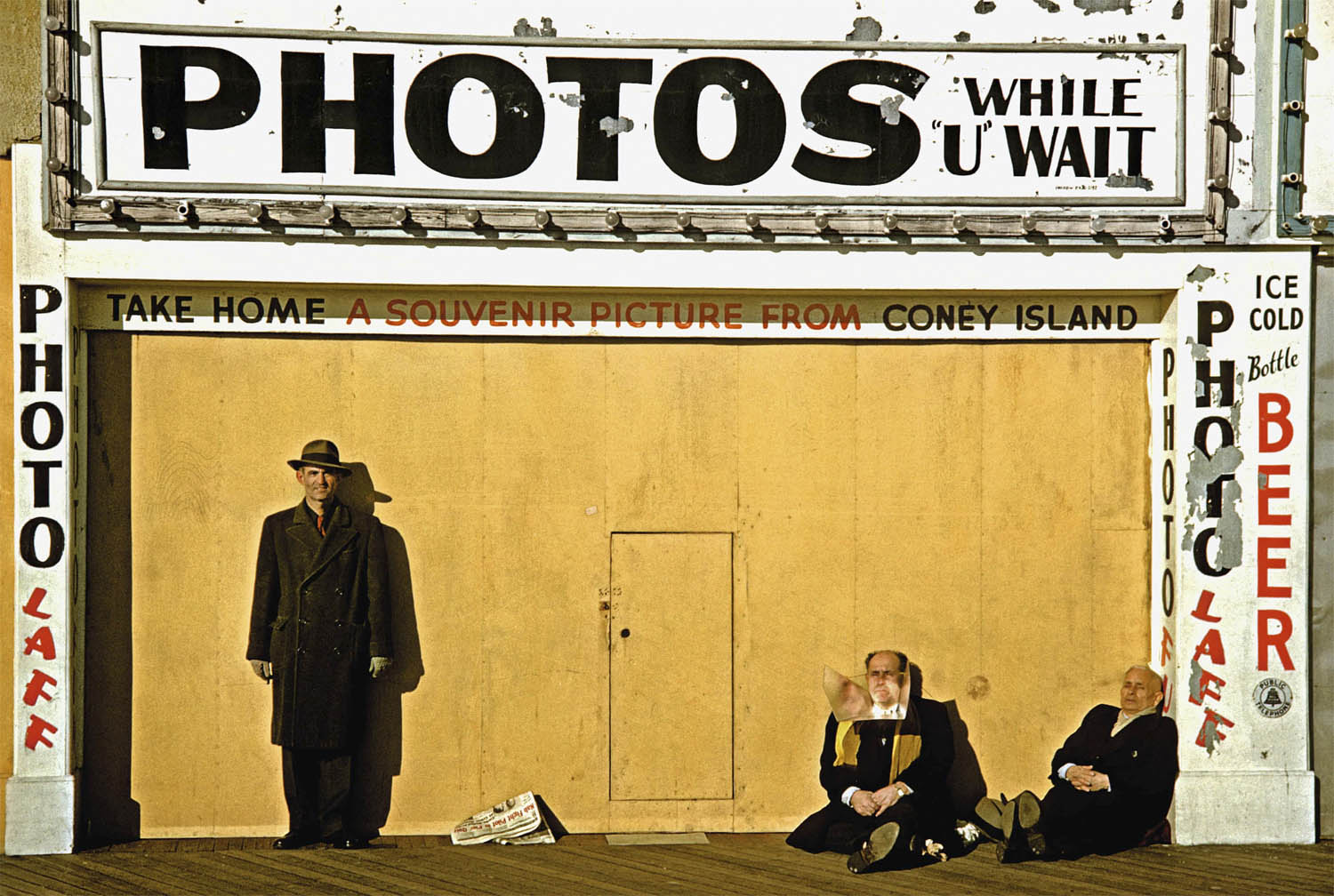
Marvin Newman (American, 1927-2023) 'Coney Island I' 1953, printed 2010


Marvin Newman (American, 1927-2023)
Coney Island I
1953, printed 2010
Archival inkjet print
Signed and dated on verso
Edition of 10
13 x 19 inches
© Marvin Newman, courtesy of Bruce Silverstein Gallery, NY


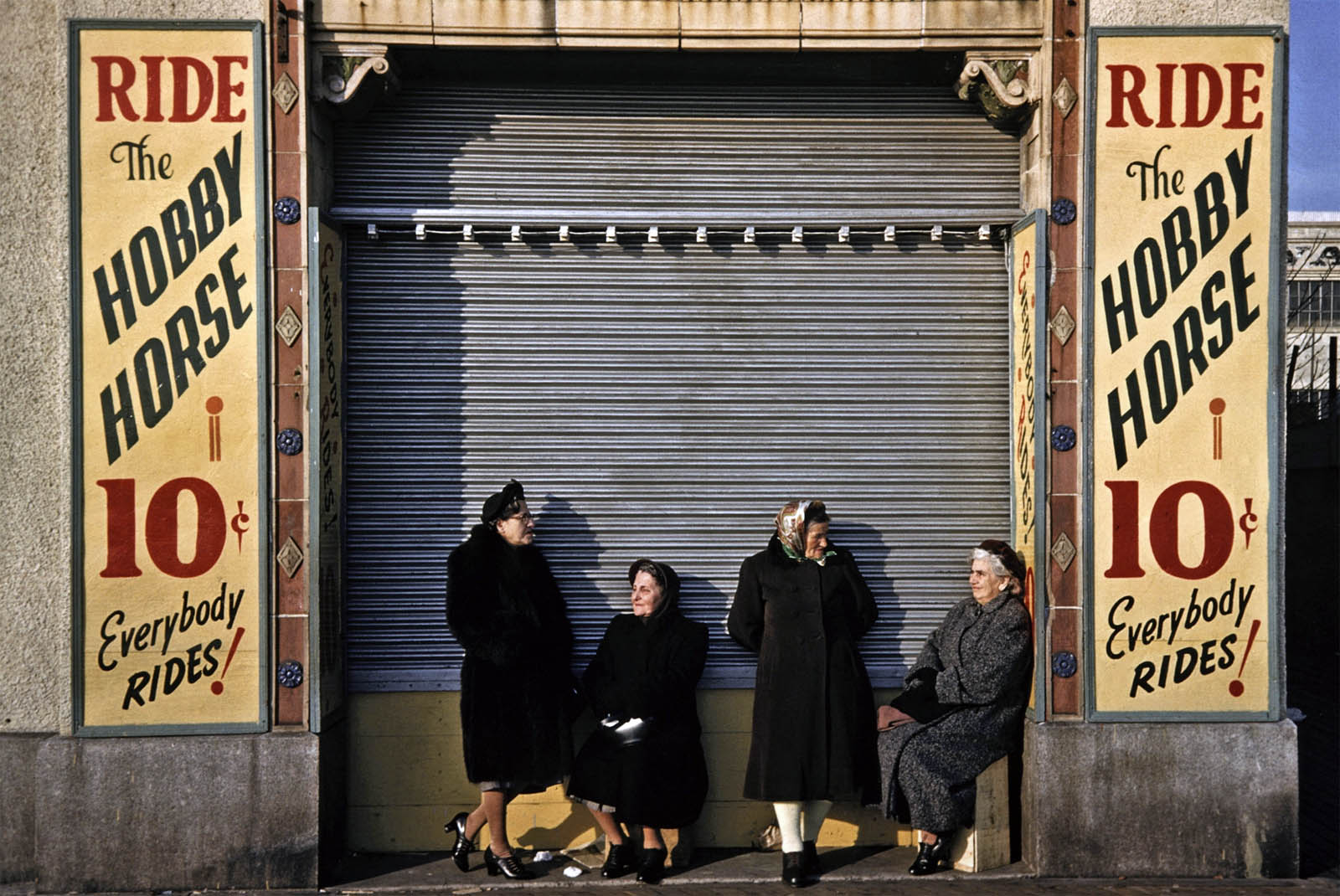
Marvin Newman (American, 1927-2023) 'Coney Island II' 1953, printed 2010


Marvin Newman (American, 1927-2023)
Coney Island II
1953, printed 2010
Archival inkjet print
Signed and dated on verso
Edition of 10
13 x 19 inches
© Marvin Newman, courtesy of Bruce Silverstein Gallery, NY


Marvin Newman (American, 1927-2023) 'Coney Island IV' 1953, printed 2010


Marvin Newman (American, 1927-2023)
Coney Island IV
1953, printed 2010
Archival inkjet print
Signed and dated on verso
Edition of 10
13 x 19 inches
© Marvin Newman, courtesy of Bruce Silverstein Gallery, NY


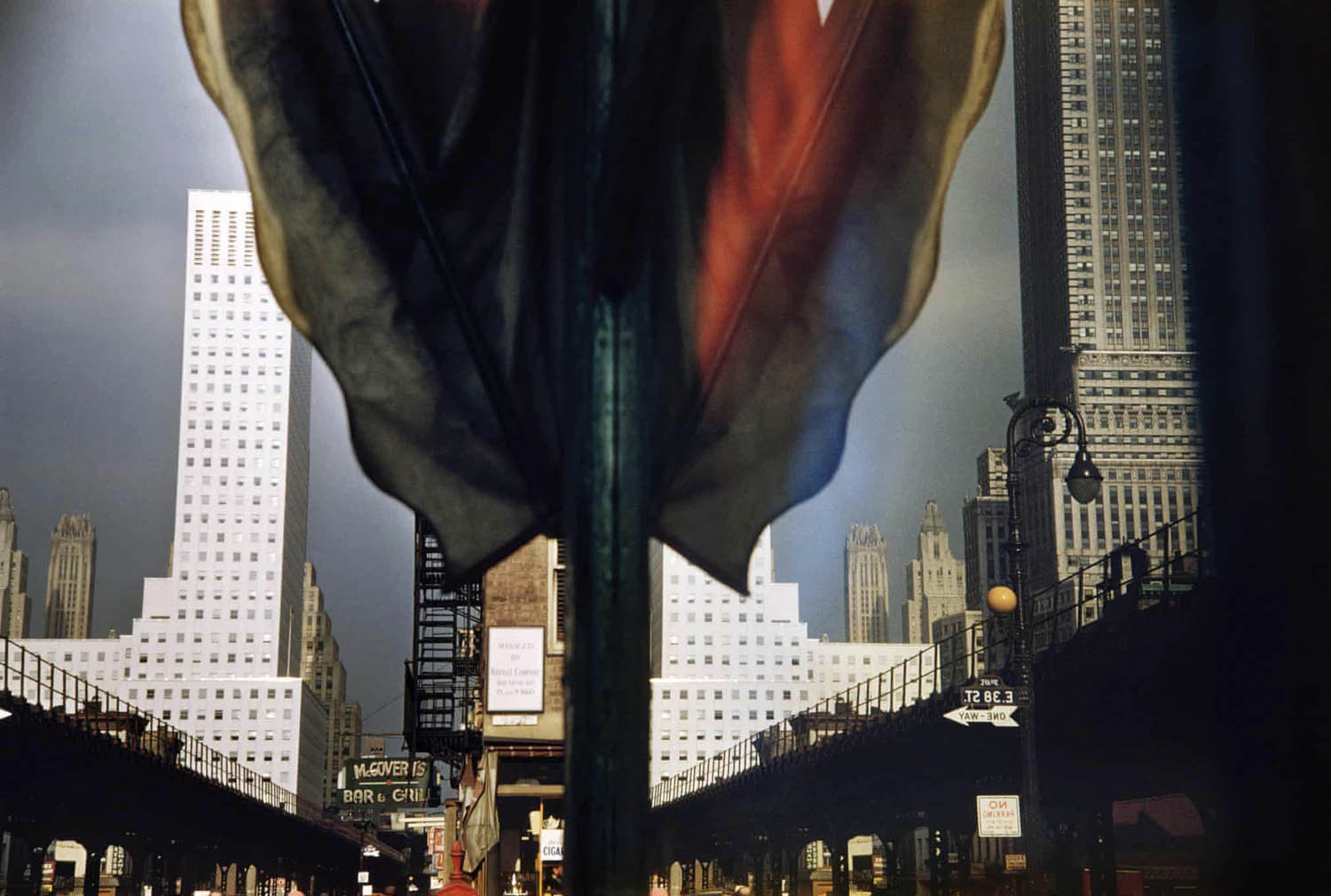
Bruce Silverstein Gallery is pleased to present, Beyond COLOR: Color in American Photography, 1950-1970, a re-examination of a pivotal period in photography’s short history, when the artistic relevance of color in fine art photography had yet to be determined. The exhibition unites works for the first time by many of the “first generation” practitioners of color photography including artists Marie Cosindas, Arthur Seigel, Harry Callahan, Eliot Porter, Saul Leiter, Marvin E. Newman, Pete Turner, Ruth Orkin and Ernst Haas. Other highlights include images exhibited for the first time by Magnum’s first female member, Inge Morath, as well as a special slide projection of color images by Garry Winogrand, images that were never printed by the artist. Beyond COLOR attempts to reclaim this moment of photographic history that only today has begun to receive critical attention.

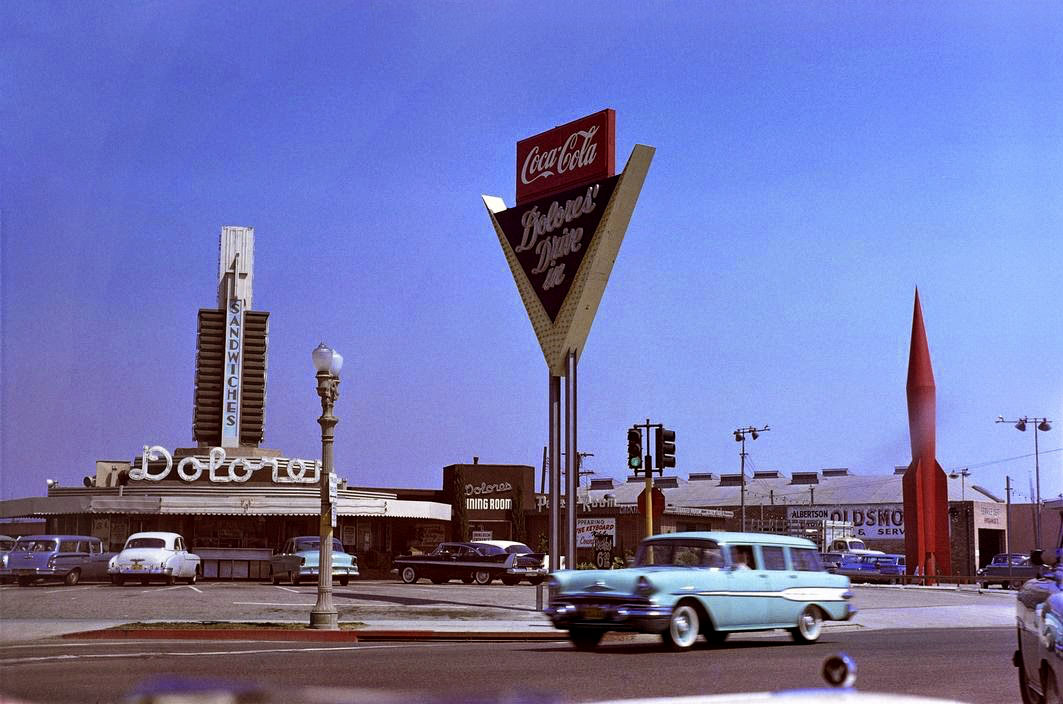
After the conclusion of World War II, innovations in technology combined with the public’s desire to “see the world as it is” resulted in an explosion in the usage of color imagery by the mass media. By 1951, commercial color television broadcasting had begun, and in 1954, half of all American films were made in color. In the early 1960’s color imagery was so prevalent that National Geographic magazine introduced a new era when it became the first major American periodical to print an all-color issue. While color photography during this period was widely embraced by mass culture – advertising and journalism – it continued to suffer from second-class status in the fine art world when compared with images in black & white. For most in the fine art establishment, black & white photography represented the medium of choice, steeped in a century-old tradition it was easily accessible and affordable to artists, and possessed known archival stability. For this reason, few artists chose to work in color and even fewer produced finished prints. Although color works had begun to selectively appear in museum exhibitions, most notably at the Museum of Modern Art, where single artist exhibitions of works by Eliot Porter (1943), Ernst Haas (1962) and Marie Cosindas (1966) were displayed, academic and institutional attention and support for this new technology was scant.

Over the past forty years, work in color created by artists during this formative period has received little attention. Most critical analysis through writings and exhibitions have focused on color work created during the 1970’s and 1980’s after the now famous Museum of Modern Art exhibition, Photographs by William Eggleston (1976), curated by John Szarkowski. This MoMA exhibition set the groundwork for defining a new purpose for color photography – one that focused more on the conceptual implications of the photograph and its creation, and away from the formalistic attributes of the image as well as the attention to color itself. The effects of Eggleston’s exhibition and Szarkowski’s essay reverberate to this day.

With a certain distance from this era when color photography was new – its place in the art world no longer a question – this exhibition offers a crucial consideration of works created during this period and encourages a new perspective on the significance of these artists’ contributions to the history of photography.

Text from the Bruce Silverstein Gallery website


Harry Callahan (American, 1912-1999)
'Providence' 1963


Harry Callahan (American, 1912-1999)
Providence
1963
Dye transfer print


Marie Cosindas (American, 1923-2017) 'Amy, Boston' 1965, printed c. 2010


Marie Cosindas (American, 1923-2017)
Amy, Boston
1965, printed c. 2010
Archival inkjet print
Signed, titled and dated on verso
11 3/4 x 16 1/2 inches
© Marie Consindas, courtesy of Bruce Silverstein Gallery, NY


Pete Turner (American, 1934-2017)
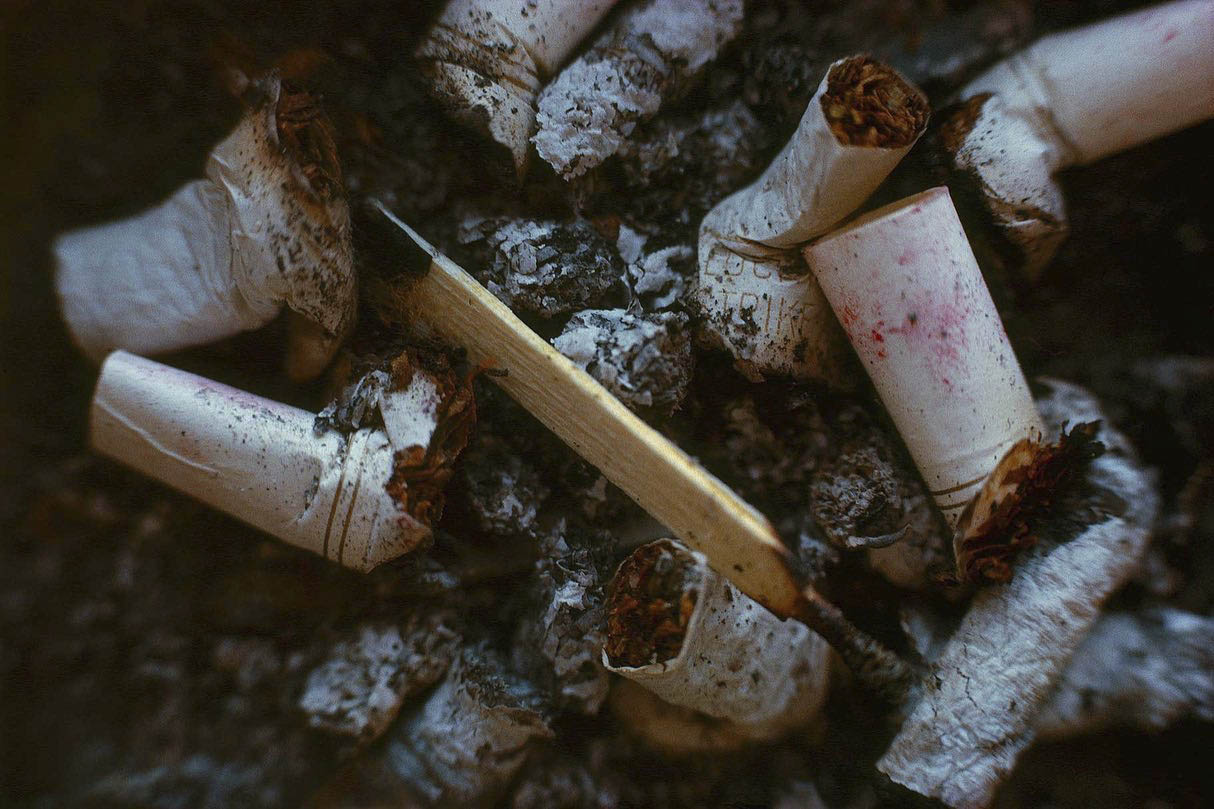
'Cigarette Butts' 1963, printed early 1970s


Pete Turner (American, 1934-2017)
Cigarette Butts
1963, printed early 1970s
Unique dye transfer print
Signed, titled and dated on recto
30 x 40 inches
© Pete Turner, courtesy of Bruce Silverstein Gallery, NY


Pete Turner (American, 1934-2017)
'Texascape' 1968, printed c. 1976-1980


Pete Turner (American, 1934-2017)
Texascape
1968, printed c. 1976-1980
Signed with artist stamp on recto
Dye transfer print
Edition of 50 (#28/50)
6 x 9 in (15.24 x 22.86cm)


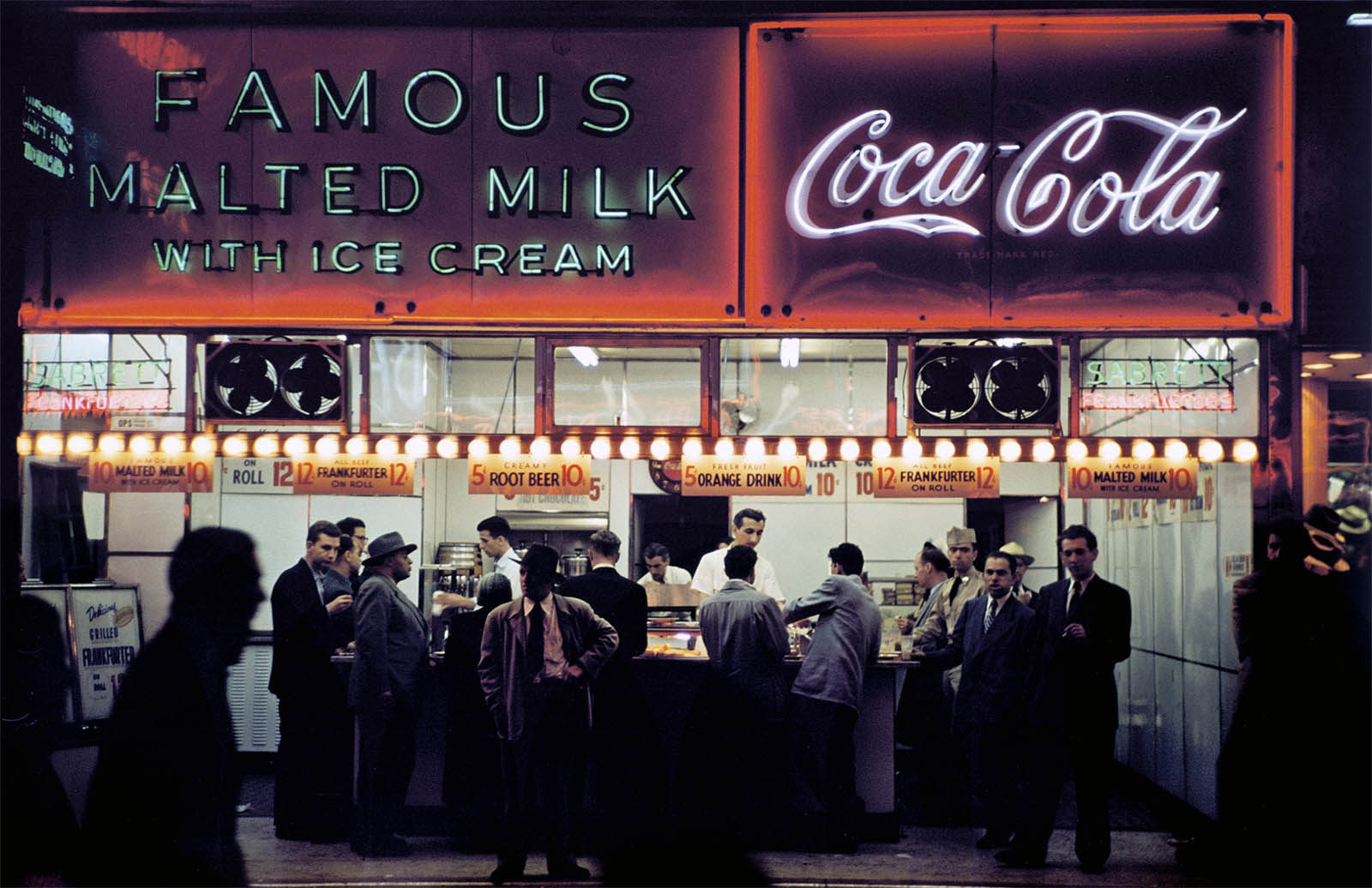
Ruth Orkin (American, 1921-1985)
'Famous Malted Milk, NYC' c. 1950, printed 2010
Screenshot


Ruth Orkin (American, 1921-1985)
Famous Malted Milk, NYC
c. 1950, printed 2010
Archival inkjet print
Estate stamp on verso
Edition of 15
11 x 14 inches
ROR-00008-SP
© Ruth Orkin, courtesy of Bruce Silverstein Gallery, NY


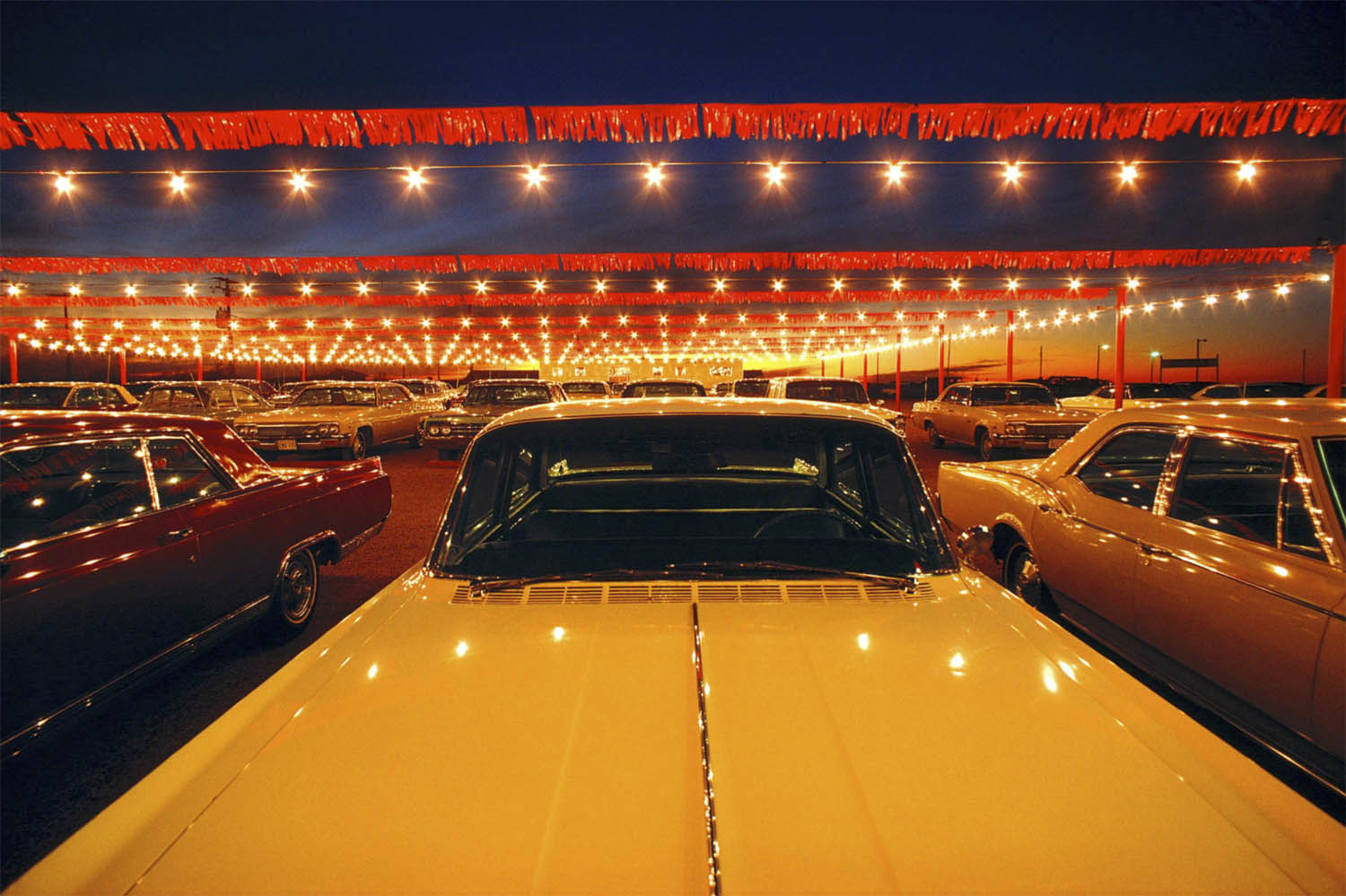
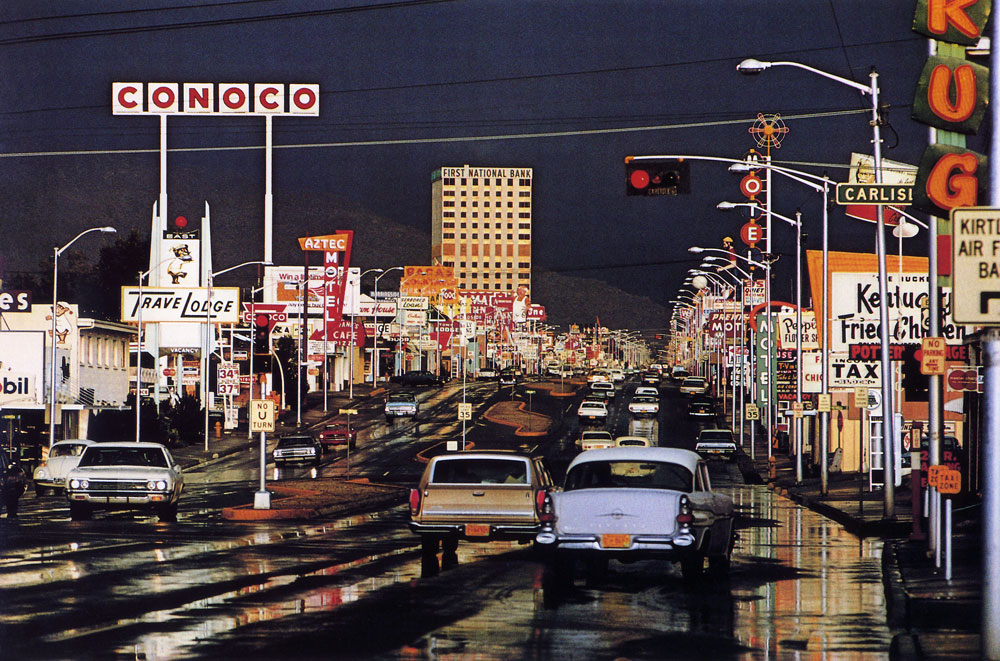
Ernst Haas (American, 1921-1986) 'Route 66, Albuquerque, New Mexico, USA' 1969, printed later


Ernst Haas (American, 1921-1986)
Route 66, Albuquerque, New Mexico, USA
1969, printed later
Chromogenic print mounted to board
Estate stamp on verso
30 x 40 inches
EHA-00898-SP
© Ernst Haas, courtesy of Bruce Silverstein Gallery, NY


Bruce Silverstein Gallery
529 West 20th Street
3rd Floor / Suite 3W
New York, NY 10011
Phone: 212-627-3930

Opening hours:
Tuesday – Friday
10am – 5pm
Bruce Silverstein Gallery website

LIKE ART BLART ON FACEBOOK

Back to top

Exhibition: ‘Paul Graham – a shimmer of possibility’ at Foam Fotografiemuseum, Amsterdam

Exhibition dates: 2nd April – 16th June 2010


Many thankx to Fenna Lampe and the Foam Fotografiemuseum Amsterdam for allowing me to publish the photographs in the post. Please click on the photographs for a larger version of the image.


Paul Graham (English, b. 1956) 'Las Vegas, 2005' from the series 'a shimmer of possibility' from the exhibition Exhibition: 'Paul Graham - a shimmer of possibility' at Foam Fotografiemuseum, Amsterdam, April - June 2010


Paul Graham (English, b. 1956)
Las Vegas, 2005
2005
From the series a shimmer of possibility
© Paul Graham


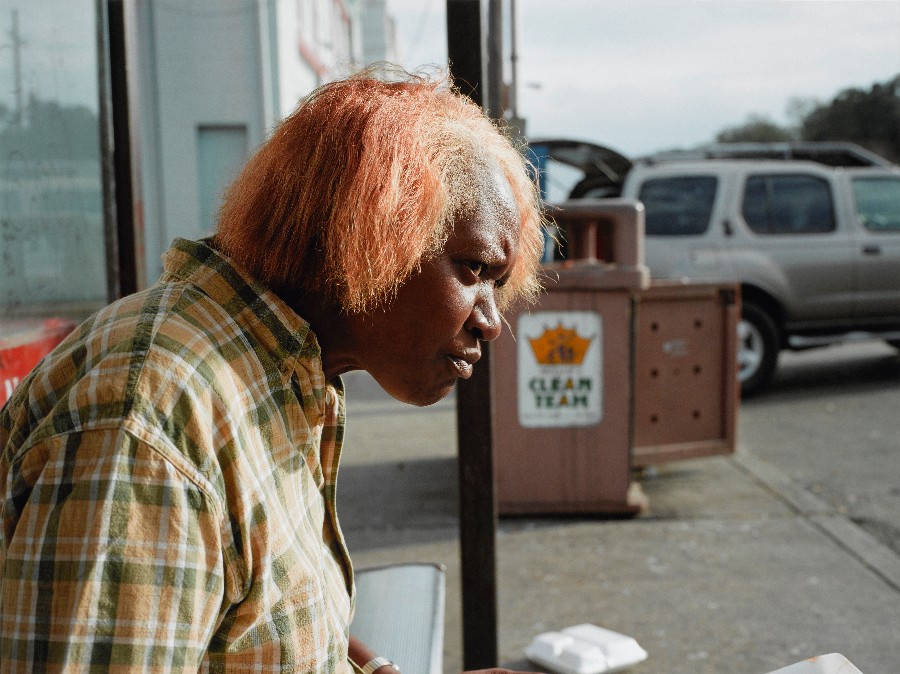
Paul Graham (English, b. 1956) 'New Orleans 2004 (Woman Eating)' from the series 'a shimmer of possibility' from the exhibition Exhibition: 'Paul Graham - a shimmer of possibility' at Foam Fotografiemuseum, Amsterdam, April - June 2010


Paul Graham (English, b. 1956)
New Orleans 2004 (Woman Eating)
2004
From the series a shimmer of possibility
© Paul Graham


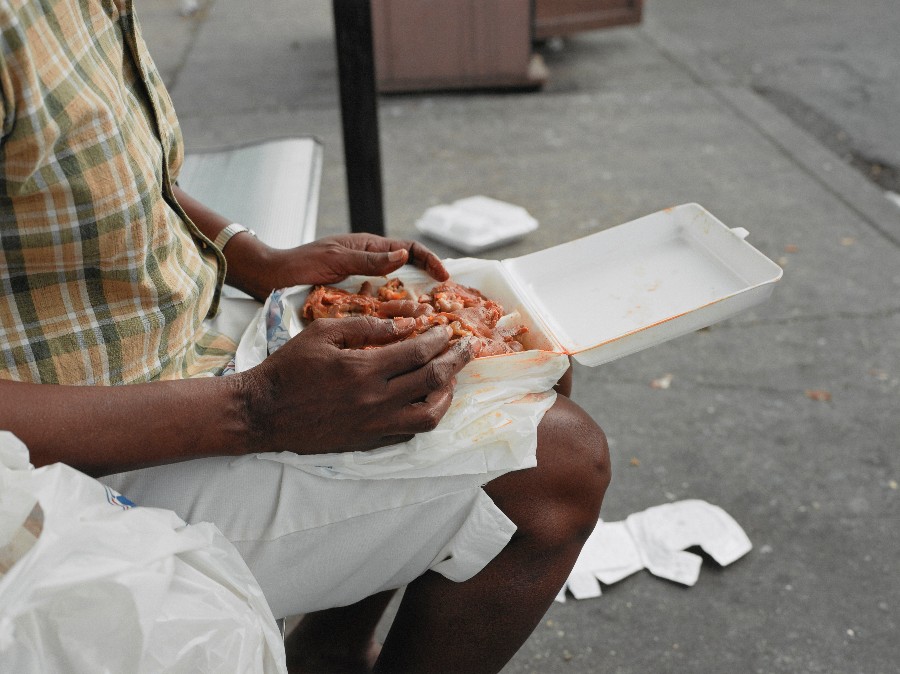
Paul Graham (English, b. 1956) 'New Orleans 2004 (Woman Eating)' from the series 'a shimmer of possibility'


Paul Graham (English, b. 1956)
New Orleans 2004 (Woman Eating)
2004
From the series a shimmer of possibility
© Paul Graham


a shimmer of possibility is the latest project by influential British photographer Paul Graham. This work was created during Graham’s many travels through the United States since 2002. a shimmer of possibility consists of twelve sequences varying in number: from just a few images to more than ten. Each sequence offers an informal look at the life of ordinary, individual Americans – from a woman eating to a man waiting for the bus. The sequences focus attention on very ordinary things, which Graham has photographed with affection and curiosity.

Each sequence is a short, casual encounter, where we consider for a moment something that attracts our attention. Then life goes on, full of new possibilities. The way Graham presents the diverse sequences in the exhibition is crucial. Instead of being shown in a linear fashion, a sequence fans out over the wall like a cloud. Due to the carefully considered and inventive structure, no viewing direction or predominant hierarchy is imposed on the individual images. The eye of the viewer wanders over the photos, offering the opportunity to make personal connections in an associative manner.

a shimmer of possibility can be seen as the ultimate antithesis of what Henri Cartier-Bresson called ‘the decisive moment’. This French master endeavoured to record exactly those moments where subject matter and formal aspects combined perfectly in a single image. Paul Graham, by contrast, defends how we normally look around us. We move through the world and look from left to right, see something that grabs our attention, move towards it, glance to the side while en route, pass that by and continue on our way. Observation is a never-ending series of ‘non-decisive moments’, full of potential for anyone who is open to see it.”

Text from the Foam website [Online] Cited 06/06/2010 no longer available online


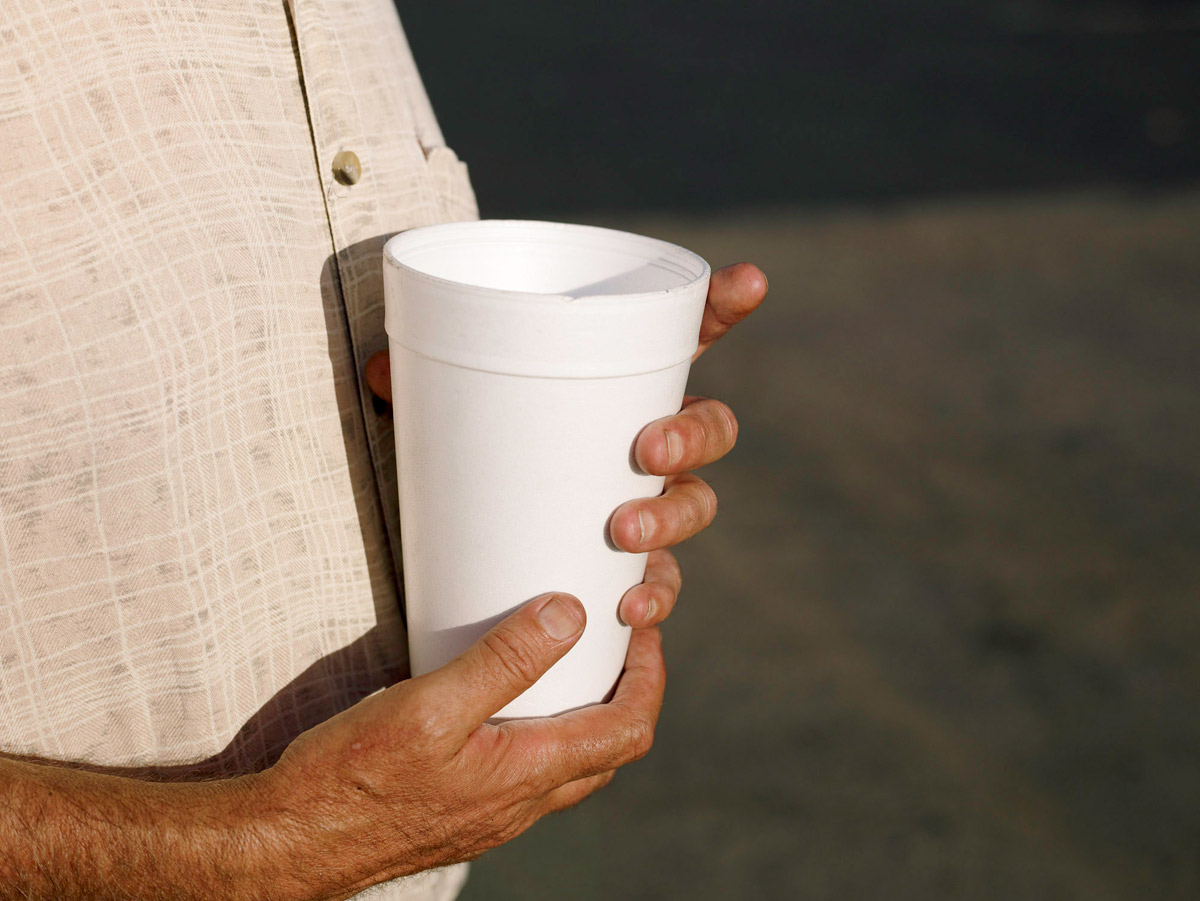
Paul Graham (English, b. 1956) 'California 2006 (Sunny Cup)' from the series 'a shimmer of possibility'


Paul Graham (English, b. 1956)
California 2006 (Sunny Cup)
2006
From the series a shimmer of possibility
© Paul Graham


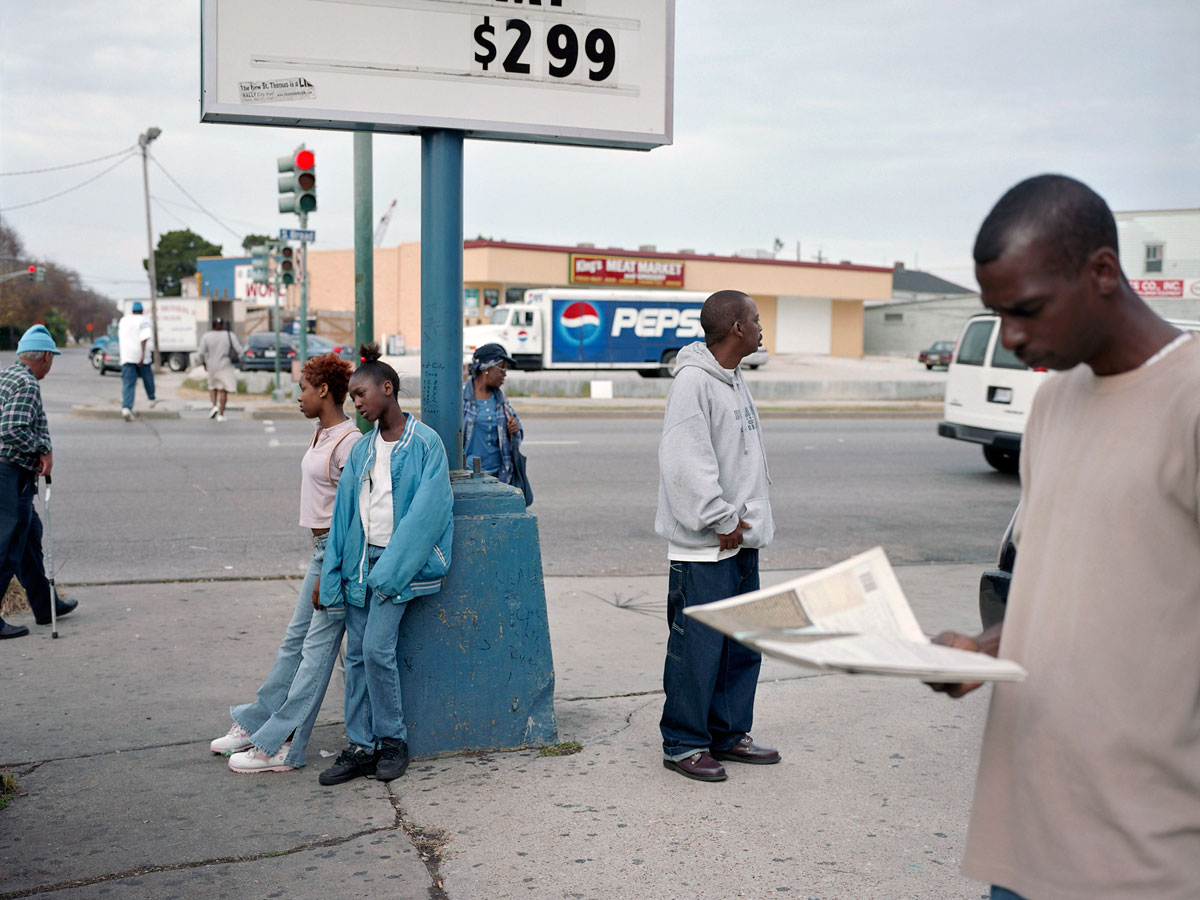
Paul Graham (English, b. 1956) 'New Orleans 2005 (Cajun Corner)' from the series 'a shimmer of possibility' from the exhibition Exhibition: 'Paul Graham - a shimmer of possibility' at Foam Fotografiemuseum, Amsterdam, April - June 2010


Paul Graham (English, b. 1956)
New Orleans 2005 (Cajun Corner)
2005
From the series a shimmer of possibility
© Paul Graham


Graham walked the streets of residential neighbourhoods in Massachusetts, Pennsylvania, and Louisiana, and the sidewalks of New Orleans, Las Vegas, and New York, and when he encountered someone who caught his eye, he photographed them: an older woman retrieving her mail; a young man and woman playing basketball at dusk; a couple returning from the supermarket. Graham followed people navigating their way through crowded city sidewalks, and tracked and photographed lone figures crossing a busy roadway, unaware of the camera.

Reviewing several trips’ worth of photographs on the large, flat screen of his computer, Graham realised that the more or less randomly gathered pictures could be united into multipart works. As in a poem, where language and rhythm organise words, lines, and stanzas into an imaginative interpretation of a subject, Graham’s imposed yet open-ended structures imply – through close-ups, crosscutting, and juxtapositions of people and nature-specific narratives and overarching ideas. Images of people placed in tandem with other people and with nature suggest the flow of life, pointing to the unknown and the possibility of change, with nature acting as a balm, whether as raindrops, trees silhouetted against a burning sunset, or the bright green grass on a highway meridian.

In his reconstruction of the world in pictures, Graham describes an America at odds with itself, filled with contradictions and inconsistencies. Yet, through the gloom, the small felicities of life peek through. Fluid, filled with desire, and marked by extremes, his view is what the late curator, critic, and photographer John Szarkowski called, in another context, a “just metaphor” for our times.

Text from the Museum of Modern Art (MoMA) website [Online] Cited 14/08/2019


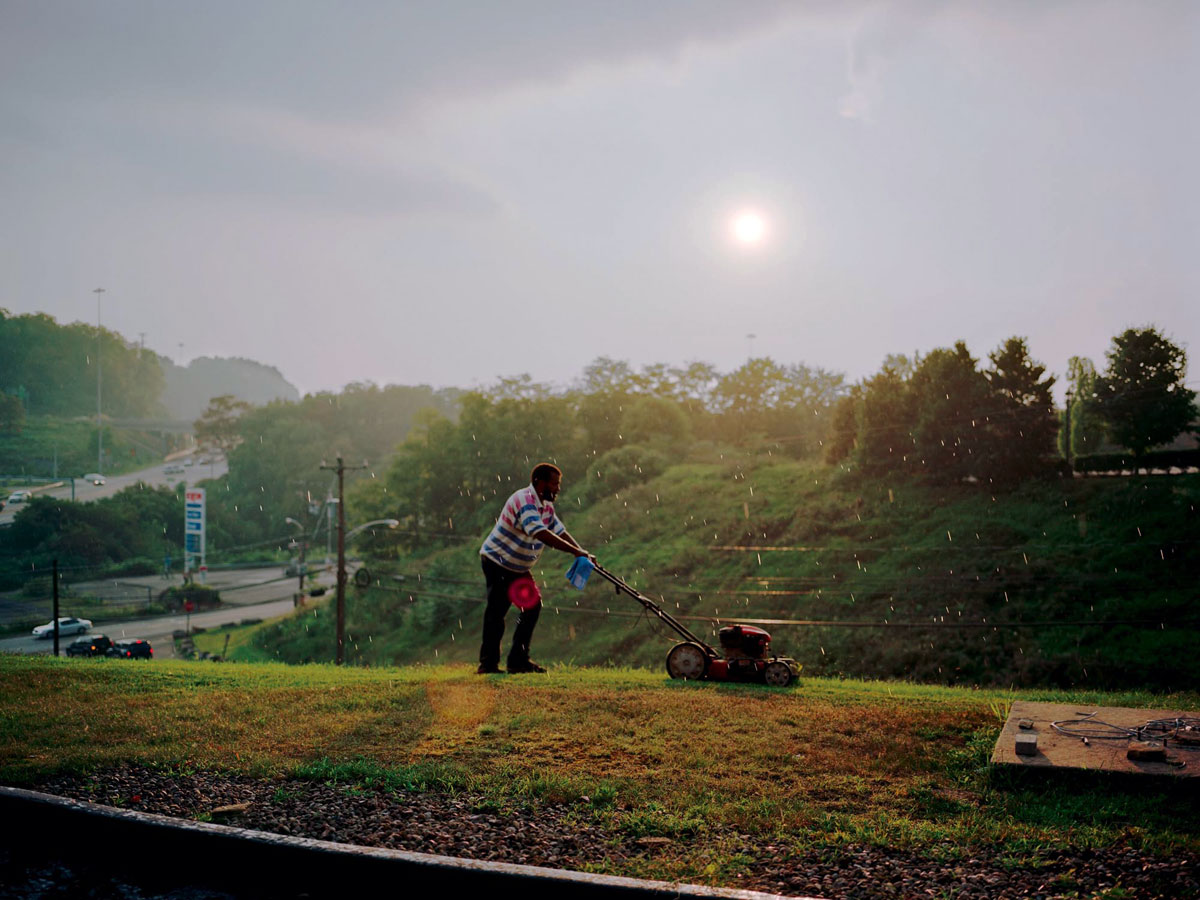
Paul Graham (English, b. 1956) 'Pittsburgh 2004 (Lawnmower Man)' from the series 'a shimmer of possibility'


Paul Graham (English, b. 1956)
Pittsburgh 2004 (Lawnmower Man)
2004
From the series a shimmer of possibility
© Paul Graham


Inspired by Chekhov’s short stories – and by his own contagious joy in the book form – photographer Paul Graham has created A Shimmer of Possibility, comprised of 12 individual books, each a photographic short story of everyday life. Some are simple and linear – a man smokes a cigarette while he waits for a bus in Las Vegas, or the camera tracks an autumn walk in Boston. Some entwine two, three or four scenes – while a couple carry their shopping home in Texas, a small child dances with a plastic bag in a garden. Some watch a quiet narrative break unexpectedly into a sublime moment – as a man cuts the grass in Pittsburgh it begins to rain, until the low sun breaks through and illuminates each drop. Graham’s filmic haikus shun any forceful summation or tidy packaging. Instead, they create the impression of life flowing around and past us while we stand and stare, and make it hard not to share the artist’s quiet astonishment with its beauty and grace. The 12 books gathered here are identical in trim size, but vary in length from just a single photograph to 60 pages of images made at one street corner.

Text from the Mack website [Online] Cited 14/08/2019


Paul Graham (English, b. 1956) 'Las Vegas (Smoking Man)' 2005 from the series 'a shimmer of possibility', 2003-2006


Paul Graham (English, b. 1956)
Las Vegas (Smoking Man)
2005
From the series a shimmer of possibility, 2003-2006
Colour coupler print
© Paul Graham


a shimmer of possibility by Paul Graham
12 volumes
376 pages, 167 colour plates
24.2 cm x 31.8 cm
12 cloth covered hardbacks
Limited edition of 1,000 sets
MACK
ISBN: 9783865214836
Publication date: October 2007


Foam Fotografiemuseum Amsterdam
Keizersgracht 609
1017 DS Amsterdam
Phone: + 31 (0)20 551 6500

Opening hours:
Monday – Wednesday 10.00 – 18.00
Thursday – Friday 10.00 – 21.00
Saturday – Sunday 10.00 – 18.00

Foam website

LIKE ART BLART ON FACEBOOK

Back to top

Exhibition: ‘Focus on Color: The Photography of Jeannette Klute’ at the Bruce Museum, Greenwich, Connecticut

Exhibition dates: 21st June – 27th September, 2009


Many thankx to the Bruce Museum and Mike Horyczun (Director of Public Relations) for allowing me to publish the wonderful photographs below.

Marcus


Jeannette Klute (American, 1918-2009) 'Cardinal Flower' Nd (early-mid 1950s)


Jeannette Klute (American, 1918-2009)
Cardinal Flower
Nd (early-mid 1950s)
Dye transfer photograph
20 1/4 x 16 1/4 in.
Bruce Museum collection
Gift of George Stephanopoulos


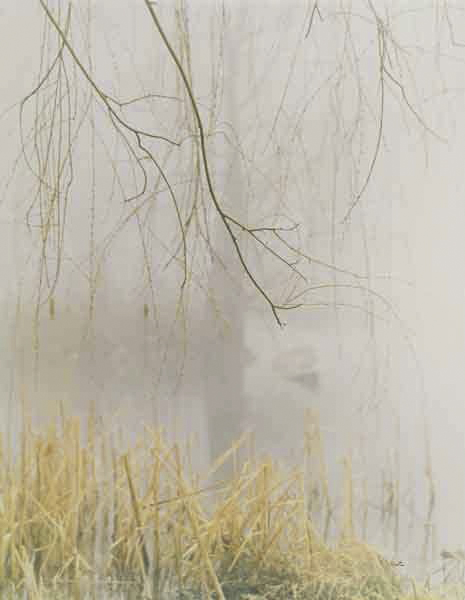
Jeannette Klute (American, 1918-2009) 'Misty Willow' Nd (early-mid 1950s)


Jeannette Klute (American, 1918-2009)
Misty Willow
Nd (early-mid 1950s)
Dye transfer photograph
20 1/4 x 16 1/4 in.
Bruce Museum collection
Gift of George Stephanopoulos


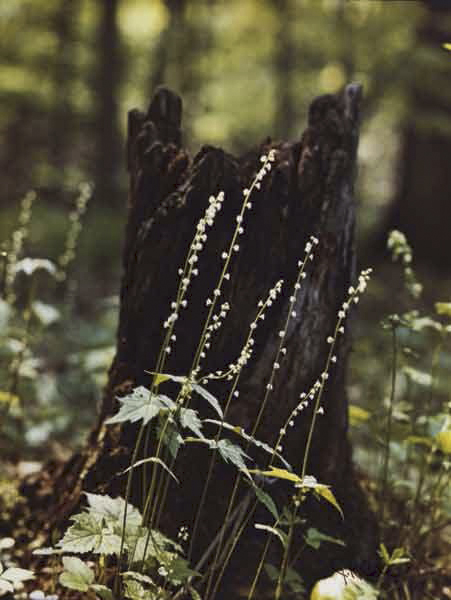
Jeannette Klute (American, 1918-2009) 'Miterwort' Nd (early-mid 1950s)


Jeannette Klute (American, 1918-2009)
Miterwort
Nd (early-mid 1950s)
Dye transfer photograph
14 1/8 x 11 1/4 in.
Bruce Museum collection
Gift of George and Alexandra Stephanopoulos


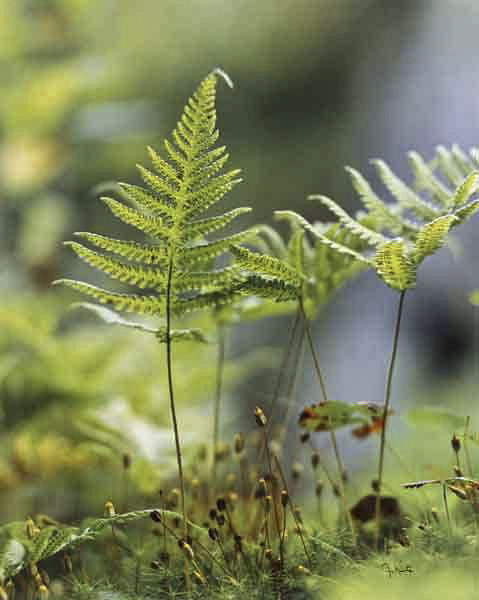
Jeannette Klute (American, 1918-2009) 'Beech Fern' Nd (early-mid 1950s)


Jeannette Klute (American, 1918-2009)
Beech Fern
Nd (early-mid 1950s)
Dye transfer photograph
20 1/4 x 16 1/4 in.
Bruce Museum collection
Gift of George Stephanopoulos


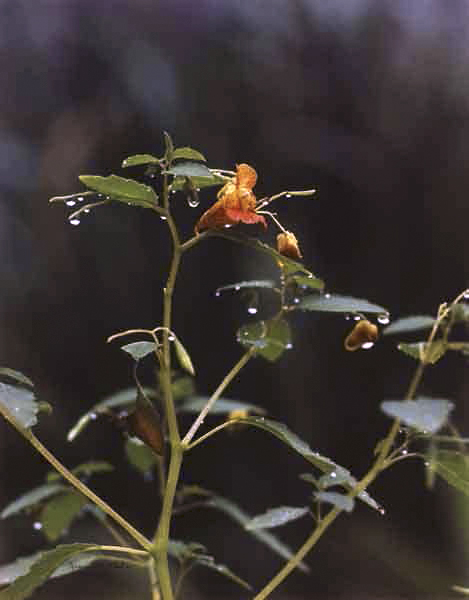
Jeannette Klute (American, 1918-2009) 'Jewel Weed' Nd (early-mid 1950s)


Jeannette Klute (American, 1918-2009)
Jewel Weed
Nd (early-mid 1950s)
Dye transfer photograph
20 1/4 x 16 1/4 in.
Bruce Museum collection
Gift of George Stephanopoulos


Jeannette Klute (American, 1918-2009) 'Christmas Fern' Nd (early-mid 1950s)


Jeannette Klute (American, 1918-2009)
Christmas Fern
Nd (early-mid 1950s)
Dye transfer photograph
12 1/2 x 9 1/2 in.
Bruce Museum collection
Gift of George Thomsen


Jeannette Klute (American, 1918-2009) 'Jack in the Pulpit (Arisaema triphyllum)' Nd (early-mid 1950s)


Jeannette Klute (American, 1918-2009)
Jack in the Pulpit (Arisaema triphyllum)
Nd (early-mid 1950s)
Dye transfer photograph
20 1/4 x 16 1/4 in.
Bruce Museum collection
Gift of George and Alexandra Stephanopoulos


Jeannette Klute (American, 1918-2009) 'Green Grasses - blue' Nd (early-mid 1950s)


Jeannette Klute (American, 1918-2009)
Green Grasses – blue
Nd (early-mid 1950s)
Dye transfer photograph
20 1/4 x 16 1/4 in.
Bruce Museum collection
Gift of Richard and Elena Pollack


The exhibition features 24 colour photographs by Jeannette Klute (1918-2009) drawn from more than fifty of her prints held in the Bruce Museum’s permanent collection. Ranging from landscapes to intimate “woodland portraits” of orchids, ferns, and trees, Jeannette Klute’s photographs of New England are vibrant compositions produced through the labour intensive dye transfer process.

Trained at the Rochester Institute of Technology through the Works Progress Administration during the Depression, Jeanette Klute worked extensively on perfecting the dye transfer process, a laborious photographic technique that allowed for rich colours in exceptionally permanent prints. Klute tested and refined this process at the Eastman Kodak Company in Rochester, NY, beginning her career as photographic illustrator to physicist Ralph M. Evans and ascending to research photographer in charge of the Visual Research Studio of the Color Control Division.

Klute’s photography merged environmental consciousness with cutting edge technology. Using only natural light and leaving a minimal impact on the environment, she spent many years investigating colour and demonstrating the capabilities of dye transfer by photographing nature. Her work resulted in some of the finest examples of colour printing and all of its capabilities.

“My purpose has been to somehow express the feeling one experiences being out of doors,” Ms. Klute wrote for her Woodland Portraits exhibition. “I am concerned with the delight to the senses as much as with the intellectual. The woods are mystical and enchanting to me as well as spiritual.”

Jeanette Klute’s work was featured in Edward Steichen’s 1950 exhibition All Color Photography at the Museum of Modern Art, and her large one-woman shows were circulated internationally by the Smithsonian Institution and Kodak International. She was also invited to submit work for the San Francisco Museum of Art’s landmark exhibition Women of Photography: An Historical Survey in 1975.

Text from the Bruce Museum website


Jeannette Klute (American, 1918-2009) 'Maple Tree - red leaves' Nd (early-mid 1950s)


Jeannette Klute (American, 1918-2009)
Maple Tree – red leaves
Nd (early-mid 1950s)
Dye transfer photograph
20 1/4 x 16 1/4 in.
Bruce Museum collection
Gift of LeGrand Belnap


Jeannette Klute (American, 1918-2009) 'Frosted Tree' Nd (early-mid 1950s)


Jeannette Klute (American, 1918-2009)
Frosted Tree
Nd (early-mid 1950s)
Dye transfer photograph
20 1/4 x 16 1/4 in.
Bruce Museum collection
Gift of Richard and Elena Pollack


Jeannette Klute (American, 1918-2009) 'Yellow Lady's Slipper' Nd (early-mid 1950s)


Jeannette Klute (American, 1918-2009)
Yellow Lady’s Slipper
Nd (early-mid 1950s)
Dye transfer photograph
20 1/4 x 16 1/4 in.
Bruce Museum collection
Gift of LeGrand Belnap


“The first month they were sending people out for job interviews, but not me,” she recalled in a speech at the Rochester Institute of Technology in 1984. “I asked how come? The head of the department said, ‘Oh, there are no jobs for women in photography.’ My world fell apart.”

Ms. Klute took it upon herself to go out for interviews, and every week on her day off, she walked to the offices of Eastman Kodak Co. to ask for a job. For a long time, she never made it past the personnel office. Then, one day, in the pouring rain, decked in her finest navy blue suit, she stalked to the offices and was sent straight to the sixth floor for an interview.

“The man took a look at me with the rain dripping off my hat and said, ‘If you want a job that bad, you’ve got it,'” she recalled. “There was a celebration in the neighbourhood that night.” …

“She was really like my college education,” said Barbara Erbland, who assisted Ms. Klute in the lab at Kodak for many years. “She taught me everything – about light, colour, about people … how to live well.” … “Her lab consisted of all women,” she said. “I think it was by intention. She believed women had brains. We worked very well together.” …

Lugging a 4-by-5 Graflex single-lens reflex camera wherever they went, Erbland ventured into swamps and tide pools… “She taught me you don’t make do, you make things happen,” said Erbland. “You’re not a victim.”

Back in Rochester, the two sought out swamps and woodland for Ms. Klute to take her photographs – or, as she put it, to “make pictures.”

PHOTO GALLERY: In memory of Jeannette Klute, a ‘Renaissance woman’, by Philip Anselmo, August 2009


Jeannette Klute. 'Grape Leaves' nd


Jeannette Klute (American, 1918-2009)
Grape Leaves
Nd (early-mid 1950s)
Dye transfer photograph
20 1/4 x 16 1/4 in.
Bruce Museum collection
Gift of George Stephanopoulos


Bruce Museum
One Museum Drive
Greenwich, CT 06830

Opening hours:
Tuesday – Sunday 10am – 5pm
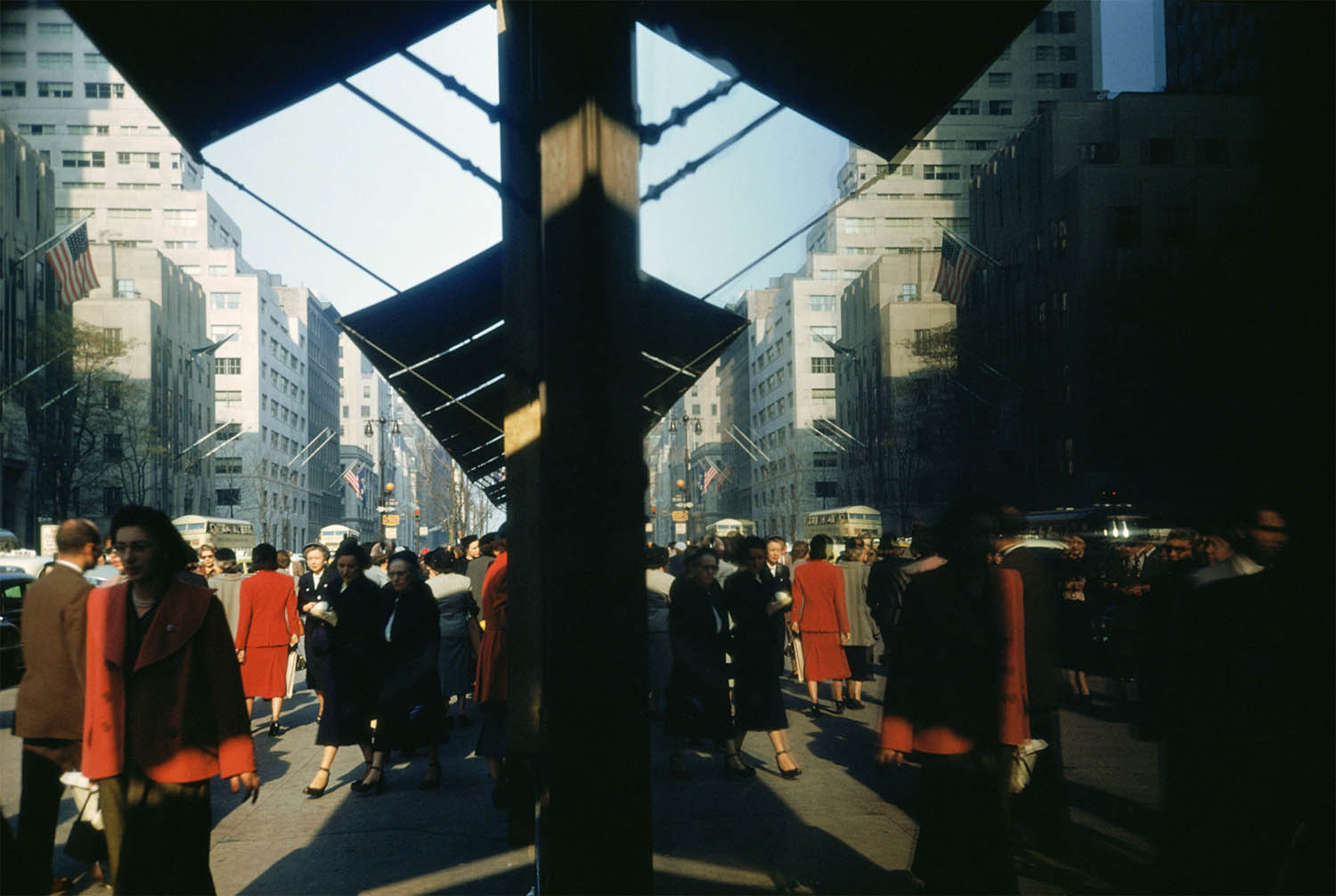
Last admission 4.30pm
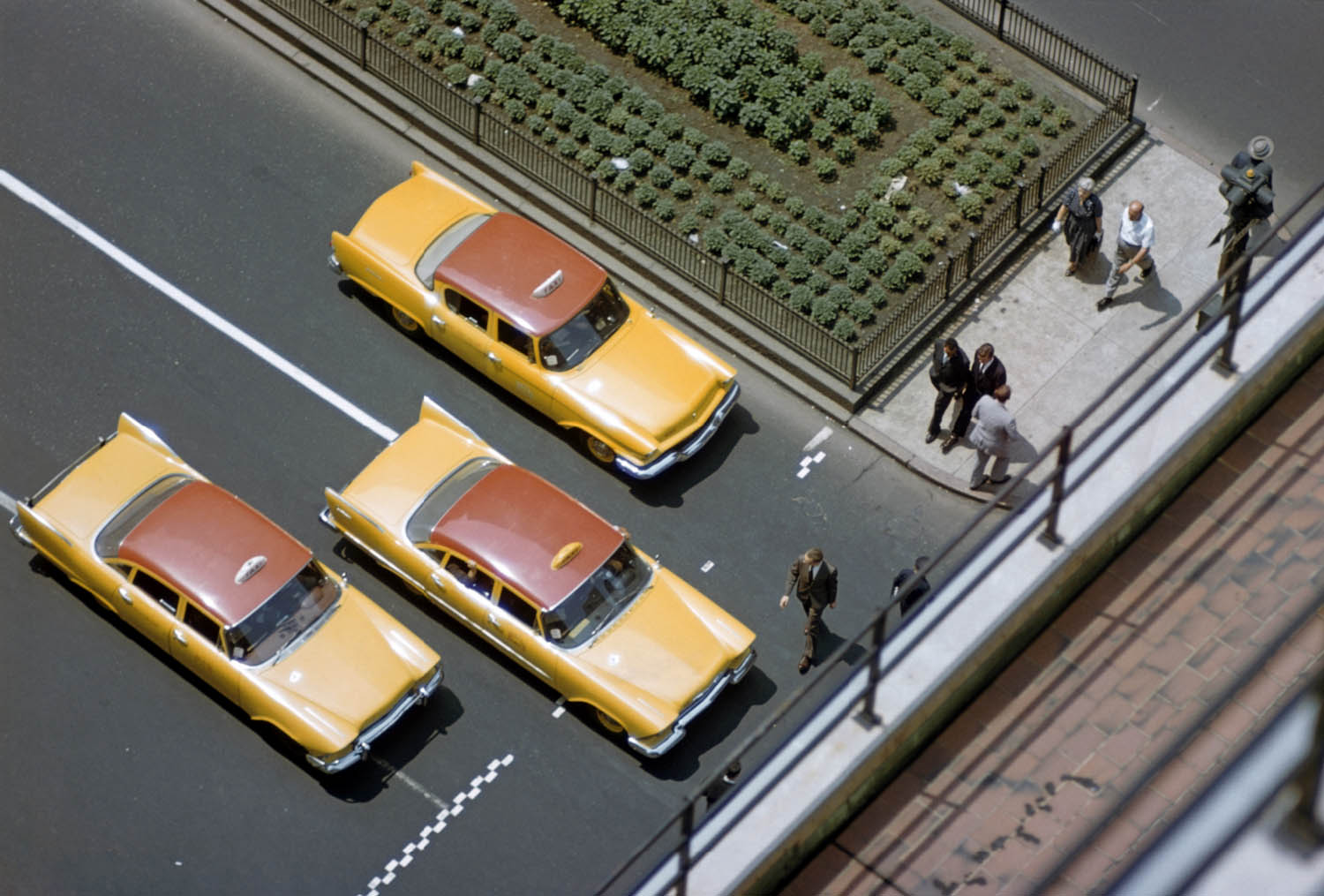
Closed Monday and major holidays

Bruce Museum website
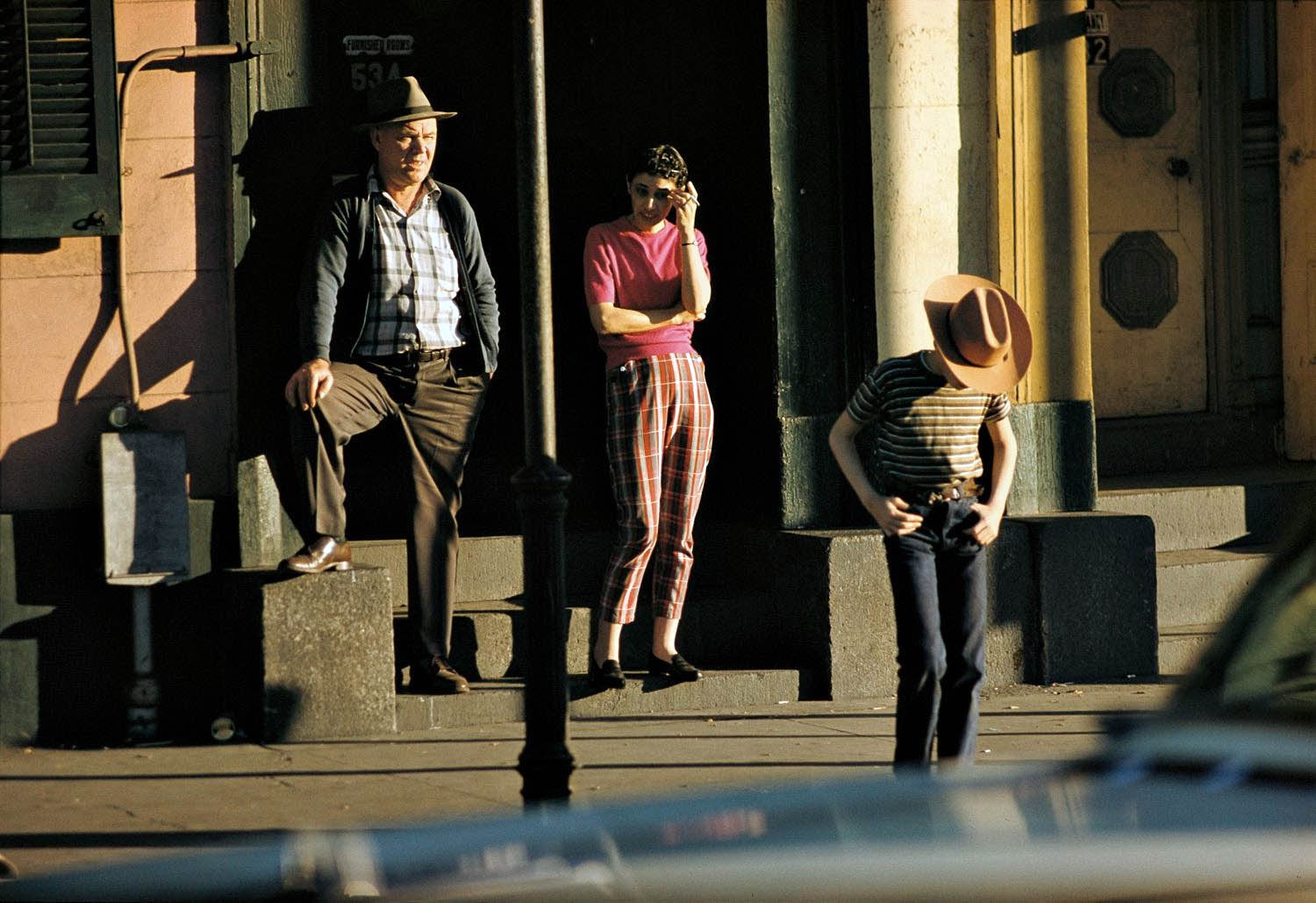
LIKE ART BLART ON FACEBOOK

Back to top

Exhibition: ‘William Eggleston, Paris’ at Fondation Cartier, Paris

Exhibition dates: 4th April – 21st June, 2009


William Eggleston (American, b. 1939) 'Untitled', Paris series, 2006-2008 from the exhibition 'William Eggleston, Paris' at Fondation Cartier, Paris, April - June, 2009


William Eggleston (American, b. 1939)
Untitled from the Paris series
2006-2008
Colour print
27.9 x 35.6cm
Series of 32 works: 27 colour prints, 4 diptychs and 1 painting
Commission for the exhibition William Eggleston, Paris, Fondation Cartier pour l’art contemporain, Paris, 2009
Gift of the artist 2009
© Eggleston Artistic Trust, Memphis


Perhaps it’s just me, but I seem to have become a little jaded towards the recent photographs of William Eggleston.

Other than the green reflection of lights in rainwater (above) the photographs seem to have lost their unique voice, the social insight that gave his earlier work it’s zing – provocative images that challenged how we live through a meditation on subject matter, construction of space, and tone of “colour”. How the colour that surrounds us inflects our very being.

In these photographs it feels like there has been little development in his style over the years with a consequent lessening of their visual impact. Now Eggleston’s colour just feels like a party trick, performed by rote with little consequential meaning to either the colour or the image. Perhaps the way we look at the world (and how we picture it) has finally overtaken the director’s prescient creative vision – his auteurship, his authorship.

Dr Marcus Bunyan


Many thankx to the Fondation Cartier for allowing me to publish the photographs in the posting.


“In Eggleston’s best work, the work that made him famous, color is intrinsic to the meaning of the photograph. Its not simply a garnish to draw the eye. His best photographs are not ‘about’ the color; they are about larger issues that the color is used in the service of.  This is whats missing in his Paris pictures. The color here is pure ornament, eye candy to seduce you into forgetting that the picture has nothing to say.”

Anonymous. “William Eggleston Mails It In From Paris,” on the Leicaphilia website April 21, 2014 [Online] Cited 06/02/2019


William Eggleston (American, b. 1939) 'Untitled', Paris series, 2006-2008 from the exhibition 'William Eggleston, Paris' at Fondation Cartier, Paris, April - June, 2009


William Eggleston (American, b. 1939)
Untitled from the Paris series
2006-2008
Colour print
27.9 x 35.6cm
Series of 32 works: 27 colour prints, 4 diptychs and 1 painting
Commission for the exhibition William Eggleston, Paris, Fondation Cartier pour l’art contemporain, Paris, 2009
Gift of the artist 2009
© Eggleston Artistic Trust, Memphis


William Eggleston (American, b. 1939) 'Untitled', Paris series, 2006-2008


William Eggleston (American, b. 1939)
Untitled from the Paris series
2006-2008
Colour print
27.9 x 35.6cm
Series of 32 works: 27 colour prints, 4 diptychs and 1 painting
Commission for the exhibition William Eggleston, Paris, Fondation Cartier pour l’art contemporain, Paris, 2009
Gift of the artist 2009
© Eggleston Artistic Trust, Memphis


William Eggleston (American, b. 1939) 'Untitled', Paris series, 2006-2008


William Eggleston (American, b. 1939)
Untitled from the Paris series
2006-2008
Colour print
27.9 x 35.6cm
Series of 32 works: 27 colour prints, 4 diptychs and 1 painting
Commission for the exhibition William Eggleston, Paris, Fondation Cartier pour l’art contemporain, Paris, 2009
Gift of the artist 2009
© Eggleston Artistic Trust, Memphis


William Eggleston (American, b. 1939) 'Untitled', Paris series, 2006-2008


William Eggleston (American, b. 1939)
Untitled from the Ωris series
2006-2008
Colour print
27.9 x 35.6cm
Series of 32 works: 27 colour prints, 4 diptychs and 1 painting
Commission for the exhibition William Eggleston, Paris, Fondation Cartier pour l’art contemporain, Paris, 2009
Gift of the artist 2009
© Eggleston Artistic Trust, Memphis


For the last three years, American photographer William Eggleston has photographed the city of Paris as part of a commission for the Fondation Cartier pour l’art contemporain. Taken throughout different seasons, these new images by one of the fathers of colour photography portray the local and the cosmopolitan, the glamorous and the gritty, the everyday and the extraordinary.

This exhibition also provides an exceptional occasion to bring together William Eggleston’s distinctive pictures and his recent paintings, an unknown aspect of his work that has never before been presented to the public.

Text from the Fondation Cartier website


William Eggleston (American, b. 1939) 'Untitled', Paris series, 2006-2008


William Eggleston (American, b. 1939)
Untitled from the Paris series
2006-2008
Colour print
35.6 x 27.9cm
Series of 32 works: 27 colour prints, 4 diptychs and 1 painting
Commission for the exhibition William Eggleston, Paris, Fondation Cartier pour l’art contemporain, Paris, 2009
Gift of the artist 2009
© Eggleston Artistic Trust, Memphis


William Eggleston (American, b. 1939) 'Untitled', Paris series, 2006-2008


William Eggleston (American, b. 1939)
Untitled from the Paris series
2006-2008
Colour print
35.6 x 27.9cm
Series of 32 works: 27 colour prints, 4 diptychs and 1 painting
Commission for the exhibition William Eggleston, Paris, Fondation Cartier pour l’art contemporain, Paris, 2009
Gift of the artist 2009
© Eggleston Artistic Trust, Memphis


William Eggleston (American, b. 1939) 'Untitled', Paris series, 2006-2008


William Eggleston (American, b. 1939)
Untitled from the Paris series
2006-2008
Colour print
35.6 x 27.9cm
Series of 32 works: 27 colour prints, 4 diptychs and 1 painting
Commission for the exhibition William Eggleston, Paris, Fondation Cartier pour l’art contemporain, Paris, 2009
Gift of the artist 2009
© Eggleston Artistic Trust, Memphis


William Eggleston’s recent book Paris, published by Steidl and commissioned by Foundation Cartier, is a collective body of work that comprises his oeuvre of color drawings and recent Paris photographs. Similar to Ben Shahn, Charles Scheeler, Diego Rivera, Man Ray, Robert Rauschenberg and Ed Ruscha, Eggleston has reached out beyond photography to express his creative talents.

The photographs and drawings are intertwined throughout the book, creating an interesting visual cadence. The page spreads illustrate various layout designs, including a single image of either a photograph or drawing on a spread, pairs of drawings and photographs and pairs of drawing facing a photograph. All of the drawings and photographs are contained within the boundaries of the page. …

We know mostly of Eggleston’s photographs, but from the dating on one of the drawings included in this book, we can determine that Eggleston has been working with the drawing medium since 1968. It is interesting to speculate as to how one medium may have influenced the other for Eggleston. As an example, the earlier photographs by Shahn and Scheeler seem to have had an influence on how these two artists subsequently worked their framing, pictorial space, mass & line quality in their subsequent paintings.

The Paris photographs that Eggleston made of graffiti or his tight framing in conjunction with a longer lens to compress the pictorial space are visually similar in style to his drawings. The subjects he photographs are framed to create similar vibrant color masses and lines as his drawing, abstracting reality into basic graphic components. …

Eggleston’s photographs are constructed like spontaneous glances; partial views of what might be consider a traditional subject, creating color abstractions of lines, patterns and mass. Trees, pipes, people, walls, garbage, décor, wall paper, display windows are bisected and truncated, with edges and lines following out of the photographs borders. These images seem to be created by a restless and nervous energy.

With these drawings, paintings and photographs, Eggleston shows a interesting handling of these mediums and offers an insight as to how influential the period of Abstract Expressionism is to his photographic process.

Extract from Douglas Stockdale. “William Eggleston – Paris,” on The PhotoBook Journal website September 12, 2009 [Online] Cited 06/02/2019


William Eggleston (American, b. 1939) 'Untitled', Paris series, 2006-2008


William Eggleston (American, b. 1939)
Untitled from the Paris series
2006-2008
Colour print
35.6 x 27.9cm
Series of 32 works: 27 colour prints, 4 diptychs and 1 painting
Commission for the exhibition William Eggleston, Paris, Fondation Cartier pour l’art contemporain, Paris, 2009
Gift of the artist 2009
© Eggleston Artistic Trust, Memphis


William Eggleston (American, b. 1939) 'Untitled', Paris series, 2006-2008


William Eggleston (American, b. 1939)
Untitled from the Paris series
2006-2008
Colour print
35.6 x 27.9cm
Series of 32 works: 27 colour prints, 4 diptychs and 1 painting
Commission for the exhibition William Eggleston, Paris, Fondation Cartier pour l’art contemporain, Paris, 2009
Gift of the artist 2009
© Eggleston Artistic Trust, Memphis


Fondation Cartier
261, Boulevard Raspail
75014 Paris, France

Opening hours:
Open from Tuesday to Sunday, from 11am – 8pm
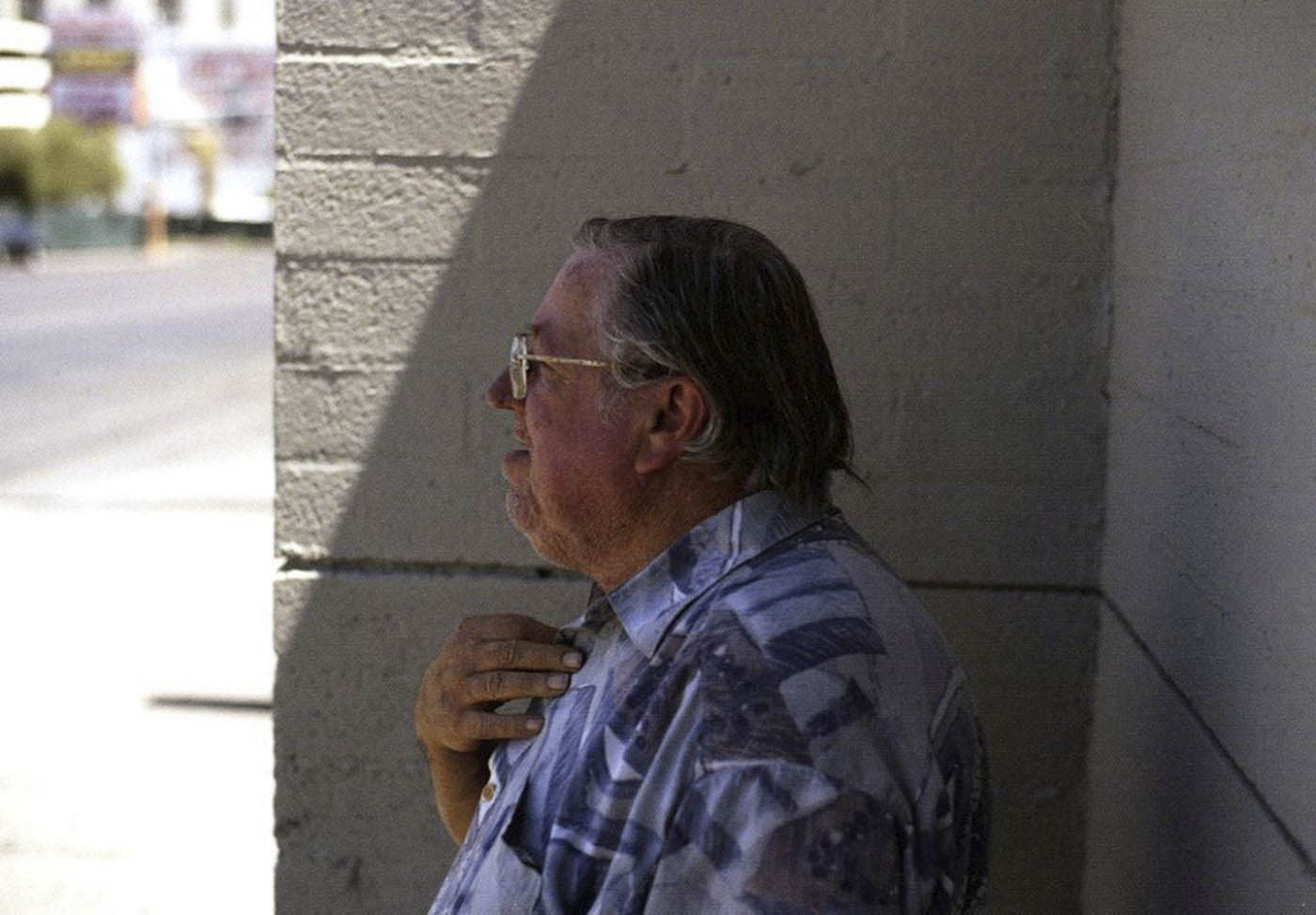
Closed on Mondays
Late closing on Tuesday, at 10 pm
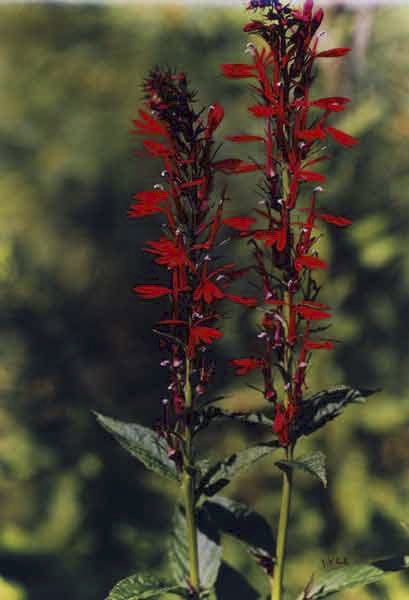
Fondation Cartier website

LIKE ART BLART ON FACEBOOK

Back to top