Exhibition dates: 5th October 2013 – 19th January 2014
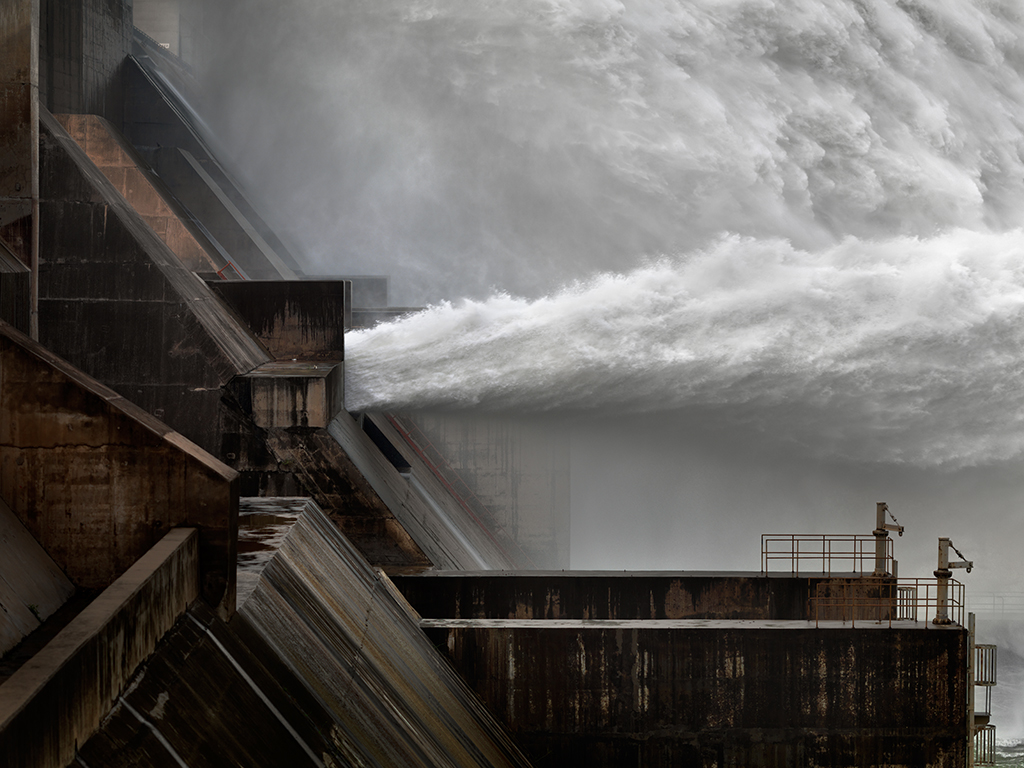
Edward Burtynsky (Canadian, b. 1955) Xiaolangdi Dam #1, Yellow River, Henan Province, China
2011
“Now with the assistance of the web and being able to look at things in a bit more depth before I go there, I can actually predetermine my pictures…”
Edward Burtynsky
Predetermined weather music
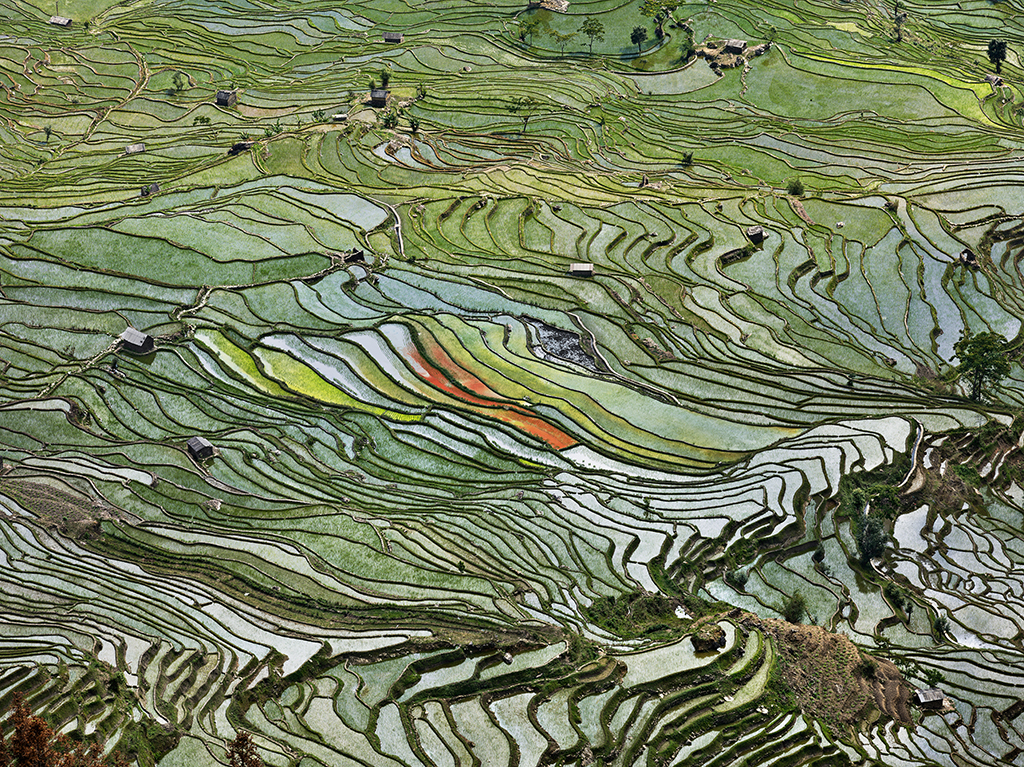
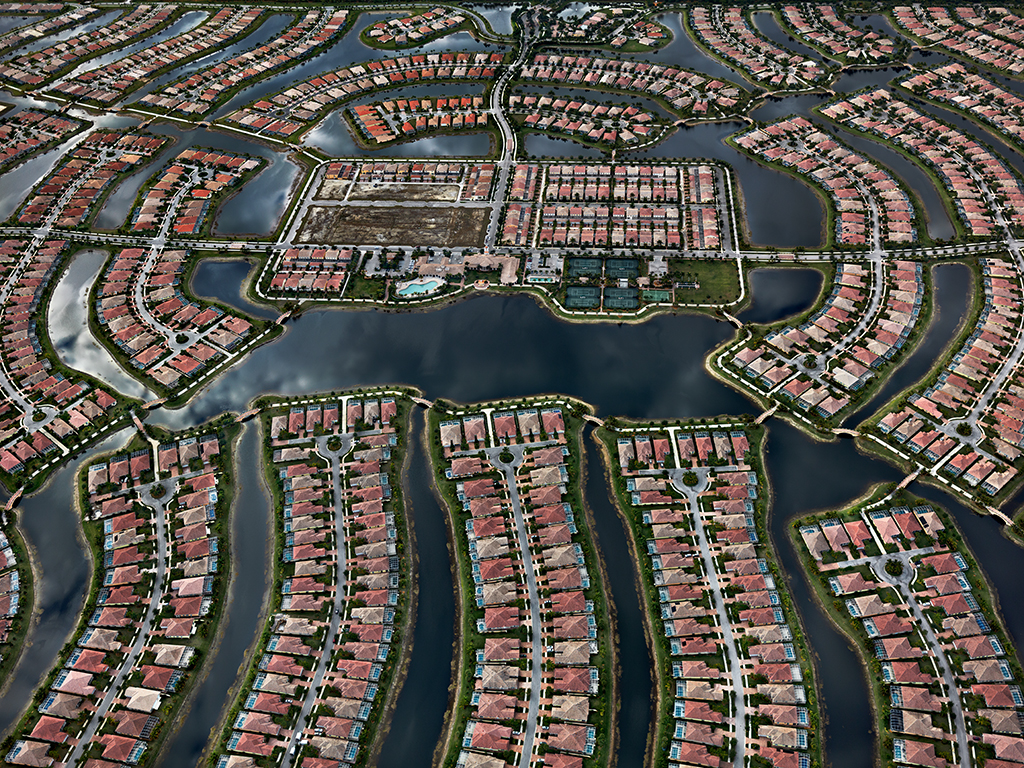
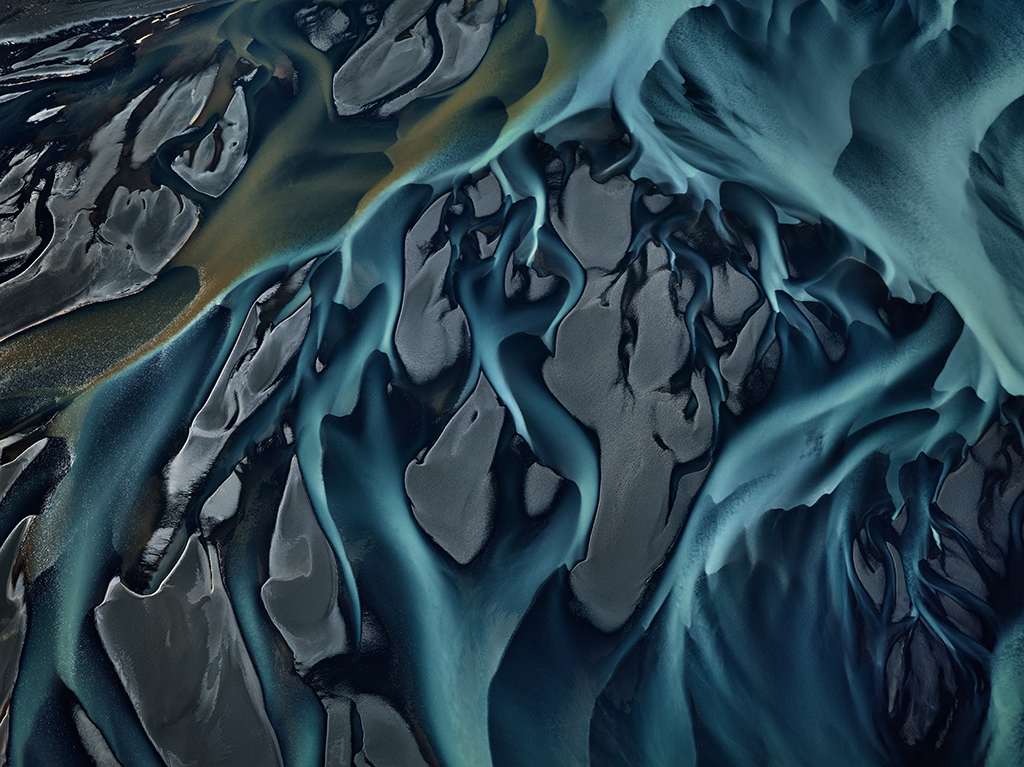
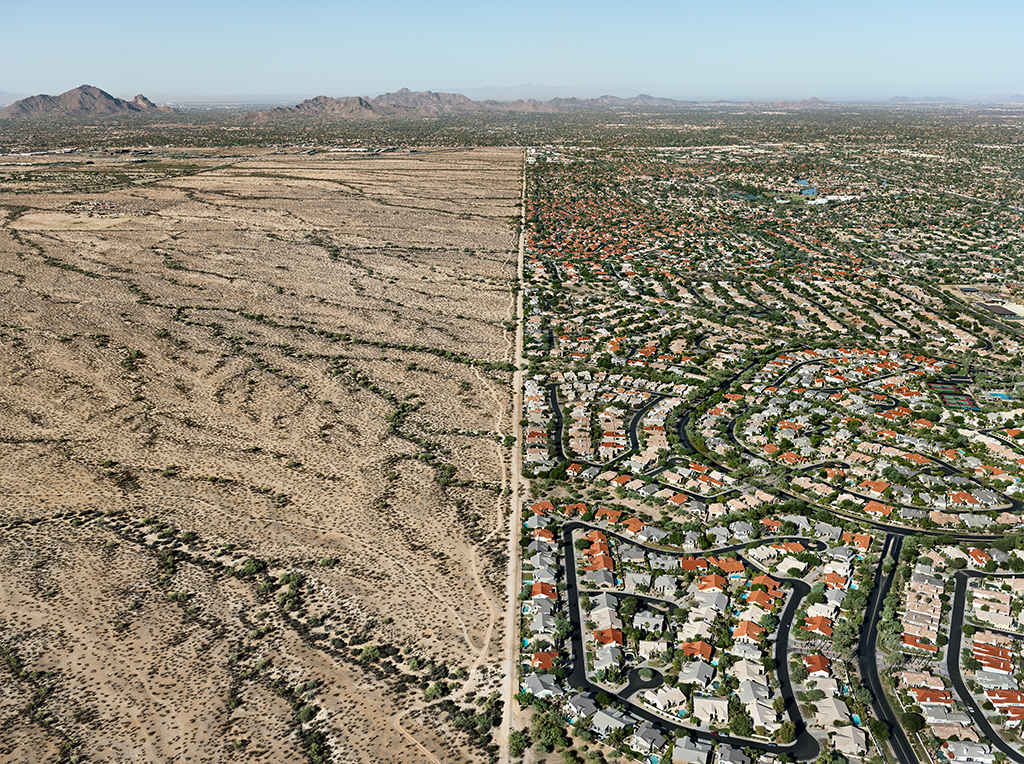
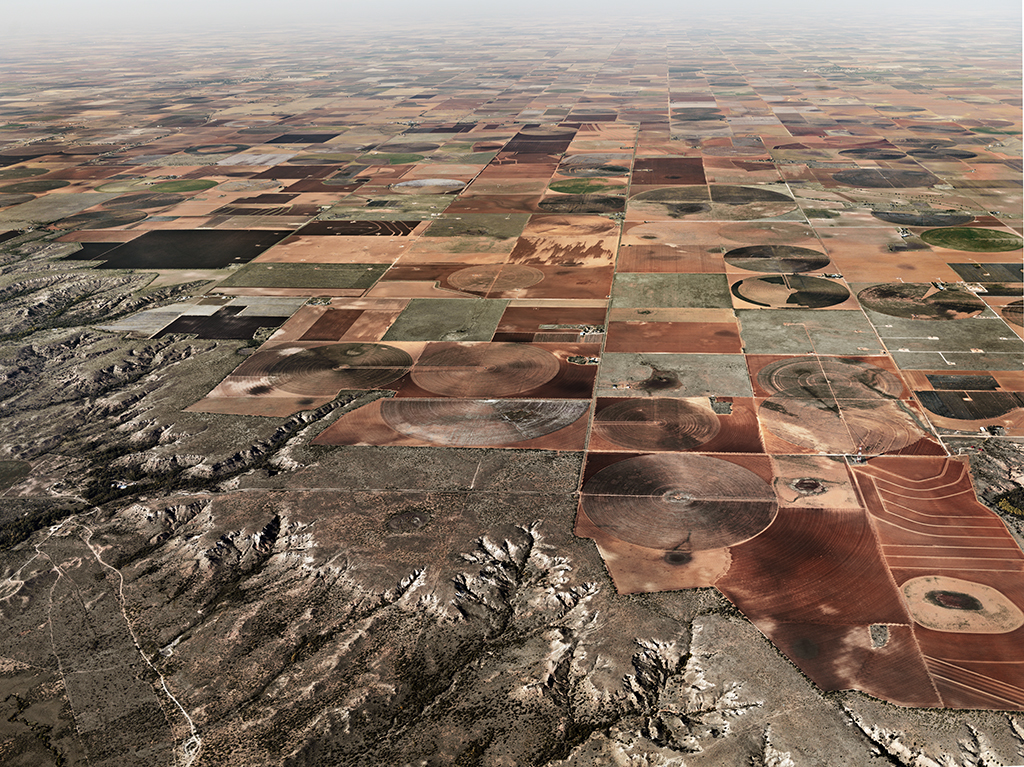
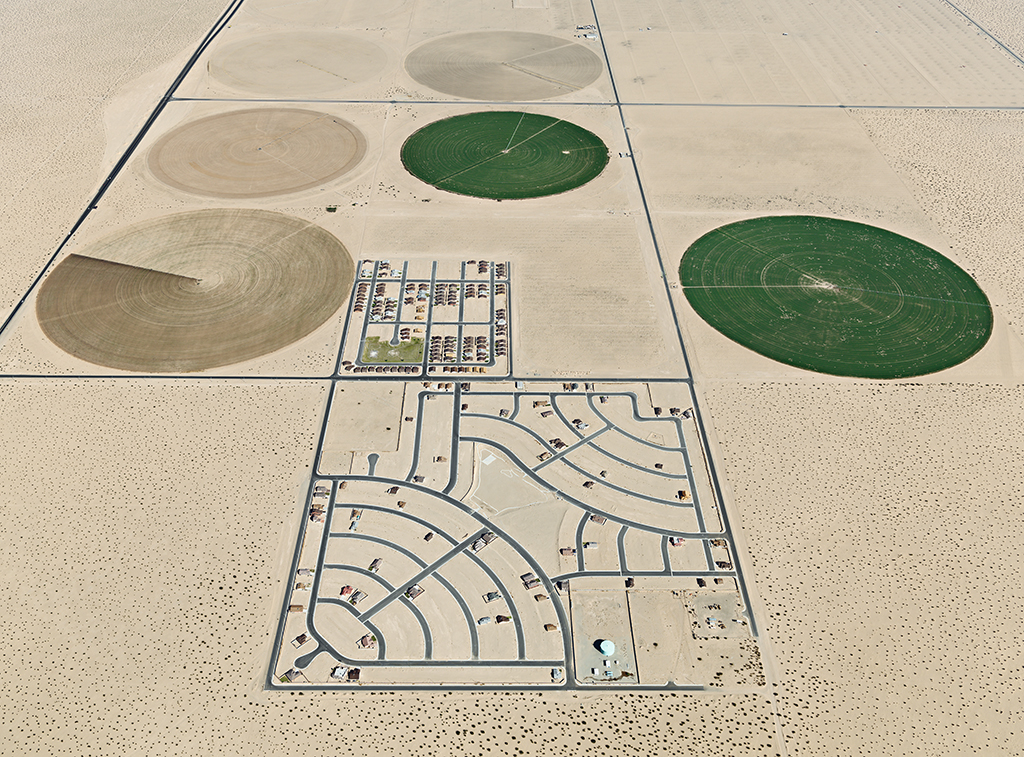
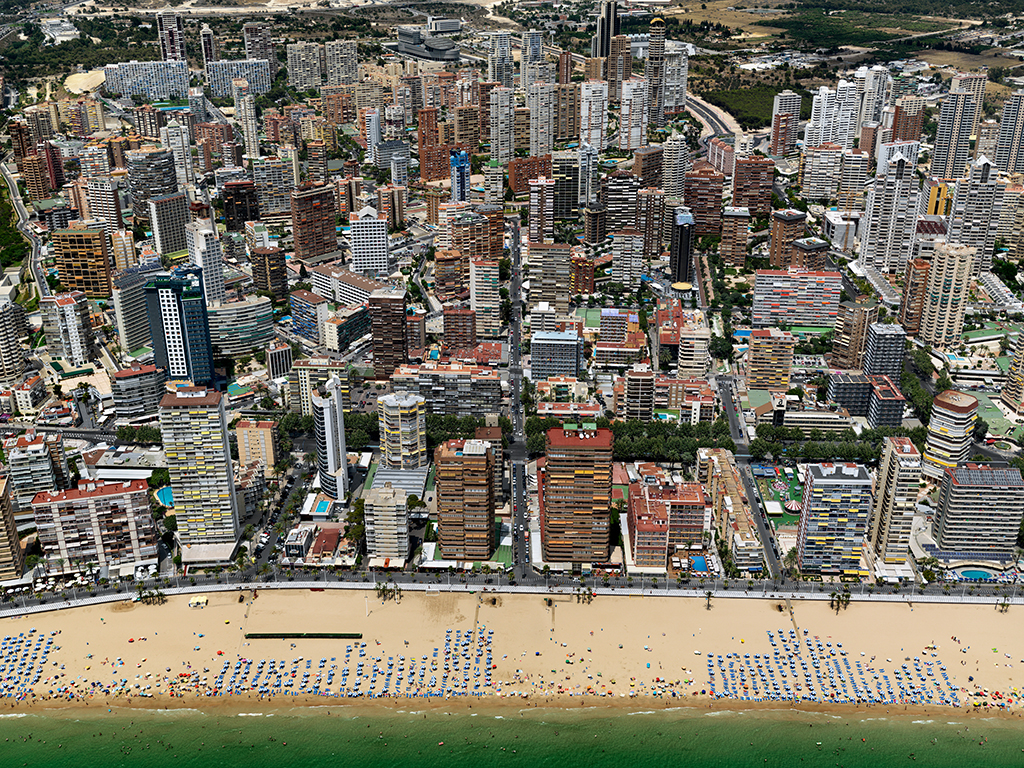
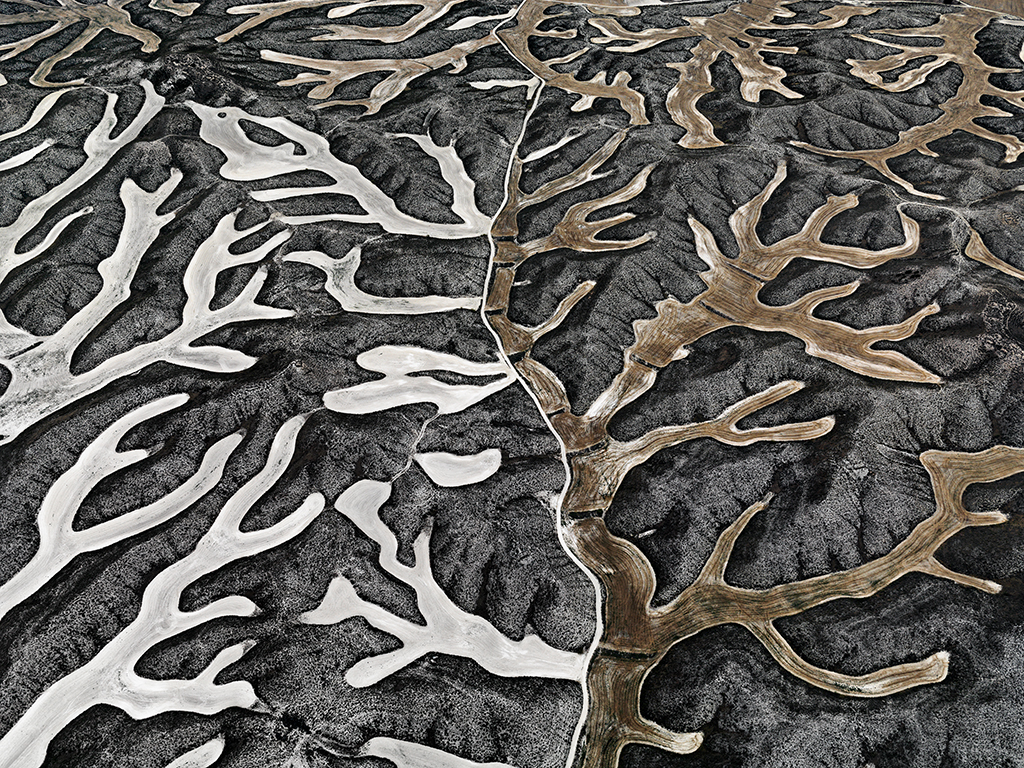
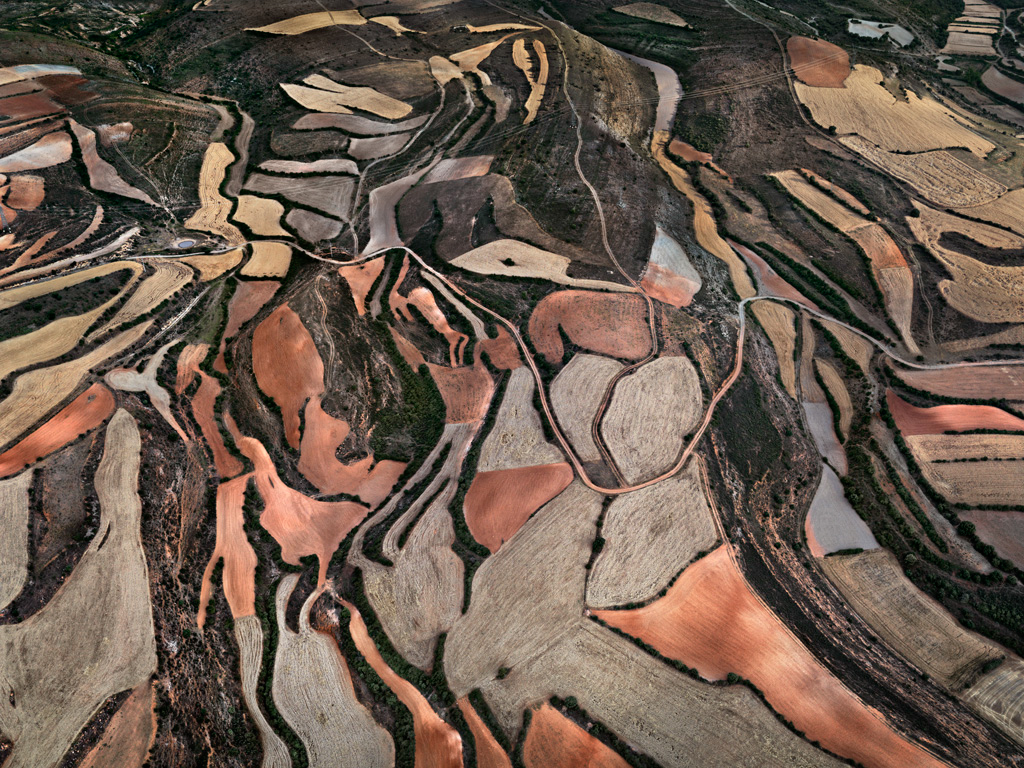
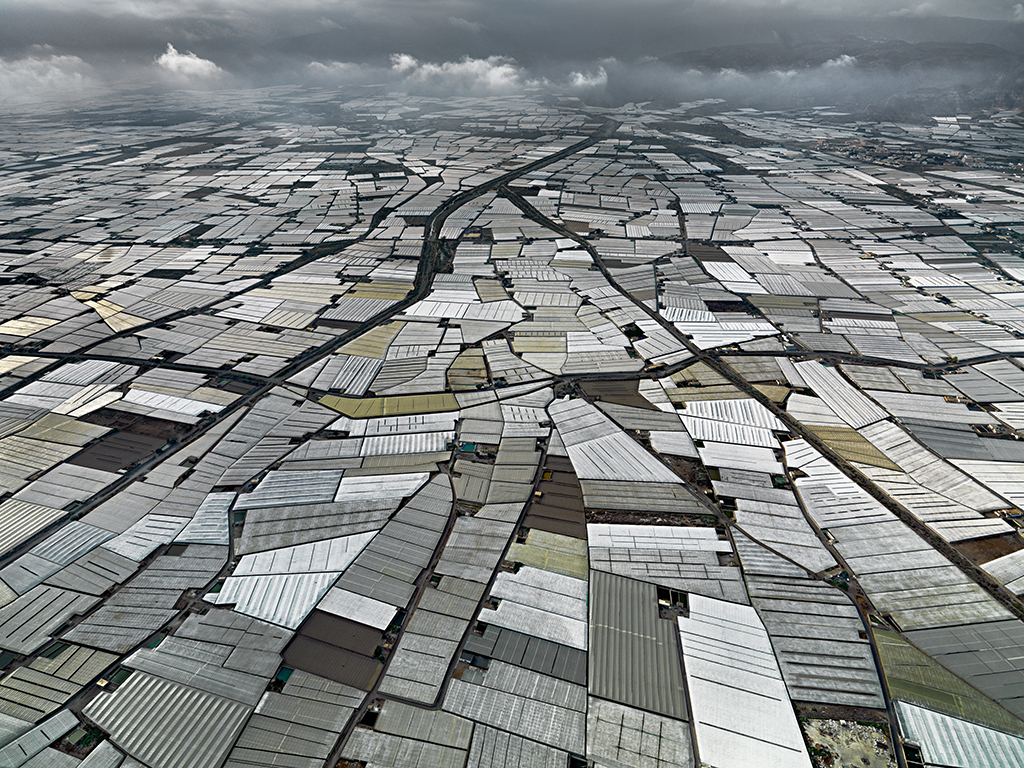
The geometric images such as Navajo Reservation / Suburb (2011), Pivot Irrigation #11 (2011) and Pivot Irrigation / Suburb (2011) are of more interest here, with their juxtaposition of irrigation/habitation/nature. I especially like the Andreas Gursky-esque patterning of Benidorm #2 (2010) but I’m really over the abstract pattern of rivers, rice terraces and greenhouses covering the plane of view, mainly because so many photographers have done it and all in the same way. You only have to type in ‘Australian aerial landscape photographer’ into Google Images to see what I mean. Australia even has its own version in the West Australian photographer Richard Woldendorp. Bet you can’t tell the difference between the two photographers in a blind taste test!
These images are a bit like elevator music (also known as Muzak, piped music, weather music or lift music). Quite a nice analogy, weather music, as these photographs are generic, middle of the road easy listening abstraction, beauty, and formality – images with a simple melody that constantly loop back to the beginning, commonly played through speakers (in this case the institutions that laud such repetitive work).
While Burtynsky’s work seeks to explore the relationship between art and environment, “focusing on all the facets of people’s relationship with water, including ritual and leisure,” he offers evidence without argument. And there is the crux of the problem. When an artist promulgates an objective point of view without comment, they run the risk of saying very little with the work for they have nothing to say themselves.
There is nothing passionate, weak, decadent and impure here. Perhaps the artist needs to change the angle of attack for me to sit up and take notice. Otherwise the motion of the train has a somewhat soporific effect.
Dr Marcus Bunyan
Many thankx to The New Orleans Museum of Art and the Contemporary Arts Center for allowing me to publish the photographs in the posting. Please click on the photographs for a larger version of the image.
NOMA CAC
NOMA CAC is an ongoing exhibition and programming partnership between two of the most significant cultural institutions of New Orleans: the New Orleans Museum of Art and the Contemporary Arts Center. Edward Burtynsky: Water is the second initiative of this unique collaboration, which will draw on the strengths of both institutions to provide thought-provoking exhibitions and programming for a cross section of the community. The exhibition is presented in the second floor Lupin Foundation Gallery of the Contemporary Arts Center (CAC).
Where I Stand: A Behind the Scenes Look at Edward Burtynsky’s Photographic Essay, Water
Edward Burtynsky (Canadian, b. 1955) Cerro Prieto Geothermal Power Station, Baja, Mexico
2012
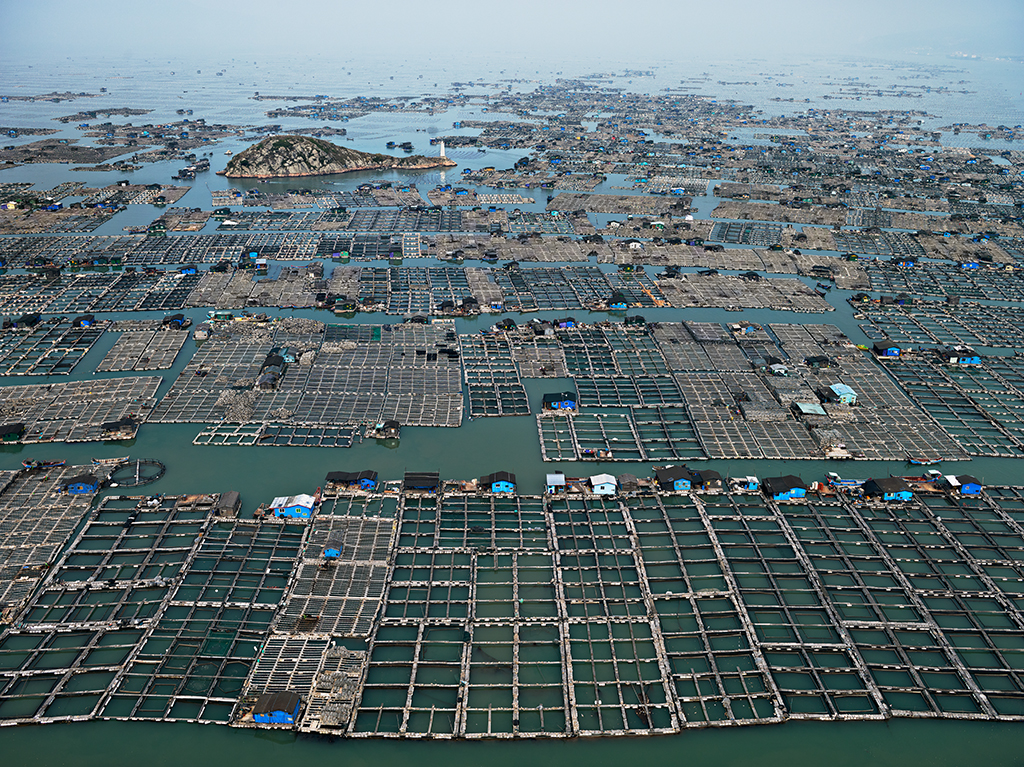
Edward Burtynsky (Canadian, b. 1955) Marine Aquaculture #1, Luoyuan Bay, Fujian Province, China
2012
Edward Burtynsky (Canadian, b. 1955) Rice Terraces #2, Western Yunnan Province, China
2012
Edward Burtynsky (Canadian, b. 1955) Verona Walk, Naples, Florida, USA
2012
Edward Burtynsky (Canadian, b. 1955) Thjorsá River #1, Iceland
2012
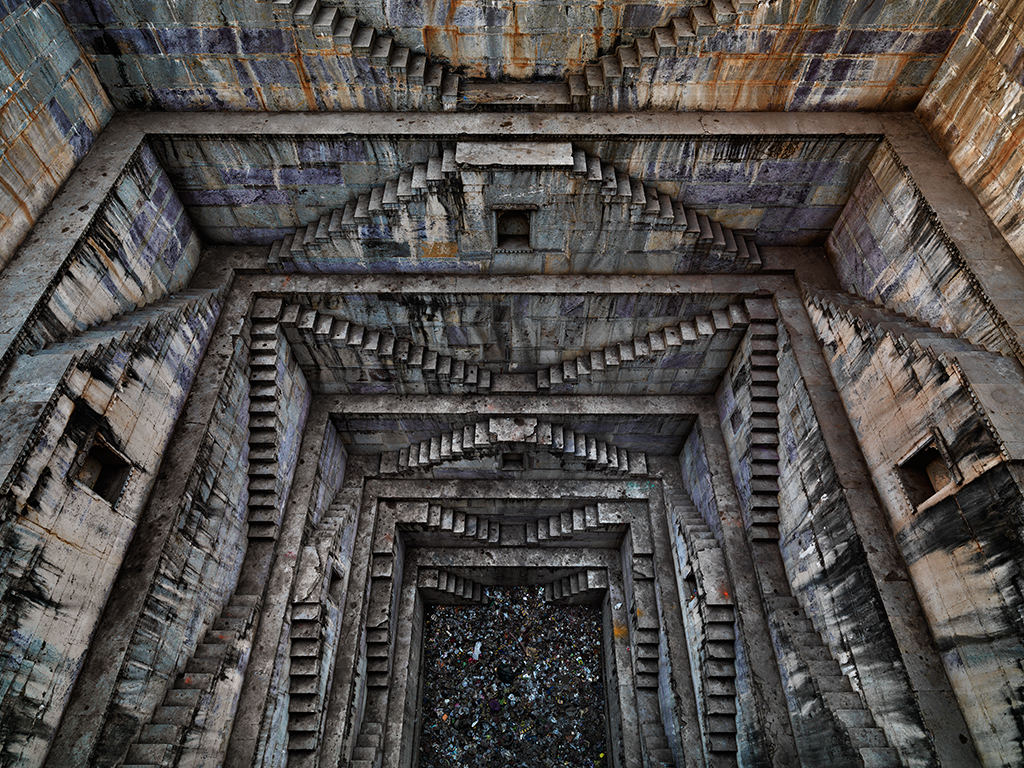
Edward Burtynsky (Canadian, b. 1955) Stepwell #4, Sagar Kund Baori, Bundi, Rajasthan, India
2010
NOMA CACis proud to present Edward Burtynsky: Water, the world premiere of the latest body of work by internationally renowned photographer Edward Burtynsky, opening Saturday, October 5 in the second floor Lupin Foundation Gallery of the Contemporary Arts Center (CAC). This second initiative of the ongoing NOMA CAC programming partnershipincludes over 50 large-scale colour photographs that form a global portrait of humanity’s relationship to water. Burtynsky’s images address several facets of the world’s vital resource, exploring the source, collection, control, displacement, and depletion of water. The exhibitionopens on October 5, 2013 and runs through January 19, 2014.
Edward Burtynsky (born 1955, St. Catharines, Ontario, Canada) has long been recognised for his ability to combine vast and serious subject matter with a rigorous, formal approach to picture making. The results are images that are part abstraction, part architecture, and part raw data. In producing Water, Burtynsky has worked across the globe – from the Gulf of Mexico to the shores of the Ganges – weaving together an ambitious representation of water’s increasingly fragmented lifecycle.
“The CAC is thrilled to be able to premiere an exhibition of this scale and quality through our partnership with NOMA,” said Neil Barclay, Executive Director of the Contemporary Arts Center. “Burtynsky’s work has long served as a commentary on the relationship between art and environment, and I believe the subject of these works will be of keen interest to anyone who has experienced life in New Orleans over the past decade.”
“Five years in the making, Water is at once Burtynsky’s most detailed and expansive project to date, with images of the 2010 Gulf oil spill, step wells in India, dam construction in China, aquaculture, farming, and pivot irrigation systems,” said Susan M. Taylor, Director of the New Orleans Museum of Art. In addition Water includes some of the first pure landscapes that Burtynsky has made since the early 1980s. These archaic, almost primordial looking images of British Columbia place the structures of water control in a historical context – tracing the story of water from the ancient to the modern, and back again.
While the story of water is certainly an ecological one, Burtynsky is more interested in presenting the facts on the ground than in declaring society’s motives good or bad. In focusing on all the facets of people’s relationship with water, including ritual and leisure, Burtynsky offers evidence without an argument. “Burtynsky’s work functions as an open ended question about humanity’s past, present, and future,” said Russell Lord, Freeman Family Curator of Photographs at the New Orleans Museum of Art. “The big question is: do these pictures represent the achievement of humanity or one of its greatest faults, or both? Each visitor might find a different answer in this exhibition, depending upon what they bring to it.”
The exhibition, organised by Russell Lord, is accompanied by a catalogue published by Steidl with over 100 colour plates from Burtynsky’s water series. It includes essays by Lord and Wade Davis, renowned anthropologist and Explorer-in-Residence at the National Geographic Society.
Press release from NOMA CAC
Edward Burtynsky (Canadian, b. 1955) Navajo Reservation / Suburb, Phoenix, Arizona, USA
2011
Edward Burtynsky (Canadian, b. 1955) Pivot Irrigation #11, High Plains, Texas Panhandle, USA
2011
Edward Burtynsky (Canadian, b. 1955) Pivot Irrigation / Suburb, South of Yuma, Arizona, USA
2011
Edward Burtynsky (Canadian, b. 1955) Benidorm #2, Spain
2010
Edward Burtynsky (Canadian, b. 1955) Dryland Farming #2, Monegros County, Aragon, Spain
2010
Edward Burtynsky (Canadian, b. 1955) Dryland Farming #24, Monegros County, Aragon, Spain
2010
Edward Burtynsky (Canadian, b. 1955) Greenhouses, Almira Peninsula, Spain
2010
Contemporary Arts Center
900 Camp Street
New Orleans, LA 70130-3908
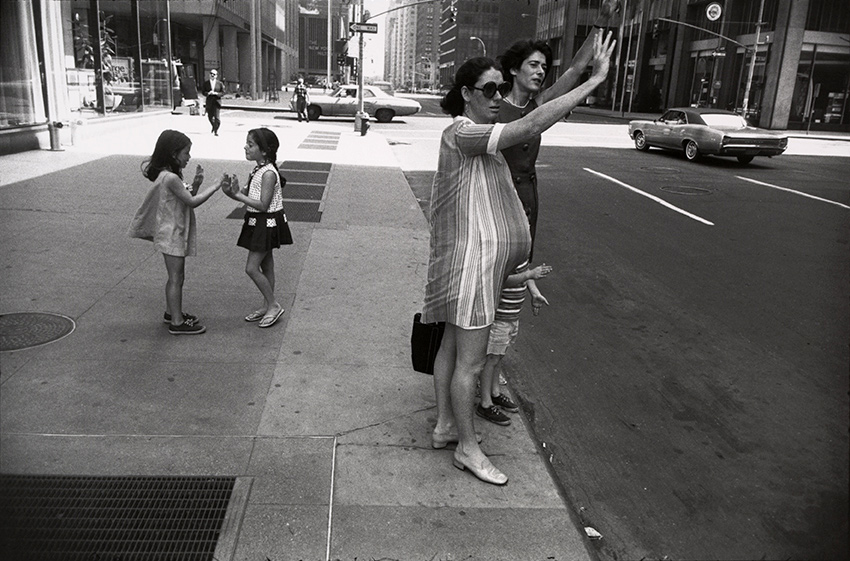
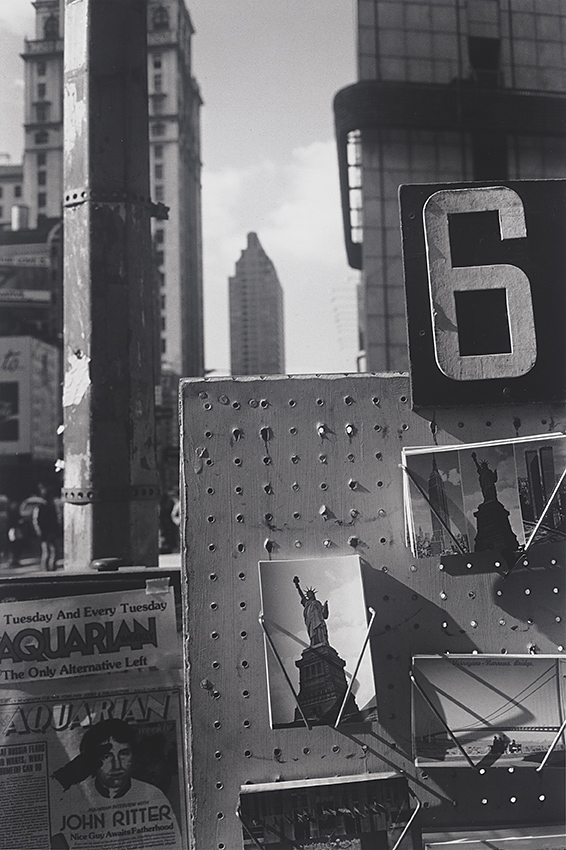
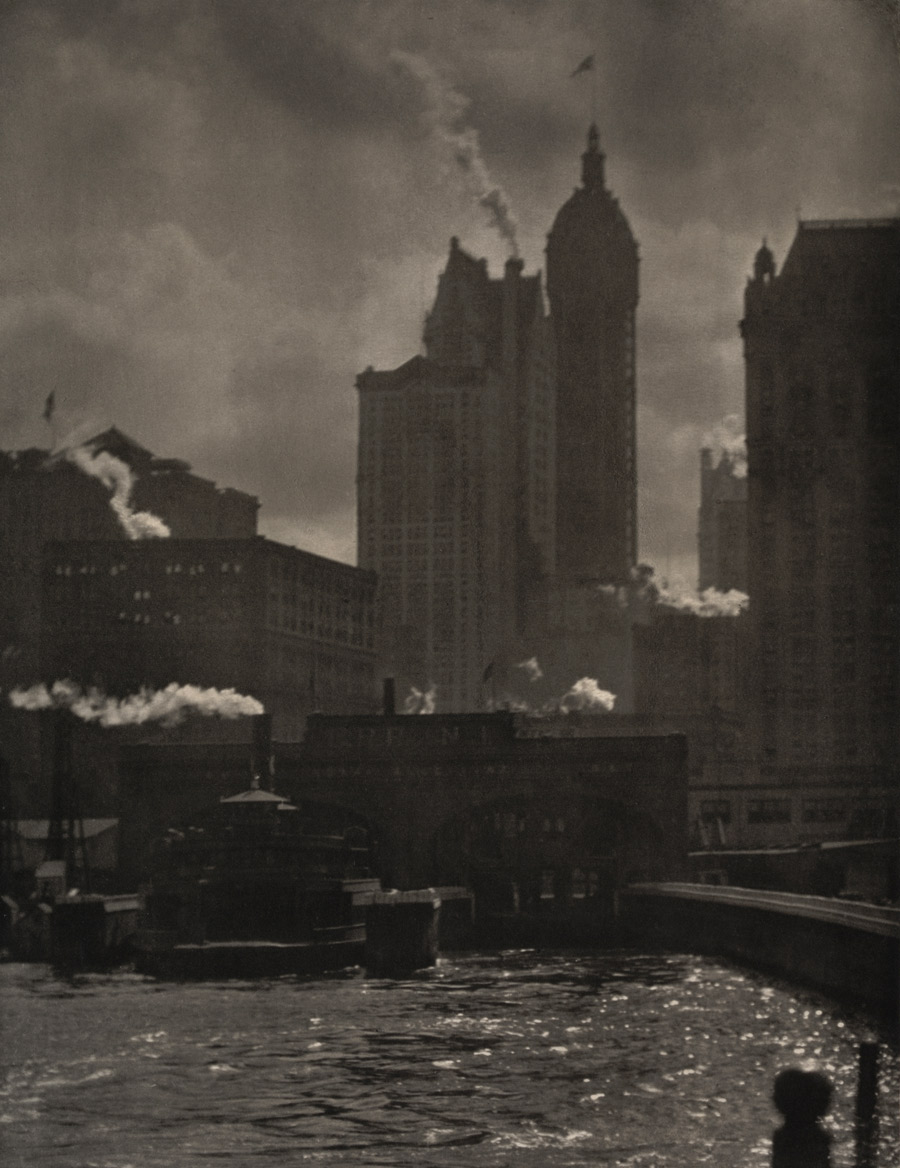
A second tranche of images from this touring exhibition of photographs from the MoMA collection, presented at the Art Gallery of Western Australia in Perth. My personal favourites in this posting are the tonal Abbott, mean streets Gedney, luminous Groover and the intimate Burckhardt. There are two photographers I don’t know at all (Gedney and Burckhardt) and one who is very underrated: Peter Hujar.
Dr Marcus Bunyan
Many thankx to the AGWA for allowing me to publish the photographs in the posting. Please click on the photographs for a larger version of the image.
William Gale Gedney (October 29, 1932 – June 23, 1989) was an American photographer. It wasn’t until after his death that his work gained momentum and his work is now widely recognised… William Gedney died of AIDS in 1989, aged 56, in New York City and is buried in Greenville, New York, a few short miles from his childhood home. He left his photographs and writings to his lifelong friend Lee Friedlander.
“Depicting the iconic New York that captivates the world’s imagination and the idiosyncratic details that define New Yorkers’ sense of home, this exhibition from MoMA’s extraordinary photography collection celebrates the city in all its vitality, ambition and beauty. Made by approximately 90 artists responding to the city as well as professionals on assignment, including Henri Cartier-Bresson, Walker Evans, Lewis Hine, Helen Levitt, Cindy Sherman, Alfred Stieglitz, and Weegee, over 150 works reveal the deeply symbiotic relationship between photography and the ‘city that never sleeps’ – New York. Both an exploration of the life of the city and a documentation of photography’s evolution throughout the twentieth century, Picturing New York celebrates the great and continuing tradition of capturing the grit and glamour of one of the world’s greatest urban centres.
Artists include Berenice Abbott, Diane Arbus, Henri Cartier-Bresson, Walker Evans, Lee Friedlander, Nan Goldin, Helen Levitt, Cindy Sherman, Alfred Stieglitz, Paul Strand, Weegee, and Garry Winogrand, among many others.”
Rudy Burckhardt (1914, Basel – 1999) was a Swiss-American filmmaker, and photographer, known for his photographs of hand-painted billboards which began to dominate the American landscape in the nineteen-forties and fifties.
Burckhardt discovered photography as a medical student in London. He left medicine to pursue photography in the 1930s. He immigrated to New York City in 1935. Between 1934 and 1939, he traveled to Paris, New York and Haiti making photographs mostly of city streets and experimenting with short 16mm films. While stationed in Trinidad in the Signal Corps from 1941-1944, he filmed the island’s residents. In 1947, he joined the Photo League in New York City. Burckhardt married painter Yvonne Jacquette whom he collaborated with throughout their 40 year marriage. He taught filmmaking and painting at the University of Pennsylvania from 1967 to 1975.
On his 85th birthday, Burckhardt committed suicide by drowning in the lake on his property.
Underwood and Underwood (American, active 1880-1934) Above Fifth Avenue, Looking North 1905
Gelatin silver print
9 1/2 x 7 5/16″ (24.2 x 18.6cm)
The Museum of Modern Art, New York
The New York Times Collection
Peter Hujar (October 11, 1934 – November 26, 1987) was an American photographer known for his black and white portraits. Born in Trenton, New Jersey, United States. Hujar later moved to Manhattan to work in the magazine, advertising, and fashion industries. His subjects also consisted of farm animals and nudes. His most famous photograph is Candy Darling on Her Deathbed which was later used by the group Antony and the Johnsons as cover for their album I Am a Bird Now. The one-time lover, friend and mentor of artist David Wojnarowicz, Hujar died of AIDS complications on November 26, 1987, aged 53.
Fairchild Aerial Surveys, Inc. The Mount Everest of Manhattan:Â The Silvered Peak of the Chrysler Building 1930
Gelatin silver print
8 3/4 x 6 13/16″ (22.3 x 17.3cm)
The Museum of Modern Art, New York
The New York Times Collection
Walker Evans (American, 1903-1975) Girl in Fulton Street, New York 1929 1929
Gelatin silver print
7 1/2 x 4 5/8″ (19.1 x 11.7cm)
The Museum of Modern Art, New York
Gift of the photographer
Lewis W. Hine (American, 1874-1940) Italian Family Looking for Lost Baggage, Ellis Island, New York 1905
Gelatin silver print
5 9/16 x 4 5/16″ (14.1 x 10.9cm)
The Museum of Modern Art, New York
Art Gallery of Western Australia
Perth Cultural Centre, James Street Mall, Perth
Exhibition dates: 5th February – 23rd February 2013
Melissa Powell (Australian) Painterly Divide No.1
2012
Pigment ink on cotton rag
50.5 x 70.6cm
edn. 1/9
ves·tige Â
/ˈvestij/
Noun
1/ A trace of something that is disappearing or no longer exists
2/ The smallest amount (used to emphasise the absence of something): “without a vestige of sympathy”
3/ Biology an organ or part of an organism that is a small nonfunctioning remnant of a functional organ in an ancestor
a trace suggesting that something was once present or felt or otherwise important; “the footprints of an earlier civilisation”
via French from Latin ves·tigium footprint, track
Two solid exhibitions of photography are on display at Anita Traverso in Richmond, a gallery that is showing more photography these days, to excellent affect.
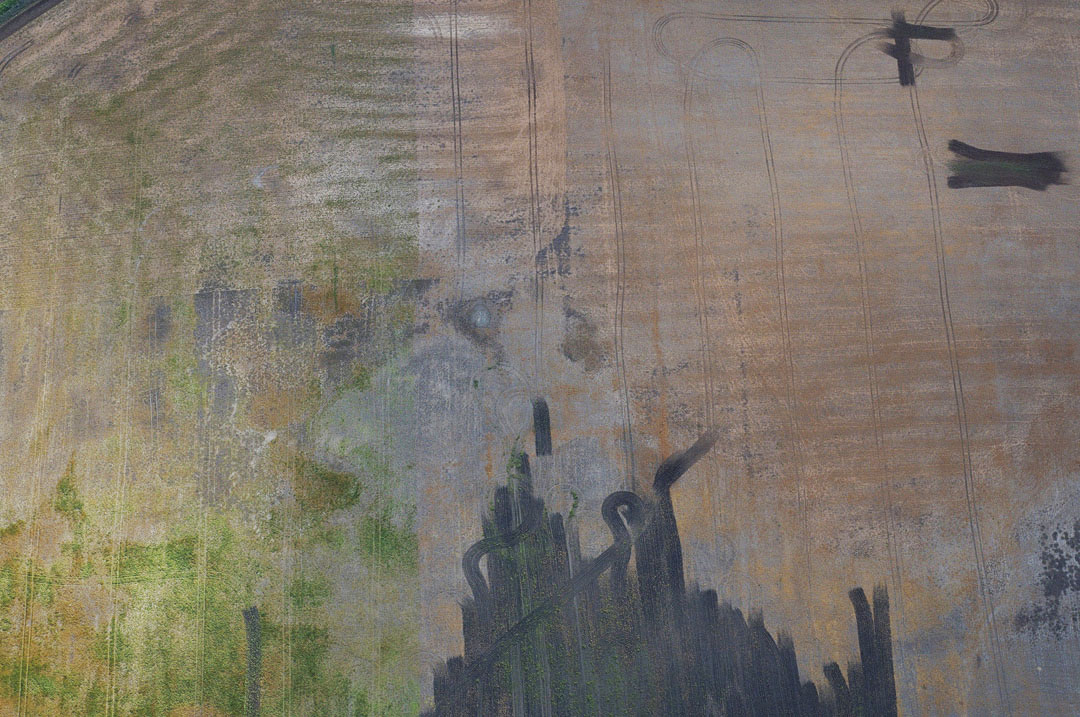
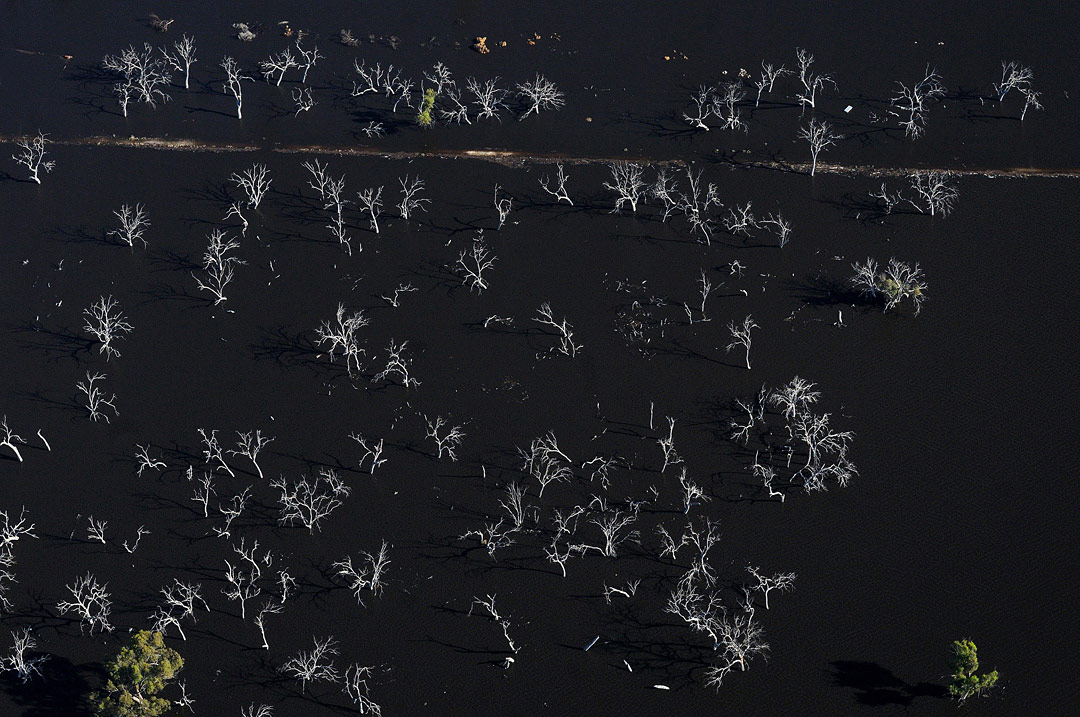
Natimuk based photographer Melissa Powell documents the seasonal changes of the Wimmera environment through the use of aerial photography. She brings her skills as a forensic photographer to bear when capturing our mark on the landscape. Her photographs (full frame and never cropped), are as sharp as a tack, like the crystallisation of a thought – the surgical gaze of the artist balanced by a lyrical, abstract poetry. Powell renders (and that is the appropriate word) natural phenomena in their direct relation to humanity, pointing her camera at patterns of cropping, the patchiness of the earth and its sandy, infertile soil. She sees the world clearly and tells the story in a plain, almost scientific way… but this utopian vision of the world is balanced by a feeling in the viewer, a feeling of drifting and floating above the earth, inhabiting a liminal space, as in a daydream.
Powell’s is an expression of the land, presented in a particular way as she remembers experiencing it. For example, look at Painterly Divide No.1, (2012, below) and notice the perfect confluence of yin and yang broken by the single mutation of the furrow midway up in the centre of the image (enlarge the image to see it better!). Disorder plays off order in the mind of the viewer in an absolutely sublime way. Sure, a few things need work in the exhibition, like the framing and naming of the works, but this all comes with time and experience. What Powell evidences in her photographs is a wonderfully strong aesthetic producing some of the best aerial photography I have ever seen. Her traces, footprints and tracks are vestigial structures that links us back to our ancestors, photographs as passionate representation of the land, done with strength and depth of soul.
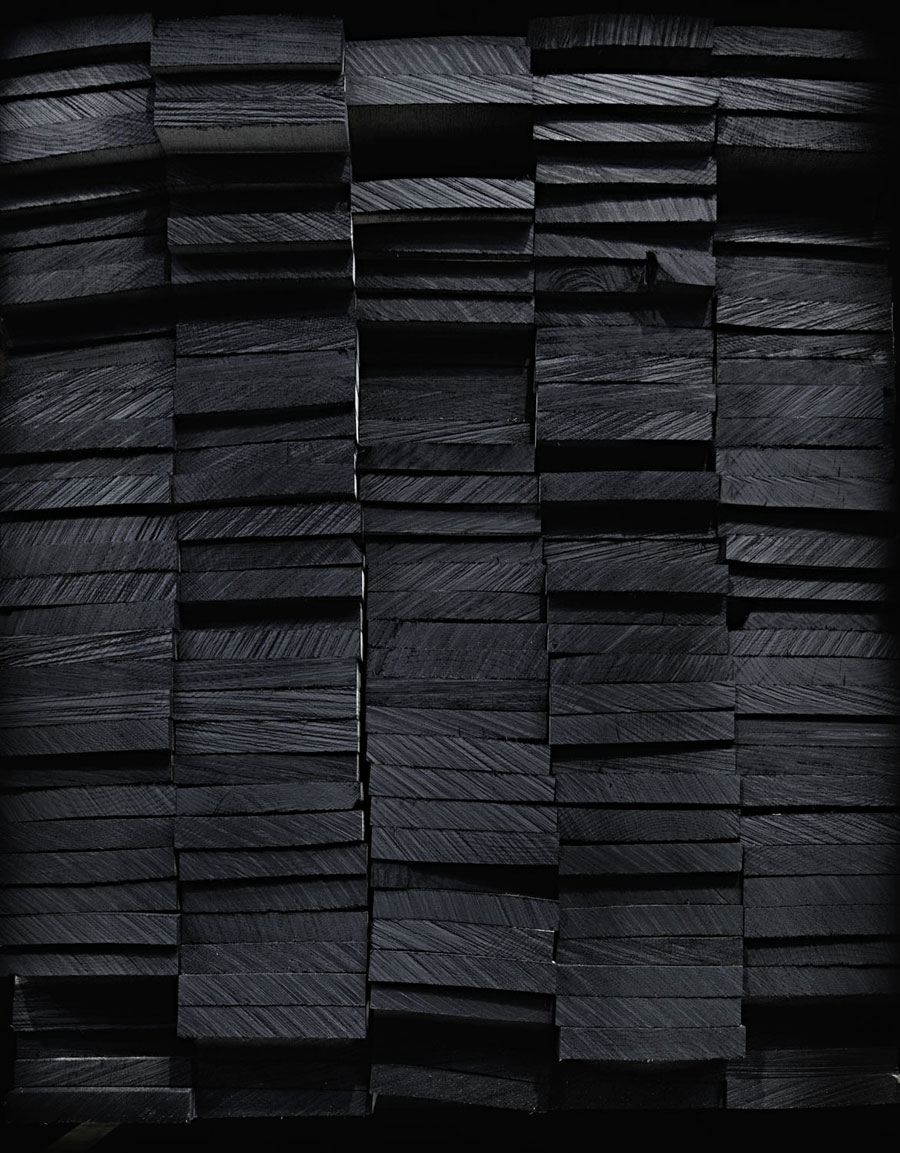
In the back gallery Shannon McGrath, an established architecture photographer, images stacks of wood that “are considered for both their aesthetic values and formal compositional qualities such as patterning and seriality.” The suite of five very large, unmounted black photographs printed on matt Silver Rag paper are stunning, much darker and of more luminance than seen in reproduction here (there are also two other photographs using an electric blue colour that simply did not work for me). Using a minimal composition of the thing itself (and what it can become), the photographer imbues a romantic, visual sensibility into her subject matter. The matt blacks are like velvet and the spaces that open up within the image magical. These things “breathe” like a black Rothko painting, or the plastic black of a Rembrandt.
McGrath’s photographs are “impressionistic inventories of landscapes and entropic architectural structures that connote psychologically, emotionally, and viscerally.” (Anon. “Cyprien Gaillard: The Crystal World,” on the MOMA website [Online] 12/02/2013). The object of her attention – the planks of wood – have a temporality that is characterised by repetition and predictability. The viewer tries to articulate difference through looking but that looking reduces differences to similarities unless we look very closely, are very attentive to the condition of looking. Enlarge any of the dark images below and really look at the cut ends of the wood, their inflection. What is hidden within (or beneath, for the photograph is also a physical object) the flat surface of the image are the nuances of language – the physicality of the print, the punctum of white, the band saw cuts that inhabit the end of days. There is a slippage between language and referent which makes McGrath’s photographs a beautiful deviation and productive possibility of language, one that encourages the vital movement of the subversive sign.
My only concern is “where to next?” What other surfaces which are hidden, which slowly reveal aspects and possibilities, subtleties and complexities will the photographer engage with? Excitingly, I want to see more from both photographers as they combine the ordinary and the poetic in a field of revolutionary possibilities.
Dr Marcus Bunyan
Many thankx to Anita Traverso Gallery for allowing me to publish the photographs in the posting. Please click on the photographs for a larger version of the image.
Melissa Powell (Australian) Traces of Time
2012
Pigment ink on cotton rag
50.5 x 76cm
edn. 1/9
“Centered on documentation of the Wimmera region, Melissa Powell’s images are depicted from an aerial perspective that allows her to capture the theatre and sublimity of a landscape that is consistently eroded and replenished by both the cycles of nature, the progression of time and the agricultural impact of man.”
Anna Briers, independent art curator and writer
Melissa Powell (Australian) Camouflage No.2
2012
Pigment ink on cotton rag
50.5 x 70.6cm
edn. 1/9
Melissa Powell (Australian) Droughtbreaker
2011
Pigment ink on cotton rag
50.5 x 70.6cm
edn. 8/12
Melissa Powell (Australian) Salt Lake No.1
2011
Pigment ink on cotton rag
50.5 x 70.6cm
edn. 8/9
A forensic photographer in her former life, Melissa Powell’s new direction as an aerial photographer was endorsed by her winning first prize for aerial photography at the 2012 International Photography Awards, New York, USA. Vestige II, Powell’s debut exhibition at Anita Traverso Gallery, surveys an amalgam of three photographic series drawn from the artist’s oeuvre – Grounded, Flooded and Dry.
Centred on documentation of the Wimmera region, Powell’s images are depicted from an aerial perspective that allows her to capture the theatre and sublimity of a landscape that is consistently eroded and replenished by the cycles of nature, the progression of time and the agricultural impact of man. Shaped by droughts and bushfires, vast desertous landscapes extend into the horizon. Serpentine rivers and floodplains alternately nourish and fertilise, lacerate and scar. Fecund pastures are contained and demarcated by the rigid geometries of manmade fences and irrigation systems. These vestiges award us a sense of the indelible link between the microcosm and the macrocosm, while enabling us to perceive the constantly shifting narratives of this great southern land.
By contrast Shannon McGrath, an established architecture photographer, aspires to capture the unique spatial dynamics of a building whilst transposing a distillation of the architect’s intention into a two dimensional image. In this photographic series McGrath examines the raw building material of wood in the same way she would approach the documentation of architecture. Photographed on site at the Britton Timber sawmill, the stacks of wood are considered for both their aesthetic values and formal compositional qualities such as patterning and seriality. Simultaneously though, they are envisaged as a core resource imbued with potentiality; their future incarnation, that of the architect’s vision, lying dormant and yet to manifest.
Press release from the Anita Traverso Gallery website
Shannon McGrath (Australian) Mark 01
2012
From the series Darkness by Day
Pigment print to cotton rag paper
100 x 128cm
Shannon McGrath (Australian) Mark 02
2012
From the series Darkness by Day
Pigment print to cotton rag paper
100 x 128cm
“These stacks of saw-mill timber were shot in broad daylight without any artificial lighting, in situ and without any intervention in their arrangement. I was drawn to the dark element in them that survives this ‘glare’ yet reveals it in other ways – how the light naturally hits the objects and remains in an interplay with the darkness and shadows of the grain, the individual and beautiful markings the blade has left on the natural material, and the extrusions and hollows of the layering of the wood. This gave the show its title. Even in the jewel-like, cobalt image, there is this dynamic. This is a theme that runs through my creative photography: surfaces which are hidden, which slowly reveal aspects and possibilities, subtleties and complexities. I considered wood as an essential building material so I approached the stacks of timber and photographed it with the same sensitivity as architecture.”
Artist statement
Shannon McGrath (Australian) Mark 07
2012
From the series Darkness by Day
Pigment print to cotton rag paper
100 x 128cm
Shannon McGrath (Australian) Mark 08
2012
From the series Darkness by Day
Pigment print to cotton rag paper
100 x 128cm
Anita Traverso Gallery PO Box 7001, Hawthorn North,
Melbourne, Victoria, Australia 3122
Exhibition dates: 22nd October 2011 – 19th February 2012
Many thankx to Fotostiftung Schweiz for allowing me to publish the photographs in the posting. Please click on the photographs for a larger version of the image.
Eduard Spelterini (Swiss, 1852-1931) Über den Wolken
Brunner & Co. A.G., Zurich
1928
Albert Steiner was one of the finest Swiss photographers of the twentieth century. Like Ansel Adams, he favoured imposing natural phenomena, landscapes with what might be called good bone structure, (in his case the Alps, in Adams’s comparable work, the American West), and he printed his vision of them in black-and-white, revealing nature in all its majesty. His impressive scenic work has fundamentally shaped the world’s perception of Switzerland as an alpine country of timeless beauty. It spans the period from before World War I – an era of pictorially inspired images that look like oil paintings – to the straightforward and elegantly modern photography of the 1930s. Unlike many other photographers of the same generation active in the same area, Steiner saw photography as a completely appropriate means of creating works of art, and considered himself an artist.
Albert Steiner (Swiss, 1877-1965) Schnee, Winter, Sonne
Rotapfel-Verlag, Zurich-Erlenbach/Leipzig
1930
The Swiss Foundation for Photography (Fotostiftung Schweiz) is marking its fortieth anniversary by presenting a fresh view of Swiss photography – a tour d’horizon covering a range of illuminating photobooks in which not only the great themes of photography are reflected but also the development of photographic styles and modes of expression. Since the late 1920s the book has repeatedly proved itself to be an ideal platform for the presentation of photographic works. Books have not only contributed to the dissemination and transmission of photography but also facilitated the integration of the individual image into a meaningful context.
In the history of photography the photobook plays a major role not only in publicising photographs, but also as an independent means of expression. The significance of many photographers’ works only emerges when presented in book form, in the coherent sequence or series of images. Content, design and printing quality combine to produce an intricate architectural whole.
This jubilee exhibition marking the 40th anniversary of the Fotostiftung Schweiz focuses on a selection of photobooks that have influenced photography in Switzerland since the late 1920s. At that time, technical advances made the reproduction of top quality photographic images possible and promptly gave rise to a first boom in illustrated books that placed greater emphasis on the photographs than on the texts. Since then, Swiss photobooks have continued to develop in various directions and have repeatedly attracted considerable attention at international level as well.
With the help of seven thematic areas – homeland, portraiture, mountain photography, the world of work, aerial photography, contemporary history, travel – this exhibition aims at a kind of typology of the Swiss photobook which draws attention to the potential interplay between book and photograph, while also revealing the extent to which modes of expression have altered over the course of time. Concise excerpts from these books exhibited on the walls highlight the basic principle of each photobook – a photograph positioned on a double page still remains an integral part of a larger sequence. The concept, design and reception of photobooks are examined more closely in display cases. A large wall installation is devoted to photobook covers. The photobook is also presented as an object in film form: “reading” illustrated photography books is not just an intellectual but also a sensual act.
Press release from the Fotostiftung Schweiz website
Eduard Spelterini (Swiss, 1852-1931) Über den Wolken (cover)
Brunner & Co. A.G., Zurich
1928
Swiss balloonist Eduard Spelterini (1852-1931) lived an extraordinary life. Born the son of an innkeeper and beer brewer in a remote village in the Toggenburg area of Switzerland, Spelterini achieved international fame when he became the first aeronaut to fly over the Swiss Alps in 1898. Over the next two decades, Spelterini navigated his balloon through the skies of Europe, Africa, and Asia, and over such sites as the Great Pyramid of Giza and the gold mines of South Africa. Spelterini remains an important figure today because of his achievements in aerial photography. Seeking images to illustrate his lectures, he began taking a camera along with him on his expeditions in 1893, and his breathtaking photographs quickly became the talk of Europe.
Known as the “King of the Air,” the Swiss balloonist Eduard Spelterini enchanted the imaginations of European royalty, military generals, wealthy patrons, and the public alike with his mastery of the most whimsical mode of travel ever invented – the gas balloon. During the course of his storied aviation career, Spelterini flew his balloons over the Swiss Alps, across the Egyptian pyramids, and past the ziggurats of the Middle East, taking breathtaking photographs of landscapes and cities from the sky.
On Spelterini’s first ballooning ventures, he ferried aristocrats between Vienna, Bucharest, Athens, and other European capitals, on flights that became so famous that they were soon jam-packed with an international press corps looking for the next sensational story. Later in his life, Spelterini was the first aeronaut to succeed in the hazardous passage over the Swiss Alps, a trip then thought impossible. Eventually, he decided to bring his camera on every voyage in order to document the full panorama of international vistas he encountered.
Text from Amazon
Eduard Spelterini and the Spectacle of Images: The Colored Slides of the Pioneer Balloonist. Verlag Scheidegger and Spiess; Bilingual edition August 15, 2010, presents a selection of around eighty of Spelterini’s never-before-published colored slides, offering readers an altogether new look at the spectacular work of this pioneer of photography and aviation.
Eduard Spelterini – Photographs of a Pioneer Balloonist. Verlag Scheidegger and Spiess; Bilingual edition December 30, 2007 is the first book after 80 years to present these images of his journeys, reproduced directly from the artist’s original glass negatives. Contextualized by essays that explore both Spelterini’s life and his photographic work, the photographs featured in this volume capture the heady mix of danger and discovery that defined the early years of international air travel when balloons ruled the skies.
Walter Mittelholzer (Swiss, 1894-1937) Alpenflug (cover)
Orell Füssli, Zurich/Leipzig
1928
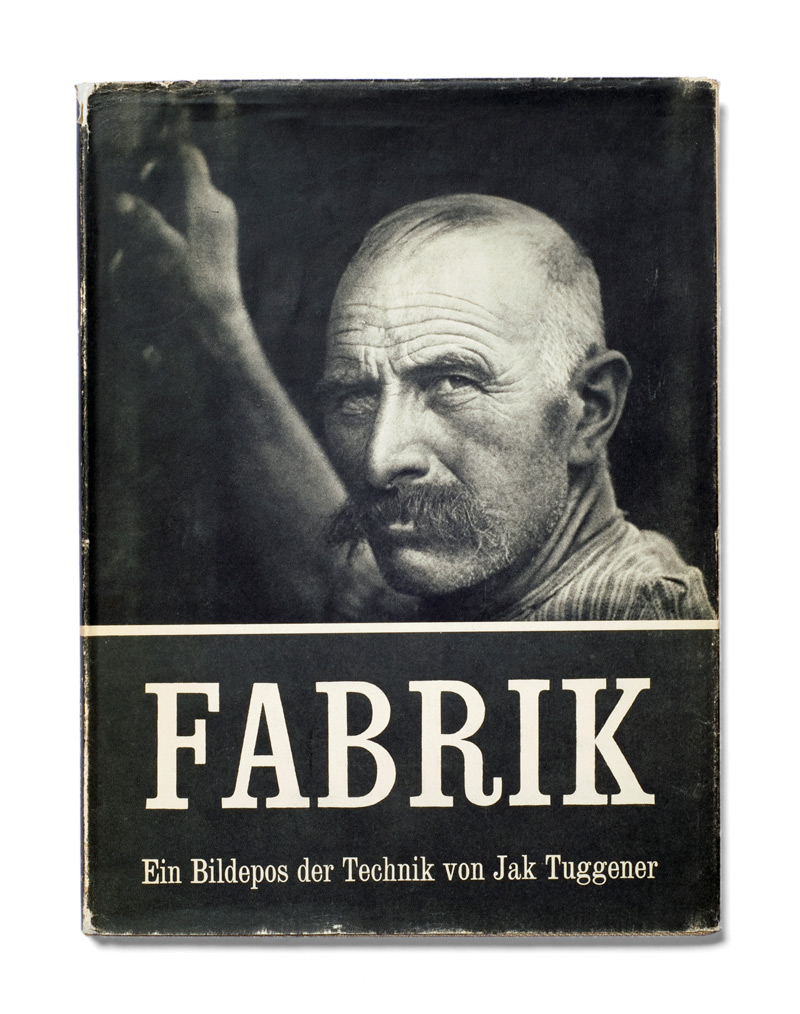
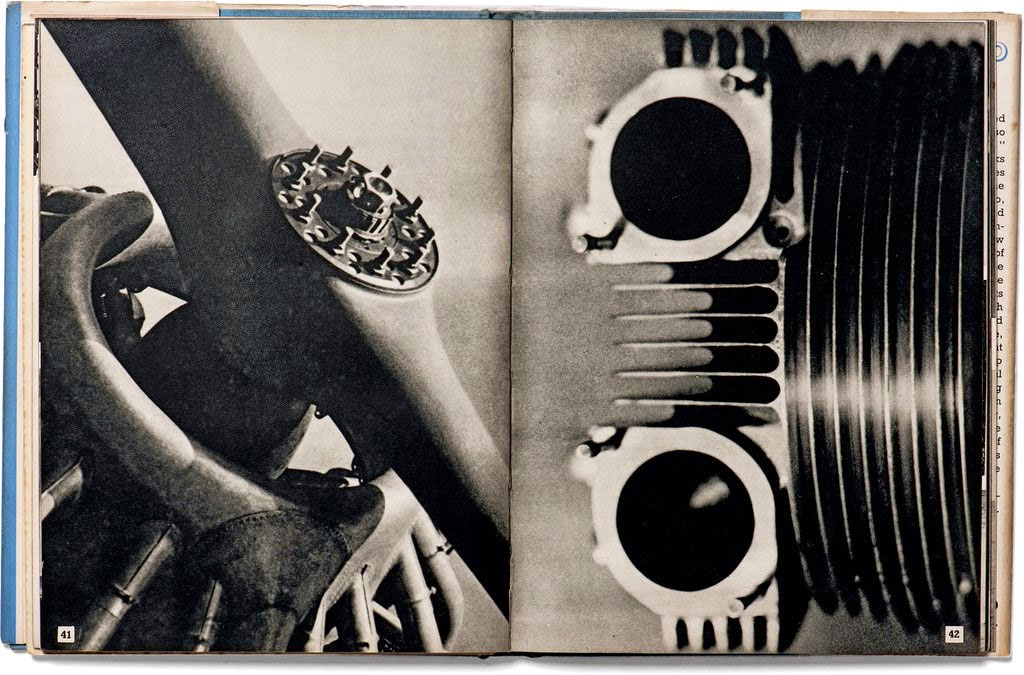
Jakob Tuggener (Swiss, 1904-1988) Fabrik (cover)
Rotapfel Verlag, Erlenbach-Zurich
1943
Jakob Tuggener (Swiss, 1904-1988) Fabrik
Rotapfel Verlag, Erlenbach-Zurich
1943
Jakob Tuggener’s Fabrik, published in Zurich in 1943, is a milestone in the history of the photography book. Its 72 images, in the expressionist aesthetic of a silent movie, impart a skeptical view of technological progress: at the time the Swiss military industry was producing weapons for World War II. Tuggener, who was born in 1904, had an uncompromisingly critical view of the military-industrial complex that did not suit his era. His images of rural life and high-society parties had been easy to sell, but Fabrik found no publisher. And when the book did come out, it was not a commercial success. Copies were sold at a loss and some are believed to have been pulped. Now this seminal work, which has since become a sought-after classic, is being reissued with a contemporary afterword. In his lifetime, Tuggener’s work appeared – at Robert Frank’s suggestion – in Edward Steichen’s Post-War European Photography and in The Museum of Modern Art’s seminal exhibition, The Family of Man, in whose catalogue it remains in print. Tuggener’s death in 1988 left an immense catalogue of his life’s work, much of which has yet to be shown: more than 60 maquettes, thousands of photographs, drawings, watercolors, oil paintings and silent films.The Family of Man,
Book description on Amazon. The book has been republished by Steidl in January, 2012. The classics never go out of fashion!
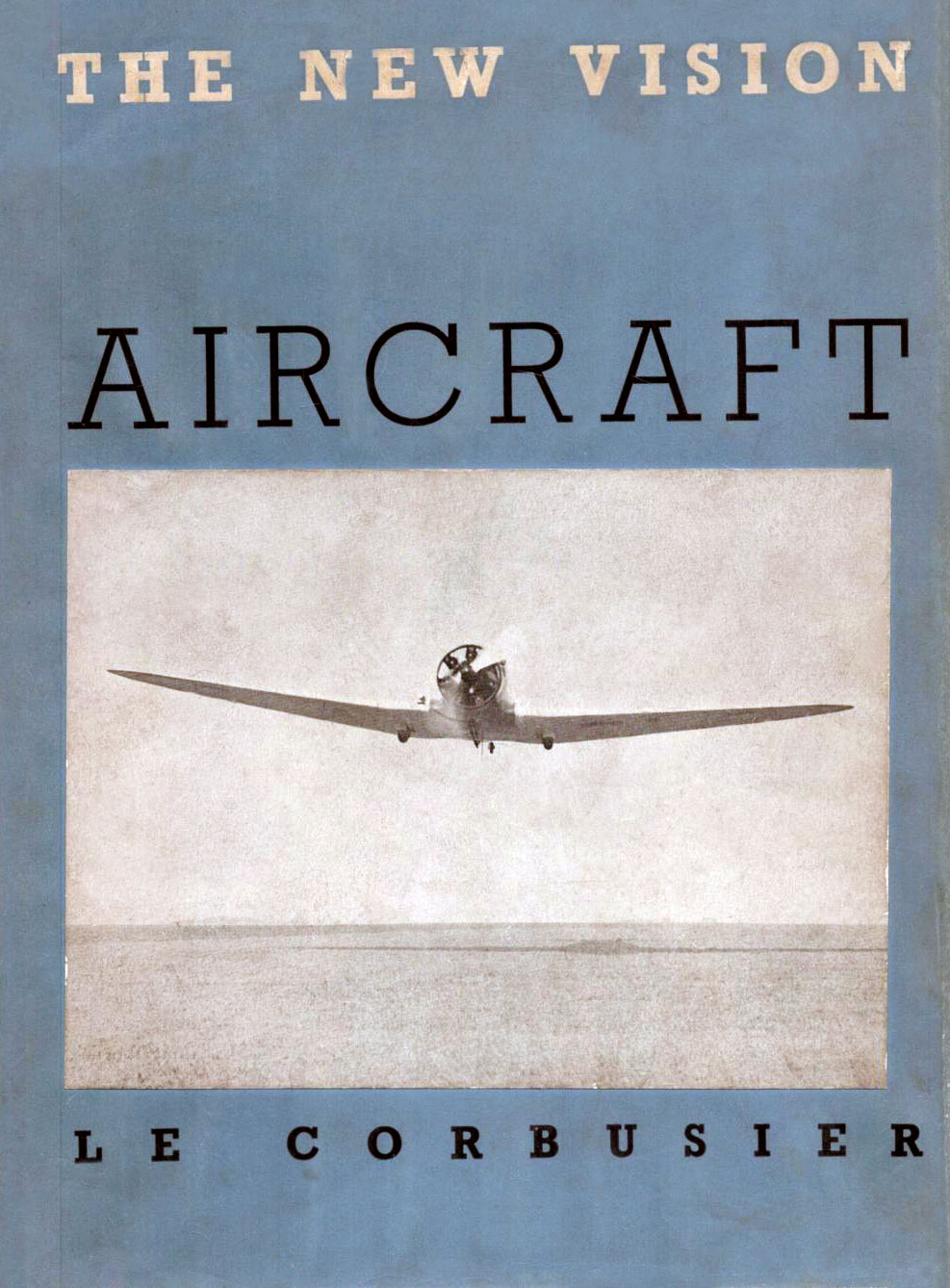
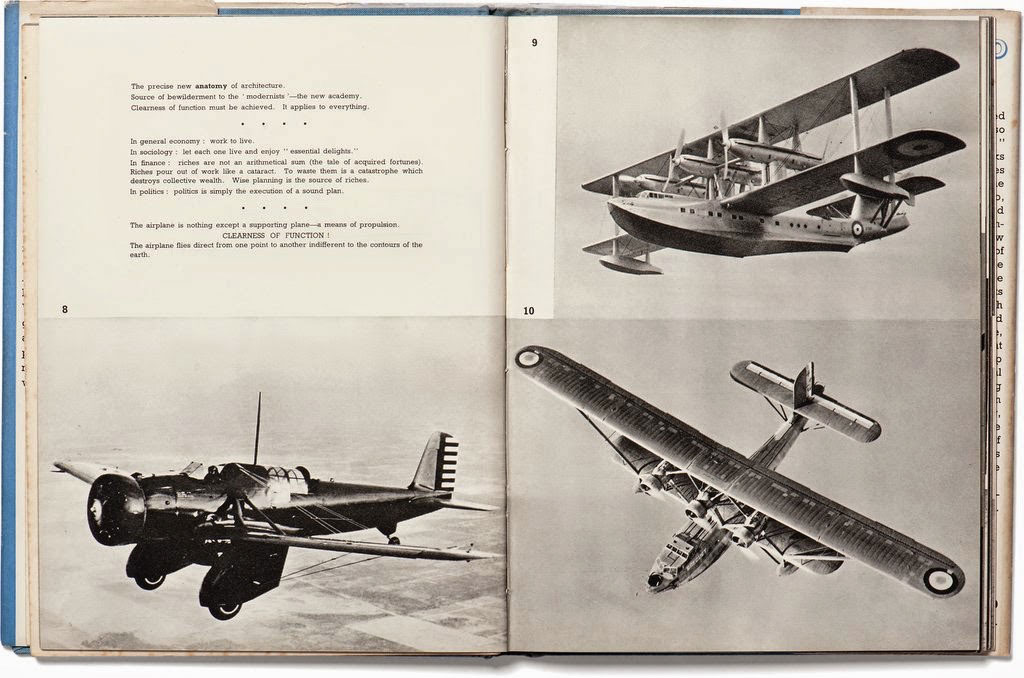
Le Corbusier (Swiss-French, 1887-1965) Aircraft
The Studio, London/New York
1935
Le Corbusier (Swiss-French, 1887-1965) Aircraft
The Studio, London/New York
1935
Robert Frank (Swiss-American, 1924-2019) The Americans
Grove Press, New York
1958/1959
Werner Bischof (Swiss, 1916-1954) Japan
Manesse, Zurich
c. 1955
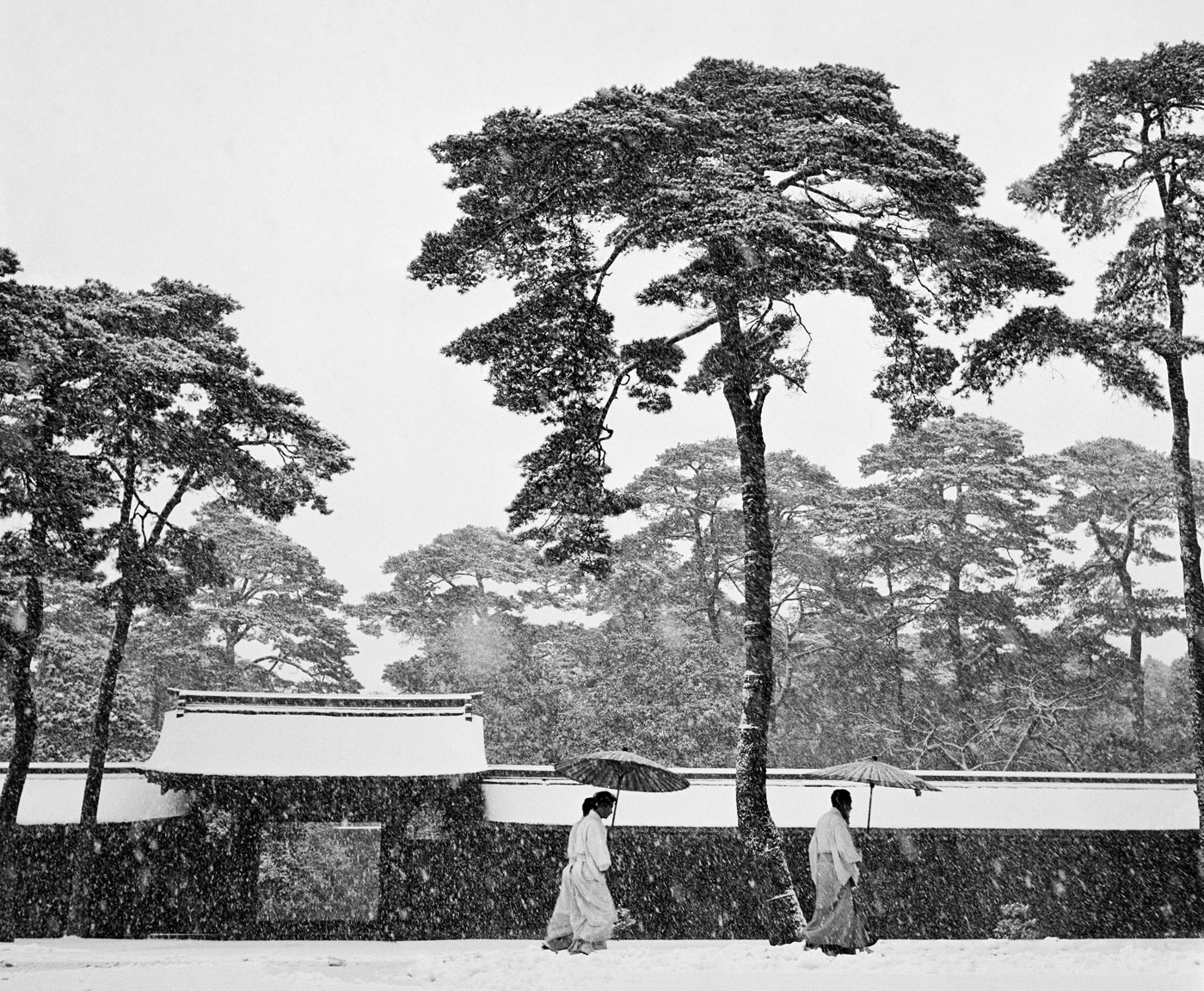
Werner Bischof (Swiss, 1916-1954) Courtyard of the Meiji shrine in Tokyo, Japan
1951
Gelatin silver print
Exhibition dates: 29th September – 10th October, 2009
Curator: Amy Barclay
Kim Lawler (Australian) Between Lines #4 Aerial Photograph, Great Sandy Desert, Western Australia 2009
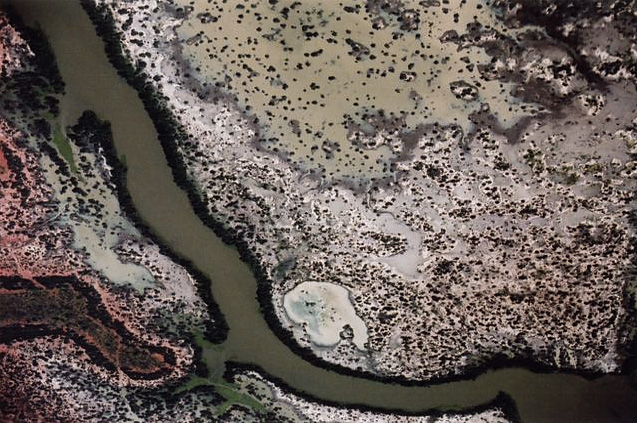
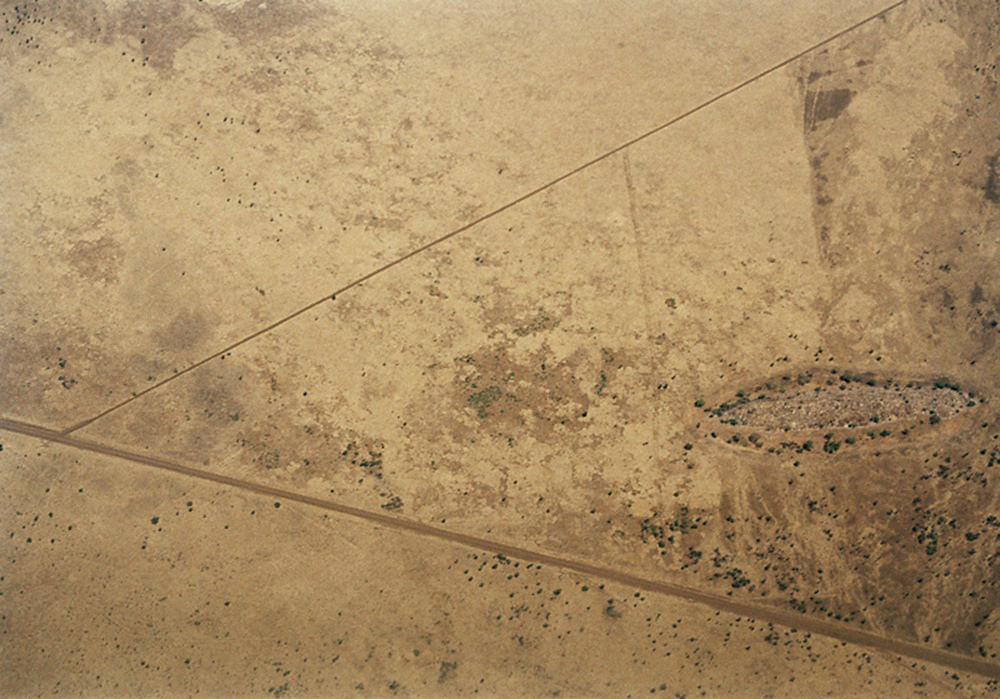
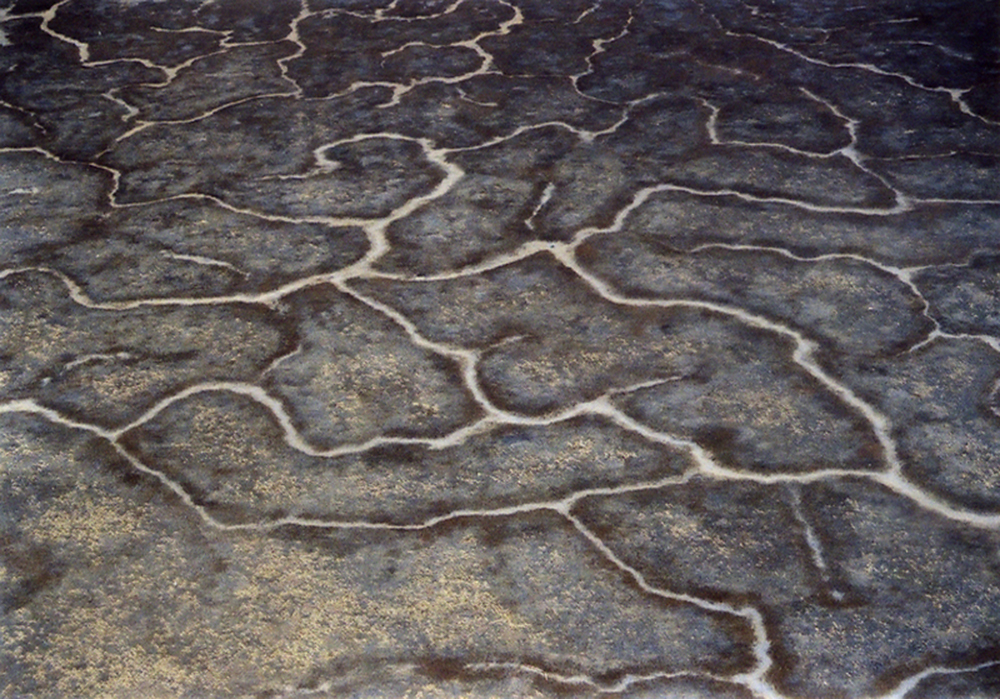
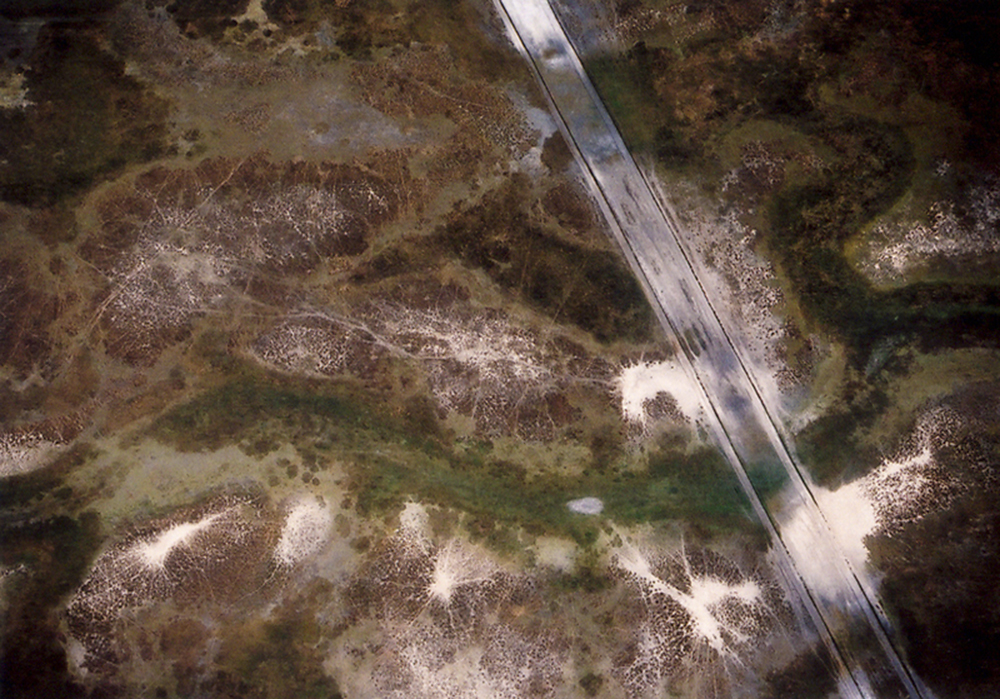
I finally made it to Kim Lawler’s exhibition Between Lines at fortyfive downstairs, Flinders Lane, Melbourne and, in many ways, the trip was well worth it. Lawler presents 12 prints from her eponymous series, aerial photographs taken over Western Australia.
Eschewing the essentially topographic state promoted in the “New Topographics: Photographs of a Man-Altered Landscape” of 1975 that have influenced so many photographers in recent decades (including the hyper-real photographs of the West Australian landscape by Edward Burtynsky where there is an emotional distance between the photograph and the viewer), Lawler instead mines the depths of abstraction in landscape photography.
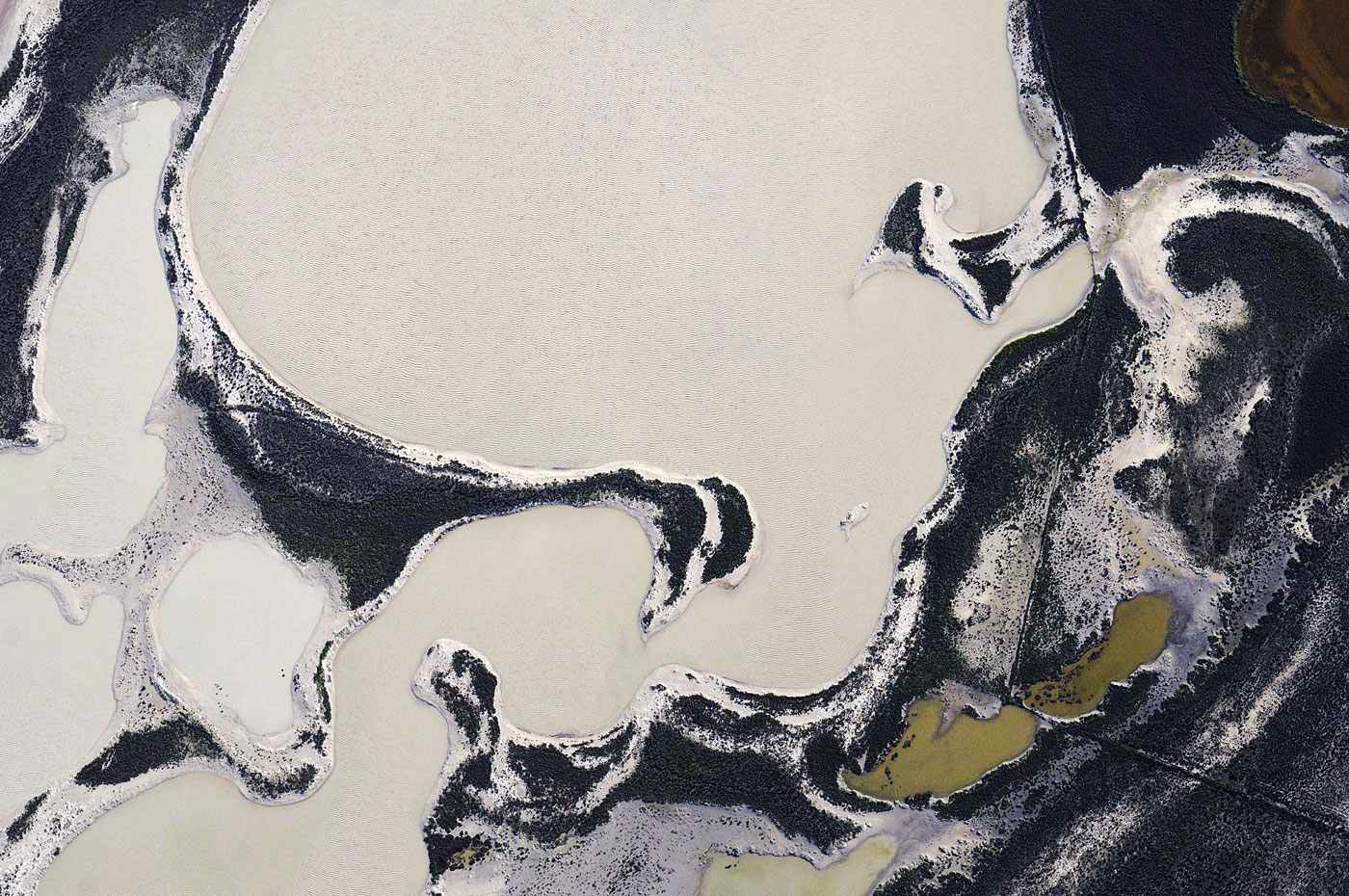
These are visceral photographs – in #4 the river and surrounds almost become vascular and cellular; in #13 the synapses and electrons infiltrate the highway reminding me of bomb craters from a Second World War landscape. In #7 the shrubs, unlike the precision of the New Topographics, become feckless dots, the landing strip a scar on the body; in #12 the toxic unsutured wound bleeds across the surface of the skin, white scar tissue surrounding it.
In these atypical mappings Lawler employs a taxonomy of disorder. The photographs are very soft in focus, soft in printing, big in the grain of the film and there is very little depth of field employed – in other words there is really nothing in focus at all, nothing that the eye and the mind can fix on. These are interstitial spaces (i.e. gaps between spaces full of structure or matter) and the title Between Lines is entirely appropriate for the work. The photographs contain beautiful textures, colours, surfaces.
This is their strength but also their weakness. The eye and the mind longs for something to hold onto, perhaps just a small fraction of the image to be in focus, so that the disorder plays off the order (for one cannot exist without the other!). Mutation only exists if their is something to mutate against. The other two small problems I had with the work were a matter of semantics and others may disagree – personally I found the size of the prints neither here nor there and they could have done with being about 2-3 inches larger and the white frames were too heavy. That is a funny thing to say about contemporary white frames, that they are too heavy for the work, but this is entirely possible: the moulding was too thick and the depth of the box frames to deep for my liking, detracting from the print itself and making the works darker than they needed to be.
Overall then an excellent exhibition that offers a positive variation on the cliched narrative of aerial photography of the Australian outback, one that questions the munificence of human habitation of the body and of the earth.
Dr Marcus Bunyan
Many thankx to fortyfive downstairs for allowing me to publish the photographs in the posting. Please click on the photographs for a larger version of the image.
Kim Lawler (Australian) Between Lines #7 (Landing Strip) Aerial Photograph, Great Sandy Desert, Western Australia 2009
Kim Lawler (Australian) Between Lines #8 (Jones Soak, position approximate) Aerial Photograph, Great Sandy Desert, Western Australia 2009
“Beyond romance or nostalgia, Lawler’s lucid visual studies reveal the aesthetic beauty of the stories being written and rewritten onto this responsive and at times fragile environment.”
~ Amy Barclay, curator
Between Lines comprises a series of aerial photographs taken in the Kimberley, far north Western Australia. This remote area is embedded with stories of Indigenous and non-Indigenous inhabitants, transitory visitors and scarred by multinational companies resource development. The artist, Kim Lawler, is concerned with markings, both natural and constructed, that tell stories of places, transitions and interruptions that occur within the landscape.
Between Lines is informed by Lawler’s experience of living in these regions and local perspectives on the displacement of people and their consequential relationship to the land that has taken place. It is also informed by the opposing qualities of abandon and connection that occur as the stories within these landscapes continue to unfold.
Competing demands for natural resources, and the resulting impact upon transitional landscapes, resonate with the stories of many generations of people that continue to flow through or inhabit each region. Attuned to the markings on these landscapes, it is these residual narratives ‘Between Lines’ seeks to record.
The imagery seen in Between Lines extends from Lawler’s previous artwork that interrogated additional Kimberley locations including: the remote Buccaneer Archipelago; the isolated far northern reaches of the Kimberley Coastline; Cockatoo Island iron ore mine and resort and; inland regions such as Warmun Aboriginal Community on the periphery of the Great Sandy Desert.
“Lawler’s eye is arrested by markings, natural and constructed, that trace and recount places, transitions and interruptions; the signifiers of change in a landscape millions of years old.”
Amy Barclay, curator
Text from the fortyfive downstairs website
Kim Lawler (Australian) Between Lines #12 Joseph Bonaparte Gulf, Northern Kimberley, Western Australia 2009
Kim Lawler (Australian) Between Lines #13 Great Northern Highway, Kimberley, Western Australia 2009
Kim Lawler (Australian) Between Lines #16 Cockatoo Island Cyanide Settling Pool, Yampi Sound, Western Australia 2009
fortyfive downstairs 45, Flinders Lane Melbourne 3000
Sarah Amos (Australian, b. 1965) Red Walk 2009 Collagraph and Monoprint
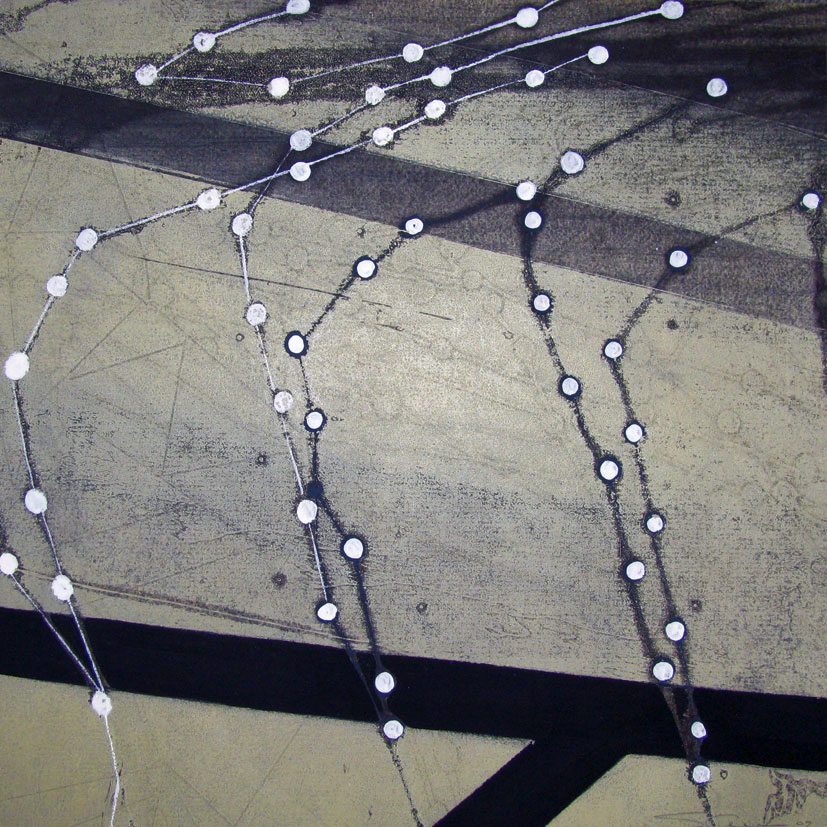
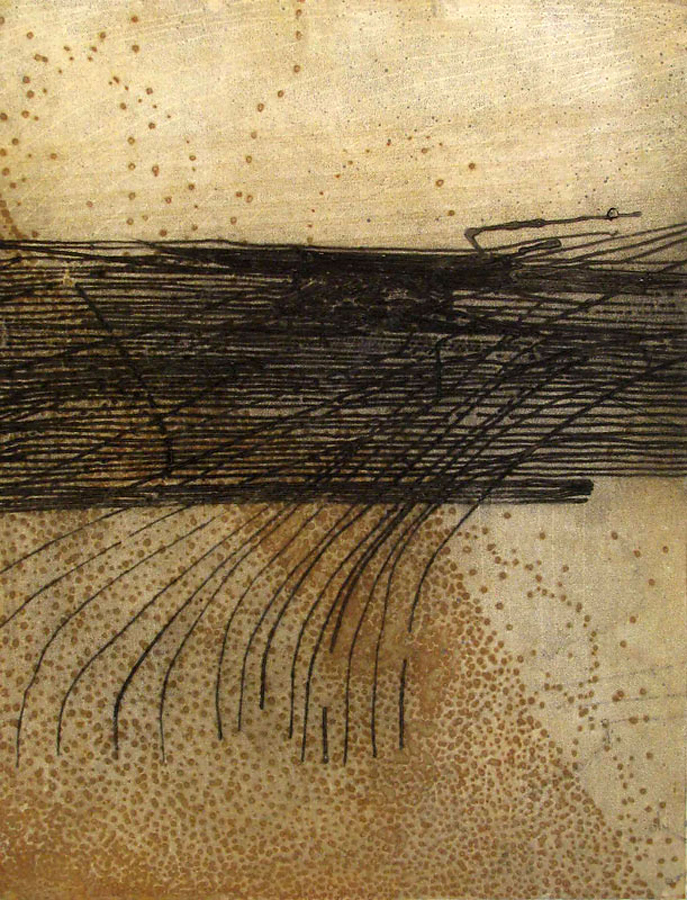
An interesting exhibition of Collagraphs (a type of collage printmaking)1 and etchings is presented by Sarah Amos at Gallery 101, Melbourne, work that is full of delicate coloured layering, topographical mapping and nodal, rhizomic and Spirogyra-type structures.
The ‘flux’ of the work, it’s musical cadence if you like, is the fusion of palimpsestic markings as viewed from the air – the dotted contours, the ploughed fields, the beautiful spatial layering that has an almost Kandinsky-like effect – with the aesthetics of Japanese paper, matt black colour (that subtly glistens on close inspection) and the tactility of the surface of the work. These intersections produce images that have some outstanding resonances: vibrations of energy that ebb and flow around the gallery space. These works are captivating!
For me the simpler images were the more successful especially the series named Intersections with their muted tonalities, shifting colours and topographical structure. They also reminded me of the black and white aerial landscape photography of Emmet Gowin (see below).
While I am unsure of the validity of the ‘landscape’/’urban lens’ ‘urban temperature’ references (which I found unnecessary and slightly irrelevant) these works and their synaptic interfaces must be experienced. For the viewer they hold a strange attraction as you stand before them drawn, inexorably, into their penumbral spaces. Recommended.
Dr Marcus Bunyan
Many thankx to gallery 101 for allowing me to publish the art work in the posting. Please click on the photographs for a larger version of the image.
1/ “A Collagraph print is a collage printmaking technique and is a form of Intaglio printing. The collagraph plate is printed in the same way as etchings, but also include the basic principle of relief printing and can be printed either as intaglio or relief.
The term collagraph refer to a collage board where the materials are assembled on a flat base or plate (matrix) to form a relief block with different surface levels and textures.
Collagraph plates are created by sticking and gluing materials like textured paper or fabric onto the plate and then coat it with varnish or acrylic medium afterwards to protect the materials.
Anonymous. “Printmaking: Collagraphs/Collage Blocks,” on the ArtistTerms.com website [Online] Cited 03/08/2009. No longer available online
Sarah Amos (Australian, b. 1965) Storm Loading 2009 Etching and hand drawing on Shiramine Japanese paper
Installation views of Intersections by Sarah Amos at Gallery 101, Melbourne Photos: Marcus Bunyan
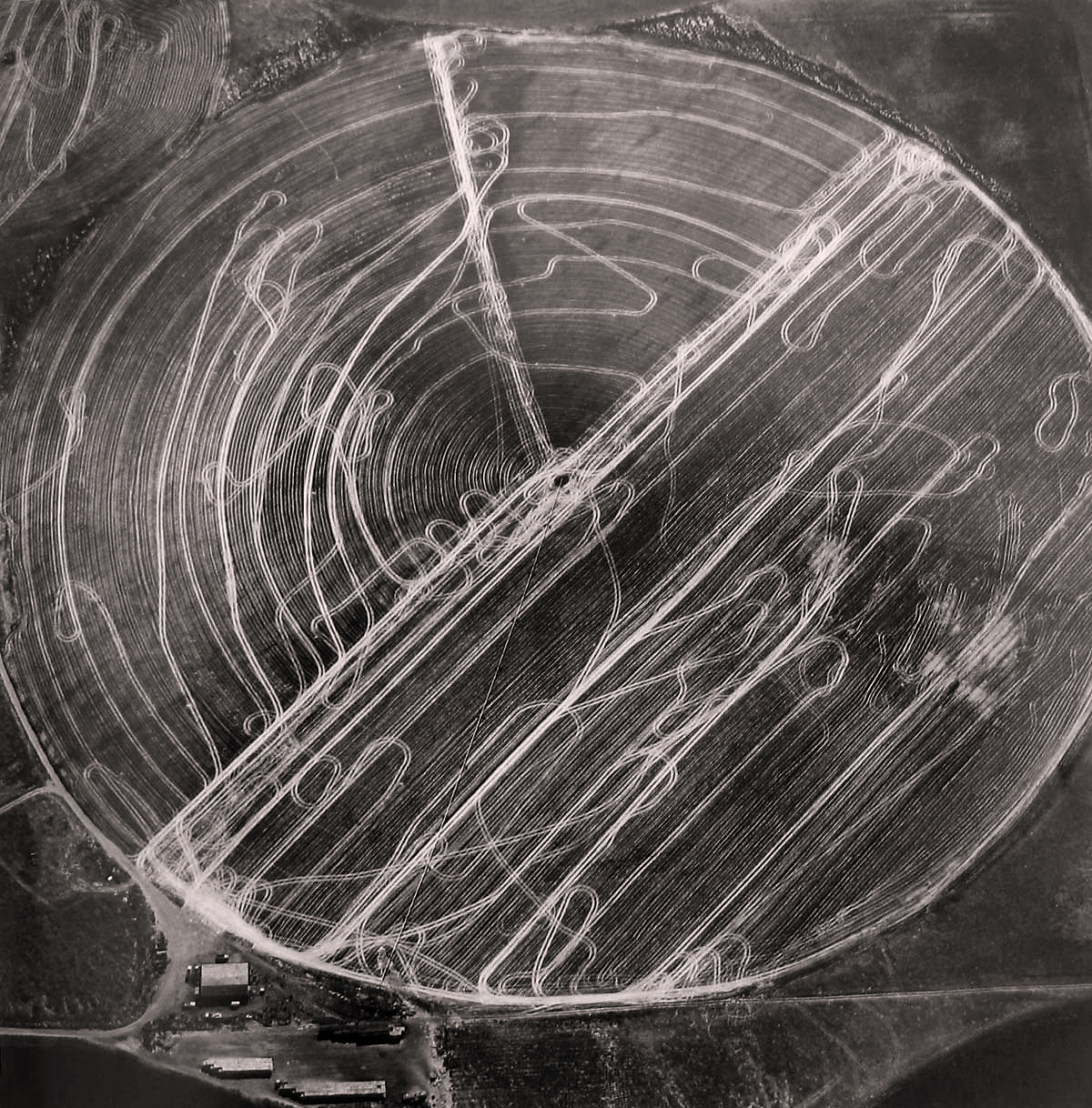
Emmet Gowin (American, b. 1941) Harvest traffic over agricultural pivot near Hermiston, Orgeon, 1991 1991 Gelatin silver print
Sarah Amos (Australian, b. 1965) Intersections 8 2009 Collagraph with gouache
“(Flux) – where a total electric or magnetic field passes through a surface.”
 My work is a fusion of both land and cityscape. I am interested in interpreting spatially dynamic, real and half forgotten landscapes through an urban lens. New to this body of work is my interest in the visual graphics of scientific diagrams in which dynamic and informative landscapes are drafted into linear minimal lines. I have absorbed this distilled language, translating it into an architectural and organic landscape where the intersections of line, volume and space are constantly in flux. This obscure knowledge is pared down, simplified and ordered into a clean analysis ready for instant translation.
The Australian landscape is central to my work and influences my use of colour, idiosyncratic marks and open space. These works are personalised maps of accumulated information, like printed histories, that record the duelling intersections where the weathers of the landscape and the urban temperature have begun to take on new and vital immediacy.”
Sarah Amos, 2009
Text from the Gallery 101 website [Online] Cited 01/08/2009. No longer available online
Sarah Amos (Australian, b. 1965) Lute 2009 Collagraph
Curator: Eva Respini, Associate Curator, Department of Photography, The Museum of Modern Art
Carelton Watkins (American, 1829-1916) Views from the Sentinel Dome, Yosemite 1865-1866 Albumen silver prints from glass negatives Museum of Modern Art, New York
The Museum of Modern Art presents Into the Sunset: Photography’s Image of the American West, a survey of 138 photographic works dating from 1850 to 2008 that chart the West’s complex, rich, and often compelling mythology via photography. The exploration of a large part of the American West in the mid-nineteenth century by European Americans coincided with the advent of photography, and photography and the West came of age together. The region’s seemingly infinite bounty and endless potential symbolised America as a whole, and photography, with its ability to construct persuasive and seductive images, was the perfect medium with which to forge a national identity. This relationship has resulted in a complex association that shapes the perception of the West’s social and physical landscape to this day. With political, cultural, and social attitudes constantly shifting in the region over the last 150 years, Into the Sunset further examines the way photographers have responded to these changes. The exhibition is organised by Eva Respini, Associate Curator, Department of Photography, The Museum of Modern Art, and is on view in the Special Exhibitions Gallery on the third floor from March 29 to June 8, 2009.
Organised thematically rather than chronologically, Into the Sunset brings together the work of over 70 photographers, including Robert Adams, John Baldessari, Dorothea Lange, Timothy O’Sullivan, Cindy Sherman, Joel Sternfeld, Carleton E. Watkins, and Edward Weston, among others. The exhibition draws extensively from MoMA’s collection, along with private and public collections in the United States, and features new acquisitions from Adam Bartos, Katy Grannan, and Dennis Hopper, with each work also on view for the first time at the Museum.
Ms. Respini states: “Ranging from grand depictions of paradise to industrial development, from pictures taken on the road to prosaic suburban scenes, the photographs included in Into the Sunset do not all picture the West from the same point of view, or even perhaps, picture the same West. Rather, each is one part in a continually shifting and evolving composite image of a region that has itself been growing and changing since the opening of the frontier.”
Into the Sunset begins with the birth of photography and the American West. In the mid-nineteenth century, the region’s seemingly infinite bounty and endless potential symbolised America as a whole, and Carleton E. Watkins (American, 1829-1916) captured the grand depictions of an American paradise in his photographs of Yosemite Valley in California. Arguably the world’s first renowned landscape photographer, Watkins made his first photographs there in 1861 – large sized prints made with an 18-by-22-inch mammoth plate camera, well suited to the grandeur of the land. Included are the three contiguous photographs that make up his extraordinarily detailed View from the Sentinel Dome (1865-1866).
The exhibition balances the early work of landscape photographers with the twentieth century focus on the failure of the West’s promised bounty. In Joel Sternfeld’s (American, b. 1944) After a Flash Flood, Rancho Mirage, California (1979), the photographer documents the impact of a natural disaster, specifically a landslide, shot with neutral tones softly camouflaging the extent of flash flood on this suburban neighbourhood. And in Karin Apollonia Müller’s (German, b. 1963) Civitas (1997), the photographer shows a very different view of California than that of Watkins, with Müller revealing a contemporary Los Angeles as a littered wasteland of freeways and anonymous glass towers.
As highways and interstate travel became more prevalent, the automobile and the open road became synonymous with the region, with Edward Weston (American, 1886-1958) as the first great photographer of these open roads. Included is Weston’s iconic Hot Coffee, Mojave Desert (1937), a humorous black-and-white photograph of a road sign revealing a greater thematic shift to the highway and its signage as an inescapable element in picturing the West in the twentieth century.
Once the West became more populated, photographers began to showcase humans’ effects on the land, including images of industrial development. In the 1950s William Garnett (American, 1916-2006) was hired by a real estate company to record the efficiency of mass-produced housing. For this series, Lakewood, California (1950), Garnett took photographs of the neighbourhood from an airplane, resulting in images that are completely devoid of people and focus on the progress of mass-produced construction. However, the series subsequently came to represent all that was wrong with such development and the massive sprawl of the West in the eyes of its critics.
Photographs of the people of the West represent a diversity of archetypes: gold miners and loggers, Native Americans, cowboys, suburbanites, city dwellers, starlets, dreamers, and drifters. Into the Sunset explores these archetypes, and their mutability into the twenty-first century. Included is Half Indian / Half Mexican (1991), from the photographer James Luna (Native American, Pooyukitchum / Luiseno, b. 1950), an artist of Native American ancestry. This tongue-in-cheek self-portrait captures in profile both an identity photograph and a mug shot, and works as a counterpoint to the tokenised portrayals of Native Americans from the past 150 years.
A similar reevaluation of past archetypes occurs in Richard Prince’s (American, b. 1949) Cowboy series from 1980, with one work from the series included in the exhibition. For that series Prince famously photographed Marlboro advertisements, cutting out the text, cropping the images, and enlarging them, highlighting the artifice of the virile image of the cowboy and its potency as a deeply ingrained figure in American mythology.
The suburbs and their inhabitants have been a rich subject for photographers of the West, and included are Larry Sultan’s (American, b. 1946) Film Stills from the Sultan Family Home Movies (1943-1972), in which Sultan chose individual frames from his family’s home movies and enlarged them. Although the images feature the activities that epitomise suburban life, a sense of unease lurks beneath the surface of these images; cropped and grainy, they resemble surveillance or evidence photographs.
Into the Sunset concludes with the theme of the failed promise of Western migration. Dorothea Lange’s well-known 1936 photograph Migrant Mother, Nipomo, California, photographed when Lange was employed by the Farm Security Administration, is included and documents the conditions of the West in rural areas during the Great Depression. Her photographs had a humanist purpose and resulted in putting a face on the hardships of that era.
This tradition of capturing the downtrodden of the West continues into this century with Katy Grannan (American, b. 1969), a photographer who recently completed a series of new pioneers, individuals struggling to define themselves in the West of today. In Nicole, Crissy Field Parking Lot (I) (2006), a woman, “Nicole,” poses seductively on a gravel parking lot, with her makeup-streaked face and harsh light alluding to her perilous existence on the fringe of society.”
Text from the MoMA website [Online] Cited 12/04/2009. No longer available online
Many thankx to MoMA for allowing me to publish the photographs in the posting. Please click on the photographs for a larger version of the image.
Installation view of the exhibition Into the Sunset: Photography’s Image of the American West at The Museum of Modern Art (MoMA), New York showing Ed Ruscha’s Every Building on the Sunset Strip 1966
Joel Sternfeld (American, b. 1944) After a Flash Flood, Rancho Mirage, California 1979 Chromogenic colour print, printed 1987 15 15/16 x 20″ (40.5 x 50.8cm) Museum of Modern Art, New York Gift of Beth Goldberg Nash and Joshua Nash
During the 1970s, Joel Sternfeld’s work reflected a trend towards a newly dispassionate, less idealised approach to nature and culture. His photographs have a seductive beauty, even though they often focus on those places where the natural and man-made worlds come together in uncomfortable ways. Working with a large-format camera and luminous colour to create images that are frequently ironic or even humorous, his compositions appear simple but in fact are surprisingly complex and often unsettling. In this photograph of a suburban California neighbourhood in the aftermath of a flash flood, the lovely monochrome tones trick us into not immediately seeing the car that has toppled into the gaping sinkhole or realising that the buildings above could be on the verge of falling, too.
“I was hired commercially to illustrate the growth of that housing project. I didn’t approve of what they were doing. Seventeen thousand houses with five floor plans, and they all looked alike, and there was not a tree in sight when they got through.”
“I was discharged and heard you could hitchhike on the transport taking GIs home. The airplane was full, but the captain let me sit in the navigator’s seat so I had a command view. I was amazed at the variety and beauty of these United States. I had never seen anything like that – in a book, in school, or since then. So I changed my career.”
William A. Garnett
Lakewood, located on the outskirts of Los Angeles, was the location for the second major postwar housing development built in the United States. Some 17,500 tract houses were constructed assembly-line style on 3,500 acres of cleared farmland. Mass production made the houses affordable, so a greater number of people could take part in the American dream of home ownership. The developers hired William Garnett to document different phases of the subdivision’s construction from his Cessna airplane. He often photographed his subjects early in the day, so the angled light would emphasise their otherwise flat-looking forms. The photographs serve a utilitarian purpose but also demonstrate Garnett’s impeccable sense of design. In Trenching Lakewood, California, stacked lumber appears for the foundations, utility poles are installed, and the main roads are carved out. …
William Garnett took his first cross-country flight after serving as a United States Army Signal Corps cameraman during World War II. What he saw below inspired him to learn how to pilot a plane so he could photograph the American landscape. Garnett’s aerial photographs resemble abstract expressionist paintings or views through a microscope. As landscapes, they do not have the conventional grounding of a horizon line. All reveal astonishing patterns that are not seen from the ground. Garnett honed his elegant design sensibility well before earning a pilot’s license. Before the war, he attended Art Center College of Design in Los Angeles. Later, he headed the Pasadena Police Department’s photography lab. In the 1940s and 1950s, he began to rack up flying hours around Los Angeles, speaking out about the area’s increasing air pollution. He illustrated Nathaniel Owings’s American Aesthetic, a book about land-use practices. During ten thousand hours of flying, Garnett simultaneously piloted a plane while photographing out the window – traveling above every state and many parts of the world. His light 1956 Cessna plane allowed him to fly to just the right location to capture subjects with precision. At first, he experimented with a variety of camera formats and films but found that two 35mm cameras (one loaded with black-and-white film, the other with colour film) best suited his needs. Garnett’s work defies the stereotype of aerial photography as purely scientific and devoid of artistry. He became the first aerial photographer to earn a prestigious Guggenheim fellowship.
Anonymous. “Historical Witness, Social Messaging,” from the J. Paul Getty Museum Education Department [Online] Cited 13/01/2019
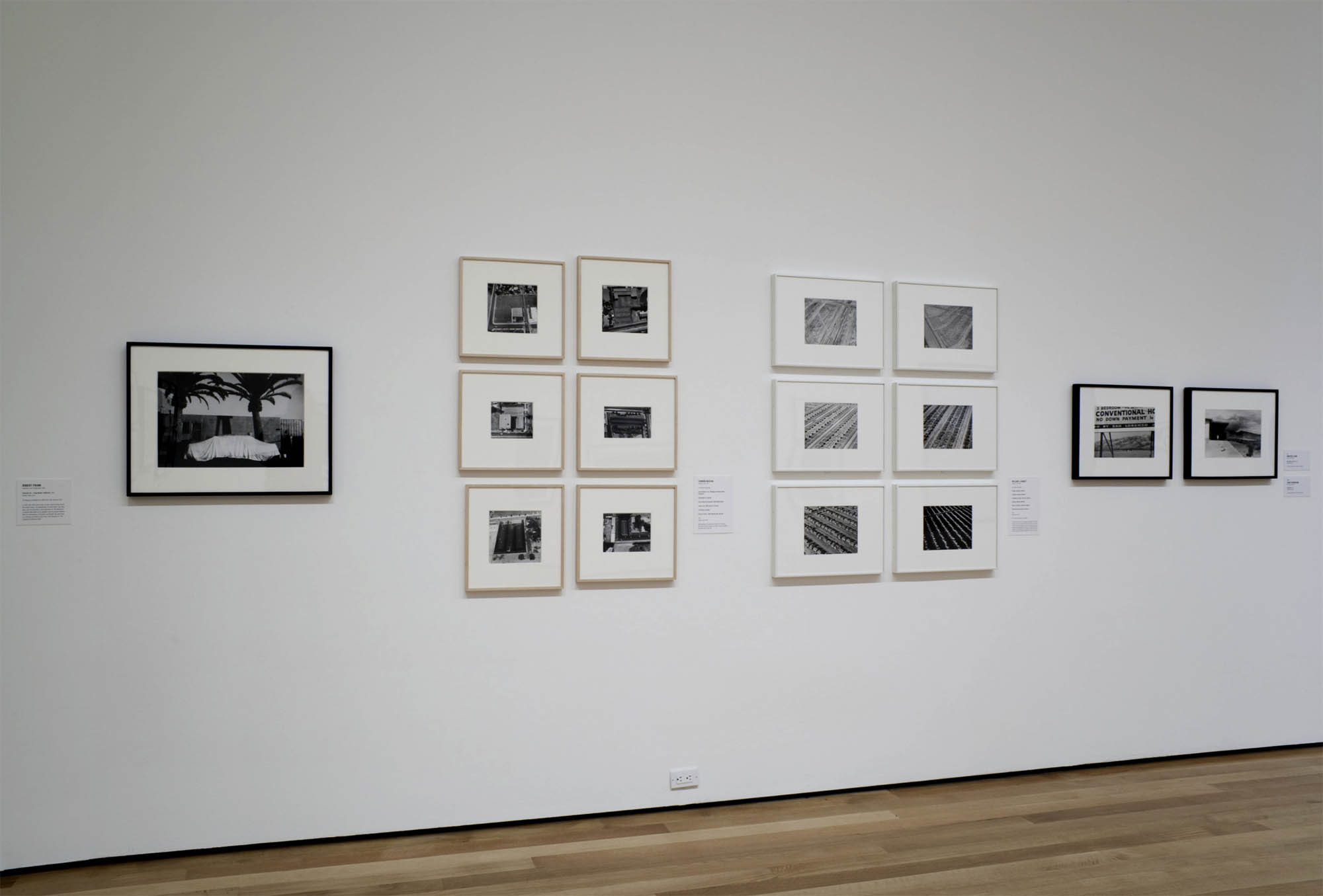
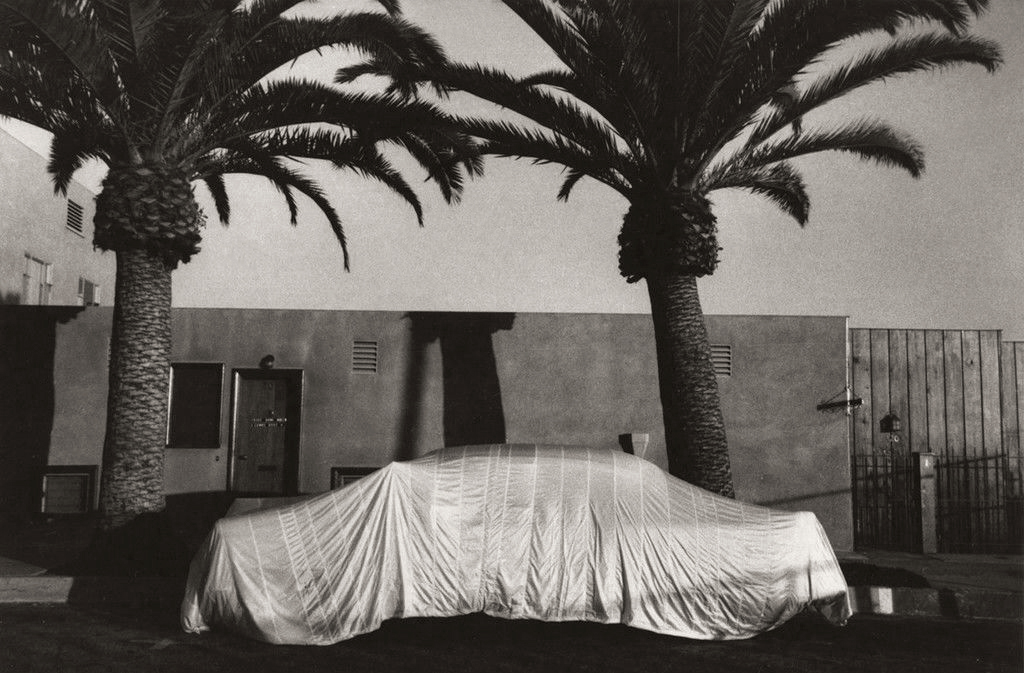
Installation view of the exhibition Into the Sunset: Photography’s Image of the American West at The Museum of Modern Art (MoMA), New York showing at left, Robert Frank’s Covered Car – Long Beach, California (1956, below); and at centre right, photographs by William A. Garnett (above)
Robert Frank (American, 1924-2019) Covered Car – Long Beach, California 1956 From The Americans (1955-1956) Gelatin silver print Museum of Modern Art, New York
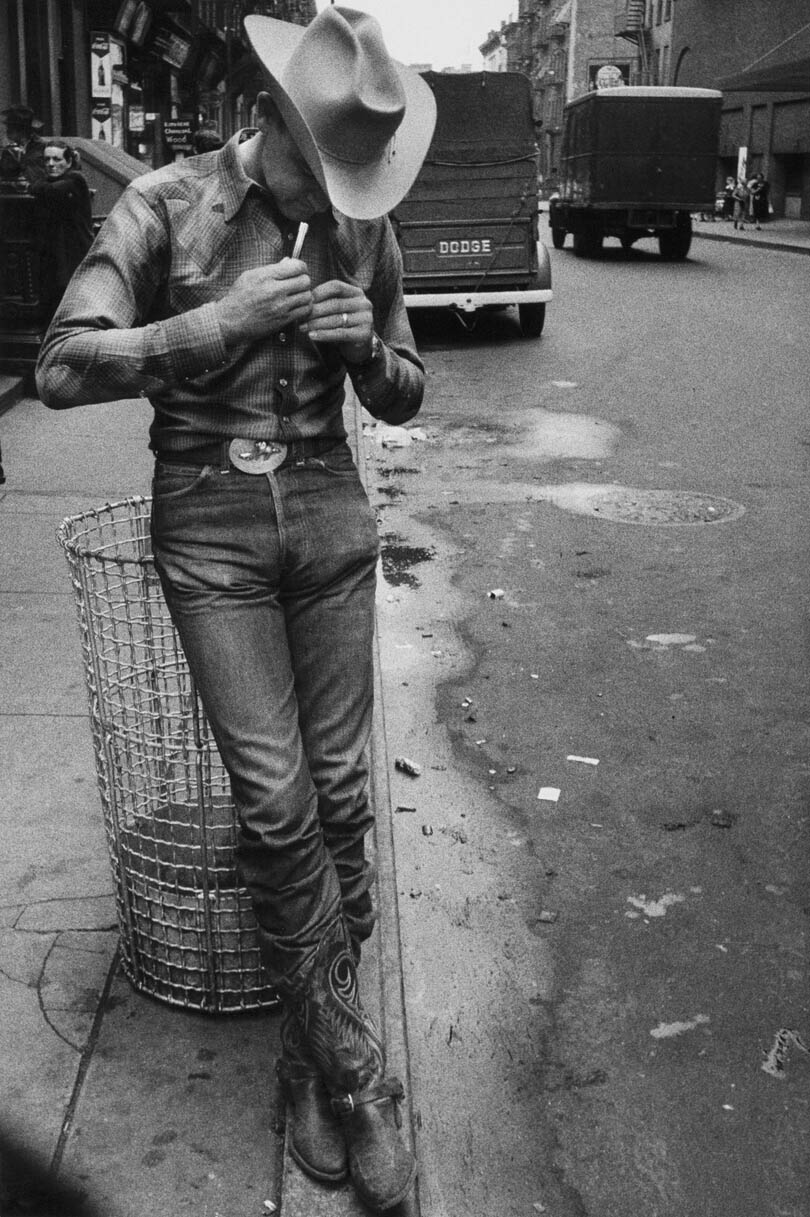
Robert Frank (American, 1924-2019) Rodeo – New York City 1954 From The Americans (1955-1956) Gelatin silver print Museum of Modern Art, New York
Dorothea Lange (American, 1895-1965) Migrant Mother, Nipomo, California 1936 Gelatin silver print 11 1/8 x 8 9/16″ (28.3 x 21.8cm) Museum of Modern Art, New York
Dorothea Lange took this photograph on assignment for the U.S. government’s Farm Security Administration (FSA) program, formed during the Great Depression to provide aid to impoverished farmers. FSA photographers documented the conditions that Americans faced throughout the course of the Great Depression, a period of economic crisis. Lange’s photograph suggests the impact of these harsh conditions on a 32-year-old mother of seven. She took a number of pictures of the mother with her children and chose this image as the most effective. Her keen sense of composition and attentiveness to the power of historical images of the Madonna and Child have helped this photograph transcend its original documentary function and become an iconic work of art.
Text from the MoMA website
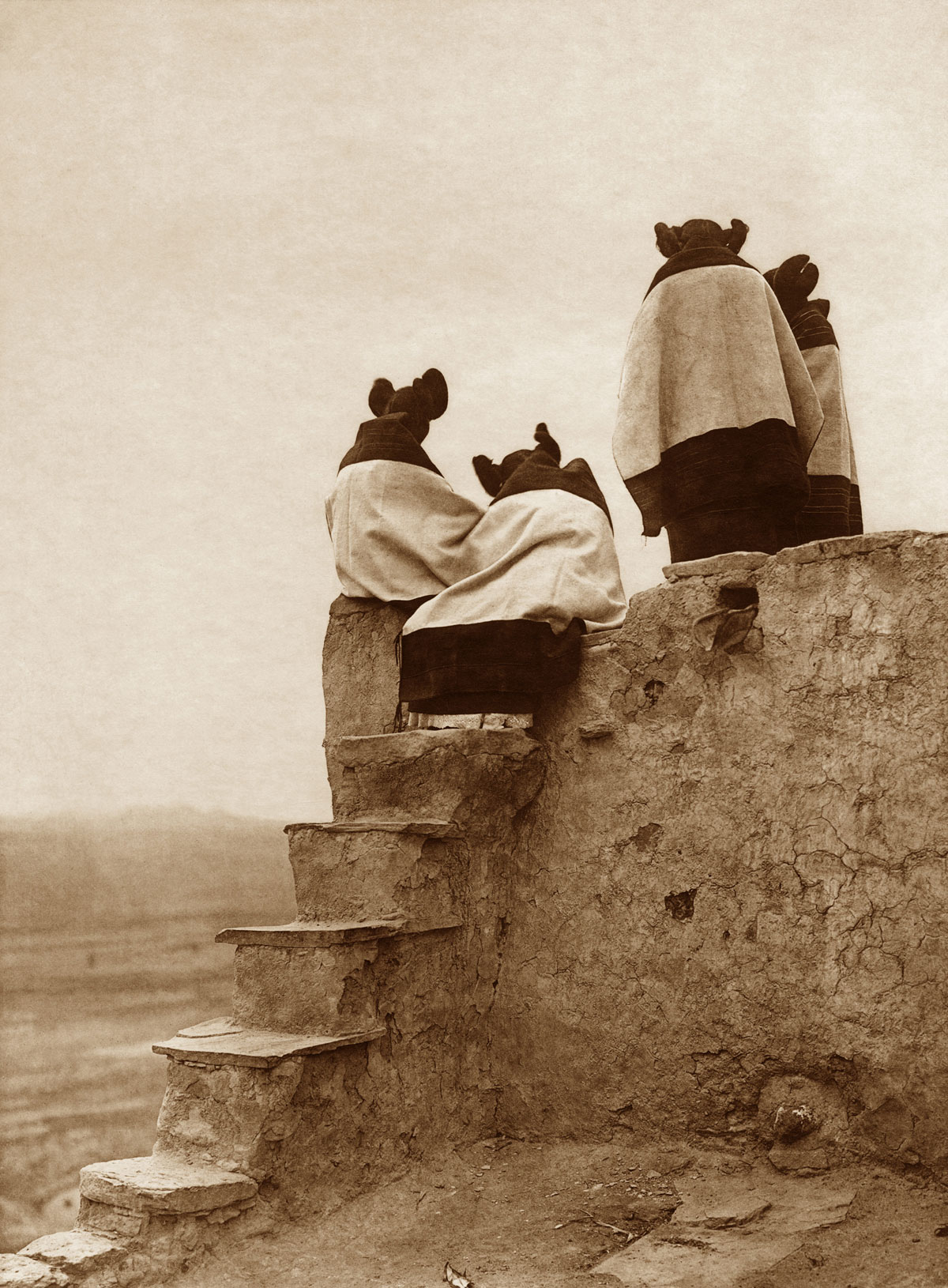
Edward S. Curtis (American, 1868-1952) Watching the Dancers 1906 Photogravure Museum of Modern Art, New York
James Luna (American, 1950-2018) Half Indian/Half Mexican (installation view) 1991 Gelatin silver print
James Luna (February 9, 1950 – March 4, 2018) was a Payómkawichum, Ipi, and Mexican-American performance artist, photographer and multimedia installation artist. His work is best known for challenging the ways in which conventional museum exhibitions depict Native Americans. With recurring themes of multiculturalism, alcoholism, and colonialism, his work was often comedic and theatrical in nature. In 2017 he was awarded a Guggenheim Fellowship.
In the mid-1970s Prince was an aspiring painter who earned a living by clipping articles from magazines for staff writers at Time-Life Inc. What remained at the end of the day were the advertisements, featuring gleaming luxury goods and impossibly perfect models; both fascinated and repulsed by these ubiquitous images, the artist began rephotographing them, using a repertoire of strategies (such as blurring, cropping, and enlarging) to intensify their original artifice. In so doing, Prince undermined the seeming naturalness and inevitability of the images, revealing them as hallucinatory fictions of society’s desires.
“Untitled (Cowboy)” is a high point of the artist’s ongoing deconstruction of an American archetype as old as the first trailblazers and as timely as then-outgoing president Ronald Reagan. Prince’s picture is a copy (the photograph) of a copy (the advertisement) of a myth (the cowboy). Perpetually disappearing into the sunset, this lone ranger is also a convincing stand-in for the artist himself, endlessly chasing the meaning behind surfaces. Created in the fade-out of a decade devoted to materialism and illusion, “Untitled (Cowboy)” is, in the largest sense, a meditation on an entire culture’s continuing attraction to spectacle over lived experience.
Text from the Metropolitan Museum of Art website
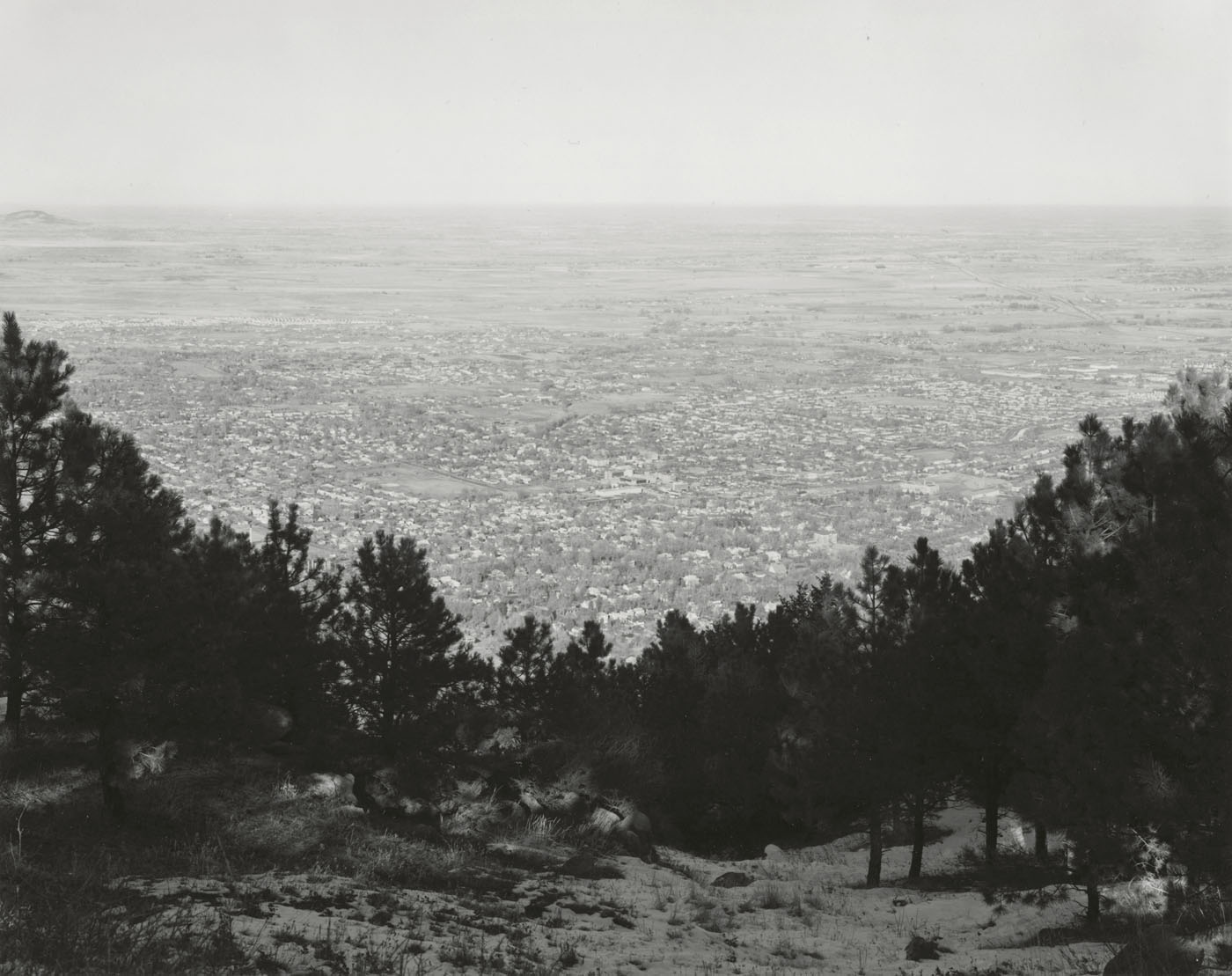
Robert Adams (American, b. 1937) East from Flagstaff Mountain, Boulder County, Colorado 1975 Gelatin silver print Museum of Modern Art, New York
Robert Adams (American, b. 1937) Colorado Springs 1968 Gelatin silver print Museum of Modern Art, New York
Robert Adams (American, b. 1937) Burning oil sludge, north of Denver, Colorado 1973-1974 Gelatin silver print Museum of Modern Art, New York
Stephen Shore (American, b. 1947) Beverly Boulevard and La Brea Avenue, Los Angeles, California, June 21, 1975 1975 From the series Uncommon Places, 1973-1986 Museum of Modern Art, New York
Cindy Sherman (American, b. 1954) Untitled Film Still #43 1979 Gelatin silver print 7 9/16 x 9 7/16″ (19.2 x 24cm) Acquired through the generosity of Sid R. Bass Museum of Modern Art, New York
Richard Avedon (American, 1923-2004) Carl Hoefert, unemployed blackjack dealer, Reno, Nevada August 30, 1983 From the series In the American West Gelatin silver print Museum of Modern Art, New York
The Museum of Modern Art 11 West 53 Street New York, NY 10019 Phone: (212) 708-9400
Opening hours: Sun – Fri 10.30am – 5.30pm Sat 10.30am – 7.00pm
Monday mornings from 10.30am to 1.00pm are reserved exclusively for members and their guests.
You must be logged in to post a comment.