After seven years of curating Art Blart, finally I can talk about an exhibition on one of my favourite humanist/social documentary photographers. This fact alone shows how rare it is to get to see his photographs in an exhibition, let alone display them online, such is the control that agencies have over the artist’s work.
Personally, I prefer the earlier, more avant-garde work around the time of the Second World War which has more bite, more of a cutting edge. But then again how can you argue against the sheer beauty and formalism of Harbour of Kowloon (1952, below) or the “atmosphere” of that wondrous photograph Courtyard of the Meiji shrine (below) where the snow has been falling since 1951. I remember starting out as an artist, seeing this image and staring in disbelief at this vision.
Perhaps that is a good metaphor for Bischof’s work: that of a visionary, for you never sense the presence of the photographer in his work (unless he wants you to!) but always know that it is a Bischof photograph. The photographs are almost ego-less, which is one reason I suppose that they are so damn good. The artist gets physically close to the subject matter (as in Stallion Remus, 1944 and On the road to Cuzco, 1954) and then lets the subject reveal itself. This is such an art, to be present and absent in the work at the same time.
It is a great sadness that Bischof died so young (at age 38, when the jeep in which he was travelling plunged off a cliff in the area of Peña de Águila, in the Peruvian Andes) and that the work of such a sympathetic photographer is not as well known as the work of that other Swiss photographer, Robert Frank. Bischof’s work lives and breathes in the top echelons of photography but somehow, you never hear of him. In my humble opinion, one of the great photographers of all time.
Dr Marcus Bunyan
Many thankx to the Musée de l’Elysée for allowing me to publish the photographs in the posting. Please click on the photographs for a larger version of the image.
Werner Bischof, Point de vue et Helvetica
An Era Defined by Exile Korean War Photos by Werner Bischof
To mark the centenary of the birth of Swiss photographer Werner Bischof (1916-1954), the Musée de l’Elysée is presenting a retrospective of his work entitled Point of View, produced by Magnum Photos (Paris). The exhibition offers almost 200 original and sometimes unpublished prints selected from the Werner Bischof Estate (Zurich). The exhibition will also display contact sheets, books, magazines and private letters. Several projections will give a contemporary approach to his work. The exhibition will present his work in Switzerland (1934-1944), Europe (1945-1950), Asia (1951-1952), and North and South America (1953-1954).
A second exhibition, produced by the Musée de l’Elysée and entitled Helvetica focuses exclusively on Bischof’s Swiss years, the period of training, studio work fashion and advertising and then the war years in Switzerland during which he became a press photographer working for the magazine DU. The exhibition Helvetica is the subject of the first publication of the “Collection – Musée de l’Elysée”.
Text from the Musée de l’Elysée website
“The Swiss genius is an exceptional photographer possessing tremendous technical knowledge and experience for his age (he’s only 32 years old), being able to make great pictures, both inside studio (a sphere in which she gets superb results thanks to his lighting mastery, the control on the depth of field, etc) and with persons in outdoor assignments, where by means of his great humanistic sensitiveness, intuition, precision in the timing on pressing the release shutter button of his cameras, outstanding grasping to capture the most representative moments and passion for his trade, also creates very powerful and meaningful images once and again, taking care of the most minute details, even when working under the most extreme contexts, since he’s a great perfectionist… Throughout all of his career as a professional photographer, Bischof proved to be an accomplished master of medium format made using a 2 1/4 x 2 1/4 (6 x 6 cm) Rolleiflex medium format cameras. He also used a rangefinder 35 mm Leica IIIc camera with Leitz Elmar 5 cm f/3.5 lens with which he likewise got great photographs.”
“Another timeless photographic icon in which stands out the lavish level of detail in the garment of the boy and his typical hat, along with the intricate texture of the sack he is wearing on his back, the impression of volume of his right hand, the fibrous musculature in his calves, the soft bokeh in the mountainous area which can be seen in the background and above all a millenary synergy between man and nature that Werner Bischof realised was endangered.”
“Bischof creates a kind of living landscape highlighted by its unmatched formal and compositive precision, masterfully using the natural light, obtaining plentiful details and exceedingly delicate transitions and hues of grey scales, exploiting the capacities of square medium format to the utmost. The very pure whites of the snow on the ground, the temple roof and the tree tops are likewise worth being mentioned.”
Curators: David C. Ward, Portrait Gallery senior historian, and guest curator Heather Shannon, former photo archivist at the Smithsonian’s National Museum of the American Indian, with research assistance from Sarah Campbell
Alexander Gardner (American born Scotland, 1821-1882) Ulysses S. Grant (1822-1885) c. 1864 Albumen silver print National Portrait Gallery, Smithsonian Institution
THIS IS THE FIRST OF THREE POSTINGS ABOUT (MAINLY AMERICAN) 19th CENTURY PHOTOGRAPHY.
This monster posting is both fascinating and gruesome by turns. They were certainly dark fields, stained crimson with the blood of men of opposing armies, left bloated and rotting in the hot sun. Can you imagine the smell one or two days later when Alexander Gardner arrived to photograph those very fields.
Particularly in the early war years (1861-62).”Gardner has often had his work misattributed to Brady.” Gardner worked for Mathew Brady, running his Washington office and working in the field (as many other operatives did) during the early part of the Civil War. Gardner’s negatives were published under the banner of the studio of Brady. He finished working for Brady in 1862 before setting up his own studio in May 1863 a few blocks from Brady’s Washington studio. This fluidity of authorship continues later in the war when Timothy H. O’Sullivan’s photographs, an assistant to Gardner, appeared under the masthead of Gardner’s studio. Evidence of this can be observed in the image Home of a Rebel Sharpshooter (July 1863, below) where, at least, Sullivan is credited with the negative at bottom left under the image.
Gardner changed the face of photography. He endowed it with an immediacy and energy that it had previously been lacking. His photographs of the battlefield brought the action “presently” into the lounge rooms of the well-heeled and, by engravings taken from the photographs, into newspapers of the time. His series of photographs of the hanging of the conspirators convicted of Abraham Lincoln’s assassination are “considered one of the first examples of photojournalism ever recorded.” But he wasn’t above rearranging the scene to his liking, as in the moving of the body in Home of a Rebel Sharpshooter (July 1863, below) to make a more advantageous “view” … much like Roger Fenton’s moving of the cannonballs in his epic photograph The Valley of the Shadow of Death(1855). Today this would be frowned upon, but in the era these photographs were taken it seemed the most “natural” thing to do, to make a better photograph, and nothing was thought of it.
The exhibition text states, “But his arrangement of the corpse reflects how difficult it was for Gardner and his contemporaries to process the reality of mass casualties in which the dead became anonymous. Caught at a transitional moment, Gardner did not trust the images his camera captured. That this photographic construction would be more marketable to a public still steeped in Victorian sentimentality only adds to Gardner’s malfeasance.” Malfeasance is a strong word. Malfeasance is defined as an affirmative act, “the performance by a public official of an act that is legally unjustified, harmful, or contrary to law; wrongdoing (used especially of an act in violation of a public trust).” (Dictionary.com) The exhibition text also states that “His actions are unforgivable from both a moral and artistic point of view,” and are a blot on Gardner’s career.
I don’t agree. Of course Gardner trusted the images that his camera captured, he was a photographer! This is a ludicrous statement… it is just that, arriving days after the battle, he wanted compositions that created news and views that were memorable. His affirmative action was not illegal or contrary to the law. Although morally it could be seen as a violation of public trust he was reporting the depravities of war within the first 25 years of the beginning of photography, and he was trying to get across to the general public the lonely desperation of death. In that era, at the very beginning of photographic reportage, who was to tell him it was wrong or illegal? We view these actions through retrospective eyes knowing that this kind of re-arrangement would not be tolerated today (but it is, in the digital manipulation of images!) and the condemnation of today is just a hollow statement. Photography has ALWAYS re-presented reality – through the hand of the author, through the eyes of the viewer.
Other interesting things to note in the posting are:
~ the mechanical overlaying of colour in the stereograph View on Battle Field of Antietam, Burial party at work (1862, below) where the colour is applied subtly in the left hand photograph while in the right hand image, the colour almost obliterates the figures
~ the attitude of the participants in Indian Peace Commissioners in council with the Northern Cheyenne and Northern Arapaho, Fort Laramie, Dakota Territory (1868, below). The military and civilian representatives of the government sit at right on boxes, four of them staring directly into the camera aware they are being photographed for prosperity (General William T. Sherman does not, looking pensive with his hands clasped) while on the left, the Native American Indian representatives sit on the ground wrapped in blankets with the backs of two interpreters towards the camera. They do not make eye contact with the camera except for one man, who has turned his head towards the camera and gives it a defiant stare (perhaps I am imagining, but I think not)
The strongest photographs in this posting, other than the masterpiece Home of a Rebel Sharpshooter are not the empirical scenes of the battlefield but two portraits: Ulysses S. Grant (1864, below) and the war weary “cracked plate” image of Abraham Lincoln (1865, below). Both are memorable not just for the low depth of field or the “capture” of remarkable leaders of men during war but for something essentially interior to themselves – their contemplation of self. With Grant you can feel the steely determination (this in the second last year of the war) and, yet, comprehend his statement,
“Though I have been trained as a soldier, and participated in many battles, there never was a time when, in my opinion, some way could not be found to prevent the drawing of the sword”
in this image. What must be done has to be done, but by God I wish it wasn’t so. The eyes have it.
With the Lincoln portrait – of which Gardner only pulled one print from the plate before he destroyed it, making this the rarest of images – the charismatic leader is shown with craggy, war weariness. The contextless space around the body is larger than is normal at this time, allowing us to focus on the “thing itself” … and then we have that prophetic crack. “During this sitting, Gardner created this portrait by accident,” says the text from the exhibition. How do you create a portrait like this by accident? With the length of the exposure, Lincoln would have had to remain immobile for seconds… not something that you do by accident. No, both Gardner and Lincoln knew that a portrait was being taken. This is previsualisation (depth of field, space around and above the body) at its finest. That the plate was accidentally cracked and then discarded in no way makes this portrait an accident. If this is a portrait of, “Lincoln between life and death, between his role as a historical actor and the mystical figure that he would become with his assassination,” it is also the face of a man that you could almost reach out and touch!
Dr Marcus Bunyan
Many thankx to the National Portrait Gallery, Washington for allowing me to publish the photographs in the posting. Please click on the photographs for a larger version of the image.
Alexander Gardner (American born Scotland, 1821-1882)
Gardner has often had his work misattributed to Brady, and despite his considerable output, historians have tended to give Gardner less than full recognition for his documentation of the Civil War. Lincoln dismissed McClellan from command of the Army of the Potomac in November 1862, and Gardner’s role as chief army photographer diminished. About this time, Gardner ended his working relationship with Brady, probably in part because of Brady’s practice of attributing his employees’ work as “Photographed by Brady”. That winter, Gardner followed General Ambrose Burnside, photographing the Battle of Fredericksburg. Next, he followed General Joseph Hooker. In May 1863, Gardner and his brother James opened their own studio in Washington, D.C, hiring many of Brady’s former staff. Gardner photographed the Battle of Gettysburg (July 1863) and the Siege of Petersburg (June 1864-April 1865) during this time.
In 1866, Gardner published a two-volume work, Gardner’s Photographic Sketch Book of the Civil War. Each volume contained 50 hand-mounted original prints. The book did not sell well. Not all photographs were Gardner’s; he credited the negative producer and the positive print printer. As the employer, Gardner owned the work produced, as with any modern-day studio. The sketchbook contained work by Timothy H. O’Sullivan, James F. Gibson, John Reekie, William Pywell, James Gardner (his brother), John Wood, George N. Barnard, David Knox and David Woodbury, among others. Among his photographs of Abraham Lincoln were some considered to be the last to be taken of the President, four days before his assassination, although later this claim was found to be incorrect, while the pictures were actually taken in February 1865, the last one being on the 5th of February. Gardner would photograph Lincoln on a total of seven occasions while Lincoln was alive.He also documented Lincoln’s funeral, and photographed the conspirators involved (with John Wilkes Booth) in Lincoln’s assassination. Gardner was the only photographer allowed at their execution by hanging, photographs of which would later be translated into woodcuts for publication in Harper’s Weekly.
Installation views of the exhibition Dark Fields of the Republic: Alexander Gardner Photographs, 1859-1872 at the National Portrait Gallery, Washington
Dark Fields of the Republic: Alexander Gardner Photographs, 1859-1872
His photographs have “a terrible distinctness.” So wrote the New York Times about the work of trailblazing photographer Alexander Gardner (1821-1882). In a career spanning the critical years of the nineteenth century, Gardner created images that documented the crisis of the Union, the Civil War, the United States’ expansion into the western territories, and the beginnings of the Indian Wars.
As one of a pioneering generation of American photographers, Gardner helped revolutionise photography, both in his mastery of techniques and by recognising that the camera’s eye could be fluid and mobile. In addition to creating portraits of leaders and generals – he was Abraham Lincoln’s favourite photographer – Gardner followed the Union army, taking indelible images of battlefields and military campaigning. His battlefield photographs – including those of the newly dead – created a public sensation, contributing to the change under way in American culture from romanticism to realism, a realism that was the hallmark of his work.
At war’s end, Gardner went west. Fascinated, like many artists, by American Indians, he took a series of stunning images of the western tribes, setting set these figures in their native grounds: these photographs are the pictorial evocation of the seemingly limitless western land and sky. He also took images of the Indians in Washington, D.C., where they traveled to negotiate preservation of their way of life. Gardner’s portraits of Native Americans are dignified likenesses of a resistant people fighting for their way of life.
In their documentary clarity and startling precision, Alexander Gardner’s photographs – taken in the studio, on battlefields, and in the western territories – are a summons back into a darkly turbulent and heroic period in American history.”
Text from the exhibition website
Installation views of the exhibition Dark Fields of the Republic: Alexander Gardner Photographs, 1859-1872 at the National Portrait Gallery, Washington with, in the bottom photograph, two people looking at a photograph of Lieutenant General Grant.
Alexander Gardner (American born Scotland, 1821-1882) Ulysses S. Grant (detail) c. 1864 Albumen silver print National Portrait Gallery, Smithsonian Institution
There is a story that when Ulysses S. Grant traveled east in 1864 to take command of all the Union armies, the desk clerk at Washington’s Willard Hotel did not recognise him and assigned him to a mean, nondescript room. (When Grant identified himself, he was upgraded to a suite.) The anecdote points out that likenesses were not yet widely distributed, even after the advent of photography. It was possible for famous people to remain unidentified. But fame meant that one had one’s photograph taken, as Grant did in this image Gardner took after the western general arrived in Washington. Grant was coming off a string of successes in the West, including the successful siege of Vicksburg, which made him the inevitable choice for overall command. In Grant, Lincoln finally found a general who would consistently engage the enemy’s forces. Indicative of Grant’s stature, Lincoln bestowed on him the rare title of lieutenant general, a rank previously held only by George Washington.
Text from the exhibition website
Alexander Gardner (American born Scotland, 1821-1882) Abraham Lincoln 1861 Albumen silver print National Portrait Gallery, Smithsonian Institution
Alexander Gardner (American born Scotland, 1821-1882) Abraham Lincoln (detail) 1863 Albumen silver print National Portrait Gallery, Smithsonian Institution
This portrait of Abraham Lincoln was taken on February 24, 1861, just before his inauguration on March 4. It has been conjectured that Lincoln is hiding his right hand in his lap because it was swollen from shaking so many hands during his travel from Illinois to Washington. This is also the first studio image depicting Lincoln with a full beard, which he had famously grown between the election and inauguration, purportedly at the behest of a little girl who wrote him from New York that it would improve his appearance. Lincoln was early to recognise the power of the relatively new medium of photography to mould and shape a public persona. He credited a photograph by Mathew Brady, taken when he came to New York City to present himself to Republican Party power brokers, as helping to confirm his suitability for the presidency by showing him well-dressed and dignified. Interestingly, the Brady photograph shows Lincoln standing; in this portrait he is seated, as if ready to begin work as president.
Text from the exhibition website
Installation view of the exhibition Dark Fields of the Republic: Alexander Gardner Photographs, 1859-1872 at the National Portrait Gallery, Washington showing the “Imperial” glass-plate negative of President Abraham Lincoln from his August 9, 1863, sitting at Gardner’s Washington studio, with a print from the negative on the wall behind
This exhibition provides the rare opportunity to display the means by which a photographic image was produced on paper: the glass-plate negative that was the “film” of early photography. Because of their fragility, surviving glass-plate negatives of this size (the so-called “imperial”) are rare: this is one of two of Lincoln that have survived and dates from his August 9, 1863, sitting at Gardner’s Washington studio. The process Gardner used was relatively new to America and consisted of hand-coating a glass plate with collodion – a syrupy mixture of guncotton dissolved in alcohol and ether to which bromide and iodine salts had been added. The difficulty for the photographer was that the glass plate had to be coated with collodion, sensitised in a bath of silver nitrate, and exposed in the camera immediately, while the emulsion was still damp. Gardner was acknowledged as a master in evenly coating the plate, which resulted in prints of exceptional clarity.
Text from the exhibition website
Alexander Gardner (American born Scotland, 1821-1882) Abraham Lincoln 1865 Albumen silver print National Portrait Gallery, Smithsonian Institution
The “cracked-plate” image of Abraham Lincoln, taken by Alexander Gardner on February 5, 1865, is one of the most important and evocative photographs in American history. In preparing for his second inaugural, Lincoln had a series of photographs taken at Gardner’s studio. During this sitting, Gardner created this portrait by accident: at some point, possibly when the glass-plate negative was heated to receive a coat of varnish, a crack appeared in the upper half of the plate. Gardner pulled a single print and then discarded the plate, so only one such portrait exists.
The portrait represents a radical departure from Gardner’s usual crisp empiricism. The shallow depth of field created when Gardner moved his camera in for a close-up yielded a photograph whose focus is confined to the plane of Lincoln’s cheeks, while the remainder of the image appears diffused and even out of focus. Lincoln is careworn and tired, his face grooved by the emotional shocks of war. Yet his face also bears a small smile, perhaps as he contemplates the successful conclusion of hostilities and the restoration of the Union. This is Lincoln between life and death, between his role as a historical actor and the mystical figure that he would become with his assassination. Although Lincoln looked forward to his second term, we know, as he could not, that he will soon be assassinated. This image inextricably links history and myth, creating one of the most powerful American portraits.
Text from the exhibition website
Alexander Gardner (American born Scotland, 1821-1882) Abraham Lincoln (detail) 1865 Albumen silver print National Portrait Gallery, Smithsonian Institution
Smithsonian’s First Major Retrospective of Alexander Gardner’s Photographs at the National Portrait Gallery
Exhibition Will Highlight Gardner’s Civil War Photographs, Including His One-of-a-Kind Image of President Lincoln
Considered America’s first modern photographer, just as the Civil War is considered the first modern war, Alexander Gardner created dramatic and vivid photographs of battlefields and played a crucial role in the transformation of American culture by injecting a sobering note of realism to American photography.
“Gardner’s photographs showed how the new medium and art form could develop to meet the challenges of modern society,” said Kim Sajet, director of the Portrait Gallery. “These are a record of the sacrifice and loss that occurred in the great national struggle over the Union. Our photograph of Lincoln by him, known as the ‘cracked-plate,’ is the museum’s ‘Mona Lisa.'” [see above]
The first section of the exhibition will highlight Gardner’s Civil War photographs, and his role as President Abraham Lincoln’s preferred photographer. Gardner photographed the president many times, recording the impact of the war on his face. Among these images is the “cracked-plate” portrait, a photograph that is arguably the most iconic image of Lincoln. In addition, the exhibition will encompass Gardner’s portraits of other prominent statesmen and generals, as well as private citizens.
Also in the exhibition are Gardner’s landscapes of the American West and portraits of American Indians. These document the course of American expansion as postwar settlers moved westward, challenged by geography and Indian tribes resistant to losing their ancestral homelands. Gardner’s landscapes are evocative studies of almost limitless horizons, giving a sense of the emptiness of western space. These are contrasted with his detailed portraits of Indian chiefs and tribal delegations.
Curated by David C. Ward, Portrait Gallery senior historian, and guest curator Heather Shannon, former photo archivist at the Smithsonian’s National Museum of the American Indian, with research assistance from Sarah Campbell, this exhibition will feature more than 140 objects, including photographs, prints and books. The exhibition will be the finale of the Portrait Gallery’s seven-part series commemorating the 150th anniversary of the Civil War.
Press release from the National Portrait Gallery
Alexander Gardner (American born Scotland, 1821-1882) Samuel Wilkeson (1817-1889) c. 1859 Salted paper print Smithsonian American Art Museum Museum purchase from the Charles Isaacs Collection made possible in part by the Luisita L. and Franz H. Denghausen Endowment
On July 1, 1863, at the Battle of Gettysburg, nineteen-year-old Lieutenant Bayard Wilkeson and his men attempted to slow the Confederate forces. A shell mangled the lieutenant’s right knee as his unit, Battery G of the Fourth U.S. Artillery, drew the attention of Confederate cannons. After amputating his leg with a pocket knife and being carried to an almshouse, Wilkeson ordered his men to return to battle. A few days later, his father, Samuel Wilkeson, a journalist, wrote home to say he had found Bayard dead “from neglect and bleeding.” On the front page of the July 6 New York Times, Samuel wrote a moving, influential, and widely circulated account of the battle. Bayard’s story and his father’s grief became symbolic of the North’s suffering, sacrifice, and righteousness. The article concludes, “oh, you dead, who at Gettysburg have baptised with your blood the second birth of Freedom in America, how you are to be envied!”
Text from the exhibition website
Alexander Gardner (American born Scotland, 1821-1882) Samuel Wilkeson (1817-1889) c. 1859 Salted paper print Smithsonian American Art Museum Museum purchase from the Charles Isaacs Collection made possible in part by the Luisita L. and Franz H. Denghausen Endowment
Alexander Gardner (American born Scotland, 1821-1882) Samuel Wilkeson (1817-1889) (detail) c. 1859 Salted paper print Smithsonian American Art Museum Museum purchase from the Charles Isaacs Collection made possible in part by the Luisita L. and Franz H. Denghausen Endowment
Alexander Gardner (American born Scotland, 1821-1882) Self-Portrait c. 1861 Albumen silver print National Portrait Gallery, Smithsonian Institution
In this self-portrait taken at Mathew Brady’s Washington studio, Alexander Gardner presents himself wearing the garb of a mountain man or trapper, sporting buckskins and a fur hat; Gardner’s trademark full, ungroomed beard only adds to the frontiersman image. Gardner holds a bow and arrow while standing on Indian rugs. The image captures America’s enduring fascination with the West and adopting the garb of Native peoples. It also shows Gardner, a man about whom we know little, in disguise, hiding himself in a fictional frontier persona. Although he is acting a role, Gardner, whose family had bought land in Iowa in the antebellum period, was genuinely interested in the western lands and the fate of the Indians. In the 1860s he began his project of photographing the western tribal delegations when they came to Washington. After the Civil War he went west to photograph Indians on their native grounds.
Text from the exhibition website
James Gardner (American born Scotland, c. 1832 – ?) Alexander Gardner 1863 Albumen silver print National Portrait Gallery, Smithsonian Institution; gift of Larry J. West
James Gardner (American born Scotland, c. 1832 – ?) Alexander Gardner (detail) 1863 Albumen silver print National Portrait Gallery, Smithsonian Institution; gift of Larry J. West
Not as flamboyantly costumed as in his first self-portrait, this image of Alexander Gardner shows him as a workingman, which was his family’s heritage back in Scotland. Gardner’s proficiency as a photographer was based in part on his manual dexterity; he was a master at coating the glass-plate negatives with collodion, which formed the plate’s light-sensitive emulsion. By the beginnings of 1863 James Gardner was working with his brother in Washington.
Text from the exhibition website
Alexander Gardner (American born Scotland, 1821-1882) Rose Greenhow (c. 1854-?) Rose O’Neal Greenhow (c. 1815-1864) 1862 Albumen silver print National Portrait Gallery, Smithsonian Institution
One of the Confederacy’s most successful female spies, Rose O’Neal Greenhow was a prominent Washington widow and a staunch southern sympathiser. The Confederacy recruited her as a spy after war erupted in 1861. Most notably, Greenhow is credited with passing along intelligence prior to the First Battle of Manassas, insuring a southern victory. Soon after, her covert activities were uncovered and she was placed under house arrest. Gardner took this photograph after “Rebel Rose” and her daughter, Little Rose, were transferred to the Old Capitol Prison in 1862. Greenhow served five months before being exiled to the South. She then traveled to Europe to promote the Confederate cause. Returning in September 1864, Greenhow drowned attempting to run the federal blockade of Wilmington, N.C. The Confederacy buried her with military honours.
Text from the exhibition website
Alexander Gardner (American born Scotland, 1821-1882) View on Battle Field of Antietam, Burial party at work 1862 Coloured Stereograph (Albumen silver print on stereo card)
Alexander Gardner (American born Scotland, 1821-1882) View on Battle Field of Antietam, Burial party at work (detail) 1862 Coloured Stereograph (Albumen silver print on stereo card)
Alexander Gardner (American, 1821-1882) View on Battle Field of Antietam, Burial party at work (details of left and right photographs) 1862 Coloured Stereograph (Albumen silver print on stereo card)
Alexander Gardner (American born Scotland, 1821-1882) Antietam Bridge, Maryland 1862 Albumen silver print Photograph by Alexander Gardner, from Gardner’s Photographic Sketch Book of the War Records of the War Department General and Special Staffs, Record Group 165, National Archives Still Picture Branch, College Park, Maryland
Antietam Bridge (not to be confused with the more famous Burnside Bridge located to the south, which was the site of a confused Union attack during the Battle of Antietam’s third phase) spanned Antietam Creek, roughly in the middle of the battlefield. Before the battle, some Union troops used it to move toward the Confederate lines arrayed just outside the village of Sharpsburg. The bridge was not brought into play during the battle since George McClellan, fearful of overcommitting his troops, kept a large reserve near his headquarters at the Pry House, a reserve that would have used the bridge in its attack if it had been sent against Robert E. Lee’s lines. Unlike Burnside Bridge, the original stone Antietam Bridge, with its three arches, has not survived and has been replaced by a modern span.
Text from the exhibition website
Alexander Gardner (American born Scotland, 1821-1882) Scouts and Guides to the Army of the Potomac, Berlin, MD, October, 1862 October 1862 Albumen silver print Photograph by Alexander Gardner, from Gardner’s Photographic Sketch Book of the War Records of the War Department General and Special Staffs, Record Group 165, National Archives Still Picture Branch, College Park, Maryland
Alexander Gardner (American born Scotland, 1821-1882) Scouts and Guides to the Army of the Potomac, Berlin, MD, October, 1862 October 1862 Albumen silver print Photograph by Alexander Gardner, from Gardner’s Photographic Sketch Book of the War Records of the War Department General and Special Staffs, Record Group 165, National Archives Still Picture Branch, College Park, Maryland
Alexander Gardner (American born Scotland, 1821-1882) Scouts and Guides to the Army of the Potomac, Berlin, MD, October, 1862 (detail) October 1862 Albumen silver print Photograph by Alexander Gardner, from Gardner’s Photographic Sketch Book of the War Records of the War Department General and Special Staffs, Record Group 165, National Archives Still Picture Branch, College Park, Maryland
Gardner documented specialised units in the Union army, as with the Telegraphic Corps, and here with the so-called “Scouts and Guides,” who were part of the intelligence service that Allan Pinkerton ran for the Army of the Potomac. Gardner took this group portrait when he returned to the area around Antietam; Berlin (now Brunswick), Maryland, is on the Potomac, just downstream from Harpers Ferry. In his Sketchbook Gardner wrote about the hardship and dangers faced by men who frequently acted as spies and could be executed if caught: “Their faces are indexes of the character required for such hazardous work.” Gardner’s statement exemplifies how connections are drawn between appearance and personality; a photograph was seen as particularly informative psychologically.
Text from the exhibition website
Alexander Gardner (American born Scotland, 1821-1882) Completely Silenced: Dead Confederate Artillerymen, as they lay around their battery after the Battle of Antietam 1862 Stereograph (Albumen silver print on stereo card) Collection of Bob Zeller
Alexander Gardner (American born Scotland, 1821-1882) Completely Silenced: Dead Confederate Artillerymen, as they lay around their battery after the Battle of Antietam (detail) 1862 Stereograph (Albumen silver print on stereo card) Collection of Bob Zeller
The Battle of Antietam (Maryland) occurred on September 17, 1862, and it is still America’s bloodiest day, with more than 25,000 combined casualties (killed and wounded) on both sides. Despite a nearly three-to-one numerical advantage, the Union forces were unable to score a decisive victory. The heavy casualties did force Robert E. Lee to withdraw, however, ending his first invasion of the North. Gardner probably arrived at the battlefield on September 18. He took this image of dead Confederates near the Dunker Church, a focal point of the Union attack, which began shortly after 7.00 am the day before.
Text from the exhibition website
Alexander Gardner (American born Scotland, 1821-1882) Gathered Together for Burial after the Battle of Antietam (View in Ditch on the Right Wing after the Battle of Antietam) 1862 Stereograph (Albumen silver print on stereo card) Collection of Bob Zeller
This photograph, probably taken on September 19, graphically exposes the savagery of the fighting that occurred at the “Sunken Road” during the second, midday phase of the Union assault on Lee’s defensive line. A worn-down cart path provided perfect cover for Confederate troops, who initially blunted the Union attack, inflicting tremendous casualties. However, once the northerners had flanked the road, southern troops were trapped and exposed to a withering fire that choked the road with their corpses; hereinafter, the “Sunken Road” was known as “Bloody Lane.”
Text from the exhibition website
Alexander Gardner (American born Scotland, 1821-1882) and Timothy O’Sullivan (American, 1840-1882) Field Where General Reynolds Fell, Gettysburg, July, 1863 July 1863 Albumen silver print Photograph by Timothy O’Sullivan, from Alexander Gardner’s Photographic Sketch Book of the War. Records of the War Department General and Special Staffs, Record Group 165, National Archives Still Picture Branch, College Park, Maryland
General John Reynolds (1820-1863) of Pennsylvania was the highest-ranking casualty at Gettysburg. One of the Union’s best generals, Reynolds had been considered a potential replacement for George McClellan. On July 1, commanding the left wing of the Union forces, Reynolds moved his infantry forward to blunt the Confederate advance, bringing on a wholesale engagement of the two armies; his decisiveness bought time for the Union to consolidate its forces at Gettysburg. He was killed leading a charge by the Second Wisconsin just west of the town. Despite its title, it is unlikely that Gardner’s photograph depicted this spot since he did not photograph any of the sites from Gettysburg’s first day. Instead, documentary evidence indicates that it was probably taken near Rose Farm, south of the battlefield. Initially Gardner published the photograph without reference to Reynolds. That was added later when Gardner realised he had missed an opportunity and sought to capitalise on Reynolds’s heroism.
Text from the exhibition website
Alexander Gardner (American born Scotland, 1821-1882) Incidents of the War: Unfit for Service at the Battle of Gettysburg July 1863 Albumen silver print Chrysler Museum of Art, Norfolk, VA Gift of David L. Hack and Museum purchase, with funds from Walter P. Chrysler, Jr., by exchange
After the success of his series “The Dead of Antietam,” which he had made while working for Mathew Brady, Gardner paid special attention in his Gettysburg photography to concentrate on the casualties, both human and animal. He got to the battlefield quickly, probably by July 7, as the process of burying the dead was just under way. In addition to the more than 7,000 soldiers killed, it has been estimated that more than 1,500 artillery horses died during the battle. Disposal of the horses complicated the task of clearing the land; while attempts were made to deal respectfully with human remains, the horses were collected into piles and burned. Gardner’s title for this picture may be taken as ironically low-key: the graphic image needed no rhetorical embellishments.
Gardner and his family immigrated to the United States in 1856. Finding that many friends and family members at the cooperative he had helped to form were dead or dying of tuberculosis, he stayed in New York. He initiated contact with Brady and came to work for him that year, continuing until 1862. At first, Gardner specialised in making large photographic prints, called Imperial photographs, but as Brady’s eyesight began to fail, Gardner took on increasing responsibilities. In 1858, Brady put him in charge of his Washington, D.C. gallery. (Wikipedia)
“Before leaving home, he had seen and admired photographs by Mathew Brady, who was already famous and prosperous as a portraitist of American presidents and statesmen. It was Brady that likely paid Gardner’s passage to New York and soon after arriving, he went to visit the famous photographer’s studio and decided to stay.
Gardner was so successful there that Brady sent him to manage his Washington, D.C., studio, and soon after that, he was photographing Abraham Lincoln as the owner of his own studio [May 1863], and about to produce his historic images of the nation’s struggle. But there was more – after Appomattox, unknown to most of those who have praised his groundbreaking photographs of the war, he went on to record the westward march of the railroads and the Native American tribes scattering around them.
When the Civil War began, Mathew Brady sent more than 20 assistants into the field to follow the Union army. All of their work, including that of Gardner and the talented Timothy O’Sullivan, was issued with the credit line of the Brady studio. Thus the public assumed that Brady himself had lugged the fragile wagonload of equipment into the field, focused the big boxy camera and captured the images. Indeed, sometimes he had. But beginning with the battle of Antietam in September 1862, Gardner determined to take a step beyond his boss and his colleagues.
It pictured a dead Confederate soldier in a rocky den [see above], with his weapon propped nearby. Photographic historian William Frassanito has compared it to other images and believes that Gardner moved that body to a more dramatic hiding place to make the famous photo. Taking such license would blend with the dramatic way his album mused over the fallen soldier: “Was he delirious with agony, or did death come slowly to his relief, while memories of home grew dearer as the field of carnage faded before him? What visions, of loved ones far away, may have hovered above his stony pillow?”
Significantly, as illustrated by that image and description, Gardner’s book spoke of himself as “the artist.” Not the photographer, journalist or artisan, but the artist, who is by definition the creator, the designer, the composer of a work. But of course rearranging reality is not necessary to tell a gripping story, as he showed conspicuously after the Lincoln assassination. First he made finely focused portraits that caught the character of many of the surviving conspirators (much earlier in 1863, he had done the slain assassin, the actor John Wilkes Booth). Then, on the day of execution, he pictured the four – Mary Surrat, David Herold, Lewis Powell and George Atzerodt – standing as if posing on the scaffold, while their hoods and ropes were adjusted. Then their four bodies are seen dangling below while spectators look on from the high wall of the Washington Arsenal – as fitting a last scene as any artist might imagine.
After all Gardner had seen and accomplished, the rest of his career was bound to be anticlimax, but he was only 43 years old, and soon took on new challenges. In Washington, he photographed Native American chieftains and their families when they came to sign treaties that would give the government control over most of their ancient lands. Then he headed west.
In 1867, Gardner was appointed chief photographer for the eastern division of the Union Pacific Railway, a road later called the Kansas Pacific. Starting from St. Louis, he traveled with surveyors across Kansas, Colorado, New Mexico and Arizona and on to California. In their long, laborious trek, he and his crew documented far landscapes, trails, rivers, tribes, villages and forts that had never been photographed before. At Fort Laramie in Wyoming, he pictured the far-reaching treaty negotiations between the government and the Oglala, Miniconjou, Brulé, Yanktonai, and Arapaho Indians. This entire historic series was published in 1869 in a portfolio called Across the Continent on the Kansas Pacific Railroad (Route of the 35th Parallel).
Those rare pictures and the whole expanse of Gardner’s career are now on display at the National Portrait Gallery in a show entitled Dark Fields of the Republic: Alexander Gardner Photographs, 1859-1872. Among the dozens of images included are not only his war pictures and those of the nation’s westward expansion, but the famous “cracked-plate” image that was among the last photographs of a war-weary Abraham Lincoln. With this show, which will run into next March, the gallery is recognising a body of photography – of this unique art – unmatched in the nation’s history.”
Alexander Gardner (American born Scotland, 1821-1882) Gardner’s Gallery c. 1863-1865 Albumen silver print DeGolyer Library, Southern Methodist University, Dallas, Texas
The nation’s capital was a centre for photography during the war, and Alexander Gardner set up his new studio in May 1863 at Seventh and D Streets, just a few blocks from that of his former employer, Mathew Brady. Gardner split with Brady after the success of his Antietam photographs. The signage gives a full range of Gardner’s services, showing how he catered to the market for photographic images; the main sign reads “News of the War.”
Text from the exhibition website
Alexander Gardner (American born Scotland, 1821-1882) Walt Whitman and Party c. 1863 Albumen silver print The Western Reserve Historical Society, Cleveland, Ohio
“This picture comes from a time when materials worked for each other. If pictures from these times were enlarged we would find their sharpness to be disappointing … but as this concept was not imagined, it shouldn’t be considered. The lens, the paper, the chemistry, the contact process all worked together. It is a superb image. If it were possible to make images like this, it is no wonder that highly talented people wanted to be photographers. And with talent, there were some with this level of sensitivity.
Note how the enlargement shows us some details that were not easily visible, but the tonality of the original has not carried over. Look at how the tonality of the curved branch combines with the figure of Whitman in the original, but it has crumbled in the enlargement … it is probably not possible to scan the original and keep the tonality without spending a squillion. Anyhow, it is a moment that has not been lost. It is almost too big a step of faith to believe that this much of the “air” of the original scene could be preserved.”
Dr Marcus Bunyan, March 2016
Alexander Gardner (American, 1821-1882) Walt Whitman and Party (detail) c. 1863 Albumen silver print The Western Reserve Historical Society, Cleveland, Ohio
Walt Whitman (1819-1892) came to Washington from New York City in search of his brother George, who had been wounded on December 13, 1862, at the Battle of Fredericksburg. Whitman found his brother, whose wound was not serious, and decided to stay in Washington. Whitman had been in a funk in New York: Leaves of Grass was not selling, and he was finding it difficult to write or revise his poetry. In Washington, Whitman assumed the role of a hospital visitor, comforting wounded soldiers, bringing them small treats, and, most important, writing their letters. He observed Abraham Lincoln, whom he idolised, from afar. And he began a relationship with Peter Doyle, a former Confederate soldier, whom he met on a streetcar and lived with for eight years. The other people in this photograph cannot be identified. The leaves on the trees would indicate that it was taken in late spring or summer of 1863.
Text from the exhibition website
Alexander Gardner (American born Scotland, 1821-1882) Home of a Rebel Sharpshooter July 1863 Albumen silver print Collection of Ron Perisho
Alexander Gardner (American born Scotland, 1821-1882) Home of a Rebel Sharpshooter July 1863 Albumen silver print Collection of Ron Perisho
Alexander Gardner (American born Scotland, 1821-1882) Home of a Rebel Sharpshooter (detail) July 1863 Albumen silver print Collection of Ron Perisho
Gardner’s manipulation of this Confederate casualty to create a narrative vignette about the soldier’s fate indicates how unstable the line was between fiction and truth in the creation of photographs. Gardner’s intrusion shows that he thought he had to improve his images so that they would function as a sentimental narrative that could be more easily read by his audience. His actions are unforgivable from both a moral and artistic point of view. But his arrangement of the corpse reflects how difficult it was for Gardner and his contemporaries to process the reality of mass casualties in which the dead became anonymous. Caught at a transitional moment, Gardner did not trust the images his camera captured. That this photographic construction would be more marketable to a public still steeped in Victorian sentimentality only adds to Gardner’s malfeasance.
In his Sketchbook Gardner created an elaborate story around his photographs of a dead Confederate “sharpshooter” who apparently had fallen during fighting at the Devil’s Den. Gardner claimed that he took photographs when he returned to the battlefield in the fall of 1863 and “discovered” the corpse, along with the rifle propped against the stone wall, still undisturbed where the soldier had fallen. The story isn’t credible: four months after the battle, the body would have long since decayed, and souvenir hunters would have picked up the rifle. The truth, untangled by photographic historian William Frassanito, is a blot on Gardner’s career: Gardner and his assistants moved a dead soldier [below] from a nearby line of bodies being readied for burial. Shortly after the battle they posed it amid the boulders, including the carefully positioned rifle. The soldier was a regular infantryman, not a sharpshooter or sniper.
Text from the exhibition website
Alexander Gardner (American born Scotland, 1821-1882) A Sharpshooter’s Last Sleep, Gettysburg, July 1863 1863 Albumen silver print National Archives, Washington, D.C.
Alexander Gardner (American born Scotland, 1821-1882) Ruins of the Arsenal, Richmond, Virginia, April 1863 1865 Albumen silver print Bowdoin College Museum of Art, Brunswick, Maine, Museum Purchase, Lloyd O. and Marjorie Strong Coulter Fund
Ironically, destruction of the major Confederate armoury occurred not from a Union assault but by an accidental fire that started in Richmond after the government began to evacuate the city on April 1, 1865, leaving it vulnerable. Chaos and confusion reigned as panicked residents faced the prospect of being occupied by the invading northerners; looting and destruction of property occurred as well. In the breakdown of order, fires broke out and quickly spread, destroying as many as fifty city blocks, until Union soldiers acting as firefighters extinguished them in part. Among the major buildings destroyed were the Tredegar Iron Works and the Arsenal. The Arsenal had been built earlier in the century but had fallen into disuse. It was made operative again when the war broke out; among the weapons it housed were those taken from the federal arsenal at Harpers Ferry in 1861.
Text from the exhibition website
Alexander Gardner (American born Scotland, 1821-1882) Abraham Lincoln delivering his second inaugural address as President of the United States, Washington, D.C. March 4, 1865 Albumen silver print Prints & Photographs Division, Library of Congress
Alexander Gardner (American born Scotland, 1821-1882) Abraham Lincoln delivering his second inaugural address as President of the United States, Washington, D.C. (detail) March 4, 1865 Albumen silver print Prints & Photographs Division, Library of Congress
Abraham Lincoln’s major speeches as president – at both inaugurals and at Gettysburg – focused on large themes, in particular human nature and God’s will, as well as the character of the nation. The hard politics of formulating and implementing the details of, for instance, emancipation, civil rights, and reconstruction, were kept offstage in the day-to-day process of governing. So at his second inaugural on March 4, 1865, Lincoln delivered a moral homily on how neither side, North or South, could know God’s will for mankind, and that the war had unintended consequences. Both parties now had to accept living with those consequences, namely the end of slavery and the beginning of civil equality for African Americans, Lincoln hinted. He ended with his majestic call to move on from war to civic peace: “With malice toward none, with charity for all,” let us “bind up the nation’s wounds” to “achieve and cherish a just and lasting peace.” Flush with victory, many in the North were puzzled or displeased by the president’s conciliatory words.
Text from the exhibition website
Alexander Gardner (American born Scotland, 1821-1882) Adjusting the Ropes July 7, 1865 Albumen silver print Indiana Historical Society (P0409) Daniel R. Weinberg Lincoln Conspirators Collection
Alexander Gardner (American born Scotland, 1821-1882) Adjusting the Ropes (detail) July 7, 1865 Albumen silver print Indiana Historical Society (P0409) Daniel R. Weinberg Lincoln Conspirators Collection
Of the eight Booth conspirators tried for their role in the assassination plot, four were sentenced to death: Mary Surratt, David Herold, Lewis Powell, and George Atzerodt. While the men had been major participants in the plot (even if Herold and Atzerodt had failed at their assignments), Mary Surratt’s sentence was more controversial, as it was argued that her boardinghouse was simply where the conspirators had met; that her son John was part of the conspiracy did not help her cause. The jury was also uneasy about the federal government executing a woman for the first time. Convicted and sentenced on June 30, the conspirators were executed on July 7 at Washington’s Old Arsenal Prison, out of public view. In a macabre display of chivalry, a man holding an umbrella shielded Mary Surratt from the sun before the traps were sprung.
Gardner was the only photographer allowed to document the executions, a recognition of his prominence as a documentarian. His camera position on the wall of the prison allowed him a panoramic view.
Text from the exhibition website
The date was July 7, 1865. Alexander Gardner and his assistant Timothy O’Sullivan took a series of ten photographs using both a large format camera with collodion glass-plate negatives and a stereo camera (used to make 3D stereoscope pictures). This series of photographs are considered one of the first examples of photojournalism ever recorded.
Mary Surratt, Lewis Powell, David Herold and Georg Atzerodt. The four conspirators are now standing (Mrs. Surratt is supported by two soldiers) and is being bound. A hood has already been placed over Lewis Powell’s head by Lafayette Baker’s detective John H. Roberts. The nooses are being fitted around the necks of David Herold and George Atzerodt.
Alexander Gardner (American born Scotland, 1821-1882) The Drop July 7, 1865 Albumen silver print Stereograph (Albumen silver print on stereo card) Library of Congress
On July 7, 1865, at 1.15 pm., a procession led by General Hartranft escorted the four condemned prisoners through the courtyard and up the steps to the gallows. Each had their ankles and wrists bound by manacles. Mary Surratt led the way, wearing a black bombazine dress, black bonnet, and black veil. More than 1,000 people – including government officials, members of the U.S. armed forces, friends and family of the accused, official witnesses, and reporters – watched. General Hancock limited attendance to those who had a ticket, and only those who had a good reason to be present were given a ticket. (Most of those present were military officers and soldiers, as fewer than 200 tickets had been printed.) Alexander Gardner, who had photographed the body of Booth and taken portraits of several of the male conspirators while they were imprisoned aboard naval ships, photographed the execution for the government. Hartranft read the order for their execution. Surratt, either weak from her illness or swooning in fear (perhaps both), had to be supported by two soldiers and her priests. The condemned were seated in chairs, Surratt almost collapsing into hers. She was seated to the right of the others, the traditional “seat of honor” in an execution. White cloth was used to bind their arms were bound to their sides, and their ankles and thighs together. The cloths around Surratt’s legs were tied around her dress below the knees. Each person was ministered to by a member of the clergy. From the scaffold, Powell said, “Mrs. Surratt is innocent. She doesn’t deserve to die with the rest of us”. Fathers Jacob and Wiget prayed over Mary Surratt, and held a crucifix to her lips. About 16 minutes elapsed from the time the prisoners entered the courtyard until they were ready for execution.
A white bag was placed over the head of each prisoner after the noose was put in place. Surratt’s bonnet was removed, and the noose put around her neck by a Secret Service officer. She complained that the bindings about her arms hurt, and the officer preparing said, “Well, it won’t hurt long.” Finally, the prisoners were asked to stand and move forward a few feet to the nooses. The chairs were removed. Mary Surratt’s last words, spoken to a guard as he moved her forward to the drop, were “Please don’t let me fall.” Surratt and the others stood on the drop for about 10 seconds, and then Captain Rath clapped his hands. Four soldiers of Company F of the 14th Veteran Reserves knocked out the supports holding the drops in place, and the condemned fell. Surratt, who had moved forward enough to barely step onto the drop, lurched forward and slid partway down the drop – her body snapping tight at the end of the rope, swinging back and forth. Surratt’s death appeared to be the easiest. Atzerodt’s stomach heaved once and his legs quivered, and then he was still. Herold and Powell struggled for nearly five minutes, strangling to death.
Each body was inspected by a physician to ensure that death had occurred. The bodies of the executed were allowed to hang for about 30 minutes. The bodies began to be cut down at 1.53 pm. A corporal raced to the top of the gallows and cut down Atzerodt’s body, which fell to the ground with a thud. He was reprimanded, and the other bodies cut down more gently. Herold’s body was next, followed by Powell’s. Surratt’s body was cut down at 1.58 pm. As Surratt’s body was cut loose, her head fell forward. A soldier joked, “She makes a good bow” and was rebuked by an officer for his poor use of humour.
Upon examination, the military surgeons determined that no one’s neck had been broken by the fall, as intended. The manacles and cloth bindings were removed (but not the white execution masks), and the bodies were placed into the pine coffins. The name of each person was written on a piece of paper by acting Assistant Adjutant R. A. Watts, and inserted in a glass vial (which was placed into the coffin). The coffins were buried against the prison wall in shallow graves, just a few feet from the gallows.
Alexander Gardner (American born Scotland, 1821-1882) General Sheridan and His Staff c. 1865 Albumen silver print National Portrait Gallery, Smithsonian Institution
Another in Alexander Gardner’s valedictory series of the major Union commanders in each theatre of the war, this photograph groups four of the figures from the 1864 campaign in the Shenandoah Valley under the command of Philip Sheridan (1831-1888). Sheridan is standing to the left; at the table are cavalry officer Wesley Merritt (1834-1910); George Crook (1830-1890), who had an independent force in western Virginia before joining Sheridan’s army; Sheridan’s chief of staff, James W. Forsyth (1835-1906); and perhaps America’s most famous cavalryman, George A. Custer (1839-1876).
This photograph brings together the men who would be major figures in the settlement of the Great Plains and the Indian Wars – none more emblematic than Custer. As such, it provides the bridge between the first half of Gardner’s career during the Civil War and the images of western land and people on which he focused during the rest of his photographic career. One war had ended; another was beginning.
Text from the exhibition website
Alexander Gardner (American born Scotland, 1821-1882) General Sheridan and His Staff c. 1865 Albumen silver print National Portrait Gallery, Smithsonian Institution
Alexander Gardner (American born Scotland, 1821-1882) General Sheridan and His Staff (detail) c. 1865 Albumen silver print National Portrait Gallery, Smithsonian Institution
” … Gardner was born in Paisley in 1821 and trained as a jeweller before moving into the world of newspapers. An idealist and socialist, he formed the left-leaning newspaper the Glasgow Sentinel in 1851. His keen interest in photography led to him emigrating across the pond in the hope of furthering his career. He was headhunted by [Matthew] Brady and at the outbreak of the war was well-positioned in Washington.
He was recruited as a staff photographer by General George B. McClellan, commander of the Army of the Potomac, and made history on 19 September 1862 when he took the first photographs of casualties on the battlefield at Antietam. In 1863, Gardner split from Brady and formed his own gallery in Washington with his brother James [May 1863]. In July of that year, he photographed the aftermath of the Battle of Gettysburg, developing images in his travelling darkroom.
Author Keith Steiner said: ‘Gardner was essentially a photojournalist. He had to process and develop the photographs on the move and in the middle of a battlefield which was not easy. He was highly regarded and Walt Whitman once said that he ‘saw beyond his camera’… ‘He was an artist, in some ways a scientist and a publisher. He was the complete package.’
Gardner was also the official photographer to President Abraham Lincoln. He captured him seven times, including before his inauguration in March 1861 and in February 1865, just weeks before he was assassinated. The war-time leader personally visited Gardner to have his photograph taken every year instead of the Scotsman visiting the White House.
Keith said: ‘Most of the photographs you see of Lincoln were taken by Gardner and chart how he aged physically. He was pictured in 1861 then a few years later and it is like a different man. In February 1865, he is a broken man and has aged about 20 years through the stress of the civil war. It is an incredibly revealing photograph’.”
After the war, Alexander Gardner photographed events and people associated with one of the most abiding preoccupations of the nineteenth century: westward expansion. From 1867 to 1872 he made portraits of American Indian leaders who traveled to Washington to negotiate preservation of their traditional lands and lifeways, even as white Americans flooded the frontier. In 1867, Gardner became the first photographer to document a transcontinental project, making views of the Kansas Pacific Railroad’s construction activities, bustling frontier towns and settlements, Army forts, Indian villages, and magnificent empty landscapes.
The federal government then hired Gardner to photograph the spring 1868 treaty negotiations between the Indian Peace Commission and leaders of the Crow, Northern Cheyenne, Northern Arapaho, and Lakota in the Dakota Territory. The Fort Laramie Treaty established reservations on the northern Plains, marking a watershed moment in the relationship between Native peoples and the government. Gardner’s images are the only photographs of treaty negotiations ever commissioned by the U.S. government.
Text from the exhibition website
Alexander Gardner (American born Scotland, 1821-1882) “Westward the Course of Empire Takes its Way.” Laying track, 300 miles west of Missouri River, 19th October, 1867 1867 Albumen silver print William T. Sherman Collection of Alexander Gardner Photographs, National Museum of the American Indian, Smithsonian Institution (P10134)
Alexander Gardner (American born Scotland, 1821-1882) “Westward the Course of Empire Takes its Way.” Laying track, 300 miles west of Missouri River, 19th October, 1867 (detail) 1867 Albumen silver print William T. Sherman Collection of Alexander Gardner Photographs, National Museum of the American Indian, Smithsonian Institution (P10134)
Alexander Gardner quoted from the final stanza of a 1726 poem by Bishop George Berkeley for the title of this photograph. The Anglo-Irish philosopher had originally offered his verse as a lamentation on the decline of British influence in North America, but after the Civil War, as the United States turned with determination to its expansionist agenda, Americans found particular resonance in Berkeley’s line, “Westward the course of empire takes its way.” Constructing a transcontinental railroad was central to the achievement of these ambitions. Although the company survived into the 1870s, the Kansas Pacific Railroad was unable to rally federal support for a transcontinental route along the southerly thirty-fifth and thirty-second parallels. On May 10, 1869, at Promontory Point in the Utah Territory, the “Golden Spike” ceremony joined the more northern tracks of the Union Pacific Railroad with those of the Central Pacific Railroad, marking the completion of the first railroads to link the East and West coasts of the United States.
Text from the exhibition website
Alexander Gardner (American born Scotland, 1821-1882) Bridge over the Laramie River near its Junction with the North Platte River, Fort Laramie, Dakota Territory 1868 Albumen silver print William T. Sherman Collection of Alexander Gardner Photographs, National Museum of the American Indian, Smithsonian Institution (P10128)
Alexander Gardner (American born Scotland, 1821-1882) Indian Peace Commissioners in council with the Northern Cheyenne and Northern Arapaho, Fort Laramie, Dakota Territory 1868 Albumen silver print National Museum of the American Indian, Smithsonian Institution; William T. Sherman Collection of Alexander Gardner Photographs (P15390)
Alexander Gardner (American born Scotland, 1821-1882) Indian Peace Commissioners in council with the Northern Cheyenne and Northern Arapaho, Fort Laramie, Dakota Territory (details) 1868 Albumen silver print National Museum of the American Indian, Smithsonian Institution; William T. Sherman Collection of Alexander Gardner Photographs (P15390)
Left to right: Colonel Samuel F. Tappan (1831-1913), General William S. Harney (1800-1889), General William T. Sherman (1820-1891), General John B. Sanborn (1826-1904), General Christopher C. Augur (1821-1898), General Alfred H. Terry (1827-1890), and Commission Secretary Ashton S. H. White (life dates unknown)
In the summer of 1867, when Congress convened the Indian Peace Commission, popular opinion in the eastern United States supported a diplomatic resolution to the so-called “Indian problem” on both the northern and southern Plains. (The negotiations on the southern Plains were not photographed.) Consisting of civilians and army generals, the commission managed to secure treaties with the region’s “hostile” tribes and convened its final meeting on October 7, 1868. By then, public sentiment had taken an aggressive turn and demanded increased military intervention in Indian matters. Overruling their more diplomatically minded colleagues, the commission’s military members – led by General William T. Sherman – used the shift in the political landscape to advantage. As a body, the commission resolved that the government “should cease to recognise the Indian tribes as ‘domestic dependent nations.'” Treaty-making, or diplomacy, was at an end, and in the coming years, military conflict characterised U.S.-Indian relations on the Plains.
Text from the exhibition website
Alexander Gardner (American born Scotland, 1821-1882) Lakota delegates Medicine Bull, Iron Nation, and Yellow Hawk with their Agent-Interpreter, Washington, D.C. 1867 Albumen silver print William T. Sherman Collection of Alexander Gardner Photographs, National Museum of the American Indian, Smithsonian Institution (P10139)
Alexander Gardner (American born Scotland, 1821-1882) Lakota delegates Medicine Bull, Iron Nation, and Yellow Hawk with their Agent-Interpreter, Washington, D.C. (detail) 1867 Albumen silver print William T. Sherman Collection of Alexander Gardner Photographs, National Museum of the American Indian, Smithsonian Institution (P10139)
Left to right: Medicine Bull (life dates unknown), unidentified interpreter, Iron Nation (1815-1894), and Yellow Hawk (life dates unknown)
Alexander Gardner made three portraits of each American Indian pictured here: a group portrait and two separate portraits of each delegate, one in his Native and one in his Western attire. (A suit was often among the gifts given to Native delegates to the capital.) It is unknown how Medicine Bull (Sicangu Lakota), Iron Nation (Sicangu Lakota), and Yellow Hawk (Itazipacola Lakota) were dressed when they arrived to sit for their portraits, but Gardner’s apparent desire to make two individual portraits of each in many ways anticipates the popular “before and after” photographs of Native people that circulated in the following decades. The photographs were made to document the supposed salutary benefits of the sitter’s exposure to American civilisation.
Text from the exhibition website
The Lakȟóta people (pronounced [laˈkˣota]; also known as Teton, Thítȟuŋwaŋ (“prairie dwellers”),and Teton Sioux (from Nadouessioux – ‘snake’ or ‘enemy’) are an indigenous people of the Great Plains of North America. They are part of a confederation of seven related Sioux tribes, the Očhéthi Šakówiŋ or seven council fires, and speak Lakota, one of the three major dialects of the Sioux language. The Lakota are the westernmost of the three Siouan language groups, occupying lands in both North and South Dakota. The seven bands or “sub-tribes” of the Lakota are:
Sičháŋǧu (Brulé, Burned Thighs) Oglála (“They Scatter Their Own”) Itázipčho (Sans Arc, Without Bows) Húŋkpapȟa (“End Village”,Camps at the End of the Camp Circle) Mnikȟówožu (“Plant beside the Stream”,Planters by the Water) Sihásapa (“Black Feet”) Oóhenuŋpa (Two Kettles)
Notable Lakota persons include Tȟatȟáŋka Íyotake (Sitting Bull) from the Húnkpapȟa band; Touch the Clouds from the Miniconjou band; and, Tȟašúŋke Witkó (Crazy Horse), Maȟpíya Lúta (Red Cloud), Heȟáka Sápa (Black Elk), Siŋté Glešká (Spotted Tail), and Billy Mills from the Oglala band.
Alexander Gardner (American born Scotland, 1821-1882) Ihanktonwan Nakota delegates Long Foot and Little Bird, Washington, D.C. 1867 Albumen silver print National Museum of the American Indian, Smithsonian Institution; William T. Sherman Collection of Alexander Gardner Photographs (P10149)
Alexander Gardner (American born Scotland, 1821-1882) Ihanktonwan Nakota delegates Long Foot and Little Bird, Washington, D.C. (detail) 1867 Albumen silver print National Museum of the American Indian, Smithsonian Institution; William T. Sherman Collection of Alexander Gardner Photographs (P10149)
In a letter dated February 20, 1867, Smithsonian Institution Secretary Joseph Henry pressed Commissioner of Indian Affairs Lewis V. Bogy to fund a comprehensive effort to photograph Native delegates to Washington. Henry envisioned a kind of archive, a “trustworthy collection of likenesses of the principal tribes of the United States,” urgently adding that with the passing of “the Indian” only a few years remained to undertake such a project. Bogy apparently passed on the project, but the Smithsonian found an alternative collaborator in Englishman William Blackmore. (Blackmore posed before Alexander Gardner’s camera with Oglala Lakota leader Red Cloud. The portrait of the two men is on display nearby.) Blackmore commissioned local Washington photographers like Gardner to make portraits of visiting delegates such as the Ihanktonwan Nakota delegates Long Foot (life dates unknown) and Little Bird (life dates unknown), pictured here. Blackmore made his photographs available to the Smithsonian; they represent the institution’s very first photograph collection and are now housed in the National Anthropological Archives.
Text from the exhibition website
Smithsonian National Portrait Gallery 8th and F Sts NW Washington, DC 20001
I have never thought of photography as a “singularity” – the singularity of photography. For me, photography has always been about possibilities, multiplicities rather than singularities.
In Kathrin Yacavone’s text below, the “singularity of photography” is defined as the relationship – the hierarchy – among valuable, perceptual and imaginative relations between the beholder and the image. It is the singularity of the individual and their response at any time to a photograph, but these responses cannot be systematically codified, in the sense that no response can ever be relied upon… certainly, no response to a photograph of a mother could be more singular than the response of a son (as claimed by Barthes Camera Lucida).
In other words, the singularity of photography is how the viewer engages and reads a photograph in a singular way at one point in time, from one “point of view.”
While this point of view is singular, it changes from moment to moment, from context to context, from different points of view. Hence, we have a multiplicity of singularities or, if you like, a multiple singularity of photography. Hasn’t it always seemed false to you in Camera Lucida where Barthes talks about his response to an image (for example, the supposed “lost” image of his mother*), he allows it to freeze in his text? Surely he would feel different later (another singularity). And yet the freezing is necessary for the arguments Barthes makes.
It continues to haunt me – much as photographs haunt our memory – why Barthes stuck with the singularity of a photograph, when at the same time he was pushing the multiplicity of readings in his other texts eg. S/Z (1970). Are we missing something really basic here? Why should a photograph be frozen and a text not?
In this exhibition, Michel Frizot defines a series of classifications (or themes, see below) that seek to organise the ambiguity and perplexity of vernacular and surprising photography. As Frizot himself puts it, “the photograph is not in its essence a transparency through which we gain access to a known reality but, on the contrary, a source of ambiguity and often, perplexity. The photographic image is a constellation of questions for the eye because it offers viewers forms and signs they have never perceived as such and which conflict with their natural vision”.
Frizot suggests questions for the eye offered through forms and signs that are in conflict with natural vision. Barthes pushes further, suggesting that it is not the forms and signs of the photograph that challenge natural vision, but a shift away from a semiology of photography to a phenomenology of photography. From guided message (forms/signs) to emotive response (imagination). Umberto Eco comments that, “Semiology shows us the universe of ideologies, arranged in codes and sub-codes, within the universe of signs, and these ideologies are reflected in our pre-constituted ways of using the language,”1 but Barthes, in works such as S/Z, stresses the multiplicity of a reading (its intertextuality). He contends that there can be no originating anchor of meaning in the possible intentions of the author, and that meaning must be actively created by the reader through a process of textual analysis.
An emotive response to a photograph is an “encounter with the represented other [is] a dialectical relationship between the specific and the general, between the personal and the universal, where the dialectic is seen in the psychologically unsettling potential of photographic images, the status of the photographic referent and the poignancy of the relation between time and image.” Thus the photograph can have a capacity for plurality of meaning which is not restrictive.
This response is based on an individuated, ‘feeling’ viewer whose encounter with the photograph is guided by desire and emotion, grounded in his or her unique experience and life history. It is to engage with the photograph in imaginative, affective, and emotional ways. Here, the codified reading is subsumed? by the emotive reading of an enlightened and fully “conscious” reader in the phenomenology of photography. Phenomenology is the study of structures of consciousness as experienced from the first-person point of view. The central structure of an experience is its intentionality, its being directed toward something, as it is an experience of or about some object – a photograph for example – by the imagination, by thought. Phenomenology requires a bit to grasp – to read a phenomenologial text like Gaston Bachelard’s Poetics of Space as its author intended requires a cultivated mindset – but a prepared reader has many pleasures.
This is one possible response by the viewer to unsettling photographs. But what of the photographer?
Les Walking (my lecturer at RMIT University for many years), used to ask “what are you pointing your camera at?”… so this would permit an imaginative journey on his part as he imagined the subject matter, what he knew of the person, and all possibilities. Sometimes everything happens at once (in photography), and sometimes we recognise the richness of where we are in photography’s ability to generate many singularities within us at rapid fire.
As a photographer we go on an imaginative journey when we take a photograph – we previsualise, snap, extend the “point” of exposure (long time exposure), double expose or do away with the camera altogether. Taking a photograph is a multiplicity before the moment of the pushing of the shutter (decisions, angles, camera, film, light, place etc..), and a multiplicity afterwards… but for that split second it is a singularity, “an encounter with the represented other” as Walter Benjamin puts it… as though time, history and memory are all focused through the lens (of the camera, of the enlarger, of the scanner) at the object – like a funnel – which then expands afterwards. At the point of “exposure” there is only ever one singularity. Multiple contexts before and after, multiple phenomena if you like, but only one outcome when the negative is exposed. Being aware of all that happens around us leads to that one singularity – the negative. That’s what photographers do, they focus that energy into a singularity.
But the resulting negative is NOT singular!
Of course, there are some things that are forever predetermined in the analogue negative, eg the depth of field, the focus, the grain. Even in the digital negative these determinations apply. But then you think, if I push this film or pull it back in development “other” things may appear. Probably the Leica manual is as good as any for what come after that – they say that when shooting a roll of film with a variety of tonal scales the exposure should be more than the meter indicated, and the development time less. In the Zone System this would be N-1. And a negative like this is what gives the greatest options with graded papers. Multiple options for printing, multiple options for interpreting a negative. I feel these multiple options have been more or less forgotten in the era of the digital print. What you see on the screen is what you aim to see in the print, which negates the multiplicity of the (digital) negative, often leading to bland and underwhelming digital prints. The pre-determination of the screen leads to an over-determination of the print.
While Minor White observed that there was a dragon in the negative that could be reached by careful printing, this locks you into looking for the “one road” in the negative. One person who didn’t was the English photographer Bill Brandt who printed first in a straight documentary style before “unlocking” the surrealist elements of his negs with very contrasty work. He was open to the multiple contexts of the point of exposure of the negative, and it is his later reprinting of his earlier work for which he has become famous.
While it comes down to only several elements when talking about the phenomena of the negative, it is our direct experience of it IN OUR IMAGINATION that, perhaps, gives the negative presence and transcendence. It is the direction of our thought towards the object of our being. And that is what makes us truly human.
Dr Marcus Bunyan
* Of course, the photograph of his mother did exist, it was just necessary for his argument that we never see it, and that he said that it did not exist.
Word count: 1,400.
1/ Eco, U. (1970). “Articulations of the Cinematic Code,” in Cinematics, 1(1), pp. 590-605
Many thankx to my mentor for his advice and thoughts on this text. Many thankx to the Fotomuseum Winterthur for allowing me to publish the photographs in the posting. Please click on the photographs for a larger version of the image.
Photographs often seem familiar and understandable, a visual common sense intimately related to our daily lives. But they can also provoke a spark of amazement or generate a more sustained perplexity and inquiry. Curated by the renowned French photo historian, Michel Frizot, Every Photograph is an Enigma interrogates this paradox. Drawing exclusively from photographs in his private collection, many of them anonymous, he presents a selection of photographic moments at once ordinary and marvellous. Frizot develops a system of classification that explores the strangeness generated by the camera lens. Taken by family members, lovers, or unheralded professional and amateur photographers, the assembled images amount to nothing less than a phenomenology of photography.
The exhibition and book are divided into eleven themes, such as:
Ambiguous assemblages The enigma of relationship The enigma of context The enigma of attentiveness Challenging the figurative order The aesthetic solution Original configurations The photographer’s options The space of the gaze The spirit of the place
The stratosphere balloon of Professor Piccard catches fire in the moment of ascending over the area of Brussels, Belgium.
Auguste Antoine Piccard (28 January 1884 – 24 March 1962) was a Swiss physicist, inventor and explorer known for his record-breaking helium-filled balloon flights, with which he studied the Earth’s upper atmosphere. Piccard was also known for his invention of the first bathyscaphe, FNRS-2, with which he made a number of unmanned dives in 1948 to explore the ocean’s depths.
“Every photograph is an enigma for the gaze: for the enigma is part of the photographic act itself. It ensues from the distance between the natural vision and the camera’s photosensitive capture process. By widening this gap, the modes of capture, the photographer’s intentions, and the reactions and involvement of the “photographer” together create new forms and perceptual requirements specific to photography. It is a question, above all, of understanding how much photographs, by transcending our visual capacities and going beyond our intuitions, also give rise to empathy and the need to project personal concerns. The element of enigma in photography bears witness, in fact, to what it is to “be human”.”
“The answer to the Sphinx’s riddle, it should be remembered, is humankind. And looking at a photograph means discovering oneself and the human species. Through the disparity and the dissonance between what it shows and what we experience, photography testifies above all, and at every moment, to what “being human” means. And the riddle, the enigma inherent in looking at a photograph is that of our presence in the world.”
Michel Frizot
Kathrin Yacavone. Benjamin, Barthes and the Singularity of Photography. Bloomsbury Academic, 2012, pp. 123-124
Photographs often seem familiar and understandable, a visual common sense intimately related to our daily lives. But they can also provoke a spark of amazement or generate a more sustained perplexity and inquiry. Curated by the renowned French photo historian, Michel Frizot, Every Photograph is an Enigma interrogates this paradox. Drawing exclusively from photographs in his private collection, many of them anonymous, he presents a selection of photographic moments at once ordinary and marvellous. Frizot develops a system of classification that explores the strangeness generated by the camera lens. Taken by family members, lovers, or unheralded professional and amateur photographers, the assembled images amount to nothing less than a phenomenology of photography.
Immediately a photograph is taken it generates a distance between what the image reveals and what we have seen for ourselves only seconds before. This observation of disparity is central to the phenomenon of photography, creating a sense of indeterminacy that we might describe as the singularity of the photographic. As Frizot himself puts it, “the photograph is not in its essence a transparency through which we gain access to a known reality but, on the contrary, a source of ambiguity and often, perplexity. The photographic image is a constellation of questions for the eye because it offers viewers forms and signs they have never perceived as such and which conflict with their natural vision”. Every Photograph is an Enigma draws out the full implications of this disparity, everything which constitutes the singularity of the photographic process. This begins with the selection procedure itself: Frizot has collected the photographs over many years, with no predetermined objective, finding scraps and castoffs at flea markets and jumble sales. Abandoned photographs escape traditional standards of classification and judgement and are often the work of anonymous photographers. For Frizot, this artlessness offers ‘an extra touch of photographic naturalness which is not shrouded in conventions’. It is the work of the exhibition to reveal, and the role of the visitor to discover, this photographic supplement.
The exhibition explores the modalities of photographic capture and the out-distancing of the senses that results, above all in the relationship between photographer, subject photographed and the operations of the camera, a technical device. Recording different intensities of light on a photosensitive surface, photography is an index of states of light rather than the reality perceived by the eye. The formal consequences of photographic technique are considerable, whether determined by exposure time, framing, exhaustive detail, or the projection of three-dimensional space onto a two-dimensional surface. At the same time, what are fundamentally physical processes are also determined by the split-second decisions taken by the camera operator. It is precisely this that gives rise to the puzzle of photography: the contradictions between the precision of a physical world and the decision-making of the photographer.
Every Photograph is an Enigma explores other aspects of the riddle of photography, including the complexity of the exchange with the subject of the photograph, embodied by a reciprocal glance. The ability of the camera to record human form and gesture is what lends it its quasi-magical vocation. However, that act of recording is dependent on a vast array of potentialities and constraints, including perhaps the demeanour of the participants. The photographic act transforms emotionally-charged, interpersonal experience into uncertain, interpretable signs, a distillation of affect. At the same time, those signs are also dependent on the astuteness of the eyes that scrutinise the photograph, igniting, perhaps, an empathy with others. A photograph is a fragmentary capture and the gaze of the viewer operates in similarly fragmentary bursts. A viewer’s optical capacities are decisive, interpreting, for example, the photograph’s excess of data. The enigma of photography also emerges from the inadequacies and impasses of the energetic viewer’s scrutiny. These, and many other riddles, are explored across eleven separate chapters in the exhibition, which together provide a method for specifically photographic viewing. They probe the way the photographic device is used to celebrate the subject, or the way that processes unique to photography and the photographer’s command of his or her equipment help determine the final image. A further theme investigates the way that viewers are involved in a perceptual relationship which ordinary vision has not accustomed them to, including a display of stereo images. We encounter the myriad ways that photography overwhelms our senses and the many puzzles it presents.
Every Photograph is an Enigma brings together a remarkable selection of everyday photographs, selected over many years by one of the sharpest eyes in the history photography. It offers us the opportunity of a liberated escape into a ‘pure’ photographic act stripped of artistic pretension or historical portent. As Frizot proposes, there are no hierarchies in photography – it is the activity of the gaze that reveals the richness of the image. For the eye, every photograph is an enigma.
Catalogue
The exhibition is accompanied by the fully-illustrated catalogue Toute photographie fait énigme/Every photography is an enigma, by Michel Frizot, in collaboration with Cédric de Veigy. Published by Éditions Hazan. English/French with a German translation of the main texts. Price 45 CHF.
Credits
The exhibition is curated by Michel Frizot and organised by the Maison Européenne de la Photographie, Paris and the Musée Nicéphore Niépce, Chalon-sur-Saône in collaboration with Fotomuseum Winterthur.”
For many years, Michel Frizot the historian and theorist has been collecting neglected photographs which have been overlooked because they were taken by anonymous, unknown photographers, unheard-of or non-celebrated artists, throughout the entire history of photography. Avoiding “museumification” and classification, selected first of all for their capacity for surprise, these photographs are no less generous, moving and perhaps “photographic” than others. This exhibition reflects on the element of mystery in all photography.
“Because they are so familiar to us, because they are part of our visual space, photographic images seem to be immediately accessible and understandable. But everyone has experienced that sudden burst of amazement they can set off through suspended movements, the rendering of colours, unexpected coincidences or abruptly frozen expressions. If we pay attention to such features, they provoke the feeling that we are faced at once with something obvious and with a question. When we can look at a photograph as soon as we have “taken” it, we immediately, moreover, sense the distance between what the image tells us and what we have been able to see for ourselves only seconds before. The observation of this disparity, recognisable at every moment, is proper to the photographic phenomenon. We grant each photograph an element of truth but suspect its indeterminacy and sense its contradictions.
The photographic image is a constellation of questions for the eye because it offers viewers forms and signs they have never perceived as such and which conflict with their natural vision.
The enigma, the riddle, the puzzle would thus be fundamental to the photographic act itself.
Inherent in the photographic process, it results from the irreducible distance between the human senses and the camera’s light-sensitive capture: it arises from the split between visual perception and the photographic process.
For the eye, every photograph is an enigma.
Whether they are kept in archives, family albums or agencies, or dumped in the street, photographs are virtual objects which only begin to exist when they find a viewer. The selective collecting process is thus carried out “by eye” and not the eye of the connoisseur or the historian, but the paradoxical eye which goes against the tide of the canonically “good” photograph, it is a slow eye which opens itself to the pleasure of choice. The pursuit of irreplaceable strangeness. A determined eye, in search of what it does not yet know and yet perceives as the baring of the “photographic”, the liberated escape into a “pure” photographic act stripped of its eloquence. By repeating the selections, the eye discovers the unknown properties of the photographic image: it spots the elements of a puzzle to be savoured without anticipation of any solution. As a kind of practical application, when we look closely, these photographs seem more “photographic” than so many other images with more conventional features that quickly lose their interest. They reveal what escapes us in the recognition of the world, what lies beyond its photographic figures repeated over and over again.
The answer to the Sphinx’s riddle, it should be remembered, is humankind. And looking at a photograph means discovering oneself and the human species. Through the disparity and the dissonance between what it shows and what we experience, photography testifies above all, and at every moment, to what “being human” means. And the riddle, the enigma inherent in looking at a photograph is that of our presence in the world.”
Michel Frizot Extract from the book Toute photographie fait énigme / Every photograph is an enigma, Hazan, 2014
Victims of the Hungarian Revolution of 1956 brutally put down by the Russians.
Addendum
According to the experts at Fortepan, an open access public resource of the Hungarian audio-visual culture, the dead men in the photograph above are very likely (~99%) not patriots, but members of the State Protection Authority, ÁVH- Államvédelmi Hatóság. The State Protection Authority was the secret police of the People’s Republic of Hungary from 1945 until 1956.
The photograph below recently found on the Fortepan website showing the above sculpture at second back left of the image.
Ismeretlen fotós. 1956. Magyarország, Budapest XIII. Jász utca 74., a Képzőművészeti Kivitelező és Iparvállalat szoboröntödéjének udvara. Sóváry János Táncoló gyerekek alkotása és a mögötte lévő Pátzay Pál Integető című alkotása Budapesten, Antal Károly Birkózók és Mikus Sándor Labdarúgók szobra a Népstadion szoborkertjében, Szomor László Kígyóölő szobra Szolnokon a vérellátónál, Kisfaludi Strobl Zsigmond Kossuth Lajost ábrázoló szobra a Hősök terén került később felállításra.
Unknown photographer. 1956 Hungary, Budapest XIII. Jász utca 74, the yard of the sculptural foundry of the Fine Art Designer and Industrial Company. János Sóváry Creation of Dancing Children and the Pátzay Pál Integető, behind the Antal Károly Birkozók and Mikus Sándor Football Sculpture in the Népstadion Sculpture Garden, The Statue of László Szomor, The Snake Statue in Szolnok, The statue of Kisfaludi Strobl Zsigmond Kossuth Lajost was later erected in the Heroes’ Square.
The Hungarian Revolution of 1956 or the Hungarian Uprising of 1956 (Hungarian: 1956-os forradalom or felkelés) was a nationwide revolt against the government of the Hungarian People’s Republic and its Soviet-imposed policies, lasting from 23 October until 10 November 1956. Though leaderless when it first began, it was the first major threat to Soviet control since the USSR’s forces drove out Nazi Germany from its territory at the end of World War II and broke into Central and Eastern Europe.
The revolt began as a student demonstration, which attracted thousands as they marched through central Budapest to the Parliament building, calling out on the streets using a van with loudspeakers via Radio Free Europe. A student delegation, entering the radio building to try to broadcast the students’ demands, was detained. When the delegation’s release was demanded by the demonstrators outside, they were fired upon by the State Security Police (ÁVH) from within the building. One student died and was wrapped in a flag and held above the crowd. This was the start of the revolution. As the news spread, disorder and violence erupted throughout the capital.
The revolt spread quickly across Hungary and the government collapsed. Thousands organised into militias, battling the ÁVH and Soviet troops. Pro-Soviet communists and ÁVH members were often executed or imprisoned and former political prisoners were released and armed. Radical impromptu workers’ councils wrested municipal control from the ruling Hungarian Working People’s Party and demanded political changes. A new government formally disbanded the ÁVH, declared its intention to withdraw from the Warsaw Pact, and pledged to re-establish free elections. By the end of October, fighting had almost stopped and a sense of normality began to return.
After announcing a willingness to negotiate a withdrawal of Soviet forces, the Politburo changed its mind and moved to crush the revolution. On 4 November, a large Soviet force invaded Budapest and other regions of the country. The Hungarian resistance continued until 10 November. Over 2,500 Hungarians and 700 Soviet troops were killed in the conflict, and 200,000 Hungarians fled as refugees. Mass arrests and denunciations continued for months thereafter. By January 1957, the new Soviet-installed government had suppressed all public opposition. These Soviet actions, while strengthening control over the Eastern Bloc, alienated many Western Marxists, leading to splits and/or considerable losses of membership for Communist Parties in the West.
Exhibition dates: 11th December, 2015 – 24th April, 2016
Curator: Max Delany, Senior Curator of Contemporary Art at the NGV
Marcus photographing the exhibition Andy Warhol | Ai Weiwei at the National Gallery of Victoria Photo: Nick Henderson
A monster posting of installation images of the exhibition Andy Warhol | Ai Weiwei at the National Gallery of Victoria, in chronological order. Thoughts to follow. See my review of the exhibition.
The assembly and replication of readymade bicycles in Ai’s Forever Bicycles series, ongoing since 2003, promotes an intensely spectacular effect. ‘Forever’ is a popular brand of mass-produced bicycles manufactured in China since the 1940s and desired by Ai as a child. Composed from almost 1500 bicycles, this installation suggests both the individual and the multitude, with the collective energy of social progress signalled in the assemblage and perspectival rush of multiple forms.
Forever Bicycles disconnects the bicycles from their everyday function – reconfiguring them as an immense labyrinth-like network. The multi-tiered installation also achieves an architectural presence, much like a traditional arch or gateway to the exhibition.
In Ai’s series of Coloured Vases, ongoing since 2006, Neolithic and Han dynasty urns are plunged into tubs of industrial paint to create an uneasy confrontation between tradition and modernity. In what might be considered an iconoclastic form of action painting, Ai gives ancient vessels a new glaze and painterly glow, appealing to new beginnings and cultural change through transformative acts of obliteration, renovation and renewal.
Ai’s photographic triptych Dropping a Han Dynasty Urn, 1995, which shows the artist holding, releasing and smashing a Han dynasty vase, is one of the artist’s most iconic works and demonstrates his critical engagement with China’s violent cultural tradition. Drawing attention to the desecration of cultural heritage, the artist’s performative action is presented matter-of-factly, with the viewer left to contemplate the event and what might be salvaged from the destruction. Ai has recreated the image here in children’s building blocks, in pixelated form, attesting to the distribution of images by digital technologies.
Bringing together a readymade cultural artefact (after Marcel Duchamp) and pop-cultural imagery (after Andy Warhol), Ai’s painted Neolithic vase presents a rich albeit uneasy confrontation of elements. The Coca-Cola logo – emblem of American capitalism and brand identity – adorns an ancient, revered Chinese artefact. In branding a unique handcrafted object with a product of mass-consumption, Ai delivers a nuanced cultural comment, candidly invoking the conflicted contemporary identity of Chinese cultural heritage, socialist government and capitalist economics.
Installation views of second room including at centre, Ai Weiwei’s Pillar through Round Table (2004-2005) with Ai’s black and white photographs behind
Pillar through Round Table is constructed from a pair of elmwood half-tables bisected horizontally by an ironwood pillar. It is one of an extensive body of works by Ai composed of furniture and architectural fragments from the Qing dynasty period (1644-1911) which have been dismantled and painstakingly reassembled with the assistance of highly skilled carpenters to create new and often confounding arrangements. Ai’s reinvention of historical forms serves to enliven traditional crafts and skills, while his disavowal of modern industrial production processes also acts as a counterpoint to contemporary models of productivity and efficiency in Chinese industrial production.
Ai Weiwei (Chinese, b. 1957) Tonne of Tea 2006 Compressed pu’er tea, wood base Ai Weiwei Studio, Beijing
Ai’s Tonne of Tea is a readymade object redolent of the artist’s cultural context and heritage. Ai’s compressed cube of Pu’er tea – a staple of Chinese life, trade and custom – recalls not only the commercial aesthetics of Warhol’s Brillo Soap Pads Box but also the minimalist sculpture of postwar American artists such as Donald Judd, while introducing a specifically Chinese historical reference and cultural narrative into the readymade tradition.
Andy Warhol (American, 1928-1987) Brillo Soap Pads Box 1964 Silkscreen ink and house paint on plywood The Andy Warhol Museum, Pittsburgh Founding Collection, Contribution The Andy Warhol Foundation for the Visual Arts, Inc.
First created in late 1963, Warhol’s Brillo Soap Pads Box recasts the Duchampian readymade through the lens of American popular culture. Warhol produced approximately 100 of these boxes for his exhibition at Stable Gallery, New York, in March 1964, where they were tightly packed and piled high in a display reminiscent of a grocery warehouse. Unlike Duchamp’s use of real objects as readymade works of art, Warhol’s Brillo Soap Pads Boxes are carefully painted and silkscreened to resemble everyday consumer items. For philosopher Arthur C. Danto, Warhol’s Brillo boxes marked the end of an art-historical epoch and represented a new model of how art could be produced, displayed and perceived.
Andy Warhol (American, 1928-1987) You’re in 1967 Spray paint, glass bottles, printed wooden crate The Andy Warhol Museum, Pittsburgh Founding Collection, Contribution The Andy Warhol Foundation for the Visual Arts, Inc.
Warhol was interested in the democratic cultural significance of mass-produced consumer goods. Popular grocery items distributed in vast quantities worldwide, at an affordable price, represented the best and brightest of American consumer society. Warhol’s first paintings of Coke bottles appeared in 1961. Here the artist turned to readymade objects as source material, coating the actual softdrink bottles with silver paint. Three years later Warhol went a step further by filling 100 silver bottles with a perfume he rakishly labelled ‘You’re In’ / ‘Eau d’Andy’. Not surprisingly, the Coca-Cola Company responded with a cease and desist letter.
A major international exhibition featuring two of the most significant artists of the twentieth and twenty-first centuries – Andy Warhol and Ai Weiwei – opened at the National Gallery of Victoria, Melbourne, on 11 December 2015.
Andy Warhol | Ai Weiwei, developed by the NGV and The Warhol, with the participation of Ai Weiwei, explores the significant influence of these two exemplary artists on modern art and contemporary life, focussing on the parallels, intersections and points of difference between the two artists’ practices. Surveying the scope of both artists’ careers, the exhibition at the NGV presents over 300 works, including major new commissions, immersive installations and a wide representation of paintings, sculpture, film, photography, publishing and social media.
The exhibition explores modern and contemporary art, life and cultural politics through the activities of two exemplary figures – one of whom represents twentieth century modernity and the ‘American century’; and the other contemporary life in the twenty-first century and what has been heralded as the ‘Chinese century’ to come. Ai Weiwei commented, “I believe this is a very interesting and important exhibition and an honour for me to have the opportunity to be exhibited alongside Andy Warhol. This is a great privilege for me as an artist.”
Andy Warhol | Ai Weiwei premieres a suite of major new commissions from Ai Weiwei, including an installation from the Forever bicycles series, composed from nearly 1500 bicycles; a major five metre-tall work from Ai’s Chandelier series of crystal and light; Blossom 2015, a spectacular installation in the form of a large bed of thousands of delicate, intricately designed white porcelain flowers; and a room-scale installation featuring portraits of Australian advocates for human rights and freedom of speech and information.
Ai Weiwei lived in the United States from 1981 until 1993, where he experienced the works of Marcel Duchamp, Andy Warhol and Jasper Johns, among others. The Philosophy of Andy Warhol (From A to B & Back Again) was the first book that Ai Weiwei purchased in New York, and was a significant influence upon his conceptual approach. Ai Weiwei’s relationship to Warhol is explicitly apparent in a photographic self-portrait, taken in New York in 1987, in which Ai Weiwei poses in front of Warhol’s multiple self-portrait, adopting the same gesture.
Each artist is also recognised for his unique approach to notions of artistic value and studio production. Warhol’s Factory was legendary for its bringing together of artists and poets, film-makers and musicians, bohemians and intellectuals, ‘drag queens’, ‘superstars’ and socialites, and for the serial-production of silkscreen paintings, films, television, music and publishing.
The studio of Ai Weiwei is renowned for its interdisciplinary approach, post-industrial modes of production, engagement with teams of assistants and collaborators, and strategic use of communications technology and social media. Both artists have been equally critical in redefining the role of ‘the artist’ – as impresario, cultural producer, activist and brand – and both are known for their keen observation and documentation of contemporary society and everyday life.
Blossom is a new installation in the form of a garden bed, comprising thousands of flowers made from fine white porcelain. In response to the Flowers for Freedom movement which grew out of the artist’s With Flowers project, Blossom serves as a memorial to people who live in restricted conditions because of their fight for freedom of speech or human rights. The work was fabricated in collaboration with the finest craftspeople from Jingdezhen, whose predecessors once produced the highest quality porcelain for emperors of the past. Because of its size, the technical aspect of manufacturing this work was highly complex.
By reassembling Qing Dynasty furniture, which was constructed by traditional joinery techniques without glue or nails, Ai transforms the meaning and function of these cultural artefacts. Here he reconfigures a collection of wooden stools into a group resembling an organically formed cluster of grapes. The arrangement serves as a metaphor for the relationship between the individual and the collective, signifying the deferral of personal interests to those of the community and state characteristic of China’s socialist history. The linked structure of Grapes also recalls the idea of networks and communication, which are recurrent motifs in the Ai work. Manufactured by skilled craftsmen, this type of three-legged stool was used for centuries in China by all kinds of people – the rich and the poor, in towns and in the country. Every family had one, and they were passed on through many generations.
In 2011 Ai was detained by Chinese authorities for eighty-one days without being charged. Upon his release, Ai’s passport was revoked and his studio placed under constant surveillance. With Flowers saw the artist place a fresh bunch of flowers in the basket of a bicycle outside his studio on a daily basis in a poetic protest against restriction on his right to travel. Images of the flowers were posted to Ai’s social media feeds, and an internet movement called Flowers for Freedom emerged. The project concluded upon the return of Ai’s passport in July 2015.
Composed of more than three million plastic building blocks, Ai Weiwei’s Letgo room is a new installation featuring portraits of Australian activists and champions of human rights and freedom of speech. Ai has chosen people who represent grassroots community activism and advocacy within the fields of international law and academia, social welfare and the rights of Indigenous people, asylum seekers, sex workers and the gender nonspecific, among other cultural contexts. Each subject was asked to provide a one-line statement reflecting their philosophy and views to accompany his or her portrait.
The work attests to Ai’s longstanding commitment to liberty, manifested in his work as an artist, social commentator, activist and public intellectual. Letgo room was intended to be constructed from LEGO blocks; however, the LEGO company declined to provide a bulk order of their product due to the purported ‘political’ nature of the proposed work. Instead, the installation is composed of building blocks manufactured in China, continuing the artist’s exploration of the copy and fake.
Andy Warhol (American, 1928-1987) Mao 1972 Colour silkscreens on paper, ed. 162/250 National Gallery of Australia, Canberra Purchased, 1973
The source image for Warhol’s numerous portraits of Mao Zedong is the frontispiece to the Chairman’s famous Little Red Book of quotations. Mao’s image was in the media spotlight in 1972, the year US President Richard Nixon travelled to China, and his official portrait could be seen on the walls of homes, businesses and government buildings throughout the country. It was also extremely popular among literary and intellectual circles in the West. Warhol’s repetition of the image as pop-cultural icon underlines the cult of celebrity surrounding Mao, and the ways in which the proliferation of images in media and advertising promotes consumer desire and identification.
These maquettes are sculptural models for Ai’s major installation S.A.C.R.E.D., a series of architecturally scaled dioramas depicting scenes from the detention cell where he was held without charge by the Chinese government for eighty-one days in 2011. The work consists of six parts to which its acronymic title refers: Supper, Accusers, Cleansing, Ritual, Entropy and Doubt. The maquettes serve as archaeological evidence of the denial of personal freedom and dignity that Ai and many other dissidents have experienced, and cast him in the dual roles of rebel and victim of oppression.
Ai Weiwei (Chinese, b. 1957) Feet 2005 Set of 13 fragments of sculpture from the Northern Wei dynasty CE 386-535 and North Qi dynasty CE 550-77 on a table stone, wood Queensland Art Gallery/Gallery of Modern Art, Brisbane Purchased, 2006
Ai Weiwei is a connoisseur of Chinese antiquity and Feet is an example of his practice of giving new life to found cultural artefacts. These stone feet are the remains of looted Buddhist statues dating from the Northern Wei (386-535 CE) and Northern Qi (550-577 CE) dynasties. Much destruction took place during periods of dynastic change in China as new regimes attempted to destroy the cultural and aesthetic achievements of former rulers. These fragments gathered by Ai demonstrate that the past cannot be erased that easily.
Ai Weiwei (Chinese, b. 1957) Handcuffs 2015 Jade Ai Weiwei Studio, Beijing
This pair of handcuffs sculpted in jade – the most precious stones in Chinese culture – replicate those worn by Ai during his imprisonment in 2011. Historically, the wearing of jade was reserved for high-ranking members of the imperial family, and today wearing jade jewellery is still believed to bestow good health and protection upon the wearer. Here Ai recasts this material and its historical cultural connotations in relation to the containment of dissident political expression in contemporary China.
Ai Weiwei’s Circle of Animals is based on twelve zodiac animal heads which functioned as a water clock-fountain in the European-style gardens of Yuanmingyuan palace, Beijing, designed in the eighteenth century by two European Jesuits for the Qing dynasty Emperor Qianlong. In 1860 Yuanmingyuan was ransacked by French and British troops and the heads were pillaged. In reinterpreting these objects, Ai focuses attention on the ethics of looting and repatriation, the role of the fake and the copy and power relations between China and the West.
Exhibition dates: 19th September – 20th December, 2015
Curators: Keith F. Davis, Senior Curator of Photography at The Nelson-Atkins Museum of Art and Peter Barberie, The Brodsky Curator of Photographs, Alfred Stieglitz Center, Philadelphia Museum of Art
Dave Heath (American, 1931-2016) Kansas City, Missouri, March 1967 1967 (negative); 1968 (print) Gelatin silver print 7 1/8 x 10 1/2 inches (18.1 x 26.7cm) The Nelson-Atkins Museum, Kansas City, Missouri: Gift of the Hall Family Foundation
Following on from the magnificent Francesca Woodman, here we have an artist from a previous period who investigates aspects of alienation, despair, loss and hope. These are of the era:
Post-McCarthyism but still caught in that cataclysm / Henri Cartier-Bresson / Irving Penn / Ansel Adams / Saturday Evening Post / Allen Ginsberg / Beat Generation / emerging counterculture of the 1960s.
It is an Americana (the despairing history, geography and culture of the United States) with an elusive meaning and a aesthetic that seems to be tight … but one that can’t stand to be scratched.
While some of the images are memorable (such as Vengeful Sister, Chicago, 1956) there is not much living, lying underneath. Nothing that reveals itself to me over time, that makes me return to the image again and again, for insight and, possibly, refreshment. A little hope and much sadness.
Dr Marcus Bunyan
Many thankx to the Philadelphia Museum of Art for allowing me to publish the photographs in the posting. Please click on the photographs for a larger version of the image.
“City streets were Heath’s first studio: Philadelphia; Chicago; New York, where he came to prominence; and later Toronto. Isolation is a prevailing theme: Subjects gaze cryptically into the camera, their expressions unreadable. Often they stare beyond the frame, lost in thought. Crowds of individuals populate a single location, but don’t interact; disconnected, in their own worlds.
The dispossessed and alienated are Heath’s subjects, and he wrote his autobiography with their images: children with ragged clothes and dirty faces, stone-faced or crying, hardly ever smiling. A sweet-faced girl with tangled hair and huge light eyes stares out from the cover of Heath’s masterwork A Dialogue with Solitude, as if to say, “Here I am,” and nothing more…
Heath, who had to find his way alone, photographed passengers looking out of car windows and riding in elevated trains, going who knows where? Many photos are of just one person, and even the group shots set one occupant apart. Faces are expressionless, but their eyes are full of sorrow, uncertainty, loneliness, fear. We recognise that look: the one we all have when our public mask falls away and our faces betray the thoughts that wake us in the middle of the night.”
Pamela J. Forsythe. “Alone together,” on the Broad Street Review website October 18, 2015 [Online] Cited 07/09/2015. No longer available online
Dave Heath (American, 1931-2016) Berkeley, California, 1964 1964 Gelatin silver print 4 5/8 x 6 13/16 inches (11.7 x 17.3cm) The Nelson-Atkins Museum, Kansas City, Missouri: Gift of the Hall Family Foundation
Dave Heath (American, 1931-2016) Erin Freed, New York City, 1963 1963 Gelatin silver print 7 5/16 x 8 3/4 inches (18.6 x 22.2cm) The Nelson-Atkins Museum, Kansas City, Missouri: Gift of the Hall Family Foundation
Dave Heath (American, 1931-2016) Carl Dean Kipper, Korea, 1953-54 1953-1954 Gelatin silver print 6 3/4 x 9 3/4 inches (17.1 x 24.8cm) The Nelson-Atkins Museum of Art, Kansas City, Missouri: Gift of Hallmark Cards, Inc.,
Dave Heath (American, 1931-2016) Philadelphia, 1952 1952 The Nelson-Atkins Museum, Kansas City, Missouri: Gift of the Hall Family Foundation
Experience Dave Heath’s bittersweet vision of modern life in his powerful photographs of loss and hope.
From a crowd gathered in Central Park to solitary figures lost in thought, Dave Heath’s images conjure feelings of alienation and a desire for human connection. Multitude, Solitude highlights the photographer’s black-and-white pictures of the 1950s and 1960s, an intense period of self-discovery and innovation for the artist. During these pivotal years, Heath developed groundbreaking approaches to narrative and image sequence, producing exquisite individual prints, handmade book maquettes, his poetic masterwork, A Dialogue with Solitude, and multimedia slide presentations. His sensitive explorations of loss, pain, love, and hope reveal Heath to be one of the most original photographers of those decades.
This exhibition is the first comprehensive survey of Heath’s deeply personal early work. Abandoned by both his parents by the age of four, Heath lived in Philadelphia foster homes and in an orphanage until the age of sixteen. The turmoil of his childhood profoundly shaped Heath and his artistic vision. Just before his sixteenth birthday, he encountered a poignant photo-essay about foster care in Life magazine, and became intrigued by photography’s potential to transcend simple reportage. Almost entirely self-taught, Heath channeled his feelings of abandonment into a body of work that underscores the importance and difficulties of human contact and interaction. Multitude, Solitude reaffirms Heath’s status as a key figure in twentieth-century photography and highlights his deeply empathetic sensibility.
About the artist
Born in Philadelphia in 1931, Dave Heath became interested in photography as a teenager. In the following years he trained himself in the craft, taking courses in commercial art, working in a photo-processing lab, and studying paintings at the Philadelphia Museum of Art. While stationed in Korea with the US Army, he photographed his fellow soldiers, creating images that are at once candid and subdued. In 1957 Heath moved to New York City and established himself as a major artistic talent.Heath taught at the Dayton Art Institute, Ohio, and Moore College of Art, Philadelphia, before moving in 1970 to Toronto, where he headed the photography program at Ryerson University for many years. His work is in the collections of leading museums, including The Nelson-Atkins Museum of Art, Kansas City, Missouri; the Philadelphia Museum of Art; the Museum of Modern Art, New York; the Art Institute of Chicago; and the National Gallery of Canada, Ottawa.
Heath’s major monograph, A Dialogue with Solitude, was published in 1965 and reprinted in 2000. His work has been included in important historical studies and surveys, such as Robert M. Doty’s Photography in America (1974); John Szarkowski’s Mirrors and Windows: American Photography Since 1960 (1978); James Borcoman’s Magicians of Light: Photographs from the Collection of the National Gallery of Canada (1993); and Keith F. Davis’s An American Century: From Dry-Plate to Digital (1999).
Text from the Philadelphia Museum of Art website
Dave Heath (American, 1931-2016) Drowning Scene, Central Park, New York City, 1957 1957 Gelatin silver print 6 3/8 x 9 9/16 inches (16.2 x 24.3cm) The Nelson-Atkins Museum, Kansas City, Missouri: Gift of the Hall Family Foundation
Dave Heath (American, 1931-2016) Drowning Scene, Central Park, New York City, 1957 (detail) 1957 Gelatin silver print 6 3/8 x 9 9/16 inches (16.2 x 24.3cm) The Nelson-Atkins Museum, Kansas City, Missouri: Gift of the Hall Family Foundation
Dave Heath (American, 1931-2016) Vengeful Sister, Chicago, 1956 1956 Gelatin silver print 7 3/16 x 8 15/16 inches (18.3 x 22.7cm) The Nelson-Atkins Museum, Kansas City, Missouri: Gift of the Hall Family Foundation
Dave Heath (American, 1931-2016) 7 Arts Coffee Gallery, New York City, 1959 1959 Gelatin silver print 7 3/4 x 8 3/4 inches The Nelson-Atkins Museum, Kansas City, Missouri: Gift of the Hall Family Foundation
Dave Heath (American, 1931-2016) New York City, 1958-59 1958-1959 Gelatin silver print 7 x 8 5/8 inches The Nelson-Atkins Museum, Kansas City, Missouri: Gift of the Hall Family Foundation
Dave Heath (American, 1931-2016) 5th Avenue at 43rd Street, New York City, 1958 1958 Gelatin silver print 6 1/2 x 9 3/4 inches The Nelson-Atkins Museum, Kansas City, Missouri: Gift of the Hall Family Foundation
Dave Heath (American, 1931-2016) Santa Barbara, California, 1964 1964 Gelatin silver print 5 x 7 9/16 inches (12.7 x 19.2cm) The Nelson-Atkins Museum, Kansas City, Missouri: Gift of the Hall Family Foundation
Dave Heath (American, 1931-2016) Rochester, New York, 1958 1958 Gelatin silver print 6 9/16 x 9 13/16 inches (16.7 x 24.9cm) The Nelson-Atkins Museum, Kansas City, Missouri: Gift of Hallmark Cards, Inc.,
Dave Heath (American, 1931-2016) Washington Square, New York City, 1959-1960 1959-1960 Gelatin silver print 7 1/2 x 9 1/4 inches The Nelson-Atkins Museum, Kansas City, Missouri: Gift of the Hall Family Foundation
Forever the outsider
Heath left Philadelphia to serve in the Korean War, where he photographed fellow soldiers and his impressions of war. Soon after his return, he departed for Chicago, where he worked as a photographer’s assistant. He began to assemble handmade books, grouping photos into themed essays and putting text to the images, establishing the template he would use in ADialogue with Solitude.
Relocating to New York in 1957, Heath studied with photojournalist W. Eugene Smith, refining his photo essay technique and adopting Smith’s practice of making fine art prints of his work. He took photos with available light, in the street and at favourite haunts like Washington Square Park and Seven Arts Coffee Gallery, mounting the Dialogue exhibition in 1963. In that same year, he won his first Guggenheim.
Accepting life on its own terms
When Dialogue went to print in 1965, Heath employed the same editorial control he had with earlier creations, selecting, sizing, and laying out every photo, dictating typeface and size, and selecting text from famous authors, such as William Butler Yeats, Hermann Hesse, and T.S. Eliot. Only in the preface did he use his own words:
“Pressed from all sides by the rapid pace of technological progress and increased authoritarian control, many people are caught up in an anguish of alienation. Adrift and without sense of purpose, they are compelled to engage in a dialogue with the inmost depths of their being in a search for renewal.” He concludes, “What I have endeavoured to convey in my work is not a sense of futility… but an acceptance… that the pleasures and joys of life are fleeting and rare.”
The final sections convey a few of those pleasurable moments: In two photos entitled Chicago (1956), a small boy stands, head thrown back in exultation, and two boys mug for the camera. In Fifth Avenue, New York City (1960), a father snuggles his baby to his face, looking over the child’s head protectively, and in Barbara Freed and Her Son Sean, New York City (1959), a toddler heads toward a pair of outstretched female hands. Heath selected the final excerpt from Eliot’s “Journey of the Magi”:
All this was a long time ago, I remember, And I would do it again, but set down This set down This: were we led all that way for Birth or Death?
Pamela J. Forsythe. “Alone together” on the Broad Street Review website October 18, 2015 [Online] Cited 07/09/2015. No longer available online
Dave Heath (American, 1931-2016) Greenwich Village, New York City, 1957 1957 Gelatin silver print 12 5/8 x 9 9/16 inches (32.1 x 24.3cm) The Nelson-Atkins Museum, Kansas City, Missouri: Gift of the Hall Family Foundation
Dave Heath (American, 1931-2016) New York City, 1962 1962 Gelatin silver print 10 13/16 x 7 7/16 inches (27.5 x 18.9cm) The Nelson-Atkins Museum, Kansas City, Missouri: Gift of the Hall Family Foundation
Dave Heath (American, 1931-2016) Chicago, 1956 1956 Gelatin silver print 12 9/16 x 8 9/16 inches (31.9 x 21.7cm) The Nelson-Atkins Museum, Kansas City, Missouri: Gift of the Hall Family Foundation
Dave Heath (American, 1931-2016) Chicago, 1956 1956 Gelatin silver print 9 3/4 x 6 5/8 inches The Nelson-Atkins Museum, Kansas City, Missouri: Gift of the Hall Family Foundation
Dave Heath (American, 1931-2016) Chicago, 1956 1956 Gelatin silver print 10 x 8 inches The Nelson-Atkins Museum, Kansas City, Missouri: Gift of the Hall Family Foundation
Dave Heath (Canadian, born United States, 1931) Washington Square, New York City, 1960 1960 Gelatin silver print 12 5/8 x 8 5/8 inches (32.1 x 21.9cm) The Nelson-Atkins Museum, Kansas City, Missouri: Gift of the Hall Family Foundation
Dave Heath (American, 1931-2016) Washington Square, New York City, 1958 1958 Gelatin silver print 12 5/8 x 8 3/8 inches (32.1 x 21.3cm) The Nelson-Atkins Museum, Kansas City, Missouri: Gift of the Hall Family Foundation
Dave Heath (American, 1931-2016) Howard Crawford, c. 1953-54 c. 1953-1954 Gelatin silver print 13 1/2 x 9 1/4 inches The Nelson-Atkins Museum, Kansas City, Missouri: Gift of the Hall Family Foundation
Philadelphia Museum of Art 26th Street and the Benjamin Franklin Parkway Philadelphia, PA 19130
Exhibition dates: 10th September – 28th November, 2015
The exhibition is organised by the Art Institute of Chicago and the J. Paul Getty Museum in association with Fundación MAPFRE
Curator: Matthew Witkovsky, Richard and Ellen Sandor Chair and Curator Department of Photography of the Art Institute of Chicago
Entrance view of the exhibition Josef Koudelka: Uncertain Nationality at Fundación MAPFRE, Madrid
Without reminding yourself every so often, you actually forget just what a master of photography Josef Koudelka is.
Looking at the installation photographs, without knowing the names of the individual images, is instructive. Notice how graphically strong his organisation of the picture plane is. Usually one or two, three at the most, strong vertical or horizontal elements – dark on dark, light on dark; man and hovercraft; figures on pavement; women, tree and building; assemblages of objects and light.
I believe all of his work links back to his sense of the theatre of memory, whether it be the landscapes and sceneries of the outdoors taken in Prague, and on trips to Slovakia, Poland and Italy or the psychological interior of the mind of his theatre characters as he portrays them through photography. From the mystery and exoticism of the Gypsies series, to the recording of history, time and conflict of the Invasion photographs (witness the Hand and wristwatch). From the metaphysical symbols of isolation (lost animals, lonely figures, scattered objects and displaced Gypsies) in Exiles, which is the core of the Koudelka vital experience, to the destruction of ancient archaeological sites and depictions of places that have been mined, swept away or marked by the scars of industrialisation, devastated by wars and altered by time in his panoramic format photographs.
These theatres of the divine, theatres of the mind are ‘Theatres of Memory’ in which the 16th century Italian philosopher Guilio Camillo asks the question: How is the motion of the memory connected with the motion of history? How is the personal political?
Koudleka’s probing of this question is present in every one of his images. Through his inquiry “he maintains a total unity through the photographer’s vision.” The artist forms mental and physical images of the things he wants to remember, that he wants us to remember, using theatrical spaces… and his subjective thoughts bind us, closely, to collective memories.
“History… is a nightmare from which I am trying to awake.”
~ James Joyce, Ulysses
Dr Marcus Bunyan
Many thankx to Fundación MAPFRE for allowing me to publish the photographs in the posting. Please click on the photographs for a larger version of the image.
Installation view of the exhibition Josef Koudelka: Uncertain Nationality at Fundación MAPFRE, Madrid
FUNDACIÓN MAPFRE presents the most complete retrospective exhibit up to this day dedicated to the Czech photographer of French nationality Josef Koudelka (b. 1938), member for the past forty years of Magnum Photos agency.
Engineer by profession, Koudelka became committed to the photographic medium in the middle of the sixties and became one of the most influential authors of his generation. Halfway between the artistic and documentary, Josef Koudelka is now a living legend. He has received prestigious awards in recognition of his work, among others, the Grand Prix National de la Photographie (1989), the Grand prix Cartier-Bresson (1991), and the International Award in Photography of the Hasselblad Foundation (1992).
This exhibition goes through his entire trajectory that covers more than five decades of work. The extensive selection with more than 150 works reflects his first experimental projects produced at the end of the fifties and during the sixties, as well as his historic series Gypsies, Invasion and Exiles and reaching the great panoramic landscapes produced in the last years. In addition the exhibition includes important documental material, the majority unpublished – layouts, pamphlets, magazines of the period among others –, that allows us to delve into the work as well as the creative process of this author.
The title of the exhibition is Uncertain Nationality, which describes the sense of not belonging to a place, a sense of disorientation so present in his work since his exile from Czechoslovakia after the invasion of Prague, and his permanent interest in territories in conflict.
Press release from Fundación MAPFRE
Installation views of the exhibition Josef Koudelka: Uncertain Nationality at Fundación MAPFRE, Madrid
Introduction
In the mid-1950s, when a new youth culture characterised by an open mindset was beginning to emerge in Czechoslovakia following the death of the Soviet leader Joseph Stalin and after two decades of brutal repression, Josef Koudelka (born in Czechoslovakia in 1938 and nationalised French) left his village in Moravia and moved to the capital, Prague. An aeronautical engineer by training, Koudelka became very actively involved in photography in the mid-1960s, contributing to the creative renaissance that took place in his native country.
Koudelka not only immortalised these years with his camera but also embodied them. He spent lengthy periods in gypsy encampments in Slovakia, he compulsively photographed actors during play rehearsals, and he mingled with demonstrators and soldiers in August 1968 in order to capture the invasion of Prague by the Soviet troops. When Koudelka went into exile shortly afterward she acquired the official status of “nationality doubtful”, becoming a stateless person as he was unable to produce documentation proving that he was born in Czechoslovakia. He refused to be intimidated by this situation, however, and continued to travel and take photographs, allowing gypsy communities and traditional and religious festivals to decide his destinations.
Koudelka settled in Paris in the 1980s and after the fall of Communism returned to Prague in 1990 where he now has a second home. Nonetheless, he continues to be a traveller, committed over the past twenty-five years to the creation of panoramic photographs that depict landscapes around the world which have been altered and often devastated by the hand of man.
This exhibition encompasses Josef Koudelka’s entire career, spanning more than five decades of work. The comprehensive selection of images on display includes his first experimental projects of the 1950s and 1960s and his historic series Gypsies, Invasion and Exiles, concluding with the great panoramic landscapes of recent years. In addition, visitors will see important documentary material, most of it previously unpublished and including layouts, leaflets and magazines of the period which contribute to a deeper understanding of this artist’s work and creative process.
Installation view of the Theatre section of the exhibition Josef Koudelka: Uncertain Nationality at Fundación MAPFRE, Madrid
Early years + theatre
Early years and Experiments
Josef Koudelka was immersed in the ambiance of liberalization that occurred in Czechoslovakia after the death of Josef Stalin in 1953 who had subjected the country to a brutal repression for two decades. Koudelka began to photograph professionally in 1958 and create a series of landscapes and sceneries of the outdoors taken in Prague, and on trips to Slovakia, Poland and Italy. Right away, the camera accompanied him on all of his trips, which would herald his impulse to work as an independent photographer and nomad for more than forty years.
Koudelka dates his first serious photographic activity to 1958. Between that date and 1962 he produced a body of work which encompassed landscapes and outdoor views taken in Prague and during trips to Slovakia, Poland and Italy. Travel and its associated discoveries were a permanent stimulus to his creativity as a photographer. During these early years Koudelka assiduously studied the possibilities of giving form to the photographic image before and after the actual shot was taken. Initially, he inclined to manipulation subsequent to exposure, such as cropping and the use of experimental techniques in the dark room.
The Theatre
In the 1960s Koudelka worked free-lance for the most important Czech theatrical companies, Divadloza Branou (Theatre behind the Door) and Divadlona Zábradlí (Theatre on the Balustrade). As such, he evolved a new way of photographing that involved the repetition and prior visualisation of the image. Working rapidly and close to the actors on the stage while they were rehearsing, Koudelka constantly moved around them until he had the desired image in his mind. The harsh, exaggerated theatrical lighting proved difficult to photograph, obliging him to force the development of his films with low exposures. Ultimately, a detail that interested him in an image might only occupy a small part of the negative and thus required significant blowing-up and laborious manipulation during the developing process in order to obtain a legible copy. Koudelka’s images of theatrical performances were used for promotional purposes and often appeared on the front cover and in the pages of the magazine Divadlo (Theatre).
Text from the Fundación MAPFRE Josef Koudelka website [Online] Cited 22/11/2021. No longer available online
Installation views of the Gypsies section of the exhibition Josef Koudelka: Uncertain Nationality at Fundación MAPFRE, Madrid
Gypsies
In 1961 Koudelka started to take photographs in villages and gypsy encampments. He initially continued with his habitual employment as an engineer but this photographic endeavour soon became a project that would define his artistic career and give rise to the series Gypsies. He returned again and again to around eighty different places in Slovakia and the Czech regions of Moravia and Bohemia (now part of the Czech Republic), principally between 1963 and 1970, taking thousands of photographs from which he selected various hundreds and finally a few dozen that he most preferred, entitling them with the name of the place where they were taken. The varied compositions – interiors, individual and group portraits, and landscapes – allow the subjects space to be themselves while maintaining a total unity through the photographer’s vision. These works also constitute views onto a world which seemed very exotic at that time, even for other Czechs and Slovaks, but which was nonetheless quite self-sufficient and as universally accessible as ancient myths.
The first exhibition of this series, held in the lobby of the Divadloza Branou (Theatre behind the Door) in Prague in March 1967, only included twenty-seven photographs. The twenty-two prints that have survived from that event are included in the present exhibition, mounted on their original panels and displayed as a group, as they were almost fifty years ago.
Text from the Fundación MAPFRE Josef Koudelka website [Online] Cited 22/11/2021. No longer available online
Installation view of the Invasion section of the exhibition Josef Koudelka: Uncertain Nationality at Fundación MAPFRE, Madrid
Invasion
In August 1968, shortly after returning to Czechoslovakia after a trip to Rumania where he had gone to photograph gypsy encampments, Koudelka woke up early one morning to discover that the Warsaw Pact forces led by the Soviet Union had invaded Prague. He immediately loaded his Exakta Varex camera with East German film and went out onto the street, tirelessly photograph the devastating occupation between 21 and 27 August. Koudelka climbed on tanks, encountered soldiers armed with machine guns (as did the demonstrators alongside him), and photographed the innumerable slogans and posters which appeared every day on the city’s walls and were then removed by the invading forces every evening. Koudelka penetrated into the heart of the resistance. A new era was dawning and his photographs became a powerful reminder of how that change first began.
His images became a document of the conflict and symbol of the spirit of the resistance movement. The rolls of film that he used to photograph the Prague struggle ended up in Western Europe illegally and the Koudelka images appeared in newspapers and magazines around the world. Koudelka spent that winter editing his photographs, selecting just a handful from among thousands of images. Finally, the negatives were smuggled out to the United States and with the help of the Magnum Photos agency were distributed to magazines and newspapers around the world on the occasion of the first anniversary of the invasion in 1969. Prior to 1984, when they were publicly exhibited for the first time in London with Koudelka’s name attached to them, these images were published anonymously and only attributed to “P.P”, standing for “Prague Photographer”, in order to avoid possible reprisals against Koudelka and his family.
Text from the Fundación MAPFRE Josef Koudelka website [Online] Cited 22/11/2021. No longer available online
Installation views of the Exiles section of the exhibition Josef Koudelka: Uncertain Nationality at Fundación MAPFRE, Madrid
Exiles
In 1970 Koudelka left Czechoslovakia for Great Britain, where he lived until he moved to France in 1980, obtaining French citizenship in 1987. During his years of exile he worked tirelessly, travelling during the spring and summer in order to photograph traditional festivals and gypsy events in various countries in Western Europe, principally the UK, Ireland, Italy and Spain, then retiring to his darkroom in the winter. During this period of his life Koudelka made numerous friends on his travels and through his association with Magnum Photos. He remained totally independent, however, refusing to rent an apartment or accept commissions in order to retain control of his artistic output and to be in complete charge of his agenda. His enigmatic photographs of these years evoke his own feelings of isolation through images of animals running free, lone figures, abandoned objects and displaced gypsies, although his work presents these feelings of solitude and distance in very broad terms.
Josef Koudelka left Czechoslovakia in 1970 and petitioned to exile to the United Kingdom. While he was in exile, he continued to work throughout Europe on those routes marked by Gypsy religious festivals and folklore that are held annually. The alienation that he felt for not belonging to a nation is reflected in his Exiles work that shows symbols of isolation (lost animals, lonely figures, scattered objects and displaced Gypsies) which is the core of the Koudelka vital experience. Unclear nationality refers to the legal status that appears in the author’s travel documents each time he returned to the United Kingdom, his home base during the first decade of exile, since he did not have a Czechoslovakian passport and could not prove his birthplace.
The subjects in the series Exiles are not limited to a specific group or period, and while they are based on Koudelka’s own everyday experiences during his stateless period, they are more metaphysical than physical. Here autobiography and reportage maintain a relationship of productive tension.
Text from the Fundación MAPFRE Josef Koudelka website [Online] Cited 22/11/2021. No longer available online
Installation views of the Panoramas section of the exhibition Josef Koudelka: Uncertain Nationality at Fundación MAPFRE, Madrid
Panoramas
Since 1986 Koudelka has been taking photographs with panoramic cameras. His first project, commissioned by the Mission Photographique Transmanche, depicted the landscape of northern France affected by the construction of the Channel Tunnel. Since then he has used the broad panoramic format to depict places that have been mined, swept away or marked by the scars of industrialisation, devastated by wars and altered by time. The artist’s most recent panoramic photographs show important remains of past civilisations discovered on archaeological sites in twenty countries, particularly those bordering the Mediterranean.
Since 1986, Koudelka was using a panoramic camera. He uses this expanded format to show territories devastated by conflicts or altered with the passage of time. These images are the core of his impressive foldout publications such as Black Triangle or Chaos that shows scenery on the edge of ruins.
In 2007 Koudelka was invited along with eleven other photographers to take part in a project to explore the complex situation in Israel and Palestine. Despite his initial doubts, he accepted on the condition that he should be allowed to work as he wished and that he could focus on the wall in the West Bank and the area surrounding it on both sides. Having “grown up in Czechoslovakia, behind a wall”, Koudelka immediately pinpointed this barrier, with its physical, environmental and metaphorical connotations, as the subject that most interested him. This extensive system of concrete walls and barbed-wire fences allowed him to take full advantage of the broad panoramic format that he had been using since the 1980s, while the subject also gave him the opportunity to focus on the region’s landscape.
More recently, Josef Koudelka used this format to document the border of the West Bank and the territories that surround it such as the Negev desert or the Golan Heights. This work, Wall, urges the spectator to see the desolation of vast scenery dominated by walls, barbed-wire fences, access roads and borders. In the exhibition, there is a selection of copies from this work together with the book published in 2014. The panoramics are impressive objects that are between 1.2 and 1.8 m long. In these panoramics we perceive a scenery created by the man that tells his story, as well as the transformations that he has suffered due to human pillage, meaning: through his photographs we see man as creator and destroyer of the world.
Between 1991 and 2015, Josef Koudelka visited twenty countries bordering the Mediterranean, stopping at over two hundred Greek and Roman archaeological sites to create his series Archaeology. This was an unprecedented exploration which has not yet been completed – Koudelka keeps visiting archaeological sites in Greece, Turkey, Tunisia, Algeria, Syria, Jordan, Egypt, Lebanon and other Mediterranean countries – searching not for the documents of the sites, but for the most perfect images of their existence.
The text Reflections on David: In a galaxy all of his own (below) was written for a special LGBTQI themed edition of the peer reviewed journal Fashion, Style and Popular Culture. At short notice, the co-editor asked me to write, and I quote, “a queer focused review of the Bowie exhibition at ACMI.” When I delivered the piece below, it was rejected as not being academic enough!
Apparently they wanted a deconstruction of the exhibition, its layout, construction, themes, lighting, and good and bad points. No mention of LGBTQI+ issues mind you.
What the kind of review they wanted has to do with a LGBTQI+ themed issue I have absolutely no idea. If they had known anything about my writing, they would have known they would not get academic speak, but something a little more interesting. Their loss, our gain.
The text focuses on Bowie’s impact on me at the time, as a gay man. Bowie is tight. Singing my all time favourite track of his, Young Americans, Bowie is a vocalist like no other. What a voice. Team that with charisma, soul, style, and all the moves … hands on hips, guitar slung backwards, padded shoulders to die for, cheekbones that you could cut with a knife and a presence that is just luminous. No wonder I loved him as an adolescent, he was my Hero. As someone commented on the YouTube live performance of the song (below), “ain’t there 1 goddam song that can make me breakdown + cry*”
This is a flawed but mesmerising exhibition. Allow three to fours hours at least. If you are a Bowie fan it’s a 100% must see; and if you are an aficionado of contemporary culture, you will be amazed at the sources Bowie draws from to create his art, his personas. It did no harm, either, that Bowie had access to some of the most creative designers in the world for his costumes and sets, but he was the inventive force. What a man, what an artist, not just a man who fell to earth, but a man who changed the world.
Dr Marcus Bunyan
Many thankx to ACMI for allowing me to publish the art work in the posting. Please click on the photographs for a larger version of the image. Download the text Reflections on David: In a galaxy all of his own(1.6Mb pdf)
David Bowie – Young Americans
Bowie performing live on the Dick Cavett Show (4th December 1974)
Reflections on David: In a galaxy all of his own
The year was 1975. In London, six years after that seminal event of early gay liberation, the Stonewall Riots, six years after the landing on the moon, and six years after the release of David Bowie’s single, Space Oddity, I came out as a gay man age 17. At the time I felt a bit of a space oddity myself, troubled by my hidden identity and the double life I was leading. My first act of rebellion was to walk into a newsagent at Notting Hill Gate underground station, pick up a copy of Gay Times, fling the money at the store attendant and run from the place as red as a beetroot. I was so embarrassed.
Things quickly changed. I had been listening to Bowie’s music since my early days in boarding school – The Man Who Sold the World, Hunky Dory, Ziggy Stardust, Aladdin Sane – and now, after outing myself, I rocked up to the Royal College of Music with silver hair, wearing the most outrageous satin pink and white bomber jacket, with rings on every finger. I walked down St. Albans high street on a Saturday morning through the market in fake white fur coat and eye shadow. It’s only now, forty years later, that I realise I was channeling my inner Bowie.
This was the era of Campaign for Homosexual Equality (CHE) in England, where we had to gather in people’s lounge rooms to meet other gay men, or once a month at a disco in country Hertfordshire. Or we went to the Pan Club in Luton where drag queens peered imperiously down at us through a grill before they allowed us through the door. The best thing was going to Scandals or Adams night clubs in London, where we danced on illuminated glass dance floors (like in Saturday Night Fever) and wore our army uniforms. We could be whoever we wanted to be. And this was all influenced by the multiple persona of Bowie.
Like an intelligent bower bird, Bowie constructed his different personae through bricolage, building them from cultural signifiers such as German Expressionism, Marlene Dietrich, Sonia Delaunay, Metropolis, Hollywood, Japanese film, JG Ballard and Clockwork Orange, to name just a few. My gay friends and I did much the same. Like Bowie, for us it wasn’t so much about sexuality but about androgyny and the public play of gender (although the two are obviously interlinked). We adored David, a self-educated lad from a poor working class family, initially a Mod, who created his own universe of creatures and characters. Glam yes, but so much more than just putting on a costume like Kiss, David lived and breathed his worlds and we, his fans, believed in him. Not so much gender bender as cultural gender blender.
Critical to this time in my life was the period that followed Ziggy: Young Americans and the Thin White Duke. I got heavily into soul music, going to a basement nightclub behind Bang on Tottenham Court Road, where they played reggae, Barry White and the Love Unlimited Orchestra… and David Bowie. I used to pretend to be one of the back up singers on the song Young Americans: “Young American, young American, she wants the young American.” Bowie is tight. Singing my all time favourite track of his, Young Americans, Bowie is a vocalist like no other. What a voice. Team that with charisma, soul, style, and all the moves … hands on hips, guitar slung backwards, padded shoulders to die for, cheekbones that you could cut with a knife and a presence that is just luminous. No wonder I loved him as an adolescent, he was my Hero. As someone commented on the YouTube live performance of the song, “ain’t there 1 goddam song that can make me breakdown + cry*”. From talking to other gay men, I know that the Young Americans album was also critical for them – all cinched waist, high cheekbones, eye shadow, padded shoulders, flaming hair and soul music.
Australian disc jockey Stephen Allkins observed the same phenomena in Sydney. In a recent interview with me he commented, “My first introduction to the world of David Bowie was in 1975 when I was a 14 year old gay boy hanging out with my gay cousin, coming out unknowingly together. Young Americans was so damn funky and classy and totally different to anything that was happening in the white music world at the time. I couldn’t quite get my head around the way Bowie had gone from Ziggy and Aladdin Sane to the Thin White Duke and funk in one swoop, but I loved it. It’s hard to put into words how, as everyone else was glamming up, Bowie starting wearing suits and playing with the hottest funk band on the planet. No one else at that time moved or evolved with such speed and ease and he made me believe every look and note. He didn’t copy or just follow a trend to get noticed, he created and influenced several generations of people with his music and visual ideas. I say ideas because what he created visually was more than mere fashion, it became art. Looking back on all he’s done now, all that he did was art – musically, visually and sensually.”
Which leads me on to David Bowie is, an exhibition at the Australian Centre for the Moving Image (ACMI) in Melbourne. This is a fascinating but flawed exploration of the life of one of the world’s great artists. To see his early life, influences, and upbringing, and to have access to his personal archives – especially the wonderful sketches and storyboards showing his creative process – is invaluable. One of the strongest elements of the performance is how the exhibition links his art to the many cultural signifiers he used to construct it: from collage to construction. The costumes are magnificent including the additional Australian content, like the Pierrot costume from Ashes to Ashes. To see artefacts such as the original handwritten stanzas of Ziggy Stardust and Fame is as close as many of us will get to the source of greatness.
Much less successful was the thematic layout of the exhibition. Sections on film stars, 1930s, and Berlin cabaret (to name but a few), in non-chronological order, made it difficult to comprehend the development of each character and their place in the flow of time and space. While this assemblage of ideas might mimic how Bowie actually constructed his characters, quickly moving from one to another, and then reviving the same character many years later (for example, Space Oddity‘s Major Tom of 1969 and then creating a sequel in Ashes to Ashes in 1980), the imitative representation, or mimesis, of Bowie’s process in the layout of the exhibition simply did not work. Knowing how important Young Americans was to my own gay history, I searched for about 15 minutes with a guide from the exhibition looking for references to Young Americans and the influence of soul music on Bowie. We eventually found just two Thin White Duke suits tucked away right at the end of the show. In the bowels of the dark, subterranean bunker that is ACMI too many artefacts were crammed into too small a location. The artefacts, the ideas and the art have little room to breathe.
Having said that, this is still a mesmerising exhibition. Allow three to fours hours at least. If you are a Bowie fan it’s a 100% must see; and if you are an aficionado of contemporary culture, you will be amazed at the sources Bowie draws from to create his art, his personas. It did no harm, either, that Bowie had access to some of the most creative designers in the world for his costumes and sets, but he was the inventive force. What a man, what an artist, not just a man who feel to earth, but a man who changed the world. He was REAL, his personae were REAL, his art was REAL. He was an astronaut of inner space and when he looked down the barrel of the lens he spoke to young rebels in an authentic voice. He was our hero and no one else’s. As the singer Sylvester would later say: “You make me feel mighty real.” Chimerical, pansexual David, we love you!
David or ‘Davie’ Jones, as he was then known, became heavily involved in London’s burgeoning music scene at a young age. Before leaving school at the age of 16, he had already joined the band The Kon-rads, playing saxophone and singing vocals. Demonstrating the experimental energy that has driven his solo career, Bowie spent the 1960s trying out different musical, artistic and sartorial styles and performing with several different bands. In 1965 he changed his stage name to David Bowie. The exhibition features several objects from Bowie’s early career including sketches of set, costume and poster designs created for his first bands and footage of early performances.
On 6 July 1972 David Bowie performed Starman, the first single from his album The Rise and Fall of Ziggy Stardust and the Spiders from Mars, on BBC One’s Top of the Pops. This pivotal performance was crucial in making Bowie a music star and is acclaimed as a watershed moment which changed rock music and youth culture forever. Appearing on national television with flame-orange hair, make-up, multi-coloured clothing and red patent boots, Ziggy’s otherworldly look and sexual ambiguity created a seismic shift in pop culture. The exhibition features the original suit and boots created by Freddie Burretti and designed in collaboration with Bowie, who took inspiration from the costumes worn by the ‘droogs’ street gang in Stanley Kubrick’s film adaptation of A Clockwork Orange (1971).
Ziggy Stardust | David Bowie
Footage taken from BBC 4’s documentary, The Story of Ziggy Stardust
Bowie first saw the work of Japanese fashion designer Kansai Yamamoto at the exhibition Kansai in London in 1971. He could not afford the original designs so copied the look instead, recruiting friends such as Natasha Korniloff and Freddie Burretti to create cheaper versions of Yamamoto’s signature bodysuits and platform boots. After the success of Ziggy Stardust, Bowie approached Yamamoto and commissioned a set of even more flamboyant stage costumes for the Aladdin Sane tour in 1973. These outfits, inspired by the style of Japanese samurai and kabuki actors, are outrageous, sculptural and eye-catching. The exhibition features several Kansai Yamamoto costumes including the black and white striped bodysuit and a white cloak with Japanese kanji lettering spelling out ‘David Bowie’. A flamboyant suit from Yamamoto’s 1971 exhibition which he gifted to the V&A at the time is also on display.
The Australian Centre for the Moving Image (ACMI) today launched the critically acclaimed exhibition celebrating one of the most influential artists in music, film and video, fashion and performance. David Bowie is comes to ACMI from London’s Victoria and Albert Museum (V&A) for a strictly limited season from 16 July 2015 as part of the Victorian Government’s Melbourne Winter Masterpieces series.
Seen by over 1 million people worldwide at sell-out shows in London, Chicago, Sao Paolo, Paris, and Berlin, David Bowie is was conceived by the prestigious V&A in London, where it premiered in March 2013 before quickly becoming V&A’s fastest selling show. This once-in-a-lifetime experience, now in its only Australasian season, is set to take Melbourne by storm.
Drawing upon unprecedented access to objects from the David Bowie Archive, the exhibition charts the extraordinary career of the boy from London who became an iconic artist and cultural innovator. David Bowie is features over 50 legendary costumes, original stage set designs, handwritten lyric sheets, album artwork, rare film, video and photographs, and interviews with key collaborators. Special displays explore the artistic chameleon’s continuing influences as a musician, stage performer, writer and actor.
ACMI Director and CEO, Katrina Sedgwick, says the groundbreaking exhibition is testament to Bowie’s profound and everlasting impact as a true pioneer in music, fashion and culture. “We are thrilled to be hosting the Australian incarnation of David Bowie is… It is an exhibition that not only illuminates the extraordinary breadth of Bowie’s creative genius and his enormous impact over the decades – but it is also a beautifully curated and staged experience that will delight the many thousands of people who will see it in the coming weeks and months.”
The V&A’s curators, Victoria Broackes and Geoffrey Marsh, from the Museum’s Department of Theatre and Performance, selected more than 300 objects and films for the show. Of the exhibition they said; “We are absolutely delighted to see David Bowie is travel to ACMI. Bowie himself has a long-standing relationship with Australia, including creating the music videos for Let’s Dance and China Girl there. We hope that the exhibition meets the expectations of his extensive Australian fan base.”
The exhibition offers insight into Bowie’s early years and his first steps musical greatness. The creative aspiration of the young David Robert Jones are showcased by early photographs and Bowie’s sketches for stage sets and costumes created for his bands The Kon-rads and The Delta Lemons in the 1960s. Bowie’s first major hit Space Oddity (1969) and the introduction of the fictional character Major Tom inspired by Stanley Kubrick’s 1968 film 2001: A Space Odyssey granted him critical and commercial success as an established solo artist. His cinematic influences abound with his elaborate storyboards and set design for the Diamond Dogs tour (1974) inspired by Fritz Lang’s film Metropolis (1927).
Excerpts and props from Bowie’s on-screen performance in films including The Man Who Fell to Earth (1976), Labyrinth (1986), Basquiat (1996) and The Prestige (2006) show how Bowie has continually explored different notions of character and drawn together the numerous cultural influences that feed into his work. On display is the original multi-coloured suit worn for the pivotal performance of Starman on Top of the Pops in July 1972. An interactive audio-visual display presents some of Bowie’s most ambitious music videos including DJ (1979) and The Hearts Filthy Lesson (1995). Immersive, large-scale projections show recently uncovered footage of Bowie performing Jean Genie on Top of the Pops in 1973 and excerpts from D. A. Pennebaker’s film Ziggy Stardust and the Spiders from Mars: The Motion Picture (1973).
Bowie’s collaborations with artists and designers in the fields of fashion, sound, graphics, theatre, art and film are explored throughout the exhibition. On display are more than 50 stage costumes including Ziggy Stardust bodysuits (1972) designed by Freddie Burretti, Kansai Yamamoto’s flamboyant creations for the Aladdin Sane tour (1973), and the Union Jack coat designed by Bowie and Alexander McQueen for the Earthling album cover (1997). An area has been dedicated to the monochrome theatricality of Bowie’s Berlin period and the creation of the Thin White Duke persona identified with the Station to Station album and tour (1976). It also investigates the series of experimental records he produced between 1977 and 1979 whilst living in Germany, known as the Berlin Trilogy.
More personal items such as never-before-seen storyboards, handwritten set lists and lyrics are also featured in the exhibition as well as some of Bowie’s own sketches, musical scores and diary entries, revealing the evolution of his creative ideas. ACMI is the exclusive Australasian venue for a strictly limited season of David Bowie is. The ACMI season includes a curated program of talks and special events, late night programs, film screenings and live performances.
Press release from ACMI
Ziggy Stardust jumpsuit designed by Freddie Burretti (1972)
Alexander McQueen Union Jack coat designed in collaboration with David Bowie for the Earthling album cover
David Bowie (English, 1947-2016) and Freddie Burretti (British, b. 1952) (designer) Bodysuit with graphic print (replica) ‘Ziggy Stardust’ tour and album cover 1972
Kansai Yamamoto striped bodysuit for the Aladdin Sane tour (1973)
Installation photographs of the exhibition David Bowie is at the Australian Centre for the Moving Image, Melbourne Photographer: Mark Gambino
Exhibition overview
The exhibition offers insight into Bowie’s early years and his first steps towards musical success. Tracing the creative aspirations of the young David Robert Jones (born 1947 in Brixton, London), it shows how he was inspired by innovations in art, theatre, music, technology and youth culture in Britain during the aftermath of the Second World War. Pursuing a professional career in music and acting, he officially adopted the stage name ‘David Bowie’ in 1965 and went through a series of self-styled changes from Mod to mime artist and folk singer to R&B musician in anticipation of the shifting nature of his future career. On display are early photographs and Bowie’s sketches for stage sets and costumes created for his bands The Kon-rads and The Delta Lemons in the 1960s.
This opening section concludes with a focus on Bowie’s first major hit Space Oddity (1969) and the introduction of the fictional character Major Tom, who would be revisited by Bowie in both Ashes to Ashes (1980) and Hallo Spaceboy (1995). Inspired by Stanley Kubrick’s 1968 film 2001: A Space Odyssey, the single was released to coincide with the first moon landing and was Bowie’s breakthrough moment, granting him critical and commercial success as an established solo artist.
The exhibition moves on to examine Bowie’s creative processes from song writing, recording and producing to his collaborations on costume designs, stage sets and album artwork. Showing how Bowie works within both established art forms and new artistic movements, this section reveals the scope of his inspirations and cultural references from Surrealism, Brechtian theatre and avant-garde mime to West End musicals, German Expressionism and Japanese Kabuki performance. This section traces the influence of these movements on Bowie’s own work, including the evolution of the lavishly produced Diamond Dogs tour (1974), the design of which was inspired by Fritz Lang’s film Metropolis (1927) and George Orwell’s novel Nineteen Eighty-Four (1949). The tour combined exuberant choreography and a colossal set design, taking the combination of rock music and theatre to new heights. On display are previously unseen storyboards for the proposed musical that Bowie would eventually transform into the Diamond Dogs album and touring show.
In addition, this section chronicles Bowie’s innovative approach to creating albums and touring shows around fictionalised stage personas and narratives. 1972 marked the birth of his most famous creation; Ziggy Stardust, a human manifestation of an alien being. Ziggy’s daringly androgynous and otherworldly appearance has had a powerful and continuous influence on pop culture, signalling a challenge of social conventions and inspiring people to shape their own identities. On display is the original multi-coloured suit worn for the pivotal performance of Starman on Top of the Pops in July 1972, as well as outfits designed for stage characters Aladdin Sane and The Thin White Duke. Costumes from The 1980 Floor Show (1973), album cover sleeves for The Man Who Sold the World (1970) and Hunky Dory (1971), alongside fan material, highlight Bowie’s fluid stylistic transformations and his impact on social mobility and gay liberation.
Excerpts from Bowie’s on-screen performances in films including The Man Who Fell to Earth (1976), Labyrinth (1986), Basquiat (1996) and The Prestige (2006) show how Bowie has continually explored different notions of character and drawn together the numerous cultural influences that feed into his work. Footage and photography of recording sessions for Outside (1995) and ‘Hours…’ (1999) as well as handwritten lyrics and word collages inspired by William Burroughs’ ‘cut up’ method of writing that have never previously been publicly displayed, reveal Bowie’s working processes from writing to recording.
This expansive retrospective also celebrates David Bowie as a pioneering performer concentrating on key performances throughout his career. An interactive audio-visual display presents some of Bowie’s most ambitious music videos including DJ (1979) and The Hearts Filthy Lesson (1995). Immersive, large-scale projections show recently uncovered footage of Bowie performing Jean Genie on Top of the Pops in 1973 and excerpts from D. A. Pennebaker’s film Ziggy Stardust and the Spiders from Mars: The Motion Picture (1973).
An area has been dedicated to the monochrome theatricality of Bowie’s Berlin period and the creation of the stylish Thin White Duke persona identified with the Station to Station album and tour (1976). It also investigates the series of experimental and pioneering records he produced between 1977 and 1979 whilst living in Germany, known as the Berlin Trilogy. Finally, David Bowie is features a display of striking performance and fashion photography taken by photographers including Helmut Newton, Herb Ritts and John Rowlands. These professional portraits are juxtaposed with a collage of visual projections illustrating Bowie’s immense creative influence and ubiquitous presence in music, fashion and contemporary visual and virtual culture.
Press release from the Australian Centre for the Moving Image website
This photograph by Henry Flather shows workers at Baker Street as they construct London’s first Tube line.
This is a fascinating exhibition about the history of London portrayed through Victorian era photographs.
The best photographs in the posting are by John Thomson. The composition of these images is exemplary with their eloquent use of light and low depth of field. The seemingly nonchalant but obviously staged positioning of the figures is coupled with superb rendition of light in photographs such as Old Furniture, London Nomades and Recruiting Sergeants At Westminster (all 1877, below).
The details are intriguing, such as shooting contre-jour or into the light in Recruiting Sergeants At Westminster with one of the soldiers and the two street lads in the distance staring directly at the camera. This seems to be a technique of Thomson’s, for there is always one person in his intimate group photographs staring straight at the camera, which in this era is unusual in itself. For example, the woman on the steps of the Romany caravan in the photograph London Nomades (1877, below) stares straight at the camera, one of the two children framed in the doorway behind being slightly blurred, telling us the length of the exposure.
Then we have the actual characters themselves. The poverty stricken, bottom of the barrel, destitute woman and baby in The “Crawlers” – Portrait of a destitute woman with an infant (1877, below). Or the man with the tall hat and what seems to be scars around his mouth, centre stage in the photograph The Cheap Fish Of St. Giles’s (1877, below), who reminds me of that nasty character Bill Sikes out of Charles Dicken’s immortal Oliver Twist (1837-39).
“The abject misery into which they are plunged is not always self sought and merited; but is, as often, the result of unfortunate circumstances and accident.”
It must have been so tough in that era to survive every day in London.
For more information on London at this time please see the engaging book by Matthew Beaumont. Nightwalking: A Nocturnal History of London, Chaucer to Dickens. London and New York: Verso, 2015.
Dr Marcus Bunyan
Many thankx to the London Metropolitan Archives for allowing me to publish the photographs in the posting. Please click on the photographs for a larger version of the image.
Philip Henry Delamotte was commissioned to record the disassembly of the Crystal Palace in Hyde Park in 1852, and its reconstruction and expansion at Sydenham, a project finished in 1854. This image, entitled Setting up the Colossi of Rameses the Great, is part of an incredible set of photographs which record a large scale project in fascinating detail.
This image shows the opening ceremony of the Blackwall Tunnel. The tunnel was finally opened by the then Prince of Wales (Edward VII) in 1897, having been originally proposed in the 1880’s. It was constructed using a ‘tunnel shield’ to create the tunnel and remove debris. A major engineering project of the period, the tunnel was created to improve commerce and trade in the East End by providing a Thames crossing for a mixture of foot, cycle, horse-drawn and vehicular traffic.
This photograph was taken from Southwark Bridge by an anonymous photographer. The foreground shows London’s lost wharf buildings, including Iron Wharf and Bull Wharf.
The name derives from ‘picadil’, a fashionable stiff collar of the early seventeenth century. The Aberdeen photographers George Washington Wilson and his son Charles specialised in high quality topographical views. This image is believed to be the work of the Wilsons, many of which were published by the firm of Marion & Co. The distinctive viewpoint is several feet above the carriageway. The photographers and their large format camera were driven round London in a covered wagon hired from Pickfords removals firm. This method allowed them to take candid photographs of streets and people.
Life in Victorian London Exposed
The arrival of photography in London in 1839 would change the way people saw their city, and each other, forever. Quite suddenly it was possible to see life captured ‘in the flesh’, rather than as an artist’s sketch or painting. The new medium was embraced as a means of recording the progress of grand engineering projects and revealing the shocking poverty that haunted the capital’s poorer districts.
The collections at London Metropolitan Archives contain an extraordinary range of photographs from Queen Victoria’s reign, recording the city and its people in stunning detail. Whether in carefully posed studio portraits or images of people gathered in the street, it seems that almost everyone wanted to be recorded on camera. This exhibition delves into these collections to present some of most striking images of the era; from the first known photograph of London to the opening of Blackwall Tunnel at the end of the century, taking in the Crystal Palace, the first Tube line and the harsh realities of life on the city’s streets. This free exhibition runs from Tuesday 5th May to Thursday 8th October at London Metropolitan Archives.
Images on display will include photographs from these astonishing Victorian collections:
Street Life in London
The industrial and social developments of the nineteenth century and their effect on the city and by extension the poor in Britain were subjects of interest and detailed study in the Victorian period. Street Life in London by Adolphe Smith and John Thomson was an early use of photography as a medium to expose the lives of London’s poor and dispossessed in the late 1870’s. (More images from the book can be found on the LSE Digital Library website)
Preserving the Disappearing City
In March 1875 a letter appeared in The Times calling attention to the immanent demolitions affecting The Oxford Arms, a lovely but ramshackle seventeenth century coaching inn near to the Old Bailey. A response came a few days later, in the same column, announcing that a photographic record would be made. The group of historians and photographers responsible for this initiative called themselves Society for Photographing Relics of Old London. Between 1875 and 1886 they published 120 beautifully composed photographs of buildings. These images of a City swept away by the new Victorian world provide a surprising and beautiful record of a long forgotten London.
The Crystal Palace
Constructed for The Great Exhibition of 1851 in Hyde Park, the Crystal Palace remains an enduring and enticing ‘lost’ icon of Victorian London. The building was re-erected in Sydenham in 1852 and photographer Philip Henry Delamotte was engaged to record the full process, creating 160 images which begin with the first girder going into the ground and end with Victoria and Albert’s appearance at the opening ceremony. The many fabulous highlights include Roman and Egyptian courts, a cast of the Sphinx, the dinosaurs of Crystal Palace Park and an incredible recreation of the Colossi of Aboo Simbel.
This photograph is taken from a case book of the Ragged School Union which provides biographical information and images of a group of boys who were prepared for emigration to Canada.
This image was published in 1877 by John Thomson in Street Life in London, alongside stories written by Adolphe Smith.
“Some of these crawlers are not, however, so devoid of energy as we might at first be led to infer. A few days’ good lodging and good food might operate a marvellous transformation. The abject misery into which they are plunged is not always self sought and merited; but is, as often, the result of unfortunate circumstances and accident. The crawler, for instance, whose portrait is now before the reader, is the widow of a tailor who died some ten years ago. She had been living with her son-in-law, a marble stone-polisher by trade, who is now in difficulties through ill-health. It appears, however, that, at best, “he never cared much for his work,” and innumerable quarrels ensued between him, his wife, his mother-in-law, and his brother-in-law, a youth of fifteen. At last, after many years of wrangling, the mother, finding that her presence aggravated her daughter’s troubles, left this uncomfortable home, and with her young son descended penniless into the street. From that day she fell lower and lower, and now takes her seat among the crawlers of the district.”
The industrial and social developments of the 19th century and their effect on the city and by extension the poor in Britain were subjects of interest and detailed study in the Victorian period. Street Life in London by Adolphe Smith and John Thomson is a good example of this and in particular, its use of early photographic processes.
Adolphe Smith was an experienced journalist connected to social reform movements. While John Thomson was a photographer who had spent considerable time in the Far East, especially China, and central to his work was the photography of streets and individuals at work. Produced in 12 monthly issues, starting in February 1877, each issue had three stories accompanied by a photograph. Most of the text was written by Smith, although two are attributed to Thomson – London Nomades and Street Floods in Lambeth. The images were staged as tableau rather than being spontaneous street scenes and the relatively new process – Woodburytype – was used to reproduce the images consistently in large numbers for the publication.
Text from the London Metropolitan Archives Facebook page
This is a typical example of the portraits of performers produced by the Theatre magazine between 1878 and 1897. Known for heroic roles such as Robin Hood, Terriss was murdered outside the Adelphi Theatre in 1897.
William Terriss (English, 1847-1897)
William Terriss (20 February 1847 – 16 December 1897), born as William Charles James Lewin, was an English actor, known for his swashbuckling hero roles, such as Robin Hood, as well as parts in classic dramas and comedies. He was also a notable Shakespearean performer. He was the father of the Edwardian musical comedy star Ellaline Terriss and the film director Tom Terriss.
Athletic as a child, Terriss briefly joined the merchant navy and tried several professions abroad and at home. Adopting the stage name William Terriss, he made his first stage appearance in 1868 and was first in the West End in Tom Robertson’s Society in 1871. In the same year he had major successes in Robin Hood and Rebecca and quickly established himself as one of Britain’s most popular actors. In 1880, he joined Henry Irving’s company at the Lyceum Theatre, appearing in Shakespeare plays.
In 1885, he met 24-year-old Jessie Millward, with whom he starred in The Harbour Lights by G. R. Sims and Henry Pettitt. They toured Britain and America together. Terriss played the hero parts in Adelphi melodramas from the late 1880s, among other roles. In 1897, he was stabbed to death by a deranged actor, Richard Archer Prince, at the stage door of the Adelphi Theatre, where he was appearing. Terriss’s ghost is supposed to haunt Covent Garden tube station and the Adelphi Theatre.
Shot by Henry Dixon as part of the ‘Society for Photographing Relics of Old London’ project to record heritage on the verge of destruction as Victorian London re-invented itself. Amongst the subjects recorded were the galleried coaching inns which had existed in some form since the time of Chaucer and which were swept away by the coming of the railways. Most ended their days as slum dwellings before being demolished. Only one, the George, now survives.
This image was published in 1877 by John Thomson in Street Life in London, alongside stories written by Adolphe Smith.
“At the corner of Church Lane, Holborn, there was a second-hand furniture dealer, whose business was a cross between that of a shop and a street stall. The dealer was never satisfied unless the weather allowed him to disgorge nearly the whole of his stock into the middle of the street, a method which alone secured the approval and custom of his neighbours. As a matter of fact, the inhabitants of Church Lane were nearly all what I may term “street folks” – living, buying, selling, transacting all their business in the open street. It was a celebrated resort for tramps and costers of every description, men and women who hawk during the day and evening the flowers, fruits and vegetables they buy in the morning at Covent Garden. When, however, the question of improving this district was first broached, Church Lane stood condemned as an unwholesome over-crowded, thoroughfare, and the houses on either side are now almost entirely destroyed, and the inhabitants have been compelled to migrate to other more distant and less convenient parts of the metropolis.”
This image was published in 1877 by John Thomson in Street Life in London, alongside stories written by Adolphe Smith.
“Recruiting in London is almost exclusively circumscribed to the district stretching between the St. George’s Barracks, Trafalgar Square, and Westminster Abbey. Throughout London it is known that all information concerning service in the army can be obtained in this quarter, and intending recruits troop down to this neighbourhood in shoals, converging, as the culminating point of their peregrinations, towards the celebrated public-house at the corner of King Street and Bridge Street. It is under the inappropriate and pacific sign-board of the ‘Mitre and Dove’ that veteran men of war meet and cajole young aspirants to military honours. Here may be seen every day representatives of our picked regiments. […]
“The most prominent figure in the accompanying photograph, standing with his back to the Abbey, and nearest to the kerb stone, is that of Sergeant Ison, who is always looked upon with more than ordinary curiosity as the representative of the 6th Dragoon Guards, or Carbineers – a regiment which of late has been chiefly distinguished for having included in its ranks no less a person than Sir Roger Tichborne himself! To the Carbineer’s right we have the representatives of two heavy regiments, Sergeant Titswell, of the 5th Dragoon Guards, and Sergeant Badcock, of the 2nd Dragoons, or Scots Greys; the latter is leaning against the corner of the public-house. Close to him may be recognized the features of Sergeant Bilton, of the Royal Engineers, while Sergeant Minett, of the 14th Hussars, turns his head towards Sergeant McGilney, of the 6th Dragoons, or Enniskillen, whose stalwart frame occupies the foreground. This group would not, however, have been complete without giving a glimpse at Mr. Cox, the policeman, to whose discretion and pacific interference may be attributed the order which is generally preserved even under the most trying circumstances at the ‘Mitre and Dove.'”
A street market in the notorious St Giles in the Fields area, noted as one of the worst slums in Britain during the Victorian period, 1877.
This image was published in 1877 by John Thomson in Street Life in London, alongside stories written by Adolphe Smith.
“Awaiting the moment when the costermonger is able to procure a barrow of his own he must pay eighteen pence per week for the cost of hiring. Then he must beware of the police, who have a knack of confiscating these barrows, on the pretext that they obstruct the thoroughfare and of placing them in what is termed the Green Yard, where no less than a shilling per day is charged for the room the barrow is supposed to occupy. At the same time, its owner will probably be fined from half a crown to ten shillings so that altogether it is much safer to secure a good place in a crowded street market. In this respect, Joseph Carney, the costermonger, whose portrait is before the reader, has been most fortunate. He stands regularly in the street market that stretches between Seven Dials and what is called Five Dials, making his pitch by a well-known newsagent’s, whose shop serves as a landmark. Like the majority of his class, he does not always sell fish, but only when the wind is propitious and it can be bought cheaply. On the day when the photograph was taken, he had succeeded in buying a barrel of five hundred fresh herrings for twenty five shillings. Out of these he selected about two hundred of the largest fish, which he sold at a penny each, while he disposed of the smaller herrings at a halfpenny.
“Trade was brisk at that moment, though the fish is sometimes much cheaper. Indeed, I have seen fresh herrings sold at five a penny; and this is all the more fortunate, as notwithstanding the small cost, they are, with the exception of good salmon, about the most nutritious fish in the market.”
This image was published in 1877 by John Thomson in Street Life in London, alongside stories written by Adolphe Smith.
“The class of Nomades with which I propose to deal makes some show of industry. These people attend fairs, markets, and hawk cheap ornaments or useful wares from door to door. At certain seasons this class ‘works’ regular wards, or sections of the city and suburbs. At other seasons its members migrate to the provinces, to engage in harvesting, hop-picking, or to attend fairs, where they figure as owners of ‘Puff and Darts’, ‘Spin ’em rounds’, and other games. […]
“The accompanying photograph, taken on a piece of vacant land at Battersea, represents a friendly group gathered around the caravan of William Hampton, a man who enjoys the reputation among his fellows, of being ‘a fair-spoken, honest gentleman’. Nor has subsequent intercourse with the gentleman in question led me to suppose that his character has been unduly overrated. […]
“He honestly owned his restless love of a roving life, and his inability to settle in any fixed spot. He also held that the progress of education was one of the most dangerous symptoms of the times, and spoke in a tone of deep regret of the manner in which decent children were forced now-a-days to go to school. ‘Edication, sir! Why what do I want with edication? Edication to them what has it makes them wusser. They knows tricks what don’t b’long to the nat’ral gent. That’s my ‘pinion. They knows a sight too much, they do! No offence, sir. There’s good gents and kind ‘arted scholards, no doubt. But when a man is bad, and God knows most of us aint wery good, it makes him wuss. Any chaps of my acquaintance what knows how to write and count proper aint much to be trusted at a bargain.’ […]
“The dealer in hawkers’ wares in Kent Street, tells me that when in the country the wanderers ‘live wonderful hard, almost starve, unless food comes cheap. Their women carrying about baskets of cheap and tempting things, get along of the servants at gentry’s houses, and come in for wonderful scraps. But most of them, when they get flush of money, have a regular go, and drink for weeks; then after that they are all for saving… They have suffered severely lately from colds, small pox, and other diseases, but in spite of bad times, they still continue buying cheap, selling dear, and gambling fiercely.’ […]
“Declining an invitation to ‘come and see them at dominoes in a public over the way’, I hastened to note down as fast as possible the information received word for word in the original language in which it was delivered, believing that this unvarnished story would at least be more characteristic and true to life.”
The first proposal for a square on the site of the former King’s Mews was drawn up by John Nash. It was part of King George IV’s extravagant vision for the west end curtailed by his death in 1830. Trafalgar Square was completed between 1840 and 1845 by Sir Charles Barry. There had been proposals to erect a monument to Horatio Nelson since his death at Trafalgar in 1805 but it was 1838 before a committee was formed to raise funds and consider proposals. William Railton’s design was chosen from dozens of entrants and his impressive Devonshire granite column with its statue of Nelson by E. H. Baily was erected in 1839-1843. It was already attracting photographers before the scaffolding was dismantled. The four lions at the base of the column were originally to be in stone rather than bronze but it was 1857 before a commission was given to the artist Sir Edwin Landseer (1802-1873). This photograph shows two of the lions when newly positioned some ten years later.
London Bridge was the only crossing over the river Thames in London until the eighteenth century, after which a number of bridges and tunnels were constructed. Perhaps the most famous of these is Tower Bridge. There were a number of designs for different types of bridges but the City of London Corporation decided on a bascule (French for see-saw) design. This remarkable anonymous photograph was taken two years before the bridge opened.
London Metropolitan Archives 40 Northampton Road, London EC1R 0HB Phone: 0207 332 3820
*Please note: on Tuesdays, Wednesdays and Thursdays all computers, microfilm readers, photocopiers and printers will be turned off by 7.25pm and original documents must be returned to staff by 7.25pm so that the building can close at 7.30pm.
Exhibition dates: 19th June – 20th September, 2015
A project for the Triennial of Photography Hamburg 2015
Curators: Dr des. Esther Ruelfs and Teresa Gruber
Invited artists: Laia Abril, Ai Weiwei, Regula Bochsler, Natalie Bookchin, Heman Chong, Aurélien Froment, David Horvitz, Trevor Paglen, Doug Rickard, Taryn Simon, Jens Sundheim, Penelope Umbrico | From the Photography and New Media Collection of the MKG: Fratelli Alinari, Hanns-Jörg Anders, Nobuyoshi Araki, Francis Bedford, Félix Bonfils, Adolphe Braun, Natascha A. Brunswick, Atelier d’Ora / Benda, Minya Diez-Dührkoop, Rudolf Dührkoop, Harold E. Edgerton, Tsuneo Enari, Andreas Feininger, Lotte Genzsch, Johann Hamann, Theodor und Oscar Hofmeister, Thomas Höpker, Lotte Jacobi, Gertrude Käsebier, Kaku Kurita, Atelier Manassé, Hansi Müller-Schorp, Eardweard Muybridge, Arnold Newman, Terry Richardson, Max Scheler, Hildi Schmidt-Heins, Hiromi Tsuchida, Carl Strüwe, Léon Vidal, and more
A fascinating exhibition about the processes of archiving and transferring images and the associated interaction, combining historic and contemporary images to illuminate various chapters: “Sharing a Portrait,” “Sharing a Group,” “Sharing Memories,” “Sharing a Product,” “Sharing Lust,” “Sharing Evidence,” “Sharing Knowledge,” “Sharing the World,” “Sharing a Collection,” and “Sharing Photographs”.
“The chapters juxtapose historical and contemporary works in order to illuminate how the use and function of photographic images have changed and which aspects have remained the same despite the digital revolution. The exhibition begins with photography used in the service of people: to record a life, create a sense of community, or share memories. The following chapters deal with applied contexts, such as advertising photographs, erotic photography, photojournalism, scientific photography, and travel photos.”
“Conceived in archive format, the exhibition explores the archive’s possible forms and uses. The featured works from the collection were selected from the MKG’s holdings of some 75,000 photographs to show how different photographic practices have been assimilated over the years. The springboard for our reflections was the question of how the digital era of picture sharing has changed the function of a museum collection of photography, seeing as today digital image collections are just a mouse click away on online archives such as Google Images.”
But it could have been so much more, especially with 75,000 photographs to choose from. Looking at the plan for the exhibition and viewing the checklist would suggest that the small amount of work in each of the ten chapters leaves little room for any of the themes to be investigated in depth. Any one of these chapters would have made an excellent exhibition in its own right. What an opportunity missed for a series of major exhibitions that examined each important theme.
Dr Marcus Bunyan
Many thankx to the Museum für Kunst und Gewerbe Hamburg for allowing me to publish the photographs in the posting. Please click on the photographs for a larger version of the image.
Text in the posting is from the booklet When We Share More Than Ever.
Editors: Sabine Schulze, Esther Ruelfs, Teresa Gruber Text editors: Esther Ruelfs, Teresa Gruber Authors: Teresa Gruber (TG), Beate Pittnauer (BP), Esther Ruelfs (ER), Sven Schumacher (SS), Annika Sellmann (AS), Taryn Simon (TS), Johan Simonsen (JS), Emma Stenger (ES) Grafikdesign Graphic design exhibition and booklet: Studio Mahr Translation German-English: Jennifer Taylor
Sharing memories
Creating mementoes is one of the central functions of photography. In David Horvitz’s case, it is the mobile phone camera that gives two people a feeling of togetherness. The bond is created through an action. On two different continents, both people stand at the seaside at the same time, recording and sending images of the sunrise and sunset with their iPhones.
Photography connects us with the subject or the person depicted – even beyond the bounds of the time. The photo is an imprint; it transmits to us something that was once really there. Like a fingerprint or a footprint, it remains closely related to what it captures. This special quality of photography predestined it from the start to be a medium of memory. The daguerreotype of a little girl presented in the exhibition is framed by a braid of the child’s hair. The idea of carrying part of a loved one with us and thus generating a special feeling of closeness is reflected in the practice of making friendship or mourning jewellery out of hair – and in the way we treasure portrait photographs as keepsakes of those we love.
Emotional relationships can also be expressed by a certain photographic motif or by the body language of the sitters. The arms of the sisters in the photo by Gertrude Käsebier are closely intertwined, as are the hands of the couple in the daguerreotype by Carl Ferdinand Stelzner. The relationship between photographer and subject may also be the focus of the work. Natascha Brunswick as well as Rudolf Dührkoop and Käsebier use the camera, for example, to capture and hold onto intimate moments with their own families.
With artworks in the form of books, photographs, installations, and actions, David Horvitz often explores varying conceptions of time and space, as well as interpersonal relationships and the dissemination of images via the internet. His work The Distance of a Day brings together all of these topics. With reference to the linguistic origin of the word “journey,” which defined the distance a traveler could cover in a day, Horvitz looks for two places located at opposite ends of the globe that are exactly one day apart. While his mother watches the sun set on a beach in his native California, the artist observes the sun rising over a Maldives island. Both document their simultaneous impressions with an iPhone, a device that today serves both for temporal and spatial orientation and which, as a communication medium, enables us to overcome the limits of space and time. Because it is a conceptual part of the performance, the iPhone is also used in the exhibition as a playback device.
“Maxime carried portraits of actresses in every pocket. He even had one in his cigarette case. From time to time he cleared them all out and moved the ladies into an album (…) which already contained the portraits of Renee’s friends.”
This scene from Émile Zola’s The Kill testifies to the fad that started in the 1860s for mass-produced photographic calling cards, or “cartes de visite.” Contemporaries spoke of “cartomania” – long before anyone could imagine an artist like Ai Weiwei, who has posted 7,142 photographs on his Instagram profile since 2014. With the “invasion of the new calling card pictures,” photography left the private sphere of the middle-class family and fostered new social relationships. The demand for images of celebrities from politics, art, and literature grew as well.
“Galleries of contemporaries” and artist portraits like those produced by Lotte Jacobi and Arnold Newman responded to an avid interest in the physical and physiognomic appearance of well-known people. The photographers tried to capture not only the person’s likeness but also his character, whether inclose-ups that zero in on individual facial expressions or in staged portraits in which the surroundings give clues to the sitter’s personality.
What has changed since then is above all how we handle such images. The photographs that Minya Diez-Dührkoop took of the upper-class daughter Renate Scholz trace her growth and development in pleasingly composed studio portraits. In today’s Internet communities and on smartphones by contrast we encounter the portrait as a profile picture. This signature image, changeable at any time, may be a selfie or selected from a steadily growing pool of snapshots shared among friends.
The photography pioneer William Henry Fox Talbot (1800-1877) notes in his serialised book The Pencil of Nature, published in six parts between 1844 and 1846: “Groups of figures take no longer time to obtain than single figures would require, since the camera depicts them all at once, however numerous they may be.” For groups such as the middle-class family, colleagues in a profession or company, or leisure-time clubs – all of which took on renewed importance in the 19th century – the new technology provided an affordable way to preserve their feeling of community for posterity. The professional photographer was able to stage for the camera a picture designed to convey the self-image of the group. The Hamburg-based photographer Johann Hamann and the Studio Scholz were active around the turn of the 19th century, when the demand for professional group and family portraits reached a high point.
The classic commissioned group portrait still persists today in the form of class photos. These document each individual’s curriculum vitae while serving both as nostalgic souvenirs and as a basis for building a relationship network that can be maintained via websites such as stayfriends.com. On the Internet and especially on Facebook, new types of groups are being generated whose members share specific interests or traits. The artist Natalie Bookchin delves into the phenomenon of the virtual group in her work Mass Ornament, for which she collected amateur videos from YouTube showing people dancing alone and arranged them into an ensemble. She thus examines the possibilities offered by the World Wide Web to bring together crowds of people who are in reality each alone in front of their own screen.
Natalie Bookchin borrowed the title for her video from the prominent sociologist and film theorist Siegfried Kracauer. In his 1927 essay The Mass Ornament, Kracauer described the American dance troupe known as the Tiller Girls as the embodiment of capitalist production conditions after the First World War. He equated the automaton-like movements of the anonymous, interchangeable dancers with the assembly-line work in the factories. Bookchin’s work can likewise be understood as social commentary. She collects video clips of people dancing in front of webcams set up in their homes, which are posted on YouTube for all the world to see. The montage of such clips into a group choreography with almost synchronous dance moves paints a picture of individuals who share favourite songs, idols, and yearnings.
Instead of using today’s pop songs as soundtrack, Bookchin revives the movie music from Busby Berkeley’s Gold Diggers and Leni Riefenstahl’s Triumph of the Will (both from 1935). She thus generates an alienating effect while also reflecting on both the positive and negative connotations of movement in a group and of mass media.
The Hamburg photographer Johann Hamann opened his first daylight studio in 1889 in Hamburg’s Gängeviertel but is better known for his work outside the studio. By using a magnesium powder flash, he succeeded in portraying individuals and especially groups in a natural environment even in poor lighting conditions. Butchers, cobblers, and gymnasts posed with their props and wearing their specific “uniforms” before his camera. From 1899 to 1906, Hamann produced a complete set of photos of ship captains working for the Hamburg-based shipping line HAPAG, on behalf of which he also photographed the emigration halls on Veddel Island in the Elbe River. His group photographs provide insights into the working life and club activities in the Hanseatic city around the turn of the century, and are often characterised by situational humour.
Teresa Gruber
Sharing knowledge
A droplet whirling off a rotating oil can, the impact of a falling drop of milk, or a bullet in flight are phenomena whose speed makes them imperceptible to the naked eye. With the help of a telescope or microscope, we can look into the distance and observe things that are too far away, or enlarge things that are too small to see, and with the aid of photography these things can then be captured in images that can be shared.
The objects of artist Trevor Paglen’s interest are military spy satellites, which he locates based on information on amateur websites and then captures using elaborate special cameras. His work draws on the aesthetics of scientific photography, inquiring into our faith in the objectivity of such images – a credibility that runs through the entire history of photography.
With the positivist mood pervading the 19th century, photography was associated much more closely with science than with art. Surveying and recording were central functions assigned to the new medium. The photographic work of Eadweard J. Muybrigde, Harold E. Edgerton, and Impulsphysik GmbH Hamburg-Rissen is associated with this applied context.
Already during the 19th century, however, the confidence invested in photography as a medium for capturing reality was being challenged by the exploration of borderline areas verging on the irrational and by metaphysical speculations. Myth and science overlapped here, especially when it came to recording invisible phenomena such as ultraviolet light, heat rays, and X-rays. These trends are evident in Carl Strüwe’s photomicrographs, which in his proclaimed “New Order” combine the aesthetics of scientific photography with esoteric notions of the archetype.
One year after the invention of the daguerreotype in 1839, a photographic image was already made of the moon. The first stereographic photographs were presented by the chemist and amateur astronomer Warren de la Rue in 1858. Stereo images, which enjoyed great popularity in the latter half of the 19th century, consist of two photographs, which display a scene from slightly different perspectives, thus imitating the viewing angle of the human eyes and generating a spatial impression of the subject when viewed through a stereoscope.
Because the moon is too far from the earth to be able to photograph it from two different angles at once, a stereo photograph is only possible by taking into account optical libration, or the apparent “oscillation” of the moon. Due to the earth’s elliptical orbit, the half of the moon visible from earth is not always exactly the same. For a stereo photograph like the one the publisher Griffith & Griffith offered – certainly not as a scientific document – the shots that were combined were taken at an interval of several months.
More pictures are being taken and digitised than ever before, innumerable snapshots pile up on hard disks and in clouds, are shared via the Internet and commented on. But portals such as Facebook and Flickr as well as professional databases only supersede older forms of archiving, transferring material, and interaction. For the Triennial of Photography Hamburg 2015, the Museum für Kunst und Gewerbe Hamburg (MKG) is examining these new collections and forms of usage. The MKG sees the future-oriented motto of the Triennial, “The Day Will Come,” as an opportunity to reflect on the sharing of images, under the title: When We Share More Than Ever. The exhibition shows how today’s rampant exchange of digital photos links in with the history of the analogue medium. In fact, photography has been a means of capturing, storing, and communicating visual impressions ever since its early days in the 19th century. In ten chapters, selected contexts are examined in which collecting and sharing images has played – and still plays – a role. More than 200 historical works from the MKG’s collection are set in counterpoint against twelve contemporary artistic projects. The present-day artists reflect in their works on the ways digital photography is used as well as on the mechanisms and implications of new media. They focus on the Internet as a new picture archive, with collections of images such as Apple Maps or photos on eBay, and on images such as those exchanged via mobile phones. Important aspects are the digital image collection as a research resource and inspiration for contemporary art, and the relevance of the classic analogue collection in relation to today’s often-invoked image overkill.
The exhibition is conceived as a kind of archive in order to explore the archive’s possible forms and uses. The featured works from the collection were selected from the MKG’s holdings of some 75,000 photographs to show how different photographic practices have been assimilated over the years. Rather than being a collection of only art photography, the MKG archive reflects the everyday uses of the medium. It gathers together various photographic applications, whether the scientific photos taken at an institute for impulse physics, the fashion spread created by Terry Richardson for Sisley, or Max Scheler’s report on Liverpool’s club scene for Stern magazine.
The chapters “Sharing a Portrait,” “Sharing a Group,” “Sharing Memories,” “Sharing a Product,” “Sharing Lust,” “Sharing Evidence,” “Sharing Knowledge,” “Sharing the World,” “Sharing a Collection,” and “Sharing Photographs” juxtapose historical and contemporary works in order to illuminate how the use and function of photographic images have changed and which aspects have remained the same despite the digital revolution. The exhibition begins with photography used in the service of people: to record a life, create a sense of community, or share memories. The following chapters deal with applied contexts, such as advertising photographs, erotic photography, photojournalism, scientific photography, and travel photos.
We share memories: While in the old days a manageable number of photographs found their way into albums, which were then taken out and perused on special family occasions, on today’s sharing platforms thousands of images are constantly being shared and “liked” around the clock. The works on view include pictures of Renate Scholz, whose affluent parents had the studio photographer Minya Diez-Dührkoop record each stage of her growth and development for fifteen years in annual portrait sessions. Studio portraits have been replaced today by snapshots, while the family photo album is complemented by the Internet portal Instagram. Ai Weiwei began in 2006 to post his diary photos in a text/image blog, which was taken offline by the Chinese authorities in 2009. Since 2014 he has been publishing daily picture messages on Instagram which are readable across language barriers.
We share the world: Starting in 1860, the Fratelli Alinari produced photographs that brought the art treasures of Italy to living rooms everywhere. As an armchair traveler, the 19th-century burgher could feel like a conqueror of far-off lands. Today, the same kind of cultural appropriation takes place instead on computer screens. Regula Bochsler and Jens Sundheim explore landscapes and cities via webcams and Apple Maps. And instead of traveling like a photojournalist to real-world hotbeds of social ferment, Doug Rickard journeys to the dark reaches of the YouTube universe. He shows us ostensibly private scenes not meant for public consumption – drug abuse, racial and sexual violence. The low-resolution, heavily pixelated stills excerpted from mobile phone videos suggest authenticity and turn us into silent witnesses and voyeurs.
We share knowledge: From its earliest days, photography has been indispensable for storing and sharing the results of scientific research and military expeditions. Trevor Paglen uses powerful precision astronomical telescopes to make “invisible” things visible, for example the American “Misty 2” stealth satellites used for reconnaissance, or a dummy put in place by the military intelligence service. In order to locate these satellites, Paglen actively participates in various networks set up by amateur satellite observers.
We share image collections: Before the invention of Google Image Search, analogue photo collections provided an opportunity to compare images. Museum archive cabinets can be seen as a precursor to today’s digital image databases. The Internet is increasingly taking on the function of a picture library, opening up new possibilities for classification and research. Artists like Taryn Simon investigate image collections to ascertain their ordering systems and their implications. Who controls what images we get to see and which ones vanish in the depths of the archives? Part of this chapter is the project “Sharing Blogs“.
The exhibition is dedicated to the broader question of how the function of a museum collection of photography has changed in the digital era, when vast digital image archives are only a mouse click away thanks to Google Image Search. The exhibits are arranged on a horizontal axis, in keeping with modern notions of how a database is set up. Everything is thus presented on a “neutral” plane, and the visitors are tasked with placing the images in context with the help of a “search aid” in the form of a booklet.”
Press release from Museum für Kunst und Gewerbe Hamburg
Sharing the World
Google Earth and the 3D Flyover feature of the Apple Maps software make the world accessible to all of us through images. The idea of a comprehensive photographic world archive that would be available to the general public began to spread soon after the invention of photography. In parallel with the expansion of the railway network in the mid-19th century, photographic societies were founded in France and the United Kingdom with plans to make, archive, and preserve pictures of cities, cultural heritage, and landscapes. Governments organised expeditions to photograph their dominions, and photographers and companies began specialising in producing picturesque scenes echoing the tradition of painted landscapes and engraved vedutes, developing a successful business model with international sales channels. Views of popular tourist attractions – for example famous buildings in Italy – were offered as an early form of souvenir. At the same time, such pictures allowed the Biedermeier burgher back home in his living room to become an armchair traveler without taking on the exertions and expense of visiting far-off places – just as the Internet surfer is able to do today.
Artistic works such as those by Regula Bochsler confront representations of reality on the World Wide Web that are ostensibly democratic and yet are in fact controlled by corporations. Bochsler has culled subjective images from the liquefied, constantly updated parallel universe and given them a lasting material form.
For her project The Rendering Eye, the historian Regula Bochsler has been traveling through a virtual parallel universe since 2013 using the 3D flyover feature in Apple Maps. Unlike Google Streetview, Apple Maps gives the viewer a volumetric impression of cities and landscapes. In order to create these views, the mapped zones are scanned from an airplane using several cameras aligned at different angles. With the help of vector graphics as well as actual maps and satellite images, the software then automatically merges the countless overlapping photographs into a realistic view. The program was developed for the purpose of steering military rockets by the Swedish defence company Saab, which sold it to Apple in 2011 for around 240 million dollars. Under the pressure of competition from Google, Apple released its app before some major development bugs could be fixed. In her surreal-looking, carefully composed views of American cities, Bochsler preserves for posterity the image errors ( so-called “glitches”) in the program, which are gradually being corrected and disappearing, as well as the still-visible areas where photographs taken at different times are patched together. The result is an apocalyptic vision of a world of technoid artificiality and absolute control.
Catastrophes and events are documented today by eyewitnesses at close range and communicated over the Internet. Mobile phone cameras even enable images to be transmitted directly: people involved in the incidents can share their perspective with a wide audience, the poor quality of the pixelated images often being perceived as a guarantee of their authenticity and credibility. The artist Doug Rickard also relies on this effect when he provides inside glimpses of marginal areas of American society on YouTube, assembling them to create picture stories that can be compared to classic photo reportage. By the early 1900s, photographic images were already established as evidence and information material that could be printed in newspapers. During World War II, the suitability of the medium as a means for objective documentation was then fundamentally called into question as photos were exploited for political propaganda purposes. Nevertheless, photojournalism experienced a heyday in the 1960s and 70s, before serious competition in the form of television posed a threat to print media and many magazines discontinued publication. Photographers such as Thomas Hoepker and Max Scheler supplied personal picture essays to Stern magazine in Hamburg that gave readers a look at different countries and told of the destinies of various individuals. With today’s citizen journalism, the evidential value of the photographic image seems to have once again regained its importance.
In 1859, Charles Baudelaire derided the “thousands of greedy eyes” indulging in the shameless enjoyment of “obscene” photographs. He was referring in particular to stereoscopic images, which convey a realistic corporeal impression of piquant subjects when seen through a special optical device. In parallel with the spread of the photographic medium, the sales of erotic and pornographic pictures grew into a lucrative business. European production centres for such material were located around 1900 in the cities of Paris, Vienna, and Budapest. Illegal pictures could be had from vendors operating near train stations or through discreet mail-order. Two daguerreotypes in the Photography and New Media Collection bear witness to the early days of this pictorial tradition.
Starting in the 1910s, the new vogue for magazines and pin-ups coming out of the USA served to democratise and popularise erotic imagery. Studio Manassé in Vienna, for example, supplied numerous magazines with such photographs. While erotic imagery was increasingly co-opted by advertising, a new industry arose: the pornographic film, which increasingly competed with print media. Today, the spread of pornographic imagery on the Internet has taken on immense proportions, while digital technology has led to a boom in the sharing of amateur photos and films, as well as their commercialisation. Laia Abril shows by-products of this online marketing of private sex in her video work Tediousphilia.
Fragmented through artfully knotted ropes, the nude bodies of young women in Nobuyoshi Araki’s photographs are turned into objects of voyeuristic curiosity. Critical opinions in the literature are divided, with some emphasising the pictorial character of the images and others accusing the photographer of a sexist point of view catering to the exotic tastes of the European public. Araki’s photographs have thus set off a discussion on where to draw the line between pornography and art.
Araki’s photos were exhibited in the West for the first time in 1992. The show featured views of Tokyo, still lifes, and female nudes that dealt with love, loss, and sexuality – all intertwined into a very personal narration. From that point forward, the perception of Araki’s images became very selective, and at the latest with Tokyo Lucky Hole (1997) the obscene aspect came to the fore. In the 1980s, the photographer explored the escalating sex and entertainment boom in Tokyo. Araki himself insists on varied applications for his photographs. He displays them in a wide range of exhibition venues, from soup kitchens to museums, and publishes his images in art books as well as in porn magazines, S&M periodicals, and popular calendars. The images in the collection of the MKG were acquired in the mid-1980s, at a time when Araki was still unknown in Europe. The choices made already anticipate the selective perception of his work in the 1990s.
Laia Abril’s series Tediousphilia shows young couples who set up a webcam in their bedroom in order to earn money by giving customers an intimate peek at their ostensibly private sex lives. This online peepshow concept is a phenomenon of the commercialisation of private sex on the internet. Abril is interested in the moments before the sexual act, taking a look behind the scenes, as it were, where the couples succumb to the lethargy of waiting while the camera is already rolling. The title is thus composed of the word tedious and the Greek term philia, indicating a preference or inclination, referring to the embracing of boredom before the impending performance. These “pre-intimate” moments seem almost more real and personal than what we imagine the pseudo-private performances must be like. The images of the waiting lovers illuminate the voyeuristic relationship between audience and performer, between private and public, focusing, as in other works by Abril, on themes such as sexuality, intimacy, and the media representation of human bodies.
Emma Stenger
Sharing products
Since the 1920s, consumer products have been advertised primarily through photographic images. Fuelled by the rapidly developing field of advertising and by advances in printing techniques, advertising photos began to proliferate in newspapers and magazines and on billboards. Advertisers increasingly relied on the suggestive power of the photographic images rather than on text or drawings as before.
Johannes Grubenbecher had his students take pictures of objects of daily use as a way of preparing them for work in the advertising field. The arrangement of object shots demonstrates the form and materiality of the items and reflect the image language of the 1920s, which focused on functionality and faithfulness to materials. By contrast, the commercial photographs by Hildi Schmidt-Heins and Arthur Benda from the 1930s stylise the objects as consumer fetishes. Benda has draped a silk nightgown as though it had just slipped off a woman’s shoulders and onto the floor in order to whet the observer’s desires, which he should then transfer onto the goods.
Today, nothing has changed in the fetishisation of merchandise through professional product photography. New, however, are the non-professional snapshots on consumer-to-consumer platforms such as eBay. Household items that are no longer needed are photographed by the owners themselves for sale to others. Penelope Umbrico uses this imagery in her work. She has collected photographs of tube televisions – an outdated technique – and presents them as a comment on the changes in our use of images brought about by inexpensive and ubiquitous digital photography, making pictures easy to upload to the appropriate platforms.
The sandwich boards created by Hildi Schmidt-Heins for the Stuhr Coffee Roastery and the Gartmann Chocolate Factory appeared as still images on Hamburg’s movie screens in 1937. She used open packaging so that potential customers could see the food product inside and also recognise it easily in the store. Her few commissions for advertisements came from her photography lecturer Johannes Grubenbecher during her studies at the Hansa Academy for Visual Arts. Schmidt-Heins focused in her studies on typeface design, attending the class conducted by the graphic designer Hugo Meier-Thur. Her silver gelatin prints with tempera lettering present a method of visual communication that fuses typography with product photography. Later, the photographer dedicated herself to the documentation of workspaces, taking pictures of workshops.
In her tableau Signals Still, Penelope Umbrico presents a collection of six sets of eleven photographs each of illuminated, imageless screens. The product photos were taken by the owners of the devices in order to provide proof of their working order to potential buyers. Umbrico scours consumer-to-consumer marketplaces like eBay and Craigslist for such images and groups them into individual types. By transforming the intangible pixel images into C-prints on Kodak paper, Umbrico then distances them from their original function as digital communication media. The artist appropriates the found material and imposes on it a shift in meaning. Minimal deviations in the angle of the shot and variations in the forms and colours of the monochromatic snowy light surfaces combine to form a collective template. The promise of modern technology – progress and mass availability – is juxtaposed with its somber flip side of obsolescence and superfluity. Umbrico’s use of contemporary digital media unites the tired flicker of the television screens into a chorus singing the requiem of an era.
Annika Sellmann
Sharing collections
“According to which criteria should a collection be organised? Perhaps by individual lectures, by masters, chronologically, topographically, or by material?” asked the curator Wilhelm Weimar in 1917. His query was prompted by the production of a slide cabinet holding 7,600 slides. His solution was to furnish each image carrier with a numerical code, so that they could be cross-referenced with a card catalogue in which the objects were filed under various keywords. His search aid was an early form of database.
Like this slide collection, the photographic reproductions created by Léon Vidal and Adolphe Braun to record and disseminate art treasures can also be understood as precursors to digital databases. Today, search engines such as Google Images are available to anyone with an Internet connection, presenting with their infinite number of comparison pictures a plethora of new possibilities for ordering and research, and supplanting the function of the photographic collection as image database. Photographs are no longer bound as physical media to a single storage location but have become immaterial and thus available anytime, anywhere. Images that once slumbered in archives, organised by strict criteria for ease of retrieval, become in Aurélien Froment’s film weightless ephemera. A magician moves them through space with a sweep of his hand, just as the modern user swipes his pictures across the digital interface.
Taryn Simon is also interested in such image ordering systems and how the images in them are accessed. By entering identical search terms in various national image search engines in her Image Atlas and then examining the standardised search results, she inquires into what the new archives remember and what they forget.
In the late 1890s, photography’s triumphant advance also had an impact on the everyday work of the MKG. Under Justus Brinckmann, the museum’s first director, the objects in the collection were regularly recorded for the files with the help of a camera. The self-taught photographer Wilhelm Weimar, initially employed by the museum as a draftsman, thus managed in the course of fifteen years to produce some 1,700 shots of pieces in the collection. The prints were mounted on cardboard and filed according to functional groups. In case of theft or suspected counterfeiting, the object photos also served Brinckmann as evidence hat could be sent by post within a network of museums.
Art history as an academic discipline worked from the outset with photographic reproductions, which made it possible to compare far-flung works and to bring them together in a shared historical context. In his essay Le Musée imaginaire, author André Malraux even makes the claim that the history of art has been tantamount since the 19th century to the “history of the photographable.” The over 7,000 slides the museum has preserved of its own holdings and other objects, together with architectural images and exhibition photographs, were assembled for use in slide presentations, compellingly illustrating this idea of a museum without walls which can be rearranged at will according to prevailing contemporary thinking.
The work Théâtre de Poche (2007) showcases in a seemingly infinite black space a contemporary form of magic with images. A magician in a trance-like state pushes photographs across an invisible surface like an iPhone user swiping through information on his touch screen. His sweeping motions pass through thin air, like those of a player at a Wii station. Froment thus connects these gestures, obviously influenced by contemporary electronic user interfaces, with a centuries old magic technique. The images, consisting of family photos, playing cards, found film stills, reproductions of non-European art, and arts and crafts items, are rearranged in new juxtapositions. They are resorted, lined up, and rethought, recalling Aby Warburg’s panels for his Mnemosyne Atlas. The artist is interested here in the discrepancy between sign and meaning, exploring how it shifts when the images are placed in new contexts and new, weightless archives.
Dr des. Esther Ruelfs
Sharing photographs
At the end of the 19th century, more and more amateur and professional photographers came together in the major cities of Europe to form groups. They shared the conviction that photography should be seen as an independent artistic medium, and they sought a forum in which to present their works. Magazines such as Camera Work, which was distributed internationally, as well as joint exhibitions, encouraged lively exchanges about stylistic developments and technical procedures while serving to expand and strengthen the network. The Pictorialists saw their pictures not as a mere medium for communicating information or as illustrations: they instead shared the photographs themselves as pictures in their own right, with a focus on their composition and the details of their execution.
The Hofmeister brothers put their artworks into circulation as photo postcards. The artist Heman Chong picks up on this popular tradition of collecting and sharing images by reproducing his numerous photographs as cards, taking recourse to the “old” medium of the postcard to highlight the fact that photographs are today mainly immaterial images shared via the Internet.
Platforms like Instagram and Flickr define themselves as global “photo communities” with millions of users and thousands of uploads per second. Image data is archived there, groups founded, albums curated, and an interactive space created through keywording with tags and comment functions. For the exhibition When We Share More Than Ever, examples of such virtual galleries are presented with commentary on the blog http://sharingmorethanever.tumblr.com/.
Theodor and Oscar Hofmeister, one a merchant and the other a judicial employee, discovered their passion for photography in the 1890s. Upon viewing international photography exhibitions at the Hamburger Kunsthalle, they became acquainted with the Viennese Pictorialists and were inspired to adopt similarly picturesque imagery coupled with advanced technical implementation. Starting in 1895, they began to exhibit their work and were soon recognised internationally as specialists in the multicolour gum bichromate printing process. Some of their large-format one-off images are found in the collection of the MKG.
A good idea of the brothers’ prodigious productivity and clever marketing is however supplied by their landscape scenes, which Munich publisher Hermann A. Wiechmann reproduced using the rotogravure process. He published these scenes taken on rambles through the countryside, meant to reflect the “characteristic effect” of various parts of the country and hence the “German soul,” in over twenty “homeland books,” combining them with poems by German authors, as well as in portfolios and as “Hofmeister picture postcards.” The Hofmeister brothers themselves amassed an extensive collection of postcards of their own making – addressed in some cases to family members – as well as copies of postcards by other photographers.
In his conceptual works, the artist, writer, and curator Heman Chong often deals with social practices and different kinds of archives. The installation God Bless Diana presents 550 postcards as if in a museum shop display. The artist is alluding here to the contemporary flood of commercial and private photographs, inviting the viewer to respond and make his own selections. Chong offers viewers scenes evoking ephemeral traces and grotesque situations he has filtered out of the daily big-city jungle in Beijing, London, New York, and Singapore and captured on analogue 35mm film. In contrast to the data in an Internet image archive, the postcards are actual material objects: for one euro, as symbolic antipode to the exorbitant art market prices, the exhibition visitor can purchase his favourites among these works, take them home with him, and use them to curate his own “show” or as the bearer of a written message, thus sharing them with friends.
Teresa Gruber
Museum für Kunst und Gewerbe Hamburg Steintorplatz, 20099 Hamburg
It’s been a really tough time writing the Art Blart recently, as my beloved Apple Pro tower that has served me so well over the years has died and gone to god. I have been making do with a small laptop, but tomorrow I pick up my new 27 inch iMac with Retina screen, to pair with my Eizo Flexscan monitor. I can’t wait!
I have so much admiration for the work of this man. The light, the sensitivity to the social documentary narrative just emanates from these images. You don’t need to say much, it’s all there in front of you. Just look at the proud profile of that old woman, Mrs. Jefferson, Fort Scott, Kansas (1950, below), and you are instantly transported back to the slave fields and southern plantations of the 19th century. No words are necessary. The bony hands, gaunt cheeks and determined stare speak of a life hard lived.
Dr Marcus Bunyan
Many thankx to the Museum of Fine Arts, Boston for allowing me to publish the photographs in the posting. Please click on the photographs for a larger version of the image.
Gordon Parks (1912-2006), one of the most celebrated African-American photographers of all time, is the subject of a new exhibition of groundbreaking photographs at the Museum of Fine Arts, Boston (MFA). Gordon Parks: Back to Fort Scott (January 17 – September 13, 2015) traces Parks’ return to his hometown of Fort Scott, Kansas and then to other Midwestern cities, to track down and photograph each of his childhood classmates. On view in the MFA’s Art of the Americas Wing, the exhibition’s 42 photographs were from a series originally meant to accompany a Life magazine photo essay – but for reasons unknown, the story was never published. The images depict the realities of life under segregation in 1950 – presenting a rarely seen view of everyday lives of African-American citizens in the years before the Civil Rights movement began in earnest. One of the most personal and captivating of all Parks’ projects, the images, now owned by The Gordon Parks Foundation, represent a rare and little-known group within Parks’ oeuvre. This exhibition, on view in the Robert and Jane Burke Gallery, is accompanied by a publication by Karen Haas, the MFA’s Lane Curator of Photographs, in collaboration with The Gordon Parks Foundation, which includes an introduction by Isabel Wilkerson, Pulitzer-prize winning author of The Warmth of Other Suns: The Epic Story of America’s Great Migration. The book includes previously unpublished photographs as well as archival materials such as contact sheets and a portion of the 1927 yearbook from the segregated school Parks attended as a child.
“These personal and often touching photos offer a glimpse into the life of Gordon Parks and the prejudice that confronted African Americans in the 1940s and 1950s,” said Malcolm Rogers, Ann and Graham Gund Director at the MFA. “We’re grateful to The Gordon Parks Foundation for giving us the opportunity to display these moving works.”
Fort Scott, Kansas was an emotional touchstone for Gordon Parks and a place that he was drawn to over and over again as an adult, even though it held haunting memories of racism and discrimination. Parks was born in Fort Scott in 1912 to a poor tenant farmer family and left home as a teenager after his mother died and he found himself – the youngest of 15 children – suddenly having to make his own way in the world. By 1948, Parks was the first African-American photographer hired full time by Life magazine. One of the rare African-American photojournalists in the field, Parks was frequently given magazine assignments involving social issues that his fellow white photographers were not asked to cover. For an assignment on the impact of school segregation, Parks returned to Fort Scott to revisit early memories of his birthplace – many involving racial discrimination – and to reconnect with childhood friends, all of whom went to the same all-black elementary school that Parks had attended. He was able to track down all but two members of the Plaza School Class of 1927, although only one was still living in Fort Scott at the time. As he met with fellow classmates, his story quickly shifted its focus to the Great Migration north by African Americans. Over the course of several days Parks visited with his childhood friends – by this time residing in Kansas City; Saint Louis; Columbus, Ohio; Detroit; and Chicago – joining them in their parlours and on their front porches while they recounted their life stories to him. Organised around each of these cities and families, the exhibition features previously unpublished photographs as well as a seven-page draft of Parks’ text for the article.
“With the Back to Fort Scott story, Parks showed – really for the first time – a willingness to mine his own childhood for memories both happy and painful, something he would continue to do in a series of memoirs over the course of his long career” said Haas. “The experience also seems to have inspired him to write The Learning Tree in 1963, his best-selling novel about growing up poor and black in Kansas, that he transformed a few years later into a groundbreaking Hollywood movie – the first by an African American writer-director.”
Parks began his research in Fort Scott, where he found classmate Luella Russell. In addition to photographing Luella with her husband and 16-year-old daughter, Parks took photos of his own family and life around town – finding friends and acquaintances at the local theatre, railway station and pool hall. Parks also visited the local baseball field at Othick Park, where he recorded a group of white spectators seated at one end of the bleachers watching a game, while two African-American girls in summer dresses stand at the other end, in an area loosely designated for the town’s black residents. Parks’ image of the girls at the ballpark, where black and white baseball teams sometimes competed against each other, subtly refers to the separation of the races that marked much of everyday life in Fort Scott.
Fort Scott had not changed dramatically since Parks’ youth. Parks attended the all-black Plaza School through the ninth grade in 1927, and as he wrote in his draft for Life magazine: “Twenty-four years before I had walked proudly to the centre of the stage and received a diploma. There were twelve of us (six girls and six boys) that night. Our emotions were intermingled with sadness and gaiety. None of us understood why the first years of our education were separated from those of the whites, nor did we bother to ask. The situation existed when we were born. We waded in normal at the tender age of six and swam out maladjusted… nine years later.”
After Fort Scott, Parks discovered three of his classmates in Kansas City and St. Louis – cities that were easily reached by rail and were often the first stops made by African Americans leaving smaller towns. Many left towns like Fort Scott in the hope of finding jobs and better futures for their children in these larger, more industrial cities. When Parks tracked down his classmates, he recorded their jobs and wages – the sort of detail that Life typically included in such pieces, allowing its readers to measure their own lives against a story’s subjects. In Kansas City, classmate Peter Thomason was working as a postal transportation clerk (a position, Parks noted, with a minimum salary of $3,700 a year), while in St. Louis, Parks recorded that classmate Norman Earl Collins was doing quite well, making $1.22 an hour at Union Electric of Missouri. Parks’ sympathetic images of Earl and his daughter, Doris Jean, may have been a conscious effort on Parks’ part to offset contemporary stereotypes of black families as less stable and strong than their white counterparts.
By 1950, Chicago was the de facto capital of African-American life in the US, with more black inhabitants than any other city in America – including three of Parks’ classmates. Parks discovered them residing only a mile or two apart from one another on the city’s South Side. Untitled, Chicago, Illinois (1950), depicts Parks’ classmate Fred Wells and his wife Mary in front of their apartment building in the Washington Park neighbourhood. A number of the photographs in the exhibition repeat the simple compositional device seen here – featuring a classmate and his or her family, framed by the front door of their home. These images highlighted the families’ similarities to, rather than differences from Life‘s readers, who would have found such strong representations of black families at once surprising and reassuring.
In Detroit, Parks traced classmate Pauline Terry to the McDougall-Hunt neighbourhood. In Fort Scott, Pauline had married Bert Collins, who had run a restaurant during much of the 1930s. By 1950, they were settled in Detroit and had five children. Unlike Parks’ other classmates who had migrated north in search of opportunity, Pauline (yearbook ambition: “To be young forever; to be a Mrs.”) now had a large family and no longer worked outside the home. In the course of her conversation with Parks, she emphasised the importance of religion in their lives. Parks’ powerful portrait of the couple walking to Sunday services at the Macedonia Baptist Church, Husband and Wife, Sunday Morning, Detroit, Michigan (1950) reinforces the seriousness of their faith. The cigar-smoking Bert wears a sharp suit and straw boater and carries a well-worn Bible.
Once completed, Parks’ Fort Scott photo essay never appeared in Life. The reason for that remains a mystery, although the US entry into the Korean War that summer had a major impact on the content of its pages for some time. The magazine’s editors did try to resuscitate the story early in April of 1951 only to have it passed over by the news of President Truman’s firing of General Douglas MacArthur. In the end, all that survives, as far as written documentation of the Fort Scott assignment, are Parks’ project notes from his individual visits with his classmates in May and June of 1950; several telegrams sent by Life staffers regarding his friends’ whereabouts before his arrival; fact-checking when the piece was again slated to run in April 1951; and an annotated seven-page draft. Because the photos were never published, and most have never before been on view, the exhibition presents a unique opportunity to explore a body of work that is almost completely unknown to the public.
“The Gordon Parks Foundation is pleased to collaborate with the Museum of Fine Arts, Boston, on this exhibition and publication highlighting a series of very personal, early works by the artist” said Peter W. Kunhardt, Jr., the Foundation’s executive director. “Gordon Parks: Back to Fort Scott allows us a focused look at a single Life magazine story and reveals a fascinating tale of Gordon Parks’ segregated beginnings in rural Kansas and the migration stories of his classmates, many of whom, like him, left in search of better lives for themselves and their families.”
Press release from the Museum of Fine Arts, Boston website
The lives of the classmates – six girls and five boys who graduated from the segregated Plaza School in 1927, in what was then a town of 10,000 people – present a miniature snapshot of African-American aspiration and struggle in the years before Brown v. Board of Education or the civil rights movement.
Parks found Emma Jane Wells in Kansas City, Mo., where she sold clothes door-to-door to supplement her husband’s salary at a paper-bag factory. Peter Thomason lived a few blocks away, working for the post office, one of the best jobs available to black men at the time. But others from the class led much more precarious lives. Parks tracked down Mazel Morgan on the South Side of Chicago, in a transient hotel with her husband, who Parks said robbed him at gunpoint after a photo session. Morgan’s middle-school yearbook description had been ebullient (“Tee hee, tee ho, tee hi, ha hum/Jolly, good-natured, full of fun”), but in 1950 she told Parks, “I’ve felt dead so long that I don’t figure suicide is worthwhile anymore.”
The most promising of the classmates, Donald Beatty, lived in an integrated neighbourhood in Columbus, Ohio, where he had a highly desirable job as a supervisor at a state agency and where Parks’s pictures show him – very much in the vernacular of Life magazine’s Eisenhower-era domestic scenes – happy and secure with his wife and toddler son and a brand-new Buick. But notes made by a Life fact-checker just a year later, when the magazine planned once again to run Parks’s article, recorded a tragedy, blithely and with no explanation: “Aside from the death of their son, nothing much has happened to them.”
Lorraine Madway, curator of Wichita State University’s special collections, said of the Fort Scott story: “There are those moments in an archive when you know you’ve found the gold, and this is one of them. It’s a wonderful example of micro-history. It’s not only that there is so much material written at a specific time in people’s lives, but then there are Parks’s reflections on it later.” …
Besides fact-checking notes, Parks’s own notes and a typewritten draft for what might have been his introduction to the photo spread, there is almost no other documentation surrounding the project, for which Parks shot about 30 rolls of 35-millimetre and medium-format film. And so the question of why it was not published might never be answered. In an essay for the show’s catalog, Ms. Haas speculates that it might have been doomed by its very newsworthiness, as national challenges to school segregation began gathering speed and Life waited – in the end too long – for just the right moment…
Parks carried his own psychic wounds from those years, which profoundly shaped his writing and approach to photography. But his feelings were always bittersweet. Though he lived for many years in New York City, he chose to be buried in his hometown, whose African-American population has declined even more markedly than its overall population. In a 1968 poem about his childhood, he wrote that he would miss “this Kansas land that I was leaving,” one of “wide prairies filled with green and cornstalk,” of the “winding sound of crickets rubbing dampness from wings” and “silver September rain.”
Then he added: “Yes, all this I would miss – /along with the fear, hatred and violence/We blacks had suffered upon this beautiful land.”

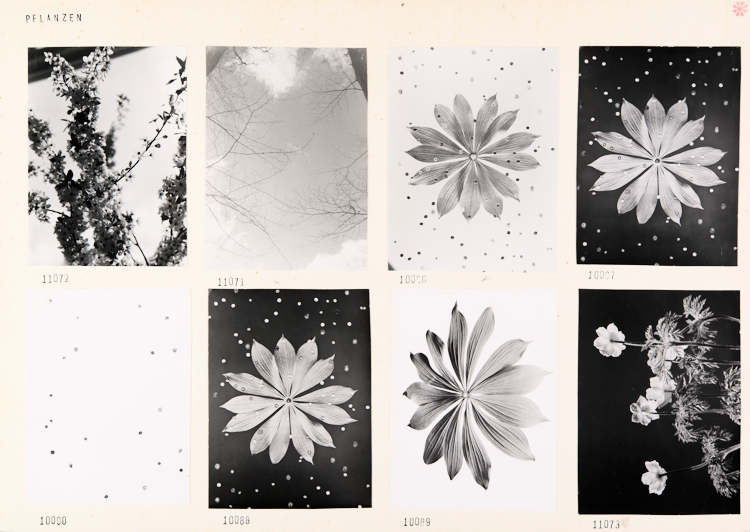


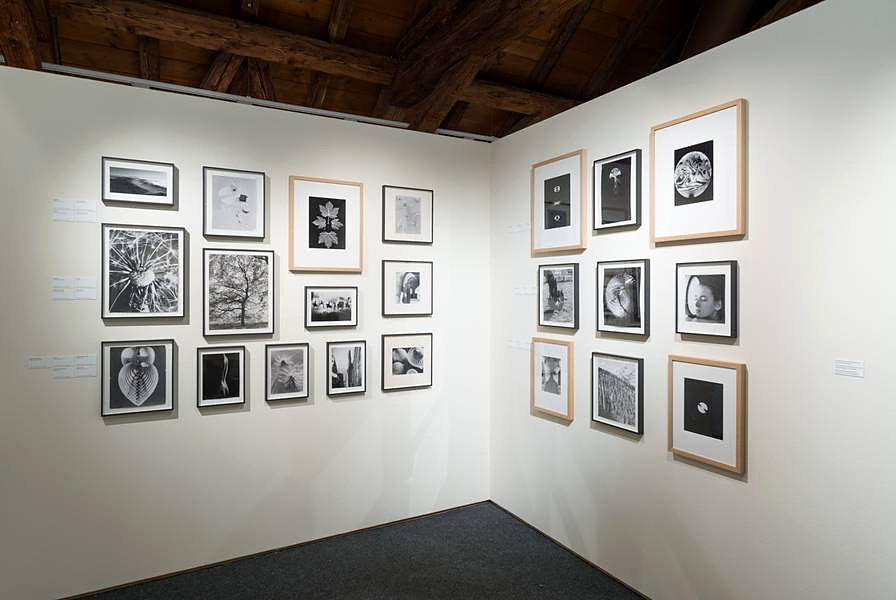
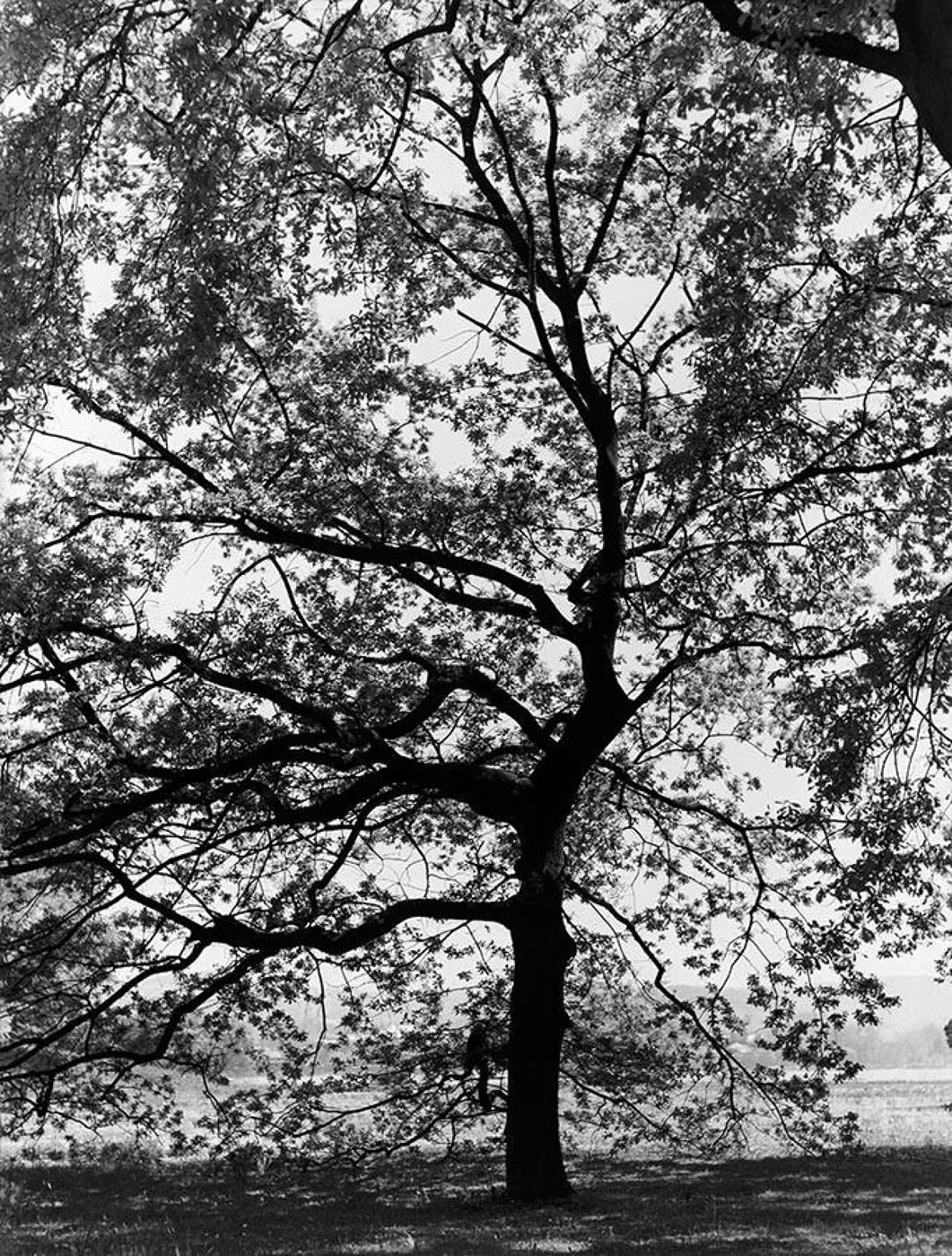
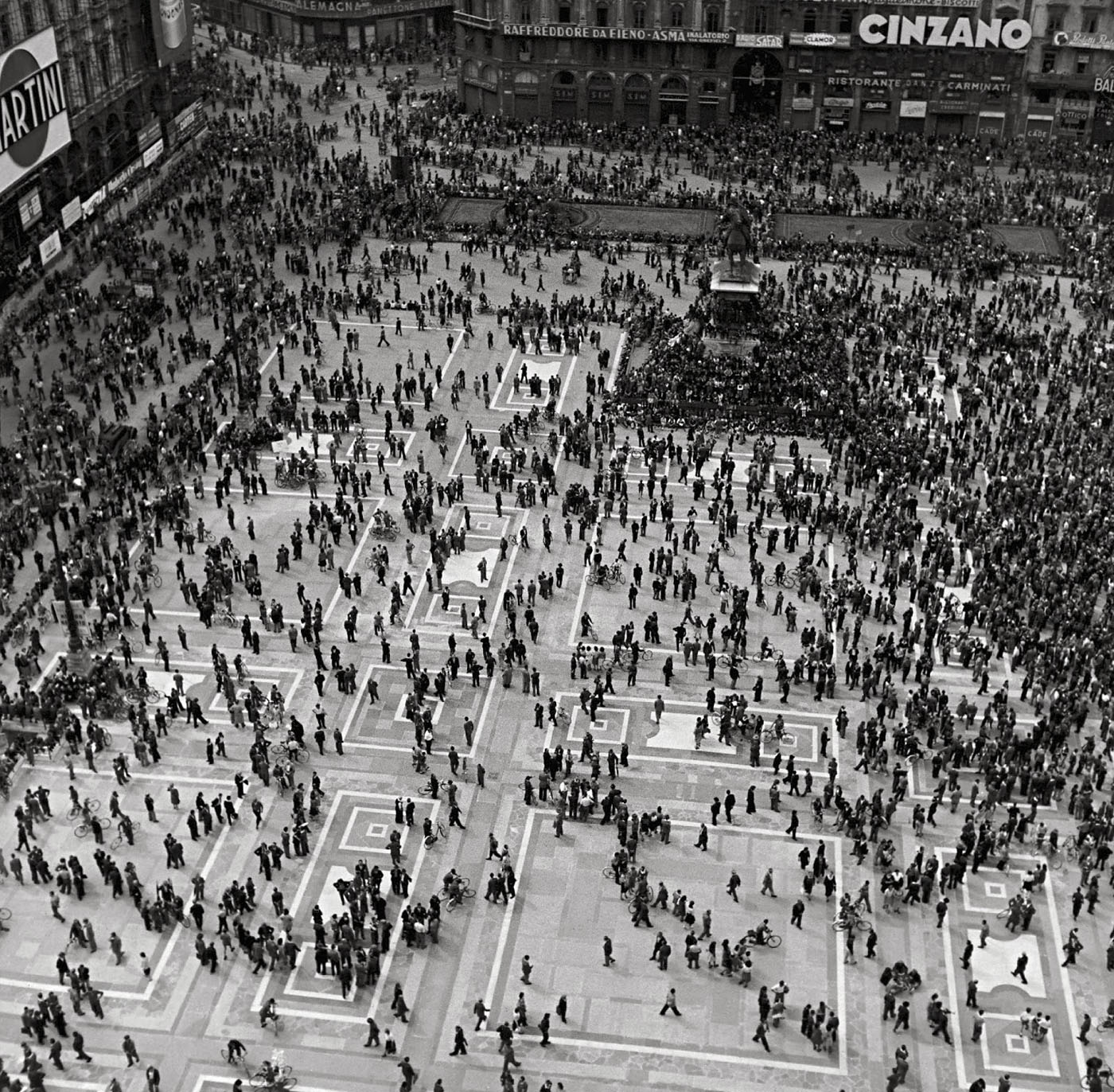

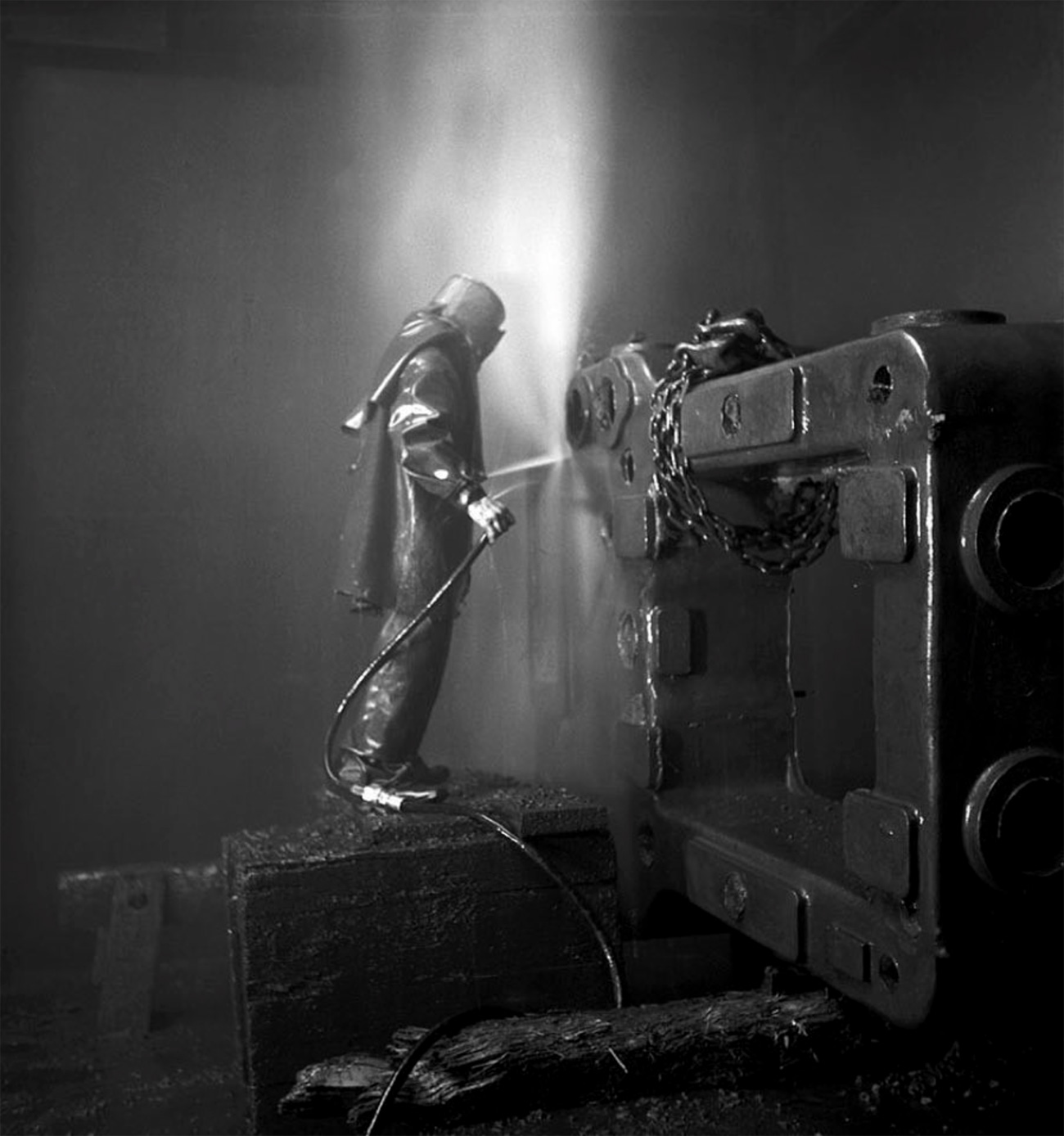
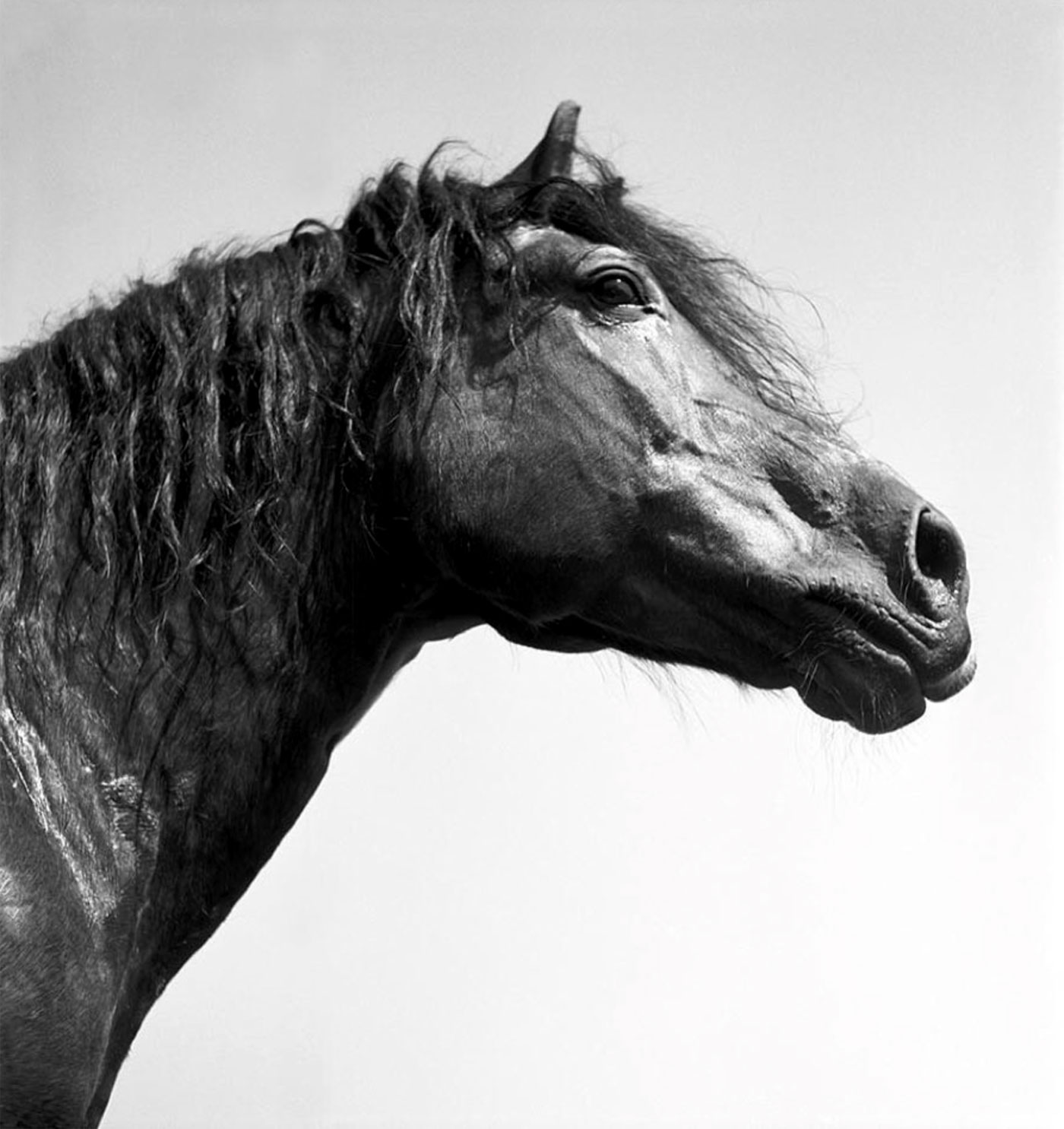
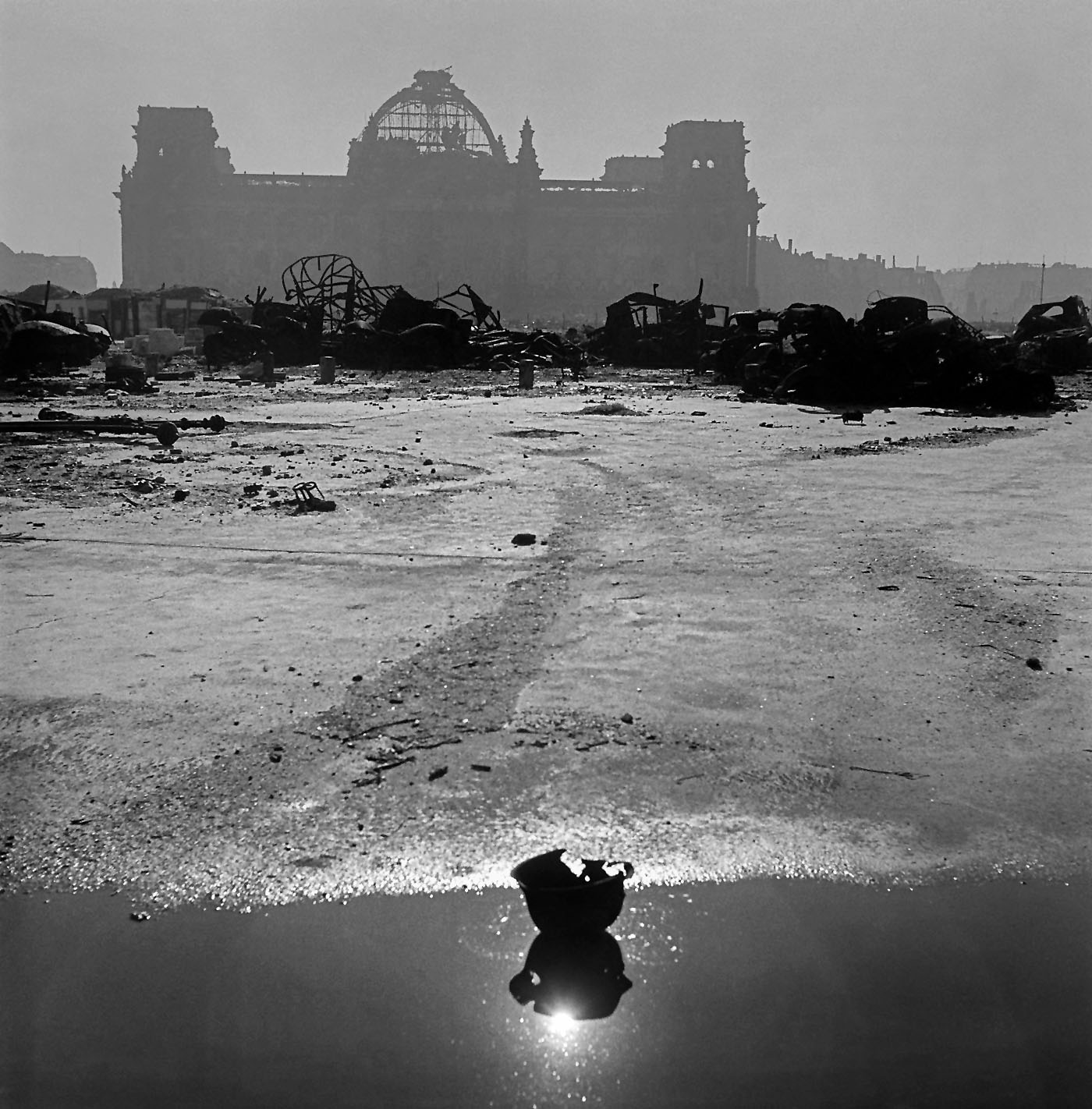
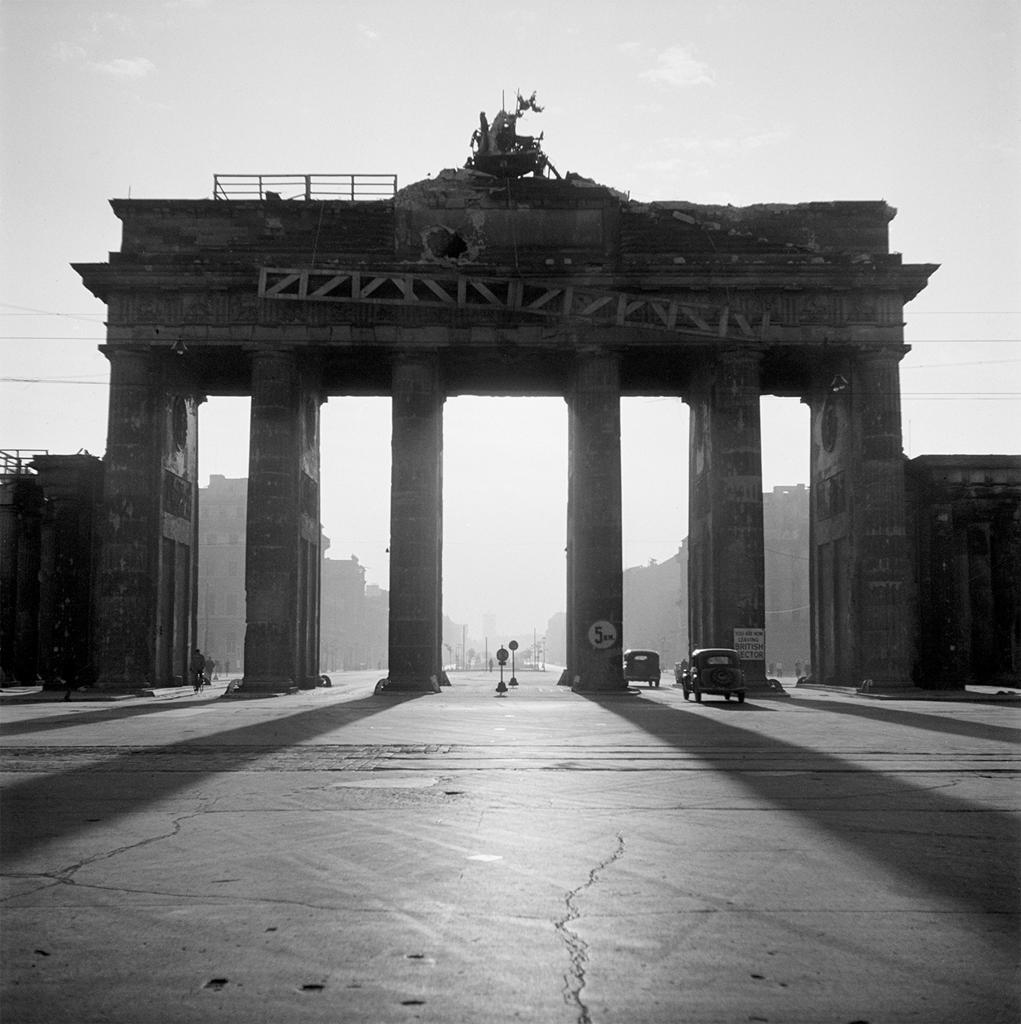
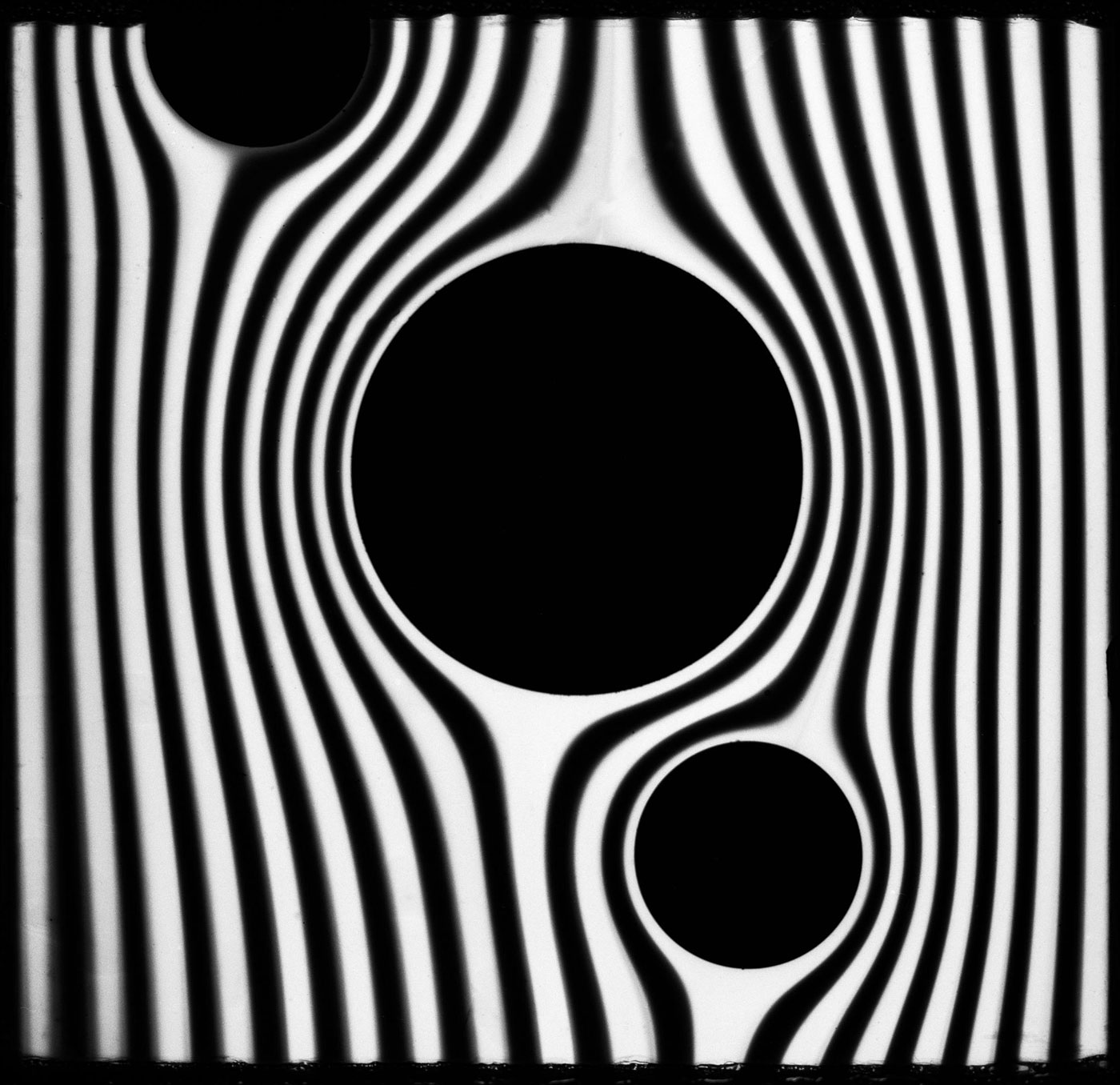
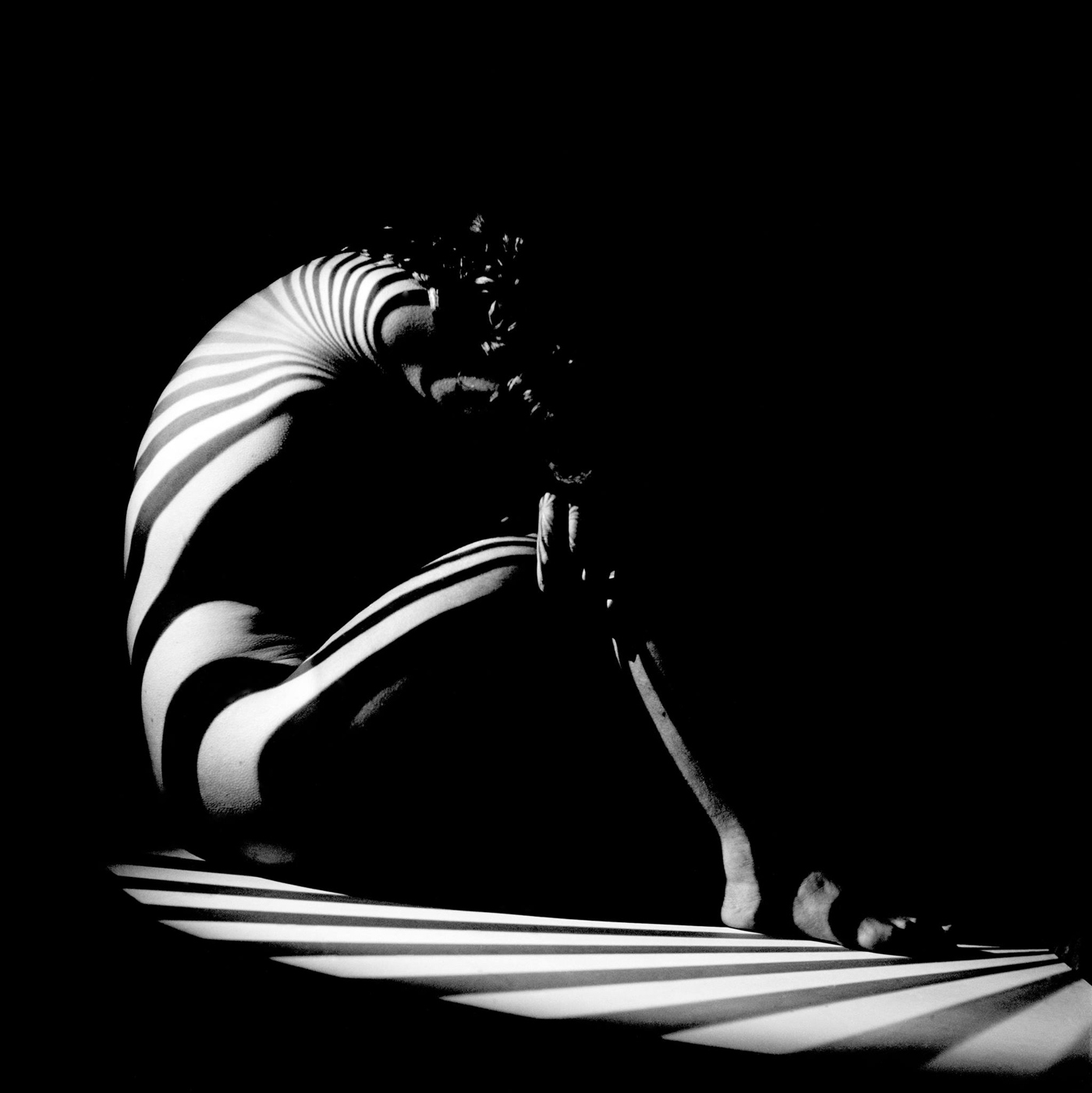
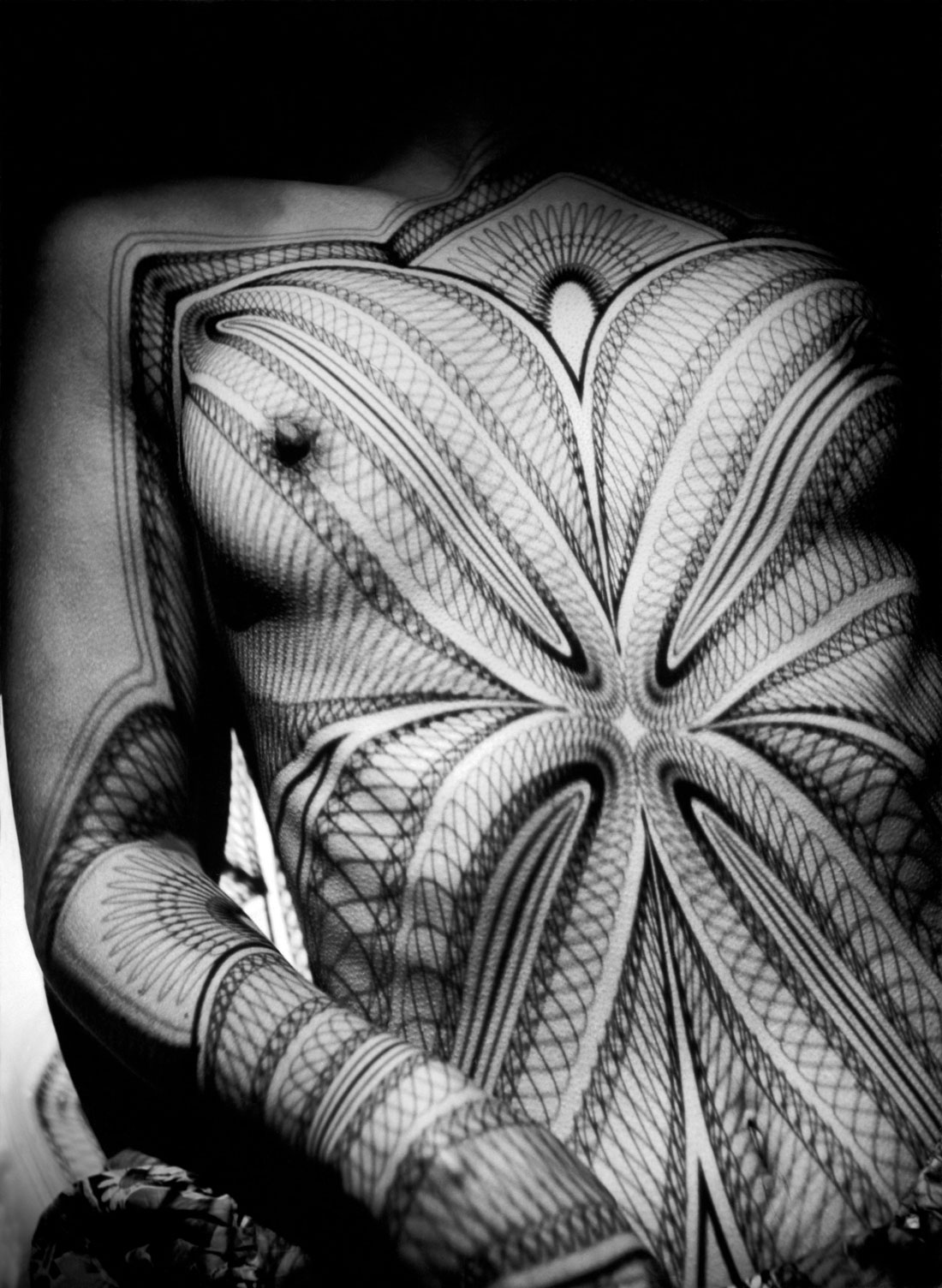
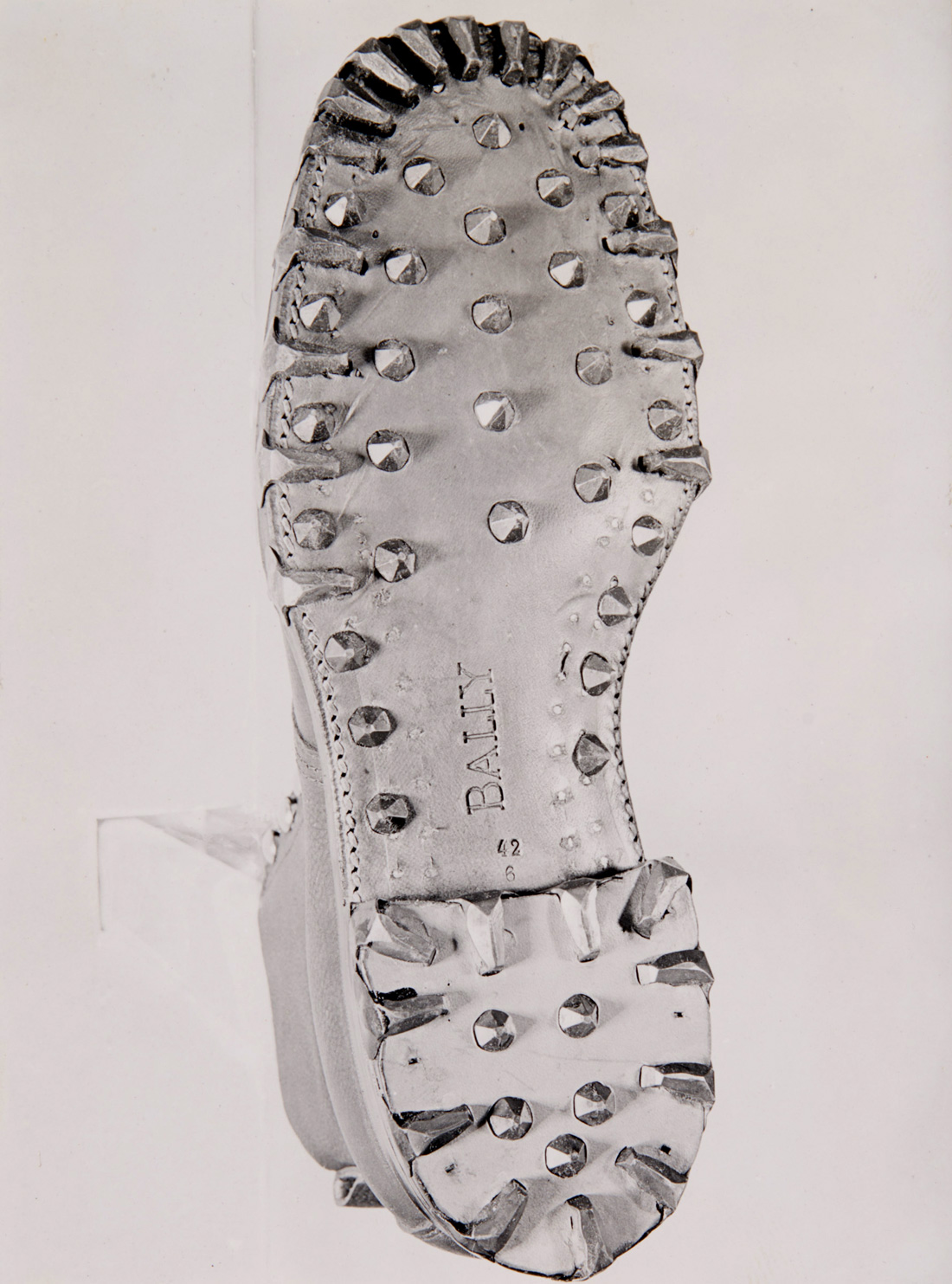


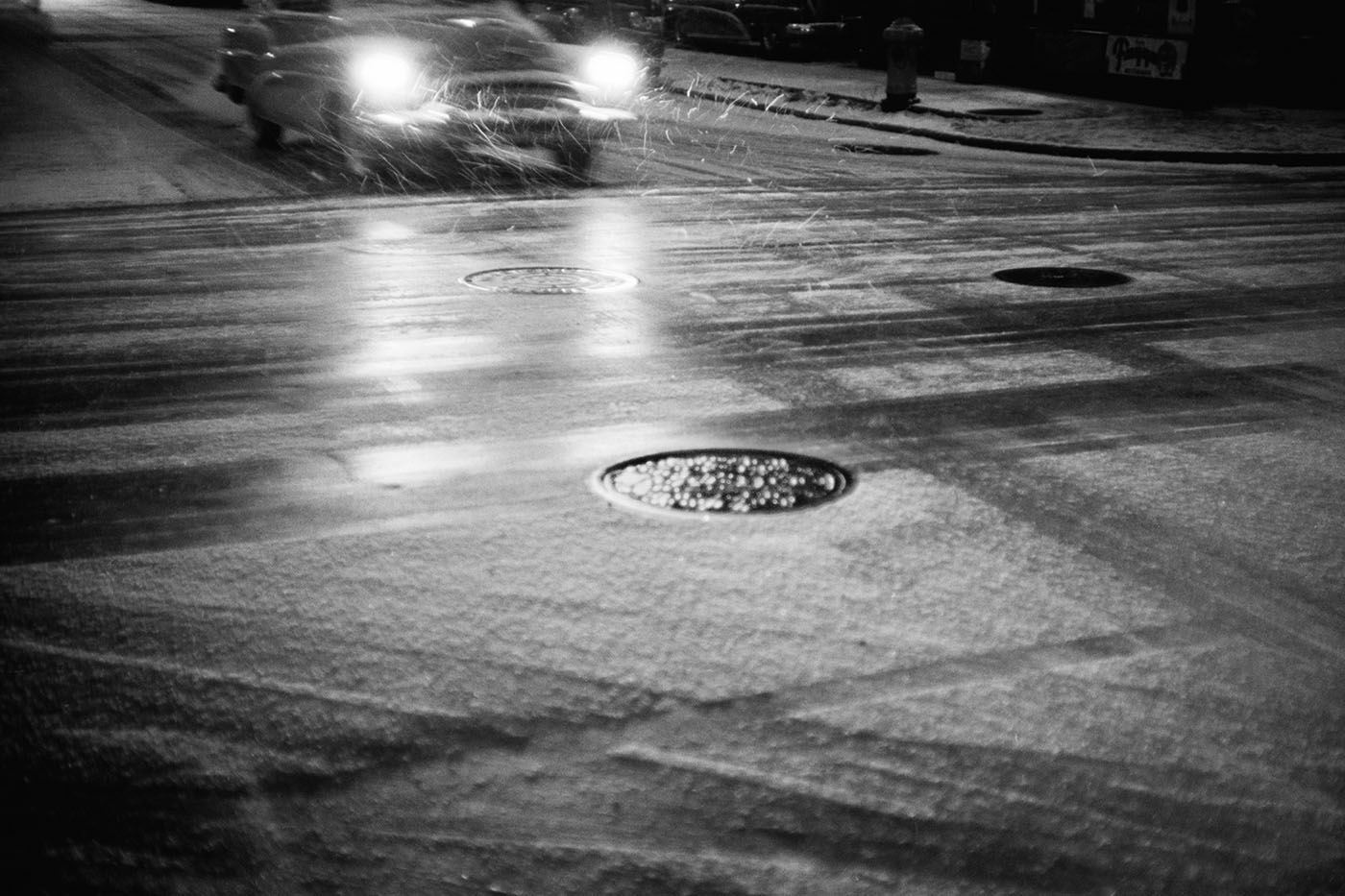


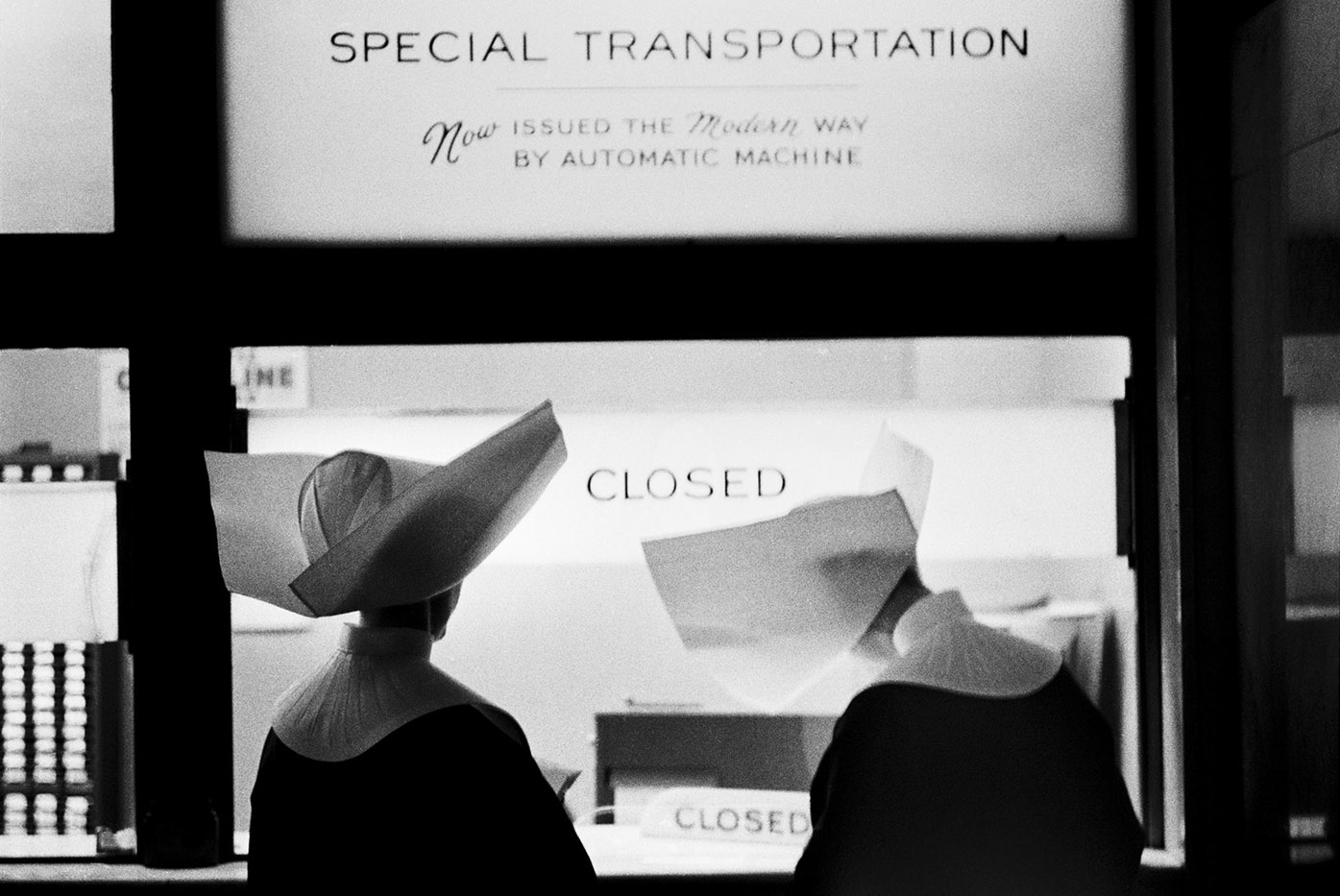
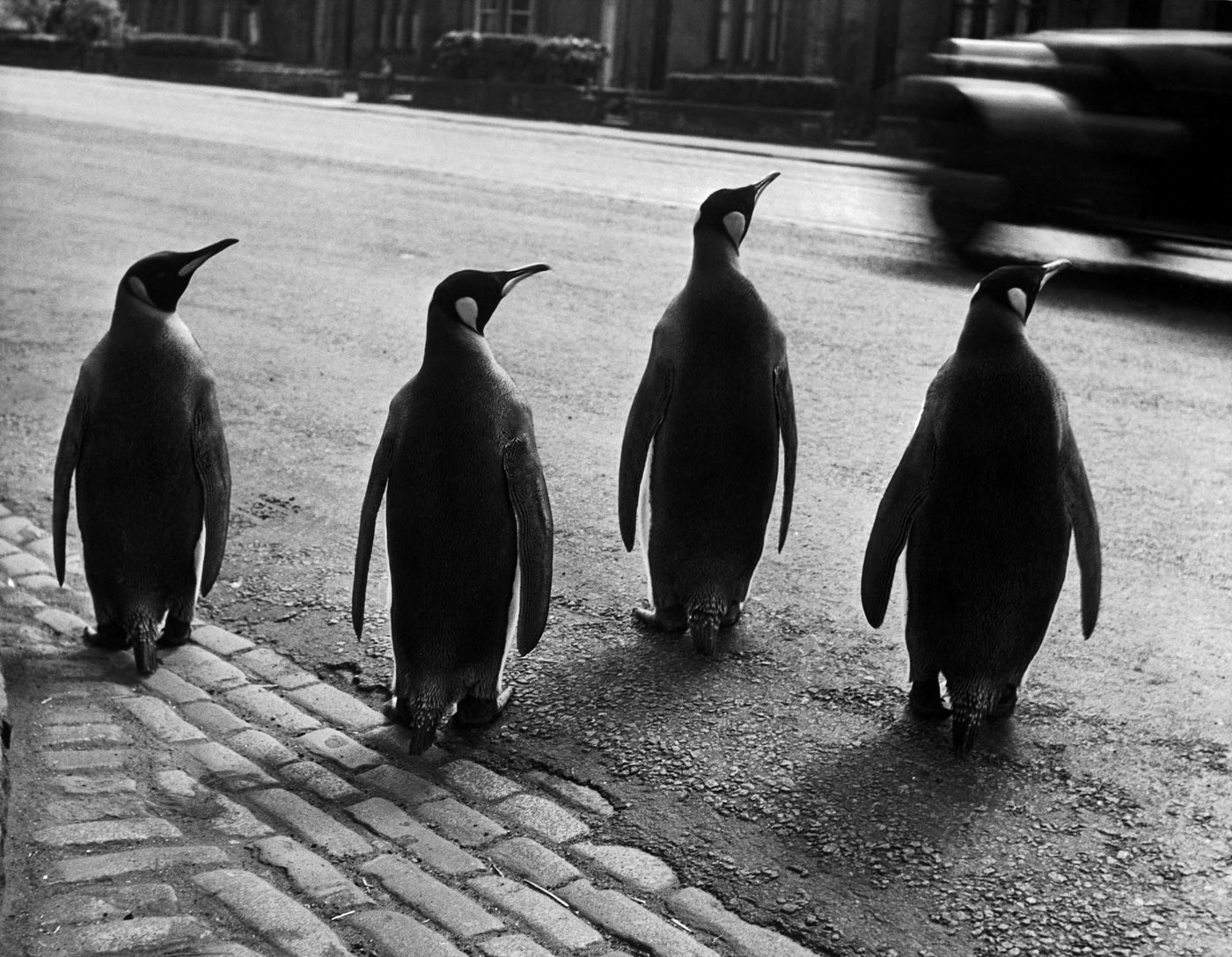

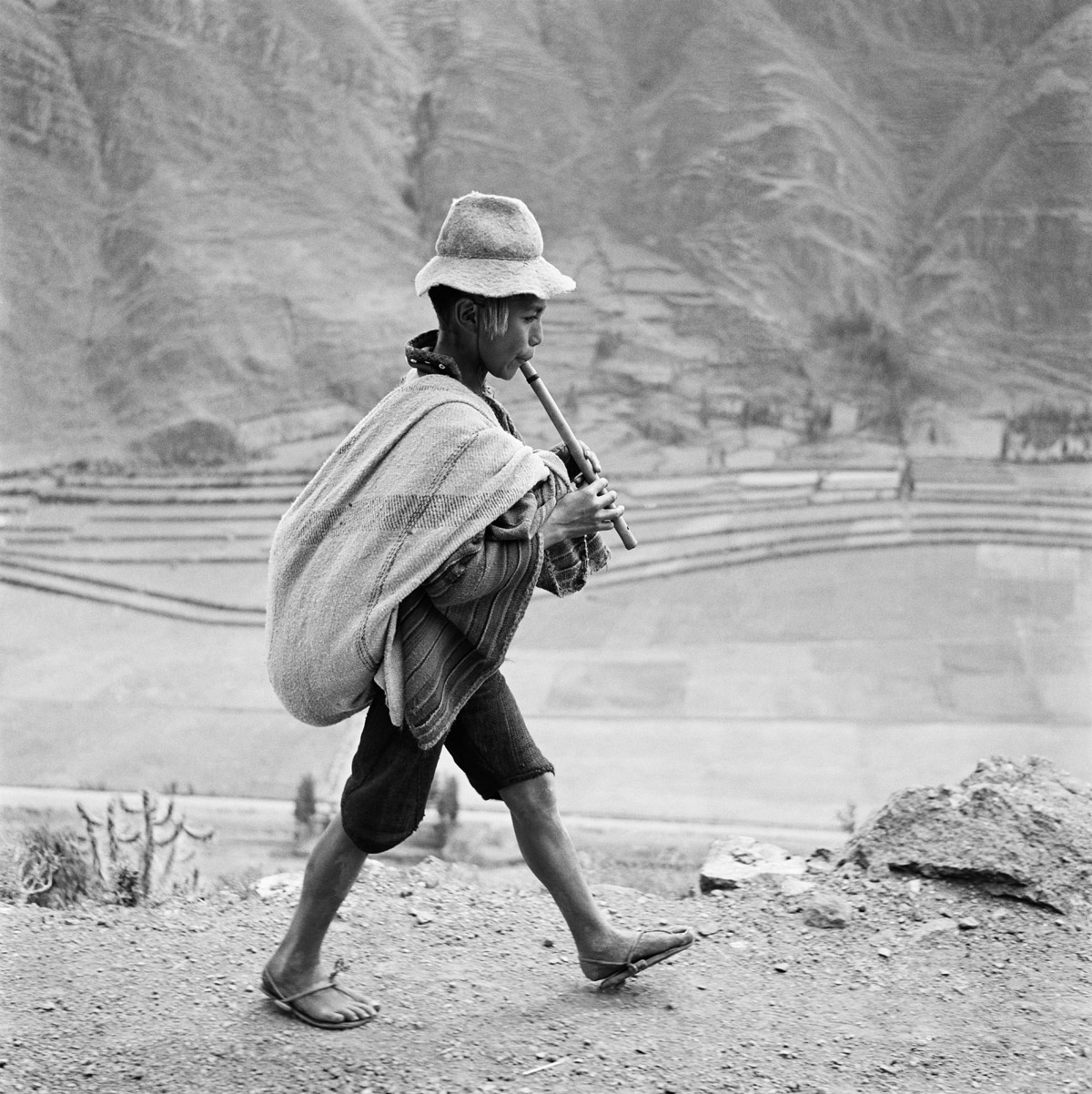

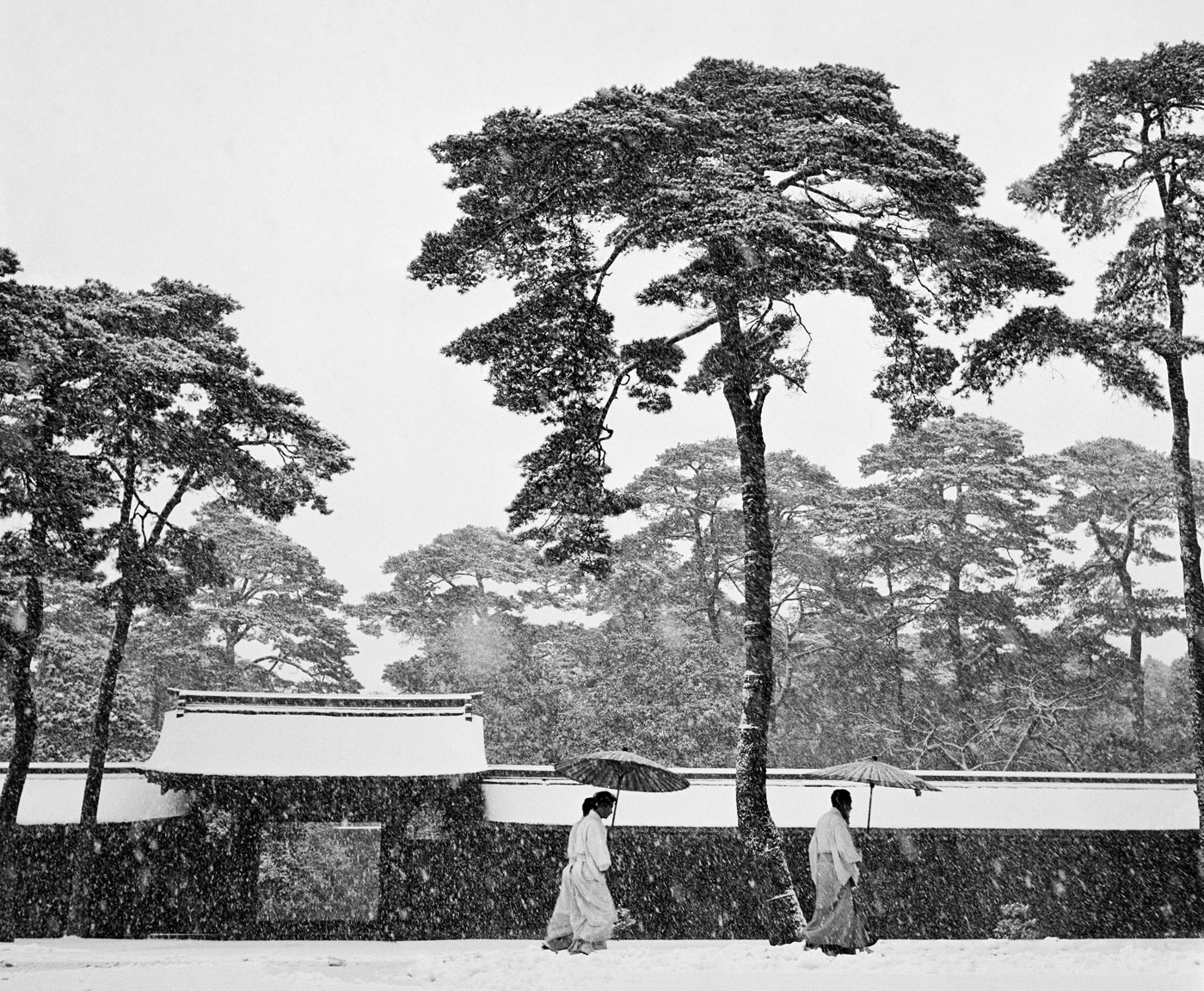

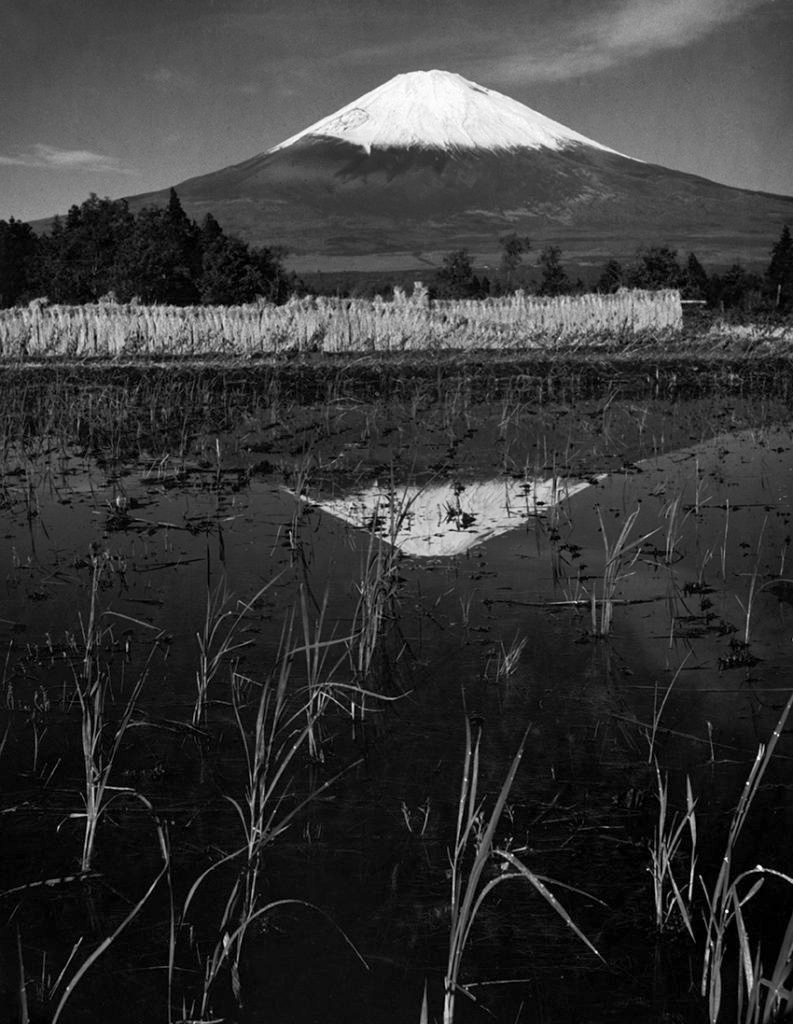


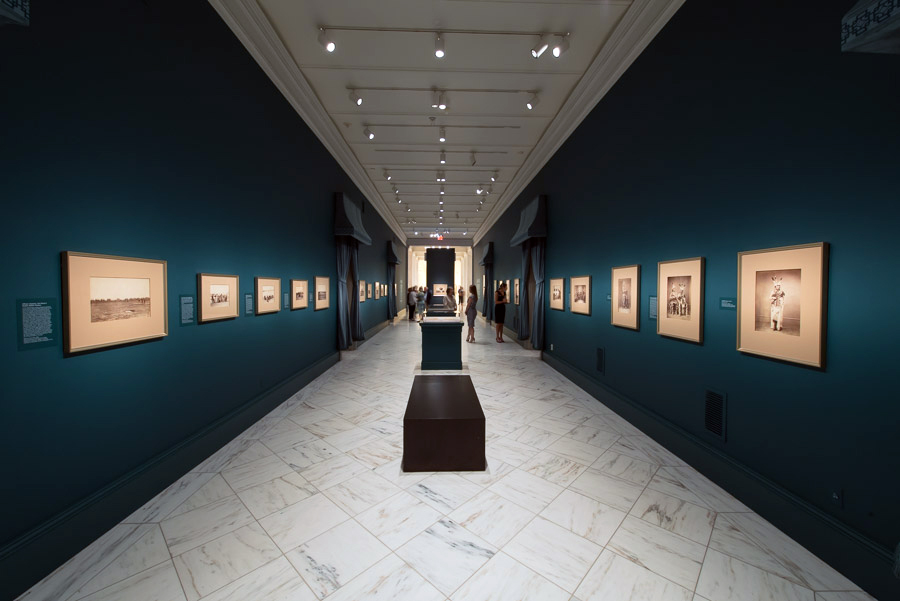
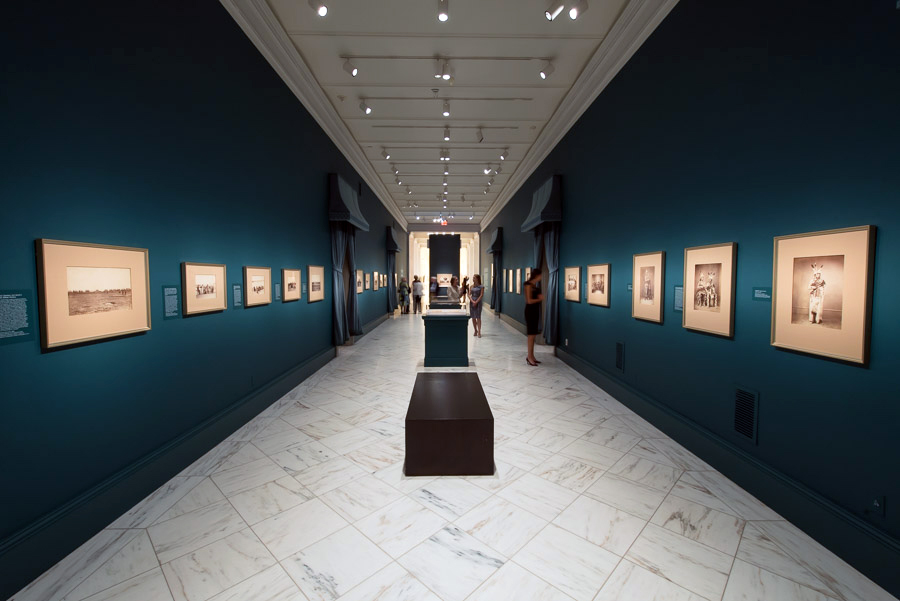

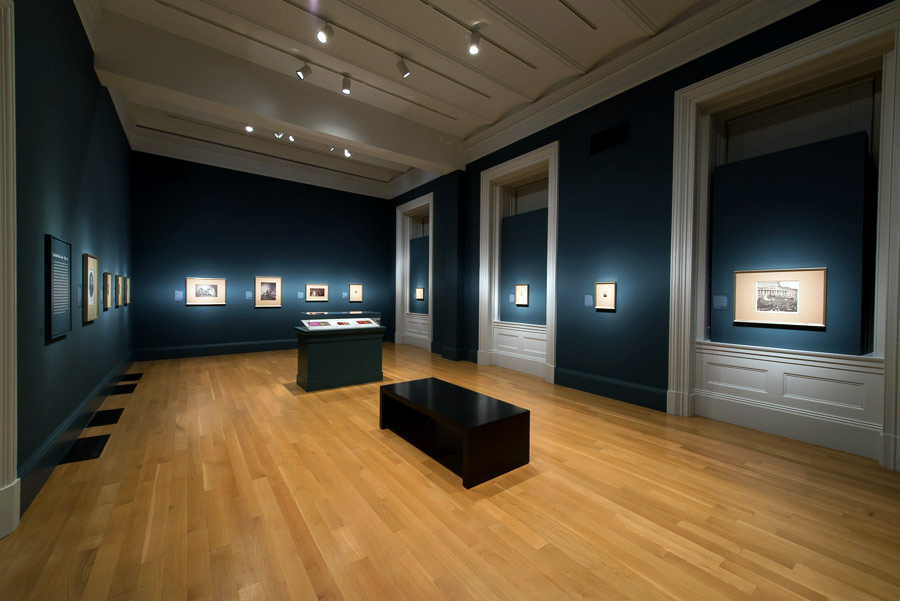
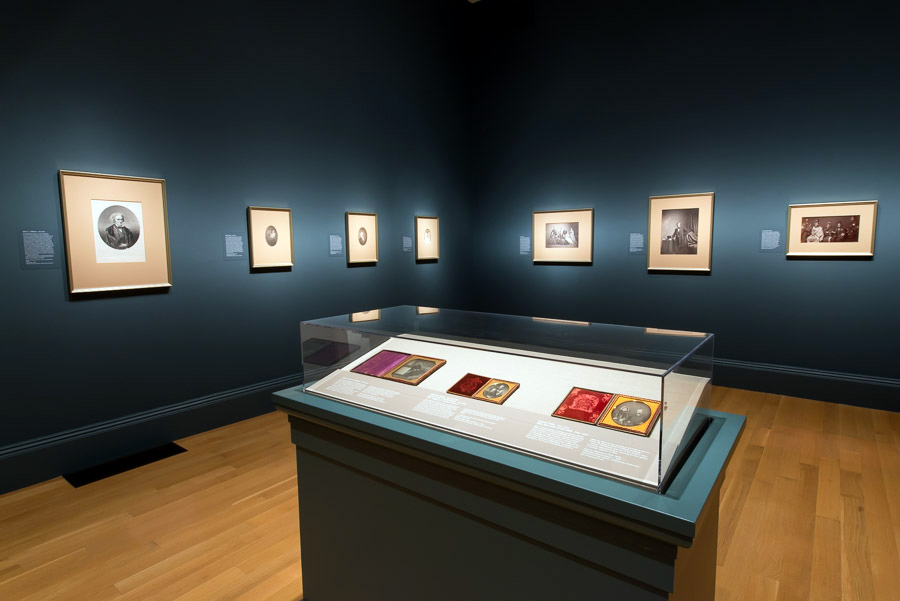
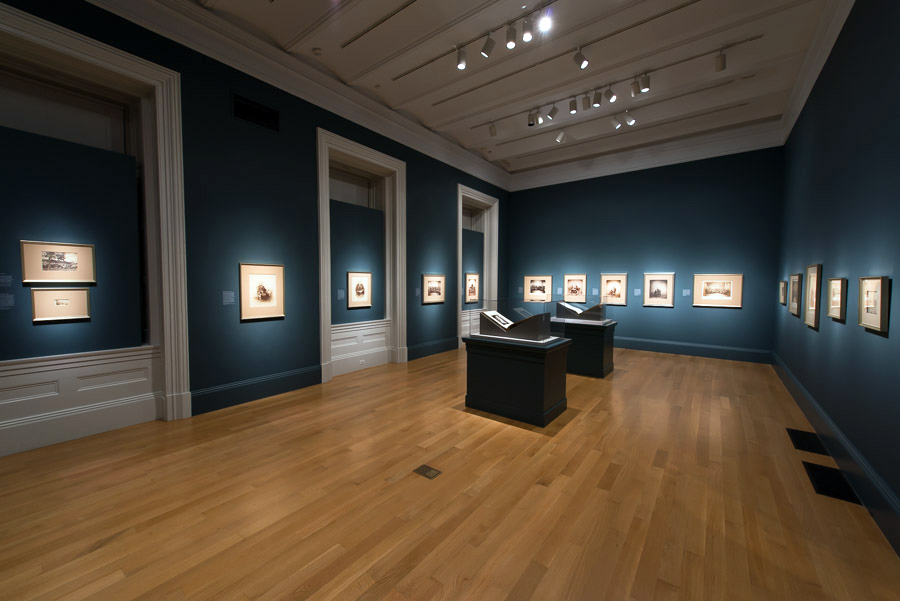
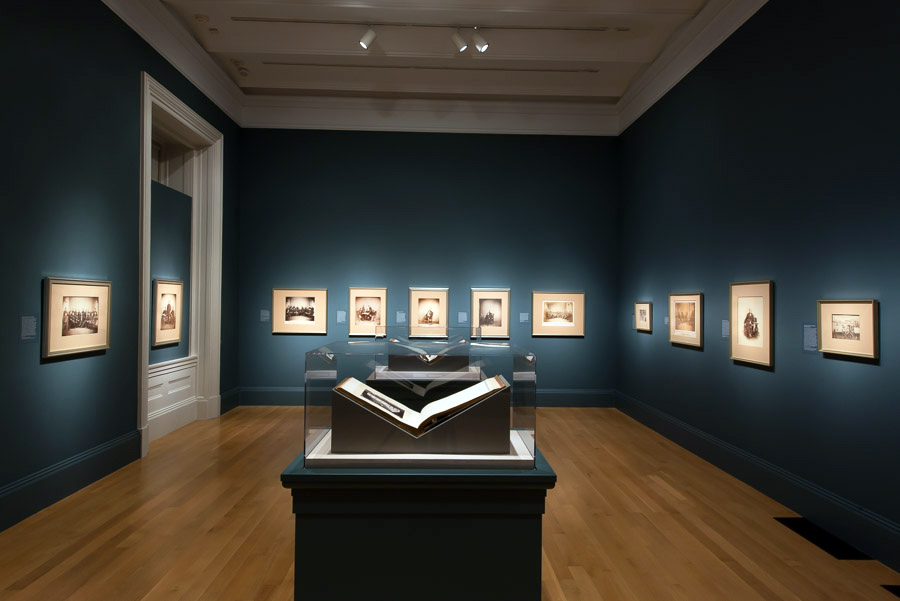

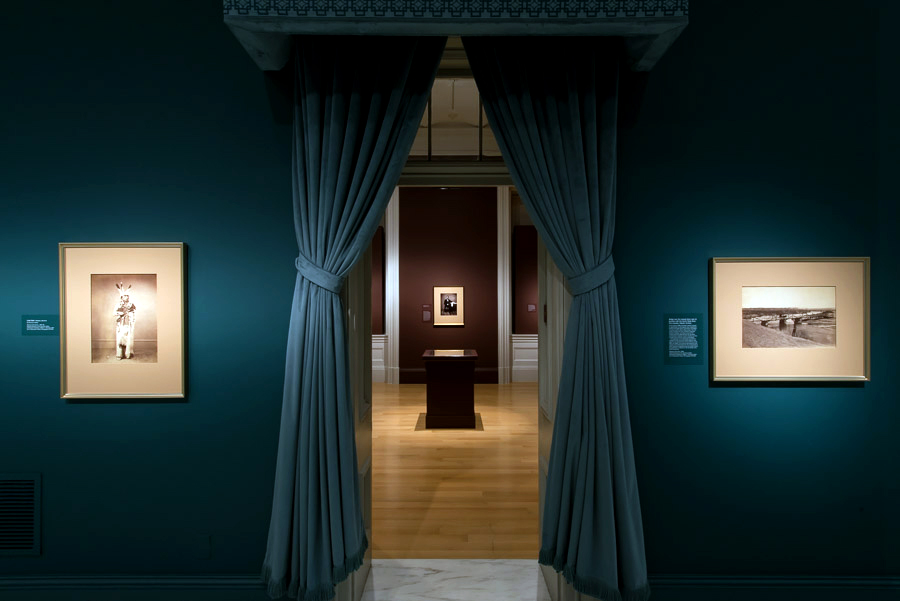
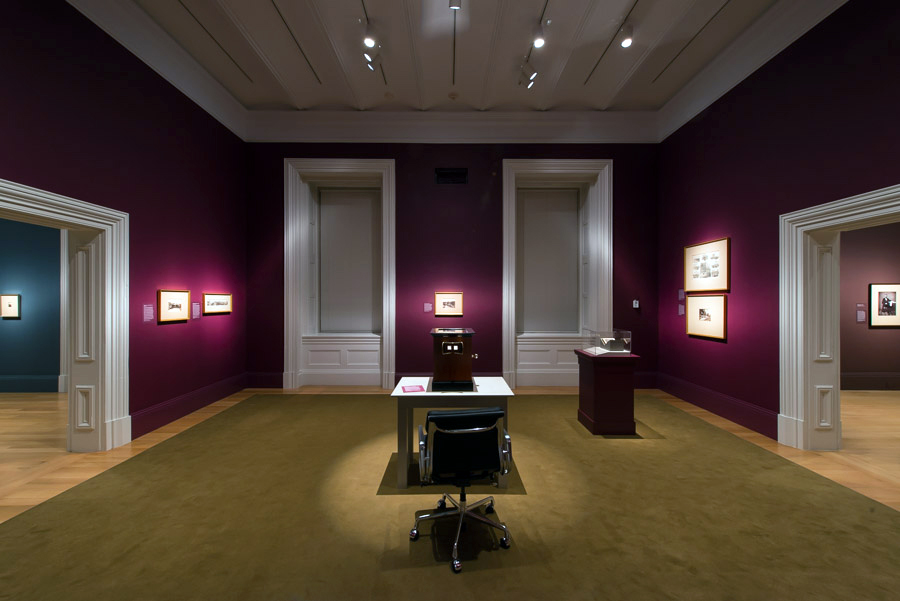
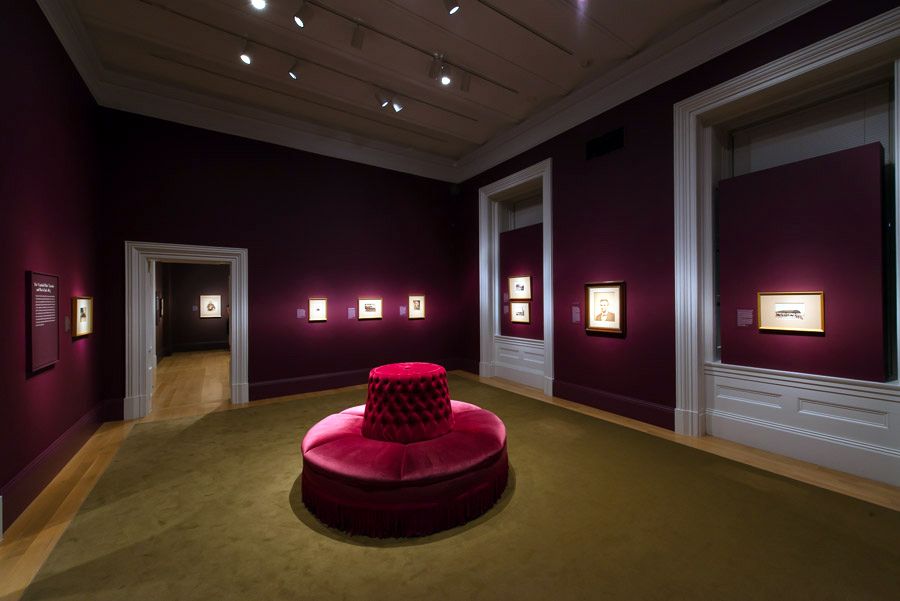
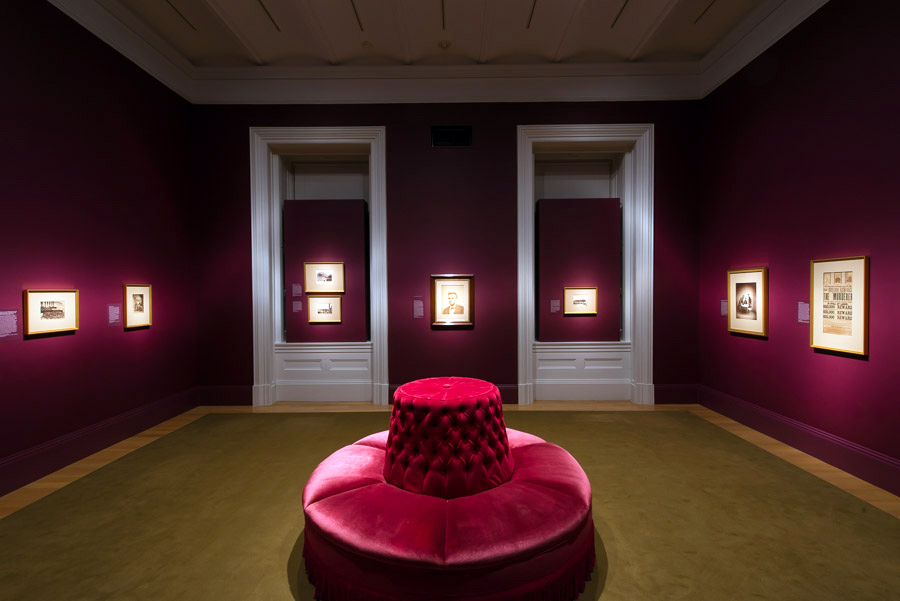
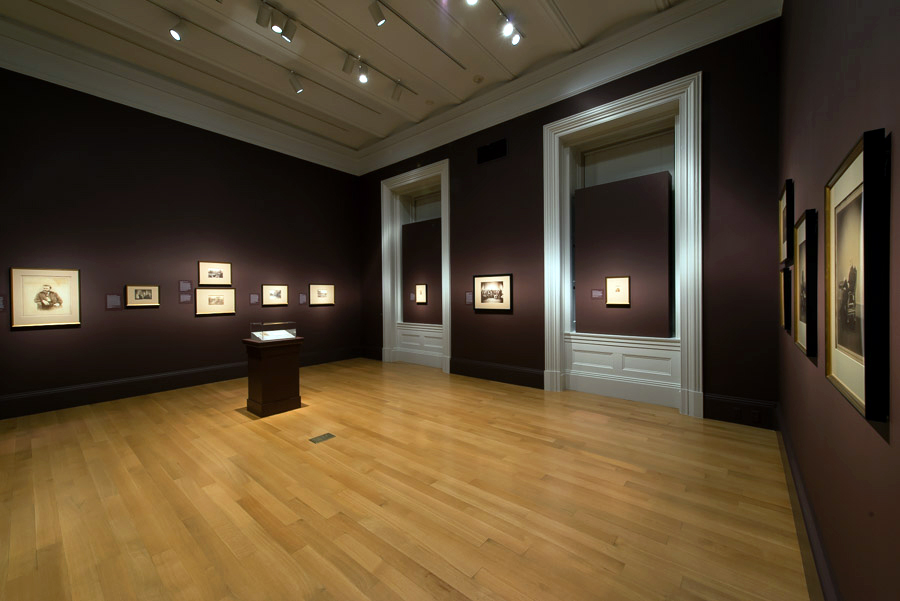

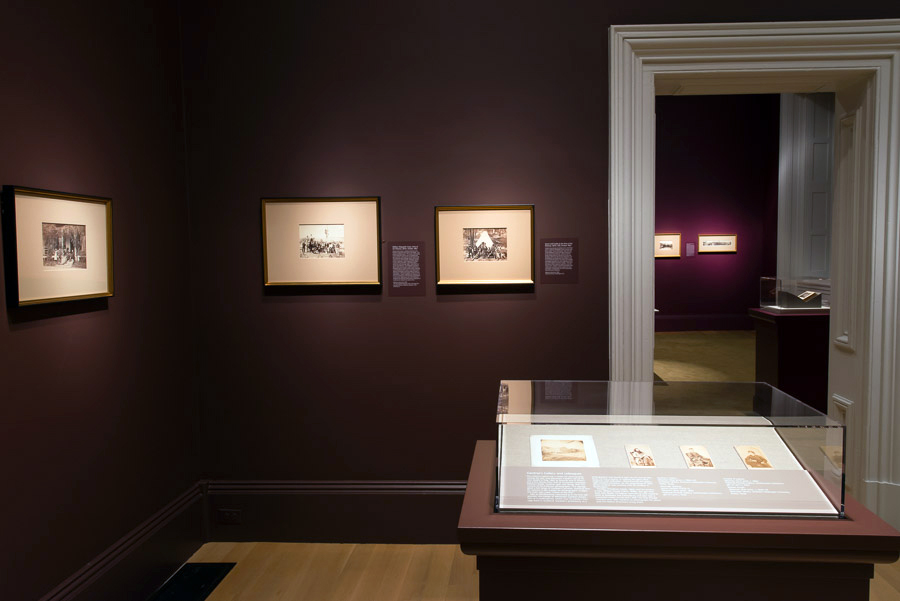
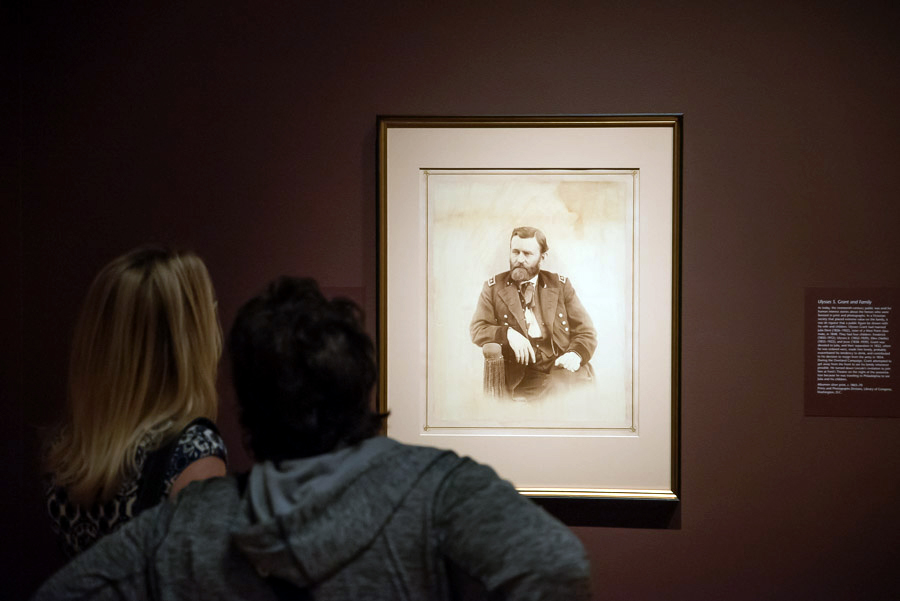


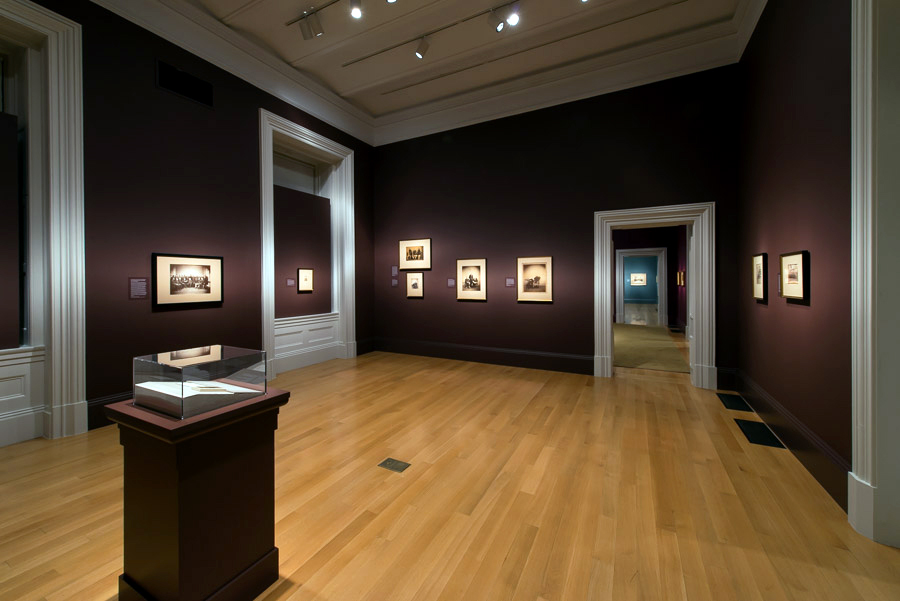


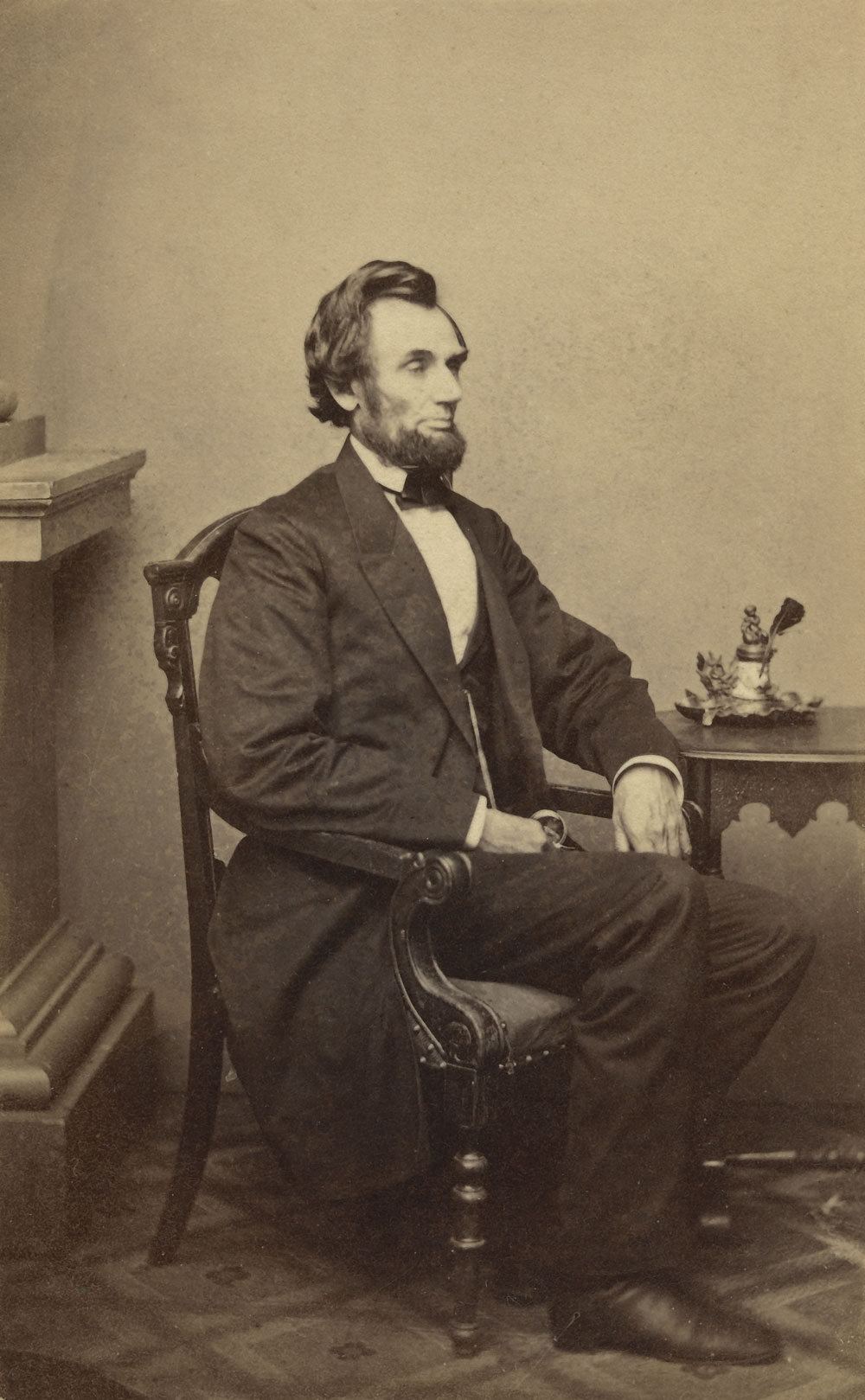
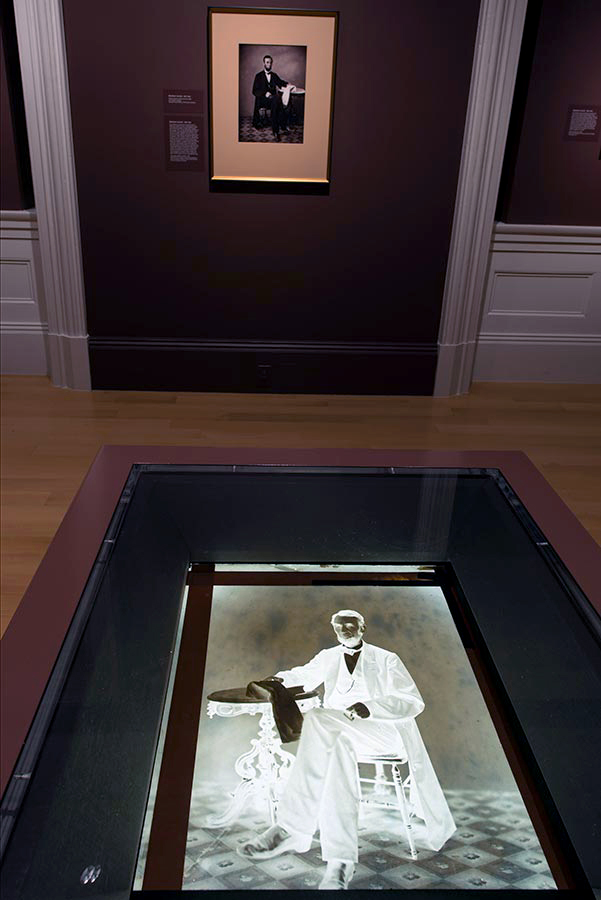


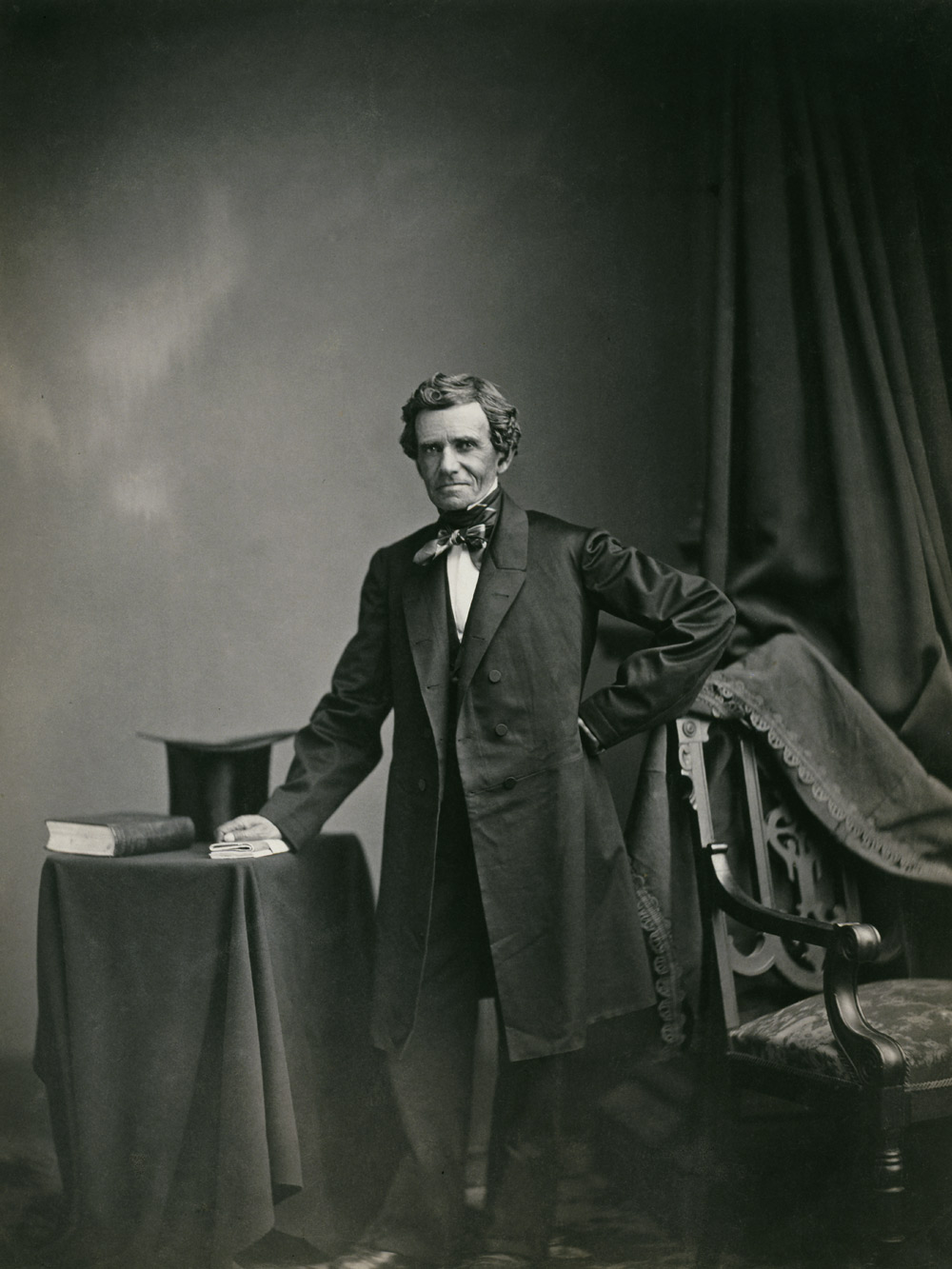


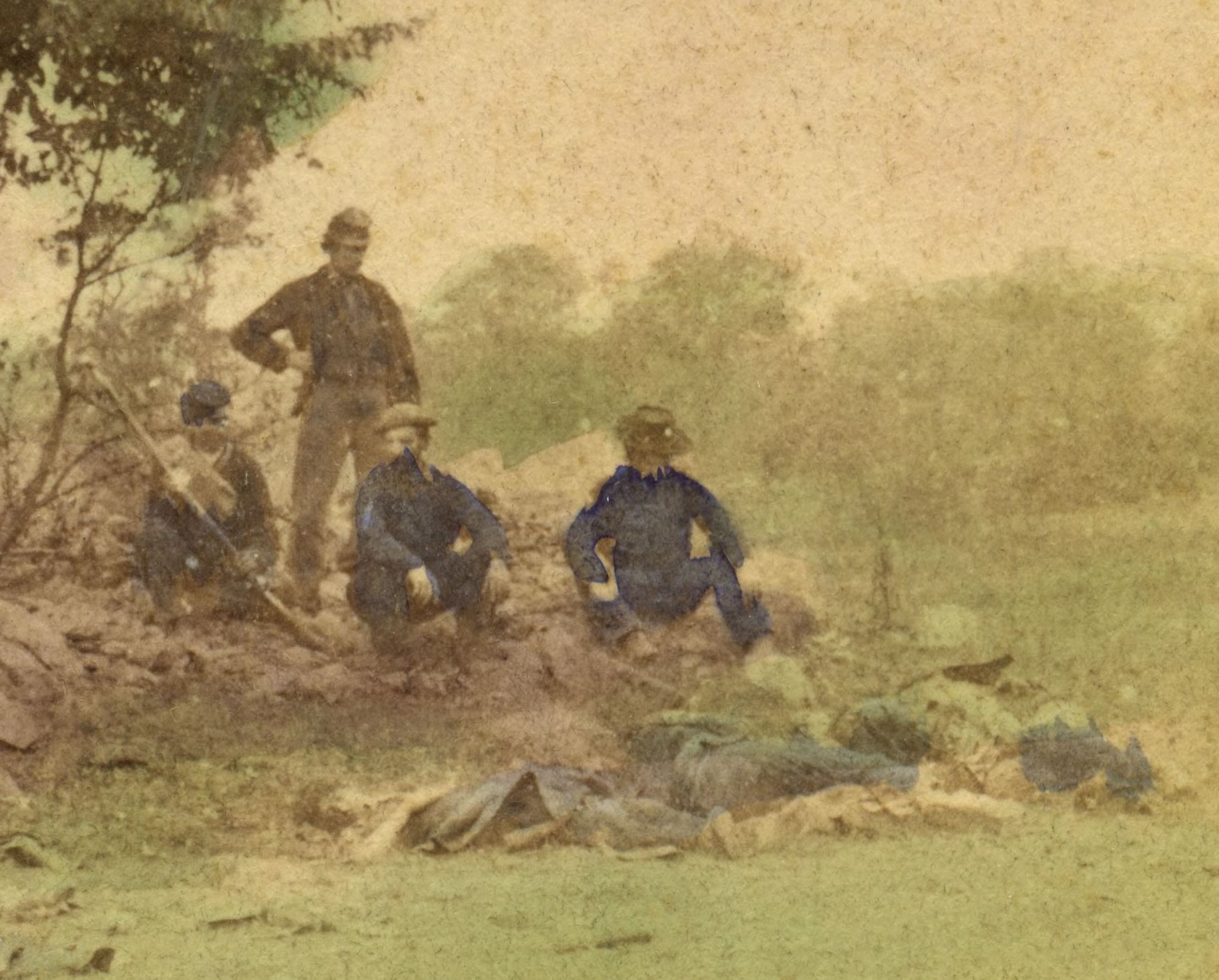

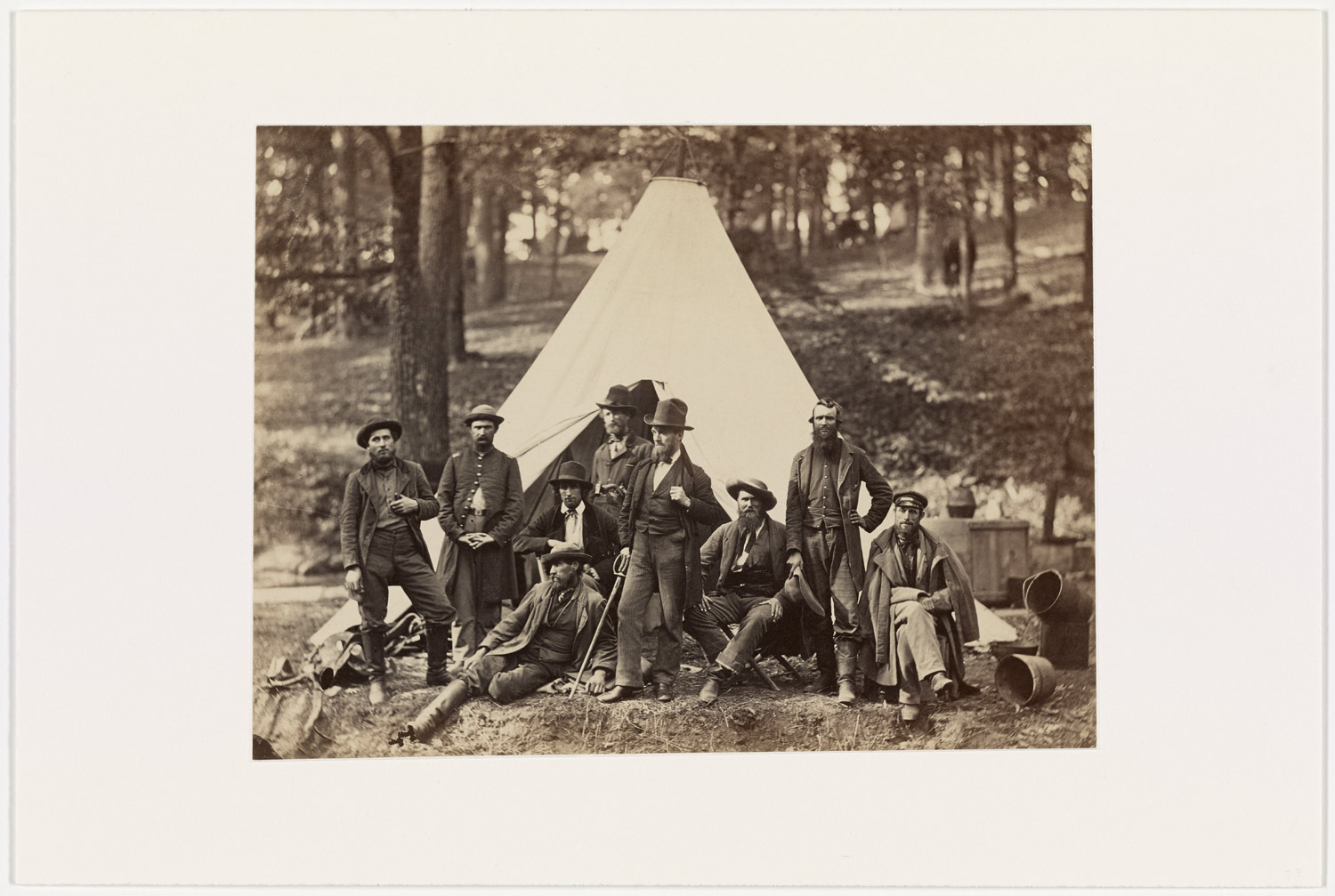


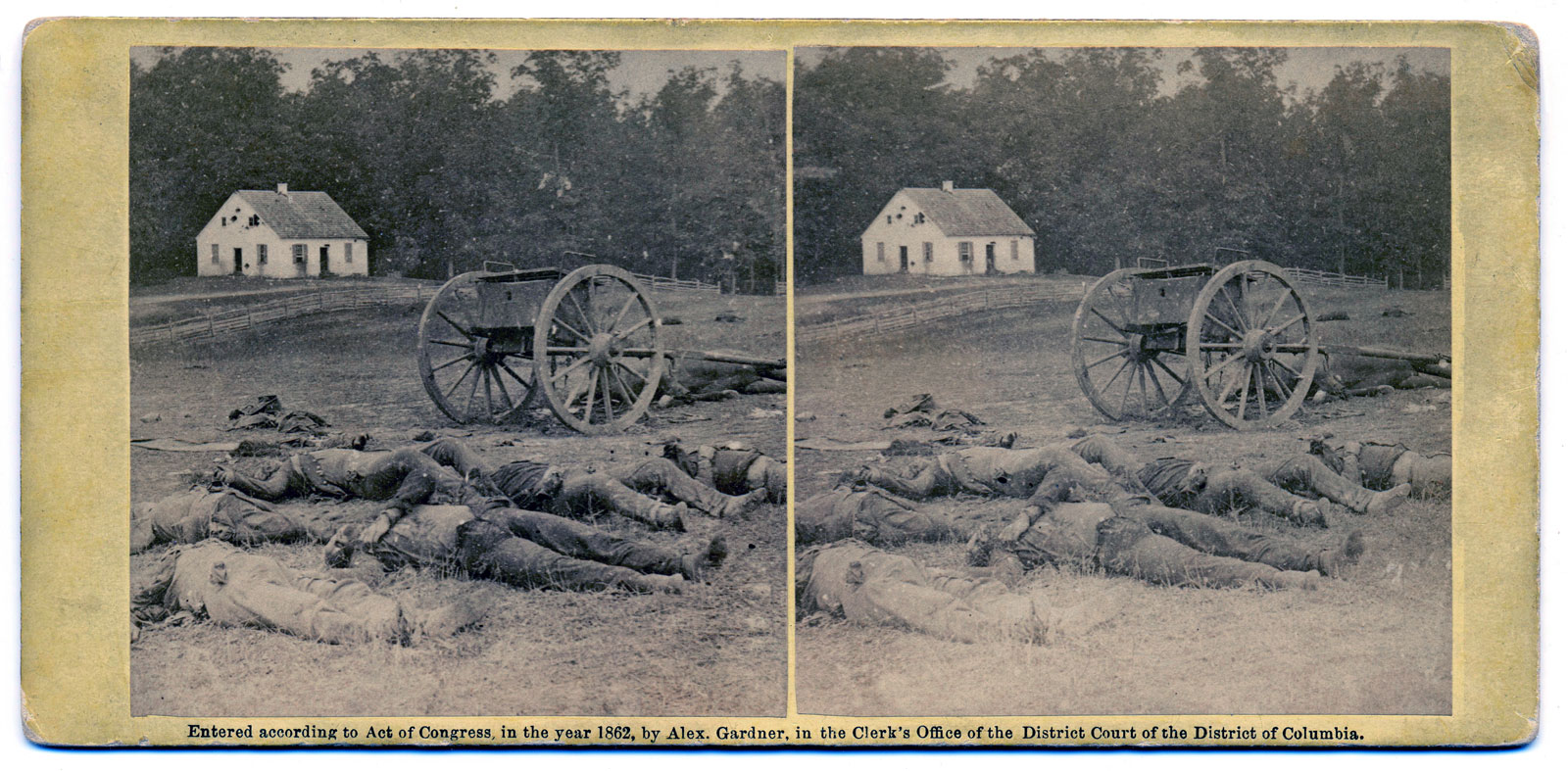


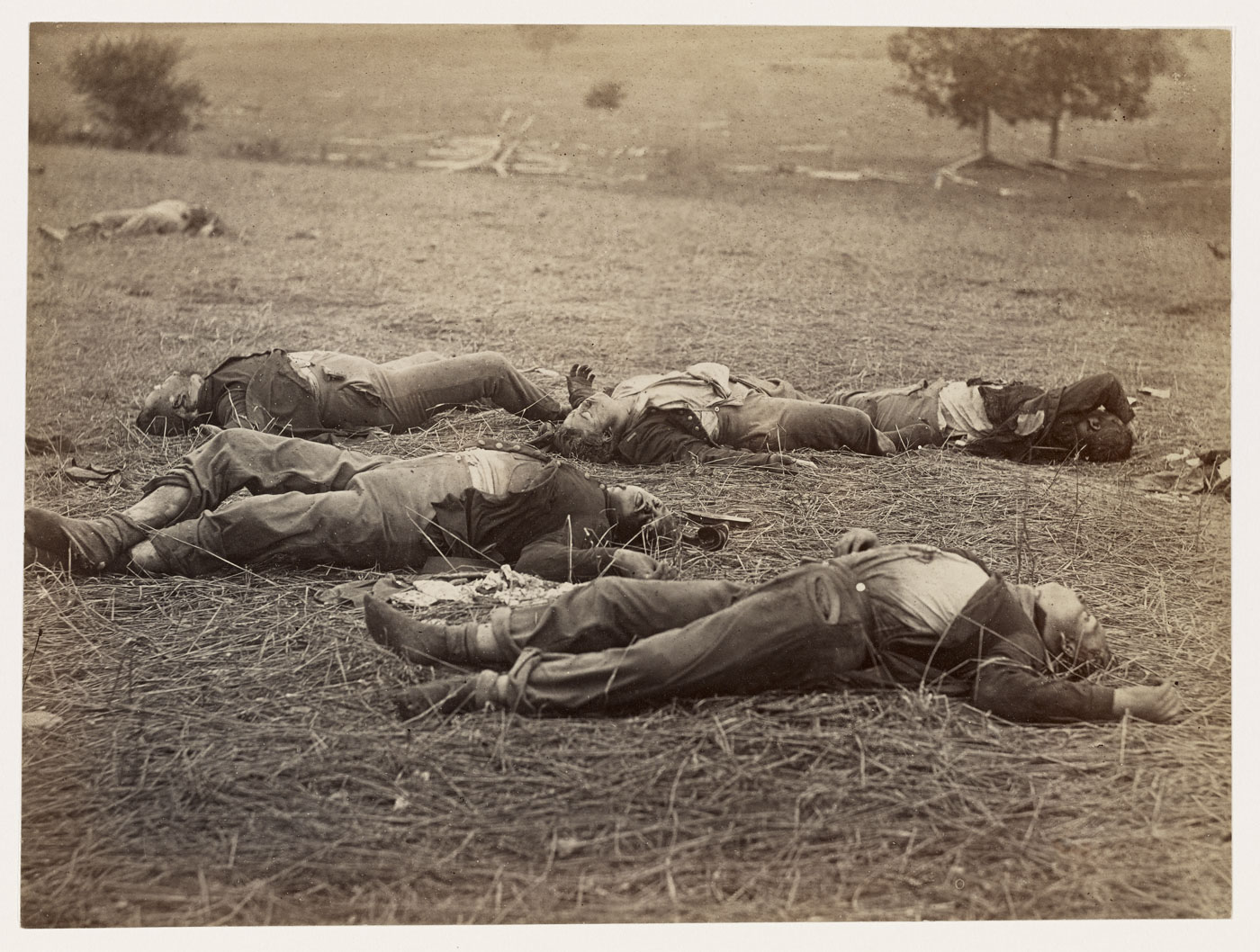


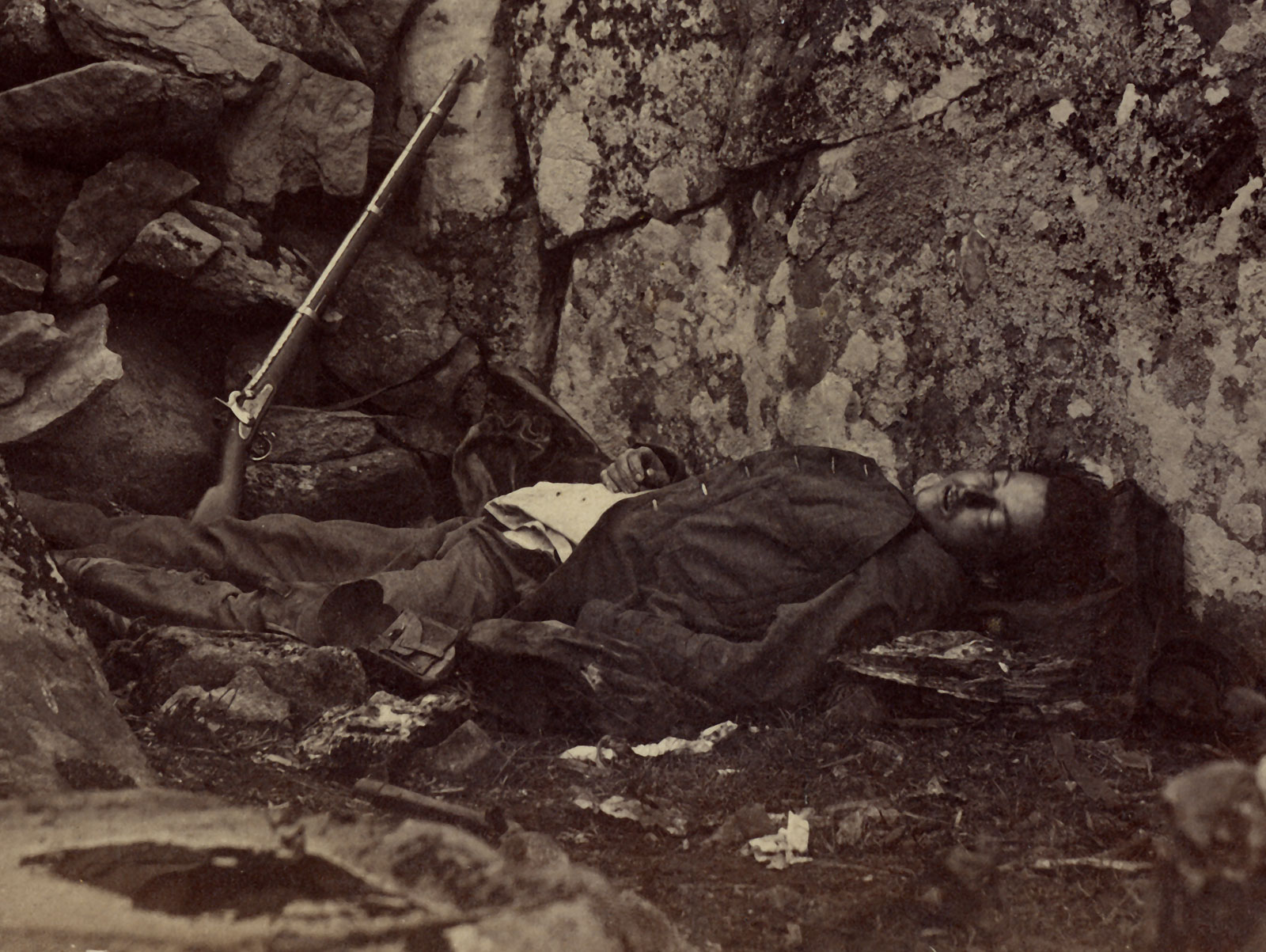


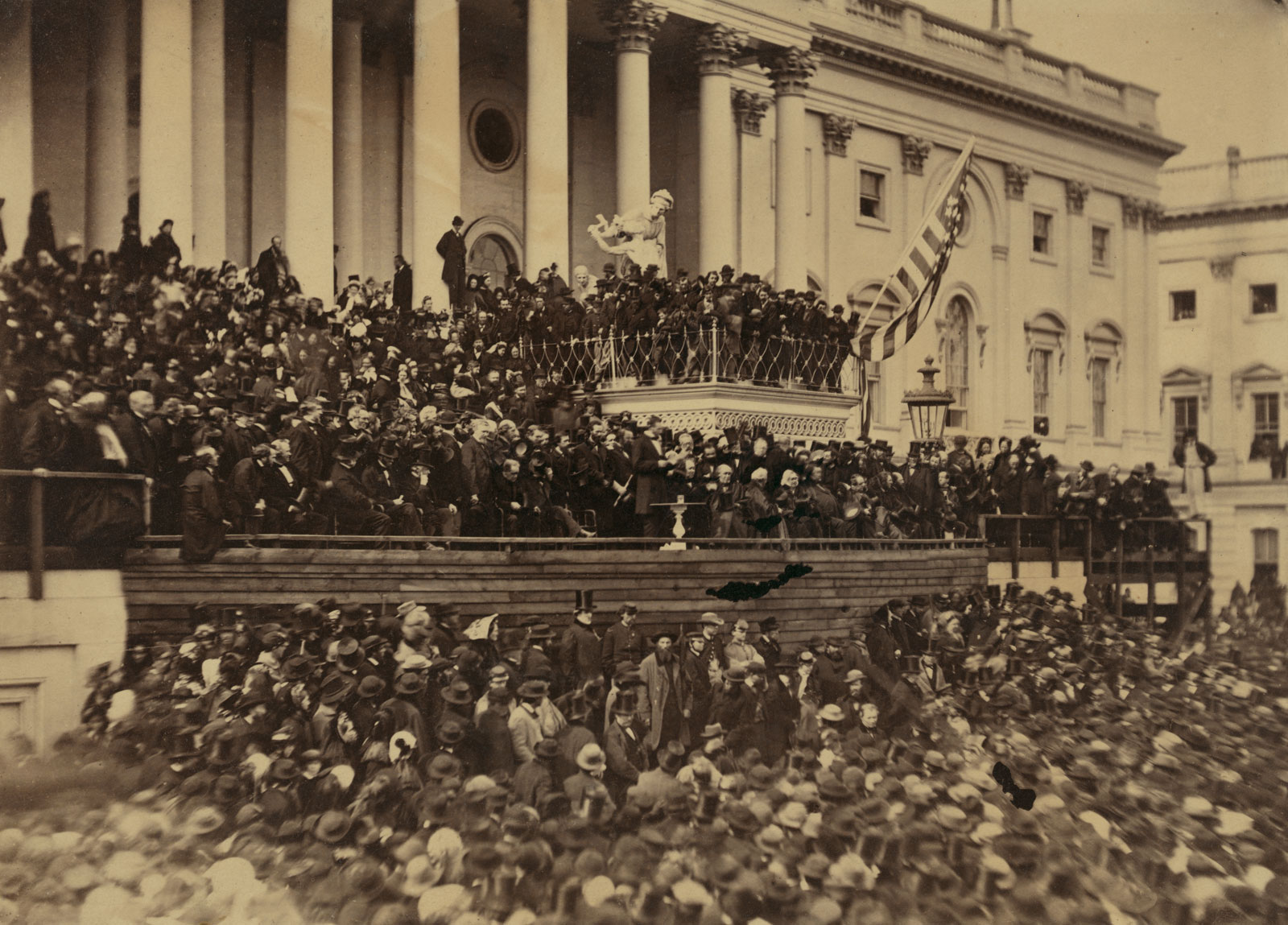
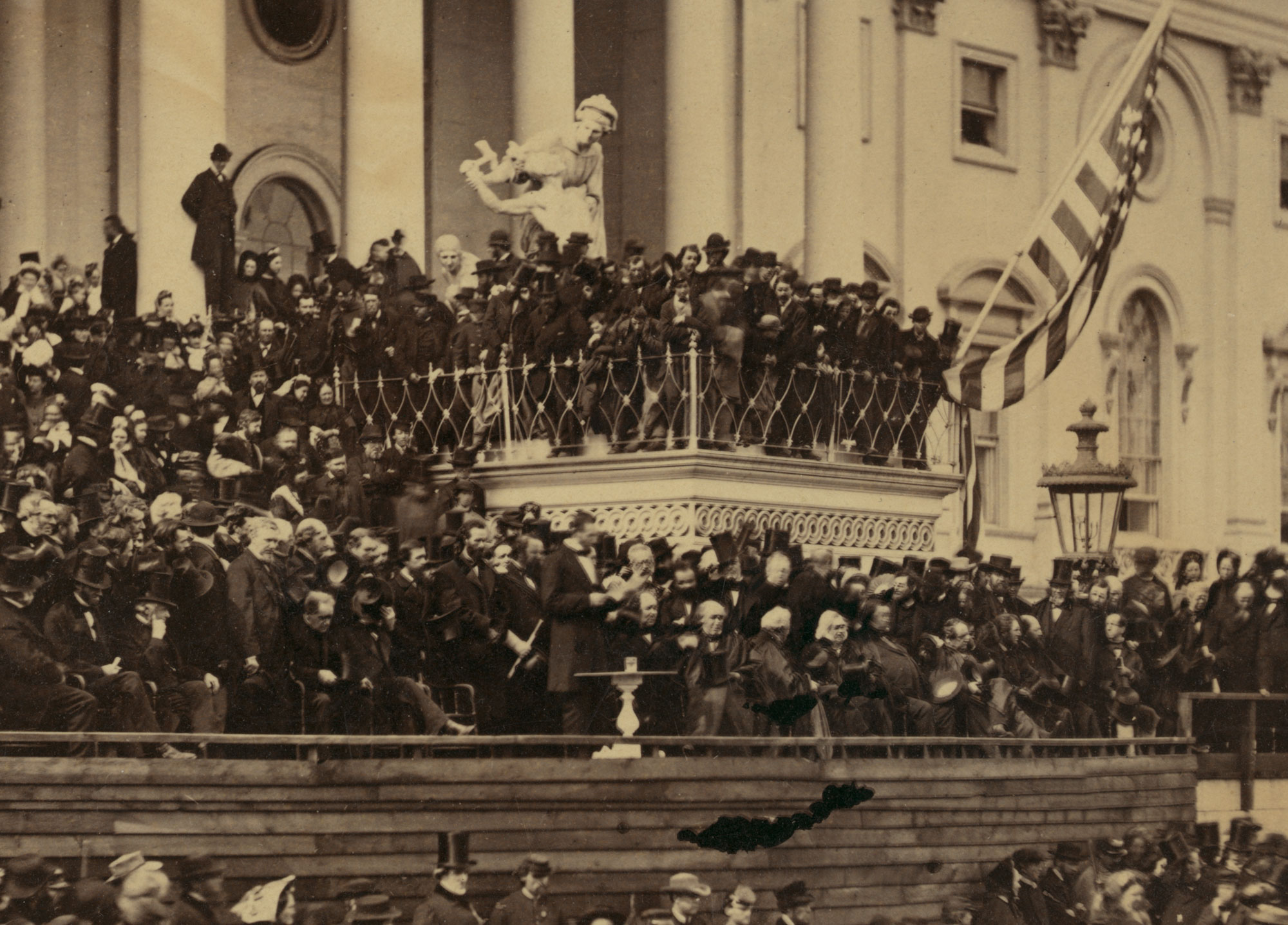
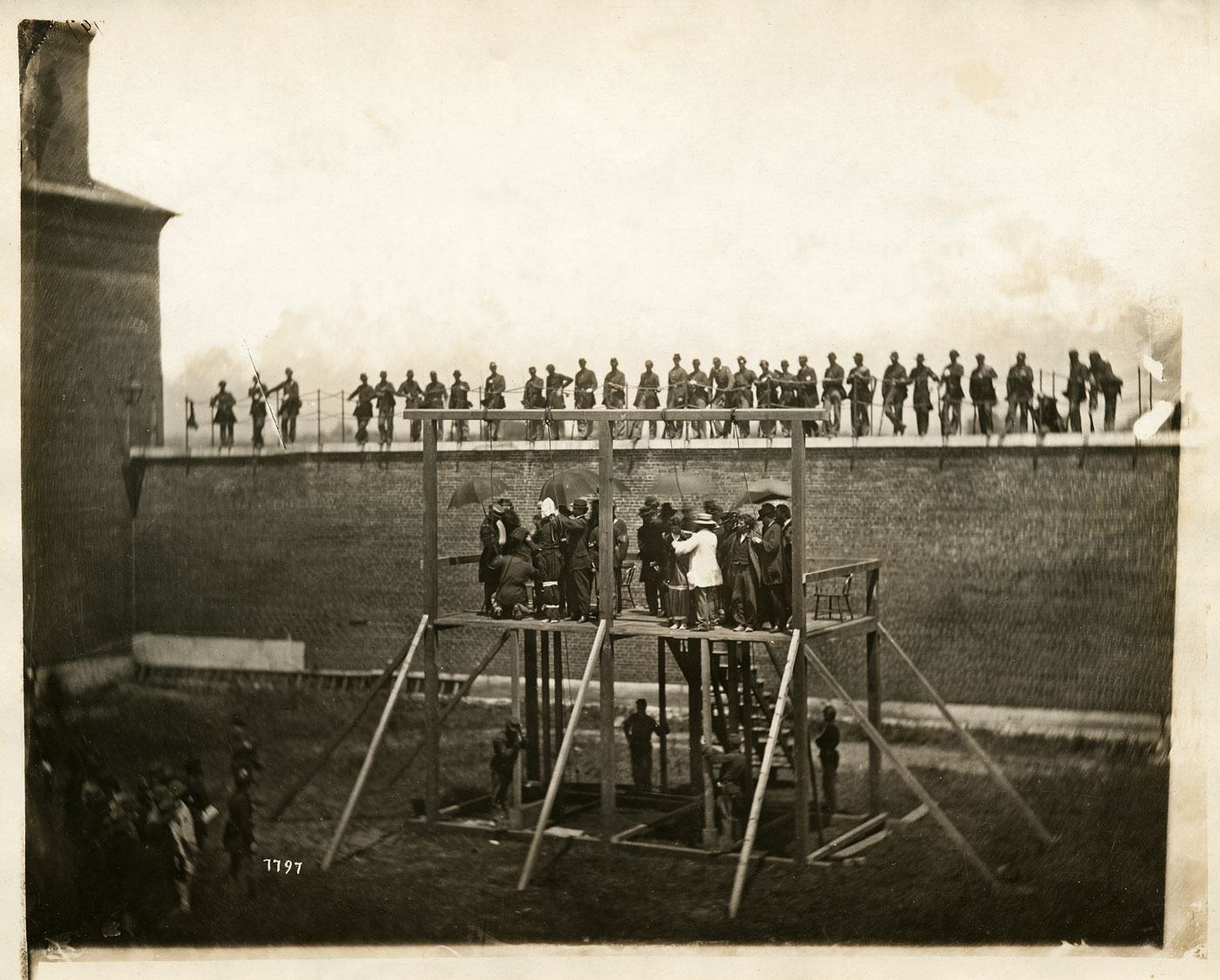
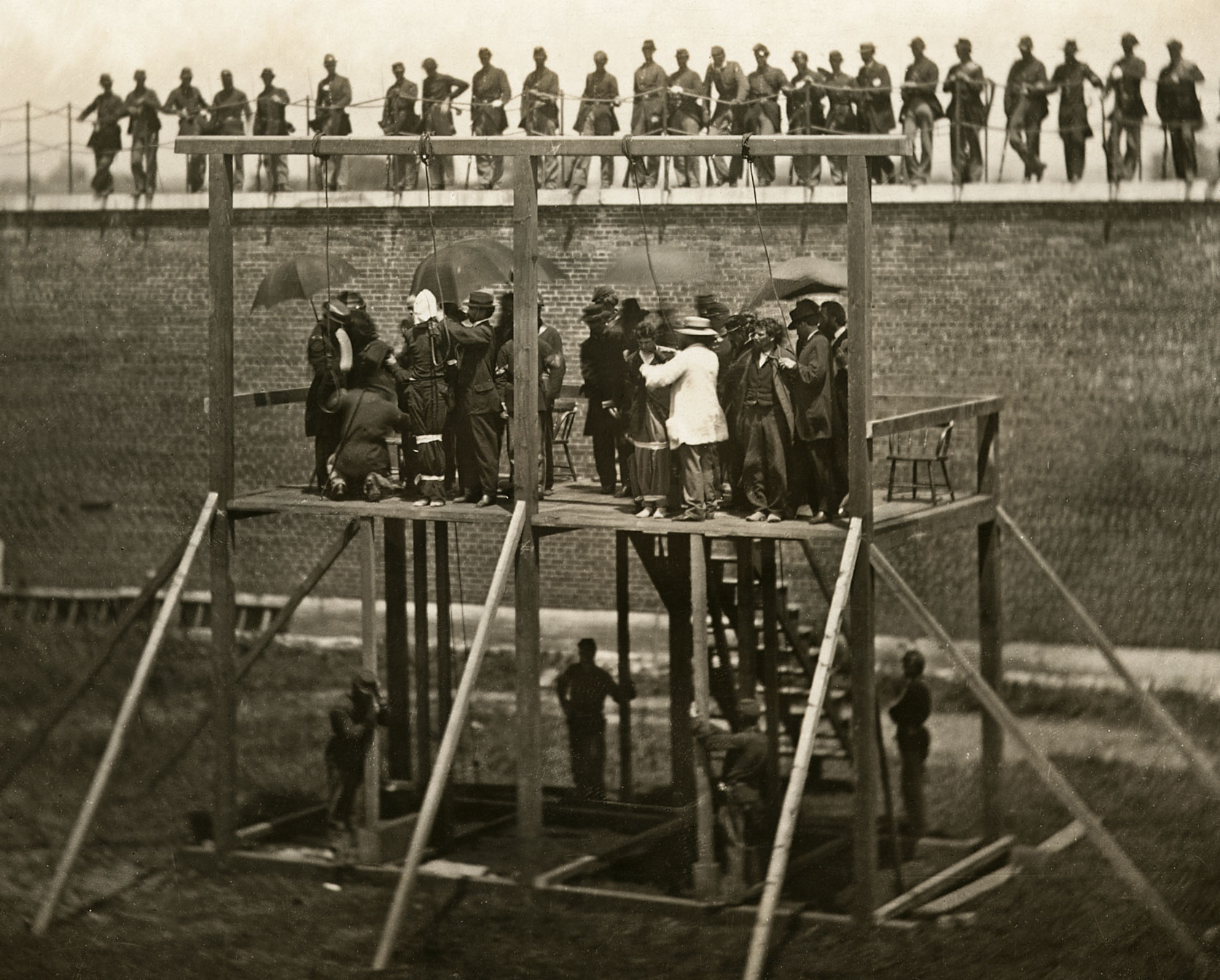


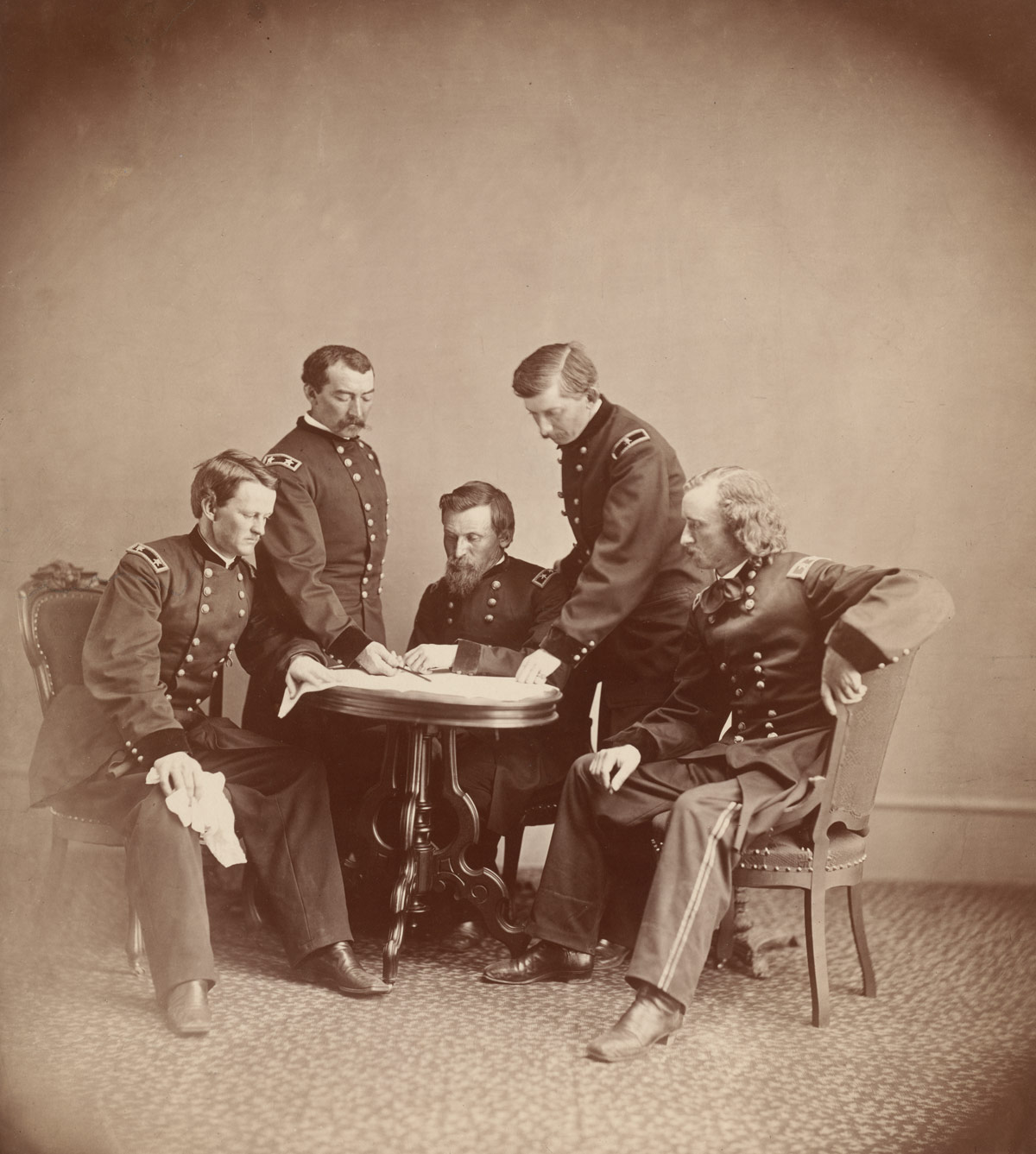
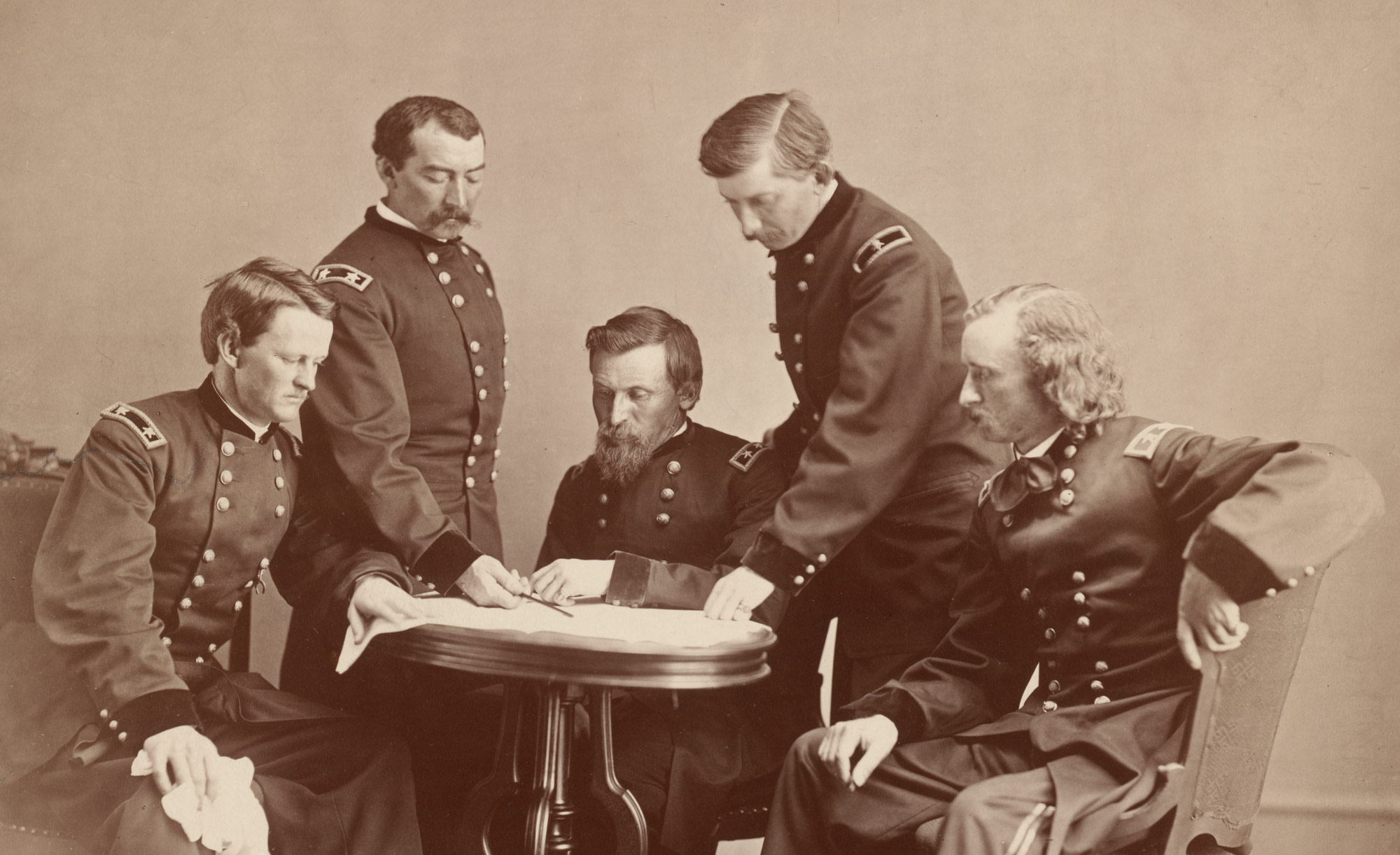


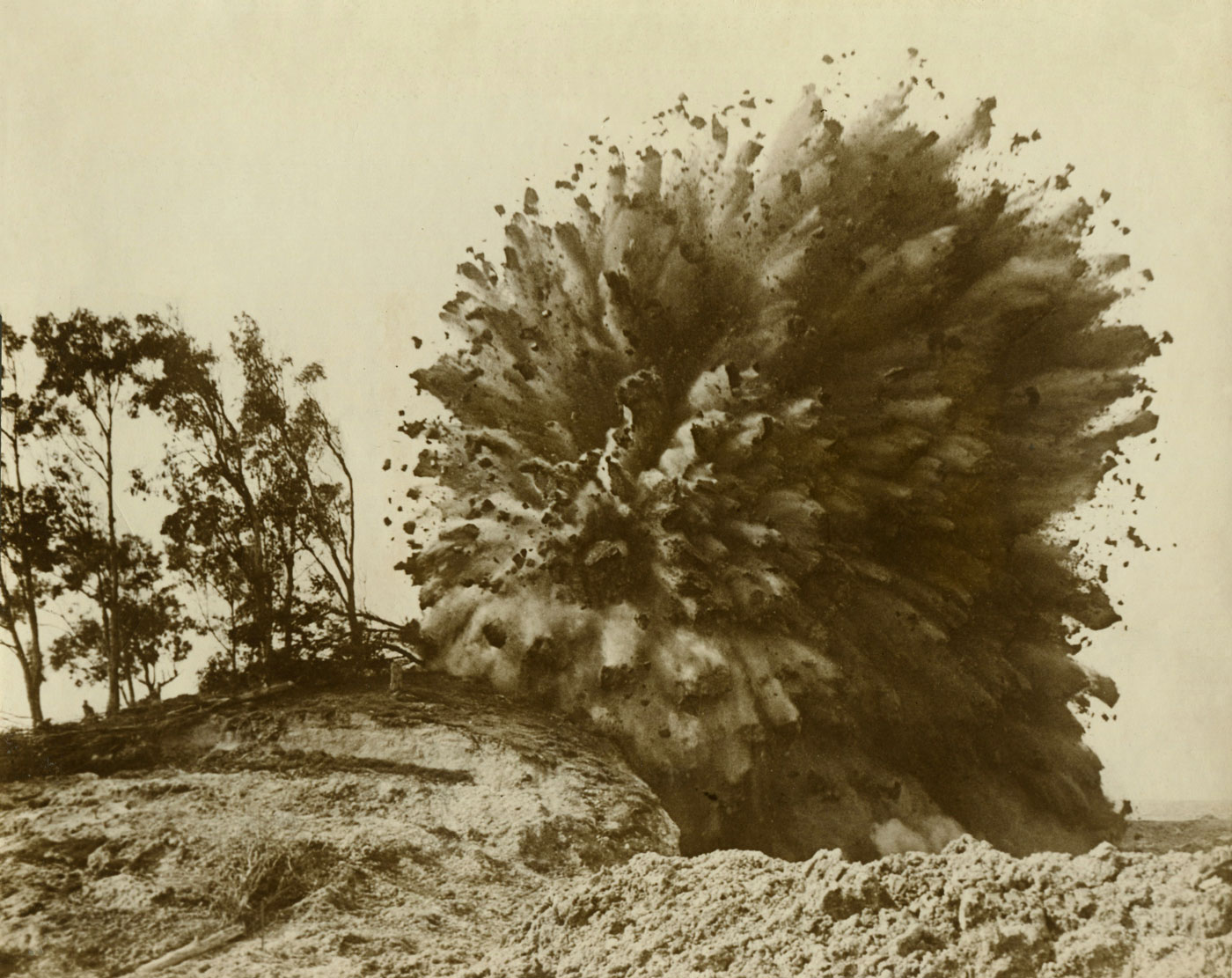
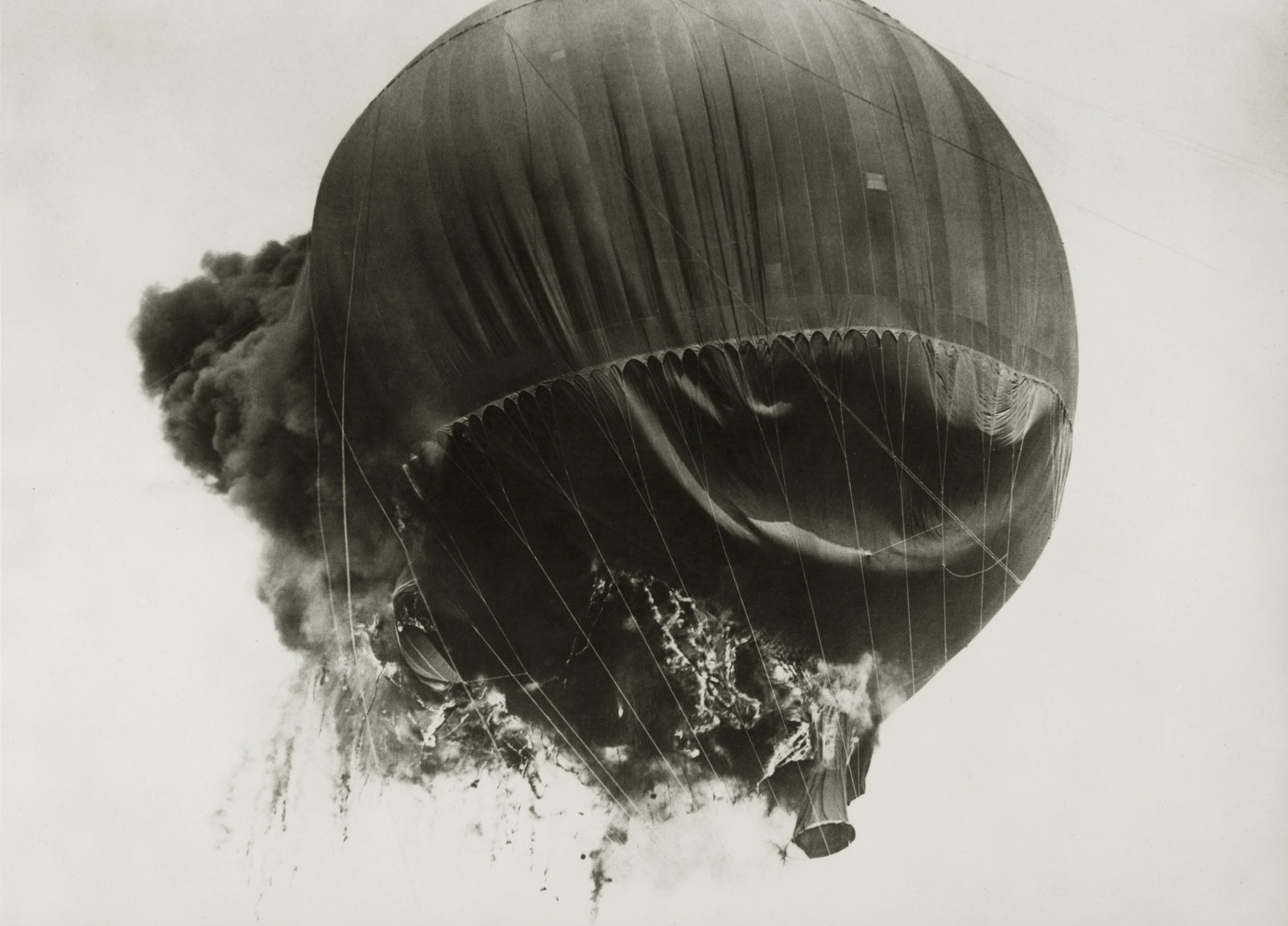

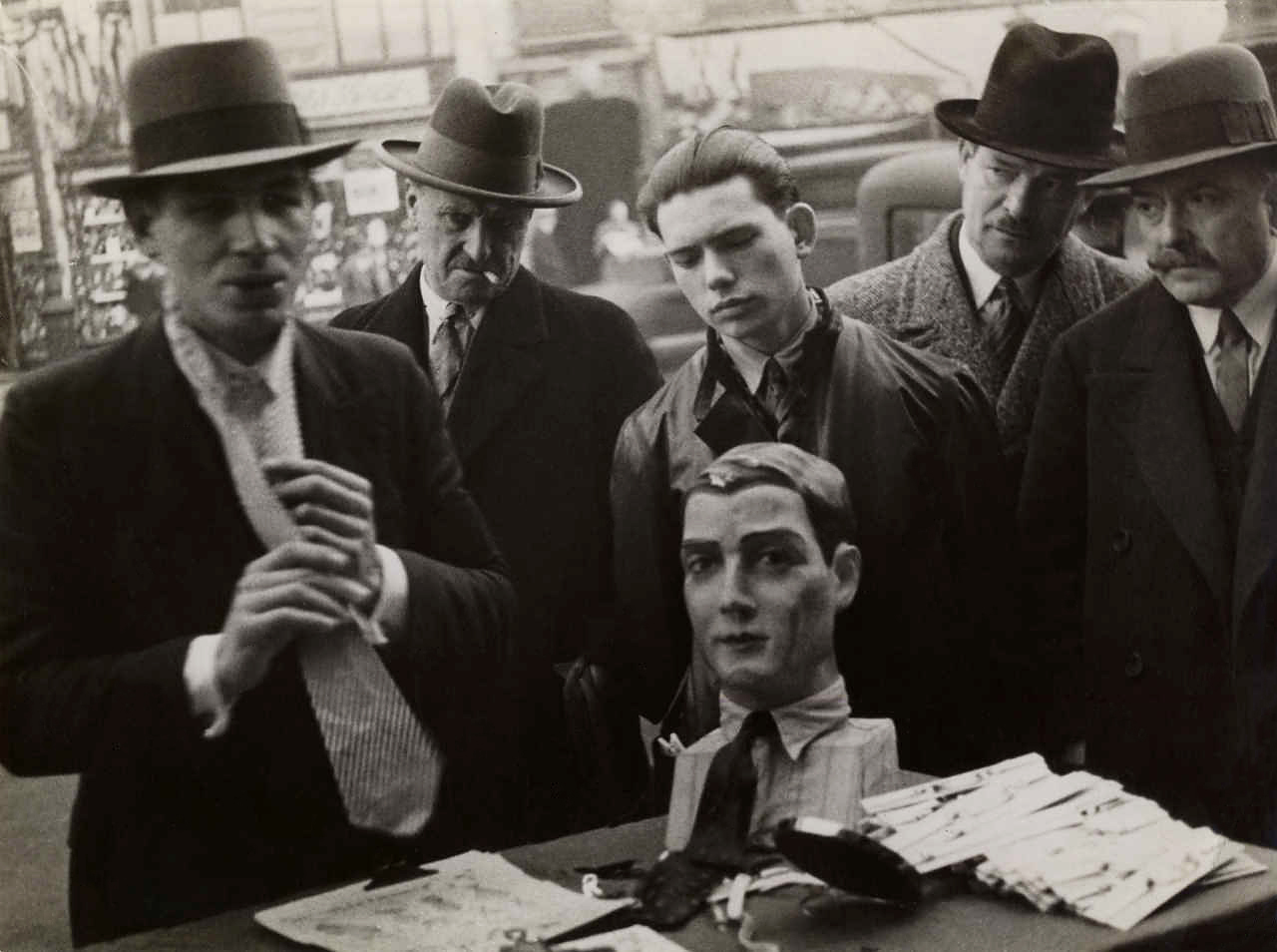
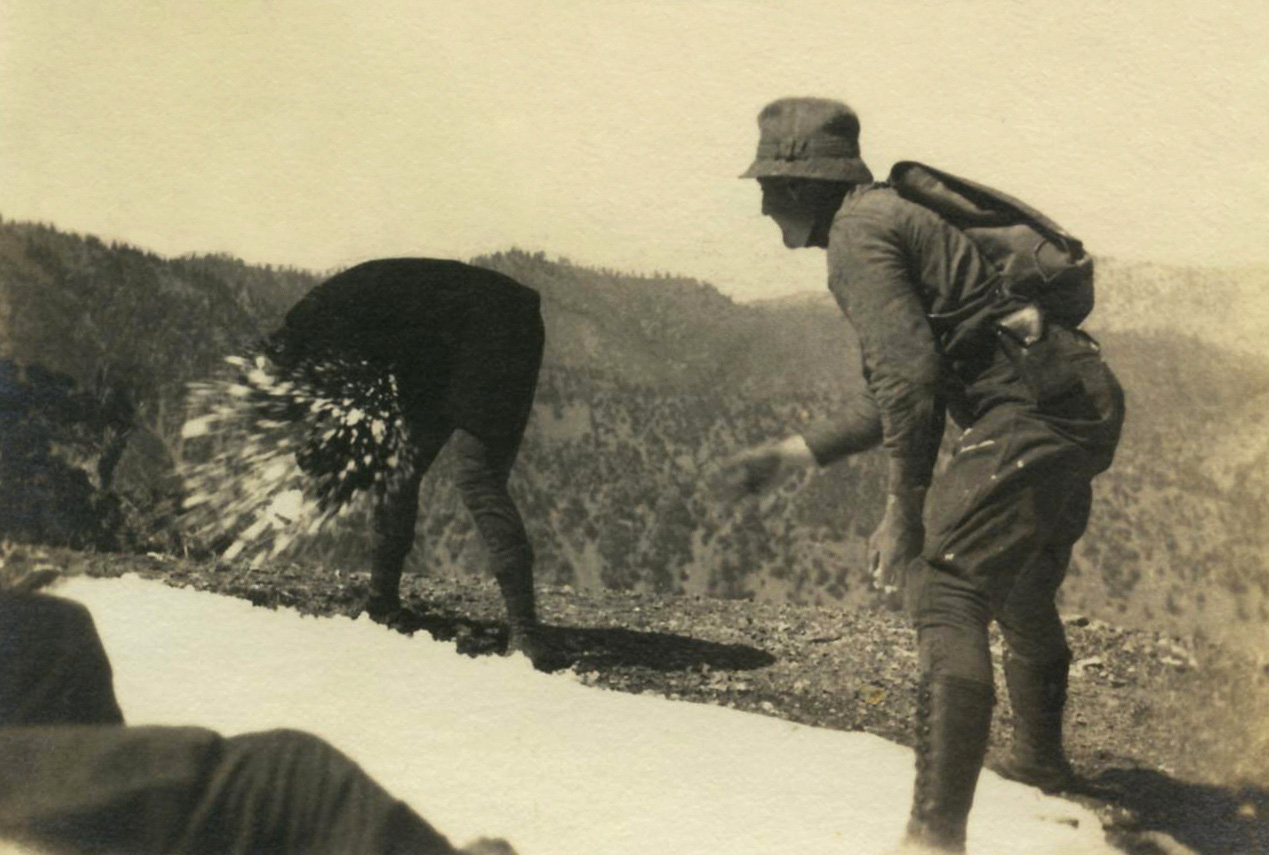
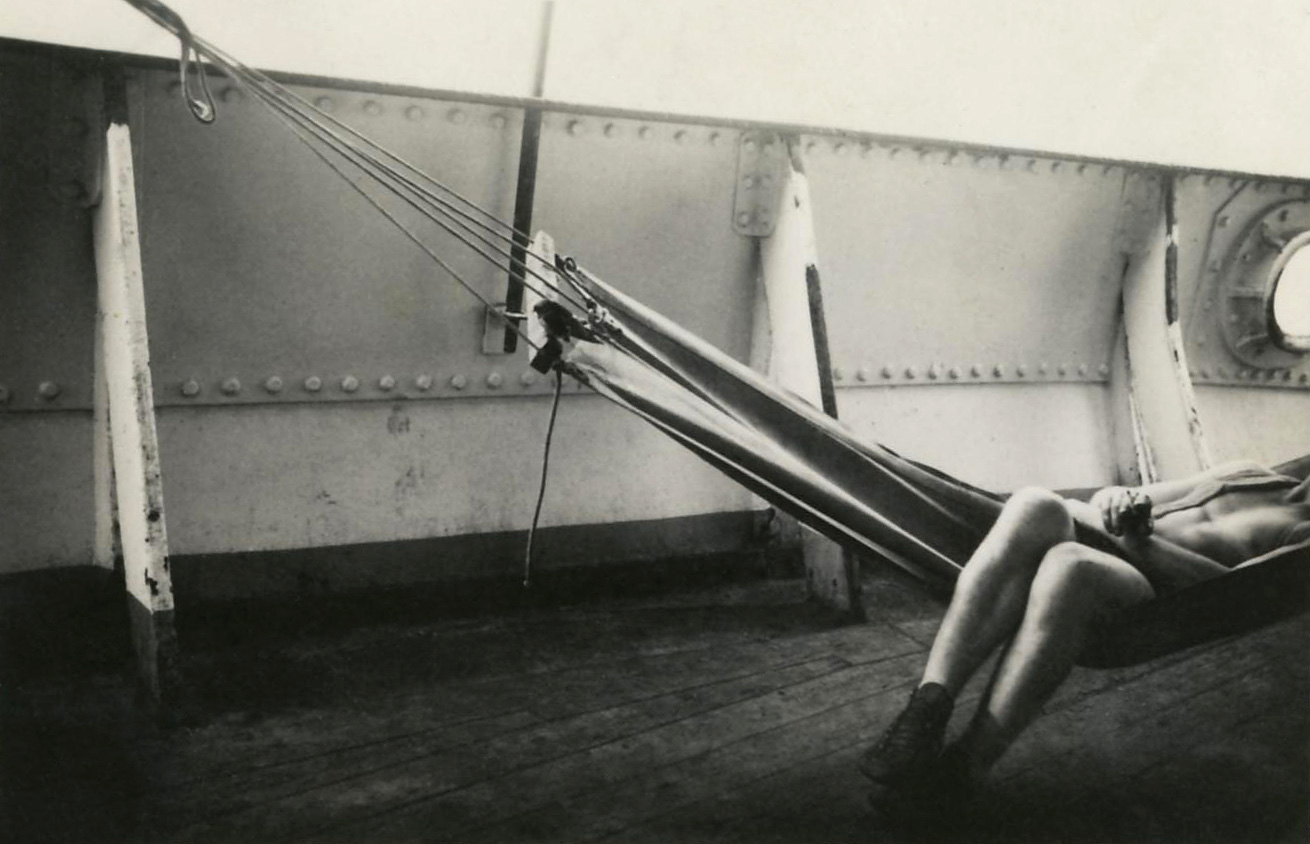


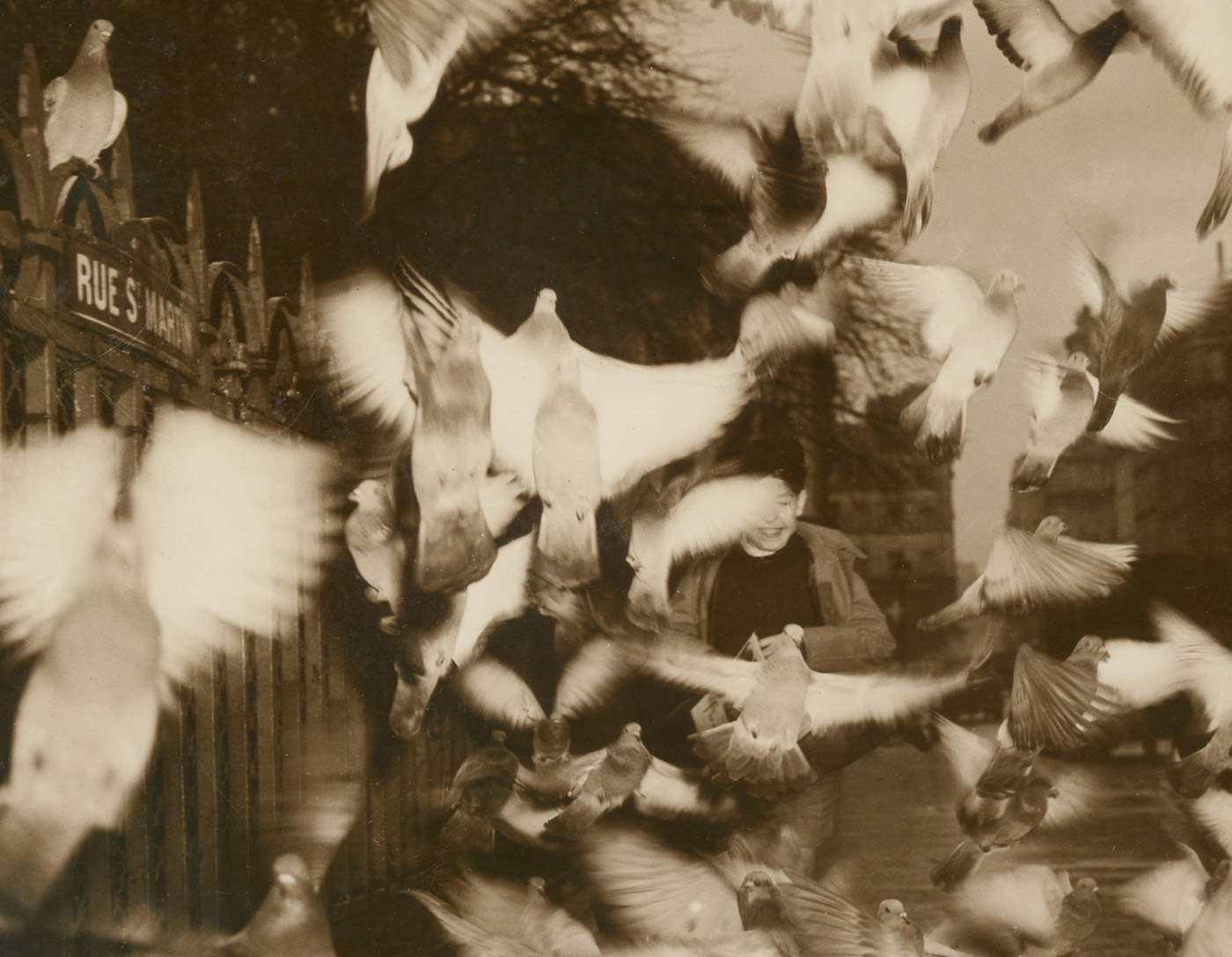
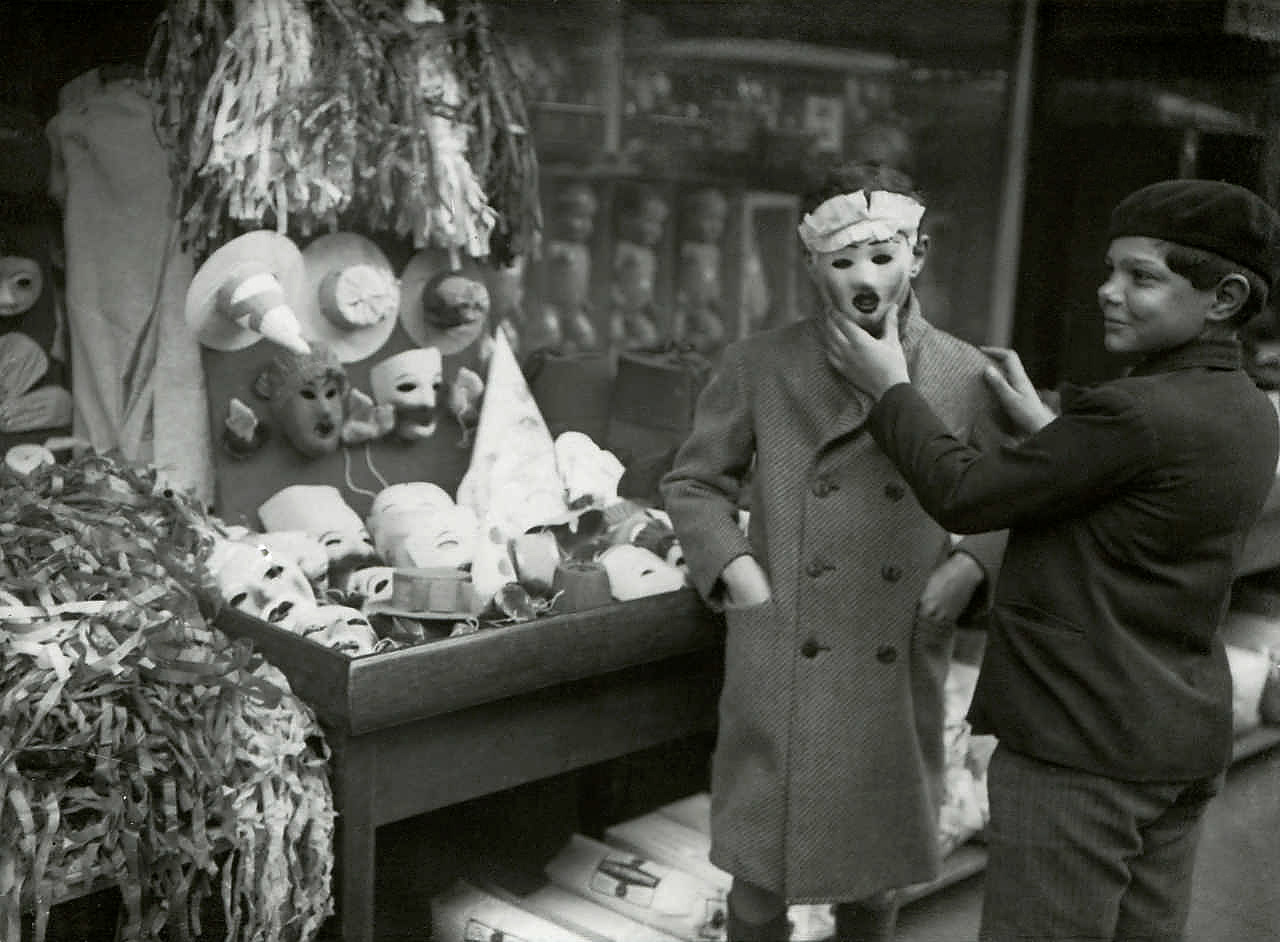

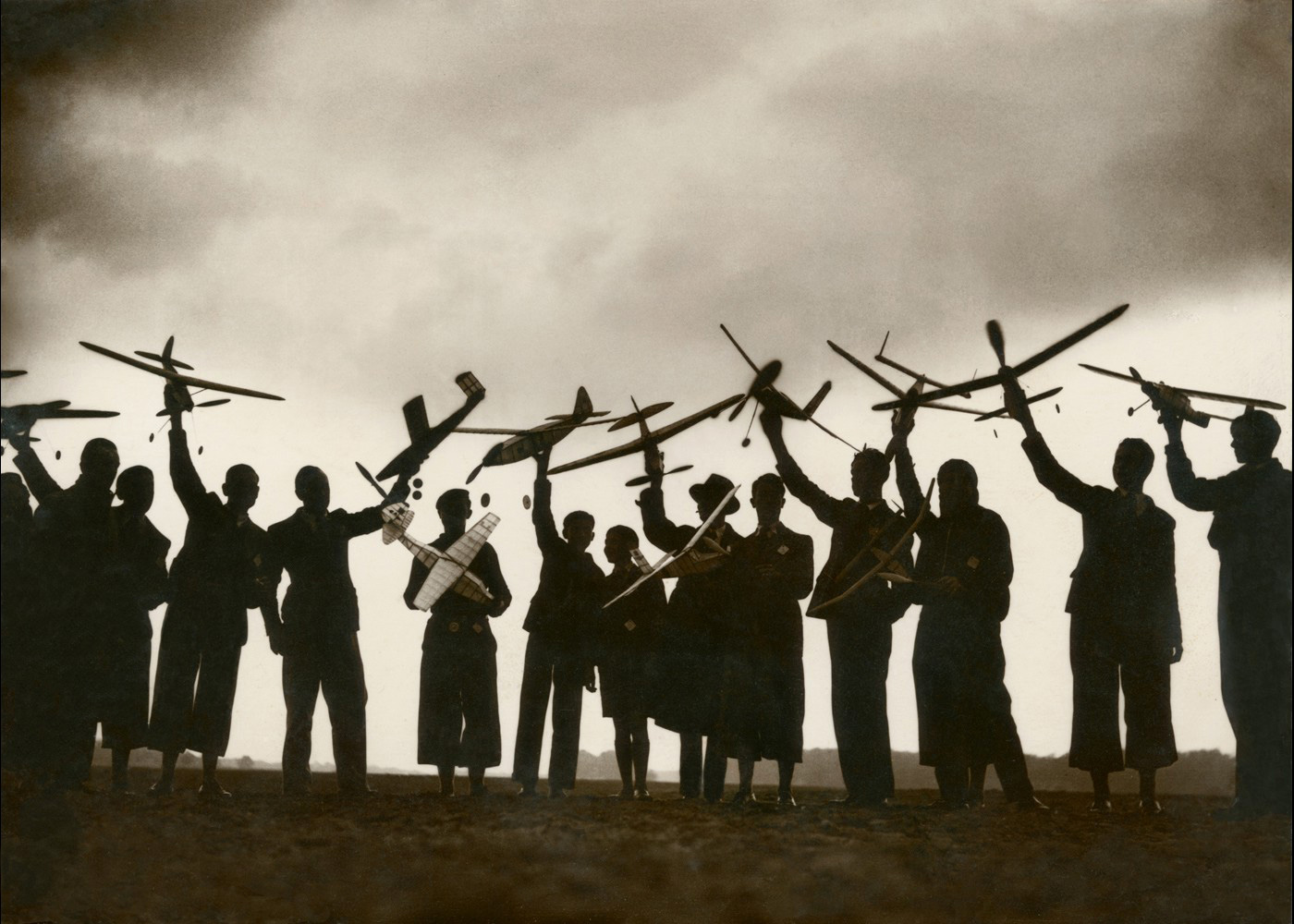
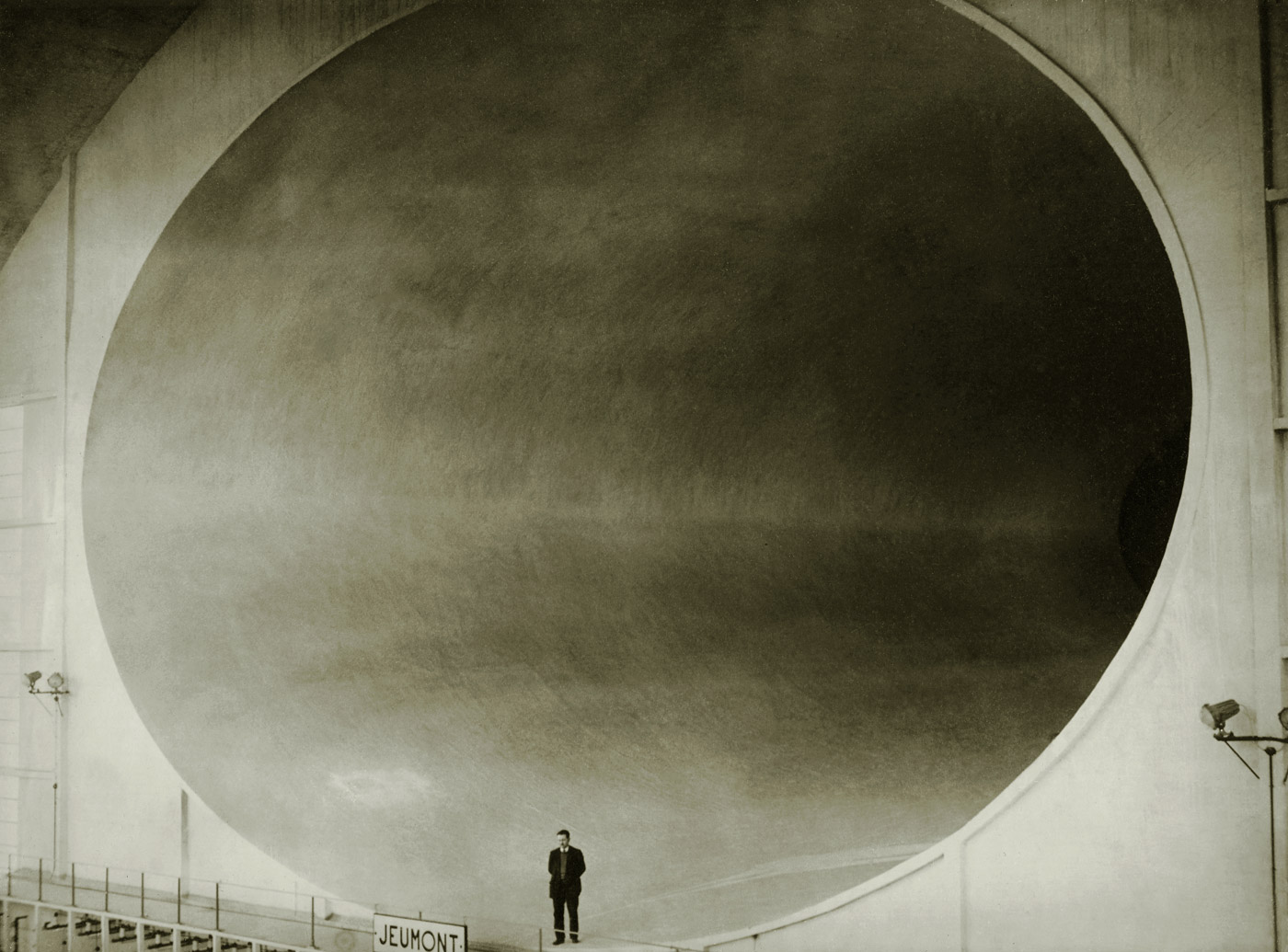
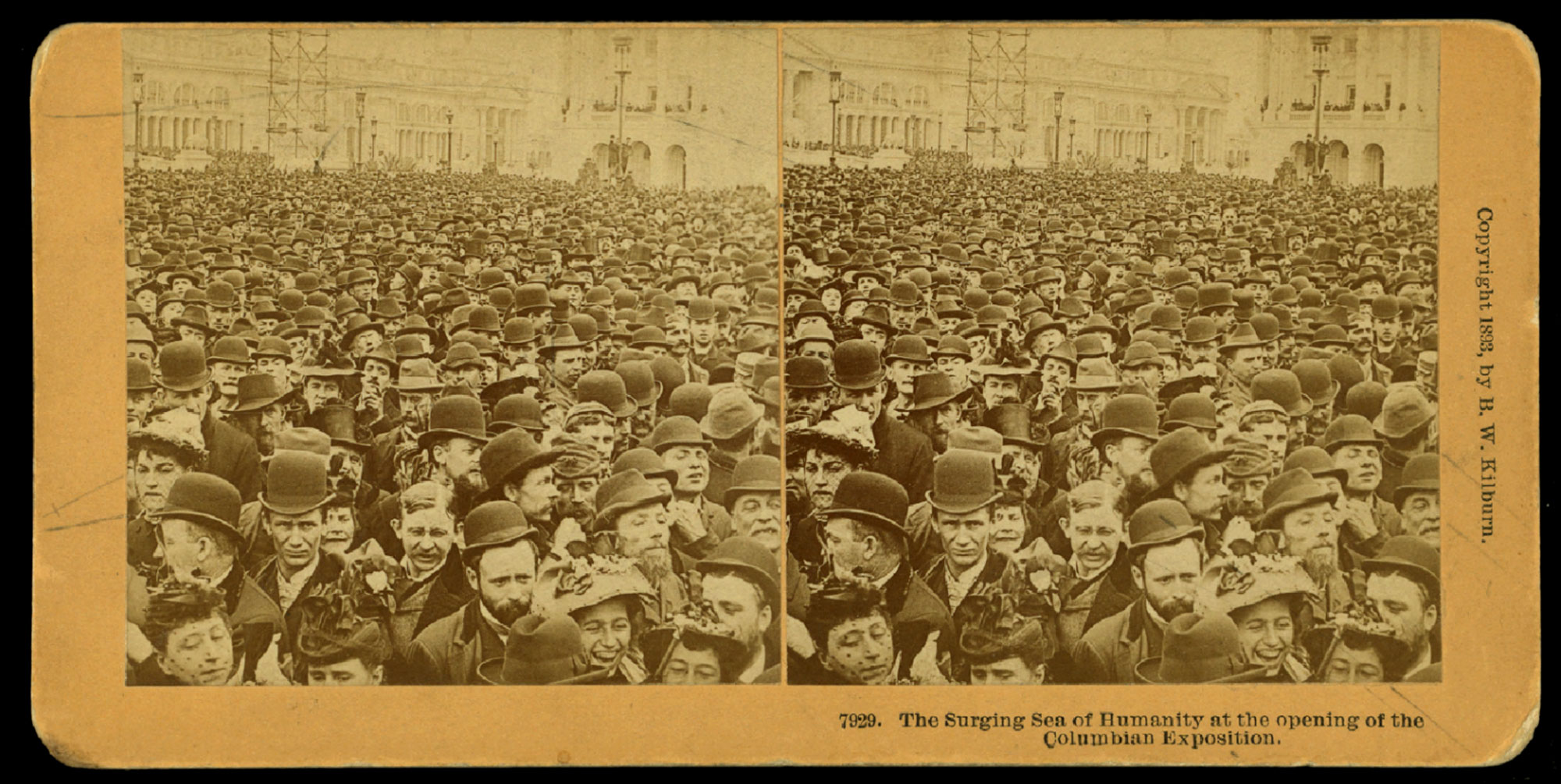


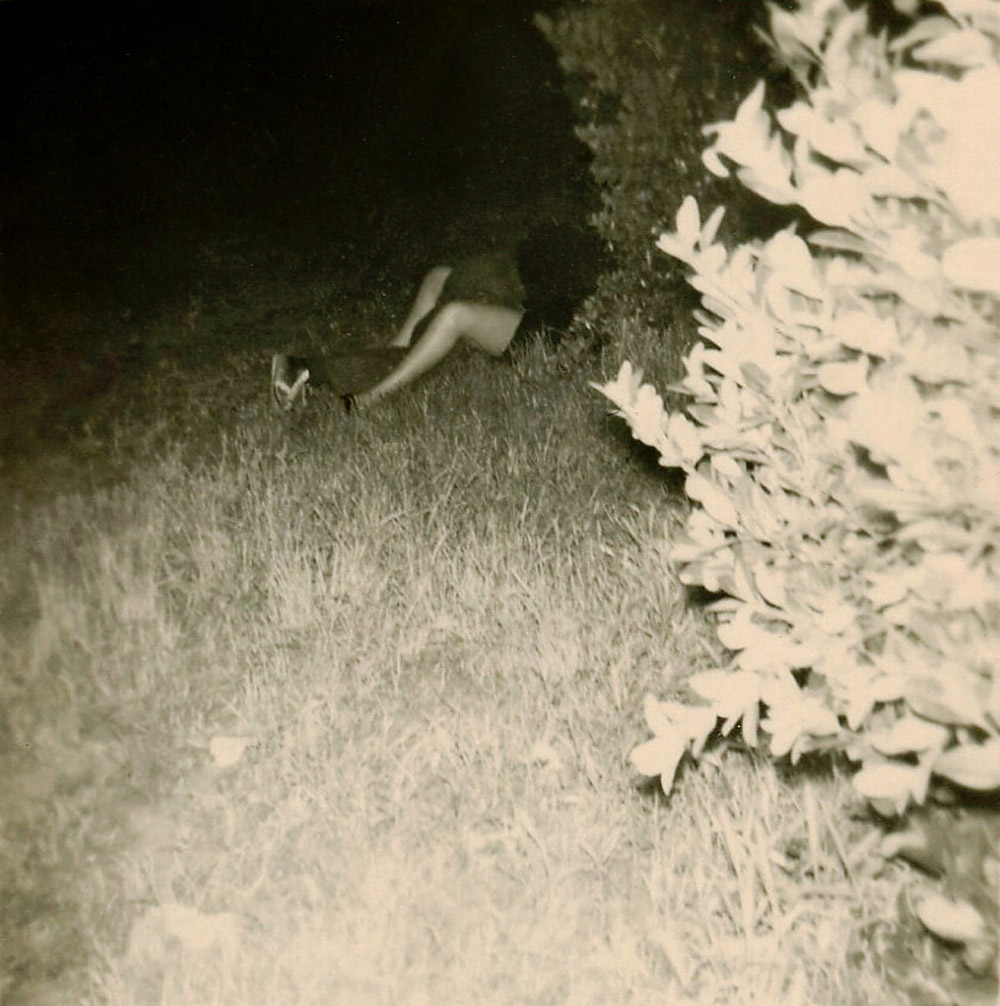
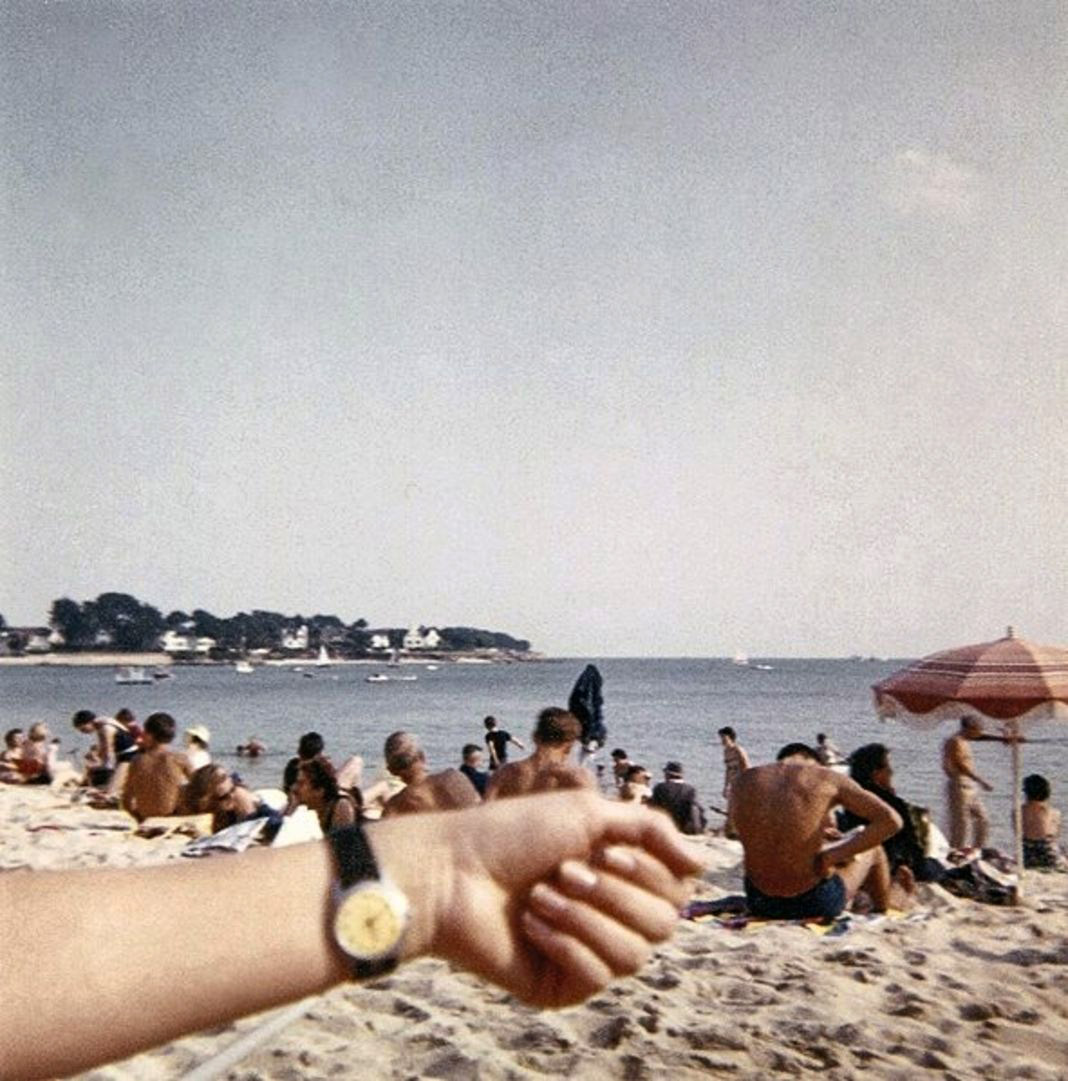

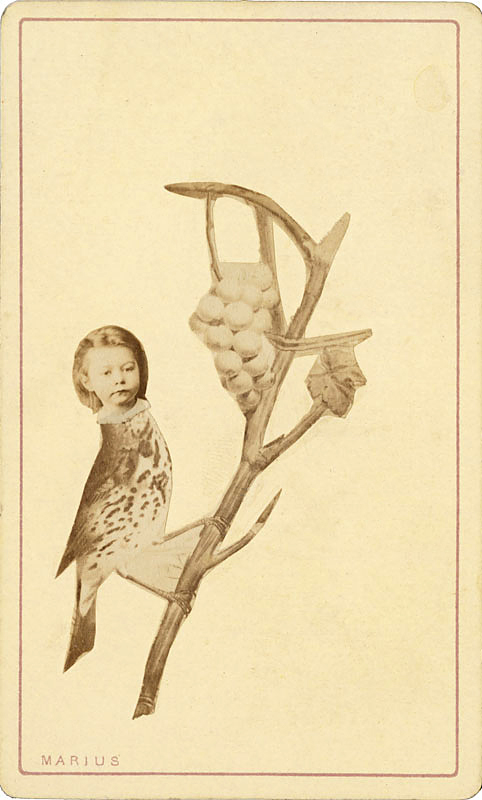


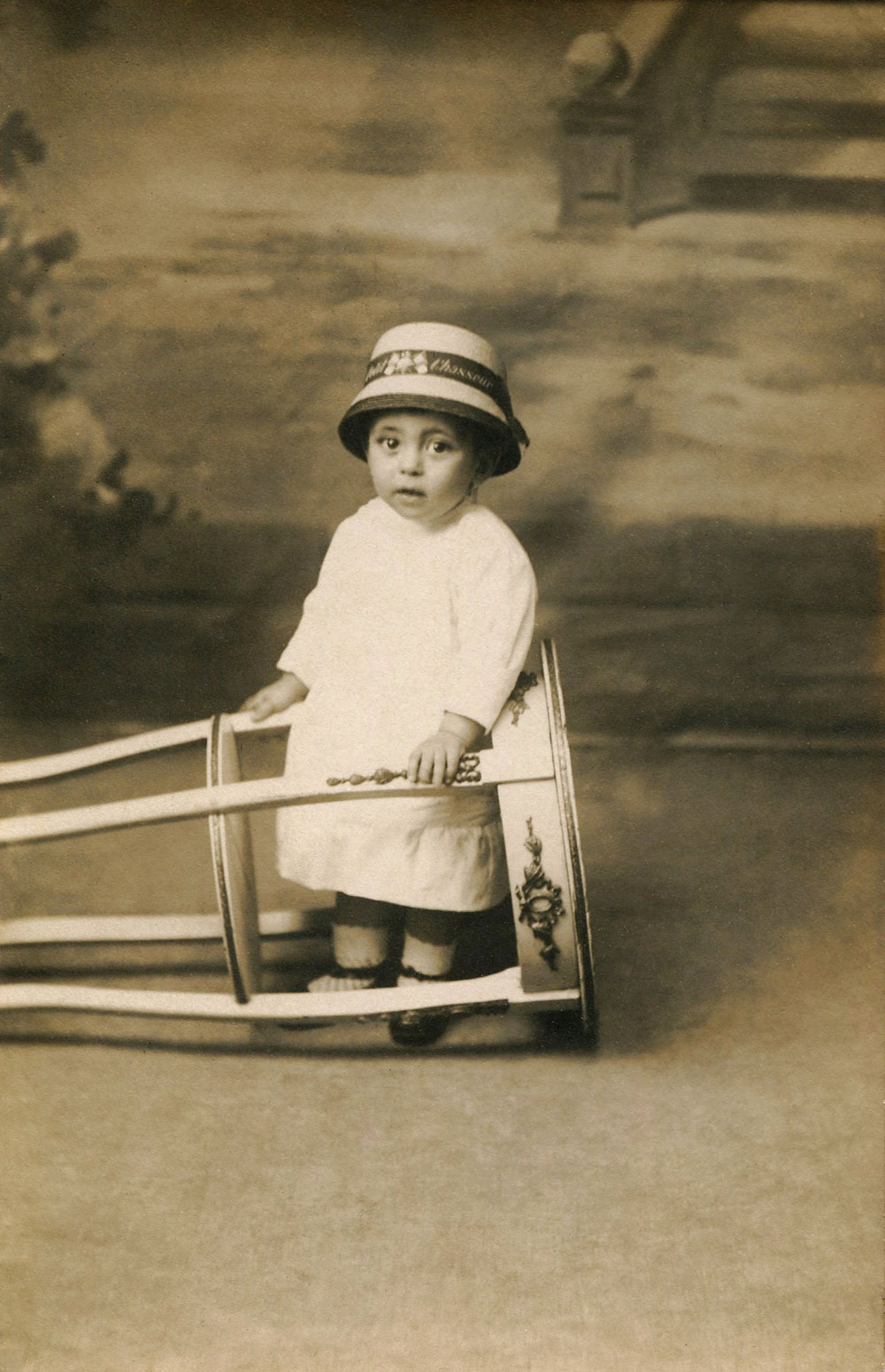
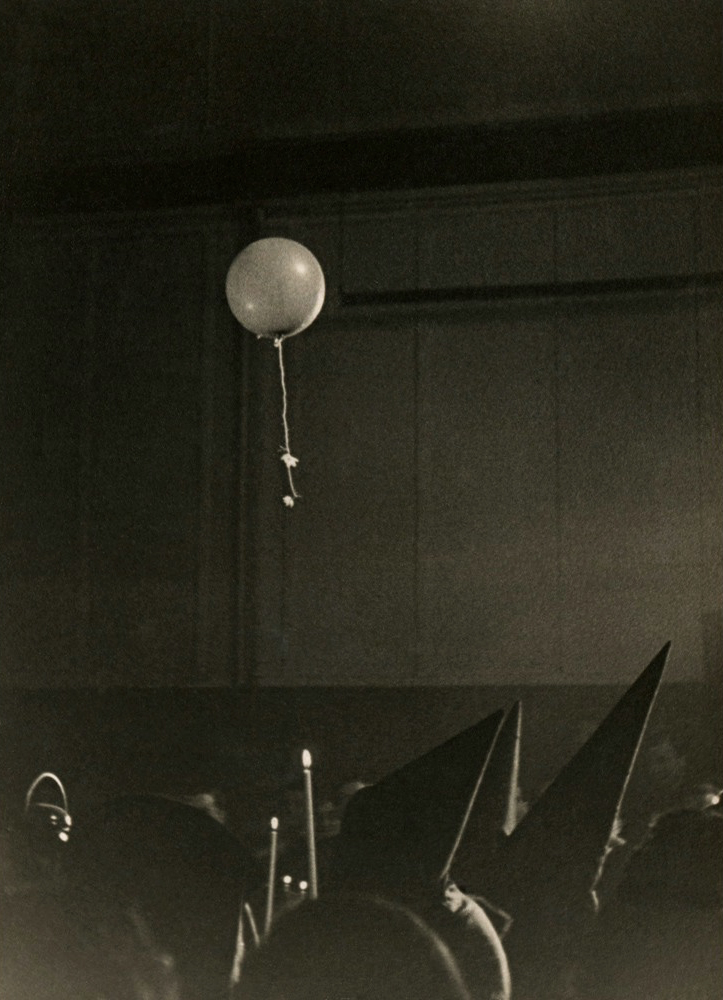

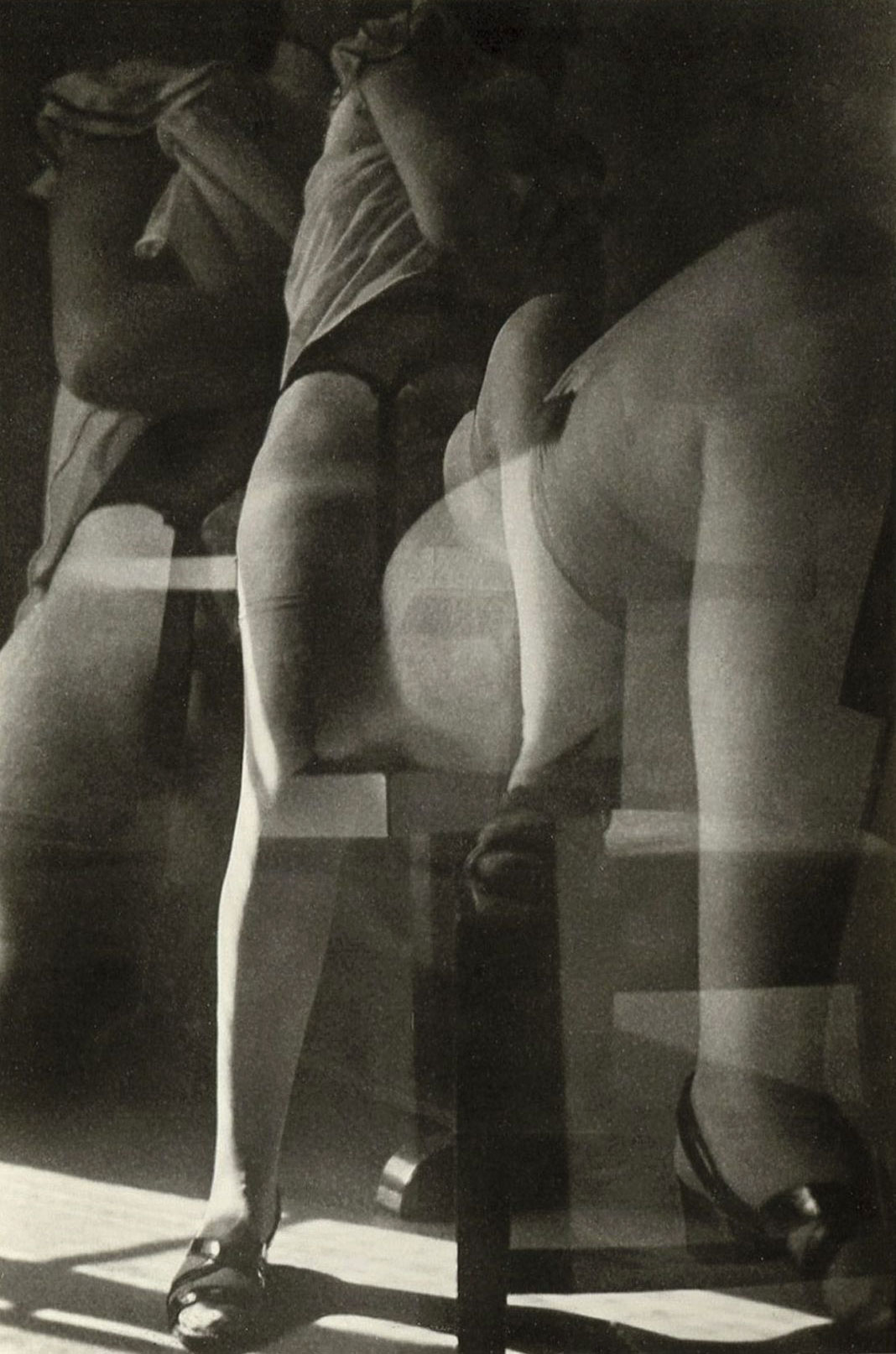
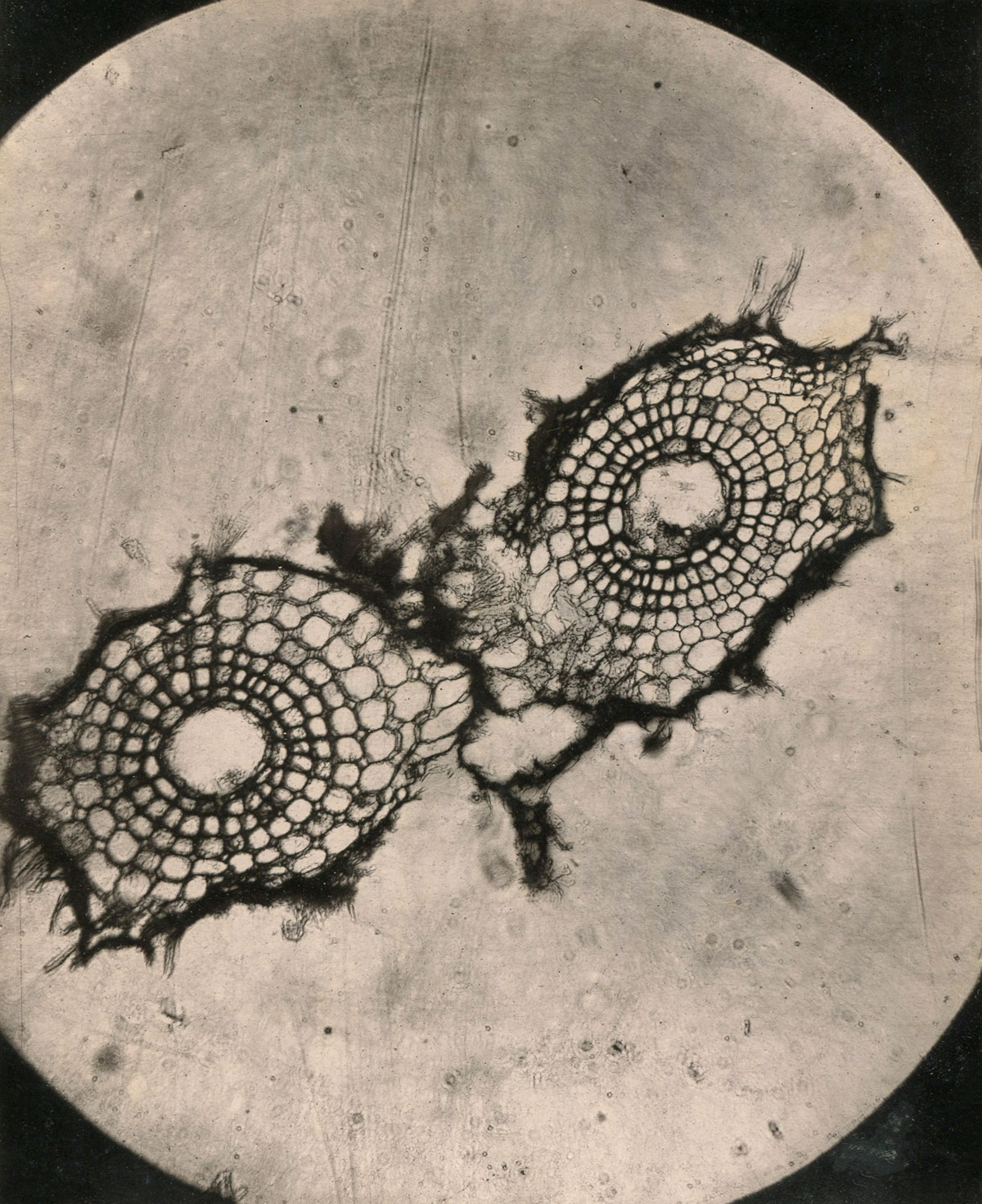

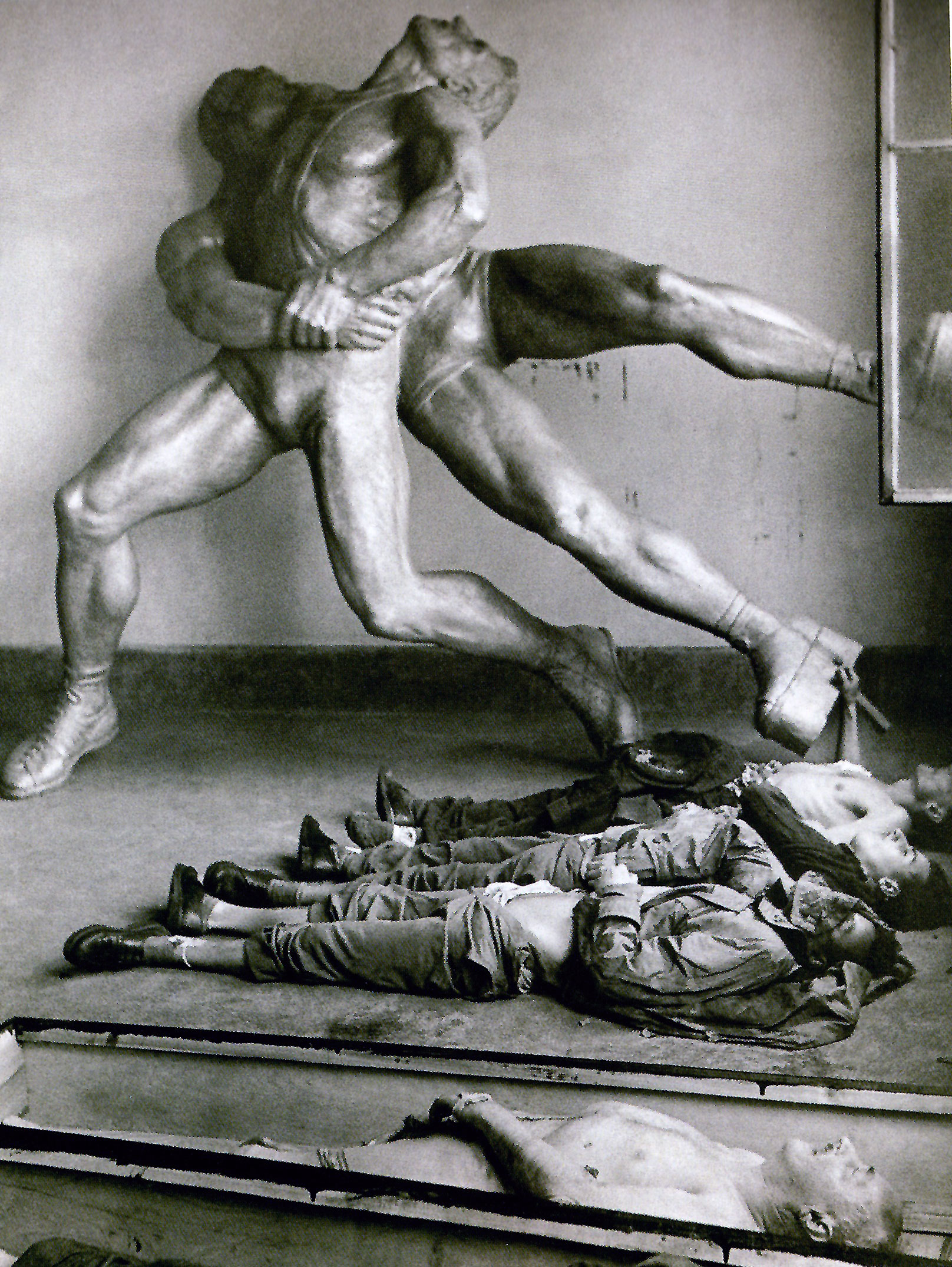
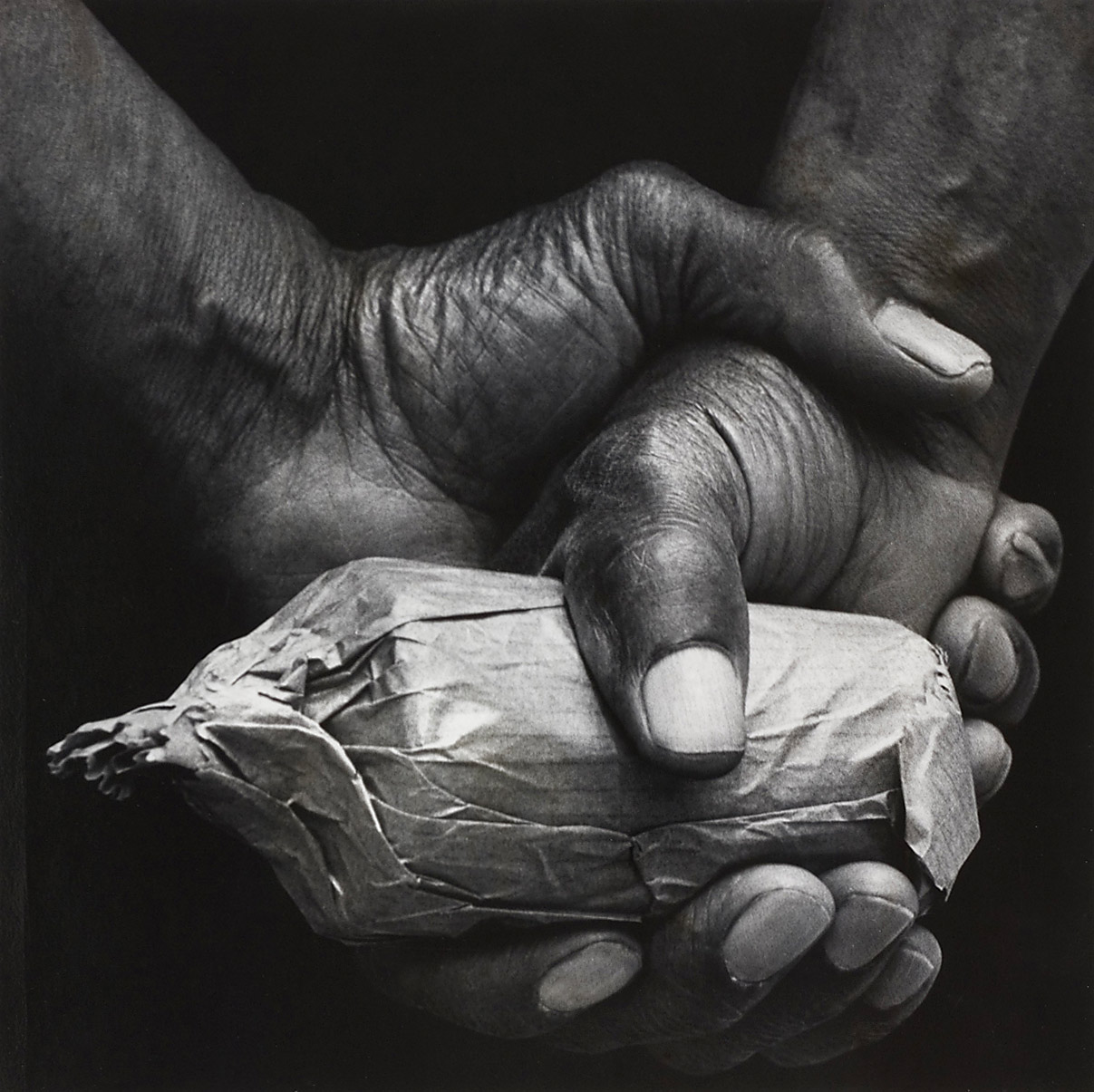
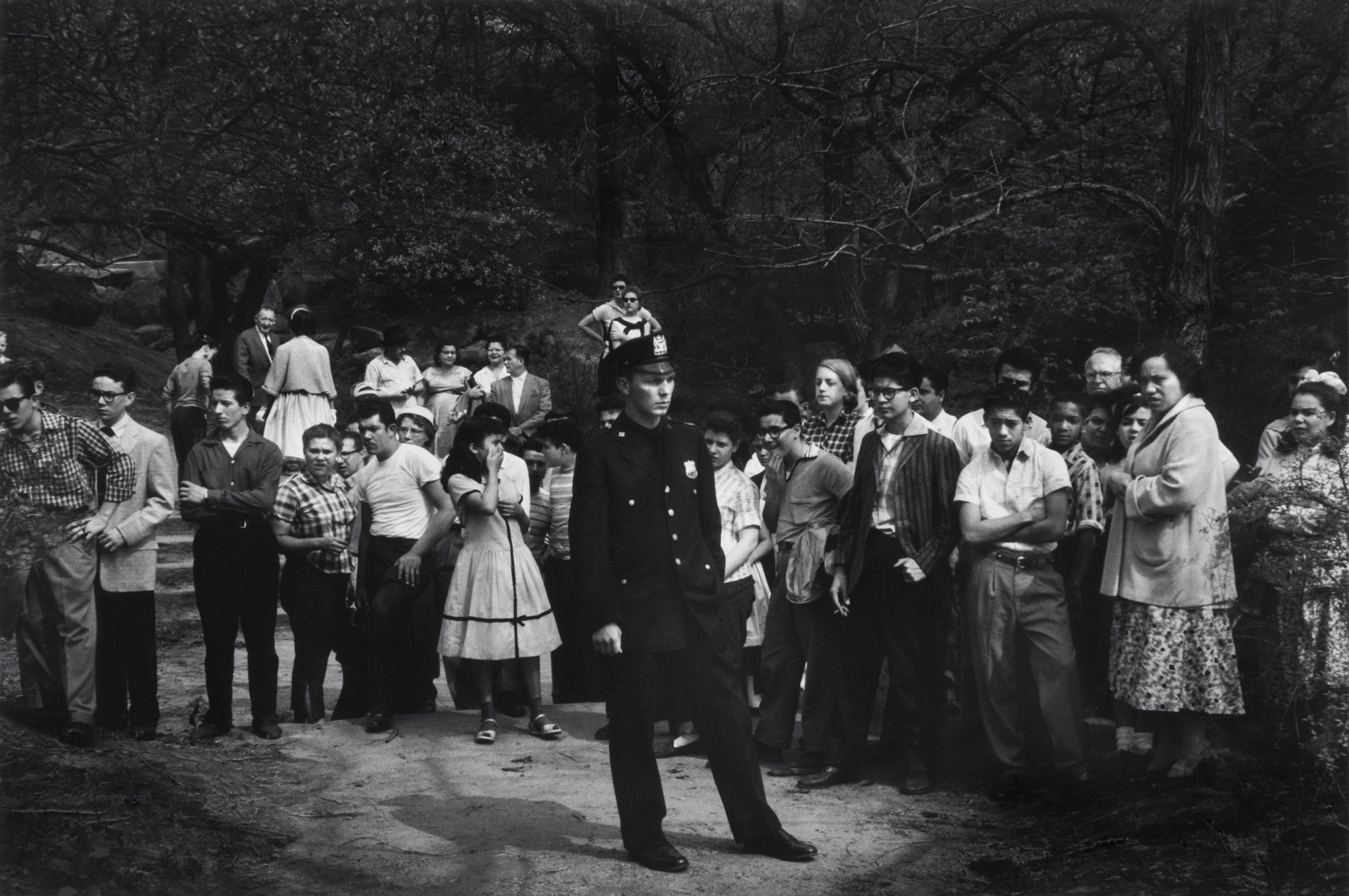
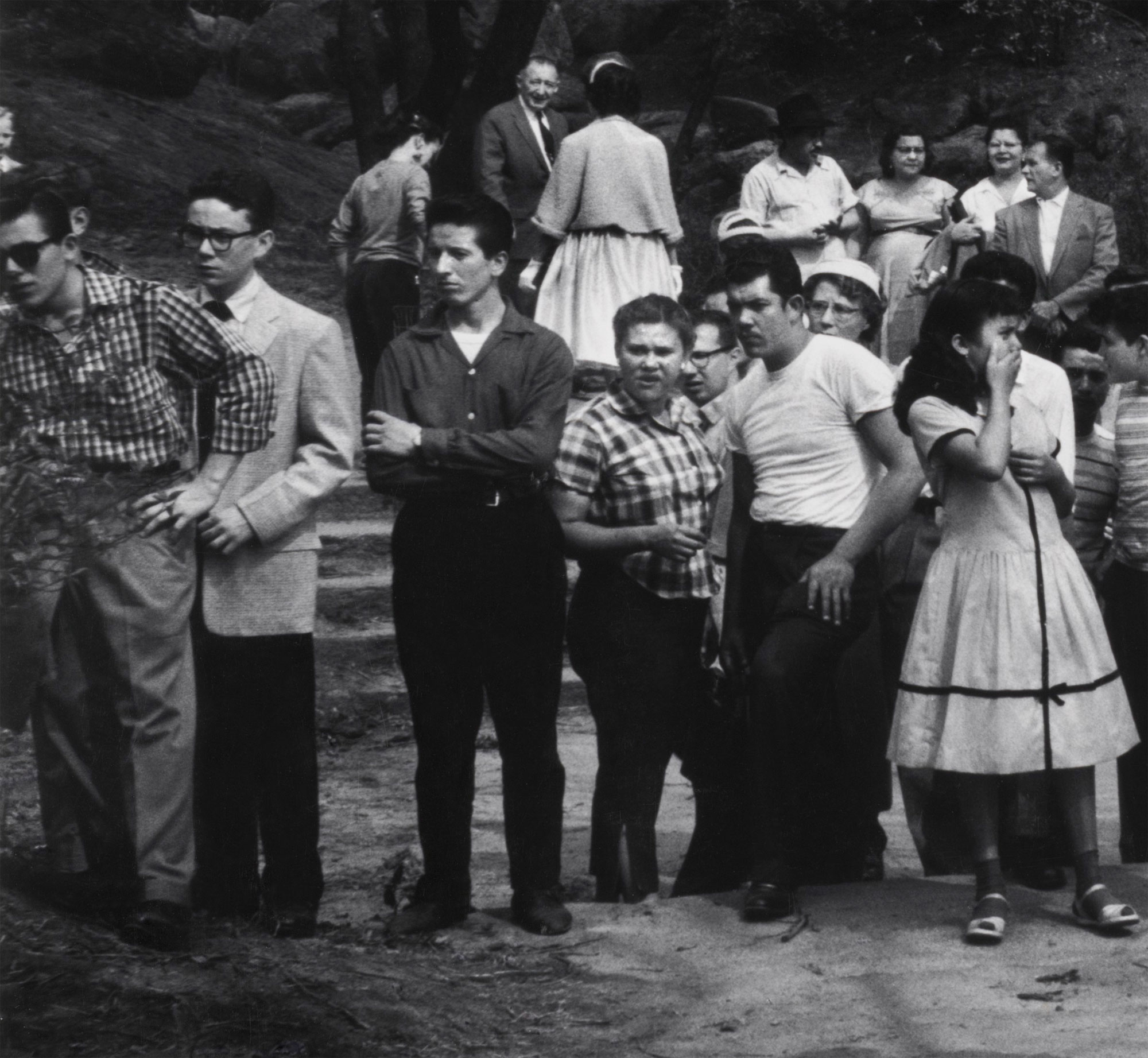
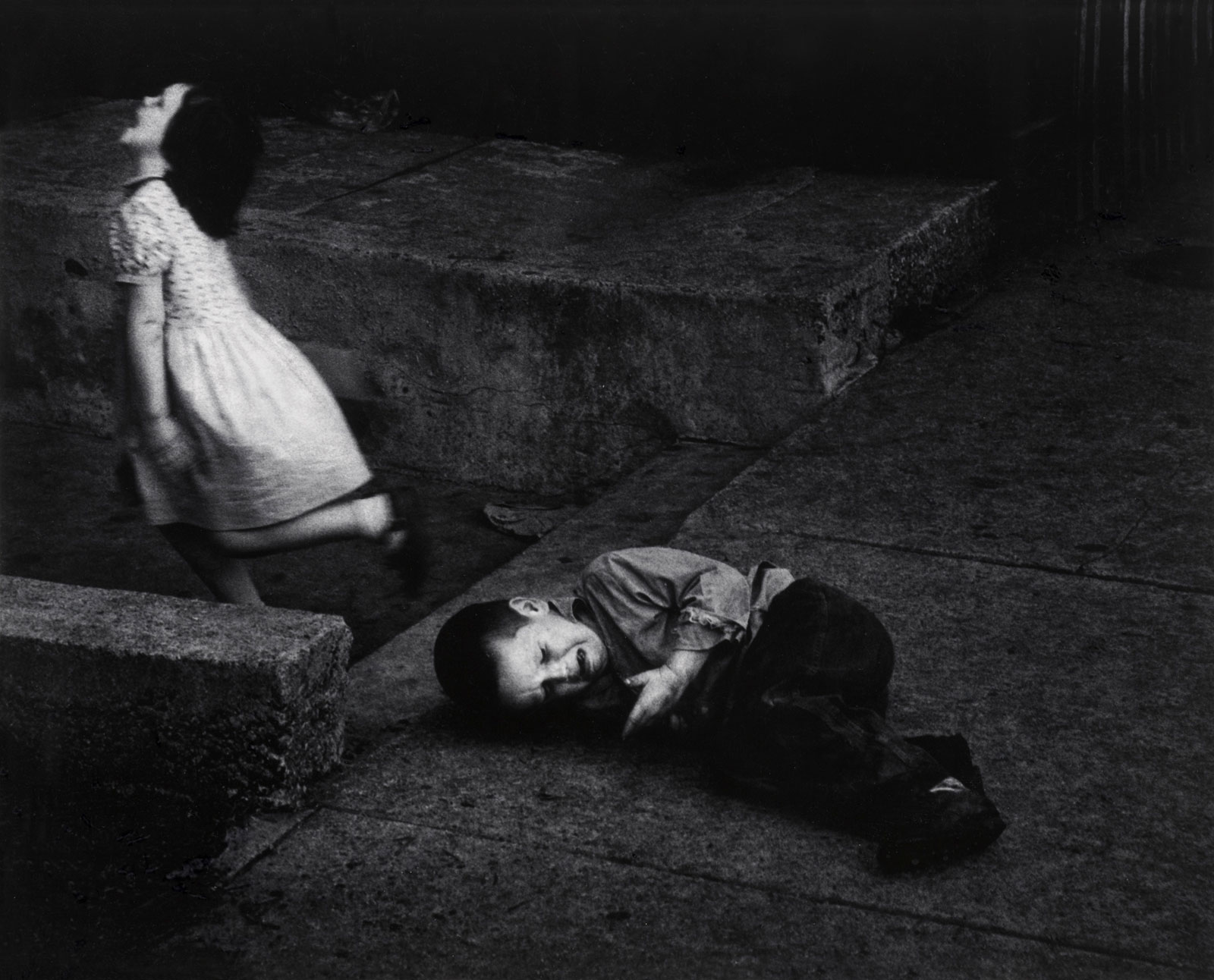
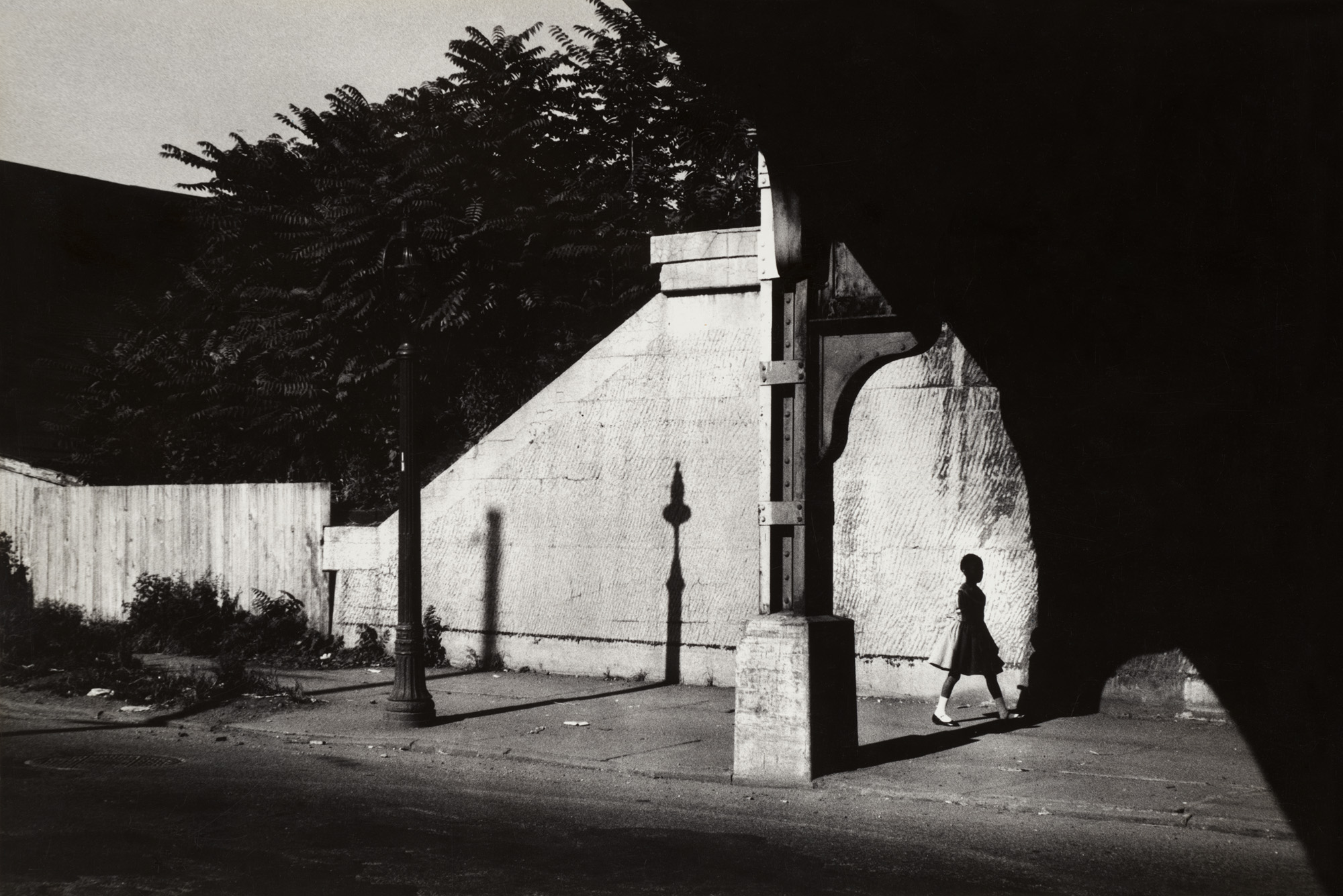
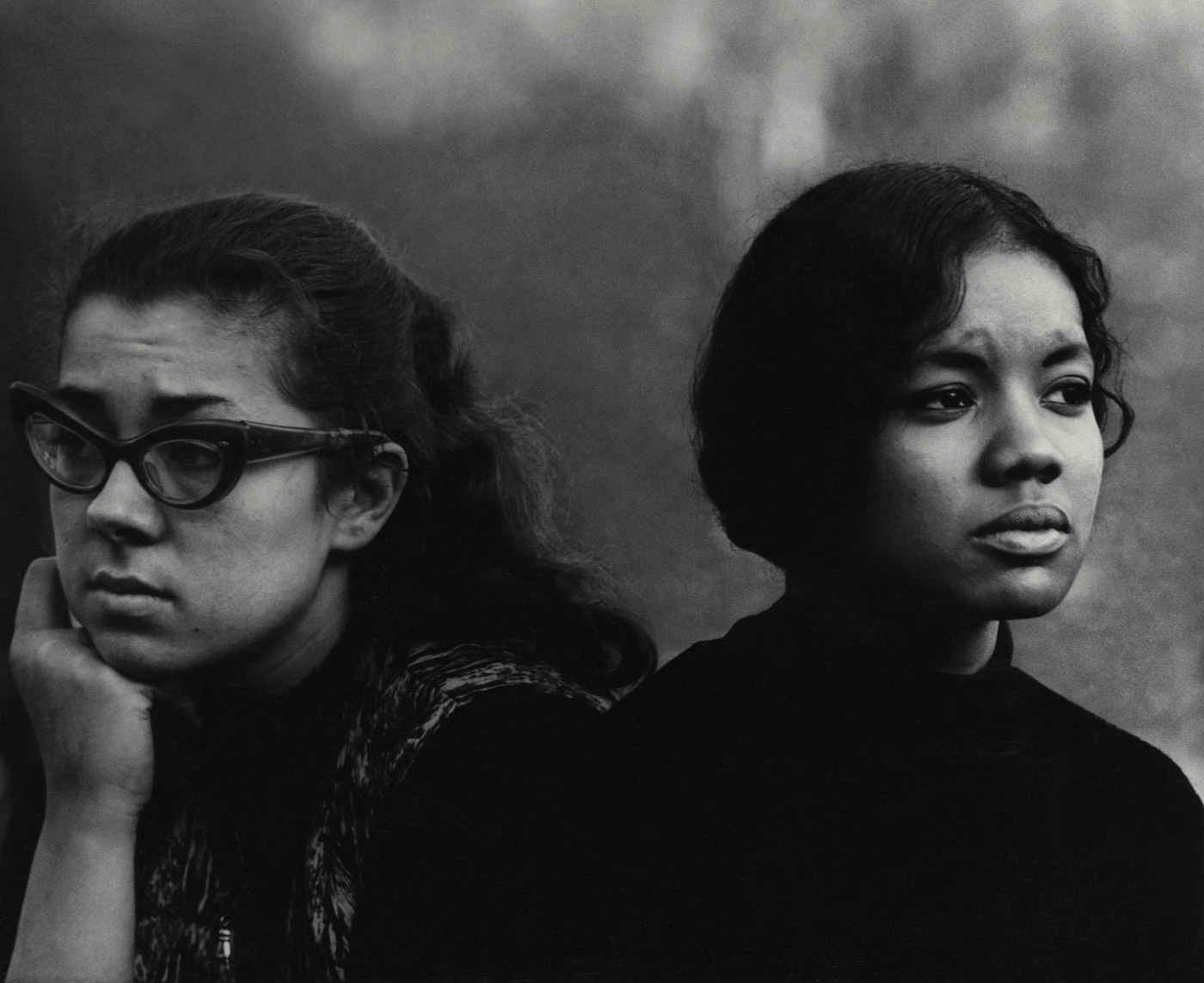
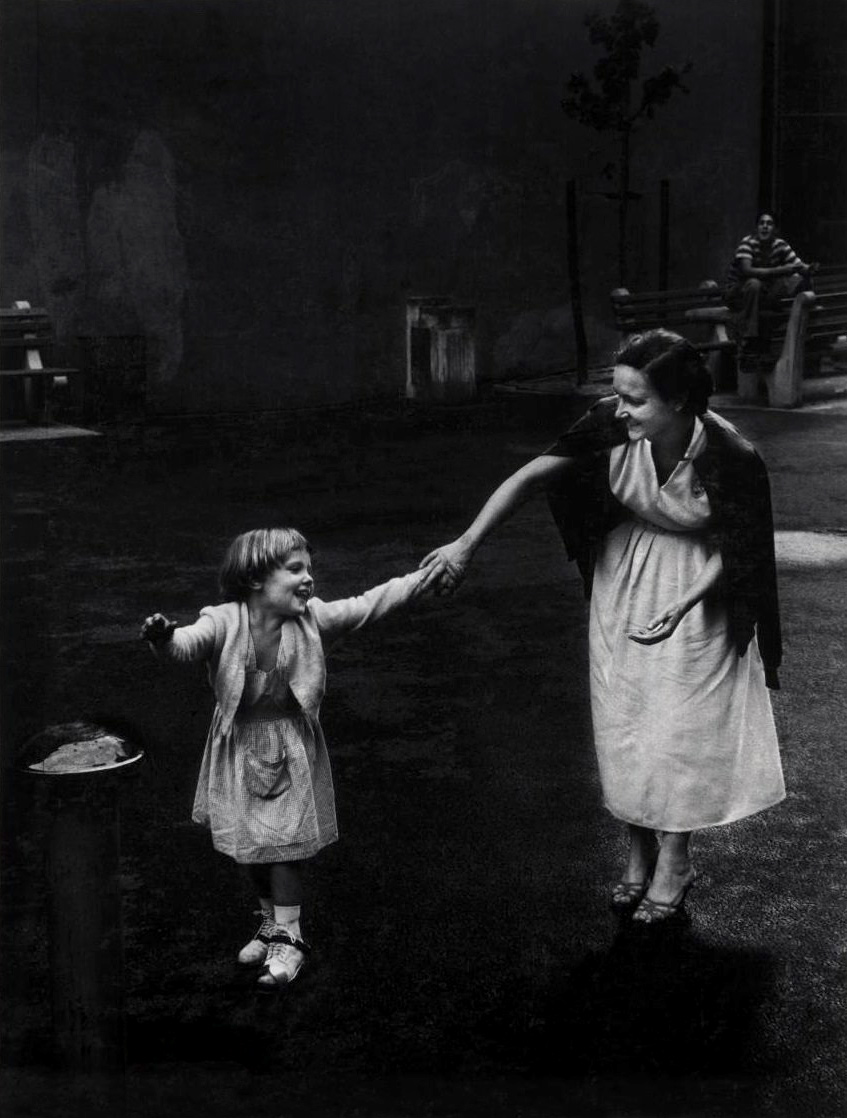
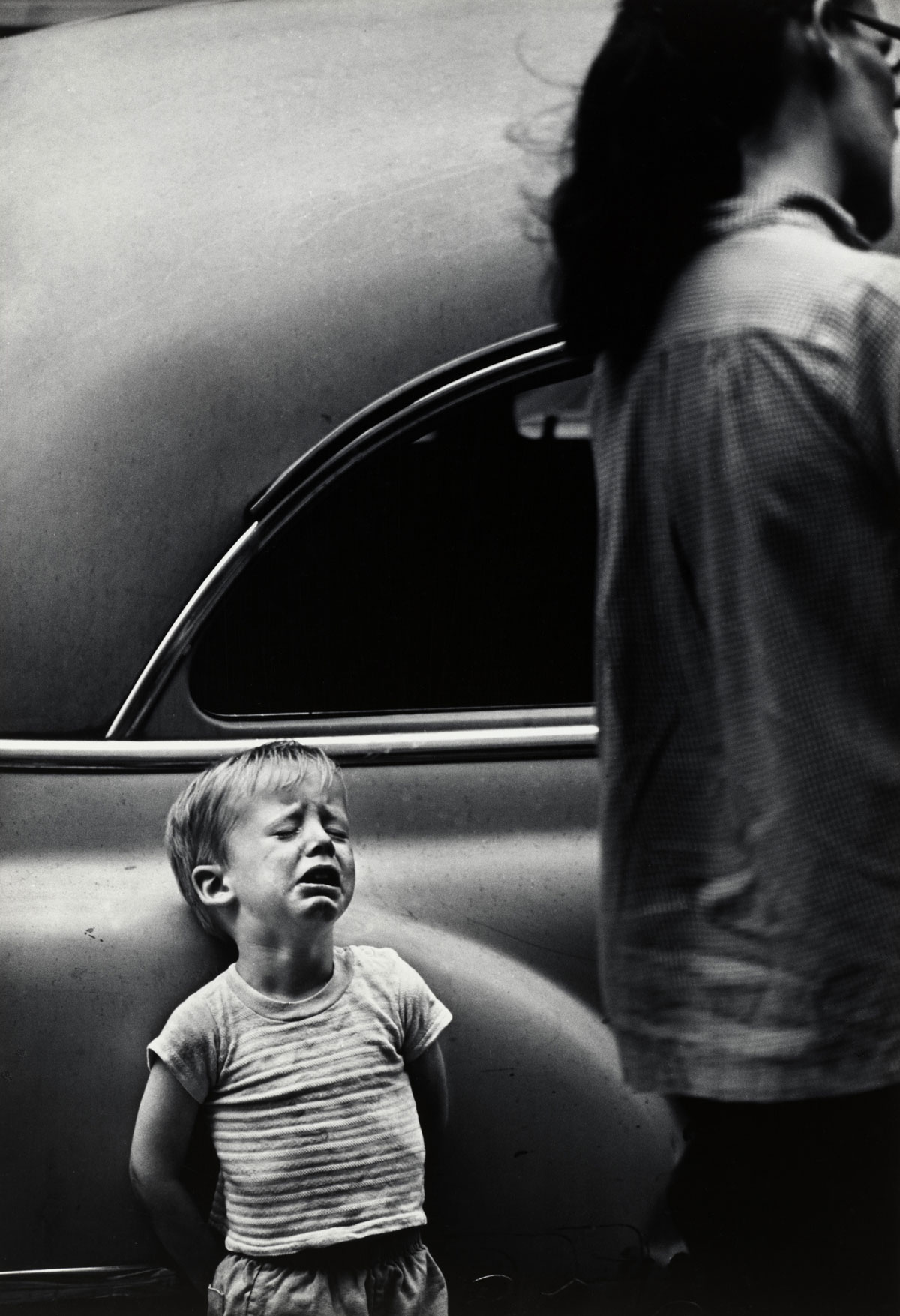
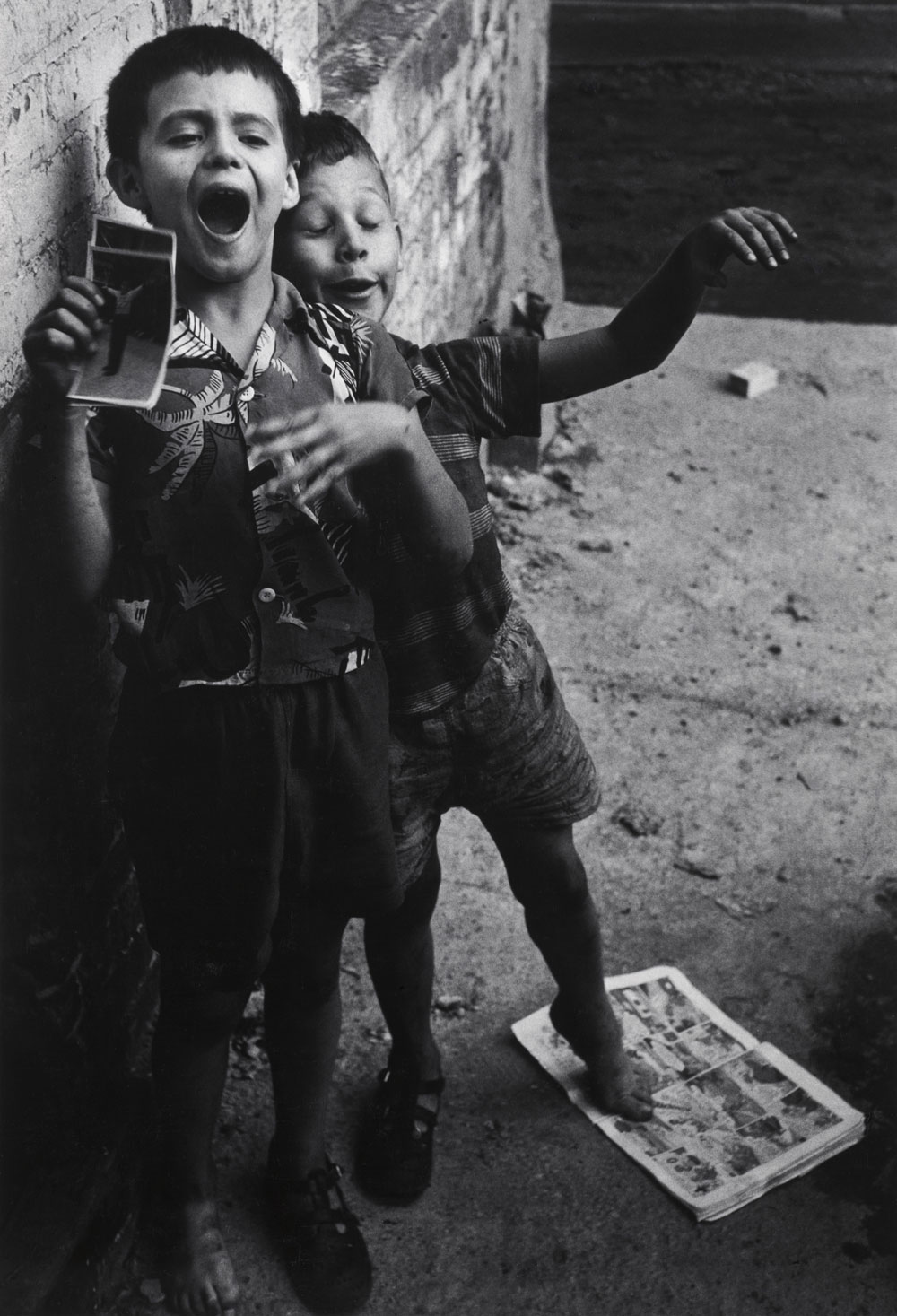
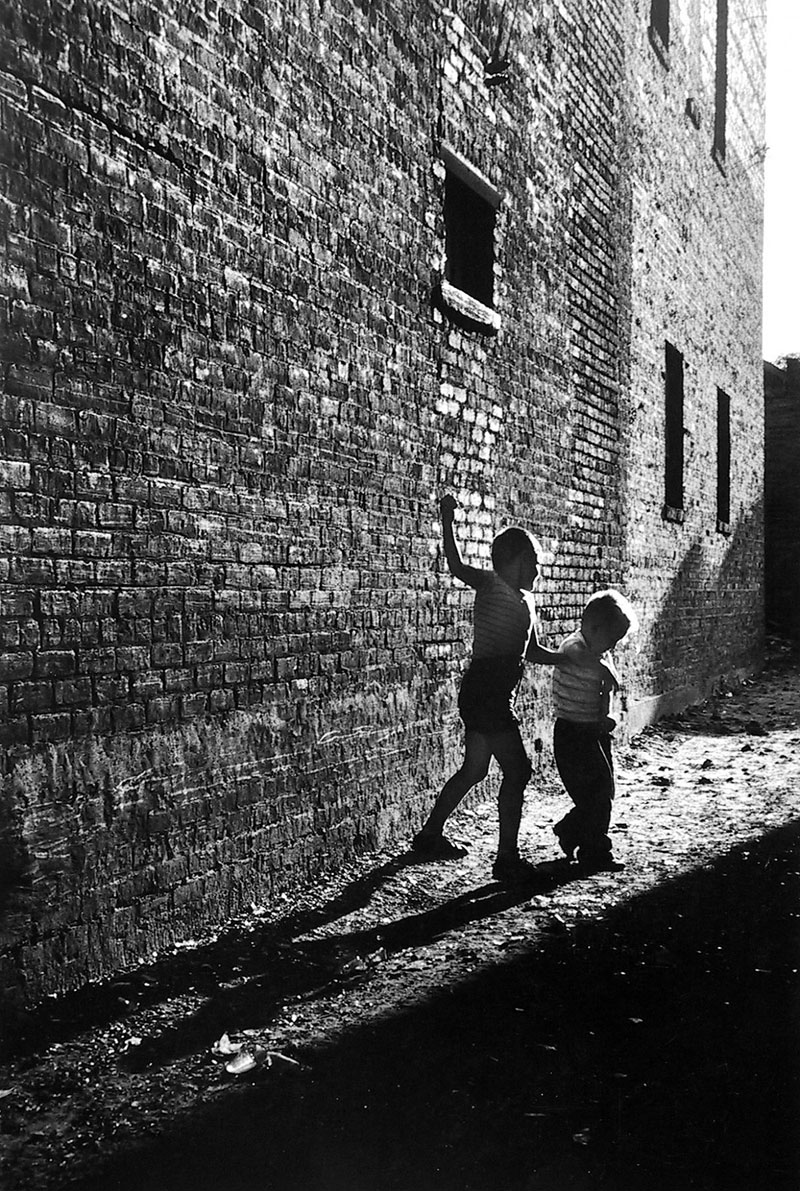
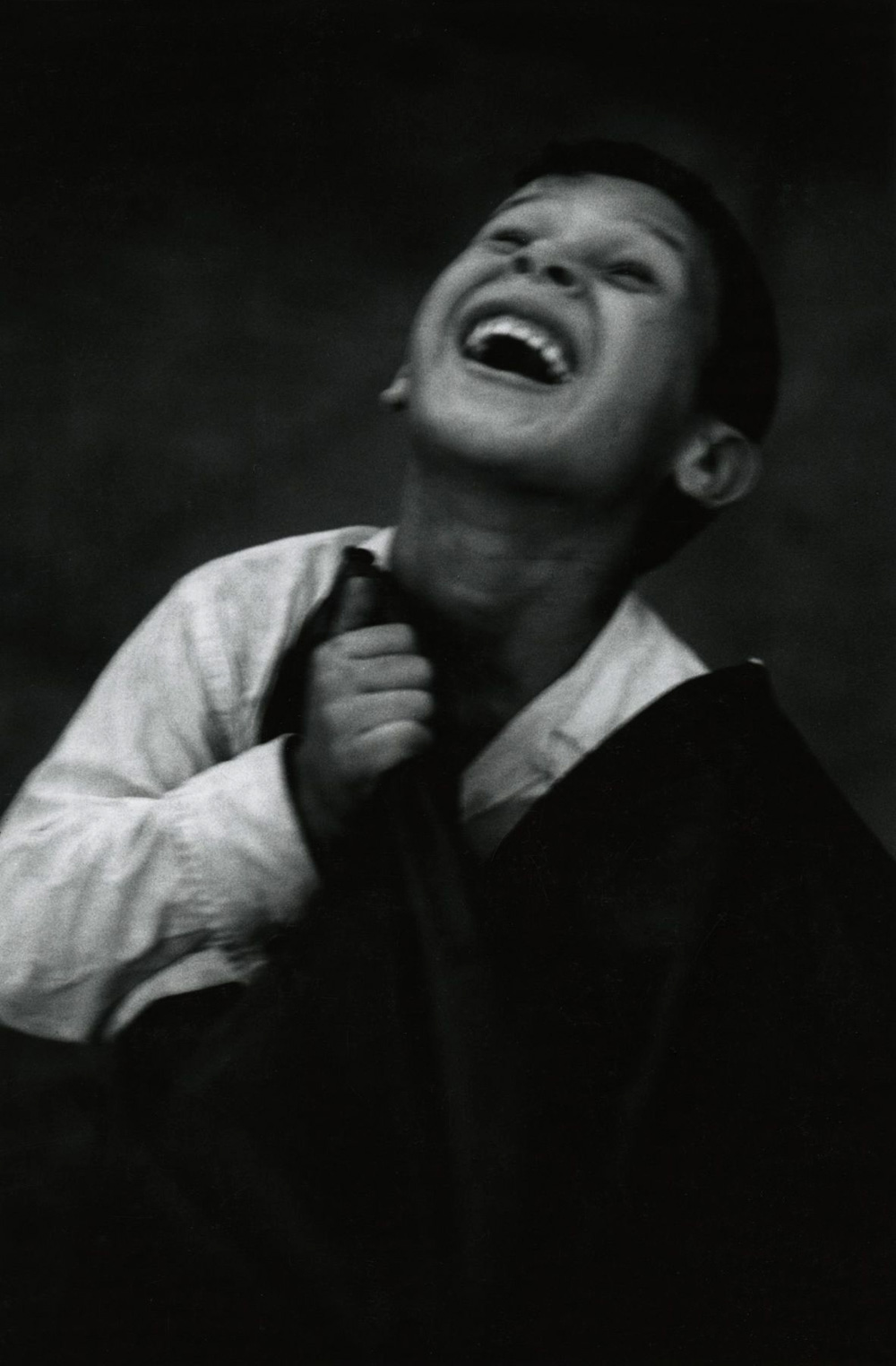
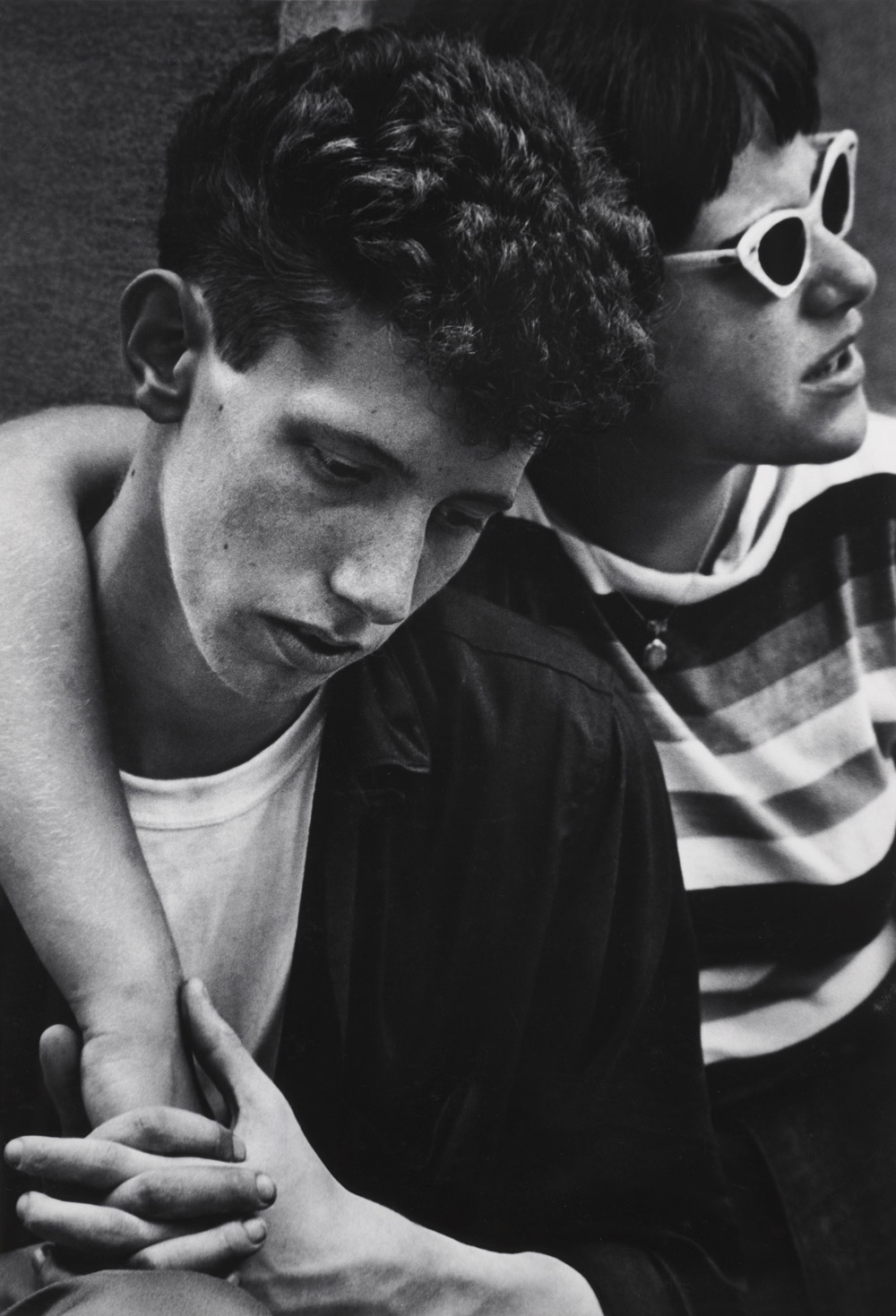
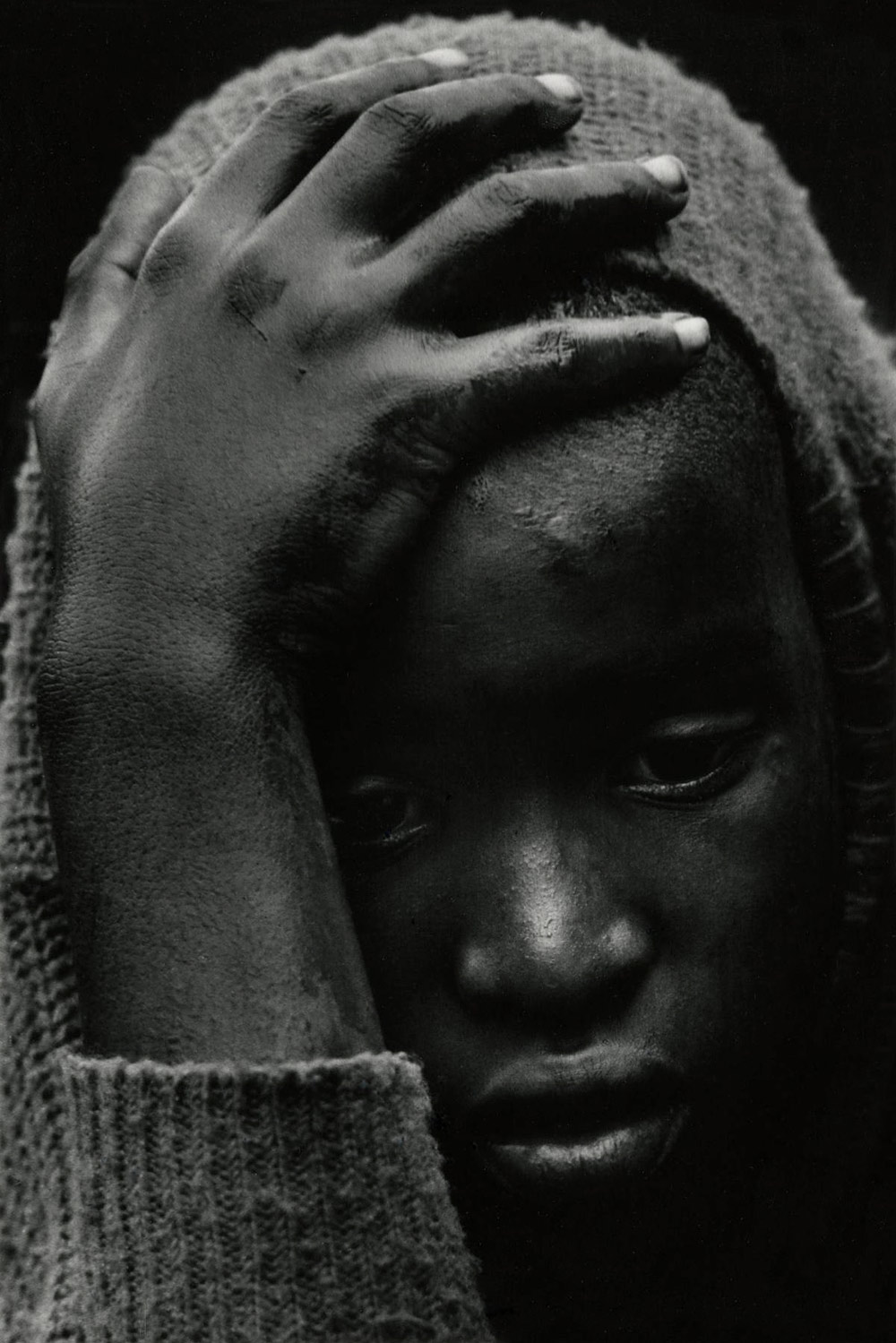
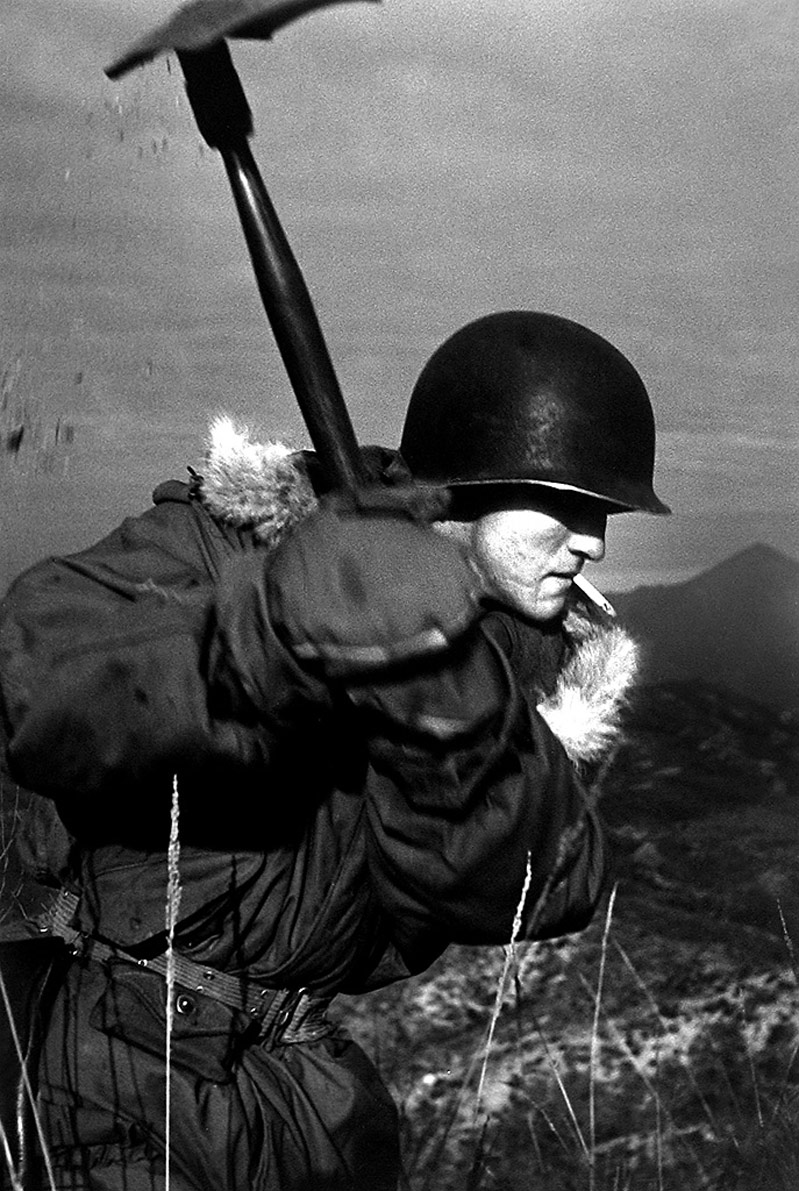


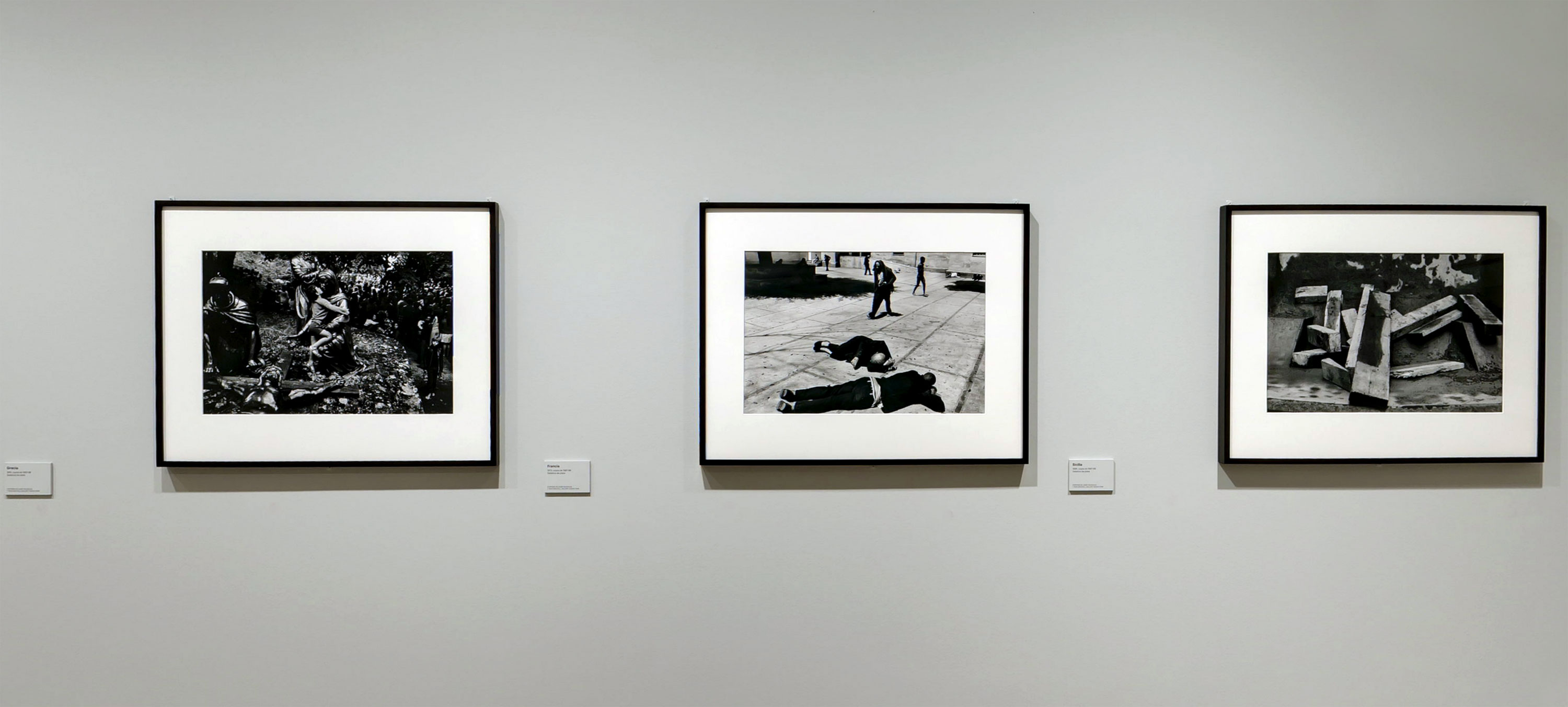


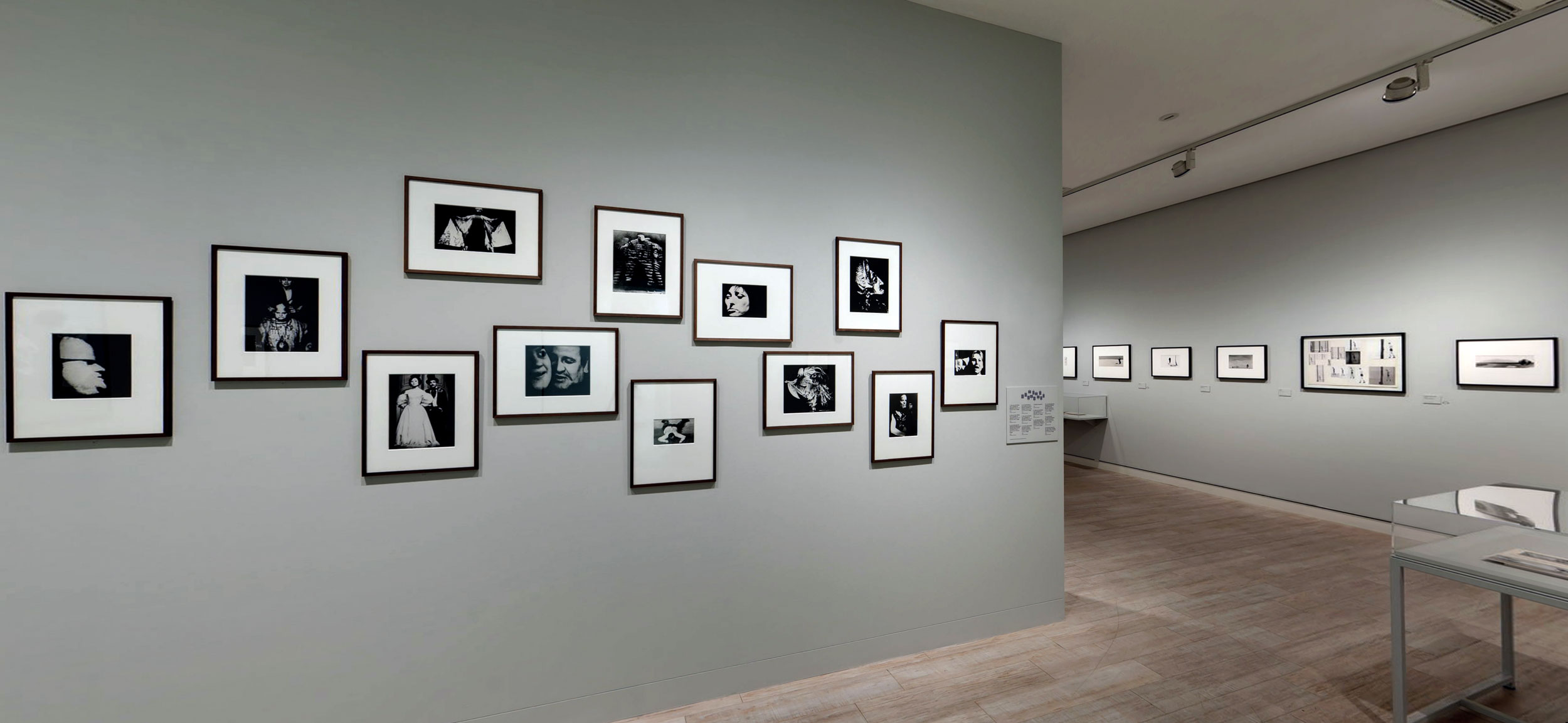
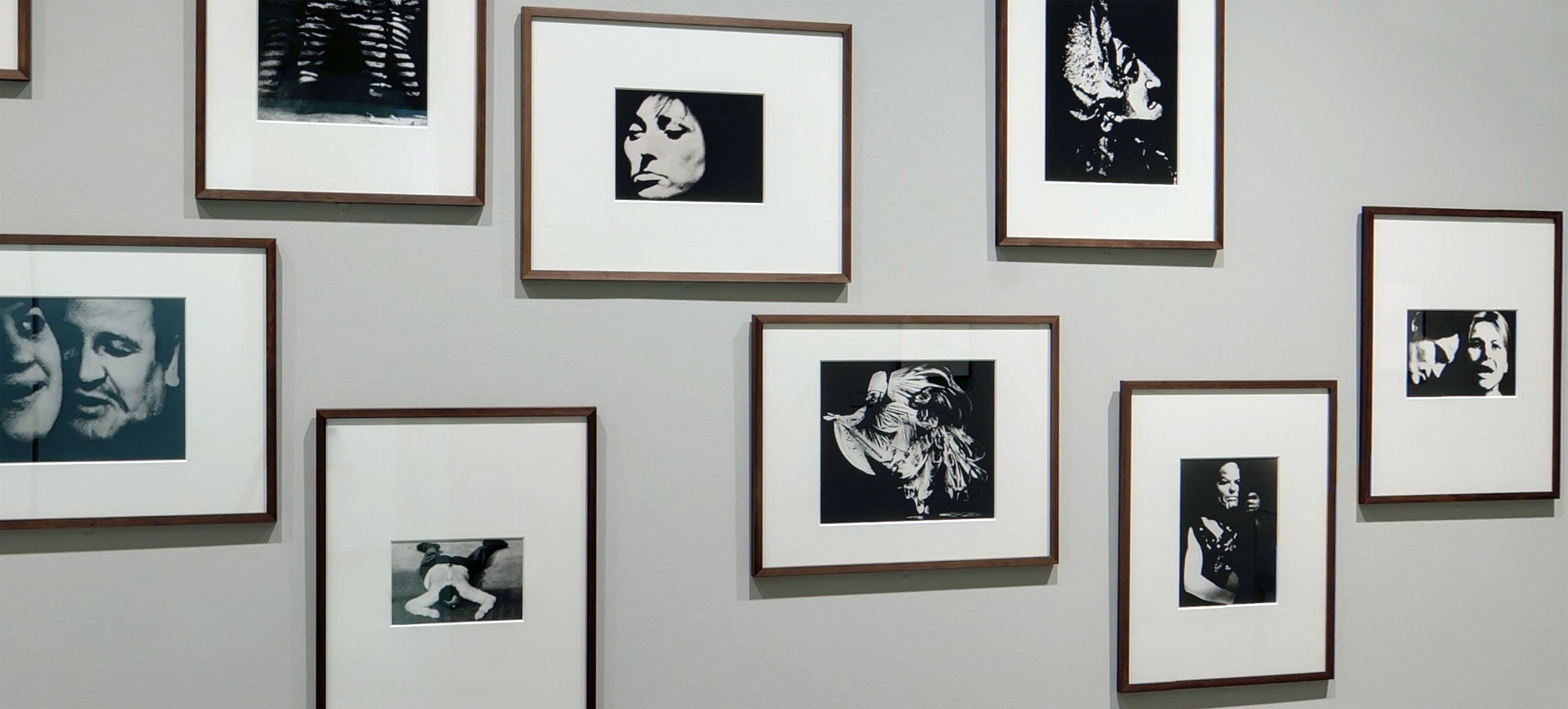
![Josef Koudelka (Czech-French, b. 1938) 'An Hour of Love by Josef Topol, Divadlo za branou [Theater behind the Door], Prague' 1968 from the exhibition 'Josef Koudelka: Uncertain Nationality' at Fundación MAPFRE, Madrid, Sept - Nov, 2015](https://artblart.com/wp-content/uploads/2015/11/par148634-web.jpg "Josef Koudelka (Czech-French, b. 1938) 'An Hour of Love by Josef Topol, Divadlo za branou [Theater behind the Door], Prague' 1968")


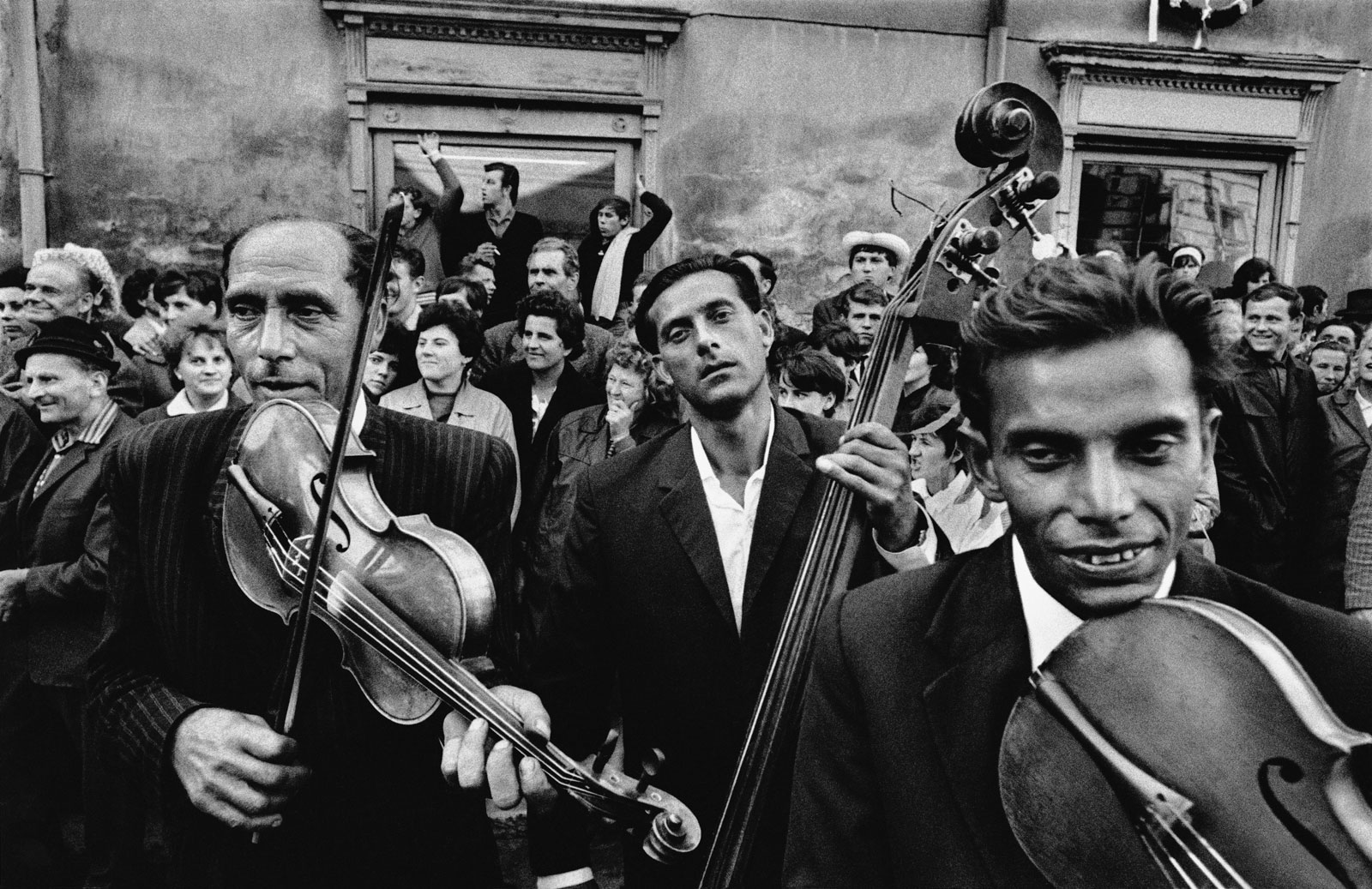
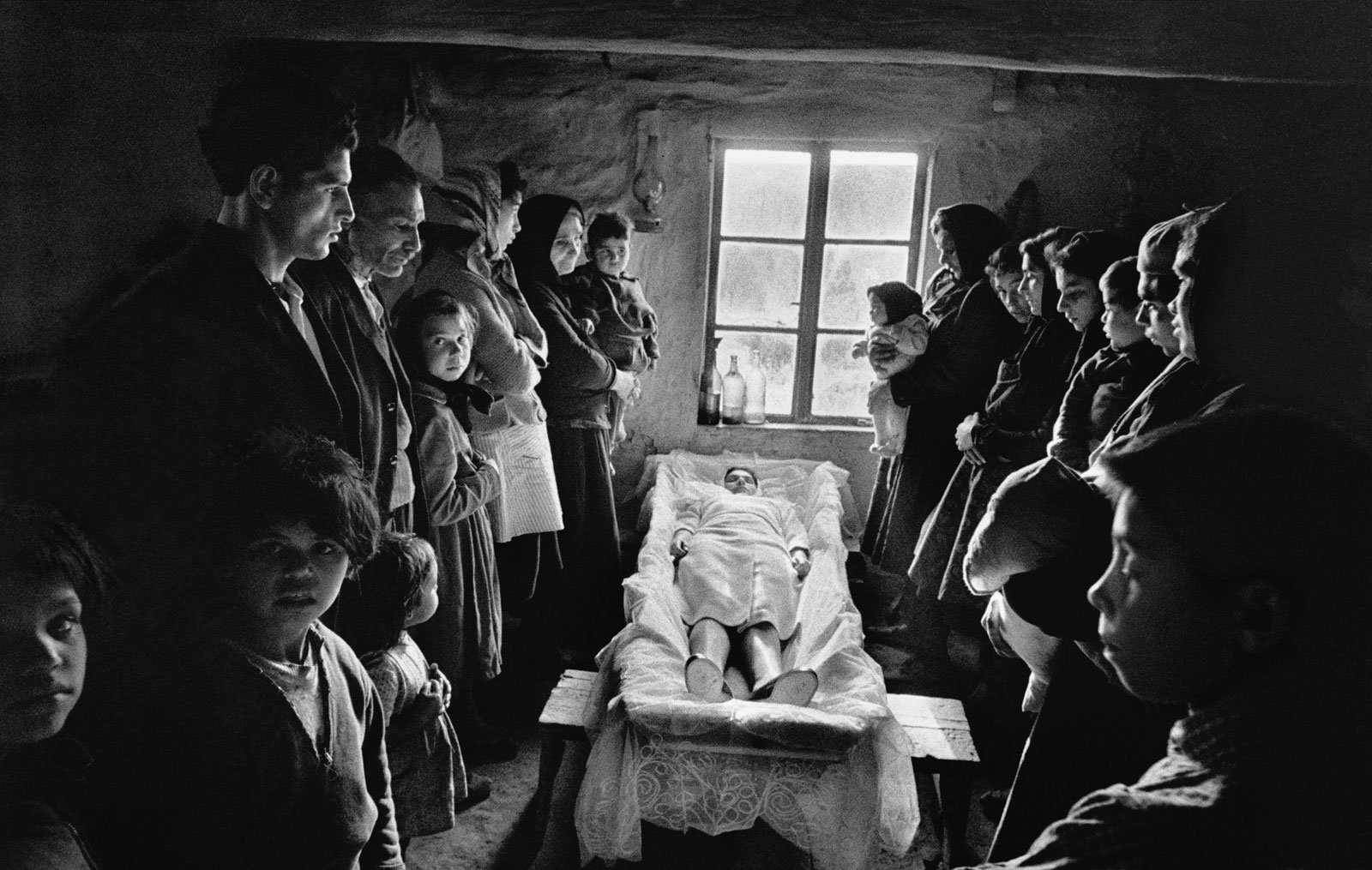

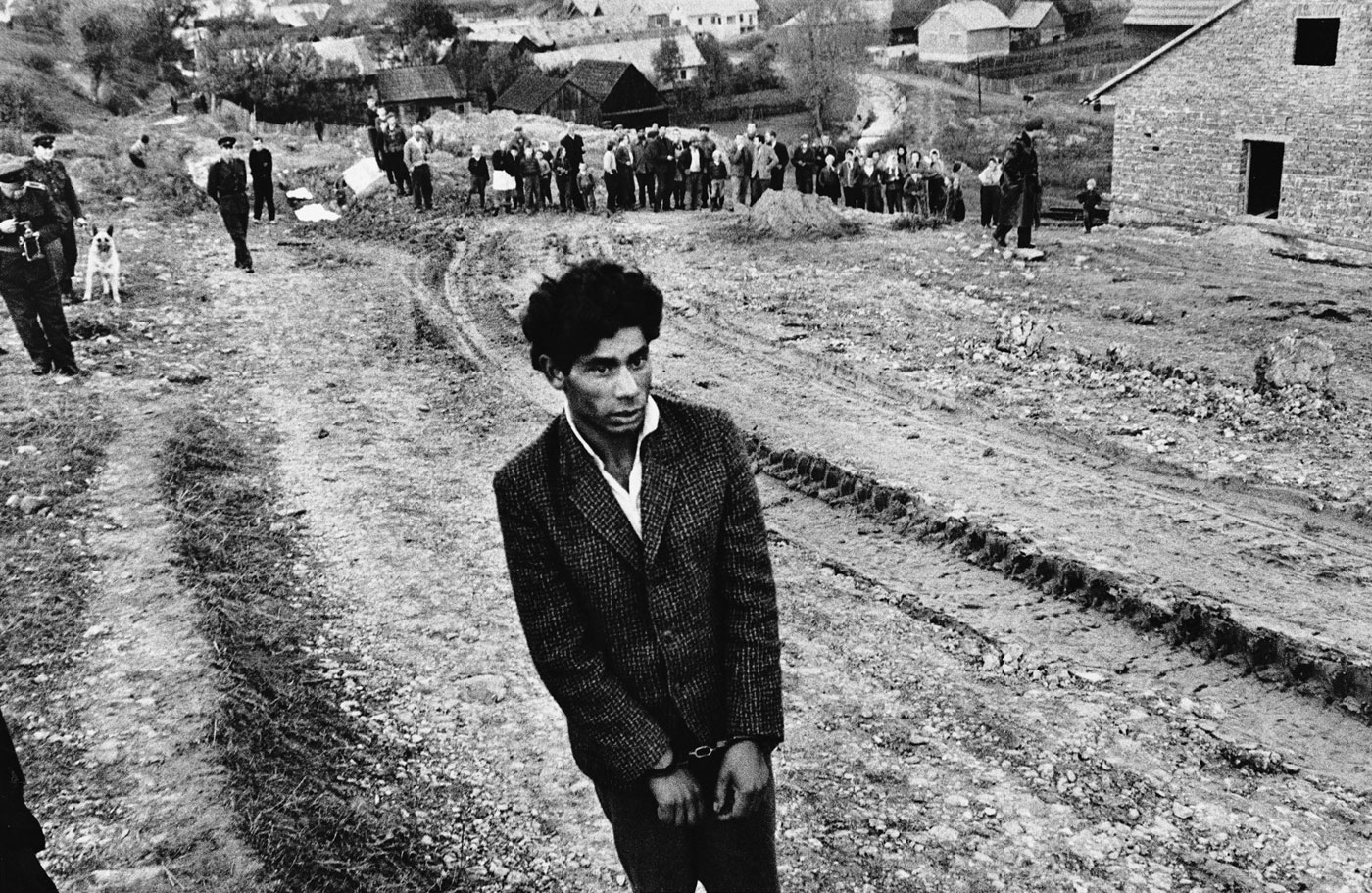

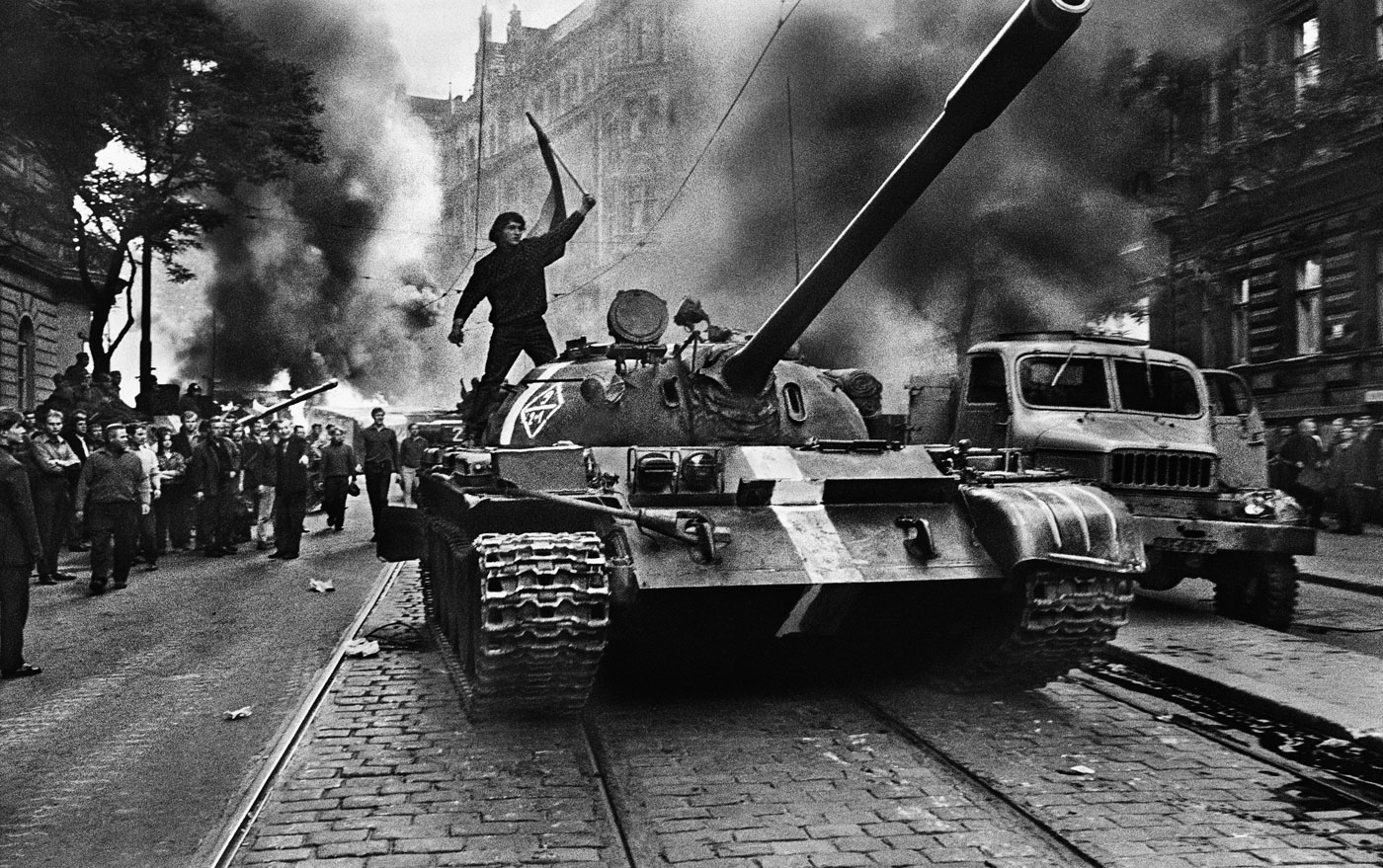
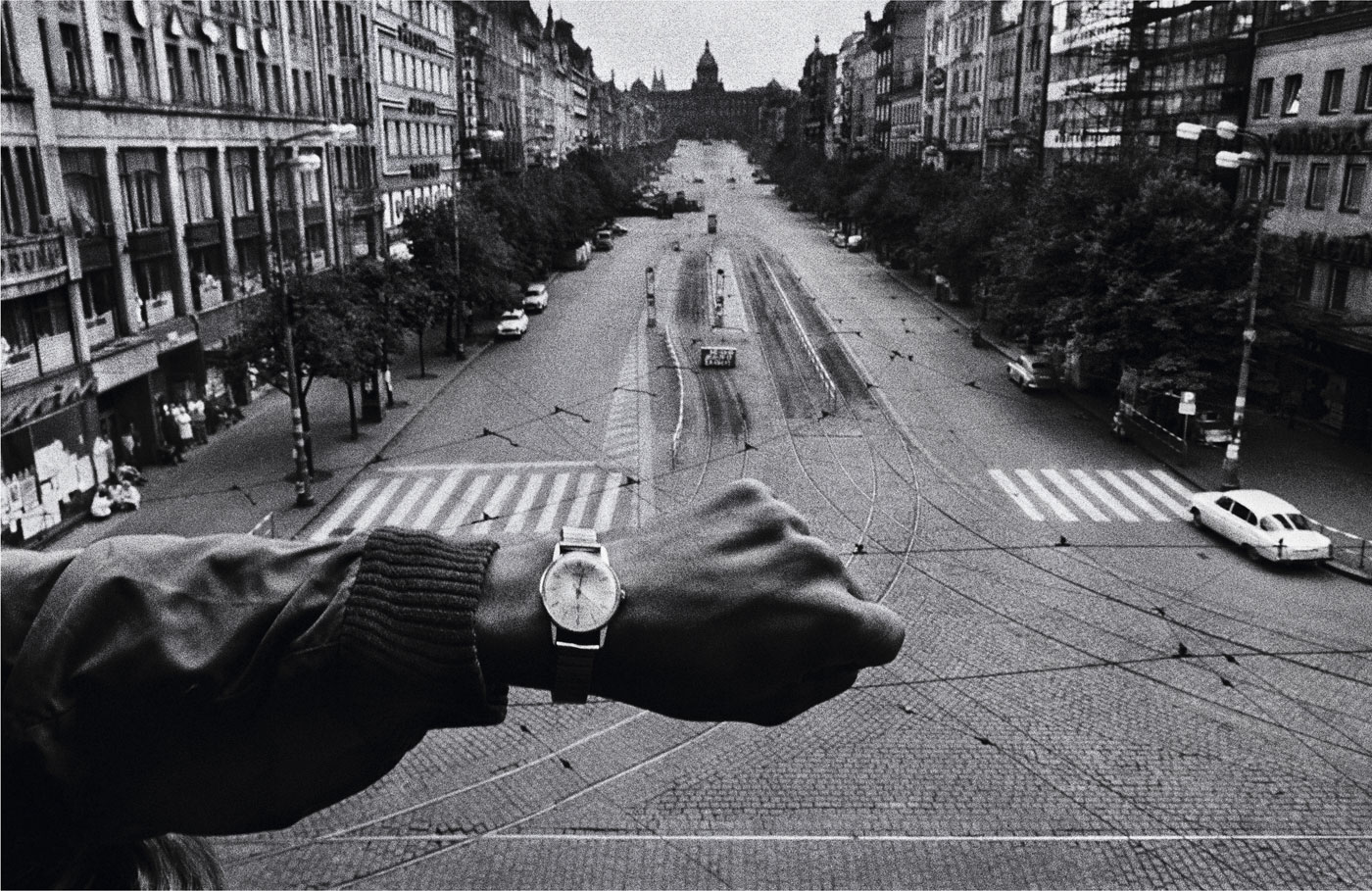
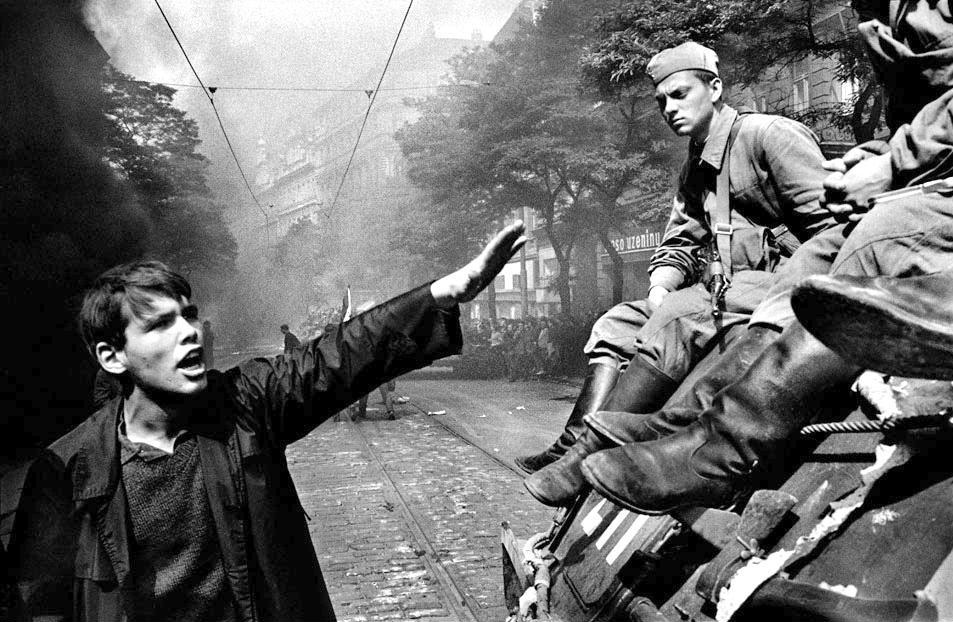


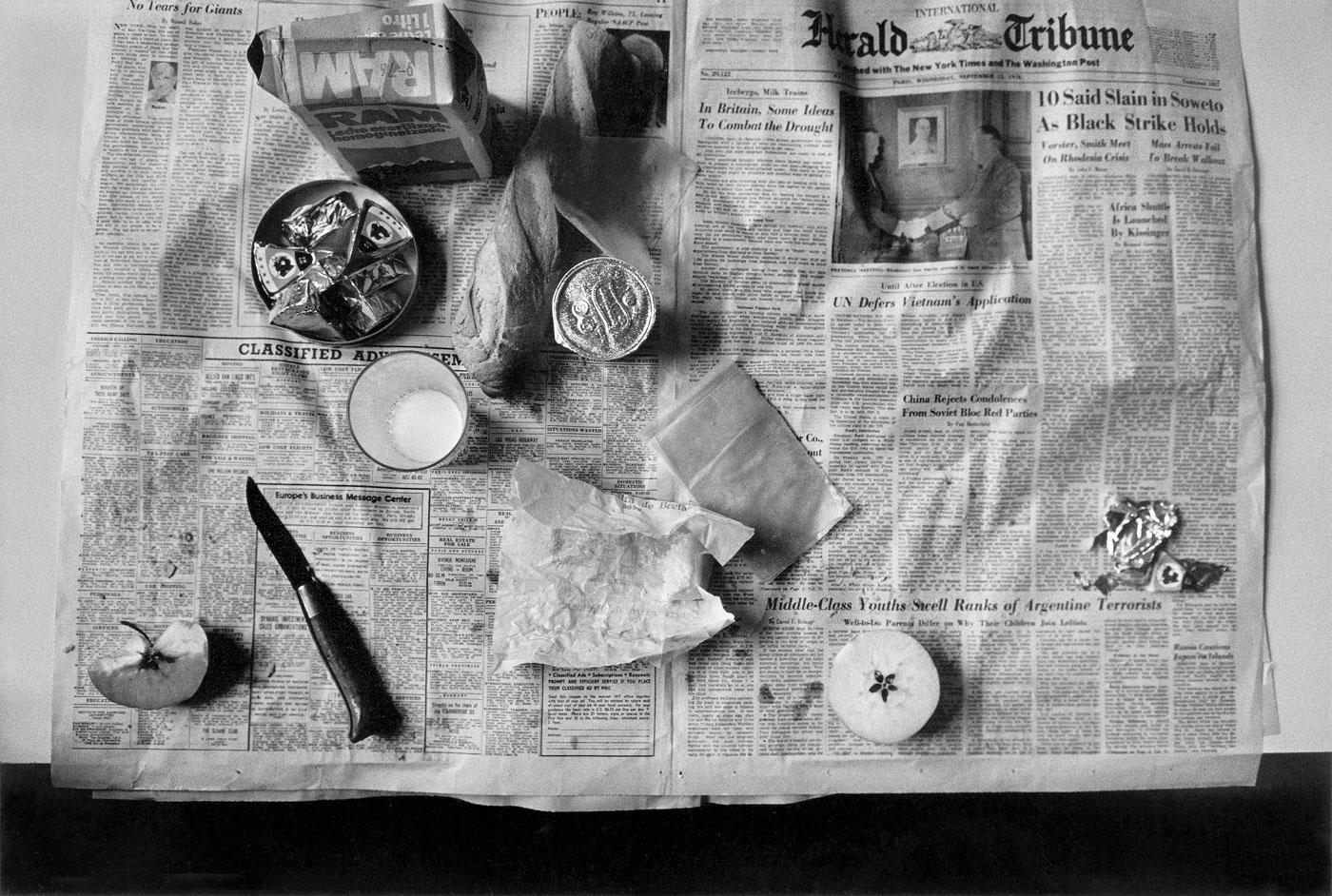
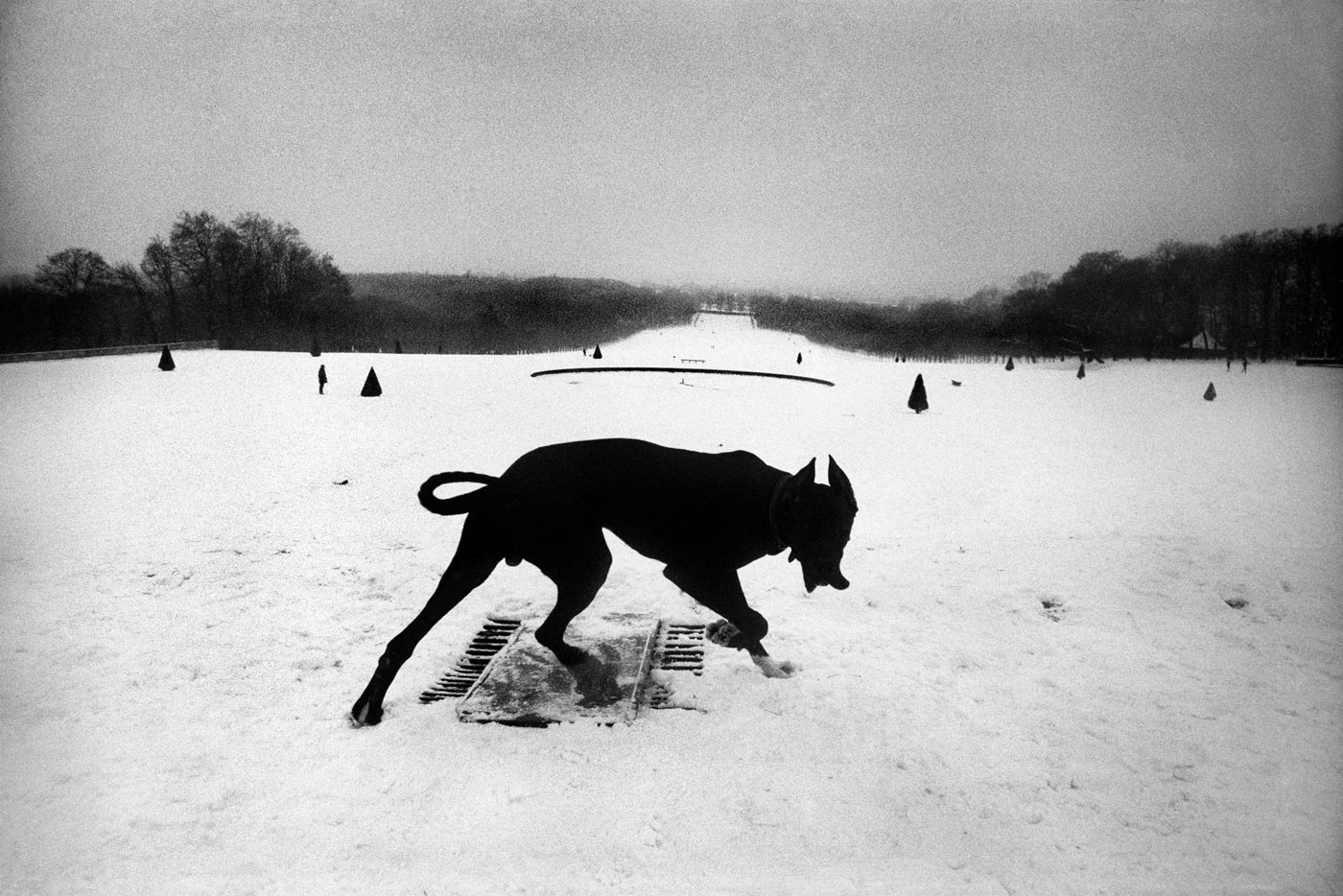


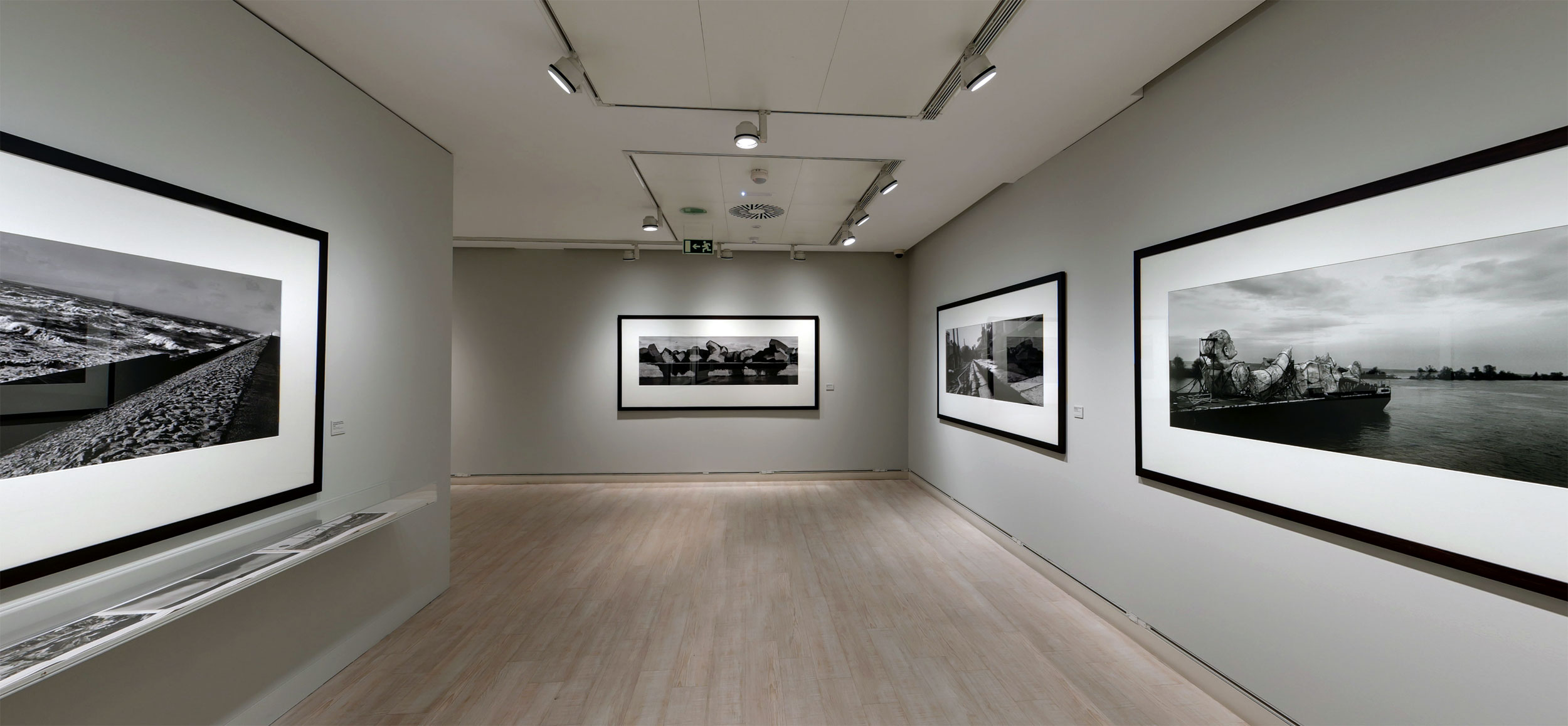
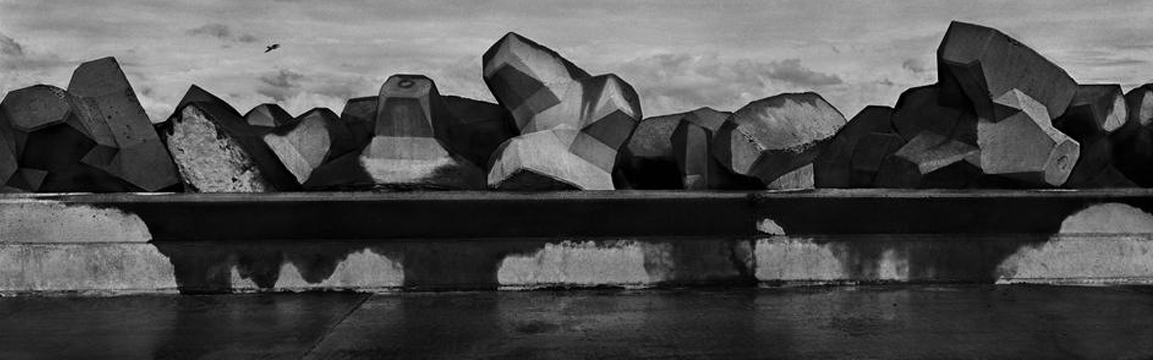

![Josef Koudelka (Czech-French, b. 1938) 'Israel-Palestine (Al 'Eizariya [Bethany])' From the series 'Wall', 2010](https://artblart.com/wp-content/uploads/2015/11/par383535-web.jpg "Josef Koudelka (Czech-French, b. 1938) 'Israel-Palestine (Al 'Eizariya [Bethany])' From the series 'Wall', 2010")

















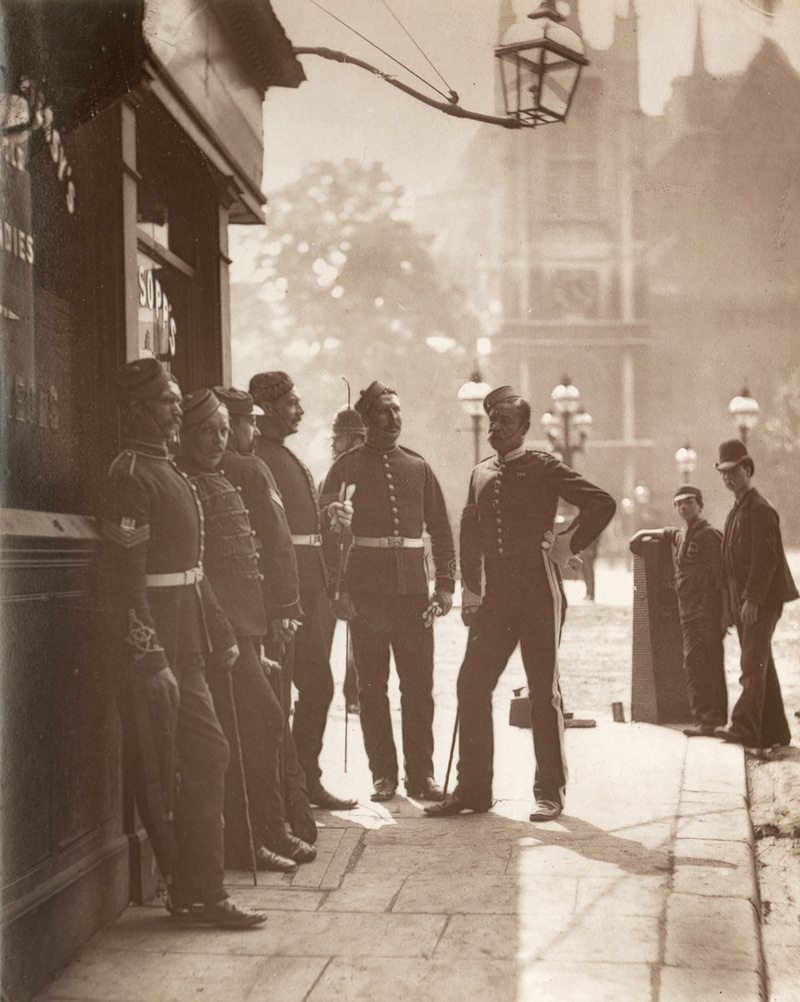


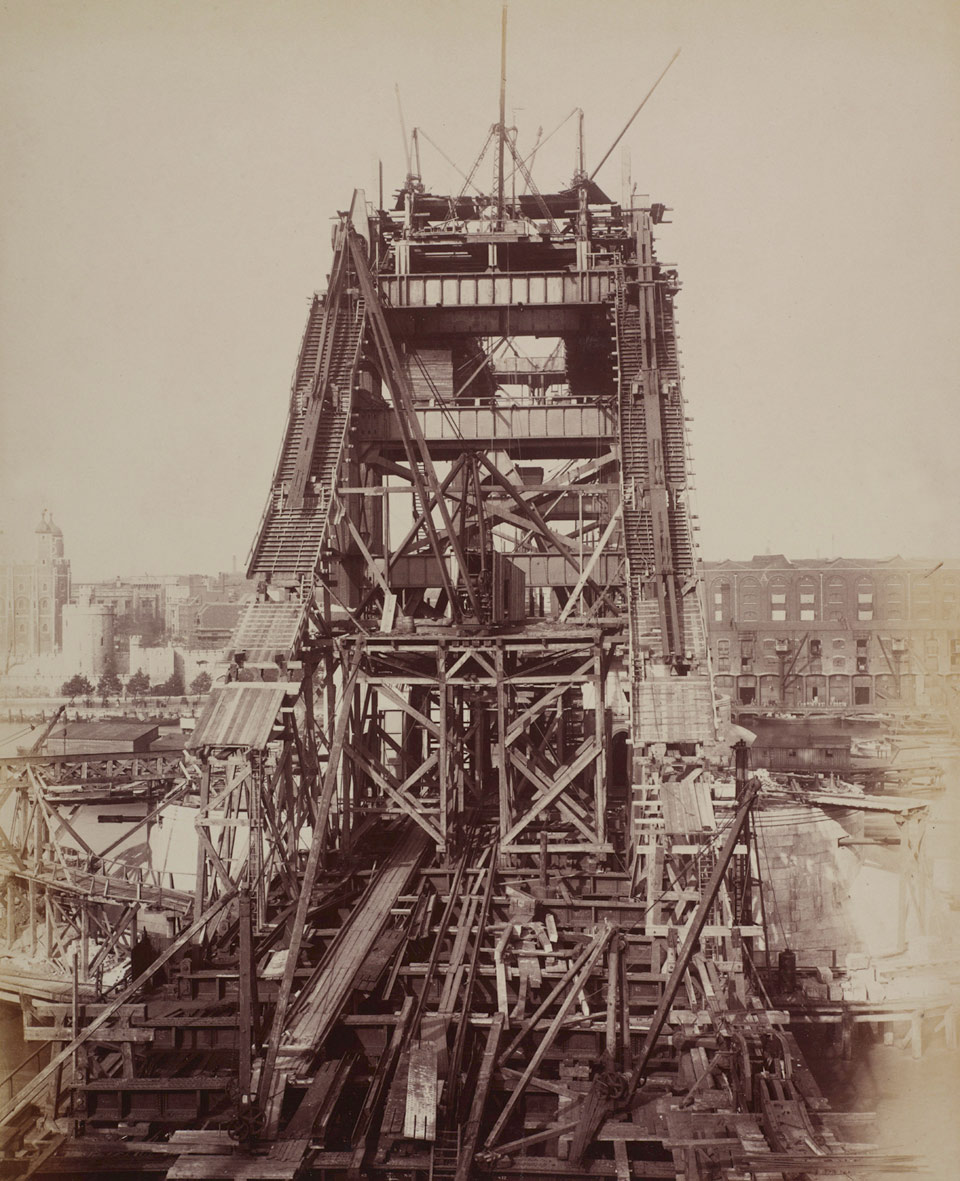


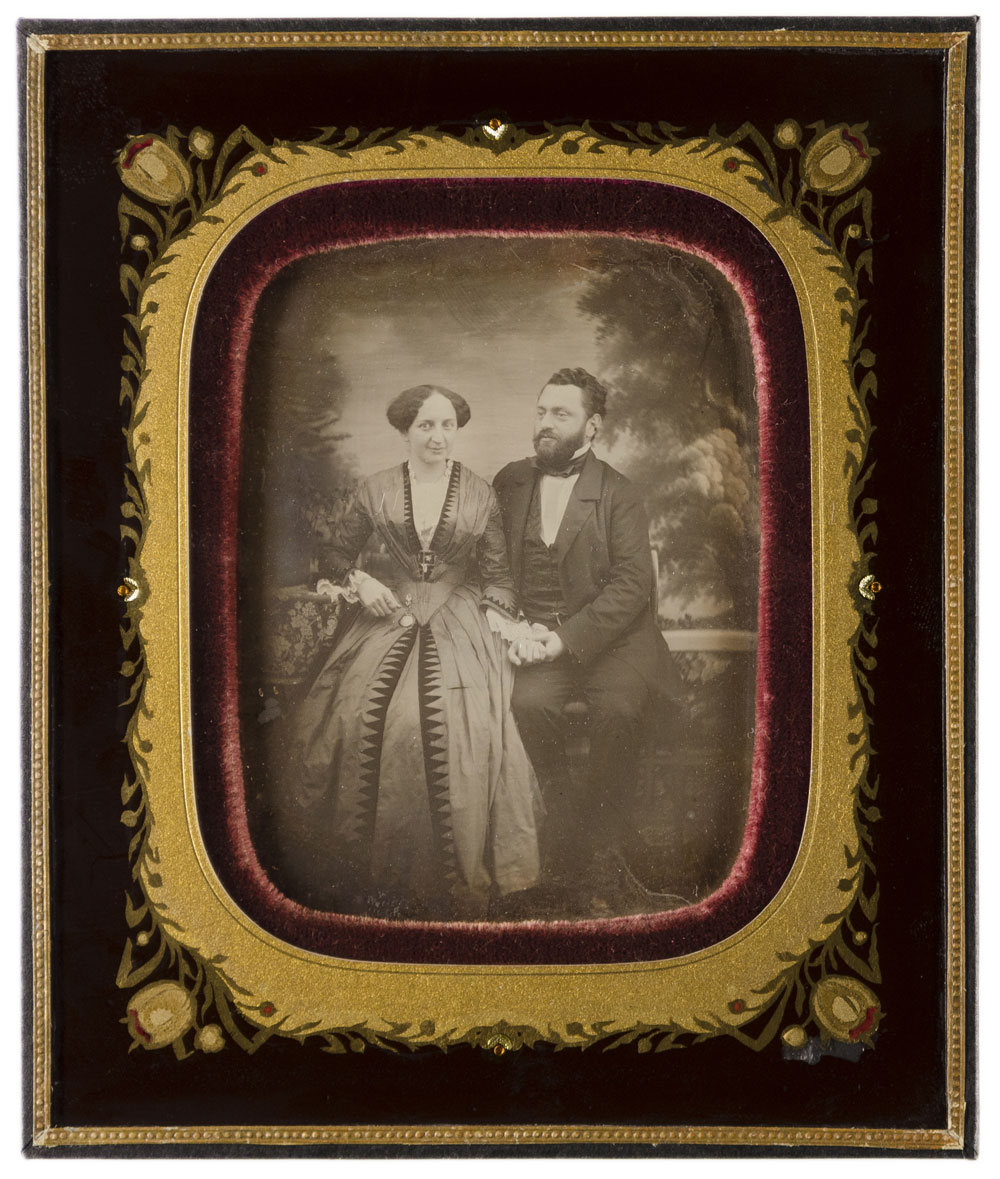


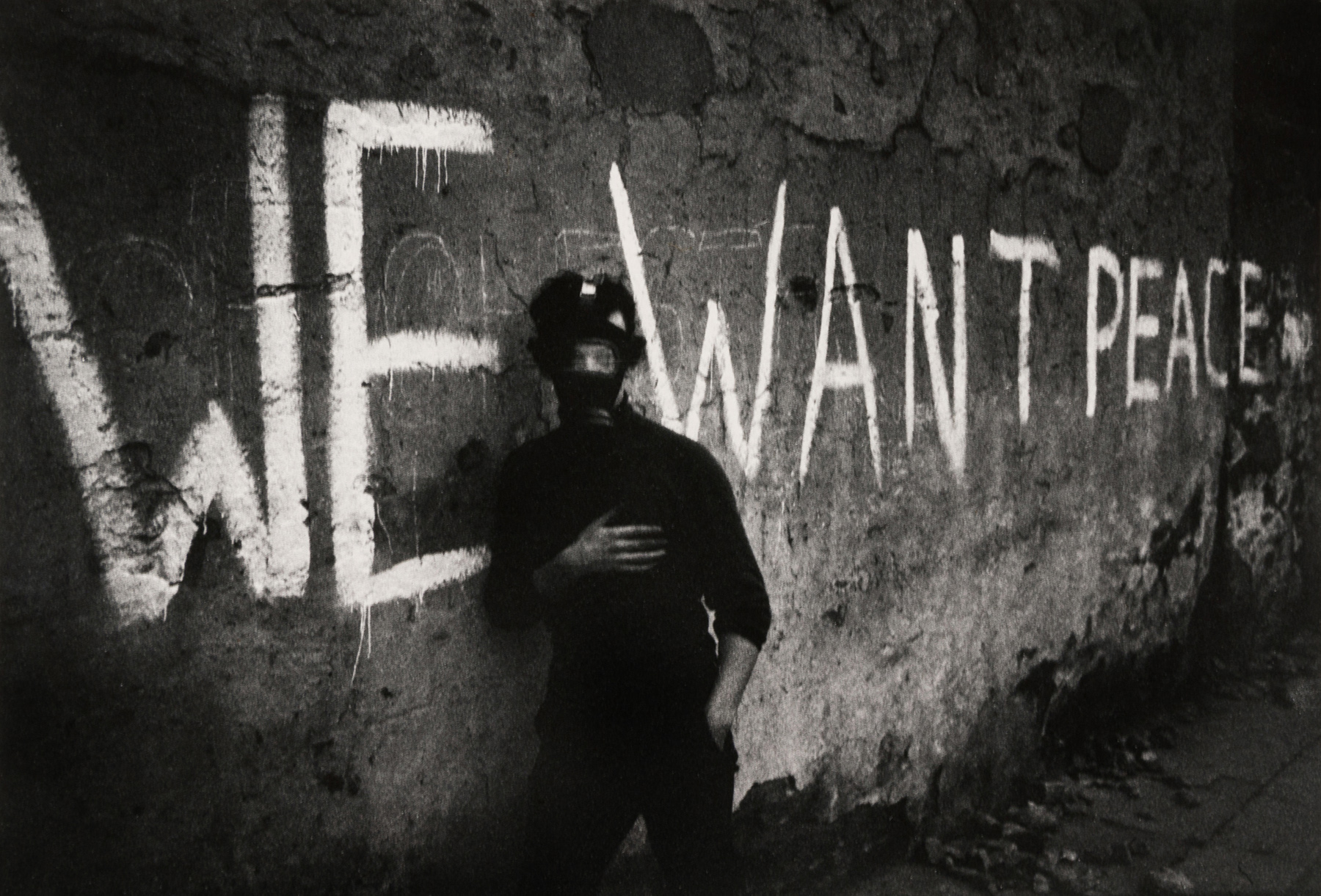






 Art Blart _ art and cultural memory archive
You must be logged in to post a comment.