“The photographs are beautiful, subtle, nuanced evocations to the fragility and enduring nature of life.” Dr Marcus Bunyan
Exhibition dates: 16th January – 9th February, 2013
Curator: the artist
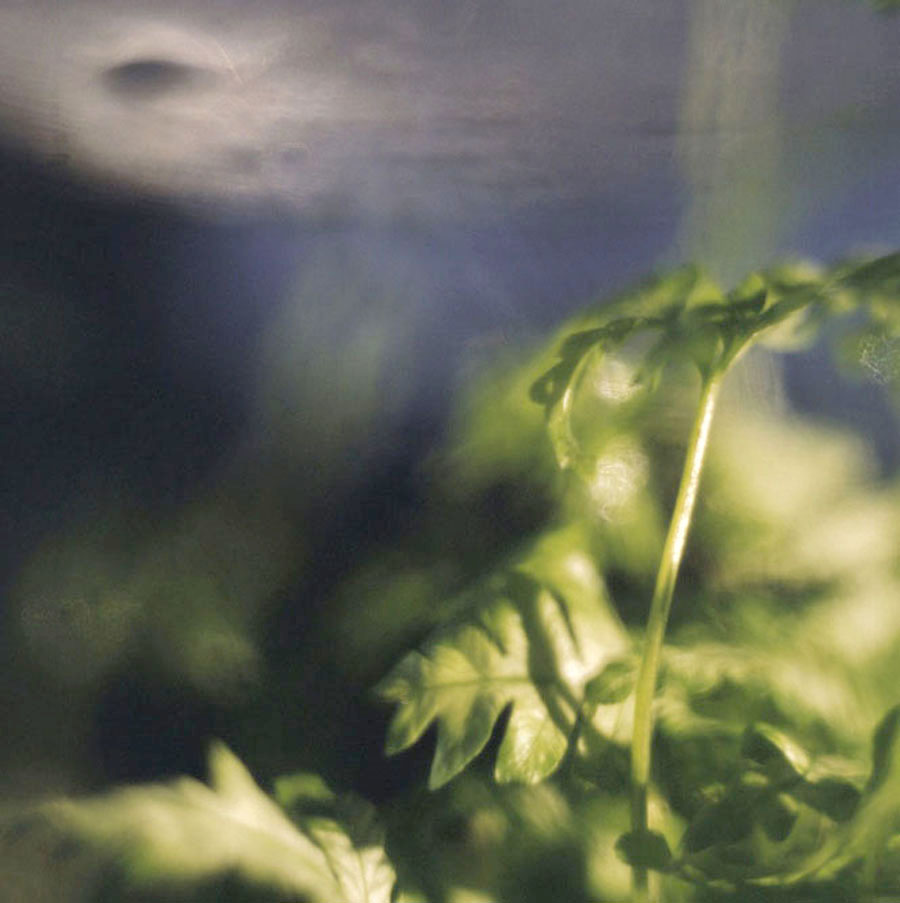
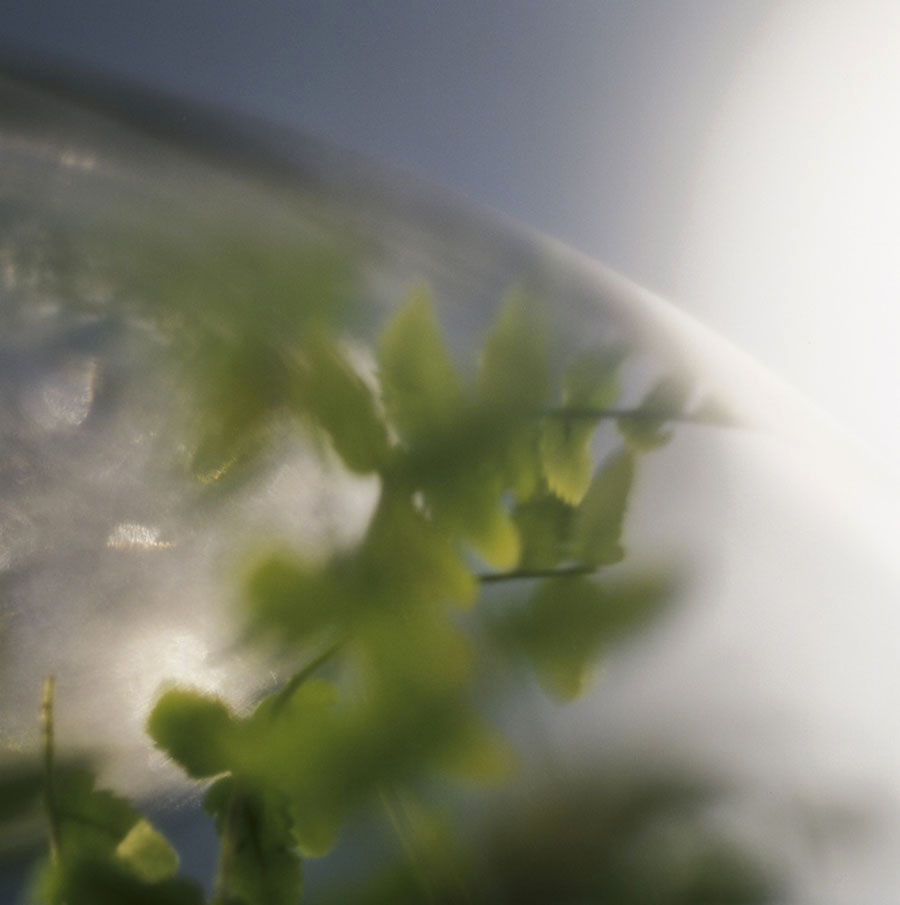
Darron Davies (Australian) Atmosphere 2012 Archival Pigment Print on Photo Rag 80 x 80cm Edition of 6
This is the first “magical” exhibition of photography that I have seen in Melbourne this year. Comprising just seven moderately large Archival Pigment Print on Photo Rag images mounted in white frames, this exhibition swept me off my feet. The photographs are beautiful, subtle, nuanced evocations to the fragility and enduring nature of life.
The photographs move (shimmer almost) one to another, with slight changes in the colour green balanced with abstract splashes of light and pigment reminiscent of an abstract expressionist painting (I particularly like the splash of red in The Red Shard, 2102, below). These are beautifully seen works, that require 1) a good idea, 2) an aware and enquiring mind, 3) an understanding and receptive eye, and 4) a relationship to the ineffable that allows visions such as these to be breathed into existence.
As Minor White would say,
Three Canons
Be still with yourself Until the object of your attention Affirms your presence
Let the Subject generate its own Composition
When the image mirrors the man And the man mirrors the subject Something might take over
A sense of day/dreaming is possible when looking at these images. Interior / exterior, size / scale, ego / self are not fixed but fluid, like the condensation that runs down the inside of these environments (much like blood circulates our body). This allows the viewer’s mind to roam at will, to ponder the mysteries of our short, improbable, joyous life. The poetic titles add to this introspective reflection.
I came away from viewing these magical, self sustaining vessels with an incredibly happy glow, more aware of my own body and its relationship to the world than before I had entered Darron Davies’ enveloping, terrarium world.
Dr Marcus Bunyan
Many thankx to Edmund Pearce Gallery for allowing me to publish the photographs in the posting. Please click on the photographs for a larger version of the image.
Darron Davies (Australian) Day’s Reach 2012 Archival Pigment Print on Photo Rag 80 x 80cm Edition of 6
Darron Davies (Australian) Encased 2012 Archival Pigment Print on Photo Rag 80 x 80cm Edition of 6
Terraria
I step into your small world Your secret world Each a planet of green
Fragile edges holding the lived and living
Peering into your glass your mirror I see the shards of light Drawing in and Stretching out
You are another In atmosphere In moss In fear
Terraria is a photographic project exploring the magical, abstract and metaphoric world of terrariums – an increasingly popular form of enclosed and small scale eco-system designed for showcasing plants.
Ultimately, Terraria is also about the fragility of life – terrariums as self contained vessels, enduring, magical – like the human body or our planet – yet somewhat mysterious. These vessels are self sustaining with no watering needed. They are independent and endure quietly. This project would not have been possible without support from Lisa Rothwell from Lu Lu Blooms.
Artist statement
Darron Davies (Australian) Heaven’s Door 2012 Archival Pigment Print on Photo Rag 80 x 80cm Edition of 6
Darron Davies (Australian) The Second Dream 2012 Archival Pigment Print on Photo Rag 80 x 80cm Edition of 6
Darron Davies (Australian) The Light Play 2012 Archival Pigment Print on Photo Rag 80 x 80cm Edition of 6
Darron Davies (Australian) The Red Shard 2012 Archival Pigment Print on Photo Rag 80 x 80cm Edition of 6
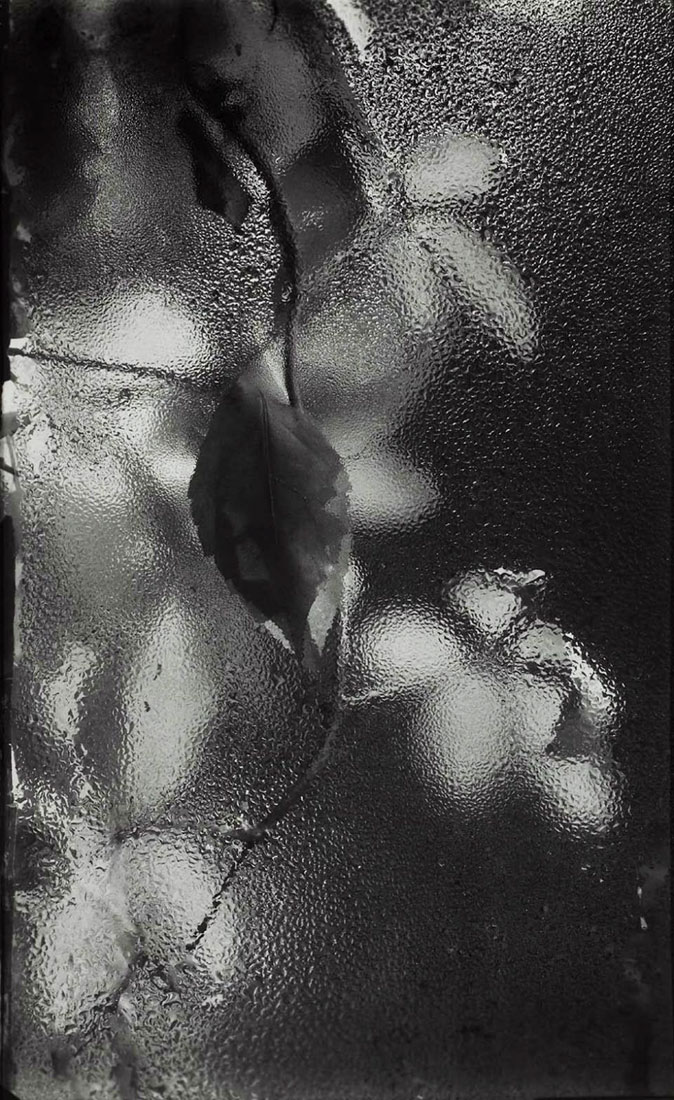
Josef Sudek (Czechoslovakian, 1896-1976) From the Window of My Atelier 1940 Gelatin silver print
“Bowery was a child of his time, a prescient, sentient being who was out there doing his thing, challenging the dominant paradigms of a patriarchal society.” Dr Marcus Bunyan
Curator: Nicola Bateman (Bowery’s widow and artistic collaborator) in close collaboration with the gallery team and the Estate of Leigh Bowery
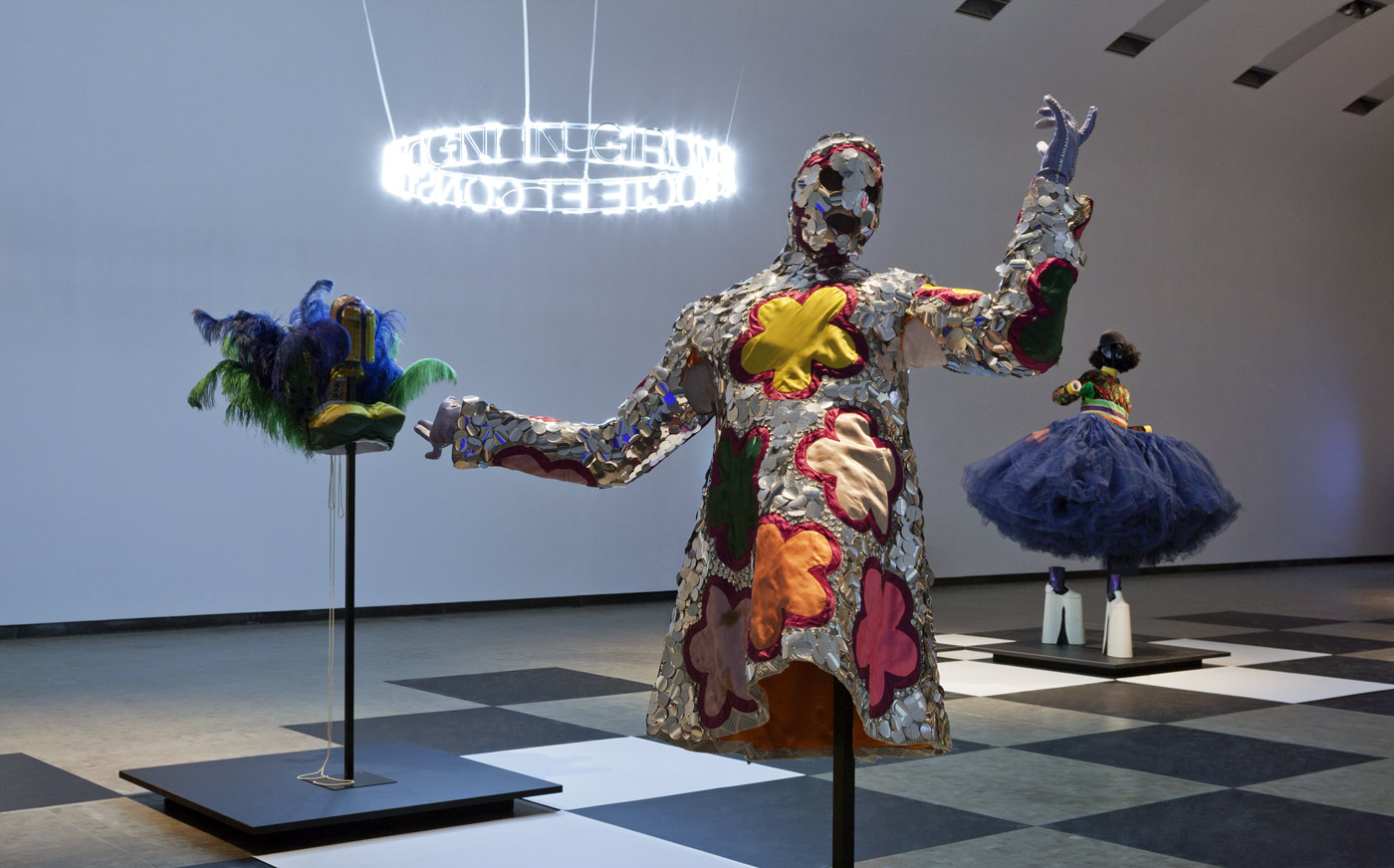
Installation view of XTRAVAGANZA. Staging Leigh Bowery, Kunsthalle Wien Foto: Stephan Wyckoff Kostüme: Leigh Bowery Kostümpräsentation: Klaus Mayr Courtesy Estate of Leigh Bowery
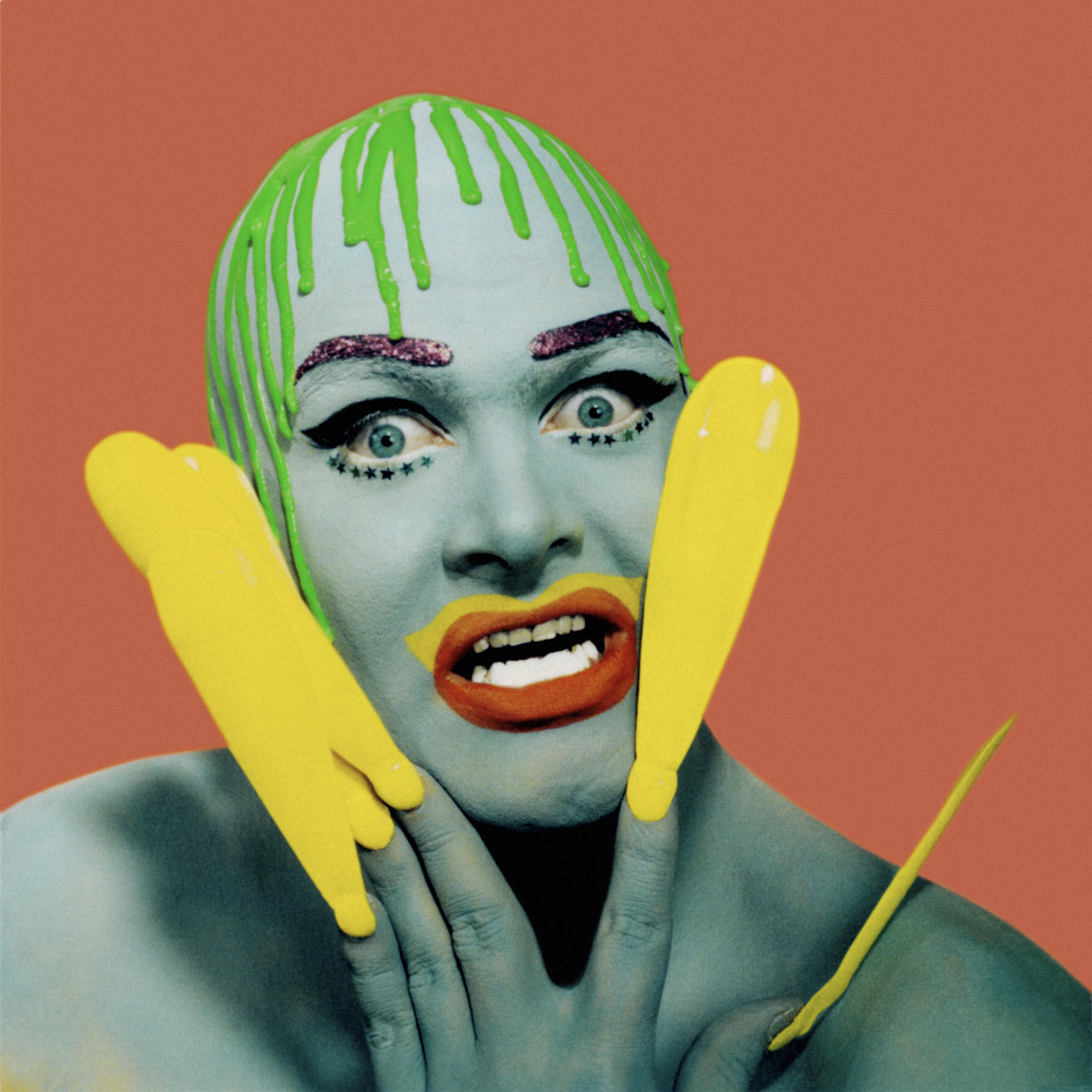
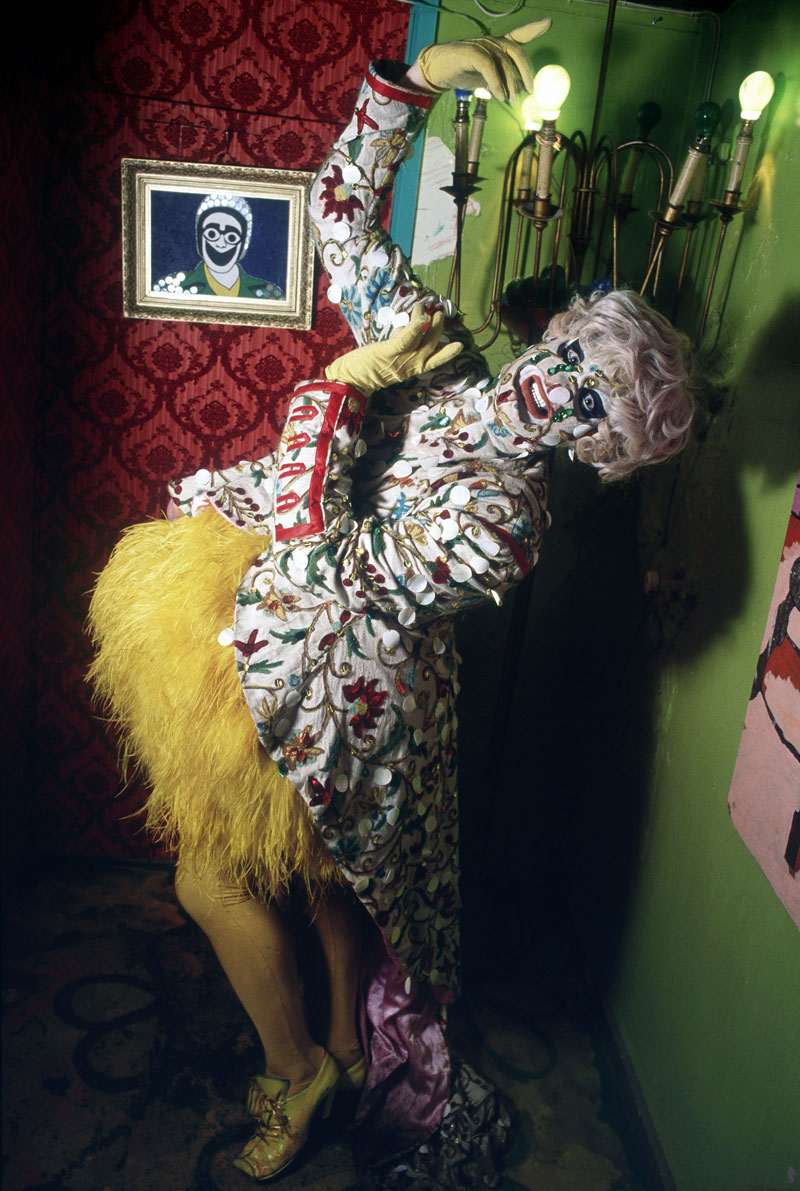
I can die happy now that I have had the opportunity to do a posting on this amazing man. He challenged social stereotypes turning his body into an every changing, ever challenging work of art. He used his body as a canvas and inscribed narratives upon it. He used these narratives to challenge the dominant discourse, offering himself as material evidence to facilitate new perspectives. His body became a performance, the self as performance, one that was not fully pre-determined, for you never knew what he would do next, what social outrage he would offer up.
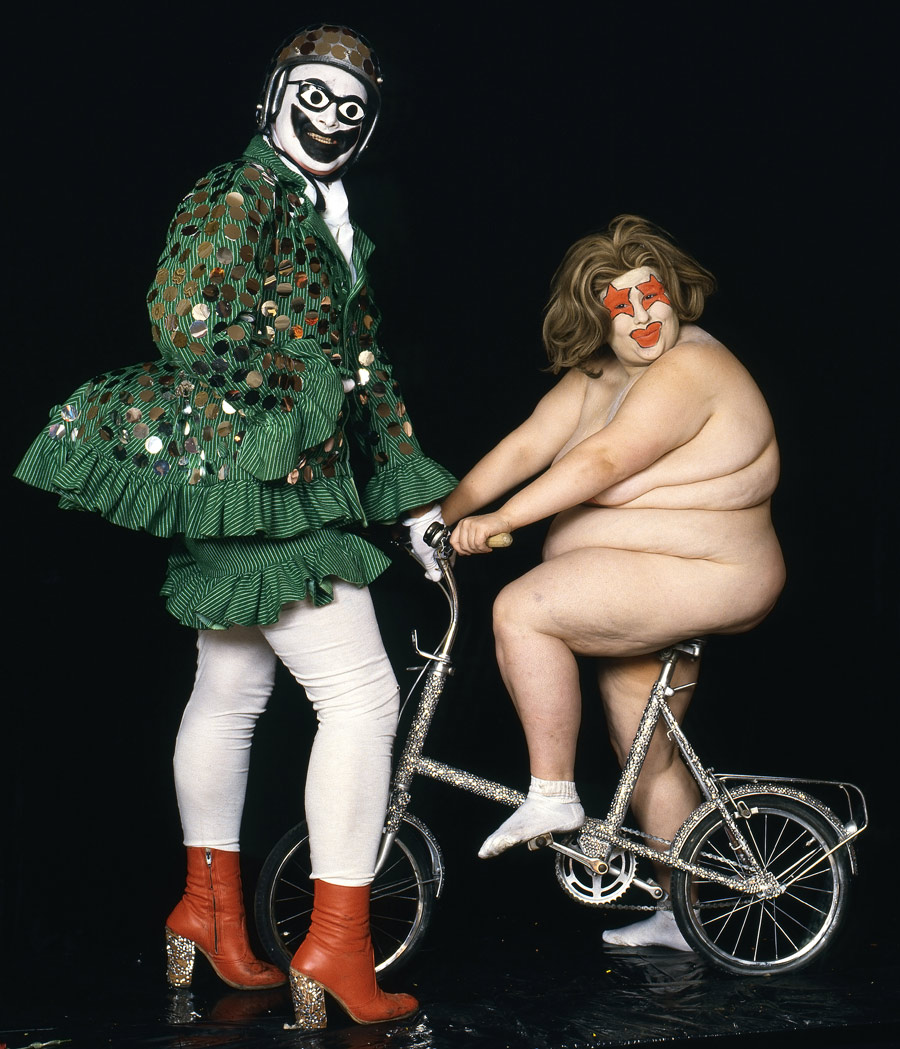
Through masks, makeup, wigs and body modification, Bowery confronted the viewer with an/other field of existence, one that promoted an encounter with the face of the other, causing an emotional response in the audience, the viewer. As Wendy Garden observes, “Being faced with another provokes a reaction: it makes an appeal, demands an engagement.”1 We cannot look away for we do not know what Bowery will do next. He used his large body, its bulk and presence to bring the viewer face-to-face with an/other. The magnification of his size and the emphasis and manipulation of his face, especially the mouth and eyes, rescales his presence in front of the viewer – at his performances, in the photographs of Bowery. For example, look at his creation Evening Wear – Andrew Logan’s 1986 Alternative Miss World (1986, below). Impossibly high and luridly coloured boots, leggings, a bustled and bedazzled jacket / skirt combo, crash helmet and the most maniacal black and white face you will ever see. Bowery unbalances the fixity of the single perspective and through his transgression destabilises the mastering gaze.
I was living in London at the time Leigh Bowery, Boy George, Marilyn and Divine were strutting their stuff in the nightclubs of London town. What a time. Maggie Thatcher (and I can hardly bring myself to type her name) was Prime Minister of a right wing Conservative government from 1979-1990, a period of social oppression of minorities, the breaking of the trade unions, the beginning of HIV/AIDS. Think Boy George’s famous song No Clause 28 that protested against a local government act that “shall not intentionally promote homosexuality or publish material with the intention of promoting homosexuality” or “promote the teaching in any maintained school of the acceptability of homosexuality as a pretended family relationship.”
Bowery was a child of his time, a prescient, sentient being who was out there doing his thing, challenging the dominant paradigms of a patriarchal society. He burned like a comet, bright in the sky, and then was gone all too early. But he will never be forgotten.
Dr Marcus Bunyan
1/ Garden, Wendy. “Ethical witnessing and the portrait photograph: Brook Andrew,” in Journal of Australian Studies Vol. 35, No. 2, June 2011, p. 261.
Many thankx to Kunsthalle Wien for allowing me to publish the photographs in the posting. Please click on the photographs for a larger version of the image.
“I believe that fashion (where all girls have clear skin, blue eyes, blonde blow-waved hair + a size 10 figure, and where all men have clear skin, a moustache, short blow-waved hair, a masculine physique + appearance) STINKS”
Leigh Bowery
The Legend of Leigh Bowery 2002
Installation view of XTRAVAGANZA. Staging Leigh Bowery, Kunsthalle Wien Foto: Stephan Wyckoff Kostüme: Leigh Bowery Kostümpräs: Klaus Mayr Courtesy Estate of Leigh Bowery; Cerith Wyn Evans, In Girum Imus Nocte Et Consumimur Igni, 2008 Courtesy Cerith Wyn Evans und White Cube
Installation view of XTRAVAGANZA. Staging Leigh Bowery, Kunsthalle Wien Foto: Stephan Wyckoff Kostüme: Leigh Bowery Kostümpräsentation: Klaus Mayr Courtesy Estate of Leigh Bowery
Werner Pawlok (German, b. 1953) Portrait Leigh Bowery 3 1988 Courtesy Werner Pawlok
“I think of myself as a canvas,” fashion pioneer Leigh Bowery once said about himself. If there were a formula to describe this enfant terrible who refused all categorisation throughout his life, this would be it: turning oneself into a work of art. Presenting himself in the most garish ways that defied all conventions and stylising himself as a walking work of art, Leigh Bowery, who was born in Australia in 1961, stirred up London’s sub-culture of the 1980s in the wake of post punk and New Romanticism. Being friends with stars of the scene like Michael Clark and Cerith Wyn Evans, he continuously reinvented himself on the manifold stages of the metropolis.
The show highlights Leigh Bowery’s life and work between fashion, performance, music, dance, and sculpture by presenting rarely exhibited costumes, numerous films, photographs, music videos, talk shows, and magazines. It approaches Bowery by way of artistic descriptions, reflections, and documentations in the work of friends, supporters, and colleagues, whose source of inspiration, entertainer, and muse he was: Bowery’s performative enactments oscillating between masquerade and radical self-expression were captured by filmmakers such as Charles Atlas, Dick Jewell, Baillie Walsh, and John Maybury. It took Fergus Greer a number of sessions that stretched over six years to shoot the legendary photo series Looks. As Charles Atlas’s Teach shows, Leigh Bowery developed his unmistakable outfits, gestures, and poses in multiple forms of self-reflection under his companions’ critical eye. Bowery’s one-week performance in the Anthony d’Offay Gallery in London (1988) involved a two-way mirror: while the public could watch Leigh Bowery changing his outfits for hours on end, he saw only his own mirror image and remained inescapably confronted with himself and his movements. Though Bowery claimed that he had had to fight his shame initially and hid his room-filling physique behind conspicuous materials such as tulle, glitter, paint, and satin, his performances were anything but embarrassing: “The rest of us used drag and make-up to disguise our blemishes and physical defects. Leigh made them the focal point of his art,” Boy George once remarked. The nightclubs of London provided Bowery with catwalks on which to flaunt his visions of himself and let him always come out on top in terms of maximum attention. Lucian Freud, the British prince of painters, took great pleasure in Leigh Bowery’s fascinating personality and the fullness of his naked body. Bowery became one of his most important models, and the artist depicted him as he could never be seen in public: natural, intimate, and vulnerable.
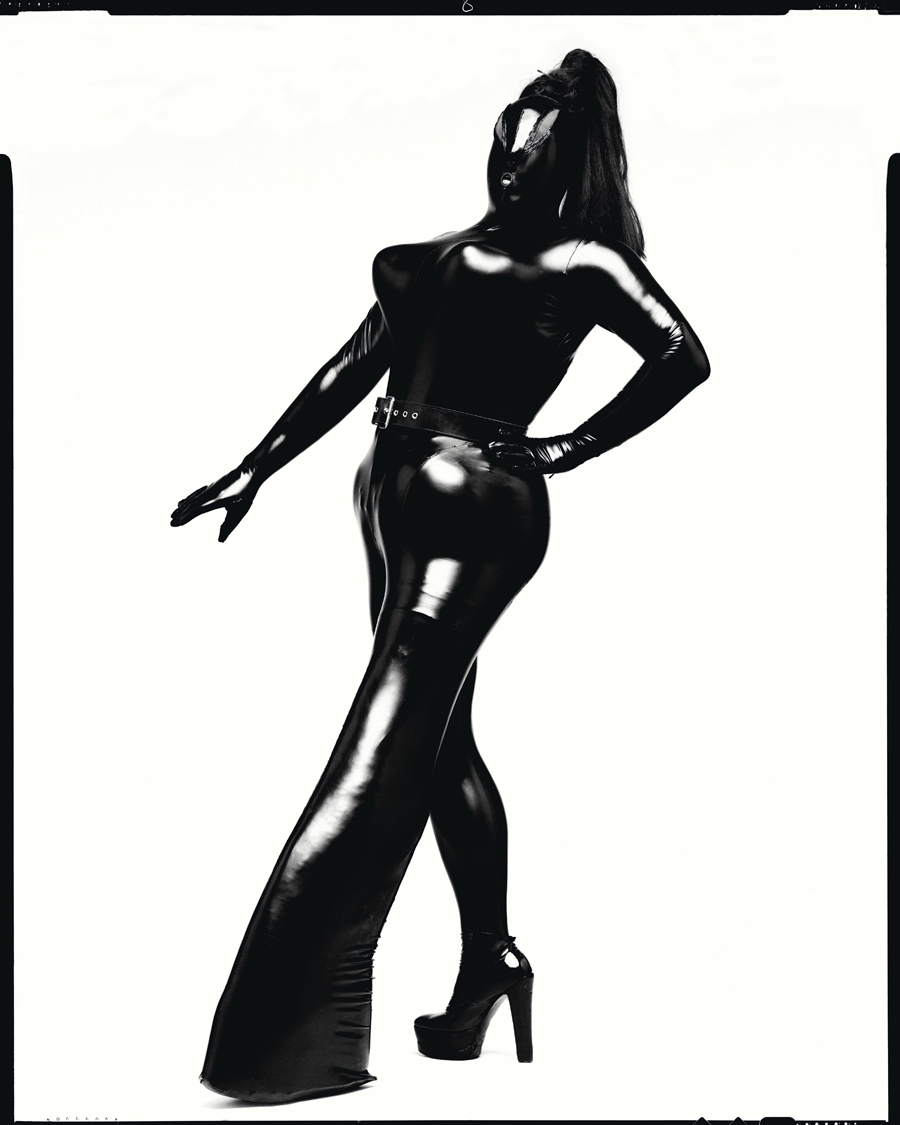
Leigh Bowery’s art clearly differs from the designs, presentation patterns, and distribution channels of fashion designers. With Trash and Bad Taste irony, Bowery, like his idol John Waters and his main actor Divine, abandoned all conventions and stylistic doctrines in a both cynical and humorous way. His craftsmanship in tailoring and his creative potential constitute the core of an expressive self-stylisation which did not depend on encouraging the public through marketing strategies or offers of consumer goods. His vestimentary creations were based on the work with his own body, which he regarded as a malleable material and workable mass and which was to play an increasingly central part in his late oeuvre. Regarded as inexorably deficient, his body became the origin of those manifold appearances and kaleidoscopic diversifications that we find most astounding when confronted with Bowery’s work. He experimented with second skins of black latex, exaggerated the size and volume of his body with sweeping tulle attires, and made himself look taller with platform shoes. Bowery sabotaged glamorous, ornamental and transparent materials with steel helmets, toilet seats, and skulls. He fastened artificial lips in his cheeks with safety pins and wore flesh-coloured velvet suits that transformed his body into a vagina. Using adhesive tape and a bodice, he shaped his flesh into an artificial bosom, and he concealed his member behind pubic hair toupees or overemphasised it as he did in one of the Michael Clark Company’s dance performances. He disparaged unequivocal gender definitions and transcended their socially informed attributions – Gender Trouble: everything was a look. By and by, Bowery turned into what has been called “the self as performance.”
Leigh Bowery’s existence was the epitome of extremes. He looked for exceptional emotional and physical states like pain and ecstasy that would release him from the mediocrity of everyday life, like in the performance The Laugh of No.12 in Fort Asperen on June 4, 1994. Suspended on one foot, stark naked, wearing a black face mask, and displaying some clothespins on his genitals, he swung through the air uttering a sprechgesang, before he smashed a pane of glass with his bulky body. Exposing himself to his vulnerability in his performances, Bowery overcame physical injuries by showcasing them. His sometimes sadomasochist appearances and provocative lifestyle culminated in an attitude that crystallised into a sociopolitical approach in his statement “I like doing the opposite of what people expect.” Far from nocturnal footlights and kindred spirits’ protection, he – who was “larger than life” in every respect – strained the social limits of propriety with his big and exalted appearance. He enjoyed causing offence and holding up a mirror to the dictatorship of conformism, unmasking its heteronomy.
After an excessive life, Leigh Bowery died from AIDS at the age of 33. He was more than an extraordinary peripheral figure making his mark in the urban arena of exhibitionism and voyeurism. His virtuoso works have influenced haute couture collections by such fashion stars as Rei Kawakubo, John Galliano, Walter van Beirendonck, and Alexander McQueen. In spite of its simplicity, the latest fall/winter collection of Comme des Garçons shows obvious parallels to Leigh Bowery’s designs.
Press release from the Kunsthalle Wien website
Robin Beeche (Australian, 1945-2015) Evening Wear – Andrew Logan’s 1986 Alternative Miss World 1986 Courtesy Robin Beeche
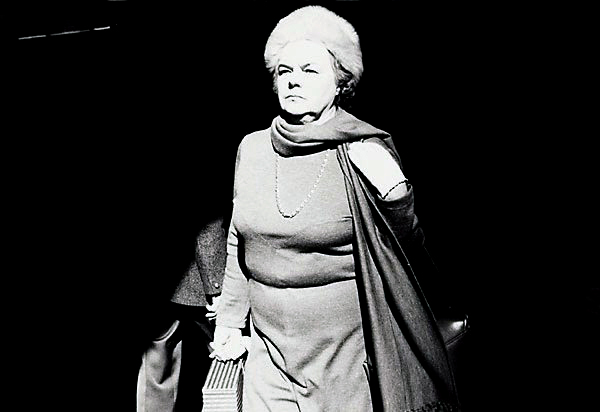
Ingeborg Tyssen (Netherlands, Australia 1945-2002) Untitled 1977 From the People series Gelatin silver print Image: 20.1 x 25.2cm Monash Gallery of Art, City of Monash Collection Donated by Janice Hinderaker through the Australian Government’s Cultural Gifts Program 2003
“Ingeborg Tyssen was one of the great Australian photographers of her generation.” (Press release)
“Ingeborg Tysenn was one of Australia’s most important post war artists.” (Essay “Remembering Ingeborg” by Sandra Byron)
This is a disappointing exhibition of the work of Australian photographer Ingeborg Tyssen at Monash Gallery of Art, Melbourne encumbered as it is by the above two statements. On the evidence of the work presented neither statement is true. Whoever is pushing this barrow (and it is a large barrow to push) should really stop and have a damn good look at the work to see whether it is worthy of such claims and what they hope to achieve by promoting such statements. If they really looked objectively they would see that the art just is, and nothing more.
Being a cultural commentator means that you have to form an opinion on the work presented. For me this involves the eye (what the work looks like), the head (undertaking research into the artist) and the heart (how I feel about the work). Then and only then can you make an informed decision on the merits of the work. With Tyssen’s work there were four standout photographs in the exhibition (people in a swimming pool taken in the Modernist style, part of the 1981 Ryde Pool, Sydney series, none of which I can show you in this posting) and the rest of the photographs exist in the world.
Tyssen was born in The Netherlands and arrived here when she was 12 years old. Her photographs show a European and Australian sensibility, a dislocation from but also an attraction toward both her native country and her adopted country Australia. Her photographs can be divided into various styles: early documentary street photography (the People series, 1977), Modernist photography (Ryde Pool, Sydney series, 1981 and From the heart of the forest to the edge of the road series, 1982-1984), New Topographics photography (Billboards and Trees series, 1981-1982) and Romantic photography (The voice of silence series 1991-1992). In this regard, Tyssen never seems to have developed a voice of her own, a signature style that you could say was unique to her own art practice. So many of these photographs are derivative of other photographers who have already invented and mastered that style that nothing seems to belong to Tyssen herself. She seems to have been enamoured of style after style.
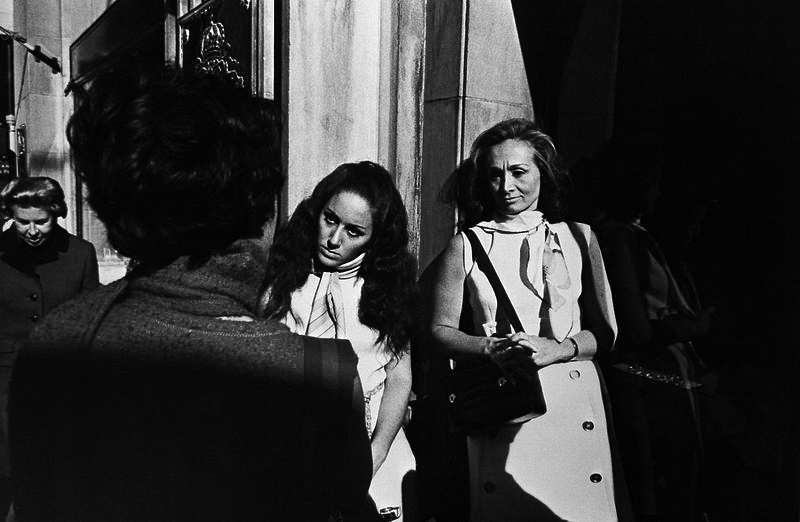
In the high contrast, small scale People series (1977, above) the animals are particularly unapproachable. While exhibiting a sense of Australian light and an intimation of Australia’s white only policy – there is a specific Australian-ness in the people she has chosen and the atmosphere of Whitlam / post Whitlam remaking of the Australian identity; even the lady with the European aura knows she is in Australia, perhaps she even knows she is in the Australian light – these are hard images to engage with emotionally, unlike the psychological works of Harry Callahan and Garry Winogrand. Problematically, the Billboards and Trees series (both 1981-1982, below) are so redolent of American photography (both in physical dis/location and surface remarks) that I felt I had seen it all before. In both these series Australia morphs into America and not in a good way.
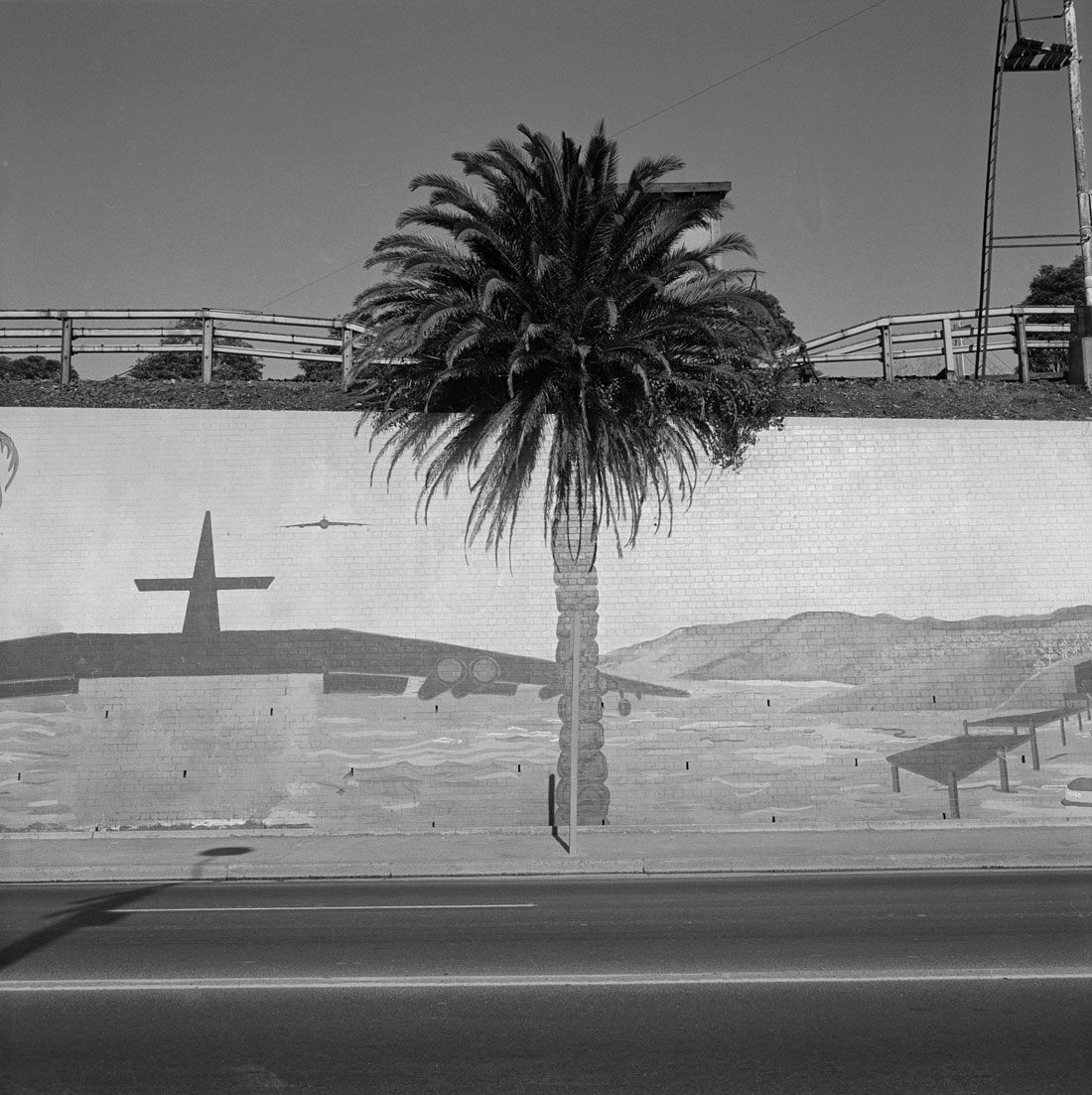
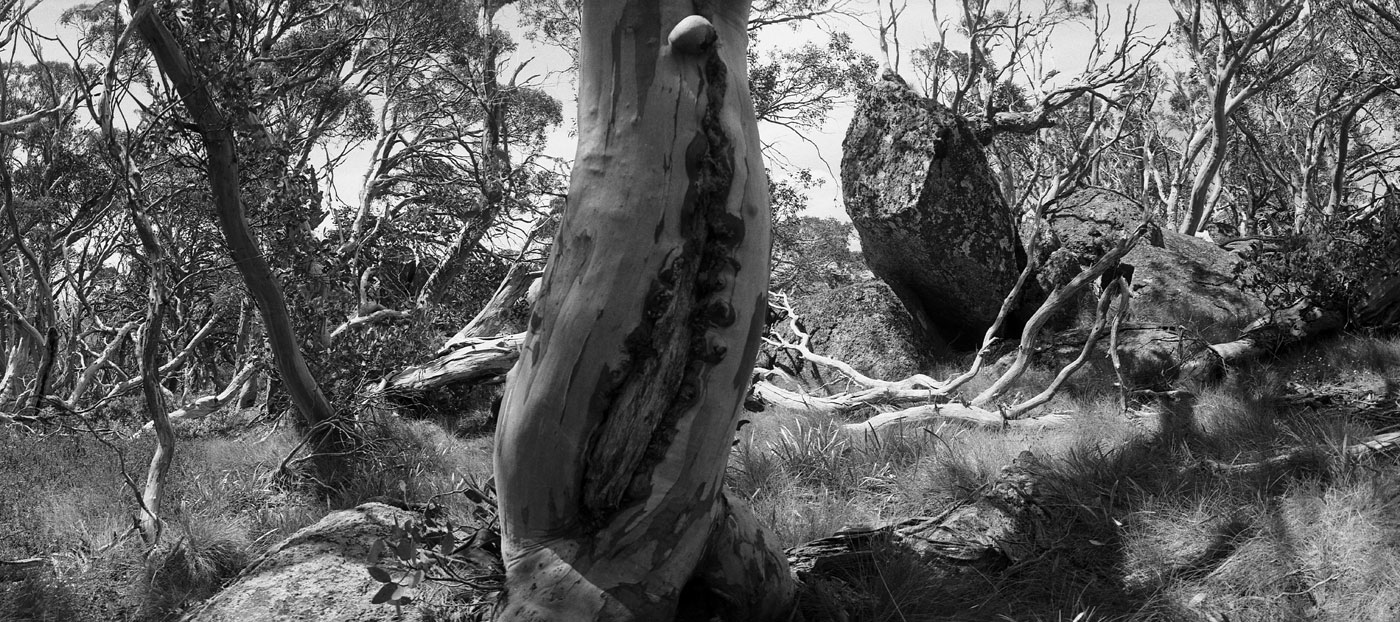
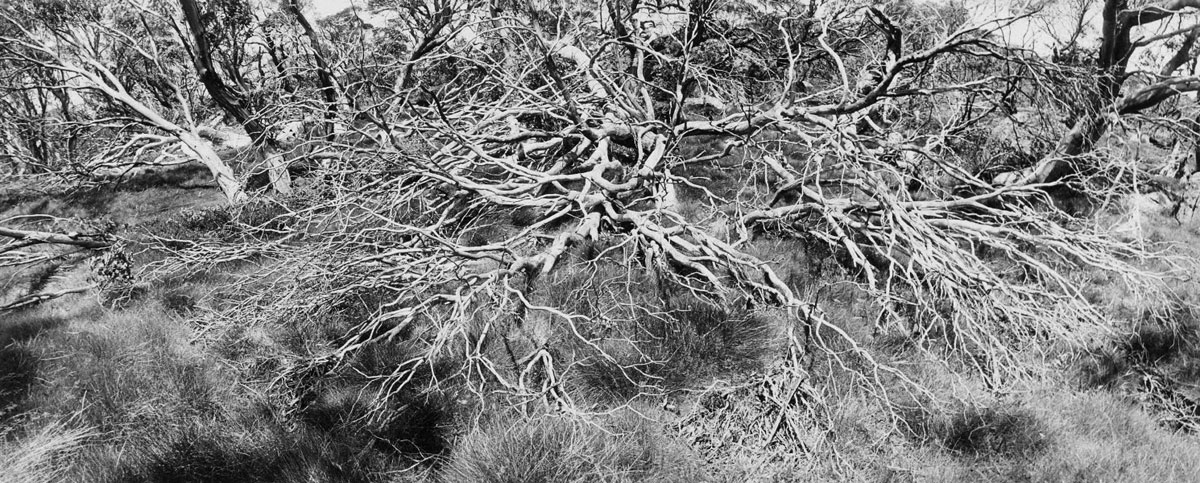
In the panoramic series From the heart of the forest to the edge of the road (1982-1984, below) Tyssen comes closest to capturing the intensity of the Australian landscape only to be let down by a) the quality of the prints and b) the fact that the title is a coat hanger, allowing the artist to hang disparate images together that really have no relationship to each other. The prints themselves do little to support the work, being sometimes too pale and insignificant to hold the image, too flat. Playing with the print and its tonal range and surface qualities does little to help an overall vision of the work or help the viewer engage with the content.
In my notes I wrote in capital letters: THEY DON’T ENGAGE ME! In other words, there was little in these photographs that held my attention for any length of time.
Tyssen seems to have known her limitations as well. She just wanted to be a photographer and kept persevering at her art … keep at it, keep going, keep creating. That’s all you can do as an artist.
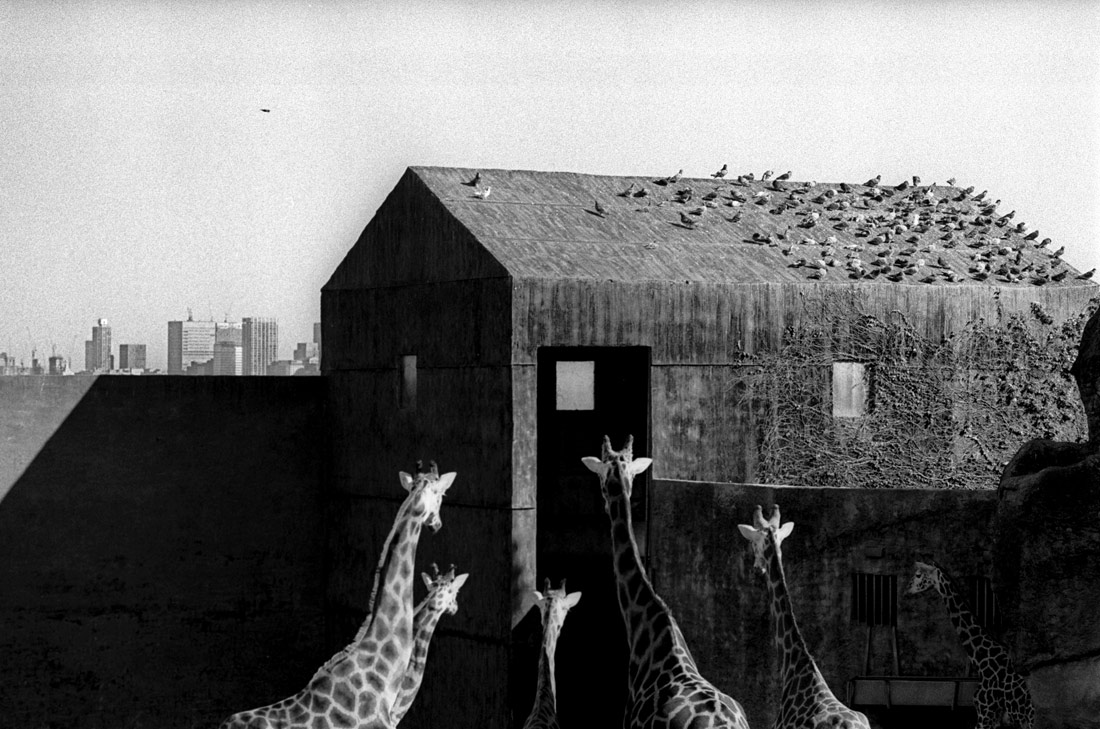
At their best Tyssen’s photographs lie somewhere between Kertesz and Cartier-Bresson without the decisive moment (look at the photograph Taronga Zoo, Sydney, 1974 below and you will understand what I mean). But the deference of some of her images was really brought home to me when, in a small gallery off to the side of the main space, there in all its glory was one of the iconic images of a generation – Vale Street (1975) by Carol Jerrems.
People really do need to stop making grandiose statements about the work of artists and let the viewer just look clearly at the art. That way there is little expectation, the work will be taken on its merits, and everyone may be quietly surprised at the outcome.
Dr Marcus Bunyan
Many thankx to the Monash Gallery of Art for allowing me to publish the photographs in the posting. Please click on the photographs for a larger version of the image.
“Tysenn clearly felt a deep sense of dislocation from her country of birth, its national identity and cultural conventions. It was apparent in her ongoing explorations of the Australian landscape that on her arrival she had met with more than just an initial linguistic barrier, and there were also barriers to understanding the Australian landscape which was so far and different to European forests and Dutch tales and legends about them that she grew up with.”
Essay “Remembering Ingeborg” by Sandra Byron
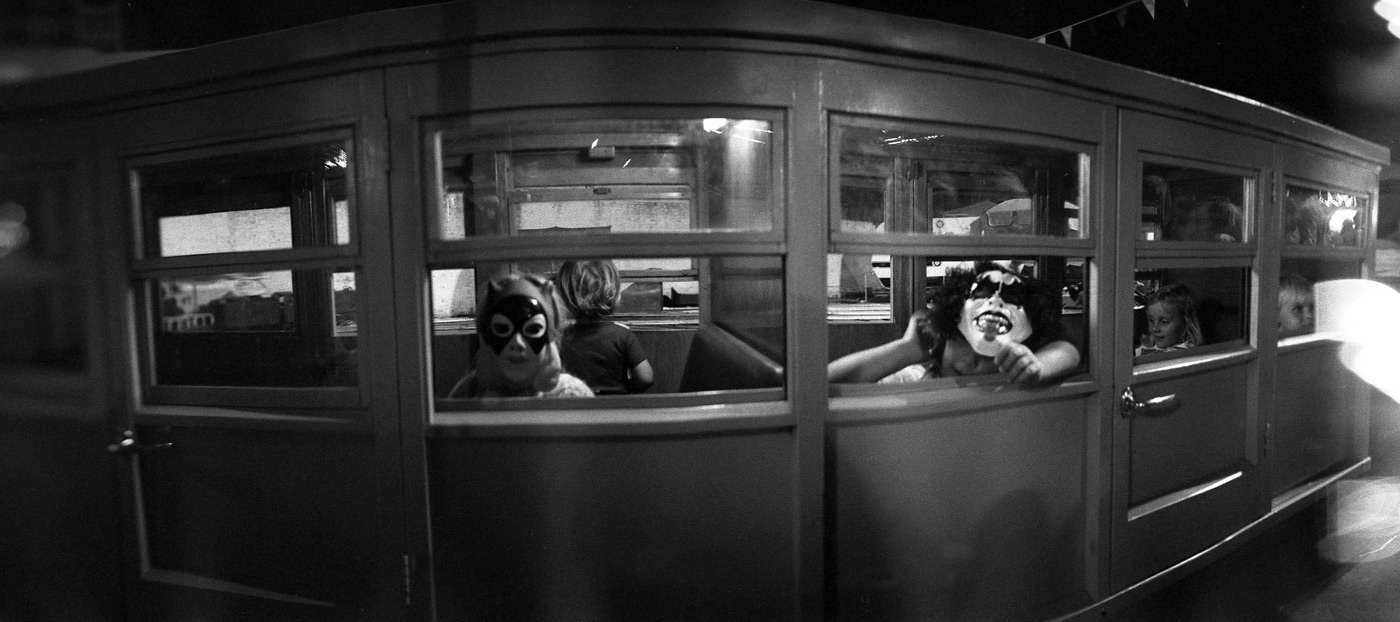
“Tyssen’s people are not known to her, rather are studies of anonymous people: in action, in the city, at a fairground. The People series – City Light 1977 images reveal a sense of isolation in a crowd. People emerging from the dark shadows of the same station / mall and march into the sunlight. They are expressionless, uncommunicative, isolated, yet display a keen sense of self and appearance. Mostly minding their own business, doing their own thing, they seem undisturbed by the female photographer standing nearby. She must not have been intrusive or demanding, just there with her camera at the ready.”
Fiona McIntosh. “Two women photographers,” on the art out there blog Friday, 18 May 2012 [Online] Cited 08/09/2022
Ingeborg Tyssen (Netherlands, Australia 1945-2002) Untitled 1977 From the People series Gelatin silver print Image: 20.1 x 25.2cm Monash Gallery of Art, City of Monash Collection Donated by Janice Hinderaker through the Australian Government’s Cultural Gifts Program 2003
Ingeborg Tyssen (Netherlands, Australia 1945-2002) Untitled 1977 From the People series Gelatin silver print Image: 20.1 x 25.2cm Monash Gallery of Art, City of Monash Collection Donated by Janice Hinderaker through the Australian Government’s Cultural Gifts Program 2003
Ingeborg Tyssen (Netherlands, Australia 1945-2002) Untitled 1977 From the People series Gelatin silver print Image: 20.1 x 25.2cm Monash Gallery of Art, City of Monash Collection Donated by Janice Hinderaker through the Australian Government’s Cultural Gifts Program 2003
Ingeborg Tyssen (Netherlands, Australia 1945-2002) Untitled 1977 From the People series Gelatin silver print Image: 20.1 x 25.2cm Monash Gallery of Art, City of Monash Collection Donated by Janice Hinderaker through the Australian Government’s Cultural Gifts Program 2003
Ingeborg Tyssen Untitled 1977 From the People series Gelatin silver print Image: 20.1 x 25.2cm Monash Gallery of Art, City of Monash Collection Donated by Janice Hinderaker through the Australian Government’s Cultural Gifts Program 2003
Garry Winogrand (American, 1928-1984) Untitled Nd (1960s) / published 1981 From the portfolio Women are Beautiful Silver gelatin print
Ingeborg Tyssen (Netherlands, Australia 1945-2002) Taronga Zoo, Sydney 1974 Gelatin silver print Collection of the Estate of Ingeborg Tyssen
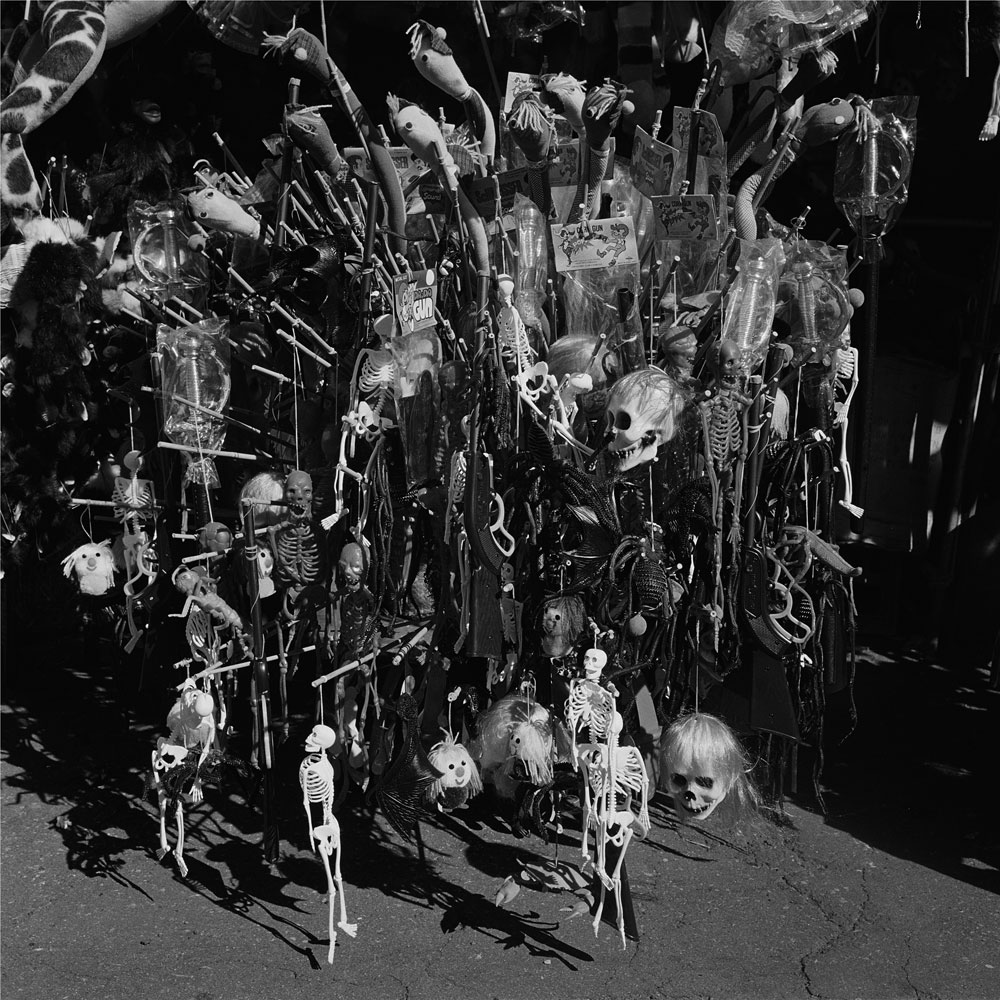
Ingeborg Tyssen (Netherlands, Australia 1945-2002) Royal Easter Show, Sydney 1979 Silver gelatin print Collection of the Estate of Ingeborg Tyssen
Ingeborg Tyssen (Netherlands, Australia 1945-2002) Untitled 1981 From the series Ryde Pool, Sydney Ink-jet print Collection of the Estate of Ingeborg Tyssen
Ingeborg Tyssen (Netherlands, Australia 1945-2002) Annandale, Sydney 1981 From the series Trees 1981-82 Silver gelatin print
Ingeborg Tyssen (Netherlands, Australia 1945-2002) Pyrmont, Sydney 1982 From the series Billboards 1981-82 Silver gelatin print
Ingeborg Tyssen (1945-2002) was one of the great Australian photographers of her generation. Although generally overlooked by critics during her lifetime in favour of many of her male counterparts, Tyssen left us a remarkable body of work. Ingeborg Tyssen: photographs is the first museum retrospective of her work in Victoria, and the first major exhibition since her memorial show was held at the Art Gallery of NSW in 2002.
This exhibition provides a great opportunity for audiences to view the work of this major figure. Spanning 20 years of creative output from 1974-94, Ingeborg Tyssen: photographs shows Tyssen as a highly original observer of modern life. Her candid photographs of pedestrians in city streets, young kids playing in suburban swimming pools, and images of the Australian and American landscape reveal an artist whose concerns were at the forefront of Australian photographic practice.
MGA Gallery Director Shaune Lakin states, “Tyssen’s story is one of the great stories of Australian photography. Her arrival in Australia at the age of 12 as an immigrant from her native Holland and her struggle with displacement and new language and landscape is one that many Australians are familiar with. Being one of Australia’s first street photographers, she made a significant contribution to the history of Australian photography. Her experience of migration gave Tyssen a rare ability to observe people in their environment. Her earliest photographs, taken in the city streets, fun parks, and suburbs of 1970s were acute depictions of the urban isolation she felt in her new homeland. Her experience and pictures certainly remain relevant to contemporary Australia.”
In 1995 the Art Gallery of New South Wales presented a mid-career survey of her work and she continued to exhibit in commercial galleries and museums in Australia and abroad until she died as a result of a motor accident in 2002. In her obituary, critic Robert McFarlane wrote: “With Tyssen’s death, Australia has lost one of the most talented photographers from the postwar generation… The originality and lack of ego in these images will ensure their enduring place in the history of the medium.”
Tyssen studied photography under John Williams, who became her husband. She was a co-founder of the Photographers Gallery in South Yarra in 1975.
Press release from the Monash Gallery of Art website
Ingeborg Tyssen (Netherlands, Australia 1945-2002) Perisher Valley, NSW 1984 From the series From the heart of the forest to the edge of the road 1982-1984 Silver gelatin print
Jacqui Stockdale (Australian, b. 1968) Negro Returno, Long Gully
2012
Type C Print
100 x 78cm
“What does it mean, to rediscover an unknown continent through the medium of photography in the 21st century? The seven artists that appear in this “Unfound in Australia” issue are well versed in the photographic technique and language familiar to modern art, yet show cultural distinctness that is nothing short of extraordinary. Our readers might experience a sense of shock or alienation from their work, which combines the new with the old. This kind of unsettling feeling may very well be an unconscious reaction to what we consider to be the ‘other.’ It is my hope that our readers will rediscover the power of photography as a chronological and visual language through these works of long under appreciated modern Australian photography.
IANN magazine Vol.8, “Unfound in Australia,” October 2012 ‘IANN Magazine’ website [Online] Cited 06/01/2013
My text that appears in IANN magazine Vol.8, “Unfound in Australia” (October 2012) on the art of Jacqui Stockdale is a reworking of the review of her exhibition Jacqui Stockdale: The Quiet Wild at Helen Gorie Galerie in April – May 2012. It is a good piece of writing but it is the “lite” version of the text that I wrote. Instead of the “heavy” version fragmenting away on some long forgotten backup hard drive, and for those of you that like a little more conceptual meat on the bone, it is published below.
Other artists featured in the Volume 8 edition of IANN magazine include Marian Drew, Henri Van Noordenburg, Justine Khamara, Magdalena Bors and Christian Thompson.
Dr Marcus Bunyan
Orality, (n)framing and enactment in the art of Jacqui Stockdale
The concept of Orality is important in the art of Australian Jacqui Stockdale for her works are visual tone poems. Portraying identities in flux, her mythological creatures rise above the threshold of visibility to engage our relationship with time and space, to challenge the trace of experience.
Stockdale uses the body not as passive object but as descriptive and rhapsodic theme, the body as pliable flesh acting as a kind of threshold or hinge of experience – between interior and exterior, viewer and photograph, longing and desire. Drawing on personal places and stories, assemblage and performance (the process of painting the models and the outcome of this interaction), Stockdale creates a wonderful melange of archetypal characters that subvert traditional identities and narratives. Her creatures “shape-shift” and frustrate attempts at categorisation and assimilation.
The artist inverts cultural stereotypes (which embody elements of fixity, repetition, and ambivalence) located within the realms of the fetish, the scopic, and the Imaginary in order to dis/place the collective memory of viewers that have been inscribed with a stereotypical collective vernacular. In this process the work elides “fantasy” which Bhabha suggests plays a formative role in colonial exercises of power.1 In Stockdale’s upside-down world (quite appropriate for the “land down under”), “Each new identity is one of inversion; man becomes woman, child becomes adult, animals transform into humans and vice-versa.”2
An example of this inversion can be seen in her latest series of photographs, The Quiet Wild (2012). HereStockdale unsettles traditional textual readings, the titles of her photographic portraits indecipherable to the uninitiated, a coded language of identity and place. Lagunta, Leeawuleena and Jaara for example, are three Aboriginal names meaning, respectively, Tasmanian Tiger, the name for the land around Cradle Mountain on that island and the name for the Long Gully region around Bendigo, Victoria (Stockdale’s native area); El Gato is the cat and Gondwanan the name for the southernmost of two supercontinents (the other being Laurasia) before the world split apart into the structure that we known today.
Stockdale’s performative tactics and multiple modes of address, her polyvocal subject if you like, may be said to be an effect of intertextuality3: “a conscious recognition and pursuit of an altogether different set of values and historical and cultural trajectories.”4 Undeniably her re-iterations and re-writings of cultural trajectories as ritual performative acts have links to Bakhtin’s idea of the carnivalesque and the carnival paradigm, which accords to certain patterns of play where “the social hierarchies of everyday life… are profaned and overturned by normally suppressed voices and energies.”5
It is through this “play” that the context of the photographs and their relationship to each other and the viewer are “framed.” This device emphasises the aesthetic rather than information and encourages the viewer to think about the relationship between the body, the world of which it is part and the dream-reason of time.6
This intertextual (n)framing (n meaning unspecified number in mathematics) encourages the viewer to explore the inbetween spaces in the meta-narrative, “and by leaps (intuitive leaps, poetic leaps, leaps of faith)”7 encourage escapism. Through the (n)framing of the body and the enactment of multiple selves Stockdale narrativises her mythological creatures, her charged bodies initiating new conditions of Otherness in the mise-en-scène of being. This is why her images are so powerful for her art approaches Otherness using a visual Orality and a theatrical openness that encourages disparate meanings to emerge into consciousness. It is up to us as viewers to seek the multiple, disparate significances of what is concealed in each photograph – in the myth of origin; in something that can’t be explained by man; in the expression of meaning of the things that are beyond us.
Dr Marcus Bunyan August 2012
Footnotes
1/ “According to Bhabha, stereotypes are located within the realms of the fetish, the scopic, and the Imaginary. He suggests that fantasy plays a formative role in colonial exercises of power. Bhabha describes the mechanism of cultural stereotypes as embodying elements of fixity, repetition, fantasy, and ambivalence, and suggests that if certain types of images are constantly presented in a range of different contexts, they will become imprinted onto the collective memory of viewers and inscribed within a collective vernacular.” Vercoe, Caroline. “Agency and Ambivalence: A Reading of Works by Coco Fusco,” in Fusco, Coco. The Bodies That Were Not Ours. London: Routledge, 2001, p. 240.
2/ Stockdale, Jacqui. Artist statement 2012
3/ Intertextuality “is always an iteration which is also a re-iteration, a re-writing which foregrounds the trace of the various texts it both knowingly and unknowingly places and dis-places.” Intertexuality is how a text is constituted. It fragments singular readings. “The reader’s own previous readings, experiences and position within the cultural formation” also influences these re-inscriptions.” Keep, Christopher, McLaughlin, Tim and Parmar, Robin. “Intertextuality,” on The Electronic Labyrinth website [Online] Cited 13/11/2011
4/ Fisher, Jean. “Witness for the Prosecution: The Writings of Coco Fusco,” in Fusco, Coco. The Bodies That Were Not Ours. London: Routledge, 2001, pp. 227-228.
5/ Anon. “Carnivalesque,” on the Wikipedia website. [Online] Cited 13/05/2012
6/ Bacon, Julie Louise. “Liquid Archive: On Ambivalence,” in Liquid Archive. Melbourne: Monash University Museum of Art (MUMA), 2012, p. 119
7/ Kirshenblatt-Gimblett, Barbara. “The Museum – A Refuge for Utopian Thought,” in Rüsen, Jörn; Fehr Michael, and Ramsbrock, Annelie (eds.). Die Unruhe der Kultur: Potentiale des Utopischen. Velbrück Wissenschaft, 2004. In German.
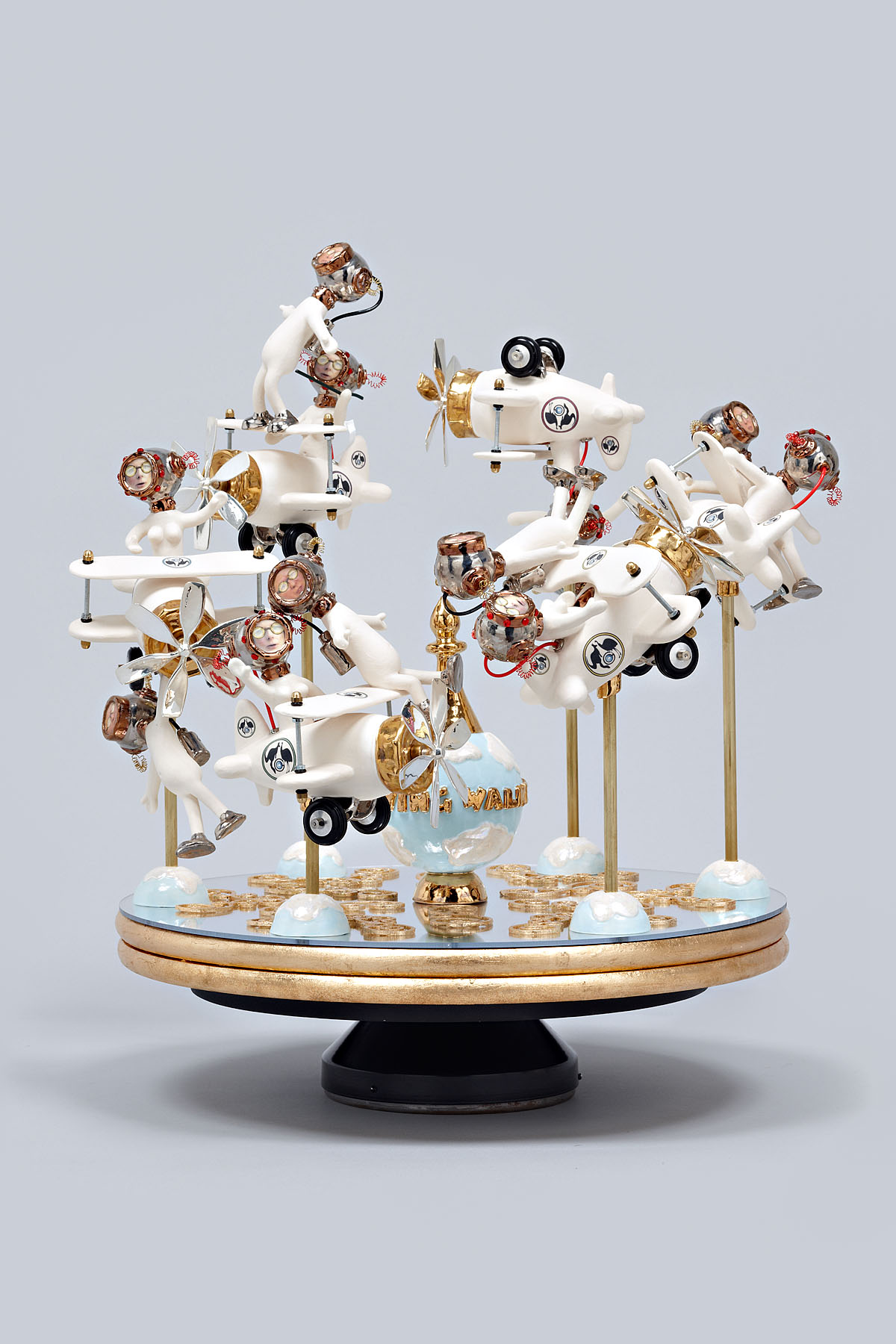
Robyn Hosking (Australian, b. 1948) The Wing Walker 2011 Mixed media
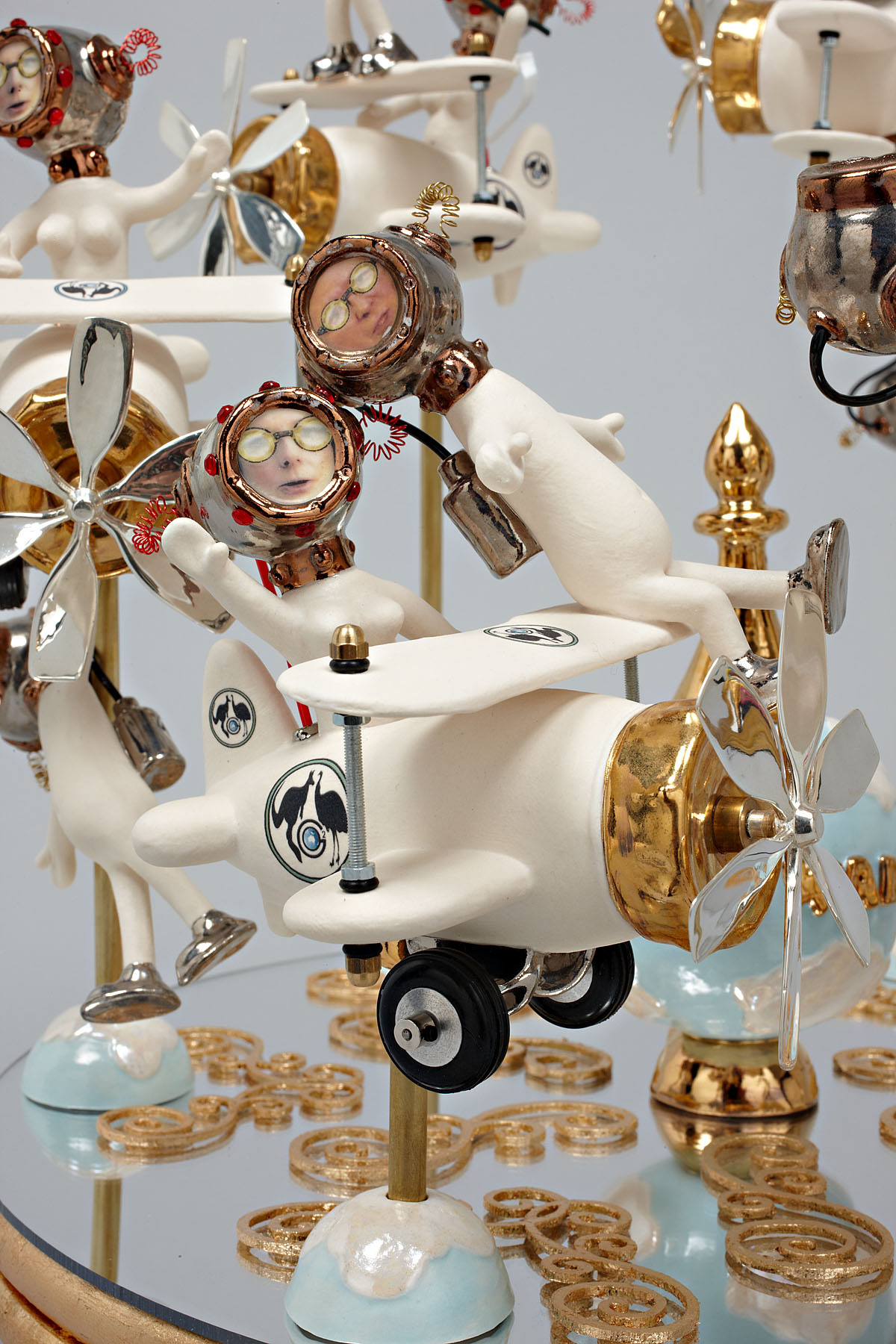
Robyn Hosking (Australian, b. 1948) The Wing Walker (detail) 2011 Mixed media
… My favourite has to be The Wing Walker (2011) as an irate Julia Gillard tries to get rid of Kevin Rudd once and for all, even poking him with a stick to push him off the edge of the biplane. Balanced on a slowly revolving turntable with the world at its centre, this political merry-go round is panacea for the soul for people sick of politicians. This is brilliant political satire. The planes are all ends up and even when Julia thinks she has got rid of Kevin there he is, hanging on for dear life from the undercarriage of one of the planes…
Reminding me of the fantasy creatures of Tom Moore, these whimsical manifestations deal with serious, life changing and challenging issues with purpose, feeling and a wicked sense of humour. I really enjoyed this art (and joy is the correct word) because it takes real world issues, melds fantasy and pointed observation and reflects it back, as the artist observes, in a funfair’s distorted mirror. Magic!
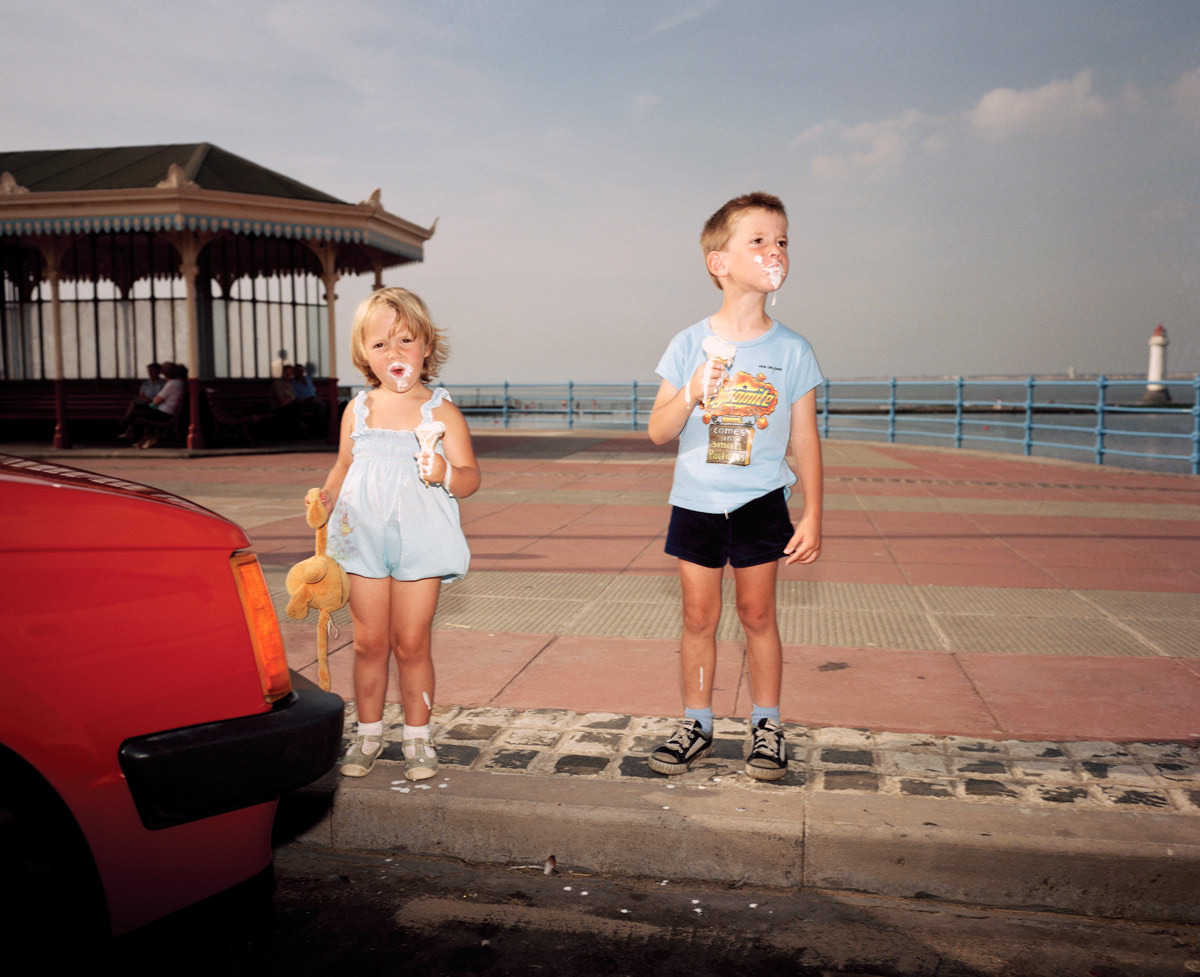
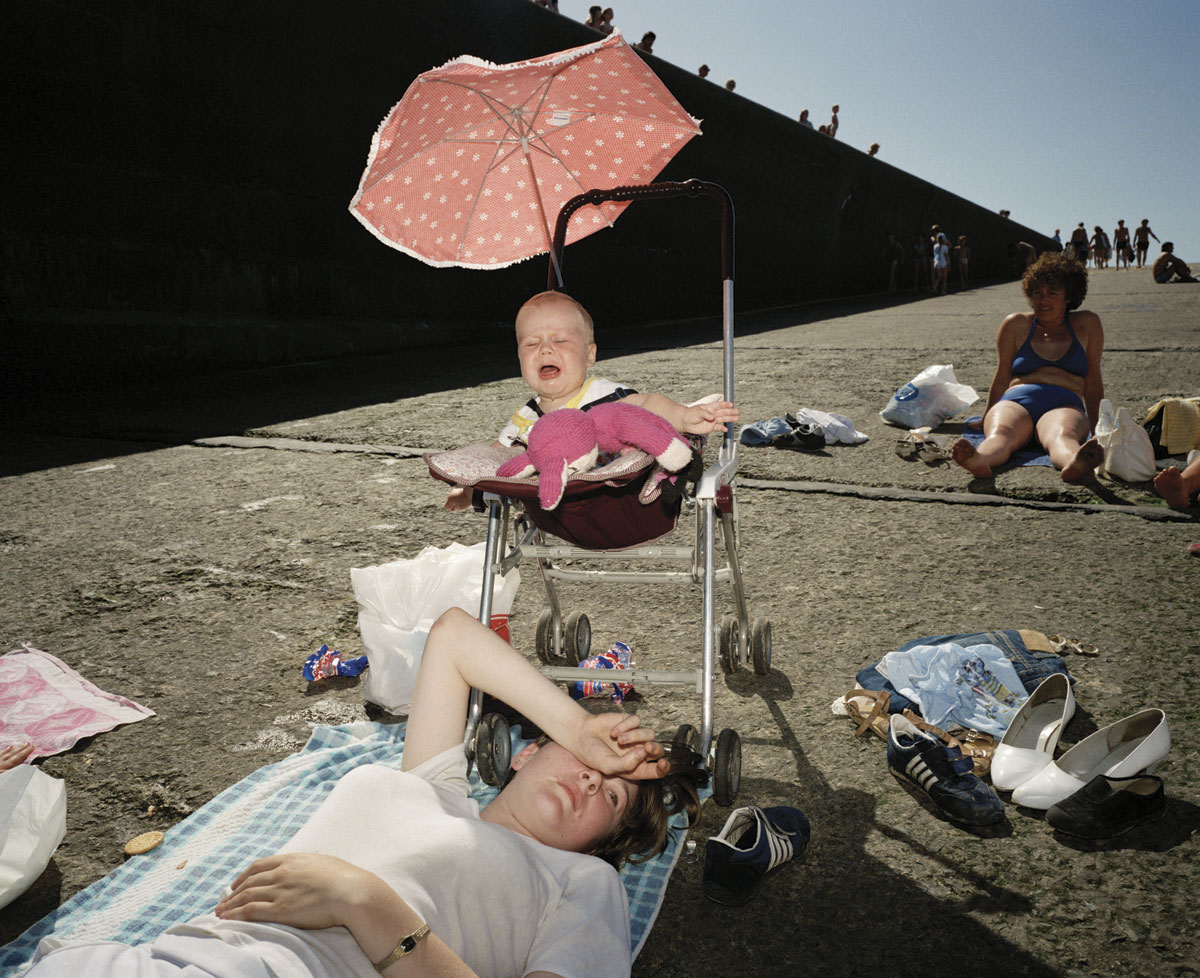
This is a fine exhibition of the work of celebrated English photographer Martin Parr at Niagara Galleries, Richmond, albeit with one proviso. The mainly large colour prints are handsomely displayed in plain white frames within the gallery space and are taken from his well known series: Last Resort, Luxury, New British and British Food. Parr’s work is at its best when he concentrates on the volume of space within the image plane and the details that emerge from such a concentrated visualisation – whether it be the tension points within the image, assemblage of colour, incongruity of dress, messiness of childhood or philistine nature of luxury.
And so it goes. The dirt under the fingernails of the child eating a doughnut, the lurid colours of the popsicle and jacket of the kid with dribble on his face, all fantastic… They are joyous paeans to the quirky, incongruous worlds in which we live and circulate. They evidence life itself in all its orthogonal absurdity.
Martin Parr (British, 1952-2025) England. New Brighton 1983-1985 From the series Last Resort 1983-1985 Pigment print Edition of 5 102 x 127cm Image courtesy of the artist and Niagara Galleries, Melbourne
Martin Parr (British, b. 1952) England. New Brighton 1983-1985 From the series Last Resort Pigment print Edition of 5 102 x 127 cm Image courtesy of the artist and Niagara Galleries, Melbourne
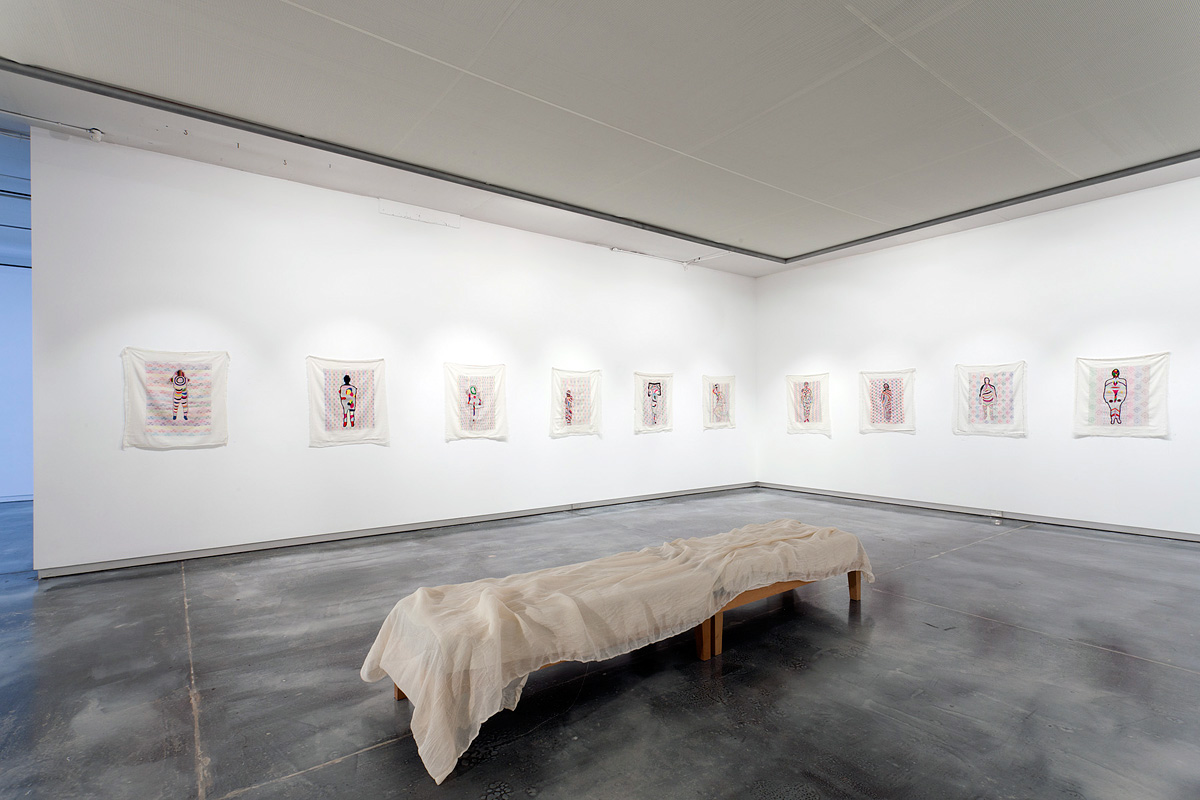
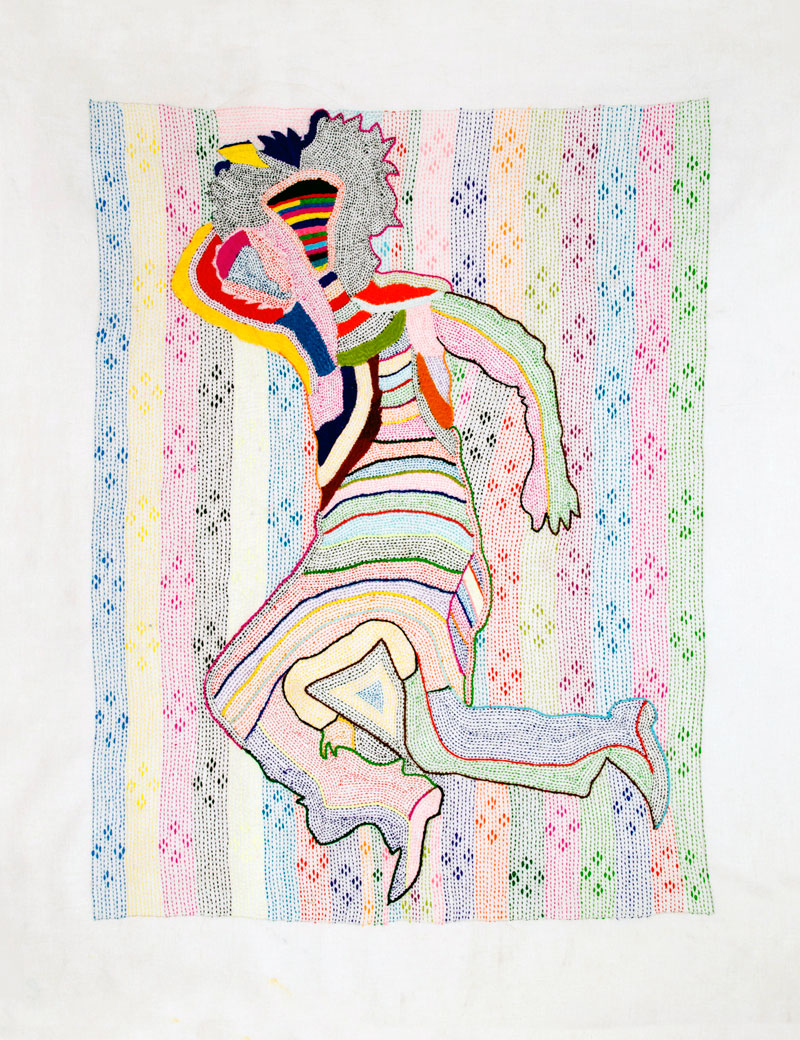
I have always loved the work of Nicola Loder ever since I saw her solo exhibition Child 1-175: A Nostalgia for the Present at Stop 22 Gallery in St Kilda in 1996. This exhibition is no exception. Loder is the consummate professional, her work is as imaginative and intriguing as ever and there has been a consistent thematic development of ideas within her work over a long period of time. These ideas relate to the nature of seeing and being seen, the mapping of identity and the process of its (dis)appearance…
Loder’s exquisitely sensuous description of disappearance allows us to see the phenomenal word afresh. I look forward with a sense of anticipation to the next voyage of discovery the artist will take me on.
Tourist #5: Disappearing Project 1-41 by Nicola Loder, installation photograph at Helen Gorie Galerie
Nicola Loder (Australian, b. 1964) Tourist #5: Disappearing Project 1-41 (no 11) 2012 Polyester thread, muslin 86 x 69cm
Jane Brown (Kuwait, Australia, b. 1967) Big Trout, New South Wales 2010 Museo silver rag print 59 x 46cm
Jane Brown (Kuwait, Australia, b. 1967) Adelong, New South Wales 2011 Fibre based, silver gelatin print 16.5 x 20.5cm
This is a good exhibition of small, darkly hewn, traditionally printed silver gelatin photographs, beautifully hung in the small gallery at Edmund Pearce and lit in the requisite, ambient manner. There are some outstanding photographs in the exhibition. The strongest works are the surrealist tinged, film noir-ish mise-en-scènes, the ones that emphasise the metaphorical darkness of the elements gathered upon the stage. Photographs such as Big Trout, The Female Factory, Adelong, New South Wales and Captain’s Flat Hotel, New South Wales really invoke a feeling of unhomely (or unheimlich), where nature is out of kilter. These images unsettle our idea of Oztraliana, our perceived sense of Self and our place in the world. They disrupt normal transmission; they transmutate the seen environment, transforming appearance, nature and form.
Jacqui Stockdale (Australian, b. 1968) Rama-Jaara the Royal Shepherdess 2012 Type C Print 100 x 78cm
Jacqui Stockdale (Australian, b. 1968) Lagunta Man, Leeawuleena 2012 Type C Print 100 x 78cm
These are incredibly humorous, magical and symbolic photographs. A thought came into my mind when I was in the gallery surrounded by the work: for me they represented a vision of the Major Arcana of the Tarot (for example Jaguar Hombre could be seen as an inverted version of the Hanged Man with his foot in a figure four, the Hanged Man symbolising the need to just be in the world, yielding his mind and body to the Universal flow). The Major Arcana deal with the human condition, each card representing the joys and sorrows every man and woman can experience in a lifetime. In a way Stockdale offers us her own set of subversive Major Arcana, images that transgress the boundaries of the colonial vernacular, offering the viewer a chance to explore the heart of the quiet wild.
6/ Review: Littoral by Kristian Laemmle-Ruff at Colour Factory Gallery, Fitzroy
Exhibition dates: 4th May – 26th May, 2012
It was such a joy then to walk around the corner from the CCP to the Colour Factory Gallery and view the exhibition Littoral by emerging artist Kristian Laemmle-Ruff. This is one of the best, if not the best, “photography” exhibition I have seen so far this year. As soon as you walk into the simple, elegant gallery you are surrounded by fourteen large scale horizontal photographs that are suffused with colour variations bouncing across the gallery – here a blue, there a green, now a lush orange palette. The effect is much like Monet’s waterlilies at the Musée de l’Orangeriein Paris; seated in the middle of the four curved paintings you are surrounded by large daubs of paint of various hues that have an elemental effect – resonances of earth, air, water, fire – on the viewer. The same affection of colour and space can be found in Laemmle-Ruff’s photographs.
Kristian Laemmle-Ruff (Australian) Olympic Stadium 2012 Type C print 100cm x 67cm
Kristian Laemmle-Ruff (Australian) Truck in Safi 2010 Type C print 100cm x 67cm
What we are left with in these images are vestiges of presence, remnants or traces of people that have passed on. In a kind of divine intervention, these photographs ask the viewer questions about the one fact that we cannot avoid in our lives, our own mortality, and what remains after we pass on. We can never know these people and places, just as we can never know the place and time of our death – when our “time” is up – but these photographs awaken in us a subconscious remembering: that we may be found (in life), then lost (through death), then found again in the gaze of the viewer looking at the photographs in the future present. We are (dis)continuous beings.
There is no one single reading of these photographs for “there are only competing narratives and interpretations of a world that cannot be wholly, accurately described.” These indescribable photographs impinge on our consciousness calling on us to remember even as the speed of contemporary life asks us to forget. This ethical act of looking, of mourning and remembering, of paying homage to presence acknowledges that we choose not to let pass into the dark night of the soul these traces of our forebears, for each emanation is deeply embedded within individual and cultural memory.
These photographs are a contemporary form of Western ‘dreaming’ in which we feel a link to the collective human experience. In this reification, we bear witness to the (re)assemblance of life, the abstract made (subconsciously) concrete, as material thing. These images of absent presence certainly reached out and touched my soul. Vividly, I choose to remember rather than to forget.
Anonymous photographer Untitled 2011 From Lost and Found 2011
The main work We Are All Flesh (2012) reminded me of a version of the game The Hanged Man (you know, the one where you have to guess the letters of a word and if you don’t get the letter, the scaffold and the hanged man are drawn). The larger of the two hanging pieces featured two horse skins of different colours intertwined like a ying yang paux de deux. Psychologically the energy was very heavy. The use of straps to suspend the horses was inspired. Memories of Rembrandt’s The Anatomy Lesson of Dr. Nicolaes Tulp and The Godfather rose to the surface. My favourite piece was 019 (2007). Elegant in its simplicity this beautiful display case from a museum was dismantled and shipped over to Australia in parts and then reassembled here. The figurative pieces of wood, made of wax, seemed like bodies drained of blood displayed as specimens. The blankets underneath added an element of comfort. The whole piece was restrained and beautifully balanced. Joseph Beuys would have been very proud.
The “visceral gothic” contained in the exhibition was very evident. I liked the artist’s trembling and shuddering. Her narratives aroused a frisson, a moment of intense danger and excitement, the sudden terror of the risen animal
Berlinde De Bruyckere(Belgian, b. 1964) We Are All Flesh 2012 Treated horse skin, epoxy, iron armature 280 x 160 x 100cm Courtesy the artist, Hauser & Wirth and Galleria Continua
Berlinde De Bruyckere(Belgian, b. 1964) 019 2007 Wax, epoxy, metal, glass, wood, blankets 293.5 x 517 x 77.5cm Private Collection, Paris
9/ Review: Light Works at NGV International, Melbourne
Exhibition dates: 23rd March – 16th September, 2012
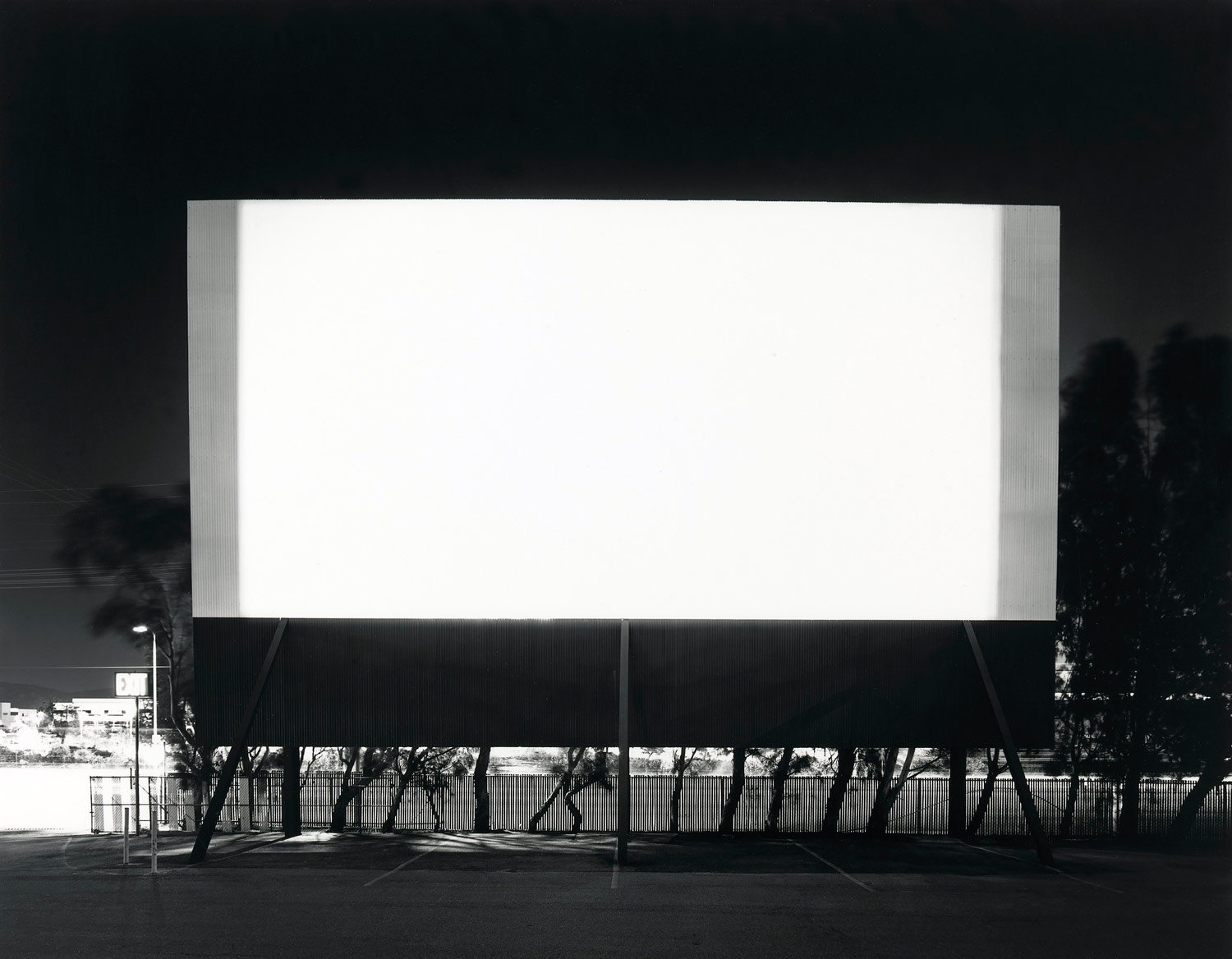
This is an intimate and stimulating photographic exhibition at the NGV International featuring the work of artists Mike and Doug Starn, David Stephenson, Hiroshi Sugimoto, Bill Henson, Adam Fuss, Simone Douglas, Park Hong-Chun, Eugenia Raskopoulos, Sam Shmith, Christoph Dahlhausen and Patrick Bailly-Maitre-Grand. It is fantastic to see an exhibition of solely contemporary photographs at the National Gallery of Victoria taken from their collection (with nary a vintage silver gelatin photograph in sight!), one which examines the orchestration of lightfrom which all photography emanates – used by different photographers in the creation, and there is the key word, of their work. Collectively, the works seem to ooze a mysterious inner light, a facing towards the transcendent divine – both comforting, astonishing and terrifying in part measure.
Exhibition dates: 28th September – 11th November, 2012
In his visual mosaics Crewdson engages our relationship with time and space to challenge the trace of experience. His tableaux act as a kind of threshold or hinge of experience – between interior and exterior, viewer and photograph. His photographs are a form of monism in which two forces (interior / exterior) try to absorb each other but ultimately lead to a state of equilibrium. It is through this “play” that the context of the photographs and their relationship to each other and the viewer are “framed.” This device emphasises the aesthetic as much as information and encourages the viewer to think about the relationship between the body, the world of which it is part and the dream-reason of time. This intertextual (n)framing (n meaning unspecified number in mathematics) encourages the viewer to explore the inbetween spaces in the non-narrative / meta-narrative, “and by leaps (intuitive leaps, poetic leaps, leaps of faith)”encourage escapism in the imagination of the viewer. It is up to us as viewers to seek the multiple, disparate significances of what is concealed in each photograph as “felt knowledge” (Walter Benjamin), recalling to mind the sensory data placed before our eyes, something that can be experienced but cannot be explained by man: “the single moment of the present amidst the transience of life and searching for some kind of eternal truth.”
Installation photograph of the series Beneath the Roses from the exhibition Gregory Crewdson: In a Lonely Place at the Centre for Contemporary Photography (CCP), Melbourne
Exhibition dates: 28th November – 15th December, 2012
Installation photograph of Ikea by Janina Green at Edmund Pearce Gallery, Melbourne
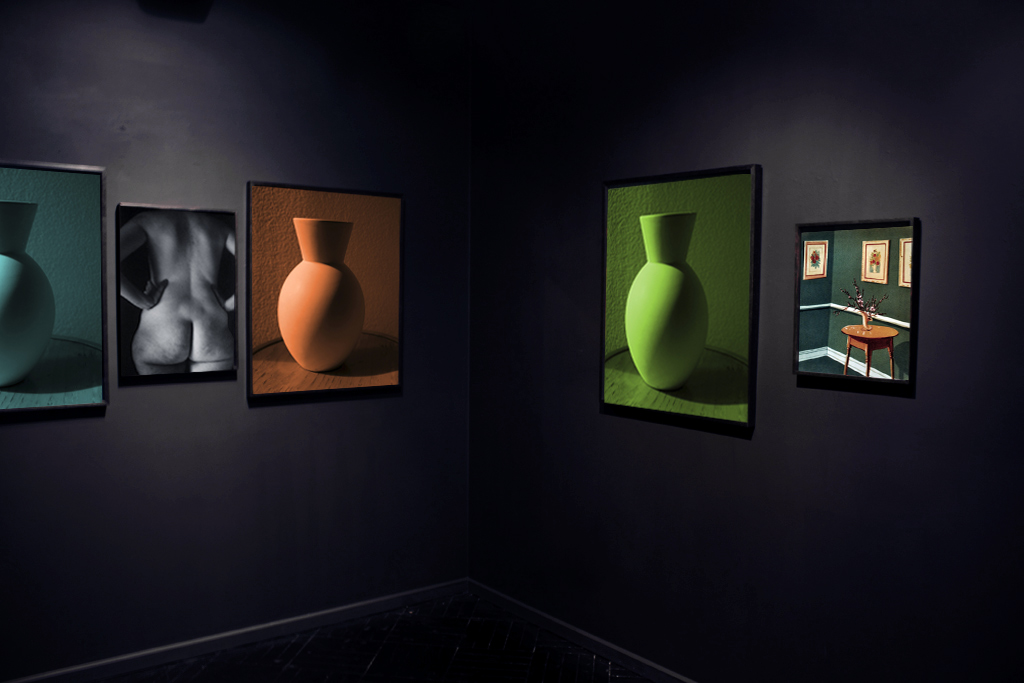
Janina Green (Australian born Germany, b. 1944) Orange vase 1990 reprinted 2012 Silver gelatin print on fibre based paper, hand-tinted with orange photo dye 85 x 70cm
Fable = invent (an incident, person, or story)
Simulacrum = pretends to be a faithful copy, but it is a copy with no original
Performativity = power of discourse, politicization of abjection, ritual of being
Intimate, conceptually robust and aesthetically sensitive.
The association of the images was emotionally overwhelming.
An absolute gem. One of the highlights of the year.
Exhibition dates: 28th November – 15th December, 2012
Curator: the artist
Installation photograph of Ikea by Janina Green at Edmund Pearce Gallery, Melbourne
“It is necessary to revisit what Walter Benjamin said of the work of art in the age of its mechanical reproducibility. What is lost in the work that is serially reproduced, is its aura, its singular quality of the here and now, its aesthetic form (it had already lost its ritual form, in its aesthetic quality), and, according to Benjamin, it takes on, in its ineluctable destiny of reproduction, a political form. What is lost is the original, which only a history itself nostalgic and retrospective can reconstitute as “authentic.” The most advanced, the most modern form of this development, which Benjamin described in cinema, photography, and contemporary mass media, is one in which the original no longer even exists, since things are conceived from the beginning as a function of their unlimited reproduction.”
Jean Baudrillard. Simulacra and Simulation. 1981 (English translation 1994)
“To apprehend myself as seen is, in fact, to apprehend myself as seen in the world and from the standpoint of the world. The look does not carve me out in the universe; it comes to search for me at the heart of my situation and grasps me only in irresolvable relations with instruments. If I am seen as seated, I must be seen as “seated-on-a-chair,” … But suddenly the alienation of myself, which is the act of being-looked-at, involves the alienation of the world which I organise. I am seated on this chair with the result that I do not see it at all, that it is impossible for me to see it …”
Jean-Paul Satre. Being and Nothingness (trans. Hazel Barnes). London: Methuen, 1966, p. 263
“It must be possible to concede and affirm an array of “materialities” that pertain to the body, that which is signified by the domains of biology, anatomy, physiology, hormonal and chemical composition, illness, age, weight, metabolism, life and death. None of this can be denied. But the undeniability of these “materialities” in no way implies what it means to affirm them, indeed, what interpretive matrices condition, enable and limit that necessary affirmation. That each of those categories [BODY AND MATERIALITY] have a history and a historicity, that each of them is constituted through the boundary lines that distinguish them and, hence, by what they exclude, that relations of discourse and power produce hierarchies and overlappings among them and challenge those boundaries, implies that these are both persistent and contested regions.”
Judith Butler. Bodies That Matter. New York: Routledge, 1993, pp. 66-67
Fable = invent (an incident, person, or story)
Simulacrum = pretends to be a faithful copy, but it is a copy with no original
Performativity = power of discourse, politicisation of abjection, ritual of being
Intimate, conceptually robust and aesthetically sensitive. The association of the images was emotionally overwhelming. An absolute gem. One of the highlights of the year.
Dr Marcus Bunyan
Many thankx to Edmund Pearce Gallery for allowing me to publish the photographs in the posting. Please click on the photographs for a larger version of the image.
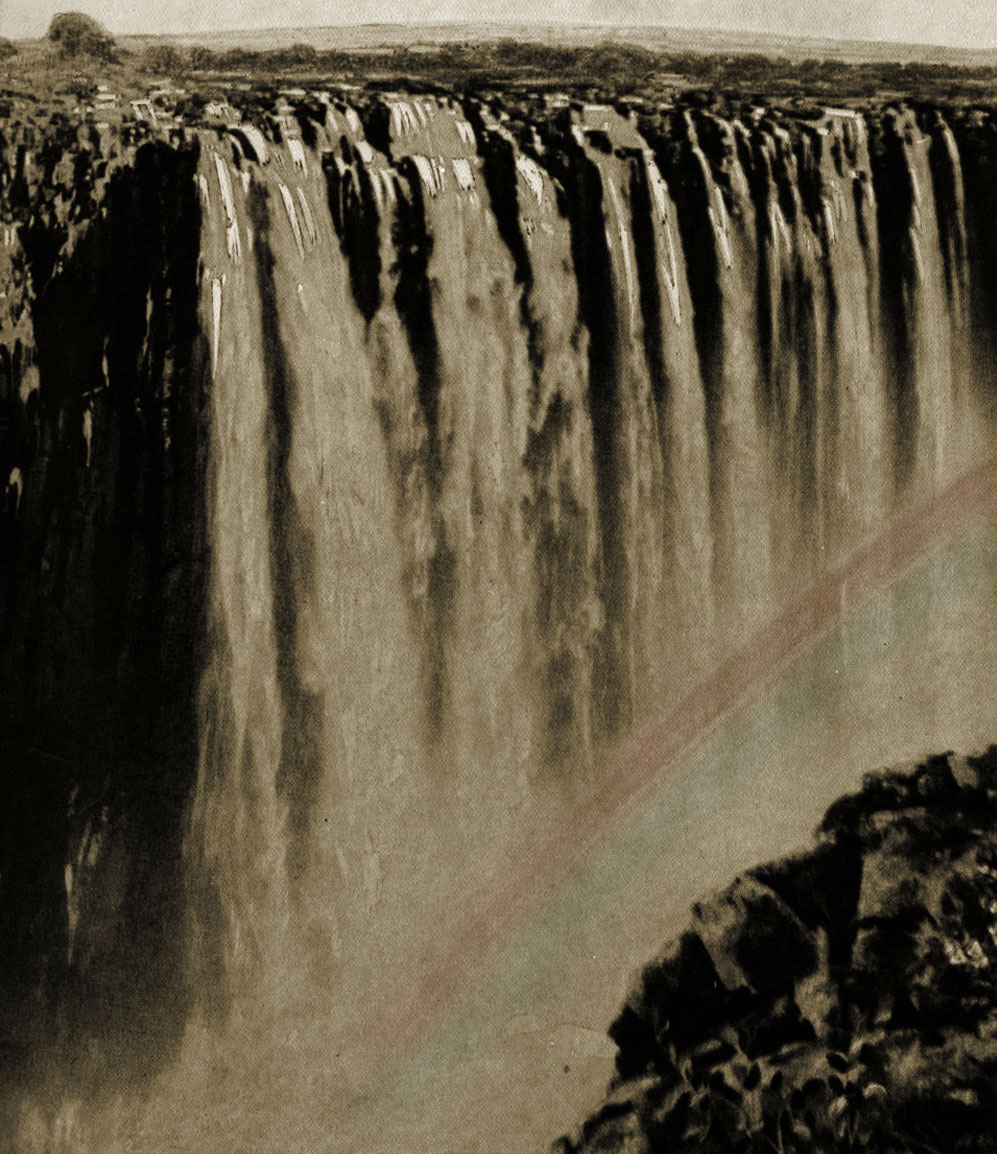
Janina Green (Australian born Germany, b. 1944) Waterfall 1990 Silver gelatin print on Kentmere Parchment paper, tinted with coffee and photo dyes 58 x 48cm Vintage print
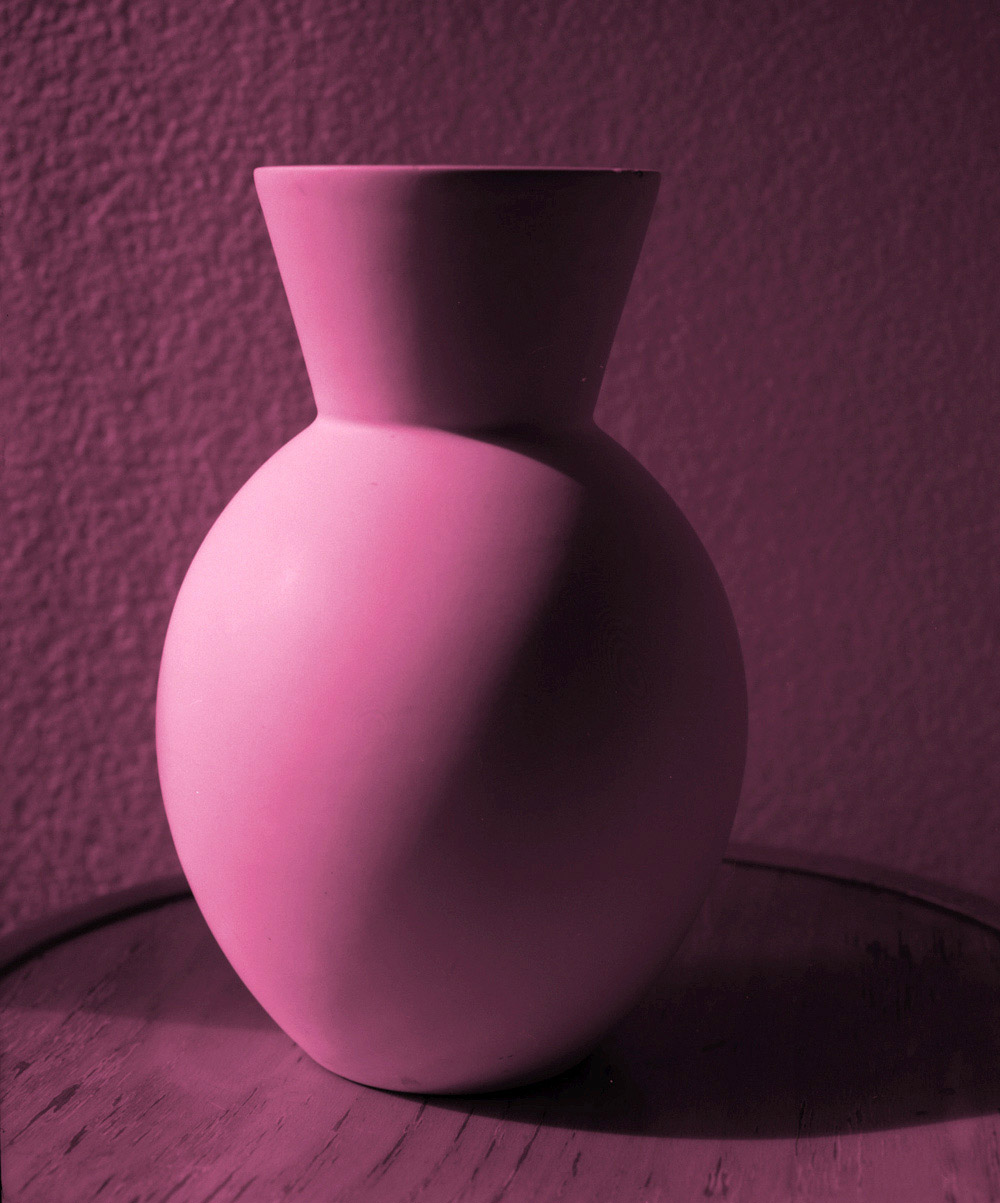
Janina Green (Australian born Germany, b. 1944) Pink vase 1990, reprinted 2012 Silver gelatin print on fibre based paper, hand tinted with pink photo dye 85 x 70cm
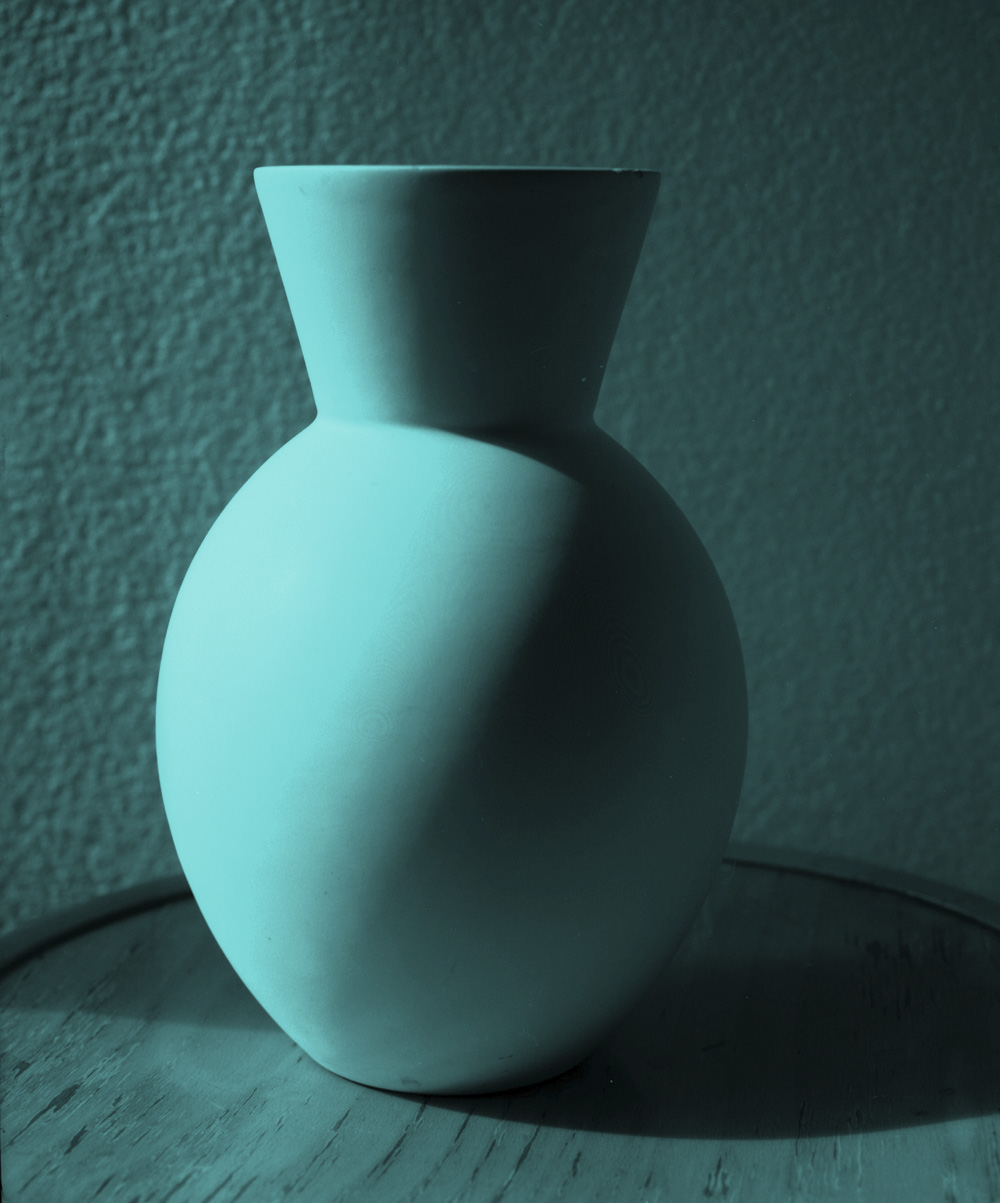
Janina Green (Australian born Germany, b. 1944) Blue vase 1990, reprinted 2012 Silver gelatin print on fibre based paper, hand tinted with blue photo dye 85 x 70cm
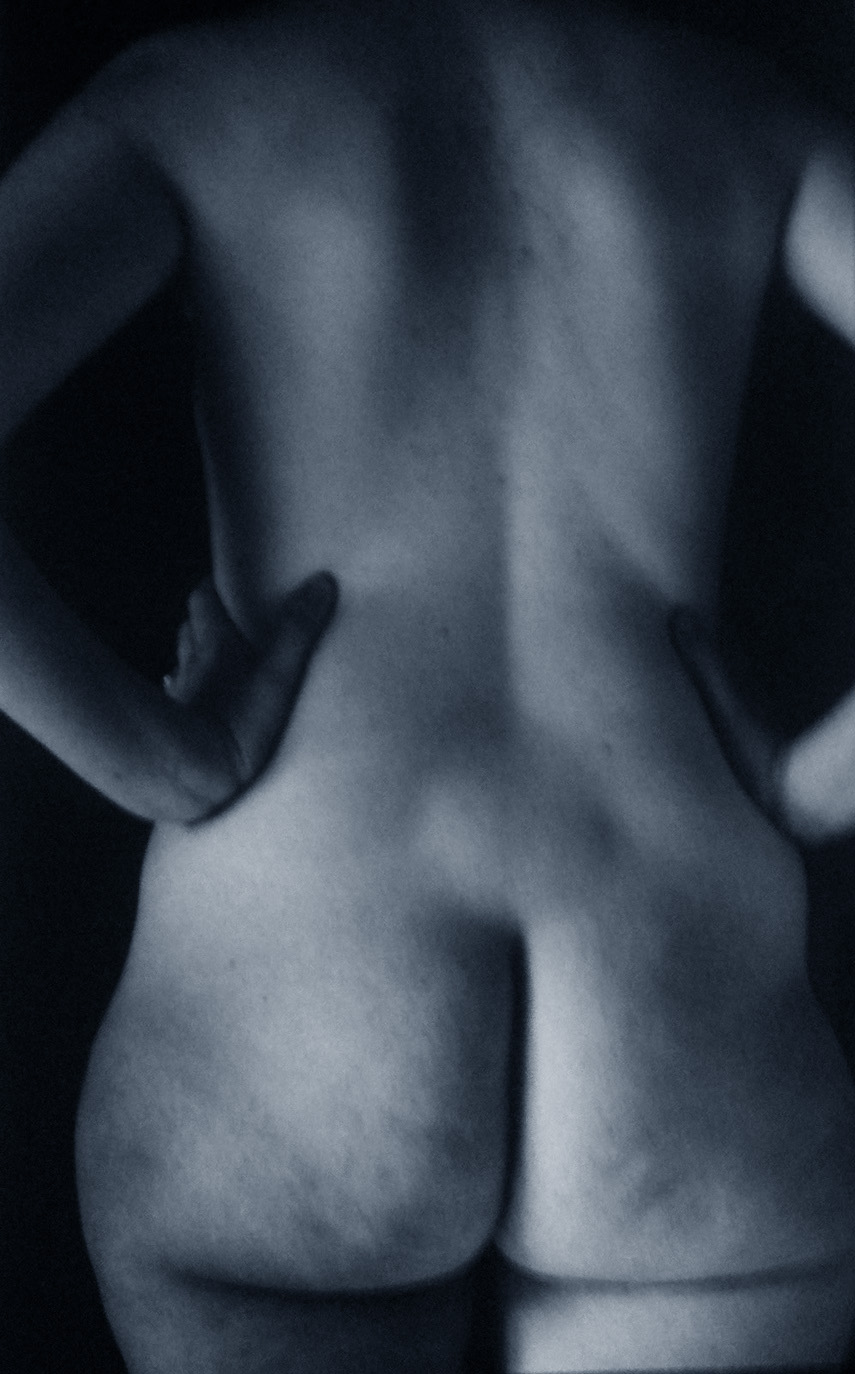
Janina Green (Australian born Germany, b. 1944) Nude 1986 Silver gelatin print on fibre based paper, hand tinted with blue photo dye 60 x 45cm Vintage print
My photographs are always about the past.
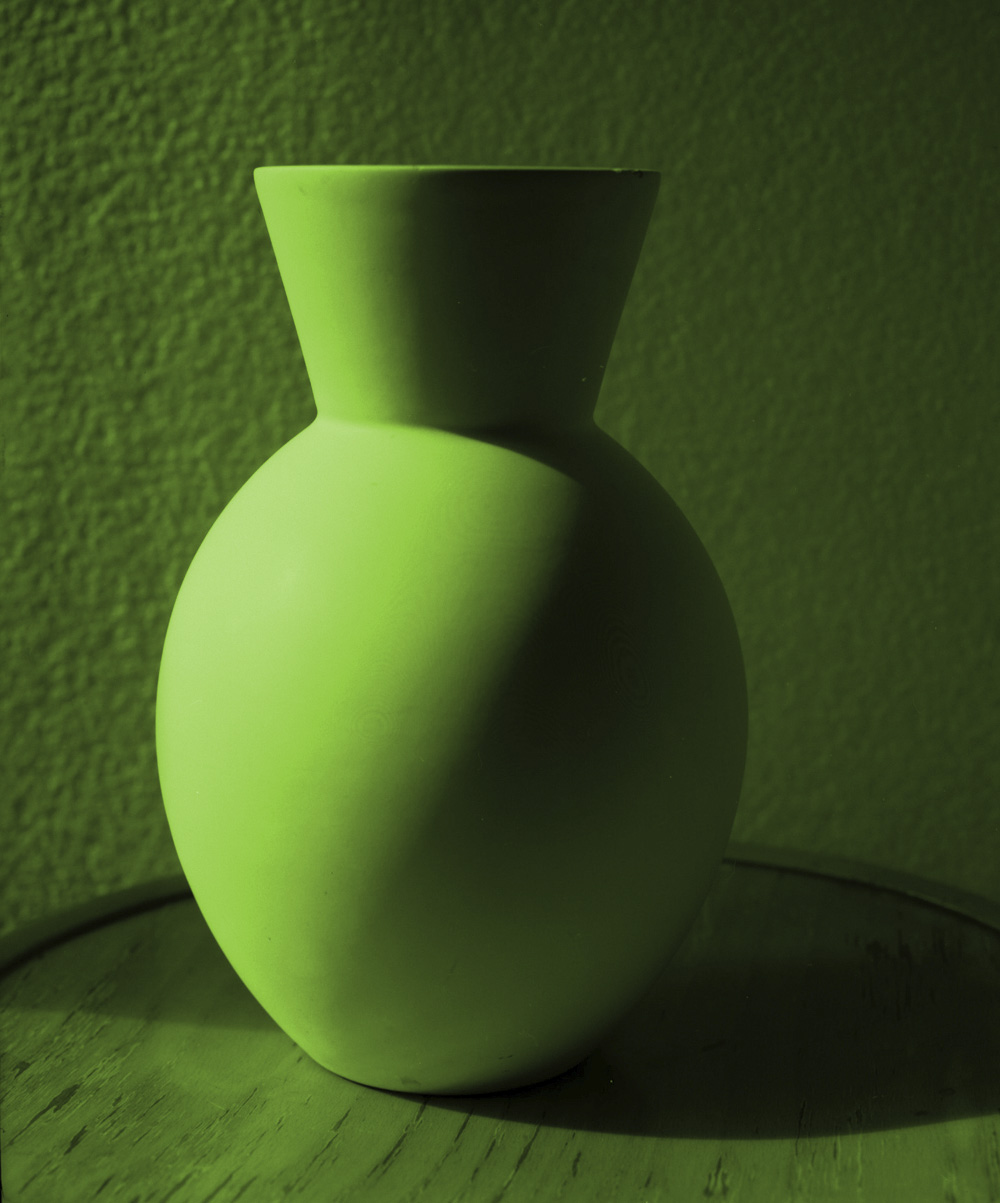
The Barthesian slogan, “this has been,” is for me, “I was there.” This series of images of a vase from Ikea consists of silver gelatin prints tinted in different coloured photographic dyes; photographs of a simple mass produced vase – its form the familiar vessel which so dominates Art History. “Ikea” for me is symbolic of the useful homely object and of the ideal home. The vase from Ikea no longer exists. The picture of that vase stands in for the vase that once existed. The photograph can be seen now – at this moment. It will continue to exist in the future. Its representation crosses time barriers.
My photographs are always documentations of a private performance.
Every photograph records what is in front of the camera, but my interest is in the occasion and the complex conditions of the making of the photograph – first the negative then the print. Each photograph ends up being a documentation of my state of mind during this intensely private moment as well as something for other people to look at. Because of changing conditions, every one of these prints from that same negative is different. For me each analogue print is an unsteady thing. They are now relics from another era, as is the vase.
As a counterpoint to the repetition of the vase prints, I have selected four vintage works from my archive.
Janina Green (Australian born Germany, b. 1944) Orange vase 1990, reprinted 2012 Silver gelatin print on fibre based paper, hand tinted with orange photo dye 85 x 70cm
Janina Green (Australian born Germany, b. 1944) Green vase 1990, reprinted 2012 Silver gelatin print on fibre based paper, hand tinted with green photo dye 85 x 70cm
Janina Green (Australian born Germany, b. 1944) Interior 1992 C Type print 38 x 30cm Vintage print / edition of 5
Janina Green (Australian born Germany, b. 1944) Telephone 1986, reprinted 2010 Silver gelatin print on fibre based paper, tinted with coffee 58 x 48cm
Janina Green (Australian born Germany, b. 1944) Yellow vase 1990, reprinted 2012 Silver gelatin print on fibre based paper, hand tinted with yellow photo dye 85 x 70cm
We were asked to choose our favourite photograph, one that we could nominate as a great photograph. I chose a slightly different take on proceedings.
Dr Marcus Bunyan
Many thankx to my fellow speakers for their talks and to Director of the Centre for Contemporary Photography Naomi Cass for inviting me to speak at a wonderful evening. Please click on the photographs for a larger version of the image.
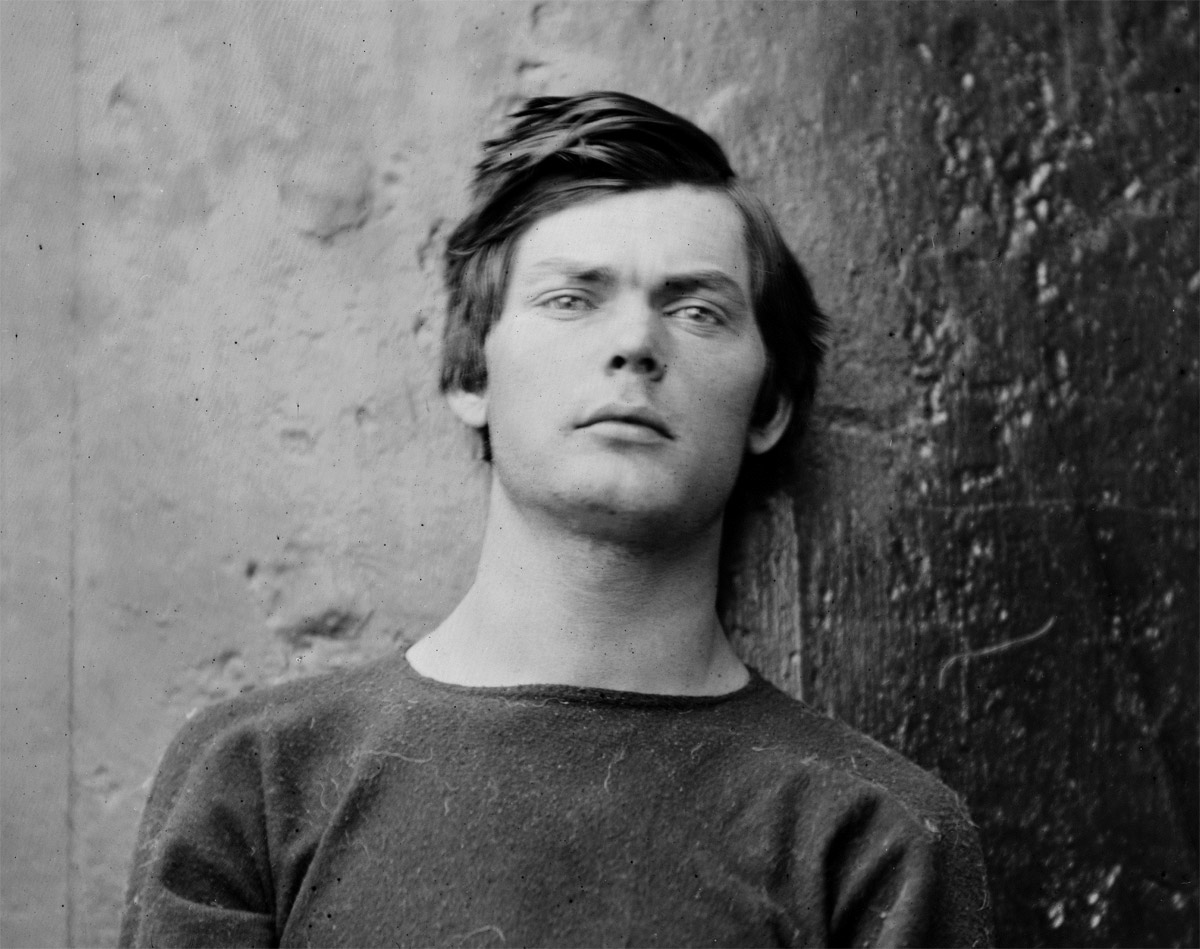
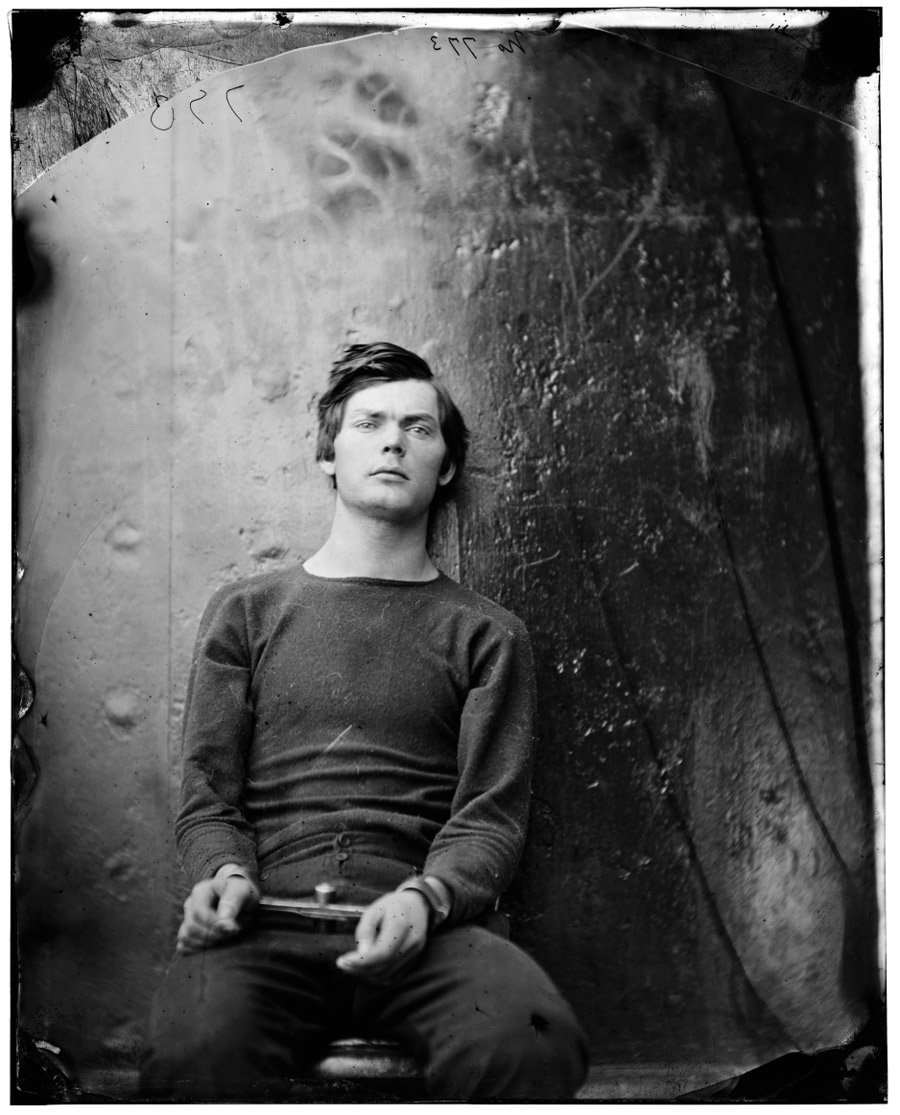
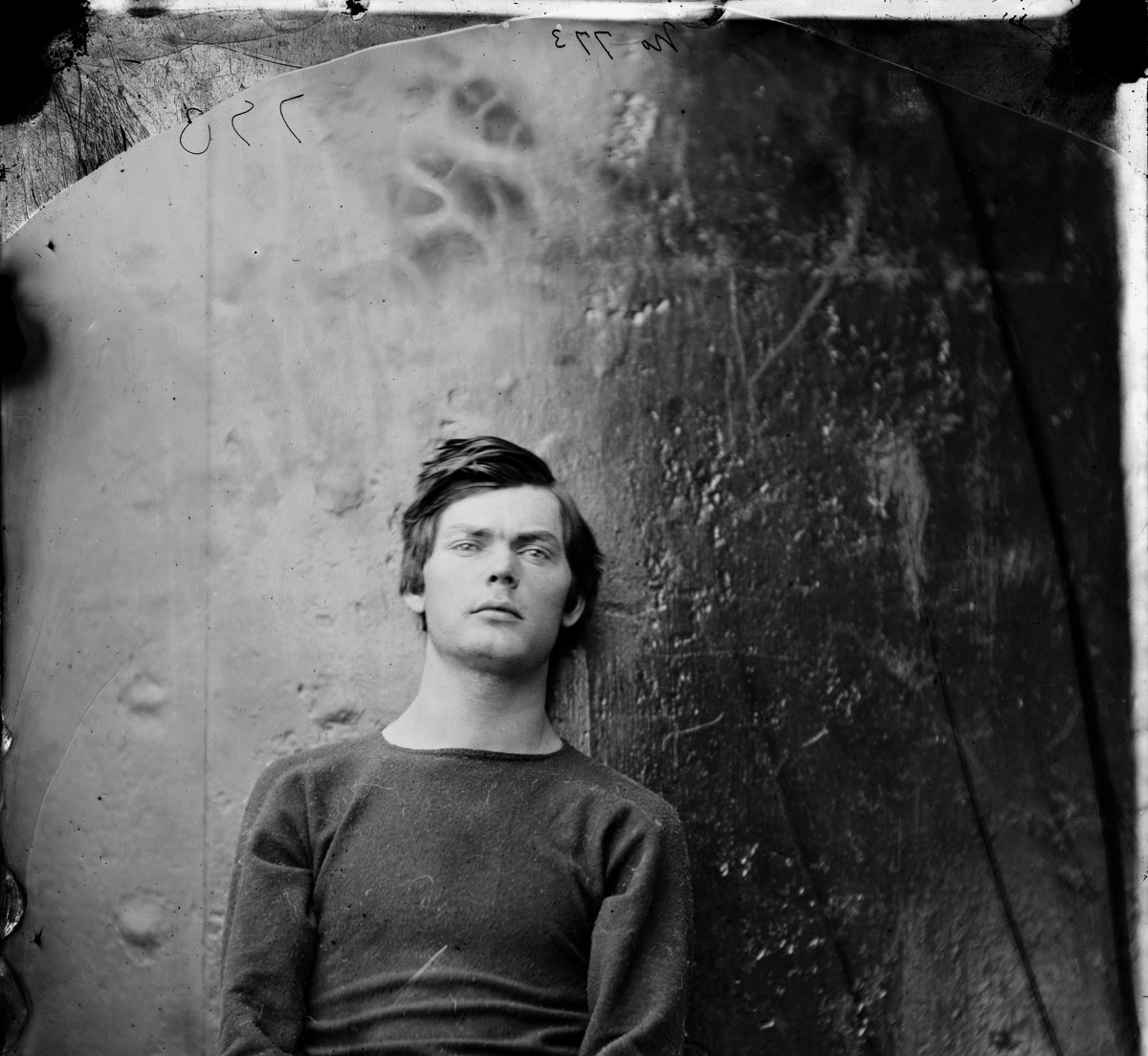
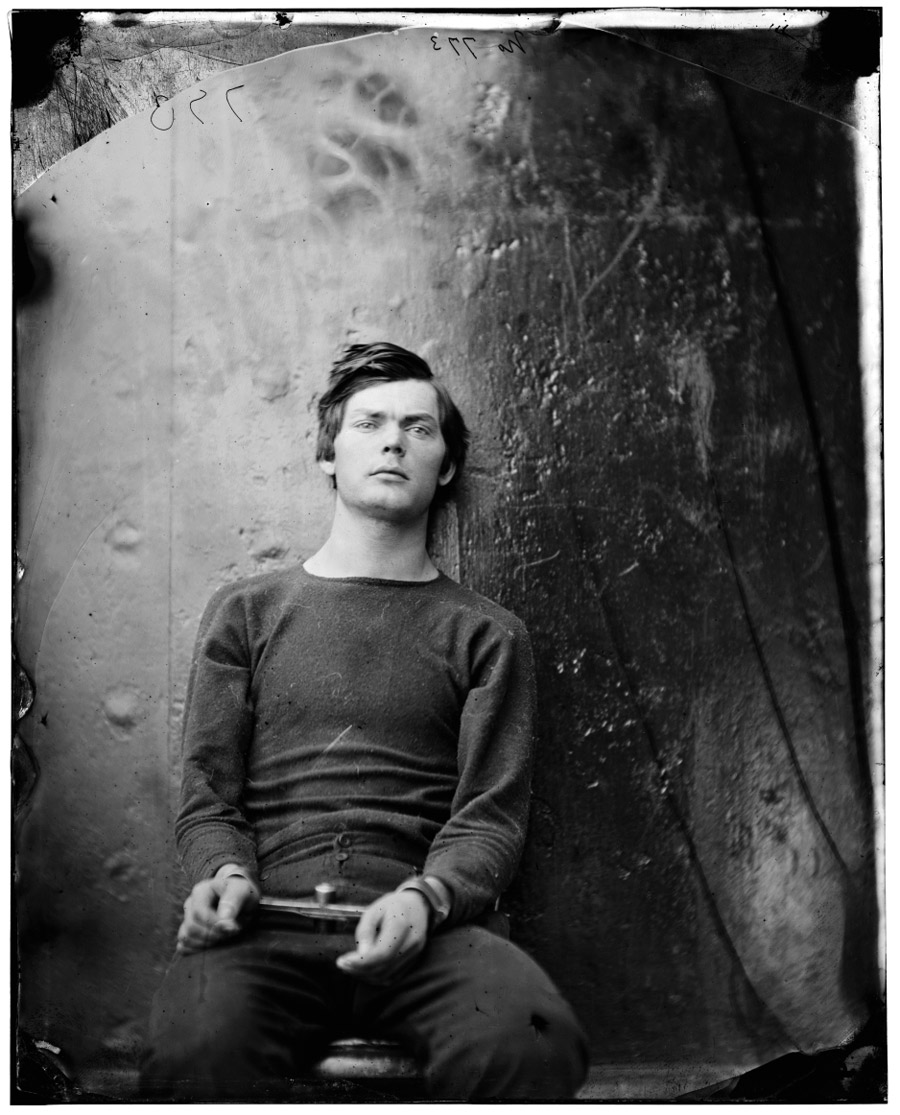
Alexander Gardner (American, 1821-1882) Lewis Paine 26th April, 1865 Albumen silver print from a Collodion glass plate negative
This is not my favourite photograph
A minute’s silence…
This is not my favourite photograph Nor may it be a great photograph… More interestingly to me, it is a remarkable photograph – one that you are able to make remarks on.
It is also a photograph that has haunted me for years.
Taken by Alexander Gardner in April 1865, this photograph is a portrait of Lewis Thornton Powell (aka Lewis Payne or Paine) who was one of the conspirators in the assassination of Abraham Lincoln which had happened the same month. The photograph has a background of dark metal, and was taken on one of the ironclads U.S.S. Montauk or Saugus, where the conspirators were for a time confined. Paine was executed in July 1865 just eight short weeks later.
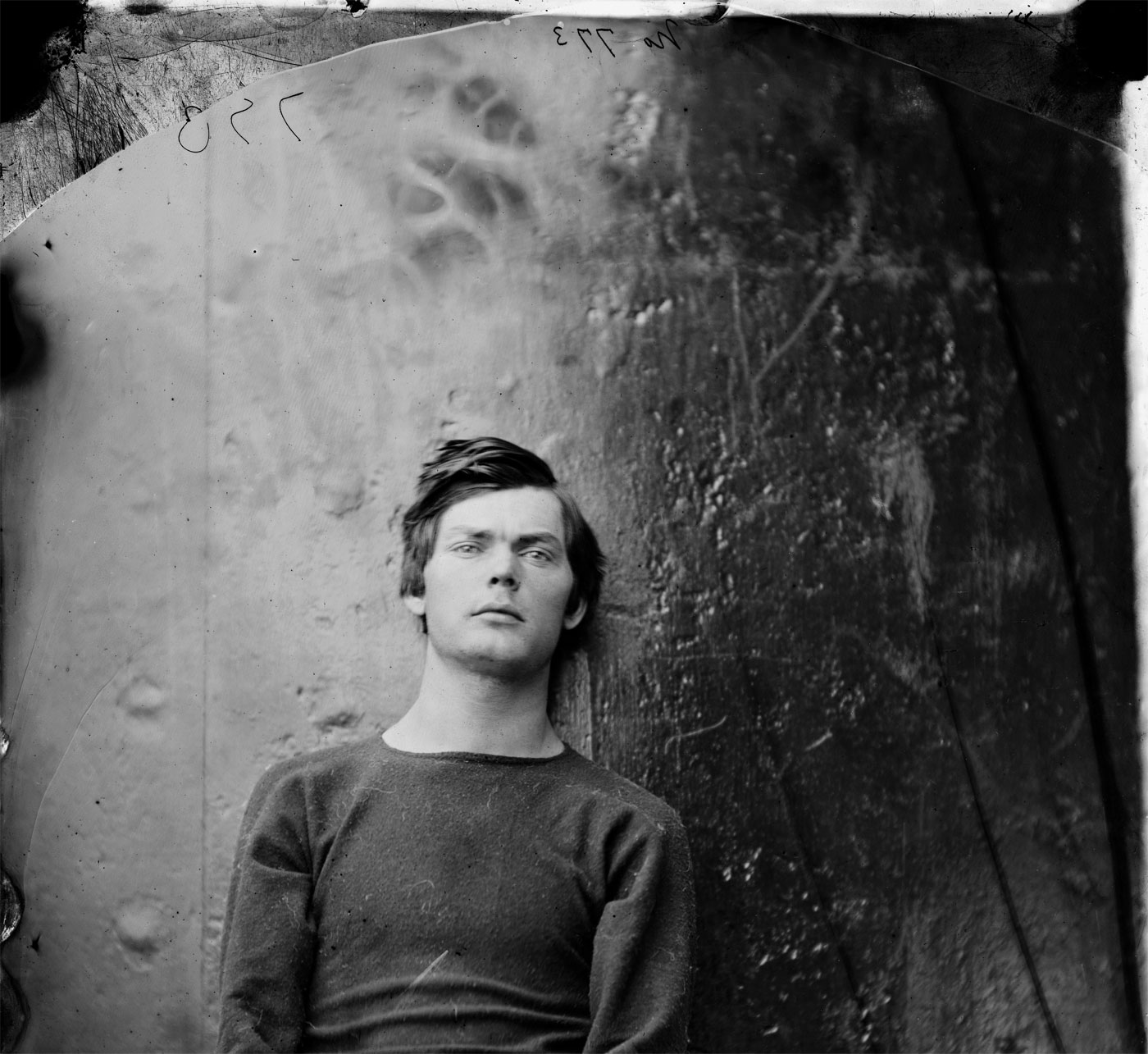
Alexander Gardner (American, 1821-1882) Three photographs of Lewis Paine 26th April, 1865
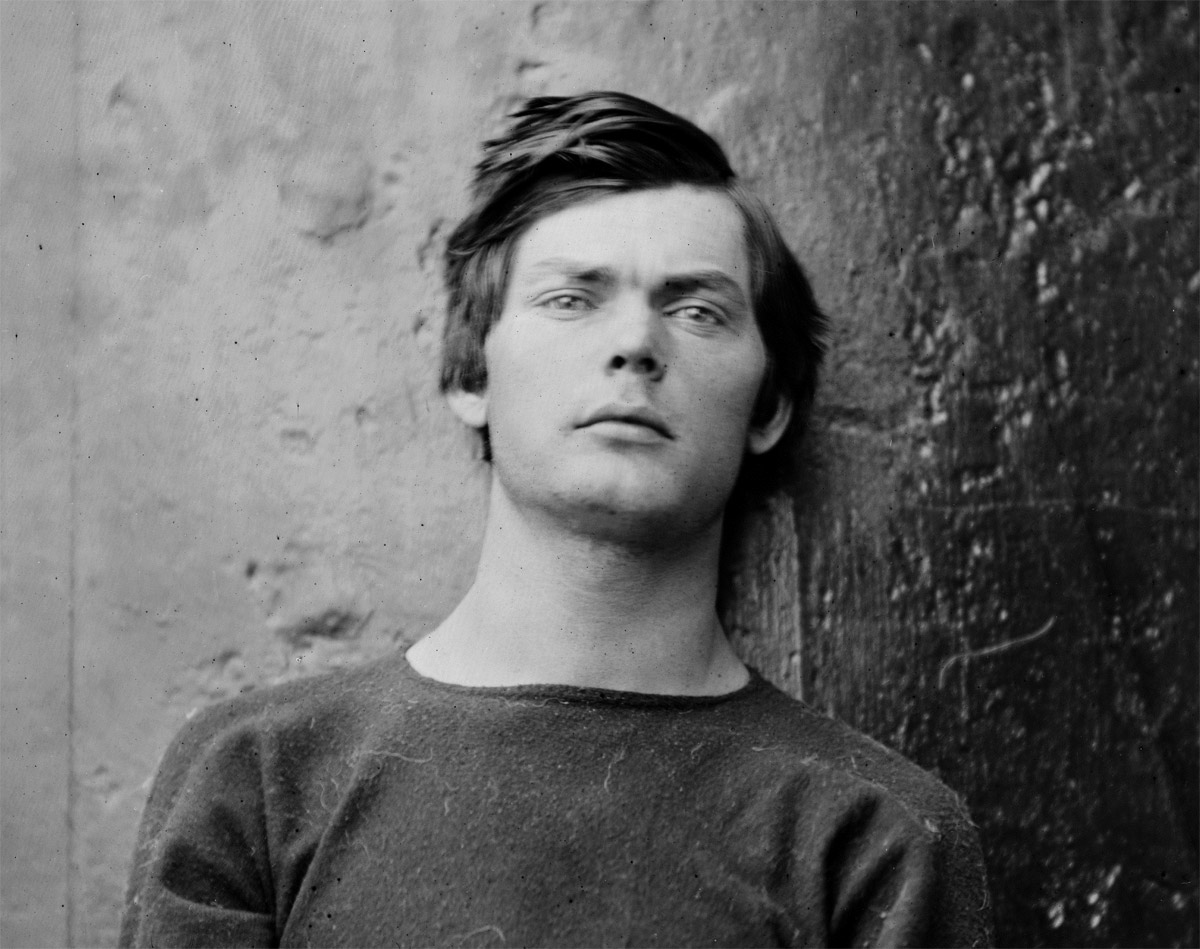
This is the triptych of photographs by Gardner in the form they are usually displayed, like a three-panel renaissance altar-piece. The left and right hand photographs were taken within minutes of each other, with the camera in the same position, whereas in the centre photograph the camera has been lowered to show more of the body, and the image has been cropped at the top. In the central plate the figure of Paine has been raised up in the frame – almost prematurely brought back to life by his placement.
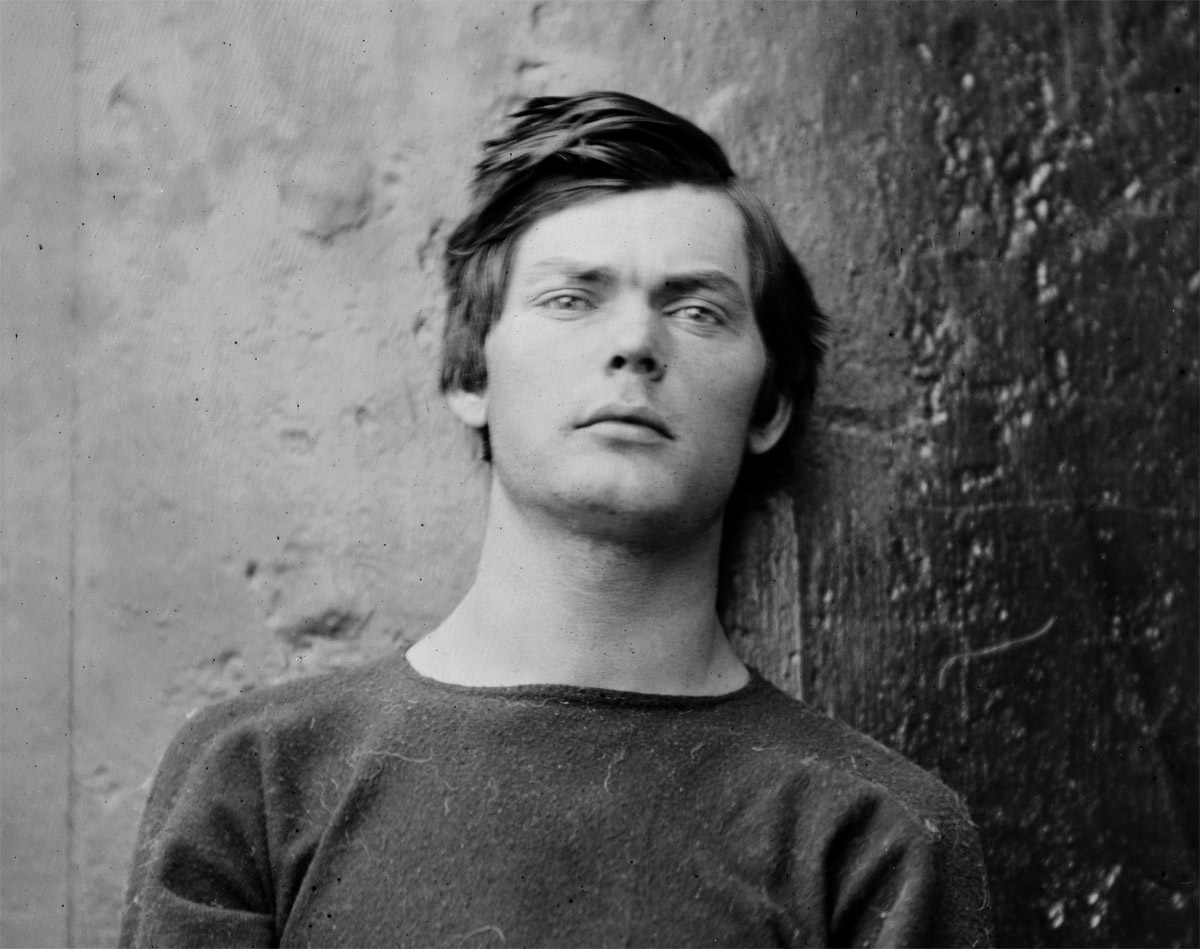
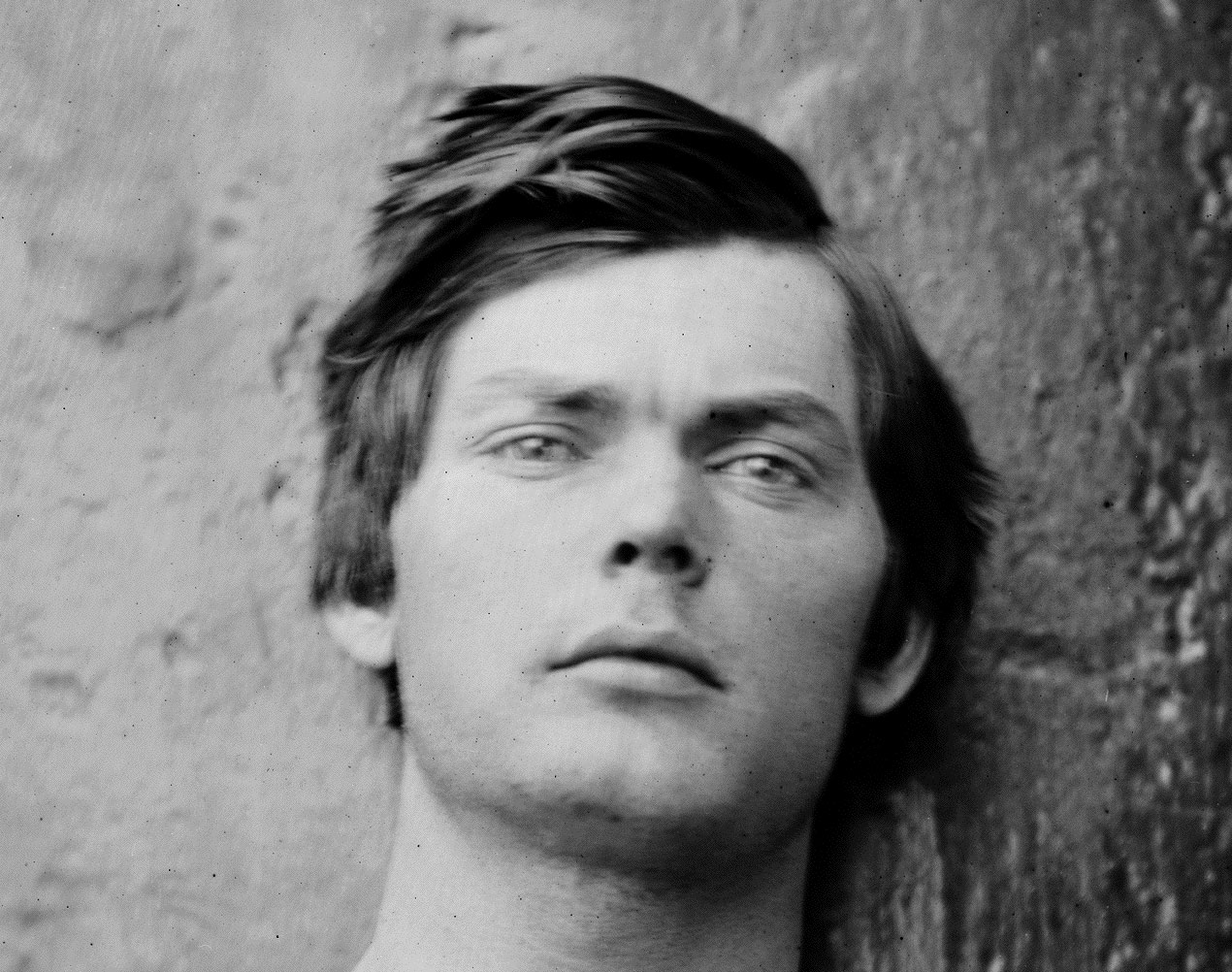
The centre image is the only one where Paine stares directly at the camera. He surveys the viewer with a gaze I find enigmatic.
This is a very modern face, a very contemporary face. His hair is just like Justin Beiber’s.
Who brushed his hair across for this picture, and would it normally be this long, or has it just been ignored because of his fate?
He still has good muscle tone – has he been exercising in his cell?
And finally his clothing – is it navy issue, as his top appears to have been given to him, perhaps the coarse, navy blue wool of the Northern states.
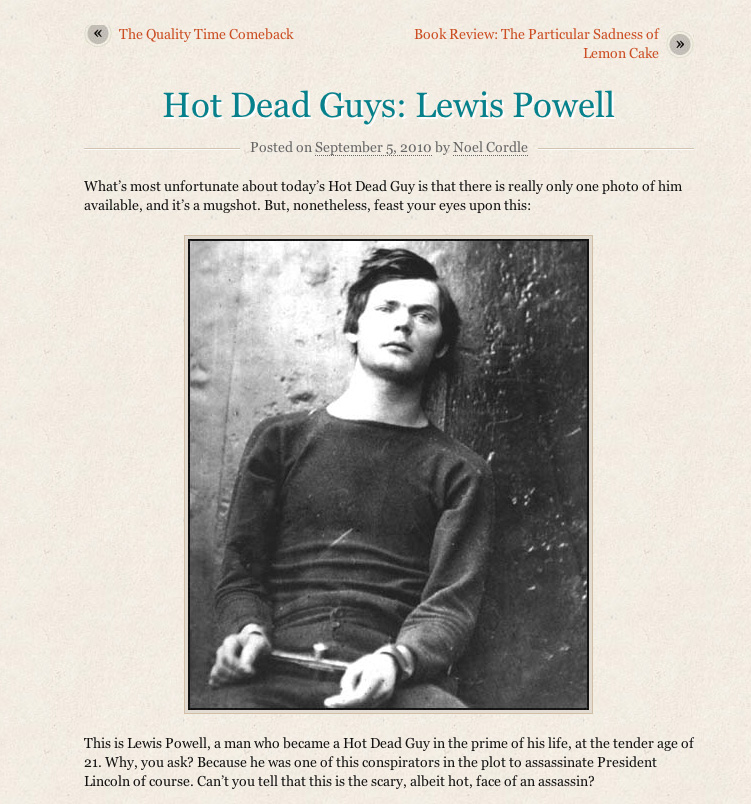
Noel Cordle Hot Dead Guys: Lewis Powell Posted on September 5th, 2010 Mere Musings blog [Online] Cited 01/12/2012 no longer available online
There’s even a web page dedicated to him on “hot dead guys” where there’s that awkward moment when one of Lincoln’s conspirators is so sexy its ridiculous…
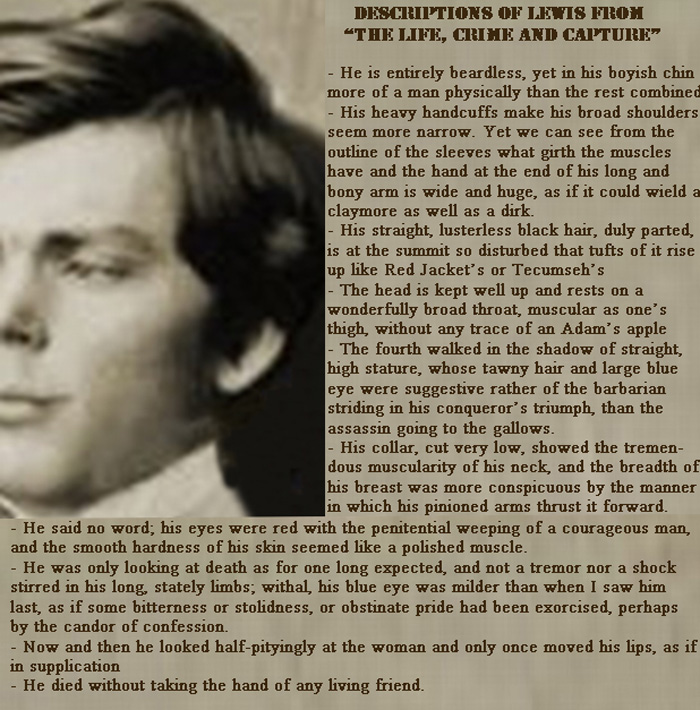
He wasn’t all bad. Biographers of Powell describe him as a quiet, introverted boy who enjoyed fishing and caring for sick and injured animals. Apparently, Lewis was an intelligent, sensitive, soul with great potential.
Descriptions of Lewis from “The Life, Crime and Capture”
.
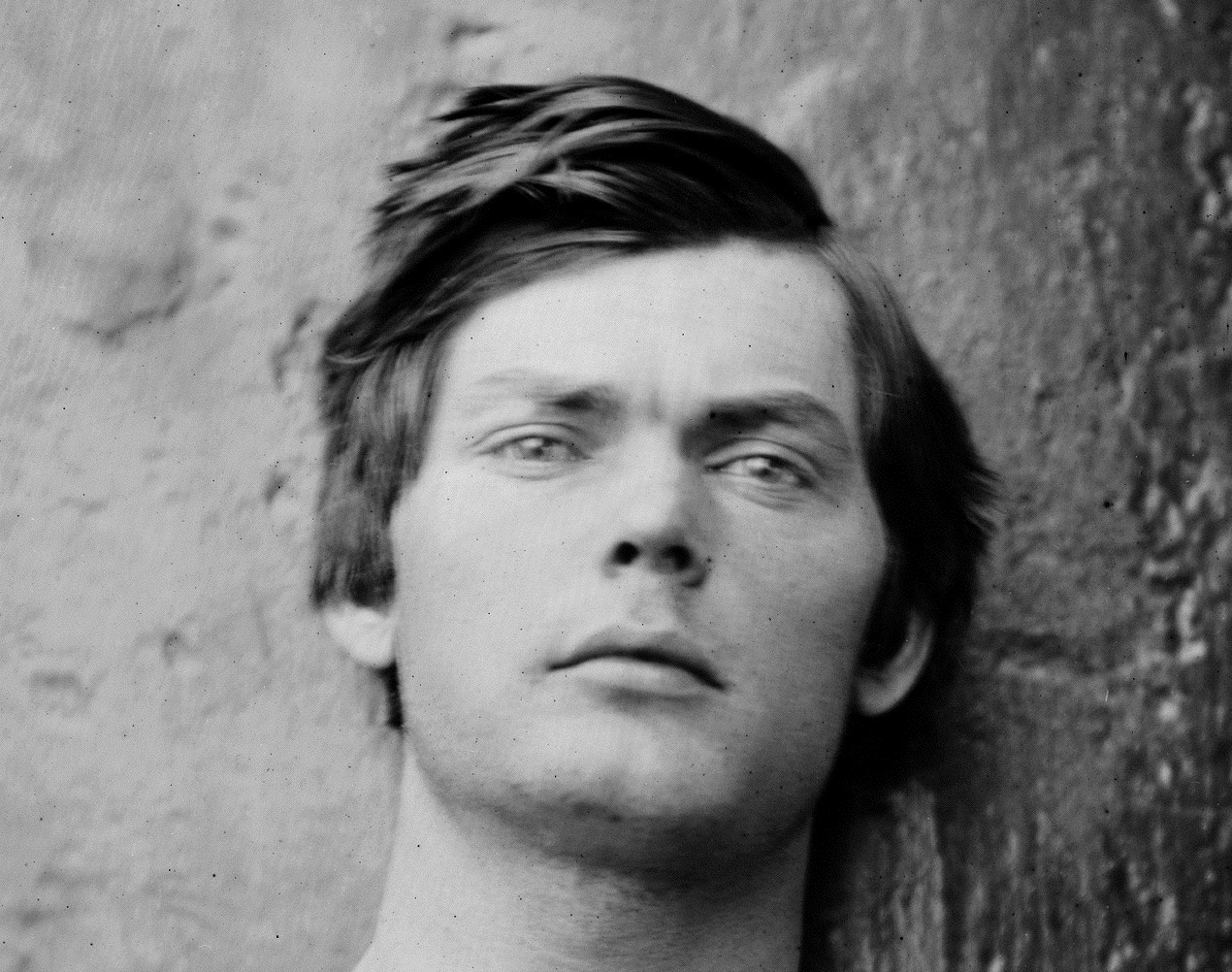
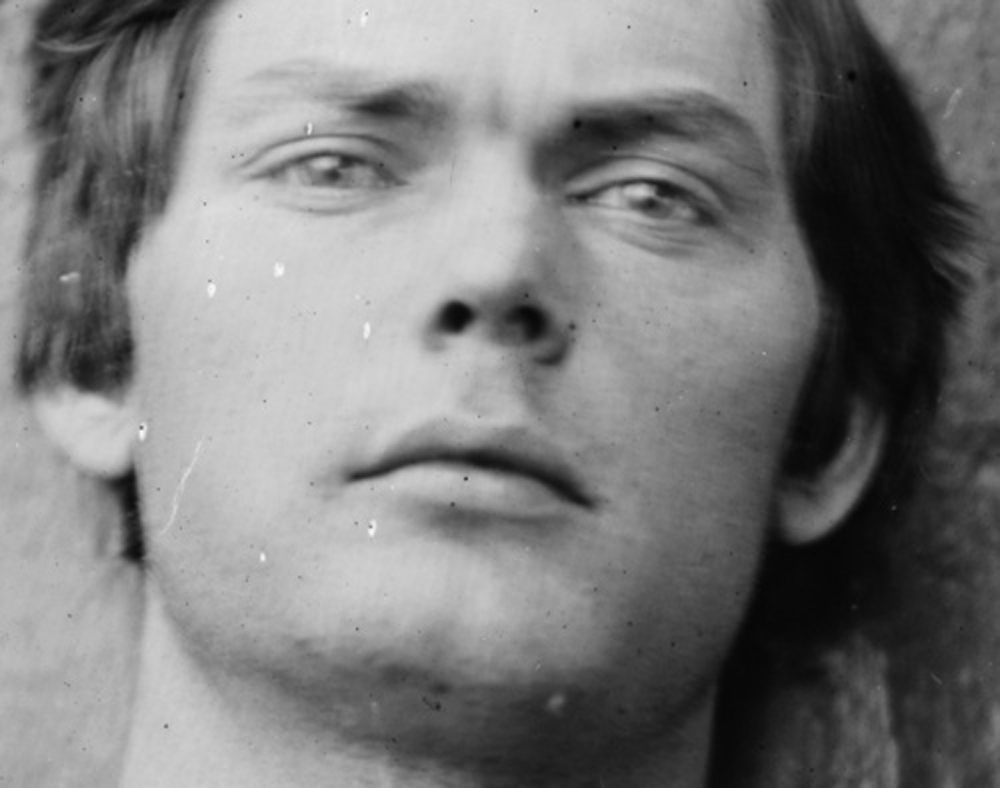
Alexander Gardner (American, 1821-1882) Lewis Paine (detail) 26th April, 1865 Albumen silver print from a Collodion glass plate negative
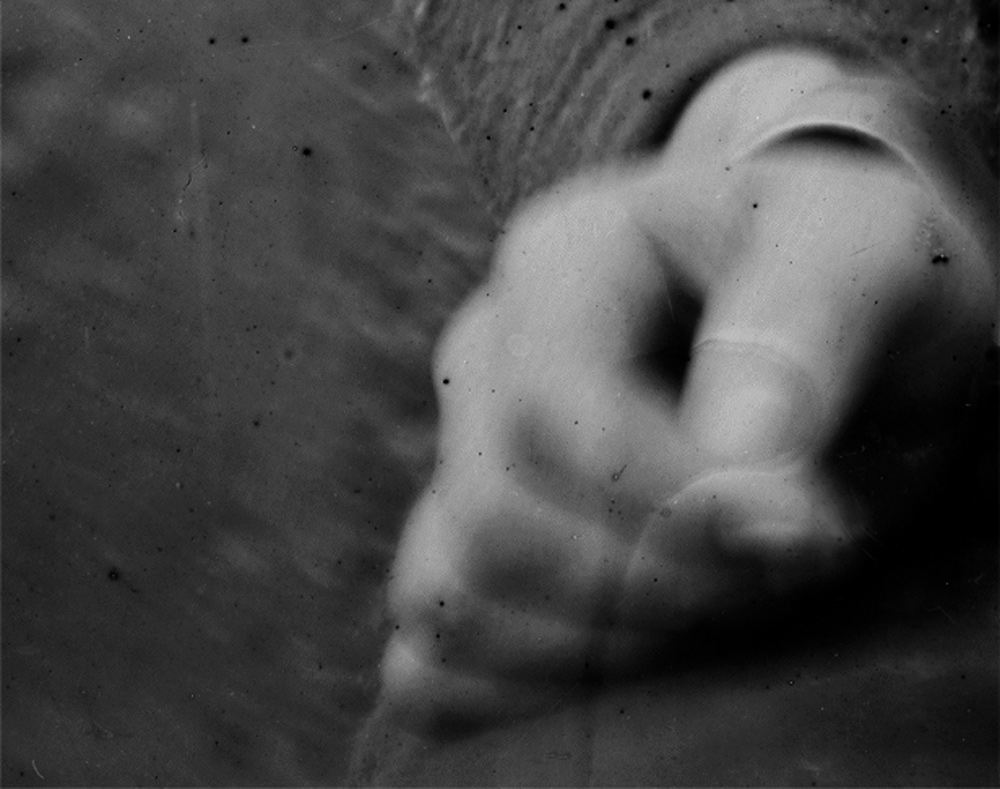
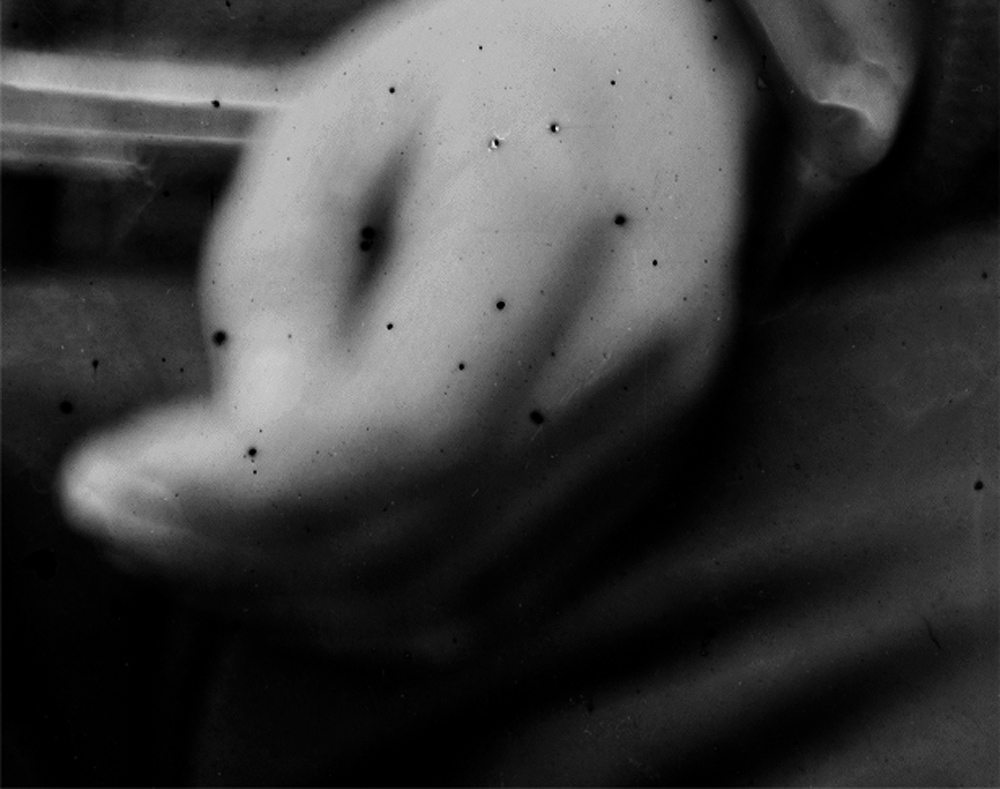
Could we say that he is left-handed given the different size of his fingers (?)
Roland Barthes (French, 1915-1980) Camera Lucida (La Chambre claire) 1980
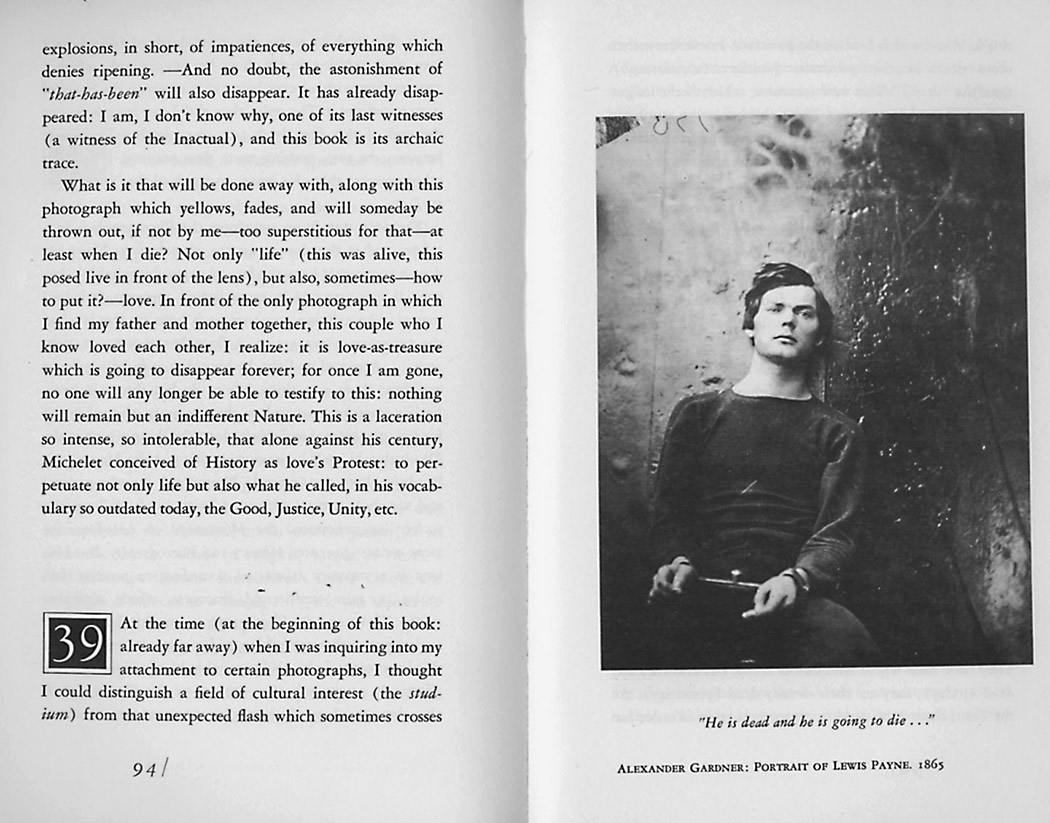
Roland Barthes in his seminal work Camera Lucida said in Section 39: “He is dead and he is going to die…
“The photograph is handsome, as is the boy: that is the studium. But the punctum is: he is going to die. I read at the same time: this will be and this has been; I observe with horror an anterior future of which death is the stake. By giving me the absolute past of the pose, the photograph tells me death in the future. What pricks me is the discovery of this equivalence.”
If we were to place this image within the metaphysical school of photography which peaked with Paul Caponigro and Minor White we could say:
Hovering above his head, has his spirit already begun to leave his body?
One reading of his gaze is that he is really interested in what the photographer is doing – almost the gaze of an apprentice wanting to apply these skills in the future.
Given his fate is he insane because of his interest?
What is really going on in his mind – what is his perspective?
Another reading could be as looking out to the future in the hope of finding that he will be judged in another way.
And another is the immediacy of his gaze – it is a gaze that is happening now!
The other thing that I find quite mysterious is the distance of the photographer from the subject.
Was it fear that stopped him getting any closer or are there deck fittings we cannot see that prevented his approach?
What brought Paine to this place?
Michel Foucault calls the methods and techniques through which human beings constitute themselves, “Technologies of the self.” Foucault argued that we as subjects are perpetually engaged in processes whereby we define and produce our own ethical self-understanding. According to Foucault, technologies of the self are the forms of knowledge and strategies that “permit individuals to effect by their own means or with the help of others a certain number of operations on their own bodies and souls, thoughts, conduct, and way of being, so as to transform themselves in order to attain a certain state of immortality.”1
As we look into his eyes he knows that we know he is going to die, has already died but the intensity of that knowledge is brought into present time. What Paine emanates is a form of i-mortality.
I wonder, did Gardner ever show him the finished photographs before he died?
This is Barthes anterior future, a moment where truth is interpreted in the mind of the photographer, not out there but in here [points to head and heart], where past, present and future coalesce into single point in time – his death and our death are connected through his gaze, the knowledge of our discontinuity. Eons contracted into an eternal moment.
In this moment in time, what we are doing is we are making a list about the human condition when we talk about something that is remarkable. We are moving towards a language that defines the human condition…
But ultimately language can never fully describe the human condition, much as it may try… and this is why this photograph is remarkable, because it is ineffable, unknowable.
This photograph inhabits you, it haunts you like few others.
Early Wittgenstein described a world of facts pictured by thoughts. He said, “Don’t Think, But Look!”
I would add “Don’t think, but feel and look”
This photograph is a memoriam to a young man and his present death. As such it is a REMARKABLE photograph that haunts us all.
Dr Marcus Bunyan December 2012
1/ Foucault, Michel. “Technologies of the self,” in L. H. Martin, H. Gutman and P. H. Hutton (eds.). Technologies of the self. Amherst: University of Massachusetts Press, 1988,p. 18.
Postscript
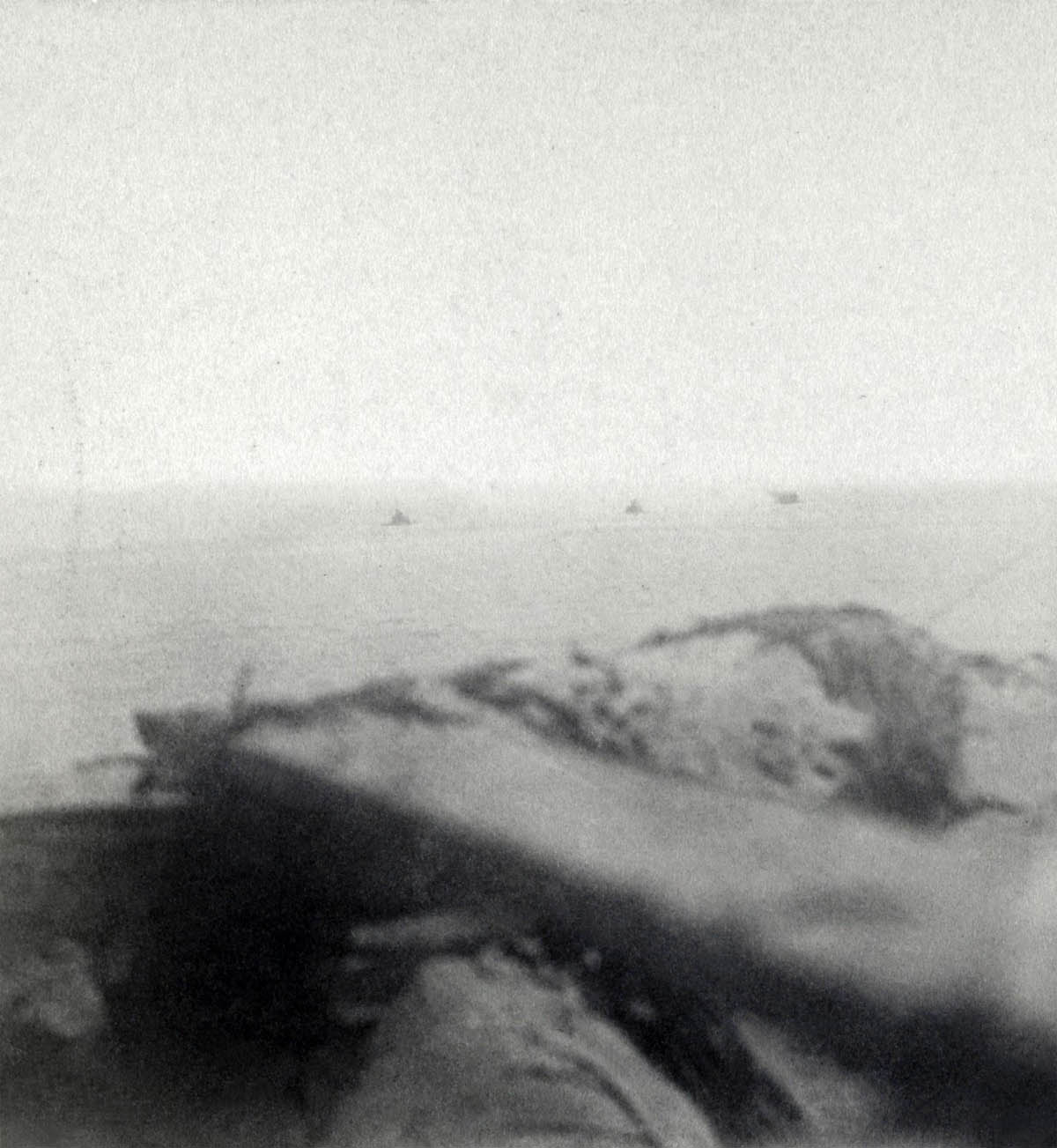
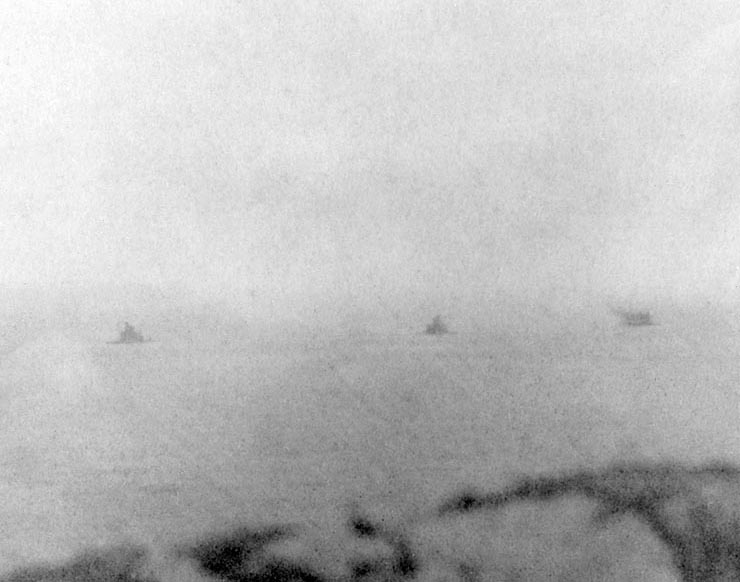
George Cook (American, 1819-1902) Union ironclads firing on Fort Moultrie, S.C., (detail) 8th September 1863
“On the highest point of the battered dust heap that was the still untaken fortress of Sumter. the Confederate photographer, Cook, planted his camera on September 8, 1863, and took the first photograph of ironclads in action – the monitors W’echaten. Montauk and Passaic. as they were actually firing on the Confederate batteries at Fort Moultrie. The three low-freeboarded vessels, lying almost bows-on, at the distance of nearly two miles, look like great iron buoys in the channel, but the smoke from their heavy guns is drifting over the water, and the flames can almost be seen leaping from the turret ports. Although Fort Moultrie was the aim of their gunners, Cook, with his head under the dark cloth, saw on the ground glass a shell passing within a few feet of him. Another shell knocked one of plate-holders off the parapet into the rain-water cistern. He gave a soldier five dollars to fish it out for him. He got his picture – and was ordered off the parapet, since he was drawing upon the fort the fire of all the Union batteries on Morris Island. It seems incredible that such a daring photographic feat, and one of such historic interest, could have remained unpublished for nearly half a century – until one recalls the absence of any satisfactory method for reproducing photographs direct during the generation succeeding the war. Before photo-engraving became perfected, thirty years or more had passed, and most of the few negatives taken by Confederates had vanished through fire, loss, and breakage. Fortunately, this has been preserved one of the most vivid of any war.”
Francis Trevelyan Miller. “First Preface: Photographing The Civil War,” in The Photographic History of The Civil War In Ten Volumes. New York: The Review of Reviews, 1911, p. 24.
George Cook (American, 1819-1902) Union ironclads firing on Fort Moultrie, S.C., 8th September 1863 Photo courtesy of the Cook Collection, Valentine Richmond History
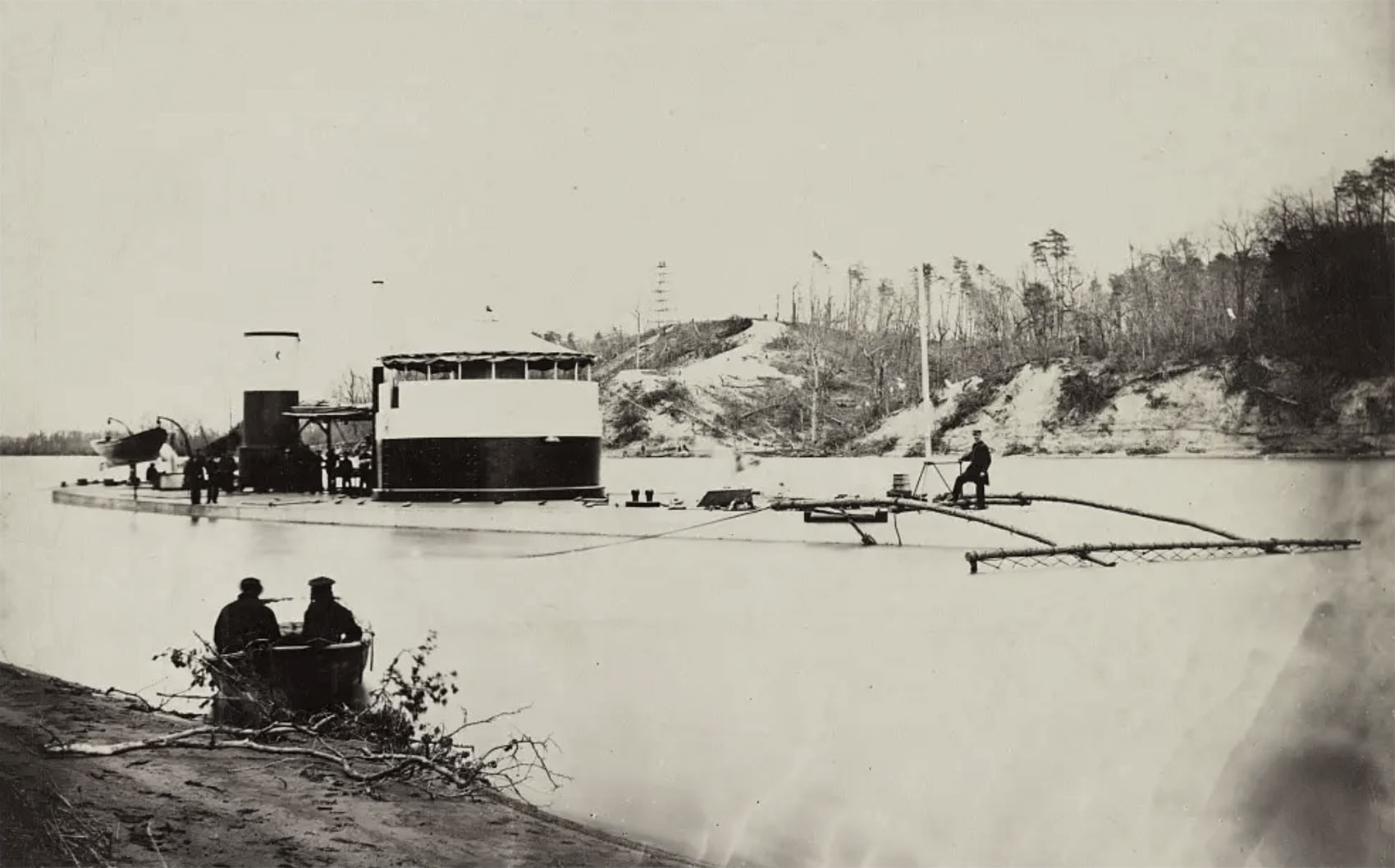
George Cook’s photograph of Union ironclads firing on Fort Moultrie, S.C., believed to be the world’s first combat photograph. Monitors engage Confederate batteries on Sullivan’s Island, Charleston, South Carolina. Photographed from one of the Confederate emplacements, the ships are identified as (from left to right): Weehawken, Montauk and Passaic. The monitor on the right appears to be firing its guns. Date is given as 8 September 1863, when other U.S. Navy ships were providing cover for Weehawken, which had gone aground on the previous day. She was refloated on the 8th after receiving heavy gunfire from the Confederate fortifications.
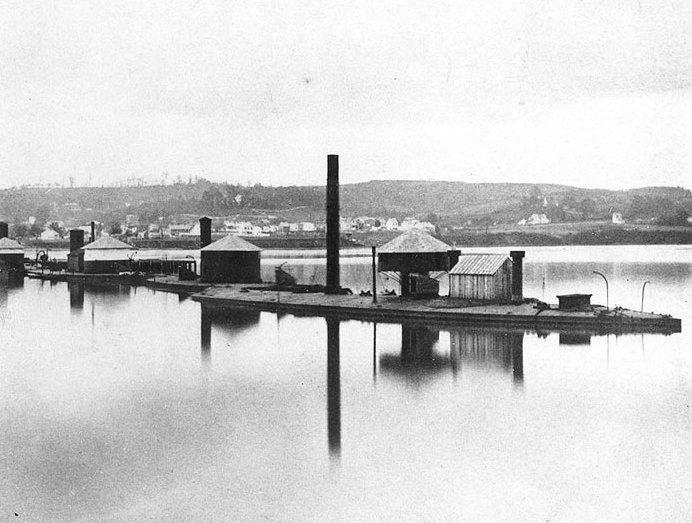
Kilburn Brothers (Edward and Benjamin Kilburn, American) Four monitors laid up in the Anacostia River, off the Washington Navy Yard c. 1866 Ships are (from left to right): USS Mahopac, USS Saugus, USS Montauk (probably), and either USS Casco or USS Chimo Photo mounted on a stereograph card, marked: “Photographed and published by Kilburn Brothers, Littleton, N.H.”
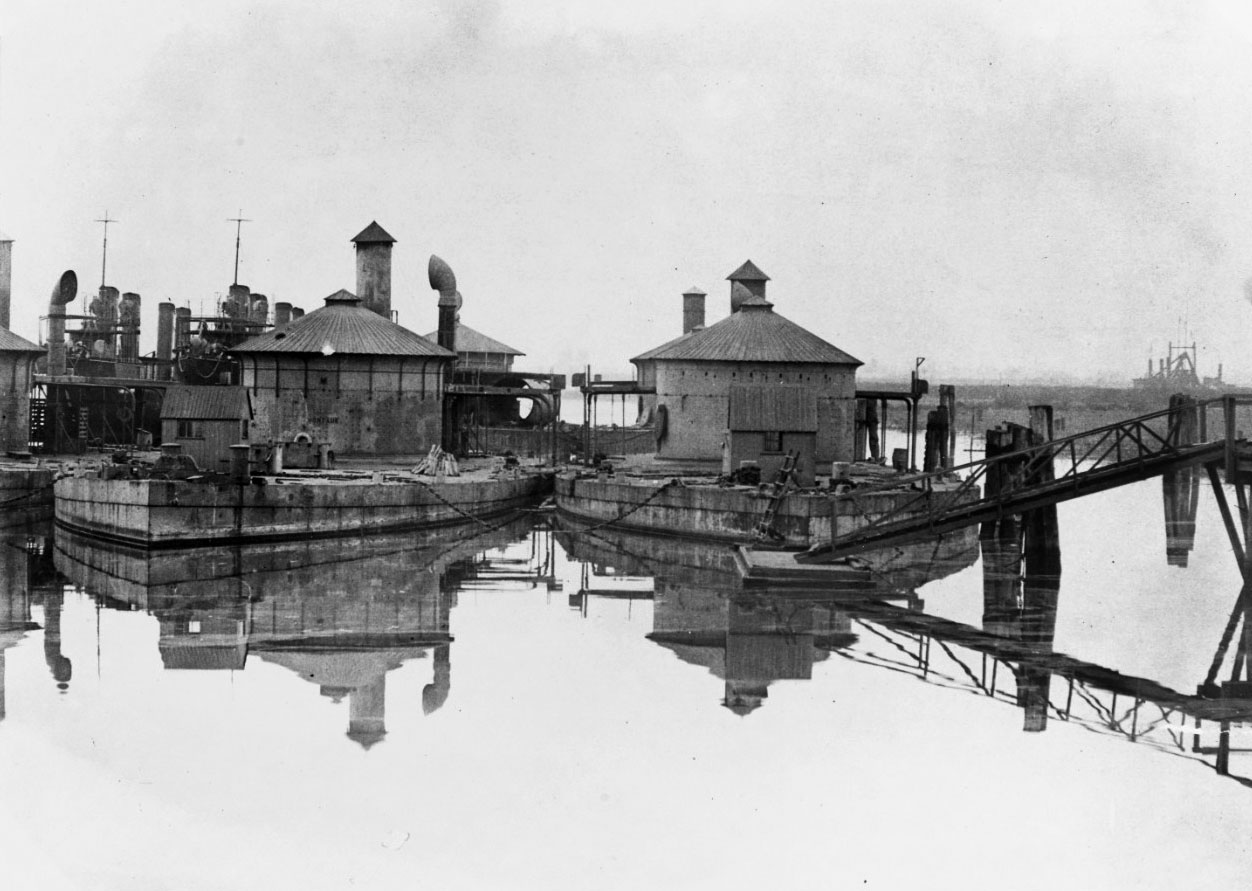
Anonymous photographer ‘Montauk’ at left, and ‘Lehigh’ at right, laid up at the Philadelphia Navy Yard, Pennsylvania c. late 1902 or early 1903 U.S. Naval Historical Center photograph
Anonymous photographer Saugus, in Trent’s Reach on the James River, Virginia c. early 1865 Note the mine sweeping “rake” attached to her bow U.S. Naval Historical Center photograph
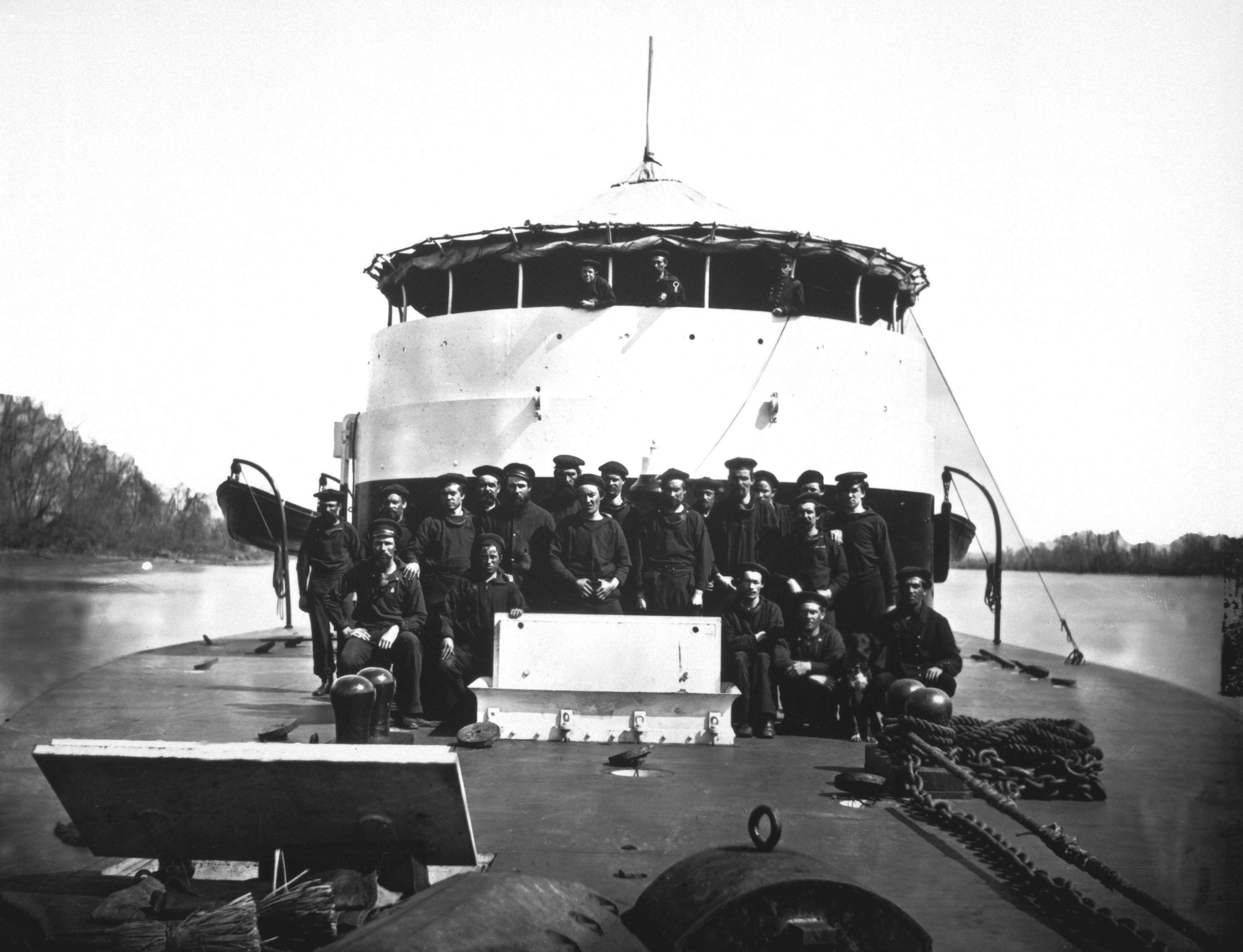
Anonymous photographer Officers pose on deck of the Saugus, in front of the gun turret, probably while the ship was serving on the James River, Virginia c. early 1865 Note ship’s bell and other details of the turret and deck fittings U.S. Naval Historical Center photograph
Join CCP to reflect on the inscrutable and relevant question: What makes a great photograph?
As part of the 2012 Kodak Salon, CCP presents an evening of confident and wildly divergent points of view on this topic.
A photography editor, a couple of curators, designers, a creative director, writers and artists will reveal their passionate choices on the night!
Speakers include: Serena Bentley, Marcus Bunyan, Helen Frajman, Natalie King, Bronek Kozka, Tin and Ed, Tom Mosby, and John Waricker. Chaired by Naomi Cass, CCP Director.
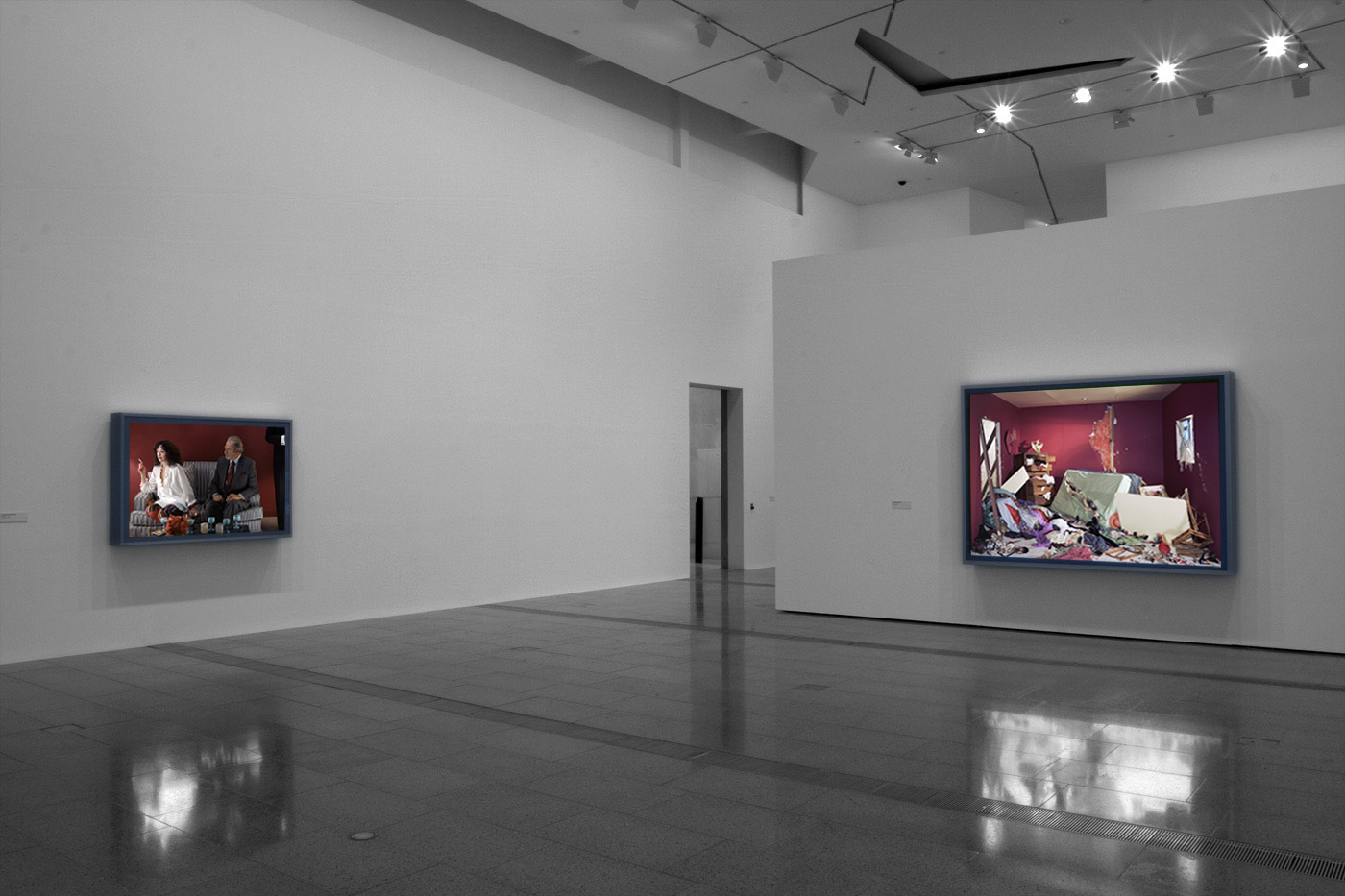
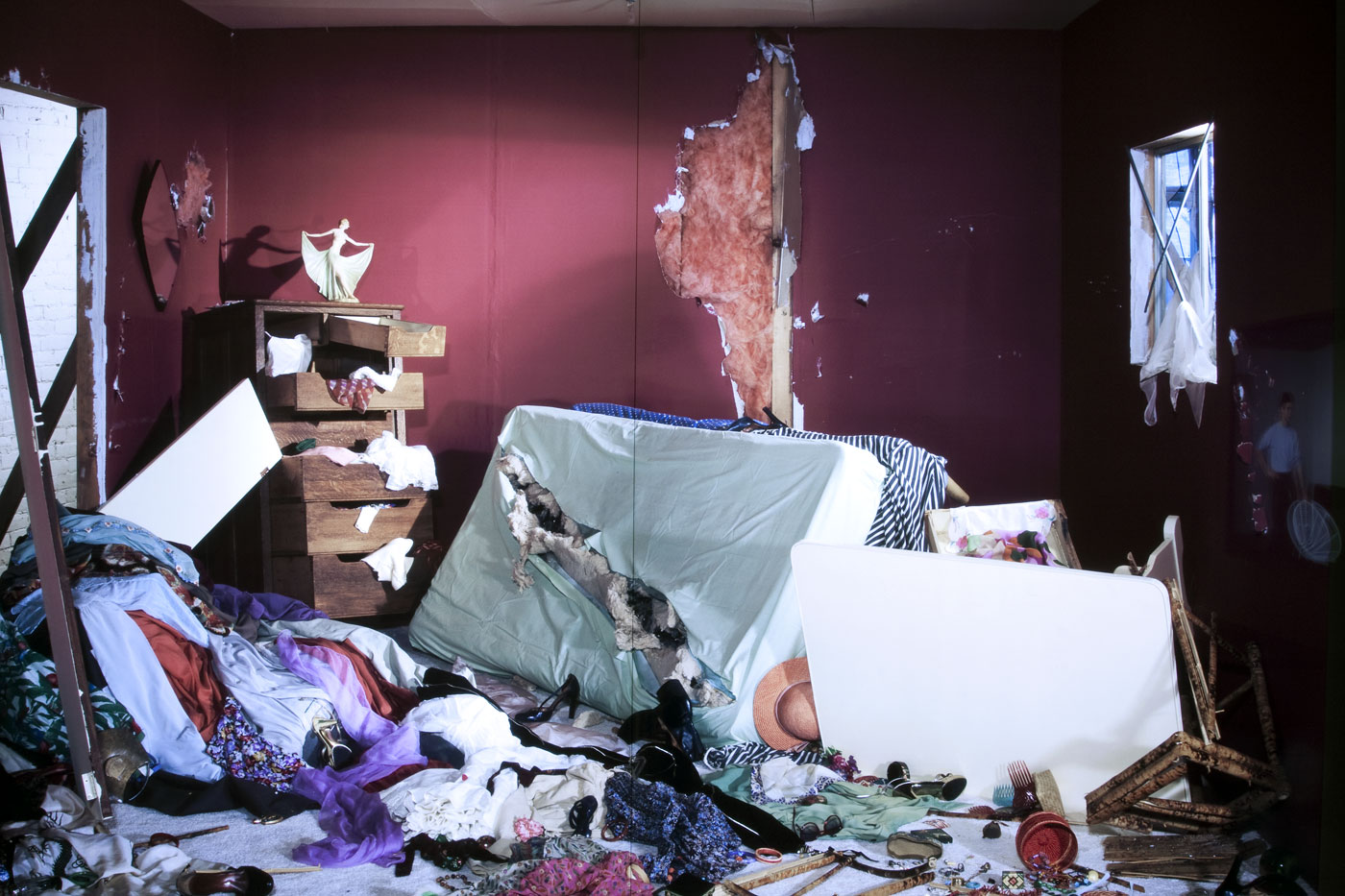
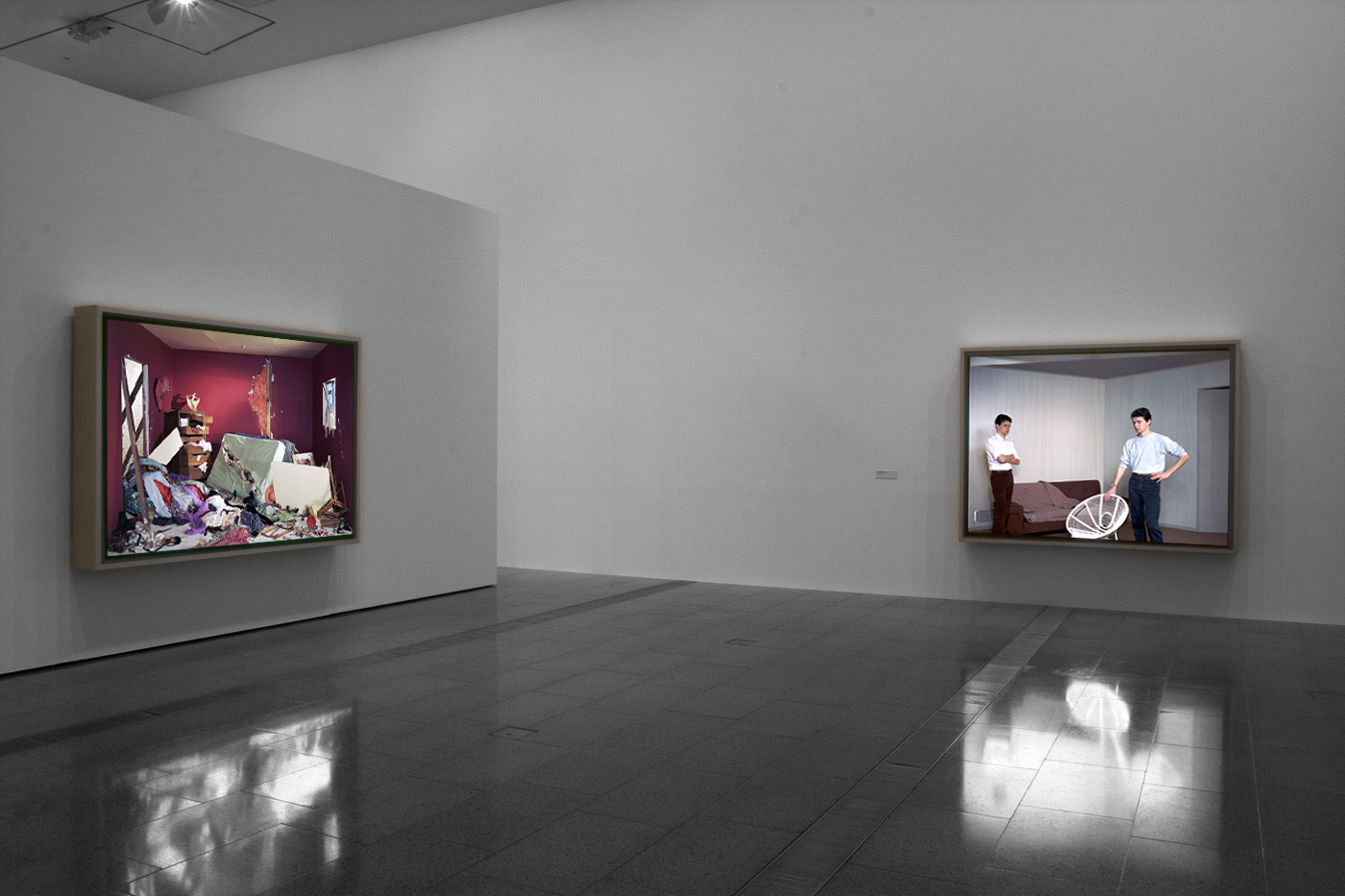
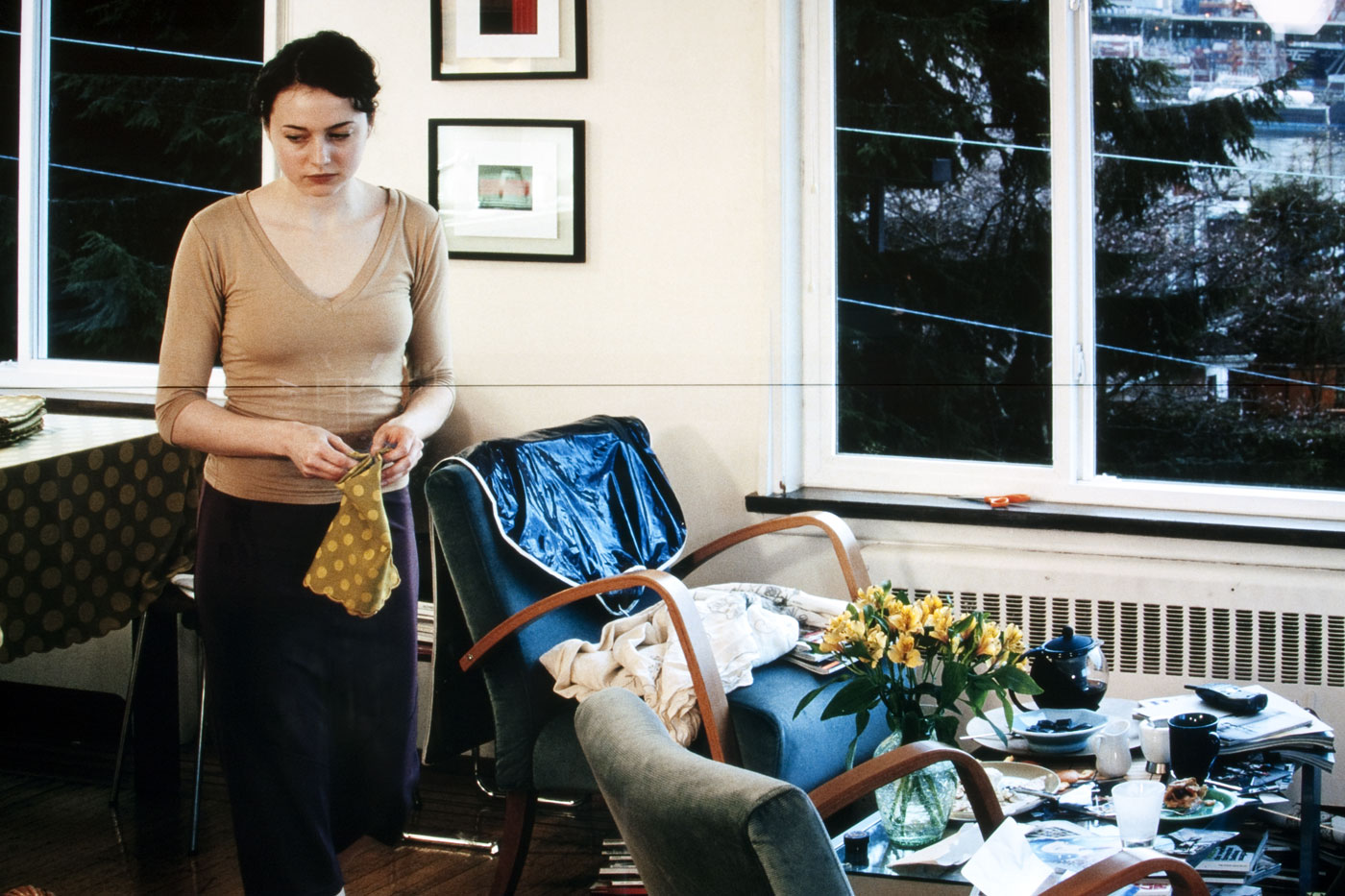
Installation view of Jeff Wall Photographs at NGV Australia showing, at right, The Destroyed Room 1978 Photo: Marcus Bunyan
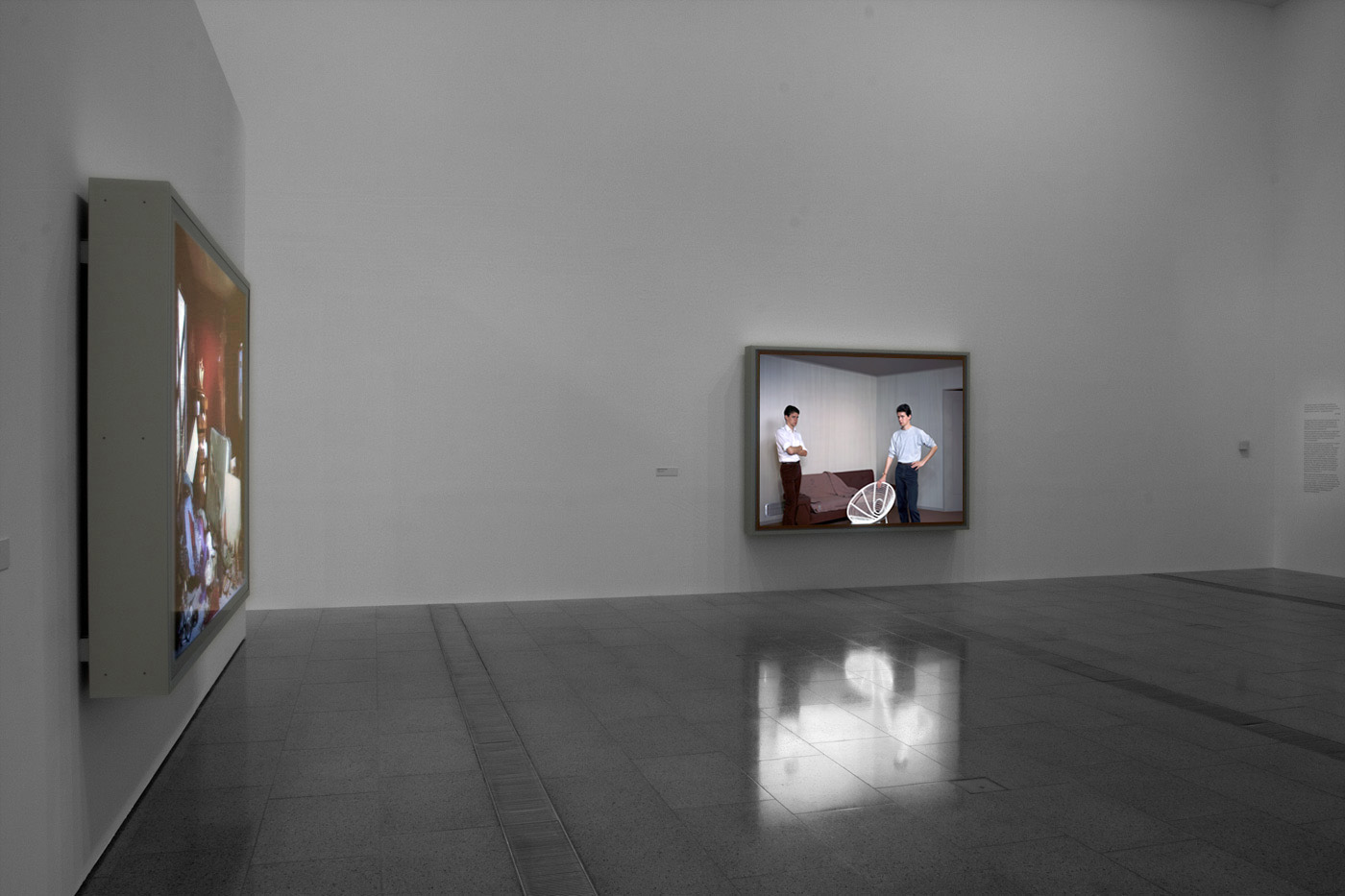
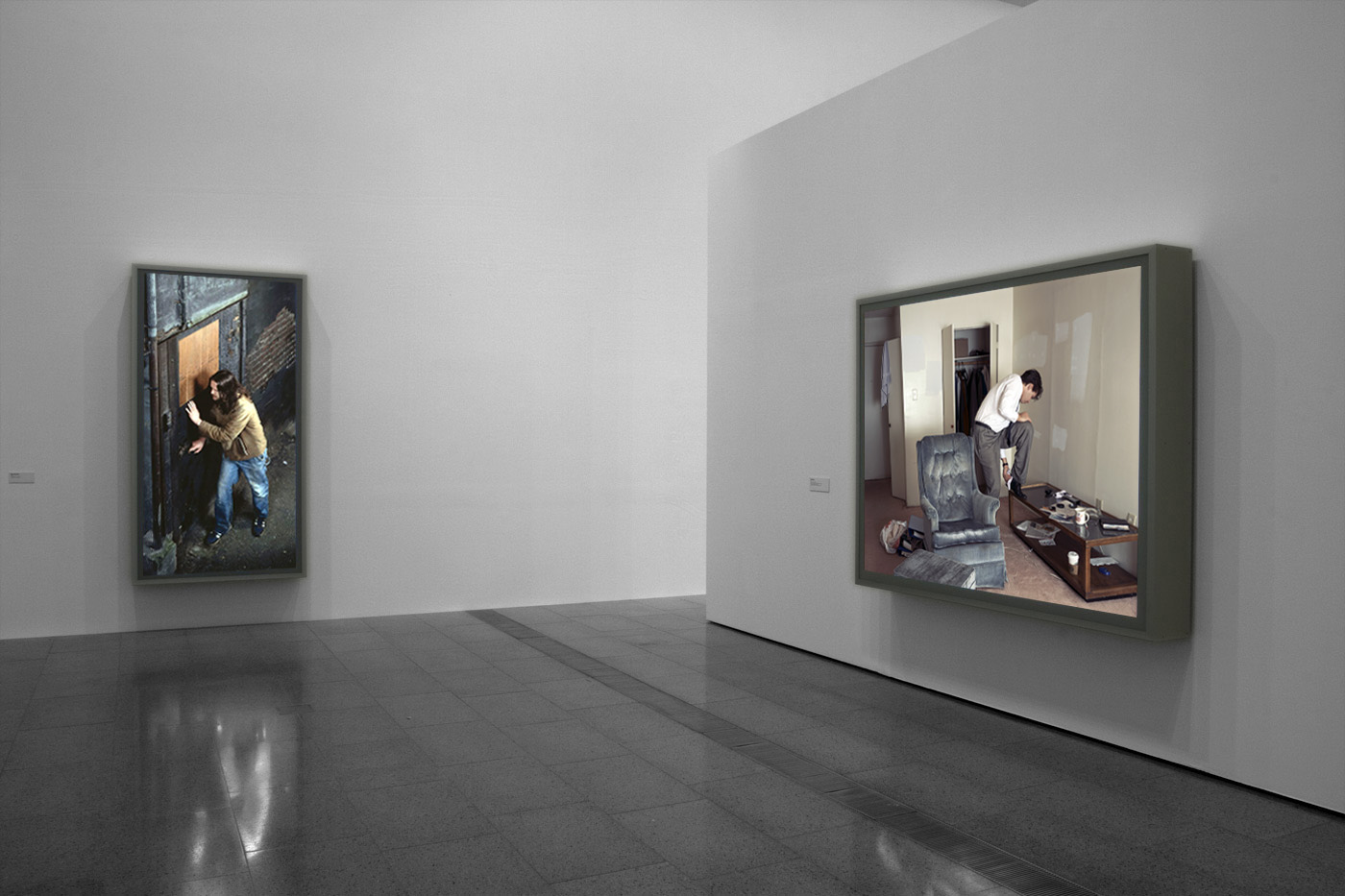
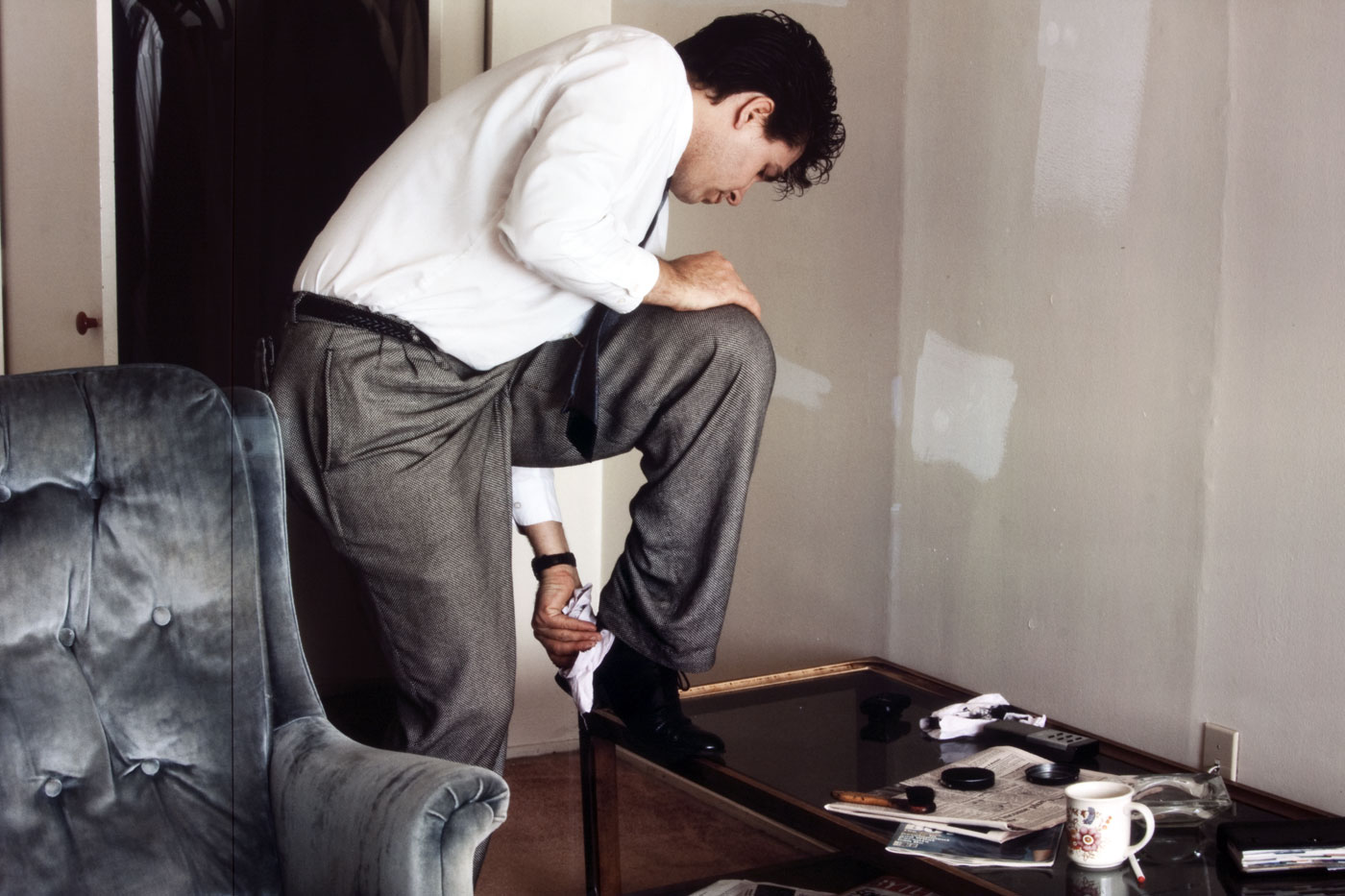
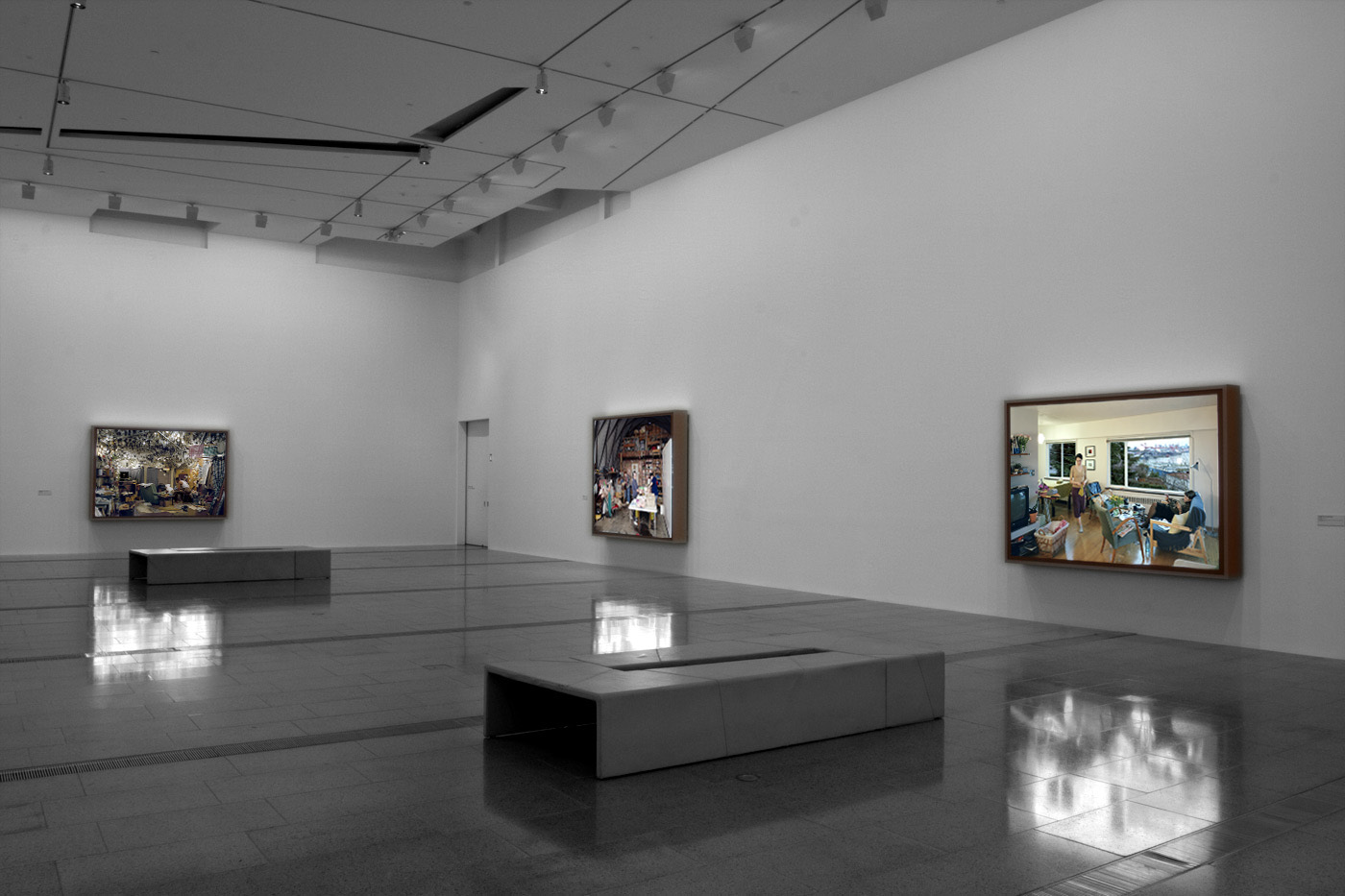
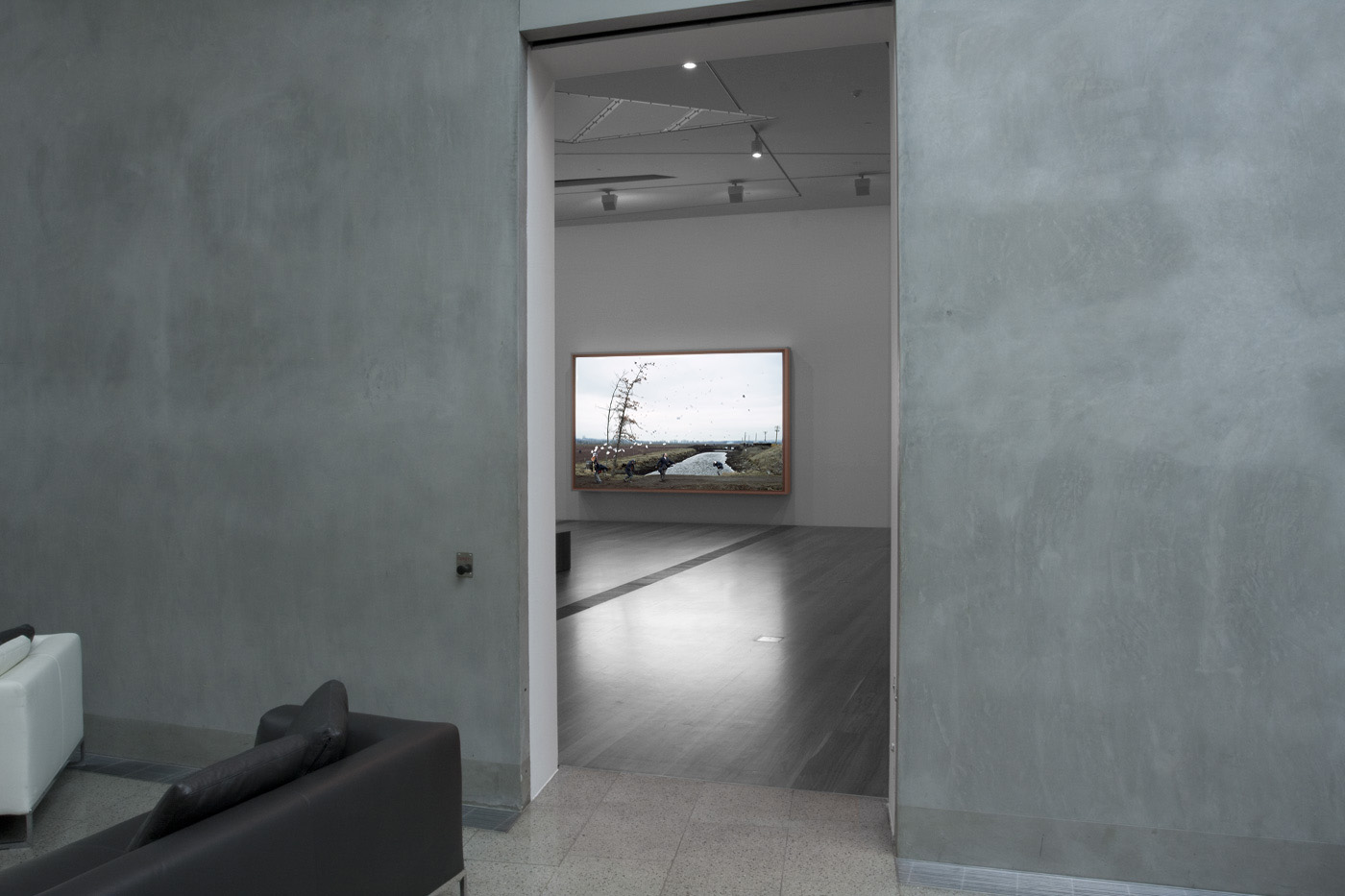
Installation shots of the new Jeff Wall exhibition at NGV Australia. Review to follow in due course.
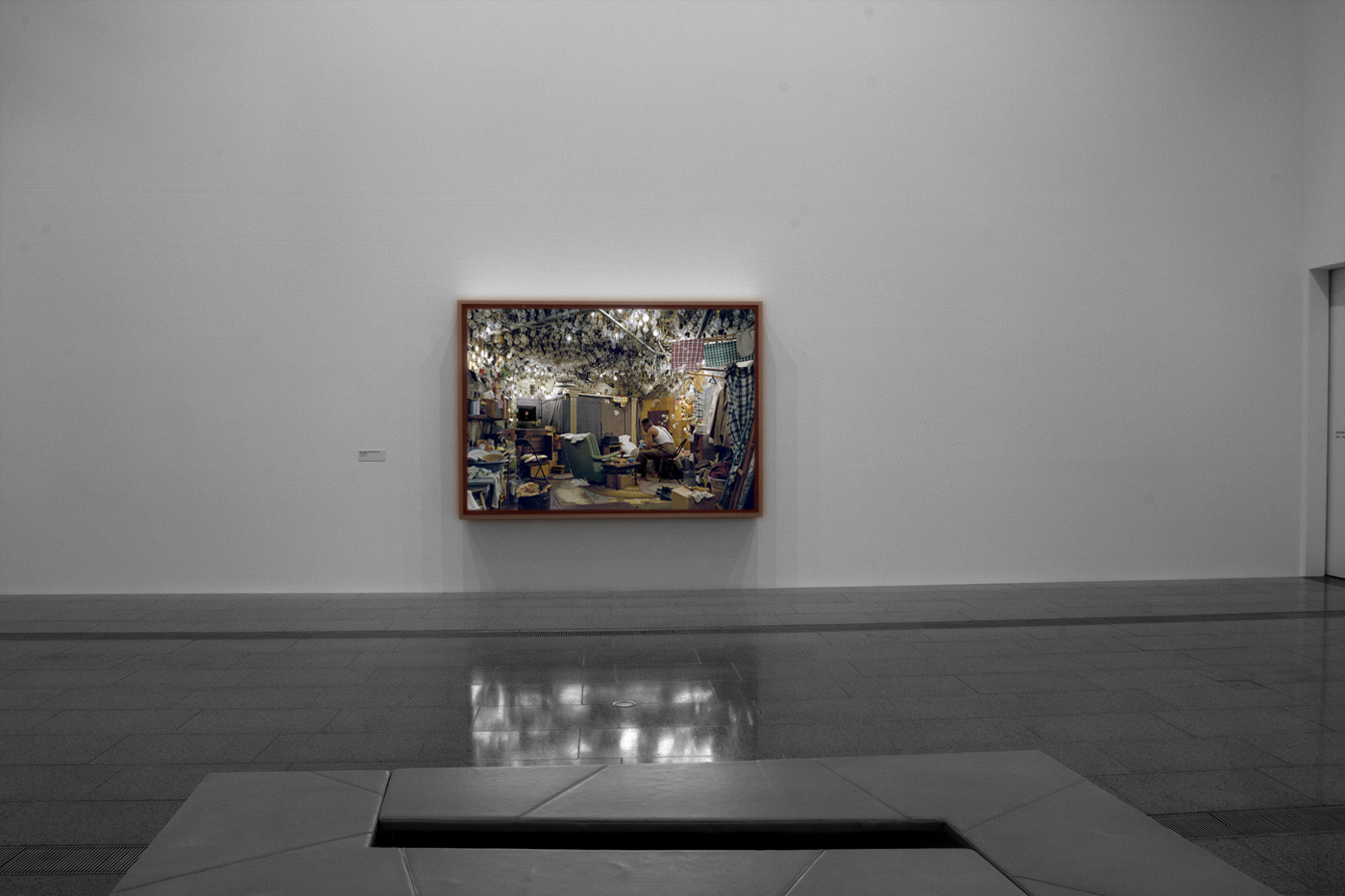
Many thankx to Jemma Altmeier and all the media team at NGV for all their wonderful help and congratulations to the curators, Susan van Wyk and Dr Isobel Crombie, for their restrained yet contemporary installations and for getting the exhibitions to Melbourne. They look magnificent. Well done!
Installation view of Jeff Wall Photographs at NGV Australia showing, at left, The Destroyed Room 1978, and at right, Double Self-Portrait 1979 Photo: Marcus Bunyan
Installation view of Jeff Wall Photographs at NGV Australia showing, at right, Double Self-Portrait 1979 Photo: Marcus Bunyan
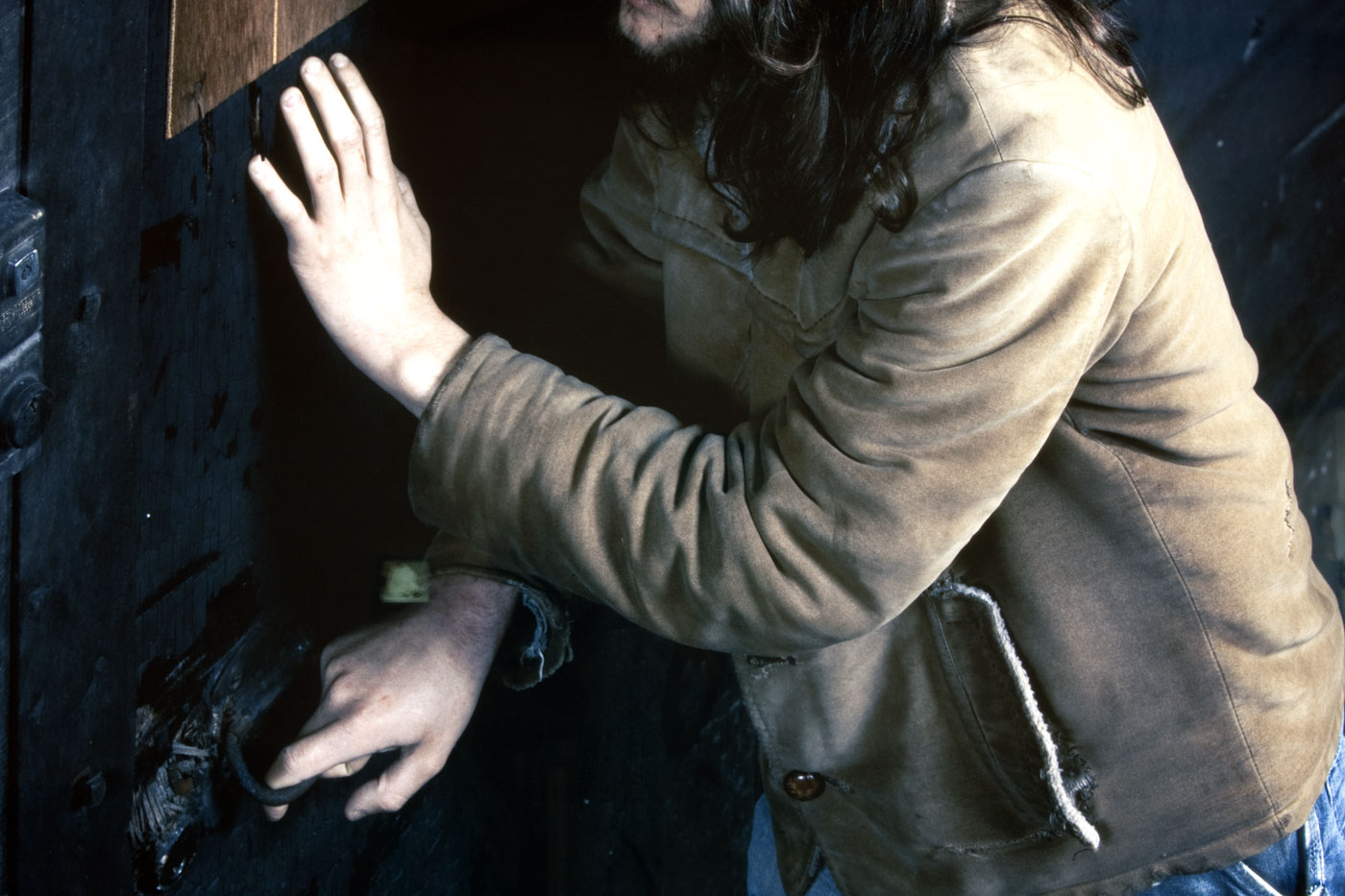
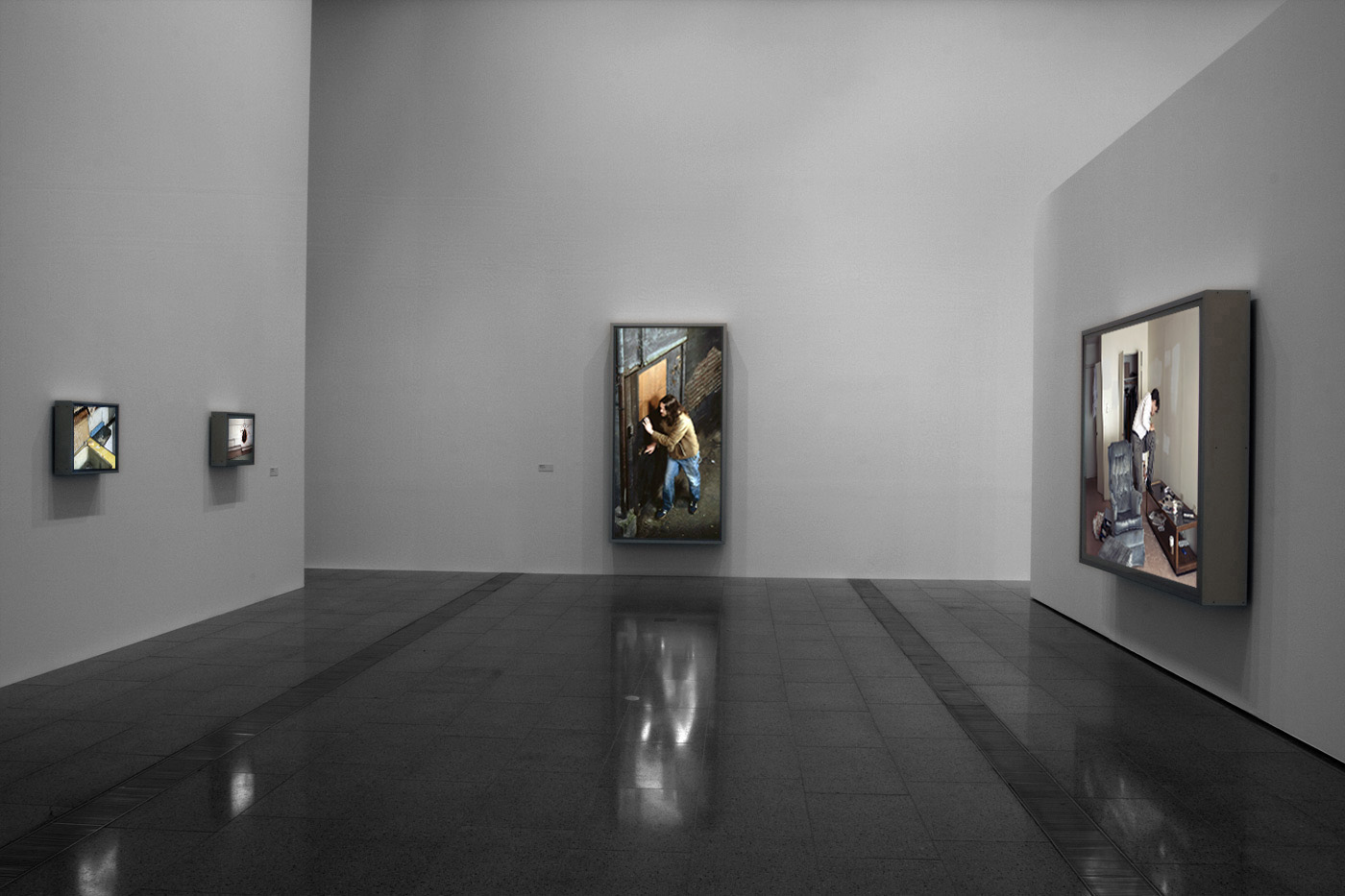
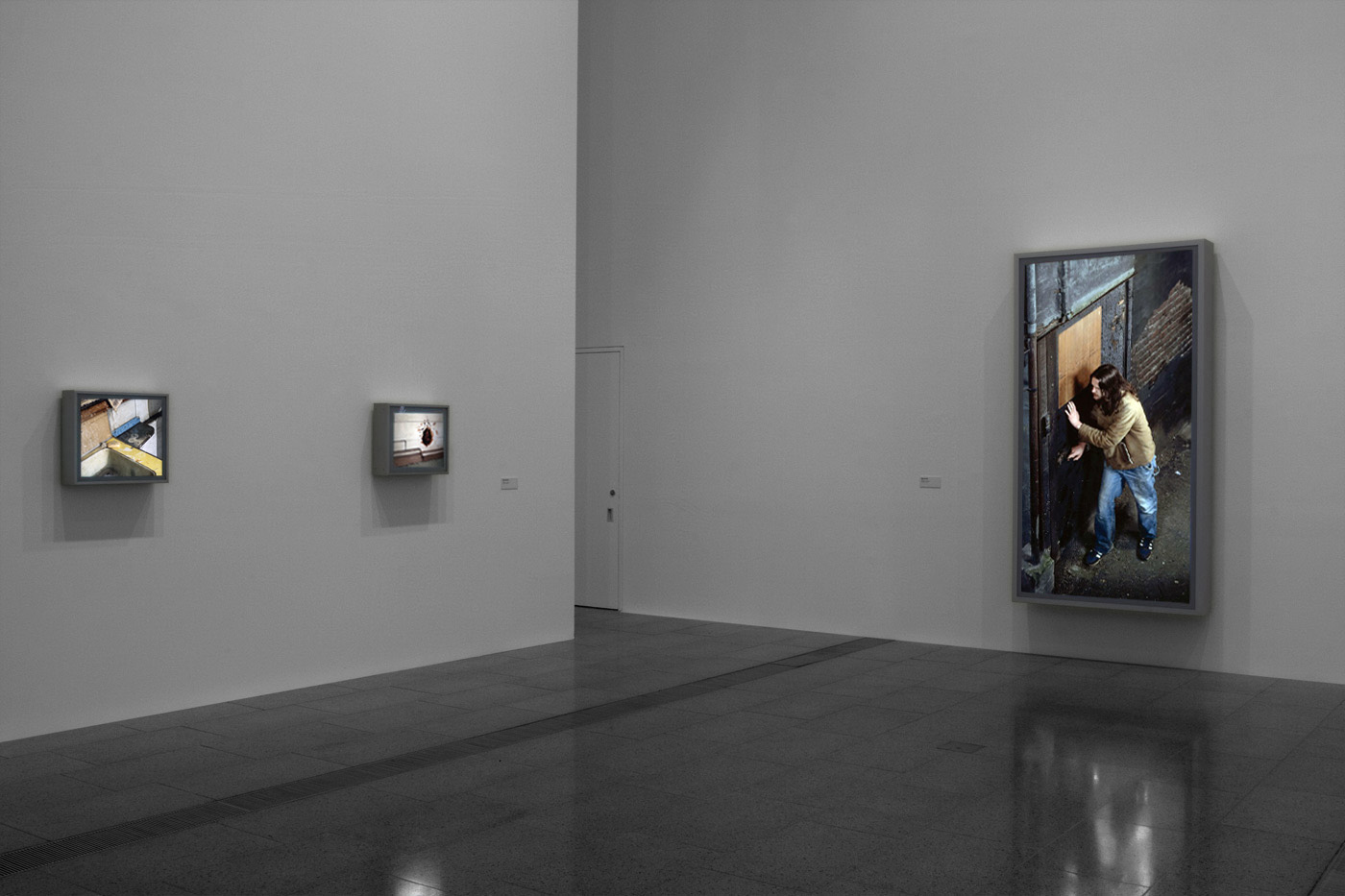
Installation view of Jeff Wall Photographs at NGV Australia showing, at left, Doorpusher 1984, and at right, Polishing 1998 Photo: Marcus Bunyan
Installation view of Jeff Wall Photographs at NGV Australia showing, at centre, Doorpusher 1984, and at right, Polishing 1998 Photo: Marcus Bunyan
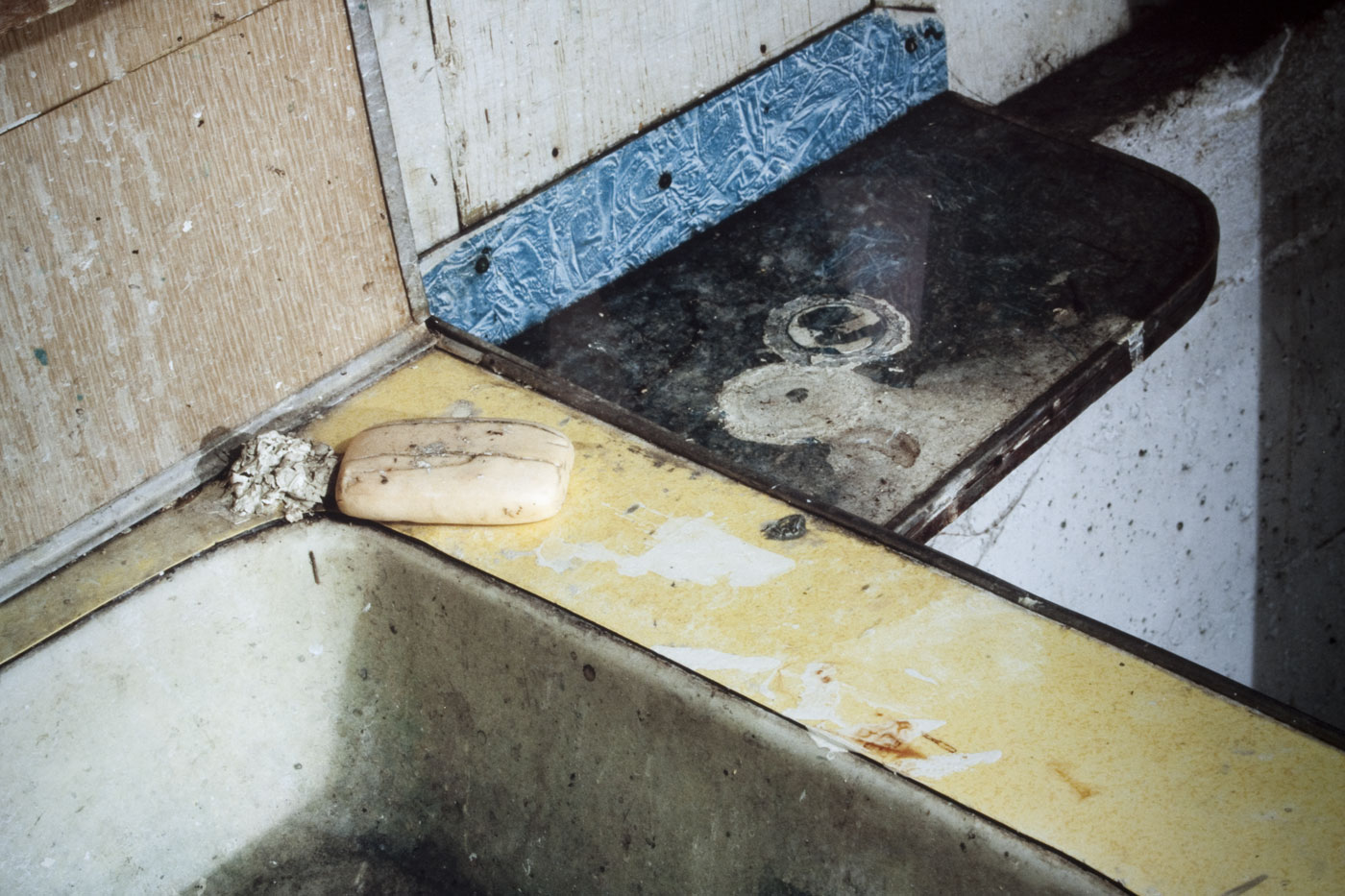
Installation view of Jeff Wall Photographs at NGV Australia showing, at left, Diagonal Composition 1993, and at right, Doorpusher 1984 Photo: Marcus Bunyan
Installation view of Jeff Wall Photographs at NGV Australia showing, at right, A view from an apartment 2004-2005 Photo: Marcus Bunyan
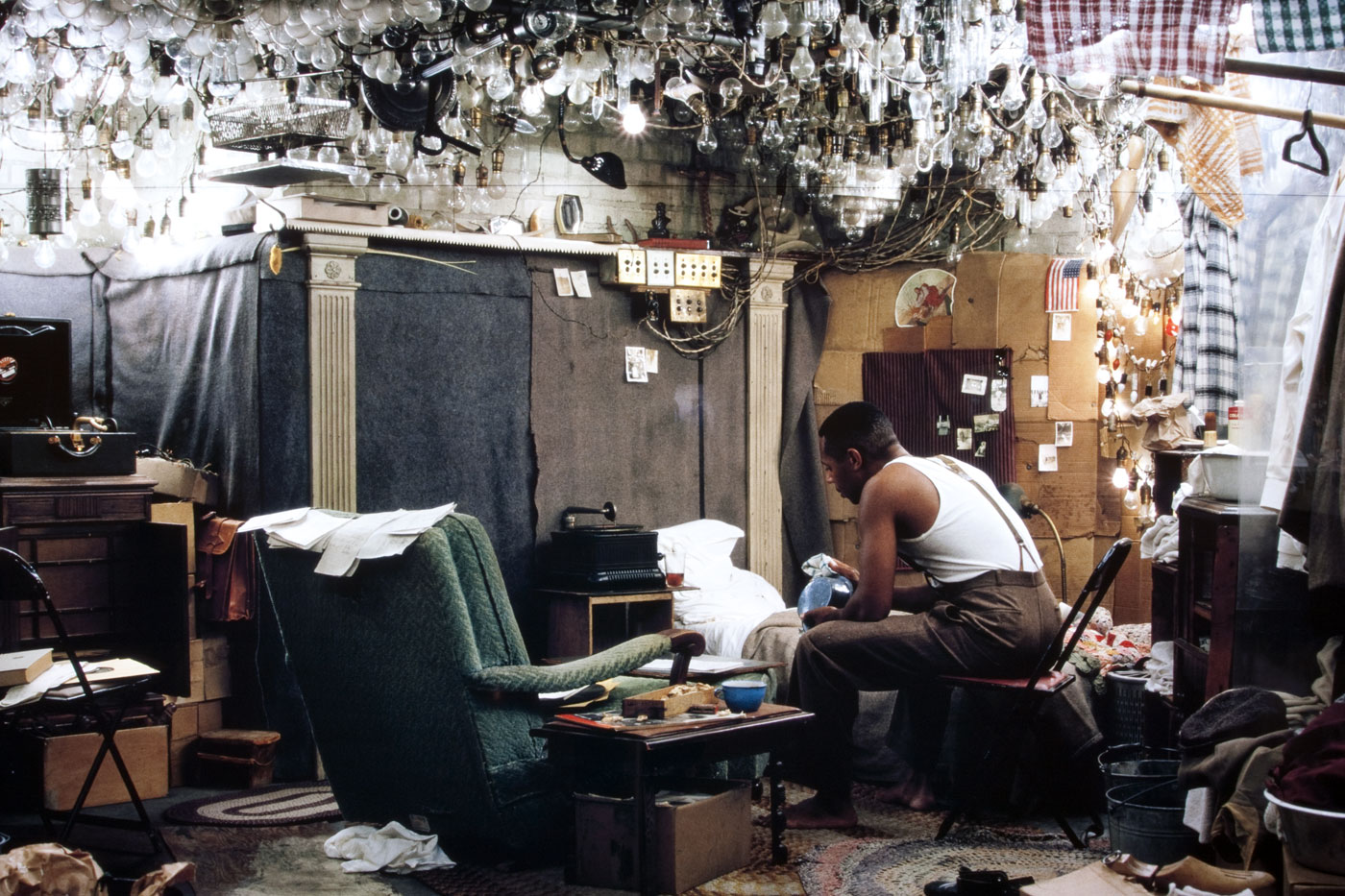
Installation view of Jeff Wall Photographs at NGV Australia showing After ‘Invisible Man’ by Ralph Ellison, the Prologue 1999-2000 Photo: Marcus Bunyan



























You must be logged in to post a comment.