Exhibition: ‘Josef Koudelka: Nationality Doubtful’ at the Art Institute of Chicago

Exhibition dates: 7th June – 14th September, 2014

Curator: Matthew S. Witkovsky, the Richard and Ellen Sandor Chair and Curator of the Department of Photography


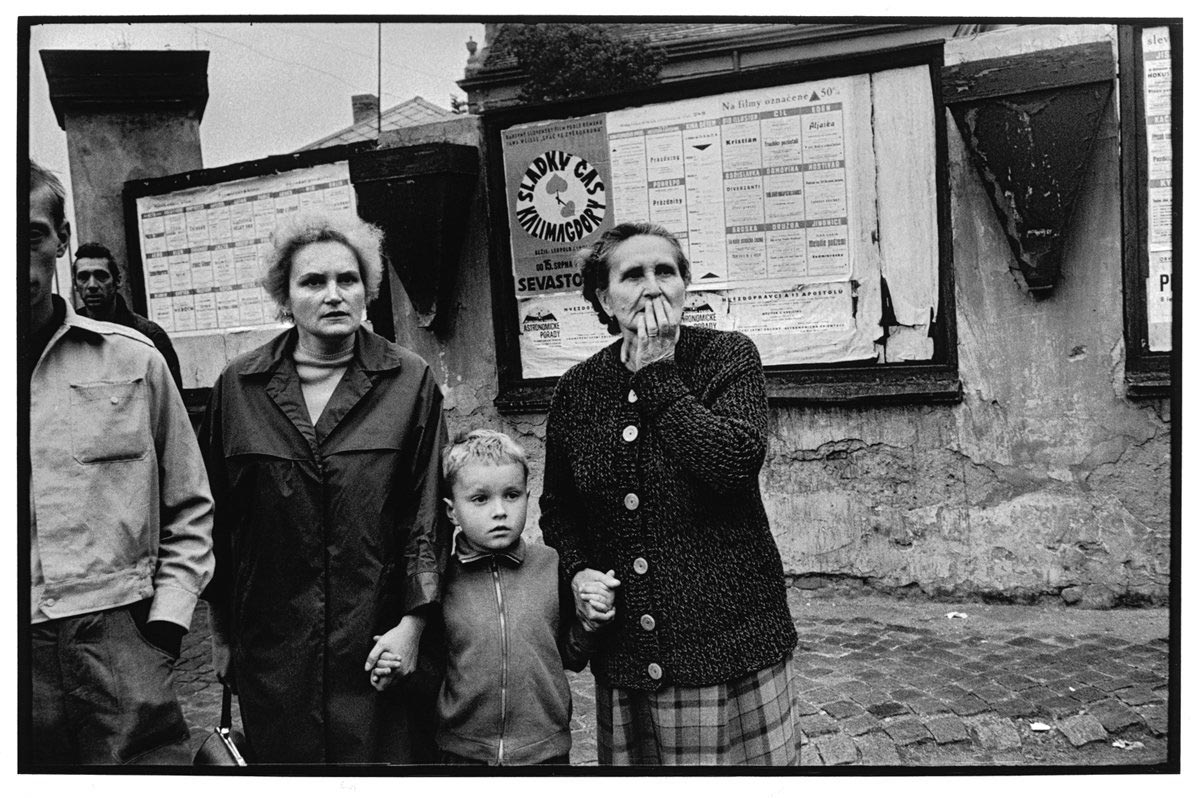
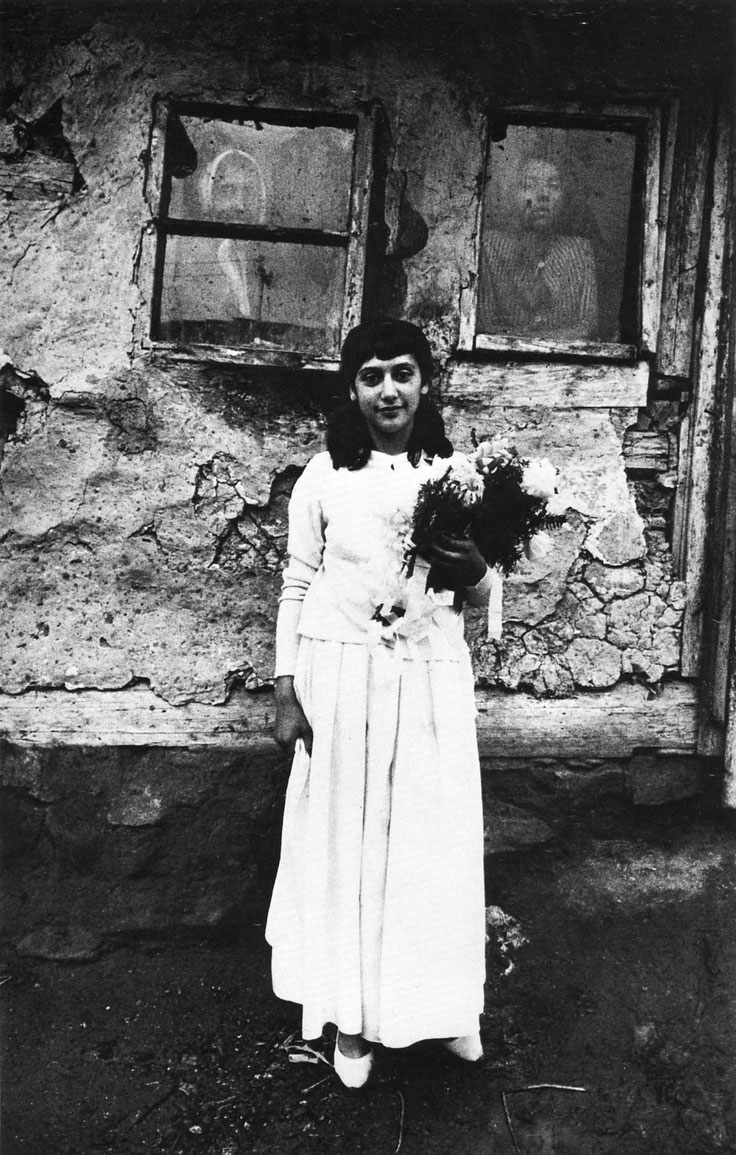
Josef Koudelka (Czech-French, b. 1938) 'Czechoslovakia (Kadañ)' 1963, printed 1967 from the exhibition 'Josef Koudelka: Nationality Doubtful' at the Art Institute of Chicago, June - September, 2014


Josef Koudelka (Czech-French, b. 1938)
Czechoslovakia (Kadañ)
1963, printed 1967
From the series Gypsies
Gelatin silver print
The Art Institute of Chicago, restricted gift of Artworkers Retirement Society
© Josef Koudelka/Magnum Photos. Courtesy of Pace/MacGill Gallery, New York


One of the greats – mainly for his series Gypsies, Invasion and Exiles.

Powerful images: strong, honest, respectful, beautifully composed but above all gritty, gritty, gritty. There is a dark radiance here, an ether/reality, as though the air was heavy with melancholy, emotion, loss, violence, isolation and, sometimes, love. No wonder he describes his work as a “theater of the real.” Humanism, and photography at its most essential.

Dr Marcus Bunyan


Many thankx to the Art Institute of Chicago for allowing me to publish the photographs in the posting. Please click on the photographs for a larger version of the image.


“I try to be a photographer. I cannot talk. I am not interested in talking. If I have anything to say, it may be found in my images. I am not interested in talking about things, explaining about the whys and the hows. I do not mind showing my images, but not so much my contact sheets. I mainly work from small test prints. I often look at them, sometimes for a long time. I pin them to the wall, I compare them to make up my mind, be sure of my choices. I let others tell me what they mean. [To Robert Delpire] My photographs, you know them. You have published them, you have exhibited them, then you can tell whether they mean something or not.”

“There is still an enormous amount of hostility and racial prejudice towards Roma, especially in Eastern Europe, but not just there. It does not matter on which political spectrum you are, left or right, it is very universal, people are often very discriminatory against them.”


Josef Koudelka


Josef Koudelka (Czech-French, b. 1938) 'Romania' 1968, printed 1980s from the exhibition 'Josef Koudelka: Nationality Doubtful' at the Art Institute of Chicago, June - September, 2014


Josef Koudelka (Czech-French, b. 1938)
Romania
1968, printed 1980s
From the series Gypsies
Gelatin silver print
The Art Institute of Chicago, promised gift of Robin and Sandy Stuart
© Josef Koudelka/Magnum Photos. Courtesy of Pace/MacGill Gallery, New York


Czech-born French artist Josef Koudelka belongs in the firmament of classic photographers working today. Honoured with the French Prix Nadar (1978), the Hasselblad Prize (1992), and the International Center of Photography Infinity Award (2004), Koudelka is also a leading member of the world-renowned photo agency Magnum. This exhibition, his first retrospective in the United States since 1988, is also the first museum show ever to emphasise his original vintage prints, period books, magazines, and significant unpublished materials.

Koudelka became famous in anonymity through the worldwide publication of his daring photographs of the Soviet-led invasion of Prague in August 1968. Just 30 years old at the time, Koudelka had already worked for a decade, principally on Gypsies, for which he visited Roma populations for weeks at a time in his home country and later abroad over the course of years. This ambitious series beautifully combines a sense of modern history with timeless humanism.

Choosing exile to avoid reprisals for his Invasion photographs, Koudelka travelled throughout Europe during the 1970s and 1980s, camping at village festivals from spring through fall and then printing in wintertime. His photographs of those decades became the series Exiles. Since the late 1980s Koudelka has made panoramic landscape photographs in areas massively shaped by industry, territorial conflict, or – in the case of the Mediterranean rim – the persistence of Classical civilisation.

Tracing this long and impressive career, this exhibition draws on Koudelka’s extensive holdings of his own work and on recent major acquisitions by the Art Institute, including the complete surviving contents of the debut presentation of Gypsies in 1967 (22 photographs), as well as ten Invasion images printed by the photographer just weeks after the event. Also on display are early experimental and theatre photographs and some of the photographer’s beautifully produced books – which stretch dozens of feet when unfolded. A fully illustrated catalogue accompanies the exhibition, which after its debut at the Art Institute travels to the J. Paul Getty Museum, Los Angeles, and Fundación MAPFRE, Madrid.

Text from the Art Institute of Chicago website


Gypsies exists as an invaluable documentation of a people during a tumultuous time in their history. From an image of a trio of suited musicians engrossed in their instruments, to stirring portraits of families in cramped living conditions, the photoessay is both a testament to the strength of Roma culture and a stark document of the realities of these people’s lives. Having fully immersed himself in the project, Koudelka’s work presents an unbiased and honest portrait of a community whose nomadic way of life has been contested throughout history.

Anonymous text from the Magnum Photos website [Online] Cited 15/06/2021


Josef Koudelka (Czech-French, b. 1938) 'Festival of gypsy music. Straznice, Czechoslovakia' 1966


Josef Koudelka (Czech-French, b. 1938)
Festival of gypsy music. Straznice, Czechoslovakia
1966
From the series Gypsies
Gelatin silver print


Josef Koudelka (Czech-French, b. 1938) 'Slovakia' 1967


Josef Koudelka (Czech-French, b. 1938)
Slovakia
1967
From the series Gypsies
Gelatin silver print


Josef Koudelka (Czech-French, b. 1938) 'Slovakia' 1967


Josef Koudelka (Czech-French, b. 1938)
Slovakia
1967
From the series Gypsies
Gelatin silver print


Josef Koudelka (Czech-French, b. 1938) 'Reconstruction of a homicide. In the foreground: a young gypsy suspected of being guilty. Jarabina, Czechoslovakia' 1963


Josef Koudelka (Czech-French, b. 1938)
Reconstruction of a homicide. In the foreground: a young gypsy suspected of being guilty. Jarabina, Czechoslovakia
1963
From the series Gypsies
Gelatin silver print


Josef Koudelka (Czech-French, b. 1938) 'Jarabina, Czechoslovakia' 1963. Various images from the series 'Gypsies'


Josef Koudelka (Czech-French, b. 1938)
Jarabina, Czechoslovakia
1963
From the series Gypsies
Gelatin silver print


Josef Koudelka (Czech-French, b. 1938) 'Slovakia' 1963


Josef Koudelka (Czech-French, b. 1938)
Slovakia
1963
From the series Gypsies
Gelatin silver print


Josef Koudelka (Czech-French, b. 1938) 'Velka Lomnica, Slovakia, Czechoslovakia' 1963


Josef Koudelka (Czech-French, b. 1938)
Velka Lomnica, Slovakia, Czechoslovakia
1963
From the series Gypsies
Gelatin silver print


Josef Koudelka (Czech-French, b. 1938) 'Velka Lomnica, Slovakia, Czechoslovakia' 1966


Josef Koudelka (Czech-French, b. 1938)
Velka Lomnica, Slovakia, Czechoslovakia
1966
From the series Gypsies
Gelatin silver print


Josef Koudelka (Czech-French, b. 1938) 'Slovakia. Zehra' 1967


Josef Koudelka (Czech-French, b. 1938)
Slovakia. Zehra
1967
From the series Gypsies
Gelatin silver print
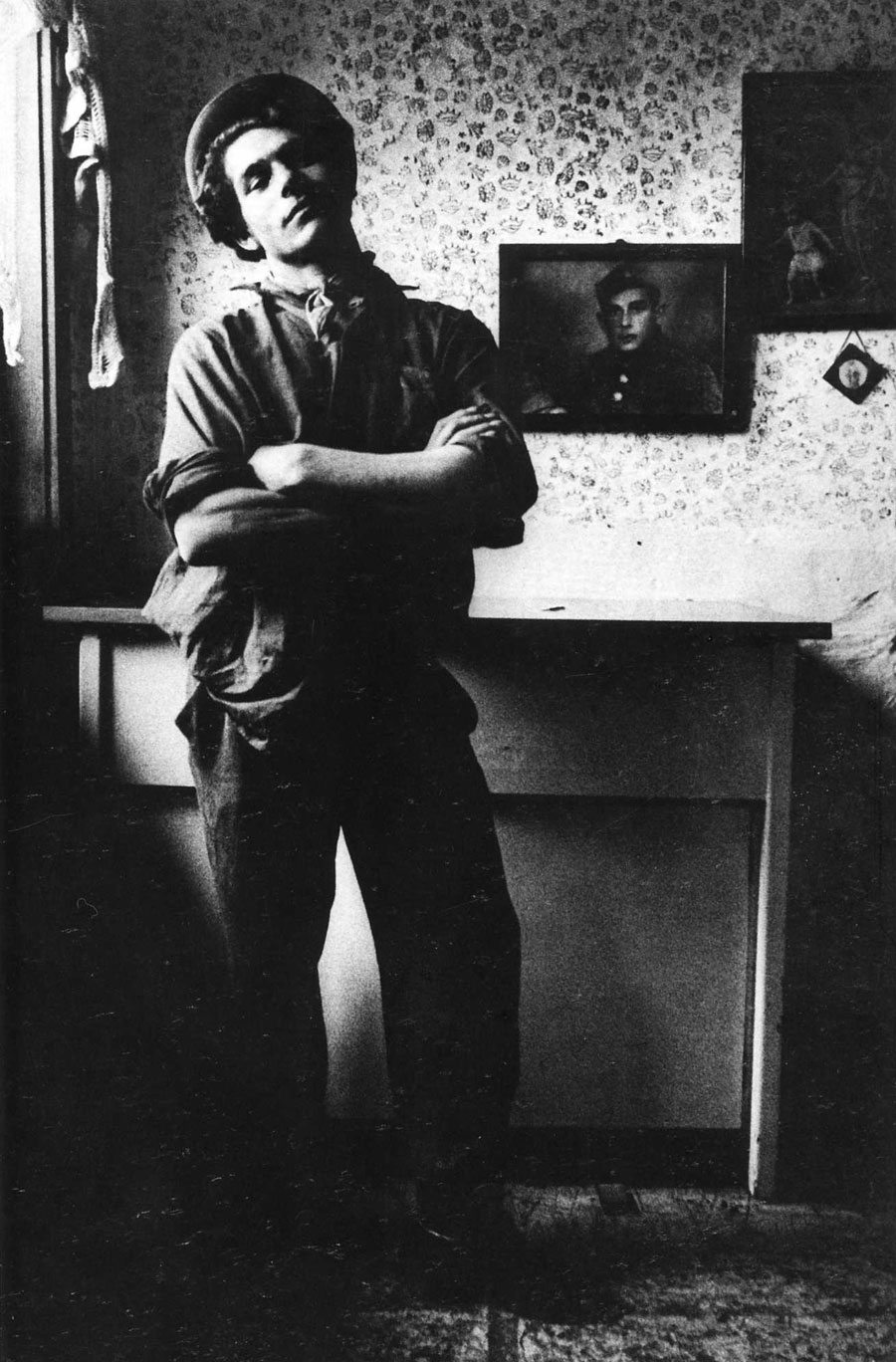
 

Josef Koudelka (Czech-French, b. 1938) 'Gypsy. Okres Poprad, Slovakia, Czechoslovakia' 1967


Josef Koudelka (Czech-French, b. 1938)
Gypsy. Okres Poprad, Slovakia, Czechoslovakia
1967
From the series Gypsies
Gelatin silver print
 

Josef Koudelka (Czech-French, b. 1938) Various images from the series 'Gypsies'


Josef Koudelka (Czech-French, b. 1938) Various images from the series 'Gypsies'


Josef Koudelka (Czech-French, b. 1938) Various images from the series 'Gypsies'


Josef Koudelka (Czech-French, b. 1938) Various images from the series 'Gypsies'


Josef Koudelka (Czech-French, b. 1938) Various images from the series 'Gypsies'


Josef Koudelka (Czech-French, b. 1938)
Images from the series Gypsies
Gelatin silver print
Book printed 1975; new Aperture edition 2011


Josef Koudelka (Czech-French, b. 1938) 'Spain' 1971


Josef Koudelka (Czech-French, b. 1938)
Spain
1971
From the series Gypsies
Gelatin silver print


Aperture’s new edition of Koudelka: Gypsies (2011) rekindles the energy and astonishment of this foundational body of work by master photographer Josef Koudelka. Lavishly printed in a unique quadratone mix by artisanal printer Gerhard Steidl, it offers an expanded look at Cikáni (Czech for “gypsies” ) – 109 photographs of Roma society taken between 1962 and 1971 in then-Czechoslovakia (Bohemia, Moravia and Slovakia), Romania, Hungary, France and Spain. The design and edit for this volume revisits the artist’s original intention for the work, and is based on a maquette originally prepared in 1968 by Koudelka and graphic designer Milan Kopriva. Koudelka intended to publish the work in Prague, but was forced to flee Czechoslovakia, landing eventually in Paris. In 1975, Robert Delpire, Aperture and Koudelka collaborated to publish Gitans, la fin du voyage (Gypsies, in the English-language edition), a selection of 60 photographs taken in various Roma settlements around East Slovakia.


Josef Koudelka (Czech-French, b. 1938) 'Spain' 1971 'Slovakia (Rakúsy)' 1966, printed 1967


Josef Koudelka (Czech-French, b. 1938)
Slovakia (Rakúsy)
1966, printed 1967
From the series Gypsies
Gelatin silver print
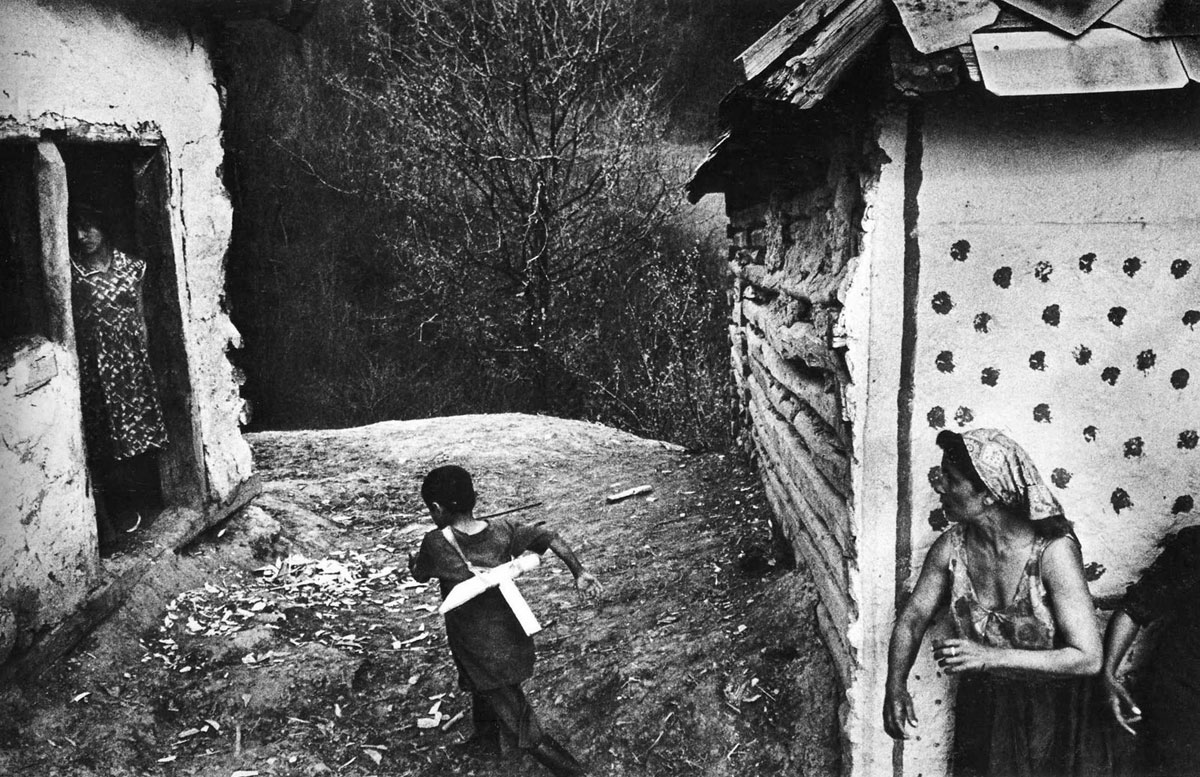
The Art Institute of Chicago, restricted gift of Sandy and Robin Stuart and Photography Gala Fund
© Josef Koudelka/Magnum Photos. Courtesy of Pace/MacGill Gallery, New York.


The unforgettable photographs of acclaimed Czech-born, French photographer Josef Koudelka (b. 1938), including eyewitness images of the 1968 Soviet-led invasion of Czechoslovakia, have not been shown at a major U.S. museum since 1988. These documentary works as well as extensive selections from the photographer’s work going back to 1958 – including his renowned series Gypsies, Exiles, and a variety of recent panoramic photographs – will feature in the major retrospective exhibition Josef Koudelka: Nationality Doubtful, from June 7 through September 14, 2014. It is the first museum show ever to emphasise Koudelka’s original vintage prints, period publications and unpublished study materials.

Josef Koudelka: Nationality Doubtful, which takes place in the Abbott (182-4) and Bucksbaum (188) galleries on the ground floor of the Modern Wing, draws primarily on Koudelka’s extensive holdings of his own work. For decades, the photographer has exhibited new and recent prints of images that have grown iconic through frequent exhibitions and reproductions, while holding back the earliest, vintage prints – until now. For example, over the years there have been more than one dozen solo exhibitions of Gypsies and numerous reprints of the book of the same name, which has appeared in two editions and six languages. Among the rarities that will be included in Josef Koudelka: Nationality Doubtful is the only surviving maquette for the first book version of Gypsies, which Koudelka had to leave unfinished at his exile from Prague in 1970.

Koudelka’s habit of revisiting past projects while simultaneously advancing into new territory will be squarely on view in Josef Koudelka: Nationality Doubtful. Twenty-two original photographs from the very first show of Gypsies, held in Prague in 1967, will be displayed for the first time since that date. In an adjacent room, a different selection from the series, printed at a different size and in another way, will also be shown. Similarly, extremely rare vintage prints of Invasion, made and circulated anonymously to the press directly following the Soviet invasion of Czechoslovakia, will be shown alongside much larger prints commissioned soon after the fall of the Berlin Wall in 1989, when Koudelka returned from exile and had his first post-Soviet exhibition in Prague.

Also on display will be selections from his early experimental photographs and years of work with Prague theatre companies, made during the flowering of the Czech stage and cinema in the 1960s.

Koudelka was born in a small Moravian town in 1938 and moved to Prague, then the capital of Czechoslovakia, in the 1950s. He studied aeronautical engineering while practicing photography obsessively from 1958; in 1966, he turned full-time to a photographic career. Already in 1961, Koudelka had begun his most ambitious life project, Gypsies, for which he visited Roma populations for weeks at a time, principally in Slovakia. The rigorously humanist pictures became his calling card at home and internationally in the later 1960s after being published in the Swiss magazine Camera and shown to curators and photography representatives around Western Europe and the United States. Meanwhile, Koudelka’s Invasion photographs became famous after they appeared worldwide to commemorate the first anniversary of the events of August 1968. Worried about reprisals even though the images had been published anonymously, Koudelka chose to leave his country in May 1970.

In exile Koudelka adopted a semi-nomadic existence. He followed village festivals, pilgrimages, and Roma gatherings throughout the United Kingdom (his country of asylum in the 1970s), Spain, Italy, and France (his principal residence from 1981, and country of citizenship from 1986), photographing throughout the year and printing largely in wintertime. The world-famous photography agency Magnum, which had stewarded publication of the Invasion photographs, became Koudelka’s home base and as he says his “family.” Koudelka’s photographs of these years were gathered together in 1988 as Exiles, which will also be part of the exhibition.

Since the late 1980s Koudelka has made panoramic landscape photographs in areas massively shaped by industry, territorial conflict, or – in the case of the Mediterranean rim – the persistence of Classical civilisation. The final gallery of Josef Koudelka: Nationality Doubtful will showcase six of these mural-size black-and-white images, as well as three of the impressive accordion-fold books that Koudelka has made of them since 1989, some of which stretch to more than 100 feet long.

Despite his peripatetic life, Koudelka’s moving and stunning photographs have made him one of the most sought-after figures in print and at exhibition. Honoured with the French Prix Nadar (1978), the Hasselblad Prize (1992), and the International Center of Photography Infinity Award (2004), Koudelka remains today a leading member of Magnum.

A fully illustrated catalogue accompanies the exhibition, overseen closely by the artist and designed by the Czech firm Najbrt Studio. Edited by Matthew S. Witkovsky, the Richard and Ellen Sandor Chair and Curator of Photography at the Art Institute, the book provides extensive new information on Koudelka’s formative years in Prague during the thaw of the 1960s, as well as the first complete history of Gypsies, its twists and turns from 1961 through 2011. Amanda Maddox, assistant curator of photographs at the J. Paul Getty Museum, which has co-organised the exhibition, provides fresh knowledge on Koudelka’s underrepresented decade in England and the UK. Stuart Alexander and Gilles Tiberghien, two longtime friends of the photographer, have contributed illuminating essays on Koudelka’s years in France and his fascination for panoramic landscape, respectively.

Press release from the Art Institute of Chicago


Josef Koudelka (Czech-French, b. 1938) 'France' 1987


Josef Koudelka (Czech-French, b. 1938)
France
1987
Gelatin silver print


Josef Koudelka (Czech-French, b. 1938) 'Lisbon, Portugal' 1975


Josef Koudelka (Czech-French, b. 1938)
Lisbon, Portugal
1975
Gelatin silver print


Josef Koudelka (Czech-French, b. 1938) 'Lisbon, Portugal' 1975 'Ireland' 1972, printed 1987/88


Josef Koudelka (Czech-French, b. 1938)
Ireland
1972, printed 1987/88
From the series Exiles
Gelatin silver print
© Josef Koudelka/Magnum Photos. Courtesy of Pace/MacGill Gallery, New York


Josef Koudelka (Czech-French, b. 1938) 'Spain' 1975


Josef Koudelka (Czech-French, b. 1938)
Spain
1975
Gelatin silver print
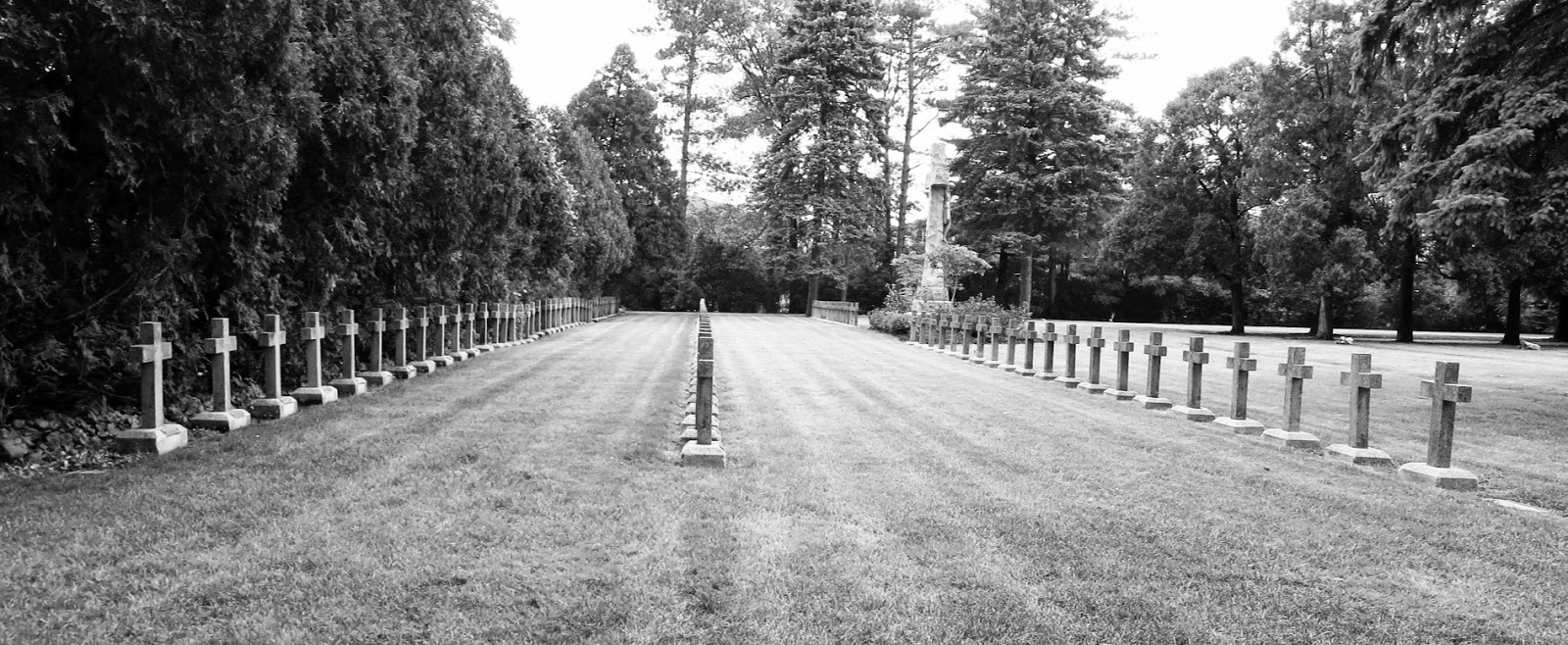
 

Josef Koudelka (Czech-French, b. 1938) 'St. Procopius Abbey graveyard, Lisle' Nd


Josef Koudelka (Czech-French, b. 1938)
St. Procopius Abbey graveyard, Lisle
Nd
Gelatin silver print


Josef Koudelka (Czech-French, b. 1938) 'Poland' 1958


Josef Koudelka (Czech-French, b. 1938)
Poland
1958
Gelatin silver print
The Art Institute of Chicago, Photography Gala Fund and restricted gift of John A. Bross
© Josef Koudelka/Magnum Photos. Courtesy of Pace/MacGill Gallery, New York


Drama was an important part of Koudelka’s early career: In a literal sense, because he worked for a theatre magazine in the ’60s, creating fantastically emotive images, but also because theatricality was, and still is, deeply embedded in the photographer’s world view. The week in 1968 when young Czechoslovakians stood up against invading Soviet forces occurred when he was working as a stage photographer, and so it became not only a tragedy but also a drama to be recorded. Likewise, his “Gypsies” series, created in the same period, is described by Koudelka as a “theater of the real.”

Through dynamic composition and juxtaposition, Koudelka’s work challenges us to differentiate between spectacle and reality, and while there is no positive indication that one is valued over the other, this is not at all the same as the disbelief in reality that is characteristic of postmodernism. As he puts it, “You form the world in your viewfinder, but at the same time the world forms you.”

In a sense, Koudelka does not want us to become too comfortable with his works as definitive statements. Instead, he crops bodies in images abruptly; we often see people cut off at the knees or ankles, visually and figuratively separating them from the Earth. In other works, disembodied arms and legs jut into the space of the photograph, making scenes surreal and reminding us that whatever coherency the composition has, we can never see the whole picture of what’s really going on. Even with the more poetic and purposefully aesthetic panorama prints of his later “Chaos” series – monumental testaments to the violence we enact both on the natural world and upon each other – through the pitted insistence of film grain and the lack of bright tones or highlights, we are not permitted redemption through “art” or the creation of “beautiful” objects.

In this respect Koudelka’s work, in its celebration of the imperfect, has more in common with the aesthetics of the haiku poet Basho, or the tea master Sen no Rikyu, than with the luscious highly detailed colour images that largely dominate the world of contemporary art photography.”

John L. Tran. “Josef Koudelka: the theatrics of life” on The Japan Times website 18 December 2013 [Online] Cited 15/06/2021. Used under fair use conditions for the purposes of education and research


Josef Koudelka (Czech-French, b. 1938) 'Untitled (Student on tank, eyes crossed out)' 1968


Josef Koudelka (Czech-French, b. 1938)
Untitled (Student on tank, eyes crossed out)
1968
From the series Invasion
Gelatin silver print
© Josef Koudelka/Magnum Photos. Courtesy of Pace/MacGill Gallery, New York


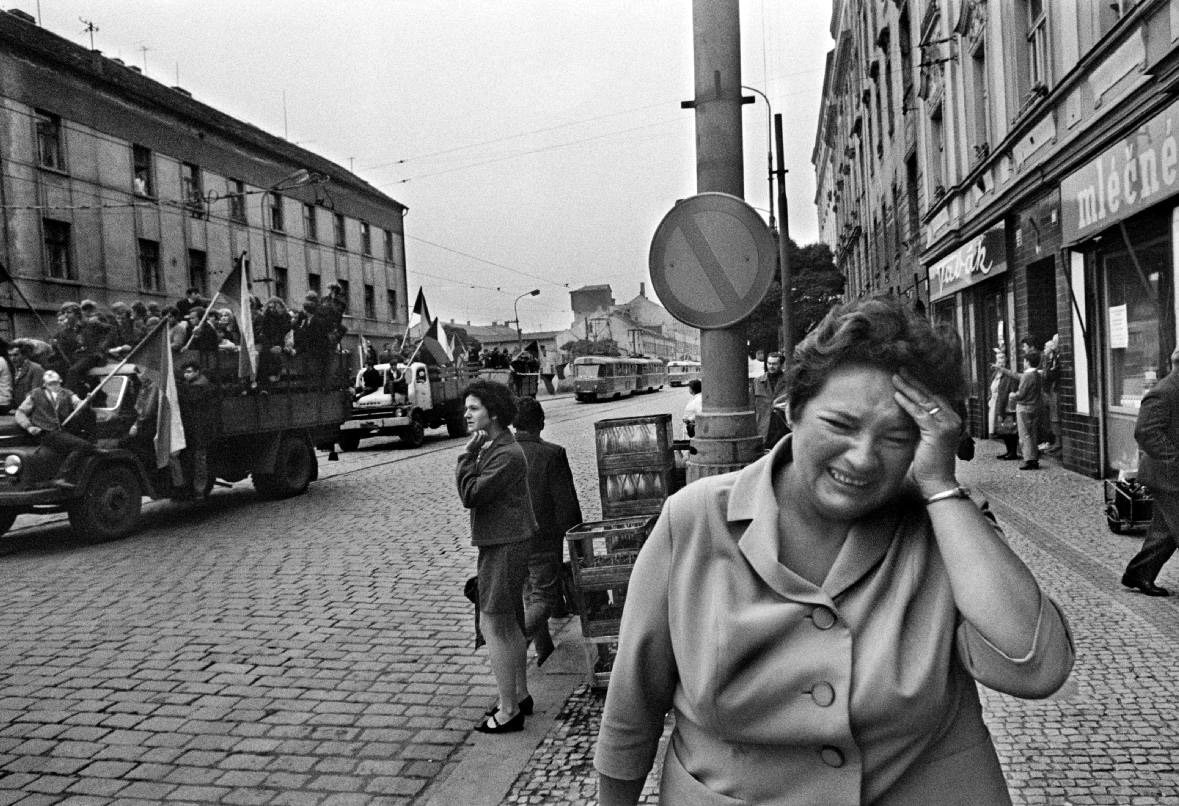
Josef Koudelka (Czech-French, b. 1938) 'Invasion by Warsaw Pact troops in front of the Radio headquarters. Prague, Czechoslovakia' 1968


Josef Koudelka (Czech-French, b. 1938)
Invasion by Warsaw Pact troops in front of the Radio headquarters. Prague, Czechoslovakia
1968
From the series Invasion
Gelatin silver print
© Josef Koudelka/Magnum Photos. Courtesy of Pace/MacGill Gallery, New York
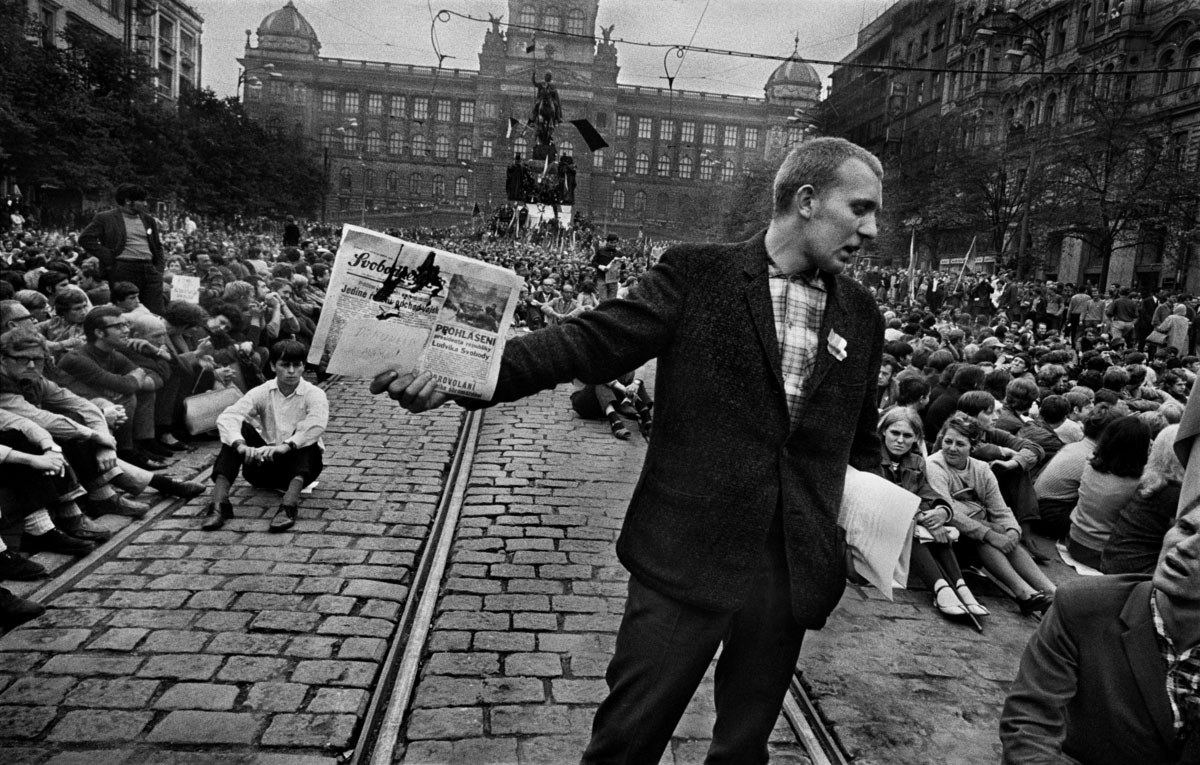
 

Josef Koudelka (Czech-French, b. 1938) 'Untitled' Various images from the series 'Invasion'


Josef Koudelka (Czech-French, b. 1938) 'Untitled' Various images from the series 'Invasion'


Josef Koudelka (Czech-French, b. 1938) 'Untitled' Various images from the series 'Invasion'


Josef Koudelka (Czech-French, b. 1938) 'Untitled' Various images from the series 'Invasion'


Josef Koudelka (Czech-French, b. 1938) 'Untitled' Various images from the series 'Invasion'


Josef Koudelka (Czech-French, b. 1938)
Untitled
1968
Images from the series Invasion
Gelatin silver print


The Art Institute of Chicago
111 South Michigan Avenue
Chicago, Illinois 60603-6404
Phone: (312) 443-3600

Opening hours:
Thursday – Monday 10am – 11pm
Closed Tuesday and Wednesday

The Art Institute of Chicago website

LIKE ART BLART ON FACEBOOK

Back to top

Exhibition: ‘Vanessa Winship’ at Fundación Mapfre, Madrid

Exhibition dates: 27th May – 31st August, 2014

Curator: Carlos Martín García


Vanessa Winship (British, b. 1960) 'Untitled' from the series 'Imagined States and Desires. A Balkan Journey' 1999-2002 from the exhibition 'Vanessa Winship' at Fundación Mapfre, Madrid, May - August, 2014


Vanessa Winship (British, b. 1960)
Untitled from the series Imagined States and Desires. A Balkan Journey
1999-2002
© Vanessa Winship


“Young heart, old soul.” And then the vulnerability in those eyes… that burn right through you.

Such sensitivity, such presence. Glorious. All of them!

Dr Marcus Bunyan


Many thankx to Fundación Mapfre for allowing me to publish the photographs in the posting. Please click on the photographs for a larger version of the image.


Vanessa Winship (British, b. 1960) 'Untitled' from the series 'Imagined States and Desires. A Balkan Journey' 1999-2002 rom the exhibition 'Vanessa Winship' at Fundación Mapfre, Madrid, May - August, 2014


Vanessa Winship (British, b. 1960)
Untitled from the series Imagined States and Desires. A Balkan Journey
1999-2002
© Vanessa Winship


Vanessa Winship (British, b. 1960) 'Untitled' from the series 'Imagined States and Desires. A Balkan Journey' 1999-2002


Vanessa Winship (British, b. 1960)
Untitled from the series Imagined States and Desires. A Balkan Journey
1999-2002
© Vanessa Winship


Vanessa Winship (British, b. 1960) 'Untitled' from the series 'Black Sea. Between Chronicle and Fiction' 2002-2010


Vanessa Winship (British, b. 1960)
Untitled from the series Black Sea. Between Chronicle and Fiction
2002-2010
© Vanessa Winship


Vanessa Winship (British, b. 1960) 'Untitled' from the series 'Black Sea. Between Chronicle and Fiction' 2002-2010


Vanessa Winship (British, b. 1960)
Untitled from the series Black Sea. Between Chronicle and Fiction
2002-2010
© Vanessa Winship


Vanessa Winship (British, b. 1960) 'Untitled' from the series 'Black Sea. Between Chronicle and Fiction' 2002-2010


Vanessa Winship (British, b. 1960)
Untitled from the series Black Sea. Between Chronicle and Fiction
2002-2010
© Vanessa Winship


Vanessa Winship (British, b. 1960) 'Untitled' from the series 'she dances on Jackson. United States' 2011-2012


Vanessa Winship (British, b. 1960)
Untitled from the series she dances on Jackson. United States
2011-2012
© Vanessa Winship


Fundación Mapfre opens its new photography gallery at Paseo de Recoletos 27 with the first retrospective exhibition dedicated to the work of British photographer Vanessa Winship. Curated by Carlos Martín García, the show offers visitors a complete overview of Winship’s work, featuring a broad selection of photographs from all of her series, starting with her initial project in the Balkans and ending with her work in Almería this year, produced by Fundación Mapfre and due to receive its first public showing at this exhibition.

Vanessa Winship (Barton-upon-Humber, United Kingdom, 1960) studied at the Polytechnic of Central London during the 1980s at the time when postmodern theory was beginning to permeate the practice of photography and cultural studies. These ideas are reflected in the artist’s deliberate remove of all potential documentary content from her photography in order to concentrate instead on notions more related to identity, vulnerability and the body. Accordingly, since the 1990s Vanessa Winship has worked in regions which, in the collective imaginary, are associated with the instability and darkness of a recent past and with the volatile nature of borders and identities. Her images, in black and white, challenge the perception of photography’s immovable truth. Meanwhile, the formal choice of black and while reflects a deliberate shift from the photograph as narrative and constitutes, in the words of the artist herself, a “marvellous instrument of abstraction that enables us to move between time and memory.”

Vanessa Winship is one of the most renowned photographers on the contemporary international scene. In 2011 she was the first woman to win the prestigious Henri Cartier-Bresson (HCB) award. Her other distinctions include winning first prize in the Stories category of the World Press Photo awards in 1998 and 2008, the Descubrimientos award at PhotoEspaña in 2010, and the Godfrey Argent Prize in 2008, bestowed by the National Portrait Gallery in London.

A tour of the exhibition

“I lived and worked in the region of the Balkans, Turkey and the Caucasus for more than a decade. My work focuses on the junction between chronicle and fiction, exploring ideas around concepts of borders, land, memory, desire, identity and history. I am interested in the telling of history, and in notions around periphery and edge. For me photography is a process of literacy, a journey of understanding.”

Vanessa Winship


The Vanessa Winship exhibition adopts the form of a chronological journey through each of the series that make up her oeuvre, featuring a selection of 188 photographs.

Between 1999 and 2003 Vanessa Winship traveled through the regions of Albania, Serbia, Kosovo and Athens, coinciding with the armed conflict in the former Yugoslavia and resulting in her series Imagined States and Desires. A Balkan Journey. This project was a fundamental step in defining her photographic vision and in her decision to break with contemporary reportage and the traditional concept of the photojournalist. The images that make up this series mostly center on the tragedy of the exodus of Kosovar Albanian refugees from Serbia to neighbouring countries. They are a collection of snapshots that reflect the volatile nature of borders, ethnic groups and creeds while asserting that identity is not bestowed by territory but is ingrained in individuals, wherever they go. The fragmentary nature of the series, its condensation into micro-stories, lays the foundations for her future practice.

In 2002 Vanessa Winship moved to the Black Sea region and over the next eight years traveled through Turkey, Georgia, Russia, Ukraine, Romania and Bulgaria. Her work in this area gave rise to one of her most renowned series, Black Sea: Between Chronicle and Fiction. In this series, she presents her vision of the area and the residents of the regions around the shores of the Black Sea, which she presents as a natural border – challenging all notions of geopolitical or historically established limits – of the vital space of each nation, and even of the distinction between public and private space. Winship’s work therefore focuses on the aspects that endure beyond the action of politics: collective rituals, modes of transportation, recreational spaces, and the movement of human beings up and down the coastlines.

In Black Sea, portraits of Turkish wrestlers and Ukrainian wedding guests allow Winship to elaborate on her reflections and explore the concepts of sexual differentiation governing societies: on one hand, Turkish wrestling, a direct descendant of Greco-Roman wrestling and an icon of masculinity in the country; on the other, participation in a wedding ceremony as a means of self-presentation in society for young Ukrainian women.

In both of these series, the images are accompanied by brief notes written by the artist, either expressing a single thought or a short description, which create a deliberately incomplete narrative. For Winship, these notes are meant to remind us of the power of text to evoke an image.

Sweet Nothings: Schoolgirls of Eastern Anatolia (2007), produced during her travels through Eastern Europe, is a key project in Vanessa Winship’s evolution as a photographer. It is an almost serial collection of portraits of schoolgirls from the rural area of Eastern Anatolia, a region bordering with Georgia, Armenia, Azerbaijan and Iran where the plurality of ethnic groups is silenced by the proliferation of uniforms, of both schoolchildren and military personnel. On a certain level, the school uniforms recall the tools used by states to classify the population, to “mark” their territory and neutralise the plurality of areas, as in Eastern Anatolia where the ethnic and geographic borders are not as clearly defined as they are on maps. This fact – the presence of uniforms – represents a framework for action, a boundary for the project, and allows Winship to further develop her interest in faces, gestures, and the sense of belonging to a group or community.

Georgia, another region on the shores of the Black Sea, is the setting for the series produced by between 2008 and 2010, in which she mostly focuses on portraits. Georgia. Seeds Carried by the Wind is a detailed study of the faces the photographer came across. These are portraits of youths and children, mostly individuals who, when grouped together, appear almost without variation as same-sex pairs. The collection suggests an energetic, survivor country. These images are combined with a series of coloured photographs (the only ones in Winship’s entire output) that accompany tombstones in a cemetery. The two collections establish an interesting dialogue between different generations of Georgians and, simultaneously, between the artist herself and the original anonymous photographer. Meanwhile, the landscapes and stones that complete the series evoke a premature death. By combining landscape and portrait as places where the traces of identity, history and present are imprinted, this series is a key project in Winship’s work as it prompts a debate about her practice and the issues posed by the two genres.

In 2011 Vanessa Winship received the prestigious Henri Cartier-Bresson (HCB) photography award. The project for she won the prize led to the series she Dances on Jackson. United States (2011-2012), produced in the United States, a country which she represents as of great uncertainty, where the weight of the recent past is manifested through public works and constructions which are either underused or have fallen into disuse, and where the faces of anonymous individuals and groups reveal their disillusionment with the promises of the American dream. This series also constitutes Winship’s definitive approach to landscape photography, a genre which has gained increasing prominence in her output. Short texts written by the author replace the gradual disappearance of the portrait, operating as narratives of the missing photographs. In she Dances on Jackson. United States the geographic leap to the other side of the Atlantic defines the characters that people Winship’s earlier photography.

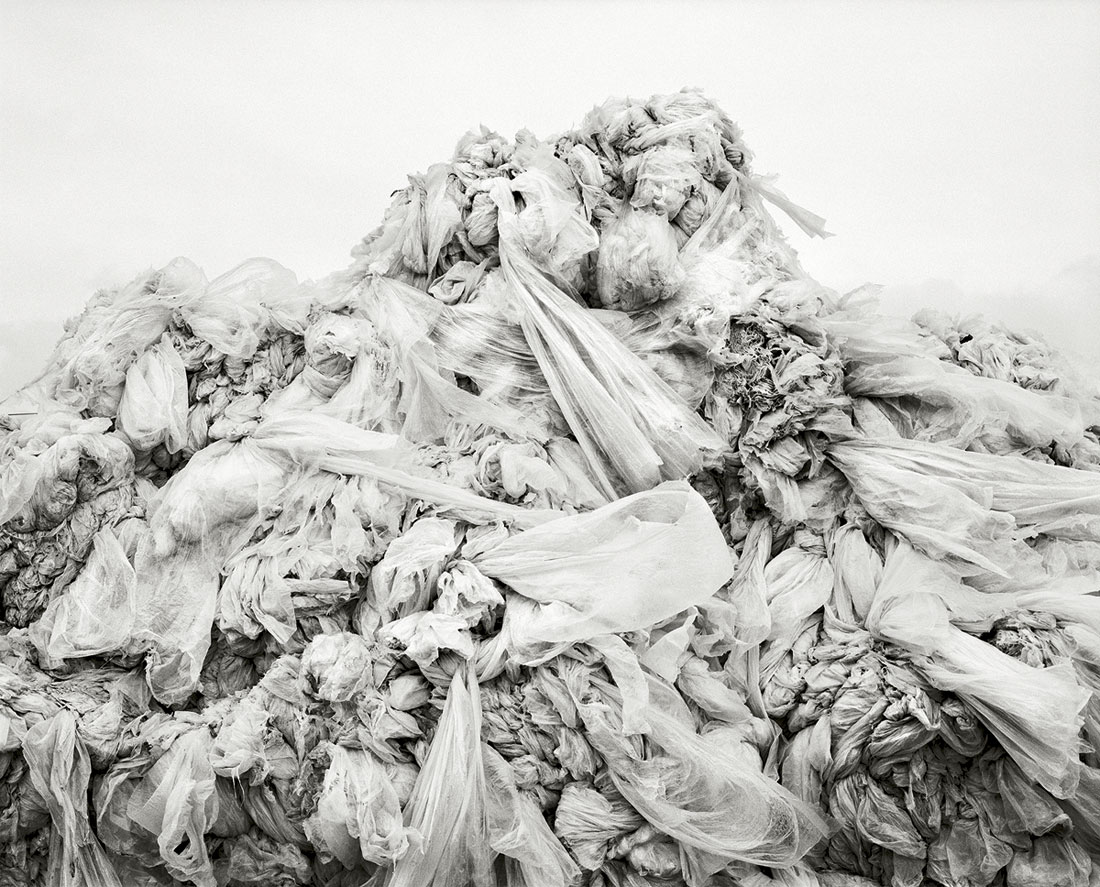
Before embarking on her trip to the United States, Winship worked in her home town on the estuary of the Humber river (2010), for which this series is titled. In this project, we again witness the growing preeminence of landscape in her work. This process culminates masterfully in her most recent series, produced in Almería, which represents the reaffirmation of her work as a landscapist and the total absence of the human figure. In January 2014, for the purposes of this exhibition, the artist moved to Almería, a place marked by rootlessness and its border nature and geological diversity, to carry out her latest project. Winship has focused on photographing the geological formations along the coastline of Cabo de Gata and the devastation of the area following the proliferation of intensive agriculture based on greenhouse production. The land of gold, Spaghetti westerns and marble now appears as a land of plastic and, like all other places Winship has photographed, seems to be located in a place suspended in space and time. All of the images in this section of the show reflect the rapid transformation of the region following the introduction of greenhouses, a radical systemic change and altered coexistence brought about by the arrival of communities of immigrants and their access to consumer society customs. Almería, as Winship’s photographs clearly show, continues to be a fragmented landscape in which urban and rural collide and where the “non-place” that is the greenhouse acts as a metaphor for the area’s instability and vulnerability.

Catalogue

The exhibition will be accompanied by a catalogue featuring all the images on display and specially commissioned essays about the work of Vanessa Winship by Neil Ascherson, Stanley Wolukau-Wanambwa and Carlos Martín García. The catalog will also include two excerpts from Campos de Níjar (Níjar Country) and Coto Vedado (Forbidden Territory) by Juan Goytisolo, as well as a biography-timeline, an updated bibliography, and a selection of the texts the photographer uses to complement her series, in the manner of a “travel diary”. To date there are only two monographs on Winship, one devoted to the Black Sea series and one to Sweet Nothings, which means that this catalog will be the first and most incisive historiographical approximation to her entire oeuvre.”

Press release from Fundación Mapfre


Vanessa Winship (British, b. 1960) 'Untitled' from the series 'Almería. Where Gold Was Found' 2014


Vanessa Winship (British, b. 1960)
Untitled from the series Almería. Where Gold Was Found
2014
© Vanessa Winship


Vanessa Winship (British, b. 1960) 'Untitled' from the series 'Almería. Where Gold Was Found' 2014


Vanessa Winship (British, b. 1960)
Untitled from the series Almería. Where Gold Was Found
2014
© Vanessa Winship


Vanessa Winship (British, b. 1960) 'Untitled' from the series 'Black Sea. Between Chronicle and Fiction' 2002-2010 © Vanessa Winship


Vanessa Winship (British, b. 1960)
Untitled from the series Black Sea. Between Chronicle and Fiction
2002-2010
© Vanessa Winship


Vanessa Winship (British, b. 1960) 'Untitled' from the series 'Georgia. Seeds Carried by the Wind' 2008-2010 © Vanessa Winship


Vanessa Winship (British, b. 1960)
Untitled from the series Georgia. Seeds Carried by the Wind
2008-2010
© Vanessa Winship


Vanessa Winship (British, b. 1960) 'Untitled' from the series 'Sweet Nothings: Schoolgirls of Eastern Anatolia' 2007 © Vanessa Winship


Vanessa Winship (British, b. 1960)
Untitled from the series Sweet Nothings: Schoolgirls of Eastern Anatolia
2007
© Vanessa Winship


Vanessa Winship (British, b. 1960) 'Untitled' from the series 'Humber' 2010-2011 © Vanessa Winship


Vanessa Winship (British, b. 1960)
Untitled from the series Humber
2010-2011
© Vanessa Winship


Vanessa Winship (British, b. 1960) 'Untitled' from the series 'she dances on Jackson. United States' 2011-2012 © Vanessa Winship


Vanessa Winship (British, b. 1960)
Untitled from the series she dances on Jackson. United States
2011-2012
© Vanessa Winship


Vanessa Winship (British, b. 1960) 'Untitled' from the series 'Georgia. Seeds Carried by the Wind' 2008-2010 © Vanessa Winship


Vanessa Winship (British, b. 1960)
Untitled from the series Georgia. Seeds Carried by the Wind
2008-2010
© Vanessa Winship


FUNDACIÓN MAPFRE – Instituto de Cultura
Paseo de Recoletos, 23
28004 Madrid, Spain
Phone: +34 915 81 61 00

Opening hours:
Sunday 11.00am – 7.00pm
Monday 2.00 – 8.00pm
Tuesday 10.00am – 8.00pm
Wednesday 10.00am – 8.00pm
Thursday 10.00am – 8.00pm
Friday 10.00am – 8.00pm
Saturday 10.00am – 8.00pm

Fundación Mapfre website

LIKE ART BLART ON FACEBOOK

Back to top

Exhibition: ‘Italian Futurism, 1909-1944: Reconstructing the Universe’ at the Solomon R. Guggenheim Museum, New York

Exhibition dates: 21st February – 1st September, 2014

Curator: Vivien Greene, Senior Curator of 19th- and Early 20th-Century Art at the Guggenheim


Many thankx to the Solomon R. Guggenheim Museum for allowing me to publish the art work in the posting. Please click on the photographs for a larger version of the art.


Giacomo Balla (Italian, 1871-1958) 'The Hand of the Violinist (The Rhythms of the Bow)' (La mano del violinista [I ritmi dell’archetto]) 1912 from the exhibition 'Italian Futurism, 1909-1944: Reconstructing the Universe' at the Solomon R. Guggenheim Museum, New York, February - September, 2014


Giacomo Balla (Italian, 1871-1958)
The Hand of the Violinist (The Rhythms of the Bow) (La mano del violinista [I ritmi dell’archetto])
1912
Oil on canvas
56 x 78.3cm
Estorick Collection, London
© 2014 Artists Rights Society (ARS), New York / SIAE, Rome


Giacomo Balla (Italian, 1871-1958)

Around 1902, [Balla] taught Divisionist techniques to Umberto Boccioni and Gino Severini. Influenced by Filippo Tommaso Marinetti, Giacomo Balla adopted the Futurism style, creating a pictorial depiction of light, movement and speed. He was a signatory of the Futurist Manifesto in 1910. Typical for his new style of painting is Dynamism of a Dog on a Leash (1912) and his 1914 work Abstract Speed + Sound (Velocità astratta + rumore) (below). In 1914, he began to design Futurist furniture, as well as so-called Futurist “antineutral” clothing. Balla also began working as a sculptor, creating, in 1915, the well-known work titled Boccioni’s Fist, based on ‘lines of force’ (Linee di forza del pugno di Boccioni).

During World War I, Balla’s studio became a meeting place for young artists.

Balla’s most famous works, such as his 1912 Dynamism of a Dog on a Leash where efforts to express movement – and thus the passage of time – through the medium of painting. One of Balla’s main inspirations was the chronophotography of Étienne-Jules Marey. Balla’s 1912 The Hand of the Violinist (above) depicts the frenetic motion of a musician playing, and draws on inspiration from Cubism and the photographic experiments of Marey and Eadweard Muybridge.

In his abstract 1912-1914 series Iridescent Interpenetration, Balla attempts to separate the experience of light from the perception of objects as such. Abstract Speed + Sound (1913-14, below) is a study of speed symbolised by the automobile. Originally, it may have been part of a triptych.

Text from the Wikipedia website


Giacomo Balla (Italian, 1871-1958) 'Abstract Speed + Sound' (Velocità astratta + rumore) 1913-1914 from the exhibition 'Italian Futurism, 1909-1944: Reconstructing the Universe' at the Solomon R. Guggenheim Museum, New York, February - September, 2014


Giacomo Balla (Italian, 1871-1958)
Abstract Speed + Sound (Velocità astratta + rumore)
1913-1914
Oil on unvarnished millboard in artist’s painted frame
54.5 x 76.5cm
The Solomon R. Guggenheim Foundation, Peggy Guggenheim Collection, Venice 76.2553.31
© 2014 Artists Rights Society (ARS), New York / SIAE, Rome
Photo: Courtesy Solomon R. Guggenheim Foundation, New York


Francesco Cangiullo (italian, 1884-1977) 'Large Crowd in the Piazza del Popolo' (Grande folla in Piazza del Popolo) 1914


Francesco Cangiullo (italian, 1884-1977)
Large Crowd in the Piazza del Popolo (Grande folla in Piazza del Popolo)
1914
Watercolour, gouache, and pencil on paper
58 x 74cm
Private collection
© 2014 Artists Rights Society (ARS), New York / SIAE, Rome


Francesco Cangiullo (Italian, 1884-1977)

Neapolitan writer and painter who made an important contribution to Futurism’s experiments in poetry and drama.

The Napolitano artist was born on January 27th, 1884 and was largely self-taught. He joined the Futurist movement in 1910 and took part in the important Futurist exhibition in Rome in 1914, creating art collaboratively with both Filippo Tommaso Marinetti and Giacomo Balla. Cangiullo created his best-known artwork in 1915; in Café-Concert: Unexpected Alphabet he playfully portrays a lively evening at the theatre in his hometown of Naples in which the singers, dancers, acrobats, and comedians are composed of letters, numbers, and mathematical sings. In 1924 he distanced himself form the Futurists, but still continued a friendship with Marinetti. Fondly reminiscing on his experiences with the art movement, Cangiullo published Futurist Evenings recounting his memories with the group.


Filippo Masoero (Italian, 1894-1969) 'Descending over Saint Peter' (Scendendo su San Pietro) c. 1927-1937 (possibly 1930-1933)


Filippo Masoero (Italian, 1894-1969)
Descending over Saint Peter (Scendendo su San Pietro)
c. 1927-1937 (possibly 1930-1933)
Gelatin silver print
24 x 31.5cm
Touring Club Italiano Archive


Ivo Pannaggi (Italian, 1901-1981) 'Speeding Train' (Treno in corsa) 1922


Ivo Pannaggi (Italian, 1901-1981)
Speeding Train (Treno in corsa)
1922
Oil on canvas
100 x 120cm
Fondazione Carima – Museo Palazzo Ricci, Macerata, Italy
Photo: Courtesy Fondazione Cassa di risparmio della Provincia di Macerata


Ivo Pannaggi (Italian, 1901-1981)

Futurism

Pannaggi joined the Futurist movement in 1918, but left soon after because of disagreements with Fillippo Marinetti. In 1922, he and Vinicio Paladini [it] published their “Manifesto of Futurist Mechanical Art.” The manifesto emphasised the importance of machine aesthetics (arte meccanica), which became one of the dominant strands of Futurism in the 1920s. He and Paladini also staged the Mechanical Futurist Ballet (Ballo meccano futurista) at Anton Giulio Bragaglia’s Casa d’Arte.

Around the same time he painted Speeding Train (Treno in corsa), perhaps his most famous work (above). He also created many photomontage works. In Postal Collages (1925), Pannaggi created a series of unfinished photomontages that would be completed through the inevitable addition of stamps and seals by postal workers – an early instance of mail art.

Germany and the Bauhaus

In 1927, Pannaggi traveled to Berlin, where he would live until 1929. He became friends with Kurt Schwitters and Walter Benjamin and published photomontage works in German newspapers. Between 1932 and 1933, Pannaggi attended the Bauhaus, the only Futurist other than Nicolaj Diugheroff to do so.

Text from the Wikipedia website


Bruno Munari (Italian, 1907-1998) and Torido Mazzotti (Italian, 1895-1988) 'Antipasti Service' (Piatti Servizio Antipasti) 1929-1930


Bruno Munari (Italian, 1907-1998) and Torido Mazzotti (Italian, 1895-1988)
Antipasti Service (Piatti Servizio Antipasti)
1929-1930
Glazed earthenware (manufactured by Casa Giuseppe Mazzotti, Albisola Marina)
Six plates: 21.6 x 21.6cm diameter each; one vase: 11.7 x 7.6cm
The Wolfsonian-Florida International University, Miami Beach, The Mitchell Wolfson, Jr. Collection
© Bruno Munari, courtesy Corraini Edizioni
Photo: Lynton Gardiner


From February 21 through September 1, 2014, the Solomon R. Guggenheim Museum presents Italian Futurism, 1909-1944: Reconstructing the Universe, the first comprehensive overview in the United States of one of Europe’s most important 20th-century avant-garde movements. Featuring over 360 works by more than 80 artists, architects, designers, photographers, and writers, this multidisciplinary exhibition examines the full historical breadth of Futurism, from its 1909 inception with the publication of Filippo Tommaso Marinetti’s first Futurist manifesto through its demise at the end of World War II. The exhibition includes many rarely seen works, some of which have never traveled outside of Italy. It encompasses not only painting and sculpture, but also the advertising, architecture, ceramics, design, fashion, film, free-form poetry, photography, performance, publications, music, and theatre of this dynamic and often contentious movement that championed modernity and insurgency.

About Futurism

Futurism was launched in 1909 against a background of growing economic and social upheaval. In Marinetti’s “The Founding and Manifesto of Futurism,” published in Le Figaro, he outlined the movement’s key aims, among them: to abolish the past, to champion modernisation, and to extol aggression. Although it began as a literary movement, Futurism soon embraced the visual arts as well as advertising, fashion, music and theatre, and it spread throughout Italy and beyond. The Futurists rejected stasis and tradition and drew inspiration from the emerging industry, machinery, and speed of the modern metropolis. The first generation of artists created works characterised by dynamic movement and fractured forms, aspiring to break with existing notions of space and time to place the viewer at the centre of the artwork. Extending into many mediums, Futurism was intended to be not just an artistic idiom but an entirely new way of life. Central to the movement was the concept of the opera d’arte totale or “total work of art,” in which the viewer is surrounded by a completely Futurist environment.

More than two thousand individuals were associated with the movement over its duration. In addition to Marinetti, central figures include: artists Giacomo Balla, Benedetta (Benedetta Cappa Marinetti), Umberto Boccioni, Carlo Carrà, Fortunato Depero, and Enrico Prampolini; poets and writers Francesco Cangiullo and Rosa Rosà; architect Antonio Sant’Elia; composer Luigi Russolo; photographers Anton Giulio Bragaglia and Tato (Guglielmo Sansoni); dancer Giannina Censi; and ceramicist Tullio d’Albisola. These figures and other lesser-known ones are represented in the exhibition.

Futurism is commonly understood to have had two phases: “heroic” Futurism, which lasted until around 1916, and a later incarnation that arose after World War I and remained active until the early 1940s. Investigations of “heroic” Futurism have predominated and comparatively few exhibitions have explored the subsequent life of the movement; until now, a comprehensive overview of Italian Futurism had yet to be presented in the U.S. Italian art of the 1920s and ’30s is little known outside of its home country, due in part to a taint from Futurism’s sometime association with Fascism. This association complicates the narrative of this avant-garde and makes it all the more necessary to delve into and clarify its full history.

Exhibition overview

Italian Futurism unfolds chronologically, juxtaposing works in different mediums as it traces the myriad artistic languages the Futurists employed as their practice evolved over a 35-year period. The exhibition begins with an exploration of the manifesto as an art form, and proceeds to the Futurists’ catalytic encounter with Cubism in 1911, their exploration of near-abstract compositions, and their early efforts in photography. Ascending the rotunda levels of the museum, visitors follow the movement’s progression as it expanded to include architecture, clothing, design, dinnerware, experimental poetry, and toys.

Along the way, it gained new practitioners and underwent several stylistic evolutions – shifting from the fractured spaces of the 1910s to the machine aesthetics (or arte meccanica) of the ’20s, and then to the softer, lyrical forms of the ’30s. Aviation’s popularity and nationalist significance in 1930s Italy led to the swirling, often abstracted, aerial imagery of Futurism’s final incarnation, aeropittura. This novel painting approach united the Futurist interest in nationalism, speed, technology, and war with new and dizzying visual perspectives. The fascination with the aerial spread to other mediums, including ceramics, dance, and experimental aerial photography.

The exhibition is enlivened by three films commissioned from documentary filmmaker Jen Sachs, which use archival film footage, documentary photographs, printed matter, writings, recorded declamations, and musical compositions to represent the Futurists’ more ephemeral work and to bring to life their words-in-freedom poems. One film addresses the Futurists’ evening performances and events, called serate, which merged “high” and “low” culture in radical ways and broke down barriers between spectator and performer. Mise-en-scène installations evoke the Futurists’ opera d’arte totale interior ensembles, from those executed for the private sphere to those realized under Fascism.

Italian Futurism concludes with the five monumental canvases that compose the Syntheses of Communications (1933-1934) by Benedetta (Benedetta Cappa Marinetti), which are being shown for the first time outside of their original location. One of few public commissions awarded to a Futurist in the 1930s, the series of paintings was created for the Palazzo delle Poste (Post Office) in Palermo, Sicily. The paintings celebrate multiple modes of communication, many enabled by technological innovations, and correspond with the themes of modernity and the “total work of art” concept that underpinned the Futurist ethos.

Text from the Solomon R. Guggenheim Museum website


Tullio Crali (Italian, 1910-2000) 'Before the Parachute Opens' (Prima che si apra il paracadute) 1939


Tullio Crali (Italian, 1910-2000)
Before the Parachute Opens (Prima che si apra il paracadute)
1939
Oil on panel
141 x 151cm
Casa Cavazzini, Museo d’Arte Moderna e Contemporanea, Udine, Italy
© 2014 Artists Rights Society (ARS), New York/SIAE, Rome
Photo: Claudio Marcon, Udine, Civici Musei e Gallerie di Storia e Arte


Tullio Crali (Italian, 1910-2000)

Aeropittura

In 1928 Crali flew for the first time. His enthusiasm for flying and his experience as a pilot influenced his art. In 1929, through Sofronio Pocarini, he made contact with Marinetti, the founder of Futurism, and joined the movement. In the same year aeropittura was launched in the manifesto, Perspectives of Flight, signed by Benedetta, Depero, Dottori, Fillia, Marinetti, Prampolini, Somenzi and Guglielmo Sansoni (Tato). The manifesto stated that “The changing perspectives of flight constitute an absolutely new reality that has nothing in common with the reality traditionally constituted by a terrestrial perspective” and that “Painting from this new reality requires a profound contempt for detail and a need to synthesise and transfigure everything.”

Despite his relative youth, Crali played a significant part in aeropittura. His earliest aeropitture represent military planes, Aerial Squadron and Aerial Duel (both 1929). In the 1930s, his paintings became realistic, intending to communicate the experience of flight to the viewer. His best-known work, Nose Dive on the City (1939), shows an aerial dive from the pilot’s point of view, the buildings below drawn in dizzying perspective.

Crali exhibited in Trieste and Padua. In 1932 Marinetti invited him to exhibit in Paris in the first aeropittura exhibition there. He participated in the Rome Quadrennial in 1935, 1939 and 1943 and the Venice Biennale of 1940. At that time Crali was researching signs and scenery, leading in 1933 to his participation in the film exhibition Futuristi Scenotecnica in Rome. In 1936 he exhibited with Dottori and Prampolini in the International Exhibition of Sports Art at the Berlin Olympics.

Crali’s declamatory abilities and his friendship with Marinetti led him to organise Futurist evenings at Gorizia, Udine and Trieste, where he read the manifesto Plastic Illusionism of War and Protecting the Earth which he had co-authored with Marinetti. He also published a Manifesto of Musical Words – Alphabet in Freedom.

After the Second World War

Crali lived in Turin after the war, where he continued to promote Futurist events. Despite the ending of the Futurist movement with the death of Marinetti in 1944 and its Fascist reputation, Crali remained attached to its ideals and aesthetic.

Between 1950 and 1958 he lived in Paris, making occasional visits to Britain. He moved to Milan in 1958 where he remained (apart from a five-year period teaching at the Italian Academy of Fine Arts, Cairo) for the rest of his life. In Milan he began to collect and catalogue documents relating to his life and work. He donated his archive and several of his works to the Museo di arte moderna e contemporanea di Trento e Rovereto.

Text from the Wikipedia website


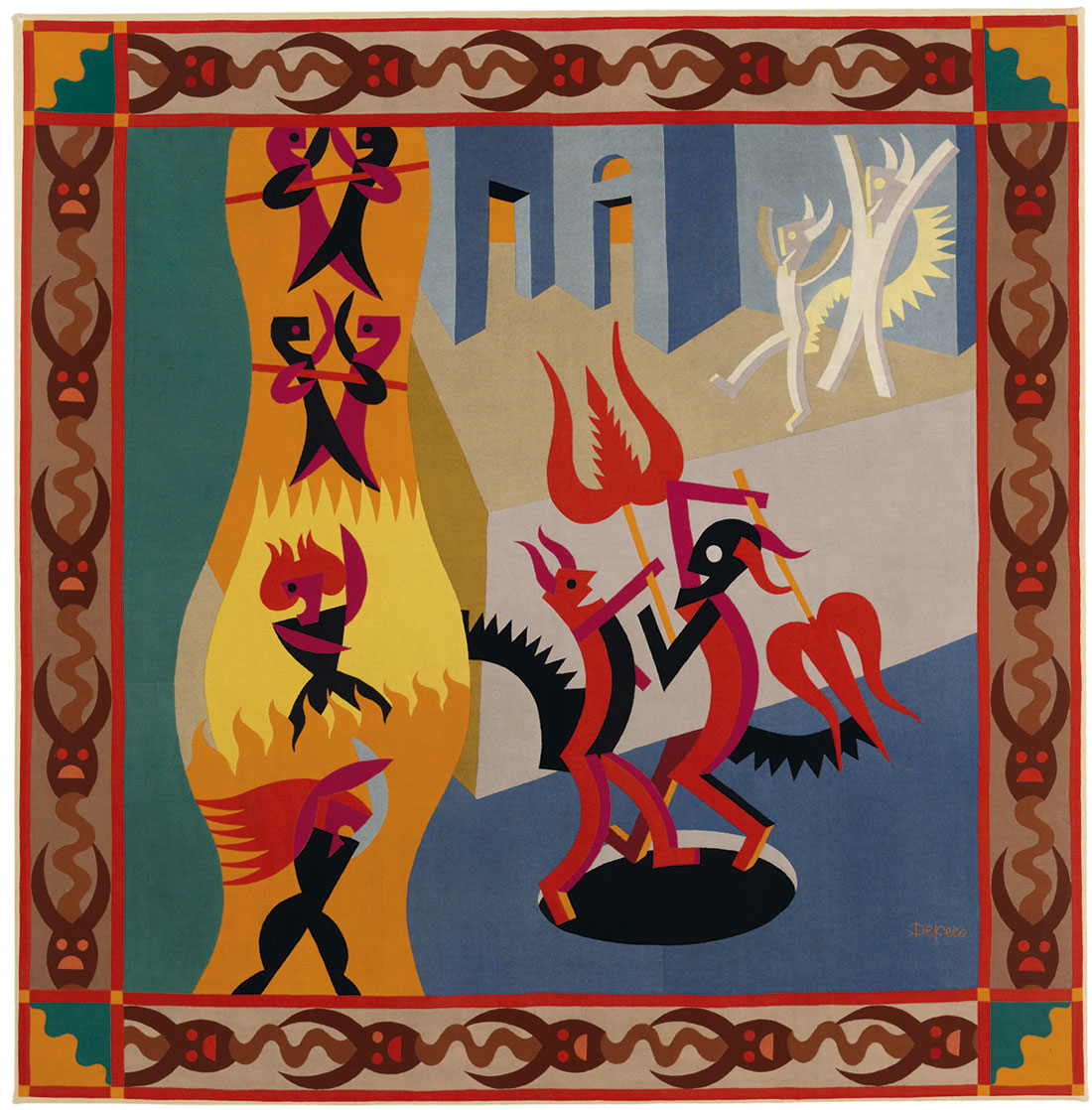
Fortunato Depero (Italian, 1892-1960) 'Little Black and White Devils, Dance of Devils' (Diavoletti neri e bianchi, Danza di diavoli) 1922-1923


Fortunato Depero (Italian, 1892-1960)
Little Black and White Devils, Dance of Devils (Diavoletti neri e bianchi, Danza di diavoli)
1922-1923
Pieced wool on cotton backing
184 x 181cm
MART, Museo di arte moderna e contemporanea di Trento e Rovereto, Italy
© 2014 Artists Rights Society (ARS), New York / SIAE, Rome
Photo: © MART, Archivio fotografico


Gerardo Dottori (Italian, 1884-1977) 'Cimino Home Dining Room Set' (Sala da pranzo di casa Cimino) early 1930s


Gerardo Dottori (Italian, 1884-1977)
Cimino Home Dining Room Set (Sala da pranzo di casa Cimino)
early 1930s
Table, chairs, buffet, lamp, and sideboard; wood, glass, crystal, copper with chrome plating, leather, dimensions variable
Private collection
© 2014 Artists Rights Society (ARS), New York / SIAE, Rome the Peggy Guggenheim Collection, Venice
Photo: Daniele Paparelli, courtesy Archivi Gerardo Dottori, Perugia, Italy


Gerardo Dottori (Italian, 1884-1977)

Gerardo Dottori (11 November 1884 – 13 June 1977) was an Italian Futurist painter. He signed the Futurist Manifesto of Aeropainting in 1929. He was associated with the city of Perugia most of his life, living in Milan for six months as a student and in Rome from 1926-39. Dottori’s’ principal output was the representation of landscapes and visions of Umbria, mostly viewed from a great height. Among the most famous of these are Umbrian Spring and Fire in the City, both from the early 1920s; this last one is now housed in the Museo civico di Palazzo della Penna in Perugia, with many of Dottori’s other works. His work was part of the art competitions at the 1932 Summer Olympics and the 1936 Summer Olympics.

Text from the Wikipedia website


Umberto Boccioni (Italian, 1882-1916) 'Elasticity (Elasticità)' 1912


Umberto Boccioni (Italian, 1882-1916)
Elasticity (Elasticità)
1912
Oil on canvas
100 x 100cm
Museo del Novecento, Milan
© Museo del Novecento, Comune di Milano (all legal rights reserved)
Photo: Luca Carrà


Umberto Boccioni (Italian, 1882-1916)

Umberto Boccioni (19 October 1882 – 17 August 1916) was an influential Italian painter and sculptor. He helped shape the revolutionary aesthetic of the Futurism movement as one of its principal figures. Despite his short life, his approach to the dynamism of form and the deconstruction of solid mass guided artists long after his death. His works are held by many public art museums, and in 1988 the Metropolitan Museum of Art in New York City organised a major retrospective of 100 pieces. …

Boccioni moved to Milan in 1907. There, early in 1908, he met the Divisionist painter Gaetano Previati. In early 1910 he met Filippo Tommaso Marinetti, who had already published his Manifesto del Futurismo (“Manifesto of Futurism”) in the previous year. On 11 February 1910 Boccioni, with Balla, Carlo Carrà, Luigi Russolo and Severini, signed the Manifesto dei pittori futuristi (“Manifesto of Futurist painters”), and on 8 March he read the manifesto at the Politeama Chiarella theatre in Turin.

Boccioni became the main theorist of the artistic movement. “Only when Boccioni, Balla, Severini and a few other Futurists traveled to Paris toward the end of 1911 and saw what Braque and Picasso had been doing did the movement begin to take real shape.” He also decided to be a sculptor after he visited various studios in Paris, in 1912, including those of Georges Braque, Alexander Archipenko, Constantin Brâncuși, Raymond Duchamp-Villon, August Agero and, probably, Medardo Rosso. In 1912 he exhibited some paintings together with other Italian futurists at the Galerie Bernheim-Jeune, and the following year returned to show his sculptures at the Galerie La Boétie: all related to the elaboration of what Boccioni had seen in Paris, where he had visited the studios of Cubist sculptors, including those of Constantin Brâncuși, Raymond Duchamp-Villon and Alexander Archipenko to further his knowledge of avant-garde sculpture.

In 1914 he published Pittura e scultura futuriste (dinamismo plastico) explaining the aesthetics of the group:

“While the impressionists paint a picture to give one particular moment and subordinate the life of the picture to its resemblance to this moment, we synthesise every moment (time, place, form, colour-tone) and thus paint the picture.”

Development of Futurism

Boccioni worked for nearly a year on La città sale or The City Rises, 1910, a huge (2m by 3m) painting, which is considered his turning point into Futurism. “I attempted a great synthesis of labor, light and movement” he wrote to a friend. Upon its exhibition in Milan in May 1911, the painting attracted numerous reviews, mostly admiring. By 1912 it had become a headline painting for the exhibition traveling Europe, the introduction to Futurism. It was sold to the great pianist, Ferruccio Busoni for 4,000 lire that year, and today is frequently on prominent display at the Museum of Modern Art in New York, at the entrance to the paintings department.

La risata (1911, The Laugh) is considered Boccioni’s first truly Futurist work. He had fully parted with Divisionism, and now focused on the sensations derived from his observation of modern life. Its public reception was quite negative, compared unfavourably with Three Women, and it was defaced by a visitor, running his fingers through the still fresh paint. Subsequent criticism became more positive, with some considering the painting a response to Cubism. It was purchased by Albert Borchardt, a German collector who acquired 20 Futurist works exhibited in Berlin, including The Street Enters the House (1911) which depicts a woman on a balcony overlooking a busy street. Today the former also is owned by the Museum of Modern Art, and the latter by the Sprengel Museum in Hanover.

Boccioni spent much of 1911 working on a trilogy of paintings titled “Stati d’animo” (“States of Mind”), which he said expressed departure and arrival at a railroad station – The Farewells, Those Who Go, and Those Who Stay. All three paintings were originally purchased by Marinetti, until Nelson Rockefeller acquired them from his widow and later donated them to the Museum of Modern Art in New York.

Beginning in 1912, with Elasticità or Elasticity (above), depicting the pure energy of a horse, captured with intense chromaticism, he completed a series of Dynamist paintings: Dinamismo di un corpo umano (Human Body), ciclista (Cyclist), Foot-baller, and by 1914 Dinamismo plastico: cavallo + caseggiato (Plastic Dynamism: Horse + Houses). While continuing this focus, he revived his previous interest in portraiture. Beginning with L’antigrazioso (The antigraceful) in 1912 and continuing with I selciatori (The Street Pavers) and Il bevitore (The Drinker) both in 1914.

In 1914 Boccioni published his book, Pittura, scultura futuriste (Futurist Painting and Sculpture), which caused a rift between himself and some of his Futurist comrades. As a result, perhaps, he abandoned his exploration of Dynamism, and instead sought further decomposition of a subject by means of colour. With Horizontal Volumes in 1915 and the Portrait of Ferruccio Busoni in 1916, he completed a full return to figurative painting. Perhaps fittingly, this last painting was a portrait of the maestro who purchased his first Futurist work, The City Rises.

Text from the Wikipedia website


Enrico Prampolini and Maria Ricotti, with cover by Enrico Prampolini. 'Program for the Theater of Futurist Pantomime' (Théâtre de la Pantomine Futuriste) Illustrated leaflet (Paris: M. et J. De Brunn, 1927)


Enrico Prampolini and Maria Ricotti, with cover by Enrico Prampolini
Program for the Theater of Futurist Pantomime (Théâtre de la Pantomine Futuriste)
Illustrated leaflet (Paris: M. et J. De Brunn, 1927)
27.5 x 22.7cm
Fonds Alberto Sartoris, Archives de la Construction Moderne-Ecole polytechnique fédérale de Lausanne (EPFL), Switzerland
By permission of heirs of the artist
Photo: Jean-Daniel Chavan


Carlo Carrà (Italian, 1881-1966) 'Interventionist Demonstration' (Manifestazione Interventista) 1914


Carlo Carrà (Italian, 1881-1966)
Interventionist Demonstration (Manifestazione Interventista)
1914
Tempera, pen, mica powder, paper glued on cardboard
38.5 x 30cm
Gianni Mattioli Collection, on long-term loan to the Peggy Guggenheim Collection, Venice
© 2014 Artists Rights Society (ARS), New York / SIAE, Rome
Photo: Courtesy Solomon R. Guggenheim Foundation, New York


Carlo Carrà (Italian, 1881-1966)

Carlo Carrà (Italian, February 11, 1881 – April 13, 1966) was an Italian painter and a leading figure of the Futurist movement that flourished in Italy during the beginning of the 20th century. In addition to his many paintings, he wrote a number of books concerning art. He taught for many years in the city of Milan.

In 1899-1900, Carrà was in Paris decorating pavilions at the Exposition Universelle, where he became acquainted with contemporary French art. He then spent a few months in London in contact with exiled Italian anarchists, and returned to Milan in 1901. In 1906, he enrolled at Brera Academy (Accademia di Brera) in the city, and studied under Cesare Tallone. In 1910 he signed, along with Umberto Boccioni, Luigi Russolo and Giacomo Balla the Manifesto of Futurist Painters, and began a phase of painting that became his most popular and influential.

Text from the Wikipedia website


Luigi Russolo (Italian, 1885-1947) "The Art of Noises: Futurist Manifesto" ("L'arte dei rumori: Manifesto futurista") Leaflet (Milan: Direzione del Movimento Futurista, 1913)
 

Luigi Russolo (Italian, 1885-1947)
“The Art of Noises: Futurist Manifesto” (“L’arte dei rumori: Manifesto futurista”)
Leaflet (Milan: Direzione del Movimento Futurista, 1913)
29.2 x 23cm
Wolfsoniana – Fondazione regionale per la Cultura e lo Spettacolo, Genoa
By permission of heirs of the artist
Photo: Courtesy Wolfsoniana – Fondazione regionale per la Cultura e lo Spettacolo, Genoa


Luigi Russolo (Italian, 1885-1947)

Luigi Carlo Filippo Russolo (30 April 1885 – 6 February 1947) was an Italian Futurist painter, composer, builder of experimental musical instruments, and the author of the manifesto The Art of Noises (1913). He is often regarded as one of the first noise music experimental composers with his performances of noise music concerts in 1913–14 and then again after World War I, notably in Paris in 1921. He designed and constructed a number of noise-generating devices called Intonarumori.

Luigi Russolo was perhaps the first noise artist. His 1913 manifesto, L’Arte dei Rumori (The Art of Noises), stated that the industrial revolution had given modern men a greater capacity to appreciate more complex sounds. Russolo found traditional melodic music confining, and he envisioned noise music as its future replacement.

Russolo designed and constructed a number of noise-generating devices called Intonarumori, and assembled a noise orchestra to perform with them. A performance of his Gran Concerto Futuristico (1917) was met with strong disapproval and violence from the audience, as Russolo himself had predicted.

Text from the Wikipedia website


Mino Somenzi, ed., with words-in-freedom image Airplanes (Aeroplani) by Pino Masnata. 'Futurismo 2, no. 32' (Apr. 16, 1933) Journal (Rome, 1933)


Mino Somenzi, ed., with words-in-freedom image Airplanes (Aeroplani) by Pino Masnata
Futurismo 2, no. 32 (Apr. 16, 1933)
Journal (Rome, 1933)
64 x 44cm
Fonds Alberto Sartoris, Archives de la Construction Moderne–Ecole polytechnique fédérale de Lausanne EPFL), Switzerland
Photo: Jean-Daniel Chavan


Fortunato Depero (Italian, 1892-1960) 'Heart Eaters' (Mangiatori di cuori) 1923


Fortunato Depero (Italian, 1892-1960)
Heart Eaters (Mangiatori di cuori)
1923
Painted wood
36.5 x 23 x 10cm
Private collection
© 2014 Artists Rights Society (ARS), New York / SIAE, Rome
Photo: Vittorio Calore


Umberto Boccioni (Italian, 1882-1916) 'Unique Forms of Continuity in Space' (Forme uniche della continuità nello spazio) 1913 (cast 1949)


Umberto Boccioni (Italian, 1882-1916)
Unique Forms of Continuity in Space (Forme uniche della continuità nello spazio)
1913 (cast 1949)
Bronze
121.3 x 88.9 x 40cm
The Metropolitan Museum of Art, New York, Bequest of Lydia Winston Malbin, 1989
© The Metropolitan Museum of Art
Image Source: Art Resource, New York


Benedetta (Cappa Marinetti) (Italian, 1897-1977) 'Synthesis of Aerial Communications' (Sintesi delle comunicazioni aeree) 1933-1934


Benedetta (Cappa Marinetti) (Italian, 1897-1977)
Synthesis of Aerial Communications (Sintesi delle comunicazioni aeree)
1933-1934
Tempera and encaustic on canvas
324.5 x 199cm
Il Palazzo delle Poste di Palermo, Sicily, Poste Italiane
© Benedetta Cappa Marinetti, used by permission of Vittoria Marinetti and Luce Marinetti’s heirs
Photo: AGR/Riccardi/Paoloni


Benedetta Cappa (Italian, 1897-1977)

Benedetta Cappa (14 August 1897 – 15 May 1977) was an Italian futurist artist who has had retrospectives at the Walker Art Center and the Solomon R. Guggenheim Museum. Her work fits within the second phase of Italian Futurism.

Though she was an artist active in Futurist circles, Cappa felt labels were restrictive and initially rejected the designation. In a 1918 correspondence with F.T. Marinetti she writes, “I am too free and rebellious – I do not want to be restricted. I want only to be me.” Despite entering her marriage with such determined independence, the considerable contributions made by Cappa are often overshadowed by the figure of Marinetti and the vociferous manner with which he directed the movement. Cappa’s body of work spanned a range of media that included pen, paper, paint, metal and textiles. She wrote poetry and prose, signed, and spoke as an individual, but only recently has she garnered independent recognition.

In 1919, Cappa published Spicologia di 1 Uomo, a collection of poetry which incorporates “unusual word placement, typographic experimentation, and visual and auditory correspondences.” Subsequently published in 1924, Le Forze Umane: Romanzo Astratto con Sintesi Grafiche (Human Forces: Abstract Novel with Graphic Synthesis), has a similar structure presented in an extrapolated form. Two images from this novel provide an interesting conceptual contrast. The first, Forze Feminile: Spirale di Dolcezza + Serpe di Fascino (Feminine Forces: Spiral of Sweetness + Serpent of Charm) consists simply of three curved lines, one of which provides a central axis for the other two. The linear composition of the second drawing, Forze Maschili: Armi e Piume (Masculine Forces: Weapons and Feathers), has numerous straight lines and arcs arranged in an impenetrable tangle.

Cappa’s publication of Le Forze Umane was one of three books she has written. The release of her book made many futurists question her allegiance with Futurism, for her book seemed to align more with Neo-Plasticism at the time by many male Futurists who have written reviews on Cappa’s book. Cappa collected all of the reviews in her Librone which can be found at the Getty Research Institute. It was a decision made from many reviewers that Cappa’s first book represents the unwillingness from the reviewers to accept a women’s work as part of Futurism.

The action and aesthetic of the machine age is a trope within Futurism that appears frequently in Cappa’s artwork. One early abstract painting, Velocità di Motoscafo, (Velocity of a Motorboat), (1923-24), contains many of the elements that would come to mark Cappa’s painting style. Well defined, curvilinear shapes, painted in gradient tones are compositionally arranged to imply objects in motion: “… the interplay of ‘force lines,’ become the subject.” The artist’s exploration of the machine continued with Luci + Rumori di un Treno Notturno, (Lights + Sounds of a Night Train), (c. 1924) and with Aeropittura (1925). A trip to Latin America in 1926 was followed by a series of abstract paintings done in gouache on paper.

As Cappa developed her artistic practice, her influence within the Futurist Movement expanded. Between the end of World War I and the early 1930s, there was an ideological transformation which led to the period commonly known as Second Wave Futurism. The notably misogynistic tone of the foundation texts was largely muted as the number of female Futurists increased. Several other themes, such as Technology, Speed, and Mechanisation carried over into this new incarnation of Futurism. For this reason, Cappa’s oil painting Il Grande X (1931) is considered the culmination of one era and the prelude to another. In the two decades since F.T. Marinetti’s manifesto, the brash avant-garde movement had largely become the establishment.

It was the Futurists’ affiliation with the state establishment that would lead to one of Cappa’s most recognisable paintings, her mural series for the Conference Room at the Palazzo delle Poste in Palermo, Sicily. The building is an amalgam of works by several Futurist artists. Designed by the Rationalist architect, Angiolo Mazzoni, the Poste Italiane houses tile wall mosaics by Luigi Colombo Filìa and Enrico Prampolini in addition to the murals by Benendetta. The shared themes of synthesis and communication are critical to the aesthetic program of the Futurist structure. Completed between 1933 and 1934, each painting depicts a form of information transfer, including terrestrial, maritime, aerial, radio, telegraphic and telephonic communication. The pale blue and green colour palette, along with the use of tempera and encaustic media, were designed to invoke resonances with Pompeian frescos. The collection represents the idealised speed and efficiency of message delivery in the modern world.

Text from the Wikipedia website


Solomon R. Guggenheim Museum
1071 5th Avenue (at 89th Street)
New York

Opening hours:
Sunday – Monday 11am – 6pm
Wednesday – Friday 11am – 6pm
Saturday 11am – 8pm
Closed Tuesday

Solomon R. Guggenheim Museum website

LIKE ART BLART ON FACEBOOK

Back to top

Review: ‘The road: Photographers on the move 1970-1975’ at the Monash Gallery of Art, Wheelers Hill, Melbourne

Exhibition dates: 13th June – 31st August 2014

Curator: Stephen Zagala

Artists: Micky Allan, Virginia Coventry, Gerrit Fokkema, John Gollings, Tim Handfield, Ian North, Robert Rooney, Wes Stacey


Virginia Coventry (Australian, b. 1942) 'Service road' 1976-1978


Virginia Coventry (Australian, b. 1942)
Service road
1976-1978
1 of 34 gelatin silver prints and two text panels
26.5 x 32.5cm (each)
Collection: Powerhouse Museum, Sydney
Courtesy of the artist and Liverpool Street Gallery (Sydney)


This is another stimulating exhibition at the Monash Gallery of Art, a gallery that consistently puts on some of the best photography exhibitions in Melbourne each year. Kudos to them.

Each of the eight artists in this exhibition present mainly conceptually based work. Each body of work is individually strong but in the context of the exhibition they come together seamlessly to form a kind of giant jigsaw puzzle of images, a series of impressions of Australia and the road: work that responds to the experience of automotive travel in Australia, announcing “the road-trip as the quintessential Australian journey, highlighting the challenges to life and culture that accompanied suburban expansion and the ways that Australians embraced the road during the 1970s and ‘80s.”

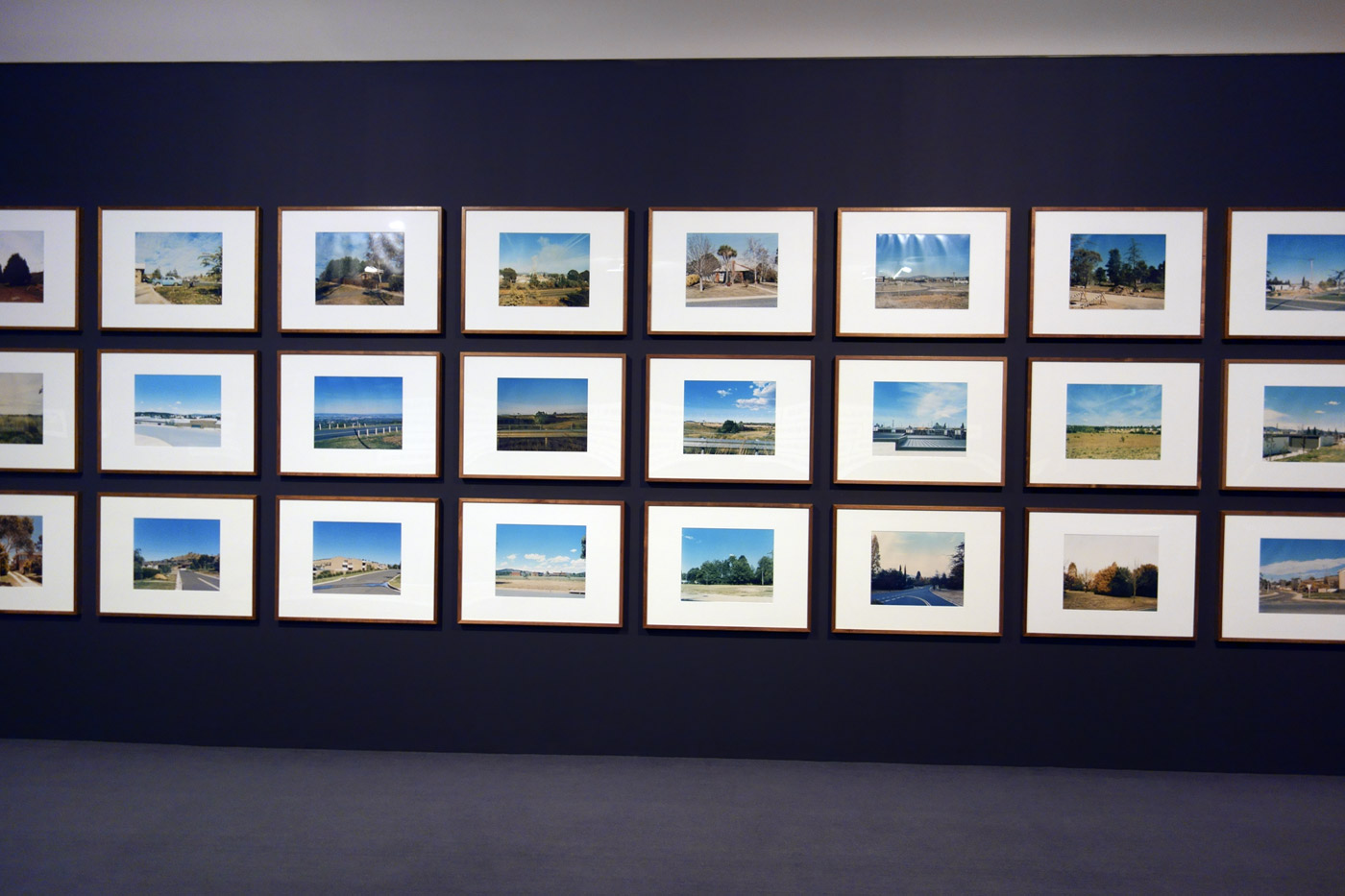
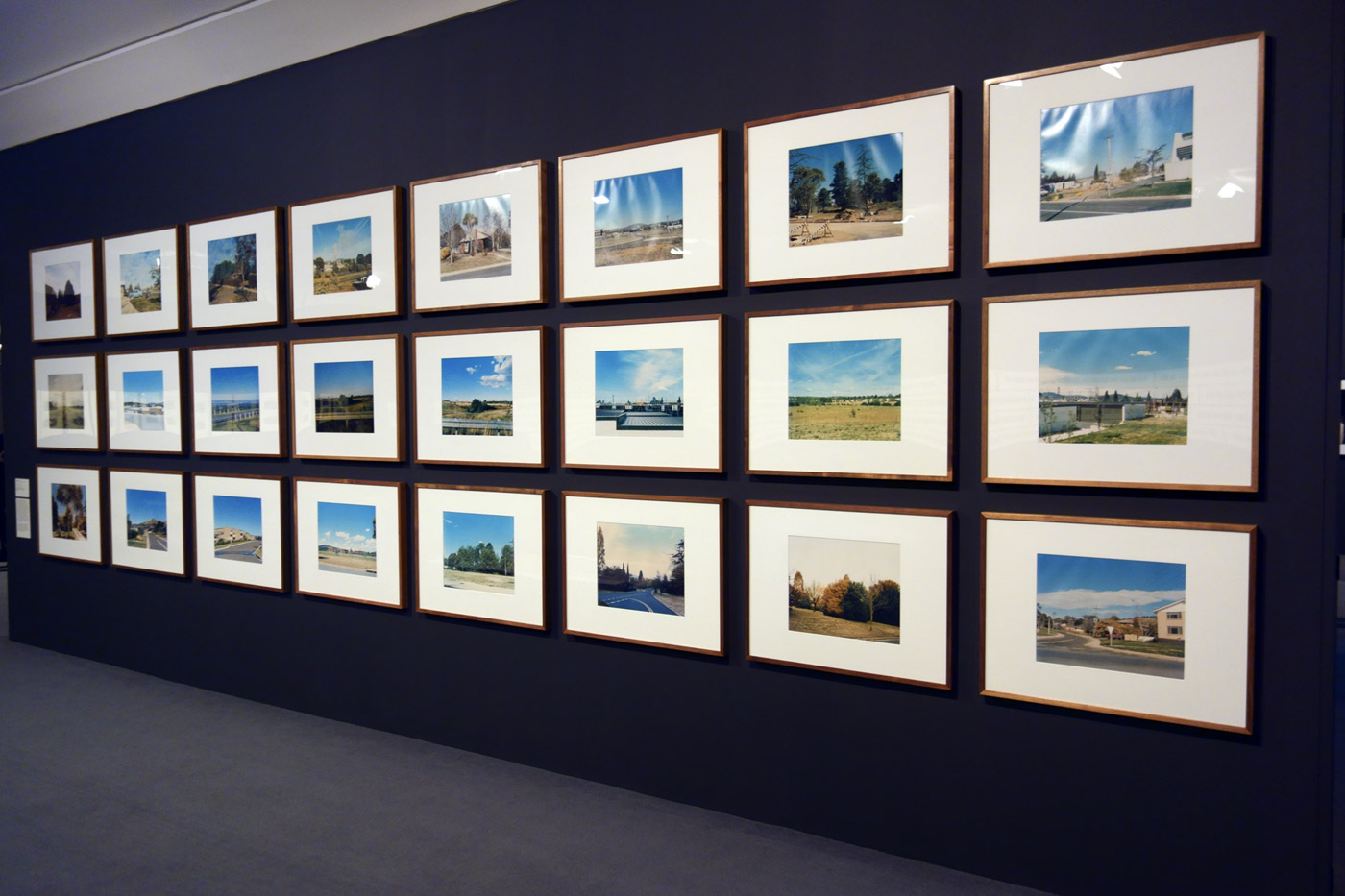
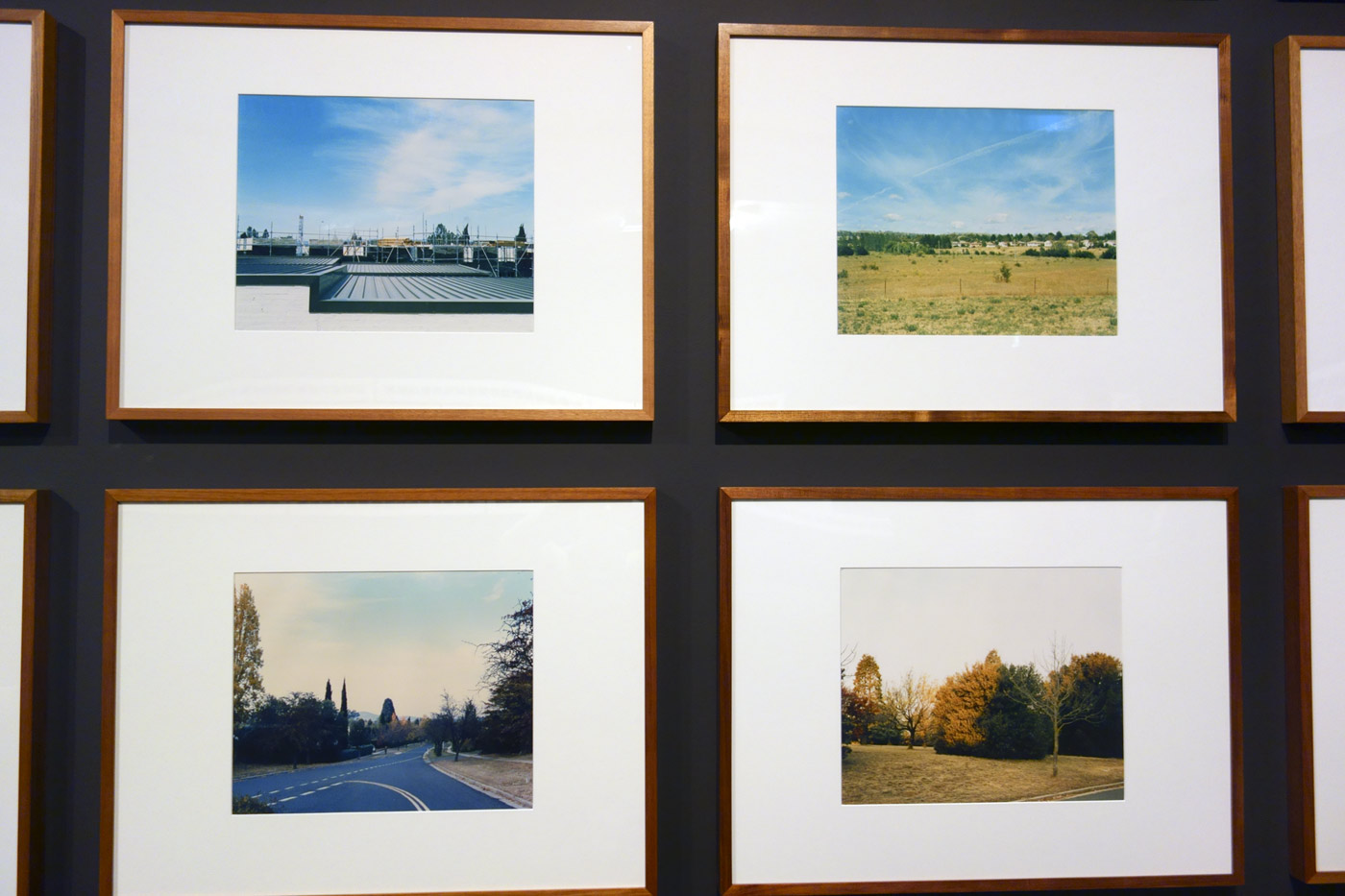
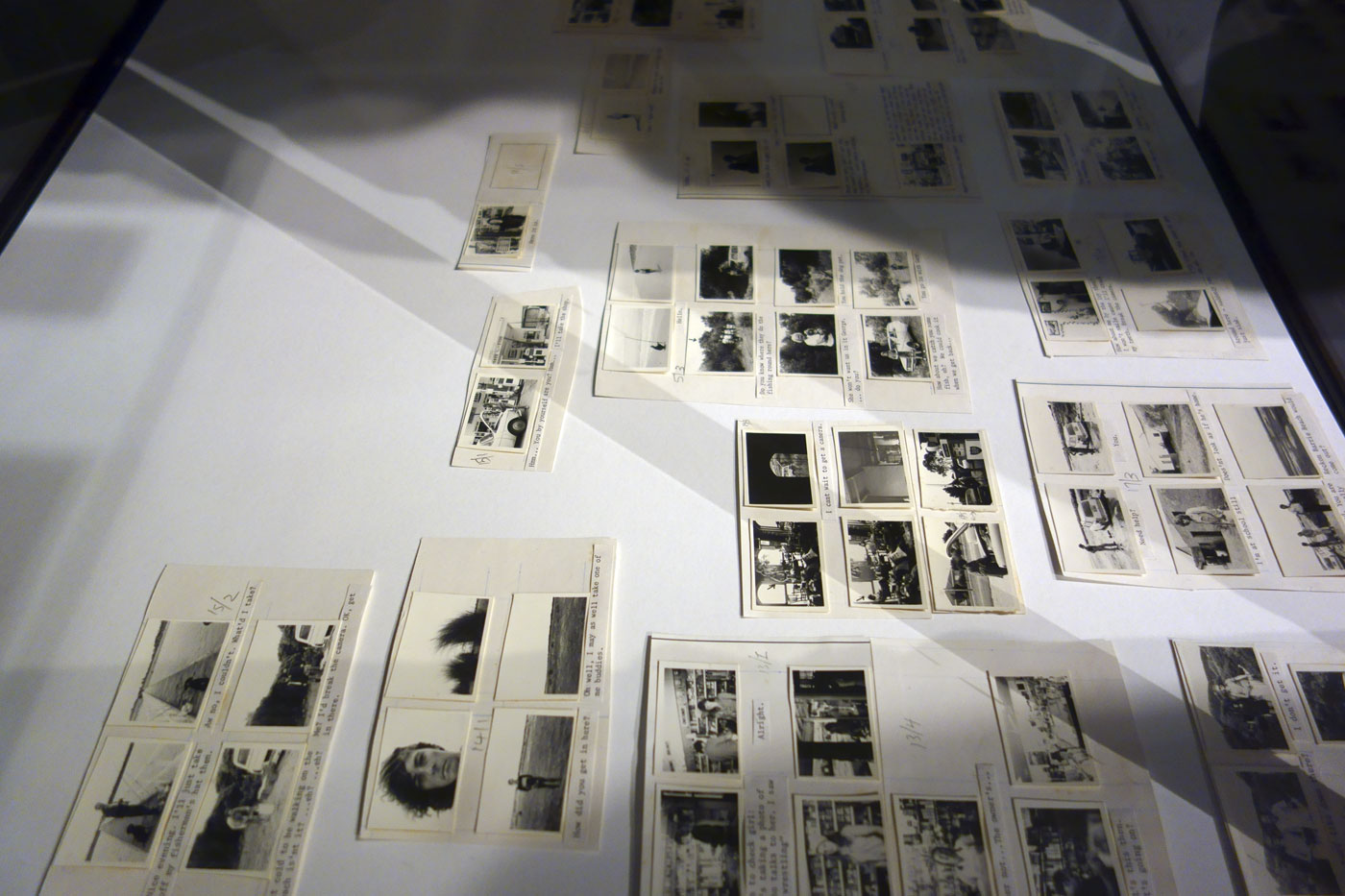
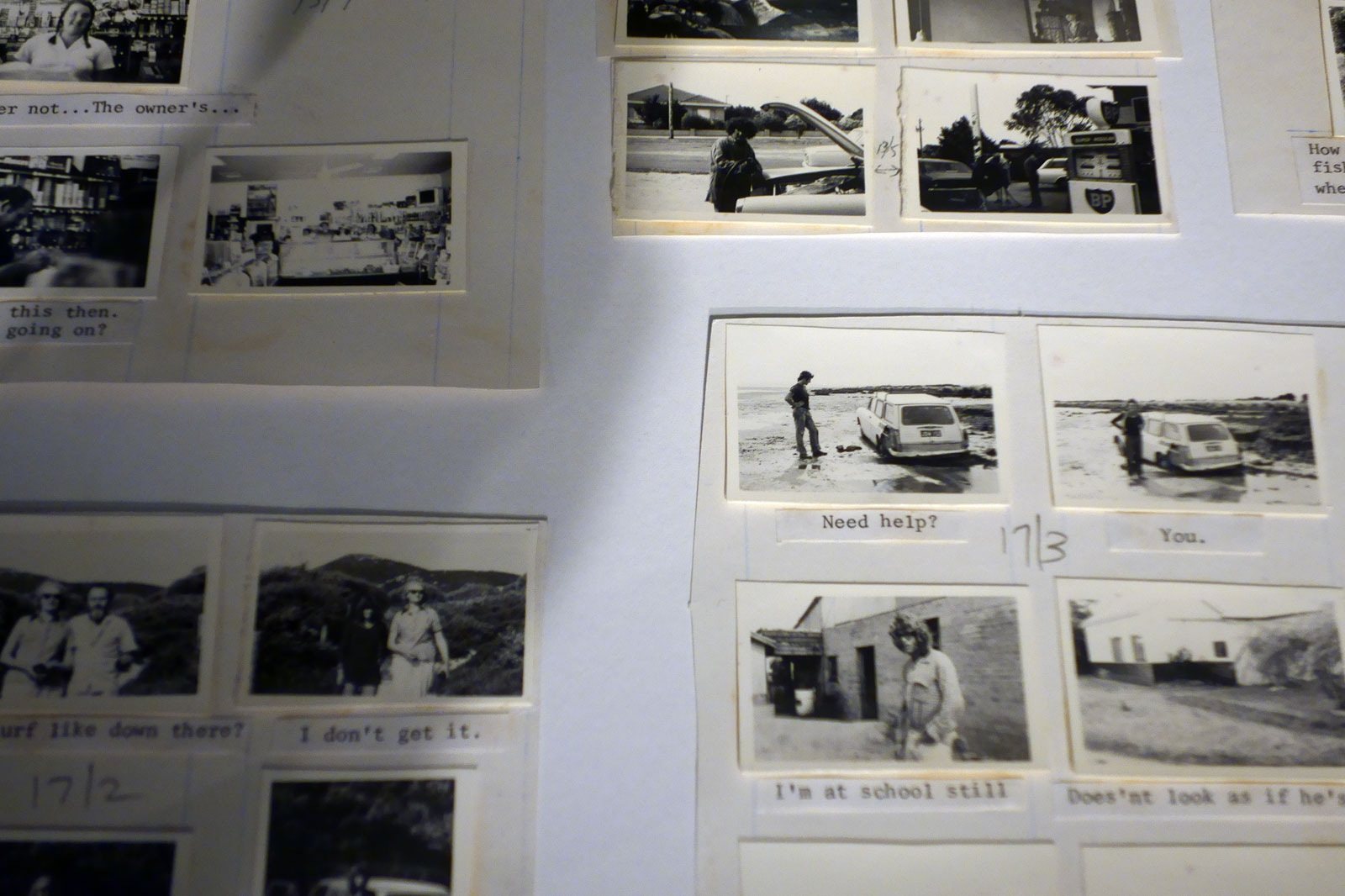
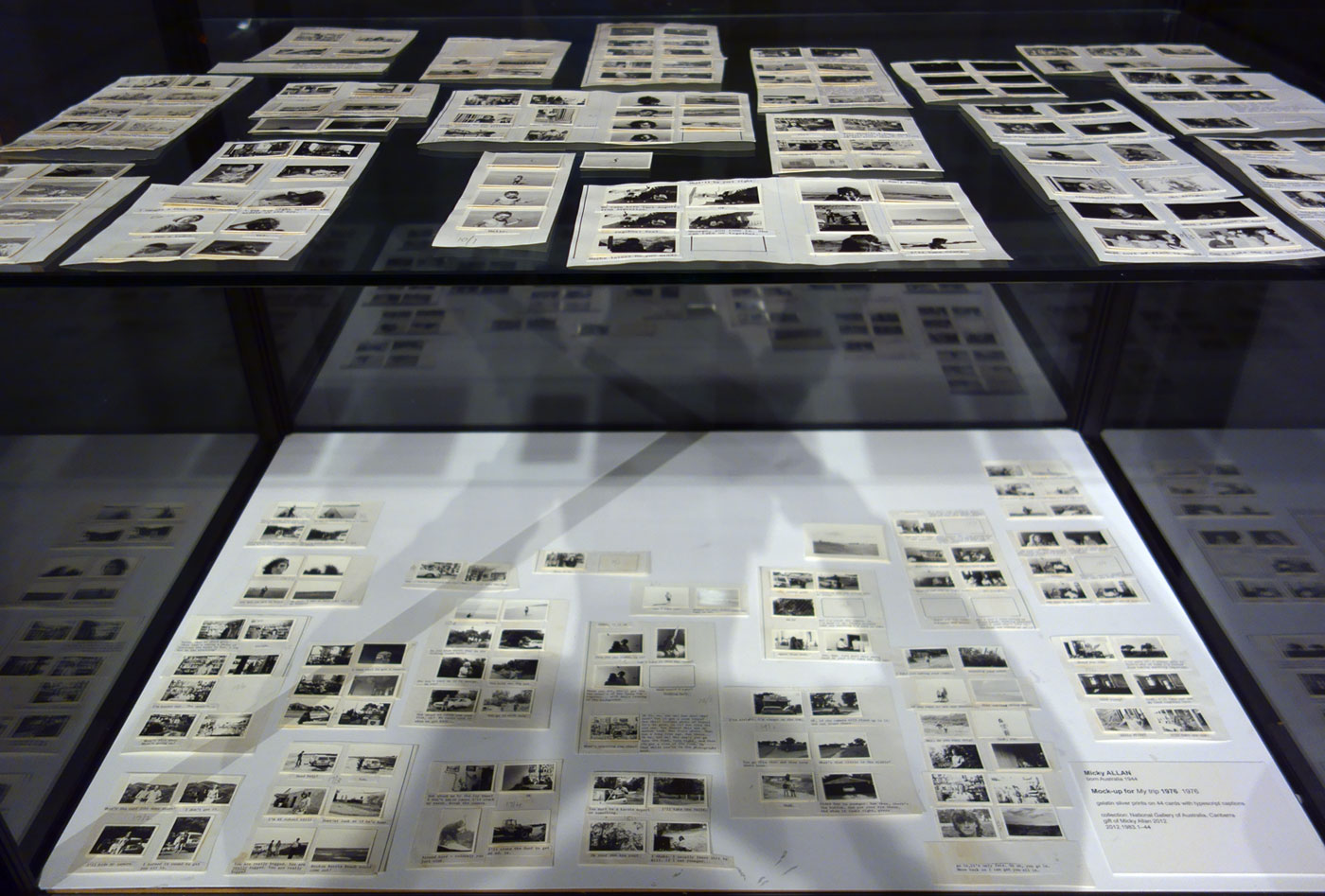
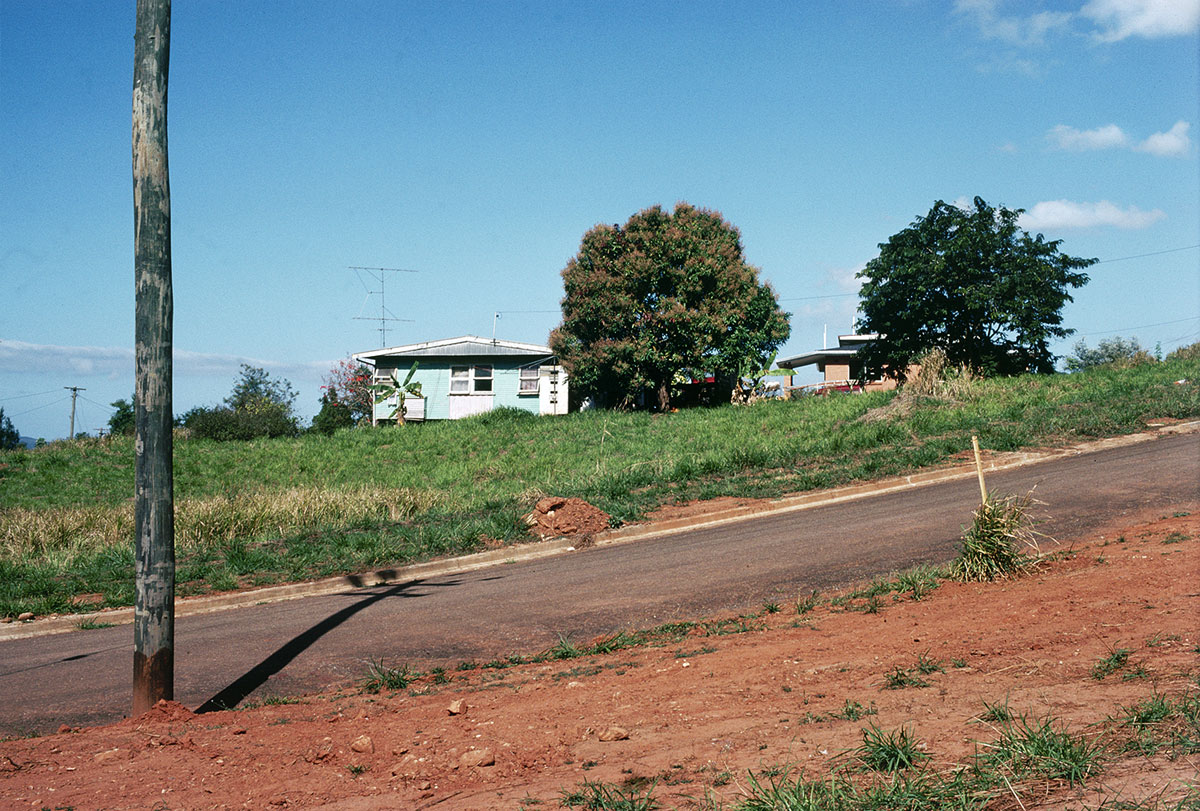
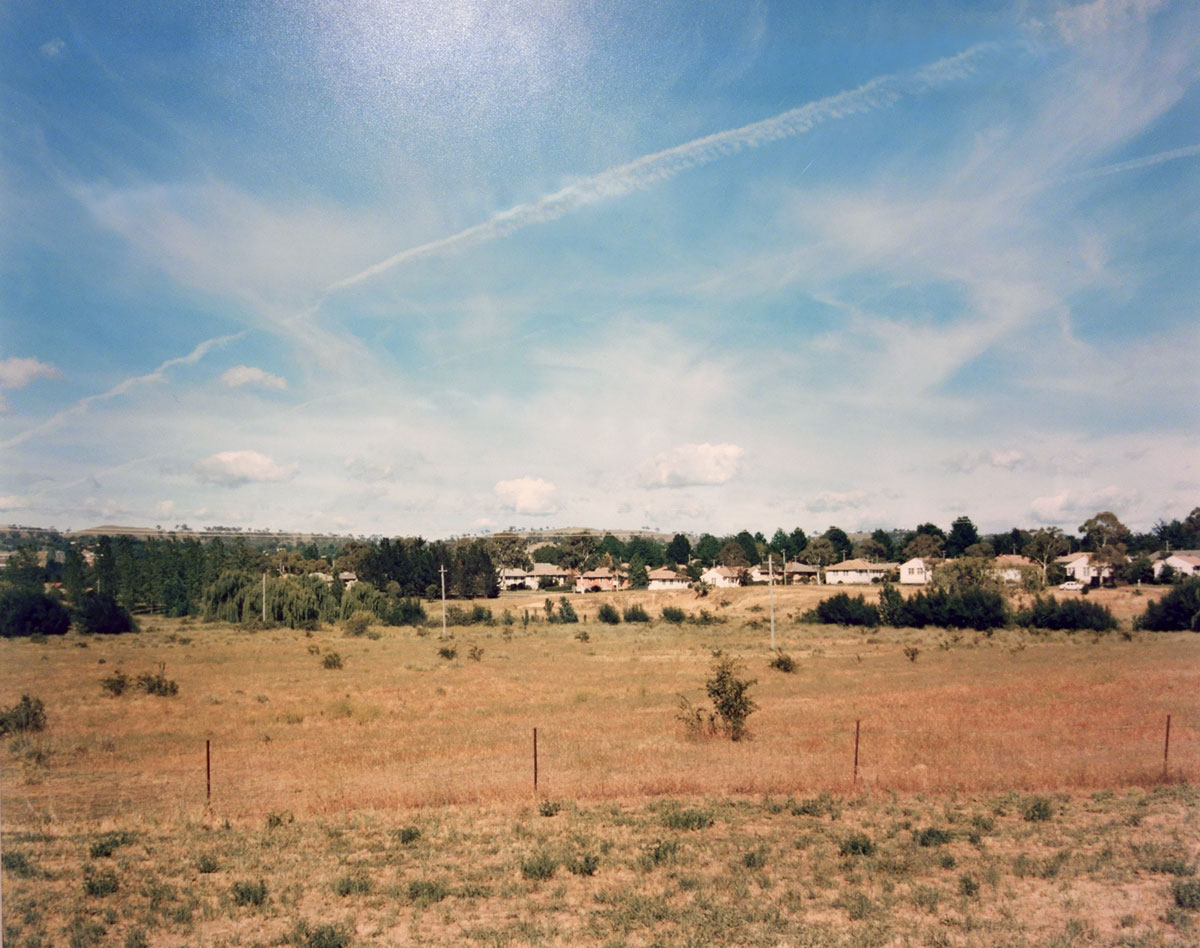
It is a pleasure to finally see Ian North’s colour series Canberra suite (1980-1981, below). Having seen but a few images online, to see the whole body of work in the flesh was illuminating. While lacking the formal rigour and structure of some of the other work in the exhibition, I enjoyed the natural simplicity of the photographs, their planned naïveté, which perfectly captures the suburbs of Canberra at that time. I also delighted in the intimacy of the small silver gelatin prints of Micky Allan’s Mock-up for ‘My trip’ 1976 (1976, below) with their pithy aphorisms such as “Need help?” when the car is bogged.

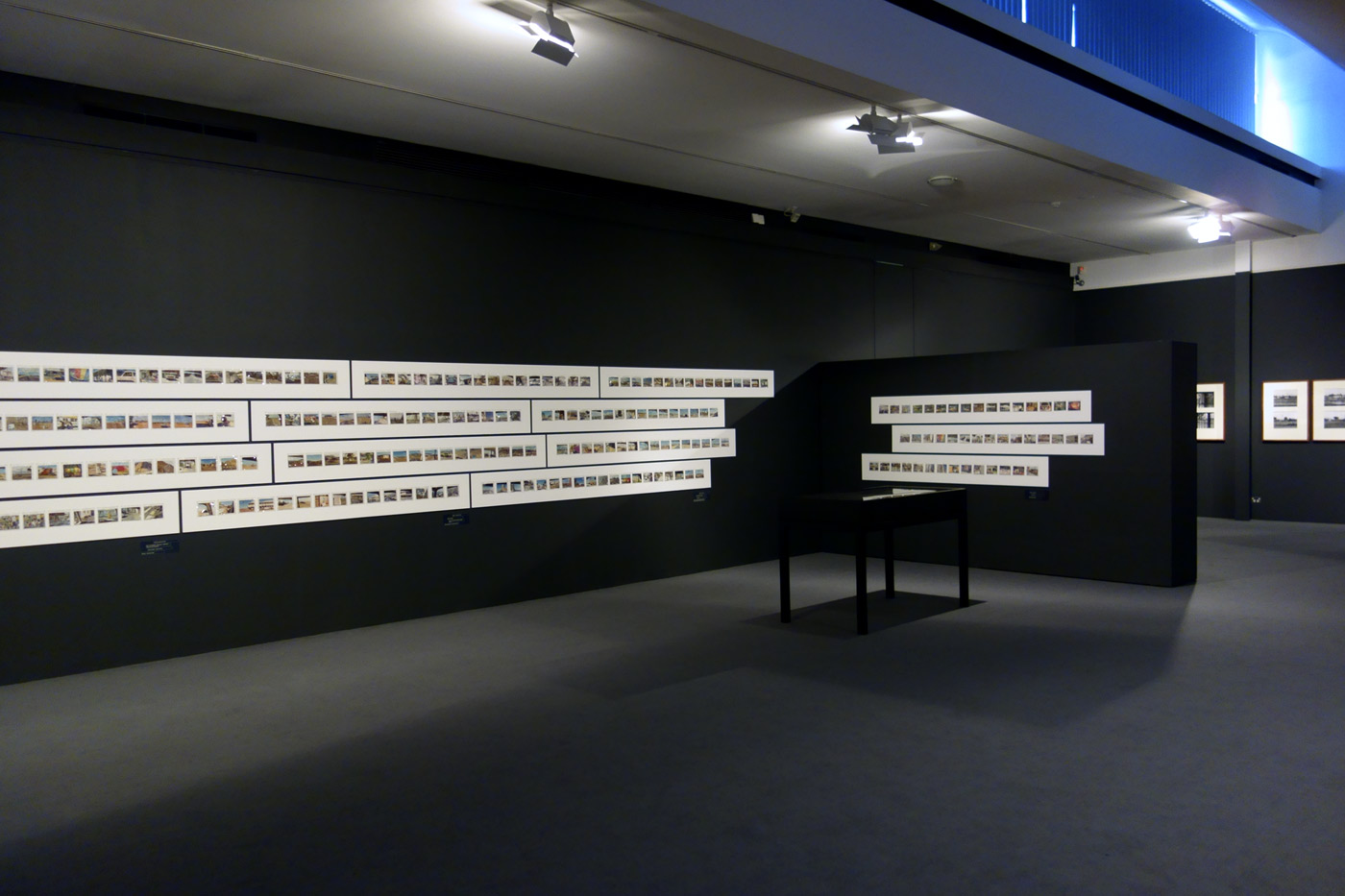
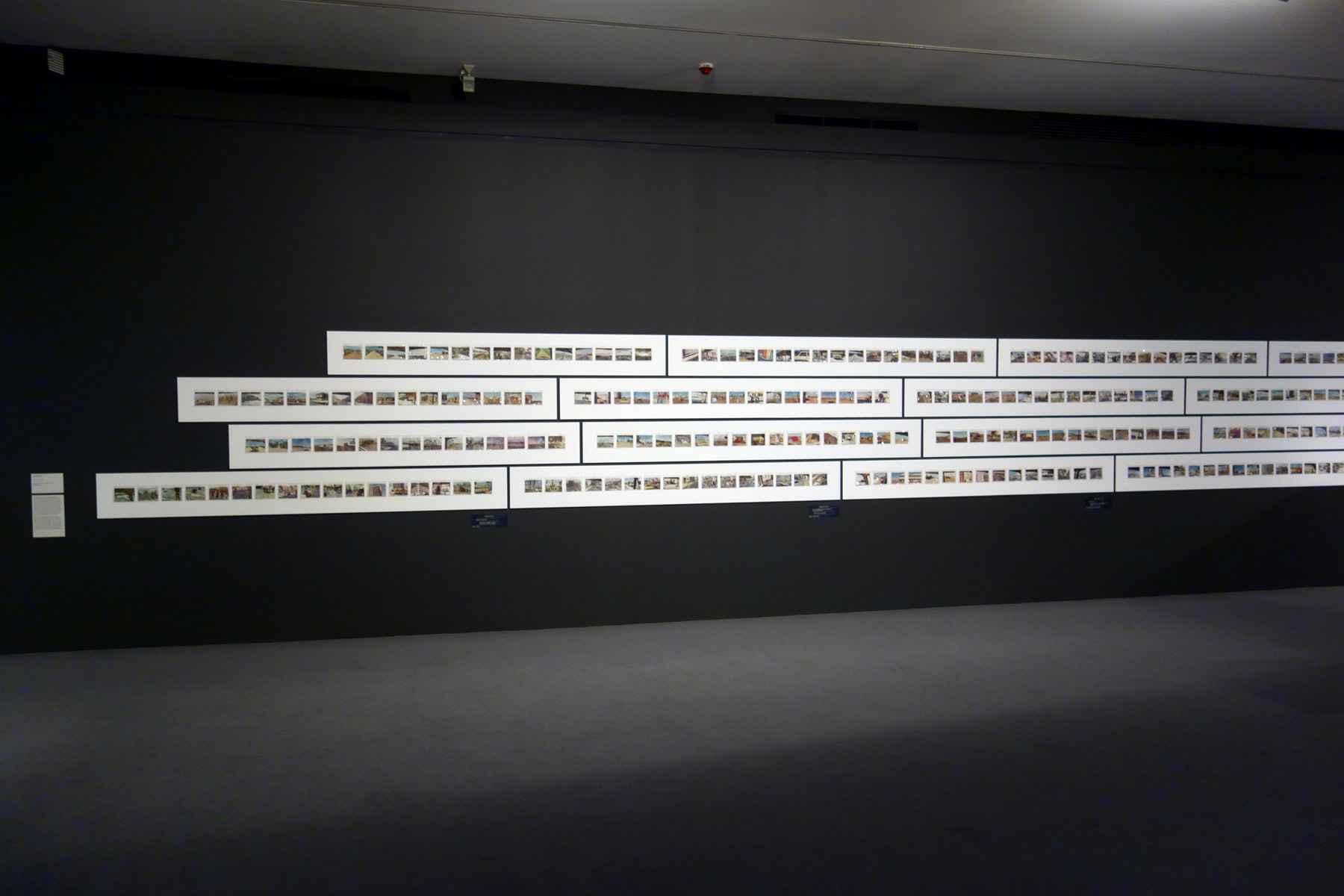
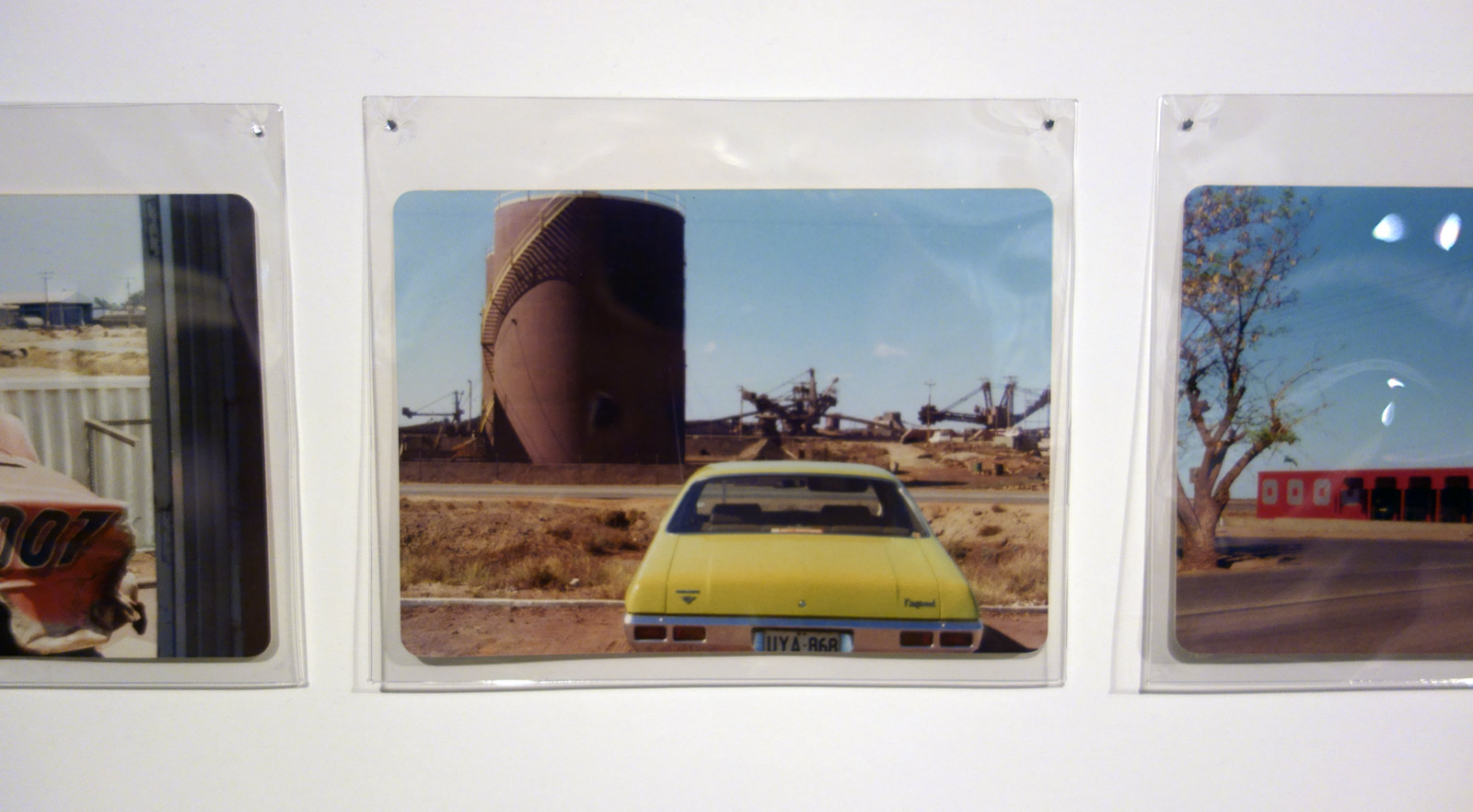
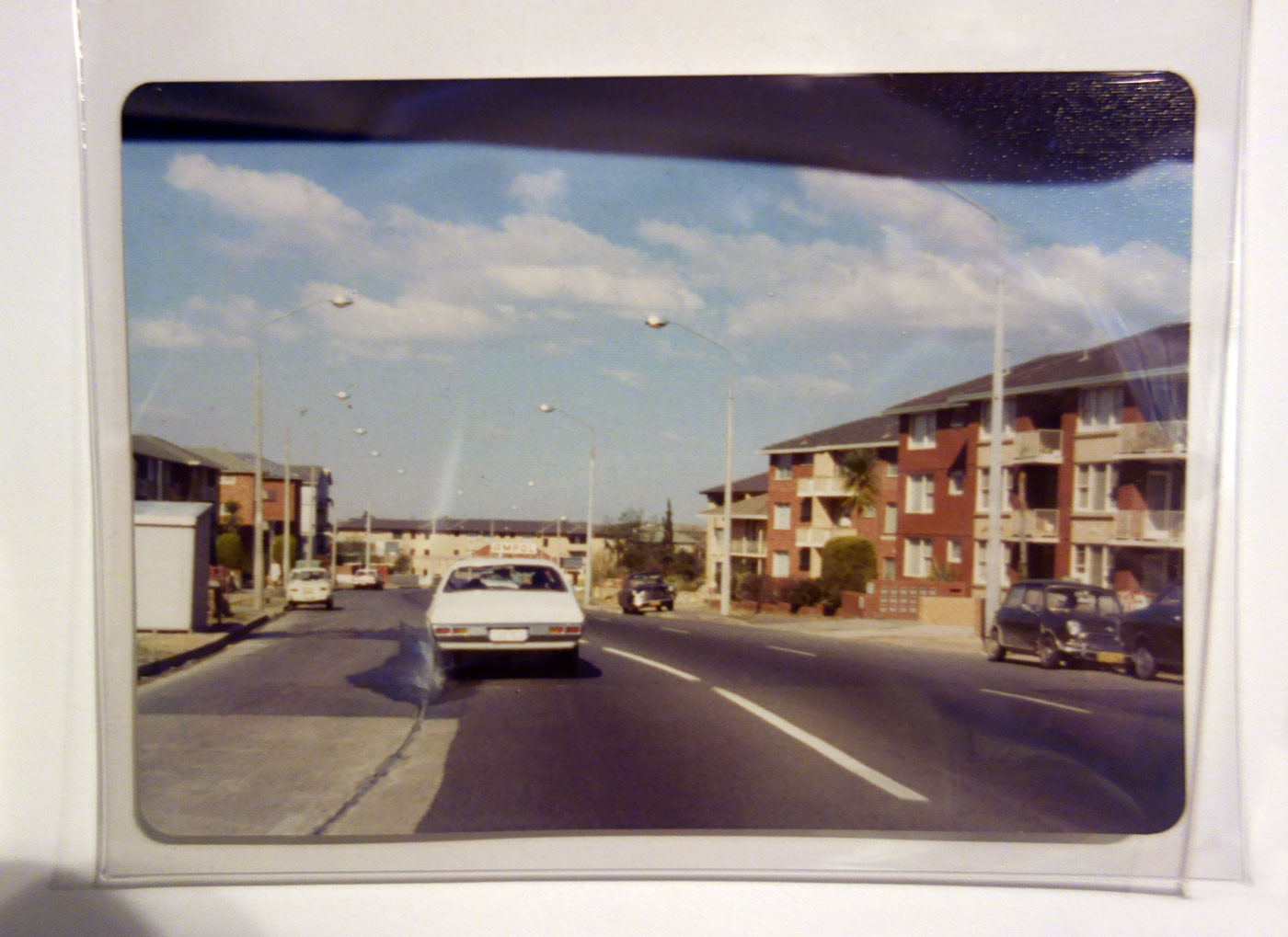
Another great series is Wes Stacey’s spunky The road (1974-1975, below) – small automated chemist shop prints with their 1970s colours and rounded corners all housed in cheap plastic sleeves pinned to board. This series is beautifully resolved which today allows for a sensually self-indulgent nostalgia to form for the time in which they were taken. The cars, the colours, the travel, people and places so evocatively captured on an Instamatic camera form a captivating narrative of “the sense of movement and adventure that underpins a road trip in a relatively cheap and expedient way.” Another strong series of photographs are by Tim Handfield who I have always thought is an excellent photographer with a good eye. As can be seen by the four images in this posting, Handfield is a master at handling form, structure and colour in the image field. In these photographs he almost seems to compress the space inside the photograph so that they have a vaguely threatening presence.

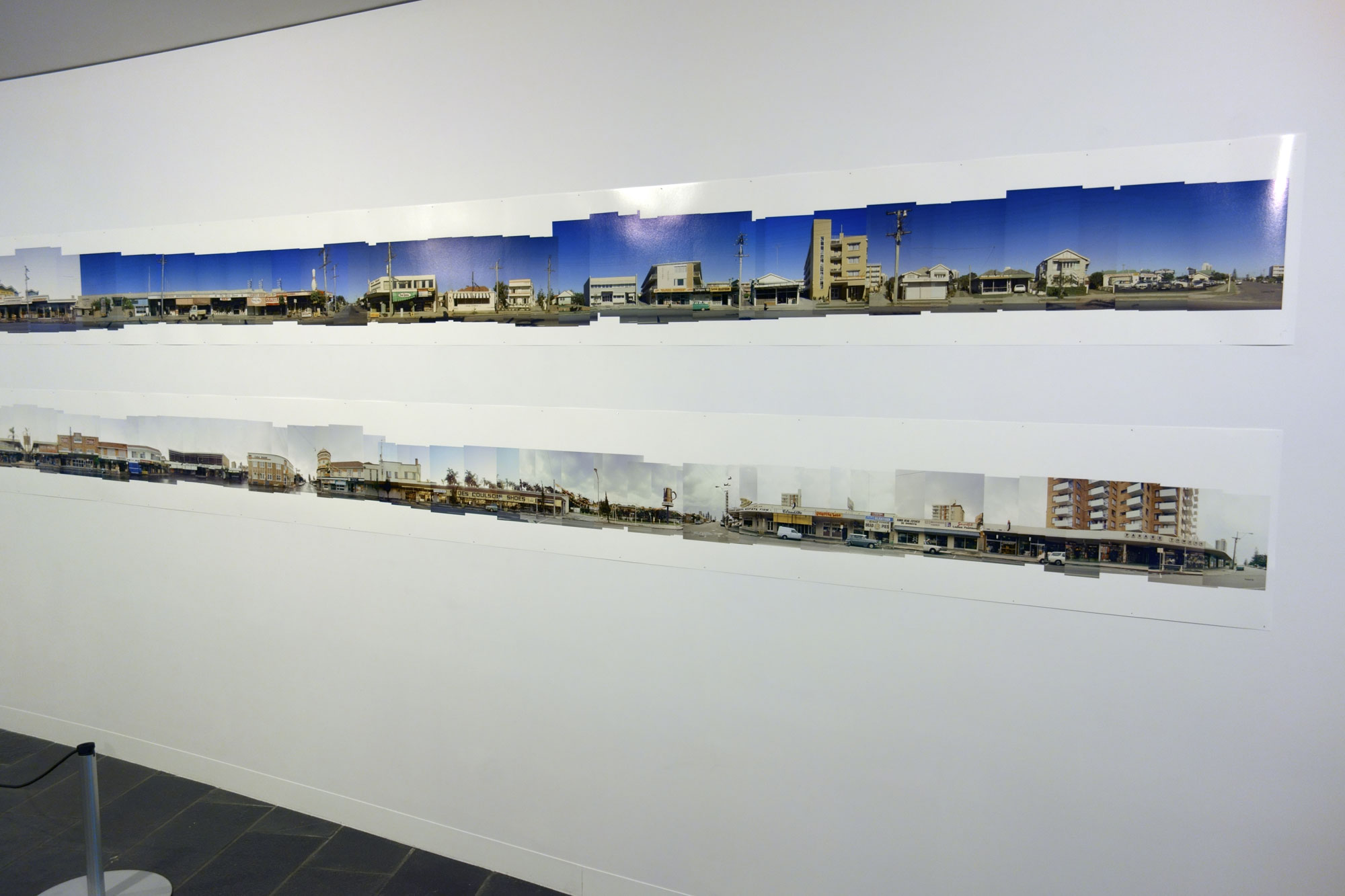
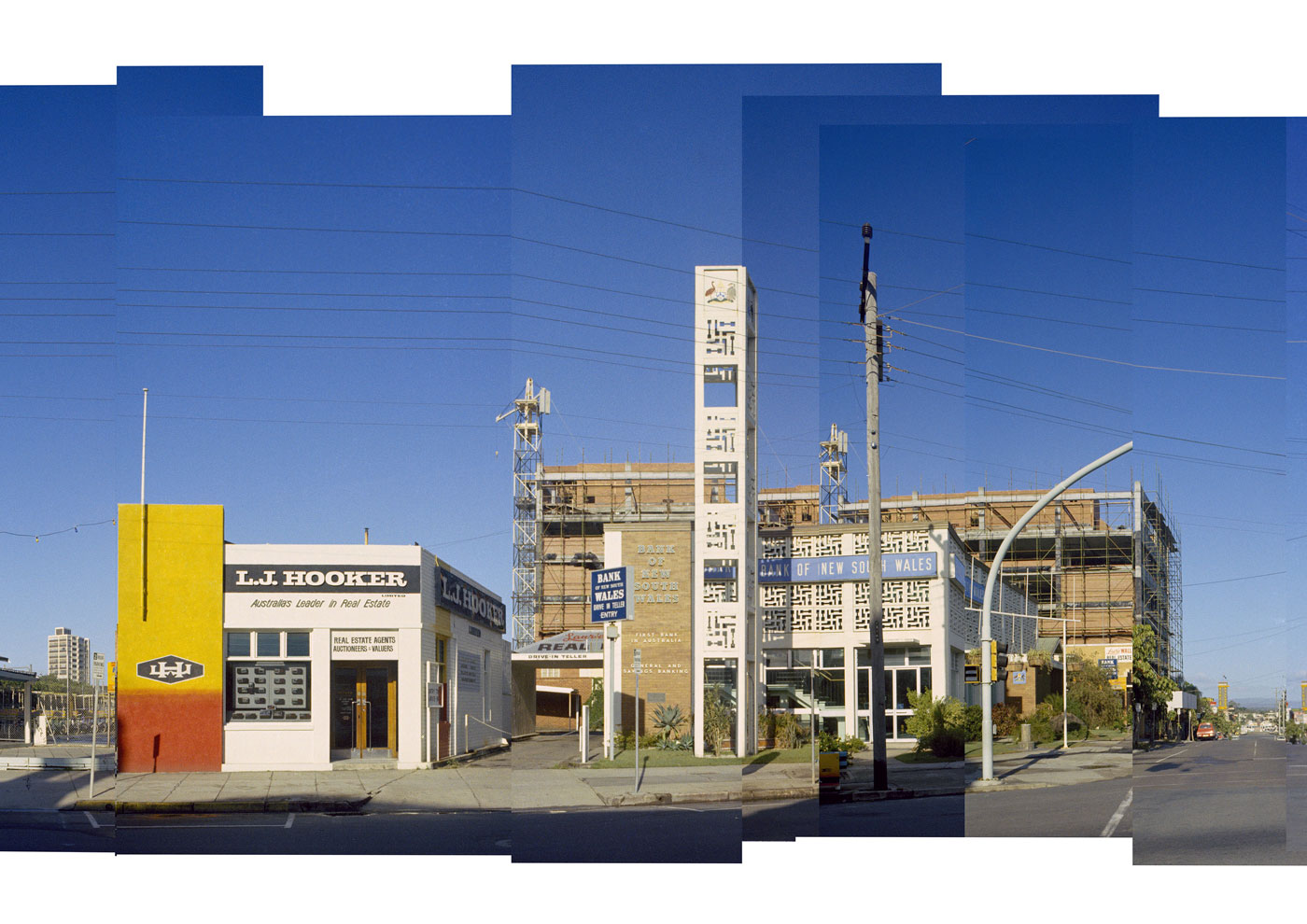
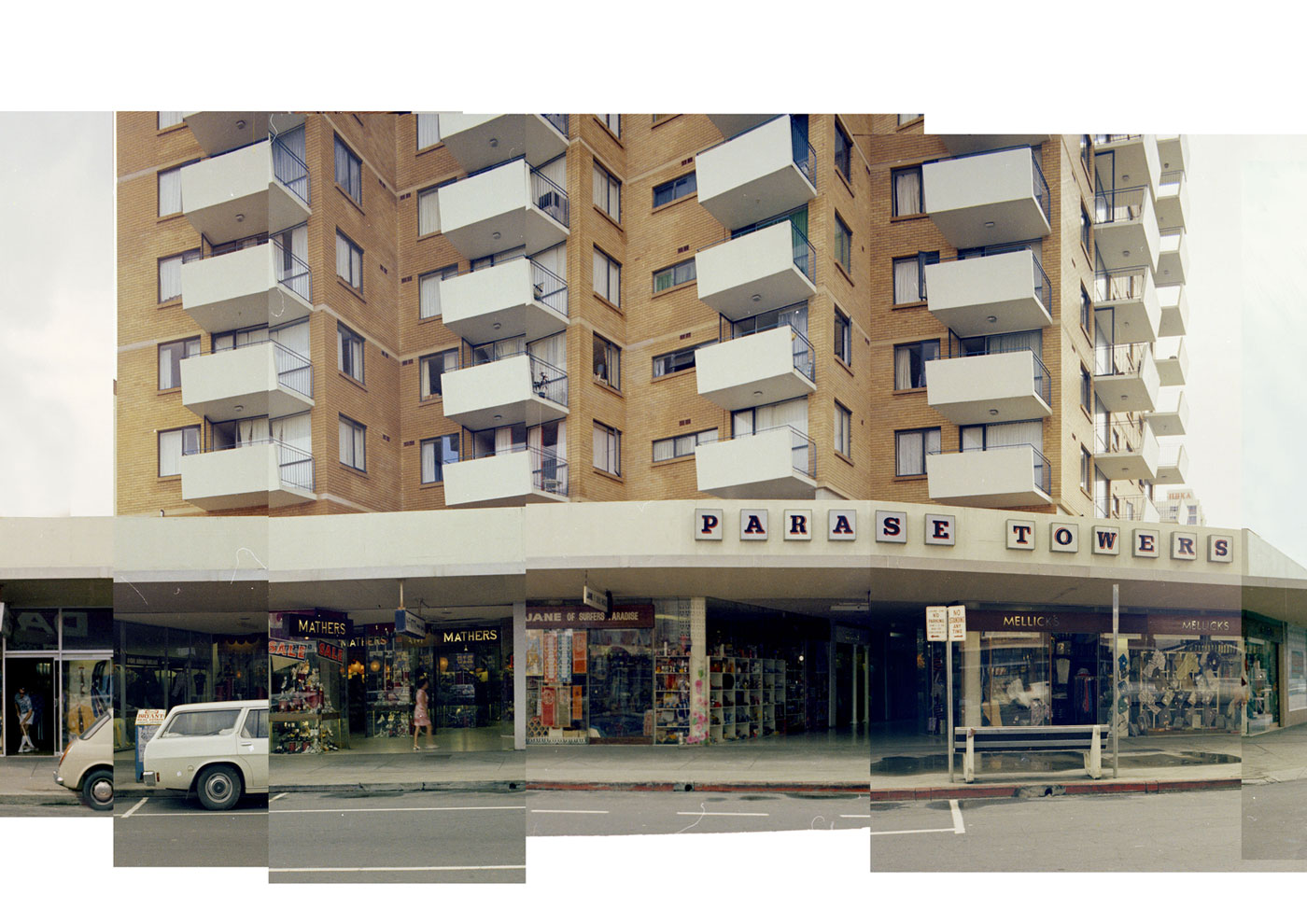
Finally, there is the wonderful Surfers Paradise Boulevard (1973, below) by John Gollings. The artist’s riff on the American artist Ed Ruscha’s book Every building on the Sunset Strip (1966) – which presented composite black and white panoramas of each side of Los Angeles’s Sunset Strip – Gollings vision is in glorious Ektacolour film which highlights the sensuality of what can, at that time, be seen as a sleepy surf coast town. The shock comes on seeing the main strip of the town and envisioning in your mind what a monster it has become today… how human beings almost always despoil the very thing that is beautiful and valuable in a spiritual sense (such as my favourite place in Australia, Byron Bay). This fragmented, Hockney-esque view of the vernacular forms of cultural expression perfectly captures the insouciance of a town that doesn’t yet know what’s going to hit ’em – through an ideal representation of contemporary urban space and the automotive experience of it.

Dr Marcus Bunyan


Many thankx to the Monash Gallery of Art for allowing me to publish the text and photographs in the posting. Please click on the photographs for a larger version of the image. All installation photographs © Marcus Bunyan and Monash Gallery of Art


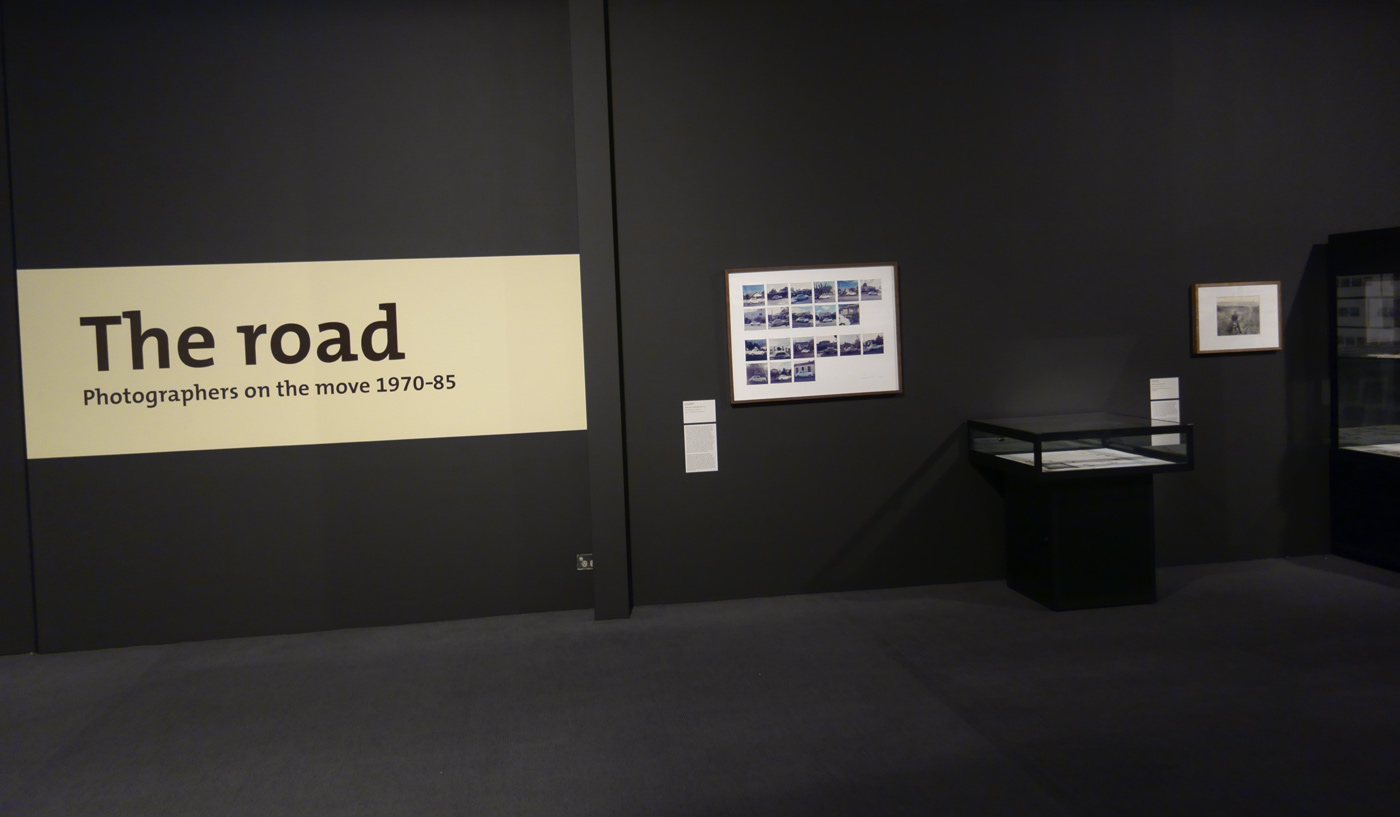
Installation view of the exhibition 'The road: Photographers on the move 1970-1975' at the Monash Gallery of Art

Installation view of Ian North's series 'Canberra suite' 1980-81 at the exhibition 'The road: Photographers on the move 1970-1975' at the Monash Gallery of Art

Installation view of Ian North's series 'Canberra suite' 1980-81 at the exhibition 'The road: Photographers on the move 1970-1975' at the Monash Gallery of Art

Installation view of Ian North's series 'Canberra suite' 1980-81 at the exhibition 'The road: Photographers on the move 1970-1975' at the Monash Gallery of Art


Installation view of Ian North’s series Canberra suite 1980-1981 at the exhibition The road: Photographers on the move 1970-1975 at the Monash Gallery of Art


Installation view of Wesley Stacey's series 'The road' 1974-75 at the exhibition 'The road: Photographers on the move 1970-1975' at the Monash Gallery of Art

Installation view of Wesley Stacey's series 'The road' 1974-75 at the exhibition 'The road: Photographers on the move 1970-1975' at the Monash Gallery of Art


Installation views of Wesley Stacey’s series The road 1974-1975 at the exhibition The road: Photographers on the move 1970-1975 at the Monash Gallery of Art


This exhibition brings together a range of photographic projects that responded to the experience of automotive travel in Australia during the 1970s and ’80s. The work in this exhibition shows that there was a strong relationship between photography and the road in Australian culture at this time. Photography helped to make sense of the particular experience of movement made possible by faster cars and better roads; at the same time, it helped to demonstrate the challenges to life and culture that accompanied suburban expansion and the rise of the road in Australia.

The road is one of the great subjects in Australian visual culture. In many of our greatest films, books and works of art, the road is a place where personal identity is negotiated, where the national story unfolds, and where culture, technology and nature come together at times in extraordinary ways. MGA’s latest exhibition The road: Photographers on the move 1970-1975 brings together a range of photographic projects that explore the road as experienced by many Australians in the 1970s and ’80s.

Presenting the work of eight prominent Australian artists, The road: Photographers on the move 1970-1975 announces the road-trip as the quintessential Australian journey, highlighting the challenges to life and culture that accompanied suburban expansion and the ways that Australians embraced the road during the 1970s and ‘80s. Using a range of strategies – from Instamatic cameras and chemist-shop printing, to expansive composite panoramas and photographic grids that replicate the experience of the modern city – these photographers helped to make sense of the particular experience of movement and landscape made possible by faster cars and better roads, in a way only photography could.

The exhibition features some of the most significant photographic projects produced by Australian photographers during this period. Wes Stacey’s mythic series of over 300 photographs The road presents an epic travelogue of road trips made by the artist in his Kombi Van during 1973 and 1974. The exhibition also features John Gollings’s monumental, ten-metre long streetscapes of Surfers Paradise Boulevard from 1973, as well as Robert Rooney’s iconic Holden park, featuring the artist’s Holden car parked in 20 different locations across Melbourne. The road also features work by two of Australia’s most important feminist photographers, Micky Allan and Virginia Coventry, who both challenged many of the gendered assumptions about the road, automotive travel and Australian life during the ’70s and ’80s.

As MGA Curator Stephen Zagala notes, “The road has often provided Australian photographers with a means to an end, whether a landscape or a picturesque community in some distant part of the country. But as this important exhibition shows, during the 1970s, the road took on a whole new meaning for Australian photographers. It provided a space for innovation and experimentation, and also a photographic reconsideration of Australian life.”

Gallery Director Shaune Lakin states, “The history of MGA – with its genesis in the late 1970s – is intricately linked to The road, one of our most important exhibitions of the year. Relatively cheap and accessible petrol, increased private car ownership, and a vastly improved network of roads encouraged the suburban expansion of Melbourne, and MGA is one of the many legacies of this expansion. We are proud to present this exhibition, which provides an as-yet untold account of Australian photography and has such a close historical association with our gallery.”

Press release from the MGA website


Installation view of Micky Allan's 'Mock-up for 'My trip' 1976' (1976) at the exhibition 'The road: Photographers on the move 1970-1975' at the Monash Gallery of Art

Installation view of Micky Allan's 'Mock-up for 'My trip' 1976' (1976) at the exhibition 'The road: Photographers on the move 1970-1975' at the Monash Gallery of Art

Installation view of Micky Allan's 'Mock-up for 'My trip' 1976' (1976) at the exhibition 'The road: Photographers on the move 1970-1975' at the Monash Gallery of Art


Installation views of Micky Allan’s Mock-up for ‘My trip’ 1976 (1976) at the exhibition The road: Photographers on the move 1970-1975 at the Monash Gallery of Art


Micky Allan (Australia, b. 1944)

Micky Allan’s My trip is a conceptual art project based on a road trip that she made through country Victoria in 1976. Allan’s conceptual premise was to photograph everyone who spoke to her and then invite these people to use her camera to photograph whatever they chose. Allan also recorded the conversations that transpired in these encounters, and subsequently compiled all these elements as a photographic essay that was printed and distributed as a broadsheet. Like many road trip narratives, Allan’s My trip conceptualises travel as a trajectory of chance encounters that illuminate social differences.

Micky Allan completed a Bachelor of Fine Arts at the University of Melbourne in 1967 and a Diploma of Painting at the National Gallery School in 1968. Allan began taking photographs in 1974 after joining the loosely formed feminist collective at Melbourne’s experimental arts and theatre space the Pram Factory. In this context Allan was part of a vibrant community of feminist artists that included Sue Ford, Ruth Maddison, Ponch Hawkes and Virginia Coventry, who taught her how to take and print photographs. Allan is well-known for reclaiming the antiquated practice of hand-colouring monotone photographs, as a way of investing the photo-mechanical process with subjective qualities. She has often used the theme of travel to embed her practice in a personal journey of discovery.


Installation view of Virginia Coventry's series 'Service road' 1976-78 (detail) at the exhibition 'The road: Photographers on the move 1970-1975' at the Monash Gallery of Art


Installation view of Virginia Coventry’s series Service road 1976-1978 (detail) at the exhibition The road: Photographers on the move 1970-1975 at the Monash Gallery of Art


Virginia Coventry (Australian, b. 1942) 'Service road' 1976-1978


Virginia Coventry (Australian, b. 1942)
Service road
1976-1978
1 of 34 gelatin silver prints and two text panels
26.5 x 32.5cm (each)
Collection: Powerhouse Museum, Sydney
Courtesy of the artist and Liverpool Street Gallery (Sydney)


Virginia Coventry (Australian, b. 1942) 'Service road' 1976-1978


Virginia Coventry (Australian, b. 1942)
Service road
1976-1978
1 of 34 gelatin silver prints and two text panels
26.5 x 32.5cm (each)
Collection: Powerhouse Museum, Sydney
Courtesy of the artist and Liverpool Street Gallery (Sydney)


Virginia Coventry (Australian, b. 1942) 'Service road' 1976-1978


Virginia Coventry (Australian, b. 1942)
Service road
1976-1978
1 of 34 gelatin silver prints and two text panels
26.5 x 32.5cm (each)
Collection: Powerhouse Museum, Sydney
Courtesy of the artist and Liverpool Street Gallery (Sydney)


Virginia Coventry (b. Melb 1942)

Virginia Coventry’s Service road continued the artist’s interest in reflecting social and emotional experiences that differed from dominant, particularly masculine positions and experiences. The series presents two rows of reverse-angle photographs of houses and empty blocks that line a service road near the recently-completed Princes Freeway at Moe, Victoria. The weatherboard houses and the scene no doubt reflect the experience of many Australians living in postwar suburban developments who commuted between home and work, in this case the thousands of men who worked at the nearby Yallourn and Morewell power stations. Coventry photographed these homes and empty blocks as if viewed from a car passing by. Coventry has also included a number of views of the road, seen from inside the homes. The dark interiors take on a particular psychological and emotional countenance, one that contrasts starkly with the brightly lit outside. In this way, the series illuminates the experience of many women for whom the service road was a place of loneliness and dislocation.

Virginia Coventry studied painting at the Royal Melbourne Institute of Technology during the early 1960s, before undertaking postgraduate studies at the Slade School of Fine Art, University College, London. While painting and drawing have remained a constant part of Coventry’s practice, she started taking photographs during the mid-1960s and developed a significant reputation during the 1970s for her photographs and installations. Her photographic work often comprised sequences of images combined with text and other fragments, and examined the relationship of landscape, place and power – particularly in relation to the experience of women. Her photographs were included in a number of key exhibitions of the period, including Three women photographers at George Paton Gallery, the Sydney Biennales of 1976 and 1979, Ten viewpoints (Australian Centre for Photography, 1976), and Self portrait / self image (Victorian College of the Arts, 1980).


Gerrit Fokkema (b. 1954, Papua New Guinea; Australia since 1958)

During the 1970s Gerrit Fokkema used the spacious streetscapes of Canberra to compose surreal photographs of contemporary urban life. In Exit Canberra and Ligertwood Street, the infrastructure of new suburbs has become overgrown with grass while waiting to be populated. The road itself doesn’t appear in these photographs, but its presence is alluded to with street signs and a lamp post. In this way, Fokkema suggests that these places exist at the ‘end of the road’ or on a ‘road to nowhere’. The optimistic skies that feature in these photographs seem to mock the aspirations of Canberra’s town planners.

Gerrit Fokkema studied photography at Canberra Technical College (1974-1977) while working as a press photographer. In 1980 he moved to Sydney to work for the Sydney Morning Herald, and in 1986 he left the paper to pursue a freelance commercial career. Throughout his professional life Fokkema has maintained a personal photographic practice and exhibited his work on numerous occasions. He held his first solo exhibition at the Australian Centre for Photography in 1975, where he exhibited regularly throughout the late 1970s. His photographs are executed in a social-documentary mode, with a particular interest in urban landscapes and situated portraits of ‘everyday’ Australians.


John Gollings (Australian, b. 1944) 'Surfers Paradise Boulevard' 1973 (installation view)

John Gollings (Australian, b. 1944) 'Surfers Paradise Boulevard' 1973 (installation view detail)

John Gollings (Australian, b. 1944) 'Surfers Paradise Boulevard' 1973 (installation view detail)

John Gollings (Australian, b. 1944) 'Surfers Paradise Boulevard' 1973 (installation view detail)


Installation and detail views of John Gollings’ work Surfers Paradise Boulevard 1973 (details) at the exhibition The road: Photographers on the move 1970-1975 at the Monash Gallery of Art


John Gollings (Australian, b. Melb 1944)

John Gollings is best known for his architectural photography, and has over the last four decades photographed most of Australia’s and Asia’s most significant architectural projects. In 1973, Gollings travelled to Surfers Paradise to photograph its buildings, streetscape and signage. He had recently read influential architects Robert Venturi, Denise Scott-Brown and Steven Izenour’s book Learning from Las Vegas (1972), which asked architects to pay closer attention to vernacular forms of cultural expression in favour of heroic or monumental architecture of the past. Gollings was also familiar with the work of the Californian artist Ed Ruscha, notably his book Every building on the Sunset Strip (1966), which presented composite panoramas of each side of Los Angeles’s Sunset Strip. For many urbanists at the time – including the authors of Learning from Las Vegas – Ruscha’s book realised an ideal representation of contemporary urban space and the automotive experience of it.

Gollings undertook a depiction of Surfers Paradise Boulevard that drew on Ruscha’s composite panorama of Sunset Strip. Sitting on the bonnet of a V8 Valiant station wagon, Gollings drove up and down Surfers Paradise Boulevard on a quiet Sunday morning, progressively photographing each side of the strip with his Nikon camera using Ektacolour film. The resulting composite panorama has become a remarkable historical record of an urban setting that has undergone radical transformation in the time since 1973.


Installation view of Tim Handfield's work 'Babinda' 1981 at the exhibition 'The road: Photographers on the move 1970-1975' at the Monash Gallery of Art


Installation view of Tim Handfield’s work Babinda 1981 at the exhibition The road: Photographers on the move 1970-1975 at the Monash Gallery of Art


Installation view of Tim Handfield's work 'Gordonvale' 1981 at the exhibition 'The road: Photographers on the move 1970-1975' at the Monash Gallery of Art


Installation view of Tim Handfield’s work Gordonvale 1981 at the exhibition The road: Photographers on the move 1970-1975 at the Monash Gallery of Art


Tim Handfield (Australian, b. 1952) 'Promenade' 1985


Tim Handfield (Australian, b. 1952)
Promenade
1985
Silver dye bleach print
51 x 67cm
Collection of the artist
Courtesy of the artist and M. 33 (Melbourne)


Tim Handfield (Australian, b. 1952) 'Bayview Heights, Cairns' 1980


Tim Handfield (Australian, b. 1952)
Bayview Heights, Cairns
1980
Silver dye bleach print
51 x 67cm
Collection of the artist
Courtesy of the artist and M. 33 (Melbourne)


Tim Handfield (Australian, b. Melb 1952)

These photographs come from an extended series of pictures taken by Tim Handfield on the road. The series features images of the roadside landscape of places Handfield travelled through and visited along Australia’s eastern seaboard during the 1980s. The photographs relate to a broad body of often diaristic postwar literature, cinema and visual arts that considered the particular experience of the world made possible by the road (at least in the West). In this way, the pictures reflect the dominance of American culture at this time, when earlier assumptions about the road as a place of quest and opportunity were giving way to accounts of the road as a place of boredom, sameness and danger. The series is also about the particular experience of travel and landscape in Australia, at a time when the impending bicentennial of European settlement led many to reconsider the assumptions upon which Australian life was based.

Tim Handfield has been working at the forefront in Australia of new colour photographic processes since the mid-1970s. Spending extended periods of time in the United States during the early to mid-1970s, Handfield became interested in the work of American photographers such as William Eggleston and Stephen Shore, who found deadpan beauty in the banality of American suburban life. After returning to Australia, Handfield sought out non-dramatic urban sites, which he photographed in highly formal ways. These images were ideally served by the Cibachrome printing process, a dye destruction positive-to-positive photographic process noted for the purity of its colour, clarity of image and archival stability.


Ian North (born New Zealand 1945; arrived Australia 1971) 'Canberra suite' 1980-1981


Ian North (Australian born New Zealand, 1945-2024)
Canberra suite
1980-1981
1 of 24 chromogenic prints, printed 1984
37 x 46cm (each)
National Gallery of Victoria, Melbourne
Purchased through the NGV Foundation with the assistance of David Symen & Co. Limited, 2001
Courtesy of the artist


Ian North (born New Zealand 1945; arrived Australia 1971) 'Canberra suite' 1980-1981


Ian North (Australian born New Zealand, 1945-2024)
Canberra suite
1980-1981
1 of 24 chromogenic prints, printed 1984
37 x 46cm (each)
National Gallery of Victoria, Melbourne
Purchased through the NGV Foundation with the assistance of David Symen & Co. Limited, 2001
Courtesy of the artist


Ian North (Australian born New Zealand, 1945-2024)

Ian North developed his Canberra suite while living in Canberra during 1980-1984. The suite reflects North’s experience of the particular suburban interface that is so intrinsic to Walter Burley-Griffin’s vision of Canberra. Having grown up in New Zealand, making artwork about the sublime urban spaces of Wellington, North brought a particularly soulful sensibility to Australia’s suburban capital. Canberra suite also reflects North’s professional experience of the city. He moved to Canberra in 1980 as the first Curator of Photography at the National Gallery of Australia. A key feature of NGA’s collection development at the time was the acquisition of work by contemporary American photographers, including prints by William Eggleston and Stephen Shore and books by Ed Ruscha. After work hours, North made a pastime of wandering the streets of Canberra and taking photographs in a similar vein. Like his American contemporaries, North embraced the roadside as an uncanny threshold between public and private space, systematically documenting the everyday in order to imbue it with a sense of mystery.

Ian North initially studied art history and spent most of his professional life working as a curator and an academic. Alongside his career as a curator, North developed a substantial artistic practice which flourished when he moved away from museum-based work. Working with photography and painting, North’s art practice focuses on the representation of the landscape.


Installation view of Robert Rooney's series 'Holden Park 1 & 2, May 1970' at the exhibition 'The road: Photographers on the move 1970-1975' at the Monash Gallery of Art

Installation view of Robert Rooney's series 'Holden Park 1 & 2, May 1970' (detail) at the exhibition 'The road: Photographers on the move 1970-1975' at the Monash Gallery of Art


Installation views of Robert Rooney’s series Holden Park 1 & 2, May 1970 at the exhibition The road: Photographers on the move 1970-1975 at the Monash Gallery of Art


Robert Rooney (Australian, b. Melb 1937-2017)

Robert Rooney’s Holden Park 1 & 2, May 1970 is one of the key works of postwar Australian photography. The work comprises a grid of photographs depicting Rooney’s Holden car parked at 19 different sites around the artist’s East Hawthorn home, locations which Rooney chose at random from a street directory. Holden Park draws on a range of influences that include the photographic books of American conceptualist Ed Ruscha, the absurd topographies of the Swiss conceptualist Daniel Spoerri, and the American composer John Cage’s interest in chance as a creative principle. However, and while the work is very ‘literate’ in relation to these influences, Holden Park is very much a product of postwar Melbourne. Rooney has always maintained a strong interest in the suburban experience and the way that Melbourne has developed around this experience. While it would be disingenuous to say that Holden Park is a product of social history, it was certainly informed by and reflects the sensation of driving around Melbourne’s suburbs on a Sunday afternoon.

Robert Rooney is one of Australia’s best-known artists. Rooney studied art and design at Swinburne Technical College and quickly developed a significant reputation for his abstract painting and art criticism. Rooney gave up painting during the early 1970s and for over a decade focussed largely on photographic work. Using an Instamatic and later a 35 mm camera, Rooney photographed in great detail his suburban life, organising his pictures according to gridded frameworks that seemed to distil the rigour of European and American conceptualism and performance art, the humour of Pop Art, and the particular countenance of Australian suburban life during the 1970s. Examples include AM/PM of 1974, for which Rooney photographed his bed each morning and night for 107 days, and Garments 1972-1973, for which he photographed the clothes he would wear each day for 107 days.


Installation view of Wesley Stacey's series 'The road' 1974-75 (detail) at the exhibition 'The road: Photographers on the move 1970-1975' at the Monash Gallery of Art

Installation view of Wesley Stacey's series 'The road' 1974-75 (detail) at the exhibition 'The road: Photographers on the move 1970-1975' at the Monash Gallery of Art


Installation views of Wesley Stacey’s series The road 1974-1975 (details) at the exhibition The road: Photographers on the move 1970-1975 at the Monash Gallery of Art


Installation view of Wesley Stacey's series 'The road' 1974-75 (detail) at the exhibition 'The road: Photographers on the move 1970-1975' at the Monash Gallery of Art

Installation view of Wesley Stacey's series 'The road' 1974-75 (detail) at the exhibition 'The road: Photographers on the move 1970-1975' at the Monash Gallery of Art

Installation view of Wesley Stacey's series 'The road' 1974-75 (detail) at the exhibition 'The road: Photographers on the move 1970-1975' at the Monash Gallery of Art

Installation view of Wesley Stacey's series 'The road' 1974-75 (detail) at the exhibition 'The road: Photographers on the move 1970-1975' at the Monash Gallery of Art

Installation view of Wesley Stacey's series 'The road' 1974-75 (detail) at the exhibition 'The road: Photographers on the move 1970-1975' at the Monash Gallery of Art


Wesley Stacey (Australian, 1941-2023)
The road (installation view details)
1974-1975
304 chromogenic prints
9.0 x 12.7cm (each)
Monash Gallery of Art, City of Monash Collection
Courtesy of the artist


Wesley Stacey (Australian, 1941-2023)

Wesley Stacey’s The road is an epic travelogue that documents a series of specific road trips made by the artist in his Kombi Van during 1973 and 1974. This project grew out of Stacey’s interest in Instamatic cameras and automated colour printing, which became readily available during the early 1970s. Remote Australian landscapes are a persistent theme in Stacey’s photography, but these new technologies allowed him to document the sense of movement and adventure that underpins a road trip in a relatively cheap and expedient way. The road was initially exhibited as a series of sequential panels at the Australian Centre for Photography in 1975, and then re-configured as a series of photobooks containing 305 prints. A second version containing 280 photographs was printed for the National Gallery of Australia in 1984.

Wesley Stacey studied drawing and design at East Sydney Technical College (1960-1962) before working as a graphic designer and photographer for the ABC in Sydney and the BBC in London through the 1960s. In the late 1960s he worked as a magazine photographer in Sydney and from 1969-1975 worked as a freelance commercial photographer. In 1973 Stacey helped establish the Australian Centre for Photography and was a member of its inaugural board of management. In 1976 Stacey moved to the Bermagui area of the NSW South Coast, where he purchased land and established a rudimentary bush camp where he continues to live.

Text © Monash Gallery of Art 2014


Monash Gallery of Art
860 Ferntree Gully Road, Wheelers Hill
Victoria 3150 Australia
Phone: + 61 3 8544 0500

Opening hours:
Tue – Fri: 10am – 5pm
Sat – Sun: 10pm – 4pm
Mon/public holidays: closed

Monash Gallery of Art website

LIKE ART BLART ON FACEBOOK

Back to top

Exhibition: ‘People In A River Landscape: August Sander And The Photography Of The Present From The Lothar Schirmer Collection’ at the Pinakothek der Moderne, Munich

Exhibition dates: 2nd April – 24th August, 2014

Curator: Inka Graeve Ingelmann


August Sander (German, 1876-1964) 'Stadtwald [Urban Forest]' c. 1938 from the exhibition 'People In A River Landscape: August Sander And The Photography Of The Present From The Lothar Schirmer Collection' at the Pinakothek der Moderne, Munich, April - August, 2014


August Sander (German, 1876-1964)
Stadtwald [Urban Forest]
c. 1938
Gelatin silver print
23 x 29cm
Lothar Schirmer Collection, Munich
© The Photographic Collection, SK Stiftung Kultur – August Sander Archive, Cologne, VG Bild-Kunst, Bonn 2014


What a fascinating exhibition this looks to be… I wish I could see it!
Quite a few Sander photographs I have never seen before in the posting.
Sander is another photographer that would be near the top of my list.

Dr Marcus Bunyan


Many thankx to the Pinakothek der Moderne for allowing me to publish the photographs in the posting. Please click on the photographs for a larger version of the image.


August Sander (German, 1876-1964) 'Children in the city' 1930 from the exhibition 'People In A River Landscape: August Sander And The Photography Of The Present From The Lothar Schirmer Collection' at the Pinakothek der Moderne, Munich, April - August, 2014


August Sander (German, 1876-1964)
Children in the city
1930
Gelatin silver print
21.3 x 26cm (sheet)
Lothar Schirmer Collection, Munich
© The Photographic Collection, SK Stiftung Kultur – August Sander Archive, Cologne, VG Bild-Kunst, Bonn 2014


August Sander (German, 1876-1964) 'Alter Posthof in Bacharach' 1926


August Sander (German, 1876-1964)
Alter Posthof in Bacharach
1926
Gelatin silver print
15.3 x 21.4cm
Lothar Schirmer Collection, Munich
© The Photographic Collection, SK Stiftung Kultur – August Sander Archive, Cologne, VG Bild-Kunst, Bonn 2014


August Sander (German, 1876-1964) 'Die Familie in der Generation' 1912


August Sander (German, 1876-1964)
Die Familie in der Generation
1912
Gelatin silver print
21.5 x 28.6cm
Lothar Schirmer Collection, Munich
© The Photographic Collection, SK Stiftung Kultur – August Sander Archive, Cologne, VG Bild-Kunst, Bonn 2014


August Sander (German, 1876-1964) 'Deutz Bridge, Rhine in winter' 1937


August Sander (German, 1876-1964)
Deutz Bridge, Rhine in winter
1937
Gelatin silver print
Lothar Schirmer Collection, Munich
© The Photographic Collection, SK Stiftung Kultur – August Sander Archive, Cologne, VG Bild-Kunst, Bonn 2014


August Sander (German, 1876-1964) 'The Rhine near Boppard, Osterspey' 1938


August Sander (German, 1876-1964)
The Rhine near Boppard, Osterspey
1938
Gelatin silver print
22.9 x 29.3cm
Lothar Schirmer Collection, Munich
© The Photographic Collection, SK Stiftung Kultur – August Sander Archive, Cologne, VG Bild-Kunst, Bonn 2014


Andreas Gursky (German, b. 1955) 'The Rhine II' 1999


Andreas Gursky (German, b. 1955)
The Rhine II
1999
Chromogenic print
1564 x 3083 mm


August Sander (German, 1876-1964) 'View from the Mülheim Bridge, Sunrise' 1938


August Sander (German, 1876-1964)
View from the Mülheim Bridge, Sunrise
1938
Gelatin silver print
Lothar Schirmer Collection, Munich
© The Photographic Collection, SK Stiftung Kultur – August Sander Archive, Cologne, VG Bild-Kunst, Bonn 2014


August Sander’s epochal cycle People of the 20th Century is considered one of the most important works in the history of art and photography of the last century.

Sander’s photographic typology of German society did not only fascinate artists, writers and philosophers of that period but, at the same time, formed an important point of reference for the artistic concept contemporary photographers had of themselves. This is also reflected in the Munich publisher Lothar Schirmer’s photographic collection, the starting point of which was a group of some 80 works by Sander comprising not only portraits, but also landscapes and urban pictures, acquired in the early 1970s.

This batch of works, acquired from the artist’s estate back in the 1970s, comprises not only more than 40 originals of Sander’s famous portraits, including masterpieces such as the Stammmappe focussing on farmers in Westerwald, the portrait of the artist Heinrich Hoerle in the austere style of New Objectivity and Handlanger, with its impressive visual directness, but also a rare group of lesser known Rhineland landscapes and vedute of Cologne from the 1930s. Precisely the last two groups of works mentioned are enduring proof that Sander’s vision of an equally authentic and veritable document of the times was not only to be limited to people within their social and societal structure but should also include their immediate surroundings, the landscape and the urban environment – an aspect that, for a long time, was given little attention in analyses of the photographer’s work since his death in April, fifty years ago.

In view of the undisputed importance of Sander’s portraits, it is surprising that a more extensive selection of the photographer’s work is only now to be seen in the exhibition People in a River Landscape – and that in Munich too, although there were in fact a number of links between the artist and the city. Sander’s pioneering photography book, Antlitz der Zeit, was published in 1929 by the Munich-based Kurt Wolff Verlag; one year later, his works were to be seen in the exhibition Das Lichtbild – one of the rare presentations of Sander’s works anywhere before 1933; and in the 1960s and ’70s his extensive estate was stored not far from Munich.

Sander’s photographs from this collection will be exhibited for the first time in their entirety and be displayed in dialogue with works by contemporary artists such as Bernd and Hilla Becher, Andreas Gursky, Thomas Ruff, Cindy Sherman, Thomas Struth and Jeff Wall. The selection will be extended by a rare group of extraordinary photographs taken in Berlin by Heinrich Zille in the late 19th / early 20th century and enlarged by Thomas Struth almost 100 years later.

The exhibition presents a both representative and focussed cross section of Sander’s photographic oeuvre. At the same time it shows the medium of photography in a wider perspective by placing individual groups of works by Sander in dialogue with those of contemporary artists. Starting with a typology by Bernd and Hilla Becher, whose encyclopaedically structured work can be regarded as an immediate successor to Sander’s photographic credo, the selection – supplemented by works from the holdings of the Sammlung Moderne Kunst – includes Andreas Gursky’s Rhine picture, urban views by Thomas Struth and Jeff Wall and portraits by Thomas Ruff and Cindy Sherman, among others. The interplay between the past and the present, between small-format, black-and-white prints and colour images the size of large canvases, between austere documentary works and staged and digitally processed pictures, not only illustrates the immediate relevance of Sander’s concept, far beyond any temporal or formal distinctions, but also how photography has become established as an artistic form of expression in its own right within the context of contemporary art. This topic will be explored in greater depth in the accompanying series of lectures Why Photography Matters, at which the artists Hilla Becher and Thomas Struth, as well as the art historians Wolfgang Kemp and Michael Fried will be speaking. As a modest homage to another historical precursor, the exhibition finishes with a rare group of photographs of Berlin by Heinrich Zille taken at the turn of the century, which Thomas Struth enlarged and reinterpreted in 1985 using the original negatives.

Press release from the Pinakothek der Moderne website


Jeff Wall (Canadian, b. 1946) 'The Thinker' 1986


Jeff Wall (Canadian, b. 1946)
The Thinker
1986
Large-format slides in lightbox
216 x 229 cm
Lothar Schirmer Collection, Munich
Courtesy of the artist
© Jeff Wall


August Sander (German, 1876-1964) 'Handlanger [Odd-job man]' 1928


August Sander (German, 1876-1964)
Handlanger [Odd-job man]
1928
Gelatin silver print
43.0 x 28.5cm
Lothar Schirmer Collection, Munich
© The Photographic Collection, SK Stiftung Kultur – August Sander Archive, Cologne, VG Bild-Kunst, Bonn 2014


Cindy Sherman (American, b. 1954) 'Untitled #127' 1983


Cindy Sherman (American, b. 1954)
Untitled #127
1983
© Cindy Sherman / Courtesy Schirmer/Mosel München


August Sander (German, 1876-1964) 'The Architect [Hans Poelzig]' 1929


August Sander (German, 1876-1964)
The Architect [Hans Poelzig]
1929
Gelatin silver print
40 x 29.8cm
Lothar Schirmer Collection, Munich
© The Photographic Collection, SK Stiftung Kultur – August Sander Archive, Cologne, VG Bild-Kunst, Bonn 2014


Thomas Ruff (German, b. 1958) 'Portrait (T. Ruff)' [Selfportrait] 1987


Thomas Ruff (German, b. 1958)
Portrait (T. Ruff) [Selfportrait]
1987
C-Print/Diasec
210 x 165cm
© VG Bild-Kunst, Bonn 2014


August Sander (German, 1876-1964) 'Der erdgebundene Mensch' [The Earthbound Human] 1910


August Sander (German, 1876-1964)
Der erdgebundene Mensch [The Earthbound Human]
1910
Gelatin silver print
29.2 x 23.1cm
Lothar Schirmer Collection, Munich
© The Photographic Collection, SK Stiftung Kultur – August Sander Archive, Cologne, VG Bild-Kunst, Bonn 2014


August Sander (German, 1876-1964) 'Bauernpaar – Zucht und Harmonie' [Peasant Couple – Breeding and Harmony] 1912


August Sander (German, 1876-1964)
Bauernpaar – Zucht und Harmonie [Peasant Couple – Breeding and Harmony]
1912
Gelatin silver print
29.5 x 23.1cm
Lothar Schirmer Collection, Munich
© The Photographic Collection, SK Stiftung Kultur – August Sander Archive, Cologne, VG Bild-Kunst, Bonn 2014


Thomas Struth (German, b. 1954) 'Alte Pinakothek, Self-portrait, Munich' 2000


Thomas Struth (German, b. 1954)
Alte Pinakothek, Self-portrait, Munich
2000
© Thomas Struth / Courtesy Schirmer/Mosel München


August Sander (German, 1876-1964) 'Painter [Heinrich Hoerle]' 1928


August Sander (German, 1876-1964)
Painter [Heinrich Hoerle]
1928
Gelatin silver print
59.3 x 47.7cm
Lothar Schirmer Collection, Munich
© The Photographic Collection, SK Stiftung Kultur – August Sander Archive, Cologne, VG Bild-Kunst, Bonn 2014


Pinakothek der Moderne
Barer Strasse 40
Munich

Opening hours:
Daily except Monday 10am – 6pm
Thursday 10am – 8pm

Pinakothek der Moderne website

LIKE ART BLART ON FACEBOOK

Back to top

Review: ‘Sue Ford’ at The Ian Potter Centre: NGV Australia, Melbourne

Exhibition dates: 17th April – 24th August, 2014

Curator: Maggie Finch, Curator of Photography at the NGV


Sue Ford (Australia, 1943-2009) 'Discussions between Bob Hawke and Galarrwuy Yunupingu' 1988, printed 2014 from the exhibition 'Sue Ford' at The Ian Potter Centre: NGV Australia, Melbourne, April - August, 2014


Sue Ford (Australia, 1943-2009)
Discussions between Bob Hawke and Galarrwuy Yunupingu
1988, printed 2014
Gelatin silver photograph
51 x 61cm
Sue Ford Archive, Melbourne
© Sue Ford Archive, Melbourne


This is a hugely disappointing exhibition of the work of Sue Ford at NGV Australia, Melbourne. The artist deserved better.

There is no doubting the importance of Ford’s early black and white photographs. Images of this type had not been seen in Australia before, and looking back now it is hard to appreciate the impact that the Time series (1962-74), Self-portrait with camera (1960-2006) and images of women had on the photographic scene at the time. These muscular, robust photographs, while not possessing great technical skill, are rightly acknowledged as seminal images in the history of photography in Australia. I cannot praise them highly enough.

However, this exhibition and the important series in it have been ruined by a disastrous hang. The first room is spoiled by an ugly, cheap looking round central installation which is covered by pinned images from the much later series Somewhere in France, 1917 (1995, below) inside of which is projected the video Faces 1976-96 (below). This huge installation simply destroys the sensitivity, size and presence of the small silver gelatin works, overpowering them with repetitive images of a much larger scale.

The second room features a haphazard disposition of Ford’s important portraits of women from her book A Sixtieth of a Second: Portraits of Women 1961-1981, the arrangement of which seems to have no rhyme or reason. It’s all downhill from there. It doesn’t help that Ford’s work looses focus after the initial succinct statements as she begins to work with experimental photographic techniques – photograms, multiple exposures and mirroring of negatives – and, starting in the mid-1980s, branches out into research of Indigenous histories which only results in serviceable photographs at best.

What is more disturbing is how later work such as the powerful series Shadow portraits (1994, below) are displayed. I remember seeing this series many years ago at the NGV in St Kilda Road and being bowled over by their size and formal presence; here in a darkened room they are displayed piecemeal and all impact and import is lost. The whole room should have been dedicated to this series, surrounding you with scans of nineteenth-century cartes-de-visite, the empty silhouettes filled with magical photograms of indigenous Australian fauna. That would have been something.

Finally, the exhibition shows 1990s works such as Bima, Brenda and the Madonna (1992-93), Video land (Kakadu river tour) (1994) and Yellowcake (1991) which continue Ford’s interest in social and political issues relating to the Australian landscape. Featuring still images of video shot from a tv screen these fractured, distorted and oversaturated images are printed as colour photocopies and then displayed as fragmented images in a rigid grid system pinned to the wall. These are ugly works. They contain too many elements, the colour, distortion, and bounding box of the tv screen playing badly against the too rigid grid system of the colour photocopies. Ford’s work seems to tail off into something unnatural, a dissolution of identity that really has nothing constructive to say.

Perhaps these works do parallel the physical, ecological and spiritual gulf that Ford felt existed between many non-indigenous urban Australians but I don’t really feel that connection in the work and her investigation doesn’t lead to good art. If you want to see the most excellent use of colour, collage, montage, weaving and layering you only have to go up a level at NGV Australia to look at the David McDairmid exhibition to see how it should be done… it’s like night and day, one artist experimenting for abstraction’s sake, and the other really knowing their medium, what they are doing and what narrative / message they want to communicate.

What we cannot take away from Sue Ford is the utmost importance of those feminist images of strong, independent women and the precious, jewel-like, time travelling portrait works. For Ford the process of taking, looking at and using photographs was implicitly connected to a sense of time, time in flux in which the faces of a doubled past (1962-74, 1976-96) are reanimated in the present allowing for a consideration of the effects of ageing and change. Ultimately, these are conceptual works that have great power and integrity.

Unfortunately, the itsy bitsy design of this exhibition doesn’t allow any of the work to shine. It is not up to scratch and not worthy of the artist. Did the NGV run out of time, money and inspiration or where there other factors going on behind the scenes, such as access to the work?

I don’t know the answers to these questions, but when you put this exhibition side by side with the 2011 Time Machine: Sue Ford at the Monash Gallery of Art, there is no comparison as to which better conveys the importance of Ford’s work in the history of Australian photography.

Dr Marcus Bunyan


Many thankx to the National Gallery of Victoria for allowing me to publish the photographs in the posting. Please click on the photographs for a larger version of the image.


For some time I have been thinking about the camera itself. Trying to explore its particular UNIQUENESS, coming to terms with the fact that I had been trying to ignore for some years, that the camera is actually a MACHINE. The machine has an enormous power easily abused. Man seems to misuse his machines continuously, with disastrous results for this century. In Time series I tried to use the camera as objectively as possible. It was a time machine. For me it was an amazing experience. It wasn’t until I placed the photograph of the younger face beside the recent photograph that I could fully appreciate the change. The camera showed me with absolute clarity something I could only just perceive with my naked eye.


Sue Ford 1974


Sue Ford (Australia, 1943-2009) 'Ross', 1964; 'Ross', 1974 1964-1974, printed 1974 from the exhibition 'Sue Ford' at The Ian Potter Centre: NGV Australia, Melbourne, April - August, 2014


Sue Ford (Australia 1943-2009)
Ross, 1964; Ross, 1974
1964-1974, printed 1974
From the Time series 1962-1974
Gelatin silver photograph
(a-b) 11.1 x 20.1cm
National Gallery of Victoria, Melbourne
Purchased with the assistance of the Visual Arts Board and the KODAK (Australasia) PTY LTD Fund, 1974 (PH171.a-b-1974)
© Sue Ford Archive, Melbourne


Sue Ford (Australia, 1943-2009) 'Annette', 1962; 'Annette', 1974 1962-1974, printed 1974


Sue Ford (Australia, 1943-2009)
Annette, 1962; Annette, 1974
1962-1974, printed 1974
From the Time series 1962-1974
Gelatin silver photograph
11.1 x 20.1cm
National Gallery of Victoria, Melbourne Purchased with the assistance of the Visual Arts Board and the KODAK (Australasia) Pty Ltd Fund, 1974 (PH170.a-b-1974)
© Sue Ford Archive, Melbourne


Sue Ford (Australia, 1943-2009) 'No title (Photogram of two hands and garden path)' c. 1970


Sue Ford (Australia, 1943-2009)
No title (Photogram of two hands and garden path)
c. 1970
Gelatin silver photogram
27.6 x 34.7cm irreg. (image and sheet)
National Gallery of Victoria, Melbourne
Gerstl Bequest, 2000
© Sue Ford Archive, Melbourne


Sue Ford (Australia, 1943-2009) 'Vietnam: the six o'clock news' c. 1970


Sue Ford (Australia, 1943-2009)
Vietnam: the six o’clock news
c. 1970
Collage of cut gelatin silver photograph on offset-photo lithograph
19.1 x 24.3cm (image and sheet)
Sue Ford Archive, Melbourne
© Sue Ford Archive, Melbourne


Sue Ford (Australia, 1943-2009) 'Lyn and Carol' 1961, printed 1988


Sue Ford (Australia 1943-2009)
Lyn and Carol
1961, printed 1988
Gelatin silver photograph
34.1 x 34.2cm
Art Gallery of New South Wales, Sydney
Purchased 1988 (372.1988)
© Sue Ford Archive, Melbourne


“The ground-breaking work of Australian photographer and filmmaker Sue Ford will be explored in a major retrospective opening at the National Gallery of Victoria on 17 April. One of the most important practitioners to emerge in the wave of 1970s feminist photographers, Ford is recognised for her inventive and unique approaches to the medium and passionate engagement with feminism and gender issues, contemporary politics and the histories of Australia and its Indigenous people.

The exhibition will bring together more than 150 photographs, digital prints, collages and films spanning the five decades of Ford’s career, as well as important archival materials and, poignantly, several unseen works that the artist was working on at the time of her death in 2009.

Tony Ellwood, Director, NGV, said, “Sue Ford has a long and significant history with the National Gallery of Victoria; she was the first Australian photographer to hold a solo exhibition at the Gallery with her renowned Time Series in 1974, and we have been honoured to present her work many times since. It is appropriate, then, that the NGV presents this retrospective exhibition surveying and celebrating her artistic work and life.”

Ford’s Time Series 1962-1974 is regarded as a key moment in Australian photography. In this work, black-and-white double portraits of Ford’s friends and associates were taken around ten years apart and displayed side by side. Some sitters were photographed for a third and even fourth time, producing a remarkable dialogue on the passage of time, identity and personal histories. The entirety of the Time Series will be on display in the exhibition, along with Ford’s long-term project Self-portrait with camera, an extraordinary series of 47 self-portraits taken between 1960 and 2006.

The exhibition will feature Ford’s social documentary and portraiture work; both political and personal, these images reveal intimate depictions of life in inner-city Melbourne along with powerful records of critical political and social milestones including the 1988 Barunga Festival in the Northern Territory. Her prolific output also allows for the exhibition to survey the development of her experimentation with photographic, film, printing and multimedia techniques since the 1960s, such as the photogram, multiple exposures and mirroring of negatives.”

Press release from the NGV website


Sue Ford (Australia, 1943-2009) 'Somewhere in France, 1917' 1999


Sue Ford (Australia, 1943-2009)
Somewhere in France, 1917
1999
Digital plan prints on paper
(1-54) 219.6 x 901.8cm (overall) (installation)
National Gallery of Victoria, Melbourne
Purchased, 1999 (1999.96.1-54)
© Sue Ford Archive, Melbourne


Sue Ford (Australia 1943-2009) 'Shadow portraits' 1994


Sue Ford (Australia 1943-2009)
Shadow portraits
1994
Colour photocopies (a-bbbb)
166.5 x 594.0cm
National Gallery of Victoria, Melbourne
Purchased, 1995 (1995.614.a-bbbb)
© Sue Ford Archive, Melbourne


Sue Ford (Australia 1943-2009) 'Jim', 1964; 'Jim', 1969; 'Jim' 1974; 'Jim' 1979 1964-1979, printed 2014


Sue Ford (Australia 1943-2009)
Jim, 1964; Jim, 1969; Jim 1974; Jim 1979
1964-1979, printed 2014
From the Time series II 1962-1982
Gelatin silver photographs
(a-d) 11.1 x 8.2cm (each)
Sue Ford Archive, Melbourne
© Sue Ford Archive, Melbourne


Sue Ford (Australia 1943-2009) 'Fabian', 1966; 'Fabian', 1974; 'Fabian', 1980 1966-80, printed 1982


Sue Ford (Australia 1943-2009)
Fabian, 1966; Fabian, 1974; Fabian, 1980
1966-1980, printed 1982
From the Time series II 1962-1982
Gelatin silver photographs
(a) 11.0 x 7.6cm, (b) 11.8 x 8.4cm, (c) 11.3 x 8.2cm
Art Gallery of New South Wales, Sydney
Purchased with funds provided by the Art Gallery Society of New South Wales Contempo Group 2013 (265.1996)
© Sue Ford Archive, Melbourne


Sue Ford (Australia 1943-2009) 'Self-portrait 1961' 1961, printed 2011


Sue Ford (Australia 1943-2009)
Self-portrait 1961
1961, printed 2011
Type C photograph
26.0 x 19.9cm
Sue Ford Archive, Melbourne
© Sue Ford Archive, Melbourne


Sue Ford (Australia 1943-2009) 'Self-portrait 1974' 1974, printed 2011


Sue Ford (Australia 1943-2009)
Self-portrait 1974
1974, printed 2011
Selenium-toned gelatin silver photograph
19.9 x 18.0cm
Sue Ford Archive, Melbourne
© Sue Ford Archive, Melbourne


Sue Ford (Australia 1943-2009) 'Self-portrait 1986' 1986


Sue Ford (Australia 1943-2009)
Self-portrait 1986
1986
Gelatin silver photograph
8.4 x 6.5cm
Sue Ford Archive, Melbourne
© Sue Ford Archive, Melbourne


Sue Ford (Australia 1943-2009) 'Dissolution' 2007


Sue Ford (Australia 1943-2009)
Dissolution
2007
From the Last Light series 2007
Colour lightjet print
112 x 142cm
Sue Ford Archive, Melbourne
© Sue Ford Archive, Melbourne


Sue Ford (Australia 1943-2009) 'Bima, Brenda and the Madonna' 1992-1993


Sue Ford (Australia 1943-2009)
Bima, Brenda and the Madonna
1992-1993
Colour laser prints
Sue Ford Archive, Melbourne


Sue Ford (Australia 1943-2009) 'Video land (Kakadu river tour)' 1992-1993 (detail)


Sue Ford (Australia 1943-2009)
Video land (Kakadu river tour) (detail)
1992-1993
Colour laser prints
Sue Ford Archive, Melbourne


The Ian Potter Centre: NGV Australia
Federation Square
Corner of Russell and 
Flinders Streets, Melbourne

Opening hours:
Daily 10am – 5pm

National Gallery of Victoria website

LIKE ART BLART ON FACEBOOK

Back to top

Exhibition: ‘Carelton Watkins: The Stanford Albums’ at the Cantor Arts Center at Stanford University

Who are the interesting photographers anywhere who are alive now?

And my answer would be: there are very few who are alive now that are interesting.

Exhibition dates: 23rd April – 17th August, 2014

Curators: Elizabeth Kathleen Mitchell (Cantor curator of prints, drawings, and photographs) and George Philip LeBourdais (PhD candidate in Stanford’s Department of Art & Art History)


Carleton Watkins (American, 1829-1916) 'Sugar Loaf Islands and Seal Rocks, Farallons' 1868-1869 from the exhibition 'Carelton Watkins: The Stanford Albums' at the Cantor Arts Center at Stanford University, April - August, 2014


Carleton Watkins (American, 1829-1916)
Sugar Loaf Islands and Seal Rocks, Farallons
1868-1869
From the album Photographs of the Pacific Coast
Albumen print
Lent by Department of Special Collections, Stanford University Libraries.


Who would you put in your top eleven photographers of all time?

(in no particular order)

~ Minor White
~ Eugene Atget
~ Frederick Sommer
~ Carelton Watkins
~ Julia Margaret Cameron
~ Walker Evans
~ Edward Weston
~ Lee Friedlander
~ Manuel Alvarez Bravo
~ Diane Arbus
~ Paul Strand

and then it gets a bit more difficult…

Is it a Josef Sudek, Robert Adams, Aaron Siskind, Man Ray, Berenice Abbott, Helen Levitt, Emmet Gowin, William Clift, Ernest Cole, William Eggleston, Alfred Stieglitz, Cindy Sherman, Charles Marville, Saul Leiter, Wolfgang Tillmans and suggestions from others – André Kertész, Josef Koudelka, Dorothea Lange, Henri Cartier-Bresson, Edouard Boubat, Paul Caponigro, Mario Giacomelli, etc …

What is more interesting is to ask:


Who are the interesting photographers anywhere who are alive now?

And my answer would be: there are very few who are alive now that are interesting.

That is – by looking at the ideas that are present in poetry, music, philosophy or even politics – who is there that is truly taking these ideas forward (or ideas that are as interesting).


Or who is arranging images with the elegance of a Sommer or an Atget or the dynamics of Arbus

= few if any.

In other words whose acts am I hanging upon, so that I am waiting with great anticipation to see what they are going to do next.

Only a few is my answer.


Which living photographers would I walk a mile to see their work?

= some (eg Lee Friedlander, Wolfgang Tillmans)


Which living Australian photographers would I walk an hour in the hot January sun to see?

= possibly two (Bill Henson, Rosemary Laing)

Dr Marcus Bunyan

PS. Just look at Cape Horn, near Celilo (1867, below). You are not likely to see a more magnificent landscape photograph than this.


Many thankx to the Cantor Arts Center for allowing me to publish the photographs in the posting. Please click on the photographs for a larger version of the image.


Carleton Watkins (American, 1829-1916) 'Devils' Cañon Geysers, Looking Up' c. 1867 from the exhibition 'Carelton Watkins: The Stanford Albums' at the Cantor Arts Center at Stanford University, April - August, 2014


Carleton Watkins (American, 1829-1916)
Devils’ Cañon Geysers, Looking Up
c. 1867
From the album Photographs of the Pacific Coast
Albumen print
Lent by Department of Special Collections, Stanford University Libraries


Carleton Watkins (American, 1829-1916) 'Devils' Cañon Geysers, Looking Up' (detail) c. 1867


Carleton Watkins (American, 1829-1916)
Devils’ Cañon Geysers, Looking Up (detail)
c. 1867
From the album Photographs of the Pacific Coast
Albumen print
Lent by Department of Special Collections, Stanford University Libraries


Carleton Watkins (American, 1829-1916) 'Alcatraz from North Point' 1862-1863


Carleton Watkins (American, 1829-1916)
Alcatraz from North Point
1862–1863
From the album Photographs of the Pacific Coast
Albumen print
Lent by Department of Special Collections, Stanford University Libraries


Carleton Watkins (American, 1829-1916) 'The Wreck of the Viscata' March 1868


Carleton Watkins (American, 1829-1916)
The Wreck of the Viscata
March 1868
From the album Photographs of the Pacific Coast
Albumen print
Lent by Department of Special Collections, Stanford University Libraries


Carleton Watkins (American, 1829-1916) 'Magenta Flume Nevada Co. Cal.' c. 1871


Carleton Watkins (American, 1829-1916)
Magenta Flume Nevada Co. Cal.
c. 1871
From the album Photographs of the Pacific Coast
Albumen print
Lent by Department of Special Collections, Stanford University Libraries


Carleton Watkins (American, 1829-1916) 'Flour and Woolen Mills, Oregon City' 1867


Carleton Watkins (American, 1829-1916)
Flour and Woolen Mills, Oregon City
1867
From the album Photographs of the Columbia River and Oregon
Albumen print. Lent by Department of Special Collections, Stanford University Libraries


Carleton Watkins (American, 1829-1916) 'Cape Horn, Columbia River' 1867


Carleton Watkins (American, 1829-1916)
Cape Horn, Columbia River
1867
From the album Photographs of the Columbia River and Oregon
Albumen print
Lent by Department of Special Collections, Stanford University Libraries


Carleton Watkins (American, 1829-1916) 'Mt. Hood and the Dalles, Columbia River' 1867


Carleton Watkins (American, 1829-1916)
Mt. Hood and the Dalles, Columbia River
1867
From the album Photographs of the Columbia River and Oregon
Albumen print
Lent by Department of Special Collections, Stanford University Libraries


Carleton Watkins (American, 1829-1916) 'Cape Horn, near Celilo' 1867


Carleton Watkins (American, 1829-1916)
Cape Horn, near Celilo
1867
From the album Photographs of the Columbia River and Oregon
Albumen print
Lent by Department of Special Collections, Stanford University Libraries


Carleton Watkins (American, 1829-1916) 'The Yosemite Valley from the "Best General View"' 1866


Carleton Watkins (American, 1829-1916)
The Yosemite Valley from the “Best General View”
1866
From the album Photographs of the Yosemite Valley
Albumen print
Lent by Department of Special Collections, Stanford University Libraries


Carleton Watkins (American, 1829-1916) 'Cathedral Rocks, 2630 ft., Yosemite' 1865-1866


Carleton Watkins (American, 1829-1916)
Cathedral Rocks, 2630 ft., Yosemite
1865-1866
From the album Photographs of the Yosemite Valley
Albumen print
Lent by Department of Special Collections, Stanford University Libraries


Carleton Watkins (American, 1829-1916) 'Pompompasos, the Three Brothers, Yosemite 4480 ft.' 1865-1866


Carleton Watkins (American, 1829-1916)
Pompompasos, the Three Brothers, Yosemite 4480 ft.
1865-1866
From the album Photographs of the Yosemite Valley
Albumen print
Lent by Department of Special Collections, Stanford University Libraries


Carleton Watkins (American, 1829-1916) 'Mirror View of the North Dome, Yosemite' 1865-1866


Carleton Watkins (American, 1829-1916)
Mirror View of the North Dome, Yosemite
1865-1866
From the album Photographs of the Yosemite Valley
Albumen print
Lent by Department of Special Collections, Stanford University Libraries


Born in upstate New York, Carleton Watkins (1829-1916) ventured west in 1849 to strike it rich. But instead of prospecting for gold, Watkins developed a talent for photography – a medium invented only 22 years before. He documented the remote Pacific Coast in the 1860s and 1870s, capturing its vast scale and spirit with a custom-built camera that created “mammoth” 18 x 22-inch glass-plate negatives. In June 1864, his stunning photographs of Yosemite’s valley, waterfalls and peaks proved instrumental in convincing President Abraham Lincoln and the 38th U.S. Congress to pass the Yosemite Valley Grant Act, legislation that preserved the land for public use and set a precedent for America’s National Park System.

As the nation celebrates the 150th Anniversary of the Yosemite Grant, the Cantor Arts Center at Stanford University presents Carleton Watkins: The Stanford Albums, an exhibition featuring more than 80 original mammoth prints from three unique albums of Watkins’s work: Photographs of the Yosemite Valley (1861 and 1865-66), Photographs of the Pacific Coast (1862-76), and Photographs of the Columbia River and Oregon (1867 and 1870). The exhibition will be on view April 23 through August 17, 2014. Also featured will be cartographic visualisations developed in collaboration with Stanford’s Center for Spatial and Textual Analysis and the Bill Lane Center for the American West, which provide dynamic context for the geography and natural history of Watkins’s photographs. A fully illustrated publication will accompany the exhibition.

“The Cantor is thrilled to be leading such an innovative, interdisciplinary effort to look at Watkins’s work anew,” says Connie Wolf, the Cantor’s John & Jill Freidenrich Director. “These extraordinary albums from Stanford University Libraries’ singular collection provide us with an unparalleled opportunity to examine Watkins’s place in the history of photography, and to more fully understand the critical role photography played in the preservation, promotion, and development of the West. It is fascinating to note that Watkins and Leland Stanford were contemporaries. Watkins even photographed Stanford’s family, making this university a proud and apt home for these albums.”

The Albums

Photographs of the Yosemite Valley (1861 and 1865-1866)

In 1861, Watkins loaded up a team of mules with nearly a ton of photographic equipment including a mobile darkroom tent, a dangerous assortment of flammable chemicals, and an enormous custom-built camera that produced “mammoth” 18 x 22-inch glass-plate negatives. He headed 75 miles into the rugged and remote Yosemite Valley on a sometimes perilous journey to capture the natural wonders of the Sierra Nevada. The technical challenges of creating wet-plate negatives in the field were immense. Dust and grit could easily ruin the work as the plates were coated, exposed for up to an hour, and developed. Water had to be carried great distances. The sun warped and shrank camera parts. But the resulting suite of photographs became an international sensation – not only because they provided virtual access to one of America’s grandest wilderness areas but also for their extraordinary beauty. The New York Times declared in 1862 that “as specimens of the photographic art they are unequaled.”

Watkins’s album Photographs of the Yosemite Valley is sequenced to replicate the experience of entering the Mariposa Grove trail and traveling into the valley. From Cathedral Rocks to Half Dome, Watkins captures the quiet majesty of Yosemite’s natural monuments. The album contains images from both his initial expedition in 1861 and a subsequent visit as an ad hoc member of the California State Geological Survey team in 1865-66. Throughout his career, Watkins maintained close relationships with geologists as well as botanists who were deeply interested in his documentation of native tree species.

In Yosemite, Watkins found a spectacular natural laboratory for testing and refining his approach to landscape photography. His compositional choices were unique. In The Yosemite Valley from the “Best General View” (1866), for instance, Watkins cropped off the top of the lone tree in the foreground instead of framing it, lending a painterly quality to the image. By manipulating focus and perspective, Watkins also achieved an unusual balance of crispness against softer tonalities.

Watkins’s technical achievements under adverse conditions were unmatched and astonished his peers. The resolution of his photographs still rivals that of the high-end digital cameras of today. After 1861, capitalising on the success of his Yosemite pictures and his reputation as a landscape photographer, Watkins renamed his studio at 425 Montgomery Street in San Francisco the “Yo-Semite Gallery.” The exhibition features more than 30 photographs from the album Photographs of the Yosemite Valley including various views of Yosemite Valley; mountains and rock formations such as Cathedral Rocks, Half Dome, and El Capitan; waterfalls and water views such as Mirror Lake and Yosemite Falls; and photographs of Yosemite’s majestic trees.

Photographs of the Pacific Coast (1862-1876)

Watkins made his living mostly as a field photographer for hire, accepting commissions from logging companies and mining operations up and down the coast. Early in his career, Watkins’s photographs were often used to attract investors or as documentation in court evidence for land disputes. In the fast-developing West, photography was a means of establishing ‘truth claims’ to property and resource rights. And in a region where vast swaths of territory were rarely traveled by city dwellers, photography filled in the gaps.

Watkins added images from these underwritten trips to an album he called Photographs of the Pacific Coast. Along with his commercial photographs of smelting works at the New Almaden Mine in Santa Clara County and the hydraulic North Bloomfield mine in Nevada County, the album contains remarkable vistas of San Francisco including a dramatic photograph of the shipwreck Viscata on Ocean Beach, also images of the Devil’s Canyon geysers in Sonoma County and the Farallon Islands.

The album also includes images commissioned by California’s sixth governor, Milton Slocum Latham, of Latham’s mansion on San Francisco’s Rincon Hill. It was, in fact, Latham’s wife, Mollie, who commissioned the three albums now at Stanford. One of the original bindings is on display so visitors can appreciate its massive size and ornate details. With the Civil War raging in the eastern part of the country until 1865, Watkins’s images of the pristine Pacific Coast must have provided Americans a welcome alternative to the images of carnage issuing from the battlefield.

In the exhibition, there are more than 20 California photographs from the album Photographs of the Pacific Coast including scenes of San Francisco neighbourhoods, homes, and natural sites including the Farallon Islands; commissioned images of mining operations; and views of Mt. Shasta, Mendocino County, and Sonoma County.

Photographs of the Columbia River and Oregon (1867 and 1870)

While Watkins’s name is most closely associated with Yosemite, photographers often cite Watkins’s album Photographs of the Columbia River and Oregon as his crowning artistic achievement. No longer a novice, Watkins demonstrates mastery of his craft and a keen eye for composition in these images. A friend at the Oregon Steam Navigation Company arranged for Watkins to travel by rail up and down the Columbia River to photograph the company’s rail portages and scenic beauty to document the company’s progress. Watkins was the first to photograph this area and traveled for four months to do so.

In the resulting views of Portland, Oregon City, rail portages, river industry, and scenery, Watkins made art of the river landscapes and the railroad laid alongside it. Cape Horn, Near Celilo (1867), taken at the final point of his journey where the tracks ended, shows a stark horizon, suggesting both the far edge of the world and the determination of early industrial pioneers. In Mt. Hood and the Dalles, Columbia River (1867), a spectacular view of Mt. Hood and of the meandering river at the base of basalt cliffs is disrupted by the object of greatest focus – a tiny white outbuilding for the railroad.

The exhibition features more than 15 photographs from the album Photographs of the Columbia River and Oregon including views along the Columbia River of Cape Horn, Castle Rock and Mt. Hood; and images of Portland, Oregon City, and smaller towns and industries along the railroad.

Exploring Watkins’s Photographs with Digital Technology

Stanford’s Center for Spatial and Textual Analysis, the Bill Lane Center for the American West, the Branner Earth Sciences Library, and the Cantor worked together to create an innovative cartographic digital accompaniment for each album.

For Photographs of Yosemite Valley, the team – including select students – generated “viewsheds” of several of Watkins’s photographs that enable visitors to see where each was likely taken and what topographical elements are either illuminated or obscured in them. With Photographs of the Pacific Coast, fascinating before-and-after visualisations illustrate the incredible changes in the landscape of San Francisco over the last century and a half. Lastly, a cartographic accompaniment to Photographs of the Columbia River and Oregon details the early railroad routes Watkins traveled to take his photographs.

Carleton Eugene Watkins (1829-1916)

Born in upstate New York in 1829, Watkins ventured west to look for opportunities and settled in the Bay Area in 1852. While working for a photography studio, he was asked to step in for a photographer who had unexpectedly quit. Watkins quickly learned the daguerreotype process and within two years he was making ambrotypes and wet-plate collodion photographs.

Throughout his career, Watkins documented the remote American West, generating more than 7,000 photographs of its most majestic wilderness sites as well as the dramatic transformation of isolated territories caused by logging and mining industries. His photographs won awards throughout the United States and abroad. With his early success, he established a gallery in San Francisco on prestigious Montgomery Street in 1861.

But Watkins’s fortunes took a turn with the 1874 failure of the Bank of California and the resulting economic panic. Heavily in debt at the time, Watkins had to declare bankruptcy and lost both the gallery and the majority of his negatives to a competitor. Watkins rebuilt his inventory, continuing to travel and work into the 1890s, but never recovered financially. At one point he and his family lived in a rail car in Oakland. Watkins’s health also declined, and by 1903 he was nearly blind. Watkins died tragically. The 1906 earthquake and fire destroyed his studio and his life’s work, and he never got over the shock. His family eventually had him committed to Napa State Hospital. He died there in 1916.

Press release from the Cantor Arts Center website


Carleton Watkins (American, 1829-1916) 'Cape Horn, Columbia River' 1867


Carleton Watkins (American, 1829-1916)
Cape Horn, Columbia River
1867
From the album Photographs of the Columbia River and Oregon
Albumen print
Lent by Department of Special Collections, Stanford University Libraries


Carleton Watkins (American, 1829-1916) 'Arch at the West End, Farallones' 1868-1869


Carleton Watkins (American, 1829-1916)
Arch at the West End, Farallones
1868-1869
From the album Photographs of the Pacific Coast
Albumen print
Lent by Department of Special Collections, Stanford University Libraries


Carleton Watkins (American, 1829-1916) 'Multnomah Falls, Columbia River, Oregon' 1867


Carleton Watkins (American, 1829-1916)
Multnomah Falls, Columbia River, Oregon
1867
From the album Photographs of the Columbia River and Oregon
Albumen print
Lent by Department of Special Collections, Stanford University Libraries


Carleton Watkins (American, 1829-1916) 'Multnomah Falls, Cascades, Columbia River' 1867


Carleton Watkins (American, 1829-1916)
Multnomah Falls, Cascades, Columbia River
1867
From the album Photographs of the Columbia River and Oregon
Albumen print
Lent by Department of Special Collections, Stanford University Libraries


Carleton Watkins (American, 1829-1916) 'Pohono, the Bridal Veil, Yosemite 900 ft.' 1865-1866


Carleton Watkins (American, 1829-1916)
Pohono, the Bridal Veil, Yosemite 900 ft.
1865-1866
From the album Photographs of the Yosemite Valley
Albumen print
Lent by Department of Special Collections, Stanford University Libraries


Carleton Watkins (American, 1829-1916) 'The Lower Yosemite Fall, Yosemite' 1865-1866


Carleton Watkins (American, 1829-1916)
The Lower Yosemite Fall, Yosemite
1865-1866
From the album Photographs of the Yosemite Valley
Albumen print
Lent by Department of Special Collections, Stanford University Libraries


Carleton Watkins (American, 1829-1916) 'The Yosemite Falls, 2634 ft.' 1865-1866


Carleton Watkins (American, 1829-1916)
The Yosemite Falls, 2634 ft.
1865-1866
From the album Photographs of the Yosemite Valley
Albumen print. Lent by Department of Special Collections, Stanford University Libraries


Carleton Watkins (American, 1829-1916) 'Mirror View of El Capitan, Yosemite' 1865-1866


Carleton Watkins (American, 1829-1916)
Mirror View of El Capitan, Yosemite
1865-1866
From the album Photographs of the Yosemite Valley
Albumen print
Lent by Department of Special Collections, Stanford University Libraries


Carleton Watkins (American, 1829-1916) 'Washington Column, 2082 ft., Yosemite' 1865-1866


Carleton Watkins (American, 1829-1916)
Washington Column, 2082 ft., Yosemite
1865-1866
From the album Photographs of the Yosemite Valley
Albumen print
Lent by Department of Special Collections, Stanford University Libraries


Carleton Watkins (American, 1829-1916) 'The Ponderosa, Yosemite' 1866


Carleton Watkins (American, 1829-1916)
The Ponderosa, Yosemite
1866
From the album Photographs of the Yosemite Valley
Albumen print
Lent by Department of Special Collections, Stanford University Libraries


Carleton Watkins (American, 1829-1916) 'Section of the Grizzly Giant, 33 ft. diameter' 1865-1866


Carleton Watkins (American, 1829-1916)
Section of the Grizzly Giant, 33 ft. diameter
1865-1866
From the album Photographs of the Yosemite Valley
Albumen print. Lent by Department of Special Collections, Stanford University Libraries


Cantor Arts Center at Stanford University
328 Lomita Drive at Museum Way
Stanford, CA 94305-5060
Phone: 650-723-4177

Opening hours:
Wednesday – Sunday 11am – 5pm
Closed Monday and Tuesday

Cantor Arts Center at Stanford University website

LIKE ART BLART ON FACEBOOK

Back to top

Exhibition: ‘Blow-Up: Antonioni’s Film Classic and Photography’ at the Albertina, Vienna

Exhibition dates: 30th April – 17th August, 2014

Curator: Walter Moser


Arthur Evans (British, 1908-1994) 'David Hemmings in "Blow Up" (directed by Michelangelo Antonioni)' 1966 from the exhibition 'Blow-Up: Antonioni's Film Classic and Photography' at the Albertina, Vienna, April - August, 2014


Arthur Evans (British, 1908-1994)
David Hemmings in “Blow Up” (directed by Michelangelo Antonioni)
1966
Film still
Courtesy Philippe Garner
© Neue Visionen Filmverleih GmbH/Turner Entertainment Co. – A Warner Bros Entertainment Company. All rights reserved.


The act of looking and the gaze through the eye of a photographer’s camera are the central motifs of Blow-Up.

“Don McCullin created the iconographic photographs that in the film are blown up by Thomas to discover something about the alleged crime. However, the blow-ups only offer ambivalent proof as they become more and more blurred and abstract by the continuous enlarging. Even photography that supposedly represents reality like no other form of media cannot help in shedding any light on the mysterious events in the park. Pictorial reality – thus Antonioni’s conclusion – is only ever constructed by the medium itself.” (Press release)

Then, look at Don Mcullin’s photograph British Butcher, East London (c. 1965, below). The Union Jack hat, the knife being sharpened and the contrast of the image. Savage. Not home grown but “Home killed”. Pictorial reality constructed by the medium but not just by the medium – but also by the aesthetic choices and the imagination of the photographer.

Dr Marcus Bunyan


Many thankx to the Albertina for allowing me to publish the photographs in the posting. Please click on the photographs for a larger version of the image.


Arthur Evans (British, 1908-1994) 'David Hemmings in "Blow Up" (directed by Michelangelo Antonioni)' 1966 from the exhibition 'Blow-Up: Antonioni's Film Classic and Photography' at the Albertina, Vienna, April - August, 2014


Arthur Evans (British, 1908-1994)
David Hemmings in “Blow Up” (directed by Michelangelo Antonioni)
1966
Film still
Private collection Vienna
Courtesy: New Visions Film Distribution GmbH


Arthur Evans (British, 1908-1994) 'David Hemmings in "Blow Up" (directed by Michelangelo Antonioni)' 1966


Arthur Evans (British, 1908-1994)
David Hemmings in “Blow Up” (directed by Michelangelo Antonioni)
1966
Film still
Private collection Vienna
Courtesy: New Visions Film Distribution GmbH


Arthur Evans (British, 1908-1994) 'David Hemmings in "Blow Up" (directed by Michelangelo Antonioni)' 1966


Arthur Evans (British, 1908-1994)
David Hemmings in “Blow Up” (directed by Michelangelo Antonioni)
1966
Film still
Private collection Vienna
Courtesy: New Visions Film Distribution GmbH


Anonymous. 'Promotional image for "Blow-Up"' 1966


Anonymous
Promotional image for “Blow-Up”
1966
Courtesy Philippe Garner
© New Visions Film Distribution GmbH / Turner Entertainment Co. – A Warner Bros. Entertainment Company. All rights reserved


The cult film Blow-Up by Michelangelo Antonioni (1966) occupies a central position in the history of film as well as that of art and photography. No other film has shown and sounded out the diverse areas of photography in such a differentiated way. Shot in London, this film, which tells the story of a fashion photographer who happens to photograph a murder in a park, has become a classic. Its relevance and the unabated fascination it evokes are partially due to the remarkable range of themes it deals with. While Antonioni’s description of the social and artistic environment of his protagonist in 1960’s London can be understood as a visual document of the Swinging Sixties, the eponymous photographic blow-ups meticulously examined by the photographer to find something out about an alleged crime prompted a theoretical discourse on the representation and ambiguity of pictures from the first showing of the film. Both themes, the historical outline as well as the media reflexions, concern the main focus of the film: photography.

For the first time the exhibition in the Albertina presents in several chapters the diverse and differentiated connections between film and photography, thus allowing a trenchant profile of the photographic trends of the 1960s.

Photography in Blow-Up

The photographic range of Blow-Up is highly diversified and ranges from fashion photography and social reportage to abstract photography. Film stills are shown next to works that can actually be seen in Blow-Up, as well as pictures that illuminate the cultural and artistic frame of the film production, London in the Swinging Sixties.

The meaning of photography for the film Blow-Up is most apparent when Antonioni uses it to characterise his main character Thomas. Played by David Hemmings, the protagonist is not only a fashion photographer, but is also working on an illustrated book with photographs of social reportage. In order to depict both the main figure and its two areas of work in an authentic way, Antonioni is guided by real photographers of the time; before starting to shoot the film he meticulously researched the work as well as environment of the British fashion (photography) scene.

In the course of his preparations Antonioni sent out questionnaires to fashion photographers and visited them in their studios. Thus the main character is modelled after various photographers like David Bailey, John Cowan and Don McCullin; some of them Antonioni asked to cooperate on his film. He also integrated their works, for example Don McCullin’s reportage photographs that the protagonist browses through in the film, or fashion photographs by John Cowan that in the film can be seen in the protagonist’s studio.

In addition Don McCullin created the iconographic photographs that in the film are blown up by Thomas to discover something about the alleged crime. However, the blow-ups only offer ambivalent proof as they become more and more blurred and abstract by the continuous enlarging. Even photography that supposedly represents reality like no other form of media cannot help in shedding any light on the mysterious events in the park. Pictorial reality – thus Antonioni’s conclusion – is only ever constructed by the medium itself.

Antonioni used the photographs seen in the film for media-theoretical reflections and thus set stills and moving pictures in a differentiated context. This complex connection between film and photography is made very clear by the film stills that were created for Blow-Up. These still photographs are based on an elaborate process whereby the photographer has certain scenes re-enacted for the photo camera thus transforming the film from moving images into something static. The manifold references of Blow-Up are once more condensed into photographs in the film stills, as the pictures reflect the real context of fashion photography in 1960’s London through the depiction of the photographer, of well-known fashion models and the use of clothes to match.

Artistic references

The photographic references in Blow-Up are also set in relation to other art forms. This contextualisation is essential for Antonioni’s understanding of photography. Antonioni was, unlike most other film directors, committed to the applied arts which he showed already in 1964 with his film Deserto Rosso, its abstract compositions based on Mark Rothko’s paintings. In Blow-Up an artistic reference of this nature becomes apparent in the character of the protagonist’s neighbour, an abstract painter named Bill, who is modelled on British artist Ian Stephenson. Also the oil paintings in the film were created by Ian Stephenson. They show abstract motifs that in the film are compared with the stylistically related ‘blow-ups’.

The Swinging Sixties

Michelangelo Antonioni filmed Blow-Up at the height of the Swinging Sixties, the social and artistic trends of which are rendered in the film. The agitation of youth culture so characteristic of this time í and not least of all initiated by the Beatles í is shown as well as its trendsetting figures. Thus a concert by the British band The Yardbirds, with Jimmy Page, the subsequent founder of Led Zeppelin, served as a filming location. The scene of the infamous Pot-Party in the film was shot in the apartment of the art and antique dealer Christopher Gibbs, who shaped the fashion look of the Swinging Sixties.

British art of the 1960s was also essential for Antonioni as it anticipated many of those abstract tendencies that set the tone for Blow-Up. There was, for instance, the pop art artist Richard Hamilton who created blow-ups from ordinary postcards, thus reducing motifs to dots. Or Nigel Henderson, a member of the Independent Group, who had already produced photos in the 1950s, in which he pointed out their material qualities by creasing them and using special procedures for the negatives.

As much as Antonioni’s work is rooted in the 1960s, it is nevertheless a timeless classic that is still relevant for today’s art. This becomes apparent in the exhibition by means of selectively chosen contemporary works that refer to Blow-Up. Particularly the filmic outline on the representation of images and their ambiguity serves as the artistic basis for the creations of various contemporary photographers. Blow-Up has lost none of its relevance for art since its creation in 1966.

Press release from the Albertina website


Don McCullin (British, b. 1935) 'Thomas' blow-ups from the Park' 1966


Don McCullin (British, b. 1935)
Thomas’ blow-ups from the Park
1966
Courtesy Philippe Garner
© New Visions Film Distribution GmbH / Turner Entertainment Co. – A Warner Bros. Entertainment Company. All rights reserved.


Don McCullin (British, b. 1935) 'Thomas' blow-ups from the Park' 1966


Don McCullin (British, b. 1935)
Thomas’ blow-ups from the Park
1966
Courtesy Philippe Garner
© New Visions Film Distribution GmbH / Turner Entertainment Co. – A Warner Bros. Entertainment Company. All rights reserved.


Patrick Hunt. 'David Bailey on the set of G.G. Passion' 1966


Patrick Hunt
David Bailey on the set of G.G. Passion
1966
Courtesy Philippe Garner


Arthur Evans (British, 1908-1994) 'Veruschka von Lehndorff with David Hemmings in "Blow Up" (directed by Michelangelo Antonioni)' 1966


Arthur Evans (British, 1908-1994)
Veruschka von Lehndorff with David Hemmings in “Blow Up” (directed by Michelangelo Antonioni)
1966
Film still
Private collection Vienna
Courtesy: New Visions Film Distribution GmbH


David Bailey (British, b. 1938) 'Brian Epstein (Box of Pin-Ups)' 1965


David Bailey (British, b. 1938)
Brian Epstein (Box of Pin-Ups)
1965
V & A Images / Victoria and Albert Museum
© David Bailey


Shezad Dawood (British, b. 1974) 'Make it big (Blow-Up)' 2002/2003


Shezad Dawood (British, b. 1974)
Make it big (Blow-Up)
2002/2003
Film still
Courtesy of the artist and Paradise Row, London


Richard Hamilton (British, 1922-2011) 'Swinging London III' 1972


Richard Hamilton (British, 1922-2011)
Swinging London III
1972
Kunstmuseum Winterthur
© Swiss Institute for Art Research, Zurich, Jean-Pierre Kuhn purchase in 1997


Exhibition texts

Shot in London in 1966, Michelangelo Antonioni’s masterpiece Blow-Up confronts its audience with the manifold genres of photography and their different social references with a precision like no other feature film. The director involved some of the most interesting photographers of the day in the production of the film. The photojournalist Don McCullin was on set as were the fashion photographers John Cowan and David Montgomery as well as the paparazzo Tazio Secchiaroli. They served as models for Antonioni’s protagonist, took photographs for Blow-Up, and, not least, made their work available to the filmmaker.

Set against the social and artistic backdrop of London’s Swinging Sixties, Blow-Up tells us about a fashion photographer by the name of Thomas (David Hemmings) who secretly photographs two lovers in a park. He later enlarges these pictures and believes that he has coincidentally documented a murder. The blow-ups reveal a man lurking in the trees with a gun and, as Thomas supposes, a corpse. Fashion shootings and Thomas’s work on a book with reportage photographs featuring homeless people in London provide two further strands of reference in the film.

Presenting these contexts in five thematic sections, the exhibition in the Albertina offers a pointed cross-section of tendencies in the photography of the 1960s. The show not only explores the photo-historical circumstances under which Blow-Up was made but also presents real works of art Antonioni integrated into his film, as well as photographs he commissioned for the story. The visual translation of the film into stills constitutes another important field thematised in the exhibition. A selection of more recent works of art highlights the timelessness of Antonioni’s film.

Making film stills

Making film stills involves a complex production process in the course of which scenes of a film are specially reenacted in front of the still photographer’s camera. The difficulties the photographer is faced with result from the difference between film and photography as media. He has to transform the contents of a medium that renders movements and sequences of events in time into a photograph that freezes them in a single static moment.

Arthur Evans’s stills for Blow-Up go far beyond the genre’s traditional function of promoting a film. Evans created series of pictures which allow us to reconstruct certain sequences of movement and depict scenes not shown in the film. Hence his stills for Blow-Up are meta-pictures that shed light on the film from another perspective.

Voyeurism

The act of looking and the gaze through the eye of a photographer’s camera are the central motifs of Blow-Up, which becomes particularly evident in the famous scene in the park. This part of the film depicts the dynamics resulting from a camera focusing on persons and capturing them in a picture. Antonioni presents his protagonist as a paparazzo and voyeur secretly photographing people in the tradition of Alfred Hitchcock’s Rear Window (1954). Hidden behind shrubs, trees, and a fence, he watches a pair of lovers. The camera serves as an instrument for peeping through the keyhole, as it were. The dialogic dimension between photographer and model is revealed when the woman (Vanessa Redgrave) spots the photographer. She defends herself against Thomas’s invasive gaze, bites his hand, and runs away. The aesthetic of Thomas’s photographs shot in the park corresponds to the situation of their taking. The pictures are imbued with the instantaneousness and spontaneity deriving from the photographers wish to wrest a single picture from a dynamic context in a fraction of a second.

It is no coincidence that the photographer Tazio Secchiaroli was present on set in the very hours this scene was shot. Secchiaroli was an Italian paparazzo who had been after the suspects in a still unresolved murder case, the Montesi scandal, with his camera. Made against the background of this political scandal, Federico Fellini’s film La dolce vita (1960) features pushy photo reporters modelled after Secchiaroli.

Blow-Ups

The blow-ups of Thomas’s photographs shot in the park are the most famous pictures featured in Antonioni’s film. The filmmaker entrusted the renowned photojournalist Don McCullin with taking them. Following Antonioni’s instructions, McCullin had to position himself in the same places as Thomas in the film to reproduce his perspectives. He also used the same Nikon F camera the protagonist works with in Blow-Up. In order to ensure that the process of taking the pictures we see in the film corresponds with the photographer’s results, McCullin advised the actor David Hemmings on how to proceed. The actor learned how to handle the 35-mm camera correctly and was instructed about the body language connected with using it.

Fashion photography

The metropolis of London was the center of a new kind of fashion photography in the 1960s – a renown inseparably bound up with three names to this day: David Bailey, Terence Donovan, and Brian Duffy, also known as Black Trinity. Relying on 35-mm cameras, which had hitherto mainly been used for reportage photographs and ensured a supposedly spontaneous and dynamic pictorial language, these three photographers staged their models in unusual places outside their studios.

In preparing his film, Antonioni had meticulously researched the photographer’s living and working conditions by means of a several-page questionnaire in which he even inquired into their love relationships and eating habits. It was David Bailey who served as a model for the protagonist of Blow-Up. For his dynamic body language in the fashion shootings, for instance, Thomas took the cue from him. The style of clothes Thomas wears is indebted to that of the British fashion photographer John Cowan. Cowan made his studio available to Antonioni for the studio shots and acted as the filmmaker’s adviser. The photographs seen on the studio wall in Blow-Up are fashion photographs by Cowan which Antonioni chose for the film.

David Montgomery

David Montgomery is a US-American fashion photographer living in London. Before shooting his film, Antonioni visited him in his studio to watch him working with Veruschka, Jill Kennington, and Peggy Moffitt – the models he would subsequently cast for Blow-Up. David Montgomery has a cameo appearance in the beginning of the film: we see him taking pictures of the model Donyale Luna on Hoxton Market in London’s East End. When this scene was shot, he actually made the fashion photographs featuring Luna which he pretends to take in the film. Since Montgomery was no actor by his own account, he had to really take pictures in order to be able to play the scene in a convincing manner.

Arthur Evan’s fashion photographs

Arthur Evans, the still photographer, depicted the models appearing in Blow-Up in groups and in individual portraits. These pictures taken on set are very unusual for a still photographer, because they do not show scenes of the film, but are independently staged fashion photographs. The models’ costumes were designed by Jocelyn Rickards, the hats were made by James Wedge. Evans translated the linear patterns characteristic of both designers into graphic compositions in his photos.

Social reportage

Michelangelo Antonioni characterises his film’s protagonist also as a social reportage photographer who, for a book project on London he is working on, secretly takes pictures in a homeless shelter. A scene of the film has Thomas showing his publisher a dummy of the volume. The portraits in it were made by the photojournalist Don McCullin; their originals are presented in the exhibition for the very first time.

The pictures were taken in London’s East End in the early 1960s, when the area was notorious for its residents’ poverty, miserable housing conditions, and racial unrest. The photographer provides a cross-section of its inhabitants whom he mainly characterises through their occupation. The two-fold orientation of the film’s protagonist as fashion and reportage photographer is based on fact, as illustrated by both David Bailey and David Montgomery. The stylistic boundaries between the two genres blur in their works. The strategy of picturing models in urban surroundings with a 35-mm camera, for example, is clearly rooted in reportage photography.

Swinging London: Art and Life

Michelangelo Antonioni filmed Blow-Up in the heyday of London’s Swinging Sixties whose social and artistic trends are depicted in the film. He captured the youth culture and its agitation so characteristic of these years – which was not least triggered by the Beatles – as well as the protagonists of the scene. One location he chose was a concert of the Yardbirds, a British band counting Jimmy Page, who would found Led Zeppelin, among its players. The famous pot-party in Blow-Up was shot in the art and antique dealer Christopher Gibbs’ flat, who determined the fashion look of the Swinging Sixties to a remarkable degree.

The British art of the 1960s was also very important to Antonioni, as it already anticipated many of the abstract tendencies informing Blow-Up. The Pop artist Richard Hamilton, for example, used to enlarge everyday picture postcards, reducing their motifs to an abstract dot matrix. Nigel Henderson, a member of the Independent Group, had already emphasised the material qualities of his photos in the 1950s by folding his prints and employing negative techniques. Antonioni integrated works by British artists: for example a picture by Peter Sedgley, a representative of Op art, and oil paintings by Ian Stephenson into his film.

Ian Stephenson

Antonioni’s understanding of photography was informed by painting í an influence that becomes manifest in the character of the protagonist’s neighbour, in Blow-Up a painter named Bill. Antonioni compares the neighbour’s abstract paintings with the photographer’s blow-ups. When Thomas and his neighbour talk about the paintings, Bill maintains that he does not see much in them while painting them and only finds meaning in them later on. This form of reception tallies with Thomas’s attempt to determine the meaning of his similarly abstract enlargements.

The character of the painter is based on the British artist Ian Stephenson. Antonioni visited the artist in his studio before he started shooting Blow-Up. He watched the painter at work and selected the paintings he wanted to use in the film.

Blow-Up

The photographs central to Antonioniés film are the blow-ups of the pictures which the protagonist has taken in the park and which he examines meticulously. The enlargements reveal a man with a pistol lurking in the trees and a mass in the grass, which Thomas interprets as a lifeless body. To make the presumed corpse more visible Thomas enlarges the photograph again and again until it shows nothing but its grain and materiality, despite the photographs inherent relation to reality.

Antonioni uses the blow-ups to question the representation of reality by media and their specific modes of perception. He interlinks these considerations with the film. The final scene of Blow-Up shows Thomas coming upon a group of mimes playing an imaginary game of tennis. When the (invisible) ball lands behind the fence, Thomas joins in the mimes’ game, picks up the ball from the lawn and throws it back to the players. A camera pan traces the trajectory of the invisible ball. In evoking the ball without showing it, Antonioni confronts us with the most radical abstraction: the motif is not rendered as an abstract or blurry form like in the enlargements, but is altogether absent. The media-theoretical implications of Blow-Up are still the subject of conceptual photographs today. Like Antonioni, the Italian Ugo Mulas and the American Allan McCollum, for example, question photography’s relation to reality in their blow-ups.

Le montagne incantate

The nucleus for the blow-ups in the film is to be found in a series of artworks titled Le montagne incantate (The Enchanted Mountains), which Antonioni started working on in the mid-1950s. The filmmaker photographically enlarged his small-format abstract watercolours, making the material qualities of the paper and the application of the paint visible. Consequentially, Antonioni recommended the use of a magnifying glass – as used by the protagonist in Blow-Up – as the ideal instrument for viewing these pictures.

Text from the Albertina website


Brian Duffy (English, 1933-2010) 'Jane Birkin' 1960s


Brian Duffy (English, 1933-2010)
Jane Birkin
1960s
© Brian Duffy Archive


Eric Swayne (British, 1932-2007) 'Grace and Telma, Italian Vogue, 1966' 1966


Eric Swayne (British, 1932-2007)
Grace and Telma, Italian Vogue, 1966
1966
Courtesy Tom Swayne
© Eric Swayne


Terence Donovan (English, 1936-1996) 'The Secrets of an Agent' 1961


Terence Donovan (English, 1936-1996)
The Secrets of an Agent
1961
© Terence Donovan Archive


Ian Stephenson (English, 1934-2000) 'Still Life Abstraction D1' 1957


Ian Stephenson (English, 1934-2000)
Still Life Abstraction D1
1957
© Kate Stephenson, widow of Ian Stephenson


Jill Kennington (British, b. 1943) "Blow-Up" 1966


Jill Kennington (British, b. 1943)
“Blow-Up”
1966
© New Visions Film Distribution GmbH / Turner Entertainment Co. – A Warner Bros. Entertainment Company. All rights reserved.


Don McCullin (British, b. 1935) 'Down-and-out begging for help, Aldgate, 1963' 1963


Don McCullin (British, b. 1935)
Down-and-out begging for help, Aldgate, 1963
1963
© Don McCullin, courtesy Hamiltons Gallery, London


Don McCullin (British, b. 1935) 'British Butcher, East London' c. 1965


Don McCullin (British, b. 1935)
British Butcher, East London
c. 1965
© Don McCullin Courtesy Hamiltons Gallery, London


Terry O'Neill (British, 1938-2019) 'David Bailey photographing Moyra Swan' 1965


Terry O’Neill (British, 1938-2019)
David Bailey photographing Moyra Swan
1965
© Terry O’Neill – Courtesy Philippe Garner


Tazio Secchiaroli (Italian, 1925-1998) 'David Hemmings and Veruschka von Lehndorff in "Blow-Up" (directed by Michelangelo Antonioni)' 1966


Tazio Secchiaroli (Italian, 1925-1998)
David Hemmings and Veruschka von Lehndorff in “Blow-Up” (directed by Michelangelo Antonioni)
1966
Filmstill
Source: BFI stills
© New Visions Film Distribution GmbH / Turner Entertainment Co. – A Warner Bros. Entertainment Company. All rights reserved.


David Montgomery (American, b. 1937) 'Donyale Luna on the set of "Blow-Up"' 1966


David Montgomery (American, b. 1937)
Donyale Luna on the set of “Blow-Up”
1966
© David Montgomery


Albertina
Albertinaplatz 1
1010 Vienna, Austria
Phone: +43 (0)1 534 83-0

Opening hours:
Daily 10am – 6pm
Wednesday and Friday 10am – 9pm

Albertina website

LIKE ART BLART ON FACEBOOK

Back to top

Exhibition: ‘Art and Alchemy. The Mystery of Transformation’ at the Stiftung Museum Kunstpalast (SMKP), Düsseldorf, Germany

Exhibition dates: 5th April – 10th August, 2014

Curators: Dedo von Kerssenbrock-Krosigk and Beat Wismer, with additional curatorial input from Anita Hachmann for the contemporary section


Theodor Galle nach Jan van der Straet (Stradanus) (Belgium, 1523-1605) 'Destillierlabor' (from the series "Nova reperta") c. 1589 - c. 1593 from the exhibition 'Art and Alchemy. The Mystery of Transformation' at the Stiftung Museum Kunstpalast (SMKP), Düsseldorf, Germany, April - August, 2014


Theodor Galle nach Jan van der Straet (Stradanus) (Belgium, 1523-1605)
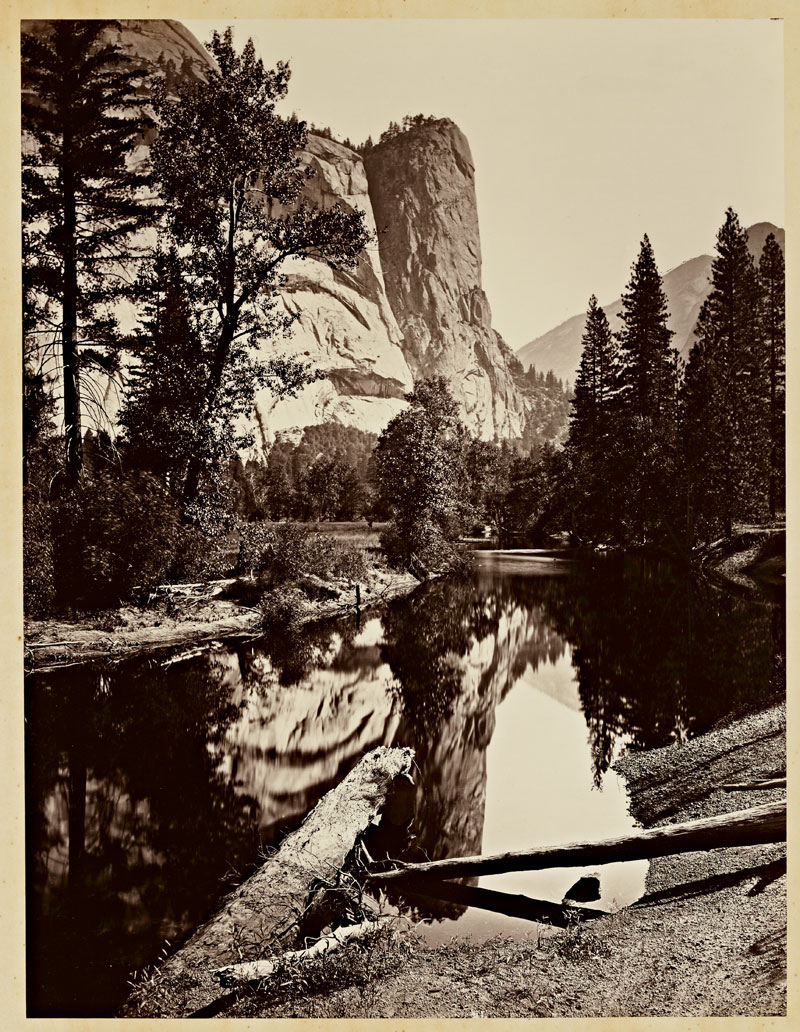
Destillierlabor
c. 1589 – c. 1593
From the series Nova reperta
Stiftung Museum Kunstpalast, Düsseldorf
Photo: Horst Kolberg, Neuss


Since I have 7 alchemy symbols tattooed on my right bicep in a vertical line to represent the 7 chakras, I thought this was a suitable exhibition for a posting.

I love anything alchemical, magical, spiritual – in art and in life. I have just had a couple of snowflakes tattooed on my forearms, one blue / green and the red / orange for an ice / fire combination. Each snowflake is unique and ephemeral, here and gone in the blink of an eye, just like we are. That is their, and our, magic.

The photographer Minor White said it is not just the images that matter, but the space between them that causes an ice / fire frisson. When looking at an exhibition I note how images play off of each other – in pairs, sequences and across the gallery space. It is a relatively simple thing for a photographer to take one good image, more difficult to put a pair of images together that actually says something, but when you get to a sequence of images (as in MW) or a body of work, this is were a lot of artists wane. The intertextual narrative, one woven from the imagination of the artist, does not resolve itself into a satisfying, stimulating whole. How many exhibitions do I see that have some good images but do not access the magic of the music.

Further, we must also remember that in Psychology and Alchemy, Volume 12 in The Collected Works of C. G. Jung, alchemy is central to Jung’s hypothesis of the collective unconscious. “Jung reminds us of the dual nature of alchemy, comprising both the chemical process and a parallel mystical component. He also discusses the seemingly deliberate mystification of the alchemists. Finally, in using the alchemical process to provide insights into individuation, Jung emphasises the importance of alchemy in relating to us the transcendent nature of the psyche.” (Wikipedia)

Jung sees alchemy as an early form of psychoanalysis. The melting of base metal in a crucible and its reforming into gold can be seen as a form of individuation – the dissolution of the ego and its integration into the whole self. Basically the recasting or reforming of identity into a new Self. As the instructive text on Wikipedia notes,

“For the alchemist trying to understand matter and develop base metals into their purest form, gold, substances are grouped as being alike based on their perceived value. Jung documents as these alchemists collectively come to understand that they themselves must embody the change they hope to effect within their materials: for instance, if they hope to achieve the philosopher’s stone that can redeem ‘base’ or ‘vulgar’ metals, then the alchemist too must become a redeemer figure. It became apparent to the alchemists that they were trying to redeem nature as Christ had redeemed man, hence the identification of the Lapis Philosophorum with Christ the Redeemer. The Opus (work) of alchemy, viewed through this interpretation, becomes a symbolic account of the fundamental process the human psyche undergoes as it re-orients its value system and creates meaning out of chaos. The opus beginning with the nigredo (blackening, akin to depression or nihilistic loss of value) in order to descend back into the manipulable prima materia and proceeding through a process of spiritual purification that must unite seemingly irreconcilable opposites (the coniunctio) to achieve new levels of consciousness.”


Much of my early black and white work was based on an understanding of the magical nature of the (art)work. This is a fascinating area of enquiry for all artists because this is what they do – they see the world differently, reform it through their art and present it as a pathway for the future.

Dr Marcus Bunyan

PS The catalogue to this exhibition is excellent with lots of interesting essays.


Many thankx to the Stiftung Museum Kunstpalast for allowing me to publish the art work in the posting. Please click on the photographs for a larger version of the image.


Marcus new tattoos February 2014


Marcus new tattoos February 2014


Pieter Brueghel the Younger (Belgium, 1564-1636) (after Pieter Brueghel the Elder) 'The Alchemist' c. 1600 from the exhibition 'Art and Alchemy. The Mystery of Transformation' at the Stiftung Museum Kunstpalast (SMKP), Düsseldorf, Germany, April - August, 2014


Pieter Brueghel the Younger (Belgium, 1564-1636)
after Pieter Brueghel the Elder
The Alchemist
c. 1600
Oil on wood
68.8 x 96cm
Private collection


David Teniers d.J. (Flemish, 1610-1690) 'Alchemist in his Workshop' c. 1650


David Teniers d.J. (Flemish, 1610-1690)
Alchemist in his Workshop
c. 1650
Courtesy of Roy Eddleman, Chemical Heritage Foundation Collections
Photo: Will Brown


Adriaen van Ostade (Dutch, 1610-1685) 'The Alchemist' 1661


Adriaen van Ostade (Dutch, 1610-1685)
The Alchemist
1661
The National Gallery, London, Bought 1871
© The National Gallery, London, 2013


Hendrick Goltzius (Dutch, born Germany 1558-1617) 'Allegory of the Arts' 1611


Hendrick Goltzius (Dutch, born Germany 1558-1617)
Allegory of the Arts
1611
Oil on canvas
181 x 256.6cm
Kunstmuseum Basel
© Kunstmuseum Basel
Photo: Martin P. Bühler


Johan Moreelse (Dutch, 1603-1634) 'The Alchemist' 1630


Johan Moreelse (Dutch, 1603-1634)
The Alchemist
1630
Oil on canvas
90.5 x 107.5cm
Robilant + Voena, London und Mailand


Giovanni Antonio Grecolini (Italian, 1675-1725) 'The Education of Cupid by Venus and Vulcan' 1719


Giovanni Antonio Grecolini (Italian, 1675-1725)
The Education of Cupid by Venus and Vulcan
1719
Oil on canvas
48.9 × 64cm
Museum Kunstpalast
Photo: Horst Kolberg


Neo Rauch (German, b. 1960) 'Goldgrube' [Goldmine] 2007


Neo Rauch (German, b. 1960)
Goldgrube [Goldmine]
2007
Oil on canvas
80 x 160cm
Private collection
© Courtesy Galerie EIGEN + ART Leipzig/Berlin / VG Bild-Kunst, Bonn 2014
Photo: Uwe Walter, Berlin


For the first time in Germany, an exhibition spanning all epochs and genres will be introducing the exciting link between art and alchemy in past and present times. 250 works from antiquity to the present, encompassing Baroque art, Surrealism, through to contemporary art from collections and museums in the USA, Great Britain, France, Mexico and Israel reveal the fascination which alchemy exerted for many visual artists. Artists featured in the exhibition, such as Joseph Beuys, Jan Brueghel the Elder, Lucas Cranach the Elder, Max Ernst, Hendrick Goltzius, Rebecca Horn, Anish Kapoor, Yves Klein, Sigmar Polke, Rembrandt van Rijn, Peter Paul Rubens and David Teniers the Younger invite visitors to explore the mystery of transformation.

Alchemy was invariably practised in secret, but was by no means a rare occurrence until well into the 18th century: Eminent personalities, including Paracelsus, Isaac Newton and Johann Wolfgang von Goethe, were alchemists, too. It was not until the Age of the Enlightenment that alchemy was ousted and became intermingled with occultism, sorcery and superstition. In connection with 19th and early 20th-century psychoanalysis alchemy was brought to new life.

The exhibition is divided into two major periods: pre-Enlightenment art, in particular works from the 16th and 17th centuries and the art of the 20th and 21st centuries.

In the pre-Enlightenment era both artists and alchemists laid claim to the ability to not only imitate nature but to even perfect it. This ambition is illustrated in the exhibition by casts from nature made by Bernard Palissy and Wenzel Jamnitzer. Their lizards and other creatures are extraordinarily life-like and yet have been immortalised in precious metal or ceramic as if petrified. The circumstance that artists and alchemists were ultimately rivals is exemplified by the Dutch artist Adriaen van Ostade with his painting depicting an alchemist in his laboratory, having failed to produce gold.

By contrast, the exhibition also includes works by artists presenting alchemy in a favourable light, such as portraits by Rubens and David Teniers the Younger, allegorical paintings by Jan Brueghel the Elder and Hendrick Goltzius, as well as three copies of the “Splendor Solis”, the most richly illuminated manuscript in the history of alchemy. Furthermore, an original manuscript by physicist Isaac Newton, contributed by the Chemical Heritage Foundation in Philadelphia, will be presented here for the first time in Europe.

The modern section of the show begins with Surrealism. Max Ernst, for instance, repeatedly took up the theme of the “Chymical Wedding” in his work. A particular highlight is the painting “The Creation of the Birds”, a key work by the Surrealist artist Remedios Varo. The Androgyne is an important theme, for instance, in the exhibits by Rebecca Horn. Joseph Beuys will be represented by a number of sculptures, drawings and collages, as well as a film and photo documentation of his action at the 1982 documenta. Moreover, the exhibition includes works by Anish Kapoor displaying his characteristic use of intensely coloured pigments. Further exhibits include selected works by representatives of contemporary art, such as Anselm Kiefer, Yves Klein, Alicja Kwade, Sigmar Polke, Neo Rauch and Gerda Steiner and Jörg Lenzlinger.

The exhibition was conceived by Museum Kunstpalast in cooperation with the research group “Art and Knowledge in Pre-Modern Europe” at the Max Planck Institute for the History of Science in Berlin, as well as a group of experts at the Chemical Heritage Foundation in Philadelphia, which also provided many pieces on loan. A Wunderkammer of curious and exotic treasures from flora and fauna is offered for visitors to explore. In an extensive accompanying programme the subject of art and alchemy will be expanded upon by means of lectures, talks and guided tours.

Press release from the SMKP website


Jörg Breu the Elder (German, 1475-1537) (attributed) (attributed) 'Splendor Solis' (Splendor of the Sun) 1531/1532


Jörg Breu the Elder (German, 1475-1537) (attributed)
Splendor Solis (Splendor of the Sun)
1531-1532
Manuscript; parchment, miniatures in opaque color; calfskin cover
33.1 × 22.8cm
Staatliche Museen zu Berlin – Preussischer Kulturbesitz, Kupferstichkabinett
© bpk – Bildagentur für Kunst, Kultur und Geschichte / Staatliche Museen zu Berlin – Kupferstichkabinett
Photo: Jörg P. Anders


Rembrandt Harmenszoon van Rijn (Dutch, 1606-1669) 'Sogenannter Faust' [Allegedly Faust] c. 1651‑1653


Rembrandt Harmenszoon van Rijn (Dutch, 1606-1669)
Sogenannter Faust [Allegedly Faust]
c. 1651‑1653
Drypoint
21.1 × 16.2cm
Stiftung Museum Kunstpalast, Düsseldorf, Sammlung der Kunstakademie (NRW)
Photo: Horst Kolberg, Neuss


Francois-Marius Granet (French, 1775-1849) 'The Alchemist' 1st half of the 19th century


Francois-Marius Granet (French, 1775-1849)
The Alchemist
1st half of the 19th century
Oil on canvas
61 x 48.3cm
Gift of Roy Eddleman Chemical Heritage Foundation Collections, Philadelphia
Photo: Will Brown


Max Ernst (German, 1891-1976) 'Men Shall Know Nothing of This' 1923


Max Ernst (German, 1891-1976)
Men Shall Know Nothing of This
1923
Oil on canvas
80.3 x 63.8cm
Tate, London
Photo: © Tate, London 2013, VG Bild-Kunst, Bonn 2014


Victor Brauner (Romanian, 1903-1966) 'Le Surréaliste' (“The Surrealist”) 1947


Victor Brauner (Romanian, 1903-1966)
Le Surréaliste (“The Surrealist”)
1947
Oil on canvas
60 x 45cm
Peggy Guggenheim Collection, Venice (Solomon R. Guggenheim Foundation, NY)
© Peggy Guggenheim Collection, Venice (Solomon R. Guggenheim Foundation, NY) / VG Bild-Kunst, Bonn 2014


Rebecca Horn (German, b. 1944) 'Zen of Ara' 2011


Rebecca Horn (German, b. 1944)
Zen of Ara
2011
Springs, motor, brass, electrical
D: 73cm
Private collection Rebecca Horn
Photo: Karin Weyrich
© VG Bild-Kunst, Bonn 2014


Yves Klein (French, 1928-1962) 'Relief éponge bleu (RE 18)' (blue sponge relief [re 18]) 1960


Yves Klein (French, 1928-1962)
Relief éponge bleu (RE 18) (blue sponge relief [re 18])
1960
Wood, sponges, pigment dissolved in acetone
230 × 154cm
Museum Kunstpalast, Düsseldorf, Modern Art
© Stiftung Museum Kunstpalast, Düsseldorf / ARTOTHEK / Photo: Horst Kolberg, Neuss / VG Bild-Kunst, Bonn 2014


Richard Meitner (Dutch born America, b. 1949) 'Reductio ad Absurdum' 1977


Richard Meitner (Dutch born America, b. 1949)
Reductio ad Absurdum
1977
Glass and gold
25 x 80cm
Privatsammlung
Photo: Ron Zijlstra
© Richard Meitner


John Isaacs (British, b. 1968) 'Thinking about it' 2002


John Isaacs (British, b. 1968)
Thinking about it
2002
Wax, wire, plaster of paris
15 1/2 x 12 x 13 inches (30 x 30 x 50cm)
Olbricht collection, Germany


Stiftung Museum KunstPalast
Ehrenhof 4-5, 40479
Düsseldorf, Germany
+49 211 56642100

Opening hours:
Tuesday – Sunday 11am – 6pm
Thursday 11am – 9pm
Closed on Monday

Stiftung Museum Kunstpalast website

LIKE ART BLART ON FACEBOOK

Back to top

Exhibition: ‘Chris Round / Inversion’ at Edmund Pearce Gallery, Melbourne

Exhibition dates: 22nd – 26th July, 2014


Chris Round (Australian born England) 'Inversion #5' 2014 from the exhibition Exhibition: 'Chris Round / Inversion' at Edmund Pearce Gallery, Melbourne, July 2014


Chris Round (Australian born England)
Inversion #5
2014
Archival pigment print on cotton rag
64 x 84cm
Edition of 7
© Chris Round


My apologies to Chris Round that I did not get this posting up during the short run of the exhibition. It was a bit of a crowded time with the exhibition Out of the closets and Nite Art on.

The work, shown in the small black gallery at Edmund Pearce, had great presence and beauty. The backgrounds had a luminous pastel affect, much more so than in the reproductions shown here. The objects seemed to float off the paper. This is experimental work for Round (vis a vis his landscape practice) but the influences for the work can be seen in the two landscape photographs that I have included here.

I really enjoyed the beauty, serenity and context of these metaphorical landscapes.

Dr Marcus Bunyan


Many thankx to Edmund Pearce Gallery for allowing me to publish the photographs in the posting. Please click on the photographs for a larger version of the image.


Chris Round (Australian born England) 'Inversion #4' 2014 from the exhibition Exhibition: 'Chris Round / Inversion' at Edmund Pearce Gallery, Melbourne, July 2014


Chris Round (Australian born England)
Inversion #4
2014
Archival pigment print on cotton rag
64 x 84cm
Edition of 7
© Chris Round


Chris Round (Australian born England) 'Nowra, NSW' 2013


Chris Round (Australian born England)
Nowra, NSW
2013
Archival inkjet print
© Chris Round


Chris Round (Australian born England) 'Inversion #2' 2014


Chris Round (Australian born England)
Inversion #2
2014
Archival pigment print on cotton rag
64 x 84cm
Edition of 7
© Chris Round


Chris Round (Australian born England) 'Inversion #1' 2014


Chris Round (Australian born England)
Inversion #3
2014
Archival pigment print on cotton rag
64 x 84cm
Edition of 7
© Chris Round


Chris Round (Australian born England) 'Ulladulla harbour, NSW' 2012


Chris Round (Australian born England)
Ulladulla harbour, NSW
2012
Archival inkjet print
© Chris Round


Chris Round (Australian born England) 'Inversion #1' 2014


Chris Round (Australian born England)
Inversion #1
2014
Archival pigment print on cotton rag
64 x 84cm
Edition of 7
© Chris Round


Inversion marks a departure from my normal landscape based work and in to experimental still life. This series is an investigation into form and visual illusion using functional, mass-produced objects. By removing context – using a reflective surface that’s not immediately apparent and at times changing colours – I’m interrogating the duality of the real and the imagined, the prosaic and the beautiful. I’m also exploring the physicality of depth and space, re-evaluating both utilitarian aesthetic and function simultaneously.

Text by the artist on the Edmund Pearce website


Chris Round (Australian born England) 'Inversion #6' 2014


Chris Round (Australian born England)
Inversion #6
2014
Archival pigment print on cotton rag
84 x 64cm
Edition of 7
© Chris Round


Chris Round (Australian born England) 'Inversion #7' 2014


Chris Round (Australian born England)
Inversion #7
2014
Archival pigment print on cotton rag
84 x 64cm
Edition of 7
© Chris Round


Chris Round (Australian born England) 'Inversion #8' 2014


Chris Round (Australian born England)
Inversion #8
2014
Archival pigment print on cotton rag
84 x 64cm
Edition of 7
© Chris Round


Edmund Pearce Gallery

This gallery has now closed.

LIKE ART BLART ON FACEBOOK

Back to top