“Moments even of beauty. “Well I speak of ‘the lust of the eye’ – a biblical phrase – because much of the appeal of battle is simply this attraction of the outlandish, the strange… but, there is of course an element of beauty in this. And I must say that this, is, surely from ancient times one of the most enduring appeals of battle.””
Anonymous. From Episode 26 of ‘The World At War’, 1973-1974
The lust of the eye
While “there has been a long tradition of female photographers working in crisis zones”, and this exhibition “explodes the commonly held notion that war photography is a professional world entirely populated by men,” how do war photographs taken by women differ from their male counterparts? What does being a woman bring to the table of war photography that is different, in terms of engagement with people, feeling, context, and time and place? Do they have to differ?
The press release states that, “Even though the staging and narrative strategies of female photographers do not differ in any fundamental way from those of their male colleagues, women have had to repeatedly carve out their position on the front line and operate outside the structures envisaged for them.” In other words they defy the patriarchal structures that define contemporary society, because they operate outside what is expected of them. But does that make their photographs any different to that of men? Or, while defying hegemonic structures, do they still buy into a systematic photographic representation of war that has existed for decades?
While the press release offers a sop to difference – positing that, “in some regions and cultural milieus, their gender has also given them privileges denied to their male colleagues granting them access to families and to people affected by the conflict. This has enabled them to paint a nuanced picture of the effects of war on the civilian population” – this nuancing is not greatly evident in the photographs in this posting.
Personally what I am looking for is a more empathetic way photography can portray the effects of war through storytelling, not just the physical evidence – I was there, I captured this – but the feelings that war evokes. I, for one, never get this from the war photography of the photojournalists. The images they make are made for the fast-moving world of news reportage, and they are always working to find the one image, the one instance, that bears “witness to unimaginable realities, to move viewers.” Rarely does this strategy work.
Much of the display of the appeal of battle in the history of war photography “is simply this attraction of the outlandish, the strange…” With much war photography, “there is of course an element of beauty in this.” Consider Carolyn Cole’s ethereally beautiful photograph Dozens of bodies are laid in a mass grave on the outskirts of Monrovia, Liberia (2003, below). Who could not agree with the artist that there is not an element of beauty in this – held in opposition to its being “other” than reportage.
But if you read the poem Vergissmeinnicht (Forget Me Not) by the British war poet Keith Douglas (below), dead at 24 on the battlefield of Normandy, this poem has more engagement, more heartfelt feeling about war, death, love and loss in its prophetic lines than a thousand images I will never remember.
Dr Marcus Bunyan
Many thankx to Fotomuseum Winterthur for allowing me to publish the photographs in the posting. Please click on the photographs for a larger version of the image.
Vergissmeinnicht (Forget Me Not) (1943)
Keith Douglas
Three weeks gone and the combatants gone, returning over the nightmare ground we found the place again, and found the soldier sprawling in the sun.
The frowning barrel of his gun overshadowing. As we came on that day, he hit my tank with one like the entry of a demon.
Look. Here in the gunpit spoil the dishonoured picture of his girl who has put: Steffi. Vergissmeinnicht. in a copybook gothic script.
We see him almost with content, abased, and seeming to have paid and mocked at by his own equipment that’s hard and good when he’s decayed.
But she would weep to see today how on his skin the swart flies move; the dust upon the paper eye and the burst stomach like a cave.
For here the lover and killer are mingled who had one body and one heart. And death who had the soldier singled has done the lover mortal hurt.
Remember the war poet Keith Douglas (English, 1920-1944) killed in the Invasion of Normandy on June 9, 1944 at the age of 24.
Lee Miller wrote: ‘Prisoners were prowling these heaps, some of which were burning, in the hope of finding something more presentable than what they were wearing already’
Catherine Leroy (French, 1944-2006) Vietnam. US Navy officer Vernon Wike with a dying US Marine at the Battle of Hill 881, near Khe Sanh April 1967 Gelatin silver print
Catherine Leroy (French, 1944-2006) Vietnam. US bombs pummel Binh Dinh province September 1966 Gelatin silver print
The exhibition Women War Photographers – From Lee Miller to Anja Niedringhaus is devoted to photojournalistic coverage of international wars and conflicts. On display are some 140 images shot between 1936 and 2011 by a number of women photojournalists and documentary photographers: Carolyn Cole (b. 1961), Françoise Demulder (1947-2008), Catherine Leroy (1944-2006), Susan Meiselas (b. 1948), Lee Miller (1907-1977), Anja Niedringhaus (1965-2014), Christine Spengler (b. 1945) and Gerda Taro (1910-1937). Their pictures provide a fragmentary insight into the complex reality of war, taking in a range of military theatres from the Spanish Civil War, World War II and the Vietnam War to more recent international conflicts in the Balkans, Afghanistan, Iraq and Libya.
The positions of the eight photographers present different ways of engaging with war and its effects – from traditional war reporting and embedded photojournalism to innovative approaches to social documentary photography. The particular perspectives chosen for the exhibition shift between objective distance and personal emotional involvement.
Curated by Anne-Marie Beckmann and Felicity Korn and adapted by Nadine Wietlisbach for Fotomuseum Winterthur, the exhibition focuses on women’s positions, making clear the long tradition of female photographers working in crisis zones. In the process, it explodes the commonly held notion that war photography is a professional world entirely populated by men. Even though the staging and narrative strategies of female photographers do not differ in any fundamental way from those of their male colleagues, women have had to repeatedly carve out their position on the front line and operate outside the structures envisaged for them. On the other hand, in some regions and cultural milieus, their gender has also given them privileges denied to their male colleagues granting them access to families and to people affected by the conflict. This has enabled them to paint a nuanced picture of the effects of war on the civilian population.
The pictures shown in the exhibition were primarily intended for the fast-moving world of news reportage. Their distribution via mass media has made them a significant force, influencing the discourses being conducted around war and discussions about the controversial impact of images of war. Shot over a period of almost a century, these pictures also bear witness to the evolution of photojournalism as a professional field – especially when seen in the context of a constantly changing media landscape that is once again undergoing radical upheaval as the digital revolution takes its course.
The photographers’ choice of visual and narrative strategies is the product of an ongoing quest, as they seek to bear witness to unimaginable realities, to move viewers, to sensitise them to the complex geo- and sociopolitical circumstances in the combat zones, and ultimately to have an effect on people’s attitudes and actions by making these situations visible. In an age when global conflict is a constant, these strategies continue to express the belief that engaging with images of violence can help us to take responsibility and bring about change.
The Women behind the Camera
In her pictures of the Spanish Civil War, German Jewish photographer Gerda Taro (1910-1937) sided with the political agenda of the Republicans. With the genre of photo essays still in its infancy, her pictures found their way into magazines like Vu and Regards. Taro was the first woman war photographer to be killed in the field: her tragic death in 1937 at the age of only twenty-six garnered international attention. However, she faded into oblivion soon afterwards, as picture agencies increasingly accredited her photographs to her partner Robert Capa.
In 1944, as a correspondent for the fashion magazine Vogue, American photographer Lee Miller (1907-1977) began documenting the Allied push against the German Reich. Initially commissioned to take pictures in a military hospital, Miller found herself on the front line owing to an internal error in military communications. She accompanied the Allied troops as they advanced from Normandy into southern Germany. Miller was one of the group of photojournalists who witnessed the Dachau and Buchenwald concentration camps at firsthand directly after their liberation.
One of the best-known photojournalists of the Vietnam War is French photographer Catherine Leroy (1944-2006). Her pictures give a clear indication of the freedom of movement she enjoyed on the front lines, where she took photographs of the conflict both from the air and on the ground, often creating short sequences of images showing a particular chain of events. Magazines like Paris Match and Life made use of the narrative potential of these pictures and printed full-page spreads of her work.
Françoise Demulder (1947-2008) likewise began her career in Vietnam, where in 1975, after most foreign journalists had already left the country, she took exclusive pictures of North Vietnamese troops invading Saigon. While working for the Gamma and Sipa Press photo agencies, Demulder also turned her attention to military actions and their impact on the civilian population.
Christine Spengler (b. 1945), who was born in Alsace, took her first photographs of an armed conflict in Chad. Later, in the 1970s, she began documenting a range of conflicts and crises in different parts of the world, including Vietnam as well as Cambodia, Iran, Western Sahara and Lebanon. A particular focus of her photographs are the local women and children and the lives they lead behind the front lines.
As an independent photographer, American Susan Meiselas (b. 1948) documented the Sandinista uprising against the Somoza regime in Nicaragua in the late 1970s. Her photo of the “Molotov Man” went on to become a cult image and is still in circulation today as a symbol of protest used in a wide range of contexts. Meiselas, who would become a Magnum photographer, chose colour as a medium for her documentary work at a time when its use was mainly limited to commercial projects. Her book Nicaragua is one of the earliest colour publications documenting war.
American Carolyn Cole (b. 1961), who has worked for the Los Angeles Times since 1994, also takes pictures in colour. She has worked as a photojournalist in the Kosovo War, Afghanistan, Liberia and Iraq. Her photographs, which are still used today in both print and online media, reveal a contemporary approach to war photography that is a reflection as much as anything of technical changes within the profession.
In the 1990s German photographer Anja Niedringhaus (1965-2014) began working in war and crisis zones ranging from the Balkans to Iraq, Afghanistan and Libya. Niedringhaus felt a special sense of connection to the civilian population, whose living conditions she documented. As an “embedded journalist”, she would accompany soldiers on operations, reporting up-close on their deployment in the different combat zones. On 4 April 2014, Niedringhaus was shot and killed inside a base used by security forces in Khost Province during her coverage of the elections in Afghanistan.
Press release from the Fotomuseum Winterthur website [Online] Cited 11/03/2020
Women War Photographers – From Lee Miller to Anja Niedringhaus book cover
Discover eight remarkable women war photographers who have documented harrowing and unforgettable crises and combat around the world for the past eighty years.
Women have been on the front lines of war photography for more than a century. With access to places men cannot go and with startling empathy in the face of danger, the women who photograph war lend a unique perspective to the consequences of conflict. From intimate glimpses of daily life to the atrocities of conflict, this powerful book reveals the range and depth of eight women photographers’ contributions to wartime photojournalism.
Each photographer is introduced by a brief, informative essay followed by reproductions of a selection of their works. Included here are images by Lee Miller, who documented the liberation of Dachau and Buchenwald. The first woman to parachute into Vietnam, Catherine Leroy was on the ground during the Tet Offensive and was captured by the North Vietnamese Army at the age of 22. Susan Meiselas raised international awareness around the Somoza regime’s catastrophic effects in Nicaragua.
German reporter Anja Niedringhaus worked on assignment in nearly every major conflict of the 1990s, from the Balkans to Libya, Iraq to Afghanistan. The work of Carolyn Cole, Francoise Demulder, Christine Spengler, and Gerda Taro round out this collective profile of courage under pressure and of humanity in the face of war.
163 colour photographs
About the Authors
Anne-Marie Beckmann is an art historian and curator. She is Director of the Deutsche Borse Photography Foundation in Frankfurt, Germany. She has published several books on photography. Felicity Korn is an art historian, curator, and an advisor to the Director General at the Museum Kunstpalast in Dusseldorf, Germany. She was previously a curator at the Stadel Museum in Frankfurt.
Women War Photographers – From Lee Miller to Anja Niedringhaus book pages
Exhibition dates: 14th June, 2019 – 31st May, 2020
Curator: Ann Shumard
Unidentified Artist Charlotte Cushman (detail) c. 1850 Half-plate daguerreotype Image: 12 × 9cm (4 3/4 × 3 9/16″) National Portrait Gallery, Smithsonian Institution
Let us celebrate strong, creative, (com)passionate women.
Marcus
Many thankx to the National Portrait Gallery for allowing me to publish the photographs in the posting. Please click on the photographs for a larger version of the image.
Seriousness of their intent and purpose writ large upon their faces. Portraits of the self, as if alone, without decorous engagement for the camera.
Elizabeth Gertsakis
In mid-nineteenth-century America, the growing presence of women in public life coincided with the rise of portrait photography. This exhibition of daguerreotypes and ambrotypes from the 1840s and 1850s features portraits of early feminist icons, women’s rights advocates Margaret Fuller and Lucy Stone, abolitionist Lucretia Mott and best-selling author Harriet Beecher Stowe.
Unidentified Artist Charlotte Cushman c. 1850 Half-plate daguerreotype Image: 12 × 9cm (4 3/4 × 3 9/16″) National Portrait Gallery, Smithsonian Institution
Charlotte Saunders Cushman (July 23, 1816 – February 18, 1876) was an American stage actress. Her voice was noted for its full contralto register, and she was able to play both male and female parts. She lived intermittently in Rome, in an expatriate colony of prominent artists and sculptors, some of whom became part of her tempestuous private life.
Charlotte Cushman was the foremost American-born actress of her day and the first to enjoy critical and popular acclaim at home and abroad. Following her 1836 New York City stage debut as Lady Macbeth, she honed her craft there and in Philadelphia, where she managed the Walnut Street Theatre from 1842 to 1844. With a dramatic range and commanding stage presence that more than compensated for her lack of conventional beauty, Cushman boldly developed a repertoire that included male as well as female roles. Taking London by storm in 1845, she returned to universal acclaim in the United States in 1849.
Unidentified Artist Lucy Stone c. 1855 Half-plate daguerreotype Case Open: 19.9 × 32.9 × 0.8cm (7 13/16 × 12 15/16 × 5/16″) National Portrait Gallery, Smithsonian Institution
Lucy Stone (August 13, 1818 – October 18, 1893) was a prominent U.S. orator, abolitionist, and suffragist, and a vocal advocate and organiser promoting rights for women. In 1847, Stone became the first woman from Massachusetts to earn a college degree. She spoke out for women’s rights and against slavery at a time when women were discouraged and prevented from public speaking. Stone was known for using her birth name after marriage, the custom being for women to take their husband’s surname.
Lucy Stone was unequivocal in her opposition to slavery and her support for women’s rights. Yet, when some abolitionists argued that her antislavery efforts should take precedence, she replied, “I was a woman before I was an abolitionist.” Stone helped to organise the first national women’s rights conference in Worcester, Massachusetts, in 1850, and lectured widely on the topic of women’s suffrage. When she married Henry Blackwell in 1855, she defied tradition by retaining her maiden name. In 1866, Stone became a founder of the American Equal Rights Association, which sought to secure voting rights for African Americans and women.
Unidentified Artist Harriet Beecher Stowe 1852 Sixth-plate daguerreotype Image: 3.9cm x 3.4cm (1 9/16″ x 1 5/16″) National Portrait Gallery, Smithsonian Institution
Harriet Elisabeth Beecher Stowe (June 14, 1811 – July 1, 1896) was an American abolitionist and author. She came from the Beecher family, a famous religious family, and is best known for her novel Uncle Tom’s Cabin (1852), which depicts the harsh conditions for enslaved African Americans. The book reached millions as a novel and play, and became influential in the United States and Great Britain, energising anti-slavery forces in the American North, while provoking widespread anger in the South. Stowe wrote 30 books, including novels, three travel memoirs, and collections of articles and letters. She was influential for both her writings and her public stances and debates on social issues of the day.
Harriet Beecher Stowe authored numerous articles, essays, and books during her long career, but it was her dramatic, antislavery novel Uncle Tom’s Cabin that brought her fame at home and abroad. First serialised in the National Era newspaper, Uncle Tom’s Cabin appeared in book form in 1852 and sold more than 300,000 copies during its first year in print. Lionised by Northern abolitionists and vilified by Southern slaveholders, Stowe became the subject of intense public interest. When requests for her portrait multiplied, she responded by posing for several daguerreotype likenesses that were soon copied and distributed widely.
Ezra Greenleaf Weld (American, 1801-1874) Frederick Douglass with the Edmonson Sisters at Fugitive Slave Law Convention, Cazenovia, New York 1850 Half-plate copy daguerreotype Case Open: 15.2 x 24.4 x 1.3 cm (6 x 9 5/8 x 1/2″) National Portrait Gallery, Smithsonian Institution; on loan from Mr. and Mrs. Set Charles Momjian
Ezra Greenleaf Weld (October 26, 1801 – October 14, 1874), often known simply as “Greenleaf”, was a photographer and an operator of a daguerreotype studio in Cazenovia, New York. He and his family were involved with the abolitionist movement.
Weld opened his first studio in his home in 1845. In 1850, Cazenovia hosted the abolitionist meeting known as the Fugitive Slave Law Convention. This gave Weld the opportunity to photograph the legendary orator Frederick Douglass with the Edmonson sisters, Gerritt Smith and Abby Kelley Foster. This daguerreotype was given to the imprisoned abolitionist William Chaplin who had helped many of the attendees escape to freedom.
Of the six daguerreotypes of Douglass that have survived, only one besides Greenleaf’s image has had its daguerreotypist identified. Greenleaf’s image is unique because it is a group shot at an outdoor meeting rather than a studio portrait. Daguerreotypes were seldom attempted under these circumstances because the long exposure time required made it difficult to get a satisfactory result. Weld’s is the only daguerreotype of Douglass whose date is known with certainty. This daguerreotype is also unique in the paradoxical sense that it is the only one known to have been copied. Two original half-plates exist: One is held by the Madison County Historical Society in Oneida, New York, the other is in a private collection and currently on display at the Smithsonian Institution in Washington, D.C.
The Fugitive Slave Law Convention was held in Cazenovia, New York, August 21-22, 1850. Organised to oppose passage of the Fugitive Slave Act of 1850 by the United States Congress, participants included Frederick Douglass, the Edmonson sisters, Gerrit Smith, Samuel Joseph May, and Theodore Dwight Weld, among others. The convention opened at the First Congregational Church of Cazenovia (now Cazenovia College’s theater building), then moved to “the orchard of Grace Wilson’s School, located on Sullivan Street,” to accommodate the estimated 2000 to 3000 participants. It was chaired by Douglass.
Frederick Douglass (born Frederick Augustus Washington Bailey; c. February 1818 – February 20, 1895) was an American social reformer, abolitionist, orator, writer, and statesman. After escaping from slavery in Maryland, he became a national leader of the abolitionist movement in Massachusetts and New York, gaining note for his oratory and incisive antislavery writings. In his time, he was described by abolitionists as a living counter-example to slaveholders’ arguments that slaves lacked the intellectual capacity to function as independent American citizens. Northerners at the time found it hard to believe that such a great orator had once been a slave. …
Douglass was a firm believer in the equality of all peoples, whether white, black, female, Native American, or Chinese immigrants. He was also a believer in dialogue and in making alliances across racial and ideological divides, and in the liberal values of the U.S. Constitution. When radical abolitionists, under the motto “No Union with Slaveholders”, criticised Douglass’ willingness to engage in dialogue with slave owners, he replied: “I would unite with anybody to do right and with nobody to do wrong.”
Mary Edmonson (1832-1853) and Emily Edmonson (1835-1895), “two respectable young women of light complexion”, were African Americans who became celebrities in the United States abolitionist movement after gaining their freedom from slavery. On April 15, 1848, they were among the 77 slaves who tried to escape from Washington, DC on the schooner The Pearl to sail up the Chesapeake Bay to freedom in New Jersey.
Although that effort failed, they were freed from slavery by funds raised by the Congregational Church in Brooklyn, New York, whose pastor was Henry Ward Beecher, an abolitionist. After gaining freedom, the Edmonsons were supported to go to school; they also worked. They campaigned with Beecher throughout the North for the end of slavery in the United States.
Gerrit Smith (March 6, 1797 – December 28, 1874), also spelled Gerritt, was a leading American social reformer, abolitionist, politician, and philanthropist. Spouse to Ann Carroll Fitzhugh, Smith was a candidate for President of the United States in 1848, 1856, and 1860, but only served 18 months in the federal government – in Congress as a Free Soil Party Representative, in 1853-1854.
In 1850, as Congress considered passage of a harsh new Fugitive Slave Law, more than 2,000 people heeded the call of abolitionist Gerrit Smith (standing, center) to meet in Cazenovia, New York, and protest the impending legislation. Among the nearly fifty escaped slaves to participate were Emily and Mary Edmonson (in plaid shawls), whose freedom had been purchased by abolitionists in 1848, and Frederick Douglass (seated, center right), who served as the convention’s presiding officer. On the gathering’s second day, the overflowing crowd moved from its initial meeting place in a church to a nearby orchard. There, a local daguerreotypist made this extraordinary record of the convention.
Marcus Aurelius Root (American, 1808-1888) Lucretia Coffin Mott 1851 Half-plate daguerreotype Case Open: 15 x 23.2 x 1cm (5 7/8 x 9 1/8 x 3/8″) National Portrait Gallery, Smithsonian Institution
Marcus Aurelius Root (1808-1888) was a writing teacher and photographer. He was born in Granville, Ohio and died in Philadelphia, Pennsylvania.
On 20 June 1846, he bought John Jabez Edwin Mayall’s Chestnut Street photography studio that was in the same building as Root’s residence in Philadelphia, Pennsylvania. Root had success as a daguerreotypist working with his brother, Samuel Root. The Root Brothers had a gallery in New York City from 1849 to 1857. Marcus Aurelius Root authored an important book on photography entitled The Camera and the Pencil.
Lucretia Mott (née Coffin; January 3, 1793 – November 11, 1880) was a U.S. Quaker, abolitionist, women’s rights activist, and social reformer. She had formed the idea of reforming the position of women in society when she was amongst the women excluded from the World Anti-Slavery Convention in 1840. In 1848 she was invited by Jane Hunt to a meeting that led to the first meeting about women’s rights. Mott helped write the Declaration of Sentiments during the 1848 Seneca Falls Convention.
Her speaking abilities made her an important abolitionist, feminist, and reformer. When slavery was outlawed in 1865, she advocated giving former slaves who had been bound to slavery laws within the boundaries of the United States, whether male or female, the right to vote. She remained a central figure in the abolition and suffrage movement until her death in 1880.
A devout Quaker whose activism proved unsettling to some members of her faith, Lucretia Mott assumed a highly visible role in the abolitionist movement. After joining William Lloyd Garrison at the launch of the American Anti-Slavery Society, she helped to found Philadelphia’s Female Anti-Slavery Society. Her concern for women’s rights was a natural outgrowth of her abolitionist efforts. In 1848, Mott and Elizabeth Cady Stanton organised the convention at Seneca Falls, New York, that galvanised the women’s suffrage movement.
Marcus Aurelius Root (American, 1808-1888) Lucretia Coffin Mott (detail) 1851 Half-plate daguerreotype Case Open: 15 x 23.2 x 1cm (5 7/8 x 9 1/8 x 3/8″) National Portrait Gallery, Smithsonian Institution
The Smithsonian’s National Portrait Gallery will display photographs of 19th-century activists and professionals in “Women of Progress: Early Camera Portraits,” a presentation of 10 daguerreotypes and two ambrotypes from the museum’s extensive collection of antebellum portraits. This focused exhibition will explore the increasing visibility of American women in society before the Civil War and the corresponding advent of portrait photography. Organised by Ann Shumard, senior curator of photographs, “Women of Progress” is part of the Smithsonian American Women’s History Initiative, “Because of Her Story,” and is one of seven exhibitions in the Portrait Gallery’s 2019 – 2020 program to highlight women in history. “Women of Progress: Early Camera Portraits” will be displayed on the museum’s first floor June 14 through May 31, 2020.
The Portrait Gallery’s exhibition will reacquaint visitors with the fascinating lives of 13 memorable Americans. “In the 1840s and 1850s, the growing presence of women in public life coincided with the rise of portrait photography,” Shumard said. “As a result, women who were making their mark in endeavours as varied as journalism, literature, abolitionism and the burgeoning women’s rights movement became sought-after subjects for the camera.”
Those featured in the exhibition will include Dorothea Lynde Dix, activist and educator who sought humane treatment for people with mental illness; Margaret Fuller, editor and women’s rights advocate; Lucretia Mott, abolitionist and co-organiser of the Seneca Falls Convention; Lucy Stone, suffragist and a founder of the American Equal Rights Association; and Harriet Beecher Stowe, author of Uncle Tom’s Cabin. Other pioneers are the actress Laura Keene, the first woman manager of a major theatre in New York City and Mary Ann Brown Patten, the first woman to command a sailing ship around Cape Horn. The exhibition will also highlight the abolitionists Emily and Mary Edmonson, who are pictured in a daguerreotype with Frederick Douglass at the 1850 Fugitive Slave Law Convention in Cazenovia, New York. Funding for the exhibition was made possible by the National Portrait Gallery’s Women’s Initiative Leadership Committee including Capital One and the Smithsonian American Women’s History Initiative.
Press release from the National Portrait Gallery [Online] Cited 03/11/2019
Rufus Anson (American, c. 1821-?) Laura Keene c. 1855 Sixteenth-plate daguerreotype Case Open: 5.4 × 9.7cm (2 1/8 × 3 13/16″) National Portrait Gallery, Smithsonian Institution Acquired through the generosity of Bill and Sally Wittliff
Rufus Anson (active 1851-1867), American daguerreotypist who operated a studio in New York City.
An accomplished comedic actress, Laura Keene (20 July 1826 – 4 November 1873) rattled New York City’s theatrical establishment in 1855 when she became the first woman manager of a major theatre in that city. After leasing the Metropolitan Theatre, she opened Laura Keene’s Varieties, serving as manager, director, and principal star. Keene faced hostility from New York’s male theatrical managers. Her theatre was vandalised, and she lost her lease. Undeterred, she opened the Laura Keene Theatre in a new building in 1856. Well versed in all aspects of her craft, Keene was a highly successful manager who championed emerging playwrights and attracted the brightest stars to her acting company.
Rufus Anson (American, c. 1821-?) Laura Keene (detail) c. 1855 Sixteenth-plate daguerreotype Case Open: 5.4 × 9.7cm (2 1/8 × 3 13/16″) National Portrait Gallery, Smithsonian Institution Acquired through the generosity of Bill and Sally Wittliff
John Plumbe, Jr. (American born Wales, 1809-1857) Margaret Fuller 1846 Sixth-plate daguerreotype National Portrait Gallery, Smithsonian Institution
Short on funds and waiting to receive a commission from the United States Congress to survey the route for a transcontinental railroad, an idea which he is credited with originating, civil engineer John Plumbe, Jr., took up photography in 1840 after seeing the work of an itinerant daguerreotypist in Washington, D.C. A Welshman by birth, Plumbe opened a gallery in Boston the following year. He eventually maintained galleries in thirteen cities, making his name recognisable in numerous cities across the country. Plumbe opened his Washington, D.C., gallery in 1844, the first in the nation’s capital. By the time he established the National Plumbeotype Gallery of engraved and lithographic reproductions of his own images in 1846, Plumbe had been dubbed “the American Daguerre” by the press. In 1847 Plumbe found himself in financial trouble and he sold his business to his employees. Two years later he gave up photography and retired to Dubuque, Iowa, where [suffering from the prolonged effects of malaria and from acute depression] he met an untimely end by cutting his own throat [at his brother’s residence in Dubuque on May 28, 1857].
After working briefly for the Wisconsin territorial legislature in late 1839, Plumbe went east to continue his campaign for a Pacific railroad. He turned to the newly introduced daguerreotype process of photography as a means of support and excelled in that endeavour. Within six years Plumbe had attained a national reputation through photographic competitions and by establishing a chain of 23 galleries. Plumbe’s Dubuque gallery, opened in 1841 and operated by his brother Richard (1810-1896), was the first photographic establishment west of the Mississippi. Plumbe manufactured and imported photographic materials, gave instruction to the first generation of photographers, and published dozens of lithographic prints of noted Americans based on his daguerreotypes. Among his many achievements are the earliest photographs of the U.S. Capitol and White House (exterior and interior), the earliest photograph of a president in office (James K. Polk), and thousands of portraits of the most noted personalities of the era. Plumbe pioneered brand name recognition, obtained patent rights for colour photography, and published a magazine filled with illustrations based on his photographs. By late 1848, however, Plumbe had experienced severe financial reverses due to competition and mismanagement and was forced to sell his galleries to pay his debts.
John Plumbe, Jr. (American born Wales, 1809-1857) Margaret Fuller (detail) 1846 Sixth-plate daguerreotype National Portrait Gallery, Smithsonian Institution
The only known daguerreotype of Margaret Fuller.
Sarah Margaret Fuller Ossoli (May 23, 1810 – July 19, 1850), commonly known as Margaret Fuller, was an American journalist, editor, critic, and women’s rights advocate associated with the American transcendentalism movement. She was the first full-time American female book reviewer in journalism. Her book Woman in the Nineteenth Century is considered the first major feminist work in the United States. …
Fuller was an advocate of women’s rights and, in particular, women’s education and the right to employment. She also encouraged many other reforms in society, including prison reform and the emancipation of slaves in the United States. Many other advocates for women’s rights and feminism, including Susan B. Anthony, cite Fuller as a source of inspiration. Many of her contemporaries, however, were not supportive, including her former friend Harriet Martineau. She said that Fuller was a talker rather than an activist. Shortly after Fuller’s death, her importance faded; the editors who prepared her letters to be published, believing her fame would be short-lived, censored or altered much of her work before publication.
Unidentified Artist Olive Oatman Nd Ambrotype National Portrait Gallery, Smithsonian Institution
In the spring of 1851, a band of Apache men in present-day Arizona captured thirteen-year-old Olive Oatman and her younger sister. They killed or seriously injured the rest of the family during the attack. At the time, the Oatman family-originally from Illinois-was headed west to California to start their lives anew. Shortly thereafter the Apache sold the two sisters to a Mohave family. While living with this family, Oatman was tattooed on the chin, a custom common among members of the tribe. In 1856, after enduring five years in captivity and the death of her sister, Oatman had her freedom negotiated, and she was given over to authorities at Fort Yuma. Accounts of her release were published widely, and her biography became a best-seller. Though Oatman stated that her Mojave family treated her well, stories such as hers reinforced commonly held assumptions that Native Americans were violent savages.
Olive Ann Oatman (September 7, 1837 – March 21, 1903) was a woman born in Illinois. While traveling from Illinois to California with a company of Mormon Brewsterites, her family was killed in 1851, in present-day Arizona by a Native American tribe. The town of Oatman, Arizona is named after the Oatman family and the massacre which occurred therein. Though she identified her family’s attackers as Apache, they were most likely Tolkepayas (Western Yavapai). This small group of Native Americans clubbed Olive’s family to death. They captured Olive and her younger sister, Mary Ann, and enslaved them for one year. The girls were traded to the Mohave people. Olive spent four years with the Mohave. During her time with the Mohave tribe her sister, Mary Ann, died from starvation. Olive returned to white society five years after the Oatman Massacre, wearing a blue tattoo on her chin as a reminder of her time with the Mohave people.
Following her repatriation into American society, Olive’s story began to be retold with dramatic license in the press, as well as in her own “memoir” and speeches. Novels, plays, movies, and poetry have been inspired by Olive’s story, which resonated in the media of the time and long afterward. She had become an oddity in 1860s America, partly owing to the prominent blue tattooing of Oatman’s face by the Mohave, making her the first known tattooed American woman on record. Much of what actually occurred during her time with the Native Americans remains unknown.
Unidentified Artist Olive Oatman (detail) Nd Ambrotype National Portrait Gallery, Smithsonian Institution
In the United States, the rise of studio portrait photography during the 1840s and ’50s coincided with a period of heightened visibility for women, who were emerging as prominent players in arenas including activism, literature, journalism and theatre. Harriet Beecher Stowe’s Uncle Tom’s Cabin, for example, sold 300,000 copies across the nation in the first year following its publication, while in 1855, comedic stage actress Laura Keene became the first female manager of a major New York City theatre. These women, as well as others making their mark in antebellum America, increasingly found themselves in front of the camera, posing for portraits to be shared with the public or exchanged among loved ones as tokens of affection.
“Women of Progress” catalogues the stories of 13 such mid-19th century figures through the lens of ten daguerreotypes and two ambrotypes. Some of these individuals remain household names today – Beecher Stowe, Lucretia Mott and Dorothea Dix, for example. Others, including Mary Ann Brown Patten, the first woman to sail a clipper ship around Cape Horn; Charlotte Cushman, a popular actress who played both male and female parts; and Mary Ann Meade, a daguerreotypist in her own right – are lesser known. Regardless, the women are united by both their progressive bent and the fact that their camera likenesses survive as a direct result of the burgeoning popularity of photography.
An 1846 photograph of journalist Margaret Fuller falls into the first of these categories: In a letter to her brother, the writer explains that photographer John Plumbe Jr. asked her to pose for a portrait. The resulting image, a sixth-plate daguerreotype, depicts its sitter reading a hefty tome, seemingly so engrossed in the text that she remains unaware of the camera’s presence. The image was later displayed in Plumbe’s studio to attract future clientele.
The circumstances surrounding the production of an 1851 half-plate daguerreotype of abolitionist and women’s rights advocate Lucretia Mott are far hazier. Taken by photographer Marcus Aurelius Root, the portrait served as the basis for a widely circulated lithographic print by Boston-based artist Leopold Grozelier. Unlike daguerreotypes, lithographic prints could be produced in multiple copies. Lithographs also conveyed a greater variety of tones than earlier printing methods, allowing for more accurate copies of original works such as daguerreotypes and paintings.
Shumard says it’s possible Root’s photograph was taken with the direct intention of serving as the basis for Grozelier’s print. Whereas a daguerreotype sitting typically produced just one plate, lithographs could be easily mass-produced for public purchase. …
To make copies of daguerreotypes, photographers placed original plates on specialised copy stands and then reshot the image – a process known as redaguerreotyping. Although these copies often lacked the level of contrast and subtle gradation seen in the original daguerreotypes, they were more accurate than lithographs and could be circulated on a smaller scale. “Women in Progress” features two copies – an 1852 picture of Beecher Stowe and a half-plate depicting sisters Mary and Emily Catherine Edmonson in a group photograph taken at an 1850 gathering of abolitionists protesting the impending passage of the new federal Fugitive Slave Law. The Edmonsons earned their freedom from slavery with the help of the Uncle Tom’s Cabin author’s brother, Henry Ward Beecher.
Shumard notes that the group portrait had previously been exhibited in relation to two of its better-known sitters, abolitionists Frederick Douglass and Gerrit Smith. Now, however, the scene’s female subjects are the ones commanding visitors’ attention. “In this instance,” she says, “it’s really nice to be able to highlight the Edmonson sisters.” The Beecher Stowe copy, Shumard says, stems from one of several studio sittings that yielded multiple plates ready for reproduction and distribution to an eager public.
The majority of daguerreotypes produced in mid-19th century America were designed for private rather than public consumption. “They are very intimate objects, [made] to be held in your hand and looked at,” says Shumard, or perhaps gifted to a loved one as a personal memento.
The medium’s capacity for conveying familiarity is apparent in an 1855 half-plate of abolitionist and women’s rights advocate Lucy Stone, who took the then-unheard of step of keeping her maiden name upon marrying husband Henry Blackwell. In the portrait, Stone’s features and clothing – including hand-coloured peach-tinted flesh and a pink pigmented skirt – are accentuated in an attempt to make the keepsake image look more lifelike.
Other notable images not to be missed include an 1850 quarter-plate daguerreotype of poet Sarah T. Bolton, who urged readers to “Battle for the right. / And break the chains that bind / the mighty to the few,” and a sixth-plate ambrotype of Olive Oatman, a young woman who was abducted by Native Americans and spent five years in captivity, first as a slave of the tribe that murdered most of her family and later as an adopted member of the Mohave people.
Oatman’s 1856 return attracted national attention. She was the subject of an exaggerated 1857 account, Life Among the Indians: Captivity of the Oatman Girls, and traveled the country on a publicity lecture circuit. Her likeness, meanwhile, was cemented in the public’s imagination by blue markings tattooed across the length of her chin. This facial tattoo, applied with cactus ink, is just discernible in the exhibition ambrotype, which is among the National Portrait Gallery’s most recent acquisitions.
Referencing the Oatman and Brown Patten ambrotypes, Shumard concludes, “I’m so excited that we have these ambrotypes of [women] who are not household names but… who experienced such trying circumstances and managed to survive.”
Unidentified Artist Dorothea Lynde Dix c. 1849 Half-plate daguerreotype Case Open: 15.4 x 24.4 x 1.3cm (6 1/16 x 9 5/8 x 1/2″) National Portrait Gallery, Smithsonian Institution
In 1841, teacher, humanitarian, and reformer Dorothea Dix launched a vigorous campaign to secure humane treatment for those afflicted with mental illness. At a time when such individuals were more often imprisoned and abused than cared for and treated, Dix became a tireless advocate for their welfare. Personally investigating the “cages, cellars, stalls, [and] pens” where sufferers were confined, she reported her findings in speeches and articles, as well as in the petitions she submitted to lawmakers. Thanks to her efforts, facilities for the mentally ill were greatly expanded and improved.
Unidentified Artist Dorothea Lynde Dix (detail) c. 1849 Half-plate daguerreotype Case Open: 15.4 x 24.4 x 1.3cm (6 1/16 x 9 5/8 x 1/2″) National Portrait Gallery, Smithsonian Institution
Meade Brothers Studio Mary Ann Meade c. 1850 Sixth-plate daguerreotype Case Open: 9.6 × 15.9 × 1.6cm (3 3/4 × 6 1/4 × 5/8″) National Portrait Gallery, Smithsonian Institution Gift of Mr. and Mrs. Dudley Emerson Lyons
A daguerreotypist in her own right, Mary Ann Meade began her career in the successful photography business founded around 1840 by her brothers, Charles and Henry Meade. After Charles’s death in 1858, Mary Ann gained greater visibility in the gallery’s operations. At a time when few women worked behind the camera, she was listed as a photographer in Trow’s New York City Directory (1861-62). In 1861, an article about the Meade Brothers gallery noted, “Mr. [Henry] Meade and his sister attend personally to visitors.” By June 1863, Mary Ann had become the gallery’s director and was billed as “Successor to MEADE BROTHERS.”
The brothers opened their daguerreian gallery in Albany, N.Y., in 1842, and their business later expanded to other cities. They each traveled to Europe and in 1848, Charles Meade became the first American to photograph Frenchman Louis-Jacques-Mandé Daguerre – the originator of the daguerreotype process. In 1850, the Meade brothers established their flagship American Daguerreotype Gallery on Broadway in New York City, where they photographed such famous subjects as statesman Daniel Webster and entertainer Lola Montez.
Meade Brothers Studio Mary Ann Meade (detail) c. 1850 Sixth-plate daguerreotype Case Open: 9.6 × 15.9 × 1.6cm (3 3/4 × 6 1/4 × 5/8″) National Portrait Gallery, Smithsonian Institution Gift of Mr. and Mrs. Dudley Emerson Lyons
Unidentified Artist Mary Ann Brown Patten c. 1857 Ninth-plate ambrotype Case Open: 7.4 x 12.4 x 0.9cm (2 15/16 x 4 7/8 x 3/8″) National Portrait Gallery, Smithsonian Institution Gift of Dorthy Knouse Koepke
Mary Ann Brown Patten (April 6, 1837 – March 18, 1861) was the first female commander of an American merchant vessel. She was the wife of Joshua Patten, captain of the merchant clipper ship Neptune’s Car. The ship was bound around Cape Horn from New York towards San Francisco when Joshua Patten collapsed from fatigue in 1856. His wife took command for 56 days, faced down a mutiny, and successfully managed to navigate the clipper ship into San Francisco. At the time she was 19 years old and pregnant with her first child.
In 1856, Mary Ann Brown Patten became the first woman to sail a clipper ship around Cape Horn, through the notoriously treacherous waters at the tip of South America. Schooled in navigation by her sea captain husband, she took helm of his ship after he fell seriously ill and the first mate proved untrustworthy. Only nineteen years old and pregnant at the time, Patten captained the San Francisco-bound Neptune’s Car for fifty-one days, during the most hazardous portion of its 15,000-mile voyage. Upon bringing the vessel safely to its destination, she was hailed for her skill as well as her courage.
Since we can’t go travelling ourselves at the moment let us travel, virtually, through time – back to the 19th century – and space, to journey with Scottish-born travel photographer up the River Min to the Chinese city of Fuzhou (Foochow). Let us wonder at these European colonial photographs, reflections of pagoda, bucolic landscapes, Eastern temples, Western churches and dangerous rapids. Thomson “portrayed a halcyon land, with romanticised vistas that reference the ethereal atmosphere of Chinese paintings and the sweeping panoramas of European paintings.”
Let us luxuriate, then, in these stunning carbon prints – their rich colour, their stillness – as lasting mementos of a vanished land, as memory objects reanimated in our imagination, so that we can travel beyond our current confinement.
Dr Marcus Bunyan
Many thankx to the Peabody Essex Museum for allowing me to publish the photographs in the posting. Please click on the photographs for a larger version of the image.
As far as travel souvenirs go, few can beat John Thomson’s leather-bound photo album Foochow and the River Min. From 1870 to 1871, the Scottish-born photographer traveled 160 miles up the River Min to document the area in and around the city of Fuzhou (Foochow), an important centre of international trade and one of the most picturesque provinces in China. Thomson sold his book by advance subscription to the foreign residents of Fuzhou – tea planters, merchants, missionaries and government officials 0 who wanted a way to share their experiences with friends and family back home.
Fewer than 10 of the original 46 copies of this album survived, and the Peabody Essex Museum is privileged to own two of them. A Lasting Memento: John Thomson’s Photographs Along the River Min presents this rare collection of photographs for the first time at PEM. The exhibition also features 10 works by contemporary Chinese photographer Luo Dan.
Installation view of the exhibition A Lasting Memento: John Thomson’s Photographs Along the River Min at the Peabody Essex Museum (PEM), Salem MA
Photographic Journeys Past and Present Show China in a New Light
The Peabody Essex Museum (PEM) presents a voyage into 19th-century China through one of PEM’s photographic treasures, John Thomson’s rare album Foochow and the River Min. More than forty striking landscapes, city views, and portrait studies will be on view, captured by Thomson as he travelled in the Fujian province in Southeast China from 1870 to 1871. These prints are complemented by a selection of photographs by contemporary artist Luo Dan, who was inspired by Thomson to undertake his own journey in southwestern China in 2010. A Lasting Memento: John Thomson’s Photographs Along the River Min is on view at PEM from June 1, 2019 through May 17, 2020.
From 1870 to 1871, Scottish-born photographer John Thomson traveled 160 miles up the River Min to document the area in and around the city of Fuzhou (Foochow), one of the most picturesque regions in China. Thomson gathered eighty photographs from this voyage into an album titled Foochow and the River Min which was sold by advance subscription to the foreign residents of Fuzhou – tea planters, merchants, missionaries and government officials – who wanted a way to share their experiences with friends and family back home. Of the 46 copies originally published, fewer than 10 survive today and PEM is privileged to own two of them, both of which are featured in the exhibition.
“Many people have a conception of China as very industrialised and modern, even sterile, but these photographs complicate that notion and reveal the country’s incredible beauty and geographic diversity,” says Sarah Kennel, PEM’s Byrne Family Curator of Photography. “The roots of China’s rapid modernisation go back to the 19th-century and are part of a larger history of maritime culture, trade, and globalisation that are also entwined with PEM’s origin story. This exhibition affirms how photography can bring us back to another place in time and can change the way we see the world.”
Thomson was a renowned photographer, focusing on fine art, landscape, and architectural photos, and was often credited with being one of the first photographers to use pictures in conjunction with journalistic commentary. Foochow and the River Min is accompanied by introductory text, presenting a pictorial journey featuring the character of the growing city of Fuzhou, the beauty of the landscapes surrounding the River Min, as well as Thomson’s studies of the people he encountered there.
Documenting Eastern culture
Thomson is considered one of the first photographers to document East and South Asia. Born in Scotland, he learned photography while still in school, working as an apprentice to a maker of optical and scientific instruments. In 1862, he joined his older brother William, also a photographer and watchmaker, in Singapore, where they established a studio. Thomson spent the next several years photographing throughout Asia, including Cambodia, India, and Thailand. By 1866, he had joined the Royal Ethnological Society of London, was elected a Fellow member of the Royal Geographic Society, and styled himself as an expert on Eastern cultures. In 1868, he established a studio in Hong Kong, a burgeoning centre of photography and trade. For the next four years, Thomson traveled and photographed throughout China before returning in 1872 to Britain, where he remained until his death in 1921.
The exhibition follows Thomson’s journey up the River Min, from the city of Fuzhou to Nanping. “Thomson’s extraordinary gifts as a photographer are evident in his compositions, including his famous view of the floating island pagoda,” says Kennel. “You can look at these as merely beautiful pictures, but if you unlock them a little bit they tell the story of an important moment of economic trade, cultural exchange, and political tension.”
Among the works on view are an extraordinary series on the Yuen Fu monastery, tucked high up a steep, rocky ravine. A strain of wistful romanticism is present, particularly in landscape photographs that incorporate a solitary figure.
In order to make his negatives, Thomson used the wet-collodion process. This required him to set up a large camera on a tripod and prepare the photographic plate on the spot by dipping it into light-sensitive chemicals in a makeshift darkroom, putting it in a plate holder and making the exposure within five minutes. He experimented with these processes while traveling by boat or ascending very steep hills and traversing rough terrain with a coterie of Chinese employees who not only hauled his equipment but also sometimes carried Thomson himself. Missionary and business colleagues helped facilitate introductions and provide access to unique locations so that Thomson could make his landscapes and portraits. The albums were printed using the carbon process, which imbues them with a rich, purplish tonality.
Inspired by Thomson
Contemporary Chinese photographer Luo Dan’s work focuses on the impact of modernisation and globalisation in China. Inspired by Thomson’s example, Luo traveled to the remote Nu River Valley in southwestern China, where he lived with and photographed the Lisu and Nu Christian ethnic minority communities for nearly two years, using the same hand-made wet-collodion process that Thomson had employed some 150 years earlier. Luo was especially interested in what he perceived as the villagers’ connection to local cultural traditions. A Lasting Memento features 10 works by Luo that reflect on and reverberate with the spirit and enterprise of Thomson’s 19th-century project.
Press release from the Peabody Essex Museum website
“In an eerie parallel to today, the late 1800’s represented an international inflection point, with rampant Western industrialisation spurring expansive global trade, cultural exchange and attendant political tension. The invention of photography in 1839 enabled our earliest photographs of faraway lands and exotic cultures, most often brought back by wealthy amateurs (many of those images are held in the rich archives of the PEM.) Not so with John Thomson, a renowned professional photographer who garnered capital through pre-paid subscriptions to his album “Foochow and the River Min.” Thomson photographed the project on a two-year journey, traveling 160 miles up the River Min, from the city of Fuzhou (Foochow) to Nanping, considered one of the most picturesque regions in China.
In this scenic southeast region of China, a new British tea trade was flourishing. Thomson’s album catered to the interests of foreign tea planters, merchants, missionaries and governmental officials. These ex-patriots clamoured to share with their European family and friends Thomson’s skilfully crafted documentary photographs of the Chinese land and people who shaped their new lives. Interestingly, Thomson did not photograph much industry or commerce. Rather, he portrayed a halcyon land, with romanticised vistas that reference the ethereal atmosphere of Chinese paintings and the sweeping panoramas of European paintings. …
Thomson’s carbon prints are technically awe-inspiring. Utilising the cumbersome wet-plate collodion method of creating negatives on large, delicate glass plates that must be exposed while still wet in a hefty view camera on a tripod, Thomson then created his photographic prints on paper with the tricky but stable carbon method in his studio. I imagine this undertaking bore similarities to Hannibal crossing the Alps and that Thomson must have been a robust and determined 33 year-old. Perhaps he was also a perfectionist, because Thomson’s prints from the 1870’s are impeccably pristine. Come see, it is uncanny.”
Elin Spring. “Images of China, Then & Now,” on the What Will You Remember? website [Online] Cited 29/03/2020
John Thomson (14 June 1837 – 29 September 1921) was a pioneering Scottish photographer, geographer, and traveller. He was one of the first photographers to travel to the Far East, documenting the people, landscapes and artefacts of eastern cultures. Upon returning home, his work among the street people of London cemented his reputation, and is regarded as a classic instance of social documentary which laid the foundations for photojournalism. He went on to become a portrait photographer of High Society in Mayfair, gaining the Royal Warrant in 1881. …
Travels in China
After a year in Britain, Thomson again felt the desire to return to the Far East. He returned to Singapore in July 1867, before moving to Saigon for three months and finally settling in Hong Kong in 1868. He established a studio in the Commercial Bank building, and spent the next four years photographing the people of China and recording the diversity of Chinese culture.
Thomson traveled extensively throughout China, from the southern trading ports of Hong Kong and Canton to the cities of Peking and Shanghai, to the Great Wall in the north, and deep into central China. From 1870 to 1871 he visited the Fukien region, travelling up the Min River by boat with the American Protestant missionary Reverend Justus Doolittle, and then visited Amoy and Swatow.
He went on to visit the island of Formosa (modern-day Taiwan) with the missionary Dr James Laidlaw Maxwell, landing first in Takao in early April 1871. The pair visited the capital, Taiwanfu (now Tainan), before travelling on to the aboriginal villages on the west plains of the island. After leaving Formosa, Thomson spent the next three months travelling 3,000 miles up the Yangtze River, reaching Hupeh and Szechuan.
Thomson’s travels in China were often perilous, as he visited remote, almost unpopulated regions far inland. Most of the people he encountered had never seen a Westerner or camera before. His expeditions were also especially challenging because he had to transport his bulky wooden camera, many large, fragile glass plates, and potentially explosive chemicals. He photographed in a wide variety of conditions and often had to improvise because chemicals were difficult to acquire. His subject matter varied enormously: from humble beggars and street people to Mandarins, Princes and senior government officials; from remote monasteries to Imperial Palaces; from simple rural villages to magnificent landscapes.
Luo Dan was born in Chongqing, China, in 1968 and graduated from the Sichuan Fine Art Academy in 1992. He currently lives and works in Chengdu, China.
On another trip, Luo Dan found a remote village, in the Nu River valley in the western part of Yunnan Provence that still remained authentic to a simple agricultural life. This was a predominantly Christian village, the Lisu (a Chinese minority nationality), who were converted to Christianity by missionaries many years before. Luo Dan was attracted to their lifestyle and beliefs.
Luo Dan returned to photograph the villagers with a wooden box camera that he had found in Shandong. The camera was really a museum piece with a lens from 1900 that was slightly soft in its focus. Luo Dan decided to use a wet plate collodion process. This process was first used in the 1850s, using glass plates to make a negative. The process required the photographic material to be coated, sensitised, exposed and developed within the span of about fifteen minutes, necessitating a portable darkroom for use in the field. Luo Dan converted a minivan to a travelling darkroom.
Luo himself says,
“As photography grew ever more technologically complete, it drifted ever farther from its earliest starting point. External factors entered in, and its purity was gradually lost. …
The collodian process is from the earliest times of photography and although laborious, produces remarkable detail and a sense of timelessness that comes from the historic nature of the process. This area is very remote and has almost been forgotten by the modern world. In his photographs, titled “Simple Song”, Luo Dan wishes to show something of the human condition that goes beyond the preoccupations of modern China; materialism, urban development and economic growth. China’s economic achievements are remarkable but on other levels there are many gaps and voids in human experience due to this rapid development. Luo Dan’s work holds a mirror to show that there is an alternate view, one that may have a more spiritual value.
Luo Dan photographs his subjects with a very clear, steady gaze with an awareness of placement and composition. The collodion process makes very slow exposures and the subject must hold the position for up to a minute depending on the light. Often the images are slightly soft due to the movement of the subject or the surroundings. There is also a limited depth of field at times that selectively isolates the subject in front of the softer focus of the background.
His interest in this place and its people has some reference to anthropology in his scrutiny, however the photographs are so much more than an anthropological or ethnographic study by an outsider. The photographs document the lives of the Lisu people through their daily activities, their possessions and traditional costumes. The people are often posed in their Sunday best. They have a timelessness, a ‘difficult to place’ sense of being from the past but also the present and the future. The villagers could continue with this traditional lifestyle for many years to come. There is some concern however, that China’s demand for power will result in dams for hydropower, forever changing this region. Luo Dan stayed in the villages for about twelve months while making this series and he keeps returning.
The wet-plate process necessitates a very hands-on approach by the photographer. It reaches back to the basic fundamentals of photography; the effect of light on silver halide crystals that results in an image. Luo Dan’s photographs show the collodion process through the peeling and painterly edges of the prints, the marks and imperfections and the incredible detail of the collodion. The final works are the result of scanning the glass plates and printing the works to a larger scale on Ilford gold silk fibre paper. They are incredibly beautiful and capture a moment in time with great sensitivity. For some photographers who use this process it becomes all about the technique, however this is not the case. Luo Dan uses the wet-plate collodion technique as a way to return to a handcrafted skill of the past that mirrors the primitive tools and farming methods of the villagers. He is an alchemist in the way he creates ‘magic’ with his wooden box, glass and chemicals. The immediacy of the technique enables the villages to share this magic in the making of the glass plates. He is an authentic cultural observer.
In his words, “I travelled a long road, saw a lot of things, and in the end realised that all differences are actually similarities. And so I stopped, and looked in a single place for something unchanging, tried to figure out why this place had the power to stand still in time.”
Anonymous text from the China Photo Education website [Online] Cited 31/03/2020
Unknown photographer (Australian) Untitled (Flinders Street railway station) 1946-1947 Medium format negative Collection of Nicholas Henderson
Another mountain of work scanning and cleaning 50 of these 2 1/4″ square (6 x 6 cm) medium format black and white negatives which come from the collection of my friend Nick Henderson. In Part 2 of the posting the family travel to Melbourne, Colac and Tasmania. The photographs of postwar Melbourne are fascinating. There are also pictures of mining works, a speedcar racer, picnic, pub, dogs, ballerinas, actors, children and some stunning, Frank Hurley-esque photographs of Sydney Harbour Bridge.
The photographs seem as though from another world. The Pacific Highway in North Sydney is almost deserted of traffic. A fascinating set of four photographs are Road accident, hay truck, Albion Park, New South Wales. In the first photograph from a distance we observe that a hay truck has lost its load, possibly after rounding the corner from left at too fast a speed, the intersection marked in the road by a small metal bollard. Small children inspect the underside of the truck while a boy on a bike rides to join them. What strikes one is the openness of the scene, the lack of other cars, and the spareness of the landscape, with only the “milk bar” with the Peters ice cream sign showing any sign of commerce. In the second image the photographer has moved around to the front side of the truck which tilts at a crazy angle. Two forty-gallon oil drums, possibly from the truck, have been placed upright on the road while bales of hay little the bitumen. In the background a petrol station advertises PLUME, Mobiloil, and Atlantic tyres(?) and on the right we can make out the Albion Park Hotel and the intersection around which the truck came.
In the third image which again shows the underside of the truck men have joined the scene, talking to presumably the shirtless truck driver in peaked cap, sheepishly standing among the twisted axles and staring at the camera. To the left two shoeless boys observe the scene. In the last photograph of the front of the truck we see kids sitting on the hay bails posing for the camera, while at far right the shirtless truck driver may be in conversation with others. What a glorious sequence of Walker Evans type social documentary photography… a brief context, an accident, a shooting star in the timeline of the galaxy.
My two favourite photographs in the posting: the almost solarised image of the Convict-built church at Port Arthur convict colony ruins; but more especially Number 42 tram going to Mont Albert. This photograph should become a classic in the annals of Australian photography. In one dynamic image the photographer has captured the hustle and bustle of postwar Melbourne – the women striding purposefully towards us, the Silver Top taxi cresting the rise at speed, the number 42 tram to Mont Albert kicking up dust from the tracks, the shadows, the gothic buildings, the towers behind and the vanishing point. A superlative image.
Hopefully there will be part 3 of this series when I get chance to scan some more negatives. In the meantime you can view Part 1 and these images. Enjoy!
Dr Marcus Bunyan
Many thankx to Nick Henderson for allowing me to publish the photographs in the posting. All photographs collection of Nick Henderson. Please click on the photographs for a larger version of the image.
Unknown photographer (Australian) Untitled (Y.M.C.A, City Road, South Melbourne) 1946-1947 Medium format negative Collection of Nicholas Henderson
Unknown photographer (Australian) Untitled (Collins Street, Melbourne looking west from just above the Swanston Street intersection, Town Hall on the right, and then the Manchester Unity building across Swanston Street, probably taken from in front of the Regent Theatre) 1946-1947 Medium format negative Collection of Nicholas Henderson
Unknown photographer (Australian) Untitled (Looking at Flinders Street railway station on Elizabeth Street, Melbourne) 1946-1947 Medium format negative Collection of Nicholas Henderson
Unknown photographer (Australian) Untitled (Centreway Building on Collins Street, 259-263 Collins Street) 1946-1947 Medium format negative Collection of Nicholas Henderson
Unknown photographer (Australian) Untitled (Melbourne street) 1946-1947 Medium format negative Collection of Nicholas Henderson
Unknown photographer (Australian) Untitled (A. C. Goode House at 389-399 Collins) (the Gothic building at right) 1946-1947 Medium format negative Collection of Nicholas Henderson
Unknown photographer (Australian) Untitled (Russell Street taken from near Collins Street) 1946-1947 Medium format negative Collection of Nicholas Henderson
Russell Street with police radio tower viewed from Collins street. American 1930’s car’s that where popular then, Dodge, Chevy, Lincoln & Fords! Yellow cab at left, and the cars are facing the same way both sides of the road. The Holden Motor Company built Buick, Chevy & Pontiac from “CKD” kits from the USA. Parking in the middle of the road (so we are not seeing the other side of the road).
Unknown photographer (Australian) Untitled (Exhibition Street, looking from Collins Street, down past Flinders Lane) 1946-1947 Medium format negative Collection of Nicholas Henderson
Unknown photographer (Australian) Untitled (Collins Street looking up towards Old Treasury Building) 1946-1947 Medium format negative Collection of Nicholas Henderson
Unknown photographer (Australian) Untitled (Number 42 tram going to Mont Albert) 1946-1947 Medium format negative Collection of Nicholas Henderson
Photograph taken where – Collins and Swanston Street? The lady is walking towards or just beyond the Melbourne Town Hall, the tram is on the other side of the road going the opposite way towards Mont Albert. In the centre background is the APA Tower and in front of it is the Mutual Life and Citizens Assurance Co (MLC) building. In the far distance is the Federal Hotel and Coffee Palace. Silver Top Pontiac Taxi (1937) slippery leather seats! Front bench seats with full length grab bar too hold on when cornering! (centre of image).
Many thankx to James Nolen for help identifying this image.
Unknown photographer (Australian) Untitled (St Paul’s Cathedral, Melbourne looking from Flinders Street railway station) 1946-1947 Medium format negative Collection of Nicholas Henderson
Unknown photographer (Australian) Untitled (Princes Bridge, Melbourne on the Yarra River with Flinders Street railway station to the right) 1946-1947 Medium format negative Collection of Nicholas Henderson
Unknown photographer (Australian) Untitled (Seagulls, rowing sheds on the Yarra River, Melbourne) 1946-1947 Medium format negative Collection of Nicholas Henderson
Unknown photographer (Australian) Untitled (Bill Edwards speedcar, Victoria) 1946-1947 Medium format negative Collection of Nicholas Henderson
Unknown photographer (Australian) Untitled (Bill Edwards speedcar, Victoria) 1946-1947 Medium format negative Collection of Nicholas Henderson
Unknown photographer (Australian) Untitled (Union Club Hotel, Colac) 1946-1947 Medium format negative Collection of Nicholas Henderson
Union Club Hotel, Colac 2010 Wikimedia Commons Creative Commons Attribution-Share Alike 3.0 Unported
Unknown photographer (Australian) Untitled (Picnic, family and car) 1946-1947 Medium format negative Collection of Nicholas Henderson
Unknown photographer (Australian) Untitled (Two women and two girls) 1946-1947 Medium format negative Collection of Nicholas Henderson
Unknown photographer (Australian) Untitled (Girl) 1946-1947 Medium format negative Collection of Nicholas Henderson
Unknown photographer (Australian) Untitled (Girl) 1946-1947 Medium format negative Collection of Nicholas Henderson
Unknown photographer (Australian) Untitled (Two lads and two children) 1946-1947 Medium format negative Collection of Nicholas Henderson
Unknown photographer (Australian) Untitled (Three dogs) 1946-1947 Medium format negative Collection of Nicholas Henderson
Unknown photographer (Australian) Untitled (Port Arthur convict colony ruins, Tasmania) 1946-1947 Medium format negative Collection of Nicholas Henderson
Unknown photographer (Australian) Untitled (Port Arthur convict colony ruins, Tasmania) 1946-1947 Medium format negative Collection of Nicholas Henderson
Unknown photographer (Australian) Untitled (Port Arthur convict colony ruins, Tasmania) 1946-1947 Medium format negative Collection of Nicholas Henderson
Unknown photographer (Australian) Untitled (Convict-built church at Port Arthur convict colony ruins, Tasmania) 1946-1947 Medium format negative Collection of Nicholas Henderson
Unknown photographer (Australian) Untitled (Pirates Bay Lookout, Tasmania) 1946-1947 Medium format negative Collection of Nicholas Henderson
One of the Tasman Peninsula’s finest coastal lookouts is actually on the Forestier Peninsula, high on the hillsides above the Tesselated Pavement. Pirates Bay Lookout gives panoramic views down the east coast of Tasmania Peninsula and overs spectacular vistas towards Cape Hauy and Cape Pillar, which are both visible on a clear day. The lookout is on Pirates Bay Drive, the turnoff to the left off Tasman Highway being around 2 km before reaching Eaglehawk Neck when approaching from Dunalley. The lookout can also be accessed from Eaglehawk Neck. Simply take the Scenic drive past the Lufra Hotel.
Text from the Our Tasmania website [Online] Cited 29/03/2020
Unknown photographer (Australian) Untitled (Men and shark)(location unknown) 1946-1947 Medium format negative Collection of Nicholas Henderson
Unknown photographer (Australian) Untitled (Mining landscape) (location unknown) 1946-1947 Medium format negative Collection of Nicholas Henderson
Unknown photographer (Australian) Untitled (Mining landscape) (location unknown) 1946-1947 Medium format negative Collection of Nicholas Henderson
Unknown photographer (Australian) Untitled (Mining landscape) (location unknown) 1946-1947 Medium format negative Collection of Nicholas Henderson
Unknown photographer (Australian) Untitled (Three dogs) 1946-1947 Medium format negative Collection of Nicholas Henderson
Unknown photographer (Australian) Untitled (Two dogs) 1946-1947 Medium format negative Collection of Nicholas Henderson
Unknown photographer (Australian) Untitled (Smiling girl with pigtails) 1946-1947 Medium format negative Collection of Nicholas Henderson
Unknown photographer (Australian) Untitled (Two ballerinas) 1946-1947 Medium format negative Collection of Nicholas Henderson
Unknown photographer (Australian) Untitled (Man and ballerina) 1946-1947 Medium format negative Collection of Nicholas Henderson
Unknown photographer (Australian) Untitled (Women in gown) 1946-1947 Medium format negative Collection of Nicholas Henderson
Unknown photographer (Australian) Untitled (Three girls) 1946-1947 Medium format negative Collection of Nicholas Henderson
Unknown photographer (Australian) Untitled (Two women, a man and a dog) 1946-1947 Medium format negative Collection of Nicholas Henderson
Unknown photographer (Australian) Untitled (Road accident, hay truck, Albion Park, New South Wales) 1946-1947 Medium format negative Collection of Nicholas Henderson
Unknown photographer (Australian) Untitled (Road accident, hay truck, Albion Park, New South Wales) 1946-1947 Medium format negative Collection of Nicholas Henderson
Unknown photographer (Australian) Untitled (Road accident, hay truck, Albion Park, New South Wales) 1946-1947 Medium format negative Collection of Nicholas Henderson
Unknown photographer (Australian) Untitled (Road accident, hay truck, Albion Park, New South Wales) 1946-1947 Medium format negative Collection of Nicholas Henderson
Unknown photographer (Australian) Untitled (Bridgeview Motors, 267 Pacific Highway, North Sydney with Sydney Harbour Bridge in the background) 1946-1947 Medium format negative Collection of Nicholas Henderson
Unknown photographer (Australian) Untitled (Lavender street, Lavender Bay looking towards the Sydney Harbour Bridge) 1946-1947 Medium format negative Collection of Nicholas Henderson
Unknown photographer (Australian) Untitled (Dawes Point ferry, under the Sydney Harbour Bridge looking to Fort Denison) 1946-1947 Medium format negative Collection of Nicholas Henderson
Unknown photographer (Australian) Untitled (Sydney Harbour Bridge, south looking north showing the North Sydney Olympic Pool in the background left) 1946-1947 Medium format negative Collection of Nicholas Henderson
The North Sydney Olympic Pool is a swimming and exercise complex located adjacent to Sydney Harbour at Milsons Point in North Sydney between the Sydney Harbour Bridge and Luna Park. Designed by architects Rudder & Grout in the Inter-War Free Classical style with art deco-style decorations, the Olympic-sized outdoor pool was built on part of the Dorman Long workshops site following the completion of the Harbour Bridge. The pool opened 4 April 1936 and hosted the swimming and diving events for the 1938 Empire Games.
Unknown photographer (Australian) Untitled (Sydney Harbour Bridge, north looking south showing DC current power station stack to the left) 1946-1947 Medium format negative Collection of Nicholas Henderson
Unknown photographer (Australian) Untitled (Under the Sydney Harbour Bridge, north looking south showing DC current power station stack to the left) 1946-1947 Medium format negative Collection of Nicholas Henderson
Curator: Sarah Hermanson Meister, with River Bullock, Beaumont & Nancy Newhall Curatorial Fellow, assisted by Madeline Weisburg, Modern Women’s Fund Twelve-Month Intern, Department of Photography, The Museum of Modern Art.
Dorothea Lange (American, 1895-1965) Six Tenant Farmers without Farms, Hardeman County, Texas 1937, printed 1965 Gelatin silver print 12 15/16 × 16 5/8″ (32.9 × 42.2cm) The Museum of Modern Art, New York. Purchase
This image appeared in Land of the Free and later in Lange and Paul Taylor’s documentary photobook An American Exodus: A Record of Human Erosion (1941), where Lange cropped out the sixth, smaller man, perhaps to simplify the idea of strength and virility conveyed there.
Dorothea Lange (American, 1895-1965) A Half-Hour Later, Hardeman County, Texas 1937, printed 1965 Gelatin silver print 12 1/8 × 15 3/16″ (30.8 × 38.6cm) The Museum of Modern Art, New York. Purchase
“All photographs – not only those that are so-called ‘documentary,’ … can be fortified by words.”
“And the assignment was… see what was really there. What does it look like, what does it feel like, what actually is the human condition.”
Dorothea Lange
“Lange took so many memorable photographs that it is challenging to shortlist them. One of the greatest is at the entrance to the MoMA show: “Migratory Cotton Picker, Eloy, Arizona” (1940). The farmworker’s hands are close to the lens of the camera. One hand is holding a wooden beam; it could be the implement of his impending crucifixion. The other hand, with its open palm and splayed fingers, covers his mouth. Unforgettably powerful, the photograph resembles self-portraits by Austrian expressionist painter Egon Schiele, who shared Lange’s interest in extremities – hands and feet, and also, wretched misery.”
Arthur Lubow
Closer and closer
While MoMA has closed temporarily due to the novel coronavirus (COVID-19) pandemic, I believe it is important to document and write about those exhibitions that would have been running during this distressing time, as a form of social inclusion, social connection if you like, in the virtual world. I know that I am feeling particularly isolated at the moment, fighting off depression, with a lack of my usual routine and coffee with friends.
Great art always inspires, engages me, makes me feel and care about the world around me. In these photographs by that most excellent of photographers Dorothea Lange, of another desperate time, The Great Depression, we can feel her sincerity and intensity, that resolute gift of seeing the world clearly, despite the abject misery that surrounds her. Fast forward future, and we see the lines of the newly unemployed, desperate, penniless, snaking around the block of the social security buildings here in Australia, this very day.
Lange’s photographs don’t need words. Words are never enough.
The faces weary, furrowed, parched under baking sun, rutted like the land, Tractored Out, Childress County, Texas (1938). Dark eyes pierce the marrow, astringent lines, heavy eyebrows, mirror, set above, tight, tight mouth, Young Sharecropper, Macon County, Georgia (July 1937). I feel what, his pain? his sadness? his despair? Hands, arms, feet, form an important part of Lange’s visual armoury, arm/ory, amour. The hand to chin of Migrant Mother, Nipomo, California (March 1936); the bony arms of Woman of the High Plains, Texas Panhandle (June 1938); hand obscuring face, steely gaze, Funeral Cortege, End of an Era in a Small Valley Town, California (1938); weathered, beaten hands, beaten, Migratory Cotton Picker, Eloy, Arizona (November 1940). These extremities are expressions not just of her subjects, but of herself. A virtual self-portrait.
“One of the greatest is at the entrance to the MoMA show: “Migratory Cotton Picker, Eloy, Arizona” (1940). The farmworker’s hands are close to the lens of the camera. One hand is holding a wooden beam; it could be the implement of his impending crucifixion. The other hand, with its open palm and splayed fingers, covers his mouth. Unforgettably powerful, the photograph resembles self-portraits by Austrian expressionist painter Egon Schiele, who shared Lange’s interest in extremities – hands and feet, and also, wretched misery.” (Press release)
Lange “is a key link in a chain of photographic history. From Evans, she learned how to frame precise images of clapboard churches. But unlike Evans, who usually preferred to keep a distance and capture a building’s architectural integrity, Lange always wanted, as she said when describing how she made “Migrant Mother,” to move “closer and closer”.” Moving closer, her photographs possess an un/bridled intimacy with troubled creatures. Moving closer, seeing clearly. Closer and closer, till death, parts.
Dr Marcus Bunyan
Many thankx to MoMA for allowing me to publish the photographs in posting. Please click on the photographs for a larger version of the image.
Dorothea Lange: Words & Pictures MoMA exhibition
Dorothea Lange: Words & Pictures introduction text
Dorothea Lange (American, 1895-1965) White Angel Bread Line, San Francisco 1933 Gelatin silver print 10 3/4 x 8 7/8″ (27.3 x 22.6cm) The Museum of Modern Art, New York. Gift of Albert M. Bender
About this photograph, one of the first made outside her studio, Lange recalled, “I was just gathering my forces and that took a little bit because I wasn’t accustomed to jostling about in groups of tormented, depressed and angry men, with a camera.”
“We use the camera as a tool of research. Upon a tripod of photographs, captions, and text we rest themes evolved out of long observations in the field.”
Dorothea Lange and Paul Taylor, 1939
Dorothea Lange (American, 1895-1965) Funeral Cortege, End of an Era in a Small Valley Town, California 1938, printed c. 1958 Gelatin silver print 9 7/16 × 8″ (24 × 20.3cm) The Museum of Modern Art, New York. Purchase
Dorothea Lange (American, 1895-1965) Grayson, San Joaquin Valley, California 1938, printed 1965 Gelatin silver print 10 3/8 x 16 15/16″ (26.3 x 43cm) The Museum of Modern Art, New York. Purchase
Regarding this picture, Dorothea Lange’s field notes report: “Grayson was a migratory agricultural labourers’ shack town. It was during the season of the pea harvest. Late afternoon about 6 o’clock. Boys were playing baseball in the road that passes this building, which was used as a church. Otherwise, this corpse, lying at the church, was alone, unattended, and unexplained.” The full negative she made there represents not just this doorway but the entire whitewashed gabled façade. The concrete steps in front of the entrance and foundation blocks are visible. Apparently the form in the doorway was what drew Lange to the scene, however; it has been suggested that she later realised this central feature was important enough to carry the composition and proceeded to concentrate on the portion of the negative with the shallow portal holding the body. She published an even more severely cut-down version in the 1940 US Camera Annual. Bearing the title Doorstep Document, it eliminates the three plain boards that frame the doorway, making the depth of the threshold less evident and the wrapped figure and worn double doors more prominent and funereal.
It is not known why Lange identified the form as a corpse rather than a homeless person. Today we are more inclined to think the latter, since such scenes are common. The relaxed, uncovered pose of the feet indicates a voluntary reclining position. Lange was also some distance away when she made the exposure. One of the playing children may have suggested the corpse idea to test its shock value, and perhaps Lange adopted it for future propaganda purposes. Grayson was just a small town southwest of Modesto, and this church was probably one of the few places of refuge it offered.
It would seem peculiar for the feet of a dead person to be exposed. Here they represent the life, the personality, of this anonymous citizen. Always sensitive to the appearance and performance of others’ feet, due to her own deformity, Lange made hundreds of photographs on the theme. This one is among the most melancholy.
Dorothea Lange (American, 1895-1965) Ex-Slave with Long Memory, Alabama c. 1937, printed 1965 Gelatin silver print 15 3/16 × 11 15/16″ (38.5 × 30.3cm) The Museum of Modern Art, New York. Purchase
Dorothea Lange (American, 1895-1965) Archibald Macleish (American, 1892-1982) Land of the Free 1938 Letterpress open: 9 7/16 x 13 1/8″ (24 x 33.4cm) The Museum of Modern Art Library, New York
Open at Lange’s Ditched, Stalled and Stranded, San Joaquin Valley, California February 1936
FOR THE ENTIRE second half of Dorothea Lange’s life, a quotation from the English philosopher Francis Bacon floated in her peripheral vision: “The contemplation of things as they are, without error or confusion, without substitution or imposture, is in itself a nobler thing than a whole harvest of invention.” She pinned a printout of these words up on her darkroom door in 1933. It remained there until she died, at 70, in 1965 – three months before her first retrospective opened at the Museum of Modern Art in New York and three decades after she took the most iconic photograph in the medium’s history.
Alice Gregory. “How Dorothea Lange Defined the Role of the Modern Photojournalist,” on the The New York Times Style Magazine website Feb. 10, 2020 [Online] Cited 25/02/2020
Dorothea Lange (American, 1895-1965) Migrant Mother, Nipomo, California March 1936 Gelatin silver print 11 1/8 x 8 9/16″ (28.3 x 21.8cm) The Museum of Modern Art, New York. Purchase
The captions used to describe Migrant Mother are as varied as the publications in which they appeared: “A destitute mother, the type aided by the WPA.” “A worker in the ‘peach bowl.'” “Draggin’-around people.” “In a camp of migratory pea-pickers, San Luis Obispo County, California.” Even in ostensibly factual settings such as newspapers, government reports, or a museum cataloguing sheet, no fixed phrase or set of words was associated with the image until 1952, when it was published as Migrant Mother.
Dorothea Lange (American, 1895-1965) Sunlit Oak c. 1957, printed 1965 Gelatin silver print 30 7/8 × 41 1/8″ (78.4 × 104.5cm) The Museum of Modern Art, New York. Purchase
Dorothea Lange (American, 1895-1965) Kern County, California 1938 Gelatin silver print 12 7/16 x 12 1/2″ (31.6 x 31.7cm) The Museum of Modern Art, New York. Purchase
Dorothea Lange (American, 1895-1965) Western Addition, San Francisco, California 1951, printed 1965 Gelatin silver print 7 3/16 × 6″ (23.8 × 17.4cm) The Museum of Modern Art, New York. Purchase
Dorothea Lange (American, 1895-1965) Crossroads Store, North Carolina July 1939, printed 1965 Gelatin silver print 9 11/16 × 13 9/16″ (24.6 × 34.4cm) The Museum of Modern Art, New York. Purchase
Dorothea Lange (American, 1895-1965) Tractored Out, Childress County, Texas 1938 Gelatin silver print 9 5/16 x 12 13/16″ (23.6 x 32.6cm) The Museum of Modern Art, New York. Purchase
Lange and Taylor’s captions in An American Exodus consider the human impact of environmental crises. The one for this image reads, “Tractors replace not only mules but people. They cultivate to the very door of the houses of those whom they replace.”
Dorothea Lange (American, 1895-1965) The Road West, New Mexico 1938, printed 1965 Gelatin silver print 9 5/8 × 13 1/16″ (24.5 × 33.2cm) The Museum of Modern Art, New York. Purchase
The image was memorialised later by Robert Frank
A seminal work in documentary studies, with powerful photographs of the Depression era made by the wife and husband team of Dorothea Lange and Paul Taylor. They were hired by the Farm Security Administration to document the 300,000 strong, Depression era exodus from rural America, and the struggles these migrant workers overcame in search of basic necessities. The documentary photographer and social scientist’s goal was to “use the camera as a tool of research. Upon a tripod of photographs, captions, and text we rest themes evolved out of long observations in the field. We adhere to the standards of documentary photography as we have conceived them. Quotations which accompany photographs report what the persons photographed said, not what we think might be their unspoken thoughts.” p. 6.
Text from the Abe Books website [Online] Cited 24/02/2020
Dorothea Lange (American, 1895-1965) Woman of the High Plains, Texas Panhandle June 1938, printed 1965 Gelatin silver print 29 3/4 × 24″ (75.6 × 61cm) The Museum of Modern Art, New York. Purchase
“IF YOU DIE, YOU’RE DEAD – THAT’S ALL”
When it was published in An American Exodus, this portrait was captioned “If you die, you’re dead – that’s all.” This line was taken from Lange’s field notes, which quote the woman at greater length: “‘We made good money a pullin’ bolls, when we could pull. But we’ve had no work since March. … You can’t get no relief here until you’ve lived here a year. This county’s a hard country. They won’t help bury you here. If you die, you’re dead, that’s all.'”
Dorothea Lange (American, 1895-1965) Young Sharecropper, Macon County, Georgia July 1937, printed 1965 Gelatin silver print 11 3/4 × 11 3/4″ (29.8 × 29.9cm) The Museum of Modern Art, New York. Purchase
Dorothea Lange (American, 1895-1965) Jobless on the Edge of a Peafield, Imperial Valley, California February 1937, printed 1965 Gelatin silver print 16 15/16 × 15 3/4″ (43 × 40.1cm) The Museum of Modern Art, New York. Purchase
Dorothea Lange and Paul S. Taylor An American Exodus. A Record of Human Erosion New York: Reynal & Hitchcock, 1939 First edition. Hardcover Letterpress open: 10 1/4 x 15 3/8″ (26 x 39.1cm) The Museum of Modern Art Library, New York
Empathy and Artistry: Rediscovering Dorothea Lange
John Szarkowski was about 13 when he saw an image by Dorothea Lange that “enormously impressed” him. After he had become the powerful director of photography at the Museum of Modern Art, he would recall that he took it to be a “picture of the hard-faced old woman, looking out of the handsome oval window of the expensive automobile with her hand to her face as if the smell of the street was offending her, and I thought, ‘Isn’t that marvellous?’ That a photographer can pin that specimen to the board as some kind of exotic moth and show her there in her true colours.”
A quarter of a century after his initial encounter with the photo, working in 1965 with Lange on his first one-artist retrospective at MoMA, he read her full caption for “Funeral Cortege, End of an Era in a Small Valley Town, California,” and realised that the fancy car belonged to an undertaker and that the expression he took for haughtiness was grief.
The wry confession of his mistake, which Szarkowski made in 1982 to an interviewer, is not mentioned in “Dorothea Lange: Words and Pictures,” which opened Sunday at MoMA. But it illustrates the curatorial theme: Lange’s pictures require verbal commentary to be read legibly.
Curiously, though, the strength of Lange’s photographs at MoMA undercuts the exhibition’s concept. With or without the support of words, Dorothea Lange (1895-1965), created some of the greatest images of the unsung struggles and overlooked realities of American life. Her most iconic photograph, which came to be called “Migrant Mother,” portrays a grave-faced woman in ragged clothing in Nipomo, Calif., in 1936, with two small children burying their faces against her shoulders, and a baby nestled in her lap. It is one of the most famous pictures of all time.
Yet Lange was not simply a Depression photographer. As this revelatory, heartening exhibition shows, she was an artist who made remarkable pictures throughout a career that spanned more than four decades. The photos she took in 1942 of interned Japanese-Americans (which the government suppressed until 1964) display state-administered cruelty with stone-cold clarity: One dignified man in a three-piece suit and overcoat is wearing a tag, like a steer, while disembodied white hands on either side examine and prod him. Her prescient photographs of environmental degradation portray the human cost of building a dam that flooded the Berryessa Valley near Napa. Her empathetic portraits of African-American field hands shine a light on a system of peonage that predated and outlasted the 1930s.
Nevertheless, her fame rests largely on the indelible images she made, starting in 1935, as an employee of the Resettlement Administration and its successor, the Farm Security Administration, both under the leadership of Roy Stryker. Lange endured a fractious relationship with Stryker, who seemed deeply discomfited by a strong-minded woman. He fired her in 1940, saying she was “uncooperative.” To his credit, however, he always acknowledged that “Migrant Mother” was the key image of the Depression.
Seeking a deeper understanding of the economic crisis, Lange and her collaborators in the field interviewed her subjects, and she incorporated their words into her captions. She was the first photographer to do that systematically. The show’s curator, Sarah Hermanson Meister, who drew from the museum’s collection of more than 500 Lange prints, includes many of the captions in the wall labels, in an installation that is patterned after Szarkowski’s 1966 Lange show. (The artist died of esophageal cancer before it opened.)
…
Lange took so many memorable photographs that it is challenging to shortlist them. One of the greatest is at the entrance to the MoMA show: “Migratory Cotton Picker, Eloy, Arizona” (1940). The farmworker’s hands are close to the lens of the camera. One hand is holding a wooden beam; it could be the implement of his impending crucifixion. The other hand, with its open palm and splayed fingers, covers his mouth. Unforgettably powerful, the photograph resembles self-portraits by Austrian expressionist painter Egon Schiele, who shared Lange’s interest in extremities – hands and feet, and also, wretched misery. …
Many wonderful Lange photographs are not overtly political. “Bad Trouble Over the Weekend” (1964) is a close-up of a woman’s hands folded over her face; one hand bears a wedding band and holds an unlit cigarette. (The subject was her daughter-in-law.) And Lange photographed multi-trunked oaks with the same acuity as fingered hands.
The fame of “Migrant Mother” has cropped Lange’s reputation unfairly. She is a key link in a chain of photographic history. From Evans, she learned how to frame precise images of clapboard churches. But unlike Evans, who usually preferred to keep a distance and capture a building’s architectural integrity, Lange always wanted, as she said when describing how she made “Migrant Mother,” to move “closer and closer.” Her 1938 photograph, “Death in the Doorway,” of a church entrance in the San Joaquin Valley reveals a blanketed corpse that someone, probably unable to afford a burial, has deposited. Evans would never have gone there.
In turn, Lange was revered by the documentary photographers who followed her. The greatest of them, Robert Frank, paid her direct homage in “The Americans,” shooting from the same vantage point the New Mexico highway that Lange had memorialised in “An American Exodus.”
But photography was heading off in a different direction. A year after his Lange exhibition, Mr. Szarkowski mounted “New Documents,” which introduced a younger generation of American photographers: Diane Arbus, Lee Friedlander and Garry Winogrand. Speaking to me in 2003, he explained that these photographers were “rejecting Dorothea’s attitude” that “documentary photography was supposed to do some good” and instead using the camera “to explore their own experience and their own life and not to persuade somebody else what to do or what to work for.” That notion was hardly foreign to Lange. In a picture of a lame person, “Walking Wounded, Oakland” (1954), she found, as did the New Documents artists, a real-life subject that mirrored her own life.
One happy consequence of our dismal political moment is a rediscovery of Lange. In 2018, a major exhibition from her archive was staged at the Barbican Center in London and the Jeu de Paume in Paris.
Perhaps now younger photographers will be inspired to pick up her banner. The need is all too apparent. Where is the photographer of clear eyed empathy and consummate artistry to depict the disquiet, hopelessness and desperate fortitude that riddle the American body politic of today? Who will bring us our “Migrant Mother”?
Arthur Lubow. “Empathy and Artistry: Rediscovering Dorothea Lange,” on The New York Times website Feb. 13, 2020 [Online] Cited 24/03/2020.
Dorothea Lange (American, 1895-1965) Migratory Cotton Picker, Eloy, Arizona November 1940 Gelatin silver print 19 15/16 × 23 13/16″ (50.7 × 60.5cm) The Museum of Modern Art, New York. Purchase
Dorothea Lange (American, 1895-1965) Edwin Rosskam (American, 1903-1985) Richard Wright (American, 1908-1960) 12 Million Black Voices: A Folk History of the Negro in the United States 1941 Offset lithography open: 10 1/4 x 14 1/2″ (26 x 36.8cm) The Museum of Modern Art Library
Dorothea Lange (American, 1895-1965) Richmond, California 1942 Gelatin silver print 9 3/4 x 7 11/16″ (24.7 x 19.5cm) The Museum of Modern Art, New York. Purchase
Dorothea Lange (American, 1895-1965) Richmond, California 1942, printed 1965 Gelatin silver print 10 7/16 × 13 3/16″ (26.5 × 33.5cm) The Museum of Modern Art, New York. Purchase
During World War II, at the height of antiJapanese sentiment, Lange documented an explicitly racist billboard advertising the Southern Pacific railroad company. Rather than portraying the billboard in isolation, she disrupted the frame with a handmade sign that seems to undermine the commodification of such political sentiments.
Dorothea Lange (American, 1895-1965) One Nation Indivisible, San Francisco 1942 Gelatin silver print 13 1/8 × 9 13/16″ (33.4 × 25cm) The Museum of Modern Art, New York. Purchase
Dorothea Lange (American, 1895-1965) Just About to Step into the Bus for the Assembly Center, San Francisco April 6, 1942, printed 1965 Gelatin silver print 10 3/8 × 9 13/16″ (26.3 × 25cm) The Museum of Modern Art, New York. Purchase
The Museum of Modern Art presents Dorothea Lange: Words & Pictures, the first major solo exhibition at the Museum of the photographer’s incisive work in over 50 years. On view from February 9 through May 9, 2020, Dorothea Lange: Words & Pictures includes approximately 100 photographs drawn entirely from the Museum’s collection. The exhibition also uses archival materials such as correspondence, historical publications, and oral histories, as well as contemporary voices, to examine the ways in which words inflect our understanding of Lange’s pictures. These new perspectives and responses from artists, scholars, critics, and writers, including Julie Ault, Wendy Red Star, and Rebecca Solnit, provide fresh insight into Lange’s practice. Dorothea Lange: Words & Pictures is organised by Sarah Meister, Curator, with River Bullock, Beaumont & Nancy Newhall Curatorial Fellow, assisted by Madeline Weisburg, Modern Women’s Fund Twelve-Month Intern, Department of Photography, The Museum of Modern Art.
Toward the end of her life, Dorothea Lange (1895-1965) remarked, “All photographs – not only those that are so-called ‘documentary,’ and every photograph really is documentary and belongs in some place, has a place in history – can be fortified by words.” Organised loosely chronologically and spanning her career, the exhibition groups iconic works together with lesser known photographs and traces their varied relationships to words: from early criticism on Lange’s photographs to her photo-essays published in LIFE magazine, and from the landmark photobook An American Exodus to her examination of the US criminal justice system. The exhibition also includes groundbreaking photographs of the 1930s – including Migrant Mother (1936) – that inspired pivotal public awareness of the lives of sharecroppers, displaced families, and migrant workers during the Great Depression. Through her photography and her words, Lange urged photographers to reconnect with the world – a call reflective of her own ethos and working method, which coupled an attention to aesthetics with a central concern for humanity.
“It seems both timely and urgent that we renew our attention to Lange’s extraordinary achievements,” said Sarah Meister. “Her concern for less fortunate and often overlooked individuals, and her success in using photography (and words) to address these inequities, encourages each of us to reflect on our own civic responsibilities. It reminds me of the unique role that art – and in particular photography – can play in imagining a more just society.”
The exhibition begins in 1933, when Lange, then a portrait photographer, first brought her camera outside into the streets of San Francisco. Lange’s increasing interest in the everyday experience of people she encountered eventually led her to work for government agencies, supporting their objective to raise public awareness and to provide aid to struggling farmers and those devastated by the Great Depression. During this time, Lange photographed her subjects and kept notes that formed the backbone of government reports; these and other archival materials will be represented alongside corresponding photographs throughout the exhibition. Lange’s commitment to social justice and her faith in the power of photography remained constant throughout her life, even when her politics did not align with those who were paying for her work. A central focus of the exhibition is An American Exodus, a 1939 collaboration between Lange and Paul Schuster Taylor, her husband and an agricultural economist. As an object and as an idea, An American Exodus highlights the voices of her subjects by pairing first-person quotations alongside their pictures. Later, Lange’s photographs continued to be useful in addressing marginalised histories and ongoing social concerns. Throughout her career as a photographer for the US Government and various popular magazines, Lange’s pictures were frequently syndicated and circulated outside of their original context. Lange’s photographs of the 1930s helped illustrate Richard Wright’s 12 Million Black Voices (1941), and her 1950s photographs of a public defender were used to illustrate Minimizing Racism in Jury Trials (1969), a law handbook published after Black Panther Huey P. Newton’s first trial during a time of great racial strife.
This collection-based exhibition would not be possible had it not been for Lange’s deep creative ties to the Museum during her lifetime. MoMA’s collection of Lange photographs was built over many decades and remains one of the definitive collections of her work. Her relationship to MoMA’s Department of Photography dates to her inclusion in its inaugural exhibition, in 1940 which was curated by the department’s director, Edward Steichen. Lange is a rare artist in that both Steichen and his successor, John Szarkowski, held her in equally high esteem. More than a generation after her first retrospective, organised by Szarkowski at MoMA in 1966, Dorothea Lange: Words & Pictures uses both historical and contemporary words to encourage a more nuanced understanding of words and pictures in circulation.
Press release from MoMA website
Dorothea Lange (American, 1895-1965) Richmond, California 1942 Gelatin silver print 7 3/8 x 6 5/8″ (18.8 x 16.9cm) The Museum of Modern Art, New York. Purchase
Dorothea Lange (American, 1895-1965) Café near Pinole, California 1956, printed 1965 Gelatin silver print 11 15/16 × 16 7/8″ (30.3 × 42.8cm) The Museum of Modern Art, New York. Purchase
Dorothea Lange (American, 1895-1965) “Guilty, Your Honor,” Alameda County Courthouse, California 1955-1957, printed 1965 Gelatin silver print 17 1/16 × 14 15/16″ (43.3 × 37.9cm) The Museum of Modern Art, New York. Purchase
Dorothea Lange (American, 1895-1965) The Defendant, Alameda County Courthouse, California 1957 Gelatin silver print 12 3/8 x 10 1/8″ (31.4 x 25.8cm) The Museum of Modern Art, New York. Purchase
Dorothea Lange (American, 1895-1965) The Witness, Alameda County Courthouse, California 1955-1957, printed c. 1958 Gelatin silver print 10 5/16 × 8 1/2″ (26.2 × 21.6cm) The Museum of Modern Art, New York. Gift of the artist
Dorothea Lange (American, 1895-1965) Walking Wounded, Oakland 1954, printed c. 1958 Gelatin silver print 7 1/2 × 9 1/2″ (19 × 24.2cm) The Museum of Modern Art, New York. Gift of the artist
Lange’s choice of title for this image was almost certainly influenced by her own experience with disability. As a child she had contracted polio, which left her with a permanent limp. Toward the end of her life she reflected, “No one who hasn’t lived the life of a semi-cripple knows how much that means. I think it perhaps was the most important thing that happened to me, and formed me, guided me, instructed me, helped me, and humiliated me. All those things at once. I’ve never gotten over it and I am aware of the force and the power of it.”
Dorothea Lange (American, 1895-1965) Man Stepping from Cable Car, San Francisco 1956 Gelatin silver print 9 3/4 x 6 7/16″ (24.8 x 16.4cm) The Museum of Modern Art, New York. Purchase
Dorothea Lange (American, 1895-1965) Woman in Purdah, Upper Egypt 1963, printed 1965 Gelatin silver print 12 7/16 × 15 15/16″ (31.6 × 40.5cm) The Museum of Modern Art, New York. Purchase
Dorothea Lange (American, 1895-1965) Bad Trouble Over the Weekend 1964, printed 1965 Gelatin silver print 7 3/16 × 5 3/4″ (18.2 × 14.6cm) The Museum of Modern Art, New York. Purchase
Lange grappled extensively with the titles of the photographs included in her 1966 MoMA retrospective. In a letter to the curator, John Szarkowski, she wrote, “I propose also to caption each print separately, beyond time and place, sometimes with two or three words, sometimes with a quotation, sometimes with a brief commentary. This textual material I shall be working on for some time, on and of.” Rather than identify the subject of this photo as her daughter-in-law, Lange’s title extends the image’s affective reach.
The Museum of Modern Art 11 West 53 Street New York, NY 10019 Phone: (212) 708-9400
Opening hours: 10.30am – 5.30pm Open seven days a week
Exhibition dates: 7th June – 22nd September, 2019 Visited September 2019 posted March 2020
Curator: Barbara Engelbach
Benjamin Katz (Belgian, b. 1939) Untitled 1960-1961 From the series Berlin Havelhöhe (1960/1961) Gelatin silver print
The eye of the law guards
I saw this TERRIFIC exhibition at Museum Ludwig while I was on my European photography research trip. None of the photographs are available online, so I am grateful that I took some iPhone installation images while I was there.
Tight, focused social documentary images that have real presence and power. They feel cooly and directly observed, essential, gritty, a unique take on an in/hospitable institution and the people in it. The word Havelhöhe translates to “hospital”. Katz was there for 18 months for the treatment of tuberculosis.
I admire the light, subject matter and the photographer’s point of view, his frontal and demanding perspective.
Dr Marcus Bunyan
All iPhone installation images taken by Marcus Bunyan. Please click n the photographs for a larger version of the image.
Installation views of the exhibition Benjamin Katz Berlin Havelhöhe, 1960/61 at the Museum Ludwig, Cologne Photos: Marcus Bunyan
Benjamin Katz became known in the 1980s as a fixture of the art scene in West Germany. He took portraits of artists such as Georg Baselitz, James Lee Byars, A.R. Penck, Cindy Sherman, and Rosemarie Trockel, photographed the bustling art scene at openings, and documented the creation of major exhibitions such as Westkunst in Cologne in 1981, documenta 7 in Kassel in 1982, and von hier aus in Düsseldorf in 1984.
On the occasion of the eightieth birthday of Benjamin Katz (born on June 14, 1939, in Antwerp, Belgium), the Museum Ludwig will present his series of photographs Berlin Havelhöhe (1960/1961), which has never before been shown in its entirety. The series was recently acquired directly from the artist’s archive. Even before Katz devoted himself professionally to photography, he captured his surroundings in 1960 and 1961 during an eighteen-month stay at the Havelhöhe hospital. Suffering from tuberculosis, he spent his time there as a patient and photographed everyday life: his fellow patients, the hospital staff, the buildings built during the Nazi era as an air force academy, and the surrounding area. The photographs represent a socio-historical as well as an artistic and personoal document, since they record Katz’s beginnings as a photographer. Berlin Havelhöhe also exemplifies the image of the artist as a young man.
Director Yilmaz Dziewior: “The Museum Ludwig has a large collection of Katz’s portraits of artists spanning several decades. It also includes his extensive documentation of the 1981 exhibition Westkunst as well as photographs from the installation of many exhibitions. I am all the more delighted that we were able to acquire Berlin Havelhöhe, a significant early series by Katz. We would like express our warmest thanks for his trust and for sharing his memories with us.”
The entire series will be shown in the form of forty-one photographs printed in three different sizes and 318 vintage prints mounted on A4 paper. On the first floor, as part of the permanent collection, the Museum Ludwig will also present Katz’s well-known portraits of artists, which he took during his studio visits beginning in the 1980s, including Georg Baselitz, A.R. Penck, Gerhard Richter, and Rosemarie Trockel.
Benjamin Katz: Berlin Havelhöhe, 1960/1961 is the sixth presentation in the photography room, which since 2017 has featured changing selections of the approximately 70,000 works from the Museum Ludwig photography collection. The photography room is located in the permanent collection on the second floor.
Text from the gallery website [Online] Cited 04/03/2020
Wall text from the exhibition Benjamin Katz Berlin Havelhöhe, 1960/61 at the Museum Ludwig, Cologne Photo: Marcus Bunyan
Benjamin Katz (Belgian, b. 1939) Untitled (installation view) 1960-1961 From the series Berlin Havelhöhe (1960/1961) Gelatin silver print Photo: Marcus Bunyan
Benjamin Katz (Belgian, b. 1939) Untitled 1960-1961 From the series Berlin Havelhöhe (1960/1961) Gelatin silver print
Installation view of the exhibition Benjamin Katz Berlin Havelhöhe, 1960/61 at the Museum Ludwig, Cologne Photo: Marcus Bunyan
Benjamin Katz (Belgian, b. 1939) Untitled (installation view) 1960-1961 From the series Berlin Havelhöhe (1960/1961) Gelatin silver print Photo: Marcus Bunyan
Benjamin Katz (Belgian, b. 1939) Untitled 1960-1961 From the series Berlin Havelhöhe (1960/1961) Gelatin silver print
Benjamin Katz (Belgian, b. 1939) Untitled (installation view) 1960-1961 From the series Berlin Havelhöhe (1960/1961) Gelatin silver print Photo: Marcus Bunyan
Installation view of the exhibition Benjamin Katz Berlin Havelhöhe, 1960/61 at the Museum Ludwig, Cologne Photo: Marcus Bunyan
Benjamin Katz (Belgian, b. 1939) Untitled (installation view) 1960-1961 From the series Berlin Havelhöhe (1960/1961) Gelatin silver print Photo: Marcus Bunyan
Benjamin Katz (Belgian, b. 1939) Untitled 1960-1961 From the series Berlin Havelhöhe (1960/1961) Gelatin silver print
Installation view of the exhibition Benjamin Katz Berlin Havelhöhe, 1960/61 at the Museum Ludwig, Cologne Photo: Marcus Bunyan
Benjamin Katz (Belgian, b. 1939) Untitled (installation view) 1960-1961 From the series Berlin Havelhöhe (1960/1961) Gelatin silver print Photo: Marcus Bunyan
Benjamin Katz (Belgian, b. 1939) Untitled 1960-1961 From the series Berlin Havelhöhe (1960/1961) Gelatin silver print
Installation view of the exhibition Benjamin Katz Berlin Havelhöhe, 1960/61 at the Museum Ludwig, Cologne Photo: Marcus Bunyan
Benjamin Katz (Belgian, b. 1939) Untitled (installation view) 1960-1961 From the series Berlin Havelhöhe (1960/1961) Gelatin silver print Photo: Marcus Bunyan
Benjamin Katz (Belgian, b. 1939) Untitled (installation view) 1960-1961 From the series Berlin Havelhöhe (1960/1961) Gelatin silver print Photo: Marcus Bunyan
Benjamin Katz (Belgian, b. 1939) Untitled (installation view) 1960-1961 From the series Berlin Havelhöhe (1960/1961) Gelatin silver print Photo: Marcus Bunyan
Benjamin Katz (Belgian, b. 1939) Untitled (installation view) 1960-1961 From the series Berlin Havelhöhe (1960/1961) Gelatin silver print Photo: Marcus Bunyan
Benjamin Katz (Belgian, b. 1939) Untitled (installation view) 1960-1961 From the series Berlin Havelhöhe (1960/1961) Gelatin silver print Photo: Marcus Bunyan
Benjamin Katz (Belgian, b. 1939) Untitled (installation view) 1960-1961 From the series Berlin Havelhöhe (1960/1961) Gelatin silver print Photo: Marcus Bunyan
Benjamin Katz (Belgian, b. 1939) Untitled (installation view) 1960-1961 From the series Berlin Havelhöhe (1960/1961) Gelatin silver print Photo: Marcus Bunyan
Some of the text translates as: ‘The English finder’ (bottom left) and ‘The eye of the law guards’ (centre)
Benjamin Katz (Belgian, b. 1939) Untitled (installation view) 1960-1961 From the series Berlin Havelhöhe (1960/1961) Gelatin silver print Photo: Marcus Bunyan
Benjamin Katz (Belgian, b. 1939) Untitled (installation view) 1960-1961 From the series Berlin Havelhöhe (1960/1961) Gelatin silver print Photo: Marcus Bunyan
Installation view of the exhibition Benjamin Katz Berlin Havelhöhe, 1960/61 at the Museum Ludwig, Cologne Photo: Marcus Bunyan
Benjamin Katz (Belgian, b. 1939) Untitled (installation view) 1960-1961 From the series Berlin Havelhöhe (1960/1961) Gelatin silver print Photo: Marcus Bunyan
Benjamin Katz (Belgian, b. 1939) Untitled 1960-1961 From the series Berlin Havelhöhe (1960/1961) Gelatin silver print
Benjamin Katz (Belgian, b. 1939) Untitled (installation view) 1960-1961 From the series Berlin Havelhöhe (1960/1961) Gelatin silver print Photo: Marcus Bunyan
Benjamin Katz (Belgian, b. 1939) Untitled (installation view) 1960-1961 From the series Berlin Havelhöhe (1960/1961) Gelatin silver print Photo: Marcus Bunyan
Benjamin Katz (Belgian, b. 1939) Untitled 1960-1961 From the series Berlin Havelhöhe (1960/1961) Gelatin silver print
Museum Ludwig Heinrich-Böll-Platz, 50667 Köln, Germany
Opening hours: Tuesday through Sunday: 10 am – 6 pm
Unknown photographer (Australian) Untitled (girl on porch) 1946-1947 Medium format negative Collection of Nicholas Henderson
One of the great joys about compiling this archive is the ability to rescue unloved and unknown images. To give them a voice in the contemporary world.
These 2 1/4″ square (6 x 6cm) medium format black and white negatives come from the collection of my friend Nick Henderson. There is no marking on any of the negatives, leading me to believe that the film numbers were on the backing paper of the 120 film roll. The negatives are housed in paper packets adorned with a logo and words ‘APS Developing and Printing Service’ – perhaps Australian Photographic Services? Each packet contains basic title information for some of the photographs. Looking at the photographs and their perspective on the world, it would seem that the camera is a waist view camera, in other words the photographer was looking down into the viewfinder, the camera not held at eye level. The camera could possibly have been a Voigtländer or similar camera (see below). The quality of the negatives is reasonable, with some fall off in terms of sharpness occurring at the edge of the image. The photographs can be dated to 1946-1947 due to the February 1947 expiry Victorian registration label on the Chevrolet (thank you Simon Barnfield for spotting this!), are taken by an unknown photographer (probably male)… photographs of life in Sydney, his family and their travels around Australia. This is the first tranche of photographs with roughly the same number to come in the second part of the posting.
What makes these photographs particularly interesting is:
1/ the breadth of subject matter taken just after the Second World War and the fact that they are medium format
2/ the relaxed nature and beauty of the photographs of the children, and the light!
3/ the unknown images of places such as Bondi Beach and historical monuments, such as that of the forlorn The Dog on the Tuckerbox
4/ the photographs of the motor sport activity of hillclimbing, unfortunately no place known but its has been suggested it could be the 90-years-old Maldon hill climb at Mt Tarrengower because of the box-ironbark (and the fact that there are photographs of Maldon in the collection).
Variously we have country towns, theatrical groups, sailing, boating, churches, Sydney ferries, a trip to Maldon in Victoria for the Maldon Show, family picnics, cars and caravans, houses and horse riding, churches and children, and the oh so cute dogs in their own car boxes. So Australian. The photographs really give an extensive insight into suburban life in Australia just after the privations of the Second World War… and the photographer had a good eye. That is what is most important – that they knew how to take a good photograph.
Talking to my friend James McArdle who writes the oh so excellent On this Date in Photography website (essential reading!), he was unaware of the time it takes to prepare images for these postings. It has literally taken me hours and hours of hard work to scan these negatives and then digitally clean and balance them. All to give them a new lease of life in the world, to preserve their captured memories and histories. I hope you can appreciate all the hard work and admire the images I have revealed.
Many thankx to Nick Henderson for allowing me to publish the photographs in the posting. All photographs collection of Nick Henderson. Please click on the photographs for a larger version of the image. See Part 2 of the posting.
APS (Australian Photographic Services?) Developing and Printing Service Film packets and negatives 1946-1947 Negatives: 2 1/4″ square (6 x 6 cm) Packet (closed): 3 7/8 x 3 1/4″ (10cm x 8cm) Collection of Nicholas Henderson
Voigtländer Billiant 1930s Photograph by Rama, Wikimedia Commons, Cc-by-sa-2.0-fr
The Voigtländer Brillant is a range of pseudo-TLR cameras, and later true TLR cameras, taking 6 × 6 cm exposures on 120 film, made by Voigtländer from 1932. Famed Hungarian-Dutch photographer Eva Besnyö used a Brillant for her early work.
Unknown photographer (Australian) Untitled (Circular Quay, Sydney) 1946-1947 Medium format negative Collection of Nicholas Henderson
Unknown photographer (Australian) Untitled (Karrabee ferry, Sydney, leaving High St Wharf, Kurraba in the background) 1946-1947 Medium format negative Collection of Nicholas Henderson
Karingal and Karrabee ferry
Karingal and Karrabee were built by Morrison & Sinclair, Balmain for Sydney Ferries Limited, being launched in 1913. They were the smallest of the round-ended K-class Sydney ferries, and could carry 608 and 653 passengers respectively.
They were near identical sister ferries operated by Sydney Ferries Limited and its NSW State Government operated successors on Sydney Harbour from 1913 until 1984. Wooden ferries built at the time of Sydney Ferries’ rapid early twentieth century, they were the smallest of the round-end “K-class ferries”.
The ferries were built as coal-fired steamer and were converted to diesel in the 1930s – the first Sydney Harbour ferries to be so converted. Unlike many early twentieth century Sydney Ferries, they survived the opening of the Sydney Harbour Bridge in the 1930s, and the State Government takeover in 1951.
Karrabee sank at Circular Quay after taking on water during the Great Ferry Race in 1984 – an incident that received extensive media coverage – and did not return to service. Karingal, and the other three remaining old wooden ferries, were taken out of service shortly after Karrabee’s sinking. In service for 71 years, they were among the longest-serving ferries on Sydney Harbour.
“Karingal” and “Karrabee” are Australian Aboriginal words meaning ‘happy home’ and ‘cockatoo’ respectively.
Unknown photographer (Australian) Untitled (Bondi Beach, Sydney) 1946-1947 Medium format negative Collection of Nicholas Henderson
Unknown photographer (Australian) Untitled (Bondi Beach, Sydney) 1946-1947 Medium format negative Collection of Nicholas Henderson
Unknown photographer (Australian) Untitled (Bondi Beach, Sydney) 1946-1947 Medium format negative Collection of Nicholas Henderson
Unknown photographer (Australian) Untitled (The Dog on the Tuckerbox) Gundagai, 1946-1947 Medium format negative Collection of Nicholas Henderson
Unknown photographer (Australian) Untitled (The Dog on the Tuckerbox) Gundagai, 1946-1947 Medium format negative Collection of Nicholas Henderson
The Dog on the Tuckerbox
The Dog on the Tuckerbox is an Australian historical monument and tourist attraction, located at Snake Gully, approximately five miles (eight kilometres) from Gundagai, New South Wales as described in the song of the same name.
The inspiration for the statue has been traced to a doggerel poem, “Bullocky Bill”, published anonymously by “Bowyang Yorke” in 1857 (other references have 1880 in the Gundagai Times, however confirmation of either is hard to find), which humorously describes a series of misfortunes faced by a bullock driver, culminating in his dog either sitting on or spoiling the food in his tucker-box (an Australian colloquialism for a box that holds food, similar to a lunchbox, but larger). …
A dog monument was first erected at a site nine miles from Gundagai in 1926. Gundagai stonemason Frank Rusconi suggested a memorial using the legend of the Dog on the Tuckerbox in 1928; and in 1932 the proposal was taken up by the community…
The Back to Gundagai Committee chose the Five Mile camping site rather than the Nine Mile Peg as a location for the monument on the basis that it was more convenient to the Hume Highway and closer to the town, thereby more beneficial to tourism.
A nationwide competition was held to obtain the most suitable inscription for the monument. The chosen inscription on the base of the monument was written by Brian Fitzpatrick of Sydney. The inscription says:
“Earth’s self upholds this monument To conquerors who won her when Wooing was dangerous, and now Are gathered unto her again.”
The dog section of the monument was modelled by Rusconi and cast at ‘Oliver’s Foundry’ in Sydney. Rusconi also sculpted its base.
The Dog on the Tuckerbox monument was erected in 1932 as part of ‘Back to Gundagai’ week, and a large crowd “gathered to her again” to witness the unveiling by Prime Minister Joseph Lyons on 28 November 1932. It was planned to donate money placed in the wishing well at the base of the monument to the Gundagai District Hospital. A souvenir shop was also opened nearby. Copyright on the monument was vested in the Gundagai Hospital, who for many years received a useful income from receipt of royalties from firms using the iconic image.
Unknown photographer (Australian) Untitled (hillclimb, possibly at Maldon, Victoria) 1946-1947 Medium format negative Collection of Nicholas Henderson
Unknown photographer (Australian) Untitled (hillclimb, possibly at Maldon, Victoria) (detail) 1946-1947 Medium format negative Collection of Nicholas Henderson
Unknown photographer (Australian) Untitled (hillclimb, possibly at Maldon, Victoria) 1946-1947 Medium format negative Collection of Nicholas Henderson
Unknown location, possibly the 90-years-old Maldon hill climb at Mt Tarrengower because of the box-ironbark (and the fact that there are photographs of Maldon in the collection).
Unknown photographer (Australian) Untitled (hillclimb, possibly at Maldon, Victoria) (detail) 1946-1947 Medium format negative Collection of Nicholas Henderson
Unknown photographer (Australian) Untitled (hillclimb, possibly at Maldon, Victoria) 1946-1947 Medium format negative Collection of Nicholas Henderson
Unknown photographer (Australian) Untitled (hillclimb, possibly at Maldon, Victoria) (detail) 1946-1947 Medium format negative Collection of Nicholas Henderson
Unknown photographer (Australian) Untitled (boat) 1946-1947 Medium format negative Collection of Nicholas Henderson
Unknown photographer (Australian) Untitled (boat at sea) 1946-1947 Medium format negative Collection of Nicholas Henderson
Unknown photographer (Australian) Untitled (child on porch) 1946-1947 Medium format negative Collection of Nicholas Henderson
Unknown photographer (Australian) Untitled (boy outside house) 1946-1947 Medium format negative Collection of Nicholas Henderson
Unknown photographer (Australian) Untitled (boy smiling) 1946-1947 Medium format negative Collection of Nicholas Henderson
Unknown photographer (Australian) Untitled (boy and girl smiling) 1946-1947 Medium format negative Collection of Nicholas Henderson
Unknown photographer (Australian) Untitled (child on lawn) 1946-1947 Medium format negative Collection of Nicholas Henderson
Unknown photographer (Australian) Untitled (child and chairs) 1946-1947 Medium format negative Collection of Nicholas Henderson
Unknown photographer (Australian) Untitled (man and woman) 1946-1947 Medium format negative Collection of Nicholas Henderson
Unknown photographer (Australian) Untitled (house) 1946-1947 Medium format negative Collection of Nicholas Henderson
Unknown photographer (Australian) Untitled (boy on horse) 1946-1947 Medium format negative Collection of Nicholas Henderson
Unknown photographer (Australian) Untitled (dog and saucepan) 1946-1947 Medium format negative Collection of Nicholas Henderson
Unknown photographer (Australian) Untitled (1932 Chevrolet) 1946-1947 Medium format negative Collection of Nicholas Henderson
Unknown photographer (Australian) Untitled (Chevrolet and caravan) 1946-1947 Medium format negative Collection of Nicholas Henderson
Unknown photographer (Australian) Untitled (1932 Chevrolet and dogs) 1946-1947 Medium format negative Collection of Nicholas Henderson
The photographs can be dated to 1946-1947 due to the February 1947 expiry Victorian registration label on the Chevrolet. Thank you to Simon Barnfield for spotting this.
Unknown photographer (Australian) Untitled (Chevrolet and caravan) 1946-1947 Medium format negative Collection of Nicholas Henderson
Unknown photographer (Australian) Untitled (man and car) 1946-1947 Medium format negative Collection of Nicholas Henderson
Unknown photographer (Australian) Untitled (family picnic) 1946-1947 Medium format negative Collection of Nicholas Henderson
Unknown photographer (Australian) Untitled (man and car) 1946-1947 Medium format negative Collection of Nicholas Henderson
Unknown photographer (Australian) Untitled (house on hill) 1946-1947 Medium format negative Collection of Nicholas Henderson
Unknown photographer (Australian) Untitled (room interior) 1946-1947 Medium format negative Collection of Nicholas Henderson
Unknown photographer (Australian) Untitled (Future Miss Maldons, Maldon Show, Maldon, Victoria, with Maldon Timber & Hardware at 28 Main Street in the background) 1946-1947 Medium format negative Collection of Nicholas Henderson
Where are they now, so many ghosts with flowers in their hair.
Unknown photographer (Australian) Untitled (Scottish band, Maldon Show, Maldon, Victoria) 1946-1947 Medium format negative Collection of Nicholas Henderson
Unknown photographer (Australian) Untitled (church) 1946-1947 Medium format negative Collection of Nicholas Henderson
Unknown photographer (Australian) Untitled (church) 1946-1947 Medium format negative Collection of Nicholas Henderson
Unknown photographer (Australian) Untitled (group of actors) 1946-1947 Medium format negative Collection of Nicholas Henderson
Unknown photographer (Australian) Untitled (actor and ballerina) 1946-1947 Medium format negative Collection of Nicholas Henderson
Unknown photographer (Australian) Untitled (actor) 1946-1947 Medium format negative Collection of Nicholas Henderson
Unknown photographer (Australian) Untitled (band performances) 1946-1947 Medium format negative Collection of Nicholas Henderson
Unknown photographer (Australian) Untitled (Bilsons, country town) 1946-1947 Medium format negative Collection of Nicholas Henderson
Curators: Jim Ganz, senior curator of photographs at the Getty Museum in collaboration with Getty curators Mazie Harris, Virginia Heckert, Karen Hellman, Arpad Kovacs, Amanda Maddox, and Paul Martineau.
Imagine having these photographs in your collection!
My particular favourite is Hiromu Kira’s The Thinker (about 1930). For me it sums up our singular 1 thoughtful 2 imaginative 3 ephemeral 4 ether/real 5 existence.
“Aether is the fifth element in the series of classical elements thought to make up our experience of the universe… Although the Aether goes by as many names as there are cultures that have referenced it, the general meaning always transcends and includes the same four “material” elements [earth, air, water, fire]. It is sometimes more generally translated simply as “Spirit” when referring to an incorporeal living force behind all things. In Japanese, it is considered to be the void through which all other elements come into existence.” (Adam Amorastreya. “The End of the Aether,” on the Resonance website Feb 16, 2015 [Online] Cited 23/02/2020)
Dr Marcus Bunyan
Many thankx to the J. Paul Getty Museum for allowing me to publish the photographs in the posting. Please click on the photographs for a larger version of the image.
Carleton Watkins (American, 1829-1916) [Guadalupe Mill] 1860 Salted paper print Image (dome-topped): 33.8 × 41.6cm (13 5/16 × 16 3/8 in.) The J. Paul Getty Museum, Los Angeles
Hiromu Kira (1898-1991) was one of the most successful and well-known Japanese American photographers in prewar Los Angeles. He was born in Waipahu, O’ahu, Hawai’i on April 5, 1898, but was sent to Kumamoto, Japan, for his early education. When he was eighteen years old, he returned to the United States and settled in Seattle, Washington, where he first became interested in photography. In 1923, he submitted prints to the Seattle Photography Salon which accepted two of the photographs. In 1923, his work was accepted in the Pittsburg Salon and the Annual Competition of American Photography. He found work at the camera department of a local Seattle pharmacy and began meeting other Issei, Nisei and Kibei photographers such as Kyo Koike and joined the Seattle Camera Club.
In 1926, Kira moved to Los Angeles with his wife and two young children. Although he was never a member of the Japanese Camera Pictorialists of California, a group that was active in Los Angeles at that time, he developed strong friendships with club members associated with the pictorialist movement of the 1920s and ’30s such as K. Asaishi and T. K. Shindo. In 1928, Kira was named an associate of the Royal Photography Society, and the following year he was made a full fellow and began exhibiting both nationally and internationally. In 1929 alone, Kira exhibited ninety-six works in twenty-five different shows. In the late twenties, he worked at T. Iwata’s art store. In 1931, his photograph The Thinker, made while showing a customer how to use his newly purchased camera properly, appeared on the March 1931 issue of Vanity Fair magazine.
On December 5, two days before the attack on Pearl Harbor, Kira was selected to be included in the 25th Annual International Salon of the Camera Pictorialists of Los Angeles. Within a few months, he was forced to store his camera, photography books and prints in the basement of the Nishi Hongwanji Buddhist Temple in Little Tokyo, Los Angeles for the duration of World War II. He and his family were incarcerated at Santa Anita Assembly Center and the Gila River, Arizona concentration camp from 1942-1944, leaving the latter in April 1944.
Following his release, he lived briefly in Chicago before returning to Los Angeles in 1946, where he remained for the rest of his life. In Los Angeles, he worked as a photo retoucher and printer for the Disney, RKO and Columbia Picture studios but never exhibited again as he had before the war.
Text from the Hiromu Kira page on the Densho Encyclopedia website [Online] Cited 23/02/2020
Markéta Luskačová (born 1944) is a Czech photographer known for her series of photographs taken in Slovakia, Britain and elsewhere. Considered one of the best Czech social photographers to date, since the 1990s she has photographed children in the Czech Republic, Slovakia, and also Poland…
In the 1970s and 1980s, the communist censorship attempted to conceal her international reputation. Her works were banned in Czechoslovakia, and the catalogues for the exhibition Pilgrims in the Victoria and Albert Museum were lost on their way to Czechoslovakia.
Luskačová started photographing London’s markets in 1974. In the markets of Portobello Road, Brixton and Spitalfields, she “[found] a vivid Dickensian staging”.
In 2016 she self-published a collection of photographs of street musicians, mostly taken in the markets of east London, under the title To Remember – London Street Musicians 1975-1990, and with an introduction by John Berger.
During the 1960s Nagano observed the period of intense economic growth in Japan, depicting the lives of Tokyo’s sarariman with some humour. The photographs of this period were only published in book form much later, as Dorīmu eiji and 1960 (1978 and 1990 respectively).
Nagano exhibited recent examples of his street photography in 1986, winning the Ina Nobuo Award. He published several books of his works since then, and won a number of awards. Nagano had a major retrospective at the Tokyo Metropolitan Museum of Photography in 2000.
Nagano died two months short of his 94th birthday, on January 30, 2019.
A three-panel silkscreen print on glass, Succulent Screen depicts a detail view of one of the signature miter-cut windows of Frank Lloyd Wright’s Freeman House. The house was built in the Hollywood Hills in 1923, was listed on the National Register of Historic Places in 1971 as a California Historical Landmark and as Los Angeles Historic-Cultural Monument #247 in 1981; it was bequeathed to the USC School of Architecture in 1986.
The Getty Museum holds one of the largest collections of photographs in the United States, with more than 148,000 prints. However, only a small percentage of these have ever been exhibited at the Museum. To celebrate the 35th anniversary of the founding of the Department of Photographs, the Getty Museum is exhibiting 200 of these never-before-seen photographs and pull back the curtain on the work of the many professionals who care for this important collection in Unseen: 35 Years of Collecting Photographs, on view December 17, 2019 – March 8, 2020.
“Rather than showcasing again the best-known highlights of the collection, the time is right to dig deeper into our extraordinary holdings and present a selection of never-before-seen treasures. I have no doubt that visitors will be intrigued and delighted by the diversity and quality of the collection, whose riches will support exhibition and research well into the decades ahead,” says Timothy Potts, director of the J. Paul Getty Museum.
The exhibition includes photographs by dozens of artists from the birth of the medium in the mid-19th century to the present day. The selection also encompasses a variety of photographic processes, including the delicate cyanotypes of Anna Atkins (British, 1799-1871), Polaroids by Carrie Mae Weems (American, born 1953) and Mary Ellen Mark (American, 1940-2015) and an architectural photographic silkscreen on glass by Veronika Kellndorfer (German, born 1962).
Visual associations among photographs from different places and times illuminate the breadth of the Getty’s holdings and underscore a sense of continuity and change within the history of the medium. The curators have also personalised some of the labels in the central galleries to give voice to their individual insights and perspectives.
Growth of the collection
In 1984, as the J. Paul Getty Trust was in the early stages of conceiving what would eventually become the Getty Center, the Getty Museum created its Department of Photographs. It did so with the acquisition of several world-famous private collections, including those of Sam Wagstaff, André Jammes, Arnold Crane, and Volker Kahmen and Georg Heusch. These dramatic acquisitions immediately established the Museum as a leading center for photography.
While the founding collections are particularly strong in 19th and early 20th century European and American work, the department now embraces contemporary photography and, increasingly, work produced around the world. The collection continues to evolve, has been shaped by several generations of curators and benefits from the generosity of patrons and collectors.
Behind the scenes
In addition to the photographs on view, the exhibition spotlights members of Getty staff who care for, handle, and monitor these works of art.
“What the general public may not realise is that before a single photograph is hung on a wall, the object and its related data is managed by teams of professional conservators, registrars, curators, mount-makers, and many others,” says Jim Ganz, senior curator of photographs at the Getty Museum. “In addition to exposing works of art in the collection that are not well known, we wanted to shed light on the largely hidden activity that goes into caring for such a collection.”
Collecting Contemporary Photography
The department’s collecting of contemporary photography has been given strong encouragement by the Getty Museum Photographs Council, and a section of the exhibition will be dedicated to objects purchased with the Council’s funding. Established in 2005, this group supports the department’s curatorial program, especially with the acquisition of works made after 1945 by artists not yet represented or underrepresented in the collection. Since its founding, the Council has contributed over $3 million toward the purchase of nearly five hundred photographs by artists from Argentina, Australia, Canada, Japan, Korea, Malaysia, South Africa, and Taiwan, as well as Europe and the United States.
Looking ahead
The exhibition also looks towards the future of the collection, and includes a gallery of very newly-acquired works by Laura Aguilar (American, 1959-2018), Osamu Shiihara (Japanese, 1905-1974), as well as highlights of the Dennis Reed collection of photographs by Japanese American photographers. The selection represents the department’s strengthening of diversity in front of and behind the camera, the collection of works relevant to Southern California communities, and the acquisition of photographs that expand the understanding of the history of the medium.
“With this exhibition we celebrate the past 35 years of collecting, and look forward to the collection’s continued expansion, encompassing important work by artists all over the world and across three centuries,” adds Potts.
Unseen: 35 Years of Collecting Photographs is on view December 17, 2019 – March 8, 2020 at the Getty Center. The exhibition is organised by Jim Ganz, senior curator of photographs at the Getty Museum in collaboration with Getty curators Mazie Harris, Virginia Heckert, Karen Hellman, Arpad Kovacs, Amanda Maddox, and Paul Martineau.
Press release from the J. Paul Getty Museum [Online] Cited 09/20/2020
Julia Margaret Cameron (British born India, 1815-1879) [Spring] 1873 Albumen silver print 35.4 × 25.7cm (13 15/16 × 10 1/8 in.) The J. Paul Getty Museum, Los Angeles
Reverend William Ellis (British, 1794-1872) and Samuel Smith [Portrait of a Black Couple] about 1873 Albumen silver print 24.1 × 18.6cm (9 1/2 × 7 5/16 in.) The J. Paul Getty Museum, Los Angeles
Prince Roland Napoleon Bonaparte (French, 1858-1924) Jacobus Huch, 26 ans about 1888 Albumen silver print 15.9 × 10.9cm (6 1/4 × 4 5/16 in.) The J. Paul Getty Museum, Los Angeles
Underwood & Underwood (American, founded 1881, dissolved 1940s) Les Chiens du Front, eux-mems, portent des masques contre les gaz May 27, 1917 Rotogravure 22 × 20.4cm (8 11/16 × 8 1/16 in.) The J. Paul Getty Museum, Los Angeles
Munkácsi was a newspaper writer and photographer in Hungary, specialising in sports. At the time, sports action photography could only be done in bright light outdoors. Munkácsi’s innovation was to make sport photographs as meticulously composed action photographs, which required both artistic and technical skill.
Munkácsi’s break was to happen upon a fatal brawl, which he photographed. Those photos affected the outcome of the trial of the accused killer, and gave Munkácsi considerable notoriety. That notoriety helped him get a job in Berlin in 1928, for Berliner Illustrirte Zeitung, where his first published photo was a motorcycle splashing its way through a puddle. He also worked for the fashion magazine Die Dame.
More than just sports and fashion, he photographed Berliners, rich and poor, in all their activities. He traveled to Turkey, Sicily, Egypt, London, New York, and Liberia, for photo spreads in Berliner Illustrirte Zeitung.
The speed of the modern age and the excitement of new photographic viewpoints enthralled him, especially flying. There are aerial photographs; there are air-to-air photographs of a flying school for women; there are photographs from a Zeppelin, including the ones on his trip to Brazil, where he crossed over a boat whose passengers wave to the airship above.
On 21 March 1933, he photographed the fateful Day of Potsdam, when the aged President Paul von Hindenburg handed Germany over to Adolf Hitler. On assignment for Berliner Illustrirte Zeitung, he photographed Hitler’s inner circle, although he was a Jewish foreigner.
Munkácsi left for New York City… Munkácsi died in poverty and controversy. Several universities and museums declined to accept his archives, and they were scattered around the world.
Erwin Blumenfeld (American born Germany, 1897-1969)
Blumenfeld was born in Berlin on 26 January 1897. As a young man he worked in the clothes trade and wrote poetry. In 1918 he went to Amsterdam, where he came into contact with Paul Citroen and Georg Grosz. In 1933 he made a photomontage showing Hitler as a skull with a swastika on its forehead; this image was later used in Allied propaganda material in 1943.
He married Lena Citroen, with whom he had three children, in 1921. In 1922 he started a leather goods shop, which failed in 1935. He moved to Paris, where in 1936 he set up as a photographer and did free-lance work for French Vogue. After the outbreak of the Second World War he was placed in an internment camp; in 1941 he was able to emigrate to the United States. There he soon became a successful and well-paid fashion photographer, and worked as a free-lancer for Harper’s Bazaar, Life and American Vogue. Blumenfeld died in Rome on 4 July 1969.
Barbara Morgan (American, 1900-1992) City Shell 1938 Gelatin silver print 49.2 × 39.4cm (19 3/8 × 15 1/2 in.) Reproduced courtesy of the Barbara and Willard Morgan Photographs and Papers, Library Special Collections, Charles E. Young Research Library, UCLA The J. Paul Getty Museum, Los Angeles
Henry Holmes Smith (1909-1986) was an American photographer and one of the most influential fine art photography teachers of the mid 20th century. He was inspired by the work that had been done at the German Bauhaus and in 1937 was invited to teach photography at the New Bauhaus being founded by Moholy-Nagy in Chicago. After World War II, he spent many years teaching at Indiana University. His students included Jerry Uelsmann, Jack Welpott, Robert W. Fichter, Betty Hahn and Jaromir Stephany.
Smith was often involved in the cutting edge of photographic techniques: in 1931 he started experimenting with high-speed flash photography of action subjects, and started doing colour work in 1936 when few people considered it a serious artistic medium. His later images were nearly all abstract, often made directly (without a camera, i.e. like photograms), for instance images created by refracting light through splashes of water and corn syrup on a glass plate. However, although acclaimed as a photographic teacher, Holmes’ own photographs and other images did not achieve any real recognition from his peers.
Otto Steinert (German, 1915-1978) Schlammweiher 2 Negative 1953, print about 1960s Gelatin silver print 39.6 x 29.1cm (15 9/16 x 11 7/16 in.) The J. Paul Getty Museum, Los Angeles Courtesy Galerie Johannes Faber
Exhibition dates: 11th September, 2019 – 2nd February, 2020 Visited October 2019 posted February 2020
Curators: Martin Myrone, Senior Curator, pre-1800 British Art, and Amy Concannon, Curator, British Art 1790-1850
Room 3 continued…
Patronage and independence
Installation views of the exhibition William Blake at Tate Britain, London showing twelve large colour prints Photos: Marcus Bunyan
Visions of divine damnation
I believe. I am a believer… a person who believes in the truth and/or existence of something, that ineffable something, that is the magic of the art of William Blake.
I believe that it would take a lifetime of scholarship to begin to fully understand the mythology, symbolism, and poetry of this man. I do not possess that knowledge. What I do posses is the ability to look at these images, process their form, colour, movement and, possibly, feel their spirit.
From academic beginnings Blake develops a unique artistic language. The rebellious, radical symbolism of his books, humanist veins, tap into the un/bound scrimmage of pleasure and pain, f(l)ights of good and evil told through visual poems, paeans to the diabolical munificence of the cosmos.
When I look at Blake I am swept along in the sensuous, writhing curves of the body. I feel their lyrical movement, whether they are partner to themes of childhood and morality, or suffering and social injustice for example. I feel that they touch my soul, deeply. Suffused with melancholy, damnation, joy, redemption and forgiveness his forms raise me up from the everyday. They challenge me to understand… to understand the work, myself and the world in which I live. They have as much relevance today as they ever did. They are revelatory.
The startling a/symmetry and interweaving of forms that characterises so much of his work is particularly affective. The symmetry of the hands in Small Book of Designs: Plate 11, Gowned Male Seen from behind (1794) with the diagonal sweep of the leg; the interwoven leg and arms of The Great Red Dragon and the Beast from the Sea (c. 1805); and the glorious design for The Angel Rolling away the Stone (c. 1805) with its suffused colour scheme and ethereal light are three examples in this rich tapestry of creation. His work seems to float as if a breathless cloud, suffused with sex and spiritual ecstasy, imbibing of the realm of the sublime and the imagination.
In this second part of the posting, most impressive were the twelve large colour prints (below), a series of 12 large ‘frescos’ as Blake called them. To stand in a gallery and be surrounded by such powerful images was incredible. One after the other took your breath away through their musical form and colour. The binary opposites of The Good and Evil Angels (1795 – c. 1805), the Active Evil angel – “strong, muscular, agile; but dirty, indolent and trifling” – with his sightless eyes transfixing you. The hybrid of man and beast that is Nebuchadnezzar (1795 – c. 1805), “crawling the Earth on his hands and knees, skin like hide, toes turning into griffin’s talons.” Or the question mark of the form that is Newton (1795 – c. 1805), which shows “the mathematician and physicist completely absorbed in a geometrical problem, oblivious to the wondrous rock on which he sits.” Blind to the wonders of the world, here scientific rationalism is seen to be inadequate without the imagination and the creativity of the artist. Just a small detail, but the colouration of the rocks behind Newton will long live in my memory for its delicacy and radiance – a colour print enhanced with additional watercolour on paper, almost sponged on, like the under/world sponges at the bottom of the sea.
Other highlights in the second half of the exhibition was a recreation of Blake’s 1809 solo exhibition at his home at 28 Broad Street, London. Even though the paintings have darkened significantly over the years, the installation gave you an idea of how the paintings, highlighted with gold leaf, would have looked through the filtered light of Georgian windows, or would have shimmered under candlelight, as your eyes strained to see the forms of his paradise / lost. Another physiognomic “vision” – “the stuff of delirium and nightmare, [which] taps into the unconscious, internalised sublime” – was the painting The Ghost of a Flea (c. 1819) used to illustrate John Varley’s Treatise on Zodiacal Physiognomy (1828). In studying the work of Blake for this posting, I found it instructive to look at Blake’s preparatory sketches for his works which can be found online. They give you a good idea of the spontaneity of the drawing and the ideas that arise, transformed into the finished work. Here in the graphite on paper drawing of The Ghost of a Flea we can see Blake’s initial vision, a more static, pensive figure with serrated wings which morphs into a muscular, blood sucking monster set on a cosmic stage, of life framed by curtains and a shooting star. As the vision appeared to Blake he is said to have cried out: ‘There he comes! his eager tongue whisking out of his mouth, a cup in his hand to hold blood, and covered with a scaly skin of gold and green.’
My favourite works in this exhibition were Blake’s two exquisite large paintings, The Virgin and Child in Egypt (1810) and An Allegory of the Spiritual Condition of Man (? 1811). Bearing in mind that these two paintings would have darkened over time and the colours have changed, I was completely mesmerised by the intimacy of these images. The Mannerist hands and beatific nature of the first, and the Ascension of the figures in the second were completely sublime. His largest surviving canvases are RADIANT, all triangular structure, shimmering paint and Buddhist, Northern European iconography. That’s something that I did notice that hardly anyone talks about – how some of his figures echo the Zen-like quality of Buddhist painting.
His celestial bodies seem to exist in a place outside of this world, but they speak to us today as strongly as ever, of the trials and tribulations of our contemporary world – the struggle for the existence of life, of the animals and creatures of this planet, against the avarice of the rich and powerful, of nations and corporations that rape and pillage. Blake was an artist of the imagination rather than reason, a champion of creativity and feeling. Humanity, nature, creatures and creation are still the stuff of life on earth. Our life on earth.
I was so fully immersed in Blake’s world I did not want to leave. The spirit of this man and his work places him at the pinnacle of artistic creation, up there with Michelangelo and Rembrandt. At the time that Blake was working (and was considered a crackpot and mad), Beethoven was still conducting his own symphonies and dedicating his ‘Eroica’ (heroic) symphony to the tyrant Napoleon in 1804 before, in a fit of rage, scrubbing out Napoleon’s name after he ignominiously named himself Emperor. Both Blake and Beethoven were inspired by the ideals of the French Revolution and the liberty of the common man. Just think about that.
“The curators of this colossal survey, the first on such a scale in nearly 20 years, are wise to point out the almost impenetrable complexities of Blake’s thinking from the start. Their aim is to throw the focus on his works as images, as opposed to emblems – tiny, teeming visions of gods, monsters and wild scenarios taking place at the bottom of the ocean or outer space, but above all in the free world of Blake’s imagination. …
And Blake’s art remains irreducibly strange. Familiarity cannot diminish the utter singularity of his home-grown aesthetic: heads floating on columns of transparent Lycra-like material, rippling up towards multicoloured skies or gathering in tumultuous spirals. Saints diving through the firmament, devils flickering like fire, angels back-crawling through transparent seas. Lone bodies are shown in convulsion, drowning, paralysed or hunched tight as padlocks. Unbound, they appear spreadeagled, levitating, or hurtling upwards like the bellowed flames up a chimney.”
Blake made these prints using a form of experimental monotype. This involved painting tacky ink onto a board and transferring it through pressure onto paper. He enhanced the basic printed image with ink and watercolour. The end result is very painterly, but with textures impossible to achieve by hand. Blake referred to these works as ‘frescos’. This reflects his wish to imitate the grand wall paintings of the ancient world and medieval times.
Thomas Butts purchased eight of these prints from Blake in 1805, and probably owned a full set. The subject matter comes from the Bible, Shakespeare and Milton, as well as Blake’s imagination. There is no definitive sequence. Scholars have connected the prints in many different, inventive ways.
Wall text
A collection of twelve large prints by William Blake have been brought together at Tate Britain. Over 200 years old, these fragile works are normally only shown in small groups for short periods of time, making this an unmissable opportunity to see the remarkable full series together. The striking prints were sold by Blake as a group in 1805 and included one of his most iconic images, Newton 1795 – c. 1805. Produced using an experimental form of monotype printing that was enhanced with ink and watercolour, they appear painterly but with some extraordinary textures which would be impossible to achieve by hand. The collection draws inspiration from the world of science, the Bible, Shakespeare and Milton, as well as Blake’s own mind. Scholars have connected the prints in many different, inventive ways, but each image remains open to the viewers’ imagination.
Text from Tate Britain
William Blake (British, 1757-1827) The Good and Evil Angels (installation views) 1795 – c. 1805 Colour print, ink and watercolour on paper Tate. Presented by W. Graham Robertson 1939 Photos: Marcus Bunyan
William Blake (British, 1757-1827) The Good and Evil Angels 1795 – c. 1805 Colour print, ink and watercolour on paper 445 × 594 mm Tate. Presented by W. Graham Robertson 1939
In his annotations to a text by Lavater, Blake claimed that ‘Active Evil is better than Passive Good’, rendering the figures in this picture somewhat ambiguous. Perhaps the chain attached to the ‘evil’ angel’s ankle suggests the curtailing of energy by misguided rational thought?
In constructing his figures, Blake evokes conventional eighteenth century stereotypes. The heavy build and darker skin of the ‘evil’ angel suggest a non-European character, described by Lavater as ‘strong, muscular, agile; but dirty, indolent and trifling’, while the fair hair and light skin of the ‘good’ angel are consonant with ideas of physical – and intellectual – perfection.
Gallery label, March 2011
William Blake (British, 1757-1827) The Good and Evil Angels (installation views details) 1795 – c. 1805 Colour print, ink and watercolour on paper Tate. Presented by W. Graham Robertson 1939 Photos: Marcus Bunyan
Installation view of the exhibition William Blake at Tate Britain, London showing at left, Christ Appearing to the Apostles after the Resurrection (c. 1795) and at right, Nebuchadnezzar (1795 – c. 1805) Photo: Marcus Bunyan
William Blake (British, 1757-1827) Nebuchadnezzar (installation views) 1795 – c. 1805 Colour print, ink and watercolour on paper Tate. Presented by W. Graham Robertson 1939 Photos: Marcus Bunyan
William Blake (British, 1757-1827) Nebuchadnezzar 1795 – c. 1805 Colour print, ink and watercolour on paper 54.3 x 72.5cm Tate. Presented by W. Graham Robertson 1939 Gift of Mrs. Robert Homans Wikipedia Commons, Public Domain
William Blake (British, 1757-1827) Nebuchadnezzar (installation view details) 1795 – c. 1805 Colour print, ink and watercolour on paper Tate. Presented by W. Graham Robertson 1939 Photos: Marcus Bunyan
The king of Babylon is a terrible warning to us all: “those that walk in pride, the Lord can abase”. Blake’s Nebuchadnezzar has been so abased it is by now a hybrid of man and beast, crawling the Earth on his hands and knees, skin like hide, toes turning into griffin’s talons.
William Blake (British, 1757-1827) Newton (installation views) 1795 – c. 1805 Colour print, ink and watercolour on paper Tate. Presented by W. Graham Robertson 1939 Photos: Marcus Bunyan
Newton (1795 – c. 1805), the first impression, is another of Blake’s most famous images. It shows the brilliant mathematician and physicist completely absorbed in a geometrical problem, oblivious to the wondrous rock on which he sits. Its standard interpretation is that Newton’s scientific rationalism was inadequate without imagination and the creativity of the artist – a negative view of the man who is still considered a towering genius.
William Blake (British, 1757-1827) Newton 1795 – c. 1805 Colour print, ink and watercolour on paper 460 x 600 mm Tate. Presented by W. Graham Robertson 1939
In this work Blake portrays a young and muscular Isaac Newton, rather than the older figure of popular imagination. He is crouched naked on a rock covered with algae, apparently at the bottom of the sea. His attention is focused on a diagram which he draws with a compass. Blake was critical of Newton’s reductive, scientific approach and so shows him merely following the rules of his compass, blind to the colourful rocks behind him.
Gallery label, October 2018
William Blake (British, 1757-1827) Newton (installation view detail) 1795 – c. 1805 Colour print, ink and watercolour on paper Tate. Presented by W. Graham Robertson 1939 Photo: Marcus Bunyan
Tate Britain has reimagined Blake’s paintings on the grand scale he envisioned, alongside recreating the humble reality of the only exhibition he staged in his lifetime. For the first time, The Spiritual Form of Nelson Guiding Leviathan c. 1805-1809 and The Spiritual Form of Pitt Guiding Behemoth c. 1805 have been digitally enlarged to be projected onto the gallery wall. The original paintings are shown nearby in a reconstruction of Blake’s ill-fated exhibition of 1809.
William Blake had grand ambitions as a visual artist and proposed vast frescos that were never realised. The artist suggested that Nelson and Pitt be executed 100-feet-high, following in the tradition of Renaissance masters such as Michelangelo and Raphael. Blake was confident he would ‘receive a national commission to execute these two pictures on a scale that was suitable to the grandeur of the nation’. However, the subjects he chose were ambiguous. Although depicting great British heroes of the time, each figure is shown commanding a vicious biblical beast, hinting at Blake’s own liberal and anti-war politics.
Blake first exhibited these images in 1809 above his family’s hosiery business in Soho. The architectural details of this small domestic space have been recreated at Tate Britain, allowing visitors to see the original works in context. The 1809 exhibition was a critical and commercial disaster and Blake consequently withdrew from public life. Attracting few visitors, the only review described ‘a few wretched pictures … a farrago of nonsense, unintelligibleness, and egregious vanity, the wild effusions of a distempered brain’.
Martin Myrone, Senior Curator, pre-1800 British Art, Tate said: “We are thrilled to celebrate Blake as a true visionary and to finally realise the full scale of his ambitions as a visual artist. It’s also important to set him in context, considering the reception of his work and how it was experienced by his contemporaries. Through the re-staging of the 1809 exhibition, as well as through the rare display of his illuminated books in their original bindings, visitors will be able to encounter Blake’s works as they were first seen over 200 years ago.”
Text from Tate Britain
Short Biography
William Blake (28 November 1757 – 12 August 1827) was an English poet, painter, and printmaker. Largely unrecognised during his lifetime, Blake is now considered a seminal figure in the history of the poetry and visual arts of the Romantic Age. What he called his prophetic works were said by 20th-century critic Northrop Frye to form “what is in proportion to its merits the least read body of poetry in the English language”. His visual artistry led 21st-century critic Jonathan Jones to proclaim him “far and away the greatest artist Britain has ever produced”. In 2002, Blake was placed at number 38 in the BBC’s poll of the 100 Greatest Britons. While he lived in London his entire life, except for three years spent in Felpham, he produced a diverse and symbolically rich œuvre, which embraced the imagination as “the body of God” or “human existence itself”.
Although Blake was considered mad by contemporaries for his idiosyncratic views, he is held in high regard by later critics for his expressiveness and creativity, and for the philosophical and mystical undercurrents within his work. His paintings and poetry have been characterised as part of the Romantic movement and as “Pre-Romantic”. A committed Christian who was hostile to the Church of England (indeed, to almost all forms of organised religion), Blake was influenced by the ideals and ambitions of the French and American Revolutions. Though later he rejected many of these political beliefs, he maintained an amiable relationship with the political activist Thomas Paine; he was also influenced by thinkers such as Emanuel Swedenborg. Despite these known influences, the singularity of Blake’s work makes him difficult to classify. The 19th-century scholar William Michael Rossetti characterised him as a “glorious luminary”, and “a man not forestalled by predecessors, nor to be classed with contemporaries, nor to be replaced by known or readily surmisable successors”.
Text from the Wikipedia website
William Blake (British, 1757-1827) Pity (installation views) c. 1795 Colour print, ink and watercolour on paper 425 x 539 mm Tate. Presented by W. Graham Robertson 1939 Photos: Marcus Bunyan
This image is taken from Macbeth: ‘pity, like a naked newborn babe / Striding the blast, or heaven’s cherubim horsed / Upon the sightless couriers of the air’. Blake draws on popularly-held associations between a fair complexion and moral purity. These connections are also made by Lavater, who writes that ‘the grey is the tenderest of horses, and, we may here add, that people with light hair, if not effeminate, are yet, it is well known, of tender formation and constitution’. Blake’s interest in the characters of different horses can also be seen in his Chaucer’s Canterbury Pilgrims.
Gallery label, March 2011
And pity, like a naked new-born babe, Striding the blast, or heaven’s cherubim, horsed Upon the sightless couriers of the air, Shall blow the horrid deed in every eye, That tears shall drown the wind. …
Act 1 Scene 7 of Shakespeare’s tragedy Macbeth
William Blake (British, 1757-1827) Pity c. 1795 Colour print, ink and watercolour on paper 425 x 539 mm Tate. Presented by W. Graham Robertson 1939
Installation view of the exhibition William Blake at Tate Britain, London showing at left, Satan Exulting over Eve (c. 1795) and at right, Lamech and his Two Wives (1795) Photo: Marcus Bunyan
Installation view of the exhibition William Blake at Tate Britain, London showing at left, Lamech and his Two Wives (1795) and at right, Naomi Entreating Ruth and Orpah to Return to the Land of Moab (c. 1795) Photos: Marcus Bunyan
William Blake (British, 1757-1827) Naomi Entreating Ruth and Orpah to Return to the Land of Moab (installation views) c. 1795 Colour print finished in pen and ink, shell gold and Chinese white on paper 42.5 x 60cm Victoria and Albert Museum. Given by J. E. Taylor, Esq, London Photos: Marcus Bunyan
Naomi Entreating Ruth and Orpah to Return to the Land of Moab (c. 1795) is another first impression, showing a slightly more familiar Biblical narrative from the book of Ruth, chapter 1, verses 11-17. Naomi, seen at the left in a black robe, and her two daughters-in-law have become widowed. She decides to leave the land of Moab to return to her kin in Judah. Ruth, who is embracing her, remains devoted to Naomi, and returns with her, but Orpah, walking off to the right, decides to stay. Interestingly, because of her place in the lineage of David and so that of Jesus, Blake gives Naomi a halo, but not Ruth.
William Blake (British, 1757-1827) The House of Death (installation views) 1795 – c.1805 Colour print, ink and watercolour on paper Tate. Presented by W. Graham Robertson 1939 Photos: Marcus Bunyan
Blake produced a number of designs relating to plague, war, fire and disaster … This design has been linked to the poet John Milton’s vision of a ‘Lazar House’ – a hospital for infectious diseases – from Paradise Lost (1664).
The English poet John Milton, who died in 1674, was viewed by Blake as England’s greatest poet, worthy of emulation but by no means above criticism. It was inevitable that in the large colour prints, his most important printing project, Blake would include Miltonic subjects.This print illustrates lines from Book XI of Milton’s poem Paradise Lost. The Archangel Michael shows Adam the misery that will be inflicted on Man now he has eaten the Forbidden Fruit. In a vision of ‘Death’s ‘grim Cave” Adam sees a ‘monstrous crew’ of men afflicted by ‘Diseases dire’.
Gallery label, August 2004
The House of Death (1795 – c. 1805), sometimes known as The Lazar House (a lazar is someone afflicted with a disease), is the first impression. It is a rather grim image taken from Milton’s Paradise Lost book 11, lines 477-493. There, the Archangel Michael shows Adam the afflictions that man will suffer in the form of disease, now that he has eaten the Forbidden Fruit. So rather than the bodies being dead, they are in the throes of suffering the diseases which have been unleashed following the Fall.
The similarity of the figure, who should (by Milton) be the Archangel Michael, to Blake’s images of Urizen, is clear, and may refer back to his illuminated books, and to the French Revolution.
William Blake (British, 1757-1827) The House of Death 1795 – c.1805 Colour print, ink and watercolour on paper Tate. Presented by W. Graham Robertson 1939
William Blake (British, 1757-1827) Elohim Creating Adam (installation views) 1795 – c. 1805 Colour print, ink and watercolour on paper Tate. Presented by W. Graham Robertson 1939 Photos: Marcus Bunyan
Elohim is a Hebrew name for God. This picture illustrates the Book of Genesis: ‘And the Lord God formed man of the dust of the ground’. Adam is shown growing out of the earth, a piece of which Elohim holds in his left hand.
For Blake the God of the Old Testament was a false god. He believed the Fall of Man took place not in the Garden of Eden, but at the time of creation shown here, when man was dragged from the spiritual realm and made material.
Gallery label, May 2003
Elohim Creating Adam (1795, c 1805) is the only surviving impression of this work, which appears to have been listed by Blake as God Creating Adam. It is based on the book of Genesis chapter 2 verse 7:
And the Lord God formed man of the dust of the ground, and breathed into his nostrils the breath of life; and man became a living soul.
Blake shows this fairly literally, with Adam’s body still being formed out of the earth, and a large worm (not a serpent) is coiled around his left leg. The worm is also a symbol of mortality.
Blake’s mythology for Elohim, the Hebrew word for God and judge, is different from the ‘standard’ Christian concept of God, and distinct from Urizen too. I am not convinced that Blake intended to show his Elohim or Urizen here, and therefore the work may better be titled simply as God Creating Adam.
William Blake (British, 1757-1827) Elohim Creating Adam (installation views) 1795 – c. 1805 Colour print, ink and watercolour on paper Tate. Presented by W. Graham Robertson 1939
Installation view of the exhibition William Blake at Tate Britain, London showing The Horse c. 1805 Photos: Marcus Bunyan
Quote above The Horse
“For when Los joind with me he took me in his firy whirlwind My Vegetated portion was hurried from Lambeths shades He set me down in Felphams Vale & prepard a beautiful Cottage for me that in three years I might write all these Visions To display Natures cruel holiness: the deceits of Natural Religion Walking in my Cottage Garden, sudden I beheld The Virgin Ololon & address’d her as a Daughter of Beulah.”
William Blake, from ‘Milton a Poem’, c. 1804-1811
William Blake (British, 1757-1827) The Horse (installation view) c. 1805 Tempera and ink on copper engraving plate Yale Center for British Art, Paul Mellon Collection Photo: Marcus Bunyan
Room 4
Independence and despair
The Enquiry in England is not whether a Man has Talents. & Genius – But whether he is Passive & Polite & a Virtuous Ass
This gallery traces a particularly tumultuous period in Blake’s life, from 1805 to 1812. In 1805 he secured work illustrating Robert Blair’s poem The Grave. Published in 1808, his designs were a critical success, praised by many leading artists and patrons. But Blake was disappointed that he did not get the work of engraving the illustrations as well as designing them. He also suspected the publisher, Robert Cromek, of stealing his idea to do an engraving of the pilgrims from Chaucer’s Canterbury Tales.
In 1809 Blake organised a retrospective exhibition of his work. This was held in Broad Street, Soho, in the family home where his brother was now running the hosiery business. The exhibition catalogue set out his highly personal ideas about art and his ambitions as a painter of large-scale frescos. This room includes a recreation of the 1809 exhibition where you can experience Blake’s work as it would have been seen in Broad Street. There is also a projection showing his paintings at the gigantic scale he hoped to realise them.
The exhibition of 1809 was, however, a critical and commercial disaster. Blake was bitterly disappointed and felt betrayed by his friends in the art world. Having made big claims about restoring ‘the grand style of Art’, he exhibited for the last time in 1812. He then withdrew from the public gaze for several years.
Installation views of the exhibition William Blake at Tate Britain, London Photos: Marcus Bunyan
William Blake (British, 1757-1827) The Death of the Good Old Man (installation views) 1805 Pen and ink and watercolour over traces of graphite on paper Collection of Robert N. Essick Photos: Marcus Bunyan
William Blake (British, 1757-1827) Death of the Strong Wicked Man (installation views) 1805 Ink, watercolour and graphite on paper Paris, Musée du Louvre, Départment of Arts graphiques Photos: Marcus Bunyan
The materials gathered here relate to Blake’s work for an edition of Robert Blair’s poem, The Grave, published in 1808. Blake scholars have not given these images as much attention as illustrations of his original writings. But he took this project seriously, and it secured him a degree of acclaim at a difficult time in his career.
The illustrations were commissioned by Robert Cromek in 1805. This was the first publishing venture of Cromek, an engraver. Blake quickly produced the 20 drawings. He may have been invigorated by the themes of Blair’s poem, a reflection on death and the afterlife.
Cromek promoted The Grave tirelessly, taking Blake’s work to new places and new publics. As well as displaying them at his London house, Cromek toured Blake’s designs to Birmingham and Manchester. The illustrations were generally well received, but Blake came to feel betrayed by Cromek, who employed the fashionable engraver Luigi Schiavonetti to produce the prints.
Wall text from the exhibition William Blake
William Blake (British, 1757-1827) A Title Page for The Grave (installation views) 1806 Ink and blue watercolour on paper 238 × 200 mm The Huntington Library, Art Collections, and Botanical Gardens Photos: Marcus Bunyan
The 1809 Exhibition
The space opposite evokes the upstairs rooms at 28 Broad Street, Soho, where Blake held his one-man exhibition in 1809. This was an ordinary London town-house, built in the 1730s. The Blake family had lived there since the 1750s. We know the proportions of the front room on the first floor from archival records and images. Visitors probably gained access to the exhibition through the hosiery shop downstairs. In 1809 this was being run by Blake’s brother, James. This was a strange setting for an art exhibition.
It was even stranger given the visionary character of Blake’s works and the gigantic ambitions he expressed in the accompanying Descriptive Catalogue. There were only a handful of visitors, and a single published review which dismissed Blake as ‘an unfortunate lunatic’. Every 20 minutes two works in this recreated exhibition will be virtually ‘restored’. They will be illuminated so you can see how they would have looked in 1809. You will also hear Blake’s words about these pictures, expressing his ambition to be a painter of large-scale wall paintings. Blake’s words are spoken by the actor Kevin Eldon.
The projection shows details from two of Blake’s paintings at the scale Blake hoped his work might one day be seen. They depict the ‘spiritual forms’ of the Prime Minster, William Pitt, and the naval hero, Admiral Nelson. In the catalogue of his 1809 exhibition, Blake wrote of his ambition to execute these and other paintings 30 metres high or more, for display in public buildings.
Many artists in Blake’s time aspired to such ambitious paintings, inspired by the high-minded rhetoric of the Royal Academy. But Blake himself observed: ‘The Painters of England are unemployed in Public Works’. There was no state support for artists, and little patronage from the monarchy or Church of England. Artists were instead freelancers, dependent on the market.
Despite his aspirations, Blake must have known that his dreams would never be fulfilled. After the failure of his one-man show in 1809 he became increasingly withdrawn and bitter.
William Blake (British, 1757-1827) The Penance of Jane Shore in St Paul’s Church c. 1793 Ink, watercolour and gouache on paper 245 × 295 mm Tate Presented by the executors of W. Graham Robertson through the Art Fund 1949 Creative Commons CC-BY-NC-ND (3.0 Unported)
Jane Shore was a mistress of King Edward IV. After his death in 1483 she was accused of being a harlot and condemned to do public penance in St Paul’s Cathedral. The ‘golden glow’ of this watercolour comes from a very thick, now-yellowed glue layer that was almost certainly applied as a varnish by Blake. He varnished his temperas in a similar way. Once it had yellowed someone else added a picture varnish on top. This also went yellow but has since been removed. The subtle colouring of Blake’s painting is suppressed by the glue varnish.
Gallery label, September 2004
William Blake (British, 1757-1827) Christ in the Sepulchre, Guarded by Angels c. 1805 Ink and watercolour on paper 42.0 x 30.2 cm Lent by the Victoria and Albert Museum, London Wikipedia Commons, Public Domain
William Blake (British, 1757-1827) Ruth the Dutiful Daughter in Law 1803 Wash, graphite, and coloured chalk on paper Southampton City Art Gallery
Blake’s one-man exhibition was organised during a period of war and social upheaval. His imagery is spiritual and allegorical. It may appear disconnected from contemporary politics. But Blake imagined a public role for art. In connection with his watercolour of angels hovering over the body of Christ, on display here, he wrote: ‘The times require that every one should speak out boldly; England expects that every man should do his duty, in Arts, as well as in Arms, or in the Senate’.
Installation view of the exhibition William Blake at Tate Britain, London showing the recreation of the 1809 exhibition. From left to right on the wall were: Satan calling up his Legions (1800-1805, out of shot); The Spiritual Form of Nelson Guiding Leviathan (c. 1805-1809); The Spiritual Form of Pitt Guiding Behemoth (1805); and The Bard, from Gray (? 1809) Photo: Marcus Bunyan
Frederick Adcock (British, 1864-1930) William Blake’s house, Soho, London 1912 Wikipedia Commons, Public Domain
Birthplace of William Blake at No. 28 Broad (now Broadwick) Street, Soho, London. Demolished to make way for a block of flats.
28 Broad Street
Blake’s exhibition was held in the first-floor rooms of 28 Broad Street. The plasterwork and window surrounds were later 19th-century additions. In 1809 Blake’s sister, brother and his wife lived at this address and ran the hosiery and haberdashery shop on the ground floor.
“The execution of my Designs, being all in Water-colours, (that is in Fresco) are regularly refused to be exhibited by the Royal Academy, and the British Institution has, this year, followed its example, and has effectually excluded me by this Resolution … it is therefore become necessary that I should exhibit to the Public, in an Exhibition of my own, my Designs, Painted in Watercolours. If Italy is enriched and made great by RAPHAEL, if MICHAEL ANGELO is its supreme glory, if Art is the glory of a Nation, if Genius and Inspiration are the great Origin and Bond of Society, the distinction my Works have obtained from those who best understand such things, calls for my Exhibition as the greatest of Duties to my Country.”
William Blake, from ‘[Advertisement of] Exhibition of Paintings in Fresco, Poetical and Historical Inventions’, 1809
William Blake (British, 1757-1827) Satan calling up his Legions (from John Milton’s Paradise Lost) (installation views) 1800-1805 Tempera and gold leaf on canvas 533 × 496 mm National Trust Collections, Petworth House, (The Egremont Collection) Photos: Marcus Bunyan
William Blake (British, 1757-1827) The Spiritual Form of Nelson Guiding Leviathan c. 1805-9 Tempera and gold on canvas 762 x 625 mm Tate. Purchased 1914
Blake showed this painting in his 1809 exhibition. It was exhibited alongside The Spiritual Form of Pitt Guiding Behemoth. He provided a long commentary on his ‘spiritual forms’ of both Pitt and Nelson. The recently-deceased Prime Minster William Pitt and naval hero Admiral Nelson had both led Britain in the war against France. Blake shows these national figures guiding biblical monsters bringing chaos and destruction to the world. The symbolism used is complex. In the picture of Nelson ‘The Nations of the Earth’ are shown as contorted figures enveloped by the serpent. A figure of colour in chains lies collapsed at the bottom. He appears to be freed of the serpent’s coils, perhaps suggesting that such destruction could also lead to new freedoms and spiritual rebirth.
This work is cracked and damaged because Blake used a thin canvas and chalk-based ground. The ground layer has darkened due to the conservation treatment of ‘glue’ lining; this is only suitable for oil paintings. Layers of glue in some of Blake’s paints have also darkened. The orange tonality comes from remnants of a discoloured varnish. The contraction of the glue-rich layers and the movement of the thin canvas has created stress, causing cracking.
Gallery label, October 2019
Blake provided a long commentary on his ‘spiritual forms’ of Pitt and Nelson. The recently deceased Prime Minister William Pitt and naval hero Admiral Nelson had both led Britain in the war against France. Blake shows these national figures guiding biblical monsters bringing chaos and destruction to the world. The symbolism is complex. In the picture of Nelson ‘The Nations of the Earth’ are show as contorted figures enveloped by the serpent. A figure of colour in chains lies collapsed at the bottom. He appears to be freed of the serpent’s coils, perhaps suggesting that such destruction could also lead to new freedoms and spiritual rebirth.
Wall text
William Blake (British, 1757-1827) The Spiritual Form of Pitt Guiding Behemoth 1805 Tempera and gold on canvas 740 x 627 mm Tate. Purchased 1882
William Blake (British, 1757-1827) The Spiritual Form of Pitt Guiding Behemoth 1805 Tempera and gold on canvas 740 x 627 mm Tate. Purchased 1882 Wikipedia Commons, Public Domain
The subject of this picture is the prime minister, William Pitt. Blake showed this work in his exhibition in 1809, describing Pitt as ‘that Angel who, pleased to perform the Almighty’s orders, rides on the whirlwind, directing the storms of war.’
Pitt had led Britain into war against France after the 1789 Revolution. Blake saw him as one ‘ordering the Reaper to reap the Vine of the Earth, and the Plowman to plow up the Cities and Towers’. The words reflect Blake’s apocalyptic vision of war. The huge beast, Behemoth, is under Pitt and at his command.
Gallery label, December 2004
Installation views of the exhibition William Blake at Tate Britain, London showing paintings from the 1809 exhibition Photos: Marcus Bunyan
Understanding the objectives behind Blake’s exhibition is far from straightforward. Although this display of sixteen works could be considered as a retrospective exhibition, Blake seems to have had several principal aims. Both the exhibition advertisement issued by Blake and the text of the Descriptive Catalogue itself make clear that the works on display were for sale. At the same time Blake was promoting and seeking subscriptions for his engraving of the Canterbury Pilgrims (issued in 1810). Moreover, the exhibition displayed Blake’s painting of Chaucer’s Canterbury Pilgrims (Pollok House, Glasgow) as a deliberate challenge to Thomas Stothard’s rival version of the same subject, The Pilgrimage to Canterbury 1806-1807 (Tate). Blake complained that his works were not accepted by the two most important exhibition venues of the time, the Royal Academy and the British Institution, because they were in the form of watercolours (rather than oil paintings). That might seem to be motivation for setting up this independent show. However, his works had been accepted at the Royal Academy on six different occasions, the last time being the year before his 1809 exhibition. And the exhibition was promoting what Blake called his latest invention: the ‘portable fresco’ (a kind of tempera painting). Blake explained that he could enlarge such fresco works and decorate public buildings. The Spiritual Form of Nelson and The Spiritual Form of Pitt (nos. I and II in the Descriptive Catalogue) were intended as monuments to the heroes of his country. This aspiration, expressed amidst the Napoleonic wars, at a time of rampant nationalism when several public monuments were commissioned and executed by sculptors, shows that Blake was hoping to gain a state commission. He thus associated his fresco productions with patriotic works and the advancement of the English School of art.
Above all, however, I believe that Blake’s exhibition was intended to present Blake as a painter, and the ‘inventor’ of subjects and techniques. He asserted unequivocally that this was an exhibition of ‘paintings’ or ‘pictures’ and designated them as ‘poetical and historical inventions’. His portable fresco, for example, as Aileen Ward has argued, was Blake’s attempt, ‘to circumvent the Academy prejudice against watercolour’ in the hope of being elected at the Academy as a painter.
Extract from Kostantinos Stefanis. “Reasoned Exhibitions: Blake in 1809 and Reynolds in 1813,” in Tate Papers no.14 Autumn 2010 on the Tate website [Online] Cited 26/01/2020
William Blake (British, 1757-1827) The Bard, from Gray (installation view) ? 1809 Tempera and gold on canvas Tate. Purchased 1920 Photo: Marcus Bunyan
A bad iPhone photo I know but it gives you an idea of how dark these paintings were
William Blake (British, 1757-1827) The Bard, from Gray ? 1809 Tempera and gold on canvas Tate. Purchased 1920
This tempera has greatly altered since it was painted. Blake used a very thin, white, preparatory layer of chalk and glue. This was impregnated with more glue during a conservation ‘lining’ treatment more appropriate to an oil painting. This reduced the effect of transparent colours over a white background, and displaced some details painted in shell gold. Blake’s paint medium has also darkened greatly. The opaque red vermilion used for the line of blood, glazed over with madder lake, has survived better than blue areas.
Gallery label, September 2004
Installation views of the exhibition William Blake at Tate Britain, London showing Blake’s work The Virgin and Child in Egypt (1810) Photos: Marcus Bunyan
William Blake (British, 1757-1827) The Virgin and Child in Egypt (installation views) 1810 Tempera on canvas Lent by the Victoria and Albert Museum, London Photos: Marcus Bunyan
This painting demonstrates Blake’s enduring ambition to work on a larger scale. He adopted the ‘Tüchlein’ technique of 16th-century Netherlandish painting, using tempera (glue-based paint) on linen. Blake had seen such paintings on the London art market. It is one of four life-size figure paintings done for Thomas Butts in 1810.
William Blake (British, 1757-1827) The Virgin and Child in Egypt 1810 Tempera on canvas Lent by the Victoria and Albert Museum, London
Installation views of the exhibition William Blake at Tate Britain, London showing Blake’s work An Allegory of the Spiritual Condition of Man (? 1811) Photo: Marcus Bunyan
William Blake (British, 1757-1827) An Allegory of the Spiritual Condition of Man (installation views) ? 1811 Ink and tempera on canvas The Syndics of the Fitzwilliam Museum, University of Cambridge Photos: Marcus Bunyan
This is the largest surviving painting by Blake. The title is not Blake’s, and the subject matter remains open to interpretation. The symmetrical composition evokes large-scale European church paintings of the Middle Ages and Renaissance.
A new kind of man
After years of obscurity, Blake enjoyed a burst of creativity in the last ten years of his life. In 1818 he met a younger, more business-savvy artist, John Linnell. Together with fellow artists Samuel Palmer and John Varley, Linnell provided Blake with employment, friendship and a new sense of recognition.
Buoyed by their material and moral support, Blake produced some of his most extraordinary works. He completed his last and most ambitious illuminated book, Jerusalem, in 1820. He also found new purchasers for his older books and relief-etchings. He created a series of ‘visionary heads’ to indulge Varley’s spiritualist interests. For Linnell he made a long series of large and vivid watercolours illustrating Dante’s Divine Comedy and engravings for the biblical Book of Job, undertaken in the antiquated style he had always admired.
Blake spent his last years living with Catherine in modest accommodation in Fountain Court off the Strand, with a view onto the Thames. For the younger, more materially successful artists who gathered around him, he represented an ideal of creative integrity and spiritual authenticity. Their memories of him have been crucial in shaping modern perceptions of the artist. An influential 1863 biography drew on Blake’s followers’ recollections of him as ‘a new kind of man, wholly original’.
Text from the Tate website
Installation views of the exhibition William Blake at Tate Britain, London showing in bottom image at second right, Capaneus the Blasphemer (1824-1827) and at fourth right, Cerberus (1824-1827) Photos: Marcus Bunyan
William Blake (British, 1757-1827) Capaneus the Blasphemer 1824-1827 Illustration for The Divine Comedy by Dante Alighieri (Inferno XIV, 46-72) Pen and ink and watercolour over pencil and black chalk, with sponging and scratching out 374 x 527 mm National Gallery of Victoria, Melbourne
William Blake (British, 1757-1827) Cerberus 1824-1827 From Illustrations to Dante’s Divine Comedy Graphite, ink and watercolour on paper Tate. Purchased with the assistance of a special grant from the National Gallery and donations from the Art Fund, Lord Duveen and others, and presented through the the Art Fund 1919 Creative Commons CC-BY-NC-ND (3.0 Unported)
Cerberus, the terrifying three-headed monster, guards the circle of Hell where gluttons are punished.
Blake drew this design with charcoal as well as pencil and, later, pen and ink. The distant flames of Hell are contrasts of deep red vermilion, a brownish-pink lake pigment that is probably brazilwood, and yellow gamboge. Brazilwood was one of the cheaper and less popular red/pink lake colours. Blake was always careful not to overlay colours or drawing media. This served him in good stead here because, as he undoubtedly knew, charcoal tends to absorb a lot of colour from red lakes.
Gallery label, September 2004
Cerberus is the horrifying three-headed canine monster shown in Blake’s late illustrations to Dante’s Divine Comedy, painted between 1824-27. This refers to Dante’s Inferno, canto 6 verses 12-24, where Dante and Virgil enter the Third Circle, in which gluttons are punished. Blake is true to his source, except that he adds a cave to signify the weight of the material world. There are two versions of this painting: this in the Tate, and another in The National Gallery of Victoria in Melbourne, Australia.
Cerberus is a good example of the redeployment of pre-Christian mythology into Christian beliefs: it was originally the guardian of the Underworld, and prevented those within from escaping back to the earthly world. It even features in the twelve labours of Heracles (Hercules), in which he captured Cerberus. Dante – with Virgil’s explicit involvement – incorporates it into his Christian concepts of the afterlife.
Most recently, Cerberus has been used in a more faithful transliteration from the Greek as Kerberos, a computer network authentication protocol. Such are the changes that have taken place in human mythology.
Hoakley. “Tyger’s eye: the paintings of William Blake, 16 – A miscellany,” on The Electric Light Company website December 28, 2016 [Online] Cited 18/01/2020
Cerberus, cruel monster, fierce and strange, Through his wide threefold throat, barks as a dog Over the multitude immersed beneath. His eyes glare crimson, black his unctuous beard, His belly large, and claw’d the hands, with which He tears the spirits, flays them, and their limbs Piecemeal disparts. Howling there spread, as curs, ~ Under the rainy deluge, with one side The other screening, oft they roll them round, A wretched, godless crew.
The Divine Comedy
The last three years of Blake’s life were dominated by a major commission from Linnell. This was to illustrate The Divine Comedy by medieval Italian poet Dante Alighieri. This epic poem describes a journey through Hell, Purgatory and Paradise.
Blake threw himself into the task and apparently learned Italian especially. The young artist Samuel Palmer observed him at work on the watercolours, ‘hard working on a bed covered with books… like one of the Antique patriarchs, or a dying Michael Angelo.’
In his designs Blake uses colour to convey the transition from dark, menacing Hell to luminous Paradise. No other British artist since Flaxman had attempted to illustrate the poem in its entirety. Sadly the project, totalling 102 watercolours and seven engravings, remained unfinished at Blake’s death. Even in its unfinished state, this series demonstrates the power of Blake’s imagination, his unceasing creative energy and technical skill.
Wall text from the exhibition
Installation view of the exhibition William Blake at Tate Britain, London showing work from Blake’s The Divine Comedy Photo: Marcus Bunyan
William Blake (British, 1757-1827) The Inscription over the Gate (installation view) 1824-1827 From Illustrations to Dante’s Divine Comedy Graphite, ink and watercolour on paper 527 × 374 mm Tate Photo: Marcus Bunyan
Here Dante and his guide, the Roman poet Virgil, stand before the gates of Hell. The sublime landscape is populated by souls trapped in alternating circles of fire and ice.
Three quarters of Blake’s Divine Comedy illustrations depict Hell. Displayed nearby are Blake’s interpretations of its resident beasts and the various painful fates suffered by sinners. A corrupt Pope is plunged into a fiery pit, and a thief, Agnello Brunelleschi, undergoes a grotesque mutation, becoming half-man, half-serpent.
Wall text from the exhibition
William Blake (British, 1757-1827) The Inscription over the Gate 1824-1827 From Illustrations to Dante’s Divine Comedy Graphite, ink and watercolour on paper 527 × 374 mm Tate
In his Divine Comedy, Dante describes the pilgrimage he made with the poet Virgil, travelling into Hell, up the Mountain of Purgatory to reach Paradise at last. Entering the Gate of Hell was a moment when Dante (in red) wept with fear.
Dante describes the ‘dim’ colours which contribute to his terror. Blake’s dark shadows of pure black pigment next to areas of unpainted white paper contribute to this. He used Prussian blue for the blue areas, and indigo blue mixed with yellow for the green foliage, so that they contrast. The blue, green and vermilion red do not overlap.
Gallery label, September 2004
Through me you pass into the city of woe: Through me you pass into eternal pain: Through me among the people lost for aye. Justice the founder of my fabric moved: To rear me was the task of Power divine, Supremest Wisdom, and primeval Love. Before me things create were none, save things Eternal, and eternal I endure. All hope abandon, ye who enter here.
Such characters, in colour dim, I mark’d Over a portal’s lofty arch inscribed.
Dante is being led by Virgil, the Roman poet, through Hell, Purgatory and Paradise. Here they are shown entering the Gate of Hell. Once inside, they shall first pass through the region where the souls of the uncommitted (those who lived their lives without doing anything notably good or bad) reside. They shall then be ferried by Charon across the river Acheron into Hell proper. Virgil is the right-hand figure in blue, Dante the left-hand one in grey.
Notice how the greenery framing the outside of the gate contrasts with the bleak panorama of fire and ice inside. If you look carefully you can see tiny figures in torment on the hills. These successive hills represent the different circles of hell, where the souls of people guilty of different sins are punished in an appropriate manner. Those guilty of the sin of lust, for example, are buffeted about by the winds of passion and desire in the second circle.
Text from “William Blake’s illustrations to Dante’s Divine Comedy,” on the Tate website [Online] Cited 27/01/2020
William Blake (British, 1757-1827) The Serpent Attacking Buoso Donati (installation view) 1824-1827 From Illustrations to Dante’s Divine Comedy Ink and watercolour on paper Tate. Purchased with the assistance of a special grant from the National Gallery and donations from the Art Fund, Lord Duveen and others, and presented through the the Art Fund 1919 Photo: Marcus Bunyan
William Blake (British, 1757-1827) The Serpent Attacking Buoso Donati 1824-1827 From Illustrations to Dante’s Divine Comedy Ink and watercolour on paper Tate. Purchased with the assistance of a special grant from the National Gallery and donations from the Art Fund, Lord Duveen and others, and presented through the the Art Fund 1919 Creative Commons CC-BY-NC-ND (3.0 Unported)
In Hell, Dante and Virgil see a thief, in the guise of a serpent ‘all on fire’, preparing to attack another thief, named Buoso de’Donati.
Here Blake’s figures show subtle effects of light and shade, particularly in their flesh tones. He used small brushstrokes of red, blue and black for this, laying the colours side by side rather than mixing them. The robber Donati (right) is about to be punished by being turned into a serpent. Blake’s technique and colour give form to his figure, but the blue also shows human life draining away into coldness.
Gallery label, August 2004
William Blake (British, 1757-1827) The Lawn with the Kings and Angels (installation view) 1824-1827 Illustration for The Divine Comedy by Dante Alighieri (Purgatorio VII, 64-90 and VIII, 22-48 and 94-108) Ink and watercolour over black chalk and traces of graphite, with sponging on paper National Gallery of Victoria, Melbourne, Felton Bequest, 1920 through the the Art Fund 1919 Photo: Marcus Bunyan
William Blake (British, 1757-1827) The Lawn with the Kings and Angels 1824-1827 Illustration for The Divine Comedy by Dante Alighieri (Purgatorio VII, 64-90 and VIII, 22-48 and 94-108) Ink and watercolour over black chalk and traces of graphite, with sponging on paper National Gallery of Victoria, Melbourne, Felton Bequest, 1920
Purgatorio VII, 64-90 and VIII, 22-48 and 94-108. The poets are now accompanied by Virgil’s fellow Mantuan, the poet Sordello and have come to a lawn scooped out from the mountainside. Here they see a group of Negligent Rulers singing sacred songs. Two angels appear with blunted, flaming swords to guard the kings from a serpent. Dante describes the richly coloured grass and flowers, but Blake shows the kings in a grove of trees, the symbol of error.
William Blake (British, 1757-1827) Matilda and Dante on the Banks of the Lethe with Beatrice on the Triumphal Chariot (installation views) 1824-1827 From Illustrations to Dante’s Divine Comedy Graphite, ink and watercolour on paper Lent by The British Museum, London Photos: Marcus Bunyan
In Dante’s Divine Comedy, Matilda is a beautiful woman who represents the active life of the soul. She stands on the Earthly Paradise side of the river Lethe, and offers to answer Dante’s questions. She tells him to look at Beatrice’s procession, which can be seen in Blake’s painting behind Matilda. Blake illustrated Dante’s Divine Comedy in 1824, a commission he undertook in 1824 at the request of John Linnell. A reverse Newtonian rainbow hangs above the scene.
John Linnell (British, 1792-1882) William Blake wearing a hat c. 1825 Graphite on paper The Syndics of the Fitzwilliam Museum, University of Cambridge Photos: Marcus Bunyan
Linnell made this seemingly spontaneous portrait of Blake during one of their regular walks on Hampstead Heath, to the north of London. Linnell, who lived by the Heath, was Blake’s most important friend during his final years. Their families became close and through Linnell Blake’s social circle expanded. He met landscape artist John Constable at Linnell’s house. Looking at Constable’s drawing of trees on Hampstead Heath, Blake exclaimed that it was ‘not drawing, but inspiration!‘
Wall text
John Linnell (British, 1792-1882) and John Varley (British, 1778-1842) The Blake / Varley Sketchbook (installation view) 1819 Book Private collection
Varley gave Blake sketchbooks to record his nocturnal visions. This page shows Rowena, a Saxon queen renowned for her beauty.
The ‘Visionary Heads’
In October 1819 Blake began a series of extraordinary sketches of spirits. He claimed to have seen and even spoken with the spirits in ‘visions’. John Varley encouraged him. He provided Blake with drawing materials to make these so-called ‘Visionary Heads’. He also attended the séance-like sessions when the spirits appeared to Blake. Varley described sitting with Blake ‘from ten at night till three in the morning sometimes slumbering and sometimes waking, but Blake never slept’. According to Linnell, Varley believed in Blake’s visions ‘more than even Blake himself’.
Over a period of about six years Blake made over 100 ‘Visionary Heads’. They depict real historical figures such as medieval kings, as well as legendary characters like Merlin and a range of imagined beasts. Blake’s contemporaries debated whether his nocturnal visions were a sign of mental ill health or a charming quirk.
Wall text from the exhibition
William Blake (British, 1757-1827) The Ghost of a Flea (installation views) c. 1819 Tempera heightened with gold on mahogany 214 x 162 mm Tate. Bequeathed by W. Graham Robertson 1949 Photos: Marcus Bunyan
William Blake (British, 1757-1827) The Ghost of a Flea c. 1819 Tempera heightened with gold on mahogany 214 x 162 mm Tate. Bequeathed by W. Graham Robertson 1949
The Ghost of a Flea is one of Blake’s most bizarre and famous characters. As the vision appeared to Blake he is said to have cried out: ‘There he comes! his eager tongue whisking out of his mouth, a cup in his hand to hold blood, and covered with a scaly skin of gold and green.’ John Varley watched Blake make the original sketch of this character. He also owned this painting showing the creature on a stage, flanked by curtains with a shooting star behind. Varley was a keen astrologer. He paid Linnell to engrave Blake’s drawings, including the Flea, to illustrate his Treatise on Zodiacal Physiognomy (1828).
Wall text from the exhibition
Artist and astrologer John Varley encouraged Blake to sketch the figures, called ‘visionary heads’, who populated his visions. This image is the best known. While sketching the flea, Blake claimed it told him that fleas were inhabited by the souls of bloodthirsty men, confined to the bodies of insects because, if they were the size of horses, they would literally drain the population. Their bloodthirsty nature is shown by the eager tongue flicking at the ‘blood’ cup it carries. This intense disorientating image, the stuff of delirium and nightmare, taps into the unconscious, internalised sublime.
William Blake, “The Ghost of a Flea c. 1819-20,” in Nigel Llewellyn and Christine Riding (eds.), The Art of the Sublime, Tate Research Publication, January 2013
William Blake (British, 1757-1827) The Ghost of a Flea c. 1819 Graphite on paper Private collection Photo: Marcus Bunyan
William Blake (British, 1757-1827) The Creation of Eve 1822 Illustration for Paradise Lost by John Milton (VIII, 452-77) Pen and brown and black ink and watercolour over pencil and black chalk, with stippling and sponging 50.4 × 40.7cm (sheet) National Gallery of Victoria, Melbourne, Felton Bequest, 1920
William Blake (British, 1757-1827) The Creation of Eve (installation views) 1822 Illustration for Paradise Lost by John Milton (VIII, 452-77) Pen and brown and black ink and watercolour over pencil and black chalk, with stippling and sponging 50.4 × 40.7cm (sheet) National Gallery of Victoria, Melbourne, Felton Bequest, 1920 Photos: Marcus Bunyan
William Blake (British, 1757-1827) Satan Smiting Job with Sore Boils(installation views) c. 1826 Ink and tempera on mahogany Tate. Presented by Miss Mary H. Dodge through the Art Fund 1918 Photos: Marcus Bunyan
William Blake (British, 1757-1827) Satan Smiting Job with Sore Boils c. 1826 Ink and tempera on mahogany Tate. Presented by Miss Mary H. Dodge through the Art Fund 1918 Creative Commons CC-BY-NC-ND (3.0 Unported)
The first owner of this tempera was George Richmond, a member of the ‘Ancients’. This was a circle of young artists who gathered around Blake in the 1820s.
In the biblical text this work refers to, Satan is given permission by God to torture Job in order to test the limits of his faith. The Body of Abel Found by Adam and Eve and the set of engravings to the Old Testament Book of Job (displayed nearby) reprise work that Blake had made for Thomas Butts 20 years earlier.
Wall text from the exhibition
The biblical ‘Book of Job’ addresses the existence of evil and suffering in a world where a loving, all-powerful God exists. It has been described as ‘the most profound and literary work of the entire Old Testament’. In ‘Job’, God and Satan discuss the limits of human faith and endurance. God lets Satan force Job to undergo extreme trials and tribulations, including the destruction of his family. Despite this, as God predicted, Job’s faith remains unshaken and he is rewarded by God with the restoration of his health, wealth and family. Here Blake shows Satan torturing Job with boils.
William Blake, “Satan Smiting Job with Sore Boils c. 1826,” in Nigel Llewellyn and Christine Riding (eds.), The Art of the Sublime, Tate Research Publication, January 2013.
William Blake (British, 1757-1827) The Body of Abel Found by Adam and Eve (installation views) c. 1826 Ink, tempera and gold on mahogany Tate. Bequeathed by W. Graham Robertson 1949 Photos: Marcus Bunyan
In the 1820s Blake’s work took on a richer appearance. He began to use more vibrant colour and to apply gold leaf more frequently. Another new practice was his use of a mahogany support. These innovations were perhaps inspired by Northern European art of the late 15th century, which adapted ideas of the Italian Renaissance. Blake and Linnell often visited such works in private and public collections across London. Blake’s use of gold may have been facilitated by the fact that one of his Fountain Court neighbours was a gilder.
Wall text
William Blake (British, 1757-1827) The Body of Abel Found by Adam and Eve c. 1826 Ink, tempera and gold on mahogany Tate. Bequeathed by W. Graham Robertson 1949 Creative Commons CC-BY-NC-ND (3.0 Unported)
Pilgrim’s Progress
John Bunyan’s The Pilgrim’s Progress from This World, to That Which Is to Come (1678) was a popular religious text in Blake’s day. It is not known why Blake embarked on this series of illustrations. They were left unfinished at his death.
Pilgrim’s Progress tells the story of a challenging journey. Taking place in the realm of a dream, it follows the character Christian as he travels from the City of Destruction (earth) to the Celestial City (heaven) in the hope of unburdening himself of his sins.
Although it contains some of Blake’s most imaginative and original imagery, Pilgrim’s Progress has not received the same level of attention as his other late projects. One reason for this may be that Catherine, Blake’s wife, is thought to have been involved in colouring the illustrations. For nearly all their married life Catherine helped Blake to print and hand-colour his works. Her creative and practical influence is only beginning to be fully appreciated.
Wall text from the exhibition
William Blake (British, 1757-1827) Christian in the Arbour 1824-1827 Illustration to Pilgrim’s Progress Watercolour and ink over graphite and chalk on paper Private collection
Reader! lover of books! lover of heaven, And of that God from whom all books are given, Who in mysterious Sinais awful cave To Man the wond’rous art of writing gave, Again he speaks in thunder and in fire! Thunder of Thought, & flames of fierce desire: Even from the depths of Hell his voice I hear, Within the unfathomd caverns of my Ear. Therefore I print; nor vain my types shall be: Heaven, Earth & Hell, henceforth shall live in harmony I must Create a System, or be enslav’d by another Mans
I will not Reason & Compare: my business is to Create
William Blake
William Blake (British, 1757-1827) Jerusalem, plate 28, proof impression, top design only 1820 Relief etching with pen and black ink and watercolour on medium, smooth wove paper 111 x 159 mm Yale Center for British Art (New Haven, USA)
William Blake (British, 1757-1827) The Sea of Time and Space (installation views) 1821 Ink, watercolour and body colour on gesso ground on paper National Trust Collections, Arlington Court (The Chichester Collection) Photos: Marcus Bunyan
The subject of this detailed and richly coloured painting is a mystery. It appears to relate to the theme of choice. The kneeling figure has been identified as divine inspiration and imagination. Its title comes from Blake’s poem Vala, or the Four Zoas and was only applied in 1949.
It is shown in its original frame, which was made by John Linnell’s father, the framer James Linnell. It is thought that Colonel John Palmer Chichester, of Arlington Court, may have purchased it directly from Blake.
Wall text from the exhibition
William Blake (British, 1757-1827) ‘Europe’ Plate i: Frontispiece, ‘The Ancient of Days’ (installation views) 1827 Relief etching with ink and watercolour on paper 232 x 120mm The Whitworth, The University of Manchester Photos: Marcus Bunyan
William Blake (British, 1757-1827) ‘Europe’ Plate i: Frontispiece, ‘The Ancient of Days’ 1827 Relief etching with ink and watercolour on paper 232 x 120mm The Whitworth, The University of Manchester
Tate Britain’s major William Blake retrospective ends with what is believed to be the artist’s final work. On his deathbed, Blake is said to have coloured this impression of Ancient of Days 1827, claiming with satisfaction that it was ‘the best I have ever finished’. This ominous figure was created as a frontispiece for Blake’s 1794 prophetic book Europe a Prophecy. Along with its partner publication America, a Prophecy 1793, these epic and highly symbolic texts relate to the French revolution and revolutionary war in America respectively. Blake created several known versions of the work in his lifetime, including one thought coloured by his wife Catherine. One of Blake’s own favourite works, the image has since been embraced in popular culture and has been used to cover books and albums in recent years. It is reported that upon finishing this version the artist turned to Catherine, a constant source of support and inspiration, and proclaimed ‘you have ever been an angel to me’. He died only days later on 12 August 1827.
Text from Tate Britain
In his final days Blake is said to have coloured an impression of this work. He is reported to have claimed it ‘the best I have ever finished’. Though small in size it has become one of Blake’s best-known images. Its central figure is Urizen. He represents the scientific quest for answers. Urizen measures the world below with his golden compass. This act symbolises a threat to freedom of thought, imagination and creativity. For Blake, these were the cornerstones of human happiness.
Wall text from the exhibition
The divine white-beard, reaching down from his burning disc to measure the Earth below with his shining dividers. For all the force and similarity, this is not in fact God but Blake’s Urizen, the despised personification of Reason and Science.
Exhibition dates: 11th September, 2019 – 2nd February, 2020 Visited October 2019 posted January 2020
Curators: Martin Myrone, Senior Curator, pre-1800 British Art, and Amy Concannon, Curator, British Art 1790-1850
Installation view of the exhibition William Blake at Tate Britain, London Photo: Marcus Bunyan
This first of two parts of this humongous posting. This exhibition has to be one of the highlights of my (art) life. The techniques, the colours, the forms and the MAGIC of Blake’s compositions brought me to tears.
“Every page is a window open in Heaven … interwoven designs companion the poems, and gold and yellow tints diffuse themselves over the page like summer clouds. The poems [of Songs of Innocence] are the morning song of Blake’s genius.”
W.B. Yeats
“Blake sang of the ideal world, of the truth of the intellect, and of the divinity of the imagination. … The only writer to have written songs for children with the soul of a child … he holds, in my view, a unique position because he unites intellectual sharpness with mystic sentiment.”
Tate Britain presents the largest survey of work by William Blake (1757-1827) in the UK for a generation. A visionary painter, printmaker and poet, Blake created some of the most iconic images in the history of British art and has remained an inspiration to artists, musicians, writers and performers worldwide for over two centuries. This ambitious exhibition brings together over 300 remarkable and rarely seen works and rediscovers Blake as a visual artist for the 21st century.
Tate Britain reimagines the artist’s work as he intended it to be experienced. Blake’s art was a product of his tumultuous times, with revolution, war and progressive politics acting as the crucible of his unique imagination, yet he struggled to be understood and appreciated during his life. Now renowned as a poet, Blake also had grand ambitions as a visual artist and envisioned vast frescos that were never realised. For the first time, The Spiritual Form of Nelson Guiding Leviathan c. 1805-1809 and The Spiritual Form of Pitt Guiding Behemoth c. 1805 have been enlarged and projected onto the gallery wall on the huge scale that Blake imagined. The original artworks are displayed nearby in a re-staging of Blake’s ill-fated exhibition of 1809, the artist’s only significant attempt to create a public reputation for himself as a painter. Tate has recreated the domestic room above his family hosiery shop in which the show was held, allowing visitors to encounter the paintings exactly as people did over 200 years ago.
The exhibition also provides a vivid biographical framework in which to consider Blake’s life and work. There is a focus on London, the city in which he was born and lived for most of his life. The burgeoning metropolis was a constant source of inspiration for the artist, offering an environment in which harsh realities and pure imagination were woven together. Blake’s creative freedom was also dependent on the unwavering support of those closest to him: his friends, family and patrons. Tate Britain highlights the vital presence of his wife Catherine Blake who offered both practical assistance and became an unacknowledged hand in the production of the artist’s engravings and illuminated books. The exhibition showcases a series of illustrations to Pilgrim’s Progress 1824-1827 and a copy of the book The Complaint, and the Consolation, or, Night Thoughts 1797, now thought to be coloured by Catherine.
William Blake was a staunch defender of the fundamental role of art in society and the importance of artistic freedom. Shaped by his personal struggles in a period of political terror and oppression, his technical innovation, and his political commitment, these beliefs have inspired the generations that followed and remain pertinent today. Tate Britain’s exhibition opens with Albion Rose c. 1793, an exuberant visualisation of the mythical founding of Britain, created in contrast to the commercialisation, austerity and crass populism of the times. A section of the exhibition is also dedicated to his illuminated books such as Songs of Innocence and of Experience 1794, his central achievement as a radical poet.
Additional highlights include some of Blake’s best-known works including Newton 1795 – c. 1805 and Ghost of a Flea c. 1819-1820. This intricate painting was inspired by a séance-induced vision and is shown alongside a rarely seen preliminary sketch. The exhibition closes with The Ancient of Days 1827, an illustration for an edition of Europe: A Prophecy, completed only days before the artist’s death.
William Blake at Tate Britain is curated by Martin Myrone, Senior Curator, pre-1800 British Art, and Amy Concannon, Curator, British Art 1790-1850. The exhibition is accompanied by a catalogue from Tate Publishing and a programme of talks and events in the gallery.
Text from Tate Britain
William Blake (British, 1757-1827) Albion Rose (installation views) c. 1793 Colour engraving 250 x 211 mm Courtesy of the Huntington Art Collections Photos: Marcus Bunyan
This image exemplifies how any single work by Blake might have multiple meanings. It can be related to several different strands within Blake’s poetry and thought. The figure has been reinterpreted many times, as a symbol of youthful rebellion, spiritual freedom and of creativity.
Wall text from the exhibition
William Blake (British, 1757-1827) Albion Rose c. 1793 Colour engraving 250 x 211 mm Courtesy of the Huntington Art Collections
William Blake
The art and poetry of William Blake have influenced generations. He has inspired many creative people, political radicals and independent minds. His images and words are admired around the world for their originality and spirituality.
Blake lived at a time of radical thought, war and global unrest. The British Empire was expanding. New ideas about social justice developed alongside rapid industrialisation. Blake created imaginative images and texts that resonated with this changing world. They drew on his deeply felt religious beliefs and personal struggles.
The exhibition is organised chronologically. It takes us through the ups and downs of Blake’s creative and professional life. The full range of Blake’s work is on display here. His commercial engravings, original prints, his unique ‘illuminated books’ and paintings are all included. These have been drawn from public and private collections from around the world. To preserve these rarely seen objects, the light levels across the exhibition are deliberately low.
Blake’s art and poetry have appealed to many kinds of people, for different reasons. His work has provoked diverse interpretations. This exhibition does not try to explain Blake’s imagery and symbolism in a definitive way.
Instead it considers the reception of his art and how it was experienced by his contemporaries. It sets out the personal and social conditions in which it was made. In doing so we hope to reveal the circumstances that gave Blake the freedom to create such innovative works.
Wall text
Room 1
The art and poetry of William Blake have influenced generations. He has inspired many creative people, political radicals and independent minds. His images and words are admired around the world for their originality and spirituality.
Blake lived at a time of radical thought, war and global unrest. The British Empire was expanding. New ideas about social justice developed alongside rapid industrialisation. Blake created imaginative images and texts that resonated with this changing world. They drew on his deeply felt religious beliefs and personal struggles.
The exhibition is organised chronologically. It takes us through the ups and downs of Blake’s creative and professional life. The full range of Blake’s work is on display here. His commercial engravings, original prints, his unique ‘illuminated books’ and paintings are all included. These have been drawn from public and private collections from around the world. To preserve these rarely seen objects, the light levels across the exhibition are deliberately low.
Blake’s art and poetry have appealed to many kinds of people, for different reasons. His work has provoked diverse interpretations. This exhibition does not try to explain Blake’s imagery and symbolism in a definitive way. Instead it considers the reception of his art and how it was experienced by his contemporaries. It sets out the personal and social conditions in which it was made. In doing so we hope to reveal the circumstances that gave Blake the freedom to create such innovative works.
William Blake (British, 1757-1827) Joseph Making himself Known to his Brethren (installation views) 1784-1785 India ink and watercolour over graphite on paper The Syndics of the Fitzwilliam Museum, University of Cambridge Photos: Marcus Bunyan
Installation view of the exhibition William Blake at Tate Britain, London showing at left, Blake’s Joseph’s Brethren Bowing down before him (1784-1785) and at right, Joseph Ordering Simeon to be Bound (1784-1785) Photo: Marcus Bunyan
The story of Joseph
Blake’s bitter view of the contemporary art world has its origins in the disappointments and frustrations he experienced early in his career.
In 1785 Blake exhibited these three watercolour designs showing the biblical story of Joseph. Blake showed them at the annual exhibition at the Royal Academy of Arts, the main showcase for contemporary art.
Students at the Academy were encouraged to depict serious, dramatic subject matter in a classical style. But these exhibitions were filled with more commercial artworks. The exhibition catalogue, also on display here, shows the dominance of portraits, landscapes and light-hearted ‘fancy’ subjects. Being watercolours, Blake’s designs were shown in a separate space where they got less public attention than the oil paintings in the main gallery.
Wall text from the exhibition
William Blake (British, 1757-1827) Joseph’s Brethren Bowing down before him (installation views) 1784-1785 India ink and watercolour over graphite on paper The Syndics of the Fitzwilliam Museum, University of Cambridge Photos: Marcus Bunyan
Installation view of the exhibition William Blake at Tate Britain, London with at bottom middle, Drawing of the legs of Cincinnatus (c. 1779-1780) Photo: Marcus Bunyan
William Blake wall text
William Blake (British, 1757-1827) Drawing of the legs of Cincinnatus (installation view) c. 1779-1780 Ink and wash over graphite on paper Bolton Museum and Archive Photo: Marcus Bunyan
This intimate and apparently casually-drawn portrait shows Catherine Blake (née Boucher, 1762-1831). William and Catherine were married from 1782 until Blake’s death in 1827. Catherine played a huge part in Blake’s creative and commercial work. She helped him with printing and colouring his works, even finishing some of his drawings. Blake’s extraordinary vision depended on his partnership with Catherine.
Wall text
William Blake (British, 1757-1827) Catherine Blake (installation view) 1805 Graphite on paper 286 x 221 mm Tate. Bequeathed by Miss Alice G.E. Carthew 1940 Photo: Marcus Bunyan
William Blake (British, 1757-1827) Catherine Blake 1805 Graphite on paper 286 x 221 mm Tate. Bequeathed by Miss Alice G.E. Carthew 1940
A portrait of William Blake, thought to be his only self-portrait, will be exhibited in the UK for the first time in a major survey of his work at Tate Britain. In the 200 years since its creation, the detailed pencil drawing only been shown once before and never in the artist’s own country. It offers a unique insight into the visionary painter, printmaker and poet responsible for some of Britain’s best loved artwork and will be displayed alongside a sketch of Blake’s wife Catherine from the same period, highlighting her vital contribution to his life and work.
Created when Blake was around 45 years old, the work is thought to present an idealised likeness. Rather than showing Blake as a painter or engraver, signs of his creative intensity are conveyed in his direct hypnotic gaze. This compelling image was produced after 1802, at a turning-point in Blake’s life. Having lived in Sussex for three years and been falsely accused of treason, Blake returned to his native city of London and was re-establishing himself as an artist. The portrait shows Blake as an isolated and misunderstood figure.
A crucial presence in Blake’s life, Catherine offered both practical assistance and became an unacknowledged hand in the production of his engravings and illuminated books. His visual art and poetry began to develop in original ways only after their marriage in 1782. At the time she was illiterate but learnt to read and write with her husband and became an accomplished printmaker in her own right. Together, these rare examples of Blake’s portraiture highlight the ways in which his extraordinary vision was dependent on the domestic stability of his life with Catherine.
Text from the Tate Britain website
William Blake (British, 1757-1827) Portrait of William Blake (installation view) c. 1802 Graphite with black, white and grey washes on paper Collection of Robert N. Essick Photo: Marcus Bunyan
This is probably a self-portrait drawn by Blake when he was in his 40s. It does not present him in the act of writing or drawing. Instead, the image invites us to see his intense gaze as a sign of his creative force. This perhaps reflects his claim that he saw visions. Blake’s art and personal behaviour divided contemporary opinion. A few friends and supporters accepted him as a genius. Many others considered him eccentric or questioned his mental health.
Wall text from the exhibition
William Blake (British, 1757-1827) Portrait of William Blake (installation view) c. 1802 Graphite with black, white and grey washes on paper Collection of Robert N. Essick Photo: Marcus Bunyan
‘Blake be an artist!’
Blake was born in London in 1757, the son of a fairly successful shopkeeper in Broad Street, Soho. Blake wanted to be an artist from an early age. His family indulged his passion. They bought prints and plaster casts for him to copy, paid for drawing lessons and funded his training as an apprentice engraver. In 1779 he enrolled as a student at the Royal Academy of Arts. This gallery explores the art he created in the years that followed. It was during this time that he developed his ambitions as an original artist and poet.
The Royal Academy encouraged its students to imitate the great art of the past. They were expected to copy antique sculptures and look to Renaissance artists like Michelangelo and Raphael for inspiration.
Blake later rejected the more rigid ideas associated with Academic teaching. He sought to create a more personal vision and began to identify with the ‘Gothic’ artists of the medieval past. He felt the Academy was being taken over by portrait painters motivated by self-interest. But he did admire some ambitious and individualistic figures there. These included James Barry and Henry Fuseli. Blake took seriously their ideas about painting great public works full of moral purpose and drama. The conflict between such aims and the realities of a cynical and market-driven art world would be a shaping force in Blake’s creative life.
Wall text from the exhibition
William Blake (British, 1757-1827) Academy Study (installation view) 1779-1780 Graphite on paper Lent by the British Museum, London Photo: Marcus Bunyan
Installation view of the exhibition William Blake at Tate Britain, London Photo: Marcus Bunyan
Early drawings and watercolours
Blake’s earliest drawings typically used sweeping lines and areas of grey washed ink or watercolour. His figures make grand gestures in bare, even abstract, settings.
His style was based on the innovative art of the 1760s and 1770s, especially the drawings of James Barry, Henry Fuseli, and John Flaxman. They became well known for creating works with strong visual and emotional impact and communicating ideas in a bold way.
Blake’s subjects were often drawn from history, literature and the Bible. This was in keeping with the teaching of the Royal Academy and traditional ideas about ‘high art’. However, Blake’s subject matter from these early years is sometimes unclear. Spiritual forms, ghosts and visions start to appear. This means that the story and meaning of his individual works can be difficult to decipher.
Wall text from the exhibition
Installation view of the exhibition William Blake at Tate Britain, London showing Blake’s Age Teaching Youth (c. 1785-1790) Photo: Marcus Bunyan
William Blake (British, 1757-1827) An Allegory of the Bible (installation view) c. 1780-1785 Graphite, ink and watercolour on paper Tate, Bequeathed by Miss Rachel M. Dyer 1969 Photo: Marcus Bunyan
Blake started using more colours in the mid-1780s. The mysterious subject matter of this design is new as well. The title is not the artist’s own. It was added by later commentators, as is often the case with Blake’s symbolic designs.
Wall text from the exhibition
William Blake (British, 1757-1827) An Allegory of the Bible c. 1780-1785 Graphite, ink and watercolour on paper Tate, Bequeathed by Miss Rachel M. Dyer 1969
The title of this work is not Blake’s, but its theme seems to be the revelation of knowledge.
Unusually, the foreground and background were both painted initially with a single base colour. The figures and the screen behind those in the background were applied straight onto the white paper. The screen and the lower half of the sky behind it were originally painted a deep rose, with a red lake pigment that is probably brazilwood. This has lost so much colour, except at the edges, that it gives the unintended effect of a flat brown base tone to the whole screen.
Gallery label, September 2004
Installation view of the exhibition William Blake at Tate Britain, London showing Blake’s The Good Farmer, Probably the Parable of the Wheat and the Tares (c. 1780-1785) Photo: Marcus Bunyan
This is an illustration of one of Christ’s parables, which appears in several biblical sources.
William Blake (British, 1757-1827) The Good Farmer, Probably the Parable of the Wheat and the Tares (installation view) c. 1780-1785 Ink and watercolour on paper Tate. Bequeathed by Miss Alice G.E. Carthew 1940 Photo: Marcus Bunyan
Installation views of the exhibition William Blake at Tate Britain, London Photos: Marcus Bunyan
Tiriel
In the late 1780s Blake had established a reputation as a designer and poet among a small circle of friends. He began writing an epic poem, which he also intended to illustrate. It is not clear how Blake would have funded the production of an illustrated edition and it was not published.
Blake’s manuscript and many of the surviving drawings are displayed here. The story combined elements of Greek tragedy and Shakespeare. It also drew on supposedly ancient Gaelic stories (actually composed by the Scottish writer James Macpherson in the 1760s). The narrative concerns a king, now blind, his arguments with his sons and daughters, and his encounter with his elderly parents, Har and Heva. The language is dramatic, with exaggerated imagery suggesting surging emotions, ‘Thunder & fire & pestilence’.
The project represents the culmination of Blake’s early efforts as a painter and poet. It also exposes how his ambitions to combine epic images and texts were frustrated by conventional publishing techniques.
Wall text from the exhibition
Installation view of the exhibition William Blake at Tate Britain, London Photo: Marcus Bunyan
William Blake (British, 1757-1827) Oberon, Titania and Puck with Fairies Dancing c. 1786 Watercolour and graphite on paper Support: 475 × 675 mm Tate. Presented by Alfred A. de Pass in memory of his wife Ethel 1910 Creative Commons CC-BY-NC-ND (3.0 Unported)
The subject is from Shakespeare’s A Midsummer Night’s Dream illustrating Titania’s instruction to her fairy train in the last scene:
Hand in hand, with fairy grace, Will we sing, and bless this place.
Oberon and Titania, King and Queen of the fairies, are on the left. Puck, the perplexer of mortals, faces us. The fairies Moth and Peaseblossom are easily identifiable.
During the 1780s there was a growing taste for Shakespeare illustrations. Blake had formed a print-publishing partnership in 1784. If the approximate dating of this work is correct, it may represent an attempt by Blake to break into this market.
Supernatural and fantastical subject matter like this enjoyed great popularity in Blake’s time.
Wall text from the exhibition and gallery label, August 2004
William Blake (British, 1757-1827) Oberon, Titania and Puck with Fairies Dancing (installation view details) c. 1786 Watercolour and graphite on paper Support: 475 × 675 mm Tate. Presented by Alfred A. de Pass in memory of his wife Ethel 1910 Photos: Marcus Bunyan
Installation views of the exhibition William Blake at Tate Britain, London Photos: Marcus Bunyan
William Blake (British, 1757-1827) Europe, A Prophecy (Copy E) (installation views) 1794 Book, 17 plates on 10 leaves Open to plates 17: Ethinius queen of waters... and 18 Shot from the heights of Enitharrnon Relief and white-line etching with colour printing and hand colouring Library of Congress. Lessing J. Rosenwald collection, 1806 Photos: Marcus Bunyan
William Blake (British, 1757-1827) Europe, A Prophecy (Copy A) (installation views) 1794 Book, 17 plates on 17 leaves Open to Plate 2, title page Colour-printed relief etching in dark brown with pen and black ink, oil and watercolour on paper Photos: Marcus Bunyan
Europe, A Prophecy relates contemporary historical events – specifically the French Revolution – in an epic, symbolic form. As Blake’s biographer Alexander Gilchrist (1828-1861) observed of the book: ‘It is hard to describe poems wherein the dramatis personae are giant shadows, gloomy phantoms; the scene, the realms of space; the time, of such corresponding vastness, that eighteen hundred years pass as a dream’. Catherine Blake is likely to have coloured many of the plates in this copy, including the title page. This copy, may be that bought from Blake by the painter George Romney (1734-1802).
Label text
William Blake (British, 1757-1827) First Book of Urizen pl. 6 ‘I sought Pleasure & found Pain, Unntennable’ 1796, printed c. 1818 Etching with paint, watercolour and ink on paper Tate. Purchased with funds provided by the Art Fund, Tate Members, Tate Patrons, Tate Fund and individual donors 2009 Creative Commons CC-BY-NC-ND (3.0 Unported)
William Blake (British, 1757-1827) The First Book of Urizen (Copy G) (installation views) 1794, printed c. 1818 27 leaves, open to plate number 14 Relief etching printed in yellow brown with watercolour and gold Library of Congress. Lessing J. Rosenwald collection, 1807 Photos: Marcus Bunyan
During his lifetime, Blake’s books were appreciated by collectors for their visual qualities far more than for their political and literary content. The First Book of Urizen was first printed in 1794. It was already strongly visual. In this new copy, printed in around 1818, Blake has enhanced this full-page image with intense colouring and gold.
Label text
William Blake (British, 1757-1827) The Marriage of Heaven and Hell (Copy H) (installation view) c. 1790 Book, 27 plates on 15 leaves Open to title page Relief etching with hand-colouring The Syndics of the Fitzwilliam Museum, University of Cambridge Photo: Marcus Bunyan
William Blake (British, 1757-1827) The Marriage of Heaven and Hell (Copy B) (installation views) c. 1790 Book, 27 plates on 15 leaves Open to A Memorable Fancy Relief etched plates in coloured inks with glue-based pigments and hand-colouring paper Bodlieian Libraries, University of Oxford Photos: Marcus Bunyan
A Memorable Fancy describes Blake’s invention of relief etching in symbolic terms. His text does little to explain his process practically. Blake’s commitment to individualism and rebellious nature are present in this description of art-making as an experimental and inspired process. This copy belonged to the scholar and collector Francis Douce (1757-1834) and may be in his original binding.
Label text
Relief etching
Blake conceived his technique of relief etching in around 1788. He claimed this was under the inspiration of his brother Robert, who had died in 1787. The technical details of his method have long fascinated and frustrated scholars and collectors and remain debated.
Engraving and etching involve making lines in a copper plate which are filled with ink to create the printed image. Relief etching, on the other hand, involves using acid to eat away areas of the plate that you want to leave unprinted. The remaining surfaces are inked and printed. Relief etching allowed Blake to combine hand-written texts and images on a single plate. These were normally entirely separate processes. Blake also experimented in printing with colours, and added pen and ink, watercolour and later on gold to create more dense, painterly images.
Wall text from the exhibition
William Blake (British, 1757-1827) There is no Natural Religion (Copy B) (installation view) c. 1788 (composition date) c. 1794 (print date) Book, 11 plates on 11 leaves Open to Plate 10. I Mans Perceptions are not Bounded… Colour-printed relief etching on paper Yale Center for British Art, Paul Mellon Collection Photo: Marcus Bunyan
This collection of short philosophical statements was one of Blake’s first experiments in relief etching. This copy, printed in coloured inks, was produced in 1794.
Label text
Room 2
Making prints, making a living
“I curse & bless Engraving alternately because it takes so much time & is so untractable. tho capable of such beauty & perfection” ~ William Blake
Blake was trained as a reproductive engraver. This exacting craft involved copying an image by cutting fine lines onto a metal plate so that it could be printed and reproduced many times. Blake enjoyed the precision of this work. He gained a good reputation and engraving provided him with an income throughout his life. He was sometimes employed to design as well as engrave illustrations, and for a short period from 1784 ran his own print publishing business with his friend and fellow engraver James Parker.
While Blake admired the uncompromising qualities of older prints, the market favoured more obviously decorative techniques. Blake could adapt his style, but he found the limitations of commercial work frustrating.
Around 1788 Blake invented a new form of printmaking, ‘relief etching’. He described the technique in poetic rather than practical terms so his exact methods remain mysterious. The process allowed Blake to print in colour and combine texts and images. Blake used the technique to create a succession of visionary books. These engaged with the most pressing moral and political questions of the day, including revolution, sexual freedom and the slave trade. Blake’s illuminated books combined poetry and images in experimental ways. His images rarely illustrate the text directly. He also printed some of the images separately without words. Later in life Blake continued to print copies for fellow artists and rare book collectors, adding richer colours and gold to make them more visually enticing.
Wall text from the exhibition
William Blake (British, 1757-1827) Joseph of Arimathea among the Rocks of Albion (installation view) c. 1810 Engraving using carbon ink on paper The Syndics of the Fitzwilliam Museum, University of Cambridge Photo: Marcus Bunyan
William Blake (British, 1757-1827) Joseph of Arimathea among the Rocks of Albion (installation view) c. 1810 Engraving using carbon ink on paper The Syndics of the Fitzwilliam Museum, University of Cambridge Photo: Marcus Bunyan
William Blake (British, 1757-1827) Los and Orc c. 1792-1793 Ink and watercolour on paper 217 × 295 mm Tate. Presented by Mrs Jane Samuel in memory of her husband 1962 Creative Commons CC-BY-NC-ND (3.0 Unported)
This watercolour represents a turning-point in Blake’s art because it depicts a subject taken from his invented mythology which he used across the illuminated books. The figures appear to be the characters Los, representing imagination, and the chained Orc, the spirit of rebellion.
Wall text from the exhibition
William Blake (British, 1757-1827) Hell beneath is Moved for thee, to Meet thee at thy Coming (installation view) Isaiah, xiv, 9 c. 1780-1785 Ink and grey wash on toned paper Lent by her Majesty The Queen Photo: Marcus Bunyan
William Blake (British, 1757-1827) Lucifer and the Pope in Hell (installation view) c. 1794-1796 Etching or engraving printed in colour with gum or glue-based pigments and hand-finished with watercolours and ink on paper The Huntington Library, Art Collections, and Botanical Gardens Photo: Marcus Bunyan
This image was produced using Blake’s relief etching method, printed in colour with additional pen and ink and watercolour, to create a dense, painterly effect. It is based on an earlier drawing.
Wall text from the exhibition
William Blake (British, 1757-1827) Frontispiece to ‘Visions of the Daughters of Albion’ (installation view) c. 1795 Relief etching, ink and watercolour on paper Tate
William Blake (British, 1757-1827) Plate 4 of ‘Visions of the Daughters of Albion’ (installation view) c. 1795 Relief etching, ink and watercolour on paper Tate Photo: Marcus Bunyan
William Blake (British, 1757-1827) Frontispiece to ‘Visions of the Daughters of Albion’ (installation view) c. 1795 Relief etching, ink and watercolour on paper Tate Photo: Marcus Bunyan
William Blake (British, 1757-1827) Small Book of Designs: Plate 7, ‘Of life on his forsaken mountains’ (installation view) 1794 Colour-printed relief etching with hand-colouring, on paper Lent by the British Museum, London
William Blake (British, 1757-1827) Small Book of Designs: Plate 8, ‘dark seascape with figure in water’ (installation view) 1794 Colour-printed relief etching with hand-colouring, on paper Lent by the British Museum, London Photo: Marcus Bunyan
William Blake (British, 1757-1827) Small Book of Designs: Plate 7, ‘Of life on his forsaken mountains’ (installation view) 1794 Colour-printed relief etching with hand-colouring, on paper Lent by the British Museum, London Photo: Marcus Bunyan
William Blake (British, 1757-1827) A Small Book of Designs copy A object 7 The First Book of Urizen plate 23 1796 Colour-printed relief etching with hand-colouring, on paper The William Blake Archive, The British Museum Wikipedia Commons, Public Domain
William Blake (British, 1757-1827) Small Book of Designs: Plate 8, ‘dark seascape with figure in water’ (installation view) 1794 Colour-printed relief etching with hand-colouring, on paper Lent by the British Museum, London Photo: Marcus Bunyan
William Blake (British, 1757-1827) Small Book of Designs: Plate 9, ‘Lo, a shadow of horror’ (installation view) 1794 Colour-printed relief etching with hand-colouring, on paper Lent by The British Museum, London Photo: Marcus Bunyan
William Blake (British, 1757-1827) Small Book of Designs: Plate 11, ‘Gowned Male Seen from behind’ (installation view) 1794 Colour-printed relief etching with hand-colouring, on paper Lent by The British Museum, London Photo: Marcus Bunyan
William Blake (British, 1757-1827) The Book of Thel, Plate 6 ‘Doth God take Care of these’ (installation views) 1796, c. 1818 Etching with paint, watercolour and ink on paper Tate. Purchased with funds provided by the Art Fund, Tate Members,Tate Patrons, Tate Fund and individual donors 2009 Photos: Marcus Bunyan
William Blake (British, 1757-1827) Copy A, Plate 7 in ‘The First Book of Urizen’ (installation view) 1794 Colour relief etching predominantly in black, grey and pink, with hand-colouring, on paper Lent by The British Museum, London Photo: Marcus Bunyan
William Blake (British, 1757-1827) Copy A, plate 12, Design from ‘Preludium’ in ‘The First Book of Urizen’ (installation view) 1794 Colour-printed relief etchings with hand-colouring, on paper Lent by The British Museum, London Photo: Marcus Bunyan
William Blake (British, 1757-1827) First Book of Urizen, Plate 10 ‘Every thing is an attempt, To be Human’ (installation views) 1796, c. 1818 Etching with paint, watercolour and ink on paper Tate. Purchased with funds provided by the Art Fund, Tate Members, Tate Patrons, Tate Fund and individual donors 2009 Photos: Marcus Bunyan
William Blake (British, 1757-1827) First Book of Urizen, Plate 10 ‘Every thing is an attempt, To be Human’ 1796, c. 1818 Etching with paint, watercolour and ink on paper Tate. Purchased with funds provided by the Art Fund, Tate Members, Tate Patrons, Tate Fund and individual donors 2009 Creative Commons CC-BY-NC-ND (3.0 Unported)
“I was in a Printing house in Hell, & saw the method in which knowledge is transmitted from generation to generation.”
William Blake, ‘The Marriage of Heaven and Hell’ c. 1790
William Blake (British, 1757-1827) First Book of Urizen, Plate 15 (installation views) 1796, c. 1818 Etching with paint, watercolour and ink on paper Tate. Purchased with funds provided by the Art Fund, Tate Members, Tate Patrons, Tate Fund and individual donors 2009 Photos: Marcus Bunyan
William Blake (British, 1757-1827) First Book of Urizen, Plate 15 ‘Vegetating in fibres of Blood’ 1796, c. 1818 Etching with paint, watercolour and ink on paper Tate. Purchased with funds provided by the Art Fund, Tate Members, Tate Patrons, Tate Fund and individual donors 2009 Creative Commons CC-BY-NC-ND (3.0 Unported)
William Blake (British, 1757-1827) First Book of Urizen, Plate 17 ‘Is the Female Death, Become new Life’ (installation views) 1796, c. 1818 Etching with paint, watercolour and ink on paper Tate. Purchased with funds provided by the Art Fund, Tate Members, Tate Patrons, Tate Fund and individual donors 2009 Photos: Marcus Bunyan
William Blake (British, 1757-1827) First Book of Urizen, Plate 17 ‘Is the Female Death, Become new Life’ 1796, c. 1818 Etching with paint, watercolour and ink on paper Tate. Purchased with funds provided by the Art Fund, Tate Members, Tate Patrons, Tate Fund and individual donors 2009 Creative Commons CC-BY-NC-ND (3.0 Unported)
Songs of Innocence and of Experience
Songs of Innocence (1789), Songs of Experience (1793) and the combined Songs of Innocence and of Experience (1794) are the best known of Blake’s illuminated books. He sold more copies of these books than any other (although he probably printed no more than 30 in his lifetime).
The poems deal with themes of childhood and morality, and include striking observations about suffering and social injustice. The visual style is highly decorative. The dense crowding of texts and borders is suggestive of illustrations to children’s books or even embroidered samplers.
Wall text
Installation view of the exhibition William Blake at Tate Britain, London Photo: Marcus Bunyan
Installation view of the exhibition William Blake at Tate Britain, London Photo: Marcus Bunyan
William Blake (British, 1757-1827) America, A Prophecy (Copy M) Plate 13, ‘Fiery the Angels Rose…’ (installation view) 1793 18 plates on 18 leaves, disbound Colour-printed relief etching in brown with ink and watercolour on paper Yale Center for British Art, Paul Mellon Collection Photo: Marcus Bunyan
The American War of Independence (1775-1783) was the key historical event of Blake’s youth. It shattered the British elite’s assumptions that they could rule over a global, English-speaking empire. For many others, including Blake, it was a heroic overturning of the oppressive old order. Blake’s poem deals with historical events in mythical terms. The central character is Orc, the spirit of revolution, who pursues the ‘shadowy daughter of Urthona’. It was produced at a time when the French Revolution inspired both hope and fear that revolution would spread across Europe.
Wall text
Room 3
Patronage and independence
Throughout his life Blake depended upon the support of family and friends. These included several fellow-artists and amateurs, including John and Ann Flaxman, Thomas Stothard and George Cumberland. In the 1790s Blake started selling works to Thomas Butts, a senior civil servant. Butts became his most important patron, eventually owning up to 200 works by the artist. The Rev. Joseph Thomas also commissioned series of watercolours illustrating Milton and Shakespeare. The wealthy poet William Hayley was another important supporter. In 1800-1803 Blake went to work for Hayley, moving with Catherine to Sussex.
The move opened up new connections, with the Rev. John Johnson and Elizabeth Ilive, Countess of Egremont. The support of Flaxman, Butts, Hayley and their friends gave Blake a degree of financial stability. Blake’s patrons were well-off and socially established, much more so than the artist. They admired the artist’s unconventional character and independent spirit. But Blake resented being their employee and the advice they sometimes offered. As a result these relationships often became strained.
Wall text from the exhibition
Edward Young (British, 1683-1765) Night Thoughts (installation view) 1797 Book, 43 plates on 43 leaves Engravings with hand-colouring By courtesy of the Trustees of Sir John Soane’s Museum, London Photo: Marcus Bunyan
Blake produced over 530 watercolours for Edward Young’s long poem on ‘life, death and immortality’. He created bold designs in large margins around each sheet of the printed text. These often give literal form to ideas in the text. Publisher Richard Edwards commissioned Blake, but later abandoned the project and closed down his business. Blake had asked for over £100 for the designs but was paid only £21. He despaired, writing in 1799: ‘I am laid by in a corner as if I did not Exist’. This copy was hand-coloured by Blake or by Catherine Blake.
Label text
William Blake (British, 1757-1827) The Christ Child Asleep on the Cross (installation view) 1799-1800 Tempera on canvas Lent by the Victoria and Albert Museum, London Photo: Marcus Bunyan
William Blake (British, 1757-1827) Christ Blessing the Little Children (installation views) 1799 Tempera on canvas Tate. Presented by the executors of W. Graham Robertson through the Art Fund 1949 Photos: Marcus Bunyan
William Blake (British, 1757-1827) Christ Blessing the Little Children 1799 Tempera on canvas Tate. Presented by the executors of W. Graham Robertson through the Art Fund 1949 Creative Commons CC-BY-NC-ND (3.0 Unported)
This painting is from of a group of fifty illustrations to the Bible commissioned by Blake’s patron, Thomas Butts. Its subject is taken from chapter 10 of St Mark’s Gospel. Christ, seated beneath a spreading tree, blesses children brought to him while he was preaching. To the left is one of his disciples, who tries to send the children away. Christ tells the disciples:
Suffer the little children to come unto me, and forbid them not: for of such is the kingdom of God… Whosoever shall not receive the kingdom of God as a little child, he shall not enter therein.
Gallery label, August 2004
William Blake (British, 1757-1827) The Body of Christ Borne to the Tomb (installation views) c. 1799-1800 Tempera on canvas mounted onto cardboard Tate. Presented by Francis T. Palgrave 1884 Photos: Marcus Bunyan
The frame is original and may even have been chosen by Blake.
William Blake (British, 1757-1827) The Body of Christ Borne to the Tomb c. 1799-1800 Tempera on canvas mounted onto cardboard Tate. Presented by Francis T. Palgrave 1884 Creative Commons CC-BY-NC-ND (3.0 Unported)
This tempera is very well preserved, mainly because it was painted on thin linen canvas, stuck onto thin cardboard. This is stiff enough to reduce the cracking that develops on flexible canvas. It also made it unnecessary to add the animal glue lining which has spoilt the opaque white effect of Blake’s chalk preparatory layer in many temperas. As a result, Blake’s delicate painted details can still be seen as he intended.
This is the only Blake tempera in this room in a frame dating from the time it was painted. Blake may have chosen the frame design himself.
Gallery label, August 2004
William Blake (British, 1757-1827) The Great Red Dragon and the Beast from the Sea (installation views) c. 1805 Ink with watercolour over graphite on paper National Gallery of Art, Washington, Rosenwald Collection, 1943 Photos: Marcus Bunyan
William Blake (British, 1757-1827) The Great Red Dragon and the Beast from the Sea c. 1805 Ink with watercolour over graphite on paper National Gallery of Art, Washington, Rosenwald Collection, 1943 Wikipedia Commons, Public Domain
William Blake (British, 1757-1827) The Number of the Beast is 666 (installation views) c. 1805 Ink and watercolour on paper The Rosenbach, Philadelphia Photos: Marcus Bunyan
William Blake (British, 1757-1827) The Number of the Beast is 666 c. 1805 Ink and watercolour on paper The Rosenbach, Philadelphia Wikipedia Commons, Public Domain
William Blake (British, 1757-1827) Satan in his Original Glory: ‘Thou wast Perfect till Iniquity was Found in Thee’ (installation views) c. 1805 Ink and watercolour on paper Tate. Presented by the executors of W. Graham Robertson through the Art Fund 1949 Photos: Marcus Bunyan
This watercolour shows how such works have changed over time. There is a strip of much stronger blue colour at the bottom right edge, in an area which had been masked from the light in the past.
This watercolour shows Satan as he once was, a perfect part of God’s creation, before his fall from grace. His orb and sceptre symbolise his role as Prince of this World. It is also an extreme example of the damaging effects of over-exposure to light. The sky was originally an intense blue, now only visible at the lower right edge. The only colours which have survived unaltered are the vermilion red Blake used for the flesh, and red ochre in Satan’s wings. The paper has yellowed considerably. There is no evidence left of any yellow gamboge or pinkish red lakes.
Gallery label, September 2004
William Blake (British, 1757-1827) Christ Girding Himself with Strength (installation view) c. 1805 Chalk and watercolour over pencil on paper 280 × 325 mm Bristol Culture: Bristol Museums & Art Gallery Photo: Marcus Bunyan
William Blake (British, 1757-1827) David Delivered out of Many Waters c. 1805 Ink and watercolour on paper Tate. Presented by George Thomas Saul 1878 Creative Commons CC-BY-NC-ND (3.0 Unported)
This work shows how Blake responded visually to textual sources. It is an illustration to Psalm 18, in which David (at the bottom of the image with his arms stretched wide) calls out to God for salvation from his enemies. Christ appears above, riding upon seven cherubim (angels), not one as in the text. Blake’s gentle, linear style, formal composition and free interpretation of a written source made him attractive to many modern artists. Paul Nash saw Blake as representing a British imaginative tradition.
Gallery label, August 2004
William Blake (British, 1757-1827) The Crucifixion: ‘Behold Thy Mother’ c. 1805 Ink and watercolour on paper Tate. Presented by the executors of W. Graham Robertson through the Art Fund 1949 Creative Commons CC-BY-NC-ND (3.0 Unported)
Blake often treated subjects from Jerusalem’s history. Christian thought is centred on Christ’s crucifixion at Calvary outside the city, when he died to redeem mankind. His cross, his resurrection and return to earth three days after his death are central to Stanley Spencer’s Resurrection of the Soldiers altarpiece at Sandham; sketches for this are shown in the display case to your left.
Spencer believed that the soldiers had a ‘perfect understanding’ of the sacrifice they had to make. This suggests that both Blake’s ‘Mental Fight’ to build the Jerusalem of peace in England, and the soldiers’ physical fight are equally valid.
Gallery label, July 2008
William Blake (British, 1757-1827) The Magdalene at the Sepulchre (installation views) c. 1805 Pen, ink and watercolour on paper 427 × 311 mm Yale Center for British Art, Paul Mellon Collection Photos: Marcus Bunyan
William Blake (British, 1757-1827) The Angel Rolling away the Stone c. 1805 Watercolour on paper Victoria and Albert Museum, London, the Morse gift
Two angels in white the one at the head, and the other at the feet / Matw. cn. 28th v. 2nd And below there was a great earthquake, for the angel of the Lord descended from heaven, and came and rolled back the stone from the door. /17.
William Blake (British, 1757-1827) The Angel Rolling away the Stone (detail) c. 1805 Watercolour on paper Victoria and Albert Museum, London, the Morse gift
William Blake (British, 1757-1827) Illustrations to Milton’s ‘Paradise Lost’ Plate 1: ‘Satan Arousing the Rebel Angels’ (Thomas set) (installation views) 1807 12 designs on 12 sheets Ink and watercolour on paper The Huntington Library, Art Collections, and Botanical Gardens Photos: Marcus Bunyan
John Milton’s epic poem describes Adam and Eve’s banishment from the Garden of Eden. Satan, the rebellious fallen angel, is a major character. Blake made these illustrations for the Rev. Joseph Thomas, following an introduction from Flaxman.
There are three sets: the Thomas set (1807), the Butts set (1808) and the incomplete Linnell set (1822).
The Thomas set
The paintings of the Thomas set are each approximately 10x 8.25 inches. They were commissioned by the Reverend Joseph Thomas at an unrecorded date, sometime before 1807. Although the sheets were trimmed at some time, obliterating the date from several, some still retain the date of 1807, establishing the year of their completion. Thomas’ grandson inherited them from his father, and sold them at Sotheby’s in 1872. By 1876 they were in the collection of Alfred Aspland, who by 1885 took them to Sotheby’s again, dispersing the set among several buyers. Henry Huntington reunited the works in 1914, and today they are still in the collection of the Huntington Library.
Text from the Wikipedia website
Reverend Joseph Thomas
The Rev. Joseph Thomas of Epsom, Surrey, was a clergyman and friend of Flaxman. Flaxman put him and Blake in touch, leading to a series of commissions. Thomas had married an heiress, Millicent Pankhurst. He held no church appointment and was free to pursue his artistic and scholarly interests.
Blake produced several series of watercolours for Thomas illustrating the poetry of the 17th-century writer John Milton, and Shakespeare’s plays. Thomas also purchased a few published works by Blake.
Wall text from the exhibition
William Blake (British, 1757-1827) Illustrations to Milton’s ‘Paradise Lost’ Plate 1: ‘Satan Arousing the Rebel Angels’ (Thomas set) 1807 12 designs on 12 sheets Ink and watercolour on paper The Huntington Library, Art Collections, and Botanical Gardens Google Art Project, Wikipedia Commons, Public Domain
William Blake (British, 1757-1827) Illustrations to Milton’s ‘Paradise Lost’ Plate 2: ‘Satan, Sin, and Death: Satan Comes to the Gates of Hell’ (Thomas set) 1807 12 designs on 12 sheets Ink and watercolour on paper The Huntington Library, Art Collections, and Botanical Gardens Google Art Project, Wikipedia Commons, Public Domain
William Blake (British, 1757-1827) Illustrations to Milton’s ‘Paradise Lost’ Plate 4: ‘Satan Spying on Adam and Eve’s Descent into Paradise’ (Thomas set) 1807 12 designs on 12 sheets Ink and watercolour on paper The Huntington Library, Art Collections, and Botanical Gardens Google Art Project, Wikipedia Commons, Public Domain
William Blake (British, 1757-1827) Illustrations to Milton’s ‘Paradise Lost’ Plate 7: ‘The Rout of the Rebel Angels’ (Thomas set) (installation view) 1807 12 designs on 12 sheets Ink and watercolour on paper The Huntington Library, Art Collections, and Botanical Gardens Photo: Marcus Bunyan
William Blake (British, 1757-1827) Illustrations to Milton’s ‘Paradise Lost’ Plate 7: ‘The Rout of the Rebel Angels’ (Thomas set) 1807 12 designs on 12 sheets Ink and watercolour on paper The Huntington Library, Art Collections, and Botanical Gardens Google Art Project, Wikipedia Commons, Public Domain
William Blake (British, 1757-1827) Illustrations to Milton’s ‘Paradise Lost’ Plate 8: ‘The Creation of Eve’ (Thomas set) (installation views) 1807 12 designs on 12 sheets Ink and watercolour on paper The Huntington Library, Art Collections, and Botanical Gardens Photos: Marcus Bunyan
William Blake (British, 1757-1827) Illustrations to Milton’s ‘Paradise Lost’ Plate 8: ‘The Creation of Eve’ (Thomas set) 1807 12 designs on 12 sheets Ink and watercolour on paper The Huntington Library, Art Collections, and Botanical Gardens Google Art Project, Wikipedia Commons, Public Domain
William Blake (British, 1757-1827) Illustrations to Milton’s Hymn ‘On the Morning of Christ’s Nativity’ Plate 2: ‘The Angels appearing to the Shepherds’ (installation views) 1809 6 designs on 6 sheets Graphite, ink and watercolour on paper The Whitworth, The University of Manchester Photos: Marcus Bunyan
Blake was paid two pounds for each of these six designs by Thomas, twice what he was paid by Butts for the individual Bible watercolours. He made another set of these illustrations for Thomas Butts. Milton’s poem celebrates the birth of Christ, and the retreat of pagan and evil forces.
William Blake (British, 1757-1827) Illustrations to Milton’s Hymn ‘On the Morning of Christ’s Nativity’ Plate 3: ‘The Descent of Typhon and the Gods into Hell’ (installation views) 1809 6 designs on 6 sheets Graphite, ink and watercolour on paper The Whitworth, The University of Manchester Photos: Marcus Bunyan
Tate Britain Millbank, London SW1P 4RG United Kingdom Phone: +44 20 7887 8888



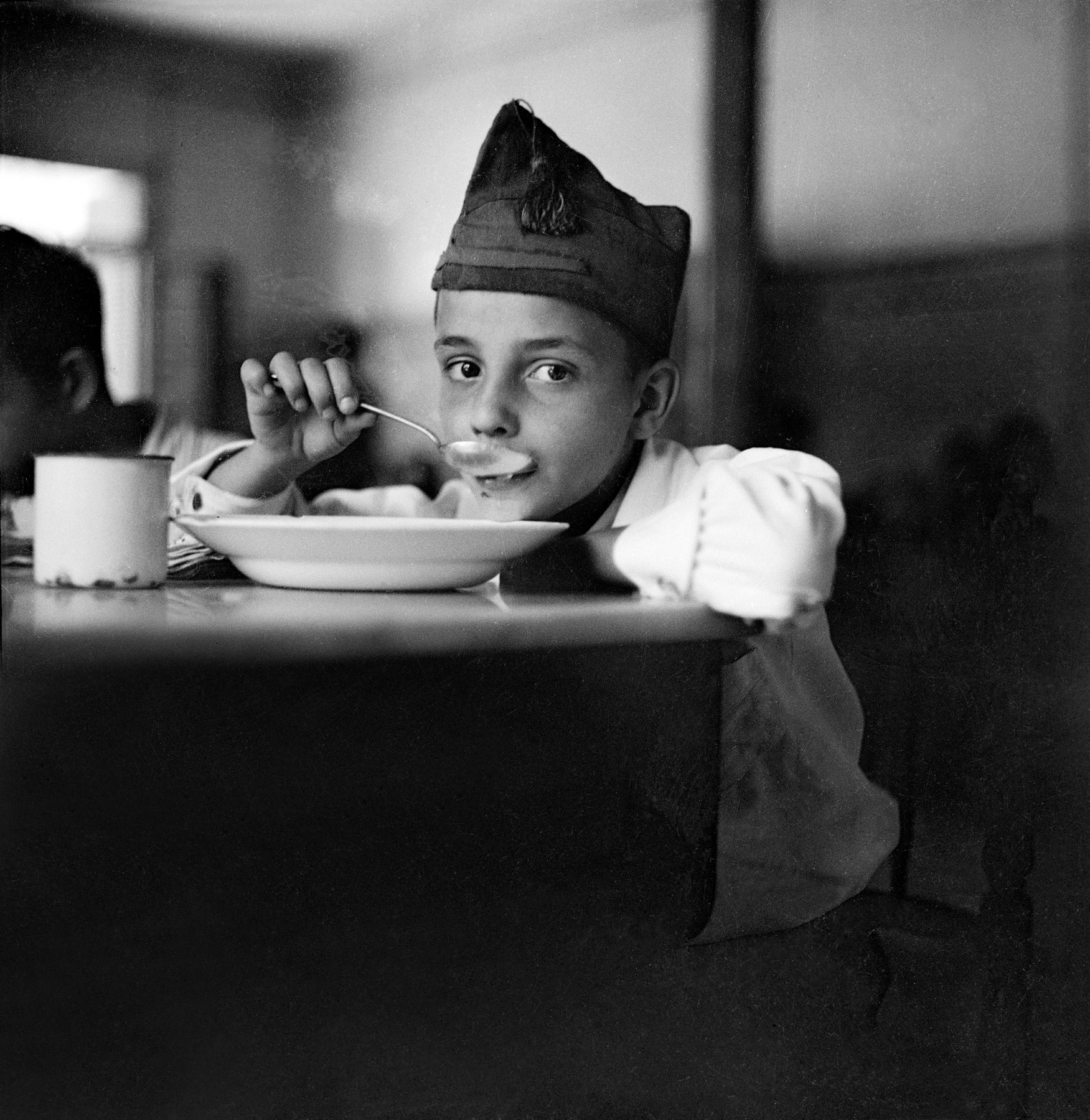

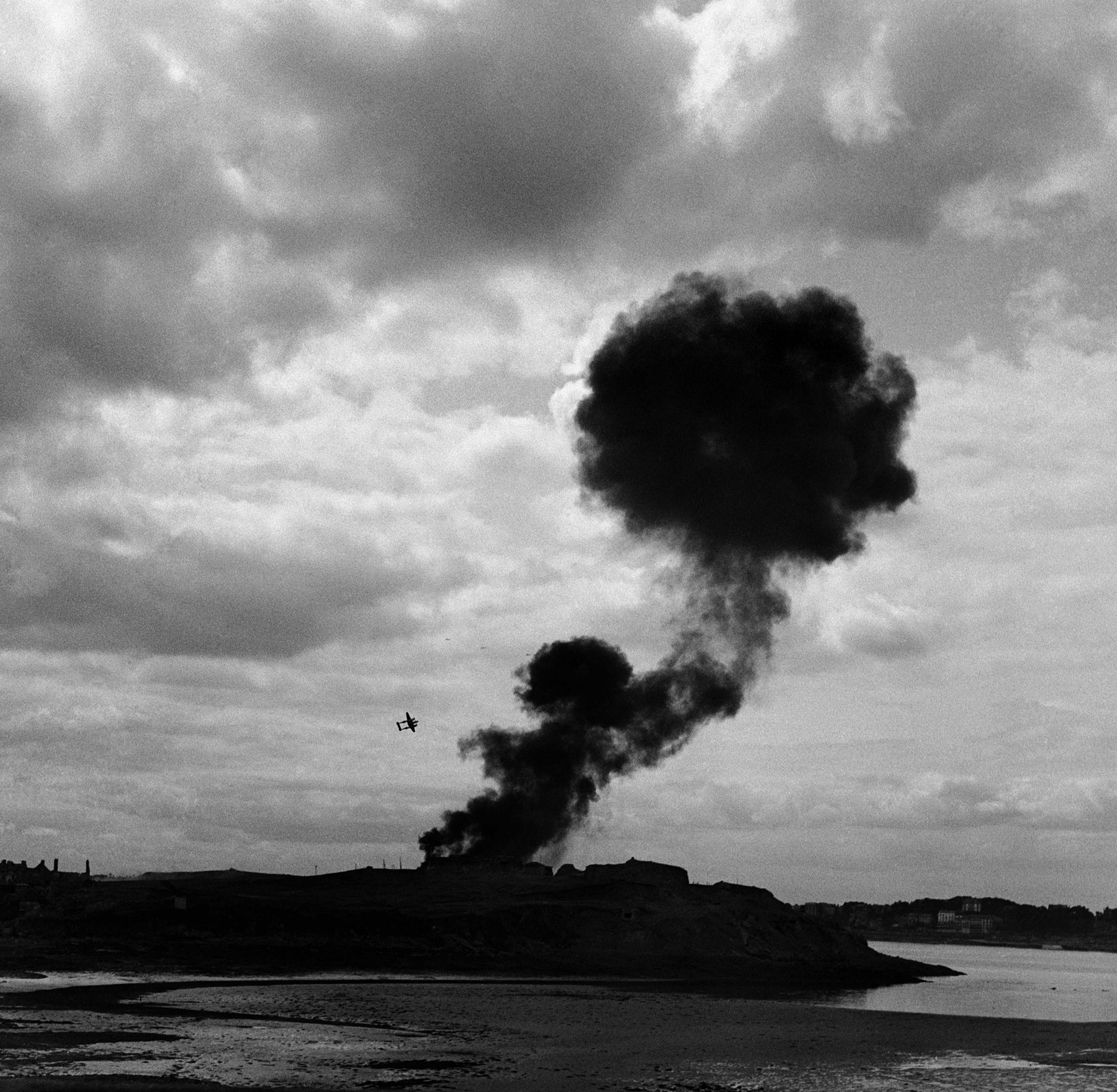


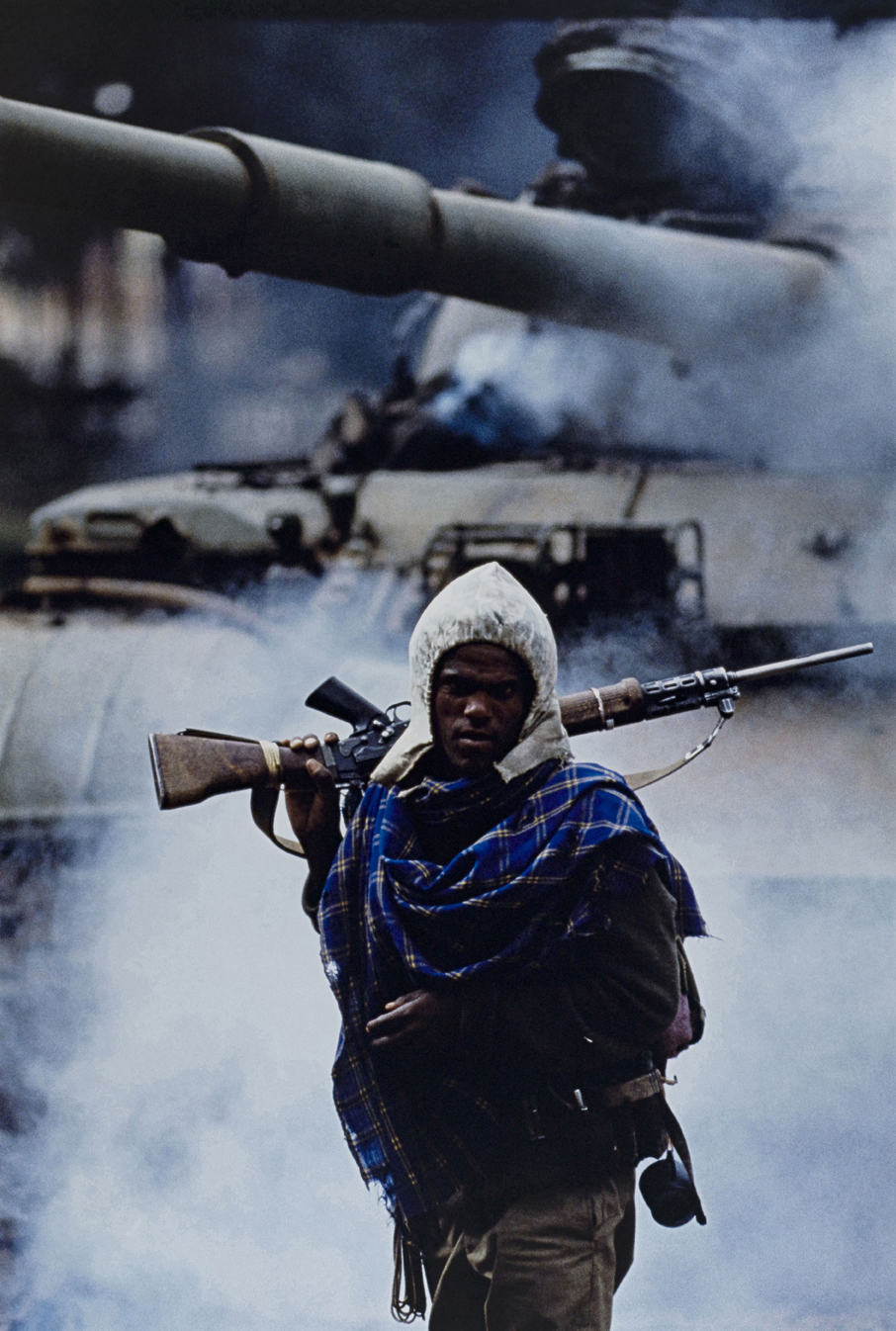

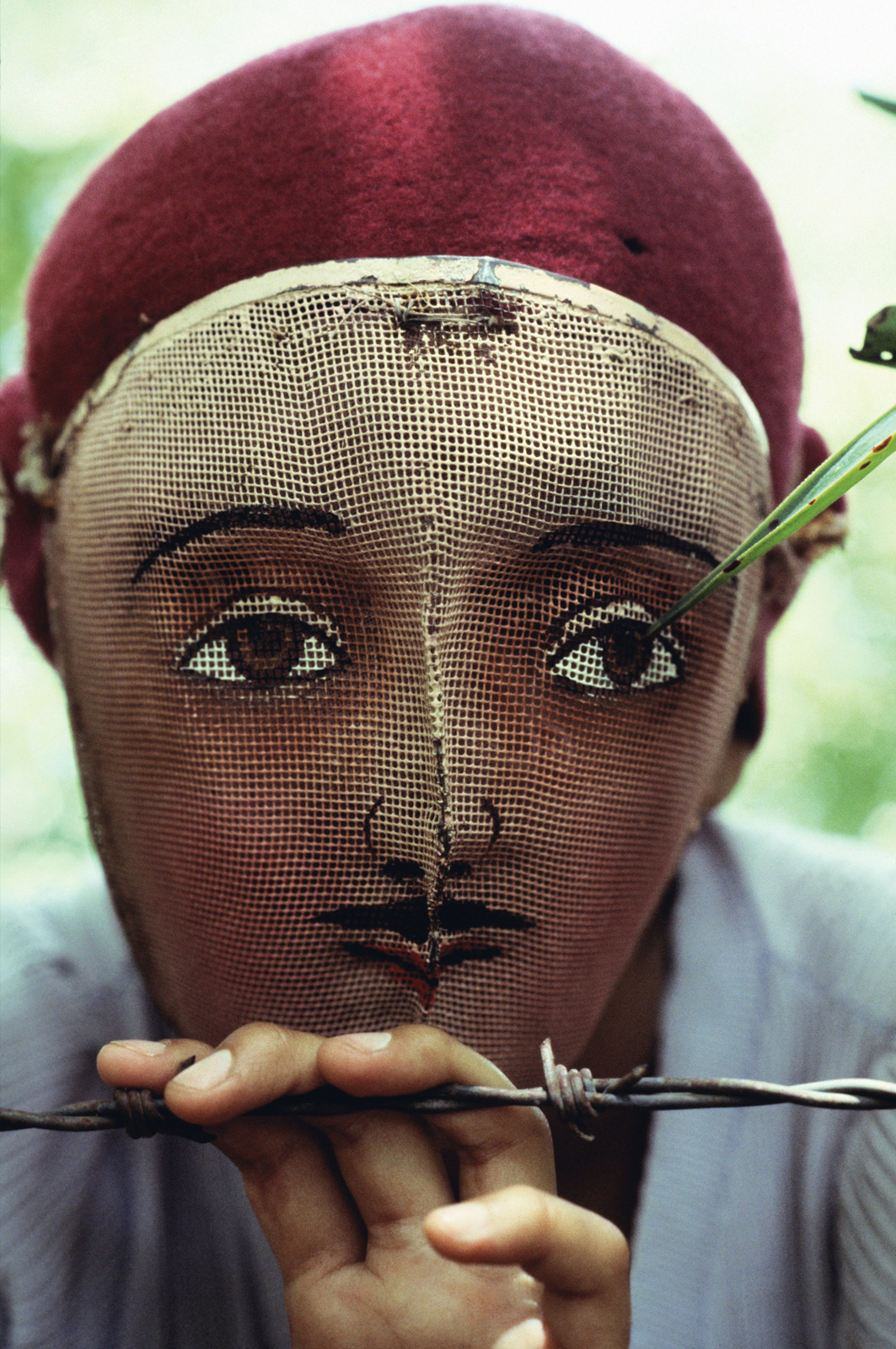
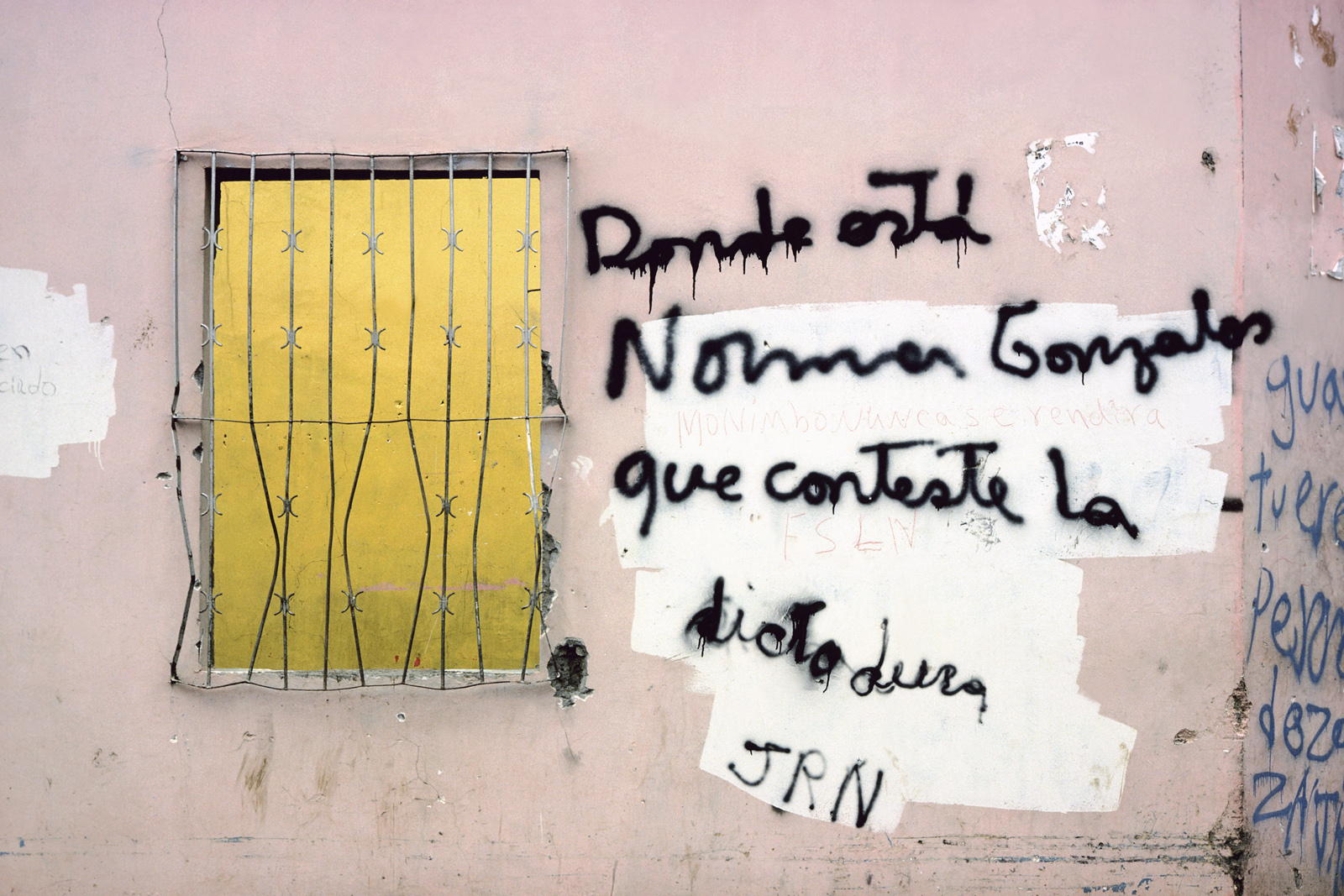


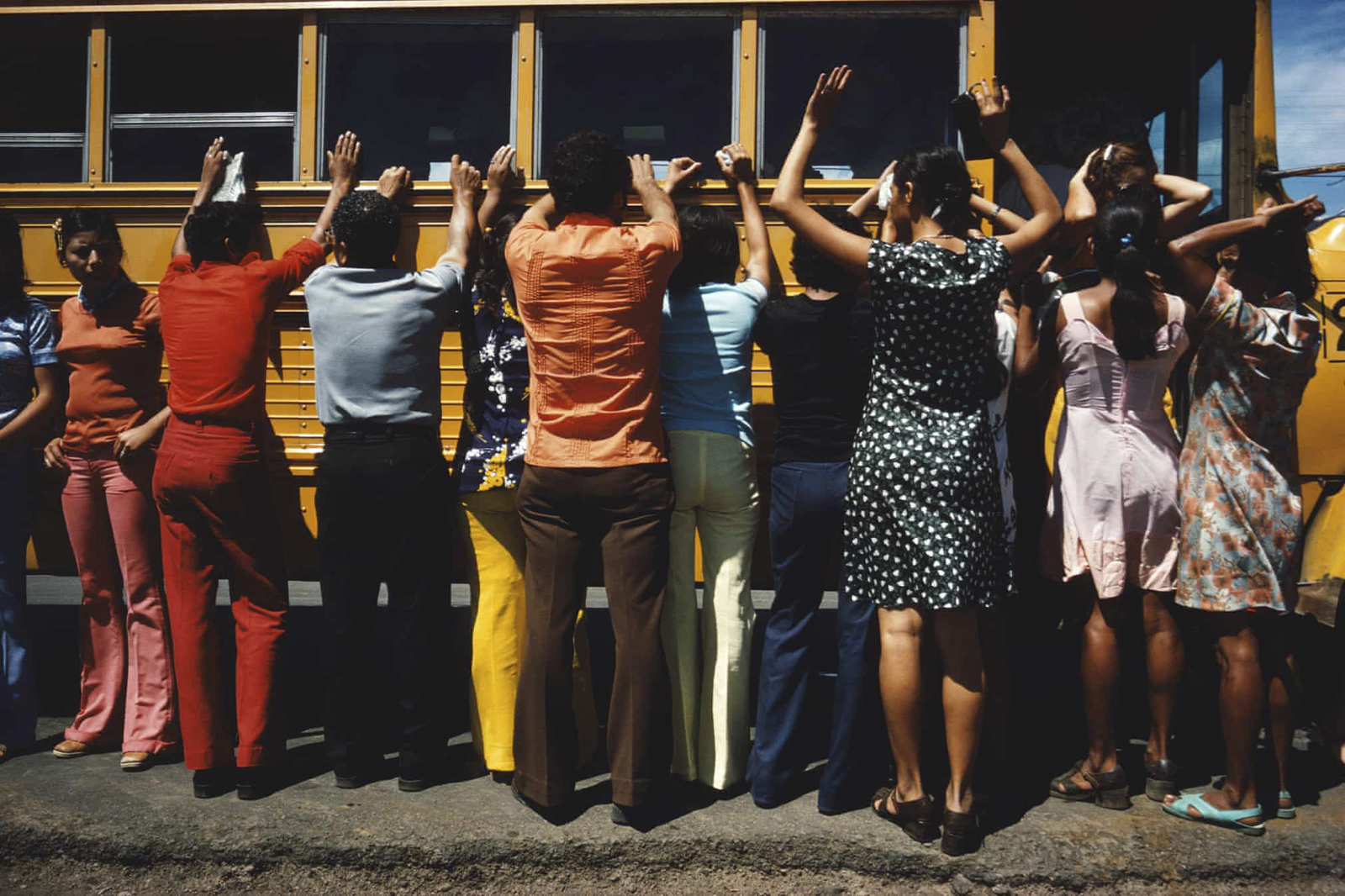
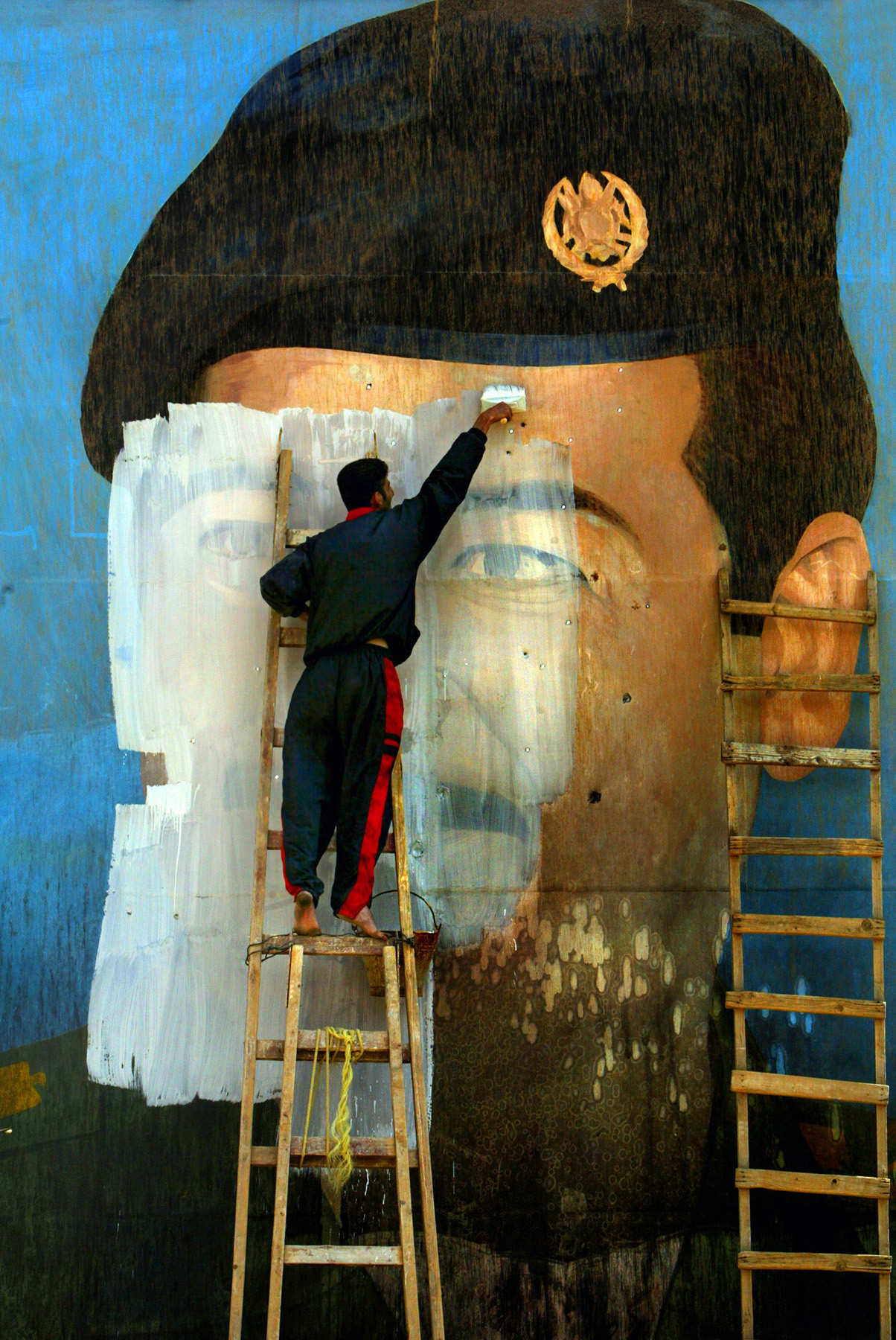


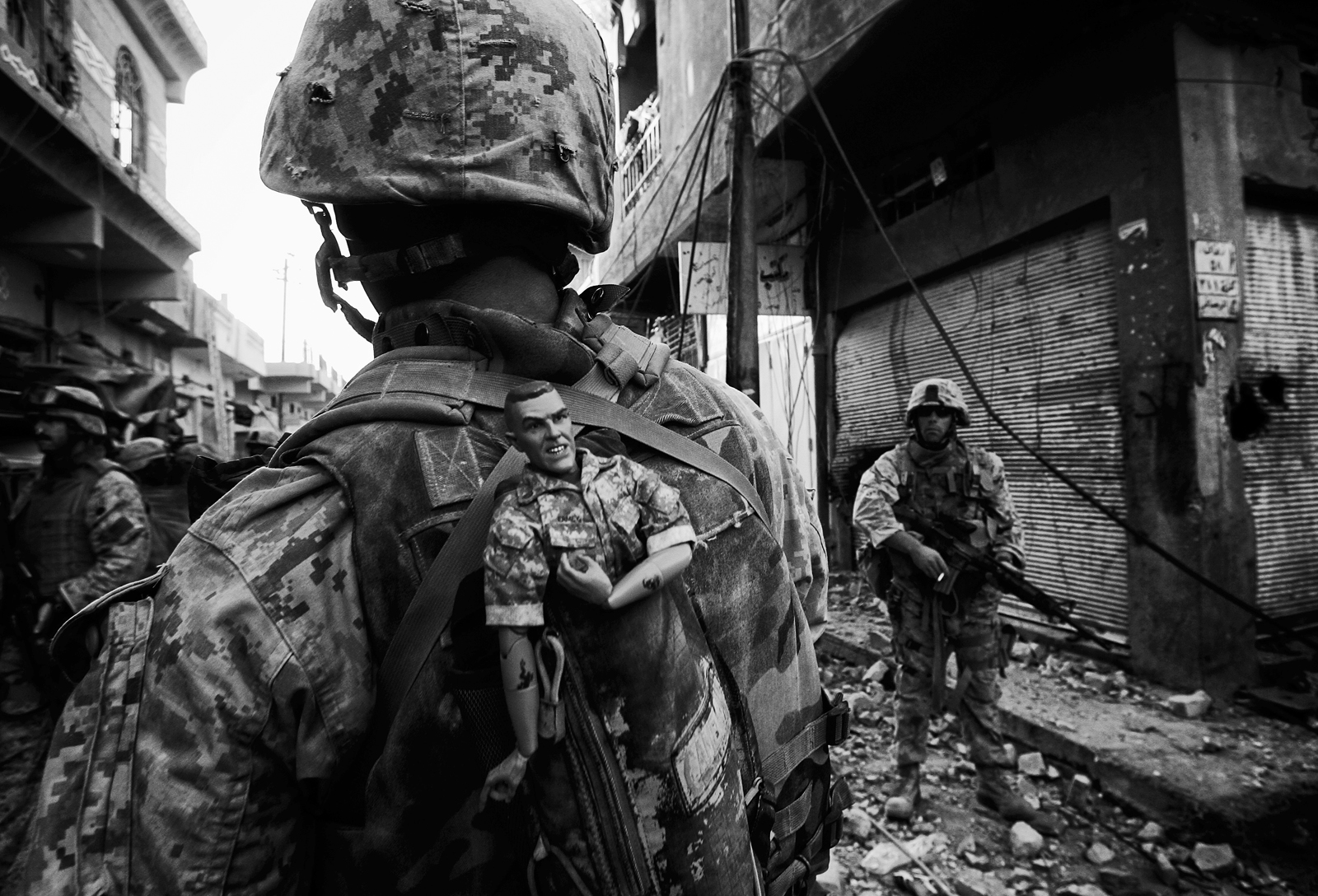


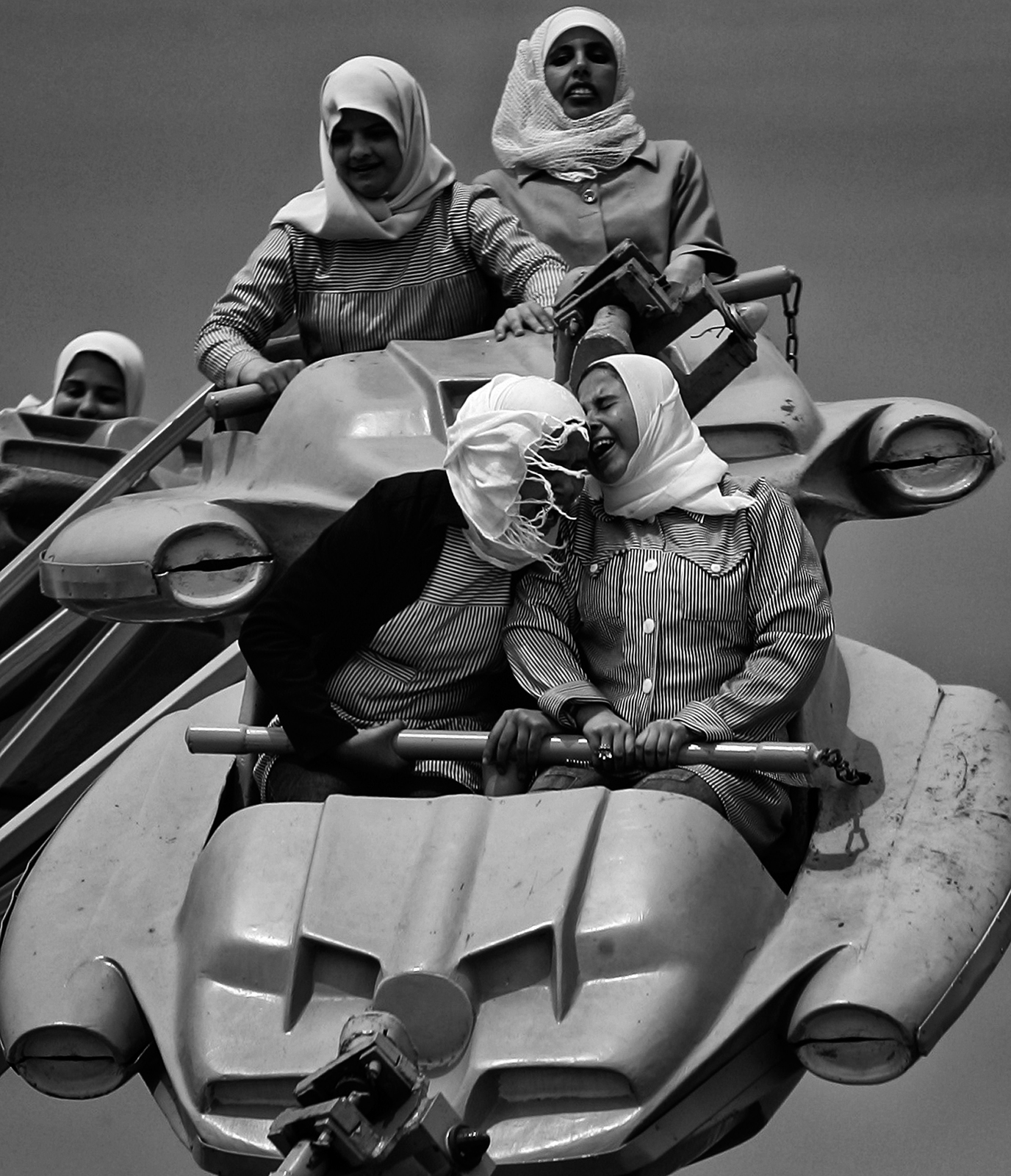

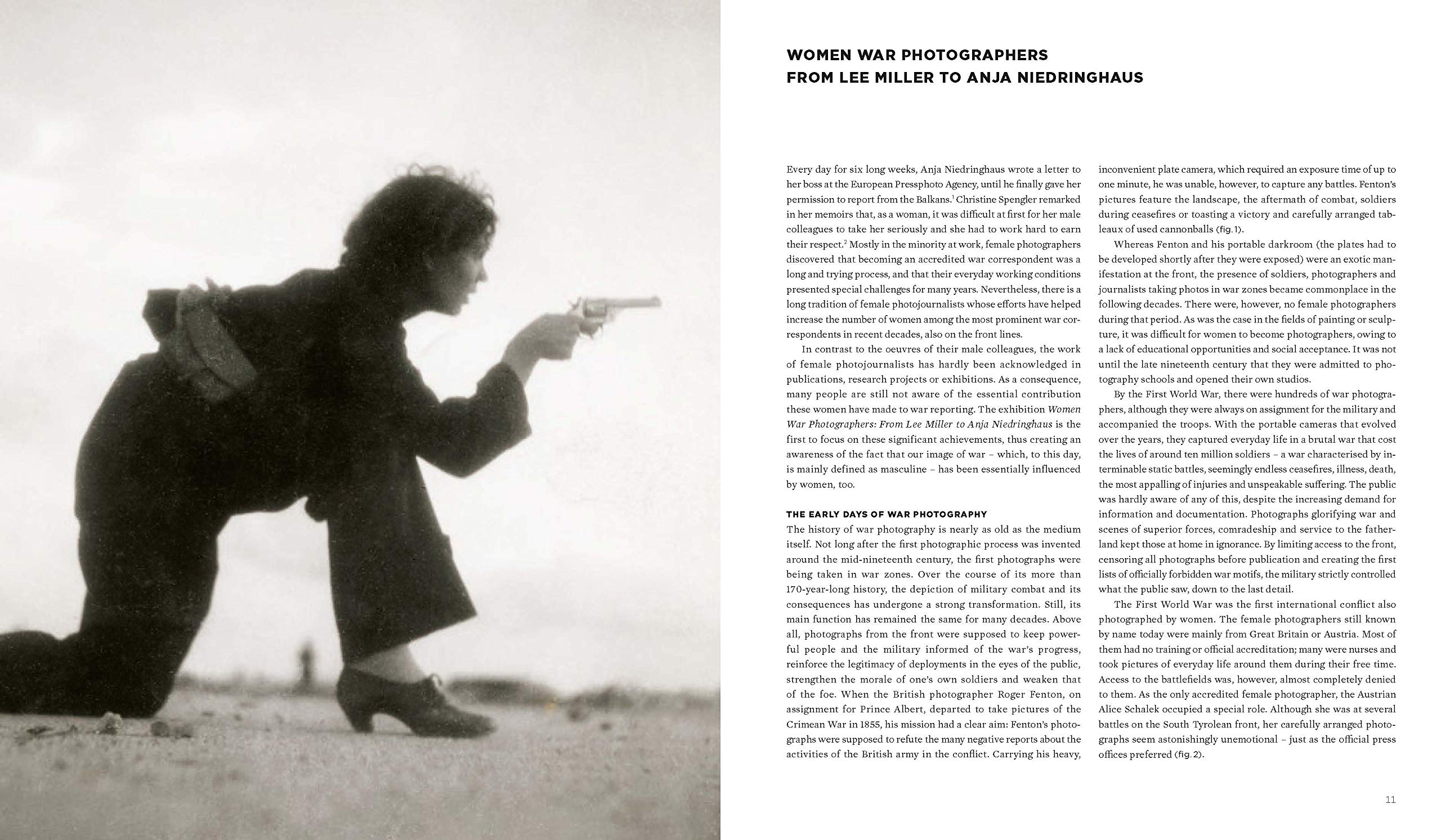


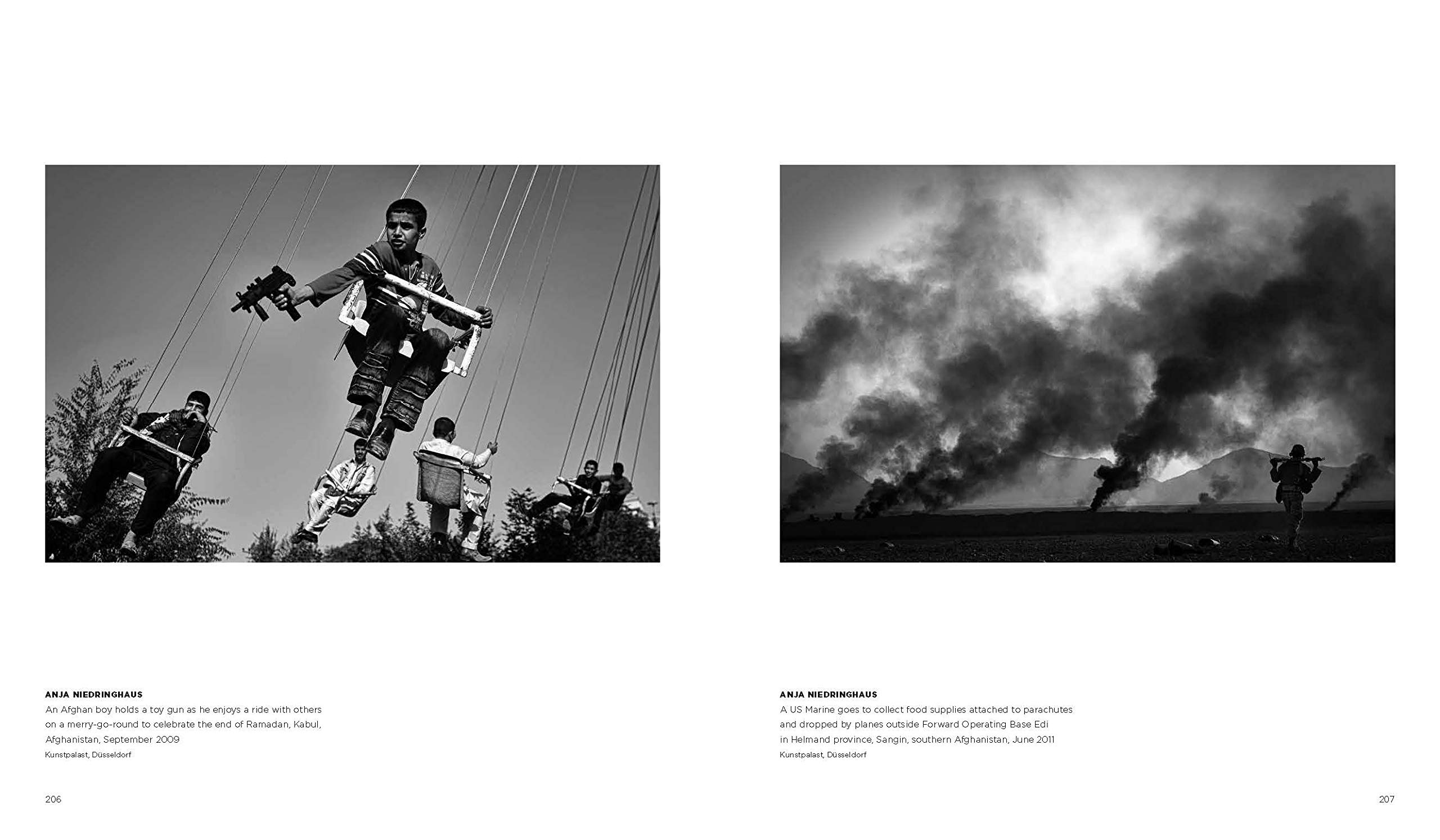
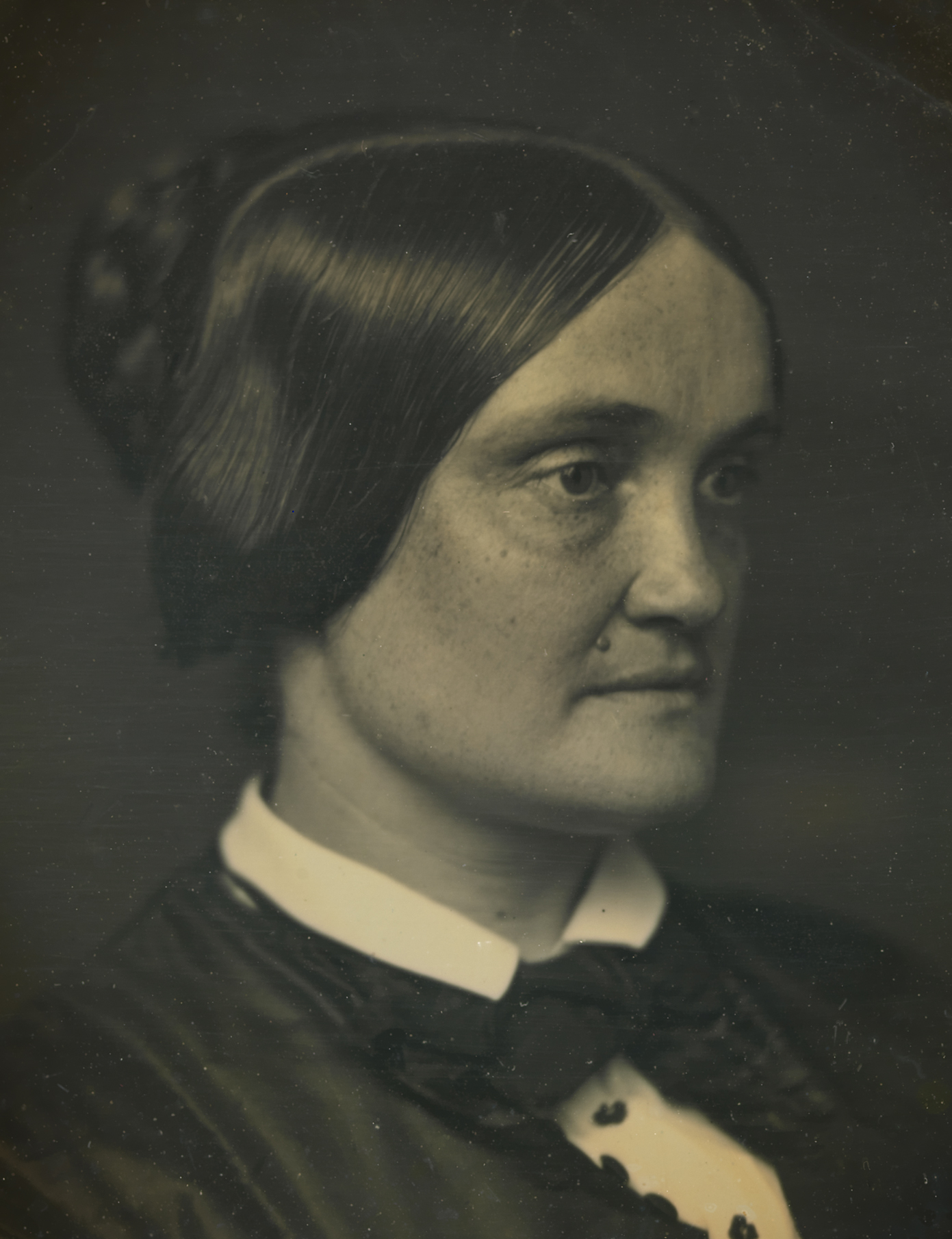
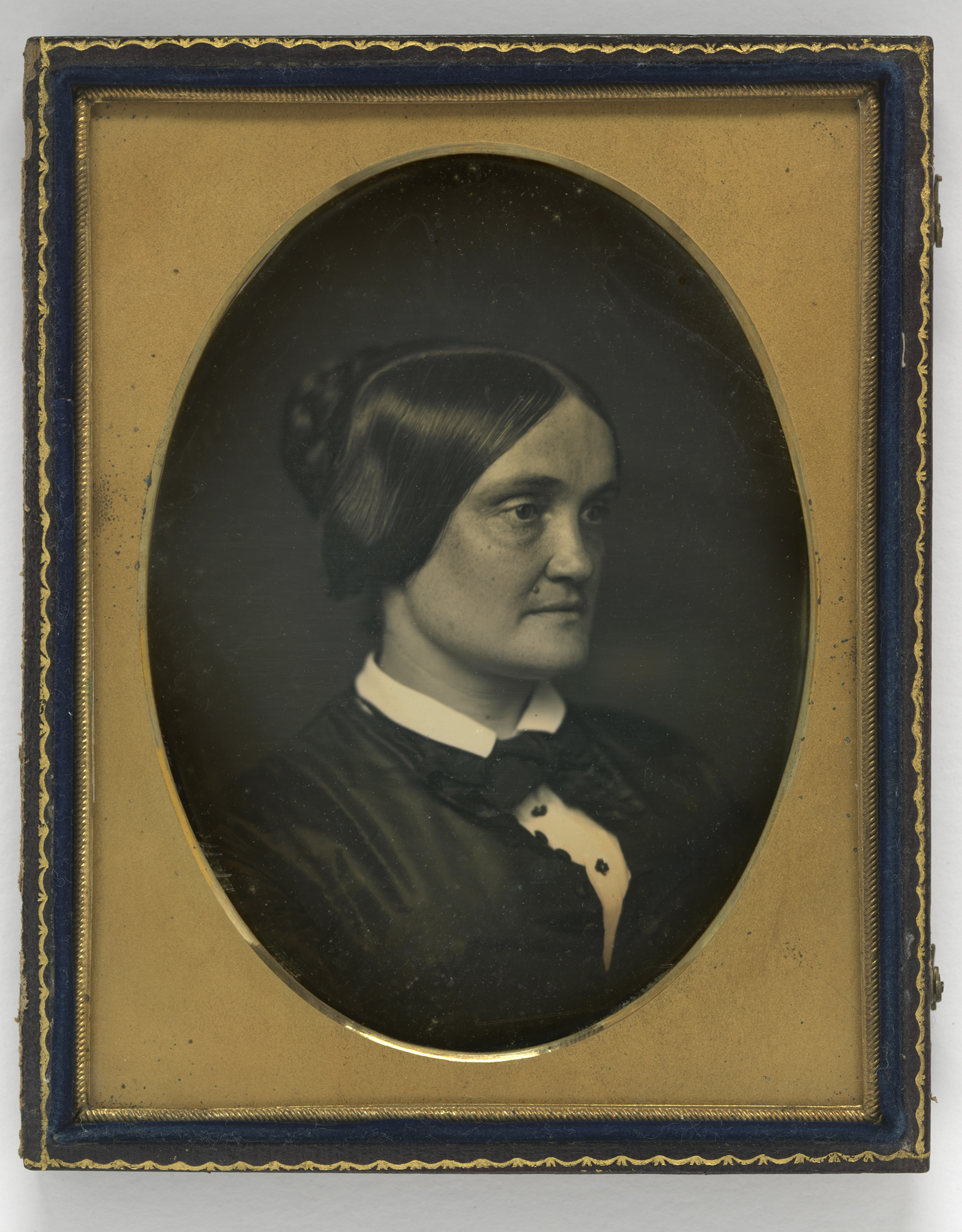
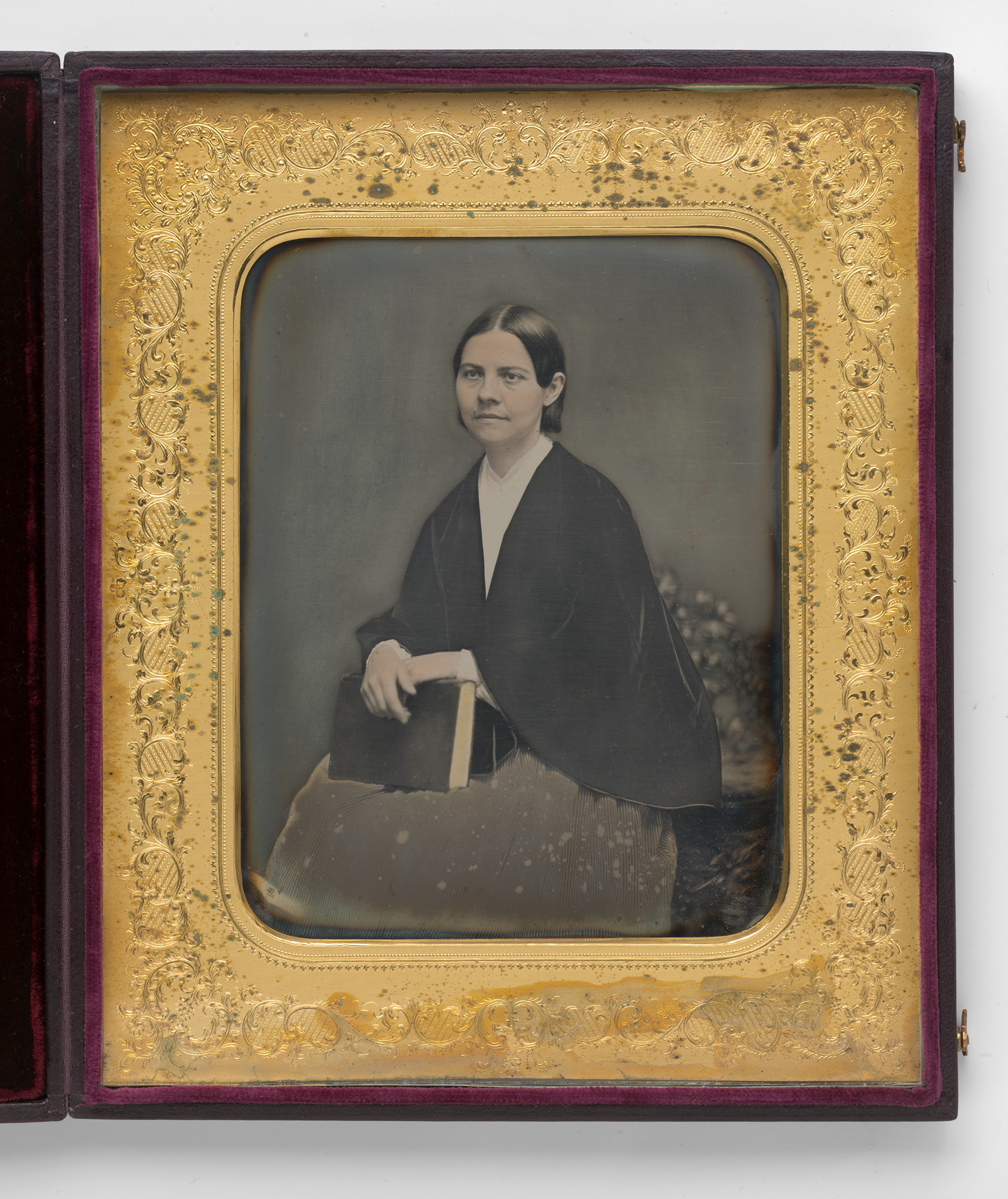
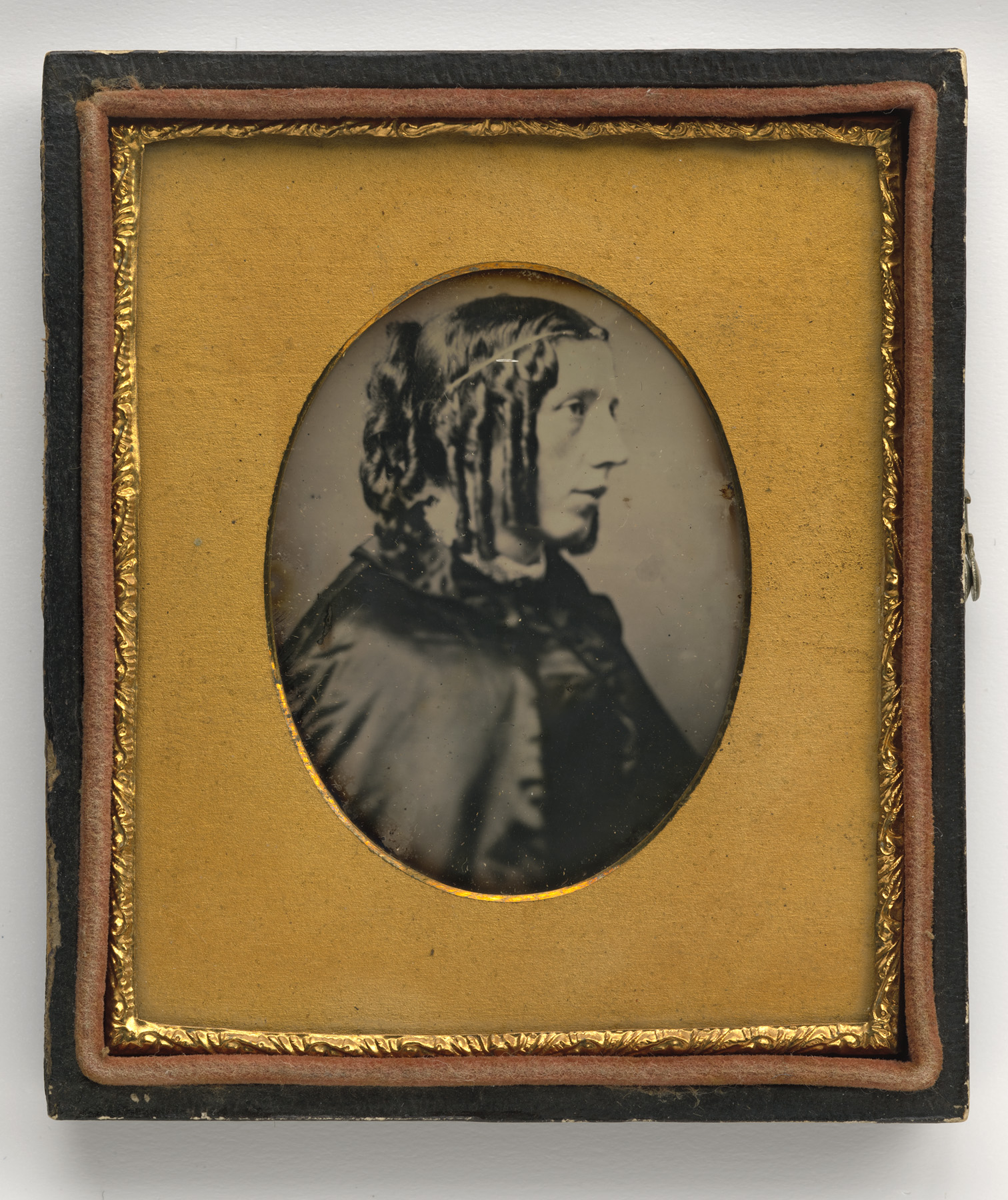
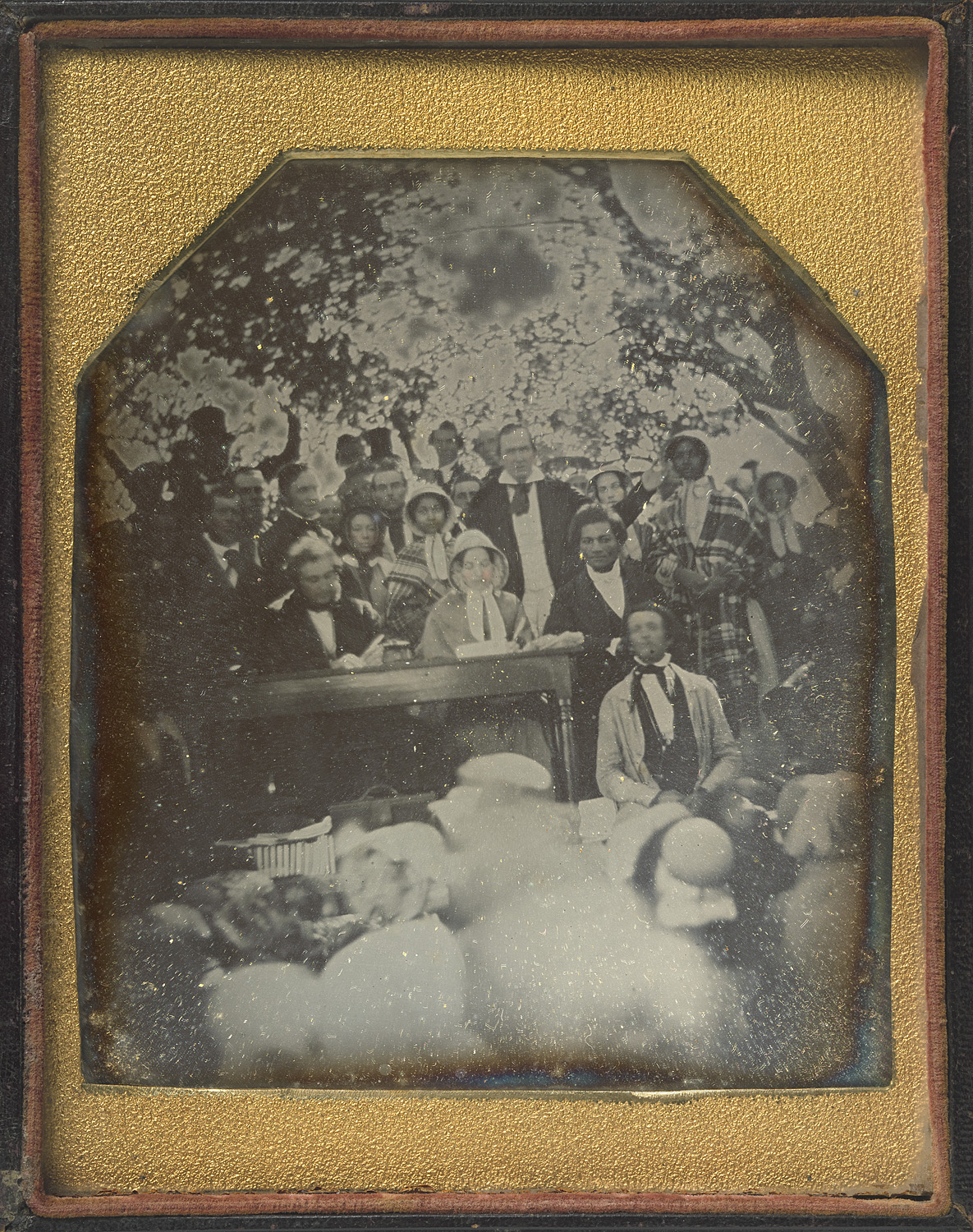
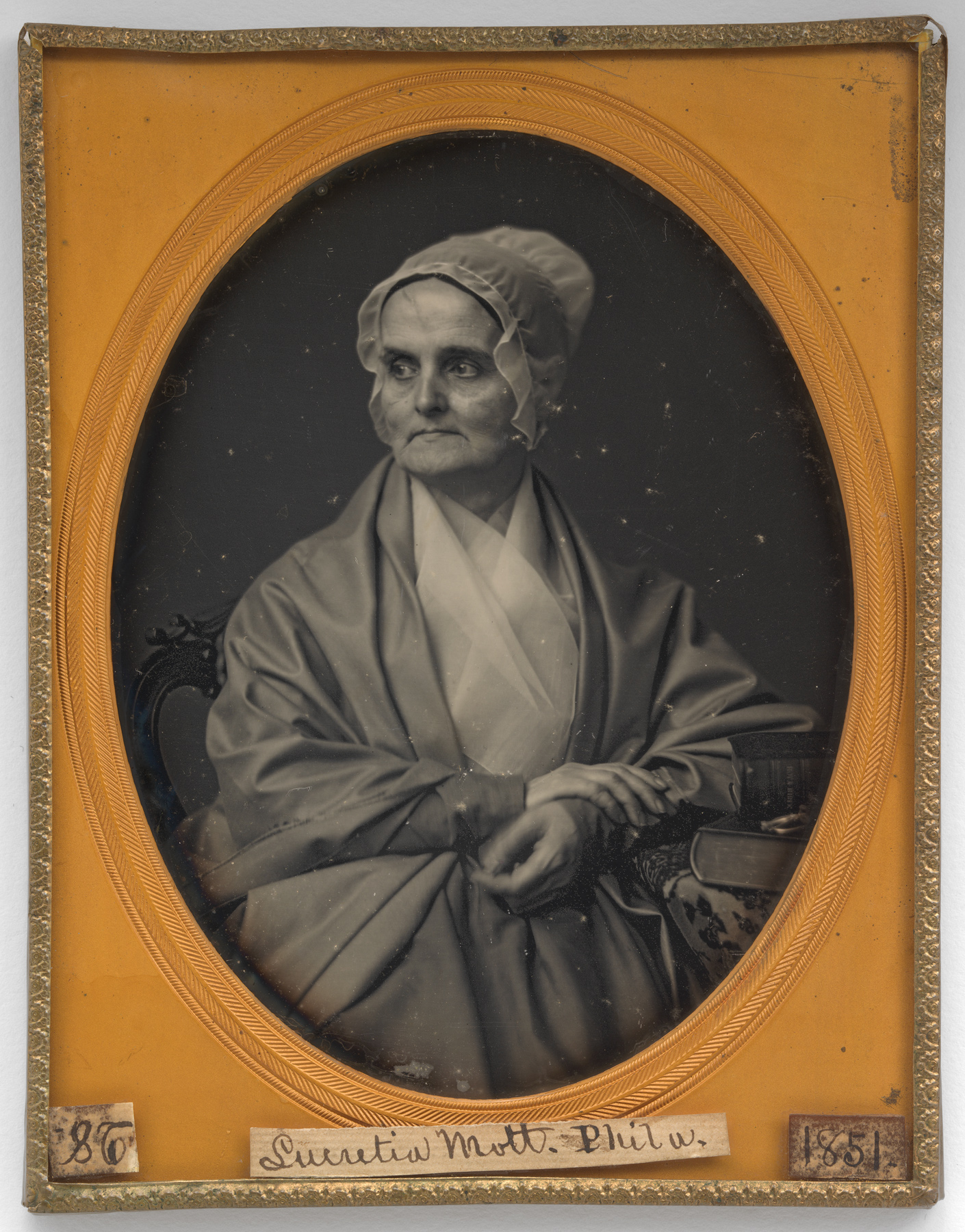
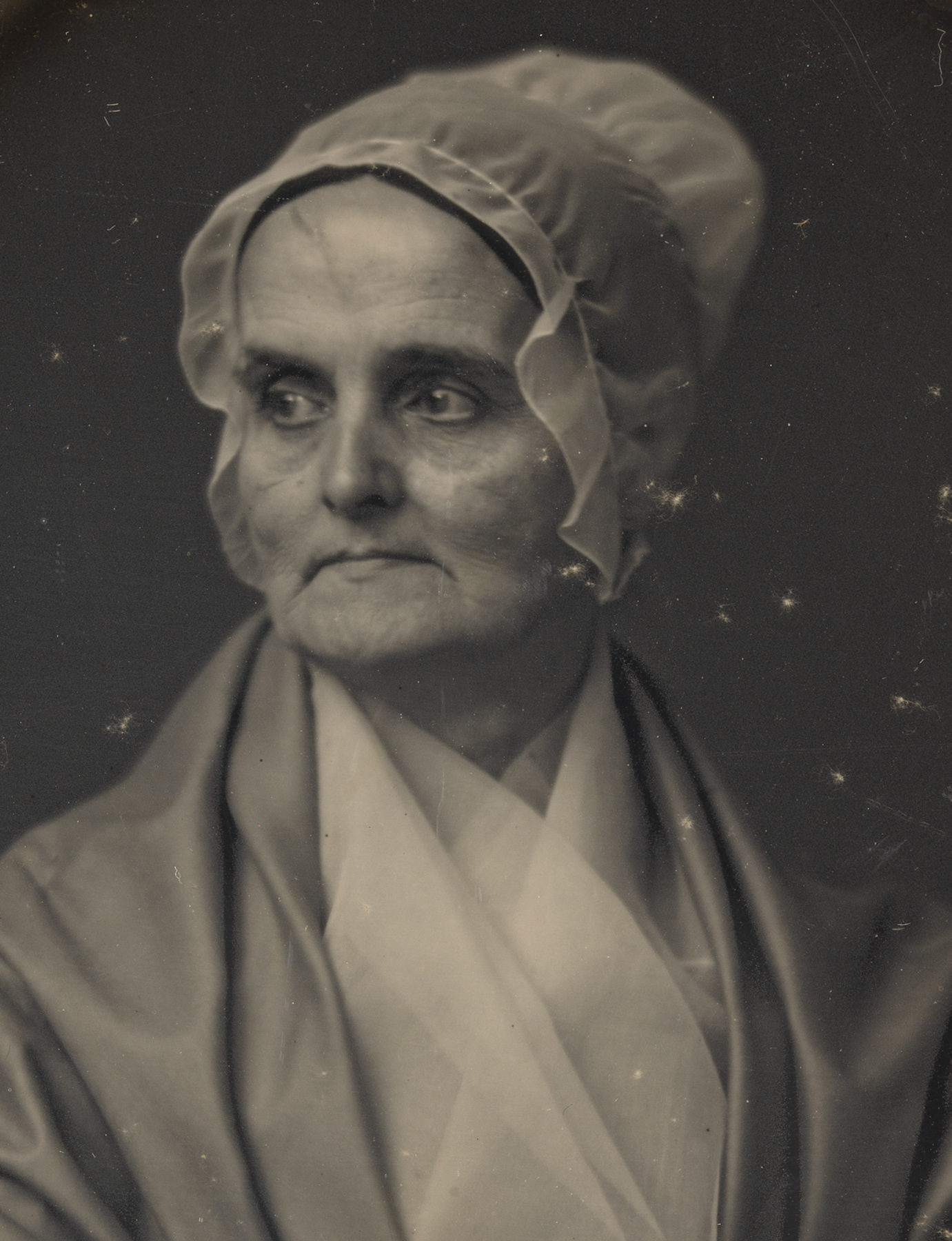
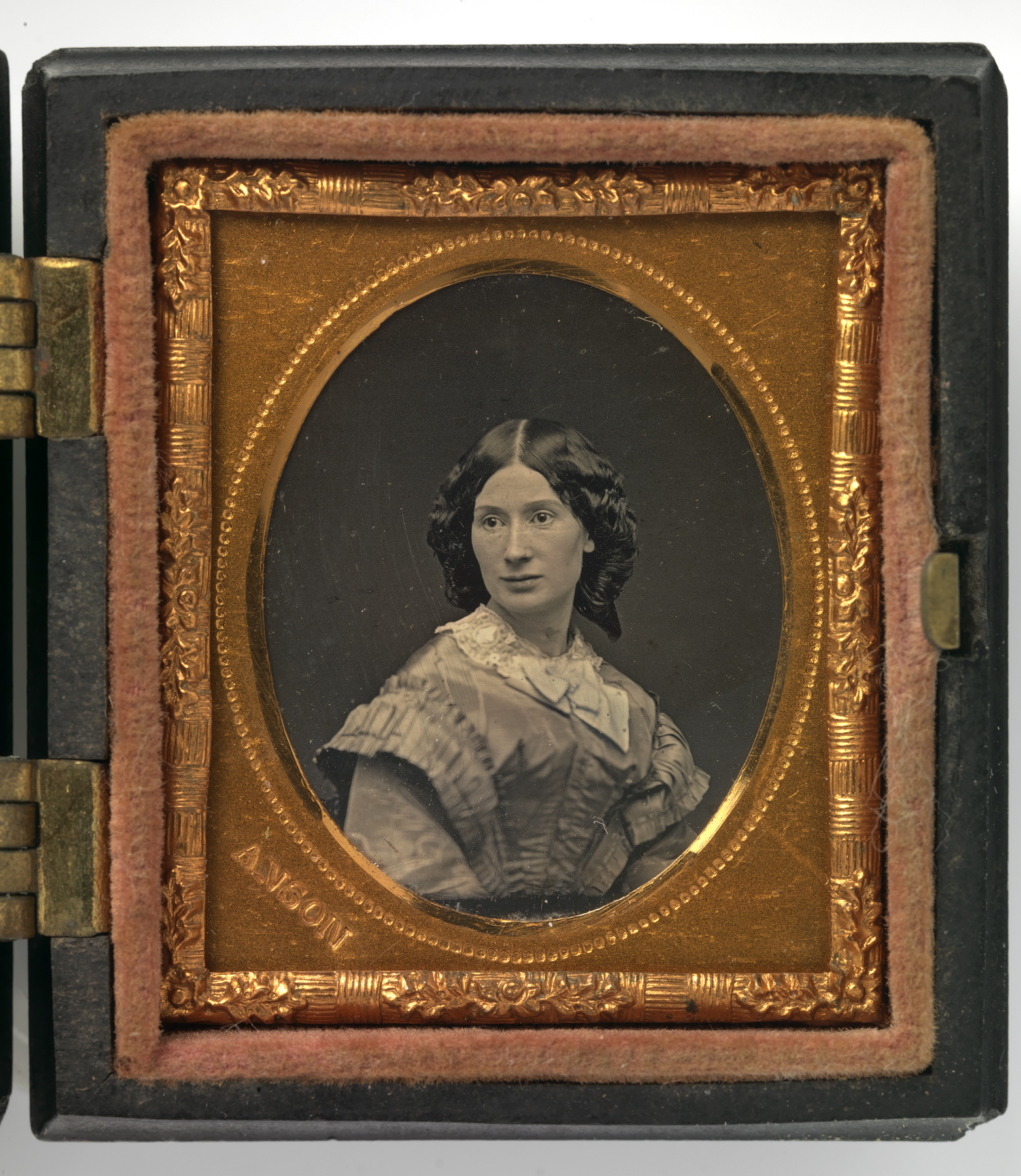
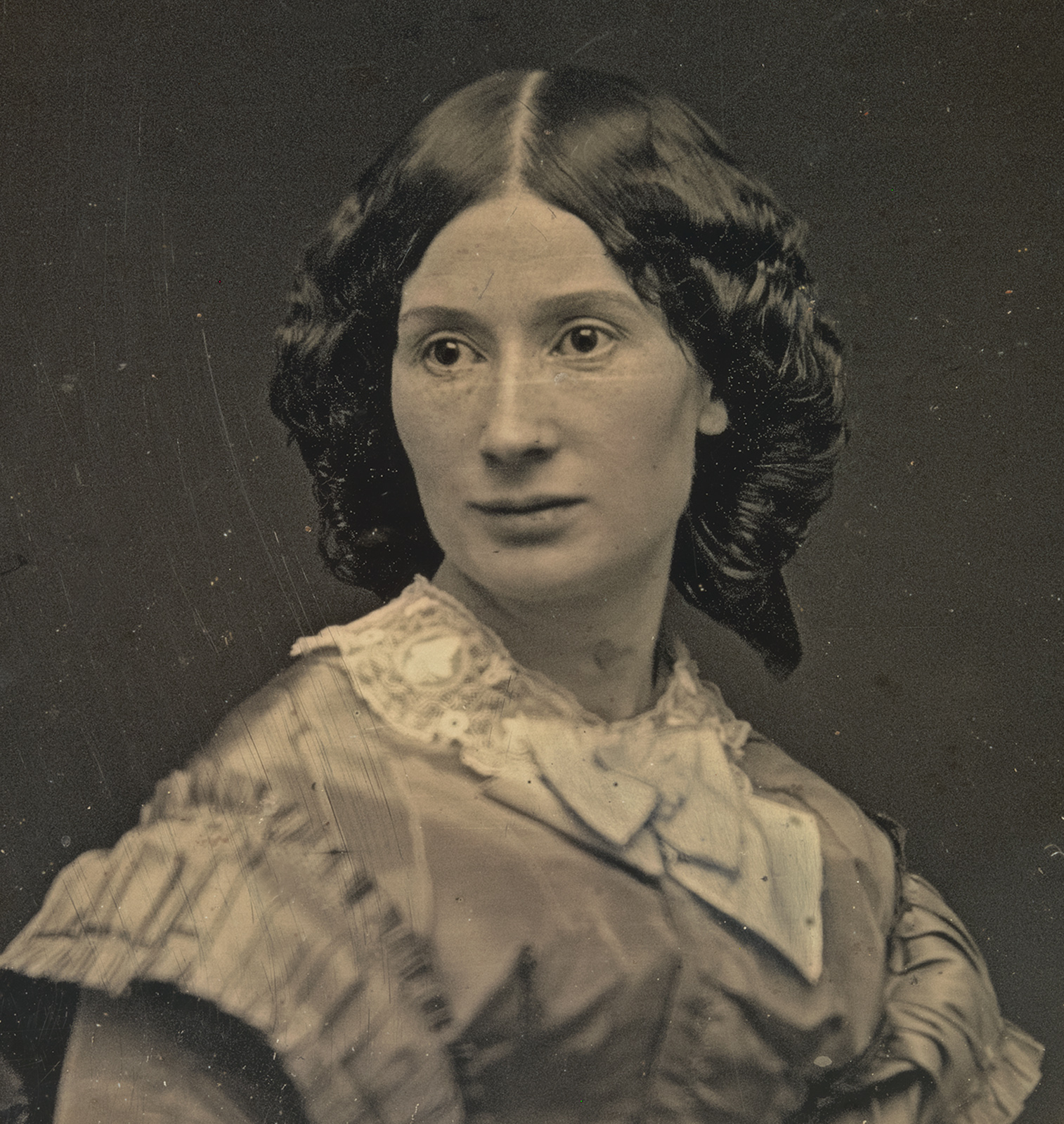
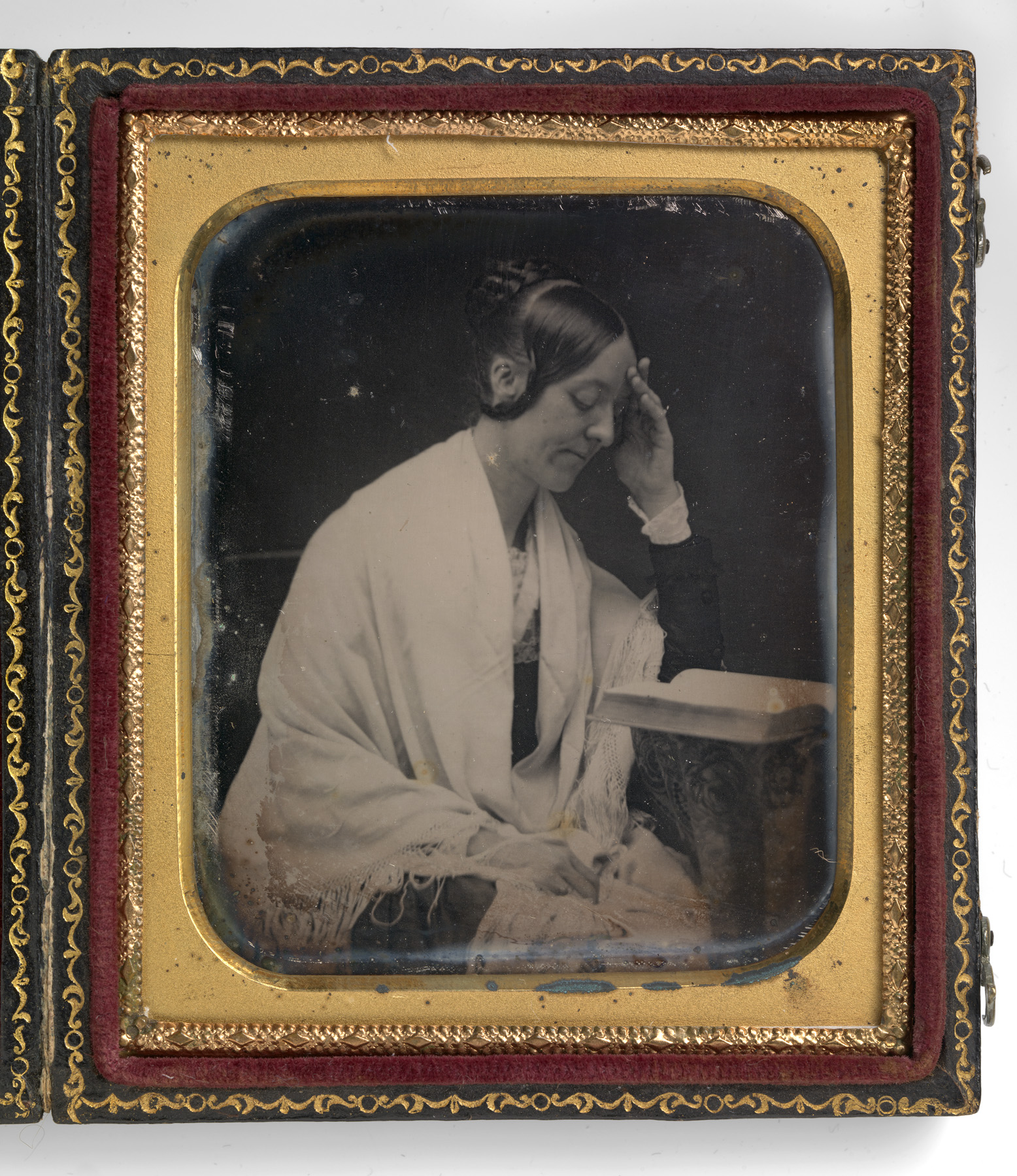
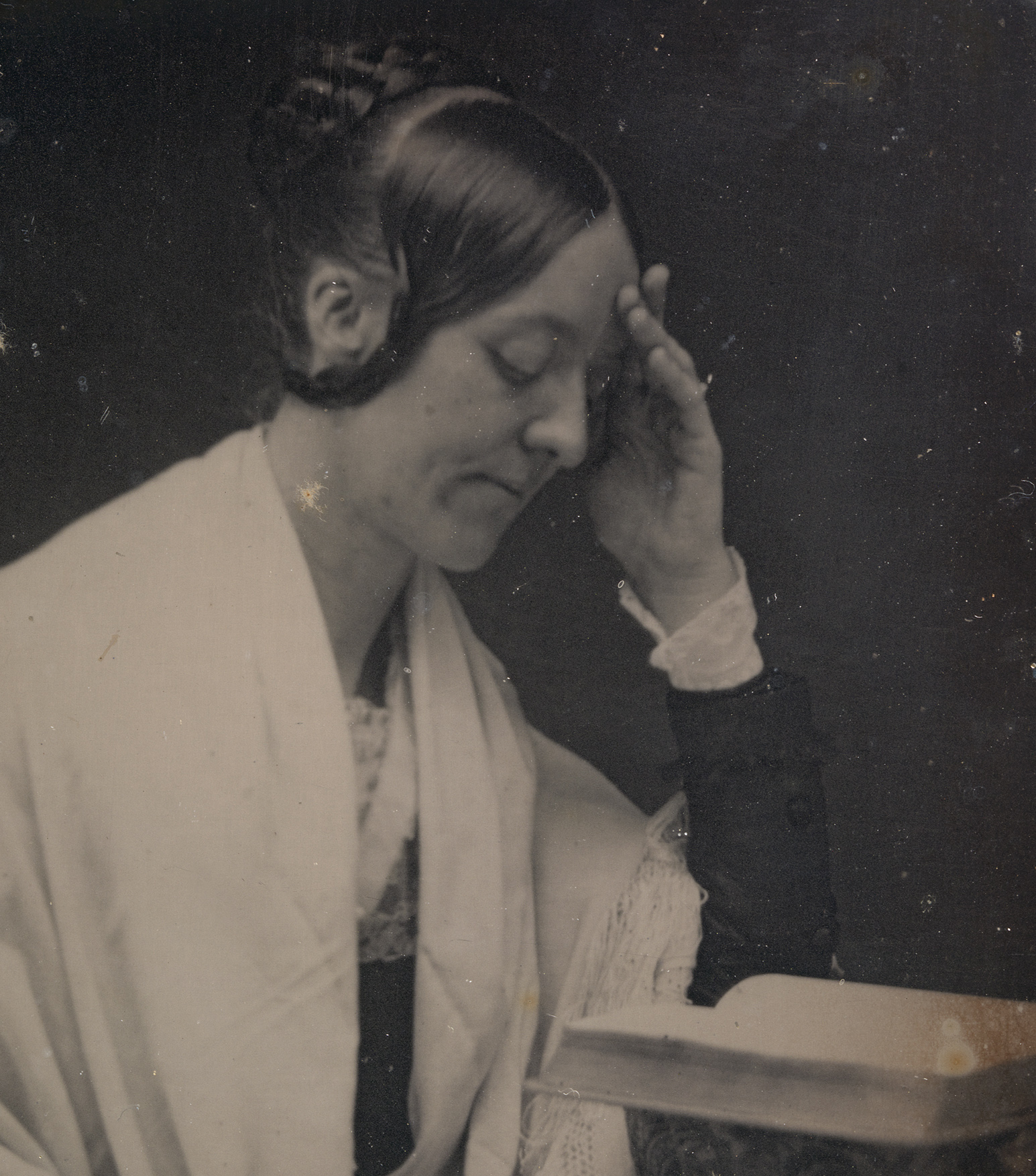
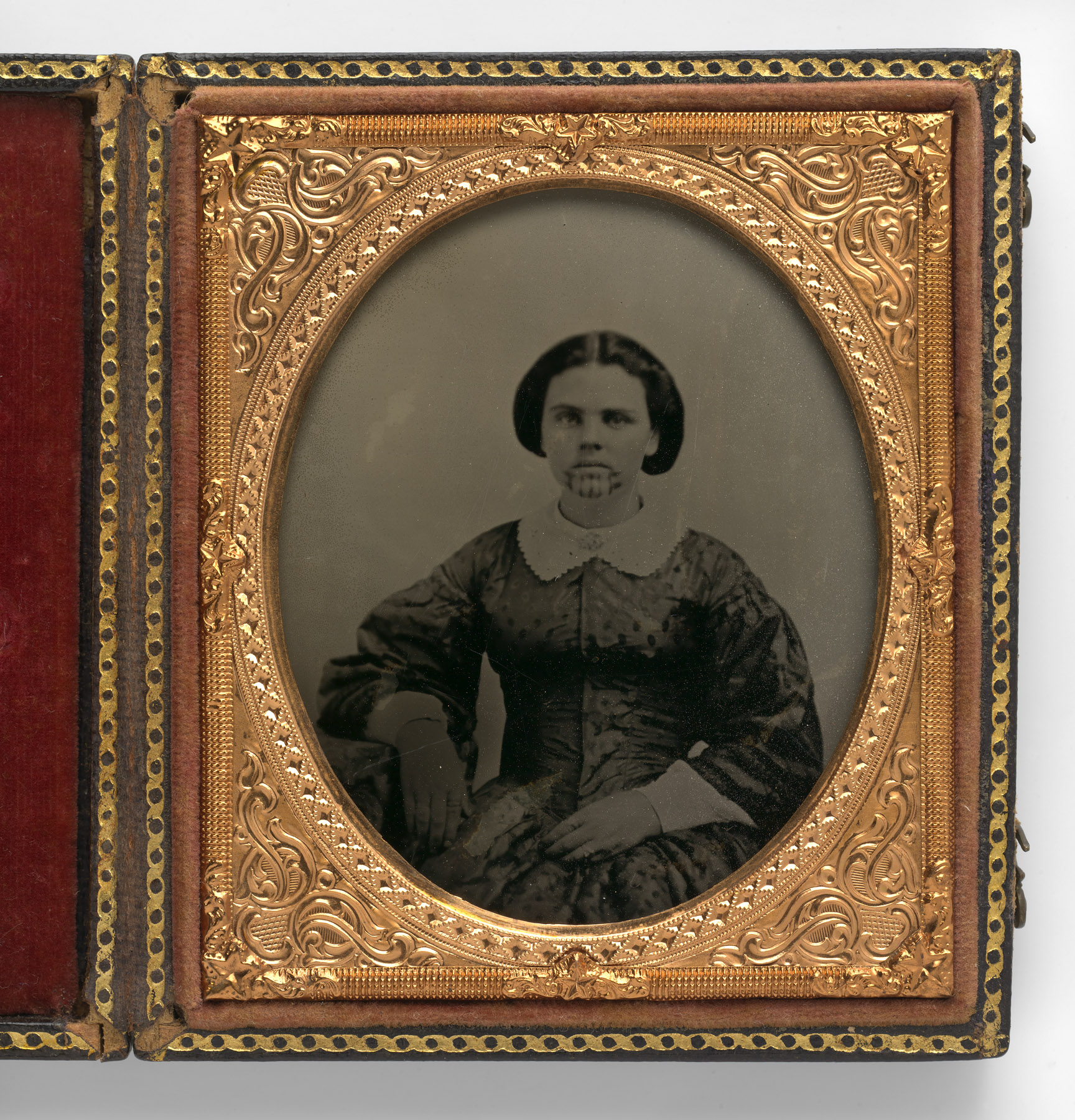
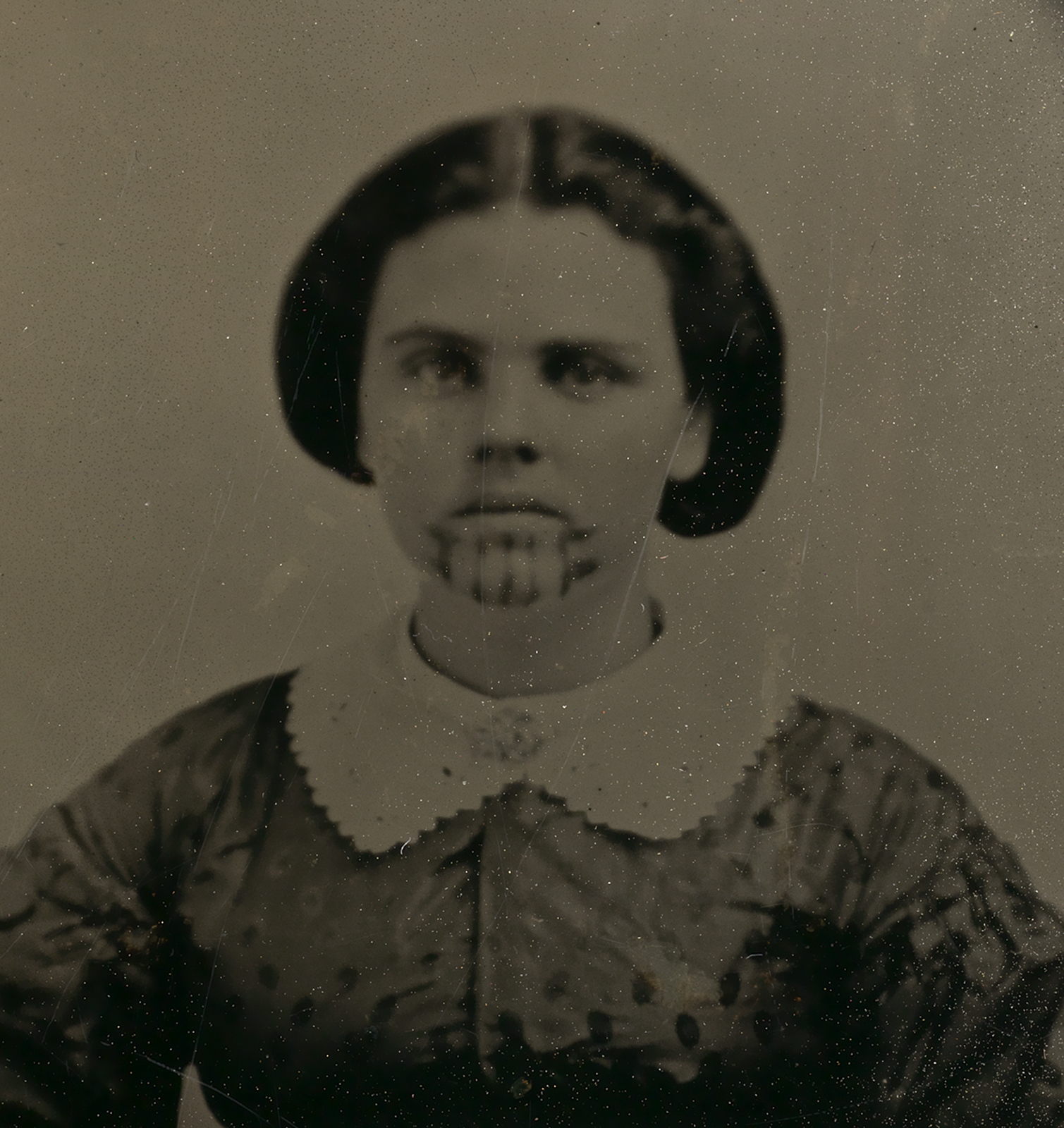
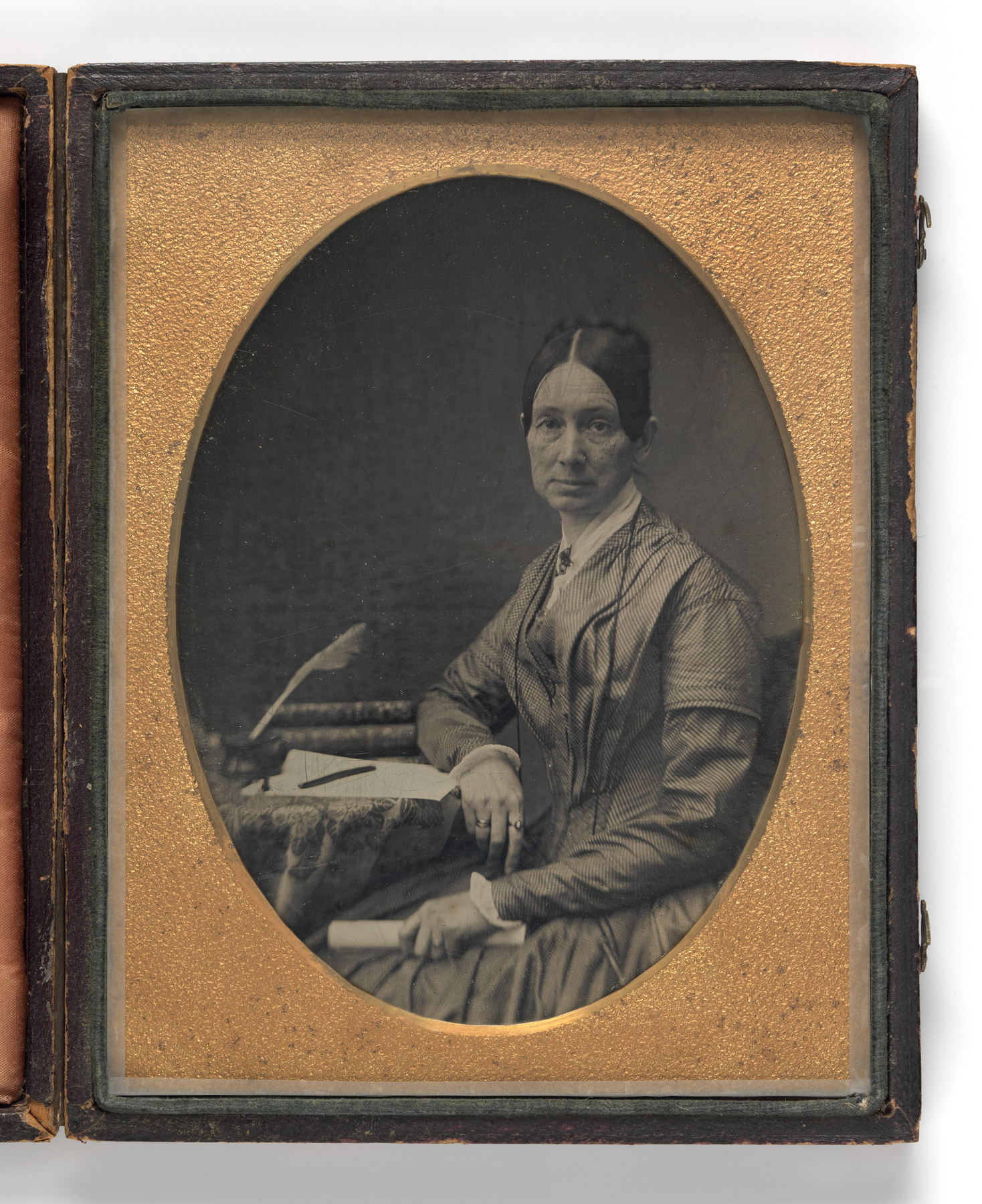
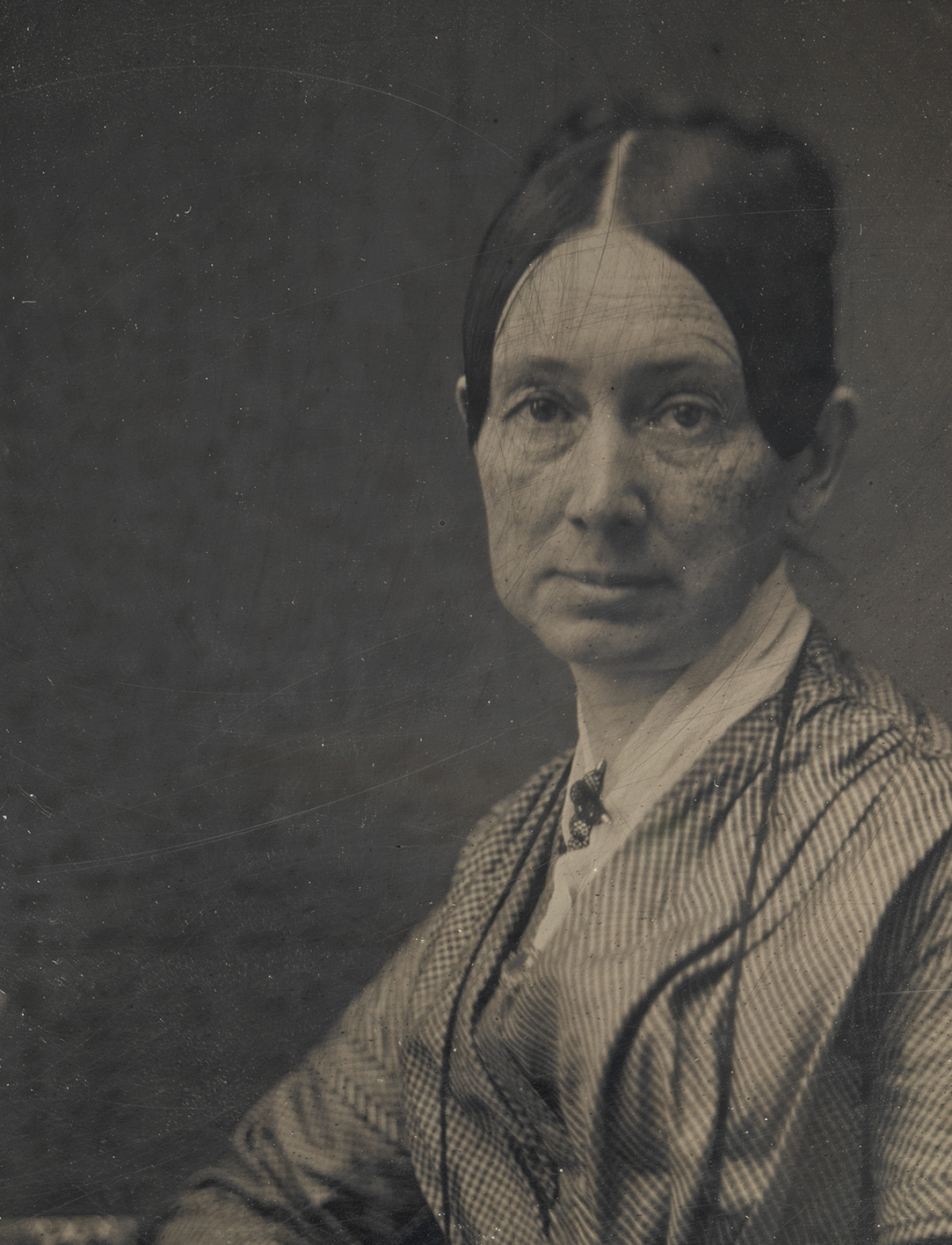
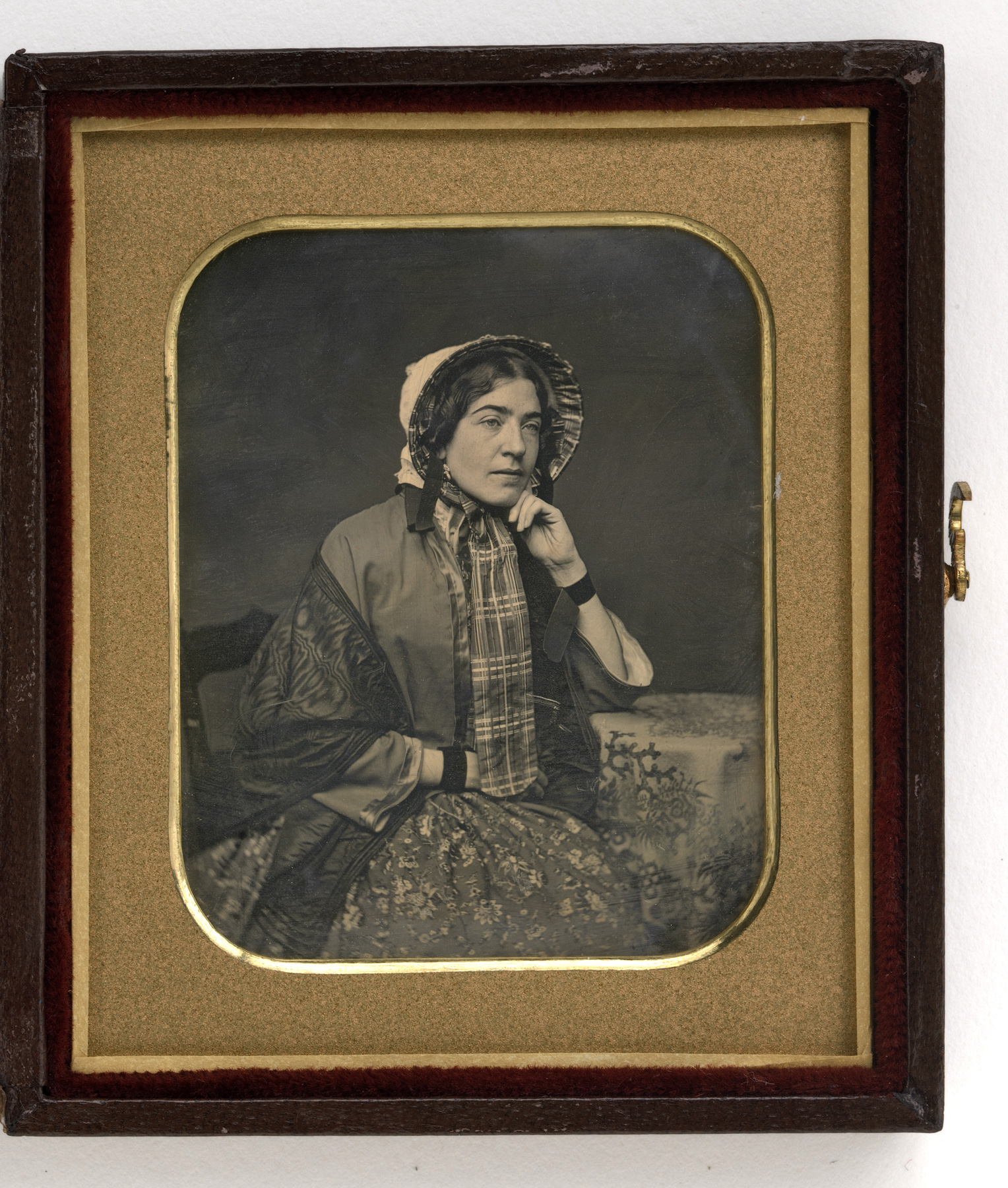
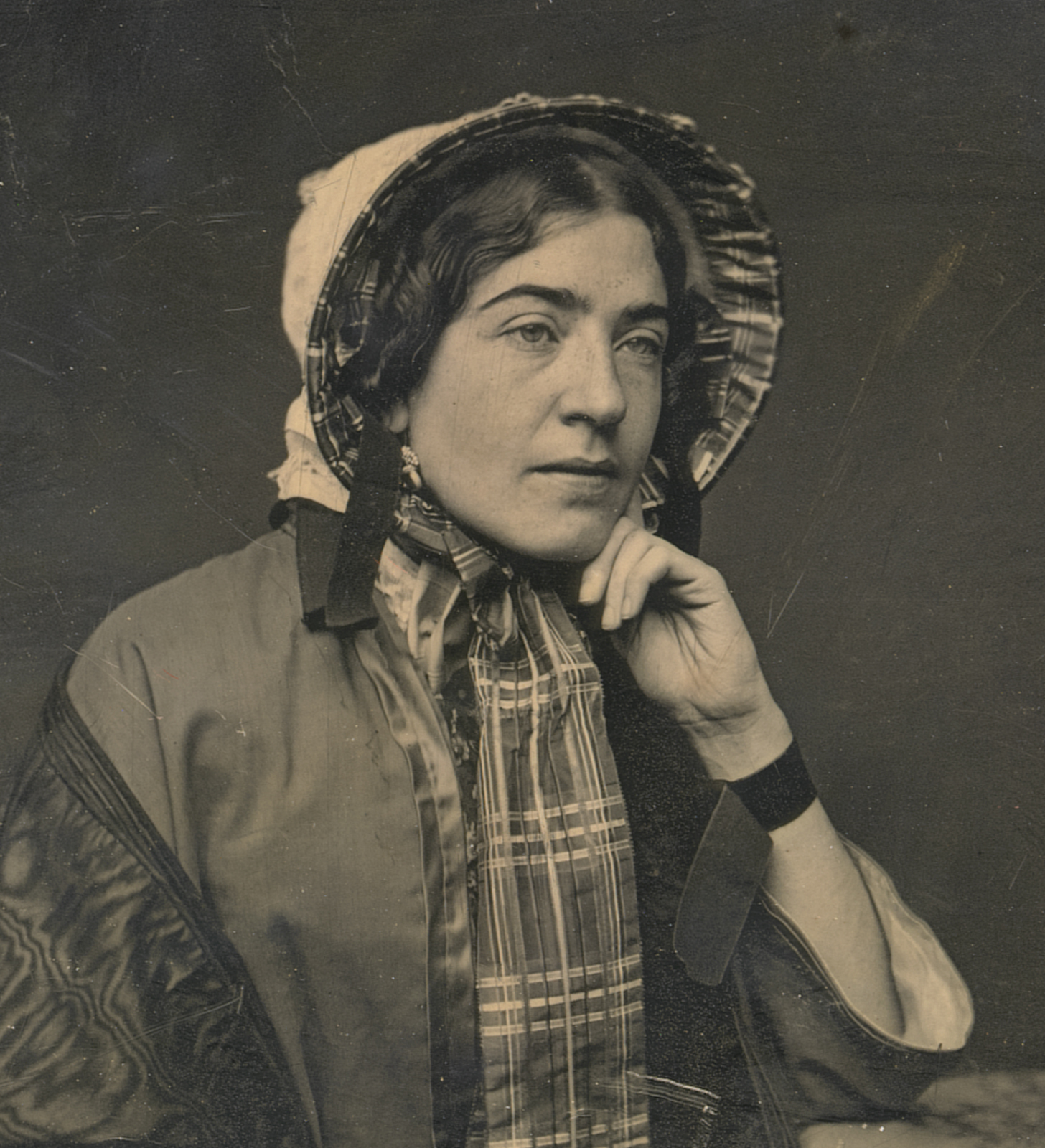
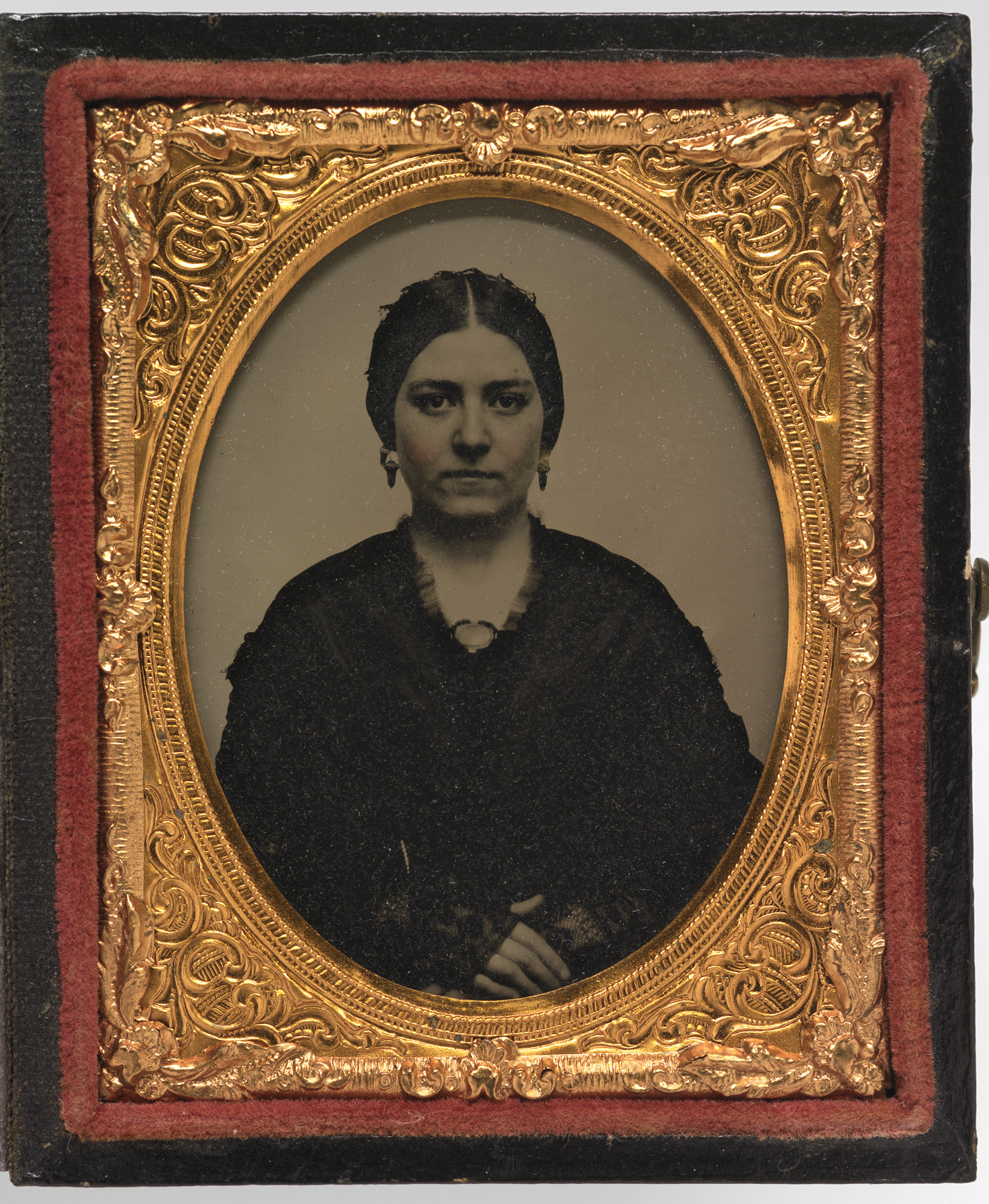
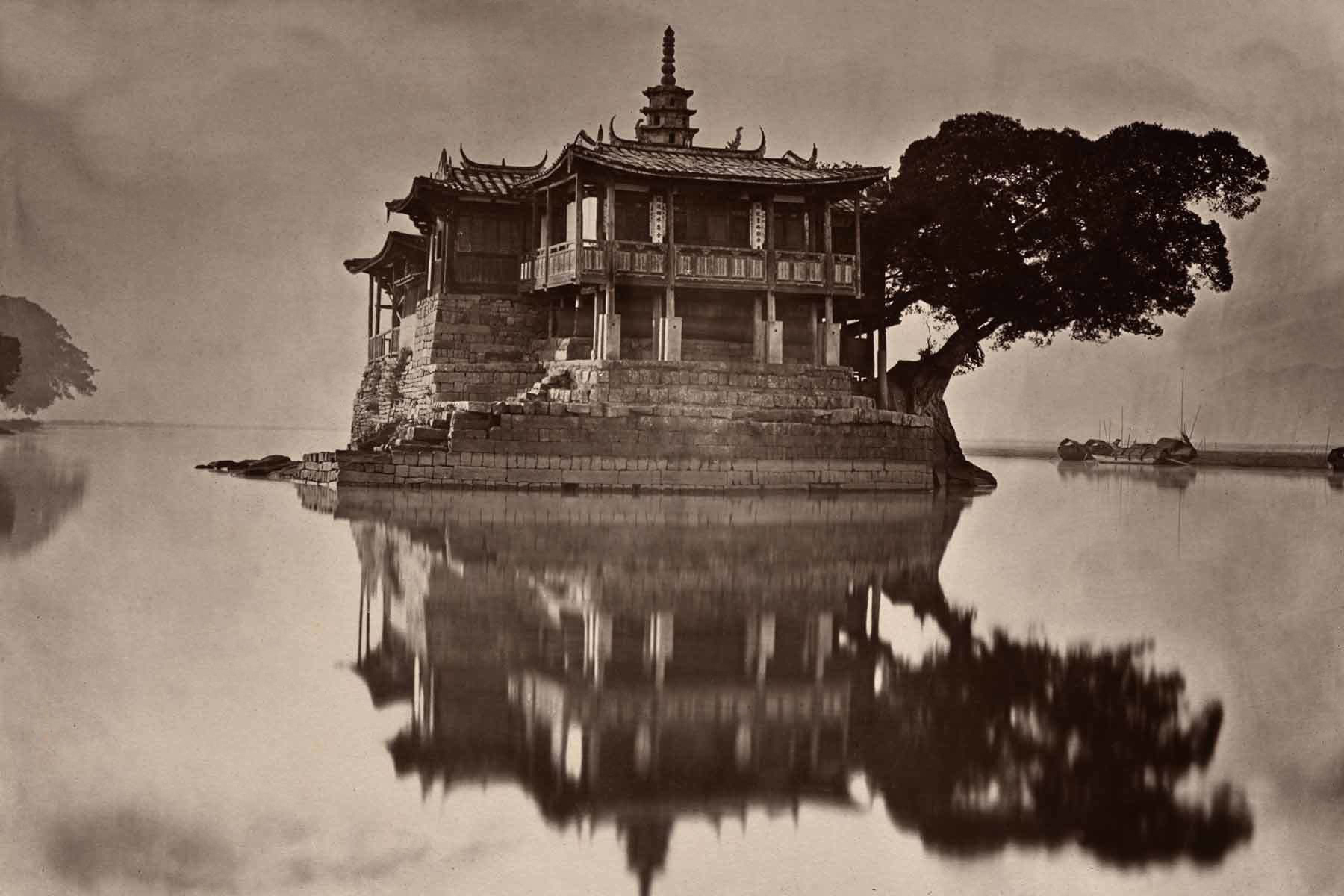

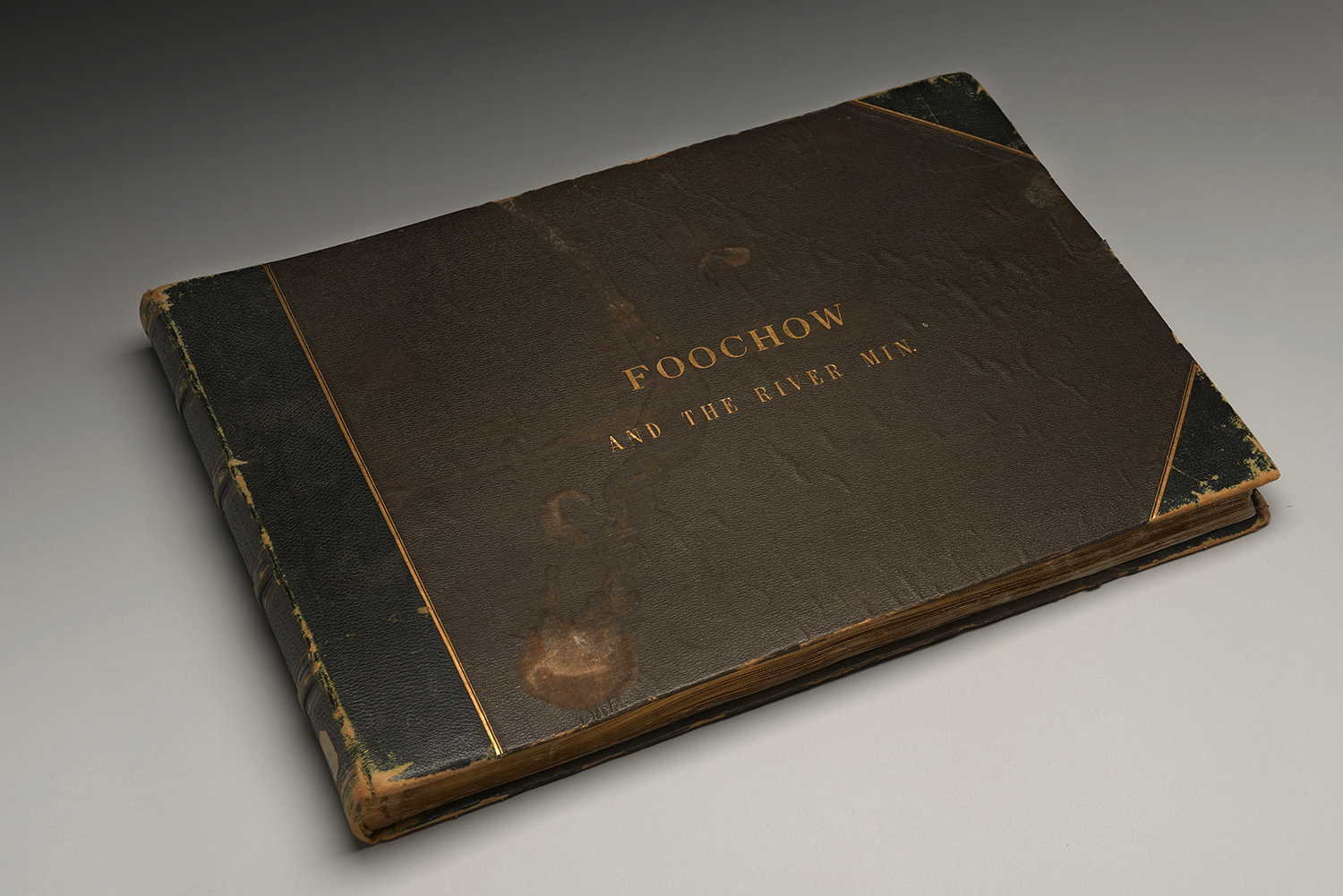

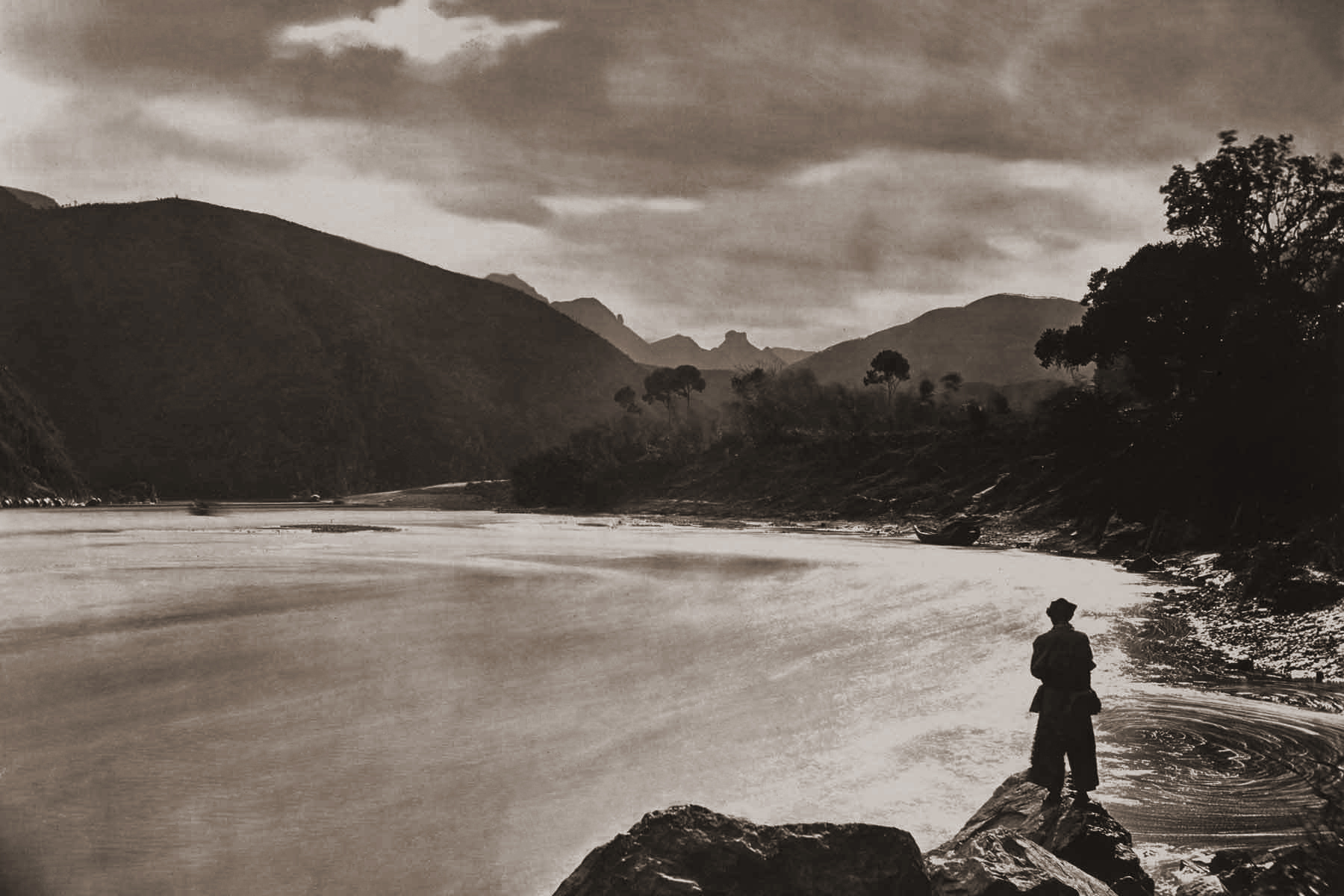

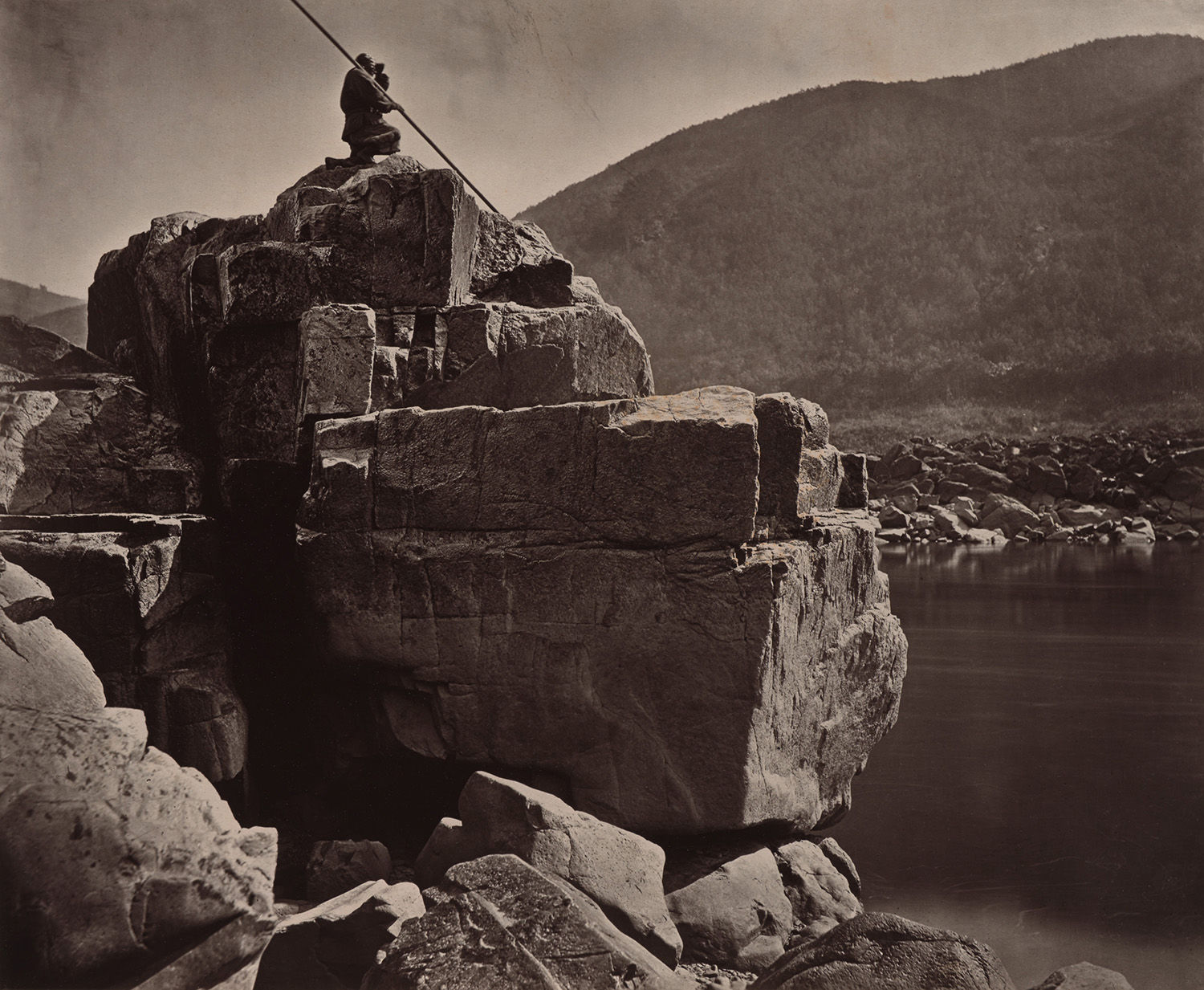
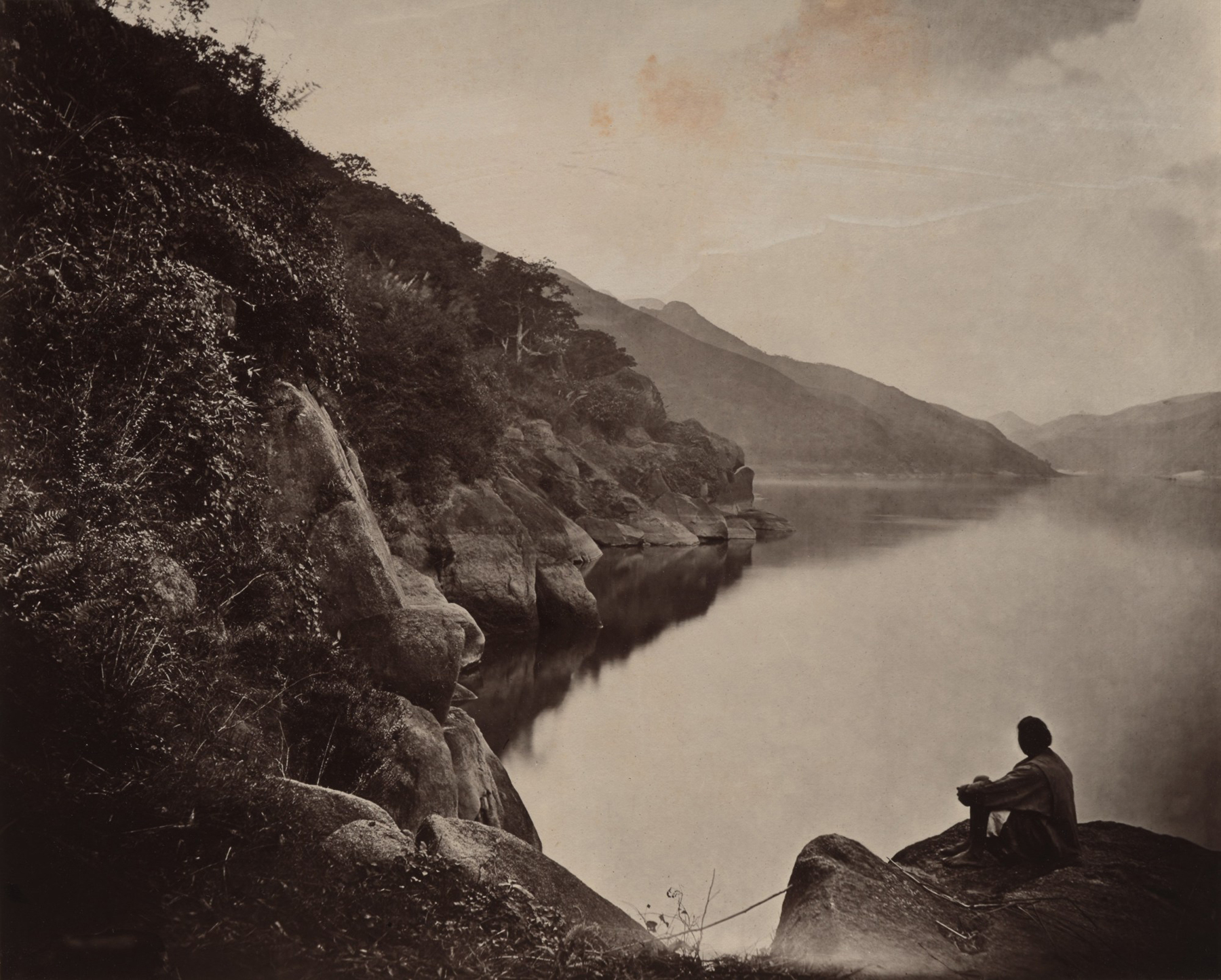
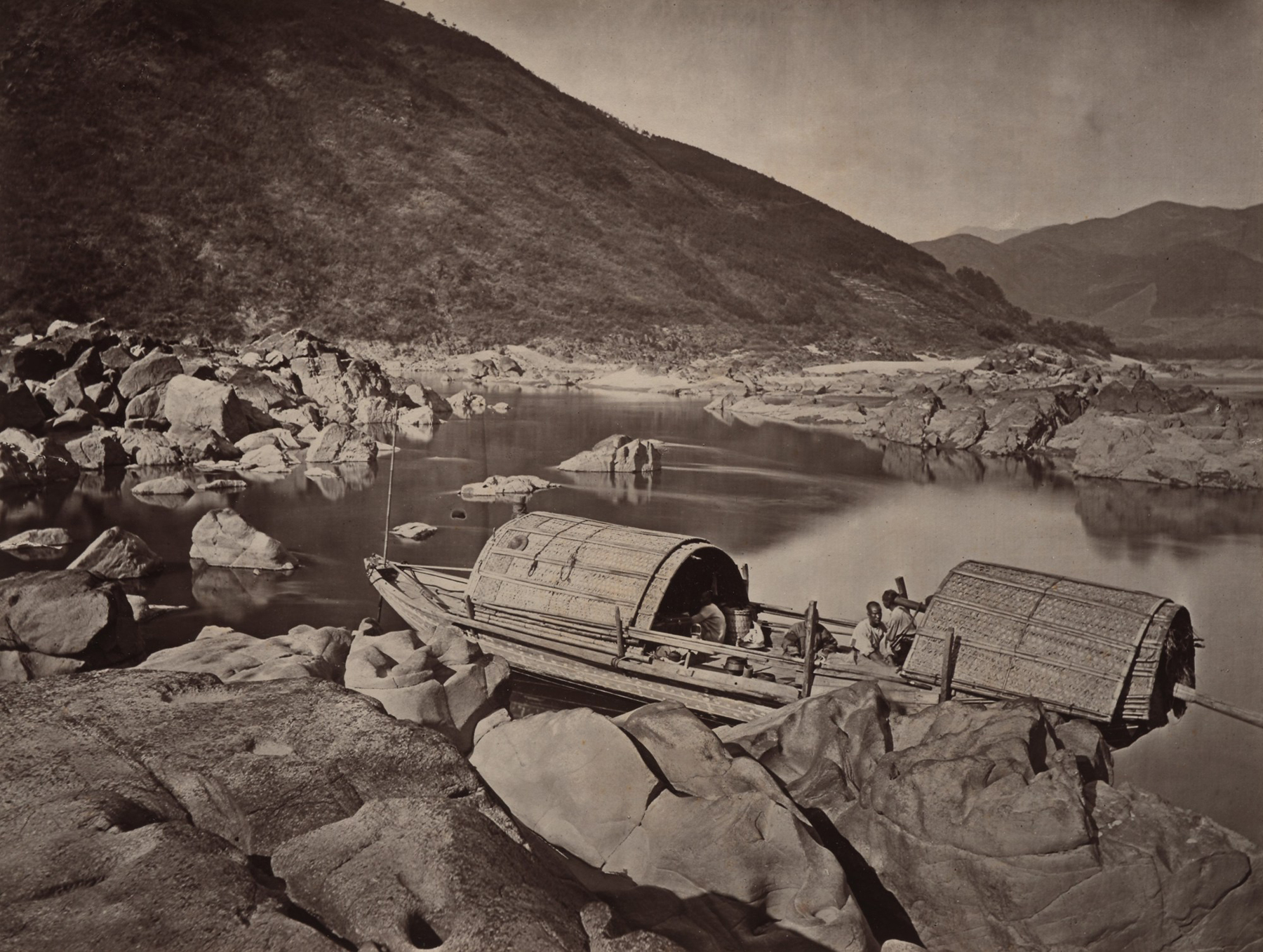
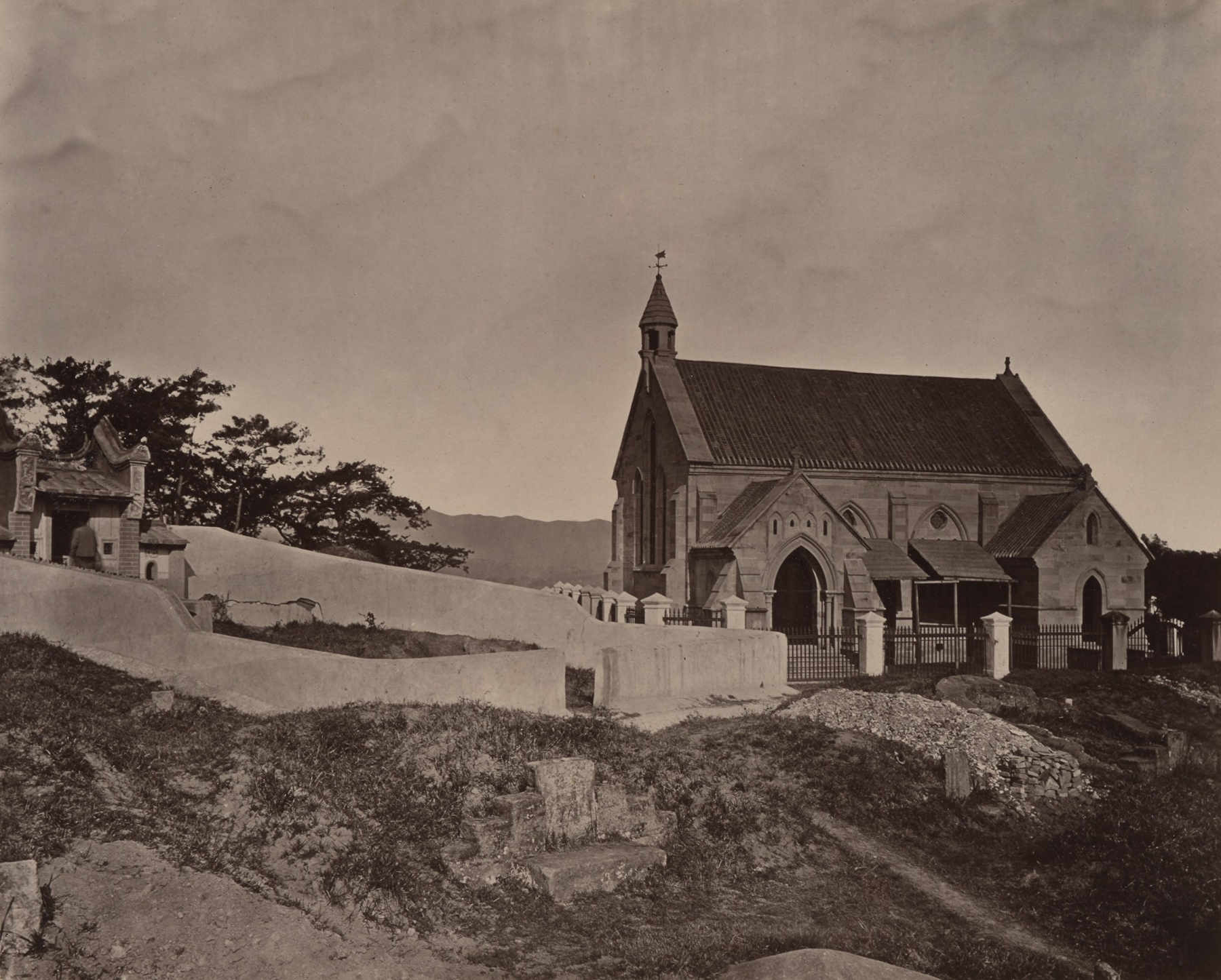
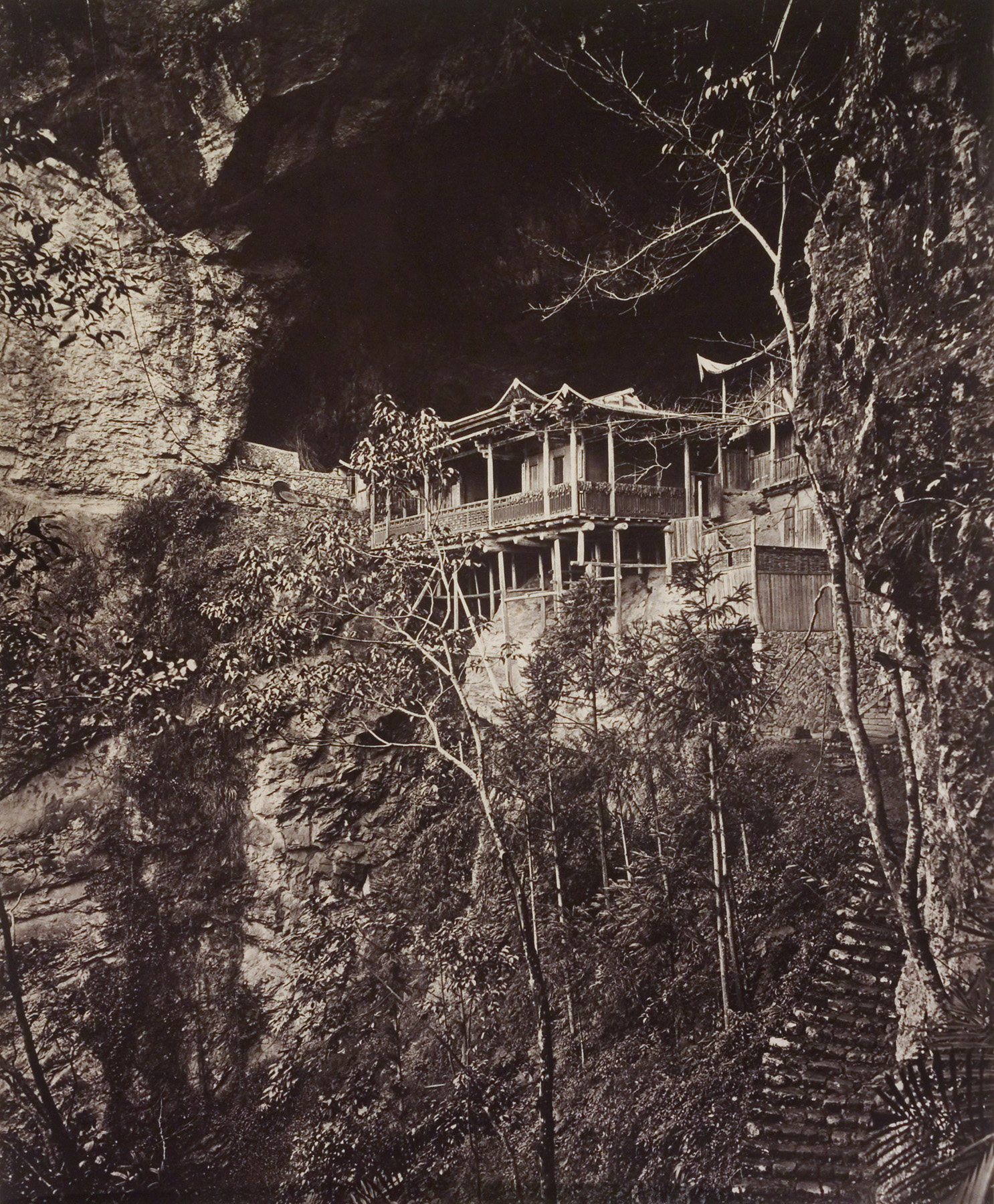
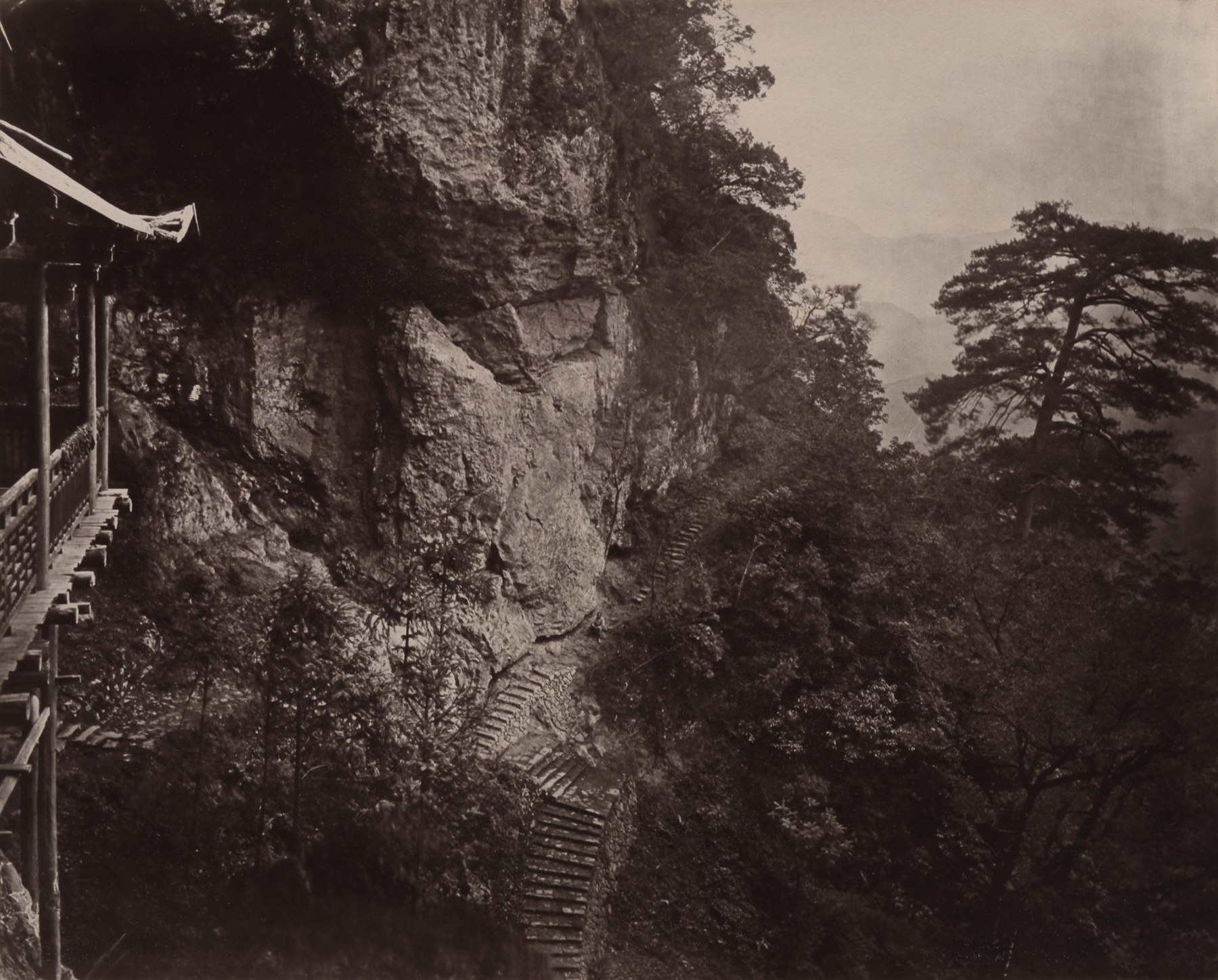
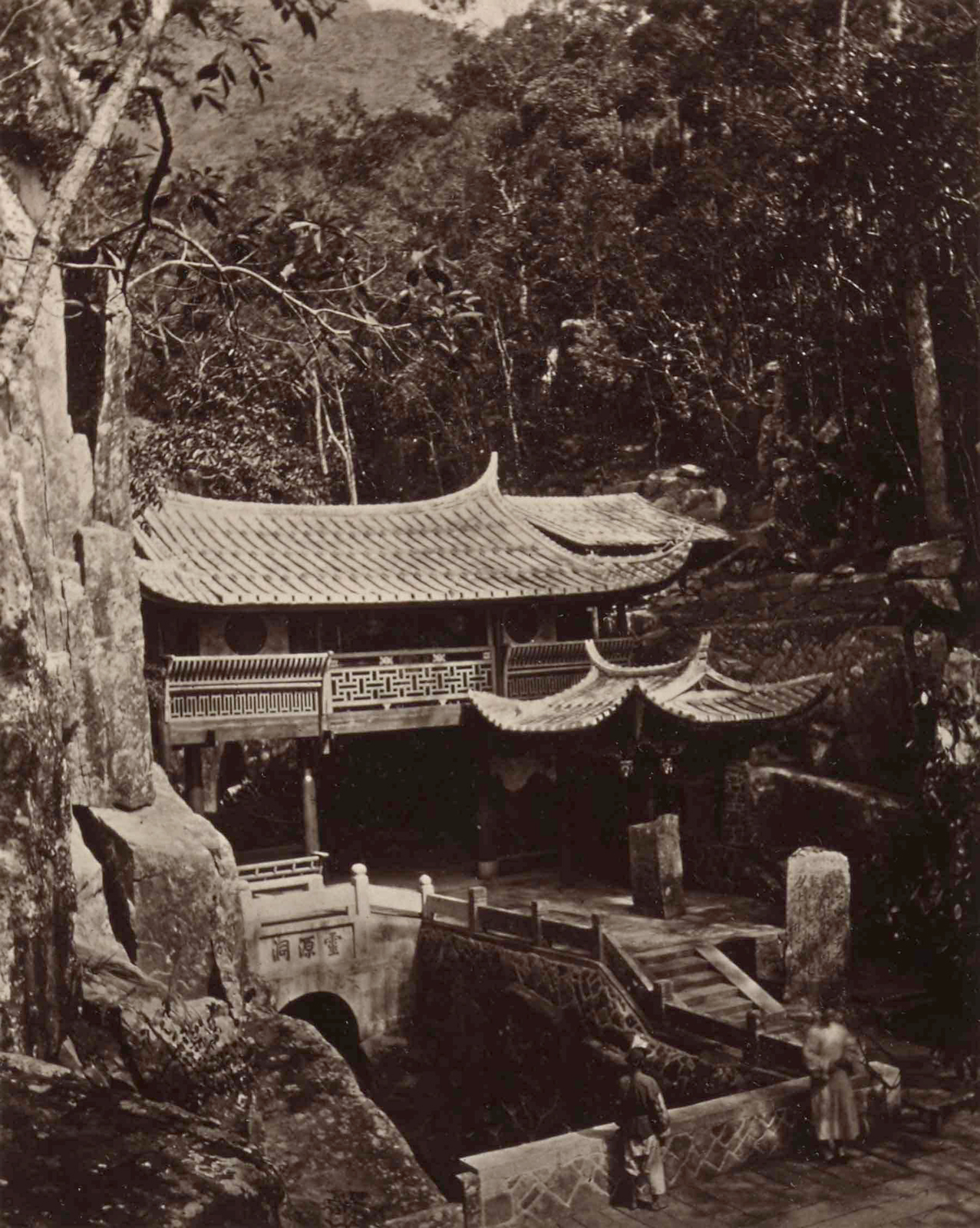
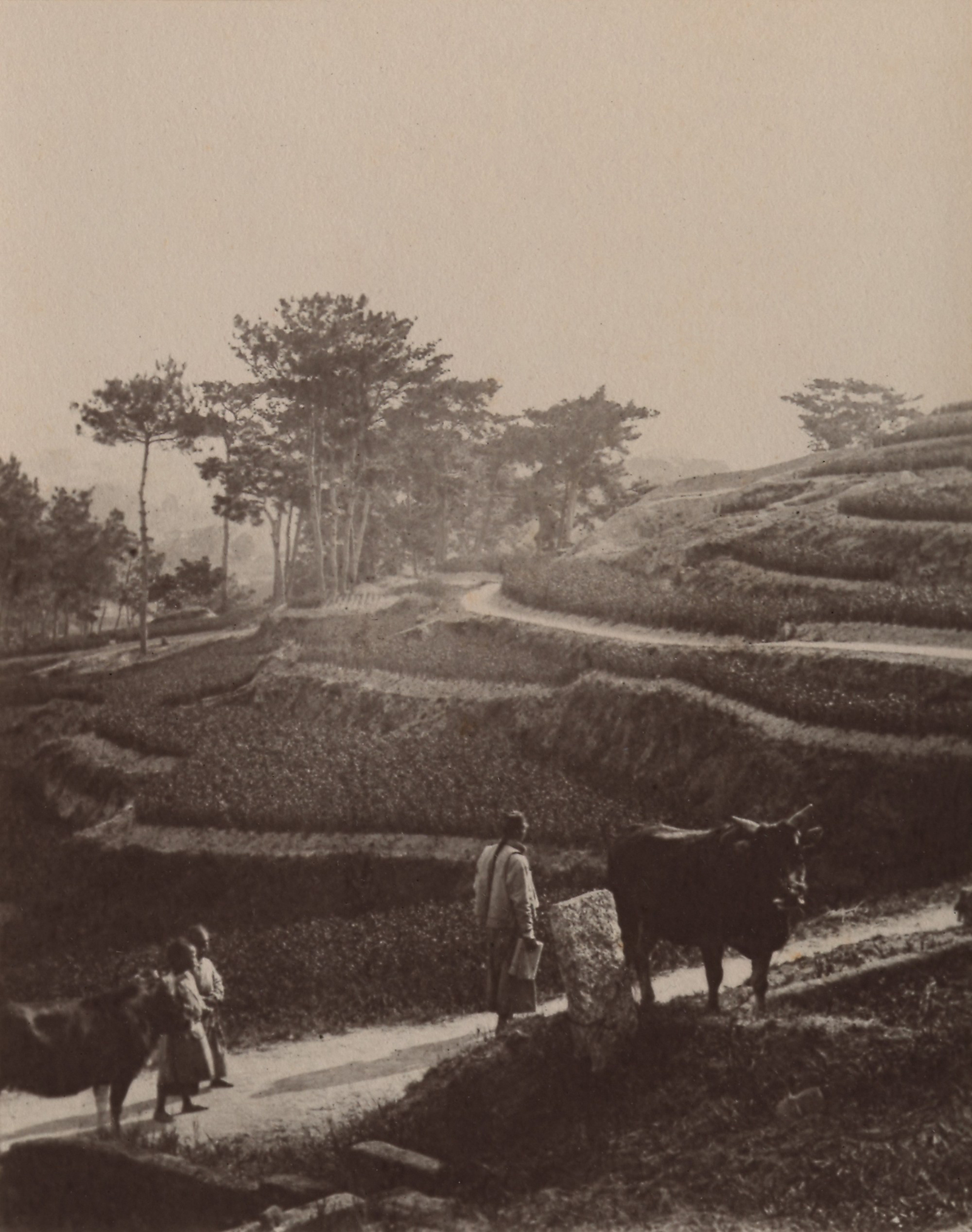
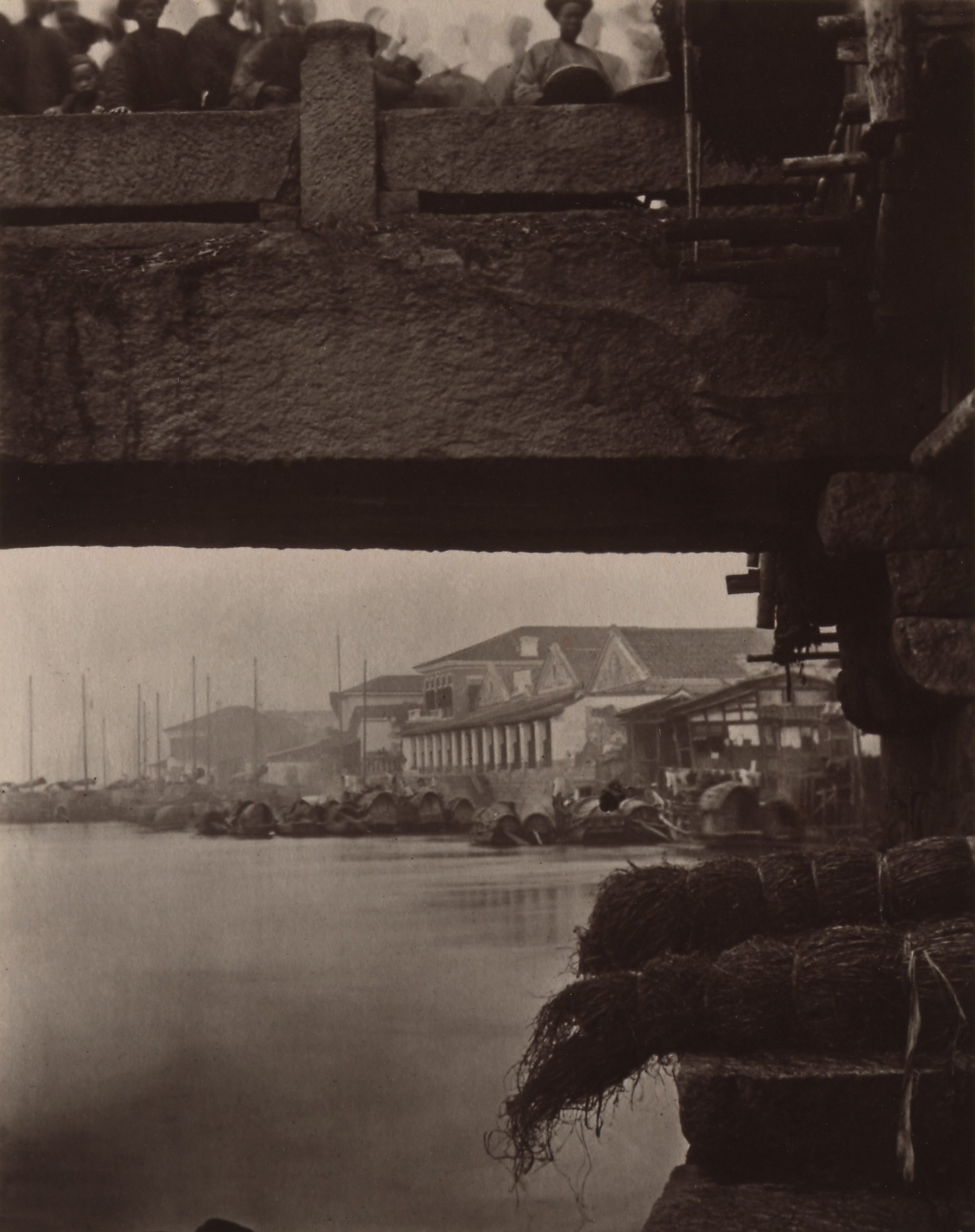
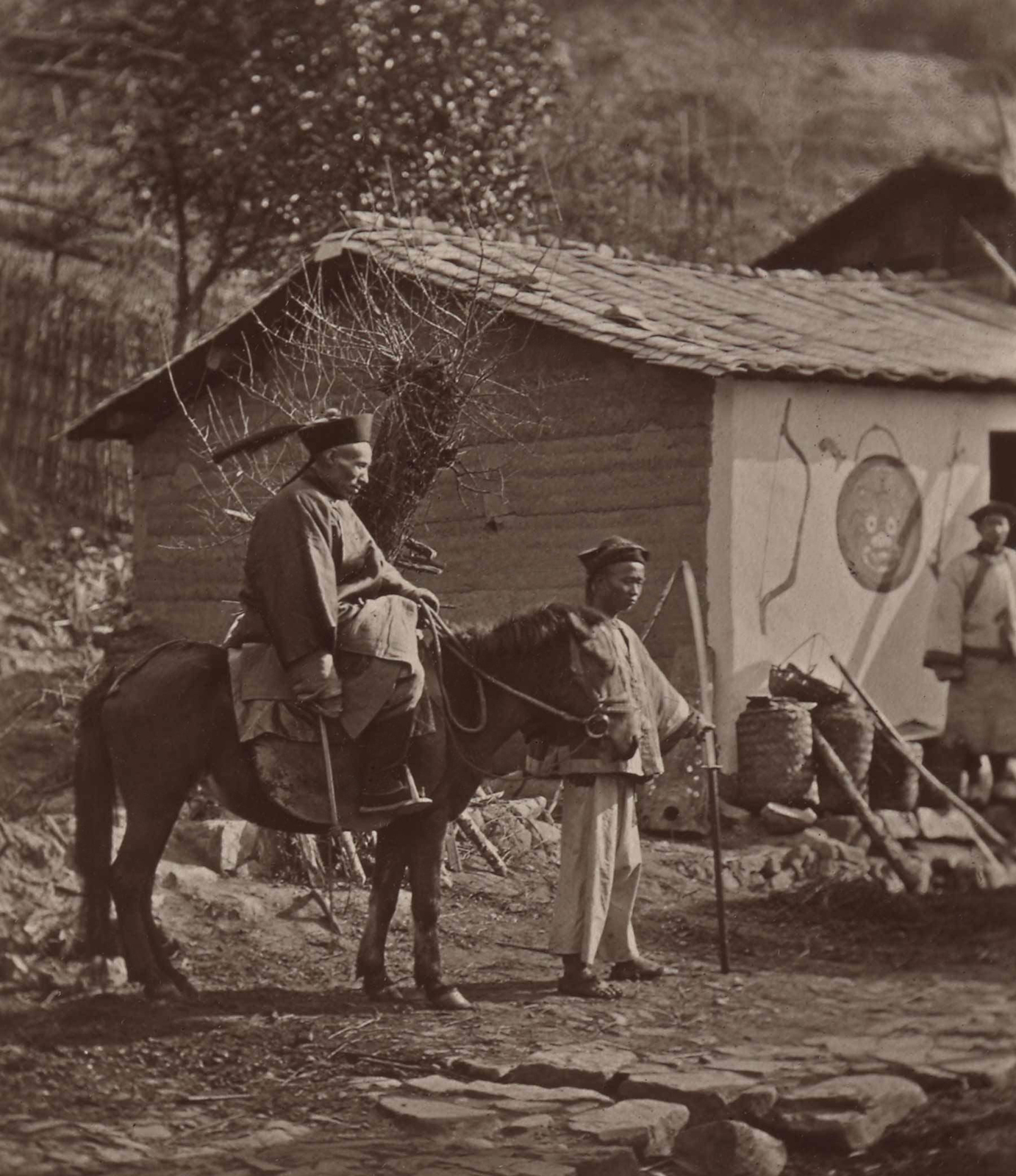
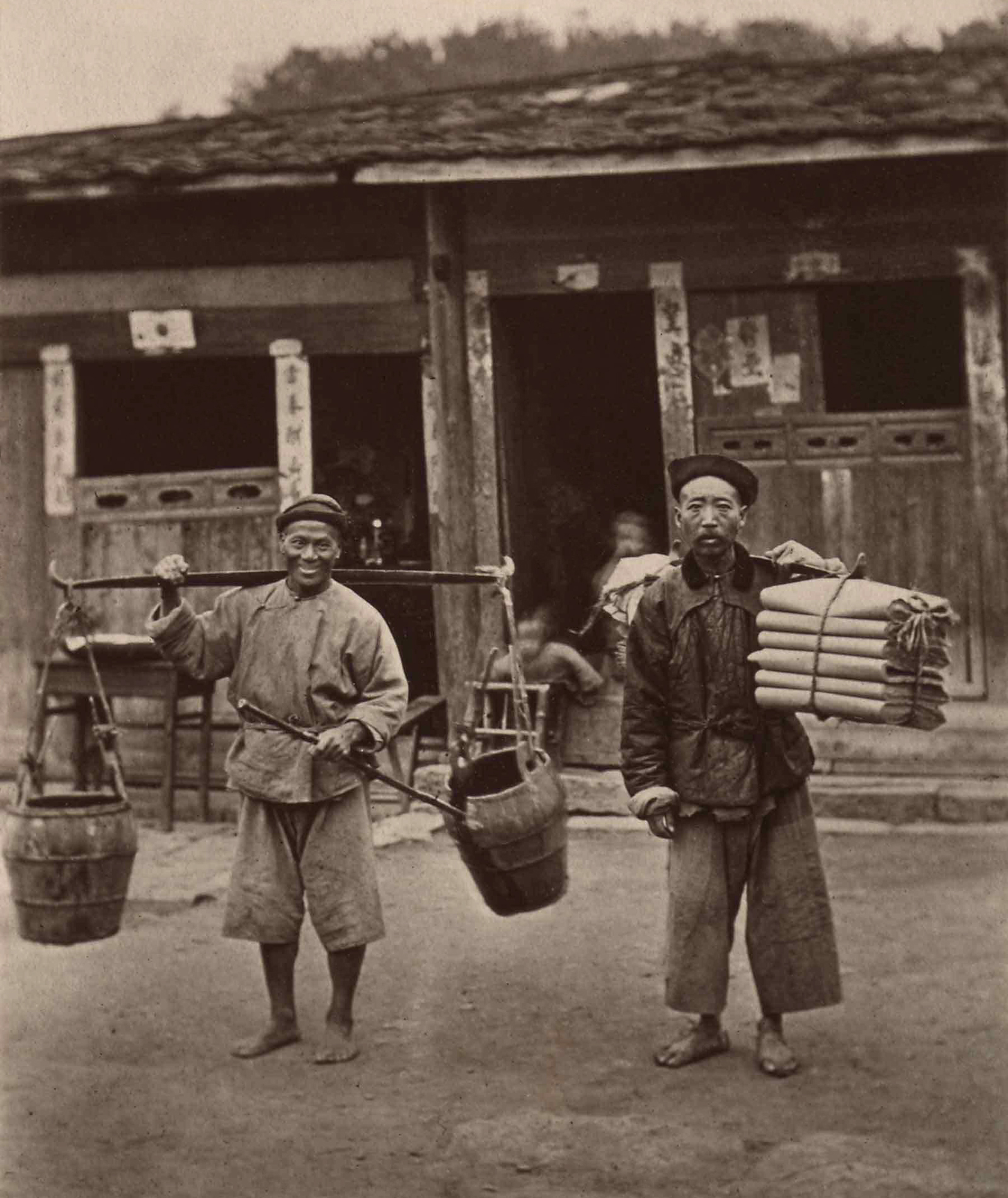
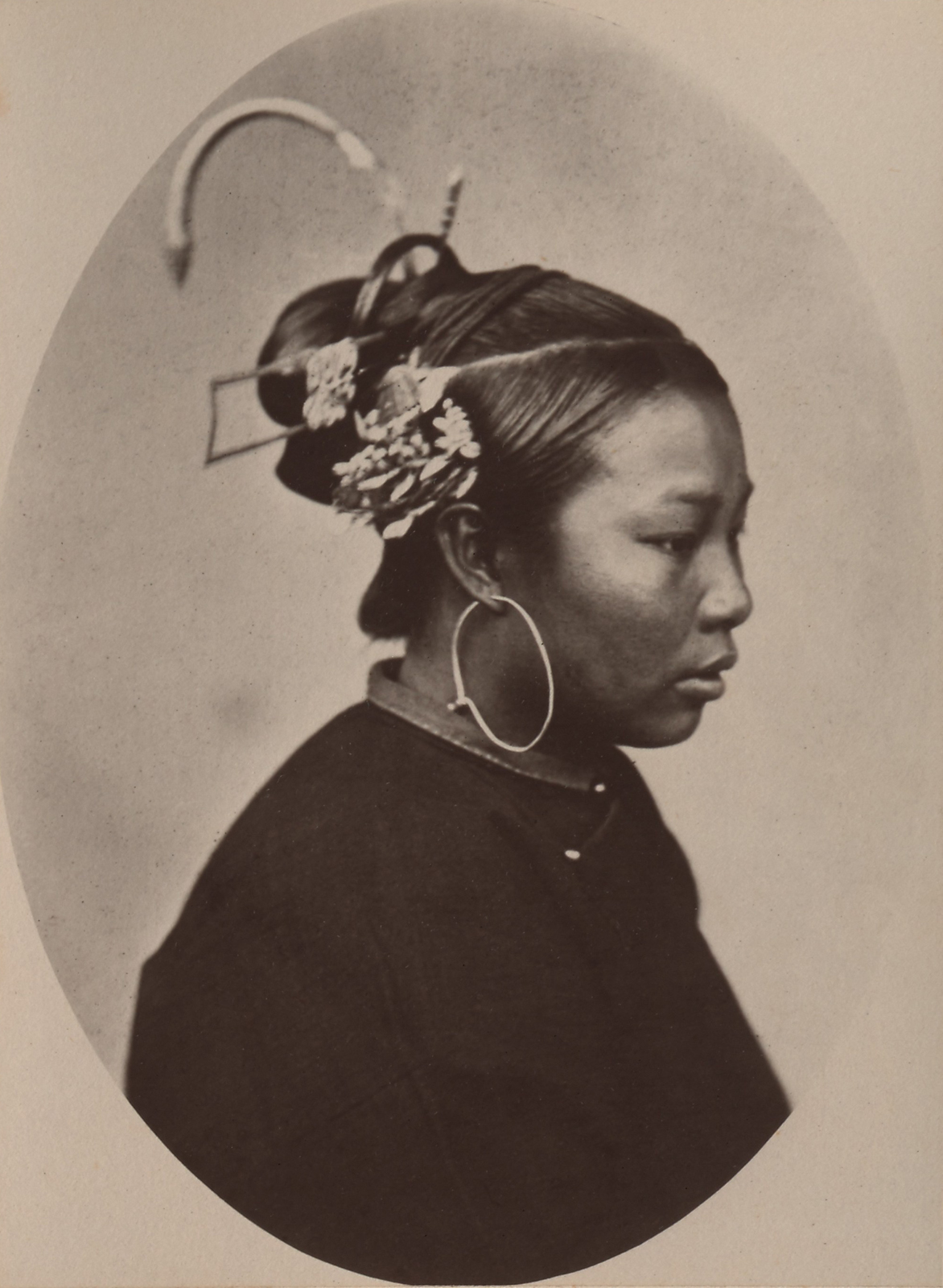
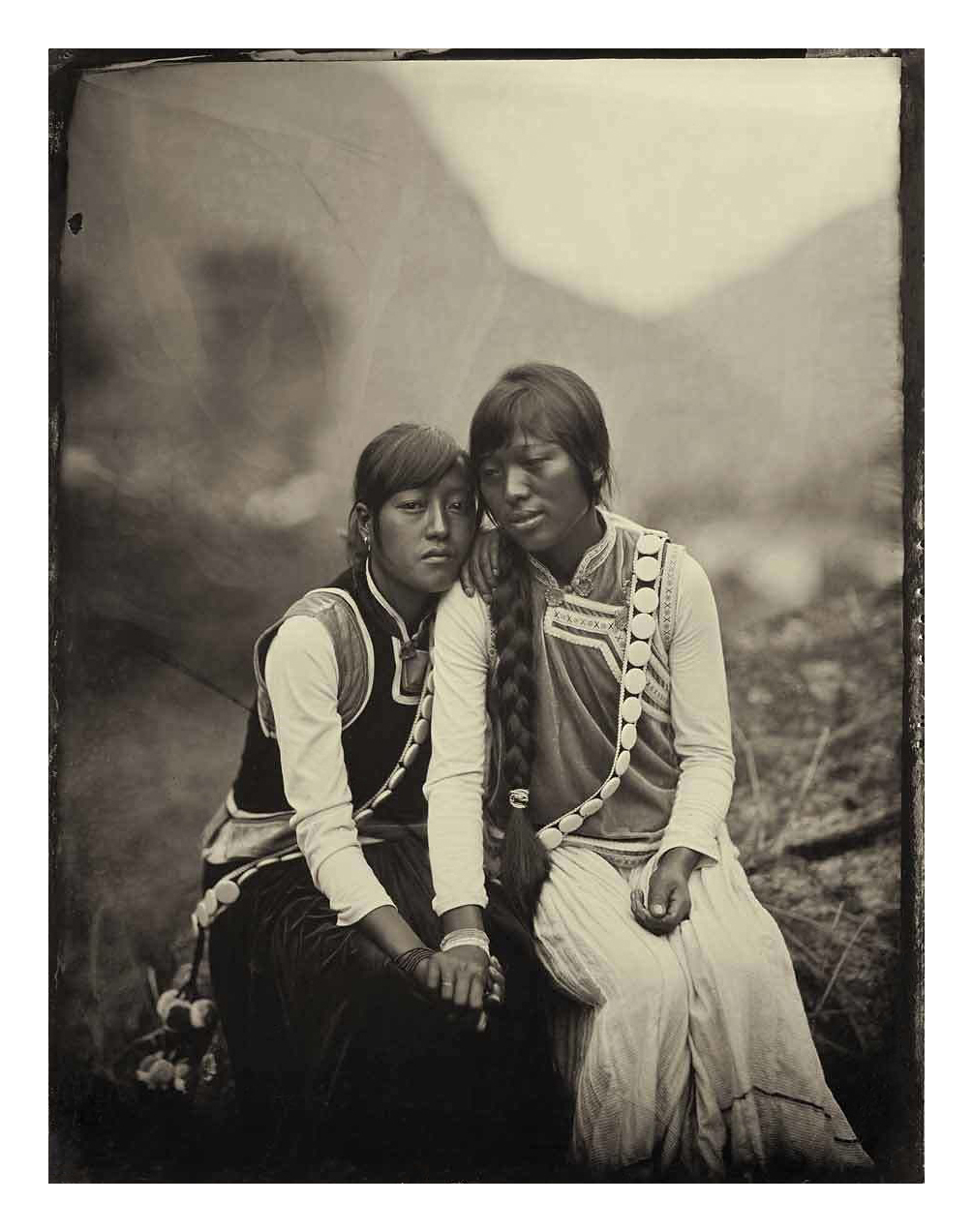
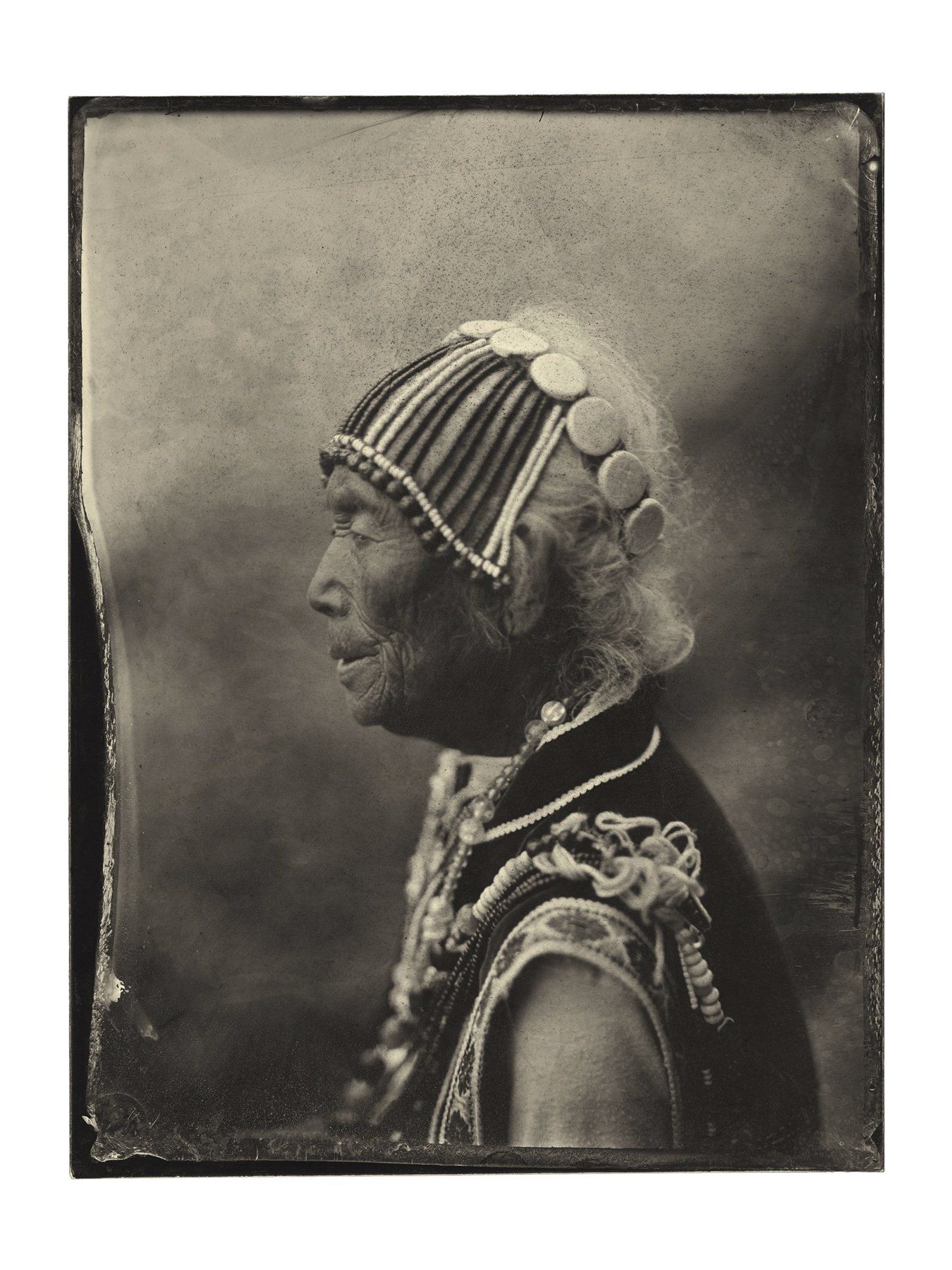
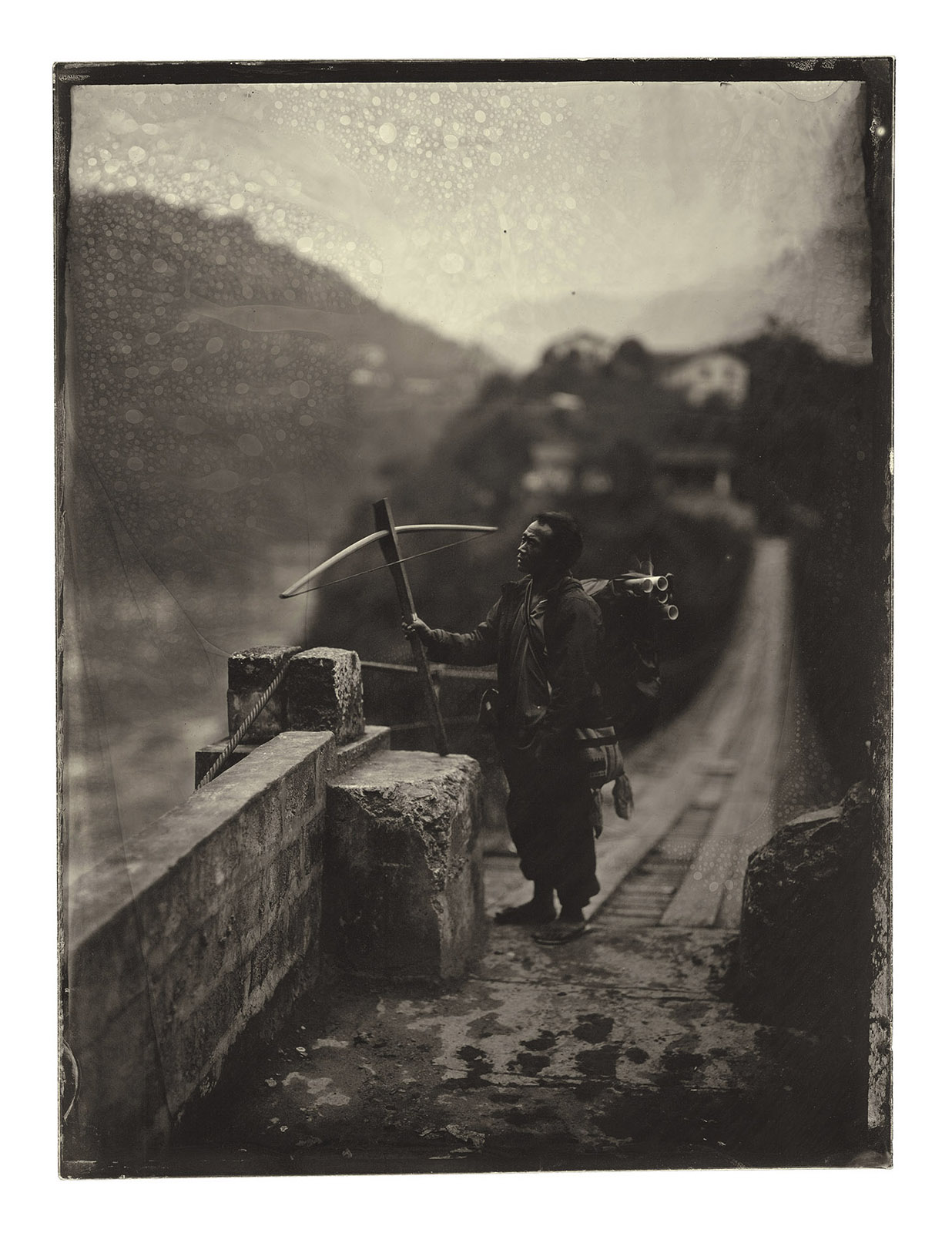
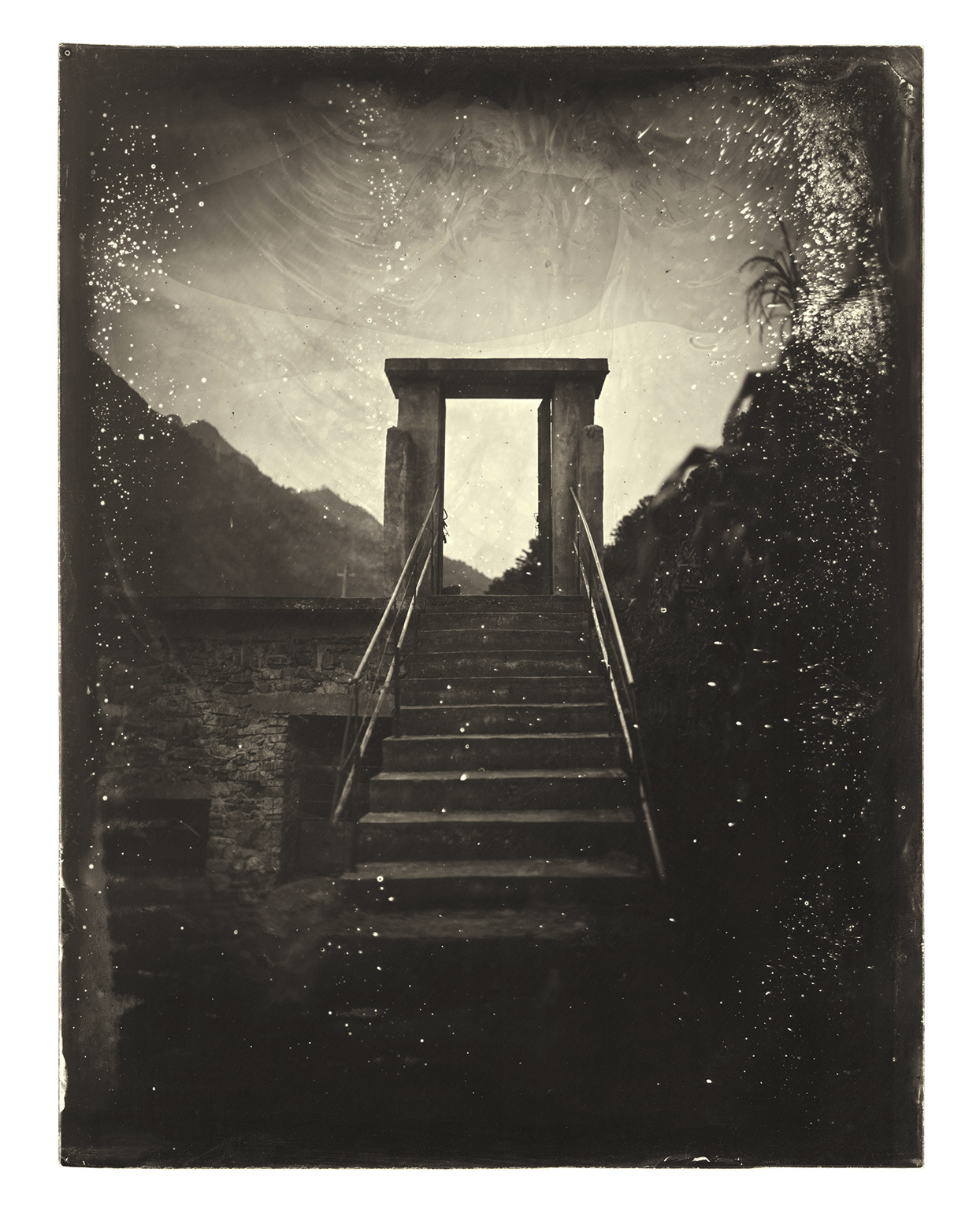


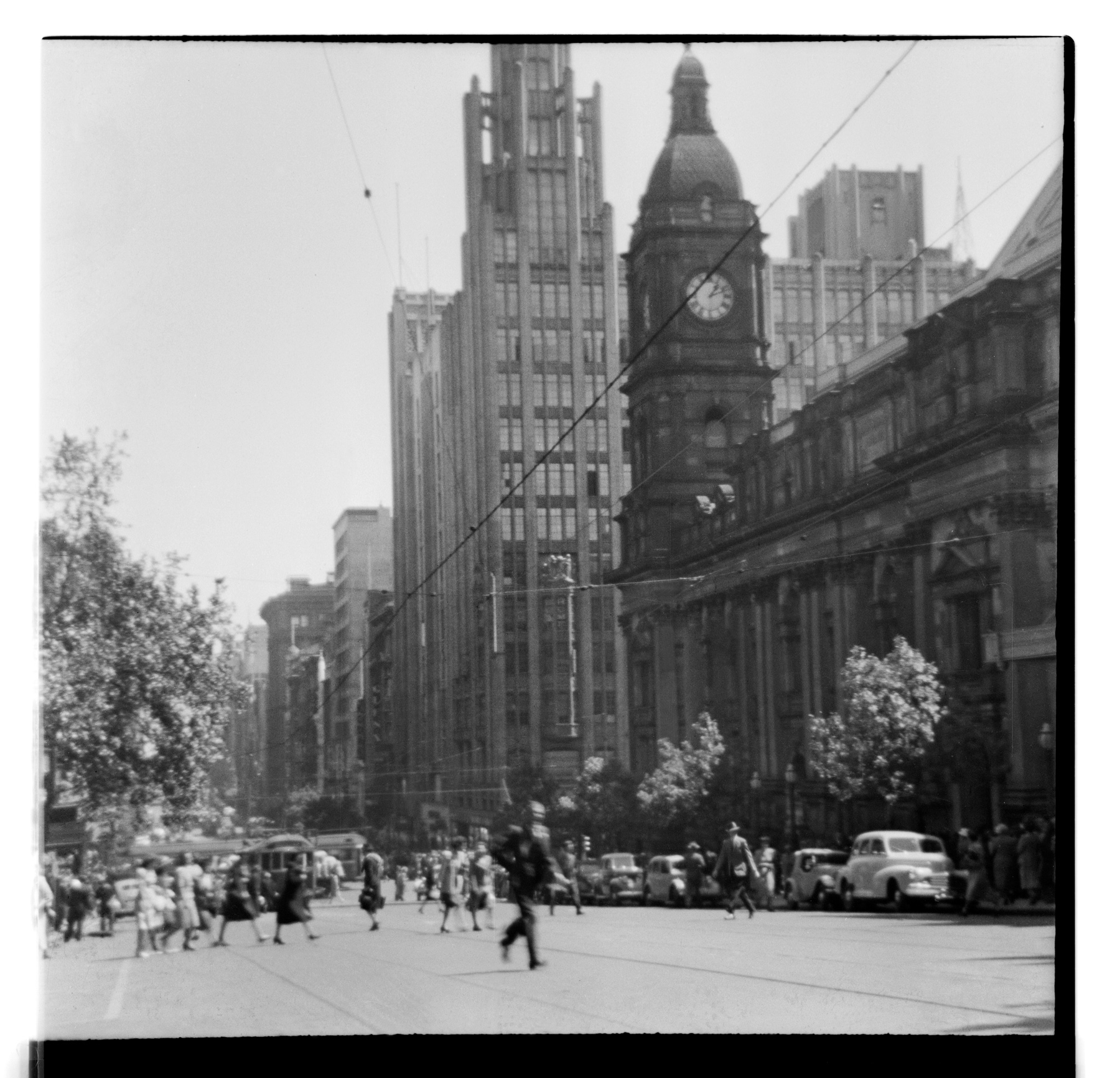


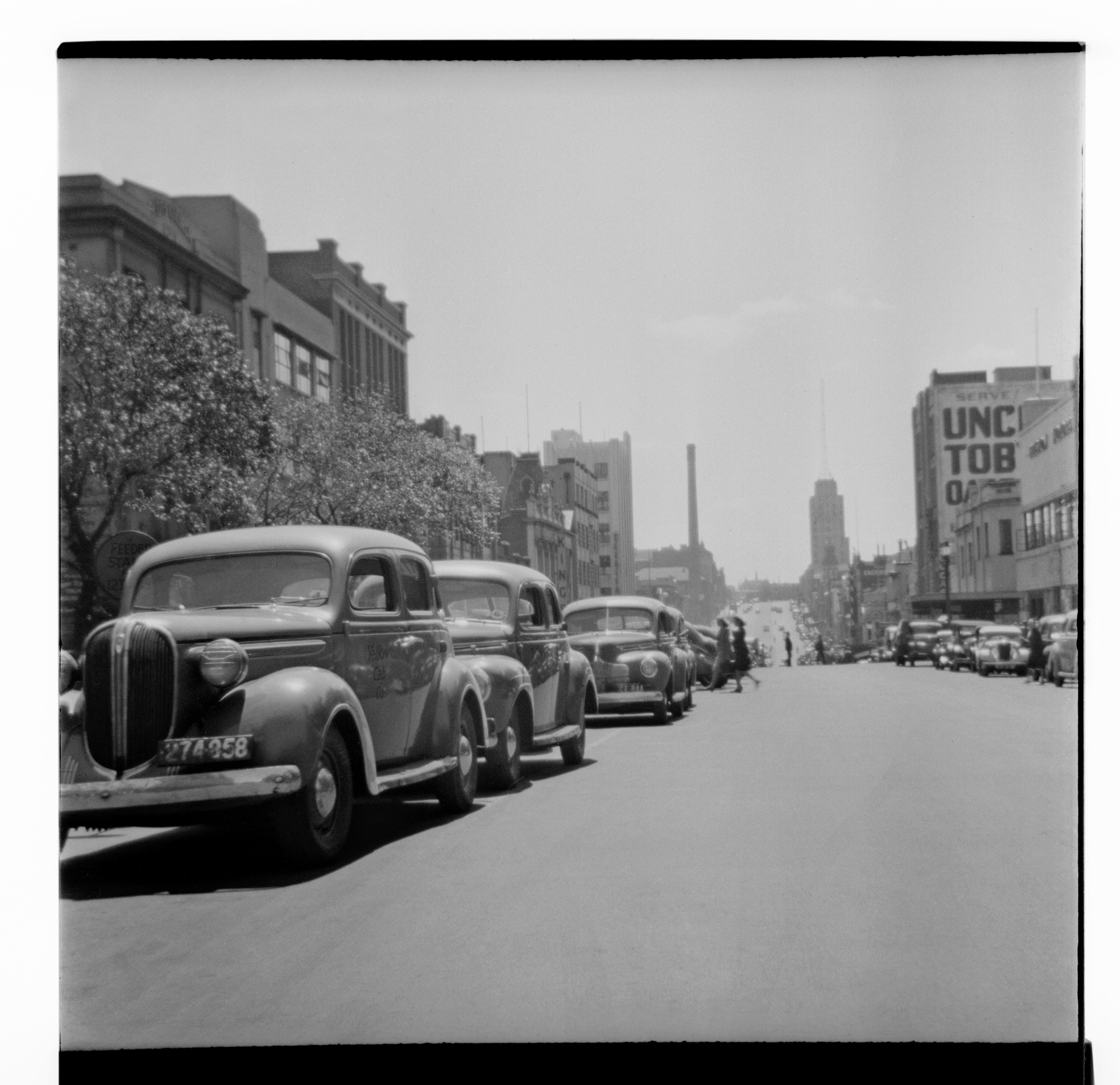


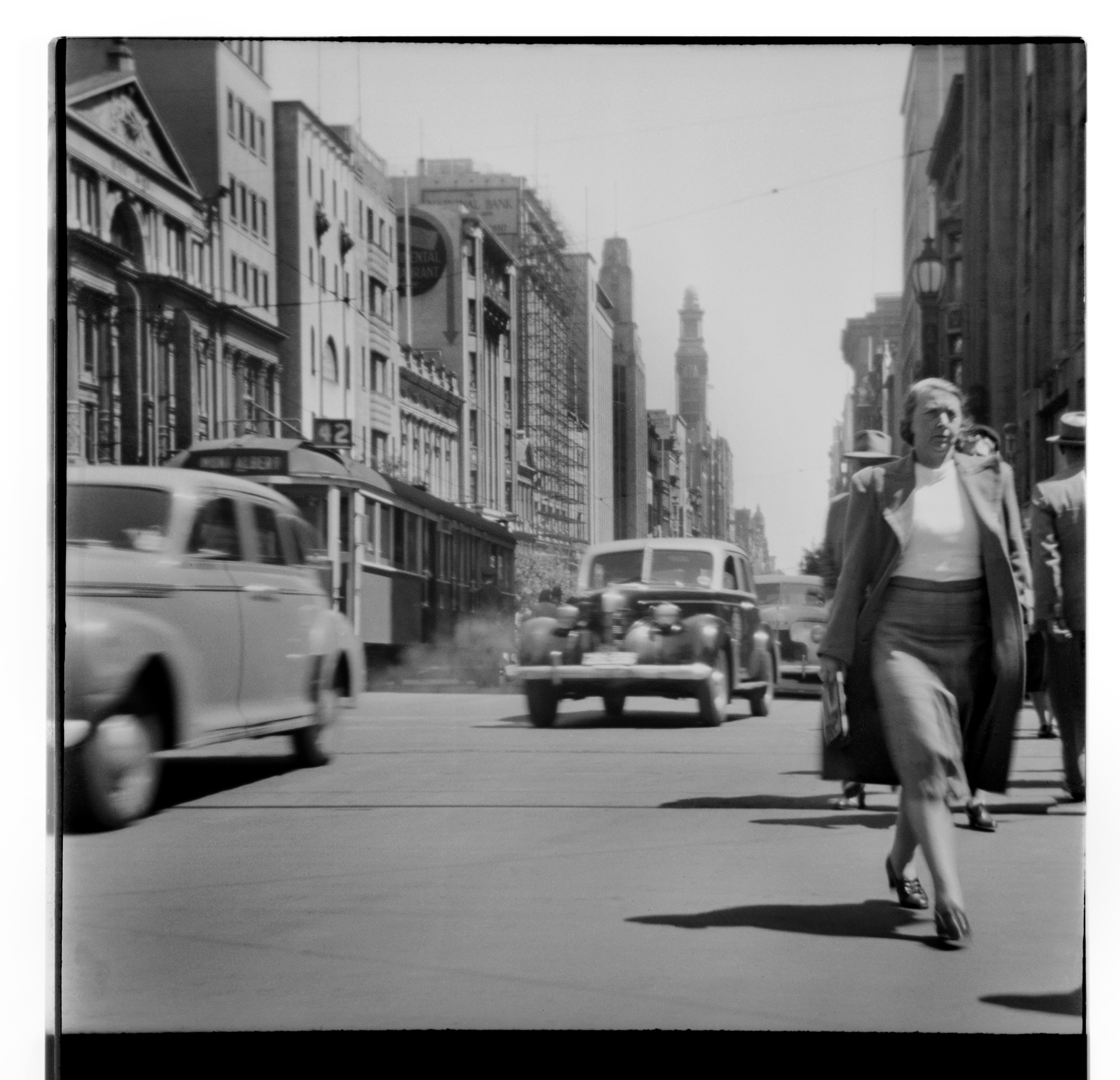

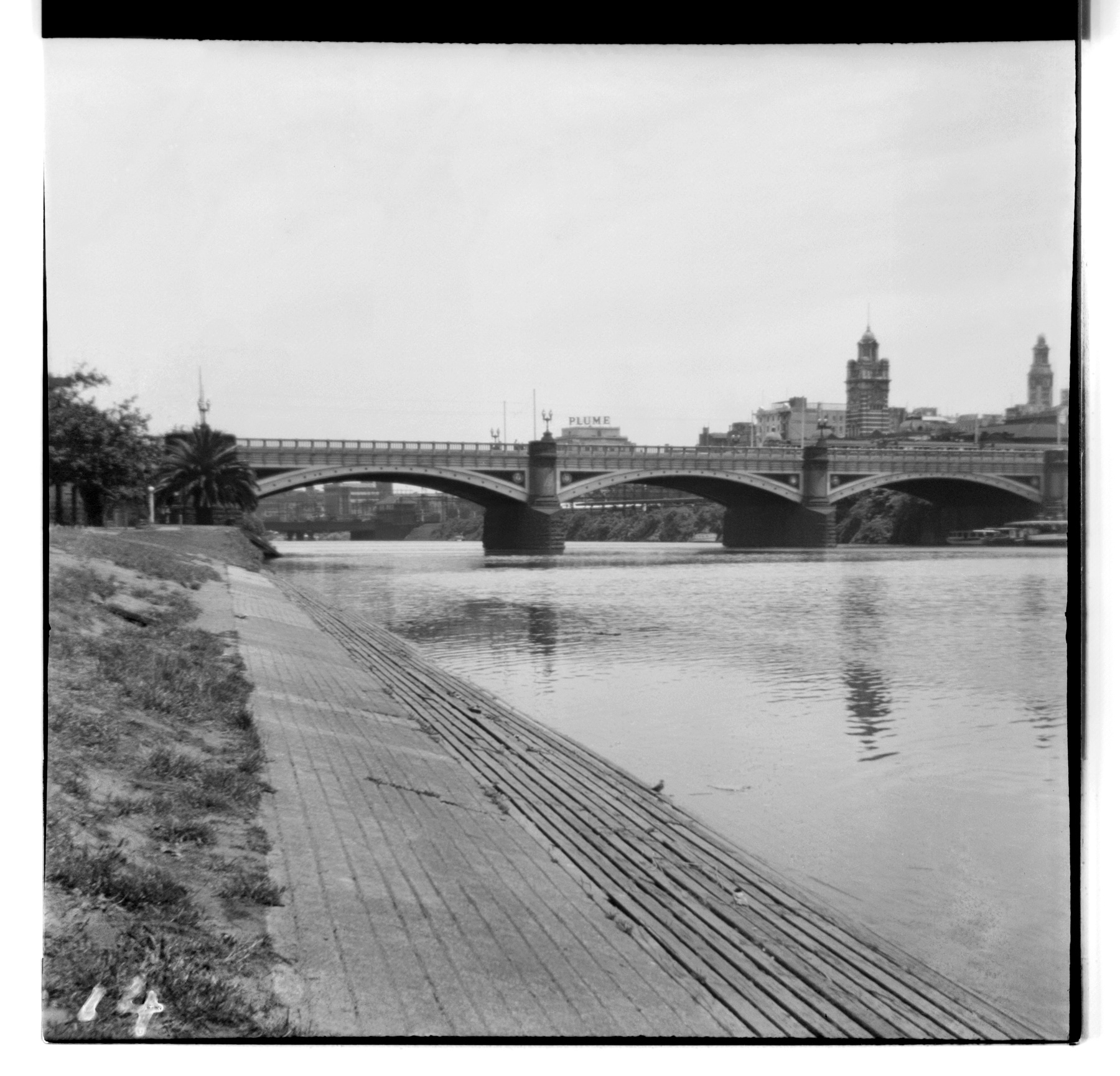


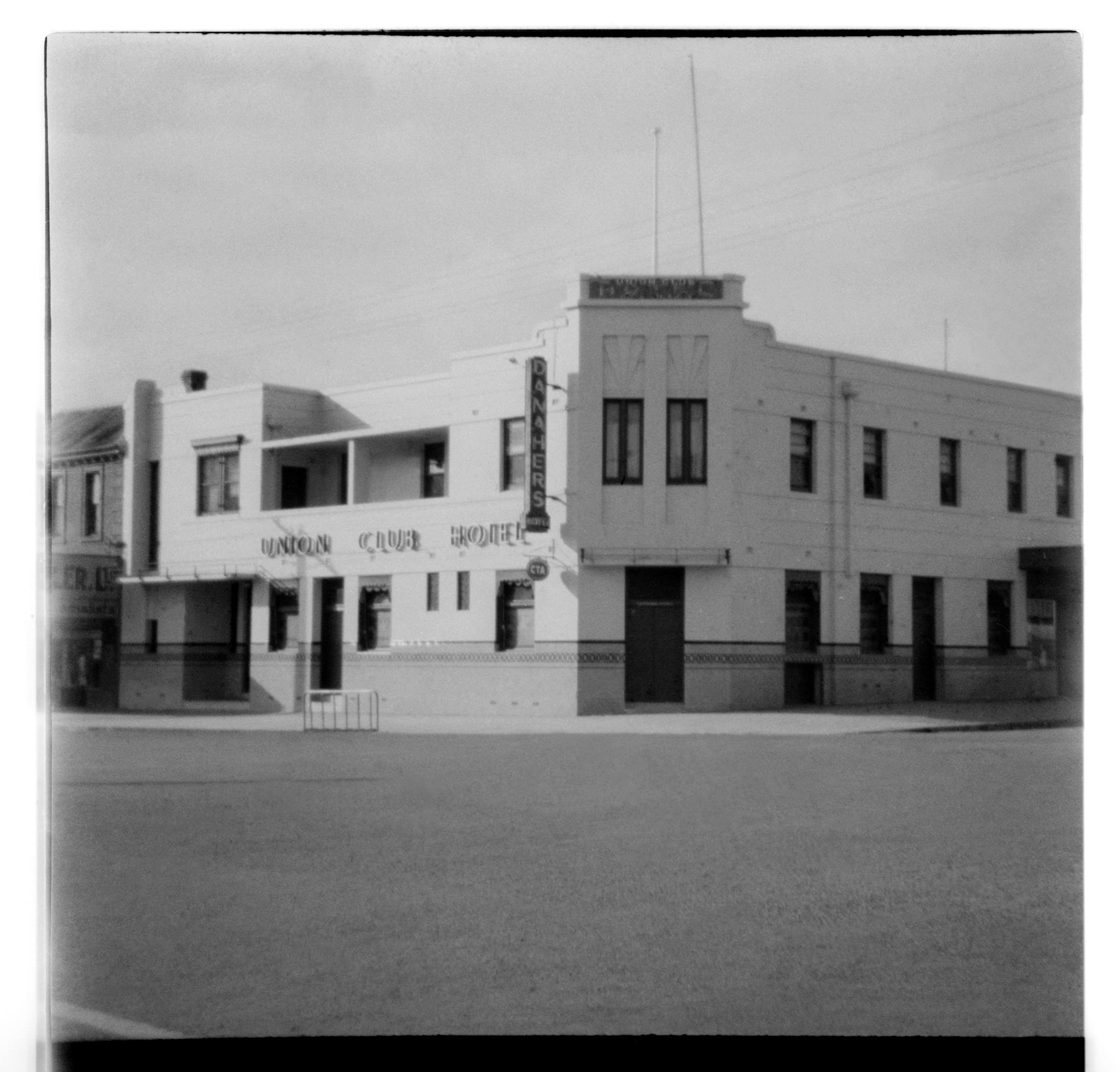

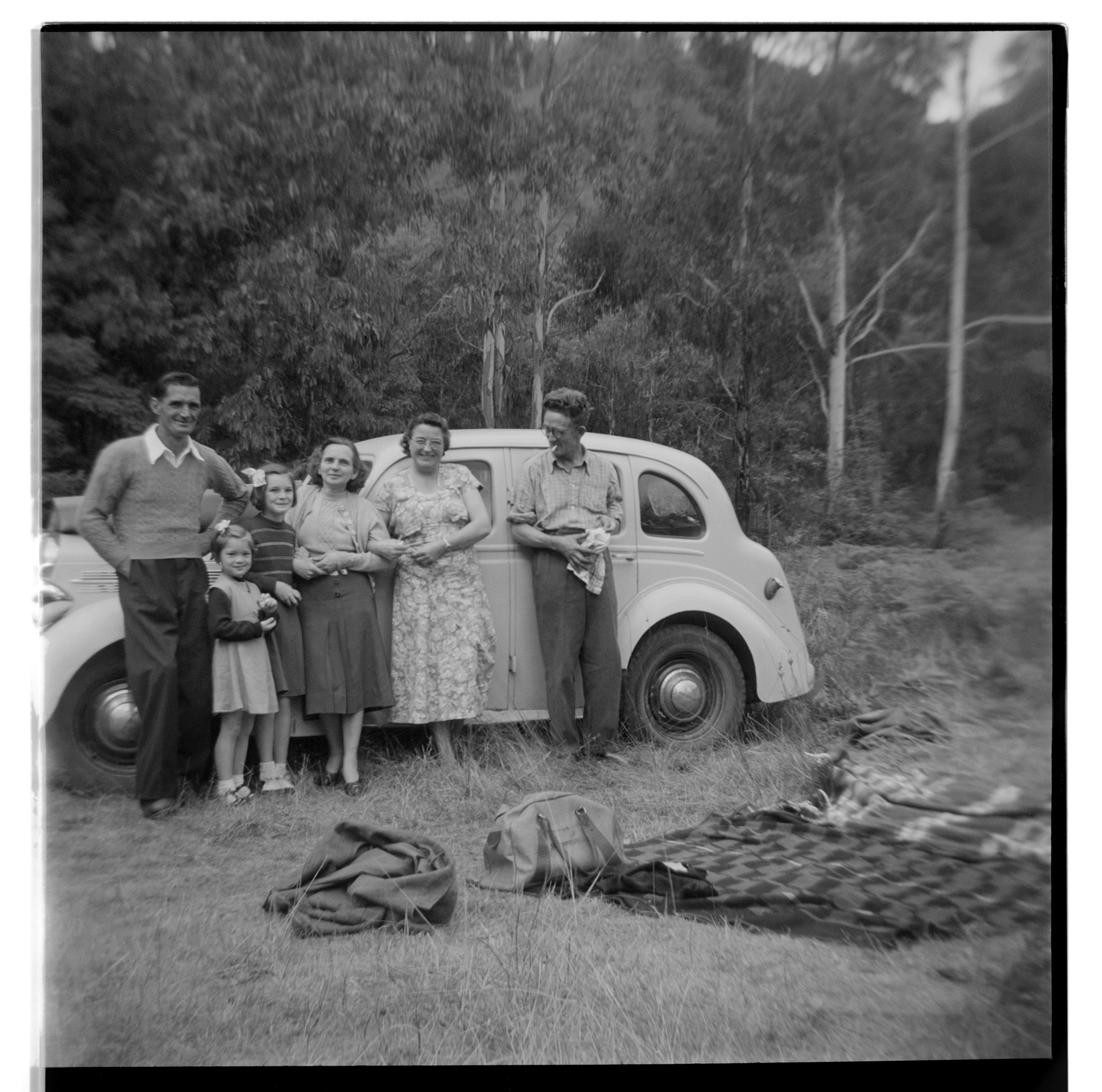
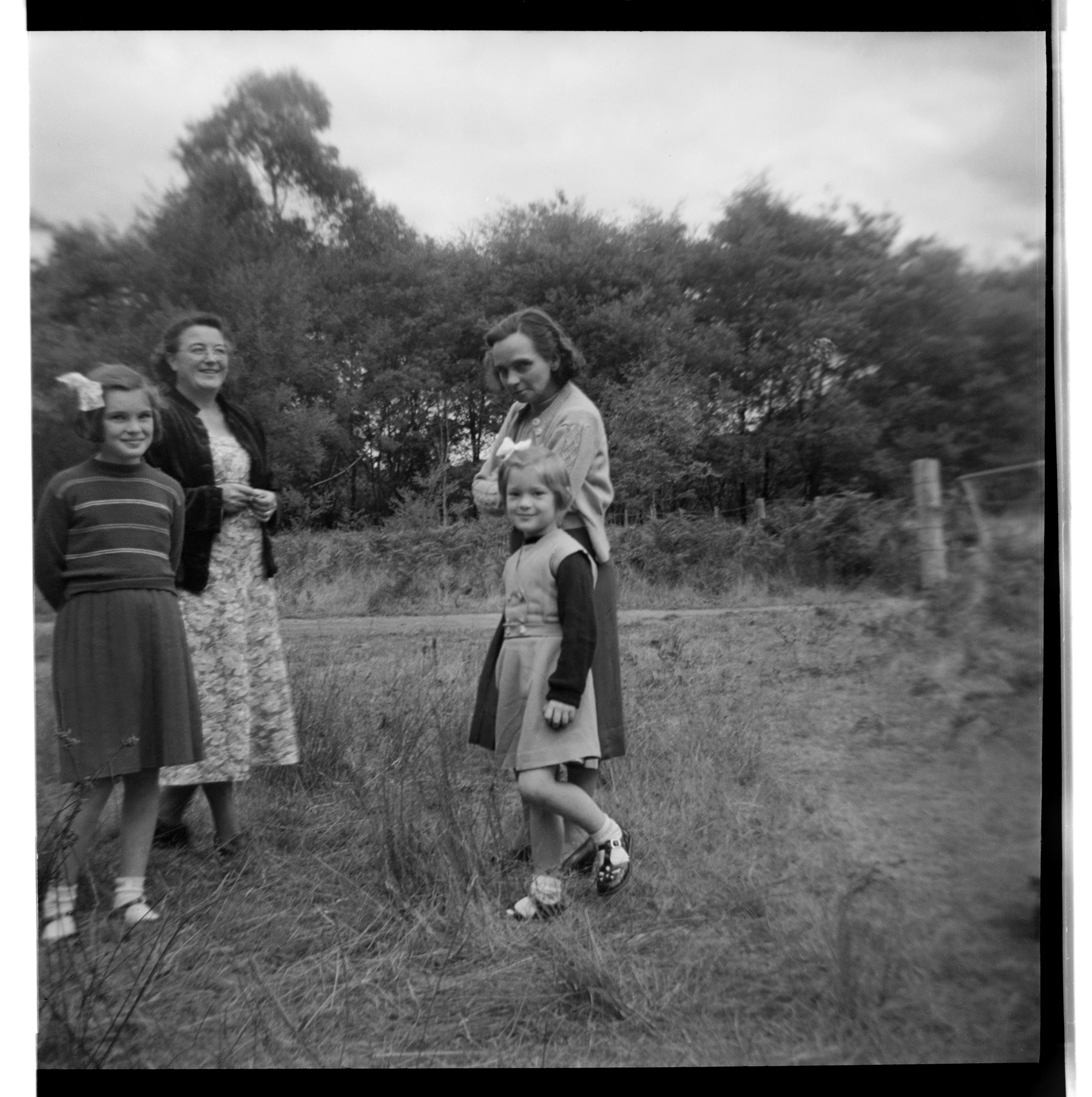
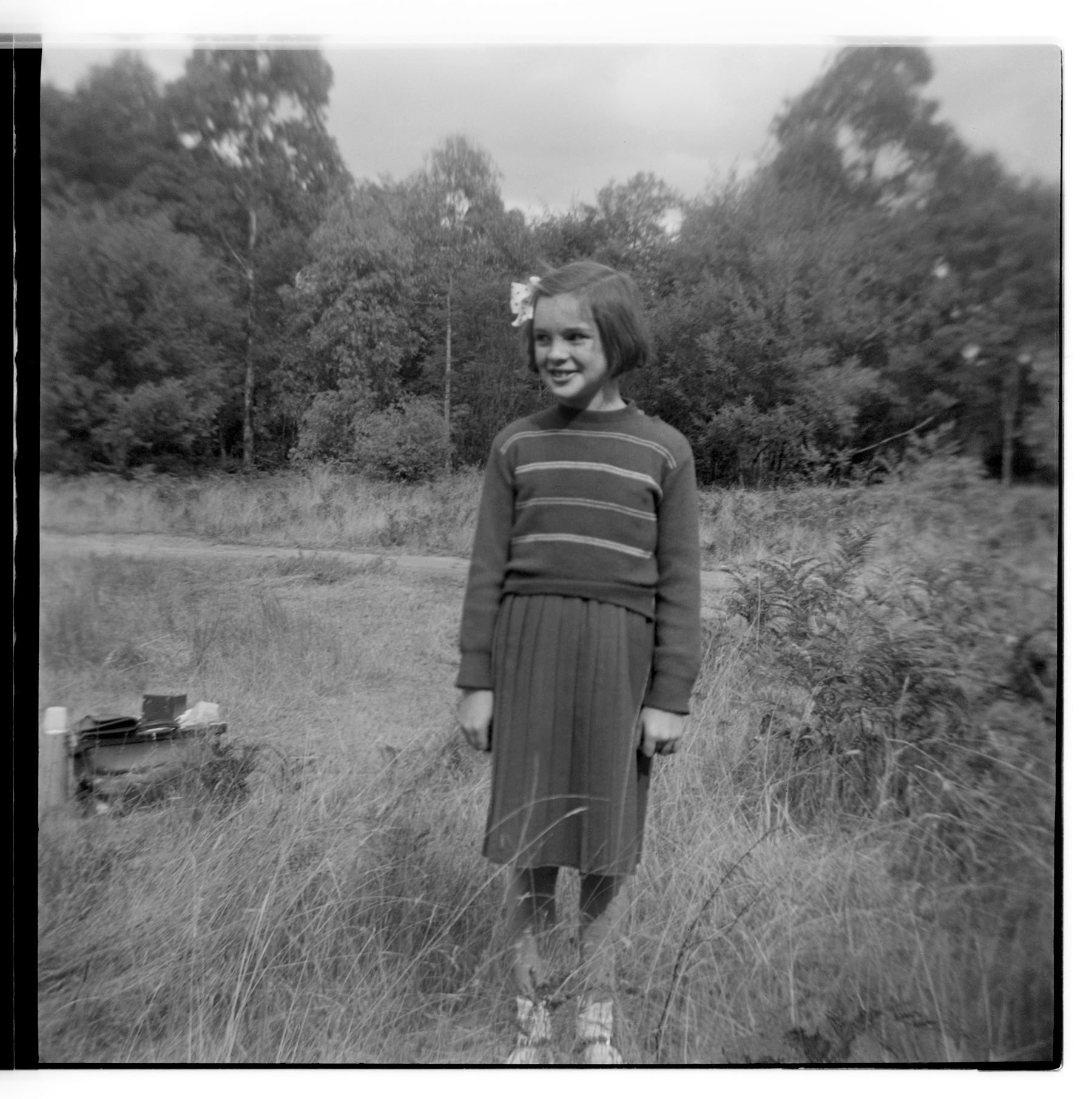


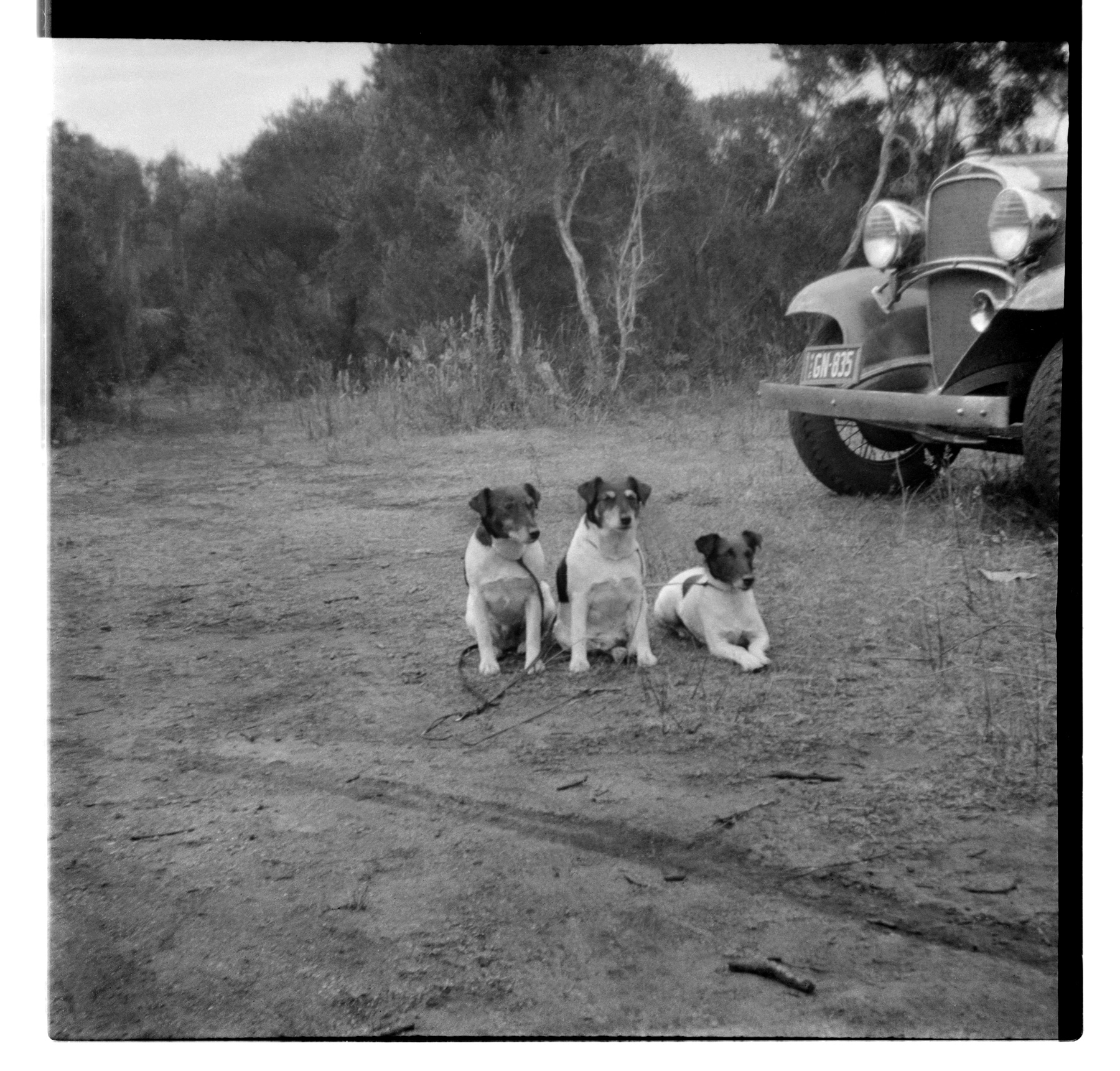


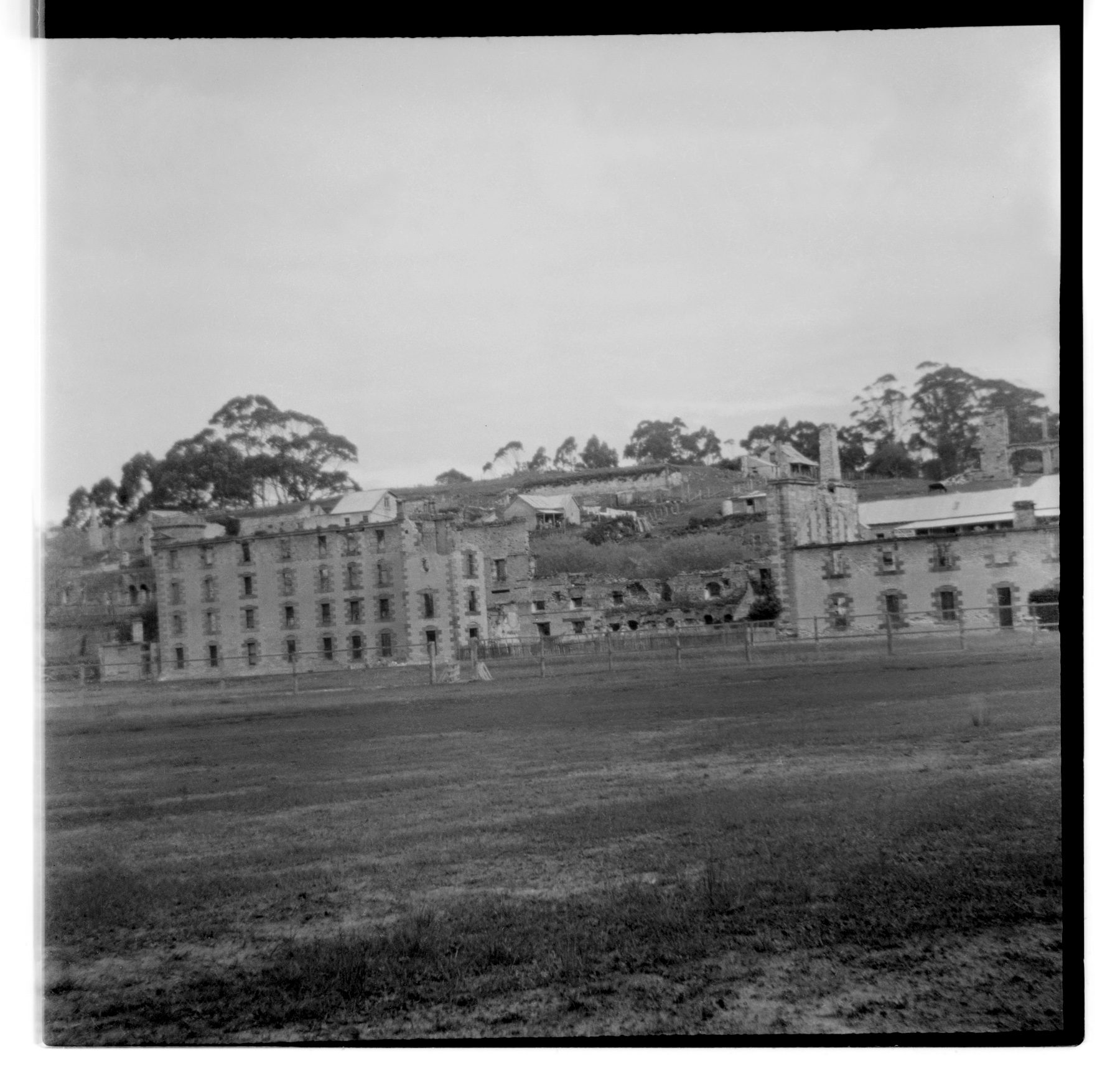
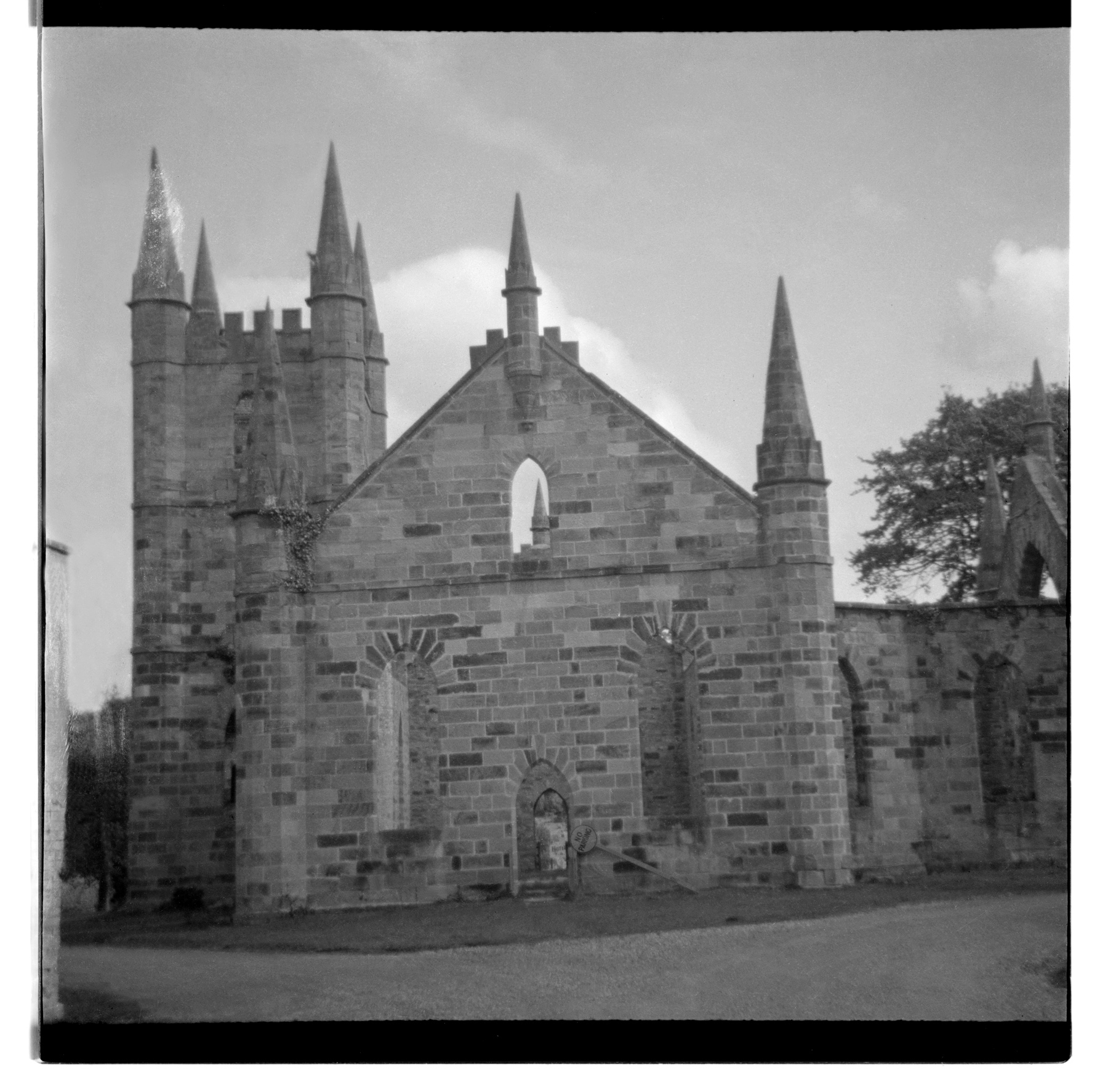


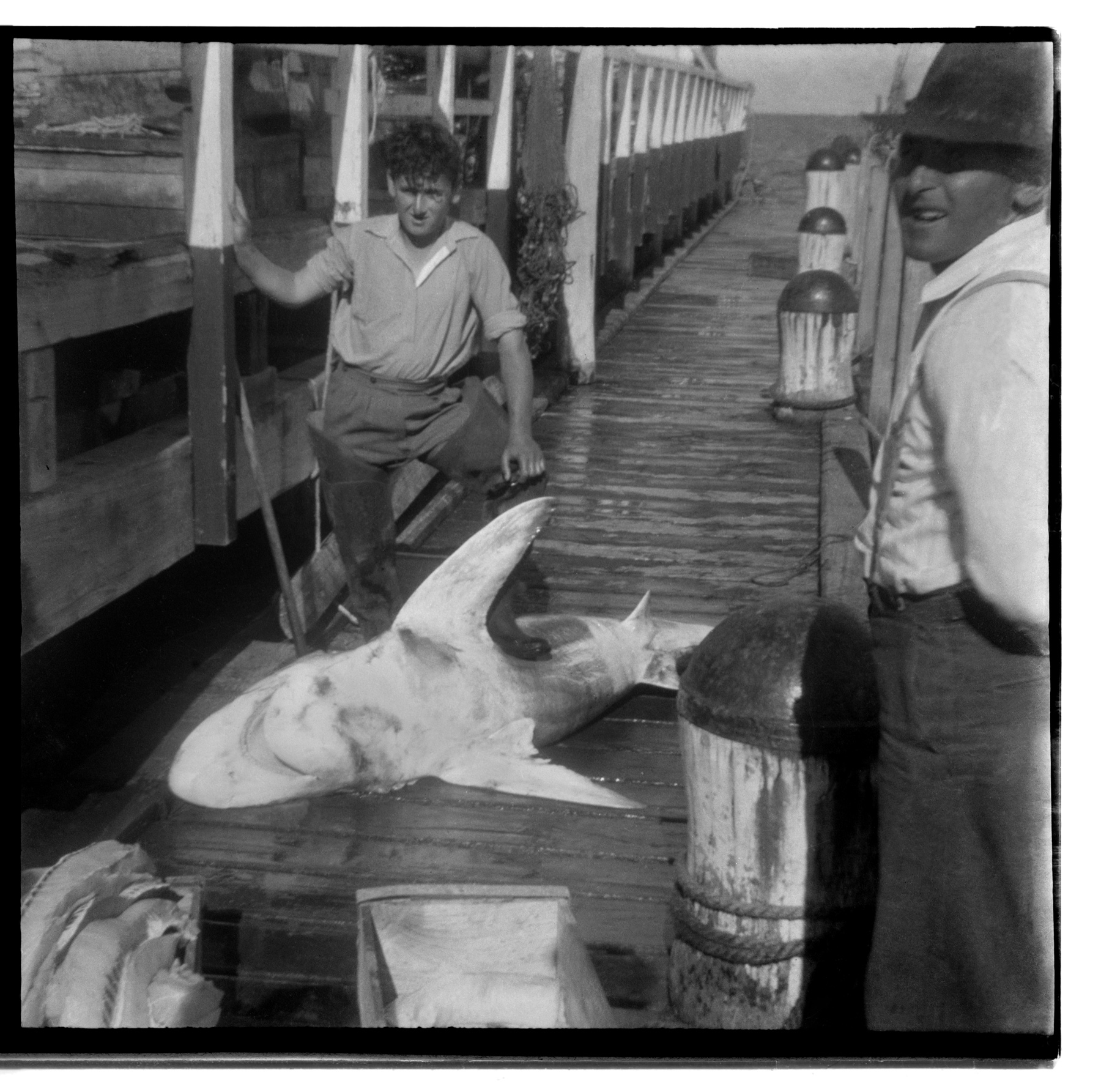


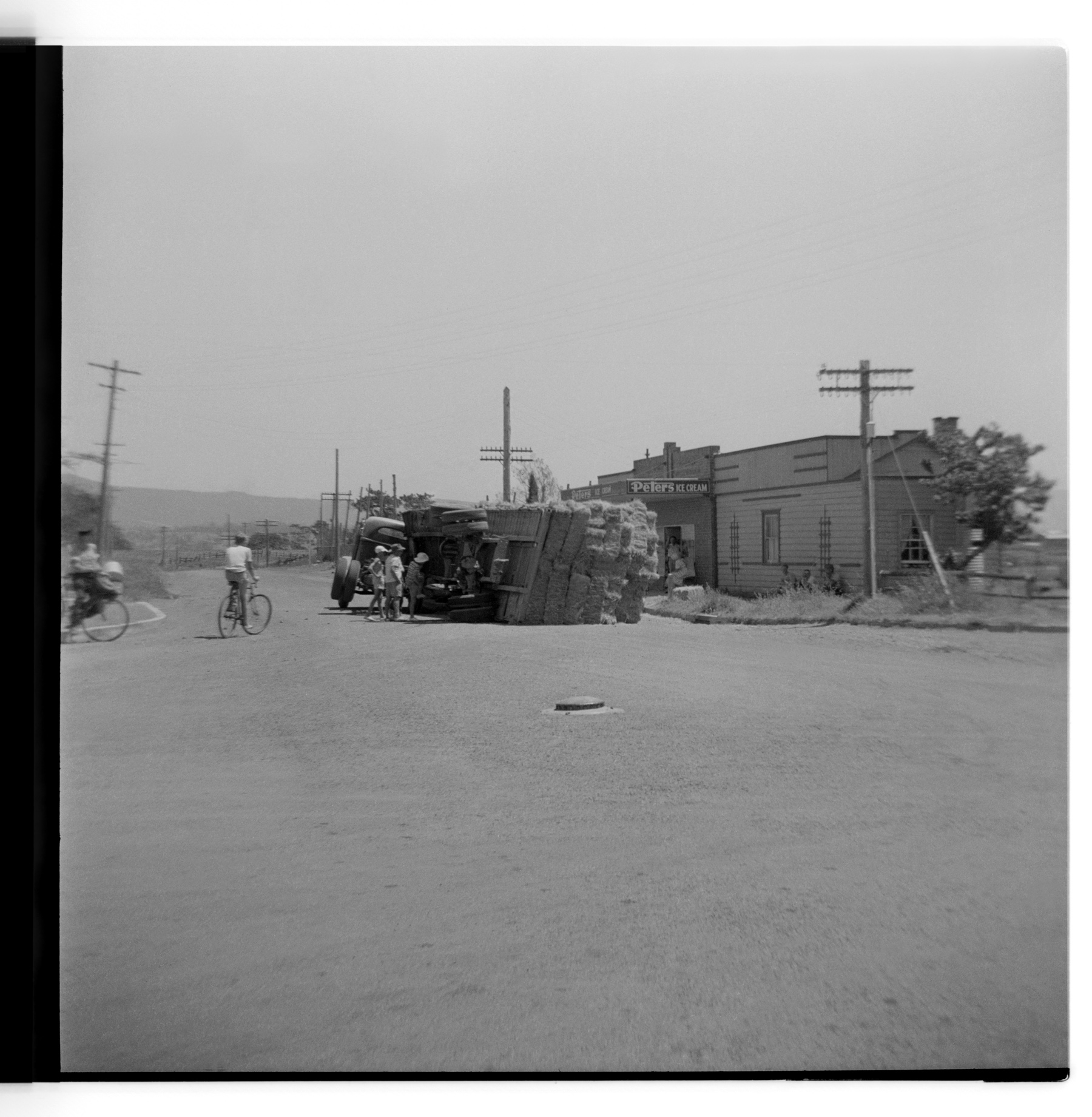
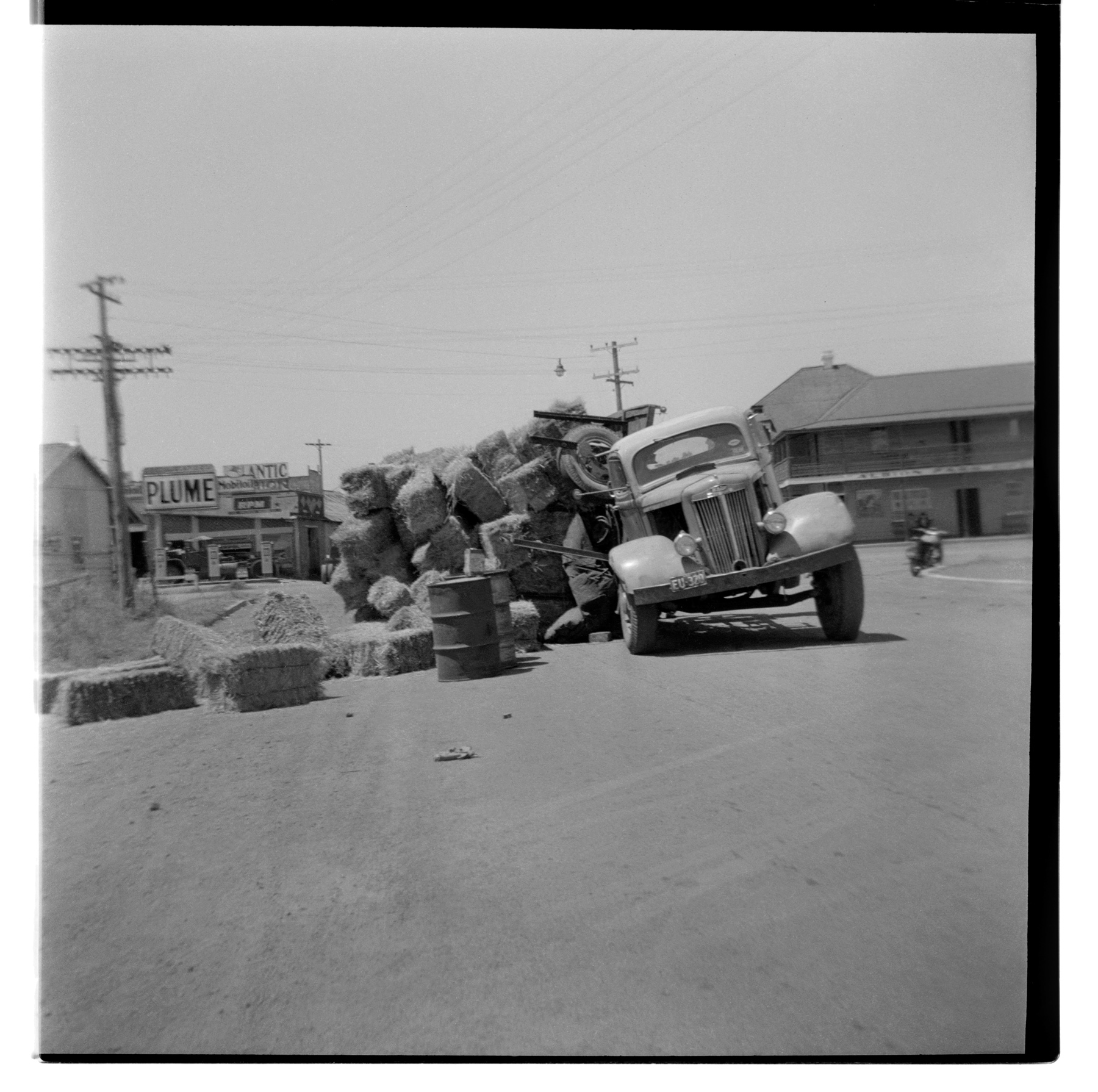


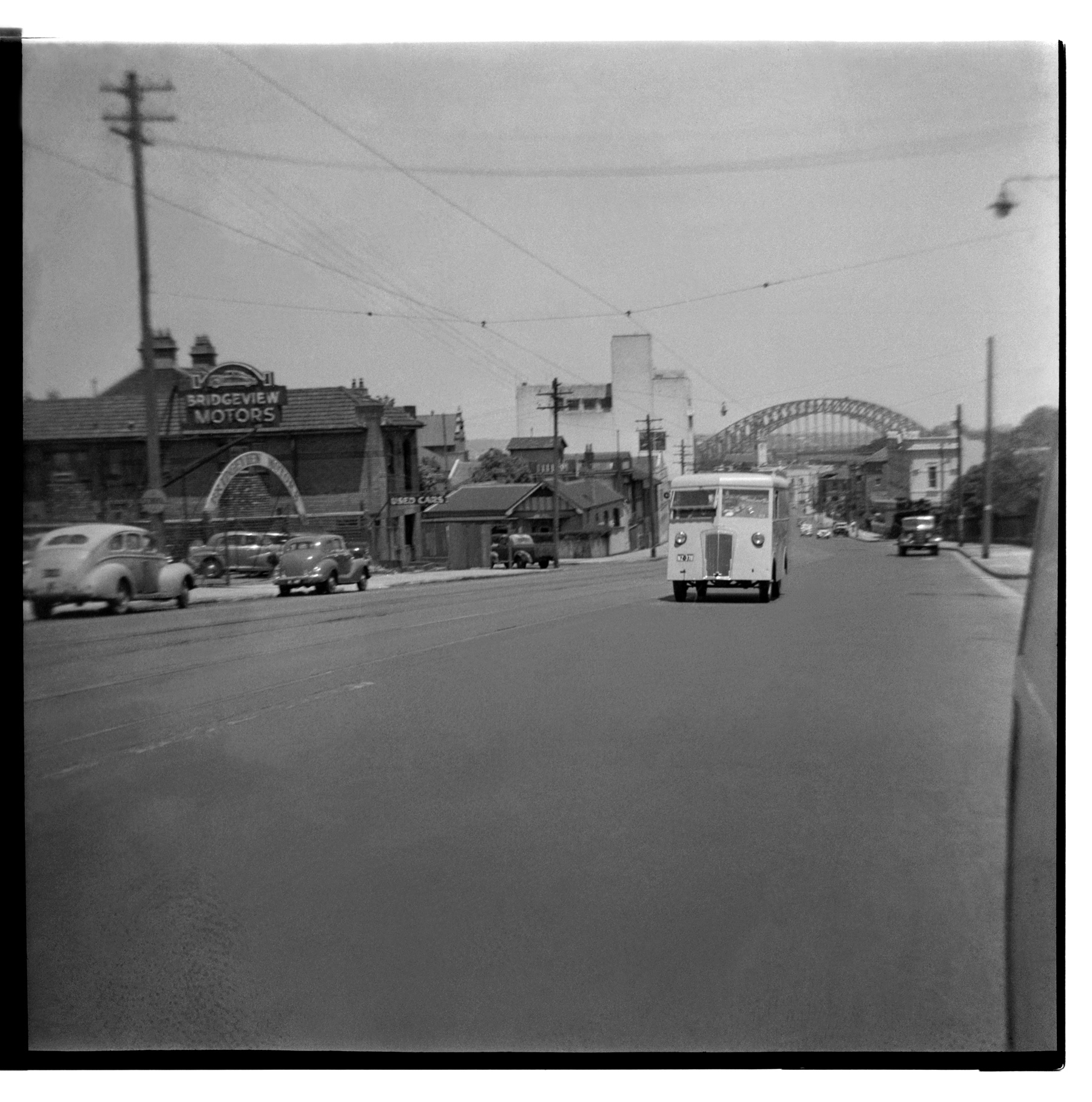


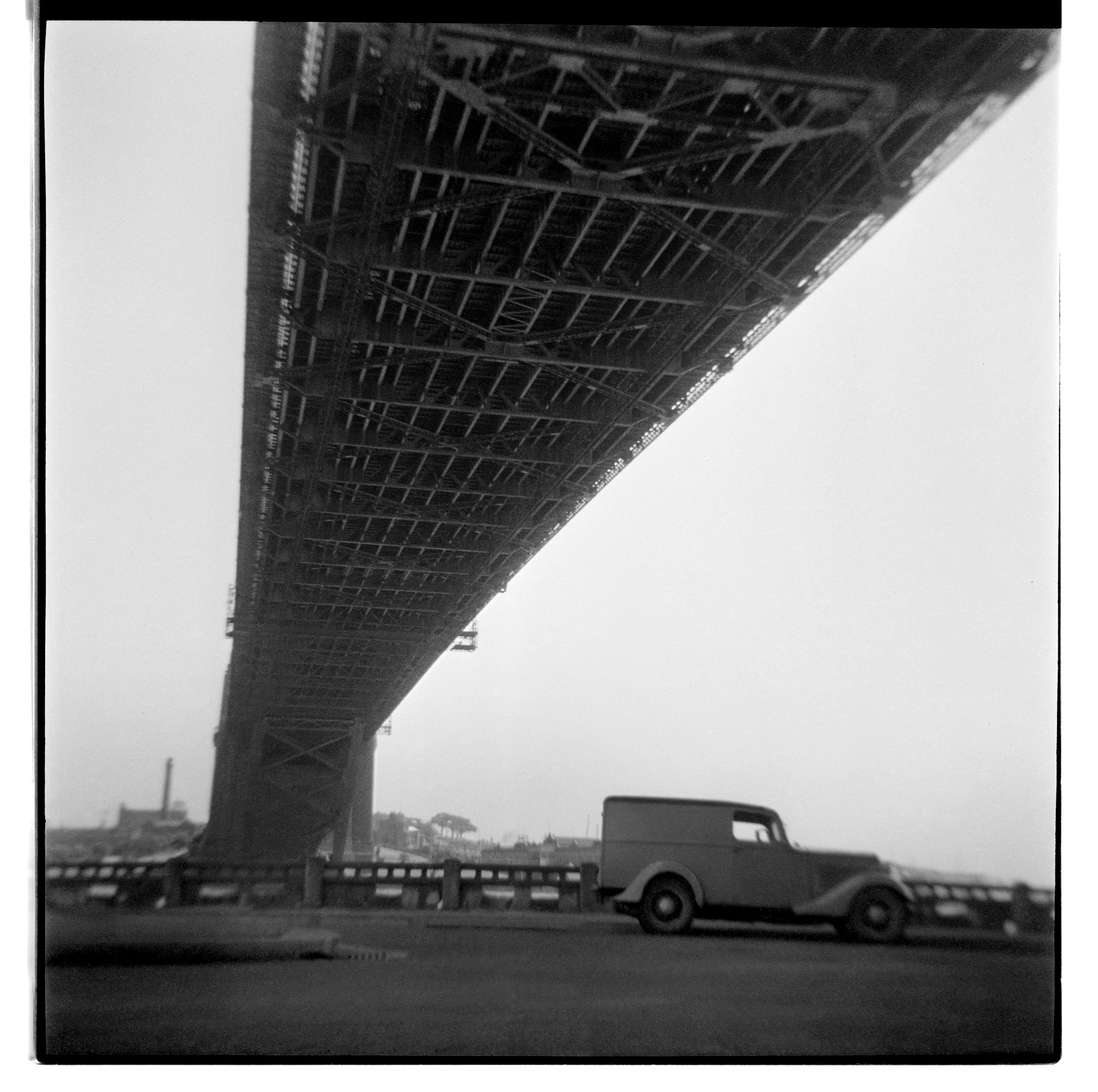


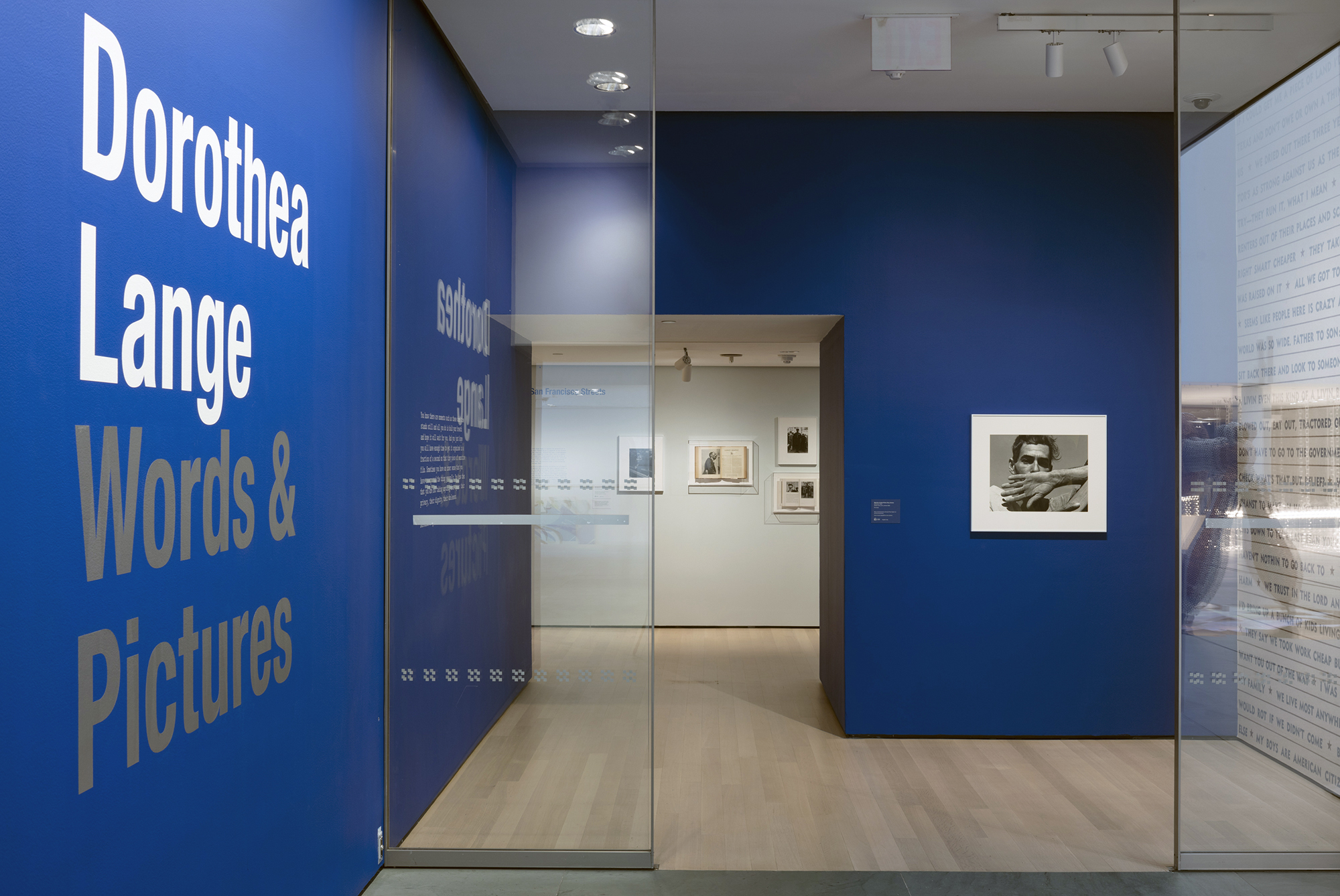
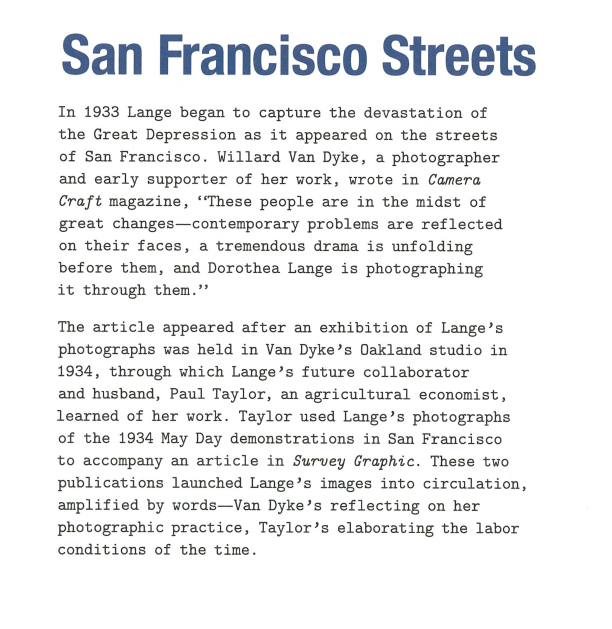
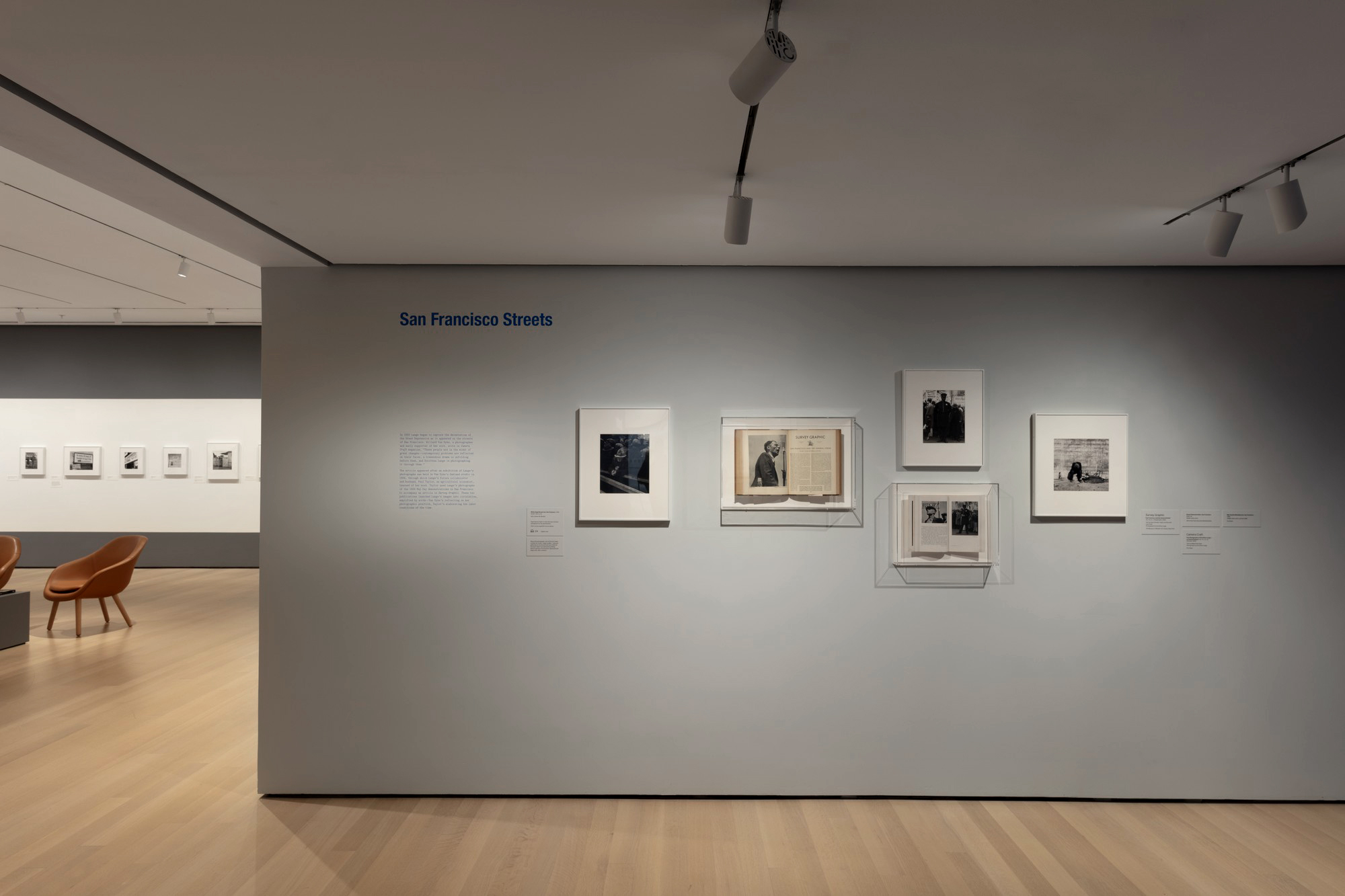


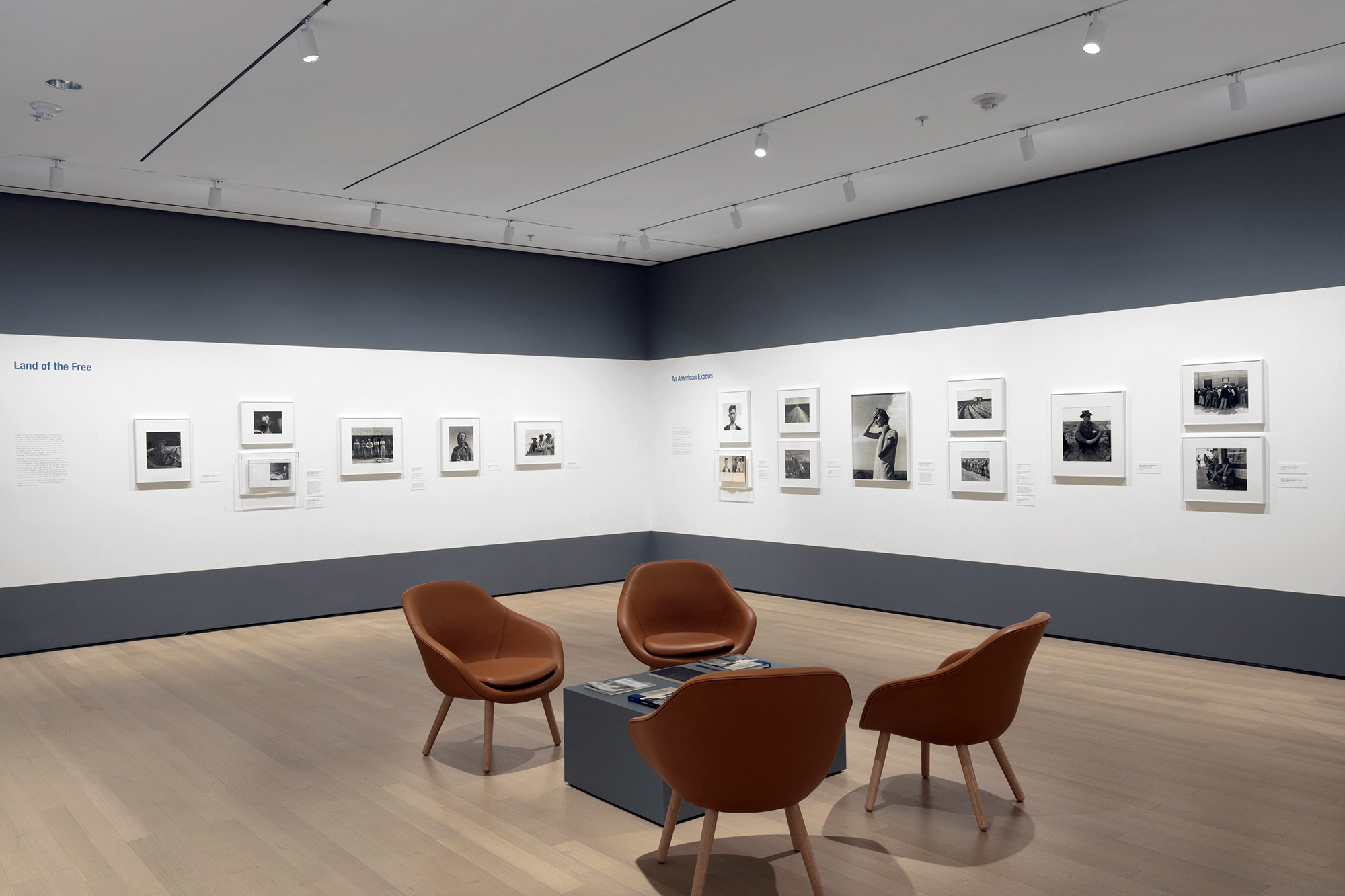


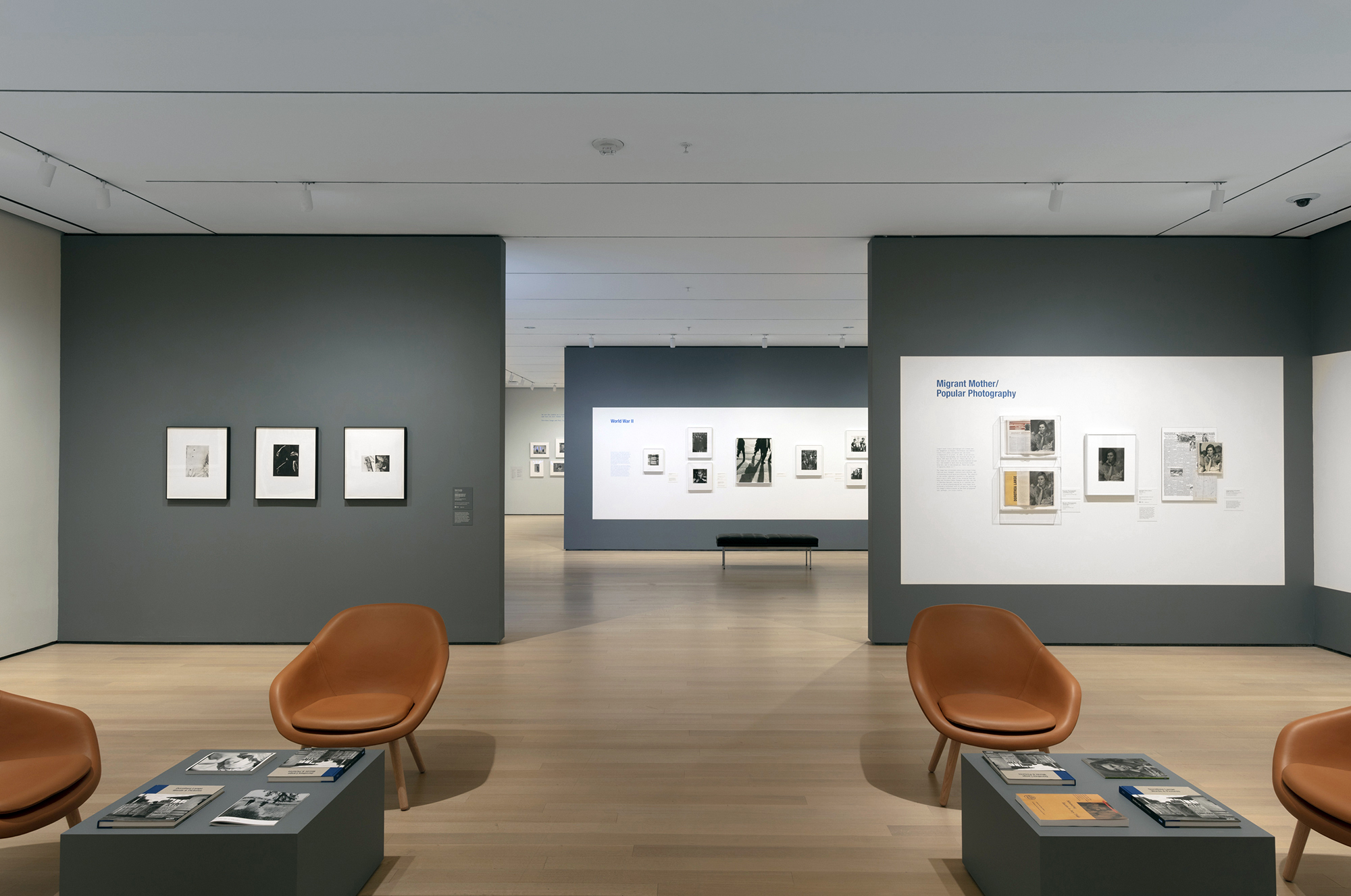
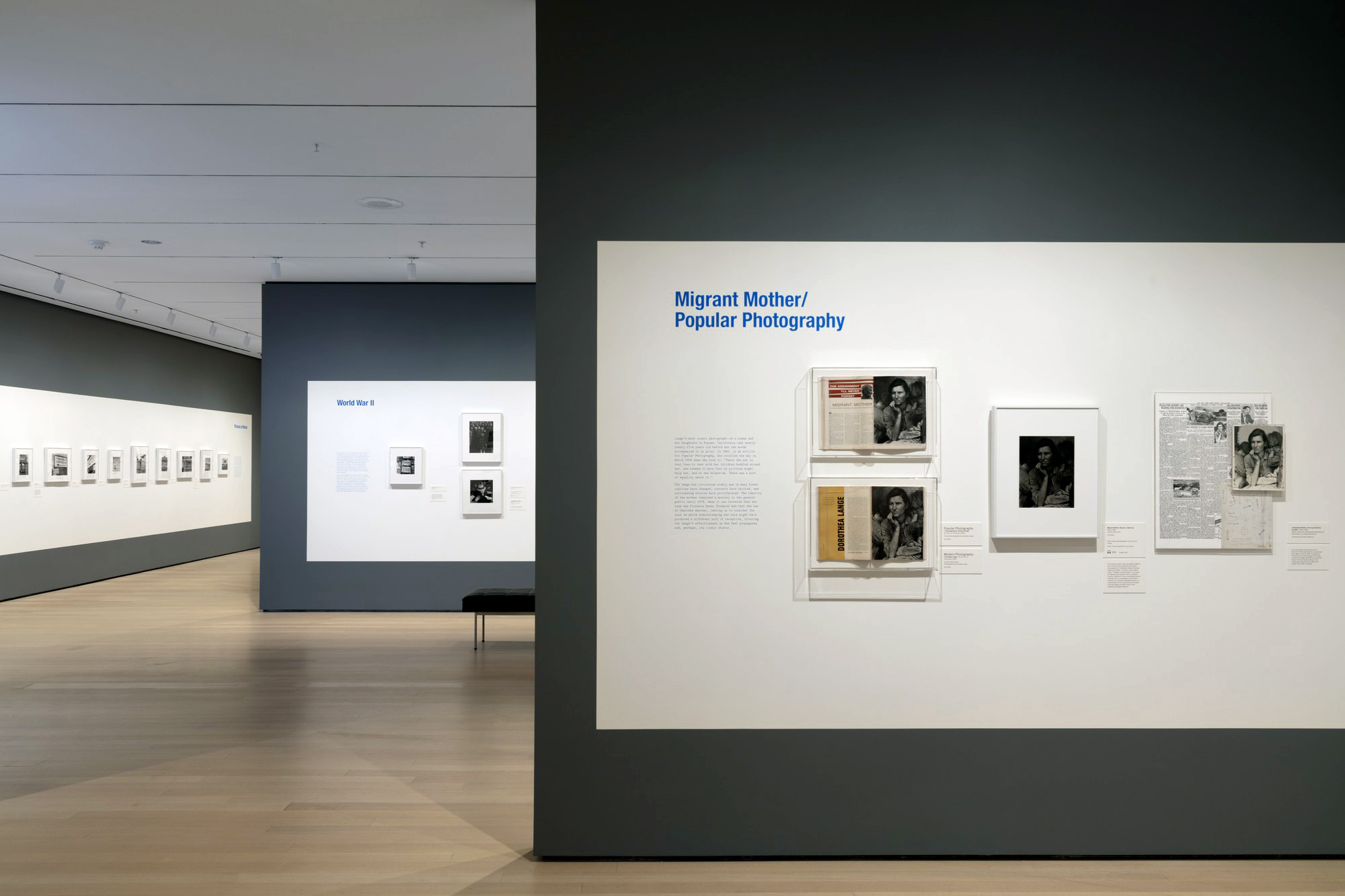
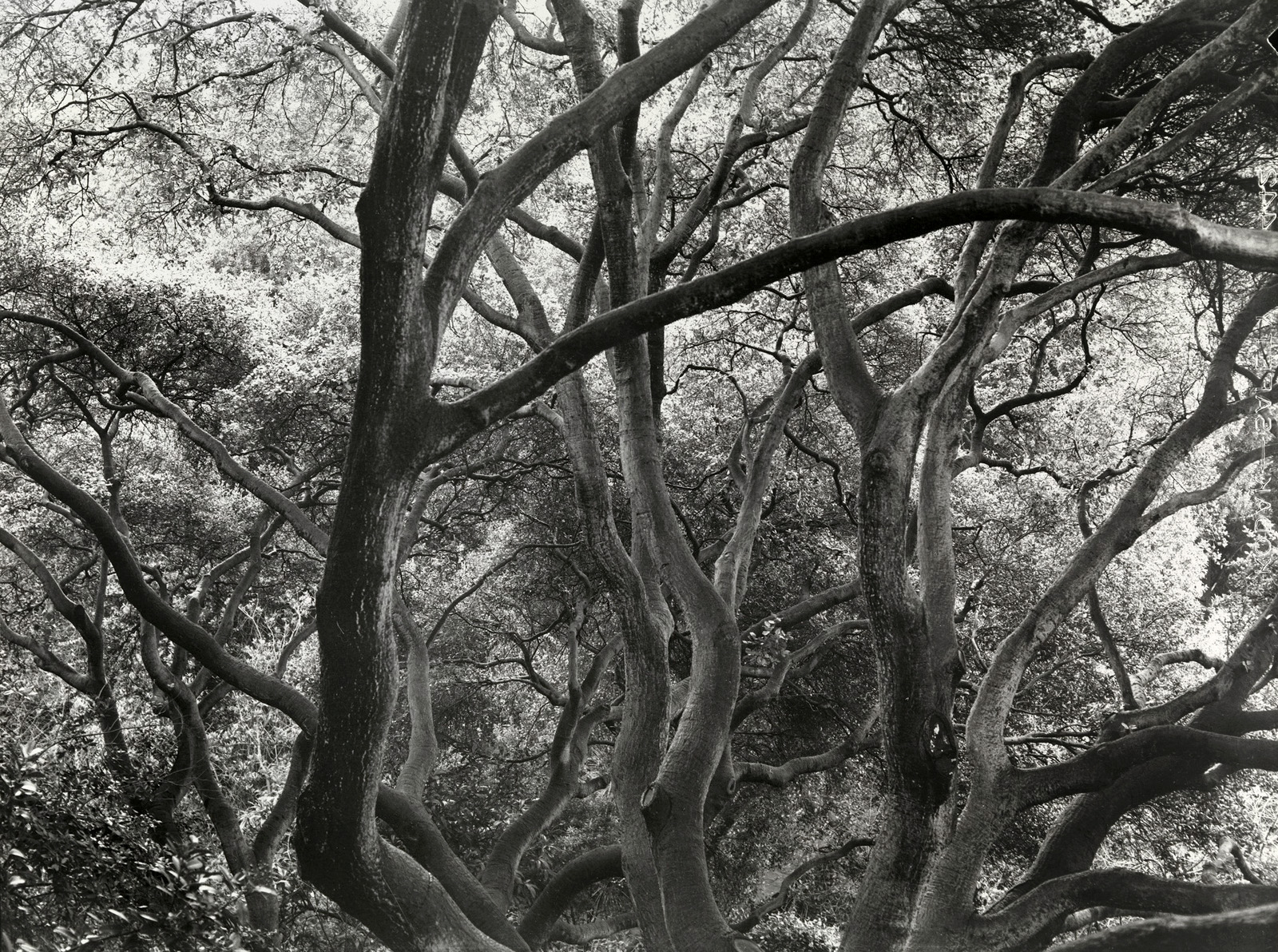


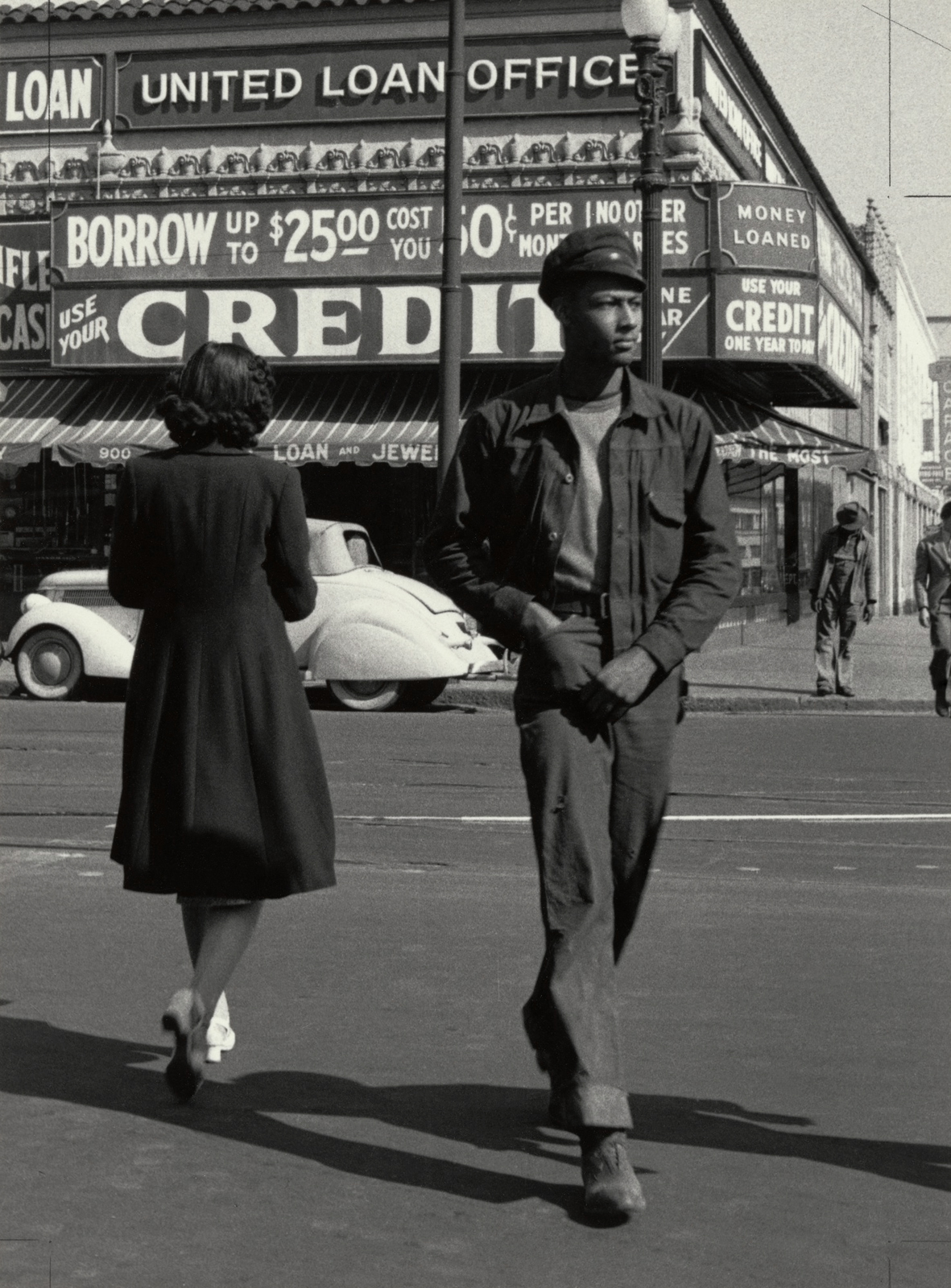




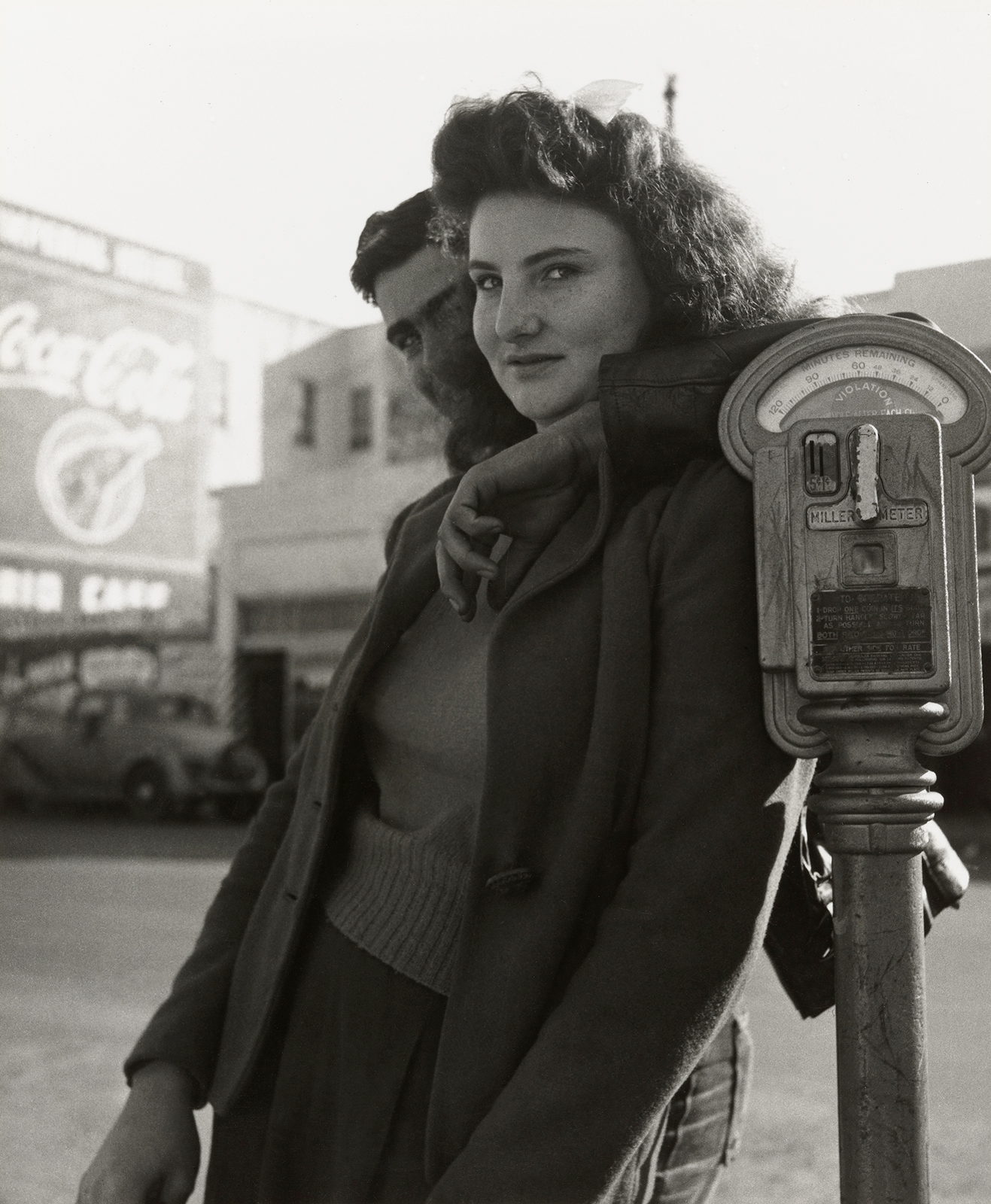


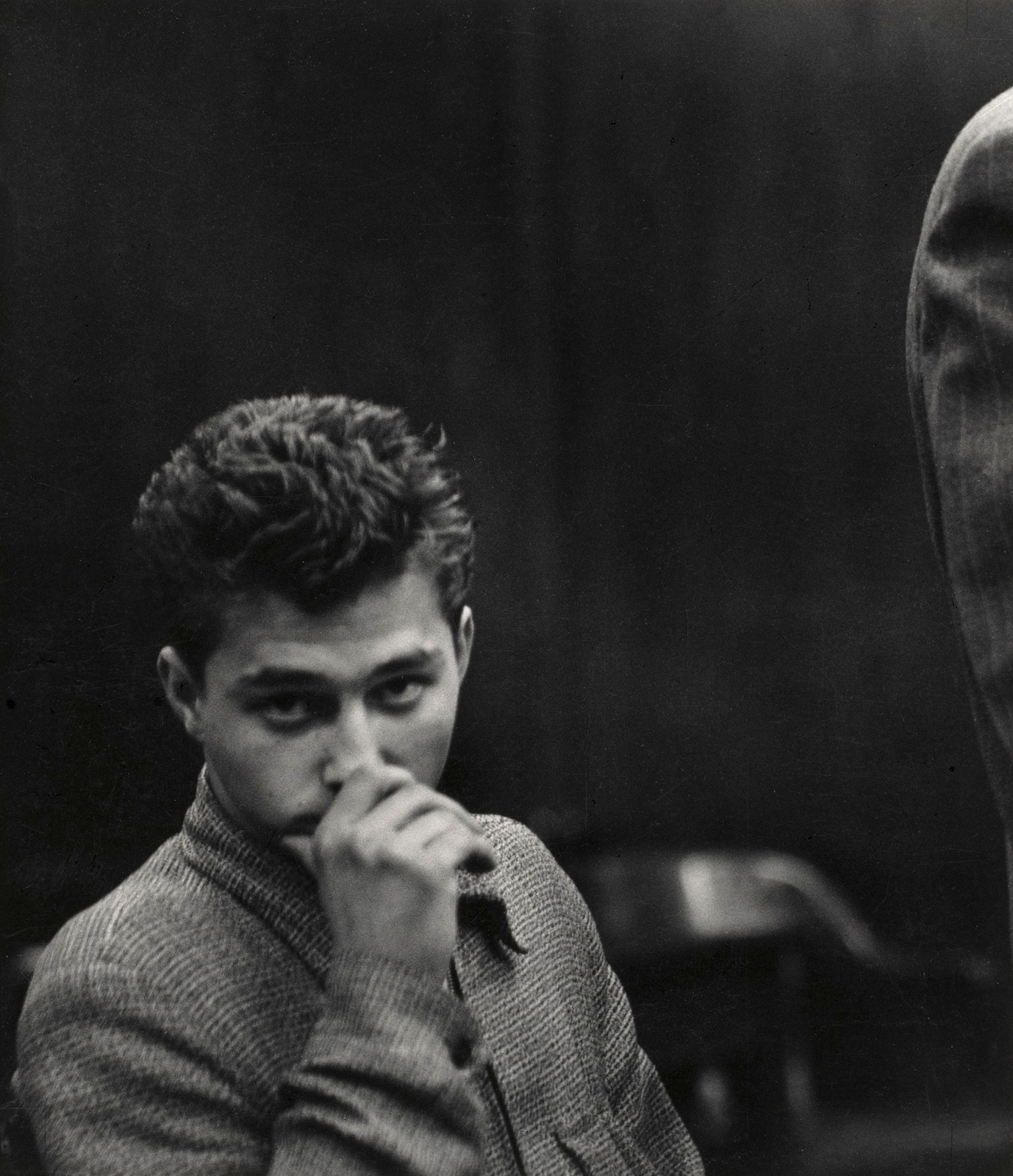


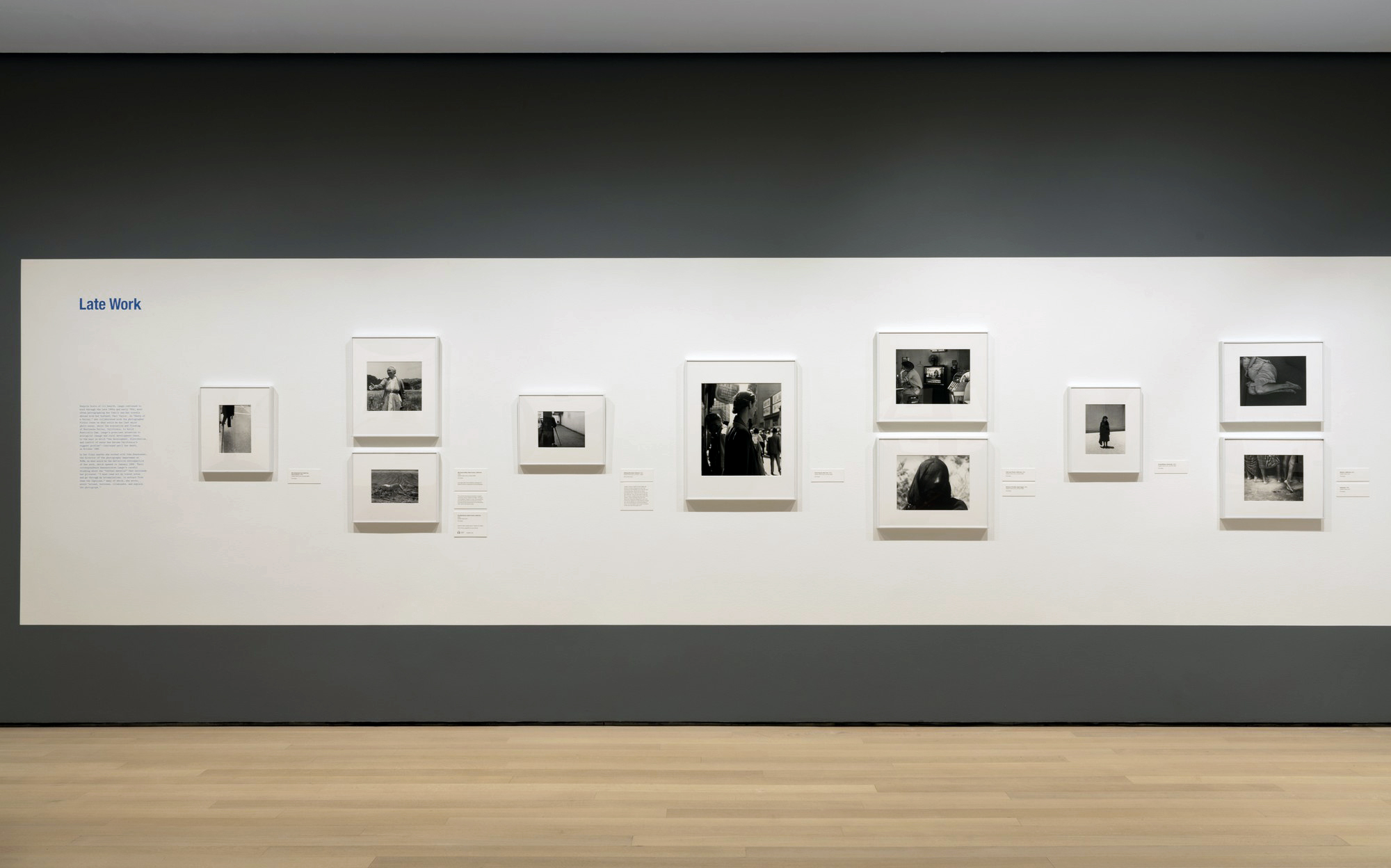
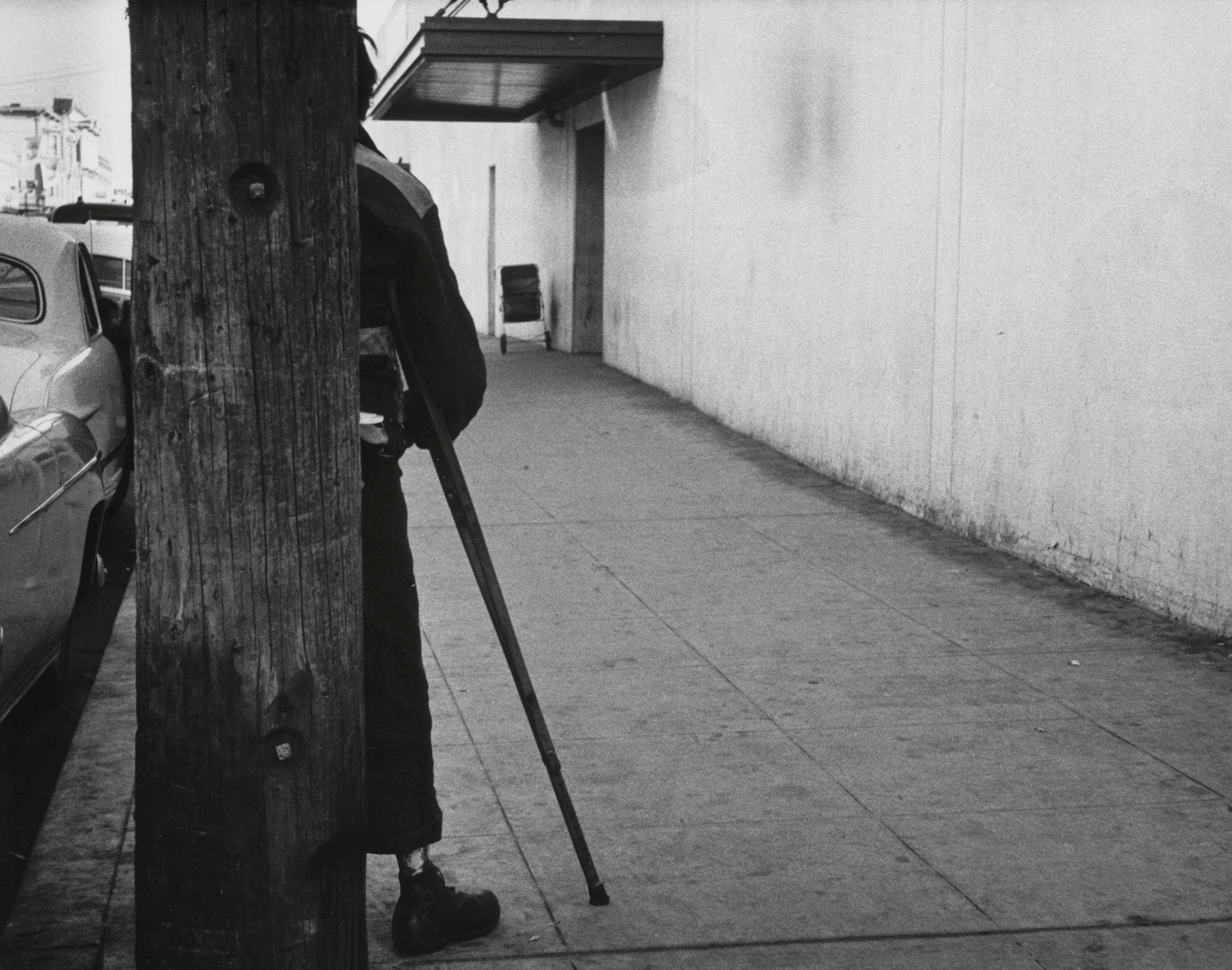

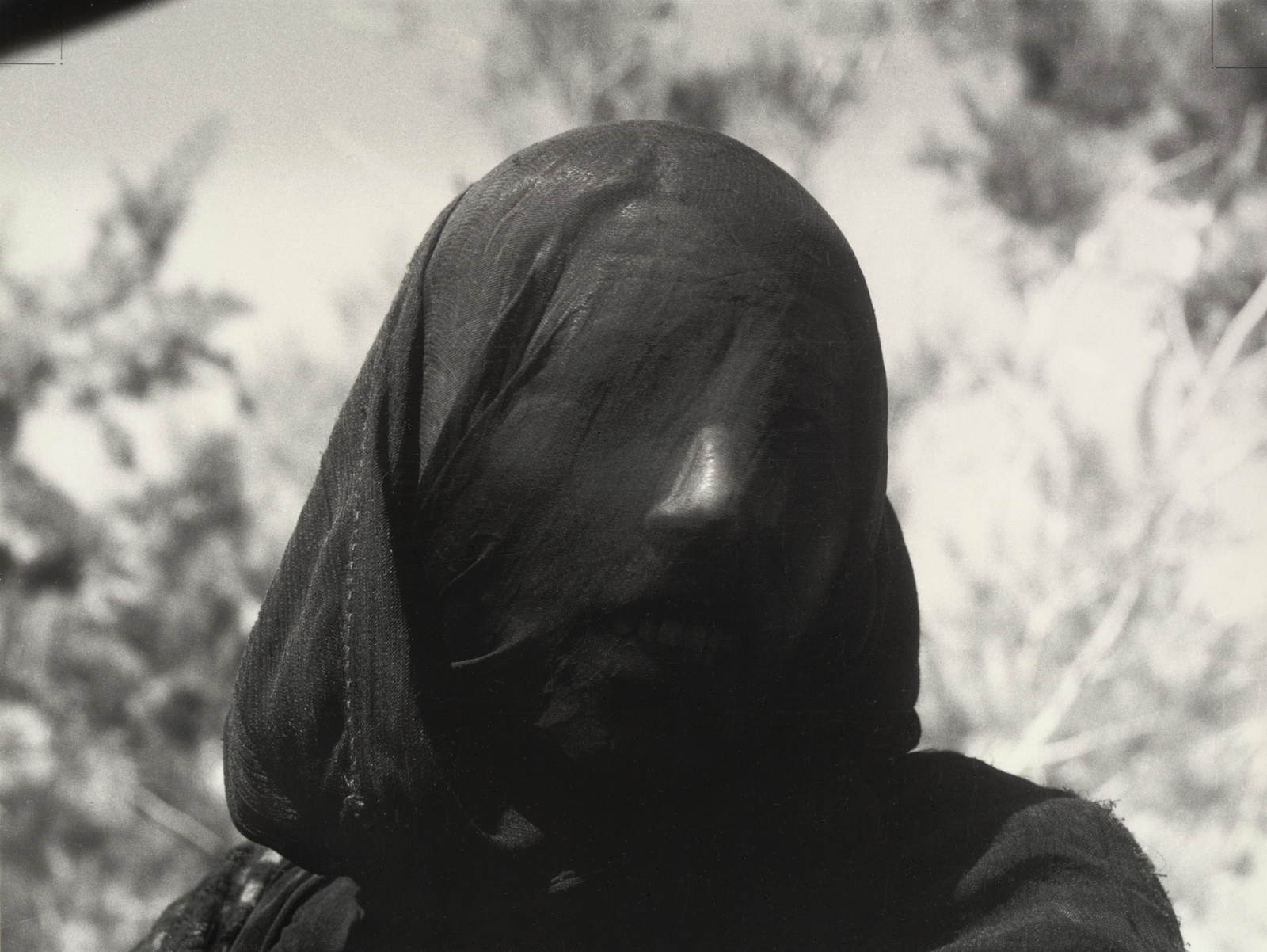


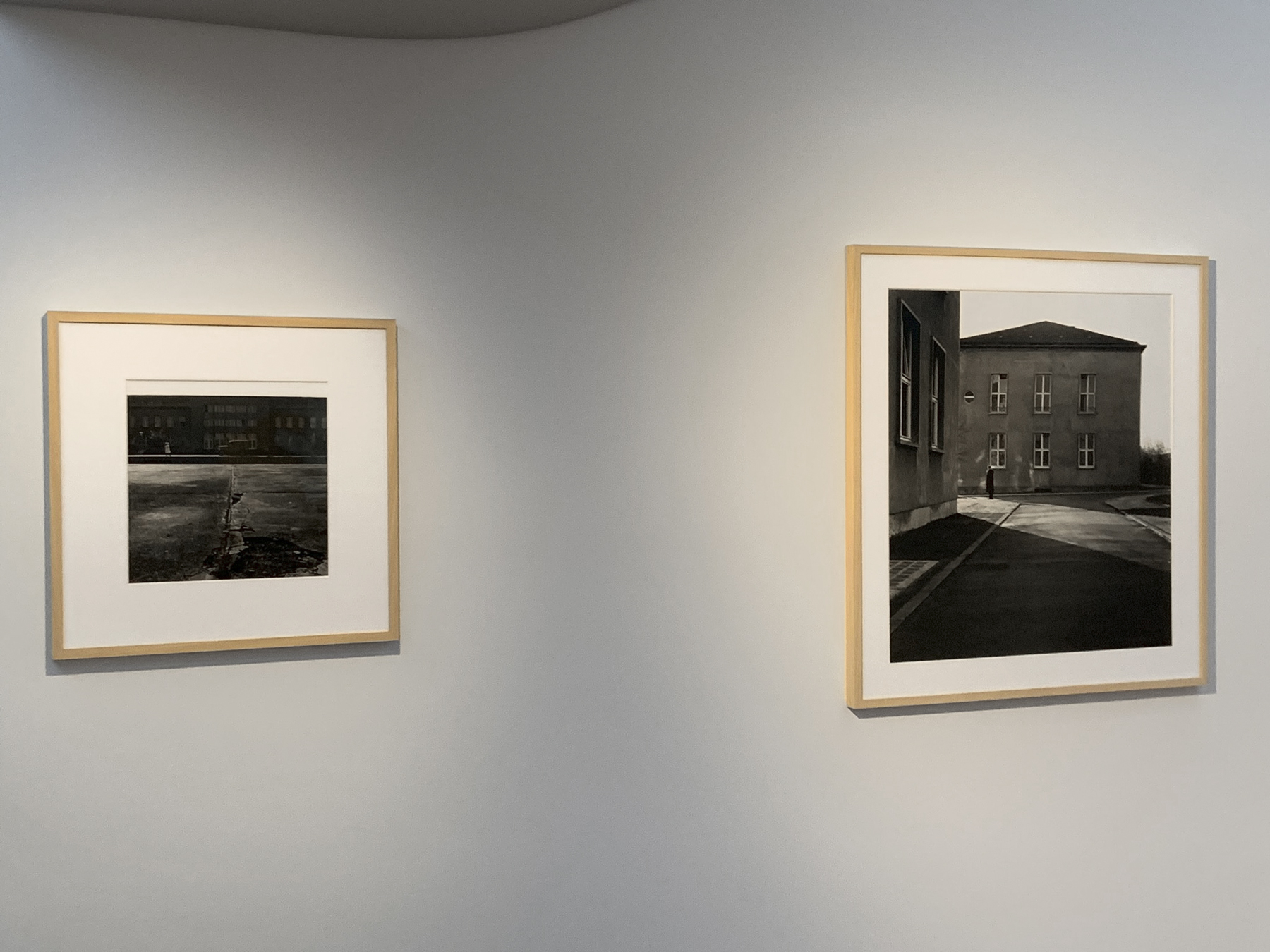



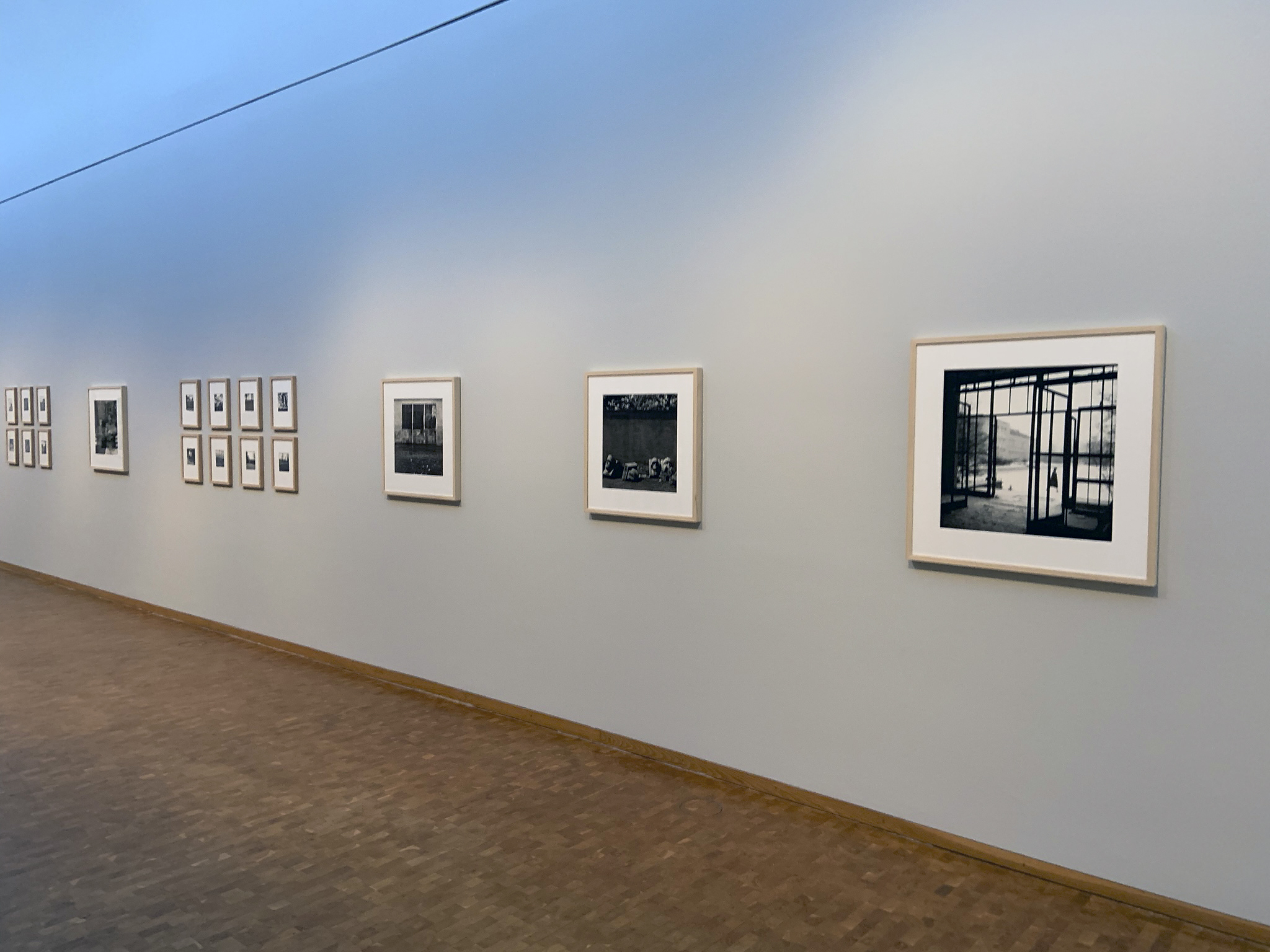


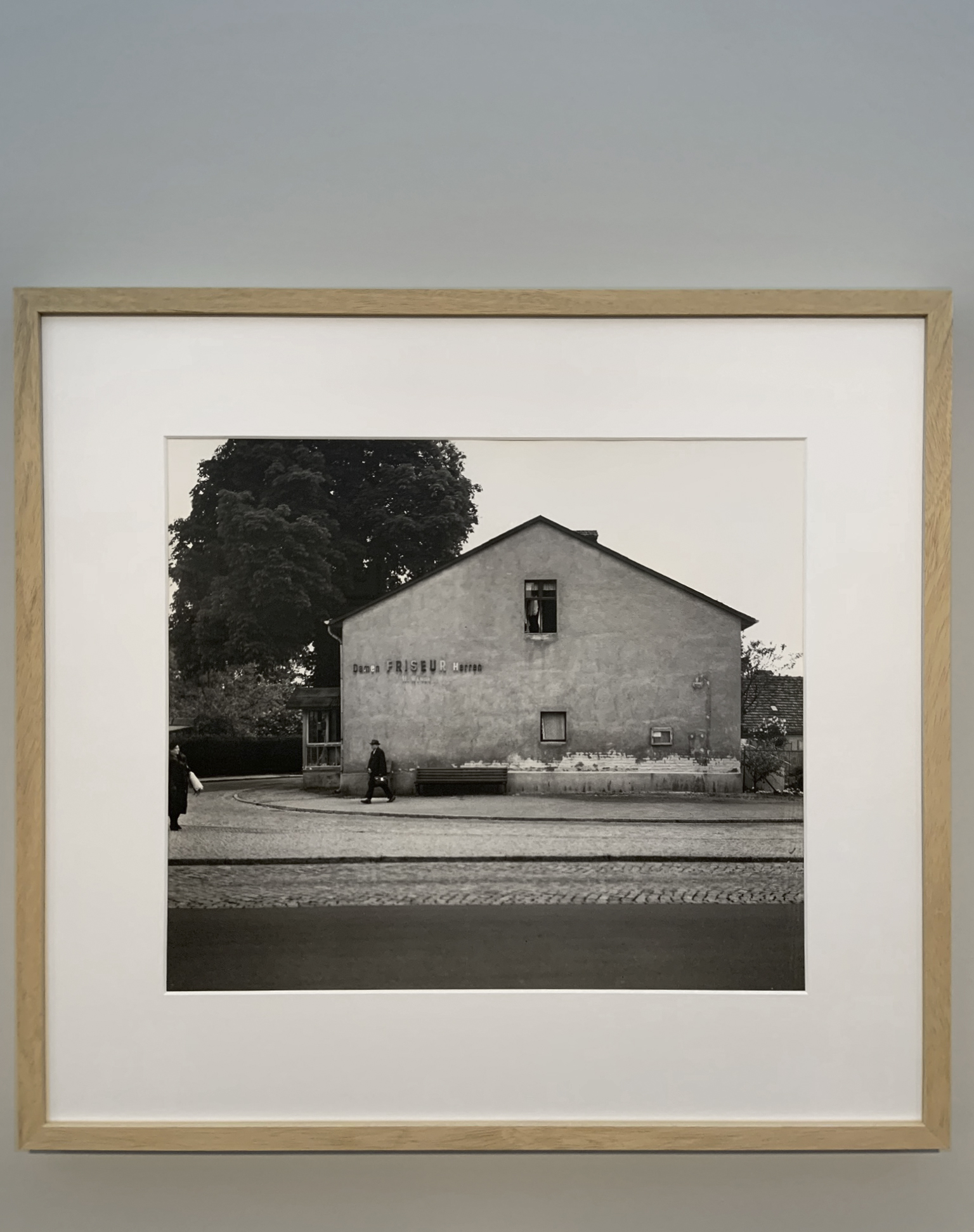

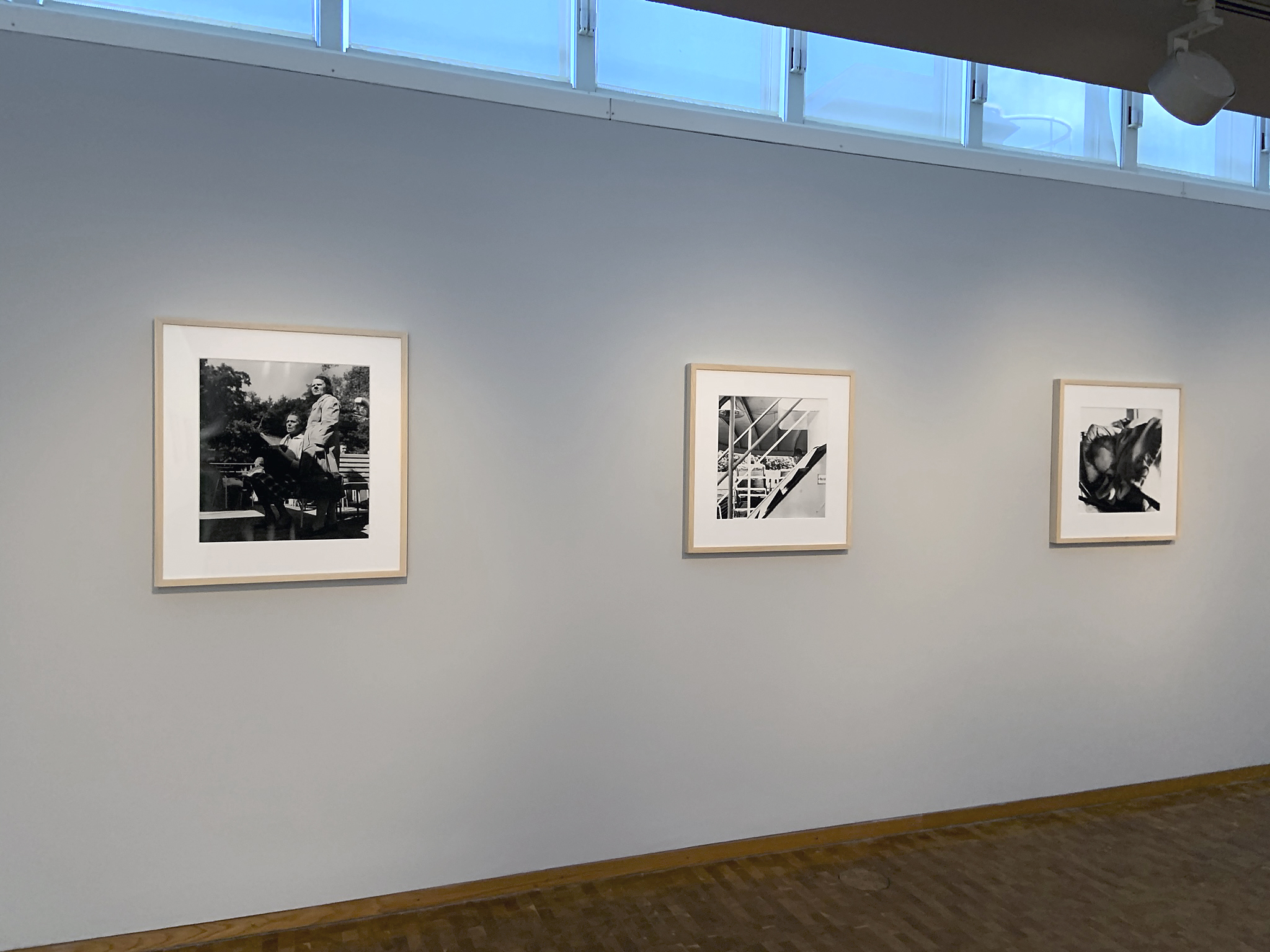


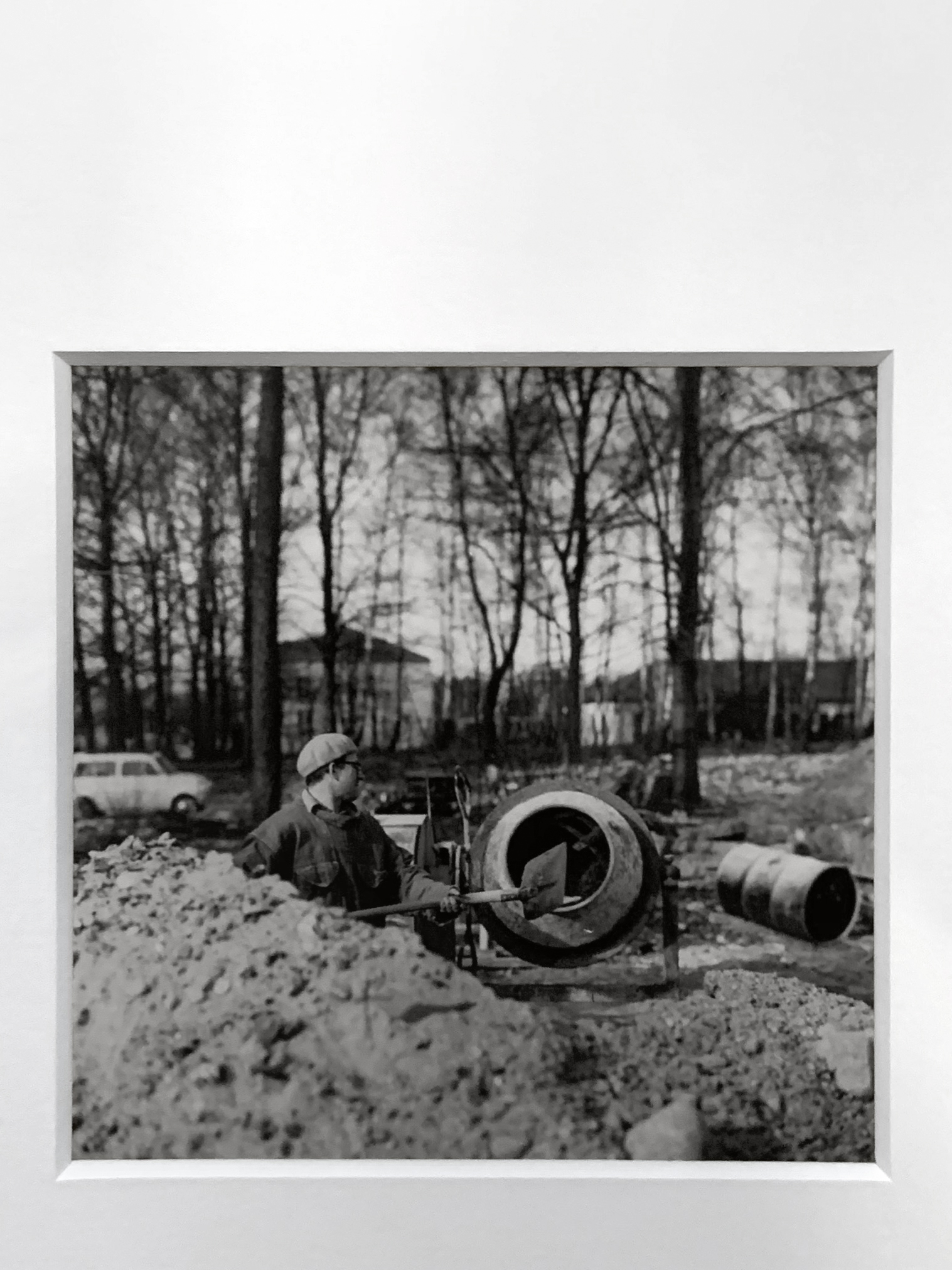


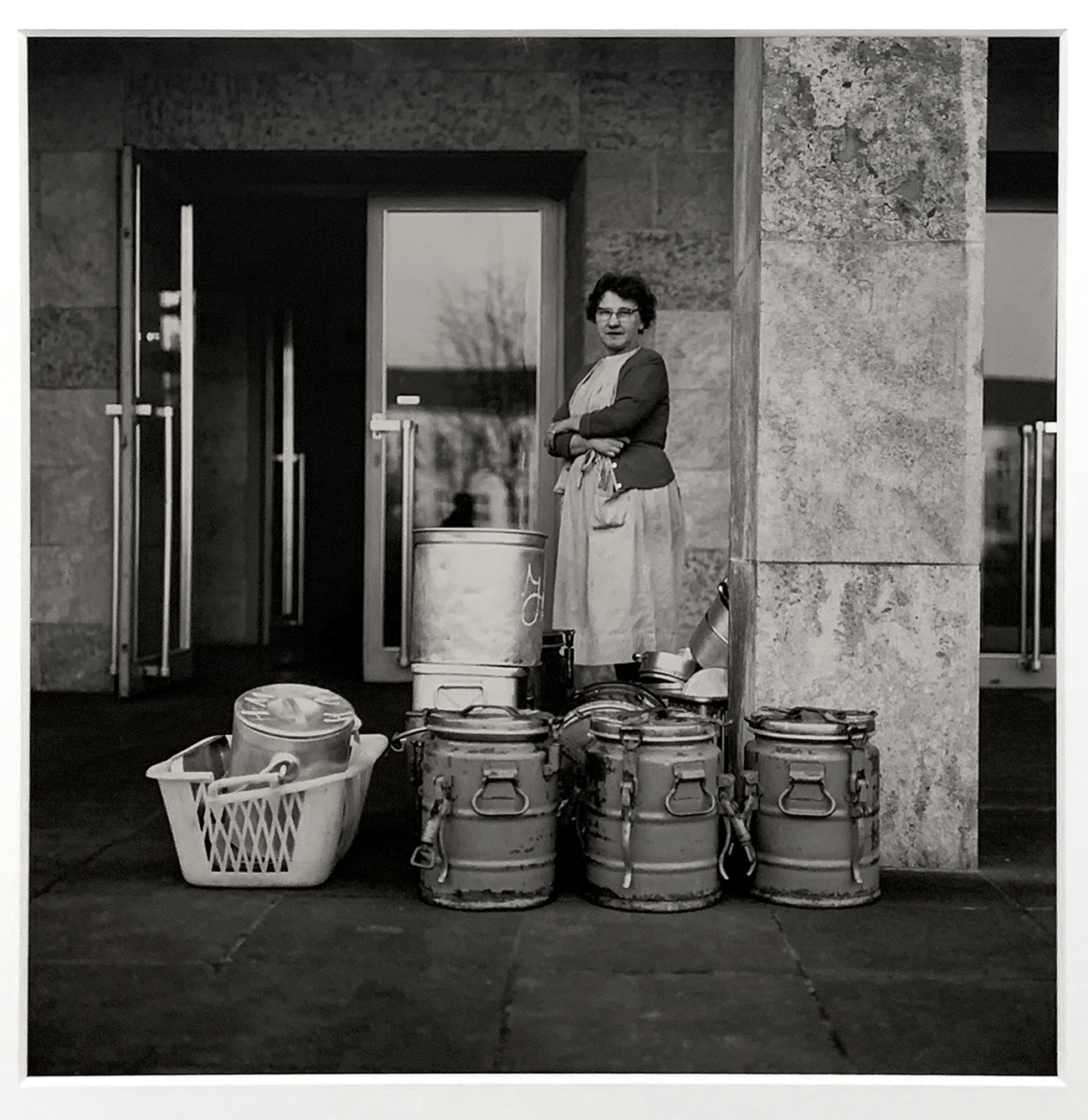


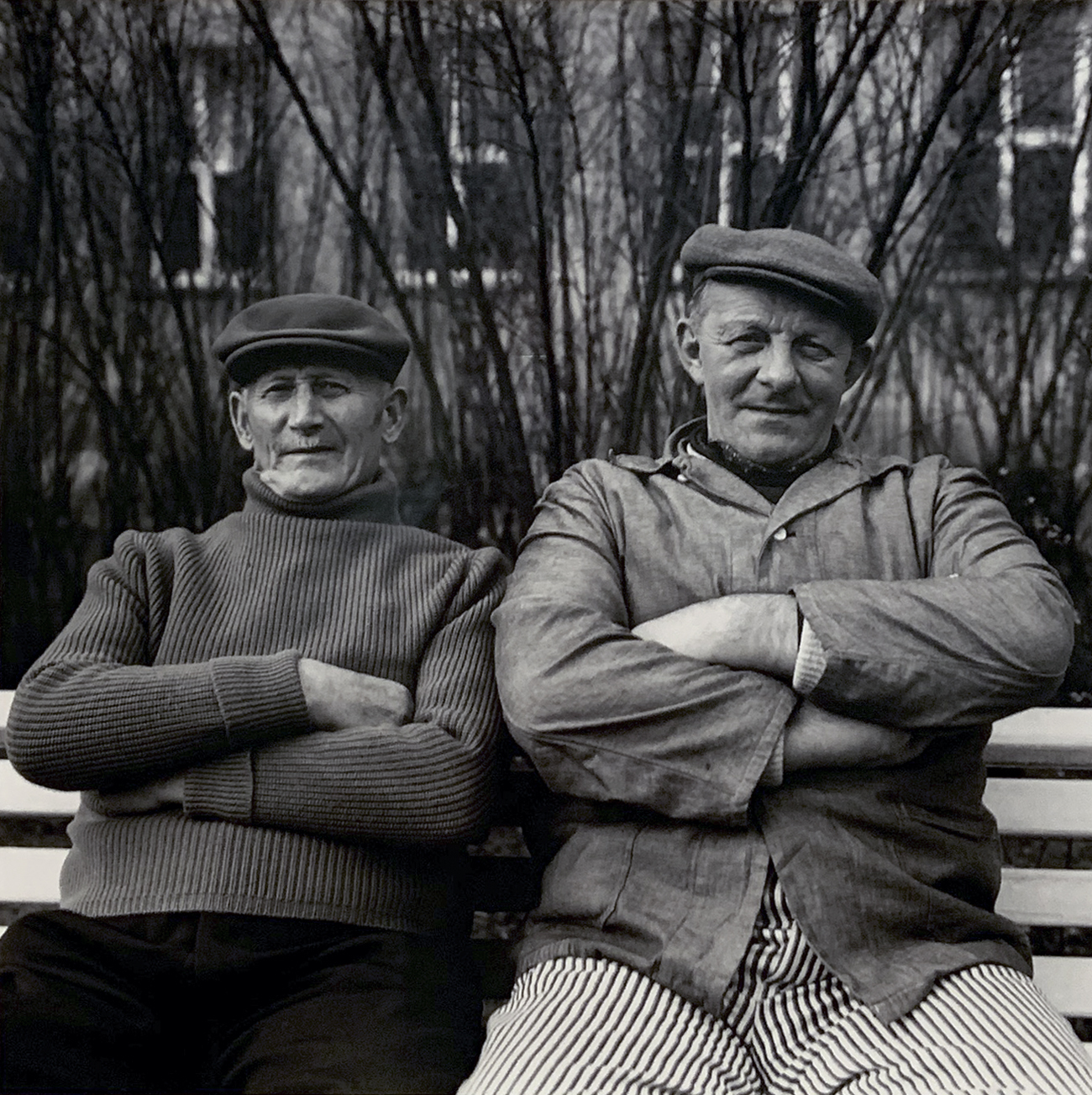


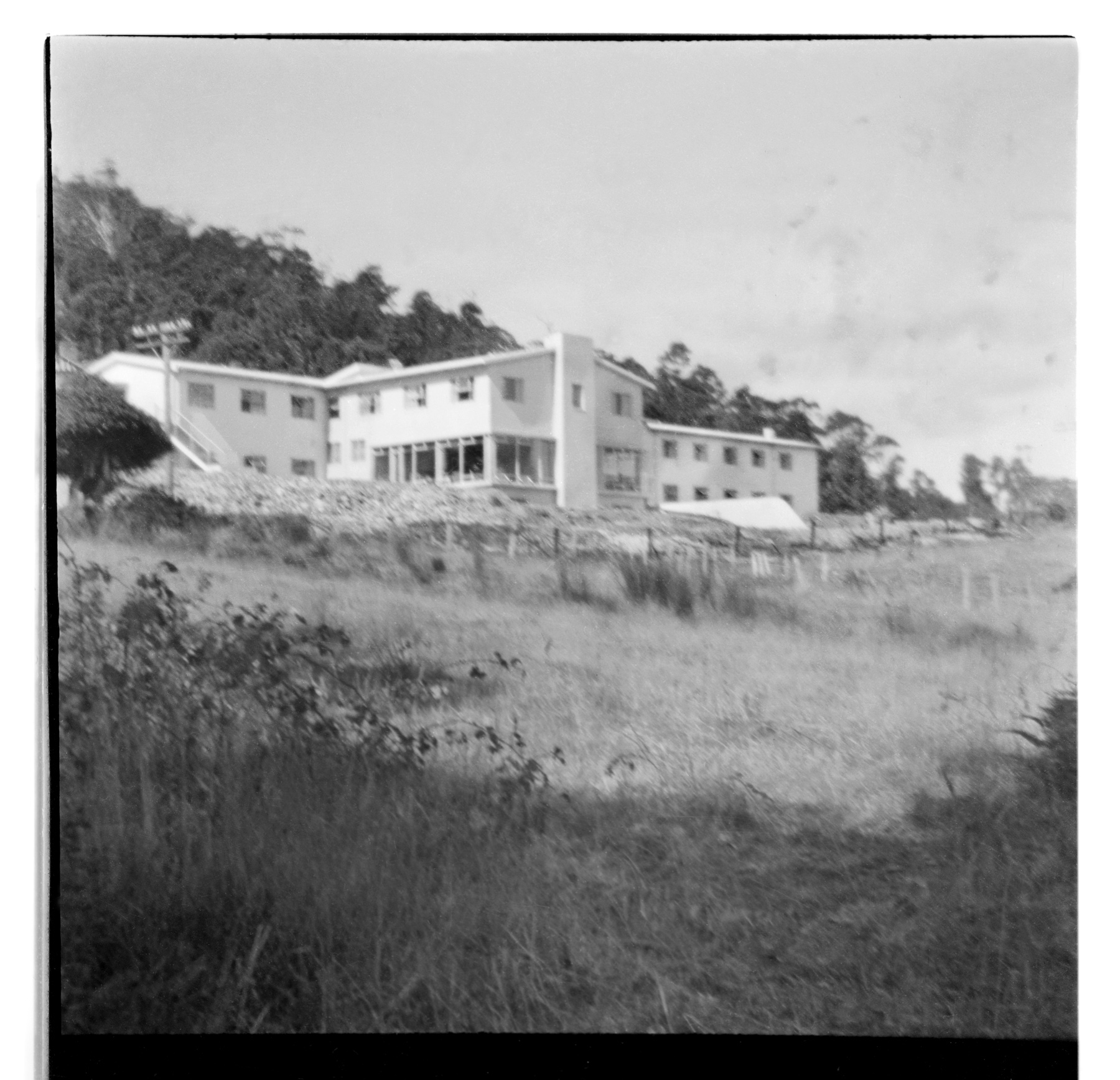


![Weegee (Arthur Fellig) (American born Austria, 1899-1968) '[Calypso]' about 1944; before 1946 from the exhibition Exhibition: 'Unseen: 35 Years of Collecting Photographs' at the J. Paul Getty Museum, Los Angeles, Dec 2019 - March 2020](https://artblart.com/wp-content/uploads/2020/02/gm_04305501_2000x2000.jpg "Weegee (Arthur Fellig) (American born Austria, 1899-1968) '[Calypso]' about 1944; before 1946 from the exhibition Exhibition: 'Unseen: 35 Years of Collecting Photographs' at the J. Paul Getty Museum, Los Angeles, Dec 2019 - March 2020")
![Carleton Watkins (American, 1829-1916) '[Guadalupe Mill]' 1860 from the exhibition Exhibition: 'Unseen: 35 Years of Collecting Photographs' at the J. Paul Getty Museum, Los Angeles, Dec 2019 - March 2020](https://artblart.com/wp-content/uploads/2020/02/gm_06196501_2000x2000.jpg "Carleton Watkins (American, 1829-1916) '[Guadalupe Mill]' 1860 from the exhibition Exhibition: 'Unseen: 35 Years of Collecting Photographs' at the J. Paul Getty Museum, Los Angeles, Dec 2019 - March 2020")


![Marinus Jacob Kjeldgaard (Danish, 1884-1964, active Paris, France late 1930s - late 1940s) '[Collage: Balance of Powers]' about 1939](https://artblart.com/wp-content/uploads/2020/02/gm_05085801_2000x2000.jpg "Marinus Jacob Kjeldgaard (Danish, 1884-1964, active Paris, France late 1930s - late 1940s) '[Collage: Balance of Powers]' about 1939")
![Paul Outerbridge (American, 1896-1958) '[Egg in Spotlight]' 1943](https://artblart.com/wp-content/uploads/2020/02/gm_32105401_2000x2000.jpg "Paul Outerbridge (American, 1896-1958) '[Egg in Spotlight]' 1943")
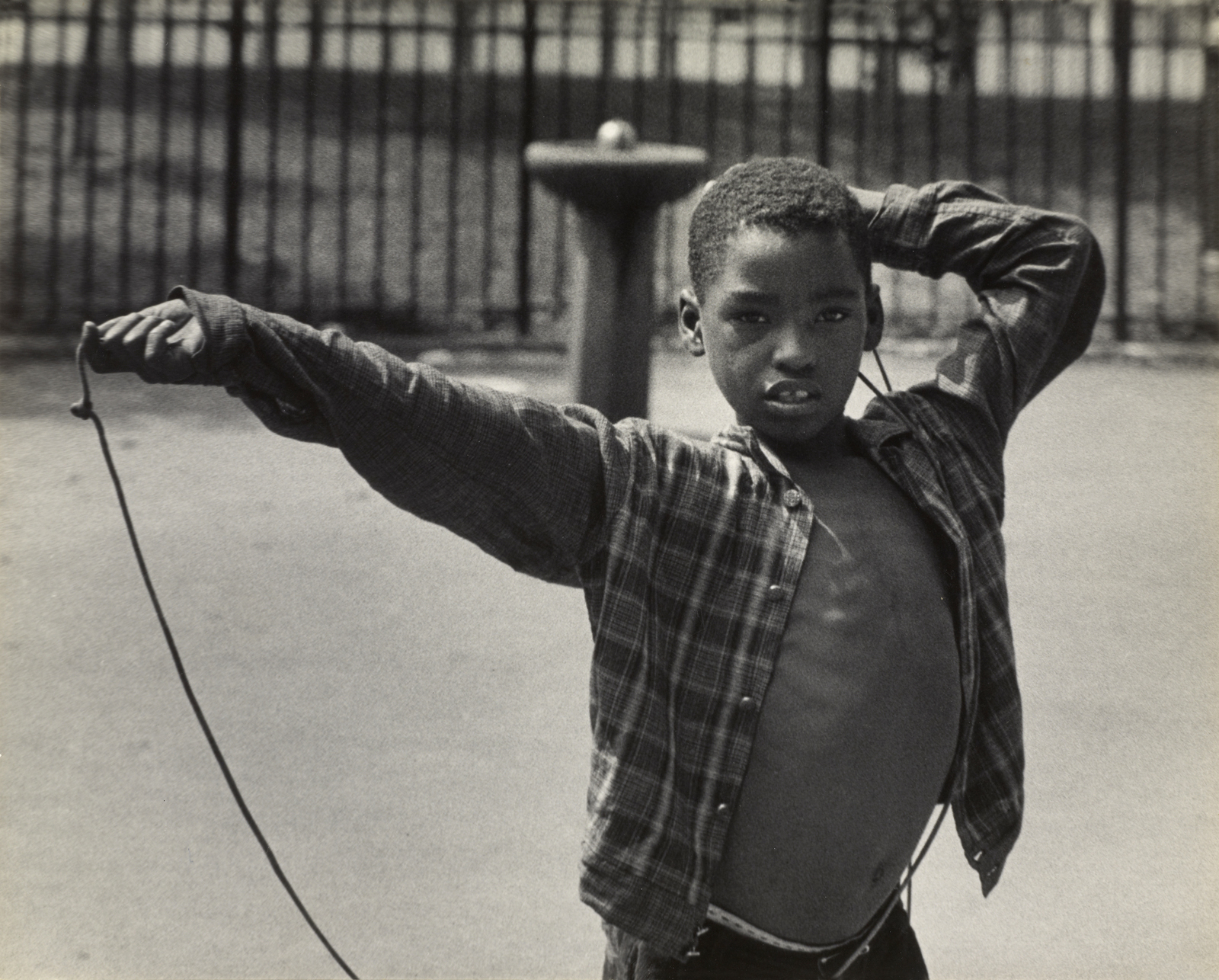
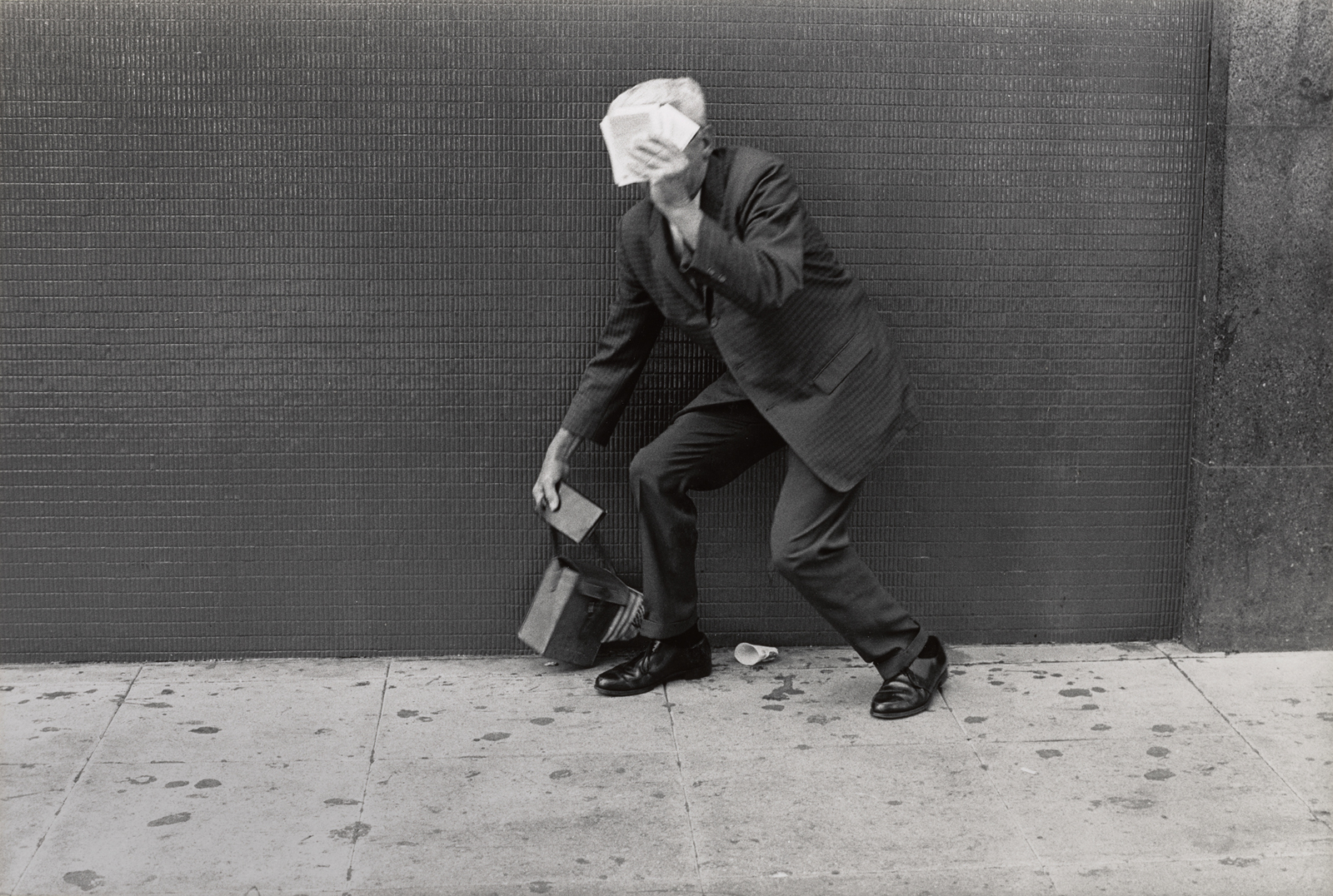


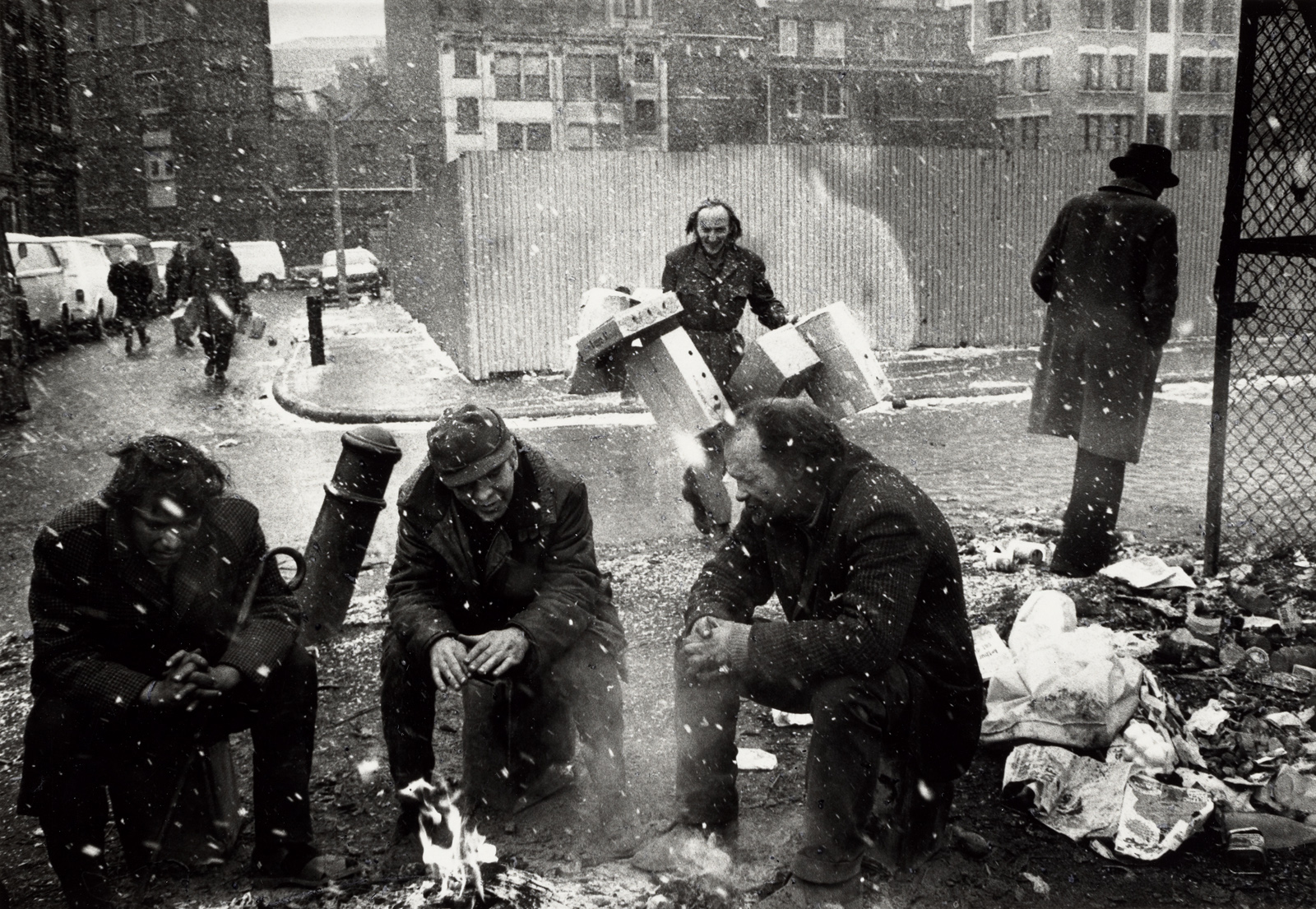
![Shigeichi Nagano (Japanese, 1925-2019, active Tokyo, Japan) '[Tokyo, Aobadai (Nishi Saigoyama Park), Meguro Ward]' 1988](https://artblart.com/wp-content/uploads/2020/02/gm_30687901_2000x2000.jpg "Shigeichi Nagano (Japanese, 1925-2019, active Tokyo, Japan) '[Tokyo, Aobadai (Nishi Saigoyama Park), Meguro Ward]' 1988")
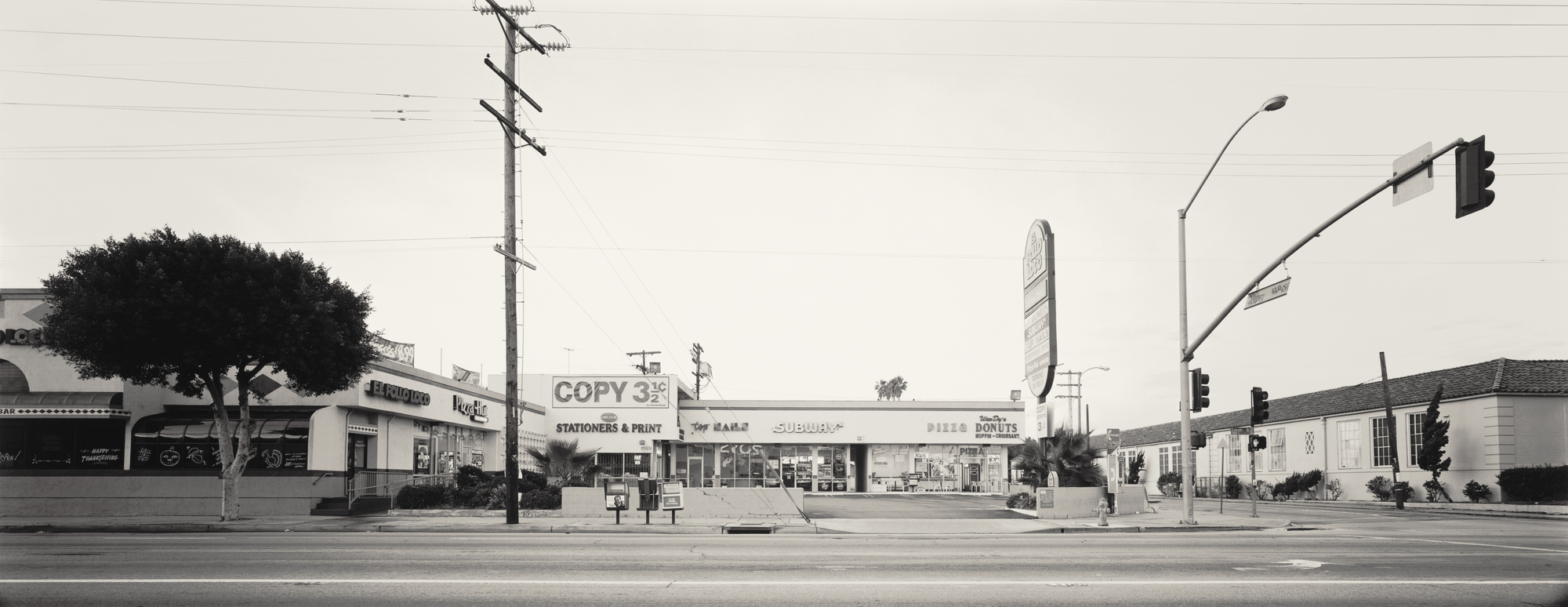

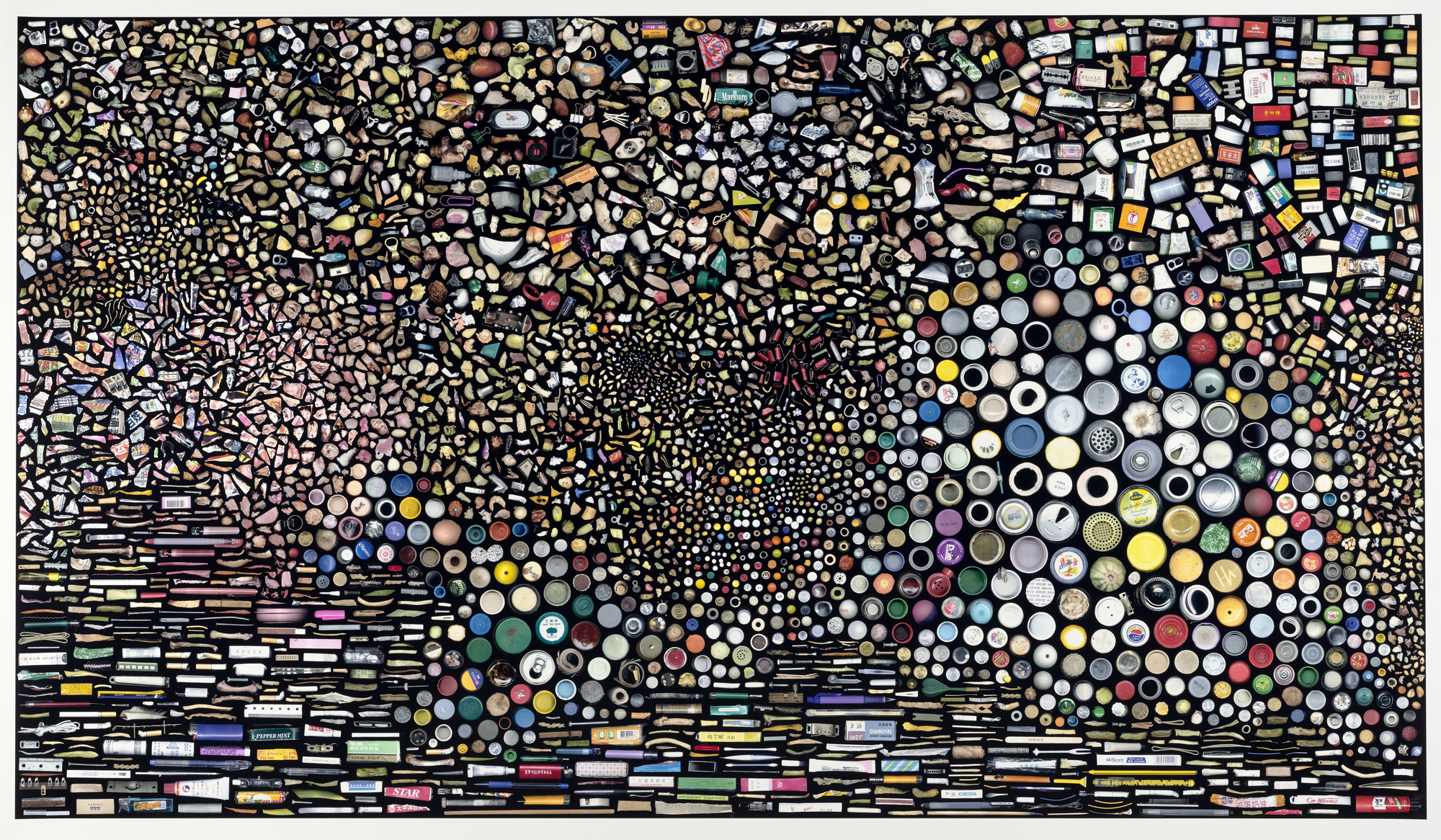

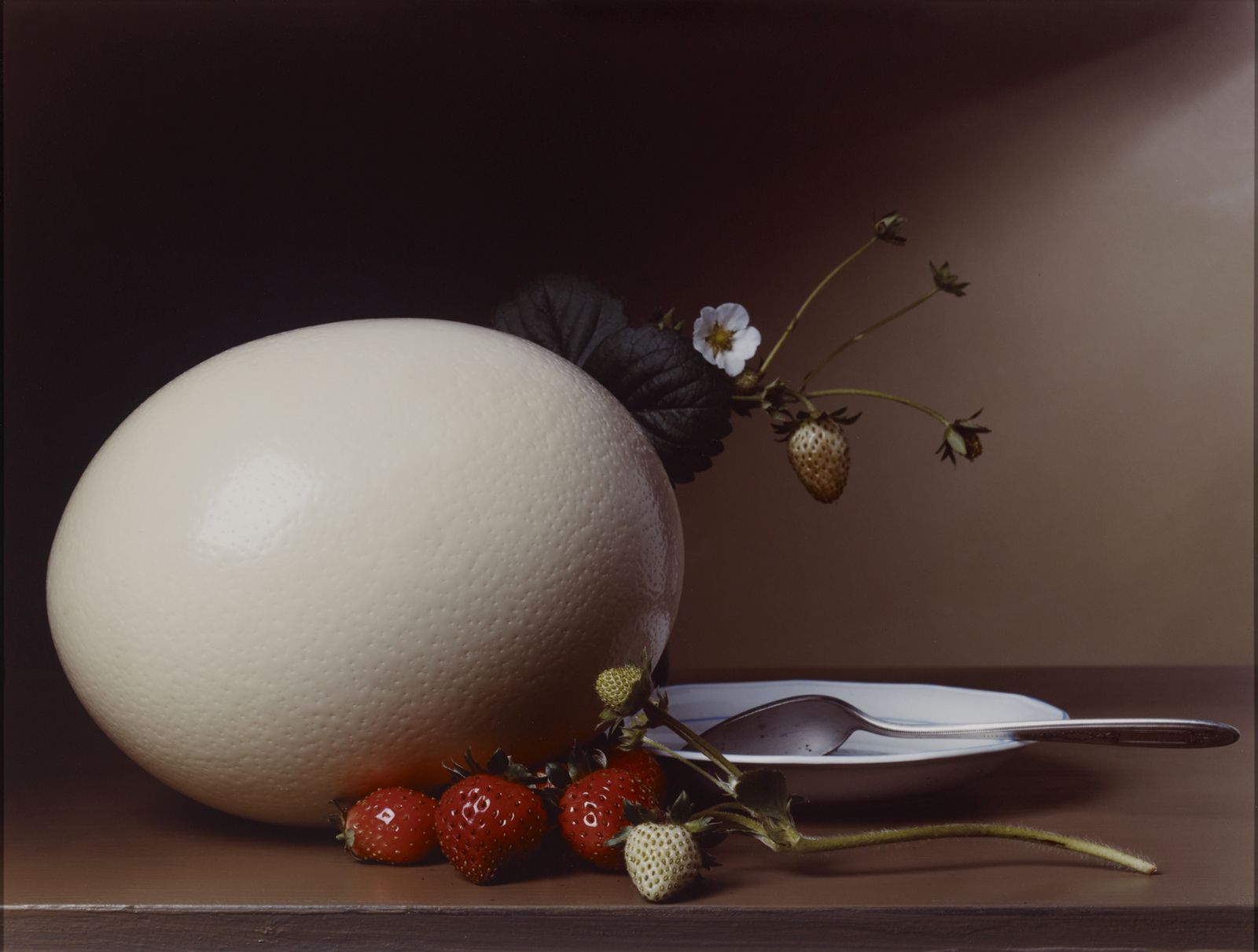

![Julia Margaret Cameron (British born India, 1815-1879) '[Spring]' 1873](https://artblart.com/wp-content/uploads/2020/02/gm_06520801_2000x2000.jpg "Julia Margaret Cameron (British born India, 1815-1879) '[Spring]' 1873")
![Reverend William Ellis (British, 1794-1872) and Samuel Smith. '[Portrait of a Black Couple]' about 1873](https://artblart.com/wp-content/uploads/2020/02/gm_133436t1v1_2000x2000.jpg "Reverend William Ellis (British, 1794-1872) and Samuel Smith. '[Portrait of a Black Couple]' about 1873")

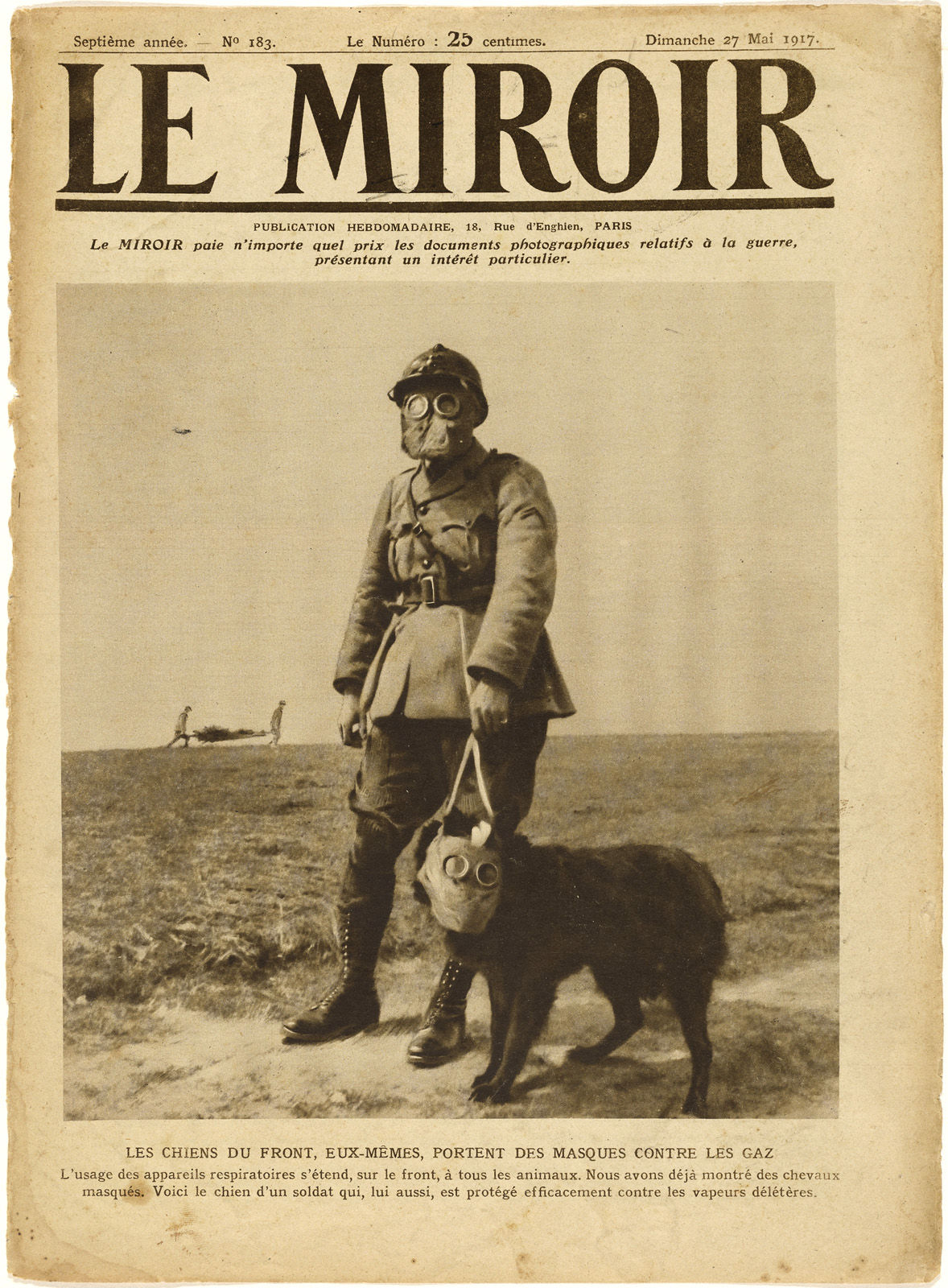
![László Moholy-Nagy (American born Hungary, 1895-1946) '[The Law of the Series]' 1925](https://artblart.com/wp-content/uploads/2020/02/gm_05309301_2000x2000.jpg "László Moholy-Nagy (American born Hungary, 1895-1946) '[The Law of the Series]' 1925")


![Paul Wolff (German, 1887-1951) and Dr Wolff & Tritschler OHG (German, founded 1927, dissolved 1963) '[Dog at the beach]' 1936](https://artblart.com/wp-content/uploads/2020/02/gm_041552t1v1_2000x2000-1.jpg "Paul Wolff (German, 1887-1951) and Dr Wolff & Tritschler OHG (German, founded 1927, dissolved 1963) '[Dog at the beach]' 1936")
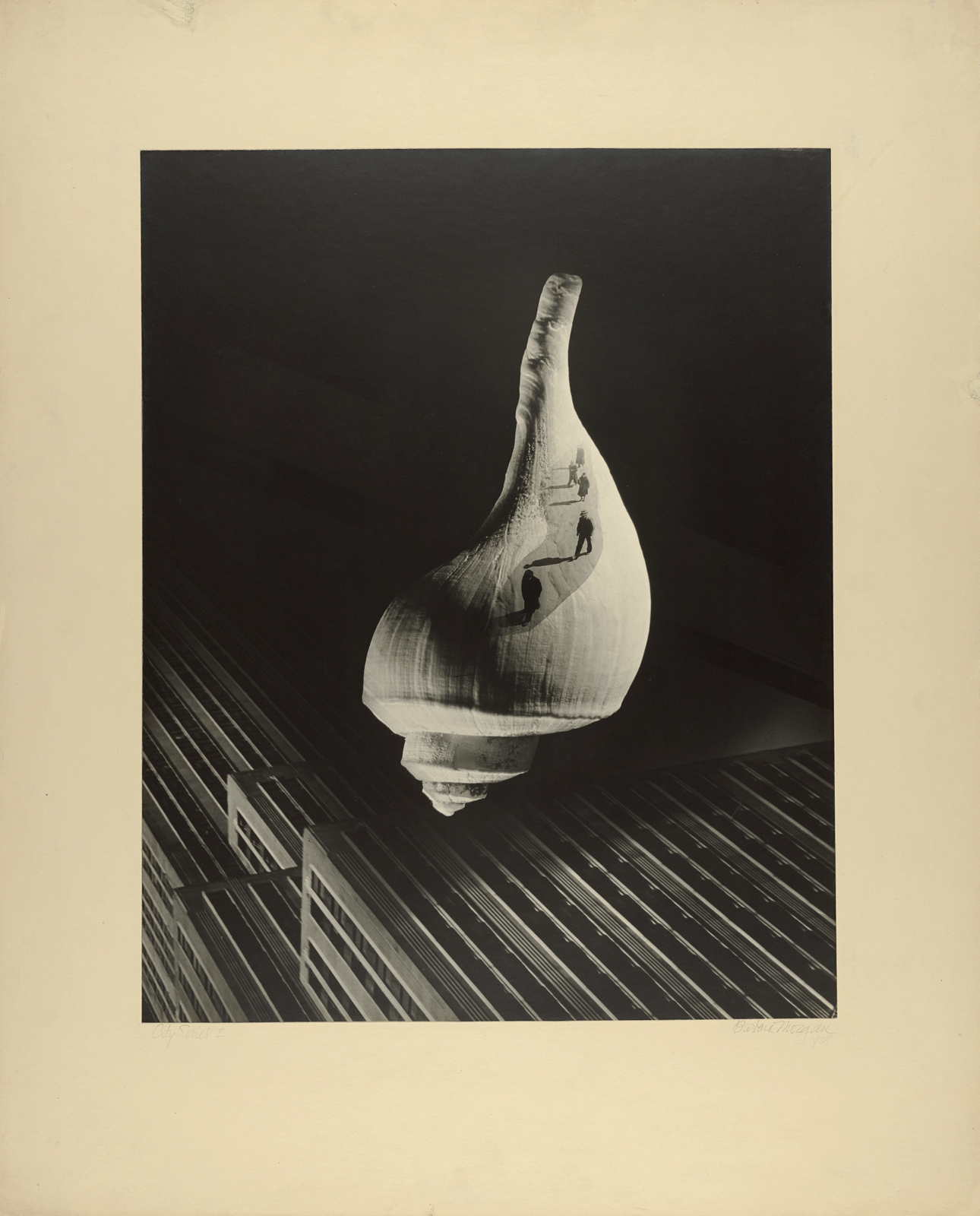
![Walker Evans (American, 1903 - 1975) '[Two Giraffes, Circus Winter Quarters, Sarasota]' 1941](https://artblart.com/wp-content/uploads/2020/02/gm_05269601_2000x2000.jpg "Walker Evans (American, 1903 - 1975) '[Two Giraffes, Circus Winter Quarters, Sarasota]' 1941")
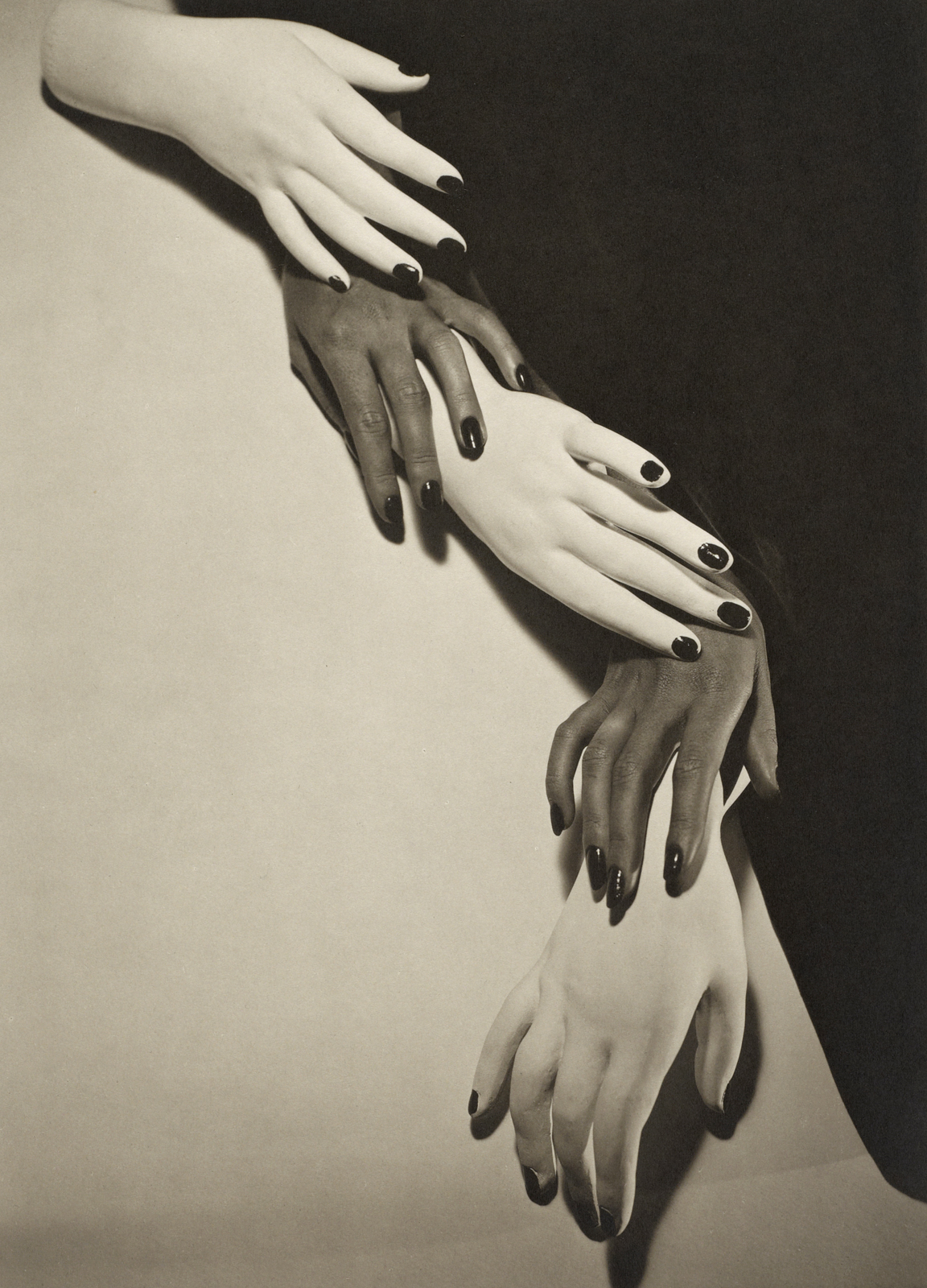


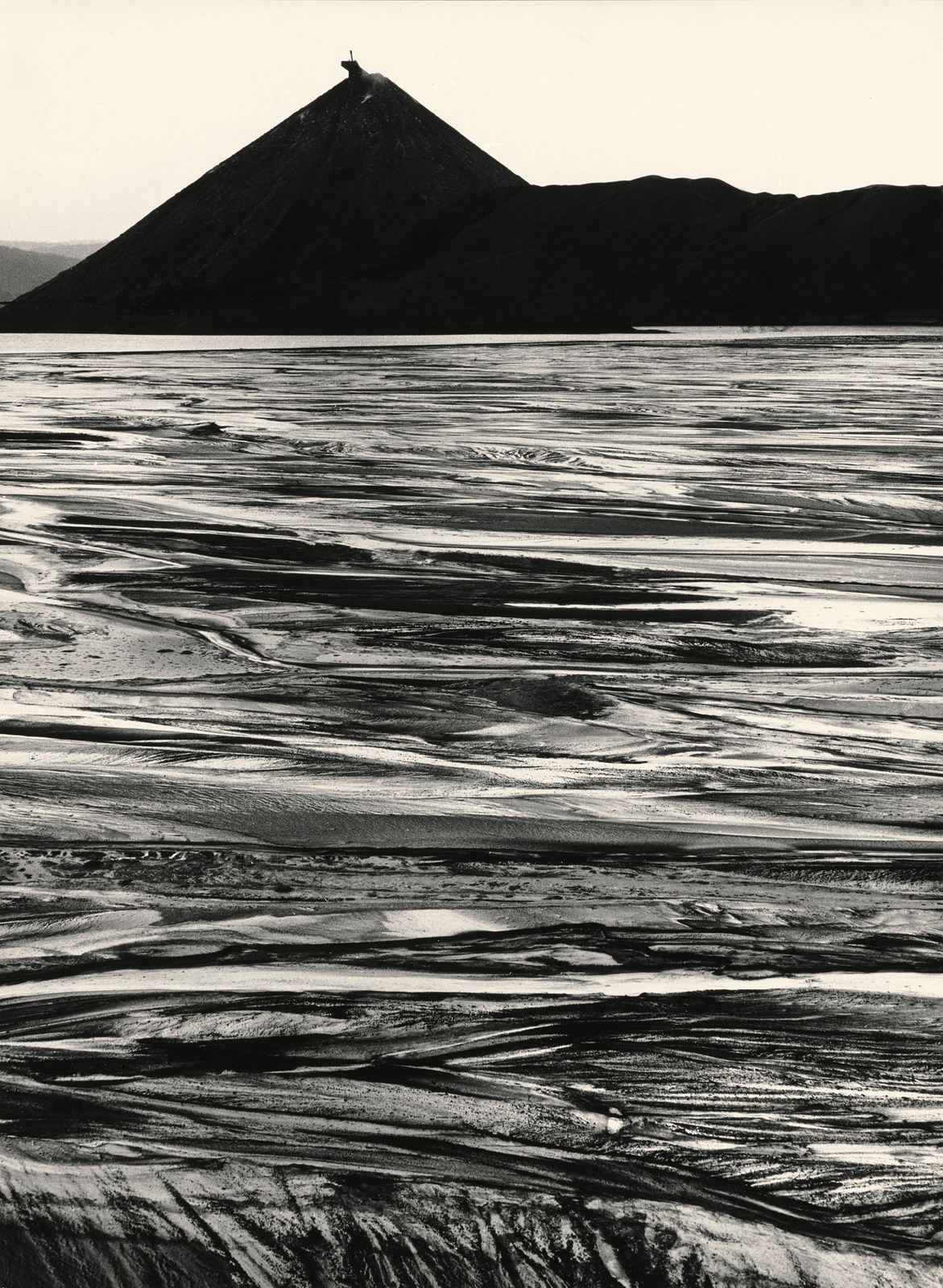

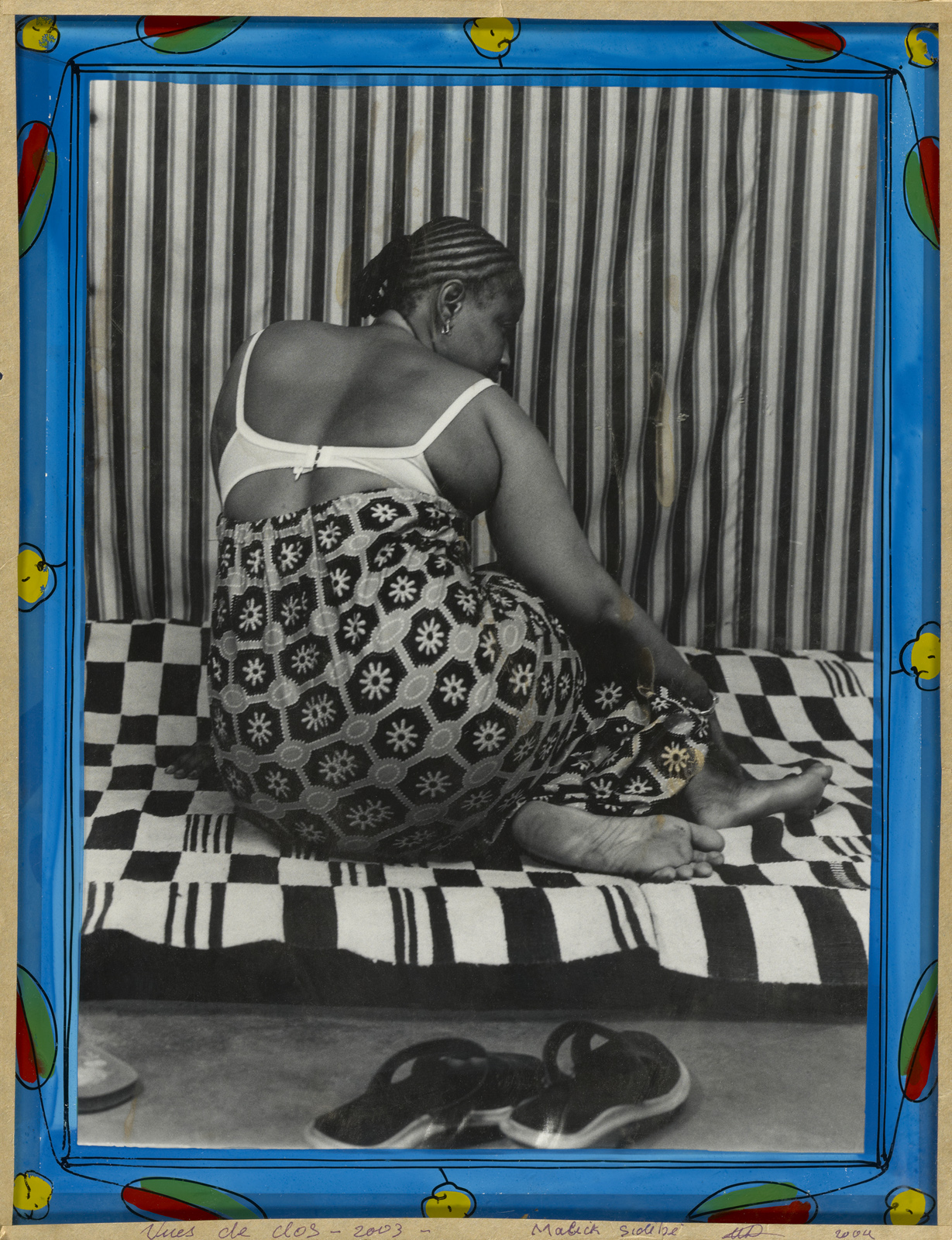

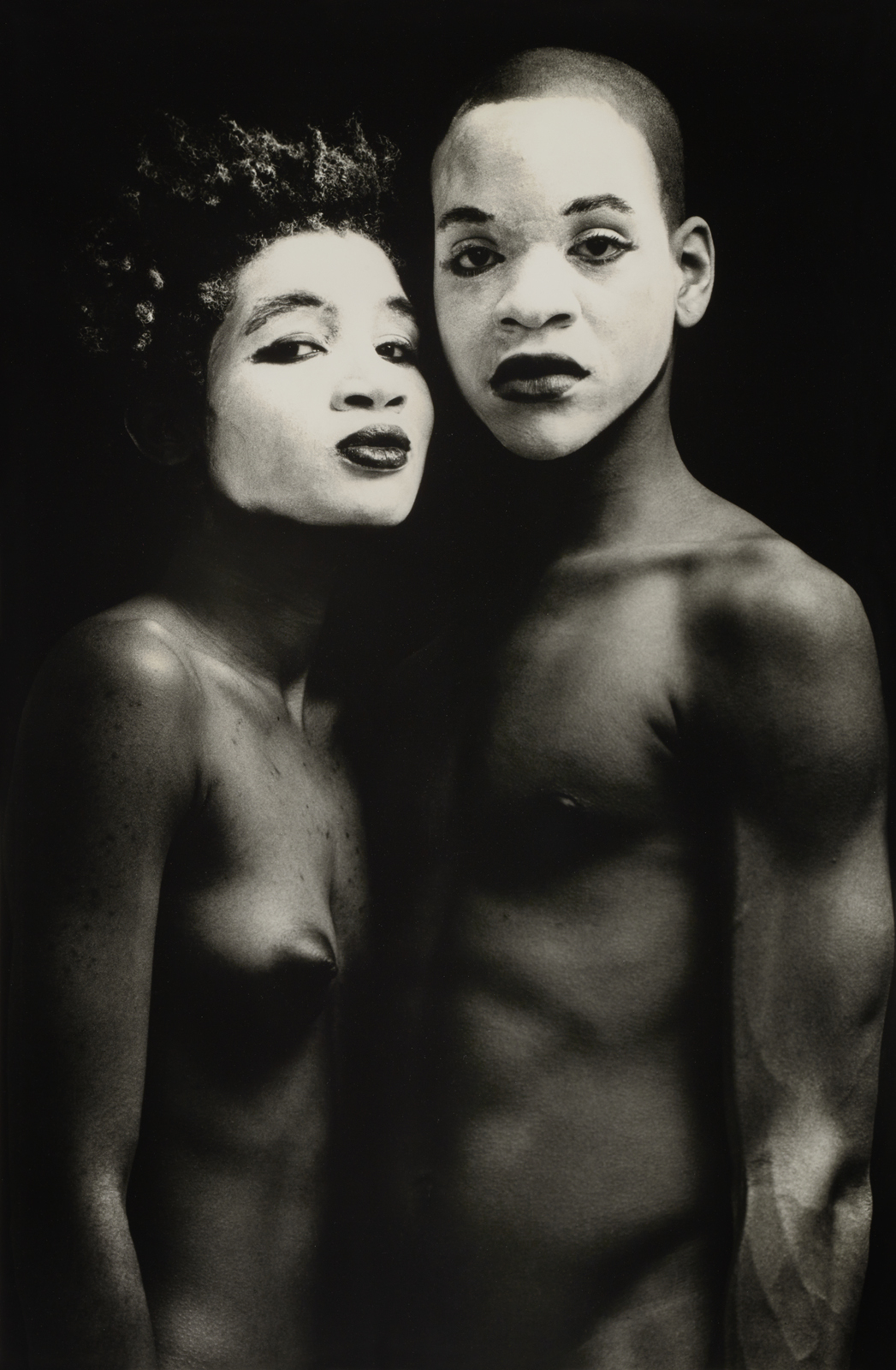

![Myoung Ho Lee (South Korean, b. 1975) '[Tree #2]' 2006](https://artblart.com/wp-content/uploads/2020/02/gm_31977201_2000x2000.jpg "Myoung Ho Lee (South Korean, b. 1975) '[Tree #2]' 2006")
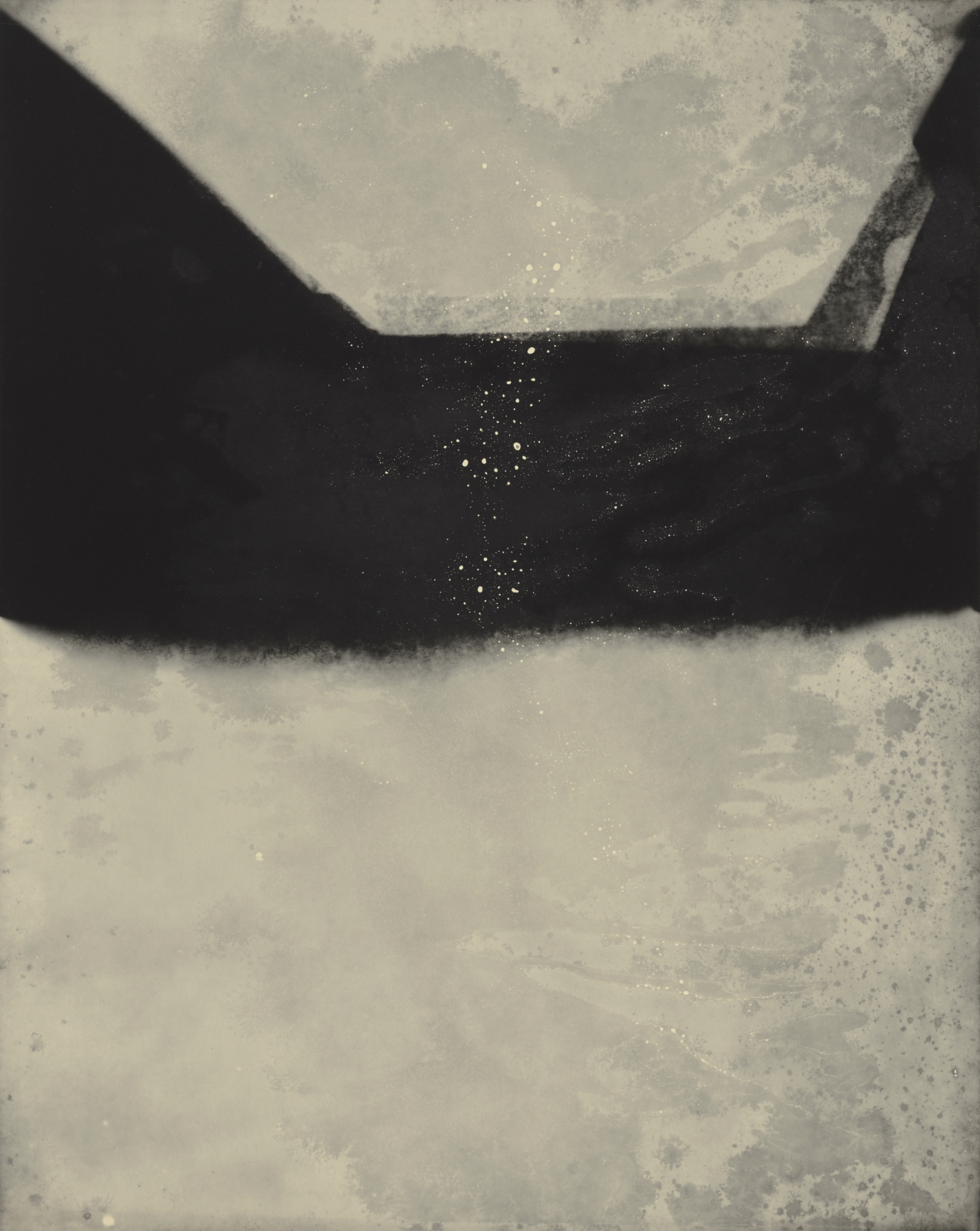

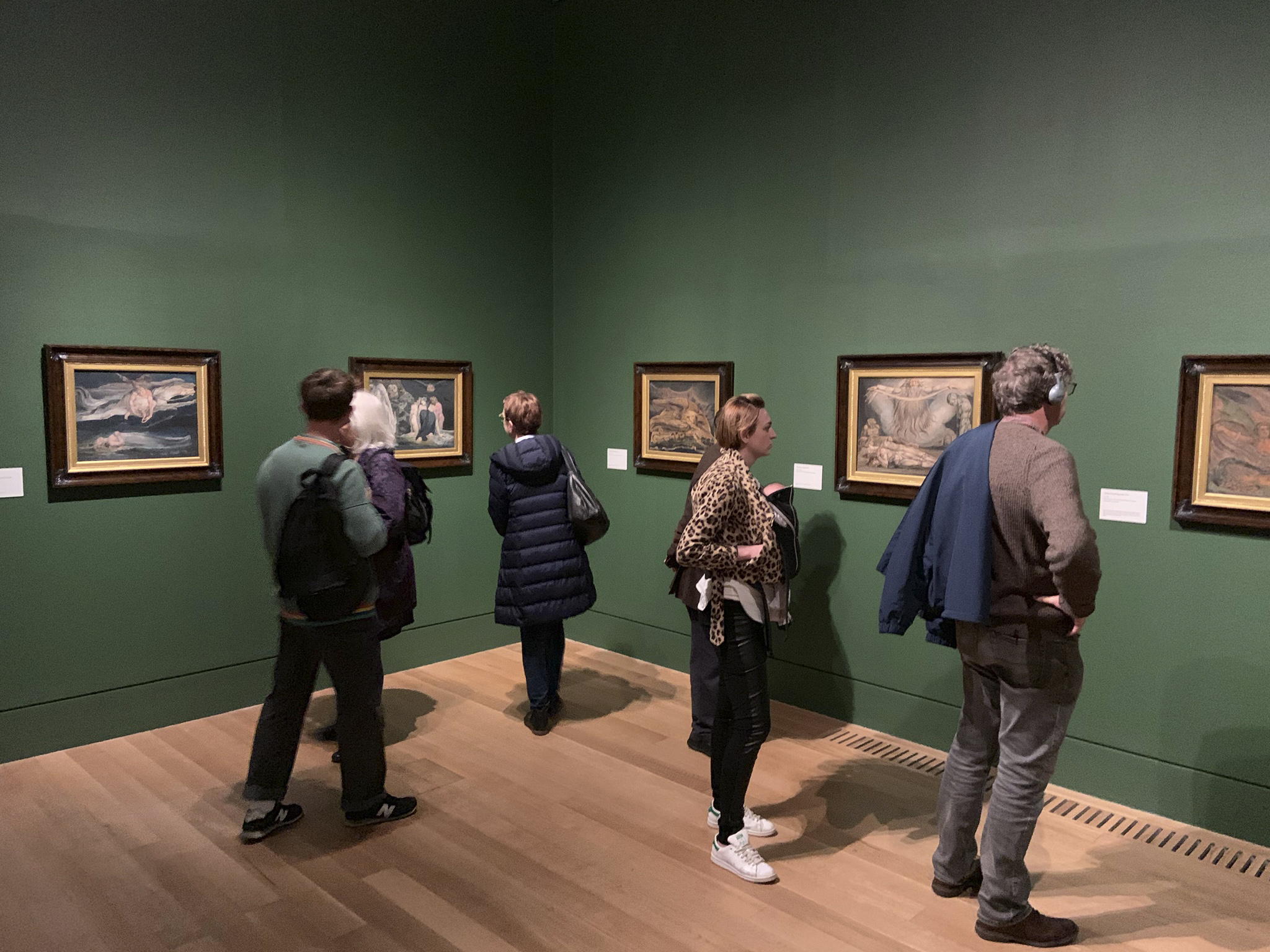
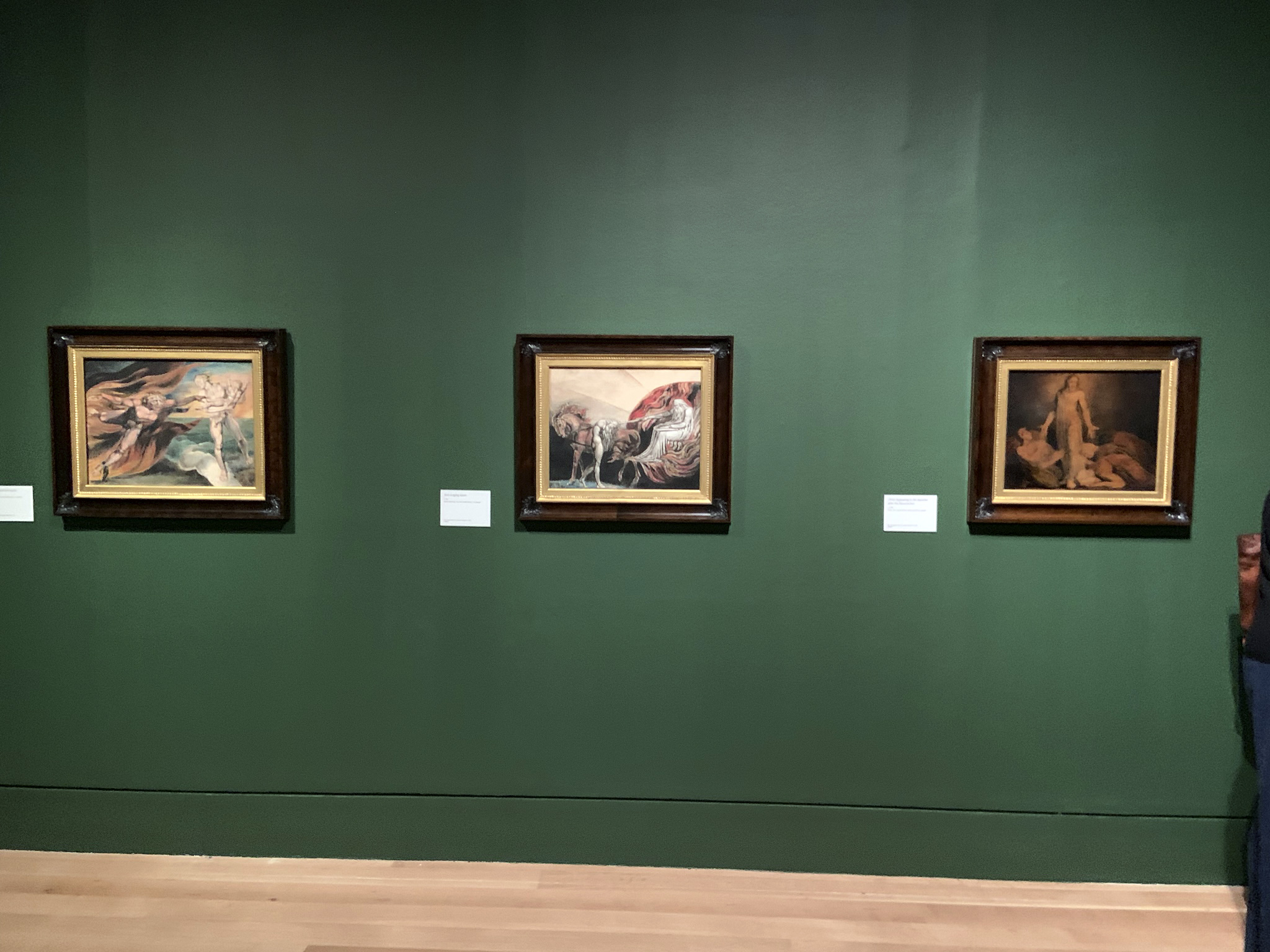

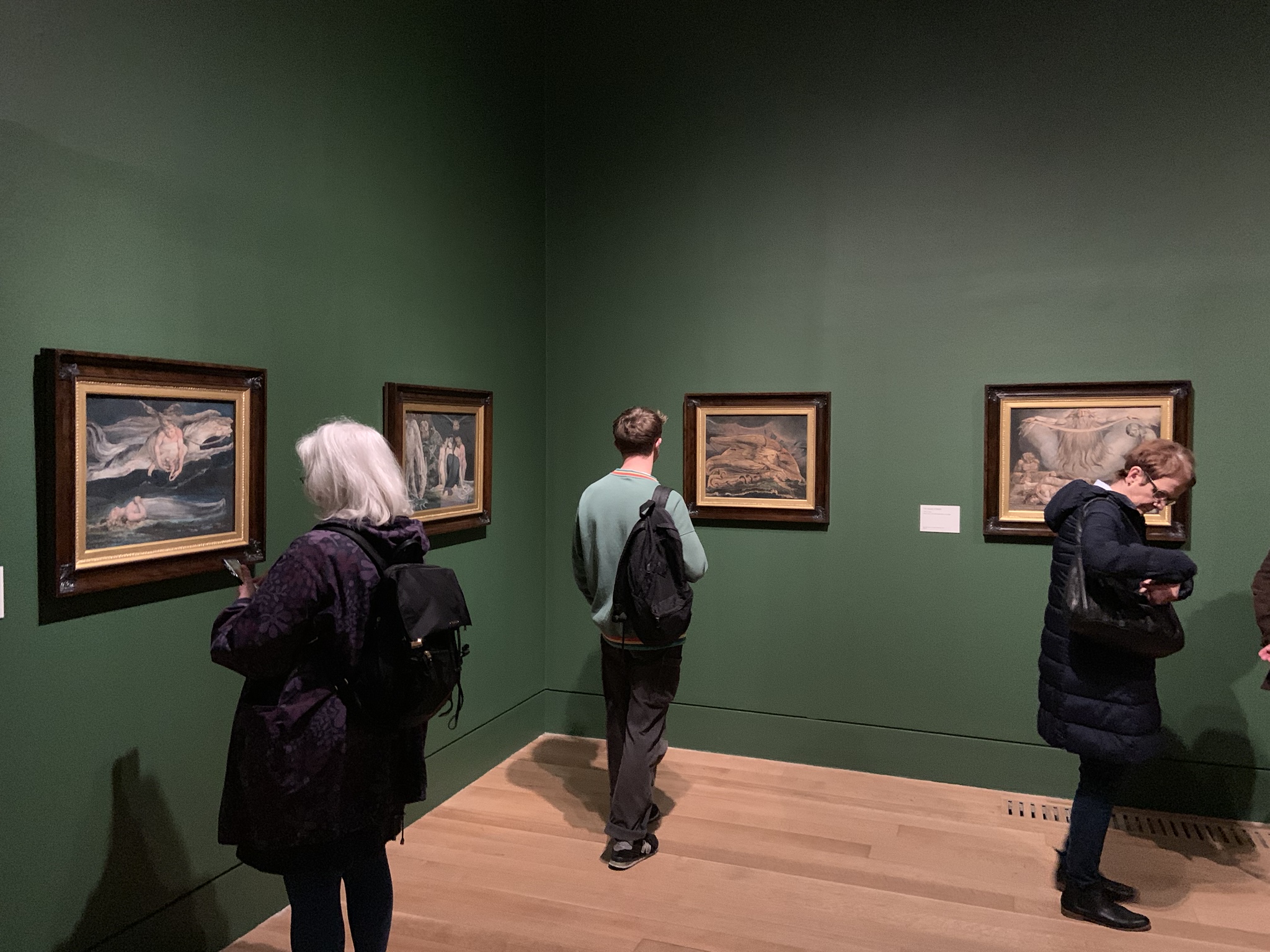




























































































 Art Blart _ art and cultural memory archive
You must be logged in to post a comment.