I wonder whether you have seen those tv crime shows where the cops are grilling a suspect, and for fear of incriminating themselves they give a “no comment” interview…
What do you think of the composition of these photographs?
No comment
What do you think of the lighting in these photographs?
No comment
What do you think of the use of colour in these photographs?
No comment
What do you think of the people depicted in these photographs?
No comment
What do you think of the allegedly subtle critique of these patrician families, these far from “ordinary people”?
No comment
My mother said to me, if you can’t say anything constructive don’t say anything at all.
No comment
Dr Marcus Bunyan
Many thanks to Jeu de Paume for allowing me to publish the photographs in the posting. Please click on the photographs for a larger version of the image.
Jeu de Paume showcases the vibrant, singular work of influential American photographer Tina Barney, who is best known for exploring intergenerational familial rituals and the subtle nuances of human connection.
Spanning over 40 years of the artist’s career, the exhibition marks the artist’s first European retrospective. Born in 1945, Tina Barney began taking photographs of her relatives and friends in the late 1970s. A keen observer of family traditions, her work focuses on cultural habits within domestic settings. Her colourful and large-scale portraits may appear as family snapshots at first glance, however many have been carefully staged by the artist, creating intricate tableaux that establish a dialogue with classical painting. This exhibition will also include work from Barney’s editorial practice in which portraits of celebrities and models for fashion magazines and luxury brands share the same complexity, sensitivity, and humor found in her fine art practice.
Spanning the breadth of Barney’s career, the exhibition will include fifty-five large-scale works from Barney’s earliest through her most recent series, including those previously unseen in Europe.
In “Family Ties,” Tina Barney’s keenly observed portraits offer a window into a rarified world of privilege with a sense of spontaneity and intimacy that remind us of what we hold in common.
In the late 1970s, Barney began a decades-long exploration of the everyday, but often hidden, life of the New England upper class, of which she and her family belonged. Photographing close relatives and friends, she became an astute observer of the rituals common to the intergenerational summer gatherings held in picturesque homes along the East Coast.
These personal, often surreal, scenes present a secret world of the haute bourgeoisie – a landscape of hidden tension found in micro-expressions and in, what Barney calls, the subtle gestures of “disruption” that belie the dreamlike worlds of patrician tableaux.
Newly released, “Family Ties” brings together sixty large-format portraits from three decades that have defined Barney’s career, alongside an interview between the artist and Aperture’s executive director Sarah Meister, and texts by Quentin Bajac and James Welling.
This volume coincides with Barney’s first retrospective exhibition in Europe, on view at Jeu de Paume through January 2025.
In September 2024, Jeu de Paume, Paris, will showcase the vibrant, singular work of influential American photographer Tina Barney, who is best known for exploring intergenerational familial rituals and the subtle nuances of human connection. Spanning over 40 years of the artist’s career, Tina Barney. Family Ties marks the artist’s first European retrospective.
Born in 1945, Tina Barney began taking photographs of her relatives and friends in the late 1970s. A keen observer of family traditions, her work focuses on cultural habits within domestic settings. Her colourful and large-scale portraits may appear as family snapshots at first glance, however many have been carefully staged by the artist, creating intricate tableaux that establish a dialogue with classical painting. This exhibition will also include work from Barney’s editorial practice in which portraits of celebrities and models for fashion magazines and luxury brands share the same complexity, sensitivity, and humor found in her fine art practice.
Spanning the breadth of Barney’s career, the exhibition will include fifty-five large-scale works from Barney’s earliest through her most recent series, including those previously unseen in Europe.
Tina Barney’s experimental approach to photography emerged in the late 1970s. In 1981, she transitioned from working with a hand-held Pentax 35mm camera to a tripod-mounted Toyo 4 x 5 view camera. Through the 1980s, Barney’s early images revealed a world rarely seen in photography, offering the public an intimate look at the inner lives of the East Coast American upper class. At various vacation spots, birthday parties (The Children’s Party, 1986), weddings (Bridesmaids in Pink, 1995), backyard barbecues (Tim, Phil, and I, 1989) and family lunches in and around her house in Rhode Island, Barney probed the social habits of her subjects, exposing a fine line between intense concentration and idle restlessness. Her models pose like actors in a theater or film scene as the artist quickly replays micro-gestures and gives informal instructions. With the spontaneity of a snapshot, The Reception (1985), for example, sees Barney carefully direct the guests of her sister’s wedding.
Between 1996 and 2004, Barney traveled to Italy, the United Kingdom, Austria, France, Spain and Germany, turning her attention to social types and customs instead of individuals. In these works, traditional motifs are often combined with more contemporary features, as figures of the European aristocracy pose in a pictorial manner, reminiscent of British “conversation pieces” of the eighteenth century. Working in large format allows Barney to magnify the exquisite details found in the textures and colours of her subjects’ clothes, furniture, fabrics and decor, drawing particular focus to the visual and material cultures that inform their mannerisms.
The exhibition will explore the theatrical dimension of Barney’s mise-en-scènes, with special attention to her work with her subjects and the construction of space. Barney’s work underscores a certain narrative dimension or tendency. In the early 1990s, Barney began working for several magazines and newspapers, including The Daily Telegraph, W, Arena Homme Plus, Hommes Vogue International and Vogue US, fuelling her attention to the formal and compositional possibilities of photographs where the costumes, setting, and circumstances are already defined.
Departing from a strictly chronological approach, Tina Barney. Family Ties will present specific themes that have traversed Barney’s various bodies of work over four decades. For example, family – a key theme from the very beginning of Barney’s photographic practice in 1976 – may be found in Jill and Mom (1983), an intimate scene where the artist’s sister and mother address the camera in relaxed postures. Nearly twenty years later, The Daughters (2002) revisits the dynamic of a mother and daughter in a portrait of a French family whom Barney had not previously met.
Tina Barney was born in New York in 1945. Her mother, Lillian Fox, was a model turned interior designer. Her father, Philip Henry Isles, came from a long line of investment bankers and art collectors. Throughout her childhood, she was exposed to the practice of photography by her maternal grandfather. She began experimenting with photography when she and her family moved to Sun Valley, Idaho in 1973, where she lived until returning to New York City in 1983. Barney has exhibited her work at major venues across the globe, including the Museum of Modern Art in New York, and she participated in the Whitney Biennial in 1987. Today, her work is included in many prominent collections around the world. She lives and works between New York and Rhode Island.
“In the cinematic quality of Sternfeld’s photographs lies everlasting revelation into the human condition as we live and die on this, our one Earth.” Dr Marcus Bunyan
Joel Sternfeld – along with artists like William Eggleston, Paul Outerbridge Jr., Stephen Shore and Saul Leiter among others – was a pioneer of colour photography, his large format photographs picturing American contemporary life and identity.
His elegant, luxurious, and slightly twisted if not surreal look at the American landscape and life can be seen as “a darkly funny, bleak, but not unromantic vision of America.” Sternfeld, “peels back layers of familiar landscapes to reveal the ironies, contradictions, and hidden stories that shape the American experience.”
Both utopian and dystopian at one and the same time, Sternfeld’s photographs have both a quiet eloquence and an unsettling kick in the pants within the same image, for example updating the historical lineage of Walker Evans (documentary) and Robert Frank (outsider) in colour photographs framing the uneasy nature of American life.
Sternfeld’s Pendleton, Oregon (1980, below) reformulates in colour the tract housing photographs of Bill Owens, William A. Garnett or Robert Adams. His Domestic Workers Waiting for the Bus, Atlanta, Georgia (April 1983, below) comments sublimely, subliminally, to the ongoing racism in the genteel South. “There’s no need for a “white’s only” sign, it’s implied… The picture speaks to America’s structural racism and its racial wealth gap with a whisper, not a scream. Doing so reveals how it’s not just the racist sheriffs and brutes who poured milkshakes over the head of sit-in protesters at the Woolworth’s counter back in the day who are complicit in those systems.”1
Sternfeld’s photographs are full of felt insecurities and idiosyncrasies.
The crumpled car indicative of the alienated landscape the barefoot youth is growing up in that is Kansas City, Kansas (May 1983, below); the family with their myriad possessions in a battered Ford pickup truck heading who knows where (riffing on the FSA photographs of the 1930s) in Interstate 79, Bridgeport, West Virginia (March 1983, below); the migrant family “existing” in their wooden shack in South Texas (January 1983, below); and the baby protected, isolated, left to its own devices in Glen Canyon Dam, Page, Arizona (August 1983, below) as the family peers over the precipice into the existential depths.
On and on and on we go… from exhausted renegade elephants to realtors in the desert to abandoned uranium mines to limousines and glaciers. The real and the absurd, ludicrous even, living cheek by jowl, on the edge of oblivion.
There is one particular image of Sternfeld’s that is my favourite and that I think sums up the art of this wonderful artist: After a Flash Flood, Rancho Mirage, California (1979, below). To me it perfectly pictures the dichotomy of American life. The have and have nots. The large expensive car and the beautiful, probably gated, community homes – and the desire for money that provides that lifestyle – dashed away by a force of nature, sweeping both the lifestyle, homes and car into the ravine, like Hieronymus Bosch’s Garden of Earthly Delights (c. 1490-1510), the ‘garden of lusts’ (and desires for money, home, possessions) descending into the hell of the chthonic earth. Be careful what you wish for.
Sternfeld’s work is worthy of our kind, calm meditation for in the stillness and cinematic quality of his photographs lies everlasting revelation into the human condition as we live and die on this, our one Earth.
Many thanks to the Bruce Museum for allowing me to publish the photographs in the posting. Please click on the photographs for a larger version of the image.
Joel Sternfeld doesn’t just capture America; he exposes it. With each photograph, he peels back layers of familiar landscapes to reveal the ironies, contradictions, and hidden stories that shape the American experience. A pioneer in colour photography, Sternfeld’s lens turns everyday scenes into striking narratives where beauty meets decay, and hope intersects with abandonment. His images, timeless, yet hauntingly relevant – a cross-country journey that invites us to look deeper and question what lies beneath the surface.
The Bruce Museum’s American Prospects offers a rare encounter with Joel Sternfeld’s profound exploration of the American Dream – its triumphs, fractures, and quiet absurdities. Since its first release in 1987, this series has stood as a seminal work in colour photography, redefining the medium and reshaping our perception of American landscapes. Like his contemporaries William Eggleston and Stephen Shore, Sternfeld used colour to move beyond documentation, crafting layered narratives that invite both reflection and critique. On view through January 5, 2025, Sternfeld’s lens frames America as it is – flawed, resilient, and enduringly hopeful.
In Abandoned Uranium Refinery, Near Tuba City, Arizona, Sternfeld confronts us with a haunting testament to industrial intrusion on sacred land. The muted pinks and warm ochres spread across the landscape, evoking the natural beauty of the Navajo Nation’s desert. Yet, at its heart, the photograph holds a darker, fractured reality – the scars of industry etched deeply into the land, an intrusion upon both the environment and the community’s heritage. Sternfeld’s light is gentle yet harsh, and his careful composition balances the serenity of nature against the unease of contamination. It’s a scene that commands attention, evoking reverence while quietly asking us to grapple with the unsettling impact of human intervention.
Coeburn, Virginia brings Sternfeld’s eye for subtle irony to life within the seemingly serene environment of a small town. Here, the frame captures the tension between the landscape’s lushness and signs of quiet disrepair houses sitting precariously against a verdant backdrop, hinting at lives lived in the margins. Through muted earthy tones and a sparing splash of green, Sternfeld avoids romanticising rural life, instead highlighting the fragile balance between nature’s persistence and the impermanence of human structures. The result is a scene that feels both intimate and detached, inviting us to see Coeburn not as a forgotten place but as a testament to resilience and transience.
In Canyon Country, California, Sternfeld turns his lens to the sublime – a canyon that feels at once vast and void, a sprawling testament to the untouched beauty of the American West. Here, the land stretches endlessly, exuding a calm that contrasts sharply with the bustling, culturally charged image of California we often imagine. Sternfeld’s framing, balanced with a quiet geometry, amplifies the canyon’s emptiness while subtly pointing to the tension between this natural expanse and the human inclination to intrude, consume, and commercialise. It’s a scene that invites introspection, leaving viewers to consider California as both escape and spectacle, a space layered with expectation yet stripped bare.
The Bruce Museum’s American Prospects invites us to traverse Sternfeld’s America – a land as haunting as it is beautiful. With a careful eye for color, geometry, and narrative tension, Sternfeld transforms these landscapes into timeless scenes, at once grounded and surreal. Each photograph holds a sense of melancholic grandeur, inviting viewers not just to observe but to confront the quiet dramas embedded in America’s vast, varied, and vulnerable terrain. In Sternfeld’s vision, America is an open road of paradoxes – where beauty meets desolation, and where each mile reveals a new truth we can’t ignore.
Giuliana Brida. “Oct 30 Joel Sternfeld: American Prospects | The Bruce Museum,” in Musee: Vanguard of Photography Culture on the Bruce Museum website Nd [Online] Cited 28/11/2024
Installation views of the exhibition Joel Sternfeld: American Prospects at the Bruce Museum showing at left, Sternfeld’s Kansas City, Kansas, May 1983 (below); at centre, Putney, Vermont, October 1978; and at right, Canyon Country, California June 1983 (above)
Installation view of the exhibition Joel Sternfeld: American Prospects at the Bruce Museum showing at centre, Sternfeld’s A Bus Stop in Tucson, Arizona (July 1979)
Installation view of the exhibition Joel Sternfeld: American Prospects at the Bruce Museum showing at right, Sternfeld’s The Space Shuttle Columbia Lands at Kelly Lackland Air Force Base, San Antonio, Texas (March 1979, below)
Installation view of the exhibition Joel Sternfeld: American Prospects at the Bruce Museum showing Sternfeld’s The Space Shuttle Columbia Lands at Kelly Lackland Air Force Base, San Antonio, Texas (March 1979, below)
Installation view of the exhibition Joel Sternfeld: American Prospects at the Bruce Museum showing at left, Sternfeld’s Bikini Contest, Fort Lauderdale, Florida (March 1983, below); and at right, The Space Shuttle Columbia Lands at Kelly Lackland Air Force Base, San Antonio, Texas (March 1979, above)
Installation view of the exhibition Joel Sternfeld: American Prospects at the Bruce Museum showing at left, Two punks sit together in Studio City, California (June 1982); and at right, Wet’n Wild Aquatic Theme Park, Orlando, Florida (September 1980, below)
Installation views of the exhibition Joel Sternfeld: American Prospects at the Bruce Museum showing in the bottom photograph at left, Sternfeld’s Interstate 79, Bridgeport, West Virginia (March 1983, below); and at right, Two punks sit together in Studio City, California (June 1982)
Installation view of the exhibition Joel Sternfeld: American Prospects at the Bruce Museum showing at left, Sternfeld’s South Texas (January 1983, below); at second left, Interstate 79, Bridgeport, West Virginia (March 1983, above); and at right, Wet’n Wild Aquatic Theme Park, Orlando, Florida (September 1980, above)
Installation view of the exhibition Joel Sternfeld: American Prospects at the Bruce Museum showing at left, Sternfeld’s McLean, Virginia (December 1978, below)
Installation view of the exhibition Joel Sternfeld: American Prospects at the Bruce Museum showing at right, Sternfeld’s McLean, Virginia (December 1978, below)
Installation view of the exhibition Joel Sternfeld: American Prospects at the Bruce Museum showing at left, Sternfeld’s McLean, Virginia (December 1978, above); at second right, Glen Canyon Dam, Page, Arizona (August 1983, below); and at right, After a Flash Flood, Rancho Mirage, California (1979, below)
Installation view of the exhibition Joel Sternfeld: American Prospects at the Bruce Museum showing in the bottom photograph at left centre, Sternfeld’s Glen Canyon Dam, Page, Arizona (August 1983, below); at centre, After a Flash Flood, Rancho Mirage, California (1979, below); and at right, Exhausted Renegade Elephant, Woodland, Washington (June 1979, below)
Widely acclaimed when it was published in 1987, Joel Sternfeld’s American Prospects has come to be regarded as one of the important early monuments of colour photography. Sternfeld (American, b. 1944) was one of a small cohort of pioneers, including William Eggleston, Helen Levitt, and Stephen Shore, who in the 1960s and 1970s began exploring the potential of colour photography as a fine art.
Sternfeld developed a unique aesthetic for the use of colour and a distinctive personal vision. Inspired by the photographers Walker Evans and Robert Frank, he embarked on an ambitious quest to document America, traversing the continent from 1978 to 1983 with the support of a Guggenheim Fellowship. American Prospects is the result.
Although Sternfeld saw deep fissures and contradictions in the country at the time, he also went on the road with a sense of optimism and discovery. His goal was not to document the failure of the American Dream, but to record what was great, vital, and regenerative about this nation. On one hand, Sternfeld’s imagery includes damaged landscapes and industry in decline. He delights in the curious, bizarre, and accidental in the everyday. Scenes of an elephant collapsed on the road or a firefighter buying a pumpkin while a fire rages in the background convey a sense of absurdity. And yet underlying the series is a vision of a beautiful land and the eternal cycle of the seasons, and of the variety and resiliency of the American people. Even today, Sternfeld is optimistic about the American prospect: “America has a tremendous capacity to right itself,” he noted recently. Sternfeld’s vision is as complicated as the nation. His images are deep, rich, and powerful specifically because they are complex and conflicted, at once both critical and affectionate.
Guest curated by Robert Wolterstorff, Joel Sternfeld: American Prospects will mount more than forty large scale colour prints, among them many of the most iconic images from the series, along with others that have never before been exhibited. It coincides with a new edition of American Prospects published by Steidl Press.
Text from the Bruce Museum website
Installation view of the exhibition Joel Sternfeld: American Prospects at the Bruce Museum showing at left, Sternfeld’s Earl Garvey Realtor, The Mojave Desert, California (July 1979, below); and at right, Wyoming (1994)
Installation views of the exhibition Joel Sternfeld: American Prospects at the Bruce Museum showing at left, Sternfeld’s Abandoned Freighter, Homer Alaska (July 1984, below); and at second right, Matanuska Glacier, Matanuska Valley, Alaska (July 1984)
Installation views of the exhibition Joel Sternfeld: American Prospects at the Bruce Museum showing in the bottom photograph at left, Sternfeld’s Matanuska Glacier, Matanuska Valley, Alaska (July 1984); and at right, Abandoned Uranium Refinery, Near Tuba City, Arizona, Navajo Nation (1982)
Beauty, sadness and humor are woven through complex portraits of America in “Joel Sternfeld: American Prospects.” On view at the Bruce Museum Oct. 3, 2024 – Jan. 5, 2025, the exhibition is an ode to the artist’s 1987 landmark photography book, “American Prospects,” and coincides with a new edition published by Steidl Press. The Bruce mounted more than 40 large-scale color prints, ranging from Sternfeld’s most iconic images to never-before-exhibited photographs.
Sternfeld (American, b. 1944) was an early adopter of color photography as fine art. He explored the medium’s potential in the 1960s and 70s with a small cohort of pioneers, including William Eggleston, Helen Levitt and Stephen Shore. Sternfeld initially focused on New York street photography and was awarded a Guggenheim Fellowship in 1978. Longing to explore beyond the confines of the urban grid, the award supported his purchase of a Volkswagen camper and a wooden 8 x 10 view camera, his tools as he embarked on a multi-year quest to capture scenes across the country.
The work of documentary photographers Walker Evans and Robert Frank inspired Sternfeld to observe people and places across the United States and record what was great, vital and regenerative about the nation. Despite sensing deep fissures and contradictions in the country at the time, he went on the road with a sense of optimism and discovery, delighting in the curious, bizarre and accidental moments in everyday life.
Sternfeld traversed the nation from 1978 to 1987, taking thousands of photographs. His large-format view camera accommodated 8 x 10-inch sheets of color negative film, with a small shutter opening that achieved great depth of field. Ansel Adams and Edward Weston used the same methods in their famous black-and-white photographs, producing razor-sharp detail and an infinite range of tones. Sternfeld’s pictures were composed carefully around color harmonies, often focusing on pastel hues of two or three dominant colors and were guided by a strong sense of geometry and order despite the visual chaos of life they portrayed.
The resulting images revealed beautiful land and the eternal cycle of the seasons, damaged landscapes and industry in decline and the variety and resiliency of the American people. The artist has referred to the underlying theme of his work as the utopian vision of America contrasted with the dystopian one. The first edition of “American Prospects” featured 55 images created from four-colour plates that capture both America’s beauty and its flaws. The book was published to wide acclaim and is regarded as an important early monument of color photography.
“Joel Sternfeld developed a unique aesthetic for the use of color and a distinctive personal vision,” said guest curator Robert Wolterstorff, the former Susan E. Lynch executive director of the Bruce Museum. “His powerful images are imbued with a sense of irony and depict a vision of Americans that is as complicated as the nation, inviting contemplation on ideas of paradise versus reality through modern conceptions of landscape.”
“American Prospects” includes a 1978 photograph of a farm market in McLean, Virginia that depicts a uniformed fireman shopping for pumpkins as a house fire rages in the background, the autumnal colours coordinating with the flames. Published in Life magazine, the absurd image is one of the most recognised scenes of Sternfeld’s career. Other subjects include an elephant collapsed on a road in Washington state, clouds approaching a busy waterpark in Florida and the landing of the space shuttle Columbia at Kelly Lackland Air Force Base in San Antonio, Texas.
Sternfeld’s work captures details of specific moments in time, serving as an archive for the future as well as a caution toward photography’s manipulative power. In a 2004 interview with The Guardian, Sternfeld said, “No individual photo explains anything. That’s what makes photography such a wonderful and problematic medium. It is the photographer’s job to get this medium to say what you need it to say.”
Sternfeld is based in New York and teaches at Sarah Lawrence College. He is the recipient of numerous awards, including two Guggenheim Fellowships and the Rome Prize. His work has been exhibited in institutions worldwide, including the Museum of Modern Art (New York), the Art Institute of Chicago (Chicago), the Albertina Museum (Vienna, Austria) and the San Francisco Museum of Modern Art (San Francisco).
Press release from the Bruce Museum
Joel Sternfeld short biography
Joel Sternfeld is an artist-photographer whose work is concerned with utopic and dystopic possibilities of the American experience.
Ever since the publication of his landmark study, American Prospects in 1987 his work has maintained conceptual and political aspects, while also being steeped in history, art history, landscape theory and attention to seasonal passage. It is a melancholic, spectacular, funny and profound portrait of America. The curator Kevin Moore has claimed that the work embodies the “synthetic culmination of so many photographic styles of the 1970s, incorporating the humor and social perspicacity of street photography with the detached restraint of New Topographics photographs and the pronounced formalism of works by so many late-decade colorists” (Kevin Moore, Starburst: Color Photography in America 1970-1980).
On This Site (1996) examines violence in America while simultaneously raising significant epistemological questions about photographs as objects of knowledge.
Sweet Earth: Experimental Utopias in America (2006) “can be seen as a generous respite from the traumatic history in On This Site… It is a survey of American human socialization, alternative ways of living, of hopeful being” (Elin O’Hara Slavik, 2018).
All his subsequent work has sought to expand the narrative possibilities of still photography primarily through an authored text. All of his books and bodies of work converse with each other and may be read as a collective whole.
His work represents a melding of time and place that serves to elucidate, honor, and warn. The images hold a certain urgency, as their histories survive solely through their photographic representation – they are an archive for the future.
Sternfeld is the recipient of two Guggenheim Fellowships and spent a year in Italy on a Rome Prize. He teaches at Sarah Lawrence College, where he holds the Noble Foundation Chair in Art and Cultural History.
Installation view of the exhibition Joel Sternfeld: American Prospects at the Bruce Museum showing at left, Sternfeld’s Brattleboro, Vermont (October 1978)
Installation views of the exhibition Joel Sternfeld: American Prospects at the Bruce Museum showing in the bottom photograph at left, Sternfeld’s Roadside Rest Area, White Sands, New Mexico (September 1980); and at right, The Eagles of Kayenta, Junior High School at Football Practice, Kayenta, Arizona, Navajo Nation (August 1986)
Installation view of the exhibition Joel Sternfeld: American Prospects at the Bruce Museum showing at left, Sternfeld’s Portage Glacier, Alaska (August 1984, below); and at right, Coeburn, Virginia (April 1981)
Installation view of the exhibition Joel Sternfeld: American Prospects at the Bruce Museum showing at left, Sternfeld’s Coeburn, Virginia (April 1981)
Installation views of the exhibition Joel Sternfeld: American Prospects at the Bruce Museum showing at right, Sternfeld’s After a Tornado, Grand Isle, Nebraska (June 1980, below)
Installation view of the exhibition Joel Sternfeld: American Prospects at the Bruce Museum showing at left, Sternfeld’s Grafton, West Virginia (February 1983); and at right, Prince Manufacturing, Bowmanstown, Pennsylvania (November 1982)
Installation view of the exhibition Joel Sternfeld: American Prospects at the Bruce Museum showing at left, Sternfeld’s Buckingham, Pennsylvania (August 1978); and at right, Pendleton, Oregon (1980)
Installation view of the exhibition Joel Sternfeld: American Prospects at the Bruce Museum showing at left, Sternfeld’s Pendleton, Oregon (1980); and at right, Lake Oswego, Oregon (June 1979)
Installation view of the exhibition Joel Sternfeld: American Prospects at the Bruce Museum showing in the bottom photograph at right, Sternfeld’s Near Interlochen, Michigan (February 1981)
I wrote this philosophical text as a flow of consciousness, a layered exposition of my thoughts on space, photography, identity and belonging. I hope I have done the subject justice… in freedom.
within, bridge and fissure
The struggle for identity, for culture, for nation is a struggle inscribed in space. So observes Wendy Garden.1
The spaces that bodies move in, through and over are fluid spaces, permeable spaces, fragmentary and transitory spaces. They are also spaces of displacement and distance which form a kind of ‘alienation’ which derives from the Latin alienare: to render foreign, other.2
Thus the “border” between one and the other – that fluid penumbra (a peripheral or indeterminate area or group), that oscillation of energy across the line – must be constructed to be legible and fixed by those that seek to control such spaces, through the imposition of a coded representation of space itself.3 The border wall between Mexico and America is one such imposition of a coded representation of space which, seeks to control an/other. It is a “direct translation of ideology and temporality into material and spatial culture”3 which masks as much as it represents, through a selective representation of history and memory.
Through systems of surveillance (e.g. CCTV, aerial surveillance, phone taps) and control (e.g. police, government, the judiciary), in which one reinforces the other in a never ending circle, and in the of naming of the ‘other’ (Foucault) – those with privilege embedded and thus emboldened within colonial and imperial systems seek to confirm hegemonic structures of power: for example, who can travel where, who has access adequate to health care, who is seen as an ill/legal alien. “Although Foucault rarely alludes to it in a clear-cut manner, what he describes in Discipline and Punish is the formation of the discursive regime of surveillance which is a central element in the expression of the modern state.”4
But we can counter this narrative.
In his influential book Thirdspace (Blackwell, 1996), the American postmodern political geographer and urban theorist Edward Soja (1940-2015) proposes the concept of First, Second and Thirdspace to demarcate the various spatial dimensions. Firstspace “is the ‘real’, the concrete materiality of spatial forms of the world, while Secondspace interprets this reality through imagined representations of spatiality.”5 Much early photographic practice is rooted in Firstspace, in the passive representation of an undeniable truth, the veracity of the image and its representation of the referent: this existed because it was captured by the camera.
Thirdspace on the other hand, “contains both real and imagined spaces simultaneously. Thirdspace permits an intermingling of the knowable and the unknowable, the real and the imagined by the experiences, events and political choices that are shaped by the interplay between centres and peripheries (Soja, Thirdspace 1996: 31). According to Soja, Thirdspace is a place where issues of race, class and gender can be addressed simultaneously without privileging one over the other. It is a space which enables an-‘other’ way of understanding and acting to change the spatiality of human life (Soja, Thirdspace 1996: 10). Photographic space, as a Thirdspace, is a site from which to contest the dominant ideologies of Firstspace. This has important ramifications for ‘others,’ especially those disenfranchised by colonialism.”6
Thus photographic Thirdspace is an amorphous space of both the real and imagined and is the vibration of energy, doubled! – the real and imagined spaces of everyday life, and the real and imagined spaces of photography through which we can contest the contexts of becoming, belonging.
These Thirdspaces of the real and imagined are not spaces of universalising totality which then would be constitutive of history or memory, but in-between spaces in which differences, memories and histories are not denied or negated, hidden, forgotten or repressed. It is not the segregation of black and white, either/or, but the grey areas in-between that interest me: those fluid zones of difference – think Tarkovsky’s film Stalker 1979, in which a guide helps a writer and a professor to infiltrate a restricted area, the Zone.
“The Thirdspace – in which “everything comes together… subjectivity and objectivity, the abstract and the concrete, the real and the imagined, the knowable and the unimaginable, the repetitive and the differential, structure and agency, mind and body, consciousness and the unconscious, the disciplined and the trans-disciplinary, everyday life and unending history”a – allows that none of these couples, such as the phenomenal and the noumenal, can be divided by an either/or attitude. “This… does not mean differences are denied, instead, it most of all means the inevitable reciprocity of any pair of definitions. In such a case both leave a mark on the other. It is a question of both-and – how each of the pair influences the other”b.”7
Both leave a mark on each other. And it is in this marking that social and political relations can be reconfigured, “in such a way as to suspect, neutralise, or invert the set of relations that they happen to designate, mirror or reflect.”8 Thus, the physical aspects as well as the attitudes and habitual practices of ‘space’, the arrangements of space and the socialisation of space, “is an order that is itself always undergoing change from within through the actions and innovations of social agents. In short, all ‘space’ is social space ….”9
Following, we can say that social and spatial relationships are dialectically inter-reactive, interdependent (Soja).
“Social and spatial relationships are dialectically inter-reactive and interdependent. Cultural landscapes reflect social relations and institutions, and they shape subsequent social relations. While elites create spatial inequalities and homogeneity simultaneously through their hegemony, non-elites create counter-hegemonic landscapes which reflect their own values. Behavioural resistance to the dominant culture leads to distinctive cultural landscapes: for example, cultural resistance by Maori.
Indeed, dominant ideologies such as those which are religious, political, economic, ethnic or racial, continually define or redefine ‘deviance’ or ‘otherness’ to maintain their power and landscapes of dominance. Space and place are key factors in the definition of deviance and of order and propriety.”10
But as Wael Salah Fahmi insightfully observes, we must not fall into the idea that juxtapositions of social space are just alternating choices of “either/or” or acts of simple resistance: “But “juxtaposition” might imply alternating choices, an “either/or.” Perhaps instead we might think of Lefebvre’s image of interpenetrating spaces, one violating another, yet rising up from within the very “fundament” of the space that wishes to ignore its existence. Here, perhaps, is a spatial dialectic that does not fall into a binary opposition of simple resistance.”11
Spaces that rise up from within each other!
Change that emanates from within through the actions and innovations of social agents… human beings, artists!
Here, the thoughts of that glorious Cuban-American interdisciplinary artist, writer, and curator Coco Fusco (b. 1960) – quoted by Jean Fisher – whose work explores gender, identity, race, and power through performance, video, interactive installations, and critical writing are particularly cogent.
“Two imperatives are set in motion: to alter the perceptions of those with privileged access to hegemonic structures of power, and to change the sense of disempowerment of those deprived of political agency. “What is more fundamentally at stake than freedom,” Fusco argues, “is power – the power to choose, the power to determine value, and the right of the more powerful to consume without guilt”: entitlements that Eurocentric cultures have assumed for themselves at the expense of others. These aims are advanced through an exploration of the relationship between the politics and practices of cultural difference and social inequity, in which intellectual, experiential, and artistic alliances are built across nationalistic and geographical boundaries …””12
As Wael Salah Fahmi notes, “spaces constantly juxtapose themselves one against the other” – in real life, in art, in photography. The media saturated world of the “total flow” of images is resistant to interpretation, yet in real life – and in this exhibition – the juxta/position (mapping of space), juxta/posing (posing for the camera) of one space against another, “of image to image calls to attention a line of conflict, either fissure or bridge.”13
The images in this posting draw our attention to fissures (George Rodriguez, Susan Meiselas, Ada Trillo) and bridges (Graciela Iturbide, Ronald Rael and Virginia San Fratello with Colectivo Chopeke). They also possess a multivalent narrative, allowing the work to be accessible to different interpretations, meanings, and values: a new door or path opens up on the basis of very diverse needs and objectives. These images, untraceable gifts from photography itself, are marks of candour and authenticity, both descriptions of a stable object and the fleeting glance (Firstspace and Thirdspace) interacting upon each other. They are an investigation into our fluid identity and shifting place in our worlds.14
In spatial dialectics and in the nuances of contradictions we proceed onwards, paying no heed to the dangers which lie ahead, journeying on to fulfil our desires: to be seen, to be heard, in our difference and uniqueness, enacting change from within.
Dr Marcus Bunyan
Word count: 1,435
PS. My friend and Melbourne artist Elizabeth Gertsakis insightfully observes, “The philosophical arguments resonate with the vacillation of the photograph meanings/non-meanings. Spaces that implode from within to further generate the unknown which even in definition become dispersed. The photography around the border/wall is beautiful as well as tortuous as well as unspoken.”
Well said Liz 🙂
Footnotes
1/ Wendy Garden. “Photographic Space and the Indian Portrait Studio,” in On Space Issue Seven, Winter 2007
2/ Rob Shields. Lefebvre, Love and Struggle. London: Routledge, 1999, pp. 40-41.
3/ Ibid., pp. 79-80.
4/ Jon Stratton. The Desirable Body. Manchester: Manchester University Press, 1996, p. 19
5/ Garden, Op cit.,
6/ Garden, Op cit.,
7/ A: Edward W. Soja. Thirdspace. Malden (Mass.): Blackwell, 1996, p. 57; B: Mika Hannula. “Third space – a merry-go-round of opportunity,” on the Kiasma Magazine website No. 12, Vol. 4, 2001 [Online] Cited 01/05/2016. No longer available online quoted in Marcus Bunyan. “Thirdspace,” on the Marcus Bunyan website 2021 [Online] Cited 29/11/2024
8/ Michel Foucault. “Of Other Spaces,” in Diacritics Spring 1986, p. 24
9/ Shields, Op cit., pp. 154-155
10/Alexander Trapeznik. “Introduction,” from Public History Review, Vol. 13, 2006, p. 2
11/ Wael Salah Fahmi. “Reading of Post Modern Public Spaces As Layers Of Virtual Images and Real Events,” from The 37th International Planning Congress “HONEY, I SHRUNK THE SPACE” Planning in the Information Age. Utrecht, The Netherlands, 16-20 September, 2001
12/ Jean Fisher. “Witness for the Prosecution: The Writings of Coco Fusco,” in Coco Fusco. The Bodies That Were Not Ours. London: Routledge, 2001, pp. 226-227
13/ Wael Salah Fahmi, op cit.,
14/ Marcus Bunyan. “Thirdspace,” on the Marcus Bunyan website 2021 [Online] Cited 29/11/2024
Many thankx to the Cleveland Museum of Art for allowing me to publish the photographs in the posting. Please click on the photographs for a larger version of the image.
“And do you know what “the world” is to me? Shall I show it to you in my mirror? This world: a monster of energy, without beginning, without end; a firm, iron magnitude of force that does not grow bigger or smaller, that does not expend itself but only transforms itself; as a whole, of unalterable size, a household without expenses or losses, but likewise without increase or income; enclosed by “nothingness” as by a boundary; not something blurry or wasted, not something endlessly extended, but set in a definite space as a definite force, and not a space that might be “empty” here or there, but rather a force throughout, as a play of forces and waves of forces, at the same time one and many, increasing here and at the same time decreasing there […]”
Frederick Nietzsche, The Will to Power
“Edward Soja employs the concept of First, Second and Thirdspace to demarcate the various spatial dimensions. For Soja Firstspace is the ‘real’, the concrete materiality of spatial forms of the world, while Secondspace interprets this reality through imagined representations of spatiality (Soja 1996: 6). Much early photography participated in perpetuating the belief that photographic space was a Firstspace. The camera lens merely passively and objectively recorded all that was placed before it. However even in the nineteenth century, many practitioners acknowledged the ability of photographs to lie or distort reality.
For Soja, Thirdspace contains both real and imagined spaces simultaneously. Thirdspace permits an intermingling of the knowable and the unknowable, the real and the imagined by the experiences, events and political choices that are shaped by the interplay between centres and peripheries (Soja, Thirdspace 1996: 31). According to Soja, Thirdspace is a place where issues of race, class and gender can be addressed simultaneously without privileging one over the other. It is a space which enables an-‘other’ way of understanding and acting to change the spatiality of human life (Soja, Thirdspace 1996: 10). Photographic space, as a Thirdspace, is a site from which to contest the dominant ideologies of Firstspace. This has important ramifications for ‘others,’ especially those disenfranchised by colonialism. It may account for the rise of photography as the preferred medium for many artists today interested in issues of identity and the colonial gaze. …
Photographic space can create a spatial reality which allows those who access it to contest, enlarge or in someway recreate their experiences of Firstspace. It never attempts to close off subjectivity or pin identity down, but rather allows fluid and transitory experiments with other ways of being that can then be carried over and inform experiences of Firstspace.”
Wendy Garden. “Photographic Space and the Indian Portrait Studio,” in On Space Issue Seven, Winter 2007. Used under fair use conditions for the purposes of education and research
Picturing the Border presents photographs of the US-Mexico borderlands from the 1970s to the present taken by both border residents and outsiders. They range in subject matter from intimate domestic portraits, narratives of migration, and proof of political demonstrations to images of border crossings and clashes between migrants and the US Border Patrol. The earliest images in this exhibition form an origin story for the topicality of the US-Mexico border at present, and demonstrate that the issues of the border have been a critical point of inquiry for artists since the 1970s. Many serve as counter-narratives to the derogatory narratives of migration and Latino/as in the US that tend to circulate in the mass media.
Capitalising on the prevalent issues of the border today, Picturing the Border aims to spark vital conversations of what constitutes citizenship, as well as complex negotiations of personal identity as it relates to the border. The exhibition shows through these images that Latinx, Chicano/a, and Mexican photographers have significantly rethought what defines citizenship, nationality, family, migration, and the border beyond traditional frameworks for decades.
Text from the Cleveland Museum of Art website
George Rodriguez (American, b. 1937) Los Angeles police arrest a Chicano student protester in the neighbourhood of Boyle Heights 1970 Gelatin silver print
Photojournalism from the US-Mexico border currently emphasises stark, divisive images: walls, fences, surveillance devices, border patrols, “coyotes,” and crossing migrants. Yet some of the most compelling artwork dealing with this region attests to several generations of cross-border familial relationships, personal identities that carry markers of both countries, and hybrid cultures that meld influences from the United States, Mexico, and farther south in Latin America. This more complex work demonstrates how border residents have resisted being defined by the border and its conflicts, concentrating instead on a deterritorialised notion of home, along with a sense of self that often transcends both nationalism and gender politics.
The photographs and video works included in Picturing the Border offer a more nuanced portrayal of life in the borderlands. The exhibition positions the US-Mexico border as a cultural framework and highlights how Latinx photographers – many of whom are border residents themselves – have instead formulated alternative photographic vocabularies with regard to place, identity, and race. Photographs range in subject matter from intimate domestic portraits, extended family gatherings, and political demonstrations to images of border crossings and clashes between migrants and the US border patrol. The earliest images in this exhibition form an origin story for the topicality of the US-Mexico border at the present moment and demonstrate that the issues of the border have been a critical point of inquiry for artists since the 1970s.
The exhibition is accompanied by an important scholarly publication that brings new insights to the subject of Latinx photography and the history of the US-Mexico border. Picturing the Border has also brought about the opportunity to grow our permanent collection in this area, precipitating recent acquisitions by Laura Aguilar and the donation of an important work by Ada Trillo, who has witnessed firsthand the perils of the unbelievably extensive journey migrants have taken from Central America to the United States.
Although Cleveland is far from the southern border, stories of global migration are woven throughout the CMA’s encyclopeadic collection as well as throughout the community in Northeast Ohio. Picturing the Border puts faces on stories and brings to life the various threads that stitch together an ever-growing understanding of, and empathy for, the migrant experience.
Nadiah Rivera Fellah, Associate Curator of Contemporary Art. “Picturing the Border,” on the Cleveland Museum of Art website June 1, 2024 [Online] Cited 19/07/2024. Used under fair use conditions for the purposes of education and research
Featuring more than four dozen photographs, Picturing the Border aims to spark vital conversations of what constitutes citizenship, as well as complex negotiations of personal identity as it relates to the border. Through these images the exhibition shows that Latinx, Chicano/a, and Mexican photographers have significantly rethought what defines citizenship, nationality, family, migration, and the border beyond traditional frameworks for decades.
Opening on July 21, 2024, in the Mark Schwartz and Bettina Katz Photography Gallery, this free exhibition will be on view through January 5, 2025. From intimate domestic portraits, narratives of migration, and political demonstrations to images of border crossings and clashes between migrants and the US Border Patrol, this one-of-a-kind exhibition presents photographs taken by both border residents and outsiders, many of whom are Latinx, Chicano/a, and Mexican, and tells the story of the US-Mexico borderlands from the 1970s to the present.
“Borders have long been spaces of contention,” says Nadiah Rivera Fellah, curator of contemporary art. “The mainstream media in the United States tends to present nationalistic narratives about imminent threats at the border. This reductive and divisive narrative does not often portray the identities, languages, cultures, and social ties among communities. The photographs featured in this exhibition tell a different story that can serve as a counter-narrative and timely new perspective on life in this region.”
The earliest images in Picturing the Border form an origin story for the topicality of the US-Mexico border at present and demonstrate that the issues of the border have been a critical point of inquiry for artists since the 1970s. In addition, they showcase artists who were ahead of their time in presenting ideas about spaces and exclusion as they relate to issues of the borderlands and Latinx identities in the United States.
Exhibition catalogue
A beautifully illustrated 134-page exhibition catalogue accompanies Picturing the Border by Nadiah Rivera Fellah, curator of contemporary art, with contributions from Natalie Scenters-Zapico.
The US-Mexico border has undergone dramatic changes over the past six decades, becoming increasingly industrialised, urbanised, and militarised, especially in the aftermath of 9/11 and the War on Terror. Mainstream and conservative news coverage has often reinforced or exacerbated such developments, characterising the border as out of control and describing migrants in derogatory terms, in the process fuelling xenophobic sentiment.
A foil to this reductive and dehumanising narrative, this presentation of Latinx photography offers more nuanced portrayals of life in the borderlands. Ranging from the 1970s to the 2020s, images by Louis Carlos Bernal, Graciela Iturbide, and Laura Aguilar, as well as emerging artists such as Ada Trillo, Guadalupe Rosales, and Miguel Fernández de Castro display alternative photographic vocabularies regarding place, identity, and race. With subject matter spanning from intimate domestic portraits and youth counterculture to border crossings and clashes involving the US Border Patrol, this richly illustrated volume also features scholarly essays and new work by fronteriza poet Natalie Scenters-Zapico, providing new insights on this fraught and misunderstood region.
Graciela Iturbide’s Cholo/as series from 1986 Los Angeles is perhaps the best encapsulation of the show’s thesis. The women in Cholos, White Fence, East Los Angeles told Iturbide that they wanted to be photographed under a mural of some mariachis. In fact, these were images of Emiliano Zapata, Benito Juárez and Pancho Villa. We might as well admire their freedom from context. After all, isn’t America all about freedom?
Graciela Iturbide (Mexican, b. 1942) Rosario y Boo Boo en su casa, Los Angeles (Rosario and Boo Boo in their home, Los Angeles) 1986 Gelatin silver print
“Without the camera you see the world one way, with it, you see the world another way. Through the lens you are composing, dreaming even, with that reality, as if through the camera you are synthesising who you are… So you make your own image, interpreting.”
As Los Angeles is located over 100 miles north of Mexico, Iturbide’s work demonstrates that while the border is a physical space, its communities defy any single geographical boundary.
This argument echoes in photos made over 1,500 miles away by photographer Ada Trillo, who grew up on the liminal lands between El Paso, Texas, and Ciudad Juárez, Mexico. In her photobook on view in the exhibition, titled La Caravana del Diablo (2022), the artist documents three journeys: two alongside migrant people in caravans attempting to cross into Mexico on their way to the US border and a third aboard La Bestia, the infamous freight train that hundreds of thousands of Central American migrants ride each year to the north of Mexico – risking injury and death in the process. Trillo’s works are primarily populated by people from Honduras, El Salvador, and Guatemala, representing deep friendships the artist formed over days and weeks of gruelling travel. …
Trillo’s works, like those of other artists in the exhibition, capture how the border forces migrants and other communities to weave their stories within a maddening architecture of violence that is both systematic and capricious. “Many of the photographers in this show were inspired by one another,” Rivera Fellah explained. “And many have used their politically engaged photographic practices as a counter-narrative to derogatory images of the border that have circulated in the media since the 1970s and 1980s.”
Ada Trillo – La Caravana del Diablo Hardcover/Sewn bound 192 pages/30.5 x 24.8cm Language: English ISBN: 978-94-91525-93-3 November 2021
Every day, thousands of people leave in processions from Guatemala, Honduras and El Salvador via Mexico for America because of flaring violence, murder (on women) and poor economic conditions in their own country. A journey covering hundreds of kilometres, often on foot, full of fear of being arrested and sent back. Some people even ‘disappear’. Under the Trump administration, despite fierce opposition, ‘The Wall’ was built to keep these immigrants out of ‘The Northern Triangle’, making their passage into America even more perilous.
Photographer Ada Trillo considers it her mission to portray this distressing situation. In ‘La Caravana del Diablo’ she doesn’t look away but confronts us. Ada shows that each of these thousands of migrants is a human being. A human being with a family, with fear, hope and dreams.
More than three thousand kilometers of border have unified the United States and Mexico since the mid-nineteenth century. Some 8,000,000 people live, sometimes in suspense, on both shores of a division as arbitrary as it is controversial. A dividing line that has changed throughout history, affecting those who have remained on one side or the other.
This same space, mythical, liminal, polemic, has become, in the last half-century, above all, one of the most watched and controlled landscapes of the entire planet. It has also become one of the most vulnerable: millions of Mexicans, Central Americans, and many other nationalities have crossed – or tried to cross – the border.
Picturing the Border, a photographic exhibition curated by Nadiah Rivera Fellah[2] and open to the public from July 21, 2024, to January 5, 2025, at the Cleveland Museum of Art, shows other aspects of those living there. The exhibition gathers images taken between the 1970s and the present by North American and Mexican artists such as Louis Carlos Bernal, Graciela Iturbide, Laura Aguilar, Ada Trillo, Guadalupe Rosales, and Miguel Fernández de Castro. The photographs present alternative proposals for understanding and reading the border by placing the people who inhabit it in the spotlight, thus challenging fixed and stereotypical conceptions of identity and culture.
In this exhibition, as in real life, the border stands as a third space, in the same sense proposed by Homi Bhabha: that intermediate space of cultural encounters and dis-encounters from which a new site of enunciation emerges and in which the binary is deconstructed[3]. Edward Soja, in an approach similar to Bhabha’s, regarding the ‘hybridity’ of the spaces of encounters of cultures, defines the thirdspace as the place where “everything comes together… subjectivity and objectivity, the abstract and the concrete, the real and the imagined, the knowable and the unimaginable, the repetitive and the differential, structure, and agency, mind and body, consciousness and the unconscious, the disciplined and the transdisciplinary, everyday life and unending history.”[4] According to Gloria Anzaldúa, “the convergence [of Mexico and the United States] has created a shock culture, a border culture, a third country, a closed country”[5].
But, what do the exhibited photos tell us about this ‘third space,’ this ‘third hybrid country’ that exists between the United States and Mexico? That third country is occupied not only by illegal migration and drug trafficking – the primary approach from the media – but also by symbols deeply rooted in Mexican and border life, such as the Virgin of Guadalupe, the Cholo culture, the use and appropriation of iconic North American products (such as cars) by Mexican Americans, the Day of the Dead celebrations. These photos open a window for us to look, with respect and wonder, at the life that goes on in private and public spaces, often in a very different way than that imagined by those of us who are not directly associated with that geography. It also reminds us of the student and labor protests and strikes that have taken place in that region.
[3] See: Bhabha, Homi. The Location of Culture. Routledge, New York, 1994. [4] See: Soja, Edward W. Thirdspace. Malden (Mass.): Blackwell, 1996, p. 57. [5] This phrase presides over the exhibition.
Far from being a flash in the proverbial pan, the border has long incarnated questions about the arbitrary nature of insider and outsider dynamics, legality, and citizenship.
Among the works exploring these themes is the late photographer Laura Aguilar’s black-and-white portrait “Yrenia Cervantes” (1990), in which the titular Chicana muralist and artist stares at her reflection in her dresser mirror. Her bedroom is decorated in the elaborate style of an altar: It includes photos, iconography, and handmade objects. Cervantes is simultaneously of the border and beyond it – the viewer can’t easily determine to which side she belongs.
Curators: Curator of Photography, Eric Paddock, in collaboration with Kimberly Roberts, Denver Art Museum Curatorial Associate, and Lauren Thompson, Senior Interpretive Specialist
Fazal Sheikh (American, b. 1965)
From the installation In Place (Utah, Arizona, and New Mexico, Four Corners Region)
There are some stunning photographs in this exhibition but their “formula” is well known – aerial photographs of the blighted landscape etched by both geological and human forces (a la Edward Burtynsky, Richard Woldendorp et al) paired with objective, frontal “dead pan” portrait photographs (a la Thomas Ruff, Rineke Dijkstra et al), both forms of topographical mapping (of the land and of the face) – images which attempt to interrogate “the impact of uranium, coal, oil, and natural-gas extraction on the American Southwest and its Indigenous inhabitants.”
This is strong work but it begs the question: what fresh insight are these photographs giving us into the object of the photographers attention, other than the specifics of “American Southwest” and “Indigenous inhabitants” which turn out to be conceptually and visually generic? Is it necessary for everything to be new again or can work such as this stand in its own right and not just be an echo of what has come before. For the general public the work might seem fresh and new but for the informed observer this is well trodden, indeed trampled ground.
The press release states that “The project reflects on the resilience of Indigenous people in the face of threats to the culture, spirituality, and health.” I don’t feel that with these photographs. Where is the art that expresses through a partnership with the photographer the eloquent, unique voice of the Indigenous inhabitants of this ancestral landscape, its spirit and its fire?
As with any art please make up your own mind.
Dr Marcus Bunyan
Many thankx to the Denver Art Museum for allowing me to publish the photographs in the posting. Please click on the photographs for a larger version of the image.
Installation views of the exhibition Fazal Sheikh: Thirst | Exposure | In Place at the Denver Art Museum showing the opening wall text (below)
Thirst | Exposure | In Place presents photographs from three projects Fazal Sheikh made on the Colorado Plateau from 2017 to 2023. The portraits, landscapes, and testimonies make visible the far-reaching consequences of extractive industry and climate change.
Exposure examines the impact of uranium, coal, oil, and natural-gas extraction on the American Southwest and its Indigenous inhabitants. Sheikh partnered with Utah Dine Bikeyah – a coalition among the Hopi, Navajo, Uintah Ouray Ute, Ute Mountain Ute, and Zuni tribes – and with Indigenous elders and scientists form Princeton University to address the region’s hazardous waste and pollution left by short-sighted development and poorly remediated industrial sites. The project reflects on the resilience of Indigenous people in the face of threats to the culture, spirituality, and health.
In place evokes the enduring landscape of the Bears Ears region in Utah, while Thirst presents a selection from a new series about the Great Salt Lake, which is shrinking due to dwindling rain and snowfall. As the lake dries up, winds may carry clouds of toxic sediment from the lake bed – by-products from mining, agriculture, and urban development – across the valley and beyond.
Opening wall text from the exhibition
Denver Art Museum Talk with Fazal Sheikh March 9, 2024
Photographer Fazal Sheikh speaks about his recent work in the Four Corners region and at the Great Salt Lake, in connection with his exhibition Fazal Sheikh: Thirst | Exposure | In Place. His photographs address the consequences of industrial land use, engage questions about water use and climate change, and reflect on the ongoing relationship between people and nature. Sheikh discusses the origin of each series, his immersion in the landscapes and communities he photographed, and his collaborations with writers, scientists, and Indigenous community members that are woven throughout this work.
Installation view of the exhibition Fazal Sheikh: Thirst | Exposure | In Place at the Denver Art Museum showing work from the series Thirst: Great Salt Lake 2022
Fazal Sheikh: Thirst | Exposure | In Place is an exhibition created from three projects photographer Fazal Sheikh made on the Colorado Plateau from 2017 to early 2023. Sheikh’s portraits and landscapes shed light on the far-reaching consequences of extractive industry and climate change.
Born in 1965 in New York City, Sheikh creates images of displaced communities and marginalised people that prompt awareness of the world beyond the museum. The photographs in Thirst ǀ Exposure ǀ In Place expose indelible marks on the Colorado Plateau and American Southwest landscape that have been etched by both geological and human forces. Through this beautiful and sometimes frightening new work, Sheikh encourages viewers to witness the consequences of the past and imagine the shape of the future.
The exhibition presents Sheikh’s recent work in three interrelated sections: Thirst is a new series of aerial photographs that document the decline of the Great Salt Lake in northeast Utah, which is shrinking due to overconsumption and dwindling rain and snowfall. Exposure examines the impacts of uranium, coal, oil and natural-gas extraction on the American Southwest and on its Indigenous inhabitants. In Place evokes the enduring landscapes of the Bears Ears region in Utah, bringing Sheikh’s photographs together with contributions from scientists and Indigenous communities in and around Bears Ears in southeastern Utah.
Visitors will reflect upon the transformation – and often devastation – of these landscapes in the context of the past, present and future, while considering the juxtaposition of beauty and catastrophe, as well as intimate, human-scale stories and those spanning vast geological eras and changes.
Text from the Denver Art Museum website
Installation view of the exhibition Fazal Sheikh: Thirst | Exposure | In Place at the Denver Art Museum showing work from the series Exposure 2019
“The medicine men told our men not to work in the mines, that it was dangerous, but the men needed to support their families and had no choice … My husband, John Guy, worked in the mines like my father. He would arrive home during his lunch break with his clothes caked in uranium dust, and I cleaned those clothes in our home every day. The children played on the tailings pile, but no one from the company ever told us the dangers they were being exposed to.”
Installation view of the exhibition Fazal Sheikh: Thirst | Exposure | In Place at the Denver Art Museum showing work from the series In Place (Utah, Arizona, and New Mexico, Four Corners Region), 2017-2020
The Denver Art Museum (DAM) presents Fazal Sheikh: Thirst | Exposure | In Place, an exhibition created from three projects photographer Fazal Sheikh made on the Colorado Plateau from 2017 to early 2023. Sheikh’s portraits and landscapes shed light on the far-reaching consequences of extractive industry and climate change. Thirst ǀ Exposure ǀ In Place will open March 10, 2024, and will be on view through October 20, 2024, in the museum’s Photography galleries, located on level 6 of the Martin Building, and will be included with general admission.
Born in 1965 in New York City, Sheikh creates images of displaced communities and marginalised people that prompt awareness of the world beyond the museum. The photographs in Thirst ǀ Exposure ǀ In Place expose indelible marks on the Colorado Plateau and American Southwest landscape that have been etched by both geological and human forces. Through this beautiful and sometimes frightening new work, Sheikh encourages viewers to witness the consequences of the past and imagine the shape of the future.
“Through expansive aerial shots and intimate portraits, Fazal Sheikh documents these regions and their people with solidarity and honesty,” said Christoph Heinrich, Frederick and Jan Mayer Director of the Denver Art Museum. “The Colorado Plateau is a region deeply impacted by climate change and economic development. This exhibition offers a nuanced view into the past, present and future lives of its inhabitants.”
Sheikh is best known for his deeply humane photographs of refugees and migrants displaced by war and famine. Focusing on the United States for the first time, Sheikh explores how Indigenous people and the lands they call home have been affected by industrial growth and government policy.
“The aerial photographs in this exhibition remind us of the great age and natural beauty of the Colorado Plateau,” said Eric Paddock, Curator of Photography at the DAM and curator of this exhibition for Denver. “They create an awareness of deep human and geological time and raise questions about the future of the region. In that context, Sheikh’s portraits and accompanying text affirm local communities’ need to protect their sacred spaces and encourage wider recognition of that need.”
The DAM exhibition presents Sheikh’s recent work in three interrelated sections:
Thirst is a new series of aerial photographs that document the decline of the Great Salt Lake in northeast Utah, which is shrinking due to overconsumption and dwindling rain and snowfall. As the lake dries up, winds carry clouds of toxic sediment – by-products from mining, agriculture and urban development – from the lakebed, across the valley and beyond.
Exposure examines the impacts of uranium, coal, oil and natural-gas extraction on the American Southwest and on its Indigenous inhabitants. Sheikh partnered with Utah Diné Bikéyah – a coalition among the Hopi, Navajo, Uintah Ouray Ute, Ute Mountain Ute and Zuni tribes – and with Indigenous elders and scientists from Princeton University – to address hazardous waste and pollution left across the region by short-sighted development and poorly remediated industrial sites. The project reflects on the resilience of Indigenous people in the face of threats to their culture, spirituality and health.
In Place evokes the enduring landscapes of the Bears Ears region in Utah, bringing Sheikh’s photographs together with contributions from scientists and Indigenous communities in and around Bears Ears in southeastern Utah. Visitors are surrounded by images made at a close distance and from high in the air. Sixty-three large colour photographs show the tremendous geological variety and the long cultural continuities of the Four Corners region.
Visitors will reflect upon the transformation – and often devastation – of these landscapes in the context of the past, present and future, while considering the juxtaposition of beauty and catastrophe, as well as intimate, human-scale stories and those spanning vast geological eras and changes.
Jonah Yellowman, spiritual advisor for the Utah Diné Bikéyah intertribal coalition and one of its founding members, will present an offering that represents his Navajo (Diné) spirituality and a deep connection to the land. This offering will be present in the gallery during the run of the exhibition.
Sound recordings taken from seismometer readings by University of Utah geologist Jeffrey Ralston Moore will resonate throughout the gallery space. They represent the otherwise inaudible vibrations of rock formations on the Colorado Plateau.
Taken together, the photographs and collaborations in Thirst | Exposure | In Place lay bare the indelible marks etched on the landscape by geological and human forces. Sheikh asks us to witness the consequences of what has passed and imagine what is yet to come.
Sheikh will speak about his recent work in the Four Corners region and at the Great Salt Lake, in connection with his exhibition in a lecture event at the DAM on March 9, 11am – 12pm. The lecture will take place in the Sharp Auditorium, in the lower level of the museum’s Hamilton Building. Sheikh will discuss the origin of each series, his immersion in the landscapes and communities he photographed and his collaborations with writers, scientists and Indigenous community members that are woven throughout this work. This exhibition follows the Denver Art Museum’s 2017 presentation of Common Ground: Photographs by Fazal Sheikh, 1989-2013.
Fazal Sheikh: Thirst | Exposure | In Place is organised by the Denver Art Museum. The exhibition is presented by Jane Watkins, with additional support from the donors to the Annual Fund Leadership Campaign and the residents who support the Scientific and Cultural Facilities District (SCFD). Promotional support is provided by 5280 Magazine and CBS Colorado.
The exhibition was curated in Denver by Curator of Photography, Eric Paddock, in collaboration with Kimberly Roberts, Denver Art Museum Curatorial Associate, and Lauren Thompson, Senior Interpretive Specialist.
“Photographs posit a reality that promotes the dream, that verifies the dream, as ‘an offer you can’t refuse’.” Dr Marcus Bunyan
Exhibition dates: 20th March – 8th September, 2024
Curators: Philipp Engel and Francesc Muñoz
Suburbia. Building the American Dream exhibition poster
An offer you can’t refuse
“The “American dream” can be summed up in a mental image that seems frozen in time: a home of one’s own, surrounded by lawns, with a pool in the back garden and a couple of cars slumbering in the garage… Suburbia. Building the American Dream draws us into the imaginary of the idyllic family home and shows how this lifestyle has been sold and promoted by fiction and the entertainment industry.” (Text from the CCCB website)
To me, there has always be something slightly askew, slightly out of kilter about the “American dream”. It promotes a generalised simulation of a imaginary reality, sold as a lifestyle, more fiction than fact. It is the ghost of desire that haunts the everyday reality of life, entirely on the side of demand: I want therefore I must have.
This desire must be satiated in the nuclear family, the white picket fence, the idyllic family home, the loveable children – as much a surface that reflects the approbation of others as for the sustenance of the self. As Anthony Giddens observes we are inescapably involved in a
“‘reflexive project of the self’: this project is reflexive because it involves unremitting self-monitoring, self-scrutiny, planning and ordering of all elements of our lives appearances and performances in order to marshal them into a coherent narrative called ‘the self’. We have to interpret the past and plan the future in relation to an identity we are attempting to constitute in a particularly immediate and transient social present. Consumerism is central to this self-obsession. This is partly because we not only have to choose a self, but (as Foucault’s line of argument also indicates) have to constitute ourselves as a self who choses, a consumer.”1
The American Dream endeavours to direct the identity we are attempting to constitute (through consumerism), so that it fits into a particularly conformist idea of a wholesome life: patriarchal, hegemonic, puritan (most important in America), god fearing, white – a particularly hyperreal simulation of a world that never existed in the first place. An imaginary construction.2
Photographs reinforce this “imaginary” state of being, this desire for the American Dream. As the wonderful Victor Burgin observes,
“The structure of presentation – point-of-view and frame – is intimately implicated in the reproduction of ideology (the ‘frame of mind’ of our ‘points-of-view’). More than any other textual system, the photograph presents itself as ‘an offer you can’t refuse’. The characteristics of the photographic apparatus position the subject in such a way that the object photographed serves to conceal the textuality of the photograph itself – substituting passive receptivity for active (critical) reading. … With most photographs we see, […] decoding and investiture takes place instantaneously, unselfconsciously, ‘naturally’; but it does take place – the wholeness, coherence, identity, which we attribute to the depicted scene is a projection, a refusal of an impoverished reality in favour of an imaginary plenitude. The imaginary object here, however, is not ‘imaginary’ [as in fictive] in the usual sense of the word, it is seen, it has a projected image.”3 (My bold and italics)
The photographs of the American Dream, then, deny an impoverished reality in favour of a desired imaginary plenitude. You too can live the dream, because you have seen the evidence of the projected image, and this imaginary identification can have very real effects.
In the desire for the dream we witness (elsewhere in the world) the egocentric obsession of some of the builders in the British series “Grand Designs” where people mortgage themselves up to the hilt, become sick, have marriage breakdowns and can’t finish the project, because of a dream… to build huge houses with 7 bedrooms and 4 bathrooms that no one in their right mind needs to build for 2 people. Or the case of the Australian Melissa Caddick who, in a Ponzi scheme stole A$30 million from investors, including her friends and family, in order to appear a successful business woman. “Caddick used the proceeds of her crimes to acquire “all the trappings of wealth” and that her “success was all a façade and the financial services business was an elaborate front for Ms. Caddick’s Ponzi scheme”.”4
Ego is reinforced by the image reflected back to us by the photograph.
Christopher Lasch comments that, “The proliferation of recorded images undermines our sense of reality. As Susan Sontag observes in her study of photography, “Reality has come to seem more and more like what we are shown by cameras.” We distrust our perceptions until the camera verifies them. Photographic images provide us with the proof of our existence, without which we would find it difficult even to reconstruct a personal history…”5
Photographs posit a reality that promotes the dream, that verifies the dream, as ‘an offer you can’t refuse’.
Thankfully, some of the contemporary artists in this posting (I particularly like the work of Weronika Gęsicka) undermine the utopian ideal through wit, humour and critical inquiry.
Dr Marcus Bunyan
1/ Anthony Giddens. Modernity and Self-Identity: Self and Society in the Late Modern Age. Polity Press, Cambridge, 1991
2/ “In sociology, the imaginary as a Lacanian term refers to an illusion and fascination with an image of the body as coherent unity, deriving from the dual relationship between the ego and the specular or mirror image… “The term ‘imaginary’ is obviously cognate with ‘fictive’ but in its Lacanian sense it is not simply synonymous with fictional or unreal; on the contrary, imaginary identifications can have very real effects.””
David Macey, “Introduction”, Jacques Lacan, The Four Fundamental Concepts of Psycho-Analysis. London, 1994, p. xxi quoted in “Imaginary (sociology)” on the Wikipedia website [Online] Cited 01/09/2024
3/ Victor Burgin (ed.,). Thinking Photography. Macmillan, Basingstoke, 1982, pp. 146-148.
4/ Farid Assaf SC quoted in Kate McClymont. “Melissa Caddick’s ‘trappings of wealth’ a front for her Ponzi scheme”. The Sydney Morning Herald 29 June 2021 in “Melissa Caddick,” on the Wikipedia website [Online] Cited 01/09/2024
5/ Christopher Lasch. The Culture of Narcissism. W.W.Norton and Company, New York, 1978, p. 48.
Many thankx to the Centre de Cultura Contemporània de Barcelona for allowing me to publish the photographs in the posting. Please click on the photographs for a larger version of the image.
Inside the exhibition: Suburbia. Building the American Dream
Philipp Engel, curator of the exhibition “Suburbia”, examines the origin and vast expansion of residential neighbourhoods in the United States, an urban model centred on constructing large swathes of single-family homes on the outskirts of cities. Engel reflects on the allure that suburban landscapes have stirred in Western culture while highlighting the main issues and contradictions of the model, including segregation, safety paranoia and unsustainable consumption of water and energy.
Introduction
Greg Stimac (American, b. 1976) Chandler, Arizona 2006 From Mowing the Lawn portfolio Impressió digital Museum of Contemporary Photography, Columbia College Chicago
Who hasn’t longed for the American dream? A big house with a garden, a swimming pool and a couple of cars in the garage. A quiet, safe place to live as a family, close to nature in a people-friendly neighbourhood. This exhibition traces the cultural history of a lifestyle ideal that has been endlessly reproduced on television, in advertising and in cinema, and analyses the validity and the most controversial aspects of its urban planning model.
Suburbia. Building the American Dream draws us into the imaginary of the idyllic family home and shows how this lifestyle has been sold and promoted by fiction and the entertainment industry. The exhibition goes back to the origins of residential neighbourhoods in the early nineteenth century, explains how they developed massively in the 1950s, and reviews the economic, political and social context of their relentless expansion across the United States.
Now, when more and more families are pursuing their own version of the dream on the outskirts of cities, it is a good moment to analyse the contradictions of an urban planning model based on social, ethnic and gender segregation.
The dream of living in a house with a swimming pool is still very much alive today and has been exported all over the world. The exhibition shows the impact of this highly unsustainable model, based on constant car use, with examples of developments around Barcelona and Madrid.
With abundant historical material, period documentaries, photographs, paintings, films and series, novels and magazines, works of art and everyday objects, the exhibition places us in the mental paradise of the suburb and invites us to rethink the value of the city and public space today.
Suburbia. Building the American Dream presents the work of foremost creators who, from different points of view, help us to take a critical look at the famed American way of life: Jessica Chou, Gregory Crewdson, Thomas Doyle, Gerard Freixes, Rodrigo Fresán, Gabriele Galimberti, Weronika Gesicka, Benjamin Grant, Todd Hido, Joel Meyerowitz, Matthias Müller, Blanca Munt, Alberto Ortega, Bill Owens, Sheila Pree Bright, León Siminiani, Todd Solondz, Amy Stein, Greg Stimac, Angela Strassheim, Deborah Stratman, Ed & Deanna Templeton, Kate Wagner and Christopher Willan.
Text from the CCCB website
Joel Meyerowitz (American, b. 1938) Land. Provincetown 1976 Archival pigment print Collecció Pancho Saula i Michelle Ferrara / Galeria Alta, Andorra
Joel Meyerowitz (American, b. 1938) Dusk. New Jersey 1978 Archival pigment print Collecció Pancho Saula i Michelle Ferrara / Galeria Alta, Andorra
The “American dream” can be summed up in a mental image that seems frozen in time: a home of one’s own, surrounded by lawns, with a pool in the back garden and a couple of cars slumbering in the garage. Suburbia. Building the American Dream traces the cultural history of a lifestyle ideal shared far and wide by literature, television, advertising and cinema, and analyses the most controversial aspects of an urban planning model that has spread beyond US territory and reached our shores. Journalist Philipp Engel curates this exhibition with geographer Francesc Muñoz collaborating as adviser on the model in the local context.
Suburbia. Building the American Dream draws us into the imaginary of the idyllic family home and shows how this lifestyle has been sold and promoted by fiction and the entertainment industry. The exhibition goes back to the origins of residential neighbourhoods in the early nineteenth century, explains how they developed massively in the 1950s, and reviews the economic, political and social context of their relentless expansion across the United States.
Since the 1990s most of the American population has lived in this sprawling urban mass that has continued to spread, even beyond US borders. At a time when more and more families are pursuing their own version of the dream on city outskirts, the exhibition analyses the contradictions of an urban planning model based on social, ethnic and gender segregation. It also shows the impact of this highly unsustainable model, based on constant car use, with examples of developments around Barcelona and Madrid. With abundant historical material, photographs, paintings, audiovisuals, literature, works of art and everyday objects, the exhibition situates us in the mental paradise of the model of residential development inspired by American suburbia, and invites us to rethink the value of the city and public space today.
Suburbia. Building the American Dream decodes an almost abstract landscape that is still valid in pop culture. It does so through the work of foremost creators who help us take a critical look at the famed American way of life. It includes works by Jessica Chou, Gregory Crewdson, Thomas Doyle, Gerard Freixes, Gabriele Galimberti, Weronicka Gęsicka, Benjamin Grant, Todd Hido, Joel Meyerowitz, Matthias Müller, Blanca Munt, Alberto Ortega, Bill Owens, Sheila Pree Bright, León Siminiani, Amy Stein, Greg Stimac, Angela Strassheim, Deborah Stratman, Ed & Deanna Templeton, Kate Wagner and Christopher Willan, among others.
Charlotte Brooks (American, 1918-2014) [Image from LOOK – Job 57-7621 titled Myers family] 20th December 1957 Film negative Look magazine photograph collection (Library of Congress) Library of Congress Prints and Photographs Division Washington, D.C.
Installation view of the exhibition Suburbia. Building the American Dream at the Centre de Cultura Contemporània de Barcelona | CCCB showing photographs by Gregory Crewdson (below)
Gregory Crewdson (American, b. 1962) Untitled (Dream House) 2002 Digital C-print 29 x 44 inches
American photographer Gregory Crewdson is best known for his uncanny images of deceptively serene suburban life. Using Hollywood film techniques and elaborate sets, Crewdson creates what he calls “frozen moments”: meticulously staged scenes whose narrative meaning remains a mystery. Throughout this series, special attention is paid to light. The twilight setting favoured by the photographer functions as a metaphor, an eerie evocation of the darkness on the edge of town.
Crewdson created this twelve-part portfolio, Dream House, as a commission for The New York Times Magazine in 2002. The cinematic character of these frozen vignettes is underscored by the use of Hollywood actors (Gwyneth Paltrow, Tilda Swinton, and Philip Seymour Hoffman among others) whose celebrity contrasts with the “Anytown” anonymity of their environments.
Gregory Crewdson (American, b. 1962) Julianne Moore (Dream House) 2002 Digital C-print 29 x 44 inches
Sections of the exhibition
Planning A Dream
When the Industrial Revolution reached the USA in the first half of the 19th century, big cities became engines of progress, but they were also seen as dangerous places, in contrast with the opulent nature of the New World. With the emergence of the railway, the tram and the automobile, the mobility revolution prompted the gradual colonisation of city outskirts, transforming the countryside into residential neighbourhoods.
From Llewellyn Park (New Jersey) to Tuxedo Park (New York), throughout the 19th century the first gated communities began to pop up across the United States. At the end of the century, after the West was won, the appearance of the tram gave the middle classes access to the periphery, giving rise to a new type of housing that led to an orderly arrangement of city grids. But it wasn’t until the popularisation of the famous Ford Model T that the US landscape was radically transformed, crisscrossed by roads that became freeways. The automobile became a symbol of freedom, marking the birth of the suburbs that were to spring up everywhere.
This first section includes historical material like the original lithograph View of New York by John William Hill (1836); The American Woman’s Home by Catharine Beecher, the bible of “domestic feminism”; a Ford T Touring (1923) produced by General Motors, and films like The Suburbanite (1908), among other Harold Lloyd and Buster Keaton classics.
Alexander Jackson Davis (American, 1803–1892) Villa for David Codwise, near New Rochelle, NY (project; elevation and four plans) 1835 Pen and ink, watercolour, graphite Sheet: 14 5/16 x 9 in. (36.4 x 22.9 cm) Metropolitan Museum of Art, New York Harris Brisbane Dick Fund, 1924 Public domain
Alexander Jackson Davis (American, 1803–1892) Ericstan, for John J. Herrick, Tarrytown, New York (perspective) 1855 Watercolour, ink, and graphite on paper 25 5/16 x 30in. (64.3 x 76.2cm) Metropolitan Museum of Art, New York Harris Brisbane Dick Fund, 1924 Public domain
Davis’ most successful castellated villa was built for dry-goods merchant John J. Herrick. The design was dominated by an enormous three-story circular tower facing west over the Hudson River. The tower housed an extraordinary circular parlor that had an intricately vaulted ceiling springing from a massive central cluster of delicate Gothic columns. Ericstan was demolished in 1944.
After Alexander Jackson Davis (American, 1803-1892) Friend & Aub (Publisher Philadelphia, Pennsylvania) Map of Llewellyn Park and Villa Sites, on Eagle Ridge in Orange & West Bloomfield 1857 Lithograph 14 7/16 x 23 7/16 in. (36.7 x 59.6cm) Metropolitan Museum of Art, New York Harris Brisbane Dick Fund, 1924 Public domain
Morse & Fronti (Charles W. Morse and J. Fronti) Residence of Mr. E. Hooker, Fremont Ave., Orange, N.J. 1860 The Miriam and Ira D. Wallach Division of Art, Prints and Photographs: Photography Collection The New York Public Library Public domain
Currier & Ives (Publisher, New York active between 1856-1907) Sunnyside on the Hudson 1856-1871 Hand coloured lithograph Library of Congress Prints and Photographs Division Washington, D.C. Public domain
Currier & Ives (Publisher, New York active between 1856-1907) Sunnyside on the Hudson (detail) 1856-1871 Hand coloured lithograph Library of Congress Prints and Photographs Division Washington, D.C. Public domain
Currier & Ives (Publisher, New York active between 1856-1907) American railroad scene: lightning express trains leaving the junction 1874 Hand coloured lithograph Library of Congress Prints and Photographs Division Washington, D.C. Public domain
Advertising by Samuel. E. Gross. August Gast & Co. New York c. 1900 Lithography Library of Congress
Advertising by Samuel. E. Gross. August Gast & Co. New York (detail) c. 1900 Lithography Library of Congress
Anonymous photographer Bain News Service (publisher) Skaters on the lake at Tuxedo Park 1910 Glass negative Library of Congress Prints and Photographs Division Washington, D.C. Public domain
Anonymous photographer Thomas Edison in the garden of his residence in Glenmont 1917 Thomas Edison National Historical Park, West Orange, New Jersey
Anonymous photographer General Motors Pavilion: Futurama, Norman Bel Geddes. New York World’s Fair. General Motors – Crowds leading into Futurama 1939 New York World’s Fair 1939-1940 records Manuscripts and Archives Division, The New York Public Library Public domain
Catalog of the Aladdin company selling houses by mail 1950 Courtesy Historic New England
Federal Housing Administration, Minneapolis and St. Paul, Minnesota c. 1950 Courtesy Minnesota Streetcar Museum, Minneapolis
The advertisement reads, “With a small down payment your rent money will buy a home. Consult your architect, builder, material dealer or any participating financial institution. Federal Housing Administration.”
The Suburban Room
The suburban explosion was first and foremost demographic, occurring as World War II soldiers returned, eager to set up home. There was no room for them in the crowded cities. With the support of the state, which offered generous loans, suburbs were built using the Fordist assembly-line production logic. It was the “American way of life”, the start of a collective dream that fascinated the whole world.
And so the baby boom took place in 11 million single-family homes fitted with all kinds of electrical domestic appliances, presided over by a brand new television set on which the new suburbanites watched idealised versions of themselves with identical skin colour and the same war experiences, age, mortgage and feeling of uprootedness. The media echoed this phenomenon, and cinema and literature reflected this standardised landscape in which a wife waited at home for her husband with a drink for him in her hand, children went everywhere by bicycle, and everyone had barbecues on Sundays.
Sponsored by the state, Suburbia became a paradise that excluded racial minorities. But little by little, by the sixties, the gates of paradise were opened to African Americans and other minorities, giving rise to a white exodus, the white flight.
As well as a variety of historical material, this section reviews sitcoms portraying the suburbs, from the 1940s to the present day. It also includes the famous illustration New Kids in the Neighborhood by Norman Rockwell and a broad selection of the photographs that make up Bill Owens’ Suburbia (1972), the first book of photographs about this American urban planning model.
Arthur S. Siegel (American, 1913-1978)
Detroit, Michigan. Riot at the Sojourner Truth homes, a new U.S. federal housing project, caused by white neighbours’ attempt to prevent Negro tenants from moving in. Mounted police and whites Detroit 1942 Library of Congress Public domain
General Electric advertisement It’s a promise 1945 Private collection, Barcelona
Anonymous photographer Aerial view of Levittown 1949 Courtesy Levittown Public Library
Mural of household appliance advertisements published in different American magazines 1947-1962
Mural of household appliance advertisements published in different American magazines (details) 1947-1962
Getting to Work. The Trials to U.S. commuters Time, January 18, 1960 Library of Catalonia, Barcelona
John Cheever Time, March 27, 1964 Library of Catalonia, Barcelona
Norman Rockwell (American, 1894-1978) New Kids in the Neighbourhood 1967 Lithograph Norman Rockwell Museum Collection
Bill Owens (American, b. 1938) Suburbia, Cul de sac, Pleseanton, California 1972 Gelatin silver Bill Owens Archive, Milan
Bill Owens (American, b. 1938) I don’t feel that Richie playing with guns will have a negative effect on his personality. (He already wants to be a policeman.) 1972 Gelatin silver Bill Owens Archive, Milan
The Residential Nightmare
And night fell on Suburbia. What had been a dream became a nightmare. The idea of a safe, healthy, happy place was gradually contaminated with fears, terrors and paranoias. Doors were bolted and alarms installed. After all, in the American Gothic tradition, the house, often haunted, had always been a source of horror – evil lurked there. With the appearance of mass-produced housing, a new sub genre called Suburban Gothic was consolidated, and began to manifest itself both in literature and in cinema. Unlike the traditional Gothic, in this new landscape the family residence was no longer tied to a specific territory, as it had been in New England; now, with its white picket fence and green lawn, it could be anywhere in the country. And evil came from outside, it threatened to invade the home and even undermine it. Under the guise of shiny normality, American suburbs always conceal cracks through which terror creeps.
To illustrate this residential nightmare, we take in historical materials of the atomic age, photographs of the dark side of suburbia by Amy Stein, Todd Hido, Gregory Crewdson, Angela Strassheim and Gabriele Galimberti, and Kate Wagner’s installation, McMansionHell. Alberto Ortega, an artist from Seville resident in the US who has devoted himself to painting the suburbs at night, presents two works for the first time at the CCCB.
Todd Hido (American, b. 1968) Untitled #2214 1998 From the series House Hunting
Angela Strassheim (American, b. 1969) Untitled (Elsa) 2005 Left Behind series Courtesy of the artist
Installation view of the exhibition Suburbia. Building the American Dream at the Centre de Cultura Contemporània de Barcelona | CCCB showing the work of Gabriele Galimberti from the series The Ameriguns with at top right, Joel, Lynne, Paige and Joshua (44, 43, 5 and 11 years old) – central Texas 2021; and at bottom right, Eric Arnsberger (30) and Morgan Gagnier (22) – Lake Forest, California 2021
Gabriele Galimberti (Italian, b. 1977) Joel, Lynne, Paige and Joshua (44, 43, 5 and 11 years old) – central Texas 2021 Digital printing Courtesy of the artist
Gabriele Galimberti (Italian, b. 1977) Avery Skipalis (33) – Tampa, Florida 2021 Digital printing Courtesy of the artist
Avery Skipalis (33) stands with her firearms in front of her house in Tampa, Florida, USA. Her son looks on from a window. Avery joined the US Air Force when she was 17, and after serving in the UAE, Japan and Germany, left to start a company that offers firearms safety classes to adults and children.
Alberto Ortega (American born Spain, b. 1976) Annunciation 2023 Oil on aluminium panel Courtesy of the artist
Alberto Ortega (Sevilla, Spain 1976) creates oil paintings made after miniature sets that he builds as references. The small-scale sets enable him to recreate suburban scenes using details that recall the 1950s. Since he’s able to control the angle and point of view, the lighting, the location of every element, much like a film director would do, his works have a strong cinematic feel.
As an immigrant to the United States, Alberto is intrigued by American suburban life as depicted in film, literature, and visual art. Through these images of American homes, buildings, and neighbourhoods, he portrays society and some of its contradictions. These scenes represent hopes and dreams, the threat of their failure, and alienation.
Text from the Alberto Ortega website
Kate Wagner (American, b. 1993) Observations from McMansion Hell 2023 Digital print on palboard Courtesy of the artist
McMansion Hell is a blog that humorously critiques McMansions, large suburban homes typically built from the 1980s to 2008 and known for their stylistic attempt to create the appearance of affluence using mass-produced architecture. The website is run by Kate Wagner, an architectural writer. …
The blog uses Wagner’s commentary atop images of the interiors and exteriors of McMansions, using arrows to note features she finds questionable or in poor taste. Besides critiquing the homes themselves, the website also criticises the perceived material culture of wastefulness McMansions can represent, gives anecdotes of situations when McMansions have been a poor financial investment, and provides other essays on urban planning and architectural history. The blog offers subscriptions with bonus content, generating sufficient funding for Wagner to work on the blog full-time.
The appearance of New Urbanism in the 1990s began to herald the inevitable death of Suburbia due to the announced depletion of oil that has not yet occurred. Meanwhile, Suburbia continues to spread, transform and diversify. Today, 8 out of 10 Americans live in sprawl and single-family homes, representing 75% of the residential areas where new generations continue to dream of living. This is a new suburbia that is more open but also more unequal.
This suburb is made up of very diverse communities, as captured by the cameras of the photographers Sheila Pree Bright (who portrays African American life around Atlanta) and Jessica Chou (who immortalises the Asian community in Monterrey Park, California). New lifestyles also proliferate there, like at Huntington Beach, a “contemporary suburb” and surfing capital featured in the works of artist and skateboarder Ed Templeton.
This section also focuses on the environmental impact of this highly polluting city model, through the apocalyptic bonsai of artist Thomas Doyle and the satellite photographs of Benjamin Grant, a lethal panorama of the effects of the sprawling city.
Thomas Doyle (American, b. 1976) Proxy (Haven Ln.) 2012 Mixed media Courtesy of the artist
Thomas Doyle work mines the debris of memory through the creation of intricate worlds sculpted in 1:43 scale and smaller. Often sealed under glass, the works depict the remnants of things past – whether major, transformational experiences, or the quieter moments that resonate loudly throughout a life. In much the way the mind recalls events through the fog of time, the works distort reality through a warped and dreamlike lens.
Weronika Gęsicka (Polish, b. 1984) Untitled #16 2015-2017 From the series Traces Digital printing Courtesy of the artist and Jednostka Gallery, Warsaw
For her series “Traces”, Polish artist Weronika Gęsicka searched through various online image databases for photographs from the 1940s to the 1960s that in her eyes reflect the American way of life at that time. Many of these scenes are full of clichés, showing happy-looking people in an apparently perfect world. The exact origin of the pictures is not verifiable. As a result, they are a mixture of advertisements and private photos. Gęsicka manipulates the idyllic scenes in a playful way by digitally distorting the images. In doing so, she does not follow a strict pattern, but instead decides intuitively what detail she finds fascinating and will edit. In this way, the rather stereotypical scenes of suburban American life are transformed into a humorous, but also uncomfortable reality. Covered faces, deformed bodies and peculiar superimpositions create a distorted version of the American dream. Gęsicka’s photos are characterised by a discomforting, almost oppressive mood that sometimes only reveals itself at second glance: young men at a tea dance, whose heads are submerged in the cleavages of their oversized female partners, family members hidden behind a curtain at the dinner table, or a father coming home from work, separated by a trench from his children, who are running towards him.
In “Traces”, Weronika Gęsicka questions how we perceive images. In doing so, she makes us aware that even the medium of photography, which allegedly reflects reality, is not objective. Each photograph merely satisfies a perception of what is happening and, in the photographer’s eye, remains a subjective likeness. By modifying the images, she is playing with the observer, who is initially confident that he can quickly classify and identify the scene – until he notices that nothing in these pictures is as it seems at first glance.
Anonymous. “Weronika Gęsicka: A Disconcerting Idyll,” on the Deutsche Börse Photography Foundation website Nd [Online] Cited 13/08/2024. Used under fair use conditions for the purposes of education and research
Weronika Gęsicka (Polish, b. 1984) Untitled #52 2015-2017 From the series Traces Digital printing Courtesy of the artist and Jednostka Gallery, Warsaw
Ed Templeton (American, b. 1972) Contemporary Suburbium 2017 Digital printing on baryta paper Courtesy of Roberts Projects, Los Angeles
Jessica Chou (American born Taiwan, b. 1985) The Mark Keppel High School Dance Team at the 2019 Miss Dance Drill Team USA National Dance Competition 2019 Digital printing Courtesy of the artist
Overview takes its inspiration from Daily Overview – an Instagram account established by author Benjamin Grant. Since he began the project in December 2013, his daily posts have both delighted and challenged his audience from all corners of the globe. For Overview, Grant has curated and created more than 200 original images by stitching together numerous high-resolution satellite photographs. With each Overview, Grant aims to not only inspire a fresh perspective of our planet but also encourage a new understanding of what human impact looks like. He lives and rides his bike in New York City.
The formation of Suburbia as a cultural phenomenon in Catalonia is a reality historically ignored by narratives about the Catalan process of urbanisation, too focused on city growth and the ideological differentiation between an urban, Barcelona-based Catalonia and an “inner” Catalonia, the birthplace of what still today we call the “countryside”.
Suburban Catalonia shows how, in many territories, urban growth no longer corresponds to the well-known metaphor of city growth as an “oil stain”. In fact, an endless mass of oil stains has spread across the territory, giving rise to the same cloned reality everywhere: regional urban sprawl. The sprawl that is so commonplace today developed with the motorisation of society starting in the latter half of the 20th century as part and parcel of a very heterogeneous cultural discourse: the ideological propaganda of the American way of life mixed with local traditions derived from criticism of the built-up, crowded industrial city popularly disseminated in expressions such as “la caseta i l’hortet” (a little house and a garden) that idealised rural life. The path leading from those initial suburban choices to today’s regional urban sprawl is not a straight one, making the Catalan suburb a world yet to be discovered.
Christopher Willan has made a photographic reportage about the Catalan suburban world specially for the exhibition, which also includes Blanca Munt’s installation Mira-Sol Alert about the neighbourhood’s paranoid state of alert and an audiovisual piece by filmmaker León Siminiani that closes the exhibition.
Pere Torné Esquius (Spanish, 1879-1936) The rocking chair (El balancí) 1913 Oil on canvas National Art Museum of Catalonia, Barcelona
For different reasons, the singular work of the painter, illustrator and cartoonist Pere Torné Esquius (Barcelona 1879 – Flavancourt, France, 1936) doesn’t fit in with either the modernist proposals or the noucentista style (turn of the century), even though the latter considered him to be one of theirs.
Settled in Paris from 1905 onwards, although he would often return to Barcelona to regularly exhibit there, his work, of apparent simplicity, responded to a certain primitivism which was somewhat naive and with a strong French influence. His painting, highly singular, maintained pictorial and atmospheric values which provided the whole production with a sense of unity.
The favourite topics of Torné Esquius were interior or secluded spaces, such as gardens or living rooms, humble or of artisan extraction. It is worth highlighting, very often, the absence of the human figure and the main presence of inanimate elements that on occasions would cause a disturbing or even alarming effect. He also produced other genres such as landscapes or portraits.
Despite the fact that he was a painter, his professional work was based on illustration, focused on three main lines: children’s literature, the illustration of literary texts and the collaboration in magazines and periodical publications, often satirical, such as Papitu, Picarol or Le Rire, amongst others.
Anonymous. “Torné Esquius. Poetics of the Everyday,” on the Museu Nacional D’Art De Catalunya website 2017 [Online] Cited 13/08/2024. Used under fair use conditions for the purposes of education and research
XXIII Barcelona International Exhibition Fair, 1955. USA Pavilion. OITF: Office of International Trade Fair. Single-family house model: “house beautiful prefabricated” 1955 Historical Archive of the College of Architects of Catalonia
Barcelona Metropolitan Area Orthophoto. Dispersed urbanisation in the municipality of Corbera de Llobregat 2015
Blanca Munt (Spanish, b. 1997) Mira-sol alert 2023 Digital printing Courtesy of the artist
In 2019, photographer Blanca Munt engaged in a neighbourhood chat group created to surveil her own neighbourhood and alert to any potential home burglaries or other suspicious activity. What is initially presented as an effective tool for the neighbours soon becomes a source of speculation, suspicion and paranoia. The seemingly quiet community life in a neighbourhood of well-lit streets and conventional homes founders due to the actual burglaries, but also due to the disintegration of the idea of community when personal security is at stake: mistrust, typically based on suspicious appearance or behaviour, now extends to any neighbours who fail to rigorously conform to the group’s purpose.
With a clean and sober design reminiscent of a real estate or security company brochure, the dispassionate pictures portrayed in Mira-sol Alert intertwine with the mental images stemming from an inflamed rhetoric, which gradually take shape as we learn the self-interested views of the different actors in this landscape – neighbours, suspects, police officers, local authorities – and which appeal strongly to our fears and contradictions. In her own words, Blanca Munt calls for a “reflection on the tension between the privilege of living in a peaceful place and the constant sense of lurking threat encouraged by our current culture of fear.”
Christopher Willan (British lives Spain) Sant Quirze del Vallès 2023 Digital printing Courtesy of the artist
Christopher Willan (British lives Spain) Els Trullols Park-1 2023 Digital printing Courtesy of the artist
The Curators
Philipp Engel: Graduate in Modern Literature from the University of Toulouse, with a thesis on Bret Easton Ellis. After ten years in the music sales and distribution business, he started to work as a cultural journalist, specializing in cinema and literature. He is currently a contributor to various periodicals, such as Cultura(s), El Mundo, Cinemanía, Sofilm and Coolt.
Francesc Muñoz: Lecturer in Urban Geography, director of the Observatory of Urban Planning at the Universitat Autònoma de Barcelona, and professor at the Università IUAV di Venezia. He has received prizes such as the Prize for the Best Doctoral Thesis Attending to Human Values in Engineering (UPC, 2004) and the Bonaplata Award for the exhibition The Light Factory, about the power station in Sant Adrià de Besòs (2014). He has curated shows such as the commemorative exhibition of 30 years of democratic town councils, Local, Local! The City to Come (CCCB, 2010), and the exhibition Architectures on the Waterfront (Fundació Mies van der Rohe, 2019), and was a member of the Cerdà Year Advisory Board (2010).
Press release from the CCCB
Centre de Cultura Contemporània de Barcelona | CCCB Montalegre, 5 – 08001 Barcelona Phone: (+34) 933 064 100
Opening hours: From Tuesday to Sunday and bank holidays 11.00 – 20.00 Closed Monday
I have so many exhibitions to post within the next few weeks that you get two postings this weekend and next weekend!
It’s always a pleasure to see the work of Gregory Crewdson – stylish, stylised, hyperreal, dead pan, cinematic, panoramic large-scale transcendent photographs.
Many thankx to the Albertina Museum for allowing me to publish the photographs for the posting. Please click on the photographs for a larger version of the image.
Gregory Crewdson. Retrospective
Gregory Crewdson (American, b. 1962) is one of the world’s most renowned photographers. Since the mid-1980s, Crewdson has been using the backdrop of small American towns and film sets to create, like a director, technically brilliant and colourfully seductive photographs that focus on human isolation and the abysses of society. The enigmatic scenes self-reflexively raise questions about the boundary between fact and fiction but can also be related to socio-political developments.
Watch this emotional video of the artist in the middle of his exhibition at the Albertina Museum.
Gregory Crewdson. Retrospektive | Mit Kurator Walter Moser
Curator Walter Moser on Cregory Grewdson’s unique work
Gregory Crewdson | Mit Co-Kuratorin Astrid Mahler
“Gregory Crewdson’s latest series is set in the fictional small town of ‘Eveningside’. It is the last part of a trilogy in which Crewdson addresses the socio-political conditions of his country and the failure of the American Dream,” says co-curator Astrid Mahler about the last part of our major retrospective of the world-famous photographer Gregory Crewdson.
What I am interested in is that moment of transcendence, where one is transported into another place, into a perfect, still world.
Gregory Crewdson
Gregory Crewdson (American, b. 1962) is one of the world’s most renowned photographers. Since the mid-1980s, Crewdson has been using the backdrop of small American towns and film sets to create, like a director, technically brilliant and colourfully seductive photographs that focus on human isolation and the abysses of society. The enigmatic scenes self-reflexively raise questions about the boundary between fact and fiction but can also be related to socio-political developments.
The retrospective at the Albertina comprises a total of nine groups of works, created over the last three and a half decades and conceived serially. Starting with his Early Work (1986-1988), the exhibition includes Crewdson’s best-known series such as Twilight (1998-2002), which depicts scenes shaped by cinematic language, with people being confronted by unexplainable phenomena in their everyday lives. The impressive, mysterious large-scale scenes from the Beneath the Roses series (2003‒2008) deal with people’s isolation and alienation from their environment. The most recently completed group of works Eveningside (2021-2022) portrays an unheroic image of a fictional small town of the same name in atmospheric black and white. Following Cathedral of the Pines (2013-2014) and An Eclipse of Moths (2018-2019), Eveningside represents the final part of a trilogy through which the artist examines the social decline of society far removed from the American dream.
Crewdson’s large-scale pictures are preceded by months of planning; they are created with the participation of hundreds of people from casting, wardrobe and art departments, plus technical specialists. Production photographs taken in parallel illustrate the highly elaborate process of design, culminating in an extensive post-production process in which the final photographs are assembled from multiple shots.
As a generous gesture, the exhibition is accompanied by a significant donation to the Albertina’s photo collection. This extensive assimilation of works strengthens the focus of the collection on contemporary photography.
Early Work was created as Crewdson’s final project at Yale University’s School of Art. Among other places, Gregory Crewdson photographed the series in the US state of Massachusetts, mostly in the small town of Lee, which is very close to the family’s summer home. Due to his personal connection to this region, the artist still realises almost all of his photographic projects in the Massachusetts area. In the photographs, Crewdson arranged the town’s residents in the context of their domestic settings. Using relatively modest technical devices at the time, he transformed the real places into mysterious, uncanny scenes with the help of artificial lighting. Introverted protagonists rendered in tightly cropped views present typically American suburbs as places of human isolation and oppression. David Lynch’s surreal masterpiece Blue Velvet, in which the main character encounters human abysses behind the idyllic façade of a small town, served as a major model. The film, which came out in 1986, turned out to be stylistic inspiration for Crewdson and also became an important source of reference for his subsequent series. Crewdson also dealt with more documentary positions, such as those of Stephen Shore and William Eggleston. On their journeys across the United States, they enhanced everyday motifs with symbolic meaning through close-up views and vibrant colours. Especially Eggleston employed these means to allude to disconcerting aspects in society.
Natural Wonder, 1991-1997
Inspired by the dioramas in natural history museums, for Natural Wonder Gregory Crewdson built three-dimensional models in his studio, which he then photographed. The pictures show enigmatic rituals and cruel incidents happening in nature, which take place against the backdrop of the suburbs without people realising. For example, birds sit around a mysterious circle of eggs, or nature takes possession of a decaying animal carcass. As a metaphor for suppressed anxieties and traumas, the depicted landscape functions as a mirror of the unconscious and the human psyche. In Crewdson’s series, autobiographic elements – his father was a psychoanalyst – and overriding social themes characteristically coincide. The symbolism of Natural Wonder has essentially been inspired by cinematography: in Alfred Hitchcock’s film The Birds (1963), the eponymous animals, suddenly infesting an idyllic world, symbolise dysfunctional relationships and human fears. In Blue Velvet (1986), David Lynch eliminates the line between reality and illusion, between the familiar and the eerie, between idyll and violence through the motif of a prepared robin or of a severed human ear covered with ants, which is found in a meadow.
Hover, 1996/1997
In Hover, his third series, Gregory Crewdson abandons the aesthetic achievements of earlier works: he takes pictures in black and white from a bird’s-eye view with the help of a crane. The strategy characteristic of Crewdson’s work to merely adumbrate a narrative while abstaining from resolving it and keeping it in mysterious suspense reaches an early climax in Hover. With a distanced, objectifying gaze he shows familiar occurrences in a small town as they tip over into the unusual. The recurring motif of the circle refers not only to popular science fiction movies and works of land art, but also quotes Alfred Hitchcock’s film Vertigo (1958), in which the circle is considered a metaphor for romantic obsession.
Gregory Crewdson now began to plan his sessions in advance and in great detail. As were other series, Hover was shot in the real place of Lee with the aid of residents performing as protagonists. Occasionally, Crewdson still resorted to improvisation; for example, he called the police for the purpose of integrating the police car into the photograph.
Twilight, 1998-2002
Twilight is one of Gregory Crewdson’s most well-known works. It is informed by cinema even more than earlier series. In its scenes, which are mostly set at dusk, Crewdson resorts to the fantastic as the principal theme. Inexplicable phenomena intrude into everyday life. Familiar objects are repurposed, and people give the impression of being exposed and unprotected because of their nudity.
Similar to a film production, a crew of about sixty took part in Twilight. In this series, Crewdson arrived at his characteristic repertoire of motifs, such as open cars, windows, and mirrors, which he varied and put together like vocabulary and would also use for subsequent works. Crewdson began to fully concentrate on the mise-en-scène, leaving the technical implementation of the shots to Richard Sands for the first time – a practice continued to this day. This high-profile director of photography from the world of cinema has worked with Steven Spielberg and Francis Ford Coppola, among others.
The photographs, which Crewdson refers to as “single-frame movies,” contain multiple references to classical painting and popular culture, a telling example of the latter being Steven Spielberg’s science fiction film Close Encounters of the Third Kind (1977). Gregory Crewdson’s postmodern approach becomes manifest in these images: starting out from the idea that reality is no longer “authentic” but merely experienced through the media, the recognisable references reveal the staging they are based on.
Beneath the Roses, 2003-2008
In Beneath the Roses, the surreal, uncanny atmosphere of earlier series gives way to an essentially melancholic and psychologising key tone. The protagonists, captured in desolate surroundings, are shown frozen and motionless. Lonely, isolated, and without interacting, they appear totally alienated. Especially for his interior shots, Gregory Crewdson borrows from Edward Hopper’s painting. Situations of human introspection in anonymous, everyday architectural settings that both suggest intimacy and accommodate a voyeuristic gaze are unmistakable parallels.
Beneath the Roses is the most elaborate series in Gregory Crewdson’s oeuvre, which he originally developed as an idea for a film and to which more than one hundred specialists from casting, costume design, technical, and art departments contributed over the extensive period during which the series was realised. As in Twilight, he staged the interior shots in studios, whereas outdoor shots were taken in real places he had profoundly transformed according to his ideas. The artist meticulously prepared the shoot with architectural models, storyboards, scene scripts, and location shots. The focus was particularly on the choice of props, which appear both quintessentially American and timeless. Using different aperture settings, Crewdson took multiple photographs of each scene. In postproduction, which lasted over several months, he combined forty to fifty negatives, so that the constant depth of field in the final picture gives a hyperrealist impression.
Sanctuary, 2009
Sanctuary was created after the monumental large-scale project Beneath the Roses (2003-2008). The series marks a period of transition during which Gregory Crewdson put new artistic approaches to the test. When staying in Rome in 2009, he visited the Italian city of cinematography Cinecittà, where, in its film sets, his first group of works was realised outside the United States. He completed the project within two months with a small team and little technical and financial input. In Sanctuary, Crewdson heightened the tension between reality and fiction known from earlier series by making the sets as such the actual subject. The black-and-white photography accentuates the morbid appeal of the sets as ruins. In contrast to Crewdson’s usual practice of conveying loneliness and isolation with the aid of performers, in Sanctuary he creates an essentially melancholic atmosphere through the complete absence of people. In particular, the artist makes palpable the discrepancy between the hustle and bustle of past film shoots and the now ghostly desolation.
Cathedral of the Pines, 2013/2014
Cathedral of the Pines was created after a period of personal and artistic crisis. In the midst of the mighty pine forests near the city of Becket in Massachusetts, where Gregory Crewdson has lived since 2010, he discovered the eponymous path that became the starting point for this series. Cathedral of the Pines is one of the artist’s most personal groups of work. For the first time, he engaged persons from his family and circle of friends as performers. Moreover, he staged his interiors in real houses, working with a comparatively small team and a minimum of artificial light.
Cathedral of the Pines examines the subject of the human condition through the relationship between human beings and landscape. The nocturnal atmosphere of earlier series gives way to cool daylight and cold colours: completely in the nude or only partially covered and staring absent-mindedly, his performers seem frozen and withdrawn into their own emotional worlds. By placing windows prominently, Crewdson contrasts the relationship between interior and exterior space, as well as interior and exterior light. With its references to the Romanticism of the early nineteenth century – such as compositions by Caspar David Friedrich – or seventeenth-century Dutch painting – such as the art of Jan Vermeer – the motif of the window is also in the tradition of a symbol of contemplation and unfulfilled yearning.
An Eclipse of Moths, 2018/2019
Gregory Crewdson photographed An Eclipse of Moths during Donald Trump’s presidency, thus formulating his analysis of society as sociopolitical criticism. In the city where the series was shot, Pittsfield in Massachusetts, the majority of the population had worked for the local General Electric plant and many lost their jobs after the firm had closed down. In addition to high unemployment, the company left behind a devastated environment. Crewdson describes the situation of neglected postindustrial places through the contrast between light atmospheres rendered in vibrant colours and desolate motifs of everyday life. Potholed streets or dilapidated houses symbolise the fragility and frailty of a society that has lost its footing.
Different from Cathedral of the Pines (2013/2014), his previous series, in An Eclipse of Moths Crewdson returned to the cinematographic widescreen format. The artist depicted his protagonists as small figures in proportion to their surroundings and at a distance from one another. He frequently arranged his seemingly disoriented protagonists around street lamps, comparable to the eponymous moths circling around the light in the darkness. Apart from a multitude of props, he also used smoke and artificially sprinkled streets for this series so as to masterfully stage his light effects.
Eveningside, 2021/2022
Gregory Crewdson’s most recent series is set in a fictitious small town called Eveningside. Its imaginary geography is made up of various places in western Massachusetts the artist had used as scenes for earlier works. After Cathedral of the Pines (2013/2014) and An Eclipse of Moths (2018/2019), this atmospheric work in black and white constitutes the final part of Crewdson’s trilogy, which deals with the sociopolitical dark sides of a society removed from the American dream. In Eveningside, the artist often depicts people going about their work. Frozen in absolute standstill, they seem caught in their respective social contexts.
Crewdson’s arrangements ingeniously position the protagonists in space through lighting influenced by film noir and motifs like shopwindow and mirror. The artist shows their faces in reflections from irritating and slightly shifted perspectives with the aid of montage. Windows frame the protagonists as pictures within the picture und underscore the act of image-making as a self-reflexive practice.
Comment on this magnificent Austrian photographer unknown to me until now will be forthcoming in the future posting on the simultaneous exhibition The Poetry of the Everyday. Photographs by Elfriede Mejchar at Museum der Moderne Salzburg.
Dr Marcus Bunyan
Many thankx to the Wien Museum for allowing me to publish the photographs in the posting. Please click on the photographs for a larger version of the image.
“I am not an artist, I am a photographer.”
Elfriede Mejchar
Installation views of the exhibition On Her Own. The photographer Elfriede Mejchar at Wien Museum musa, Vienna
Elfriede Mejchar (1924-2020) was a major photographic artist, whose richly-varied oeuvre spans more than five decades, from the late 1940s well into the 21st century. The Viennese photographer, who only achieved recognition as an artist towards the end of her career, is now regarded as one of the most important representatives of the Austrian and the international photography scenes. May 10, 2024 marks the hundredth anniversary of her birth.
The exhibition at the Wien Museum presents a broad cross-section of the work of this artistic outsider, and demonstrates how the renewal of postwar Austrian photography was almost “all her own work.” Elfriede Mejchar consciously broke away from the photographic mainstream and the reportage style that was popular at the time. Rather than searching for the so-called “decisive moment,” she approached her subjects in a strongly conceptual and serial manner. She focused not on the extraordinary but on the unspectacular and the commonplace, the everyday and the banal, repeatedly addressing these in new ways in her photographic series.
In an Austria-wide cooperation between the Wien Museum, the State Gallery of Lower Austria, and the Museum der Moderne Salzburg, Elfriede Mejchar’s extensive oeuvre is being presented in 2024 for the first time, simultaneously, in three locations across the country. The exhibitions in Vienna, Krems, and Salzburg approach the work of Mejchar from different perspectives. And the three presentations are accompanied by a jointly conceived catalog published by Hirmer Verlag.
A cooperation between the State Gallery of Lower Austria, the Wien Museum and the Museum der Moderne Salzburg.
Installation view of the exhibition On Her Own. The photographer Elfriede Mejchar at Wien Museum musa, Vienna showing photographs from Mejchar’s series Simmering Heide and Erdberg Mais(1967-1976, below)
Elfriede Mejchar (1924-2020) was a major photographic artist, whose richly-varied oeuvre spans more than five decades, from the late 1940s well into the 21st century. The Viennese photographer, who only achieved recognition as an artist towards the end of her career, is now regarded as one of the most important representatives of the Austrian and the international photography scenes. May 10, 2024 marks the hundredth anniversary of her birth.
The exhibition in musa presents a broad cross-section of the work of this artistic outsider, and demonstrates how the renewal of postwar Austrian photography was almost “all her own work.” Elfriede Mejchar consciously broke away from the photographic mainstream and the reportage style that was popular at the time. Rather than searching for the so-called “decisive moment,” she approached her subjects in a strongly conceptual and serial manner. She focused not on the extraordinary but on the unspectacular and the commonplace, the everyday and the banal, repeatedly addressing these in new ways in her photographic series.
Elfriede Mejchar revealed her hometown Vienna from the periphery and had little interest in its iconic center, which was already the subject of countless thousands of photographs. As a photographer, she was at home where the city became rural, at the meeting point between urban development zones, derelict sites, green spaces, and post-industrial decay. In her long-term studies she documented the architectural and social textures of Vienna’s suburbs in a way that was both attentive and sober: new buildings advancing ever further onto green land, the monotony of endless arterial roads, derelict industrial complexes, market gardens and ageing gasometers, run-down housing and forgotten areas of landfill and decay. For Mejchar, however, the image of the urban periphery is not grey and the wasteland and its dereliction are repeatedly brightened by moments of unsuspected beauty.
Even if the urban and architectural photography of Vienna plays a major role in Elfriede Mejchar’s oeuvre, the range of subjects addressed in her work is far broader. Just as the photographer sheds a new photographic light on forgotten landscapes and buildings, she also approaches people and plants, places and things, in unexpected and surprising ways. In her incomparable series “Hotels,” she studies the interiors and typologies of Austrian accommodation in great detail, producing fascinating and often brightly coloured still lifes of plants and flowers as a means of aesthetically investigating the intermediate stages between blooming and withering. And in her bold collages and montages, a complex of work that continued to occupy her into her latter years, she created clever fantasy worlds, whose social criticism is only matched by their humour.
In an Austria-wide cooperation between the Wien Museum, the State Gallery of Lower Austria, and the Museum der Moderne Salzburg, Elfriede Mejchar’s extensive oeuvre is being presented in 2024 for the first time, simultaneously, in three locations across the country. The exhibitions in Vienna, Krems, and Salzburg approach the work of Mejchar from different perspectives:
Landesgalerie Niederösterreich. Elfriede Mejchar. Pushing the Boundaries of Photography April 13, 2024 to February 16, 2025 Tuesday – Sunday, 10am-6pm
musa. On her own. The photographer Elfriede Mejchar April 18 to September 1, 2024 Tuesday – Sunday, 10am-6pm
Museum der Moderne Salzburg. The Poetry of Everyday. Photographs by Elfriede Mejchar April 26 to September 15, 2024 Tuesday – Sunday, 10am-6pm
Biography of Elfriede Mejchar
Elfriede Mejchar (1924-2020) is undisputedly one of the most important personalities in Austrian photography. It was only at an advanced age that she received the public recognition she deserved, and in 2002 she was awarded the Federal Chancellery Prize for Artistic Photography and in 2004 the Lower Austrian Prize for Artistic Photography and the City of Vienna Prize for Fine Arts. In 2013, Elfriede Mejchar donated her entire oeuvre to the Province of Lower Austria. The Provincial Collections of Lower Austria have taken on the task of safeguarding this unique oeuvre for future generations and gradually making it accessible to the public. Her work is also prominently represented in the art collection of the Wien Museum, in the Federal Photography Collection and in the SpallArt Collection.
Installation view of the exhibition On Her Own. The photographer Elfriede Mejchar at Wien Museum musa, Vienna showing text and photographs from the section ‘Allure of the Everyday’
Exhibition texts
“I always marvelled at the wallpaper” (Prologue)
Elfriede Mejchar had two faces as a photographer: one in her day job, and one as an artist. Working for the Federal Monuments Office, she spent many years touring Austria, extensively documenting buildings and artworks in the provinces. On the side, she was a freelance photographic artist. When “at work,” she was bound by the strict criteria of art documentation. As an artist, she forged her own, very different paths.
While in her day job she photographed “great art,” in her free time she focused on the banality of everyday life, for example by taking interior shots of her accommodation over the years. The expenses covered by “the office,” she explained, “were not very generous, and I was always looking for lower-end lodgings. They could be very odd, anything was possible. In particular, I always marvelled at the wallpaper.”
1. Allure of the Everyday
A backlit trash can or advertising column, people waiting on the street, youths in the Bohemian Prater, the geometry of washing lines – even in her early series dating from the 1950s and 1960s, Mejchar’s fascination with scenes from everyday life is clear. She used her camera to record what she saw in the city in a matter-of-fact style, without judgment: the buildings and streets, cars and advertisements, traffic lights and posters. Only occasionally do people feature in her images. Often they seem a little lost. In contrast to many other photographers of her era, Mejchar was not looking for a quick snapshot or the “decisive moment.” “Speed doesn’t suit me,” she once said. Frequently she worked in series, often created over several years. Her focus was not on the extraordinary but on the unspectacular and the commonplace.
Working in Series
“I don’t like single photos very much,” said Elfriede Mejchar, thus describing one of the fundamental features of her photography. For almost 30 years, she explored Vienna’s peripheral zones on the southeast edge of the city. Again and again she returned to these uninviting places on the outskirts, where few people spent much time. In the main she photographed the landscapes, roads, and neighbourhoods in series, usually in parallel, but sometimes as a chronological sequence. For Mejchar as a photographer, the single image could not capture the complexity of this desolate and yet, in her eyes, beautiful landscape. It was the series that allowed her to show the different facets of a subject from ever new perspectives. Through her artistic and conceptual practice, Mejchar forged a completely new path in Austrian photography.
2. Evil Blooms
Throughout her working life, Mejchar photographed art, in other words, things created to last. Her images of flowers were a late counter-project. In these plant studies, some shot in luminous colour, the photographer brought transience and decay into focus, drawing out the fascinating transitions between blooming and withering. “I am not afraid of pathos, nor of kitsch,” Mejchar once said.
Elfriede Mejchar paid no heed to photographic conventions in her freelance work. Unabashed, she took delight in arranging and staging the plants and objects for her photographs in ways that opened up a range of associations. Some of her objects seem almost to come to life under her lens, while others wither away. Yet others invoke images of sexuality and desire.
Putting in a New Light
As a photographic subject, flowers are often dismissed as being romantic, kitsch, or unserious. Mejchar was not afraid of kitsch, but neither was she ever interested in the sweetness of the tulips or amaryllis she photographed. For her, flowers were like sculptures that needed to be shown in a proper light. Mejchar’s “merciless” gaze extended beneath the surface. It drilled into the very substance of the petals, laying bare the skeleton that emerged as the flower withered and capturing the bizarre forms of the dying plant. Yet the artist could not break free entirely of the strong metaphorical imagery of flowers. Sometimes, her shots of them in full bloom or with their inner parts exposed carried a sensual or sexual charge.
3. Measuring the Periphery
New builds encroaching ever further on the countryside, abandoned factories, fields of vegetables, ageing gasometers, the monotony of interminable highways, makeshift housing, wastelands – as a photographer, Elfriede Mejchar was especially keen on these forgotten landscapes on the margins of the Viennese metropolis. “It was the changes that I was concerned with.”
Starting in the 1960s, Mejchar roamed the city’s peripheral zones with her camera. “These were the sites that interested me the most. Where countryside and city collide.” Her long-term series “Simmeringer Heide and Erdberger Mais,” begun in the 1960s and first shown in 1976 in a solo exhibition at the Museum of the 20th Century, established Mejchar’s reputation as leading photo artist.
Constructing Space
Row upon row of plants, damp soil blanketed by the early morning mist, distant greenhouses, lettuces covering the ground, interspaced with sprinklers – Elfriede Mejchar documented every facet of Vienna’s market gardens at the edge of the city, from detached general views to shots that capture the smallest detail. Her images use a deep depth of field, making it seem almost as if the viewer could reach out and touch the clumps of soil or individual leaves in the foreground. But she also regularly translated landscapes, buildings, and spaces into abstract forms by setting up contrasting oppositions between individual motifs, or by reducing an image to monochrome surfaces.
4. Lips and Pistols
Faces ripped from fashion magazines and floral wallpaper, cogs and cigarettes, spools and dressmaking pins, small chains and cables – starting in the 1980s, Mejchar jumbled these found, everyday objects together to create small-scale, theatrical arrangements laced with acerbic wit. “I construct images,” the artist once said of her sarcastic and subversive collages and assemblages. In these composite scenes, Elfriede Mejchar gave free rein to an anarchic desire to assemble and disassemble. At the same time, she used humour and irony to lampoon society’s ideals of perfection, “adorning” beautiful faces with everyday objects, for example, or – with a knowing wink – targeting James Bond’s pistol on the eroticised lips of the beauty industry. Mejchar’s summary: “I like things colourful and crazy.”
Arranging Objects
After retiring from paid employment, Mejchar increasingly concentrated on her work in the studio, which now became a stage for herself and her camera. Here she created ironic, acerbic, and frequently bizarre object combinations, often as an exploration of gender stereotypes. In her collages, she dismantled and critiqued the fashion industry’s preformed ideals of beauty with zest and humour. She took pleasure in experimenting with a whole range of props, rearranging them into new scenes again and again. Fragmented faces from fashion magazines were combined with torn and cut wallpaper, then garnished with cogs, feathers, and cables. She literally nailed the beauty industry to the wall.
5. Remains and Ruins
The innards of a house scheduled for demolition, derelict industrial estates, overgrown railway lines and buildings, gouged landscapes, forgotten piles of bricks – over many years, Mejchar explored these remains of industrial culture. “My work only began,” she said, “when the people were gone.”
“I took myself off to the factories, going from one road to the next.” In her series “Wienerberger Brick Kilns,” which she photographed from 1979 to 1981 following the closure of the Wienerberger brick factory on Vienna’s southern edge, she made deliberate use of colour photography for the first time. Impregnated with brick dust, the ground and the remains of the industrial architecture glow red under an azure sky, assuming an air of unreality. Mejchar: “I am interested in what remains.”
Seeing in Color
During the first decades of her career as a photographer, Elfriede Mejchar worked in black and white because colour photography was too expensive. All the more astonishing, therefore, is the confidence and precision with which she employed colour as an aesthetic element in the photo series “Wienerberger Brick Kilns” in the late 1970s and early 1980s. Similar to the New Color Photography movement in the USA, Mejchar’s photographic explorations focused primarily on the borders between urban and rural spaces. Her main interest was in landscapes subjected to human interventions. She documented these run-down locations using vivid lighting and brilliant colours, producing unsentimental photographs of high aesthetic quality. In doing so, she opened up an entirely new approach to documentary photography in Austria.
Installation view of the exhibition On Her Own. The photographer Elfriede Mejchar at Wien Museum musa, Vienna showing at second right, Mejchar’s Aether and narcosim (1989-1991, below)
“I suggest that David Goldblatt was one such artist who was brought up to believe that he had an obligation to make a difference. And it was through the truth of his photographs that he made that difference.” Dr Marcus Bunyan
Exhibition dates: 30th May – 25th August, 2024
Curators: Judy Ditner, Leslie M. Wilson and Matthew S. Witkovsky
To keep this archive relevant I am constantly refreshing the postings to make sure all the links work, all the videos are still available, and all the bibliographic information about the photographers is up to date.
With the switch to the new template I am having to refresh every page that I have published since 2008 which is a mammoth task. Every time I search the Internet for an artist and their dates I say a little “thank you” when I find an artist is still living… for their creativity and energy is still present in the world. Unfortunately what I have found is that so many photographers have passed away since I started Art Blart in 2008, many within the last 8-10 years.
This is not surprising, people die! But we seem to be loosing that generation of photographers who were born in the 1920s-1940s who actually made a difference to the world and how we live in it. How they viewed the world in their own unique way and used photography to advocate for a fairer world free from war, discrimination and injustice. Photographs making a difference. As Lewis Hine observed, “Photography can light up darkness and expose ignorance.”
I find it very sad that every time a creative person dies you can no longer have a conservation with that person about their passion, their vision, their understanding of the world around them and how they photographed it. All we have left are their photographs, their lived consciousness if you like, as to what was important for them to photograph during their lifetime: family, friends, people, environment, spirit, protest, war, whatever … and what values they held fast to in order to picture the “improvised realities of everyday life.”
We are loosing a generation of photographers.
We are loosing a generation of photographers that captured an image of human existence as a reflection of reality, a truth lived in the world (rather than postmodern fragmentation, posthuman or AI).
At a time when the last fighter pilot who fought in the Battle of Britain in 1940 just turned 105 in July 2024 (Group Captain John Allman Hemingway, DFC, AE – one of the few that saved Britain), a large proportion of the artists listed below were born before or in the shadow of the cultural and ideological conflict that was the global conflagration of the Second World War. The grew up suffering the vicissitudes of war, bombing, death, rationing, deprivations, genocide and mass migration. They grew up knowing of the threat to their freedom and survival. They grew up with a heightened sense of the value of human life and the need to record that humanity. As my friend and photographer Joyce Evans (Australian, 1929-2019) eloquently said:
“We believed we had an obligation, neither social nor political, to make a difference. We were brought up as children to believe that we had an obligation to make that difference.
If we can find out what we are… that is the artist. This goes to the core element of your being, and the core element of your enquiry remains the same.
If the core part of your life is the search for the truth then that becomes a core part of your identity for the rest of your life. It becomes embedded in your soul.”1
I suggest that David Goldblatt was one such artist who was brought up to believe that he had an obligation to make a difference. And it was through the truth of his photographs that he made that difference.
Goldblatt was “the grandson of Lithuanian-Jewish migrants, who left Europe for South Africa in the 1890s to escape religious persecution. Goldblatt was born in the small gold-mining town of Randfontein in 1930 and later lived and worked in Johannesburg.”2
“In 1910 Chinese indentured labourers were repatriated and replaced by migrant black labour, many recruited from neighbouring territories. In 1921-1922 The Rand Rebellion/ Revolt saw white mine workers protest the industry’s attempt to replace semi-skilled white men with cheap black labour leaving about 200 people dead, more than 1,000 injured, 15,000 men out of work and a slump in gold production. The government came under pressure to protect skilled white workers in mining and three Acts were passed that gave employment opportunities to whites and introduced a plan for African segregation. In 1948 apartheid was legislated.”3
During the Second World War, “South Africa made significant contributions to the Allied war effort. Some 135,000 white South Africans fought in the East and North African and Italian campaigns, and 70,000 Blacks and Coloureds served as labourers and transport drivers… The war proved to be an economic stimulant for South Africa, although wartime inflation and lagging wages contributed to social protests and strikes after the end of the war. Driven by reduced imports, the manufacturing and service industries expanded rapidly, and the flow of Blacks to the towns became a flood. By the war’s end, more Blacks than whites lived in the towns. They set up vast squatter camps on the outskirts of the cities and improvised shelters from whatever materials they could find. They also began to flex their political muscles. Blacks boycotted a Witwatersrand bus company that tried to raise fares, they formed trade unions, and in 1946 more than 60,000 Black gold miners went on strike for higher wages and improved living conditions.”4
Goldblatt was a first generation migrant who grew up surrounded by the oppression of blacks in a small gold-mining town. He lived through the Second World War and as a human being and a Jew would know of the atrocities of the concentration camps. He started taking photographs when he was a teenager in the late 1940s after the war ended and just after the beginning of apartheid. All of these events – black oppression, Jewish genocide, and apartheid – would have affected his outlook on life and his values. He is quoted as saying, “Apartheid became very much the central area of my work, but my real preoccupation was with our values … how did we get to be the way we are?”5
How does any human being believe that their values are “right” and more valuable than those of another culture? that then leads them into conflict with other people who have different values? or to a belief that they are superior to another race? Such is the case with white supremacy and apartheid, a word used to describe a racist program of tightened segregation and discrimination.
Early in his career, to get subjects for his photographs, David Goldblatt posted “classified advertisements in local newspapers requesting sitters for his portraits. Goldblatt’s ads for his personal work often included a note of reassurance, one of which gave [this] exhibition its title: “I would like to photograph people in their homes in Johannesburg, Randburg and Sandton. There will be no charge and one free print will be supplied. Further copies at cost price. There is no catch andno ulterior motive.””6
The phrase “no ulterior motive” is part misnomer.
Leslie Wilson and Yechen Zhao have observed that while “Goldblatt’s use of “no ulterior motive” was supposed to allay concerns that he was trying to take advantage of his sitters,” Goldblatt was also fully aware of the use he wanted to put his photographs. “Even as he positioned himself as a photographer without an ulterior motive, Goldblatt certainly had an intention for the resulting photographs: to use them in service of understanding and representing South African social relations.”7
Goldblatt was fully aware, fully attentive and informed about the history his country – “the history of South Africa’s mining industry, white middle class, forced segregation of black and Asian communities into townships under the Group Areas Act” – and he used his photographs to objectively document social conditions in South Africa, photographs which were then published in magazines and books for wider distribution.
Unlike the more overtly activist photographs of the legendary Ernest Cole (which led to Cole fleeing South Africa after the publication of his book House of Bondage in 1967), Goldblatt’s photographs are quieter and more insidious in their criticism of the structures of the apartheid system. Through the quietness of everyday photographs, through the dignity of his subjects and through the elision of violence, Goldblatt subtly chisels away at the foundations of oppression and injustice in South African society. As Susan Aurinko observes, “One might argue that in his own silent way, he was an activist, using his camera to expose things that should never have been allowed to happen.”8
With the waning of a generation of social documentary photographers around the world who wrote history through their photographs, we leave ourselves open and vulnerable to the duplicity and misinformation of current media trends (including the viral promulgation of images).9 Photographs of truth and substance can still make a difference. I repeat the quote from Lewis Hine earlier in this text: “Photography can light up darkness and expose ignorance.”
With the rise of the far right around the contemporary world, the forces of darkness must be opposed; truth and justice must, can and will be upheld. Ignorance is not strength.
Dr Marcus Bunyan
Here are some of the artists that I have had to update their details:
Abbas (Iranian, 1944-2018) John Baldessari (American, 1931-2020) Hilla Becher (German, 1934-2015) Richard Benson (American, 1943-2017) James Bidgood (American, 1933-2022) Geta Brâtescu (Romanian, 1926-2018) Anna Blume (German, 1937-2020) Jimmy Caruso (Canadian, 1926-2021)
Christo (Bulgaria, 1935-2020) John Cohen (American, 1932-2019) Joan Colom (Spanish, 1921-2017) Marie Cosindas (American, 1923-2017) Barbara Crane (American, 1928-2019) Bill Cunningham (American, 1929-2016) Destiny Deacon (Australian, Kuku/Erub/Mer, 1957-2024) Maggie Diaz (American Australian, 1925-2016) Elliott Erwitt (American, 1928-2023) Joyce Evans (Australian, 1929-2019) Larry Fink (American, 1941-2023)
Robert Frank (Swiss, 1924-2019) Vittorio Garatti (Italian, 1927-2023) David Goldblatt (South African, 1930-2018) Arlene Gottfried (American, 1950-2017) F. C. Gundlach (German, 1926-2021) Károly Halász (Hungarian, 1946-2016) Dave Heath (American, 1931-2016) Fred Herzog (Canadian born Germany, 1930-2019) Ken Heyman (American, 1930-2019) Thomas Hoepker (German, 1936-2024) Frank Horvat (Italian, 1928-2020) Hillert Ibbeken (German, 1935-2021) Vo Anh Khanh (Vietnamese, 1936-2023) Jean Mohr (Swiss, 1925-2018) Sigrid Neubert (German, 1927-2018) Floris Neusüss (German, 1937-2020) Ranjith Kally (South African, 1925-2017) Sy Kattelson (American, 1923-2018) Chris Killip (British, 1946-2020) William Klein (French born America, 1926-2022) Karl Lagerfeld (German, 1933-2019) Rosemary Laing (Australian, 1959-2024) Ian Lobb (Australian, 1948-2023) Ulrich Mack (German, 1934-2024) Mary Ellen Mark (American, 1940-2015) Elfriede Mejchar (Austrian, 1924-2020) Sonia Handelman Meyer (American, 1920-2022) Santu Mofokeng (South African, 1956-2020) Floris Neusüss (German, 1937-2020) Marvin E. Newman (American, 1927-2023) Terry O’Neill (British, 1938-2019) Polixeni Papapetrou (Australian, 1960-2018) Marlo Pascual (American, 1972-2020) Peter Peryer (New Zealand, 1941-2018) Marc Riboud (French, 1923-2016) Robert Rooney (Australian, 1937-2017) Lucas Samaras (American born Greece, 1936-2024) Jurgen Schadeberg (South African born Germany, 1931-2020) Michael Schmidt (German, 1945-2014) Malick Sidibé (Malian, 1935-2016) Michael Snow (Canadian, 1928-2023) Frank Stella (American, 1936-2024) Louis Stettner (American, 1922-2016) Charles H. “Chuck” Stewart (American, 1927-2017) Jerry N. Uelsmann (American, 1934-2022) Bill Viola (American, 1951-2024) John F Williams (Australian, 1933-2016) Michael Wolf (German, 1954-2019) Ida Wyman (American, 1926-2019) George S. Zimbel (American-Canadian, 1929-2023)
Footnotes
1/ Joyce Evans in conversation with Marcus Bunyan 2019
2/ Anonymous. “David Goldblatt,” on the MCA website October 2018 [Online] Cited 06/08/2024
4/ Alan S. Mabin and Julian R.D. Cobbing. “World War II in South Africa,” on the Britannica website last updated Aug 5, 2024 [Online] Cited 06/08/2024
5/ David Goldblatt quoted in Anonymous. “David Goldblatt,” on the MCA website October 2018 [Online] Cited 06/08/2024
6/ Leslie Wilson and Yechen Zhao. “In the Room with David Goldblatt,” on the Art Institute of Chicago website December 19, 2023 [Online] Cited 11/07/2024
9/ “… the French philosopher and critic, Paul Virilio, speaking of contemporary images, described them as ‘viral’. He suggests that they communicate by contamination, by infection. In our ‘media’ or ‘information’ society we now have a ‘pure seeing’; a seeing without knowing.”
Paul Virilio. “The Work of Art in the Electronic Age,” in Block No. 14, Autumn, 1988, pp. 4-7 quoted in Roberta McGrath. “Medical Police”, in Ten.8 No. 14, 1984 quoted in Simon Watney and Sunil Gupta. “The Rhetoric of AIDS,” in Tessa Boffin and Sunil Gupta (eds.,). Ecstatic Antibodies: Resisting the AIDS Mythology. London: Rivers Osram Press, 1990, p. 143.
Many thankx to Fundación MAPFRE for allowing me to publish the photographs in the posting. Please click on the photographs for a larger version of the image.
“… the kind of photography that I am interested in is much closer to writing than to painting. Because making a photograph is rather like writing a paragraph or a short piece, and putting together a whole string of photographs is like producing a piece of writing in many ways. There is the possibility of making coherent statements in an interesting, subtle, complex way.”
David Goldblatt
“Apartheid became very much the central area of my work, but my real preoccupation was with our values … how did we get to be the way we are?”
David Goldblatt
“While Goldblatt’s style and method vary from one series to the next, the constant impartiality and benevolence of his gaze are perhaps what best describe his unique approach to social documentary photography at the crossroads with fine art. He never judges his subjects, but seeks to expose the most insidious dynamics of discrimination in the everyday – that is, in the simple ways people and their surroundings present themselves before his eyes. His work is all the more subtle in that it doesn’t always engage head-on with politics, or at least at first glance.”
One of Goldblatt’s early methods for accessing such intimate spaces, in addition to word of mouth and fortuitous encounters, was to post classified advertisements in local newspapers requesting sitters for his portraits. Goldblatt’s ads for his personal work often included a note of reassurance, one of which gave our exhibition its title: “I would like to photograph people in their homes in Johannesburg, Randburg and Sandton. There will be no charge and one free print will be supplied. Further copies at cost price. There is no catch andno ulterior motive.”
In the most practical sense, Goldblatt’s use of “no ulterior motive” was supposed to allay concerns that he was trying to take advantage of his sitters. But this message also conveys the promise of a transparent and straightforward photographic encounter, a working method that cuts across his body of work. …
Even as he positioned himself as a photographer without an ulterior motive, Goldblatt certainly had an intention for the resulting photographs: to use them in service of understanding and representing South African social relations. He applied his analysis, captions, and sequencing to the pictures and presented them to a broad public audience. At first, much of Goldblatt’s work appeared in magazines and journals, but he labored to publish his photographs in books, finding them the ideal format to crystallize his perspective on South African people, history, and land.
Leslie Wilson and Yechen Zhao. “In the Room with David Goldblatt,” on the Art Institute of Chicago website December 19, 2023 [Online] Cited 11/07/2024. Used under fair use conditions for the purposes of education and research
The renowned South African photographer David Goldblatt (Randfontein, Union of South Africa, British Empire 1930 – Johannesburg, 2018, South Africa) dedicated his life to documenting his country and its people. His photography focused on capturing issues related to South African society and politics, subjects that are essential today for a visual understanding of one of history’s most painful processes: apartheid.
David Goldblatt: No Ulterior Motive, organised in collaboration with the Art Institute of Chicago and the Yale University Art Gallery, is the first exhibition to delve into the connections and dialogues Goldblatt established with other photographers from different geographical and generational backgrounds who, like him, focused on representing the social and environmental changes taking place in their respective countries. Moreover, this ambitious project abounds in rare, old or unpublished material, and is exceptional in that it presents some series in their entirety. For all these reasons, the exhibition is intended as a fitting tribute to David Goldblatt, as well as the beginning of a new chapter in the study of his work.
Exhibition co-organised by The Art Institute of Chicago and the Yale University Art Gallery, New Haven, in collaboration with Fundación MAPFRE, Madrid.
Text from the Fundación MAPFRE
Installation views of the exhibition David Goldblatt: No Ulterior Motive at Fundación MAPFRE, Madrid
Goldblatt caught this raucous scene during his initial foray into photography just after high school. The spontaneous interaction of children of different races on a city street clashed with the country’s emerging politics at mid-century. The year before Goldblatt made this image, a white nationalist movement fomented by Afrikaners – an ethnic group descended predominantly from Dutch settlers – had come to political power as the National Party. In 1949 the government passed legislation to authorise new racial classifications and urban racial segregation. They subsequently allocated the neighbourhoods of Fietas (known officially as Pageview) and Mayfair as areas for white residents only, enforcing segregation by fines and compulsory resettlement.
The artistic career of South African artist David Goldblatt (1930, Randfontein – 2018, Johannesburg) embraced both a wide geographical spread of his country and a wide variety of human situations portraying the day-to-day life of his fellow citizens during and after apartheid. From his beginnings in 1950, his work – which he has progressively reflected in numerous books – has gone hand in hand with the historical, political, social and economic evolution of South Africa. From 1999 onwards, Goldblatt adopted colour for his work, which focused on the harsh living conditions of the post-apartheid period.
Goldblatt photographed with great objectivity the “watchmen”, dissidents, settlers and victims of that regime, the cities they lived in, their buildings, the inside of their homes… His images provide an extensive and touching visual record of the racist apartheid regime, a record that never explicitly shows its violence but clearly reveals all that it represented, as he himself pointed out: […] I avoid violence. And I wouldn’t know how to handle it as a photographer if I found myself caught up in a violent scene […] But then I’ve long since realised – it took me a few years to realise – that events in themselves are not so interesting to me as the conditions that led to the events. These conditions are often quite commonplace, and yet full of what is imminent. Immanent and imminent.
David Goldblatt. No ulterior motive gathers together nearly 150 works that show the continuity and strength of his work and also offers, for the first time, connections to other South African photographers from one to three generations later who acknowledge their debt to Goldblatt as a mentor who believed deeply in the value of exchange and debate, as well as in the importance of expressing one’s own opinions.
European settlement began at the Cape in 1652. The oldest modern structure still in existence is, appropriately, the Castle in Cape Town erected between 1666 and 1679 as a fortress to consolidate that settlement against growing opposition by indigenous people. The core of the history of this land in the 333 years since 1666 is its domination by white people, the subjection to them by force and institutionalised economic dependence of black people, and of sporadic and latterly of massively growing opposition by blacks and disaffected whites to the system of domination.
White hegemony approached its ultimate expression in the past thirty-nine years with the emergence of Afrikaner nationalism as the overwhelmingly ascendant social force in this society. The apotheosis of that force is the ideology of apartheid. There is hardly any part of life in this country that has not been profoundly affected by the quest for power, the determination to hold onto it, and the expression of that power through apartheid of the Afrikaner Nationalists and of their supporters and fellow travellers of other origins.
Innumerable structures of every imaginable kind and not a few ruins bear witness to the huge thrust of these movements across our land.
Now, Afrikaner nationalism, though by no means spent, is in decline. Change, probably convulsive, to something as yet unclear has begun. The first structures based in countervailing forces and ideology have made their tentative appearance.
David Goldblatt from the book “Structures,” 1987, p. 42
The fabric of this society permeates everything I do. I don’t know if this is the case with other photographers. I would dearly love to be a lyrical photographer. Every so often I try to branch out and rid myself of these concerns, but it rarely happens. You take your first breath of fresh air and you have compromised.
Recently I became very aware of the people thrown into detention. There is the elementary fact that is lost sight of in this country, that they are put in detention without trial, without recourse to the courts. Has become necessary here to remind ourselves of this fact. I have catalogued the faces fo some fo the people who have been in detention with something of their life and what happened to them in detention. I have also me with some who have been abused in detention. The photographs might in some small way, through their publication, act as a deterrent to further abuse or even to detention without trial itself. As the struggle for the survival of the apartheid system becomes more acute, so the system becomes more restrictive, especially with regard to the flow of information. We are going into a period of long darkness when the restrictions with become more severe. I am aware of photographing things that are disappearing and need to be documented, but in another sense I have a private mission to document what is happening in this country to form a record. There are many other photographers engaged in this. I regard this aspect of our work as very important, so that in the future, when the time comes, people will know what happened here, what transpired.
David Goldblatt from the book “Structures,” 1987, p. 68
Two men lean against one another tenderly as one holds up an identification document called a passbook. under the Pass Laws Act of 1952, all Black South Africans over the age of 16 were required to carry such identification at all times. Passbooks were also known as dompas, a term deriving from the phrase “dumb pass,” used to openly mock this hated tool for enforcing apartheid. Anyone stopped by police without a passbook or official permission to be in a given area could be penalised with arrest or fines. Policies that restricted the movement of Black people throughout the country have a long history in South Africa and were a key target of resistance movements.
In his photographs of office and office workers, Goldblatt often teased out the continuities between professional and private identities. The two women in this photograph are dressed for winter on Earth, but the art on the walls hearkens to a journey to outer space. At this moment in 1972, apartheid was so firmly in place that, for many, change was almost unthinkable – perhaps akin to landing on the moon. The artwork brings the prospect of liberty and the sheer thrill of adventure into an otherwise ordinary setting. Of course, the art might not have been their choice at all, but the photograph holds open the possibility that these women have a stake in missions long thought impossible.
The grandson of Lithuanian refugees, David Goldblatt was born in Randfontein in 1930 and spent most of his life in Johannesburg. From a very young age he showed an interest in photography and took his first images when he was only eighteen. After the death of his father, in 1963 he decided to become a professional photographer.
David Goldblatt scrupulously examined the history and politics of South Africa, where he witnessed the rise of apartheid, its brutal segregationist policies and its eventual disappearance. His sensitive photographs offer a vision of daily life under this regime and in the complex period that followed, when he moved from black and white to colour in his work.
Employing great objectivity, Goldblatt photographed dissidents, settlers and victims of apartheid, the cities where they lived, their buildings, the interior of their homes, etc. His images configure a wide-ranging and moving visual record of this racist regime, a record which, while never explicitly showing its violence, clearly reveals everything it represented, as the artist himself pointed out: “I avoid violence. And I wouldn’t know how to handle it as a photographer if I found myself caught up in a violent scene […] But then I’ve long since realised – it took me a few years to realise – that events in themselves are not so interesting to me as the conditions that led to the events. These conditions are often quite commonplace, and yet full of what is imminent. Immanent and imminent.“
In 1998 David Goldblatt was the first South African to be the subject of a solo exhibition at the Museum of Modern Art (MoMA) in New York. His work has been recognised with the Hasselblad (2006) and Henri Cartier-Bresson (2009) prizes and the International Center of Photography award (2013). In 2016 he was made a knight of the Order of Arts and Letters by the French government. He died in Johannesburg in 2018 at the age of eighty-eight.
David Goldblatt: No Ulterior Motive brings together around 150 works from several of the artist’s series with the aim of revealing the continuity of his work while also and for the first time establishing a dialogue with the work of other South African photographers of between one and three generations subsequent to Goldblatt, such as Lebohang Kganye, Ruth Seopedi Motau and Jo Ractliffe. Also on display are three mock-ups of books by Goldblatt, an aspect of his work to which he gave great importance.
The works on display are from the collections of The Art Institute of Chicago and Yale University Art Gallery and include important recent acquisitions of photographs by Goldblatt. Having been shown at The Art Institute of Chicago between December 2023 and March 2024, Fundación MAPFRE is now presenting the exhibition at its venue on Paseo de Recoletos, Madrid, until August this year. It will then be seen next year at Yale University Art Gallery, New Haven (Connecticut).
David Goldblatt: No Ulterior Motive is curated by Judy Ditner (Yale University Art Gallery, New Haven), Leslie M. Wilson and Matthew S. Witkovsky (The Art Institute of Chicago).
Key themes in the exhibition
Apparent tranquility
Throughout his career Goldblatt avoided the most difficult and shocking incidents that were a daily reality under apartheid. Rather, he considered that depicting everyday life, “the quiet and commonplace where nothing ‘happened'”, allowed the viewer to draw their own conclusions. The content was implicit in the apparent tranquility and in the very precise captions that accompany these images, which show ongoing, daily expressions of racism and the economic, social and political exploitation of the Black population under white rule.
Goldblatt, No Ulterior Motive
Goldblatt’s status as a white man allowed him greater freedom of movement and he took advantage of that privilege to document life in South Africa in the most honest and direct way possible. In the early 1970s he published a classified ad which read: “I would like to photograph people in their homes […]. No ulterior motive.” Nonetheless, this impartiality concealed a critical perspective towards his country’s people, history and geography.
Apartheid
In 1948 the National Party, one of the most visible entities representing Afrikaners (a European, colonising ethnic group mainly comprising descendants of the Dutch, North Germans and French), came to power in South Africa. This minority of European origin then proceeded to institute apartheid as a State policy while promoting the ideology that people of different racial origins could not live together in equality and harmony. Successive governments reinforced the legacy of racist oppression against non-white peoples (indigenous Africans, people of Asian origin and those of mixed race), who made up more than 80% of the population. In 1990 segregation laws began to be eliminated, the activity of the African National Congress was legalised and its most important leader, Nelson Mandela, who was elected president of South Africa in 1993, was released from prison.
“I feel as though my teeth are being pulled out one by one. I run by tongue over the spaces and I try to remember the shape of what was there.” These words, spoken to Goldblatt by shop owner Ozzie Docrat, express what many residents must have experienced during their forced removal from the Johannesburg suburb of Fietas in the 1970s. Throughout the mid-20th century, Fietas was exceptional for the endurance of it multiracial, interfaith community of working- and middle-class people in the face of encroaching segregationist housing policies. In 1977, however, the government forced out Indian families like the Docrats, along with other people of color, to make this area exclusive to whites.
“Over the course of a career that spanned more than six decades, Goldblatt went looking for scenes like this one – quiet and tender, while also deeply revealing of the structures and values that constituted South African society. Though the family appears to be right at home, Goldblatt’s title shares that they were living illegally in the Johannesburg neighborhood of Hillbrow, violating laws that, under the system of segregation known as apartheid, dictated where different racial groups were permitted to reside. The cozy scene is therefore profoundly fragile because the family faced the persistent threat of removal.
This image powerfully presents the tensions that were central to what Goldblatt pursued through photography: soft furnishings and brutal laws, proximity and distance, access and exclusion, and informality and formality.”
Leslie Wilson and Yechen Zhao. “In the Room with David Goldblatt,” on the Art Institute of Chicago website December 19, 2023 [Online] Cited 11/07/2024. Used under fair use conditions for the purposes of education and research
Throughout South Africa and even across the continent, religion bears a complicated history embroiled in legacies of colonisation, oppression, and apartheid. Religion holds power. It was through the cross and the bullet that the continent was dissected by European powers. It was through the pages of the Bible that apartheid was theologically justified, and it was through the Dutch Reformed Church of white Afrikaners that “the races” were declared separate as mandated by God. Yet, it was also through the World Alliance of Reformed Churches that apartheid was acknowledged as heresy. It was through the Christian ethos and through ubuntu that Archbishop Desmond Tutu guided the post-apartheid Truth and Reconciliation Commission through ways of healing in a society bifurcated into “European” and “Non-White;” “have” and “have-not;” “believer” and “unbeliever.” Religion has the power to both destroy and heal a nation.
In a discussion about life under apartheid, my South African friend designated as “Coloured” – a category in between “White” and “Black African” – revealed that his parents were once denied communion on Sunday morning due to their sin of attending a “white church” while being of color. Whiteness meant purity and closeness with God; anything less than was deemed as “separate,” “other,” “unworthy” – “impure.” The sharing of bread and wine in the Christian tradition is meant to signify connection between people and between the divine. The denial of such connection, of saying that one was unworthy to drink from the same chalice because of one’s race or ethnicity, is an ultimate denial of humanity. It is an affront to the very word “communion” and an insult to fellowship. Religion was co-opted to subjugate and enforce a system of racial hierarchy. Sunday morning saw no race-mixing amongst God’s children.
Trevor O’Connor. “Religion in South Africa: The Power to Destroy and Heal a Nation,” on the Berkley Center for Religion, Peace & World Affairs website November 16, 2018 [Online] Cited 11/07/2024. Used under fair use conditions for the purposes of education and research
Goldblatt’s photographs of churches were so beautiful. They were wonderful architectural images, but they were deep with meaning capturing the issues of a missionary religion in a nonnative land. They symbolise the conflicts within the country which mirrored issues throughout other parts of the world. When I thought about South Africa it was about apartheid and relationships between blacks and whites, I had not considered the impact of western religion on the indigenous population (I should have because it is an issue still in our country today), nor did I know about the issues with the Muslim population in the country. In researching the issue of religion further, it appears the conflicts and violence in South Africa related to it appear to be ongoing to this day.
David Goldblatt (1930-2018) scrupulously examined the history and politics of South Africa, where he witnessed the rise of apartheid, its divisive and brutal policies, and its eventual demise. His sensitive photographs offer a view of daily life under the apartheid system and its complex aftermath. Goldblatt was drawn, in his own words, “to the quiet and commonplace where nothing ‘happened’ and yet all was contained and immanent.” Accompanied by precise captions, his images expose everyday manifestations of racism and point to Black dispossession – economic, social, and political – under white rule.
The grandson of Lithuanian Jews who had fled Europe in the 1890s, Goldblatt spent most of his life in Johannesburg. Although not part of the ascendant Dutch Protestant community, his position as a white man allowed him greater freedom of movement and he leveraged this privilege to document life in South Africa as honestly and straightforwardly as possible. In the early 1970s, he placed a classified ad: “I would like to photograph people in their homes […]. No ulterior motive.” Yet this professed impartiality masked a critical perspective toward South Africa’s people, history, and geography.
Goldblatt first took up the camera in 1948, the year the apartheid system was introduced, and over the next seven decades he assiduously photographed South Africa’s people, landscape, and built environment. Recognising the layered connections in his oeuvre, this exhibition proceeds thematically rather than chronologically: here, black-and-white photographs taken during the period of institutionalised segregation are interwoven with his work in colour from the 1990s on. Six thematic sections explore Goldblatt’s engagement with apartheid, its contradictions, and its multifaceted legacy.
Installation view of the exhibition David Goldblatt: No Ulterior Motive at Fundación MAPFRE, Madrid showing at left, wall text from the section ‘Informality’ (see below)
1/ Informality
Goldblatt’s photographs, especially his portraits, ask us to consider the informal and often idiosyncratic ways people resist oppression. Attuned to how his status and relative freedom as a white man influenced all social encounters, Goldblatt gained access to intimate moments of South Africans’ everyday lives by thoughtfully avoiding behaviour that might suggest an exercise of authority. Instead, he observed how frequently people segregated by law engaged in unsanctioned social and economic exchanges. Whether photographing descendants of Dutch colonists farming in the rural Cape in the early 1960s for the series Some Afrikaners Photographed, or a young Black couple in Johannesburg, Goldblatt emphasised the improvised realities of everyday life. This interest shifted in later years to the housing and mercantile arrangements dubbed South Africa’s “informal economy,” as well as to unofficial monuments to historical figures and events.
2/ Working people
Even as the architects of apartheid sought to separate South Africans, the system functioned through an economic structure that placed people into tense proximity on a daily basis. White families hired Black workers to raise their children and clean their homes; mines owned and managed by whites depended on people of color to perform the most dangerous labor. Government-dictated racial categories profoundly shaped the jobs that people could hold, creating strict hierarchies in workplaces. Goldblatt highlighted these inequalities with pictures like one of a domestic worker rushing to meet her employer. At the same time, he attended to how people retained a sense of self and dignity in their labor, as in his portraits of mineworkers who chose to pose for his camera in their traditional clothing.
3/ Extraction
Born in the mining town of Randfontein, Goldblatt began his career by looking at the extractive economy built by colonial ventures to exploit its natural resources. Goldblatt created his earliest series, On the Mines (1964–73), while working as a photographer for the country’s biggest mining corporations. The series showed how a predominantly Black migrant labor force performed the most dangerous work in gold and platinum mines, work that primarily enriched their white bosses. Decades later, the photographer found similar manifestations of inequality while recording the toxic legacy of asbestos mining and its disproportionate impact on Black communities.
4/ Near/Far
The white supremacist National Party, led by Afrikaners (descendants of predominantly Dutch settlers) and English-speaking whites, attempted to impose distance between people of different racial categories in South Africa. Goldblatt looked at how the National Party government pulled people from their homes to realise its vision of racial segregation, dispossessing and dispersing Black and Indian residents to make room for new white neighbourhoods.
However, the exclusive urban centres the party sought to create could not function without a daily influx of labourers and domestic workers from the country’s diverse population. Goldblatt was interested in the ways closeness continued to manifest even when distance was dictated by law, a status quo that also affected his relationship with the people he photographed. These images wryly register the constant collision of segregated groups in public and private spaces throughout the country.
5/ Disbelief
The illogic of apartheid led to widespread skepticism and practices of self-delusion among those who actively perpetuated the system. The photographs in this section capture the sense of disbelief with the labyrinthine, endlessly rewritten laws intended to legitimise a morally bankrupt system of abuse and oppression. Goldblatt rendered this state of affairs in brilliant deadpan, giving visual form to the incredulity that all but the most cynical and opportunistic beneficiaries of apartheid must have felt. Fortress-like churches of the Dutch Reformed Protestant faith mix with absurd scenes of suburban leisure in whites-only areas, while stony or stoic gazes meet moments of sudden demolition. Even after the official end of apartheid, Goldblatt continued to photograph sites that inspired feelings of disbelief as seen in his photographs of incomplete housing developments.
6/ Assembly
How do people come together in a country divided by segregation? In everything, from the bench they could sit on to where they could live, South Africans were physically separated by race. In the 1950s, protests against these new policies were common, but in the decades that followed, the government introduced increasingly brutal tactics to repress dissent and severely curtailed the right to assemble.
Goldblatt avoided straightforward depictions of open rebellion, seeing his country’s political struggles as clearly in the routine occasions that brought people together by choice or necessity. In later decades, he engaged more with overtly political subjects, turning his camera to newly elected lawmakers and young South Africans openly protesting colonial legacies in their post-apartheid society.
7/ Connections
Beyond his own work, Goldblatt was committed to aiding future generations of South African photographers. He helped found the Market Photo Workshop in 1989 to offer instruction and support to emerging, socially engaged photographers, hoping the school would be “a small counter to the ethnic surgery that had so successfully separated South Africans under apartheid.” Today, it remains a centre of education and community for photography in Johannesburg. Lebohang Kganye, Sabelo Mlangeni, Ruth Seopedi Motau, and Zanele Muholi are alumni with close ties to Goldblatt, who was a friend and mentor. All have explored themes of belonging, loss, memory, migration, and representation while uncovering original, often deeply personal ways to examine South Africa’s people, places, and policies.
Like Goldblatt, the artists in this gallery – Ernest Cole, Santu Mofokeng, and Jo Ractliffe – use the camera to reflect critically on their country’s society and politics. Cole used his camera to confront sweeping social, political, and environmental change from the 1950s to the 1980s. Mofokeng was a member of the Afrapix collective of South African documentary photographers throughout the 1980s. A former student of Goldblatt, he received his first long-term position in photography in part through Goldblatt’s recommendation. Ractliffe’s landscape photographs address issues of displacement and conflict, capturing the traces of often violent histories. She knew Goldblatt as a friend and colleague and has taught at the Market Photo Workshop, a vitally important school for photography in Johannesburg whose alumni are featured in gallery 3.
One might argue that in his own silent way, he was an activist, using his camera to expose things that should never have been allowed to happen. A single color image seems to define the show – in it, a housekeeper sits in her employer’s dining room with her two children on her lap. Behind her a round window forms a halo around her wrapped head, Madonna-like. The didactic tells us that all three of them died of AIDS within months. Such is the inequity of South Africa, quietly portrayed by David Goldblatt over seven decades.
Installation view of the exhibition David Goldblatt: No Ulterior Motive at Fundación MAPFRE, Madrid showing at right, Goldblatt’s Near Brak Pannen on the Beaufort West-Fraserburg road, Nuweveld, Karoo, 30 May 2004 (2004, below)
David Goldblatt (South African, 1930-2018) Near Brak Pannen on the Beaufort West-Fraserburg road, Nuweveld, Karoo, 30 May 2004 2004 Pigmented inkjet print The Art Institute of Chicago, promised gift of Cecily Cameron and Derek Schrier
Next to a road that shoots arrow-straight to the horizon, a pool of water evaporates from the intense sunlight of the Karoo, the semi-arid region that separates Cape Town from South Africa’s interior. The scarcity of water and the harsh climate in this enormous area impeded white settlers from centuries, an the lack of grand natural or manmade features confounded their desire to assimilate it into their idea of a beautiful landscape. From the 2000s onward Goldblatt made much of his new work by driving great distances through the Karoo. He appreciated the way it resisted easy aestheticisation, calling it the “fuck-all landscape.”
David Goldblatt (South African, 1930-2018) At Kewin Kwaneles Takwaito Barber, Landsdowne Road, Cape Town in the time of AIDS, 16 May 2007 2007 Pigmented inkjet print The Art Institute of Chicago, promised gift of Cecily Cameron and Derek Schrier
Here, Goldblatt joined a mass of onlookers recording the removal of the statue of 19th-century British mining magnate Cecil John Rhodes at the University of Cape Town (UCT). Rhodes vastly expanded European colonial rule on the African continent and exploited local labour to amass immense wealth. Disgusted by what they viewed as a symbol of white supremacy, student activists successfully campaigned to take down the statue honouring Rhodes.
UCT responded to this and related student protests by forming a committee to evaluate art on campus, intending to remove or hide problematic works from view. While Goldblatt had promised his archive to the university, he became concerned that this committee might censor art ad free speech. He ultimately withdrew his offer in 2017, bequeathing his archive to Yale University instead. In response to this decision, scholar Njabulo S. Ndebele has asked. “Was Goldblatt worried that the photographs would not survive the tests of freedom, even after they had survived those of oppression?”
Wall text from the exhibition
Fundación MAPFRE Recoletos Exhibition Hall Paseo Recoletos 23, 28004 Madrid
Opening hours: Mondays (except holidays): 2pm – 8pm Tuesday to Saturday: 11am – 8pm Sunday and holidays: 11am – 7pm
“These photographs awaken in the consumer a desire to possess the object of the camera’s attention, the aesthetisication of the object as a form of “readymade” available for immediate consumption.” Dr Marcus Bunyan
Exhibition dates: 11th March – 4th August, 2024
Curator: Virgina McBride, Research Associate in the Department of Photographs at The Met
Meticulously staged by the pioneering colour photographer Anton Bruehl, this work was part of a series showing the whiskey in many exciting scenarios: the glass appeared to travel by train and cruise liner, as well as hot air balloon. Bruehl’s pictures ran as ads in LIFE and Newsweek, conjuring worldly associations for his client, the Kentucky distiller Four Roses.
Against all odds, these eye-catching scenes were not darkroom fabrications – Bruehl arranged them by hand, with the help of miniaturists, set dressers, and a celebrity florist.
Testing appetites for novelty, illusion, and abundance against the limits of good taste, he wagered that this crisp construction would quench your thirst, then melt into hot air.
Text from the Metropolitan Museum of Art Instagram page
Anton Bruehl was born in 1900 of German émigré parents in the small town of Hawker, Australia. By 1919, when he moved to the United States to work as an electrical engineer, he was a skilled amateur photographer. A show of student work from the Clarence H. White School of Photography at the Art Center, New York, in 1923 convinced Bruehl to quit his engineering job to become a photographer. White taught Bruehl privately for six months and then asked him to teach at his school, including its summer sessions in Maine. White’s sudden death, in 1925, prompted Bruehl to open a studio, at first partnering with photographer Ralph Steiner and then with his older brother, Martin Bruehl; it was immediately successful. Specializing in elaborately designed and lit tableaux, Bruehl won top advertising awards throughout the late 1920s and early 1930s. A favourite of Condé Nast Publications, he developed the Bruehl-Bourges colour process with colour specialist Fernand Bourges, which gave Condé Nast a monopoly on colour magazine reproduction from 1932 to 1935.
What a thoughtful, stimulating and well presented exhibition which contains some absolutely beautiful product photographs. These photographs awaken in the consumer a desire to possess the object of the camera’s attention, the aesthetisication of the object as a form of “readymade” available for immediate consumption.
It’s such a pity that for some of sections – such as “The Array”, “The Montage”, and “The Ideal user” – I only have one or two media image to illustrate the theme.
I have included in the posting a wonderful photograph from my own collection – a postcard with a real photograph on the front by an unknown photographer, showing a proprietor standing by the front door of his shop advertising the wares for “Howard, Watchmaker & Jeweller”, no date – probably British from 1890s-1910s due to his attire, the typeface on the front of the shop, and how “jewellery” is spelt. In the window there is an effusive display of clocks, watches, rings and Prince Albert watch chains.
My favourite photographs in the posting are the portrait of The Silver Merchants (c. 1850, below); the photograph of a tombstone from the Vermont Marble Tombstone Catalogue (1880s, below); the hand-coloured photograph by the Schadde Brothers of High Grade Jelly Eggs, from a Brandle & Smith Co. Catalogue (c. 1915, below); and the sublime Edward G. Budd Manufacturing Co. photograph Automotive Component (February 22, 1927, below)
Through these product photographs we begin to understand how, “The conventions of the past inform these norms and explain the advertisements that we see in our daily lives.” And how we have lost that spark of creativity, use of colour and form and appreciation of beauty in product photography that was the essence of what has gone before.
For those that are interested, I have included some expressive quotations on the complexity of the relationship between the construction of the self, commodities and consumer culture at the bottom of the posting.
Dr Marcus Bunyan
Many thankx to the Metropolitan Museum of Art for allowing me to publish the photographs in the posting. Please click on the photographs for a larger version of the image.
“Consumer capitalism, with its efforts to standardise consumption and to shape tastes through advertising, plays a basic role in furthering narcissism. The idea of generating an educated and discerning public has long since succumbed to the pervasiveness of consumerism, which is a ‘society dominated by appearances’. Consumption addresses the alienated qualities of modern social life and claims to be their solution: it promises the very things the narcissist desires – attractiveness, beauty and personal popularity – through the consumption of the ‘right’ kinds of goods and services. Hence all of us, in modern social conditions, live as though surrounded by mirrors; in these we search for the appearance of an unblemished, socially valued self.”
Anthony Giddens. Modernity and Self-Identity: Self and Society in the Late Modern Age. California: Stanford University Press, 1991, p. 172.
Unknown photographer (Brtish?) Howard – Watchmaker and Jeweller (front and verso) 1890s-1910s? Silver gelatin photograph on postcard Collection of Marcus Bunyan
This photograph is not in the exhibition
“”Product photography is, now, completely inescapable – it follows you around and stalks you on social media – and that condition is very interesting,” said [curator] McBride. The conventions of the past inform these norms and explain the advertisements that we see in our daily lives…
When I visited the exhibition, I was lucky enough to meet Drew, an advertisement photographer who spoke to me about her impressions of The Real Thing: Unpackaging Product Photography. “As someone who works in advertising photography, I find it quite interesting how I think we’ve lost some of the creativity that I see here in this imagery, as far back as the 1920s. It makes me wonder about how I could implement or think about new ways of composition or exploring basic objects in a more exciting way. I’m curious about how these objects were received as advertisements back then. Now, I think we see them more as fine art, so it is interesting to think about what our advertising images could look like twenty years from now.” Drew was strong in her belief that much of the beauty and wonder of advertisement photography has been lost over the decades.
In the 1920s, rising industrial output and consumer demand led executives to seek ways to make their products stand out in a crowded market. Applied psychology shifted managers’ focus to the consumer’s mind, emphasizing the need to persuade consumers that they could find individuality and personal meaning in standardized goods. Consumers “believe what the camera tells them because they know that nothing tells the truth so well.” …
The Real Thing: Unpackaging Product Photography exposes the truth in an entirely new way. It exposes the secrets of photography and how the truth shifted through years of capitalism and consumerism, demanding different sales strategies from producers… [By the 1950s] As the American capitalist market demanded printed ads and mass consumption increased, photographers lost their creative control, with advertisement directors taking up the mantle. There is a straightforward appeal and very little left to the imagination.”
The photographs in this exhibition do not depict rare or special things. They show toothpaste, tombstones, and hats. But these familiar trappings of everyday life will be, at times, unrecognisable – so altered by the camera as to constitute something entirely new. Enticing consumers with increasingly experimental approaches to the still life genre, the photographs featured transform everyday objects into covetable commodities. The camera abstracts them from functional use, at times distorting them through dizzying perspectives and modulations of scale. Spanning the first century of photographic advertising, the exhibition will illustrate how commercial camerawork contributed to the visual language of modernism, suggesting new links between the promotional strategies of vernacular studios and the tactics of the interwar avant-garde. Corporate commissions by celebrated innovators, including Paul Outerbridge, August Sander, and Piet Zwart, will appear alongside obscure catalogues and trade publications, united by a common cause: to snatch the ordinary out of context, and sell it back at full price.
The exhibition is made possible by The Robert Mapplethorpe Foundation, Inc.
Text from the Metropolitan Museum of Art website
Installation views of the exhibition The Real Thing: Unpackaging Product Photography at the Metropolitan Museum of Art, New York showing at right in the bottom image, introductory wall text to the exhibition (below) and F. D. Hampson’s Panama Hats, from a Sloan-Force Co. Catalogue (c. 1916, below)
Introduction to the exhibition
The photographs in this exhibition do not depict rare or special things. They show toothpaste, tombstones, and hats. But here these familiar trappings of everyday life are, at times, unrecognisable – so altered by the camera as to constitute something entirely new. The Real Thing charts these tactics across the first century of photographic advertising.
If functional objects can be difficult to see, the camera is uniquely equipped to bring them into focus. Excised from mundane contexts and ushered into the studio, they assume new allure, independent of their value or means of production. For early retailers and ad agencies, photography bolstered consumer confidence; the medium offered unprecedented realism, and better still, an aura of truth. Beginning in the late 1850s, new demand for manufactured goods subsidised commercial photography, and the industry grew quickly, spurred by evolving technologies of image reproduction. In the decades that followed, photographers’ increasingly experimental still lives adapted modernism for the mass market.
In the spirit of early photo manuals and how-to guides, the exhibition unfolds thematically, exploring a range of approaches to what is today termed product photography. Pictures from across the commercial section – made in storerooms, corporate studios, and avant-garde ateliers – entice buyers and invent needs, transforming everyday objects into covetable commodities. Works by celebrated innovators appear here alongside obscure catalogues and trade publications, united by a common cause to snatch the ordinary out of context and sell it back at full price.
Wall text from the exhibition
Installation views of the exhibition The Real Thing: Unpackaging Product Photography at the Metropolitan Museum of Art, New York showing at right, Irving Penn’s Theatre Accident, New York (1947)
The Inventory
Installation view of the exhibition The Real Thing: Unpackaging Product Photography at the Metropolitan Museum of Art, New York showing the section The Inventory including at second left, Fashions 1837-1887, by William Charles Brown (1888, below); and at third right, Vermont Marble Tombstone Catalogue (1880s, below)
William Henry Fox Talbot (English, 1800-1877) Articles of Glass before June 1844 Salted paper print from paper negative Image: 13.2 x 15.1 cm. (5 3/16 x 5 15/16 in.) Frame: 14 3/4 x 14 3/4 in. Metropolitan Museum of Art Purchase, The Horace W. Goldsmith Foundation Gift, through Joyce and Robert Menschel, and Harrison D. Horblit Gift, 1988 Public domain
Talbot’s negative-positive photographic process, first made public in 1839, would change the dissemination of knowledge as had no other invention since movable type. To demonstrate the paper photograph’s potential for widespread distribution – its chief advantage over the contemporaneous French daguerreotype – Talbot produced The Pencil of Nature, the first commercially published book illustrated with photographs. With extraordinary prescience, Talbot’s images and brief texts proposed a wide array of applications for the medium, including portraiture, reproduction of paintings, sculptures, and manuscripts, travel views, visual inventories, scientific records, and essays in art.
This photograph and the plate preceding it, “Articles of China,” were offered as examples of photography’s usefulness as a tool for creating visual inventories of unprecedented accuracy. Talbot wrote: “The articles presented on this plate are numerous: but, however numerous the objects – however complicated the arrangement – the Camera depicts them all at once.”
Unknown photographer (American) Case manufactured by Hiram Studley (American, active 1840s) The Silver Merchants c. 1850 Daguerreotype Image: 2 3/16 × 2 3/4 in. (5.5 × 7cm) Case: 3 1/8 × 3 11/16 × 9/16 in. (8 × 9.3 × 1.5cm) Approx. 6 1/2 x 3 1/2 in. open The Metropolitan Museum of Art Purchase, Joyce F. Menschel Gift, 2017 Public domain
The first product photographs doubled as portraits. Posing with their wares, peddlers demonstrated a standard of work and an assurance of quality. The daguerreotype, a direct-positive image on silver-plated copper, offered all manner of workers an increasingly affordable likeness. Here, silver dealers make the most of the medium, modelling careful attention to their inventory. They examine pocket watches, pendants, and fobs splayed in a sales case. Plying their trade before the camera, they mirror the work of the era’s newest silver merchants: photographers themselves.
Ludwig Belitski (German, 1830-1902) Pitcher and Two Glasses, Venetian, 15th Century 1854 Salted paper print from glass negative 8 3/4 × 6 15/16 in. (22.2 × 17.7cm) The Metropolitan Museum of Art The Horace W. Goldsmith Foundation Fund, through Joyce and Robert Menschel, 2016 Public domain
Charles Nègre (French, 1820-1880) [Plaster Casts of Bishops’ Miters, South Porch, Chartres] c. 1855 Salted paper print from paper negative Image: 22 x 32.5cm (8 11/16 x 12 13/16 in.) Frame: 18 1/2 x 22 1/2 in. Metropolitan Museum of Art Gilman Collection, Purchase, The Howard Gilman Foundation Gift, 2002 Public domain
When early photographers turned to the material world of things, it was often to document property or record cultural heritage. Their efforts reveal the camera’s remarkable capacity to abstract and transform the objects before its lens. In 1855, Charles Nègre accepted a commission to make architectural studies of Chartres Cathedral as part of a larger initiative to preserve and promote French patrimony. A complement to his sweeping views of sculpted facades, this still life monumentalises the site’s smaller details. It shows plaster replicas of ecclesiastical headgear, taken from the cathedral exterior. These are simulacra of simulacra, yet Nègre recasts them anew, registering their textured surfaces in a splendid study of shadow and mass.
Unknown maker (American) Man Demonstrating Patent Model for Sash Window Late 1850s-1860s Tintype with applied colour 4.8 x 3.6cm (1 7/8 x 1 7/16 in.) Metropolitan Museum of Art Bequest of Herbert Mitchell, 2008 Public domain
Pine & Bell (photographic studio) (American, active 1860s, Troy, New York) William H. Bell (American born England, Liverpool 1831-1910 Philadelphia, Pennsylvania) George W. Pine (American, active 1860s, Troy, New York) [Display of Hats and Accessories of 1868] 1868 Albumen silver print from glass negative Image: 3 9/16 × 2 1/8 in. (9 × 5.4 cm) Mount: 3 11/16 in. × 2 3/8 in. (9.3 × 6 cm) The Metropolitan Museum of Art William L. Schaeffer Collection, Promised Gift of Jennifer and Philip Maritz, in celebration of the Museum’s 150th Anniversary
Unknown photographer [E. Adkins Gun Merchant] c. 1874 Ambrotype 6.3 x 7.5cm (2 1/2 x 2 15/16 in.) visible The Metropolitan Museum of Art Gift of Charles Wilkinson, 1965 Public domain
Unknown maker (American) Rock Island Stove Company Catalogue 1878-1883 Albumen silver prints The Metropolitan Museum of Art Joyce F. Menschel Photography Library Fund, 2003 Public domain
Unknown maker (British) Fashions 1837-1887 by William Charles Brown (British, active late 19th century) 1888 Woodburytypes 22.5 x 17cm (8 7/8 x 6 11/16 in.) Approx. 9 x 14 in. open The Metropolitan Museum of Art Joyce F. Menschel Photography Library Fund, 2011
In the back of this catalogue from Queen Victoria’s milliner, a disclaimer confirms that no British songbirds were sacrificed for its production. Nevertheless, a flock of hats in fine feather fills this page spread, flaunting designs fit for the royal family. The deluxe volume is illustrated with woodburytypes, an early photomechanical process with a rich tonal range to register varied velvets, silks, straws, and plumes. Hatstands and supports have been edited out of these images to suspend the specimens midair. Surreal to modern eyes, the effect accentuates the hats’ commodity status and implies inventory soaring out of stock.
Frank M. Sutcliffe (British, 1853-1941) [Display of Whitby Seascape Photographs] c. 1888 Albumen silver print Image: 4 1/4 × 5 1/2 in. (10.8 × 14 cm) Sheet: 6 15/16 × 9 1/2 in. (17.7 × 24.1 cm) Frame: 11 x 14 in. Metropolitan Museum of Art Purchase, Anonymous Gift, 2023 Public domain
“Choose one subject, anything will do,” Frank Sutcliffe advised aspiring photographers. If his career-spanning preoccupation with the British seaside town of Whitby seemed myopic to some peers, it allowed him to cultivate a distinctive brand. This typology of seascapes testifies to his years of work along the town harbour, where he weathered storms and punishing wind in pursuit of the perfect view. Pinned up for purchase at an exhibition, his photographs here become products. This rudimentary style of display seems to have served him well; at one such showcase, he counted the Prince of Wales among his customers.
Unknown (American) [Vermont Marble Tombstone Catalogue] 1880s Albumen silver prints Approx. 17 1/4 x 4 in. open The Metropolitan Museum of Art Jefferson R. Burdick Bequest, 1972 Public domain
“When you are met with a flood of tears, the best thing to do is politely say that you will call again,” advised one traveling salesman in the tombstone trade. For Cyrus Creigh, a thirty-something Virginian who sold stones from this annotated catalogue, such considerations were part of the job. In each new town, he might solicit names of bereaved families from undertakers and local cemetery staff. Slipped from a suit pocket and proffered door-to-door, his book of bluntly descriptive photographs sold surviving relatives a modicum of consolation. The stones, posed in a corporate studio and silhouetted in darkness, assume a solemn universality, as if any of their blank faces might soon bear a familiar name.
Schadde Brothers (American, active Minneapolis, 1890s-1910s) Alvin J. Schadde (American, 1872-1937) Herman T. Schadde (American, 1874-1937) [High Grade Jelly Eggs, from a Brandle & Smith Co. Catalogue] c. 1915 Gelatin silver print with applied colour Image: 8 1/4 × 9 3/4 in. (21 × 24.8cm) Frame: 18 x 20 in. Metropolitan Museum of Art Twentieth-Century Photography Fund, 2013
Schadde Brothers (American, active Minneapolis, 1890s-1910s) Alvin J. Schadde (American, 1872-1937) Herman T. Schadde (American, 1874-1937) [Satinettes, Filled Confections and Ye Old Style Stick Candy, from a Brandle & Smith Co. Catalogue] c. 1915 Gelatin silver print with applied colour Image: 8 1/2 × 10 5/8 in. (21.6 × 27cm) Frame: 18 x 20 in. Metropolitan Museum of Art Twentieth-Century Photography Fund, 2013
This trade catalogue tricks the eye to tempt the tongue. An artisan has coloured its black-and-white prints, illustrating each sugar stripe and speckled bean. Philadelphia confectioner Brandle & Smith understood that their candy was its own best advertisement, and at one point even induced a museum to accession it for display. Wider distribution was achieved by the salesmen who carried catalogues across the country, taking bulk orders from local shops. Here, the limitations of hand-colouring work to their advantage. Because sweets in jars proved too tricky to tint, the satinettes and candy sticks seem to burst into brilliant colour as they spill from their packaging, satiating the viewer and assisting the sale.
F. D. Hampson (American, 1871-1947) Panama Hats, from a Sloan-Force Co. Catalogue c. 1916 Gelatin silver print Image: 18.5 x 23.4 cm (7 5/16 x 9 3/16 in. ) Frame: 16 x 20 in. Metropolitan Museum of Art Purchase, The Horace W. Goldsmith Foundation Gift, through Joyce and Robert Menschel, 2001
Like satellites, these straw hats hover in a void. Their absence of context invites imaginative projection: how easy to envision this or that model touching down on one’s head. Popularised by association with the new Panama Canal, the hats were photographed for a St. Louis sales catalogue. Their spare, surreal configuration anticipates an avant-garde approach; in the coming years, disembodied hats would pop up in works by Max Ernst and Hans Richter, evoking the callous consumer – a bourgeois icon ripe for critique. Here, such premonitions of modernism serve practical ends. Suspended together, their varied brims and bands elicit comparison, demanding scrutiny. In an era of exponentially increasing consumer choice, such photographic displays could make anyone into a connoisseur.
If mouthwatering soap seems a contradiction in terms, commercial photographer Ralph Bartholomew Jr. confounds the senses with eye candy to rival the confections nearby. Photographed two decades later, this work did not depend on paint for its delectable palette. It is an example of the early carbro process – a complex tricolor printing technique that gained popularity in the 1930s, as art directors courted Depression-era audiences. Brilliant colour is essential here, in a photograph likely commissioned to sell not the soap but its packaging. Marketed to producers in an array of trade publications (including Modern Packaging, and the industry-specific standby Soap), fine paper wrappers were a booming industry unto themselves. Here, Bartholomew parades his bedecked bars across a page of newsprint showing stock prices to suggest that in this market, even cleanliness was a commodity.
Bartholomew was a successful commercial photographer best known for his innovative use of stop-action and multiple exposure techniques in advertising and editorial work. He made this photograph while he was a student at the Clarence H. White School of Photography.
Margaret Bourke-White (American, 1904-1971) RCA Speakers 1933 Gelatin silver print Image: 33.3 x 23.3 cm (13 1/8 x 9 3/16 in.) Frame: 22 1/2 x 18 1/2 in. The Metropolitan Museum of Art Warner Communications Inc. Purchase Fund, 1976
In a single voice, the assembled speakers broadcast the scope and influence of American radio. Commissioned by audio manufacturer RCA Victor, this photograph is one component of a monumental photomural for the NBC rotunda at Rockefeller Center. Amplified to a height of ten feet, this and other views of radio technology comprised a work of corporate propaganda to rival those public projects Margaret Bourke-White had recently seen on tours of the Soviet Union. She completed the mural at breakneck speed, often working through the night to photograph equipment at regional stations (lest she risk electrocution during daytime transmission hours). Seeking a visual analogue to audio, she captured the speakers in staccato sequence, their scalloped shapes reverberating beyond the frame.
On March 11, 2024, The Metropolitan Museum of Art opened The Real Thing: Unpackaging Product Photography, an exhibition exploring how commercial camerawork contributed to the visual language of modernism. The photographs featured depict the familiar trappings of everyday life – from toothpaste to tombstones to hats – but at times these subjects will be unrecognisable, so altered by the camera as to constitute an entirely new view.
Spanning the first century of photographic advertising, The Real Thing unites more than 60 works from across the commercial sector. In these photographs, artists – some famous, some forgotten – transform common objects into covetable commodities. Corporate commissions by celebrated innovators, such as Paul Outerbridge, August Sander, and Piet Zwart, appear alongside obscure catalogues and trade publications. Bringing these photographs together, the exhibition reveals links between the promotional strategies of vernacular studios and the radical tactics of the interwar avant-garde.
“This dynamic exhibition looks anew at the commercial history of photographs in the Museum’s collection,” said Max Hollein, The Met’s Marina Kellen French Director and Chief Executive Officer. “By embracing this discerning lens, we gain a renewed appreciation of the intricacies and aesthetics of our everyday surroundings.”
“Not many of the photographers in this exhibition would have identified as fine artists, but their inventive commercial work harnesses the artistic potential of the camera to persuade and enchant,” added the show’s curator, Virginia McBride, Research Associate in the Department of Photographs. “Now that photography’s place in museums no longer needs defending, The Real Thing considers how working photographers, in corporate studios and industrial storerooms, advanced modern art’s visual revolution.”
The first advertising photographs were published in albums and used to peddle products door to door. For early retailers and ad agencies, photography offered unprecedented realism and, better still, an aura of truth; the medium’s perceived objectivity bolstered consumer confidence. Beginning in the late 1850s, new demand for manufactured goods subsidised commercial photography, spurred by evolving technologies of image reproduction. In the decades that followed, increasingly inventive approaches to the still life, from dizzying perspectives to extreme modulations of scale, adapted modernism for the mass market. Historically framed as avant-garde experimentation, this work is rarely acknowledged in its original context of commercial enterprise. This exhibition resituates such innovation within the realm of advertising and investigate its unlikely origins.
Drawn entirely from The Met collection and featuring many photographs from The Ford Motor Company Collection of modernist European and American photography, the exhibition brings together a wide range of photographic media. Included are proof prints, tear sheets, and sample books used by travelling merchants, along with photomontages and rare examples of early colour printing. Such masterworks as André Kertész’s elegant study of a fork and Grete Stern and Ellen Auerbach’s surrealist-inflected advertisements for hair dye and gloves are presented together with the projects of overlooked studios and anonymous makers. Debuting dozens of objects from the Department of Photographs that have never before been shown, and introducing timely new acquisitions, the exhibition considers photography in an expanded field of commercial practice.
The Real Thing: Unpackaging Product Photography is organised by Virgina McBride, Research Associate in the Department of Photographs at The Met.
Press release from the Metropolitan Museum of Art
Grit Kallin-Fischer (German, 1897-1973) KPM Ceramics 1930 Gelatin silver print 6 5/8 × 4 3/16 in. (16.8 × 10.7cm) The Metropolitan Museum of Art Funds from various donors, 2023
The Isolated Object
Paul Outerbridge Jr. (American, 1896-1959) Ide Collar 1922 Platinum print Image: 11.8 x 9.3 cm (4 5/8 x 3 11/16 in.) Frame: approx. 14 x 17 in. The Metropolitan Museum of Art Ford Motor Company Collection, Gift of Ford Motor Company and John C. Waddell, 1987
“I have attempted to interpret the beauty of the simplest and humblest of objects,” Paul Outerbridge Jr. wrote in 1922. Inspired by his teacher Clarence H. White’s artistic vision for applied photography, Outerbridge regarded the aperture as a kind of canvas in which to arrange compositions with absolute balance. In this, his first commercial assignment, he achieved such equilibrium by custom-cutting a grid of linoleum squares to the scale of his subject. When published as an ad in Vanity Fair, the photograph was ensnared in a scrollwork frame. Such a Victorian flourish seems incongruous today, but at the time, a picture as stark as this seemed to need dressing up. Nevertheless, Marcel Duchamp was said to have clipped the ad and pinned it to his studio wall, apprehending the mass-market collar’s readymade style.
Edward G. Budd Manufacturing Co. (American) Automotive Component February 22, 1927 Gelatin silver print 7 1/2 × 9 1/2 in. (19 × 24.1 cm) The Metropolitan Museum of Art Purchase, David Hunter McAlpin Fund, by exchange, 2024
Fay Sturtevant Lincoln (American, 1894-1975) Pass & Seymour Switch Plate c. 1949 Gelatin silver print Image: 23.8 x 17.9 cm (9 3/8 x 7 1/16 in.) Frame: approx. 20 x 16 in. The Metropolitan Museum of Art Ford Motor Company Collection, Gift of Ford Motor Company and John C. Waddell, 1987
Please resist the urge to flip this light switch. Photographed at close range, the switch plate is so crisply articulated that it tempts touch. Fay Sturtevant Lincoln captures the sculptural quality of this mundane fixture, revealing a keen eye for the texture and detail of domestic life. Now coveted for their retro cachet, molded Bakelite furnishings like this one were ubiquitous in the late 1940s. Though Lincoln was better known for views of glamorous art deco interiors, his attention to the vernacular architecture of homes and offices offers an intimate view of everyday design.
Installation view of the exhibition ‘The Real Thing: Unpackaging Product Photography’ at the Metropolitan Museum of Art, New York showing the section The Unfamiliar Thing including at third left, August Sander’s Osram Light Bulbs (c. 1930, below); and at third right, H. Raymond Ball’s Pocket Comb (1930s, below)
For a project promoting not sugar but silk, Edward Steichen devised textile patterns from photographs of everyday objects. His arrangements of sugar cubes, matches, and mothballs were printed onto Stehli’s “Americana” line of dress fabrics. The success of these designs speaks to the proliferation and popularity of object photography – a genre so culturally ingrained that, by the late 1920s, it could become a fashion phenomenon. Steichen helped shape these conditions in his influential role as chief photographer for Condé Nast. The Stehli project reflected his populist vision for commercial photography, at least insofar as these chic silks ever reached the mainstream.
Photography itself makes the case for artificial light in this commission for the German manufacturer Osram. Leveraging the camera’s codependence on their products, the lightbulb company sought out experimental practitioners, including August Sander, to promote the transformative potential of illumination. Sander is best known as the great portraitist of German society between the wars, but the commercial projects that supported his studio remain obscure. With a simple shift in perspective, he radically reorients viewer and subject, abstracting a spiral staircase into a swirl of pearls. His hypnotic image reveals how the shock and pleasure of modernist aesthetics – of looking for its own sake – could seamlessly convey the joys of consumption.
H. Raymond Ball (American, 1903-1983) Pocket Comb 1930s Gelatin silver print Image: 25.2 x 19.8 cm (9 15/16 x 7 13/16 in.) Frame: 20 x 16 in. The Metropolitan Museum of Art Ford Motor Company Collection, Gift of Ford Motor Company and John C. Waddell, 1987
Unknown (American) [Montage for Packard Super Eight] c. 1940 Gelatin silver print Image: 22.9 x 18.6 cm (9 x 7 5/16 in.) Frame: 17 x 14 in. The Metropolitan Museum of Art Ford Motor Company Collection, Gift of Ford Motor Company and John C. Waddell, 1987
The Tableau
Installation view of the exhibition The Real Thing: Unpackaging Product Photography at the Metropolitan Museum of Art, New York showing photographs from the section The Tableau including at left, André Kertész’s Fork (1928, below); and at second and third right, ringl + pit’s Dents (c. 1934) and Komol (1931, below)
As a dinner party wound down in his friend Fernand Léger’s Paris studio, André Kertész found an unlikely tableau left on the table. In this chance encounter between fork and plate, he locates an incidental elegance. The photograph was never intended as an ad – Kertész instead chose it to represent his work in a series of European photography shows. On the exhibition circuit, it came to exemplify a strain of New Vision photography characterised by its clear-eyed reassessment of ordinary things. Only after this did Kertész grant permission for its use in a German silverware campaign. In the ad layout, the photograph was credited and uncropped – atypically presented as a true work of art. The truth of the ad was another question: despite its German rebranding, this fork remained a French department-store product.
Grancel Fitz (American, 1894-1963) Ipana Toothpaste c. 1937 Gelatin silver print Image: 12.9 x 32.5cm (5 1/16 x 12 13/16 in.) Frame: approx. 12 x 20 in. The Metropolitan Museum of Art Ford Motor Company Collection, Gift of Ford Motor Company and John C. Waddell, 1987
The Ideal User
Paul Outerbridge Jr. (American, 1896-1959) The Coffee Drinkers 1940 Carbro print Image (overall): 27 x 38cm (10 5/8 x 14 15/16 in.) Mount: 40.7 x 50.7cm (16 x 19 15/16 in.) Frame: 18 1/2 x 22 1/2 in. The Metropolitan Museum of Art Ford Motor Company Collection, Gift of Ford Motor Company and John C. Waddell, 1987
With a background in staging and an unwavering belief in the power of images to inspire a better life, Paul Outerbridge Jr. was well suited to the directorial tasks of advertising photography. For A&P Grocery’s Eight O’Clock Coffee, he orchestrated this scene in the display kitchen of a department store, painstakingly diagramming the setup in advance.
“How’d you learn to make such swell coffee, Dick?” the copy teased, when the ad ran in LIFE magazine. Such work exceeds the sum of its parts, selling more than just a jolt of caffeine. The after-dinner air of repose courts camp, conjuring an intimate blend of leisure and power. With it, Outerbridge offers the consumer the chance to be a man among men, all for the price of a can of coffee.
Some expressive quotations about the construction of the self, commodities and consumer culture
“Although the value of commodities is materially embodied in them, it is not visible in the objects themselves as a physical property. The illusion that value resides in objects rather than in the social relations between individuals and objects Marx calls commodity fetishism. When the commodity is fetishized, the labour that has gone into its production is rendered invisible.”
Rosemary Hennessey. “Queer Visibility in Commodity Culture,” Chapter 6 in Nicholson, Linda and Seidman, Steven (eds.,). Social Postmodernism – Beyond Identity Politics. Cambridge: Cambridge University Press, 1995, pp. 161-162.
“When the commodity is dealt with merely as a matter of signification, meaning, or identities, only one of the elements of its production – the process of image making it relies on – is made visible. The exploitation of human labour on which the commodities appearance as an object depends remains out of sight.”
Rosemary Hennessey. “Queer Visibility in Commodity Culture,” Chapter 6 in Nicholson, Linda and Seidman, Steven (eds.,). Social Postmodernism – Beyond Identity Politics. Cambridge: Cambridge University Press, 1995, p. 162.
“The processes of capitalist relationships reproduce themselves in the consciousness of man and, in turn, reproduce a society that reflects an image of man as the seller and buyer of work, talent, aspiration and fantasies.”
Frankl, G. The Failure of the Sexual Revolution. Hove: Kahn and Averill, 1974, p. 26 quoted in Evans, David. Sexual Citizenship, The Material Construction of Sexualities. London: Routledge, 1993, p. 47.
“What was achieved was unprecedented scientific and technical progress and, eventually, the subordination of all other values to those of a world market which treats everything, including people and their labour and their lives and their deaths, as a commodity.”
John Berger and Jean Mohr. Another Way of Telling. New York: Pantheon Books, 1982, p. 99.
“Consumption produces production … because a product becomes a real product only by being consumed. For example, a garment becomes a real garment only in the act of being worn; a house were no one lives is in fact not a real house; thus the product, unlike a mere natural object, proves itself to be, becomes, a product only through consumption. Only by decomposing the product does consumption give the product the finishing touch.”
Karl Marx and Frederick Engels. On Literature and Art. New York: International General, 1973, p. 91 quoted in Wolff, Janet. The Social Production of Art. Basingstoke: Macmillan, 1993, p. 95.
“… the propaganda of consumption turns alienation itself into a commodity. It addresses itself to the spiritual desolation of modern life and proposes consumption as the cure. It not only promises to palliate all the old unhappiness to which flesh is heir; it creates or exacerbates new forms of unhappiness – personal insecurity, status anxiety …”
Christopher Lasch. The Culture of Narcissism. New York: W.W.Norton and Company, 1978, p.73.
“Consumer culture is notoriously awash with signs, images, publicity. Most obviously, it involves an aestheticization of commodities and their environment …
Firstly, problems of status and identity … promote a new flexibility in the relations between consumption, communication and meaning. It is not so much that goods and acts of consumption become more important in signalling status (they were always crucial) but that both the structure of status and the structure of meaning become unstable, flexible, and highly negotiable. Appearance becomes a privileged site of strategic action in unprecedented ways.
Secondly, the nature of market exchange seems intrinsically bound up with aestheticization. As indicated above, commodities circulate through impersonal and anonymous networks: the split between producer and consumer extends beyond simple commissioning (where a personal relationship still exists) to the production for an anonymous general public … Haug (1986) theorizes this in the notion of ‘commodity aesthetics’: the producer must create an image of use value in which potential buyers can recognize themselves. All aspects of the product’s meaning and all channels through which its meaning can be constructed and represented become subject to intense and radical calculation.
This gives rise to some of the central issues of sociological debate on consumer culture. On the one hand, the eminently modern notion of the social subject as a self-creating, self-defining individual is bound up with self-creation through consumption: it is partly through the use of goods and services that we formulate ourselves as social identities and display these identities. This renders consumption as the privileged site of autonomy, meaning, subjectivity, privacy and freedom. On the other hand, all these meanings around social identity and consumption become objects of strategic action by dominating institutions. The sense of autonomy and identity in consumption is placed constantly under threat.”
Don Slater. Consumer Culture and Modernity. London: Polity Press, 1997, p. 31.
The Metropolitan Museum of Art 1000 Fifth Avenue at 82nd Street New York, New York 10028-0198 Phone: 212-535-7710
Curators: the exhibition is curated by Karen Hellman, former associate curator in the Department of Photographs. Carolyn Peter, assistant curator in the Department of Photographs, Getty Museum, served as organising curator with assistance from Claire L’Heureux, former Department of Photographs graduate intern and Antares Wells, curatorial assistant
At left, Julia Margaret Cameron (British born India, 1815-1879) Florence after the Manner of the Old Masters 1872; and at right, Carrie Mae Weems (American, b. 1953) After Manet 2003 from the ‘Identity’ section of the exhibition
Magdalene Keaney, curator of the exhibition Francesca Woodman and Julia Margaret Cameron: Portraits to Dream In, observes that the exhibition “poses questions about how we might think in new ways about relationships between 19th and 20th century photographic practice…”
As does this exhibition:
~ Everything emerges from something. One must be “mindful of the origins and essence of photography.” (Moriyama)
~ History often repeats itself in different forms.
~ Memory often returns in fragmentary form.
~ The wisdom and spirit of the past speaks to the practitioners of the future.
Dr Marcus Bunyan
NB: Transubstantiation, an un/explainable change in form, substance, or appearance (from the Latin roots trans, “across or beyond,” and substania, “substance”)
Many thankx to the J. Paul Getty Museum for allowing me to publish the photographs in the website. Please click on the photographs for a larger version of the image.
“Ms. Hellman, a former associate curator, inspired by her work with the Bayard materials, conceived “Nineteenth-Century Photography Now” as a way to access the influence that early photographers still have. The exhibition includes work from the past by 23 named and three anonymous photographers plus an additional 16 included in an album; there are 21 present-day artists. It is organised around five themes: Identity, Time, Spirit, Landscape and Circulation. The picture that serves as an introduction to the show is “Untitled ‘point de vue'” (1827) by Joseph Nicéphore Niépce, a faded heliograph on pewter, that Daido Moriyama keeps a reproduction in his studio; the wall text quotes him saying, “it serves as a gentle daily reminder to be mindful of the origins and essence of photography.” There are two photographs by Mr. Moriyama prompted by Niépce’s bit of primitive technology.”
The earliest photographs – often associated with small, faded, sepia-toned images – may seem to belong to a bygone era, but many of the conventions established during photography’s earliest years persist today. Organised around five themes dating back to the medium’s beginnings, this exhibition explores nineteenth-century photographs through the work of twenty-one contemporary artists. These interchanges between the first decades of the medium and the most recent invite us to reimagine nineteenth-century photography while exploring its complexities.
Text from the J. Paul Getty Museum website
Julia Margaret Cameron (British born India, 1815-1879) Florence after the Manner of the Old Masters 1872 Albumen silver print Image: 34 x 25.6cm (13 3/8 x 10 1/16 in.) Mount: 43.3 x 32.4cm (17 1/16 x 12 3/4 in.) The J. Paul Getty Museum, Los Angeles
Portrait of Florence Fisher posing with a rose stem with the leaves attached. She holds the rose in place with one arm folded across her chest.
The black and white photograph – one from the nine-part series May Days Long Forgotten – depicts four African American girls in summer dresses, with garlands in their hair, reclining on a lawn. The piece is mounted in a circular frame prepared by the artist, and is number five of an edition of eight.
Joseph Nicéphore Niépce (French, 1765-1833) Untitled ‘point de vue’ 1827 Heliograph on pewter 16.7 x 20.3 x .15cm
The invention of photography was announced simultaneously in France and England in 1839, dazzling the public and sending waves of excitement around the world. These astonishing breakthroughs depended upon centuries of developments in chemistry, optics, and the visual arts, accelerating in the decades after 1790. The Niépce Heliograph was made in 1827, during this period of fervent experimentation. It is the earliest photograph produced with the aid of the camera obscura known to survive today.
Text from the Harry Ransom Center website
At left, André Adolphe-Eugène Disdéri (French, 1819-1889) Uncut Sheet of Cartes-de-Visite Portraits, 1860s; and at right, Paul Mpagi Sepuya (American, b. 1982) Daylight Studio with Garden Cuttings (_DSF0340) 2022
William Henry Fox Talbot (English, 1800-1877) [A Stem of Delicate Leaves of an Umbrellifer] Probably 1843-1846 Photogenic drawing negative Image: 18.1 x 22.1cm (7 1/8 x 8 11/16 in.) The J. Paul Getty Museum, Los Angeles
The exceptional boldness of this image conveys a visual impression that at first may seem quite unlike other of William Henry Fox Talbot’s pictures. He made it with the same photogenic drawing process he used for much of his work by placing the stem of leaves directly on top of the prepared paper and then exposing to sunlight without the aid of a camera. Although the original plant was delicate, its sharply delineated white shadow on the rich dark brown background creates a graphic, two-tone effect. The same specimen was used in a slightly different orientation to make a negative that is preserved in one of the family albums formerly at the Fox Talbot Museum in Lacock and now at the British Library, London.
Other visually similar works in Talbot’s oeuvre help us to understand what we are seeing here. Some of them show the interior structure of the plant specimens he photographed, proving that the negatives at first had fuller details. Because the most vulnerable sections of the silver-based images are those that are light in tone, these areas will fade disproportionately faster than the darker parts. In this case, the lightest tones would have been in the interior spaces of the plant, and these at some point faded. It is unlikely that Talbot saw the same picture we see today, at least not when he first made it, but the boldness of the present state reminds us that changes over time can create as well as destroy.
“To look at Fox Talbot’s earliest experiments, the blurred and hazy images suffuse the excited anticipation of discovering how light could transfer the shape of things onto paper. … I decided to collect Fox Talbot’s earliest negatives, from a time in photographic history very likely before positive images existed, and print the photographs that not even he saw.”
~ Hiroshi Sugimoto (p. 349, in Hiroshi Sugimoto, Ostfildern-Ruit, 2005)
Hiroshi Sugimoto visited the Getty Museum in 2007 to study the earliest photographs in the collection. After photographing some of William Henry Fox Talbot’s photogenic drawing negatives, he produced large-scale prints and coloured them with toning agents to replicate the hues of the paper negatives. The scale of the enlarged prints reveals the fibers of the original paper, which create delicate patterns embedded in the images.
At left, Herbert Bell et al, [Amateur World Tour Album, taken with early Kodak cameras, plus purchased travel photographs by various photographers] (2 page spread); and at right, Stephanie Syjuco (American born Philippines, b. 1974) Herbaria 2021 (detail)
Herbert Bell (English, 1856-1946) Frederick Nutt Broderick (English, about 1854-1913) Gustave Hermans (Belgian, 1856-1934) Anthony Horner (English, 1853-1923) Michael Horner (English, 1843-1869) C. W. J. Johnson (American, 1833-1903) Léon & Lévy (French, active 1864-1913 or 1920) Léopold Louis Mercier (French, b. 1866) Neurdein Frères (French, founded 1860s, dissolved 1918) Louis Parnard (French, 1840-1893) Alfred Pettitt (English, 1820-1880) Francis Godolphin Osborne Stuart (British born Scotland, 1843-1923) Unknown maker Valentine & Sons (Scottish, founded 1851, dissolved 1910) L. P. Vallée (Canadian, 1837-1905) York and Son J. Kühn (French, active Paris, France 1885 – early 20th century) [Amateur World Tour Album, taken with early Kodak cameras, plus purchased travel photographs by various photographers] (2 page spread) Albumen silver print Closed: 35.4 x 28 x 3.5cm (13 15/16 x 11 x 1 3/8 in.) The J. Paul Getty Museum, Los Angeles Google Arts & Culture website
Includes amateur photographs taken with early Kodak cameras, including the original Kodak or Kodak no. 1, and Kodak no. 2 cameras, as well as commercially produced images.
A collage composed of diverse naturalist archival sources, including photographs of bones, foliage, and crystal formations.
At left, Paul-Marie-Léon Regnard (French, 1850-1927) Passionate Ecstatic Position/Expression 1878; and at right, Laura Larson (American, b. 1965) The Mind Is a Muscle 2019
Paul-Marie-Léon Regnard (French, 1850-1927) Passionate Ecstatic Position/Expression 1878 Part of Iconographie Photographique de la Salpetriere (Service de M. Charcot) Photogravure Image: 10.3 x 7.1cm (4 1/16 x 2 13/16 in.) The J. Paul Getty Museum, Los Angeles
At first glance, photographs made in the 19th century may seem like faded relics of an increasingly distant and forgotten age, yet they persist in inspiring, challenging, and resonating with artists today.
Nineteenth-Century Photography Now, on view April 9 through July 7, 2024 at the Getty Center, offers new perspectives on early photography by looking through the lens of contemporary artists who respond directly to their historical themes and subject matter.
“This exhibition provides an opportunity to connect visitors with some of the earliest photographs in the Museum’s collection, now almost two centuries old, via the responses of contemporary makers,” says Timothy Potts, Maria Hummer-Tuttle and Robert Tuttle Director of the J. Paul Getty Museum. “The revelatory ability of early photography to capture images of the world around us still resonates with practitioners today, and bridges between past and present photography are as active and relevant as they have ever been.”
Organised around five themes, dating back to the medium’s beginnings, Identity, Time, Spirit, Landscape, and Circulation, this exhibition explores 19th-century photographs through the work of 21 contemporary artists. Reflecting the inventiveness of early practitioners as well as the more disturbing historical aspects of their era, these interchanges between the first decades of the medium and the most recent invite us to reimagine 19th century photography while exploring its complexities.
In their work, artists Daido Moriyama, Hanako Murakami, and Carrie Mae Weems look back to the invention of photography to convey a sense of how this revolutionary discovery changed people’s perceptions.
As is still the case today, the most popular subjects for the camera in the 19th century were people. In the galleries focused on Identity, Paul Mpagi Sepuya and Myra Greene respond to the complex history of photographic portraiture while Laura Larson, Stephanie Solinas, and Fiona Tan investigate the pseudosciences of the 19th century and how they reinforced stereotypes and identification systems that impact us today.
Photography and Time have been inextricably linked ever since early inventors struggled to permanently fix a fleeting moment on a sheet of paper. This section includes work by Lisa Oppenheim and Liz Deschenes exploring 19th-century photographers’ technical innovations and the ways in which the medium affects our perception of time.
The genre of Spirit photography emerged from the Victorian obsession with death in Europe and North America. Photographers exploited the ability to manipulate photographic images, employing multiple exposures and staged photography to create otherworldly scenes or to summon loved ones back from the dead. In this section, Khadija Saye and Lieko Shiga respond to the possibilities that spirit photography offers in rendering the unseen.
19th-century photographers went to great lengths to make images of remote Landscapes. Government-sponsored surveys and expeditionary programs employed the camera to justify the expansion and to record the resulting military conflicts. Mark Ruwedel, Michelle Stuart, and An-My Lê re-envision some of these same historical landscapes and offer up new ones that bring the past closer to our present.
By the middle of the 19th century, thousands of photographs were in Circulation worldwide, the result of photographers’ ability to reproduce the same image multiple times. Pictures of historical events, tourist destinations, and anthropological expeditions made the world seem more accessible, but with time and distance, they became disconnected from their original contexts. In this section, early photographs appear next to projects that make these historical absences present. Wendy Red Star, Stephanie Syjuco, Ken Gonzales-Day, and Andrea Chung recover what has been lost, calling out the residual effects of the 19th-century photograph on our present knowledge of global cultures and histories.
“Through the works of these visionary contemporary artists, 19th-century photography is not faded and dead but very much alive, an active material that enables us to rethink the medium and our relationship to it,” says Karen Hellman, curator of the exhibition.
Nineteenth-Century Photography Now is curated by Karen Hellman, former associate curator in the Department of Photographs. Carolyn Peter, assistant curator in the Department of Photographs, Getty Museum, served as organising curator with assistance from Claire L’Heureux, former Department of Photographs graduate intern and Antares Wells, curatorial assistant.
Related programming includes Who or What is Missing in Nineteenth-Century Photography?, a discussion featuring artists Laura Larson, Wendy Red Star, and Paul Mpagi Sepuya in a conversation about their artistic practices and how they are engaging with, and critiquing photography from the 19th century, and Art Break: The Precarious Nature of Photography, Society, and Life, June 6, 12pm. Artist Phil Chang talks with curator Carolyn Peter about his series “Unfixed” on view in Nineteenth-Century Photography Now and how an economic crisis and a pandemic inspired him to create photographs that will intentionally fade away to express the fragility of societal systems and life.
Press release from the J. Paul Getty Museum website
Introduction
At left, Maker unknown Kuroda Yasaburo, 50 Years Old January 6, 1882; and at right, Myra Greene (American, b. 1975) Undertone #10 2017-2018
Introduction
The earliest photographs – often associated with small, faded, sepia-toned images – may seem to belong to a bygone era, but many of the conventions established during photography’s earliest years persist today. Organised around five themes dating back to the medium’s beginnings, this exhibition explores nineteenth-century photographs through the work of twenty-one contemporary artists. Reflecting the inventiveness of early practitioners as well as the more disturbing historical aspects of their era, these interchanges between the first decades of the medium and the most recent invite us to reimagine nineteenth-century photography while exploring its complexities.
Maker unknown Kuroda Yasaburo, 50 Years Old January 6, 1882 Ambrotype Closed: 11.5 x 9 x 1cm (4 1/2 x 3 9/16 x 3/8 in.) The J. Paul Getty Museum, Los Angeles Gift of Virginia Heckert in memory of Gordon Baldwin
‘As an artist working almost entirely with time-based and lens-based media, time is one of my major tools … time is both tool with which to shape and chisel and material to fold, distort and configure.’
Fiona Tan (b. 1966, Pekanbaru) explores history and time and our place within them, working within the contested territory of representation. Deeply embedded in all of Tan’s works is her fascination with the mutability of identity, the deceptive nature of representation and the play of memory across time and space in a world increasingly shaped by global culture. She investigates how we represent ourselves and the mechanisms that determine how we interpret the representation of others. …
A testament to Tan’s passion for archives, her video installation Pickpockets (2020) stems from an album of photographs she came across when in residence at the Getty Research Center, Los Angeles. It contained early examples of mugshots taken of pickpockets apprehended at the World’s Fair in Paris in 1889. Fascinated by the subjects of these portraits, their names and countries of origin, and their unknown stories, she invited a group of writers to devise monologues from the point of view of these individuals, which were then performed and recorded by actors.
Anonymous. “Fiona Tan,” on the Frith Street Gallery website Nd [Online] Cited 29/04/2024
[The identity section] has “Affaire Alaux, Faubourg St. Honoré – L’Assassin” (Nov. 2, 1902), a print by Alphonse Bertillon, the inventor of the mug shot, showing the mustached villain full-face and in profile; it is accompanied by over 20 pictures of sites that played a significant role in Bertillon’s life taken in 2012 by Stéphanie Solinas employing a “crime scene” approach.
At left, Attributed to Alphonse Bertillon (French, 1853-1914) Affaire Alaux, Faubourg St. Honoré – L’Assassin November 2, 1902; and at right, Stéphanie Solinas (French, b. 1978) Untitled (M. Bertillon) – Two Faces 2012
Identity
As is still the case today, the most popular subjects for the camera in the nineteenth century were people. Early commercial portrait photographers set up studios and established standards for posing and props, serving clients who eagerly shared these prized images with family and friends. Other portraits of the time, however, such as the mug shot and studies of female “hysterics,” reinforced questionable forms of objectification. Paul Mpagi Sepuya and Myra Greene respond to the complex history of photographic portraiture. Fiona Tan, Laura Larson, and Stéphanie Solinas investigate the nineteenth century pseudosciences that relied on the perceived accuracy of the new medium.
Attributed to Alphonse Bertillon (French, 1853-1914) Affaire Alaux, Faubourg St. Honoré – L’Assassin November 2, 1902 Gelatin silver print Image: 7.9 x 12.7cm (3 1/8 x 5 in.) The J. Paul Getty Museum, Los Angeles
The mugshot of Henri-Léon Scheffer, the man who murdered Joseph Reibel.
CAUGHT BY A FINGER PRINT
A unique piece of detective work has been accomplished in Paris by a retiring scientist. A mysterious murder had been committed. The detectives arrested one wrong man dis charged him, and were preparing .to arrest another when to their chief came the quiet scientist, saying,
“The assassin’s name is Henri Léon Scheffor. Here is his photograph, his description and past record.” M. Cochefert, chief of the police hesitated. “My men know nothing of this person.” he said. “How shall we accuse him ?”
“Arrest him,” insisted the other, “and should he prove to innocent I will pay him 1,000 francs as an indemnity.”
“But what basis have you for your certainty of his guilt ?” asked M. Cochefert.
“Some finger prints he left on a piece of broken glass,” replied the man of science.
It was not necessary to pay the indemnity. He who was thus strangely accused was arrested and confessed his crime. The quiet man of science was M. Alphonse Bertillon, already celebrated as the founder and present chief of tho anthropometric service of tho Paris prefecture of police. Alphonse Bertillon has the gentle, weary smile of the over-worked and nervous student. He speaks mildly, moves softly, like one on his guard against strain and haste, until now and again, his thoughtful face will light up with enthusiasm as he lets himself go. Then his conversation becomes rapid and eloquent ; he runs through books and documents with ardour, pulls down boxes from high shelves, spreads out charts, explains them, performs experiments to illustrate his statements and darts back by a short cut to tho point where he had left off; tho whole man is transformed. Thus we heard the tale of the Accusing Finger Prints.
“A man named Joseph Reibel, porter to tho dentist Allaux, in his apartment and offices in the Rue du Faubourg Saint-Honore, was found choked to death and clumsily tied, lying in his master’s office,” began M. Bertillon. “The place had been looted hastily, closets and drawers being open and their contents tossed about. In particular a handsome cabinet holding a collection of coins was found with its glass door broken and its gold coins absent. There were- practically no clues to the identity of the assassin, the janitress at the street door, having a confused memory as to visitors, which set the detectives on more than one wrong scent. They arrested one man and the papers published his portrait. Then the newspapers at least began to suspect the innocent dentist himself.
“They had taken a flashlight photograph of the office,” continued M. Bertillon. “Looking at that photograph one day, I noticed two glittering little white marks on the edge of the broken glass of the coin cabinet. I asked my self what they could be. They might be defects in the printing ; but, on the other hand their situation suggested that they might be finger prints – and finger-prints are very much in my line ! The thought wore upon me until at last I jumped into a cab and drove to tho place. Examining the edge of the glass I found tho marks to be really finger-marks, and in spite of the thousand chances still in good condition.
“Being composed of tiny quantities of grease and dirt they made the glass slightly opaque, so that they came out bright by contrast in the photograph. Except when looked at in a favourable light they were practically invisible to the naked eye. There were marks of a right-hand thumb in one place and of the same thumb and four fingers in another. I had the two pieces of glass cut out with a diamond. I gave one to a policeman, instructing him to hold it just so, and saw him start off to my office with it in a cab. Then I gave tho other piece to a second policeman, with the same instructions, and started him off in a second cab, so that if an accident should happen to one of the pieces the other might be spared.
“In the workrooms of the anthropometric service I had the finger-marks immediately photographed. At first I admit I did not attach overmuch importance to them. They might be the prints of one of the detectives, or of the dentist Allaux – naturally solicitous of his broken cabinet – or even the finger-prints of M. Cochefert ! One by one I took their finger-prints for comparison. One by one I found that they did not at all correspond with those on the glass. This started me in earnest,” admitted M. Bertillon. “I began to ask myself, if among the thousands of criminals, swindlers and violent and suspicious characters photo-graphed, measured, and, finger-printed yearly by the anthropometric service the author of these finger-prints might not, at some time or other, himself have passed.” Here M. Bertillon called our attention to the thumb mark (“pouce”) of Scheffer, the assassin, Just below his full-face and profile photographs. Though small it was very distinct.
“Look at the central point of that thumb-print,” he exclaimed. “Look where the innermost loop moves up and over a single diagonal. Now jumping two loops from that interior diagonal, towards tho direct left you see a plain little fork in tho third loop. It is the exact reproduction of just such another in the thumb-mark on the broken glass ! Tho next thing was to arrest Scheffer though it took a little time to find him. Here, again, the information obtainable from his ‘fiche’ in the anthropometric service rendered service. It was seen that he had been a native of Aubervilliers (the Paris suburb and had worked in the government match factory. When arrested he confessed, at the same time trying to make out a case of extenuating circumstances. According to his story, Reibel planned that they should simulate a burglary of his master’s premises. They quarrelled over the division of the spoils and Scheffer says he thought he had merely choked his friend into un-consciousness and left him tied – according to original agreement. And all discovered through an accidental finger-print which the assassin had left as an index to the crime. “Science Siftings.”
Anonymous. “Caught by a Finger Print,” in the Balmain Observer and Western Suburbs Advertiser (NSW: 1884-1907), Sat 4 Mar 1905, Page 2 on the Trove website [Online] Cited 29/04/2024
__________________________________________
Time
Gustave Le Gray (French, 1820-1884) An Effect of Sunlight – Ocean No. 23 1857-1858 Albumen silver print from glass negatives 12 5/8 x 16 7/16 in. The J. Paul Getty Museum, Los Angeles
Photography and time have been inextricably linked ever since early inventors such as William Henry Fox Talbot struggled to permanently fix a fleeting moment on a sheet of paper. The development of the camera coincided with new discoveries about how we perceive an instant in time or an object in motion, and people praised photography for its ability to “stop time” and record what the unaided eye could not see. Lisa Oppenheim and Liz Deschenes respond to nineteenth century photographers’ technical innovations and the ways in which the medium affects our perception of time. Phil Chang and Hiroshi Sugimoto address the fate of photographs across minutes or even centuries.
At left, Étienne-Jules Marey (French, 1830-1904) and Michel Berthaud (French, active 1860s-1880s) Walking/Running (La Marche/La Course Rapide) about 1890, published 1893; and at right, Liz Deschenes (American, b. 1966) FPS (120) 2018-2021
Étienne-Jules Marey (French, 1830-1904) and Michel Berthaud (French, active 1860s-1880s) Walking/Running (La Marche/La Course Rapide) About 1890, published 1893 Collotype Image: 11.3 x 17.6cm (4 7/16 x 6 15/16 in.) The J. Paul Getty Museum, Los Angeles
__________________________________________
Spirit
At left, William H. Mumler (American, 1832-1884) Mrs. Swan 1869-1878; and at right, Khadija Saye (Gambian-British, b. 1992) Nak Bejjen [Cow’s Horn] 2017-2018
Spirit
The genre of spirit photography – which used photographic tricks to insert ghostly figures among the living – emerged during the nineteenth century from the Victorian obsession with death, séances, and mediums in Europe and North America and from the losses of the Civil War in the United States. Photographers exploited the ability to manipulate photographic images, employing multiple exposures and staged photography to create otherworldly scenes or to summon loved ones back from the dead. Khadija Saye and Lieko Shiga respond to the possibilities that spirit photography offers in rendering the unseen.
William H. Mumler (American, 1832-1884) Mrs. Swan 1869-1878 Albumen silver print Image: 8.9 x 5.7cm (3 1/2 x 2 1/4 in.) The J. Paul Getty Museum, Los Angeles Public domain
At left, Unknown maker (American) [Seated Woman with “Spirit” of a Young Man] about 1865-1875; and at right, Lieko Shiga (Japanese, b. 1980) Talking with Me 2005 From the series Lilly
Unknown maker (American) [Seated Woman with “Spirit” of a Young Man] About 1865-1875 Tintype Image: 8.7 x 6.4cm (3 7/16 x 2 1/2 in.) The J. Paul Getty Museum, Los Angeles
Lieko Shiga (Japanese, b. 1980) Talking with Me 2005 From the series Lilly
‘Lilly’ is a photographic essay that was initiated in 2005 when Lieko Shiga was living in London. During that period she produced a series of images of her neighbours that lived alongside her in a block of East London council flats, drawing techniques and inspiration from paranormal photographs that were popular in the early days of photography. Haunting, mysterious, playful and captured in an array of muted colours, the photographs [are] grouped around different subjects…
Publisher’s Description
__________________________________________
Landscape
At left, Roger Fenton (English, 1819-1869) Plateau of Sebastopol II 1855; and at right, An-My Lê (Vietnamese American, b. 1960) Security and Stabilization Operations, Iraqi Police 2003-2004
Roger Fenton (English, 1819-1869) Plateau of Sebastopol II 1855 Albumen silver print Image: 22.2 x 34.4cm (8 3/4 x 13 9/16 in.) The J. Paul Getty Museum, Los Angeles Public domain
Nineteenth-century photographers went to great lengths to make images of remote landscapes, which required traveling with large format cameras, glass plates, and chemicals. Ideological forces drove many of these journeys, with the ultimate goal of imperial expansion through industrial development and war. Government sponsored surveys and expeditionary programs employed the camera to justify the expansion and to record the resulting military conflicts. Mark Ruwedel, Michelle Stuart, and An-My Lê re-envision some of these same historical landscapes and offer up new ones that bring the past closer to our present.
At left, Timothy O’Sullivan (American, about 1840-1882) Desert Sand Hills Near Sink of Carson, Nevada 1867; and at right, Michelle Stuart (American, b. 1933) Timeless Land 2021
Timothy O’Sullivan (American, about 1840-1882) Desert Sand Hills Near Sink of Carson, Nevada 1867 Albumen silver print The J. Paul Getty Museum, Los Angeles Public domain
Timothy O’Sullivan’s darkroom wagon, pulled by four mules, entered the frame at the right side of the photograph, reached the center of the image, and abruptly U-turned, heading back out of the frame. Footprints leading from the wagon toward the camera reveal the photographer’s path. Made at the Carson Sink in Nevada, this image of shifting sand dunes reveals the patterns of tracks recently reconfigured by the wind. The wagon’s striking presence in this otherwise barren scene dramatises the pioneering experience of exploration and discovery in the wide, uncharted landscapes of the American West.
O’Sullivan’s photographs from the 1867 Geological Exploration of the Fortieth Parallel expedition were intended to provide information for the purpose of expanding railroads and industry, yet they demonstrate his eye for poetic beauty.
A.J. Russell (American, 1830-1902) Embankment No. 3 West of Granite Cannon [Wyoming] April 1868 Albumen silver print Image: 21.9 x 29.4 cm (8 5/8 x 11 9/16 in.) Mount: 34.1 x 43.1 cm (13 7/16 x 16 15/16 in.) The J. Paul Getty Museum, Los Angeles
Mark Ruwedel’s statement in a wall text notes that “The legacy of nineteenth-century expeditionary photography was most important to me when working on my Westward series.” He cites Timothy O’Sullivan, Alexander Gardner and A.J. Russell. The Landscape section has a print by A.J. Russell, “Embankment No. 3 West of Granite Cannon. [Wyoming]” (April 1868), and seven pictures by Mr. Ruwedel: “Union Pacific #39 (After A.J. Russell)” and “Union Pacific #67 (After A.J. Russell)” (1994 and 1996, respectively) and five others with no specific acknowledgments but clearly influenced by his 19th-century mentors.
At left, Carleton Watkins (American, 1829-1916) Cathedral Spires – Yo Semite 1861; and at right, Ken Gonzales-Day (American, b. 1964) At daylight the miserable man was carried to an oak… Negative 2002; print 2021
Carleton Watkins (American, 1829-1916) Cathedral Spires – Yo Semite 1861 Albumen silver print Image (Dome-Topped): 52.2 x 40.3cm (20 9/16 x 15 7/8 in.) The J. Paul Getty Museum, Los Angeles
When Carleton Watkins photographed the remote Yosemite wilderness, America was not yet a century old. Conscious of their country’s lack of a national cultural identity, Americans adopted particularly dramatic geologic formations such as Cathedral Spires as their version of ancient ruins and soaring Gothic churches. The great pine tree in the foreground here became another form of this uniquely American history. Watkins’s images helped define America’s preference for landscape views depicting rugged wilderness and celebrating spectacular landforms on the grandest of scales.
This print: Smithsonian American Art Museum, Museum purchase through the Luisita L. and Franz H. Denghausen Endowment
Through meticulous research, Gonzales-Day documented approximately 350 lynching incidents that occurred in California between 1850 and 1935, most of which involved victims of Mexican descent. To create the series Searching for California Hang Trees, the artist visited many of these sites and captured the likeness of trees that may have borne witness to these events. Gonzales-Day’s landscapes unearth traces of this little-known history.
Our America: The Latino Presence in American Art, 2013
__________________________________________
Circulation
Charles M. Bell (American, 1848-1893) Manulitó, Chief of the Navajos 1874 Albumen silver print Image (Arched): 18.4 x 14.9cm (7 1/4 x 5 7/8 in.) The J. Paul Getty Museum, Los Angeles Public domain
Artist-manipulated digitally reproduced photograph by C.M. (Charles Milton) Bell, National Anthropological Archives, Smithsonian Institution, 24 x 16 9/20 inches
Circulation
By the middle of the nineteenth century, thousands of photographs were in circulation worldwide, the result of photographers’ ability to reproduce the same image multiple times. Pictures of historical events, tourist destinations, and anthropological expeditions made the world seem more accessible, but with time and distance, they became disconnected from their original contexts. Many eventually ended up in archives (including at Getty). Early photographs appear next to projects that make these historical absences present. Wendy Red Star, Stephanie Syjuco, Ken Gonzales-Day, and Andrea Chung recover what has been lost, calling out the residual effects of the nineteenth-century photograph on our present knowledge of global cultures and histories.
Text from the J. Paul Getty Museum
At left, Anna Atkins (British, 1799-1871) possibly with Anne Dixon (British, 1799-1877) Ceylon/Fern about 1854; and at right, Andrea Chung (American, b. 1978) Untitled 2016
Anna Atkins (British, 1799-1871) possibly with Anne Dixon (British, 1799-1877) Ceylon/Fern About 1854 Cyanotype Image: 34.8 x 24.7cm (13 11/16 x 9 3/4 in.) Sheet: 48.3 x 37.5cm (19 x 14 3/4 in.) The J. Paul Getty Museum, Los Angeles Public domain
Cyanotypes of British and Foreign Flowering Plants
After completing the highly ambitious, decade-long project Photographs of Blue Algae: Cyanotype Impressions in the summer of 1853, Anna Atkins turned to new botanical subjects. She would eventually produce several unique presentation albums with cyanotypes of ferns and flowering plants. Atkins most likely collaborated on these albums with her dear friend, Anne Dixon. Dixon came to Halstead Place for an extended stay in the summer of 1852 to comfort Atkins who was deeply shaken by the death of her father and frequent scientific partner John George Children earlier that year. Photo historian Larry Schaaf suggests that it was during this stay or perhaps one the next summer that Dixon began assisting Atkins and creating her own cyanotypes. Thus, it becomes difficult to know whether surviving works from this time period were created by Atkins, Dixon, or both.1
These seven pieces in the J. Paul Getty Museum Collection (figs. 1-7) were extracted from an 1854 presentation album Cyanotypes of British and Foreign Flowering Plants given by Anna Atkins to Anne Dixon in 1854. The album remained intact until sometime around 1981, when it was broken up after being sold at auction.
Atkins and Dixon shared a deep interest in botany, a science that was considered well suited to women since it could be studied locally, even in one’s own garden. Serious “lady botanists” could join the Botanical Society in London, one of the first scientific organisations to admit women. Atkins joined in 1839. The two friends’ interest in botany is documented in a letter of 1851 from Children to Sir William Hooker in which he discussed the two women’s longtime plant collecting. Later, in a letter that Atkins wrote to Hooker in 1864, she extended an offer from Dixon to send him samples of any of the plants from her own collection.2

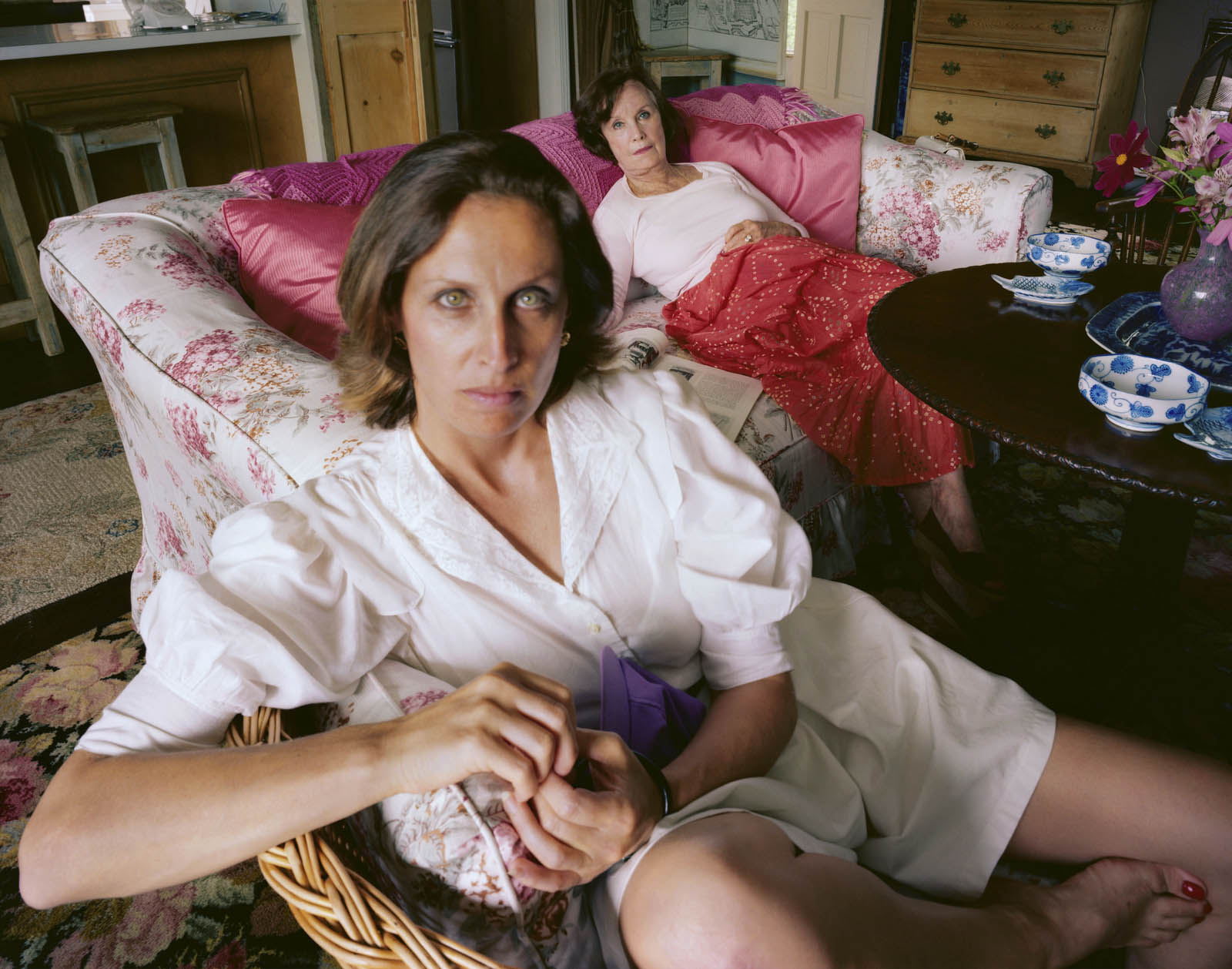
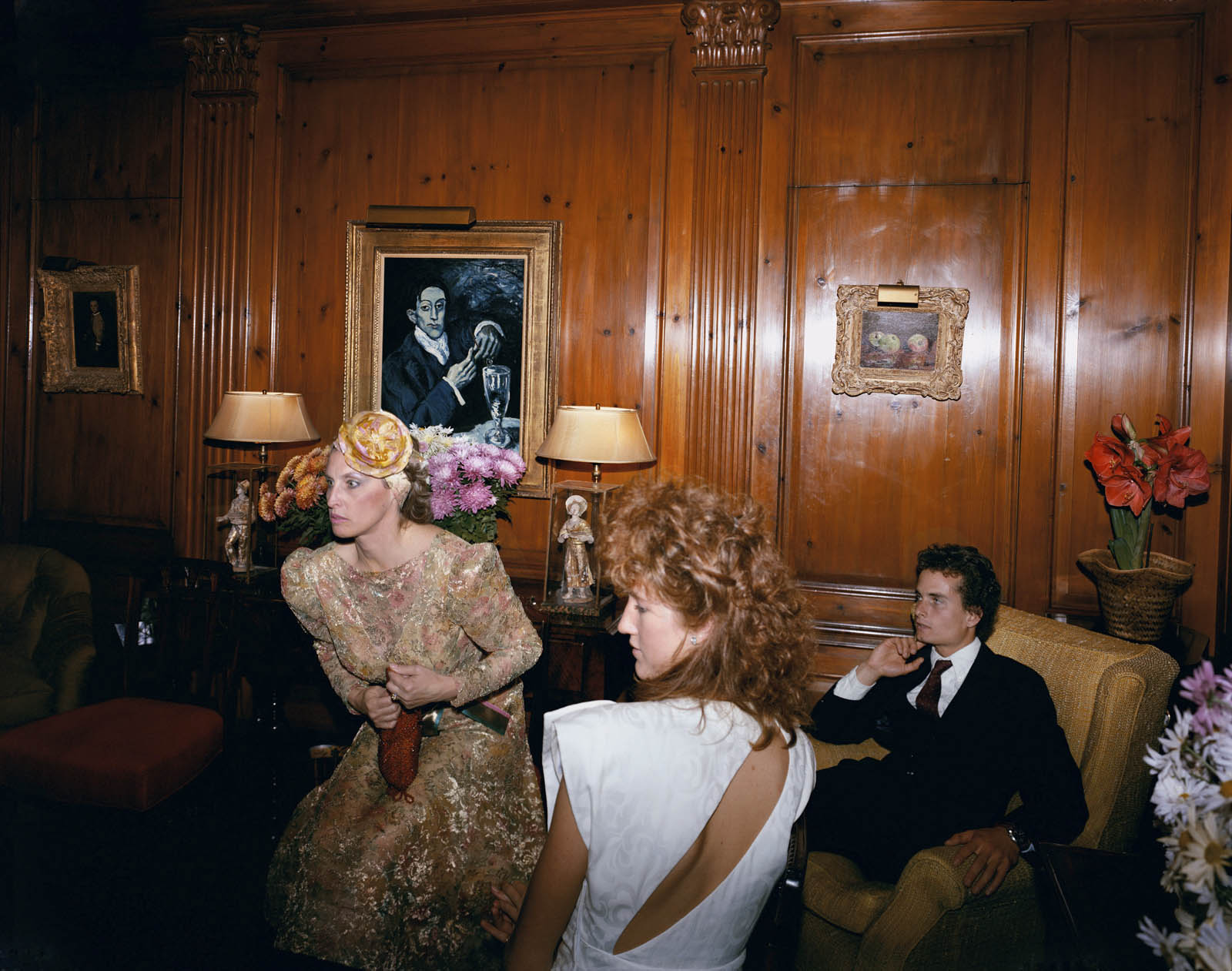
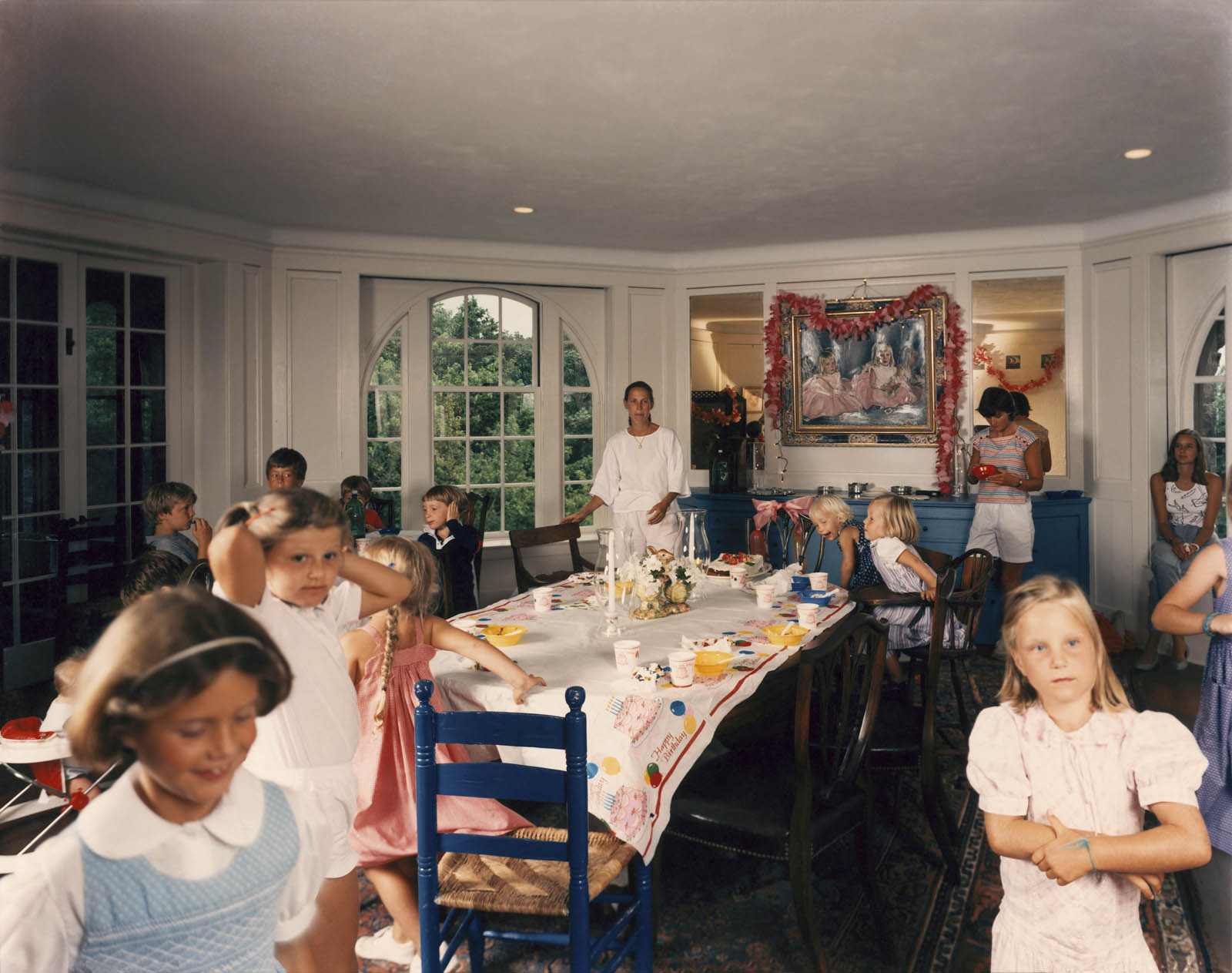
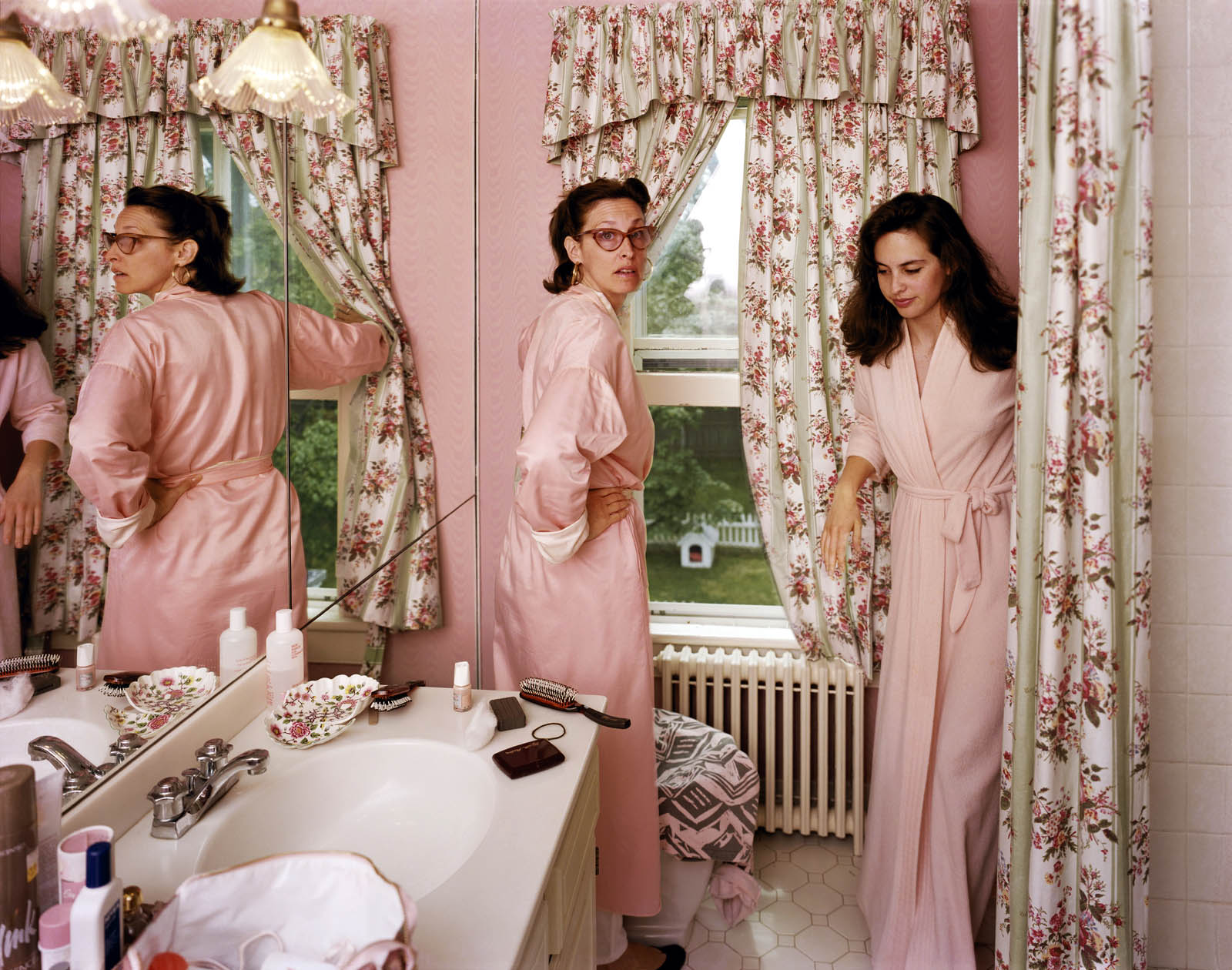
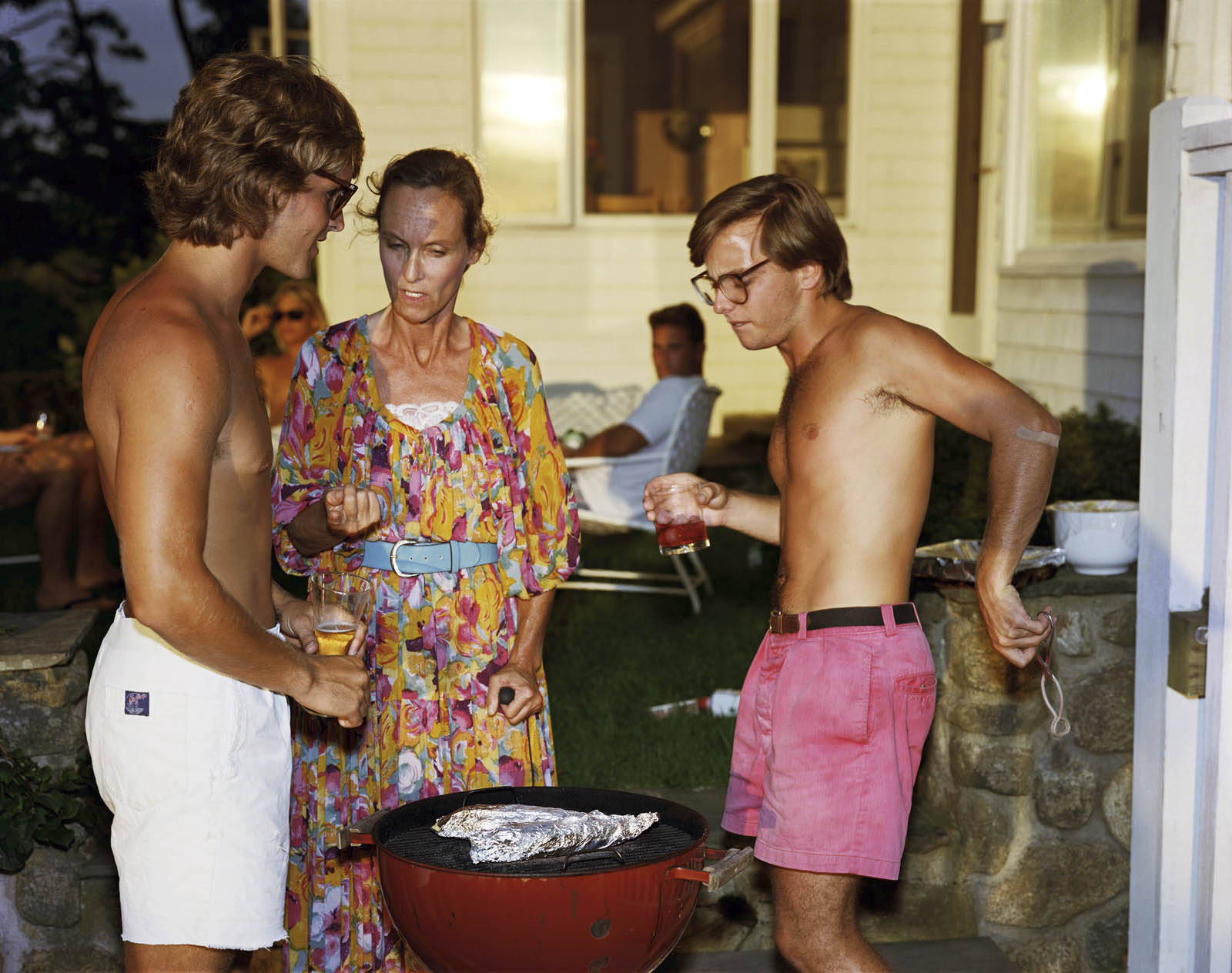
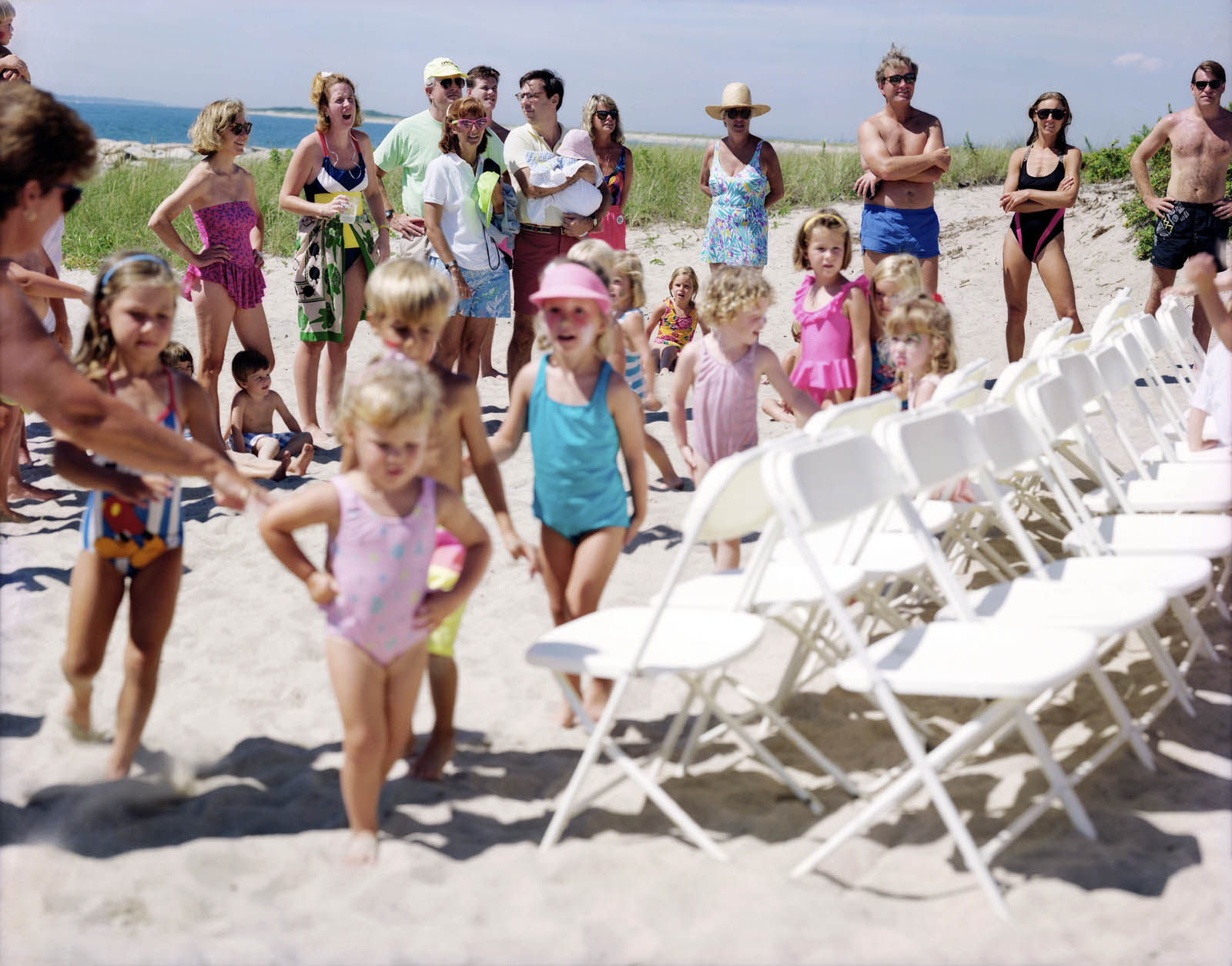
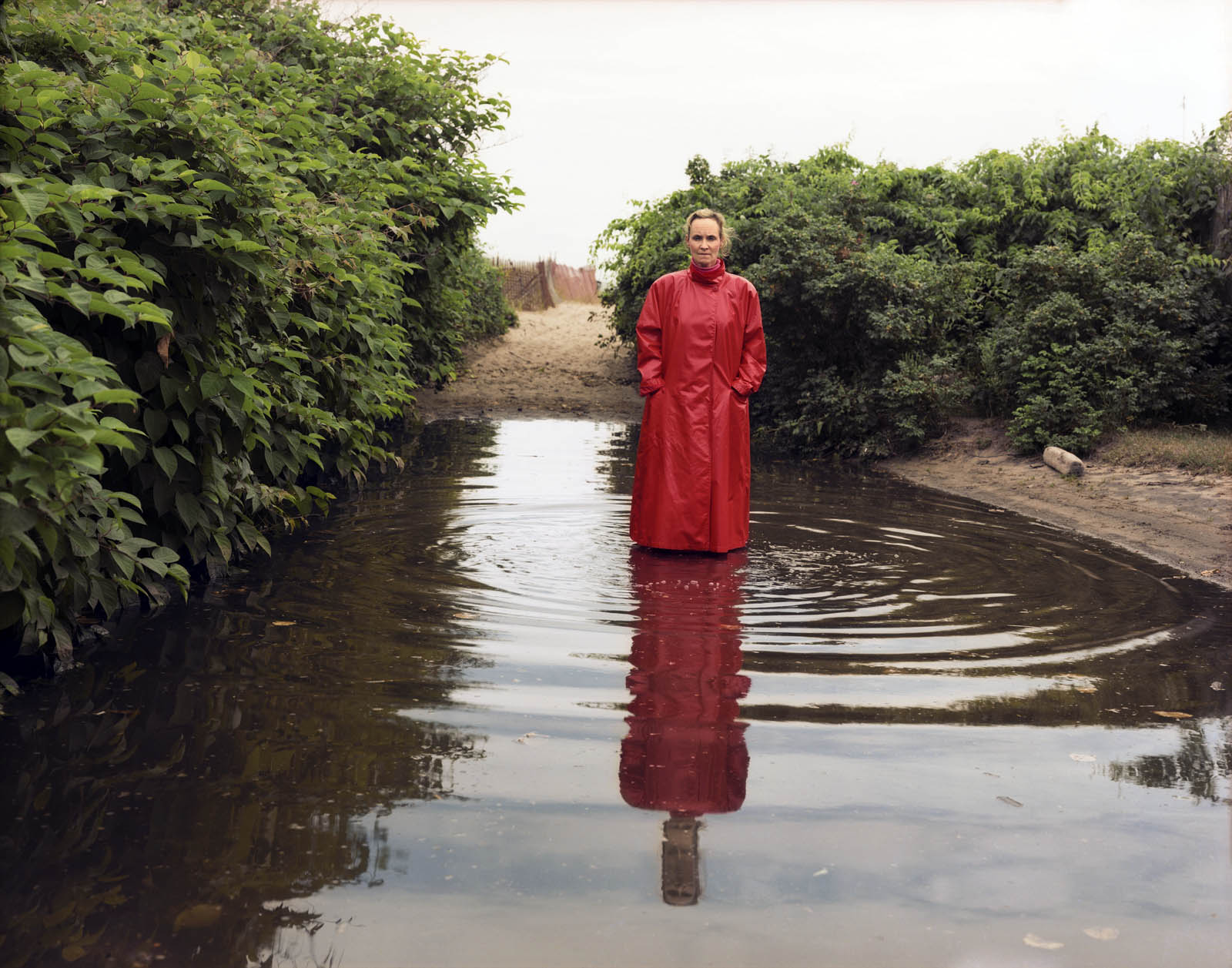
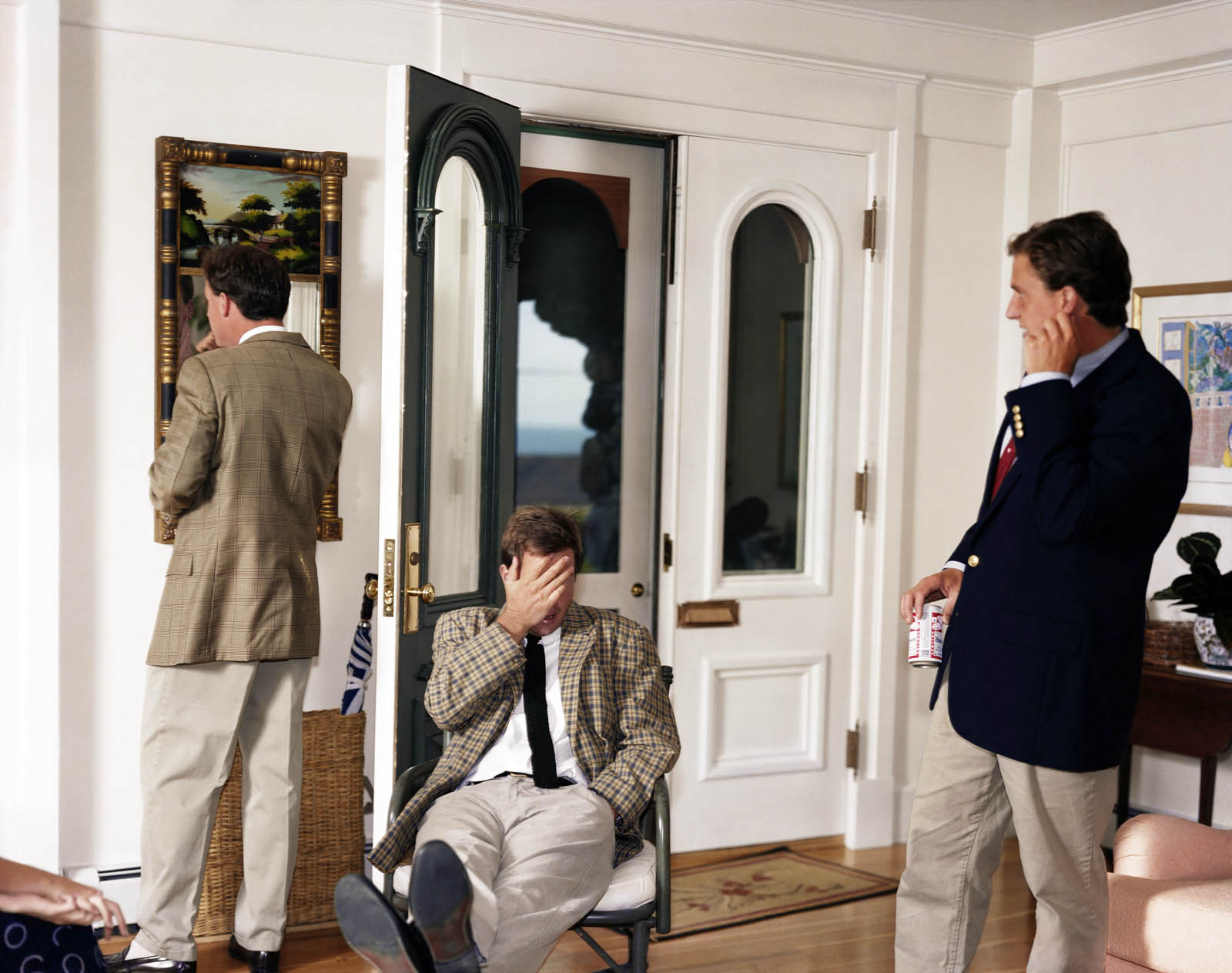

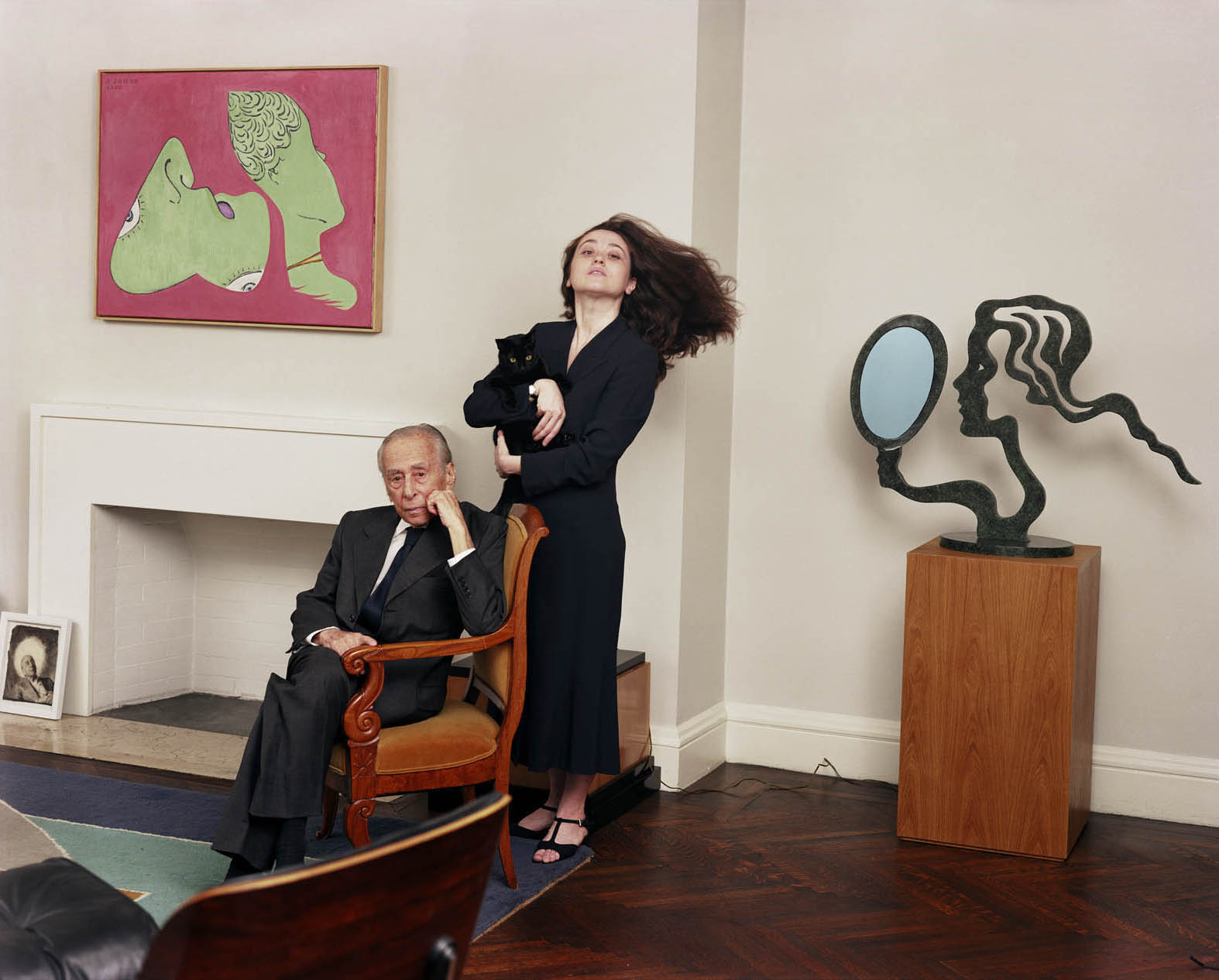

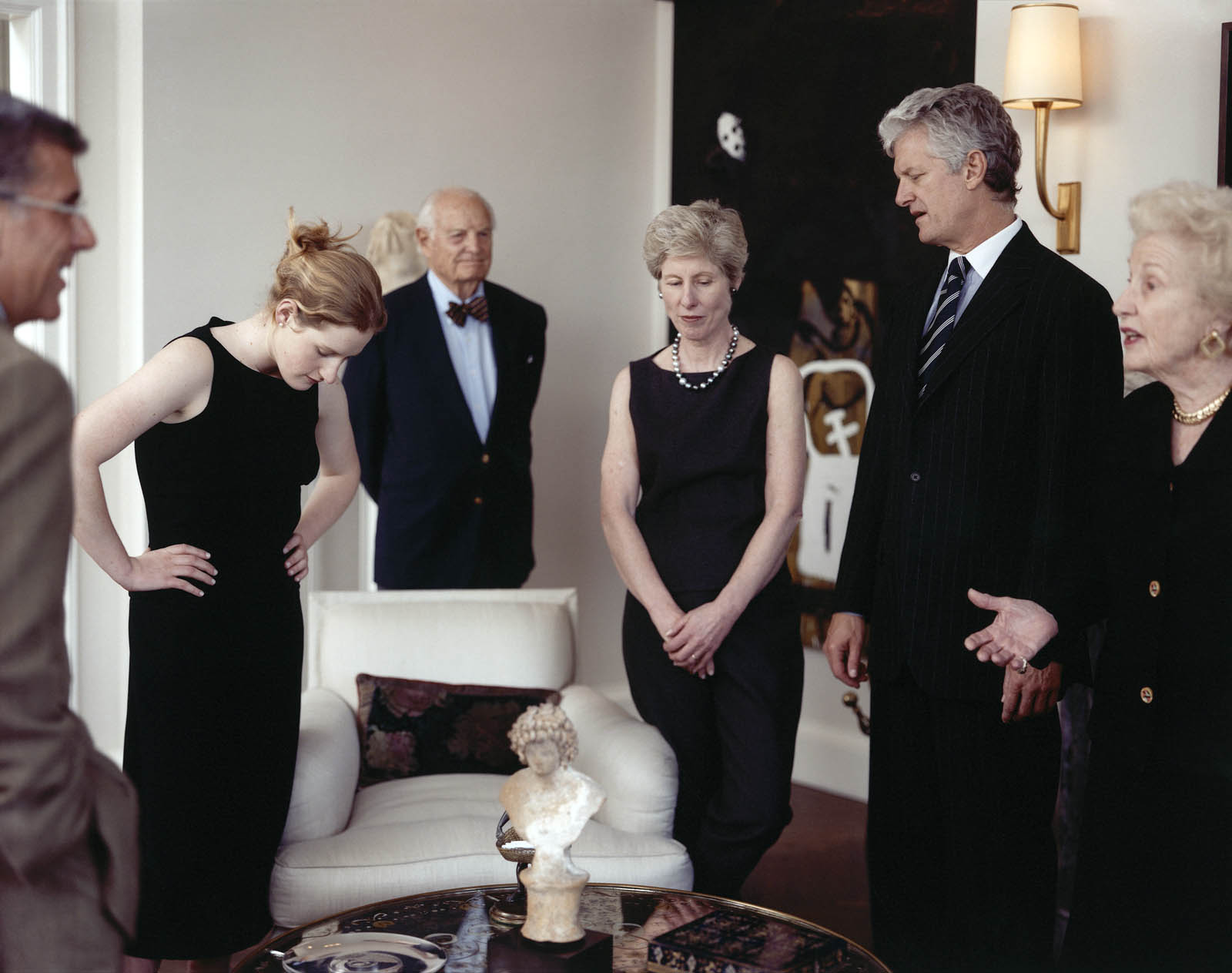
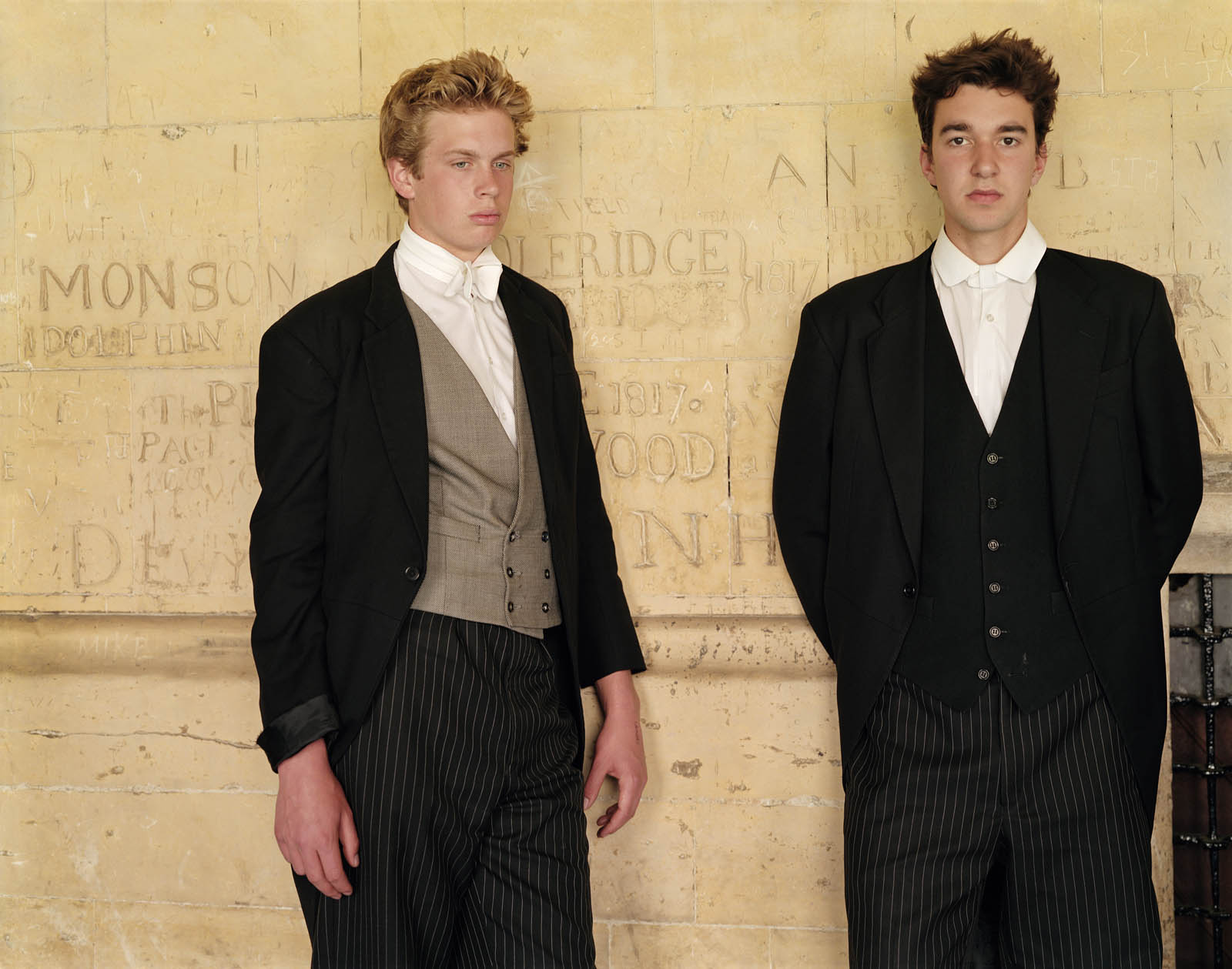

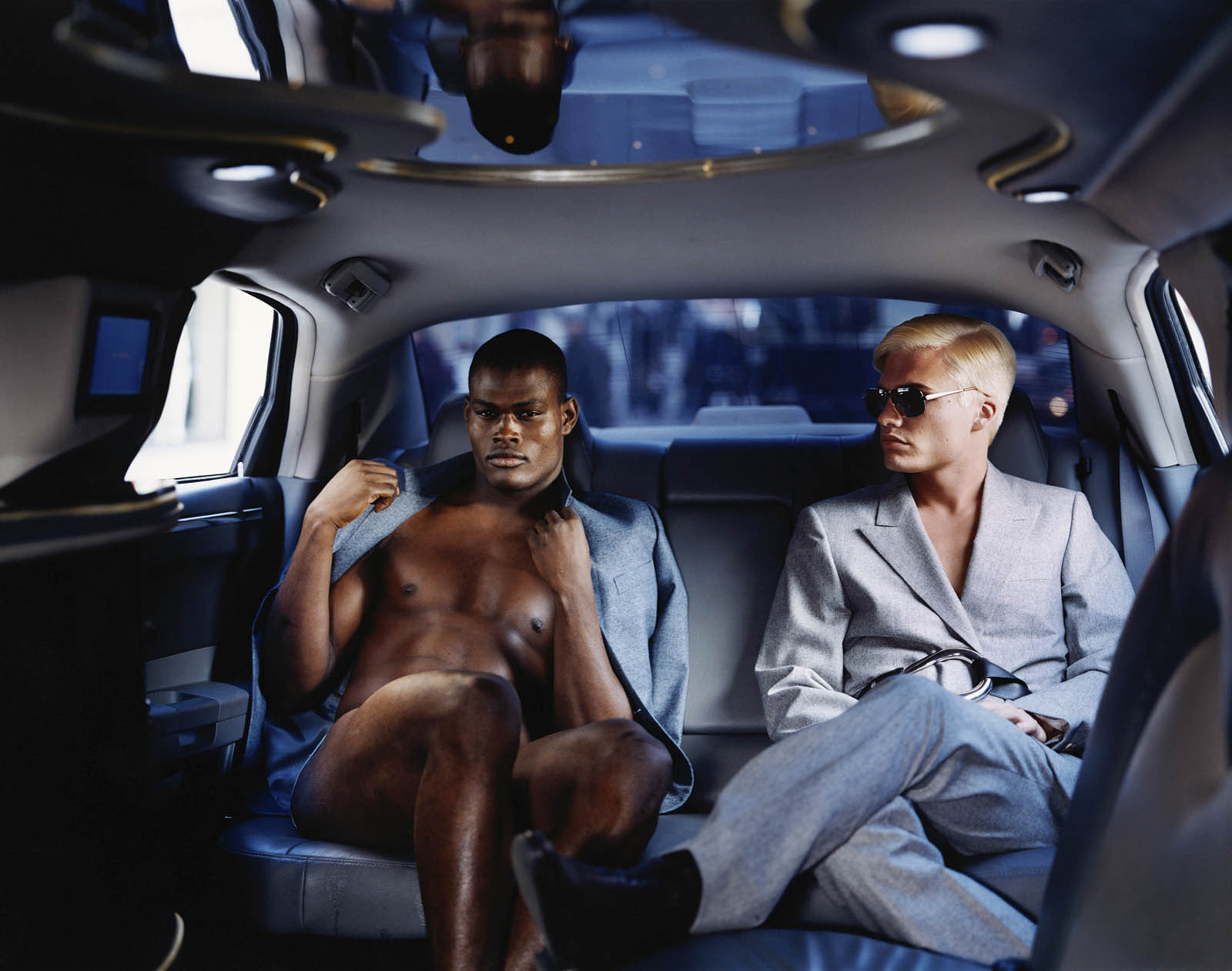
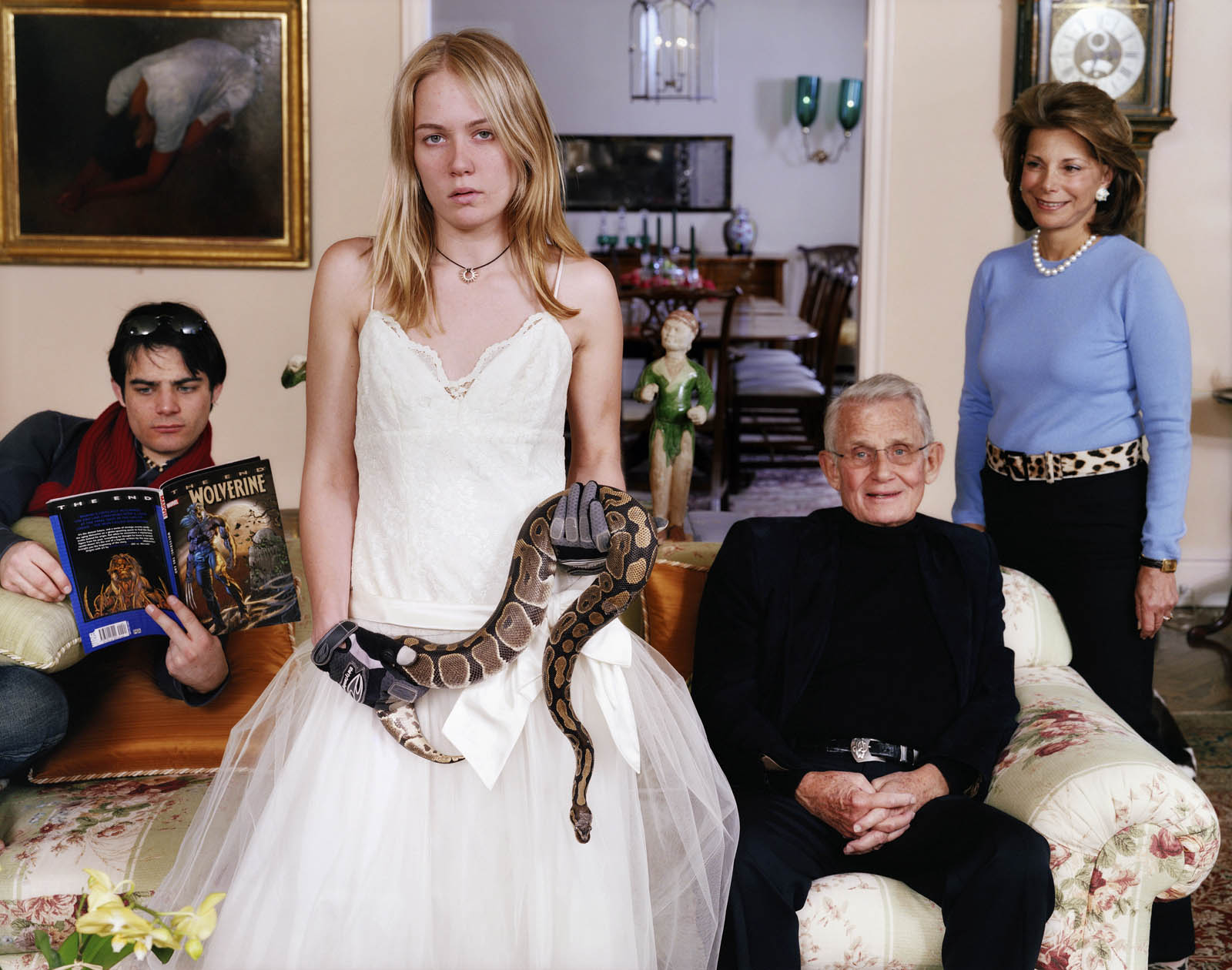
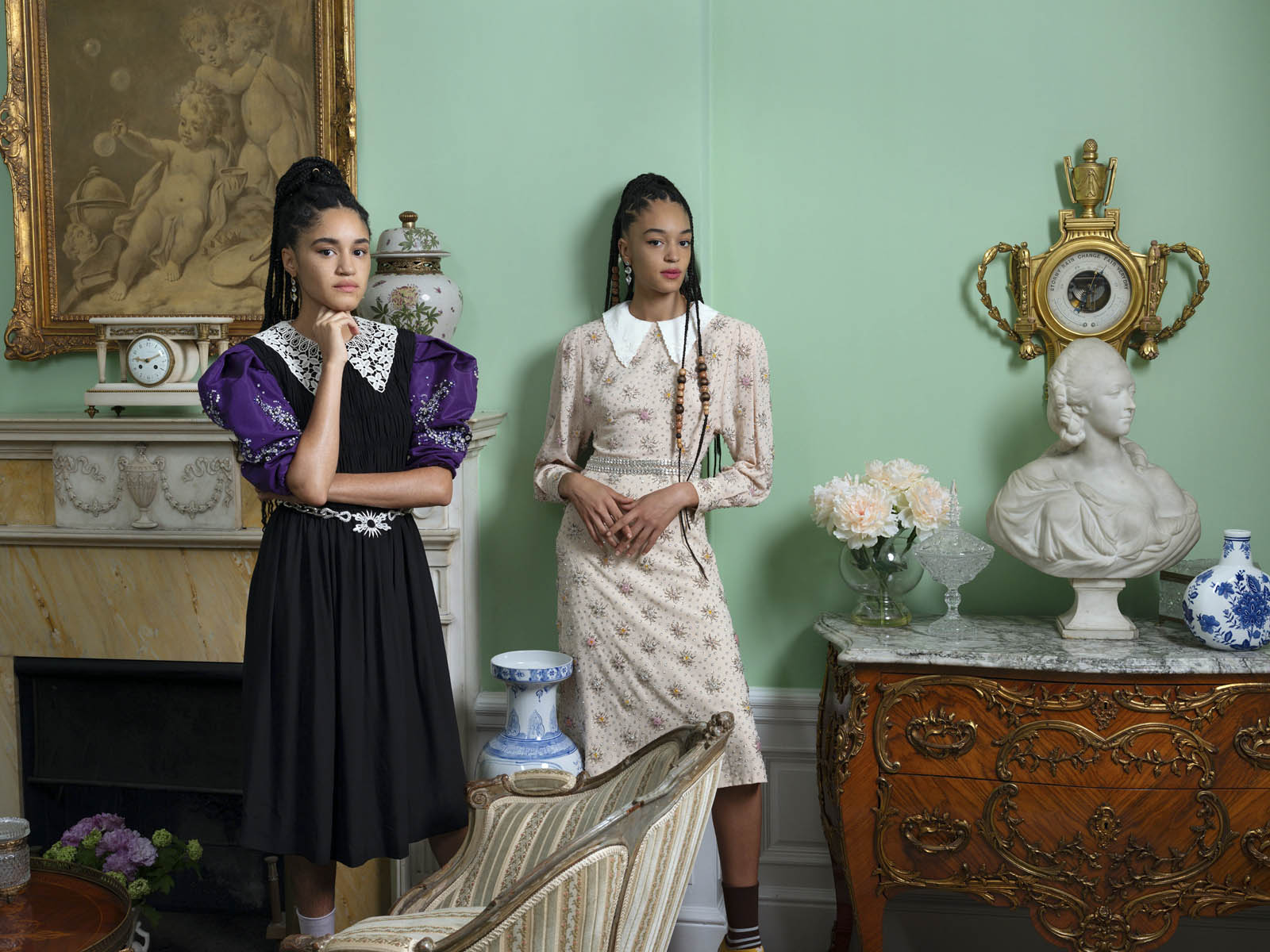


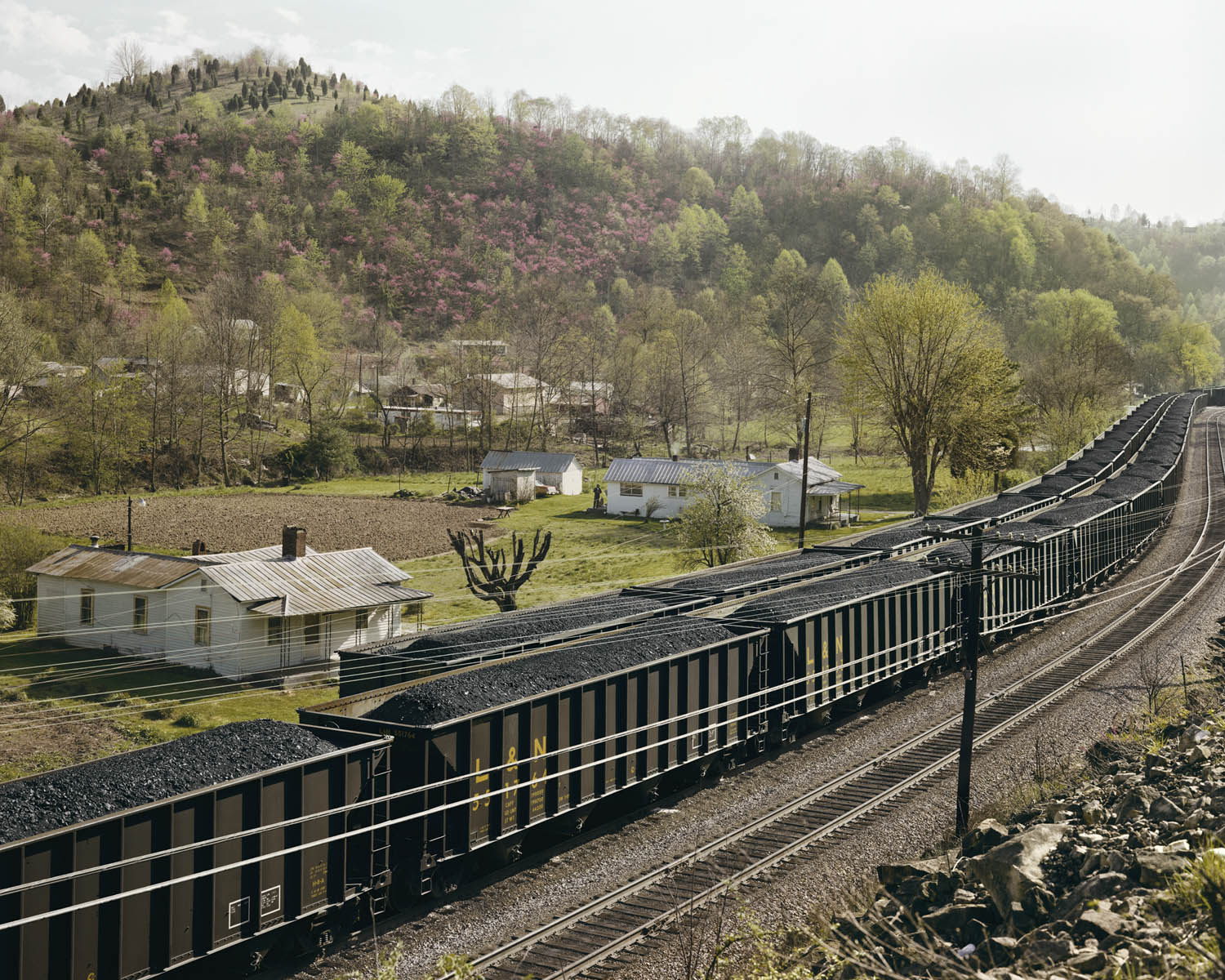
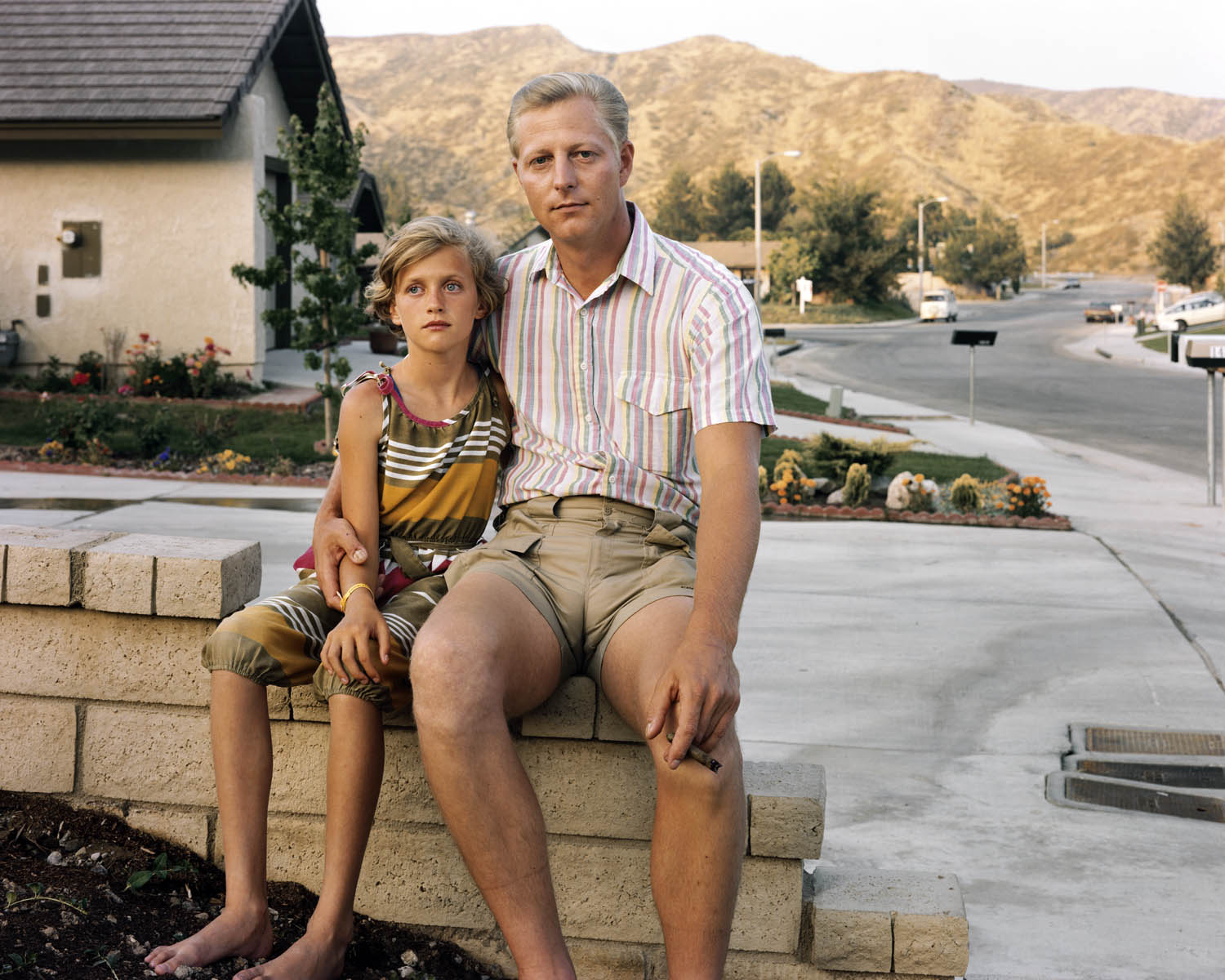
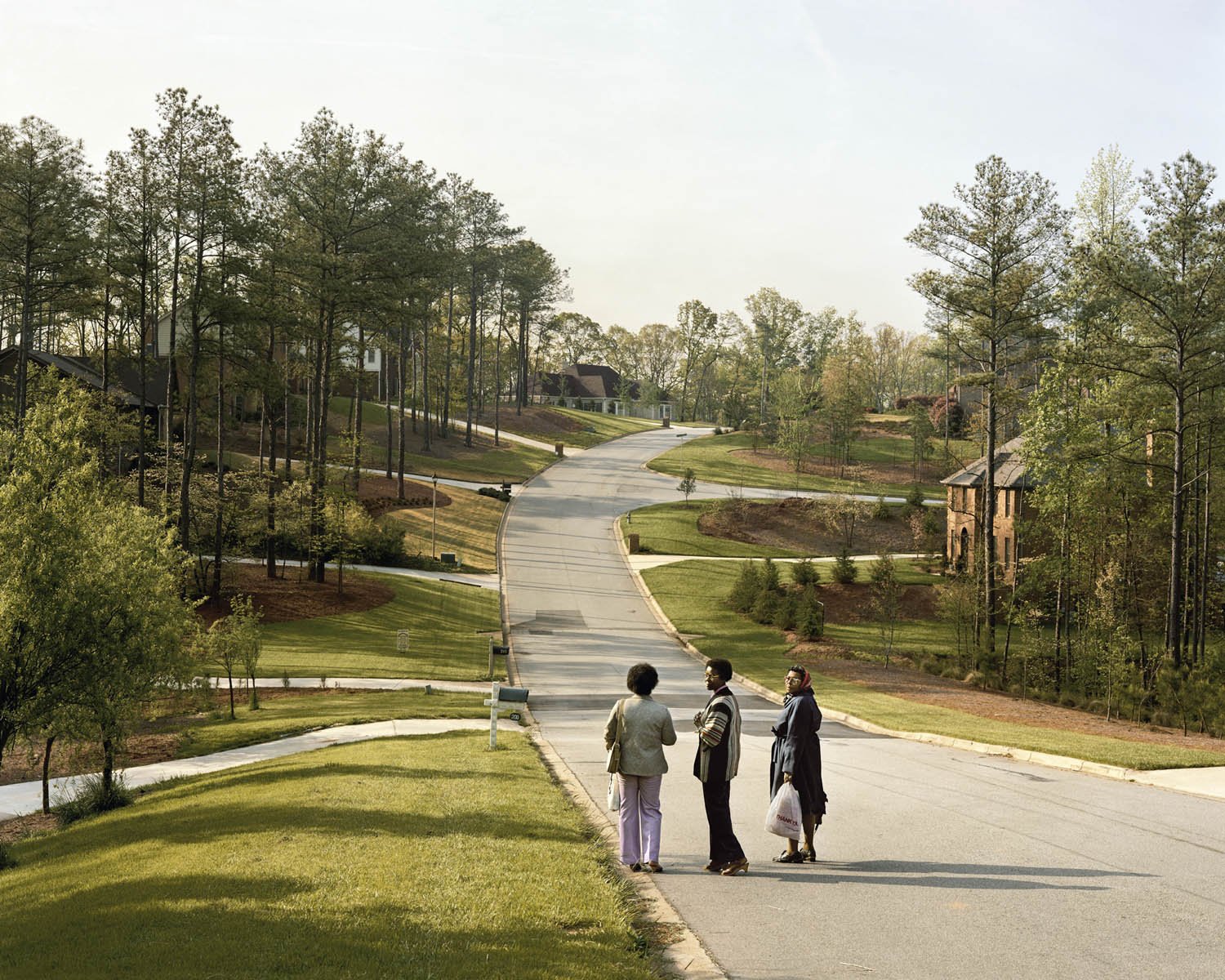
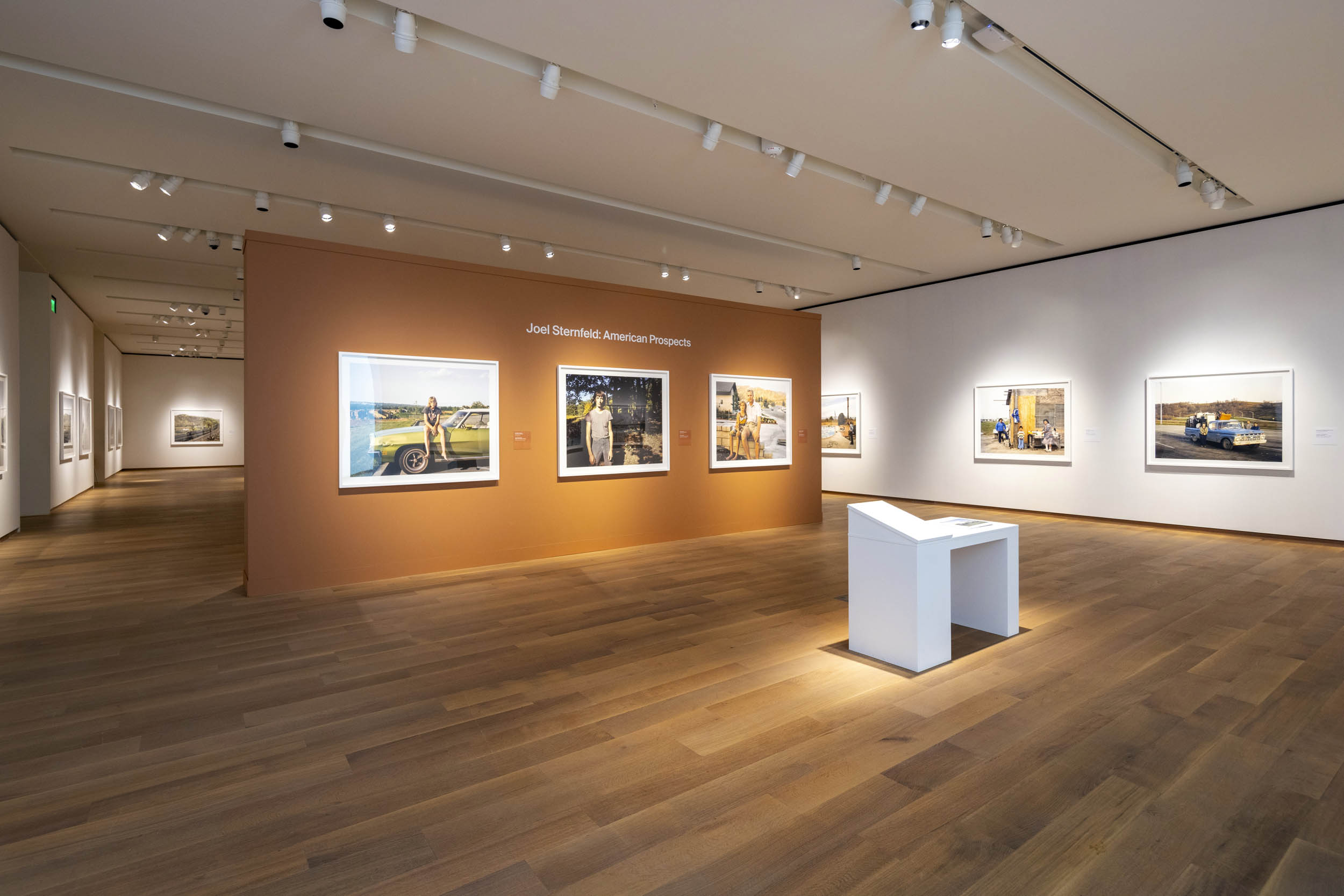
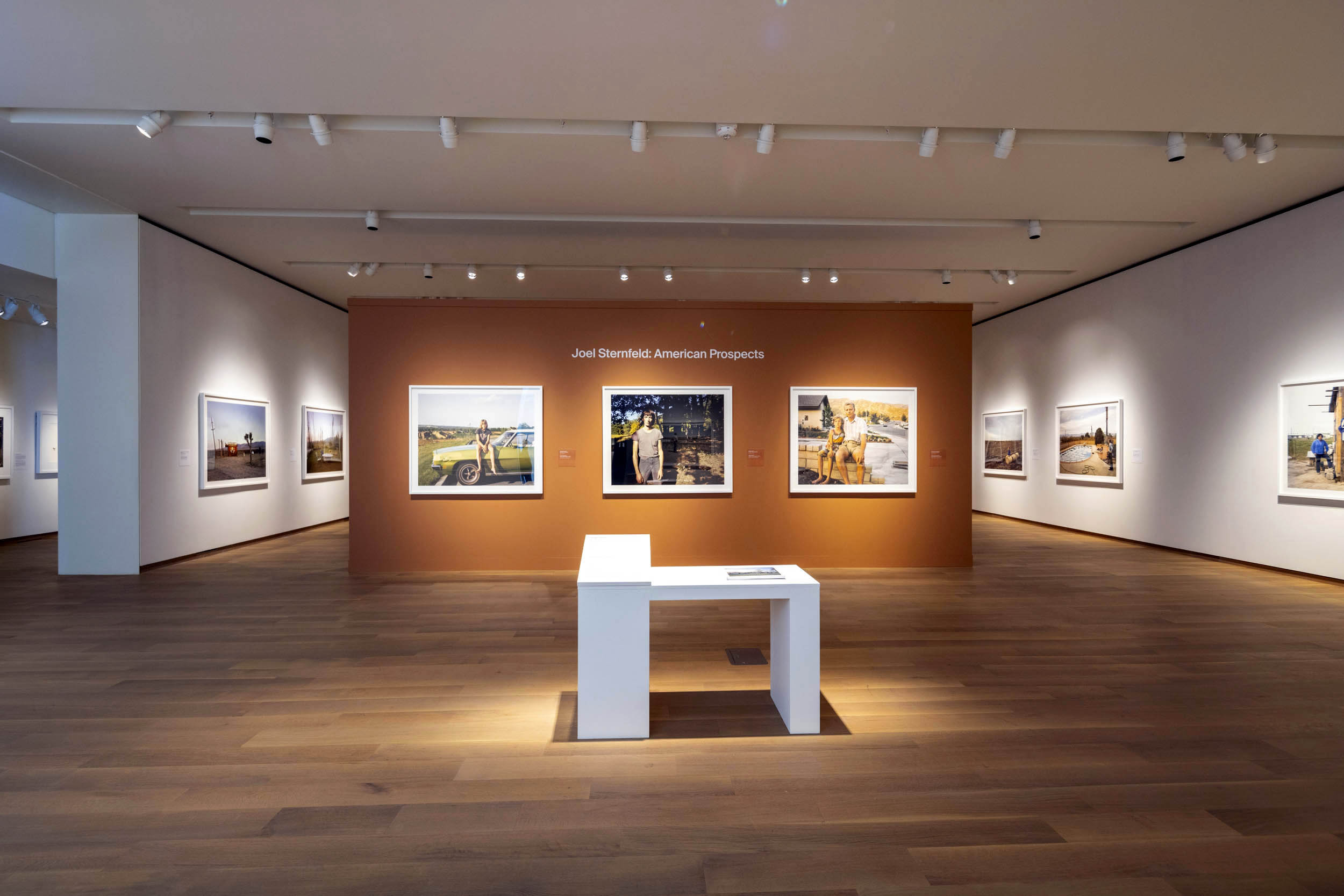

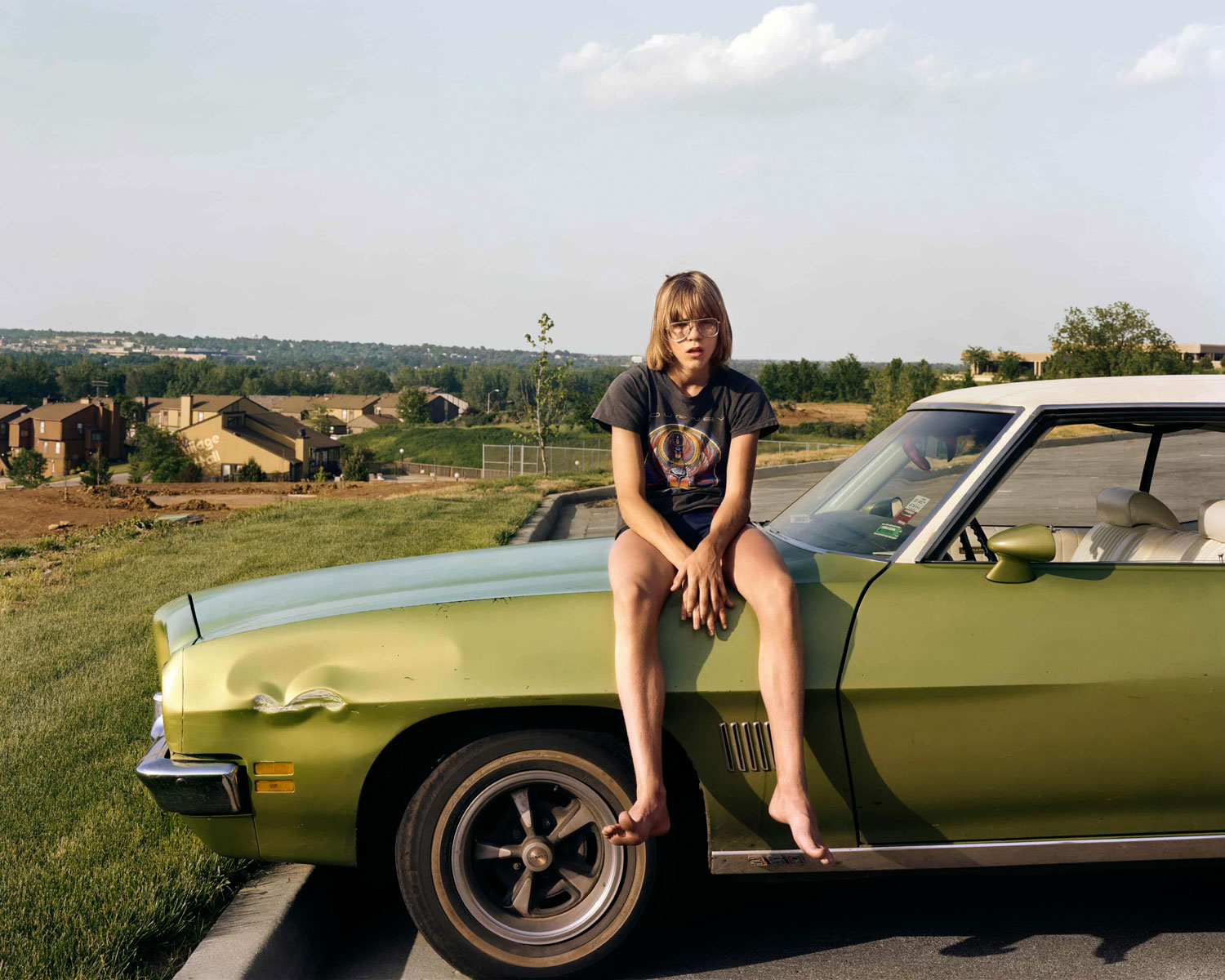

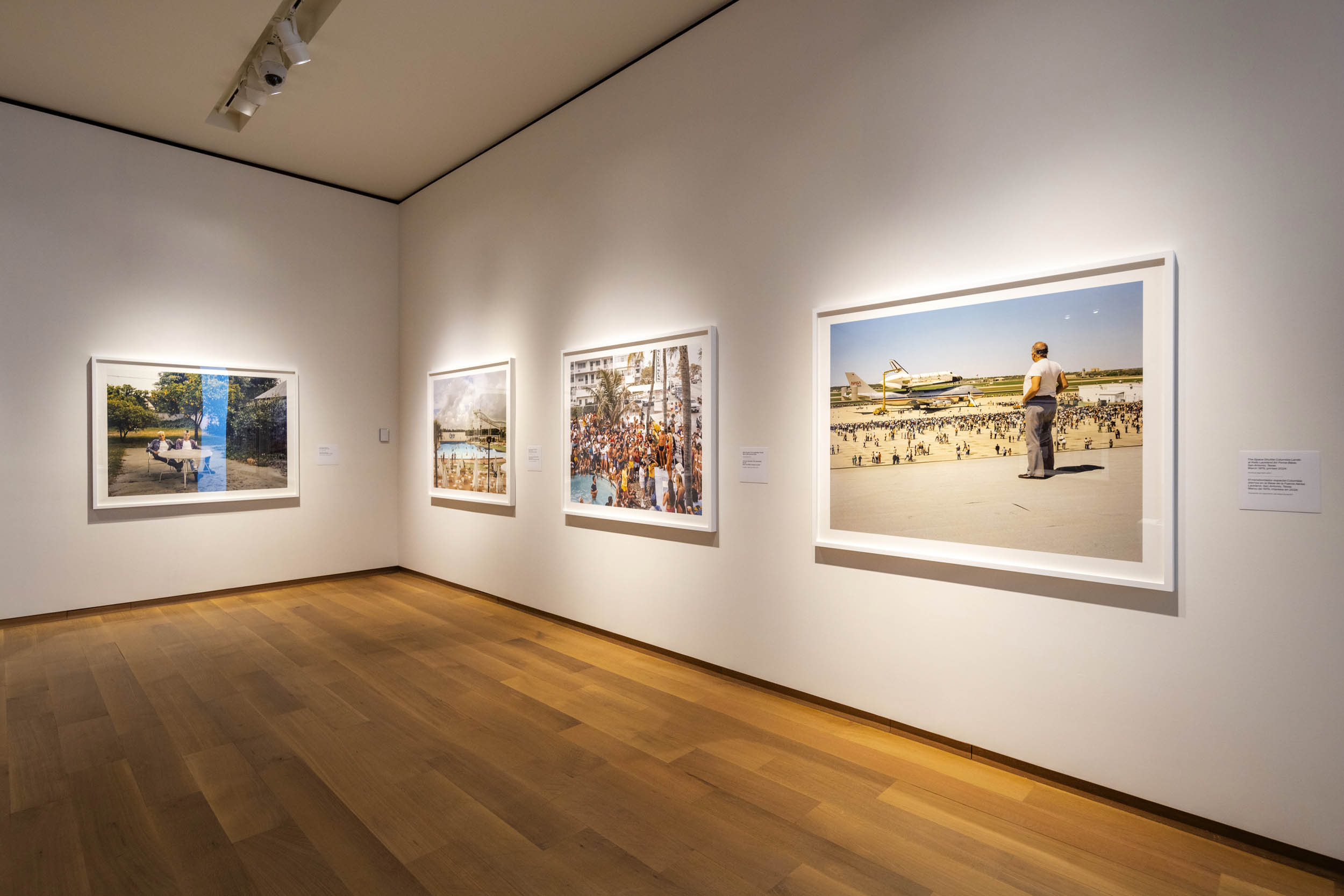


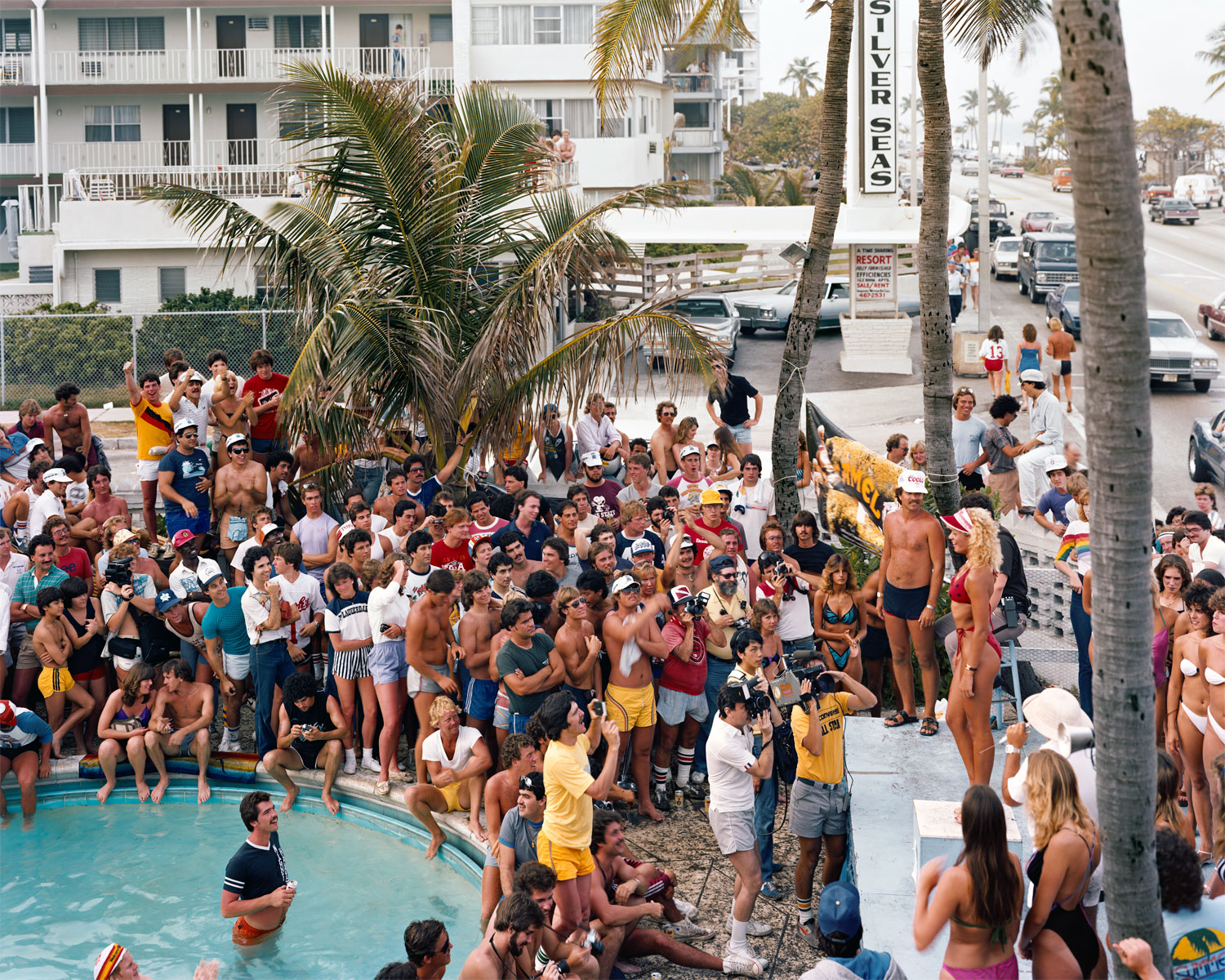

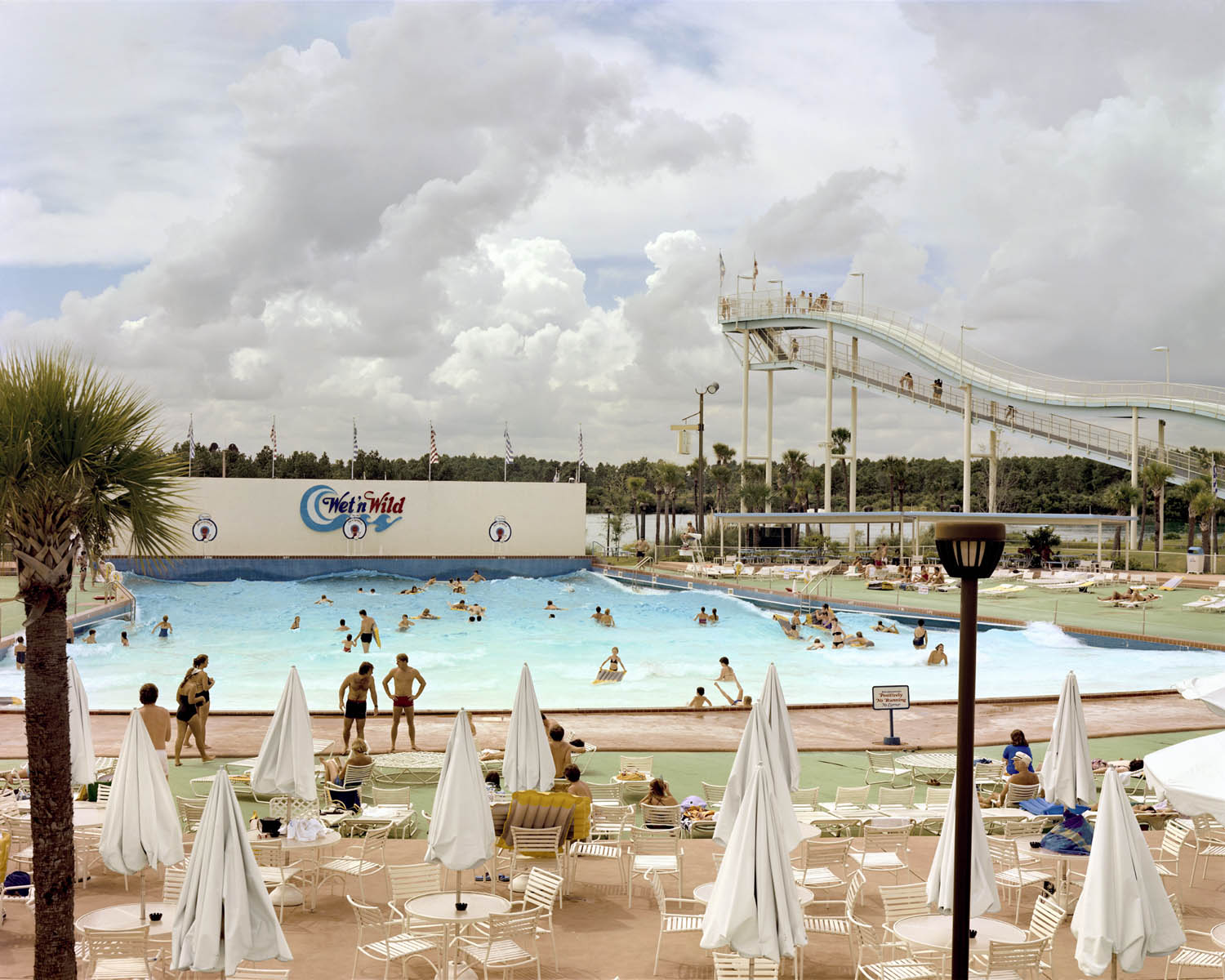
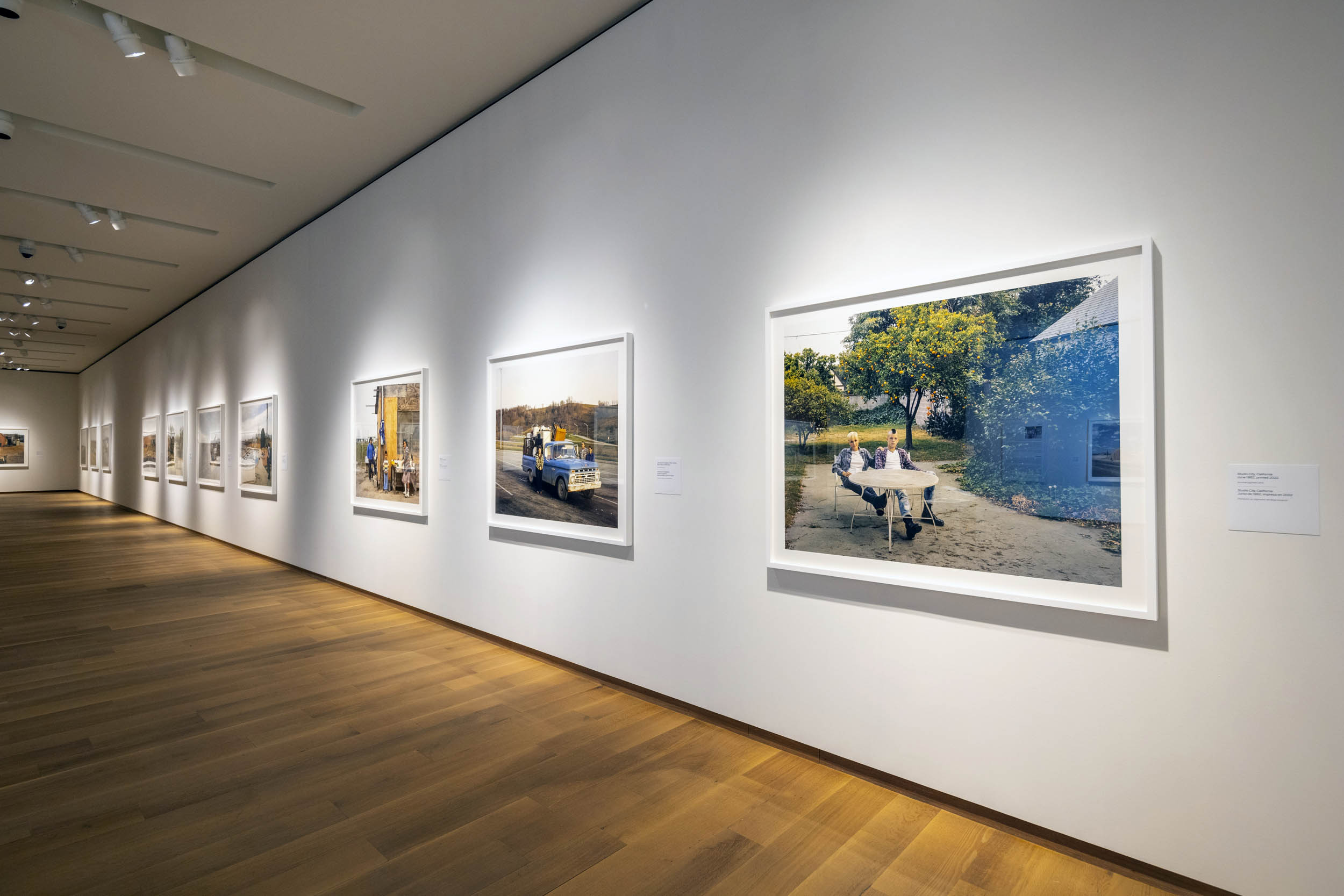
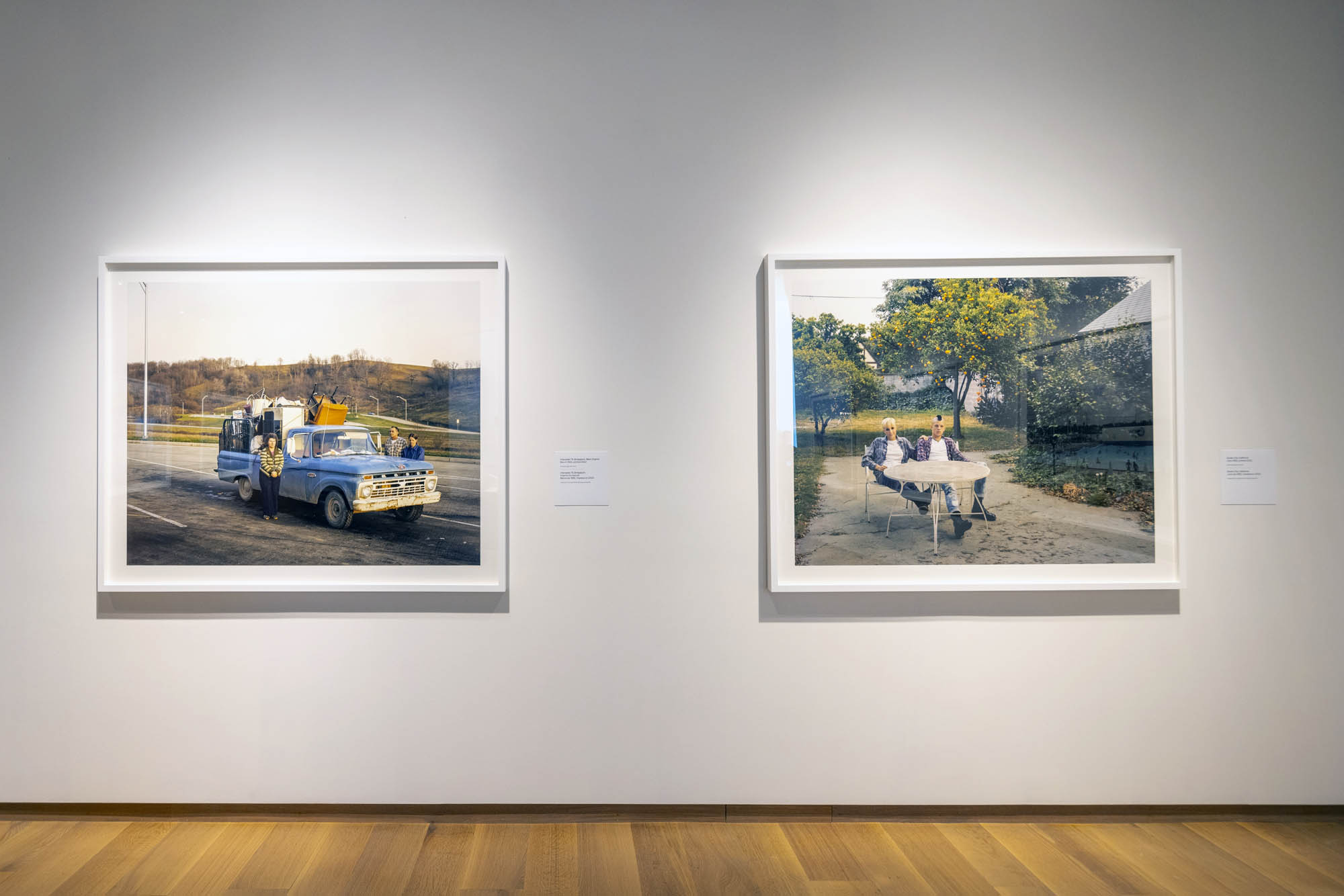
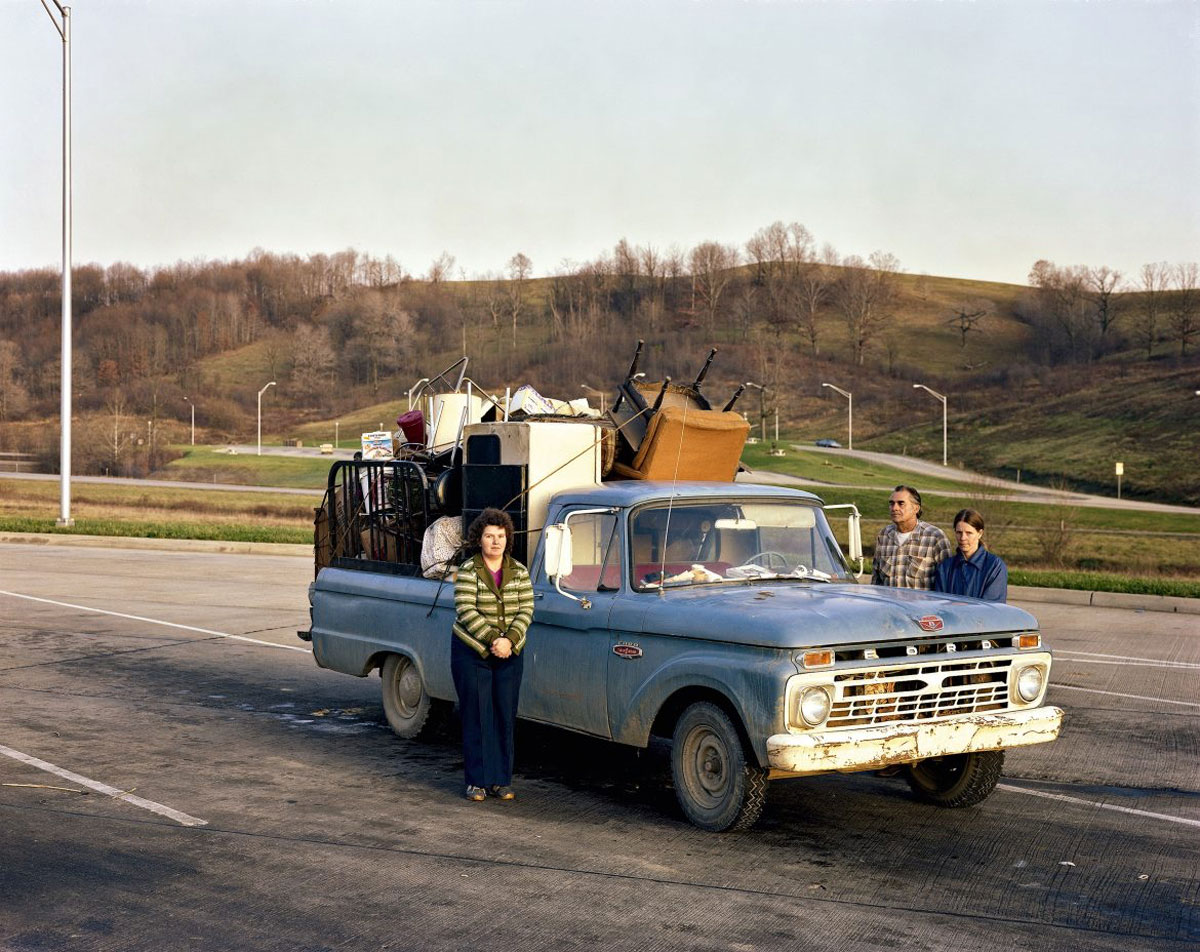
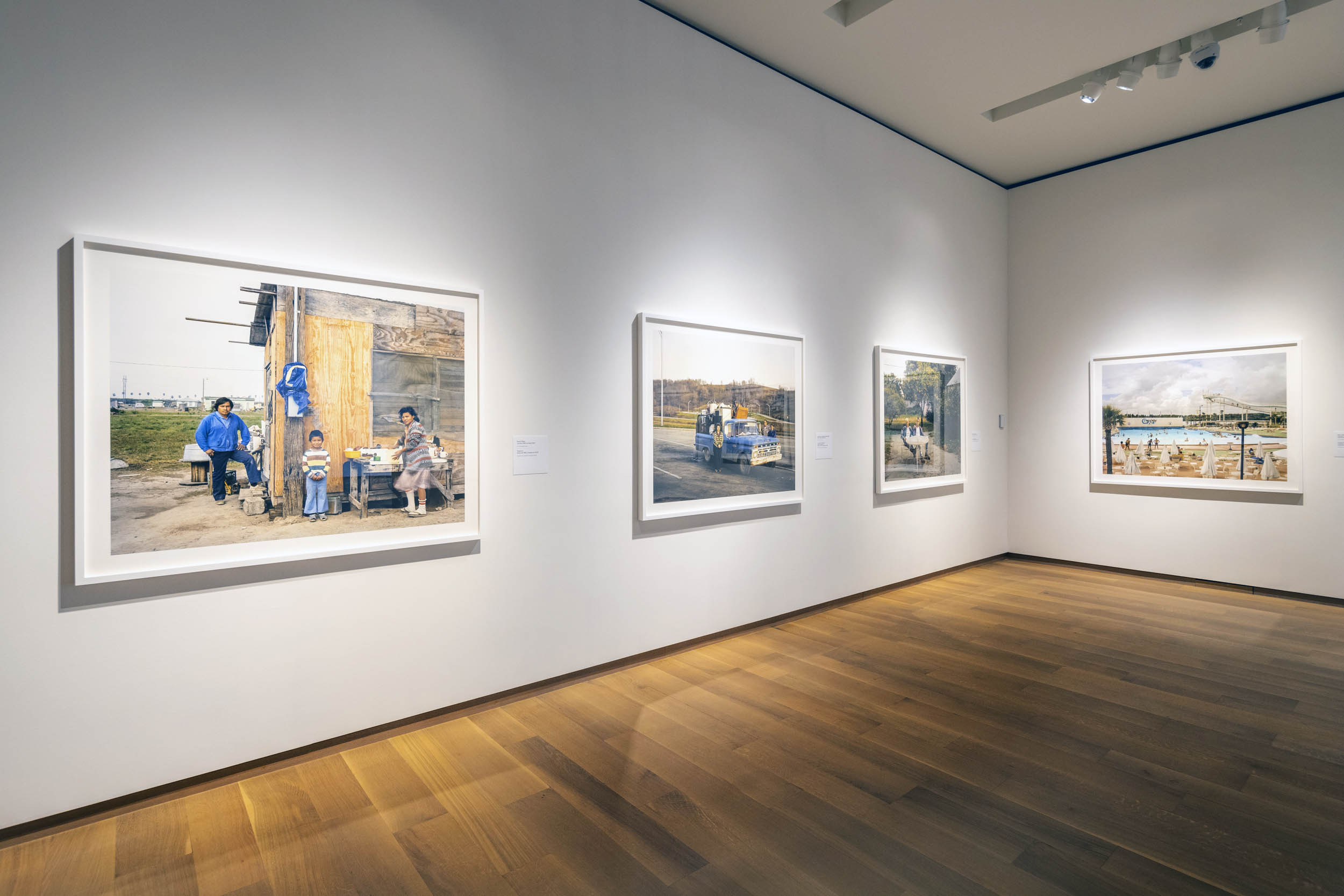
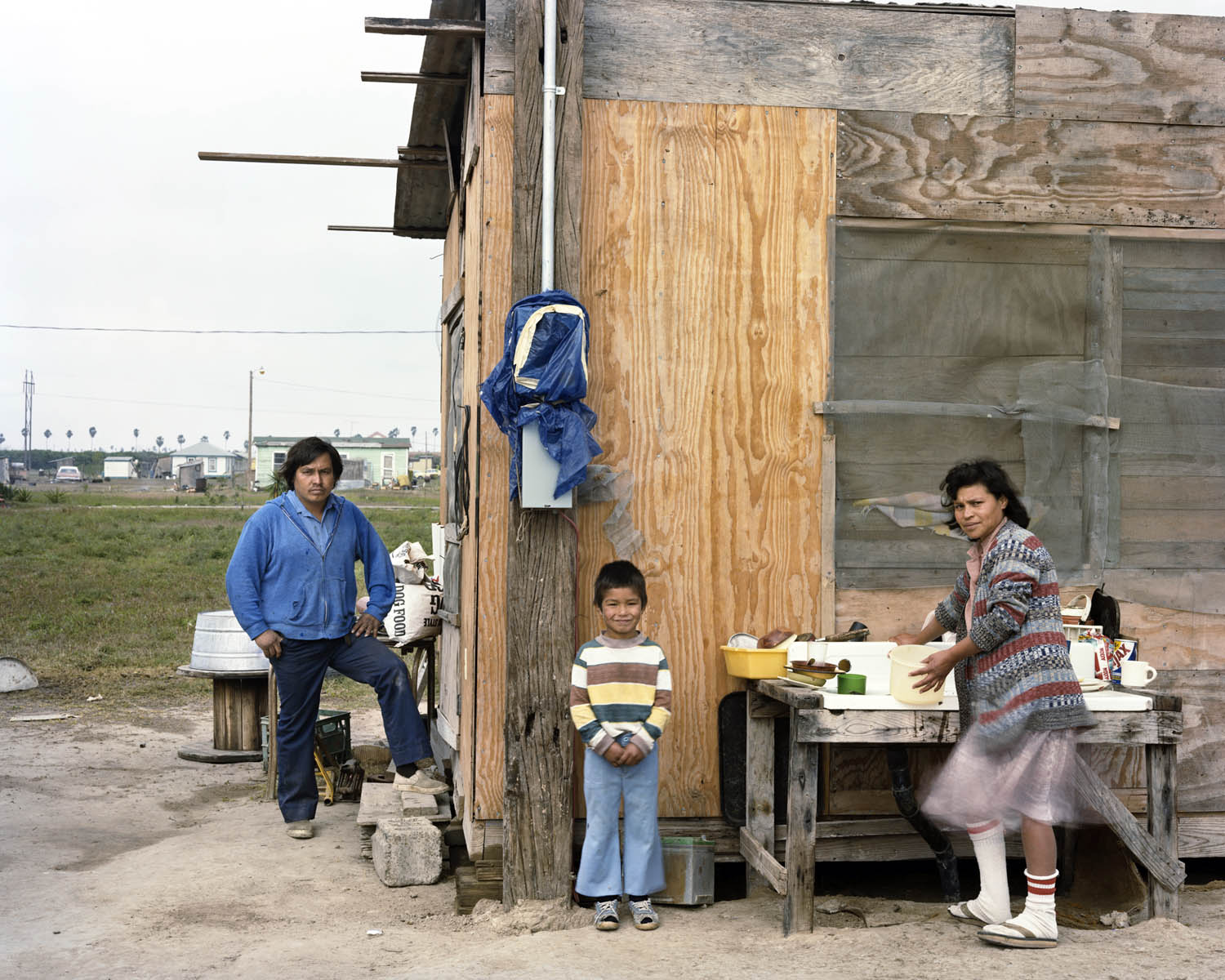
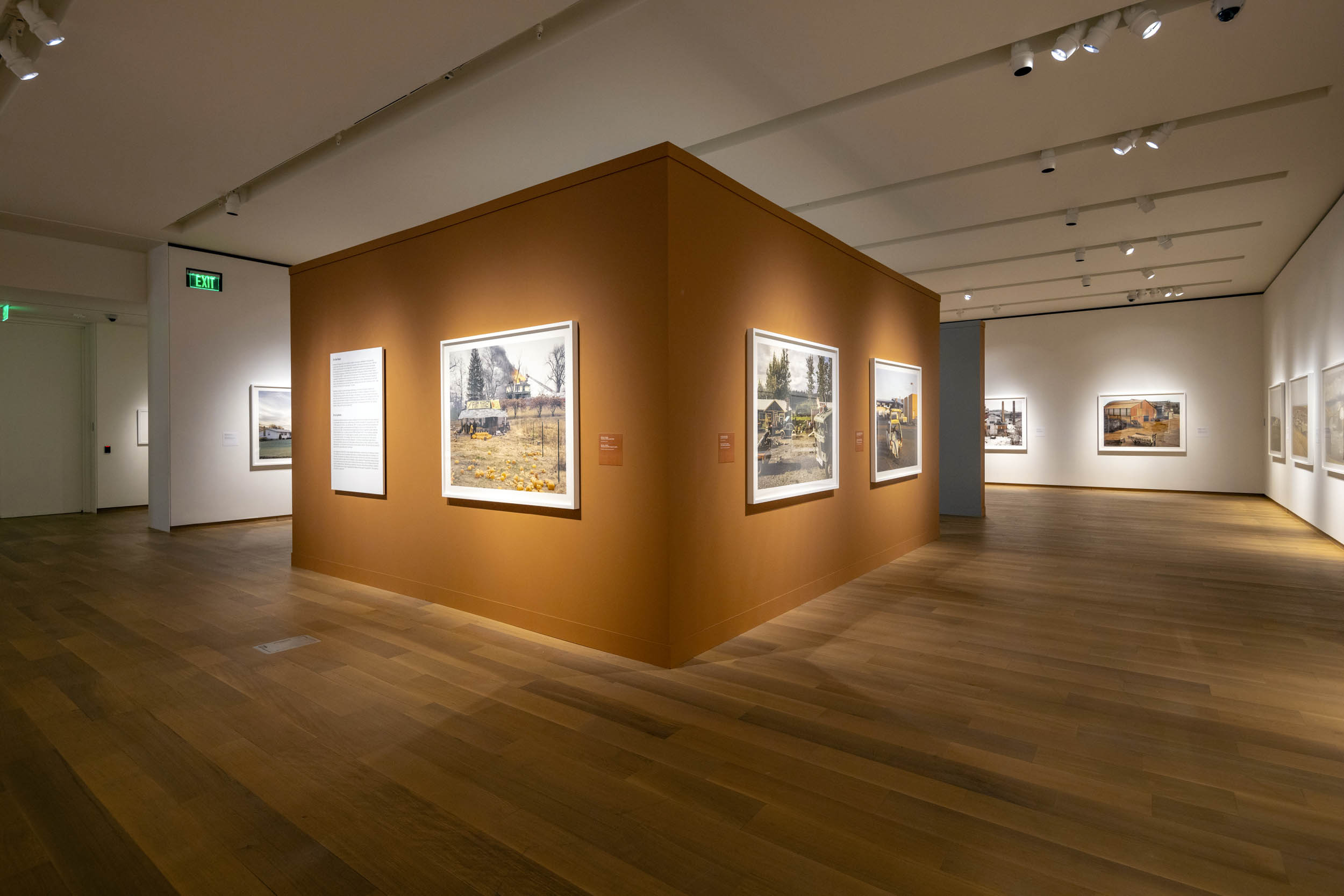


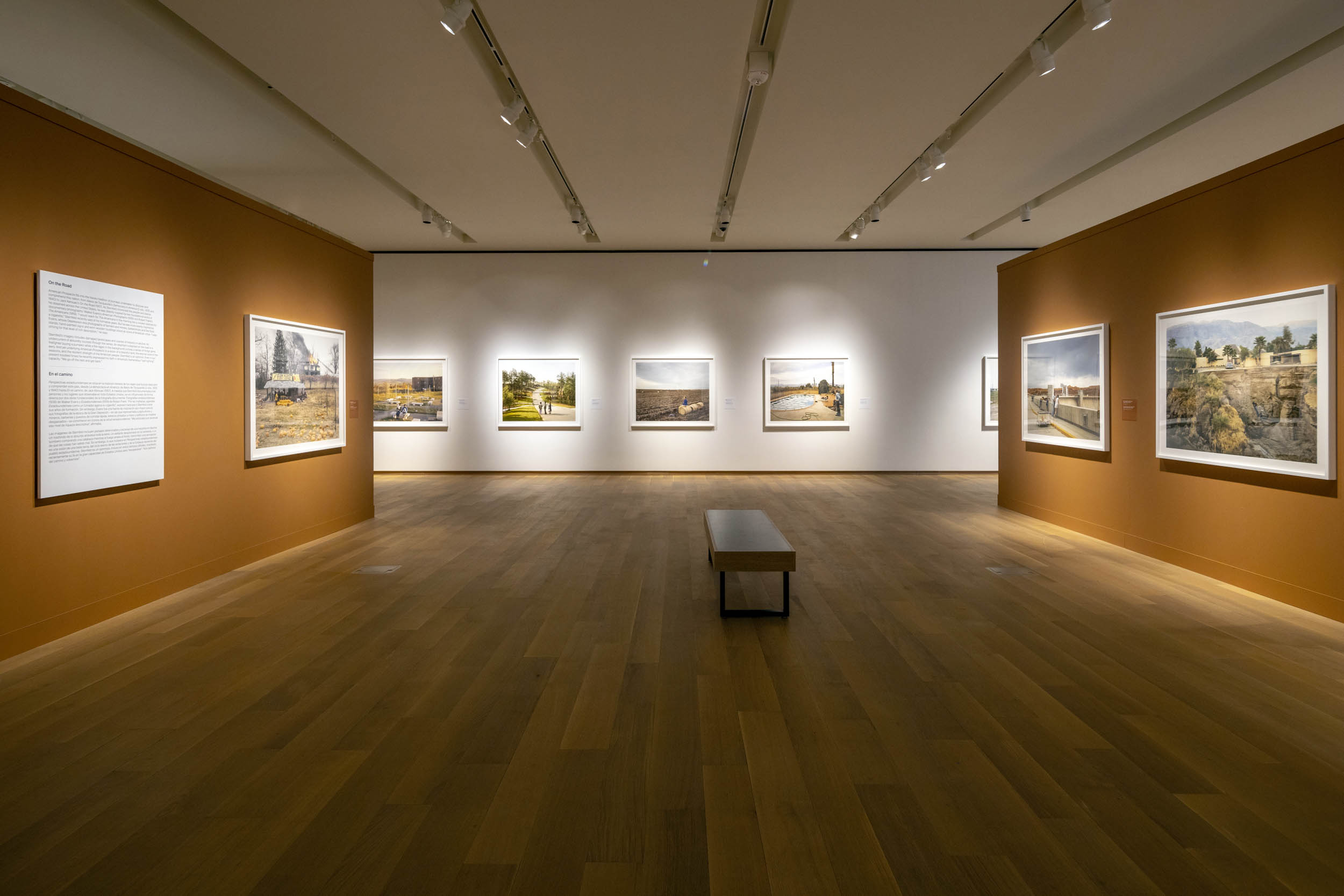

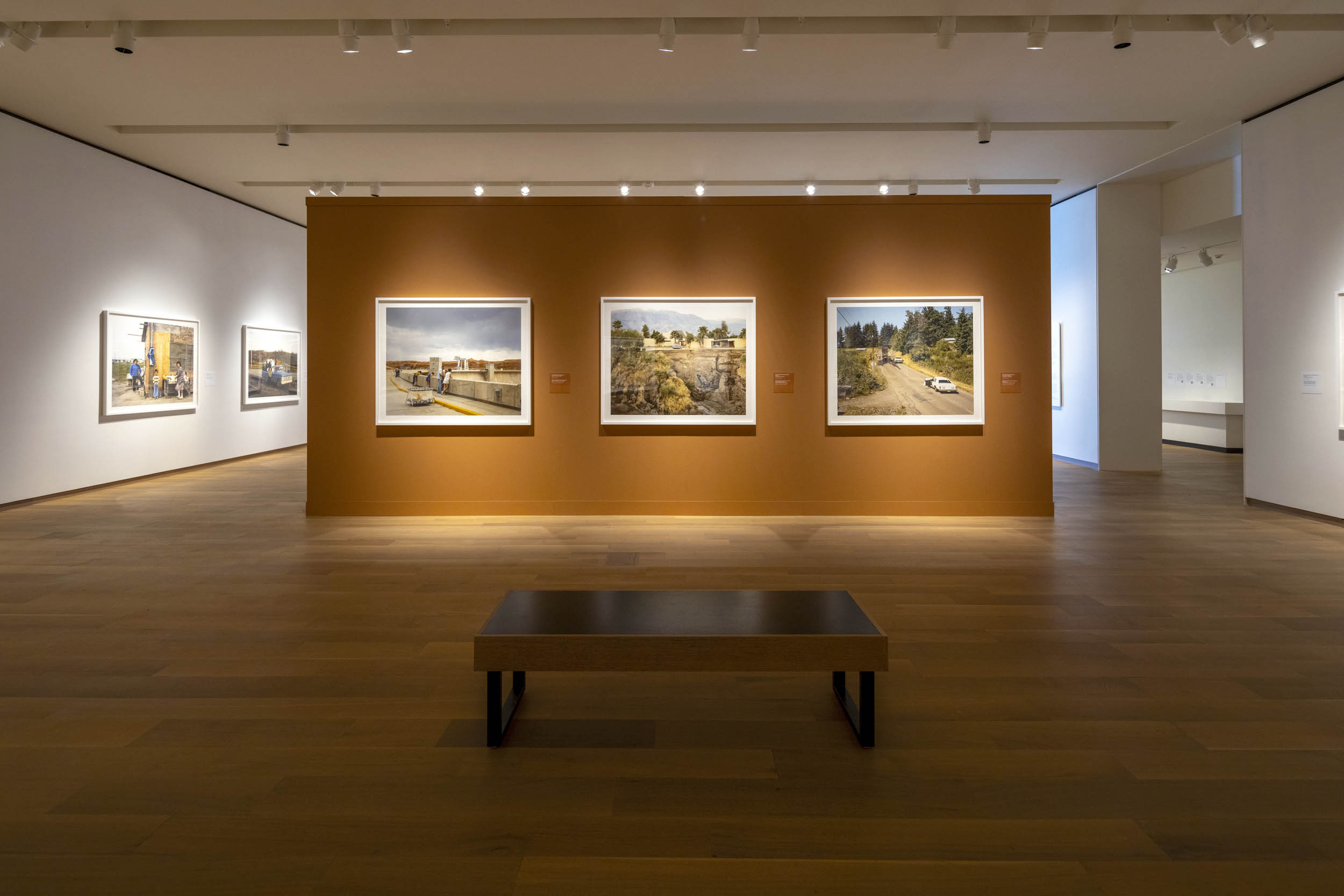
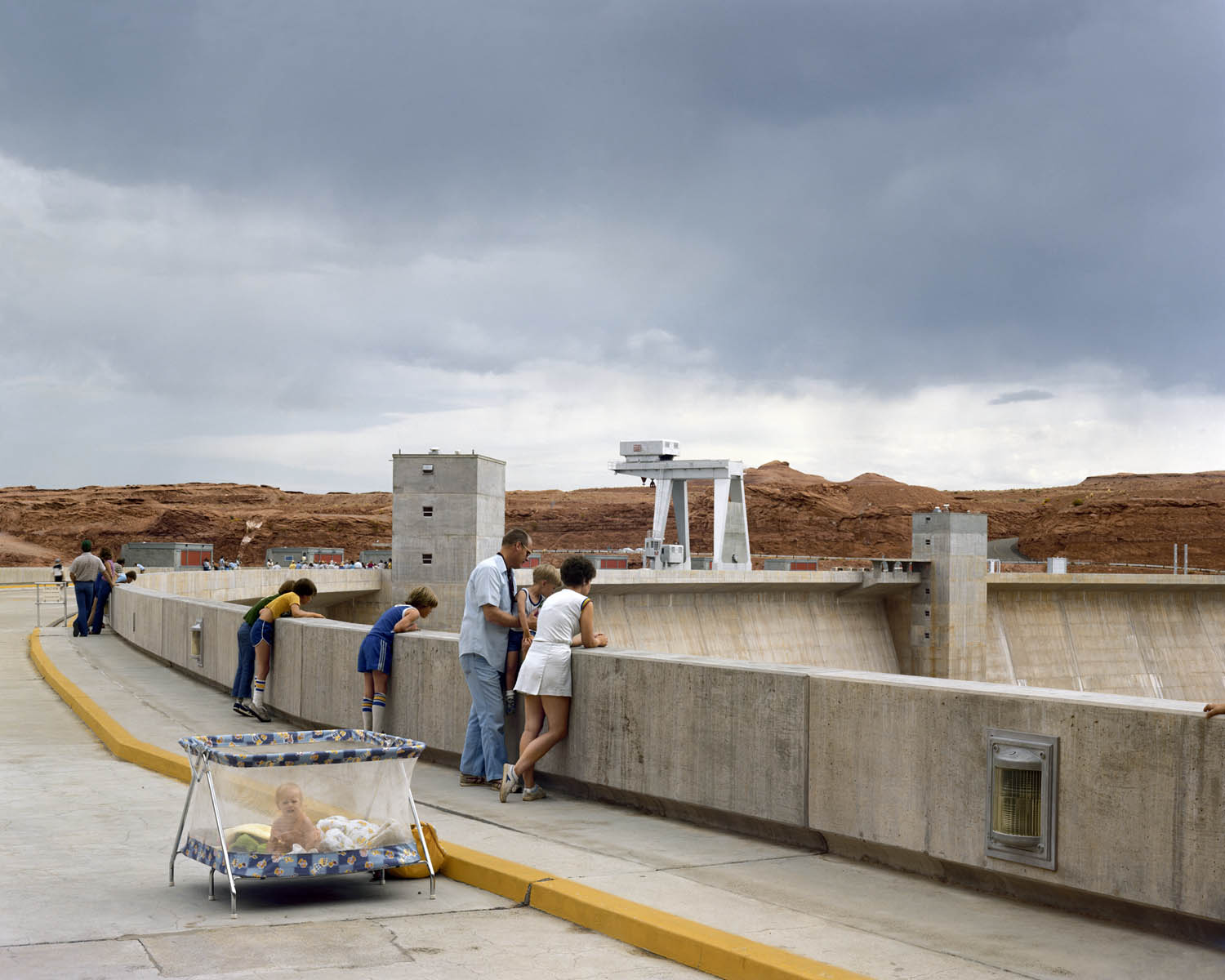

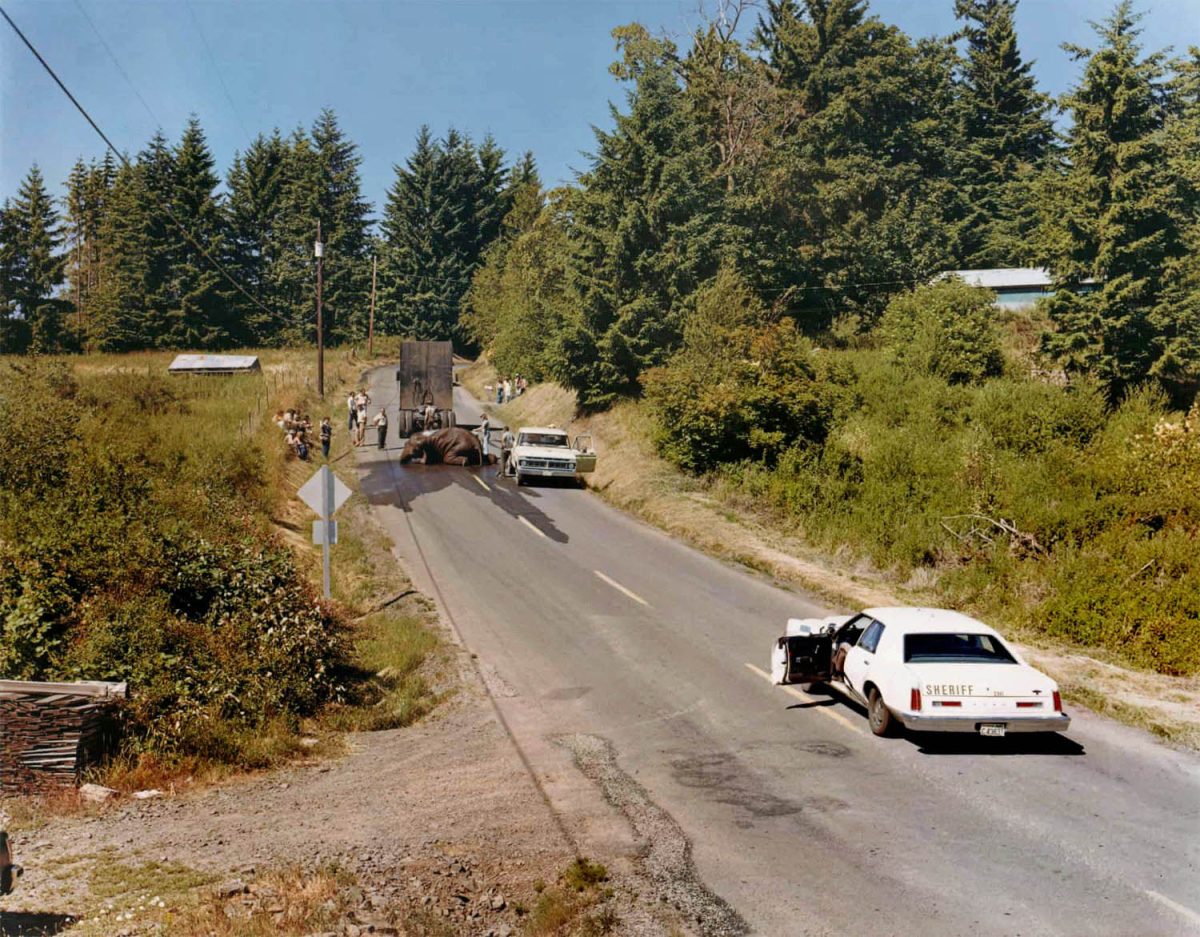

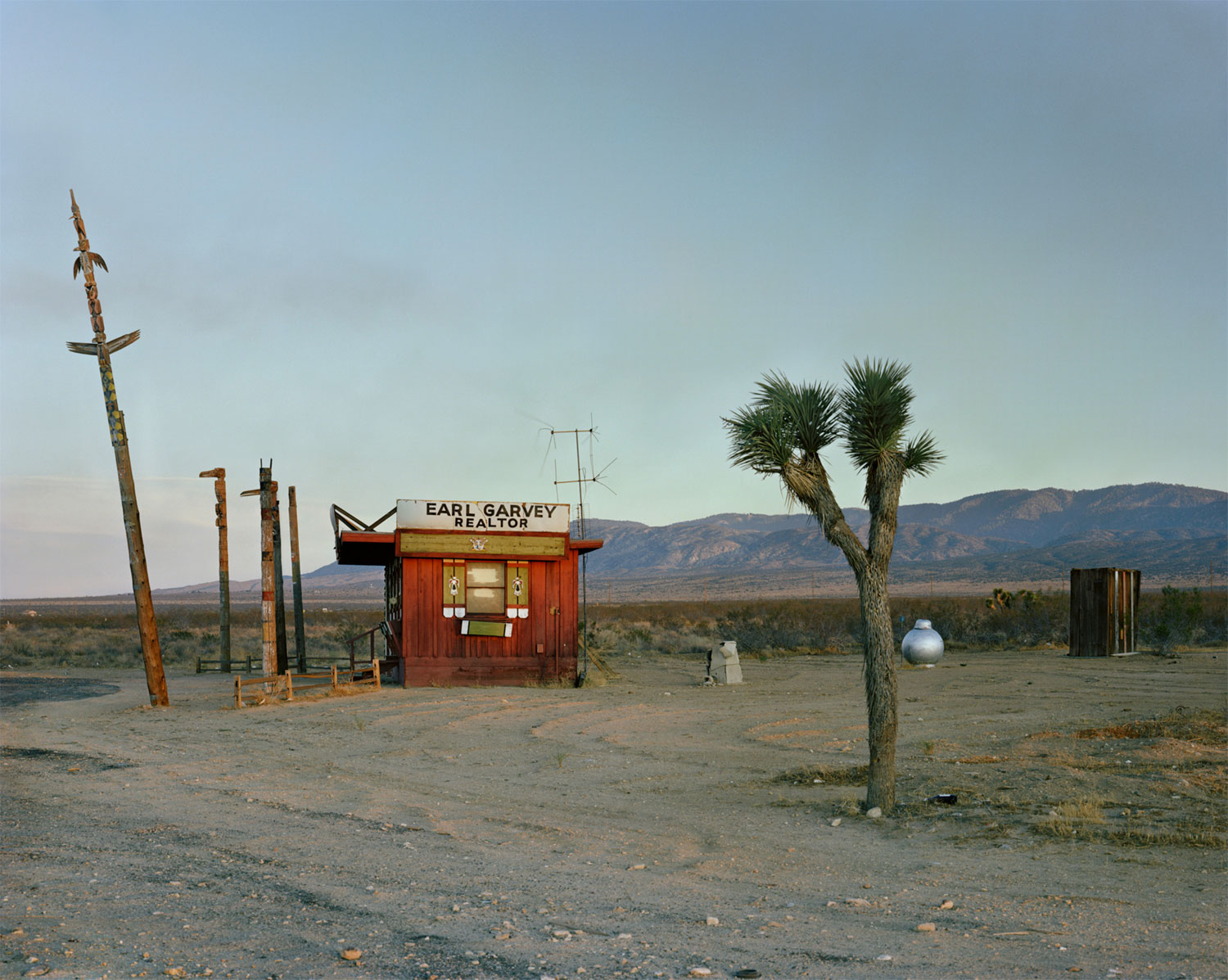
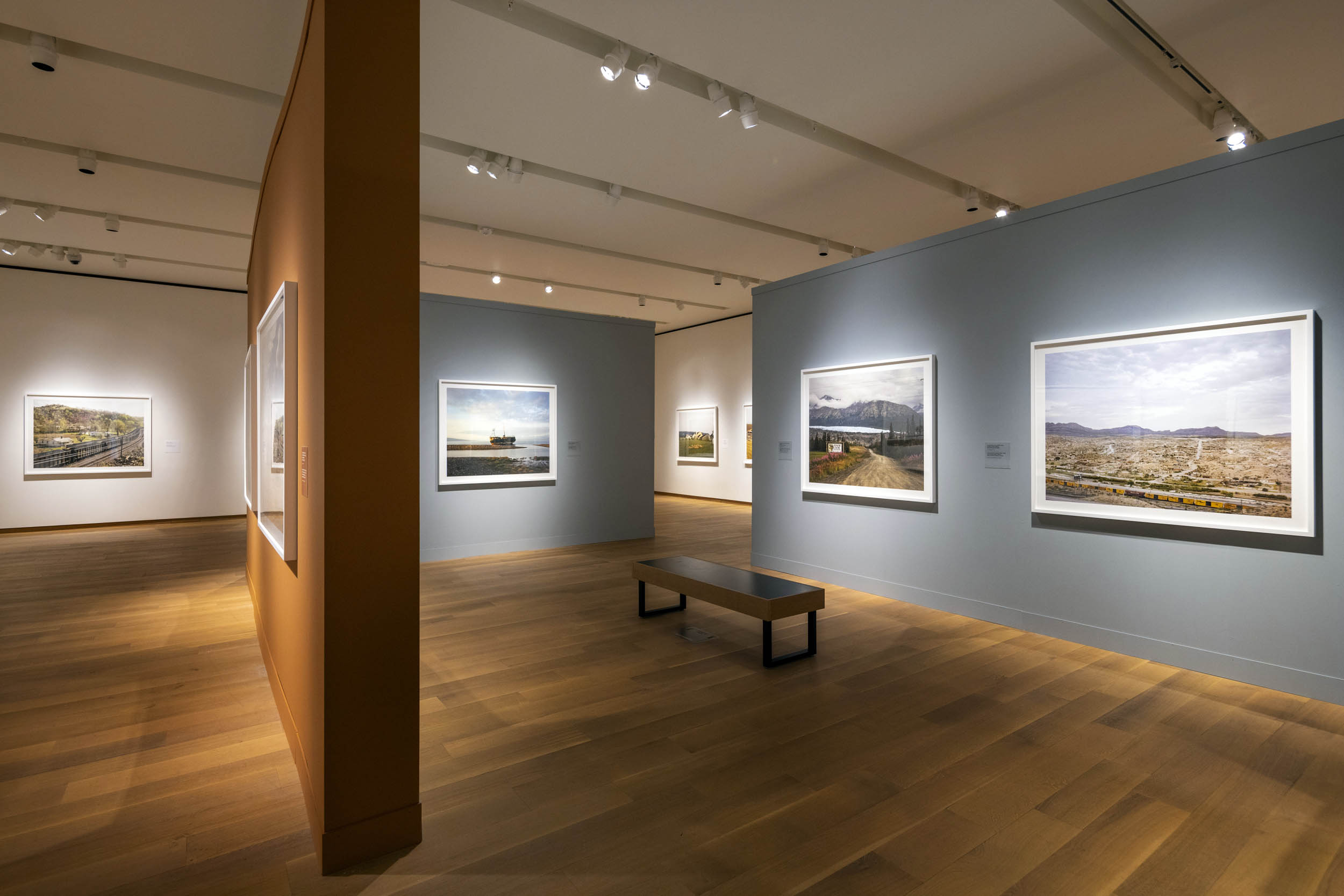

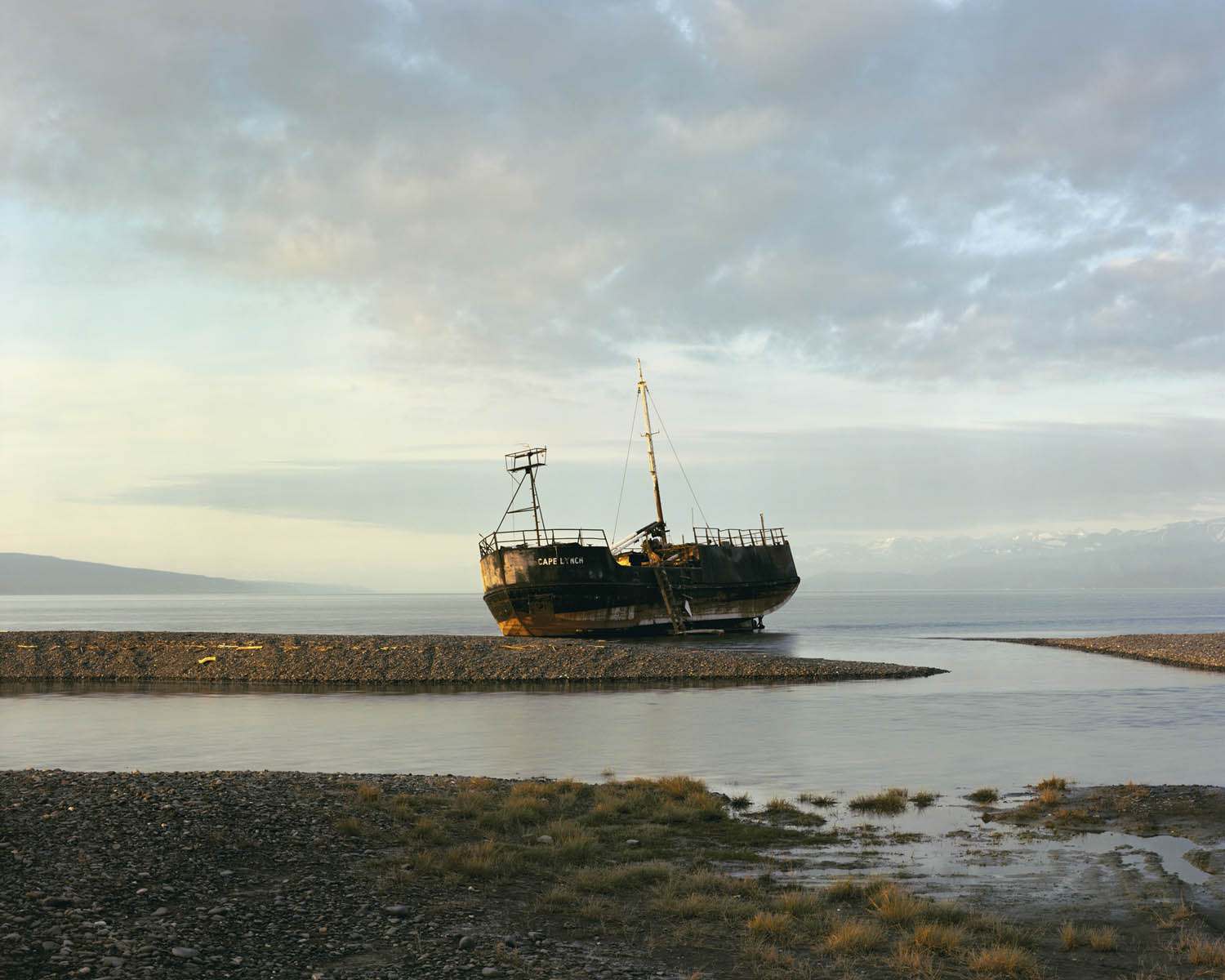

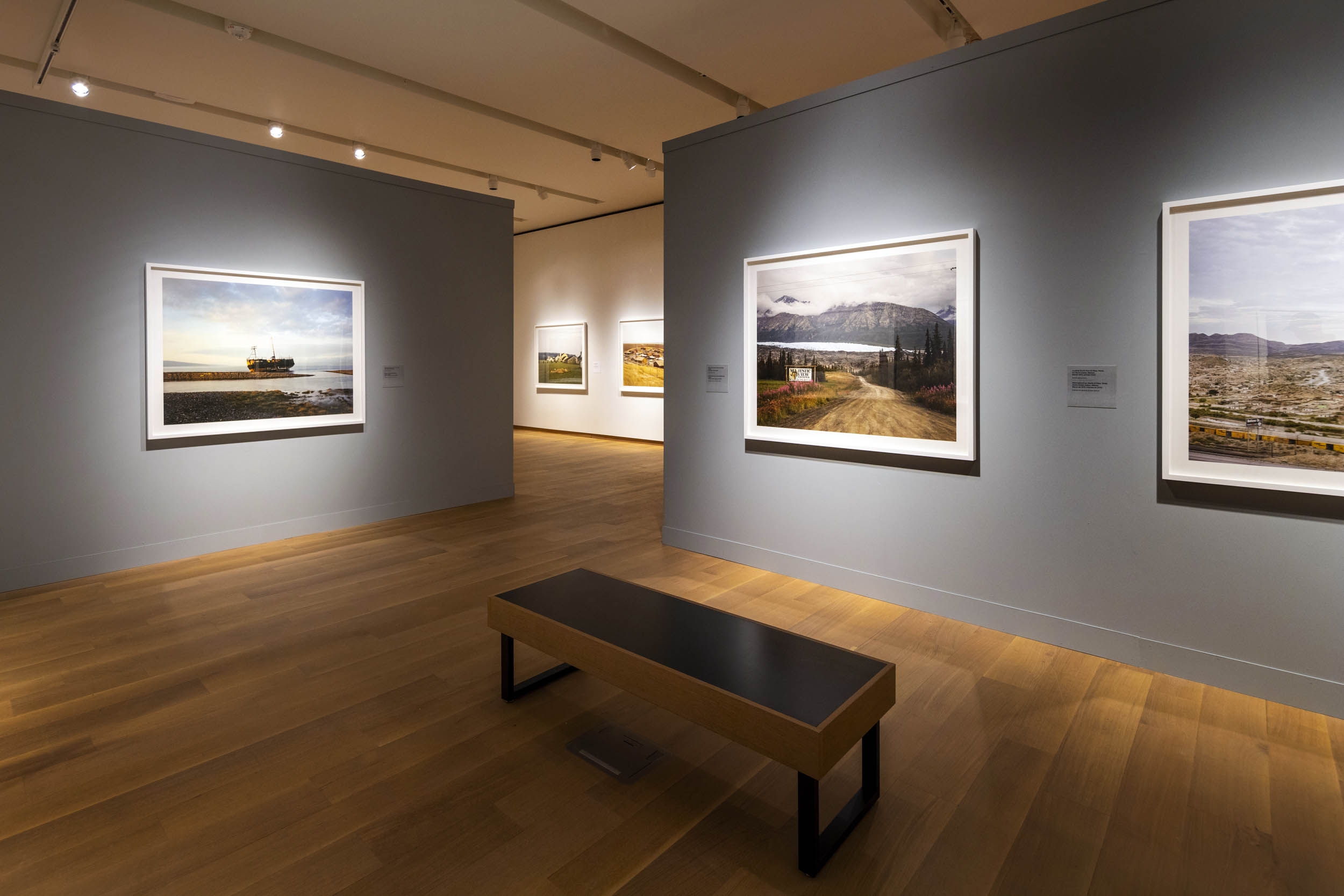
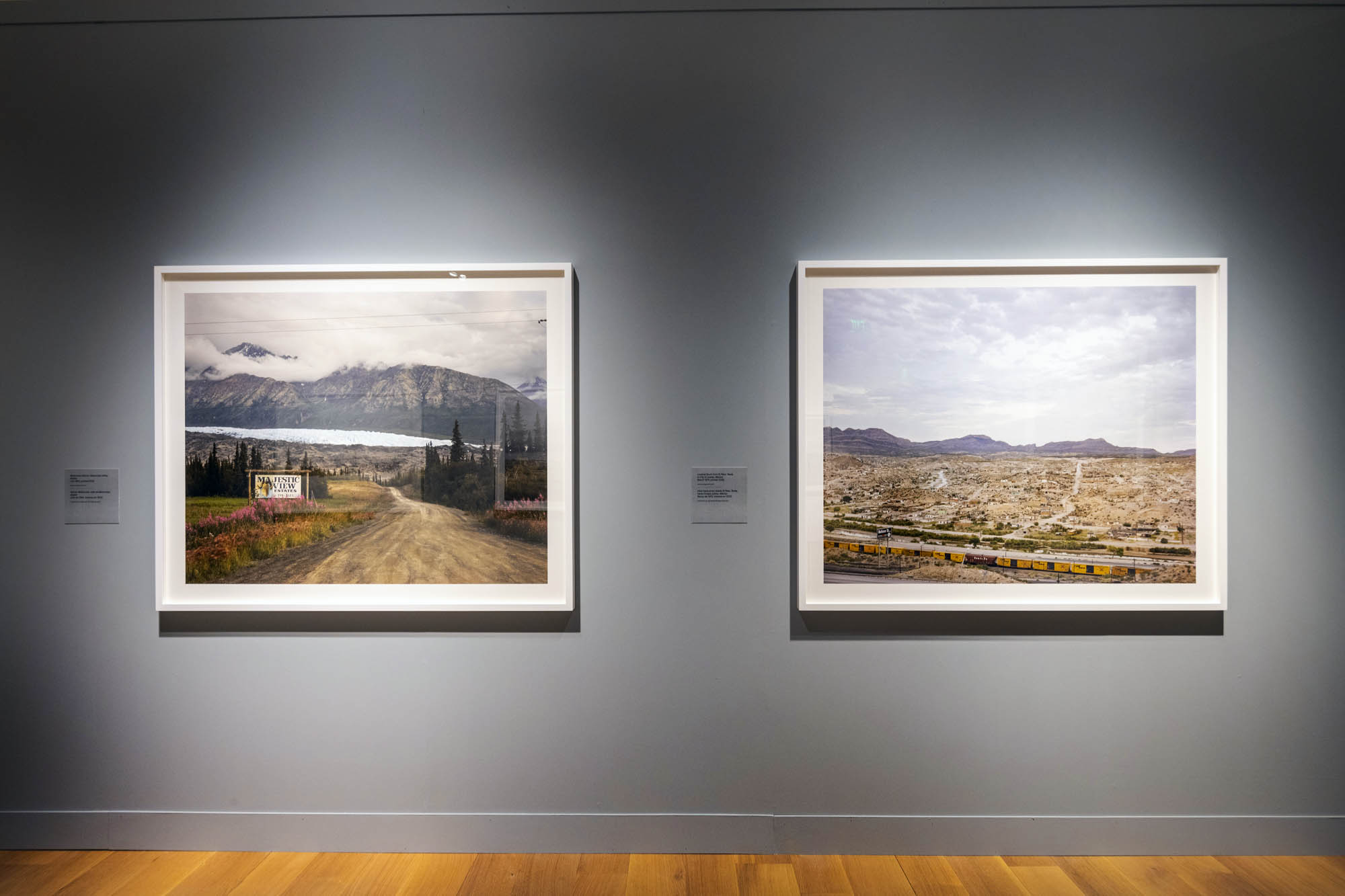


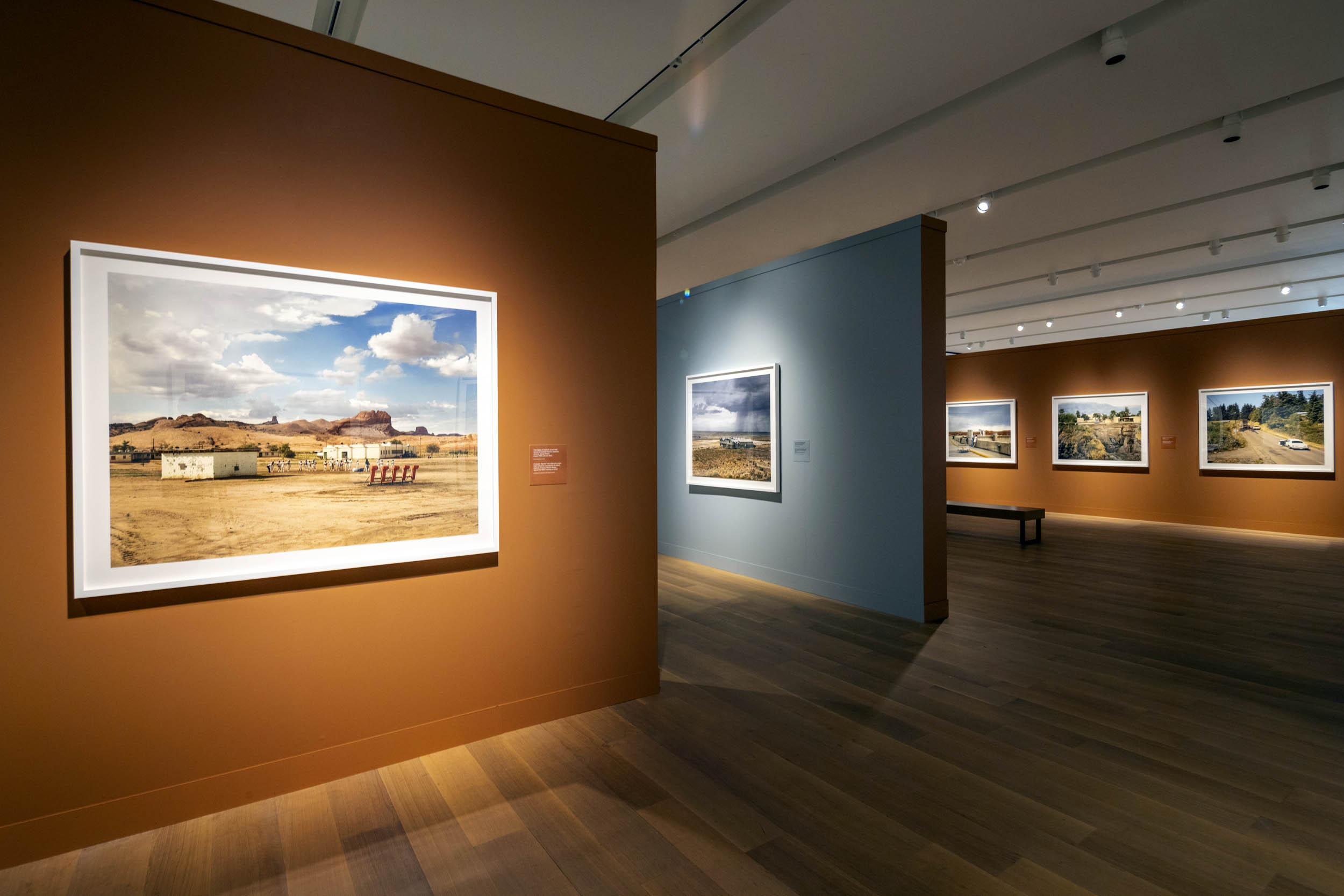
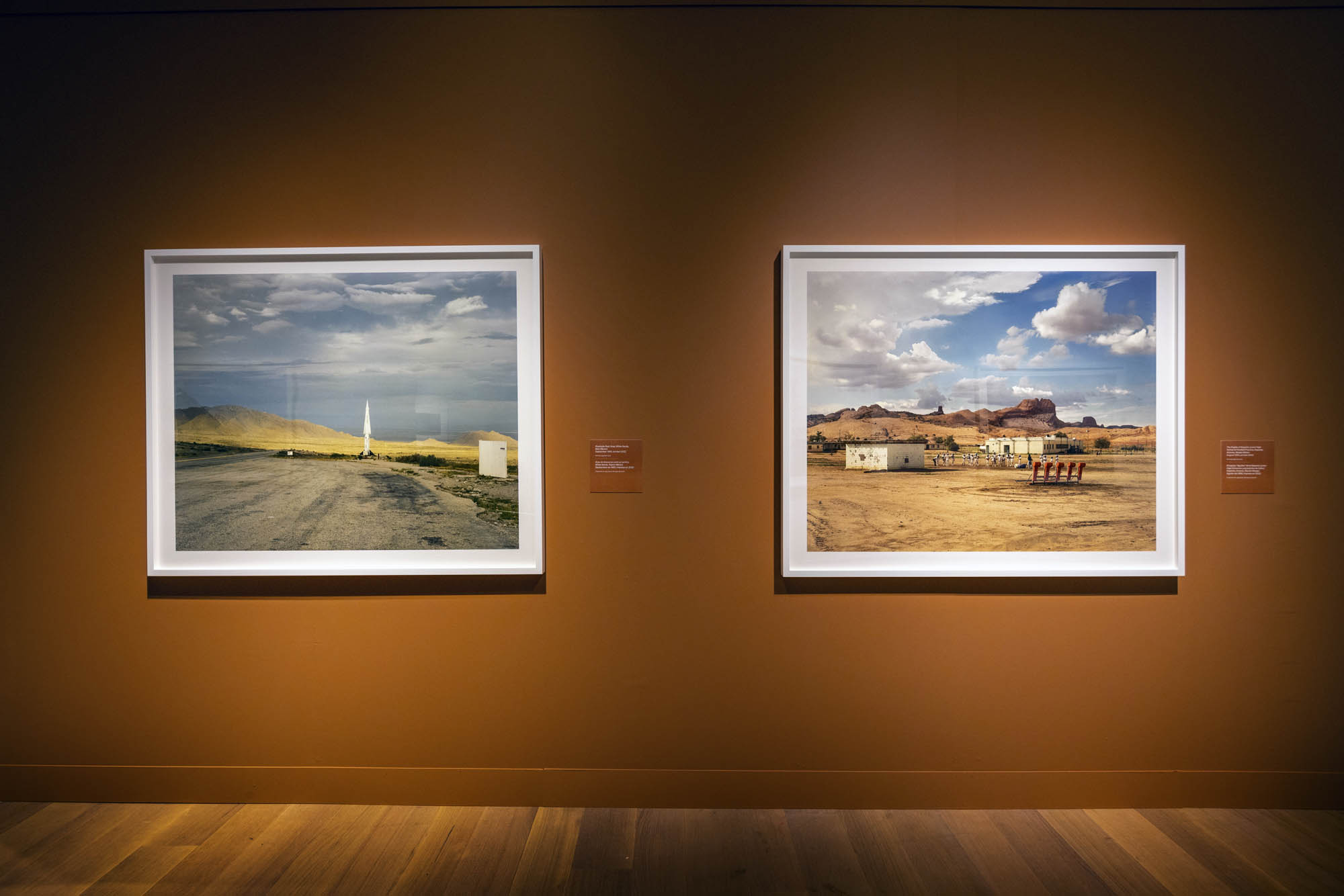

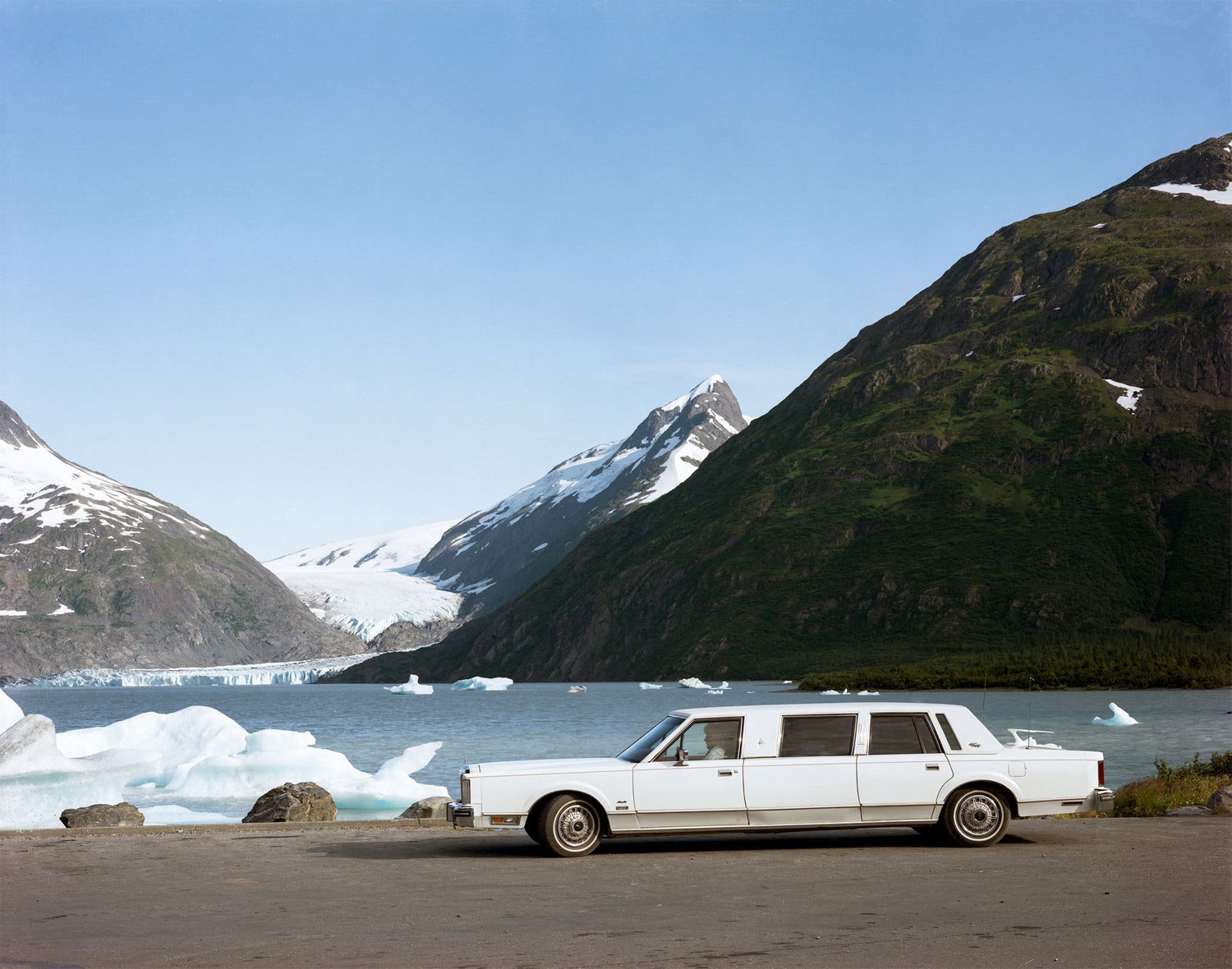

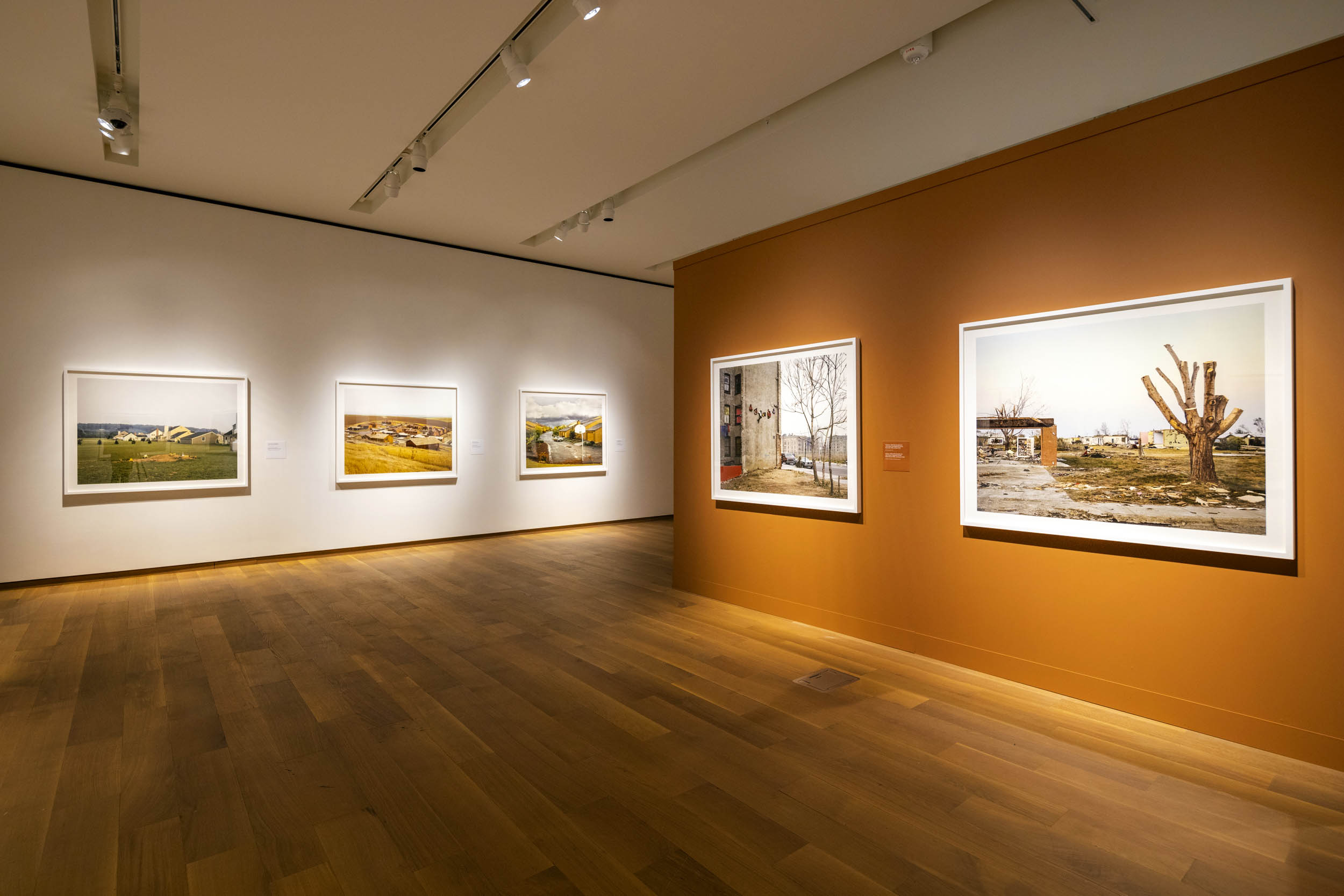


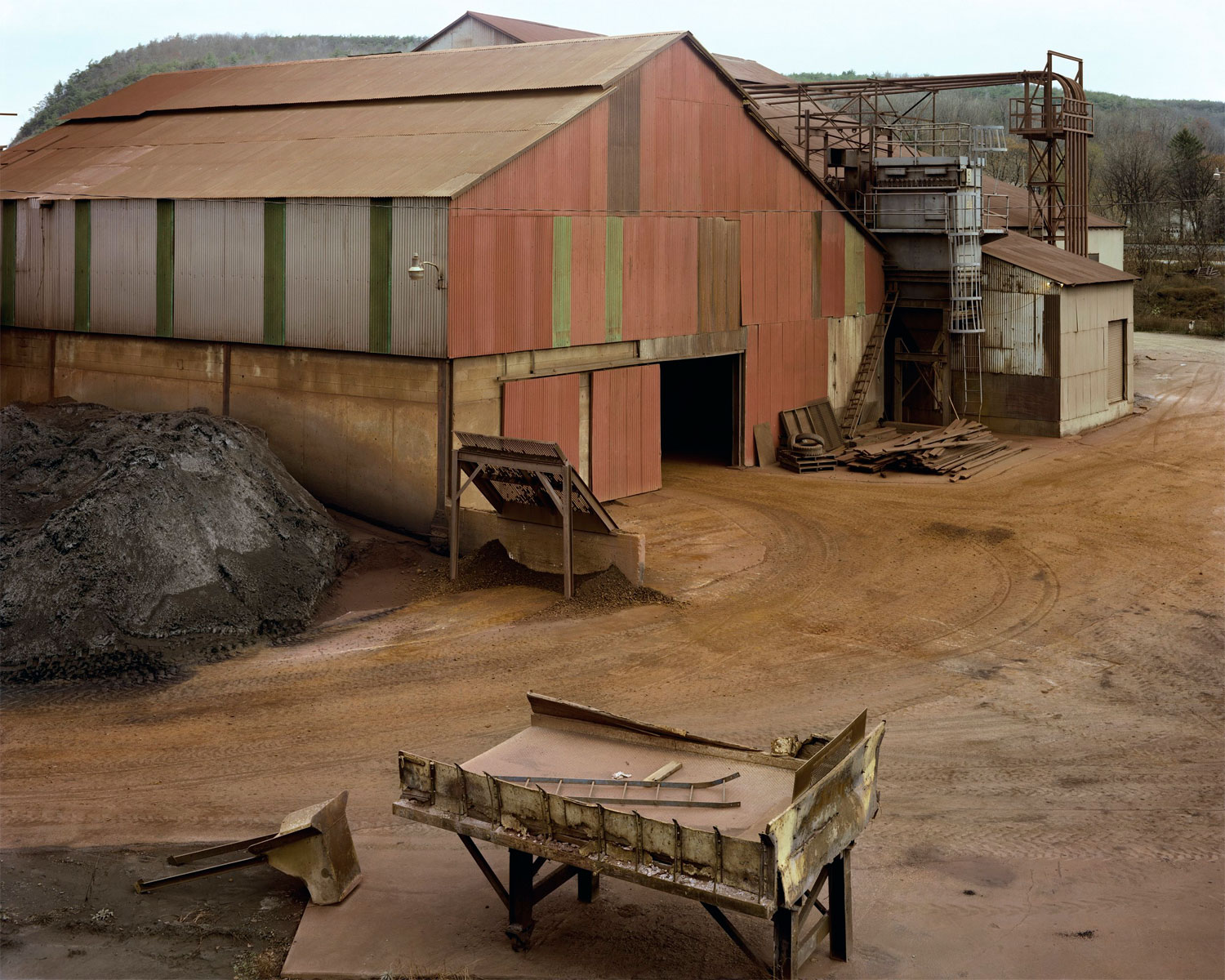
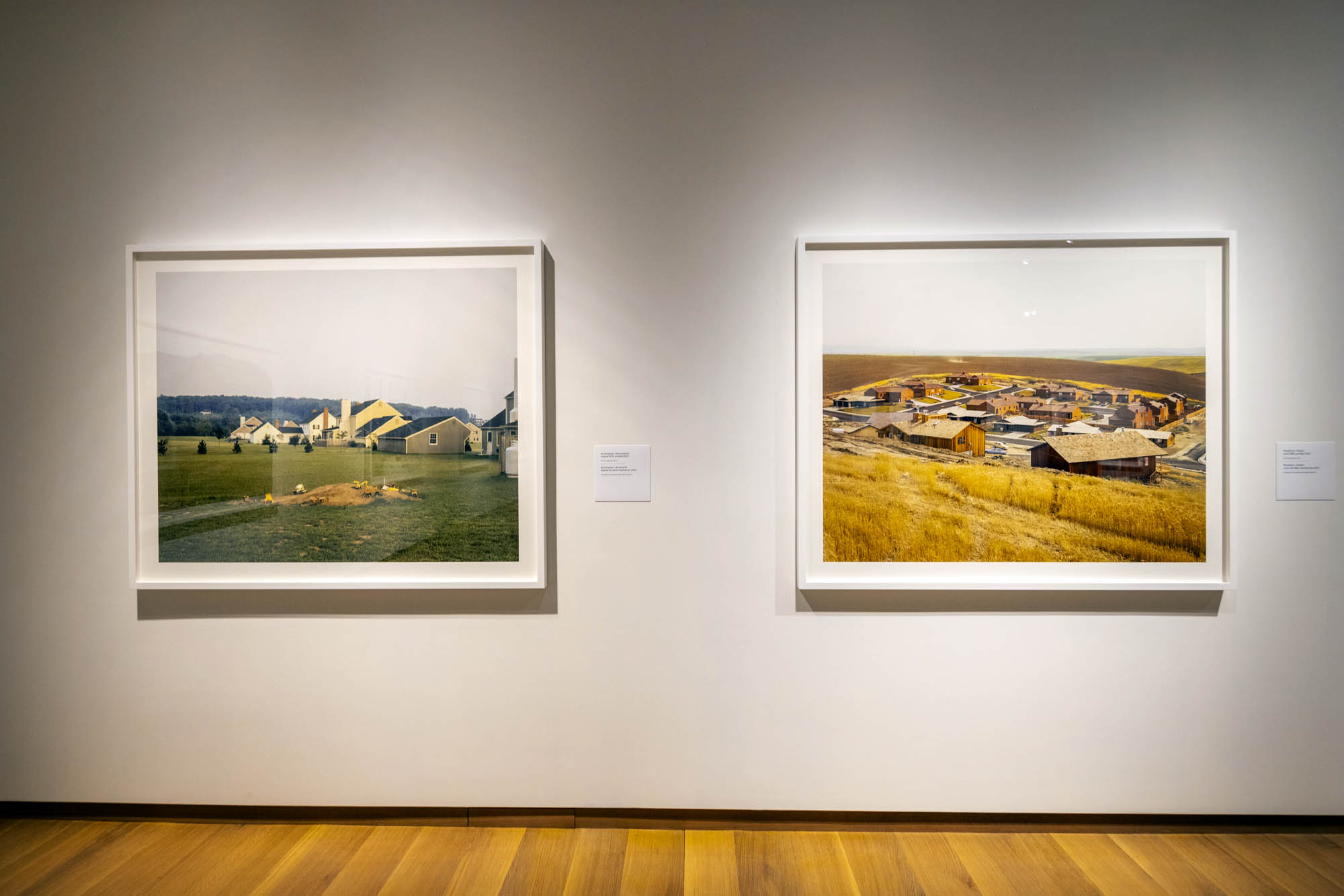

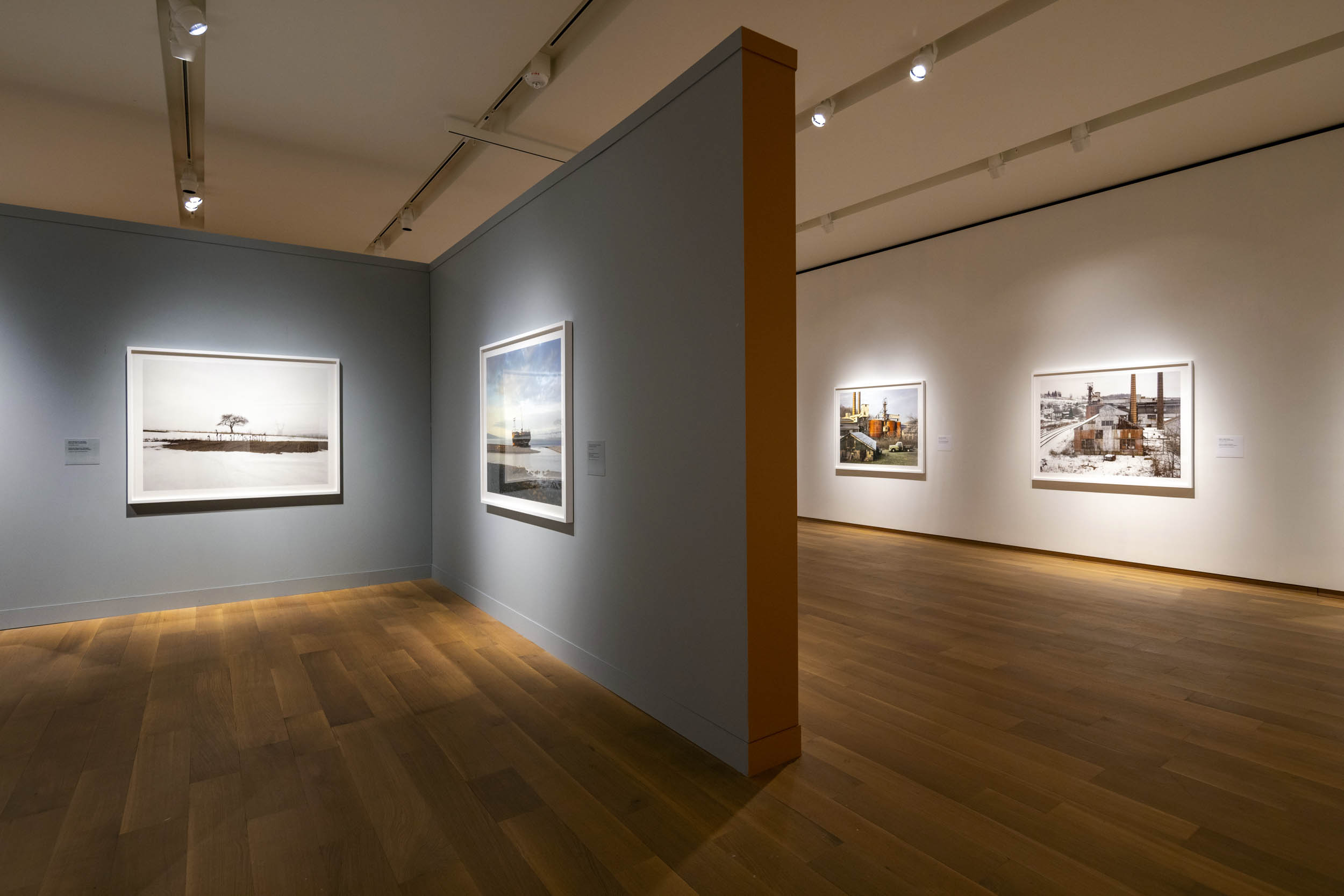
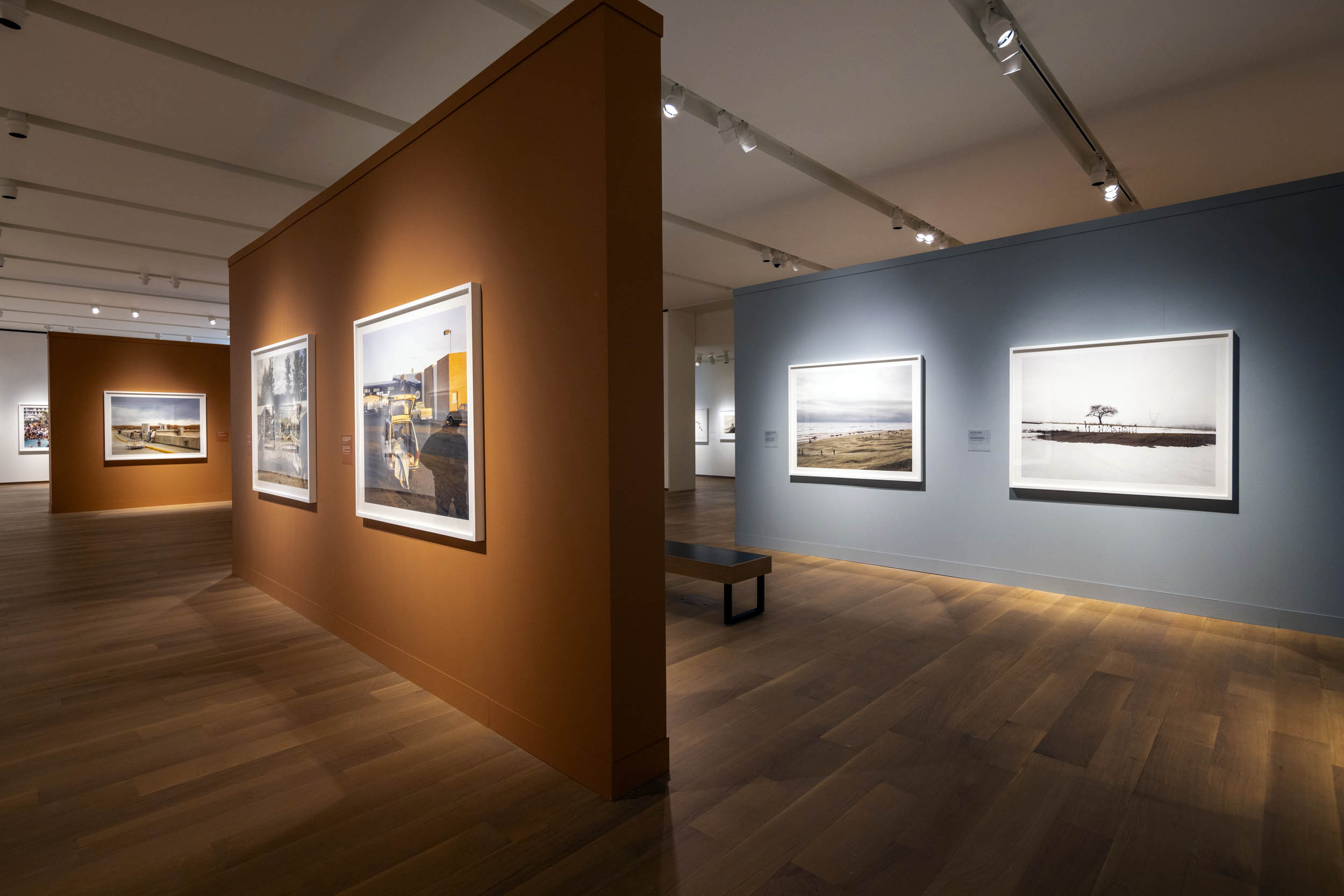
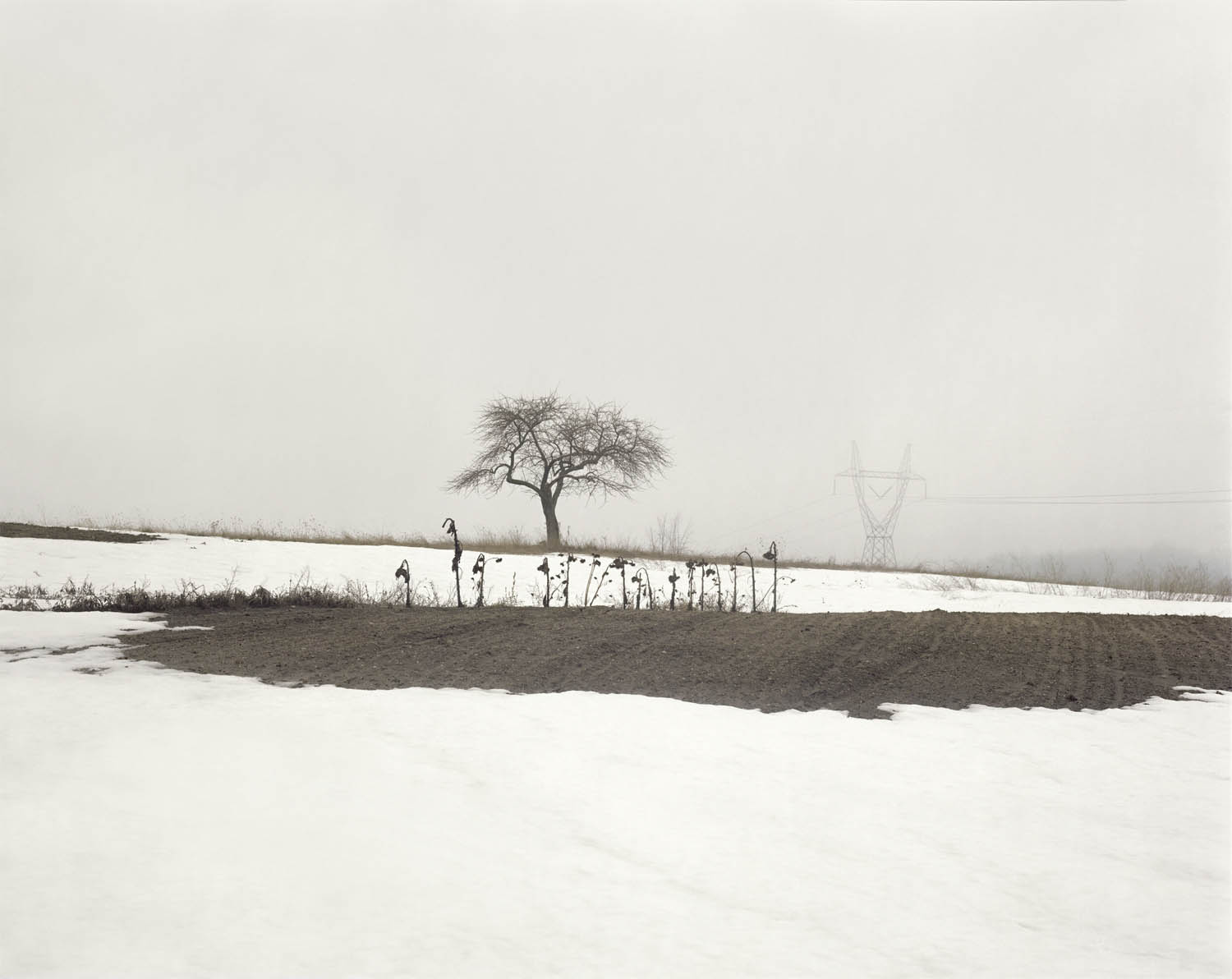
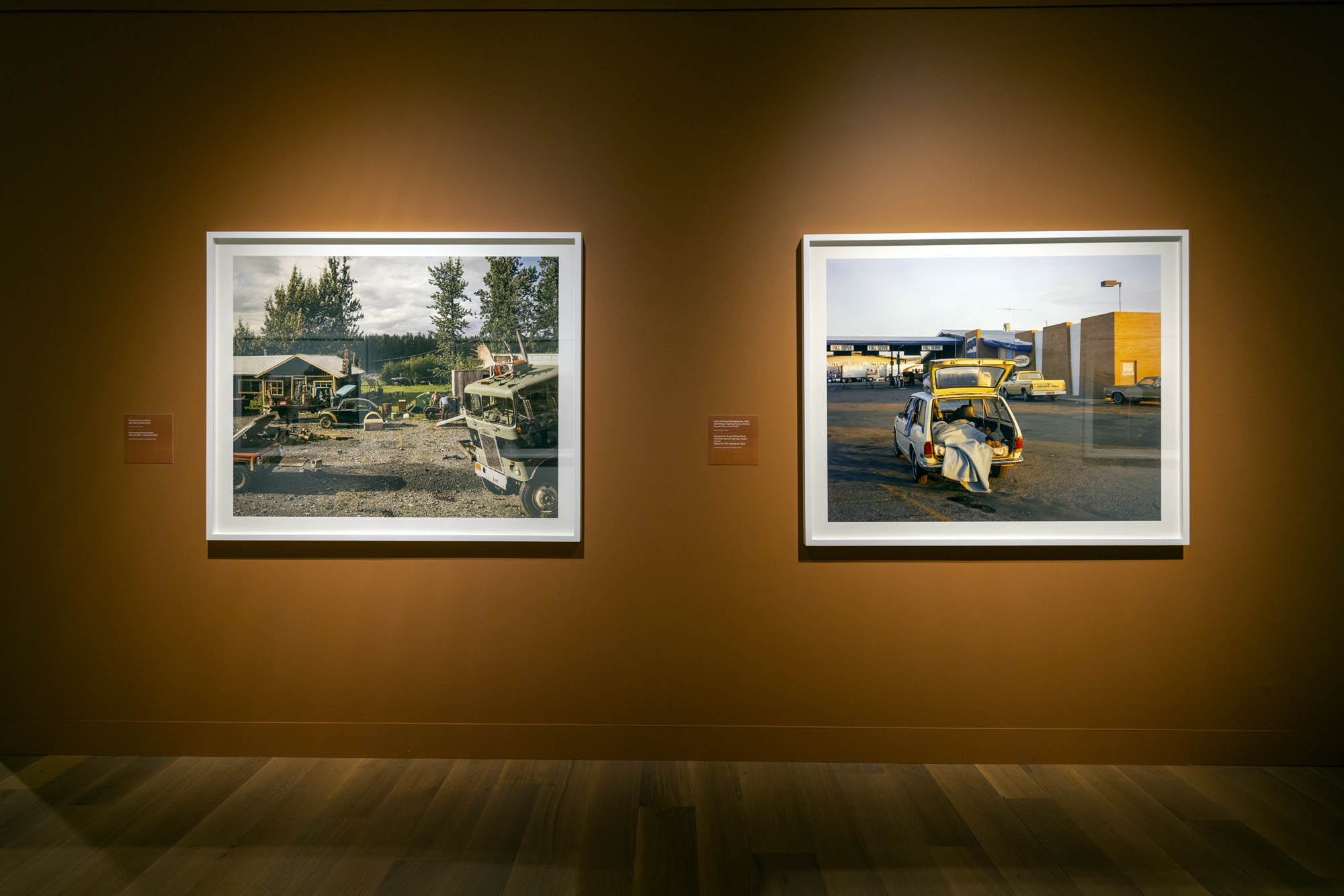

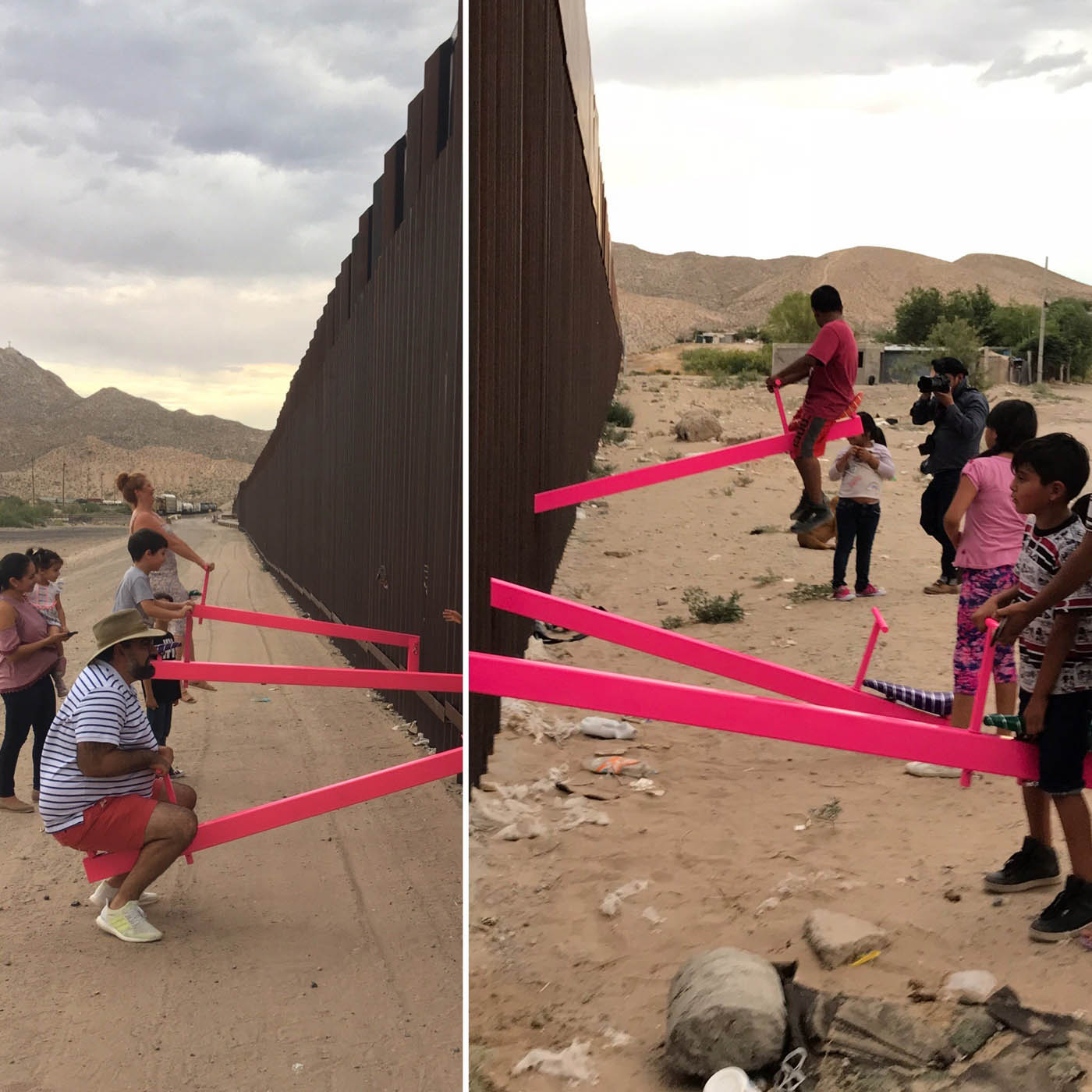

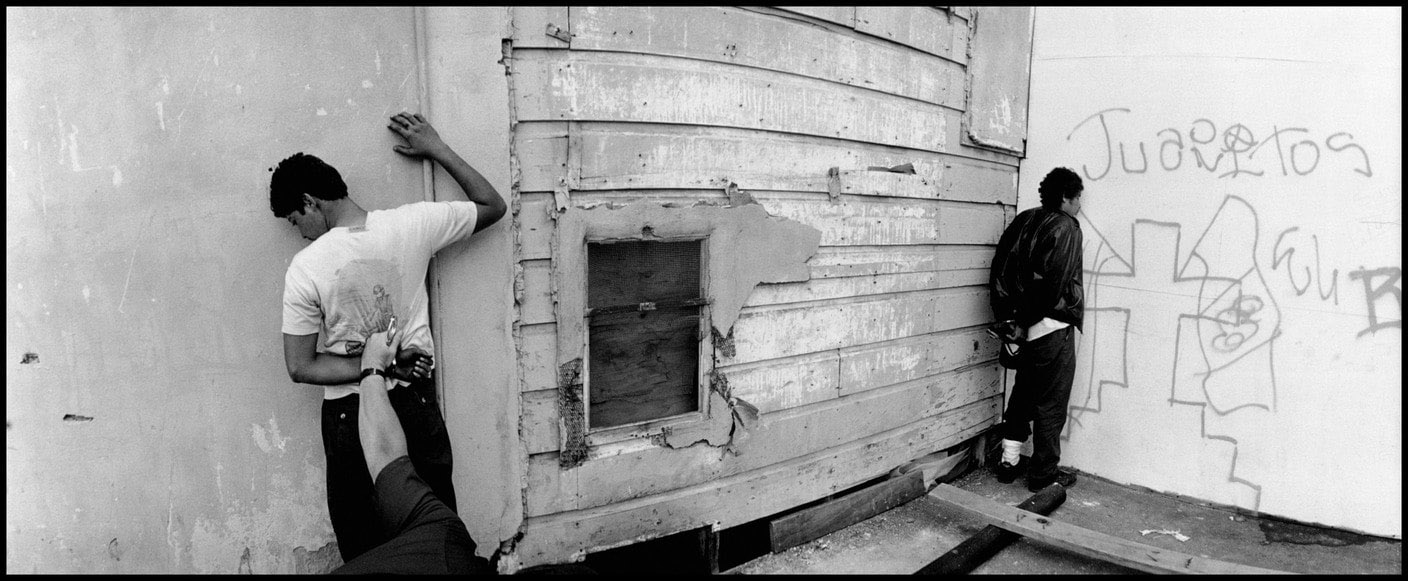
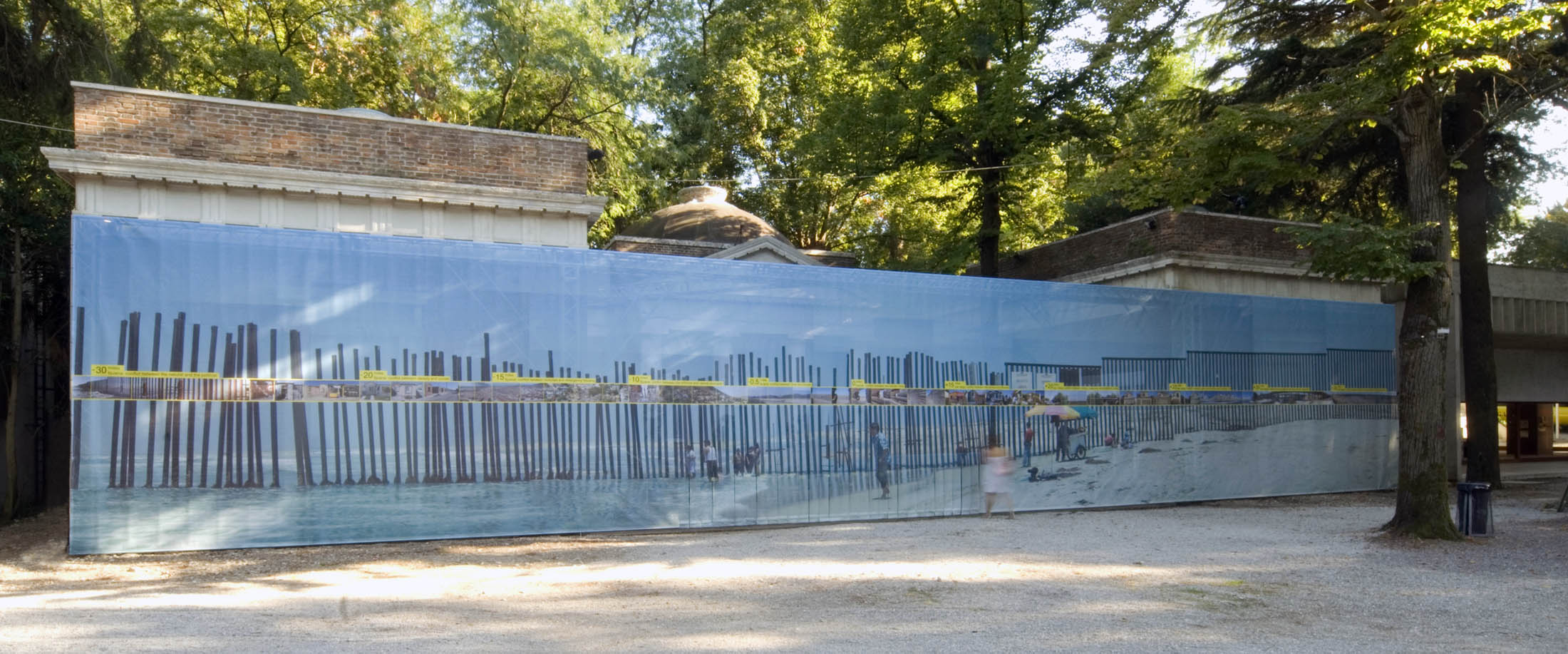
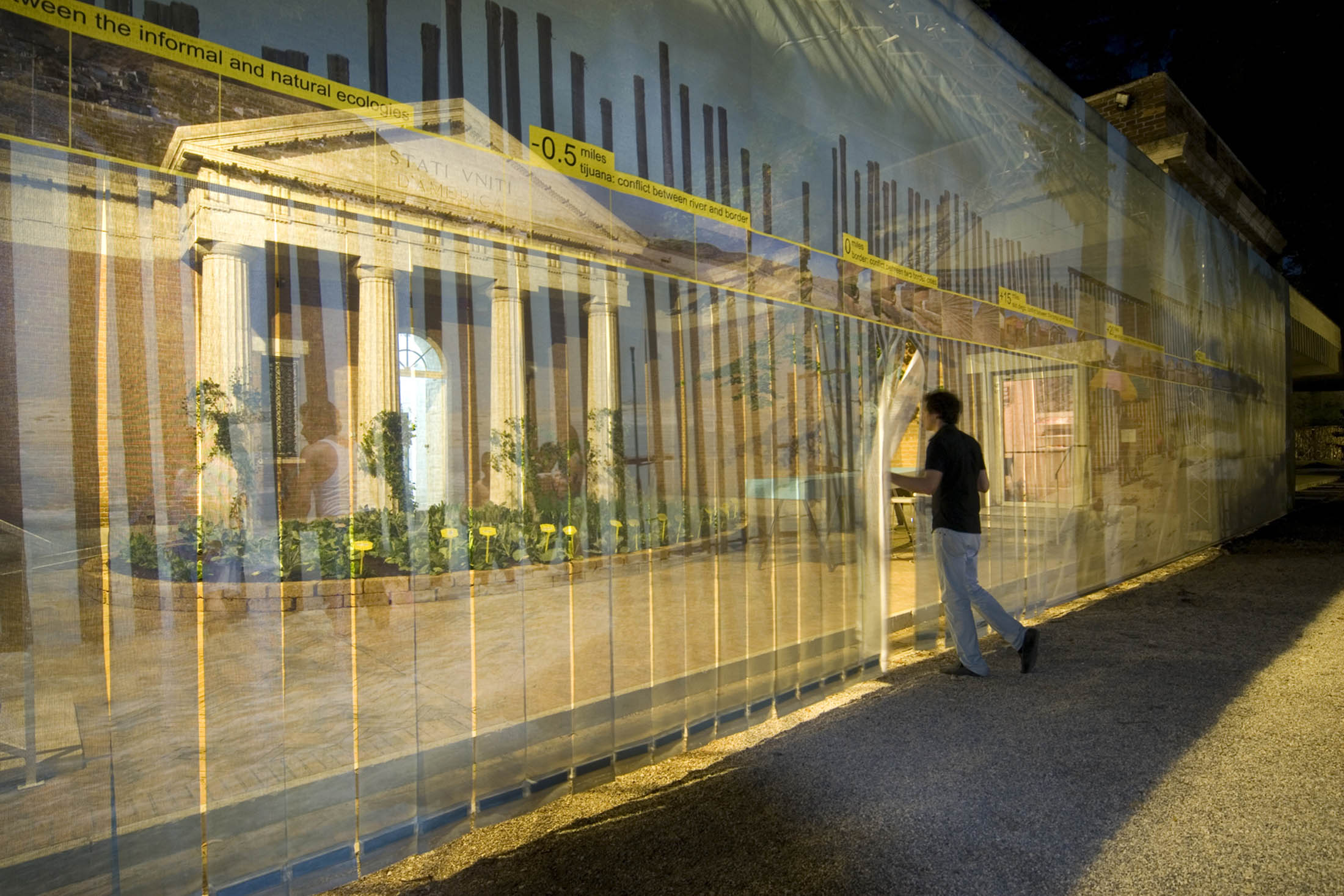


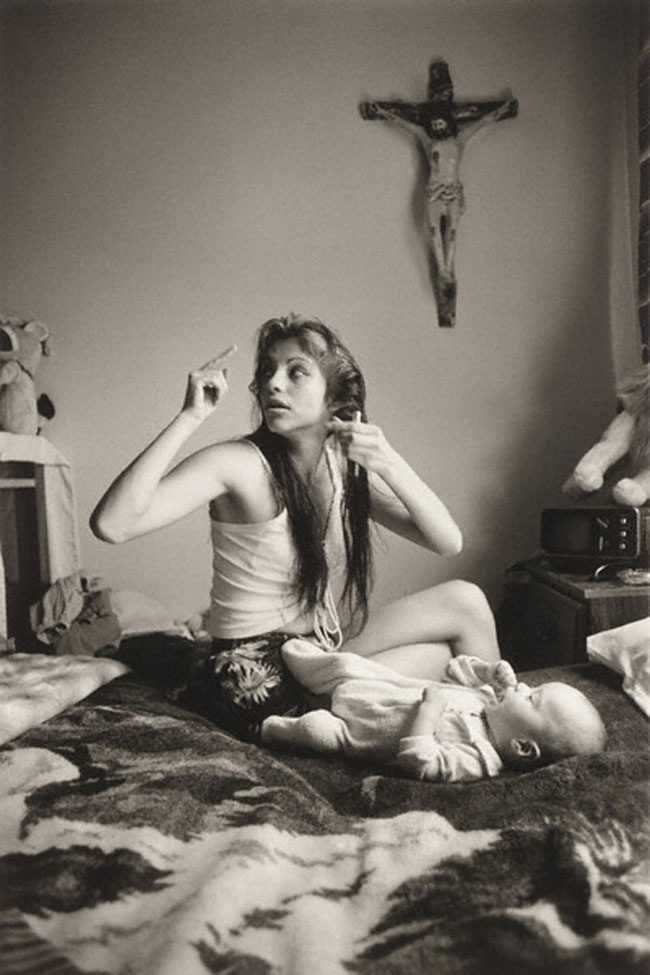
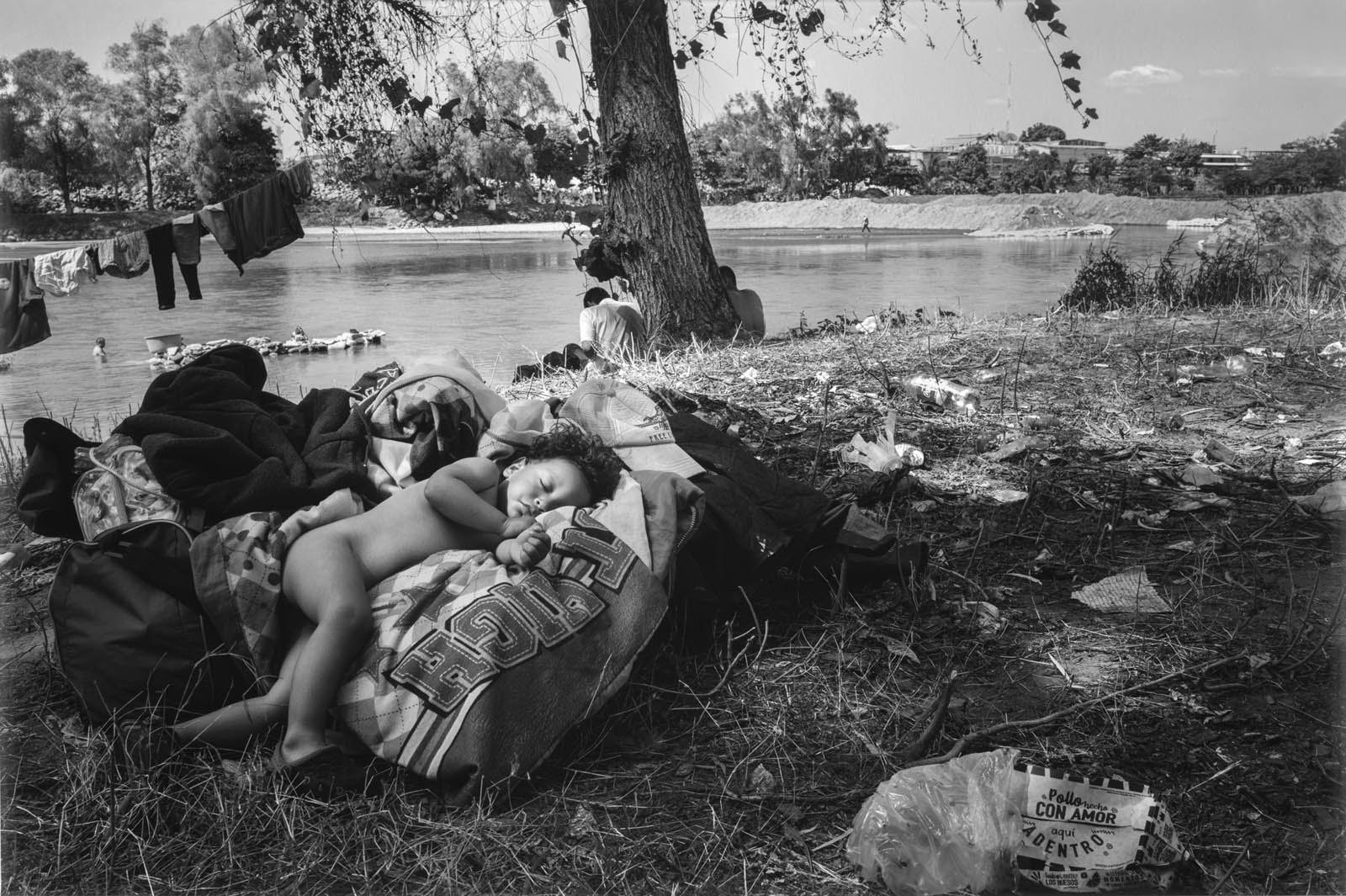


![Louis Carlos Bernal (American, 1941-1993) 'Untitled [Undocumented worker holding Huelga flag at United Farm Workers Demonstration, El Mirage, Arizona]' Negative 1978, printed 2016](https://artblart.com/wp-content/uploads/2024/11/ask-58_ccp_bernal_ag182-20230302-110020.jpg "Louis Carlos Bernal (American, 1941-1993) 'Untitled [Undocumented worker holding Huelga flag at United Farm Workers Demonstration, El Mirage, Arizona]' Negative 1978, printed 2016")

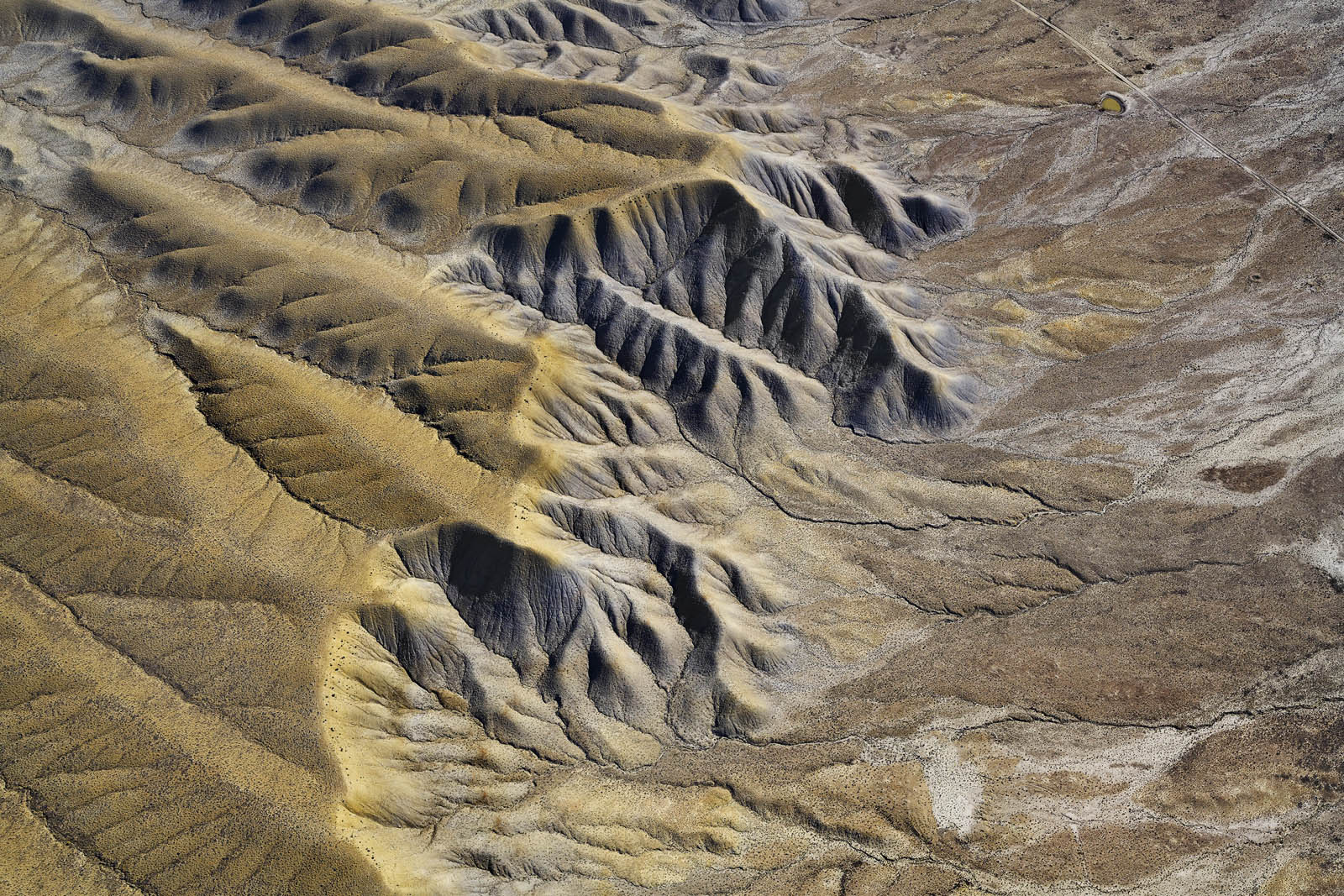
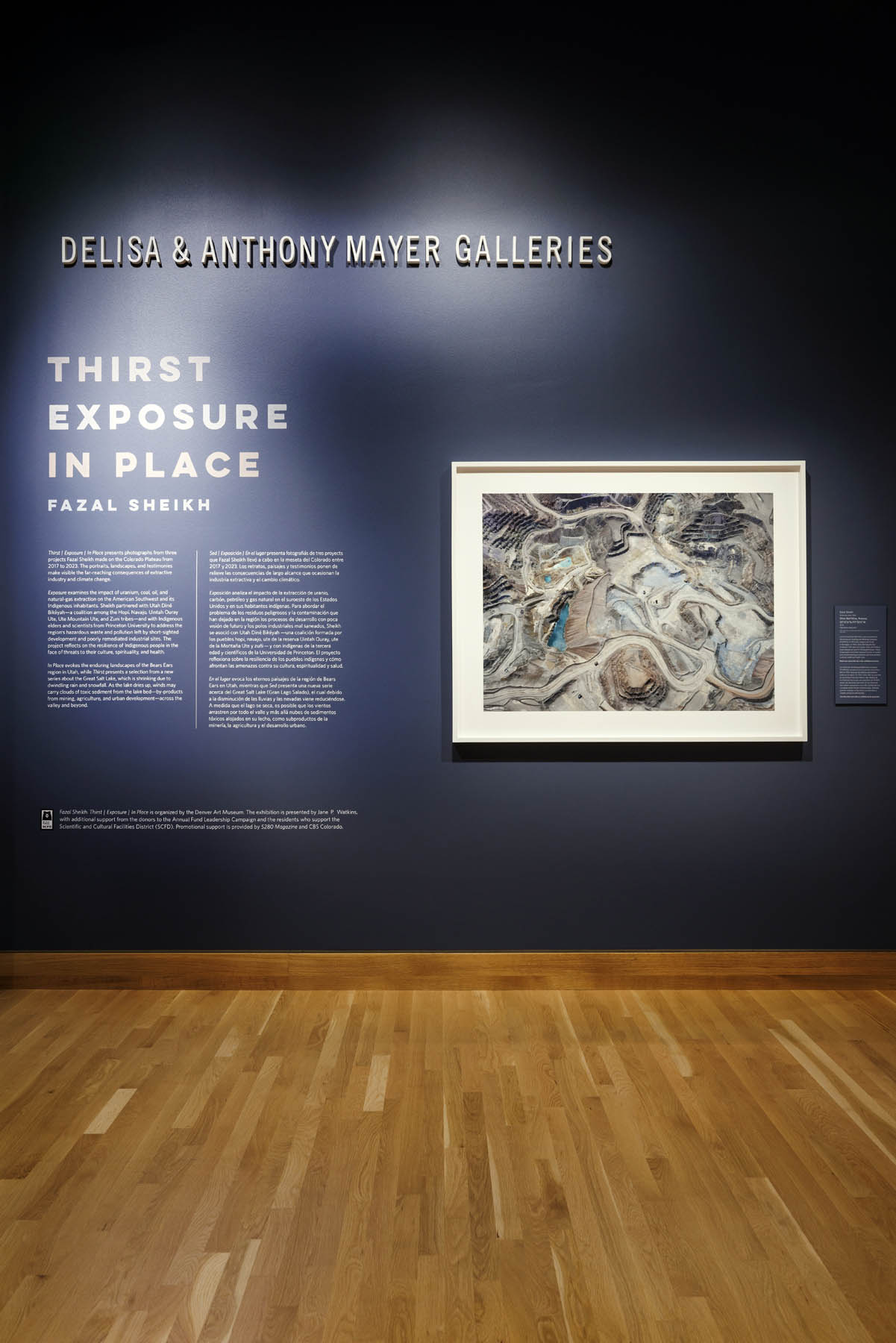


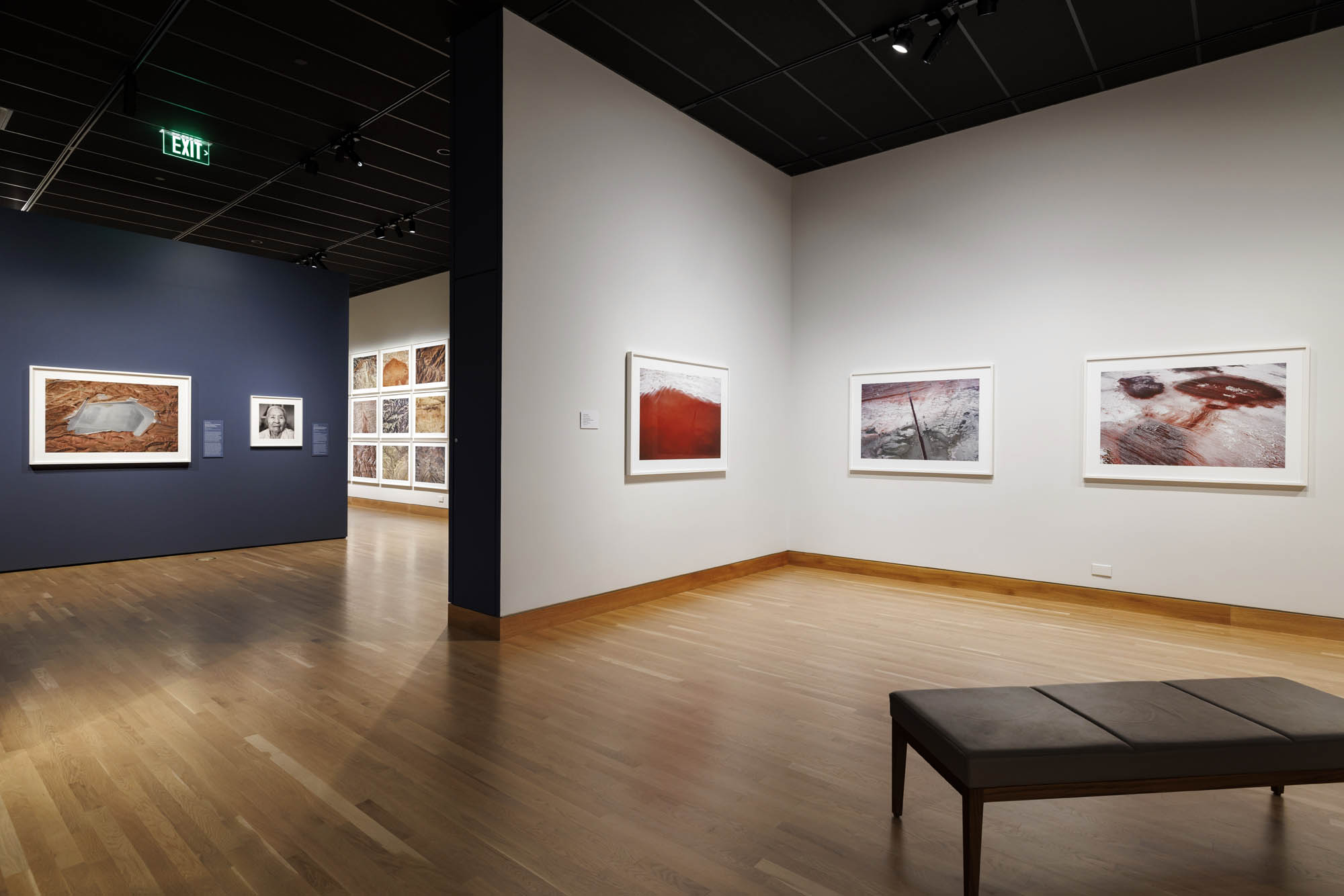
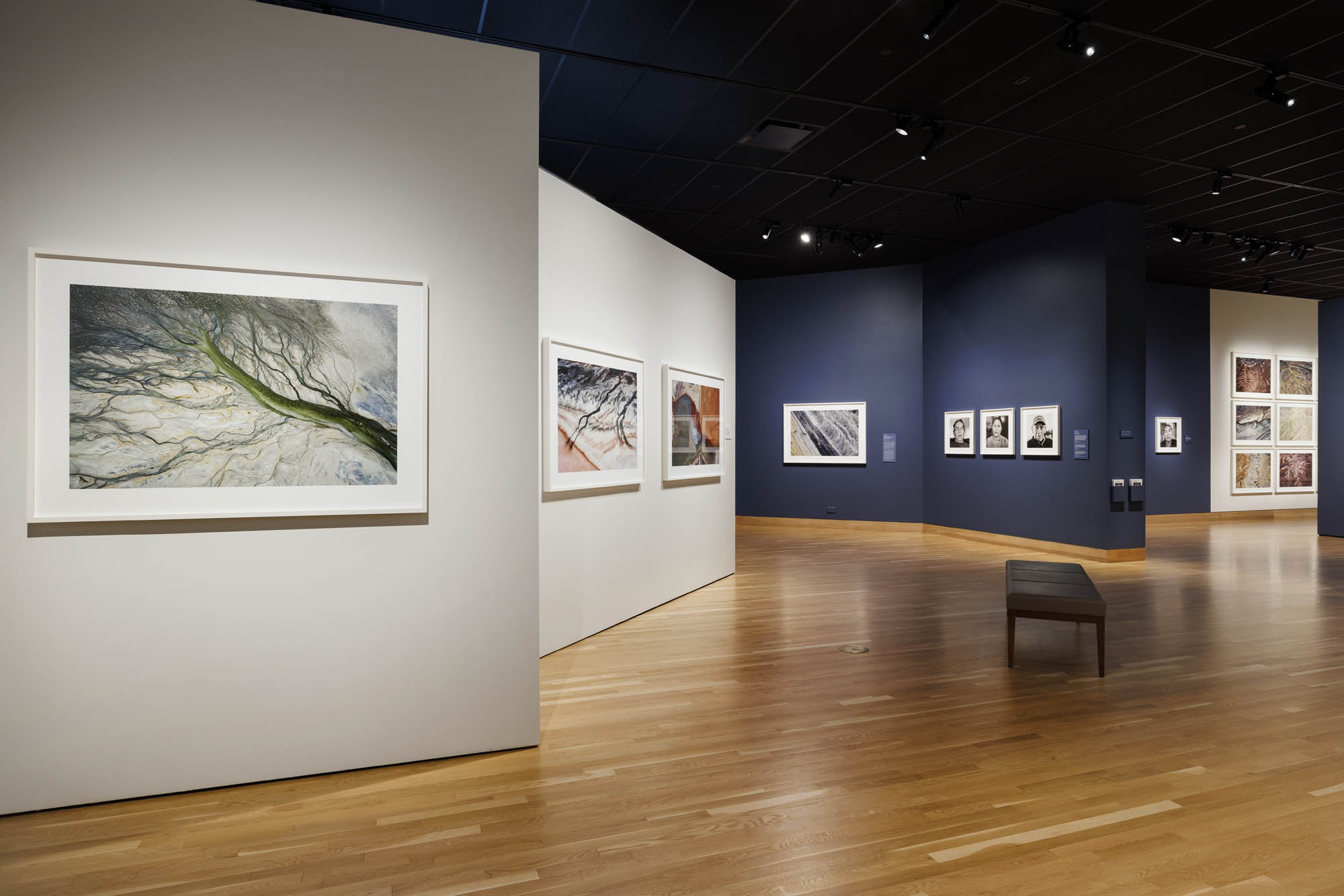
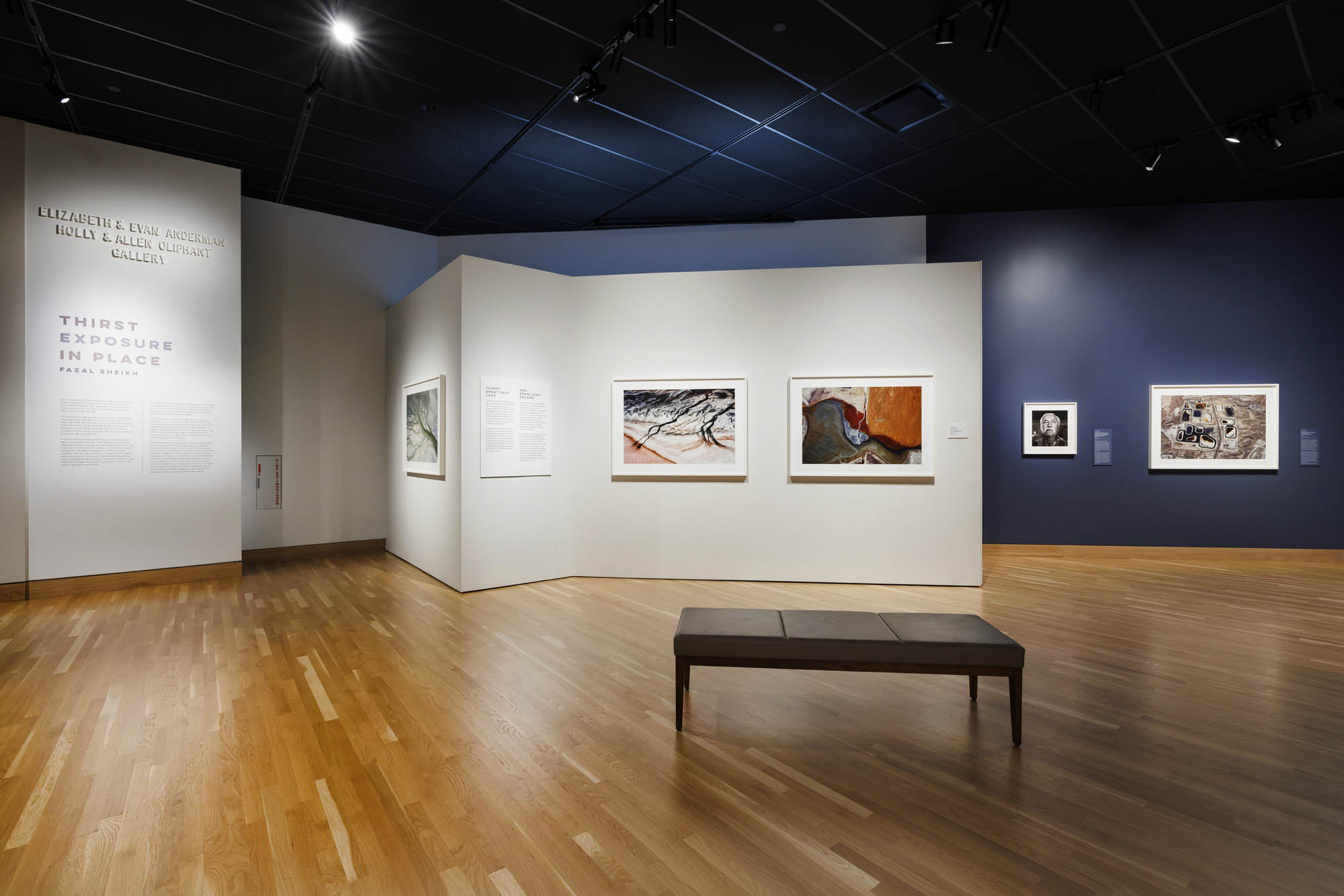
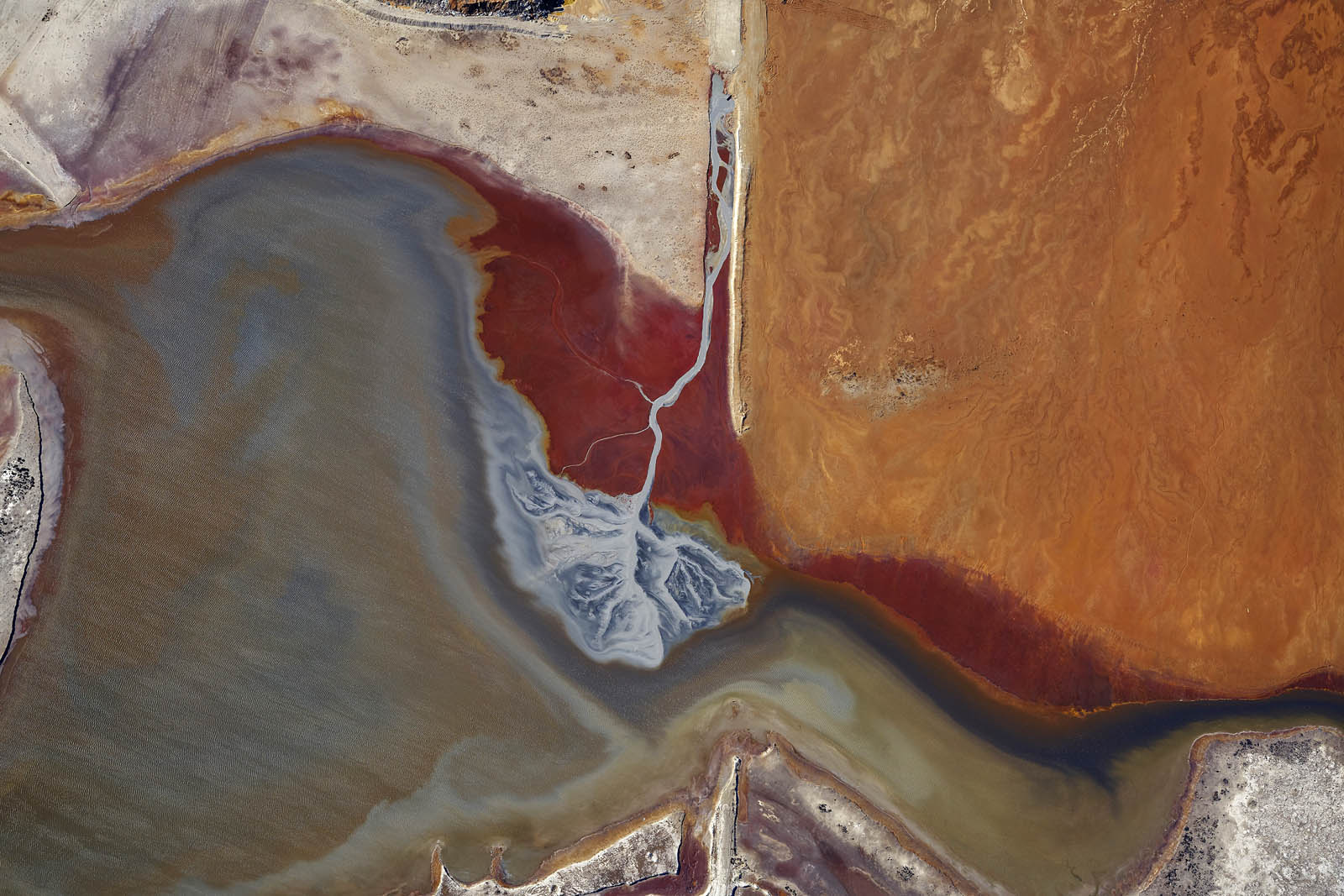
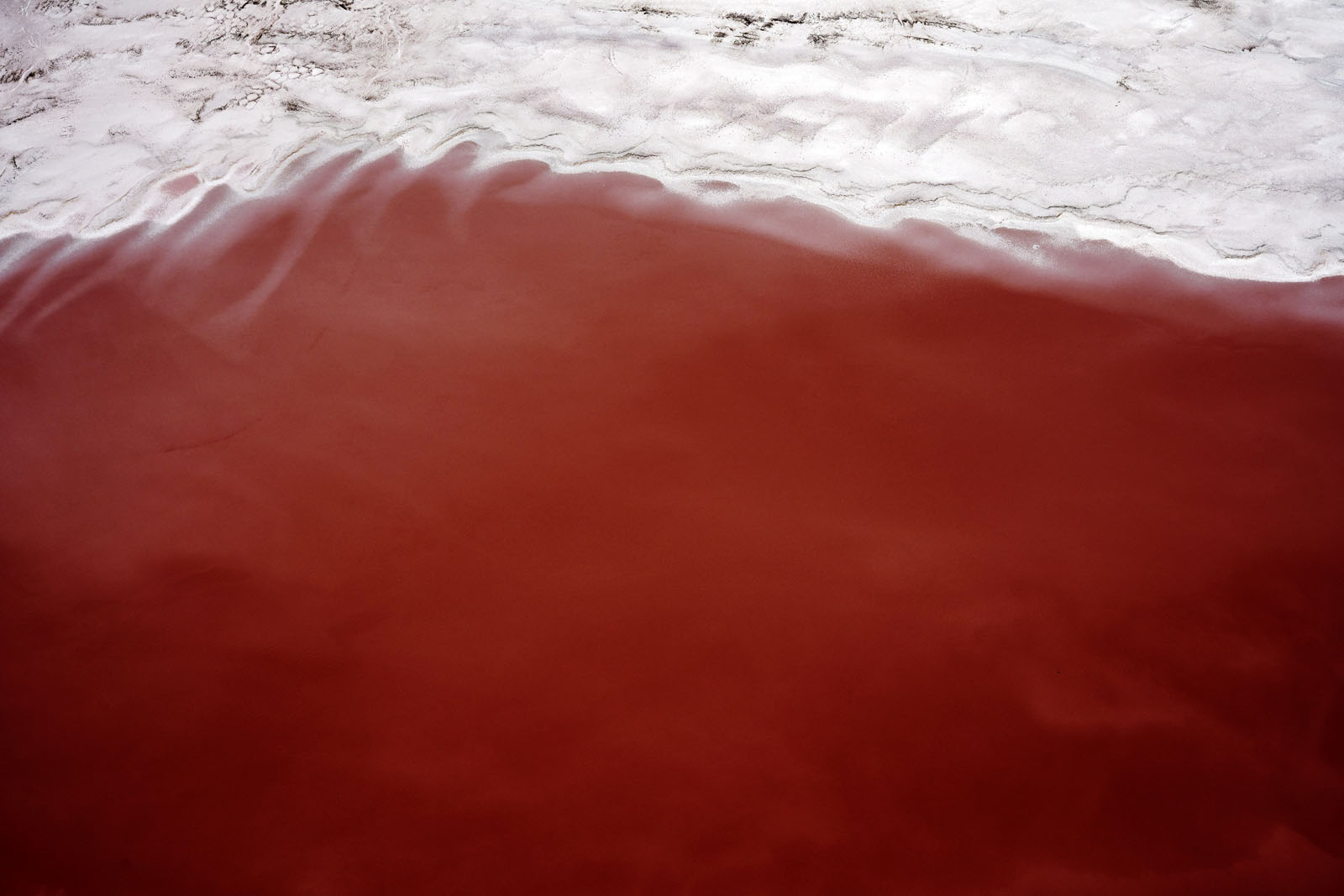
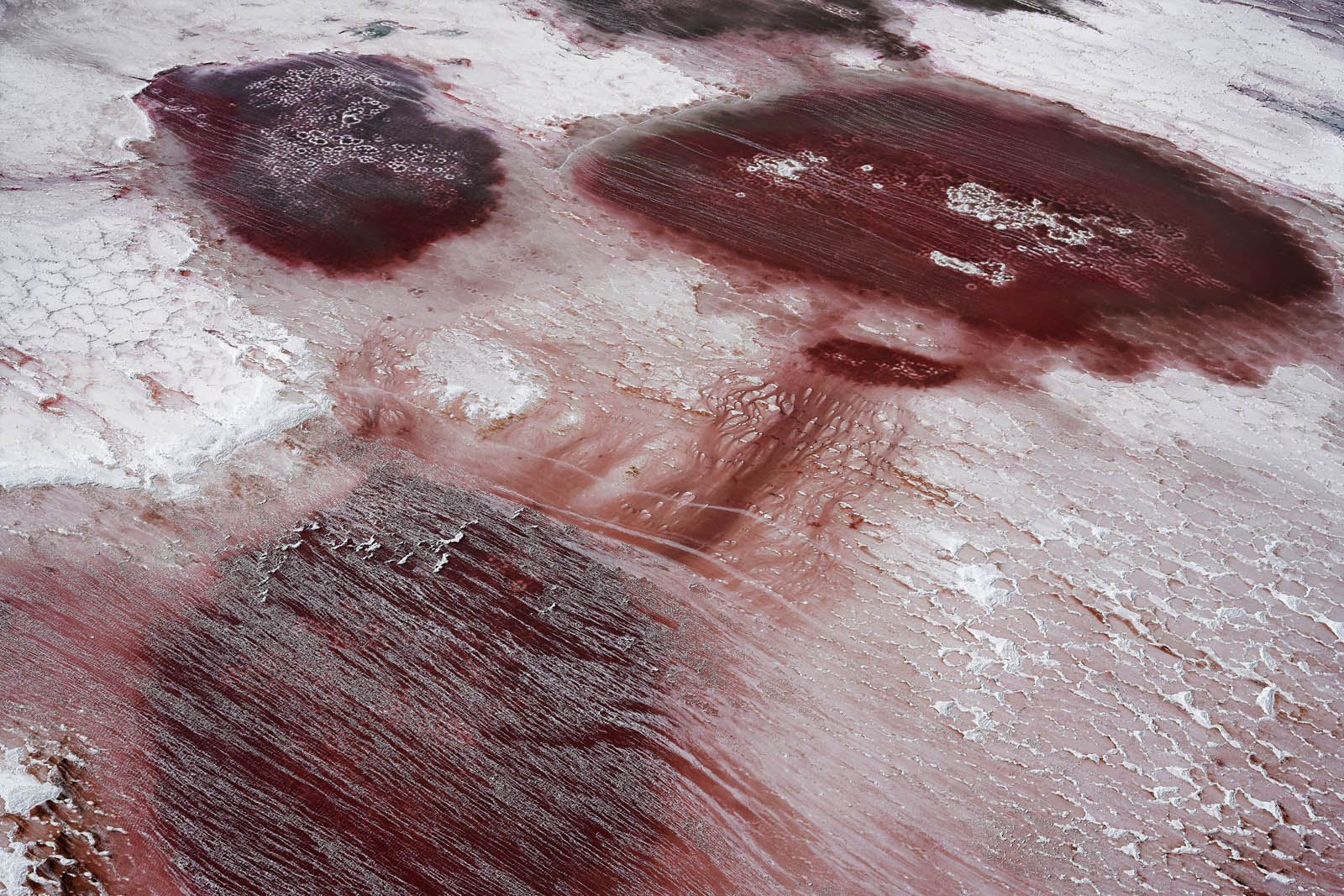
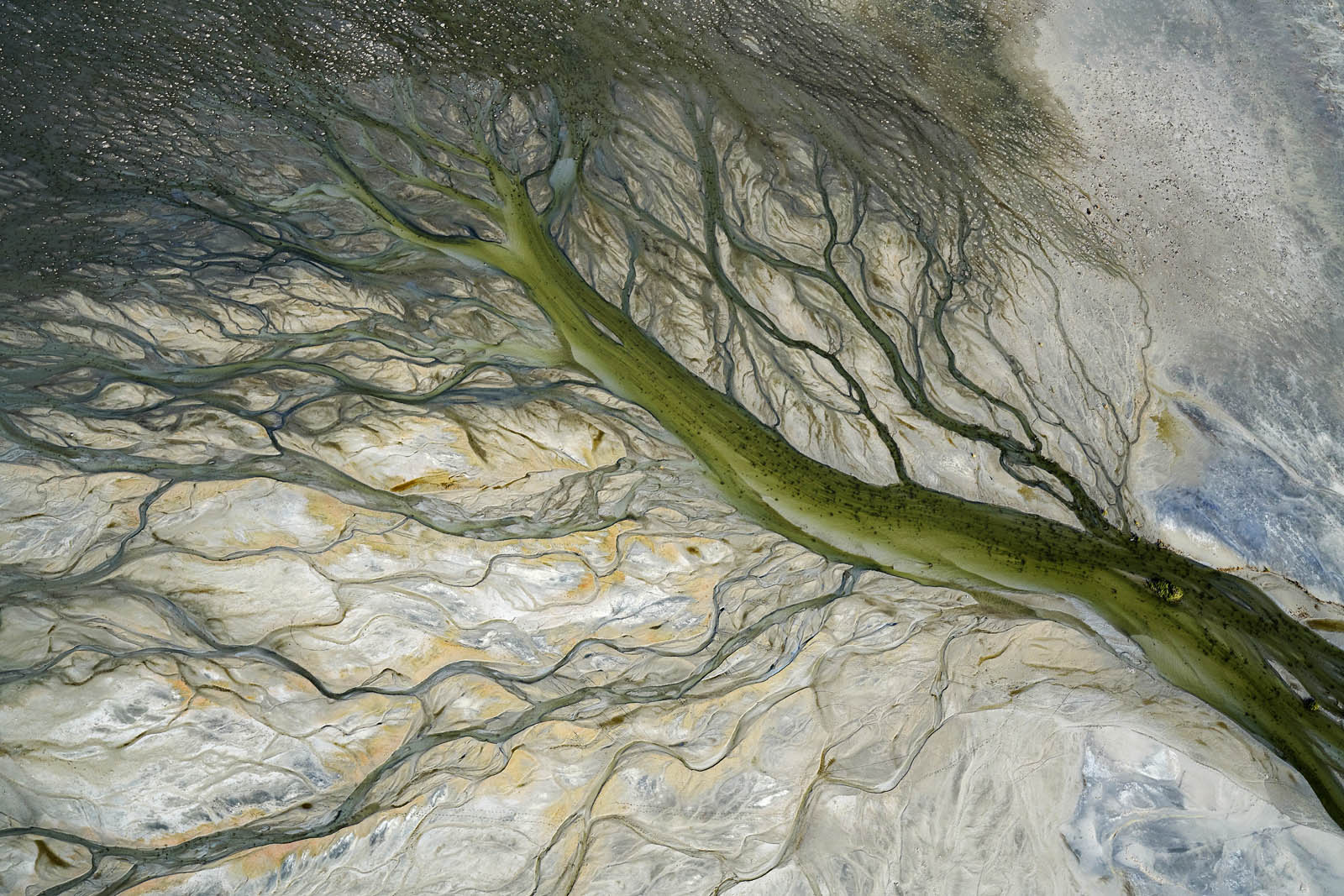
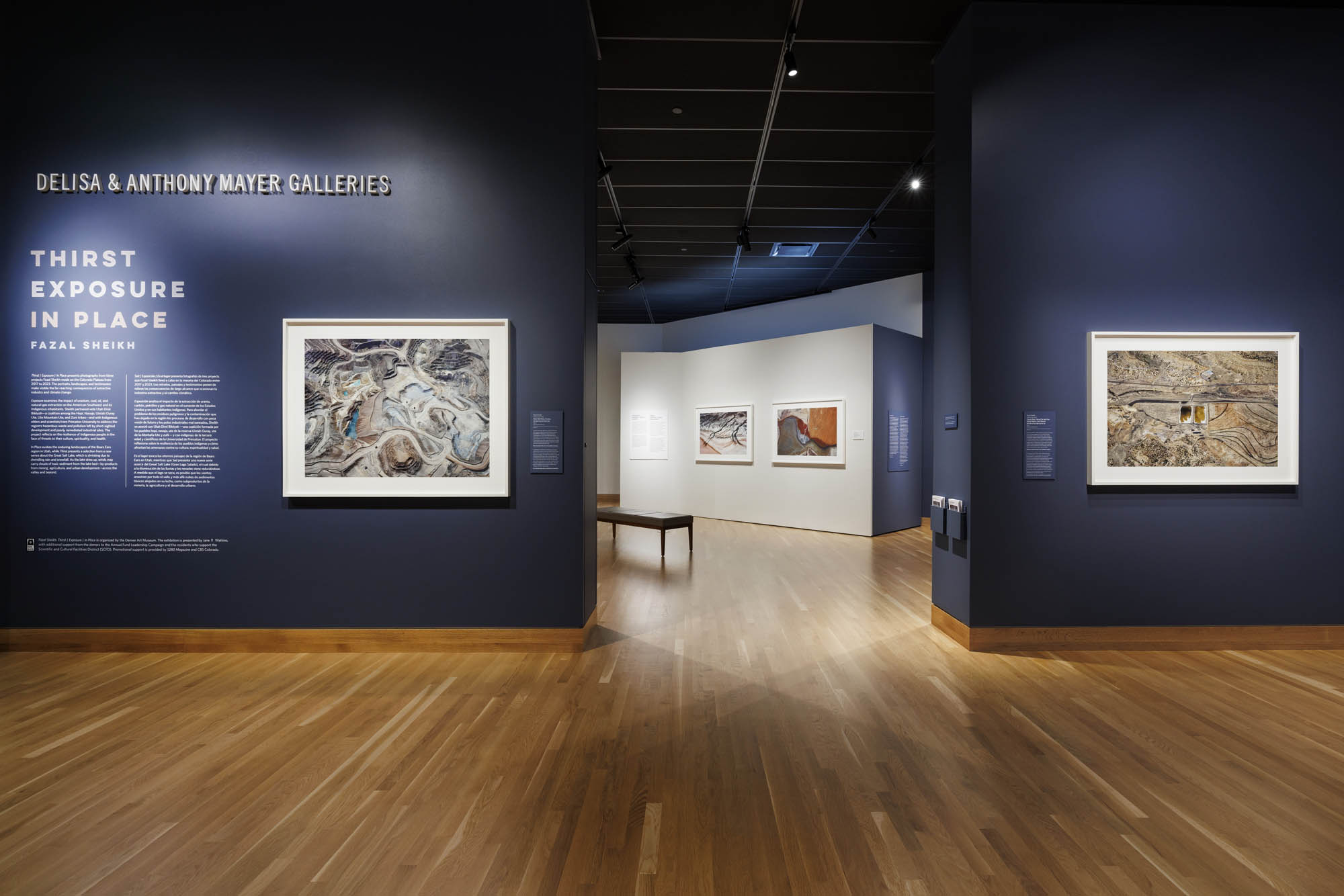
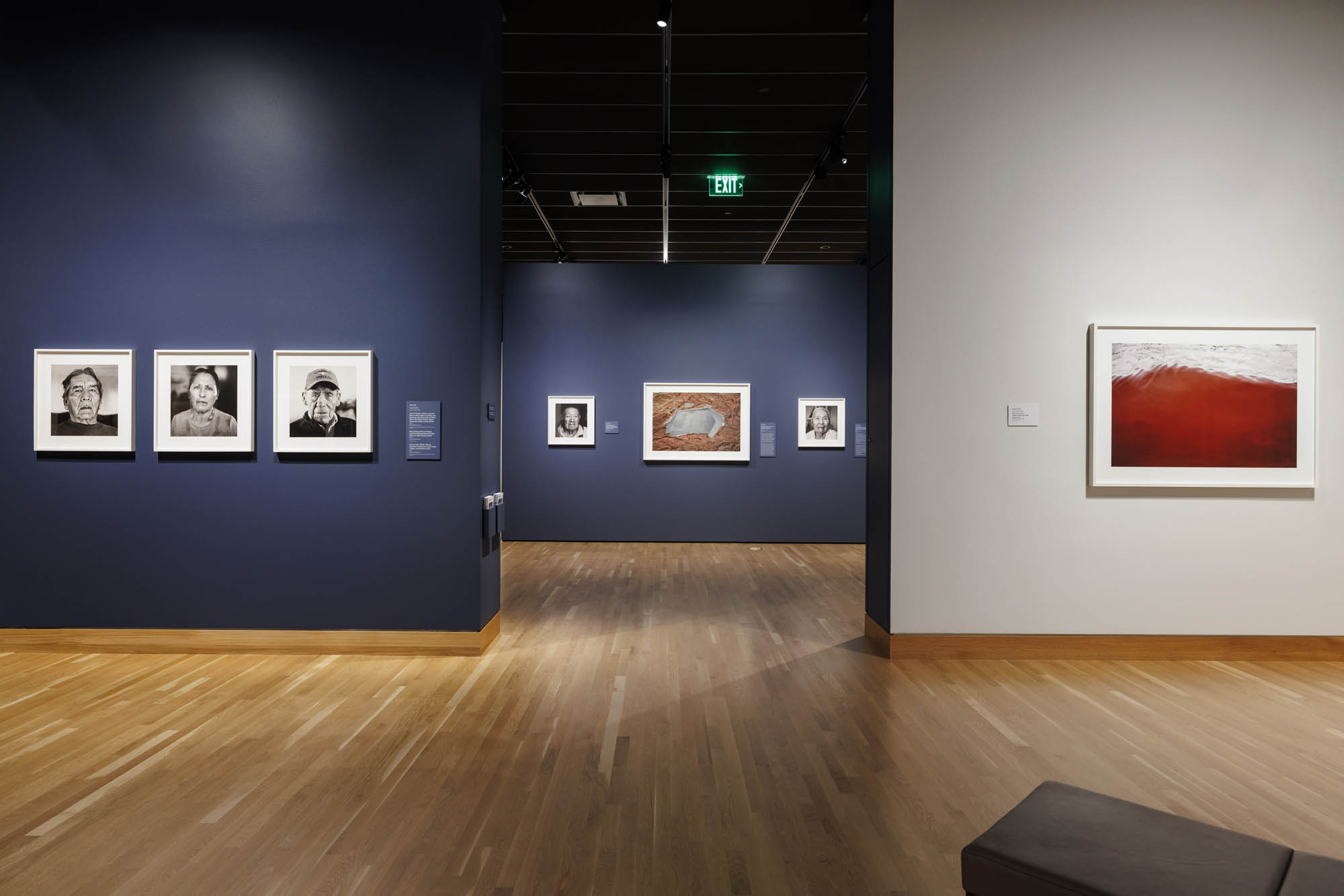
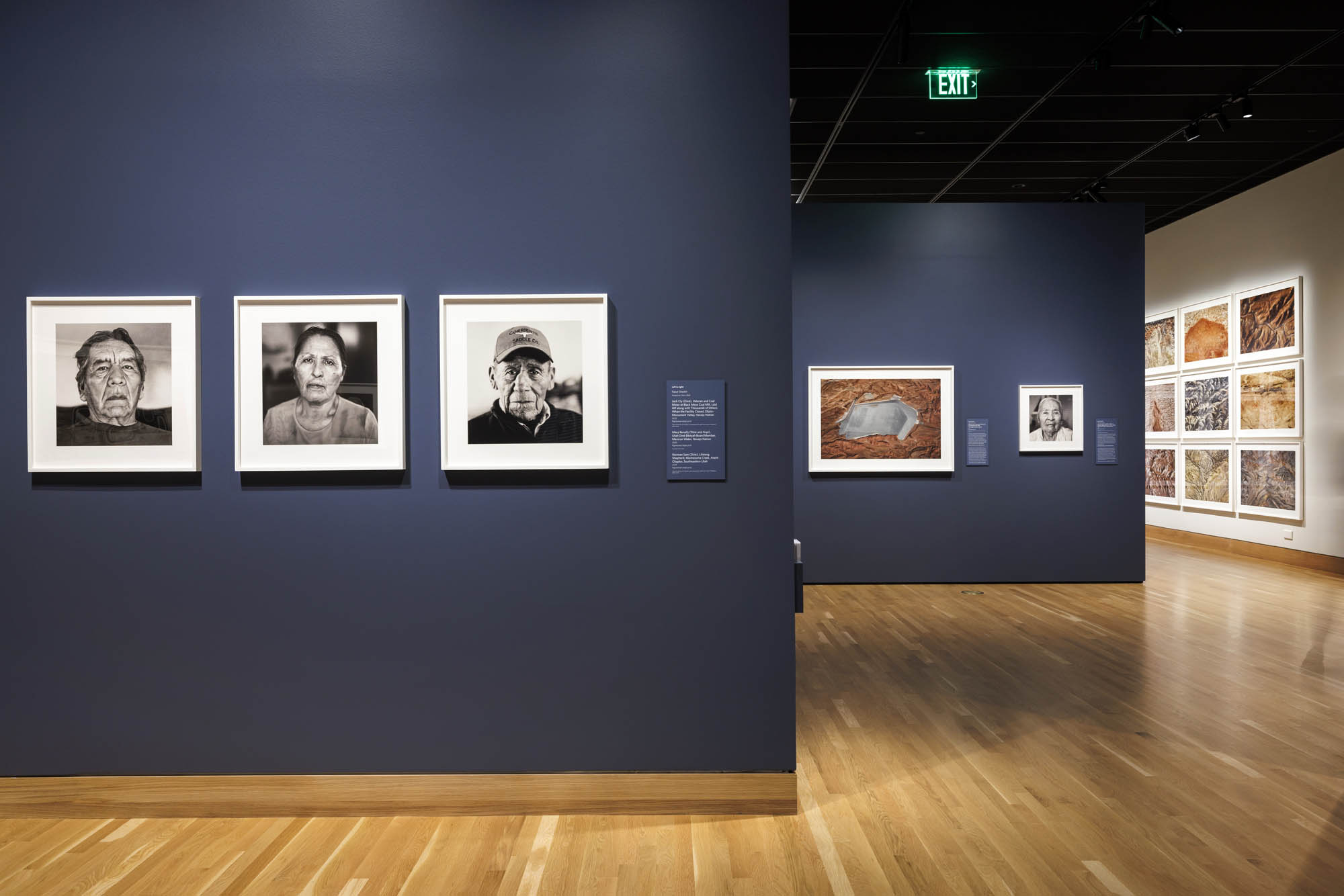


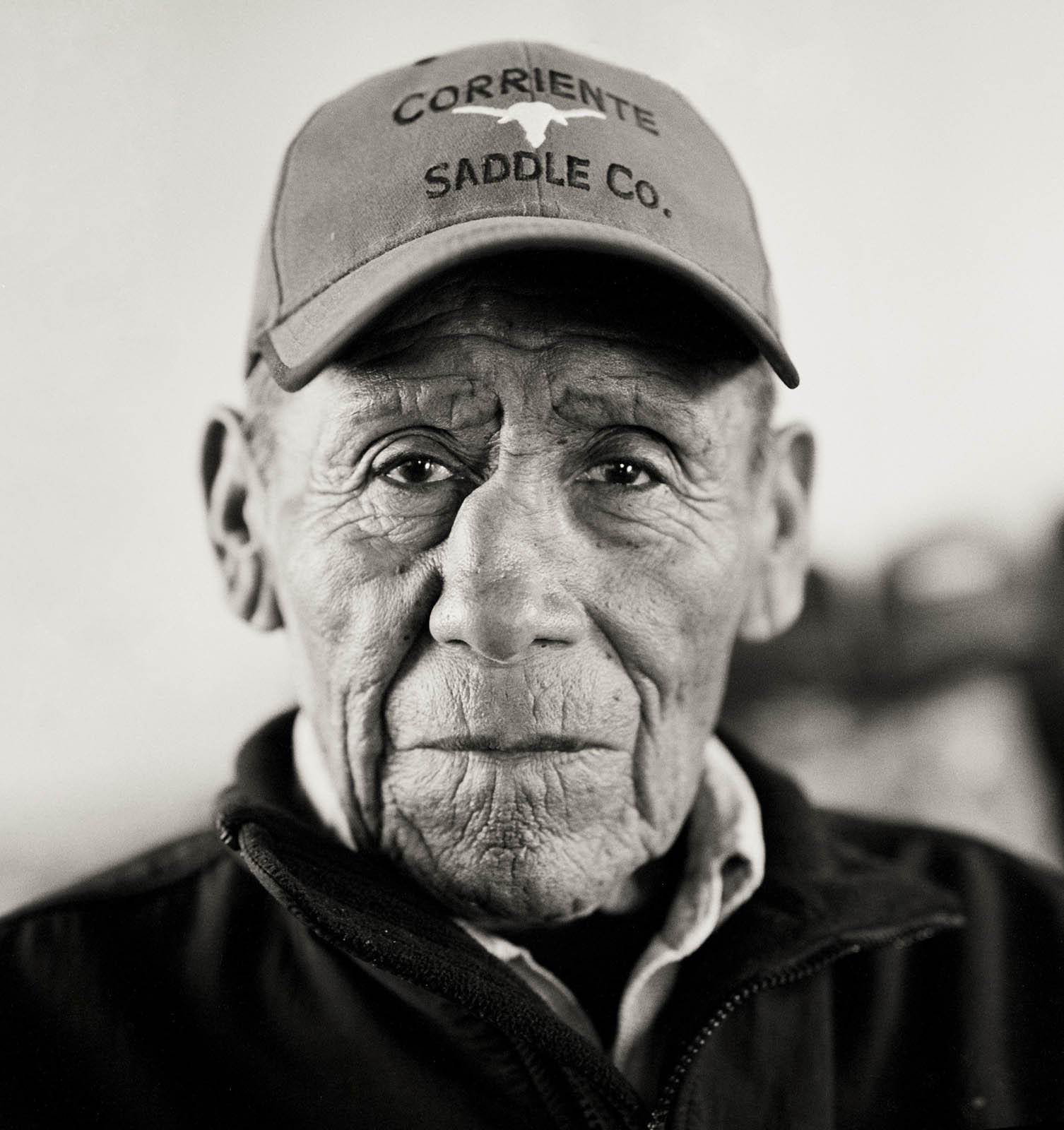
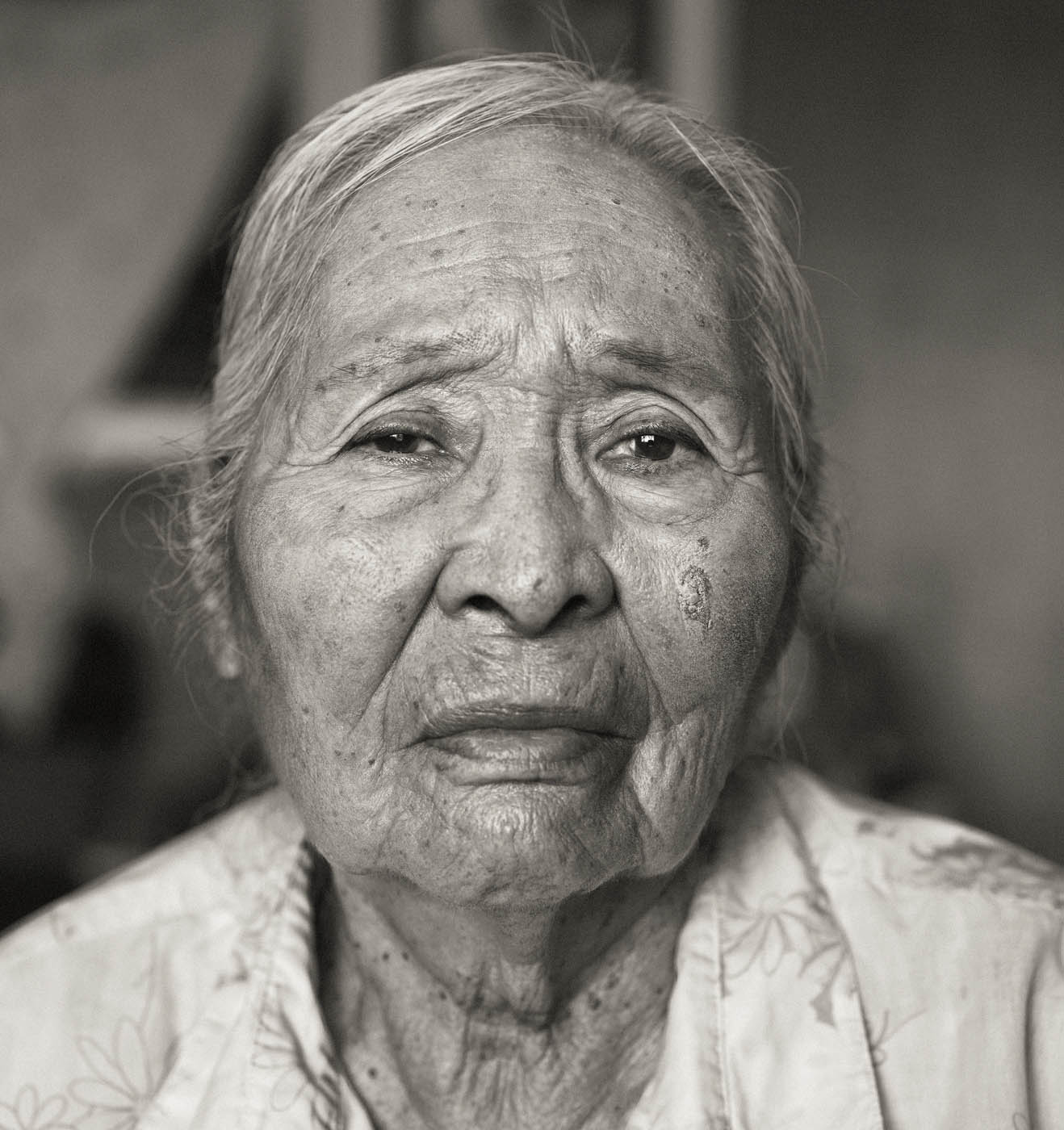

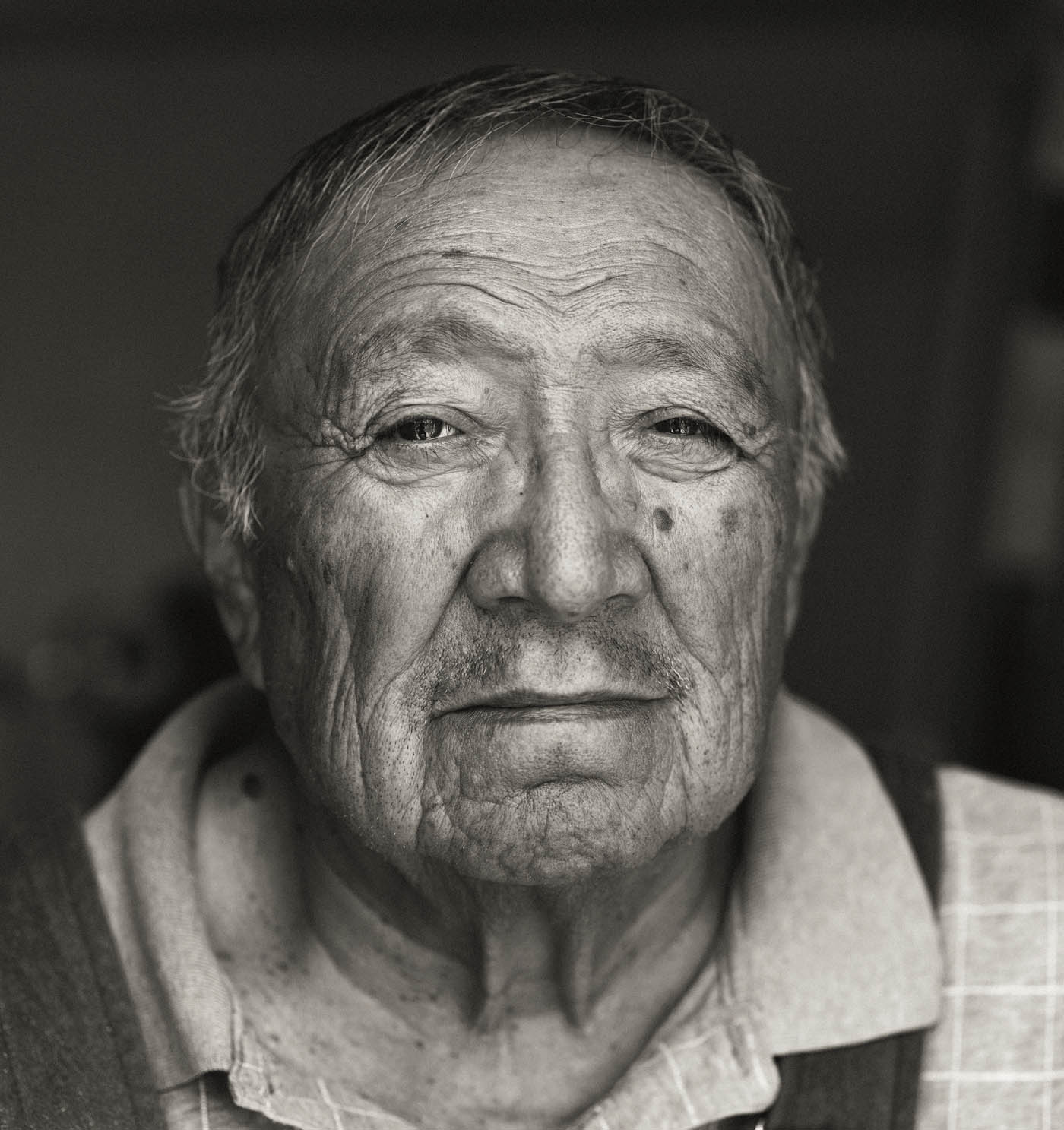
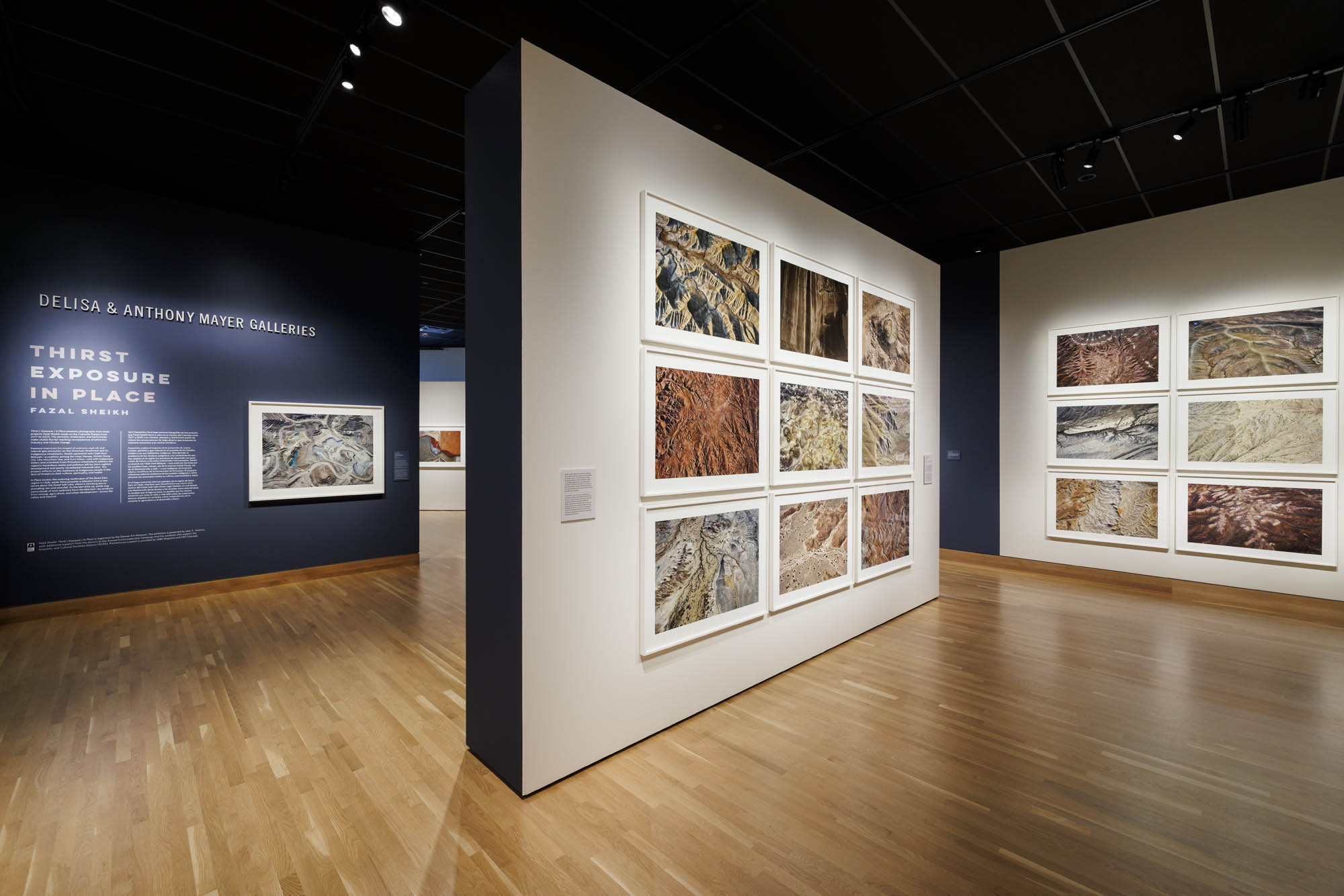
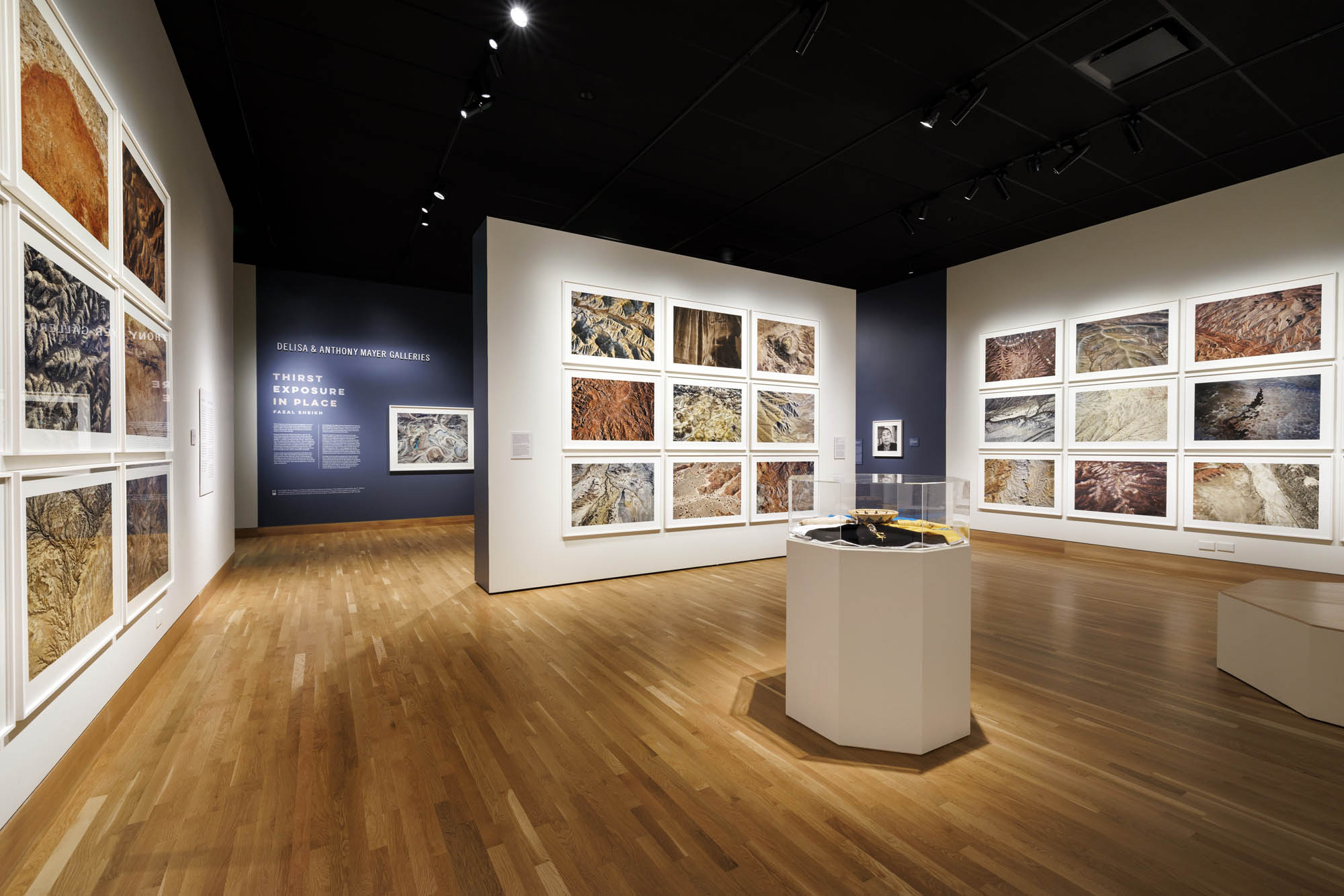
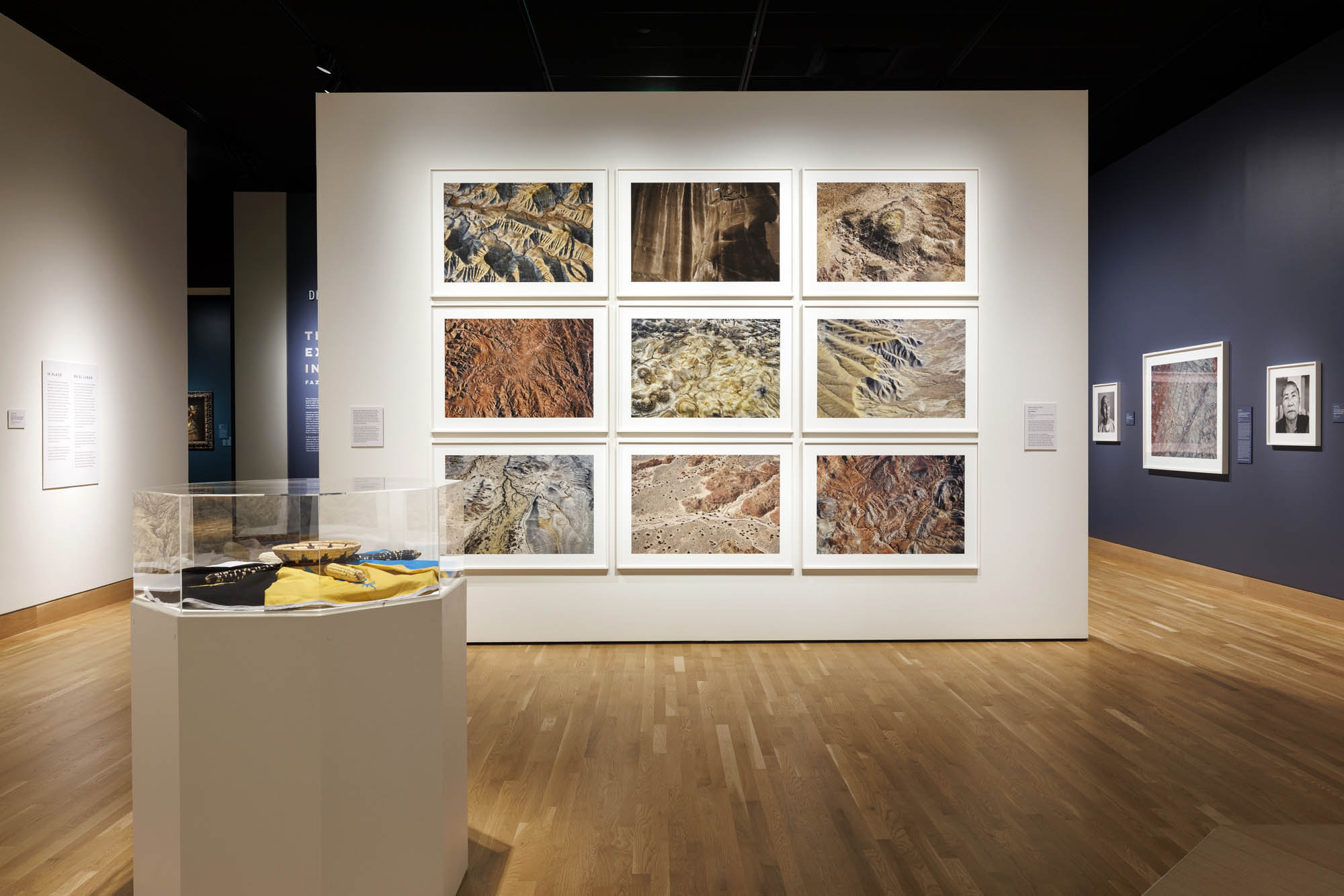
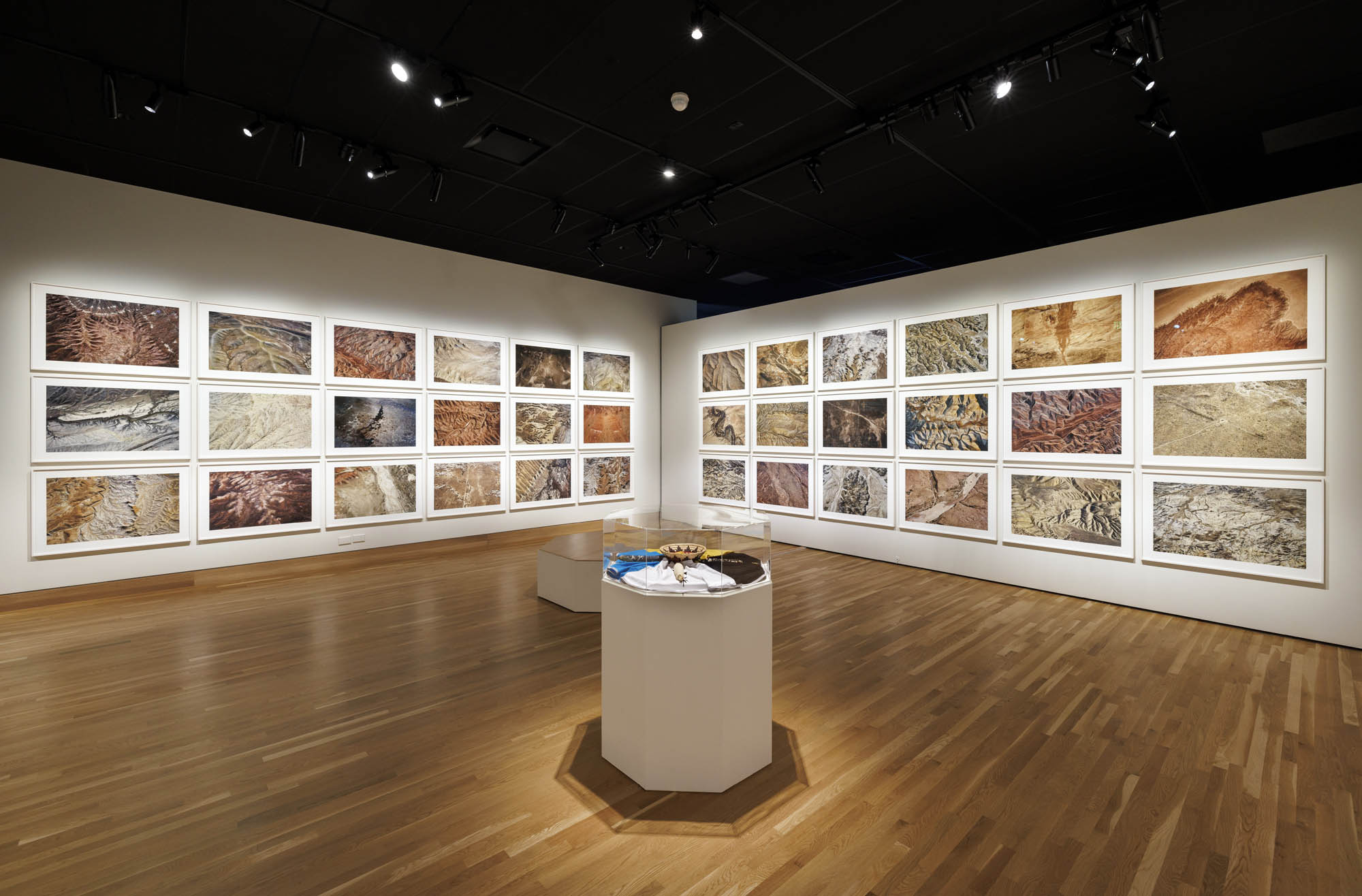
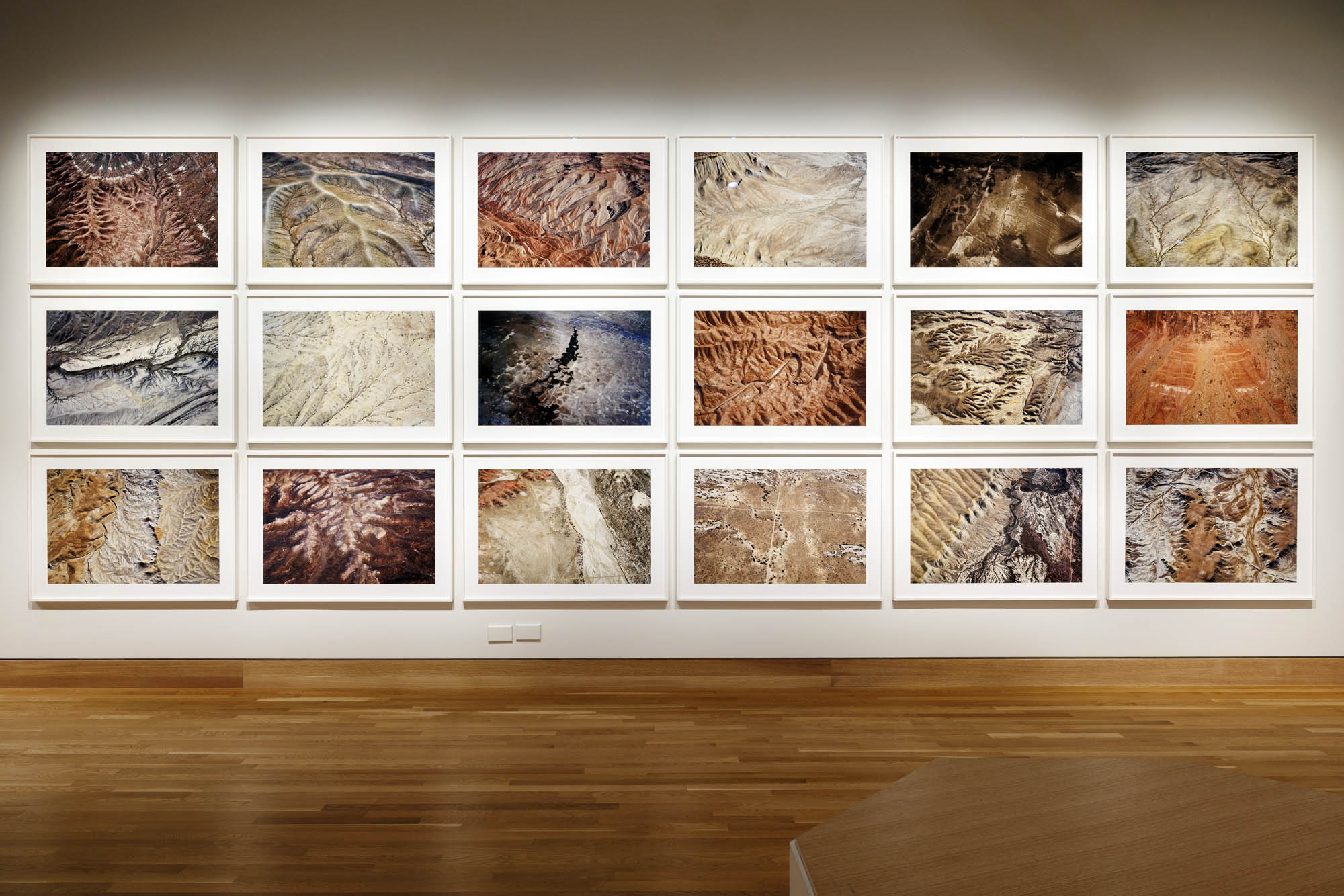

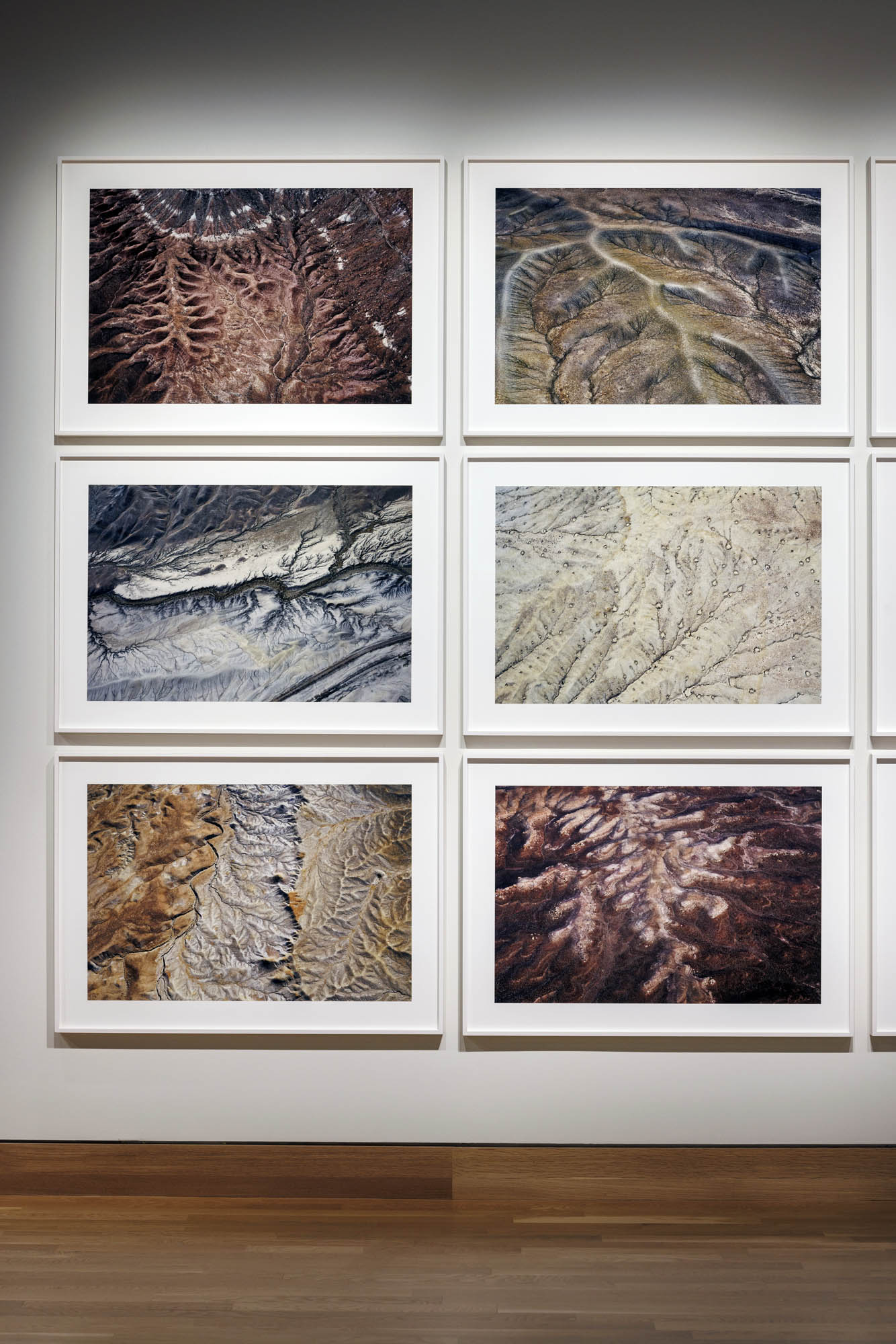
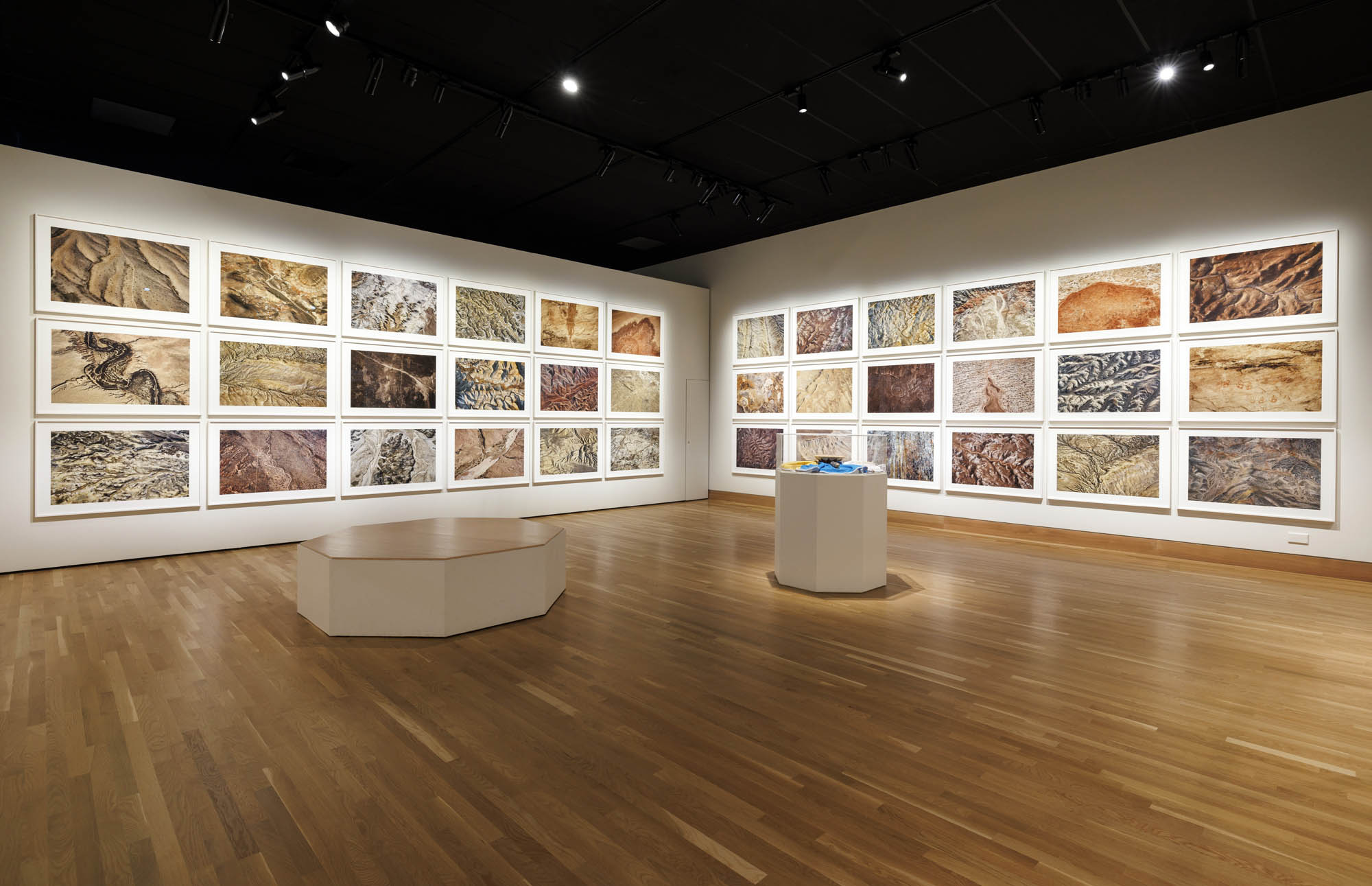
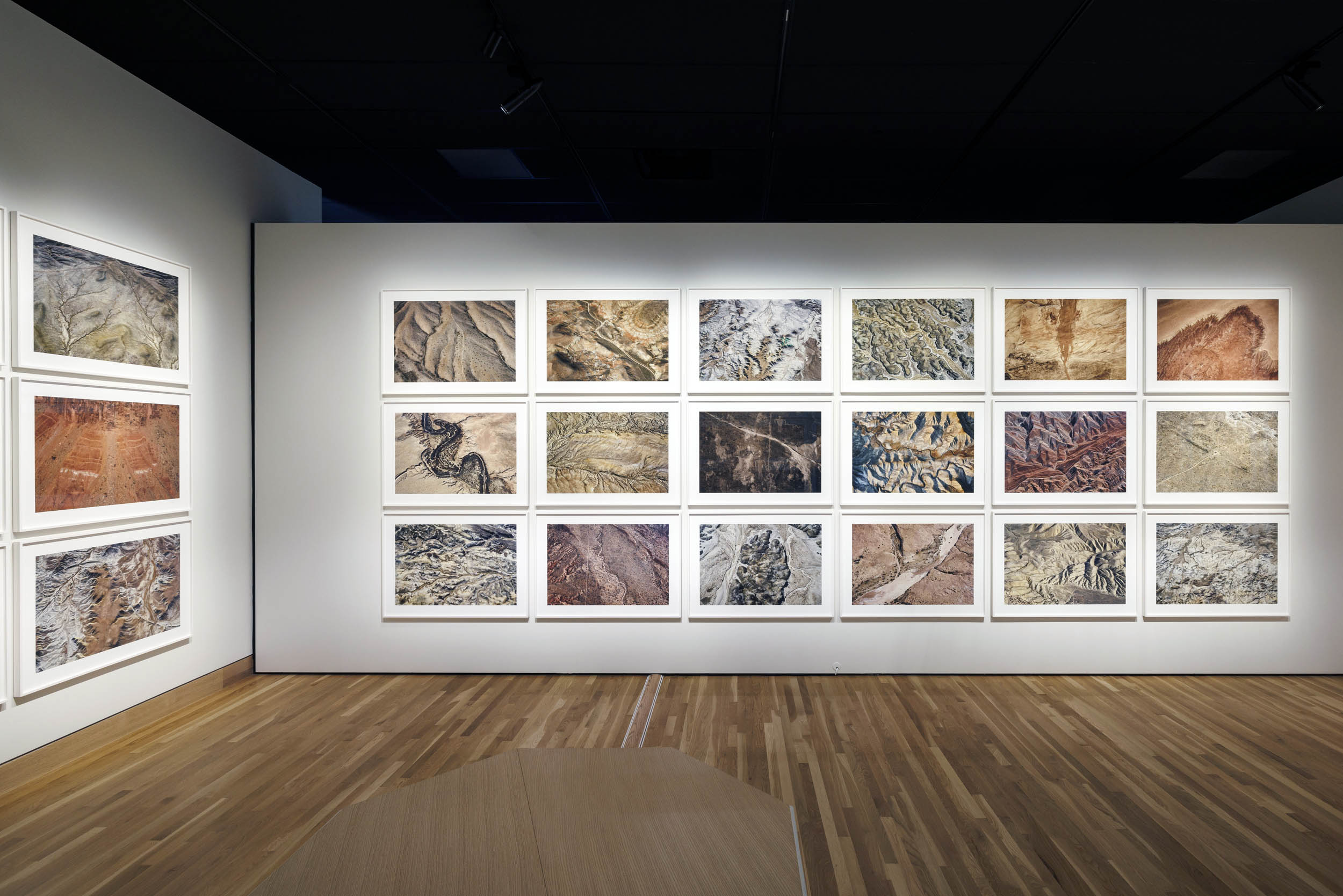
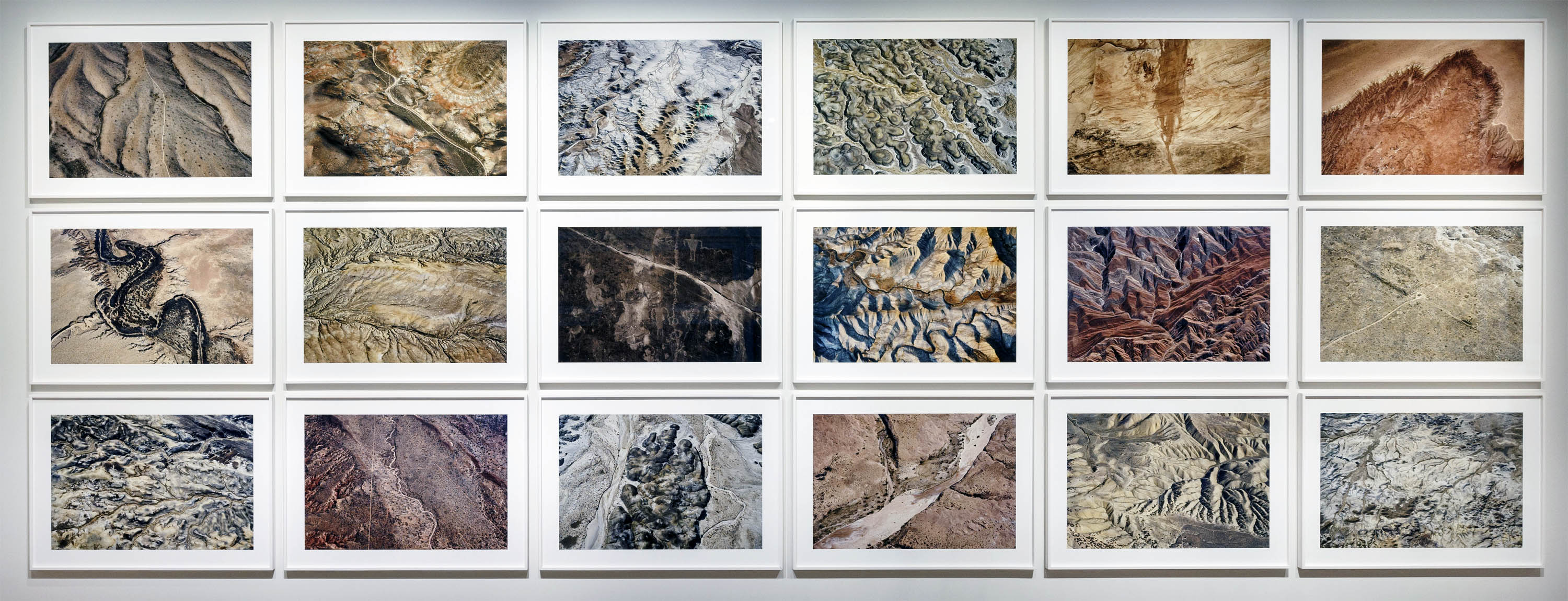
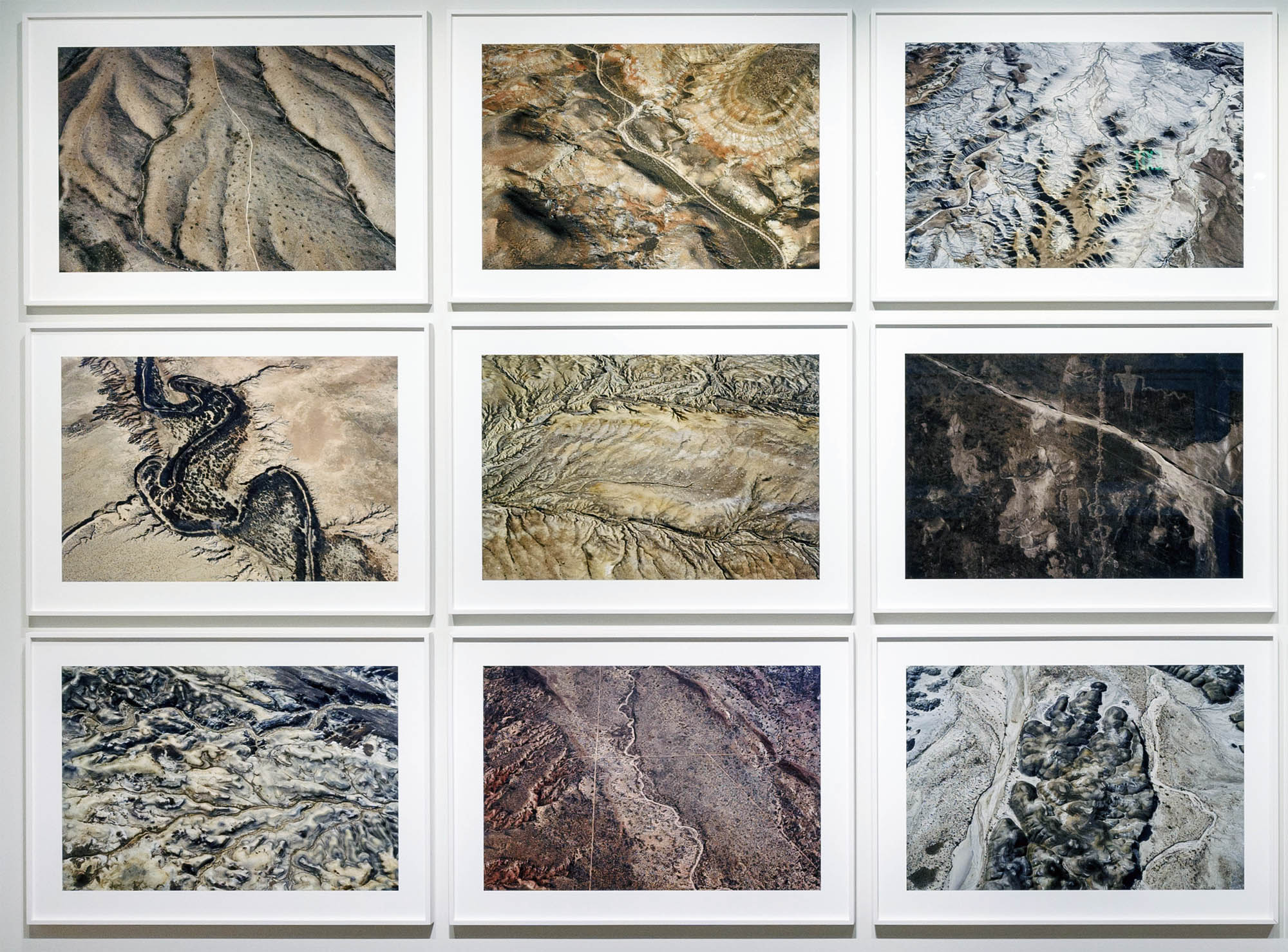
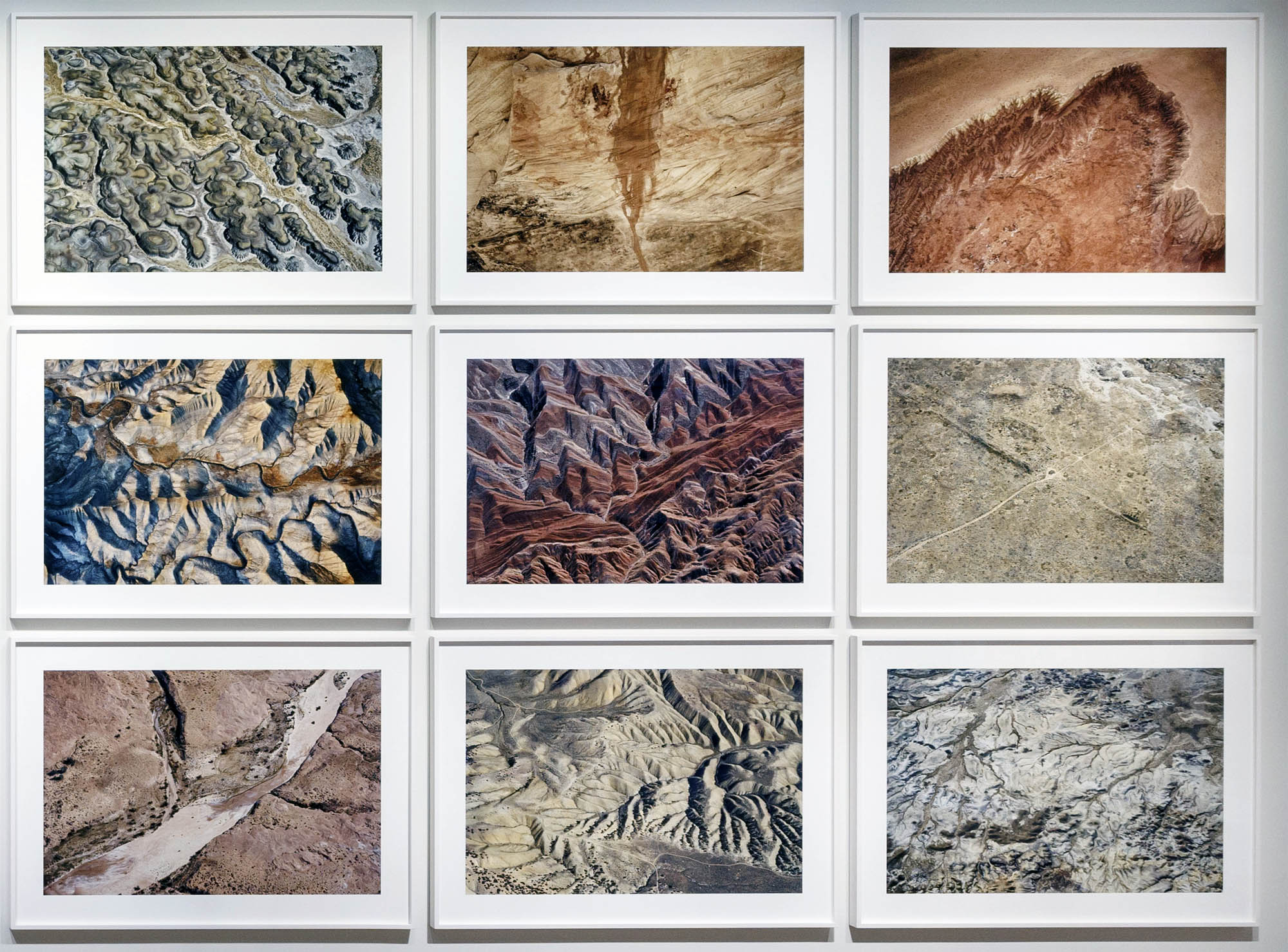
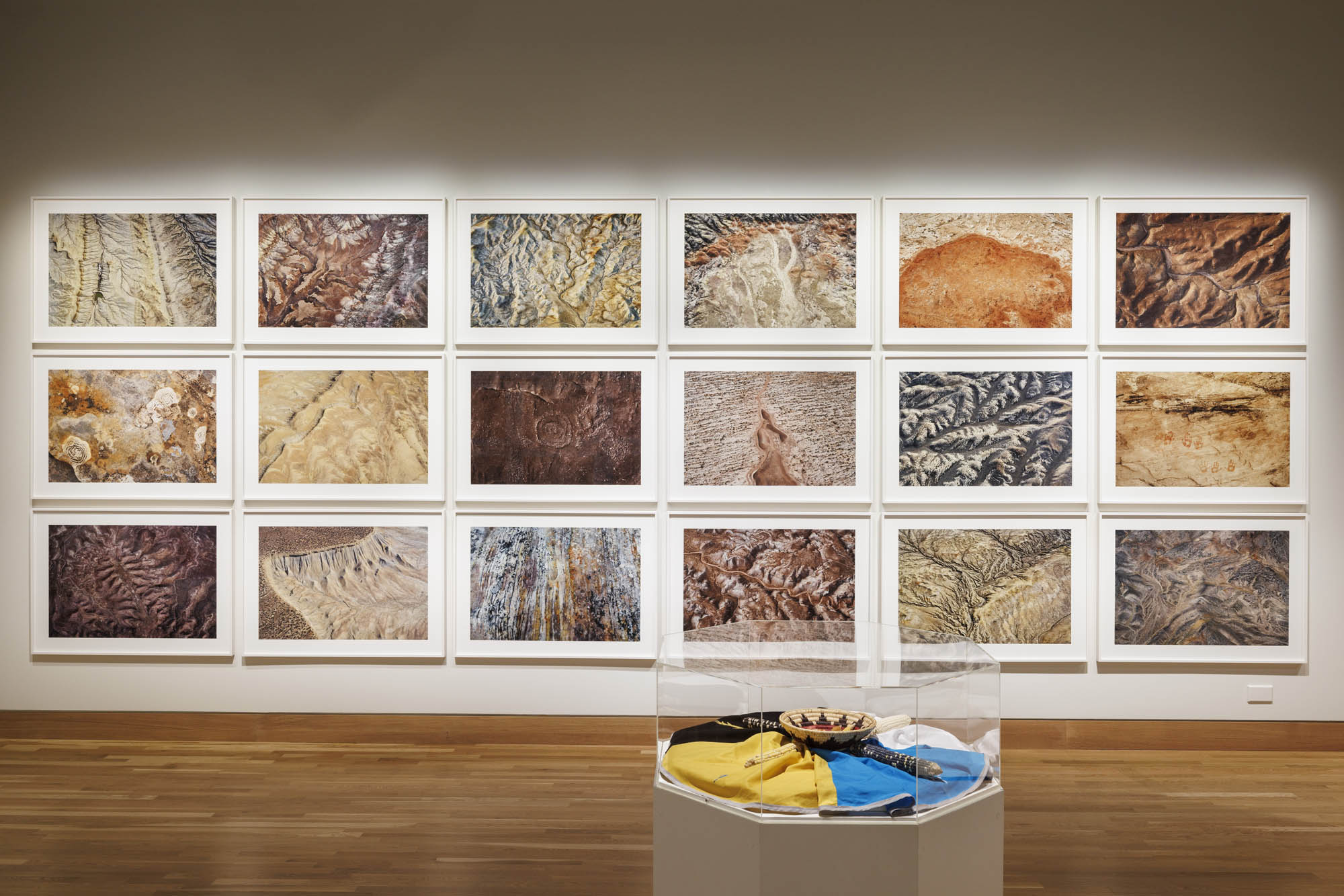
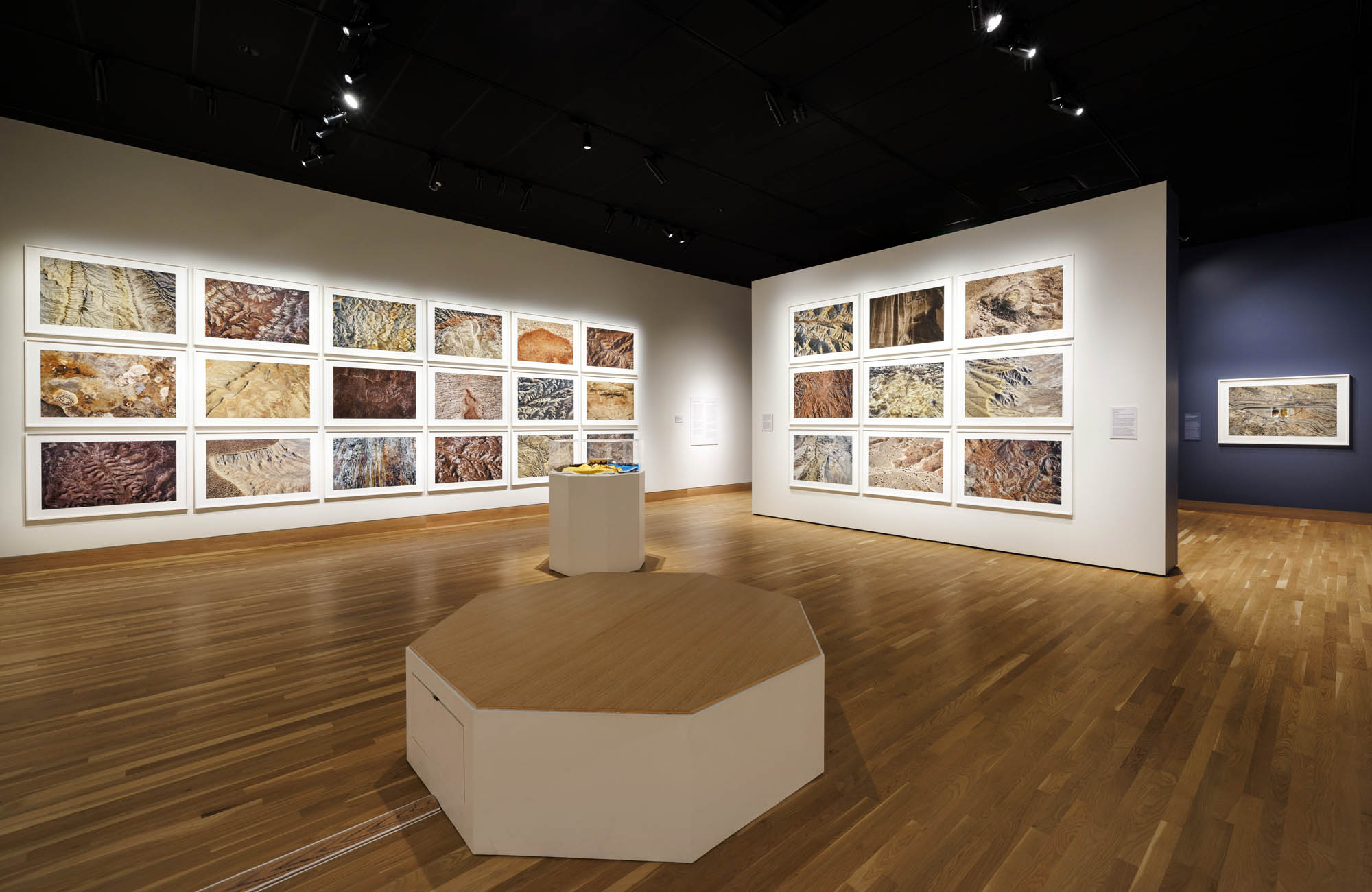
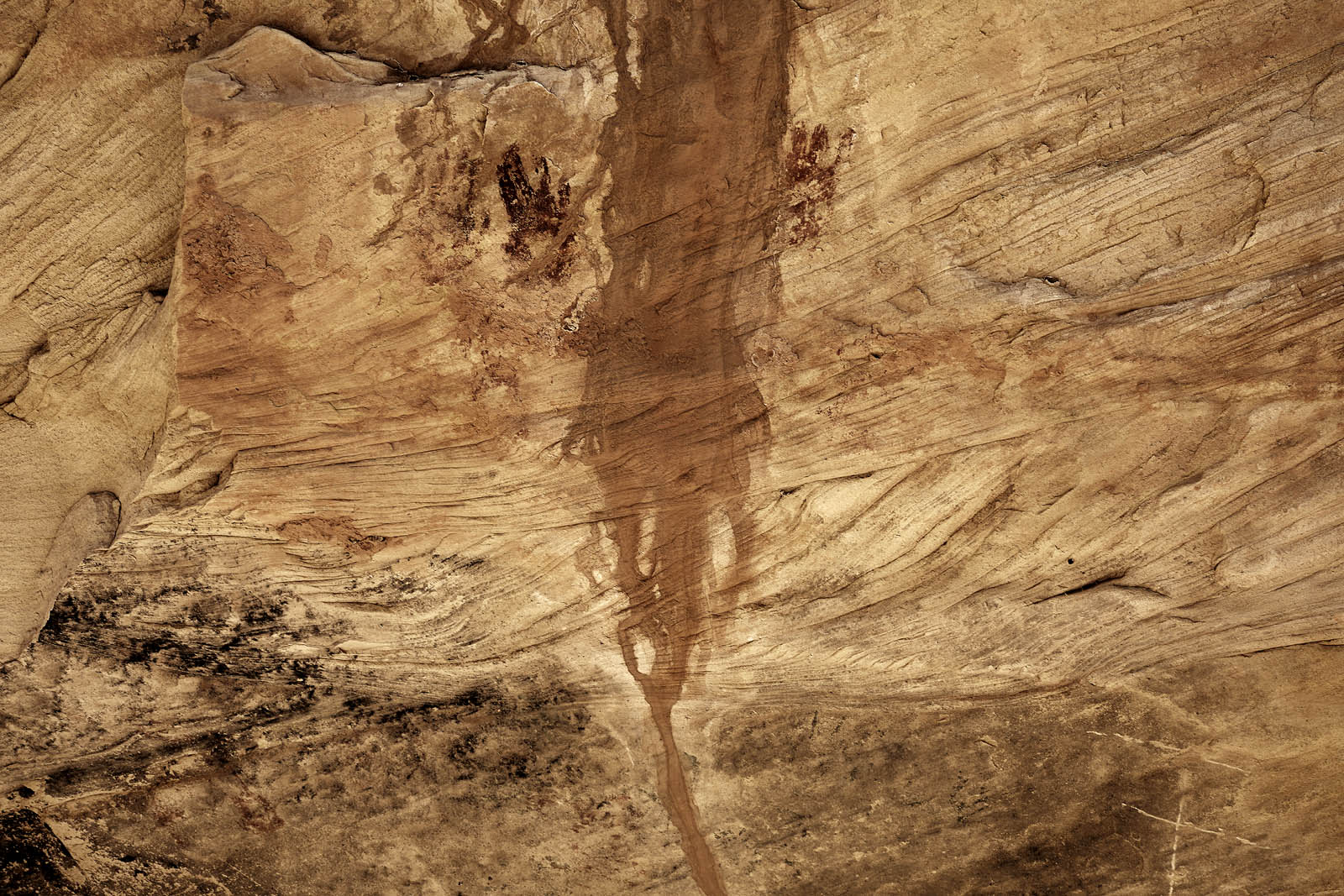
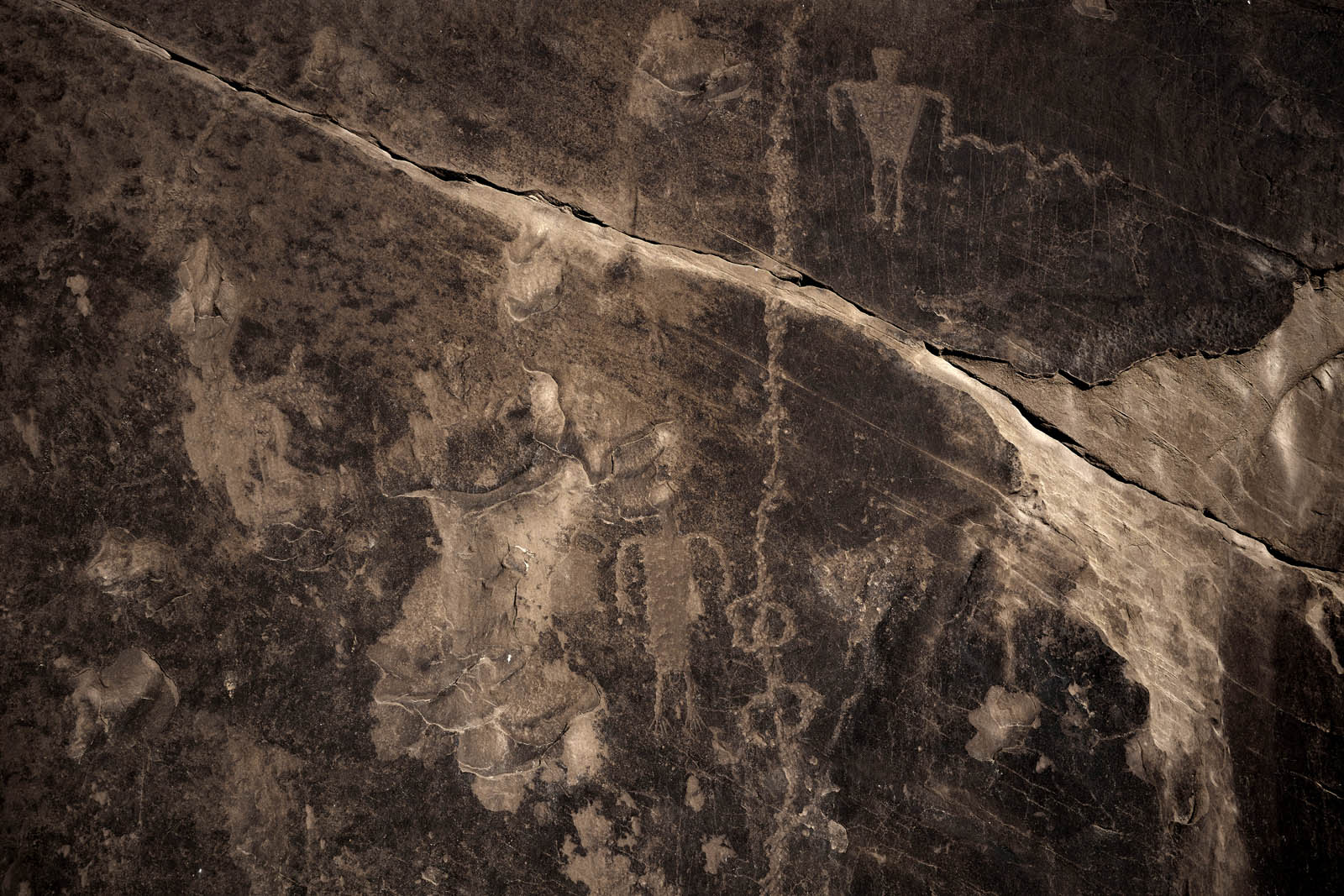
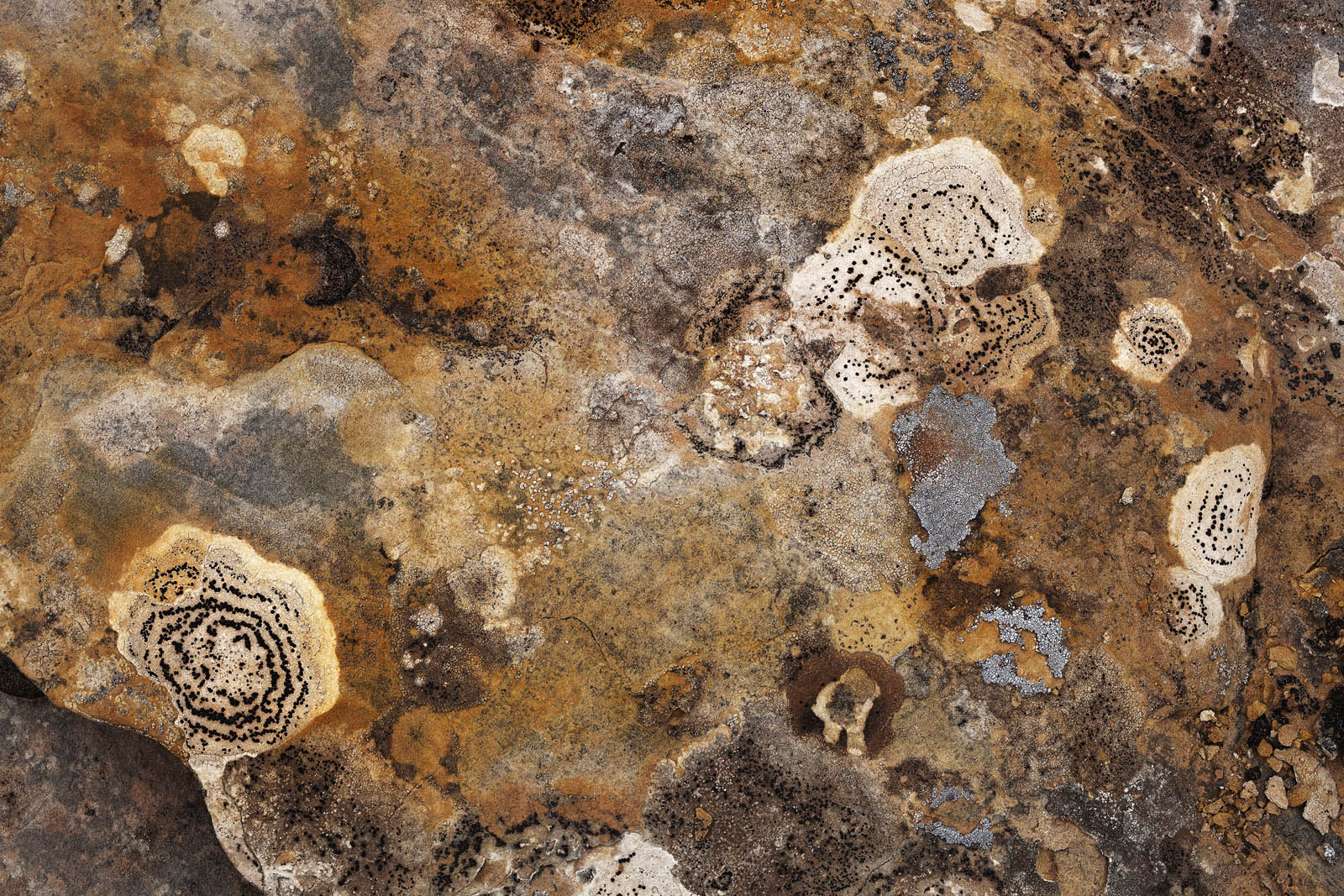

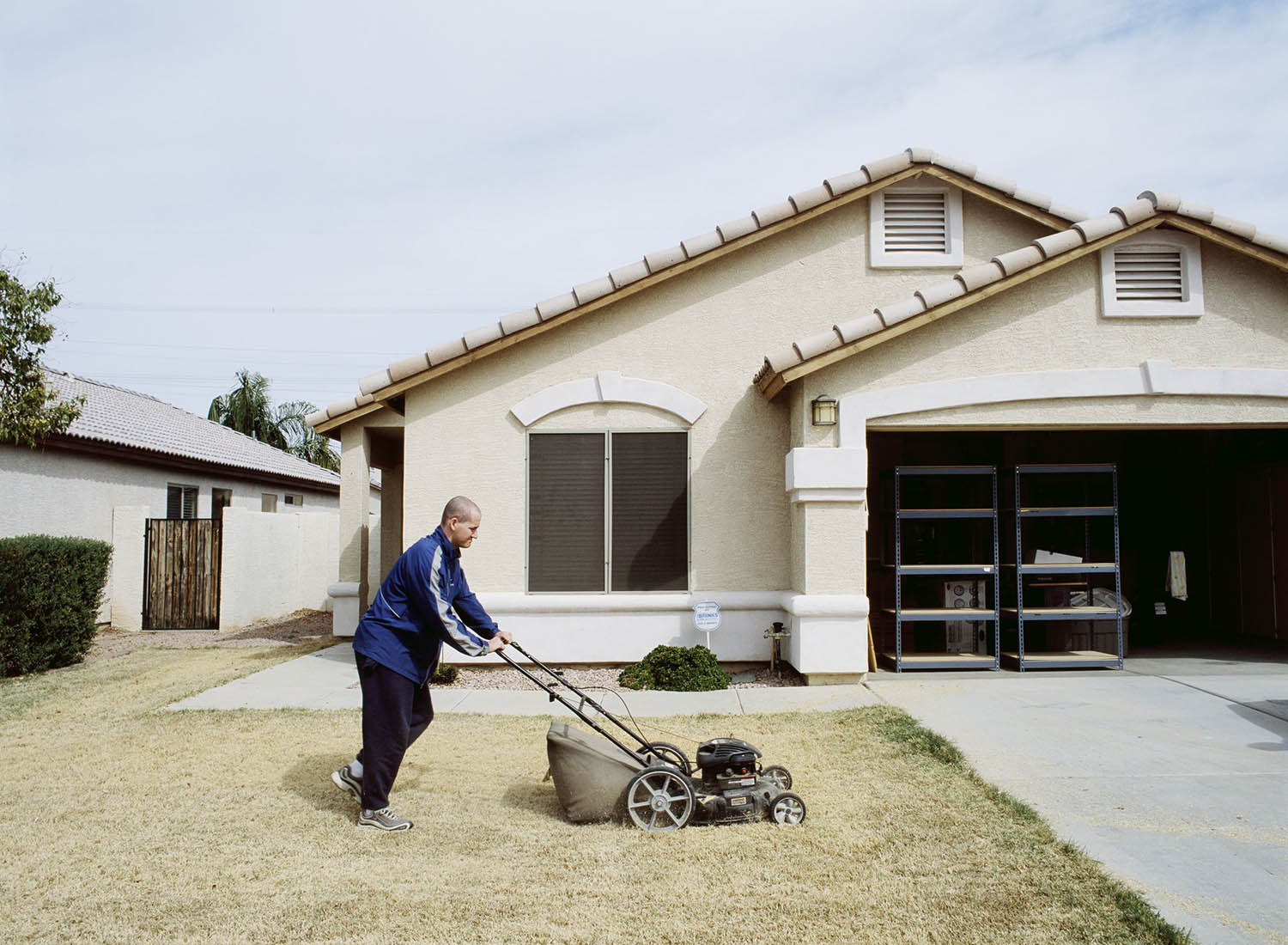
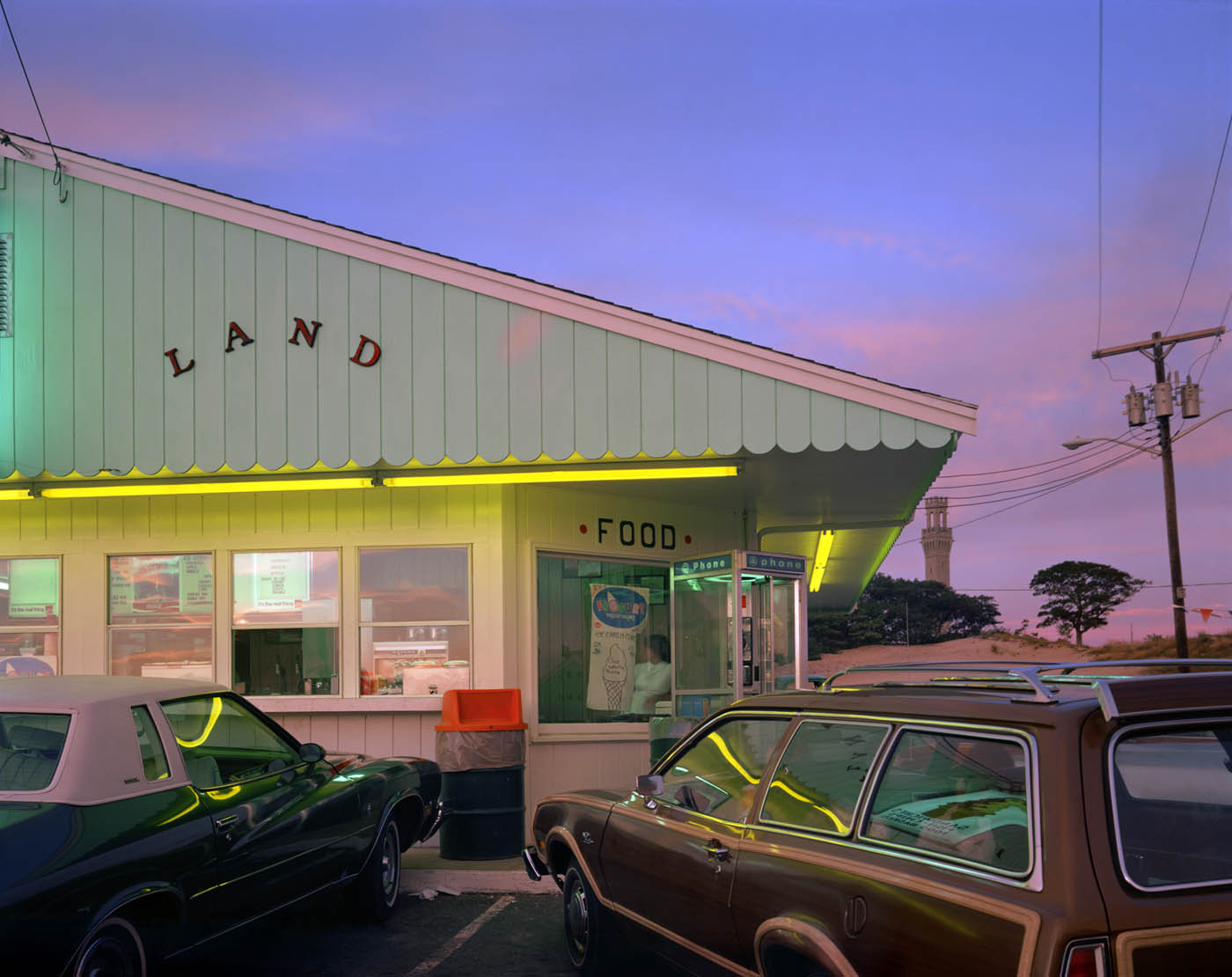

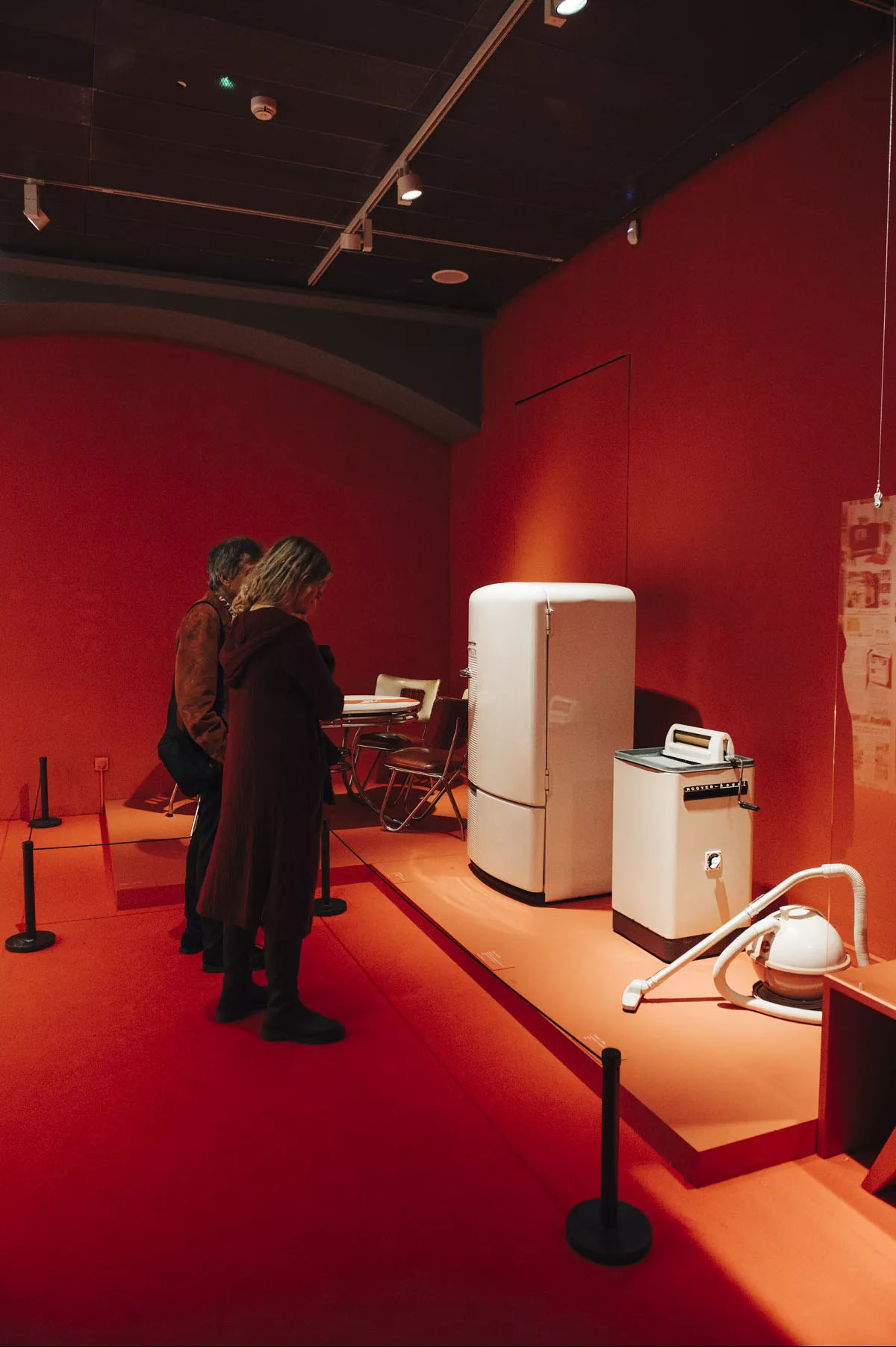

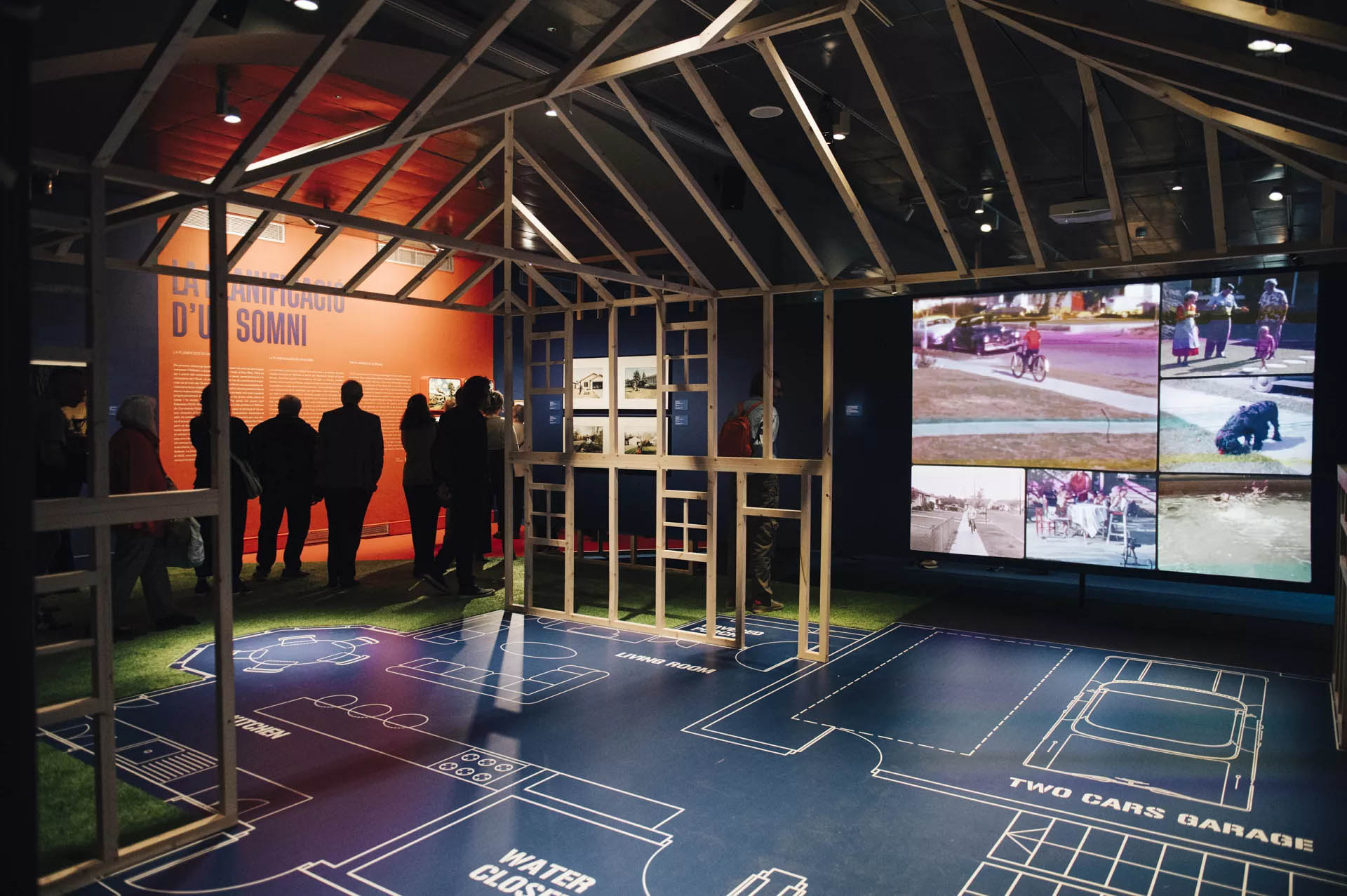
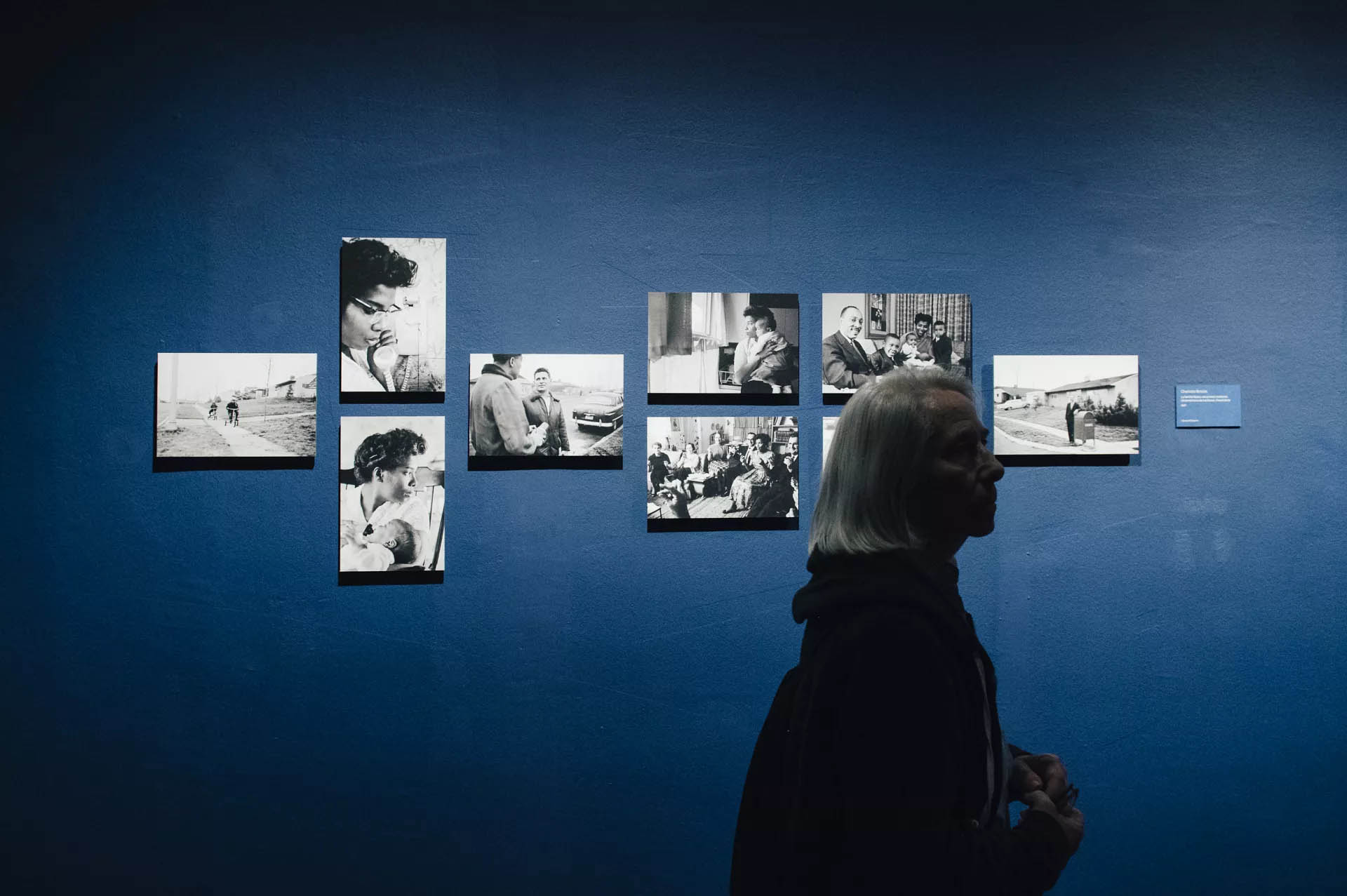
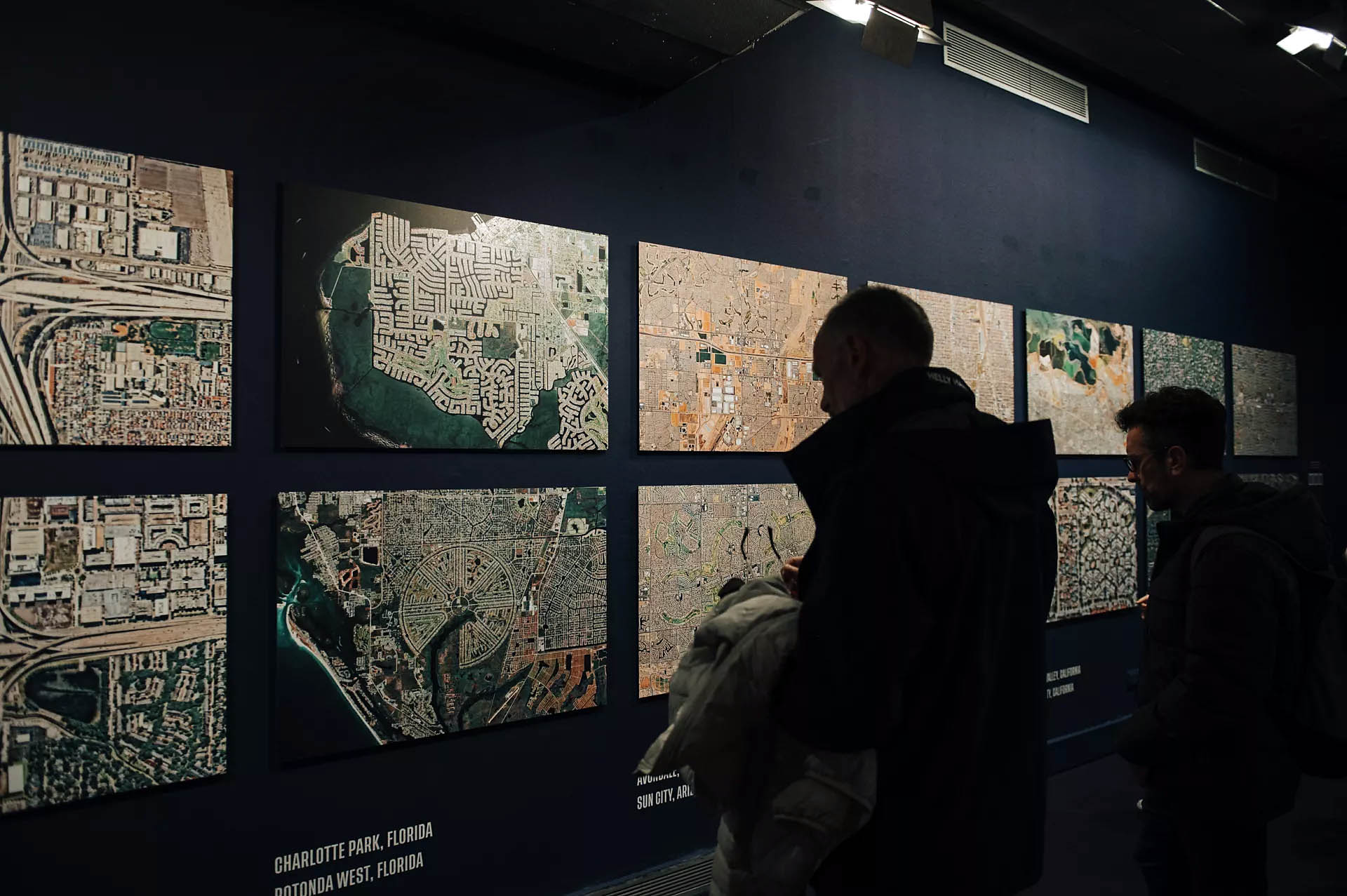
![Charlotte Brooks (American, 1918-2014) '[Image from LOOK - Job 57-7621 titled Myers family]' 20th December 1957](https://artblart.com/wp-content/uploads/2024/08/brooks-image-from-look-a.jpg "Charlotte Brooks (American, 1918-2014) '[Image from LOOK - Job 57-7621 titled Myers family]' 20th December 1957")


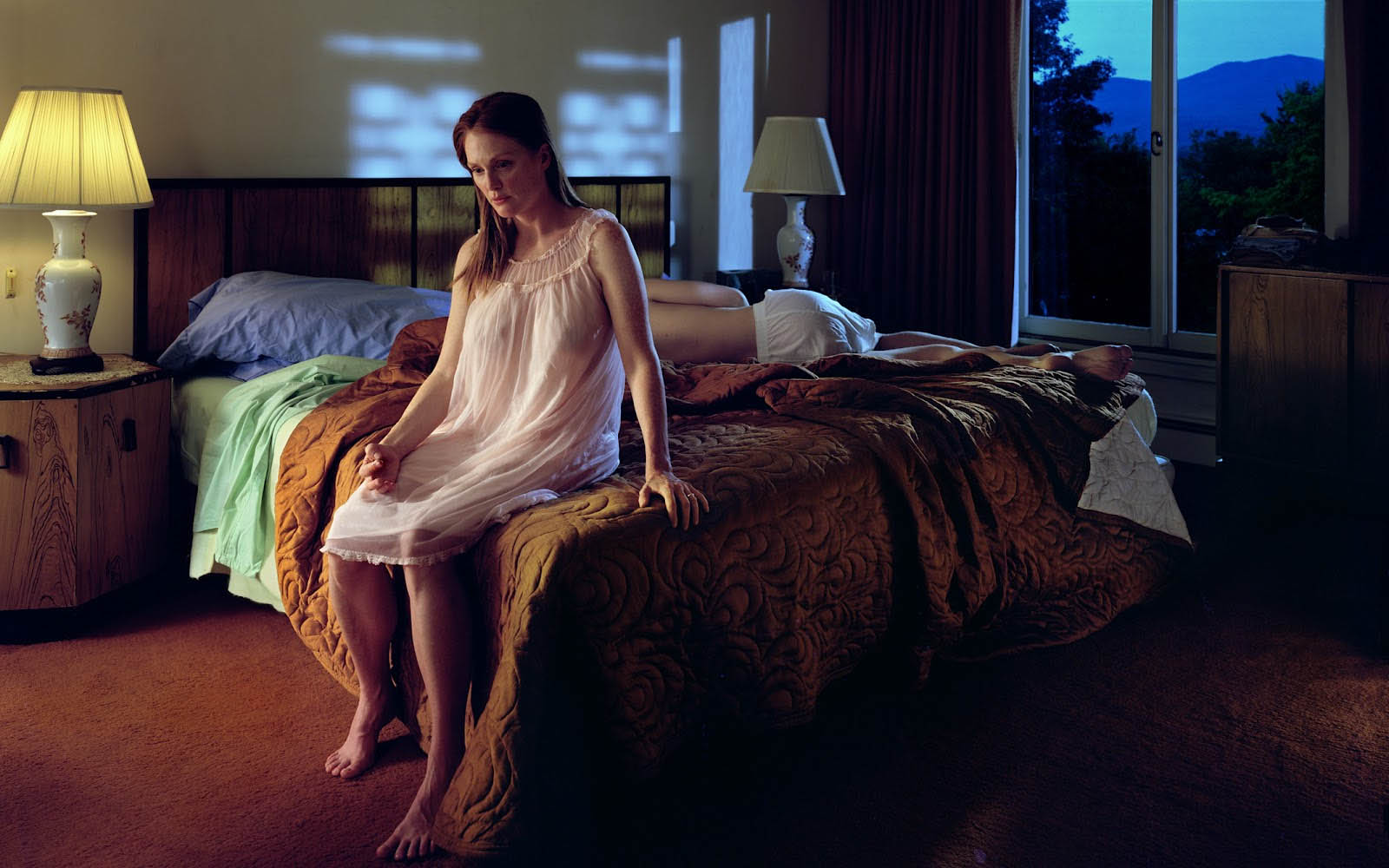

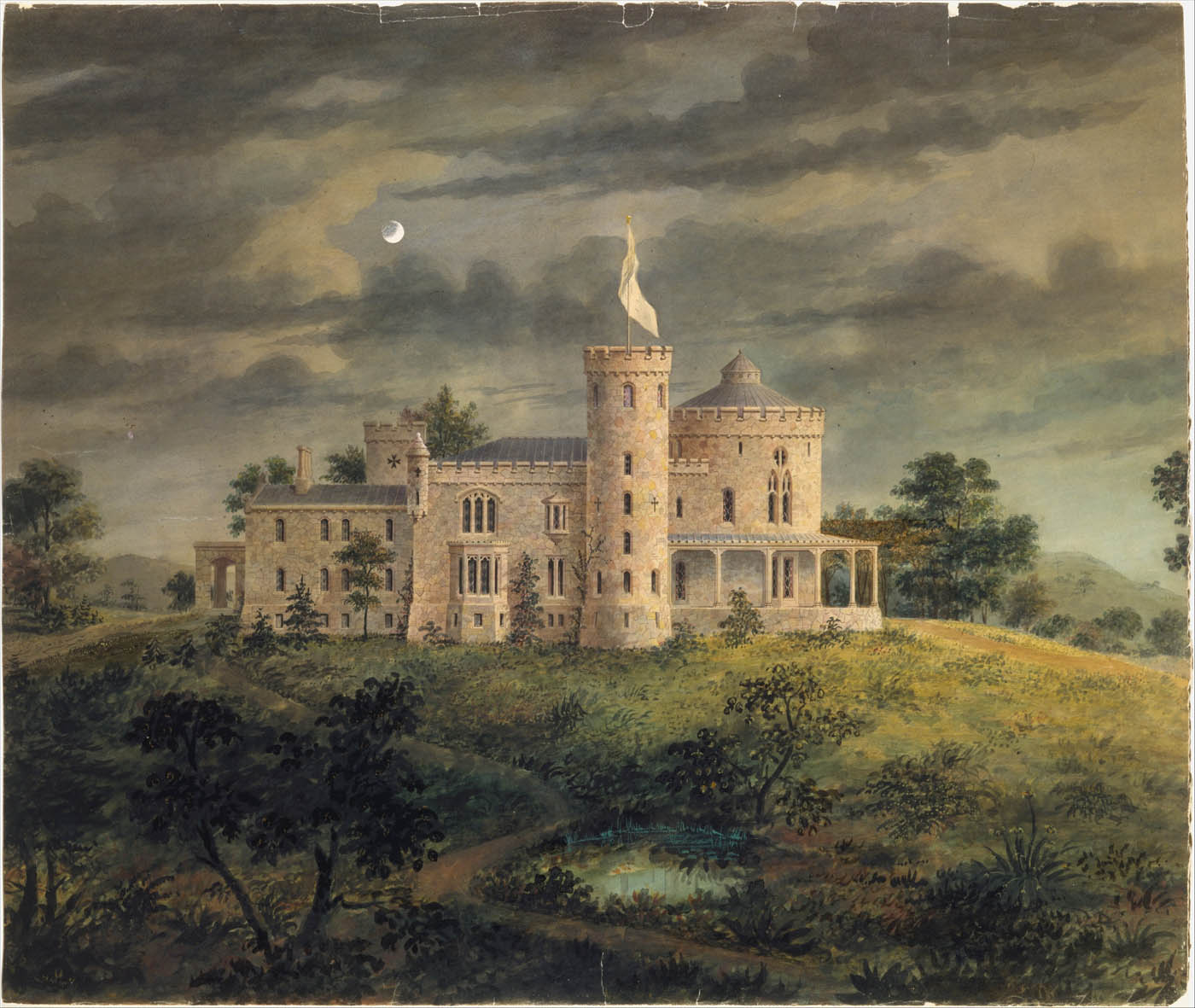


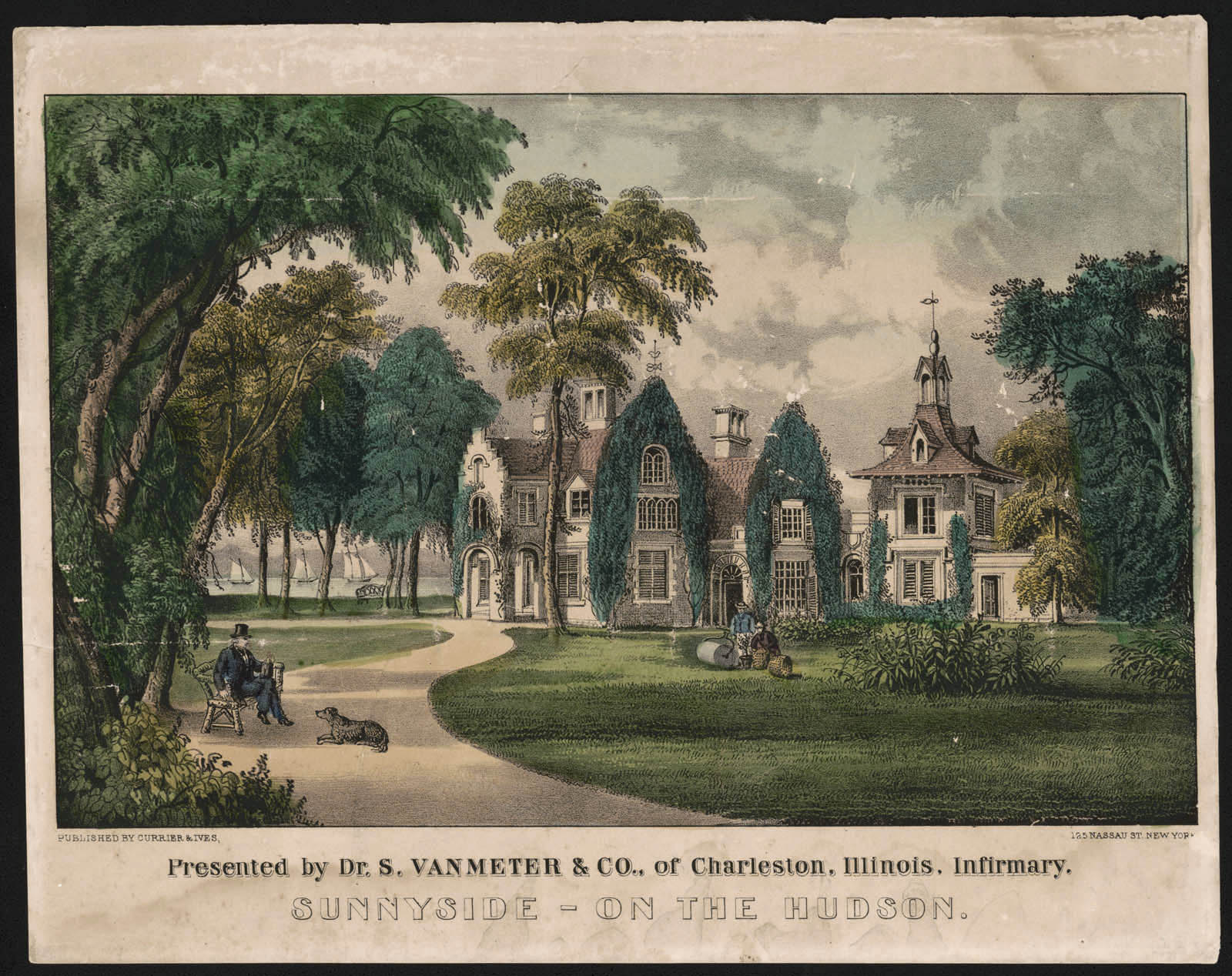


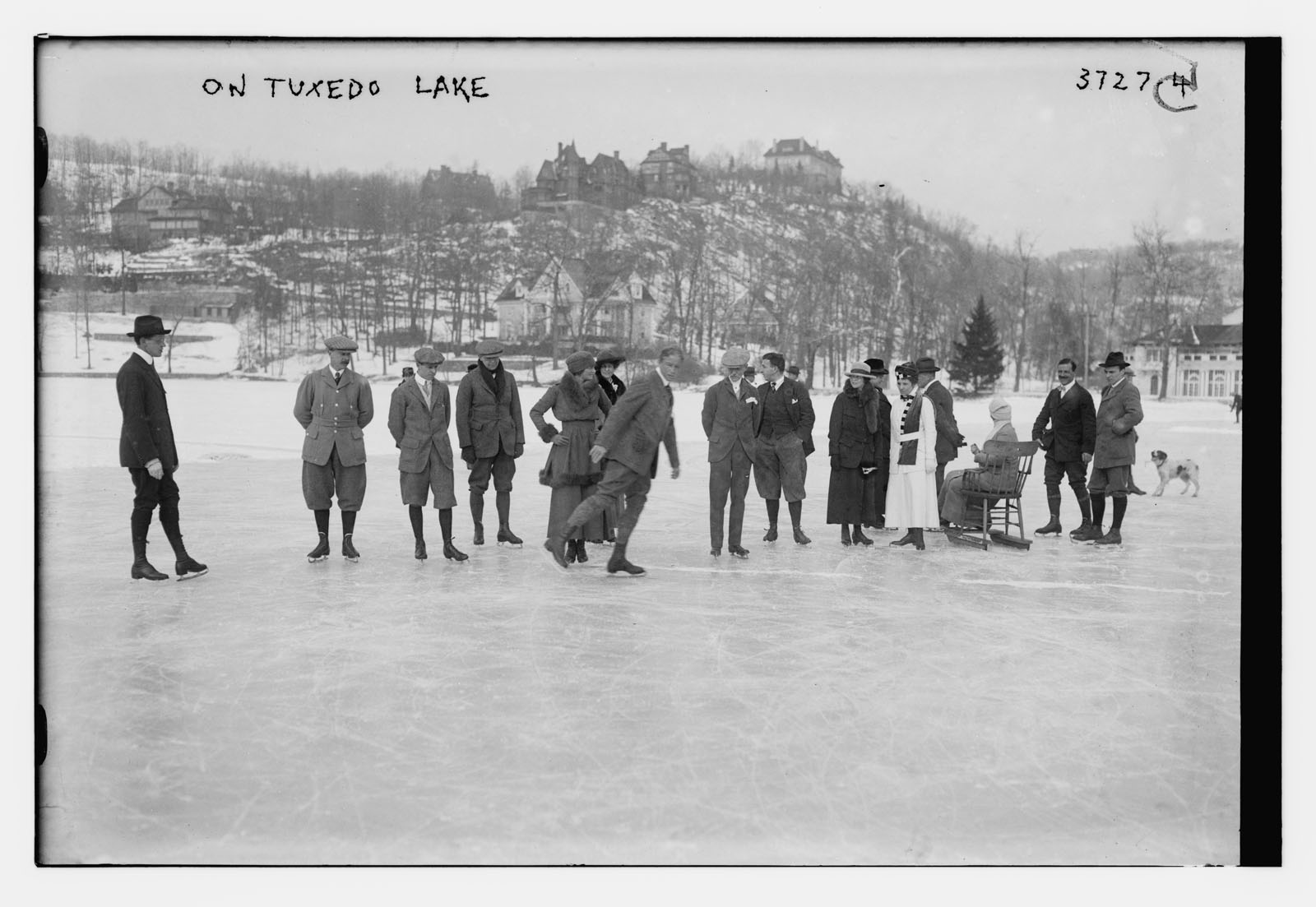
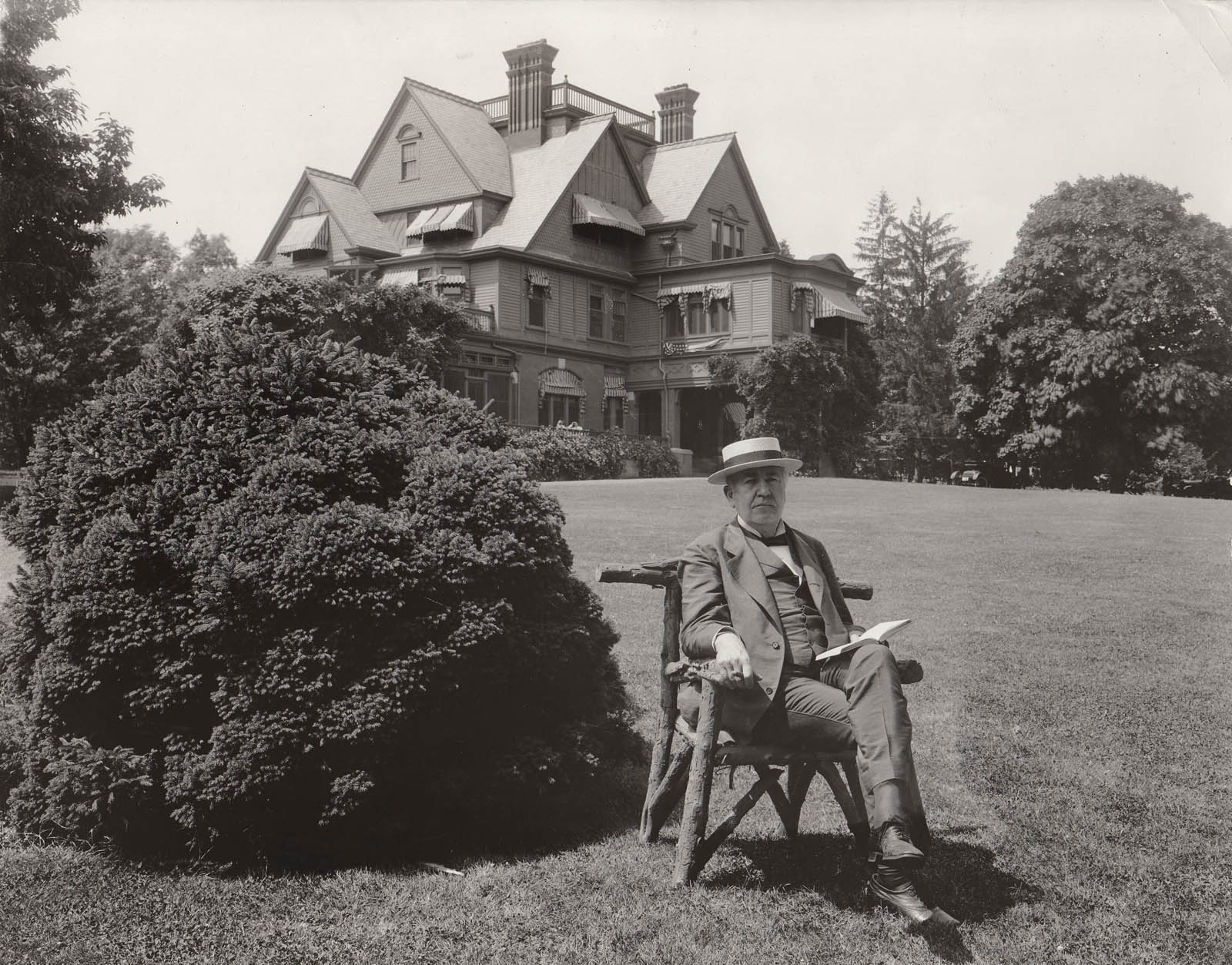

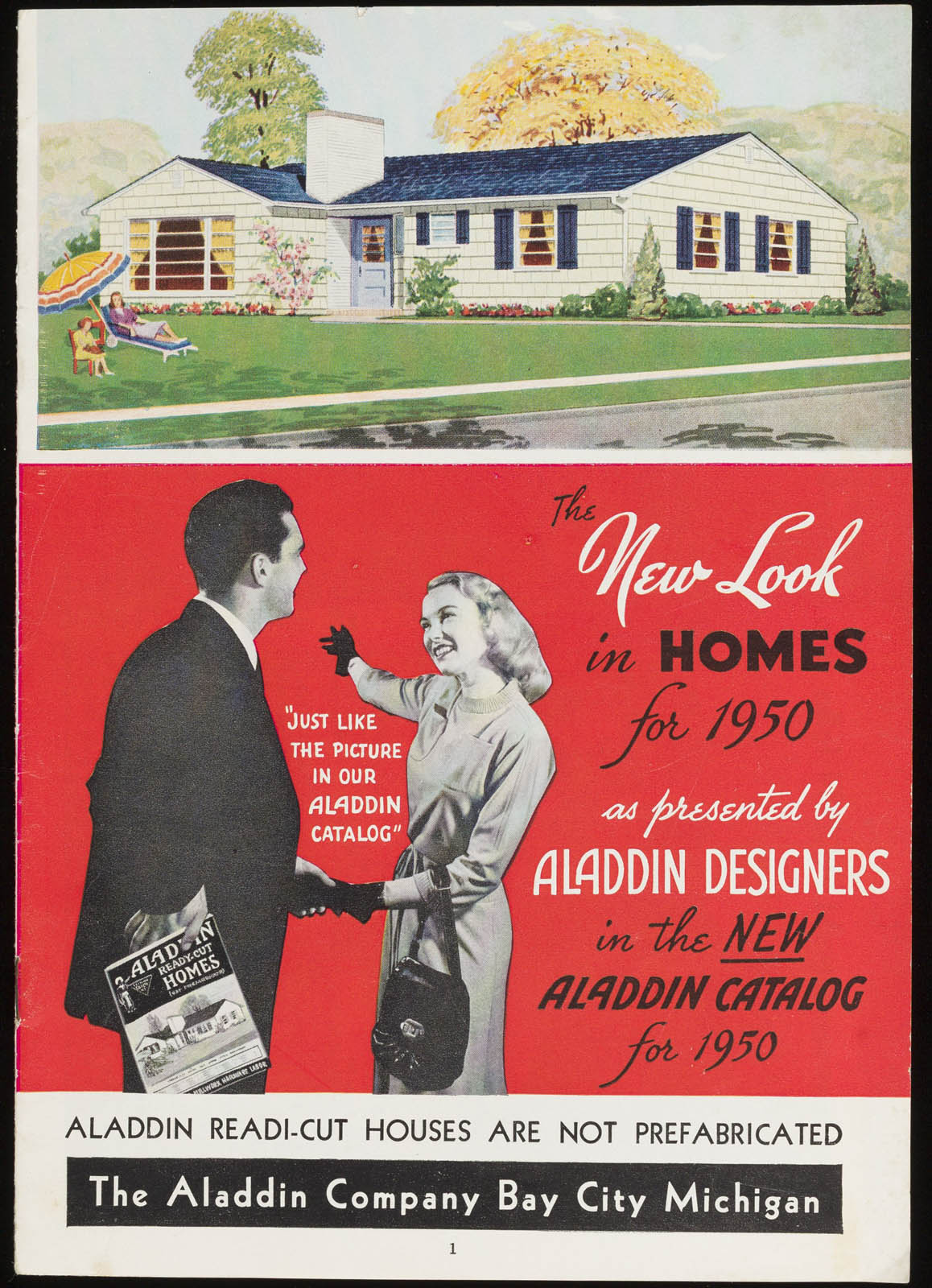
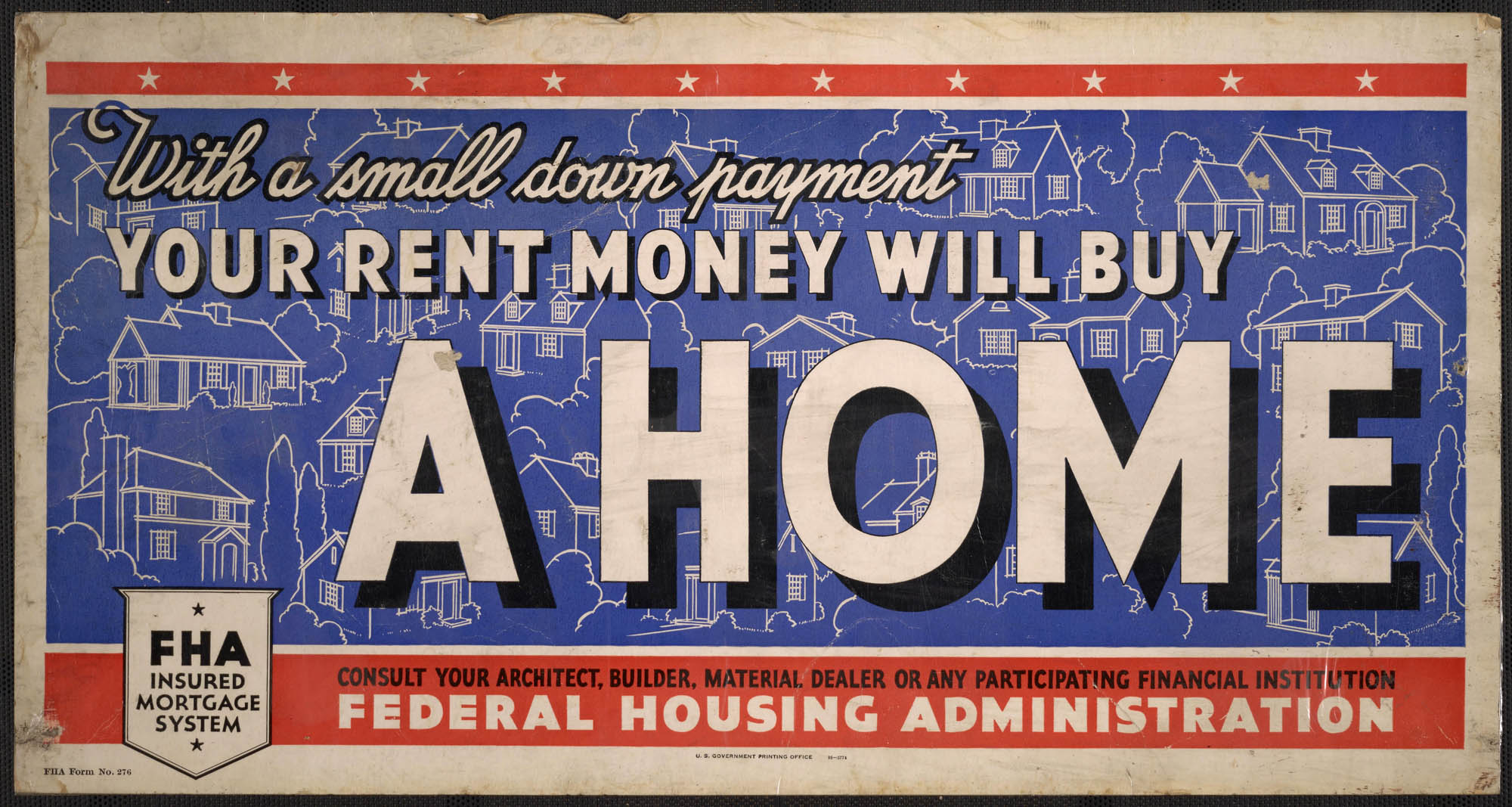
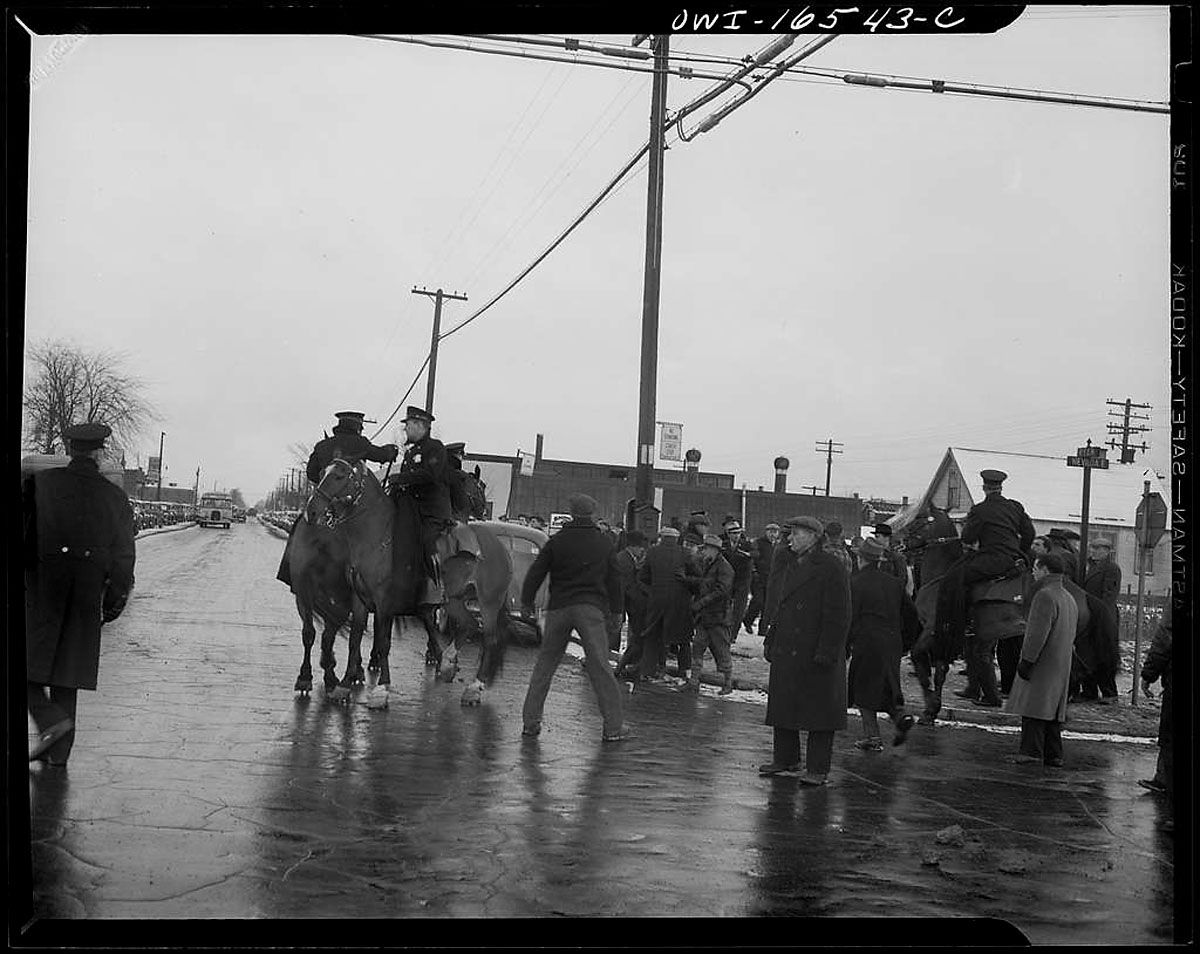

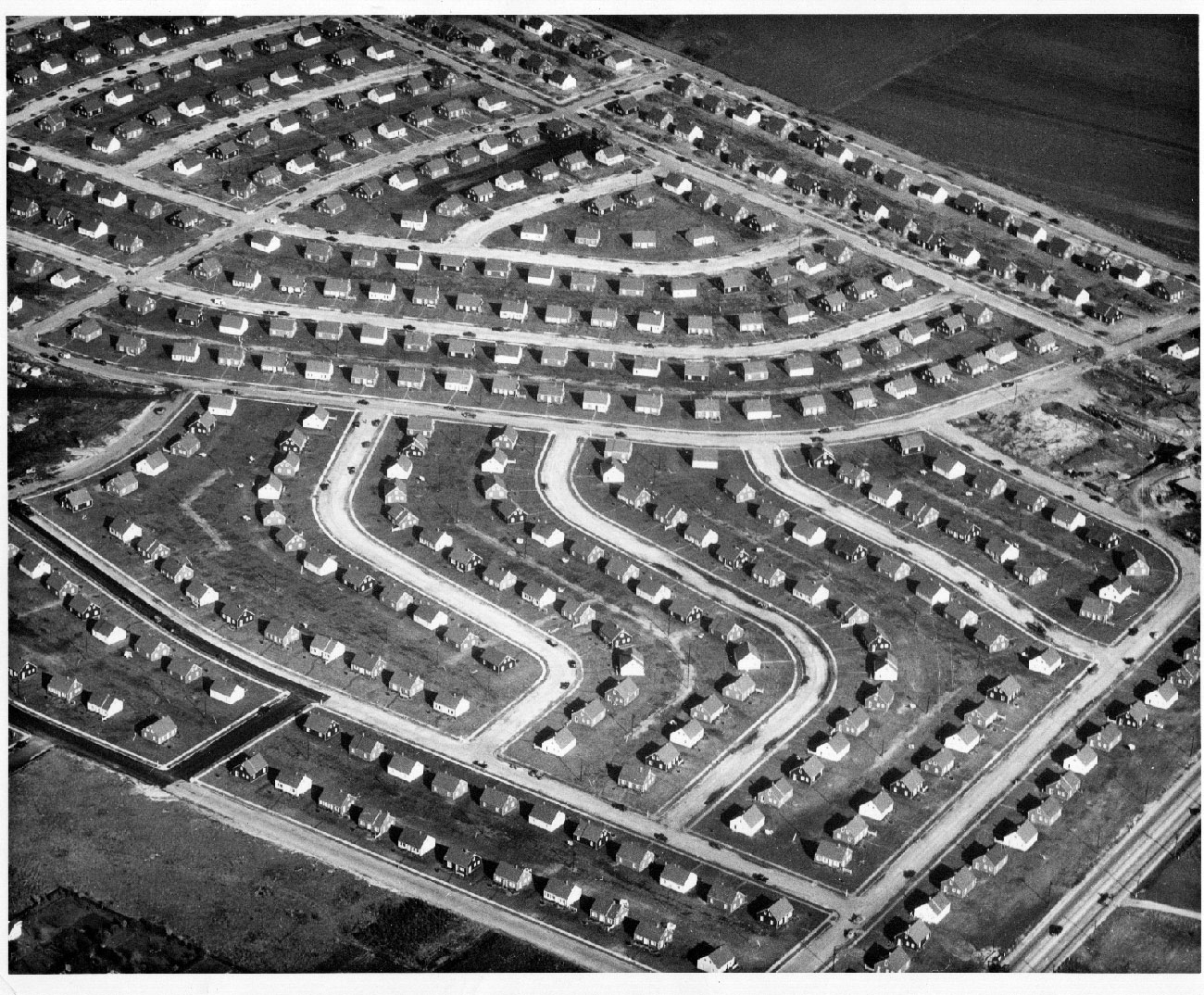
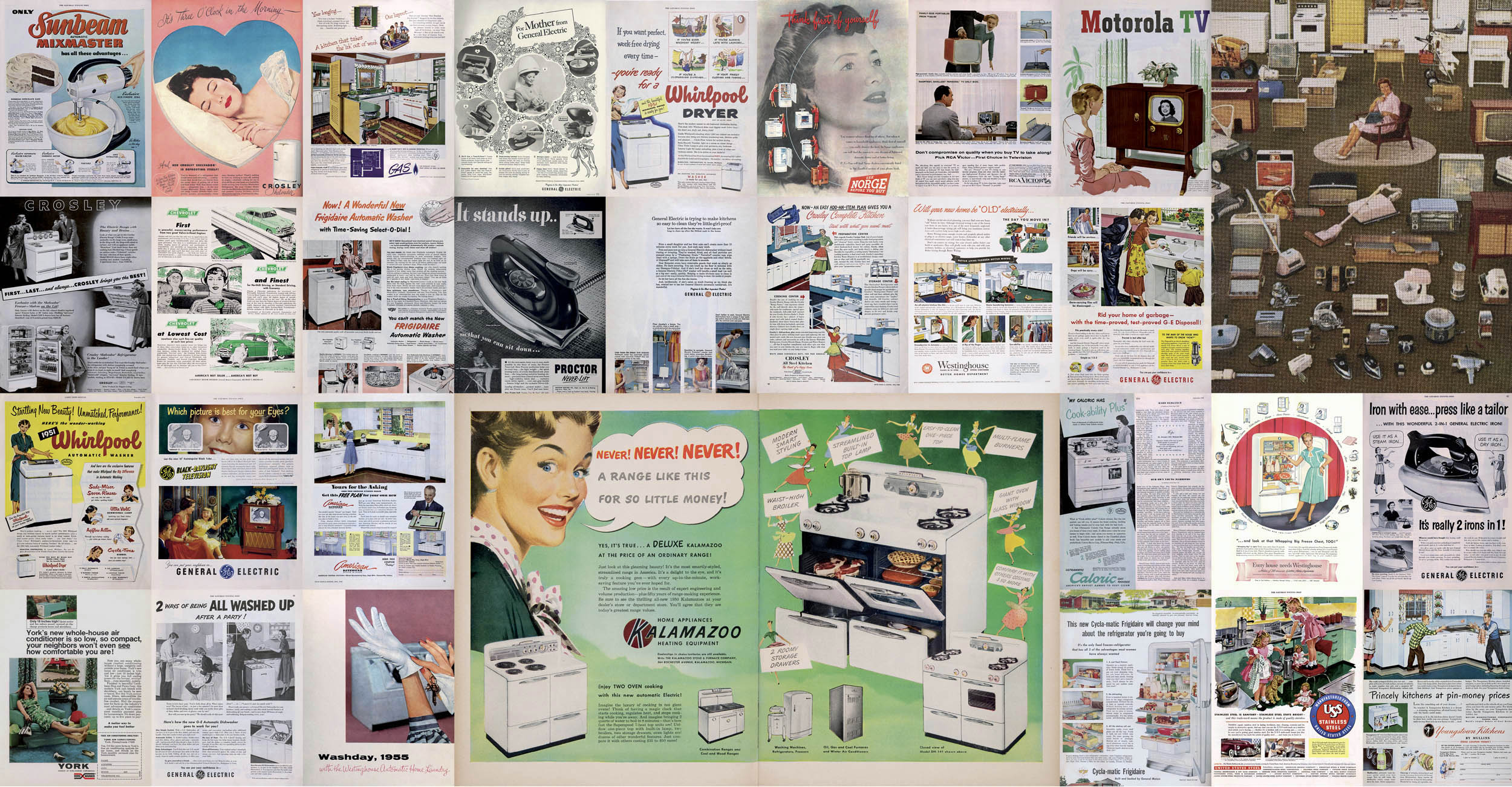
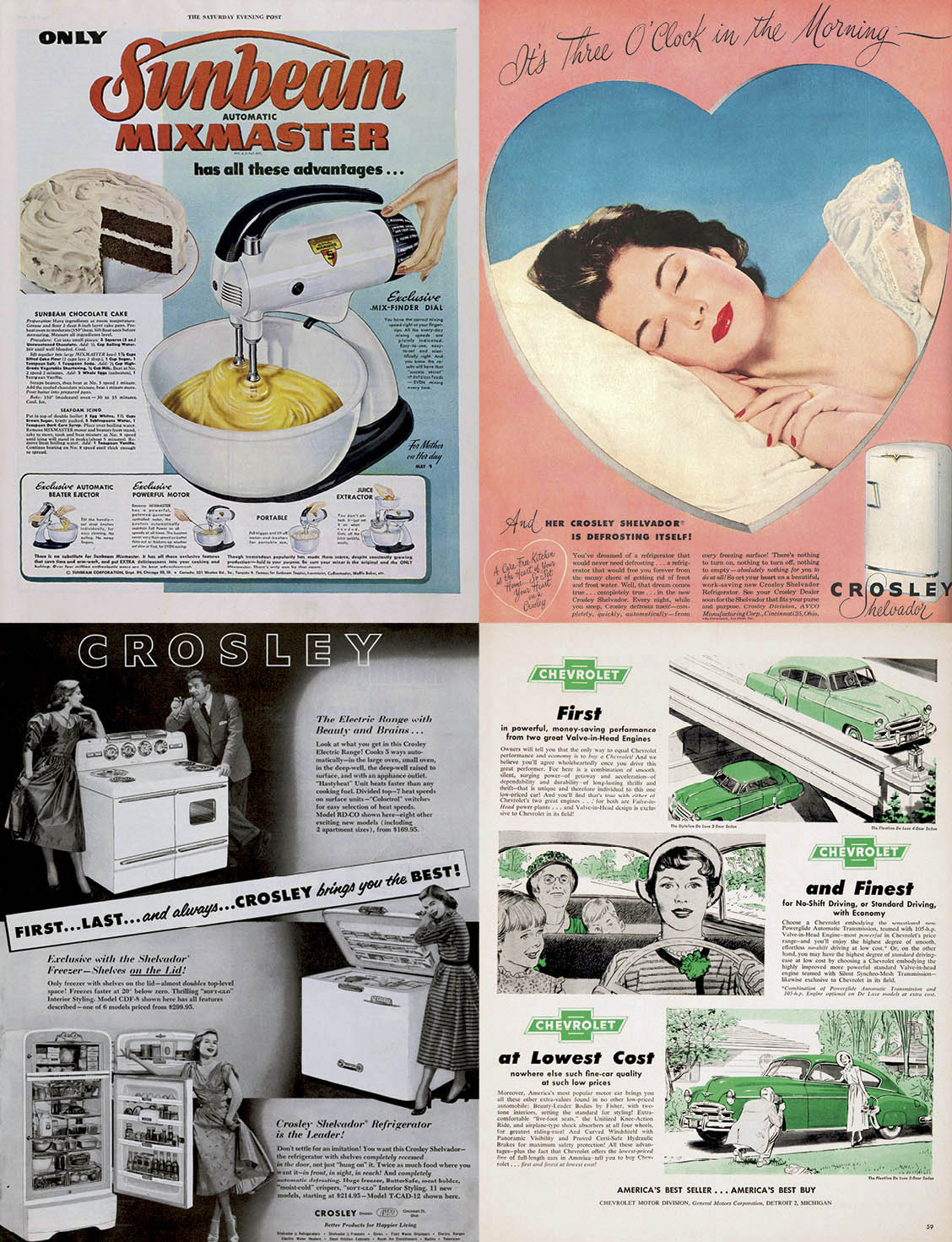
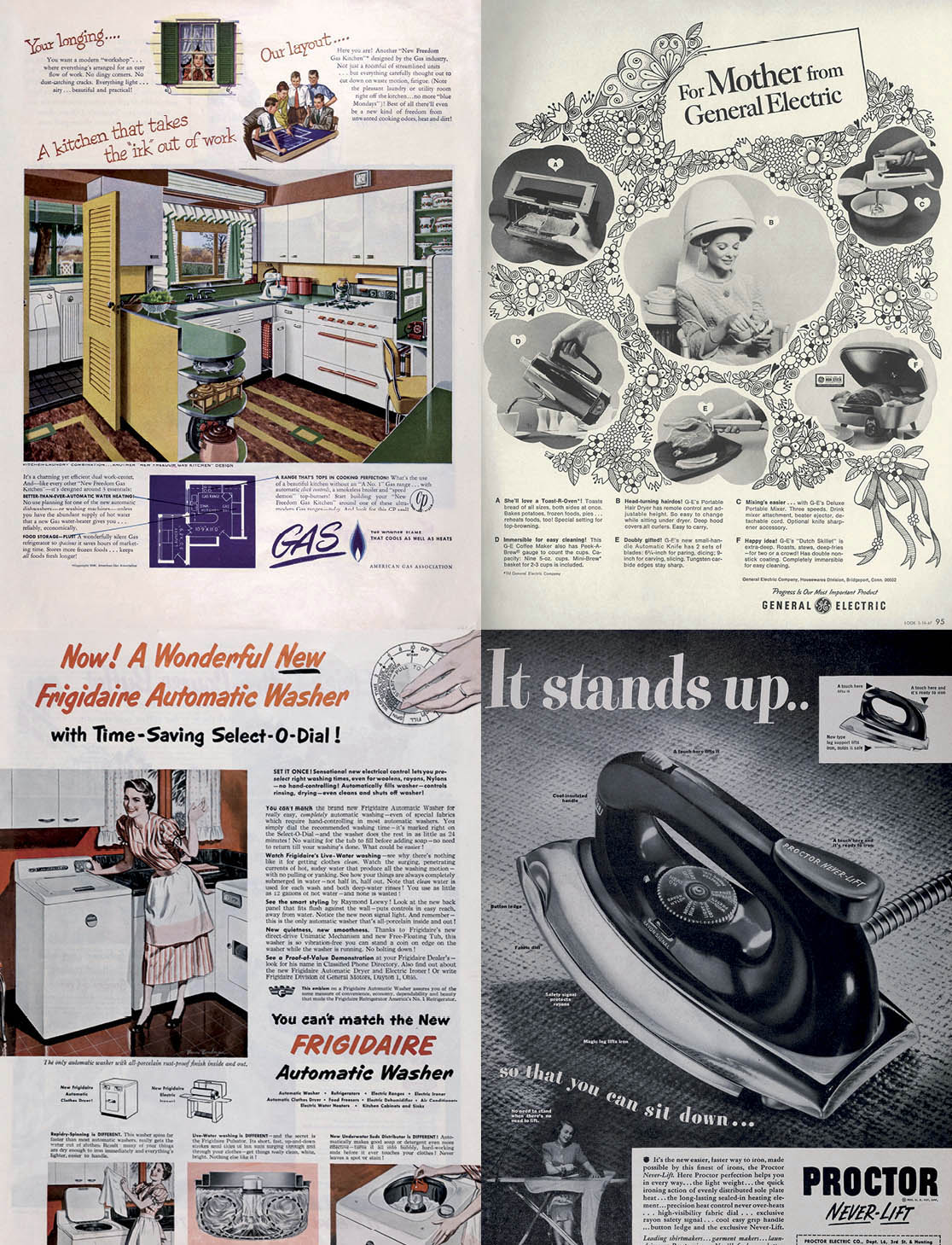

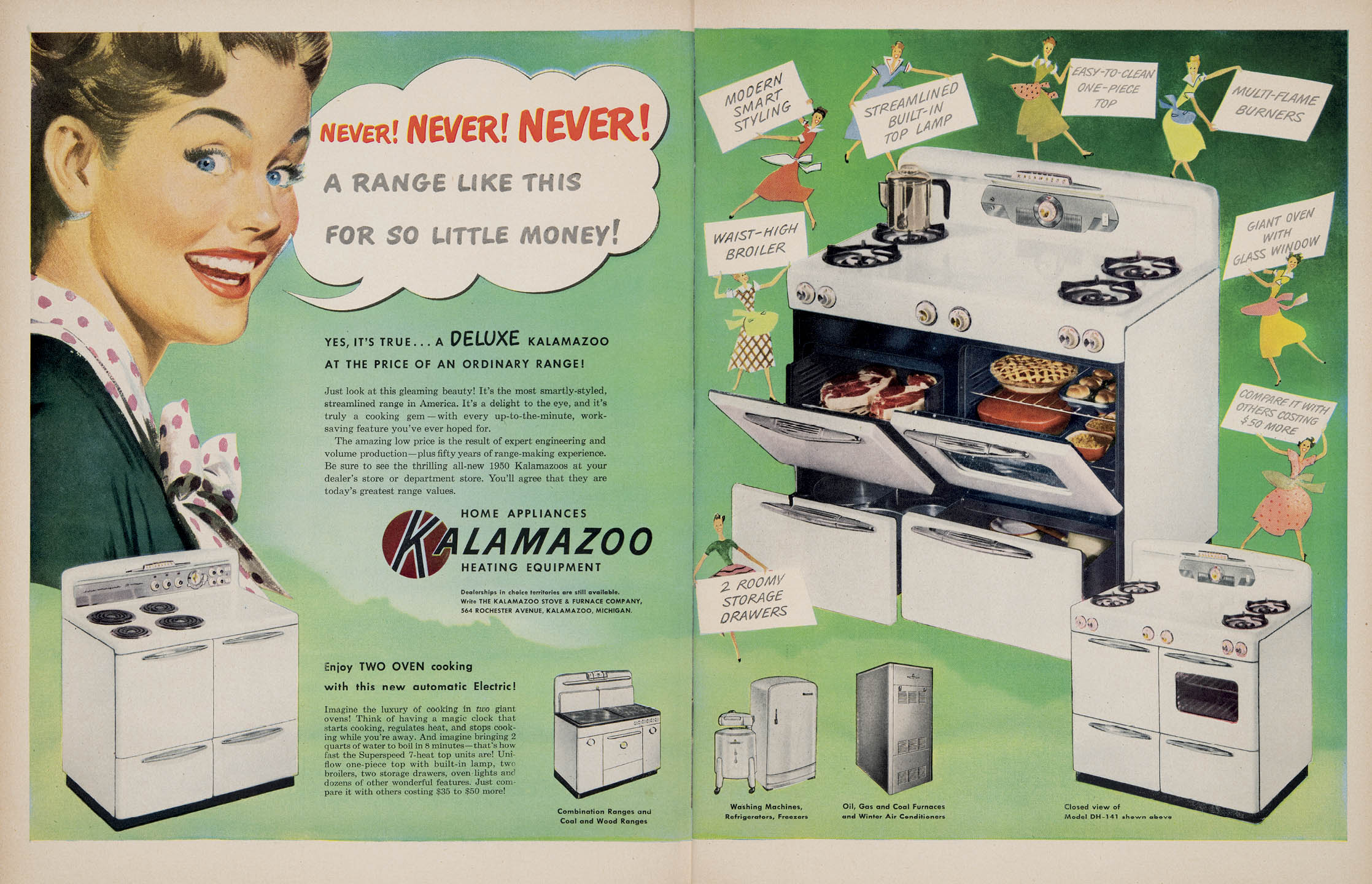
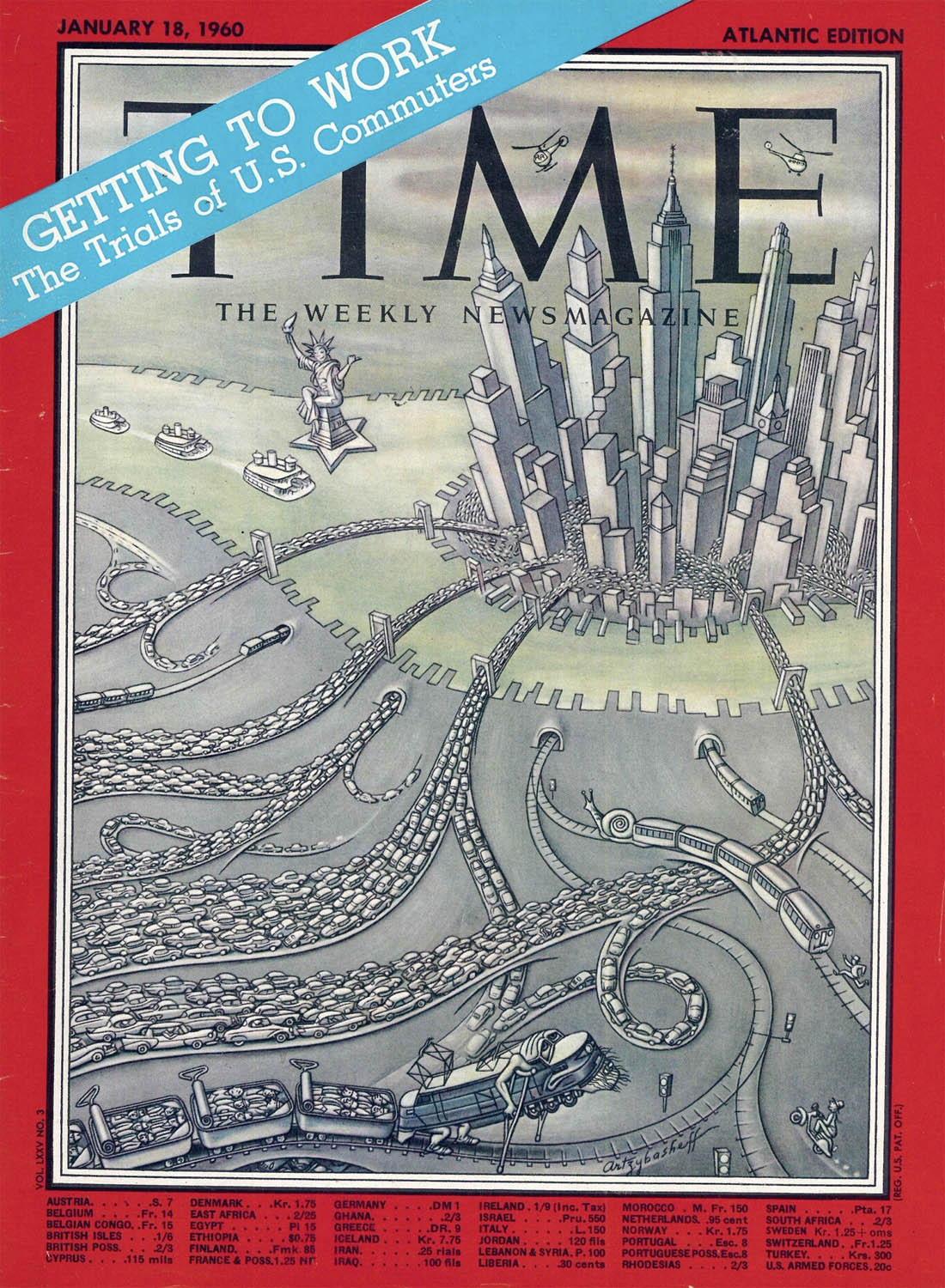
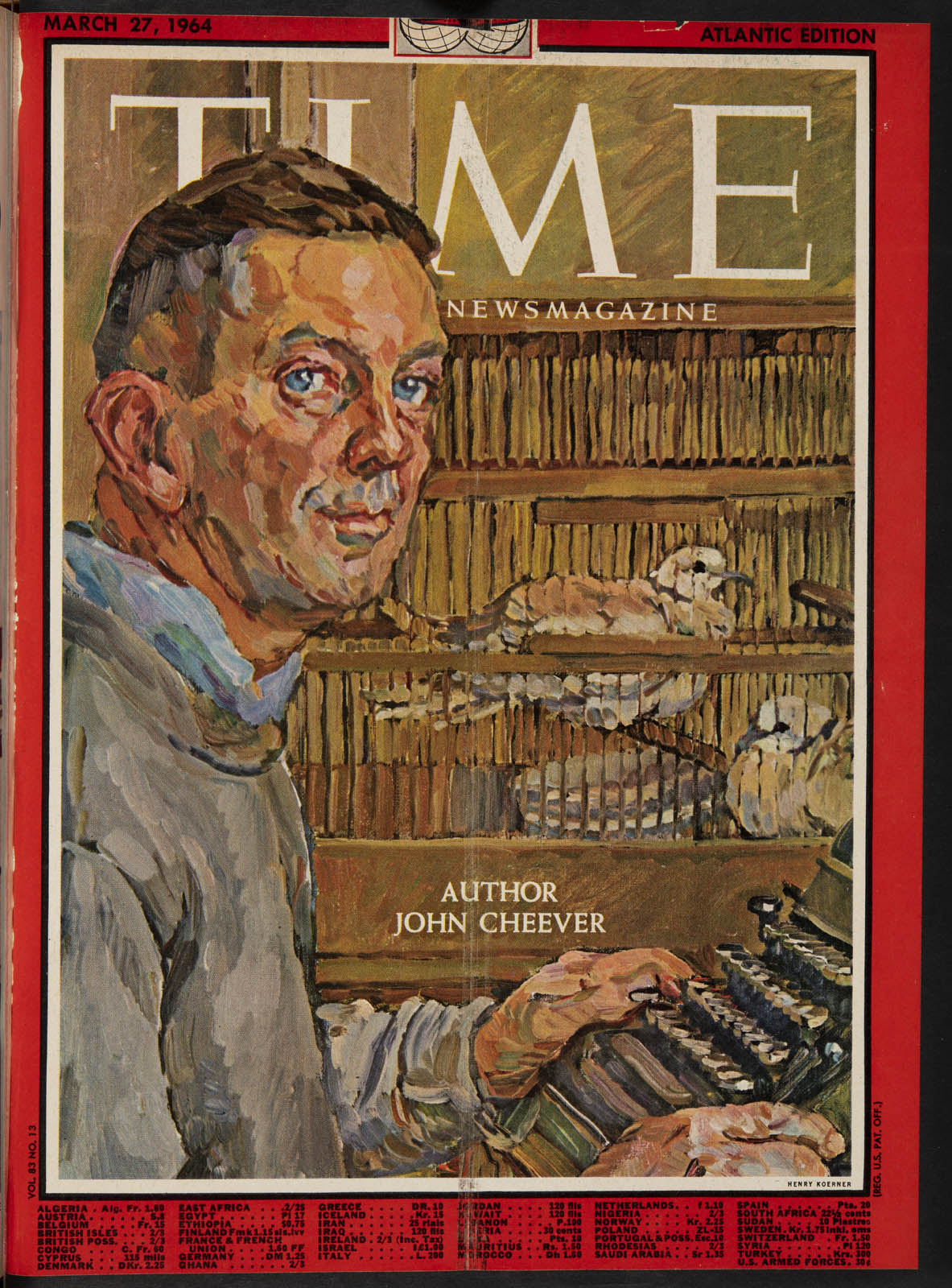
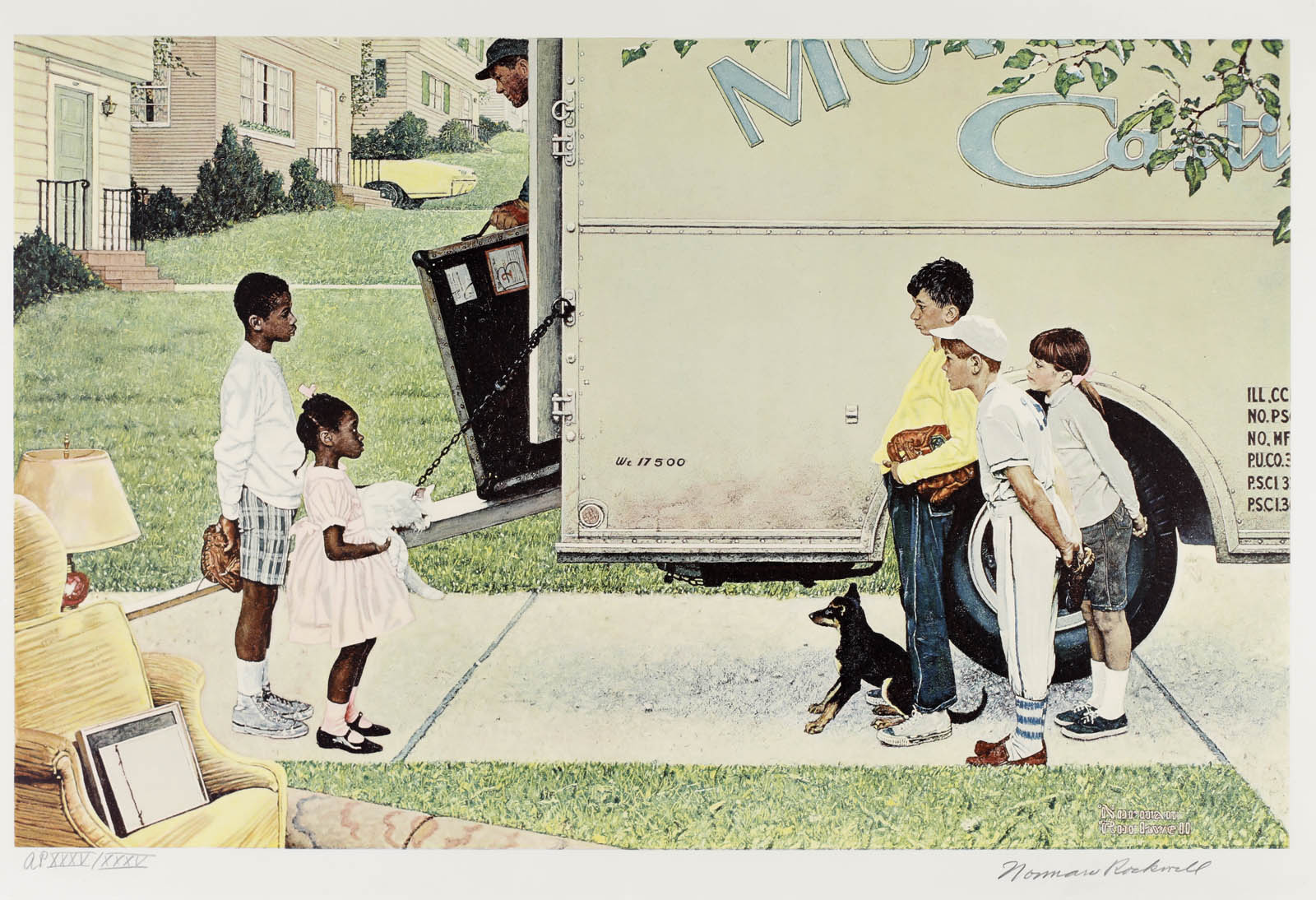
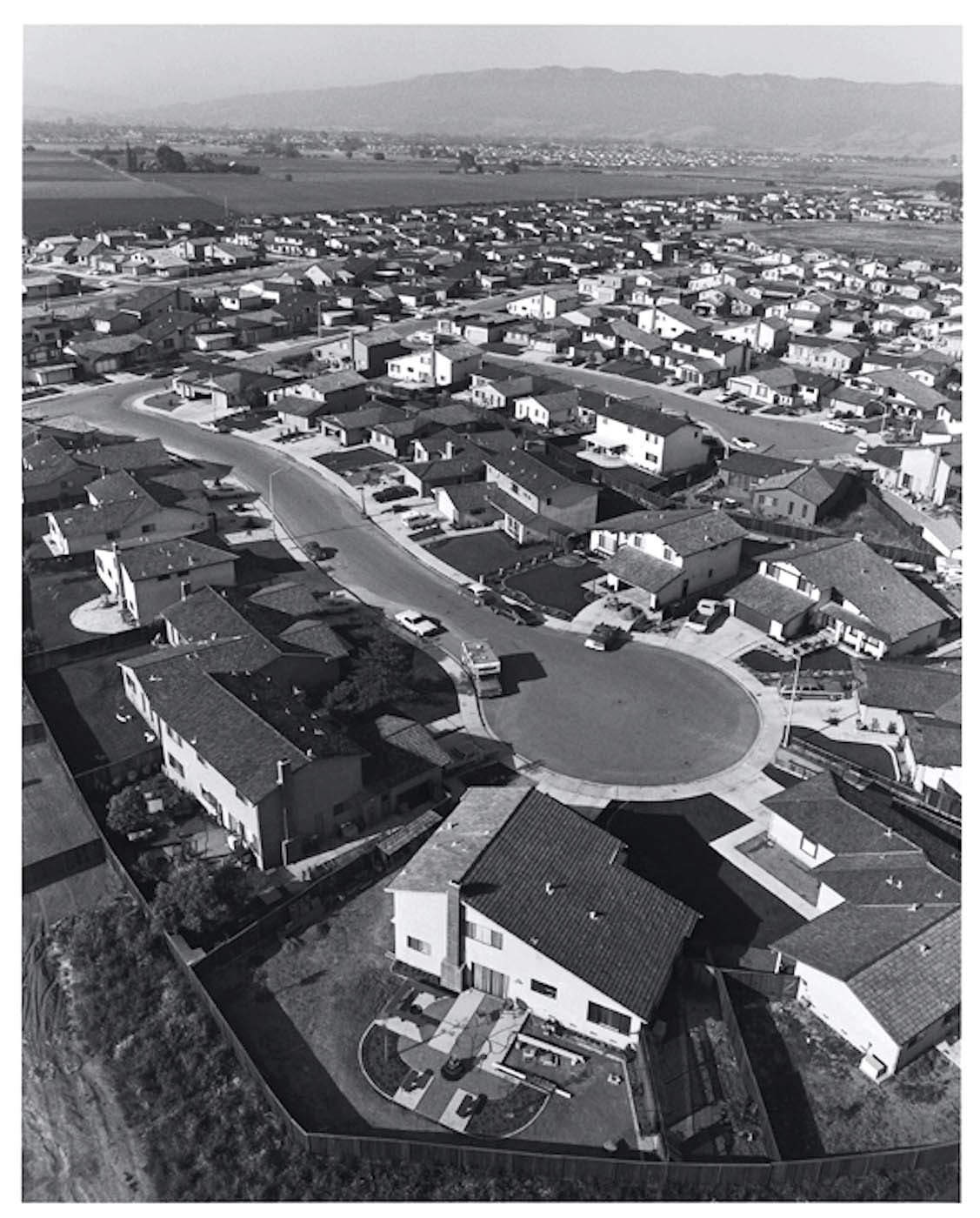

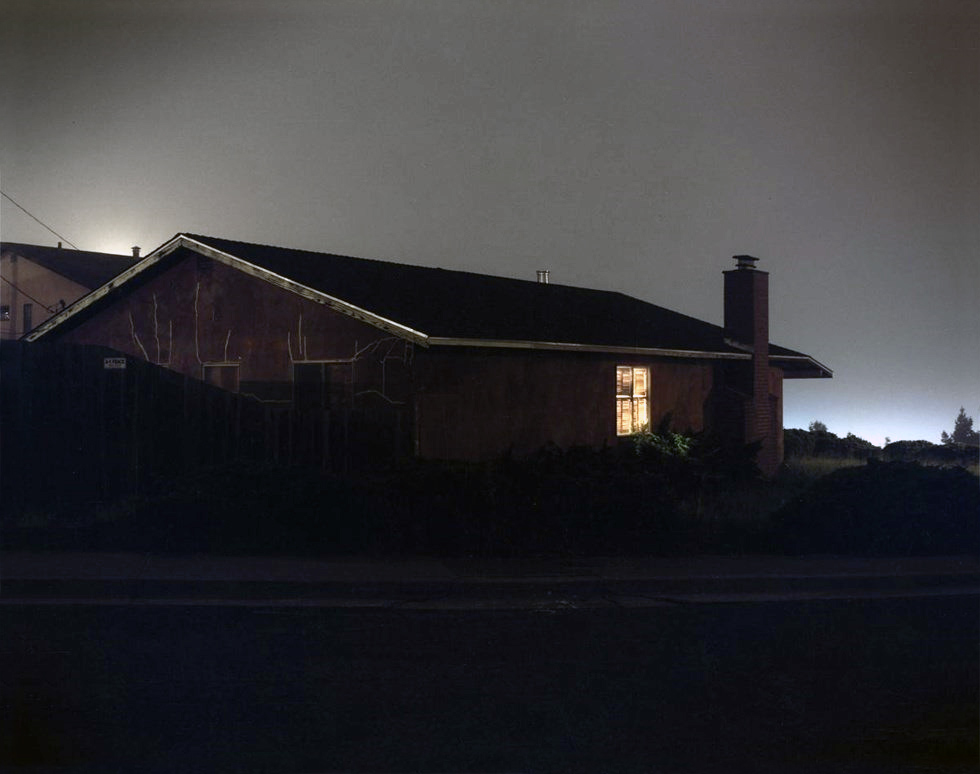
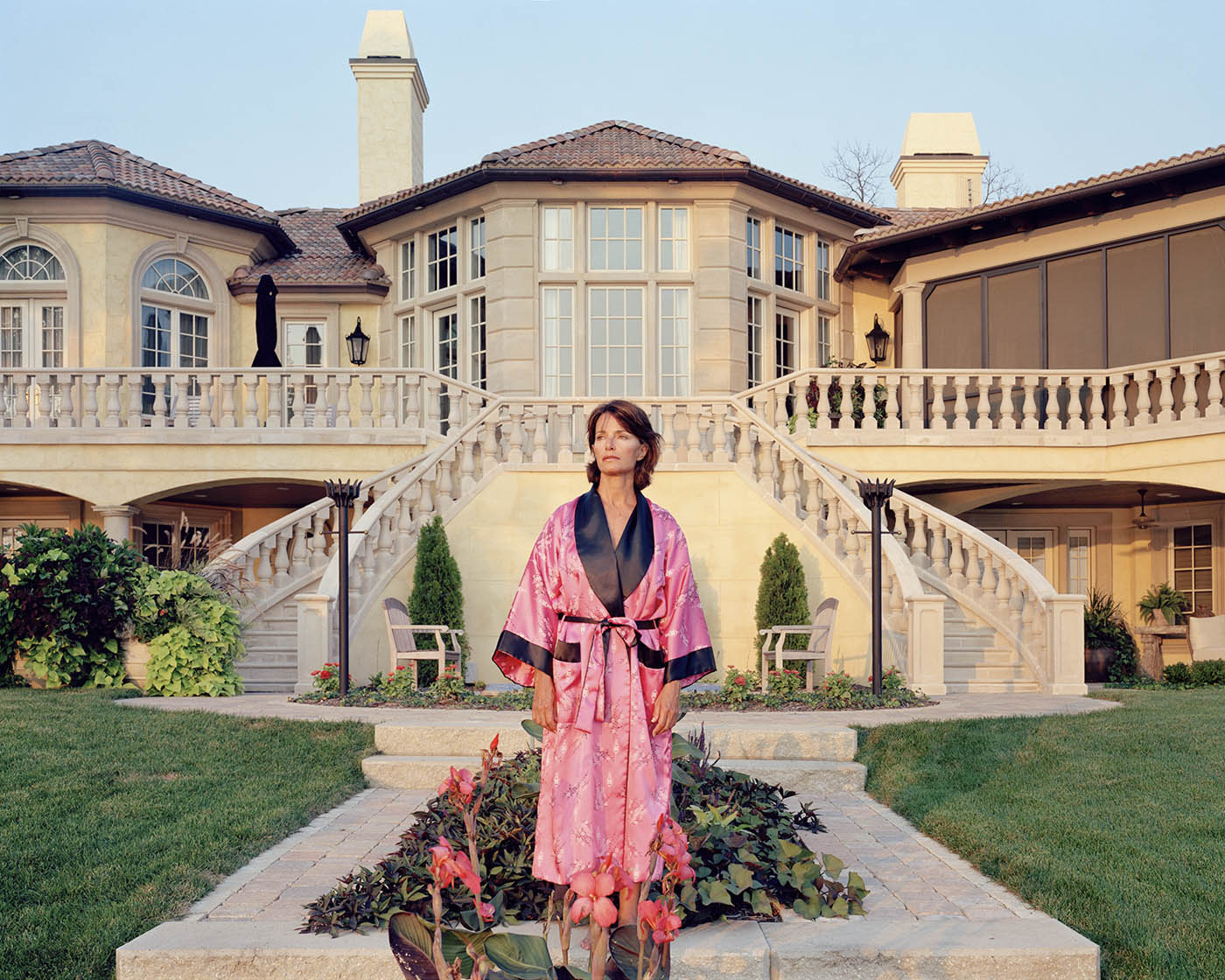

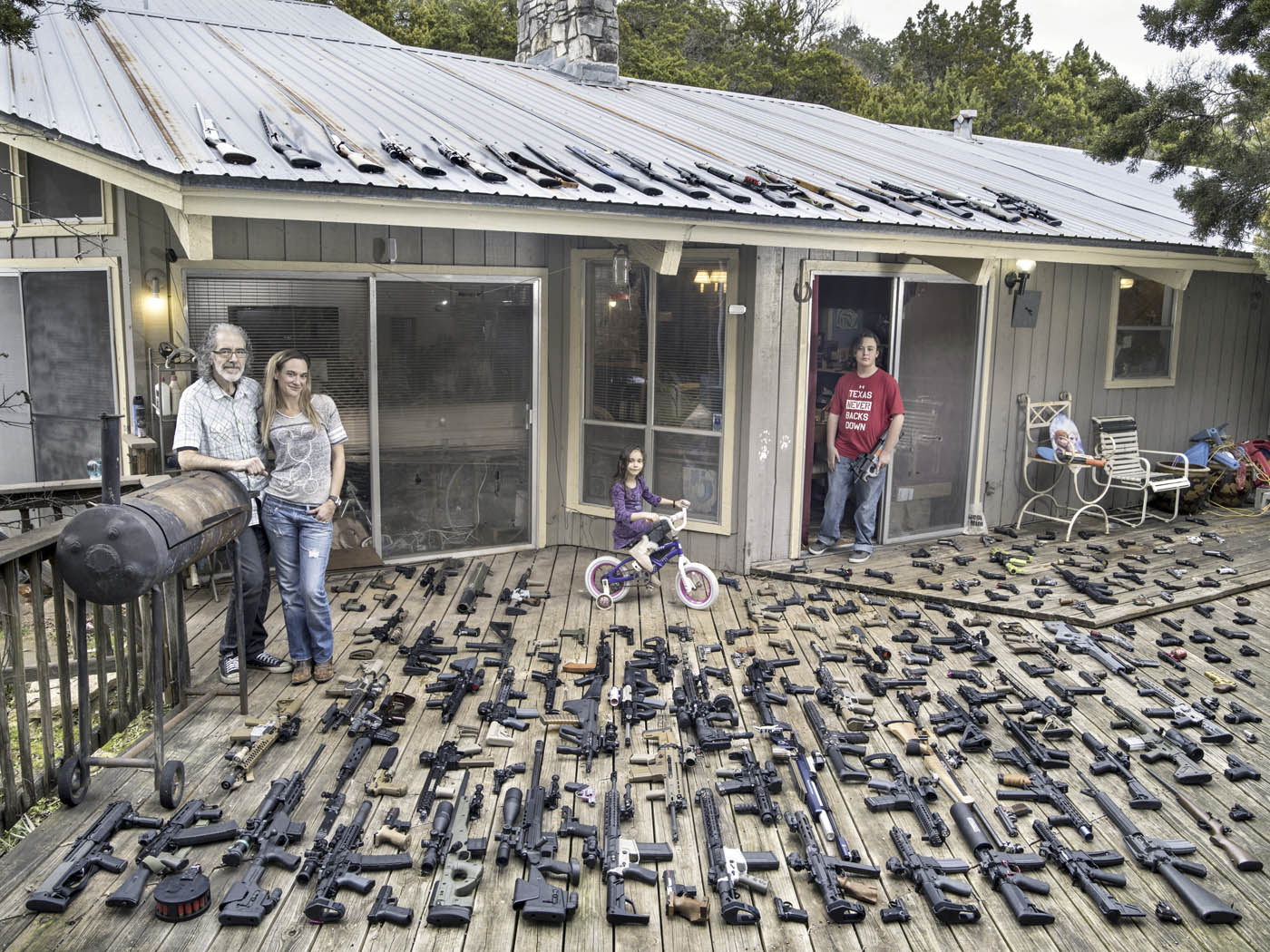
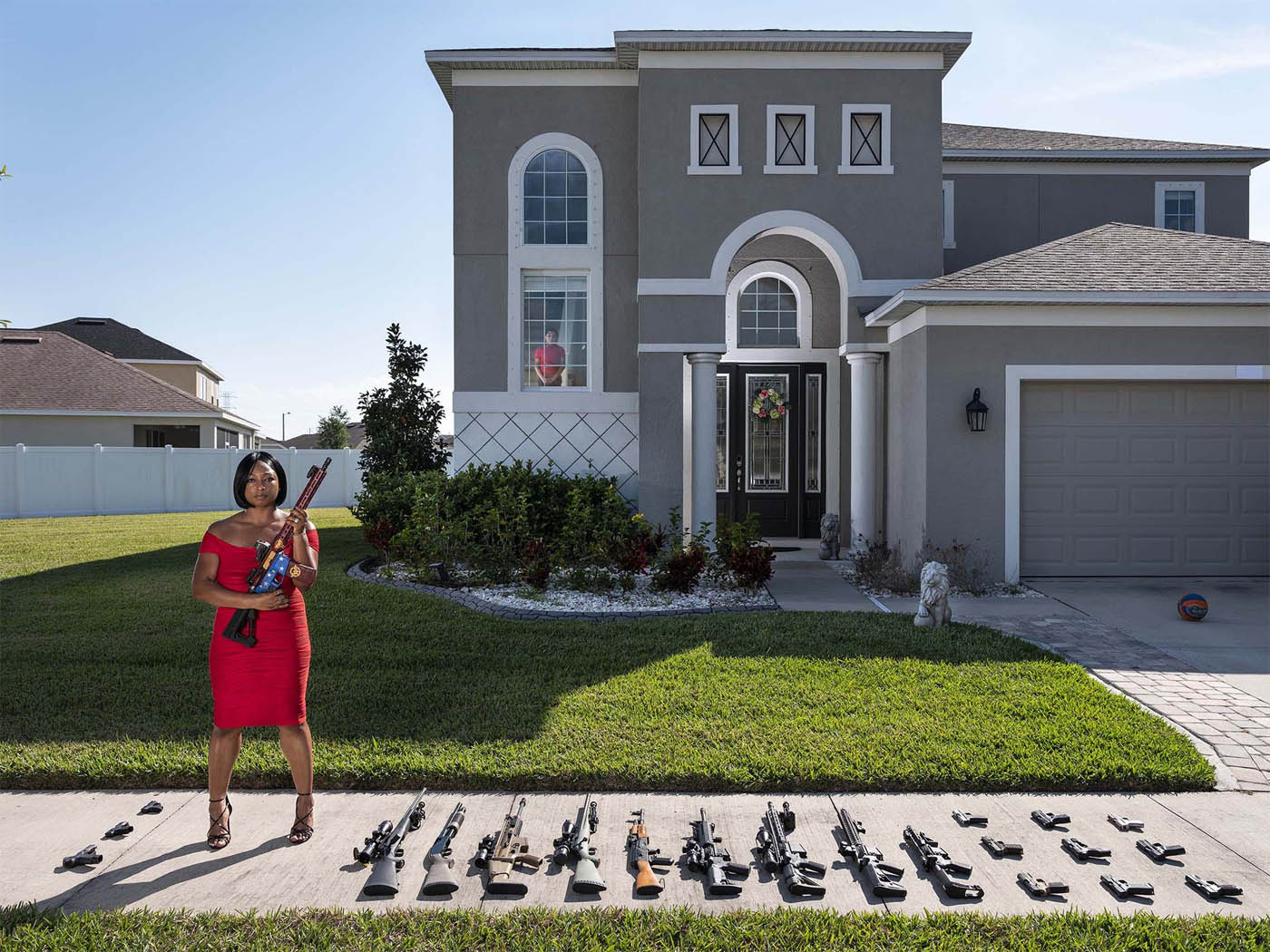

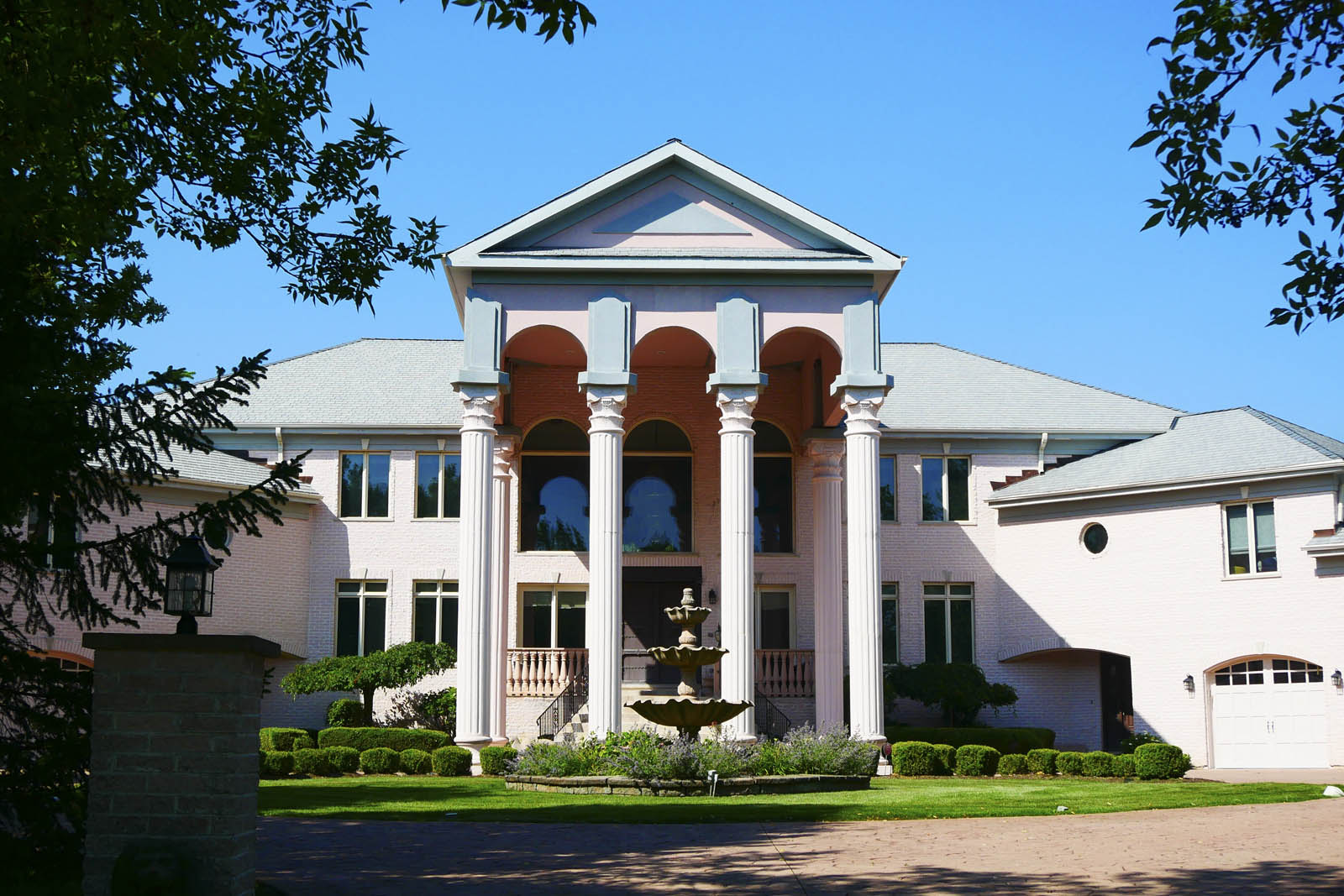
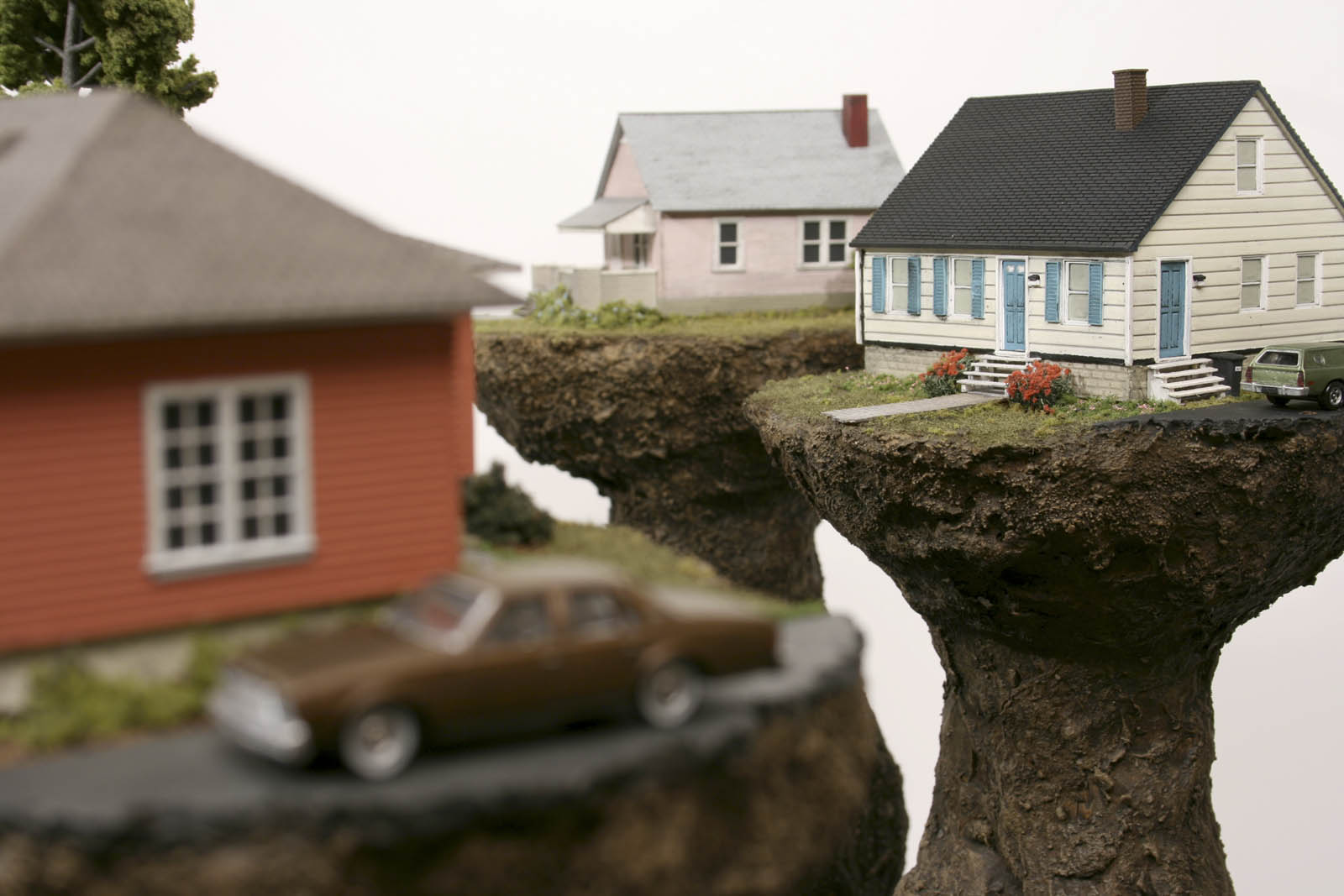

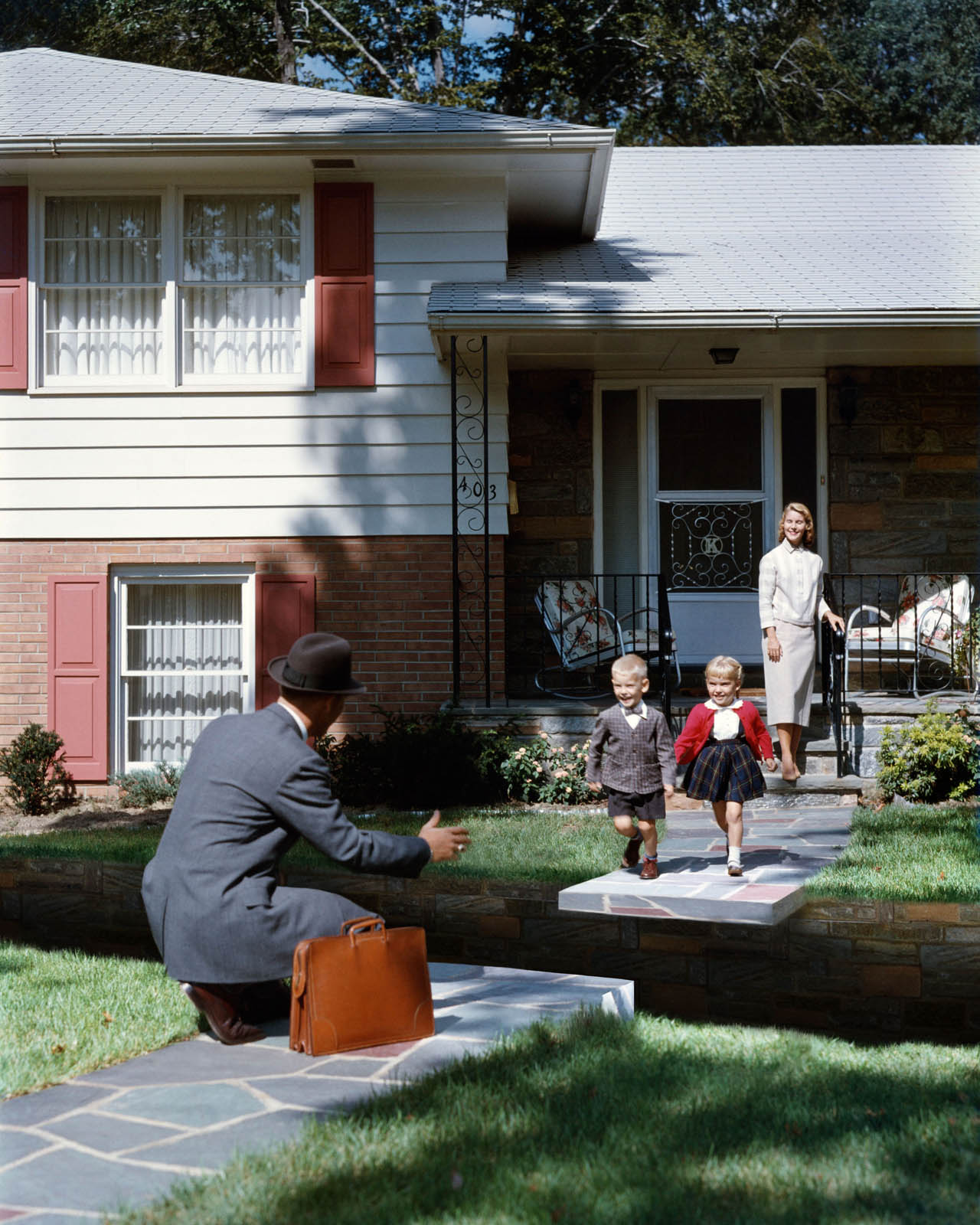
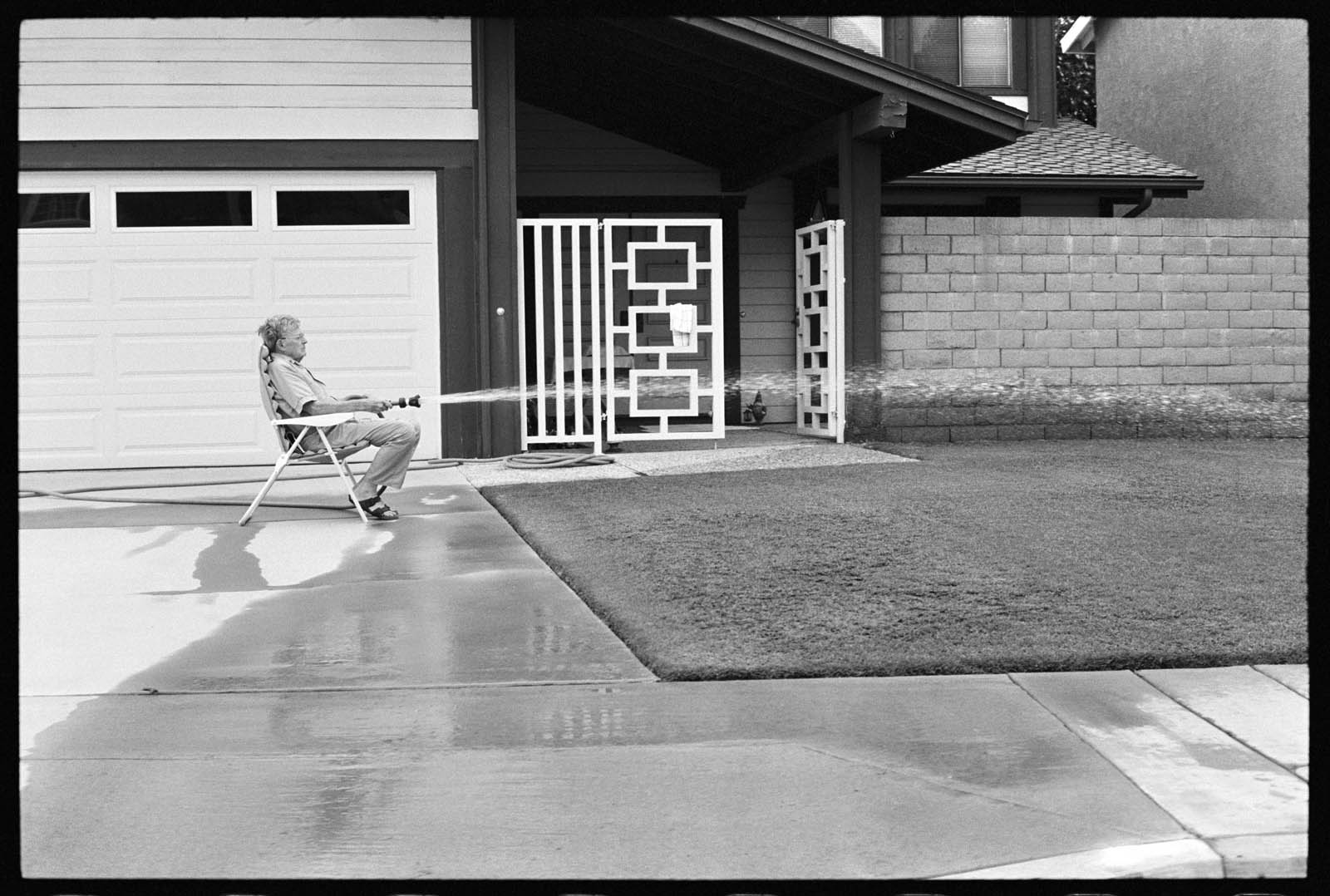
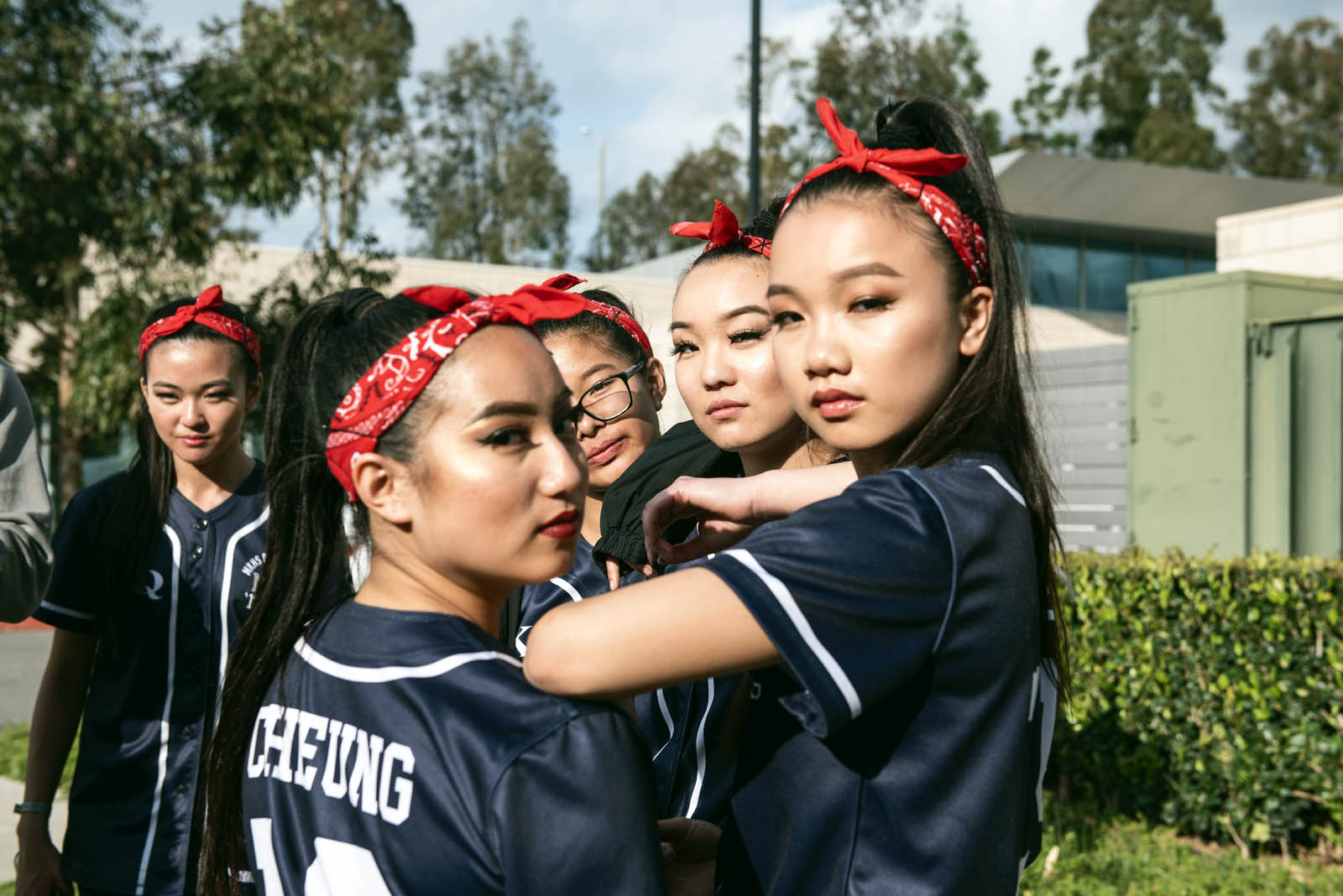
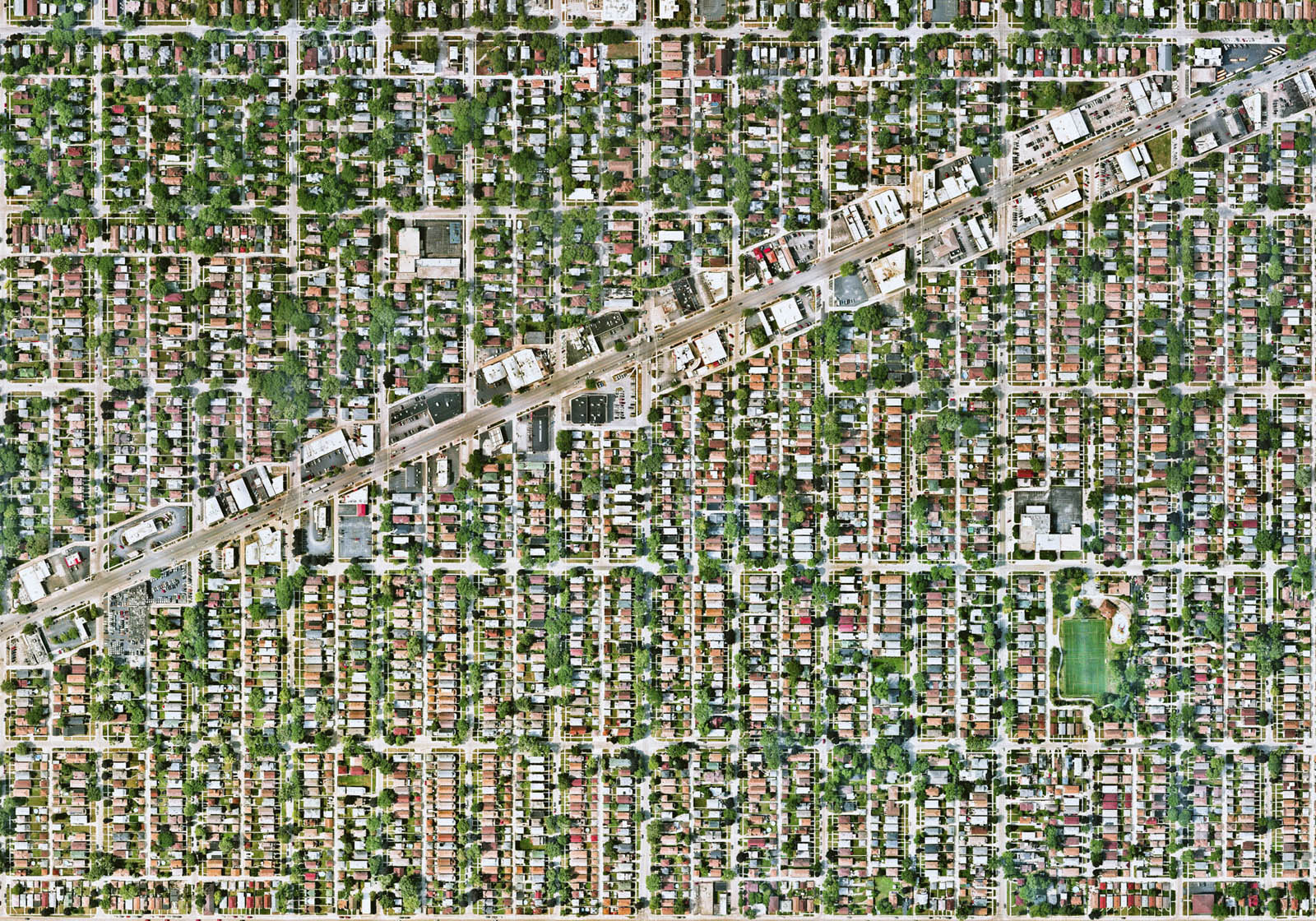
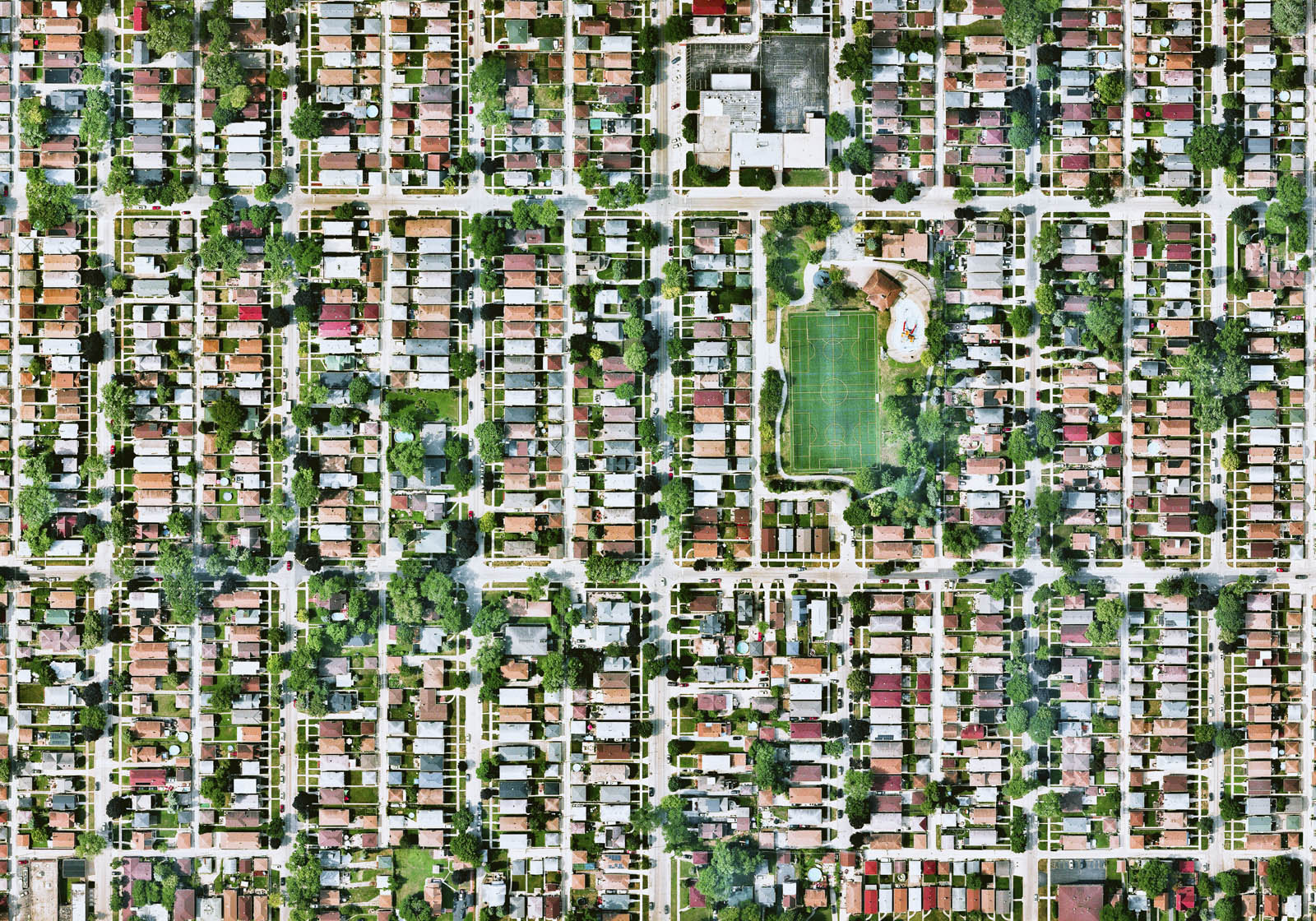


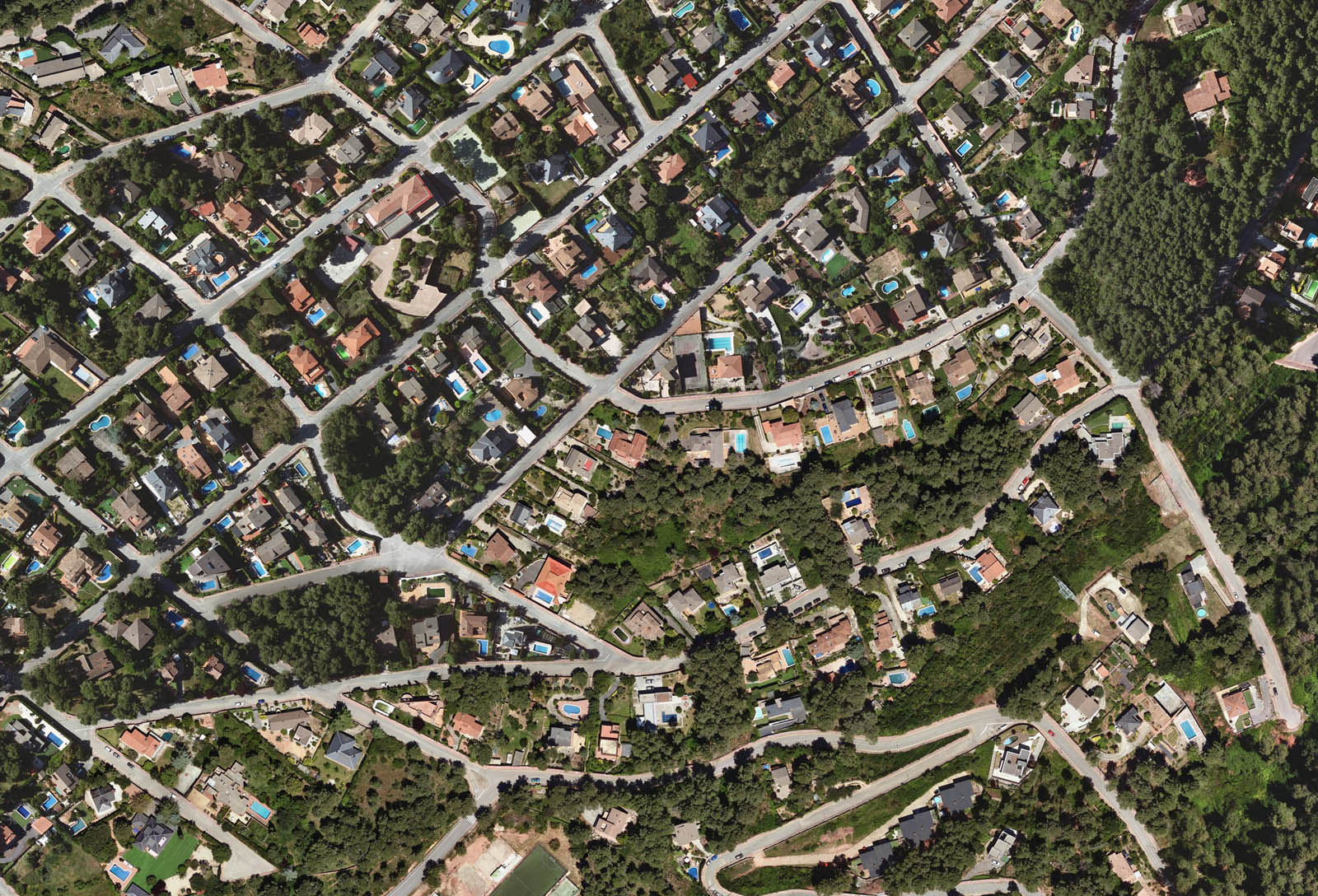

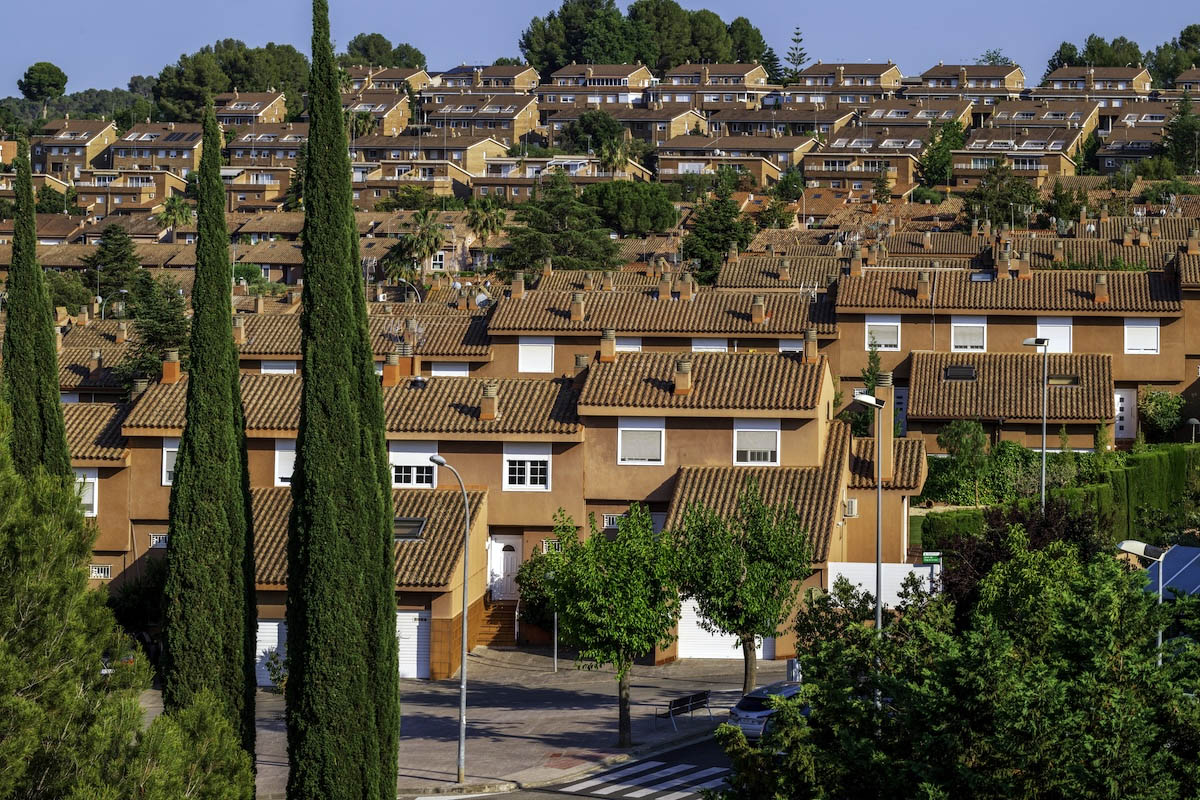
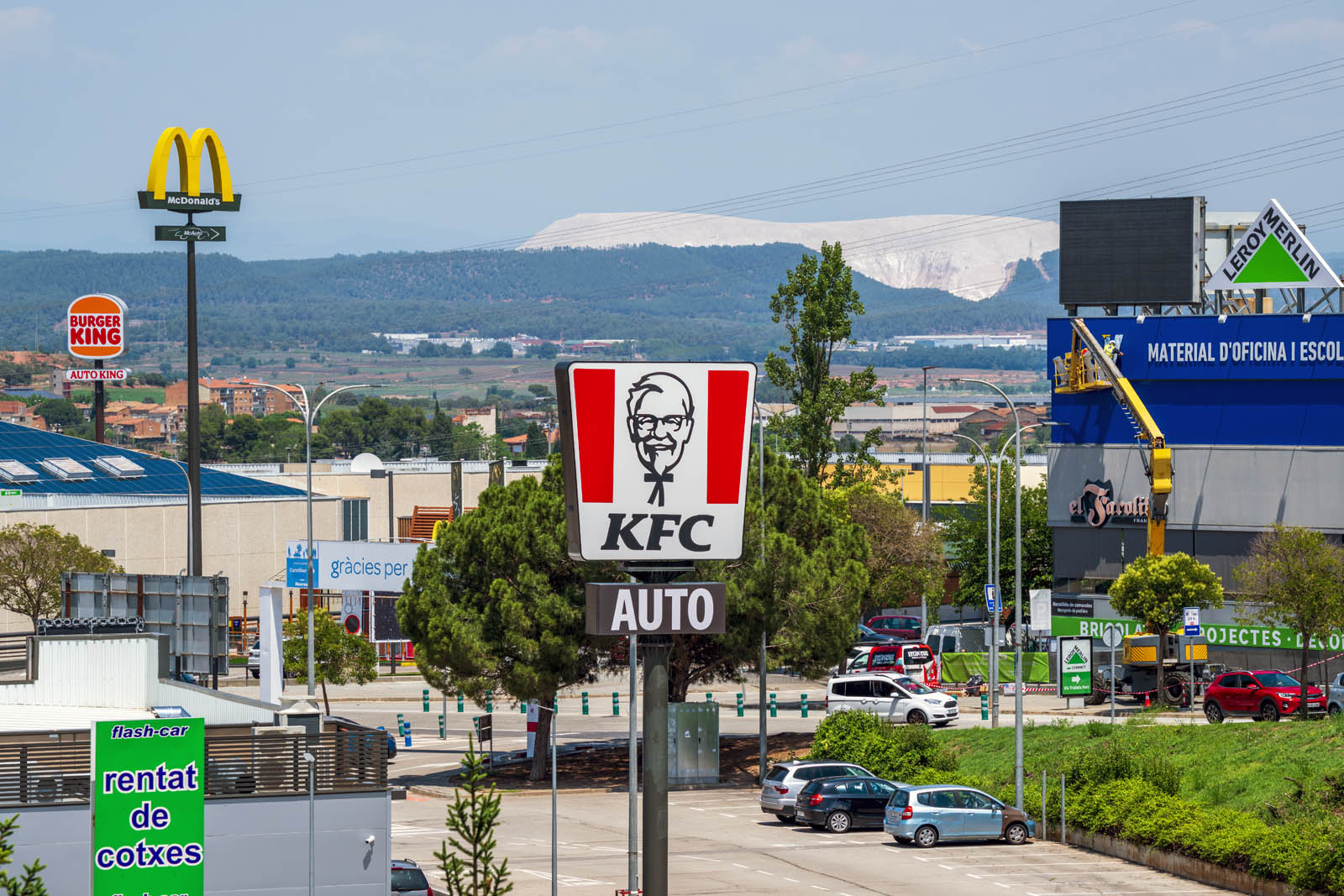
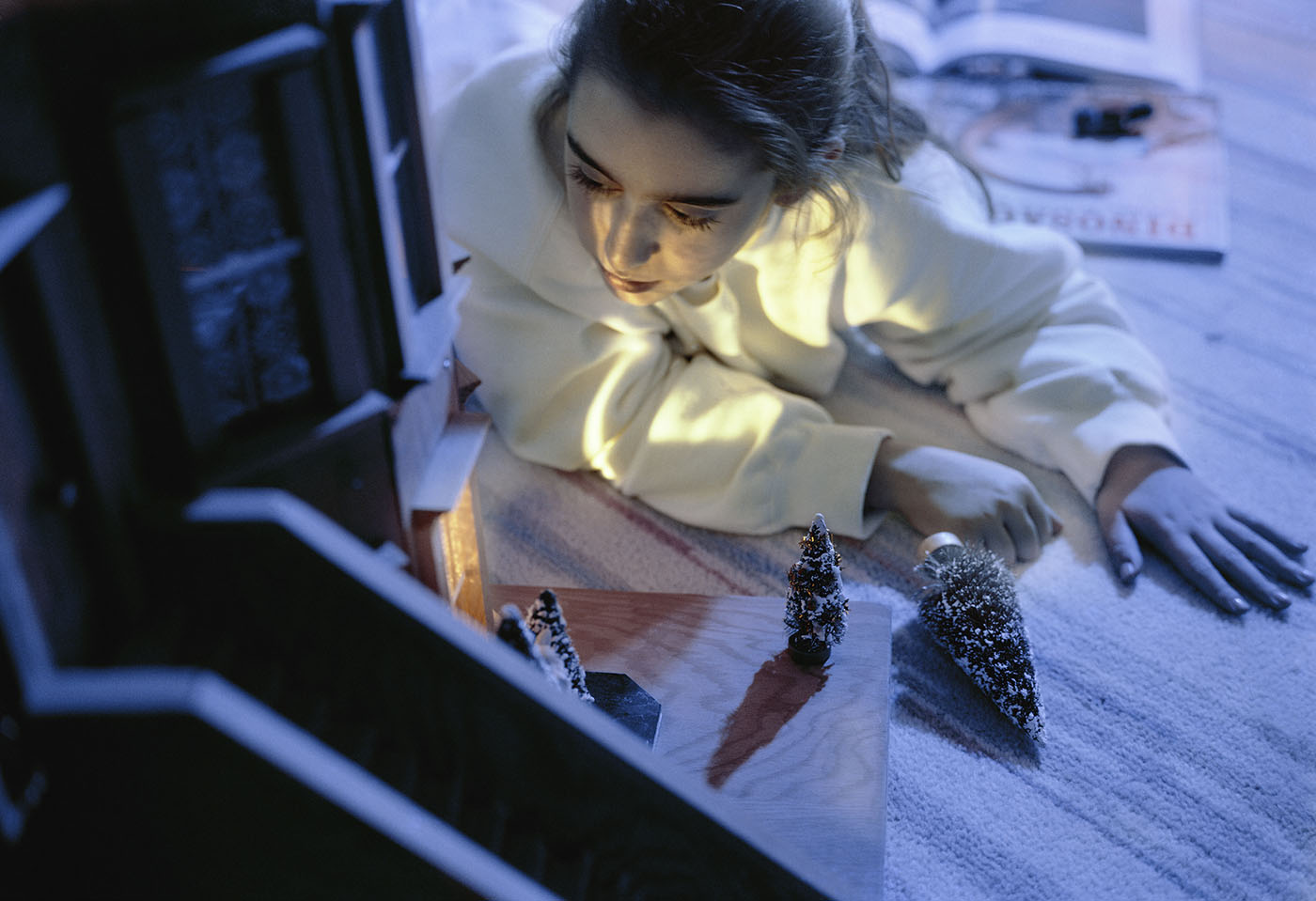
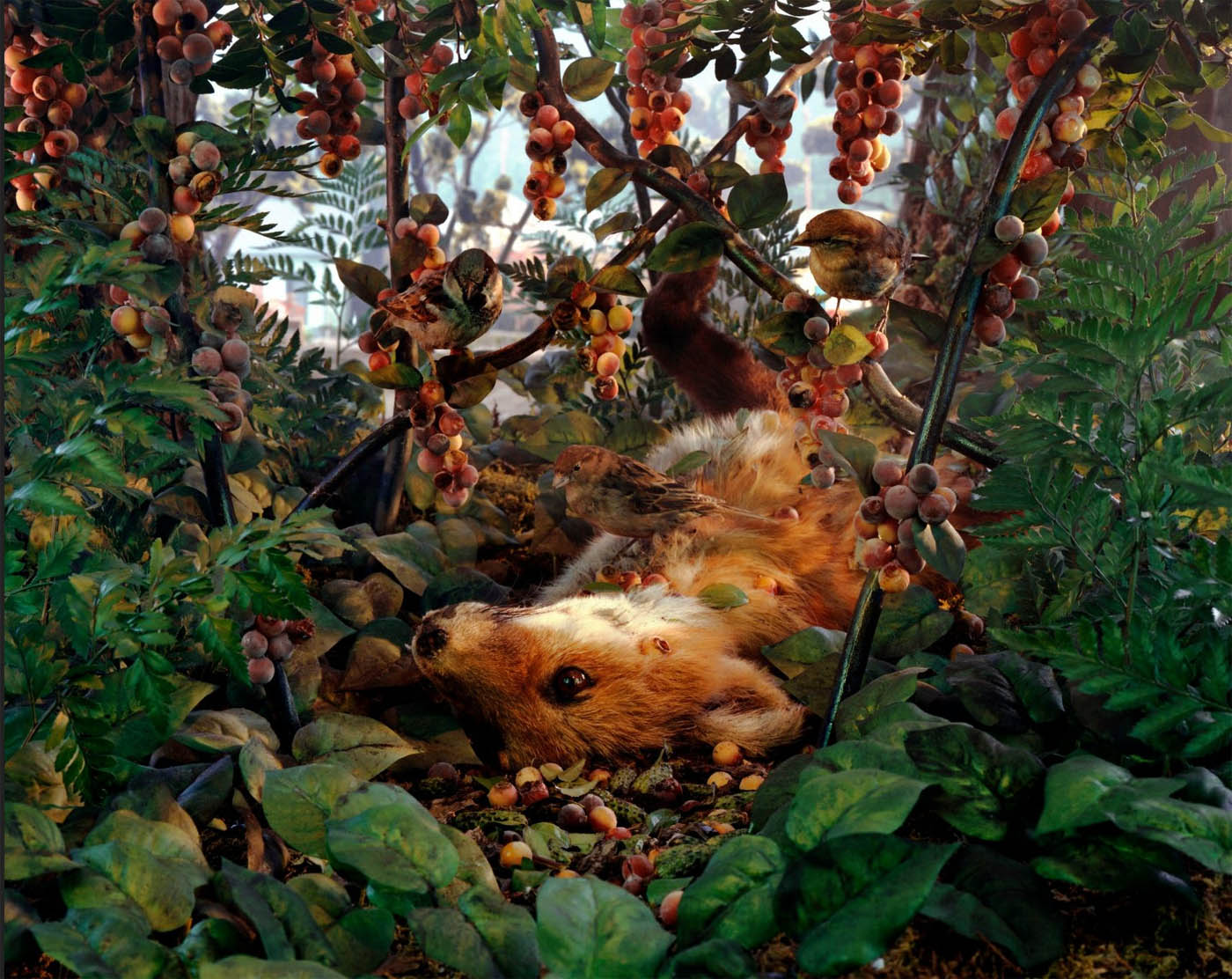

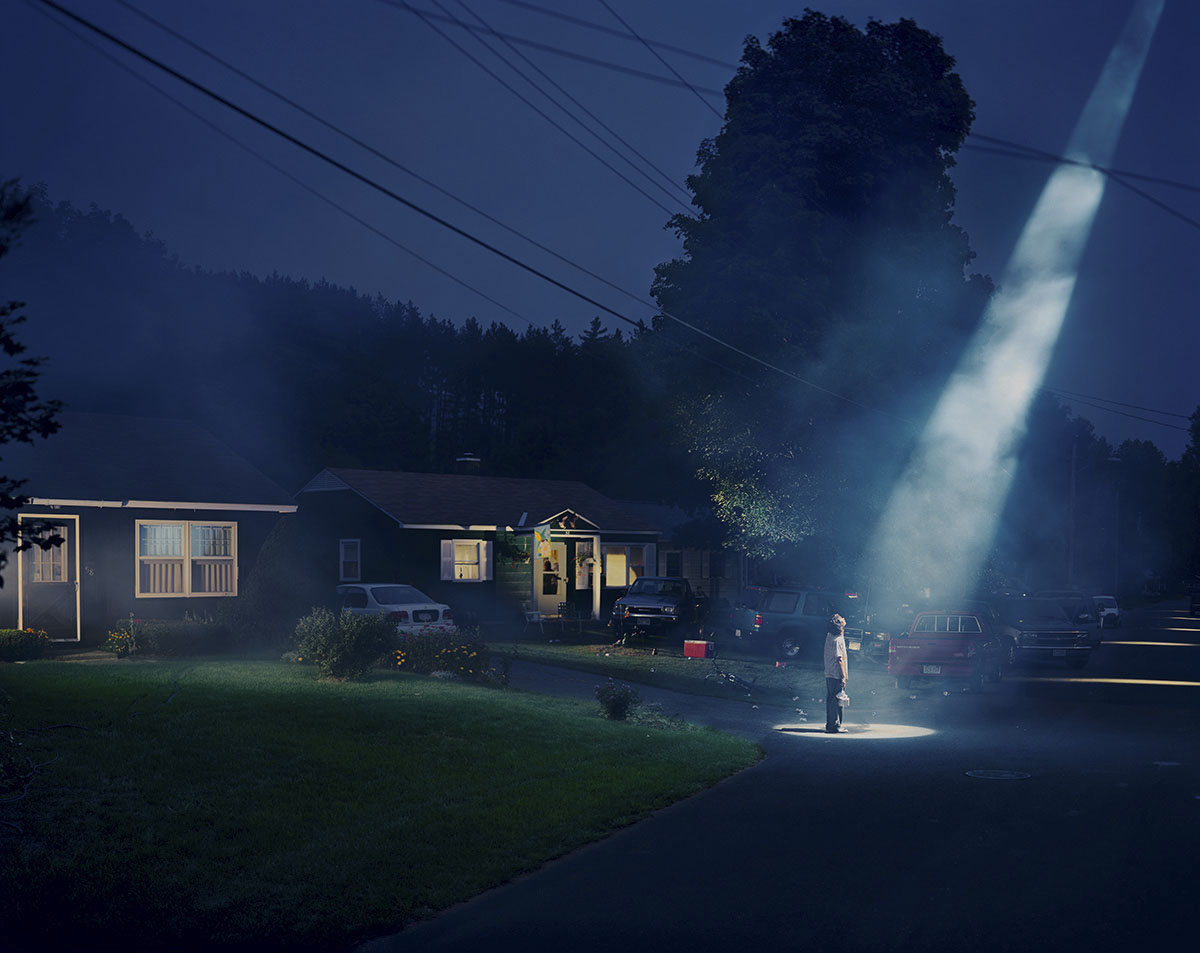

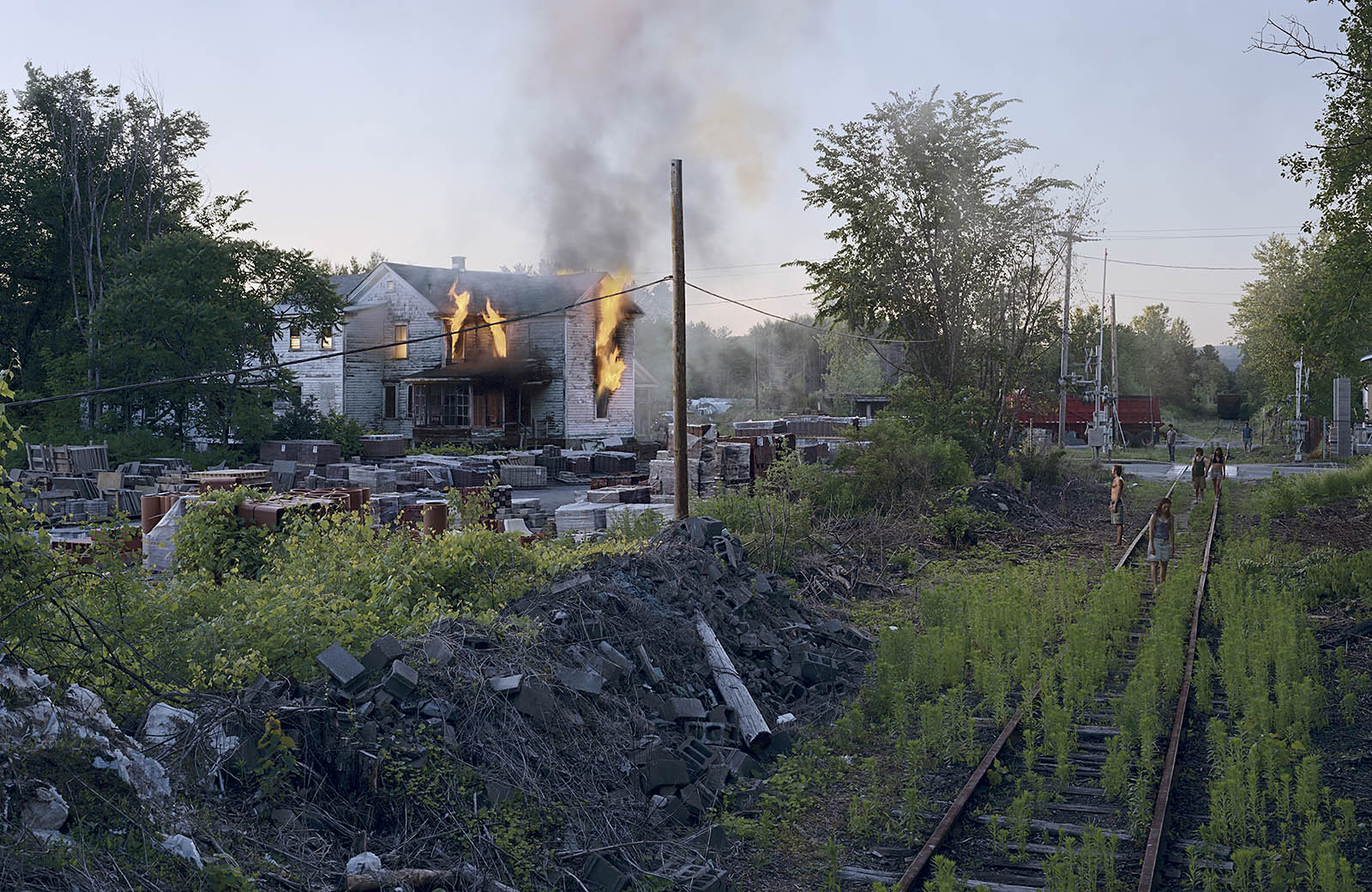
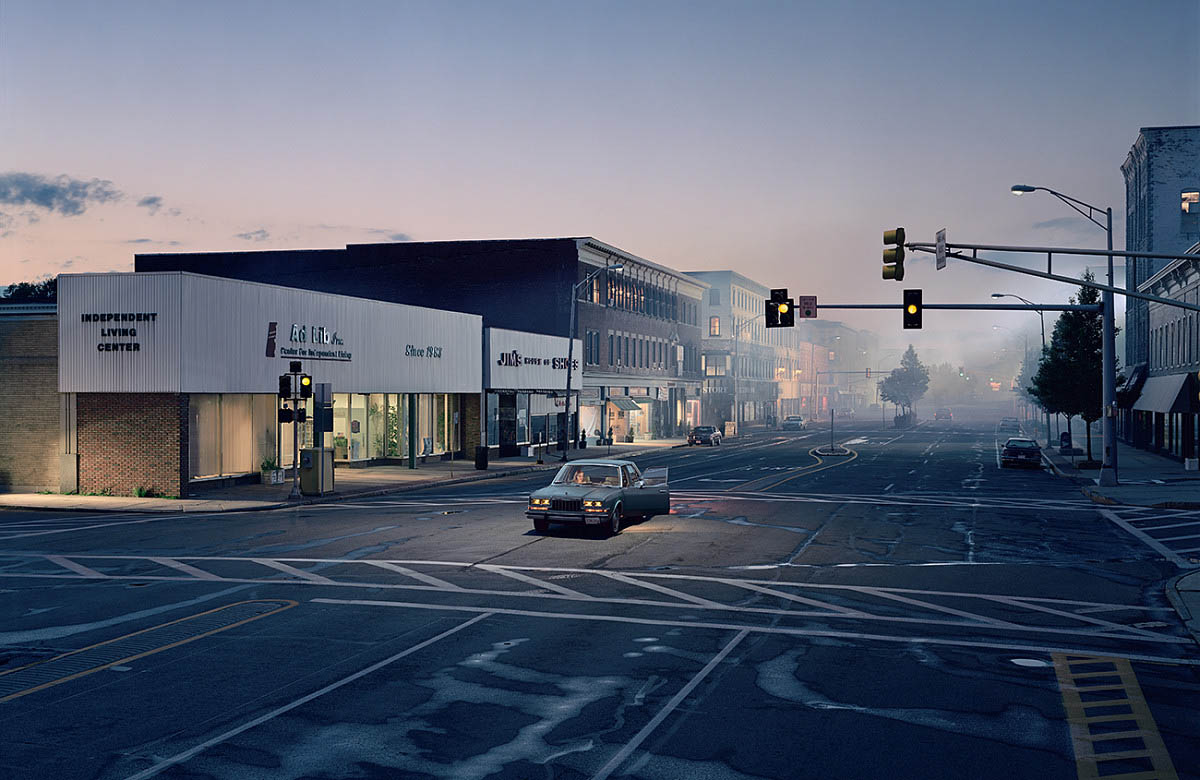
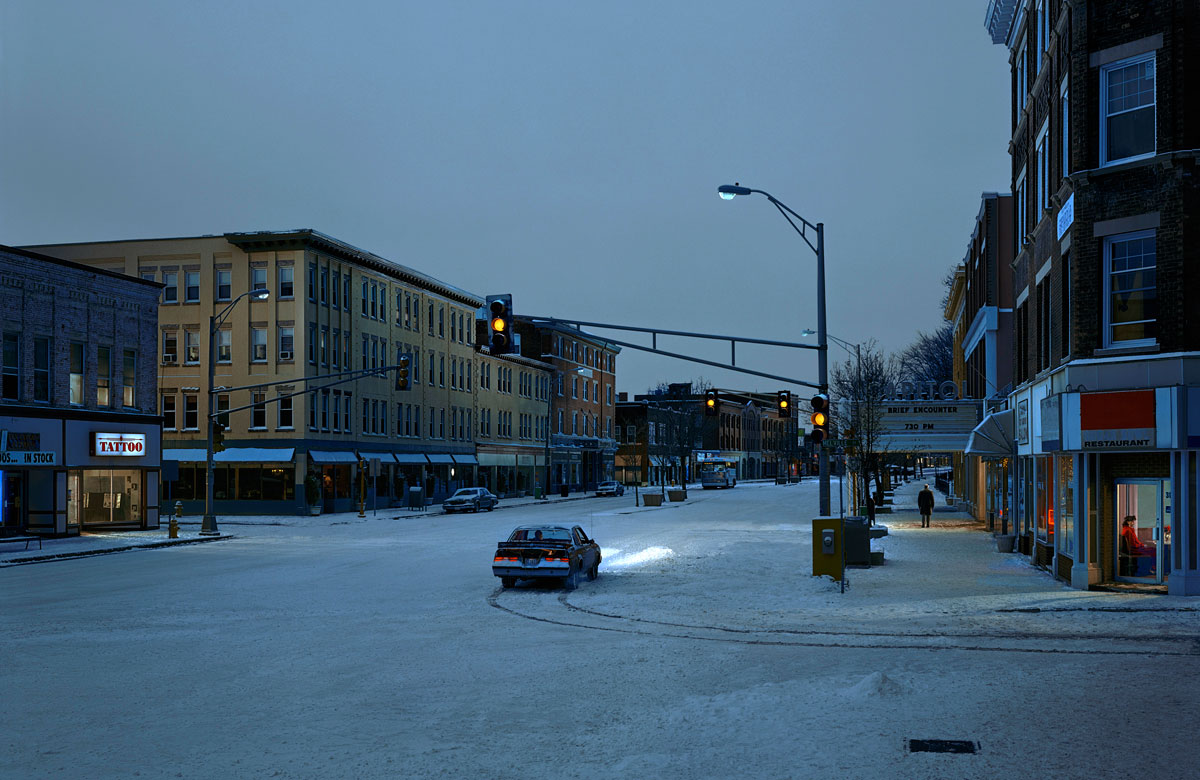

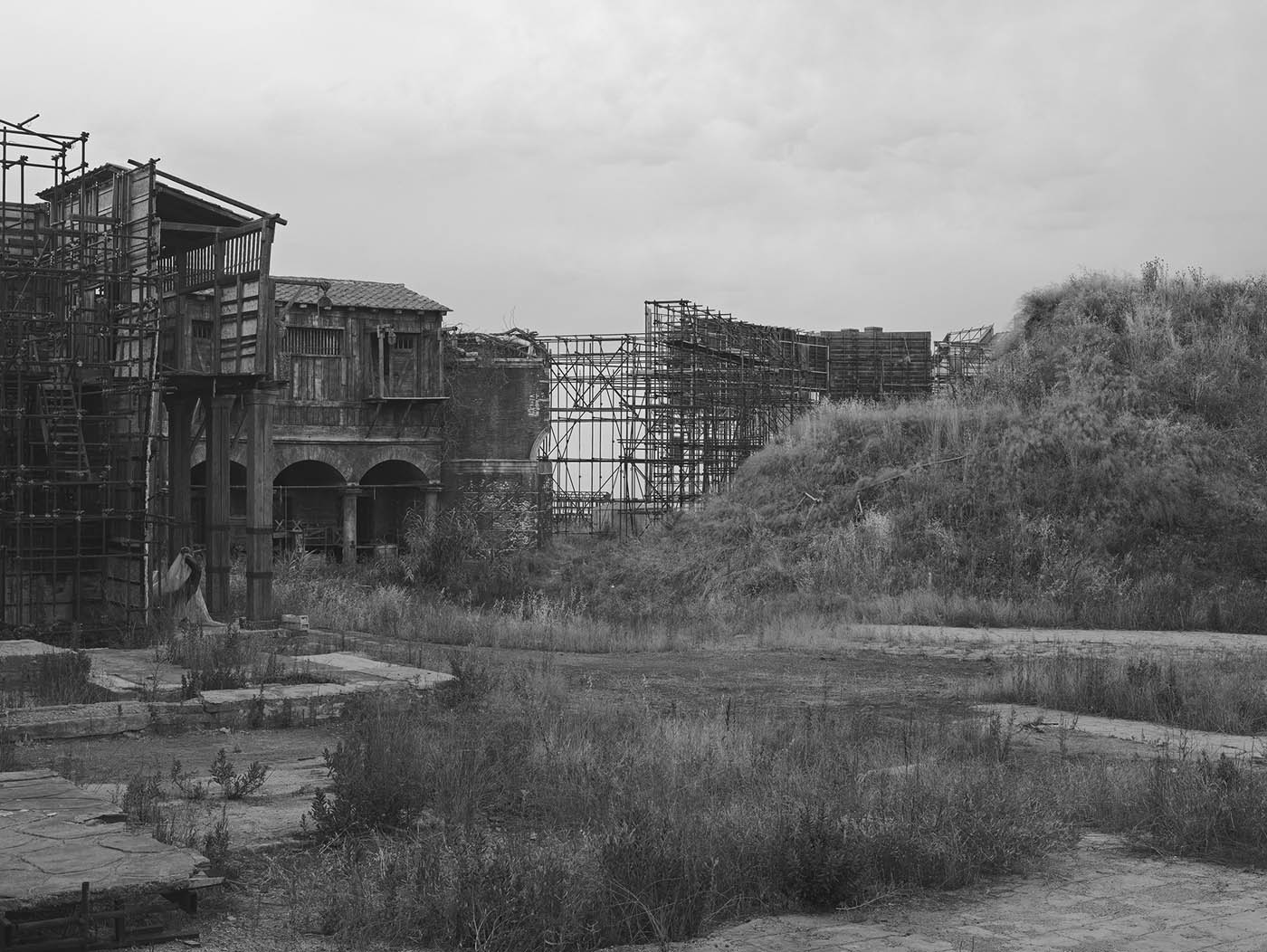
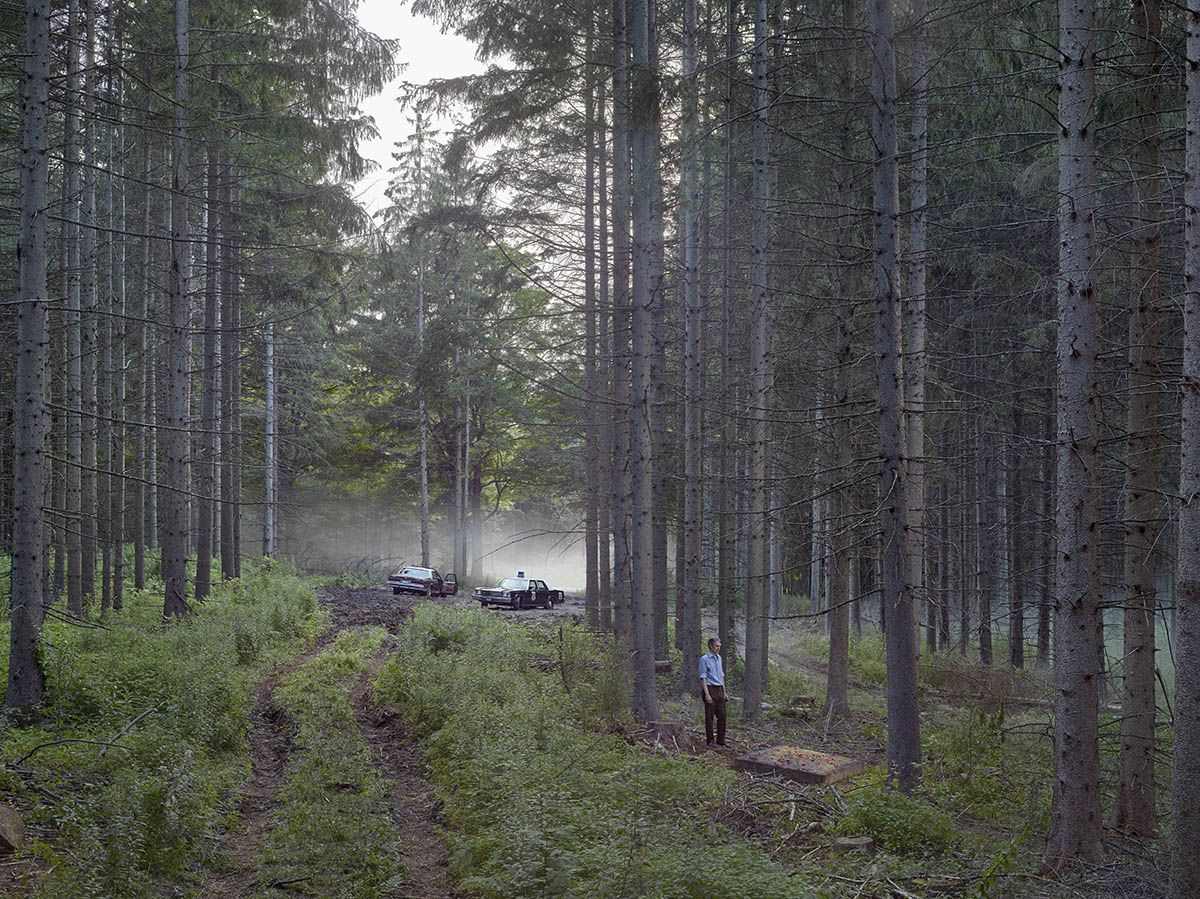
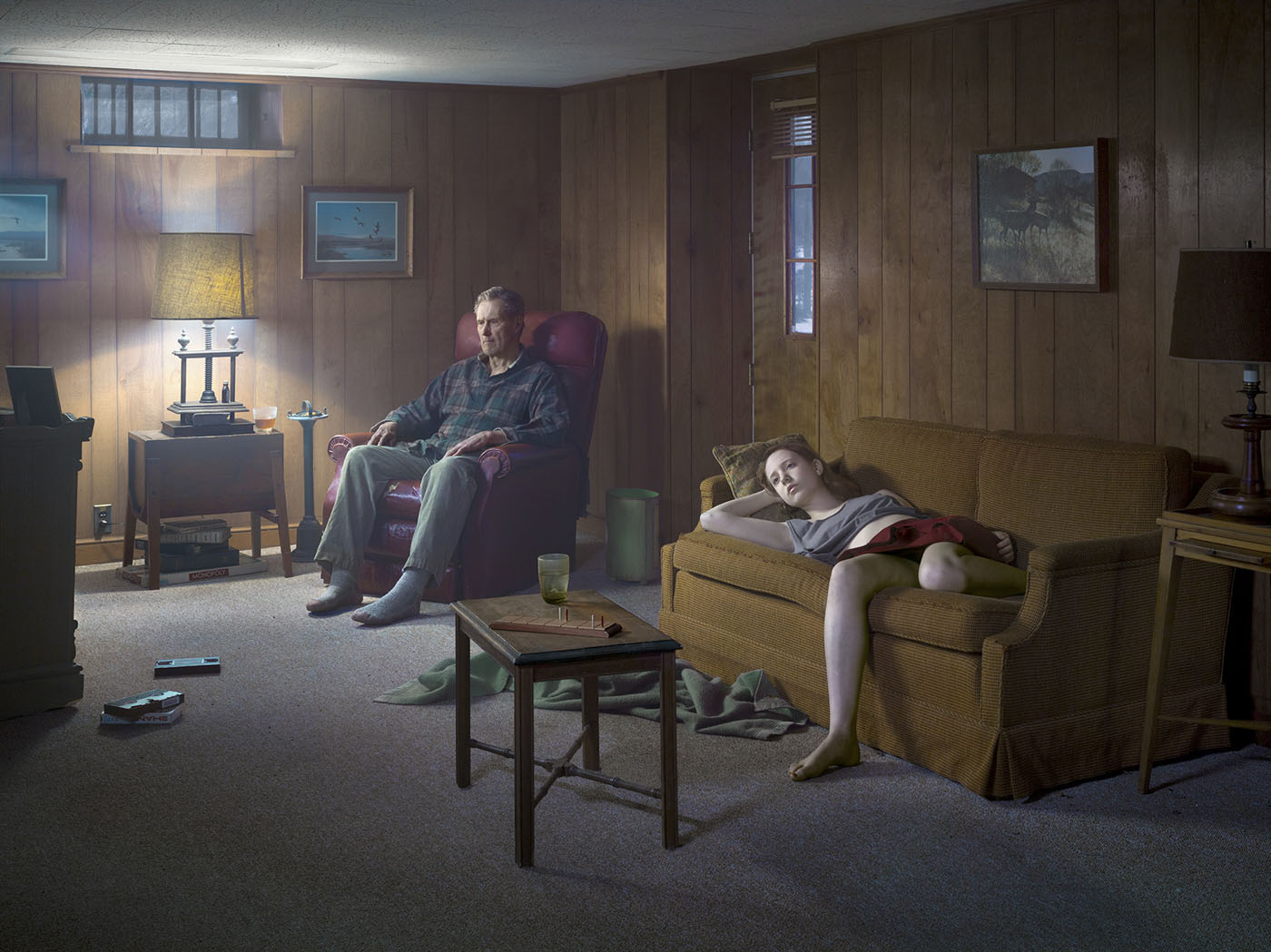
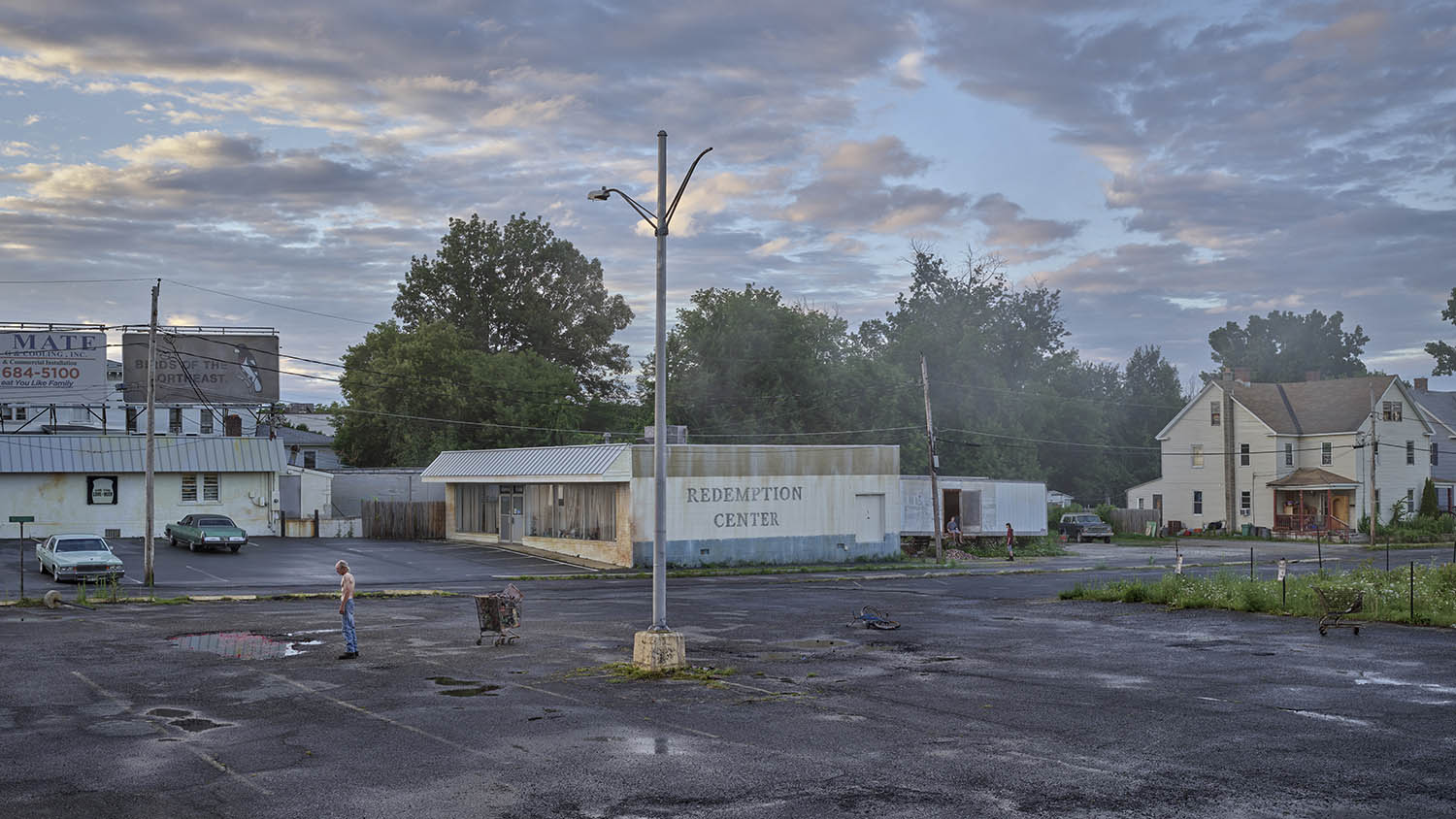
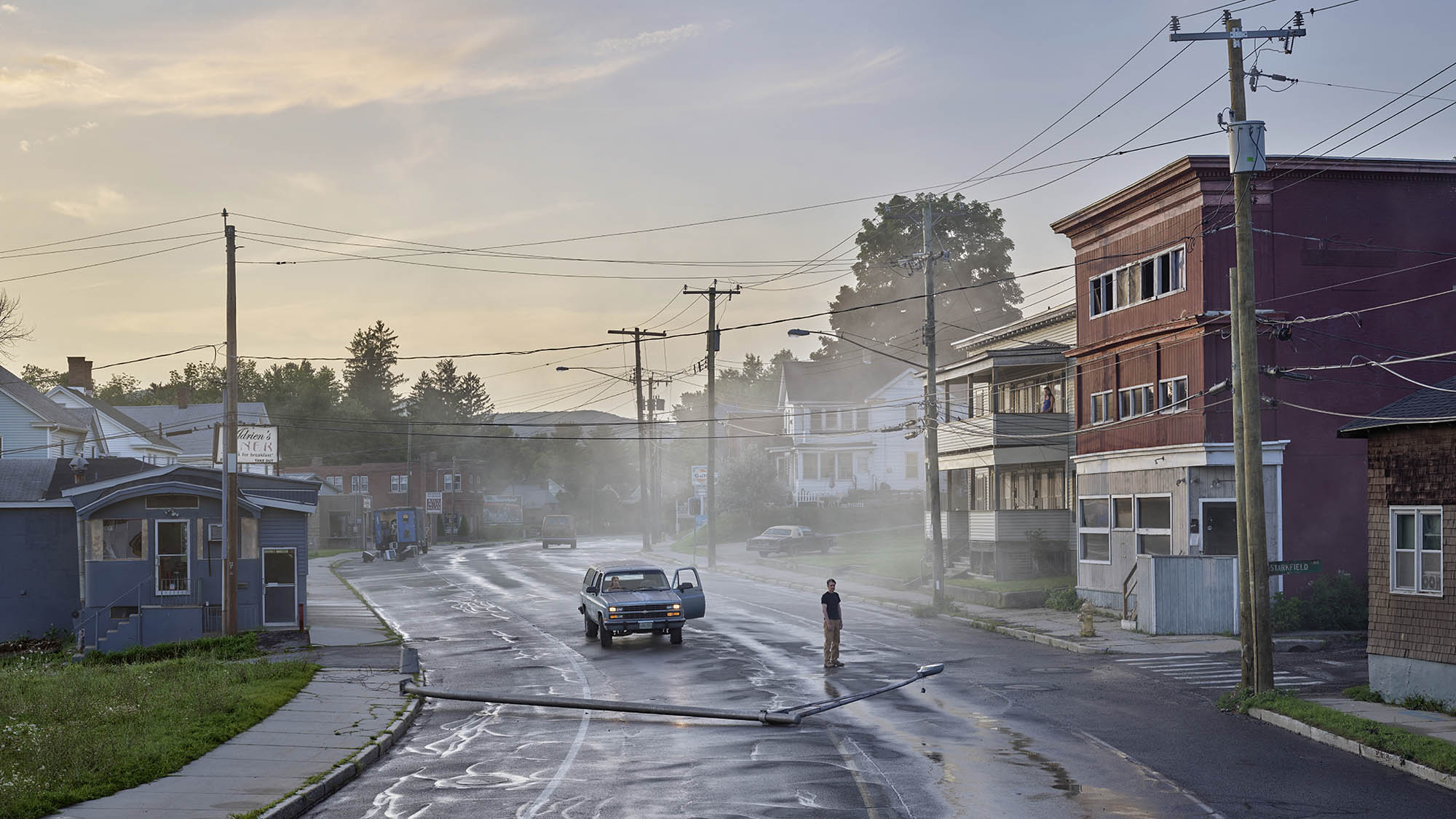


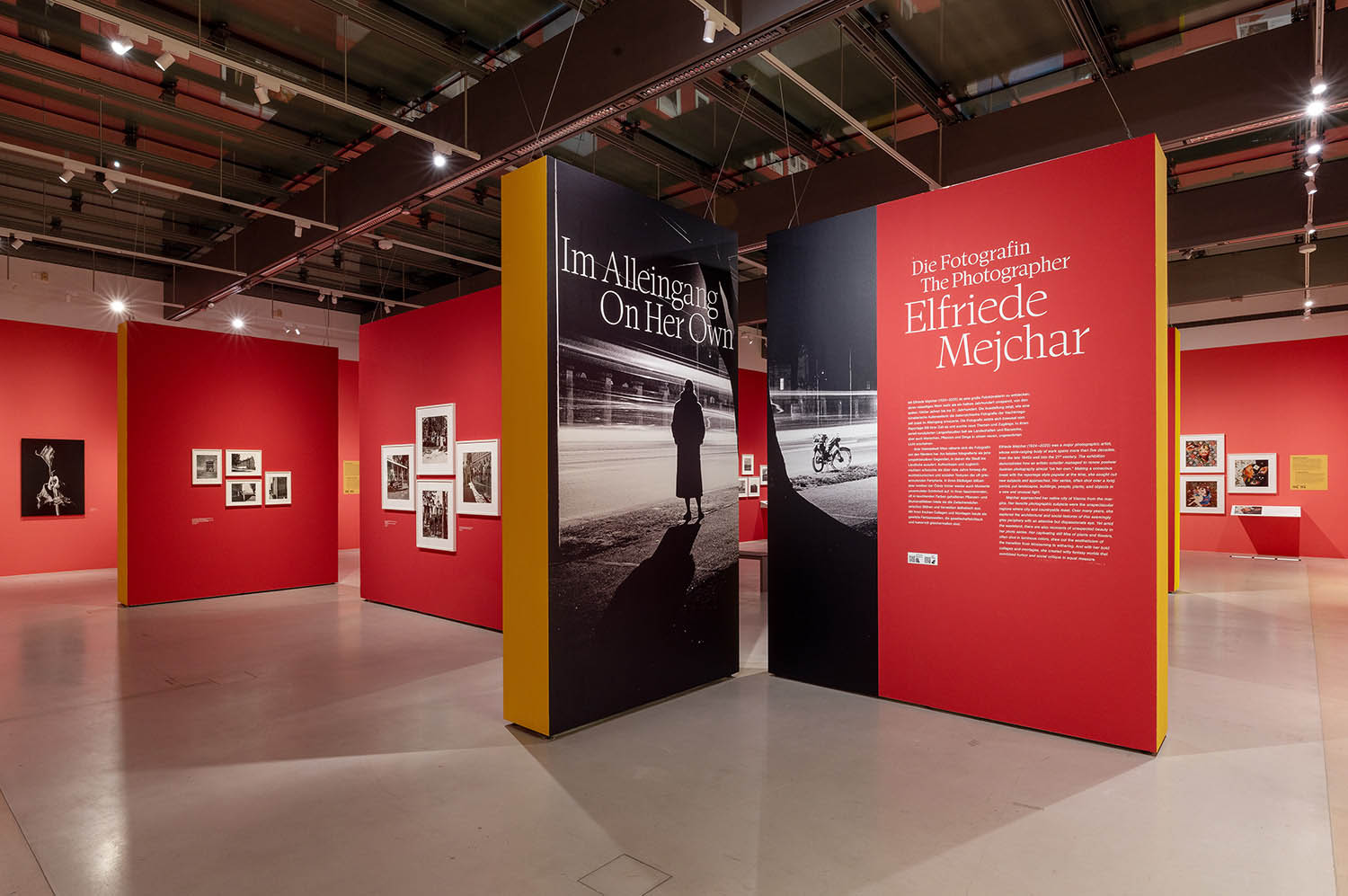

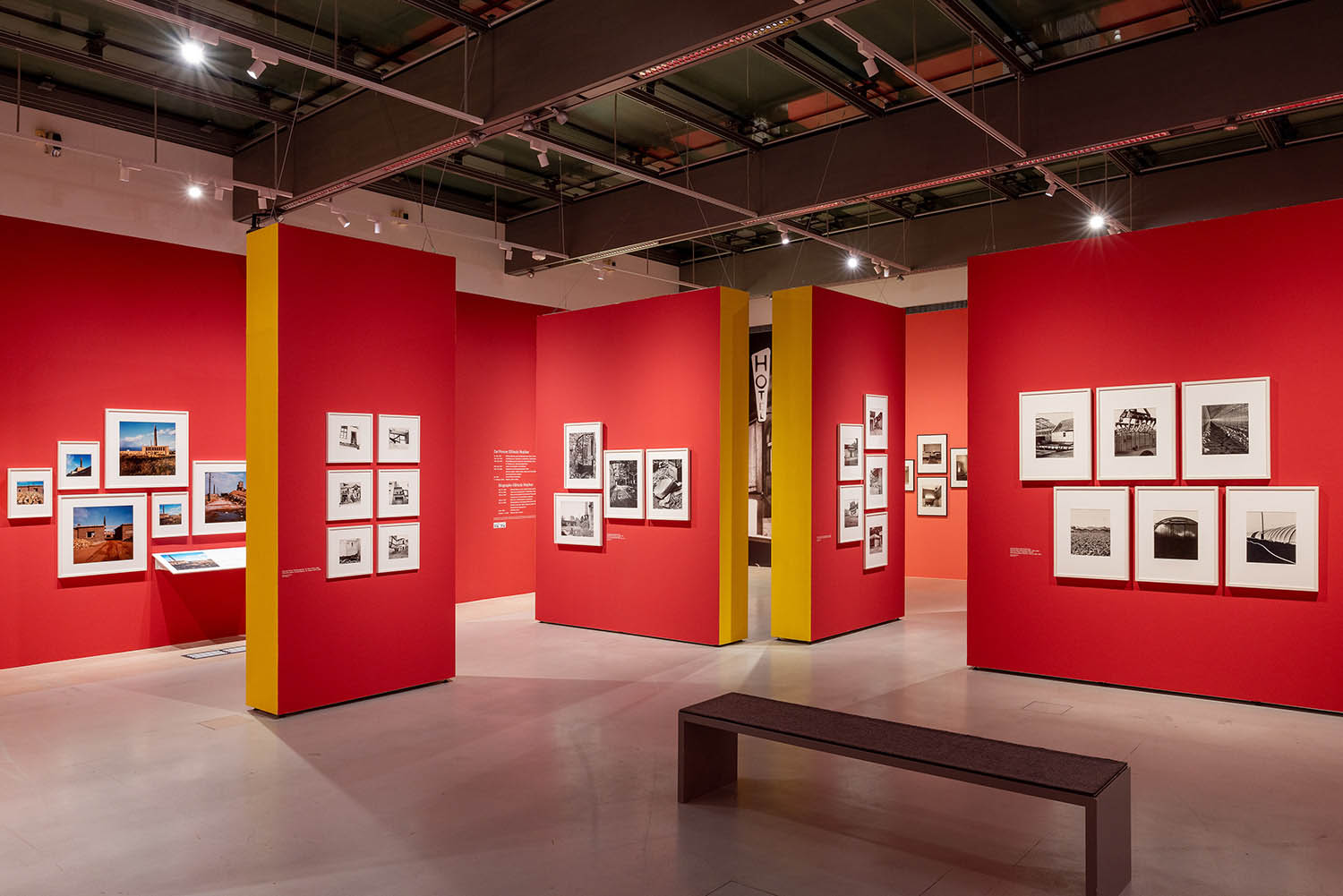

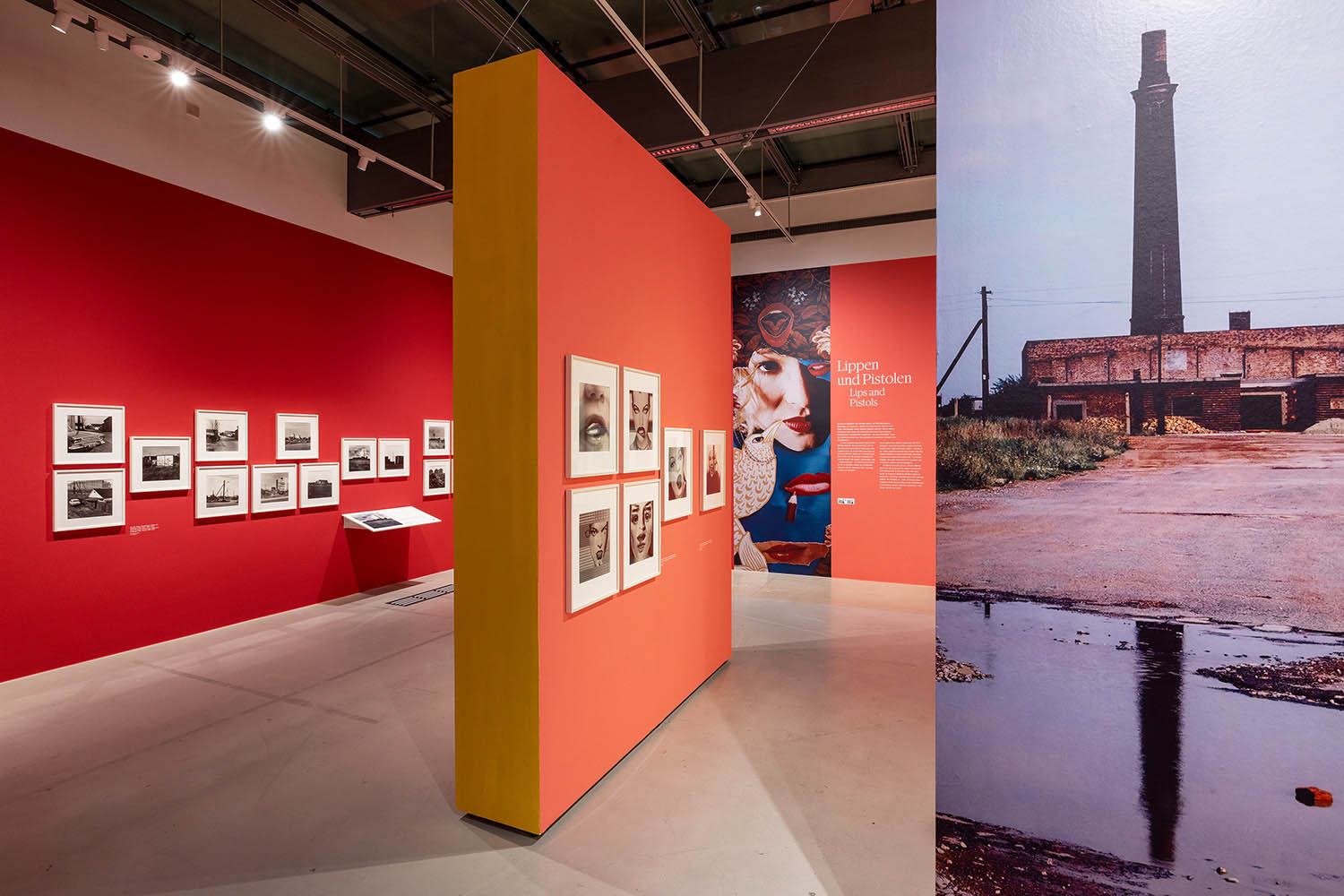
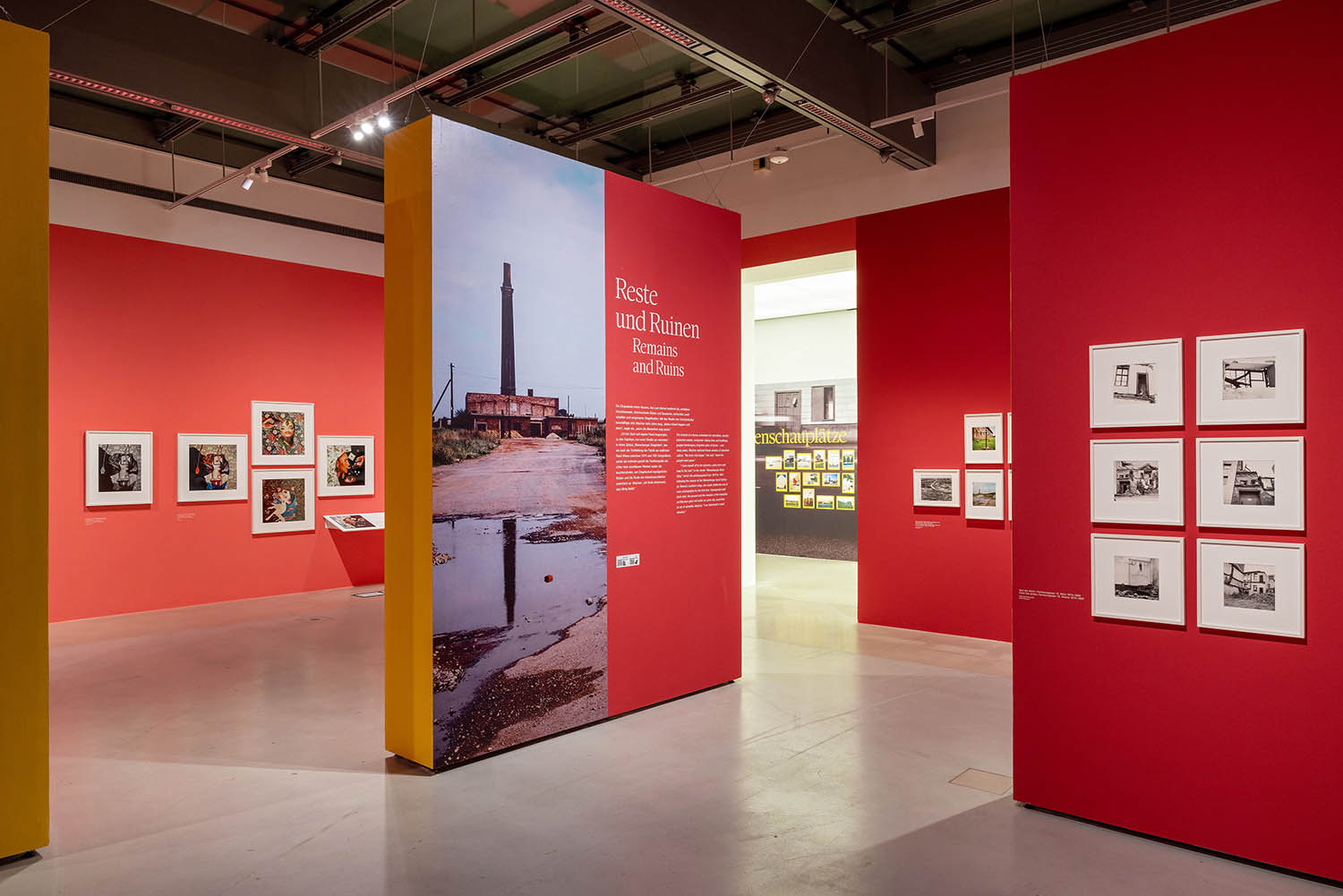
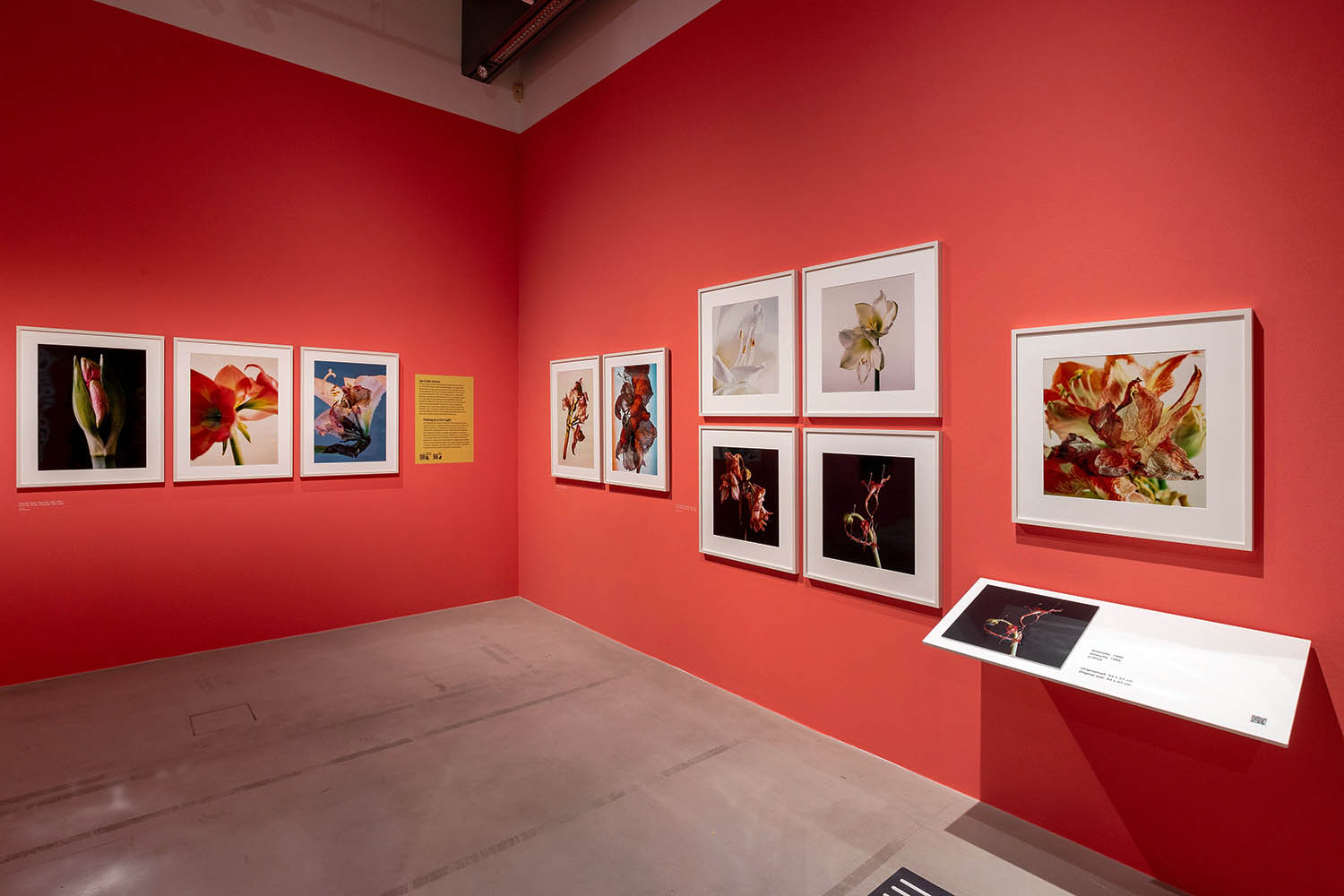
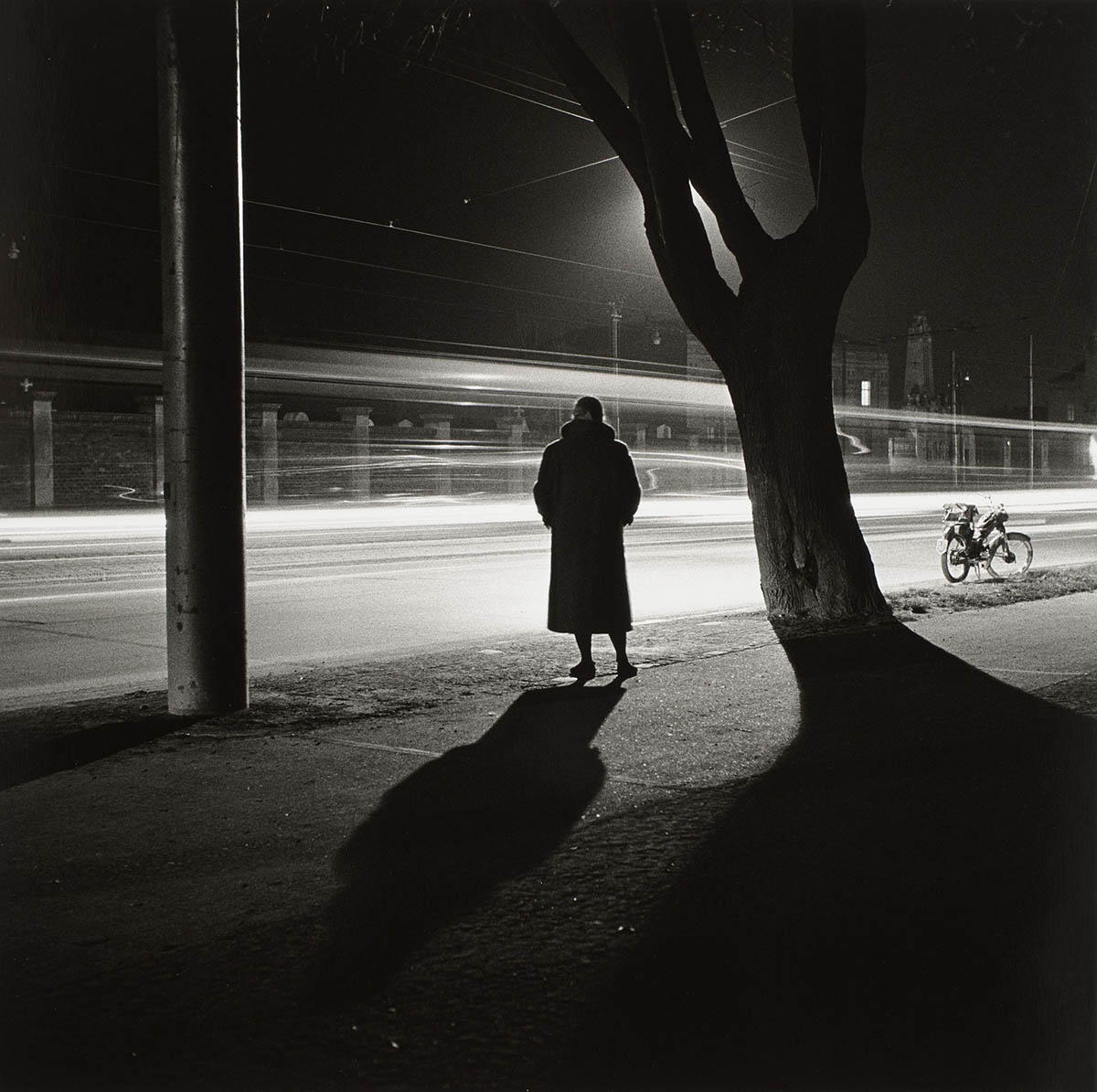
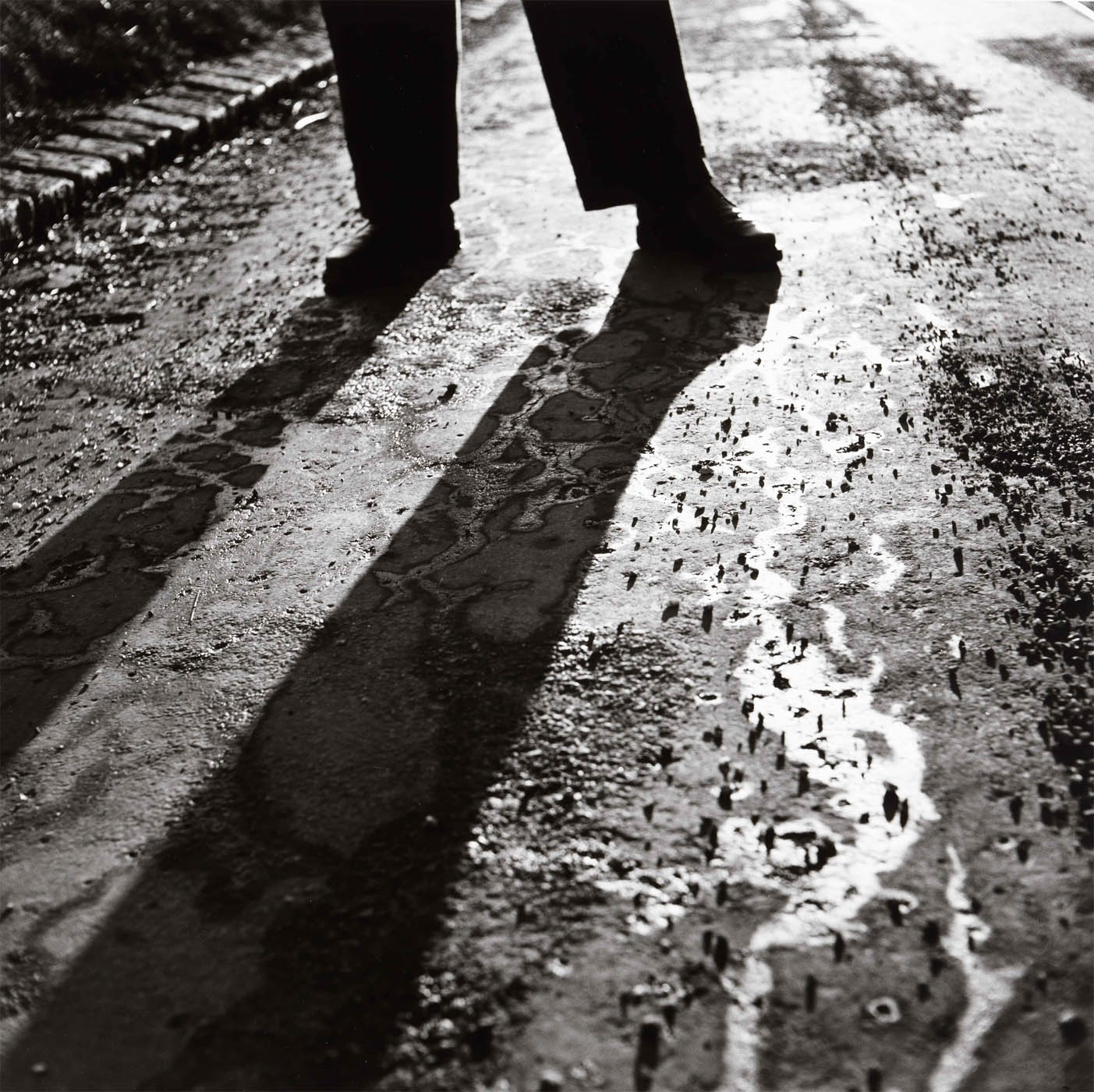


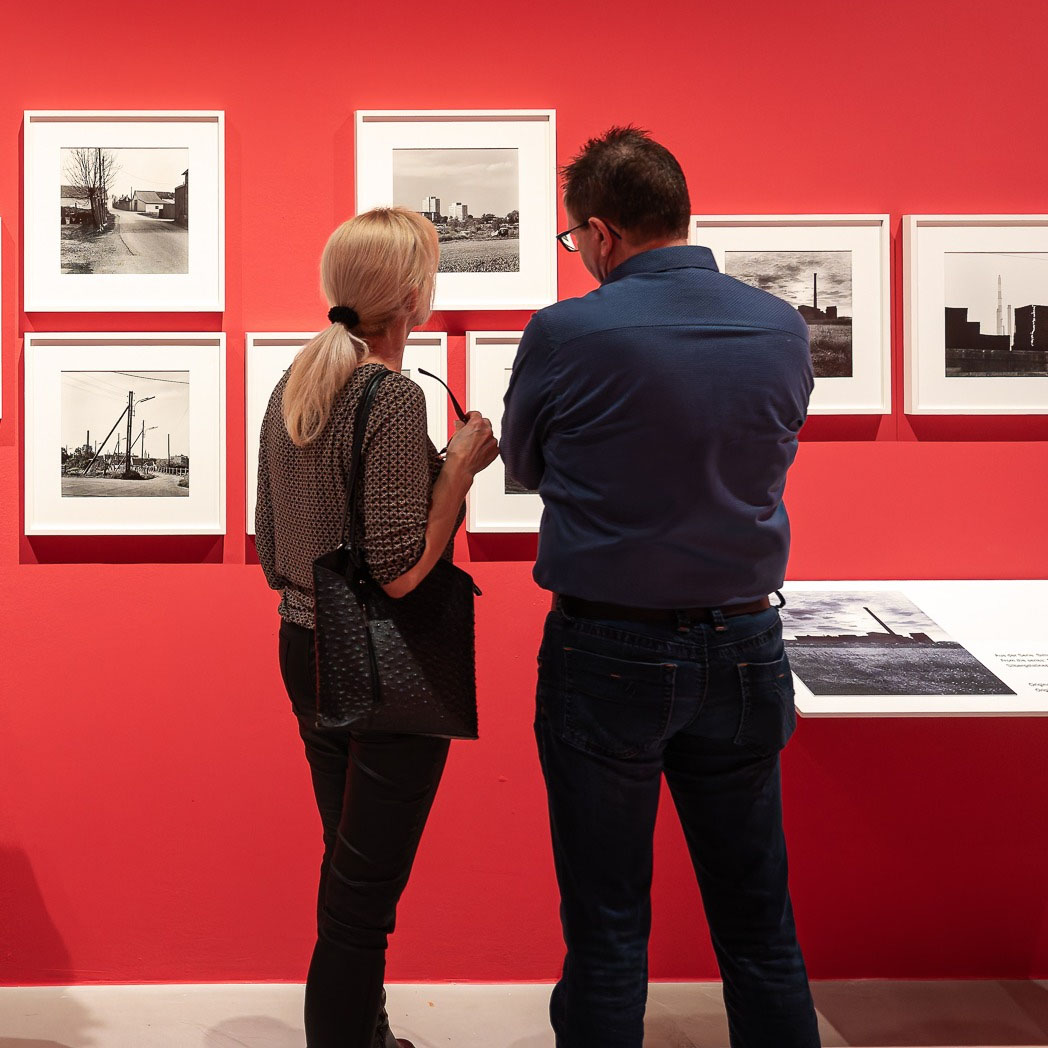
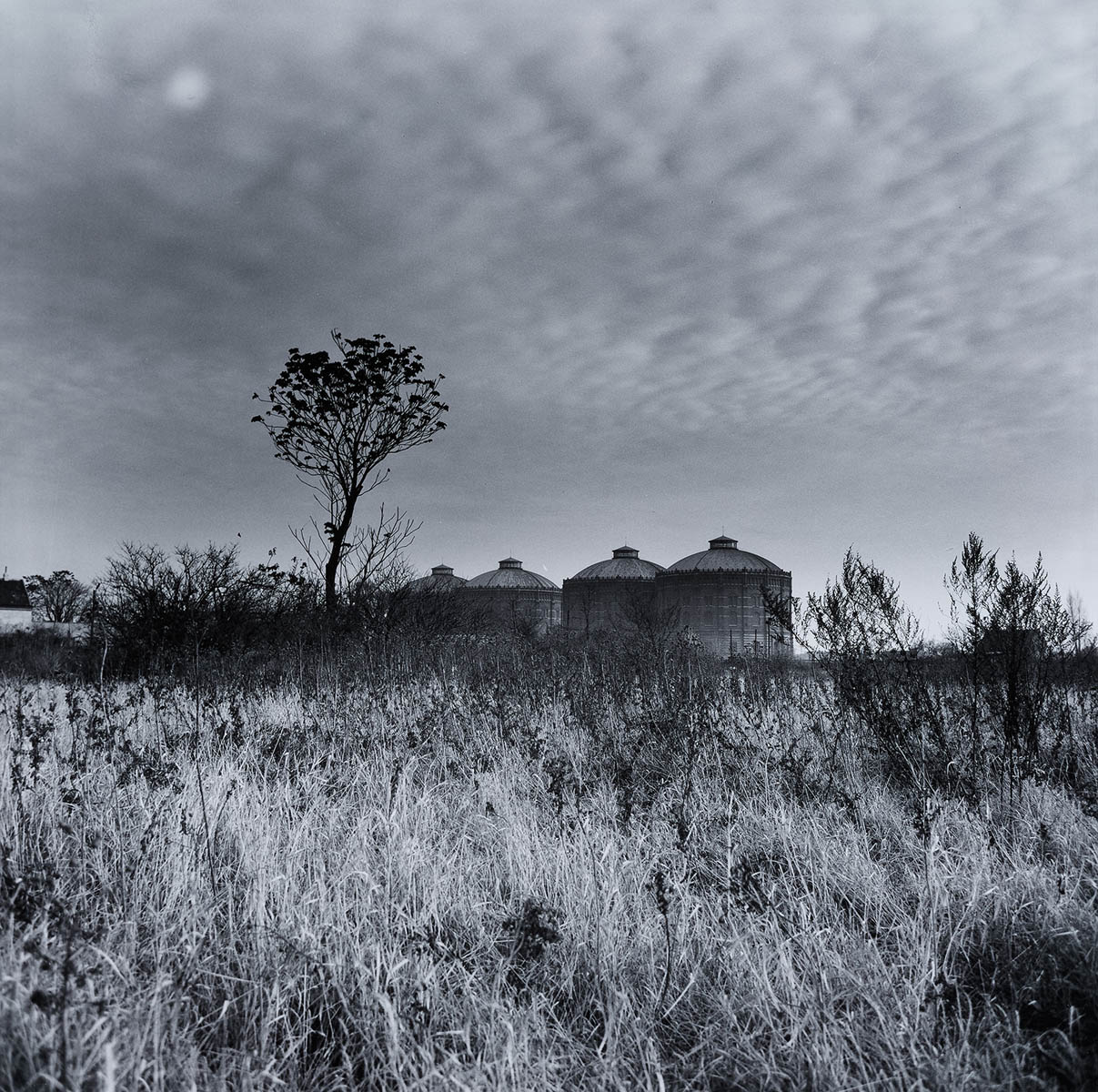
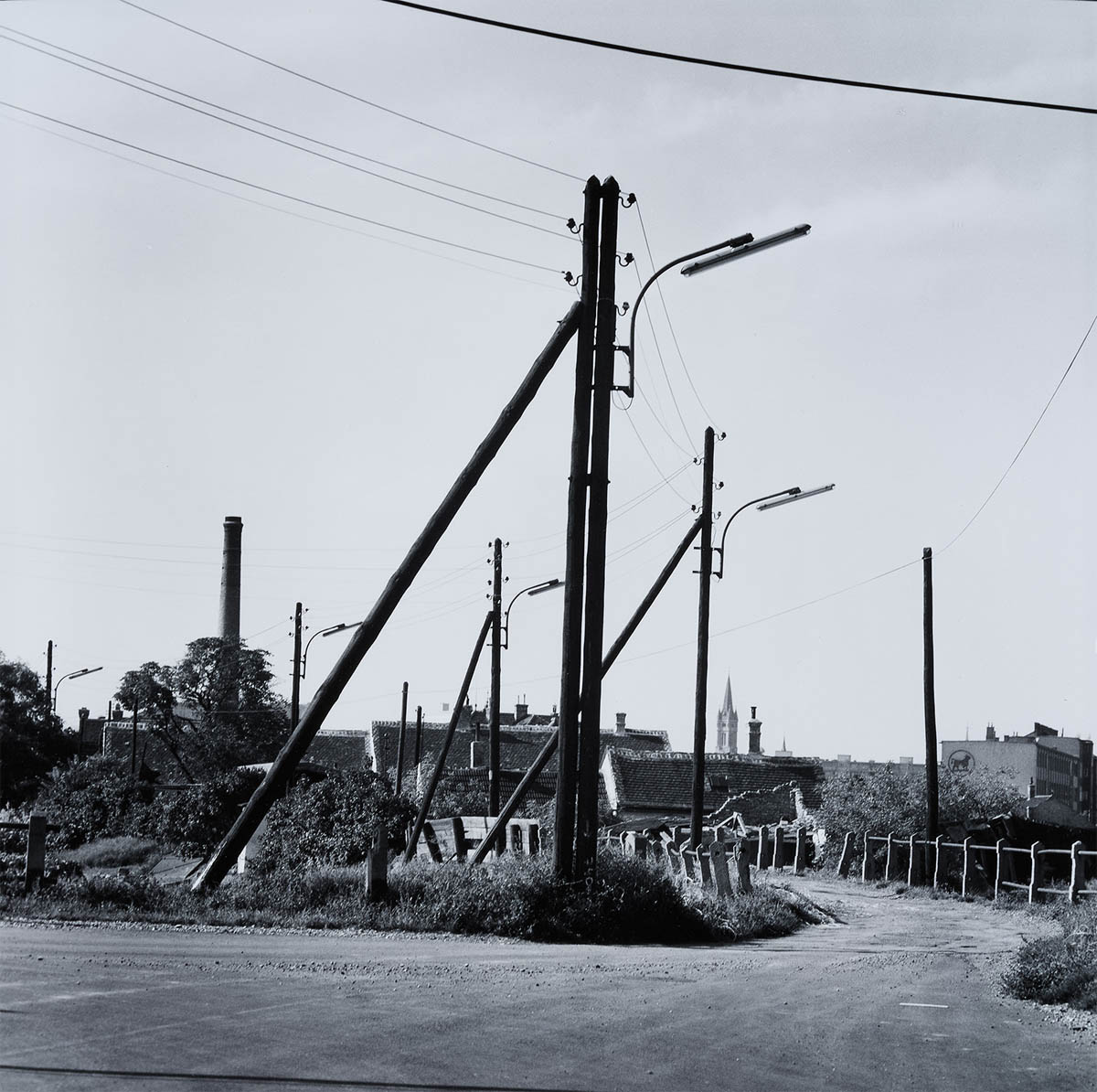
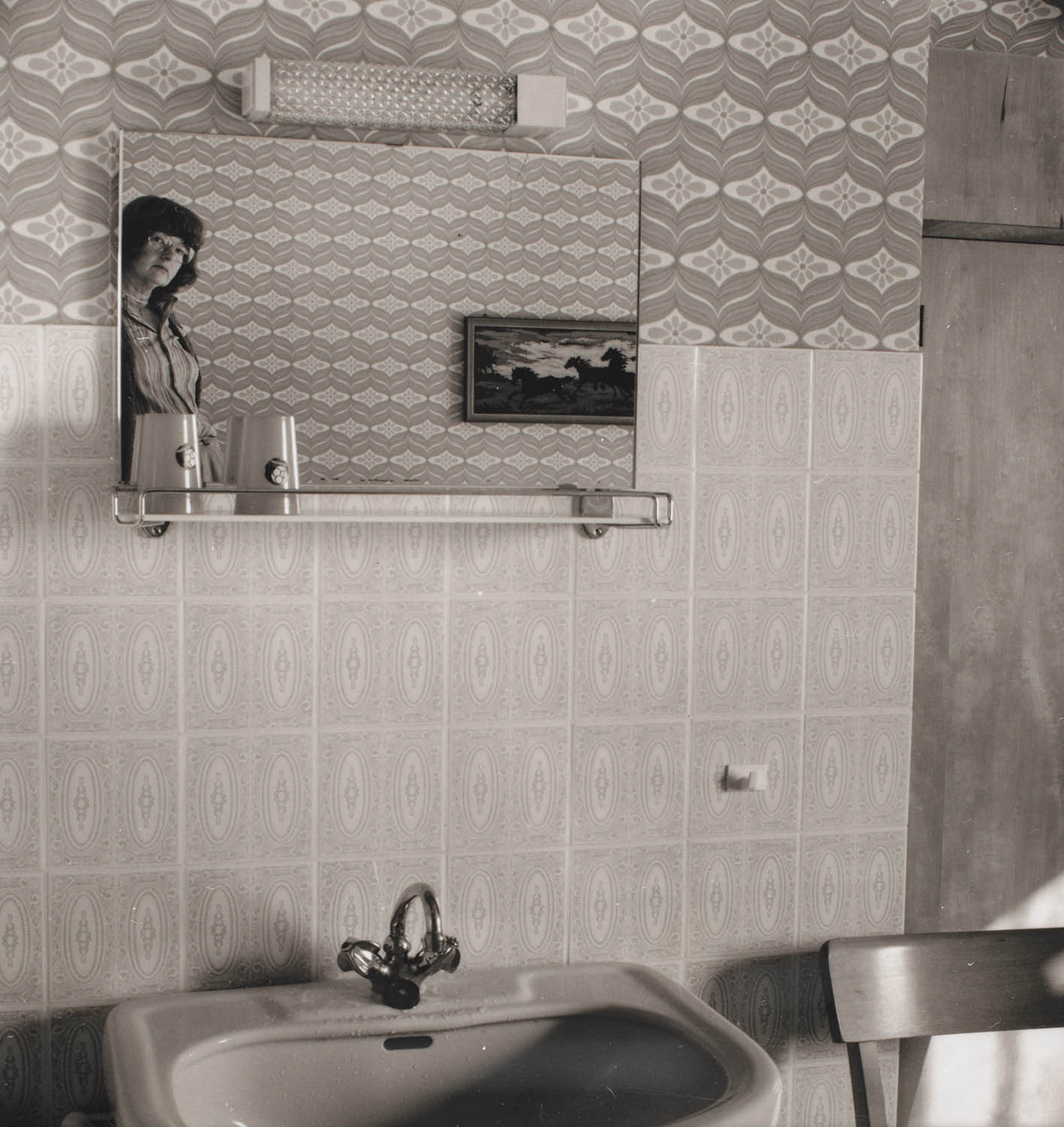
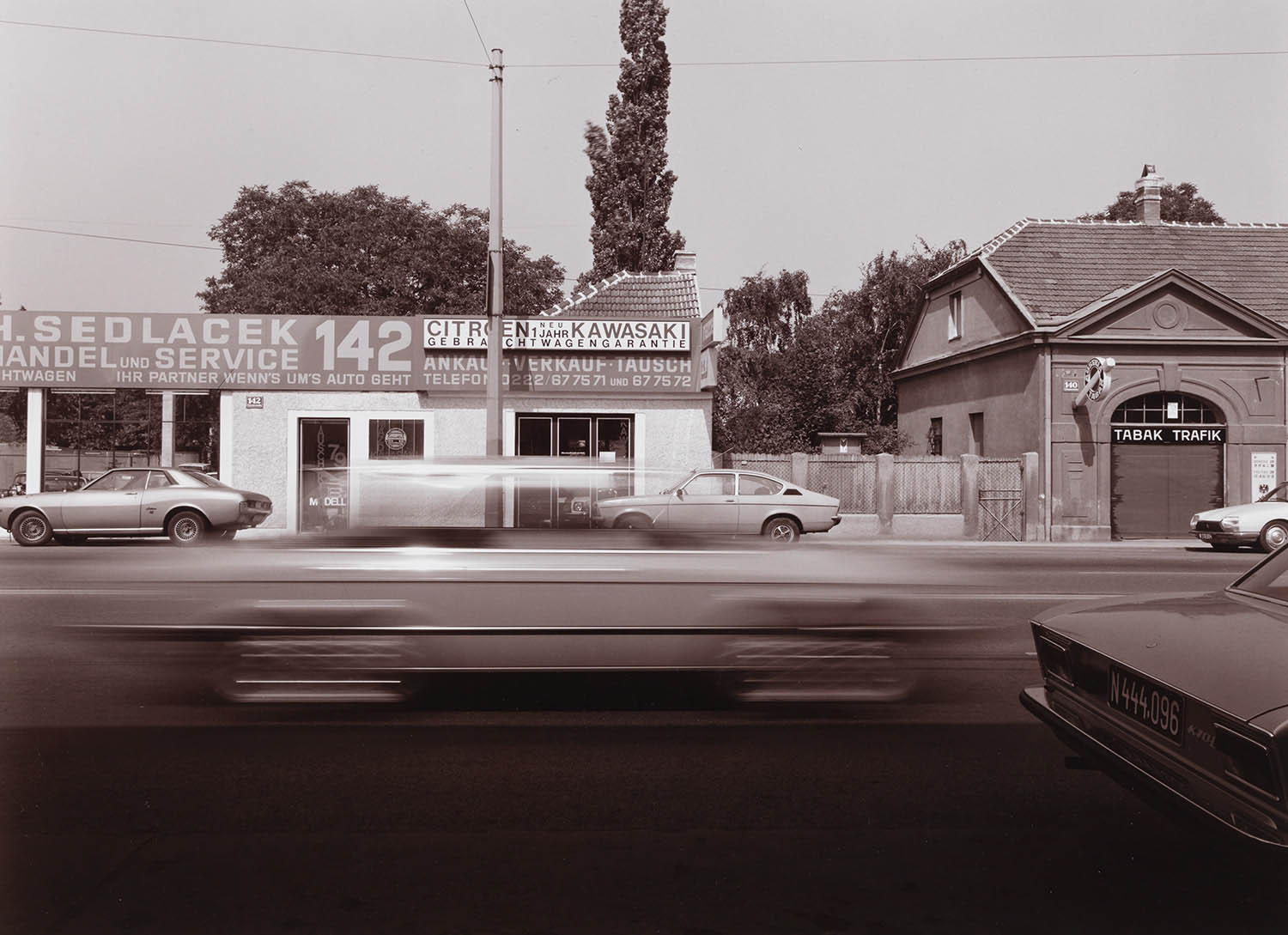

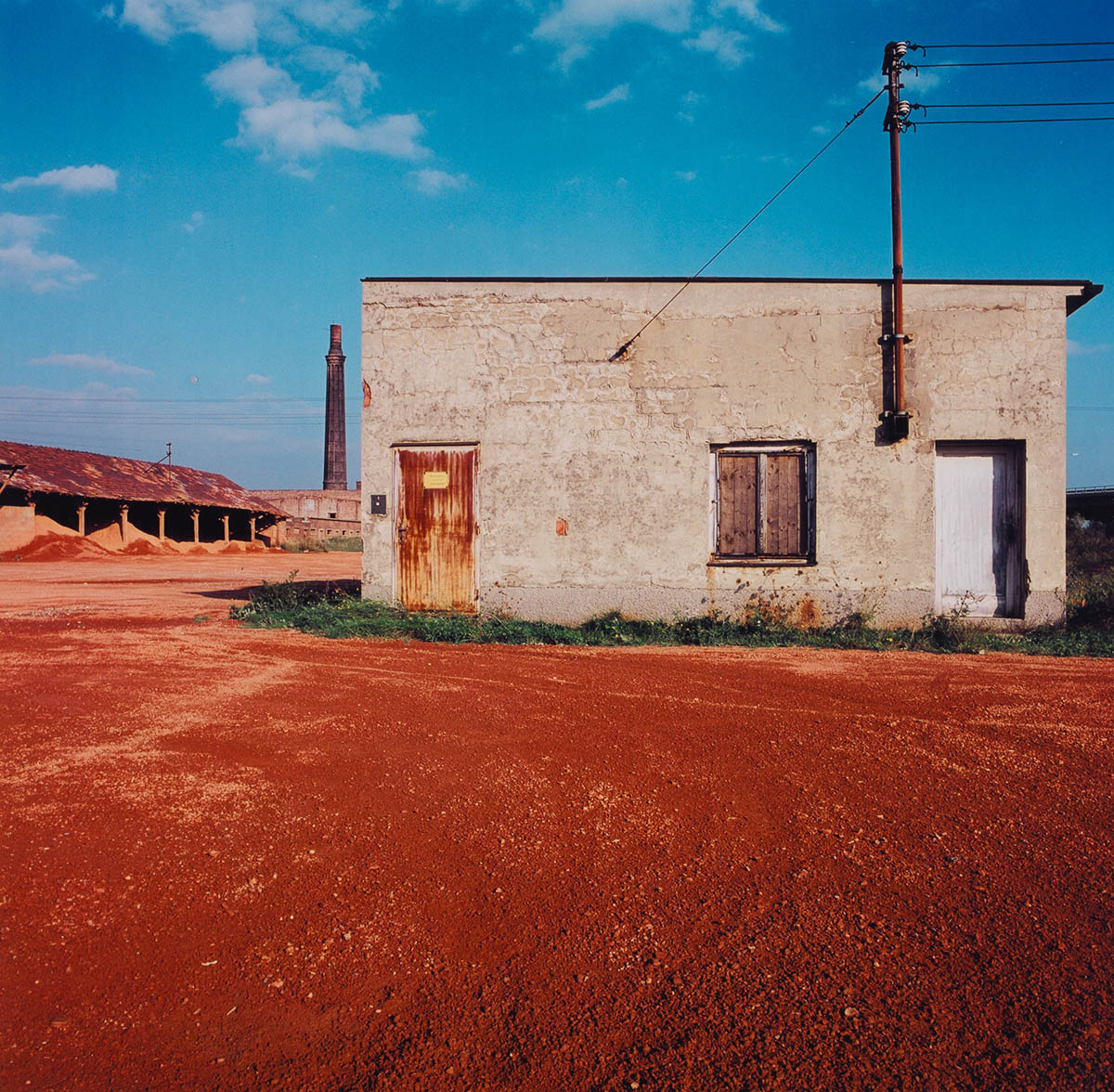

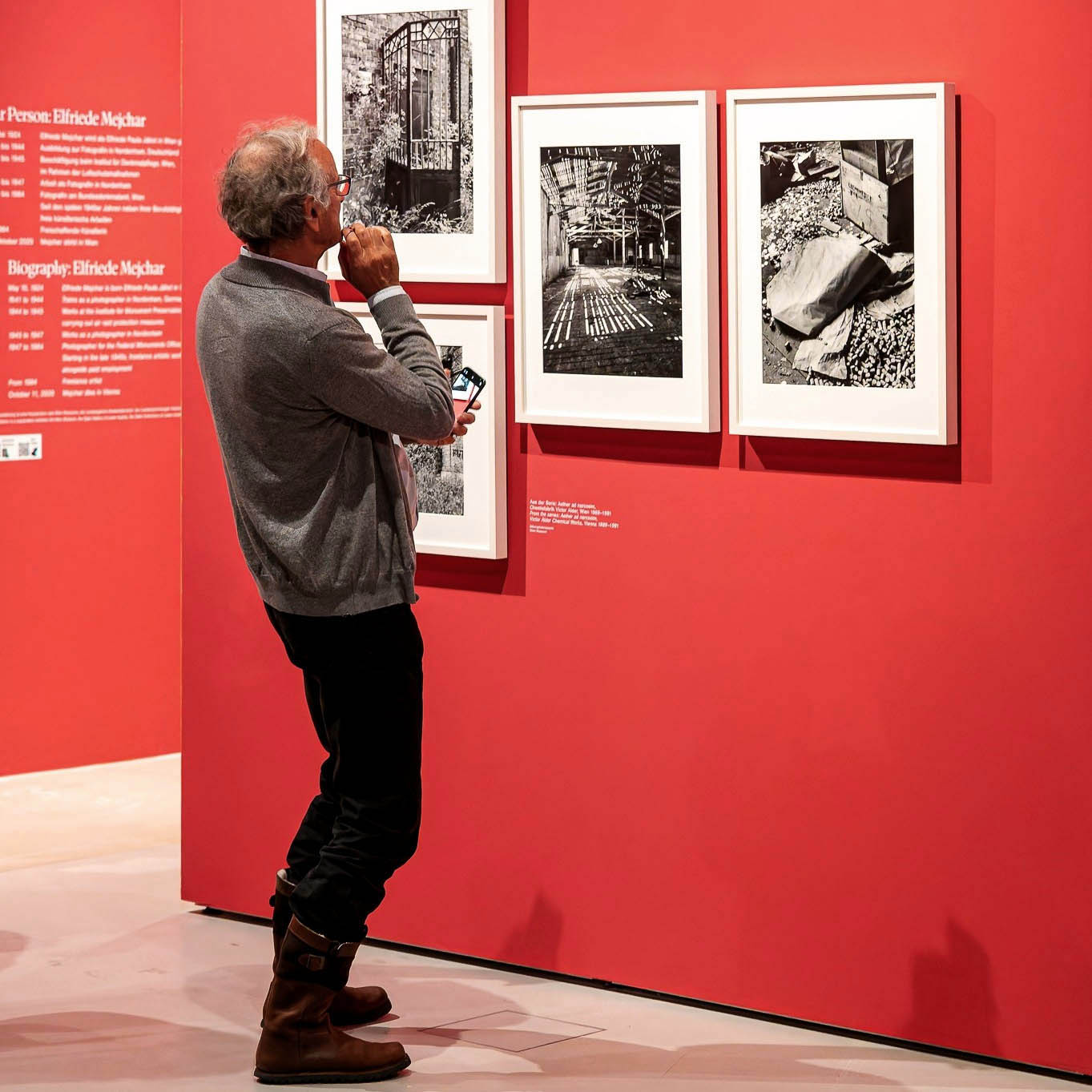
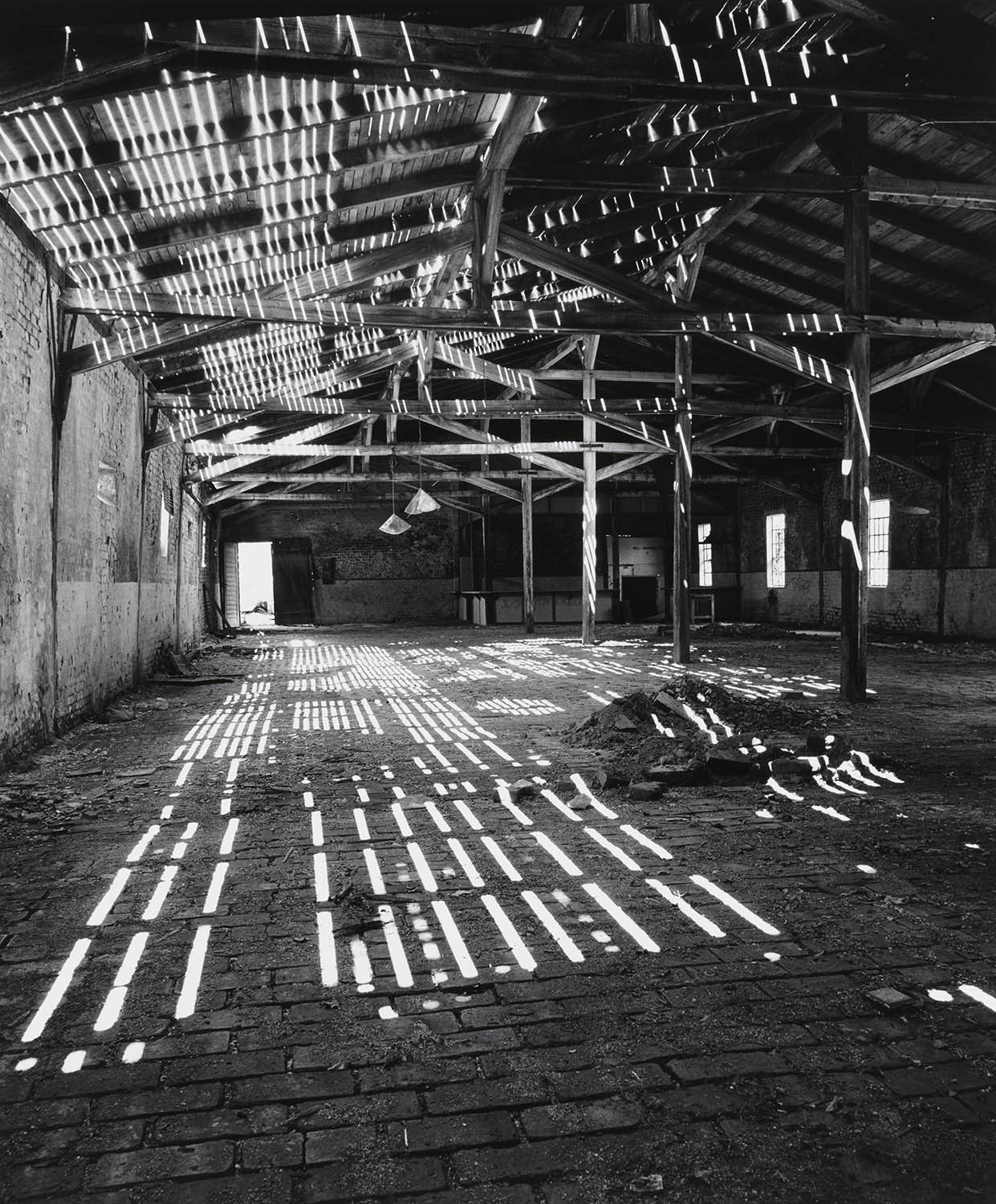
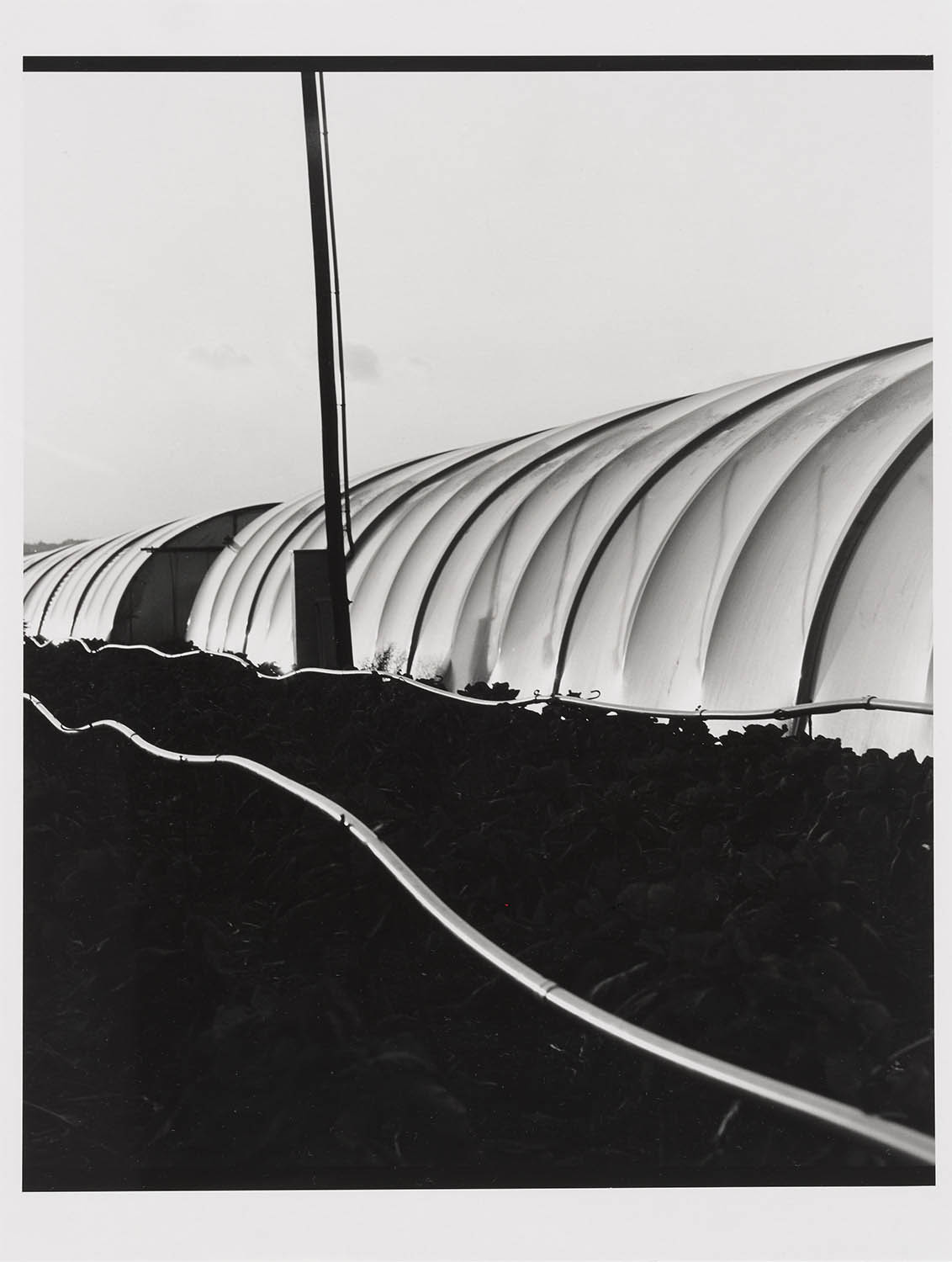
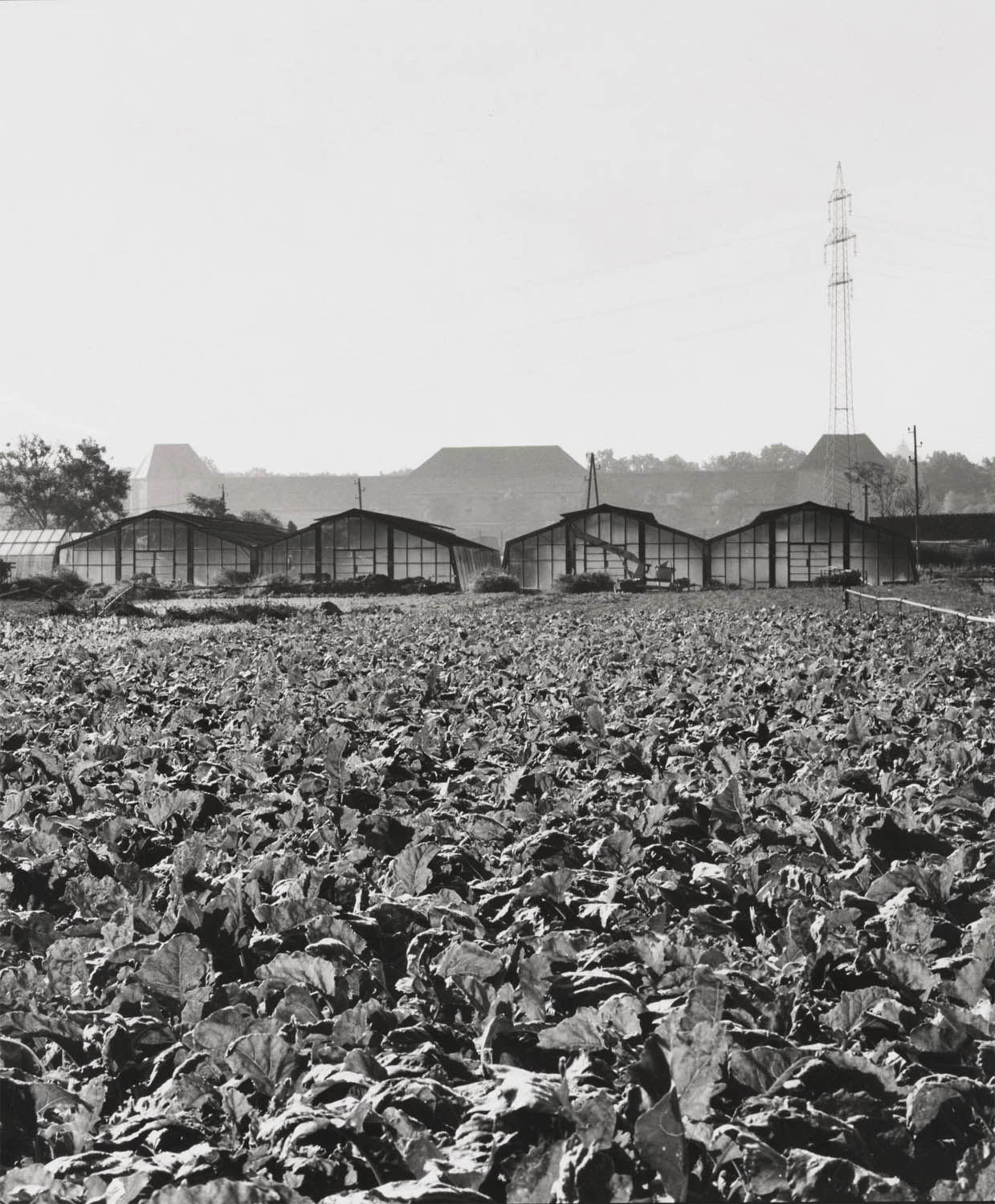

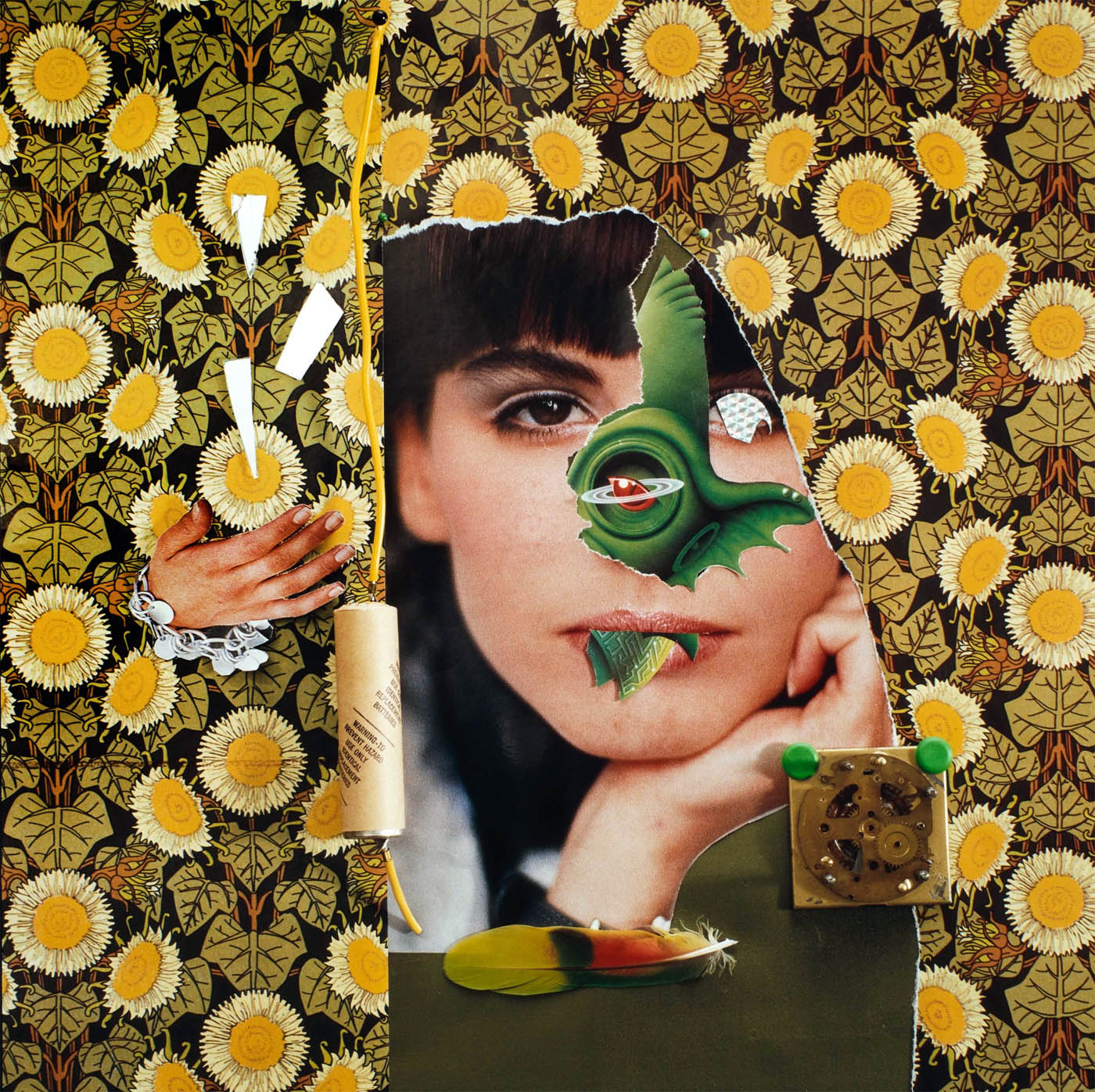
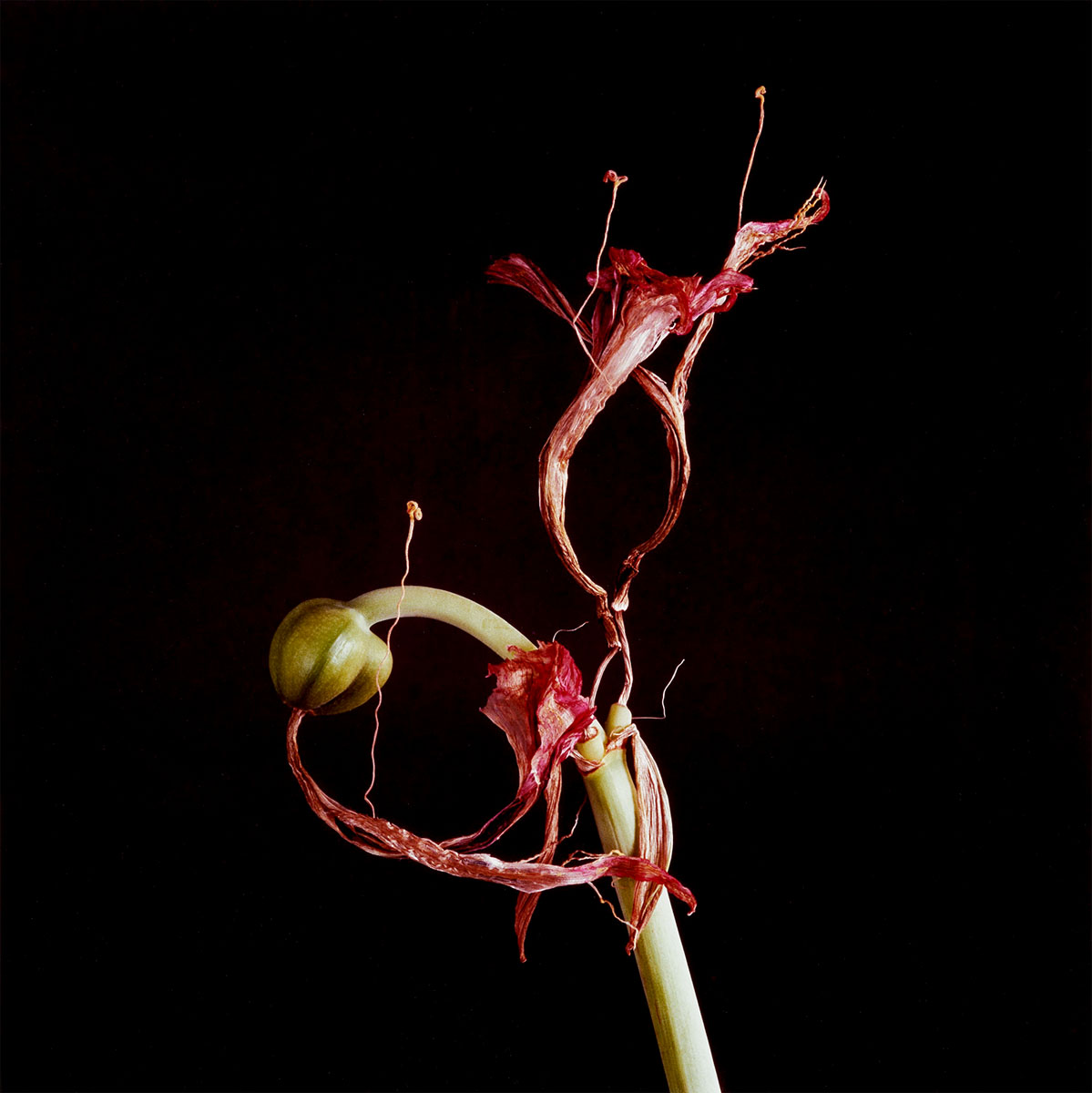
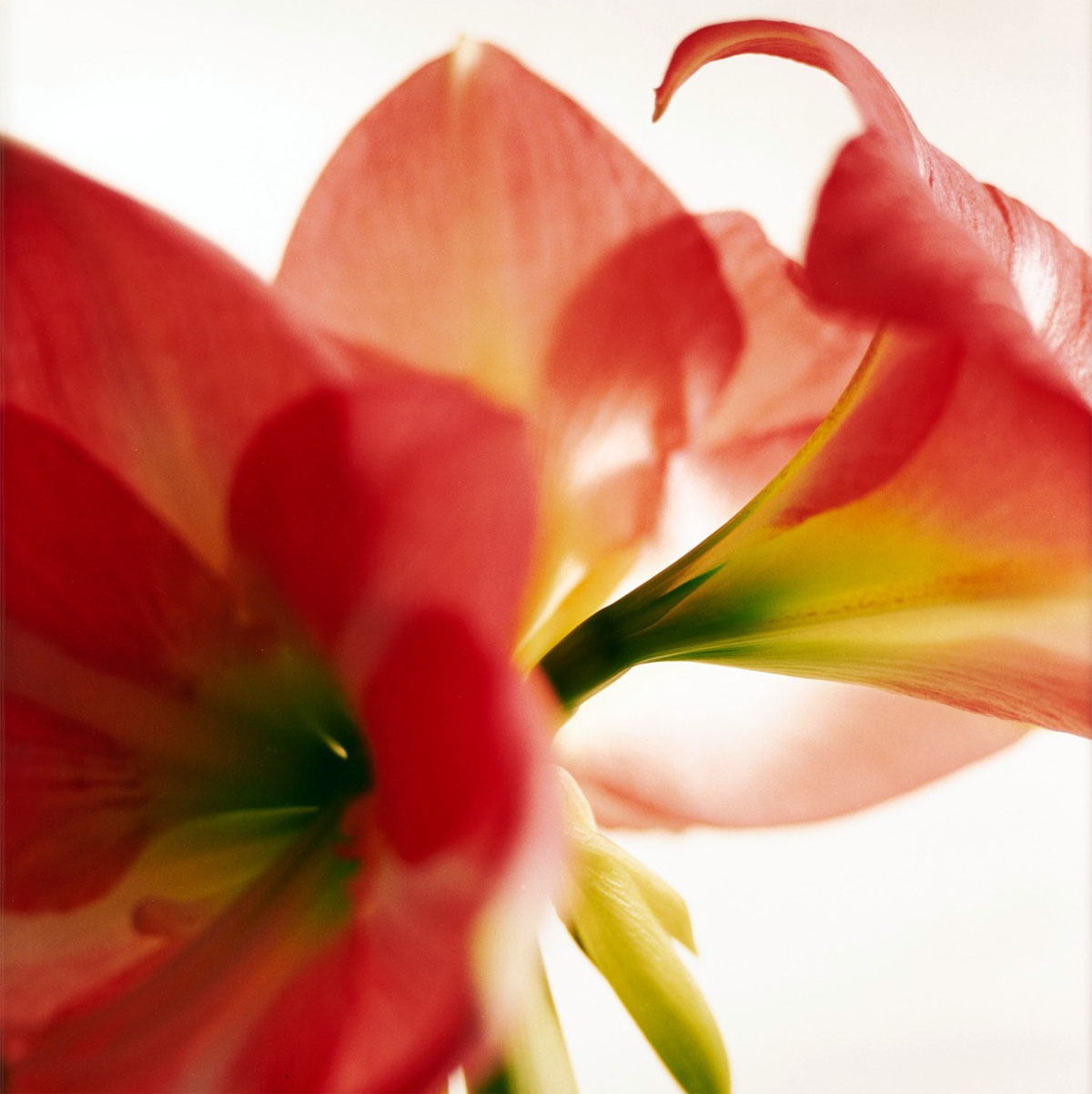
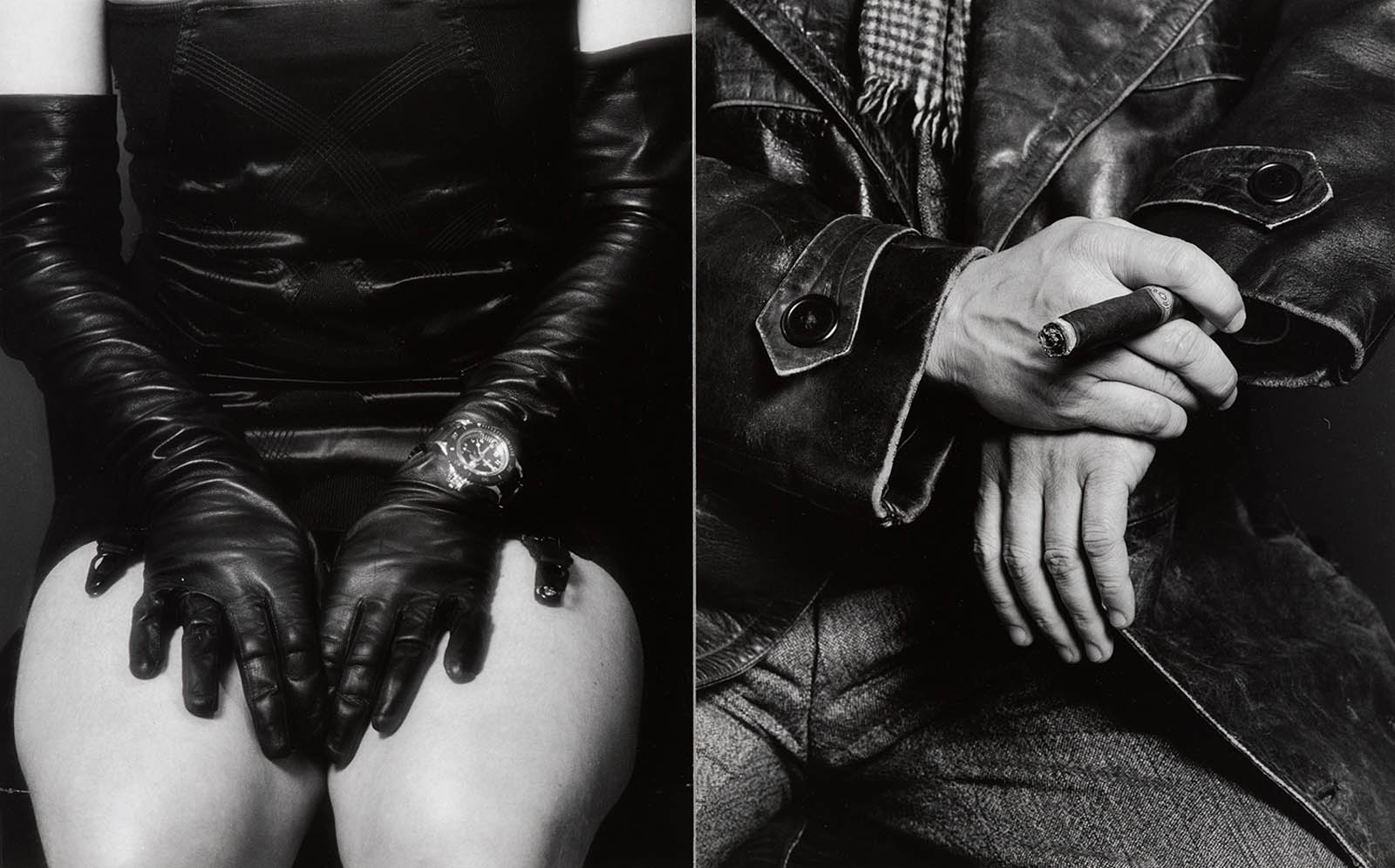
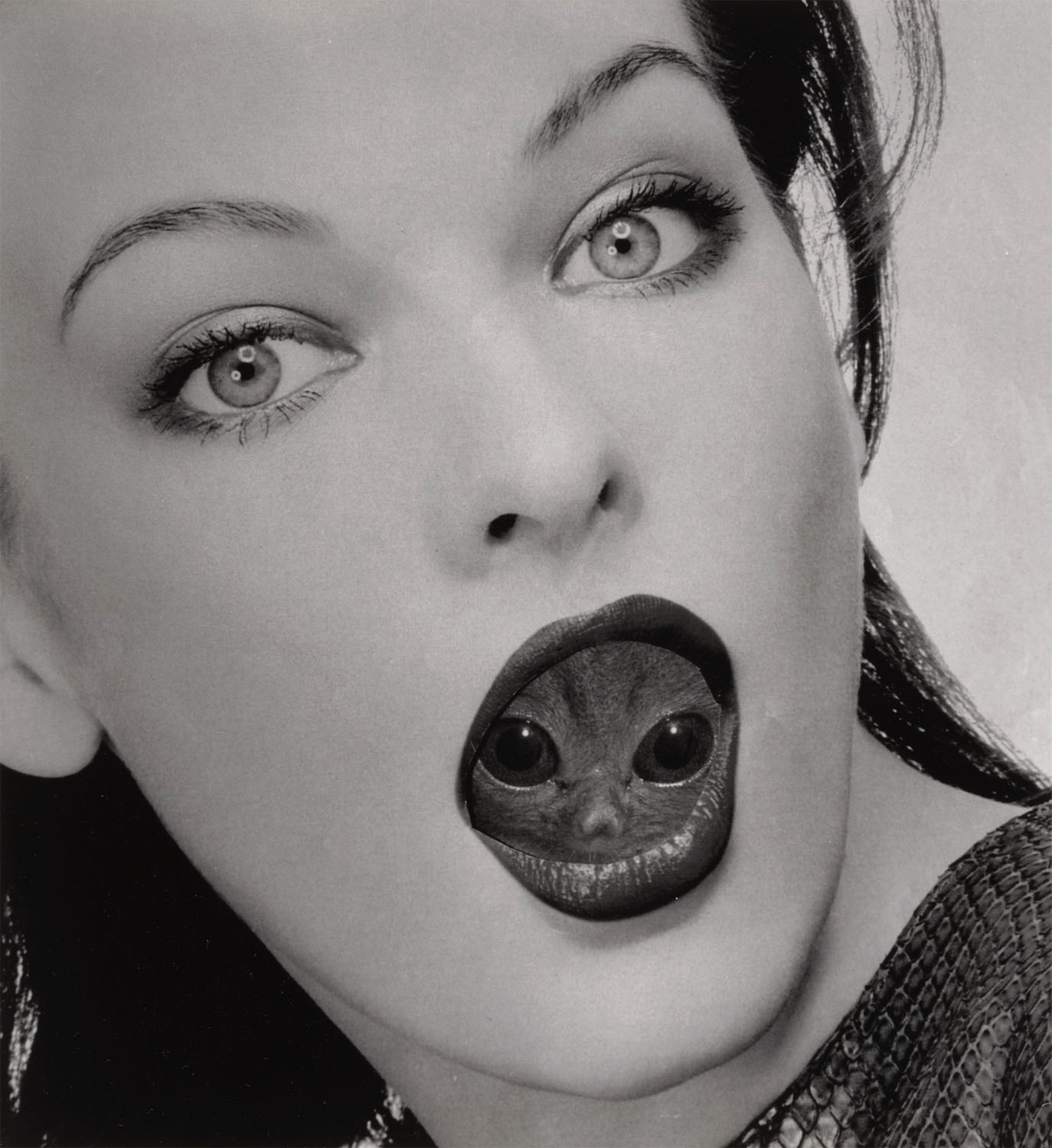
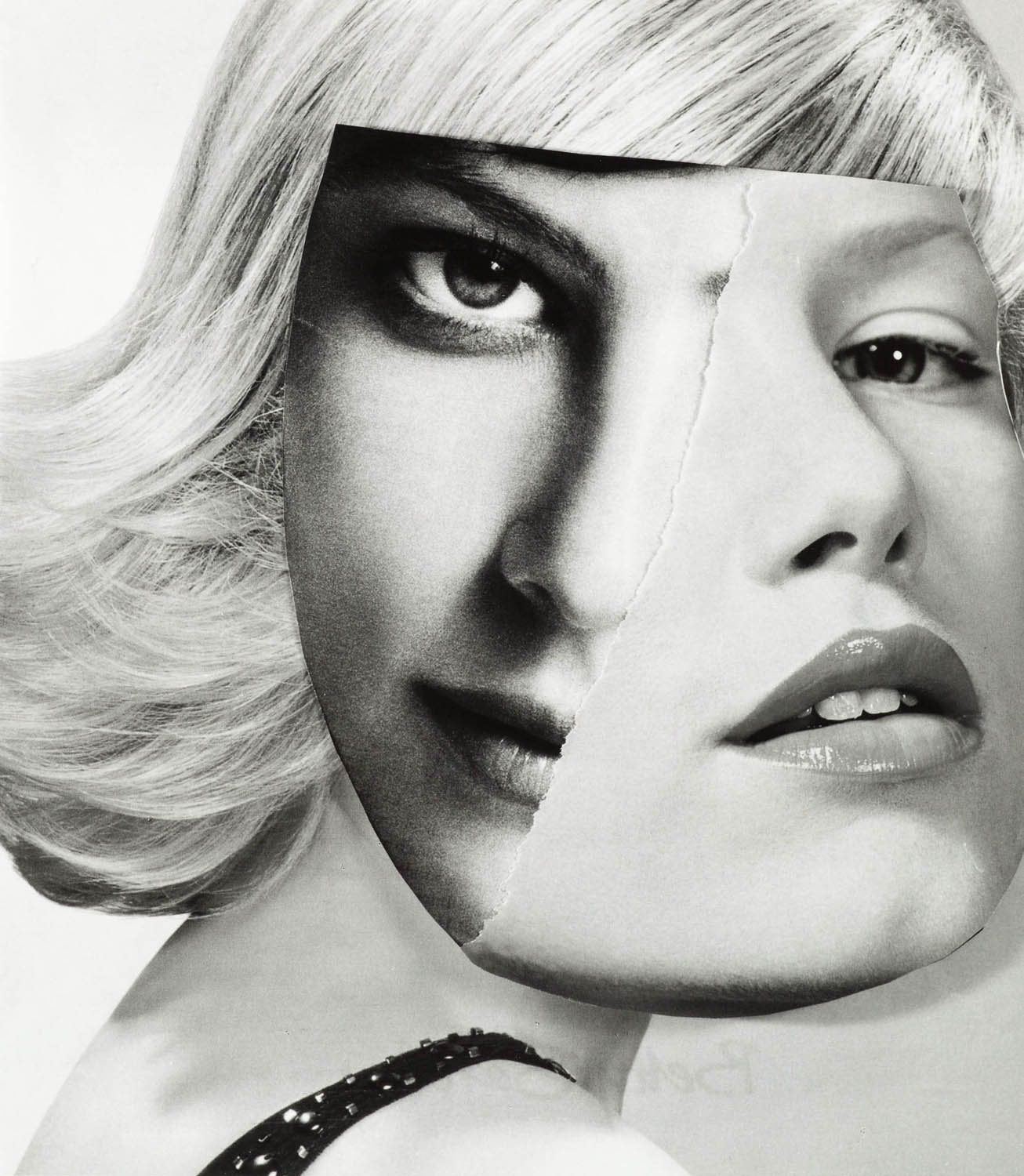

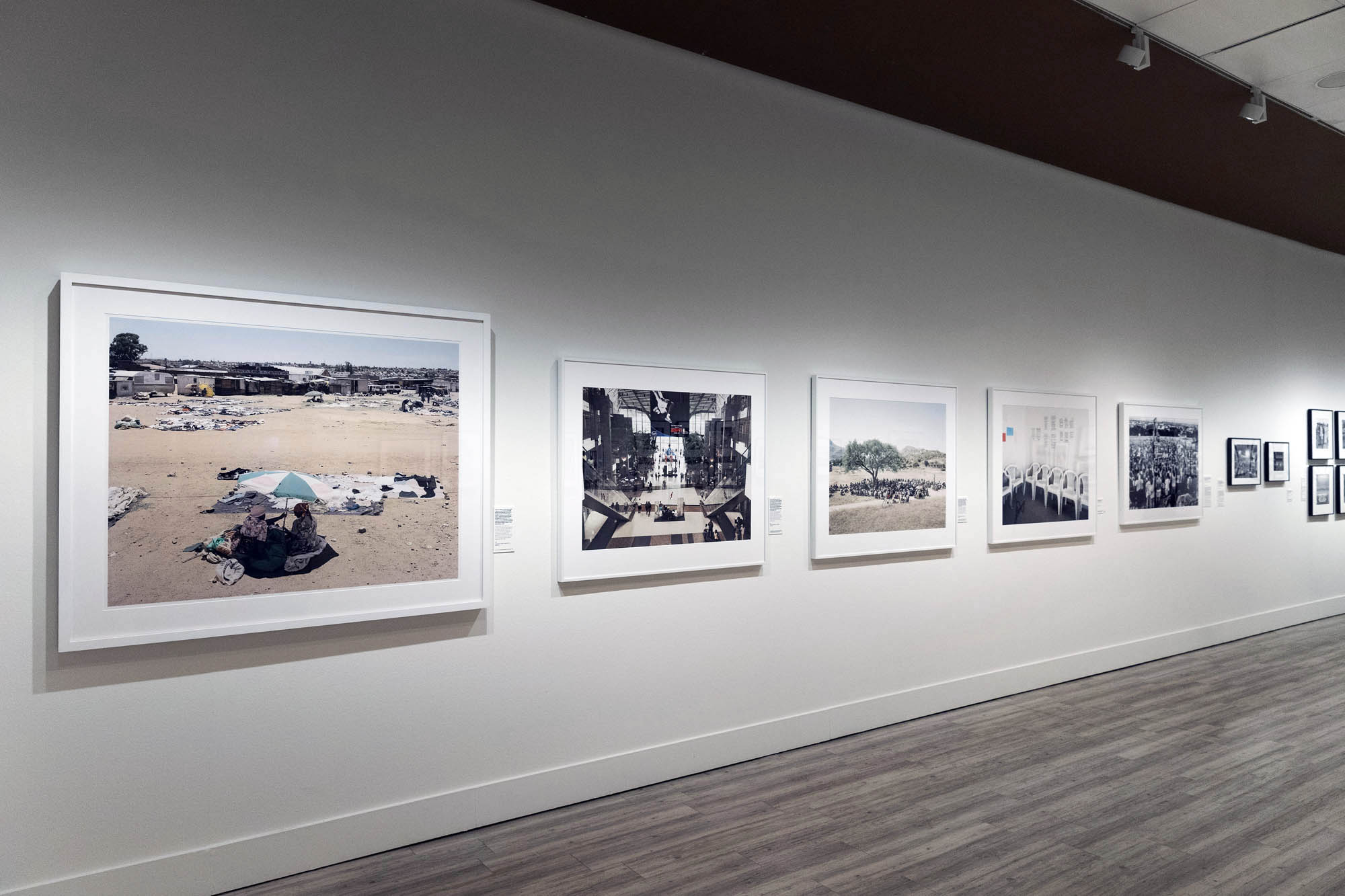
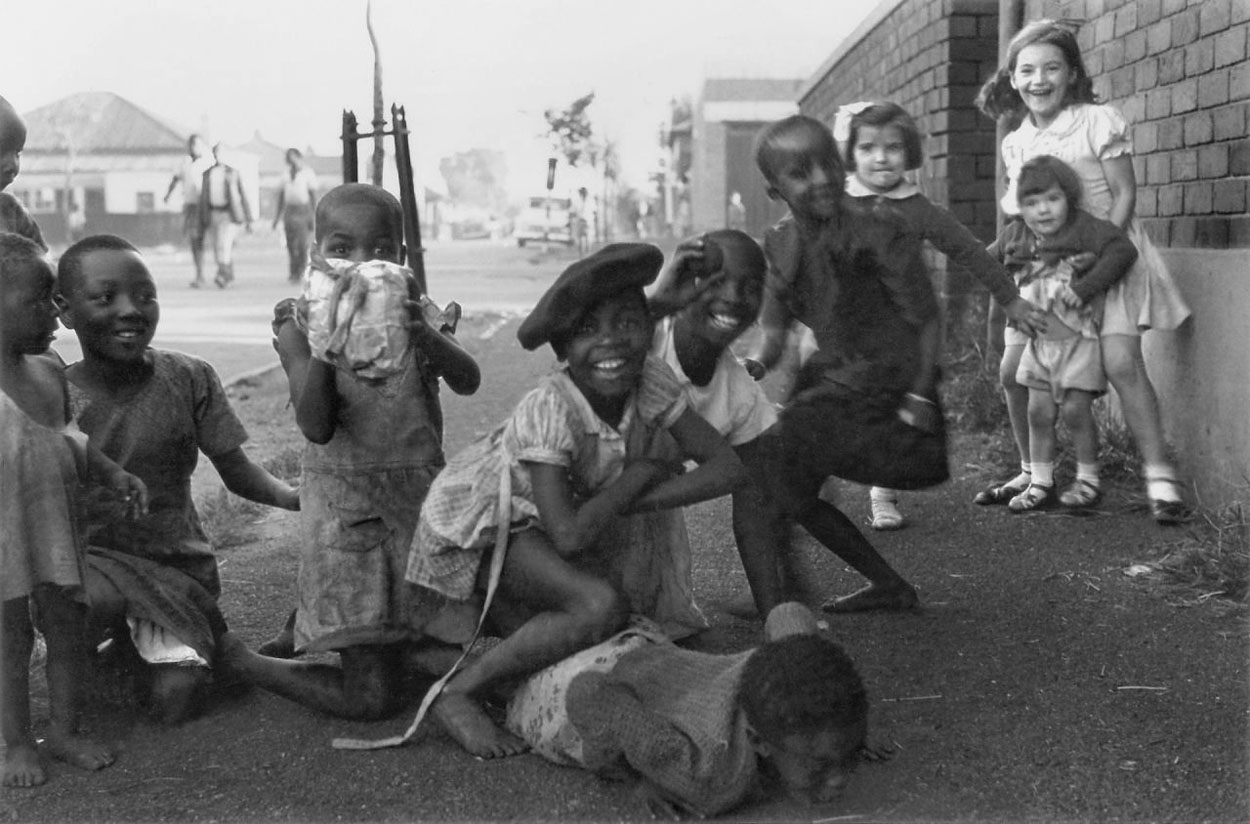
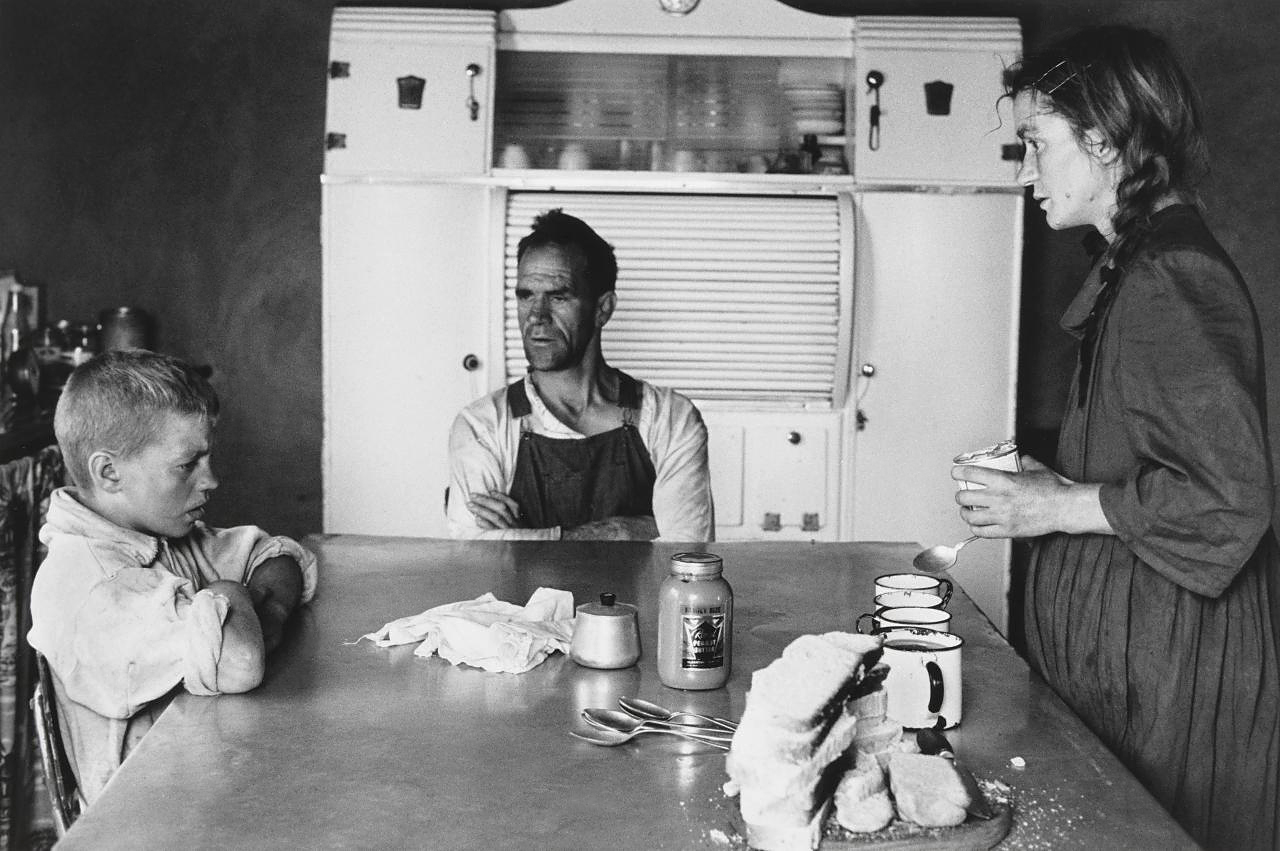

![David Goldblatt (South African, 1930-2018) 'The son of an ostrich farmer waits with a labourer for the day's work to begin, near Oudtshoorn, Cape Province (Western Cape)' [El hijo de un criador de avestruces espera junto a un jornalero a que comience la jornada de trabajo, cerca de Oudtshoorn, Provincia del Cabo Occidental] 1966](https://artblart.com/wp-content/uploads/2024/07/01.jpg "David Goldblatt (South African, 1930-2018) 'The son of an ostrich farmer waits with a labourer for the day's work to begin, near Oudtshoorn, Cape Province (Western Cape)' [El hijo de un criador de avestruces espera junto a un jornalero a que comience la jornada de trabajo, cerca de Oudtshoorn, Provincia del Cabo Occidental] 1966")
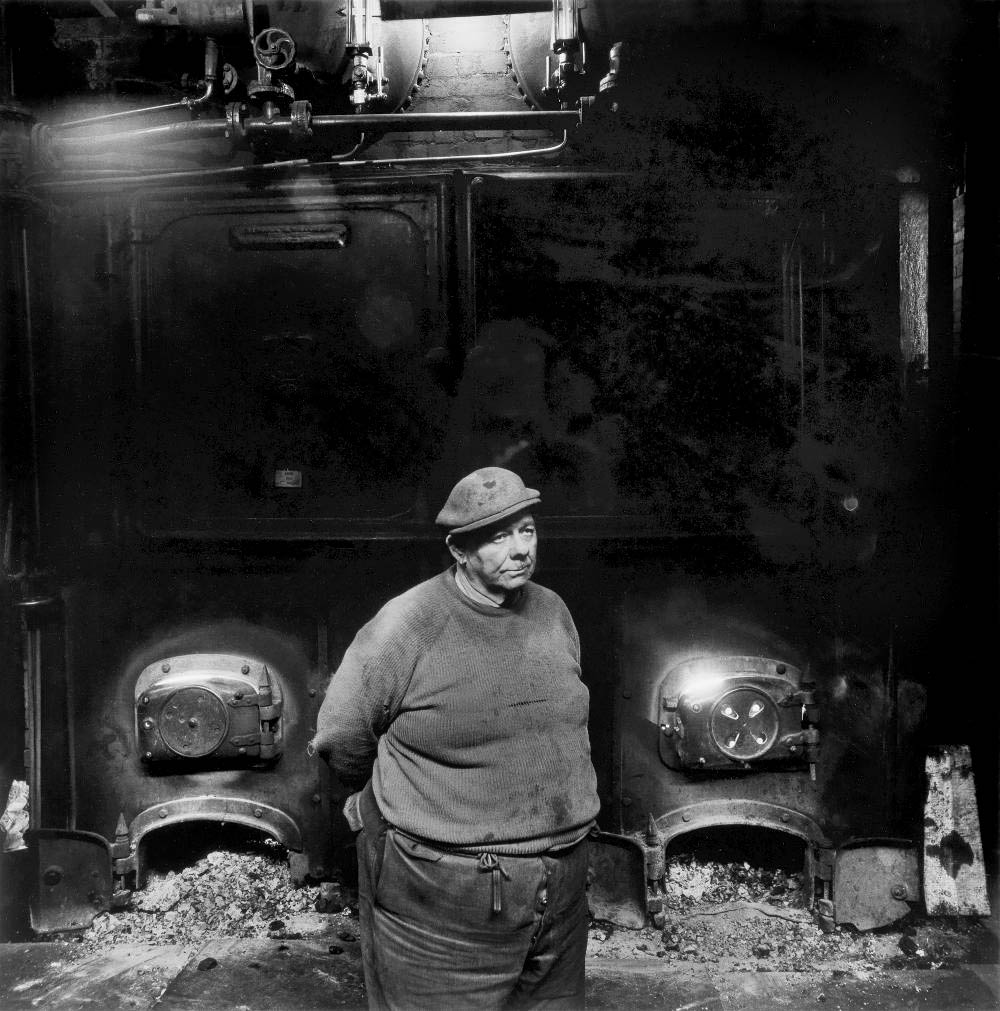

![David Goldblatt (South African, 1930-2018) 'Gang on surface work, Rustenberg Platinum Mine, Rustenburg, North-West Province' [Cuadrilla en trabajos de superficie, mina de platino de Rustenberg, Provincia del Noroeste] 1971](https://artblart.com/wp-content/uploads/2024/07/02.jpg "David Goldblatt (South African, 1930-2018) 'Gang on surface work, Rustenberg Platinum Mine, Rustenburg, North-West Province' [Cuadrilla en trabajos de superficie, mina de platino de Rustenberg, Provincia del Noroeste] 1971")

![David Goldblatt (South African, 1930-2018) 'In the office of the funeral parlour, Orlando West, Soweto' [En la oficina de la funeraria, Orlando West, Soweto] 1972](https://artblart.com/wp-content/uploads/2024/07/03.jpg "David Goldblatt (South African, 1930-2018) 'In the office of the funeral parlour, Orlando West, Soweto' [En la oficina de la funeraria, Orlando West, Soweto] 1972")
![David Goldblatt (South African, 1930-2018) 'Lulu Gebashe and Solomon Mlutshana, who both worked in a record shop in the city, Mofolo Park' [Lulu Gebashe y Solomon Mlutshana, que trabajaban en una tienda de discos de la ciudad, Mofolo Park] 1972](https://artblart.com/wp-content/uploads/2024/07/04.jpg "David Goldblatt (South African, 1930-2018) 'Lulu Gebashe and Solomon Mlutshana, who both worked in a record shop in the city, Mofolo Park' [Lulu Gebashe y Solomon Mlutshana, que trabajaban en una tienda de discos de la ciudad, Mofolo Park] 1972")
![David Goldblatt (South African, 1930-2018) 'Miriam Diale, 5357 Orlando East, Soweto, 18 October 1972' [Miriam Diale, Orlando East n.º 5357, Soweto, 18 de octubre de 1972] 1972](https://artblart.com/wp-content/uploads/2024/07/05.jpg "David Goldblatt (South African, 1930-2018) 'Miriam Diale, 5357 Orlando East, Soweto, 18 October 1972' [Miriam Diale, Orlando East n.º 5357, Soweto, 18 de octubre de 1972] 1972")
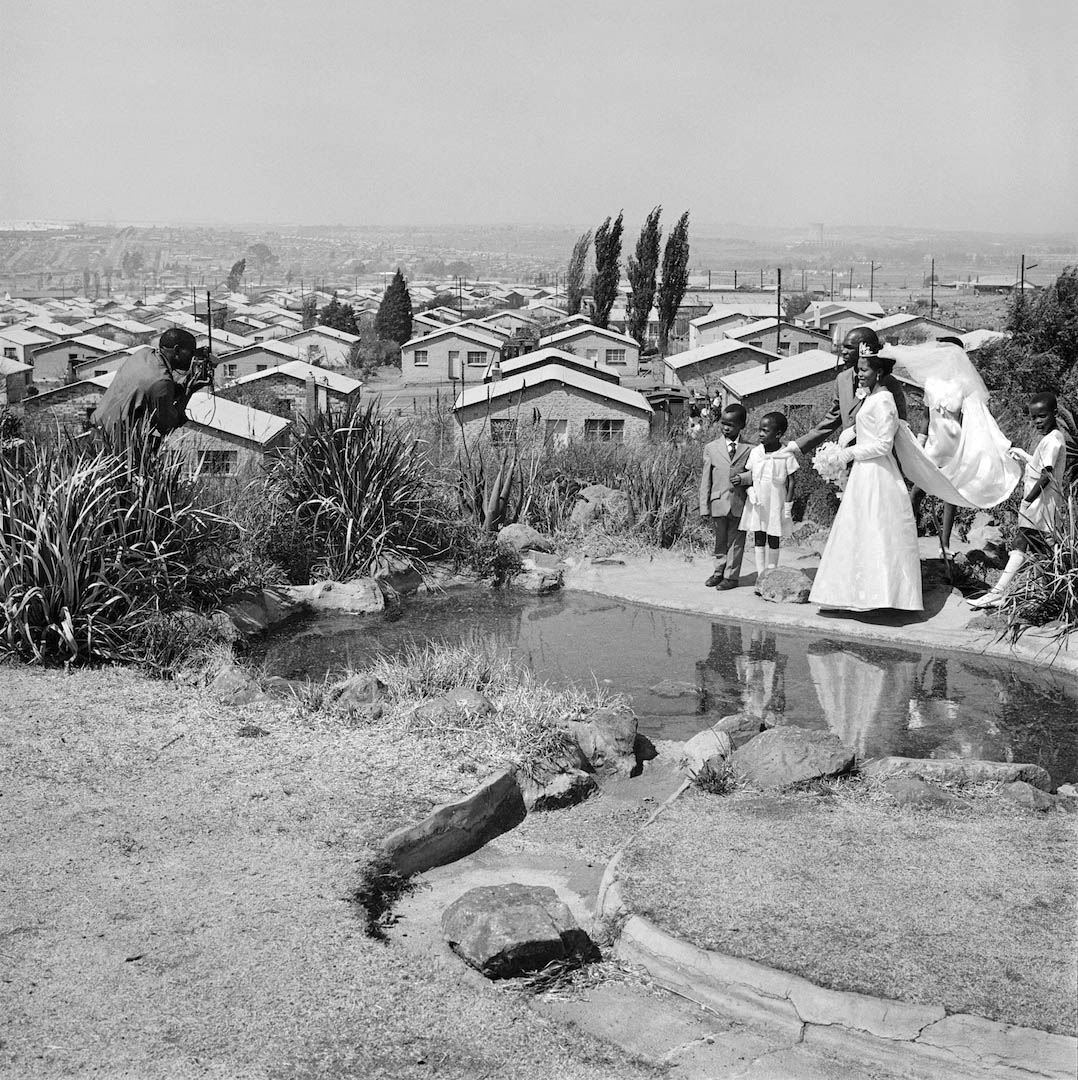
![David Goldblatt (South African, 1930-2018) ;Sylvia Gibbert in her apartment, Melrose, Johannesburg; [Sylvia Gibbert en su apartamento, Melrose, Johannesburgo] 1974](https://artblart.com/wp-content/uploads/2024/07/06.jpg "David Goldblatt (South African, 1930-2018) ;Sylvia Gibbert in her apartment, Melrose, Johannesburg; [Sylvia Gibbert en su apartamento, Melrose, Johannesburgo] 1974")
![David Goldblatt (South African, 1930-2018) 'Ozzie Docrat with his daughter Nassima in his shop before its destruction under the Group Areas Act, Fietas, Johannesburg' [Ozzie Docrat con su hija Nassima en su tienda antes de ser destruida en virtud de la Ley de Agrupación por Áreas, Fietas, Johannesburgo] 1977](https://artblart.com/wp-content/uploads/2024/07/07.jpg "David Goldblatt (South African, 1930-2018) 'Ozzie Docrat with his daughter Nassima in his shop before its destruction under the Group Areas Act, Fietas, Johannesburg' [Ozzie Docrat con su hija Nassima en su tienda antes de ser destruida en virtud de la Ley de Agrupación por Áreas, Fietas, Johannesburgo] 1977")
![David Goldblatt (South African, 1930-2018) 'Sunday morning: A not-White family living illegally in the "White" group area of Hillbrow, Johannesburg' [Domingo por la mañana: una familia no blanca viviendo ilegalmente en la zona "blanca" de Hillbrow, Johannesburgo] 1978](https://artblart.com/wp-content/uploads/2024/07/08.jpg "David Goldblatt (South African, 1930-2018) 'Sunday morning: A not-White family living illegally in the \"White\" group area of Hillbrow, Johannesburg' [Domingo por la mañana: una familia no blanca viviendo ilegalmente en la zona \"blanca\" de Hillbrow, Johannesburgo] 1978")
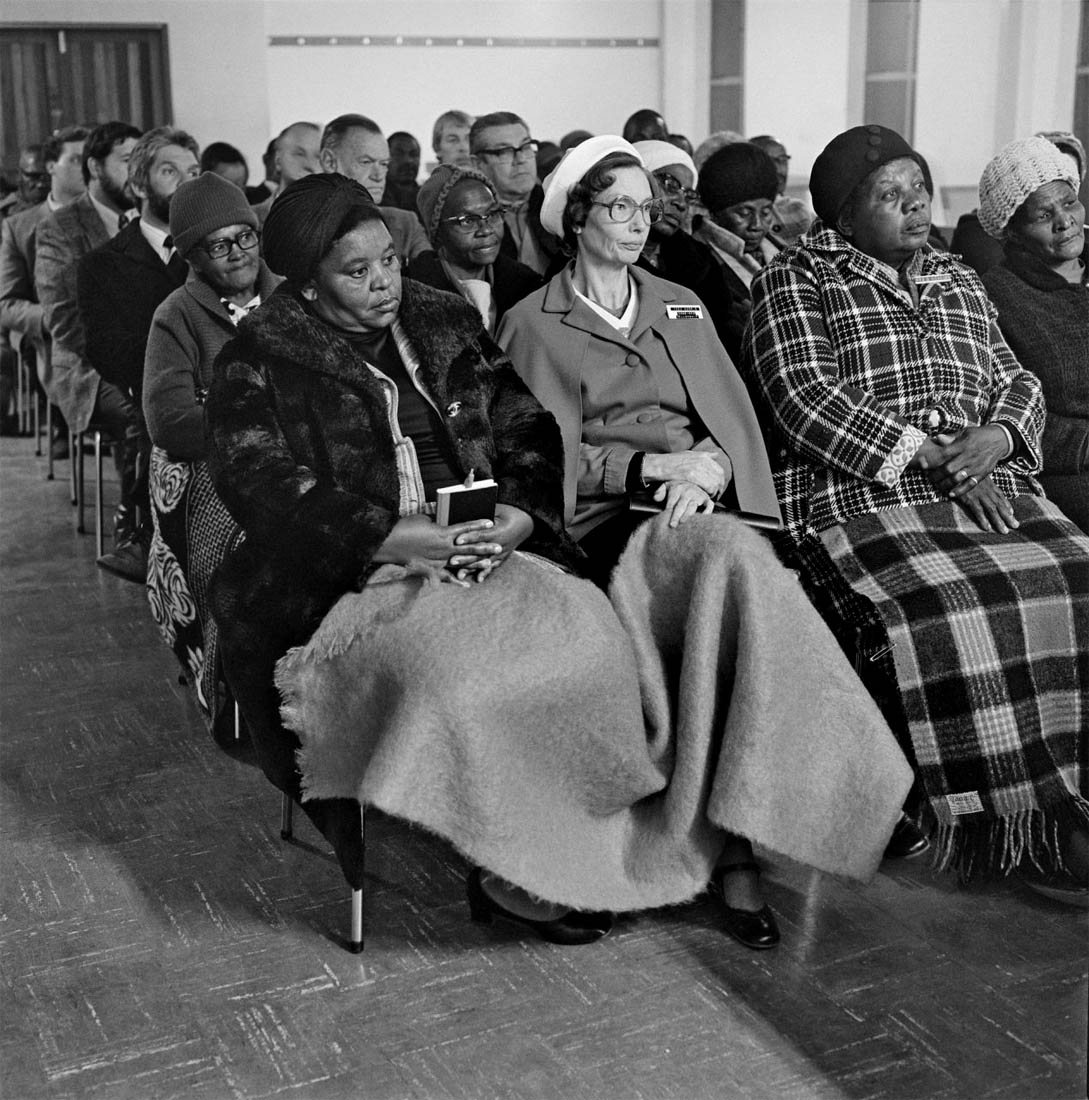
![David Goldblatt (South African, 1930-2018) 'Saturday morning at the hypermarket: Semifinal of the Miss Lovely Legs Competition, 28 June 1980' [Sábado por la mañana en el hipermercado: semifinal del concurso Miss Piernas Bonitas, 28 de junio de 1980] 1980](https://artblart.com/wp-content/uploads/2024/07/09.jpg "David Goldblatt (South African, 1930-2018) 'Saturday morning at the hypermarket: Semifinal of the Miss Lovely Legs Competition, 28 June 1980' [Sábado por la mañana en el hipermercado: semifinal del concurso Miss Piernas Bonitas, 28 de junio de 1980] 1980")
![David Goldblatt (South African, 1930-2018) 'Apostolic Faith Mission (AGS), Birchleigh, Kempton Park, 28 December 1983' [Misión de la Fe Apostólica (AGS, en afrikáans), Birchleigh, Kempton Park, 28 de diciembre de 1983] 1983](https://artblart.com/wp-content/uploads/2024/07/10.jpg "David Goldblatt (South African, 1930-2018) 'Apostolic Faith Mission (AGS), Birchleigh, Kempton Park, 28 December 1983' [Misión de la Fe Apostólica (AGS, en afrikáans), Birchleigh, Kempton Park, 28 de diciembre de 1983] 1983")
![David Goldblatt (South African, 1930-2018) 'Thirteen kilometres of this coastline were a White Group Area, Bloubergstrand, Cape Town, 9 January 1986' [Trece kilómetros de esta costa eran una zona reservada para blancos, Bloubergstrand, Ciudad del Cabo, 9 de enero de 1986] 1986](https://artblart.com/wp-content/uploads/2024/07/11.jpg "David Goldblatt (South African, 1930-2018) 'Thirteen kilometres of this coastline were a White Group Area, Bloubergstrand, Cape Town, 9 January 1986' [Trece kilómetros de esta costa eran una zona reservada para blancos, Bloubergstrand, Ciudad del Cabo, 9 de enero de 1986] 1986")
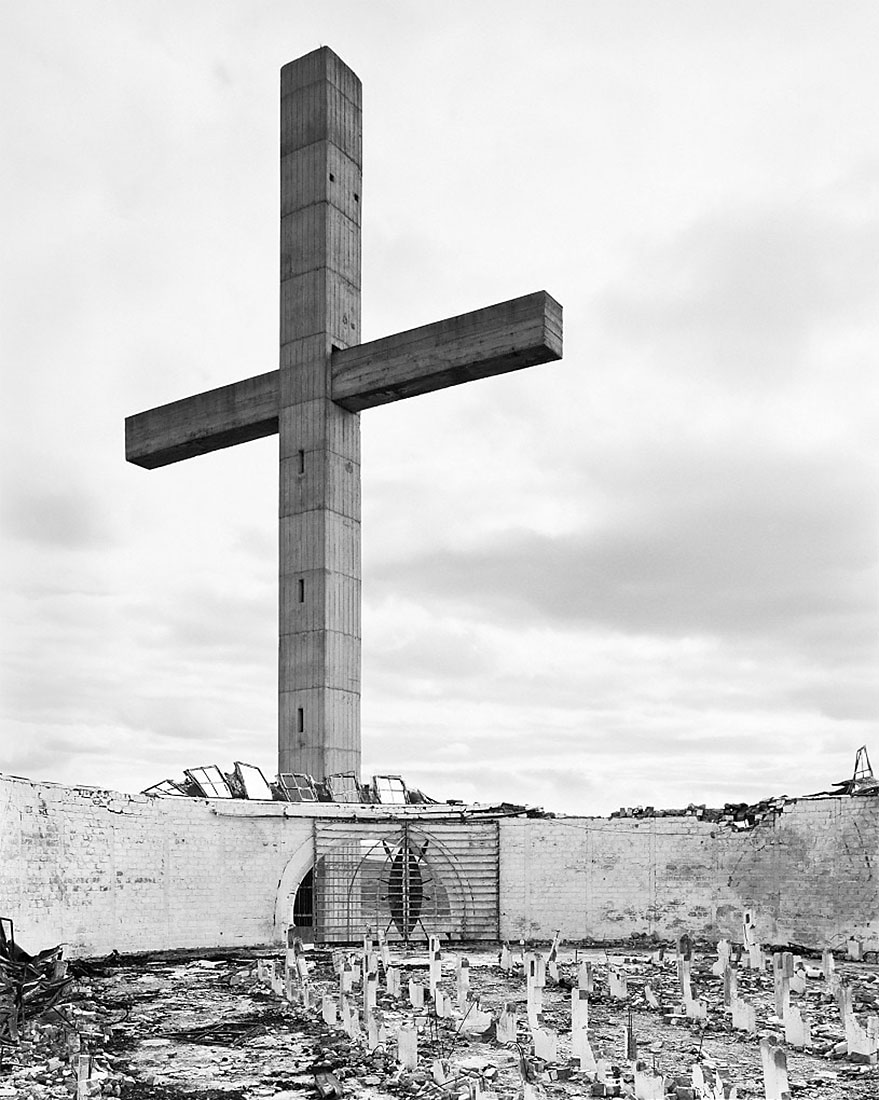
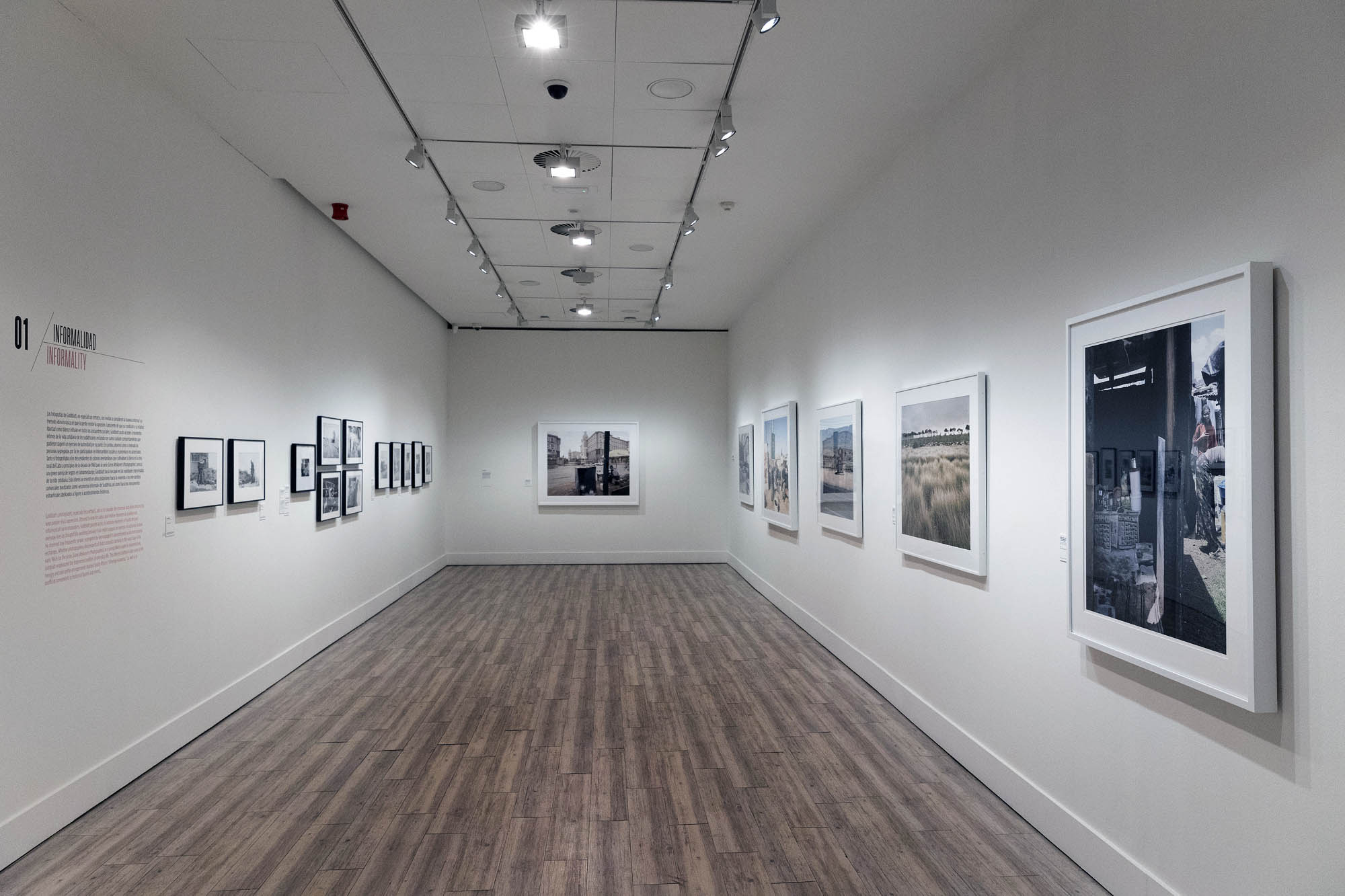

![David Goldblatt (South African, 1930-2018) 'Swerwers, nomadic sheep shearers and farmworkers descended from the San hunter-gatherers and Khoi pastoralists. Without work for four months they lived in the gang, the corridor between farms, fences and roads, hunting, fishing when they could, and eating roadkill, near Nuwe Rooiberg, Northern Cape, 18 September 2002' [Swerwers, esquiladores de ovejas y trabajadores agrícolas nómadas, descendientes de los cazadores-recolectores san y de los pastores khoi. Sin trabajo durante cuatro meses, vivían en el paso, el corredor que hay entre las vallas de las granjas y las carreteras, cazando, pescando cuando podían y comiendo animales atropellados, cerca de Nuwe Rooiberg, Cabo Septentrional, 18 de septiembre de 2002] 2002, printed 2005](https://artblart.com/wp-content/uploads/2024/07/12.jpg "David Goldblatt (South African, 1930-2018) 'Swerwers, nomadic sheep shearers and farmworkers descended from the San hunter-gatherers and Khoi pastoralists. Without work for four months they lived in the gang, the corridor between farms, fences and roads, hunting, fishing when they could, and eating roadkill, near Nuwe Rooiberg, Northern Cape, 18 September 2002' [Swerwers, esquiladores de ovejas y trabajadores agrícolas nómadas, descendientes de los cazadores-recolectores san y de los pastores khoi. Sin trabajo durante cuatro meses, vivían en el paso, el corredor que hay entre las vallas de las granjas y las carreteras, cazando, pescando cuando podían y comiendo animales atropellados, cerca de Nuwe Rooiberg, Cabo Septentrional, 18 de septiembre de 2002] 2002, printed 2005")
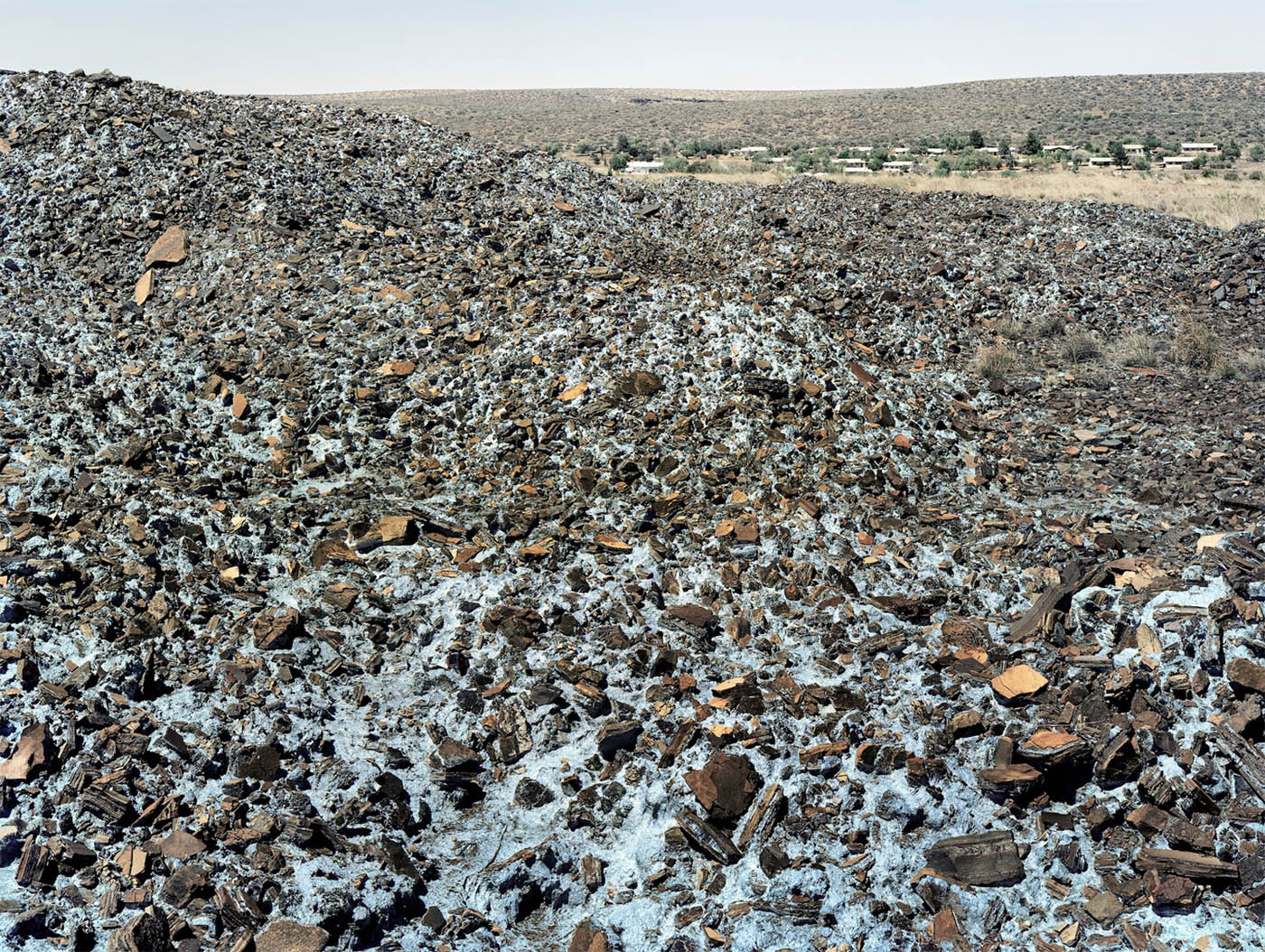
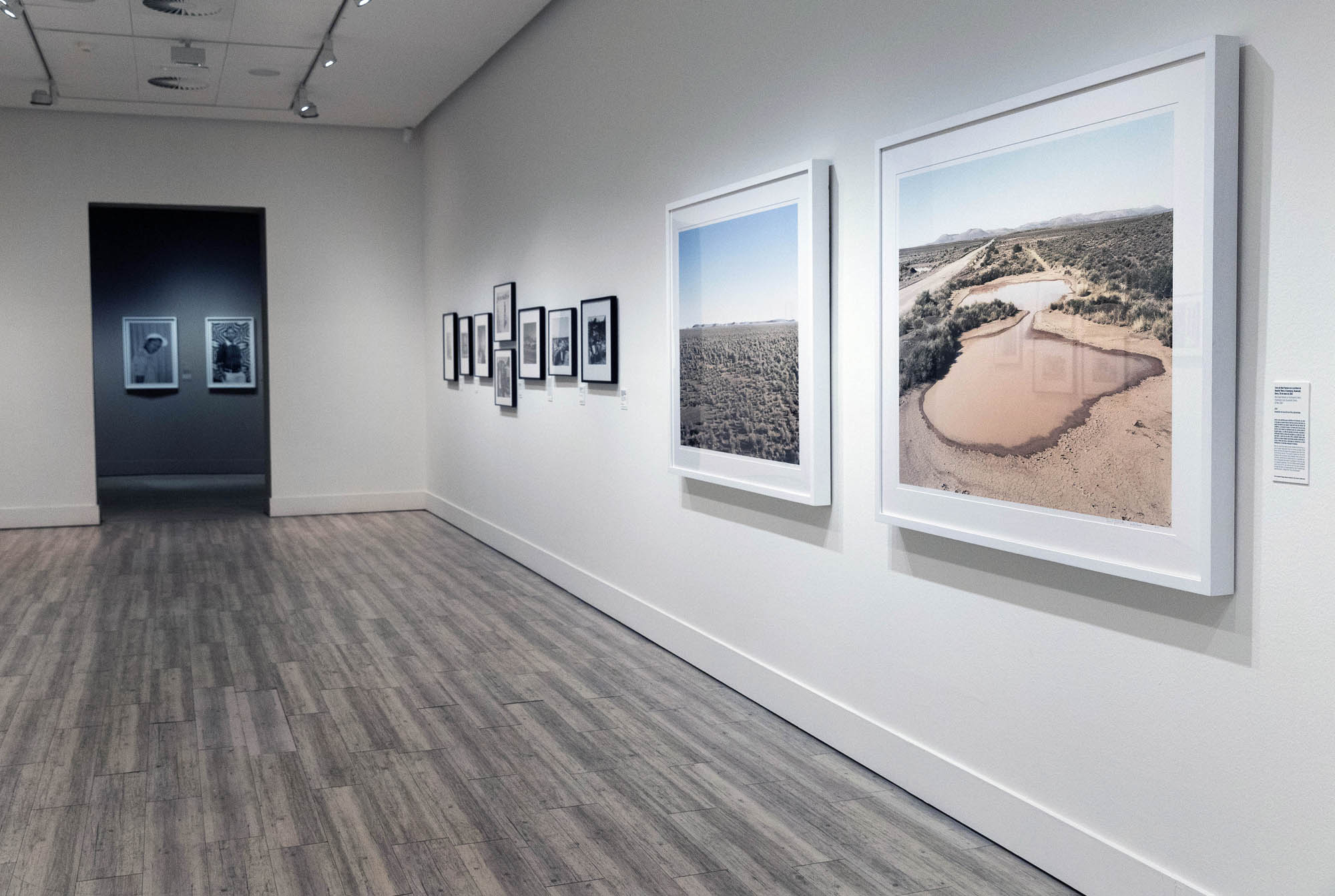
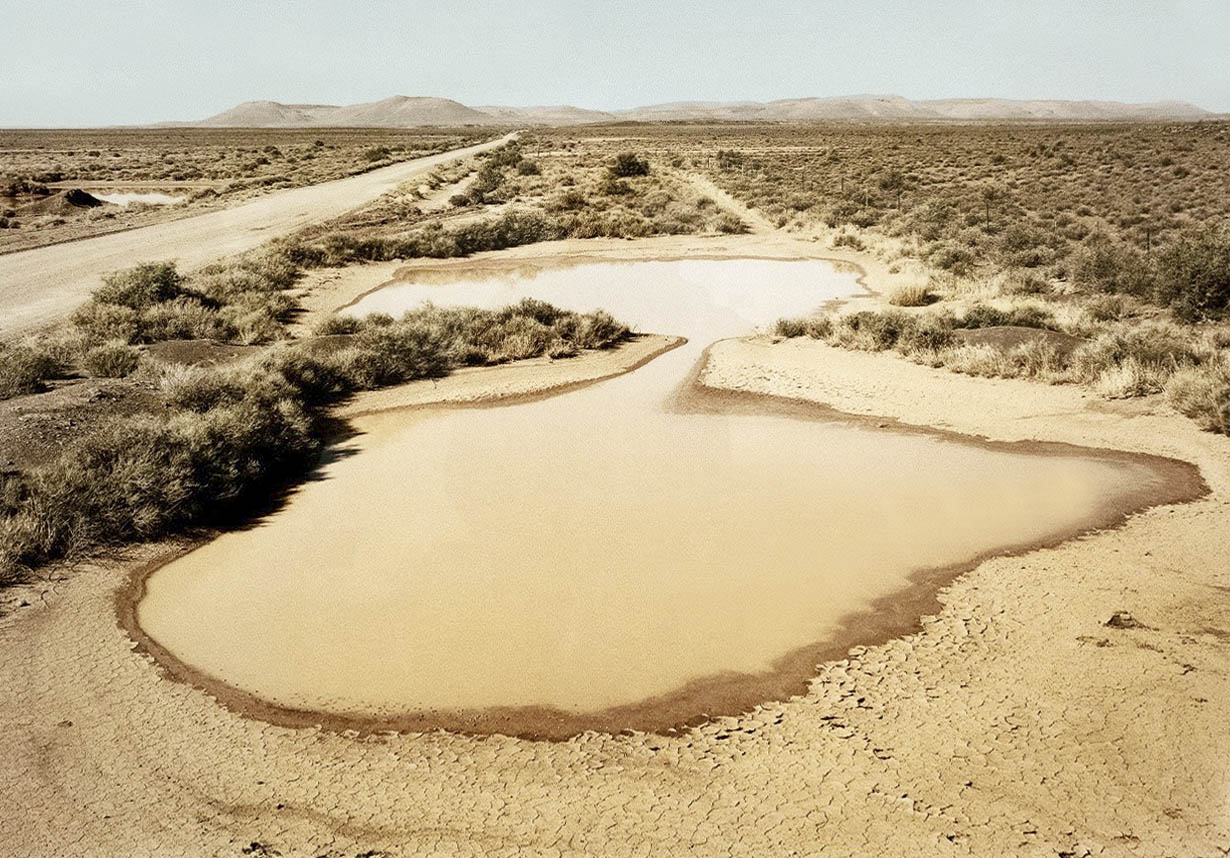
![David Goldblatt (South African, 1930-2018) 'Incomplete houses, part of a stalled municipal development of 1,000 houses. The funding allocation was made in 1998, building started in 2003. Officials and a politician gave various reasons for the stalling of the scheme: Shortage of water, theft of materials, problems with sewage disposal, problems caused by the high clay content of the soil, and shortage of funds. By August 2006, 420 houses had been completed, Lady Grey, Eastern Cape, 5 August 2006' [Casas sin terminar, parte de una promoción municipal de 1.000 viviendas paralizada. La financiación se consignó en 1998 y la construcción empezó en 2003. Los funcionarios y un político dieron varias razones para la paralización del proyecto: escasez de agua, robo de materiales, problemas con la evacuación de aguas residuales, problemas causados por el alto contenido de arcilla del suelo y escasez de fondos. En agosto de 2006 se habían terminado 420 viviendas, Lady Grey, Cabo Oriental, 5 de agosto de 2006] 2006](https://artblart.com/wp-content/uploads/2024/07/13.jpg "David Goldblatt (South African, 1930-2018) 'Incomplete houses, part of a stalled municipal development of 1,000 houses. The funding allocation was made in 1998, building started in 2003. Officials and a politician gave various reasons for the stalling of the scheme: Shortage of water, theft of materials, problems with sewage disposal, problems caused by the high clay content of the soil, and shortage of funds. By August 2006, 420 houses had been completed, Lady Grey, Eastern Cape, 5 August 2006' [Casas sin terminar, parte de una promoción municipal de 1.000 viviendas paralizada. La financiación se consignó en 1998 y la construcción empezó en 2003. Los funcionarios y un político dieron varias razones para la paralización del proyecto: escasez de agua, robo de materiales, problemas con la evacuación de aguas residuales, problemas causados por el alto contenido de arcilla del suelo y escasez de fondos. En agosto de 2006 se habían terminado 420 viviendas, Lady Grey, Cabo Oriental, 5 de agosto de 2006] 2006")
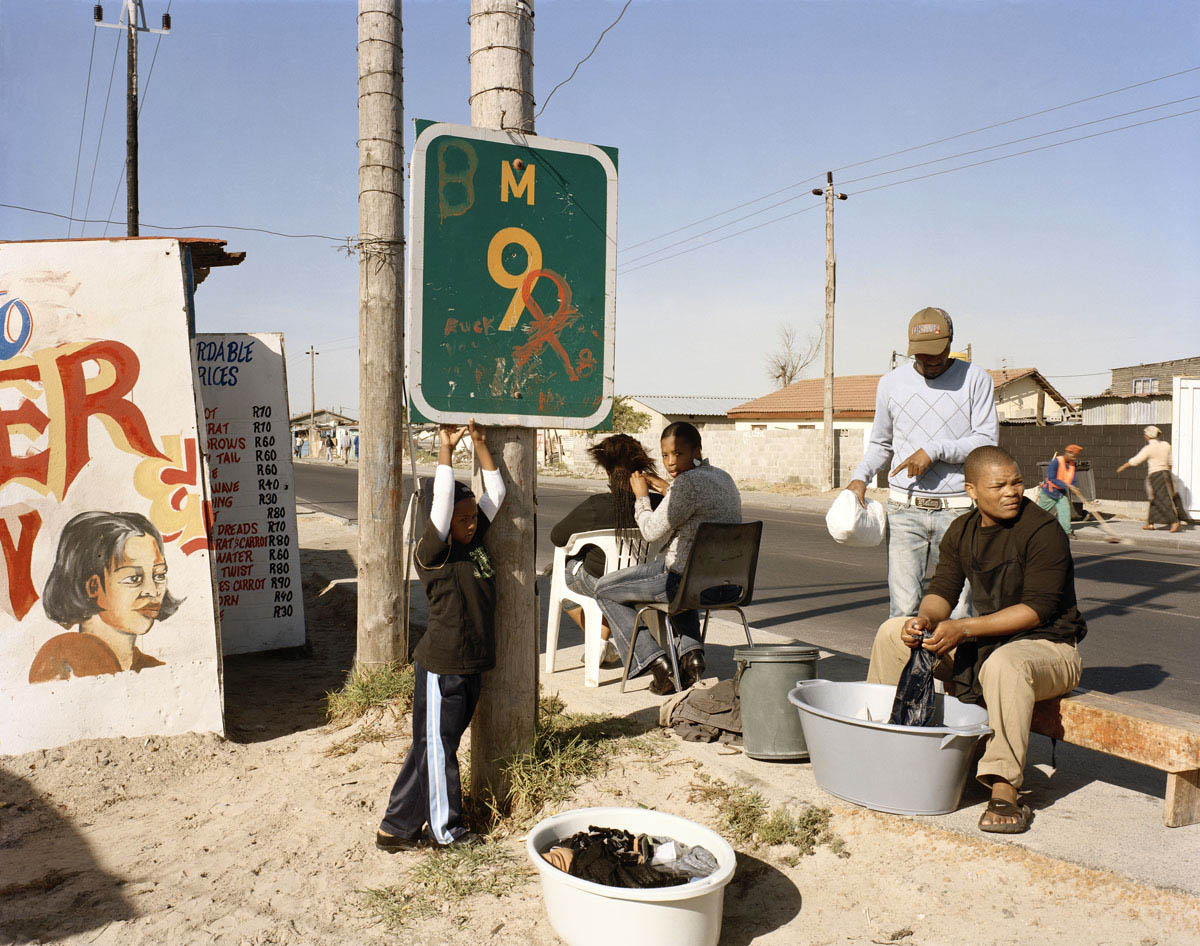
![David Goldblatt (South African, 1930-2018) 'The dethroning of Cecil John Rhodes, after the throwing of human feces on the statue and the agreement of the university to the demands of students for its removal, the University of Cape Town, 9 April 2015' [El derrocamiento de Cecil John Rhodes después de arrojar heces humanas contra la estatua y de que la universidad accediera a las demandas de los estudiantes para su retirada, Universidad de Ciudad del Cabo, 9 de abril de 2015] 2015](https://artblart.com/wp-content/uploads/2024/07/14.jpg "David Goldblatt (South African, 1930-2018) 'The dethroning of Cecil John Rhodes, after the throwing of human feces on the statue and the agreement of the university to the demands of students for its removal, the University of Cape Town, 9 April 2015' [El derrocamiento de Cecil John Rhodes después de arrojar heces humanas contra la estatua y de que la universidad accediera a las demandas de los estudiantes para su retirada, Universidad de Ciudad del Cabo, 9 de abril de 2015] 2015")


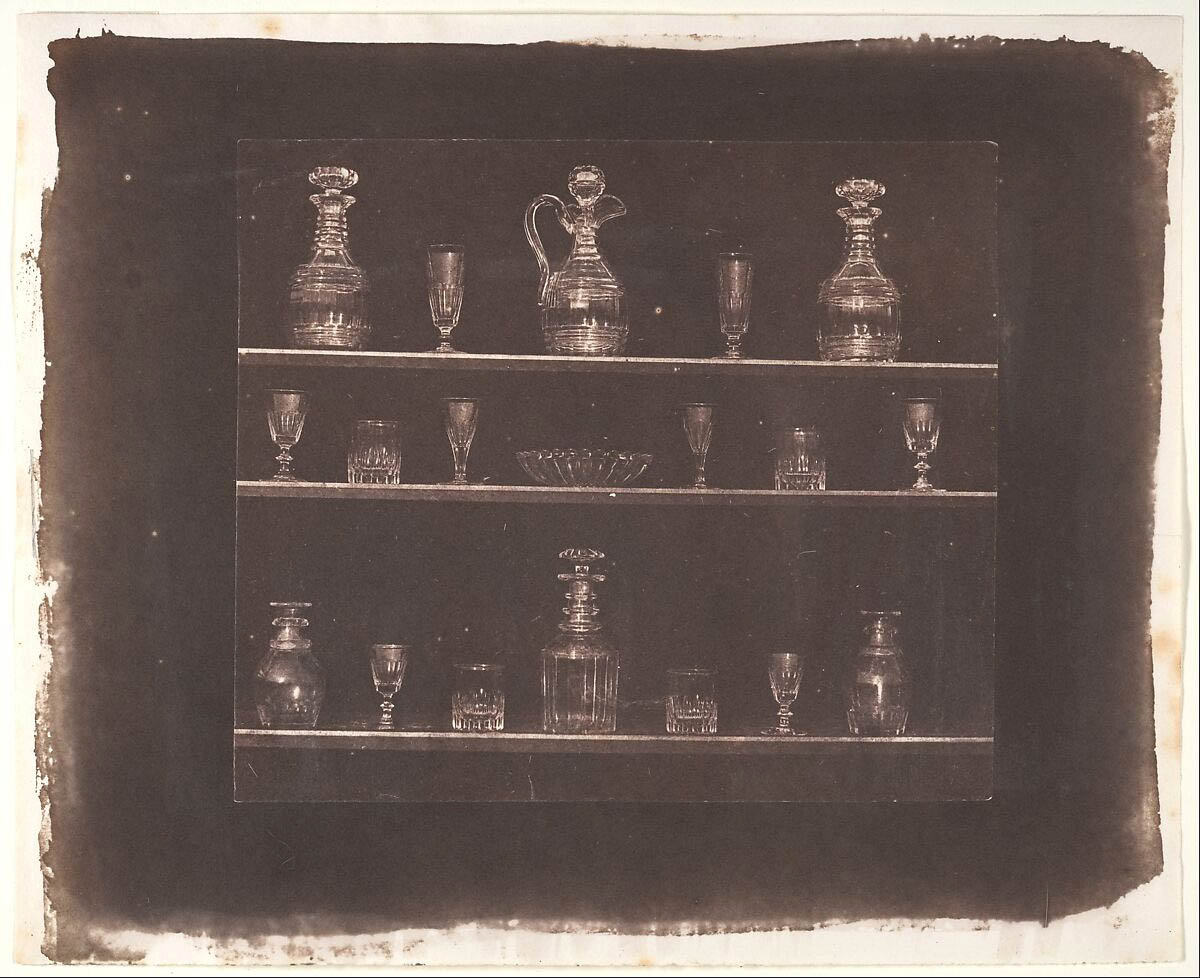

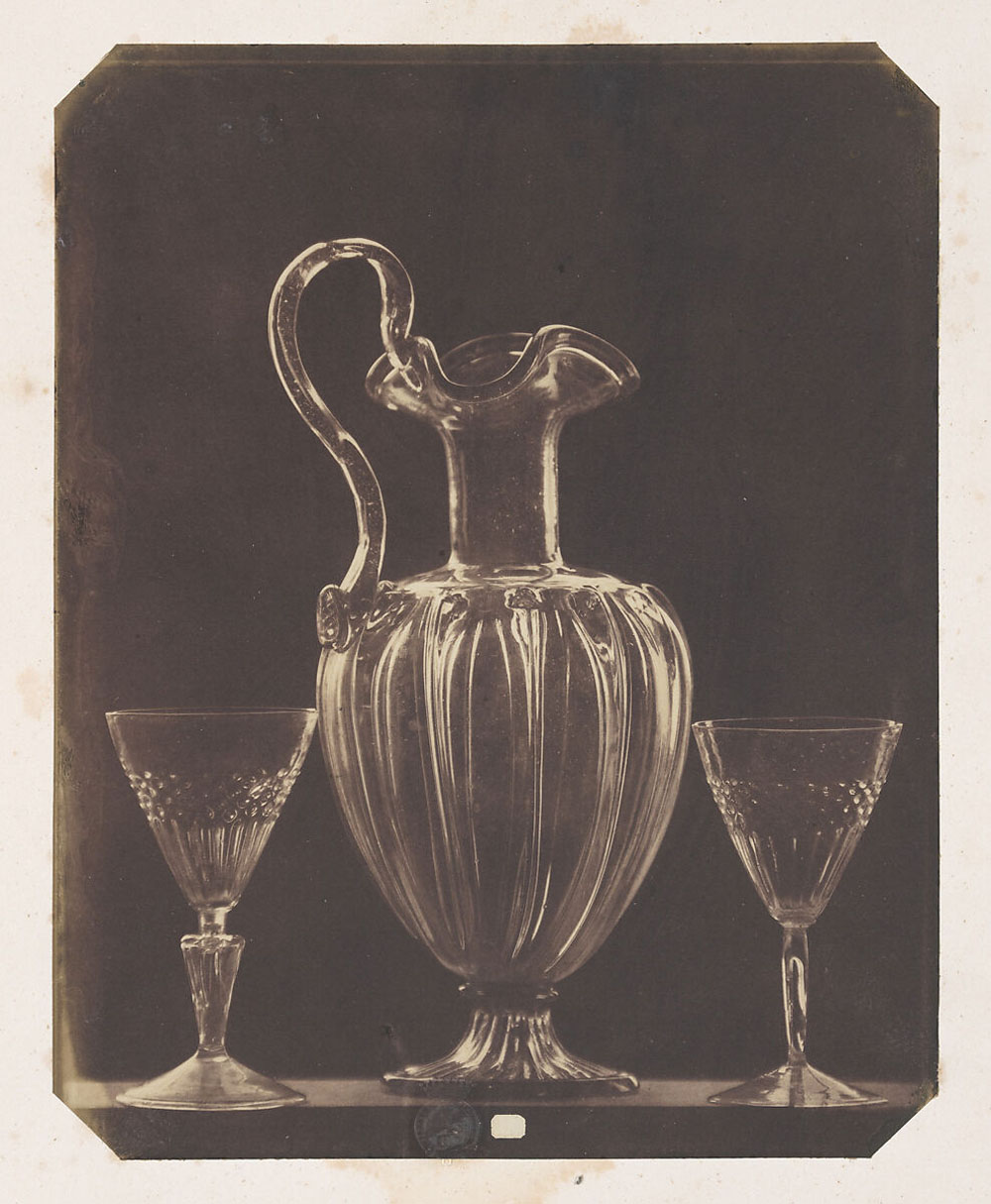
![Charles Nègre (French, 1820-1880) '[Plaster Casts of Bishops' Miters, South Porch, Chartres]' c. 1855](https://artblart.com/wp-content/uploads/2024/06/negre-plaster-casts.jpg "Charles Nègre (French, 1820-1880) '[Plaster Casts of Bishops' Miters, South Porch, Chartres]' c. 1855")

![Pine & Bell (photographic studio) (American, active 1860s, Troy, New York) William H. Bell (American born England, Liverpool 1831-1910 Philadelphia, Pennsylvania) George W. Pine (American, active 1860s, Troy, New York) '[Display of Hats and Accessories of 1868]' 1868](https://artblart.com/wp-content/uploads/2024/06/pine-bell-display-of-hats-and-accessories-of-1868.jpg "Pine & Bell (photographic studio) (American, active 1860s, Troy, New York) William H. Bell (American born England, Liverpool 1831-1910 Philadelphia, Pennsylvania) George W. Pine (American, active 1860s, Troy, New York) '[Display of Hats and Accessories of 1868]' 1868")
![Unknown photographer. '[E. Adkins Gun Merchant]' c. 1874](https://artblart.com/wp-content/uploads/2024/06/unknown-photographer-e.-adkins-gun-merchant.jpg "Unknown photographer. '[E. Adkins Gun Merchant]' c. 1874")
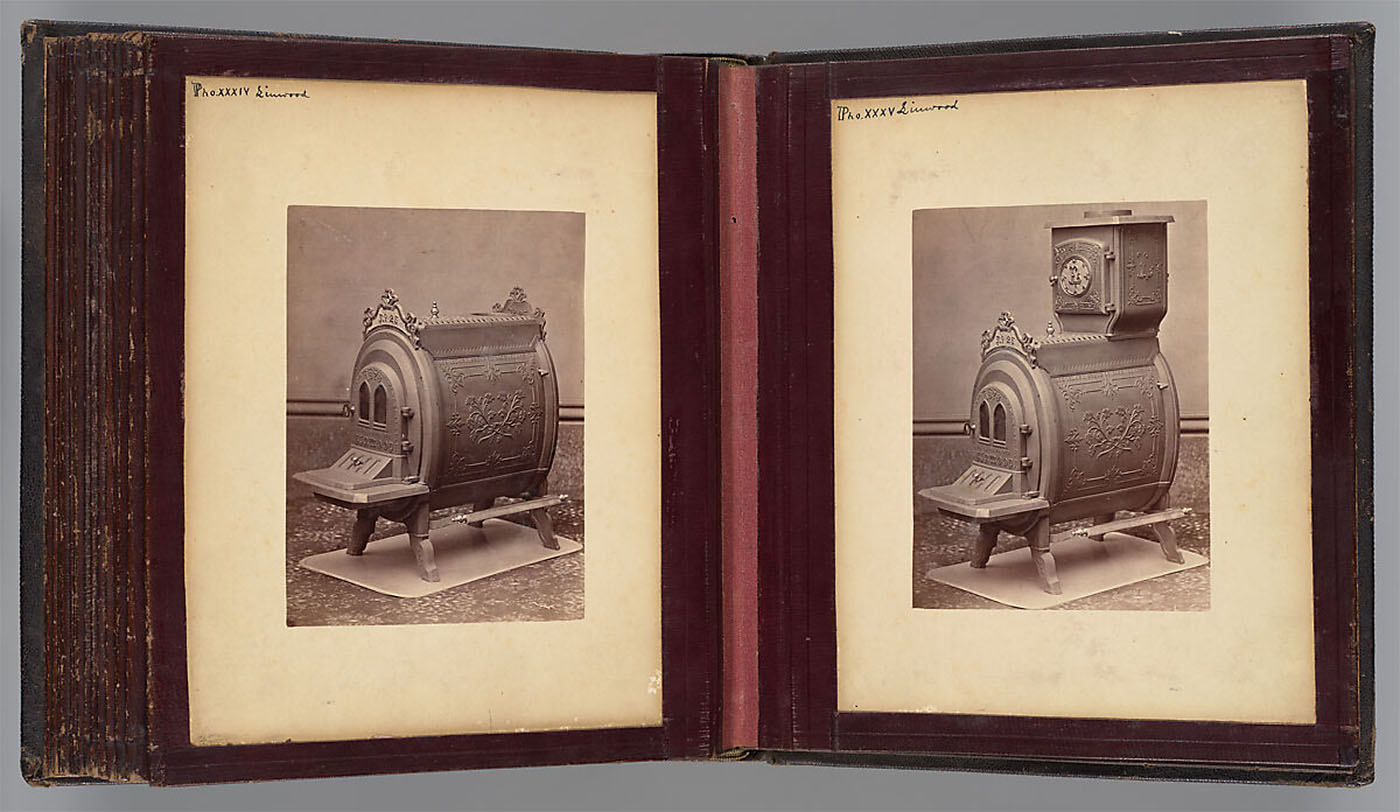

![Frank M. Sutcliffe (British, 1853-1941) '[Display of Whitby Seascape Photographs]' c. 1888](https://artblart.com/wp-content/uploads/2024/06/sutcliffe-display-of-whitby-seascape-photographs.jpg "Frank M. Sutcliffe (British, 1853-1941) '[Display of Whitby Seascape Photographs]' c. 1888")
![Unknown (American) '[Vermont Marble Tombstone Catalogue]' 1880s](https://artblart.com/wp-content/uploads/2024/06/unknown-vermont-marble-tombstone-catalogue.jpg "Unknown (American) '[Vermont Marble Tombstone Catalogue]' 1880s")
![Schadde Brothers (American, active Minneapolis, 1890s-1910s) Alvin J. Schadde (American, 1872-1937) Herman T. Schadde (American, 1874-1937) '[High Grade Jelly Eggs, from a Brandle & Smith Co. Catalogue]' c. 1915](https://artblart.com/wp-content/uploads/2024/06/schadde-brothers-high-grade-jelly-eggs.jpg "Schadde Brothers (American, active Minneapolis, 1890s-1910s) Alvin J. Schadde (American, 1872-1937) Herman T. Schadde (American, 1874-1937) '[High Grade Jelly Eggs, from a Brandle & Smith Co. Catalogue]' c. 1915")
![Schadde Brothers (American, active Minneapolis, 1890s-1910s) Alvin J. Schadde (American, 1872-1937) Herman T. Schadde (American, 1874-1937) '[Satinettes, Filled Confections and Ye Old Style Stick Candy, from a Brandle & Smith Co. Catalogue]' c. 1915](https://artblart.com/wp-content/uploads/2024/06/schadde-brothers-satinettes.jpg "Schadde Brothers (American, active Minneapolis, 1890s-1910s) Alvin J. Schadde (American, 1872-1937) Herman T. Schadde (American, 1874-1937) '[Satinettes, Filled Confections and Ye Old Style Stick Candy, from a Brandle & Smith Co. Catalogue]' c. 1915")
![Ralph Bartholomew Jr. (American, 1907-1985) '[Soap Packaging]' 1936](https://artblart.com/wp-content/uploads/2024/06/bartholomew_soap-packaging.jpg "Ralph Bartholomew Jr. (American, 1907-1985) '[Soap Packaging]' 1936")



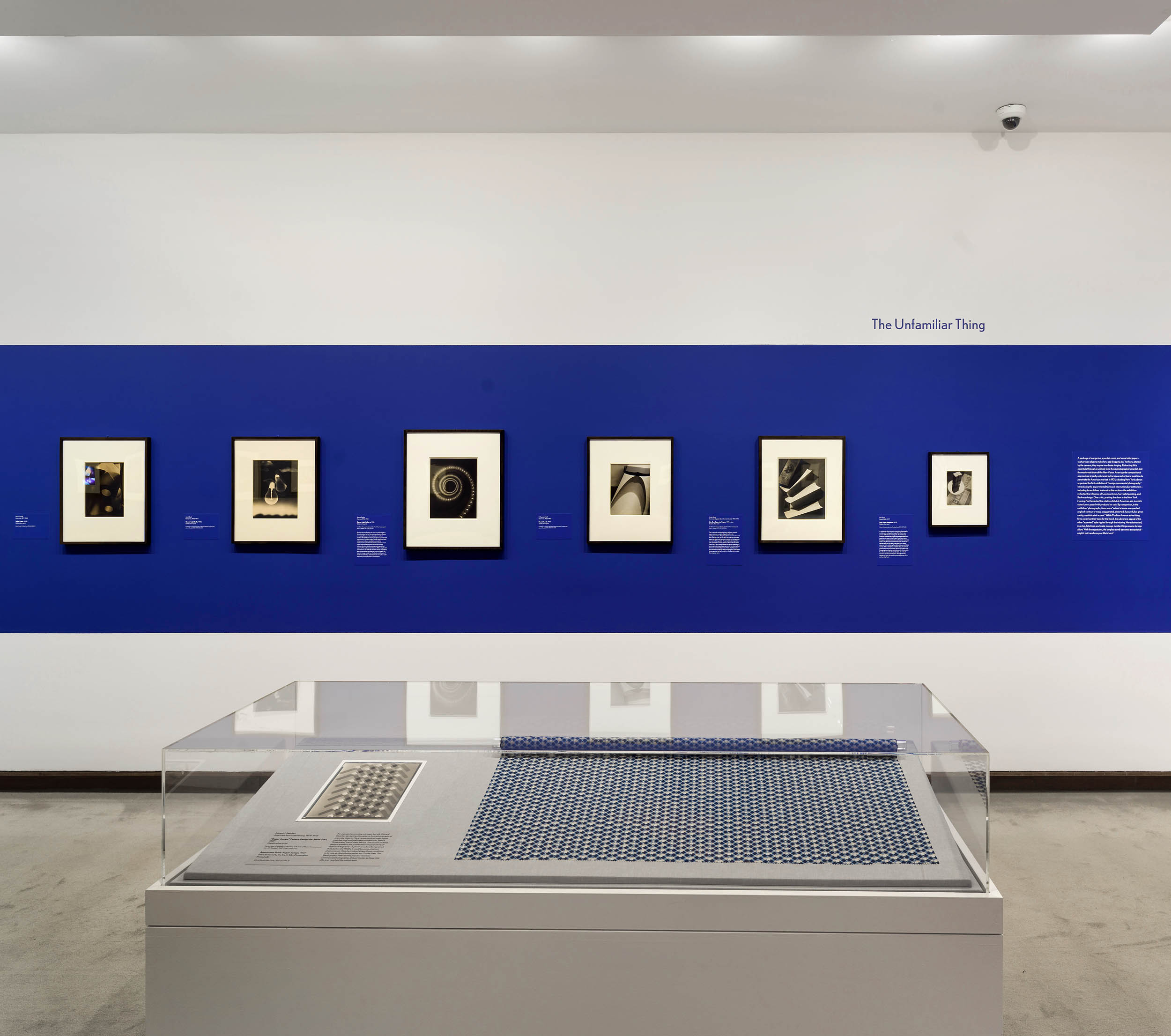
![Edward J. Steichen (American born Luxembourg, Bivange 1879 - 1973 West Redding, Connecticut) '["Sugar Lumps" Pattern Design for Stehli Silks]' 1927](https://artblart.com/wp-content/uploads/2024/06/steichen-sugar-lumps.jpg "Edward J. Steichen (American born Luxembourg, Bivange 1879 - 1973 West Redding, Connecticut) '[\"Sugar Lumps\" Pattern Design for Stehli Silks]' 1927")
![August Sander (German, 1876-1964) '[Osram Light Bulbs]' c. 1930](https://artblart.com/wp-content/uploads/2024/06/august-sander_osram-light-bulbs.jpg "August Sander (German, 1876-1964) '[Osram Light Bulbs]' c. 1930")
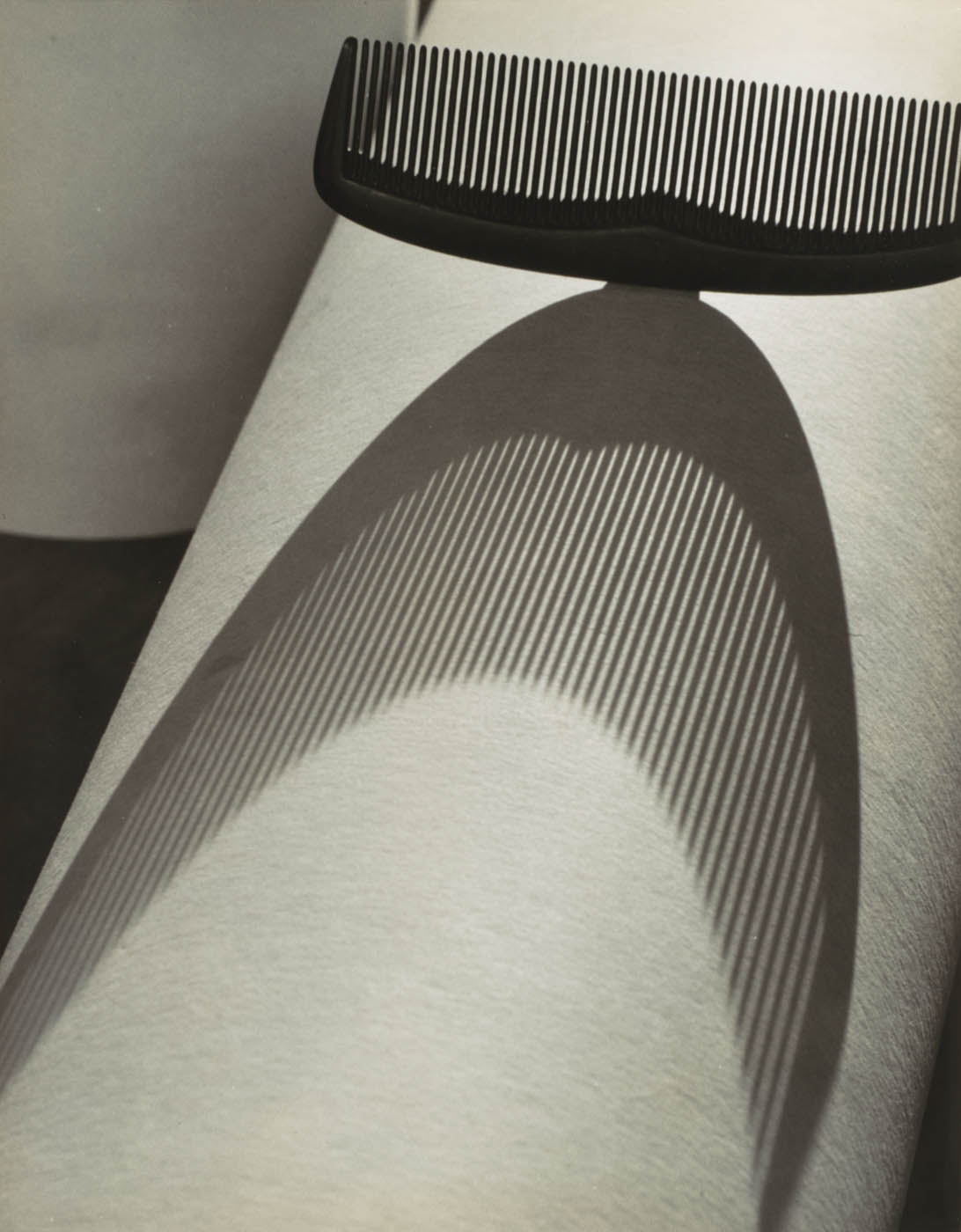
![César Domela (Dutch, 1900-1992) '[Ruthsspiecher Tanks]' 1928](https://artblart.com/wp-content/uploads/2024/06/domela-ruthsspiecher-tanks.jpg "César Domela (Dutch, 1900-1992) '[Ruthsspiecher Tanks]' 1928")
![Unknown (American) '[Montage for Packard Super Eight]' c. 1940](https://artblart.com/wp-content/uploads/2024/06/unknown_montage-for-a-packard-super-eight.jpg "Unknown (American) '[Montage for Packard Super Eight]' c. 1940")

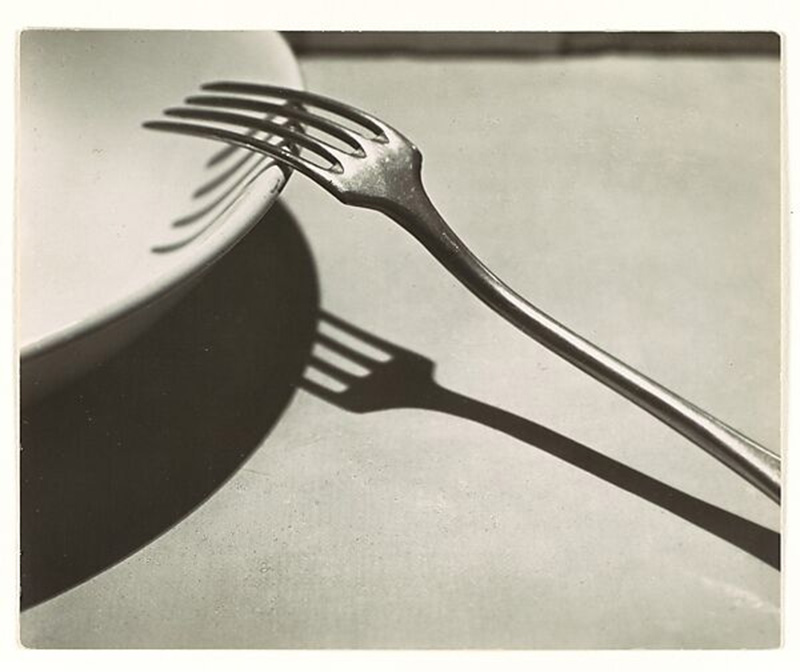
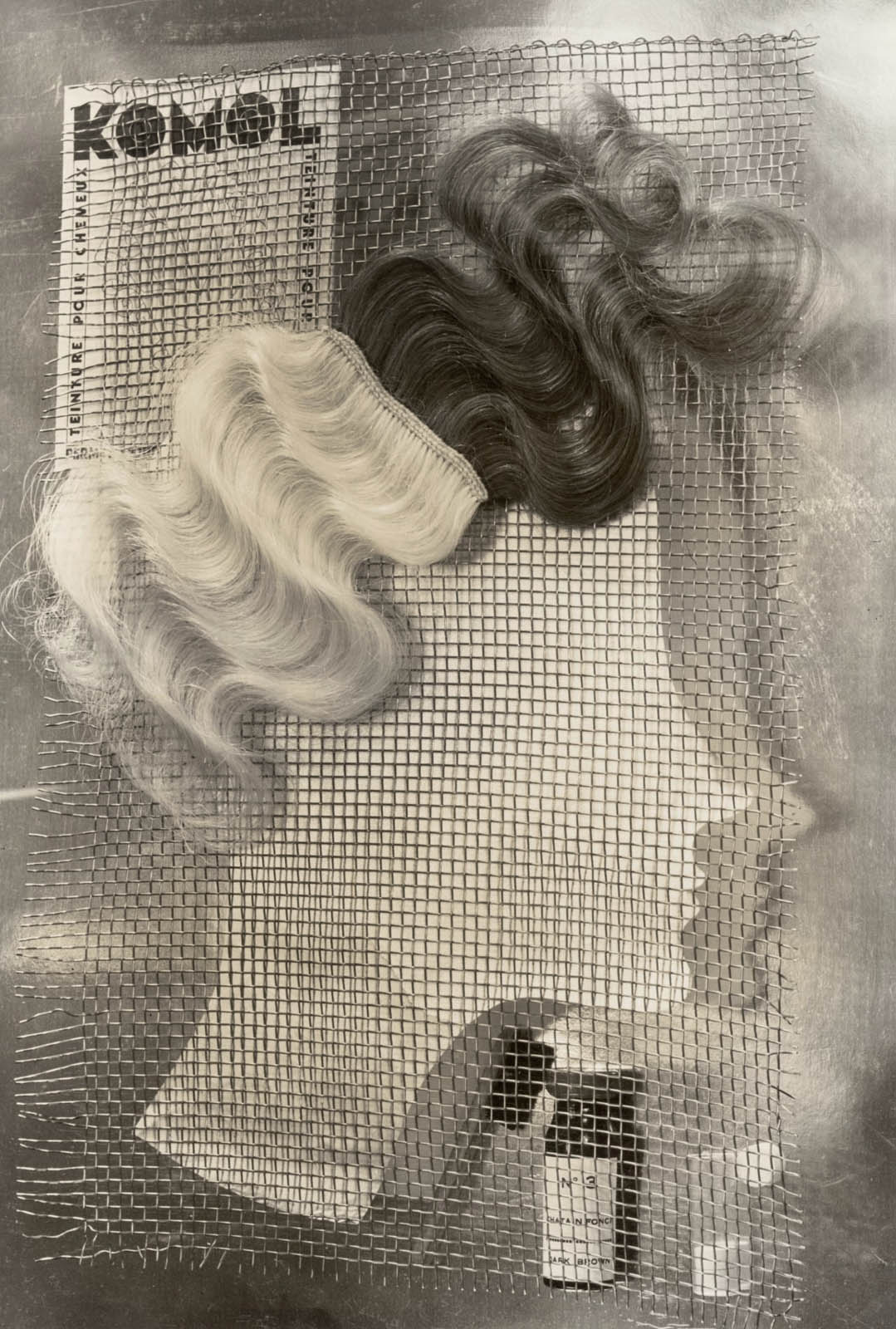
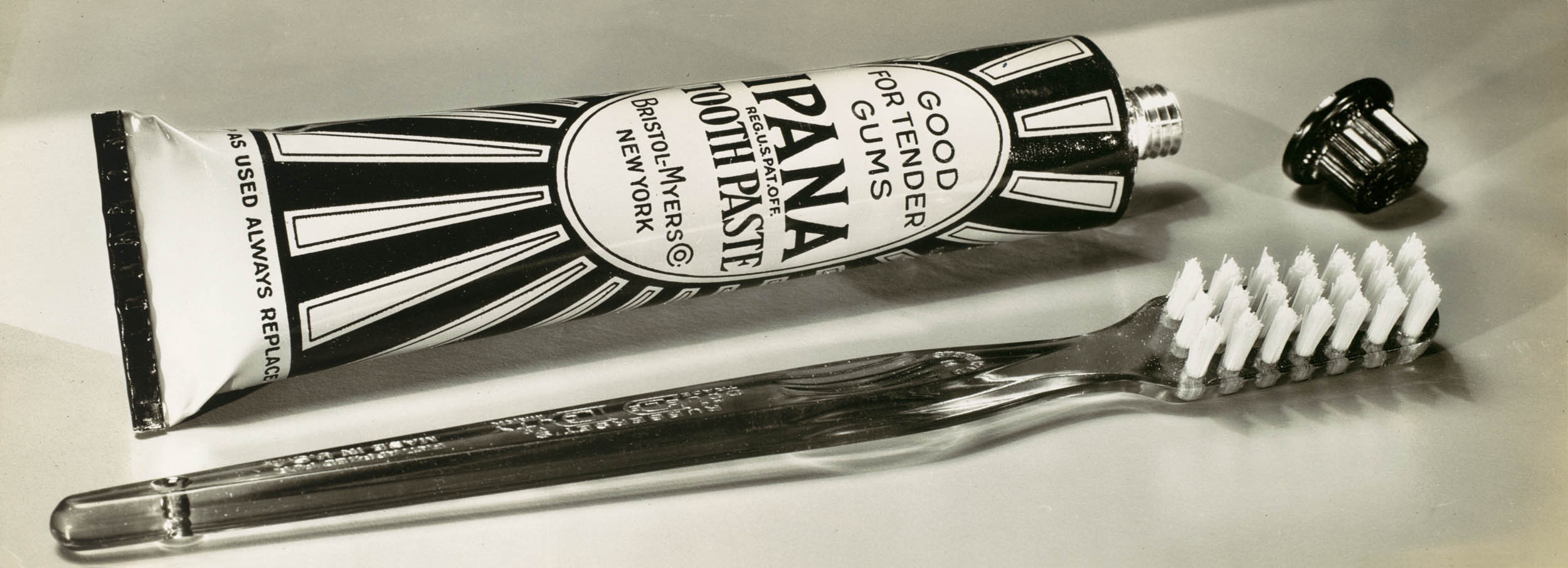
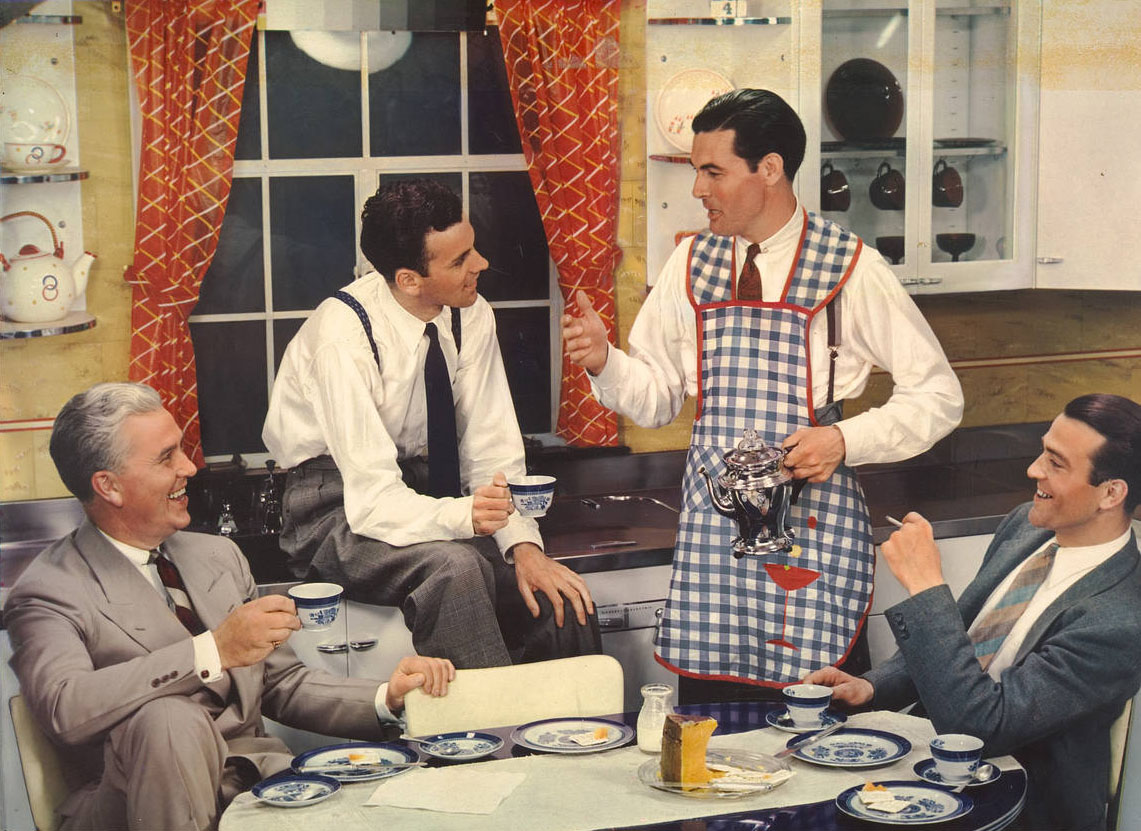


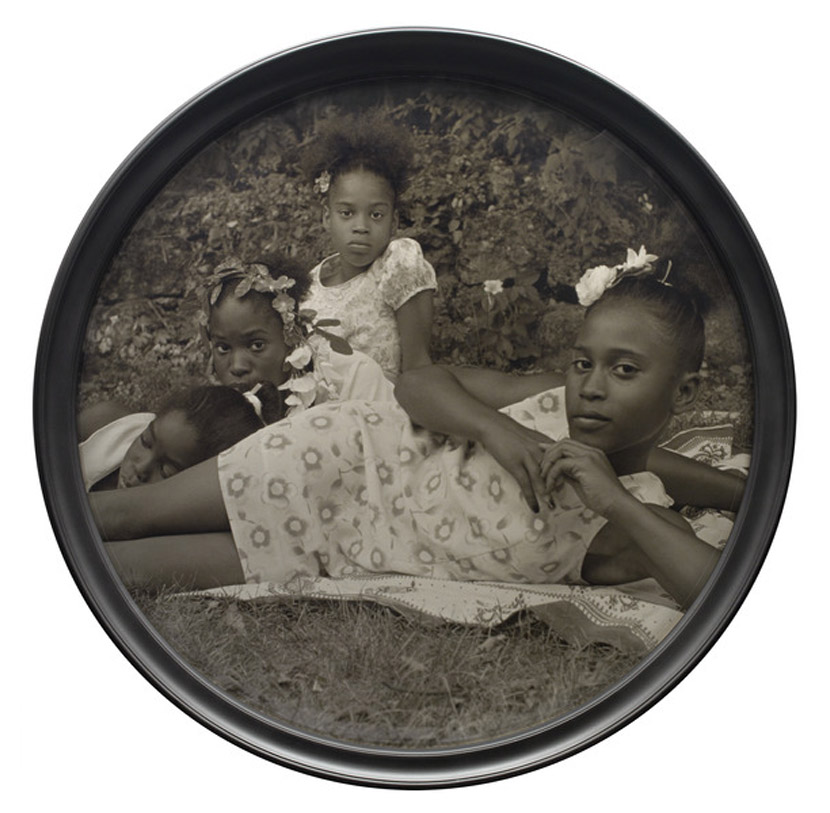

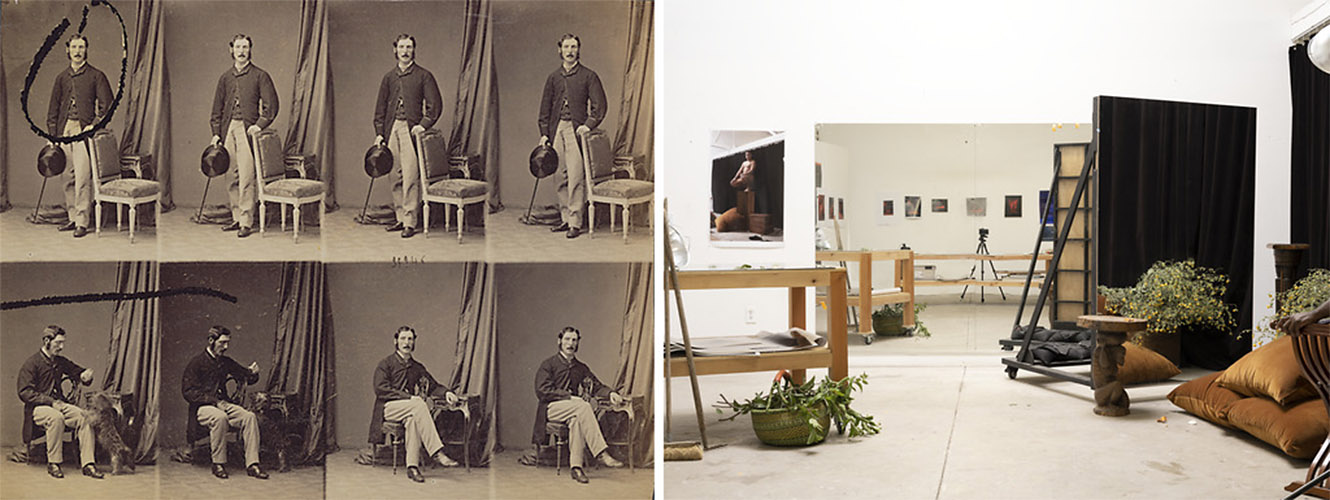
![William Henry Fox Talbot (English, 1800-1877) '[A Stem of Delicate Leaves of an Umbrellifer]' probably 1843-1846](https://artblart.com/wp-content/uploads/2024/05/talbot-a-stem-of-delicate-leaves-of-an-umbrellifer.jpg "William Henry Fox Talbot (English, 1800-1877) '[A Stem of Delicate Leaves of an Umbrellifer]' probably 1843-1846")

![At left, Herbert Bell et al, '[Amateur World Tour Album, taken with early Kodak cameras, plus purchased travel photographs by various photographers]' (2 page spread); and at right, Stephanie Syjuco (American born Philippines, b. 1974) 'Herbaria' 2021 (detail)](https://artblart.com/wp-content/uploads/2024/05/bell-and-syjuco-herbaria.jpg "At left, Herbert Bell et al, '[Amateur World Tour Album, taken with early Kodak cameras, plus purchased travel photographs by various photographers]' (2 page spread); and at right, Stephanie Syjuco (American born Philippines, b. 1974) 'Herbaria' 2021 (detail)")
![Herbert Bell (English, 1856-1946) Frederick Nutt Broderick (English, about 1854-1913) Gustave Hermans (Belgian, 1856-1934) Anthony Horner (English, 1853-1923) Michael Horner (English, 1843-1869) C. W. J. Johnson (American, 1833-1903) Léon & Lévy (French, active 1864-1913 or 1920) Léopold Louis Mercier (French, b. 1866) Neurdein Frères (French, founded 1860s, dissolved 1918) Louis Parnard (French, 1840-1893) Alfred Pettitt (English, 1820-1880) Francis Godolphin Osborne Stuart (British born Scotland, 1843-1923) Unknown maker Valentine & Sons (Scottish, founded 1851, dissolved 1910) L. P. Vallée (Canadian, 1837-1905) York and Son J. Kühn (French, active Paris, France 1885 - early 20th century) '[Amateur World Tour Album, taken with early Kodak cameras, plus purchased travel photographs by various photographers]' (2 page spread)](https://artblart.com/wp-content/uploads/2024/05/amateur-world-tour-album.jpg "Herbert Bell (English, 1856-1946) Frederick Nutt Broderick (English, about 1854-1913) Gustave Hermans (Belgian, 1856-1934) Anthony Horner (English, 1853-1923) Michael Horner (English, 1843-1869) C. W. J. Johnson (American, 1833-1903) Léon & Lévy (French, active 1864-1913 or 1920) Léopold Louis Mercier (French, b. 1866) Neurdein Frères (French, founded 1860s, dissolved 1918) Louis Parnard (French, 1840-1893) Alfred Pettitt (English, 1820-1880) Francis Godolphin Osborne Stuart (British born Scotland, 1843-1923) Unknown maker Valentine & Sons (Scottish, founded 1851, dissolved 1910) L. P. Vallée (Canadian, 1837-1905) York and Son J. Kühn (French, active Paris, France 1885 - early 20th century) '[Amateur World Tour Album, taken with early Kodak cameras, plus purchased travel photographs by various photographers]' (2 page spread)")








![At left, William H. Mumler (American, 1832-1884) 'Mrs. Swan' 1869-1878; and at right, Khadija Saye (Gambian-British, b. 1992) 'Nak Bejjen' [Cow's Horn] 2017-2018](https://artblart.com/wp-content/uploads/2024/05/mumler-mrs.-swan-and-saye-nak-bejjen.jpg "At left, William H. Mumler (American, 1832-1884) 'Mrs. Swan' 1869-1878; and at right, Khadija Saye (Gambian-British, b. 1992) 'Nak Bejjen' [Cow's Horn] 2017-2018")

![Khadija Saye (Gambian-British, b. 1992) 'Nak Bejjen' [Cow's Horn] 2017-2018](https://artblart.com/wp-content/uploads/2024/05/saye-nak-bejjen.jpg "Khadija Saye (Gambian-British, b. 1992) 'Nak Bejjen' [Cow's Horn] 2017-2018")
![At left, Unknown maker (American) '[Seated Woman with "Spirit" of a Young Man]' about 1865-1875; and at right, Lieko Shiga (Japanese, b. 1980) 'Talking with Me' 2005 From the series 'Lilly'](https://artblart.com/wp-content/uploads/2024/05/seated-woman-and-shiga-talking-with-me.jpg "At left, Unknown maker (American) '[Seated Woman with \"Spirit\" of a Young Man]' about 1865-1875; and at right, Lieko Shiga (Japanese, b. 1980) 'Talking with Me' 2005 From the series 'Lilly'")
![Unknown maker (American) '[Seated Woman with "Spirit" of a Young Man]' about 1865-1875](https://artblart.com/wp-content/uploads/2024/05/seated-woman-with-spirit.jpg "Unknown maker (American) '[Seated Woman with \"Spirit\" of a Young Man]' about 1865-1875")
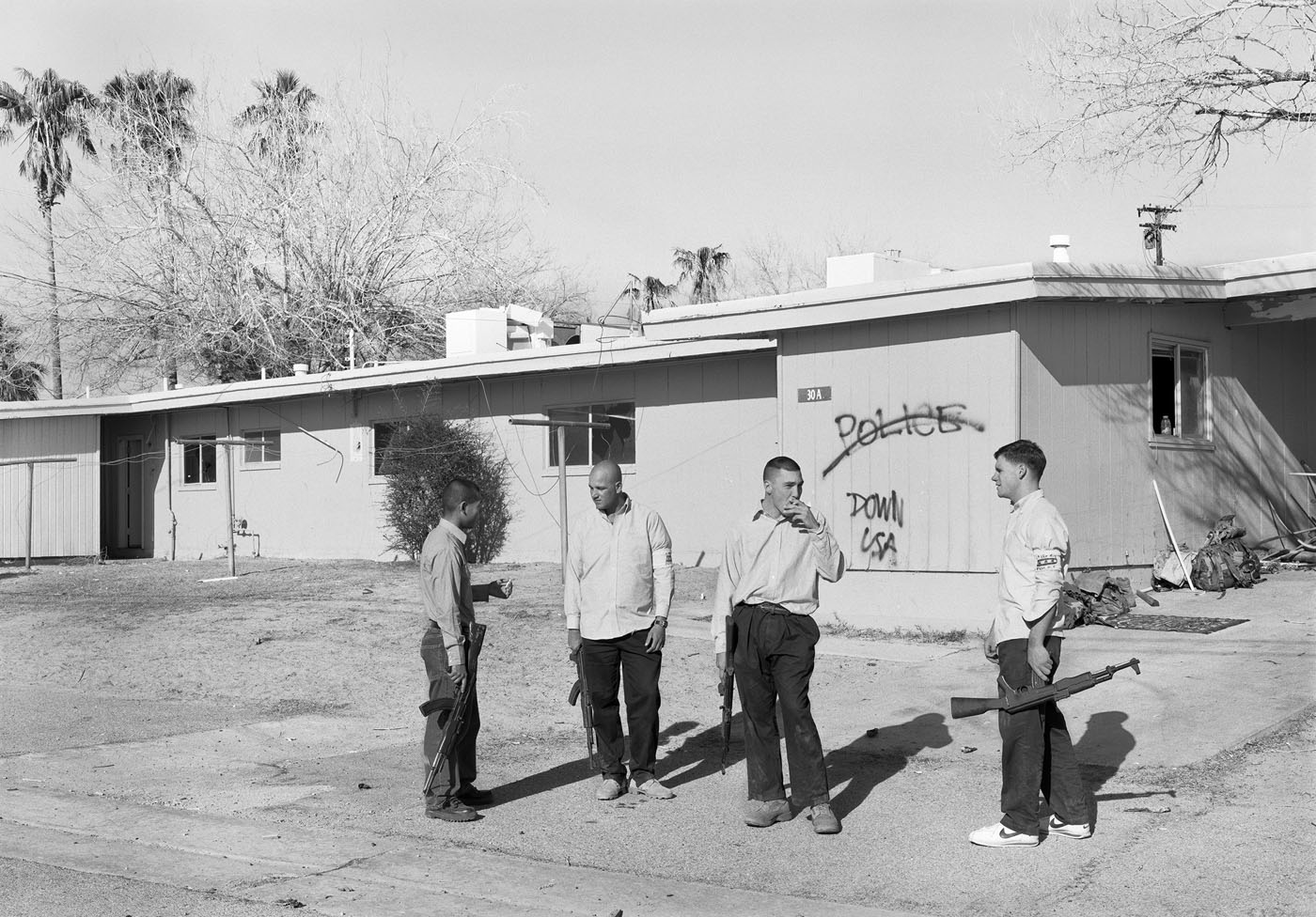

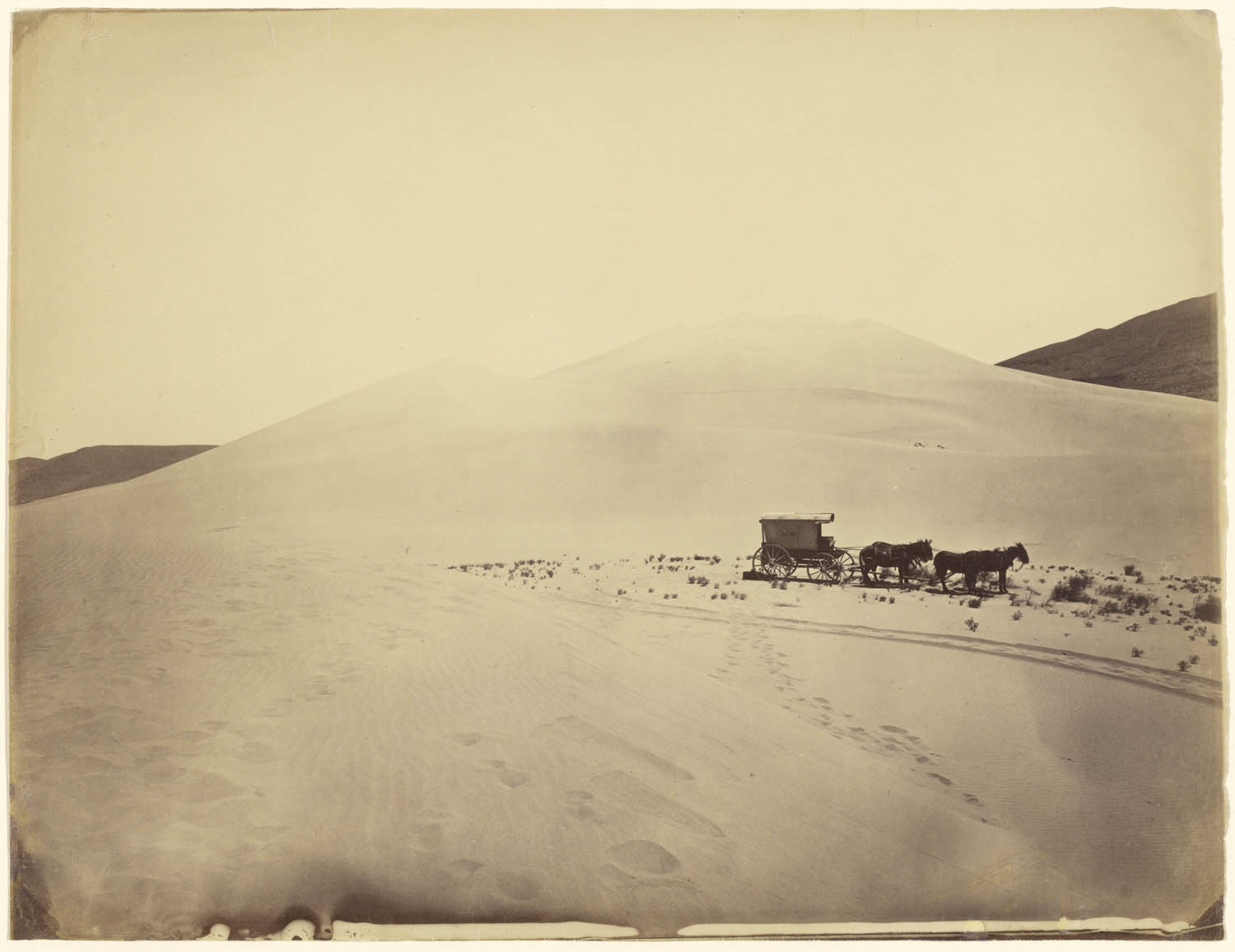
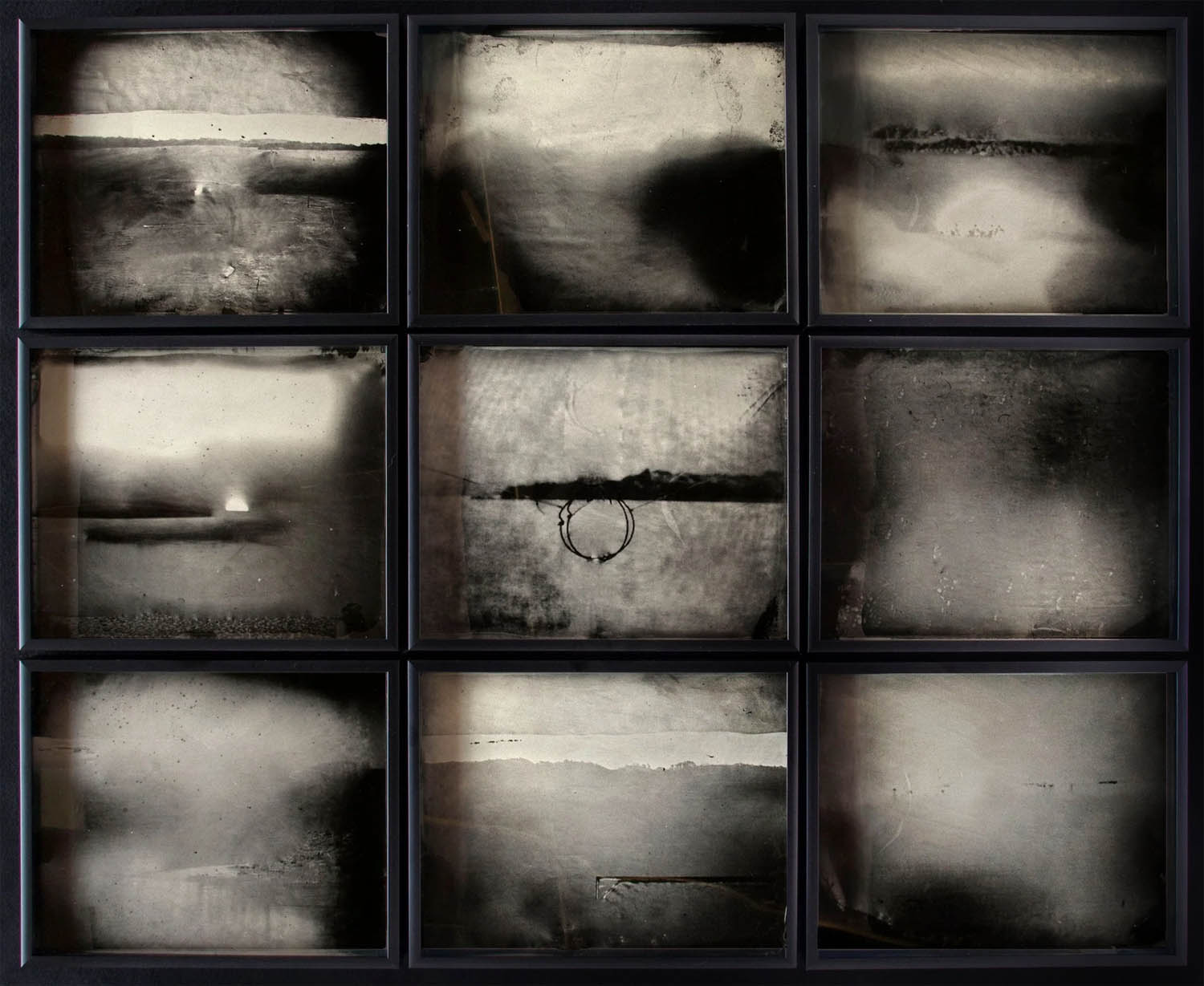
![A.J. Russell (American, 1830-1902) 'Embankment No. 3 West of Granite Cannon [Wyoming]' April 1868](https://artblart.com/wp-content/uploads/2024/05/russell-embankment-no.-3-west-of-granite-cannon.jpg "A.J. Russell (American, 1830-1902) 'Embankment No. 3 West of Granite Cannon [Wyoming]' April 1868")

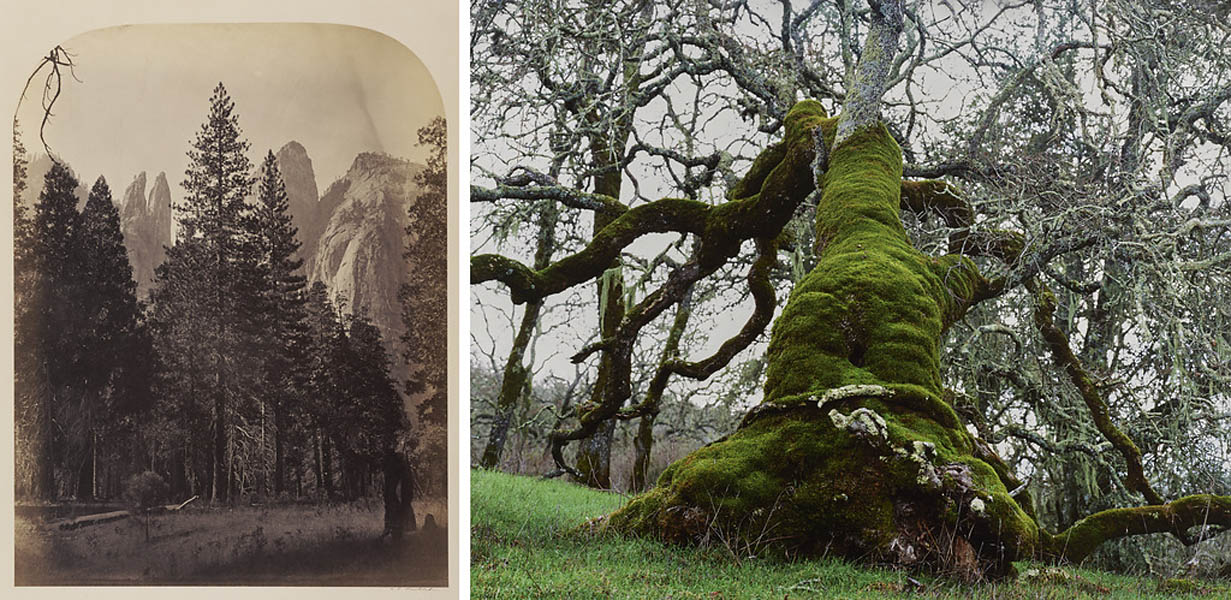
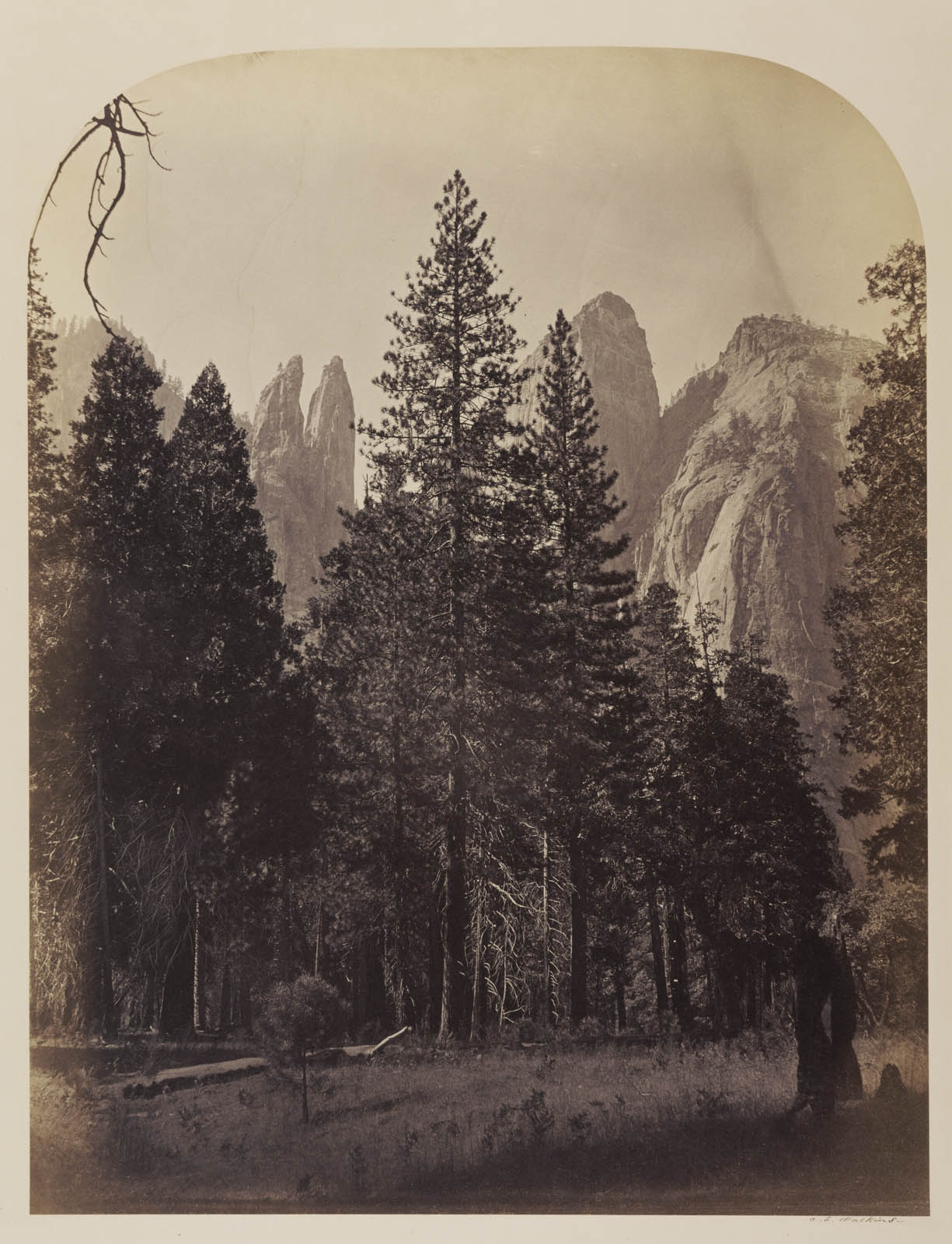
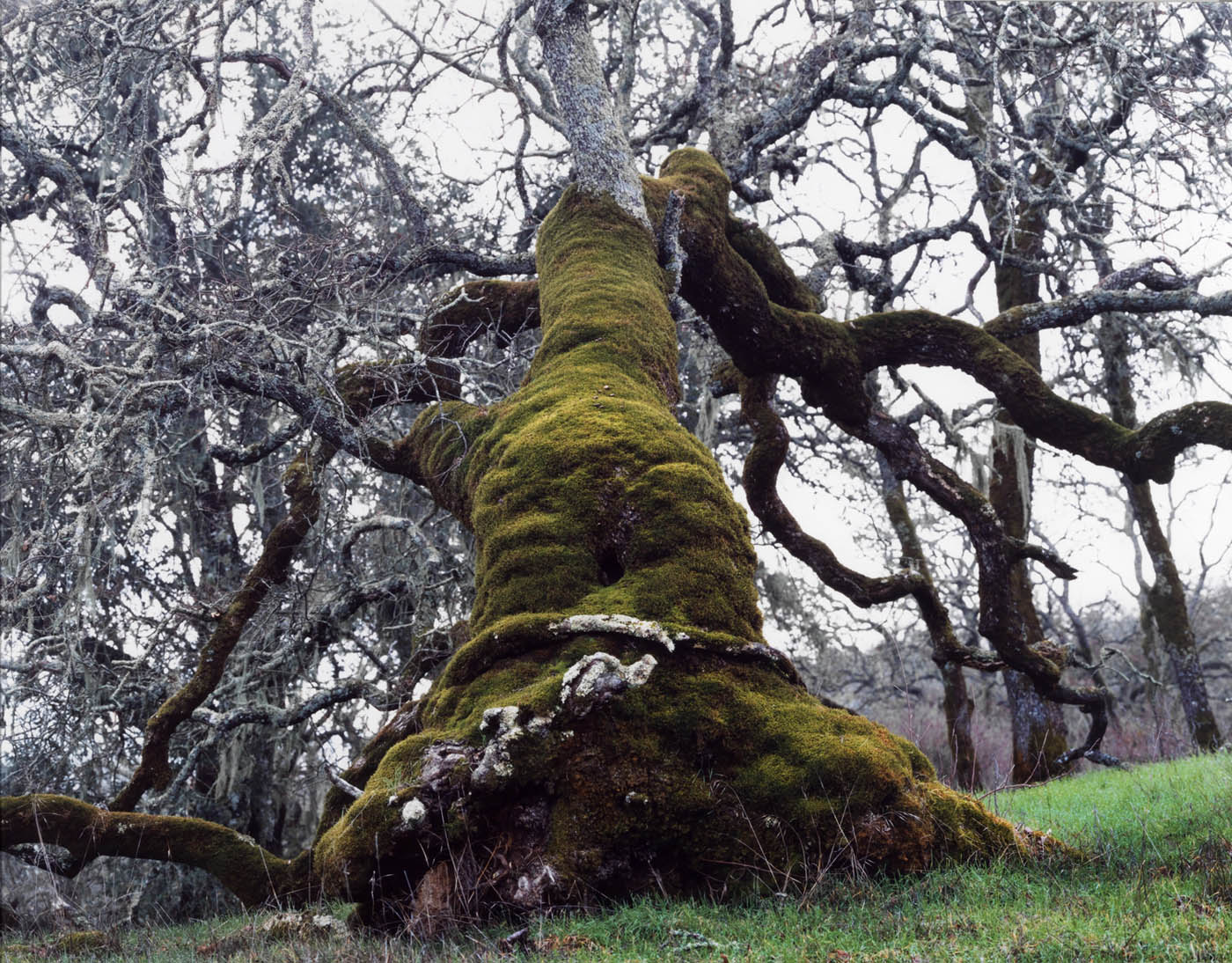

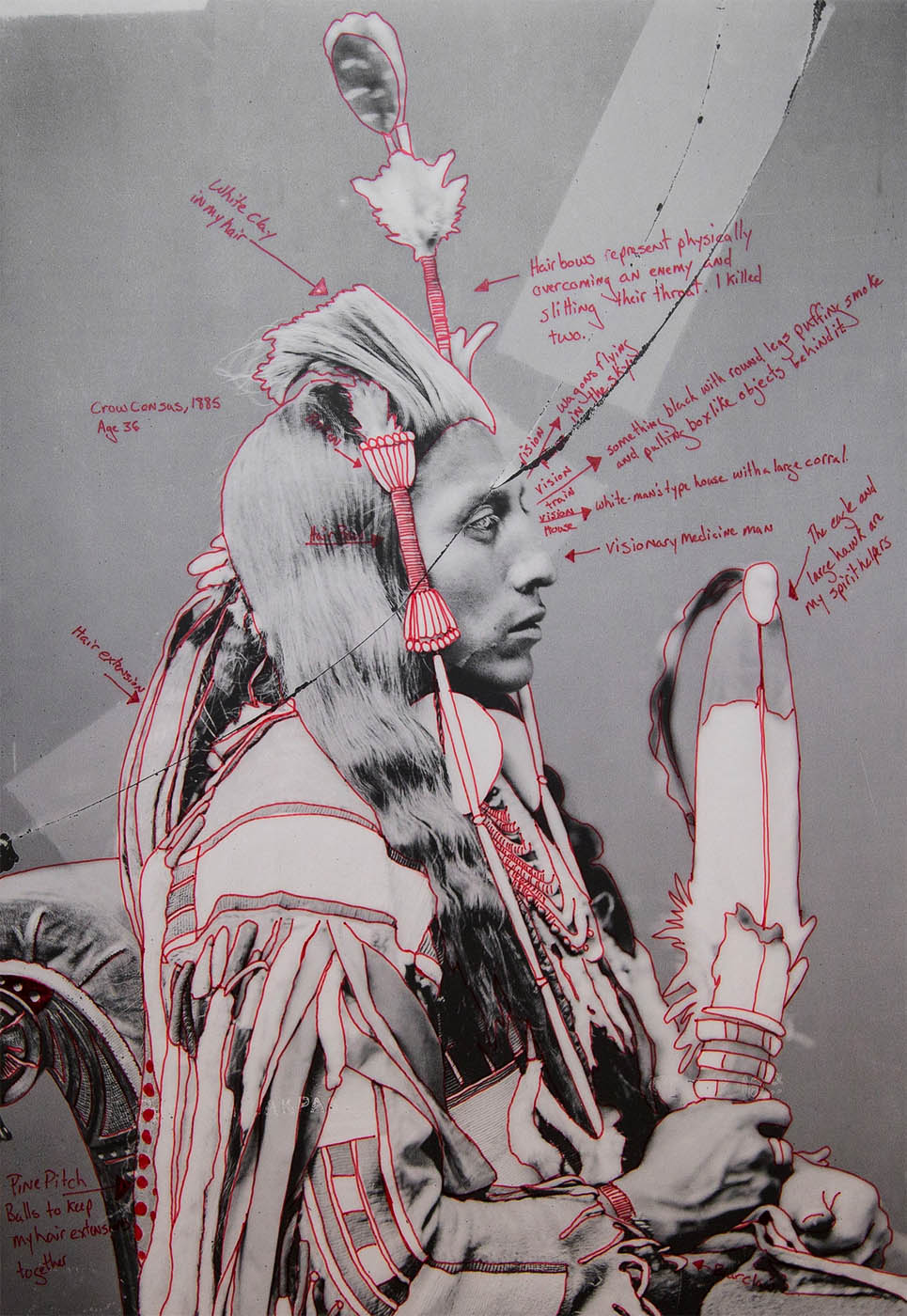
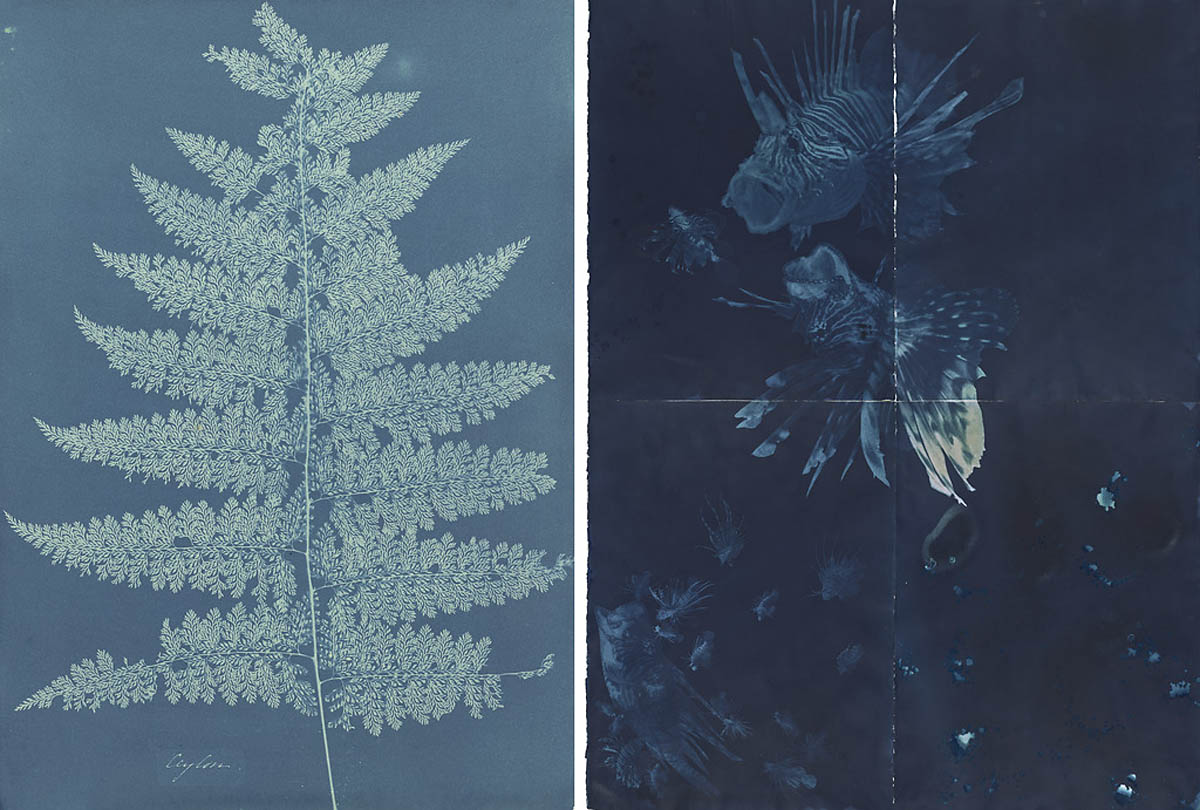


You must be logged in to post a comment.