Exhibition: ‘Chaotic Harmony: Contemporary Korean Photography’ at the Museum of Fine Arts, Houston

Exhibition dates: 18th October, 2009 – 3rd January, 2010


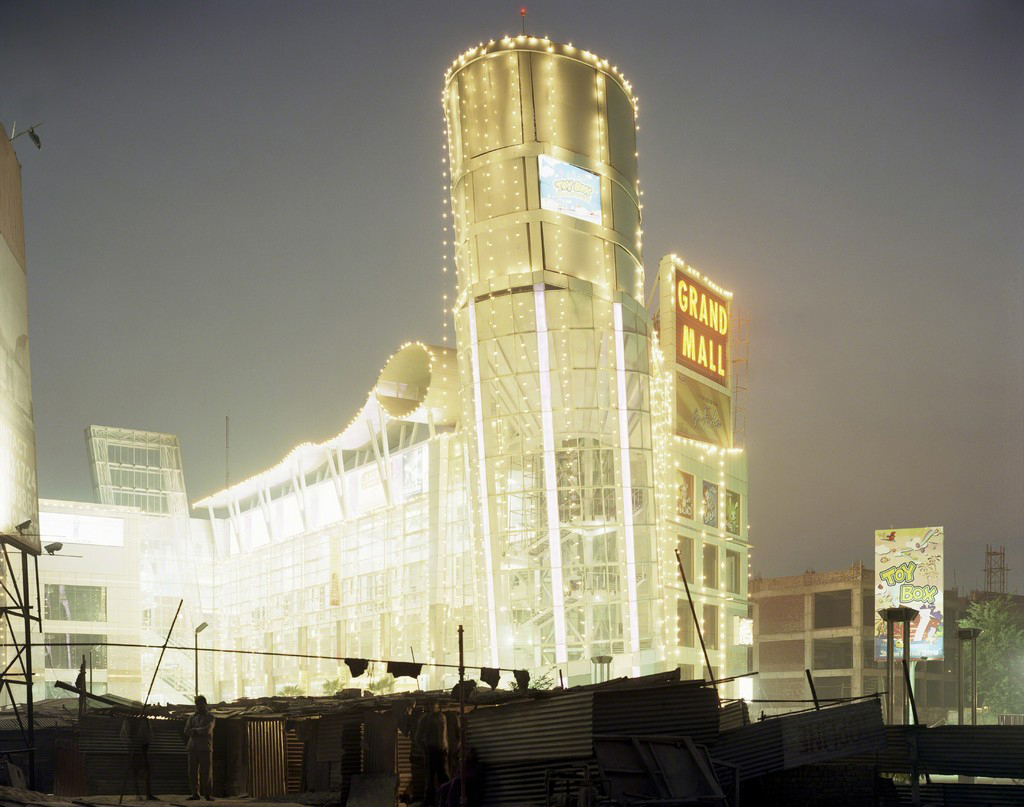
Sekwon Ahn (Korean, b. 1968) Triptych from the series 'Seoul New Town' 2005-2007 from the exhibition 'Chaotic Harmony: Contemporary Korean Photography' at the Museum of Fine Arts, Houston, Oct 2009 - Jan 2010


Sekwon Ahn (Korean, b. 1968)
Triptych from the series Seoul New Town (Lights of Weolgok-dong, 2005; Disappearing Lights of Weolgok-dong I, 2006; and Disappearing Lights of Weolgok-dong II, 2007)
2005-2007
Chromogenic photographs
Courtesy of the artist © Ahn Sekwon


Great to have some really good quality photographs to show you from this exhibition!

Marcus


Many thankx to the Museum of Fine Arts in Boston for allowing me to publish the photographs in the posting. Please click on the photographs for a larger version of the image.


Sekwon Ahn (Korean, b. 1968) 'Lights of Weolgok-dong', 2005 from the exhibition 'Chaotic Harmony: Contemporary Korean Photography' at the Museum of Fine Arts, Houston, Oct 2009 - Jan 2010


Sekwon Ahn (Korean, b. 1968)
Lights of Weolgok-dong
2005
Chromogenic photograph
Courtesy of the artist © Ahn Sekwon


Sekwon Ahn (Korean, b. 1968) 'Disappearing Lights of Weolgok-dong I', 2006 from the exhibition 'Chaotic Harmony: Contemporary Korean Photography' at the Museum of Fine Arts, Houston, Oct 2009 - Jan 2010


Sekwon Ahn (Korean, b. 1968)
Disappearing Lights of Weolgok-dong I
2006
Chromogenic photograph
Courtesy of the artist © Ahn Sekwon


Sekwon Ahn (Korean, b. 1968) 'Disappearing Lights of Weolgok-dong II', 2007


Sekwon Ahn (Korean, b. 1968)
Disappearing Lights of Weolgok-dong II
2007
Chromogenic photograph
Courtesy of the artist © Ahn Sekwon


Dae-Soo Kim (Korean, b. 1955) 'Untitled' from the series 'Bamboo' (1998-2008) 1999


Dae-Soo Kim (Korean, b. 1955)
Untitled
1999
From the series Bamboo 1998-2008
Gelatin silver photograph, printed 2007
Santa Barbara Museum of Art; museum purchase with funds provided by PhotoFutures


Bien-U Bae (Korean, b. 1950) 'Kyung ju' from the series 'Sonamu' 1985


Bien-U Bae (Korean, b. 1950)
Kyung ju
1985
From the series Sonamu
Gelatin silver photograph
The Museum of Fine Arts, Houston; museum purchase with funds provided by Photo Forum


This October, the Museum of Fine Arts, Houston, presents Chaotic Harmony: Contemporary Korean Photography, the most comprehensive exhibition of contemporary Korean photography to ever be shown in the United States. Organised by Anne Wilkes Tucker, The Gus and Lyndall Wortham Curator of Photography at the MFAH, and Karen Sinsheimer, Curator of Photography at the Santa Barbara Museum of Art, Chaotic Harmony features large scale photographs by 40 Korean artists, many of who have never before exhibited in international museum exhibitions and whose work will be on view in the United States for the first time in this show. At the MFAH, the works will be on display in the Audrey Jones Beck Building’s Cameron Foundation Gallery, as well as the Lower Beck Corridor, from October 18, 2009 through January 3, 2010, presenting a fascinating window onto the vital and constantly evolving country, Korea.

“As South Korea has exploded onto the international trade scene, South Korean artists have also emerged onto the global stage, which the recent high auction prices for Korean artwork attest to. Despite this fact, Korean art is still rarely presented in the United States, and the specific field of Korean photography is even less explored here,” said MFAH director Peter C. Marzio. “Following the MFAH’s tradition of presenting pioneering photography exhibitions, we are pleased to exhibit this brilliant survey of contemporary South Korean photography, which can be seen in the enhanced context of Your Bright Future and the museum’s Arts of Korea gallery.”

“Operating under a relatively new democracy in South Korea, artists experienced a burst of creative energy and freedom of expression in recent decades, and an entirely fresh perspective of modern-day Korea is presented in this show,” added curator Anne W. Tucker. “The photographers in ‘Chaotic Harmony’ observe the country’s notable growth in terms of industry and urbanisation and convey the resultant issues as well as reflect on the country’s ancient culture and religions.”

Within the exhibition, two distinct generations of Korean artists are represented: those born in the mid-1950s and 1960s, during a succession of military dictatorships when the country was still largely agrarian, and those born in the 1970s, predominantly in urban areas and who came into maturity in the new democratic era which began in 1987. With two exceptions, one work by each artist is included. Through recent works by both generations of photographers, Chaotic Harmony explores Korea through five thematic sections: land and sea; urbanisation and globalisation; family, friends, and memory; identity: cultural and personal; and anxiety.

Land and Sea

Most of the work represented in the Land and Sea section of the exhibition was created by the first generation of Korean artists who traveled abroad for their graduate educations and brought their new ideas back to dramatically effect photographic styles in Korea. Nevertheless, many of them remained tied to Korean landscapes and traditions while embracing new aesthetic ideas. The extraordinarily beautiful land and seascapes in this section celebrate Korea’s surrounding oceans and the forests that cover large sections of its mountainous terrain. In addition, these photographers often explore religious practices that are primarily tied to nature. BAE Bien-u’s Kyung ju (1985, see photograph above) from the series Sonamu (which translates to sacred pine grove), documents mist-shrouded pine trees surrounding Gyeongiu, the ancient city of the Shilla kingdom (A.D. 668-935). KIM Young-sung’s Untitled photograph (2005) from the Dolman series, shows a man standing atop one of Korea’s 50,000 dolmans (or ancient tombs). Over 60 percent of the world’s 80,000 dolmans are located in Korea. Gap-Chul Lee has documented shamanism (as well as Buddhism) in Korea for decades, but most specifically in his series Conflict and Reaction (1990-2001).

Urbanisation and Globalisation

An ancient civilisation, South Korea has recently transformed into one of the world’s major global economies. Three-fourths of the population is categorised as urban, with half living in the country’s six major cities. Seoul is the world’s fourth largest metropolitan area. This section of the exhibition responds to the shift of the population from rural to city living, and the entrance of Korea on to the world stage. Young-Joon CHO’s Usual & Circle – Seoul Namdaemun, Rho Gwang-hyo (2005) is a diptych: the image on the left presents an urban area teeming with stores, advertisements, people, and traffic, while the image on the right isolates a woman who we would not have otherwise noticed in the larger view of the city. Her expression of emotional distress is consistent with all the isolated figures in the series. Ahn Sekwon documented Seoul’s rapid physical changes by photographing one particular neighbourhood of the Weolgok-dong section of Seoul in 2005, 2006, and 2007 as the old homes are destroyed to make room for new high rises. The resulting triptych (see photographs above) dramatically conveys the destruction of the modest-scale homes to make way for the towering scale of a modern city.

Family, Friends, and Memory

Family, Friends, and Memory reflects the tensions in shifting societal values and practices as Korea continues its rapid growth. Traditionally, families followed Confucian norms: the father was the respected head of household and made decisions for his wife and children, financially supporting the family and arranging schooling and marriages. Social values have changed with increasing awareness of Western cultures through travel and the importation of Western products and media. Also with dramatic urban growth, came shifts from homes to crowded high rises, the entrance of women into the workforce, and other changes. Sunmin LEE’s photograph, Lee, Sunja’s House #1 – Ancestral Rites (2004, see below), portrays traditional values playing out in a modern setting: the men and boys of a family conduct traditional rituals in one room while the women watch from the doorway. Sanggil KIM’s Off-line: Burberry Internet Community (2005, see photograph below) depicts a modern phenomenon: people who met over the internet, united by a common passion, in this case, that of wearing Burberry Check (registered as a trademark of the Burberry brand) and enjoying an “off-line” get-together.

Identity: Cultural and Personal

Between 1910 to 1945, Japan annexed Korea and systematically attempted to eradicate Korean culture and identity, for example, by banning Korean literature and language from schools. Only six years after World War II, Korea was devastated by the Korean War. This section of Chaotic Harmony investigates what it means to be Korean today after this disruptive history. Some artists, such as Bohnchang KOO, seek to reclaim past cultural history, by photographing treasured and uniquely Korean items such as Celadon – the main type of ceramic produced in ancient Korea and generally exalted as Korea’s most significant artistic legacy. Jungjin Lee in term photographs native crafts from Korean folk culture. Exploring more personal aspects of identity is Yeondoo JUNG’s Bewitched #2 (below), a diptych juxtaposing images of the same teenager, mopping the floor of a Baskin Robbins in her day job and exploring the Arctic regions in her dream job (see photographs below); and Hyo Jin IN’s Violet #01 from the High School Lovers series (2007, below), which portrays an openly lesbian couple.

Anxiety

The “Anxiety” section of Chaotic Harmony investigates the constant tension provoked by strained relations and the potential of a violent outbreak between North and South Korea. Jung LEE’s Bordering North Korea, #2 (2005), from her 2005-2008 series of the same title, offers a view of North Korea seen from China and them superimposes over it an accompanying text chosen from the set phrases that North Koreans are allowed to say to the few foreigners who gain access to the country, such as Our country is the paradise of the people. She wants the viewer to experience both the beauty of the land and the palpable repression evident in the political slogans. Seung Woo Back references the subliminal fear of an attack from North Korea by staging “invasions” of toy soldiers that march across a family’s yard and up their wall to the kitchen window ledge, presumably unbeknownst to the person whose silhouette is visible though the window.”

Press release from the Museum of Fine Arts, Houston website [Online] Cited 11/11/2009. No longer available online


Yeondoo Jung (Korean, b. 1969) 'Bewitched #2' 2001


Yeondoo Jung (Korean, b. 1969)
Bewitched #2
2001
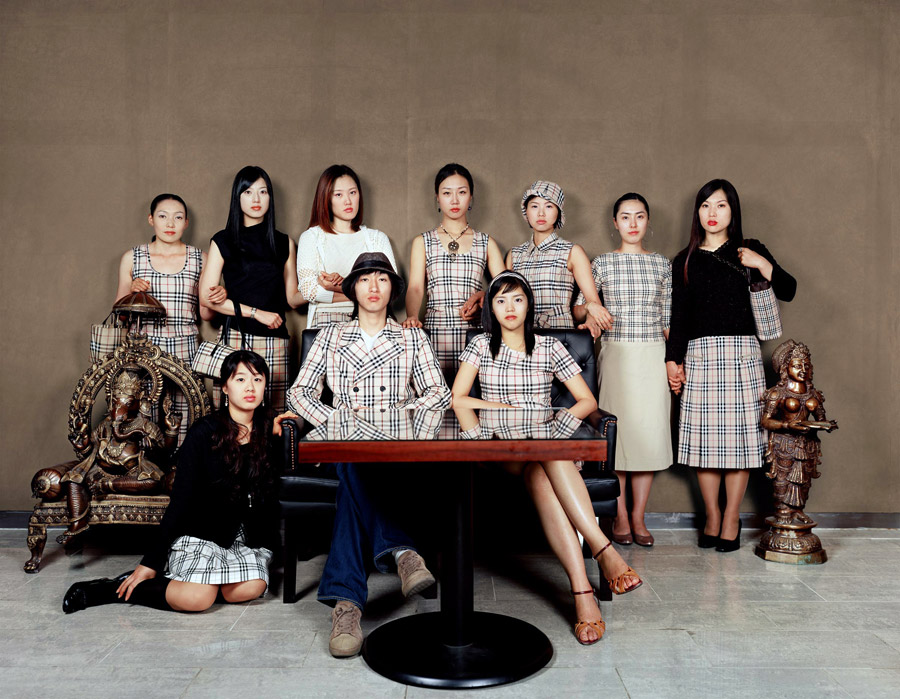
 

Sanggil Kim (Korean, b. 1974) 'Off-line: Burberry internet community' 2005


Sanggil Kim (Korean, b. 1974)
Off-line: Burberry internet community
2005
From the series off-line 2005
Chromogenic photograph
Santa Barbara Museum of Art; museum purchase with funds provided by PhotoFutures
© Sanggil Kim


JeongMee Yoon (Korea, b. 1965) 'Seo Woo and Her Pink Things' from 'The Pink and Blue Project' 2005-2008


JeongMee Yoon (Korean, b. 1965)
Seo Woo and Her Pink Things
From The Pink and Blue Project 2005-2008
© JeongMee Yoon


In “Family,” the last section of her essay, Sinsheimer addresses the traditional and changing structures of the Korean family: inter-racial marriage, Confucian traditions, the nuclear family, and the effects of consumerism on the younger generation. Sunmin Lee’s photograph of an ancestral ritual, Lee, Sunja’s House #1 – Ancestral Rites (2004, below), represents the loosening of Confucian practice as the participants wear Western dress. Yet modernisation goes only so far, since the women do not take part in this vestige of patriarchal society.

A pair of photographs from Jeong Mee Yoon’s The Pink & Blue Project (2005-2008, above), created during her studies in New York, shows portraits of children surrounded by their accumulated belongings arranged neatly on the floor. All pink for girls and all blue for boys, the massed items, suggest that a global consumerist culture, rather than national or ethnic values, determine male and female versions of identity and acquisition. As the author observes, these images of children engulfed by material abundance are “a portrait of consumerism.”

Hyewon Yi. “Review of Chaotic Harmony: Contemporary Korean Photography [exhibition catalog],” in Trans-Asia Photography Review Volume 1, Issue 1, Fall 2010 Creative Commons Attribution-NonCommercial-NoDerivatives 3.0 License


PA-YA (Korean, b. 1971) 'Noblesse Children #12' from the series 'Noblesse Children' 2008


PA-YA (Korean, b. 1971)
Noblesse Children #12
2008
From the series Noblesse Children 2008
Chromogenic photograph
Santa Barbara Museum of Art; museum purchase with funds provided by PhotoFutures


Sunmin Lee (Korean, b. 1968) 'Sunja's House #1 - Ancestral Rites' 2004 from the series 'Woman's House II' 2003-2004


Sunmin Lee (Korean, b. 1968)
Lee, Sunja’s House #1 – Ancestral Rites
2004
From the series Woman’s House II 2003-2004
Chromogenic photograph
© Sunmin Lee, courtesy of the artist


Sungsoo Koo (Korean, b. 1970) 'Tour Bus'  2005 from the series 'Magical Reality' 2005-2006


Sungsoo Koo (Korean, b. 1970)
Tour Bus
2005
From the series Magical Reality 2005-2006
Chromogenic photograph
Courtesy of the artist © Sungsoo Koo


Chan-Hyo Bae (Korea, b. 1975) 'Existing in Costume_1' 2006 from the series 'Existing in Costume' 2006


Chan-Hyo Bae (Korea, b. 1975)
Existing in Costume_1
2006
From the series Existing in Costume 2006
© Chan-Hyo Bae


Chan-Hyo Bae has chosen the iconography of queenliness to express his own feelings of cultural estrangement. Originally from South Korea and currently living in London, England, Bae begins from very simple, common sentiments of foreignness. His works – large-format colour prints, in which he plays unidentified female British monarchs from the 13th to 19th centuries (all his works are untitled) – initially appear to be a cheeky sort of wish fulfilment. One is readily reminded of Yasumasa Morimura, the Japanese artist who casts himself in Western art’s biggest roles, and also, perhaps, of the phenomenon of cosplay – the subculture of dressing up like fictional or historical characters – which originates in Japan but has become popular throughout Asia and the rest of the world. Bae seems to be performing a blatant paradox: that of the outsider gleefully destabilising the hierarchies of a culture about which he has admittedly fantasised, but which has forbade him full entrance because of an unalterable ethnicity.

Text from the photography-now website [Online] Cited 09/05/2019 no longer available online


Hein-kuhn Oh (Korea, b. 1979) 'So-young Kang, Age 16, 2003' from the series 'Girl's Act' 2001-2005


Hein-kuhn Oh (Korean, b. 1979)
So-young Kang, Age 16, 2003
2003
From the series Girl’s Act 2001-2005
© Hein-kuhn Oh


Hyo Jin In (Korea, b. 1975) 'Violet #02' from the series 'High School Lovers' (2007)


Hyo Jin In (Korean, b. 1975)
Violet #02
2007
From the series High School Lovers (2007)
© Hyo Jin In, courtesy Sarah Lee Artworks & Projects


Bohnchang Koo (Korea, b. 1953) 'In the Beginning I' 1991


Bohnchang Koo (Korea, b. 1953)
In the Beginning, I
1991
Gelatin silver print with thread on paper
53 x 37 1/2 inches (135 x 95cm)
© Bohnchang Koo


Museum of Fine Arts, Boston
Avenue of the Arts
465 Huntington Avenue
Boston, Massachusetts

Opening hours:
Thursday – Monday 10am – 5pm
Closed Tuesday and Wednesday

Museum of Fine Arts, Boston website

LIKE ART BLART ON FACEBOOK

Back to top

Exhibition: ‘A Few Frames: Photography and the Contact Sheet’ at Whitney Museum of American Art, New York

Exhibition dates: 25th September, 2009 – 3rd January, 2010


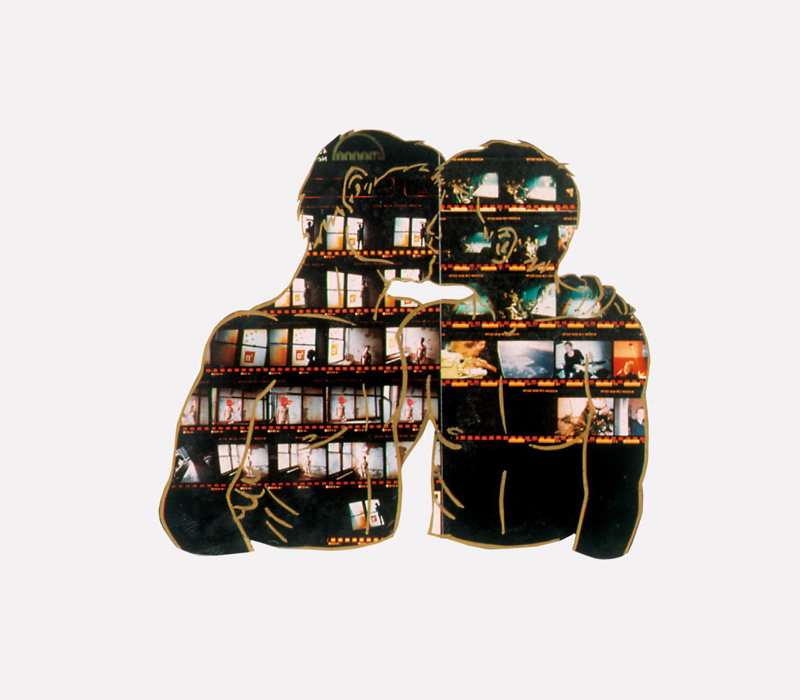
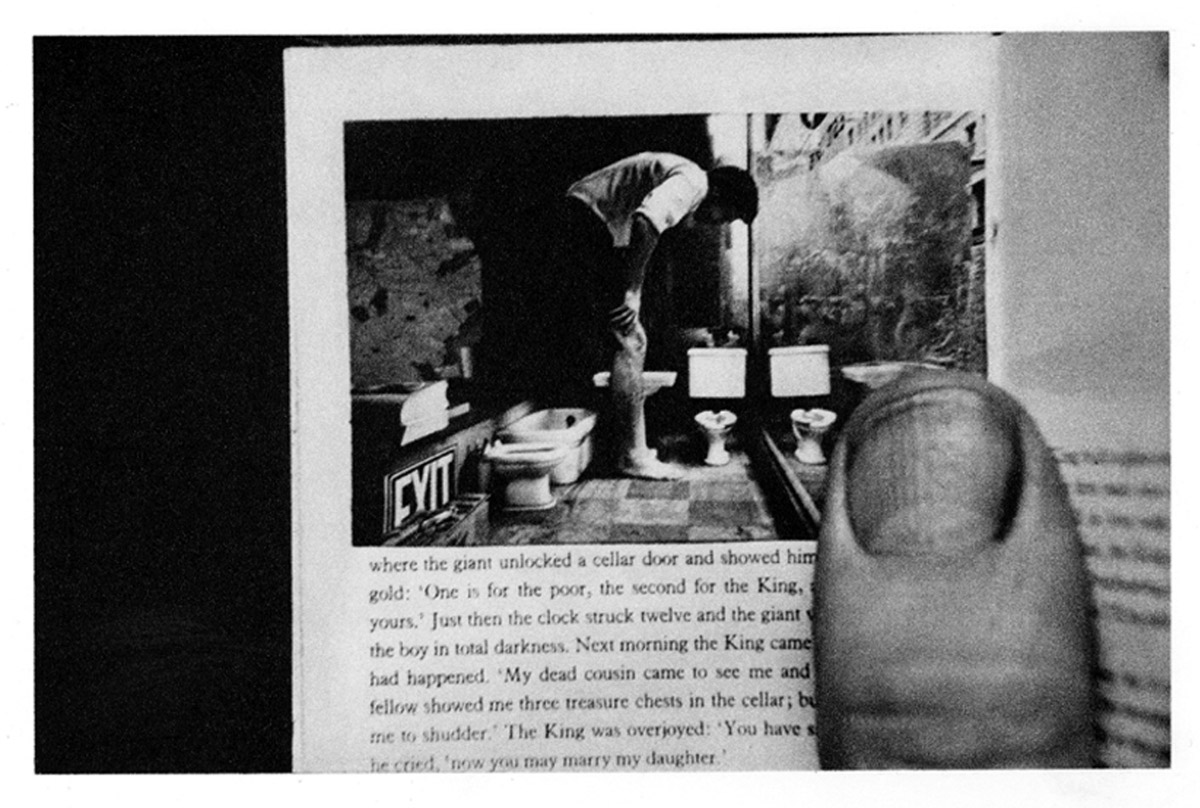
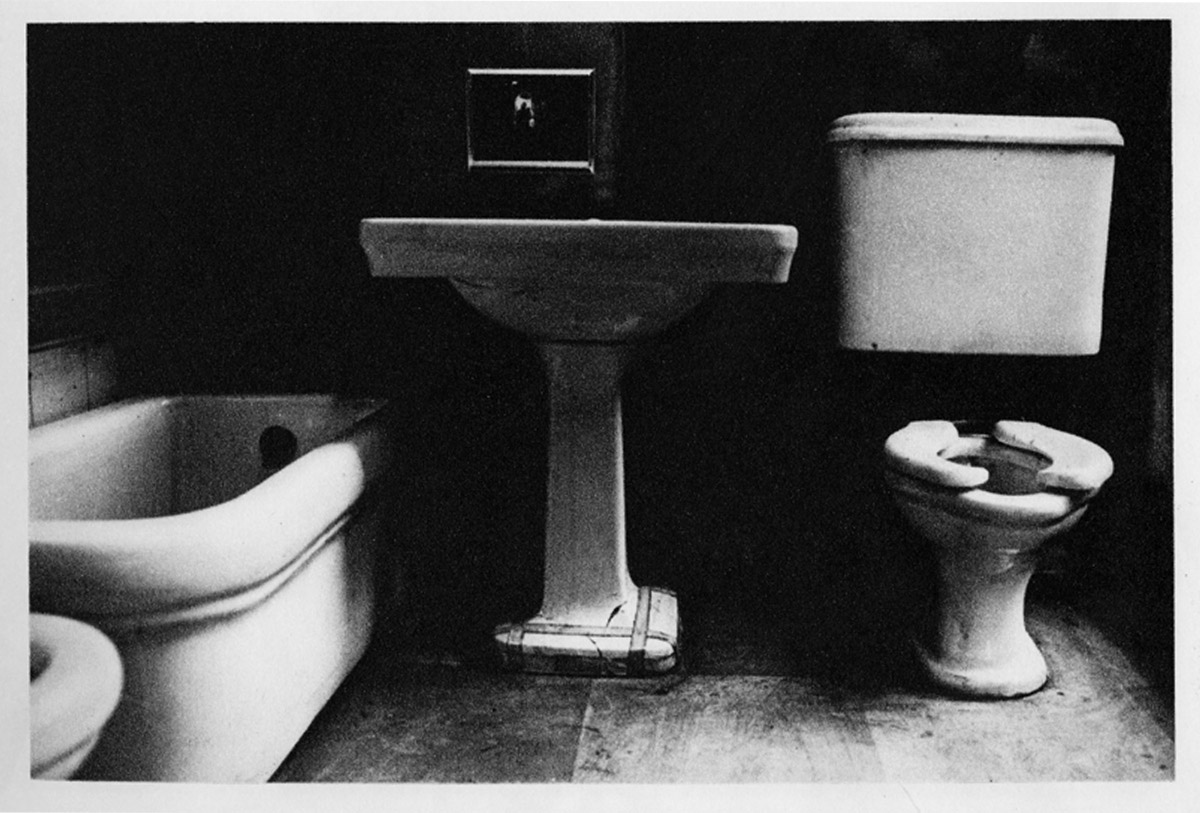
David Wojnarowicz (American, 1954-1992) 'Untitled' 1988
 

David Wojnarowicz (American, 1954-1992)
Untitled
1988
Synthetic polymer on two chromogenic prints
11 x 13 1/4 in. (27.9 x 33.7cm)
Whitney Museum of American Art, New York
Purchase with funds from the Photography Committee
Courtesy of The Estate of David Wojnarowicz and P.P.O.W. Gallery, New York, NY


I gently massaged more photographs of the work in the exhibition from the Whitney press office after initially only being able to download one press image! Many thankx to the Whitney for supplying more images.

As the press release mentions them by name, presumably there will be some of the Robert Frank contact sheets which you can see at the posting Looking In: Robert Frank’s The Americans and the water towers of Bernd and Hilla Becher two photographs of which can be seen at the posting Notes on a conversation with Mari Funaki.

In case you don’t know the work of artist David Wojnarowicz he was a gay man who died of HIV/AIDS aged 37 in 1992: I believe he was one of the most talented and subversive artists of his generation and his powerful images of identity, sexuality, power and death remain seared in my memory. Unfortunately there are not many good images to be found online but there is an excellent Aperture book, Aperture 137 Fall 1994 (David Wojnarowicz: Brush Fires in the Social Landscape) available from Amazon.

Dr Marcus Bunyan


Many thankx to the Whitney Museum of American Art for allowing me to publish the photographs in the posting. Please click on the photographs in the posting for a larger version of the image.


Rachel Harrison (American, b. 1966) 'Contact Sheet (should home windows...)' 1996


Rachel Harrison (American, b. 1966)
Contact Sheet (should home windows…)
1996
Chromogenic print on fibreboard
20 x 16 in.
Collection of the artist 
courtesy Greene Naftali, New York
© 2009 Rachel Harrison


In this selection of works drawn principally from the Whitney’s permanent collection, the repetitive image of the proof sheet is the leitmotif in a variety of works spanning the range of the museum’s photography collection, including the works of Paul McCarthy, Robert Frank, Ed Ruscha, and Andy Warhol. The exhibition is co-curated by Elisabeth Sussman, Whitney Curator and Sondra Gilman Curator of Photography, and Tina Kukielski, Senior Curatorial Assistant. A Few Frames opens on September 25, 2009 in the Sondra Gilman Gallery and runs through January 3, 2010.

Decisions about which photograph to exhibit or print are frequently the end result of an editing process in which the artist views all of the exposures he or she has made on a contact sheet – a photographic proof showing strips or series of film negatives – and then selects individual frames to print or enlarge. Repetition, seriality, and sequencing – inherited from the contact sheet – are evident in all of the works on view. As co-curator Tina Kukielski notes, “this presentation includes a variety of photographs that build on the formal, thematic, and technical logic of the editing process.”

The exhibition includes photo-based works from sixteen featured artists in the Whitney’s collection. The work of David Wojnarowicz and Paul McCarthy present the contact sheet as a work of art, while those of artists such as Andy Warhol, Harold Edgerton, and Robert Frank play with its repeating forms. Other works call to mind the format of the contact sheet, such as Bernd and Hilla Becher’s typological study of industrial water towers and Silvia Kolbowski’s grid of appropriated images of female fashion models.

Works by contemporary artists such as Rachel Harrison and Collier Schorr in their continued interest in the contact sheet, despite perhaps growing trends toward digital photography, reveal the residual and sustained effects of this process.

Press release from the Whitney Museum of American Art website [Online] Cited 01/11/2009 no longer available online


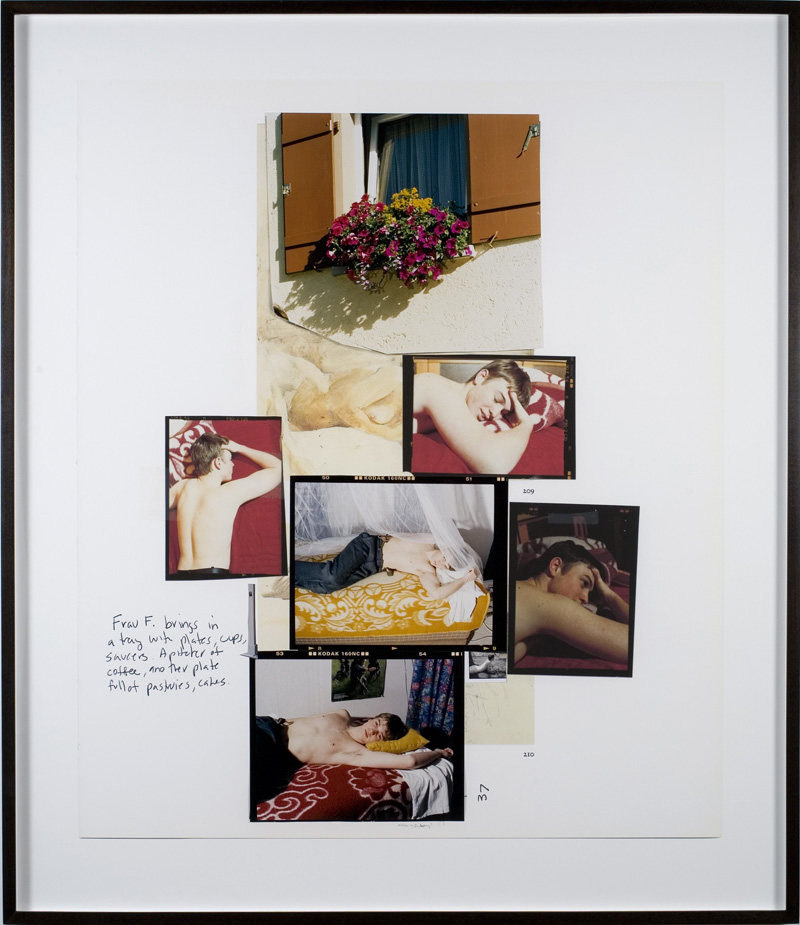
Collier Schorr (American, b. 1963) 'Day Dream (Sky)' 2007


Collier Schorr (American, b. 1963)
Day Dream (Sky)
2007
Collage
48 x 43 in. (121.9 x 109.2cm)
Courtesy 303 Gallery, New York


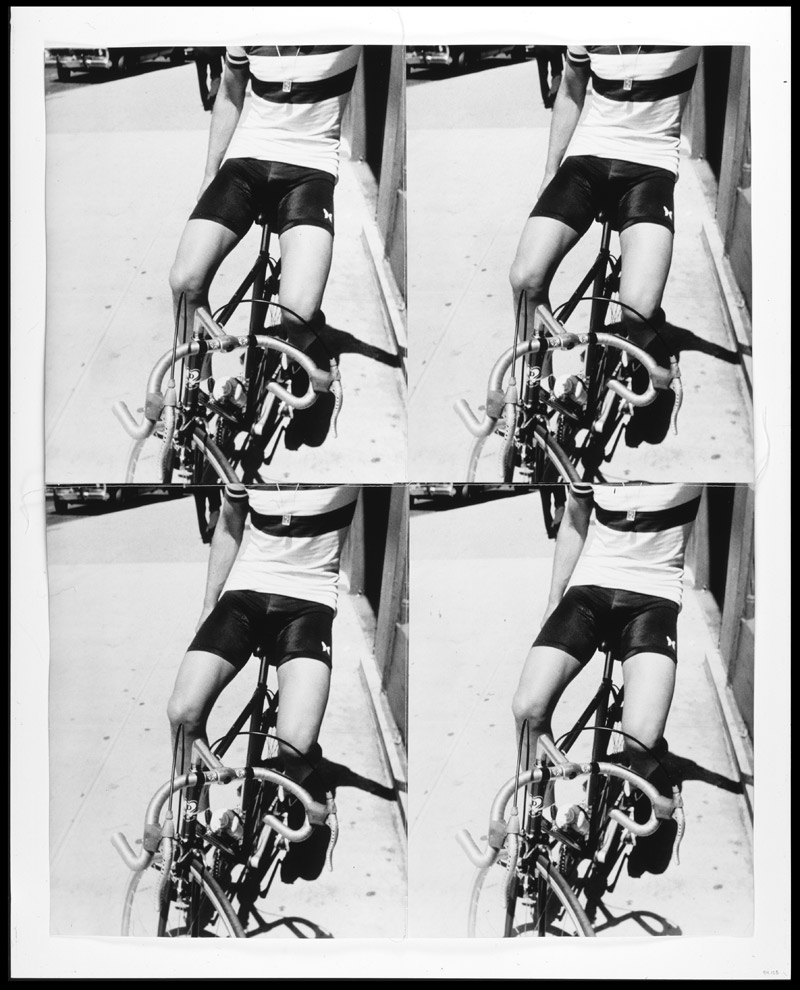
Andy Warhol (American, 1928-1987) 'Untitled (Cyclist)' 
c. 1976


Andy Warhol (American, 1928-1987)
Untitled (Cyclist)
c. 1976
Four gelatin silver prints stitched with thread
27 3/8 x 21 5/8 in. (69.5 x 54.9cm) overall
Unique Whitney Museum of American Art, New York
Gift of The Andy Warhol Foundation for the Visual Arts and purchase with funds from the Photography Committee
© 2009 The Andy Warhol Foundation for the Visual Arts, Inc. /Artists Rights Society (ARS), New York


Ellen Gallagher (American, b. 1965) 'Bouffant Pride' 2003


Ellen Gallagher (American, b. 1965)
Bouffant Pride
2003
Layered photogravure, cut-outs, collage, acrylic, plasticine, and toy eyes
Overall: 13 1/2 × 10 1/2 × 3/16in. (34.3 × 26.7 × 0.5cm)
Sheet: 13 1/2 × 10 1/2in. (34.3 × 26.7cm)
Whitney Museum of American Art, New York; purchase, with funds from the Print Committee


Duane Michals (American, b. 1932) 'Things are Queer' 1973

Duane Michals (American, b. 1932) 'Things are Queer' 1973

Duane Michals (American, b. 1932) 'Things are Queer' 1973

Duane Michals (American, b. 1932) 'Things are Queer' 1973

Duane Michals (American, b. 1932) 'Things are Queer' 1973

Duane Michals (American, b. 1932) 'Things are Queer' 1973

Duane Michals (American, b. 1932) 'Things are Queer' 1973

Duane Michals (American, b. 1932) 'Things are Queer' 1973

Duane Michals (American, b. 1932) 'Things are Queer' 1973


Duane Michals (American, b. 1932)
Things are Queer
1973
Nine silver gelatin prints
Whitney Museum of American Art, New York; gift of David Kezur


Edward Ruscha (American, b. 1937)
'[A Few Palm Trees Contact Sheet]'
1971


Edward Ruscha (American, b. 1937)
[A Few Palm Trees Contact Sheet]
1971
Gelatin silver print, tracing paper and crayon
Sheet: 10 × 8 1/16in. (25.4 × 20.5cm)
Overall (overlay): 9 3/4 × 8 3/16in. (24.8 × 20.8cm)
Whitney Museum of American Art, New York
Purchase, with funds from The Leonard and Evelyn Lauder Foundation, and Diane and Thomas Tuft
© Ed Ruscha


Edward Ruscha (American, b. 1937)
'[A Few Palm Trees Contact Sheet]'
1971


Edward Ruscha (American, b. 1937)
[A Few Palm Trees Contact Sheet]
1971
Gelatin silver print, tracing paper and crayon
Sheet: 10 × 8 1/16in. (25.4 × 20.5cm)
Overall (overlay): 9 3/4 × 8 3/16in. (24.8 × 20.8cm)
Whitney Museum of American Art, New York
Purchase, with funds from The Leonard and Evelyn Lauder Foundation, and Diane and Thomas Tuft
© Ed Ruscha


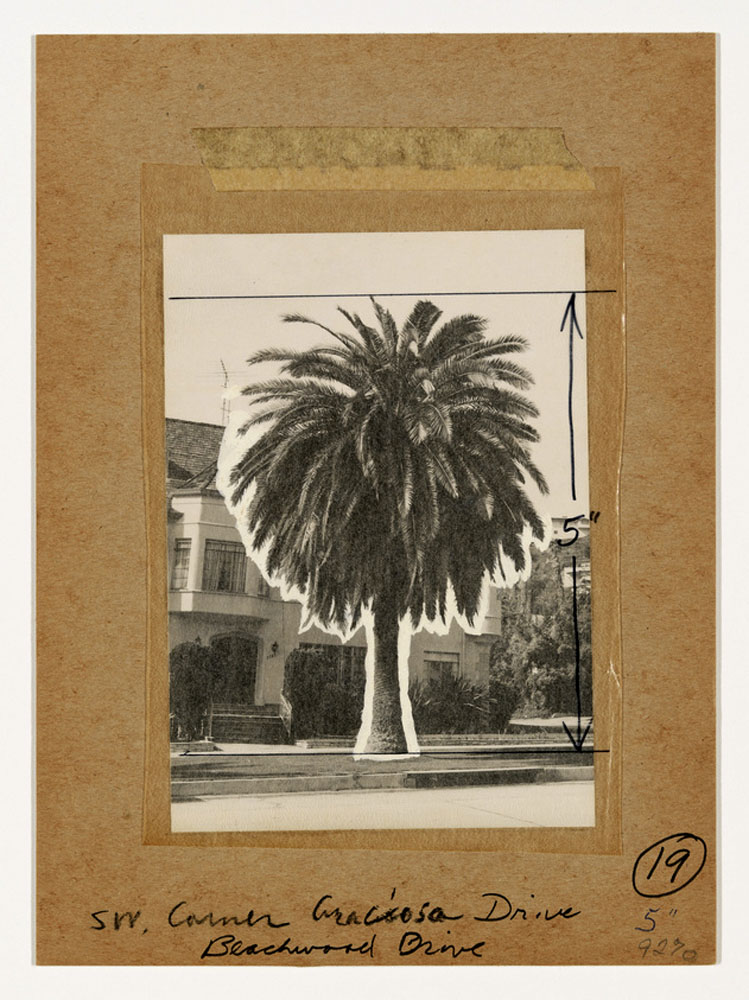
Edward Ruscha (American, b. 1937) 'Mock Up #19 (South West Corner of Graciosa Drive and Beachwood Drive)' 1971


Edward Ruscha (American, b. 1937)
Mock Up #19 (South West Corner of Graciosa Drive and Beachwood Drive)
1971
Gelatin silver print, tracing paper, pigment, pencil, and ink on board,
Image: 7 × 5in. (17.8 × 12.7cm)
Overall (overlay): 8 1/8 × 5 1/2in. (20.6 × 14cm)
Mount (board): 11 × 8in. (27.9 × 20.3cm)
Whitney Museum of American Art, New York
Purchase, with funds from The Leonard and Evelyn Lauder Foundation, and Diane and Thomas Tuft
© Ed Ruscha


Robert Frank (Swiss-American, 1924-2019) 'Mabou Winter Footage' 1977


Robert Frank (Swiss-American, 1924-2019)
Mabou Winter Footage
1977
Gelatin silver print
23 11/16 × 14 3/4″ (60.1 × 37.5cm)


Whitney Museum of American Art
945 Madison Avenue at 75th Street
New York, NY 10021
General Information: (212) 570-3600

Opening Hours:
Sunday – Monday, Wednesday – Thursday 10.30am – 6pm
Friday and Saturday 10.30am – 10pm
Closed Tuesday

Whitney Museum of American Art website

LIKE ART BLART ON FACEBOOK

Back to top

Review: ‘Long Distance Vision: Three Australian Photographers’ at The Ian Potter Centre NGV Australia, Federation Square, Melbourne

Exhibition dates: 28th August, 2009 – 21st February, 2010


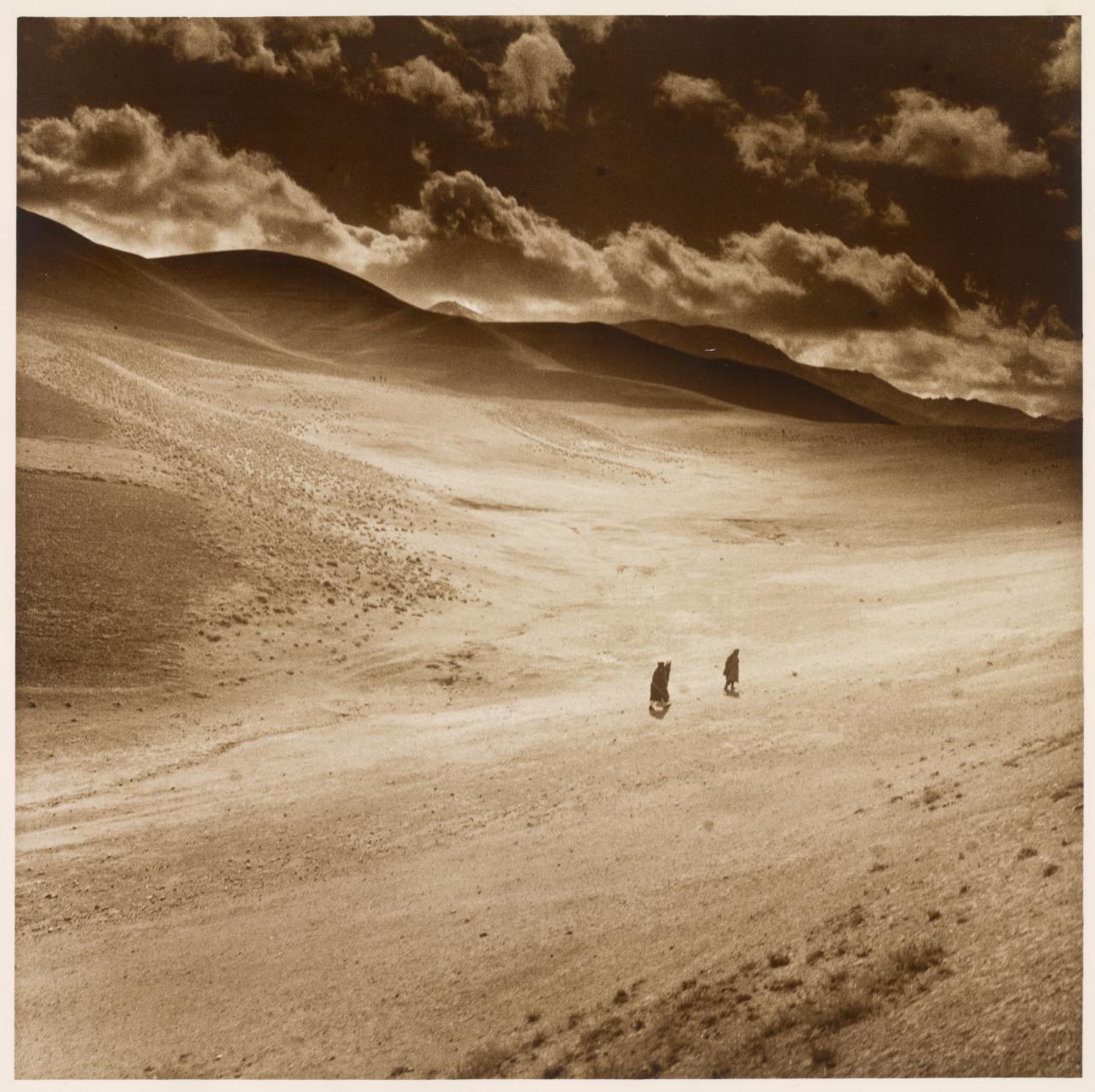
Max Pam (born Australia 1949, lived in Brunei 1980-1983) 'Road from Bamiyan' 1971 from the exhibition 'Long Distance Vision: Three Australian Photographers' at The Ian Potter Centre NGV Australia, Federation Square, Melbourne, Aug 2009 - Feb 2010


Max Pam (born Australia 1949, lived in Brunei 1980-1983)
Road from Bamiyan
1971
Gelatin silver photograph
20.1 x 20.1cm
National Gallery of Victoria, Melbourne
Purchased, 1979


Long Distance Vision is a disappointingly wane exploration of travel photography at NGV Australia. With the exception of the work of Max Pam the exhibition lacks insight into the phenomena that the curators want the work to philosophically investigate: namely how photographs shape our expectations of a place (even before we arrive) and how photographs also serve to confirm our experience – the picture as powerful mnemonic tool.

Firstly a quick story: when travelling in America to study at the Kinsey Institute I boarded a train from Chicago to what I thought was Bloomington, Indiana only to arrive many hours later at Bloomington, Illinois. Unbeknownst to me this Bloomington also had a motel of the same name as I was staying at in Indiana! After much confusion I ended up at the local airport trying to catch a single seater aircraft to Bloomington, Indiana with no luck – at the end of my tether, fearful in a foreign country, in tears because I just had to be at this appointment the next morning. Riding to my rescue was a nineteen year old kid with no shoes, driving an ex-cop car, who drove me across the Mid-West states stopping at petrol stops in the dead of night. It was a surreal experience, one that I will never forget for the rest of my life … fear, apprehension, alienation, happiness, joy and the sublime all rolled into one.

I tell this story to illustrate a point about travel – that you never know what is going to happen, what experiences you will have, even your final destination. To me, photographs of these adventures not only document this dislocation but step beyond pure representation to become art that re-presents the nature of our existence.

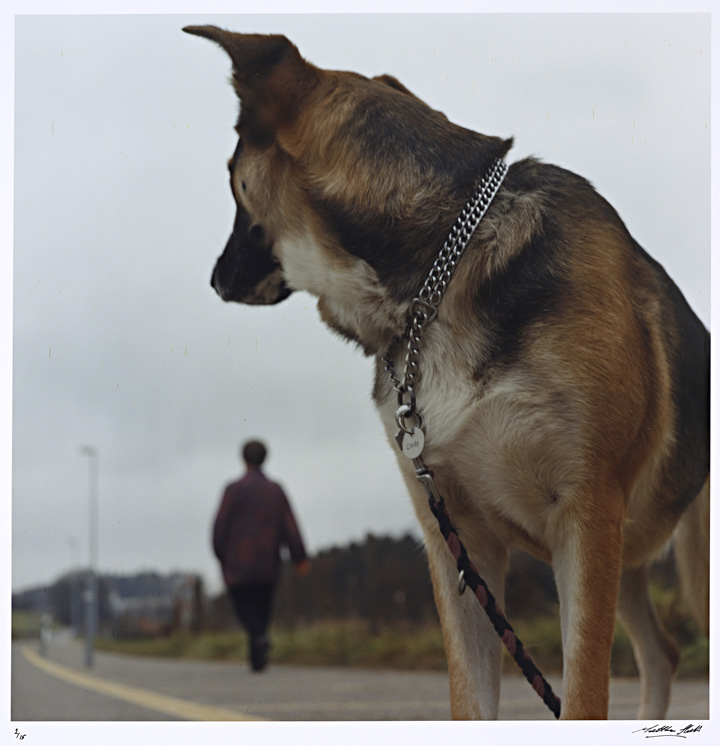
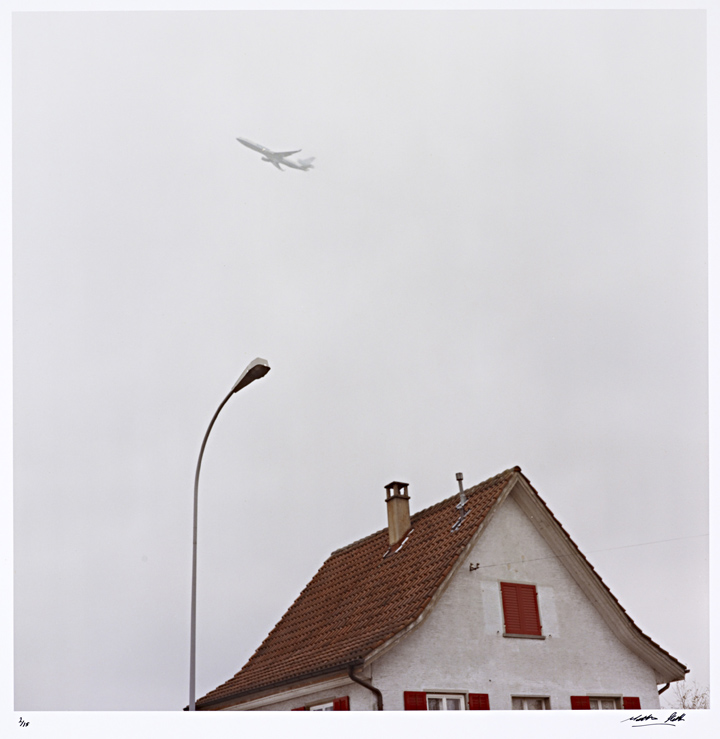
Matthew Sleeth‘s street photographs could be taken almost anywhere in the world (if it were not for a building with German writing on it). His snapshot aesthetic of caught moments, blinded people and dissected bodies in the observed landscape are evinced (to show in a clear manner; to prove beyond any reasonable doubt; to manifest; to make evident; to bring to light; to evidence – yes to bring to light, to evidence as photography does!) in mundane, dull, almost lifeless prints – ‘heavy’ photographs with a lack of shadow detail combined with a shallow depth of field. His remains, the people walking down the street and their shadow, are odd but as as The Age art critic Robert Nelson succinctly notes in his review of this exhibition, To become art, the odd cannot remain merely quaint but has to signify an existential anomaly by implication.”1

If we look at the seminal photographs from the book The Americans by Robert Frank we see in their dislocated view of America a foreigners view of the country the artist was travelling across – a subjective view of America that reveals as much about the state of mind of the artist as the country he was exposing. No such exposition happens in the works of Matthew Sleeth.

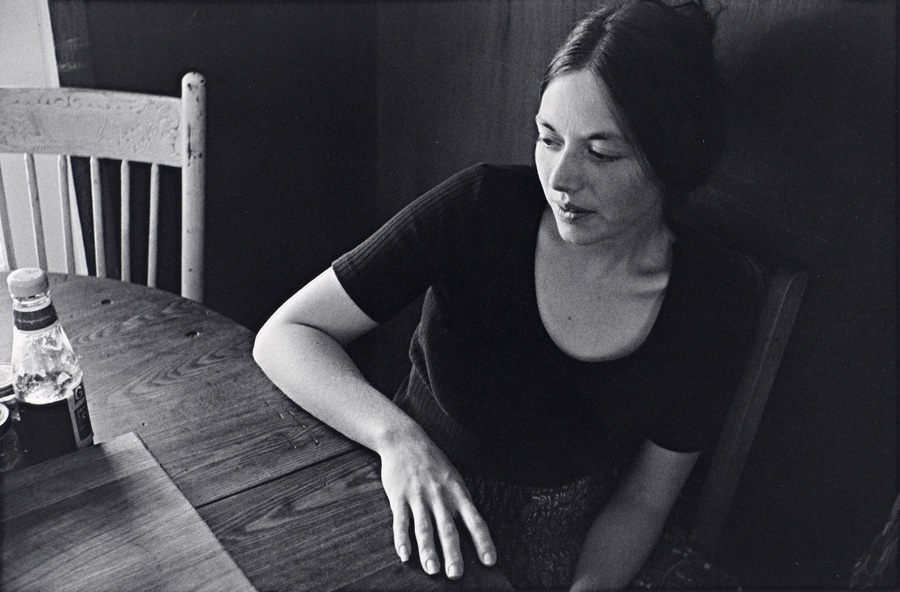
Christine Godden‘s photographs of family and friends have little to do with travel photography and I struggle to understand their inclusion in this exhibition. Though they are reasonable enough photographs in their own right – small black and white photographs of small intimacies (at the beach, in the garden, at the kitchen table, on the phone, on the porch, on the float, etc…) Godden’s anthropomorphist bodies have nothing to do with a vision of a new land as she had been living in San Francisco, New York and Rochester for six years over the period that these photographs were taken. Enough said.

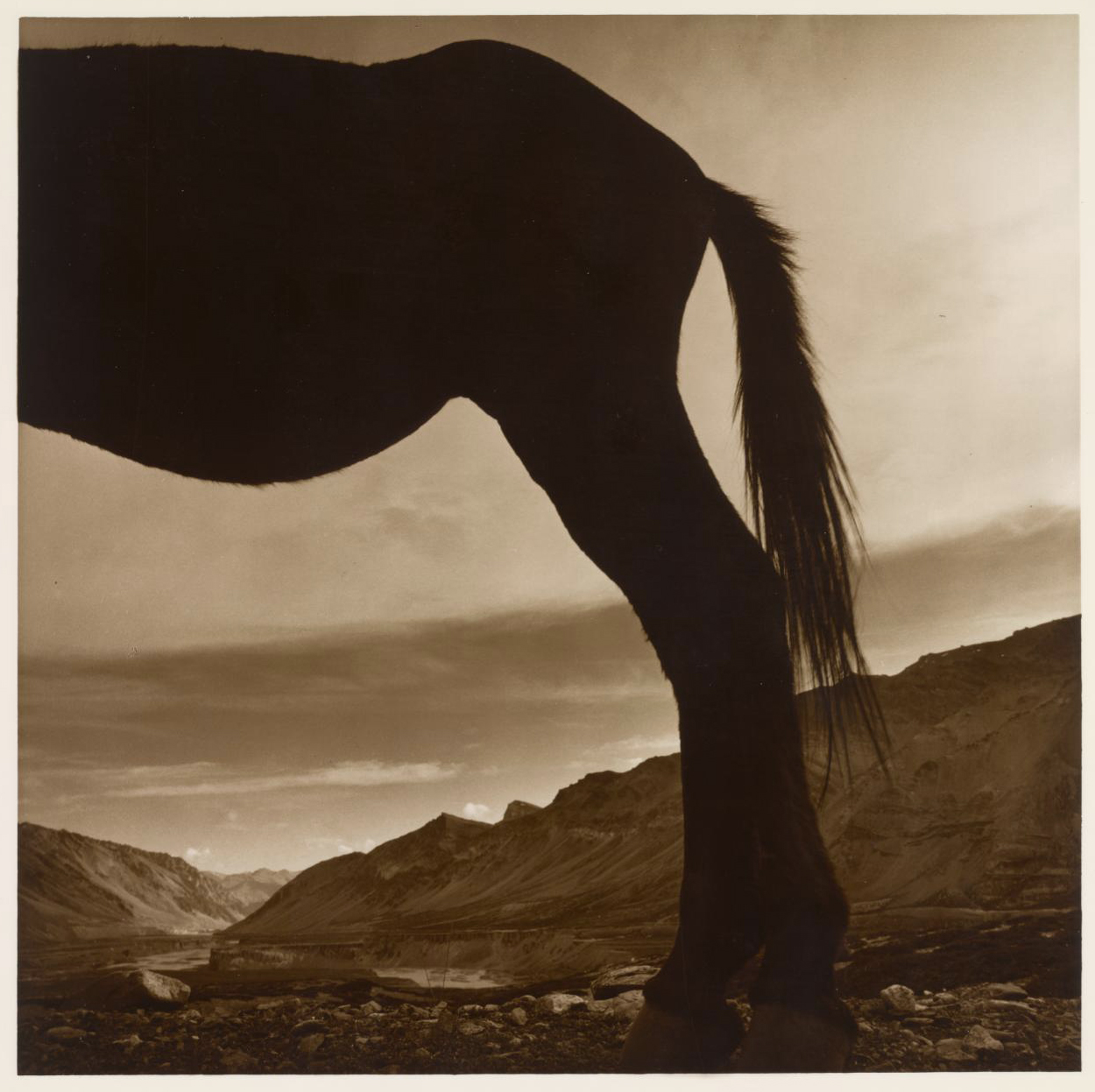
The highlight of the exhibition is the work of Max Pam. I remember going the National Gallery of Victoria in the late 1980s to view this series of work in the collection – and what a revelation they were then and remain so today. The square formatted, dark sepia toned silver gelatin prints of the people and landscapes of Tibet are both monumental and personal at one and the same time. You are drawn into their intimacies: the punctum of a boys feet; the gathering of families; camels running before a windstorm; human beings as specks in a vast landscape.

“If the world is unfair or beyond our understanding, sublime places suggest it is not surprising things should be thus. We are the playthings of the forces that laid out the oceans and chiselled the mountains. Sublime places acknowledge limitations that we might otherwise encounter with anxiety or anger in the ordinary flow of events. It is not just nature that defies us. Human life is as overwhelming, but it is the vast spaces of nature that perhaps provide us with the finest, the most respectful reminder of all that exceeds us. If we spend time with them, they may help us to accept more graciously the great unfathomable events that molest our lives and will inevitably return us to dust.”2

The meditation on place and space that the artist has undertaken gives true insight into the connection of man and earth, coming closest to Alain de Botton’s understanding of the significance of sublime places. Through a vision of a distant land the photographs transport us in an emotional journey that furthers our understanding of the fragility of life both of the planet and of ourselves.

While the National Gallery of Victoria holds some excellent photography exhibitions (such as Andreas Gursky and Rennie Ellis for example) this was a missed opportunity. The interesting concept of the exhibition required a more rigorous investigation instead of such a cursory analysis (which can be evidenced by the catalogue ‘essay’: one page the size of a quarter of an A4 piece of paper that glosses over the whole history of travel photography in a few blithe sentences).

Inspiration could have easily been found in Alain de Botton’s excellent book The Art of Travel. Here we find chapters titled “On Anticipation”, “On Travelling Places”, “On the Exotic”, “On Curiosity”, “On the Country and the City” and “On the Sublime” to name but a few, with places and art work to illustrate the journey: what more is needed to excite the mind!

Take Charles Baudelaire for example. He travelled outside his native France only once and never ventured abroad again. Baudelaire still dreamt of going to Lisbon, or Java or to the Netherlands but “the destination was not really the point. The true desire was to get away, to go, as he concluded, ‘Anywhere! Anywhere! So long as it is out of the world!'”3

Heavens, we don’t even have to leave home to create travel photography that is out of the world! Our far-sighted vision (like that of photographer Gregory Crewdson) can create psychological narratives of imaginative journeys played out for the camera.

Perhaps what was needed was a longer gestation period, further research into the theoretical nuances of travel photography (one a little death, a remembrance; both a dislocation in the non-linearity of time and space), a gathering of photographs from collections around Australia to better evidence the conceptual basis for the exhibition and a greater understanding of the irregular possibilities of travel photography – so that the work and words could truly reflect the title of the exhibition Long Distance Vision.

Dr Marcus Bunyan


1/ Nelson, Robert. “In blurred focus: le freak c’est chic,” in The Age newspaper. Friday, October 23rd 2009, p. 18

2/ de Botton, Alain. The Art of Travel. London: Penguin, 2002, p. 178-179

3/ Ibid., p. 34


Max Pam (born Australia 1949, lived in Brunei 1980-83) 'My donkey, our valley, Sarchu' 1977 from the exhibition 'Long Distance Vision: Three Australian Photographers' at The Ian Potter Centre NGV Australia, Federation Square, Melbourne, Aug 2009 - Feb 2010


Max Pam (born Australia 1949, lived in Brunei 1980-1983)
My donkey, our valley, Sarchu
1977
Gelatin silver photograph
20.1 x 20.1cm
National Gallery of Victoria, Melbourne
Purchased, 1979
© Max Pam


Max Pam (Australian, b. 1949) 'Sisters' 1977 from the exhibition 'Long Distance Vision: Three Australian Photographers' at The Ian Potter Centre NGV Australia, Federation Square, Melbourne, Aug 2009 - Feb 2010


Max Pam (born Australia 1949, lived in Brunei 1980-1983)
Sisters
1977
Gelatin silver photograph
20.1 x 20.1cm
National Gallery of Victoria, Melbourne
Purchased, 1979
© Max Pam


Max Pam (Australian, b. 1949) 'Tibetan nomads' 1977


Max Pam (born Australia 1949, lived in Brunei 1980-1983)
Tibetan nomads
1977
Gelatin silver photograph
20.1 x 20.2cm
National Gallery of Victoria, Melbourne
Purchased, 1979
© Max Pam


Christine Godden (Australian, b. 1947) 'Bobbie and Amitabha at the beach' c. 1972


Christine Godden (Australian, b. 1947)
Bobbie and Amitabha at the beach
c. 1972
Gelatin silver photograph
13.2 x 20.1cm
National Gallery of Victoria, Melbourne
Purchased from Admission Funds, 1991
© Christine Godden


Christine Godden (Australian, b. 1947) 'Elliot holding a ring' 1973


Christine Godden (Australian, b. 1947)
Elliot holding a ring
1973
Gelatin silver photograph
15.0 x 22.8cm
National Gallery of Victoria, Melbourne
Purchased from Admission Funds, 1991
© Christine Godden


Christine Godden.Christine Godden (Australian, b. 1947)kitchen table' 1973


Christine Godden (Australian, b. 1947)
Joanie at the kitchen table
1973, printed 1986
Gelatin silver photograph
20.1 x 30.6cm
National Gallery of Victoria, Melbourne
Purchased from Admission Funds, 1991
© Christine Godden


Christine Godden (Australian, b. 1947) 'With Leigh on the porch' 1972


Christine Godden (Australian, b. 1947)
With Leigh on the porch
1972, printed 1986
Gelatin silver photograph
20.2 x 30.5cm
National Gallery of Victoria, Melbourne
Purchased from Admission Funds, 1991
© Christine Godden


“The National Gallery of Victoria will celebrate the work of Christine Godden, Max Pam and Matthew Sleeth in a new exhibition, Long Distance Vision: Three Australian Photographers opening 28 August.

Long Distance Vision will include over 60 photographs from the NGV Collection exploring the concept of the ‘tourist gaze’ and its relationship with the three artists.

Susan van Wyk, Curator Photography, NGV said the exhibition provides a fascinating insight into the unusual perspective brought by the three photographers to their varied world travel destinations.

“There’s a sense in the works in the exhibition that the photographers are not from the places they choose to photograph, and that each is a visitor delighting in the scenes they encounter.

“What is notable about the photographs in Long Distance Vision is that rather than focussing on the well known scenes that each artist encountered, they have turned their attention to the ‘little things’, the details of the everyday,” said Ms van Wyk.

From the nineteenth century, photography has been a means by which people could discover the world, initially through personal collection and albums, and later via postcards, magazines, books and the internet.

Dr Gerard Vaughan, Director, NGV said that both contemporary photographers and tourists use the camera as a means to explore and capture the world.

“Through their photographs, the three artists featured in Long Distance Vision show us highly individual ways of seeing the world. This exhibition will surprise and delight visitors as our attention is drawn to not only what is different but what remains the same as we travel the world,” said Dr Vaughan.

Born in Melbourne in 1949, Max Pam began his career in various commercial photography studios in the 1960s. After responding to a university notice for assistance to drive a Volkswagen from Calcutta to London in 1969, Pam got his first taste of being a traveller. The body of Pam’s work in this exhibition is from the series The Himalayas, which was photographed over a number of early visits to India.

Christine Godden also travelled the popular overland route between Europe and India in the early 1970s, returning to Sydney in 1978. In 1972, after a period of travelling, Godden found her home in the US where she remained for six years. Godden’s photographs in this exhibition were taken between 1972 and 1974 during her stay in the US.

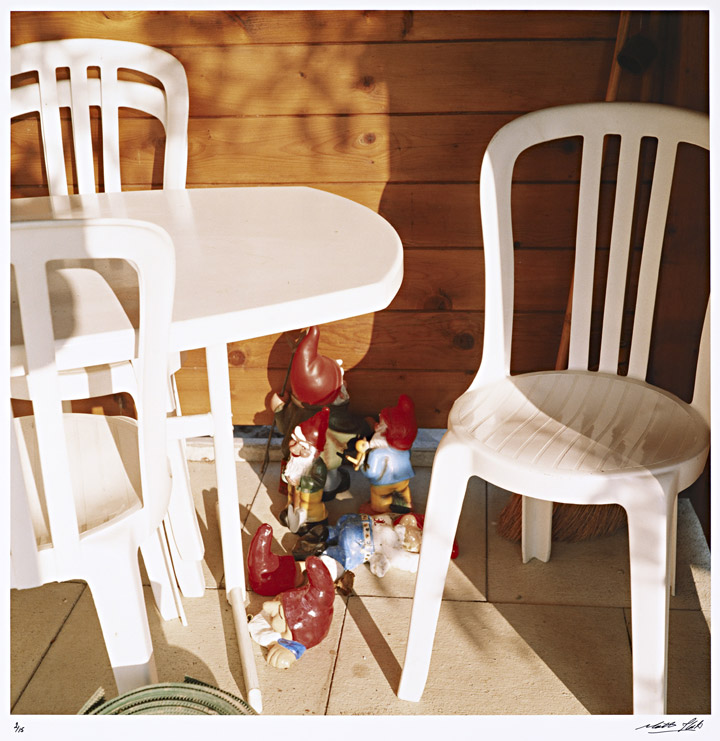
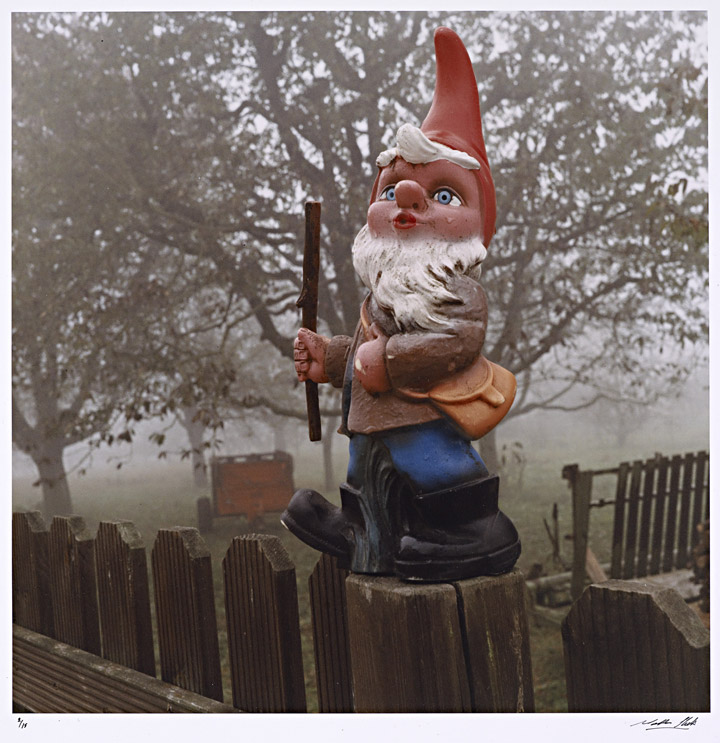
Born in Melbourne in 1972, Matthew Sleeth is another seasoned traveller. During the late 1990s, Sleeth settled in Opfikon, an outer suburb of Zurich, Switzerland. The series of photographs in Long Distance Vision were taken during this time, showing Sleeth’s interest not only in street photography, but also in the narrative possibilities in everyday scenes. Dotted with garishly coloured playhouses, naive sculptures and whimsical arrangements of garden gnomes Sleeth’s photographs go beyond the ‘picture-perfect’ scenes of typical tourist photography.

Long Distance Vision: Three Australian Photographers is on display at The Ian Potter Centre: NGV Australia, Federation Square from 28 August 2009 to 21 February 2010.”

Text from the National Gallery of Victoria press release


Matthew Sleeth (Australian, b. 1972) From the series 'Opfikon' 1997

Matthew Sleeth (Australian, b. 1972) From the series 'Opfikon' 1997

Matthew Sleeth (Australian, b. 1972) From the series 'Opfikon' 1997

Matthew Sleeth (Australian, b. 1972) From the series 'Opfikon' 1997

Matthew Sleeth (Australian, b. 1972) From the series 'Opfikon' 1997


Matthew Sleeth (Australian, b. 1972)
Photographs from the series Opfikon
1997, printed 2004
Type C photograph
43.2 x 43.0cm
National Gallery of Victoria, Melbourne
Presented through the NGV Foundation by Patrick Corrigan, Governor, 2005
© Matthew Sleeth courtesy of Sophie Gannon Gallery, Melbourne


The Ian Potter Centre: NGV Australia Federation Square
Corner of Russell and 
Flinders Streets, Melbourne

Opening hours:
Every day 10am – 5pm

National Gallery of Victoria website

LIKE ART BLART ON FACEBOOK

Back to top

Review: ‘October 2009’ jewellery by Carlier Makigawa at Gallery Funaki, Melbourne

Exhibition dates: 6th October – 31st October, 2009


Carlier Makigawa (Australian, b. 1952) 'Brooch' 2009 from the exhibition 'October 2009' jewellery by Carlier Makigawa at Gallery Funaki, Melbourne, October 2009


Carlier Makigawa (Australian, b. 1952)
Brooch
2009
Silver, paint


Jewellery as art; is art

Brooches, objects

Robust/delicate

Holistic body of work

Affirmation of line and form

Simplicity/complexity of shapes

Span ______  (meta)physical

[Interior] exterior!

elemental | articulation

Volume ((( ))) form

&

arch-itecture

SPACE

beauty

……………………….

Dr Marcus Bunyan


Many thankx to Gallery Funaki for allowing me to publish the photographs in the posting. Please click on the photographs for a larger version of the image.


Carlier Makigawa (Australian, b. 1952) 'Brooch' 2009 from the exhibition 'October 2009' jewellery by Carlier Makigawa at Gallery Funaki, Melbourne, October 2009


Carlier Makigawa (Australian, b. 1952)
Brooch
2009
Silver


Carlier Makigawa (Australian, b. 1952) 'Brooch' 2009


Carlier Makigawa (Australian, b. 1952)
Brooch
2009
Silver


Carlier Makigawa (Australian, b. 1952) 'Brooch 1a' 2009 from the exhibition 'October 2009' jewellery by Carlier Makigawa at Gallery Funaki, Melbourne, October 2009


Carlier Makigawa (Australian, b. 1952)
Brooch
2009
Silver


“A spiritual and private space. Ritual object, jewellery. Linear structures appear fragile and monumental to cradle the internal spirit. They appear to float in space, hovering, penetrating, a temporary existence. Nature is the reference, and the geometry of nature and architecture inform this world.”


Carlier Makigawa


Carlier Makigawa explores the parameters of small spaces in her new exhibition October 2009. Her spare, exacting constructions in silver wire have a monumentality that defies their scale and delicacy. Her new work consists of brooches and objects which move beyond the botanical inspiration of her earlier work to engage with more abstract notions of movement, compression and spatial manipulation.

Text from the Gallery Funaki website [Online] Cited 01/05/2019 no longer available online


Carlier Makigawa (Australian, b. 1952) 'Object' 2009


Carlier Makigawa (Australian, b. 1952)
Object
2009
Silver


Carlier Makigawa (Australian, b. 1952) 'Object' 2009


Carlier Makigawa (Australian, b. 1952)
Object
2009
Silver


Carlier Makigawa (Australian, b. 1952) 'Brooch 1' 2009


Carlier Makigawa (Australian, b. 1952)
Brooch
2009
Silver


Carlier Makigawa (Australian, b. 1952) 'Geometric Neckpiece' 2009


Carlier Makigawa (Australian, b. 1952)
Neckpiece
2009
Silver


Gallery Funaki website

LIKE ART BLART ON FACEBOOK

Back to top

Exhibition: ‘The Abstracted Landscape’ at the Laurence Miller Gallery, New York

Exhibition dates: 24th September – 14th November, 2009

Exhibition artists: Peter Bialobrzeski, Stephane Couturier, DoDo Jin Ming, Toshio Shibata


Many thankx to Laurence Miller Gallery for allowing me to publish the photographs in the posting. Please click on the photographs for a larger version of the image.


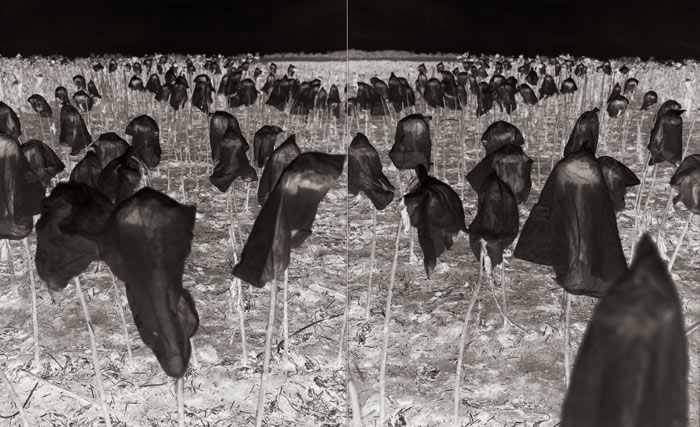
DoDo Jin Ming (Chinese, b. 1955) 'Behind My Eyes 2nd Movement, Plate I' 2002 from the exhibition 'The Abstracted Landscape' at the Laurence Miller Gallery, New York, Sept - Nov, 2009


DoDo Jin Ming (Chinese, b. 1955)
Behind My Eyes 2nd Movement, Plate I
2002


DoDo Jin Ming (Chinese, b. 1955) 'Behind My Eyes 2nd Movement, Plate VIII' 2003 from the exhibition 'The Abstracted Landscape' at the Laurence Miller Gallery, New York, Sept - Nov, 2009


DoDo Jin Ming (Chinese, b. 1955)
Behind My Eyes 2nd Movement, Plate VIII
2003


DoDo Jin Ming (Chinese, b. 1955) 'Free Element, Plate XXX' 2002


DoDo Jin Ming (Chinese, b. 1955)
Free Element, Plate XXX
2002


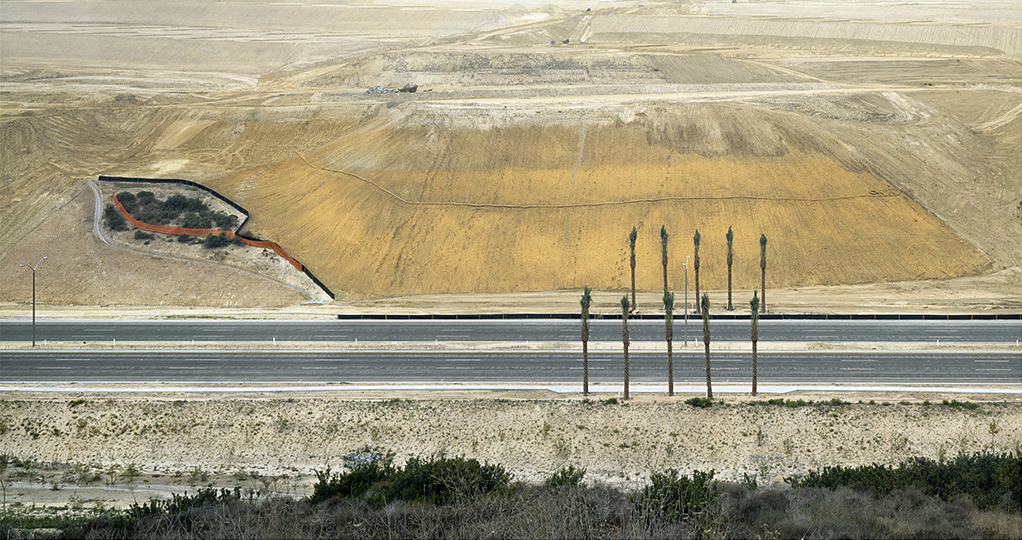
Stéphane Couturier (French, b. 1957) 'Olympic Parkway No. 1' 2001 from the exhibition 'The Abstracted Landscape' at the Laurence Miller Gallery, New York, Sept - Nov, 2009


Stéphane Couturier (French, b. 1957)
Olympic Parkway No. 1
2001


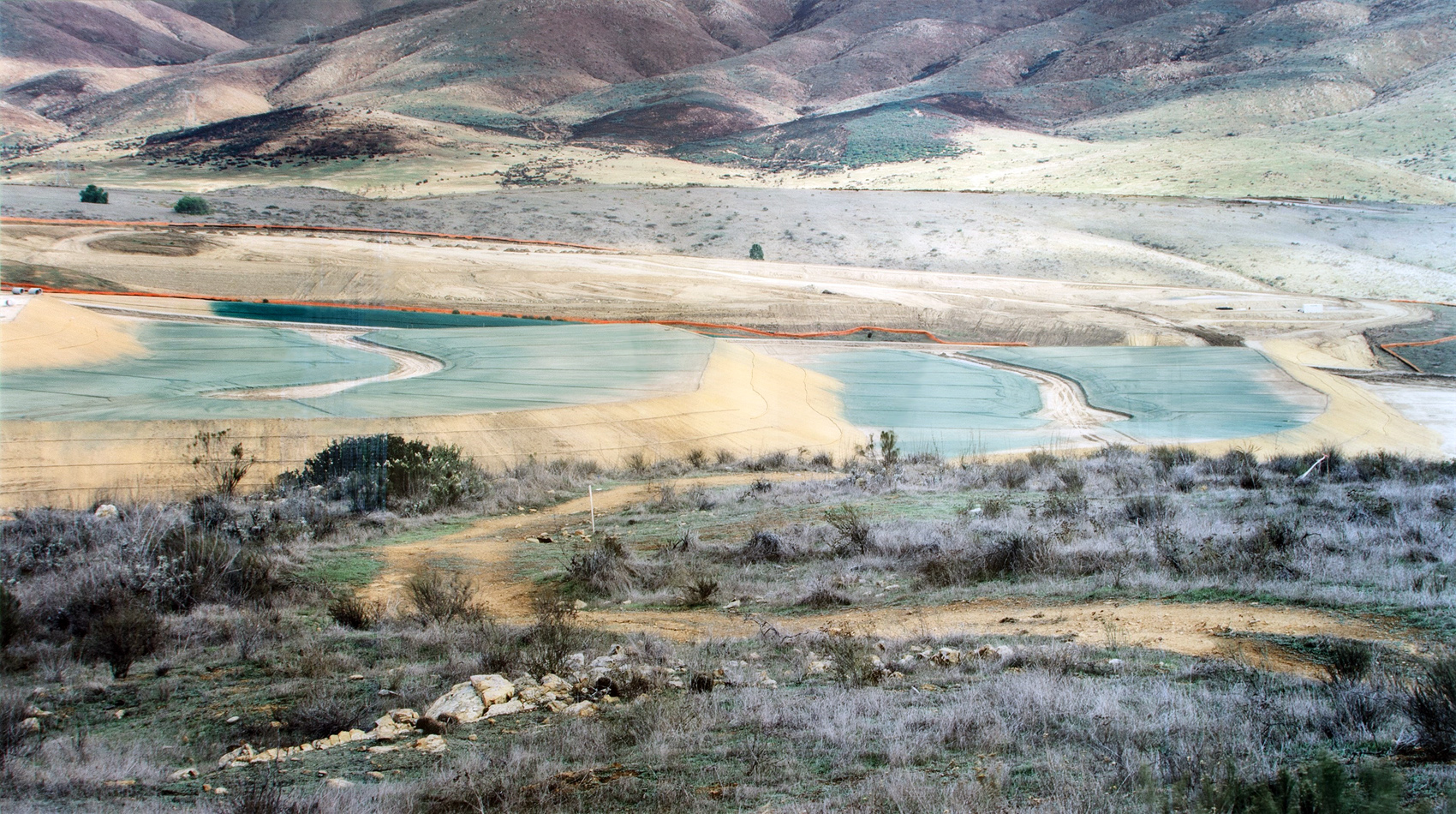
Stéphane Couturier (French, b. 1957) 'Proctor Valley No. 1' 2004


Stéphane Couturier (French, b. 1957)
Proctor Valley No. 1
2004


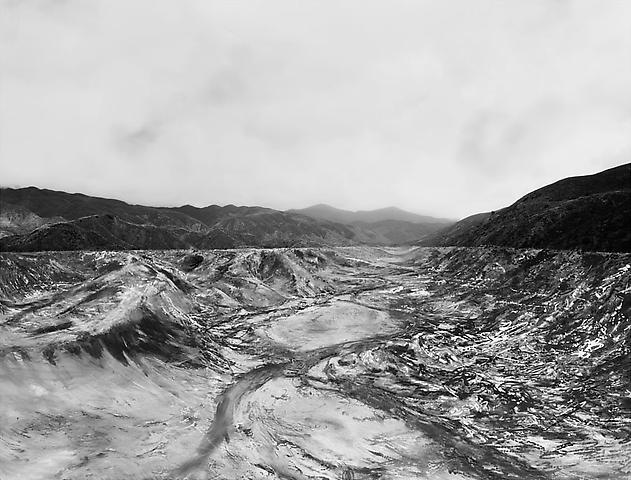
Laurence Miller is pleased to present, as its opening show for the fall, The Abstracted Landscape, featuring the work of four midcareer international artists: Peter Bialobrzeski, from Hamburg; Stephane Couturier, from Paris; DoDo Jin Ming from Beijing and New York; and Toshio Shibata, from Tokyo.

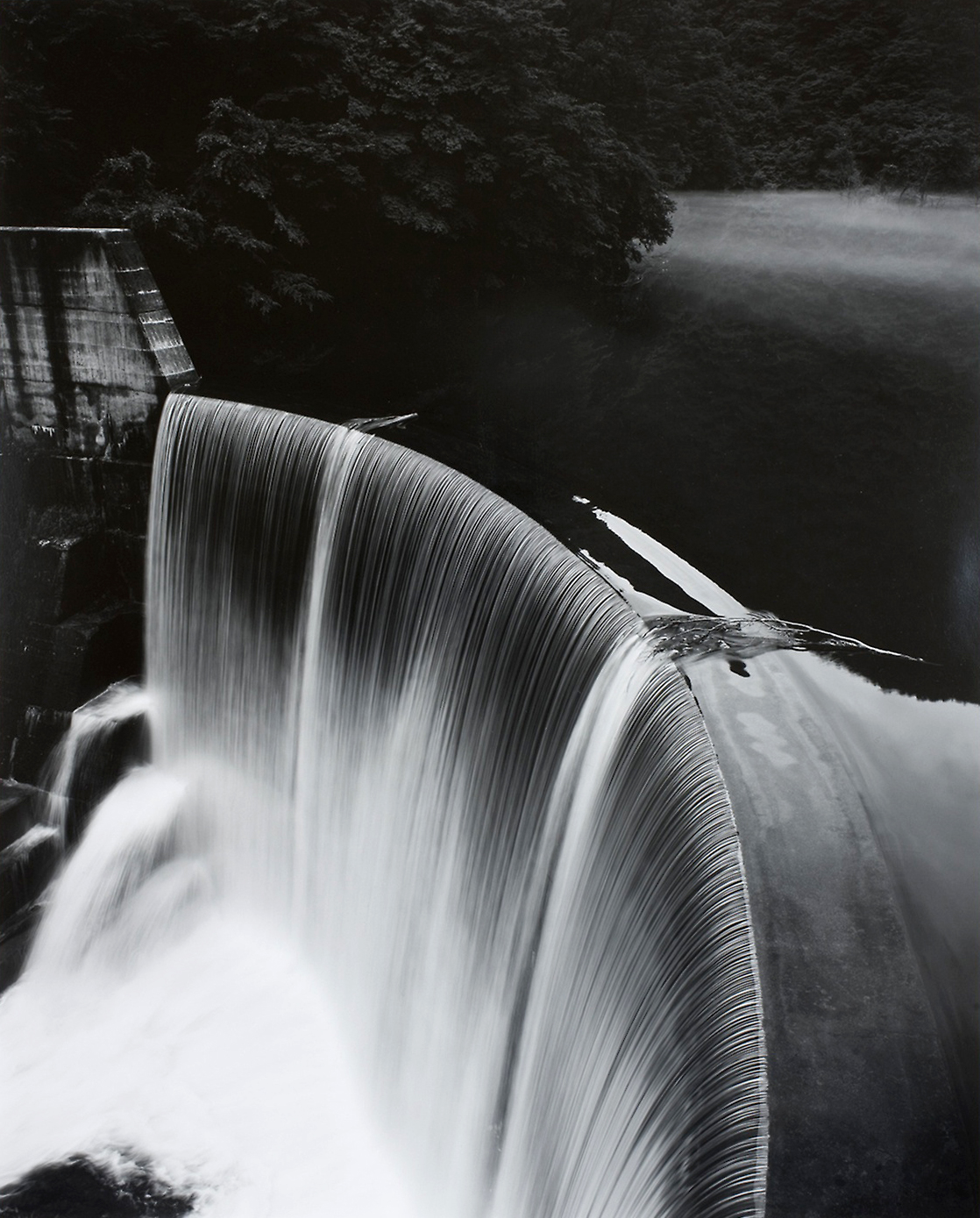
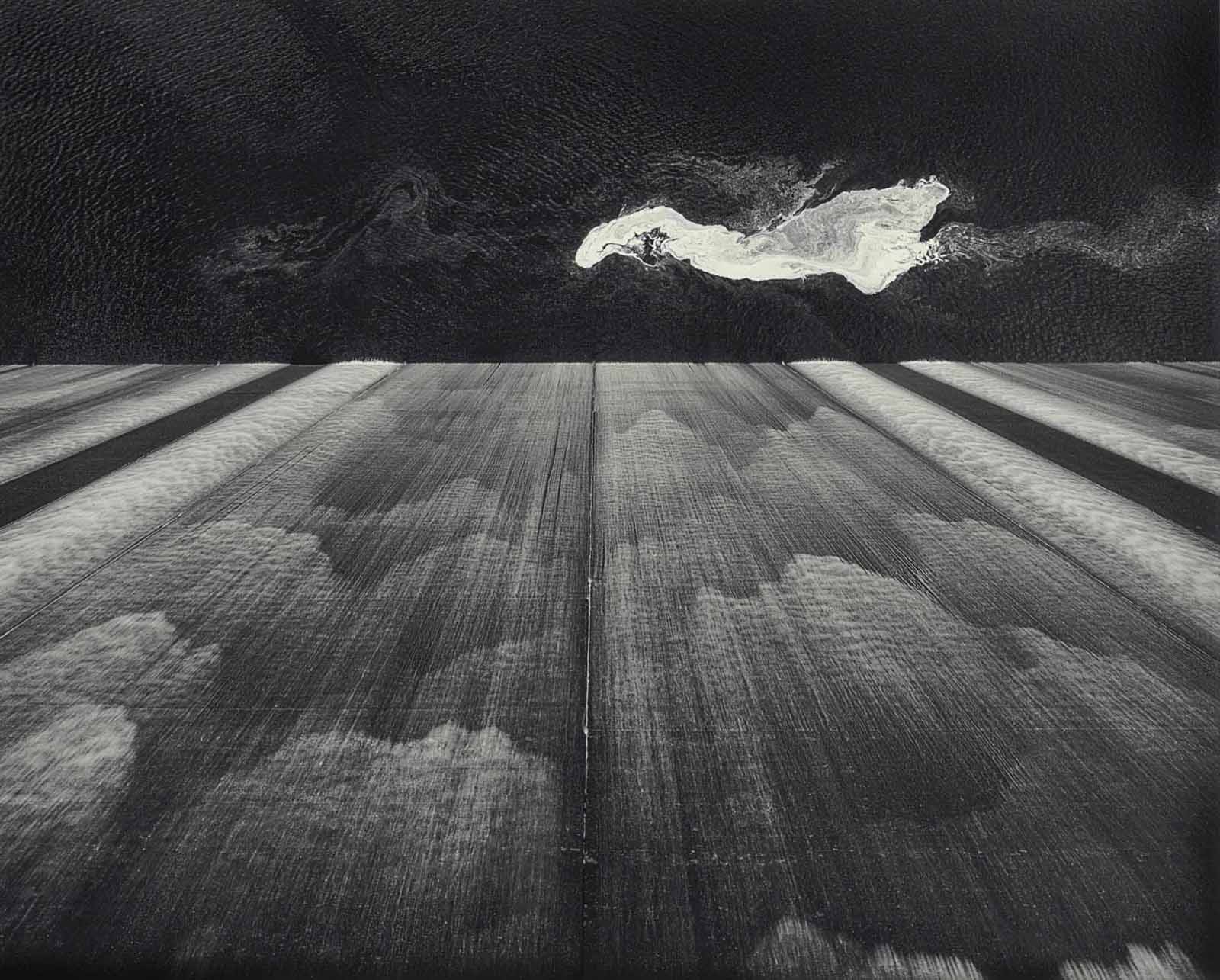
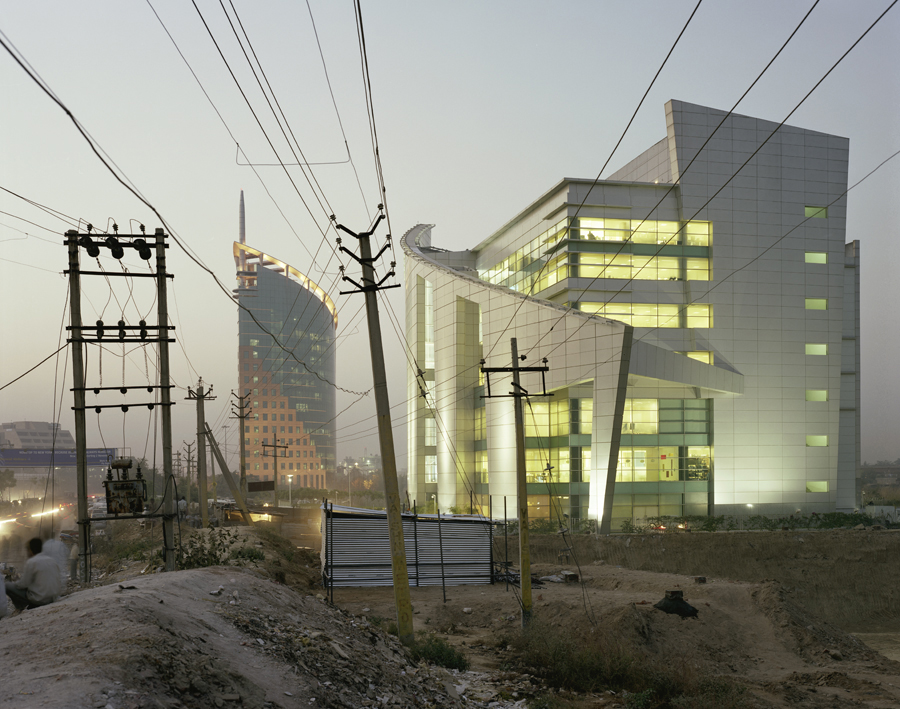
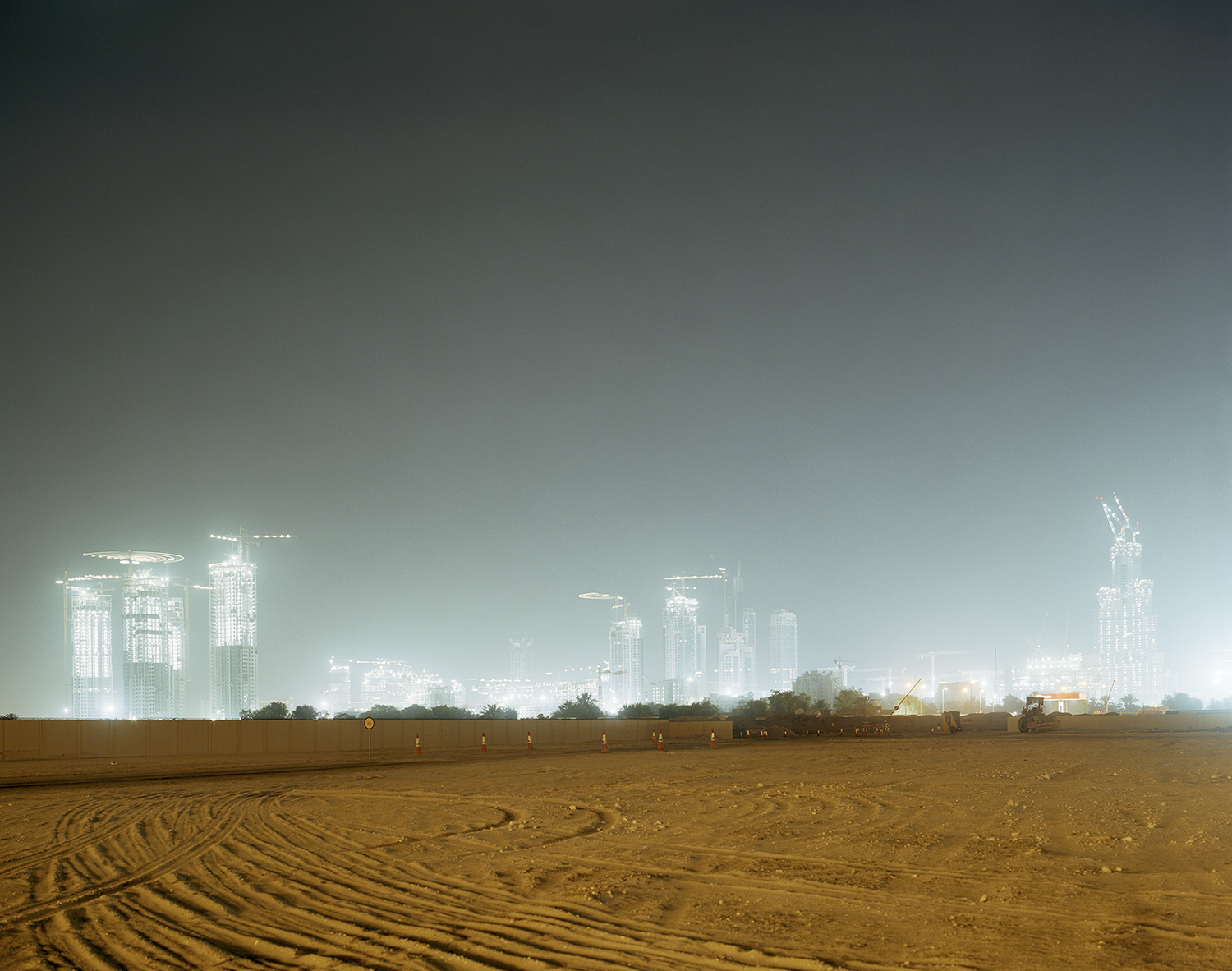
These four photographers each translate the landscape into a poetic and abstract vision, utilising techniques and processes unique to photography to create scenes that remain sufficiently recognisable yet unobtainable through the naked eye. Peter Bialobrzeski, in his series Lost in Transition, photographs rapid urbanisation and industrialisation by taking very long exposures, which create other-worldly colours and lighting not visible to the naked eye. Stéphane Couturier embraces the camera’s monocularity in his series from Havana to flatten our normal reading of space and render totally ambiguous the walls of a decaying interior. DoDo Jin Ming, in her series Behind My Eyes, applies the technique of negative printing to render mysterious and foreboding fields of sunflowers. And Toshio Shibata wields his large view camera, with multiple tilts and swings, to look straight down the side of a dam, creating a vertigo-inducing viewpoint we would be unable (and perhaps unwilling) to see directly with our own eyes.

Abstraction in the landscape has a rich tradition within the history of photography. Felix Teynard’s Egyptian views from the mid-1850’s are wonderfully abstract, as are those of J.B. Greene and August Salzmann. Timothy O’Sullivan, Carlton Watkins and William Henry Jackson each made views of the American west from the 1806’s through the 1880’s, that were equally rich in detail and minimal in composition. In the 20th century there are many examples, from George Seeley to Paul Strand, through Moholy Nagy and the Bauhaus to Edward Weston’s glorious sand dunes.

Text from the Laurence Miller Gallery website [Online] Cited 12/10/2009. No longer available online


Toshio Shibata (Japanese, b. 1949) 'Kashima Town, Fukushima Prefecture' 1990


Toshio Shibata (Japanese, b. 1949)
Kashima Town, Fukushima Prefecture
1990


Toshio Shibata (Japanese, b. 1949) 'Grand Coulee Dam, Douglas County, WA' 1996


Toshio Shibata (Japanese, b. 1949)
Grand Coulee Dam, Douglas County, WA
1996


Peter Bialobrzeski (German, b. 1961) 'Transition # 33' 2005


Peter Bialobrzeski (German, b. 1961)
Transition #33 from the series Lost in Transition
2005


Peter Bialobrzeski (German, b. 1961) 'Transition # 20' 2005


Peter Bialobrzeski (German, b. 1961)
Transition #20 from the series Lost in Transition
2005


Peter Bialobrzeski (German, b. 1961) 'Transition #23' 2005


Peter Bialobrzeski (German, b. 1961)
Transition #23 from the series Lost in Transition
2005


Laurence Miller Gallery

Laurence Miller Gallery is now operating as a private dealer and consultant.

Laurence Millery Gallery website

LIKE ART BLART ON FACEBOOK

Back to top

Exhibition: ‘Proud Flesh’ by Sally Mann at Gagosian Gallery, New York

Exhibition dates: 15th September – 31st October, 2009


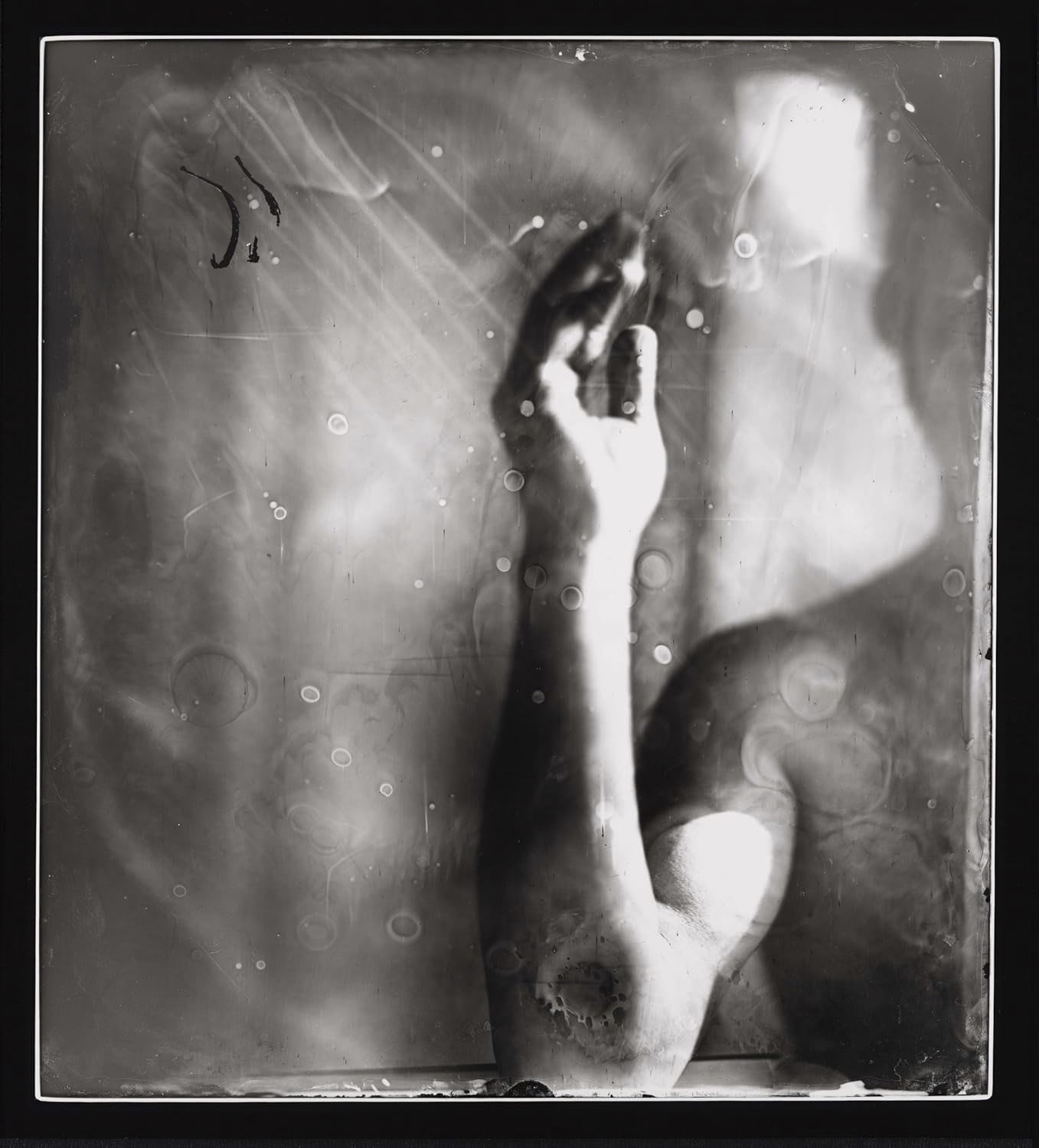
Sally Mann (American, b. 1951) 'Memory's Truth' 2008 from the exhibition 'Proud Flesh' by Sally Mann at Gagosian Gallery, New York, Sept - Oct, 2009


Sally Mann (American, b. 1951)
Memory’s Truth
2008
Gelatin silver print
Contact print from a wet-plate collodion negative


“I can think of numberless males, from Bonnard to Callahan, who have photographed their lovers and spouses, but I am having trouble finding parallel examples among my sister photographers. The act of looking appraisingly at a man, making eye contact on the street, asking to photograph him, studying his body, has always been a brazen venture for a woman, though, for a man, these acts are commonplace, even expected.”


Sally Mann


Many thankx to Gagosian Gallery for allowing me to publish the photographs in the posting. Please click on some of the photographs for a larger version of the image.


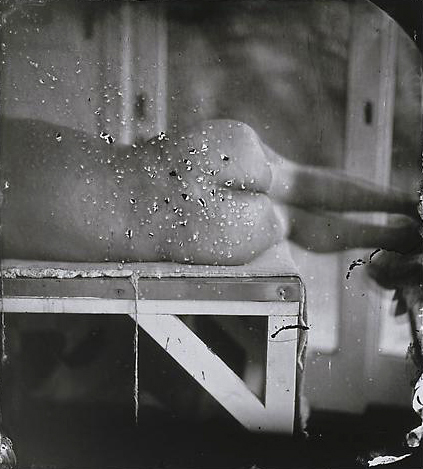
Proud Flesh is for me an emotionally exhausting work about withering. It has elements of 19th century clinical photography done with absolute loving care for the subject. Its factual surface is quickly replaced by metaphor and the haze of imperfection from the wet-plate collodion negatives she employs. In a few of the images, due to the choice of striped bedding on which the figure lays, we might be looking at a historical photograph take from Auschwitz or Bergen Belsen. With Larry’s thin and seemingly weak legs dangling over the edge of a wooden cot, the soiled bedding following the contour of his legs, it is difficult for me to see this image without this harsh historical reference. The following image in the book, he is turned into a martyr – arms out stretched – the sheet underneath him now sharply crinkled like a bed of straw (or an imagined crown of thorns).

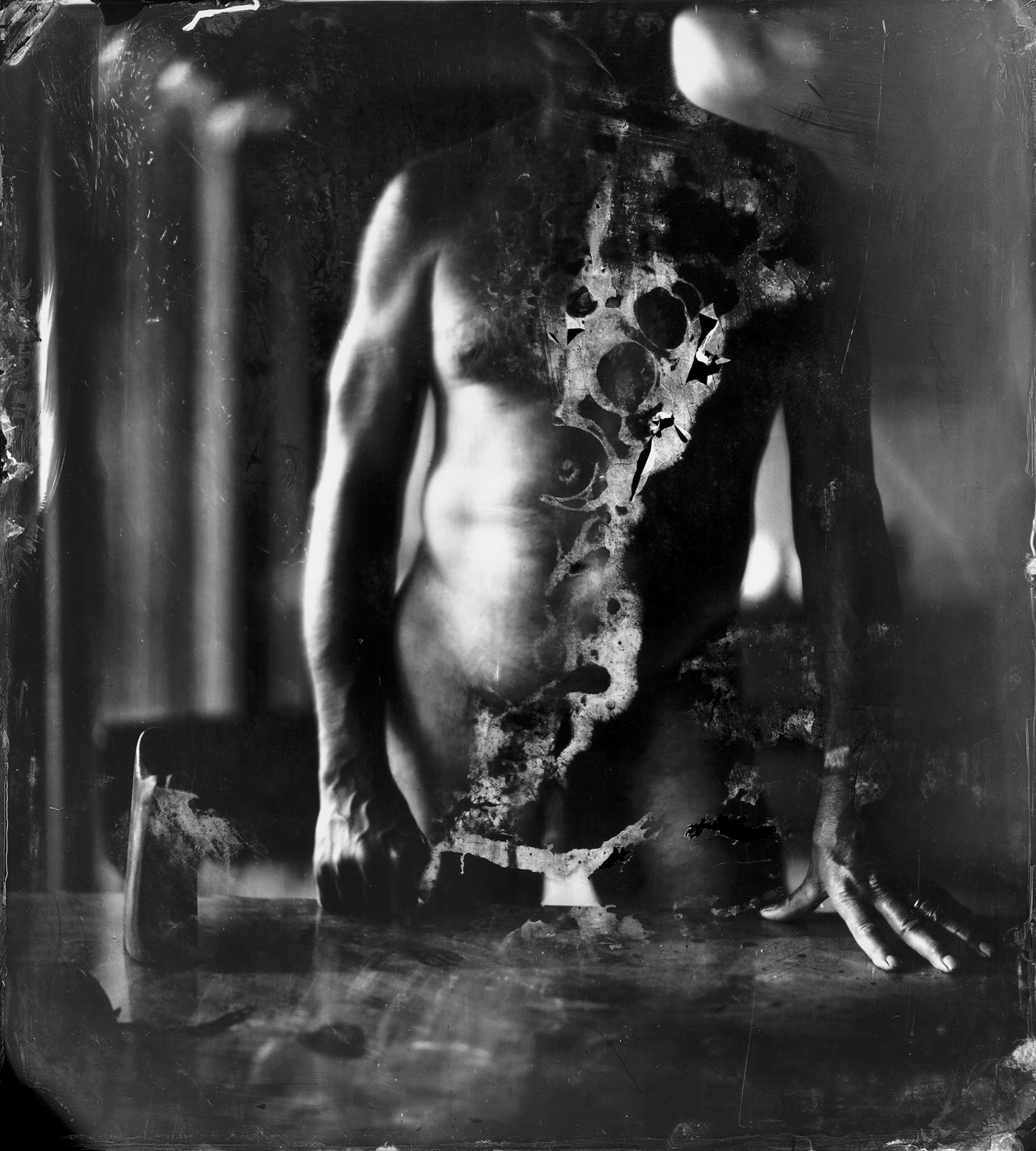
The surface texture plays such a strong role in these photos much of the seduction of these photos comes from the beauty of those imperfections. At times they can be nauseating, for their liquid streaks ooze over the images of aged flesh keeping viscera and bodily fluids as a second metaphoric subject. On the cover image, the disturbed collodion emulsion leaves a pattern which seems to be both looking at, and looking inside, the torso standing before the camera. Like Lee Friedlander’s shadow self-portrait (see the cover of Like a One-eyed Cat) where his organs are replaced with a jumble of rocks and his head is filled with straw, Mann’s image turns Larry’s insides into a mix of man and machine – collodion cogs and gears. This is the most wishful, as it portrays the strongest sense of life and the perhaps even the possibility of escaping its mortality. He stands at table’s edge with a steadying hand and a closed fist.

The most remarkable image for me appears as plate 20 and is captioned Time and the Bell (2008). Like the aforementioned cover image, this is an ideal as Mann has turned her husband’s head and shoulders into a profile bust of marble – the washed out light tones give way to a few angular shapes of rich shadow. It could be a still life of artefacts from an artists work space, a table and a sculptural work in progress. The surprise of the photographic description, which is present in most of the photos in Proud Flesh, is so complex and engaging for me it is difficult to not have it outshine all of the rest.

Text from 5B4: Photography and Books blog October 1, 2009 [Online] Cited 28/04/2019. No longer available online


Sally Mann (American, b. 1951) 'Semaphore' 2003


Sally Mann (American, b. 1951)
Semaphore
2003
Gelatin silver print
Contact print from a wet-plate collodion negative


Sally Mann (American, b. 1951) 'Hephaestus' 2008 from the exhibition 'Proud Flesh' by Sally Mann at Gagosian Gallery, New York, Sept - Oct, 2009


Sally Mann (American, b. 1951)
Hephaestus
2008
Gelatin silver print
Contact print from a wet-plate collodion negative


Sally Mann’s poignant image of her husband, Larry, symbolises both his illness and his skill as a blacksmith.


Sally Mann (American, b. 1951) 'The Nature of Loneliness' 2008


Sally Mann (American, b. 1951)
The Nature of Loneliness
2008
Gelatin silver print
Contact print from a wet-plate collodion negative
15 x 13 1/2 inches


Sally Mann (American, b. 1951) 'Somnambulist' 2009


Sally Mann (American, b. 1951)
Somnambulist
2009
Gelatin silver print
Contact print from a wet-plate collodion negative


Gagosian Gallery is pleased to present “Proud Flesh”, a series of new photographs by Sally Mann.

Children, landscape, lovers – these iconic subjects are as common to the photographic lexicon as light itself. But Mann’s take on them, rendered through processes both traditional and esoteric, is anything but common. From the outset of her career she has consistently challenged the viewer, rendering everyday experiences at once sublime and deeply disquieting.

In previous projects, Mann has explored the relationships between parent and child, brother and sister, human and nature, site and history. Her latest photographic study of her husband Larry Mann, taken over six years, has resulted in a series of candid nude studies of a mature male body that neither objectifies nor celebrates the focus of its gaze. Rather it suggests a profoundly trusting relationship between woman and man, artist and model that has produced a full range of impressions – erotic, brutally frank, disarmingly tender, and more. While the relation of artist and model is, traditionally, a male-dominated field that has yielded countless appraisals of the female body and psyche, Mann reverses the role by turning the camera on her husband during some of his most vulnerable moments.

Mann’s technical methods and process further emphasise the emotional and temporal aspects of these fragile life studies. The images are contact prints made from wet-plate collodion negatives, produced by coating a sheet of glass with ether-based collodion and submerging it in silver nitrate. Mann exploits the surface aberrations that can result from the unpredictability of the process to produce painterly photographs marked by stark contrasts of light and dark, with areas that resemble scar tissue. In works such as Hephaestus and Ponder Heart, the scratches and marks incurred in the production process become inseparable from the physical reality of Larry’s body.”

Text from the Gagosian Gallery website [Online] Cited 10/10/2009. No longer available online


Sally Mann (American, b. 1951) 'Kingfisher's Wing' 2007


Sally Mann (American, b. 1951)
Kingfisher’s Wing
2007
Gelatin silver print
Contact print from a wet-plate collodion negative


Sally Mann (American, b. 1951) 'The Quality of the Affection' 2006


Sally Mann (American, b. 1951)
The Quality of the Affection
2006
Gelatin silver print
Contact print from a wet-plate collodion negative


Sally Mann (American, b. 1951) 'Ponder Heart' 2009


Sally Mann (American, b. 1951)
Ponder Heart
2009
Gelatin silver print
Contact print from a wet-plate collodion negative


Sally Mann (American, b. 1951) 'Was Ever Love' 2009


Sally Mann (American, b. 1951)
Was Ever Love
2009
Gelatin silver print
Contact print from a wet-plate collodion negative


Gagosian Gallery – Madison Avenue Gallery
980 Madison Avenue
New York, NY 10075
Phone: 212.744.2313

Opening hours:
Tuesday – Saturday 10am – 6pm

Gagosian Gallery website

LIKE ART BLART ON FACEBOOK

Back to top

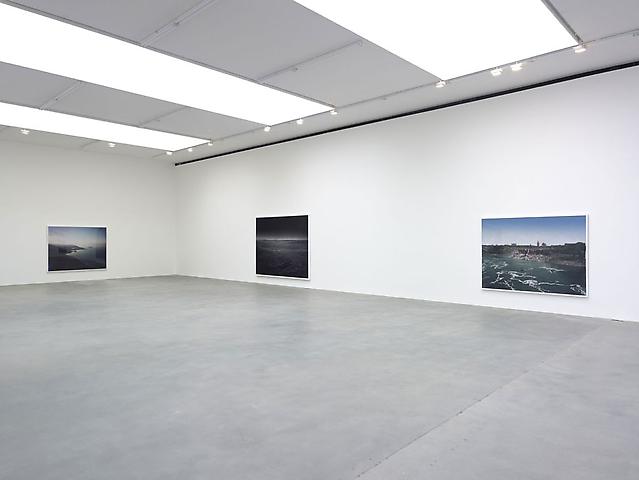
Exhibition: ‘Snow Machine’ by Florian Maier-Aichen at Gagosian Gallery, Britannia Street, London

Exhibition dates: 3rd September – 3rd October, 2009


Many thankx to the Gagosian Gallery for allowing me to publish the photographs in the posting.


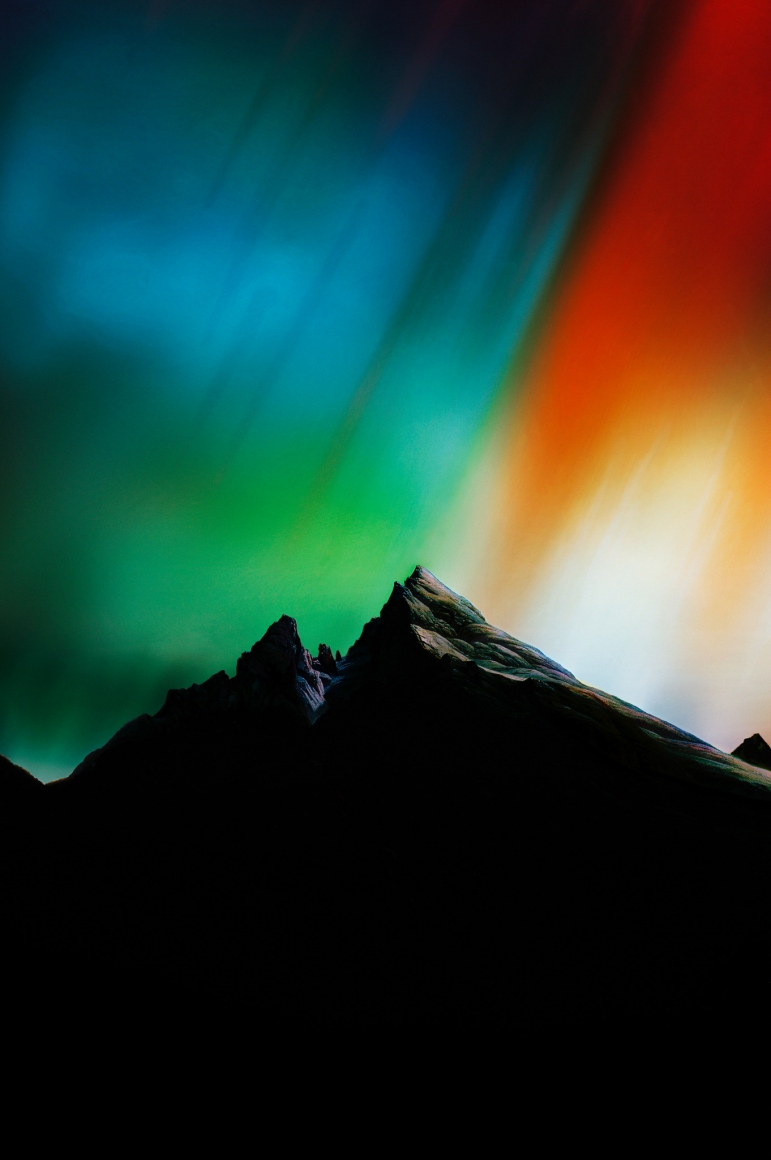
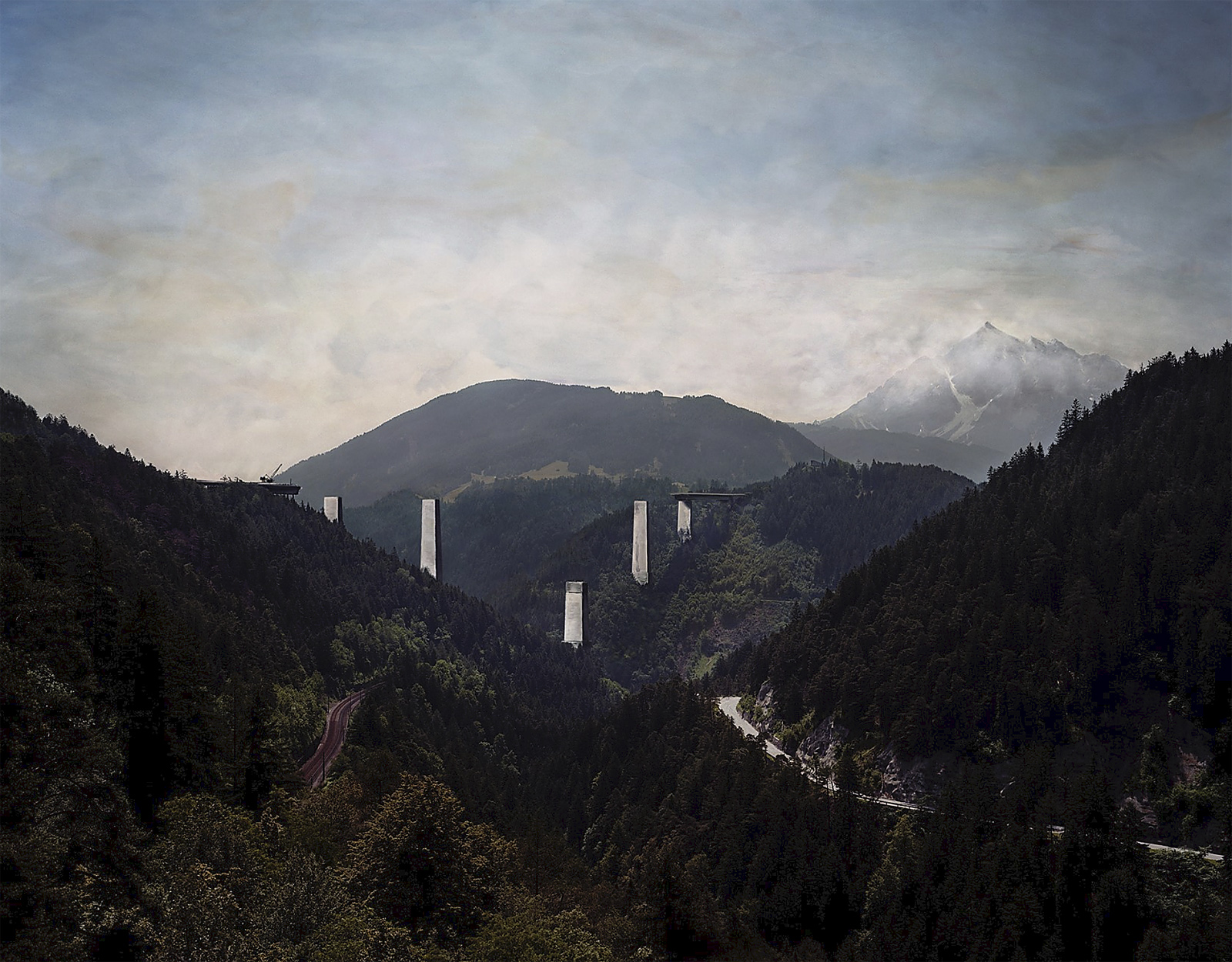
Florian Maier-Aichen (German, b. 1973) 'Der Watzmann' 2009 from the exhibition 'Snow Machine' by Florian Maier-Aichen at Gagosian Gallery, Britannia Street, London, Sept - Oct, 2009


Florian Maier-Aichen (German, b. 1973)
Der Watzmann
2009


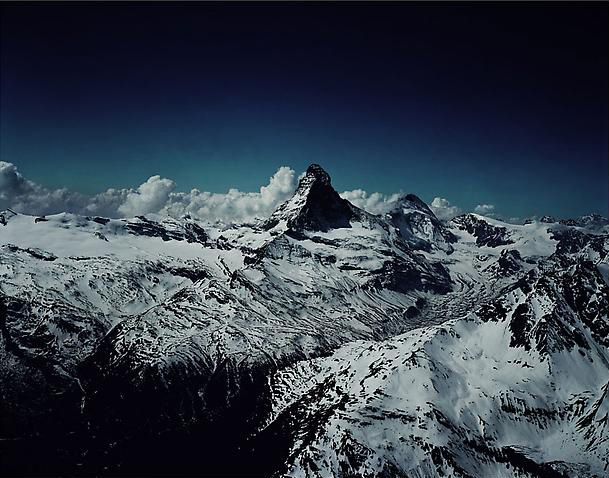
Florian Maier-Aichen brings a contemporary sensibility to bear on a range of historical references, from German Romantic painting to 19th-century photographs of the American West. The German-born photographer shoots images with a large-format camera then alters them digitally by combining negatives, adding computer-drawn elements or otherwise changing the originals. The effects are painterly and the works large-scale (the biggest one in this show, all but one of them C-prints, was around 8 by 71⁄3 feet). In one untitled print (2009), a digitally created brushstroke cuts diagonally across a snowy mountainside. Alluding to the trails ploughed across mountains to prevent avalanches, the photograph also suggests the black-and-white paintings of Abstract Expressionist Franz Kline. The sky above a dark mountainous outcropping in Der Watzmann (2009) references the Caspar David Friedrich painting of the same name (Maier-Aichen appropriated the image of the peak from the painting itself), while the sky suggests an airbrush version of the aurora borealis in red-orange and blue-green.

Der Watzmann may be the most direct reference to 19th-century German Romanticism and the sublime, but these are themes that Maier-Aichen frequently evokes, only to upend them.

Jean Dykstra. “Florian Maier-Aichen,” on the Art in America website May 4, 2009 [Online] Cited 24/09/2019


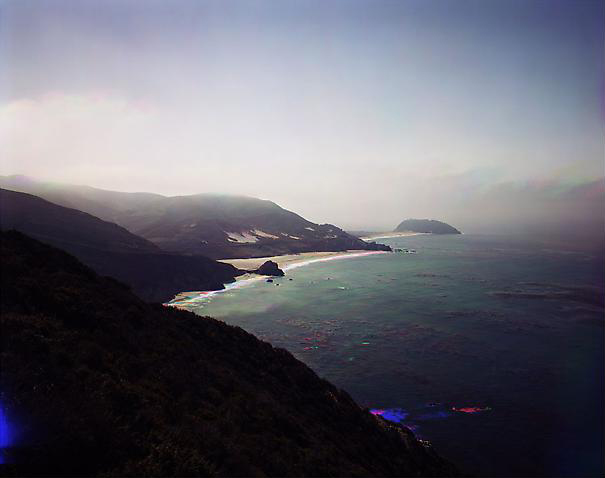
Florian Maier-Aichen (German, b. 1973) 'Untitled' 2008 from the exhibition 'Snow Machine' by Florian Maier-Aichen at Gagosian Gallery, Britannia Street, London, Sept - Oct, 2009


Florian Maier-Aichen (German, b. 1973)
Untitled
2008


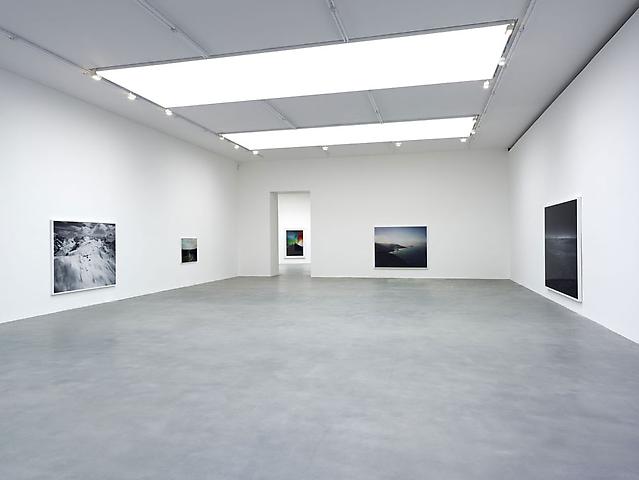
'Snow Machine' by Florian Maier-Aichen installation view at Britannia Street, Gagosian Gallery

'Snow Machine' by Florian Maier-Aichen installation view at Britannia Street, Gagosian Gallery 2


Snow Machine by Florian Maier-Aichen installation views at Gagosian Gallery, Britannia Street, London


“Florian Maier-Aichen’s images reinterpret landscape photography for the 21st century. Often shot at obscure angles or from aerial views, his estranged vantage points are both alien and familiar; a sensation enhanced by his subtle manipulation of the images. Conceiving the representation of sites with a sense of dislocation, Maier-Aichen’s work addresses issues of globalisation and virtual perception. In Untitled, Maier-Aichen’s coastline is far from postcard perfect: a virgin beach lined with superhighway and luxury homes expanding into the misty distance. Tinting the surrounding forest in an unnatural shade of red, he casts an apocalyptic glow over the seascape, framing wilderness and human intervention as a scene of science fiction portent.”

Text from the Saatchi Gallery website [Online] Cited 24/04/2019


Florian Maier-Aichen (German, b. 1973) 'Untitled' 2009 from the exhibition 'Snow Machine' by Florian Maier-Aichen at Gagosian Gallery, Britannia Street, London, Sept - Oct, 2009


Florian Maier-Aichen (German, b. 1973)
Untitled
2009


“I have always been interested in the making of things. Most products and materials conceal their process of manufacture. It’s the same with photography, which turned from a discipline that was subject to the mastery of the few (alchemists) into a readily available industrial mass product, too transparent and too technical.”


Florian Maier-Aichen


Gagosian Gallery is pleased to present an exhibition of recent photographs by Florian Maier-Aichen. This is the artist’s first solo exhibition in London.

A photographer schooled on both sides of the Atlantic, Maier-Aichen’s work reflects on the dual influences of the history of photography and the history of painting, whether drawing on such dichotomies as German Romantic painting and the pioneers of German “objective” photography, or applying his post-factum experience of American frontier art – from the Hudson River School and Abstract Expressionism to Land Art and West Coast conceptualism – to his own topographical depictions of landscape subjects. He focuses on the camera’s consummate power to establish typologies of thought, perception, and feeling, producing images that, in mining the past, come to embody a matrix of issues salient to recent photographic practice.

Approaching the photographic field like a painter approaches a canvas, Maier-Aichen does for the contemporary image-world what pictorial photographers attempted in the nineteenth and early twentieth centuries, using the strategies and motifs of Romantic and Luminist painting. Unnaturally high-keyed or delicately tinted images of soaring mountain ranges, moody seas, and the industrial architecture of bridges, waterways, and dams carving through the natural landscape are all emanations of a rich and diverse imagination where a keen and critical grasp of art history coexists with more pronounced literary and cinematic conceits.

In a creative process that is as intensive as it is subtle and opaque, Maier-Aichen combines an exhaustive range of staged effects and traditional photographic techniques – albumen, silver-gelatin, and c-printing – with drawing and current computer-imaging processes. Weaving together often disparate elements from distinct sources, he applies myriad creative adjustments to each in order to produce seamless photographs that do not betray their intricate and layered compositions. Multiple negatives, digital manipulation, and elaborate studio techniques are employed to produce seemingly straightforward photographic landscape subjects while other images that engage the most conventional photographic techniques may themselves be subjects of pure fabrication.”

Text from the Gagosian Gallery website [Online] Cited 20/09/2009. No longer available online


Florian Maier-Aichen (German, b. 1973) 'Untitled' 2009


Florian Maier-Aichen (German, b. 1973)
Untitled
2009


Florian Maier-Aichen (German, b. 1973) 'Untitled' 2009


Florian Maier-Aichen (German, b. 1973)
Untitled
2009


Florian Maier-Aichen (German, b. 1973) 'Untitled (St. Francis Dam)' 2009


Florian Maier-Aichen (German, b. 1973)
Untitled (St. Francis Dam)
2009


Gagosian Gallery
6-24 Britannia Street
London WC1X 9JD
Phone: 44.207.841.9960

Opening Hours:
Tuesday – Saturday 10am – 6pm

Gagosian Gallery website

LIKE ART BLART ON FACEBOOK

Back to top

Exhibition: ‘Ansel Adams: A Life’s Work’ at Museum of Photographic Arts, San Diego

Exhibition dates: 23rd May – 4th October, 2009


Ansel Adams (American, 1902-1984) 'Monolith - The Face of Half Dome, Yosemite National Park' 1927 from the exhibition 'Ansel Adams: A Life's Work' at Museum of Photographic Arts, San Diego, May - Oct, 2009


Ansel Adams (American, 1902-1984)
Monolith, The Face of Half Dome, Yosemite National Park
from the portfolio Parmelian Prints of the High Sierras
1927
Gelatin silver print


Some well known Ansel Adams images below with some less well known photographs from the Manzanar Relocation Center photographic series of 1943.

Marcus


Many thankx to the Museum of Photographic Arts for allowing me to publish the three photographs, Winter Sunrise, Sierra Nevada from Lone Pine, California (1944), Mount McKinley, Alaska (1948) and Aspens, Northern New Mexico (1958). Please click on the photographs for a larger version of the image.


Ansel Adams (American, 1902-1984) 'Marion Lake, Kings River Canyon, California' c. 1925 from the exhibition 'Ansel Adams: A Life's Work' at Museum of Photographic Arts, San Diego, May - Oct, 2009


Ansel Adams (American, 1902-1984)
Marion Lake, Southern Sierra
from the portfolio Parmelian Prints of the High Sierras
1927
Gelatin silver print


Ansel Adams (American, 1902-1984) 'Moonrise, Hernandez, New Mexico' 1941 from the exhibition 'Ansel Adams: A Life's Work' at Museum of Photographic Arts, San Diego, May - Oct, 2009


Ansel Adams (American, 1902-1984)
Moonrise, Hernandez, New Mexico
1941
Gelatin silver print


Ansel Adams (American, 1902-1984) 'Birds on wire, evening, Manzanar Relocation Center' 1943


Ansel Adams (American, 1902-1984)
Birds on wire, evening, Manzanar Relocation Center
1943
Gelatin silver print


The Museum of Photographic Arts (MoPA) in Balboa Park is pleased to present Ansel Adams: A Life’s Work. The exhibition includes over 80 photographs by the 20th Century master, and celebrates Adams as an artist and conservationist. A Life’s Work will be on view May 23, 2009 through October 4, 2009, and features an overview of Adam’s work from his early years in the Sierra Nevadas and Yosemite Valley to his work in the Japanese Internment Camp at Manzanar, as well as his well-known masterpieces.

Ansel Adams: A Life’s Work will be running concurrently with Jo Whaley: Theater of Insects on view from May 16 through September 27, 2009, as well as Picturing the Process: Exploring the Art and Science of Photography on view through July 25, 2009.

The exhibition begins with survey of Adams’ early years with the Sierra Club (1920s-1930s), where his photographs and essays were first published in the Club’s Bulletin. 1927 marked a pivotal point for Adams, where he participated in the Sierra Club’s annual High Trip, which took him to the high country of the Sierra. It was during this trip that he exposed the negative of the iconic image Monolith, the Face of Half Dome. Adams describes this photograph as “my first conscious visualisation; in my mind’s eye, I saw the final image.”

It was during this first High Trip that Adams met San Francisco-based arts patron, Albert Bender. Bender took immediate interest in Adam’s photographs, and published Adams’ first portfolio, The Parmelian Prints of the High Sierras (1927). The publication included an edition of 100 portfolios of 18 prints each, 75 were printed.

The exhibition features 15 of the rare Parmelian vintage prints, as well as eight photographs from the 1929 Sierra Club Portfolio.

The exhibition continues with a wide range of representative works from the 1930’s and 1940’s, including commercial work that the artist did for the YPCCO (Yosemite Park and Curry Company). From 1931 to 1937, Adams was hired by YPCCO, a group of businesses in Yosemite Valley, to photograph various winter sports for an advertising campaign. This opportunity provided a much needed source of income for the artist during the Great Depression. The exhibition also includes other various commercial assignments throughout his career, which Adams clearly separated from his fine art photography, but notes as a vital aspect of his career. In his Autobiography he wrote: “I have little use for students or artists who scorn commercial photography as a form of prostitution … Let them pay the bills! … I struggled with a great variety of assignments through the years. Some I enjoyed, some I detested, but learned from them all.”

A Life’s Work also includes the powerful and poignant images from the Manzanar Internment Camp. In late 1943 through 1944, Adams visited the camps in central California, where over 10,000 Japanese-Americans were interned during World War II. Adams’ intention for this self-assigned project was “to interpret the camp and its people, their daily life and their relationship to their community and their environment,” wrote Adams in his Autobiography. “As my work progressed, however, I began to grasp the problems of the remarkable readjustment these people had to make… With admirable strength of spirit, the Nisei rose above despondency and make a life for themselves… This was the mood and character I determined to apply to the project.”

A Life’s Work will feature many of his iconic masterworks, including Moonrise, Hernandez, New Mexico, as well as his works in colour, which he experimented with beginning in the late 1940s.

Press release from the Museum of Photographic Arts website [Online] Cited 15/09/2009


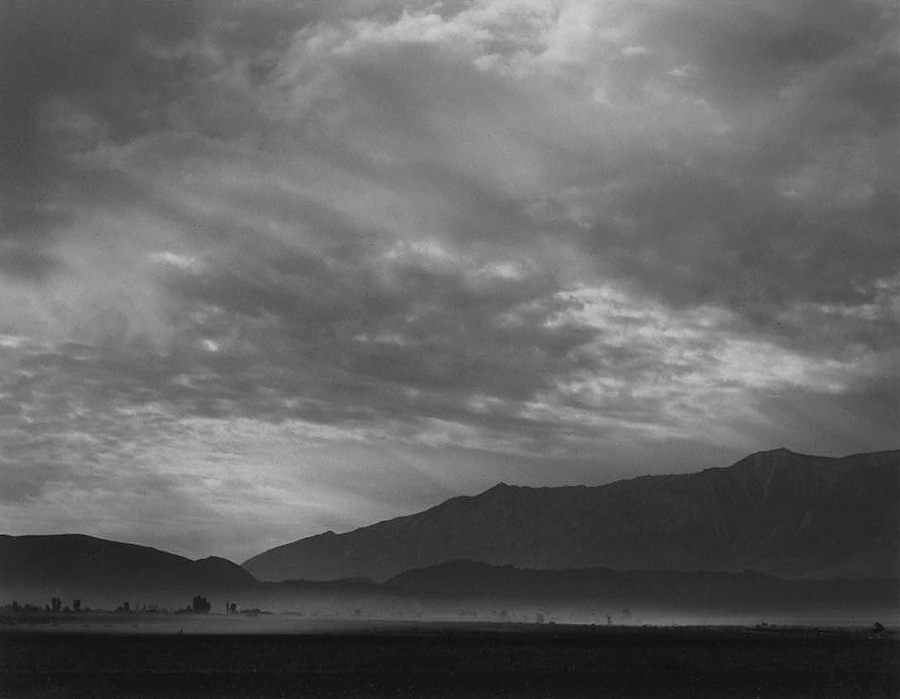
Ansel Adams (American, 1902-1984) 'View south from Manzanar to Alabama Hills, Manzanar Relocation Center' 1943


Ansel Adams (American, 1902-1984)
View south from Manzanar to Alabama Hills, Manzanar Relocation Center
1943
Gelatin silver print


Ansel Adams (American, 1902-1984) 'View SW over Manzanar, dust storm, Manzanar Relocation Center' 1943


Ansel Adams (American, 1902-1984)
View SW over Manzanar, dust storm, Manzanar Relocation Center
1943
Gelatin silver print


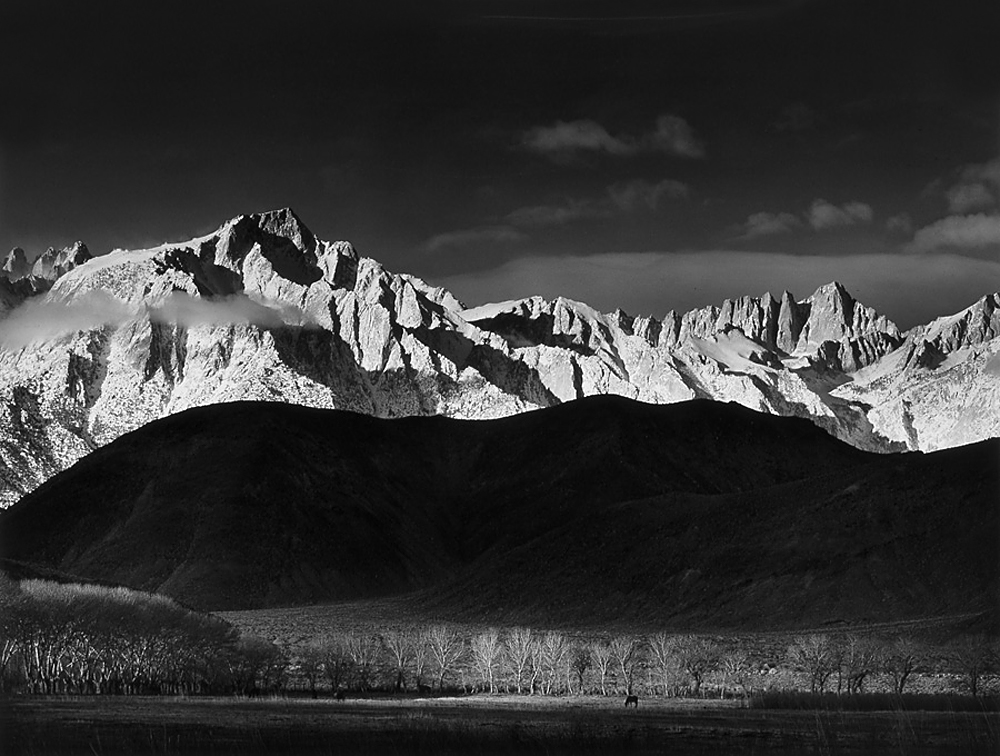
Ansel Adams (American, 1902-1984) 'Winter Sunrise, Sierra Nevada from Lone Pine, CA.,' 1944


Ansel Adams (American, 1902-1984)
Winter Sunrise, Sierra Nevada from Lone Pine, California
1944
Gelatin silver print
Courtesy of the Museum of Photographic Arts.
Copyright © 2009 The Ansel Adams Publishing Rights Trust


Ansel Adams (American, 1902-1984) Mount McKinley, Alaska, 1948


Ansel Adams (American, 1902-1984)
Mount McKinley, Alaska
1948
Gelatin silver print
Courtesy of the Museum of Photographic Arts
Copyright © 2009 The Ansel Adams Publishing Rights Trust


Ansel Adams (American, 1902-1984) 'Aspens, Northern New Mexico' 1958


Ansel Adams (American, 1902-1984)
Aspens, Northern New Mexico
1958
Gelatin silver print
Courtesy of the Museum of Photographic Arts
Copyright © 2009 The Ansel Adams Publishing Rights Trust


Museum of Photographic Arts
Located within Balboa Park at 1649 El Prado, 
San Diego, CA 92101
Phone: 619-238-7559

Opening hours:
Thursday – Sunday: 11.00am – 4.00pm
Monday – Wednesday closed

MoPA website

LIKE ART BLART ON FACEBOOK

Back to top