Exhibition: ‘László Moholy-Nagy. The Art of Light’ at the Ludwig Museum, Budapest

Exhibition dates: 9th June – 25th September 2011


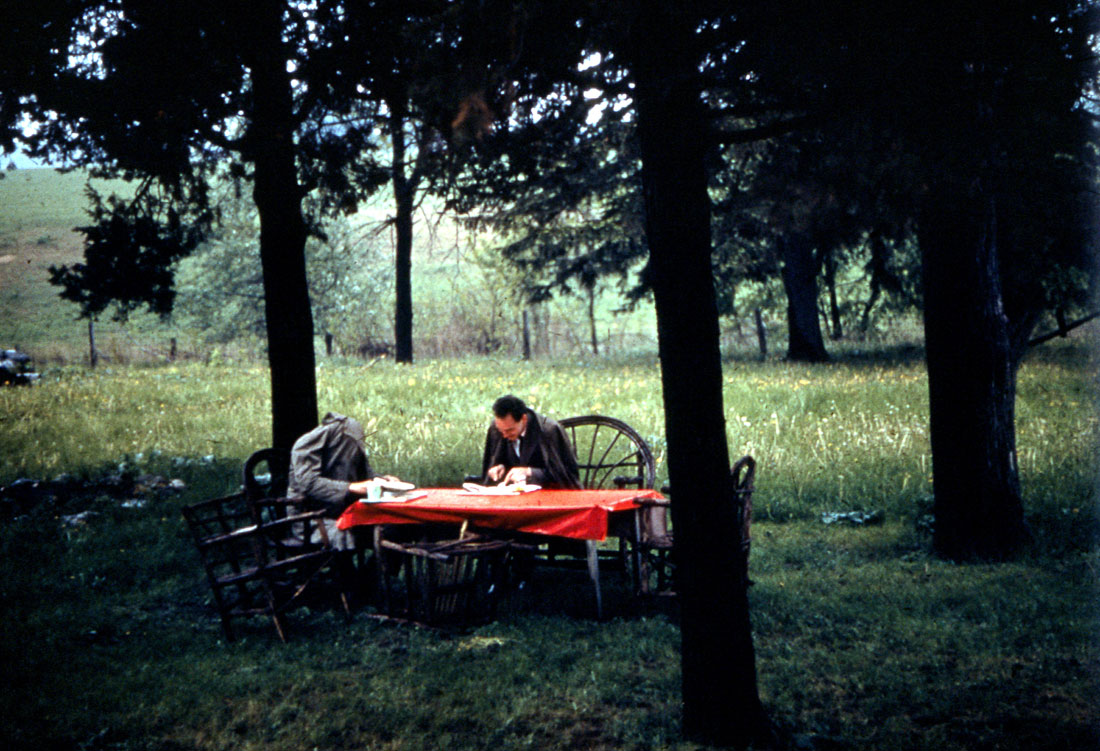
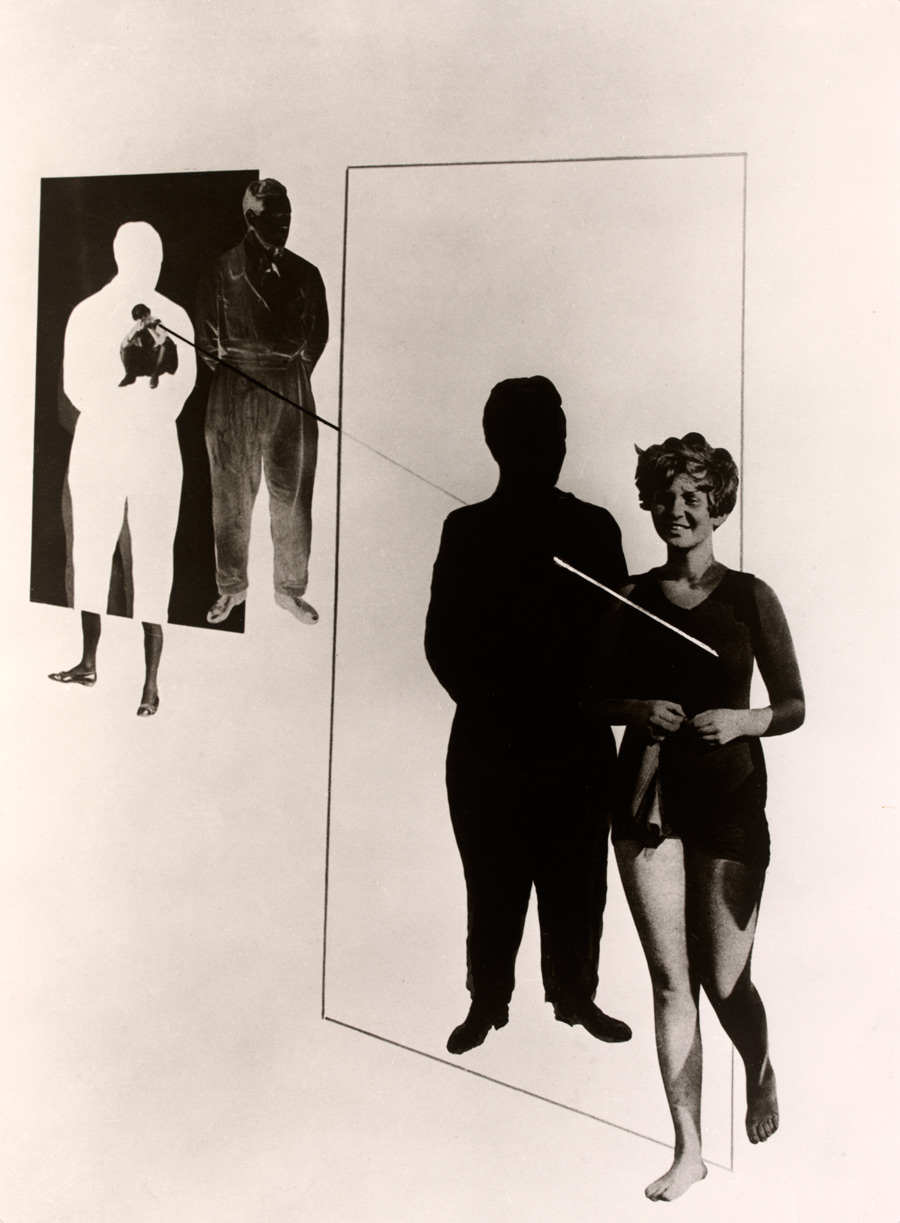
László Moholy-Nagy (Hungarian, 1895-1946) 'Chairs at Margate' 1935


László Moholy-Nagy (Hungarian, 1895-1946)
Chairs at Margate
1935
Gelatin silver print diptych
36.9 x 29.5cm (each)
© Hattula Moholy-Nagy/VEGAP 2011


Different press photographs from this exhibition, one that I last posted when it was at Martin Gropius-Bau, Berlin.

Marcus


Many thankx to the Ludwig Museum for allowing me to publish the photographs in the posting. Please click on the photographs for a larger version of the image.


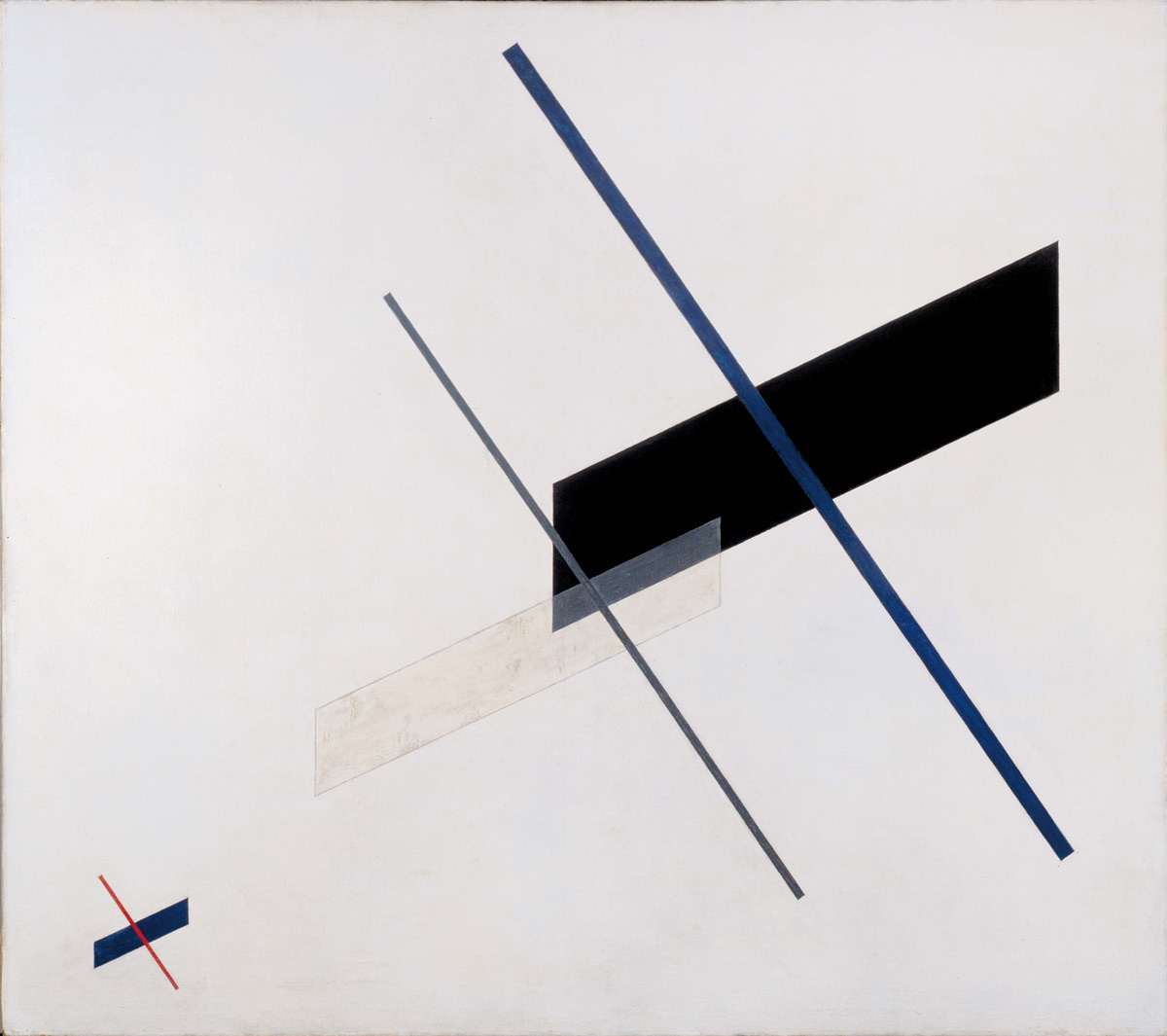
László Moholy-Nagy (Hungarian, 1895-1946) 'K VII' 1922


László Moholy-Nagy (Hungarian, 1895-1946)
K VII
1922
Oil on canvas
115.3 x 135.9cm
Tate, London
© Hattula Moholy-Nagy/VEGAP 2011


László Moholy-Nagy (Hungarian, 1895-1946) 'Composition A XI' 1923


László Moholy-Nagy (Hungarian, 1895-1946)
Composition A XI
1923
Oil on canvas
Image: 115.6 x 131.1cm
© Hattula Moholy-Nagy/VEGAP 2011


László Moholy-Nagy (Hungarian, 1895-1946) 'Eton. Eleves watching cricket from the pavilion on Agar's Plough' c. 1930


László Moholy-Nagy (Hungarian, 1895-1946)
Eton. Eleves watching cricket from the pavilion on Agar’s Plough
c. 1930
Gelatin silver print


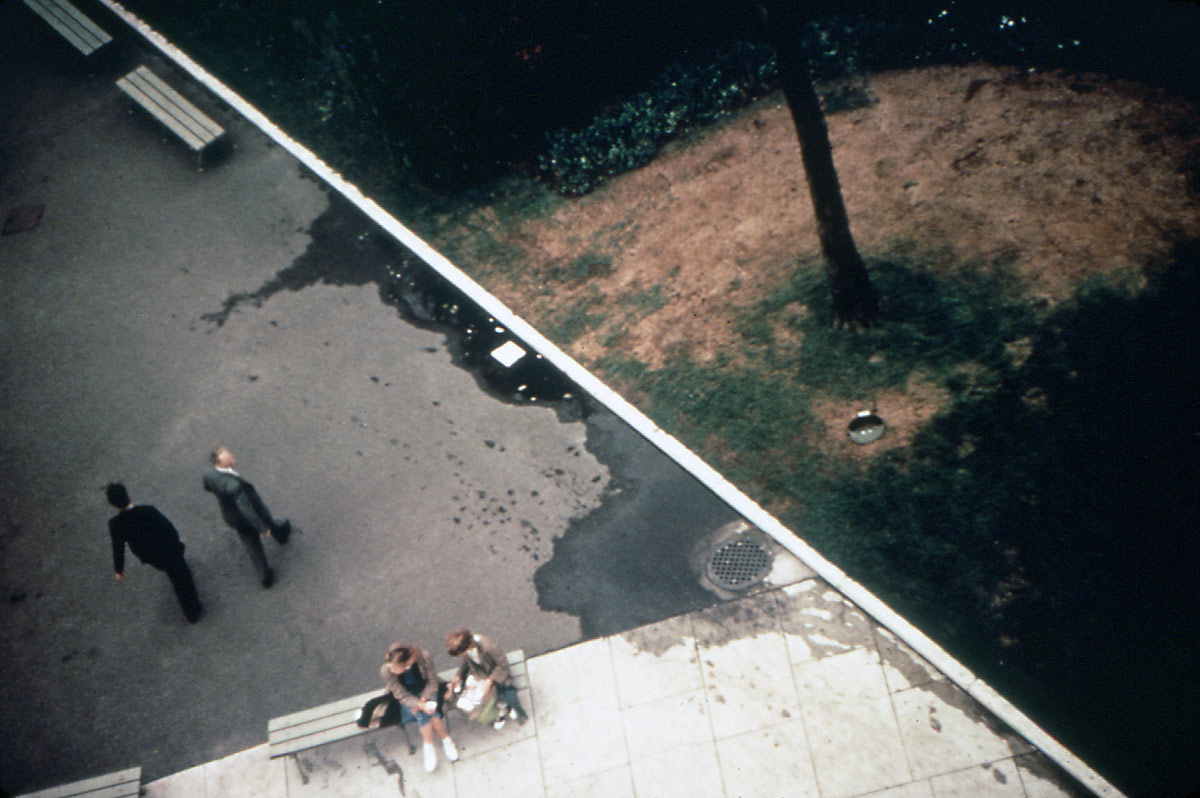
László Moholy-Nagy (Hungarian, 1895-1946) 'Untitled' 1939


László Moholy-Nagy (Hungarian, 1895-1946)
Untitled
1939
Fujicolor Crystal Archive print
Image: 22.8 x 34.2cm
Courtesy of László Moholy-Nagy Estate and Andrea Rosen Gallery Inc., New York
© Hattula Moholy-Nagy/VEGAP 2011


László Moholy-Nagy (Hungarian, 1895-1946) 'Untitled' 1940-44


László Moholy-Nagy (Hungarian, 1895-1946)
Untitled
1940-1944
Fujicolor Crystal Archive print
Image: 22.8 x 34.2cm
Courtesy of László Moholy-Nagy Estate and Andrea Rosen Gallery Inc., New York
© Hattula Moholy-Nagy/VEGAP 2011


László Moholy-Nagy is a world-famous figure of twentieth-century avant-garde art. His visual art and theoretical works, photographs, films, educational activities and photograms – taken without a camera and now synonymous with his name – were of such significance that it is no exaggeration to say that since Moholy-Nagy, we see things differently; since Moholy-Nagy, our thinking about art has been transformed. His innovations over the decades have become so natural, his influence so pervasive, that we now almost have to rediscover him once again. In the series of Hungarian photographers who accomplished world fame – Robert Capa, Martin Munkácsi, György Kepes – the Ludwig Museum – Museum of Contemporary Art now presents the work of László Moholy-Nagy (1895-1946), focussing primarily his photography. This is a long-overdue show: Hungary has not held such an exhibition of Moholy-Nagy’s work since 1975, not even on the centenary of his birth in 1995.

Moholy-Nagy began his creative career in the first half of the twentieth century in Lajos Kassák’s activist circle where, at twenty years old, he was one of Hungary’s youngest avant-garde artists. In 1919 he left for Vienna then Berlin, where he came under the influence of Dadaism and Constructivism, which he later developed further independently. On the invitation of director Walter Gropius in 1923, he became a teacher at the Weimar Bauhaus, then the most progressive art school. There, alongside the Metal Workshop, he also led the definitive course in new arts education, the Foundation. The Bauhaus was more than a school: it was a way of life that unified life, art and science. As well as exploring painting, leading the Metal Workshop, writing and editing books and applying new typographies at the experimental, innovative Bauhaus school, Moholy-Nagy also turned towards photography and film as forms offering new possibilities in art. Photography, and in particular film represented new technologies that questioned the traditional principles of art, among them the uniqueness of the artefacts and the personal signature of the artist.

The central organising principle in Moholy-Nagy’s diverse activities was light: light defined his paintings, sculptures, photoplastics, photograms, photographs, typography and theatre sets. He did not regard photography as a tool for the perfect imaging of reality, rather, it was his conviction that the camera offered new discoveries and possibilities for modern people to finally liberate themselves from the obligation to depict, to copy reality. The years at the Bauhaus proved to be an experience that defined his entire life. After Berlin, Weimar and Dessau, he settled in Chicago in 1937, where he founded the ‘New Bauhaus’ and remained until the end of his life, working as an experimental, innovative artist and theorist. He regarded art as an activity that embraced the whole of life which was non-hierarchical, accessible and cultivatable by everyone, and he was a firm believer in the educational role of art.

The Ludwig Museum’s exhibition presents his diverse life achievement from 1922, with Moholy-Nagy’s photography, films, and works ‘made with light’ in central focus. His first writings on light as a medium were published in 1923, in the Broom magazine, New York. One of the most exciting parts of the exhibition is the compilation of all Moholy-Nagy’s films, shown together here for the first time and according to the artist’s original conception. Such an ambitious and large-scale exhibition of Moholy-Nagy’s oeuvre could only have been realised with international collaboration. This exhibition brings together over 200 pieces and documents from over twenty museums around the world (Tate, Whitney, Tokyo Metropolitan, etc.) as well as private collections. It is based on the curatorial concept of the director of Madrid’s la Fábrica, Oliva Maria Rubio, and is the result of joint work between the Martin-Gropius-Bau in Berlin and the Gemeentemuseum in The Hague. The exhibition has previously shown in Madrid, Berlin and The Hague, and will open to audiences in Budapest until the end of September.

Moholy-Nagy’s rich oeuvre also allows us to make slightly different emphases according to location. In Berlin, the legendary 1929 Film und Foto (FiFo) exhibition and his pedagogical works were emphasised, while in The Hague, the focus was on the time he spent in the Netherlands between 1933 and 1935. With the participation of two internationally-renowned Hungarian art historians, experts of Moholy-Nagy, Krisztina Passuth and Éva Bajkay, the Budapest exhibition is complemented by photographs and publications from Hungarian collections. Thanks to László Moholy-Nagy’s family, valuable documents that have not been seen in any of the earlier locations have been added to the exhibition.

Press release from the Ludwig Museum


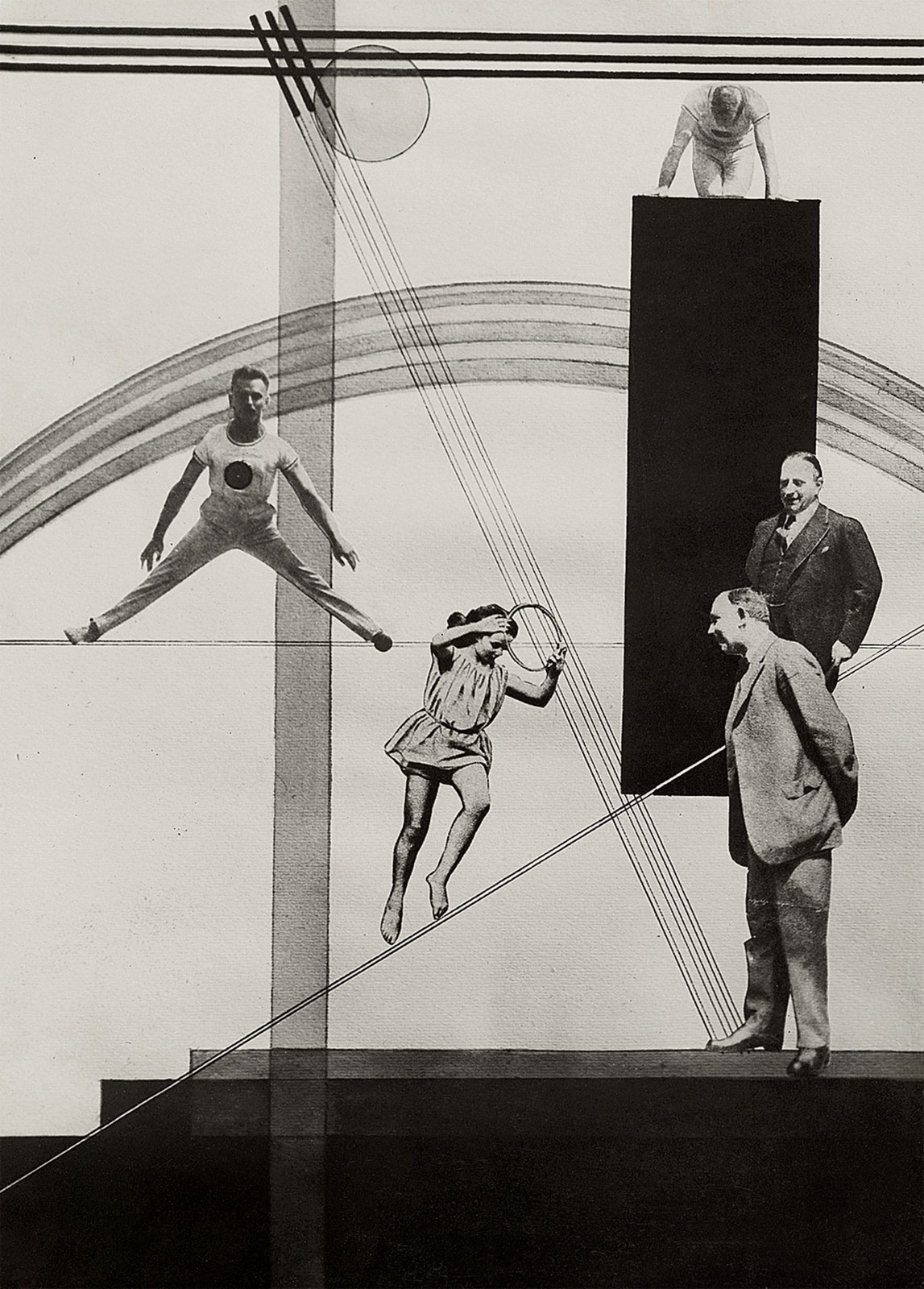
László Moholy-Nagy (Hungarian, 1895-1946) 'The Benevolent Gentleman' 1924


László Moholy-Nagy (Hungarian, 1895-1946)
The Benevolent Gentleman
1924
Photoplastic, gelatin silver print


László Moholy-Nagy (Hungarian, 1895-1946) 'Jealousy' 1924-1927


László Moholy-Nagy (Hungarian, 1895-1946)
Jealousy
1924-1927
Photoplastic, gelatin silver print
30 x 24.6cm
Victoria & Albert Museum Collection, London
© Hattula Moholy-Nagy/VEGAP 2011


László Moholy-Nagy (Hungarian, 1895-1946) 'La Canebière Street, Marseilles - View Through the Balcony Grille' 1928


László Moholy-Nagy (Hungarian, 1895-1946)
La Canebière Street, Marseilles – View Through the Balcony Grille
1928
Gelatin silver print
24.4 x 17.5cm
George Eastman House Collection. Donated by Katharine Kuh
© Hattula Moholy-Nagy/VEGAP 2011


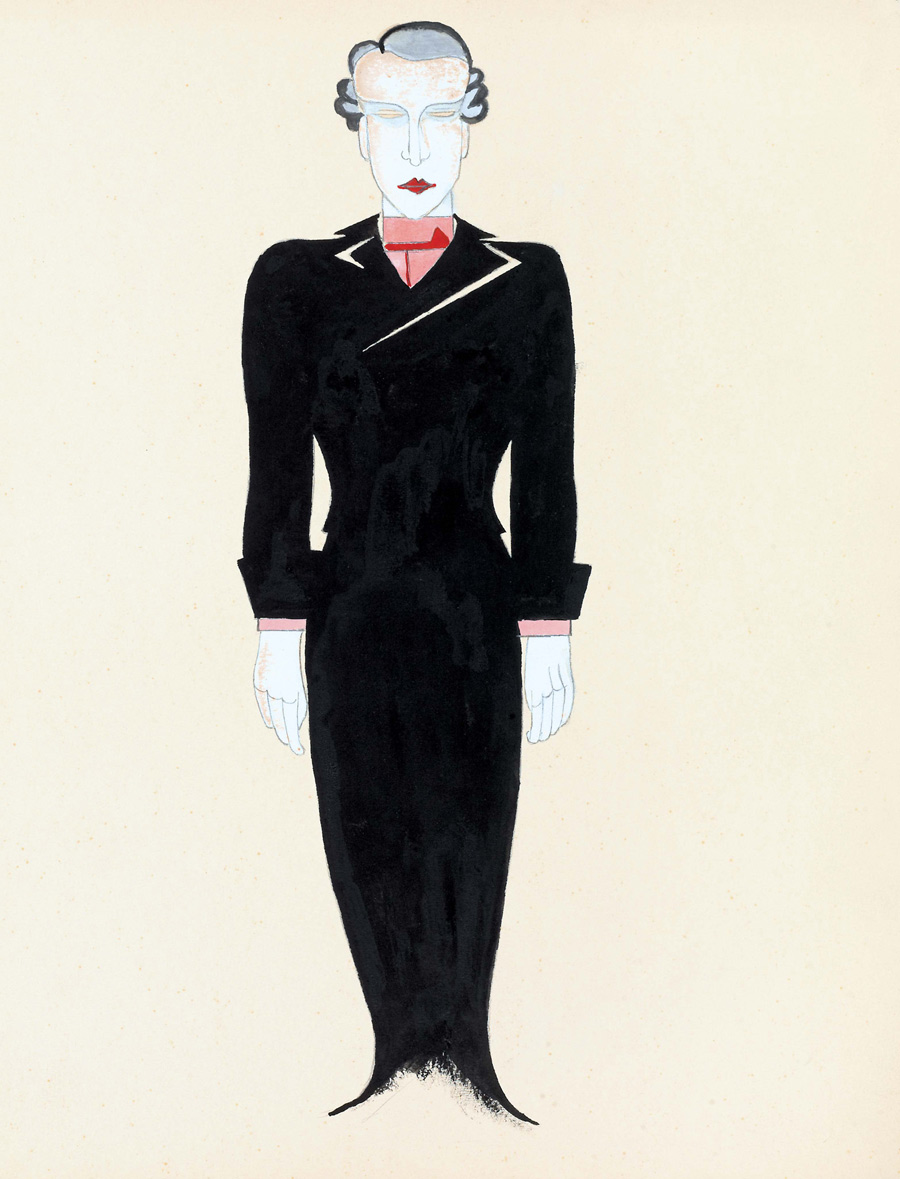
László Moholy-Nagy (Hungarian, 1895-1946) 'Costume Design for Tales of Hoffmann' 1929


László Moholy-Nagy (Hungarian, 1895-1946)
Costume Design for Tales of Hoffmann
1929
Watercolour on paper
34.3 x 27cm
Hattula Moholy-Nagy, Ann Arbor, Michigan
© Hattula Moholy-Nagy/VEGAP 2011


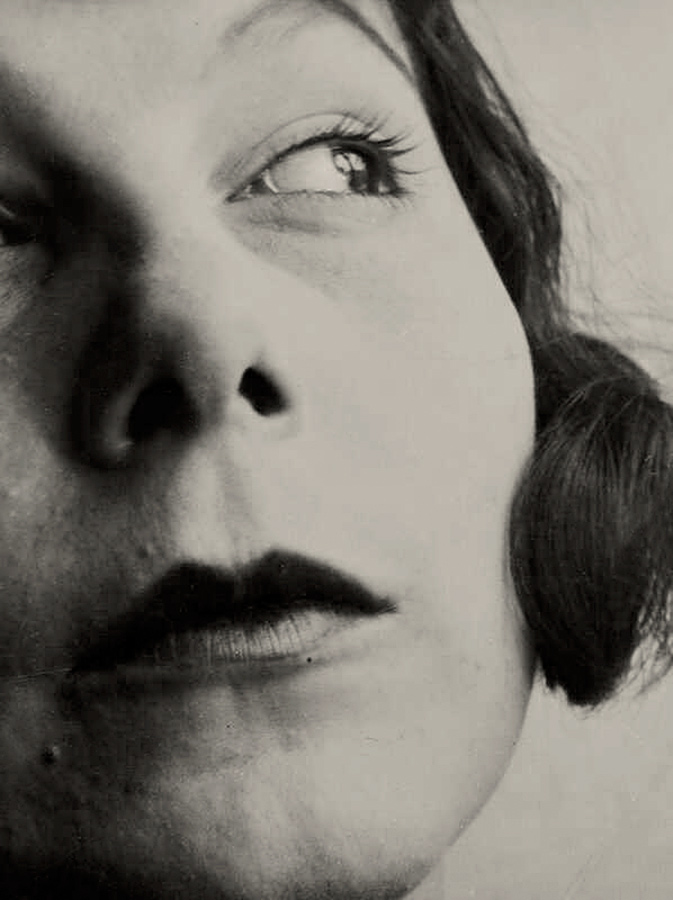
László Moholy-Nagy (Hungarian, 1895-1946) 'Portrait of Ellen Frank' c. 1929


László Moholy-Nagy (Hungarian, 1895-1946)
Portrait of Ellen Frank
c. 1929
Gelatin silver print


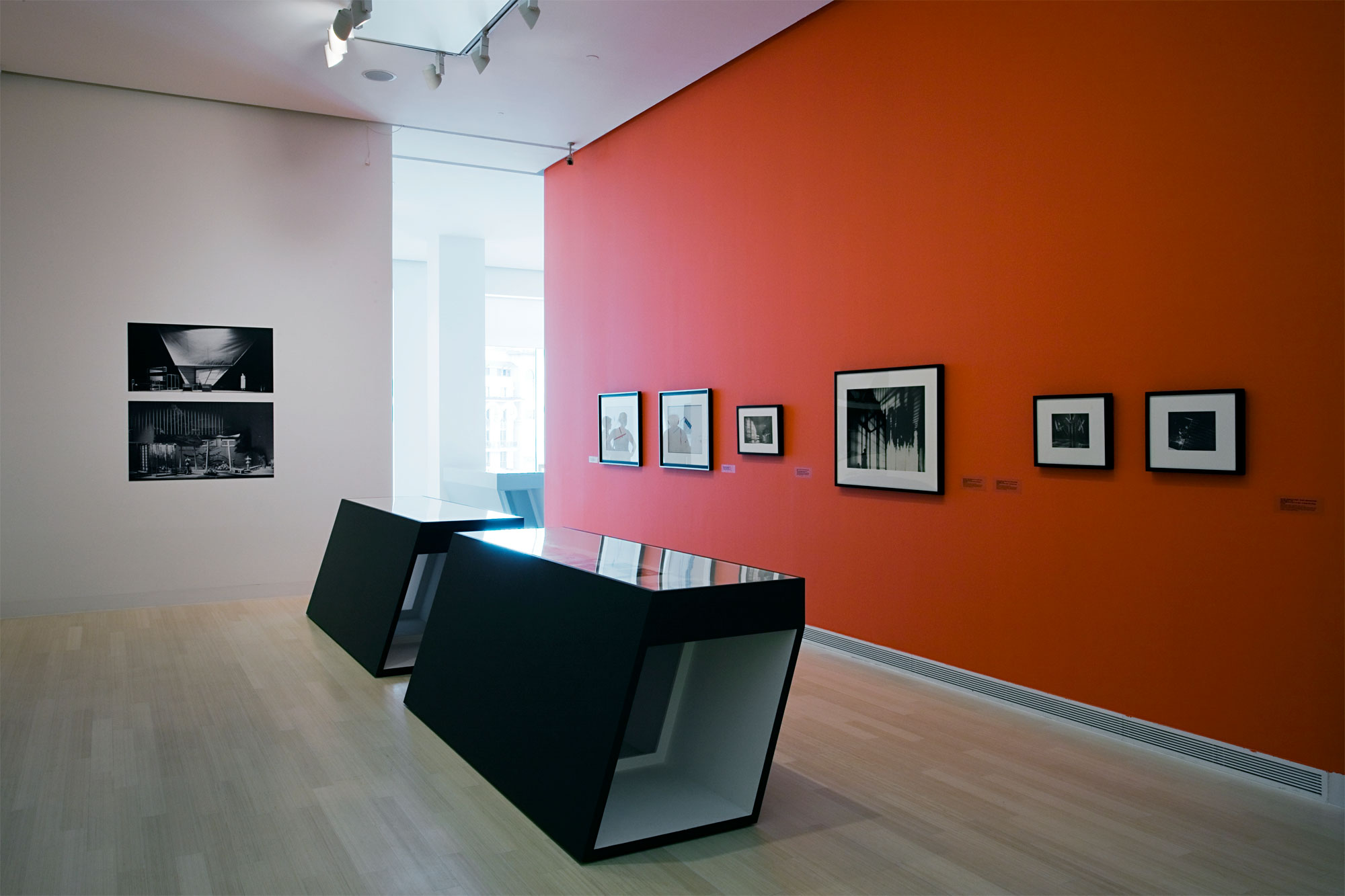
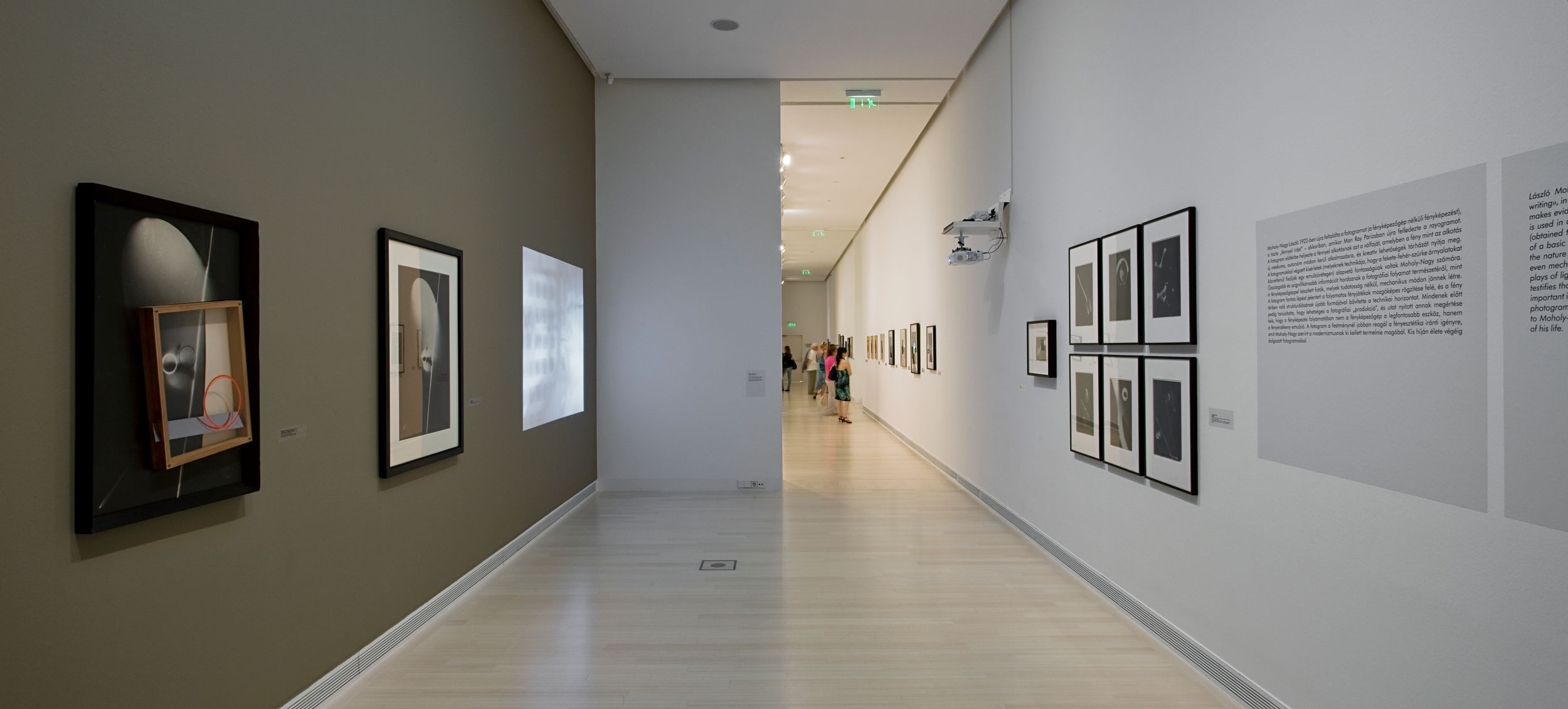
Interior view of the exhibition 'László Moholy-Nagy. The Art of Light' at Ludwig Museum - Museum of Contemporary Art


Interior view of the exhibition László Moholy-Nagy. The Art of Light at Ludwig Museum – Museum of Contemporary Art
© BUJNOVSZKY Tamás / Ludwig Museum – Museum of Contemporary Art, Archives


Interior view of the exhibition 'László Moholy-Nagy. The Art of Light' at Ludwig Museum - Museum of Contemporary Art

Interior view of the exhibition 'László Moholy-Nagy. The Art of Light' at Ludwig Museum - Museum of Contemporary Art

Interior view of the exhibition 'László Moholy-Nagy. The Art of Light' at Ludwig Museum - Museum of Contemporary Art


Interior views of the exhibition László Moholy-Nagy. The Art of Light at Ludwig Museum – Museum of Contemporary Art showing at left in the bottom image, Composition – Assemblage – Photogram (1926, below); and at right, Photogramm No. II (1929, below)
© BUJNOVSZKY Tamás / Ludwig Museum – Museum of Contemporary Art, Archives


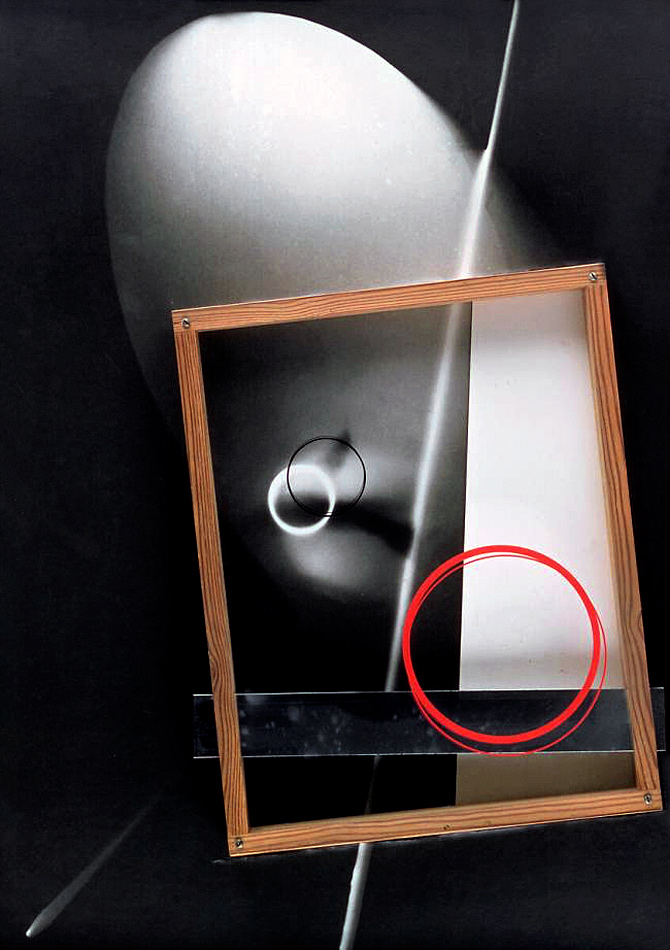
László Moholy-Nagy (Hungarian, 1895-1946) 'Composition - Assemblage - Photogram' 1926


László Moholy-Nagy (Hungarian, 1895-1946)
Composition – Assemblage – Photogram
1926
Photogram and mixed media


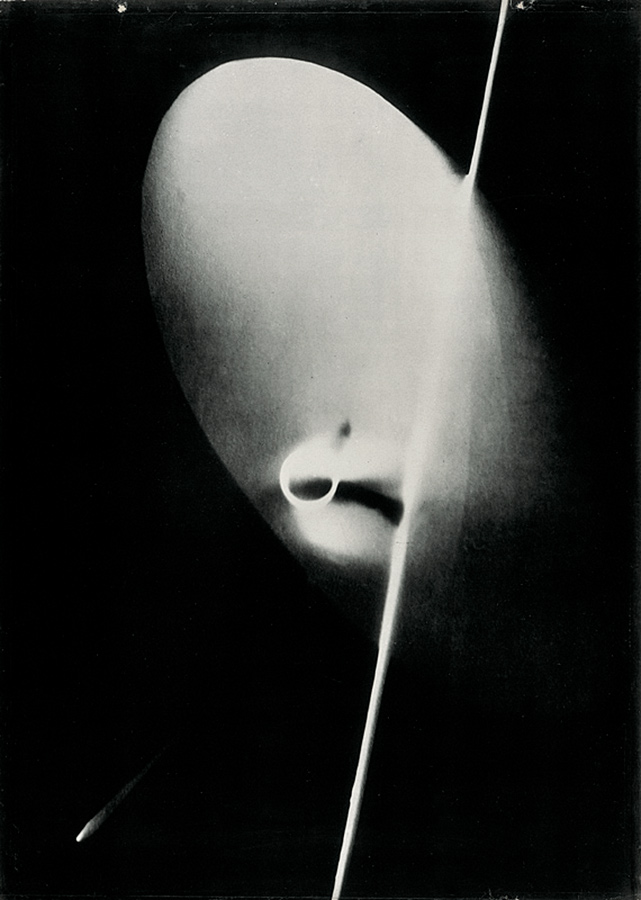
László Moholy-Nagy (Hungarian, 1895-1946) 'Photogramm No. II' 1929


László Moholy-Nagy (Hungarian, 1895-1946)
Photogramm No. II
1929
Silver gelatin photograph
95.5 x 68.5cm


László Moholy-Nagy (Hungarian, 1895-1946) 'Lago Maggiore, Ascona, Switzerland' c. 1930


László Moholy-Nagy (Hungarian, 1895-1946)
Lago Maggiore, Ascona, Switzerland
c. 1930
Silver gelatin photograph


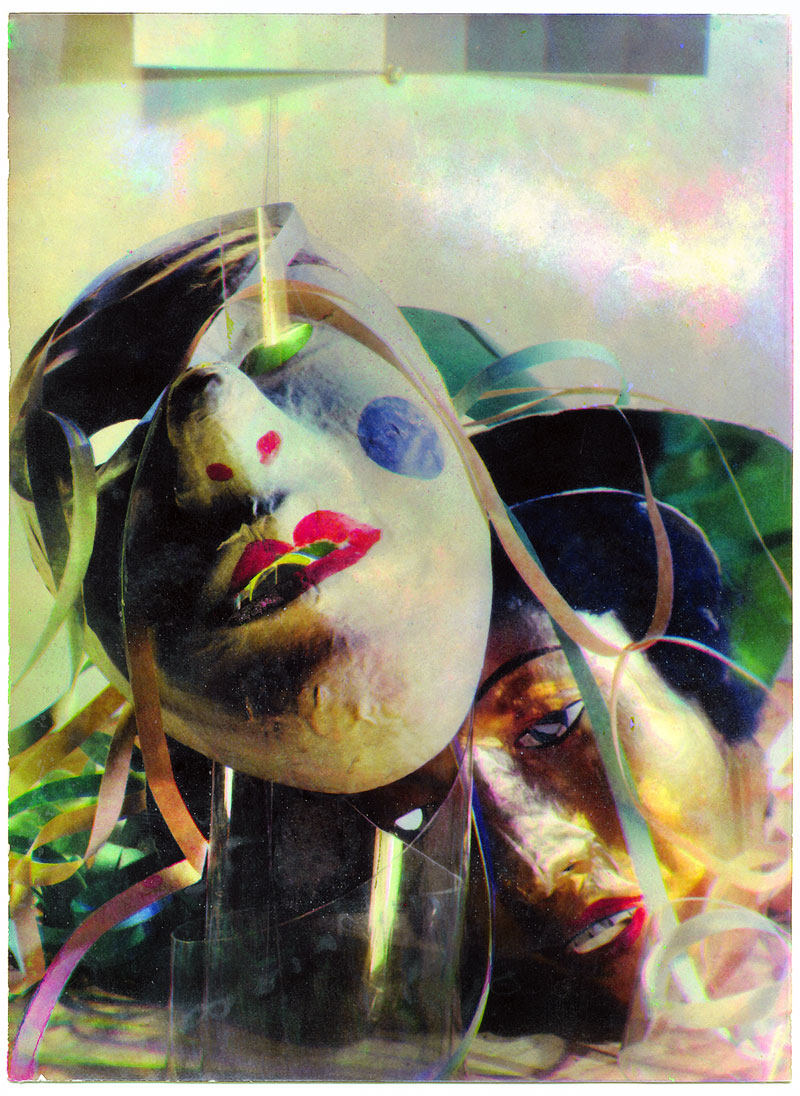
László Moholy-Nagy (Hungarian, 1895-1946) and Paul Hartland. 'Carnival: Composition with two masks' c. 1934


László Moholy-Nagy (Hungarian, 1895-1946) and Paul Hartland 
Carnival: Composition with two masks
c. 1934
Gemeentemuseum Den Haag


Ludwig Museum – Museum of Contemporary Art
Palace of Arts
Komor Marcell u. 1, Budapest, H-1095
Phone: +36 1 555 3444

Opening hours:
Tuesday – Sunday: 10am – 6pm
Closed on Mondays

Ludwig Museum website

LIKE ART BLACK ON FACEBOOK

Back to top

Exhibition: ‘The Mind’s Eye, 50 Years of Photography by Jerry Uelsmann’ at the Harn Museum of Art, Florida

Exhibition dates: 14th June – 11th September 2011


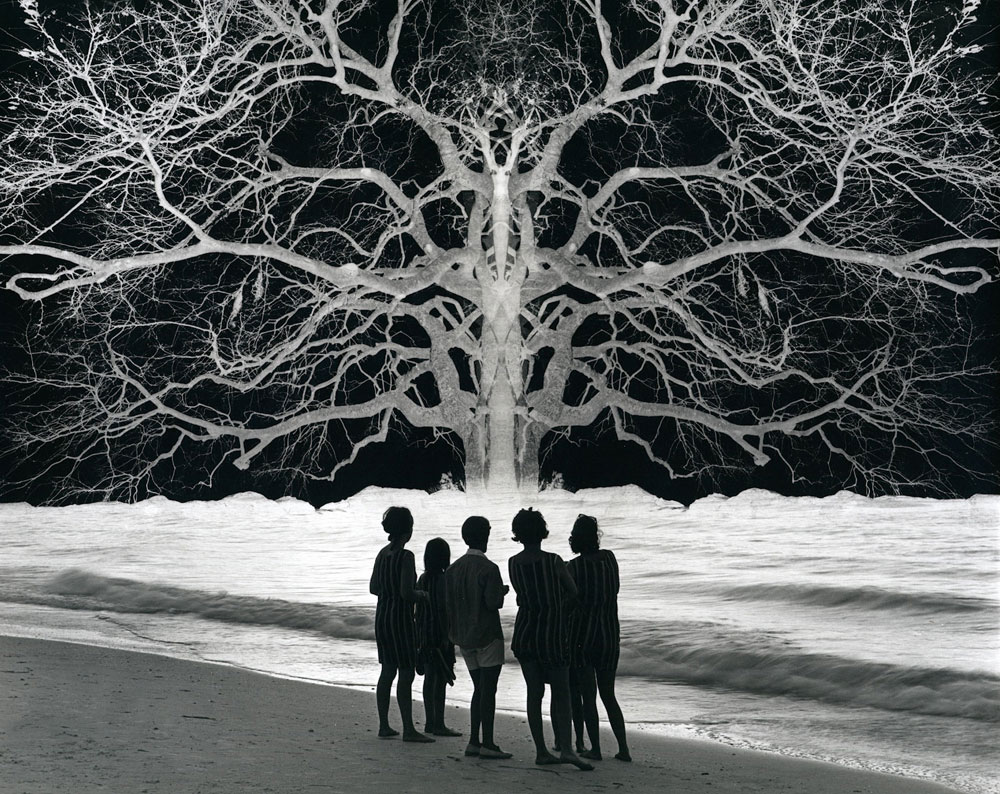
Jerry Uelsmann (American, 1934-2022)
 'Apocalypse II
' 1967


Jerry Uelsmann (American, 1934-2022)
Apocalypse II
1967
Gelatin silver print
10 3/4 x 13 5/8 in (27.2 x 34.5cm)
Collection of the artist
© Jerry Uelsmann


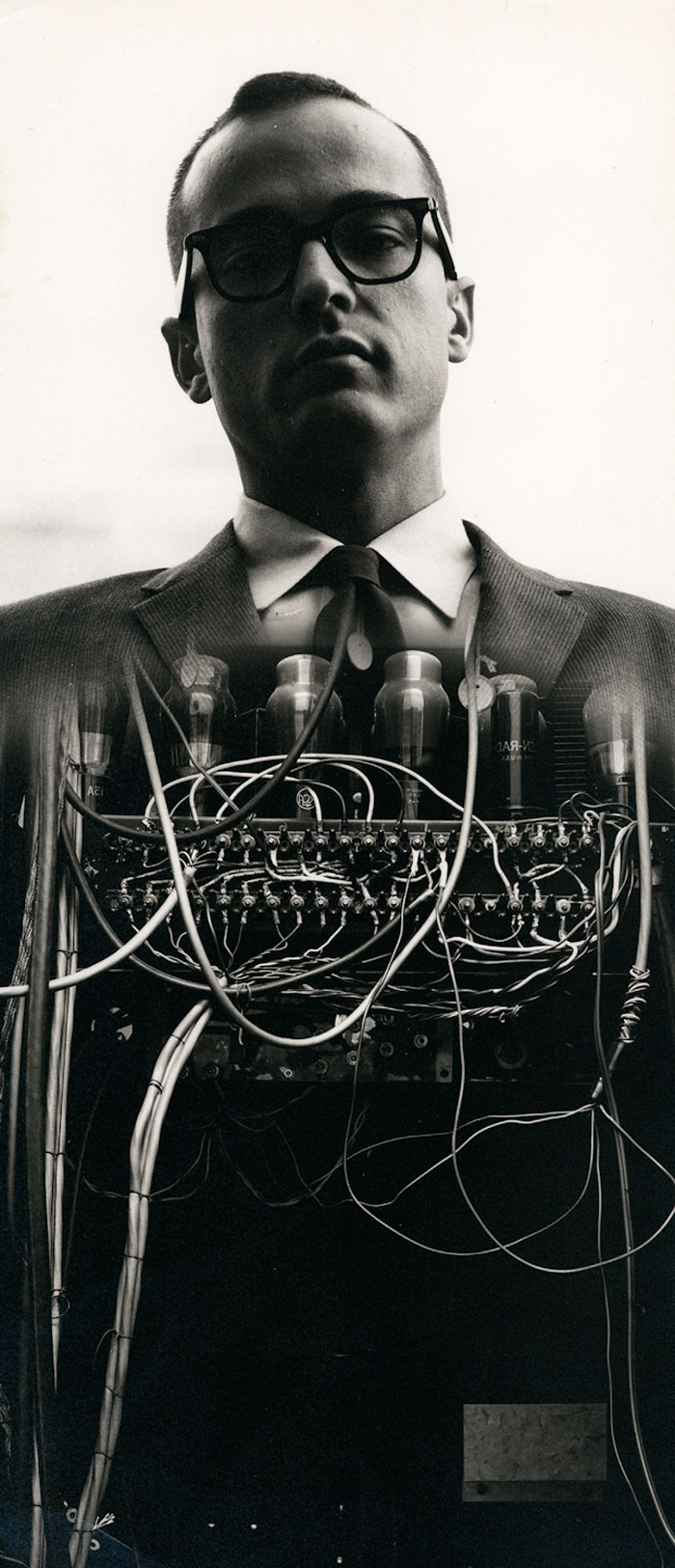
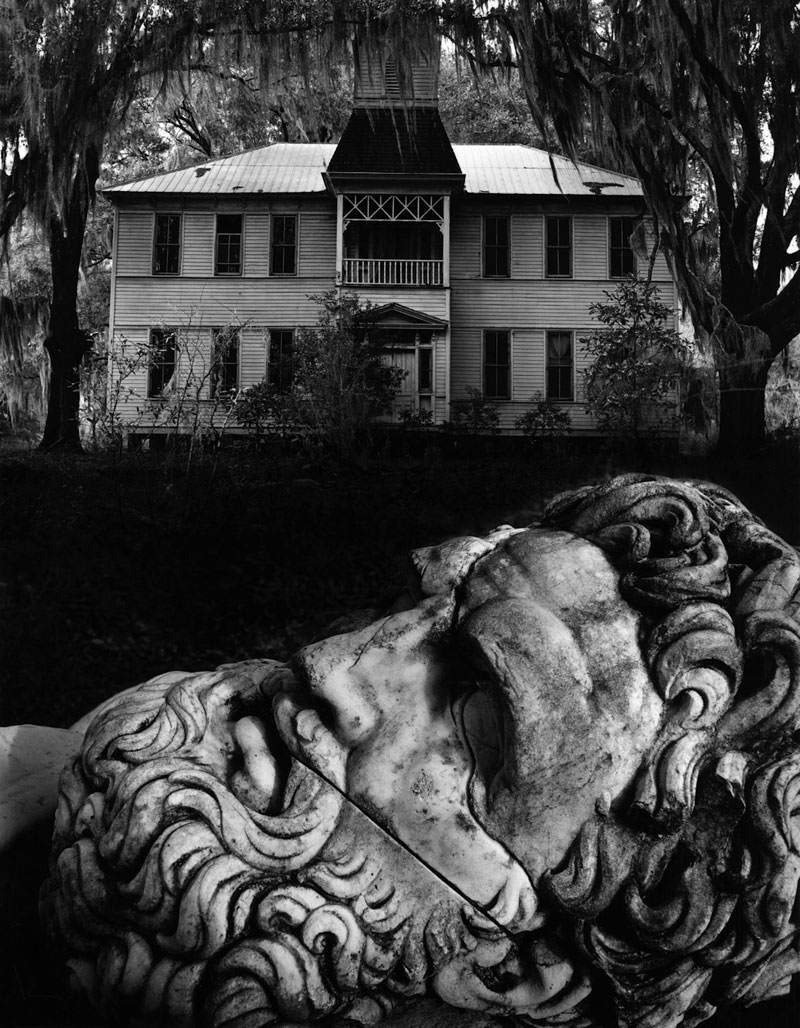
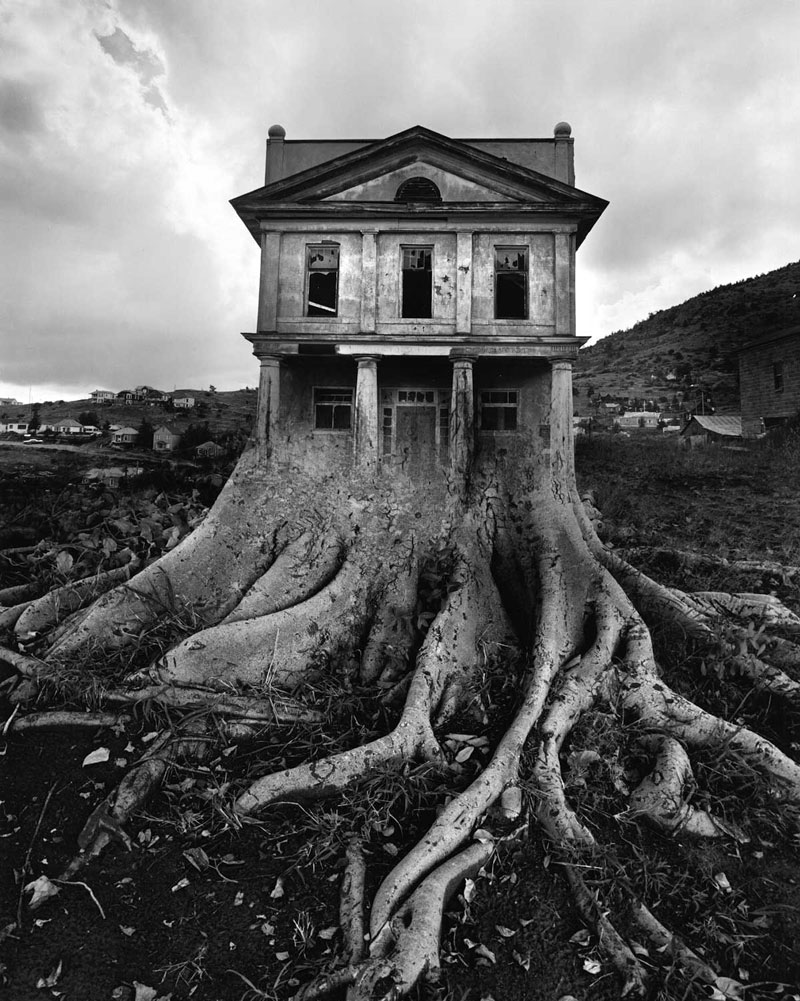
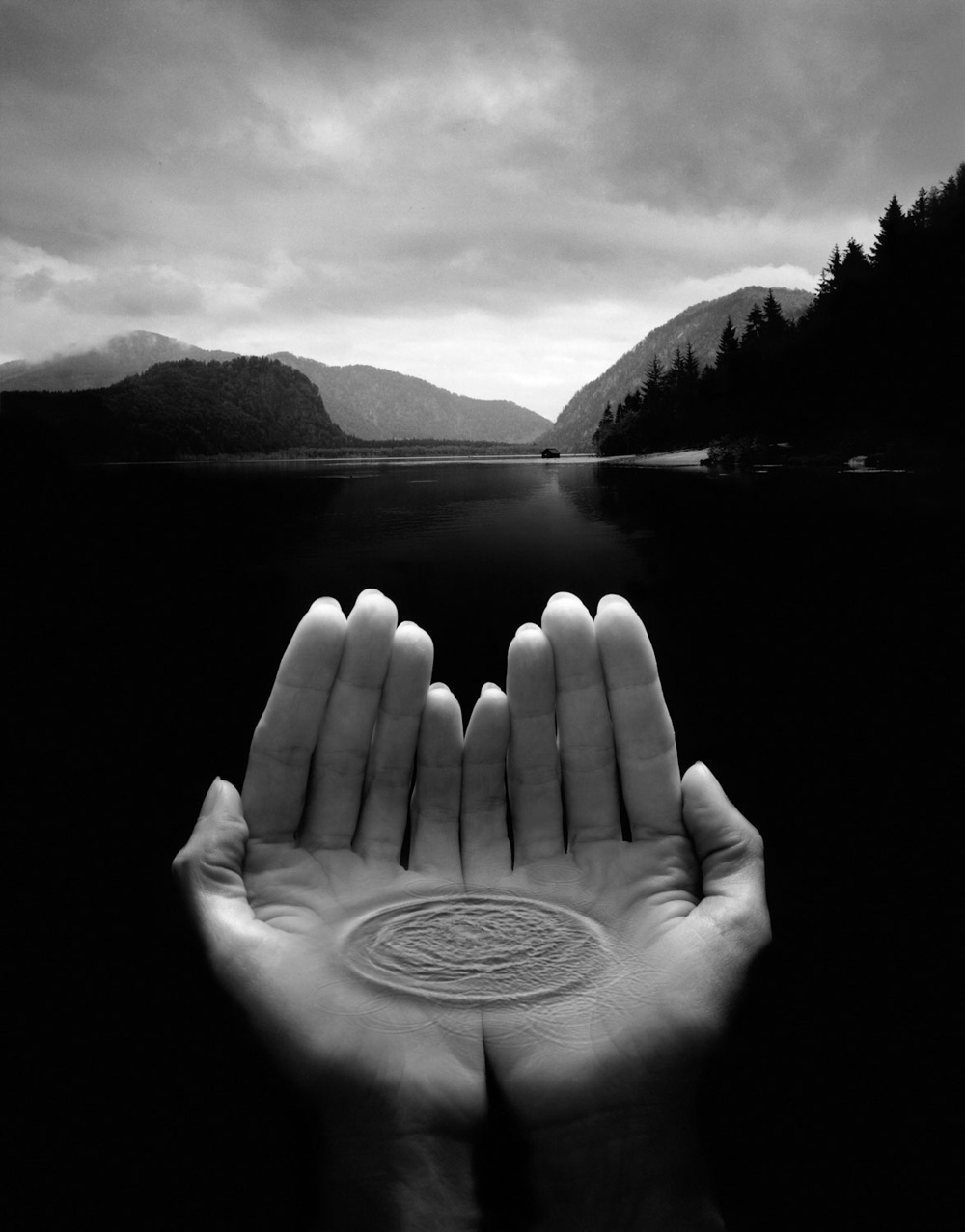
Uelsmann is one of my favourite artists. His unique vision and the skill required to execute that vision using multiple exposure of negatives in the darkroom (remember, this is all done with no Photoshop!) is outstanding. Observe the sensitivity to subject matter and the placement of disparate elements in the surrealist landscape. His photographs have real allegorical power and lodge in the viewer’s psyche. My particular favourites are the library and the house on the tree stump. Uelsmann achieves wonderful resolution to inner visions and then makes the dream-like tableaux accessible to the viewer. As one who started as a black and white photographer and who experimented with multiple exposures on one piece of silver gelatin paper in the darkroom, I can attest to how enormously difficult this process is.

The text on Wikipedia states:

“Uelsmann is a master printer producing composite photographs with multiple negatives and extensive darkroom work. He uses up to a dozen enlargers at a time to produce his final images … Uelsmann is a champion of the idea that the final image need not be tied to a single negative, but may be composed of many … he does not seek to create narratives, but rather allegorical surrealist imagery of the unfathomable … Today, with the advent of digital cameras and Photoshop, photographers are able to create a work somewhat resembling Uelsmann’s in less than a day, however, at the time Uelsmann was considered to have almost “magical skill” with his completely analog tools.”


I thank him for having the creative energy to be a magician.

Dr Marcus Bunyan

See another posting on this exhibition.


Many thankx to the Harn Museum of Art for allowing me to publish the photographs in the posting. Please click on the photographs for a larger version of the image.


Jerry Uelsmann (American, 1934-2022) 'Magritte’s Touchstone' (first version)
 Nd


Jerry Uelsmann (American, 1934-2022)
Magritte’s Touchstone (first version)
Nd
Gelatin silver print
Collection of the artist
© Jerry Uelsmann


Jerry Uelsmann (American, 1934-2022)
 'Mechanical Man #2' 1959


Jerry Uelsmann (American, 1934-2022)
Mechanical Man #2
1959
Gelatin silver print
Collection of the artist
© Jerry Uelsmann


The first critical retrospective of American photographer Jerry Uelsmann’s work will open at the Harn Museum of Art at the University of Florida on June 14, 2011. Uelsmann, known for his iconic, surreal style and his innovative composite printing techniques, has spent more than 50 years challenging and advocating for the acceptance of photography as an experimental art form. The Mind’s Eye, 50 Years of Photography by Jerry Uelsmann, organised by the Peabody Essex Museum in Salem, Massachusetts will feature 89 works from every phase of the artist’s wide-ranging career, including a selection of rare pieces that have never before been on public view. Additional works from the artist’s collection will be on view only during this leg of the exhibition, open through September 11, 2011.

“The Harn Museum of Art is delighted to welcome this important exhibition of photographic works by the University of Florida’s own Jerry Uelsmann, a graduate research professor in the art department from 1960 to 1998,” said Rebecca Nagy, director of the Samuel P. Harn Museum of Art. “Jerry has been, and continues to be a leader in the field and we are delighted to celebrate and look back on such a long, important, and innovative career.”

The exhibition will emphasise Uelsmann’s profound influence on the field of photography through his revolutionary mastery of composite photography. Through the presentation of images from different stages of his works, viewers will gain a new understanding of the artist’s creative process and the evolution of Uelsmann’s ideas throughout his career. The pieces on view will be drawn from the artist’s personal archive of vintage materials, and are the definitive prints of the images. A few examples of the artist’s photo sculptures, artist’s books and albums will give viewers first-hand insight into Uelsmann’s creative process.

“From the beginning of his career, Uelsmann has advocated for the acceptance of photography as an experimental art form,” said Phillip Prodger, curator of photography at the Peabody Essex Museum. “Uelsmann’s photography provides a valuable touchstone for understanding new trends in photographic art. His ideas and work have become even more relevant as photography embraces Photoshop and other computer technologies for altering and manipulating photographic pictures.”

Beginning in the late 1950s, Uelsmann succeeded in combining negatives in the darkroom to create synthetic compositions that conjure the illusion of photographic truth. Although these pictures are visually convincing, they depict scenes that often have no analogue in the real world. Evocative, unsettling, and often humorous, Uelsmann’s photographs are seldom easily resolved, inviting reflection without obvious resolution. His most famous technique, seamlessly fabricating photographs from unrelated negatives to create imaginary scenes, helped build his reputation as an experimental photographer, and cemented his standing as a leader of non-literal photography.

“My visual quest is driven by a desire to create a universe capable of supporting feelings and ideas,” said Jerry Uelsmann. “I am drawn to art that challenges one’s sense of reality.”

Press release from the Harn Museum of Art website


Jerry Uelsmann (American, 1934-2022)
 'Untitled' 
1964


Jerry Uelsmann (American, 1934-2022)
Untitled
1964
Gelatin silver print
13 3/4 x 10 1/4 in (34.9 x 26.1cm)
Collection of the artist
© Jerry Uelsmann


Jerry Uelsmann (American, 1934-2022)
 'Untitled'
 1976


Jerry Uelsmann (American, 1934-2022)
Untitled
1976
Gelatin silver print
19 5/8 x 14 1/4 in (49.9 x 36.3cm)
Collection of the artist
© Jerry Uelsmann


Jerry Uelsmann (American, 1934-2022)
 'Untitled'
 1982


Jerry Uelsmann (American, 1934-2022)
Untitled
1982
Gelatin silver print
13 1/4 x 10 3/8 in (33.8 x 26.4cm)
Collection of the artist
© Jerry Uelsmann


Jerry Uelsmann (American, 1934-2022)
 'Untitled'
 2003


Jerry Uelsmann (American, 1934-2022)
Untitled
2003
Gelatin silver print
19 3/8 x 15 in (49.1 x 38cm)
Collection of the artist
© Jerry Uelsmann


Jerry Uelsmann (American, 1934-2022) 'Dream Theater' 2004


Jerry Uelsmann (American, 1934-2022)
Dream Theater
2004
Gelatin silver print
Collection of the artist
© Jerry Uelsmann


Samuel P. Harn Museum of Art
SW 34th Street and Hull Road
Gainesville, Florida 32611-2700

Opening hours:
Tuesday – Saturday 10am – 5pm
Sunday 1 – 5pm
The museum is closed on Mondays and state holidays.

Samuel P. Harn Museum of Art website

LIKE ART BLART ON FACEBOOK

Back to top

Review: ‘Scott’s Last Expedition’ at the Australian National Maritime Museum, Sydney

Exhibition dates: 17th June – 16th October 2011


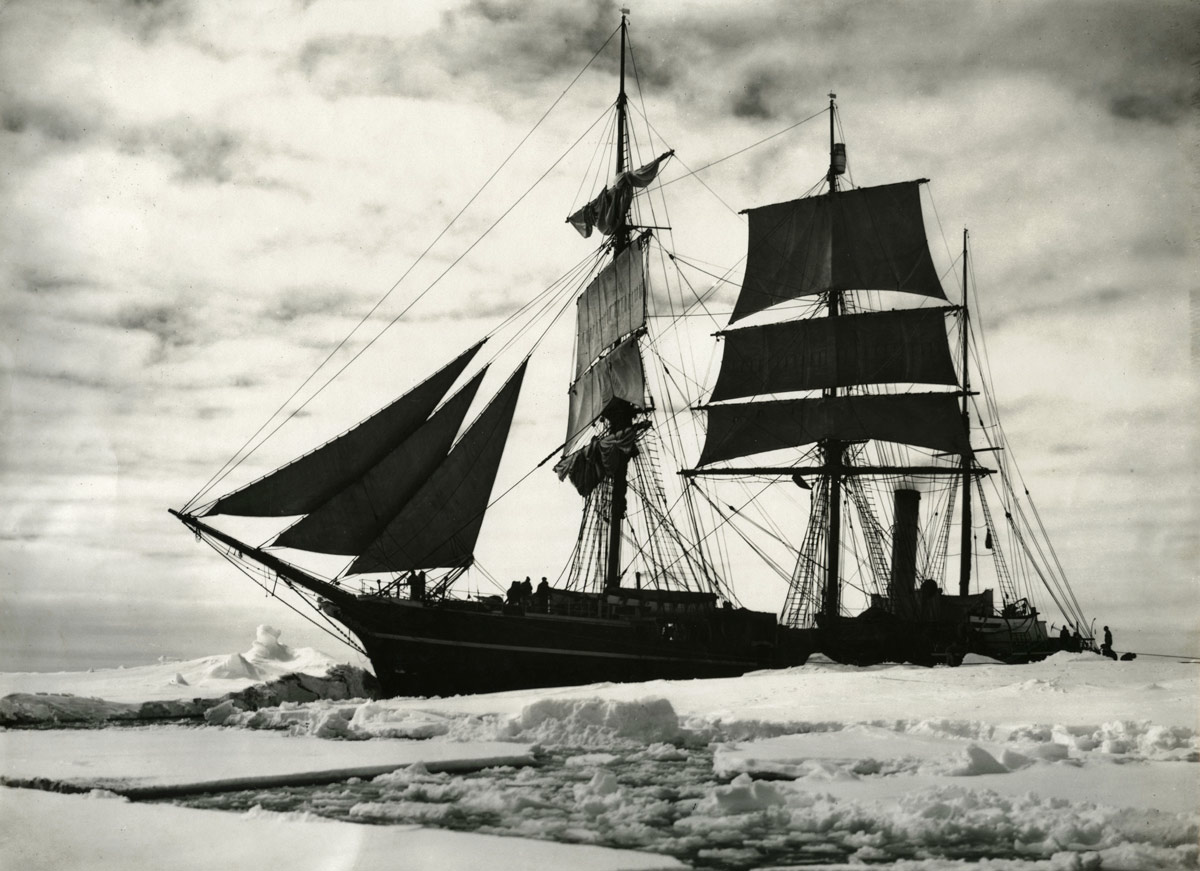
Herbert Ponting (British, 1870-1935) 'The former whaling ship, the 'Terra Nova'' 1911


Herbert Ponting (British, 1870-1935)
The former whaling ship, the ‘Terra Nova’
1911
Gelatin silver print
Canterbury Museum NZ


“Greater love hath no man than this, that a man lay down his life for his friends.”


John 15:13


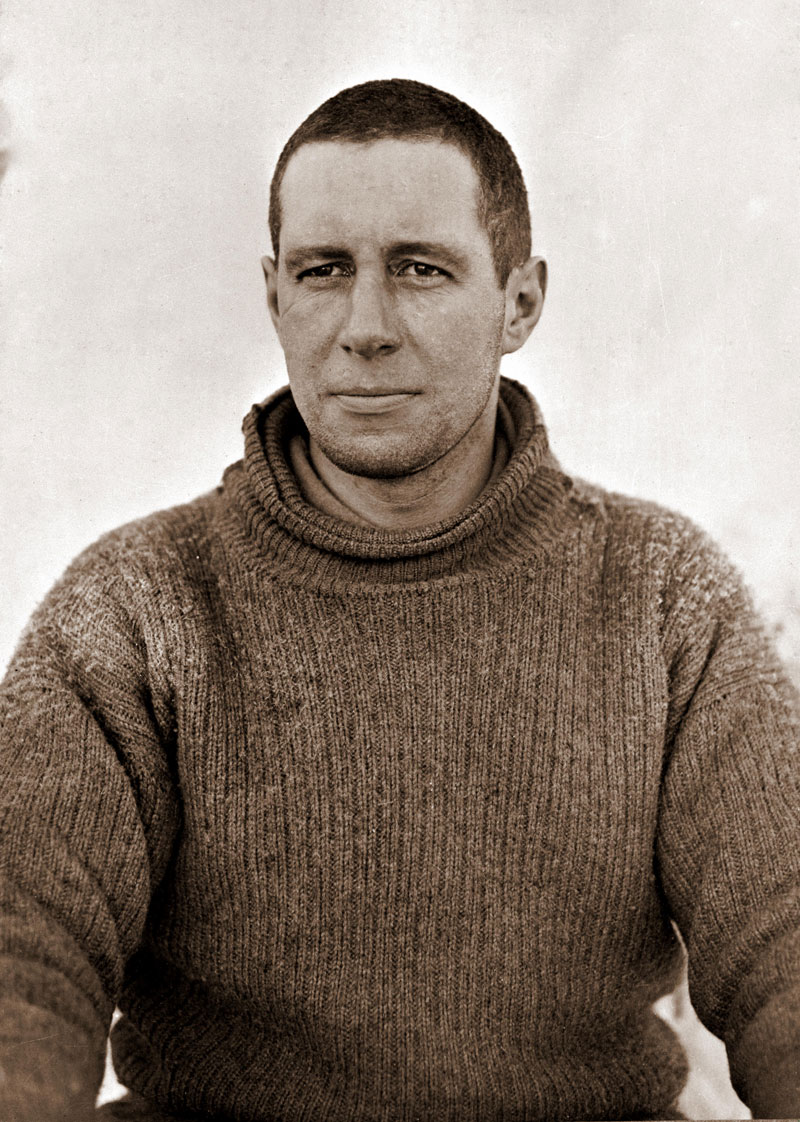
It is difficult to describe how heroic a figure Robert Scott, ‘Scott of the Antarctic’ was to a child of the Empire growing up in the 1960s. He and his doomed party were, and still are, the quintessential heroes of my youth. Despite what we now know of Scott’s failures in leadership and organisation, he and his comrades remain embedded in English consciousness as all that is noble about the explorers of the time. They may have failed to become the first to reach the South Pole and died on the return journey but what a magnificent effort it was, what camaraderie and fortitude they showed in the face of adversity.

At the centre of the exhibition at the Australian National Maritime Museum, Sydney is a representation of Scott’s base camp at Cape Evans. Visitors can walk inside the life-size hut and get a sense of the everyday realities for the 25 expedition members, from the cramped conditions and homeliness of the hut, to the wealth of specimens collected and experiments conducted. The exhibition also reunites the artefacts used by Scott and his team together with scientific specimens collected during the 1910-1913 expedition for the first time since their use in Antarctica. The exhibition uses life-size reproductions of the photographs of Herbert Ponting. At this scale it enables the viewer to inspect in intimate detail the habitus of their lives.

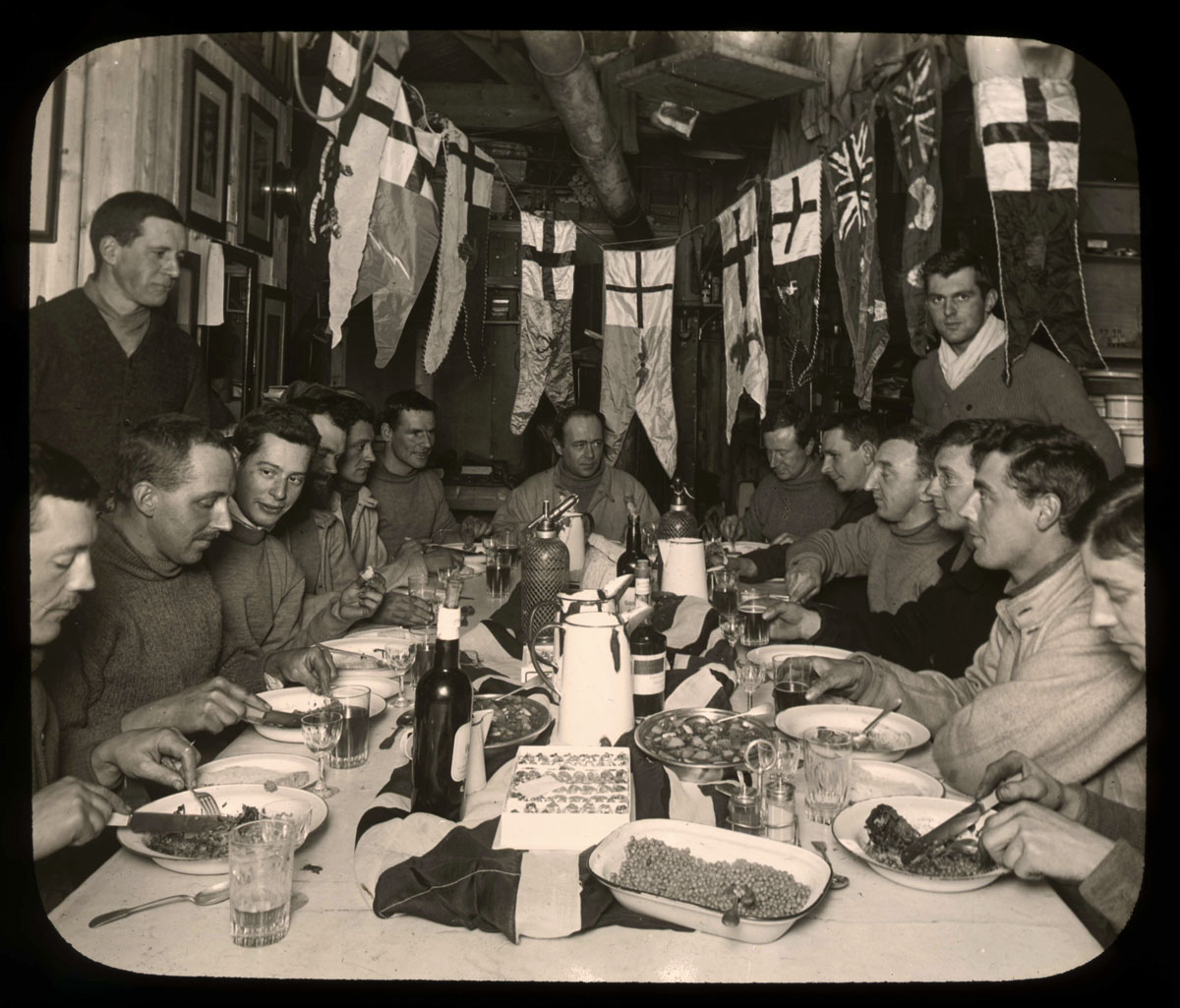
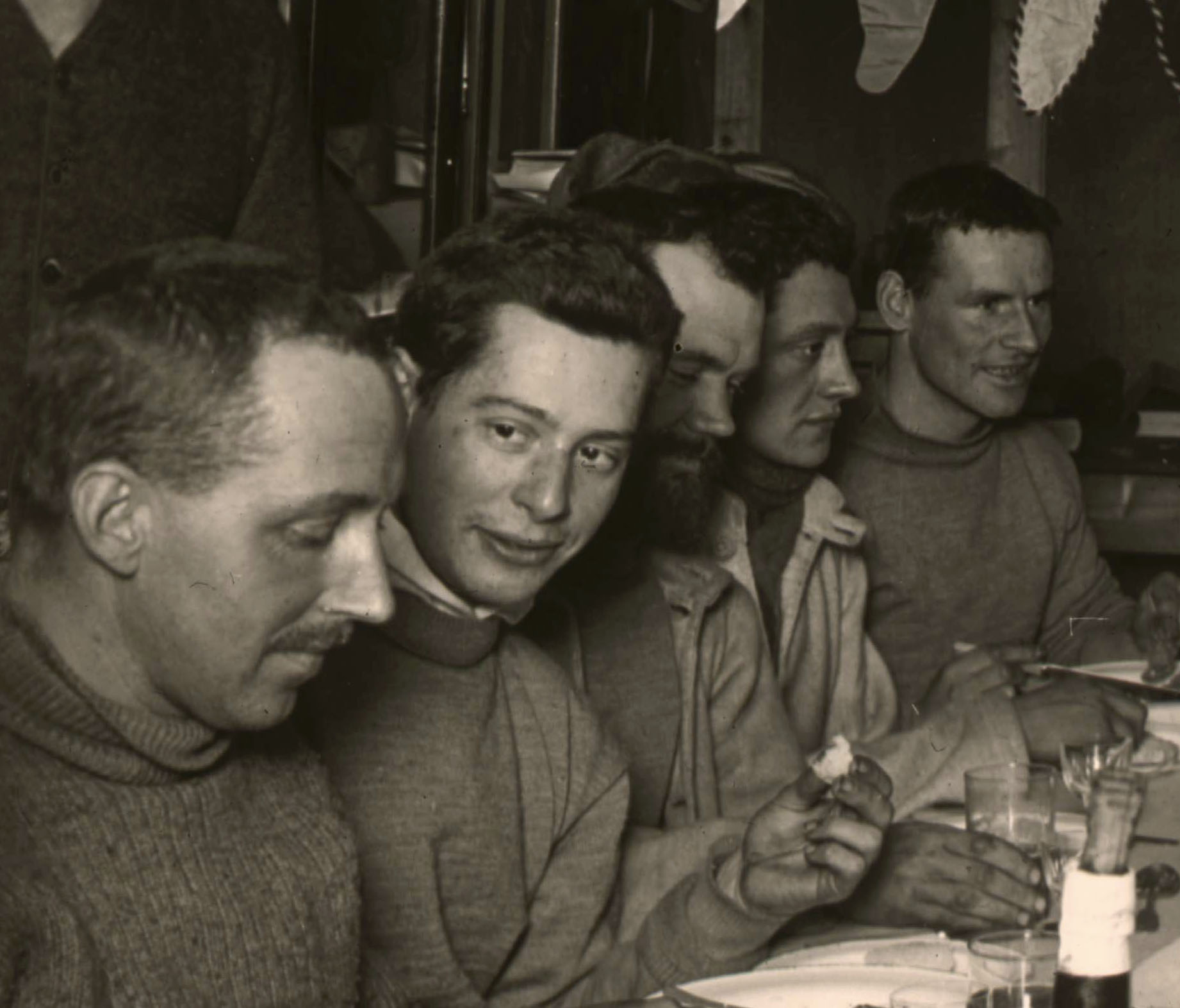
What a master of photography Ponting was. His photographs are classically framed and formally restrained; his use of light is magical. The camera always seems to be in the perfect position to capture the subject, neither too high or low but beautifully balanced so that the eye is led into the photograph, to investigate those wonderful nooks and crannies of the image plane. Because of the excellent quality press images I have been able to close in on details of the photographs (a la Ken Burns). The receding row of male faces to the left of Scott’s birthday dinner, June 1911 (below) that lead to Scott as the focal point at the head of the table, flags of St. George flying above, the two standing men acting as vertical counterpoints to the equipoise of the horizontal perspectival point – and then we glimpse the punctum of the piece of bread held between darkened fingers and thumb of the man caught in mid-conversation with his neighbour. Also note the framed images on the wall behind at top left, bearing witness to the fact that living is more civilised in such a desolate place if you are surrounded by images of culture and home.

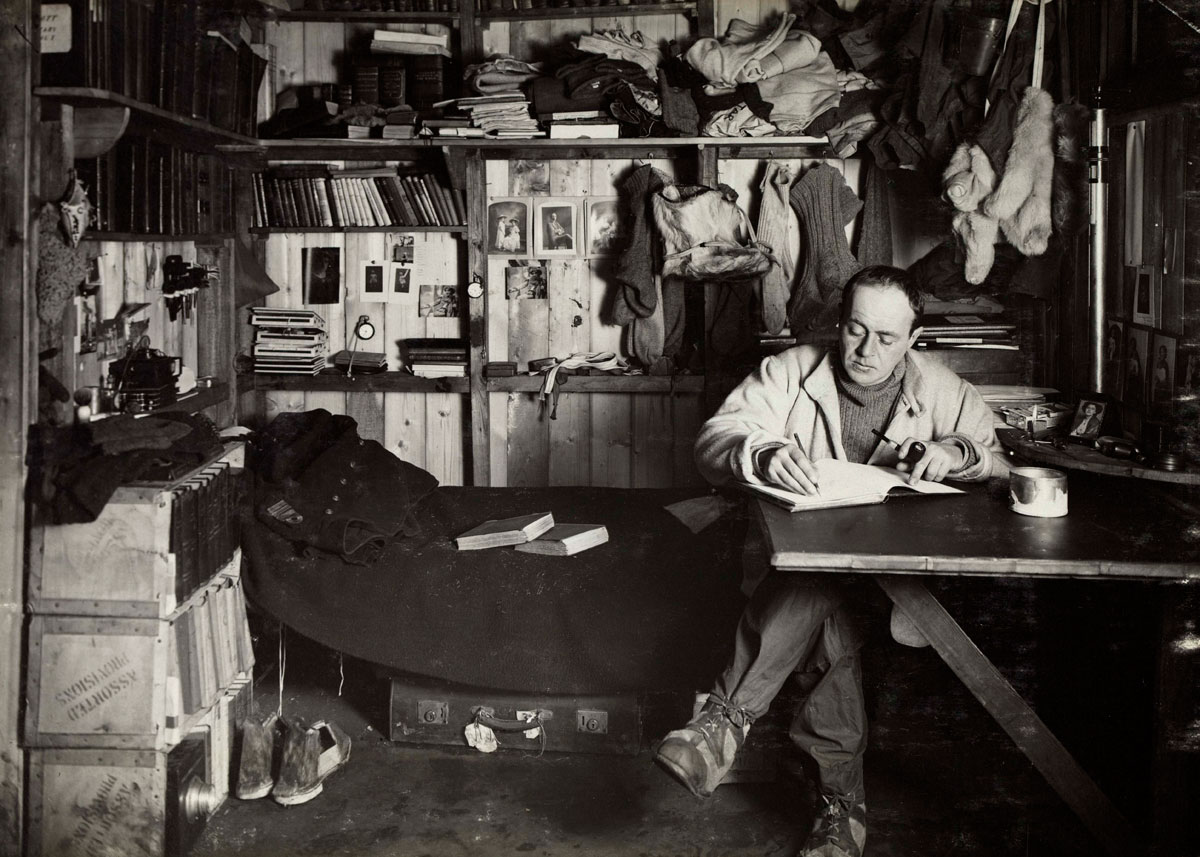
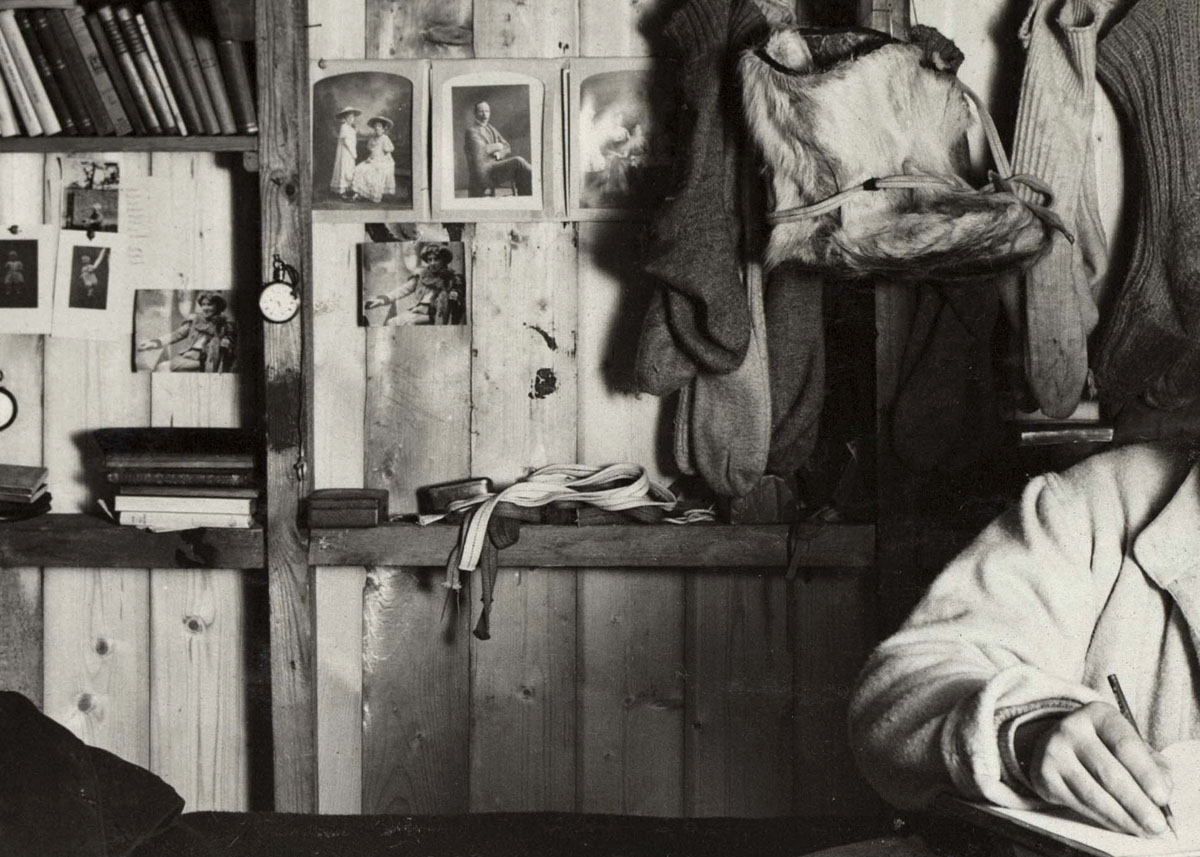
This remembrance becomes poignant in the photograph Scott writing in his area of the expedition hut, Scott’s cubicle (below). In the detail of the image we observe candid photographs of what are presumably Scott’s wife in two photographs that are slightly different from each other, his wife and child, his father and small photographs of his children pinned to the hut’s wall. Memories of home and family that become multiple momenti mori – the death of the people in the images pinned to the wall, the death present in Pontings’ photograph (the little death at the point in time that the photograph was taken) and the death of Scott himself. The pocket watch hung from a wooden post only adds to this sense of refractive timelessness.

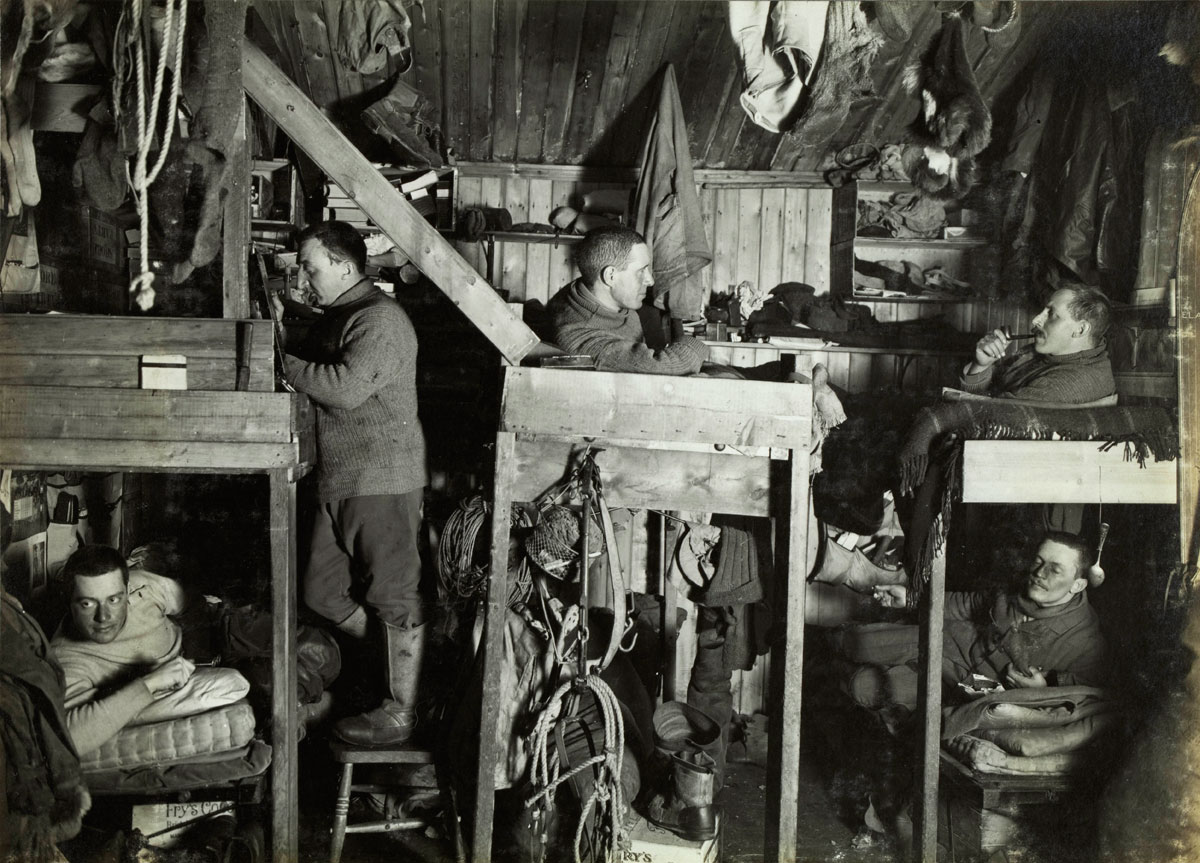
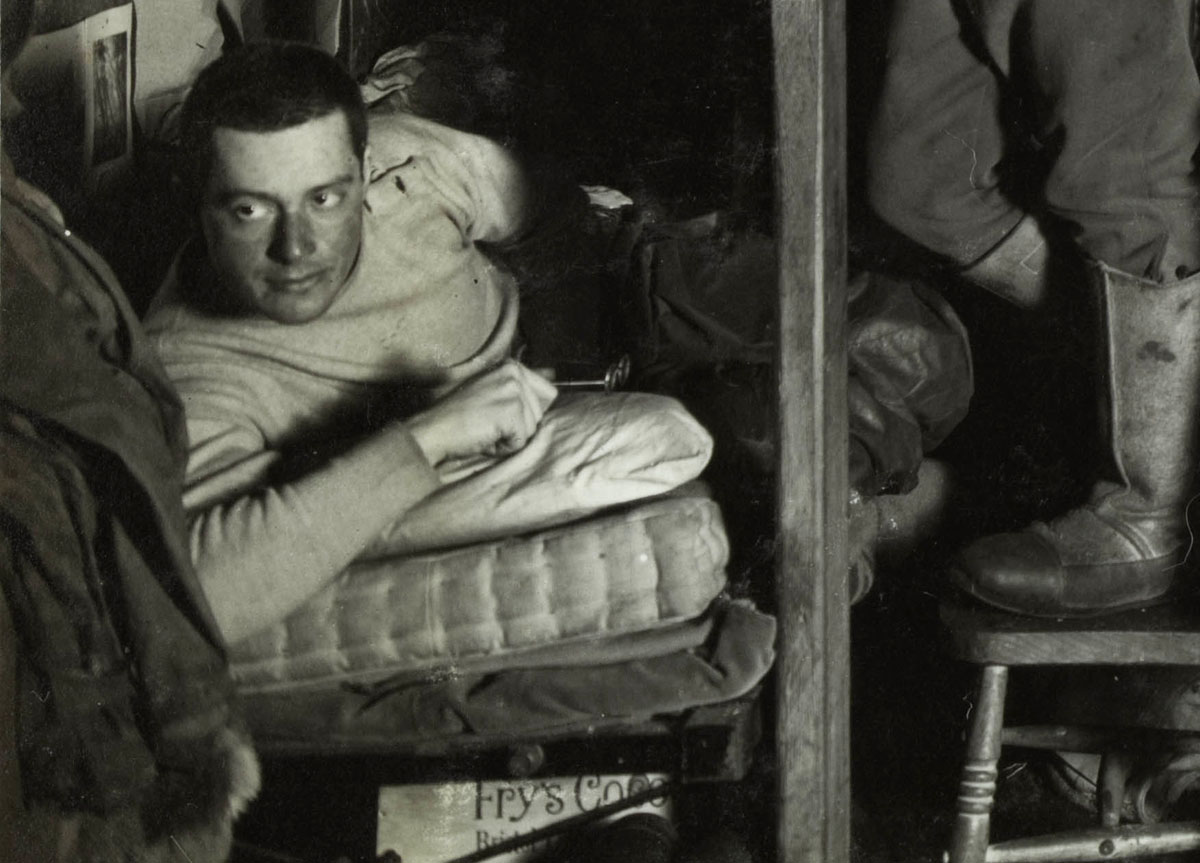
The sense of these men living in close quarters in this community is beautifully captured in Ponting’s photograph The Tenements, 9 October 1911 (below). Three vertical lozenges project into the space from the bottom of the image, each containing its own theatrical diorama. The balance and space between the men looking across, down, up and out of the image is outstanding. The distance between Oates in the top centre and the man on the right seems somehow infinite in the photograph, like the distance in Alfred Hitchcock’s film North by Northwest where Cary Grant is waiting for the bus in the middle of nowhere and on the other side of the road is another man, also waiting. The spatial tension between the two men in the photograph is palpable, emphasised by the stacked horizontal shelf behind them. The gaze of the man at bottom left allows the viewer some room for escape from the confines of the tenements and the confines of the image plane, for without that gaze the viewer would be caught with no way out. In the detail of this man we can, as before, note the importance of personal remembrances of home with a picture pinned on the wall behind his bunk and a Fry’s Cocoa box stored underneath.

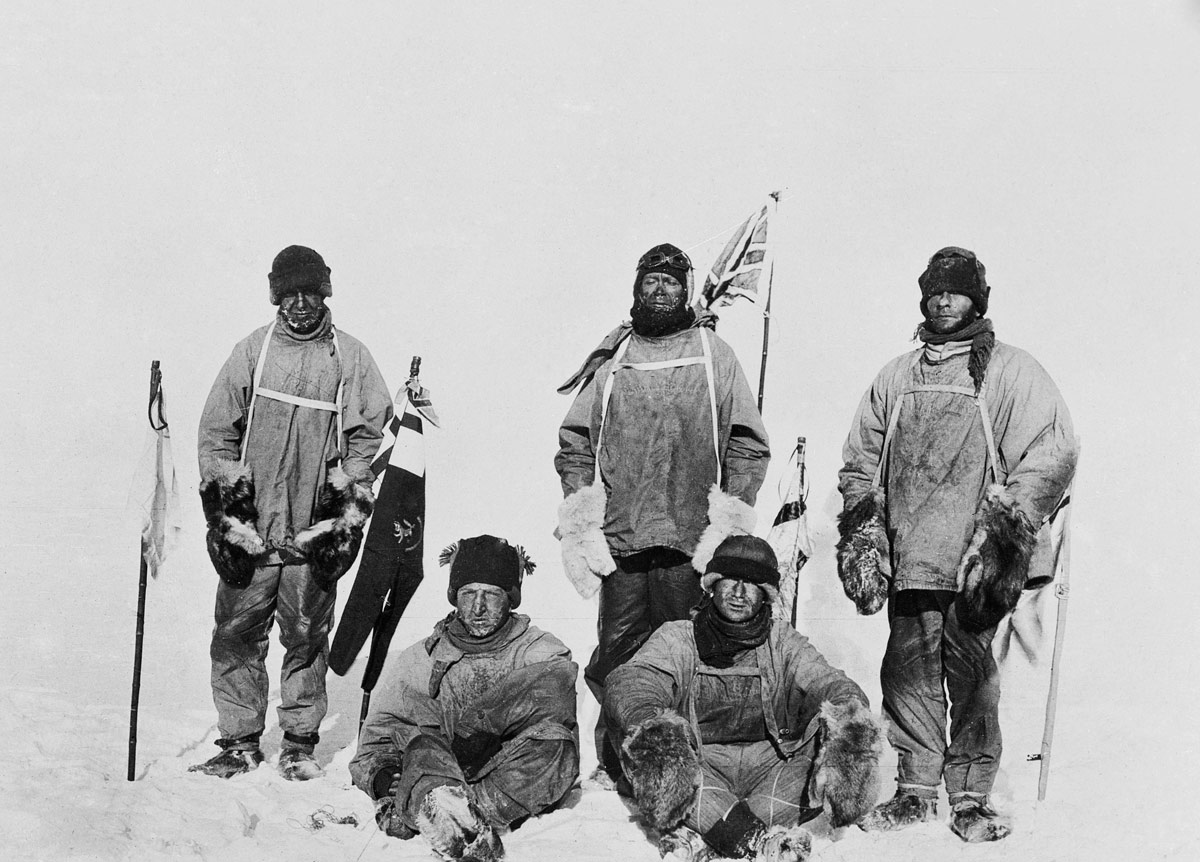
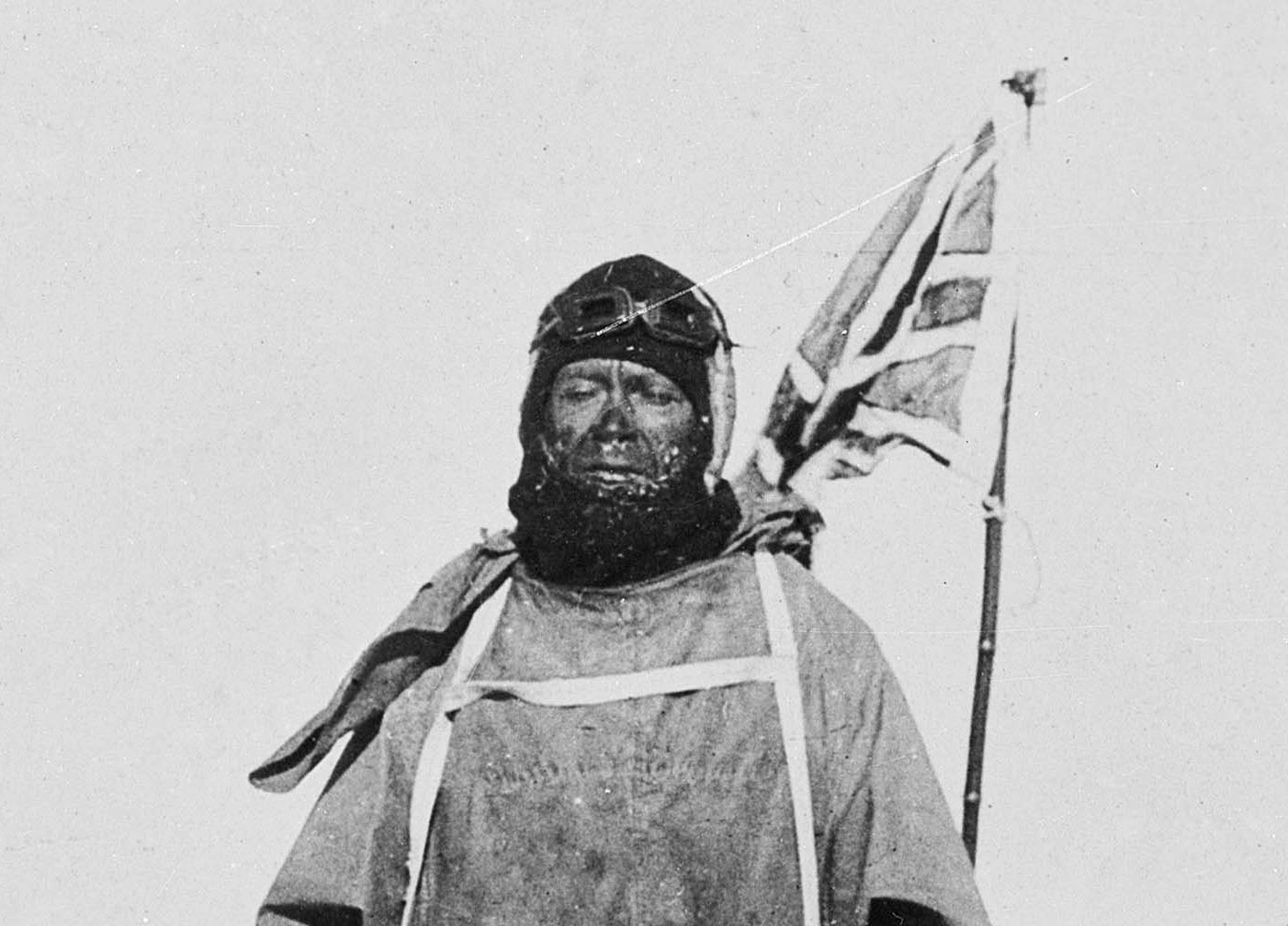
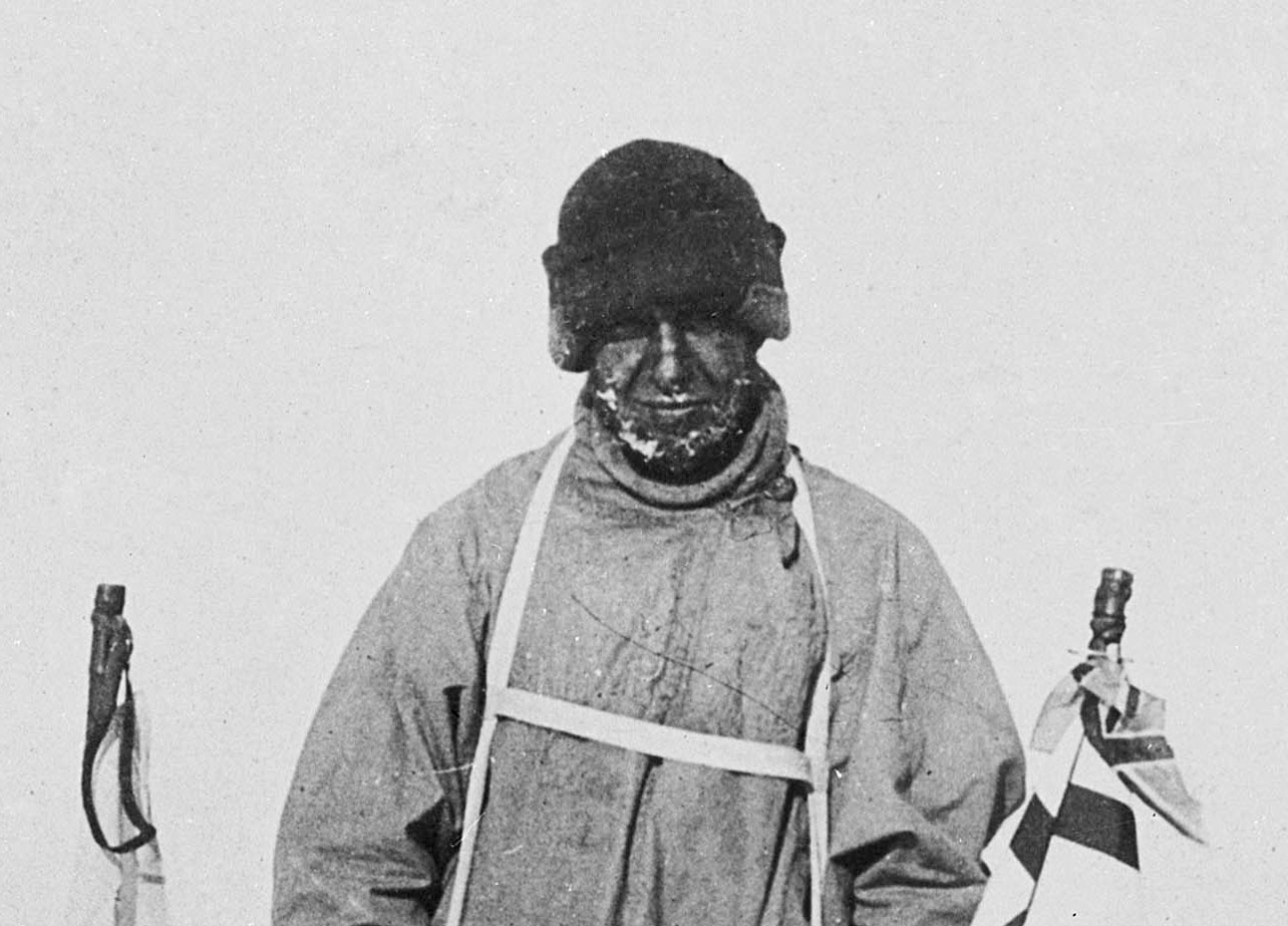
And so to the final few photographs in the posting: the famous photograph of Scott and the Polar Party at the South Pole (below) taken by Henry Bowers. Taken the day after the party had arrived at the South Pole, only to discover that Roald Amundsen had beaten them to their goal by five weeks, Bowers (seated at bottom left) used a string to release the shutter of the camera that can just be seen in his right hand in the photograph – a photograph that was then printed by Herbert Ponting from the recovered glass plate negative. In the detail of Scott and Oates in this photograph you can see the weariness, anguish and defeat in faces that are sun and wind damaged, knowing that they had to trek all the way back from this awful place (as Scott himself said, “Great God! This is an awful place”).

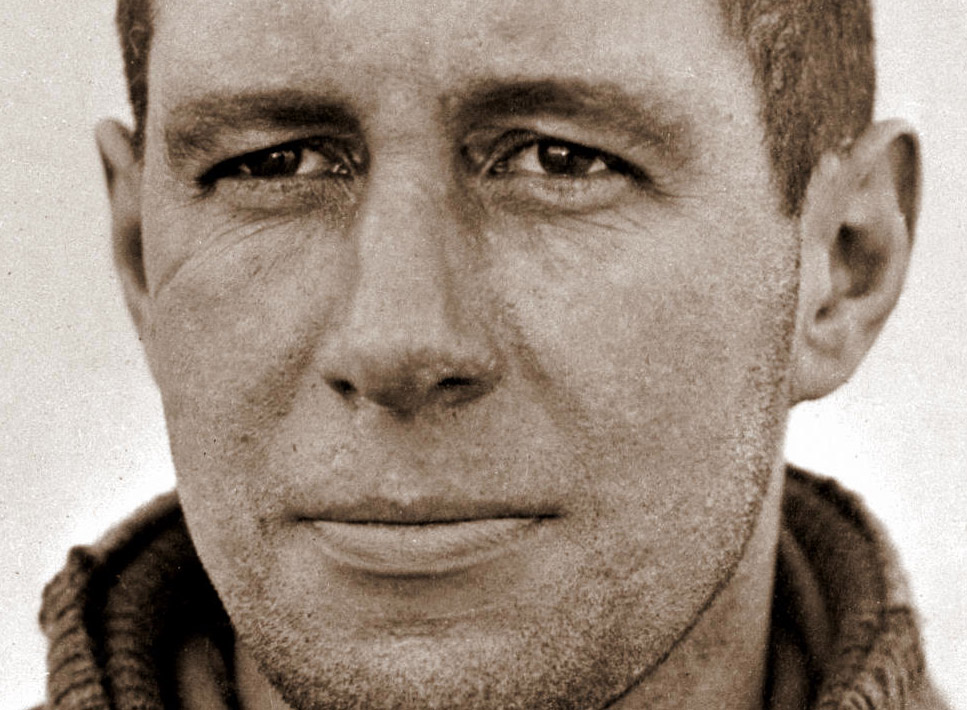
I have put a photograph by Herbert Ponting, Captain Lawrence Edward Grace Oates during the British Antarctic Expedition of 1911-1913, below the detail of him at the South Pole. The face is almost unrecognisable from the strong, handsome face in Ponting’s picture, the prominent nose now blackened and dark being the only thing that make it recognisably the same person. In the detail of Ponting’s photograph, if you enlarge it, you can see two small points of light in his eyes, probably the light of the polar sun when Ponting took the photograph. For me these two spots of light become portents of what was to come as Oates walked out into a blizzard saying those immortal words, “I am just going outside and may be some time”. To me these points of light seared into his retina are like the driving snow that he walked out into in such a selfless act. It is very emotional for me as an Englishman and as a human being to look into the face of this man knowing what he was eventually to go through.

Though they failed in their quest to become the first to the South Pole, for this child, for this man they will forever remain my heroes.

Dr Marcus Bunyan


Many thankx to the Australian National Maritime Museum for allowing me to publish the photographs in the posting. Please click on the photographs for a larger version of the image.


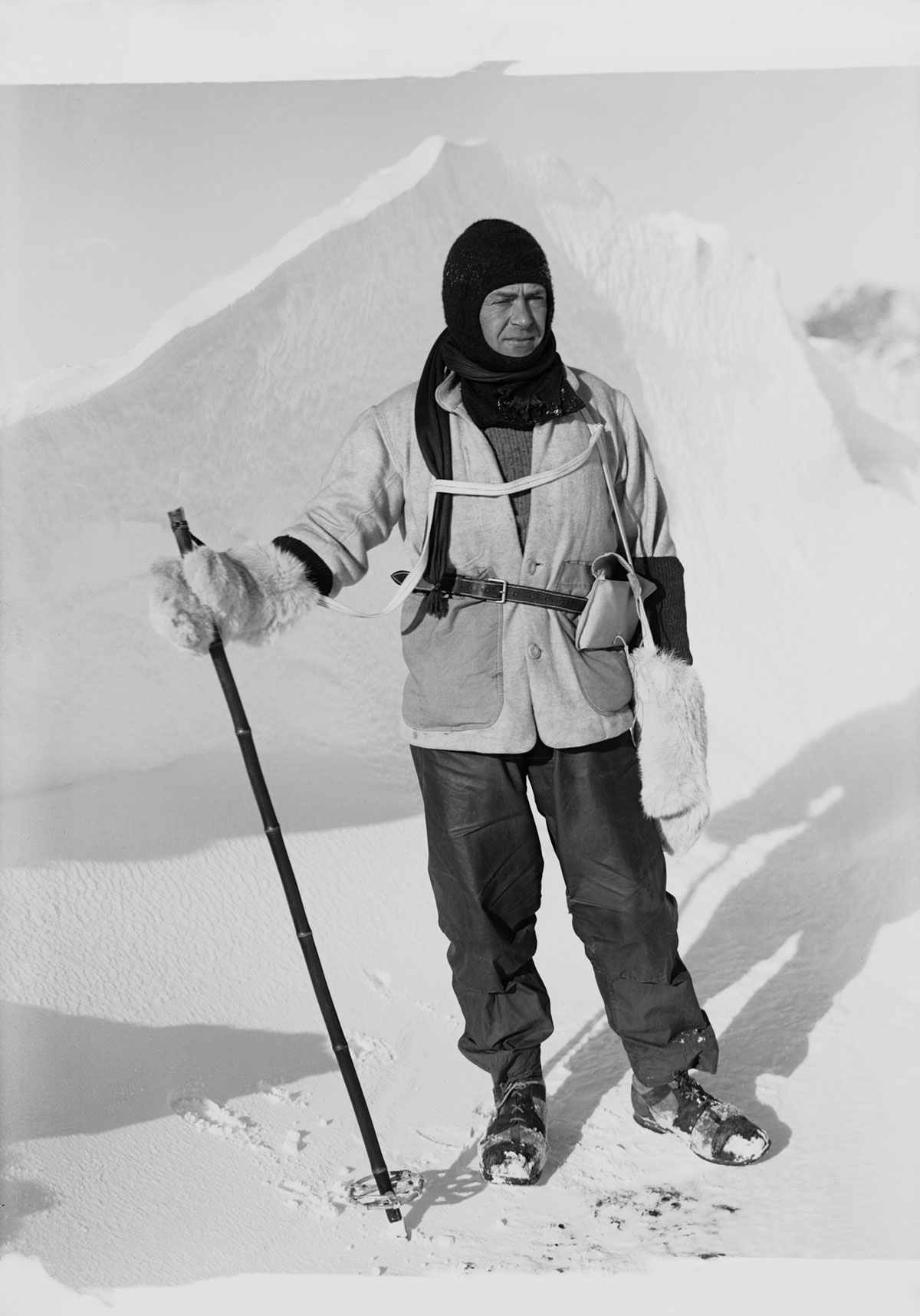
Anonymous photographer. 'Captain Robert Falcon Scott' Nd


Anonymous photographer
Captain Robert Falcon Scott
Nd
Gelatin silver print
Licensed with permission of the Scott Polar Research Institute, University of Cambridge


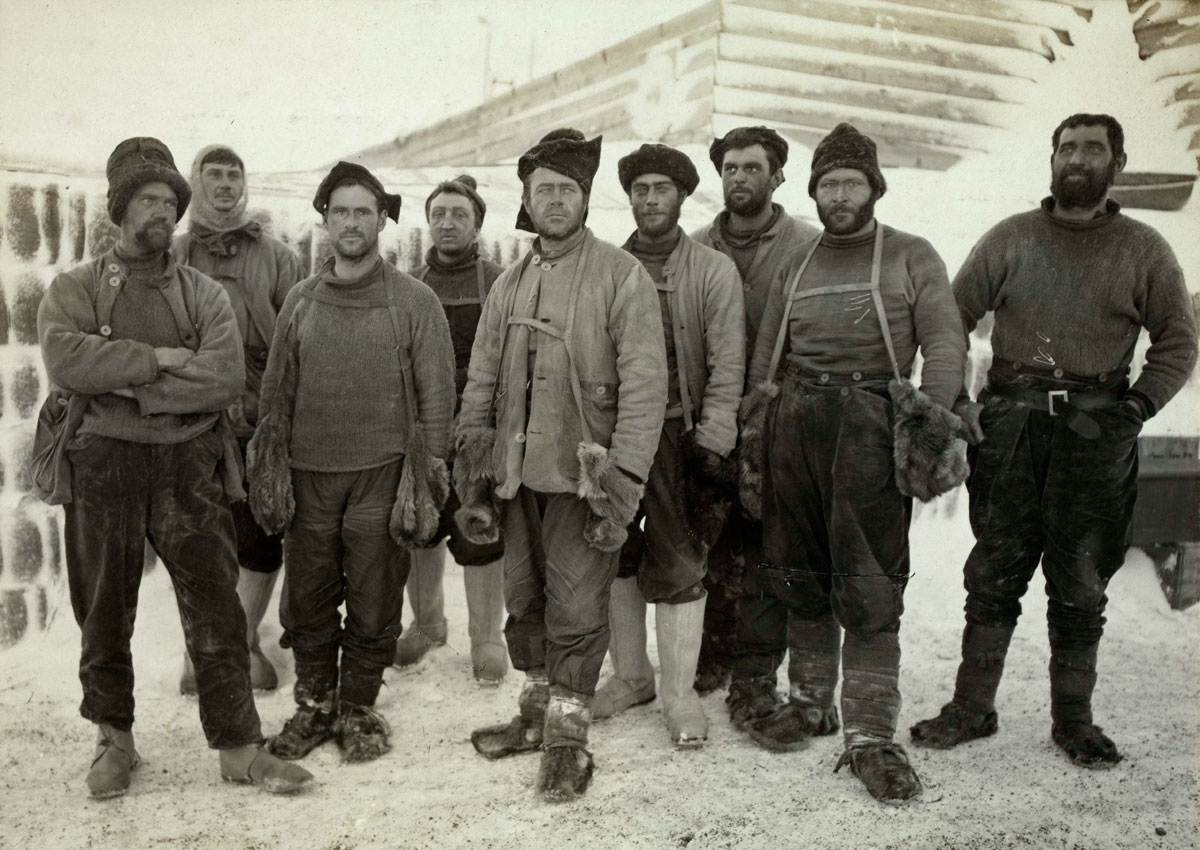
Herbert Ponting (British, 1870-1935) 'Members of the 'Terra Nova' expedition with Scott in the centre' 1911


Herbert Ponting (British, 1870-1935)
Members of the ‘Terra Nova’ expedition with Scott in the centre
1911
Gelatin silver print
Canterbury Museum NZ


Herbert Ponting (British, 1870-1935) 'Scott’s birthday dinner, June 1911'


Herbert Ponting (British, 1870-1935)
Scott’s birthday dinner, June 1911
1911
Gelatin silver print
Canterbury Museum NZ


Herbert Ponting (British, 1870-1935) 'Scott’s birthday dinner, June 1911' 1911 (detail)


Herbert Ponting (British, 1870-1935)
Scott’s birthday dinner, June 1911 (detail)
1911
Gelatin silver print
Canterbury Museum NZ


Herbert Ponting (British, 1870-1935) 'Scott writing in his area of the expedition hut, Scott's cubicle' 1911


Herbert Ponting (British, 1870-1935)
Scott writing in his area of the expedition hut, Scott’s cubicle
1911
Gelatin silver print
Pennell Collection, Canterbury Museum NZ


Herbert Ponting (British, 1870-1935) 'Scott writing in his area of the expedition hut, Scott's cubicle' 1911 (detail)


Herbert Ponting (British, 1870-1935)
Scott writing in his area of the expedition hut, Scott’s cubicle (detail)
1911
Gelatin silver print
Pennell Collection, Canterbury Museum NZ


Herbert Ponting (British, 1870-1935) 'The Tenements, 9 October 1911' 1911


Herbert Ponting (British, 1870-1935)
The Tenements, 9 October 1911
1911
Gelatin silver print
Pennell Collection, Canterbury Museum NZ


Herbert Ponting (British, 1870-1935) 'The Tenements, 9 October 1911' 1911 (detail)


Herbert Ponting (British, 1870-1935)
The Tenements, 9 October 1911 (detail)
1911
Gelatin silver print
Pennell Collection, Canterbury Museum NZ


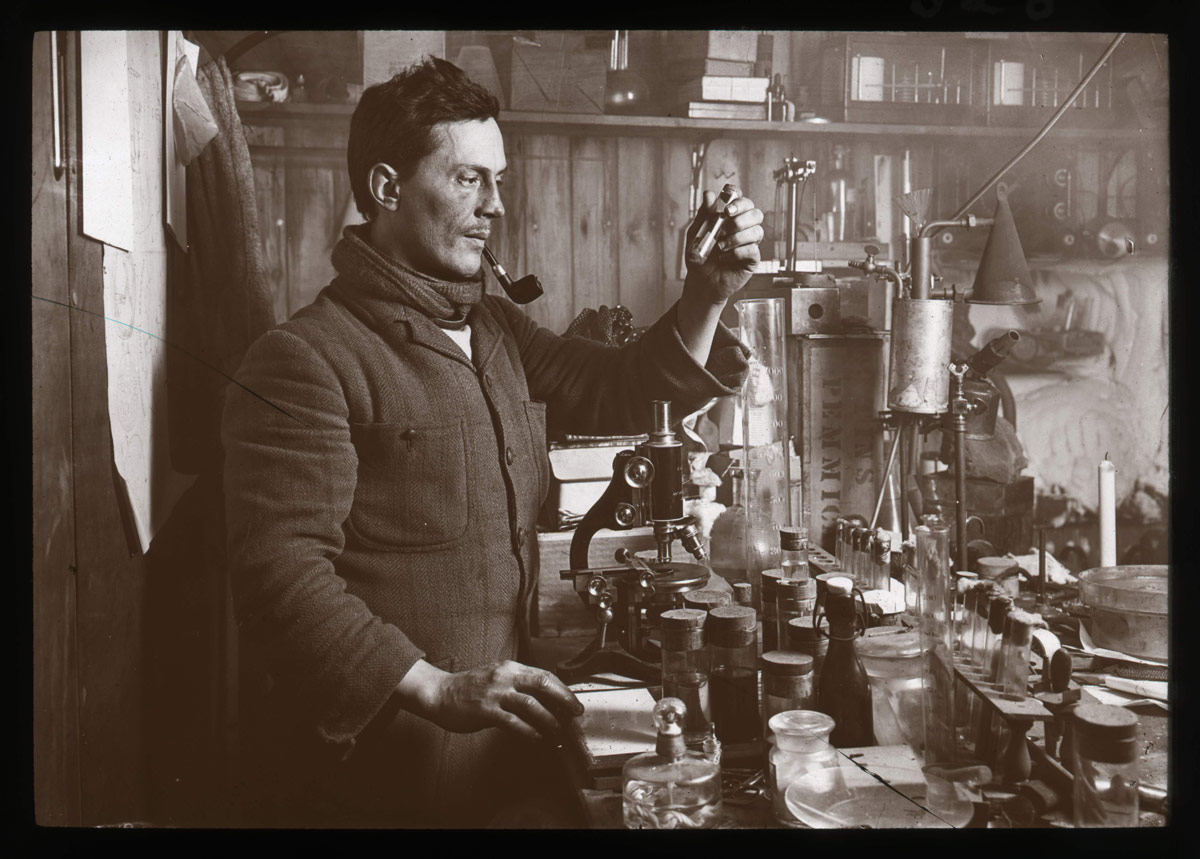
Herbert Ponting (British, 1870-1935) 'Edward Atkinson in the laboratory' 1911


Herbert Ponting (British, 1870-1935)
Edward Atkinson in the laboratory
1911
Silver gelatin print
Canterbury Museum NZ


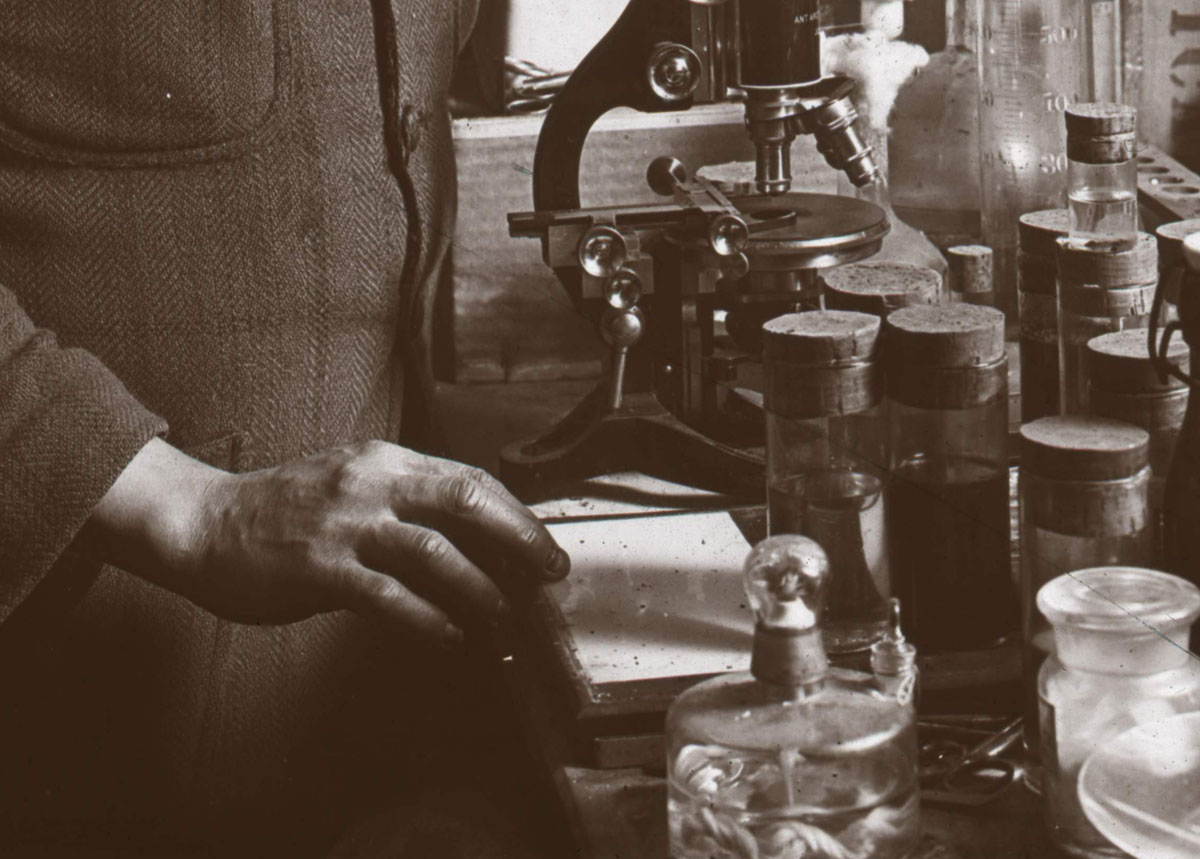
Herbert Ponting (British, 1870-1935) 'Edward Atkinson in the laboratory' 1911 (detail)


Herbert Ponting (British, 1870-1935)
Edward Atkinson in the laboratory (detail)
1911
Silver gelatin print
Canterbury Museum NZ


One hundred years after its tragic end, the definitive story of British explorer Captain Robert Falcon Scott’s Terra Nova expedition to Antarctica is being told in a major international exhibition coming to the Australian National Maritime Museum this June.

Scott’s Last Expedition will reunite real artefacts used by Scott and his team together with rare scientific specimens collected during the 1910-1913 expedition for the first time since their use in Antarctica.

When Scott set off on what was his second journey to explore the Antarctic on board the former whaling ship Terra Nova, he could not have predicted it would be his last. Tragically he and four of his colleagues died on the return trek to the South Pole two years later, having lost the race to be first. The exhibition however will go beyond the familiar tales of the journey to the Pole and the death of the Polar party to explore the Terra Nova expedition from every angle.

“Over the years public perceptions of Scott have varied greatly, from hero to flawed leader, and discussions of what really happened still captivate people,” said museum director Mary-Louise Williams today. “This exhibition will give visitors a unique opportunity to immerse themselves in this epic journey and the remarkable landscape of Antarctica,” she said.

Visitors will uncover Scott the man, learn more about the people who made up the expedition and explore every fascinating detail of this historic journey. At the centre of the exhibition will be a life-size representation of Scott’s Cape Evans’ base camp. Visitors can walk inside and get a sense of the everyday realities for the expedition’s members… from the cramped conditions and homeliness of the hut to the wealth of specimens collected and scientific investigations conducted.

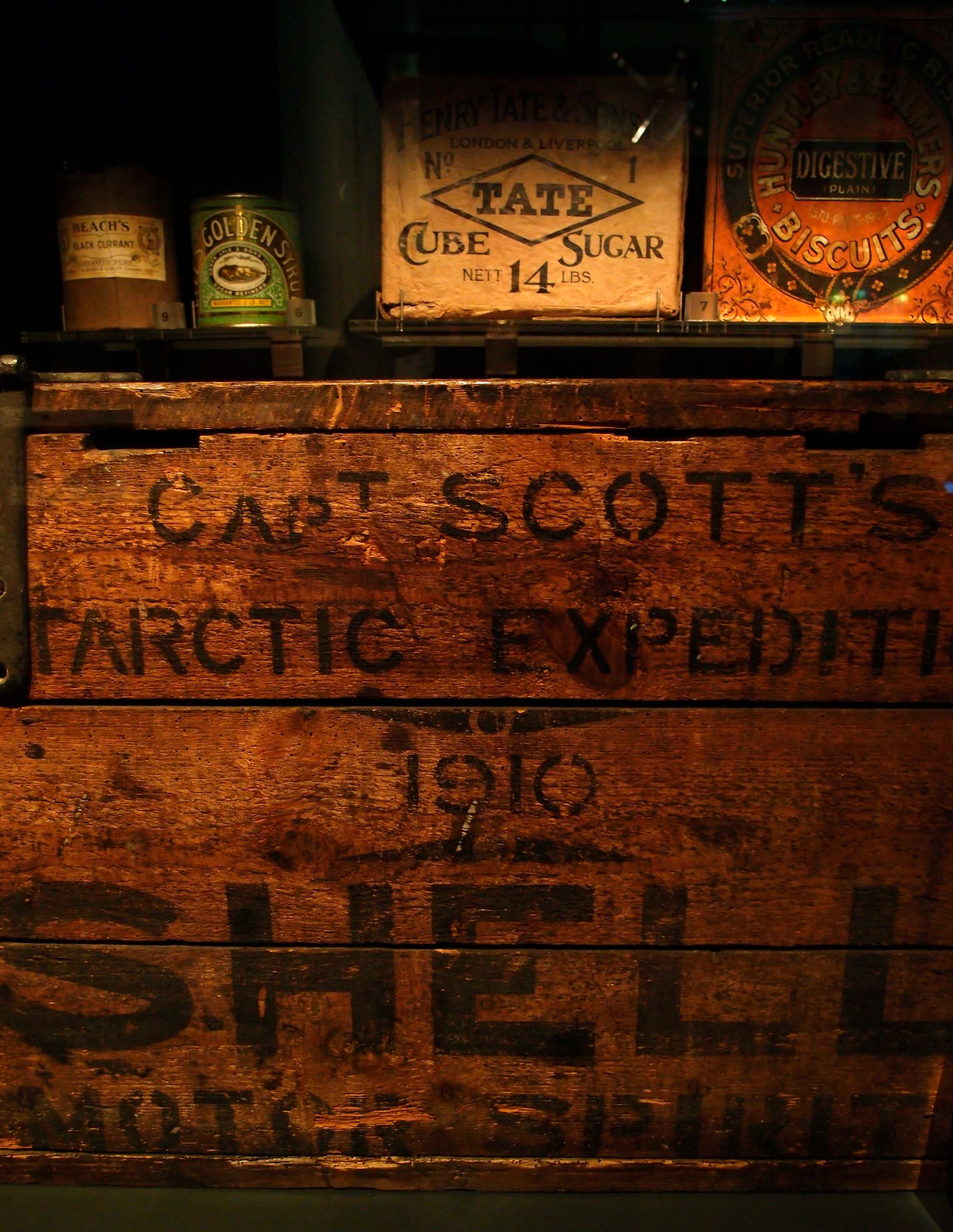
Original artefacts, equipment, clothes, and personal effects will be displayed for the first time in Australia and show the group’s attempts to make life in one of the most hostile environments on Earth as bearable as possible. Food tins including Fry’s Cocoa, Trufood Trumilk, and Symington’s Pea Flour recovered from the hut will be on display together with instruments, a microscope, and even Scott’s gramophone.

Photographs of the environment and life in camp taken by expedition photographer Herbert Ponting and poignant letters and diaries by various expedition members create a vivid picture of what life was like… working in hostile conditions, the struggles for survival and the strength of human endurance and courage.

Scott’s Terra Nova expedition made a significant contribution to Antarctic science. The expedition included a full scientific program with a large team of scientists making new discoveries which directly led to a greater understanding of Antarctica. The scientists had to endure harsh Antarctic conditions to carry out their work. It was cold, windy and completely dark in winter and, if not careful, the scientists could easily get frostbitten. And yet despite the conditions, the expedition left a rich legacy that continues to inspire and inform today.

Natural History Museum, London, the Canterbury Museum, Christchurch, New Zealand and the Antarctic Heritage Trust, New Zealand, have collaborated to create this exhibition to commemorate the centenary of the expedition and celebrate its achievements.

Press release from the Australian National Maritime Museum


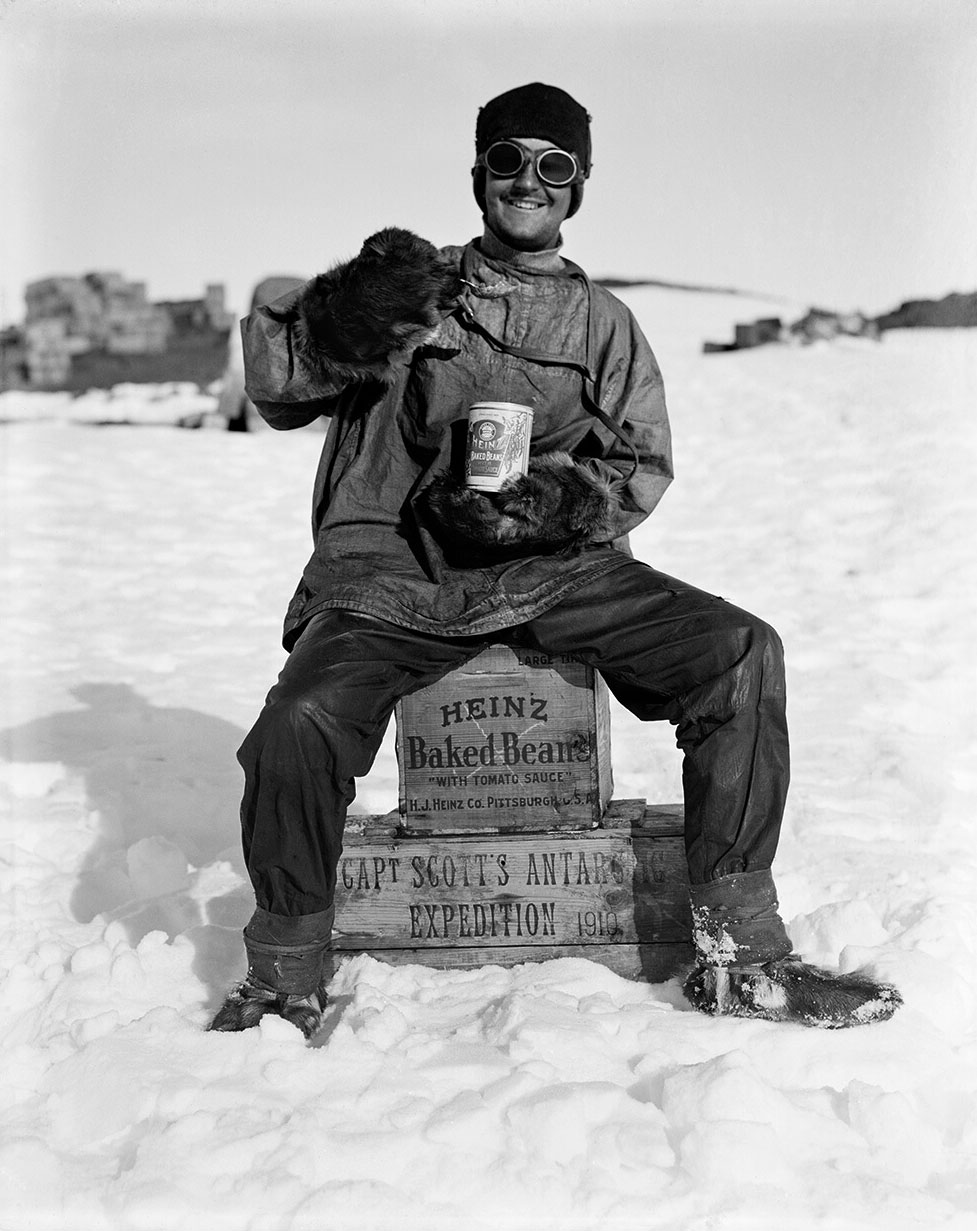
Herbert Ponting (British, 1870-1935) 'A member of the team tucks into a tin of Heinz baked beans in the Ross Dependency, during Captain Robert Falcon Scott’s Terra Nova Expedition to the Antarctic, January 1912' 1912


Herbert Ponting (British, 1870-1935)
A member of the team tucks into a tin of Heinz baked beans in the Ross Dependency, during Captain Robert Falcon Scott’s Terra Nova Expedition to the Antarctic, January 1912
1912
Silver gelatin print
Canterbury Museum NZ


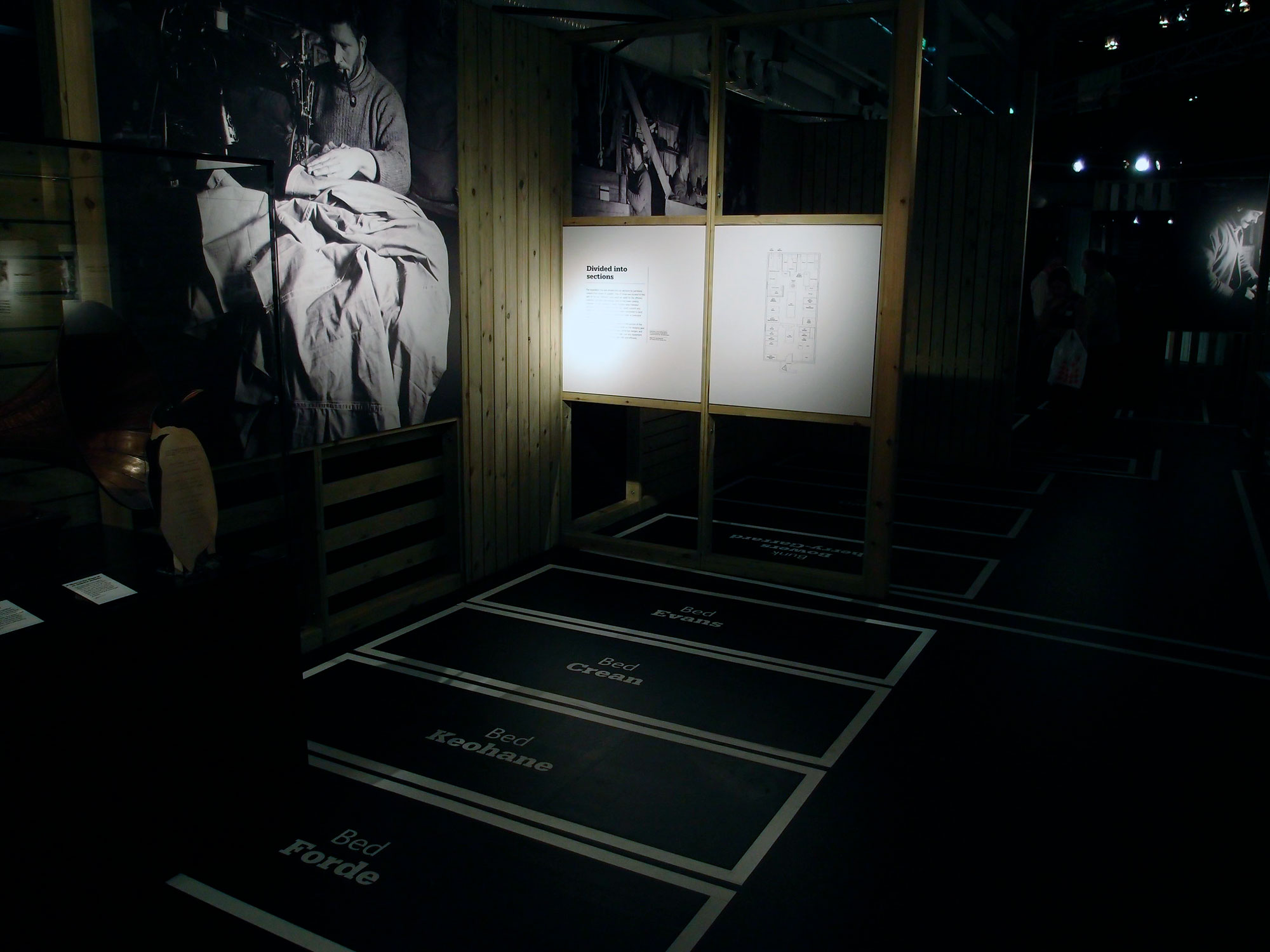
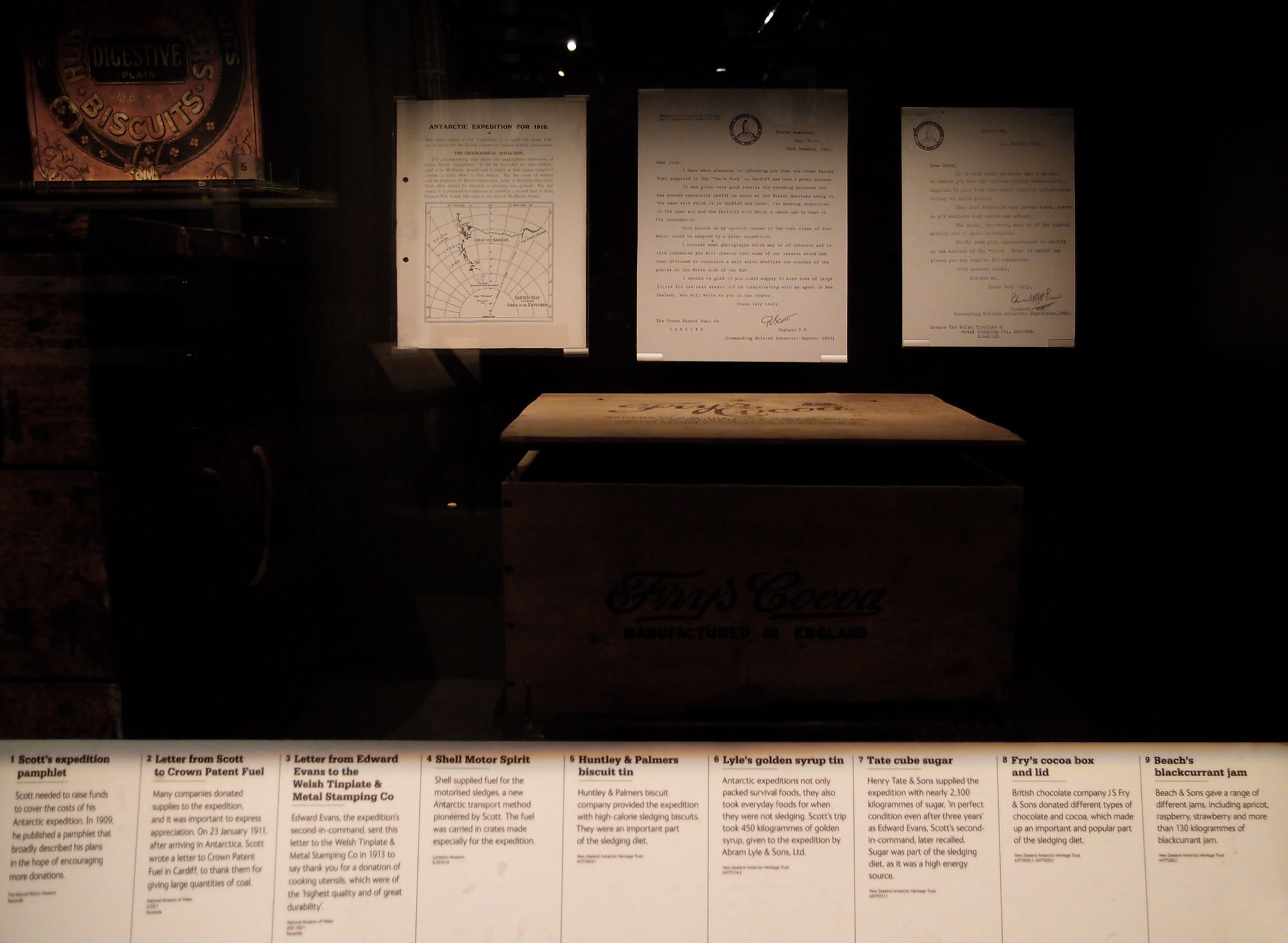
Neerav Bhatt (photographer) Installation view of the exhibition 'Scott's Last Expedition' at the Australian National Maritime Museum, Sydney, June - October 2011

Neerav Bhatt (photographer) Installation view of the exhibition 'Scott's Last Expedition' at the Australian National Maritime Museum, Sydney, June - October 2011

Neerav Bhatt (photographer) Installation view of the exhibition 'Scott's Last Expedition' at the Australian National Maritime Museum, Sydney, June - October 2011

Neerav Bhatt (photographer) Installation view of the exhibition 'Scott's Last Expedition' at the Australian National Maritime Museum, Sydney, June - October 2011

Neerav Bhatt (photographer) Installation view of the exhibition 'Scott's Last Expedition' at the Australian National Maritime Museum, Sydney, June - October 2011


Neerav Bhatt (photographer)
Installation view of the exhibition Scott’s Last Expedition at the Australian National Maritime Museum, Sydney, June – October 2011
CC BY-NC-SA 2.0


Scott and the Polar Party at the South Pole 1912


Scott and the Polar Party at the South Pole
Left to right: Captain Lawrence Oates, Lieutenant Henry Bowers (seated), Captain Robert Falcon Scott, Dr Edward Wilson (Seated), Petty Officer Edgar Evans
1912
Licensed with permission of the Scott Polar Research Institute, University of Cambridge.


Notice the camera release cord in the right hand of Lieutenant Henry Bowers.


The fatal journey

Scott’s 1,450 km journey to the geographic South Pole began on 1 November 1911, two weeks after the Norwegian polar explorer Roald Amundsen left his base camp at the Bay of Whales. Amundsen reached the pole first – on 14 December 1911 – and then raced back to tell the world their news. Scott and his team reached the Pole a month later on 17 January 1912 having been beset by fierce weather conditions. The disappointment was immense. The return journey was undertaken in horrid weather with harsh, intense cold and violent blizzards that, in the end, defeated them. Evans failed first, suffering concussion from a fall; Oates suffered dramatic frostbite to his feet – gangrene had set in – and he crawled out of the tent saying the now famous words, “I am just going outside and may be some time”. The remaining men – Scott, Wilson and Bowers – were weak with malnutrition, starvation and exhaustion and perished on or around 29/30 March 1912 – some three weeks after the world learned that Amundsen had reached the Pole first.


Captain Robert Falcon Scott at the South Pole (detail)


Captain Robert Falcon Scott at the South Pole (detail)


Captain Lawrence Oates at the South Pole (detail)


Captain Lawrence Oates at the South Pole (detail)


Herbert Ponting. 'Lawrence Oates' c. 1911


Herbert Ponting (British, 1870-1935)
Captain Lawrence Edward Grace Oates during the British Antarctic Expedition of 1911-1913
c. 1911
Silver gelatin print
Photographic Archive, Alexander Turnbull Library


Herbert Ponting. 'Captain Lawrence Edward Grace Oates during the British Antarctic Expedition of 1911-1913' c. 1911 (detail)


Herbert Ponting (British, 1870-1935)
Captain Lawrence Edward Grace Oates during the British Antarctic Expedition of 1911-1913 (detail)
c. 1911
Silver gelatin print
Photographic Archive, Alexander Turnbull Library


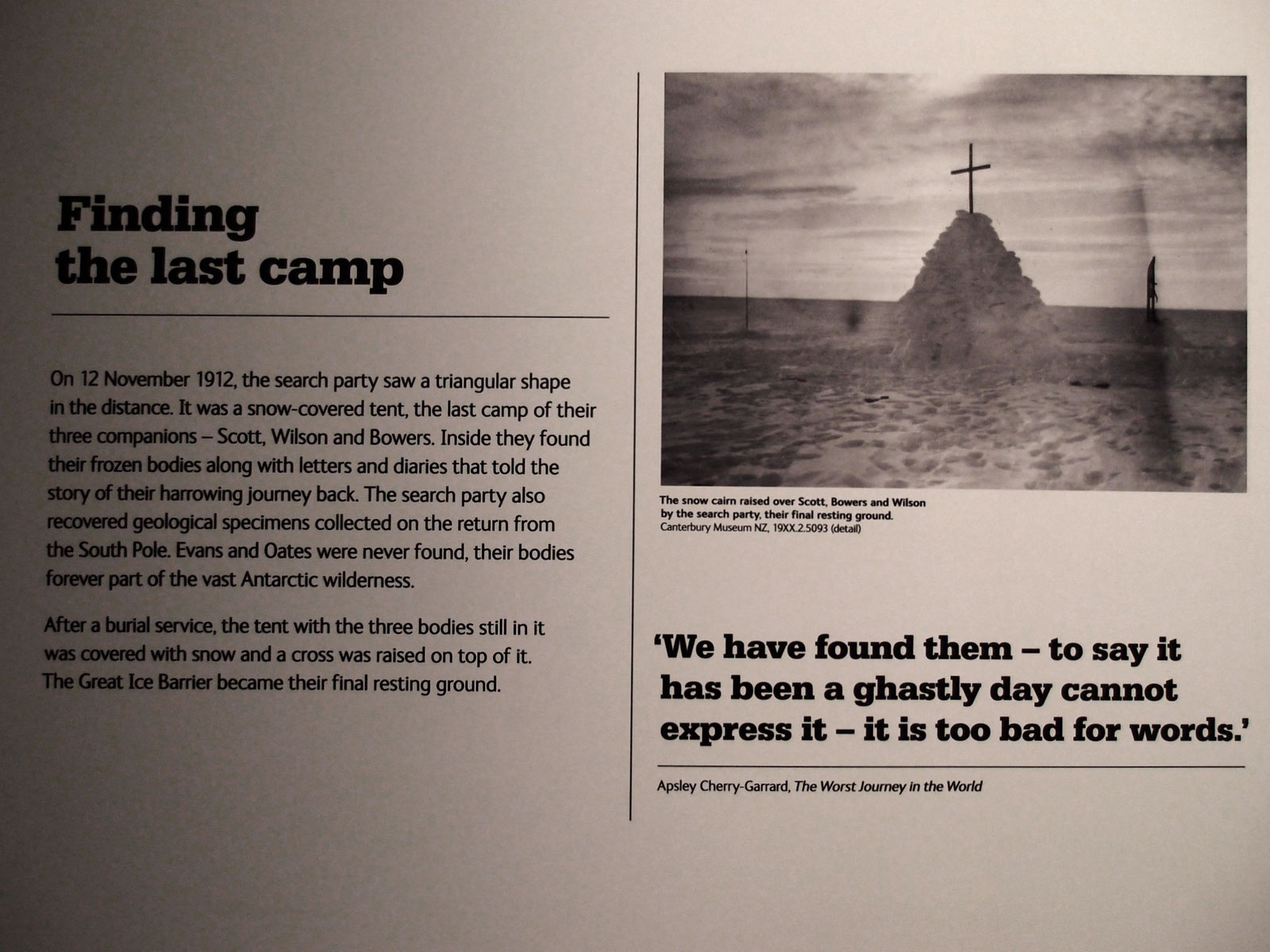
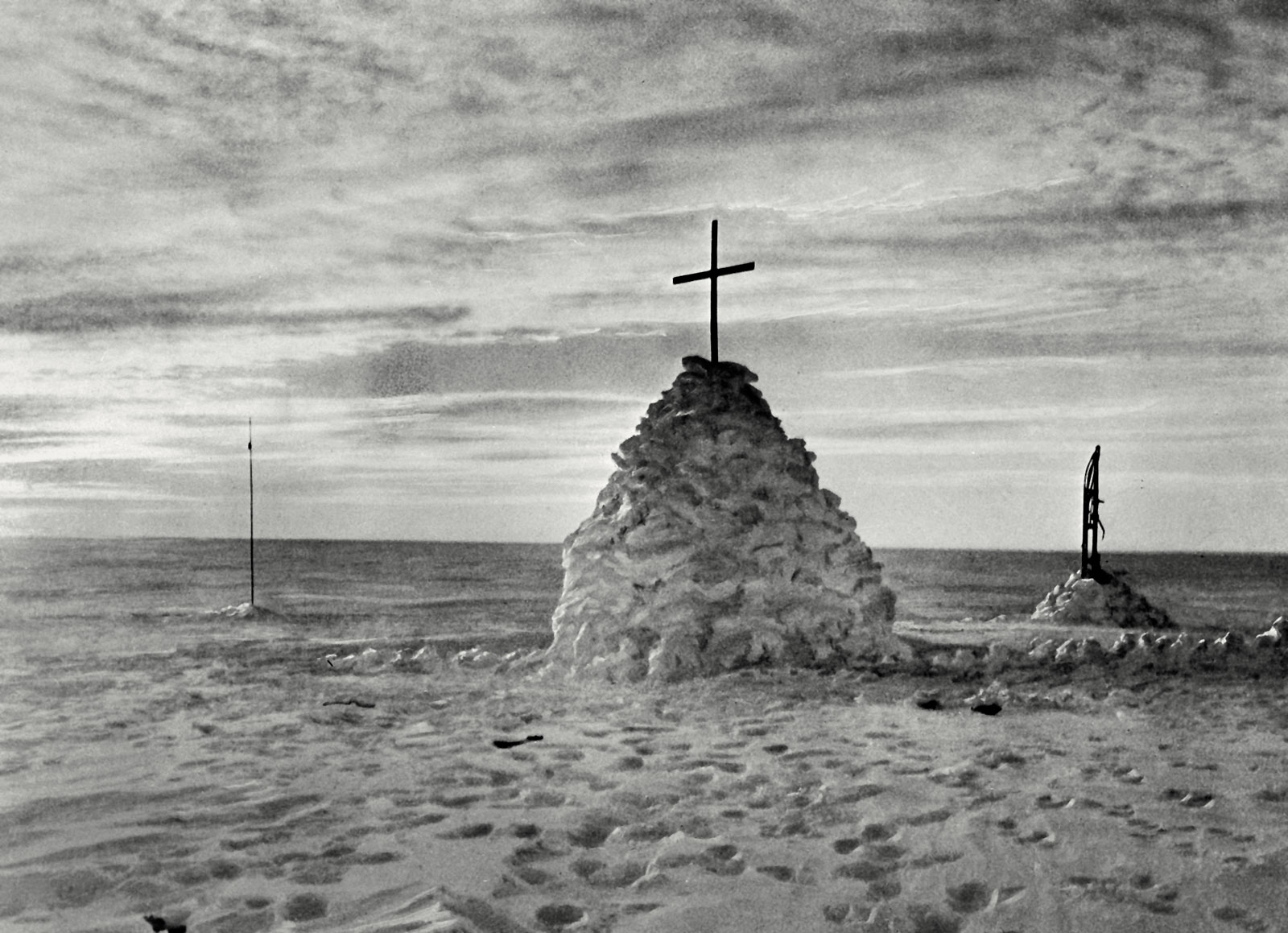
Anonymous photographer. 'The snow cairn raised over Scott, Bowers and Wilson by the search party, their final resting ground' 1912 (detail)


Anonymous photographer
The snow cairn raised over Scott, Bowers and Wilson by the search party, their final resting ground (detail)
1912
Silver gelatine print
Canterbury Museum NZ


Australian National Maritime Museum
2 Murray Street
Darling Harbour
Sydney NSW 2000
Australia

Opening hours:
Every day 10am – 4.00pm

Australian National Maritime Museum website

LIKE ART BLART ON FACEBOOK

Back to top

Exhibition: ‘The Art of the Automobile: Masterpieces of the Ralph Lauren Collection’ at The Arts Décoratifs Museum, Paris

Exhibition dates: 28th April – 28th August 2011


Many thankx to The Arts Décoratifs Museum for allowing me to publish the photographs in the posting. Please click on the images for a larger version of the image.


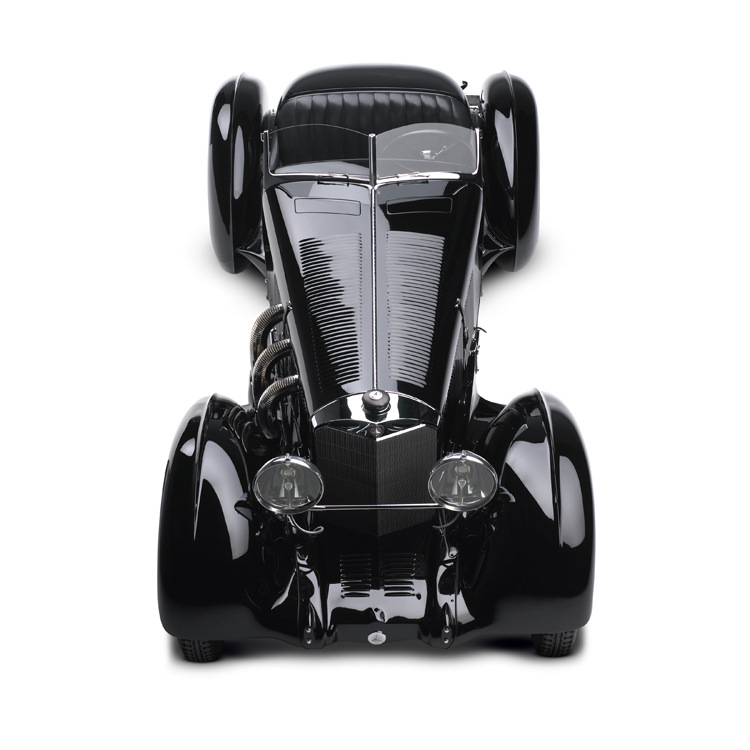
Mercedes Benz SSK “Count Trossi”, 1930


Mercedes Benz SSK “Count Trossi”
1930
Ralph Lauren collection
© Photo Michael Furman


The notion of line in a car echoes that of the perfectly harmonious line of trajectory. The design is never far from this line, even in those coachworks designed without drawing boards, of which some of the most marvellous examples are seen here. It is interesting to see that in the French language at least, cars have taken on board the concept of ligne (or “line”), a word with many meanings. Yet the term ligne, taken in the sense that it is used nowadays in reference to coachwork, is classified by French lexicographer Littré within the sphere of fine art, and defined by him as: “the general effect produced by the coming together and combination of different parties of either a natural object or a composition.” The natural development of language thus shows us the relationship between cars and fine art.


Excerpt from the catalog, Editions Les Arts Décoratifs, Paris 2011


In 1970, Les Arts Décoratifs presented a selection of competition cars, “Bolides Design.” To compile the exhibition, a special jury was assembled, featuring designers Joe Colombo, Roger Tallon and Pio Manzu, and the artists Jean-Paul Riopelle, Jean Tinguely and Victor Vasarely, as well as Robert Delpire and François Mathey. The jury chose the models with the idea of the car as a design object, a work of art, showing that “art and technique, each at their own level, are the expression of man and his relationship with design.”

The Ralph Lauren collection can be seen from the same perspective. Patiently assembled over several decades by the fashion designer in a quest for speed and performance, it includes some of the most extraordinary jewels in the crown of European automobile history, with beauty as its common denominator.

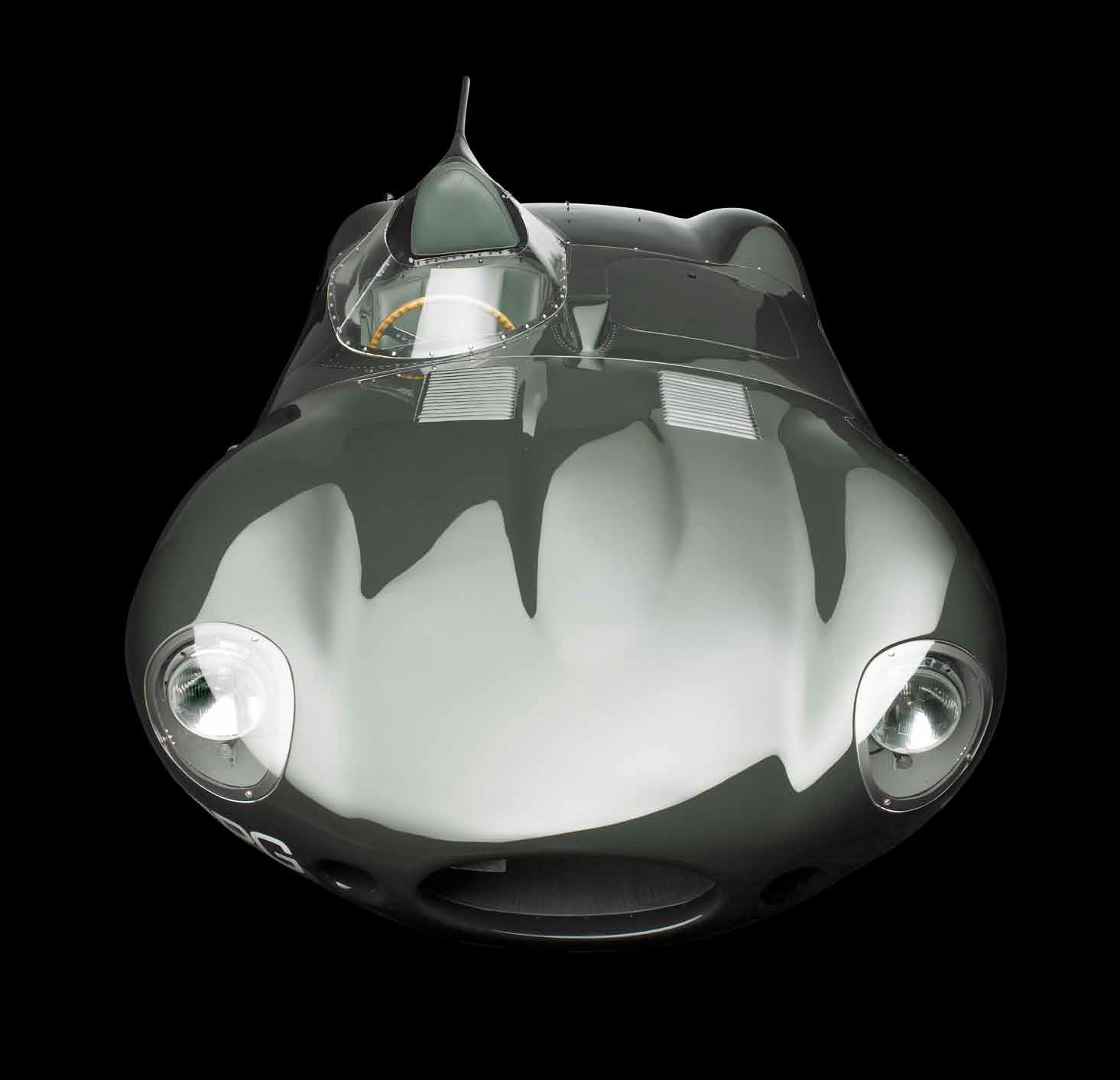
Within the collection are some of the most elegant and innovative cars in automotive history, from the “Blower” Bentley (1929), the Ferrari 250 GTO (1962), the famous Mercedes 300 SL (1955) and the unforgettable Jaguar “D type,” whose shark fin blazed a triumphant trail at Le Mans in 1955, 1956 and 1957. But the grand tourer, the Bugatti Atlantic (1938) of which only four models were produced, represents the ultimate in luxury while showcasing the evolution of styles and techniques on the road. Each of these exceptional vehicles was designed as a masterpiece blending technological innovation and boldness of style.

For its first presentation in Europe, the Ralph Lauren collection will be put on display by Jean-Michel Wilmotte, who has opted for an intimate visual approach as these vehicles stand out both for their overall design and detail, as well as for bodywork, chassis and engines.

The kinetic and sound of the vehicles will be reproduced by means of several films and recordings. A seminar on automobile design will also be held during the exhibition.

Press release from The Arts Décoratifs Museum website


Mercedes Benz SSK “Count Trossi”, 1930


Mercedes Benz SSK “Count Trossi”
1930
Ralph Lauren collection
© Photo Michael Furman


Chassis number SSK 36038, currently owned by Ralph Lauren, remained unsold by the Mercedes-Benz factory in 1928, but was then sent out to Japan in 1930, before being brought back to Europe. This car was put together by the young British coach builder, Willy White, based on a design suggested by its aristocratic owner-cum-industrialist, Count Carlo Felice Trossi, himself a racing driver. The SSK, the archetypal Mercedes of the 1920s, built on a short chassis, is dominated by a colossal hood with a trio of exhaust pipes emerging from each side – a hood encompassing over half the car’s length with a radiator projecting out front as a windbreak. Its flamboyant rear end, dramatically tapered, adds a touch of civility to this extraordinary model, contrasting with the hieratic image of its front end. The supercharging gives the Mercedes SSK its fiery temperament, as well as the legendary noise of its seven litre straight 6 cylinder engine producing 300 CV and enabling a flat-out speed of 235kph!


Bugatti 57 SC Atlantic, 1938


Bugatti 57 SC Atlantic, 1938


Bugatti 57 SC Atlantic
1938
Collection Ralph Lauren
© Photo Michael Furman


According to Paul Bracq, “the Atlantic is a monument in the history of French coach building! More than any other car, it expresses a French-Italian look. An incredible sense of lightness is given off by this sculpture.” Powered by a straight 8 cylinder engine fitted with twin overhead camshafts and a compressor, this beauty is also incredibly fast, capable of reaching 200 kph. As the aluminium alloy used for the coachwork did not lend itself to shaping and soldering, Jean Bugatti was obliged to make the wings and roof in two parts and then assemble them with rivets. His talent lay precisely in the art of transforming this inconvenient technique into a stylistic advantage. Power and speed are suggested by the doors which are cut out of the roof and the ellipsoidal windows reminiscent of airplanes. Chassis number 57591 was the last of the four examples originally produced, a masterpiece embodying sport and luxury at their height – in short, the automobile exception.


Alfa Romeo 8C 2900 Mille Miglia, 1938


Alfa Romeo 8C 2900 Mille Miglia
1938
Collection Ralph Lauren
© Photo Michael Furman


This racing model fitted out with a straight 8 cylinder 2.9 litre engine with twin overhead camshafts supercharged by two compressors is equipped with fully independent suspension and a four speed rear transaxle. The whole thing is perfectly balanced, resulting in the most extraordinary roadholding. The hydraulic brakes are an additional bonus, enabling it to outclass its rivals at over 185 kph. The Turin factory called upon Carrozzeria Touring to design a small series of four two-seater roadsters intended to take part in the 1938 Mille Miglia, the first example of which is the car exhibited here. Driven by the Pintacuda-Mambelli team, the car came in an incredible second under the number 142. The tear drop shaped wings add the final touch to this extraordinary car which is considered to be one of the most prestigious pre-War Grand Touring Alfa Romeos.


Ferrari 375 Plus, 1954


Ferrari 375 Plus
1954
Collection Ralph Lauren
© Photo Michael Furman


The Ferrari known as the 375 Plus was an extrapolation of the Type 375 MM, a model powered by a V12 engine with three carburettors, a gearbox with four speeds plus reverse that increased its engine size to nearly 5 litres, giving it more power and enabling it to reach 340 CV, and attain 250 kph. Because Ferrari did not have its own design department, the 375 Plus, an absolute masterpiece, was created by highly qualified, talented artisans under the guidance of Pinin Farina, Ferrari’s official coach builder. Only five examples of the Type 375 Plus were made, including a spyder version which won the Le Mans 24 Hours in 1954. Ralph Lauren’s car, chassis number 0398 AM – the last of the series – left the factory in 1954 and had a relatively illustrious career in Argentina, often driven by Valiente.


Jaguar XKD, 1955


Jaguar XKD
1955
Collection Ralph Lauren
© Photo Michael Furman


In order to find a worthy successor to the brilliant Jaguar Type XKC, winner on two occasions of the Le Mans 24 Hours, the aeronautic aerodynamicist Malcolm Sayer came up with a non-conformist vehicle. The D-Type has a long hood with no radiator grille, opening away from the block and a slender, extremely graceful rear, easily recognisable thanks to the highly original fin that extends the driver’s head-rest, providing greater stability at high speeds. With the classic straight 6 cylinder 3.4 litre engine, the D-Type, built on a monocoque structure, also has disk brakes. The “long-nosed” version (only 10 examples of which left the factory, including Ralph Lauren’s 505/601) gained an additional 15 kph at maximum speed, pushing it to 260 kph. No other car from the 1950s embodies speed better than this Jaguar D, with three consecutive victories in the Le Mans 24 Hours between 1955 and 1957 and another at Nurburgring in 1956. It was the most successful racing car of its generation.


Jaguar XKSS, 1958


Jaguar XKSS
1958
Collection Ralph Lauren
© Photo Michael Furman


Following on from Jaguar’s magnificent victories in the 1955 and 1956 Le Mans 24 Hours, demand from its enthusiastic clients was such that the company decided to make a road version of the XKD (straight 6 cylinder 3.4 litre engine with a 250 CV output capable of propelling the car to nearly 250 kph) which was named the XKSS. Principally aimed at the American market, it differed from the racing model in having a windscreen, a convertible roof, bumpers and a more civilised interior, and the famous fin was removed. Only 16 examples were constructed between January and February 1957, and a further two examples of the D-Type were transformed by the factory in 1958. Ralph Lauren’s car is one of these, created from the XKD 533 in 1956. It participated in the Six Heures du Forez in 1957, driven by Monnoyeur and Dupuy, finishing 7th, behind a fleet of Jaguar Ds which took the three first places.


Ferrari 250 Testa Rossa, 1958


Ferrari 250 Testa Rossa
1958
Collection Ralph Lauren
© Photo Michael Furman


The 250 Testa Rossa (red head) owes its name to the red camshaft covers of its V12 3 litre engine. Made by Carrozzeria Scaglietti, adapted from a design by Pinin Farina introducing a torpedo shaped body, the car had a headrest that stuck out above the bodywork and integrated headlights behind protruding Plexiglas protection. The very particular line of this vehicle proved to be primarily functional, rather than aesthetic. Indeed, the originality of the pontoon fenders enabled the wheels to remain partially uncovered, to allow for a sufficient supply of cold air to the drum brakes. Equipped with a light body that allowed it to attain 270 kph, its 300 CV engine carried it to victory on numerous occasions, including in the Le Mans 24 Hours in 1958, 1960 and 1961. Ralph Lauren’s car is the 14th of 34 similar examples produced by Ferrari.


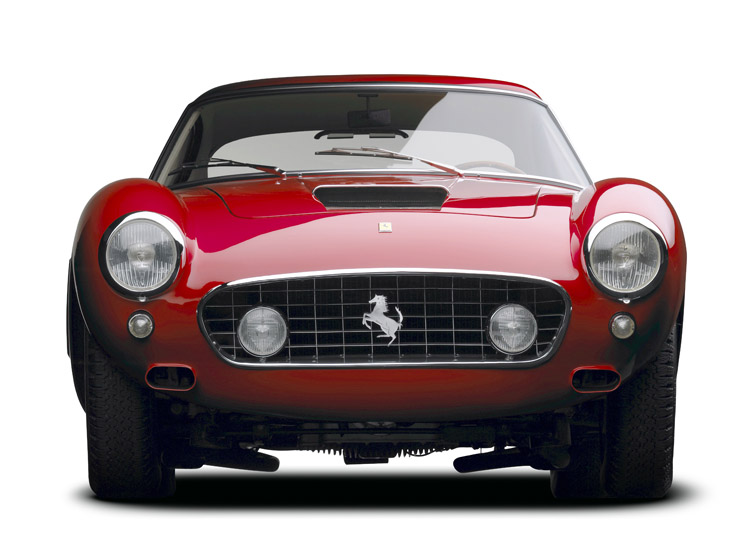
Ferrari 250 GT Berlinetta SWB, 1960


Ferrari 250 GT Berlinetta SWB
1960
Collection Ralph Lauren
© Photo Michael Furman


While the name 250 GT appeared in the Maranello catalog in 1955, the 1959 Paris Motor Show presented a short chassis Berlinetta version, with a wheelbase 20 cms shorter than other versions of the line – a thoroughbred equipped for the road, with aluminium coachwork designed by Pinin Farina and made in the Scaglietti workshops in Modena. Compared to the grand tourer version, intended for road use, the racing version was devoid of all luxury interior trimmings and bumpers, but equipped with disk brakes and a 280 CV engine that enabled this flagship model to masterfully dominate the legendary Tour de France automobile for three consecutive seasons (1960-1962) and the GT category of the Le Mans 24 Hours. Its sensual line, unequalled handling and performance (250kph), and list of victories, all combined to make the short chassis 250 GT Berlinetta one of Ferrari’s most popular models. Ralph Lauren’s car was the 31st example to leave the factory out of the 165 produced.


Ferrari 250 GTO, 1962


Ferrari 250 GTO
1962
Collection Ralph Lauren
© Photo Michael Furman


Designed in the utmost secrecy, the 250 GTO is considered by aficionados today to be the quintessential vintage Ferrari model, both technically and aesthetically, embodying one of the most famous and most expensive sports cars of all time. This Grand Tourer, of which only 39 examples were produced, clocked up an impressive list of victories, including the International Championship for GT Manufacturers in 1962, 1963 and 1964, thanks to its V12 300 CV engine situated up front, but also because of the lightness of its aluminium body, enabling it to attain 280 kph flat out! With its Scaglietti coachwork and its long hood, stocky cockpit and truncated rear, it symbolised the Grand Tourer par excellence. Ralph Lauren’s car was the 21st out of 36 Series I GTOs produced, and won many races driven by Pedro and Ricardo Rodriguez, Roger Penske, Augie Pabst and Richie Ginther.


The Arts Décoratifs Museum
107 rue de Rivoli
75001 Paris
Phone: +33 01 44 55 57 50

Open Tuesday to Sunday 11am – 6pm

The Arts Décoratifs Museum website

LIKE ART BLART ON FACEBOOK

Back to top

Exhibition: ‘Patricia Piccinini: The Fitzroy Series’ at the Centre for Contemporary Photography (CCP), Fitzroy, Melbourne

Exhibition dates: 12th August – 4th September 2011


Patricia Piccinini (Australian, b. 1965) 'Library, 8.45pm' 2011


Patricia Piccinini (Australian, b. 1965)
Library, 8.45pm
2011
Type C photograph
100 x 160cm
Courtesy the artist; Tolarno Galleries, Melbourne; Roslyn Oxley9 Gallery, Sydney; and Haunch of Venison, New York


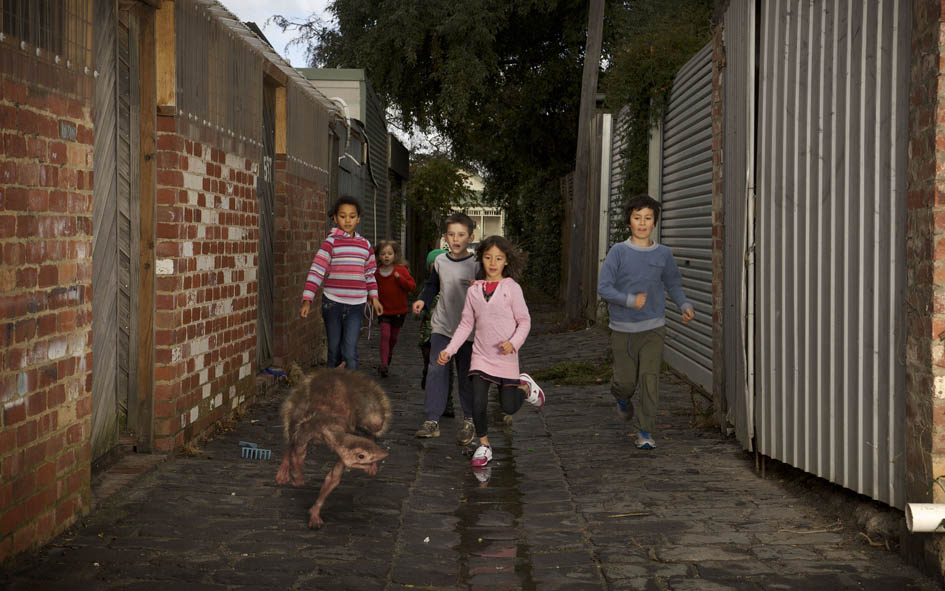
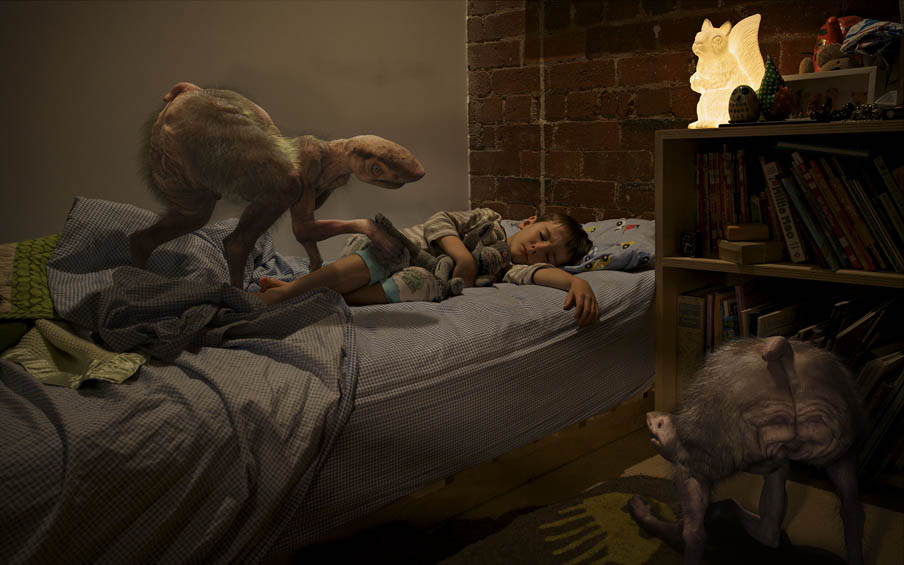
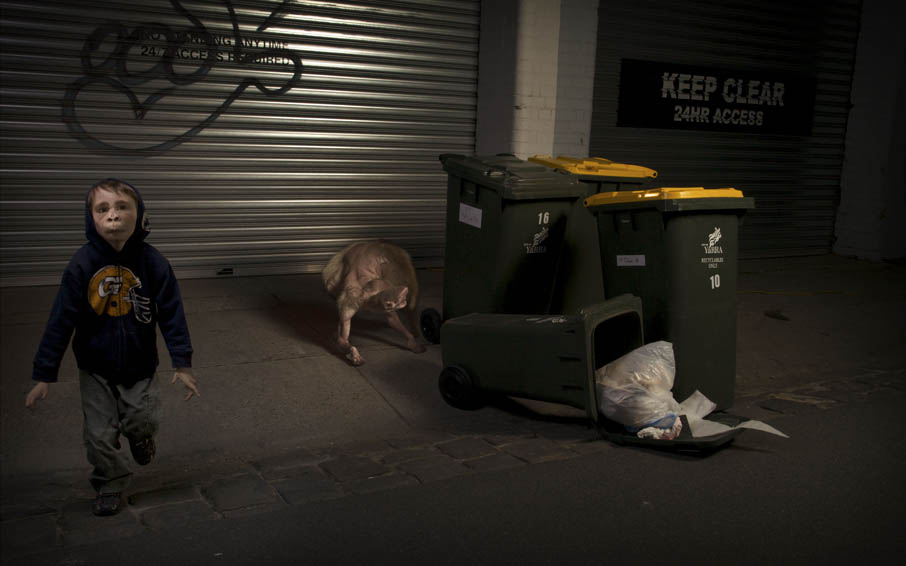
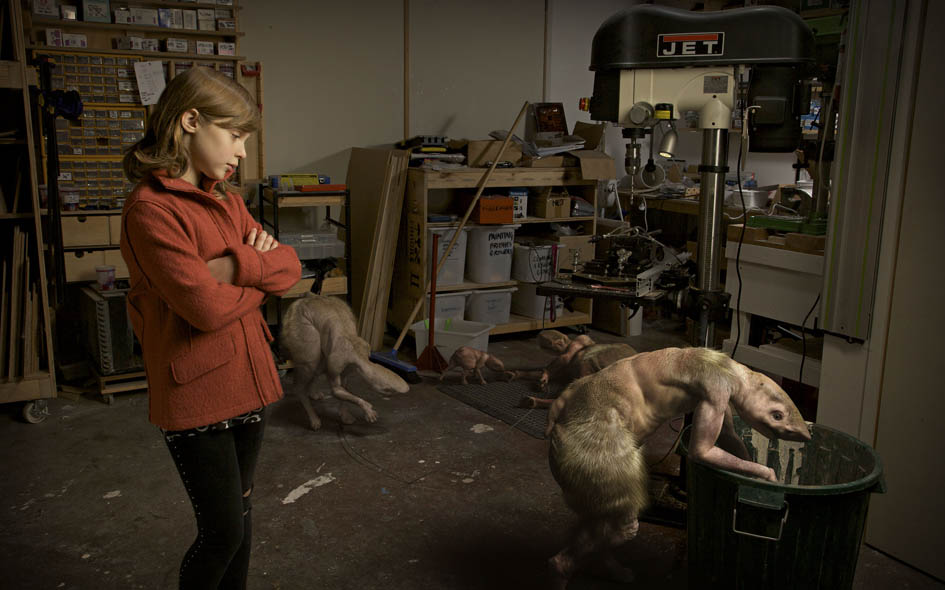
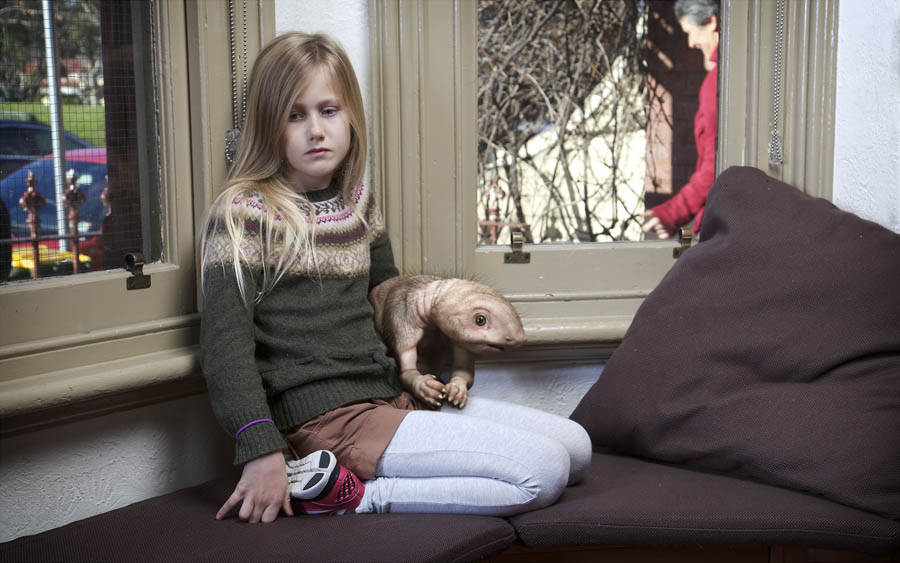
A wonderful suite of photographs by Patricia Piccinini. When you see them “in the flesh” so to speak, five out of the six works (except for the last image below, Sitting Room, 2.30pm) are suffused with a beautiful, rich, dark honey-coloured light, even more so than the reproductions. This tonality adds to the romantic notion of the imaginary animals Piccinini creates – genetically modified, mutant child creatures and “Bottom Feeder” (for that is their name) rubbish scouring pets. The ordinariness of the environs that surround the mise-en-scènes supplements this feeling: books and bedrooms, workshops and sitting rooms allaying our fears, increasing our empathy. The humour is also delicious. Note the squirrel light in Bedroom, 10.30pm : inspired!

Of as much interest was Piccinini’s source material shown in the front gallery. I wrote most of the books, magazines and subjects of the photographs down because I was fascinated to see the inspiration for this artist:

~ Motorised chairs
~ Knots
~ Nests
~ American Native Indian hair (Edward S. Curtis)
~ Claws
~ Walruses
~ Skulls
~ Skeletons
~ Pupae
~ Scientific specimens
~ Birds covered in oil
~ Mammals of Australia
~ Darwin
~ Voyages of Discovery by Dr Tony Rice
~ Hiroshima Mon Amour by Marguerite Duras
~ Mag wheels
~ Big rigs (trucks)
~ Vespas
~ Custom cars and trucks
~ Morphed racing helmets
~ Photograph from Hitchcock’s The Birds
~ Braindead movie
~ Frankenstein by Mary Shelley
~ Newsweek: The Meaning of Michael (Jackson) July 13th, 2009
~ Rare breeds (sheep)
~ Simians, Cyborgs, and Women: The Reinvention of Nature by Donna ~ Haraway
~ Louise Bourgeois
~ Macro/Hall by Erwin Wurm
~ Le Cere del Museo dell Instituto Fiorentino di Anatonia Patalogia deformatives


Great work and a wonderful gesture by artist and galleries to support the Centre for Contemporary Photography.

Dr Marcus Bunyan


Many thankx to Karra Rees for her help and to the CCP for allowing me to publish the photographs in the posting. Please click on the photographs for a larger version of the image.


Patricia Piccinini (Australian, b. 1965) 'Alley, 11.15am' 2011


Patricia Piccinini (Australian, b. 1965)
Alley, 11.15am
2011
Type C photograph
100 x 160cm
Courtesy the artist; Tolarno Galleries, Melbourne; Roslyn Oxley9 Gallery, Sydney; and Haunch of Venison, New York.


Patricia Piccinini (Australian, b. 1965) 'Bedroom, 10.30pm' 2011


Patricia Piccinini (Australian, b. 1965)
Bedroom, 10.30pm
2011
Type C photograph
100 x 160cm
Courtesy the artist; Tolarno Galleries, Melbourne; Roslyn Oxley9 Gallery, Sydney; and Haunch of Venison, New York.


Patricia Piccinini (Australian, b. 1965) 'Street, 3.10am' 2011


Patricia Piccinini (Australian, b. 1965)
Street, 3.10am
2011
Type C photograph
100 x 160cm
Courtesy the artist; Tolarno Galleries, Melbourne; Roslyn Oxley9 Gallery, Sydney; and Haunch of Venison, New York.


Patricia Piccinini (Australian, b. 1965) 'Workshop, 7.00pm' 2011


Patricia Piccinini (Australian, b. 1965)
Workshop, 7.00pm
2011
Type C photograph
100 x 160cm
Courtesy the artist; Tolarno Galleries, Melbourne; Roslyn Oxley9 Gallery, Sydney; and Haunch of Venison, New York


To mark Centre for Contemporary Photography’s 25th Anniversary Patricia Piccinini has made a new series of work, never seen before. Entitled The Fitzroy Series, the exhibition of Piccinini’s new body of work, accompanied by video work and a display of her source material, is the major event in the celebrations of CCP’s 25th Anniversary in 2011.

CCP is delighted to be offering this exciting new series for the CCP 25th Anniversary Limited Edition Print fundraiser, each image in the series is generously provided in a limited edition of 4 + 1AP.

Eighty percent of funds raised through Limited Edition Prints enable CCP to support the practice and presentation of contemporary photography through provision of exhibitions, publications, education and public programs, with the artist retaining twenty percent.

What: CCP 25th Anniversary Limited Edition Print
Price: $9,320 each framed by Neo Frames (inc. gst on frame)
The first 12 prints are available at the CCP fundraiser price of $9,320 each framed by Neo Frames (inc. GST on frame)
NB. Credit card purchases attract a 1.5% merchant fee.
Prints are accompanied by a signed, numbered certificate and are provided courtesy of the artist; Tolarno Galleries, Melbourne; Roslyn Oxley9 Gallery, Sydney; and Haunch of Venison, New York.
Free Artist Floortalk: midday 27 August 2011


Patricia Piccinini (Australian, b. 1965) 'Sitting Room, 2.30pm' 2011


Patricia Piccinini (Australian, b. 1965)
Sitting Room, 2.30pm
2011
Type C photograph
100 x 160cm
Courtesy the artist; Tolarno Galleries, Melbourne; Roslyn Oxley9 Gallery, Sydney; and Haunch of Venison, New York.


Centre for Contemporary Photography

No permanent exhibition space at the moment

Centre for Contemporary Photography website

LIKE ART BLACK ON FACEBOOK

Back to top

Exhibition: ‘Hiroshima: Ground Zero 1945’ at the International Center of Photography, New York

Exhibition dates: 20th May – 28th August, 2011


United States Strategic Bombing Survey, Physical Damage Division. '[Ruins of the Hiroshima Prefectural Commercial Exhibition Hall (A-Bomb Dome)]' October 24, 1945


United States Strategic Bombing Survey, Physical Damage Division
[Ruins of the Hiroshima Prefectural Commercial Exhibition Hall (A-Bomb Dome)]
October 24, 1945
Gelatin silver print
© International Center of Photography


The “United States Strategic Bombing Survey, Physical Damage Division”. Don’t you just love the irony in this title? The aim of the military group who took these photographs as part of a survey on “strategic bombing” of Hiroshima was to document the physical damage that took place. As if an atomic bomb is anything other than destructive! As if an atomic bomb is anything other than catastrophic! As if an atomic bomb is anything less than death itself!

Upon this realisation, the father of the atomic bomb, J. Robert Oppenheimer, famously quoted the Bhagavad Gita after the detonation of the first bomb on July 16, 1945 in the Trinity test in New Mexico, “Now, I am become Death, the destroyer of worlds.”

In saying that, military jurisprudence, that disciplinary machine of death, becomes not only the recorder of destruction but also the re-ordering of the world, thus re(c)ording the world under Foucault’s Matrix of Practical Reason:

~ Through the technologies of production, which permit us to produce, transform or manipulate things

~ Through the technologies of power, which determine the conduct of individuals and submit them to certain ends or domination, an objectivising of the subject.1


In short, the military is power; the military subjugates humans; and the military destroys at will.

The strange beauty of the Physical Damage Division photographs is that they simply document what remains. Like the “shadow” of a hand valve wheel on the painted wall of a gas storage tank, Ground Zero is burnt onto the ground glass of the camera.

Like the “shadow” these events are eternally seared into the collective memory never, ever, to be forgotten.

Dr Marcus Bunyan


1/ Foucault, Michel. “Technologies of the Self,” quoted in Martin, Luther and Gutman, Huck and Hutton, Patrick (eds.,). Technologies of the Self: A Seminar with Michel Foucault. London: Tavistock Publications, 1988, p. 18


Many thankx to the International Center of Photography for allowing me to publish the photographs in the posting. Please click on the photographs for a larger version of the image.


United States Strategic Bombing Survey, Physical Damage Division. '[View of burned-over area with Hiroshima Kirin Beer Hall at far right]' October 16, 1945


United States Strategic Bombing Survey, Physical Damage Division
[View of burned-over area with Hiroshima Kirin Beer Hall at far right]
October 16, 1945
Gelatin silver print
3 11/16 x 4 9/16 in. (9.4 x 11.6cm)
© International Center of Photography
Purchase, with funds provided by the ICP Acquisitions Committee, 2006


United States Strategic Bombing Survey, Physical Damage Division. '[Ruins of Shima Surgical Hospital, Hiroshima]' October 24, 1945


United States Strategic Bombing Survey, Physical Damage Division
[Ruins of Shima Surgical Hospital, Hiroshima]
October 24, 1945
Gelatin silver print
4 1/8 x 6 1/16 in. (10.5 x 15.4cm)
© International Center of Photography
Purchase, with funds provided by the ICP Acquisitions Committee, 2006


United States Strategic Bombing Survey, Physical Damage Division. '[Group of people near damaged trolley cars, Hiroshima]' October 31, 1945


United States Strategic Bombing Survey, Physical Damage Division
[Group of people near damaged trolley cars, Hiroshima]
October 31, 1945
Gelatin silver print
3 11/16 x 4 7/16 in. (9.4 x 11.3cm)
© International Center of Photography
Purchase, with funds provided by the ICP Acquisitions Committee, 2006


United States Strategic Bombing Survey, Physical Damage Division. '[Distorted steel-frame structure of Odamasa Store, Hiroshima]' November 20, 1945


United States Strategic Bombing Survey, Physical Damage Division
[Distorted steel-frame structure of Odamasa Store, Hiroshima]
November 20, 1945
Gelatin silver print
© International Center of Photography


United States Strategic Bombing Survey, Physical Damage Division. '[Reinforced-concrete fire shutter in cast wall of Yasuda Life Insurance Company, Hiroshima branch]' November 15, 1945


United States Strategic Bombing Survey, Physical Damage Division
[Reinforced-concrete fire shutter in cast wall of Yasuda Life Insurance Company, Hiroshima branch]
November 15, 1945
Gelatin silver print
3 11/16 x 4 3/4 in. (9.4 x 12.1cm)
© International Center of Photography
Purchase, with funds provided by the ICP Acquisitions Committee, 2006


United States Strategic Bombing Survey, Physical Damage Division. '[Ruins of Chugoku Coal Distribution Company or Hiroshima Gas Company]' November 8, 1945


United States Strategic Bombing Survey, Physical Damage Division
[Ruins of Chugoku Coal Distribution Company or Hiroshima Gas Company]
November 8, 1945
Gelatin silver contact print
© International Center of Photography


United States Strategic Bombing Survey, Physical Damage Division. '[Remains of a school building]' November 17, 1945


United States Strategic Bombing Survey, Physical Damage Division
[Remains of a school building]
November 17, 1945
Gelatin silver contact print
© International Center of Photography


Once-classified images of atomic destruction at Hiroshima will be displayed in a new exhibition Hiroshima: Ground Zero 1945 at the International Center of Photography (1133 Avenue of the Americas at 43rd Street) from May 20 to August 28, 2011. Drawn from ICP’s permanent collection, the Hiroshima archive includes more than 700 images of absence and annihilation, which formed the basis for civil defence architecture in the United States. These images had been mislaid for over forty years before being acquired by ICP in 2006.

This exhibition will include approximately 60 contact prints and photographs as well as the secret 1947 United States Strategic Bombing Survey (USSBS) report, The Effects of the Strategic Bombing on Hiroshima, Japan. It will be accompanied by a catalogue published by ICP/Steidl, with essays by John W. Dower, Adam Harrison Levy, David Monteyne, Philomena Mariani, and Erin Barnett.

After the nuclear attacks in August 1945, President Truman dispatched members of the USSBS to Japan to survey the military, economic, and civilian damage. The Survey’s Physical Damage Division photographed, analysed, and evaluated the atomic bomb’s impact on the structures surrounding the Hiroshima blast site, designated “Ground Zero.” The findings of the USSBS provided essential information to American architects and civil engineers as they debated the merits of bomb shelters, suburbanisation, and revised construction techniques.

The photographs in this exhibition were in the possession of Robert L. Corsbie, an executive officer of the Physical Damage Division who later worked for the Atomic Energy Commission. An architectural engineer and expert on the effects of the atomic bomb, he used what he learned from the structural analyses and these images to promote civil defence architecture in the U.S. The photographs went through a series of unintended moves after Corsbie, his wife and son died in a house fire in 1967.

The U.S., at war with Japan, detonated the world’s first weaponised atomic bomb over Hiroshima, a vast port city of over 350,000 inhabitants, on August 6, 1945. The blast obliterated about 70 percent of the city and caused the deaths of more than 140,000 people. Three days later, the U.S. dropped a second nuclear bomb on Nagasaki, resulting in another 80,000 fatalities. Within a week, Japan announced its surrender to the Allied Powers, effectively ending World War II.

“Once part of a classified cache of government photographs, this archive of haunting images documents the devastating power of the atomic bomb,” said ICP Assistant Curator of Collections Erin Barnett, who organised the exhibition.

Press release from the International Center of Photography website


United States Strategic Bombing Survey, Physical Damage Division. '["Shadow" of a hand valve wheel on the painted wall of a gas storage tank; radiant heat instantly burned paint where the heat rays were not obstructed, Hiroshima]' October 14 - November 26, 1945


United States Strategic Bombing Survey, Physical Damage Division
[“Shadow” of a hand valve wheel on the painted wall of a gas storage tank; radiant heat instantly burned paint where the heat rays were not
obstructed, Hiroshima]
October 14 – November 26, 1945
Gelatin silver print
© International Center of Photography


United States Strategic Bombing Survey, Physical Damage Division. '[Interior of Hiroshima City Hall auditorium with undamaged walls and framing but spalling of plaster and complete destruction of contents by fire]' November 1, 1945


United States Strategic Bombing Survey, Physical Damage Division
[Interior of Hiroshima City Hall auditorium with undamaged walls and framing but spalling of plaster and complete destruction of contents by fire]
November 1, 1945
Gelatin silver print
© International Center of Photography


United States Strategic Bombing Survey, Physical Damage Division. '[Ruins of Sumitomo Fire Insurance Company, Hiroshima branch]' October 24, 1945


United States Strategic Bombing Survey, Physical Damage Division
[Ruins of Sumitomo Fire Insurance Company, Hiroshima branch]
October 24, 1945
Gelatin silver print
3 3/16 x 4 7/16 in. (8.1 x 11.3cm)
© International Center of Photography
Purchase, with funds provided by the ICP Acquisitions Committee, 2006


United States Strategic Bombing Survey, Physical Damage Division. '[Rooftop view of atomic destruction, looking southwest, Hiroshima]' October 31, 1945


United States Strategic Bombing Survey, Physical Damage Division
[Rooftop view of atomic destruction, looking southwest, Hiroshima]
October 31, 1945
Gelatin silver print
© International Center of Photography


United States Strategic Bombing Survey, Physical Damage Division. '[Burned-over landscape north of ground zero in the vicinity of Hiroshima Castle]' October 31, 1945


United States Strategic Bombing Survey, Physical Damage Division
[Burned-over landscape north of ground zero in the vicinity of Hiroshima Castle]
October 31, 1945
Gelatin silver print
3 3/4 x 4 5/8 in. (9.5 x 11.7cm)
© International Center of Photography
Purchase, with funds provided by the ICP Acquisitions Committee, 2006


United States Strategic Bombing Survey, Physical Damage Division. '[Interior with heavy spalling of cement plaster by fire in combustiible floor of Yasuda Life Insurance Company, Hiroshima branch]' November 1, 1945


United States Strategic Bombing Survey, Physical Damage Division
[Interior with heavy spalling of cement plaster by fire in combustiible floor of Yasuda Life Insurance Company, Hiroshima branch]
November 1, 1945
Gelatin silver print
3 11/16 x 4 3/4 in. (9.4 x 12.1cm)
© International Center of Photography
Purchase, with funds provided by the ICP Acquisitions Committee, 2006


United States Strategic Bombing Survey, Physical Damage Division. '[Damaged turbo-generator and electrical panel of Chugoku Electric Company, Minami Sendamachi Substation, Hiroshima]' November 18, 1945


United States Strategic Bombing Survey, Physical Damage Division
[Damaged turbo-generator and electrical panel of Chugoku Electric Company, Minami Sendamachi Substation, Hiroshima]
November 18, 1945
Gelatin silver print
3 13/16 x 4 7/16 in. (9.7 x 11.3cm)
© International Center of Photography
Purchase, with funds provided by the ICP Acquisitions Committee, 2006


United States Strategic Bombing Survey, Physical Damage Division. '[Steel stairs warped by intense heat from burned book stacks of Asano Library, Hiroshima]' November 15, 1945


United States Strategic Bombing Survey, Physical Damage Division
[Steel stairs warped by intense heat from burned book stacks of Asano Library, Hiroshima]
November 15, 1945
Gelatin silver contact print
© International Center of Photography


International Center of Photography
79 Essex Street, New York, NY 10002
between Delancey Street and Broome Street

Opening hours:
Wednesday – Monday 11am – 7pm
Closed: Tuesday

International Center of Photography website

LIKE ART BLART ON FACEBOOK

Back to top

The Museum of Old and New Art (MONA), Hobart

August 2011


MONA exterior, Hobart


MONA exterior, Hobart
Image Courtesy of MONA Museum of Old and New Art


“Lyotard writes,”We must not begin with transgression, we must immediately go to the very end of cruelty, construct the anatomy of polymorphous perversion, unfold the immense membrane of the libidinal ‘body,’ which is quite the inverse of a system of parts.” Lyotard sees this “membrane” as composed of the most heterogeneous items: human bone and writing paper, steel and glass, syntax and the skin on the inside of the thigh. In the libidinal economy, writes Lyotard: “All of these zones are butted end to end … on a Moebius strip … a moebian skin [an] interminable band of variable geometry (a concavity is necessarily a convexity at the next turn) [with but] a single face, and therefore neither exterior nor interior.”


Jean-François Lyotard quoted in Victor Burgin. In/Different Spaces 1


“Taking a walk is also an extremely immediate form of experience. Serge Daney describes the act of perception while taking a walk: ‘Because I am not particularly fond of bravura pieces, I always need a transition from one thing to the next. And I am glad that I can find it through by body and experience of walking…’
The visual memory of the walker / viewer determines the sequence of the pictures. Since the 1960s Marcel Broodthaers has defined the exhibition as a cinematic sequence of pictures and objects, thereby subverting the fixity of the single object through recontextualisation.”


Serge Daney quoted in Hans Obrist. “In the Midst of Things, At the Centre of Nothing.”2


Libidinal, Moebic MONA

My analogy: you are standing in the half-dark, your chest open, squeezing the beating heart with blood coursing between your fingers while the other hand is up your backside playing with your prostrate gland. I think ringmeister David Walsh would approve.

My best friends analogy: a cross between a car park, night club, sex sauna and art gallery.

Weeks later I am still thinking about the wonderful immersive, sensory experience that is MONA. Peter Timms in an insightful article in Meanjin calls it a post-Google Wunderkammer, or wonder chest.3 It can be seen as a mirabilia – a non-historic installation designed primarily to delight, surprise and in this case shock. The body, sex, death and mortality are hot topics in the cultural arena4 and Walsh’s collection covers all bases. The collection and its display are variously hedonistic, voyeuristic, narcissistic, fetishistic pieces of theatre subsumed within the body of the spectacular museum architecture.

The experience starts with the ferry ride from the wharf in Hobart to the museum – the only way to arrive. During the 20 minutes of the journey mental baggage seems to drop away as you look over the water to the industrial zinc works, pass under bridges and then the museum comes into view. Perched on a promontory of land the museum rises like a rusted ancient temple. After disembarking you climb a colossal staircase to the entrance of the museum, all angles and mirrored surfaces. You enter one of two Roy Grounds listed modernist buildings built in the 1950s – beautiful, crisp white spaces that house the shop and a cafe, cloakroom and inquiry desk where you collect your ‘O’, an iPhone-like device that tracks all the artworks that you look at. The are no didactic text panels in the museum freeing the viewer to just experience, all data such as artists names and educational information and the tit-bit Gonzo text being accessed through the ‘O’. Into the large enclosed forecourt space a spiral staircase with a circular lift in the centre descends into the abyss (an inspired piece of design) and your journey proper has begun. Three levels deep into the ground you travel, the space carved out of solid rock. Impressive.

The museum is the body and the artworks are the organs, fragments of the whole exhibition (that of the actual museum). The experience is very kinaesthetic as the body gets lost within the space of the gallery. We wandered like flâneur among the darkened, cinema-like spaces, almost floating from one area to the next, discovering, feeling disorientated, following underground passages, tunnels and stairs, emerging into light and then descending into the abyss again. Hours passed. Like a Moebius strip there seemed to be no interior/exterior to the body. As Lyotard notes the membrane of the libidinal ‘body’ is composed of the most heterogeneous items: here was rock, steel, shit, bestiality, intestines, brain, touch, burial etc… the curating of the collection within the space “creating a safe space for the appreciation and consideration of seemingly extreme and subversive practices.”5

Into this space of controlled transgression, the carnivalesque mise-en-scène allow the artists to delve into the deeper and darker areas of the human condition: “as Anthony Everitt once said of Damien Hirst [to] ‘open up paths for the viewer into areas of experience which are not anti-moral or amoral but extra-moral… a world where bad taste is driven to the point of elegance and disgust is filtered into delight’.”6

While some of the works were spotlit in the darkened galleries, “this dramatic lighting working to decontextualise the art objects, evoking a crepuscular and “timeless” sense of space, out of which the individual pieces emerged,”7 there also seemed to be an affinity between the building itself and the artworks (relating to the concept of affinity in museum curation). The diversity of installation techniques made an acknowledgement of the institutionalising processes part of the viewer’s experience of the show, disrupting a unified, totalising presentation of these objects and their cultures as “exhibition.”8 The intertextual tableaux mixed a Damien Hirst spin painting with Egyptian sculpture, ancient artefacts with Fat Cars. The context of the objects and their relationship to each other and the architecture is how the works are “framed.” This device emphasises the aesthetic rather than information and encourages the viewer to think about the relationship between the artefacts, objects and contemporary works. These inventive arrangements create a meta-narrative that offers the possibility of multiple interpretations to the viewer, multiple truths. All of this undertaken as the body moves through the spaces of the gallery and gets “lost”. As Norman Bryson has observed, “Architecture is sensed primarily through the eye and through bodily movement, and these sensations also play a key role in the way in which the contents of museums make their impact.”9

While the items are not explicitly related in terms of subject, medium or style through unexpected confrontation the works spring to dissonant life. Most of the time. When this process doesn’t work the viewer is left a little flat feeling, and…. so? wandering from piece to piece becoming slightly disenchanted. Little of the work at MONA took me to new spaces; in fact some of it was pretty mediocre, including the very dated Sir Sidney Nolan Snake (1970 to 1972, see below) that is permanent ‘wallpaper’ and takes up a whole, beautiful gallery wall. The tri-screen video by Russian collective AES+F, the works by Anselm Kiefer and the ancient artefacts (most of all) were notable exceptions. The museum is not a place for prolonged concentration and contemplation. This is not really the point of the place. The whole museum is a sensory, immersive surprising experience that cannot be broken down to its parts. David Walsh’s collection does tick all the fashionable boxes: here a Juan Davila, there a Del Kathyrn Barton, now a Howard Arkeley as though his buyers have advised him on just what to buy, but it is his personal vision, his collection. You can’t argue with that.

On of the problems of lumping all of these works together is obvious: “Ancient objects whose meaning is lost to us, medieval utensils, Christian religious images, and art objects made by modern masters were reduced to one meaning – stylistic resemblances providing evidence of the essential nature of humanity.”10 In other words a return to the globalising view of humanity evidenced by Edward Steichen’s MoMA world touring photographic exhibition of the 1950s The Family of Man. Conversely, when this strategy works well it promotes for the viewer different modes and levels of ‘interpretation’ through subtle juxtaposition of ‘experience’. As Emma Barker has observed, “we still need a curator to stimulate readings of the collection and to establish those ‘climatic zones’ which can enrich our appreciation and understanding of art… Our aim must be to generate a condition in which visitors can experience a sense of discovery in looking at particular paintings, sculptures or installations in a particular room at a particular moment, rather than find themselves standing on the conveyer belt of history.”11 Within this plastic space experience is paramount, allowing the viewer to develop their own reading without relying on the curatorial interpretation of history, setting new parameters for the relationship between viewer and object. As Barker notes such juxtapositions are a more natural strategy for a private collector than for a museum curator, with exhibitions and displays according to this dialectical principle happening with more frequency.12 The museum looses its fundamental didactic, educational purpose.

Other problems may also become evident. In a museum whose spectacular architecture was specifically designed for David Walsh’s collection it will be interesting to see how outside, touring exhibitions (such as the recently installed Experimenta Utopia Now exhibition) display in the space, especially given the psychosexual nature of his collection and its relationship to the building. If the quality of the temporary exhibitions is overwhelmed by the architecture, if the labyrinthine, enigmatic and layered nature of the space (all those floating bridges and the huge Void that can be seen in the photographs below) engulfs lesser works then it may well fall very flat.

At the end of the day we emerged into the afternoon light, expelled from the museum in a tidal wave of humanity, exhausted, satiated. Where else in Australia could you spend all day at a museum and not have seen enough? On flying home you can log into the MONA website to retrieve your ‘O’ tour, to see what art you liked and what you didn’t; what pieces you saw and all those that somehow you missed! The physical and its remembrance transported into the virtual.


Since Laura Mulvey’s essay of 1974 “Visual Pleasure and Narrative Cinema,” we have been aware of the voyeuristic and fetishistic character of our psychosexual relation to cinema. Engulfed in the dark cube, that psychosexual panorama, the cinematic labyrinth that is MONA has the viewer absenting themselves in front of the art in favour of the Eye and the Spectator.13 Spectatorship and their attendant erotics has MONA as a form of fetishistic cinema. It is as if what Barthes calls “the eroticism of place” were a modern equivalent of the eighteenth century genius loci, the “genius of the place.”

The place is spectacular, the private collection writ large as public institution, the symbolic power of the institution masked through its edifice. The art become autonomous, cut free from its cultural associations, transnational, globalised, experienced through kinaesthetic means; the viewer meandering through the galleries, the anti-museum, as an international flaneur. Go. Experience!

Dr Marcus Bunyan


Footnotes

1/ Lyotard, Jean-François. Économie Libidinale. Paris: Éditions de Minuit, 1974, pp. 10-11 quoted in Burgin, Victor. In/Different Spaces: Place and Memory in Visual Culture. Berkeley: University of California Press, 1995, p. 150

2/ Obrist, Hans Ulrich. “In the Midst of Things at the Center of Nothing,” in Harding, Anna (ed.,). Curating: The Contemporary Museum and Beyond, (Art & Design Magazine Profile No. 52), London: A.D., 1997, p. 88

3/ Timms, Peter. “A Post-google Wunderkammer: Hobart’s Museum of Old and New Art Redefines the Genre,” in Meanjin, Vol. 70, No. 2, Winter 2011. pp. 31-39

4/ Keidan, Lois. “Showtime: Curating Live Art  in the 90s,” in Harding, Anna (ed.,). Curating: The Contemporary Museum and Beyond, (Art & Design Magazine Profile No. 52), London: A.D., 1997, p. 41

5/ Ibid., p. 41

6/ Ibid., p. 41

7/ Staniszewski, Mary Anne. The power of display: a history of exhibition installations at the Museum of Modern Art. Cambridge, Mass.: MIT Press, 1998, p. 84

8/ Ibid., p. 97

9/ Bryson, Norman. “A Walk for a Walk’s Sake,” in De Zegher, Catherine (ed.,). The Stage of Drawing: Gesture and Act. London: Tate, 2003, pp. 149-58.

10/ Staniszewski, op. cit. p. 129

11/ Barker, Emma. “Exhibiting the Canon: The Blockbuster Show,” in Barker, Emma (ed.,). Contemporary Cultures of Display. New Haven and London: Yale University Press, 1999, p. 55

12/ Ibid., p. 45

13/ O’Neill, Paul. “The Curatorial Turn: From Practice to Discourse,” in Rugg, Judith and Sedgwick, Michèle (eds.,). Issues in Curating Contemporary Art and Performance. Bristol: Intellect, 2007, pp. 13-28


Many thankx to Delia Nicholls for all her help and to MONA for allowing me to publish most of the photographs in the posting (all except the top two and the one of us inside Babylonia that were taken by Fredrick White). Please click on the photographs for a larger version of the image.
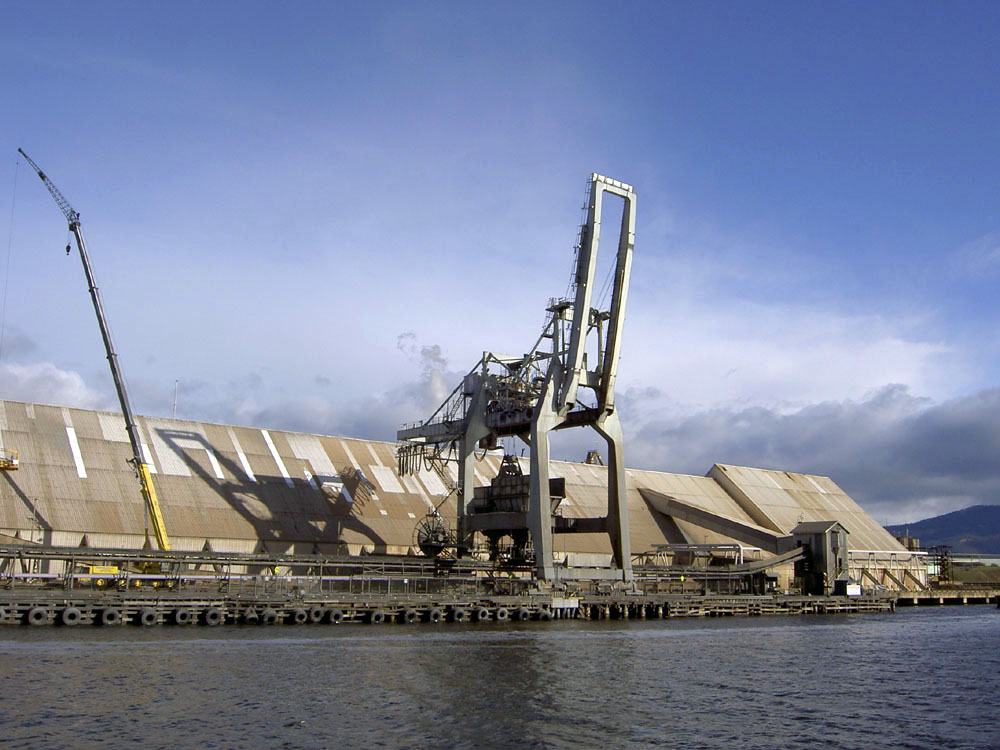
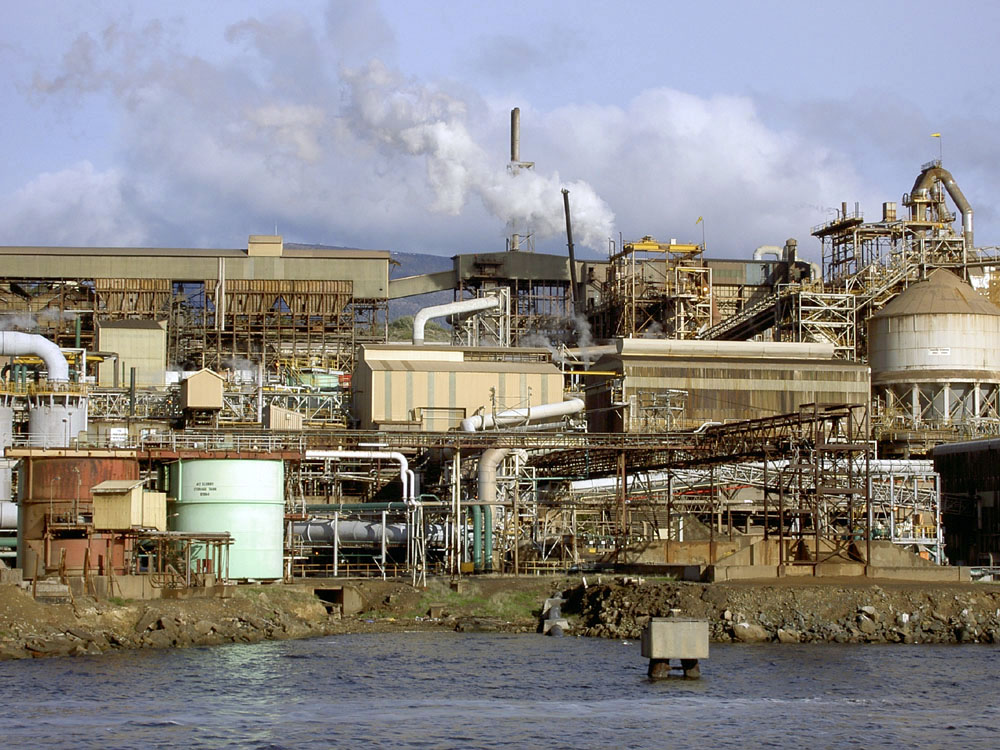


Zinc works from the ferry on the way to MONA

Zinc works from the ferry on the way to MONA


Zinc works from the ferry on the way to MONA
Photos: Marcus Bunyan
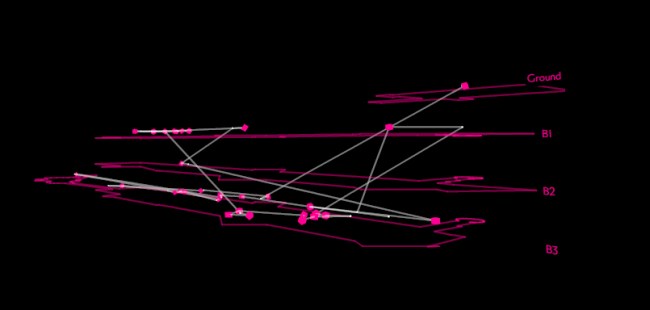
 

3d schematic from the O, showing the levels and nodes indicating art works visited, MONA
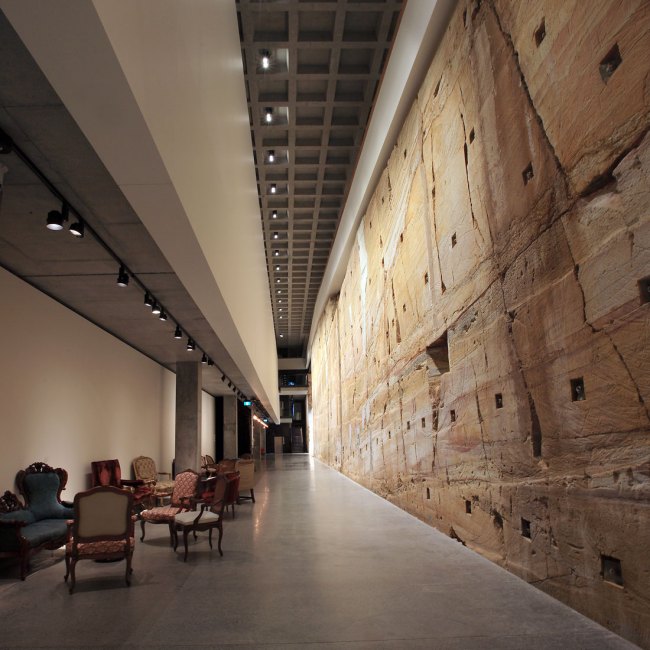
 

3d schematic from the O, showing the levels and nodes indicating art works visited, MONA


MONA The Void February 2011


The Void
February 2011
Museum of Old and New Art – interior
Photo credit: MONA/Leigh Carmichael
Image Courtesy of MONA Museum of Old and New Art
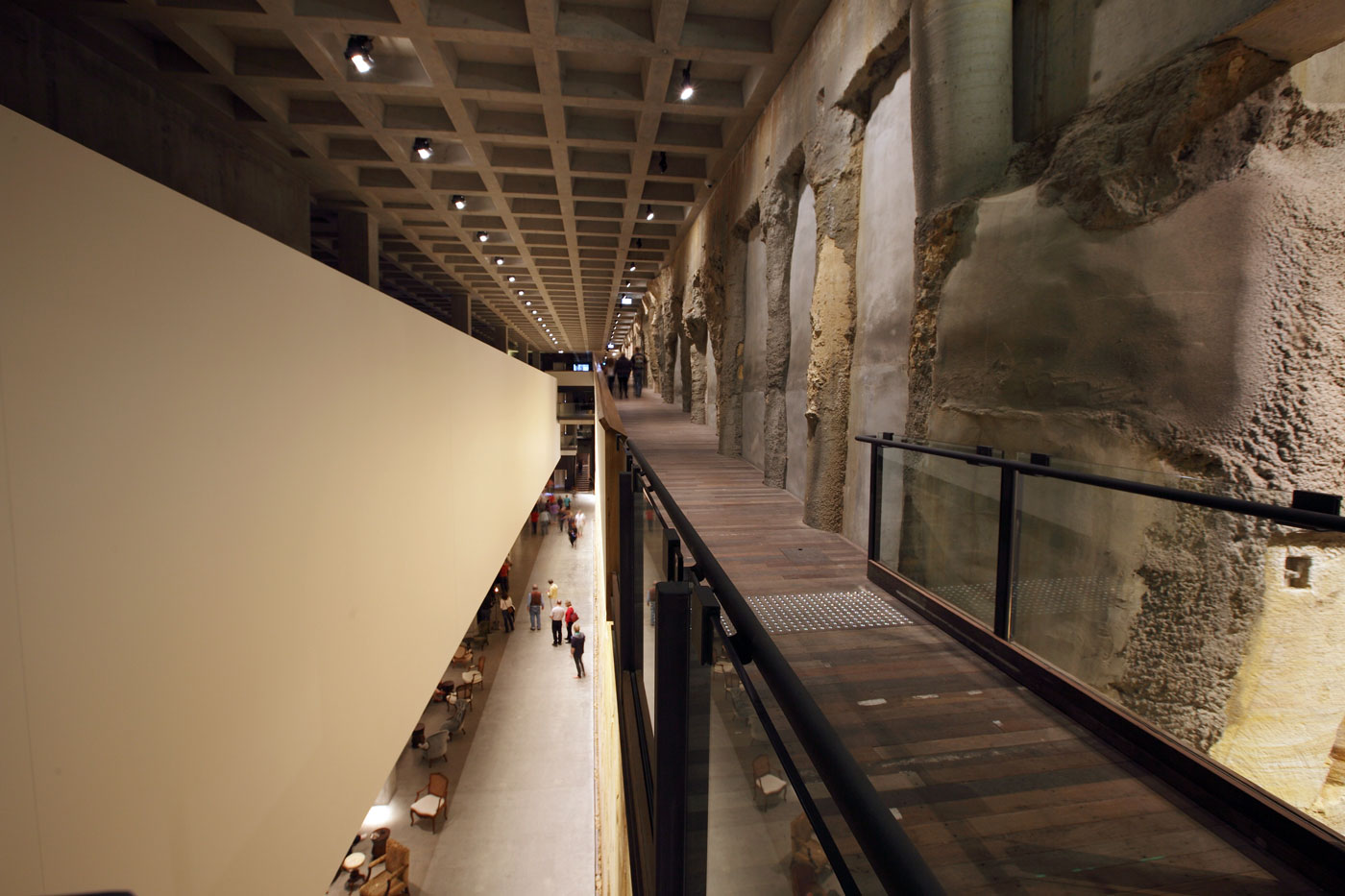
 

MONA B1 walkway overlooking The Void February 2011


B1 walkway overlooking The Void
February 2011
Museum of Old and New Art – interior
Photo credit: MONA/Leigh Carmichael
Image Courtesy of MONA Museum of Old and New Art
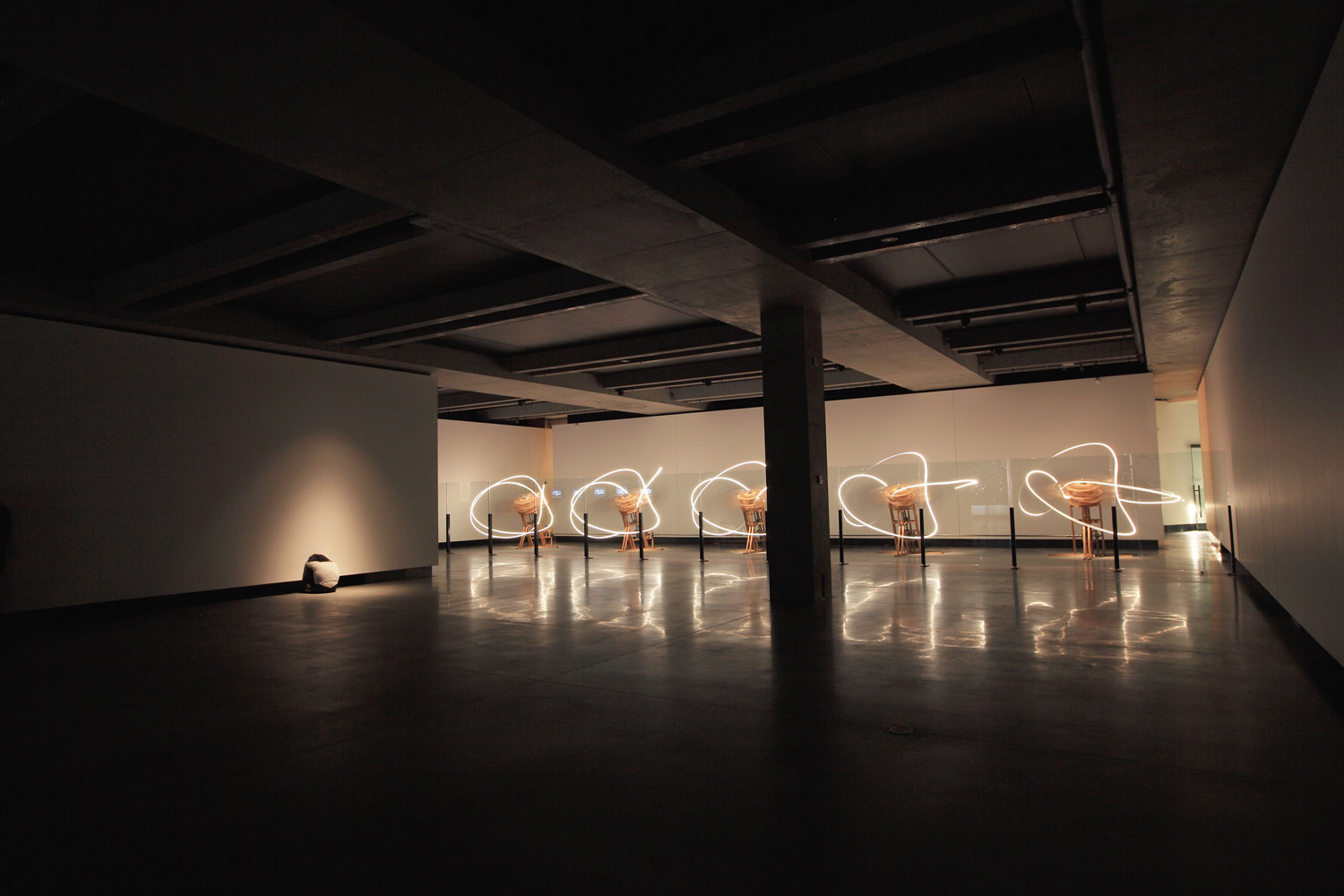
 

MONA Loop System Quintet/Untitled (stool for guard)


Loop System Quintet/Untitled (stool for guard)

Left:
Taiyo Kimura (Japanese, b. 1970)
Untitled (stool for guard)
2007
Mixed media, clothes, cd player, speaker

Right:
Conrad Shawcross (English, b. 1977)
Loop System Quintet

2005
Waxed machined oak, five light bulbs, electric motor and gearbox, drive shafts, cogs, universal joints, flange units, screws, bolts, nuts, washers

Photo credit: MONA/Leigh Carmichael
Image Courtesy of MONA Museum of Old and New Art
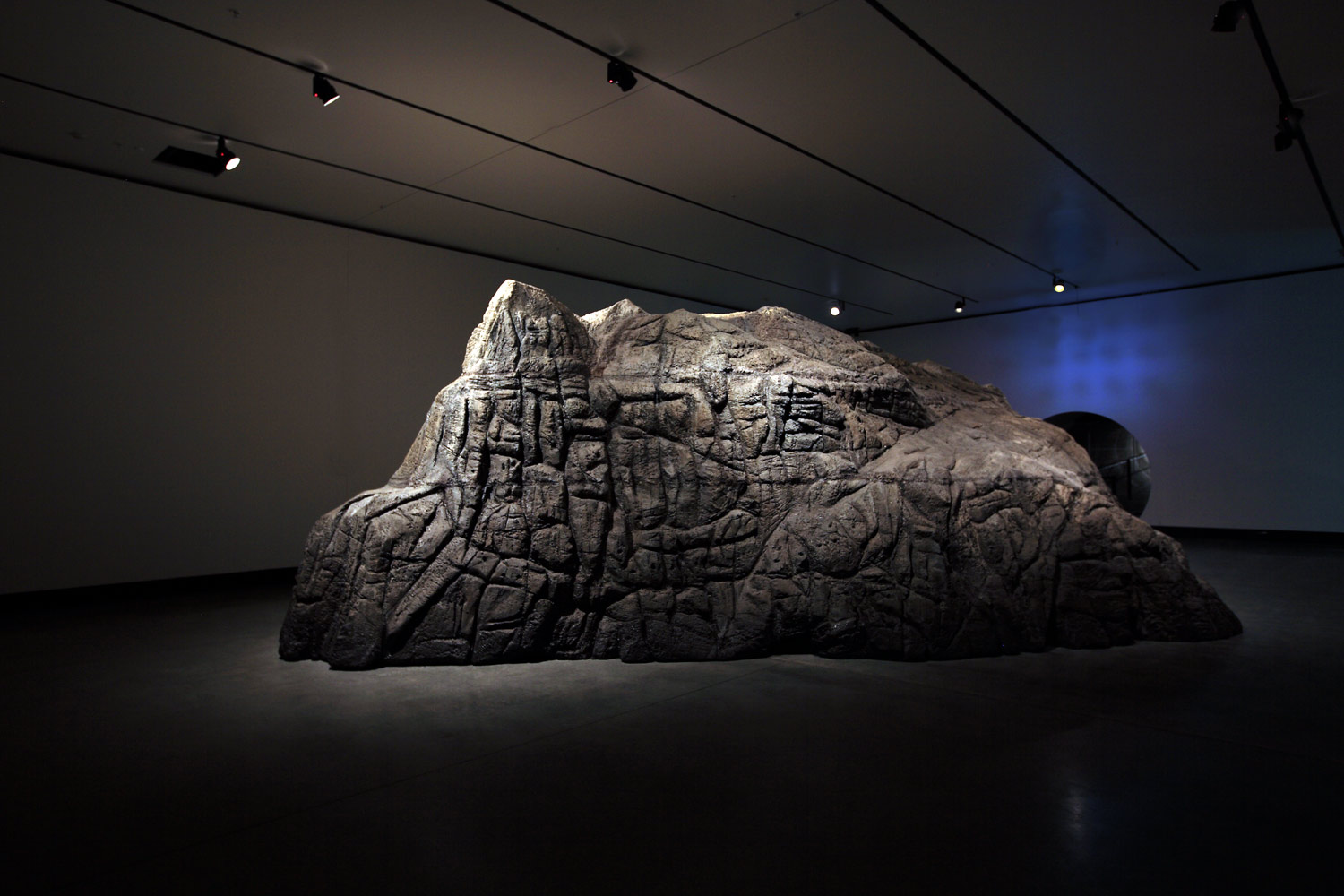
 

Callum Morton (Australian born Canada, b. 1965) 'Babylonia' 2005


Callum Morton (Australian born Canada, b. 1965)
Babylonia
2005
Wood, polystyrene, epoxy resin, acrylic paint, light, carpet, mirror and sound
Photo credit: MONA/Leigh Carmichael
Image Courtesy of MONA Museum of Old and New Art


Sculptor Fredrick White and Marcus Bunyan inside Callum Morton's 'Babylonia' wearing the 'O'


Sculptor Fredrick White and Marcus Bunyan inside Callum Morton’s Babylonia wearing the ‘O’
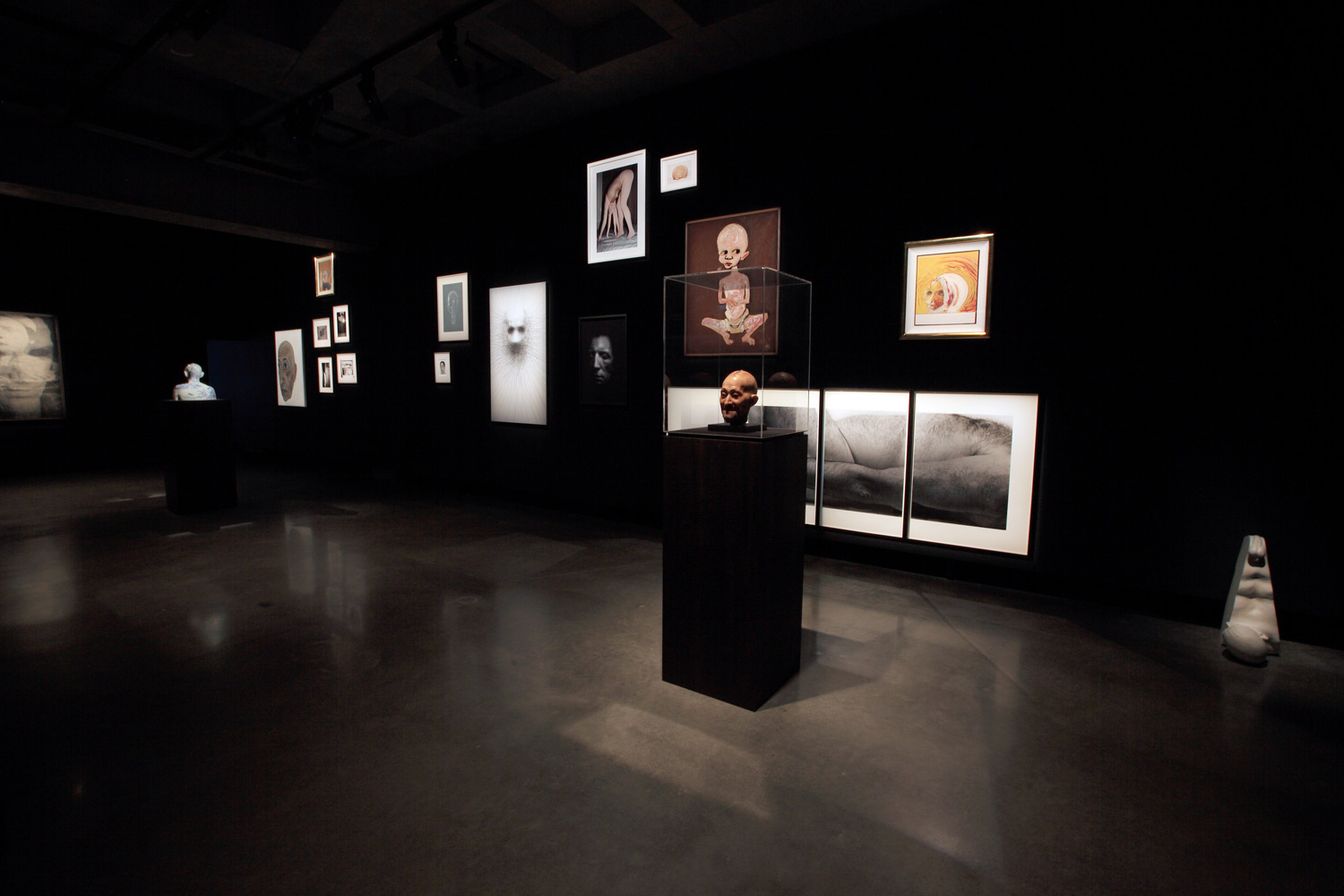
 

Portrait gallery. Various artworks by various artists. Museum of Old and New Art - interior


Portrait gallery
Various artworks by various artists
Museum of Old and New Art – interior
Photo credit: MONA/Leigh Carmichael
Image Courtesy of MONA Museum of Old and New Art


Masturbation. It is a source of endless irony to me that when I was young, and desperately in need of endless fucking, no one was interested in helping me out, whereas now, older and slower, I could fill even my desired adolescent quota. What saved me then was my right hand, even though I call myself left-handed. Surely the hand that you wank with (I guess John Holmes was ambidextrous) defines you just as much as the hand you write with? Anyway, who writes anymore? It’s so much easier to type. Mental masturbation allows me to pretend I’m a mental John Holmes, takes both hands. But no brains.

Art. I’m not at all sure that conceptual art and traditional art are the same thing. One can come from muscle memory, from pragma; at its best it’s not at all conscious. The former, though, is so self-aware it’s often targeting its own self-awareness. Check out the Hirst and the Pylypchuk at the other end of the gallery.


David Walsh 2011


MONA Corten Stairwell February 2011


Corten Stairwell
February 2011
Museum of Old and New Art – interior
Photo credit: MONA/Leigh Carmichael
Image Courtesy of MONA Museum of Old and New Art
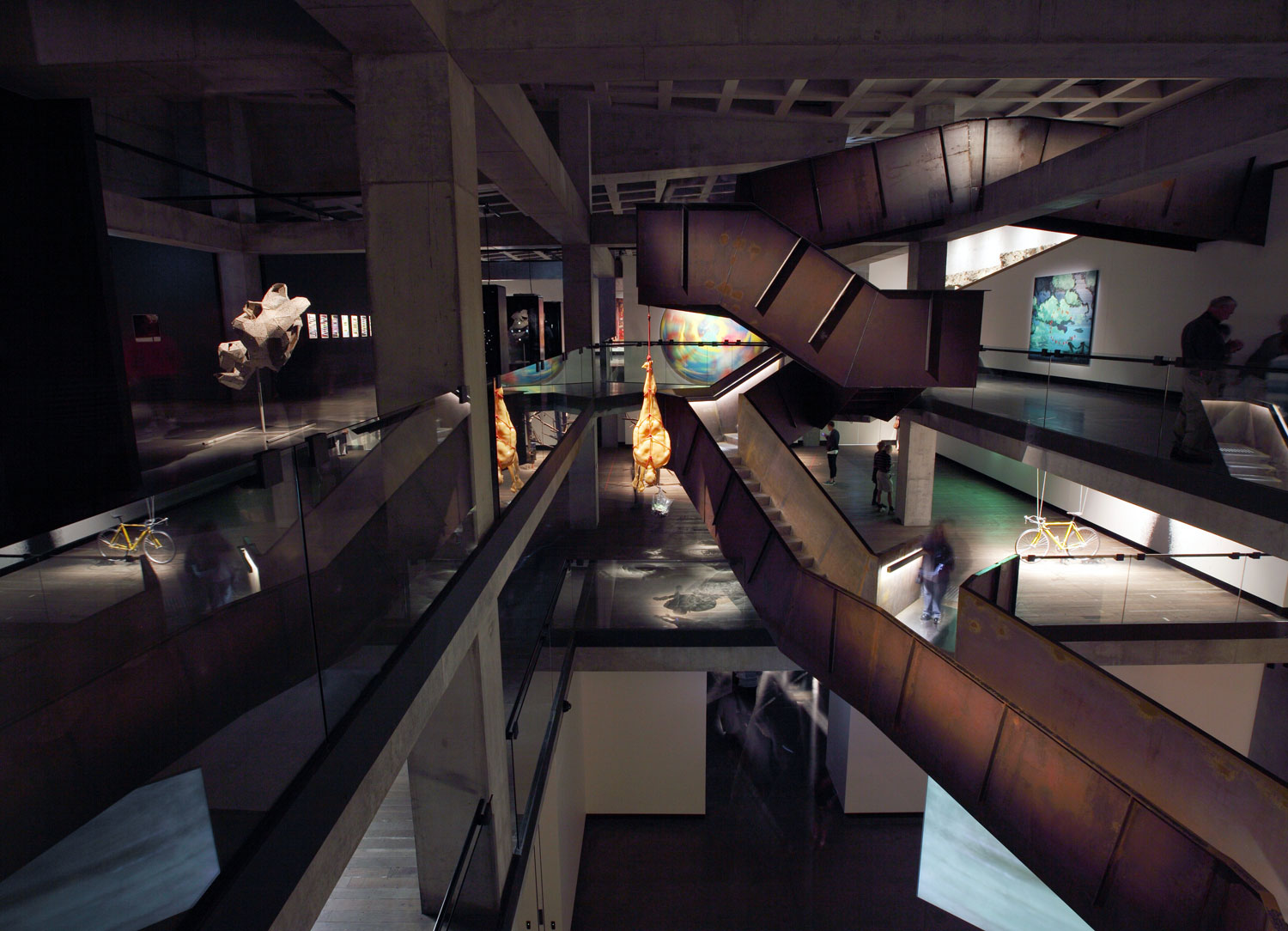
 

MONA Corten Stairwell & Surrounding Artworks February 2011


Corten Stairwell & Surrounding Artworks
February 2011
Museum of Old and New Art – interior
Photo credit: MONA/Leigh Carmichael
Image Courtesy of MONA Museum of Old and New Art
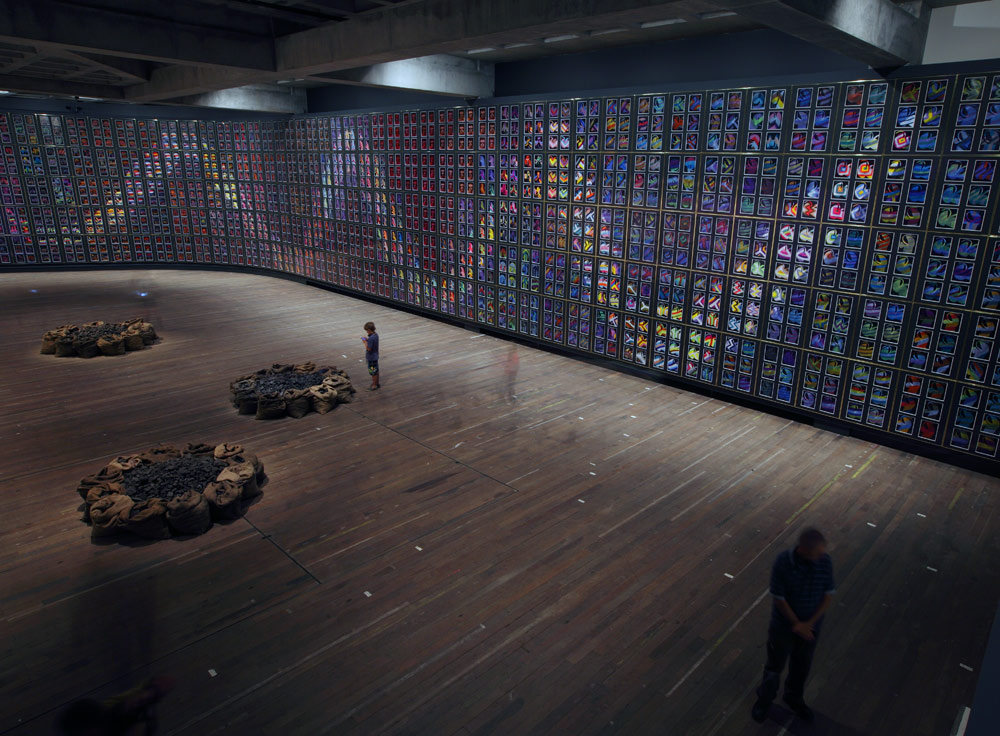
 

MONA The Nolan Gallery February 2011


The Nolan Gallery

Sir Sidney Nolan (Australian, 1917-1992)
Snake
1970 to 1972
Mixed media on paper, 1620 sheets

Jannis Kounellis (Greece, 1936-2017)
Untitled

2002
Jute coffee bags, coal; three parts

Photo credit: MONA/Leigh Carmichael
Image Courtesy of MONA Museum of Old and New Art
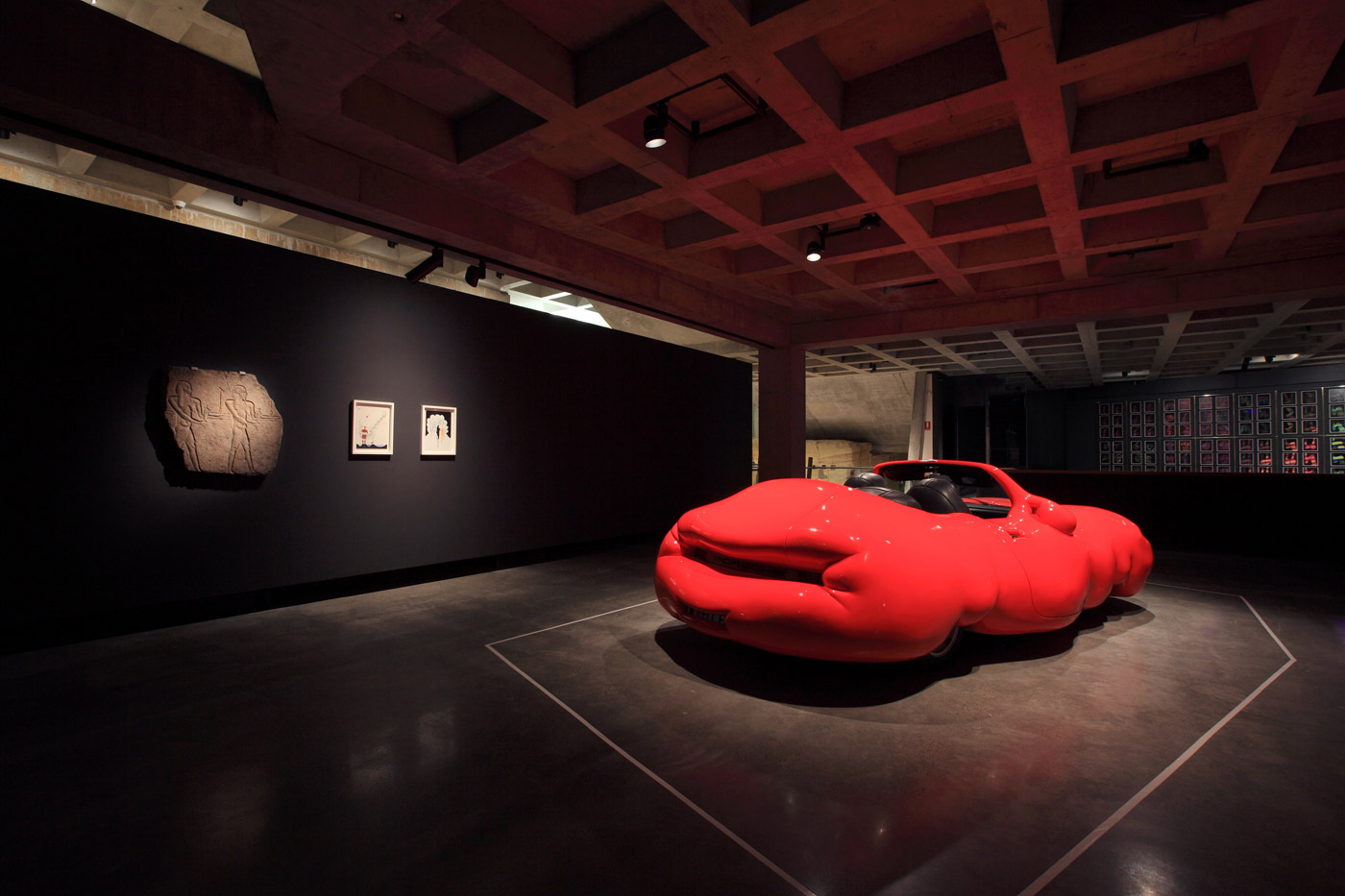
 

Erwin Wurm (Austrian, b. 1954) 'Fat Car' 2006
 at MONA


Erwin Wurm (Austrian, b. 1954)
Fat Car
2006
Steel chassis and body; leather interior, with polystyrene and fibreglass
Photo credit: MONA/Leigh Carmichael
Image Courtesy of MONA Museum of Old and New Art


Museum of Old and New Art
655 Main Road Berriedale
Hobart Tasmania 7011, Australia

Opening hours:
Fridays – Mondays, 10am – 5pm

MONA website

LIKE ART BLART ON FACEBOOK

Back to top

Exhibition: ‘Alexander Rodchenko – Revolution in Photography’ at Fotomuseum Winterthur, Zurich

Exhibition dates: 28th May – 14th August 2011


Many thankx to Fotomuseum Winterthur for allowing me to publish the photographs in the posting. Please click on the photographs for a larger version of the image.


Alexander Rodchenko (Russian, 1891-1956) 'Boats' 1926


Alexander Rodchenko (Russian, 1891-1956)
Boats
1926
Vintage print on silver gelatin paper
© A. Rodchenko – W. Stepanova Archive


Alexander Rodchenko (Russian, 1891-1956) '
Pine trees, Pushkino', 1927


Alexander Rodchenko (Russian, 1891-1956)
Pine trees, Pushkino
1927
Vintage print on silver gelatin paper
© A. Rodchenko – W. Stepanova Archive


Alexander Rodchenko (Russian, 1891-1956) 'Laying Asphalt, Leningrad Highway' 1929


Alexander Rodchenko (Russian, 1891-1956)
Laying Asphalt, Leningrad Highway
1929
Vintage print on silver gelatin paper
Collection of Moscow House of Photography Museum / Multimedia Art Museum Moscow
© A. Rodchenko – W. Stepanova Archive


Alexander Rodchenko (Russian, 1891-1956) 'Radio listeners' 1929


Alexander Rodchenko (Russian, 1891-1956)
Radio listeners
1929
Vintage print on silver gelatin paper
Collection Museum Moscow House of Photography / Multimedia Art Museum, Moscow
© A. Rodchenko – W. Stepanova Archive


Alexander Rodchenko (Russian, 1891-1956) '
Shukhov Tower' 1929


Alexander Rodchenko (Russian, 1891-1956)
Shukhov Tower
1929
Vintage print on silver gelatin paper
21.6 x 29.5cm
Private collection
© Rodchenko’s Archive /
 2011, ProLitteris, Zurich


Alexander Rodchenko (Russian, 1891-1956) 'Stairs' 1930


Alexander Rodchenko (Russian, 1891-1956)
Stairs
1930
Vintage print on silver gelatin paper
Collection of Moscow House of Photography Museum / Multimedia Art Museum Moscow
© Rodchenko’s Archive /
 2011, ProLitteris, Zurich


Alexander Rodchenko (Russian, 1891-1956) 'Bus' 1932


Alexander Rodchenko (Russian, 1891-1956)
Bus
1932
Vintage print on silver gelatin paper
© Rodchenko’s Archive /
 2011, ProLitteris, Zurich


Alexander Rodchenko (Russian, 1891-1956) 'Morning exercises, Student Campus in Lefortovo' 1932


Alexander Rodchenko (Russian, 1891-1956)
Morning exercises, Student Campus in Lefortovo
1932
Vintage print on silver gelatin paper
22.8 x 29.5cm
Private collection
© Rodchenko’s Archive /
 2011, ProLitteris, Zurich


Alexander Rodchenko (Russian, 1891-1956) / Warwara Stepanowa (Russian, 1894-1958) 'Young Gliders' 1933 Sketch of a double page for the magazine 'USSR under Construction'


Alexander Rodchenko (Russian, 1891-1956) / Warwara Stepanowa (Russian, 1894-1958)
Young Gliders
1933
Sketch of a double page for the magazine USSR under Construction
Gelatin silver print, Vintage print, Photomontage
41.2 x 60.5cm
Moscow House of Photography Museum
© Rodchenko’s Archive / 
2011, ProLitteris, Zurich


Modernism made photography what it is. It gave it self-confidence and made it trust itself. Self confident because photography in the 1920s recognised and developed its own possibilities and qualities: a probing vision of the world, an investigation of the visible reality from various perspectives, direct, clear, from above, below, behind, from the front, but without references to the pool of art history. Russian Constructivism is an important part of this great shift. In 1924, Alexander Rodchenko (1891-1956), already known as a painter, sculptor, and designer, conquered traditional photography with the slogan “Our duty is to experiment!” This resulted in a reconsideration of the concept and role of photography. Conceptual work entered the stage. Instead of being an illustration of reality, photography became a means to visually represent intellectual constructs, and the artist became an “artist-engineer”.

Yet Rodchenko was much more than a dynamic image maker. He wrote manifestos to accompany almost every one of his picture series, tirelessly promoting his concept of Russian Constructivism to the world. Destabilising diagonals, harsh contrasts, tilted views, and picture and text collages are design elements found in his photographs. To this day they form, together with his texts, a unique document of the indefatigable artistic energy that is also manifest in Alexander Rodchenko’s posters, invitation cards, and publications.

At the beginning of the 1920s, Rodchenko worked together with his friend the poet Vladimir Mayakovsky on bold, photographic illustrations for Mayakovsky’s volume of poems Pro Eto. Rodchenko soon became coeditor, with Mayakovsky, of the magazine LEV (Left Front of the Arts), and was responsible for its cover designs in the years 1923-24. He designed posters for Sergei Eisenstein’s film Battleship Potemkin and was commissioned to design the Soviet pavilion to the world exhibition in Paris in 1925. The experimental and innovative “new vision” was celebrated across Europe. Rodchencko took part in the pioneering exhibition Film und Foto (Film and Photo) of the Stuttgart Werkbund in 1929. Yet already at the beginning of the 1930s, the mood had shifted in Russia; photography was increasingly being instrumentalised by the state in the interests of socialism. Rodchenko was repeatedly forced to defend himself against accusations of formalism made over his photograph Pioneer with Trumpet, and, in the end, he was expelled from the October artists group, which he himself had cofounded in 1928, for refusing to adapt his style of working to the new times.

Press release from the Fotomuseum Winterthur website


Alexander Rodchenko (Russian, 1891-1956) 'Lilia Brik. Portrait for the poster "Knigi"' 1924


Alexander Rodchenko (Russian, 1891-1956)
Lilia Brik. Portrait for the poster “Knigi”
1924
Vintage print
Collection of Moscow House of Photography Museum / Multimedia Art Museum Moscow
© Rodchenko’s Archive /
 2011, ProLitteris, Zurich


Alexander Rodchenko (Russian, 1891-1956) '
Caricature Showing Osip Brik, variant of a cover for LEF Magazine' 1924


Alexander Rodchenko (Russian, 1891-1956)

Caricature Showing Osip Brik, variant of a cover for LEF Magazine
1924
Gelatin silver print
24.2 x 17.9cm
Private collection
© Rodchenko’s Archive /
 2011, ProLitteris, Zurich


Alexander Rodchenko (Russian, 1891-1956) 'Portrait of Mother' 1924


Alexander Rodchenko (Russian, 1891-1956)
Portrait of Mother
1924
Vintage print on silver gelatin paper
22.7 x 16.5cm
Private collection
© Rodchenko’s Archive /
 2011, ProLitteris, Zurich


Alexander Rodchenko (Russian, 1891-1956) 'Vladimir Mayakovsky' 1924


Alexander Rodchenko (Russian, 1891-1956)
Vladimir Mayakovsky
1924
Vintage print on silver gelatin paper
© Rodchenko’s Archive /
 2011, ProLitteris, Zurich


Alexander Rodchenko (Russian, 1891-1956) 'Mosselprom Building' 1926


Alexander Rodchenko (Russian, 1891-1956)
Mosselprom Building
1926
Vintage print on silver gelatin paper
29 x 23.3cm
Private collection
© Rodchenko’s Archive /
 2011, ProLitteris, Zurich


Alexander Rodchenko (Russian, 1891-1956) 'Varvara Stepanova' 1928


Alexander Rodchenko (Russian, 1891-1956)
Varvara Stepanova
1928
Vintage print on silver gelatin paper
Collection of Moscow House of Photography Museum / Multimedia Art Museum Moscow
© Rodchenko’s Archive /
 2011, ProLitteris, Zurich


Varvara Fyodorovna Stepanova (1894-1958) was a Russian artist. With her husband Alexander Rodchenko, she was associated with the Constructivist branch of the Russian avant-garde, which rejected aesthetic values in favour of revolutionary ones. Her activities extended into propaganda, poetry, stage scenery and textile designs.


Alexander Rodchenko (Russian, 1891-1956) 'Gears' 1929


Alexander Rodchenko (Russian, 1891-1956)
Gears
1929
Vintage print on silver gelatin paper
28.8 x 23cm
Private collection
© Rodchenko’s Archive /
 2011, ProLitteris, Zurich


Alexander Rodchenko (Russian, 1891-1956) 'Pioneer with a trumpet' 1930


Alexander Rodchenko (Russian, 1891-1956)
Pioneer with a trumpet
1930
Vintage print on silver gelatin paper
44.5 x 38.5cm
Moscow House of Photography Museum
© Rodchenko’s Archive / 
2011, ProLitteris, Zurich


Alexander Rodchenko (Russian, 1891-1956) 'Girl with Leica' 1934


Alexander Rodchenko (Russian, 1891-1956)
Girl with a Leica
1934
Vintage print on silver gelatin paper
45 x 29.5cm
Private collection
© Rodchenko’s Archive / 
2011, ProLitteris, Zurich


Fotomuseum Winterthur
Grüzenstrasse 44 + 45
CH-8400
Winterthur (Zürich)

Opening hours:
Tuesday to Sunday 11am – 6pm
Wednesday 11am – 8pm
Closed on Mondays

Fotomuseum Winterthur website

LIKE ART BLART ON FACEBOOK

Back to top
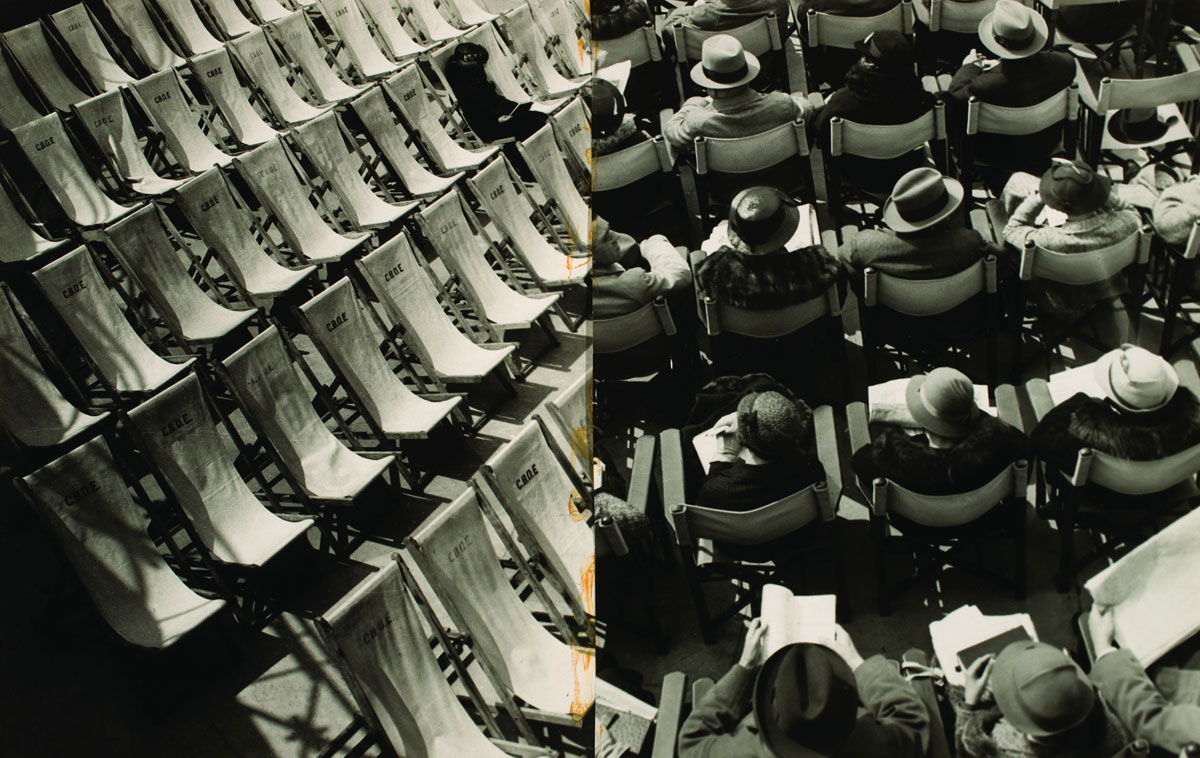
Exhibition: ‘Chihuly: Through the Looking Glass’ at Museum of Fine Arts, Boston

Exhibition dates: 10th April – 7th August, 2011


Dale Chihuly (American, b. 1941) 'Neodymium Reeds on Logs', de Young Museum, San Francisco, California, 2008


Dale Chihuly (American, b. 1941)
Neodymium Reeds on Logs
2008
de Young Museum, San Francisco, California
Photo by Teresa Nouri Rishel
© 2008 Chihuly Studio


“The way I paint or draw, I don’t think about it very much. If I’m thinking about it, that kind of means that I don’t know what to do. If I start thinking, ‘I want to draw, now what can I draw?’ and I’m not inspired – because that can happen very easily – then they start to get mundane. On the other hand, if I start making drawings that I know how to do already, and if I can go fast enough, they start to get really good.”


Dale Chihuly


I love contemporary glass and Dale Chihuly is one of my favourite artists in the world. The Persian ceiling is breathtaking – organic and pulsating like the most outrageously coloured jellyfish floating over your head; the Ikebana boat, the Mille Fiori pitch perfect – a riot of colour and form, playing with ideas and the chandeliers, the chandeliers – wow! Then to do something as sensitive and restrained as the Tabac basket or the beautiful Neodymium Reeds on Logs. This is the full package, bravo.

Dr Marcus Bunyan


Many thankx to the Museum of Fine Arts, Boston for allowing me to publish the photographs in the posting. Please click on the photographs for a larger version of the image.


Often considered the greatest artist working in American glass since Louis Comfort Tiffany, Dale Chihuly is known for creating dramatic works, impressive for their size and bold use of color. Fortunately for Bostonians, his massive glass forms can now be seen in a dozen installations at the Museum of Fine Arts…


Dale Chihuly (American, b. 1941) 'Ikebana Boat' 2011


Dale Chihuly (American, b. 1941) 
Ikebana Boat
2011
Blown glass, boat hull
5 X 17 X 7′
Artwork © 2011 by Chihuly Studio, All rights reserved
Photograph © Museum of Fine Arts, Boston


Dale Chihuly (American, born 1941) 'Mille Fiori' 2011


Dale Chihuly (American, b. 1941)
Mille Fiori
2011
Blown glass
9½ X 56 X 12′
Artwork © 2011 by Chihuly Studio, All rights reserved
Photograph © Museum of Fine Arts, Boston


Installation view of the exhibition 'Chihuly: Through the Looking Glass' at Museum of Fine Arts, Boston showing Chihuly's 'Lime Green Icicle Tower' (2011)


Installation view of the exhibition Chihuly: Through the Looking Glass at Museum of Fine Arts, Boston showing Chihuly’s Lime Green Icicle Tower (2011)


Dale Chihuly (American, b. 1941) 'Persian Ceiling' 2011


Dale Chihuly (American, b. 1941)
Persian Ceiling
2011
Blown glass
15 X 28′
Artwork © 2011 by Chihuly Studio, All rights reserved.
Photograph © Museum of Fine Arts, Boston


Dale Chihuly (American, b. 1941) 'Persian Ceiling' 2011


Dale Chihuly (American, b. 1941)
Persian Ceiling
2011
Blown glass
15 X 28′
Artwork © 2011 by Chihuly Studio, All rights reserved
Photograph © Museum of Fine Arts, Boston


Dale Chihuly (American, b. 1941) 'Persian Ceiling' 2011 (detail)


Dale Chihuly (American, b. 1941)
Persian Ceiling (detail)
2011
Blown glass
15 X 28′
Artwork © 2011 by Chihuly Studio, All rights reserved
Photograph © Museum of Fine Arts, Boston


Dale Chihuly (American, b. 1941) 'Persian Wall' 2011


Dale Chihuly (American, b. 1941)
Persian Wall 
2011
Blown glass
15 X 30′
Artwork © 2011 by Chihuly Studio, All rights reserved
Photograph © Museum of Fine Arts, Boston


A magical wonderland to delight Alice herself unfolds in Chihuly: Through the Looking Glass at the Museum of Fine Arts, Boston (MFA), from April 10 through August 7, 2011. This exhibition presents new and early works created over the last four decades by Dale Chihuly, one of the world’s foremost artists working in glass. Chihuly: Through the Looking Glass features 12 boldly hued installations. Nine of these glass artworks are on view in the MFA’s Ann and Graham Gund Gallery, which serves as the main stage for the exhibition. Three additional installations are displayed within and outside of the Museum’s soaring, glass-enclosed Ruth and Carl J. Shapiro Family Courtyard, including the 42-foot-tall Lime Green Icicle Tower. The exhibition is organised by the Museum of Fine Arts, Boston, in cooperation with Dale Chihuly. It is supported by Highland Street Foundation. The media sponsors are The Boston Phoenix and WFNX Radio Network.

“Dale Chihuly is an American original, a master artist and craftsman who brings a truly magical touch to the fragile, yet malleable medium of glass, and who embodies the message: art is for everyone,” said Malcolm Rogers, Ann and Graham Gund Director of the MFA. “Visitors to the exhibition will be surprised and delighted by his dazzling installations, which create a kaleidoscopic world full of colour and light. This exhibition gives us the wonderful opportunity to showcase the full range and grand scale of his art.”

First Installation in the New Shapiro Family Courtyard

The MFA continues the celebration of the recently opened Art of the Americas Wing and Shapiro Family Courtyard with Chihuly: Through the Looking Glass, showcasing the artwork of one of the most innovative and beloved American artists of our time. The show was conceived two years ago when Chihuly visited the Museum while the courtyard was still under construction, and marks the first time that exhibition-related works are on view in the courtyard. Chihuly: Through the Looking Glass was designed by Chihuly specifically for the Museum site. Works created in the Chihuly Studio hot shop in Seattle, Washington, incorporating thousands of individual pieces of hand-blown glass, were sent to Boston in six 53-foot containers. The 12 installations were assembled on site at the MFA during a three-week period in March. During this time, visitors to the MFA were able to watch a team from Chihuly Studio install the monumental glass artworks in the courtyard and surrounding gardens…

Works created specifically for Chihuly: Through the Looking Glass, such as the dramatic Lime Green Icicle Tower, have transformed the Shapiro Family Courtyard. Measuring 42-feet high and weighing approximately 10,000 pounds, the sculpture’s 2,342 glass elements catch the light flooding into the glass-enclosed space. Also in the courtyard, along the colonnade of the Museum’s historic interior façade, is the newly created Boathouse Neon II – an expansive profusion of red, yellow, and orange – spanning 98 feet. Outside, along the courtyard’s glass walls, Amber Cattails extend the length of the northern-landscaped area as though planted in their natural environment.

“Perhaps the greatest artist in American glass since Louis Comfort Tiffany, Dale Chihuly is one of the central figures in the contemporary studio glass movement. This exhibition will give our visitors a look at his extraordinary career – the creation of enchanting environments that, through the manipulation of light and colour, both delight the eye and challenge our perception of space,” said Gerald W.R. Ward, the Katharine Lane Weems Senior Curator of American Decorative Arts and Sculpture, who organised the exhibition.

Nine Unique Installations in the New Gund Gallery

The exhibition continues below the courtyard, where nine unique Chihuly installations (including both newly made and early works) are on view in the Gund Gallery for special exhibitions. Outside of the gallery, a glistening, 30′ long and 15′ tall Persian Wall composed of intricately detailed rondels – flower-like shapes in yellows, reds, and oranges – offer an enchanting welcome to visitors. Inside the gallery, Scarlet Icicle Chandelier, measuring 6’ high, sets the stage for the bold creations that lie beyond, such as Ikebana Boat, a 17′-long, newly made composition featuring a weathered wooden rowboat filled with brightly colored, seemingly alien glass forms. Chihuly’s Ikebana series, which alludes to Japanese flower arrangements, is featured in a nearby room, where 5′-to-6′-tall silvered vessels hold inventive floral “stems”. Also on view in the room is an assortment of Venetians – silvered blown glass sculptures originally conceived by Chihuly after seeing Venetian Art Deco glass. Chihuly Drawings seen in this space serve as complement and inspiration for the glass Venetian works. The nearby Northwest Room evokes the artist’s native Pacific Northwest environment and the Native American influence on his work. It features an assemblage of ethereal Baskets inspired by Native American baskets, as well as displays of 75 colourful trade blankets and a variety of woven baskets from the artist’s own extensive collection.

Adjacent to this installation is a darkened space showcasing Mille Fiori (Italian for “a thousand flowers”), measuring 58′ long and 11′ tall and presented on a 12′-wide raised platform. This breathtaking work of art is one of the artist’s largest installations, a combination of many of the colourful, inventive shapes found in Chihuly’s other creations – from exotic Cattails and tall Reeds, to giant glass Niijima Floats and ribbon-like Herons – brilliantly coloured in shades of yellow, red, lavender, green, orange, and blue. Persian Ceiling, a dazzling 15′ by 25′ array of vibrant and beautifully articulated shapes encased and suspended from the ceiling, is featured in the adjacent gallery. This eruption of colour continues in the Chandelier Room, featuring six dramatic Chandeliers hanging at different heights from the 16′-high Gund Gallery ceiling. Included are newly created works, the 12′-tall Silvered Chrysalis Tiered Chandelier and Iris Yellow Frog Foot Chandelier, as well as the spectacular Chiostro di Sant’Apollonia Chandelier and three other works: Palazzo di Loredana Balboni Chandelier, Orange Hornet and Eelgrass Chandelier, and Onyx and Caramel Chandelier. The final exhibition space showcases luminescent Neodymium Reeds, a large-scale installation composed of birch logs and elegant glass Reeds in shades of lavender.

Press release from the Museum of Fine Arts, Boston website


Dale Chihuly (American, b. 1941) 'Persian Wall' 2011 (detail)


Dale Chihuly (American, b. 1941)
Persian Wall (detail)
2011
Blown glass
15 X 30′
Artwork © 2011 by Chihuly Studio, All rights reserved
Photograph © Museum of Fine Arts, Boston


Dale Chihuly (American, b. 1941) 'Palazzo di Loredana Balboni Chandelier' 2011


Dale Chihuly (American, b. 1941)
Palazzo di Loredana Balboni Chandelier
2011
Blown glass, steel
9 X 7 X 7′
Artwork © 2011 by Chihuly Studio, All rights reserved
Photograph © Museum of Fine Arts, Boston


Dale Chihuly (American, b. 1941) 'Chiostro di Sant'Apollonia Chandelier' 2011


Dale Chihuly (American, b. 1941) 
Chiostro di Sant’Apollonia Chandelier
2011
Blown glass, steel
10 X 7 X 9′
Artwork © 2011 by Chihuly Studio, All rights reserved
Photograph © Museum of Fine Arts, Boston


Dale Chihuly (American, b. 1941) 'Tabac Basket' 2008


Dale Chihuly (American, b. 1941)
Tabac Basket
Photo by Teresa Nouri Rishel
© 2008 Chihuly Studio


Museum of Fine Arts, Boston
Avenue of the Arts
465 Huntington Avenue
Boston, Massachusetts

Opening hours:
Thursday – Monday 10am – 5pm
Closed Tuesdays and Wednesdays

Museum of Fine Arts Boston website

LIKE ART BLACK ON FACEBOOK

Back to top
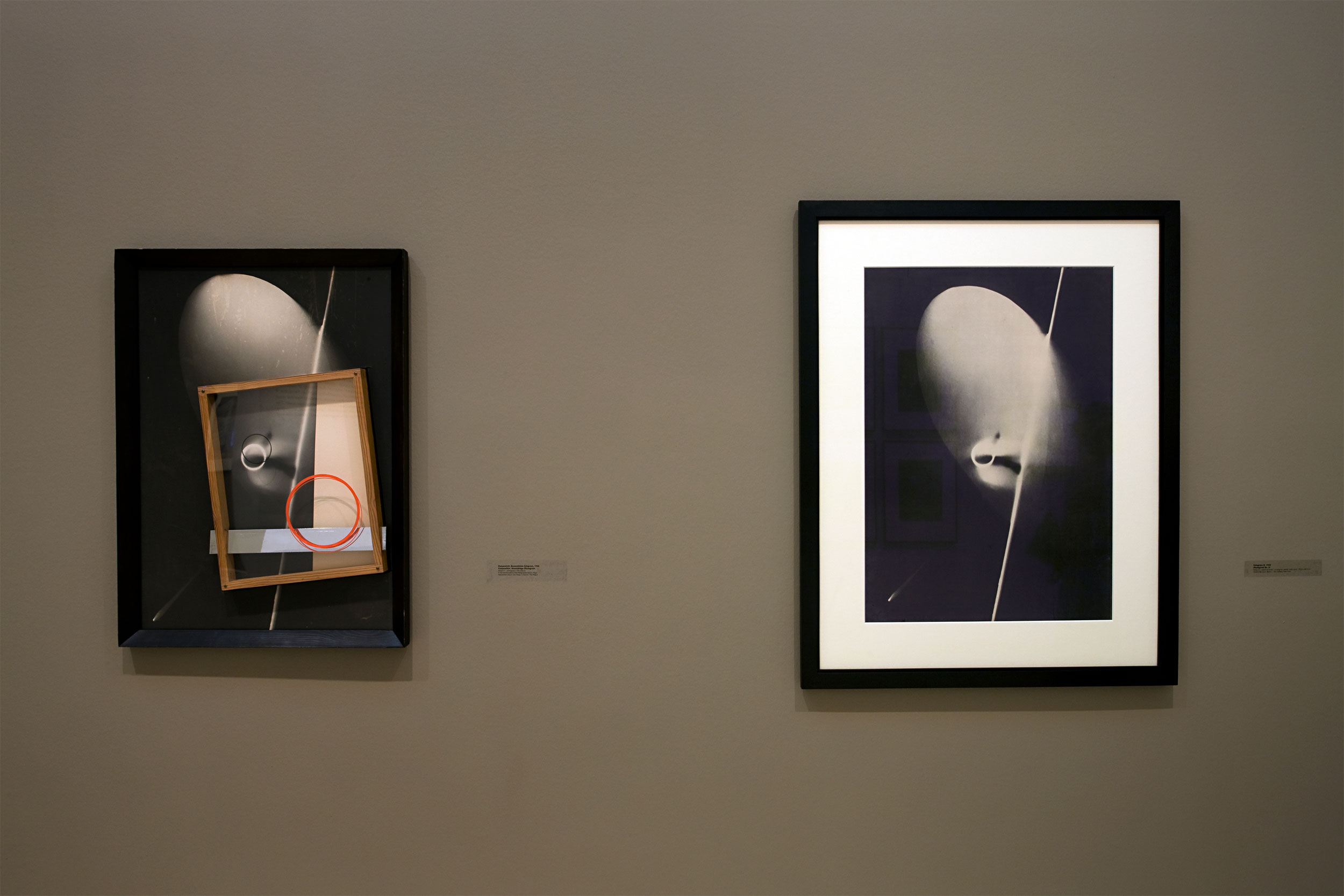
Exhibition: ‘Adam Fuss A Survey of his Work: 1986/2010’ at Huis Marseille Museum for Photography, Amsterdam

Exhibition dates: 11th June – 4th September 2011


Many thankx to the Huis Marseille Museum for allowing me to publish the text and photographs in the posting. Please click on the photographs for a larger version of the image.


Installation view of the exhibition 'Adam Fuss A Survey of his Work: 1986/2010' at Huis Marseille Museum for Photography, Amsterdam showing at right, 'Untitled' (1999) from the series 'My Ghost'


Installation view of the exhibition Adam Fuss A Survey of his Work: 1986/2010 at Huis Marseille Museum for Photography, Amsterdam showing at right, Untitled (1999, below) from the series My Ghost


Adam Fuss (British, b. 1961) From the series 'My Ghost' 1999


Adam Fuss (British, b. 1961)
Untitled
1999
From the series My Ghost
Gelatine silver print photogram
195.3 x 141.3cm
Unique piece
Courtesy Cheim & Read, New York
© Adam Fuss


Installation view of the exhibition 'Adam Fuss A Survey of his Work: 1986/2010' at Huis Marseille Museum for Photography, Amsterdam showing at second right, 'Untitled' (1999) from the series 'My Ghost'


Installation view of the exhibition Adam Fuss A Survey of his Work: 1986/2010 at Huis Marseille Museum for Photography, Amsterdam showing at second right, Untitled (1999, below) from the series My Ghost


Adam Fuss (British, b. 1961) From the series 'My Ghost' 1999


Adam Fuss (British, b. 1961)
Untitled
1999
From the series My Ghost
Platinum print photogram
100.3  x 76.2cm
Unique piece
Courtesy Cheim & Read, New York
© Adam Fuss


Installation view of the exhibition 'Adam Fuss A Survey of his Work: 1986/2010' at Huis Marseille Museum for Photography, Amsterdam showing at left, 'Untitled' (2003)


Installation view of the exhibition Adam Fuss A Survey of his Work: 1986/2010 at Huis Marseille Museum for Photography, Amsterdam showing at left, Untitled (2003, below)


Adam Fuss (British, b. 1961) 'Untitled' 2003 Digital pigment print


Adam Fuss (British, b. 1961)
Untitled
2003
Digital pigment print
182.9 x 111.8cm
Edition 6/7
Courtesy Cheim & Read, New York
© Adam Fuss


Adam Fuss (British, b. 1961) 'Untitled' 1998 Cibachrome photogram


Adam Fuss (British, b. 1961)
Untitled
1998
76.2 x 101.6cm
Private Collection
© Adam Fuss


Adam Fuss (British, b. 1961) 'Invocation' 1992


Adam Fuss (British, b. 1961)
Invocation
1992
Cibachrome photogram
101.6 x 76.2cm
Unique piece
Courtesy Cheim & Read, New York
© Adam Fuss


Distance

What immediately stands out with the work of Adam Fuss is that, both in terms of the chosen subject matter and in his approach to the photographic technique, he has greatly dissociated himself from conventional photography. That which Fuss produces is, in fact, still a photograph; but in order to achieve that, he did rid himself of all the finer luxuries available to users of the medium nowadays. Like a present-day alchemist, Fuss has mastered the medium’s most elementary and primitive forms; he sees just as much potential for creativity in technical knowledge as in the imagination, or the visionary power of the photographer.

His subjects (silhouettes, gossamer christening gowns, rabbits, butterflies, snakes, lace, smoke, drops of water) have also been removed from their natural habitats. In the studio they become so epitomised that they assume the strength and quality of a symbol, or icon, fraught with emotion. Fuss seems, figuratively speaking, to have given wings to his images: they have a weightless and elusive appearance, as though being supernatural in origin and import.

Bipolarity

Though ostensibly sublime, the work’s impact on the viewer is nevertheless one of predominantly earthly beauty. This may be a consequence of the bipolarity that lies at the heart of it. All of Fuss’s endeavours have a twofold focus: on matter and mind, on earth or water and the dynamics of fire or air – in short, on vital forces in relation to space and history. Sometimes, as a true photographic magician, he allows the vital fluids of animals (snakes, rabbits) literally to corrode the silver salts of the light-sensitive photographic emulsions. As though trying to allow the image and its model to share the same source of life.

In his technique as well, Fuss wants to reconcile, to connect, past and present. With this he goes back, through experimentation, to the source. Here and there his printing technique is reminiscent of the zeal and the limitations with which Daguerre and Fox Talbot, the disputed founders of photography, wanted to put their discoveries into practice. In the course of time, he came to master the various old and highly complex processes – that of the daguerreotype, the calotype, the photogram, the platinum print – to a degree that remains unsurpassed. Each of these works is unique, and their technical standard is unparalleled. Fuss’s accomplishments include the making of the world’s largest daguerreotypes. (Both daguerreotypes of the Taj Mahal on display here can be counted among these.)

‘Poetic Genius’

Throughout his work Adam Fuss seeks the very essence of the image; to him that lies particularly at the point where an observation of reality is so intensified that it takes on magical powers, so to speak. His outlook on this comes from the notion of ‘Poetic Genius’ expressed by the British poet, writer, engraver and painter William Blake (1757-1827). It seems that Fuss’s idea of producing daguerreotypes of poems and incorporating them into his work also began with Blake.

In Fuss’s extensive 1998 interview with Mark Haworth Booth (then Curator of Photography at the Victoria & Albert Museum in London) he explained this in relation to his photographs of babies in water, saying that the colour photographs are actually not about an individual, a child. The titles Invocation, Journey, Wish have more to do with emotional, romantic ideas. What the image conveys is a feeling, a sensibility. This is no depiction of a baby in water, even though it may be that as well.

Fuss has an incomparable command of the photogram technique. Since 1988 he has been achieving astonishing results with this. The photogram is produced without a camera – and yields, by definition, a unique print. The physical and lifelike quality of these silhouettes is further heightened by the 1:1 scale on which this technique is based. The previously mentioned photographs of babies in water, from the series Invocation (a continuous series with silhouettes of children) are the earliest photograms shown here. Since 1999 Fuss has been making work which he titles My Ghost. Here the themes relate to memory, loss, but also images of remarkable beauty, such as those of peacock feathers. In this series his magnificent daguerreotypes play a leading role.

Press release from the Huis Marseille Museum


Adam Fuss (British, b. 1961) 'For Allegra' from the series 'My Ghost' 2009 Daguerreotype


Adam Fuss (British, b. 1961)
For Allegra
2009
From the series My Ghost
Daguerreotype
70 x 105cm
Collection Richard Edwards, Aspen, Colorado
© Adam Fuss


Adam Fuss (British, b. 1961) 'Untitled' 1988 Gelatin silver print photogram


Adam Fuss (British, b. 1961)
Untitled
1988
Gelatin silver print photogram
144.8 x 141cm
Unique piece
Collection Robin Katz
© Adam Fuss


Installation view of the exhibition 'Adam Fuss A Survey of his Work: 1986/2010' at Huis Marseille Museum for Photography, Amsterdam showing at left, 'Untitled' (1999) from the series 'My Ghost'; at second left, 'Medusa' (2010); and at right, 'Untitled' (1999) from the series 'My Ghost'


Installation view of the exhibition Adam Fuss A Survey of his Work: 1986/2010 at Huis Marseille Museum for Photography, Amsterdam showing at left, Untitled (1999, below) from the series My Ghost; at second left, Medusa
(2010, below); and at right, Untitled (1999, below) from the series My Ghost


Adam Fuss (British, b. 1961) From the series 'My Ghost' 1997


Adam Fuss (British, b. 1961)
Untitled
1997
From the series My Ghost
Gelatin silver print photogram
160 x 104.1cm
Collection Jan Widlund
© Adam Fuss


Adam Fuss (British, b. 1961) 'Medusa' from the series 'Home and the World' 2010


Adam Fuss (British, b. 1961)
Medusa
2010
From the series Home and the World
Gelatin silver print photogram
240 x 144.1cm
Edition of 9
Unique print
Courtesy Timothy Taylor Gallery, London
© Adam Fuss


Adam Fuss (British, b. 1961) From the series 'My Ghost' 1999


Adam Fuss (British, b. 1961)
Untitled
1999
From the series My Ghost
Gelatine silver print photogram
38 x 75cm
Unique piece
Collection John Cheim
© Adam Fuss


Adam Fuss (British, b. 1961) 'Love' 1993


Adam Fuss (British, b. 1961)
Love
1993
Cibachrome photogram
124.5 x 98.4cm
Unique piece
Courtesy Cheim & Read, New York
© Adam Fuss


Huis Marseille Museum for Photography
Keizersgracht 401
1016 EK Amsterdam

Opening hours:
Daily 10 – 18 hr

Huis Marseille Museum for Photography website

LIKE ART BLART ON FACEBOOK

Back to top