*PLEASE NOTE THIS POSTING CONTAINS ART PHOTOGRAPHS OF MALE NUDITY – IF YOU DO NOT LIKE PLEASE DO NOT LOOK, FAIR WARNING HAS BEEN GIVEN*
Marcus Bunyan (Australian born England, b. 1958) Paul (Dildo I) 1995-1996 From the series Mask Gelatin silver print
This series of photographs is of my partner, my lover, my best friend and my muse for twelve and a half years. We had such fun with life, pushing the boundaries at every opportunity. It was a privilege to be able to photograph him in every situation that we thought about, to capture the creativity of spirit and being, of existence.
There are many photographs of this handsome, intelligent man that I took – a deep collaboration that I will never have again in my lifetime. The photographs that emerged from our relationship remind me of those that Alfred Stieglitz took of Georgia O’Keeffe – strong images based on trust and intimacy.
To Paul, I am proud of the photographs we took together and I am eternally grateful for our love, relationship and exploration of body, mind and spirit. Thank you.
Marcus
I am scanning my negatives made during the years 1991-1997 to preserve them in the form of an online archive as a process of active memory, so that the images are not lost forever. These photographs were images of my life and imagination at the time of their making, the ideas I was thinking about and the people and things that surrounded me.
Photographs are available from this series for purchase. As a guide, a vintage 8″ x 10″ silver gelatin print costs $700 plus tracked and insured shipping. For more information please see my Store web page.
Marcus Bunyan (Australian born England, b. 1958) Mask I 1995-1996 From the series Mask Gelatin silver print
Marcus Bunyan (Australian born England, b. 1958) Mask II 1995-1996 From the series Mask Gelatin silver print
Marcus Bunyan (Australian born England, b. 1958) Paul (Horse bit) 1995-1996 From the series Mask Gelatin silver print
Marcus Bunyan (Australian born England, b. 1958) Paul (Boots) 1995-1996 From the series Mask Gelatin silver print
Marcus Bunyan (Australian born England, b. 1958) Balance I 1995-1996 From the series Mask Gelatin silver print
Marcus Bunyan (Australian born England, b. 1958) Mask III 1995-1996 From the series Mask Gelatin silver print
Marcus Bunyan (Australian born England, b. 1958) Paul (Dildo II) 1995-1996 From the series Mask Gelatin silver print
Marcus Bunyan (Australian born England, b. 1958) Paul (Blind) 1995-1996 From the series Mask Gelatin silver print
Marcus Bunyan (Australian born England, b. 1958) Balance II 1995-1996 From the series Mask Gelatin silver print
Marcus Bunyan (Australian born England, b. 1958) Balance III 1995-1996 From the series Mask Gelatin silver print
Marcus Bunyan (Australian born England, b. 1958) Balance IV 1995-1996 From the series Mask Gelatin silver print
Marcus Bunyan (Australian born England, b. 1958) Paul (Dildo III) 1995-1996 From the series Mask Gelatin silver print
Marcus Bunyan (Australian born England, b. 1958) Paul (Hands on hips) 1995-1996 From the series Mask Gelatin silver print
Marcus Bunyan (Australian born England, b. 1958) Paul (Blind) 1995-1996 From the series Mask Gelatin silver print
Marcus Bunyan (Australian born England, b. 1958) Paul (Hands on hips) 1995-1996 From the series Mask Gelatin silver print
Marcus Bunyan (Australian born England, b. 1958) Saliva I 1995-1996 From the series Mask Gelatin silver print
Marcus Bunyan (Australian born England, b. 1958) Saliva II 1995-1996 From the series Mask Gelatin silver print
Marcus Bunyan (Australian born England, b. 1958) Paul (Hands behind back) 1995-1996 From the series Mask Gelatin silver print
Marcus Bunyan (Australian born England, b. 1958) Mask IV 1995-1996 From the series Mask Gelatin silver print
Marcus Bunyan (Australian born England, b. 1958) Paul (Boots and mask) 1995-1996 From the series Mask Gelatin silver print
Marcus Bunyan (Australian born England, b. 1958) Untitled 2019 From the series Oblique Digital colour photograph
Here is a body of work shot mainly from moving taxi windows in Bangkok and surrounds, interspersed with still, Zen-like images.
With the moving images, you have to anticipate by a couple of seconds the movement of the taxi and the release of the shutter so you have no idea what the image will actually be. Your sense of previsualisation is completed on feel and instinct. You trust the world to provide the image which you are looking for. I enjoy them, they give me pleasure and contentment in their creation.
Oblique
In terms of defining the concept of the oblique we can say that: “The oblique is fundamentally interested in how a body physically experiences a space.”
In this case, both physically and spiritually.
The series investigates the concept through images of movement and stillness, fleeting glimpses of urban life intertwined with Zen-like images. The series is constructed not as a sequence, but as a “volume” where there is no beginning, no middle and no end. It is like a jewel that can be turned around and looked at from different perspectives, where no one perspective is the correct interpretation. Each volume has its own validity, its own uniqueness.
The images can also be read as a protest against death – no beginning, no middle, no end – where everything is connected to everything else. As Goethe observes in his Conversations with Eckermarm (5 June 1825):
“In nature we never see anything isolated, but everything in connection with something else which is before it, beside it, under it, and over it.”
Please note: the series is best viewed on a desktop computer with a large screen. Please click on the photographs to see a larger version of the image.
Photographs are available from this series for purchase. As a guide, a digital colour 16″ x 20″ costs $1000 plus tracked and insured shipping. For more information please see my Store web page.
The 66 images of Oblique (2019). Please click on the photograph to see a larger version of the work
Marcus Bunyan (Australian born England, b. 1958) Untitled 2019 From the series Oblique Digital colour photograph
I have always loved the ordered forms, the elegiac simplicity of Clement Meadmore’s designs. Therefore, I very much looked forward to seeing this exhibition. Unfortunately, the installation left me feeling a little alienated both towards the objects themselves but more importantly, the artist and designer.
Simply put, the installation of the works was too clinical and cold, the designs either raised on white boxes or enclosed in metal frames… or both. If their presentation was to engender the idea that this was “art” – the art of mid-century design – by placing them in a “white cube”, isolating them from their functional context (in modernist homes, cafés and restaurants), then I was not buying what the exhibition was selling. The metal frames reminded me of the frame that surrounds some of Francis Bacon’s painting series, Study after Velázquez’s Portrait of Pope Innocent X (1946-mid-1960s), making this viewer want to scream at the museum control evidenced here.
The use of black and white walls didn’t help. In a jazz age (Meadmore was the most ardent admirer of jazz music) of music, colour and movement, and when Meadmore painted one of the interiors of his café in bold primary colours, the use of such bland colours seemed puzzling. Both I and my esteemed friend Joyce Evans, who knew Meadmore in New York and often went to the jazz clubs with him there, felt that the exhibition failed to capture the spirit of the artist, his wonderful personality – or the spirit of the age. The closest that the exhibition comes to that spirit, that sense of joie de vivre after the privations of the Second World War, are not works by Meadmore at all, but paintings that appeared on the wall of the Legend Expresso and Milk Bar interior c. 1956 by Leonard French titled The Legend of Sinbad the Sailor (1956, below). Here is a cacophony of sound, colour and movement redolent of the era.
Other things rankle. The importance of his contribution to the changing nature of the Melbourne art scene, and the Australian art scene in general, cannot be underestimated. Joyce Evans said to me that, as director of Gallery A, Meadmore’s influence on the direction of contemporary art in Melbourne was incredible, his influence in this sphere much more important than any of the designs he ever made. Other than a brief paragraph of wall text (below), there is little investigation into this aspect of Meadmore’s career in Australia. This is not the thrust of this exhibition as shown by its title, but to ignore his curatorial influence on contemporary art in Melbourne is, I believe, a mistake.
Further, while his groundbreaking designs are now presented as “art” – the hypothesis for the exhibition – at the time Meadmore’s sculpture was his art, his passion; his furniture and lighting was his business. What he did to pay the bills. Two facts are pertinent here: the fact that Meadmore did move to New York in 1963 to achieve international prominence as a sculptor, and the fact that after he moved to America he never made another chair. It says a lot about where his passion really lay.
Looking beyond all of these comments, it was absolutely fantastic to see the ordered forms, the simple functionality and elegant design of Meadmore’s objects, with his use of basic, everyday materials such as steel rod and cord to make his now iconic designs. Two things stood out for me. The ingenious sculptural steel base that enables the Calyx lamps to rest in two positions; and the most beautiful and sophisticated design and construction of the structure under a coffee table. The exhibition is worth visiting just to see these two design elements alone. But the work that most captures the spirit of the man better than anything else in this exhibition, and not the “art” on a pedestal, is that of a small welded steel and brass sculpture called The Trumpeter from 1957 (below). This is the man, the artist, in all his effervescence and gregariousness. It’s a pity the exhibition didn’t capture this spirit.
“Space should reveal itself to the wandering eye. Furniture should enhance a feeling of space by its non-obstructing presence.”
Clement Meadmore
Gallery 1
Installation views of Gallery 1 of the exhibition Clement Meadmore: The art of mid-century design at the Ian Potter Museum of Art, Melbourne Photos: Marcus Bunyan
Clement Meadmore: The art of mid-century design is the first major survey to focus on the industrial design practice of one of Australia’s most internationally successful artists. Curated by Dean Keep and Jeromie Maver, the exhibition charts the evolution of Clement Meadmore’s design aesthetic in the 1950s and early 60s, before he shifted his focus to sculpture, and highlights the role Meadmore played alongside Australia’s most innovative and progressive designers of the mid-century period.
The exhibition sheds light on a time when mid-century tastemakers sought to shape post-war Melbourne into a thriving and cosmopolitan city that, through the intersection of art, design and architecture, embodied the ideals and principles of the modernist aesthetic. Meadmore’s first furniture design, a steel rod and corded dining chair created in 1951, became an instant hit, catching the attention of the highly influential modernist architect Robin Boyd and receiving the Good Design Award from the Society of Interior Designers of Australia (SIDA). The chair would later form part of the iconic thirteen-piece series known as the Meadmore Originals.
For just over a decade, Meadmore produced a small range of innovative furniture and lighting designs, popular with architects, artists and designers of the period. The ground-breaking modern homes designed by architects such as Robin Boyd, Neil Clerehan and Peter McIntyre were not complete without Meadmore furniture or lighting, often placed alongside pieces by Frances Burke, Grant Featherston, Fred Lowen and Douglas Snelling. Meadmore’s furniture and designs were regularly featured in journals such as Australian Home Beautiful and Architecture and Arts, and sold at Marion Hall Best’s showrooms in Sydney and Frances Burke’s New Design store in Melbourne.
In 1955, prior to the 1956 Melbourne Olympics, Meadmore was commissioned by Ion Nicolades to design the interiors of the Legend Espresso and Milk Bar and the Teahouse, both in Melbourne. Drawing upon international modernism and a new-found passion for Italian culture, the Legend Espresso and Milk Bar is arguably one of Meadmore’s greatest achievements and became a touchstone for many young creatives in 1950s Melbourne.
In the latter part of the 1950s, Meadmore’s attention increasingly shifted to his sculptural practice and the gallery scene, whilst maintaining his industrial design practice. He would also play a pivotal role in establishing and managing Max Hutchinson’s Gallery A. Known as the Little Bauhaus, the gallery championed non-figurative art and industrial design, with Meadmore responsible for designing the gallery’s line of contract furniture.
The result of 10 years research, Clement Meadmore: The art of mid-century design presents many pieces for the first time, alongside newly discovered Meadmore designs. The exhibition also presents a rare opportunity to see original furniture and lighting designed by Meadmore for the modernist interiors of the Legend Espresso and Milk Bar and the Teahouse. The iconic designs in this exhibition – including chairs, tables, light fixtures, and graphics – are enlivened by archival images and documents, alongside interviews with the artist’s family and colleagues connected to the Melbourne art, jazz and design scenes of the 1950s. Clement Meadmore: The art of mid-century design showcases Meadmore’s rich design practice and shines a light on the important cultural shifts that shaped mid-century Melbourne.
Anonymous text from the Ian Potter Museum of Art website [Online] Cited 10/02/2019. No longer available online
Installation view of Gallery 1 of the exhibition Clement Meadmore: The art of mid-century design at the Ian Potter Museum of Art, Melbourne Photo: Marcus Bunyan
Installation views of Gallery 1 of the exhibition Clement Meadmore: The art of mid-century design at the Ian Potter Museum of Art, Melbourne Photos: Marcus Bunyan
GALLERY 2
Installation views of Gallery 2 of the exhibition Clement Meadmore: The art of mid-century design at the Ian Potter Museum of Art, Melbourne Photos: Marcus Bunyan
On the wall at rear is Erica McGilchrist (1926-2014) Frigidity from the series Moods 1954 and Clement Meadmore’s custom made frame. Pen and ink on paper; steel rod and hardwood (frame) Heide Museum of Modern Art, gift of Erica McGilchrist
Installation views of Gallery 2 of the exhibition Clement Meadmore: The art of mid-century design at the Ian Potter Museum of Art, Melbourne Photos: Marcus Bunyan
Calyx Lighting
The Calyx lighting range takes design cues from Meadmore’s interest in international modernism, and represents an important shift in his practice. A distinctive feature of the Calyx range is the ingenious sculptural steel base, that enables the lamp to rest in two positions.
Using low-cost materials, readily available from local suppliers, the lamps required no welding and were designed to be easily manufactured and assembled in the workshop. Aluminium shades were hand-painted in a range of matt enamel colours, then baked in a beehive kiln in the backyard of Meadmore’s Burwood Road shop. All components were cut to size by Meadmore for quick assembly: the shade was easily fixed to the metal bracket using two metal pins and tap washers, then with the addition of a length of electrical flex, the finished product was ready or sale. The Calyx range was featured at the Anderson’s Furniture stand (also designed by Meadmore) at the Homes Exhibition in 1954.
Wall text from the exhibition
Installation view of Gallery 2 of the exhibition Clement Meadmore: The art of mid-century design at the Ian Potter Museum of Art, Melbourne showing Calyx lighting design detail Photo: Marcus Bunyan
Clement Meadmore (Australian, 1929-2005) Calyx pendant lamp 1954 Steel, enamel paint on aluminium, steel Harris/Atkins Collection
Installation views of Gallery 2 the exhibition Clement Meadmore: The art of mid-century design at the Ian Potter Museum of Art, Melbourne Photos: Marcus Bunyan
The work of Clement Meadmore (1929-2005), one of Australia’s most innovative and progressive designers from the mid-century period, will be on display at the Ian Potter Museum of Art from 20 November. This will be the first major survey of the influential industrial design work Meadmore undertook in Australia, before he moved to New York in 1963 and achieved international prominence as a sculptor.
The exhibition focuses on the crossover of art, design and architecture, featuring Meadmore’s iconic designs including chairs, tables and light fixtures. Rare archival images and documents, and interviews with the artist’s family and colleagues connected to the Melbourne art, jazz and design scenes of the 1950s will be on display alongside sculptures and structures.
Curated by Dean Keep and Jeromie Maver, the exhibition shines a light on Meadmore’s rich design practice and the important cultural shifts that shaped mid-century Melbourne. The display charts the evolution of the artist’s design aesthetic in the 1950s and early 1960s, cementing the role he played with the Australian design scene of this time.
Curator Dean Keep said, “The exhibition is an important retrospective showing a snapshot of time when mid-century tastemakers sought to turn Melbourne into a thriving and cosmopolitan city.”
It was in 1951 that Meadmore designed his first piece of furniture; a steel rod and corded dining chair which would form part of the iconic thirteen-piece series known as Meadmore Originals. This chair design became an instant hit, catching the attention of the highly influential modernist architect Robin Boyd.
For the next ten years, Meadmore produced a range of innovative furniture and lighting designs, popular with architects, artists and designers of the period. The ground-breaking modern homes designed by architects such as Robin Boyd, Neil Clerehan and Peter McIntyre were not complete without Meadmore furniture.
In the mid-1950s, Meadmore was commissioned to design the interiors of the Legend Espresso and Milk Bar in Melbourne, opening for the 1956 Melbourne Olympics. Before shifting towards sculpture in the late 1950s, Meadmore’s designs were regularly featured in popular lifestyle magazines and sold in designer department stores in Sydney and Melbourne.
Clement Meadmore: The art of mid-century design is on at Ian Potter Museum of Art, The University of Melbourne from 20 November 2018 to 3 March 2019.
This project has been assisted by a State Library Victoria Creative Fellowship.
Press release from the Ian Potter Museum of Art
GALLERY 3
Installation views of Gallery 3 of the exhibition Clement Meadmore: The art of mid-century design at the Ian Potter Museum of Art, Melbourne Photos: Marcus Bunyan
Clement Meadmore (Australian, 1929-2005) Model for a six-hundered foot skyscraper 1978 Wood, gesso and paint Collection of Rosalind Meadmore Photo: Marcus Bunyan
Installation views of Gallery 3 of the exhibition Clement Meadmore: The art of mid-century design at the Ian Potter Museum of Art, Melbourne Photos: Marcus Bunyan
Michael Hirst
The three tables presented here pose interesting questions about the business and design arrangements between Clement Meadmore and Michael Hirst, and ambiguous boundaries between authorship and attribution in some of the Hirst manufactured furniture.
The two tiled occasional tables, traditionally attributed to Hirst, were both made by Clement Meadmore and were presented by he designer as gifts to the Dallwitz family in Adelaide. Meadmore considered the tables as prototypes for a new design, sharing with the Dallwitz family his process of making them: first, the glass tiles were laid out to form a pattern, then affixed to adhesive paper and turned upside down. A square structure could then be built around them to hold the wet plaster or cement until it had set hard.
The Dining Table (c. 1959) manufactured by Hirst, was originally owned by the Rippin family, friends of both Hirst and Meadmore. Ailsa Rippin maintained throughout her life that the table was designed by Meadmore, an assertion supported by the aesthetic and structural similarities it shares with a coffee table Meadmore designed for Violet Dulieu and with one of his earliest welded sculptures (c. 1954).
Wall text from the exhibition
Installation views of Gallery 3 the exhibition Clement Meadmore: The art of mid-century design at the Ian Potter Museum of Art, Melbourne Photo: Marcus Bunyan
GALLERY 4
At left: Clement Meadmore. Door handle (from Thomas’ music store) c. 1959 welded steel Collection of Ken Neale At right: Clement Meadmore. Untitled c. 1962 welded steel Private collection, Melbourne
Installation views of Gallery 3 the exhibition Clement Meadmore: The art of mid-century design at the Ian Potter Museum of Art, Melbourne Photos: Marcus Bunyan
Clement Meadmore (Australian, 1929-2005) The Trumpeter (installation view) 1957 Welded steel, brass Private collection, Canberra Photo: Marcus Bunyan
Installation views of Gallery 4 the exhibition Clement Meadmore: The art of mid-century design at the Ian Potter Museum of Art, Melbourne Photos: Marcus Bunyan
GALLERY 5
Photograph at rear is of the Teahouse interior c. 1958
Artefacts relating to the Legend Expresso and Milk Bar including building application (1955), menu book and cups and saucers
Photograph at rear is of the Legend Expresso and Milk Bar interior c. 1956, 239 Bourke Street, Melbourne Victoria, with Leonard French’s painting The Legend of Sinbad the Sailor (1956, below) on the wall behind the counter. Courtesy of I. A. Nicolades and L. French. Credit: Leonard Janiszewski and Effy Alexakis. In Their Own Image: Greek-Australians; and chair for Legend Expresso and Milk Bar c. 1956, steel, brass, Collection of Mr John and Ms Dora Dallwitz
Installation views of Gallery 5 of the exhibition Clement Meadmore: The art of mid-century design at the Ian Potter Museum of Art, Melbourne Photos: Marcus Bunyan
Café culture: the Legend and the Tea House
A time of great cultural shifts, the 1950s saw Melbourne evolve into a multi-cultural city enriched by the contributions of post-war migrants. The introduction of European café culture at this time had an enduring influence on the character of the city, as did the preparations for the 1956 Olympic Games, which prompted a major program of rebuilding and revitalisation, providing Clement Meadmore with the opportunity to create two of the most imaginative and original interiors in Melbourne.
Ion Nicolades was one of many business owners to remodel their premises in anticipation of the number of visitors soon to descend upon the city. Owner of the Anglo-American Café, a Melbourne institution which had operated on the same site since 1904, Nicolades approached Meadmore with the idea of transforming his business into a contemporary café, renamed the Legend Expresso and Milk Bar. Located in the heart of the city on Bourke Street, the space was divided by an internal wall, with the café to the left, and milk bar to the right – and ideal mix that would capitalise on its proximity to nearby offices and cinemas.
Noted on the plans as the ‘superintending architect’, Meadmore designed every aspect of the Legend, from structural elements through to interior design. From the stools, tables and steel rod chairs, through to the black metal pendant lights. Meadmore crafted an interior that embodied a playful mix of European modernism and contemporary styling. The refurbished Legend quickly became a hub for the young art and design crowd.
Nicolades soon commissioned Meadmore for a second project, the Tea House (also known as the T House). In contrast to the Italophile interiors of the Legend, this project blended British culture and Asian aesthetics with motifs from the botanical world. Meadmore’s subtle inclusion of visual metaphors can be seen in the shape of the chair backs, which reference tea leaves, and in the shape of his lighting: an allusion to the hats worn by plantation workers who picked the tea [see last installation photograph below]. Meadmore’s passion for geometry informed both the design and spatial arrangement of the interior and furnishings, creating a striking display of ordered forms. The rows of simple steel rod tables and chairs, enveloped by curtained walls that draw the eye deep into the room, demonstrate his ability to minimise visual weight and create a sense of light and space.
Wall text from the exhibition
Leonard French (Australian, 1928-2017) The Legend of Sinbad the Sailor (installation view) 1956 Duco and enamel on board La Trobe University Art Collection Donated under the Australian Government Cultural Gifts Program by Mr Ion Nicolades 1999 Photos: Marcus Bunyan
Gallery A
Gallery A was an art gallery in Melbourne’s Flinders Lane, established in 1959 by Max Hutchinson and Clement Meadmore, who took the role of gallery director. The inaugural exhibition included work b the Italian abstract expressionist Franco Meneguzzo (Italian, b. 1924), who Meadmore had met in Milan six years earlier, alongside a group of Australia abstract painters, such as Meadmore’s housemate Peter Upward (Australian, 1932-1983). In a climate of conservatism within the Australian art scene, Gallery A was unapologetically progressive, showcasing non-figurative and abstract art alongside design. An exhibition featuring the work of Ludwig Hirschfield-Mack (1893-1965, German 1893-1939, arrived Australia 1940) in 1961 helped earn Gallery A the title of ‘Little Bauhaus’. In keeping with the Bauhaus principle of bridging the gap between art and industry, Gallery A’s activities extended beyond the exhibition of art and design to the production of a range of furniture, designed by Meadmore and manufactured by Hutchison’s company Adroit Manufacturing. Described as ‘contract furniture’, these designs were intended for commercial projects and were advertised in the gallery’s brochures.
Wall text from the exhibition
Installation views of Gallery 5 the exhibition Clement Meadmore: The art of mid-century design at the Ian Potter Museum of Art, Melbourne Photo: Marcus Bunyan
The Ian Potter Museum of Art
The University of Melbourne,
Corner Swanston Street and Masson Road
Parkville, Victoria 3010
Christian Waller (Australian, 1894-1954) The daughter of the sun 1932 Paper lithograph, printed in black ink, from one zinc plate 21.4 x 15.8cm National Gallery of Australia, Canberra Purchased 1983
I travelled up to Bendigo to see this small gem of an exhibition with a friend of mine… and the trip was so very worthwhile.
Being a ceramic tragic (especially in my love of vases), I was in seventh heaven observing and admiring the sublime work of Klytie Pate – the precision of incised and pierced motifs, the clean, classic forms and the gorgeous, colourful glazes. Absolutely brilliant work.
But the revelation of the exhibition was the work of Christian Waller. Oh My God – literally, religion as “an idiosyncratic fusion of orthodox and alternative spiritual philosophies: Christianity, Theosophy, the Golden Dawn and the International Peace Mission Movement,” portrayed through a personal language of symbols in Waller’s art, used “to express her pantheistic sense of the spiritual and encourage spiritual contemplation…”
To the list of spiritual philosophies you can add the Tarot, Egyptology, and mythology – Arthurian and Irish. The list of influences includes the British Arts and Crafts Movement, the Pre-Raphaelites, and Art Deco. And the list of personal symbols includes the sun, the moon, stars and flowers.
These are mighty works, particularly the impressive linocuts. They had such a depth of form and feeling, the blackness of the ink seeming to draw you into the physical and spiritual structure of the works. The highlight was a darkened room at the centre of the exhibition in which was presented all seven linocuts from Waller’s book The Great Breath: A book of seven designs (1932, below).
Swear to my god (that is, an energy that I believe permeates every atom, tree, animal and pore of the earth and the cosmos), I had a spiritual revelation while contemplating this work. Some might say that the designs are “of their time”, the sentiments expressed romantic and trite. To that I have one word to say: bullshit.
Great art, great design, and great feeling (for/of spirit) never, ever, leaves the creator or the creation.
“The Spirit of Light… Who descended into the depths of Chaos.” “The Lords of the Flame… Who brought down to Earth the Divine Fire of Heaven.”
Australia has so many hidden gems in their artists. Thank you, thank you Bendigo Art Gallery for showing me two of them. Simply magical.
Christian Waller (Australian, 1894-1954) Destiny 1916 Oil on canvas 51.0 × 61.1cm National Gallery of Victoria, Melbourne Purchased with funds donated from the Estate of Ouida Marston, 2011
Destiny, 1916, a painting completed by Christian shortly after leaving the school, indicates that the influence of Hall’s teaching extended beyond her student years. She adroitly renders the flesh in paint, yet adds her personal style. Florence modelled for this work and assumes the character of a sorceress watching over a mystical concoction. Through the use of dark, muted tones, Christian suggests a macabre, mystical narrative: the woman dressed in a medieval cloak is depicted bent over a bubbling cauldron, while the naked humans are trapped in the bubbles.15 This work demonstrates that by 1916 she possessed high-level artistic skills and the capacity to develop original compositions informed by her literary and mystical interests.
Extract from Woman of the Sun: Christian Waller by Dr Grace Blakeley-Carroll
Christian Waller (Australian, 1894-1954) The conspirators c. 1920 Drawing in pen and black ink Image: 12.9 h x 25.9 w cm Sheet: 12.9 h x 25.9 w cm National Gallery of Australia
The phase of Christian’s practice immediately after she had left the National Gallery School, including the period when she and Napier were developing their home at Fairy Hills, saw her employ dynamic line and decorative expression to create original drawings (mainly in pen and ink) and book illustrations that increasingly reflected her engagement with mysticism and spiritual symbols, such as The Conspirators, c. 1920 (above), one of her finest pen-and-ink drawings. Her intricate line work evokes a sinister scene, one that bears little resemblance to the world in which she lived, suggesting instead a narrative from a medieval story. Her strong graphic abilities and striking use of symbolism were repeatedly singled out in reviews of the Victorian Artists’ Society exhibitions in which she participated from 1913 through to the 1920s.27
Extract from Woman of the Sun: Christian Waller by Dr Grace Blakeley-Carroll
Photographer unknown Napier and Christian Waller 1922 Gelatin silver photograph Courtesy the Trustees of the Waller Estate, Melbourne
Christian Waller, in a 1948 interview about her stained glass for the Woman’s Magazine, stated that there were ‘two words printed on my consciousness’, these being ‘work and God’.1 As she implies, Christian created artworks that unified her aesthetic interests with the spiritual values she held so profoundly – her art was inspired by her spiritual thinking. And her evolving artistic and spiritual values were expressed through the array of expressive decorative media harnessed by her, including drawing, illustration, printmaking, painting and stained glass.
Christian was driven by her aim to communicate spiritual values through art, articulating this towards the end of her life in the newspaper interview from which the earlier quotation was obtained: ‘My life is to get the message through, and I am trying to make religion real’.2 Her spirituality was an idiosyncratic fusion of orthodox and alternative spiritual philosophies: Christianity, Theosophy, the Golden Dawn and the International Peace Mission Movement. To express her pantheistic sense of the spiritual and encourage spiritual contemplation, she developed a personal language of symbols, these being predominantly the sun, the moon, stars and flowers. Her engagement with the values associated with the British Arts and Crafts Movement, specifically the privileging of the handmade work of art and its social function, was central to the overall spiritual significance of her work. Christian’s artworks were generally accompanied by – or explicitly responded to – written narratives, with the harmony of word, image and message central to her creative process.
Extract from Woman of the Sun: Christian Waller by Dr Grace Blakeley-Carroll
This exhibition tells the story of Christian Waller, celebrated Australian printmaker of the Art Deco era, and her niece, the pioneering ceramic artist, Klytie Pate.
Christian Waller, born in Castlemaine in Central Victoria in 1894, had a deep personal interest in spiritualism, symbolism and the mystical philosophies of the modern theosophical movement. Her print work is characterised by a complex symbolism, combining ancient classical and literary subjects alongside occult motifs in a dynamic style owing much to the bold geometry of Art Deco and the handmade ethos of the Arts and Crafts movement. In 1954, aged 59, Waller died a virtual recluse in the Fairy Hills home she shared with her artist husband, Napier Waller. At this time, she had also established a reputation as one of Australia’s leading stained glass artists, having produced some 65 windows for churches in Victoria, South Australia and New South Wales.
Christian Waller’s niece, Klytie Pate, came to live with the Wallers as a young teenager. As Pate’s maternal figure from a formative age, Christian Waller was an influential force in Pate’s life, directing her notable artistic talent into formal studies and guiding her early career. Klytie Pate mastered her chosen craft of ceramic art, forging innovations in design and glazing to become one of Australia’s foremost studio potters of the 20th century. Her aunt’s influence, in design and in subject, continued in Pate’s work for the whole of her long and successful career.
Daughters of the Sun: Christian Waller & Klytie Pate explores the intertwining lives and work of these artists, bringing together works from Bendigo Art Gallery’s own collection, as well as the Klytie Pate Treasury at Beleura, Napier Waller House, the National Gallery of Victoria, the National Gallery of Australia and other lenders. A major publication will accompany the exhibition, with essays by the exhibition curator, Emma Busowsky Cox, and art historian Dr Grace Blakeley-Carroll.
Text from the Bendigo Art Gallery website
Christian Waller (Australian, 1894-1954) Morgan Le Fay [Morgan the fairy] c. 1925 Oil on wood panel Collection of Dennis O’Hoy, AM
Christian Waller (Australian, 1894-1954) Morgan Le Fay [Morgan the fairy] c. 1927 Linocut on paper, printed in colour, hand coloured Sheet: 27.5 x 18.9cm Collection: Art Gallery of Ballarat Purchased, 1976
Daughters of the Sun: Christian Waller & Klytie Pate tells a story with its origins in Central Victoria. Christian Waller was born in Castlemaine in 1894, and received some of her early artistic tuition in Bendigo. A child prodigy, Waller first exhibited her work at Bendigo Art Gallery in 1909 with a classically themed painting called A Petition. She was just fourteen years old.
Christian Waller’s notable artistic talent saw the family move to Melbourne so she could attend the National Gallery School. Establishing a reputation in book illustration, printmaking and stained glass (both design and execution), Waller’s interests in the occult, ancient mythology, literature and theosophy are brought together in dazzling, original works. With her husband, the artist Napier Waller, she established a superb Arts and Crafts style home in an area of Melbourne’s Ivanhoe, fittingly called Fairy Hills.
In around 1925, following difficult family circumstances, Christian Waller’s young niece, Klytie Pate, came to live with the Wallers under their guardianship. As Pate’s maternal figure from a formative age, Christian Waller was an influential force in Pate’s life, directing her notable artistic talent into formal studies and guiding her early career. Klytie Pate mastered her chosen craft of ceramic art, forging innovations in design and glazing to become one of Australia’s foremost studio potters of the twentieth century. Her aunt’s influence, in design and in subjects, can be seen throughout Pate’s oeuvre – a career that spanned more than sixty years.
Karen Quinlan, Director of Bendigo Art Gallery
Installation views of the exhibition Daughters of the Sun showing the work Christian Waller with Baldur, Undine and Siren at Fairy Hills by Napier Waller, 1932 Photos: Marcus Bunyan
Napier Waller (Australian, 1893-1972) Christian Waller with Baldur, Undine and Siren at Fairy Hills 1932 Oil and tempera on canvas mounted on composition board 121.5 x 205.5cm National Gallery of Australia, Canberra Purchased 1984
Napier Waller (Australian, 1893-1972) Christian Waller with Baldur, Undine and Siren at Fairy Hills (detail) 1932 Oil and tempera on canvas mounted on composition board 121.5 x 205.5cm National Gallery of Australia, Canberra Purchased 1984
Christian Waller (Australian, 1894-1954) Ex Libris: Klytie c. 1932 Linocut 13.6 x 7.8cm Irreg. (block) 15.4 x 9.5 cm irreg. (sheet) National Gallery of Victoria, Melbourne Presented through The Art Foundation of Victoria by Ms Klytie Pate, Member, 1999
Christian Waller (Australian, 1894-1954) Untitled (Thomas and the Persian) 1932 Paper lithograph, printed in black ink, from one zinc plate 22.8 x 17.4cm National Gallery of Australia, Canberra Purchased 1979
Installation views of the exhibition Daughters of the Sun showing the 7 linocuts from The Great Breath: A book of seven designs by Christian Waller, 1932 Photos: Marcus Bunyan
Christian Waller (Australian, 1894-1954) The Lords of Venus from The Great Breath: A book of seven designs 1932 Linocut 31.8 x 13.5cm (block) 35.3 x 16.6cm irreg. (sheet) Bendigo Art Gallery R.H.S. Abbott Bequest Fund, 1990
Christian Waller (Australian, 1894-1954) The Magician of the Beautiful from The Great Breath: A book of seven designs 1932 Linocut 31.8 x 13.5cm (block) 35.3 x 16.6cm irreg. (sheet) Bendigo Art Gallery R.H.S. Abbott Bequest Fund, 1990
Christian Waller (Australian, 1894-1954) The Spirit of Light from The Great Breath: A book of seven designs 1932 Linocut 31.8 x 13.5cm (block) 35.3 x 16.6cm irreg. (sheet) Bendigo Art Gallery R.H.S. Abbott Bequest Fund, 1990
Installation view of the exhibition Daughters of the Sun showing the work The robe of glory by Christian Waller, 1937 Photo: Marcus Bunyan
Christian Waller (Australian, 1894-1954) The robe of glory 1937 Oil on canvas 172.0 x 267.0cm Collection of the Greater Metropolitan Cemeteries Trust
Christian Waller (Australian, 1894-1954) The robe of glory (detail) 1937 Oil on canvas 172 x 267cm Collection of the Greater Metropolitan Cemeteries Trust
Christian Waller (Australian, 1894-1954) Untitled (Angus Og and Caer Ormaith) c. 1930s Stained glass, lead 32cm diameter The Hilda Johns Collection on loan from Peter Johns
Installation views of the exhibition Daughters of the Sun showing the work East of the Sun and West of the Moon by Christian Waller, c. 1940 Photos: Marcus Bunyan
Christian Waller (Australian, 1894-1954) East of the Sun and West of the Moon c. 1940 Stained glass window Beleura House & Garden
One of Christian’s most impressive windows is also one of her only known secular windows, the baptistery-sized window East of the Sun and West of the Moon. It was made for her friend Tallis, whom she and her husband had met while travelling to London on the boat Otranto in 1929; the then teenager recorded his impressions of the ‘terribly imaginative and emotional’ Christian in his diary, which she illustrated.50 The window is located alongside a collection of Christian’s art and that of her niece at Beleura House & Garden in Mornington, Victoria. The use of pattern, symbols and sinuous line in East of the Sun and West of the Moon owes a stylistic debt to Danish illustrator Kay Nielsen, specifically his work in East of the Sun and West of the Moon: Tales from the North (1914), from which Christian derived the name for the window.51
Extract from Woman of the Sun: Christian Waller by Dr Grace Blakeley-Carroll
Jack Cato (Australian, 1889-1971) Untitled (Christian Waller) 1930s Gelatin silver photograph 24.3 × 18.8cm National Gallery of Victoria, Melbourne Presented through The Art Foundation of Victoria by Ms Klytie Pate, Member, 1999
Photographer unknown Untitled (Klytie Pate and cat) c. 1930 Gelatin silver photograph Klytie Pate Archive, Shaw Research Library, National Gallery of Victoria
Klytie Pate (Australian, 1912-2010) Youth and girl (detail) c. 1936 Brush and ink over pencil 11.9 x 21.0cm irreg. (image and comp.) 18.5 x 29.3cm irreg. (sheet) National Gallery of Victoria, Melbourne Purchased, 1981
Klytie Pate (Australian, 1912-2010) Youth and girl c. 1936 Brush and ink over pencil 11.9 x 21.0cm irreg. (image and comp.) 18.5 x 29.3cm irreg. (sheet) National Gallery of Victoria, Melbourne Purchased, 1981
Klytie Pate (Australian, 1912-2010) Youth and girl, plaque 1932-1936 Plaster 31.9 x 55.7 x 2.4cm irreg. National Gallery of Victoria, Melbourne Purchased from the artist, 1984
Installation view of the exhibition Daughters of the Sun showing the ceramics of Klytie Pate Photo: Marcus Bunyan
Klytie Pate (Australian, 1912-2010) Spirit of the trees (back) Terracota Collection John McPhee
Klytie Pate (Australian, 1912-2010) Fauna (right) 1937 wood engraving On loan courtesy of the Klytie Pate Collection at Beleura, Mornington
Installation view of the exhibition Daughters of the Sun showing the ceramics of Klytie Pate Photo: Marcus Bunyan
Klytie Pate (Australian, 1912-2010) Vase 1936 Incised and glazed earthenware On loan courtesy of the Klytie Pate Collection at Beleura, Mornington
Klytie Pate (Australian, 1912-2010) Vase 1936 Incised and glazed earthenware The Trustees of the Waller Estate, Melbourne
Klytie Pate (Australian, 1912-2010) Vase 1936 Incised and glazed earthenware The Trustees of the Waller Estate, Melbourne
Klytie Pate (Australian, 1912-2010) Vase 1936 Earthenware The Trustees of the Waller Estate, Melbourne Photo: Marcus Bunyan
Installation views of the exhibition Daughters of the Sun showing the ceramics of Klytie Pate Photos: Marcus Bunyan
Pate’s work from the late 1930s through to the 1940s indicates a maturing of her personal style and approach. Covered jar of 1939 embodies her deference both to the ginger jar form and the monochrome glaze, elements taken from the Chinese tradition and to which she would continuously return. The ginger jar, with its large globular body, provided the ideal vehicle to showcase her spectacular glazing technique and skilful decorative incising. Pate took a highly experimental approach to glazing, one adopted in the lean years of the Depression, when materials were scarce. (She was known to grind up mosaic tiles from Napier’s commissions to use in her glazes, and on a later occasion, employed sand pocketed during a trip to the Grand Canyon, to glittering effect.) However, the serene sea blue so favoured by Pate, known as ‘Klytie blue’, became a hallmark of her work.49 Pate acquired glazes from a range of sources, including England, with her recipes closely guarded secrets.50 Applied with a spray gun, their successes were garnered through trial and error and a bit of luck in the final firing, after which the kiln was not opened for three days. About the process, she said: ‘The suspense is awful’.51
Both the natural and spiritual worlds provided Pate with a wellspring of imagery and readily translated into designs for the ceramic form. Bottle-brush vase of c. 1939, to which the artist wrote a poetic ode for a competition, takes its motif from the plant Banksia serrata, and is a stunning conceptualisation of subject and form.52 The motif of her namesake and symbol of modern Spiritualism, the sunflower, repeatedly appears, as does the Tudor rose; it is also seen dotted throughout Christian’s work and that of Vienna Secession artist Michael Powolny, to whom Christian is arguably indebted. The Ouija board used as a plinth, and celestially themed works such as Milky Way vase, c. 1956, show that the formative influence of her spiritualist aunt continued as a tangible presence.53
Animals, often her adored cats, commonly appear in both incised frieze-like filigree decorations and in sculptural form. Material collected and kept by Pate indicates her admiration for the animal works of the late nineteenth-century Italian sculptor, Rembrandt Bugatti, as well as Sumerian animal sculpture from Ur.54 Dragons, gryphons and more earthly, but no less bizarre, sea creatures are favoured motifs for both non-functional and functional ceramic forms. Theatre and music are also recurring themes: Pate fondly recalls Christian taking her to piano recitals at Melbourne Town Hall in the 1930s.55 The pianist Roy Shepherd became a close friend and urged Pate to design pots for particular records. Mahler, Monteverdi, Chopin and Debussy were amongst her favourite composers.56
Pate remained true to the earthenware tradition, despite the proliferation of stoneware in the 1950s, which was ushered in by the ready availability of higher temperature kilns and a shift towards the utilitarian simplicity espoused by influential British studio potter Bernard Leach. In the first of many subsequent trips abroad, Pate took extended leave in 1951, travelling to Britain with Bill aboard the Otranto. It was the same elegant passenger ship that Christian and Napier had taken to the UK twenty one years earlier, a trip during which they had made the acquaintance of the young composer, John (Jack) Tallis. The trip was the foundation of a lifelong friendship between Tallis and the Wallers.57 Tallis later became a significant supporter of Pate’s work and also the final owner of Beleura, the splendid mansion on the Mornington Peninsula, built in 1863 by Scottish immigrant James Butchart. Tallis bequeathed Beleura to the people of Victoria in 1996 as a memorial to his late father, Sir George Tallis, the well-known theatre entrepreneur and head of J.C. Williamson Ltd. Several works by Christian Waller adorn Beleura, which now operates as a house museum, including the wonderful stained glass window, East of the Sun and West of the Moon, in what was Tallis’s bedroom. The Klytie Pate ceramics that Tallis collected over the years became the nucleus of the largest collection of her work in any museum. Anthony Knight, Director of Beleura and one of the trustees of the Tallis Foundation, has considerably expanded Beleura’s collection of Pate’s work. In 2015, Dr Will Twycross, whose parents had been lifelong friends of the Pates, donated significant pieces from their collection to Beleura. The Twycross family also contributed to the construction of the Klytie Pate Treasury to ensure the ongoing display, preservation and enjoyment of her work.
Extract from Daughter of the Sun: Klytie Pate by Emma Busowsky Cox
Installation views of the exhibition Daughters of the Sun showing the ceramics of Klytie Pate Photos: Marcus Bunyan
Klytie Pate (Australian, 1912-2010) Lidded jar (Tragedy and Comedy) c. 1943 Earthenware On loan courtesy of the Klytie Pate Collection, Beleura, Mornington
Klytie Pate (Australian, 1912-2010) Display plate Nd Earthenware with wax resist glaze On loan courtesy of the Klytie Pate Collection, Beleura, Mornington
Klytie Pate (Australian, 1912-2010) Incised ginger jar Nd Earthenware On loan courtesy of the Klytie Pate Collection, Beleura, Mornington
Klytie Pate (Australian, 1912-2010) Incised urn-shaped vase with carved seahorse lugs (flying fish motif) Nd Earthenware On loan courtesy of the Klytie Pate Collection, Beleura, Mornington
Klytie Pate (Australian, 1912-2010) Incised urn-shaped vase with carved seahorse lugs (flying fish motif) Date unknown Earthenware with biscuit glaze 36.5 x 25.5cm Beleura House & Garden Photo: Marcus Bunyan
Installation views of the exhibition Daughters of the Sun showing the ceramics of Klytie Pate Photos: Marcus Bunyan
Klytie Pate (Australian, 1912-2010) Vase (ovoid shape with rimmed neck) (left) Nd Earthenware On loan courtesy of the Klytie Pate Collection, Beleura, Mornington
Klytie Pate (Australian, 1912-2010) Sunflower plate (front) Nd Earthenware On loan courtesy of the Klytie Pate Collection, Beleura, Mornington
Klytie Pate (Australian, 1912-2010) Lidded jar (sunflower buds) (middle) Nd Earthenware On loan courtesy of the Klytie Pate Collection, Beleura, Mornington
Klytie Pate (Australian, 1912-2010) Covered jar (right) c. 1943 Earthenware National Gallery of Victoria, Melbourne
Klytie Pate (Australian, 1912-2010) Lidded jar (sunflower buds) Date unknown Glazed earthenware, incised Beleura House & Garden Photo: Marcus Bunyan
Klytie Pate (Australian, 1912-2010) Lidded jar (sunflower buds) (detail) Date unknown Glazed earthenware, incised Beleura House & Garden Photo: Marcus Bunyan
Installation view of the exhibition Daughters of the Sun showing the ceramics of Klytie Pate Photo: Marcus Bunyan
Klytie Pate (Australian, 1912-2010) Covered jar 1971 Earthenware National Gallery of Victoria, Melbourne Gift of Mrs Anne Howett Molan through the Australian Government’s Cultural Gifts Program, 2009
Klytie Pate (Australian, 1912-2010) Ginger jar 1981 Earthenware On loan courtesy of the Klytie Pate Collection at Beleura, Mornington
Klytie Pate (Australian, 1912-2010) Zodiac plates (from a suite) Nd Earthenware On loan courtesy of the Klytie Pate Collection at Beleura, Mornington
Klytie Pate (Australian, 1912-2010) Ginger jar (music) Nd Earthenware On loan courtesy of the Klytie Pate Collection at Beleura, Mornington
Klytie Pate (Australian, 1912-2010) Lidded bottle 1981 Earthenware On loan courtesy of the Klytie Pate Collection at Beleura, Mornington
Klytie Pate (Australian, 1912-2010) Urn Nd Earthenware On loan courtesy of the Klytie Pate Collection at Beleura, Mornington
Installation views of the exhibition Daughters of the Sun showing the ceramics of Klytie Pate Photos: Marcus Bunyan
Klytie Pate (Australian, 1912-2010) Ginger jar 1977 Terracota On loan courtesy of the Klytie Pate Collection at Beleura, Mornington
Klytie Pate (Australian, 1912-2010) Ginger jar Nd (late 1970s) Terracota On loan courtesy of the Klytie Pate Collection at Beleura, Mornington
Klytie Pate (Australian, 1912-2010) Bowl Nd (late 1970s) Terracota On loan courtesy of the Klytie Pate Collection at Beleura, Mornington
Klytie Pate (Australian, 1912-2010) Candleholder (central cross design) Nd (late 1970s) Terracota On loan courtesy of the Klytie Pate Collection at Beleura, Mornington
Klytie Pate (Australian, 1912-2010) Candleholder (filigree design) 1979 Terracota On loan courtesy of the Klytie Pate Collection at Beleura, Mornington
Klytie Pate (Australian, 1912-2010) Ginger jar Date unknown Terracotta, turquoise glaze Beleura House & Garden Photo: Marcus Bunyan
Klytie Pate (Australian, 1912-2010) Large pierced ginger jar (woven waterlily motif) 1950 Glazed earthenware 51 x 28cm Beleura House & Garden Photo: Marcus Bunyan
Installation views of the exhibition Daughters of the Sun showing the ceramics of Klytie Pate Photos: Marcus Bunyan
Klytie Pate (Australian, 1912-2010) Candlestick holder (filigree pheasant motif) (right) 1979 Earthenware Bendigo Art Gallery Purchased with a gift from the Bendigo Rotary Club and the assistance of the Crafts Board of the Australia Council, 1982
The empty yet altered landscape takes on different moods with Rosemary Laing’s, One Dozen Considerations Totem 1 – Emu (2013) monument marking the site of an weapon’s test with a British flag flying behind it. Both look like conqueror’s claims to territory, powerful images of the attempts to colonise Indigenous space, to write a colonial history through markers of significance, to write out the Indigenous voice but at the same time to appropriate Indigenous ideas and language.
Larissa Behrendt. “Black Mist Burnt Country,” on the Artlink website 12 October 2016 [Online] Cited 07/11/2018
Field of thunder ~ big devil spirit ~ colonial fireworks
a/atom
late 15th century: from Old French atome, via Latin from Greek atomos ‘indivisible’, based on a- ‘not’ + temnein ‘to cut’.
a/secret
something that is not properly understood; a mystery
a/secretion
from French sécrétion or Latin secretio(n- ) ‘separation’, from secret- ‘moved apart’, from the verb secernere
a/desecration
late 17th century: from de- (expressing reversal) + a shortened form of consecrate
a/segregation
the enforced separation of different racial groups in a country, community, or establishment
Lest we forget what was bequeathed the land, Traditional Owners and servicemen by the British and Australian governments. Death, disease, displacement from Country and radioactivity so they can never return. Literally sickening.
Shame, shame and more shame.
Dr Marcus Bunyan
Many thankx to the National Museum of Australia for allowing me to publish the art work in the posting. Please click on the photographs for a larger version of the image.
There was also a lot of tearing down of Aboriginal sites according to what I’ve heard and just sort of this blinkered vision, and I think it’s a horrible education to learn that’s the way Aboriginal in those areas were perceived… and then you look at the ramifications of the health of both the people and the land and how that has been totally compromised…
Whether it came to treatment of Aboriginal people or whether it came to treatment of the environment. Hopefully [the exhibition will] engender something that people will fight, fight for their rights and fight for their land.
Yami Lester, Walatinna Station, South Australia, 2006 – In 1953, Yami, a Yankunytjatjara man, was ten years old, living at Wallatinna Station when Totem One went off, it was part of a series of atmospheric atomic bombs that the British and Australian governments were testing during the 50’s and 60’s at Emu Field and Maralinga in South Australia and the Monte Bello Islands off the West Australian coast. He was blinded not long after the fallout.
Jessie Boylan
Yami Lester (Boylan) Yunkunytjatjara man Yami Lester talks about the mysterious poisonous ‘black mist’ that badly affected Aboriginal area after the Totem 1 atomic test in 1952
At Maralinga, the tests caused adverse effects on both the local people and military personnel, but in many cases it was difficult to determine the extent to which people had been affected. But for Yankunytjatjara Elder Tjamu Yami Lester it was devastating. He was blinded at 10 years old as a result of the ‘black mist’ that descended onto his country.
He died last year at the age of 75.
Much of his life was spent fighting for people affected by nuclear testing, subsequently becoming the public face of a tireless campaign. He led the push for the 1984 Royal Commission into British Nuclear Tests in Australia, which resulted in a clean-up of the testing ground and compensation for the Anangu people. While reparations can never repair the damage inflicted upon Yami Lester, his people and country, his remarkable legacy lives on.
The burnt, barren trees in Blak Douglas’s Tjarutja Tragedy are bent, leaning to one side with their branches split in two representing the letter Y.
“That’s because I’m asking why did this happened to us people?”
The Dunghutti artist’s work captures a land destroyed by atomic testing in Australia and speaks to the deep displacement of its Traditional Owners.
“I wanted to create a piece that really encapsulated the return of blackfellas to their country when your country has been blasted. It’s metaphoric for a lot of blackfellas… [And] effectively it’s a metaphor for the continent en masse, and how much of us can’t return to our tribal homelands including myself.”
“Whole peoples were dispossessed from their country and this was done complicity on behalf of the British government and the Australian people really had no say in it.” …
Blak Douglas says his own work was inspired by Mr Lester’s spirited crusade [see above].
“I remember seeing images of him and I googled Maralinga on YouTube a long time ago and I saw Uncle Yami as he was blinded as result of the atomic tests,” he said.
“I’ve dedicated this painting to that mob and I’m proud of that and I’m sure that Uncle Yami, or that mob there when I meet them in due time, will be embracing of it.”
He says Maralinga was one of the “worst atrocities any blackfella has suffered.”
“To blow bombs like that on country and to name them gammin white names or code names that’s just the epitome of colonial fireworks,” he says.
An award-winning national touring exhibition of artworks by over 30 Indigenous and non-Indigenous artists, commemorating the British atomic tests in Australia in the 1950s, opens today at the National Museum of Australia in Canberra.
Black Mist Burnt Country features artworks from the past seven decades, selected from public and private collections, including works by Sidney Nolan, Arthur Boyd, Pam Debenham, Toni Robertson, Rosemary Laing, Jonathan Kumintjarra Brown, Judy Watson, Hilda Moodoo and Yvonne Edwards.
Developed by the Burrinja Dandenong Ranges Cultural Centre, Black Mist Burnt Country revisits the history of the British atomic test program at Maralinga, Emu Field and Montebello Islands and examines the impact on people and land, as well as its on-going legacies.
It presents works across the mediums of painting, printmaking, sculpture, photography, new media and music, while exploring the varied perspectives and creative approaches of artists from post-Second World War modernists to contemporary artists.
A variety of interactive elements enable visitors to gain insights into the social, political and environmental dimensions, while placing the Australian atomic tests in the context of the nuclear arms race and its present-day realities.
Margo Neale, Head of the National Museum’s Indigenous Knowledge Centre and Advisor to the Director, said, ‘This potent exhibition by a cast of great artists broaches a number of thresholds in the telling of Australian history through art, and the role of museums in bringing these relatively little-known stories to life. These visual stories penetrate the heart while revealing little-known truths of human consequence about a tragic event in our shared history.’
Burrinja exhibition curator JD Mittmann said, ‘It is surprising how few people are aware that atomic bombs were exploded in Australia, and how little they know about the dislocation of Aboriginal people, the exposure of Australian servicemen and the contamination of the land. This exhibition offers some remarkable insights into a chapter of our history that has long-lasting consequences, while it poses some important questions in relation to contemporary nuclear issues’.
The project has been produced by Burrinja Dandenong Ranges Cultural Centre, Upwey, Victoria and has been on tour nationally since September 2016, when it marked the 60th anniversary of the first British test at Maralinga. The project has been assisted by the Australian Government’s Visions of Australia program and developed through the Exhibition Development Fund of National Exhibition Touring Support (NETS) Victoria. The project has also received financial assistance from the Gordon Darling Foundation.
Black Mist Burnt Country received the 2017 Museums Australia Victoria Archival Survival Award (Small Museums) and a Highly Commended at the Museums Australia National Conference (Touring and Temporary Exhibitions).
Press release from the National Museum of Australia
Adam Norton Sydney-based artist Adam Norton talks about his work Prohibited Area, which is part of a series of reproduced signs he encountered in “nuclear badlands”.
Maralinga Prohibited Area sign on Emu/Nawa Road 1974 National Archives of Australia NAA: A6457, P042
British nuclear tests at Maralinga
Historical context
On 3 October 1952, the United Kingdom tested its first nuclear weapon, named “Hurricane”, at the Monte Bello Islands off the coast of Western Australia. A year later the first nuclear test on the Australian mainland was Totem 1 (9.1 kilotonnes of TNT (38 TJ)) at Emu Field in the Great Victoria Desert, South Australia, on 15 October 1953. Totem 2 (7.1 kilotonnes of TNT (30 TJ)) followed two weeks later on 27 October. The Supply Minister, Howard Beale, stated in 1955 that “England has the know how; we have the open spaces, much technical skill and a great willingness to help the Motherland. Between us we should help to build the defences of the free world, and make historic advances in harnessing the forces of nature.”
The British government formally requested a permanent test facility on 30 October 1953. Due to concerns about nuclear fallout from the previous tests at Emu Field and the site’s inadequate infrastructure and water supply, the recently surveyed Maralinga site was selected for this purpose. The new site was announced in May 1955. It was developed as a joint, co-funded facility between the British and Australian governments.
Prior to selection, the Maralinga site was inhabited by the Pitjantjatjara and Yankunytjatjara Aboriginal people, for whom it had a great spiritual significance. Many were relocated to a new settlement at Yalata, and attempts were made to curtail access to the Maralinga site. These were often unsuccessful. (My emphasis) …
A Department of Veterans’ Affairs study concluded that “Overall, the doses received by Australian participants were small. … Only 2% of participants received more than the current Australian annual dose limit for occupationally exposed persons (20 mSv).” However, such findings are contested. Australian servicemen were ordered to: repeatedly fly through the mushroom clouds from atomic explosions, without protection; and to march into ground zero immediately after bomb detonation. Airborne drifts of radioactive material resulted in “radioactive rain” being dropped on Brisbane and Queensland country areas. A 1999 study for the British Nuclear Test Veterans Association found that 30 per cent of involved veterans had died, mostly in their fifties, from cancers.
Successive Australian governments failed to compensate servicemen who contracted cancers following exposure to radiation at Maralinga. However, after a British decision in 1988 to compensate its own servicemen, the Australian Government negotiated compensation for several Australian servicemen suffering from two specific conditions, leukaemia (except lymphatic leukaemia) and the rare blood disorder multiple myeloma.
One author suggests that the resettlement and denial of aboriginal access to their homelands “contributed significantly to the social disintegration which characterises the community to this day. Petrol sniffing, juvenile crime, alcoholism and chronic friction between residents and the South Australian police have become facts of life.” In 1994, the Australian Government reached a compensation settlement with Maralinga Tjarutja, which resulted in the payment of $13.5 million in settlement of all claims in relation to the nuclear testing. (My emphasis)
Media coverage
According to Liz Tynan from James Cook University, the Maralinga tests were a striking example of what can happen when the popular media are unable to report on activities that the government may be trying to hide. Maralinga was an example of extreme secrecy, but by the late 1970s there was a marked change in how the Australian media covered the British nuclear tests. Some resourceful investigative journalists emerged, whistle-blowers such as Avon Hudson [see photograph below] spoke out and political scrutiny became more intense. The investigative journalist Brian Toohey ran a series of stories in the Australian Financial Review in October 1978, based in part on a leaked Cabinet submission.
In June 1993, New Scientist journalist Ian Anderson wrote an article entitled “Britain’s dirty deeds at Maralinga” and several related articles. They are a detailed analysis of the legacy of Vixen B and the Australian government’s prolonged negotiations with the United Kingdom on cleaning up Maralinga and sharing the cost of “safe-sealing” waste plutonium. Previously, much of this highly toxic nuclear waste had simply been lightly bulldozed into the soil rather than buried in deep, secure, purpose-built, concrete bunkers. In 1993, Anderson won two Michael Daley Awards for his Maralinga articles.
Maralinga: Australia’s Nuclear Waste Cover-up is a book by Alan Parkinson about the clean-up following the British nuclear tests at Maralinga, published in 2007. Parkinson, a nuclear engineer, explains that the clean-up of Maralinga in the late 1990s was compromised by cost-cutting and simply involved dumping hazardous radioactive debris in shallow holes in the ground. Parkinson states that “What was done at Maralinga was a cheap and nasty solution that wouldn’t be adopted on white-fellas land.”
Australian servicemen and nomadic Aboriginals reveal the devastating effects of atomic weapons testing carried out in Australia by the British during the 1950s. For the first time, members of the Royal Australian Army, Air Force and Navy describe former top secret aspects of those tests. With the use of rare archival film and photographs, as well as eye witness accounts, Australian Atomic Confessions chronicles the hidden history and exposes previously hidden Government cover-ups. The consequences of nuclear testing imposed on the Australian people and land are not just skeletons of the past. Sydney’s new nuclear reactor continues to pose a threat to the environment and civilians, and the problem of removing and disposing of the old nuclear reactor remains an unanswered question. Prominent Aboriginal Elders also warn that an imminent catastrophe may occur in Central Australia as a result of two uranium mines. Australian Atomic Confessions is a chilling expose of nuclear testing and its damaging legacy, one that continues to this day.
Jessie Boylan (Australian, b. 1986) Portrait of a whistleblower: Avon Hudson was a leading aircraftman for the RAAF during the nuclear tests in Maralinga 2011-2015 Image: Burrinja Cultural Centre
This series chronicles Avon Hudson’s life, from early years growing up in regional South Australia, to service in the Royal Australian Air Force as a Leading Aircraftman, through the experience of British atomic bomb tests, to his “whistle blower” act of revealing Maralinga’s deadly legacy.
What Avon knew, and was prepared to tell publically about Maralinga, contributed to the establishment of the Royal Commission into British Nuclear Tests in Australia (1984-1985). His motivation was to put a halt to government plans to return Maralinga to its traditional owners, pending a full clean-up of land still contaminated by radioactive debris.
The story of nuclear testing is unknown to most Australians. Between 1952 and 1963, after a decision made by Prime Minister Menzies alone, nine atomic bombs were exploded and hundreds of ‘minor’ experiments were conducted at the British-run testing ranges at Emu and Maralinga in South Australia. Three bombs were also exploded at Monte Bello Islands in Western Australia.
The impacts of these experiments continue to play out in the ill health and changed lives of both Aboriginal and non-Aboriginal communities, who were exposed to or involved in the tests, over multiple generations. The tests have also left a deep-future legacy of environmental contamination.
It is a portrait of someone with a photographic memory, capable of grasping and articulating every detail of the atomic age as he experienced it.
It depicts a committed citizen and serviceman, husband and father, always an advocate and an activist, who in civilian life became a Wakefield councillor for over 20 years. It shows a practical man – mechanic, wood-turner and furniture maker; and portrays a nature-enthusiast and an educator on environmental and social issues.
It is also a portrait of someone who has invariably lived by his convictions – as that’s what whistleblowers do. Since the 1970s, Avon has campaigned for recognition of nuclear veterans and civilian personnel. As his co-authored book “Beyond Belief” records, “His life has been deeply affected by a sense of injustice and by the callousness of successive Australian and British governments ignoring the plight of those caught up in ‘the grand game’.”
This series is a recognition and celebration of the significant role Avon has played South Australia’s unfolding atomic history. His life as an activist seems to belong to the present, as the future of nuclear science and technology is considered anew.
Boylan is a photomedia artist who explores issues relating to human impacts on the land and communities in relation to environmental and social devastation – nuclear testing, mining and war. Through her work Boylan’s has expressed ideas of history and place in relation to contemporary Australian identity, community and activism. She recently completed her MFA on the topic of photography, the campsite and the anti-nuclear movement in Australia.
Jessie Boylan is a key member of the Atomic Photographers Guild, an international group who aim to render visible all aspects of the nuclear age. She won first place in Images of Justice at Adelaide University 2015 and has been a finalist for the Josephine Ulrick and Win Schubert Photography Award in 2007, 2009 & 2012, the Spirit of Youth Award in 2009, the Head On Alternative Portrait Awards, ACP, Sydney in 2009 & 2010.
Taranaki test site-and cleanup-area (image source: Google Earth)
Jonathan Kumintjarra Brown
Pitjantjatjara artist Jonathan Kumintjarra Brown talks about his country and the effects the atomic tests had on it.
Jonathan Brown was removed from his parents at Ooldea and grew up with foster parents in Melbourne and Sydney. At a later stage of his life he located his parents at Yalata and learnt about the atomic tests, the removal of his people from their traditional lands and the destruction of country. Jonathan first came to recognition as artist when he worked with Lin Onus for the 1990 exhibition Balance at the Queensland Art Gallery. His later paintings were heavily influenced by the experiences of the Pitjantjatjara / Anangu which became the focus of his work.
Text from the Black Mist Burnt Country website
Jonathan Kumintjarra Brown (Australian, 1960-1997) Maralinga before the Atomic Test 1994 Ochres, sand and kapok on linen 227 x 205cm Yarra Ranges McLeod Gift Collection
Much of the exhibition centres on the story of artist Jonathan Kumintjara Brown who was removed from his family at Ooldea Mission, located on the transcontinental railway near Watson about 250 kilometres west of Ceduna.
Three of his works feature in the exhibition, and grainy textures bring his pieces to life. One in particular, Black Rain, powerfully illustrates the destruction of country through a black sky punctured by white thick stripes of rain and cloud.
“He did it with such a great sense of power and visual impact,” says Burrinja Executive Director Ross Farnell.
“He would depict the landscape and then basically throw a whole heap of ochre, sand and glue over the top of it and then just obliterate most of the painting and then go that’s Maralinga after the test, ‘that’s what happened to my country’,” Mr Farnell told NITV News.
One of the central stories of Black Mist Burnt Country is the story of artist Jonathan Kumintjarra Brown. Jonathan was removed from his parents at Ooldea mission station at very early age and grew up with in a foster family in Melbourne and Sydney. At a later stage of his life he located his parents at Yalata and went back to be reunited with them.
The return to his people was traumatic. Neither could he speak Pitjantjatjara, nor did he know he had a brother. He learned about the removal of his people from their country and the destruction of country through atomic testing.
Fabian Peel, who worked as a nurse in the community at the time and is now director of Tullawon Health Clinic in Yalata, took Jonathan around the country. He remembers: “It was very painful. Jonathan cried all the way.”
Jonathan went on to make several paintings depicting the impacts of the nuclear testing program on Anangu and the land, some of which will be included in the exhibition.
Kate studied graphic design at Newcastle-upon-Tyne College of Art and worked in London during the 1970s as an illustrator and layout artist in various publishing houses. In the 1980s she studied painting at Exeter College of Art, graduating with a BA in Fine Art and Literature and concentrated on her purely abstract paintings in the tradition of the St. Ives School of painters with whom she trained. In the mid 1990s her working style changed dramatically and abstraction became a background element in new works where a variety of figurative styles and painting techniques were used within the same image. Since then she has worked to combine both painterly and graphic imagery to narrative effect. A life-long interest in textiles, quilting and the language of stitching is also evident in her work.
Since emigrating to Australia Kate has been concentrating on a series of paintings whose theme is the fragmentary and personal nature of memory and the process of memorialisation, as with the paintings she presents in this exhibition. Here she is using the naive imagery of rural community quilting to bring together varied scraps of information and family anecdotes about the British Australian nuclear tests. Kate’s father was a seismologist for the Atomic Weapons Research Institute and he was closely involved in the development and testing of the H Bomb during the 1950s. Her work here is a deeply personal response to historical events.
Text from the Black Mist Burnt Country website
Kate Downhill Kate Downhill talks about her father’s involvement in the British atomic test program as a seismologist and explains her painting’s reference to quilting.
Tjariya Stanley was a Pitjantjatara woman, born in Wingellina (Irrunytju) in 1939. Until recently, she went by her birth name Nungalka, but changed to Tjariya following a death in the community. She lived and worked in Ernabella and had two daughters, one of whom (Renata) is also a senior artist at Ernabella. Tjariya has been involved in the art centre for a long time and mastered several different media.
Initially she assisted in making floor rugs, painting moccasins and knitting jumpers, the first enterprise undertaken by the Ernabella craft room. In the 1970’s she learnt batik from Daisy Baker following her visit to Indonesia, and developed into one of Ernabella’s most accomplished batik artists. She also taught herself weaving with grass and raffia (tjanpi) and crocheting mukata (beanies) with the sheep wool that she still hand spun. Stanley also developed as a painter and ceramic designer, and used these mediums to tell tjukurpa (creation stories) of her country and family, or used designs of the landscape such as tjukula (rockholes) and flowers.
Tjariya was a stalwart of the community and the heart of the art centre. Her traditional knowledge was strong and deep and she was also a ngankari (traditional healer). She was an excellent story teller, and delighted in telling stories of when she was a young girl growing up in Ernabella mission. Her grandson Ngunytjima is also an accomplished potter. Tjariya’s works are in a number of public collections including the Queen Victoria Museum & Art Gallery of Tasmania, the National Museum of Australia, the National Museum of Scotland, the National Gallery of Australia and Artbank.
Hilda Moodoo (Australian, b. 1952) and Jeffrey Quema (Pitjantjatjara/Australian, 1947-2009) Destruction II 2002 Synthetic polymer paint on canvas 101 x 122cm Santos Fund for Aboriginal Art 2002, Art Gallery of South Australia, Adelaide Courtesy of the artists
Hilda Moodoo painting began at Oak Valley in December 2001 when Victorian Yorta Yorta artist Lance Atkinson spent two months in the community teaching the technical skills for painting on canvas. Hilda Moodoo and Kunmanara Queama’s collaborative paintings Destruction I and II were included in the resulting Desert Oaks exhibition at the Adelaide Festival Centre in March 2002 and are now in the collection of the Art Gallery of South Australia. The Desert Oaks project was a deliberate expression of identity and an opportunity to pass on knowledge through painting.
Text from the Black Mist Burnt Country website
Queama, a Pitjantjatjara man, was born at Ooldea, on the eastern edge of the Nullabor Plain. With the dispersal of residents after the closure of the United Aborigines Mission (UAM) at Ooldea in 1952, he was sent to the Lutheran mission school at Koonibba, near Ceduna. He worked for many years on land conservation and management boards, and lobbied tirelessly for the return of the Maralinga-Tjarutja lands to the traditional owners. In 1984 the lands were been returned, and he and his wife Hilda Moodoo among others founded Oak Valley community, 150 kilometres northwest of Maralinga.
In Arthur Boyd’s Jonah on the Shoalhaven – Outside the City (1976), the iconic cloud sits on the horizon, almost like a puff of dust rising off the white sand. Boyd had been conscripted into the army and became a pacifist. For him, the threat of nuclear destruction sits in the backdrop, no less menacing than Nolan’s apocalyptic response two decades earlier.
Larissa Behrendt. “Black Mist Burnt Country,” on the Artlink website 12 October 2016 [Online] Cited 07/11/2018
Sidney Nolan (Australian, 1917-1992) Central Desert Atomic Test 1952-1957 Oil on canvas
Nolan’s landscape sits harsh and red under a blue sky and the mushroom cloud of the bomb. Nolan was living in London at the time but news of the tests started appearing in the media. The cloud and dust were added to one of Nolan’s desert paintings as an act of protest over the events taken place back in Australia and the addition turns a rugged landscape into an image that seethes with anger at the act of destruction. In Nolan’s landscape, the bomb looms large.
Larissa Behrendt. “Black Mist Burnt Country,” on the Artlink website 12 October 2016 [Online] Cited 07/11/2018
Toni Robertson (Australian, b. 1953) The Royal Nuclear Show – 6 1981 Screen print on paper (set of 6 screenprints) Prints, screenprints, printed in colour inks, each from four hand-cut and three photo-stencils Flinders University Art Museum Collection Image courtesy of National Gallery of Australia, Canberra
Toni Robertson studied fine arts at the University of Sydney in the 1970s and was a founding member of the influential Earthworks Poster Collective (1971-1980) at the University’s Tin Sheds. Robertson’s work has appeared in many group exhibitions in the 1970s and 1980s, and along with Chips Mackinolty and others she is recognised as a leading figure in Australian political printmaking. Her work is held in many public collections, including the National Gallery of Australia, the Art Gallery of New South Wales, the National Gallery of Victoria, the Australian War Memorial, Artbank and the Museum of Contemporary Art, Sydney as well as tertiary, state library and union collections.
The political poster movement in Australia was at its height in the 1970s, supporting anti-war, anti-uranium, pro-land rights and pro-feminist causes. Members of the Earthworks Poster Collective, opposed to the egotism of individual artistic fame, worked from the Tin Sheds (University of Sydney Art Workshop). In Daddy what did you do in the nuclear war? Toni Robertson and Chips Mackinolty appropriated a British recruiting poster from the First World War, adapting the children’s bodies to reflect the genetic consequences of radiation.
Christine Dixon
Victorian-born artist Chips Mackinolty was involved in the campaigns against the war in Vietnam by producing protest posters. He was a key figure in the radical poster movement and was introduced to screen printing in Goulburn Street, Sydney. During the 1970s posters became an art form artists using the cheap posters as a political tool. The Earthworks Poster Collective, established in 1971, was the most active and well-known of these groups. Earthworks operated from the Sydney University Art Workshop, commonly known as the Tin Sheds, finally demolished in 2007. Mackinolty used sharp, flat colours and increasingly professional techniques to produce posters such as “For the man who said life wasn’t meant to be easy – make life impossible.” The poster is a multi-imaged send-up of former Australian Prime Minister Malcolm Fraser. It was posted up at night around Sydney, helping to politicise a generation. His work is held in major national and international institutions.
Text from the Black Mist Burnt Country website
Pam Debenham (Launceston, Tasmania, Australia, b. 1955) Tin Sheds Posters (Sydney, New South Wales, Australia | commenced 1984 (organisation)) Tin Sheds Art Workshop (commenced 1969 | print workshop (organisation)) No nukes in the Pacific 1984 Prints, posters, screenprint, printed in colour inks, from multiple stencils Printed image: 88.0 h x 62.0 w cm Sheet: 91.0 h x 65.0 w cm National Gallery of Australia, purchased 1990
Dale Cox (Australian, b. 1969) Usurper Ruminant 2016 Acrylic on gold enamel on board 120cm x 90cm
Clarion call
The sky is blue, the sun is shining and yet, in this era of the Anthropocene, the Earth is in deep shit. Through the activities of a virus, a contagion that infests the planet… that is – the ego, the selfishness of the individual human and, collectively, of the human race – “we are perhaps amongst the first to contemplate not just our own finite existence, but the doomed fate of the Earth itself.”
My friend Dale Cox’s exhibition Inner Logic at Australian Galleries dissects this situation in a most intelligent and imaginative manner. Instead of didactic protest, Cox uses the language of Australian pastoral landscape, iconic edifice and stratigraphic cross section to make ironic comment on popular culture, history and religion. As you dissect the various influences and concepts within the work you chuckle to yourself at the artist’s inventiveness and humour.
Mixing the tight style and formal, classical beauty of Australian colonial painting (with reference in particular to the work of John Glover) with the uncanny sense of reality and precision found in the paintings of Jeffrey Smart, Cox twists his realities and points of view. Shopping trolleys have a strange perspective when filled with Australian colonial landscapes; aircraft stairs seem strangely twisted as they lead to a geological cross-section topped with verdant greenery (a journey through time); clouds in the burning landscape look like that of an atomic bomb; an Uluru-like profile of Elvis in the Australian bush is dotted with tents and encampments; and Australian ute’s of unlikely shape sit at the base of a constructed Elvis edifice, the most prominent thing to my mind in the painting being the four air conditioning units at the base of the construction cabin, sitting in an absolutely barren landscape. The perspicacity of Cox’s (re)marks is exemplary.
My favourite works in the exhibition are the Usurper paintings. Here Cox condenses the customs, traditions and rituals of the human race (colonisation, farming, habitation – power, possession, destruction and modification of the environment and its animals) onto the body of the (b)ovine family, the livestock “genetically modified over time through the artificial selection of desirable traits by humans, with a view to increasing the docility of the animals, their size and productivity, their quality as agricultural products, and other culturally desired features,”1 to serve humans who are substantially dependent on their livestock for sustenance and other purposes. These artificial bodies, these illegitimate usurpers, float on a sea of gold enamel and wood grain form.
Cox’s declamations, his inner logic if you like, document in the most inventive way the liturgy of errors of the human race. His work is a clarion call for humans to be better custodians (for that is what we are) of the Earth. Through his subversive paintings, the artist “challenges the myopic tendency for us humans to fixate on ourselves in a way that bodes poorly for our ability to see the bigger picture and act as stewards for the entire planet rather than as self serving, selfish species.” (Email to the author, 28 July 2018). His humors (basic substances which are in balance when a person, or in this case the Earth, is healthy) add to the raised voices against the naysayers of global warming, the backward looking fossil fuel industry, the power of nations and corporations, and the vested interests of the rich and powerful, mainly men. It’s time for the dreamers, the artists, and the spiritual to confront these dinosaurs of the past, so that they may shape the future. So that the human race can cast aside their shadow and learn to walk on the Earth without leaving tracks.
Dr Marcus Bunyan
Many thankx to Dale Cox for allowing me to publish the text and the photographs in the posting. Please click on the photographs for a larger version of the image.
Shaman
“There are two kinds of people in this world.
There are those who are dreamers and those who are being dreamed.
There comes a time in every mans life when he must encounter his past.
For those that are dreamed, who have no more than a passing acquaintance with power, this moment is usually played out on their death beds as they try to bargain with fate for a few more moments of life time.
But for the dreamer, the person of power, this moment takes place alone, before a fire, when he calls upon the spectres of his personal past to stand before him like witnesses before the court…
I am not speaking of remembering the past. Anyone can remember the past, and in remembering we frame it to serve and justify the present. Remembering is a conscious act and therefore subject to embellishment. Remembering is easy.
The person of power sits alone before the fire and confronts his past. He hears the testimony of these spectres and he dismisses them one by one. He acquits himself of his past. If you comprehend this, the man of power has no past. No history that can claim him. He has cast aside his shadow and learnt to walk in the snow without leaving tracks.”
Dr Alberto Villoldo
Dale Cox (Australian, b. 1969) Usurper Transplant 2016 Acrylic on gold enamel on board 120cm x 90cm
Dale Cox (Australian, b. 1969) Usurper Glover 2016 Acrylic on gold enamel on board 120cm x 90cm
John Glover (England 1767 – Australia 1849, Australia from 1831) The River Nile, Van Diemen’s Land, from Mr Glover’s farm 1837 Oil on canvas 76.4 x 114.6cm National Gallery of Victoria, Melbourne Felton Bequest, 1956
John Glover’s colonial landscapes can be divided into two groups: pastoral scenes of the land surrounding his own property, and pre-contact Aboriginal Arcadias. Although the Aboriginal figures are at times generic, they are shown as active participants in the landscape. Such scenes were, however, entirely imagined, as Glover encountered very few Tasmanian Aboriginal people while in the colony. Glover had not experienced the conflict or witnessed the violence between Tasmanian Aboriginal resistance fighters and white settlers during the 1820s. By the time of his arrival in 1831, the Tasmanian Aboriginal survivors had been forced to leave Country and relocate to Flinders Island.
Dale Cox (Australian, b. 1969) Tract 38 (Burning landscape) 2012 Acrylic on canvas 102 x 152cm
Dale Cox (Australian, b. 1969) Tract 38 (Burning landscape) (detail) 2012 Acrylic on canvas 102 x 152cm
Dale Cox (Australian, b. 1969) Flight SQ2118 to Thailand 2018 Acrylic on board 81 x 122cm
Dale Cox (Australian, b. 1969) Rewilding II 2018 Acrylic on board 81 x 122cm
Dale Cox (Australian, b. 1969) Anticolonial 2018 Acrylic on board 81 x 122cm
Inner Logic 2018
The motifs and elements in this exhibition are all related to our human predicament; to this era of the Anthropocene and our unique capacity amongst living things to contemplate our own mortality. While we have grappled with our impermanence for thousands of years, we are perhaps amongst the first to contemplate not just our own finite existence, but the doomed fate of the Earth itself. A kind of double death.
It’s a lot to take on board.
Perhaps, unsurprisingly, we are well practiced at diversion, denial and a kind of wishful thinking when it comes to our fate. Religion has served us rather well as a kind of ‘soft landing’ into the unknown; furnishing us cradle to grave with a reassuring framework towards a life after death.
It is an intoxicating idea that when we die we go elsewhere. Anything but death seems like a plan. Indeed, many opine that a belief in an afterlife is essential to the very fabric of humanity, that our lives would be meaningless if it simply ended. Perhaps there is an inner logic to this: Is there a point to a life that simply ends?
Our aversion to annihilation runs deep, and in light of some fairly compelling arguments that it is so, humanity is slow to accept the deal. And now that we are facing mounting evidence that we are hurtling towards an environmental collapse of our own making, it seems the all too human ability to simply avert our gaze is once again at play. Desperate times call for desperate measures in collective denial, and so it seems we enter the post-truth era.
There are myriad ways in which we pull off this practised art of self-delusion. Central to it is our unerring fascination with ourselves, our own species. ‘Anthropocentricity’ has served us for millennia as an essential tool of survival by strengthening our ties as family units, tribes, villages and, by extension, nations. The gods we created invariably took a patriarchal form, and we still cling to these heroic manifestations of our own image.
Even our innate altruism appears limited to all things ‘us’. We seem ill-equipped as stewards of the planet of being capable of seeing the bigger picture, of accommodating the survival of all species. All animals are necessarily hardwired to fixate on their own collective survival at the expense of other species, but it is humans alone who can progress that exclusivity to global obliteration.
I generalise, of course. Many manage to stare reality squarely in the face, and many more understand the importance of the broader environment. And it will get harder to remain wilfully ignorant, as the ecological collapse is well underway, overtaking even the gloomiest of predictive models. It is in plain sight and will only become harder to ignore.
The environmental problems we face appear too colossal for individuals to consider; it all seems too overwhelming, too daunting. These are not ‘human-sized’ problems after all. But if we can apply the same collective fervour and inventiveness we applied to bettering our human lot, if we can find a global will to turn our remarkable capacity for enterprise in science, technology and innovation to repairing the planet as a whole, we may have just cause for hope.
Dale Cox
Dale Cox (Australian, b. 1969) The Bungle Bungles 2018 Acrylic on board 122 x 244cm
Dale Cox (Australian, b. 1969) Always on my mind 2018 Acrylic on board 101 x 244cm
Anthropocene definition
Relating to or denoting the current geological age, viewed as the period during which human activity has been the dominant influence on climate and the environment.
Evolutionary psychology definition
Evolutionary psychology is a theoretical approach to psychology that attempts to explain useful mental and psychological traits – such as memory, perception, or language – as adaptations, i.e., as the functional products of natural selection.
The purpose of this approach is to bring the functional way of thinking about biological mechanisms such as the immune system into the field of psychology, and to approach psychological mechanisms in a similar way.
In short, evolutionary psychology is focused on how evolution has shaped the mind and behaviour. Though applicable to any organism with a nervous system, most research in evolutionary psychology focuses on humans.
Evolutionary psychologists argue that much of human behaviour is the output of psychological adaptations that evolved to solve recurrent problems in human ancestral environments…
Evolutionary psychologists hold that behaviours or traits that occur universally in all cultures are good candidates for evolutionary adaptations including the abilities to infer others’ emotions, discern kin from non-kin, identify and prefer healthier mates, and cooperate with others.
A short piece of writing, especially on a religious or political subject, that is intended to influence other people’s opinions; a large area of land; a major passage in the body, large bundle of nerve fibres, or other continuous elongated anatomical structure or region.
Usurper definition
A usurper is an illegitimate or controversial claimant to power, often but not always in a monarchy. In other words, a person who takes the power of a country, city, or established region for themselves without any formal or legal right to claim it as their own. Usurpers are both those who overtake a region by often unexpected physical force, as well as individuals or organisations who overtake a region through political influence and subterfuge – though the word “usurper” denotes a single person; either an individual who acted alone, or the leader of a group which supported their controversial claim.
Dale Cox (Australian, b. 1969) Untitled (Lunar lander of wood) 2012 Acrylic on board 51 x 77cm
Dale Cox (Australian, b. 1969) Cold War Reliquary 2014 Mixed media Wood acrylics gold enamel metal rock glass Dimensions variable Created for the Blake Prize
Cold War Reliquary 2015-2016
A reliquary (also referred to as a shrine or by the French term châsse) is a container for relics. These may be the purported physical remains of saints, such as bones, pieces of clothing, or some object associated with saints or other religious figures. (Wikipedia definition)
. My sculpture is a vessel – a craft, a portal, a reliquary. Like many Religious objects its serves as a nexus, a transport between Earth and Heaven. The Apollo Lunar Module carried the first Human to the Moon landing on July 20 1969. I was 3 months old. Russia had landed an unmanned craft safely on the moon ten years earlier. The ‘Space Race’ was chiefly an assertion of Ideological superiority between Communism and Capitalism, and the most symbolic battlefield of the ‘Cold War’.
I have long thought of mans tentative forays into space as a kind of membrane piercing journey into the Spiritual – the body released of its Earthly mass and transcended into the Heavens. The reference to a Religious Relic and object of Art – a reliquary for the precious moon rock it houses within the glass dome, elevates a Mechanical Machine to the status of a Religious Relic and is intended to supplant and parody the Christian Canon that asserts our ascension to Heaven (or Hell) upon death.
The essential role of Science as the facilitator of Space Exploration is significant, and as such the Spacecraft itself is venerated here as a Religious object.
The use of Quasi Religious painted panels directly references early Christian Art, whilst most of the Latin Inscriptions are direct translations of NASA Radio Transcripts between (Earth) Base Command and the Astronauts during the critical stages of the Moon landing, and the first historic moments upon landing. Buzz Aldrins remark as he first set foot on the moon was “Beautiful, beautiful. Magnificent desolation.” In Latin Magnificus in desertum.
Dale Cox
Cold War Reliquary
The Cold War Reliquary is a vessel – a spacecraft, and a Holy Relic. Like many Religious objects, it serves as a nexus, a transport between Earth and Heaven. I have long thought of man’s forays into space as a kind of membrane piercing journey into the Spiritual – the body released of its Earthly mass and transcended into the Heavens. This reliquary for the precious moon rock it houses within a glass dome, elevates a Mechanical Machine to the status of a Religious Relic and playfully parodies the Space Race as the era in which Science finally transcended Religion.
Inner Logic continues Dale Cox’s insightful and evocative explorations into environmental, spiritual and anthropological themes; investigating the impact of humankind on this planet and our collective search for meaning.
“The motifs and elements within the current exhibition of my paintings all are in some way or another related to our human predicament and this era of the anthropocene and our unique capacity amongst living things to contemplate our own mortality,” says Cox, “We humans have been grappling with our own mortality for thousands of years. Are we today, however amongst the first generations to contemplate not just our own finite existence, but also the doomed fate of the Earth itself? A kind of double death…”
Inner Logic presents a dynamic series of recent paintings in Dale Cox’s highly distinctive visual language, in which elements from the natural world and icons from popular, religious, industrial and historical culture are assembled in precarious, yet harmonious balance upon a backdrop of the vast unknown. Meticulously executed in acrylic paint, these works are visually intricate and conceptually dense, yet the clarity and significance of their message resonates with immediacy and power.
Dale Cox is equally proficient in sculpture as he is in painting and works across a wide range of media. This exhibition presents the artist’s compelling Cold War Reliquary (Finalist in the 64th Blake Prize); a magnificent recreation of the Lunar Lander spacecraft realised as a gilded religious receptacle, “My sculpture is a vessel – a spacecraft, a portal, a reliquary. Like many religious objects its serves as a nexus, a transport between Earth and Heaven. I have long thought of man’s forays into space as a kind of membrane piercing journey into the spiritual – the body released of its Earthly mass and transcended into the Heavens. This reliquary for the precious moon rock it houses within a glass dome, elevates a Mechanical Machine to the status of a Religious Relic and playfully parodies and challenges the Christian Church.” Dale Cox, 2018
Press release from Australian Galleries
Dale Cox (Australian, b. 1969) Art Mart 2018 Acrylic on board 120 x 89cm
Dale Cox (Australian, b. 1969) Albert 2018 Acrylic on board 160 x 122cm
Dale Cox (Australian, b. 1969) The wonder of you 2018 Acrylic on board 120 x 90cm
Dale Cox (Australian, b. 1969) The wonder of you (detail) 2018 Acrylic on board 120 x 90cm
Marcus Bunyan (Australian, b. 1958) Parc de Sceaux 2018 From the series Paris in film Digital photograph
Paris in film
These photographs were taken on a trip to Paris in 2017 using my Mamiya twin-lens C220 medium format camera shot on Kodak Ektra 100 colour negative film.
It was strange taking these photographs over numerous, adventurous, energised days in Paris. Different from the yet to be sorted 4,000+ digital photographs I took, the act of taking these photographs allowed me to fully concentrate, to immerse myself in the environment, to loose myself in the process – with a commensurate dropping away of ego. I just was in the moment, “in the zone” as athletes would say.
They are reasonable scans of the negatives, full frame, no cropping, and I have colour corrected as best I can, noting that all digital images look different from computer monitor to monitor – one of the perennial hazards of looking at work online. They have not been sequenced at the moment.
The photographs seem to hang well together as a body of work.
Through their clear visualisation, the photographs speak directly to the viewer.
Please click on the photographs for a larger version of the image.
Photographs are available from this series for purchase. As a guide, a digital colour 16″ x 20″ costs $1000 plus tracked and insured shipping. For more information please see my Store web page.
“The great goal that we must all pursue is to kill off the great evil that eats away at us: egotism.”
“Sometimes I think I love nature just as much, if not more, for not being capable of translation into words… No words can describe some things. The more one says the less one sees. You see… nature is like love, it’s in the heart and you must not talk about it too much. You diminish what you try to describe. As for myself, I have no idea of my own nature when I act unselfconsciously. I only see what there is between the sky and myself. I have no part in it all. If I think of you, in my odd way I am you and I cease to exist.”
George Sand
Marcus Bunyan (Australian, b. 1958) Parc de Sceaux 2018 From the series Paris in film Digital photograph
Marcus Bunyan (Australian, b. 1958) Parc de Sceaux 2018 From the series Paris in film Digital photograph
Marcus Bunyan (Australian, b. 1958) Parc de Sceaux 2018 From the series Paris in film Digital photograph
Marcus Bunyan (Australian, b. 1958) Parc de Sceaux 2018 From the series Paris in film Digital photograph
Marcus Bunyan (Australian, b. 1958) Parc de Sceaux 2018 From the series Paris in film Digital photograph
Marcus Bunyan (Australian, b. 1958) Parc de Sceaux 2018 From the series Paris in film Digital photograph
Marcus Bunyan (Australian, b. 1958) Parc de Sceaux 2018 From the series Paris in film Digital photograph
Marcus Bunyan (Australian, b. 1958) Parc de Sceaux 2018 From the series Paris in film Digital photograph
Marcus Bunyan (Australian, b. 1958) Parc de Sceaux 2018 From the series Paris in film Digital photograph
Marcus Bunyan (Australian, b. 1958) Parc de Sceaux 2018 From the series Paris in film Digital photograph
Marcus Bunyan (Australian, b. 1958) Parc de Sceaux 2018 From the series Paris in film Digital photograph
Marcus Bunyan (Australian, b. 1958) Parc de Sceaux 2018 From the series Paris in film Digital photograph
Marcus Bunyan (Australian, b. 1958) Parc de Sceaux 2018 From the series Paris in film Digital photograph
Marcus Bunyan (Australian, b. 1958) Parc de Sceaux 2018 From the series Paris in film Digital photograph
Marcus Bunyan (Australian, b. 1958) Parc de Sceaux 2018 From the series Paris in film Digital photograph
Marcus Bunyan (Australian, b. 1958) Parc de Sceaux 2018 From the series Paris in film Digital photograph
Marcus Bunyan (Australian, b. 1958) Parc de Sceaux 2018 From the series Paris in film Digital photograph
Marcus Bunyan (Australian, b. 1958) Parc de Sceaux 2018 From the series Paris in film Digital photograph
Marcus Bunyan (Australian, b. 1958) Fontainebleau 2018 From the series Paris in film Digital photograph
Marcus Bunyan (Australian, b. 1958) Fontainebleau 2018 From the series Paris in film Digital photograph
Marcus Bunyan (Australian, b. 1958) Animaux Nuisibles 2018 From the series Paris in film Digital photograph
Marcus Bunyan (Australian, b. 1958) Animaux Nuisibles 2018 From the series Paris in film Digital photograph
Marcus Bunyan (Australian, b. 1958) Animaux Nuisibles 2018 From the series Paris in film Digital photograph
Marcus Bunyan (Australian, b. 1958) Rats Surmulots Captures aux Halles vers 1925 2018 From the series Paris in film Digital photograph
Marcus Bunyan (Australian, b. 1958) Saint-Eustache Church 2018 From the series Paris in film Digital photograph
Marcus Bunyan (Australian, b. 1958) Saint-Eustache Church 2018 From the series Paris in film Digital photograph
Marcus Bunyan (Australian, b. 1958) Saint-Eustache Church 2018 From the series Paris in film Digital photograph
Marcus Bunyan (Australian, b. 1958) Saint-Eustache Church 2018 From the series Paris in film Digital photograph
Marcus Bunyan (Australian, b. 1958) Saint-Eustache Church 2018 From the series Paris in film Digital photograph
Marcus Bunyan (Australian, b. 1958) Saint-Eustache Church 2018 From the series Paris in film Digital photograph
Marcus Bunyan (Australian, b. 1958) Saint-Eustache Church 2018 From the series Paris in film Digital photograph
Marcus Bunyan (Australian, b. 1958) Dying light, Keith Haring in Saint-Eustache Church 2018 From the series Paris in film Digital photograph
Marcus Bunyan (Australian, b. 1958) Fontainebleau 2018 From the series Paris in film Digital photograph
Paris in film
These photographs were taken on a trip to Paris in 2017 using my Mamiya twin-lens C220 medium format camera shot on Kodak Ektra 100 colour negative film.
They are reasonable scans of the negatives, full frame, no cropping, and I have colour corrected as best I can, noting that all digital images look different from computer monitor to monitor – one of the perennial hazards of looking at work online. They have not been sequenced at the moment.
The photographs seem to hang well together as a body of work.
Through their clear visualisation, the photographs speak directly to the viewer.
Please click on the photographs for a larger version of the image.
Photographs are available from this series for purchase. As a guide, a digital colour 16″ x 20″ costs $1000 plus tracked and insured shipping. For more information please see my Store web page.
Marcus Bunyan (Australian, b. 1958) Fontainebleau 2018 From the series Paris in film Digital photograph
Marcus Bunyan (Australian, b. 1958) Fontainebleau 2018 From the series Paris in film Digital photograph
Marcus Bunyan (Australian, b. 1958) Fontainebleau 2018 From the series Paris in film Digital photograph
Marcus Bunyan (Australian, b. 1958) Fontainebleau 2018 From the series Paris in film Digital photograph
Marcus Bunyan (Australian, b. 1958) Fontainebleau 2018 From the series Paris in film Digital photograph
Marcus Bunyan (Australian, b. 1958) Cimetière du Père Lachaise 2018 From the series Paris in film Digital photograph
Marcus Bunyan (Australian, b. 1958) Cimetière du Père Lachaise 2018 From the series Paris in film Digital photograph
Marcus Bunyan (Australian, b. 1958) Cimetière du Père Lachaise 2018 From the series Paris in film Digital photograph
Marcus Bunyan (Australian, b. 1958) Cimetière du Père Lachaise 2018 From the series Paris in film Digital photograph
Marcus Bunyan (Australian, b. 1958) Cimetière du Père Lachaise 2018 From the series Paris in film Digital photograph
Marcus Bunyan (Australian, b. 1958) Cimetière du Père Lachaise 2018 From the series Paris in film Digital photograph
Marcus Bunyan (Australian, b. 1958) Cimetière du Père Lachaise 2018 From the series Paris in film Digital photograph
Marcus Bunyan (Australian, b. 1958) Parc de Sceaux 2018 From the series Paris in film Digital photograph
Marcus Bunyan (Australian, b. 1958) Parc de Sceaux 2018 From the series Paris in film Digital photograph
Marcus Bunyan (Australian, b. 1958) Parc de Sceaux 2018 From the series Paris in film Digital photograph
Marcus Bunyan (Australian, b. 1958) Parc de Sceaux 2018 From the series Paris in film Digital photograph
Marcus Bunyan (Australian, b. 1958) Parc de Sceaux 2018 From the series Paris in film Digital photograph
Marcus Bunyan (Australian, b. 1958) Parc de Sceaux 2018 From the series Paris in film Digital photograph
Marcus Bunyan (Australian, b. 1958) Parc de Sceaux 2018 From the series Paris in film Digital photograph
Marcus Bunyan (Australian, b. 1958) Parc de Sceaux 2018 From the series Paris in film Digital photograph
Marcus Bunyan (Australian, b. 1958) Parc de Sceaux 2018 From the series Paris in film Digital photograph
Marcus Bunyan (Australian, b. 1958) Parc de Sceaux 2018 From the series Paris in film Digital photograph
Marcus Bunyan (Australian, b. 1958) Parc de Sceaux 2018 From the series Paris in film Digital photograph
Marcus Bunyan (Australian, b. 1958) Fontainebleau 2018 From the series Paris in film Digital photograph
Marcus Bunyan (Australian, b. 1958) Fontainebleau 2018 From the series Paris in film Digital photograph
Marcus Bunyan (Australian, b. 1958) Fontainebleau 2018 From the series Paris in film Digital photograph
Marcus Bunyan (Australian, b. 1958) Fontainebleau 2018 From the series Paris in film Digital photograph
Marcus Bunyan (Australian, b. 1958) Fontainebleau 2018 From the series Paris in film Digital photograph
Marcus Bunyan (Australian, b. 1958) Fontainebleau 2018 From the series Paris in film Digital photograph
Marcus Bunyan (Australian, b. 1958) Fontainebleau 2018 From the series Paris in film Digital photograph
Marcus Bunyan (Australian, b. 1958) Fontainebleau 2018 From the series Paris in film Digital photograph
Marcus Bunyan (Australian, b. 1958) Parc de Sceaux 2018 From the series Paris in film Digital photograph
Marcus Bunyan (Australian, b. 1958) Parc de Sceaux 2018 From the series Paris in film Digital photograph
Marcus Bunyan (Australian, b. 1958) Parc de Sceaux 2018 From the series Paris in film Digital photograph
Jacqui Stockdale (Australian, b. 1968) The New Pilgrim 2018 C Type Print 130 x 100cm
It’s time…
As I said to Jacqui recently in an email, her images are magnificent – as always. She has knocked the Debil right out of the park.
We are so lucky to have such a talented group of female artist photographers in Australia at the moment.
You would think one of the big galleries, such as the National Gallery of Victoria or the National Gallery of Australia, would curate a large exhibition on the emergence of these artists, whose work mainly revolves around issues of gender, sexuality, identity, and place.
Here is a list of prospective artists that I can already think of: Hoda Afshar, Jane Burton, Pat Brassington, Rosemary Laing, Anne Ferran, Destiny Deacon, Simryn Gill, Katrin Koenning, Jane Brown, Carolyn Lewens, Clare Rae, Claudia Terstappen, Bindi Cole, Elizabeth Gertsakis, Janina Green, Siri Hayes, Joan Ross, Nicola Loder, Tracey Moffatt, Petrina Hicks, Robyn Stacey, Patricia Piccinini, Jacqui Stockdale and the late Polixeni Papapetrou – to name but a few.
What an illuminating exhibition and research it would be, digging around in the backstories of these amazing artists. Never, ever, in Australia have we had such creative talent amassed in one place at one time.
Someone, anyone, now is the time!
Dr Marcus Bunyan
Many thankx to Jacqui Stockdale and This Is No Fantasy for allowing me to publish the photographs in the posting. Please click on the photographs for a larger version of the image.
Installation views of the exhibition Jacqui Stockdale: Ghost Hoovanah at This Is No Fantasy, Melbourne
Jacqui Stockdale (Australian, b. 1968) The Migrant 2018 C Type Print 130 x 100cm
Jacqui Stockdale (Australian, b. 1968) The Donkey Debil 2018 C Type Print 130 x 100cm
Jacqui Stockdale (Australian, b. 1968) The Hoo 2018 C Type Print 130 x 100cm
Jacqui Stockdale (Australian, b. 1968) The L’hybride 2018 C Type Print 130 x 100cm
Hoovanah in the highest: Jacqui Stockdale and the post-colonial lens
Ghost Hoovanah is the title of Jacqui Stockdale’s new exhibition; but neither conventional geography nor modern linguistics will help in its decipherment. Instead, if we are to unpick her cryptic patois, an imaginative leap is required. Hoovanah? The word behooves its sassy Caribbean sister, Havana, that sweaty town of utopias where desires both real and imagined are woven into the fabric of its streets. And what of those spirits that inhabit this Ghost Hoovanah? The articulation of its name conjures a city of the dead; one that slumbers, but where those shouts of fervent praise, hosanna, might awaken the citizen spirits, who in turn come out to play for just one day of the year.
Stockdale is a contemporary Australian artist but her project is the production of a colonial history, albeit one that is conceived and written by all but the colonisers themselves. A classical historian might baulk at the site of a Mexican wrestler at large in the Australian landscape, displaced in time and space even as his status as ‘other’ is entirely suited to the job. This disruption of historical realities has a magical realist quality, but one also that unseats the authority of official histories. After all, how can one know if scenarios such as these were not a part of the local story? And why after all, would their narratives not be important as well?
Stockdale’s take on history – conflated, dark and elliptical – and which already has our attention, is further energised by a palpable sexuality. It pervades much of her imagery. Stockdale’s compositions beckon with sassy visual come-ons and haughty gestures of defiance, rolled together into tightly packed tableaus. This libidinous assertion of figures who are otherwise passively observed, is declarative in its liberating intent. In Stockdale’s photographic piece The Migrant 2018, the upright sitter gazes directly at the viewer, who surveys in turn, the curvaceous female form. The inference: Shove off, for the game is on. But the prerogative, dear viewer, is now mine and not yours, as once you might have thought. This is the crux of the artist’s revisionist position, the reanimation of voices that paternal histories repress. The awakening brings forth mothers, monsters, lovers and the wild folk, known to haunt the colonial scene. Even the tooth fairy is a fiend, as Stockdale reveals in The Donkey Debil 2018, a composition that captures a strange bunyip-like creature that suggests multiple mythic forms.
The question of who speaks for our past depends largely on who is asking the question. In Stockdale’s work that inquiry is the clarion call of the other. Yet in speaking for the past, Stockdale is accounting also for the present, and with it, the presence of those who are new to the local scene. This politicised stance draws strength from the artist’s historical awareness, wherein those who do not fit are simply expunged from the record. In Stockdale’s photograph The New Pilgrim 2018, the first impression is of a Georgian aristocrat set in the saddle, as one might see in a painting by George Stubbs (1724-1806), yet this is eclipsed as our eyes alight on a traditional Burmese skirt. The figure is revealed as a Karen Thai refugee, a friend of the Stockdale family, who arrived most recently on Australia’s distant shores and has now settled in Bendigo, in Northern Victoria.
In Ghost Hoovanah each of Stockdale’s figures is set before a backdrop painted by the artist for the project. The staging is not new to Stockdale, and indeed it is a trope of early studio photography. It enabled that exciting yet gimmicky invention to look like posh old painting. But in Stockdale’s work, the link to painting recalls both her own immersion in the medium and also a self-conscious lineage. It is anchored in the Baroque canvases of Diego Velazquez (1599-1660) and the Romanticised vistas of colonial interloper John Glover (1767-1849). Velazquez confronted his viewers with the unnerving stares of spoilt Spanish Infantas and bilious courtier dwarfs, while Glover, enthralled by his arrival in Tasmania, evoked an idyll where the natives were at one with nature, even as the slaughter was upon them. Flickers of these antecedents emerge in Stockdale’s images and it is not surprising to discover that the scene she chose to paint is a disused gold-mine slag-heap abandoned by Chinese hopefuls who named their promised land as ‘Big Gold Mountain’.
The spectre of failure, as befell those Asian migrants and which dogged almost every colonial adventure, from Captain Cook to Burke and Wills, and our favourite outlaw Ned, is expunged in their unique apotheosis. Raised up as mythic spirits, their inability to triumph is transformed in the telling of their tales. Yet in Stockdale’s work, a subterranean undercurrent, of sub-cultures and those unnamed others who the white-man’s hall of fame passed by, emerge as entirely more enticing as they call us out to play. These are Dionysian dancers, and their haughty disinterest is catnip to our imagination. Even the mule, who appears in L’hybride 2018 seems fresh from Francisco de Goya’s nightmare Los Caprichos etchings. But on an upbeat note, the Sudanese Australian figure who appears in The Rider 2018, sets her eyes on the sky as clouds billow from her mind, as she, like all of Stockdale’s figures take possession of their imaginative space, and refuse in the face of all that surrounds them to be defined in the eyes of another. The promise of Stockdale’s work is the enfoldment of the world and its double, of all that is known and all that is dreamt of, and in that consummation of difference, the emergence of her vision is revealed. For the timid, such scenes may be affronting, but this bestiary is the artist’s presentiment, and in many respects, it is already the world.
Damian Smith, 2018
Dr Damian Smith is a freelance curator, arts writer and academic working in Australia at the University of Melbourne and RMIT, in Asia and Latin America. He is the Director of Words For Art, a member of the International Association of Art Critics and an art historian. He is currently curating Australian participation in the 2019 Bienal de la Habana, Cuba.
Installation views of the exhibition Jacqui Stockdale: Ghost Hoovanah at This Is No Fantasy, Melbourne
Jacqui Stockdale (Australian, b. 1968) The Rider 2018 C Type Print 130 x 100cm
Jacqui Stockdale (Australian, b. 1968) Duel of the Mount (installation view) 2018 Diptych Dimensions variable
Jacqui Stockdale (Australian, b. 1968) Duel of the Mount 1 2018 C Type Print 130 x 100cm
Jacqui Stockdale (Australian, b. 1968) Duel of the Mount 2 2018 C Type Print 130 x 100cm
This Is No Fantasy 108-110 Gertrude St Fitzroy VIC 3065 Australia Phone: +61 3 9417 7172
Presented in conjunction with the exhibition Colony: Frontier Wars (15 March – 2 September 2018) which presents a powerful response to colonisation through a range of historical and contemporary works by Indigenous and non-Indigenous artists dating from pre-contact times to present day.
Warning: Aboriginal and Torres Strait Islander readers should be aware that this posting contains images and names of people who may have since passed away.
” …what the generality of the white population of the Colony consist of, which is of the most debased and vilest dregs of Great Britain and Ireland… they never look on the Blacks in the light of human beings, but, would just as soon shoot them as they would a crow, or hunt them as they would a kangaroo. Indeed in some districts the dogs used to be thought good for nothing unless they could kill a Black as well as a kangaroo, and they used to teach them to do so, by giving them some of the poor Black’s blood.”
James Graham. ‘Overland Letter’ part of the Graham Bros collection at The University of Melbourne archives quoted in Dr Katherine Ellinghaus. “Criss-Cross History Hidden in a Letter,” on the Pursuit website 12 June 2018 [Online] Cited 16/02/2022
“The bad deeds of some leading frontier politicians, administrators and military men have been almost overlooked; many history books – even more modern online popular resources such as the Australian Dictionary of Biography – diminish, attempt to justify or overlook completely their proven excesses against this continent’s Indigenes. …
“On any occasion of seeing or falling in with the Natives, either in Bodies or Singly, they are to be called upon, by your friendly Native Guides, to surrender themselves to you as Prisoners of War. If they refuse to do so, make the least show of resistance, or attempt to run away from you, you will fire upon and compel them to surrender, breaking and destroying the Spears, Clubs and Waddies of all those you take Prisoners. Such natives as happen to be killed on such occasions, if grown up men, are to be hanged up on Trees in Conspicuous Situations, to Strike the Survivors with the greater terror.”
Lachlan Macquarie, fifth governor of New South Wales quoted in Paul Daley, “Heroes, Monuments and History,” in Meanjin, Autumn 2018
Terror incognita
Firstly, let me state that I am no expert in Australian colonial history, culture or photography. These are very specialised fields. But what I can do is use my eyes, my knowledge and my feelings to provide comment on this exhibition.
This magnificent exhibition at NGV Australia at Federation Square is a fascinating interrogation of the early history of the Australian nation, yet at the same time I found it very disturbing and sad. The exhibition more resembles a natural history exhibition than an art exhibition, a cabinet of curiosities, a Wunderkammer, were encyclopaedic collections of objects whose categorical boundaries are yet to be defined are mixed with the first European art made on this continent. The exhibition is a microcosm or theatre of the world, and a memory theatre, for all that has passed since before invasion of this land up until the year 1861. The installation mixes together colonial and Indigenous artefacts from within the allotted time period. There is so much to see that I have visited three times and not got to the bottom of this exhibition it is so dense. Paintings, drawings, sculpture, colonial furniture, clothing, pottery, jewellery, photography, maps, artefacts, etc… are displayed in a melange of techniques, offering a huge range of artists and media. Please see Part 1 of the posting for the installation images of the exhibition.
Some observations can be made. Generally, the paintings and drawings are of a very classical form, very tightly controlled and painted. They set out to document the landscape, firstly the Australian landscape as seen in the European tradition, and then in a more realistic yet romanticised form in later paintings. Early colour aquatints of Aboriginal people depict them climbing trees in an almost reptilian manner while later representations picture “a romantic vision of a vast, silent and forbidding land. Two generic Aboriginal people figures are included in the foreground in the guise of the noble savage.” Of a vanishing race. Other collages (a fictionalised representational technique), such as James Wallis’ View of Awabakal Aboriginal people, with beach and river inlet, and distant Aboriginal group in background (c. 1818), propose “a harmonious relationship between the Awabakal, colonisers and the military. Such a suggestion is at odds with earlier events of April 1816 when Wallis, under the direction of Governor Macquarie, led an armed regiment against Dharawal and Gandangara people south of Sydney, in what is now acknowledged as the first officially sanctioned massacre of Indigenous people in Australia.” (Exhibition text) Further, the romanticised vistas of colonial interloper John Glover (1767-1849) evoke, “an idyll where the natives were at one with nature, even as the slaughter was upon them…” (Damian Smith, 2018). This connection to nature can be seen in Glover’s painting The River Nile, Van Diemen’s Land, from Mr Glover’s farm (1837). But, as the exhibition text notes, “Glover had not experienced the conflict or witnessed the violence between Tasmanian Aboriginal resistance fighters and white settlers during the 1820s. By the time of his arrival in 1831, the Tasmanian Aboriginal survivors had been forced to leave Country and relocate to Flinders Island.” These representations of Aboriginal life are pure fiction constructed in the imagination of the artists and colonisers.
By way of contrast, the portraits of landed gentry, such as Thomas Bock’s four paintings of Captain William Robertson and his family (1830s-1850s), are elegant and flattering. They are portraits executed in the grand Georgian manner fashionable in England and were greatly prized by colonists. Here is a family who has made it, and they want everyone to know about it. The roots of their representation are in the old country, their allegiance there also, to the mother country. Australia is a colony, part of the British Empire, an outpost of all that is right and proper in the world. Imagine just for a second that you are back in the 1850s. No electricity, only candle power. Now imagine arriving at a home with these portraits, or the landscapes of John Glover, lit by candle light. The skin would be luminescent, the golden frames glowing in the light; the trees in the Glover paintings would have writhed, seeming almost alive in the flickering light. A forbidding landscape indeed.
In portraiture, the same disposition can be seen in the early daguerreotype and ambrotype photographs of Aboriginals and colonists.
“Within a decade of the arrival of European colonists in the Port Phillip District a number of professional photographers had established studios in Melbourne, and prominent among these was Douglas Kilburn. Around 1847, Kilburn made a series of portraits [see below] of people thought to be from the Kulin nation. The images testify to the power of photographs to record kin and define identity. They also show Aboriginal people who had experienced a decade of dispossession following the arrival of settlers. It is believed Kilburn’s subjects were among the numbers of First Nations people who had few choices other than to return to Melbourne because they had been driven out of their Country.” (Exhibition text)
If we look at these small, personal, one-off photographs housed in leather cases that can be closed off from the world, when opened to reveal the Aboriginal sitters … we notice how frontal they are, how they face straight on to the camera, how grouped they are, how they fill the picture plane with little negative space around them, how the camera seems to press in on them, as though to capture every last detail of their countenance and clothing. Their visage. The aspect of their being. These are ethnographic documents as much as they are portraits, for they map the condition of the captives. If, as Michael Graham-Stewart states in his book Bitter fruit: Australian photographs to 1963, “photography operates not only as an instrument of oppression, but also as a means of connecting with people of the past,” what do contemporary Indigenous Australians make of these images. Do they find evidence of wrongdoing and suffering but also of resistance, adaptation, and continuity? Are they also angry and sad at what they have lost, as in a thriving and incredibly diverse culture? I would be.
Again, by way of contrast we look at how the colonists viewed themselves in these personal treasures. Here, we must remember that these early photographs would have been relatively expensive for a family to have commissioned them, almost as expensive say, in contemporary terms, as buying a plasma television when they first came out. Only the well-to-do would have been able to afford to have their portrait taken. Two examples of this providence and bounty can be seen in this posting. The portrait of The Lashmar family by William Millington Nixon (1857-58, see below) shows a family who were pioneering pastoralists on Kangaroo Island in the 1850s. “Despite the relative remoteness of their home, and the harshness of the environment, the family evidently prospered. Thomas Young Lashmar not only had the means to travel to Adelaide with his wife and family, but was also able to commission photographic portraits at a time when it was still a relatively expensive exercise.” (Exhibition text) While Aboriginals while forced from their land and massacred, pastoralists were making money and prospering from the confiscated lands.
Nothing better shows the sense of entitlement that the early pastoralists had (and still do today, with their illegal land clearing) towards their possession of the land and their identity that arose from that possession, than the commissioned set of five portraits by daguerreotype portraitist George Goodman of the daughters of prominent local land holder William Lawson II in the town of Bathurst, north-west of Sydney. Dressed in their finest, the young daughters, arms covered, clutch flowers and either look away from the camera or directly at it. The camera is placed directly at eye level, or slightly below it, and the space around the sitter is open and amorphous, a plain background which isolates the figure in space. Unlike the claustrophobic portraits by Douglas Kilburn of the Aboriginals from the Kulin nation, here the sitters seem to possess the space of the photograph, they inhabit and can breathe in the pictorial plane. In particular, the portrait of Susannah Caroline Lawson (1845, below) pictures a young woman with an incredibly determined stare and haughty demeanour. She seems to radiate a perfect sense of entitlement within the physical presence of the photograph.
Other photographs reinforce this vision of the world that the colonists enacted. Thomas Bock’s Portrait of two boys (1848-50, below) “shows that he was a skilled photographer by 1848… Any parent would have been thrilled by such a vivid image of their sons, especially as, like many colonial sons, they might be getting ready to be sent ‘home’ to the United Kingdom for schooling. The image of the boys was a memento for their parents as well as proof for relatives in Britain that colonial society could produce the same well-dressed and well-bred young boys as the old country.” (Gael Newton)
There is the rub. For migrants who were a long way from home, photography was proof that they were alive, successful, flourishing… and could live up to the expectations of their family back home and the standards of the old country. “Photography served several interrelated roles associated with the experience of migration and colonisation. For those European migrants transplanted halfway across the world, often without family or friends, the most immediate and heartfelt use for the camera was portraiture. Some of Australia’s earliest surviving photographs are small, sturdily cased portraits which provided ‘likenesses as if by magic’ of those depicted and were sent back ‘home’, thus providing an emotional connection to family members.” (Exhibition text) An emotional connection for people living in a far off land to those back “home”, and an emotional connection to family in a forbidding land, to remind themselves of their strength and unity in the face of the unknown.
What this exhibition does not show, because they are later photographs, is evidence of the overt oppression of Indigenous peoples that photography documented. While terra nullius is a Latin expression meaning “nobody’s land” usually associated with colonising Australia, the British Government using this term to justify the dispossession of Indigenous people, there is also another term, terra incognita, a term used in cartography for regions that have not been mapped or documented. In many ways the terror that Indigenous people experienced during invasion is still being mapped and explored. Much of it is still not known or is unaccepted, as a terror incognita. Dr Katherine Ellinghaus in her article “Criss-Cross History Hidden in a Letter,” notes that, “Reconciliation Australia’s own biennial survey [2016 Australian Reconciliation Barometer survey 5 September 2016] has found that more than one in three Australians don’t accept that Aboriginal and Torres Strait Islander people were subject to mass killings, incarceration, and forced removal from their lands.”
This is the terror that still exists in the Australian psyche. The terror of cutting ties to the motherland, the terror of an incognita, an “unknown land”, and the hidden terror prescribed and enacted on the cultural body of the Aboriginal, unacknowledged by some even today.
Robert Lyall was a successful Tasmanian publican and businessman whose interests extended to horse racing. In 1851 his prized horse Patience won the New Norfolk Cup and Lyall was the recipient of a handsome silver presentation cup. Not only evidence of his success and standing, the cup was apparently also of great personal significance to Lyall as he included it as a decorative element when this large-scale ambrotype was commissioned. Unlike more intimately scaled cased images, this photograph was framed so that it could be prominently displayed on the wall.
Within a decade of the arrival of European colonists in the Port Phillip District a number of professional photographers had established studios in Melbourne, and prominent among these was Douglas Kilburn. Around 1847, Kilburn made a series of portraits of people thought to be from the Kulin nation. The images testify to the power of photographs to record kin and define identity. They also show Aboriginal people who had experienced a decade of dispossession following the arrival of settlers. It is believed Kilburn’s subjects were among the numbers of First Nations people who had few choices other than to return to Melbourne because they had been driven out of their Country.
Exhibition text
Douglas T. Kilburn (attributed to) (England 1811 – Australia 1871, Australia from 1846) No title (Group of Koori men) c. 1847 Daguerreotype; leather, wood, velvet, brass National Gallery of Victoria, Melbourne Purchased from Admission Funds, 1983
Kulin
The Kulin nation is an alliance of five Indigenous Australian tribes in south central Victoria, Australia. Their collective territory extended around Port Phillip and Western Port, up into the Great Dividing Range and the Loddon and Goulburn River valleys. Before British colonisation, the tribes spoke five related languages. These languages were spoken in two groups: the Eastern Kulin group of Woiwurrung, Boonwurrung, Taungurong and Ngurai-illam-wurrung; and the western language group of just Wathaurung.
The central Victoria area has been inhabited for an estimated 60,000 to 100,000 years before European settlement. At the time of British settlement in the 1830s, the collective populations of the Woiwurrung, Boonwurrung and Wathaurong tribes of the Kulin nation was estimated to be under 20,000. The Kulin lived by fishing, hunting and gathering, and made a sustainable living from the rich food sources of Port Phillip and the surrounding grasslands.
Due to the upheaval and disturbances from British settlement from the 1830s on, there is limited physical evidence of the Kulin peoples’ collective past. However, there is a small number of registered sites of cultural and spiritual significance in the Melbourne area.
Douglas T. Kilburn (attributed to) (England 1811 – Australia 1871, Australia from 1846) No title (South-east Australian Aboriginal man and two younger companions) (installation view) 1847 Daguerreotype National Gallery of Australia, Canberra Purchased 2007
Right
Douglas T. Kilburn (attributed to) (England 1811 – Australia 1871, Australia from 1846) No title (Two Koori women) (installation view) c. 1847 Daguerreotype, brass, glass, gold, velvet National Gallery of Victoria, Melbourne Purchased, 2004
As a way of attracting attention to his newly opened business Douglas Kilburn took at least eight daguerreotypes of Aboriginal people in the lands of the Kulin nation. As a result of the nineteenth-century belief that the Aboriginal people were doomed to annihilation, Kilburn intended the images as ethnographic studies rather than individual portraits; nevertheless, his unnamed sitters project a proud and dignified presence. His photographs were popular with local artists such as Eugene von Guérard and John Skinner Prout, who copied them, and they also reached an international audience when they were used as the basis for wood engravings in William Westgarth’s Australia Felix in 1848, Nordisk Penning-Magazin in 1849 and the Illustrated London News in 1850.
Exhibition text
George Goodman (active in Australia 1842-1851)
Left
Maria Emily Lawson 1845 Daguerreotype Mitchell Library, State Library of New South Wales, Sydney Presented 1993
Middle
Susannah Caroline Lawson 1845 Daguerreotype; leather, velvet Mitchell Library, State Library of New South Wales, Sydney Presented by Sir Kenneth Street, 1960
Right
Eliza Lawson 1845 Daguerreotype, leather, velvet Mitchell Library, State Library of New South Wales, Sydney Presented by Sir Kenneth Street, 1960
Caroline and Thomas James Lawson 1845 Daguerreotype, leather, velvet Mitchell Library, State Library of New South Wales, Sydney Presented 1991
Middle
Sophia Rebecca Lawson 1845 Daguerreotype, leather, velvet Mitchell Library, State Library of New South Wales, Sydney Presented by Sir Kenneth Street, 1960
Right
Sarah Ann Lawson 1845 Daguerreotype, leather, velvet Mitchell Library, State Library of New South Wales, Sydney Presented by Sir Kenneth Street, 1960
George Goodman arrived in Sydney in 1842 and established the first professional photography studio in Australia. Although he is known to have made photographs of Tasmanian street scenes, his stock-in-trade was portraiture. Goodman travelled to regional towns where he advertised his services as a daguerreotype portraitist. In 1845 he visited the town of Bathurst, north-west of Sydney, and was commissioned to photograph the family of prominent local land holder William Lawson II. The resulting series includes five individual portraits of Lawson’s young daughters and a charming, and surprisingly informal, image showing his wife Caroline Lawson and their young son.
Exhibition text
George Goodman (active in Australia 1842-1851) Susannah Caroline Lawson 1845 Daguerreotype; leather, velvet Mitchell Library, State Library of New South Wales, Sydney Presented by Sir Kenneth Street, 1960
George Goodman (active in Australia 1842-1851) Eliza Lawson 1845 Daguerreotype, leather, velvet Mitchell Library, State Library of New South Wales, Sydney Presented by Sir Kenneth Street, 1960
George Goodman (active in Australia 1842-1851) Caroline and Thomas James Lawson 1845 Daguerreotype, leather, velvet Mitchell Library, State Library of New South Wales, Sydney Presented 1991
George Goodman (active in Australia 1842-1851) Sophia Rebecca Lawson 1845 Daguerreotype, leather, velvet Mitchell Library, State Library of New South Wales, Sydney Presented by Sir Kenneth Street, 1960
George Goodman (active in Australia 1842-1851) Sarah Ann Lawson 1845 Daguerreotype, leather, velvet Mitchell Library, State Library of New South Wales, Sydney Presented by Sir Kenneth Street, 1960
Freeman Brothers Studio, Sydney (1854-1900) James Freeman (England 1814 – Australia 1890, Australia from early 1850s) William Freeman (England 1809 – Australia 1895, Australia from early 1850s) No title (Mother and children) 1855-1856 Daguerreotype, oil paint; leather, gold, paint, glass, velvet, metal, wood (case) National Gallery of Victoria, Melbourne Gerstl Bequest, 2001
One of the largest and most celebrated Sydney photographic studios was run by the Freeman Brothers, whose skilful portraits were much admired. This pair of entrepreneurial photographers used the latest processes, building a large, well-appointed studio and actively promoting their work through display in international exhibitions. James Freeman was also extremely well versed in the potential uses of the medium, delivering a comprehensive lecture on the topic to a Sydney society in 1858.
Professor Robert Hall (active in Australia mid 19th century) No title (Portrait of a gentleman with check pants) 1855-1865 Stereo ambrotype, colour dyes 8.8 x 17.1cm (overall) Art Gallery of South Australia, Adelaide R. J. Noye Collection Gift of Douglas and Barbara Mullins, 2004
Right
Thomas Glaister (England 1824 – United States 1904, Australia 1850s) George Coppin c. 1855 Daguerreotype, hand tinted, gilt-matted and glazed 5.2 x 12.7cm Mitchell Library, State Library of New South Wales, Sydney
George Selth Coppin (8 April 1819 – 14 March 1906) was a comic actor, entrepreneur and politician, active in Australia. For more information see the Australian Dictionary of Biography entry.
Meade Brothers Studio, Melbourne (studio active in Australia 1850s) Thomas Glaister (attributed to) (photographer England 1825 – United States 1904) No title (Gentleman) c. 1854 Daguerreotype, colour pigments; gold, leather, velvet, brass, glass (case) National Gallery of Victoria, Melbourne Purchased through the NGV Foundation with the assistance of T. H. Lustig and Moar Families, Governor, 2001
Left
Thomas Bock (attributed to) (England 1790 – Australia 1855, Australia from 1824) William Robertson Jnr. c. 1852 Daguerreotype, hand coloured case: 9.2 x 8.0cm, image: 7.0 x 5.5cm National Portrait Gallery, Canberra Gift of Fiona Turner (nee Robertson) and John Robertson, 2001 Donated through the Australia Government’s Cultural Gifts Program
Right
Thomas Bock (attributed to) (England 1790 – Australia 1855, Australia from 1824) Margaret Robertson c. 1852 Ambrotype, hand coloured case: 9.3 x 8.0cm, image: 7.0 x 6.0cm National Portrait Gallery, Canberra Gift of Fiona Turner (nee Robertson) and John Robertson, 2001 Donated through the Australia Government’s Cultural Gifts Program
News of scientific discoveries reached Australia via the flotillas of ships plying the southern trade routes. The first demonstrations of photography occurred in England and France in 1839. News of this reached Australia that same year and was described in an account in the Tasmanian newspaper The Cornwall Chronicle on 19 October 1839. Former convict Thomas Bock was one of the earliest Tasmanian photographers, first advertising his studio in September 1843. His daguerreotype portraits resemble his paintings and drawings in their composition and use of hand-colouring.
Exhibition text
Thomas Bock (Australian born England, 1790-1855)
Thomas Bock, artist, printmaker and photographer, is believed to have been born at Sutton Coldfield, near Birmingham, in 1790. He completed an apprenticeship as an engraver with Thomas Brandard in Birmingham and in 1814 established his own business there, advertising himself as an ‘Engraver and Miniature Painter’. In April 1823, Bock and a woman named Mary Day Underhill appeared at the Warwickshire Assizes charged with ‘administering concoctions of certain herbs to Ann Yates, with the intent to cause a miscarriage.’ Both were found guilty and sentenced to transportation for fourteen years. At the time of his conviction, Bock was thirty-two, married and father to five children. Bock arrived in Hobart aboard the Asia in January 1824. His convict record stated he had ‘served an apprenticeship to the Engraving Business’ and described him as ‘well connected and very orderly.’ The colonial authorities found immediate use for Bock, some of his earliest Tasmanian works being bank notes engraved for the Bank of Van Diemen’s Land and a drawing of executed cannibal, Alexander Pearce, made in July 1824 at the request of the Colonial Surgeon. Bock worked as a printmaker during the 1820s, engraving stationery along with illustrations for publications such as the Hobart Town Almanack while also producing portraits. He received a conditional pardon in 1832 and free pardon a year later, thereafter establishing a highly successful practice as Hobart’s most sought-after portrait artist. Bock was particularly known for his portrait drawings utilising watercolour, pencil, chalk and pastel (or ‘French crayon’), but his practice was diverse, incorporating printmaking and oil painting as well as photography. On his death in Hobart in March 1855 he was described as ‘an artist of a very high order’ whose works ‘adorned the homes of a number of our old colonists and citizens.’
Thomas Bock (attributed to) (England 1790 – Australia 1855, Australia from 1824) William Robertson Jnr. c. 1852 Daguerreotype, hand coloured case: 9.2 x 8.0cm, image: 7.0 x 5.5cm National Portrait Gallery, Canberra Gift of Fiona Turner (nee Robertson) and John Robertson, 2001 Donated through the Australia Government’s Cultural Gifts Program
William Robertson (Australian, 1839-1892)
William Robertson (1839-1892), barrister and politician, was the third of the seven children of pastoralist William Robertson (1798-1874) and his wife Margaret (née Whyte, 1811-1866). Robertson was born and educated in Hobart and then at Wadham College, Oxford. He is believed to be the first Australian to row in an Oxford eight, his team victorious against Cambridge in the Boat Race of 1861. Robertson graduated with a BA in 1862 and was married and called to the bar the following year. On his return to Australia, Robertson practised law in Hobart before heading to Victoria in 1864. He worked as a barrister in Melbourne and then assisted in the management of the family property, Corangamarah, which he and his three brothers jointly inherited on the death of their father in 1874. Robertson served as a member of the Victorian Legislative Assembly between 1871 and 1874 and again from 1881 to 1886; he was also President of the Colac Shire council in 1880-81. After the dissolution of the partnership with his brothers in 1885, Robertson became sole owner of Corangamarah, later called The Hill, and in retirement enjoyed the lifestyle of an ‘hospitable and sports-loving country gentleman.’
Thomas Bock (attributed to) (England 1790 – Australia 1855, Australia from 1824) Margaret Robertson c. 1852 Ambrotype, hand coloured case: 9.3 x 8.0cm, image: 7.0 x 6.0cm National Portrait Gallery, Canberra Gift of Fiona Turner (nee Robertson) and John Robertson, 2001 Donated through the Australia Government’s Cultural Gifts Program
Margaret Robertson (Australian, 1811-1866)
Margaret Robertson (née Whyte, 1811-1866) was the daughter of settlers George and Jessie Whyte, who emigrated to Van Diemen’s Land from Scotland in 1832. In September 1834, Margaret married Scottish-born entrepreneur and landowner William Robertson (1798-1874), who had arrived in the colony in 1822 and who, in the decade leading up to his marriage, had acquired land nearby to a property owned by Margaret’s family. The first of Margaret and William’s seven children – four sons and three daughters – was born in 1835. The family resided in Hobart until the early 1860s, when Roberston relocated to his Victorian estate, where Margaret died in February 1866.
The daguerreotype was first demonstrated in Australia in Sydney in May 1841. Late the following year, London’s George Goodman set up the first commercial studio in Sydney, claiming to have an exclusive license to use the daguerreotype in the colonies. Goodman was working in Hobart in August 1843, where he came in direct competition with British convict artist Thomas Bock.
Although an engraver by trade, Bock had a keen interest in photography and, in the Hobart Town Advertiser of 29 September 1843, he advertised that ‘in a short time he would be enabled to take photographic likenesses in the first style of the art’. Infuriated, Goodman threatened legal action and Bock promptly withdrew until five years later when he opened a portrait photography studio in Hobart.
Bock’s stepson Alfred assisted him in the photography-side of the studio business. They had seen daguerreotype portraits brought from London by Reverend Francis Russell Nixon in Hobart in June 1843 – before Goodman’s arrival in Tasmania – and had purchased a camera from a Frenchman in Hobart so that they could learn the new art form using photographic formulas published in English magazines. Their lack of proper training, however, shows in Hobart dignitary GTYB Boyes’s records of August 1849, in which he comments, ‘Bock understands the nature of his apparatus but very imperfectly!’ Despite this and other unfavourable remarks between 1849 and 1853, Boyes continued to visit Bock’s studios for daguerreotype portraits.
Bock’s portrait of two freckle-faced boys dressed in matching outfits shows that he was a skilled photographer by 1848 – a year before Boyes’s initial disparaging remark. Any parent would have been thrilled by such a vivid image of their sons, especially as, like many colonial sons, they might be getting ready to be sent ‘home’ to the United Kingdom for schooling. The image of the boys was a memento for their parents as well as proof for relatives in Britain that colonial society could produce the same well-dressed and well-bred young boys as the old country. The sitters are as yet unidentified but the daguerreotype has been dated by comparison with several identified examples of double portraits of children that have survived out of the hundreds of images made by the Bock studio.
Gael Newton Senior Curator, Photography in artonview, issue 61, autumn 2010
Shortly after his arrival in Adelaide in 1855, William Millington Nixon began making daguerreotypes, and quickly become a skilled daguerreotypist. By 1858 he had built a reputation as a portraitist and established a studio in King William Street, Adelaide.
The Lashmar family were pioneering pastoralists on Kangaroo Island in the 1850s. Despite the relative remoteness of their home, and the harshness of the environment, the family evidently prospered. Thomas Young Lashmar not only had the means to travel to Adelaide with his wife and family, but was also able to commission photographic portraits at a time when it was still a relatively expensive exercise.
Jabez Bunting Waterhouse (Australian born England, 1821-1891)
WATERHOUSE BROTHERS: Jabez Bunting (1821-1891), Joseph (1828-1881), and Samuel (1830-1918), Wesleyan ministers, were the fifth, ninth and tenth children of Rev. John Waterhouse (d. 1842) and his wife Jane Beadnell, née Skipsey. In 1838 their father, a prominent Yorkshire Methodist, was appointed general superintendent of the Wesleyan Methodist Mission in Australia and Polynesia with a roving commission. With his wife, seven sons and three daughters, he reached Hobart Town in the James on 1 February 1839.
Jabez was born in London on 19 April 1821, educated at Kingswood School in 1832-35 and apprenticed to a printer. In Hobart, A. Bent’s printing premises were purchased and worked by Jabez. In 1840 he became a local preacher extending his ministry to convict road menders. Received as a probationer in 1842, he returned to England to enter Richmond (Theological) College and in 1845 was appointed to Windsor circuit. After his ordination at the Methodist chapel, Spitalfields, he was sent to Van Diemen’s Land in 1847, and ministered successively in the Hobart, Westbury, Campbell Town and Longford circuits. In 1855 the first conference of the Wesleyan Church in Australia appointed him to South Australia; he served at Kapunda, Willunga and Adelaide, his ministry marked by his business acumen and his role as secretary of the Australasian Conference at Adelaide in 1862.
In 1864 Waterhouse was transferred to New South Wales and was appointed successively to Maitland, Goulburn, Orange, Waverley, Parramatta, Newcastle and Glebe. In 1874-1875 he was secretary of the New South Wales and Queensland Annual Conference and president in 1876; he was elected secretary of the first three general conferences of the Australasian Wesleyan Methodist Church: in Melbourne 1875, Sydney 1878 and Adelaide 1881. In 1882 he retired as a supernumerary, but remained on committees such as those of the Sustentation and Extension Society and the Missionary Society, frequently looking after missionary interests during the absence of George Brown. He supported the Wesleyan Church in Tonga in the dispute with S. W. Baker and published The Secession and the Persecution in Tonga … (Sydney, 1886). Regarded as a gifted preacher by his denomination and as the architect of most of the conference legislation, he died of heart disease and dropsy at Randwick on 18 January 1891 and was buried in the Wesleyan section of Rookwood cemetery. He was survived by his wife Maria Augusta, née Bode, whom he had married at Windsor, England, on 13 August 1847, and by seven sons; his second son John was headmaster of Sydney High School.
Freeman Brothers Studio (Sydney 1854-1900) James Freeman (England 1814 – Australia 1890, Australia from early 1850s) William Freeman (England 1809 – Australia 1895, Australia from early 1850s) Jemima Jane Davis c. 1860 Ambrotype, coloured dyes; wood, leather, velvet, glass and gilt metal (case) National Gallery of Victoria, Melbourne Gift of Warwick Reeder, 1991
Right
Freeman Brothers Studio (Sydney 1854-1900) James Freeman (England 1814 – Australia 1890, Australia from early 1850s) William Freeman (England 1809 – Australia 1895, Australia from early 1850s) Walter Davis c. 1860 Ambrotype, coloured dyes; wood, leather, velvet, glass and gilt metal (case) National Gallery of Victoria, Melbourne Gift of Warwick Reeder, 1991
Freeman Brothers Studio (Sydney 1854-1900) James Freeman (England 1814 – Australia 1890, Australia from early 1850s) William Freeman (England 1809 – Australia 1895, Australia from early 1850s) Jemima Jane Davis c. 1860 Ambrotype, coloured dyes; wood, leather, velvet, glass and gilt metal (case) National Gallery of Victoria, Melbourne Gift of Warwick Reeder, 1991
Freeman Brothers Studio (Sydney 1854-1900) James Freeman (England 1814 – Australia 1890, Australia from early 1850s) William Freeman (England 1809 – Australia 1895, Australia from early 1850s) Walter Davis c. 1860 Ambrotype, coloured dyes; wood, leather, velvet, glass and gilt metal (case) National Gallery of Victoria, Melbourne Gift of Warwick Reeder, 1991
Unknown photographer Jemima, wife of Jacky with William T. Mortlock c. 1860 Daguerreotype Ayers House Museum, National Trust of South Australia, Adelaide
Right
Unknown photographer Jacky, known as Master Mortlock c. 1860-1865 Daguerreotype Ayers House Museum, National Trust of South Australia, Adelaide
The Mortlock family were wealthy pastoralists in South Australia. Along with the daguerreotypes of family members they commissioned around 1860 are two portraits of their domestic servants known as Jemima and Jacky. Each member of the Mortlock family has been named in these images, but the identity of the two Aboriginal sitters has been lost – initially with the assignment of European first names and then the addition of the surname ‘master Mortlock’, which identified them as servants of the pastoralists who employed them.
Unknown photographer Emily Spencer Wills c. 1859 Daguerreotype, coloured dyes; brass, glass, leather, wood 1/6th plate daguerreotype with applied colour in al brass matt (without original leather case) Frame: 8.5 x 7.2cm, sight: 6.6 x 5.4cm National Portrait Gallery, Canberra Gift of T S Wills Cooke 2014 Donated through the Australian Government’s Cultural Gifts Program
Photography served several interrelated roles associated with the experience of migration and colonisation. For those European migrants transplanted halfway across the world, often without family or friends, the most immediate and heartfelt use for the camera was portraiture. Some of Australia’s earliest surviving photographs are small, sturdily cased portraits which provided ‘likenesses as if by magic’ of those depicted and were sent back ‘home’, thus providing an emotional connection to family members.
This group of family portraits shows members of the Wills family, including Thomas Wentworth Wills, who was a prominent sportsman and one of the authors of the rules of the game that later became known as Australian Rules.
Exhibition text
Left
Unknown photographer No title (Group of people in front of a crushing plant on a goldfield) (installation view) 1860s Ambrotype; embossed leather, wood, velvet, brass, gilt metal National Gallery of Victoria, Melbourne Purchased, 2007
Right
Henry King (Australia 1855-1923) Henry Kay (installation view) 1855-1860 Ambrotype, coloured dyes 2 photographs: ambrotypes with hand-colouring ; 8.9 x 6.5cm (oval, sight, f.1) in pinchbeck and gilt brass mount 10.9 x 8.3cm and 9.6 x 7.0cm (oval, sight, f.2) in gilt brass mount 10.9 x 8.2cm, in brown union case 12.0 x 9.4cm Pictures Collection, State Library Victoria, Melbourne Gift of Mrs W.G. Haysom 1964
The discovery of gold in 1851 led to extraordinary change in the colonies as migrants flooded in and previously unknown wealth enabled expansion and development. Across the colony mines were dug and small towns and settlements were established. This ambrotype shows a working mine in central Victoria and also reveals the environmental damage that resulted from the scramble for gold.
The desire to make a fortune on the goldfields brought about significant social change. Migrants such as Henry Kay, who arrived from Penang in the 1850s, came seeking gold but stayed on in various other roles, including that of court interpreter.
Exhibition text
Henry King (Australia 1855-1923) Henry Kay 1855-1860 Ambrotype, coloured dyes 2 photographs: ambrotypes with hand-colouring ; 8.9 x 6.5cm (oval, sight, f.1) in pinchbeck and gilt brass mount 10.9 x 8.3cm and 9.6 x 7.0cm (oval, sight, f.2) in gilt brass mount 10.9 x 8.2cm, in brown union case 12.0 x 9.4cm Pictures Collection, State Library Victoria, Melbourne Gift of Mrs W.G. Haysom 1964
The Ian Potter Centre: NGV Australia
Federation Square Corner of Russell and Flinders Streets, Melbourne

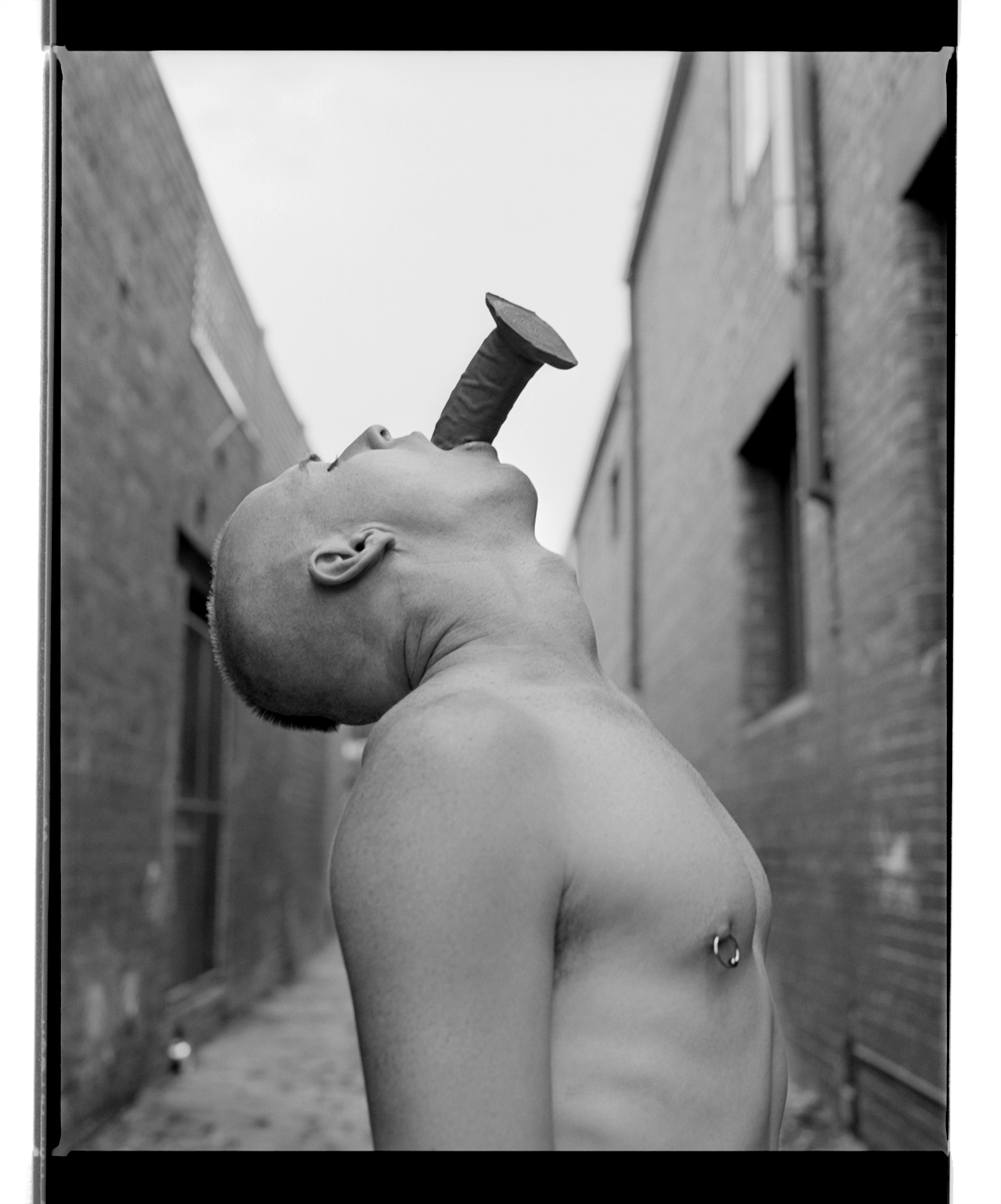

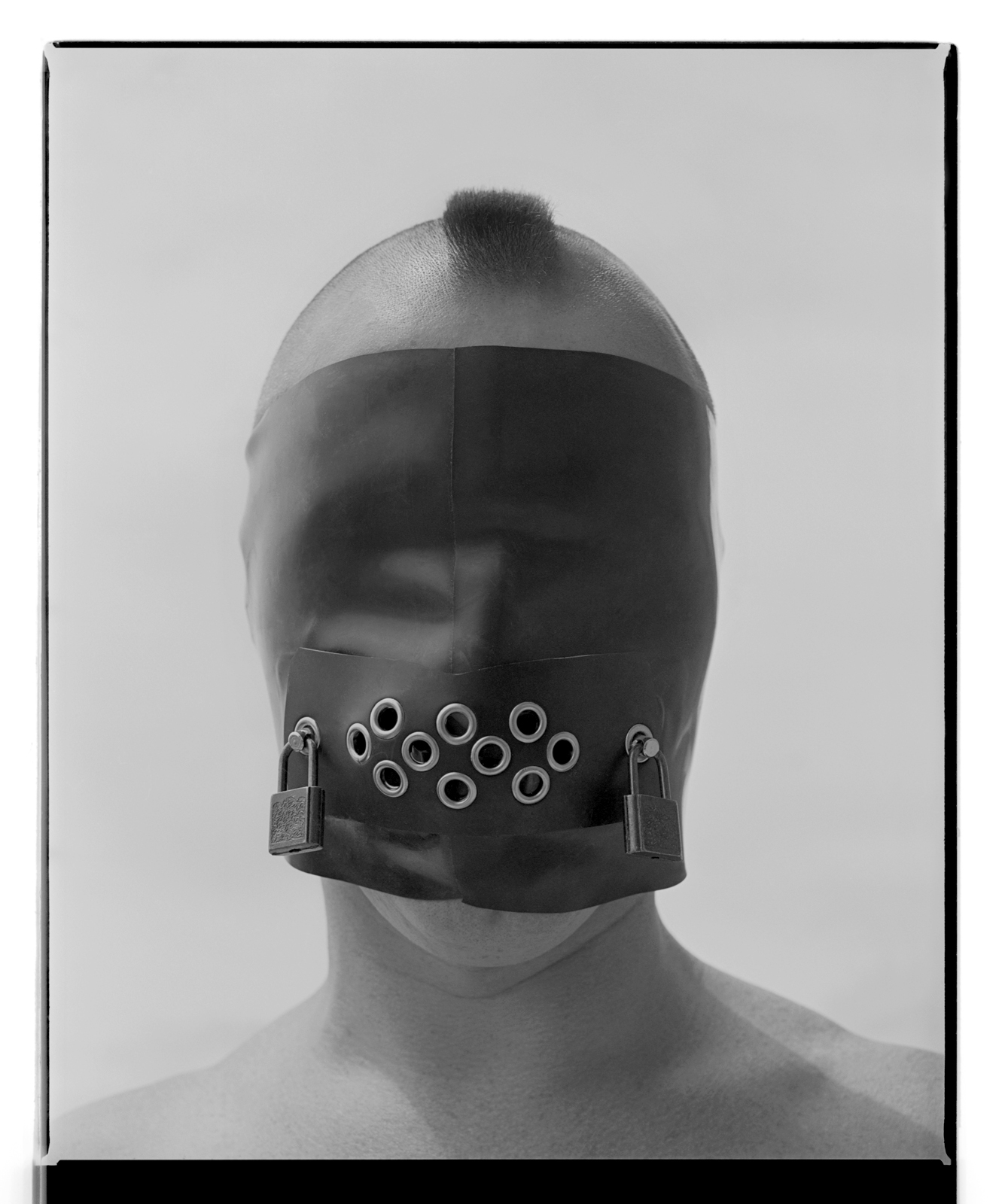
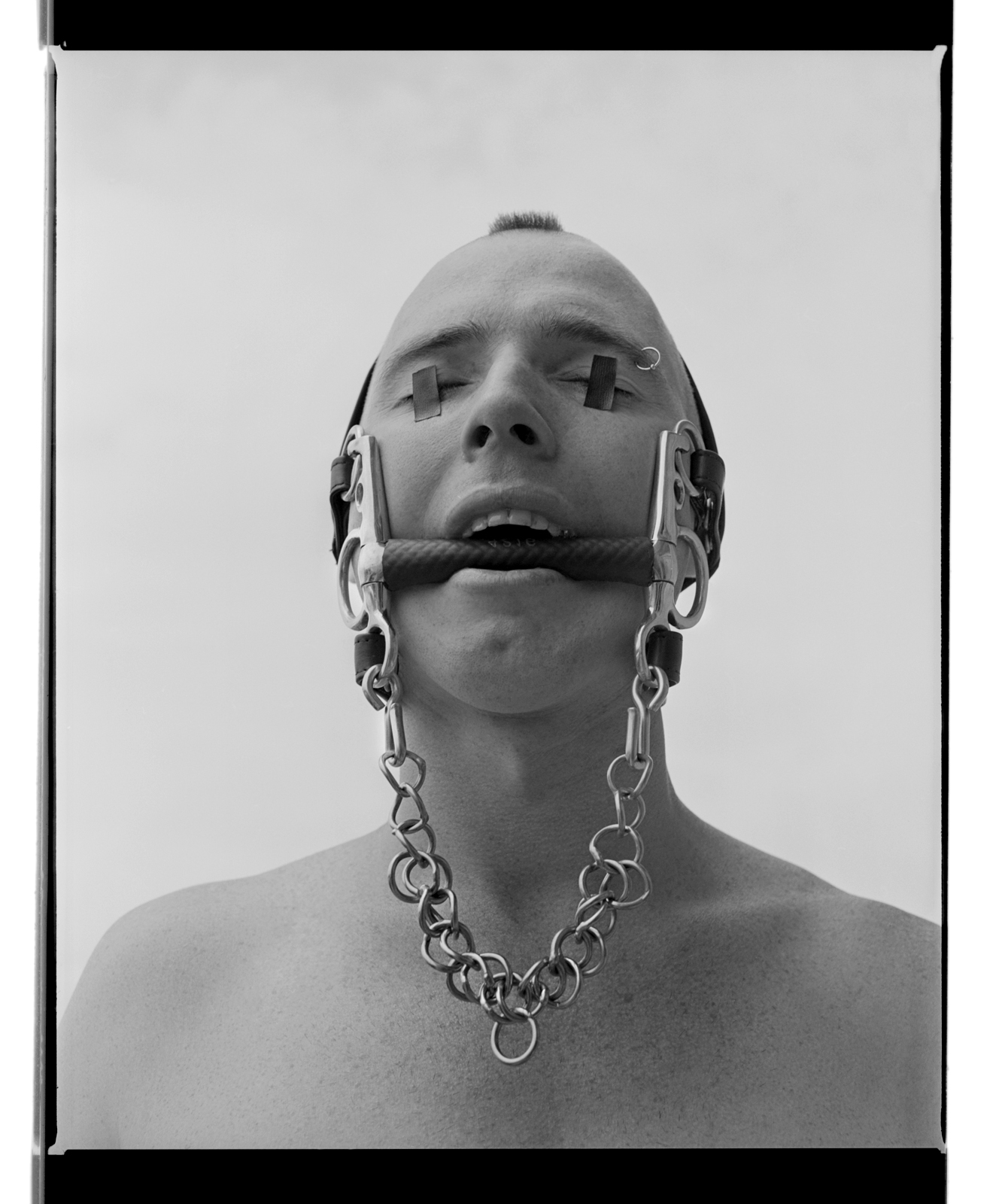


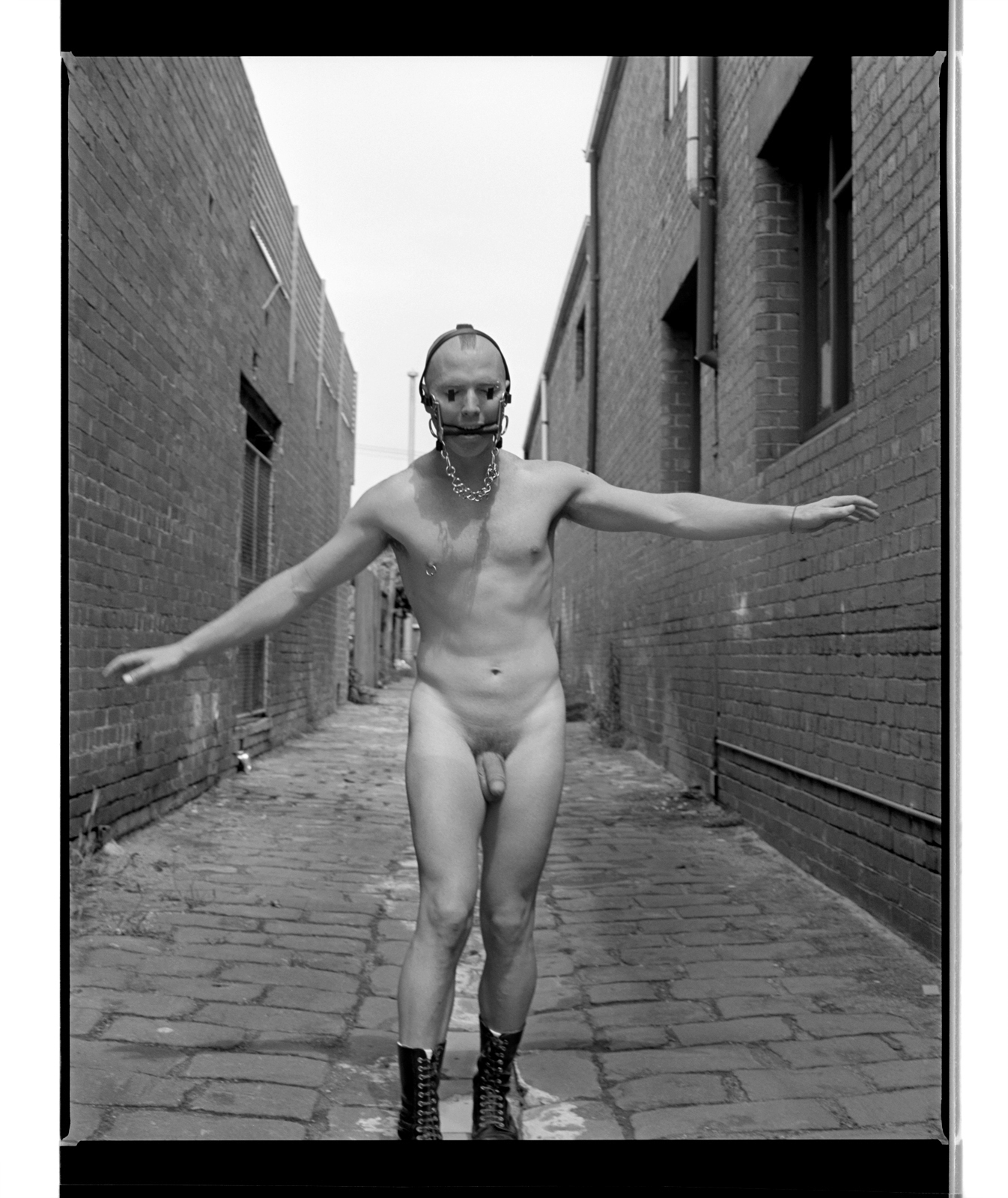


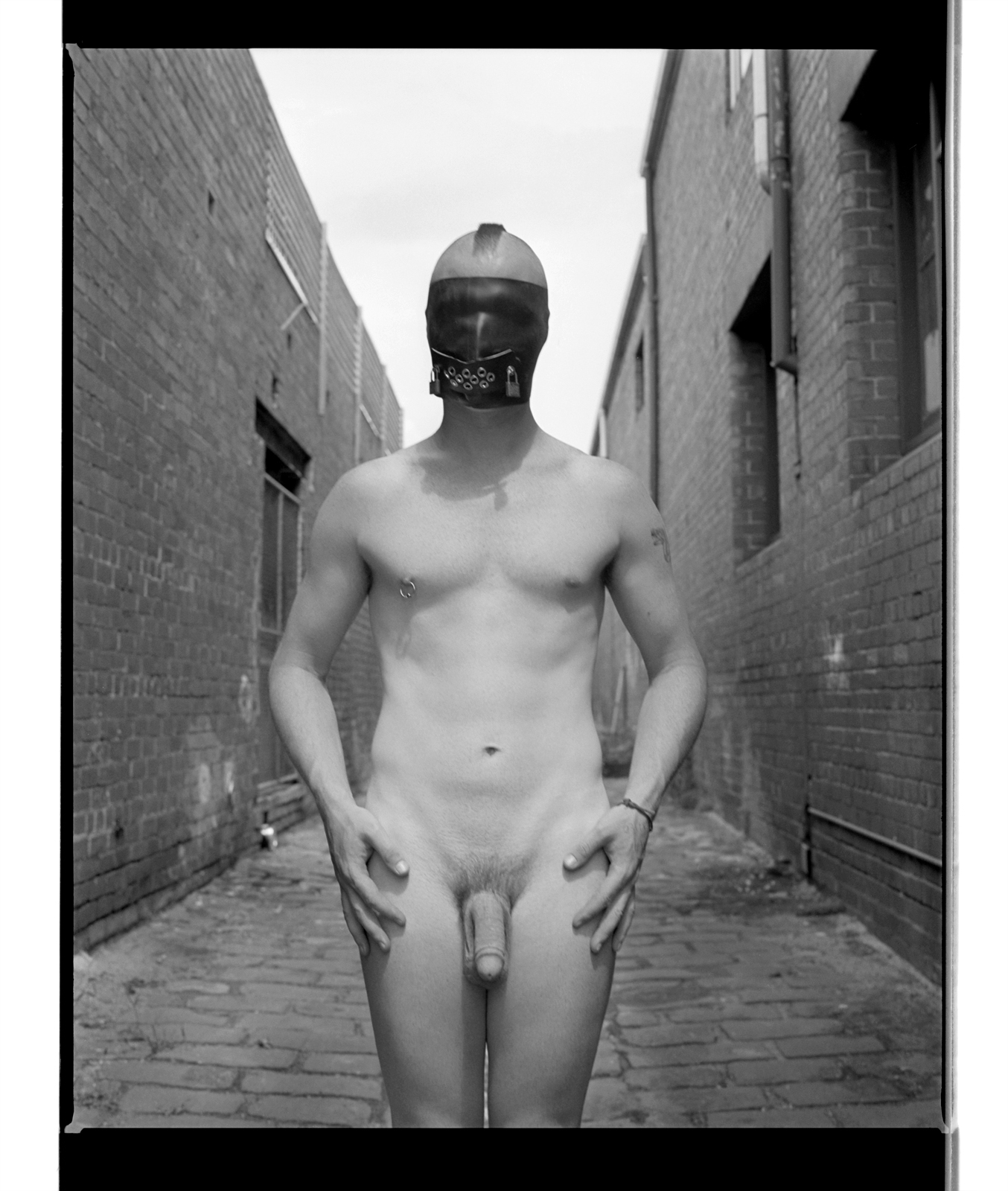

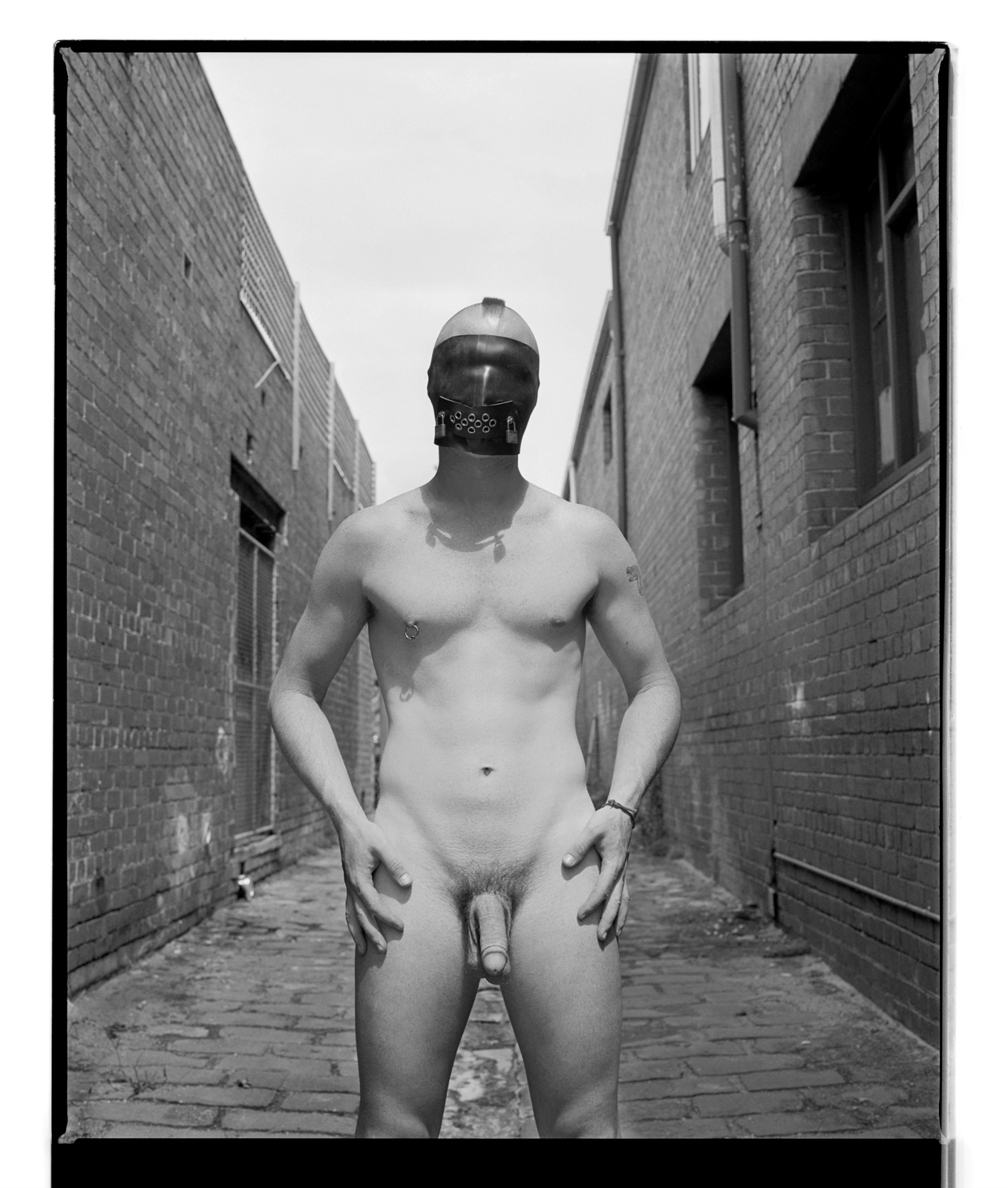
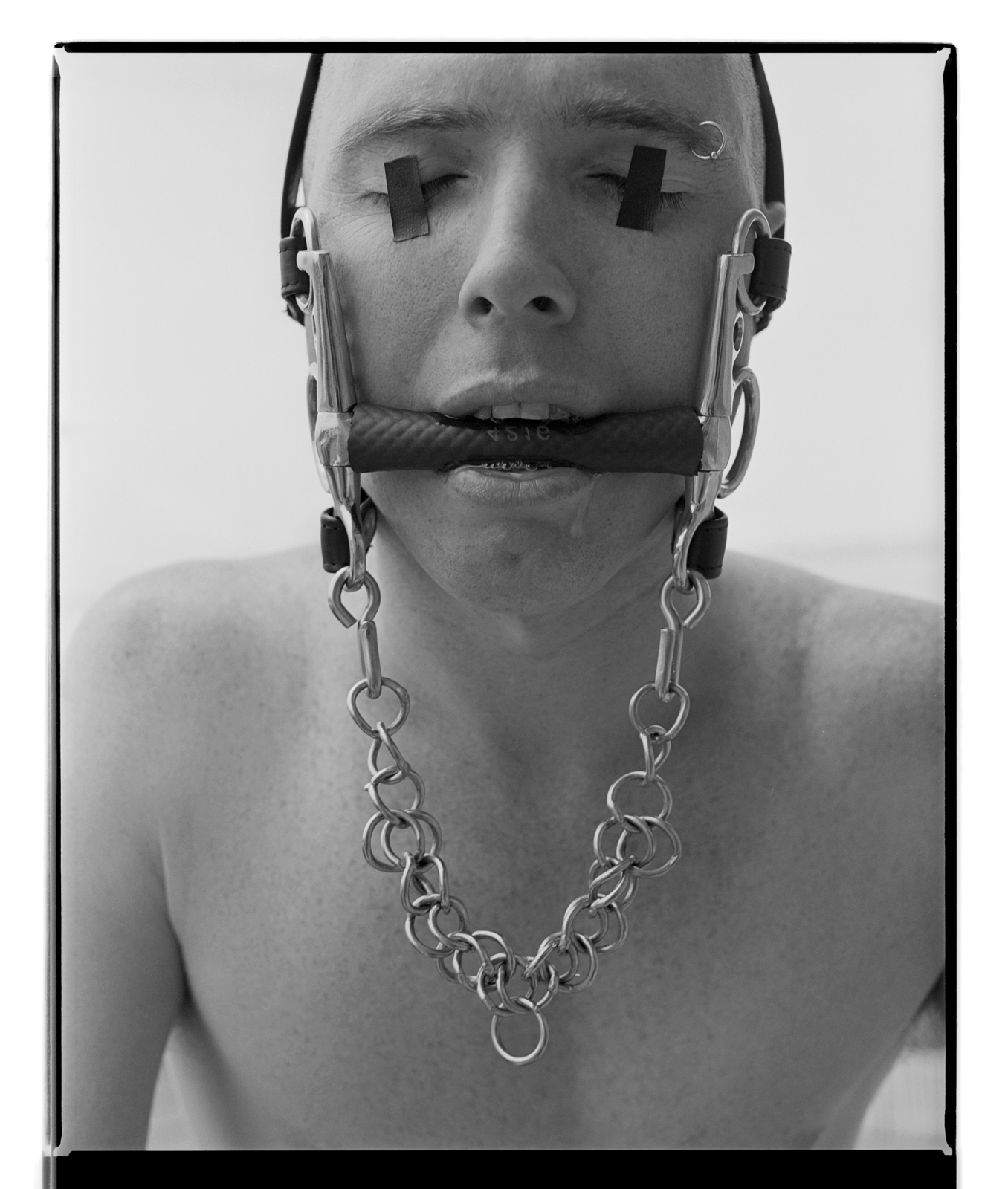


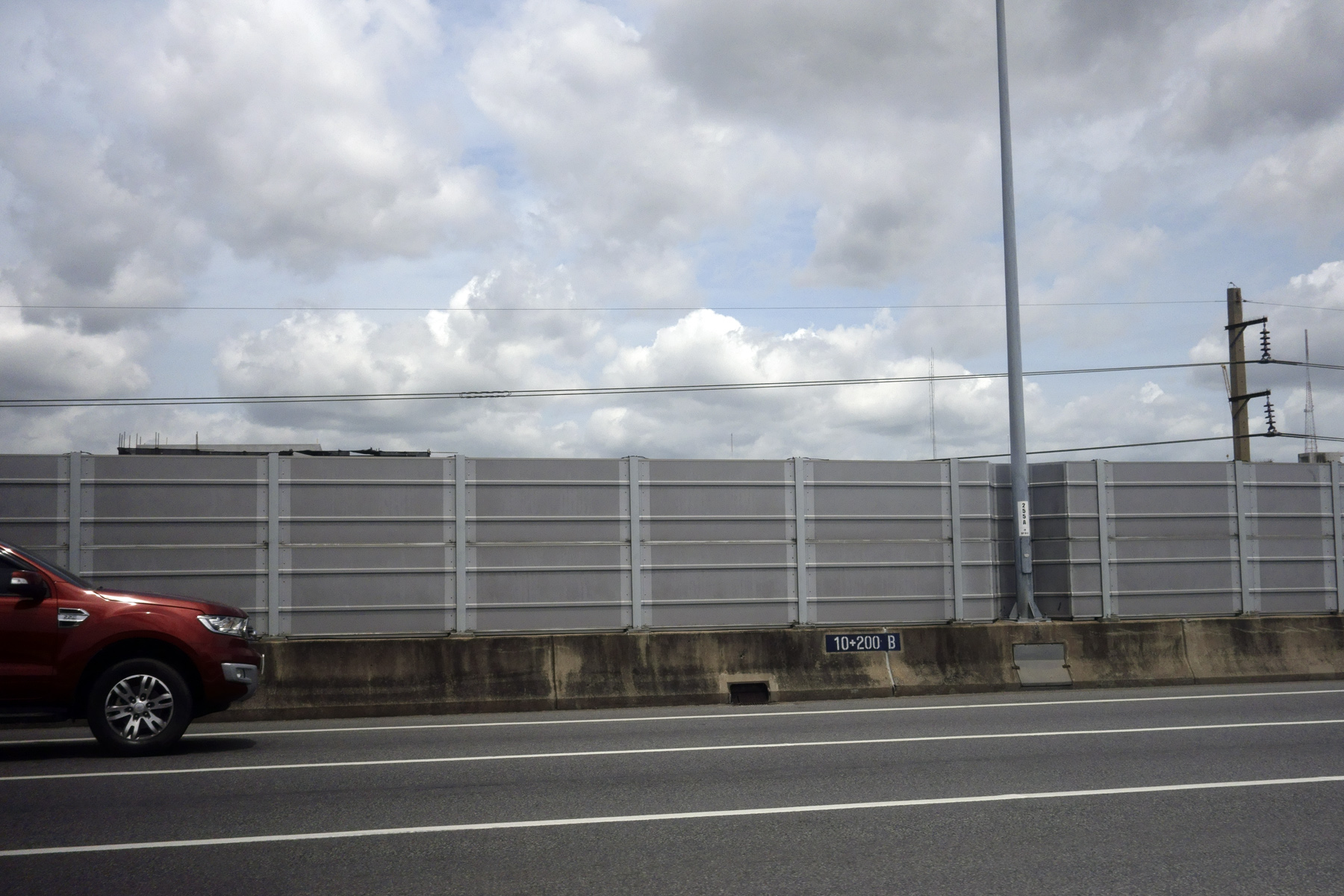


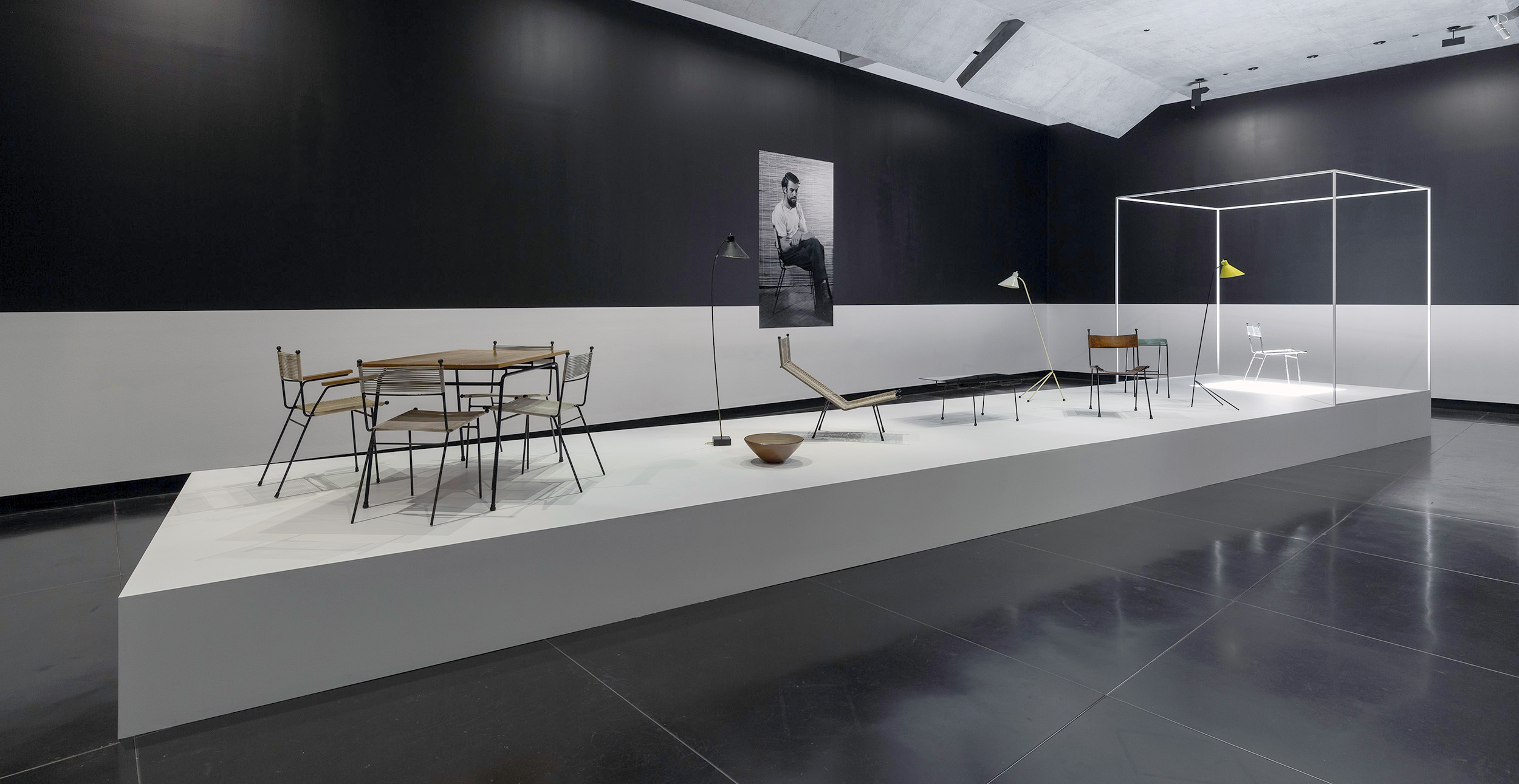
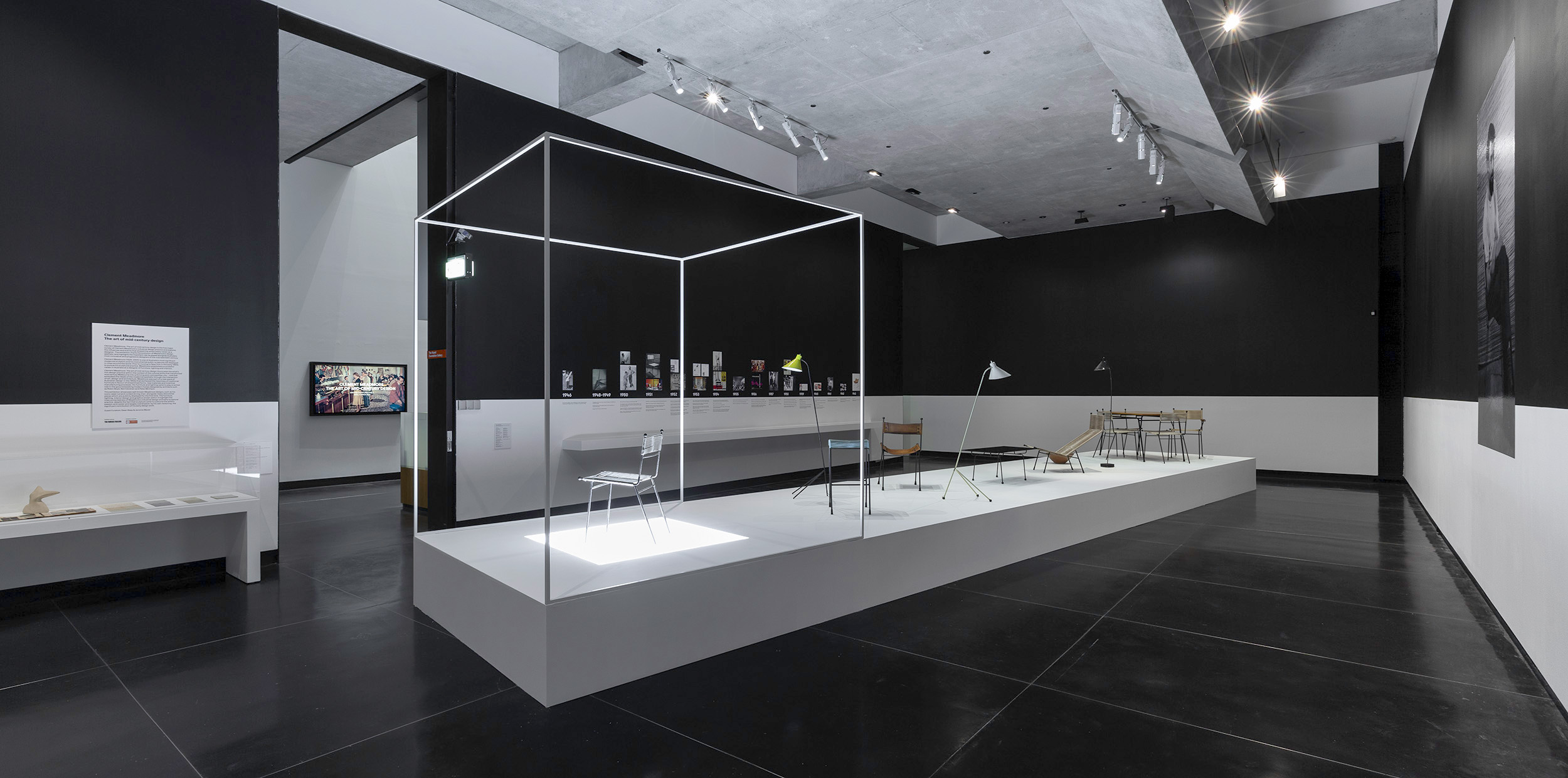

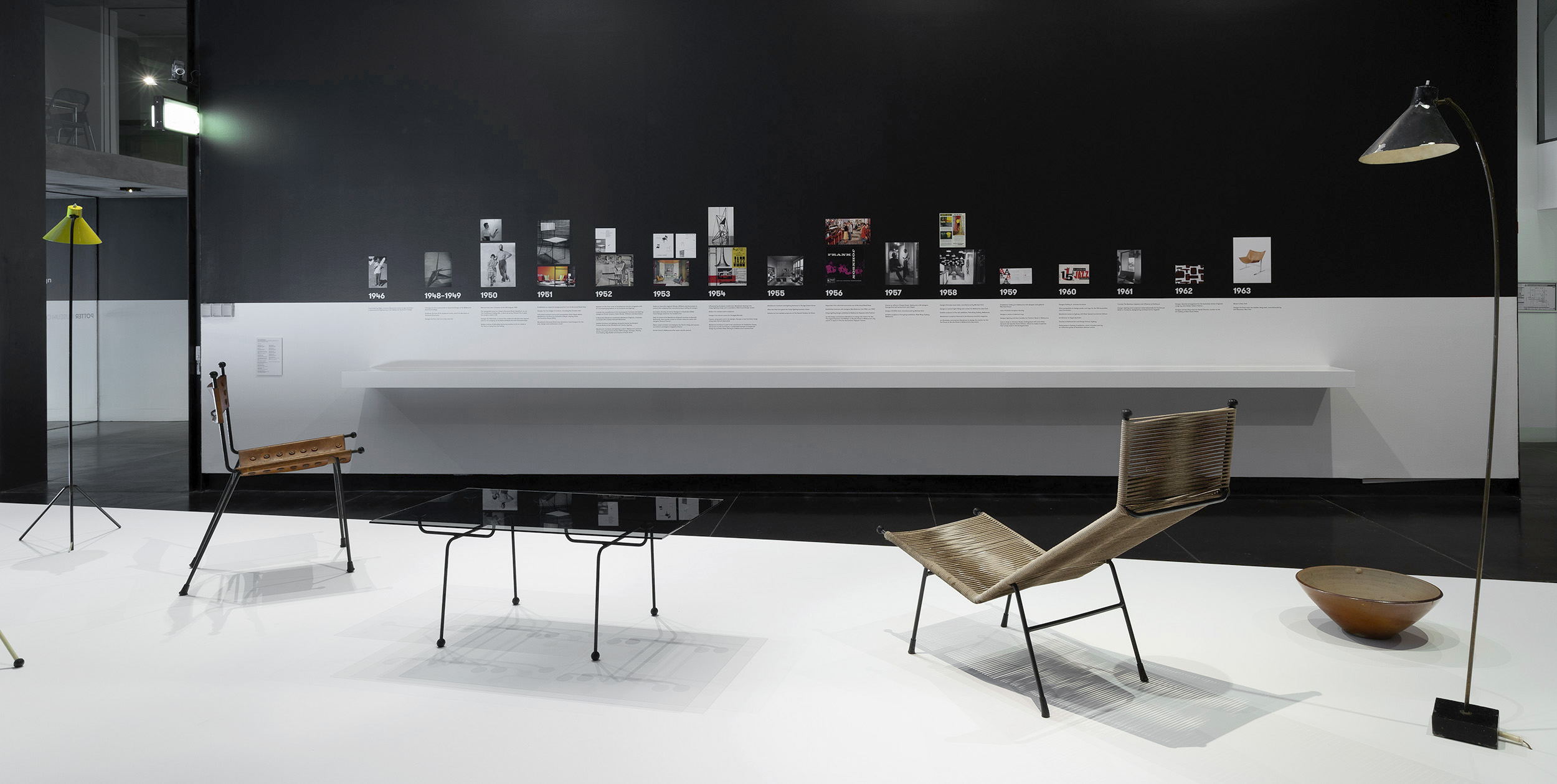


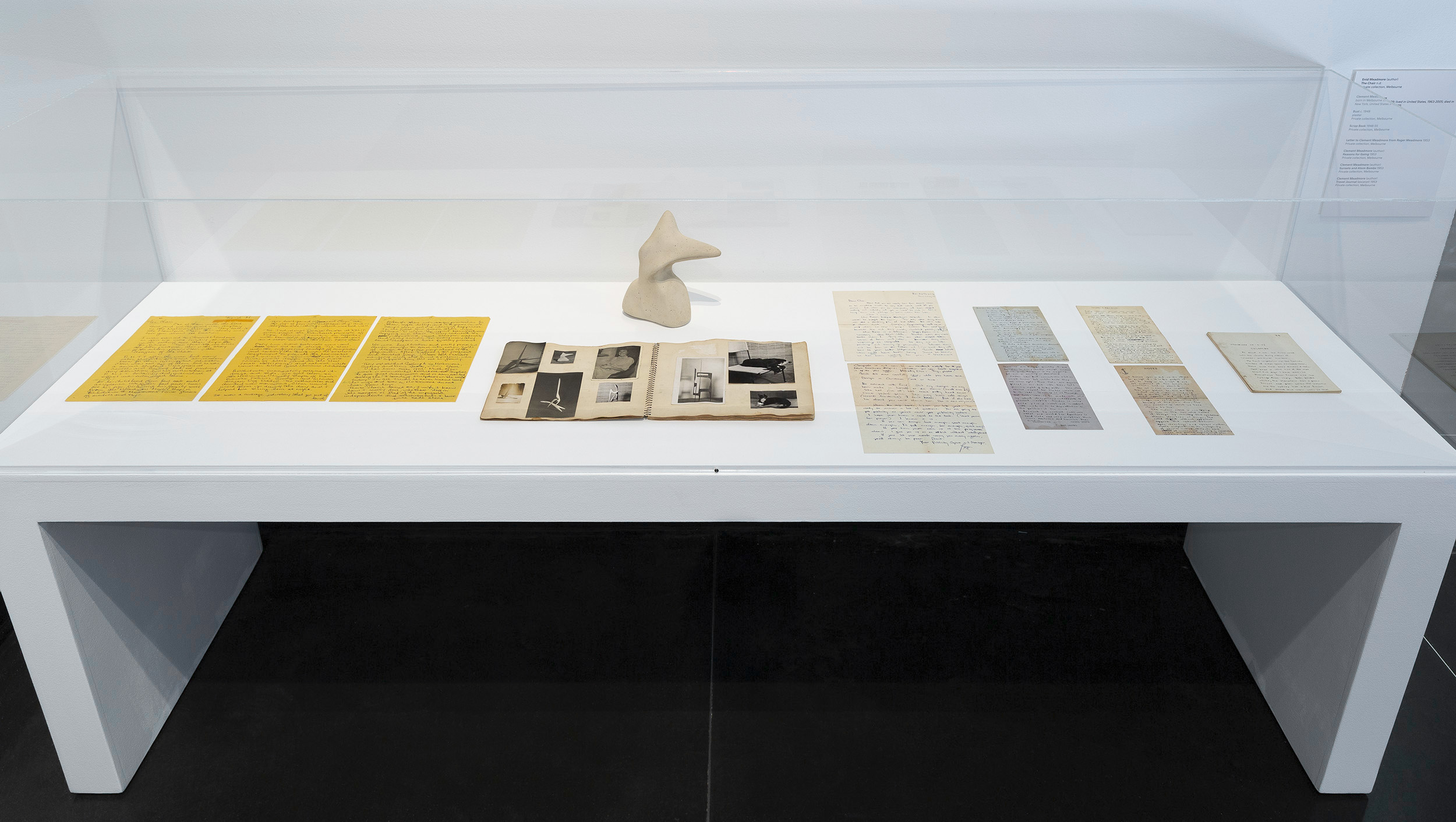
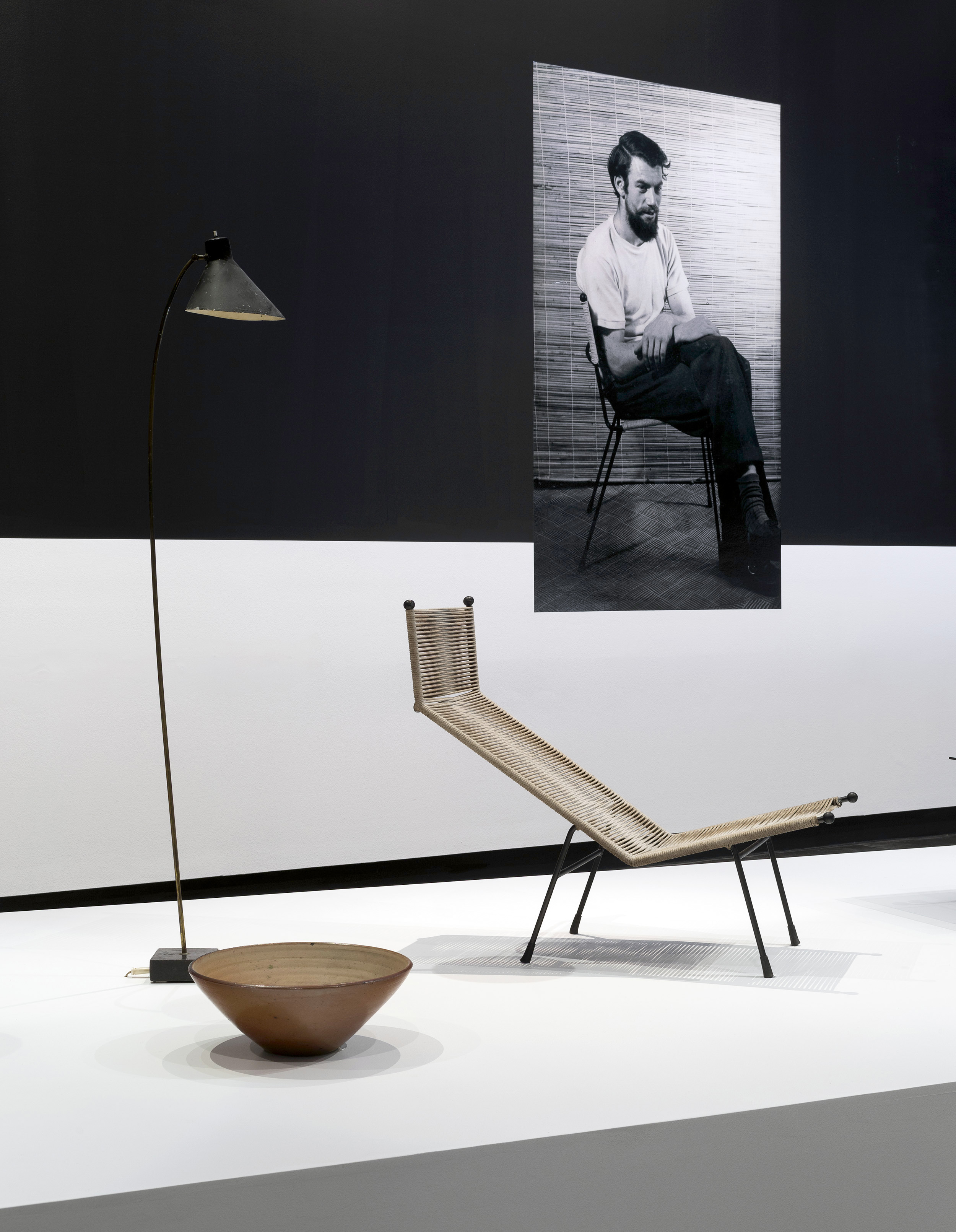

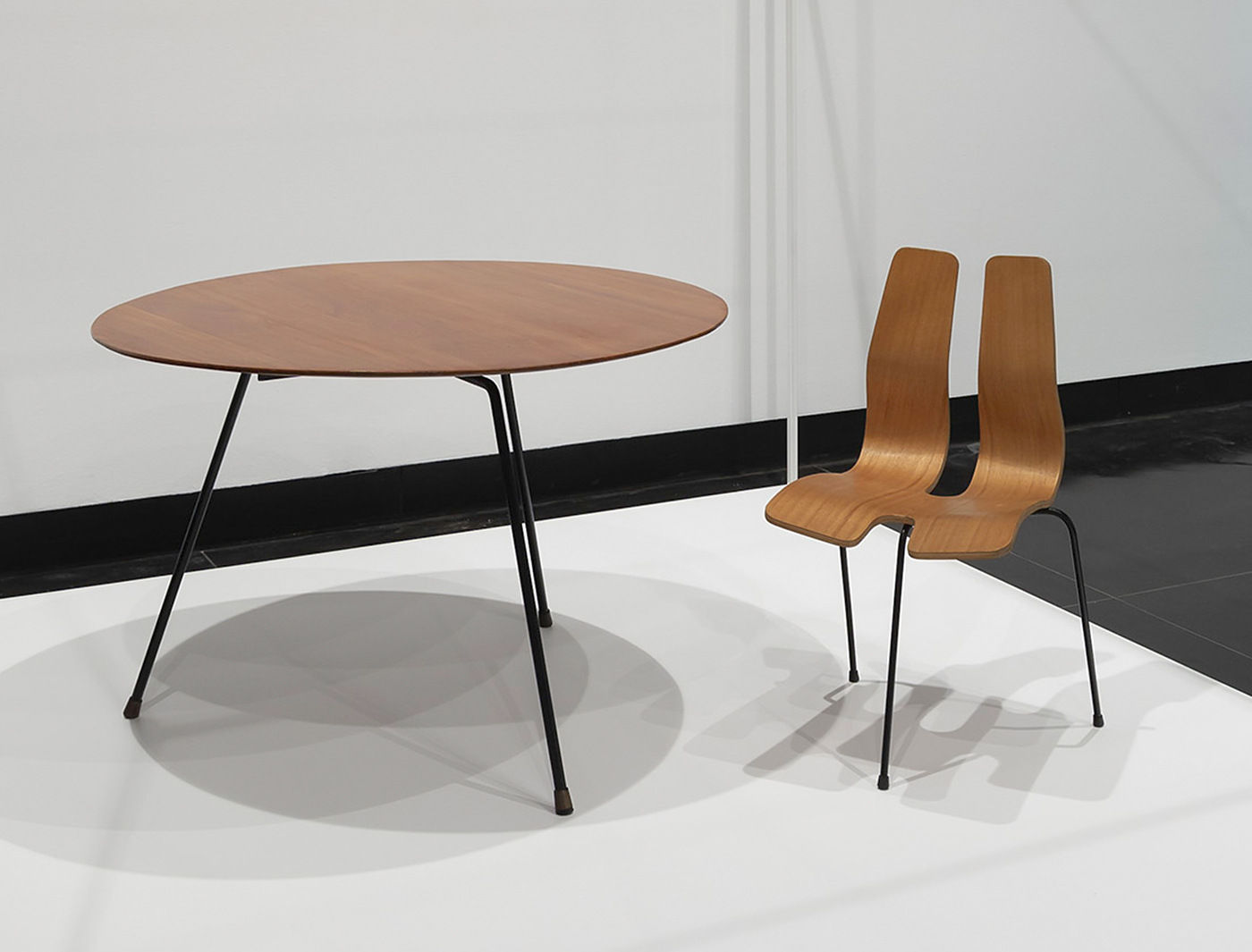

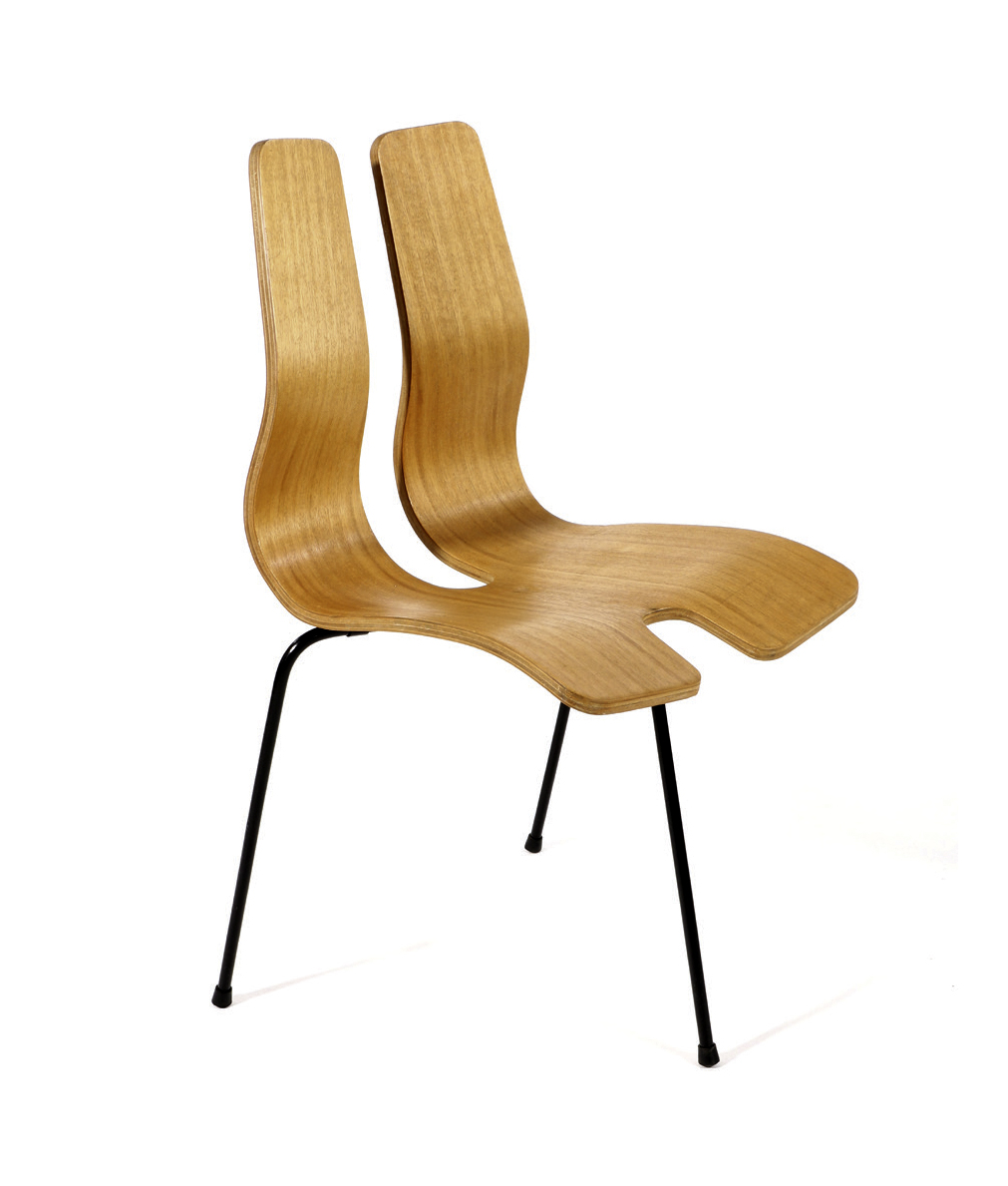
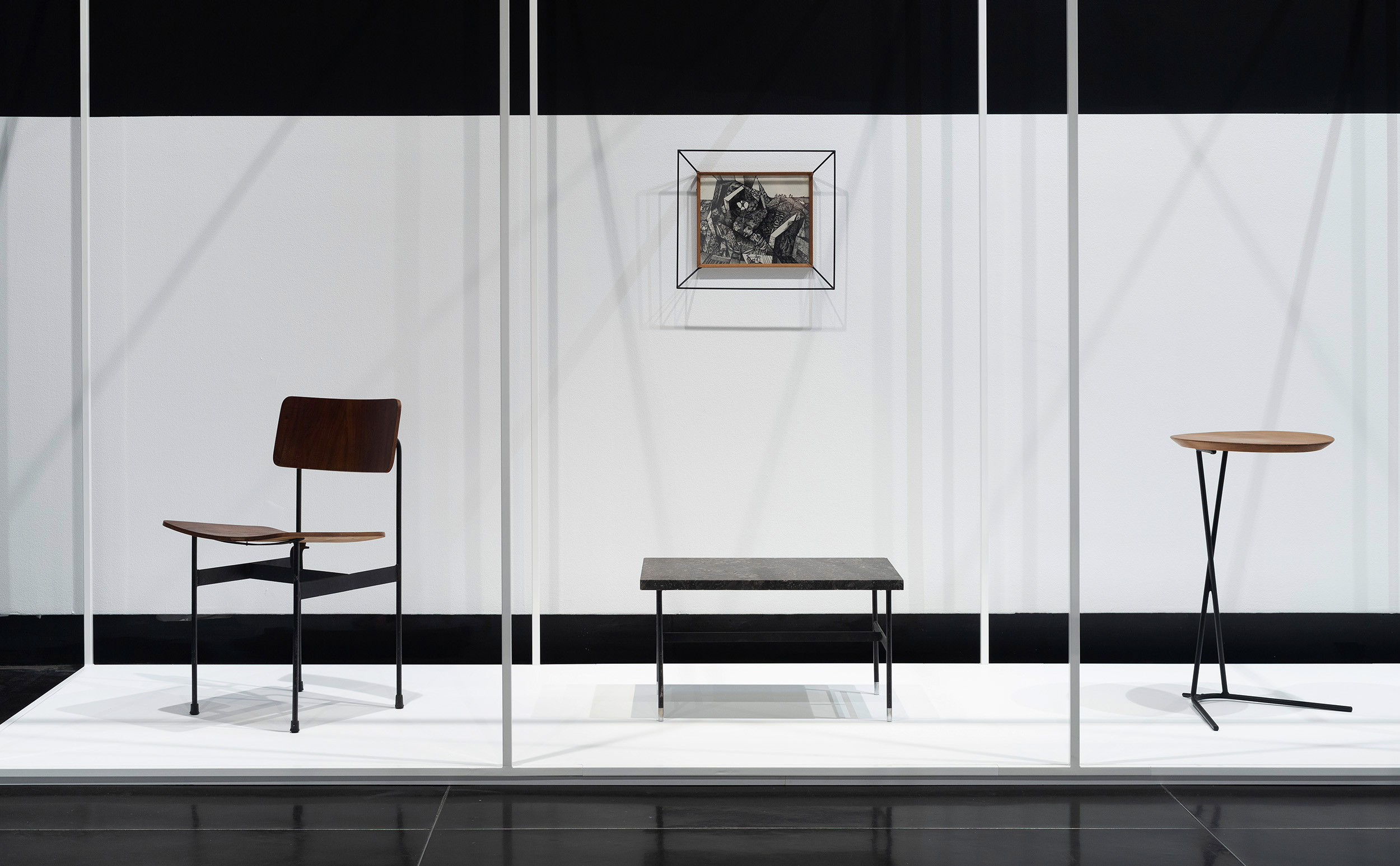


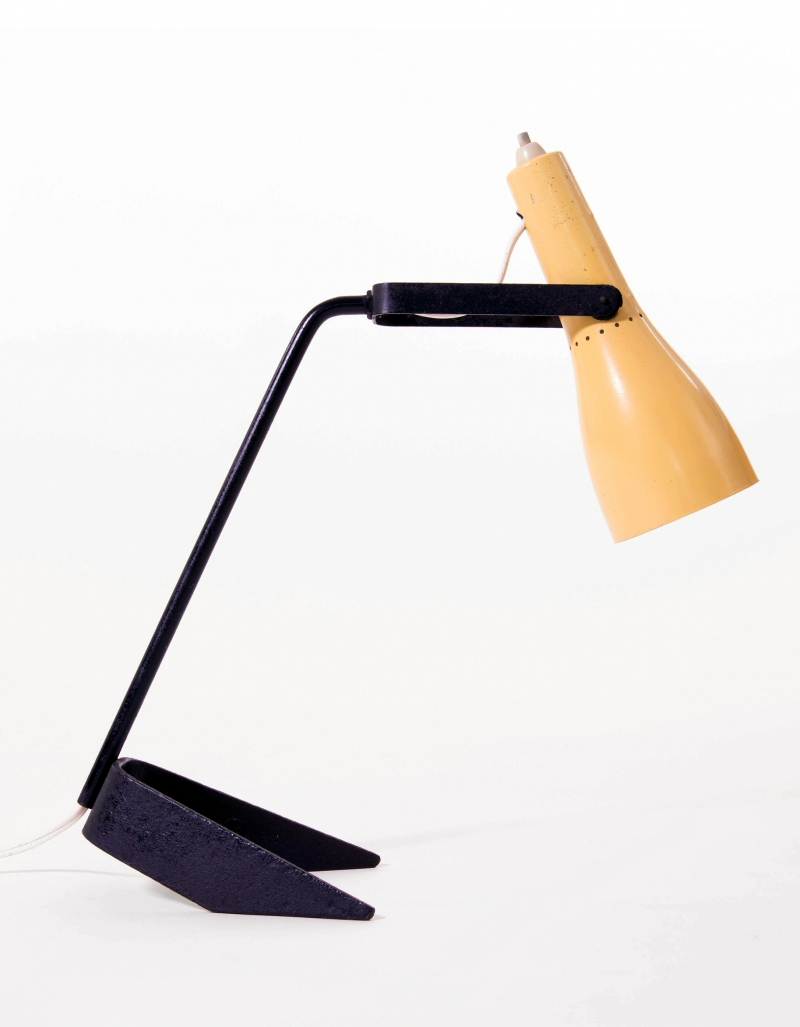


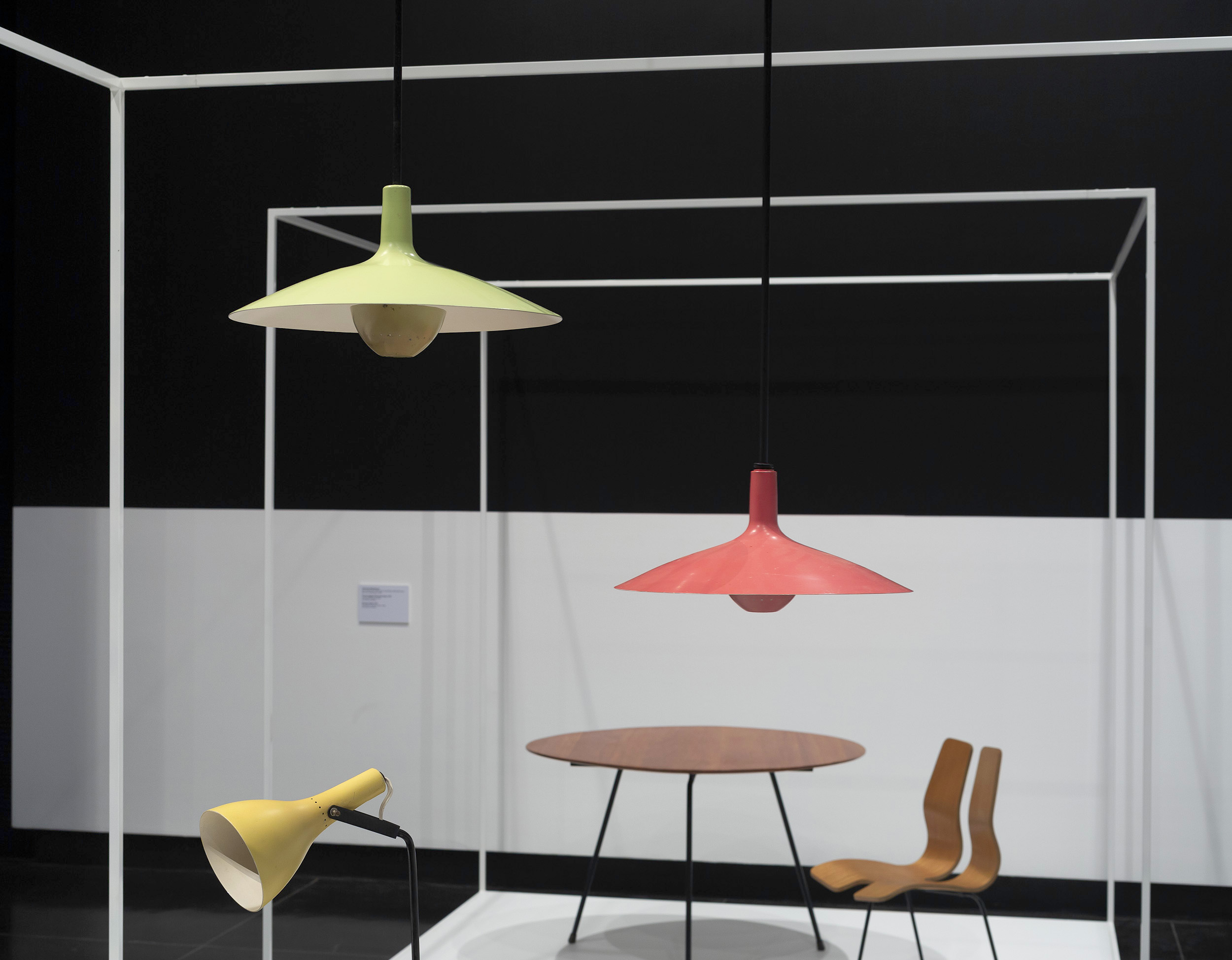
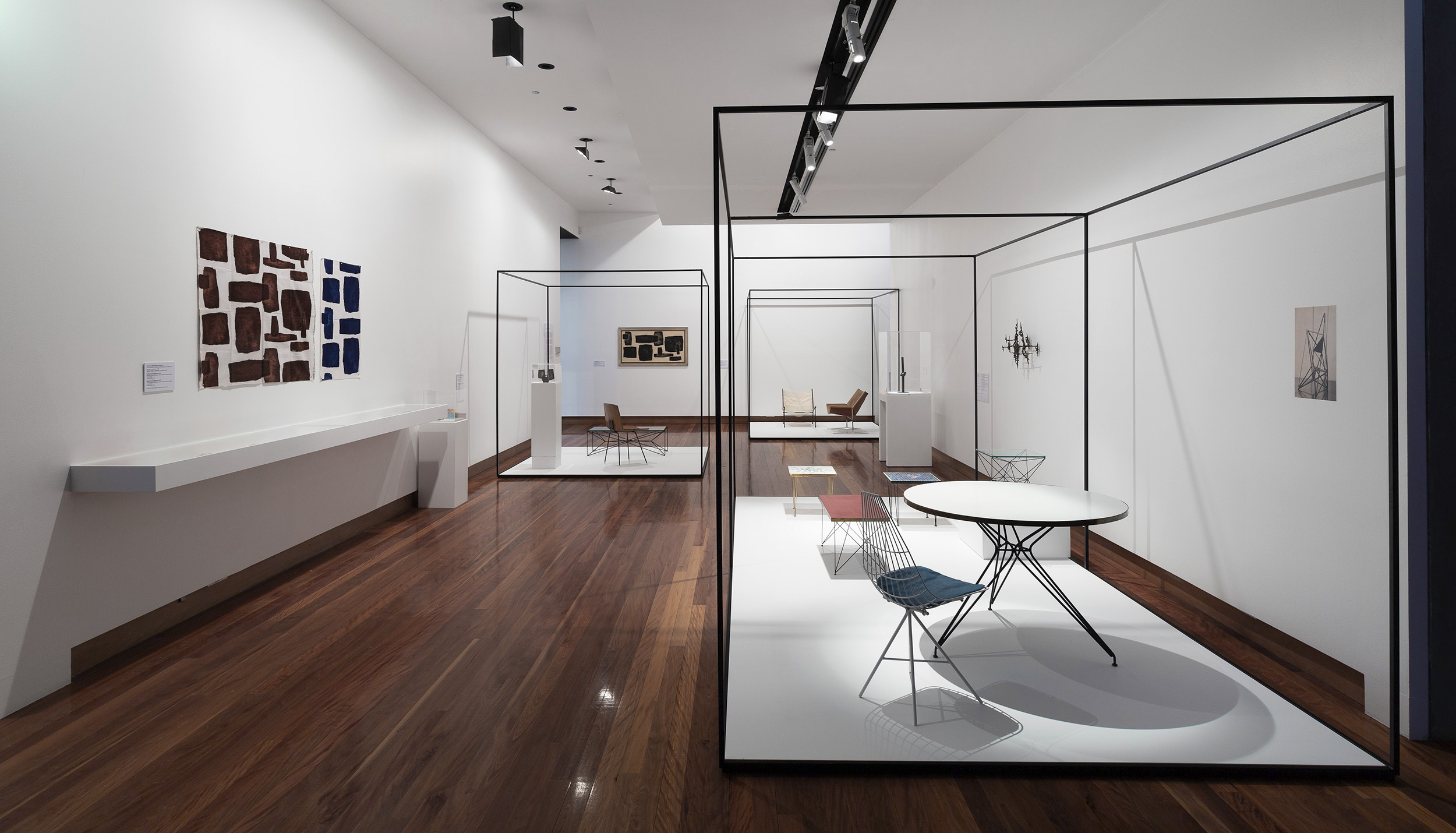
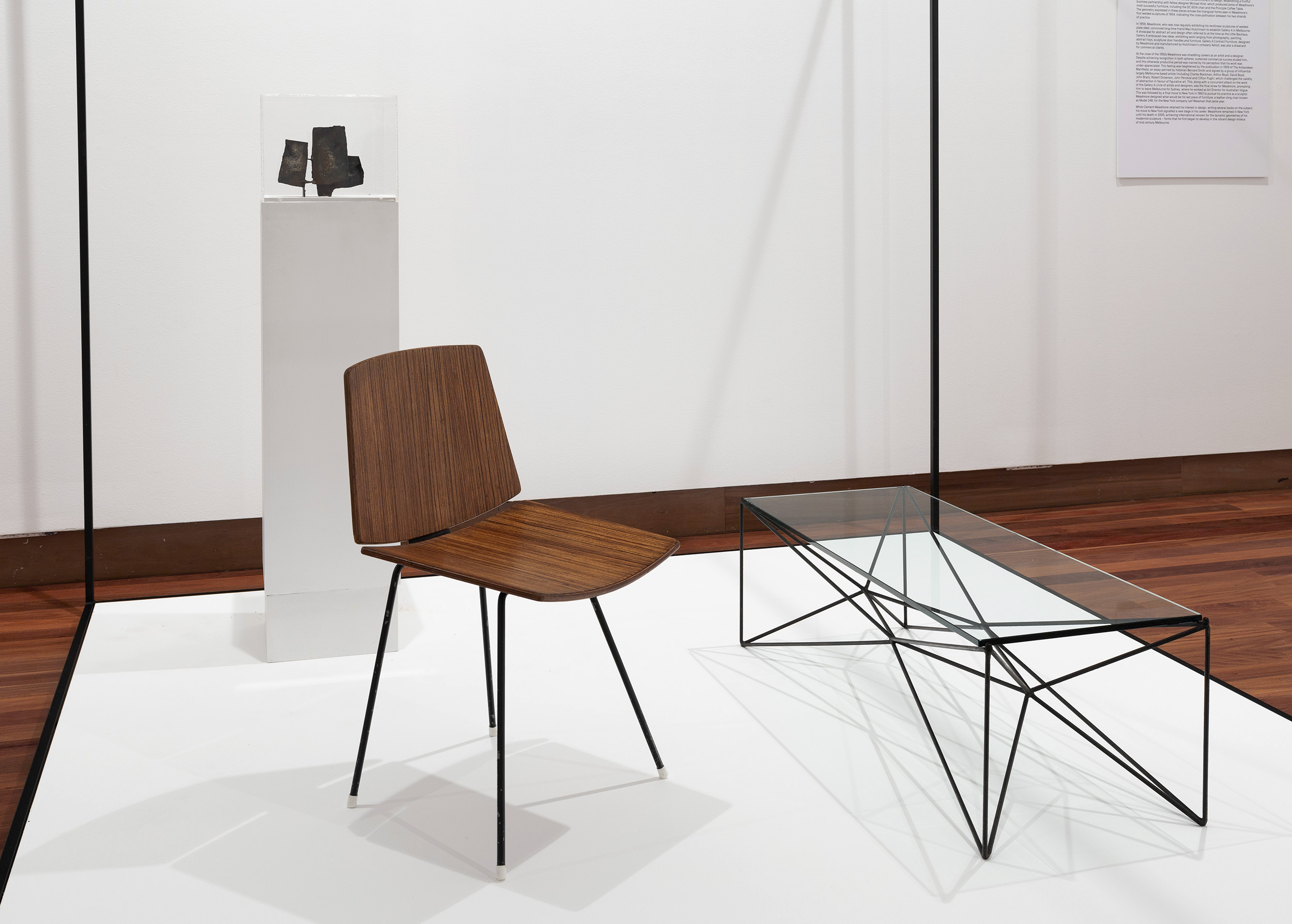


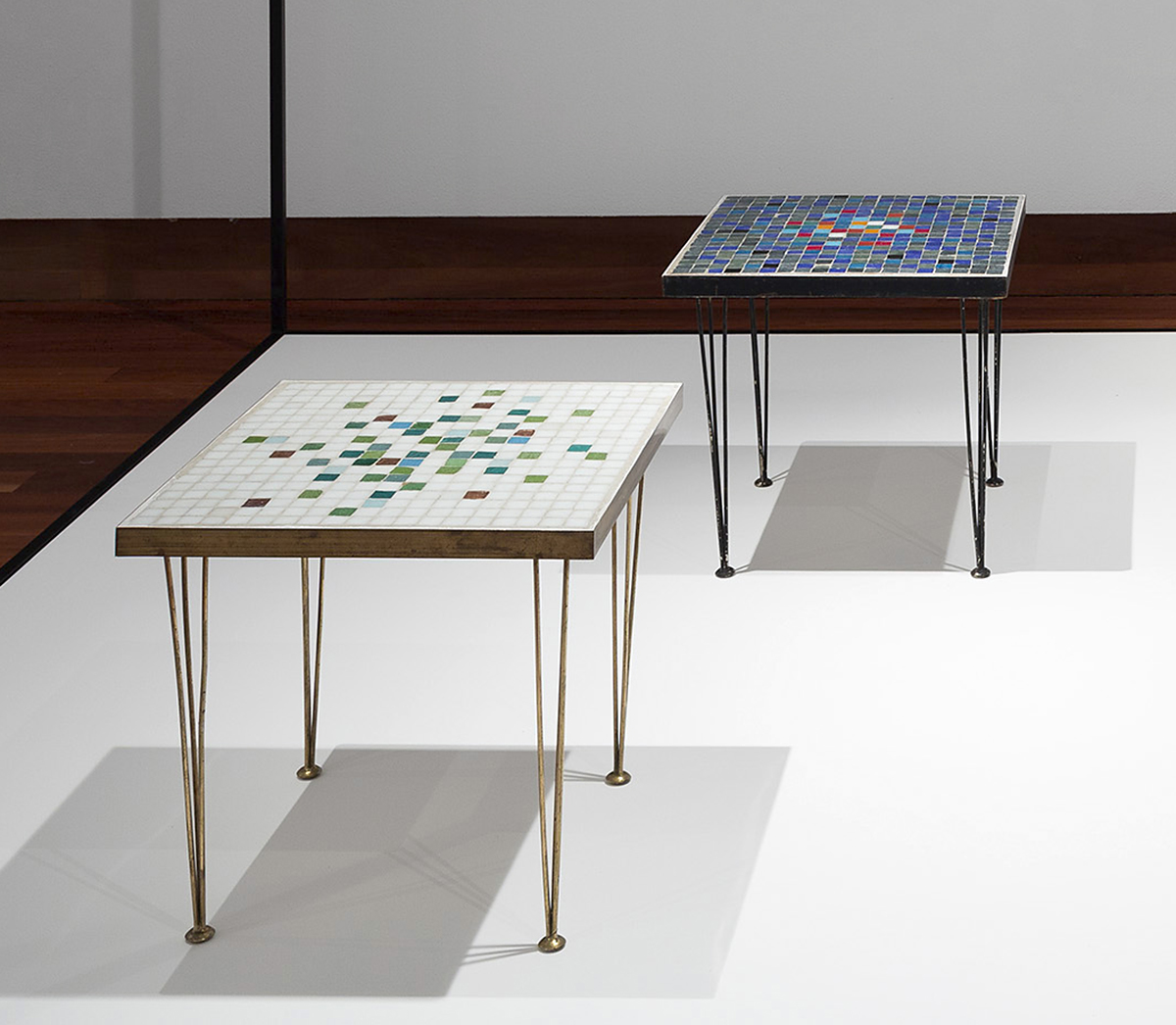

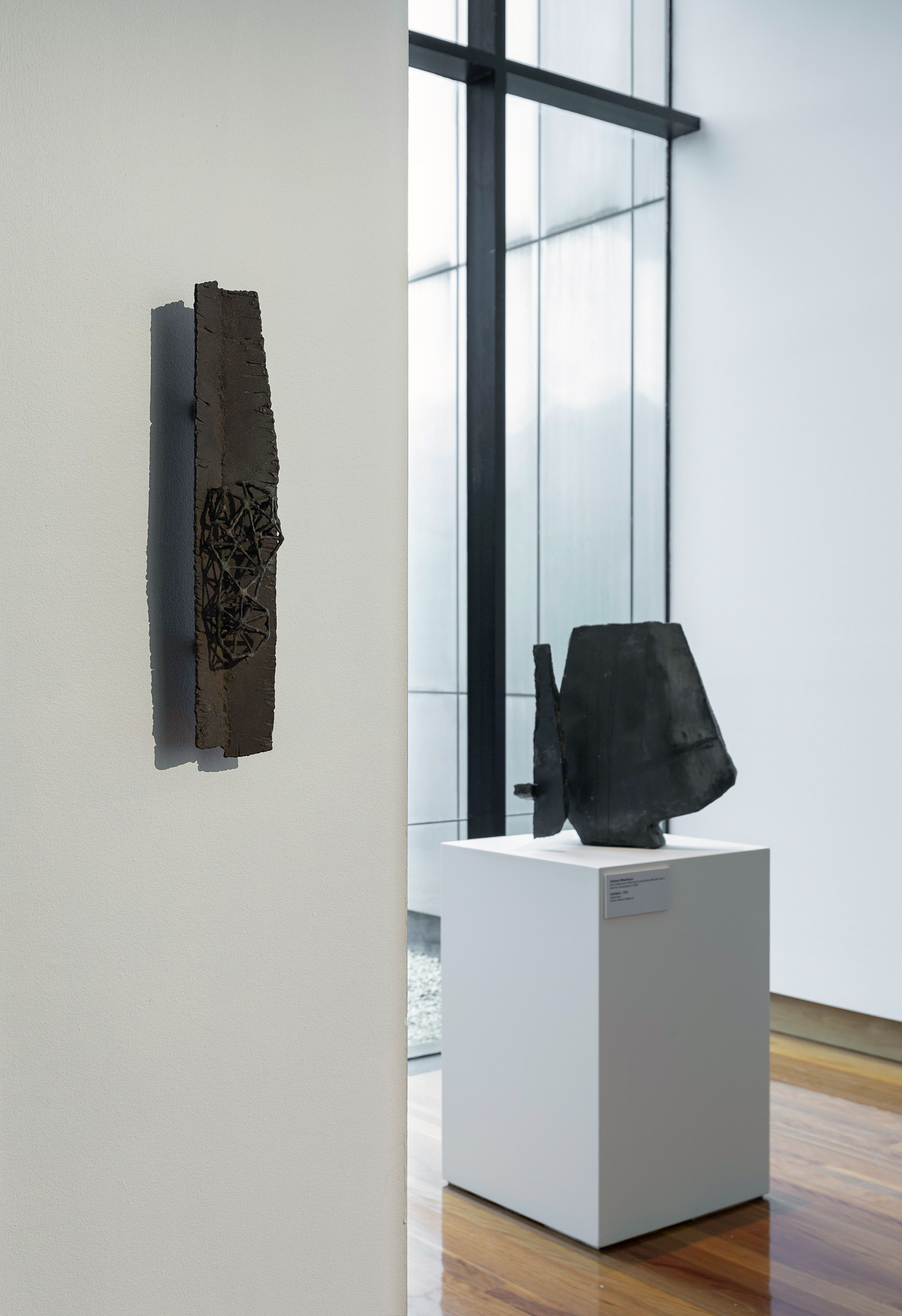


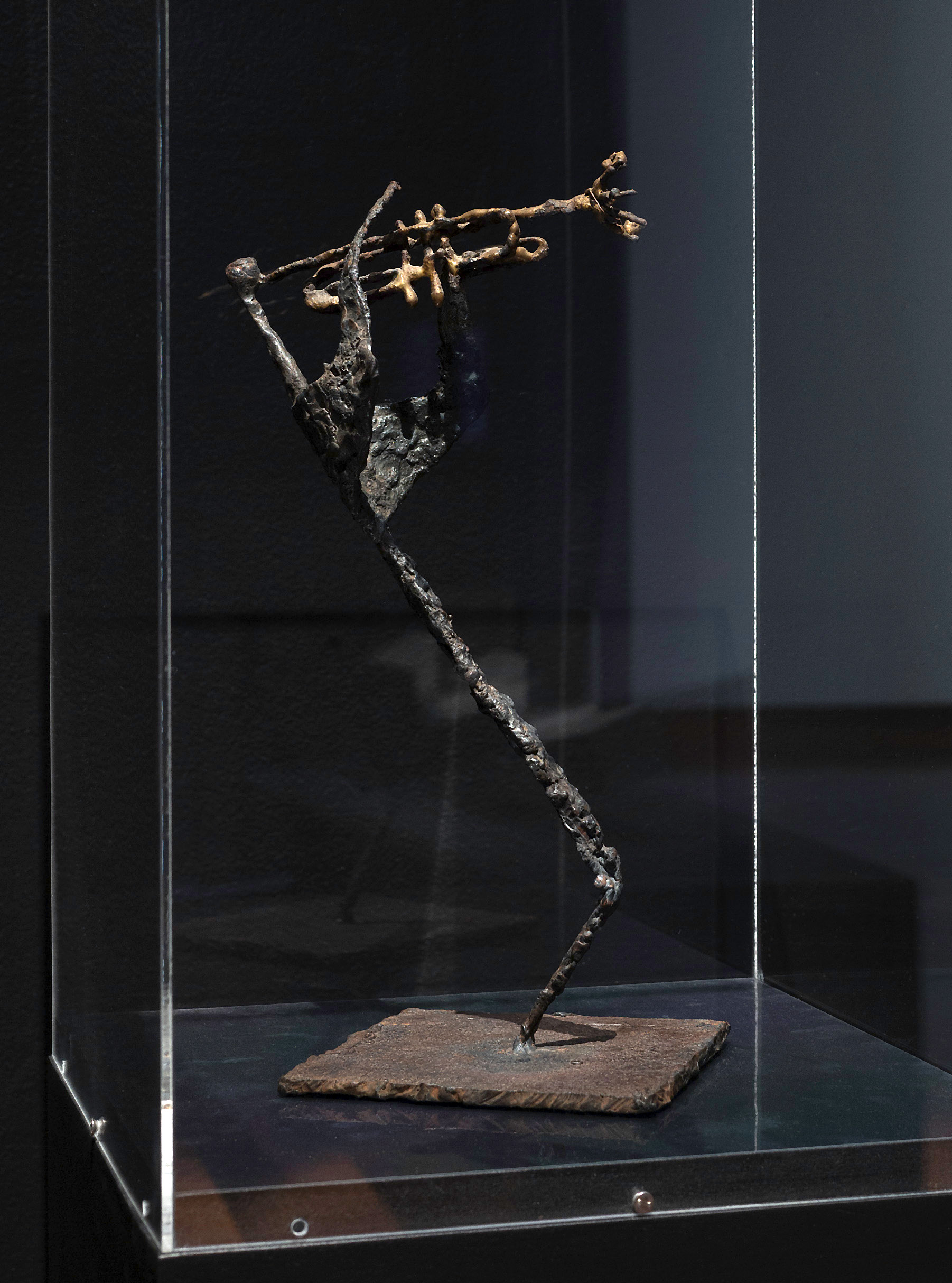
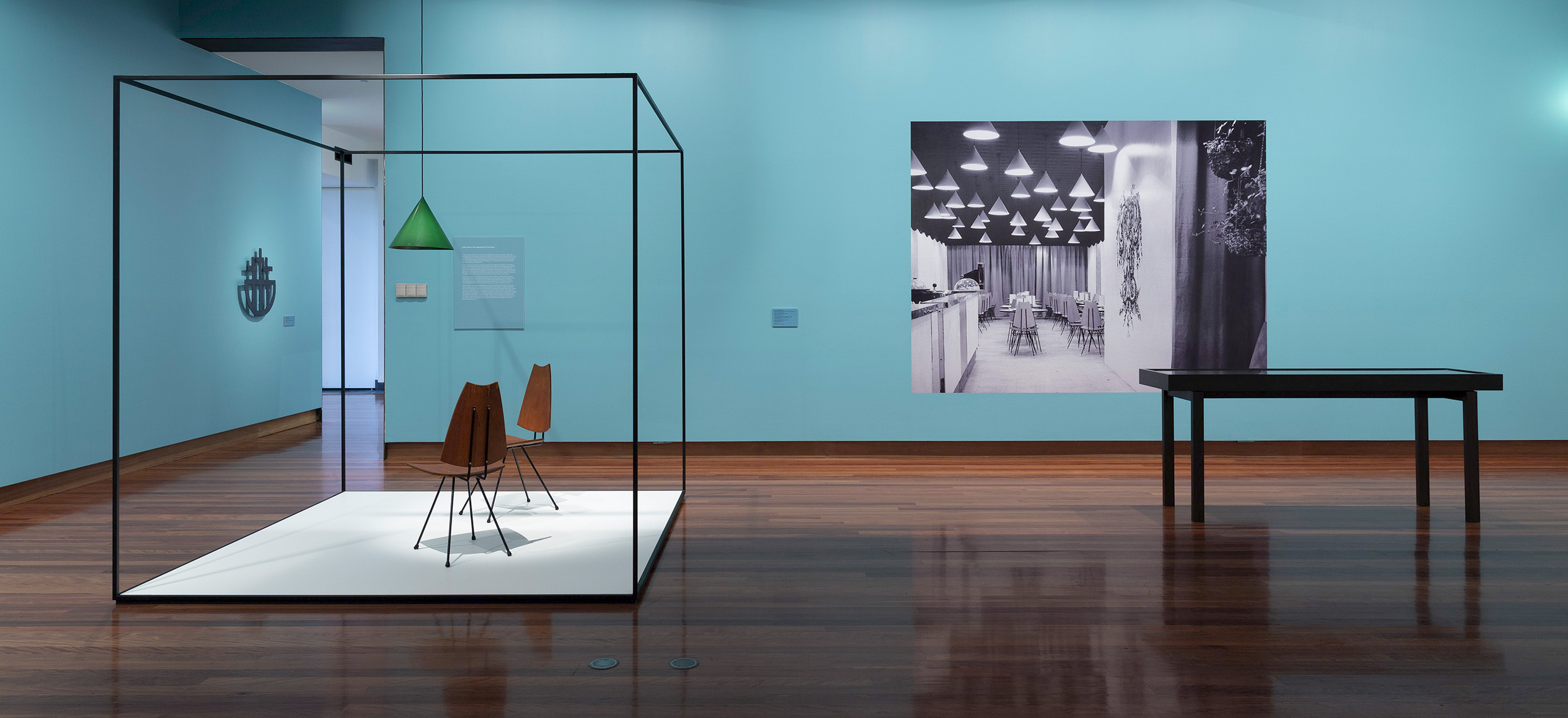
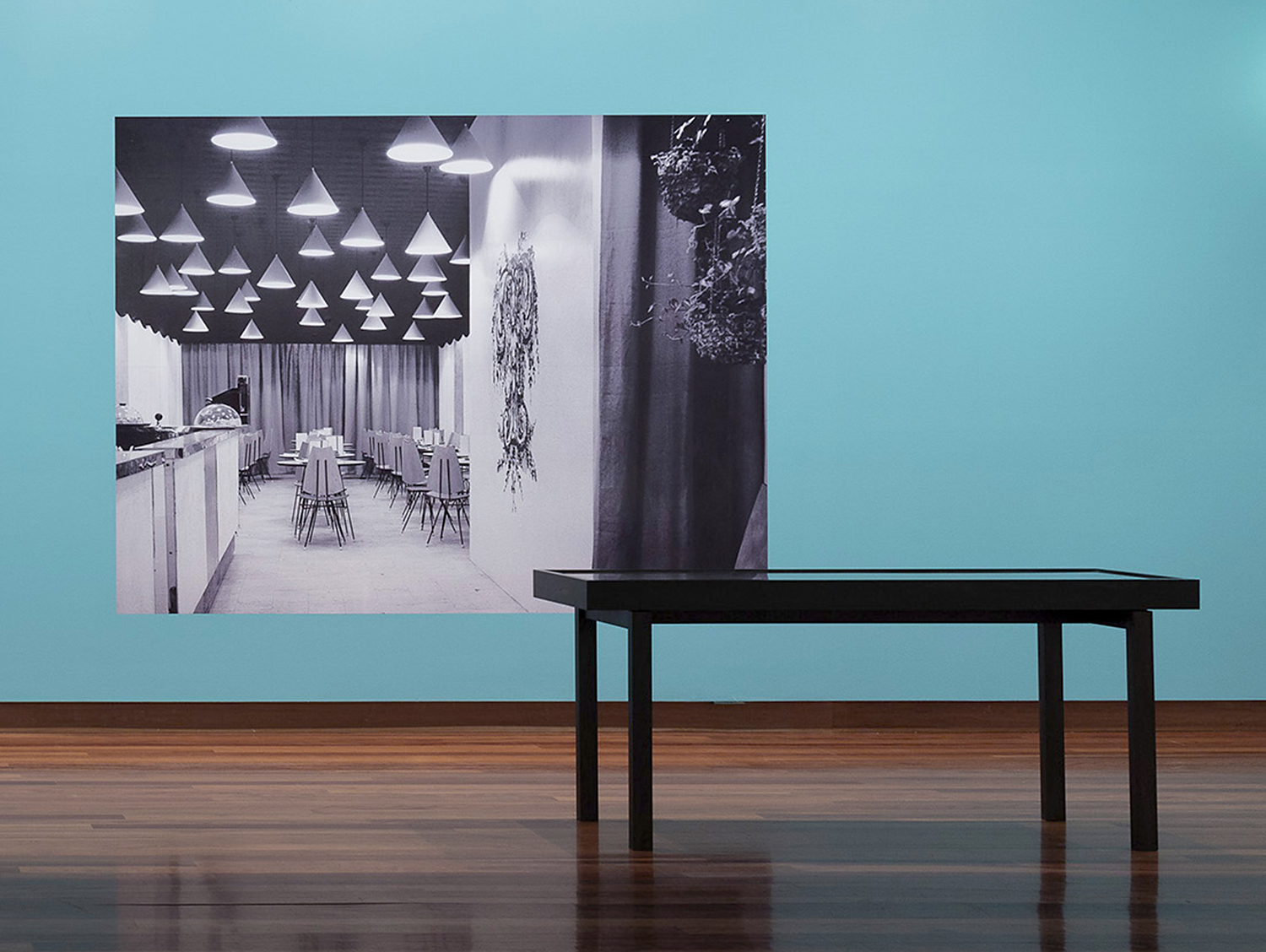

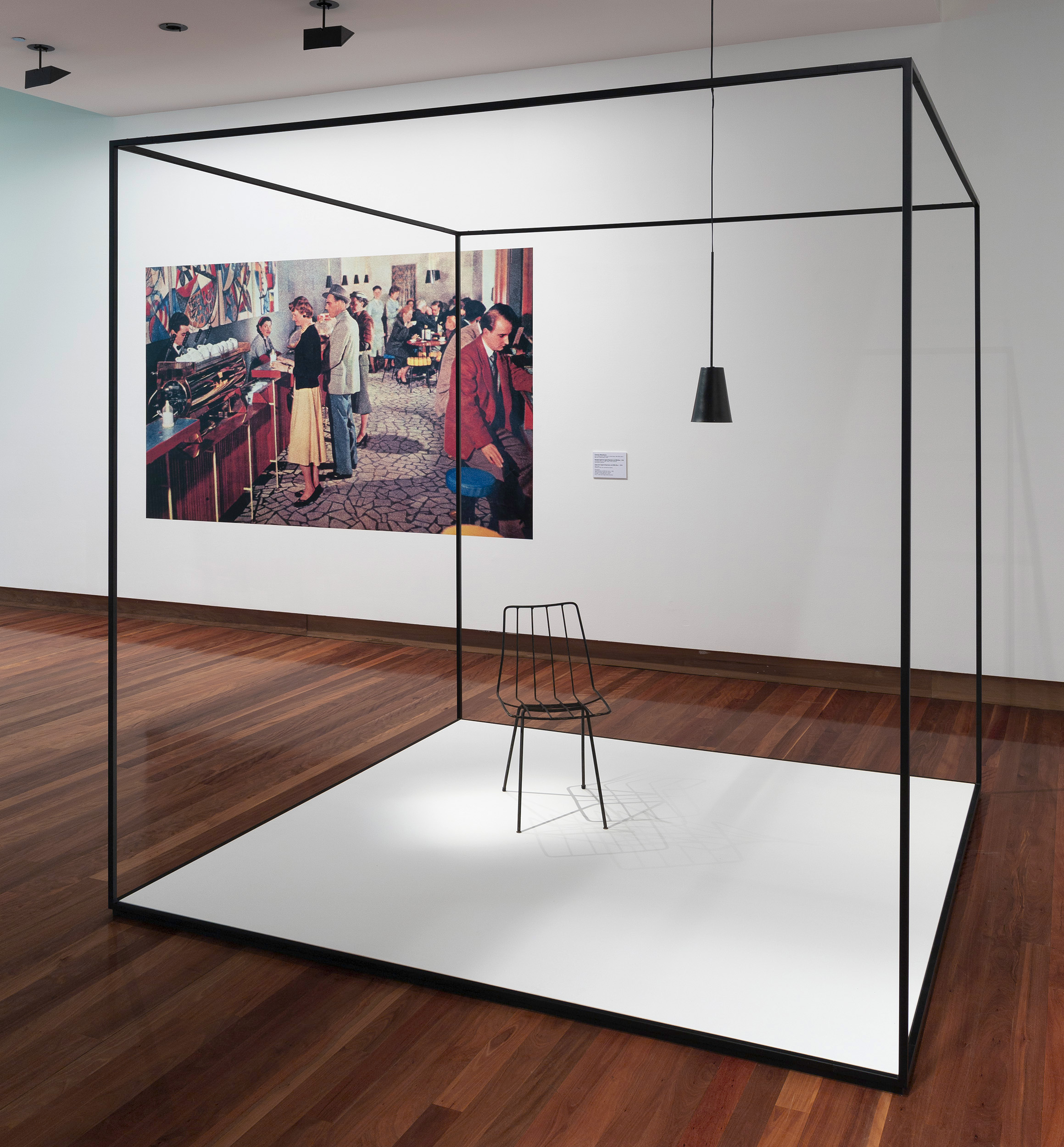
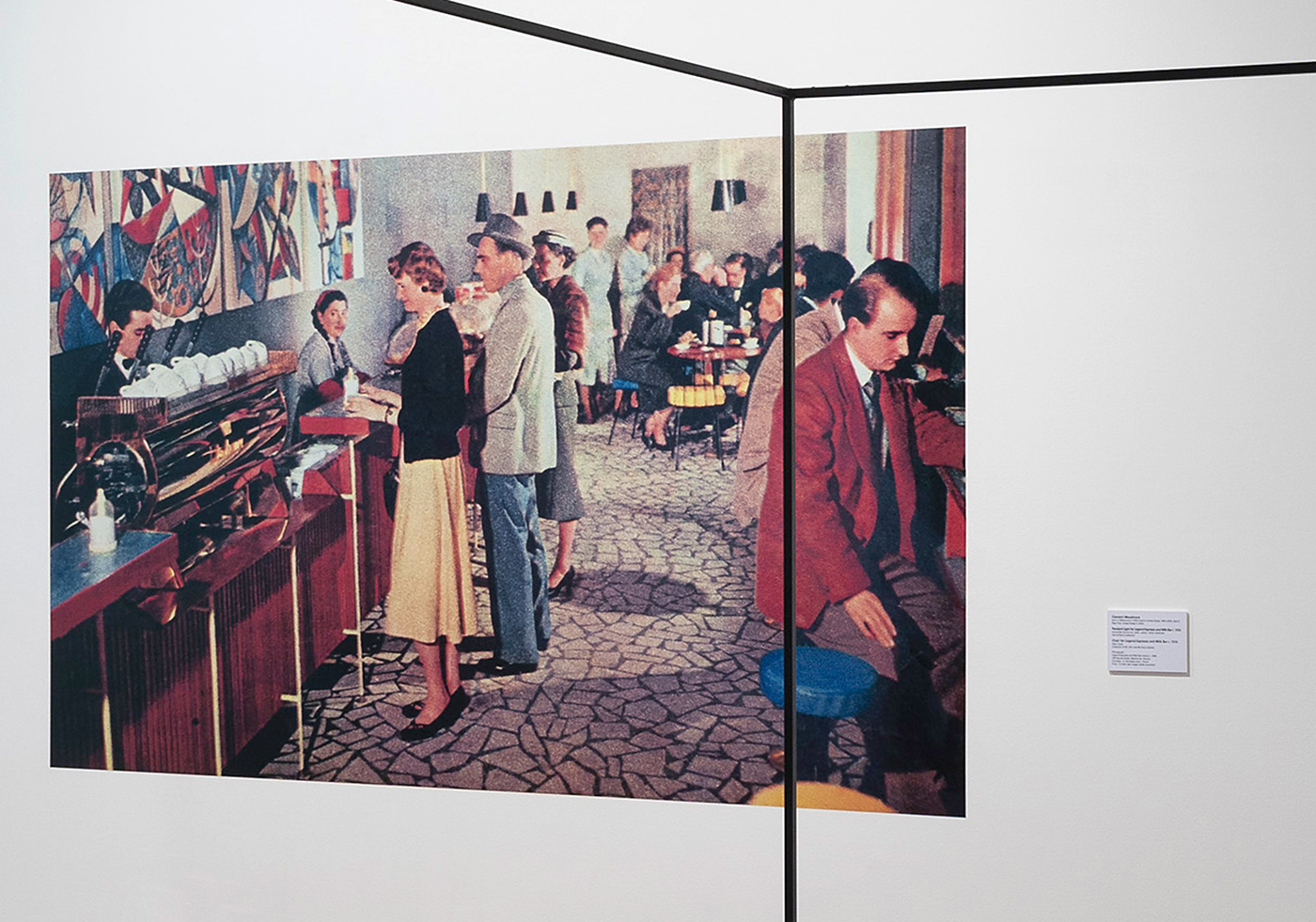

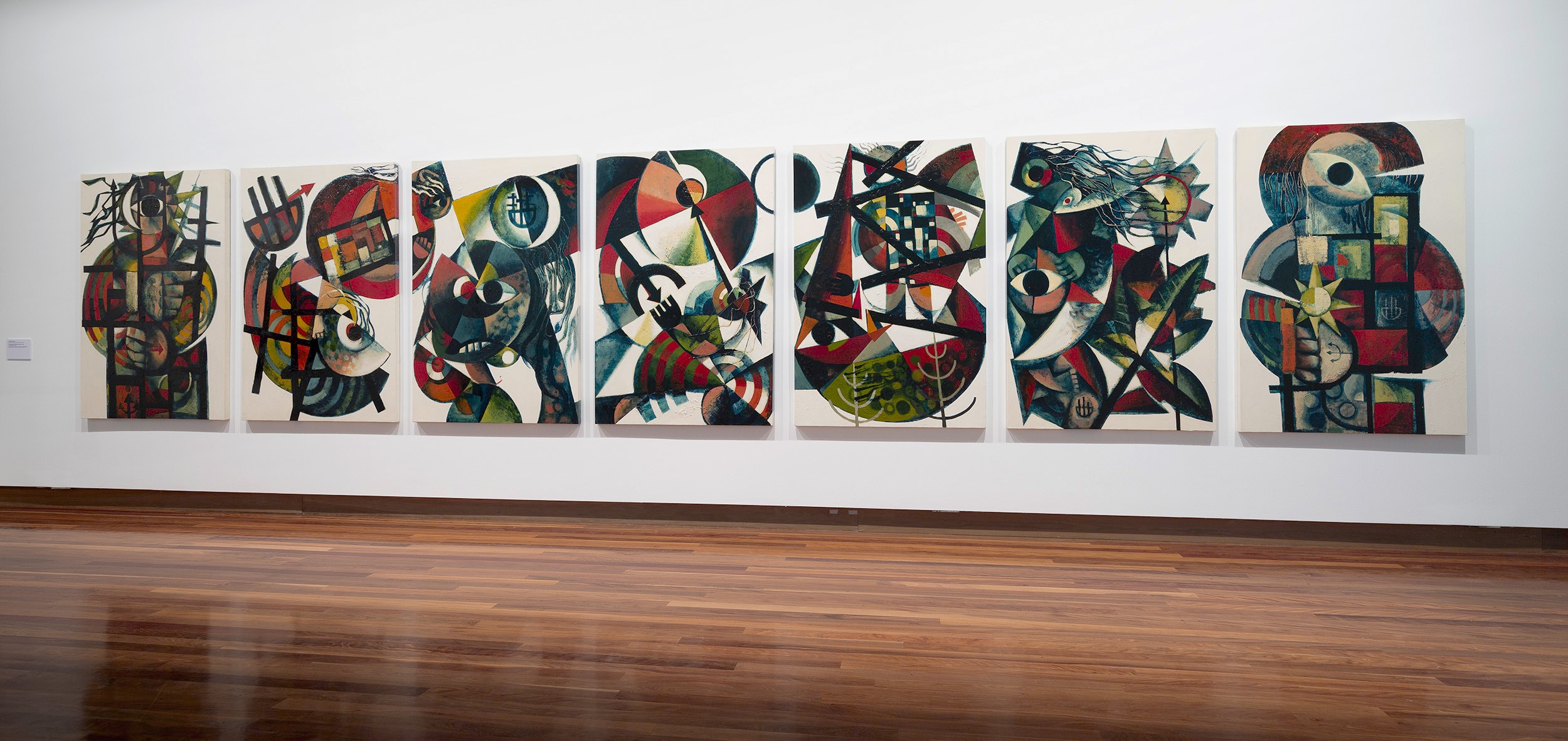
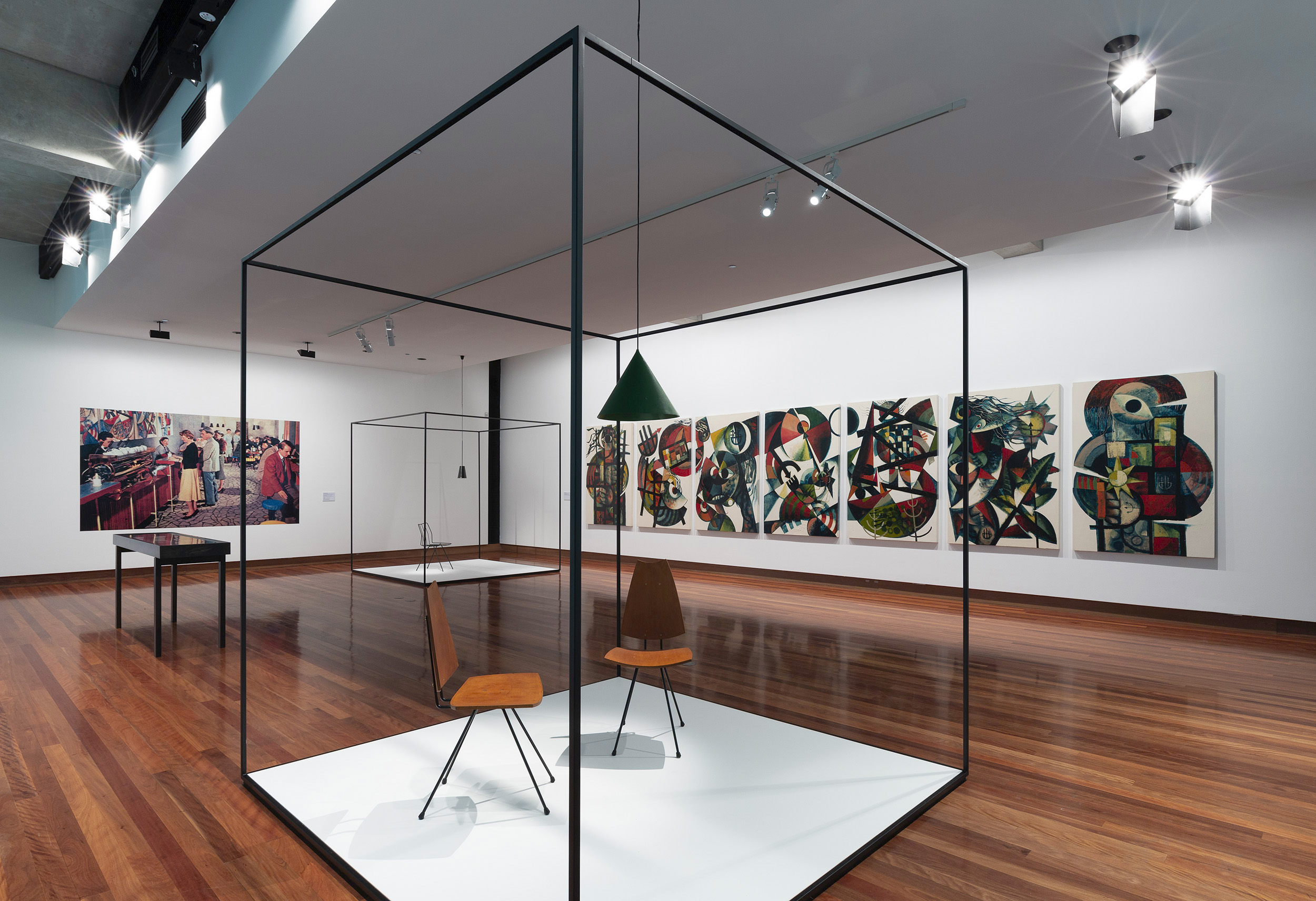


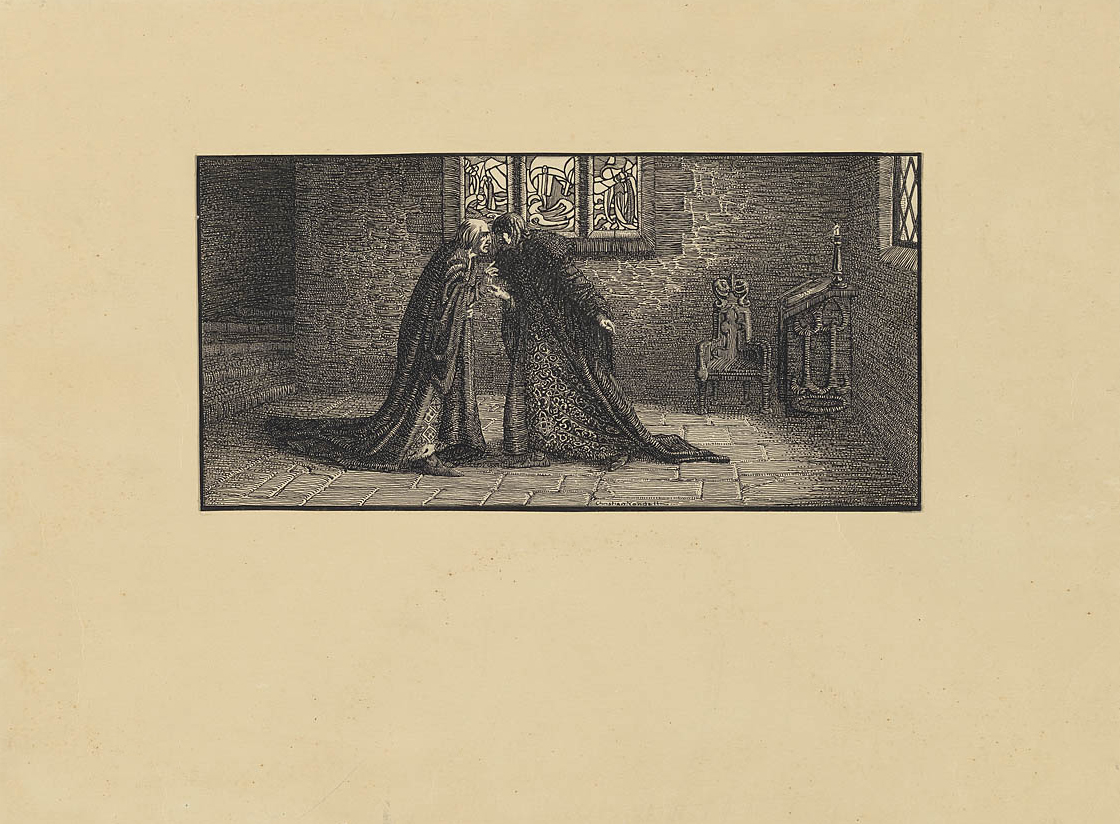
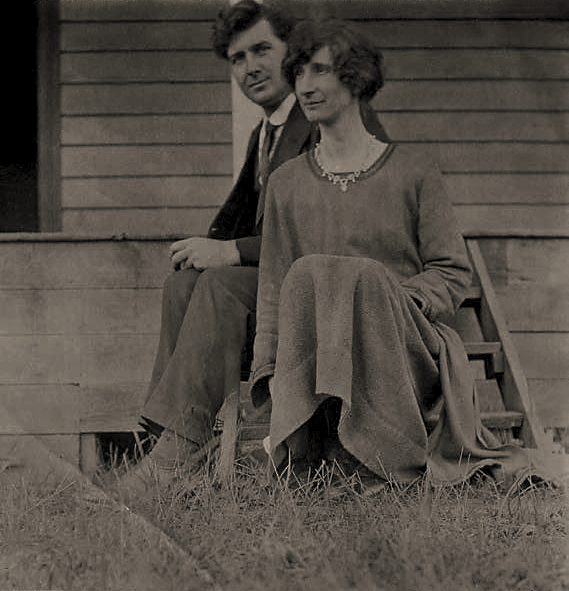


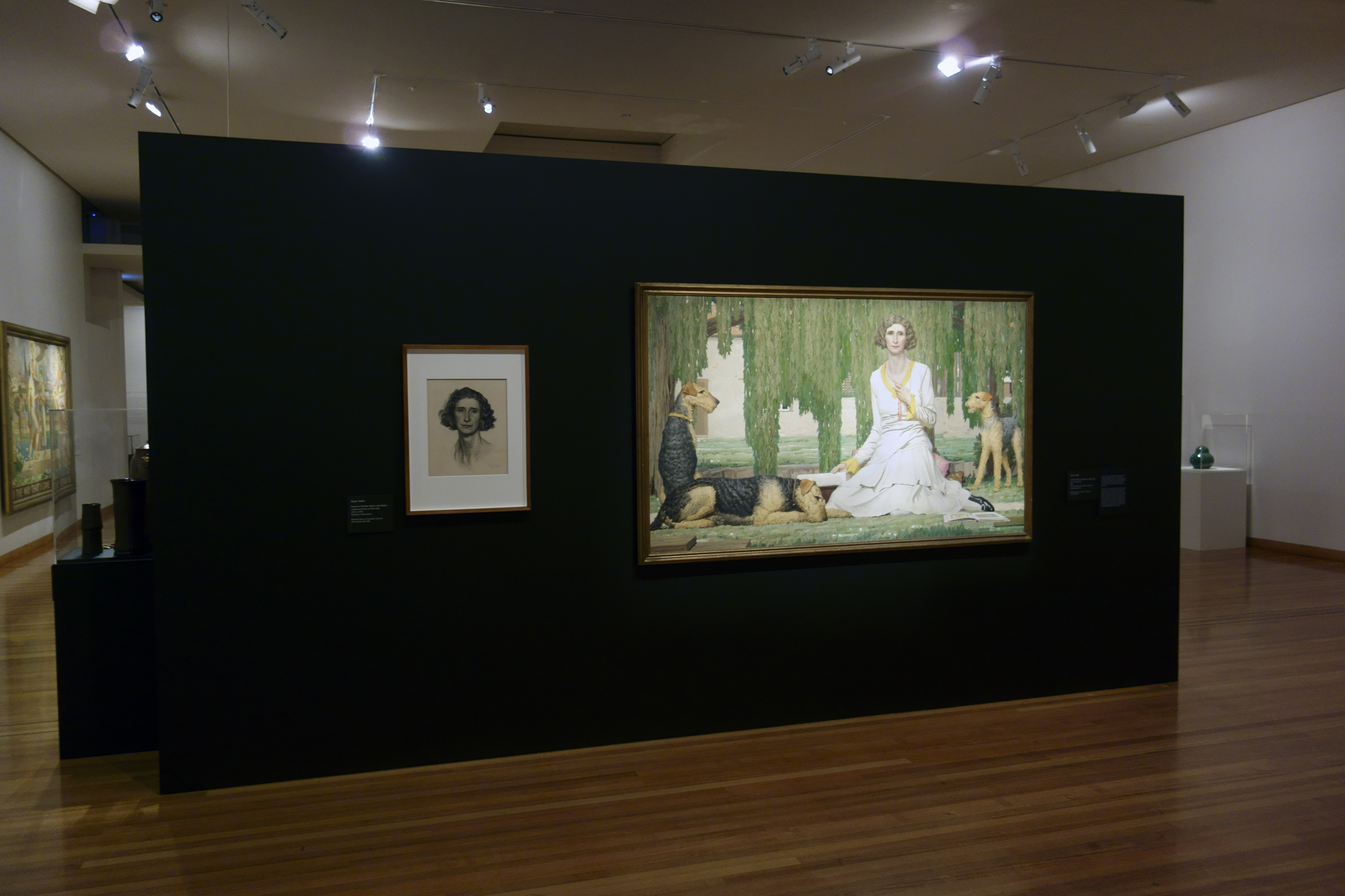
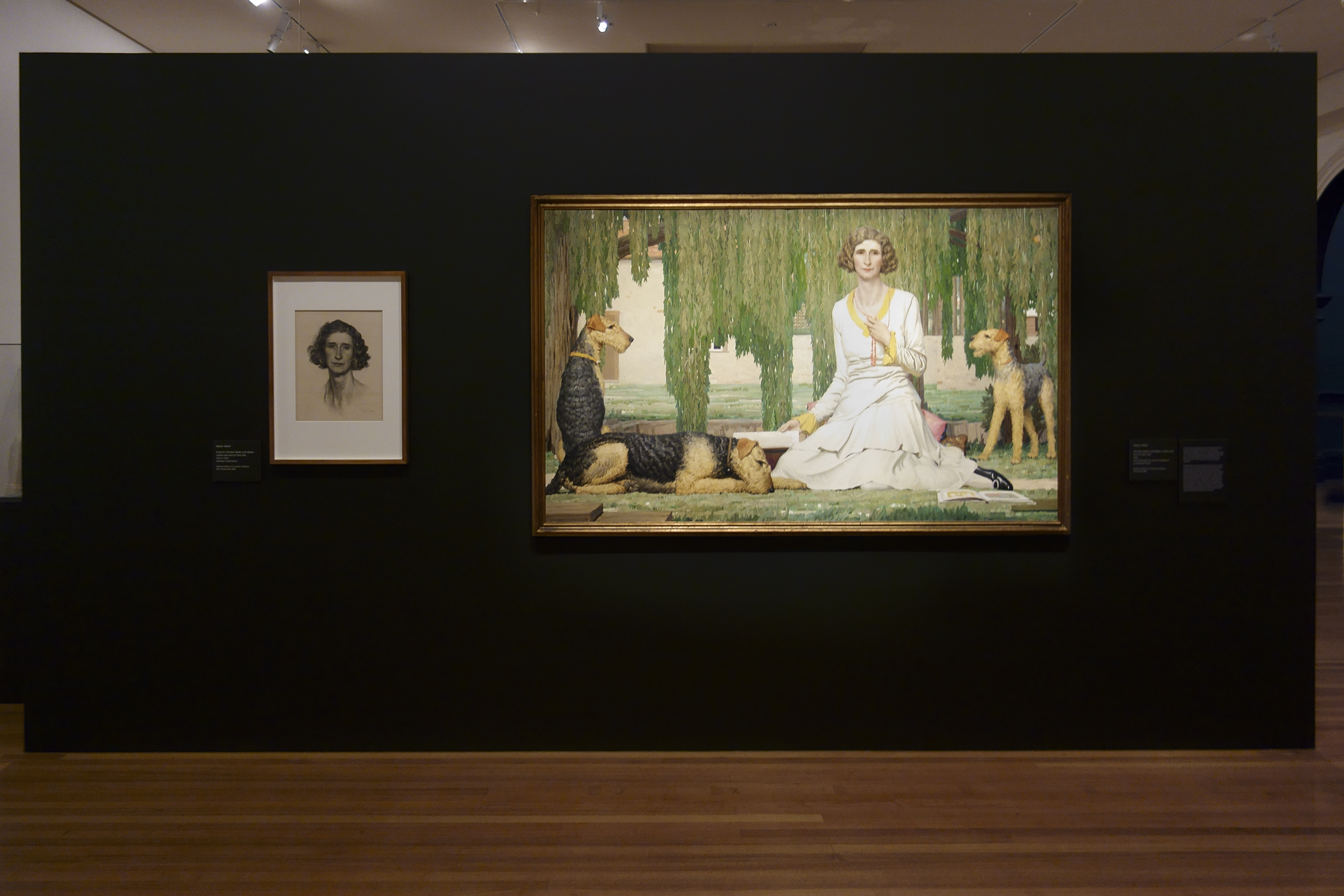
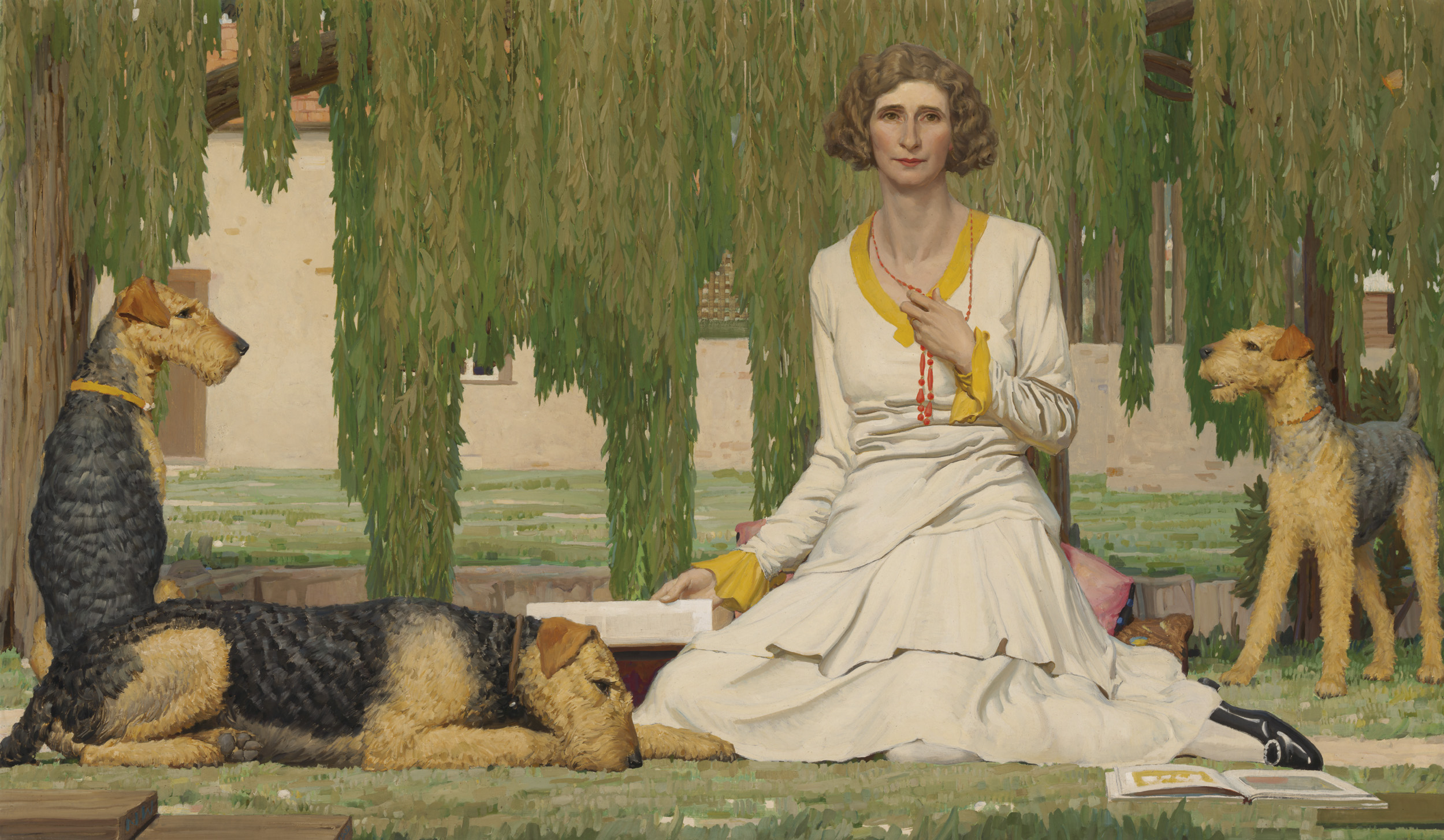

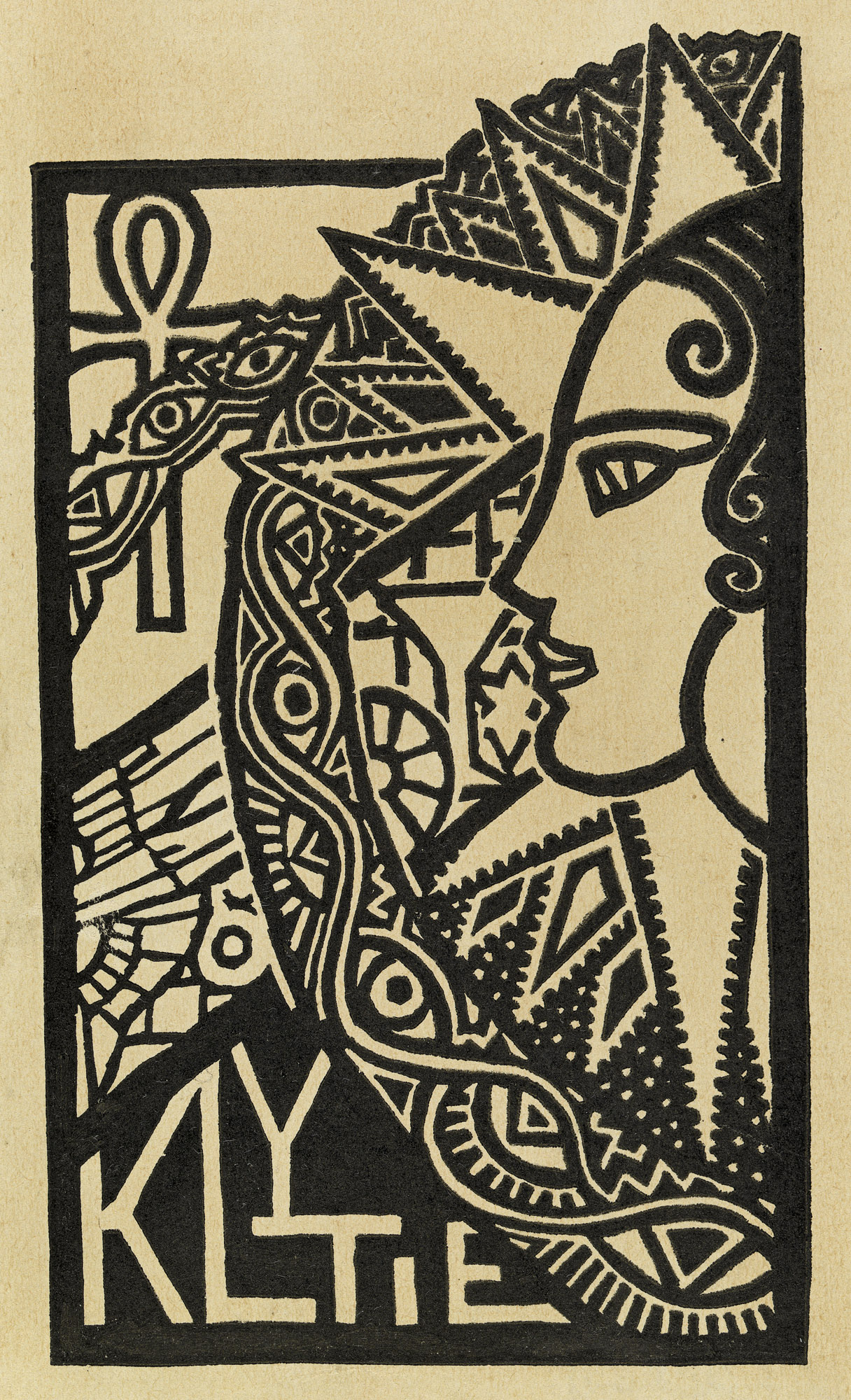

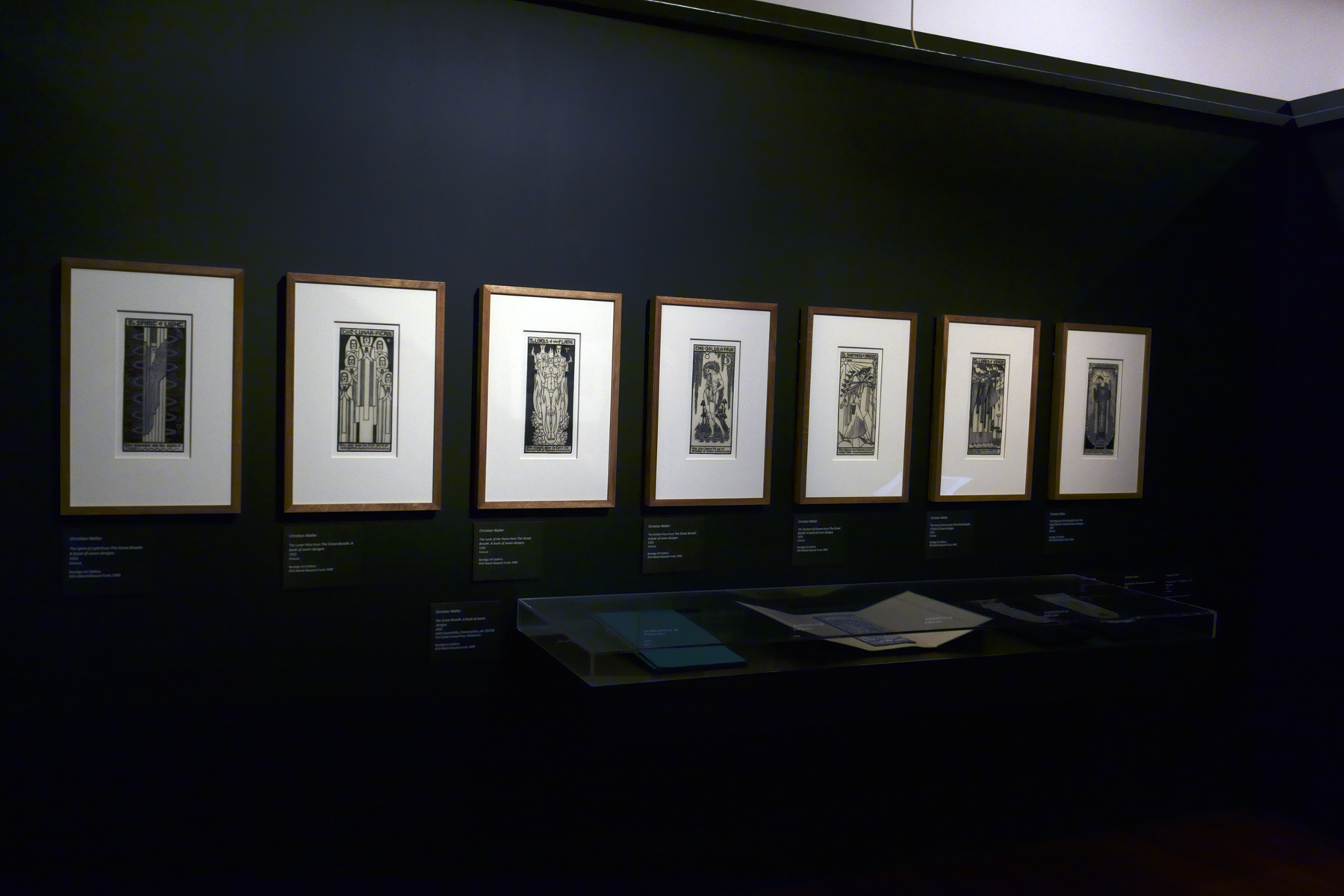


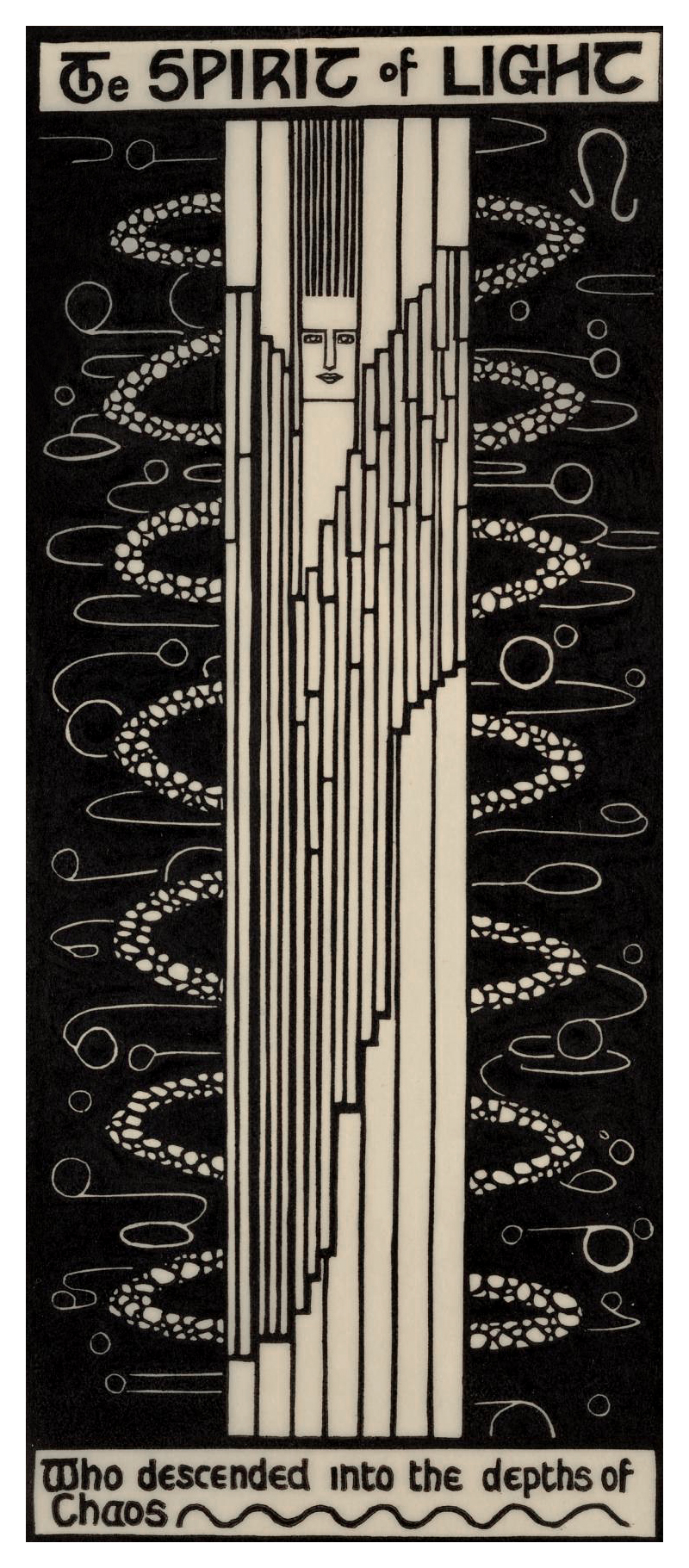
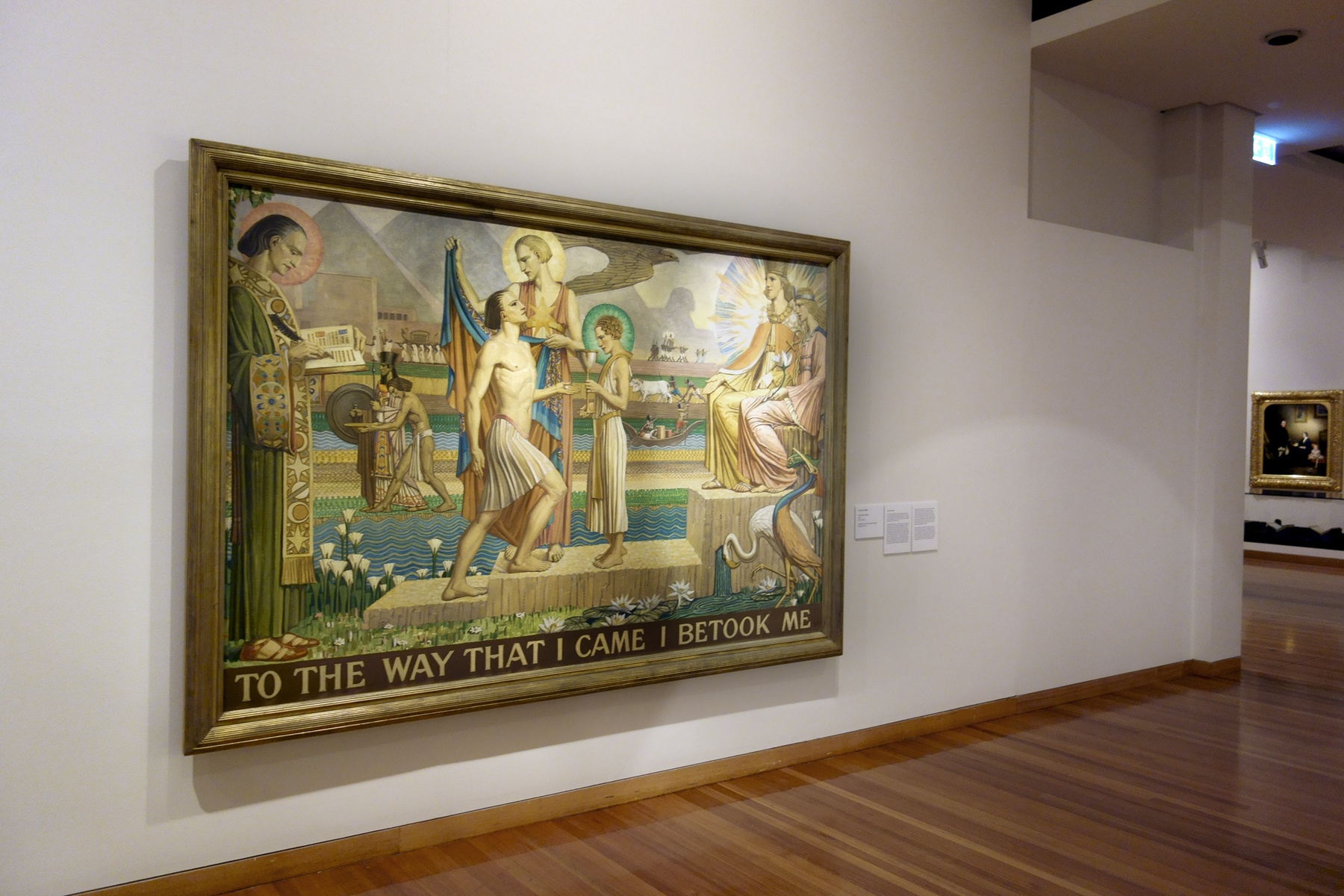
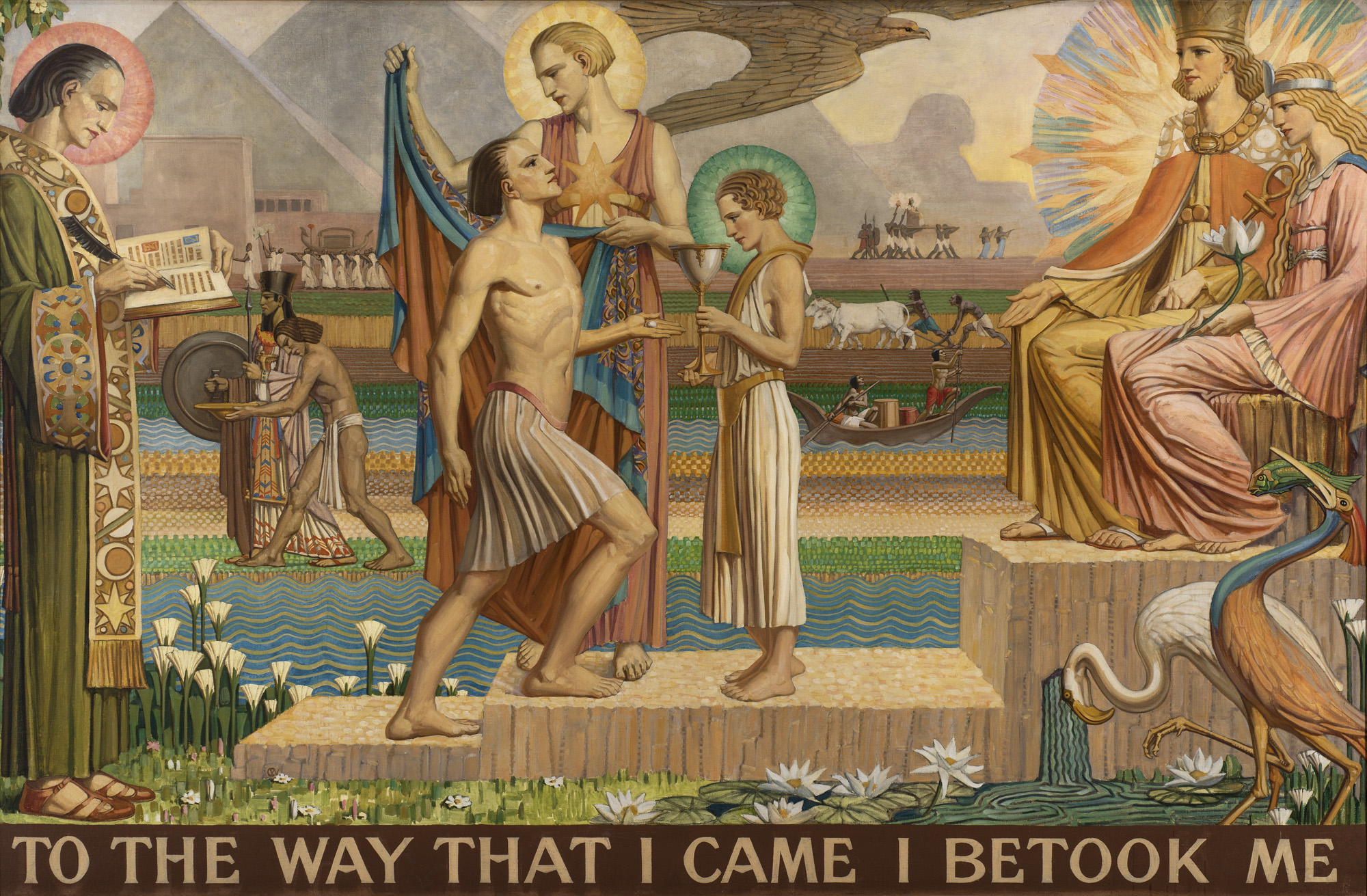


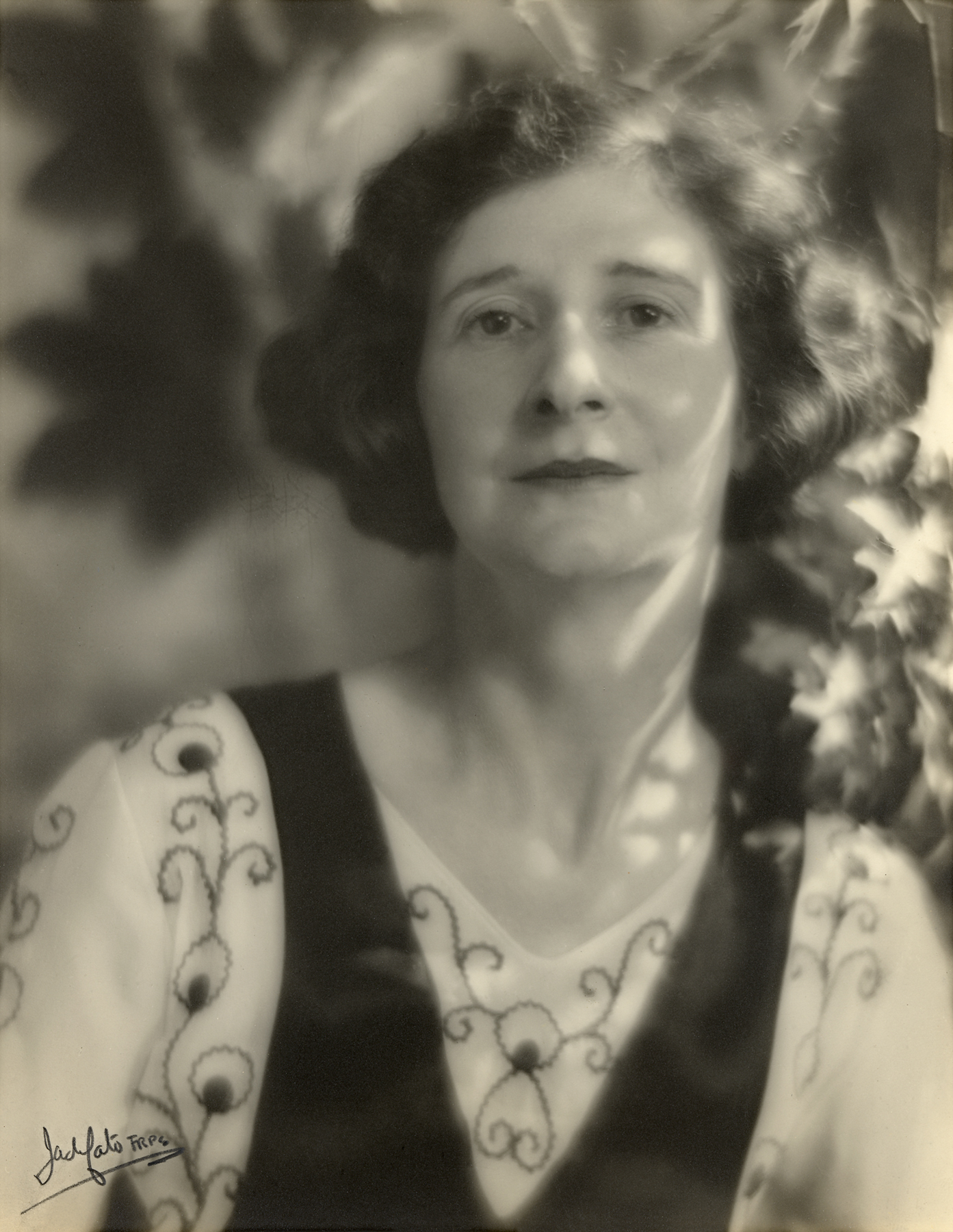
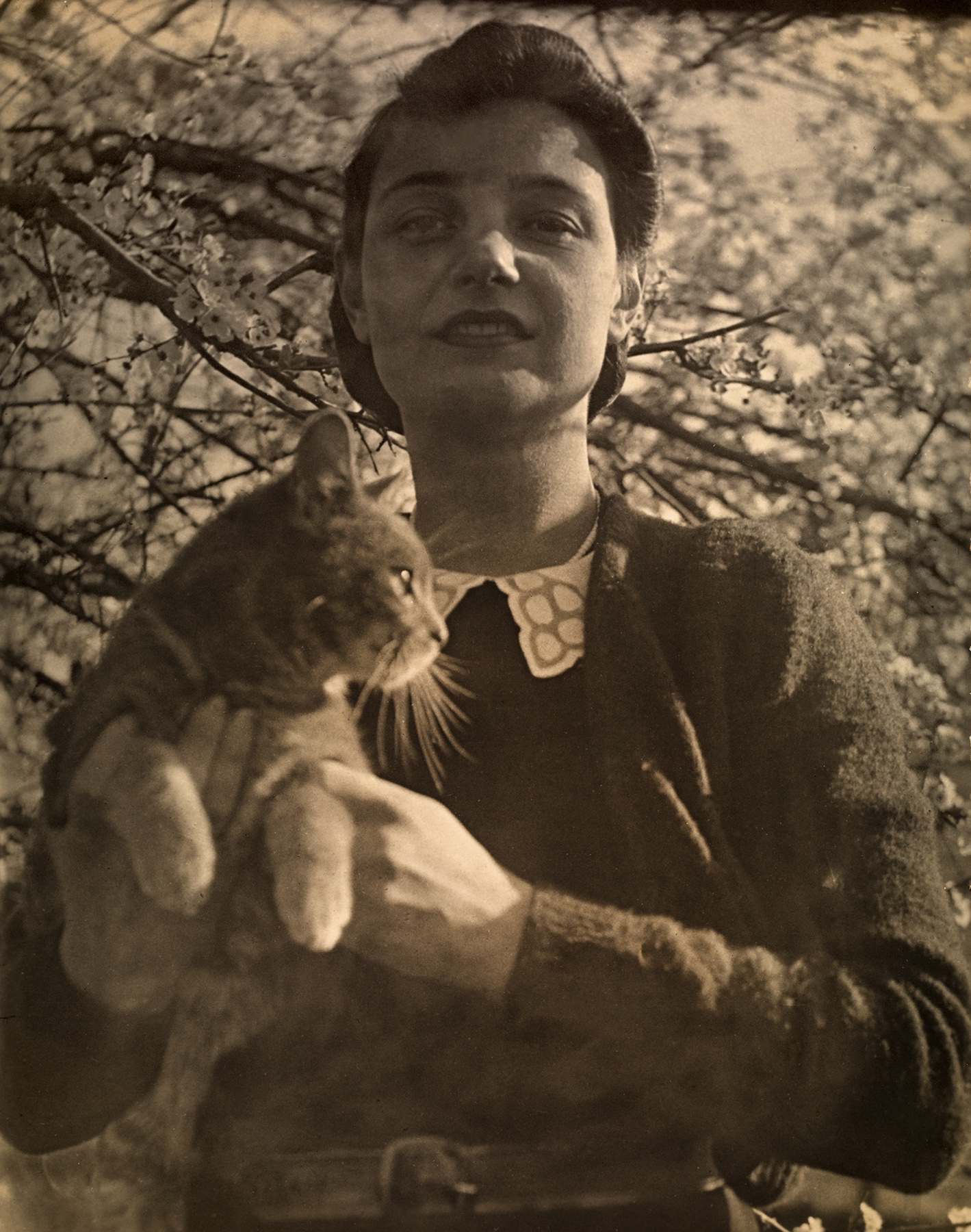

![Photographer unknown. 'Untitled (Klytie Pate [centre] at Melbourne Technical College)' early 1930s](https://artblart.com/wp-content/uploads/2019/01/photographer-unknown-untitled-klytie-pate-at-melbourne-technical-college-early-1930s-web.jpg "Photographer unknown. 'Untitled (Klytie Pate [centre] at Melbourne Technical College)' early 1930s")
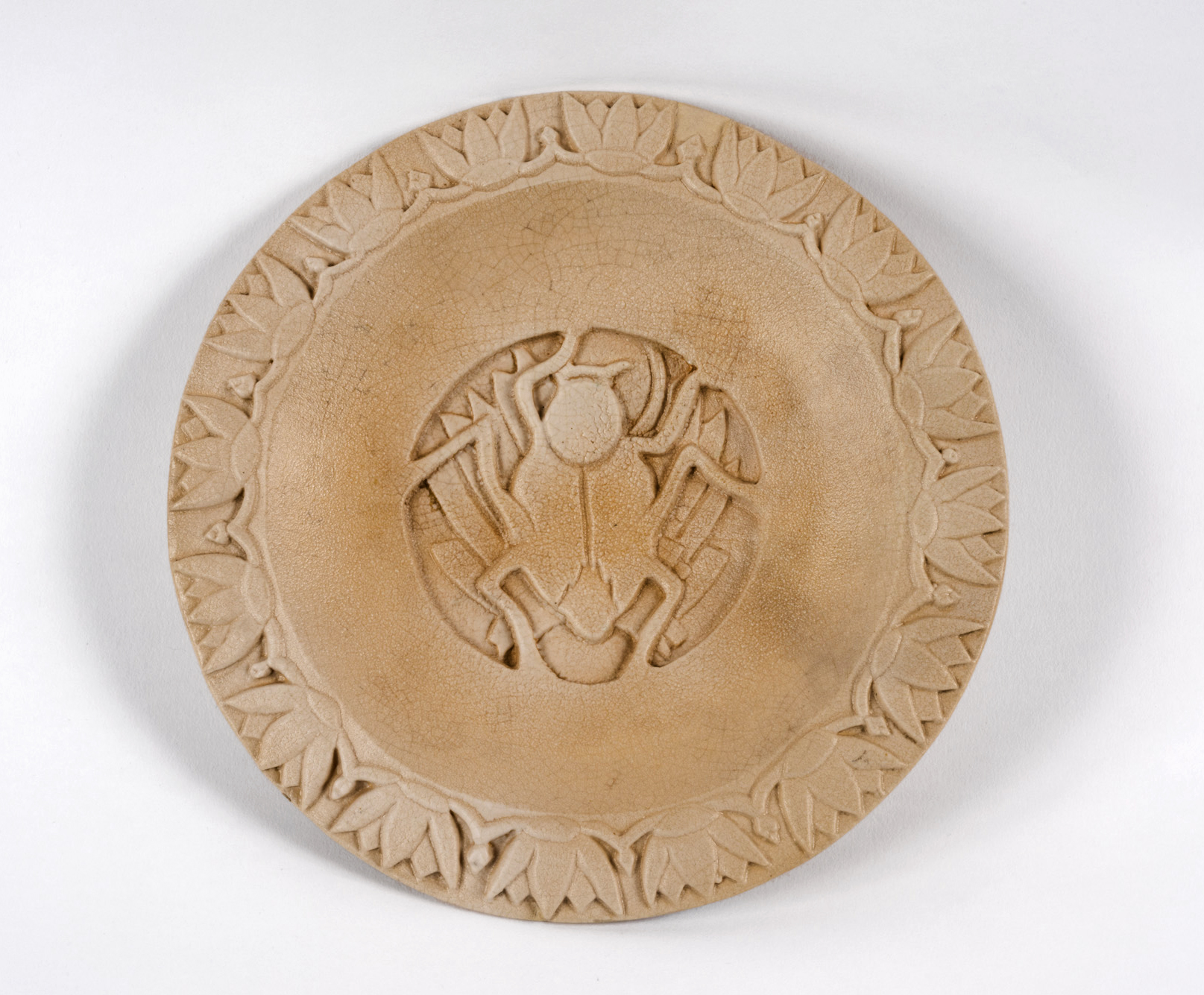
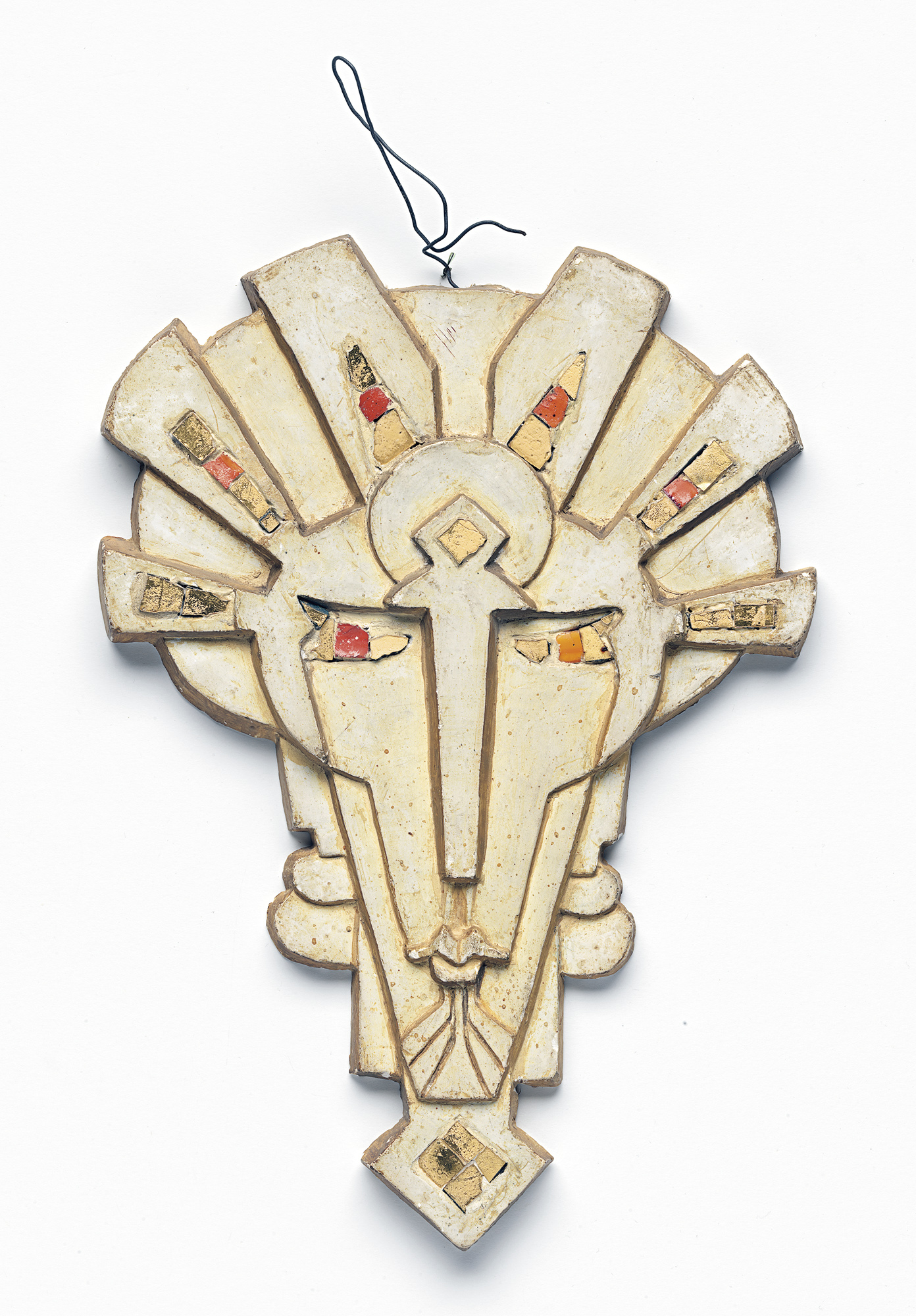
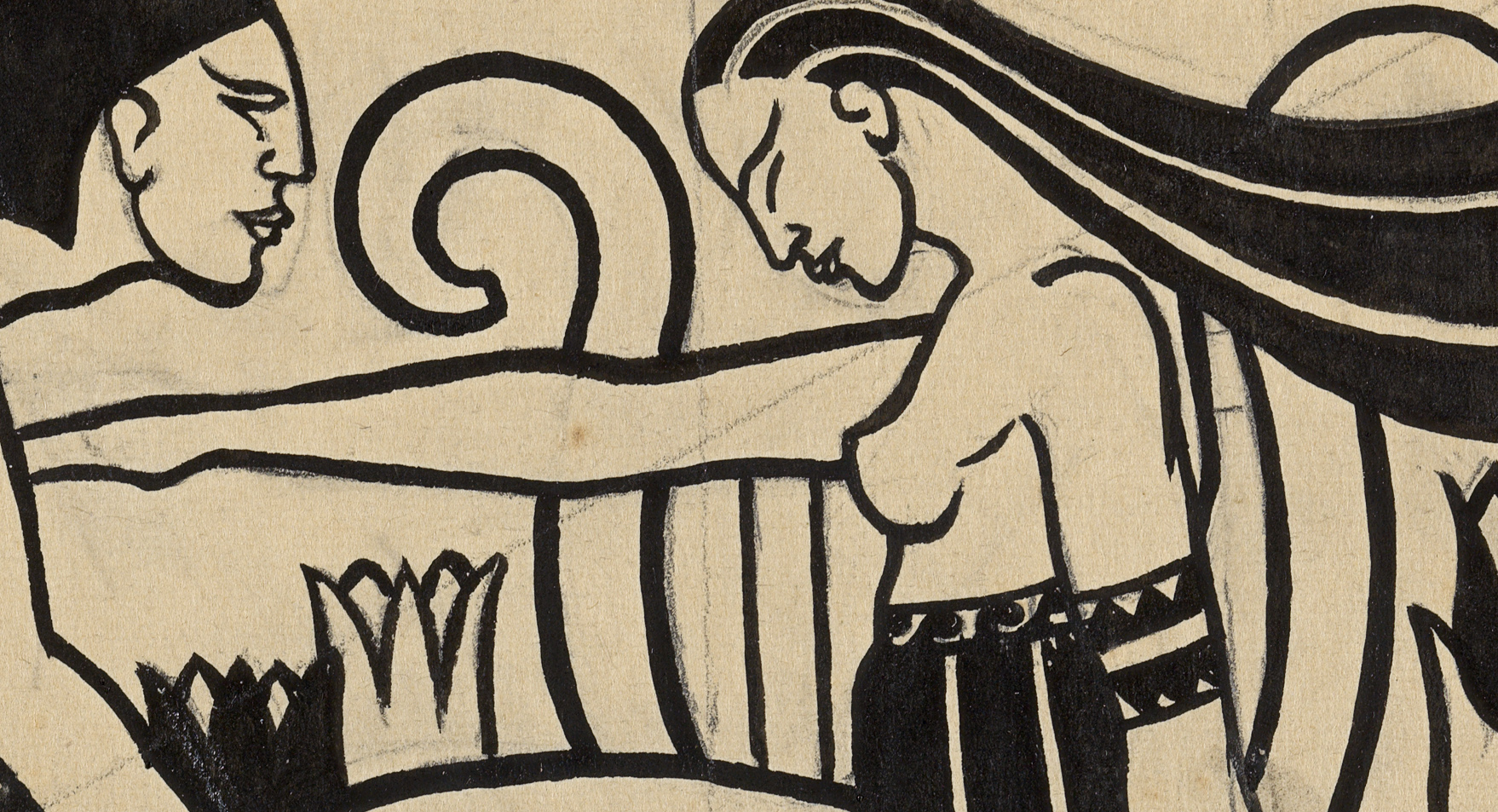
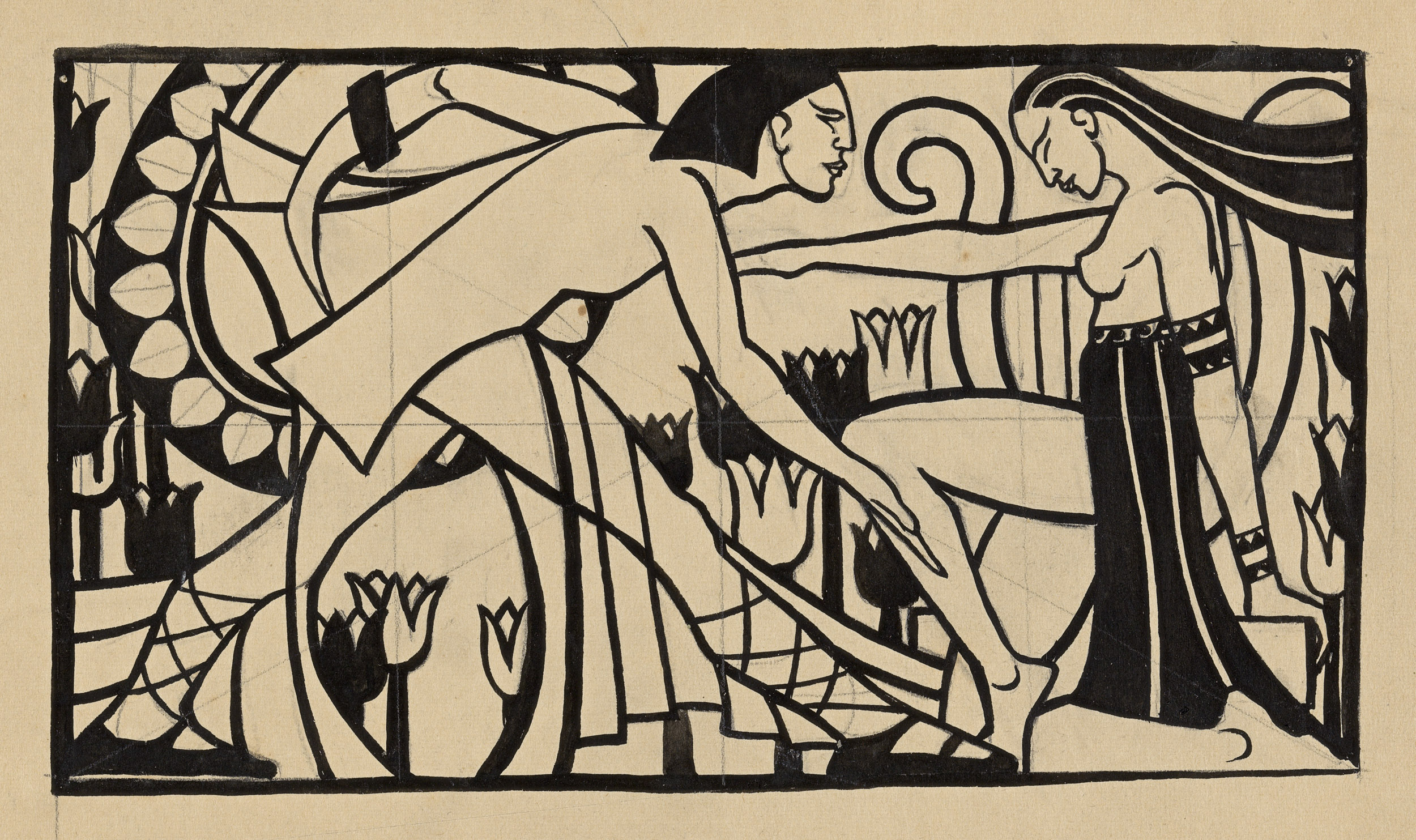


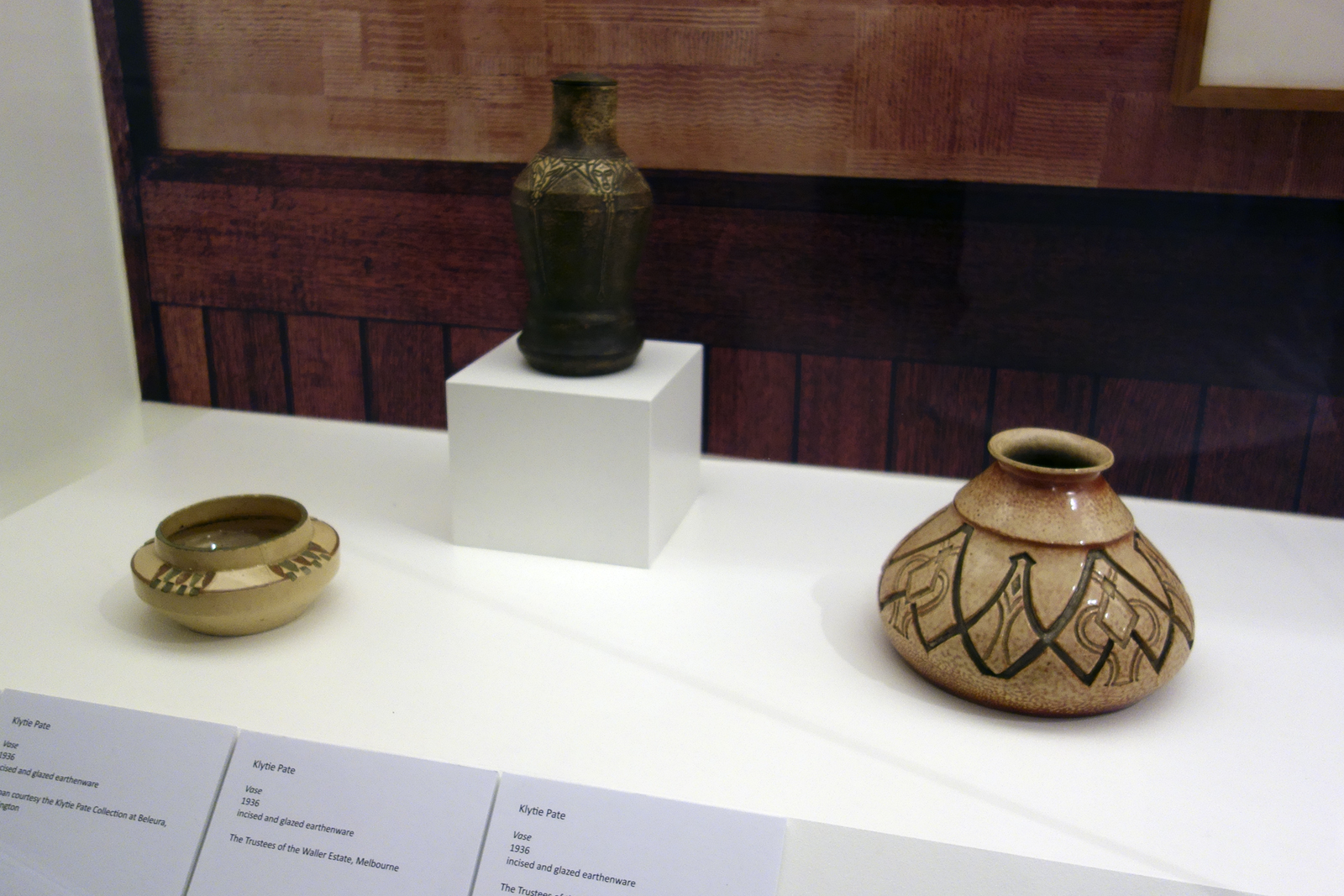
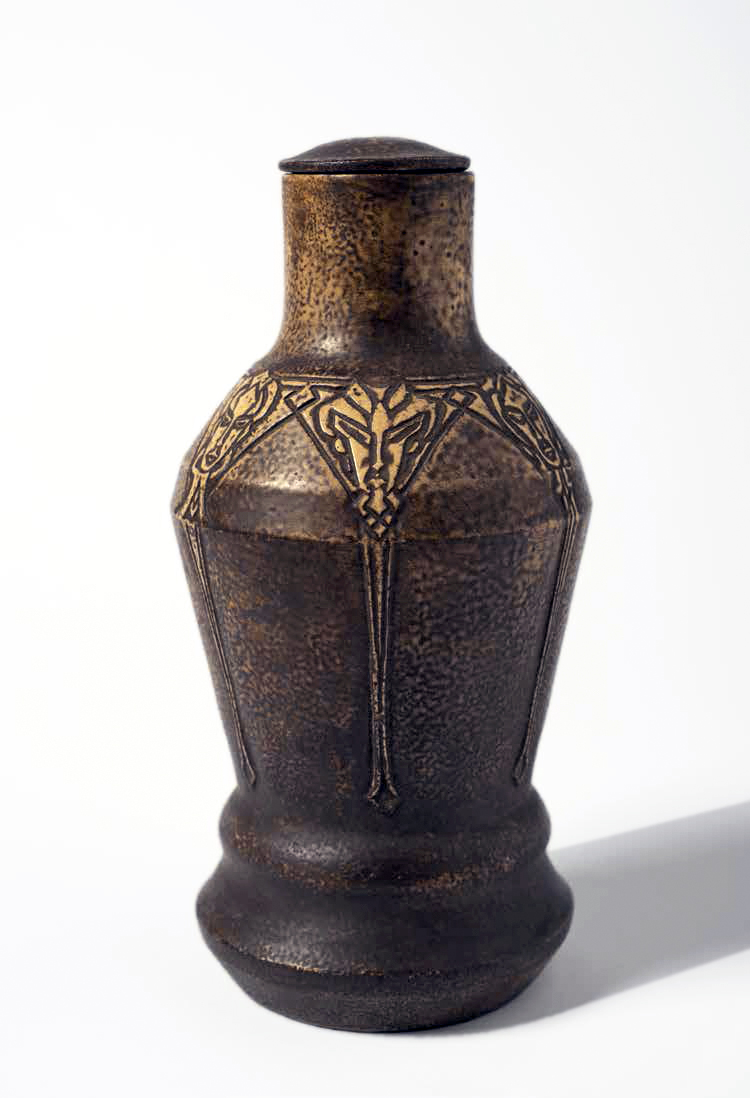
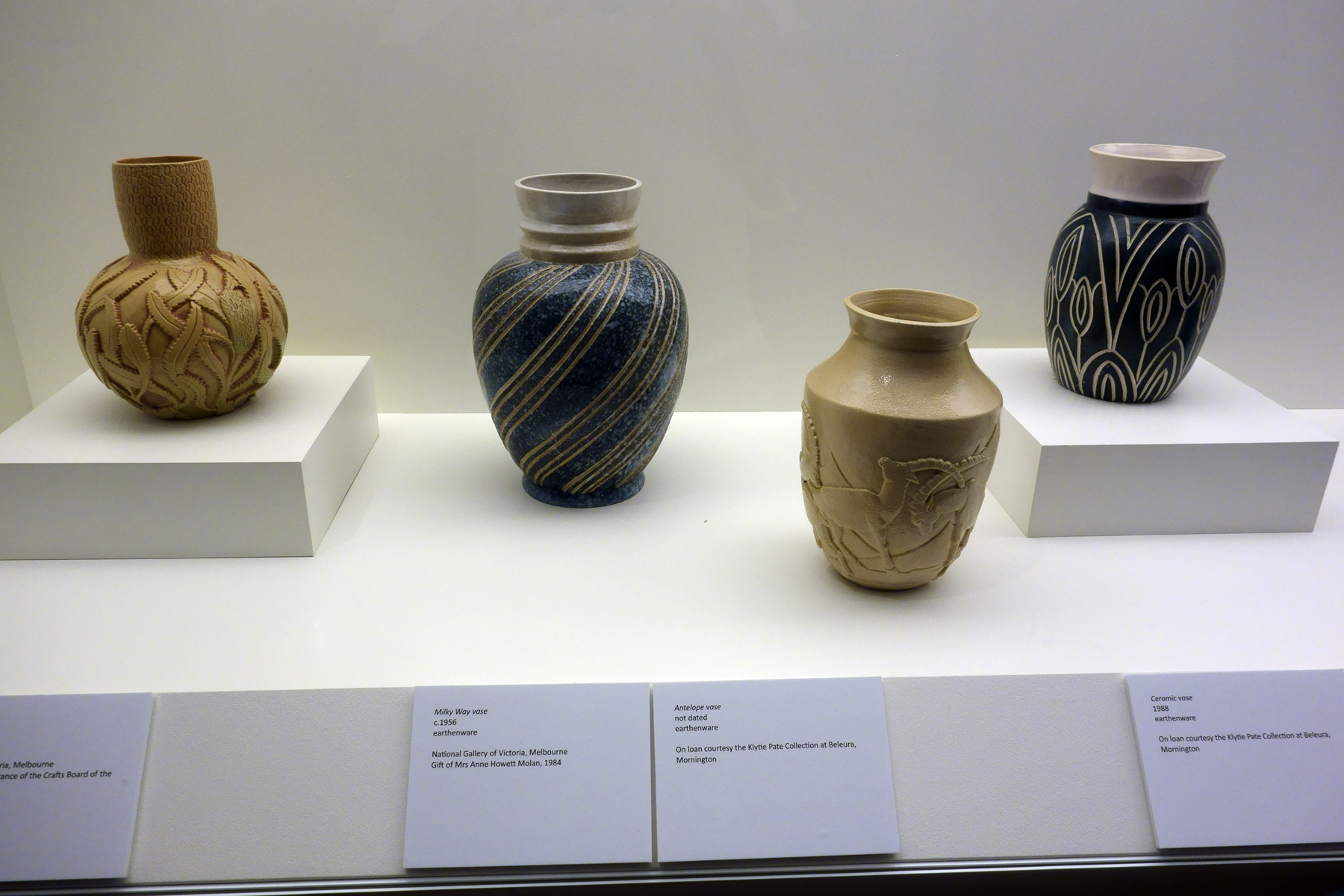


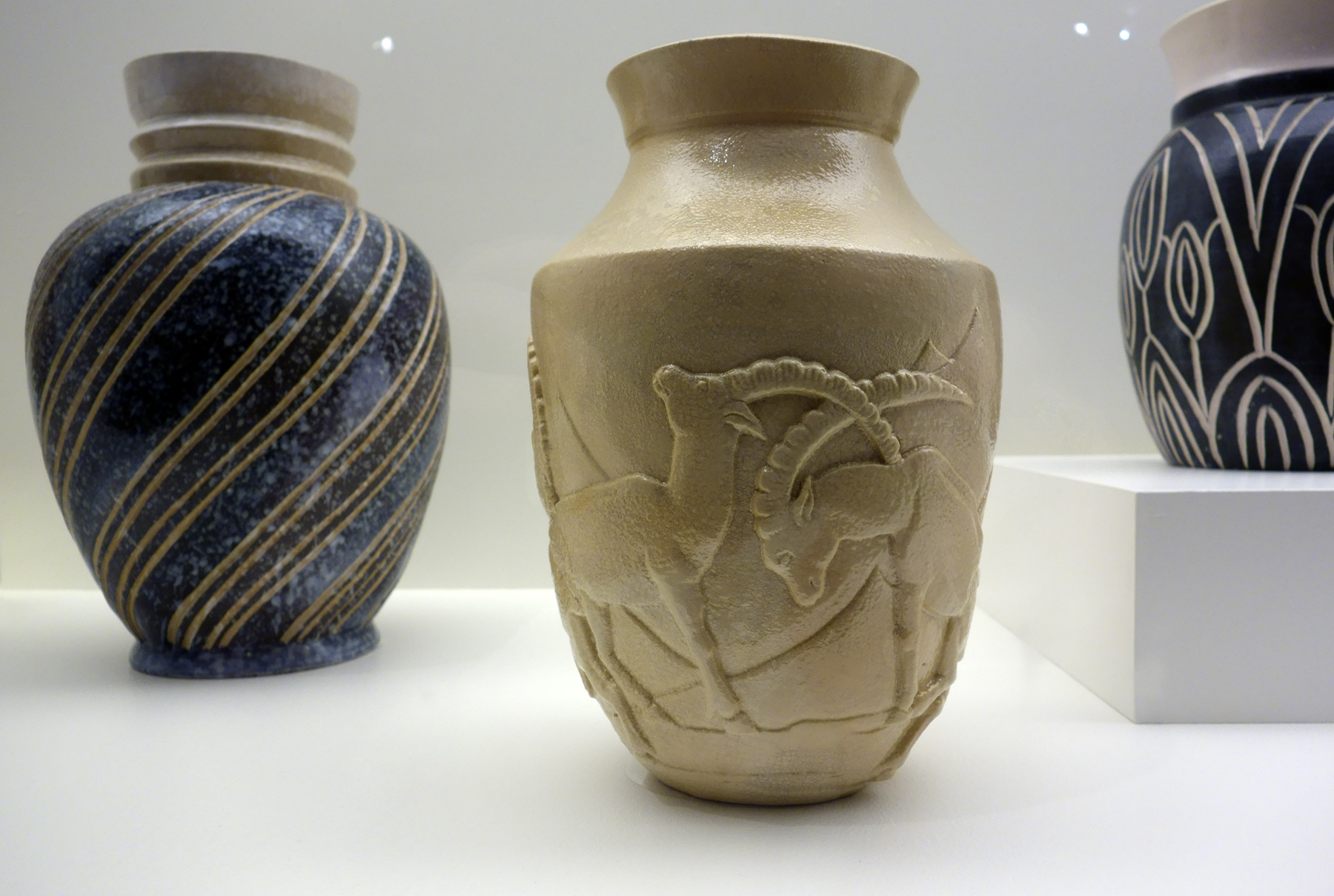
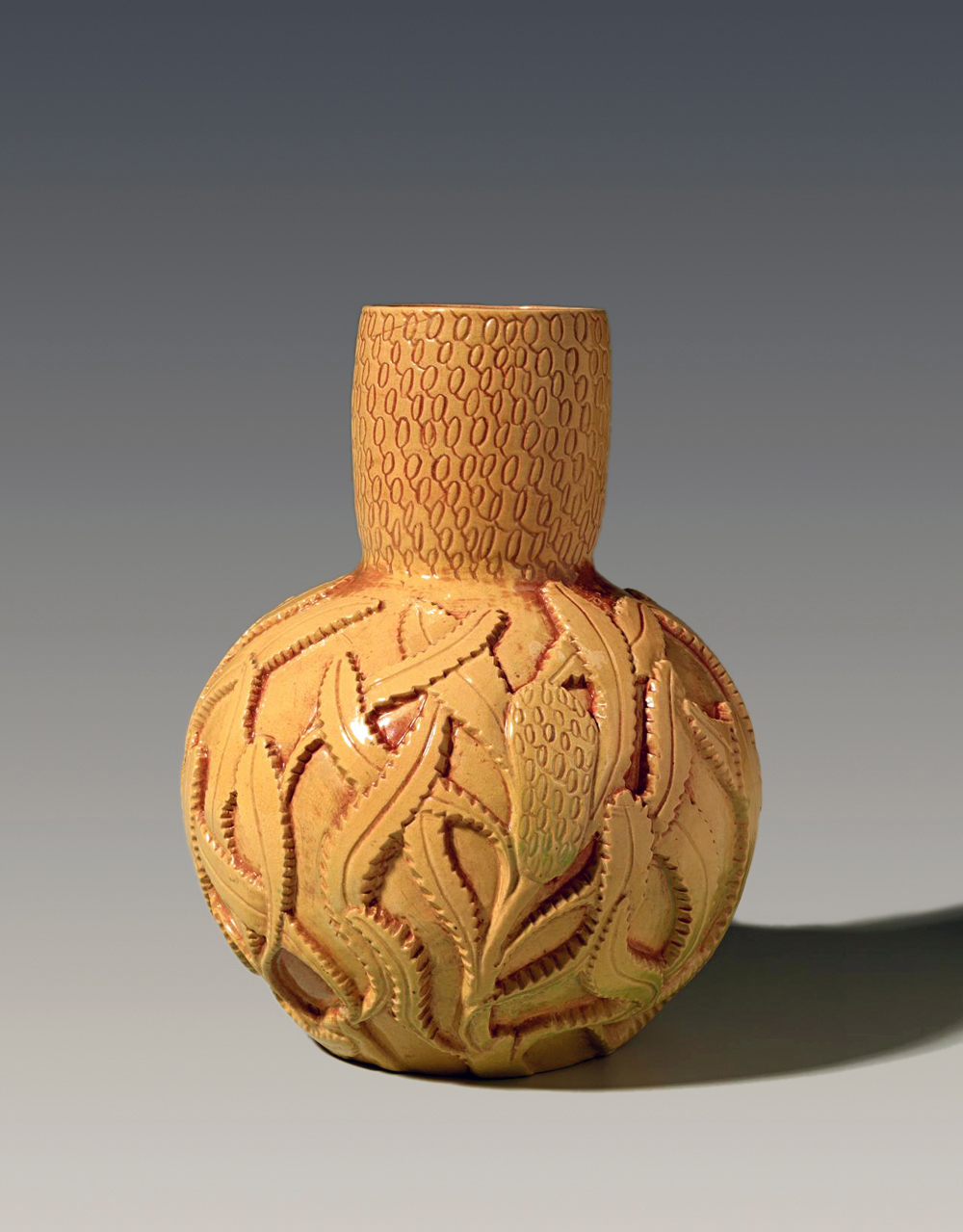
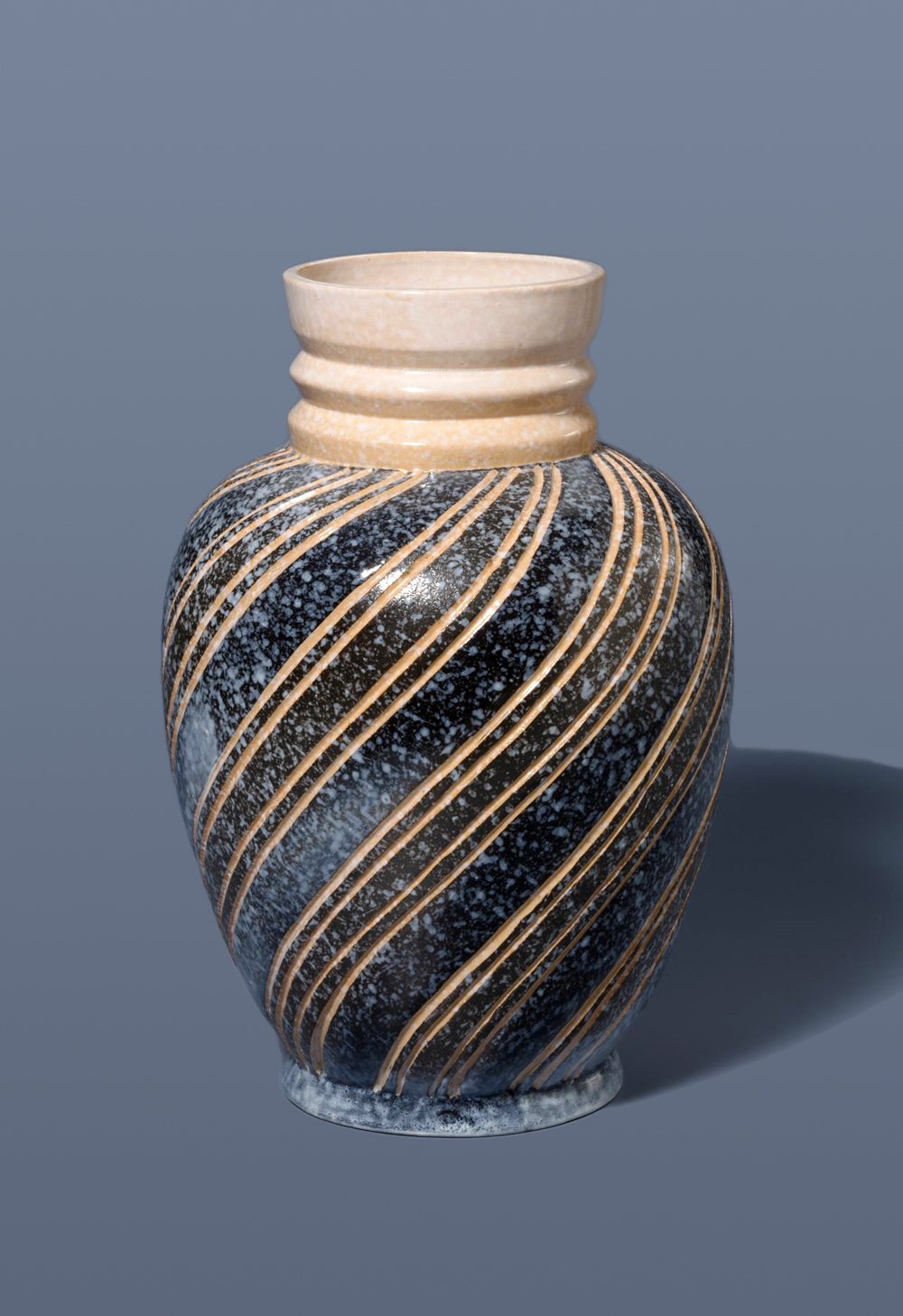
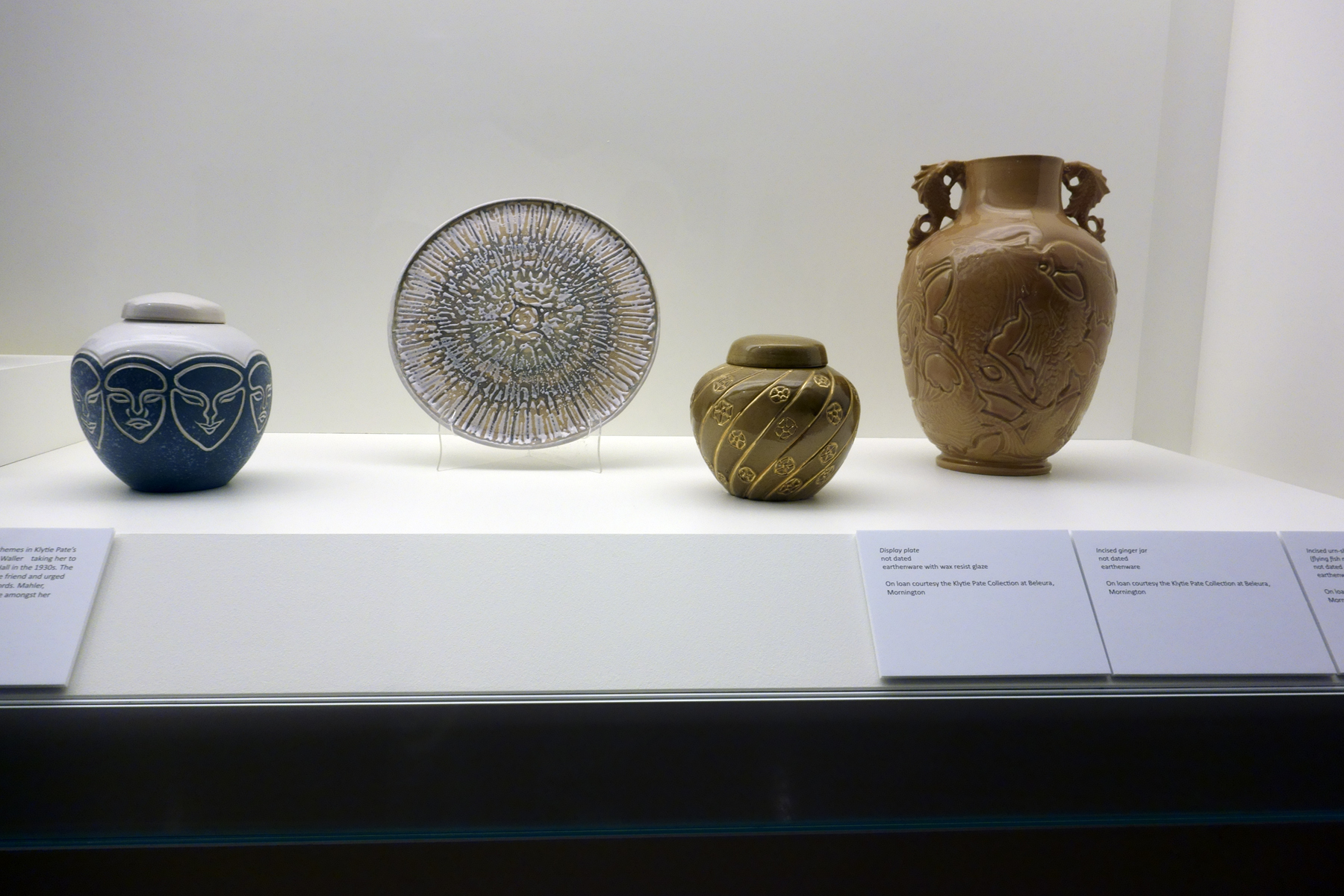

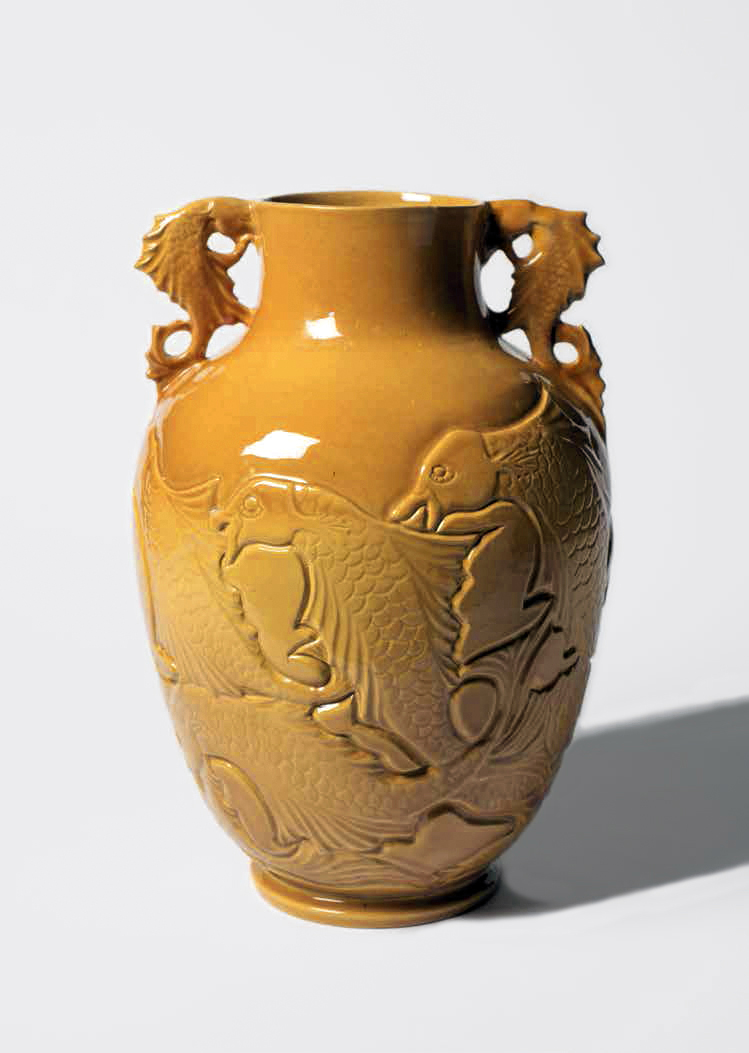

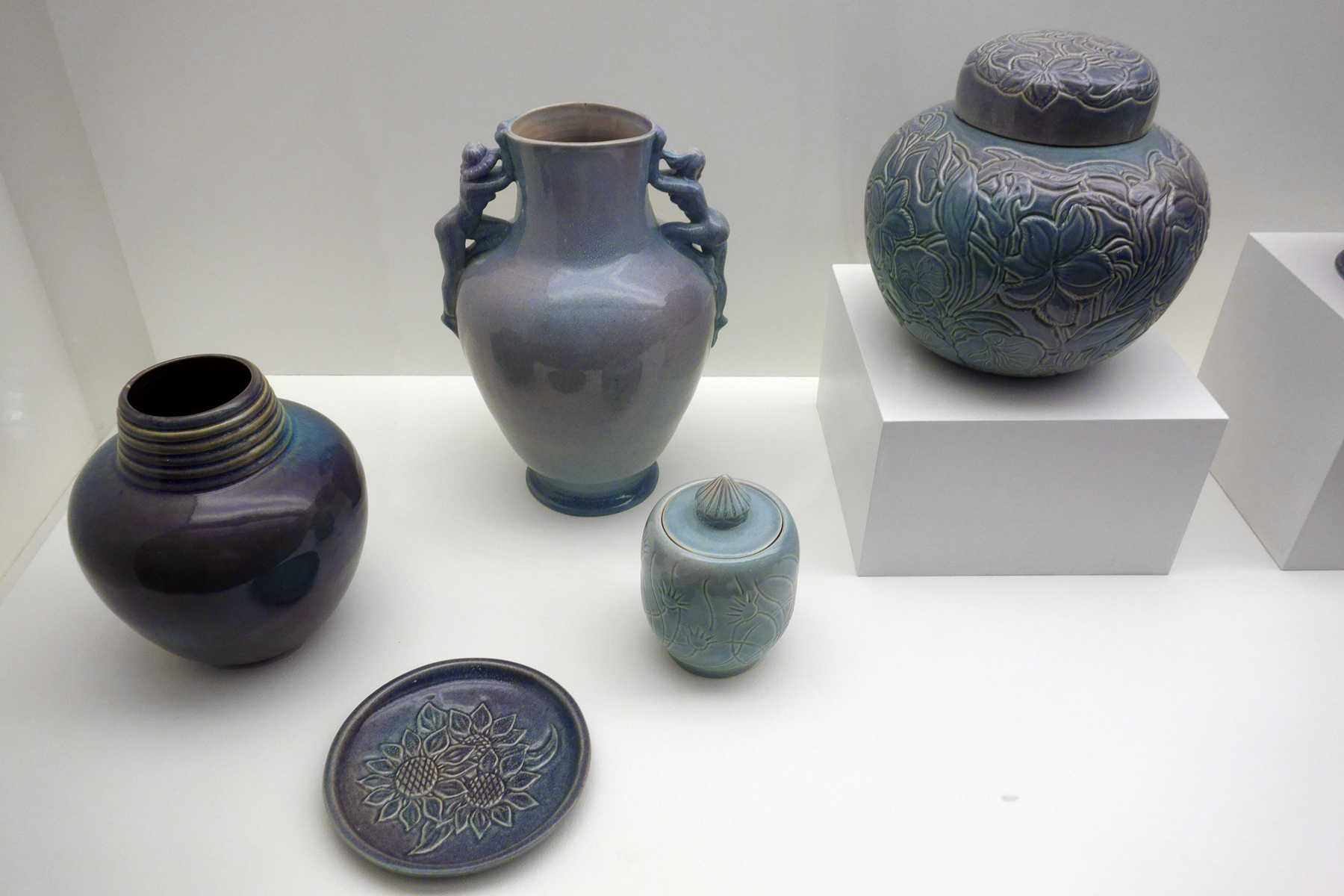
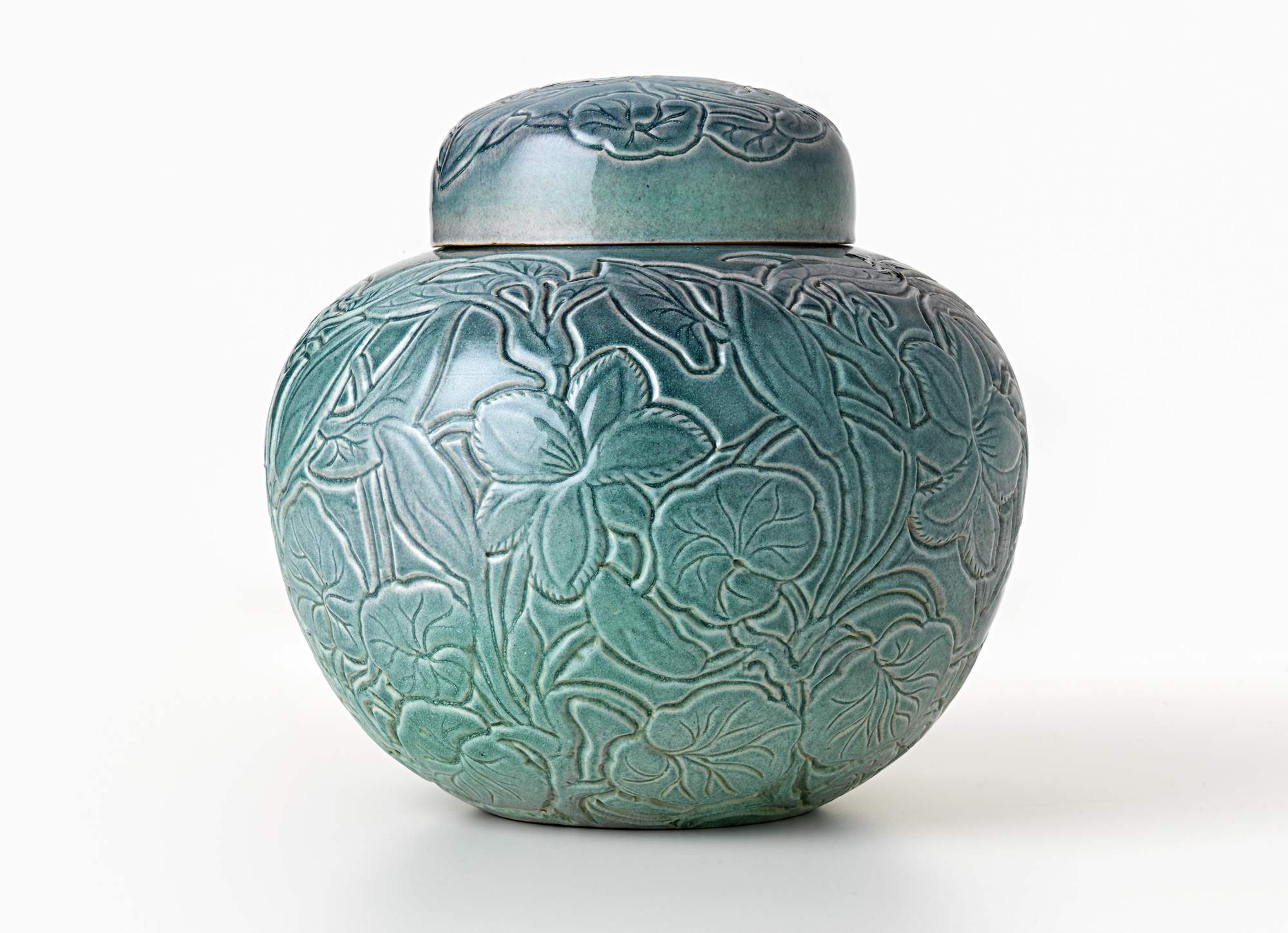

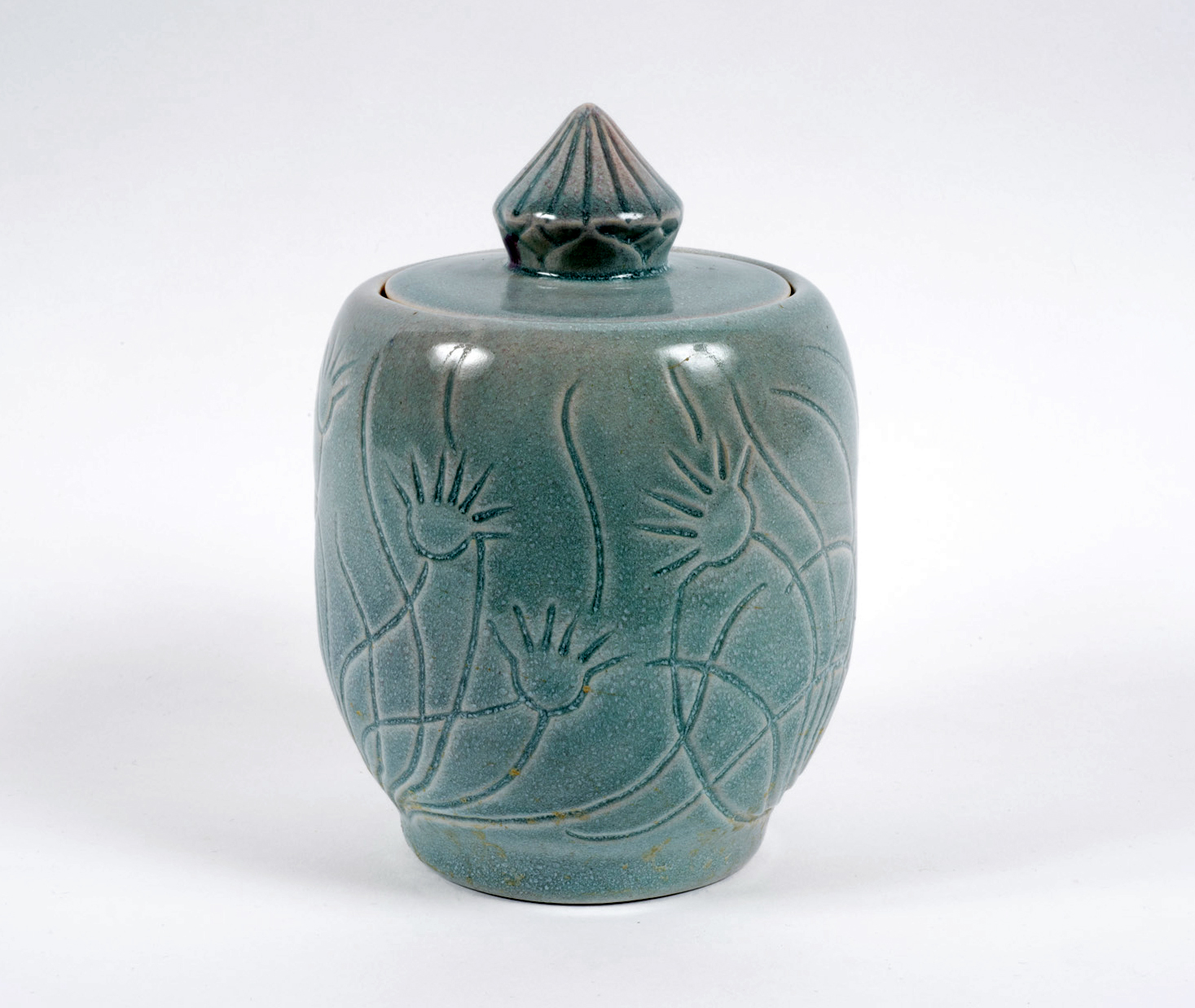


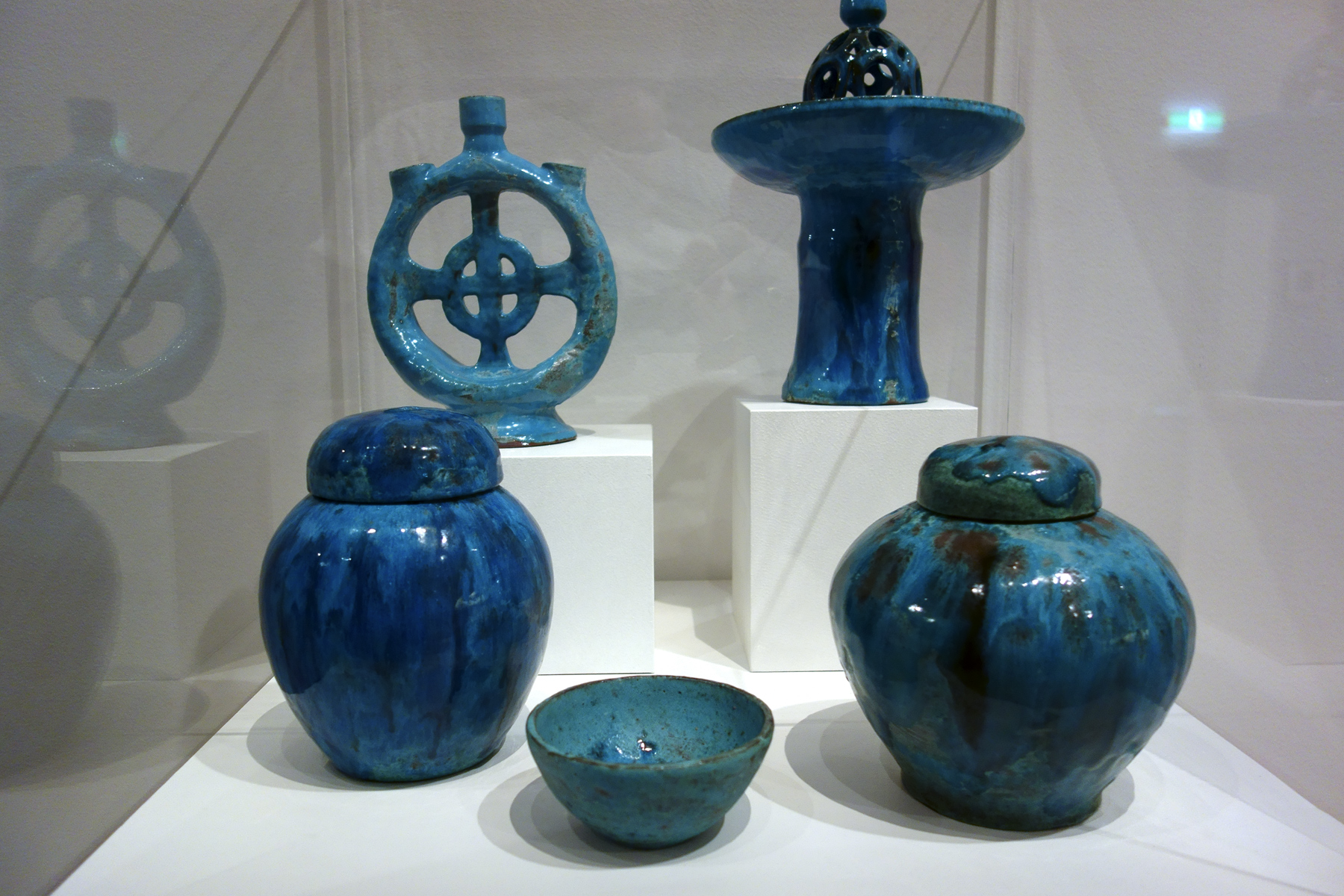
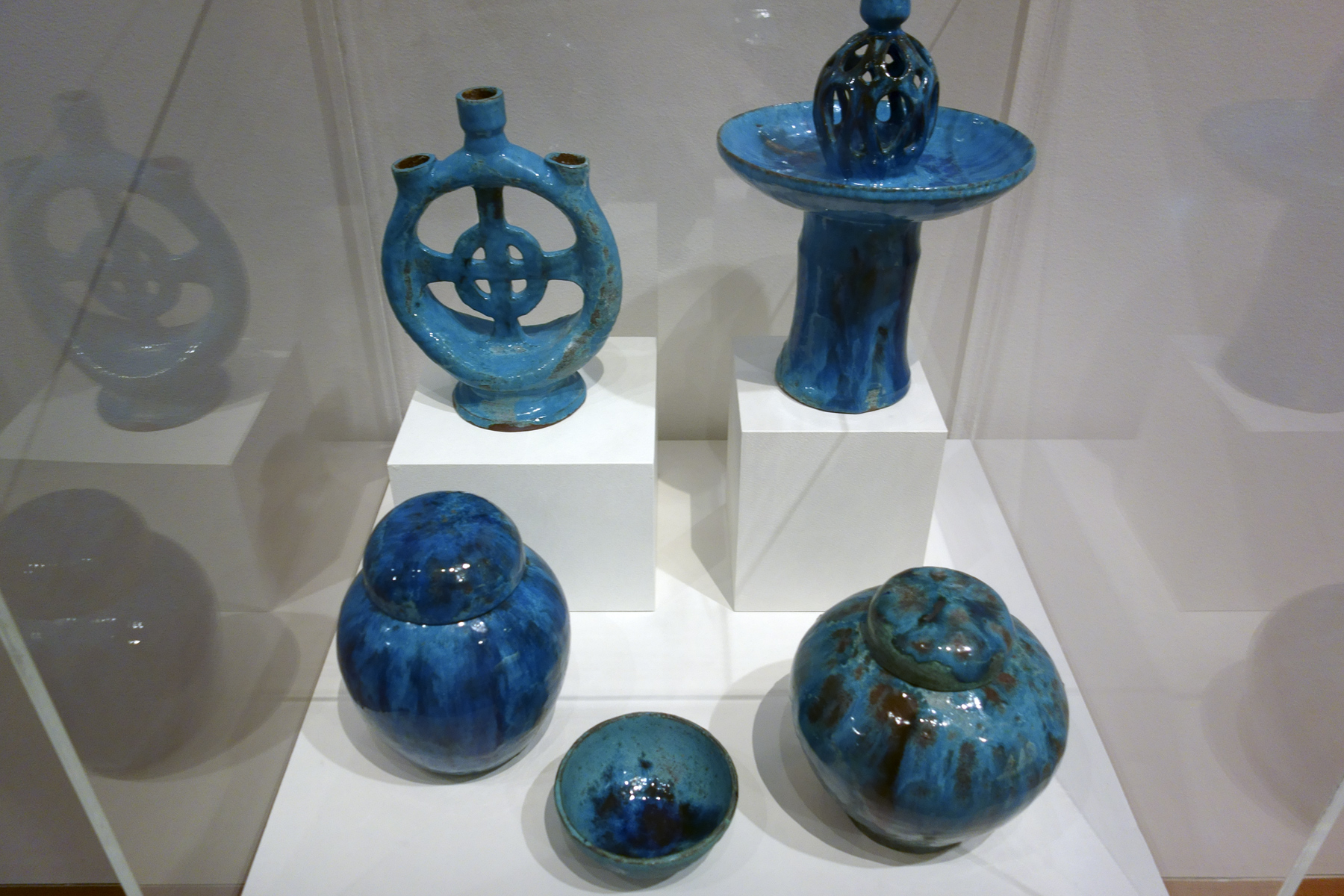
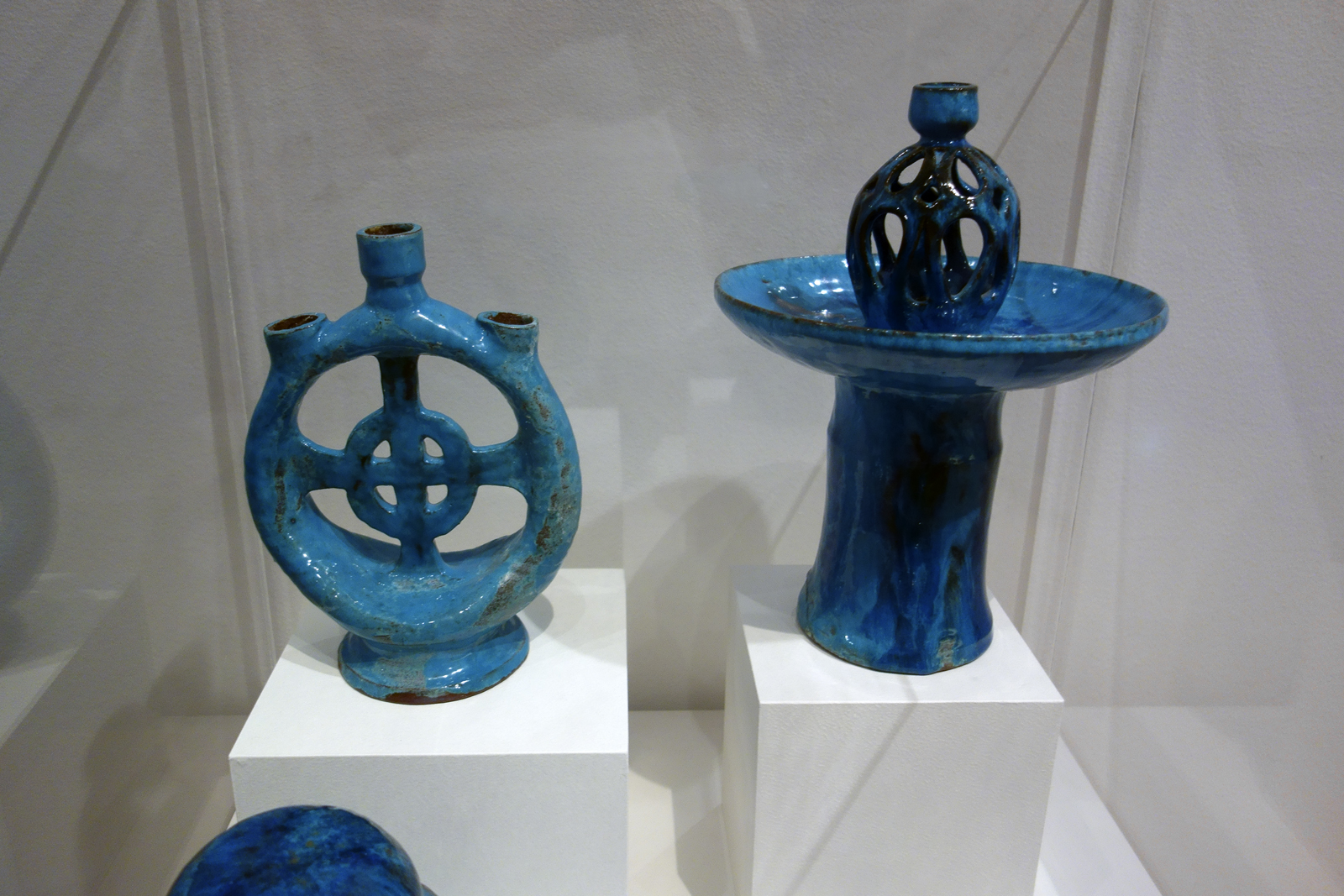
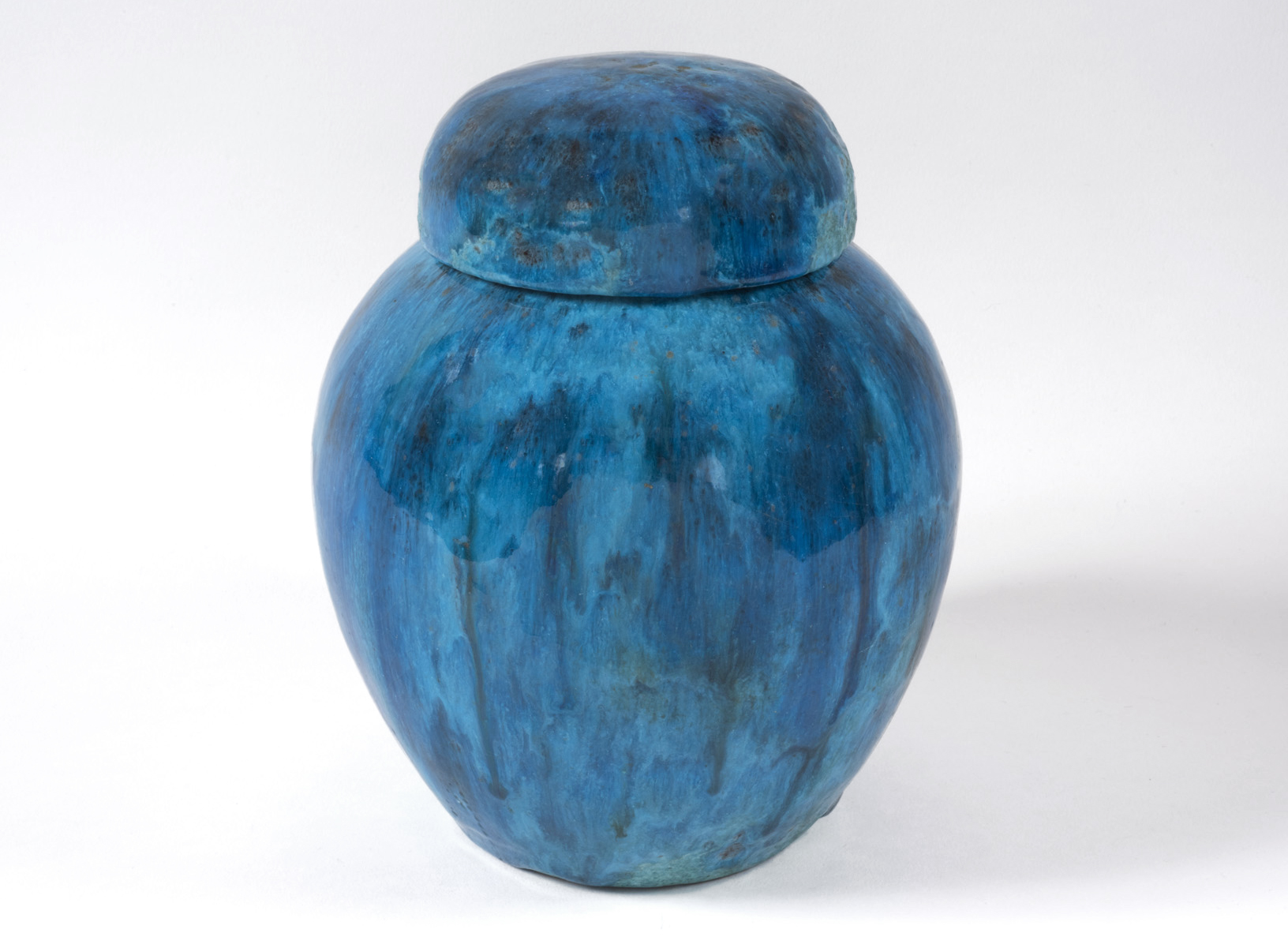
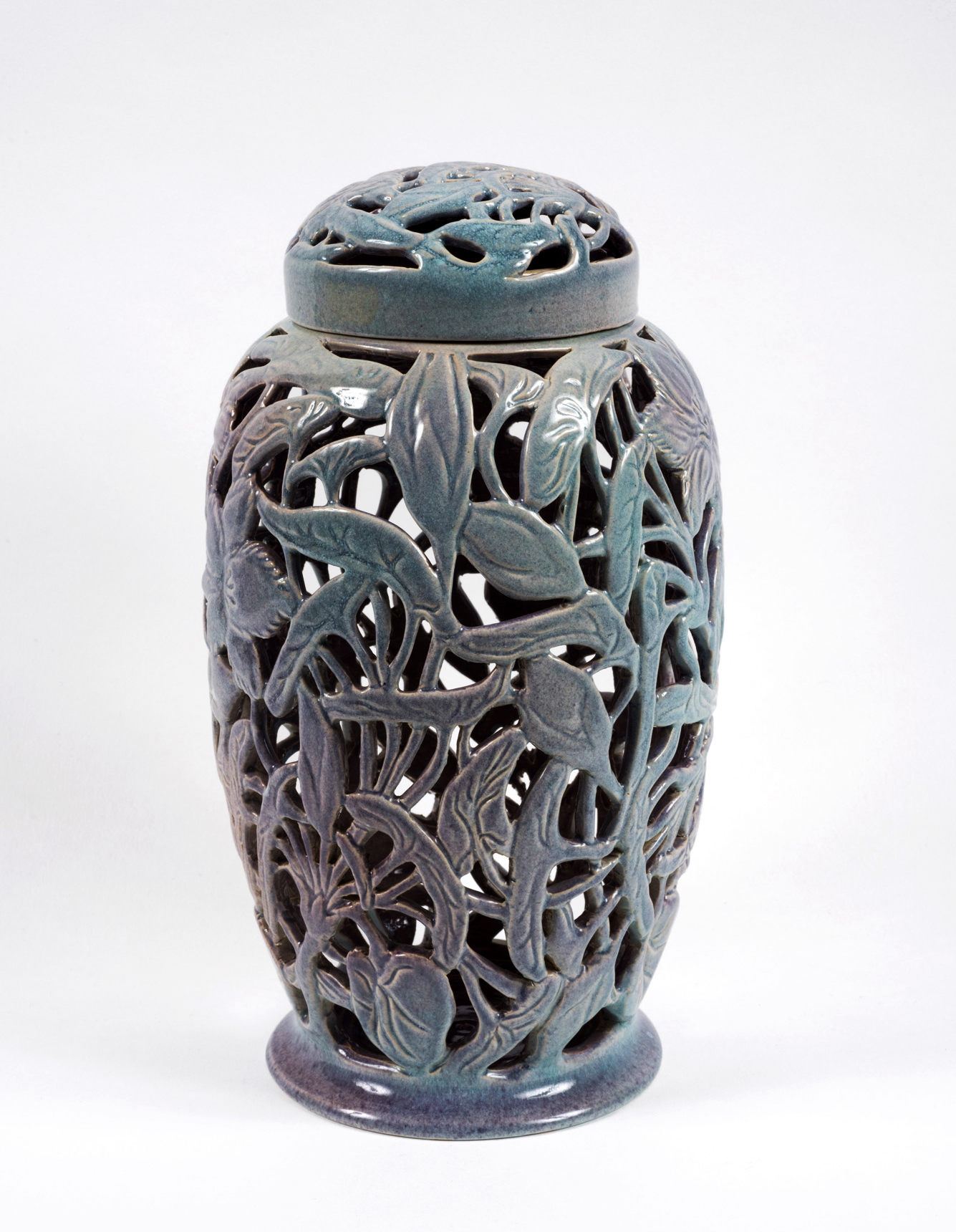

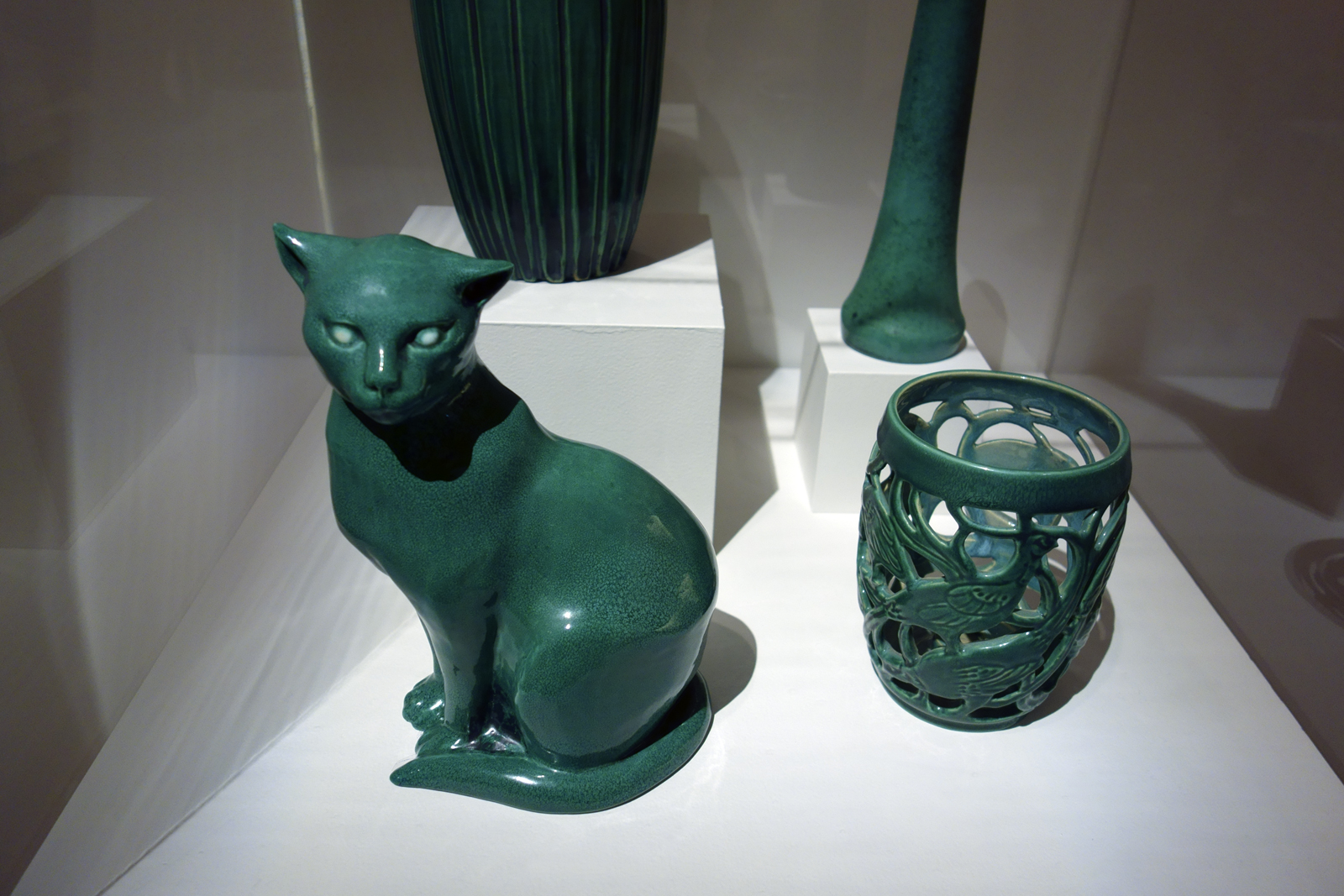

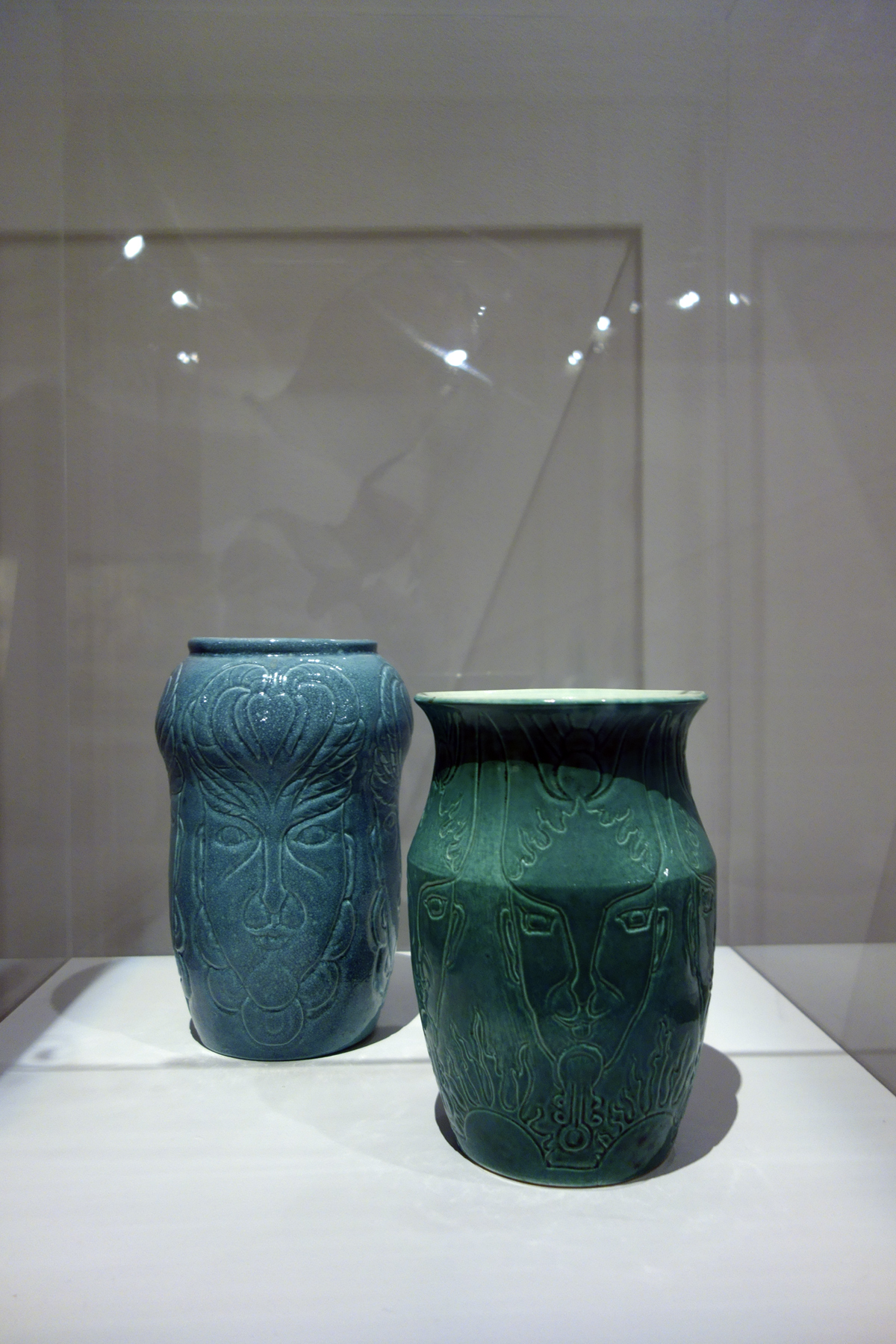
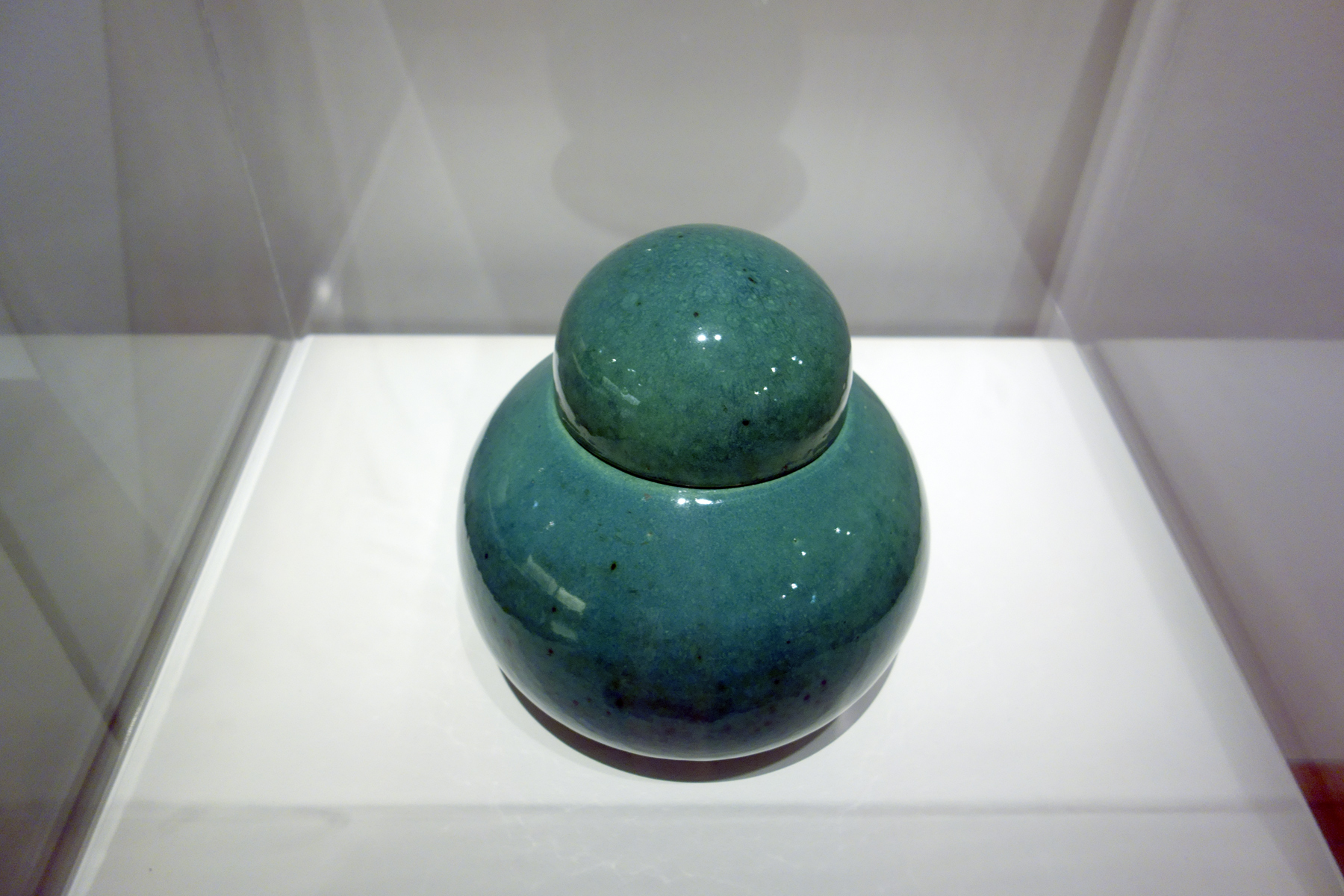


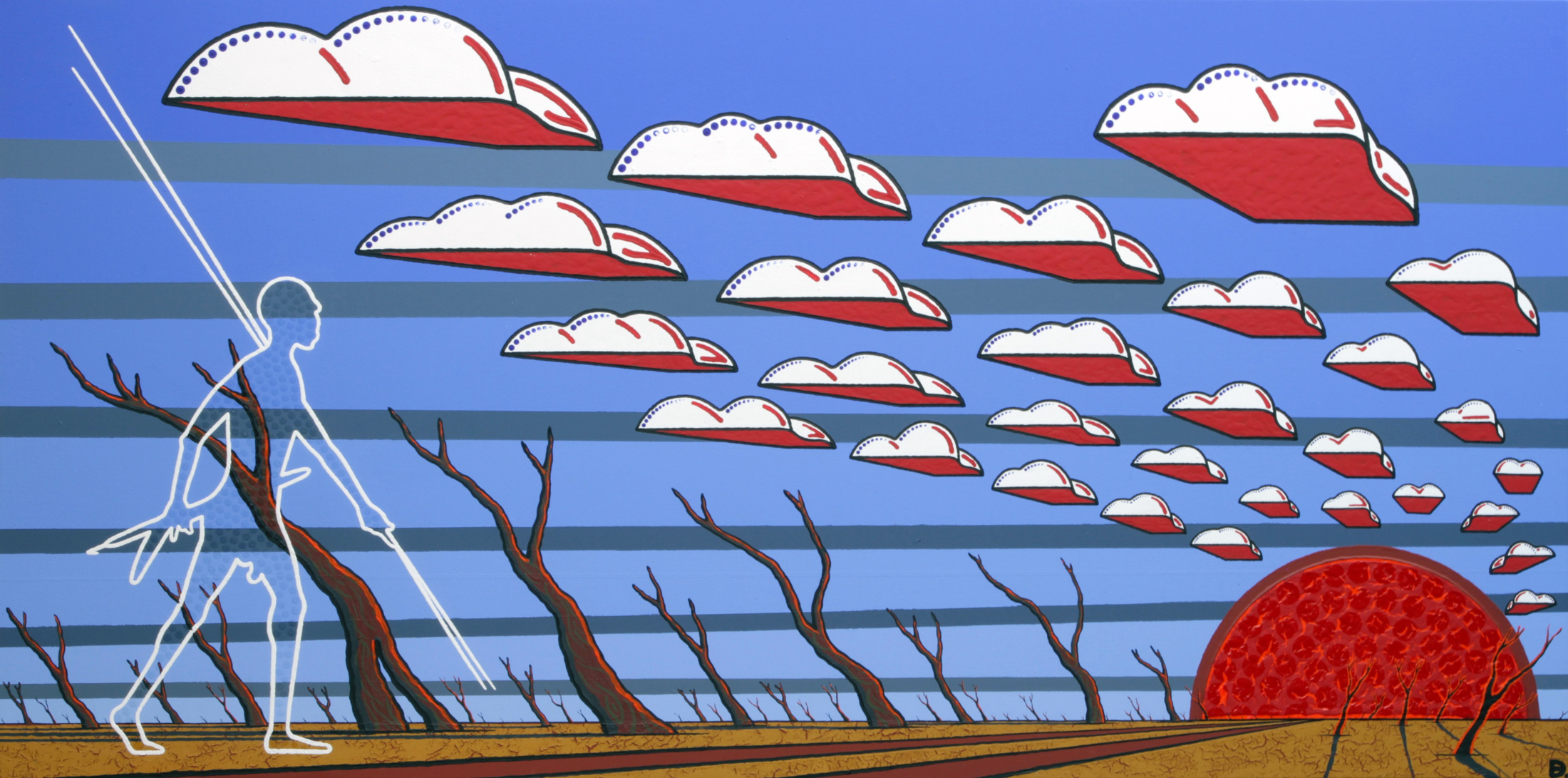


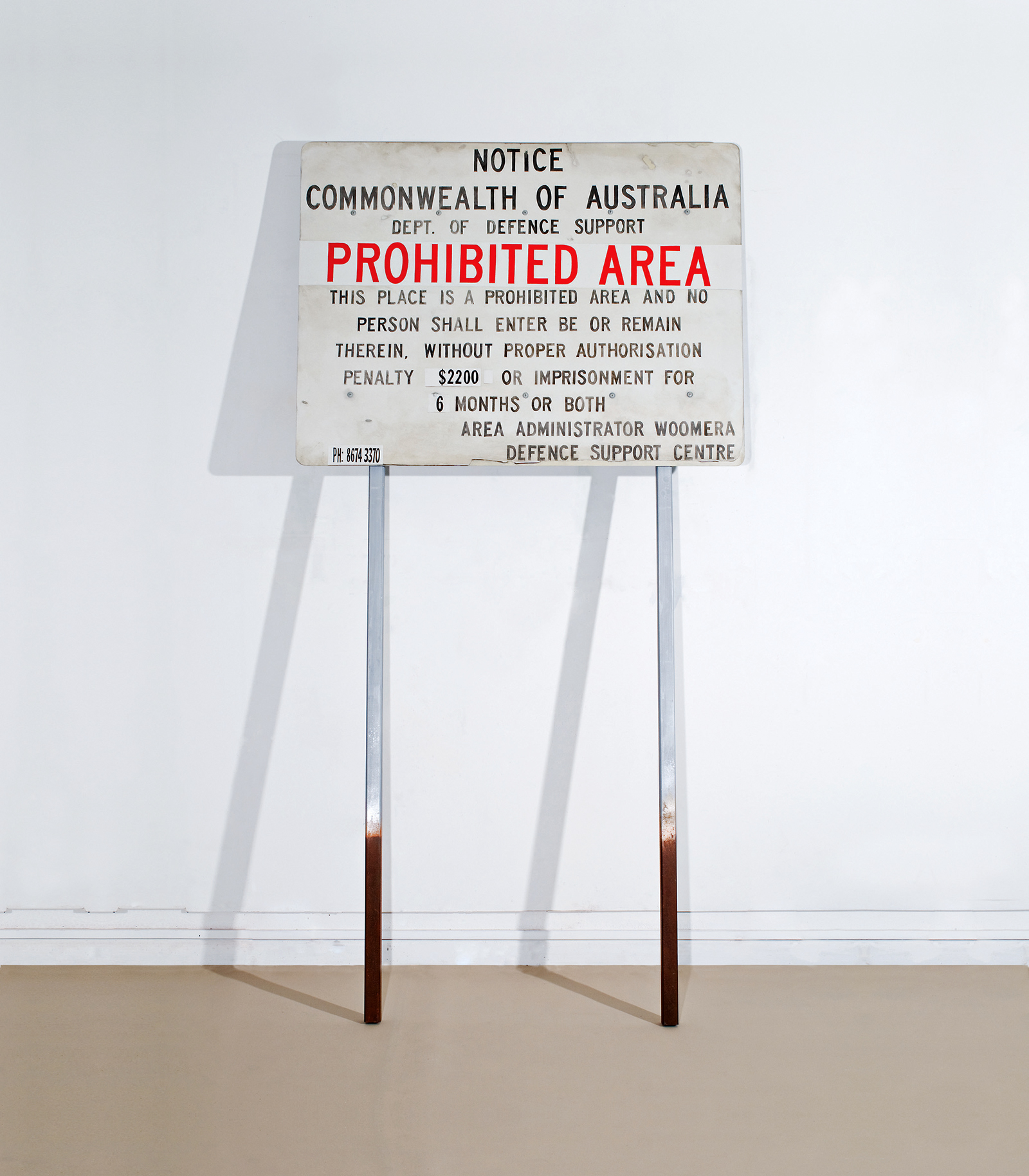


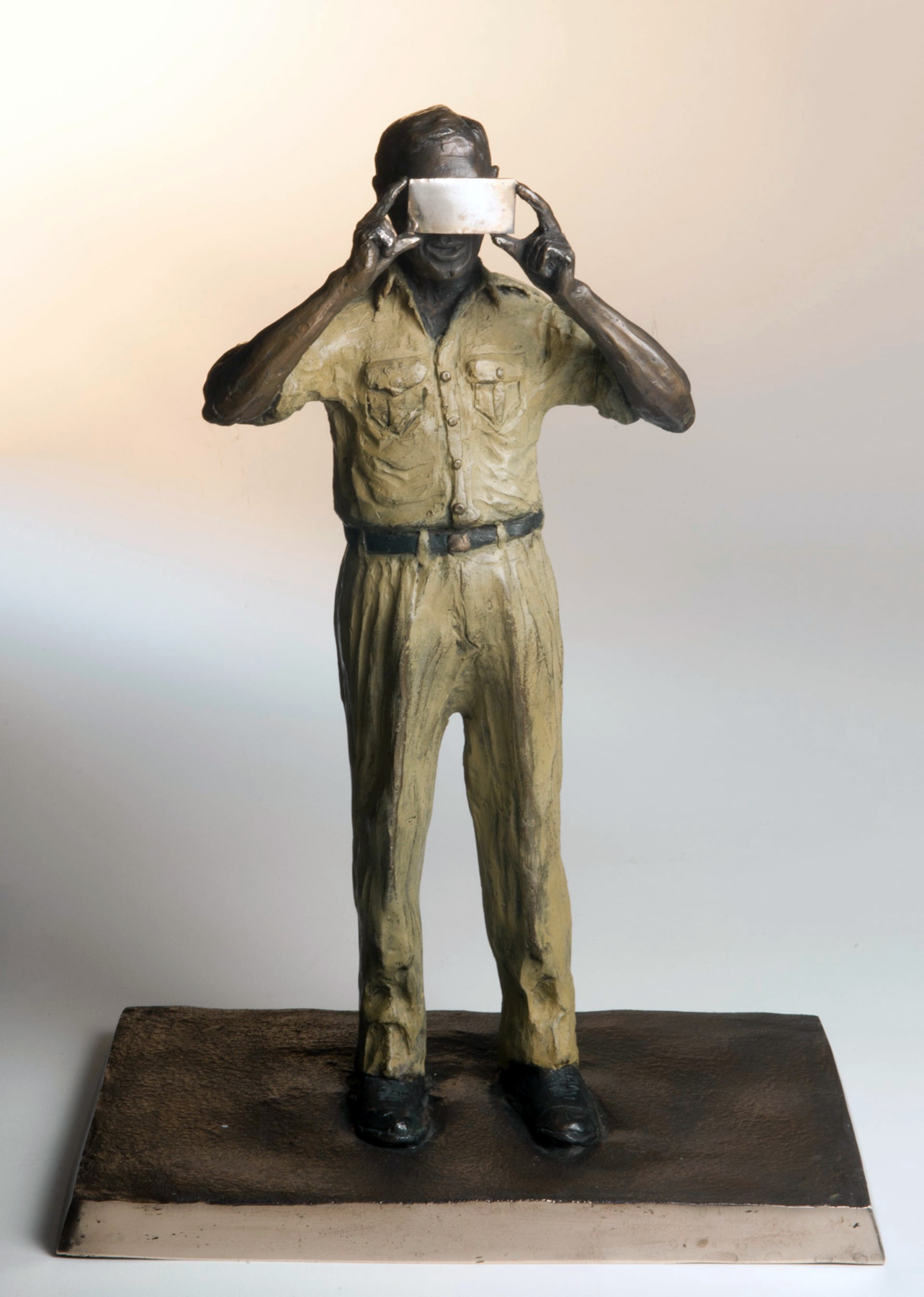


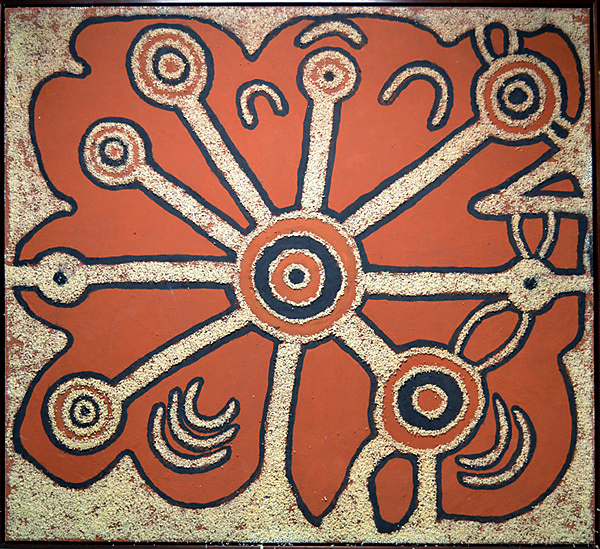

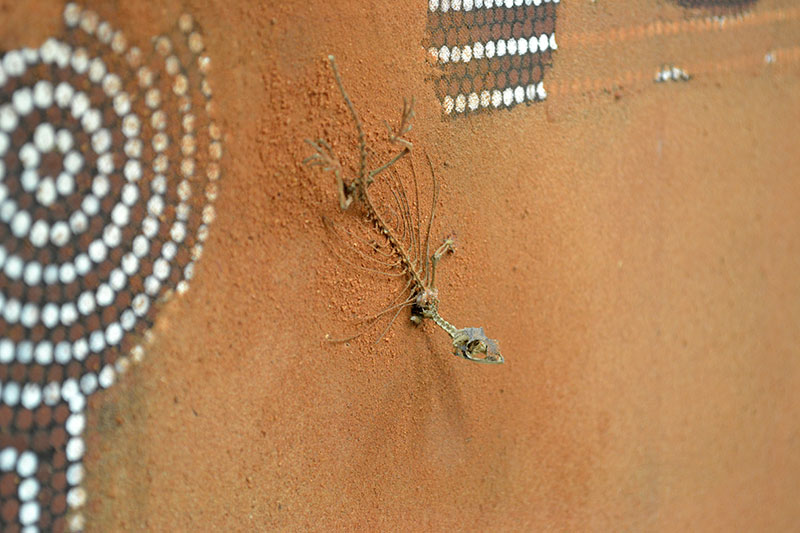


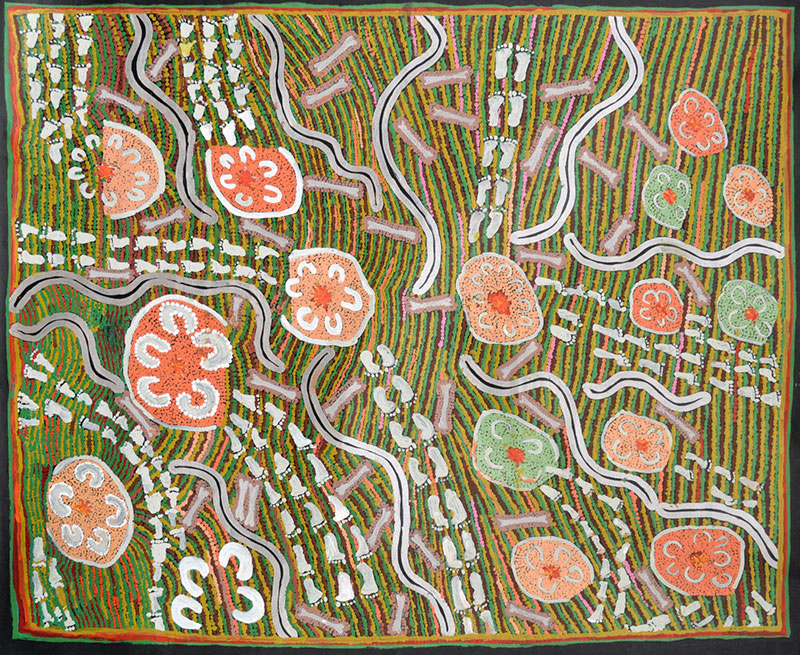


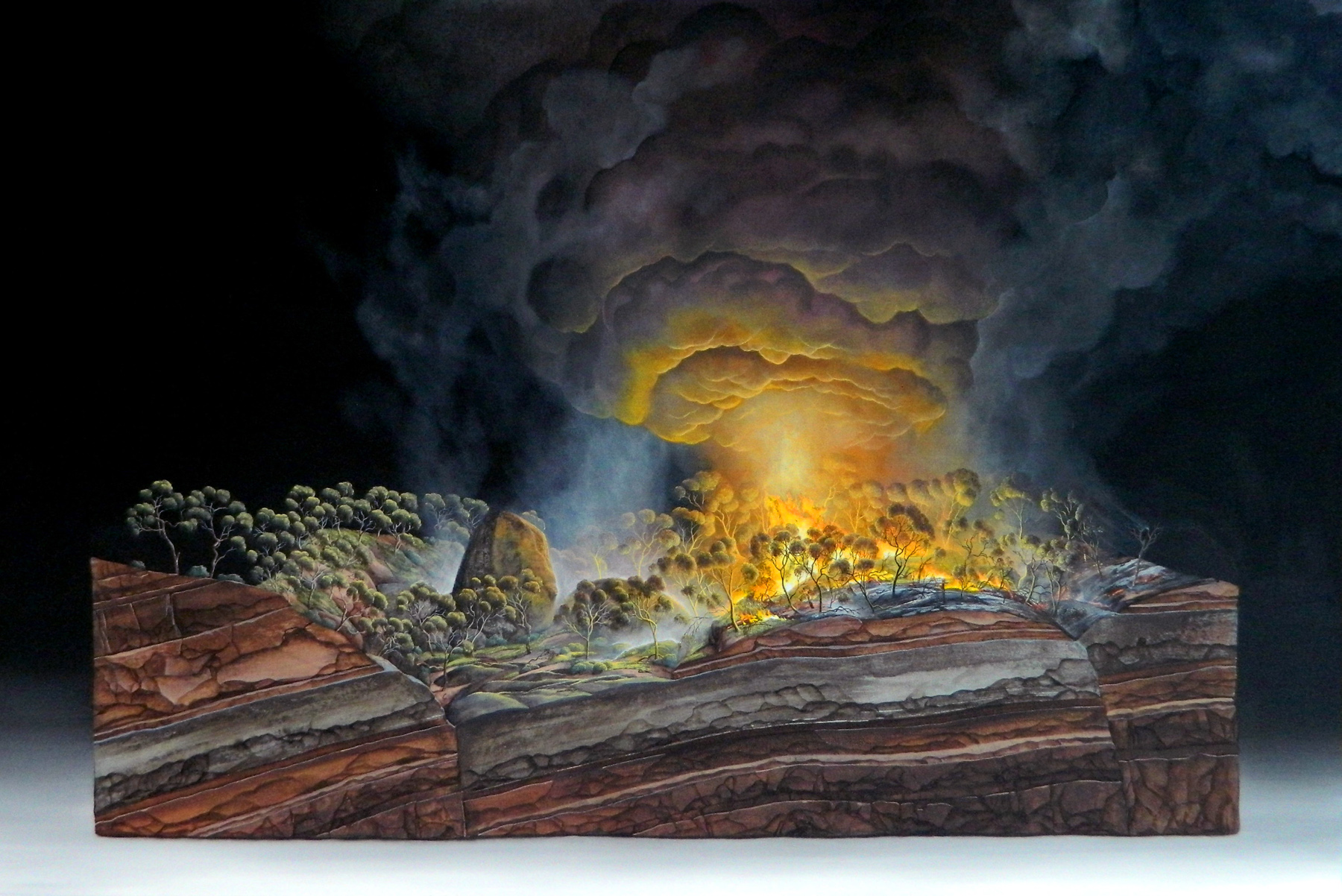



































 Art Blart _ art and cultural memory archive
You must be logged in to post a comment.