The second of two postings of new scans from my black and white negative archive.
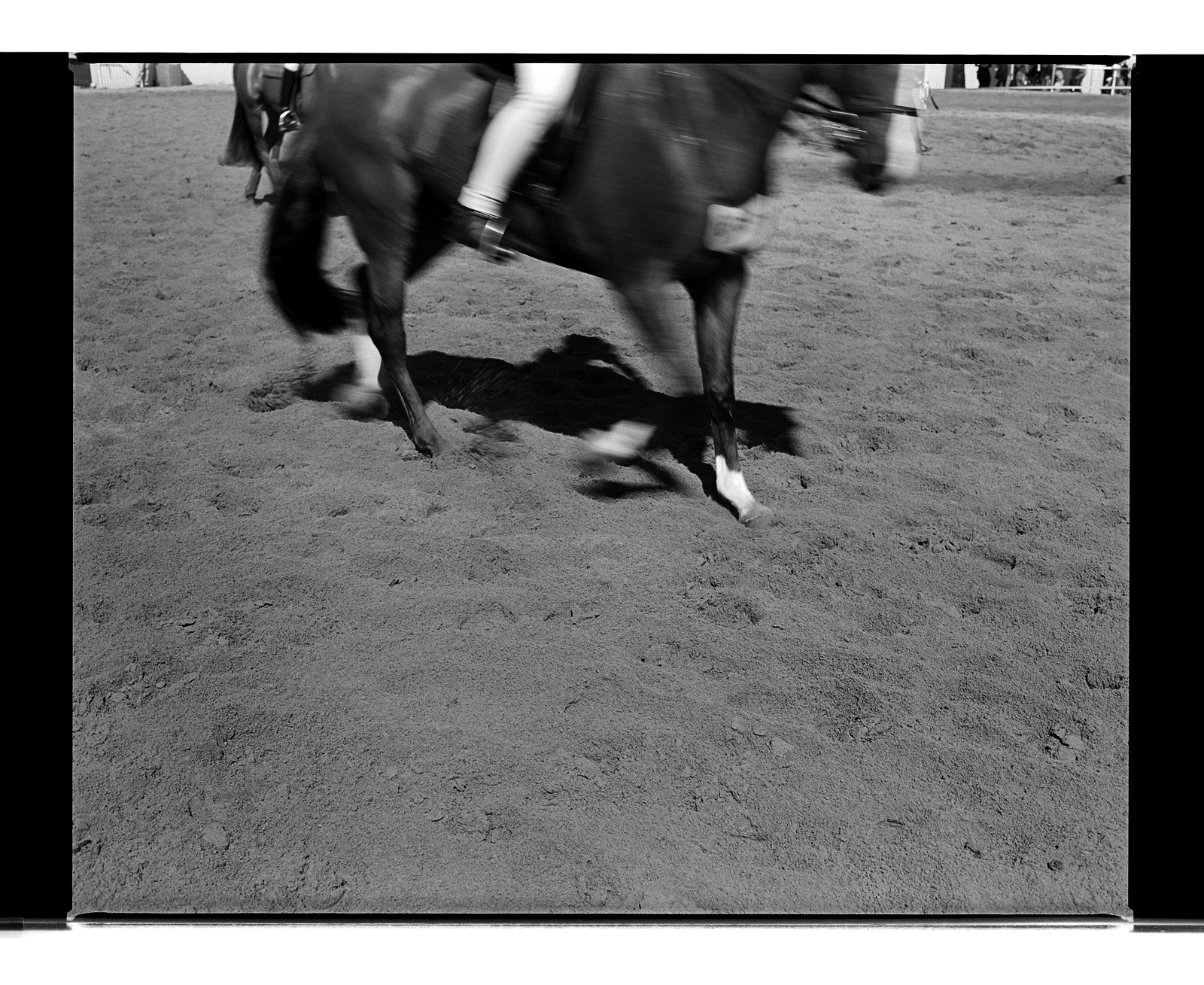
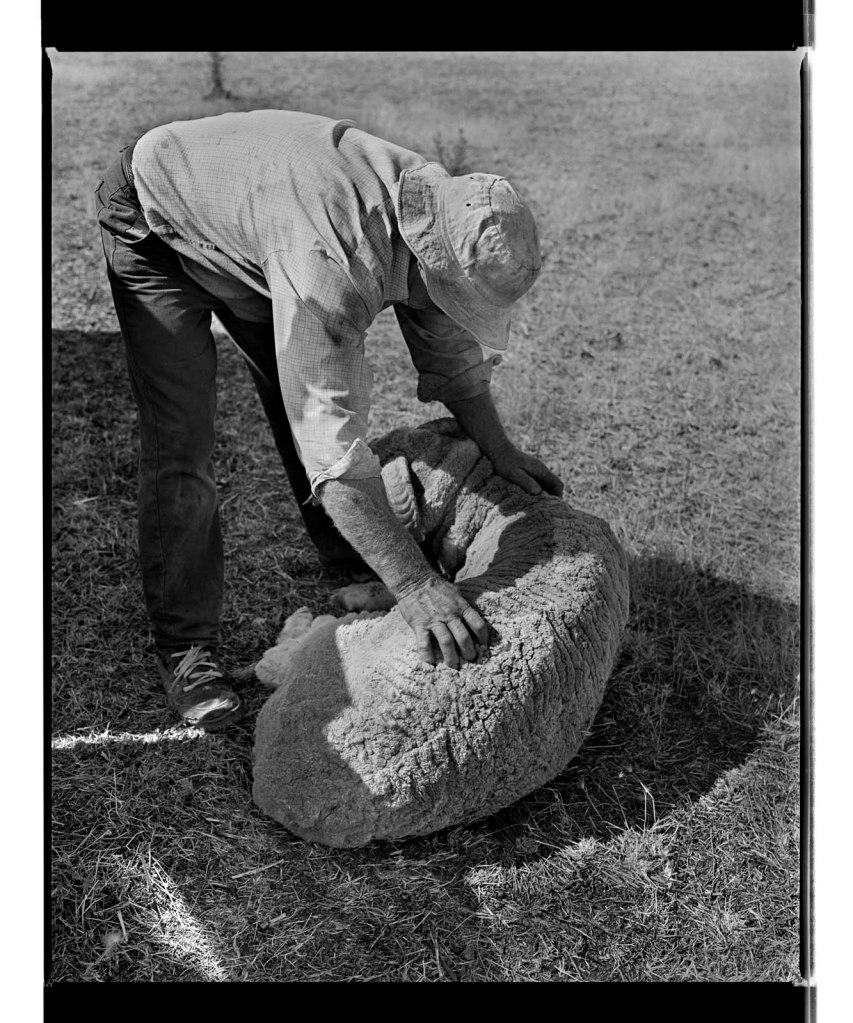
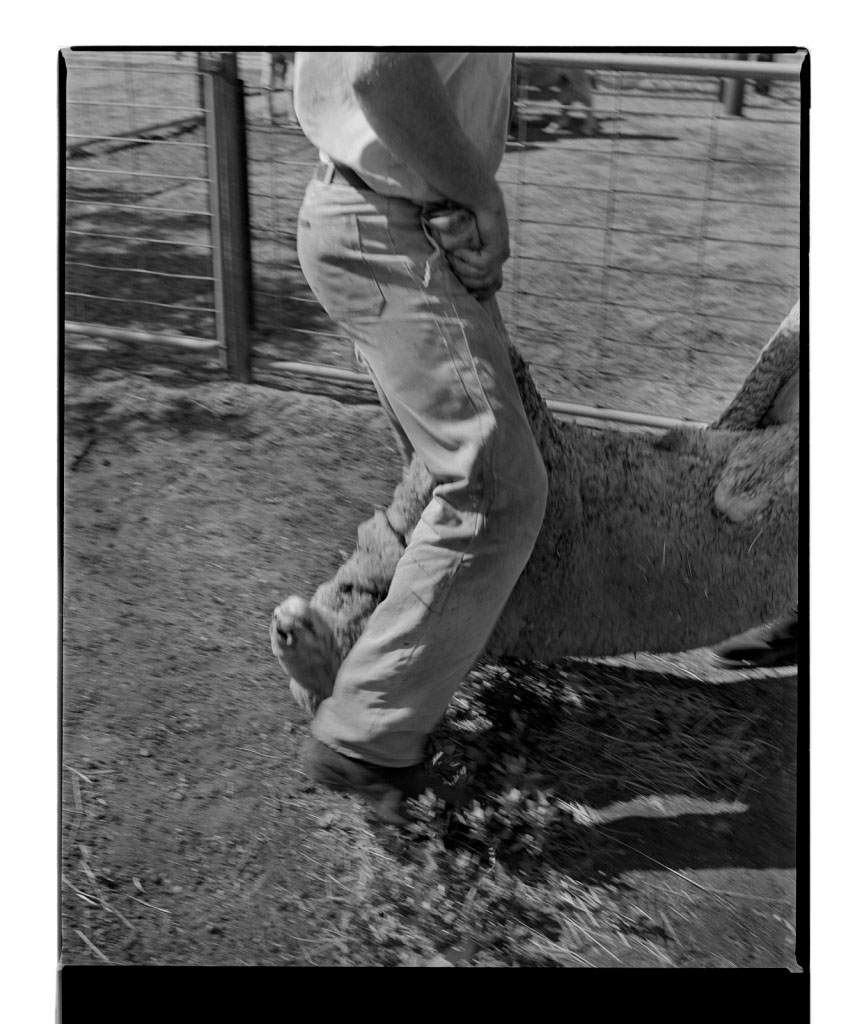
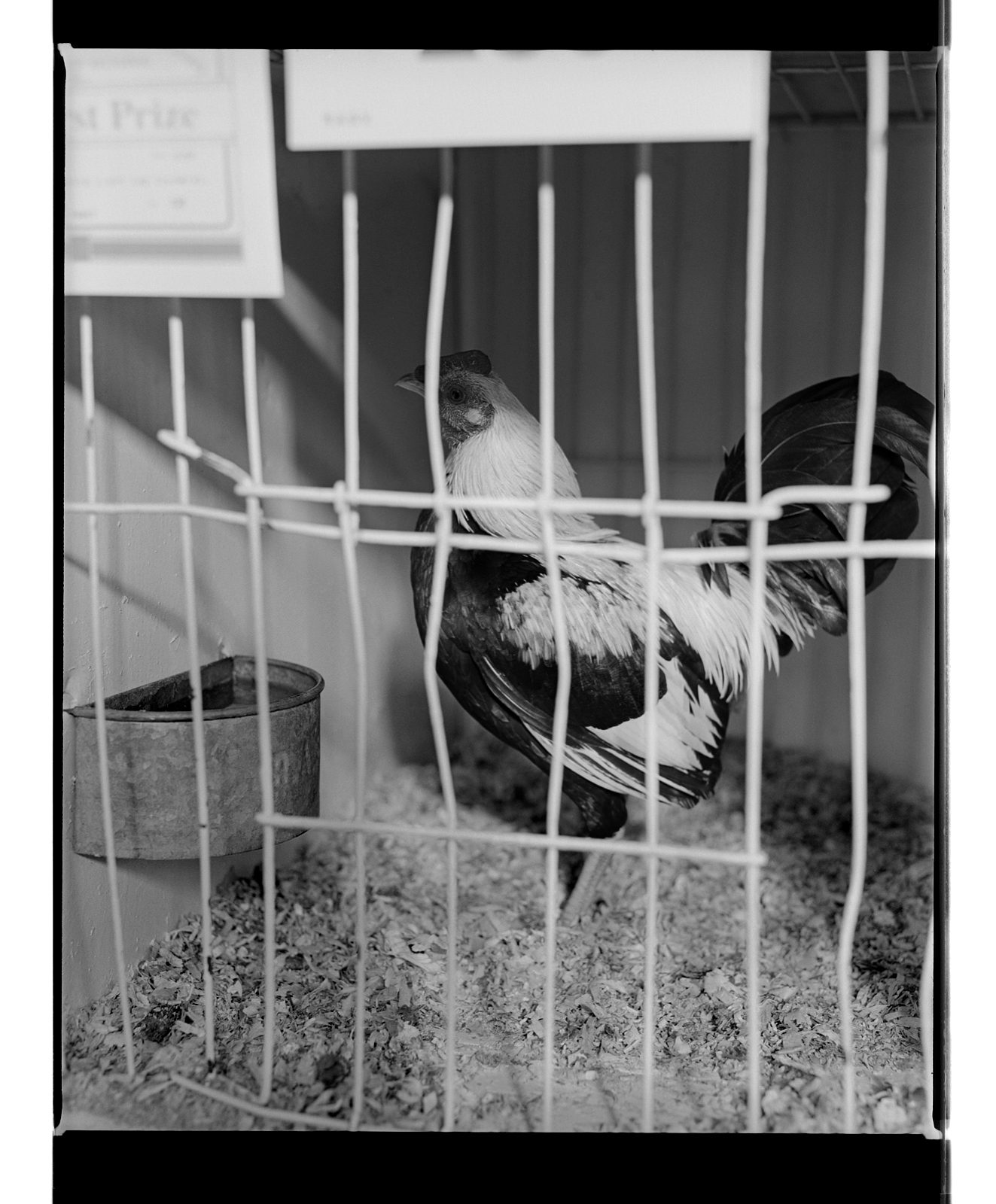
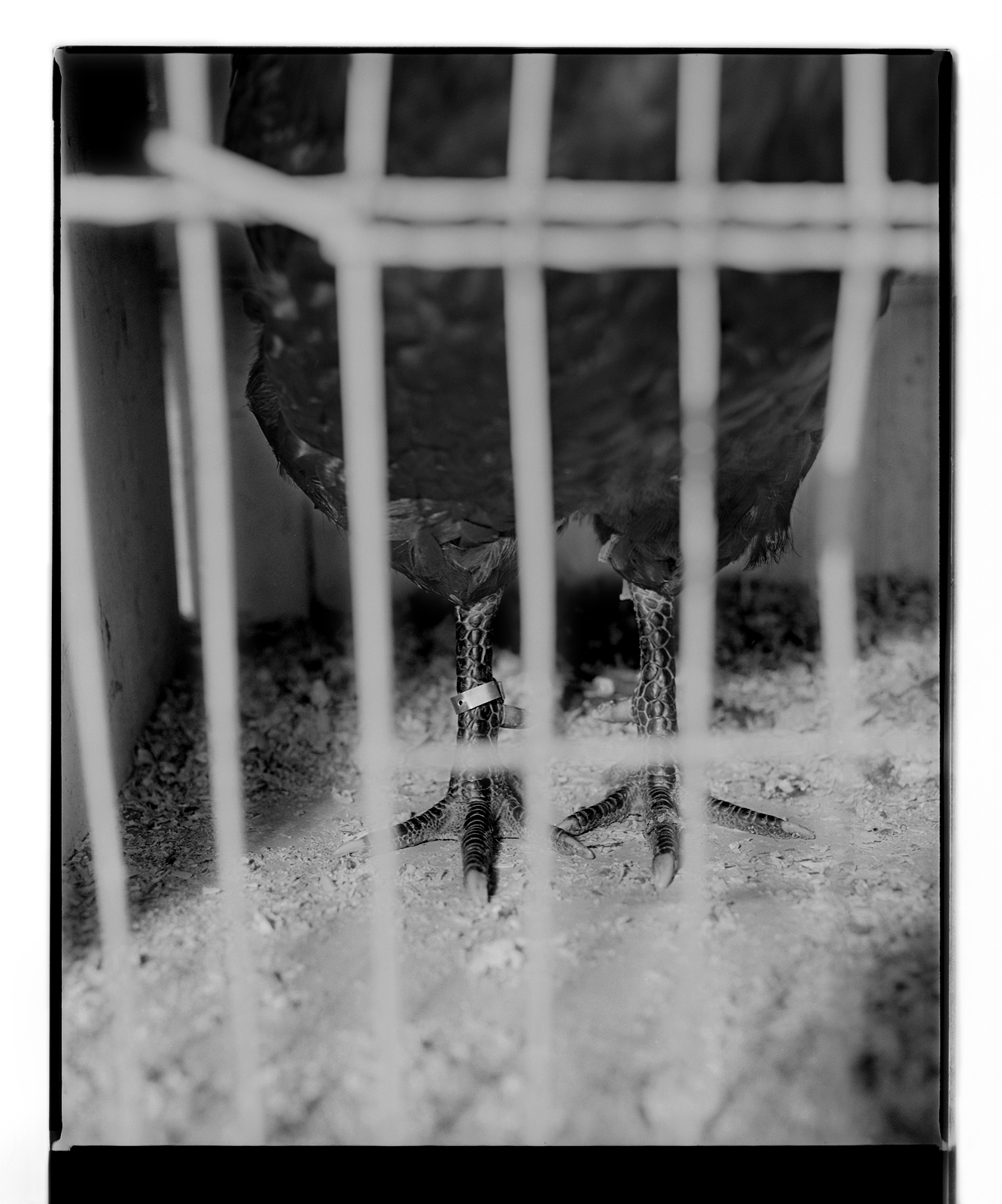
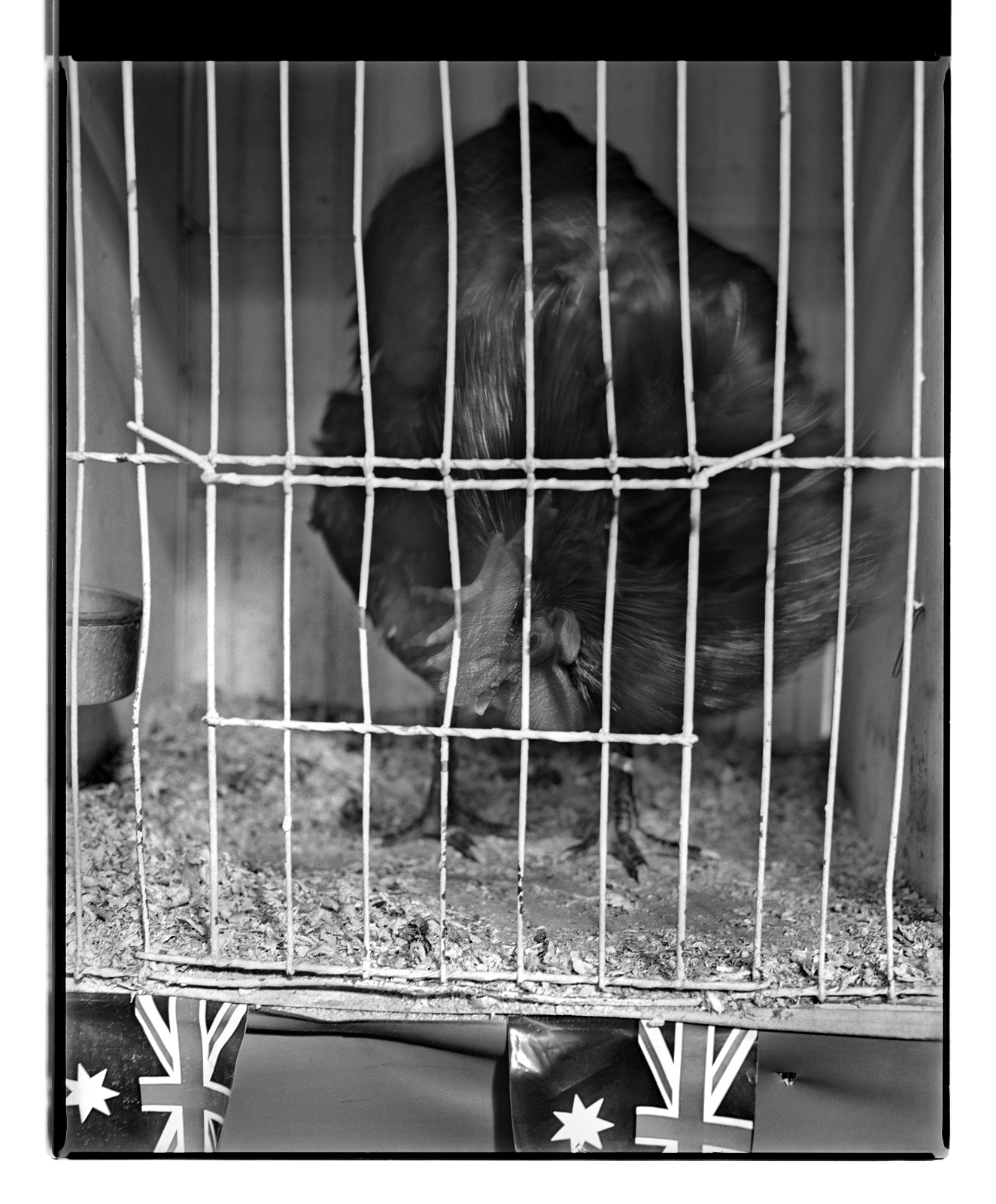
The horse photographs were taken at a Royal Melbourne Show one year. The photographs of the sheep were taken in country New South Wales.
Ah, the light!
Dr Marcus Bunyan
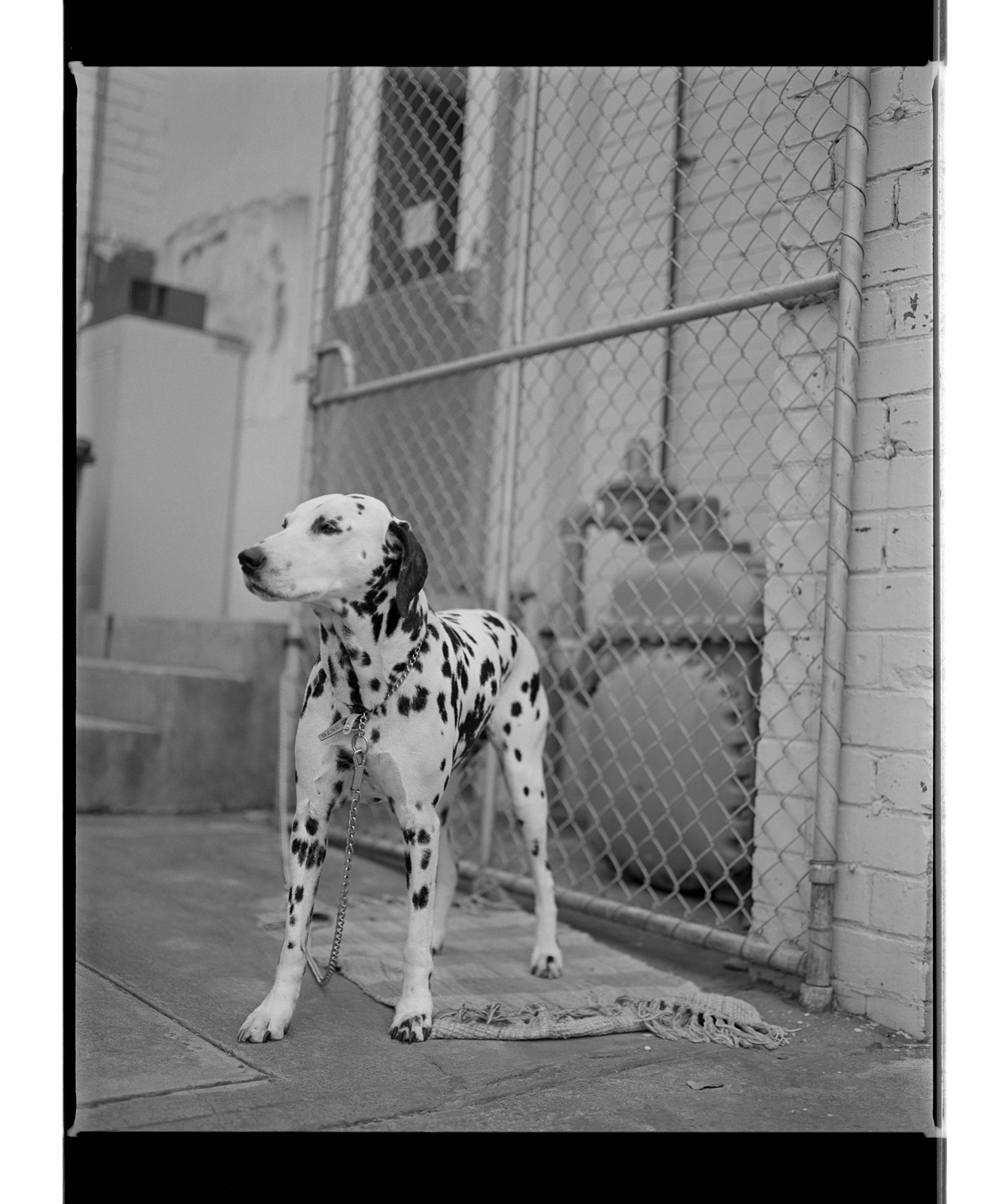
I am scanning my negatives made during the years 1991-1997 to preserve them in the form of an online archive as a process of active memory, so that the images are not lost forever. These photographs were images of my life and imagination at the time of their making, the ideas I was thinking about and the people and things that surrounded me.
Photographs are available from this series for purchase. As a guide, a vintage 8″ x 10″ silver gelatin print costs $700 plus tracked and insured shipping. For more information please see my Store web page.
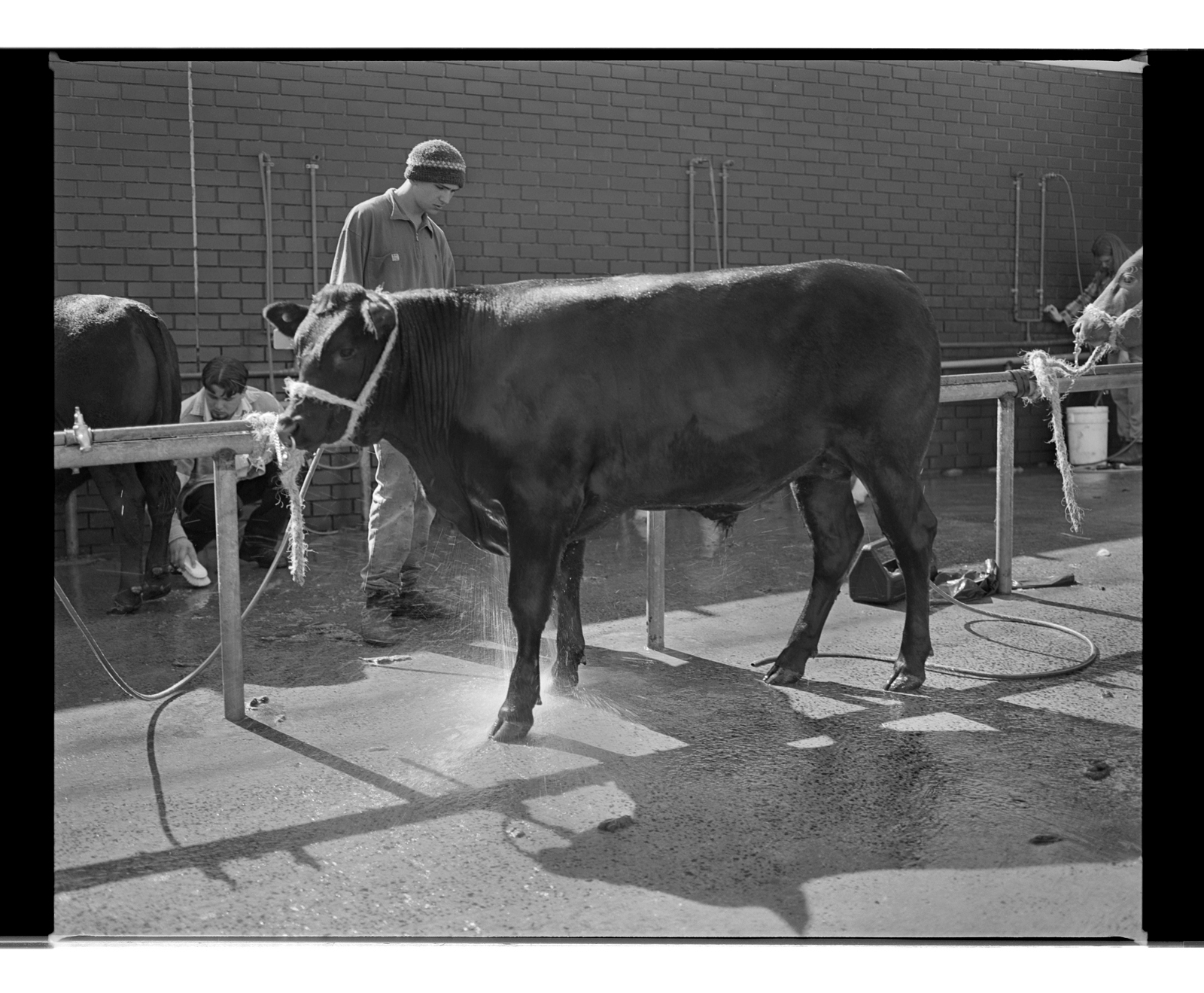
The first of two postings of new scans from my black and white negative archive.
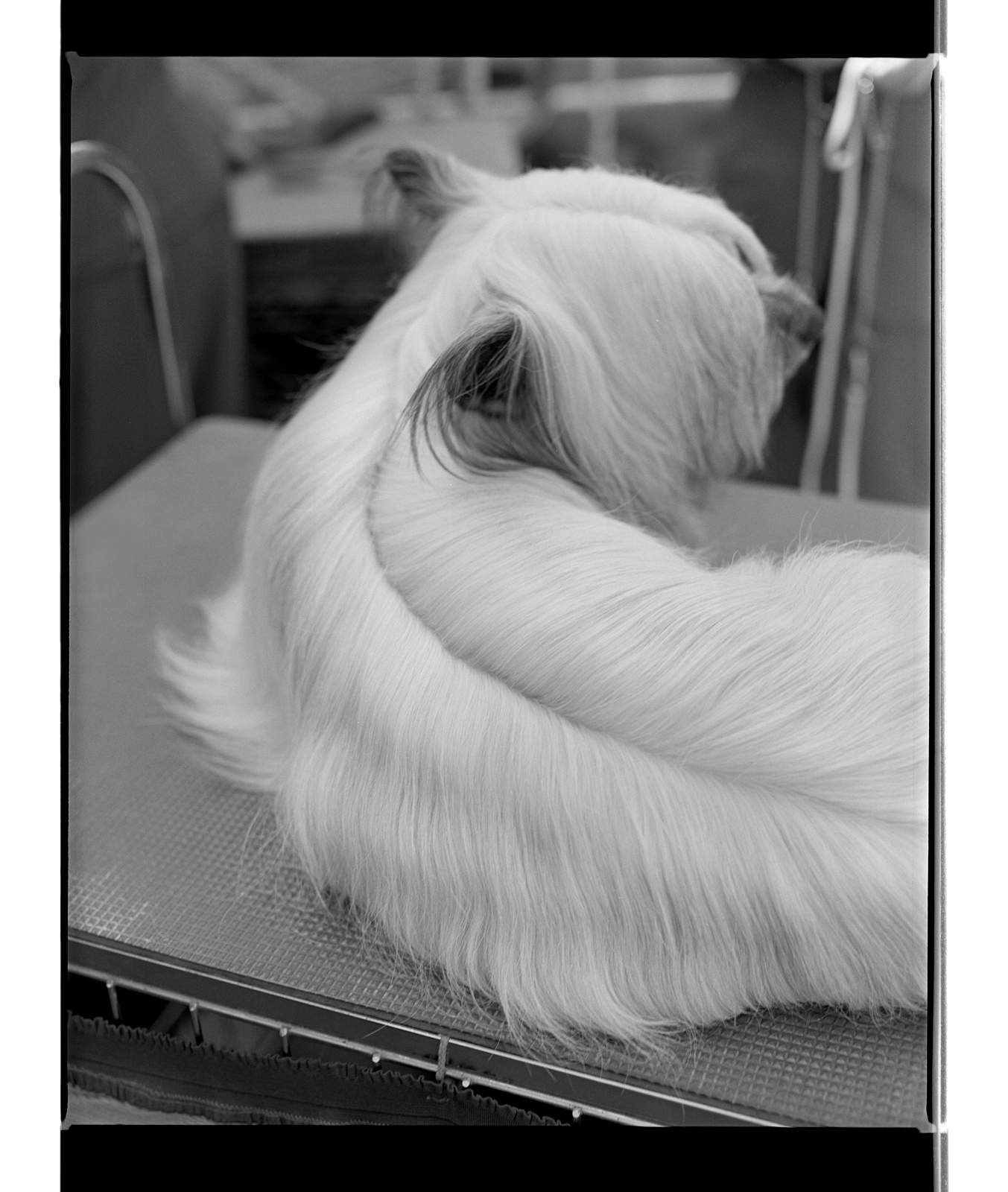
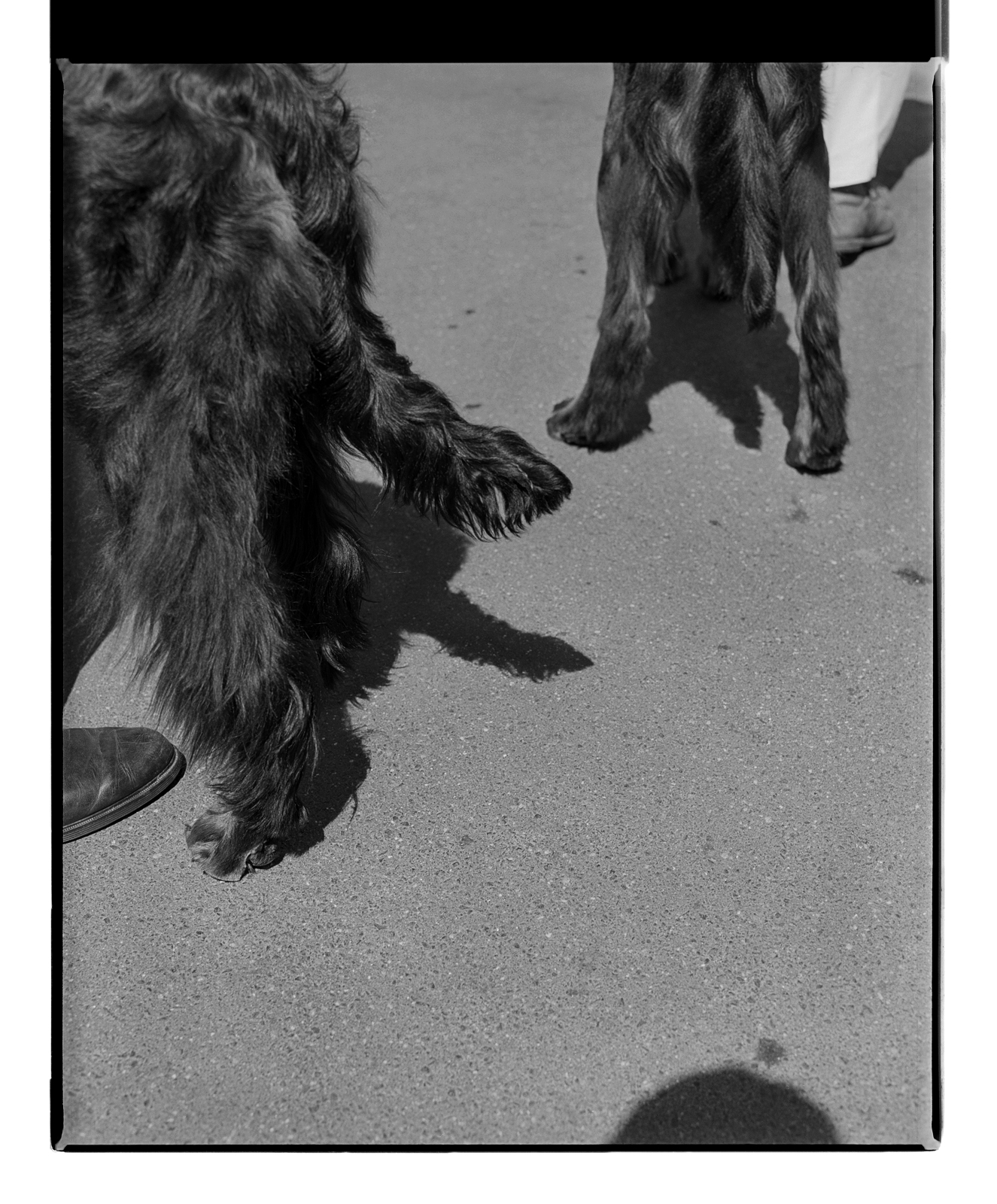
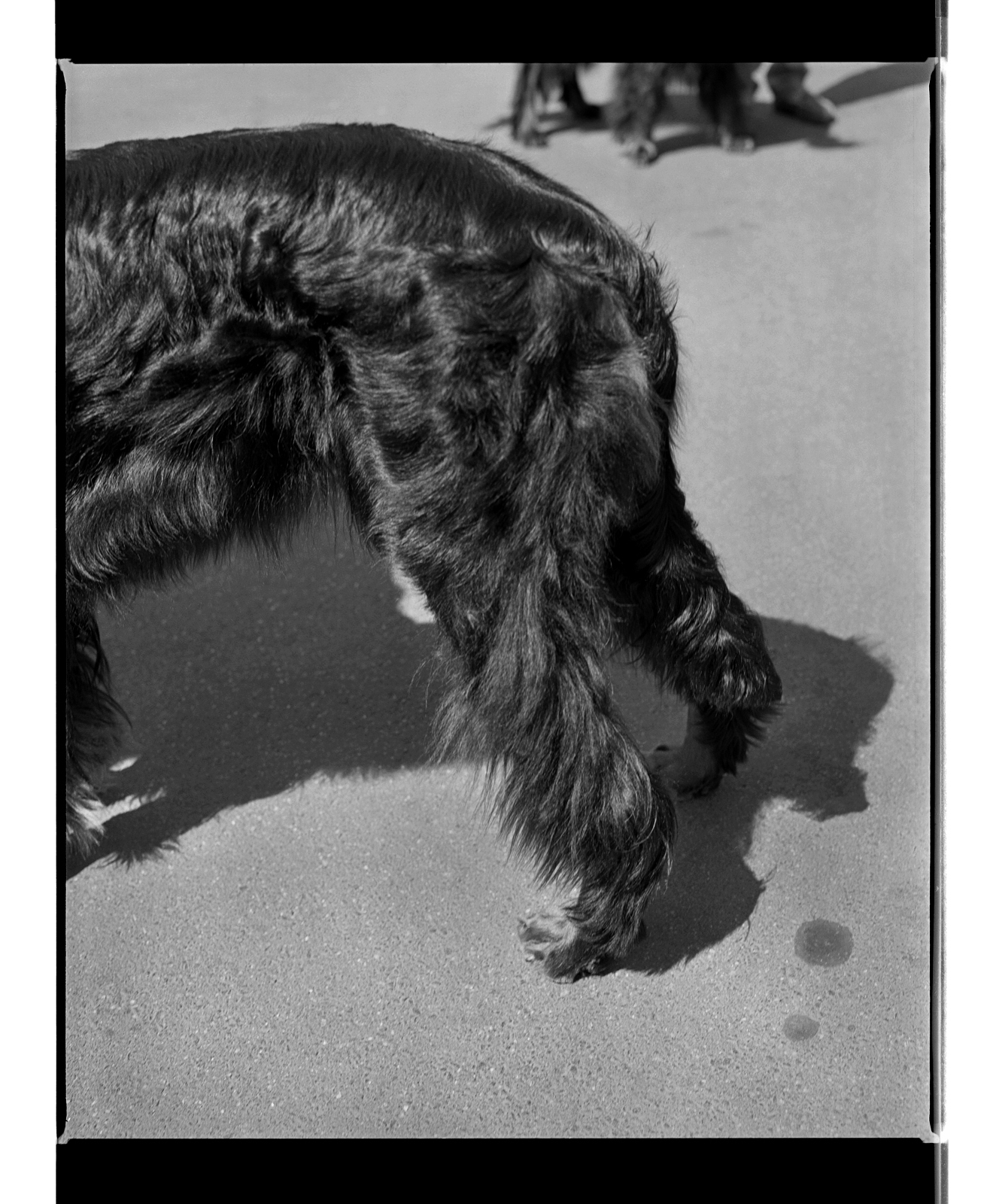
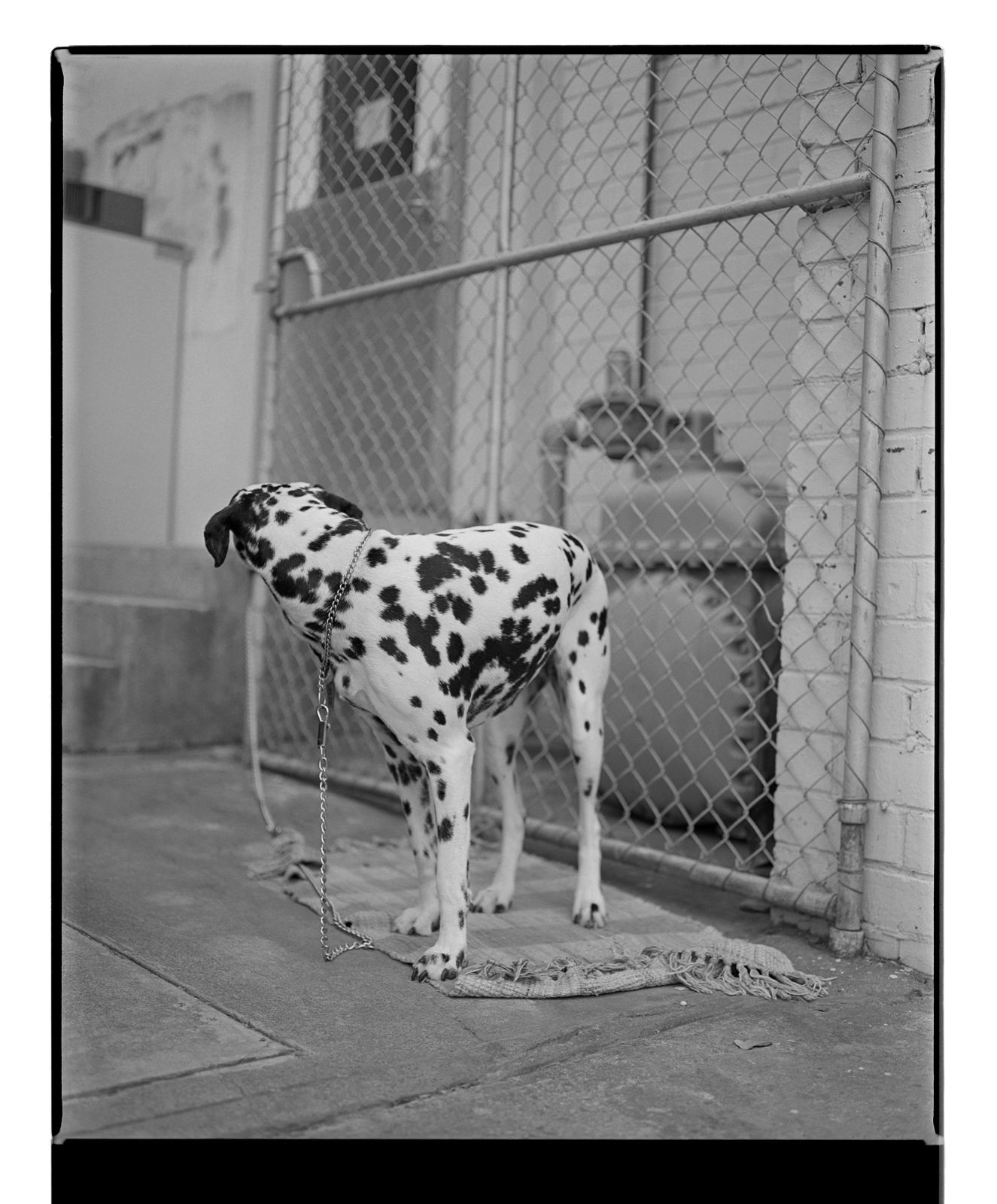
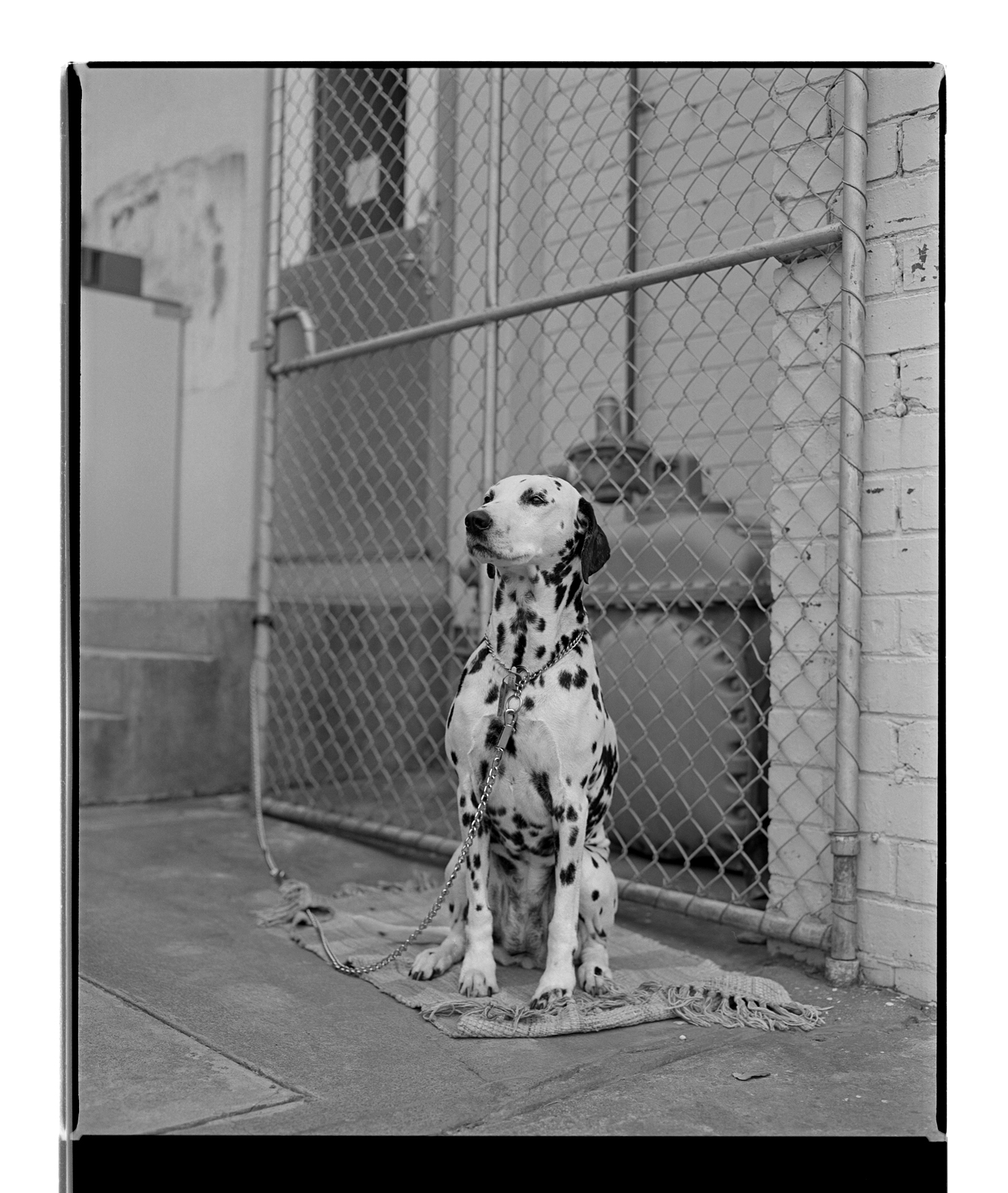
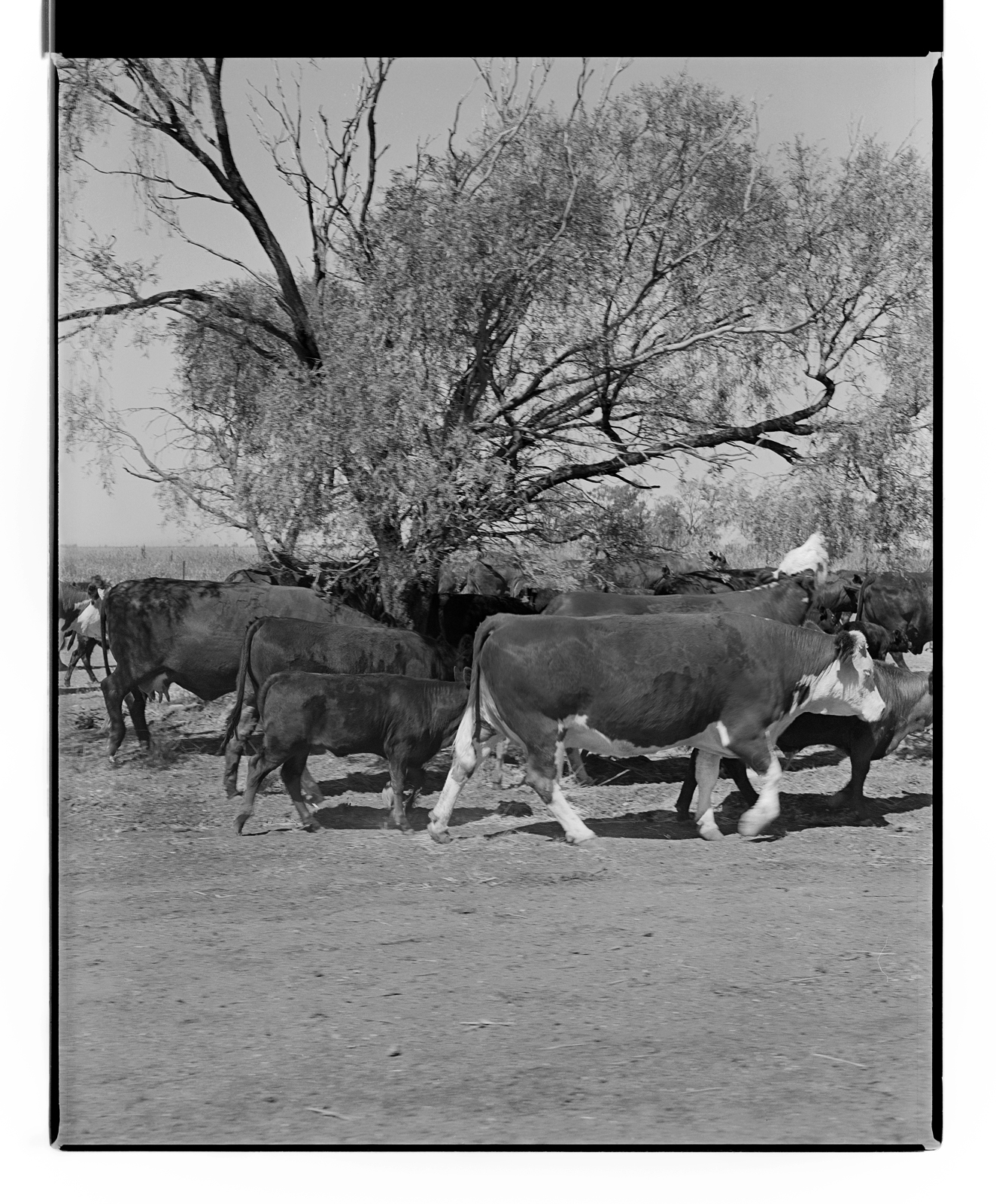
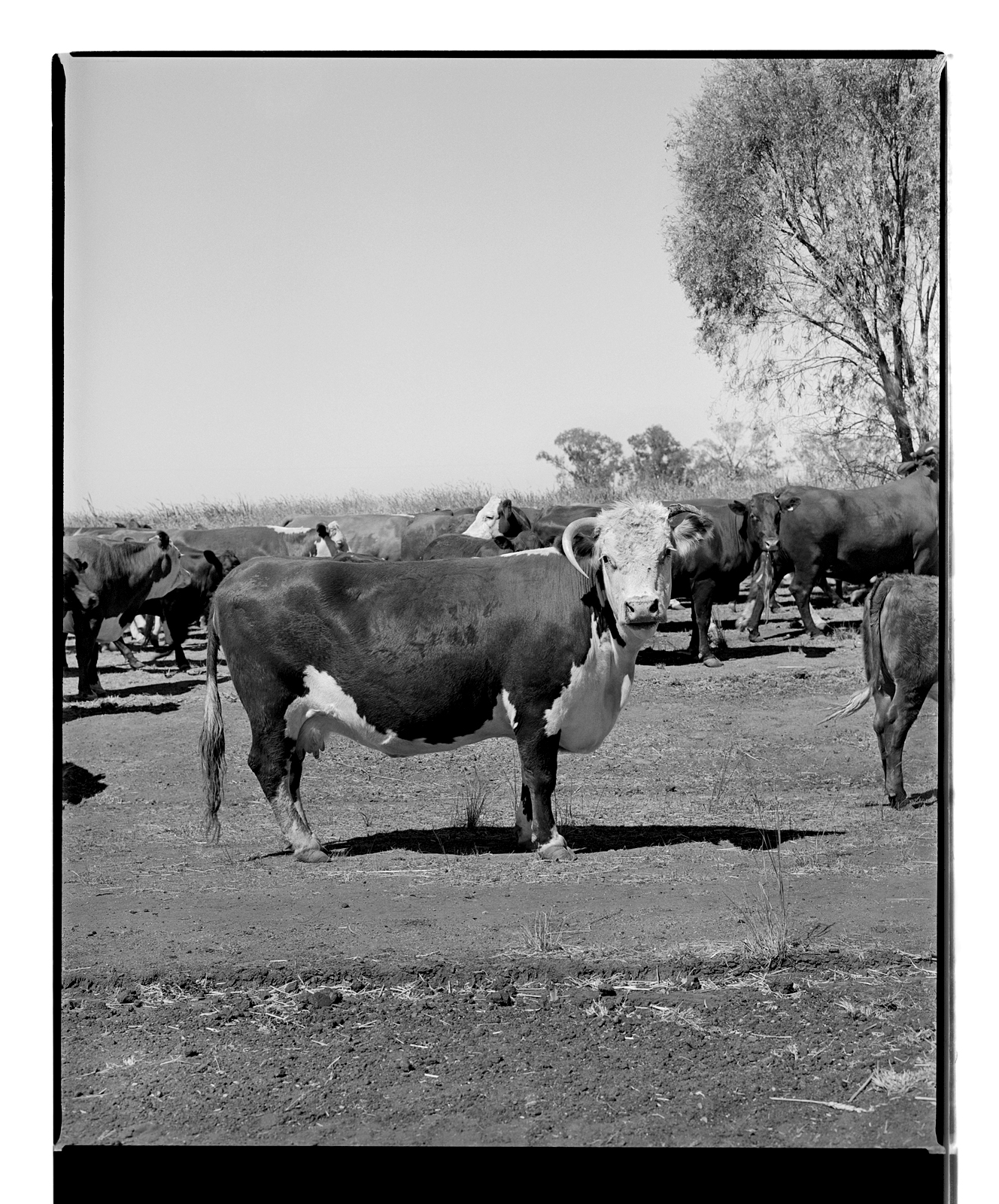
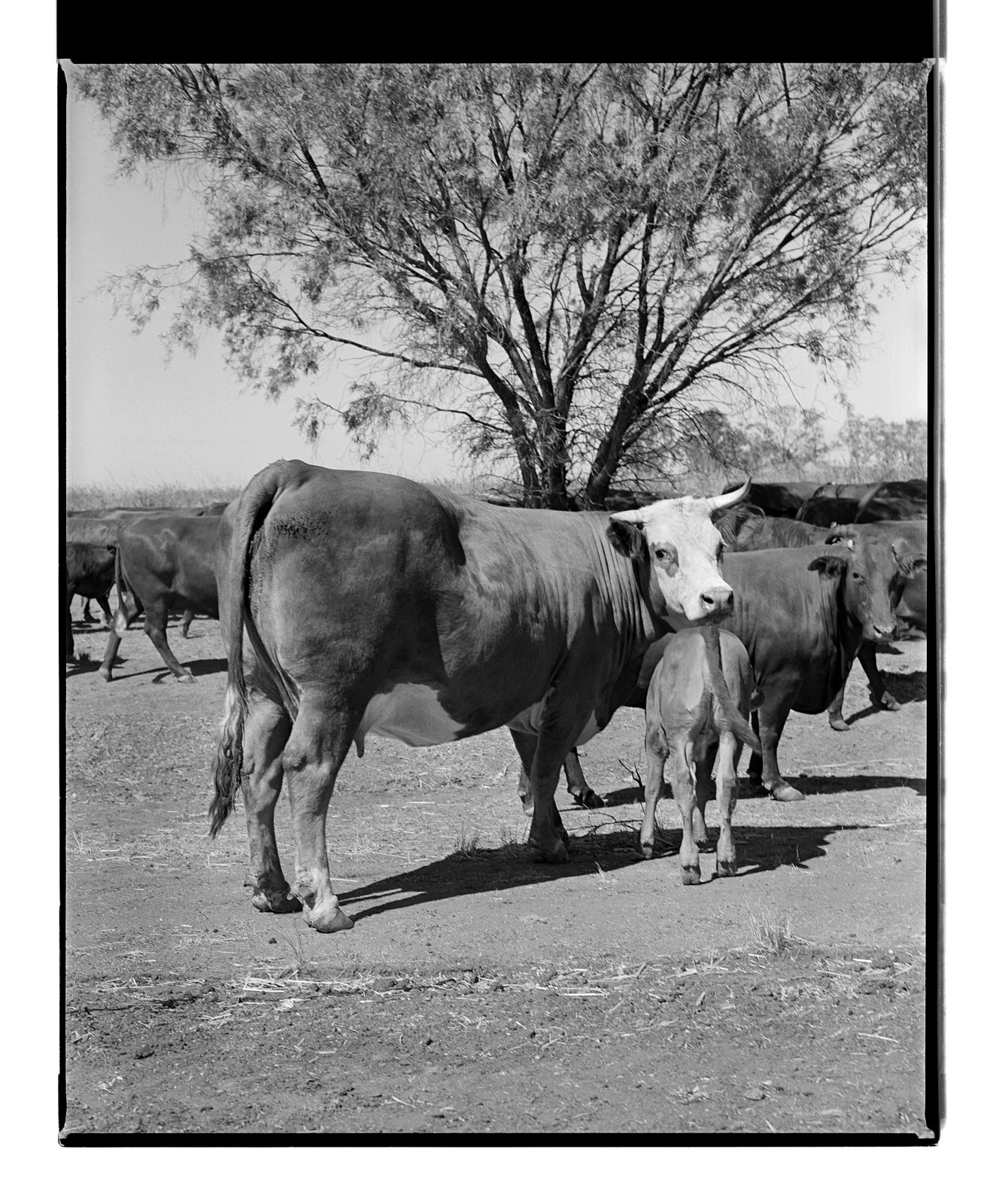
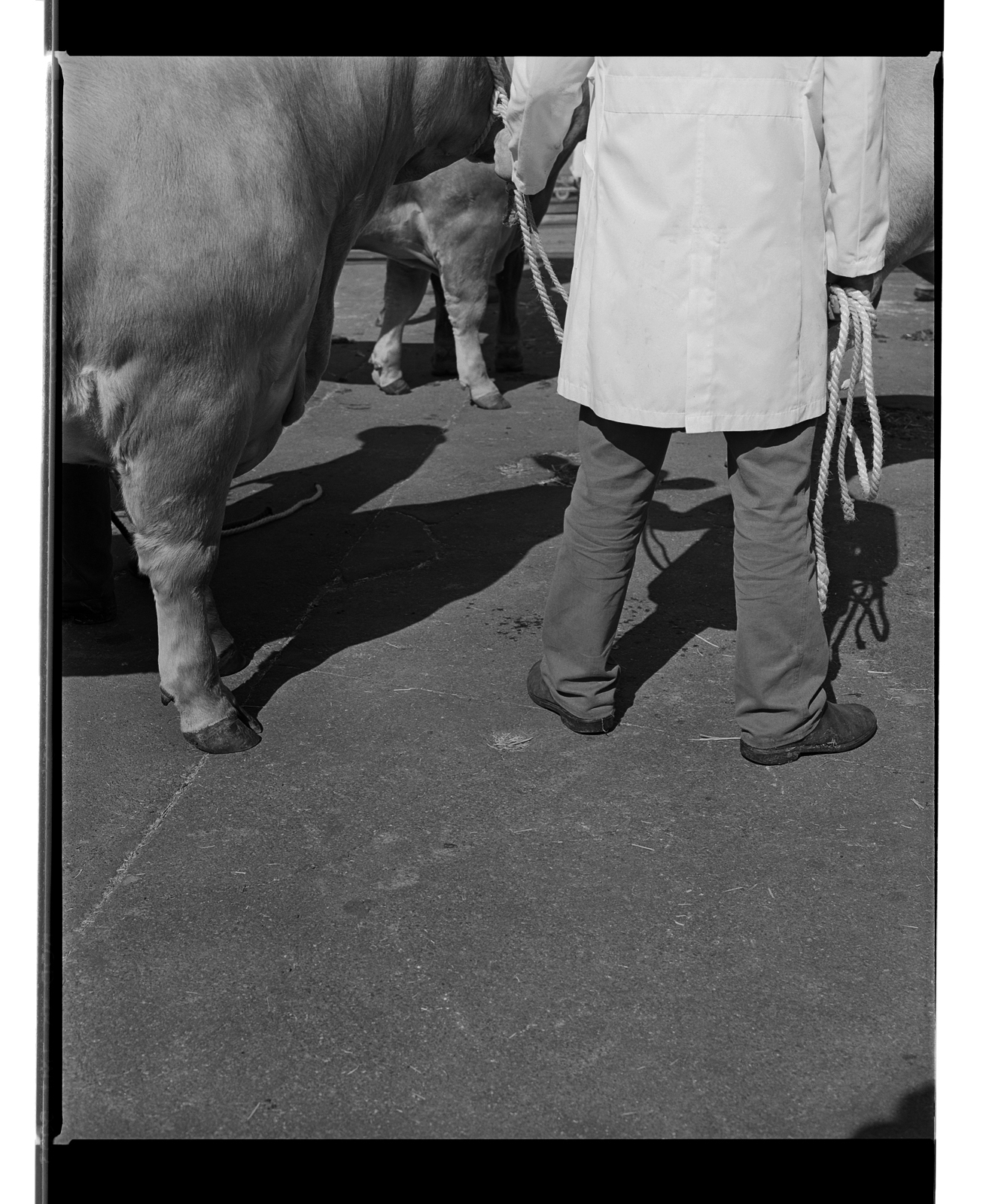
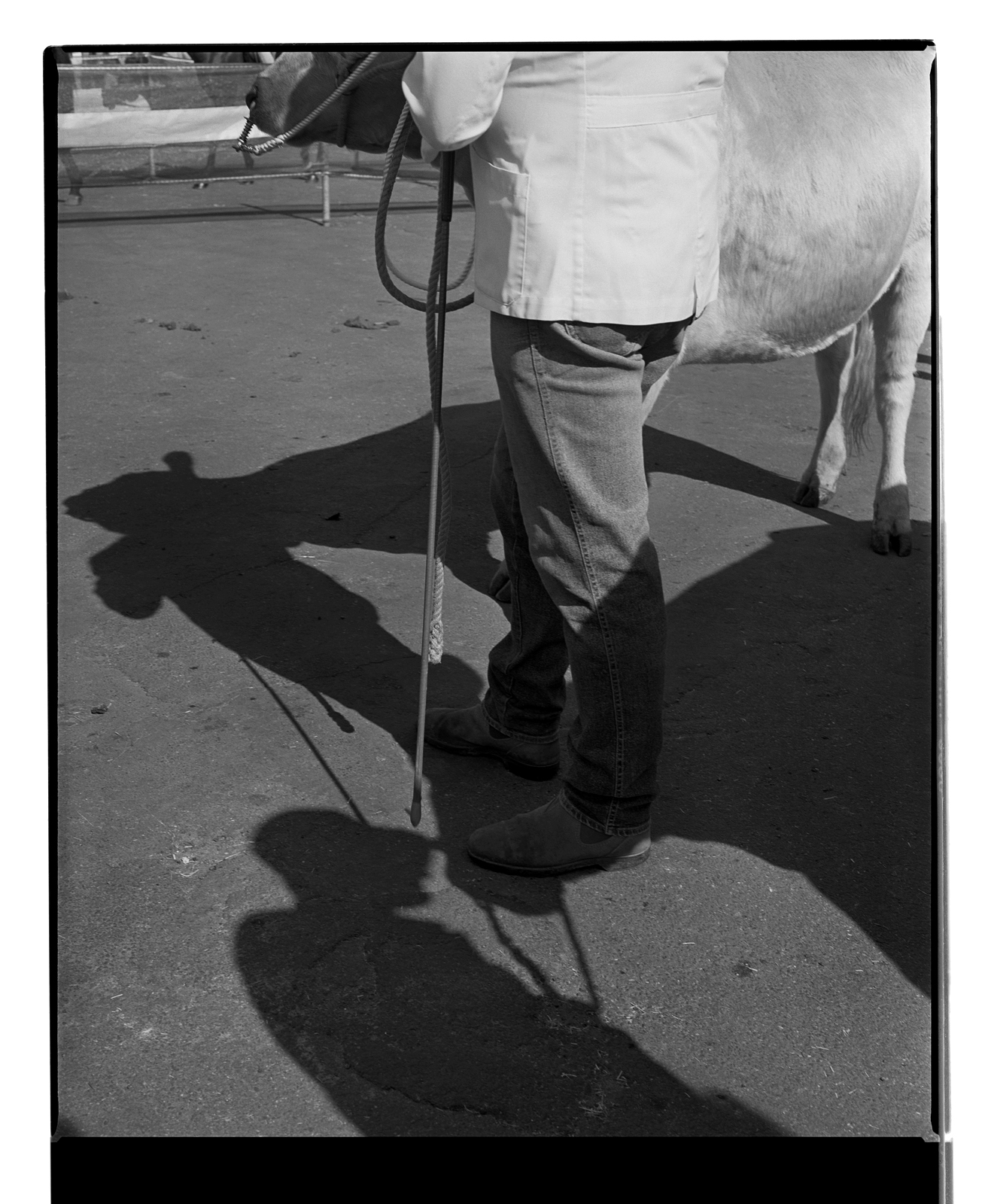
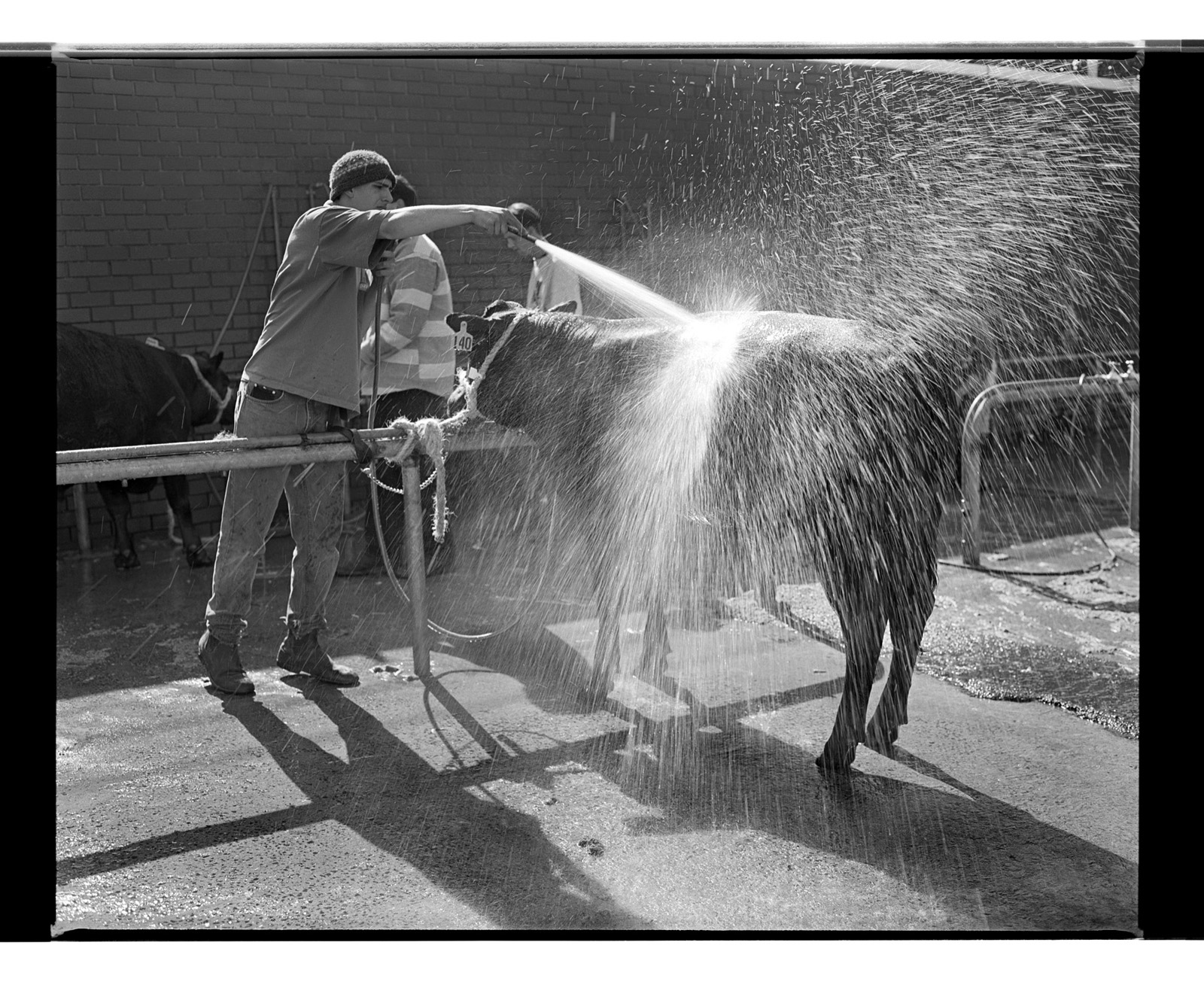
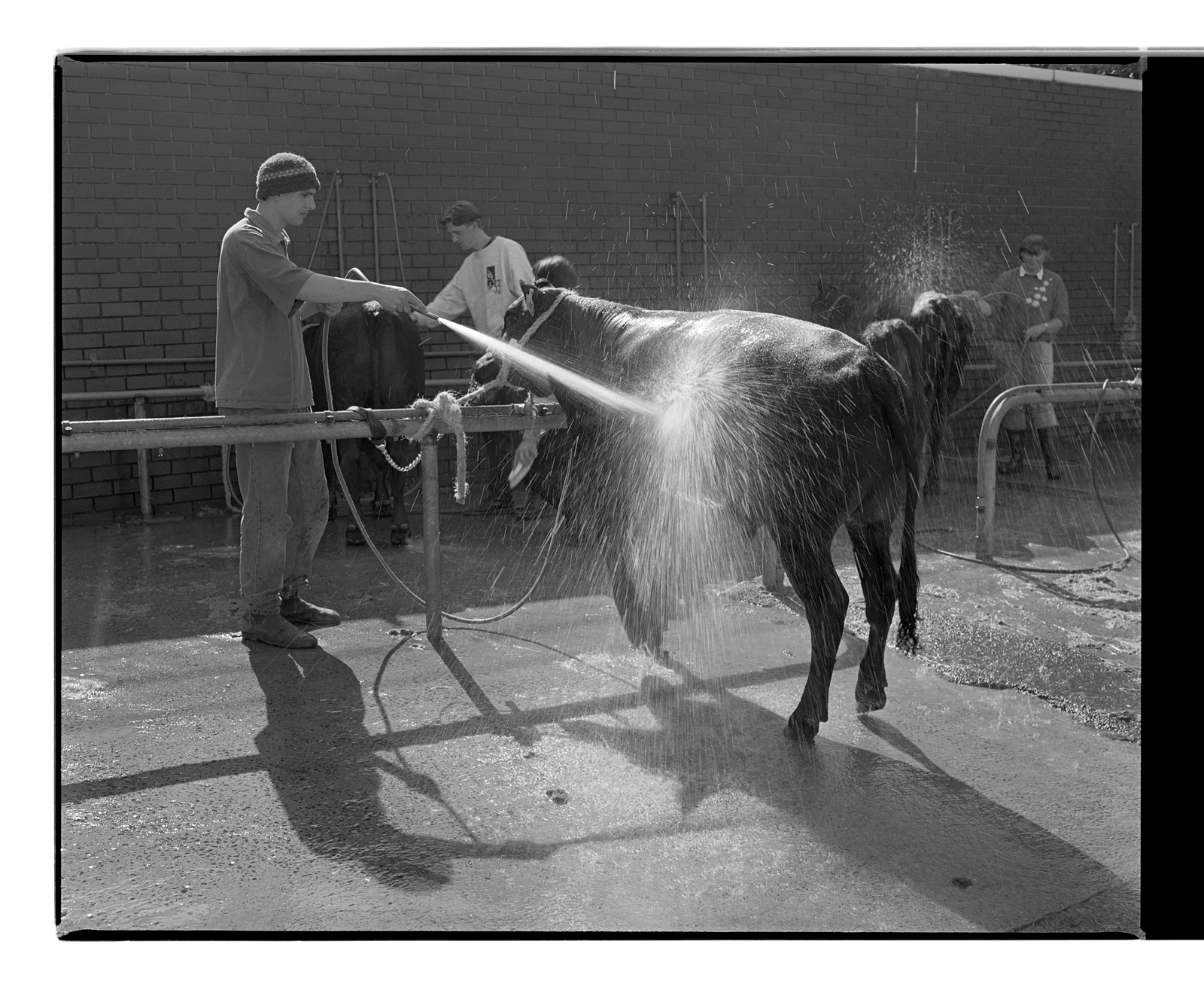
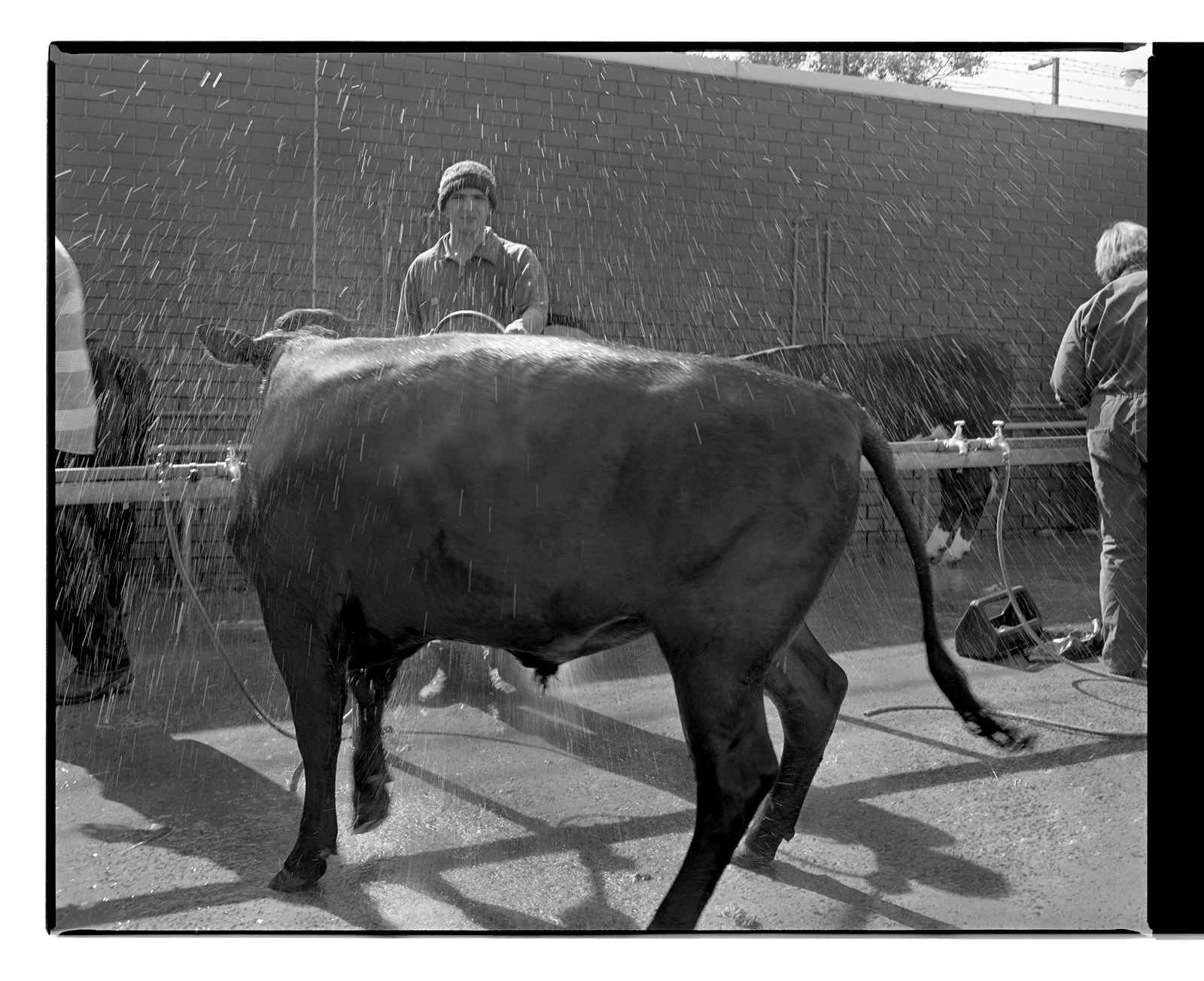
Most of these photographs were taken at a Royal Melbourne Show one year. The photographs of the cattle on the road were taken in country New South Wales, while the photographs of the Dalmatian were taken near Commercial Road in Prahran, South Yarra.
Ah, the light!
Dr Marcus Bunyan
I am scanning my negatives made during the years 1991-1997 to preserve them in the form of an online archive as a process of active memory, so that the images are not lost forever. These photographs were images of my life and imagination at the time of their making, the ideas I was thinking about and the people and things that surrounded me.
Photographs are available from this series for purchase. As a guide, a vintage 8″ x 10″ silver gelatin print costs $700 plus tracked and insured shipping. For more information please see my Store web page.
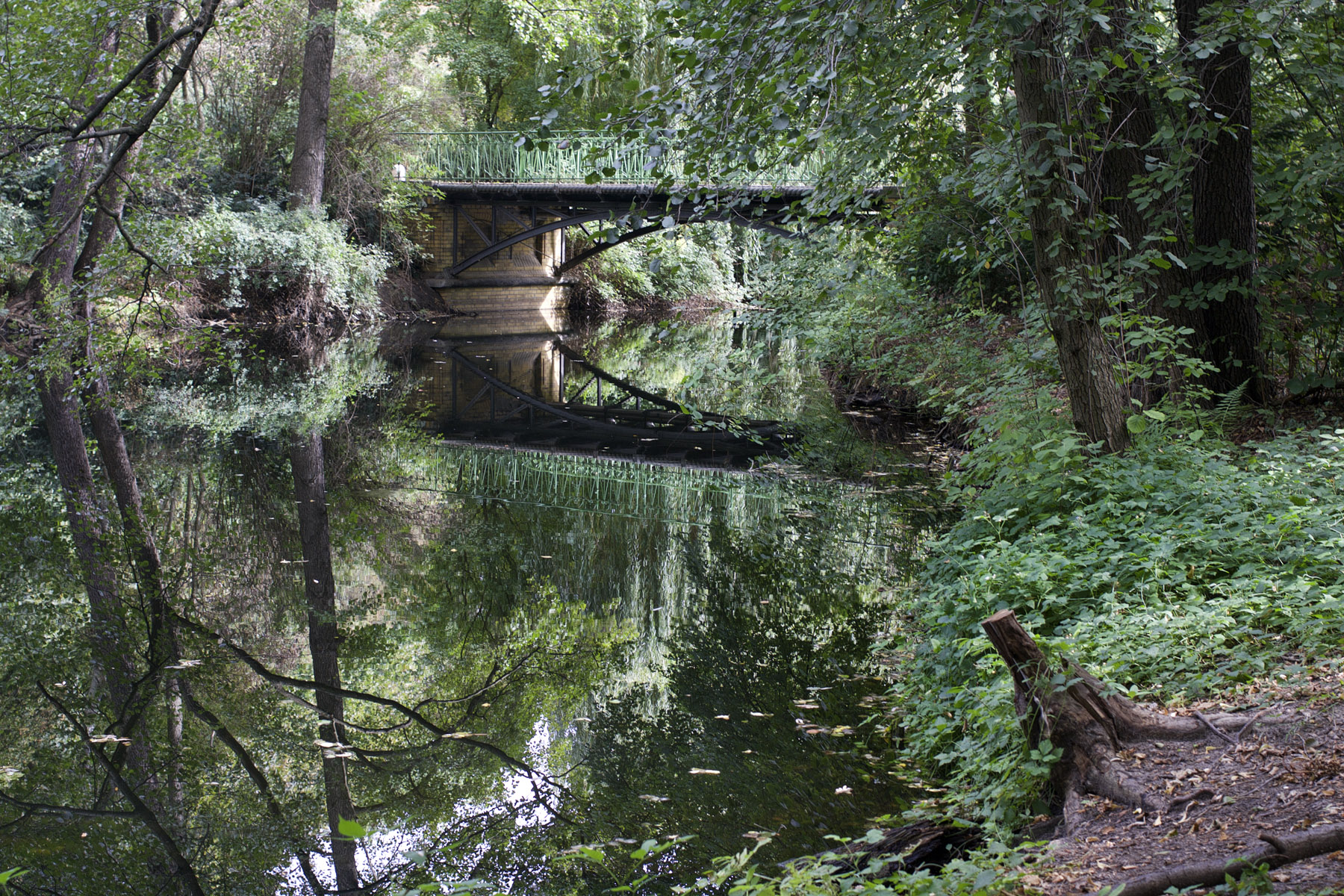
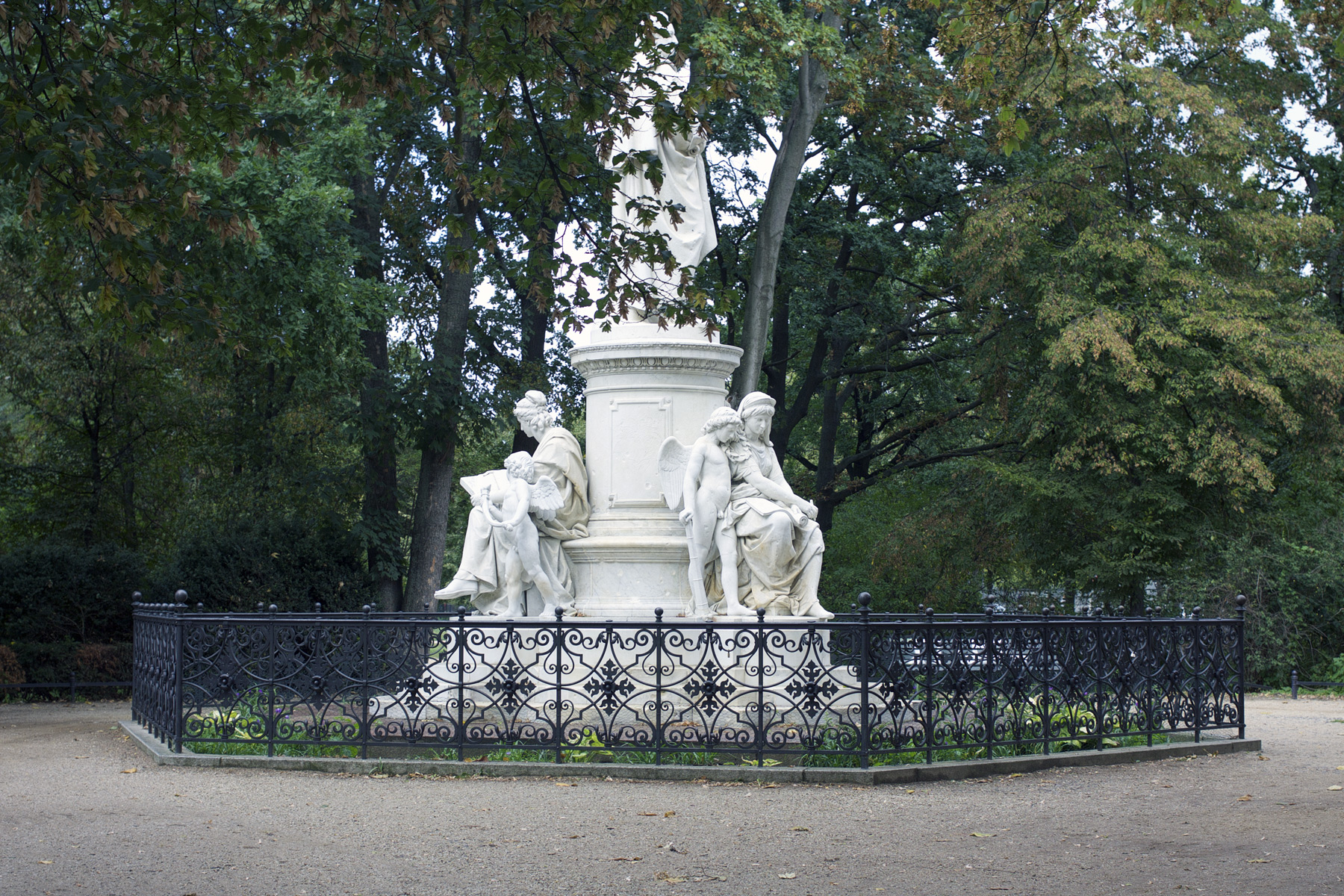
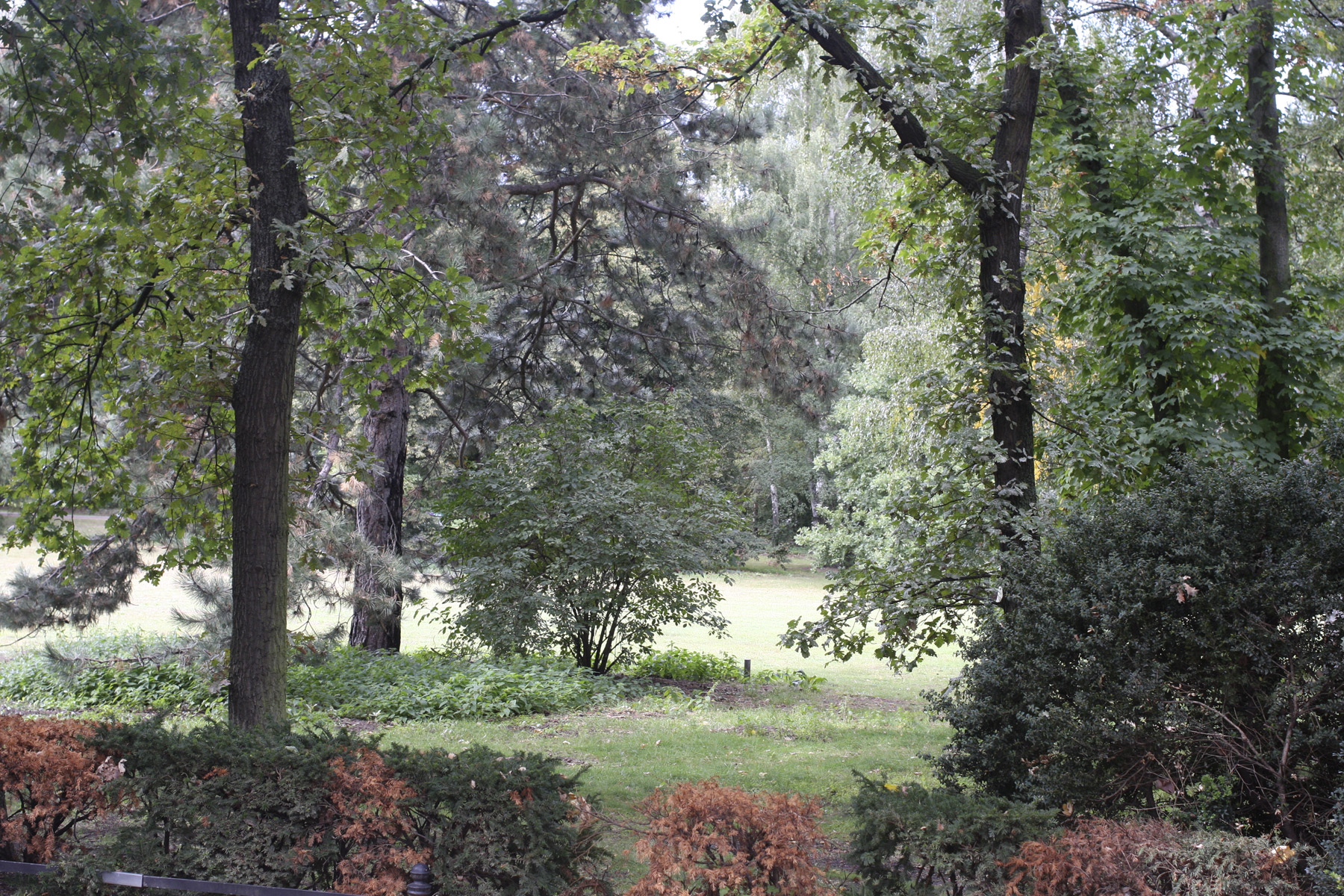
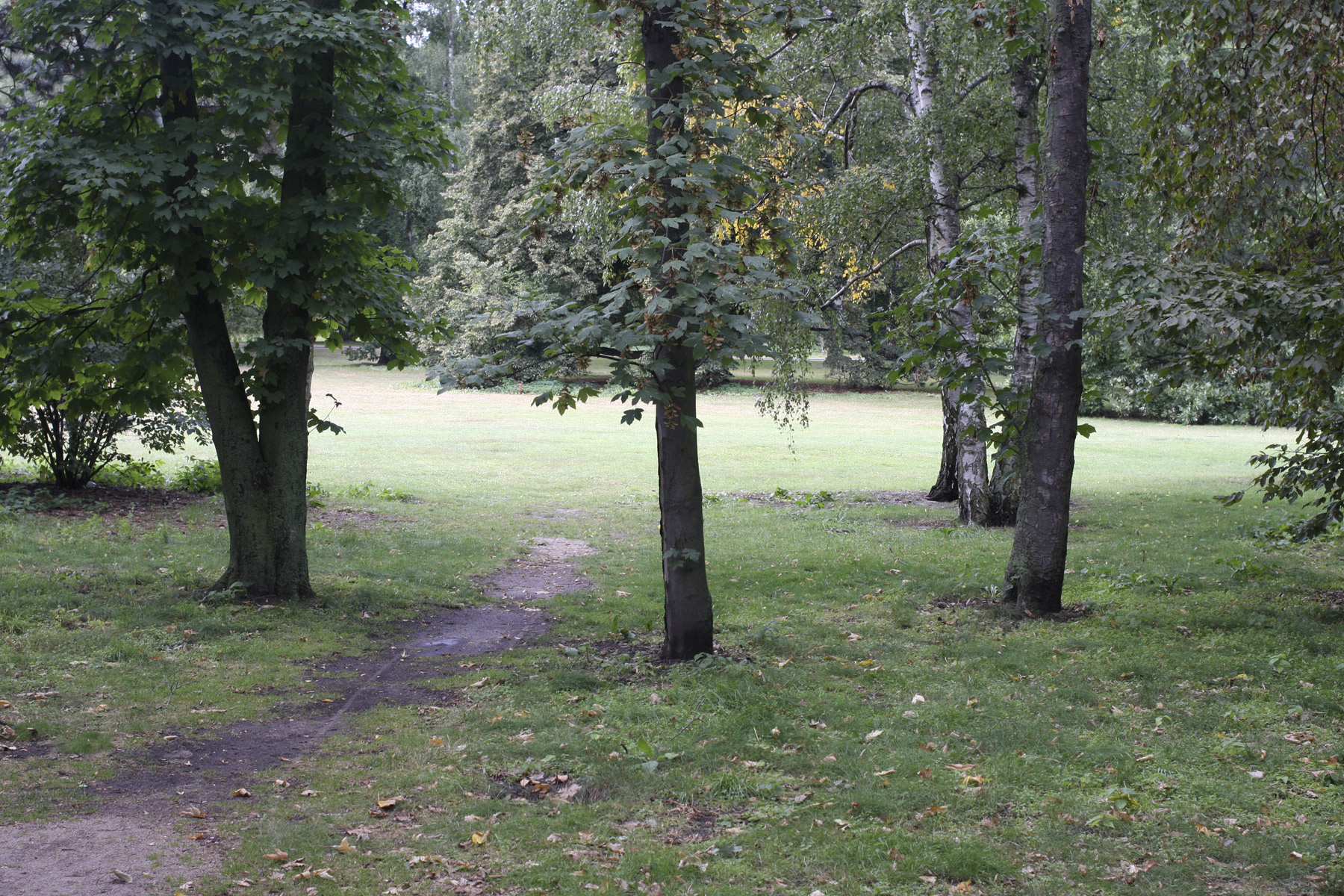
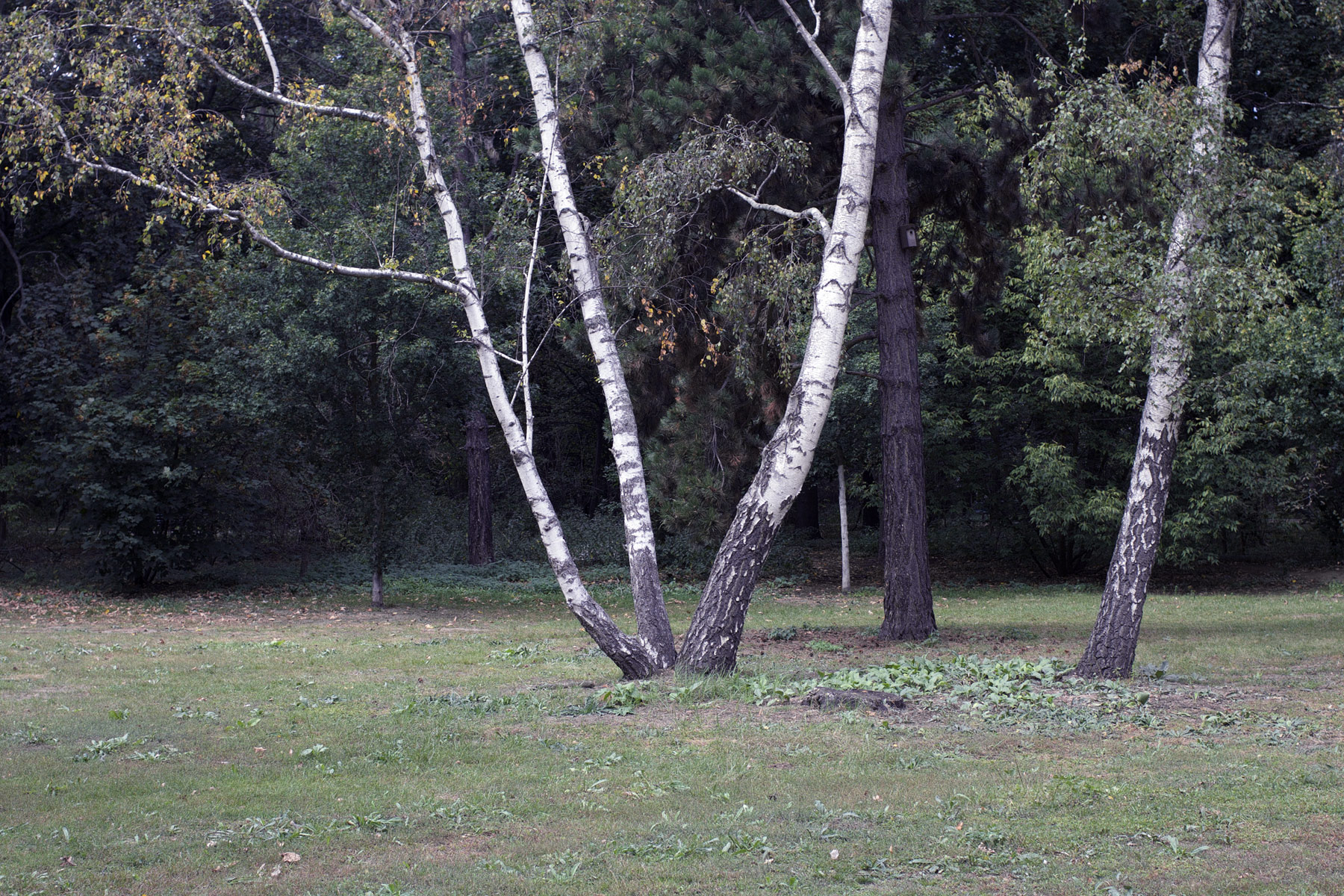
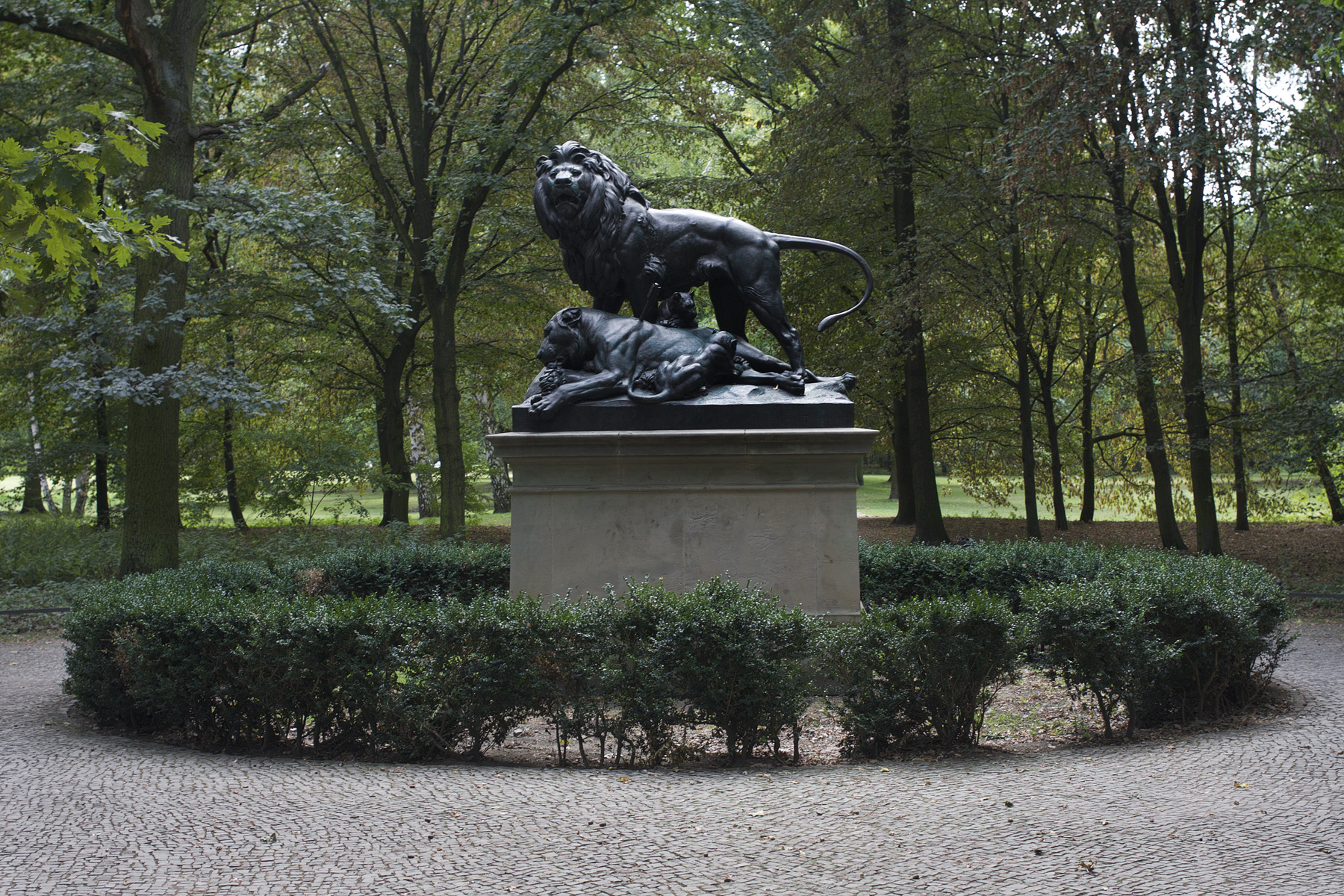
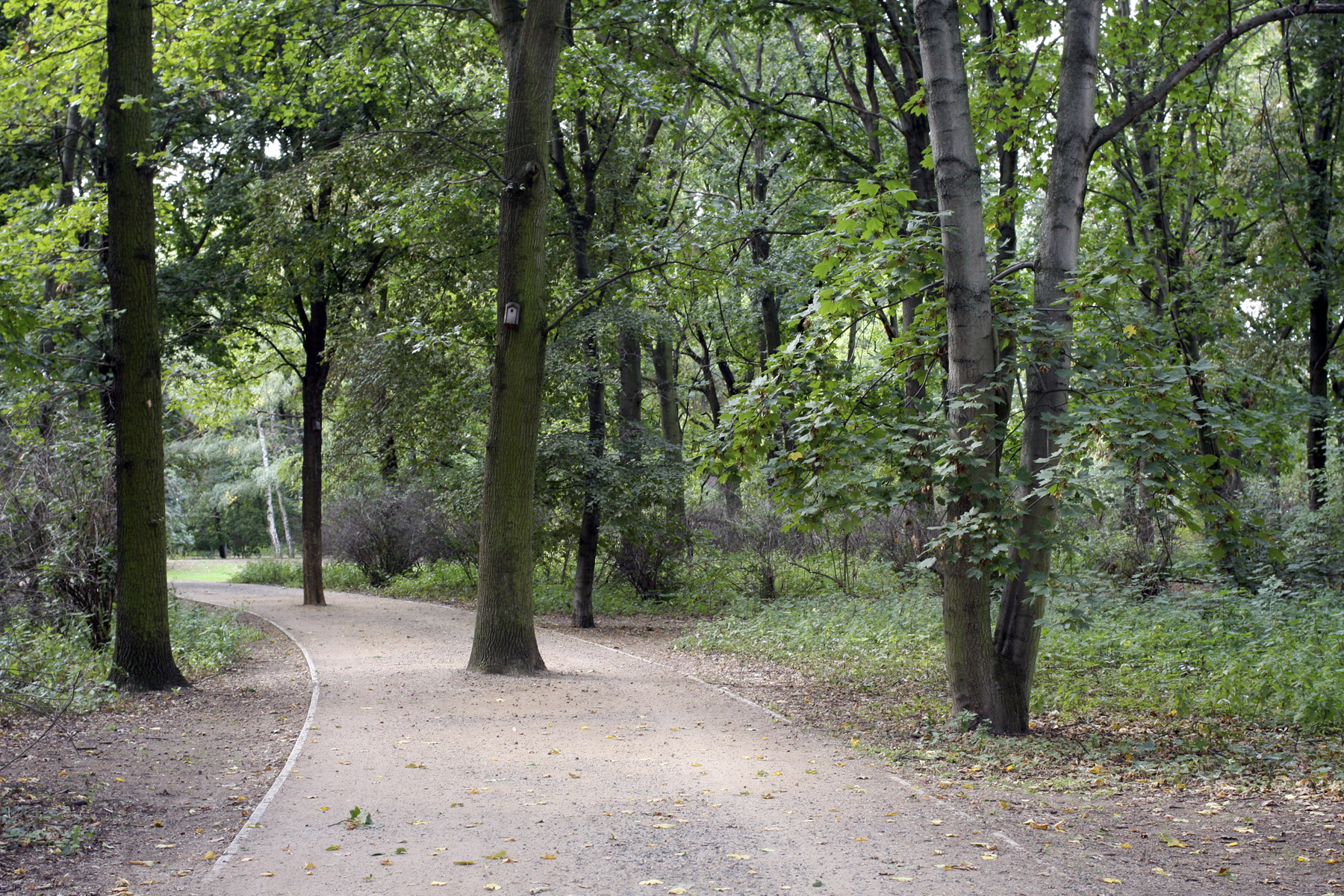
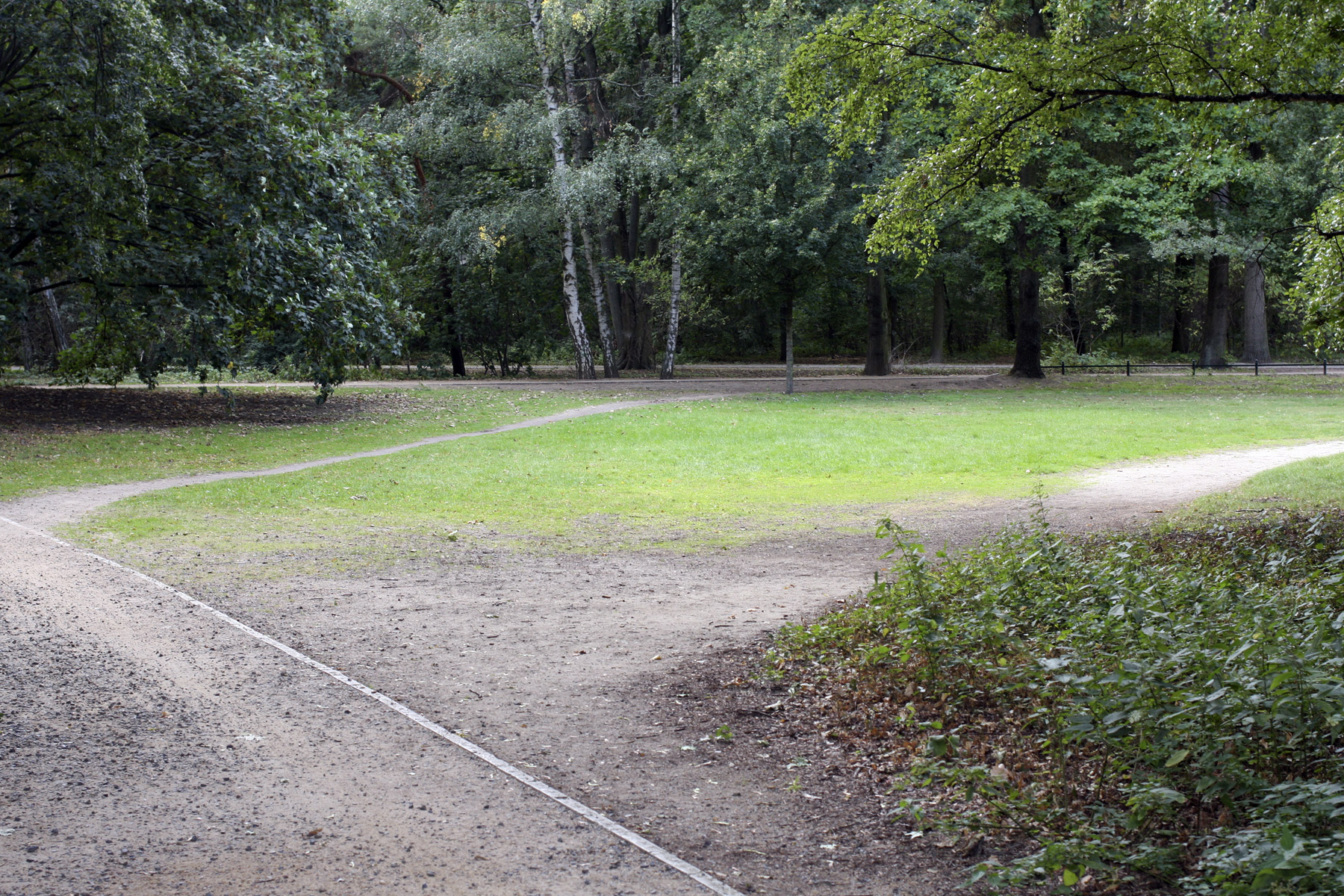
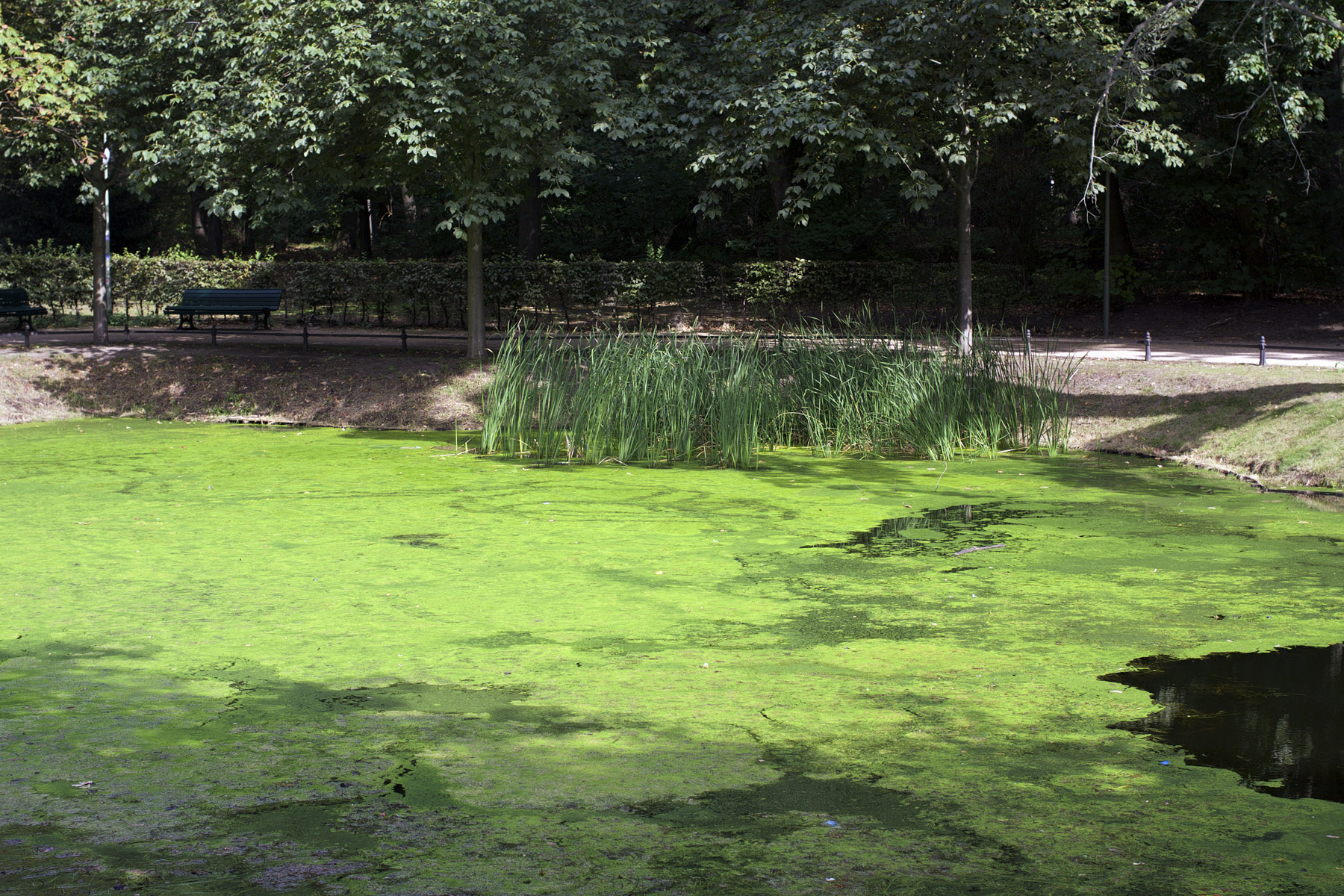
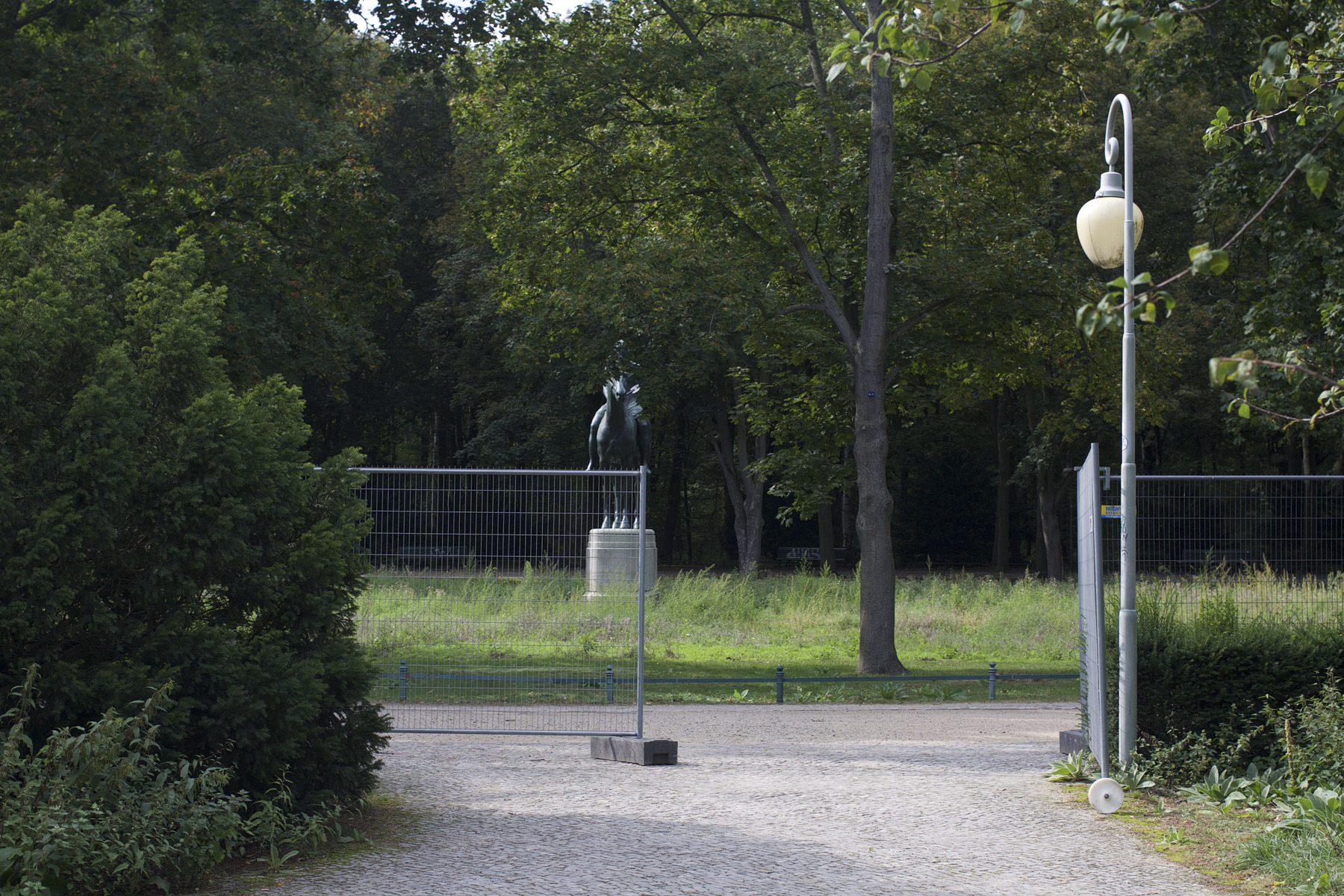
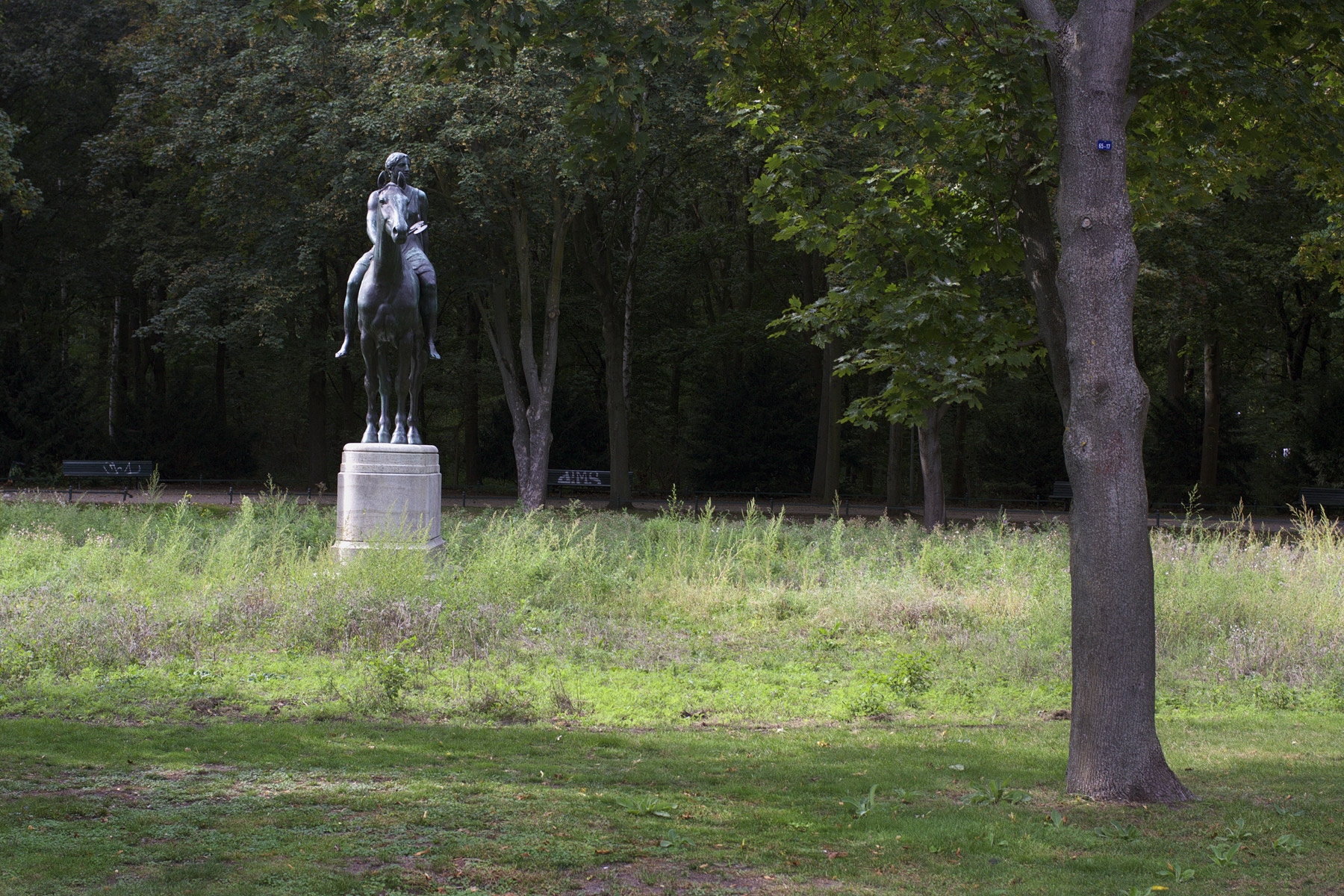
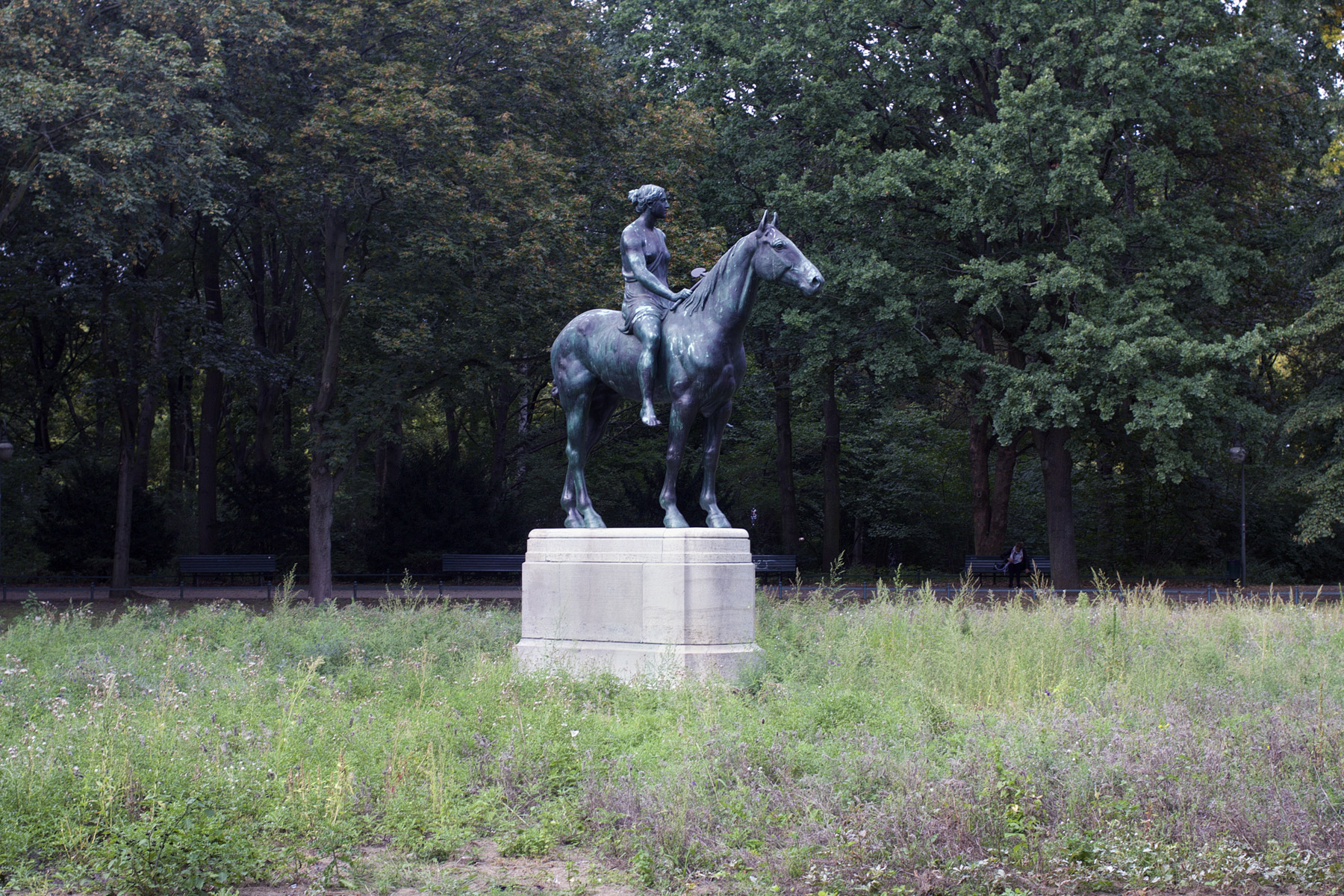
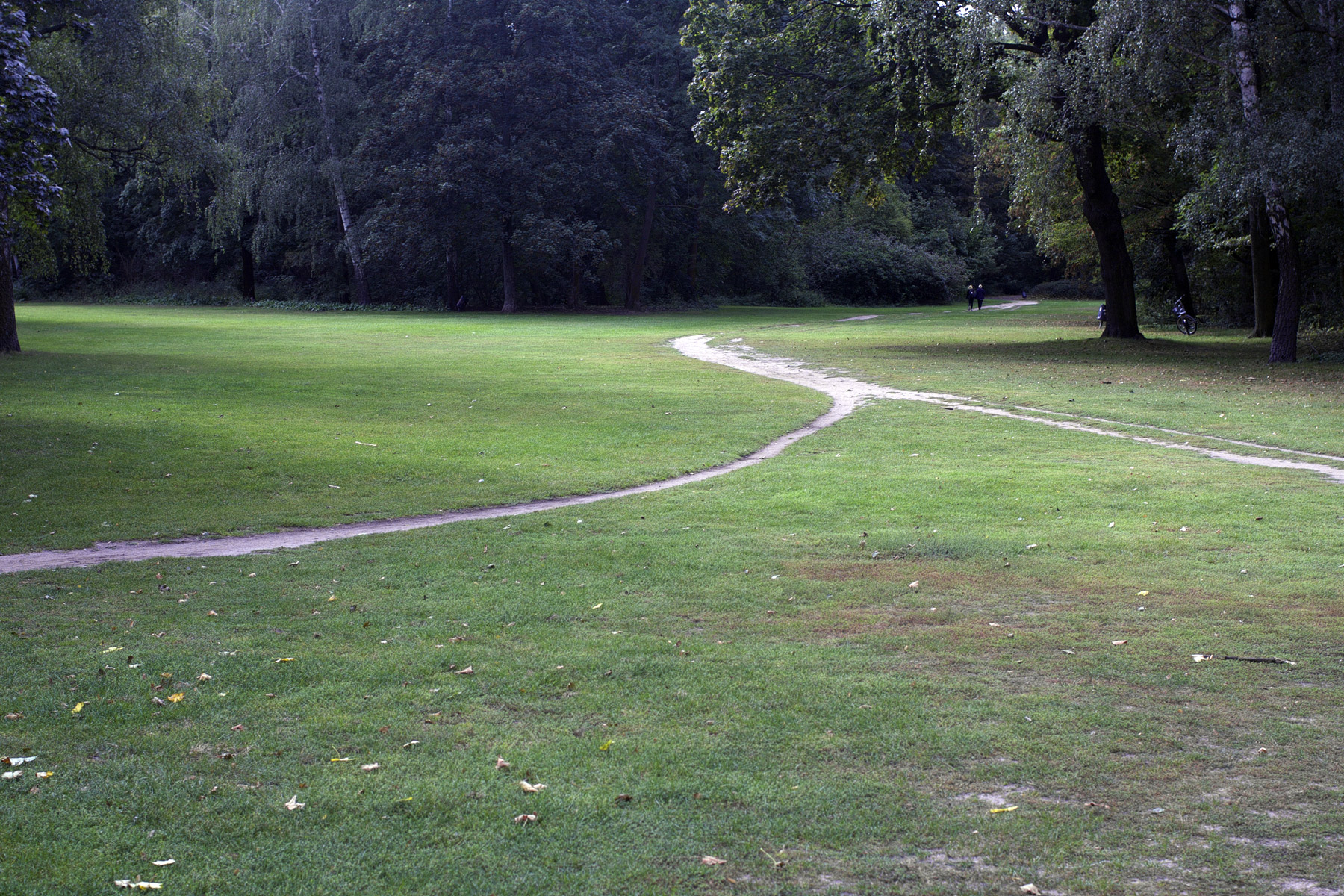
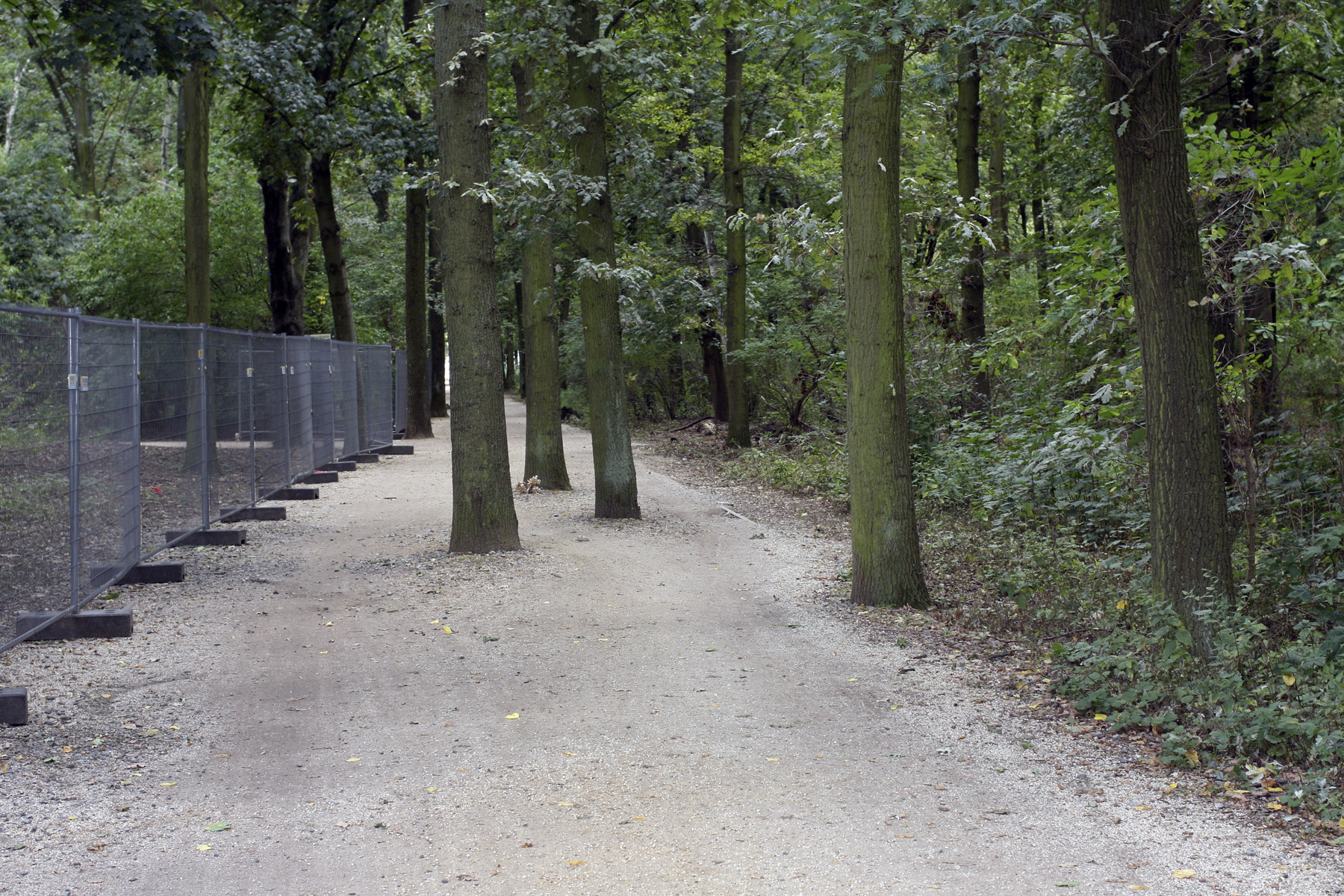
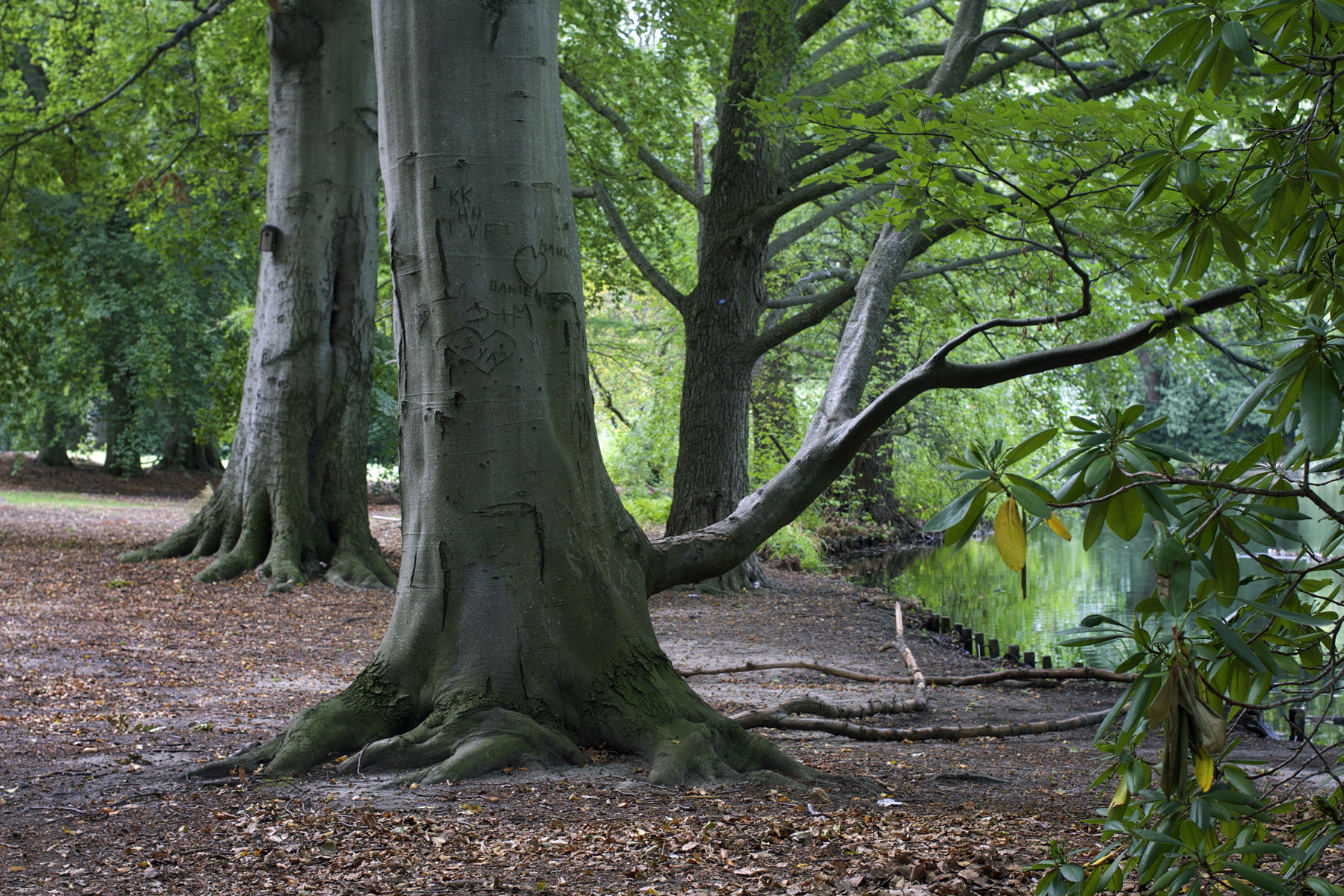
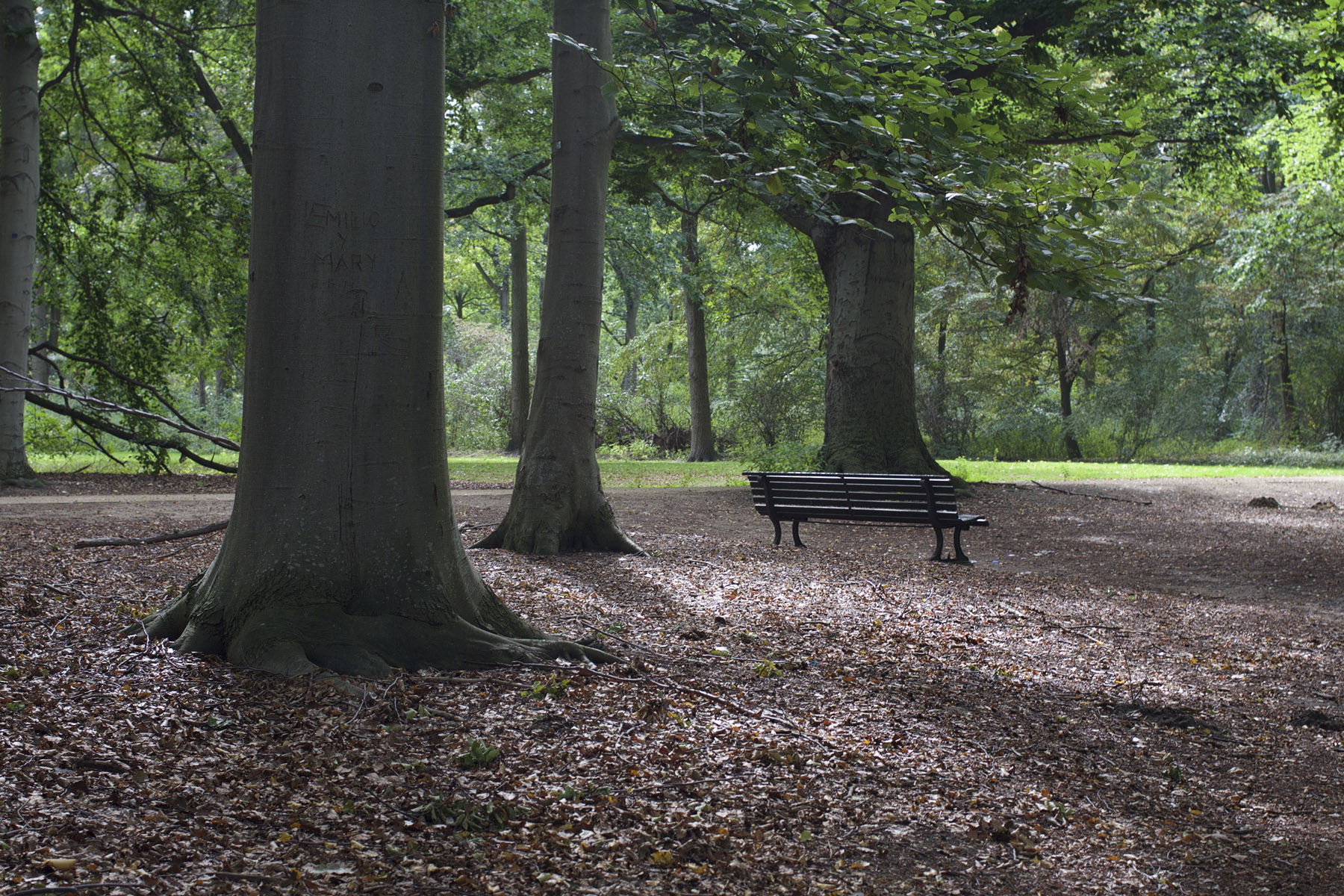
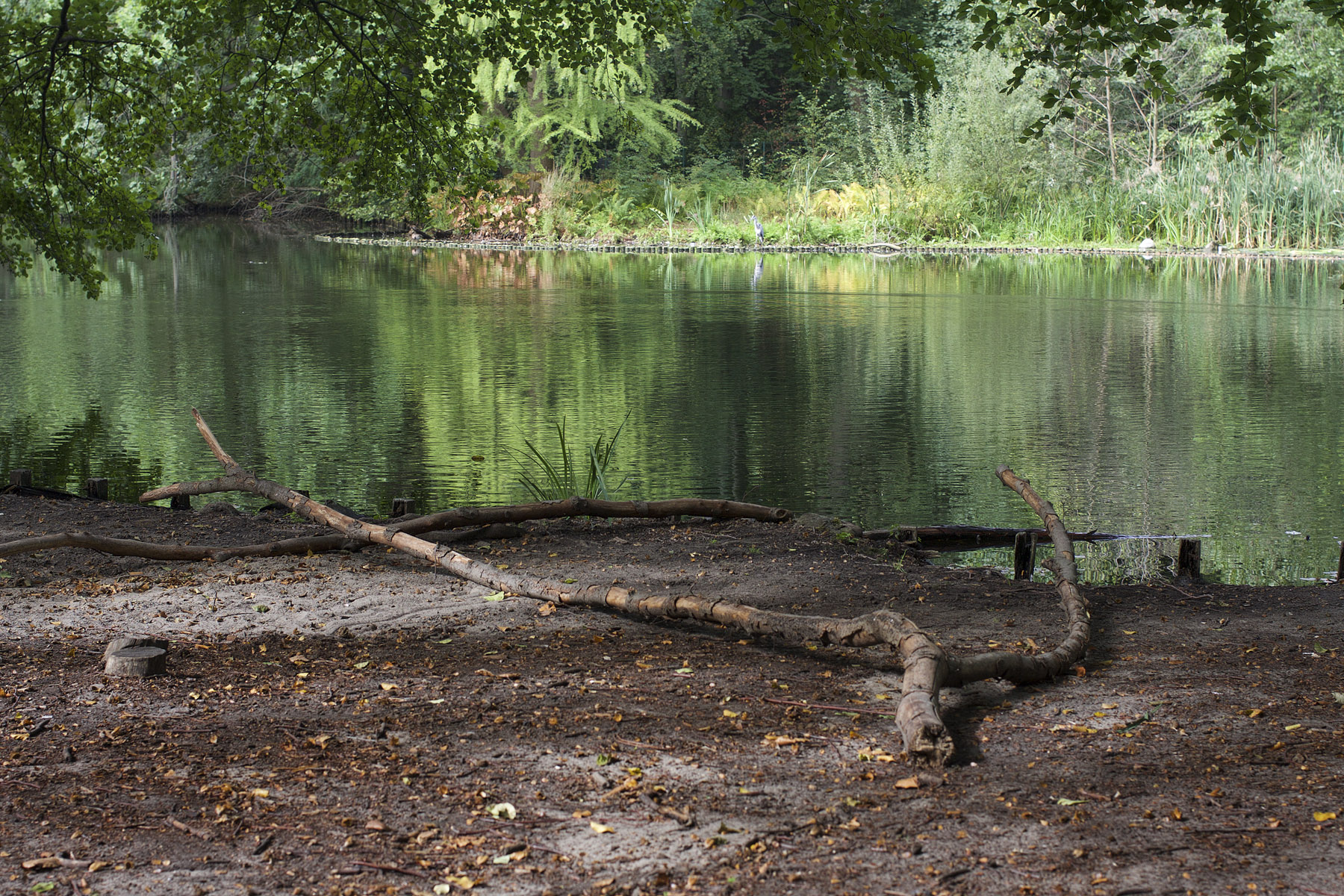
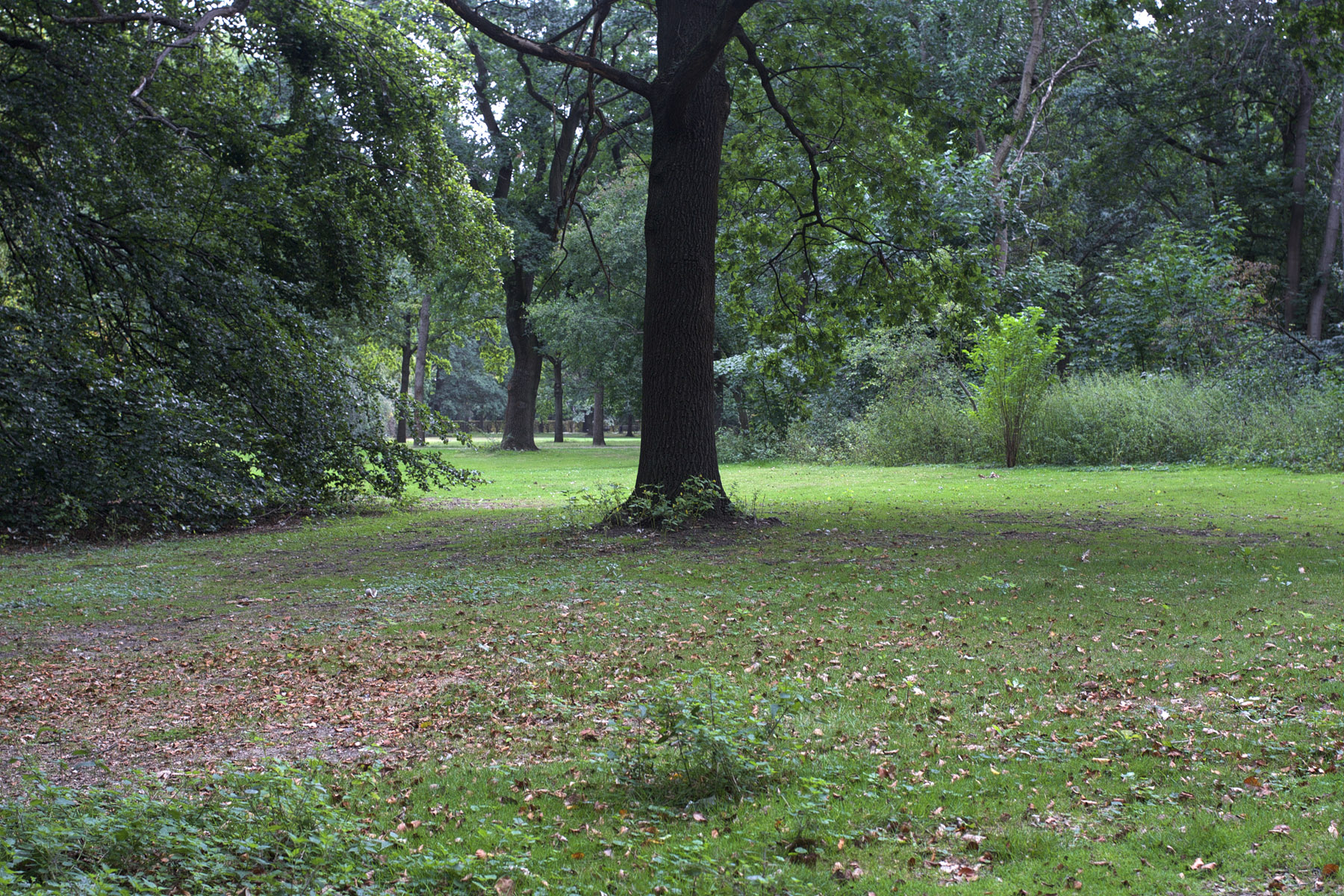
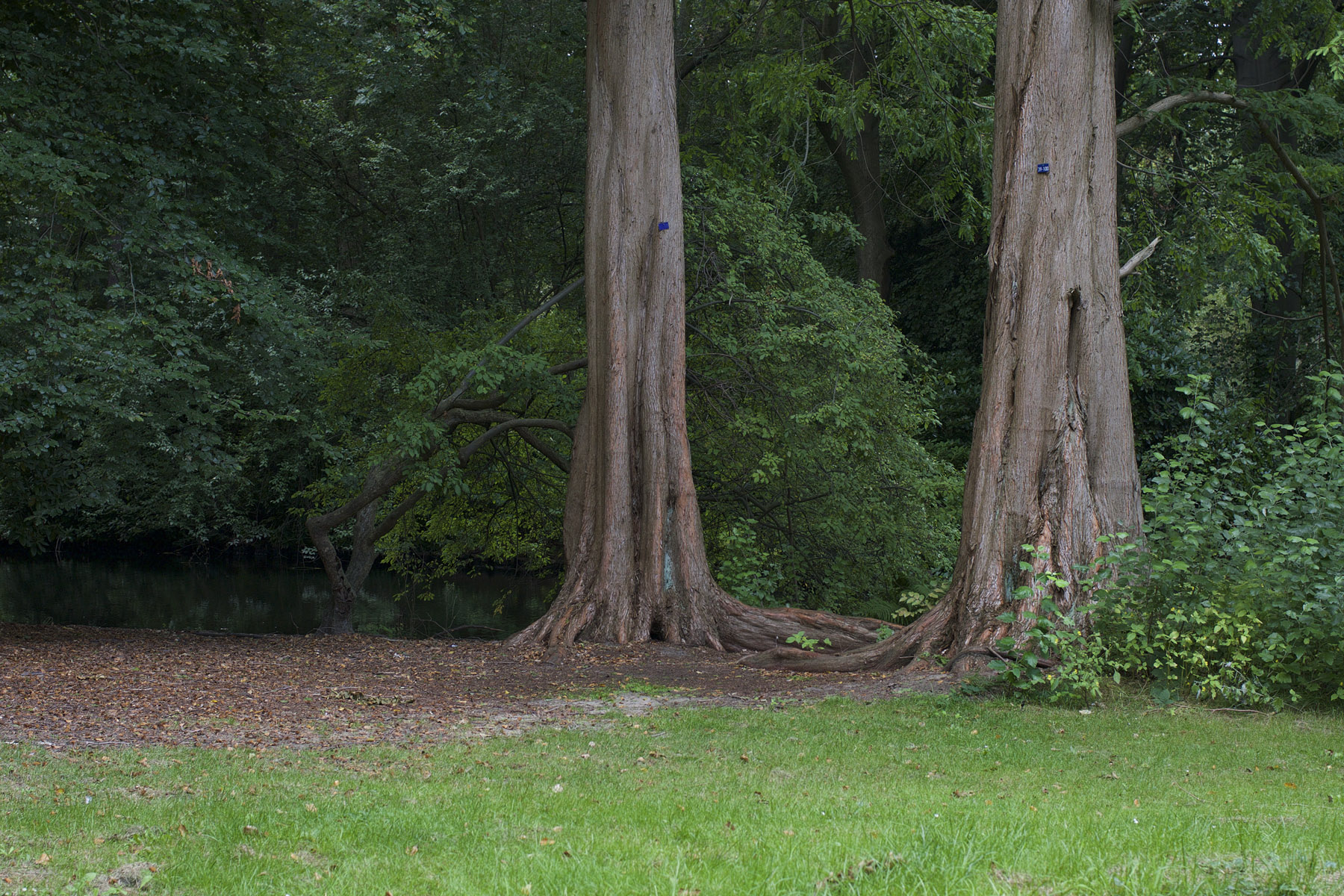
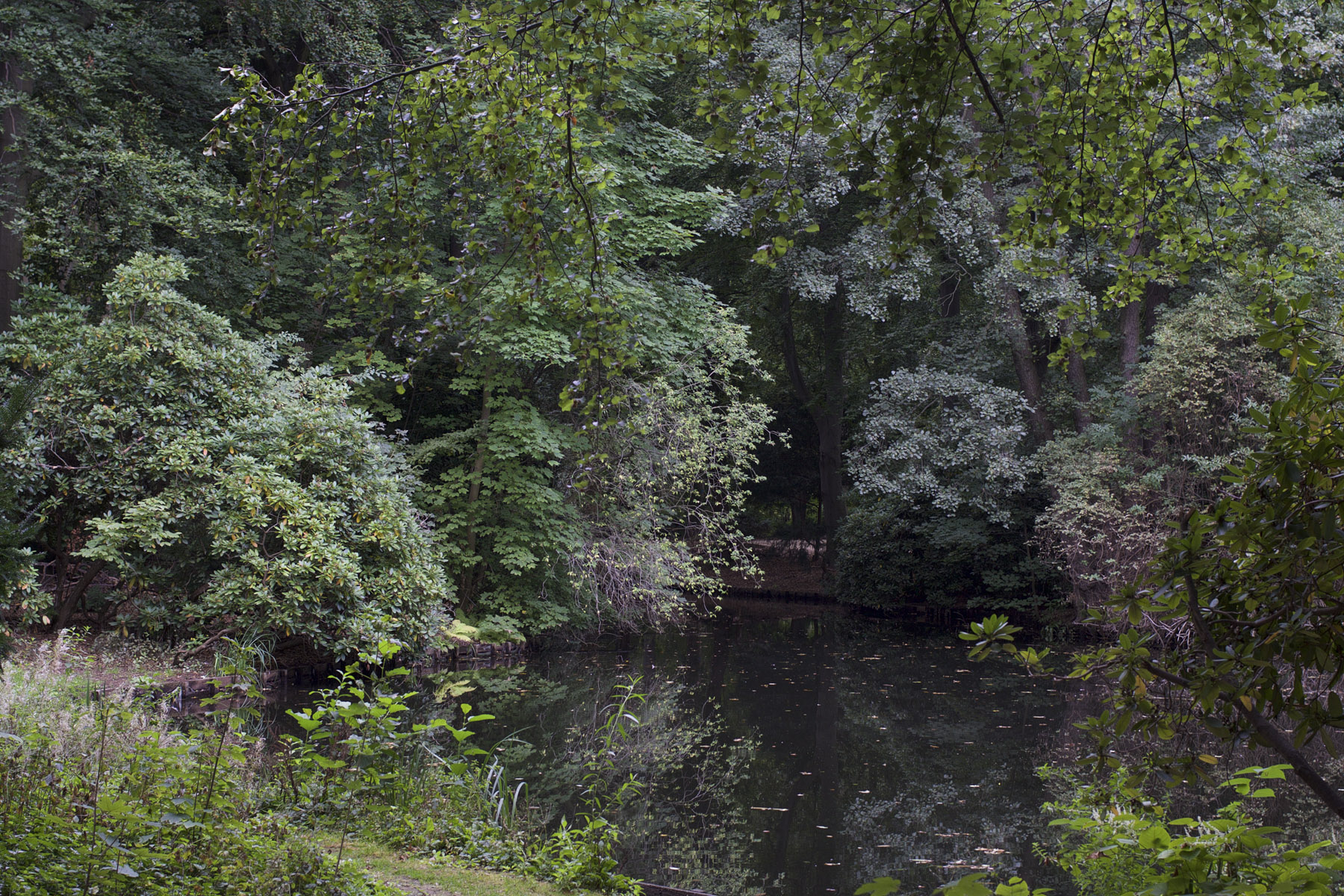
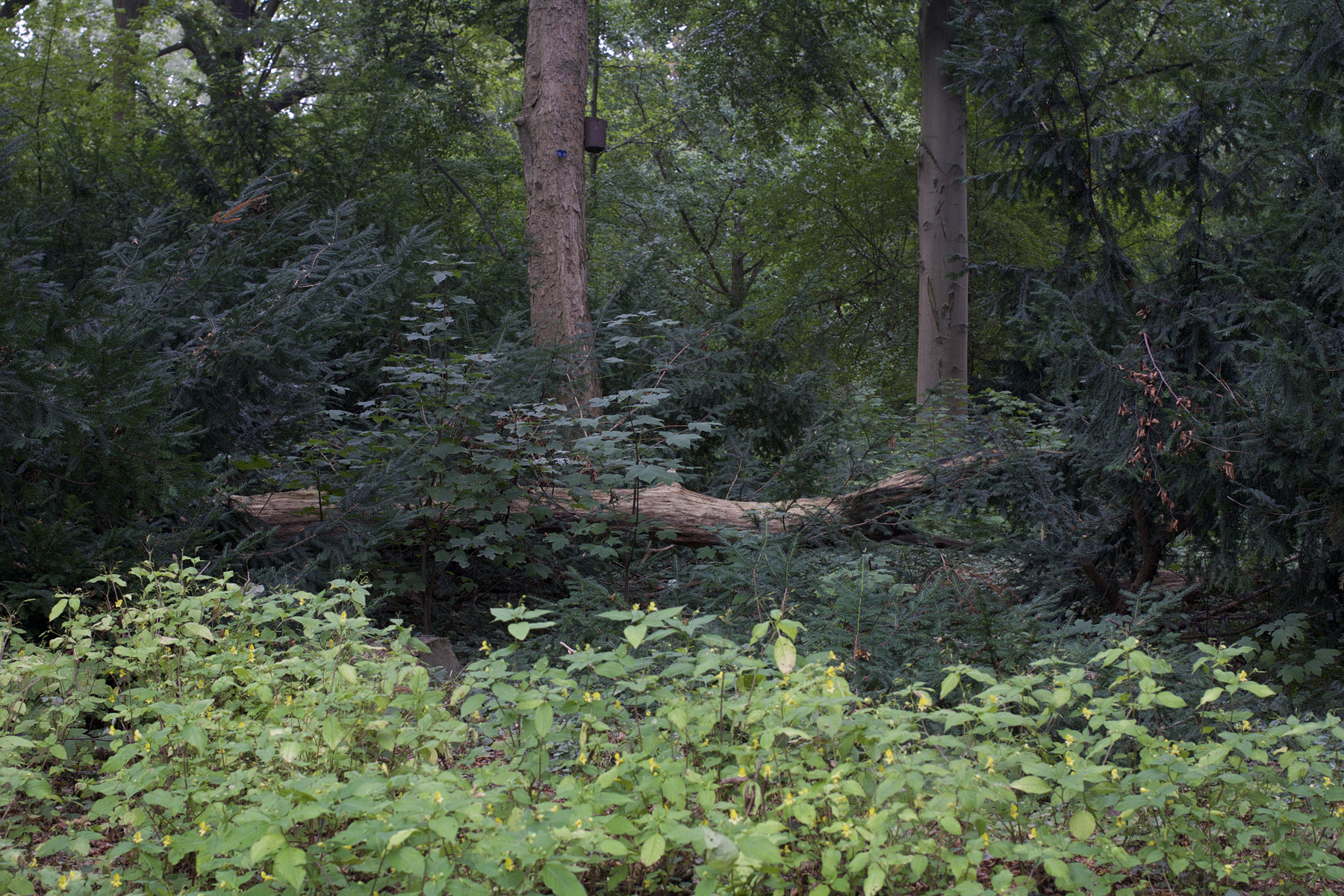
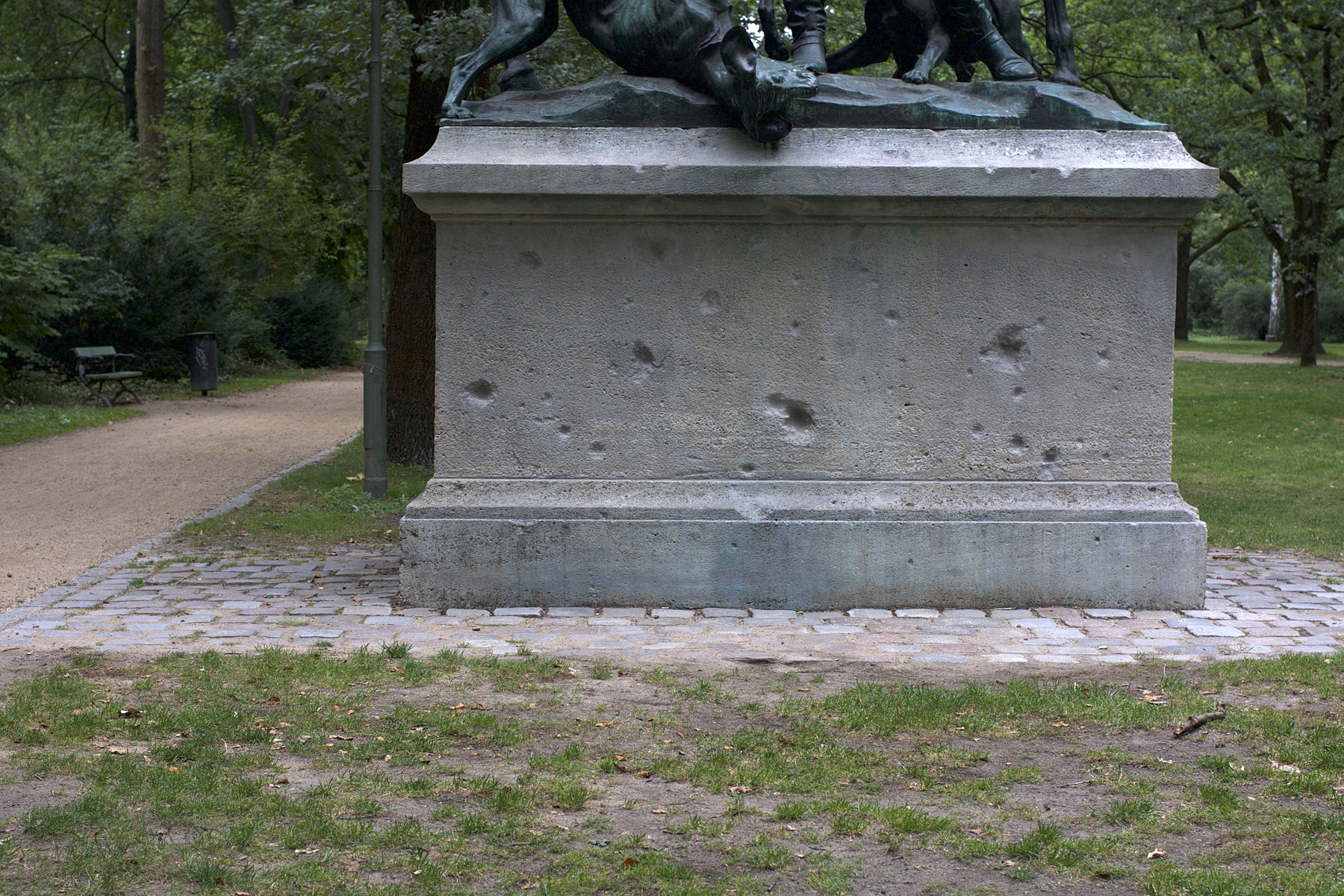
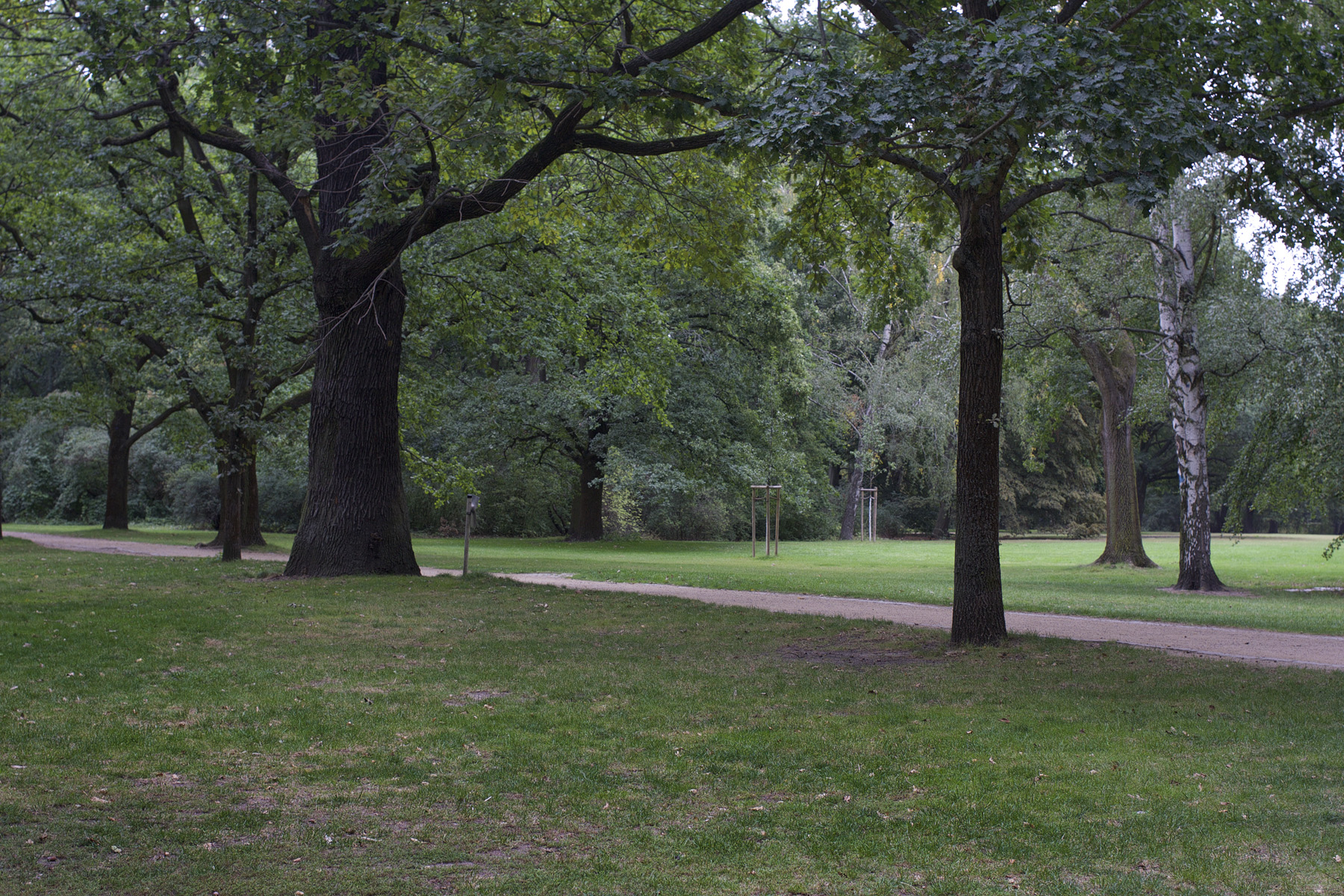
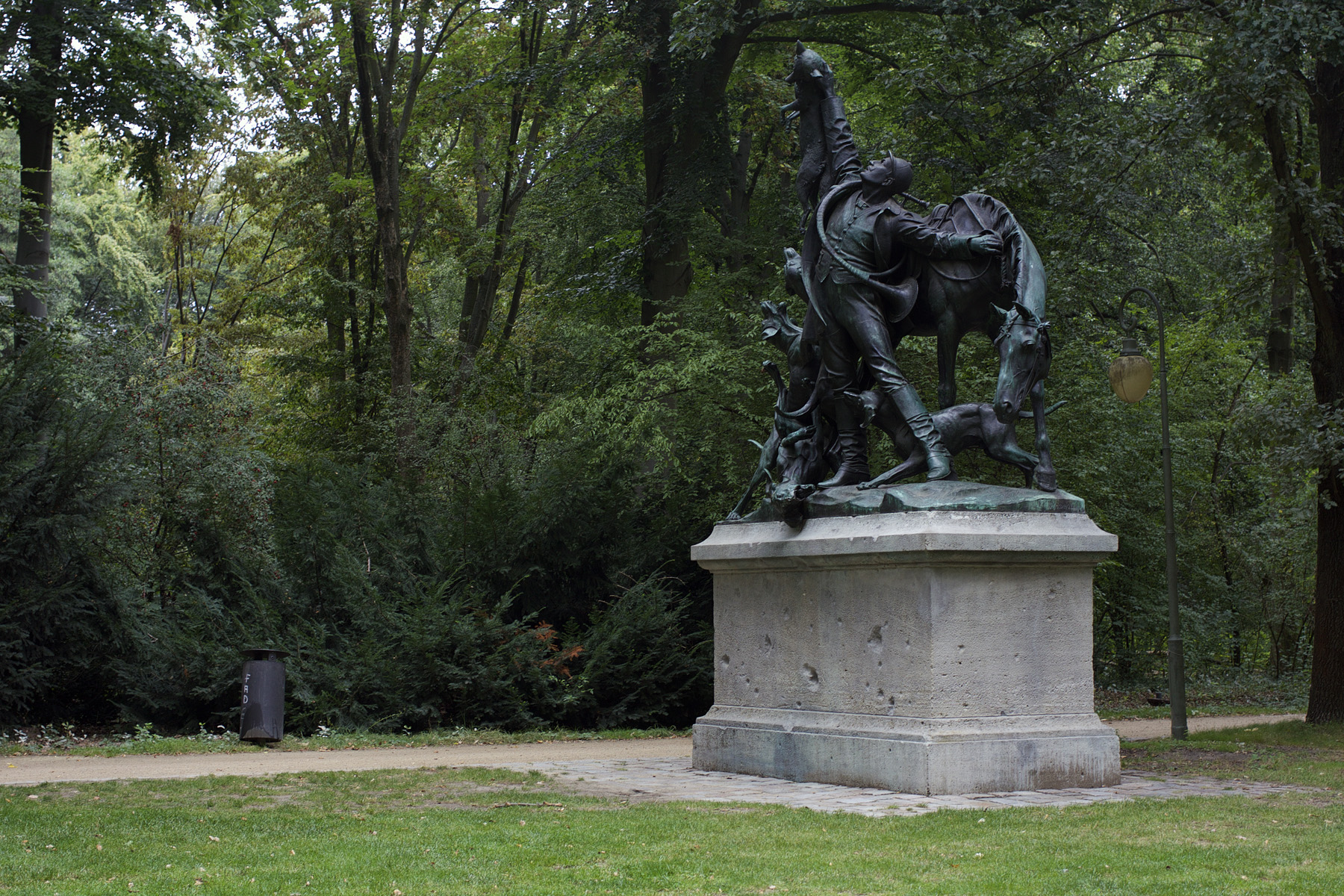
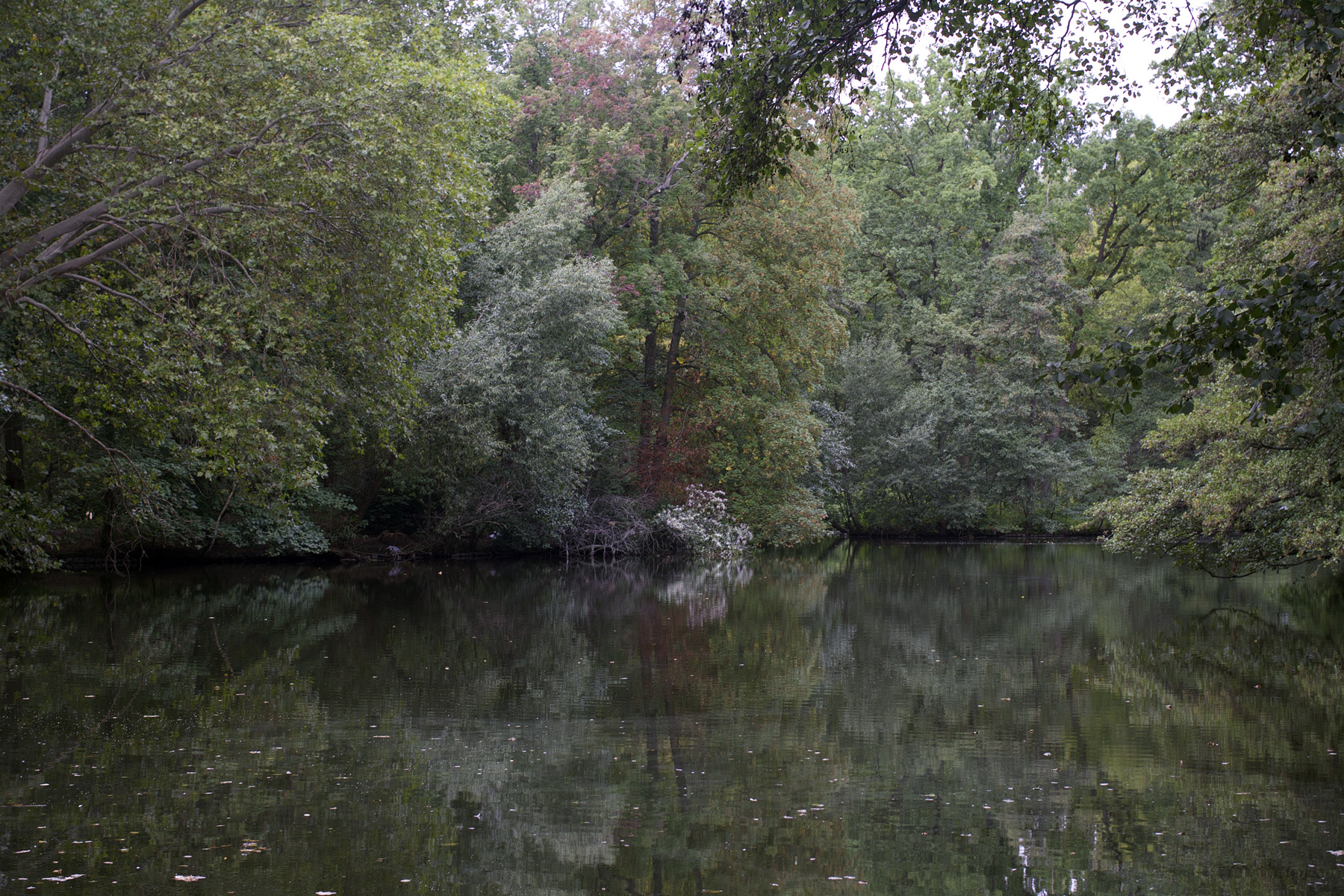
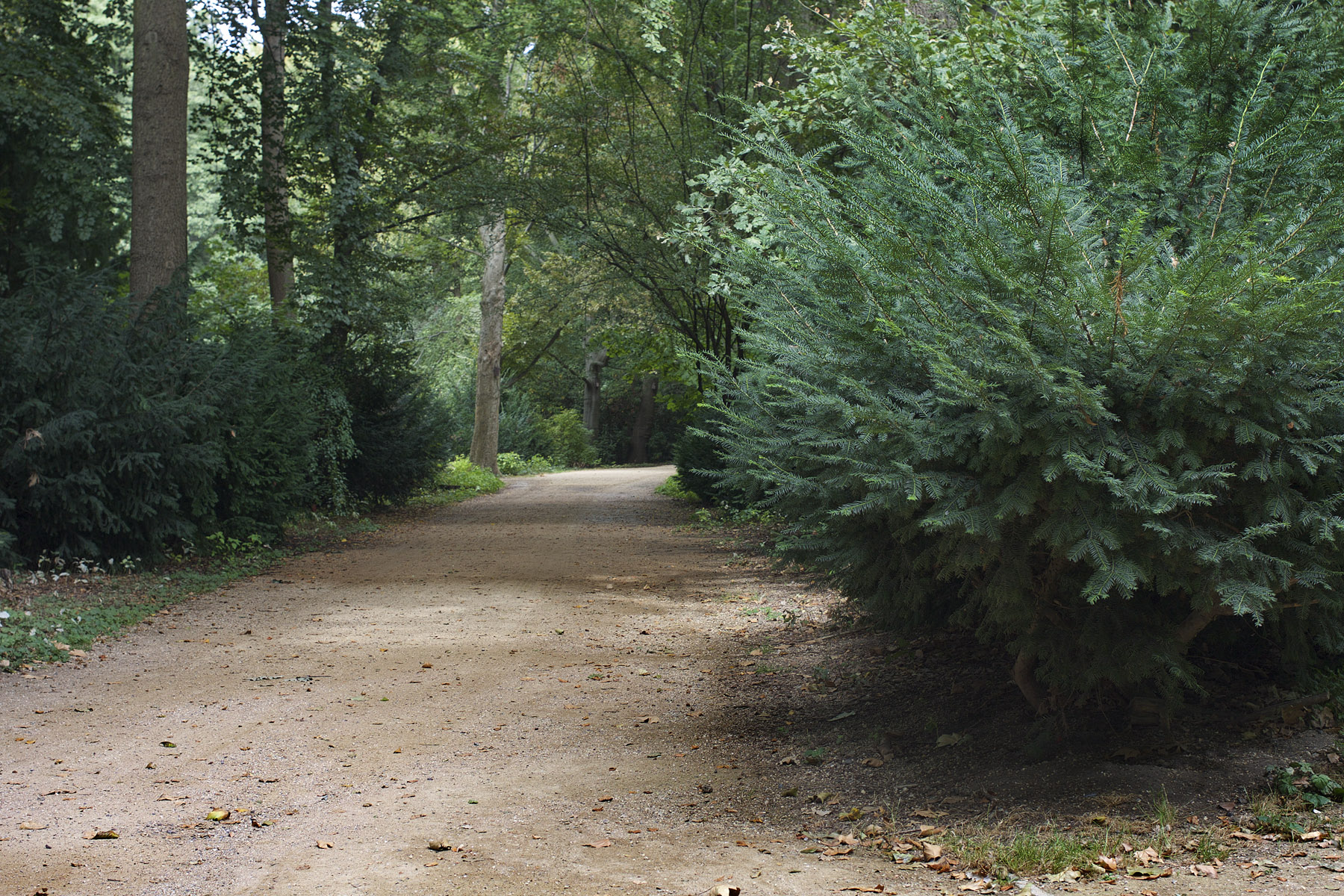
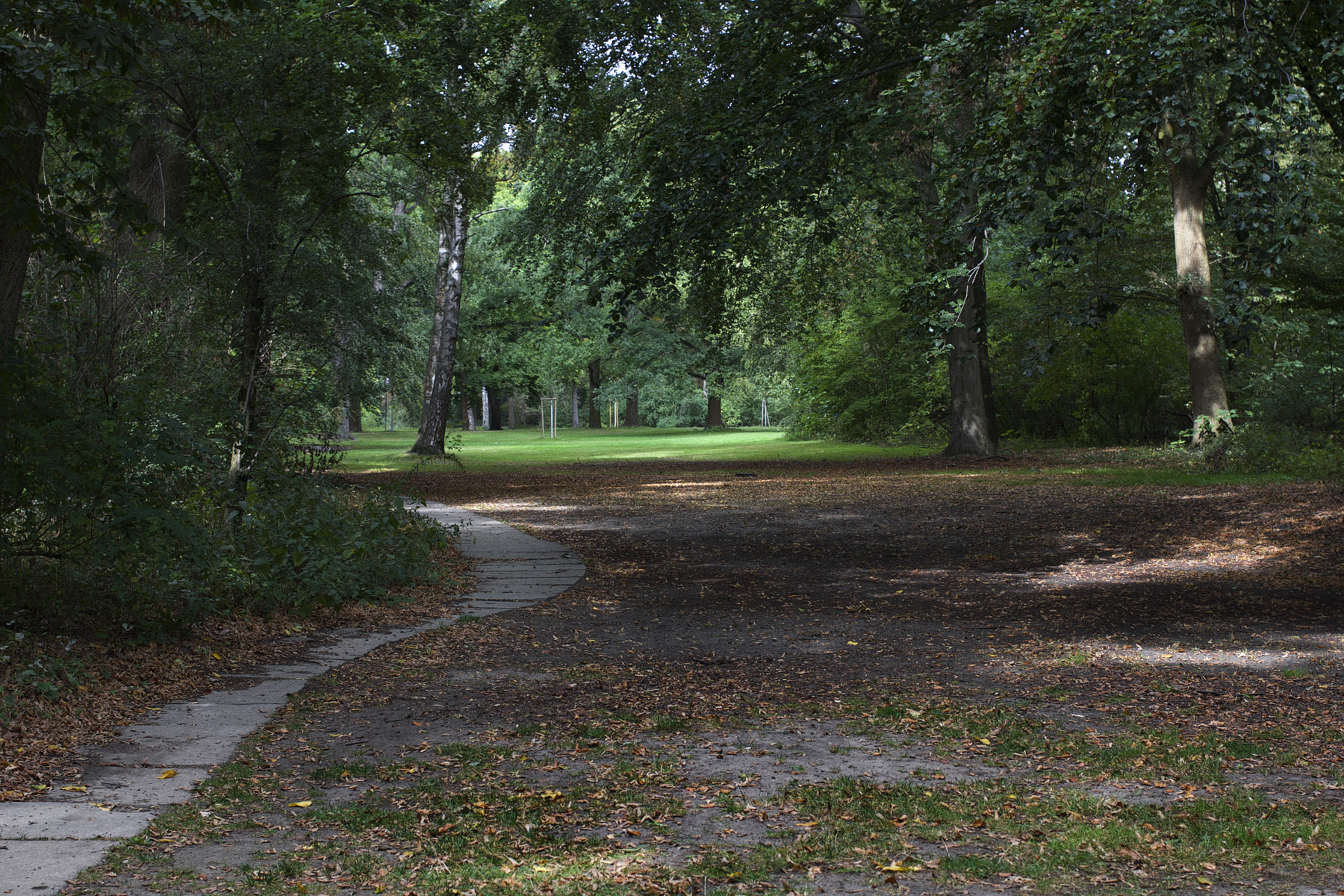
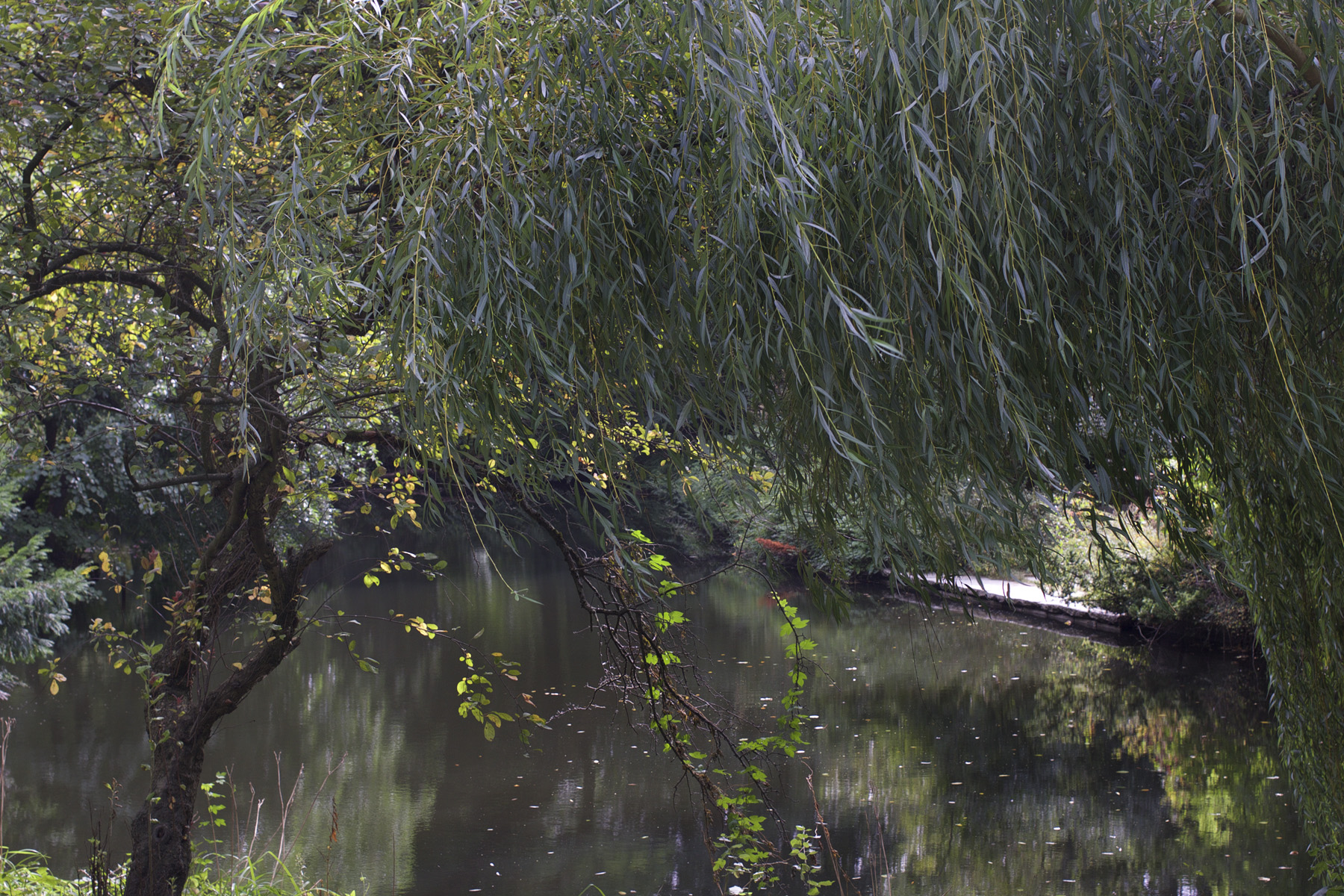
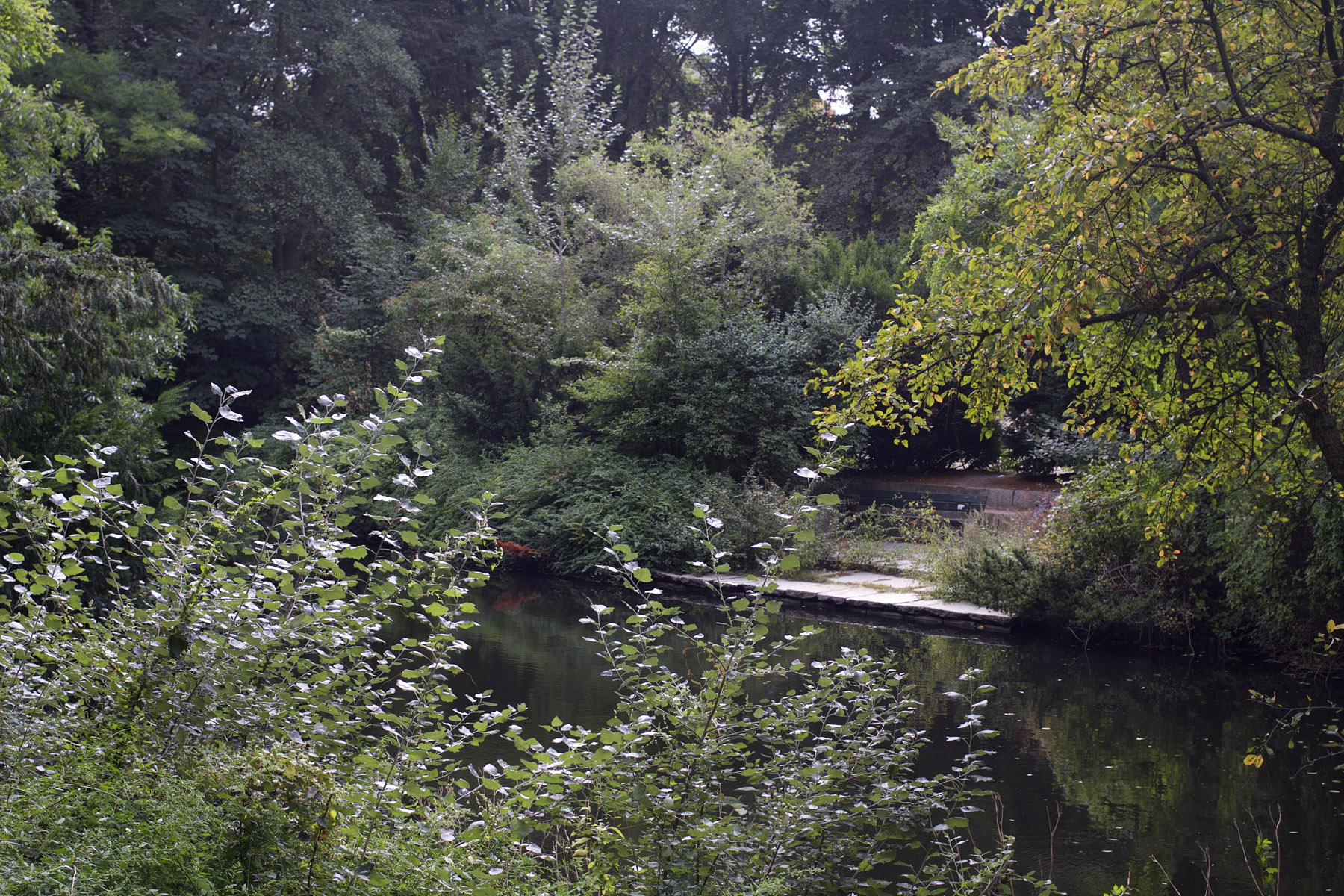
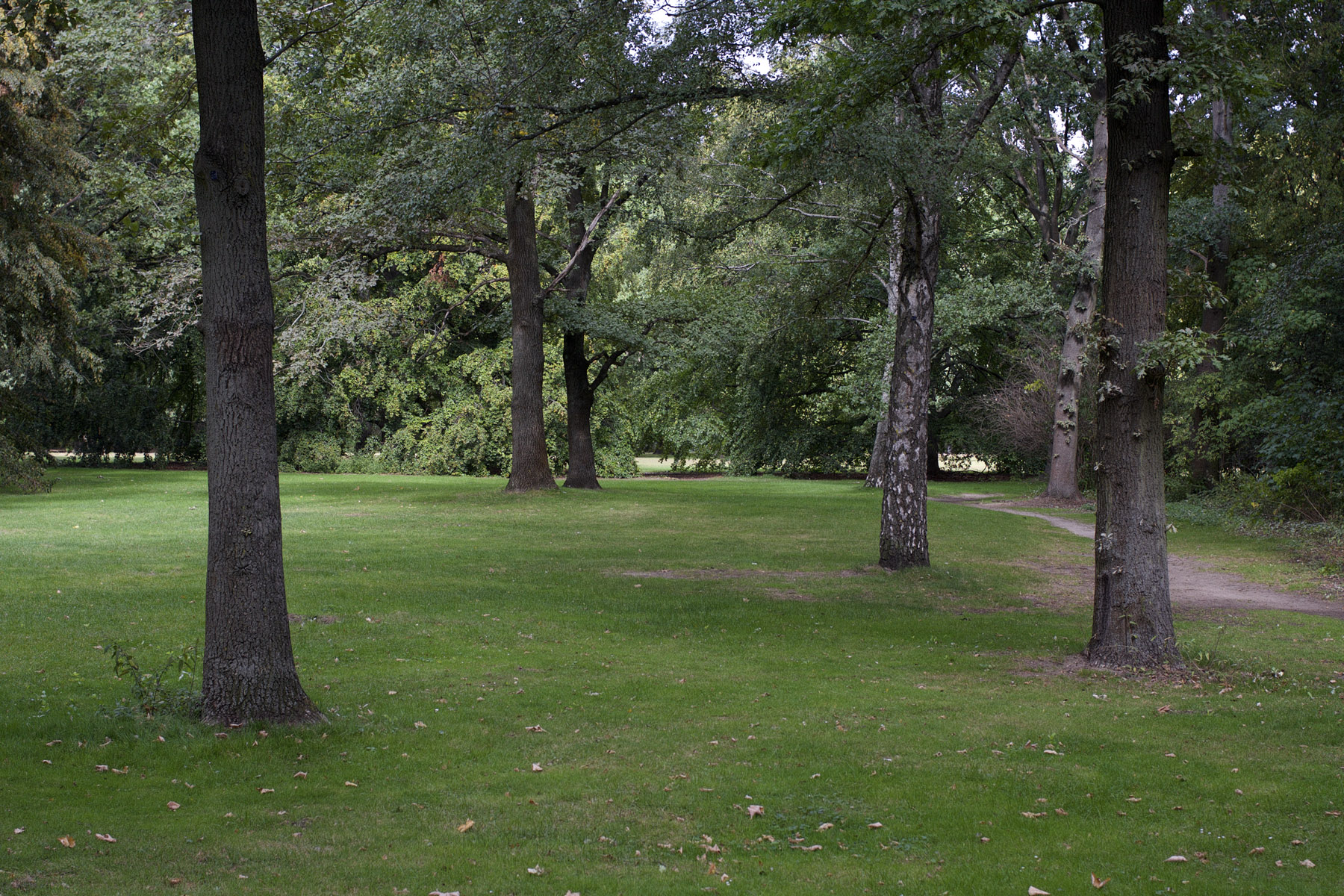
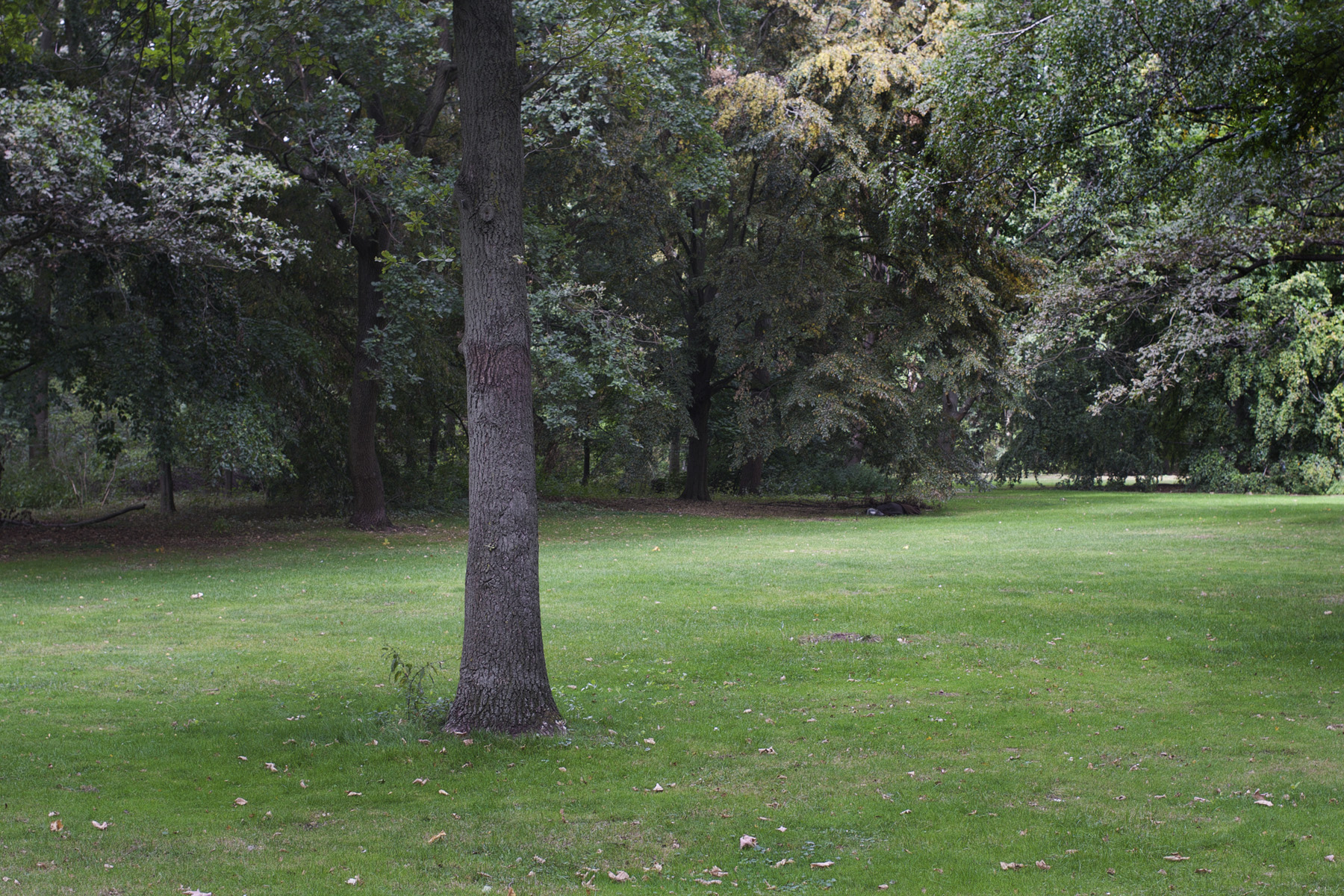
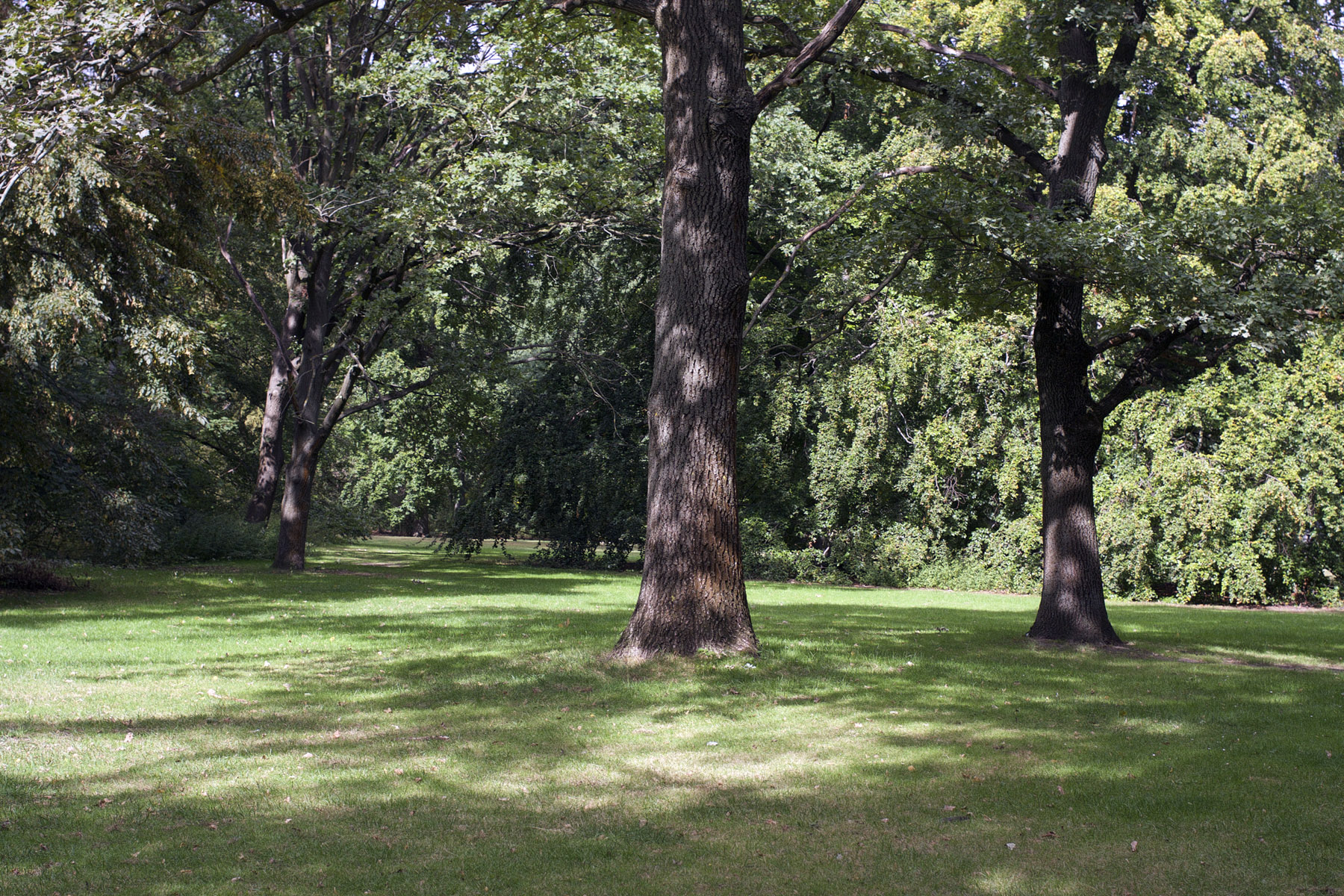
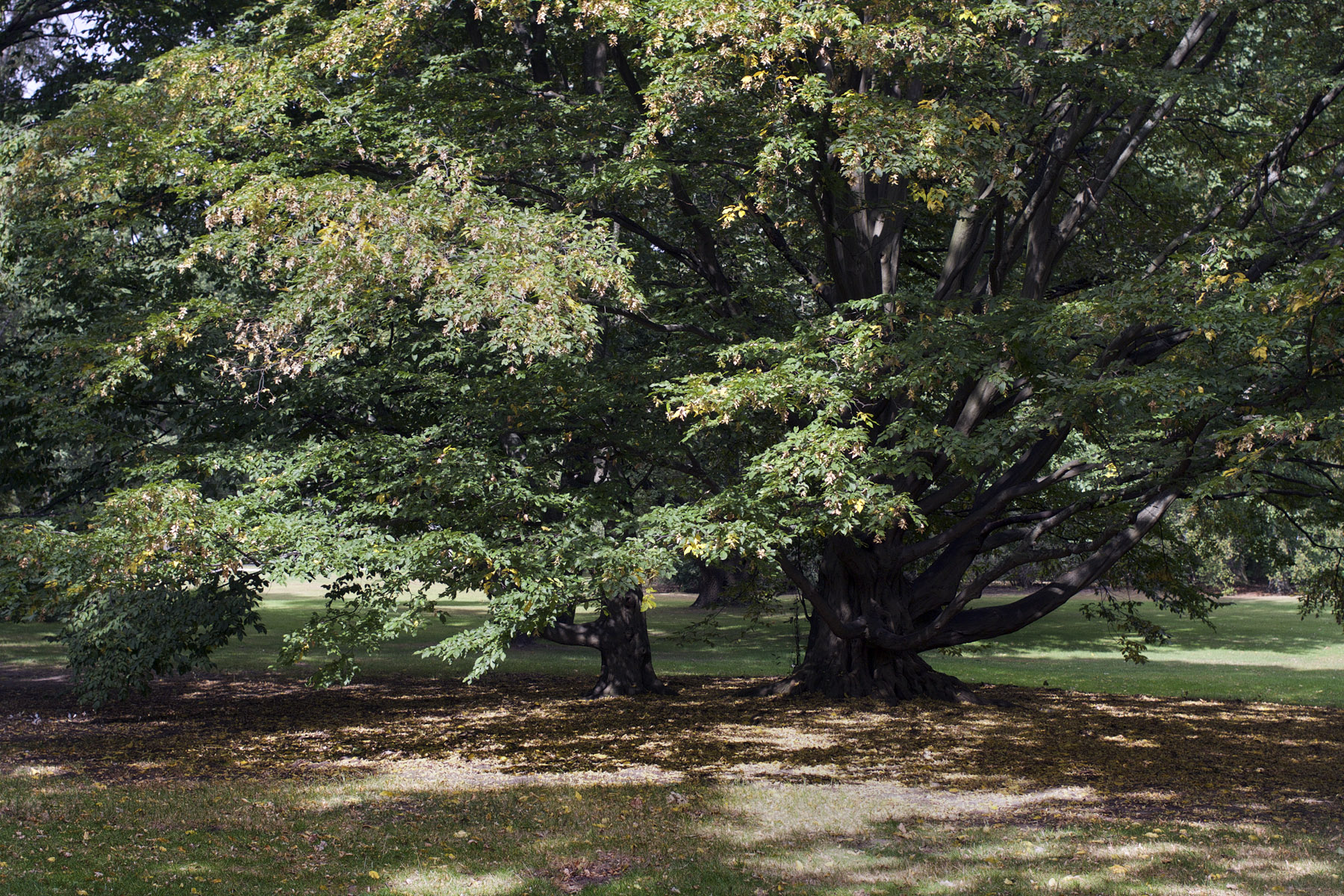
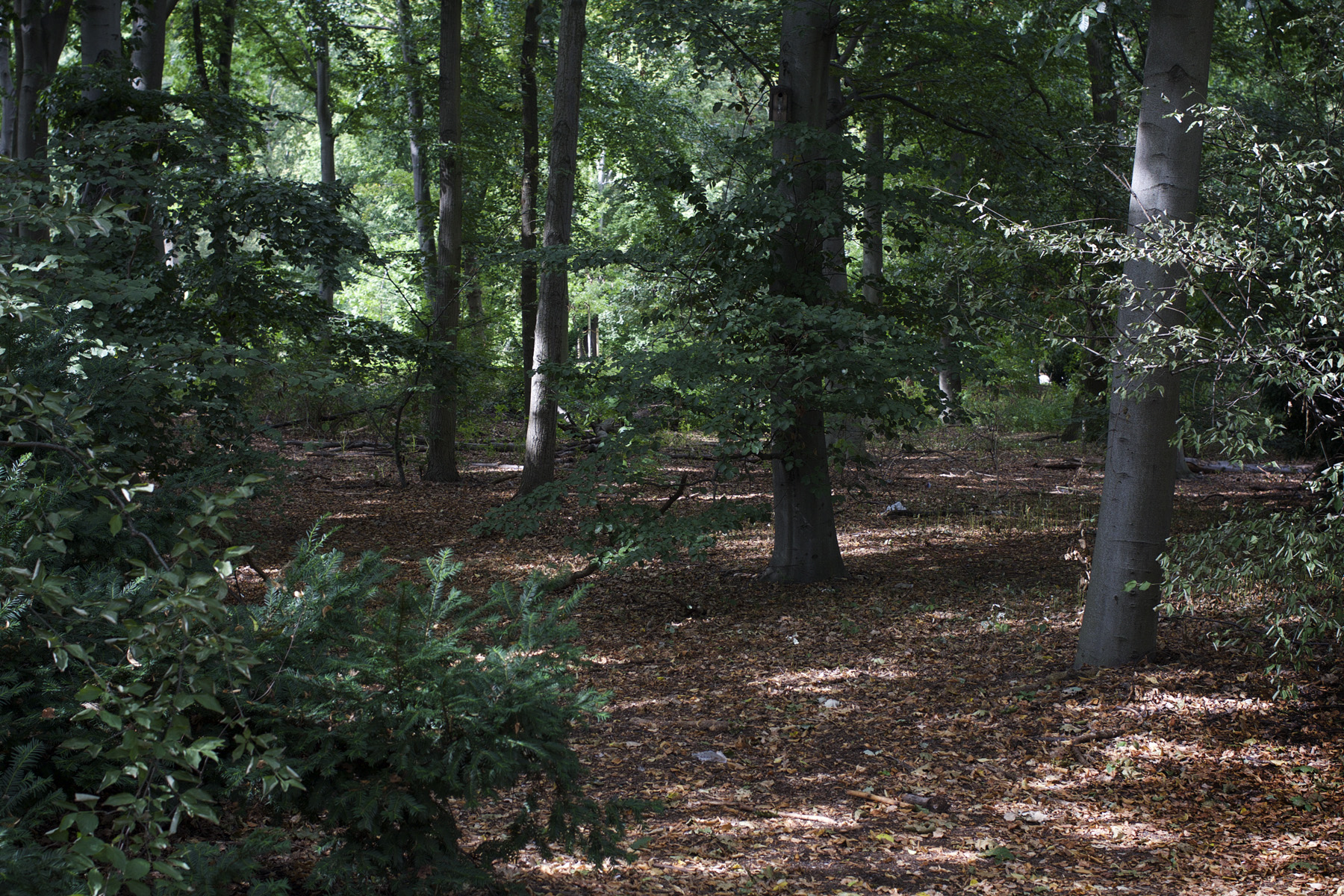
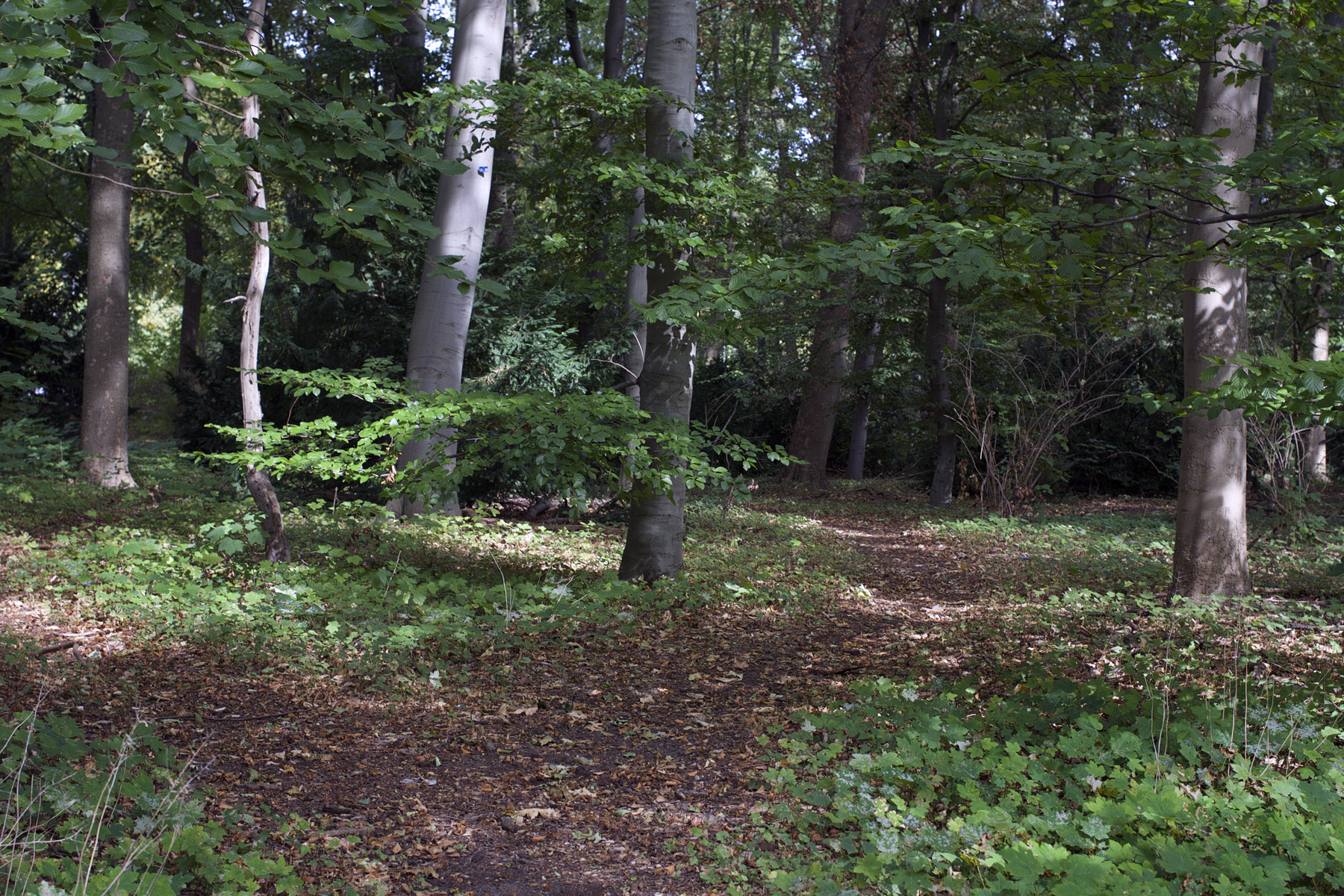
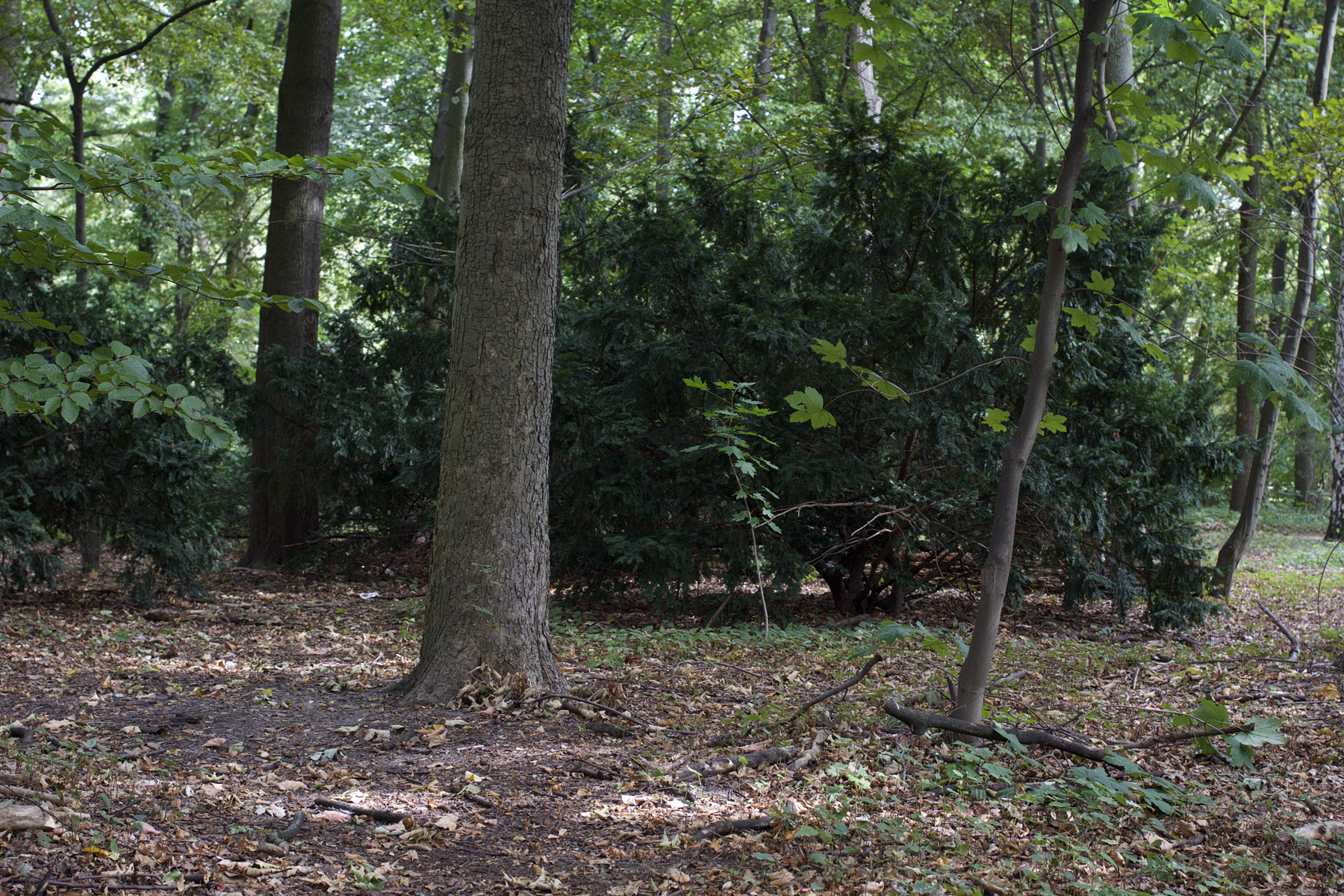
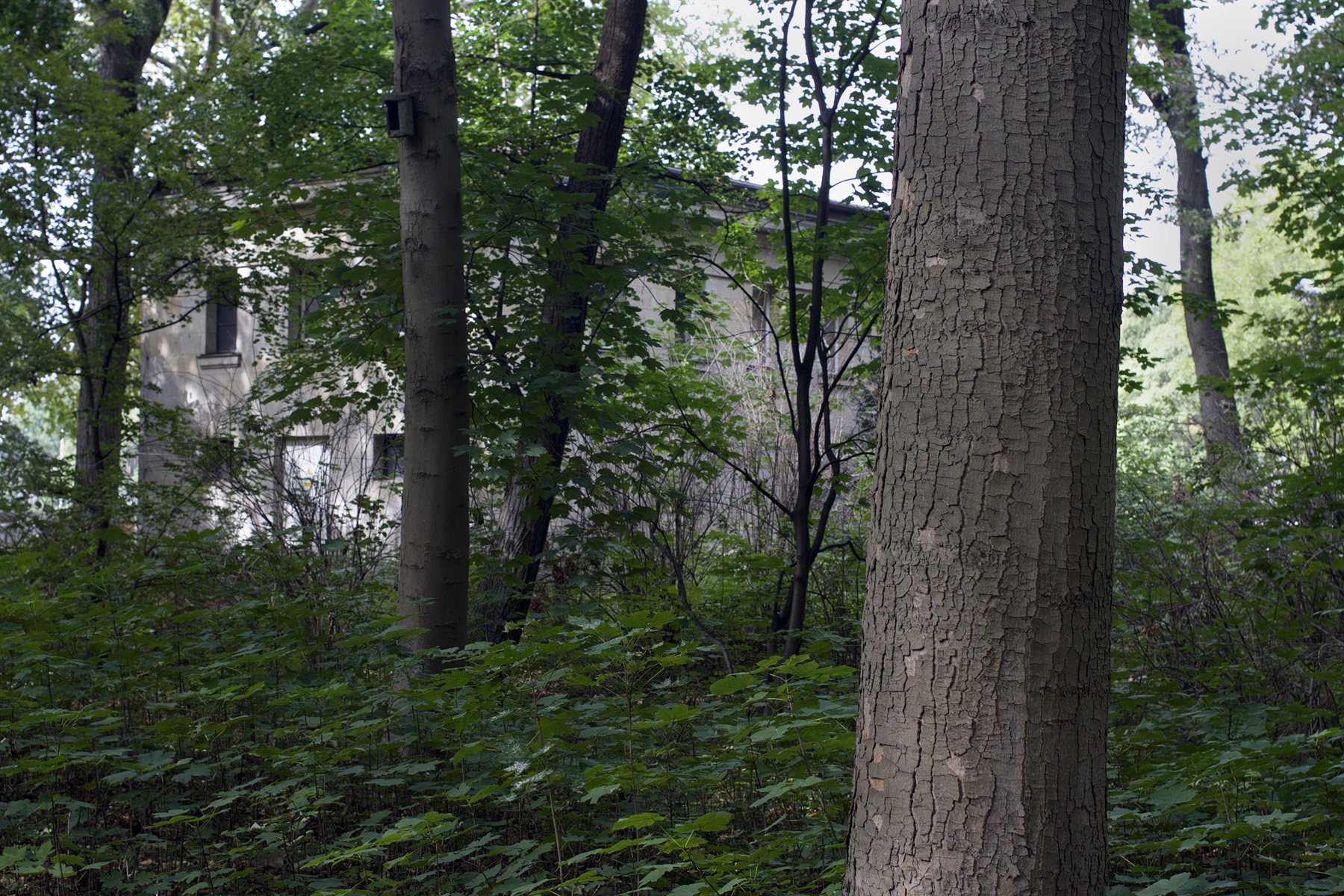
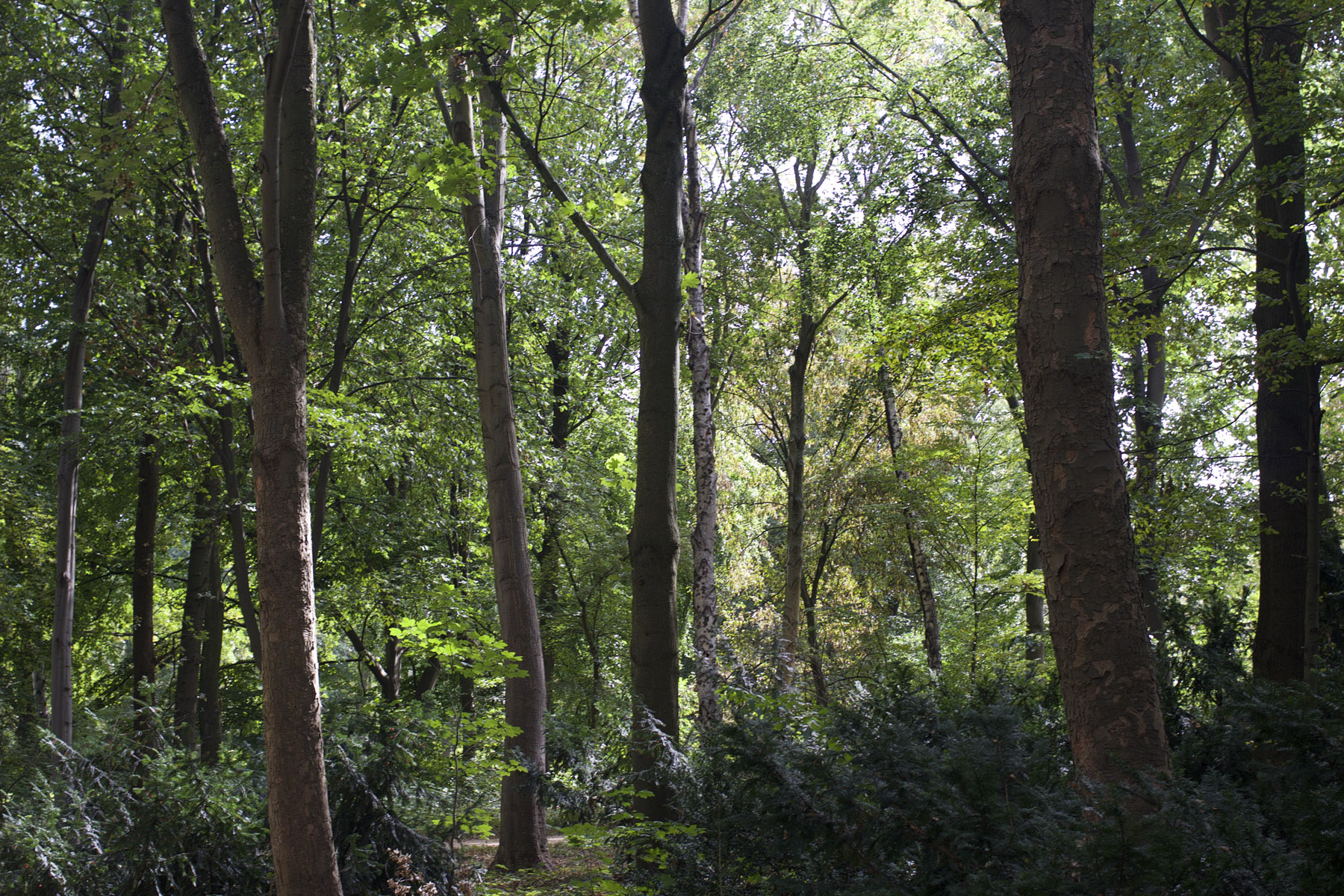
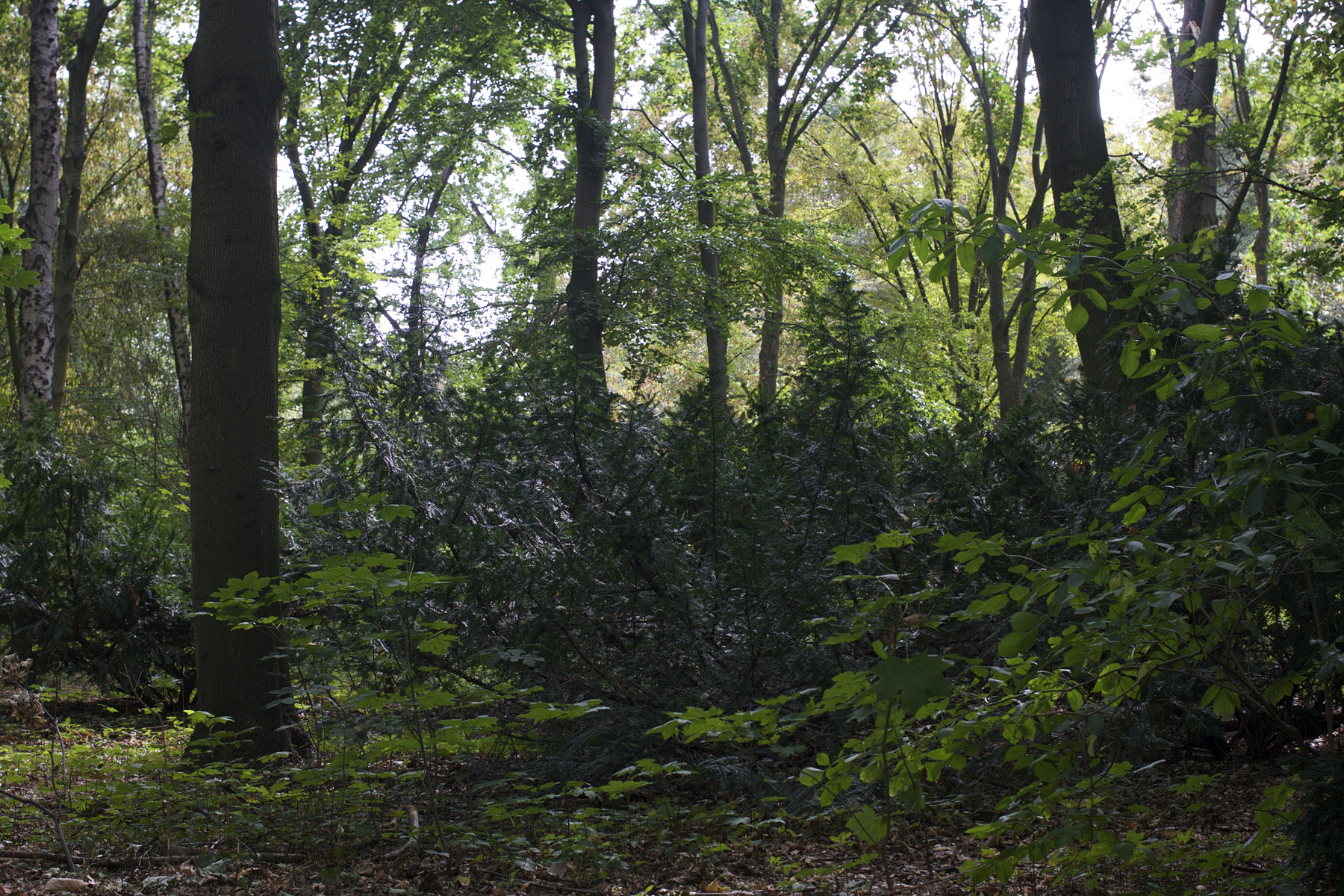
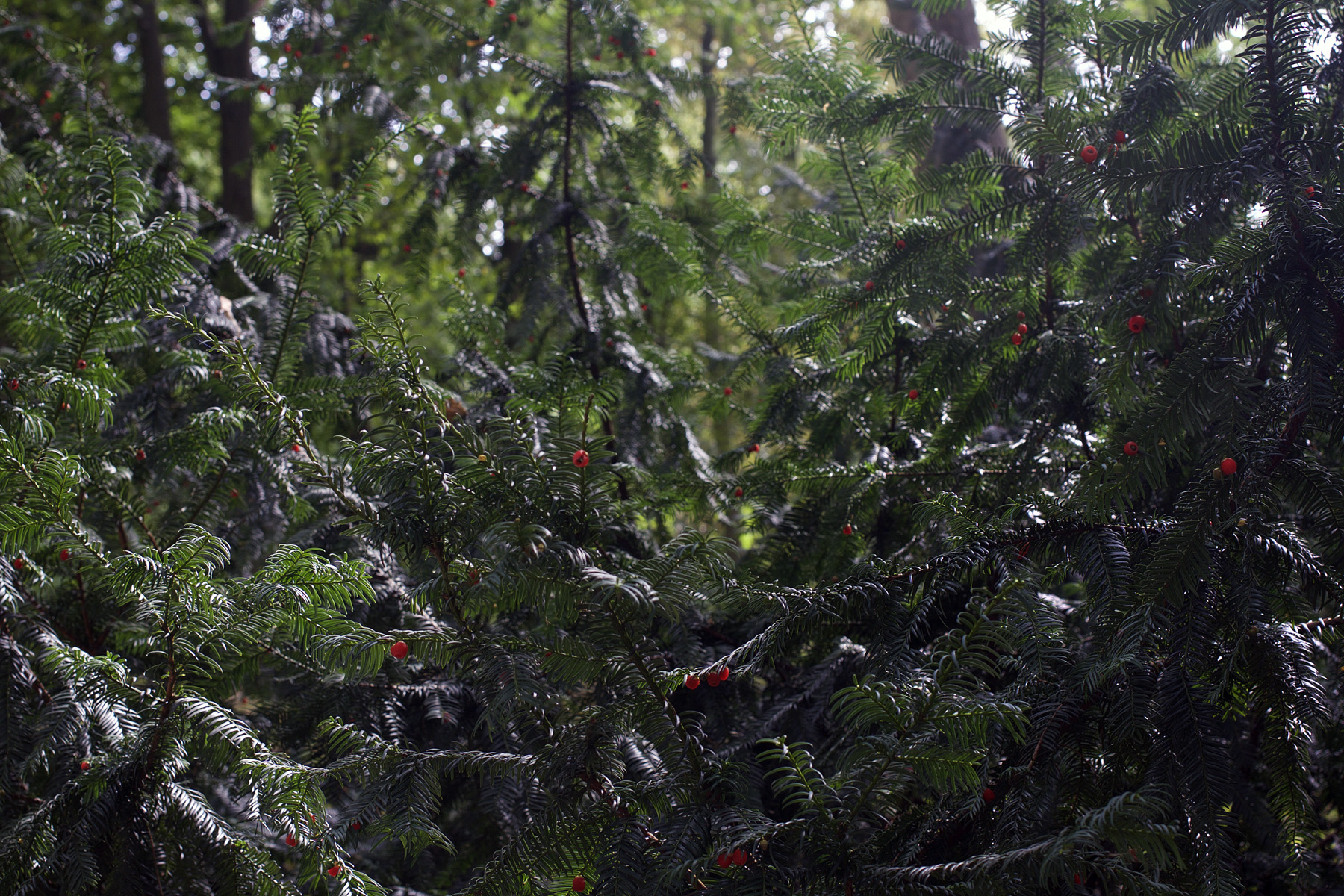
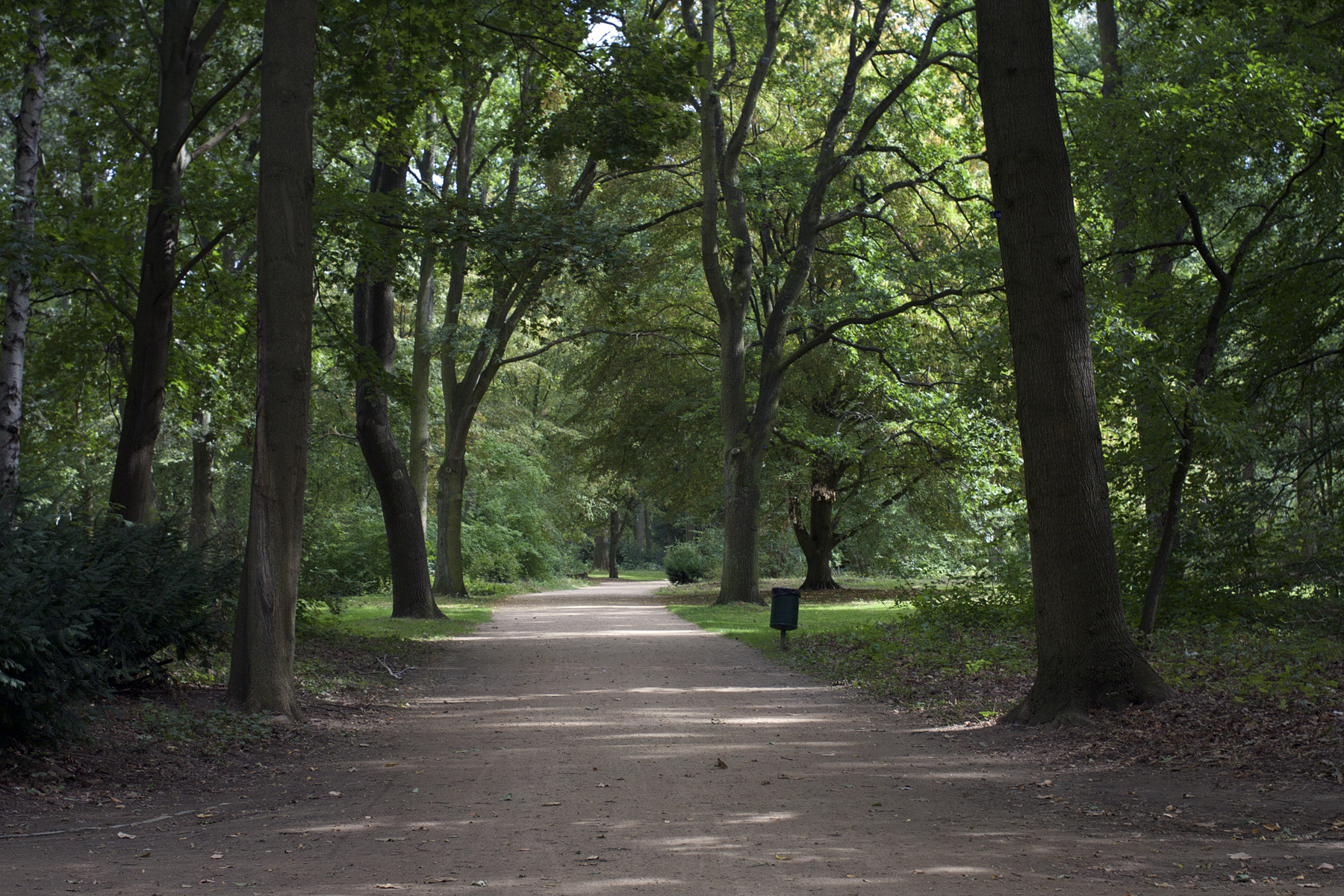
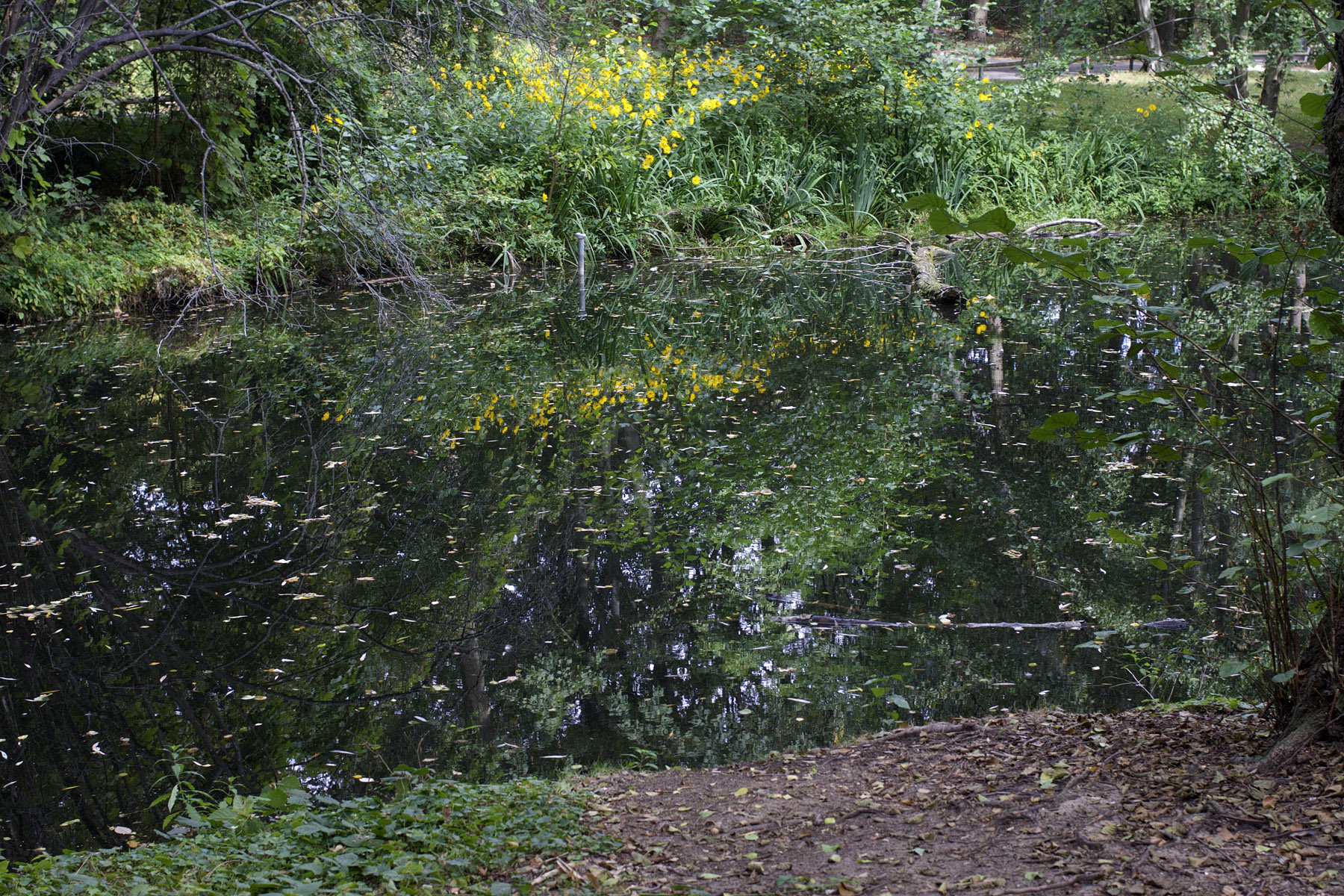
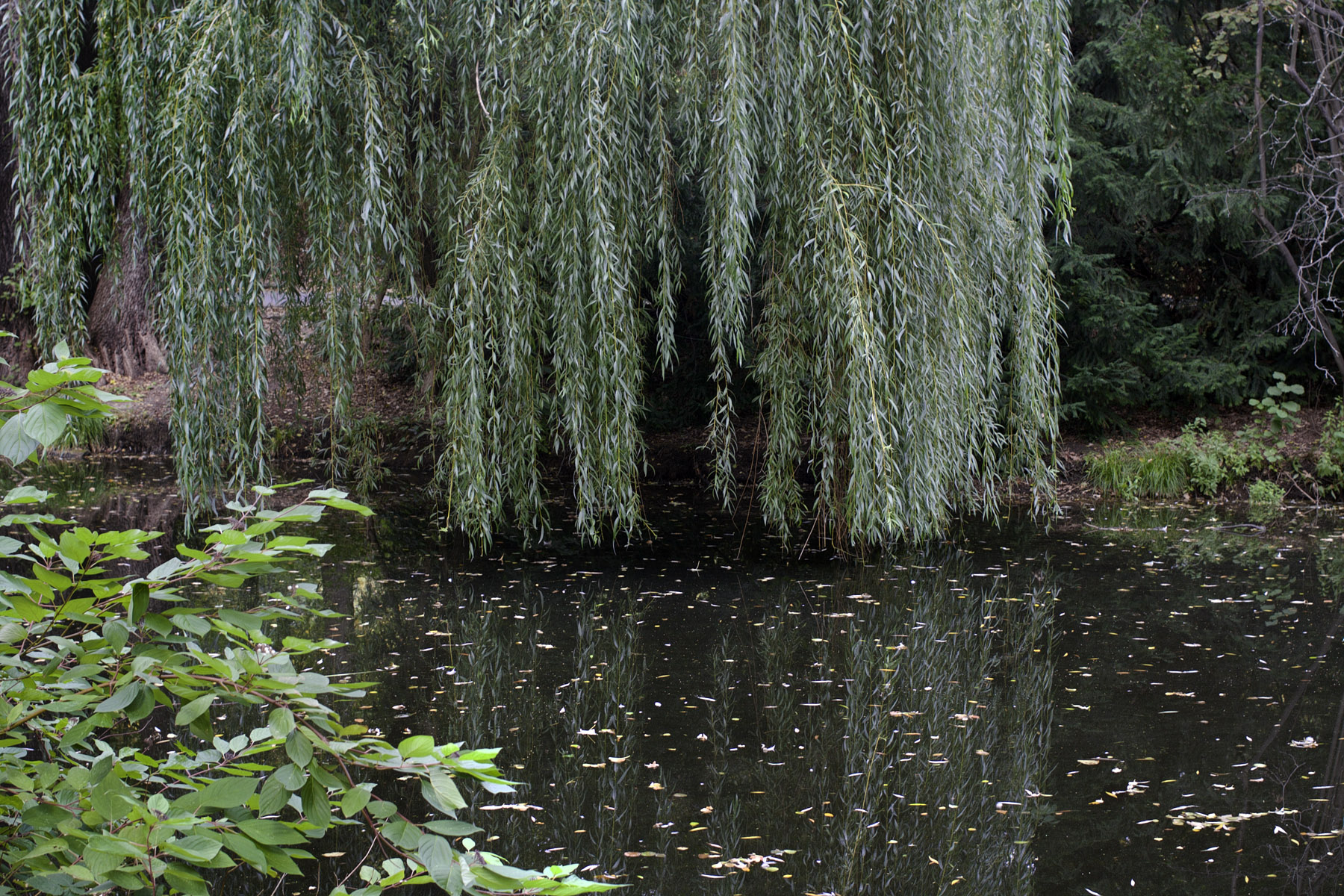
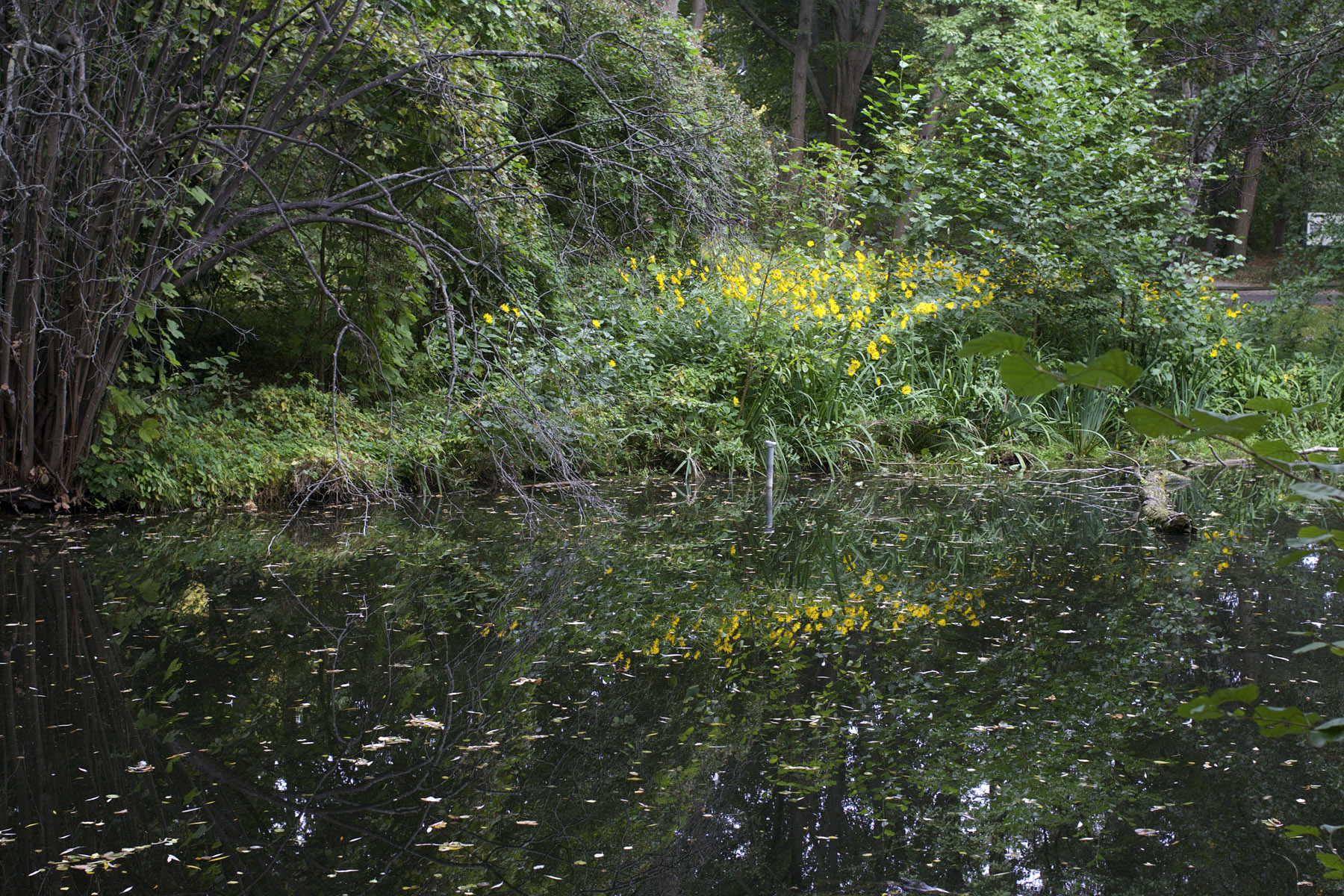
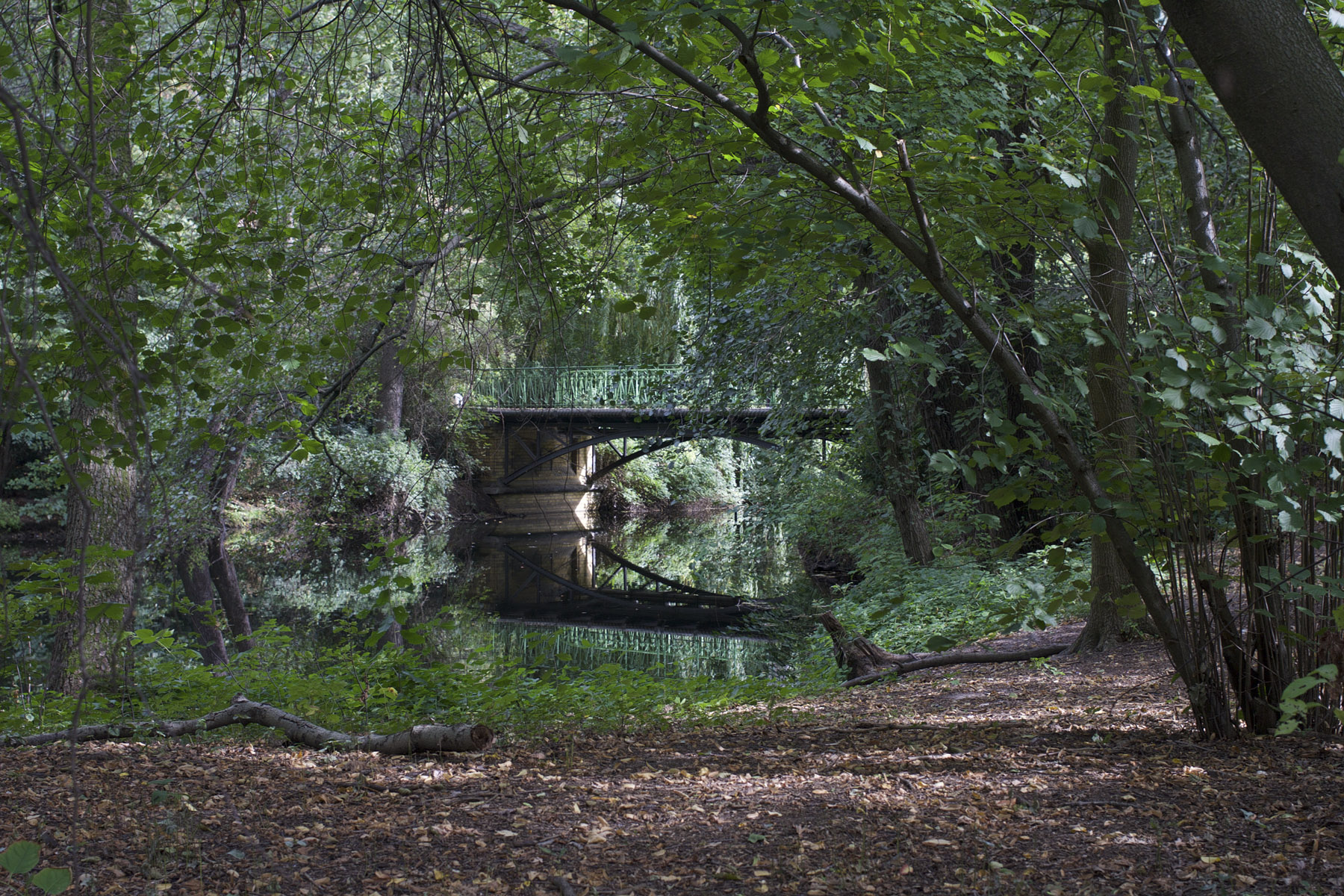
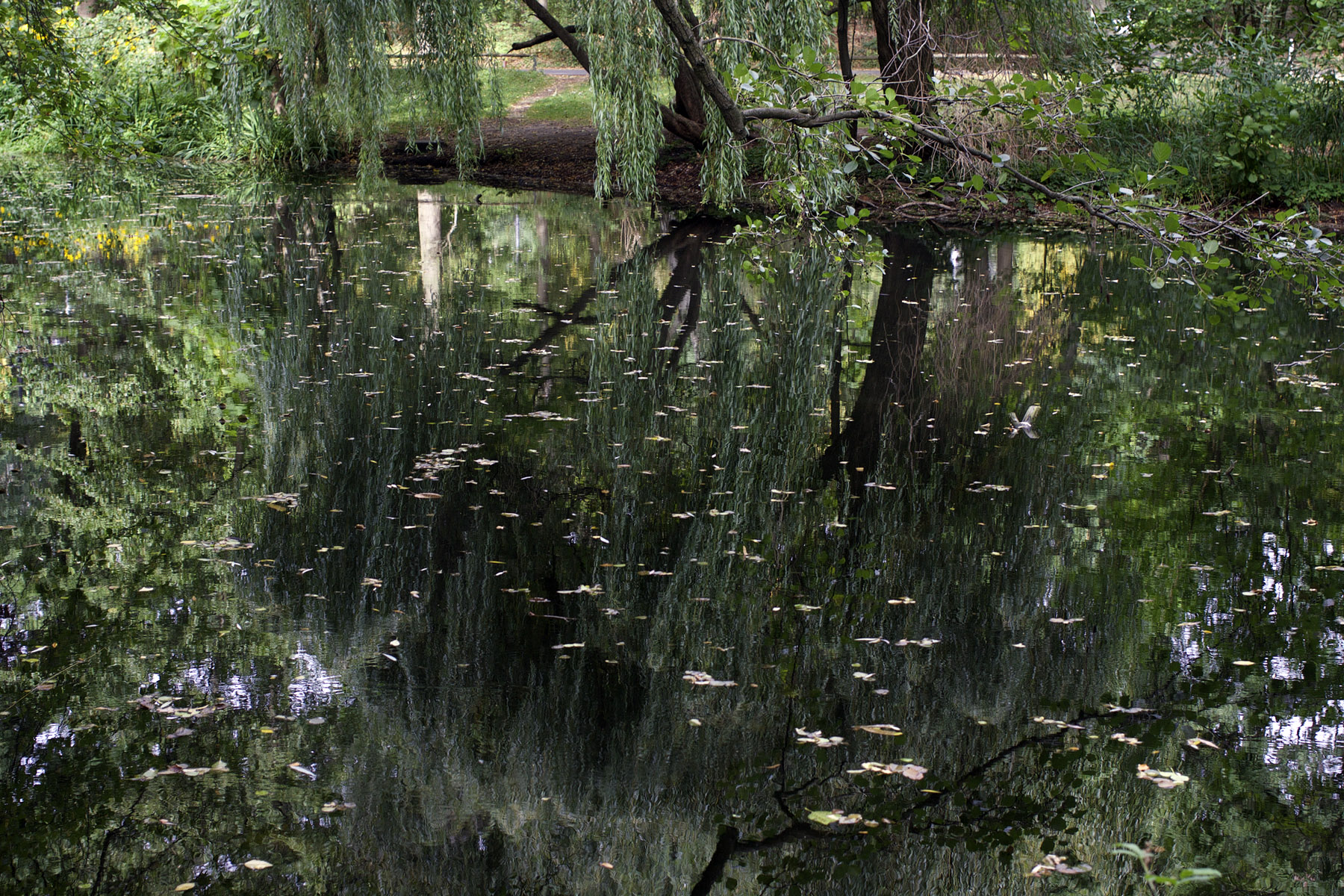
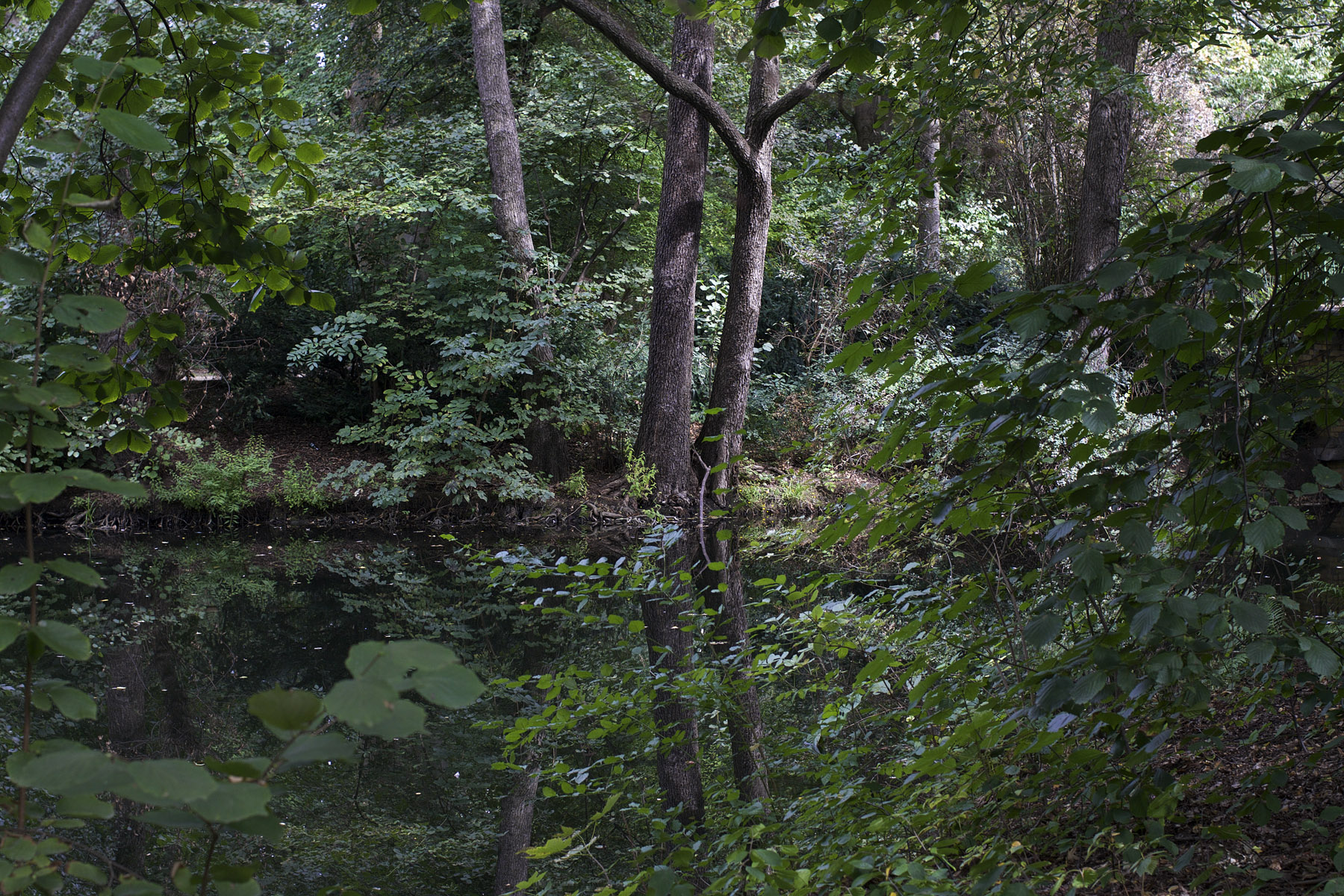
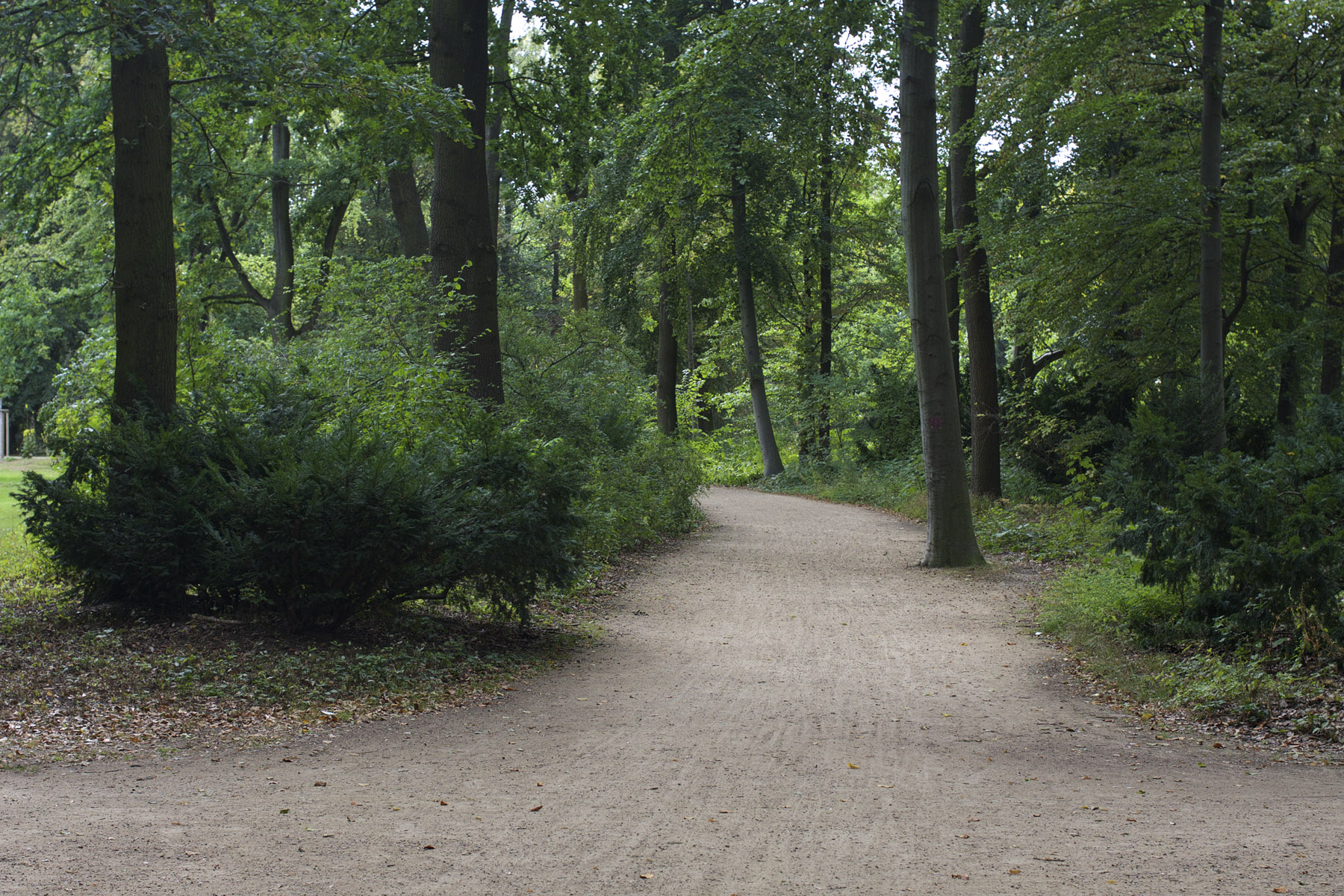
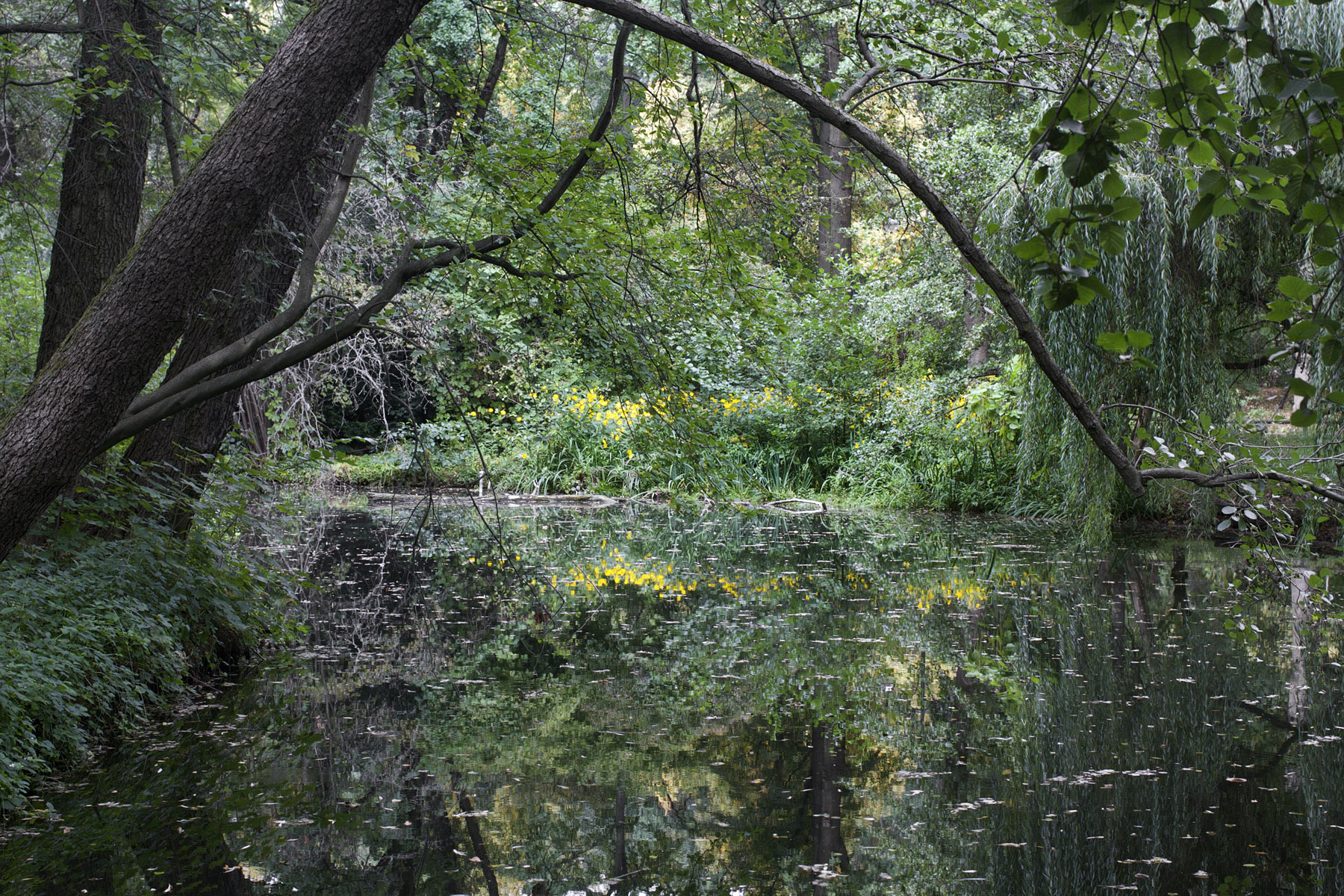
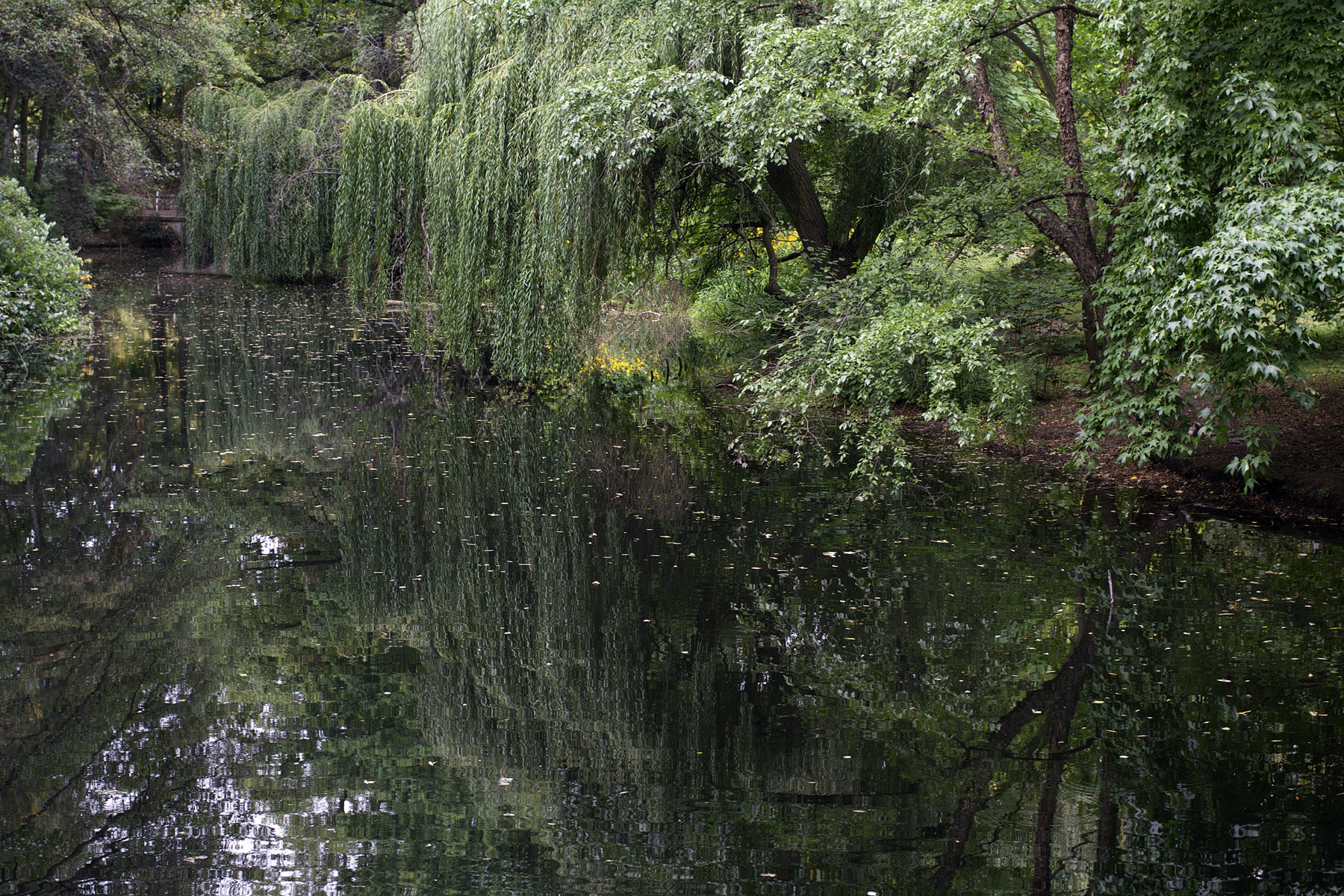
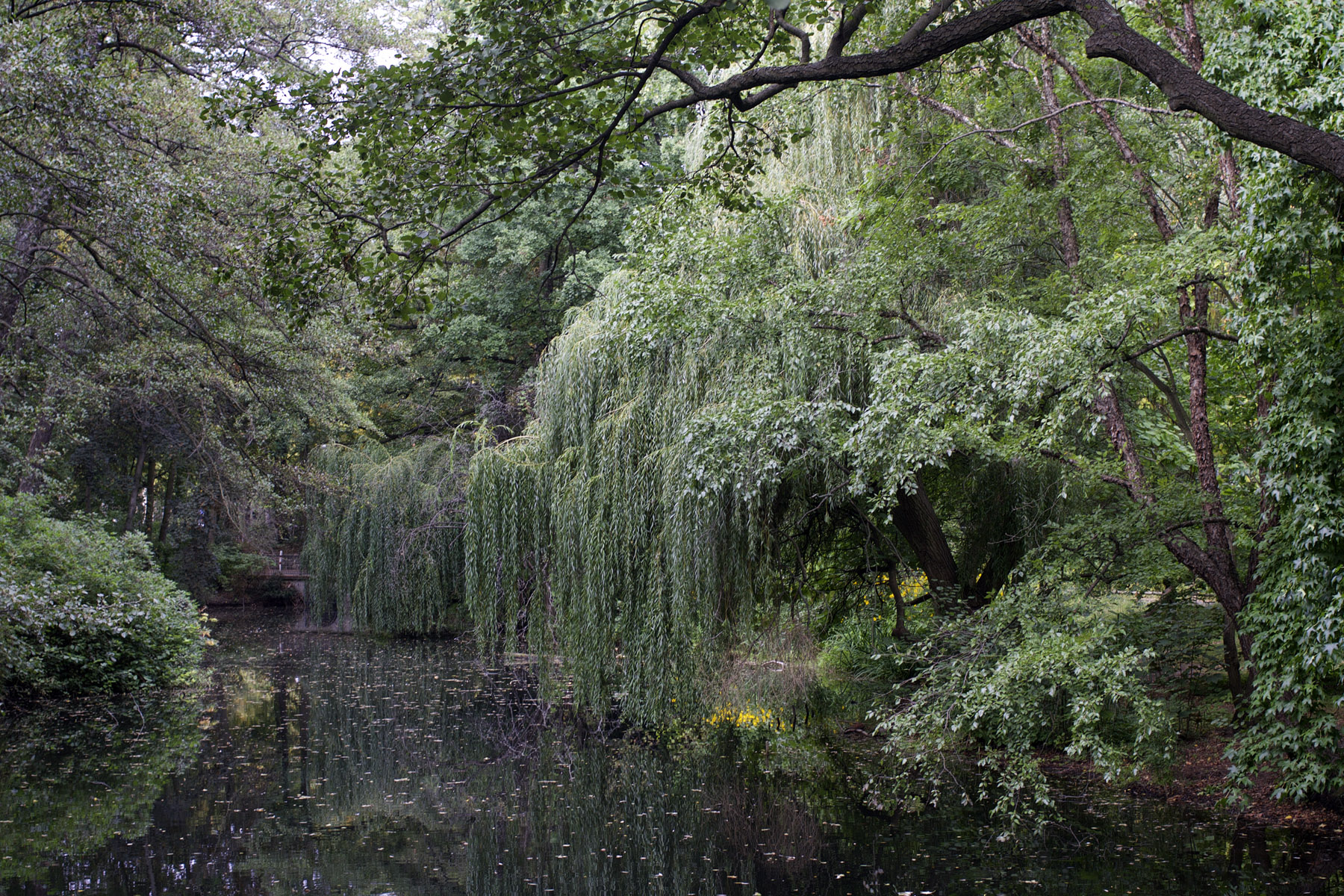
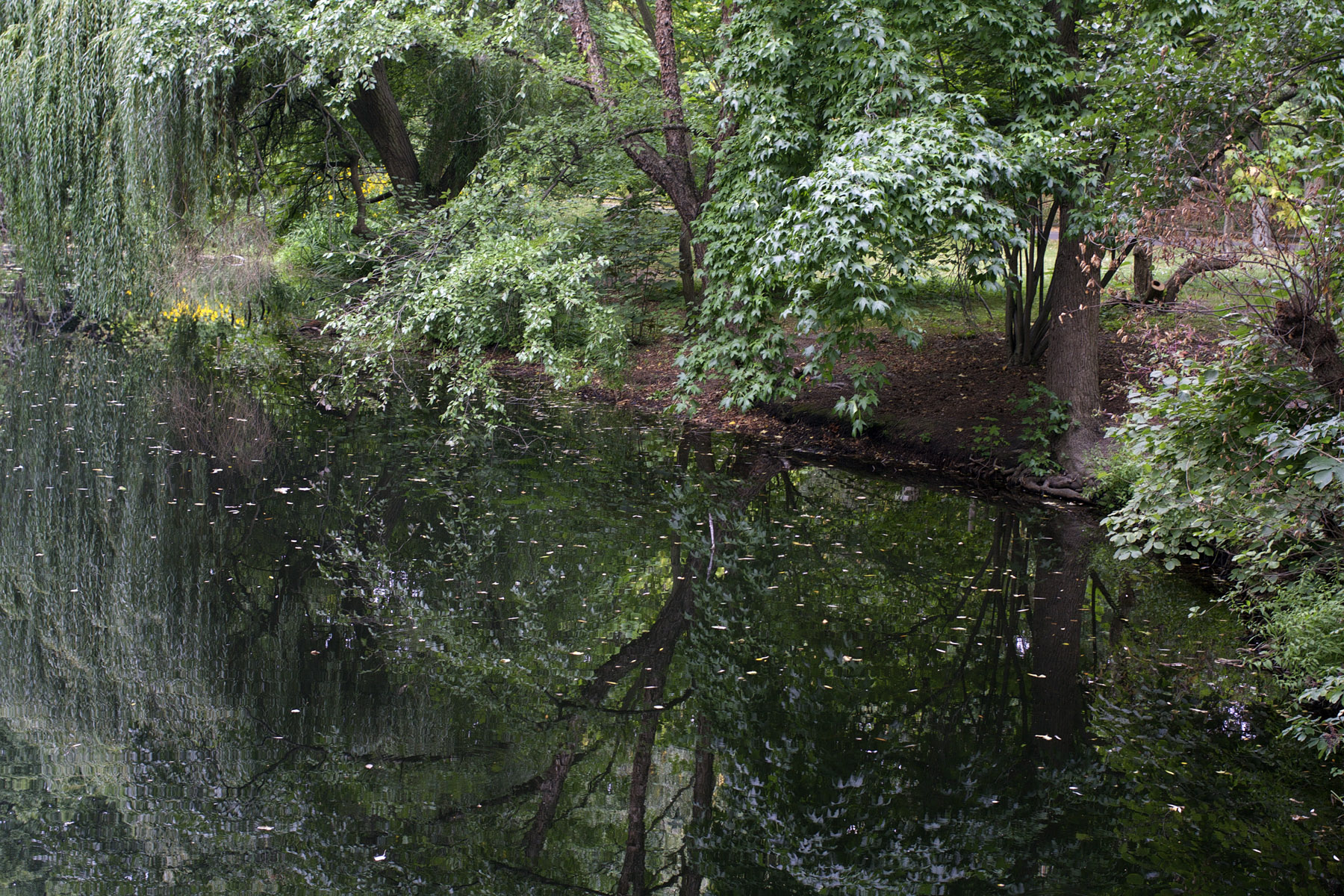
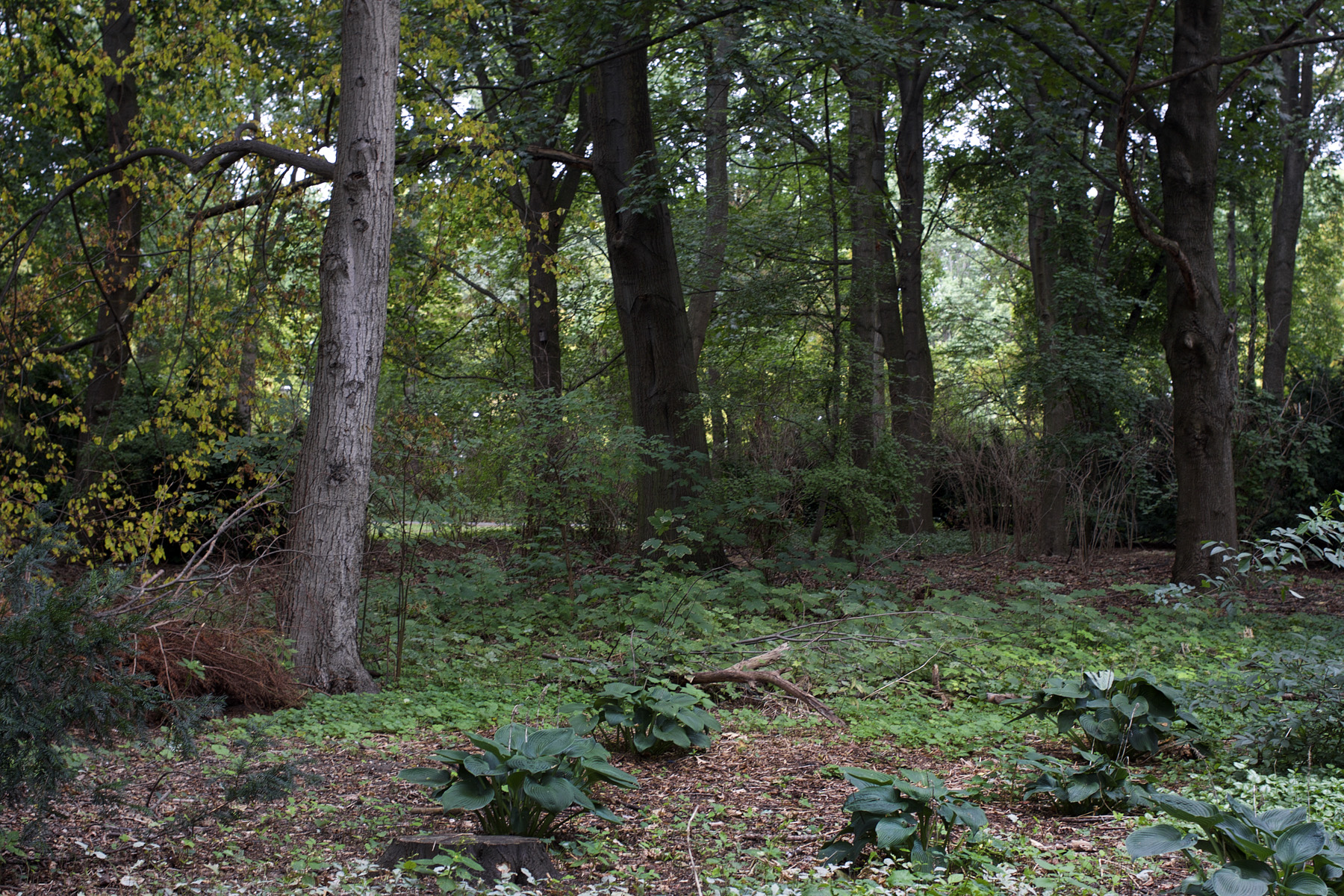
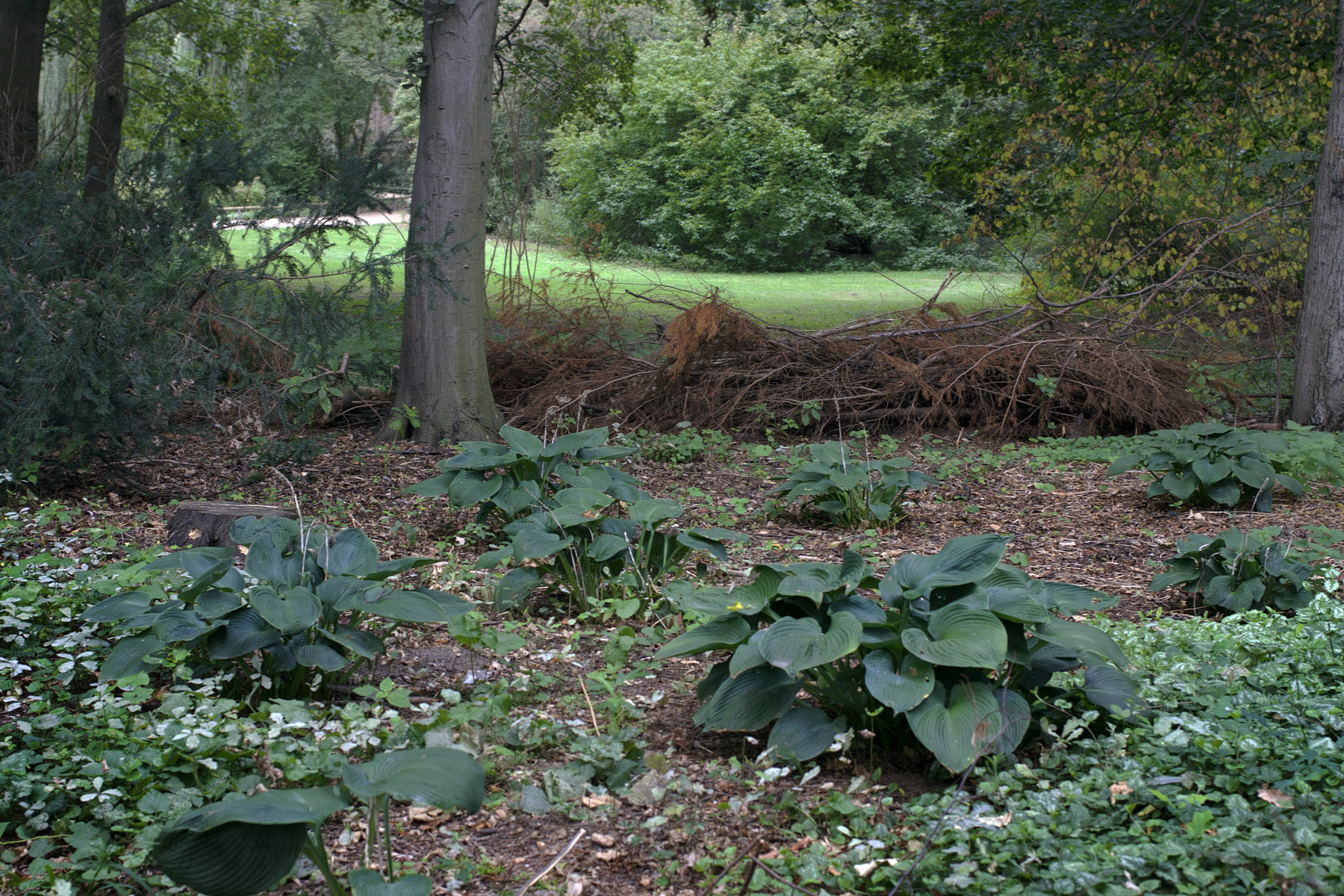
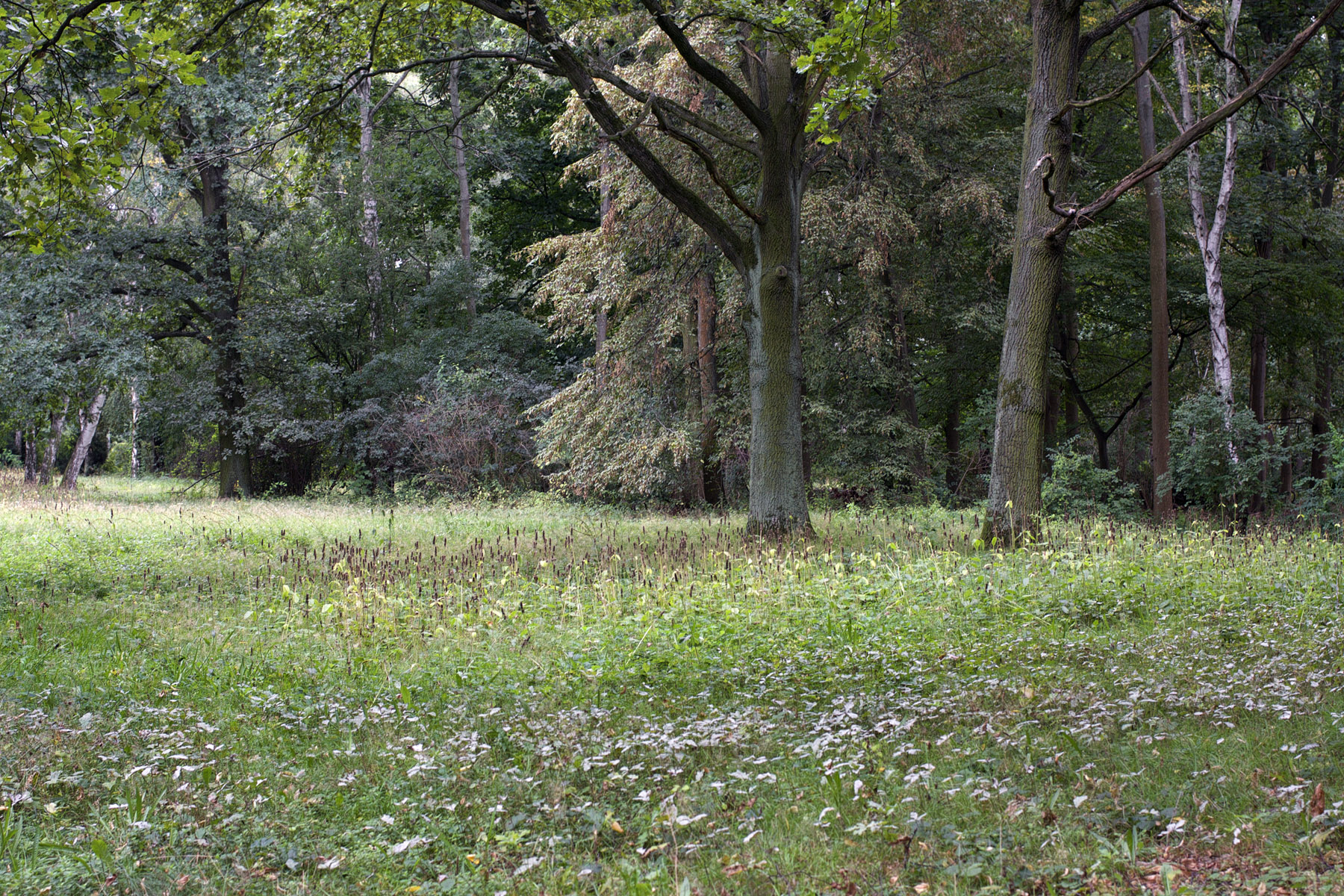
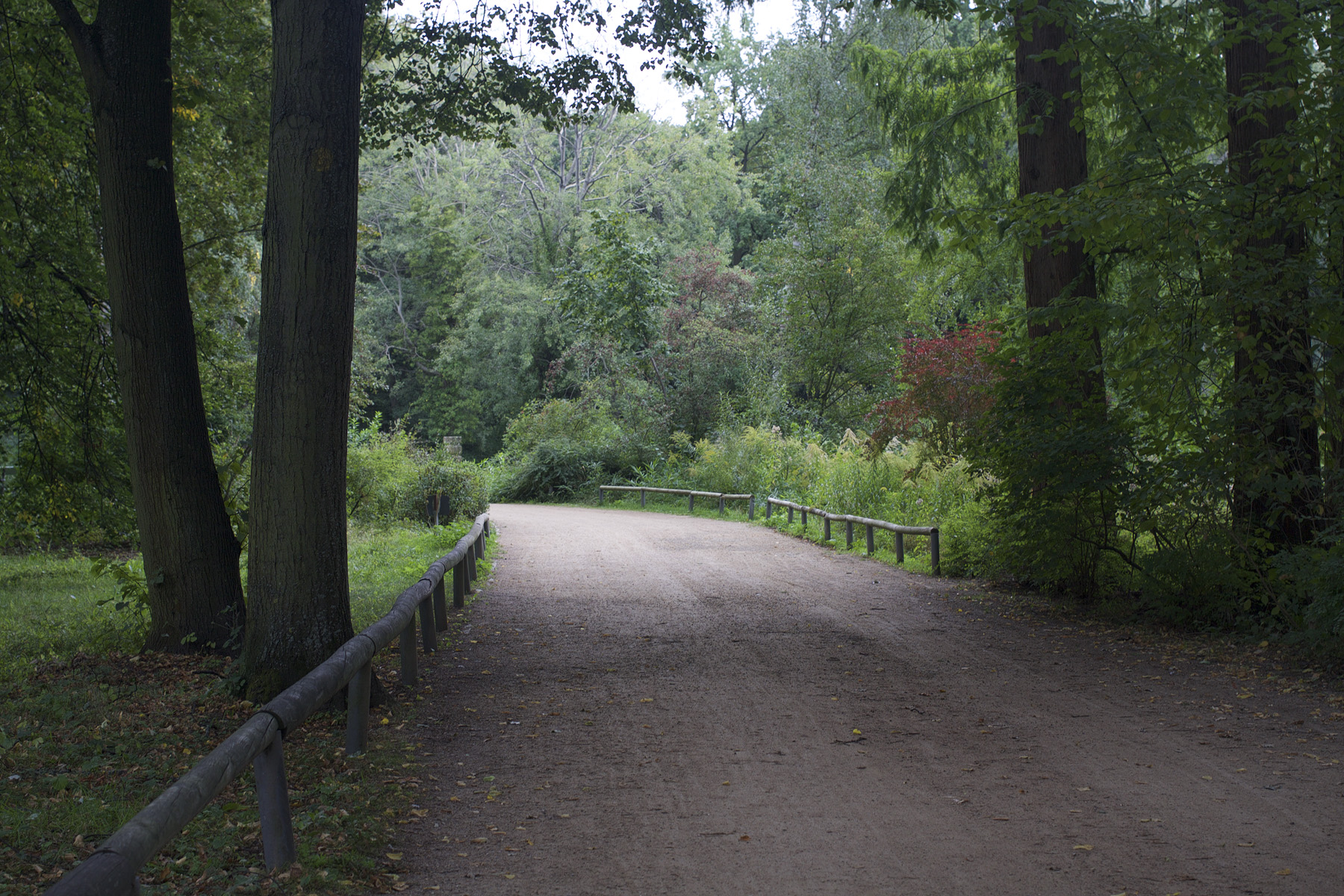
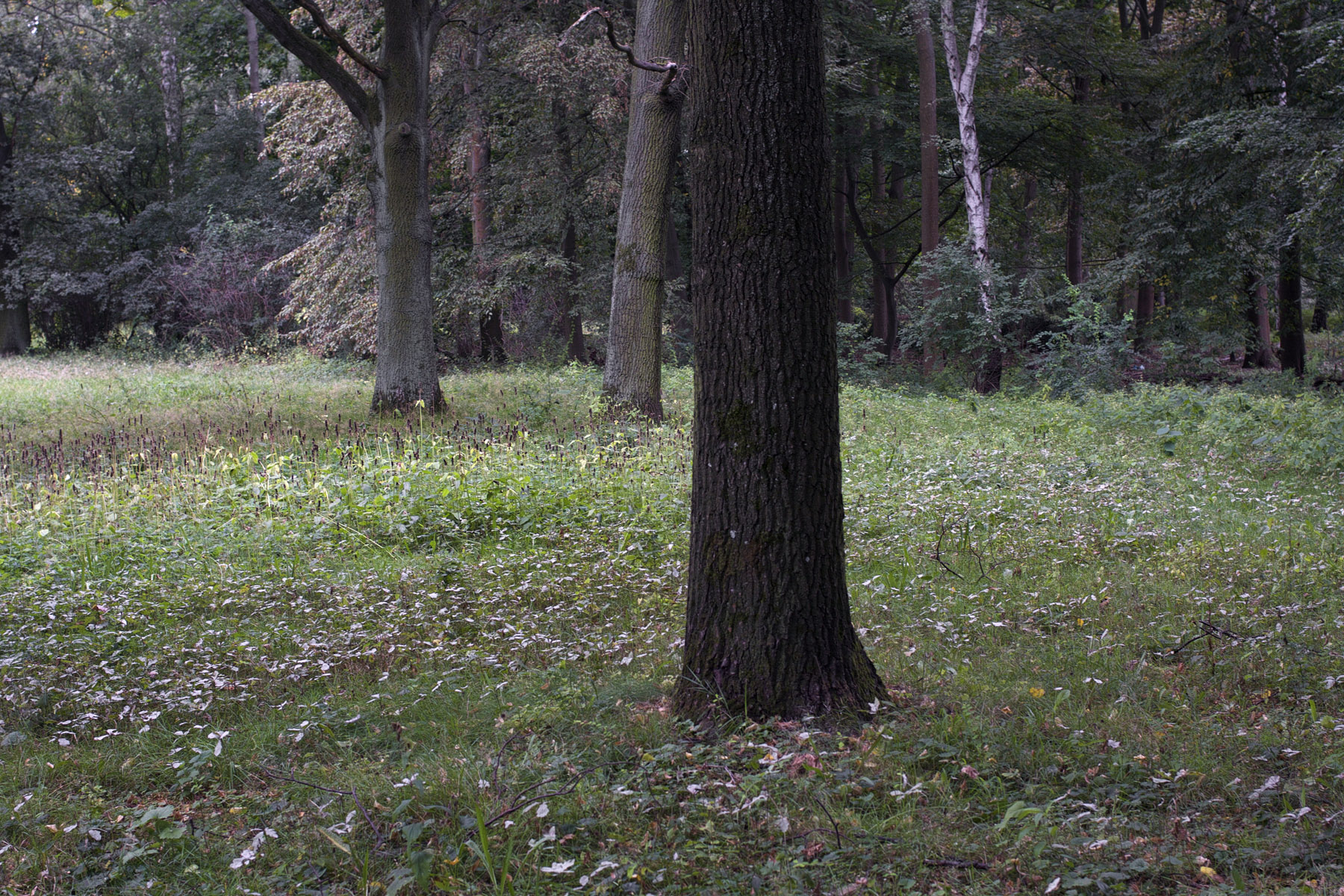
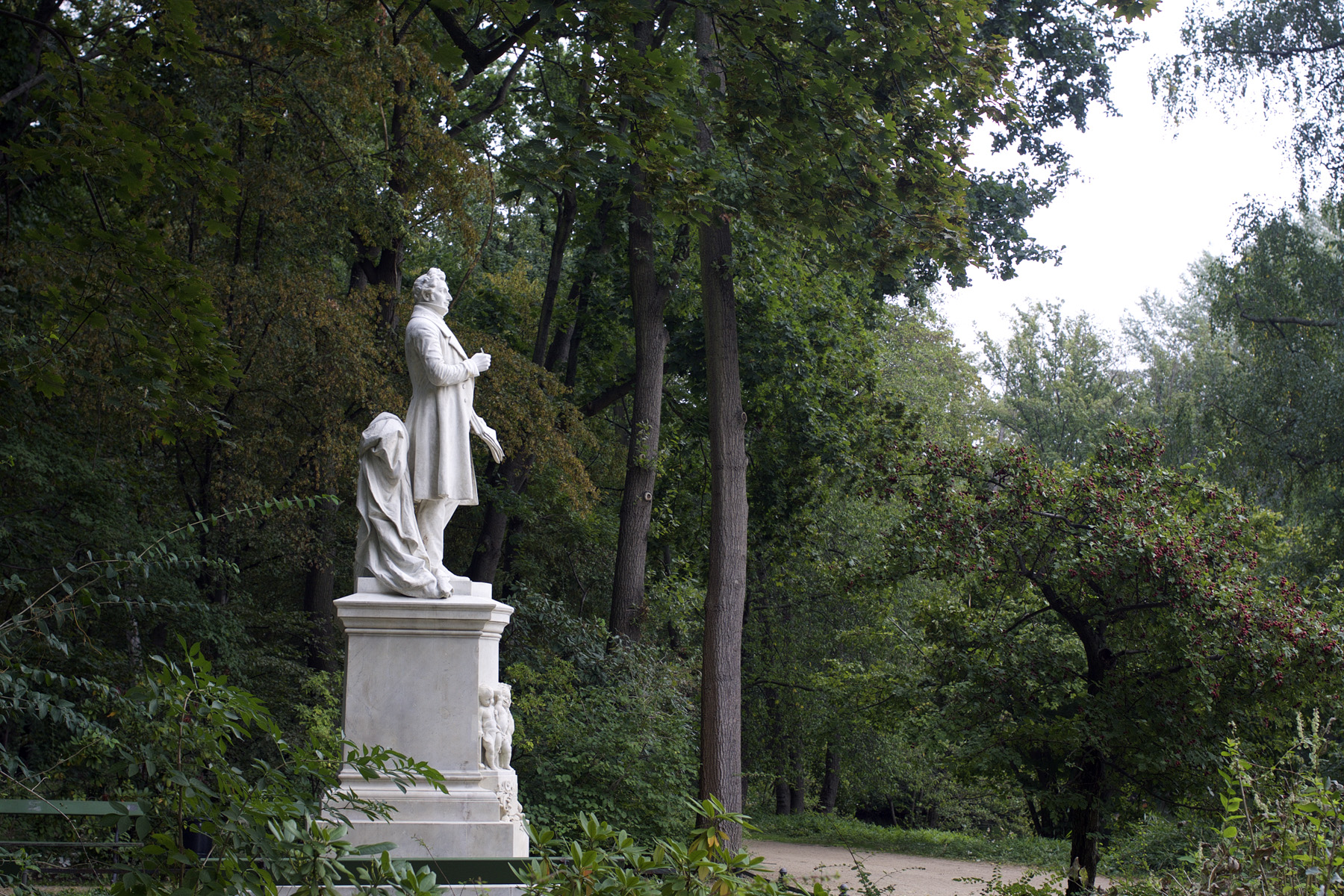
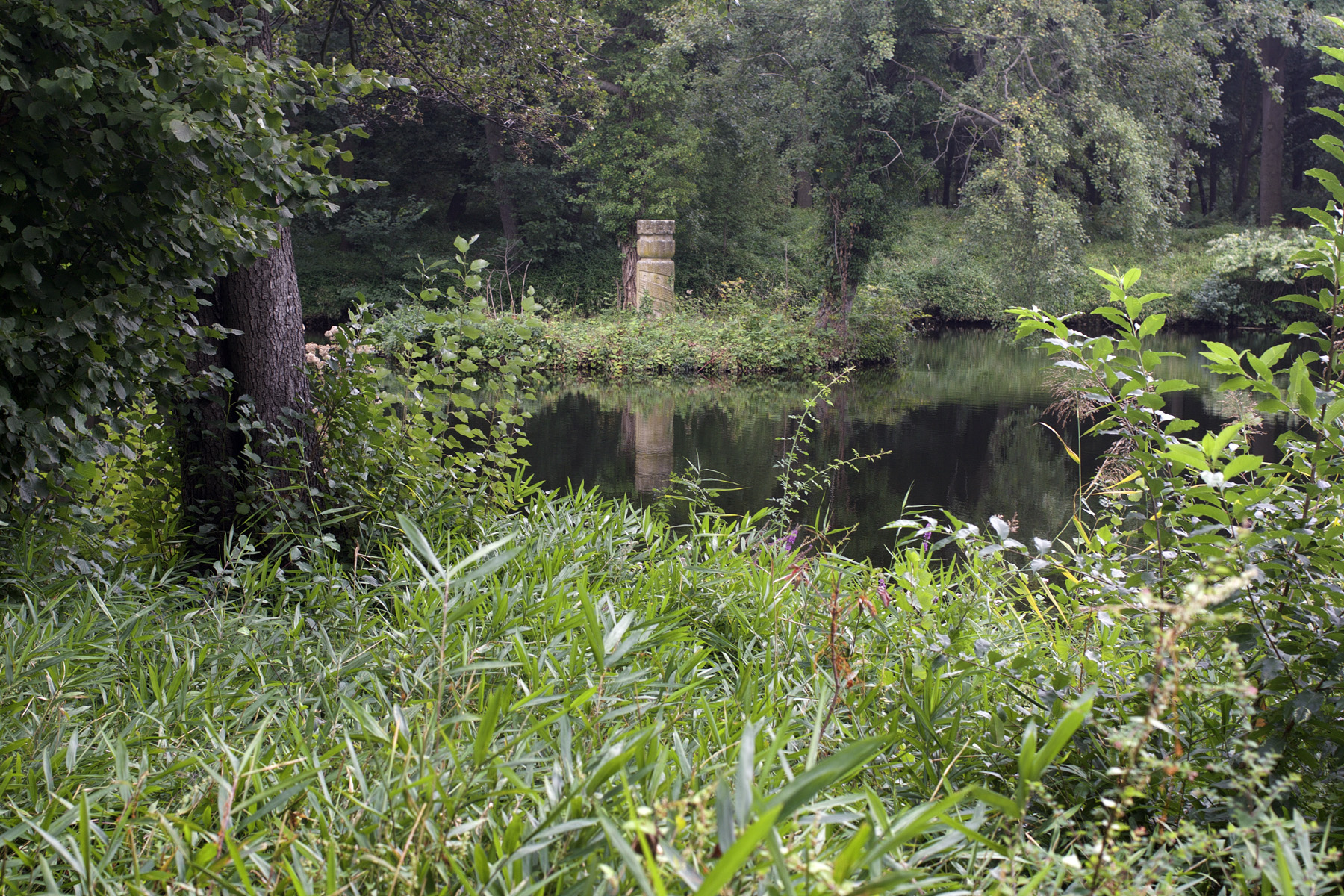
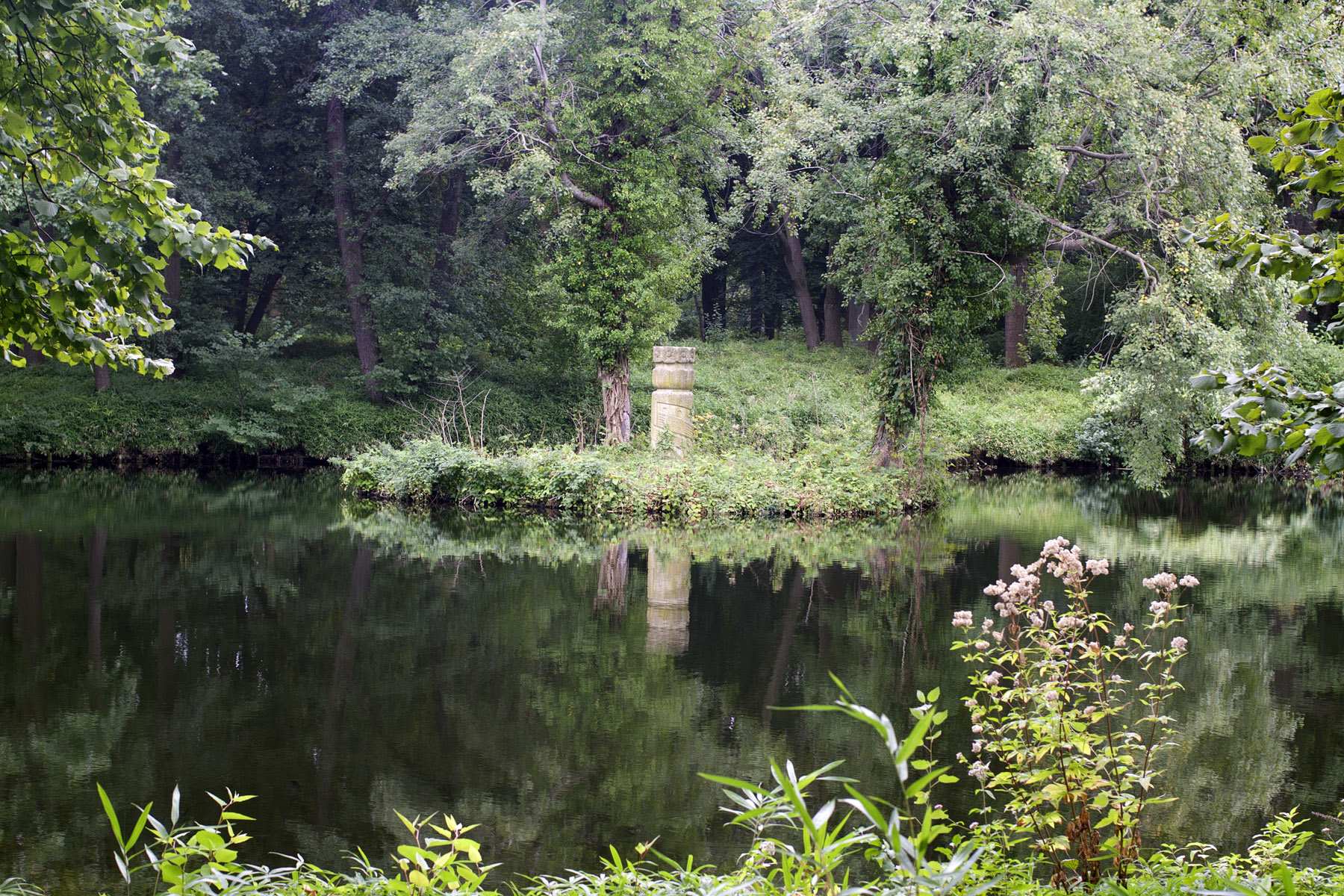
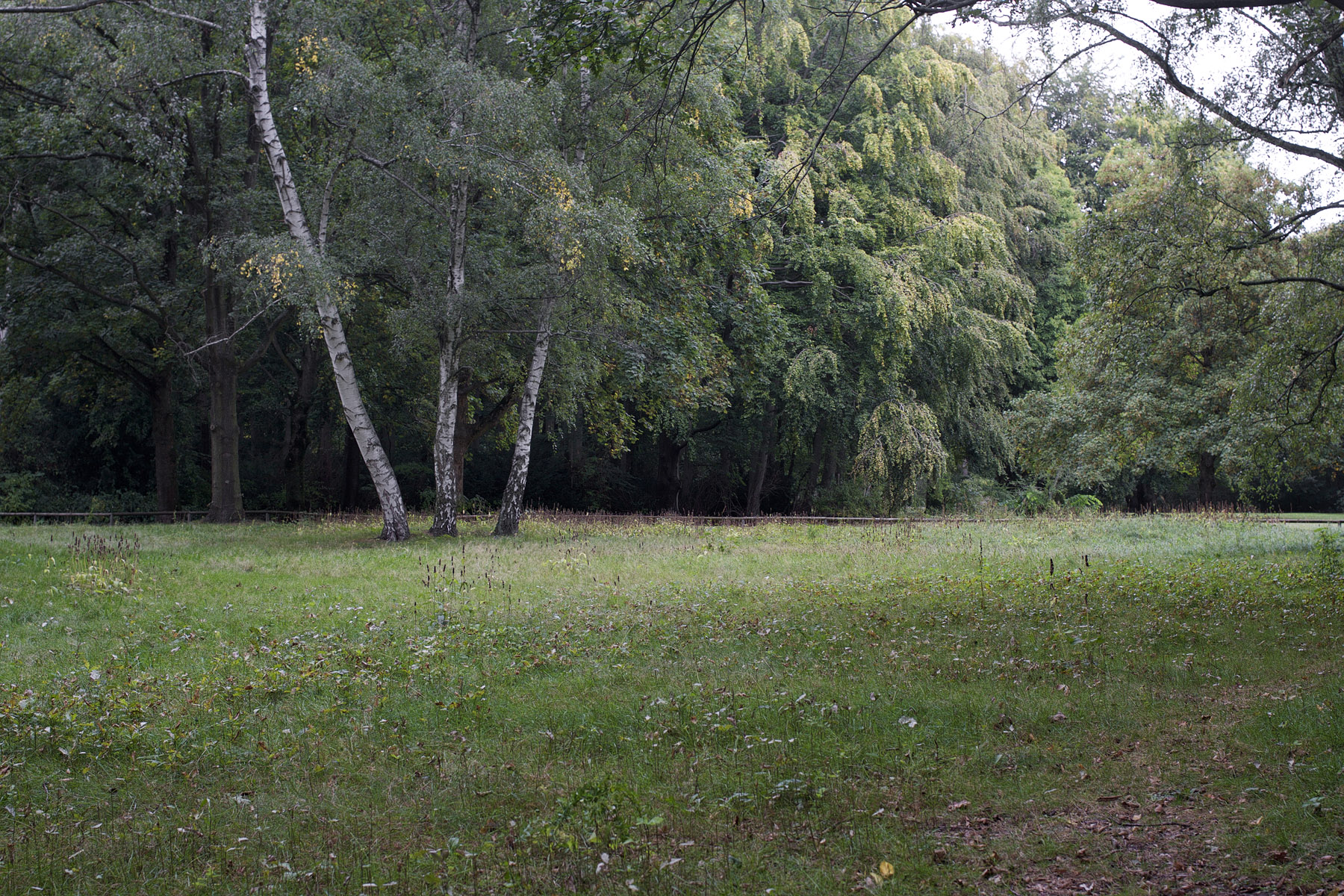
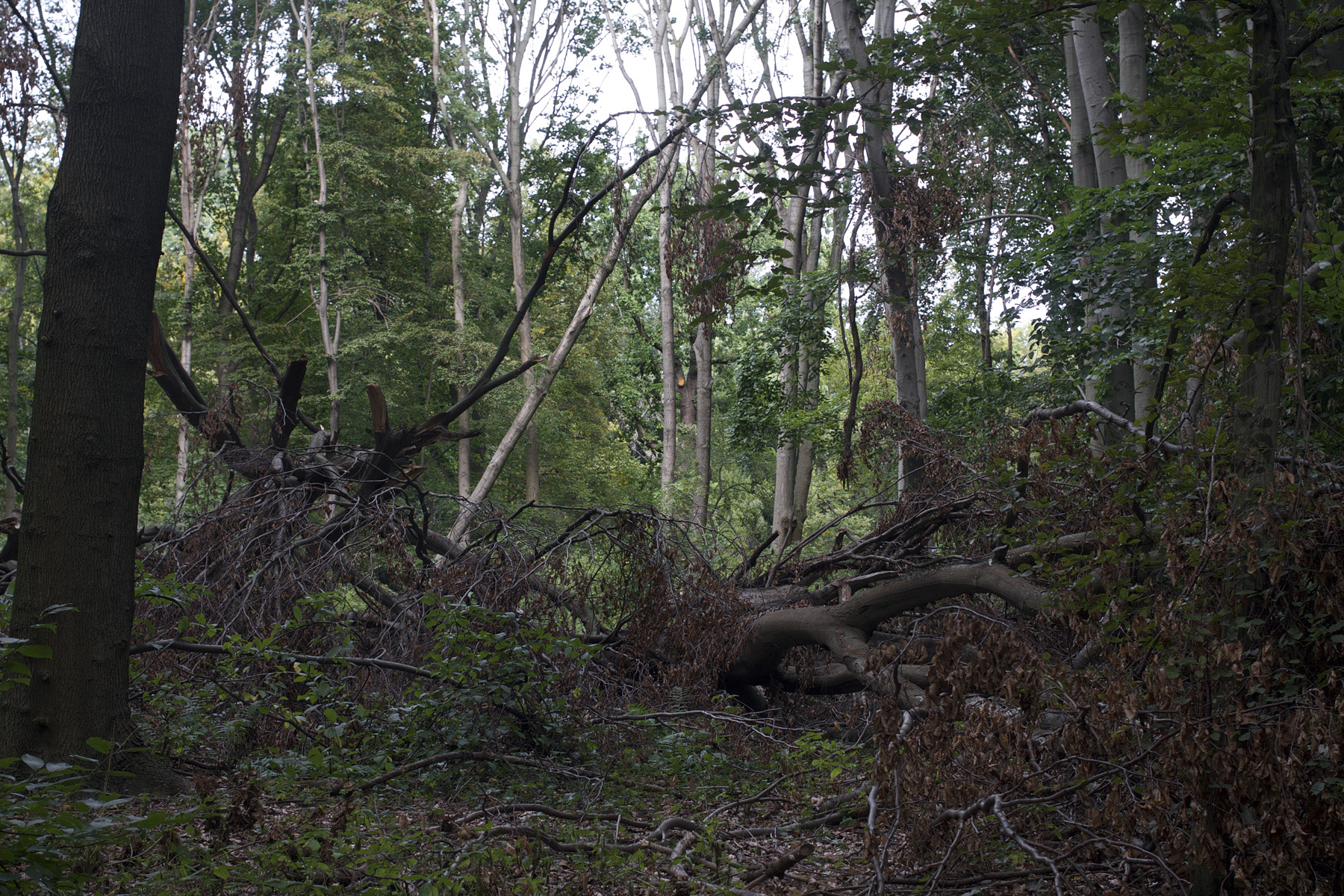
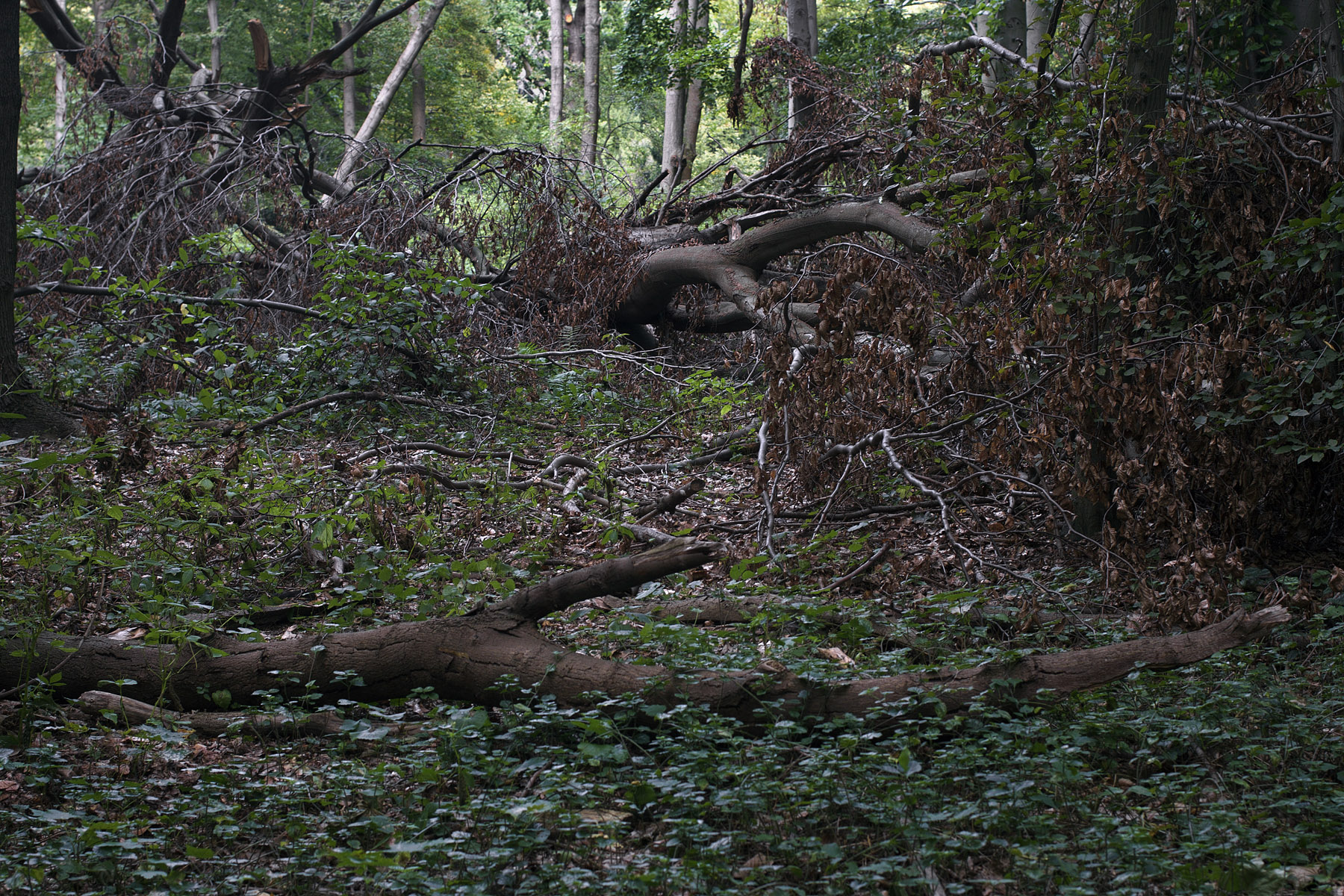
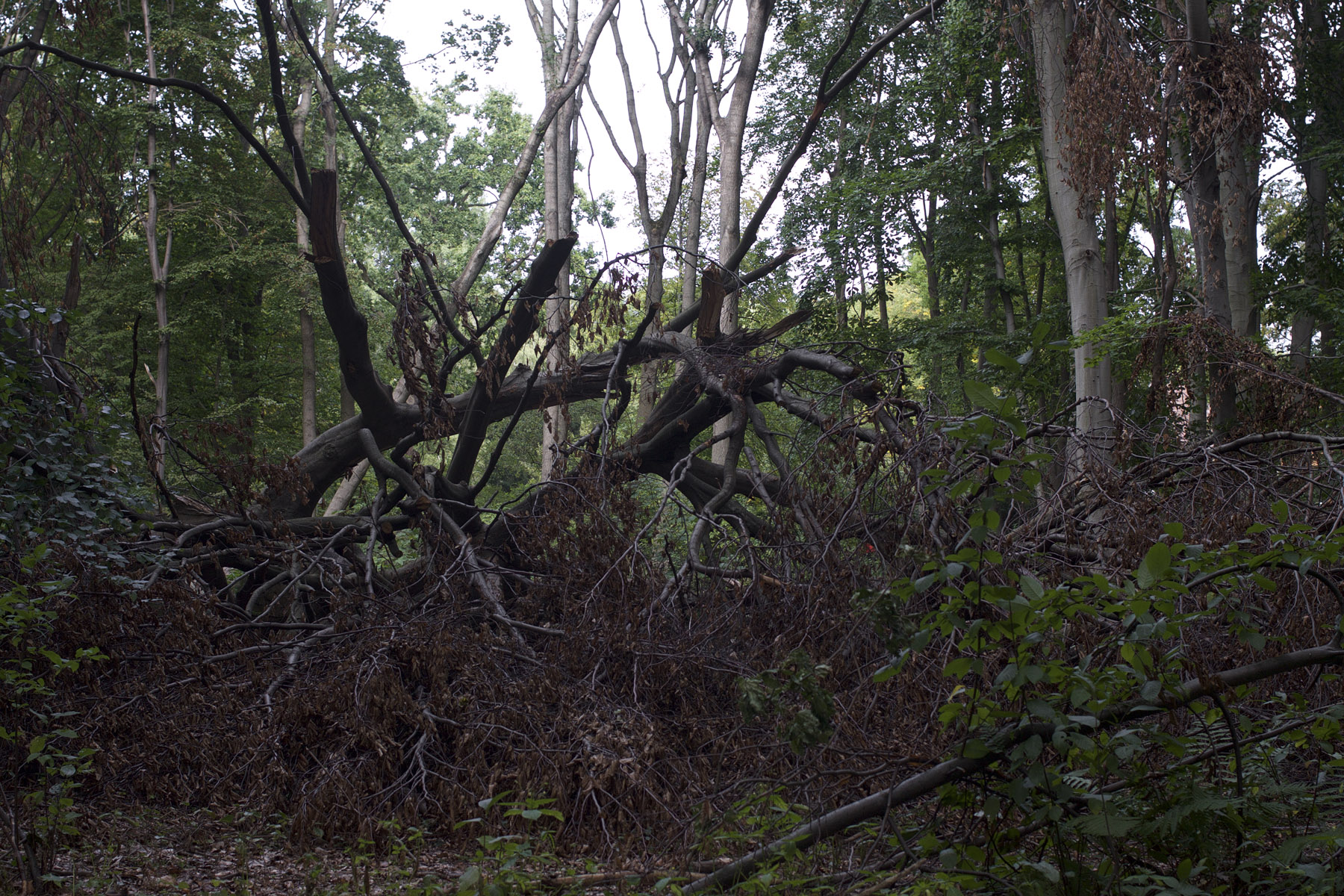
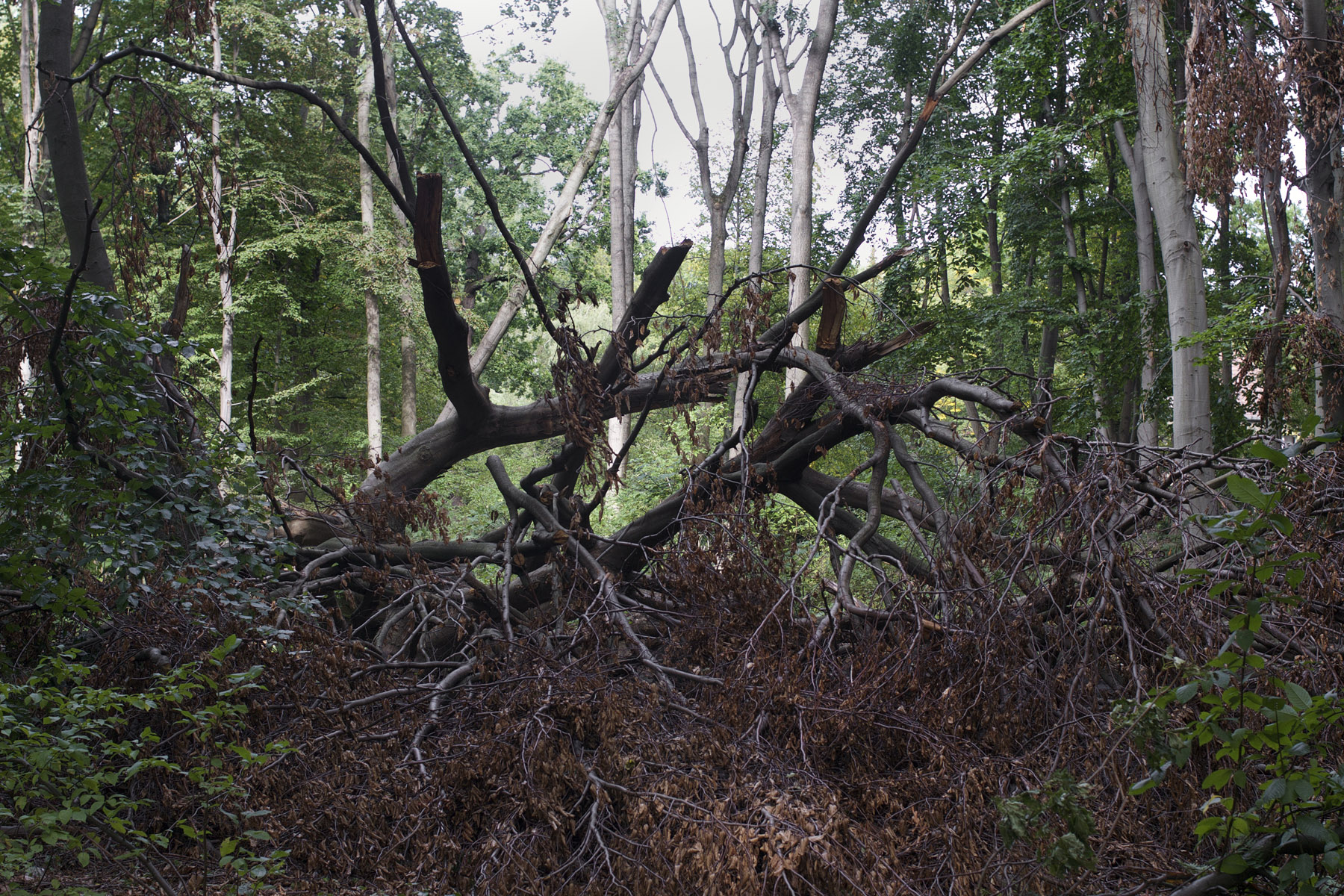
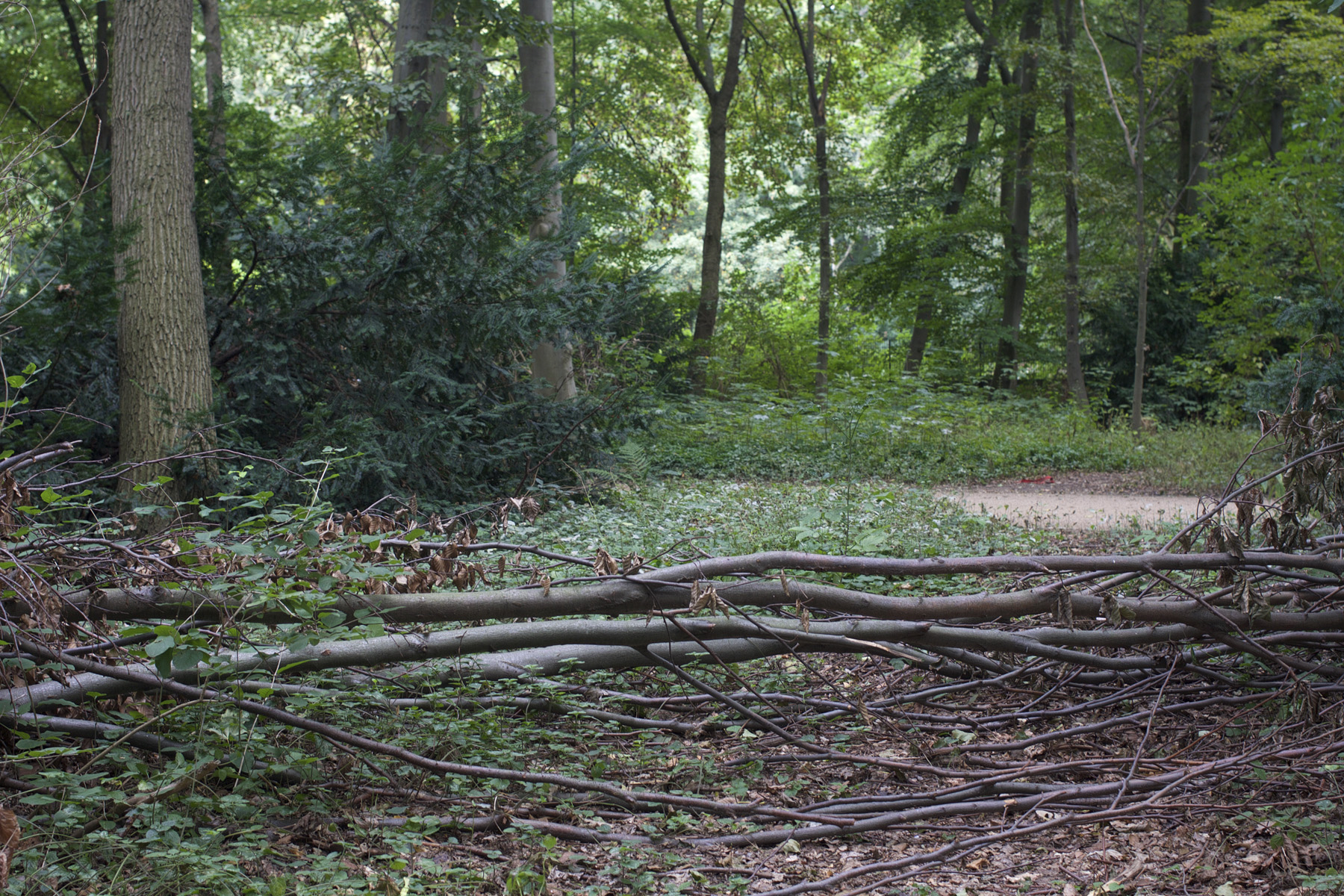
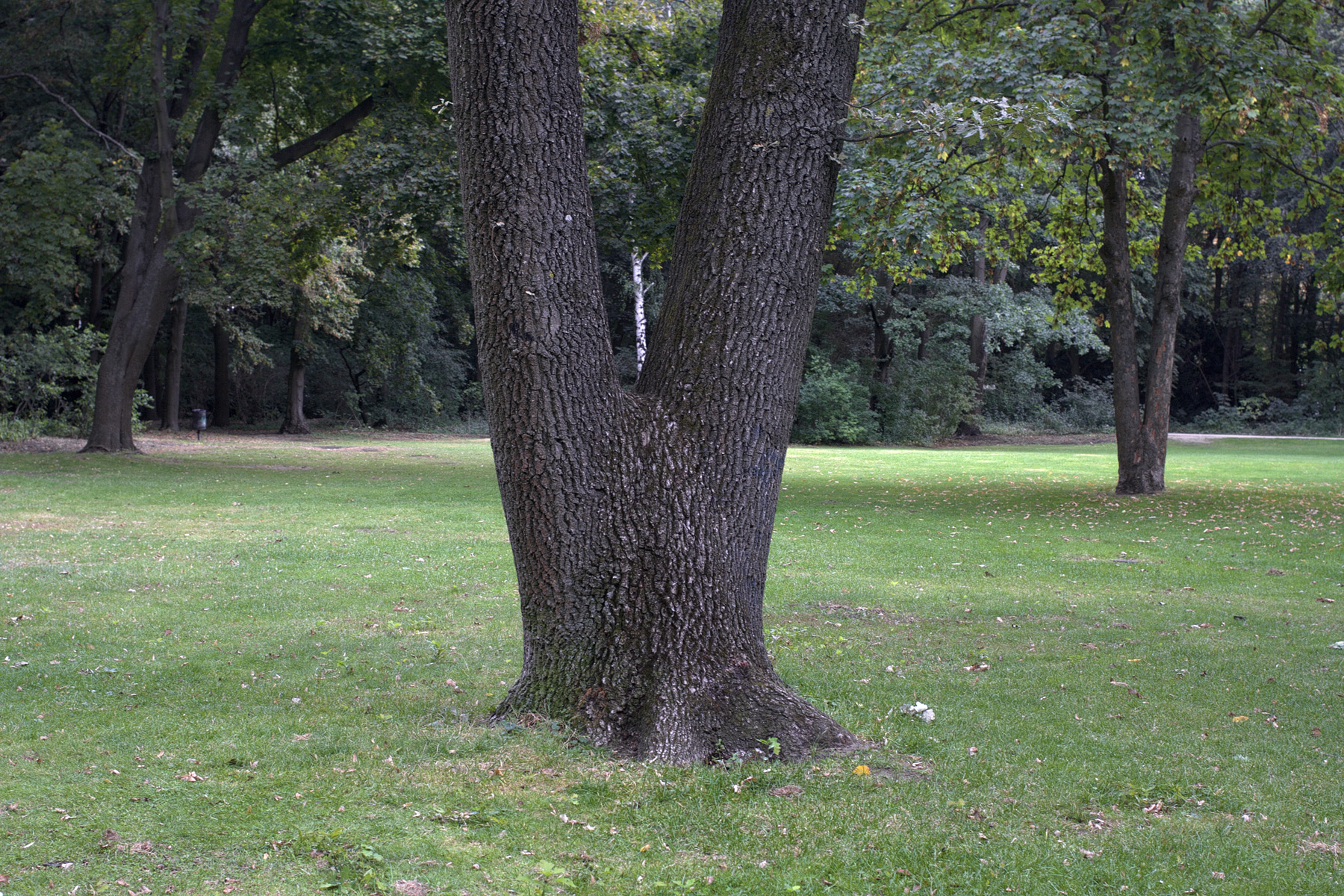
Marcus Bunyan (Australian, b. 1958) Untitled 2019-2020 From the series A day in the Tiergarten Digital photograph
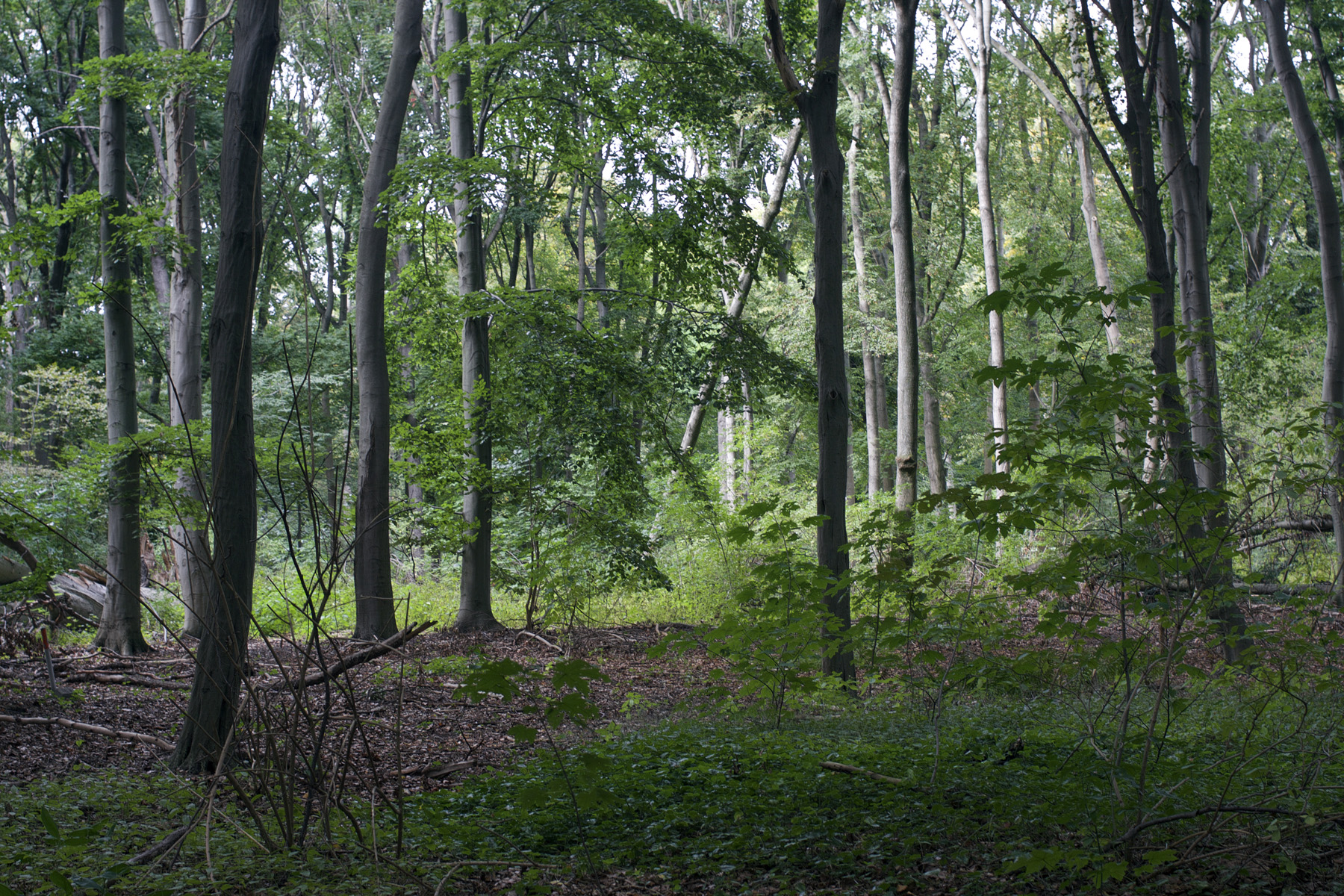
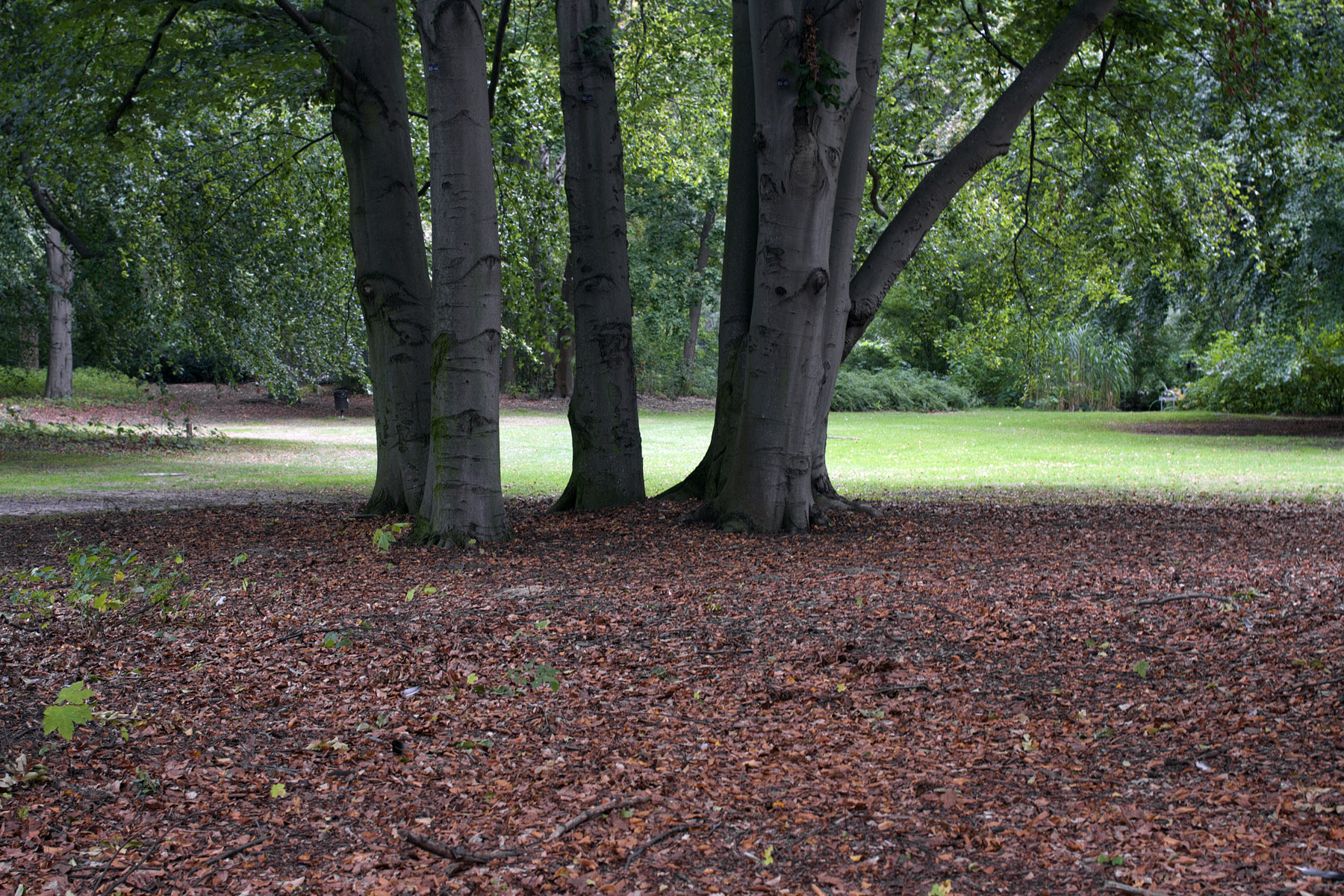
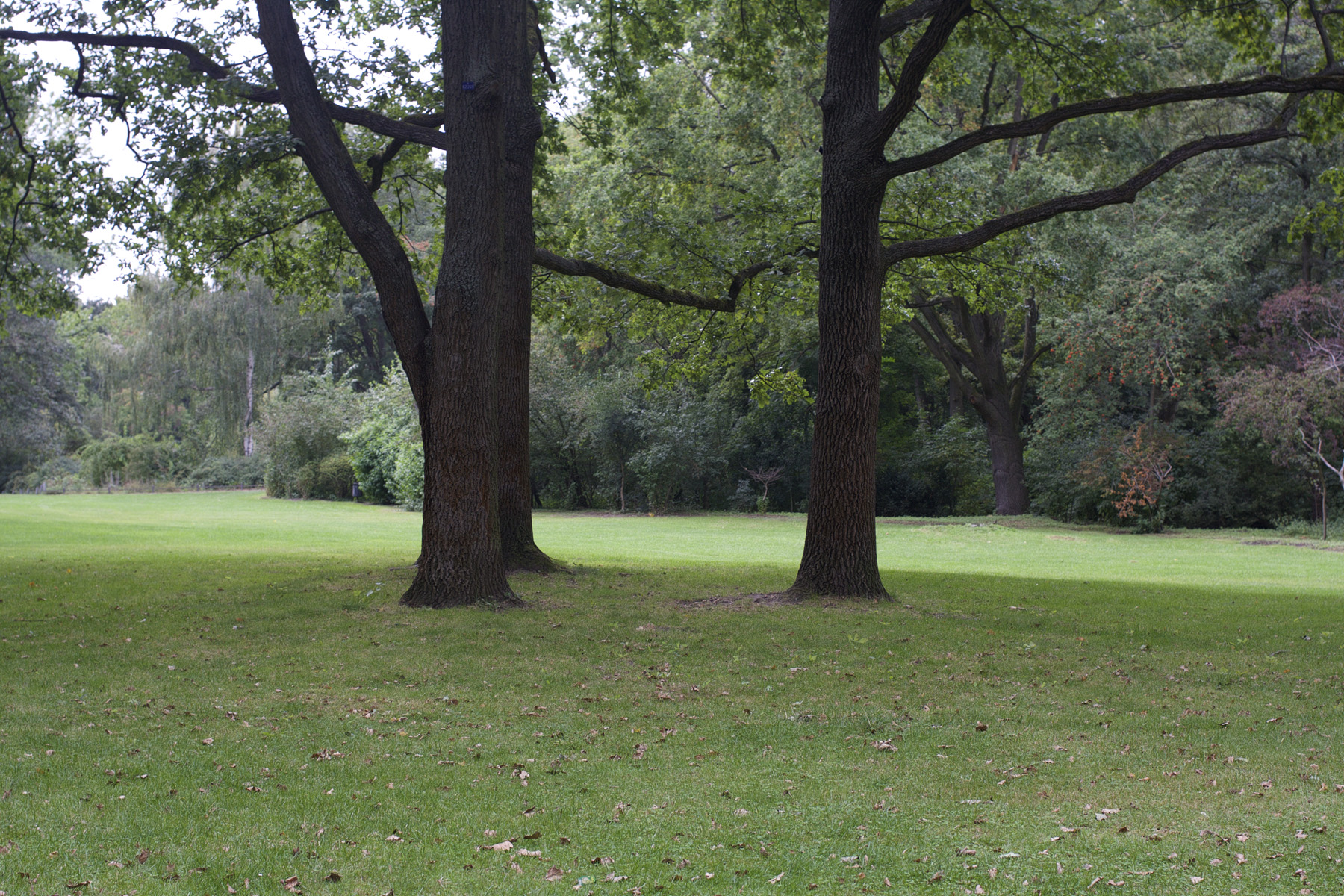
A day in the Tiergarten
I hope people like this series.
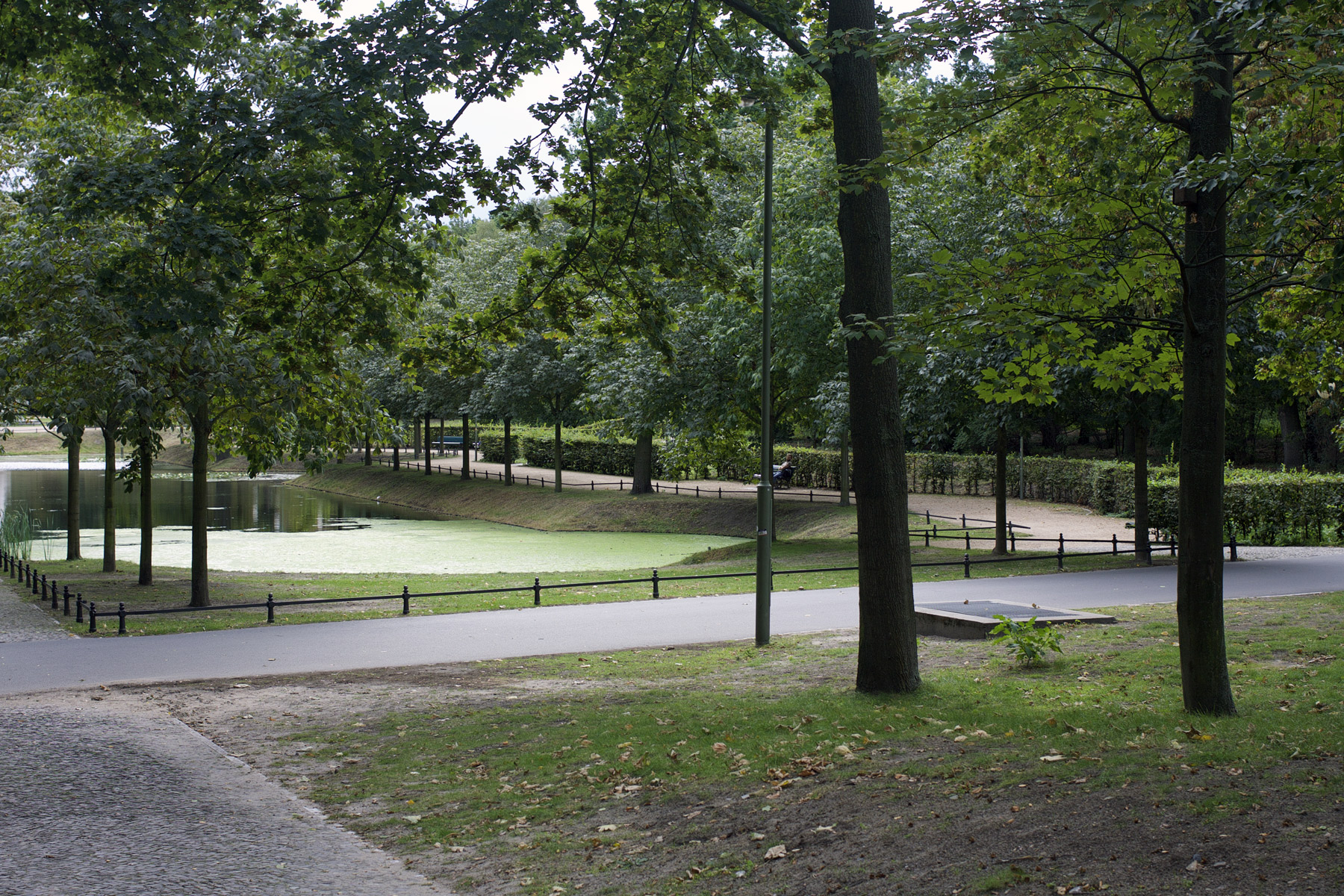
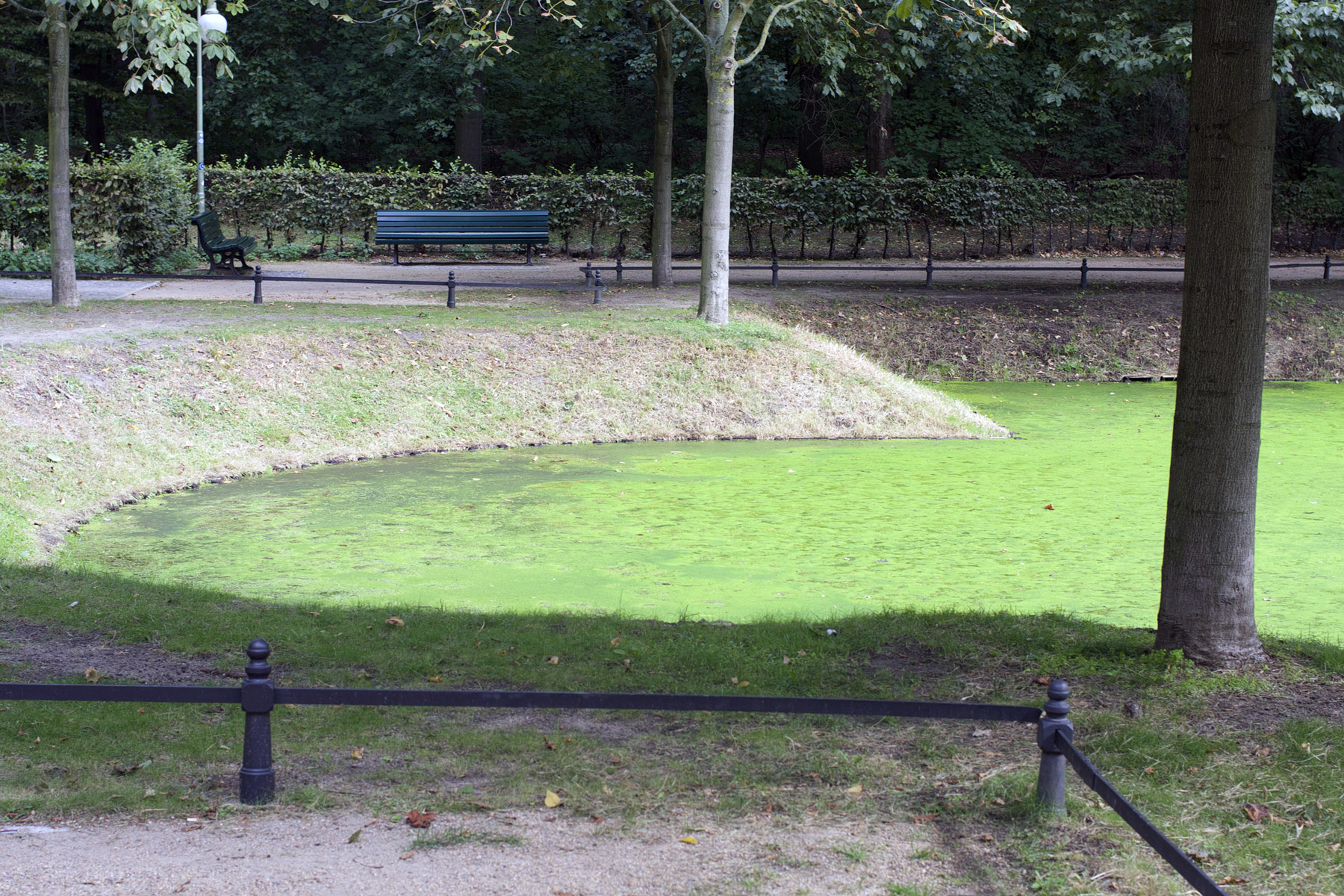
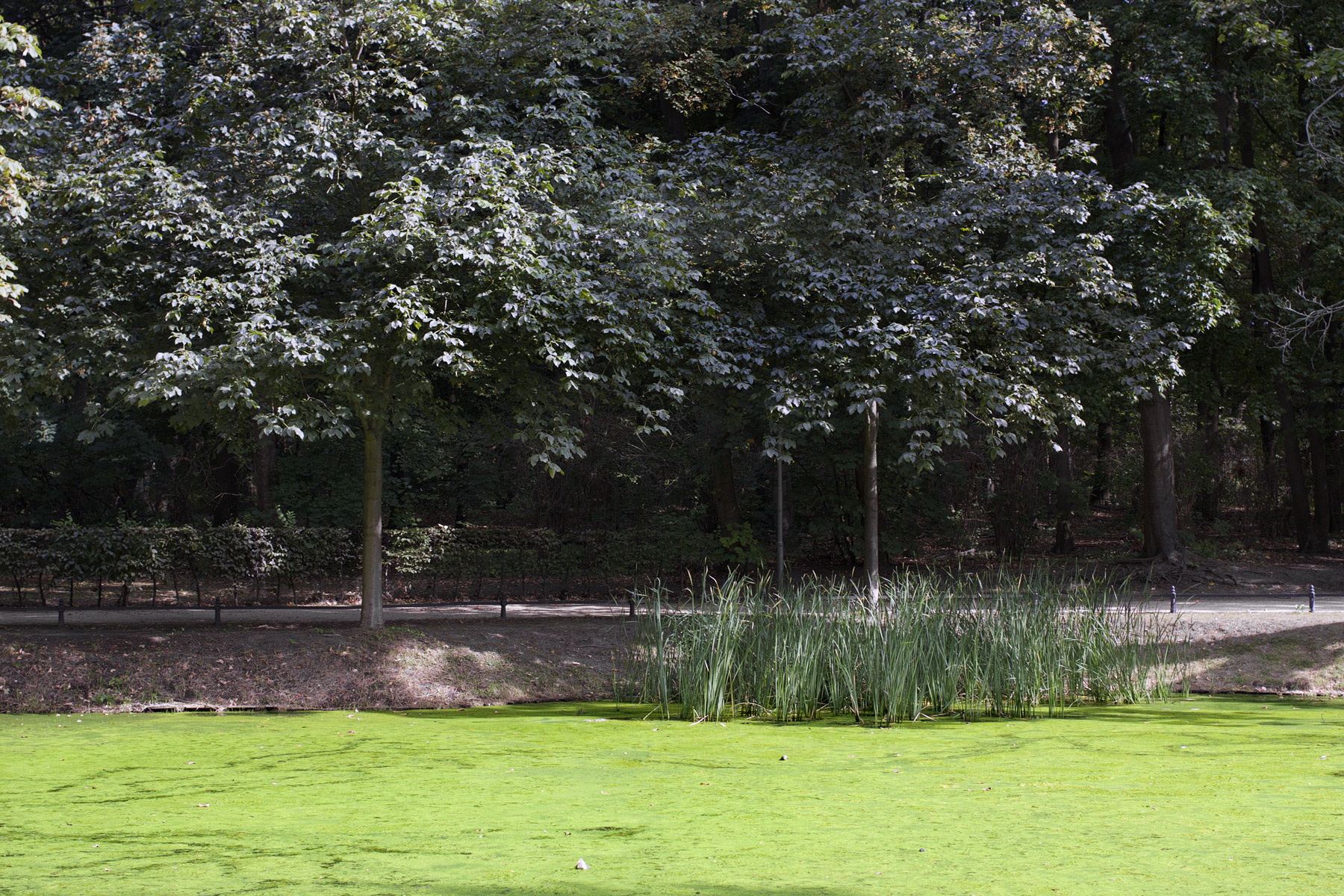
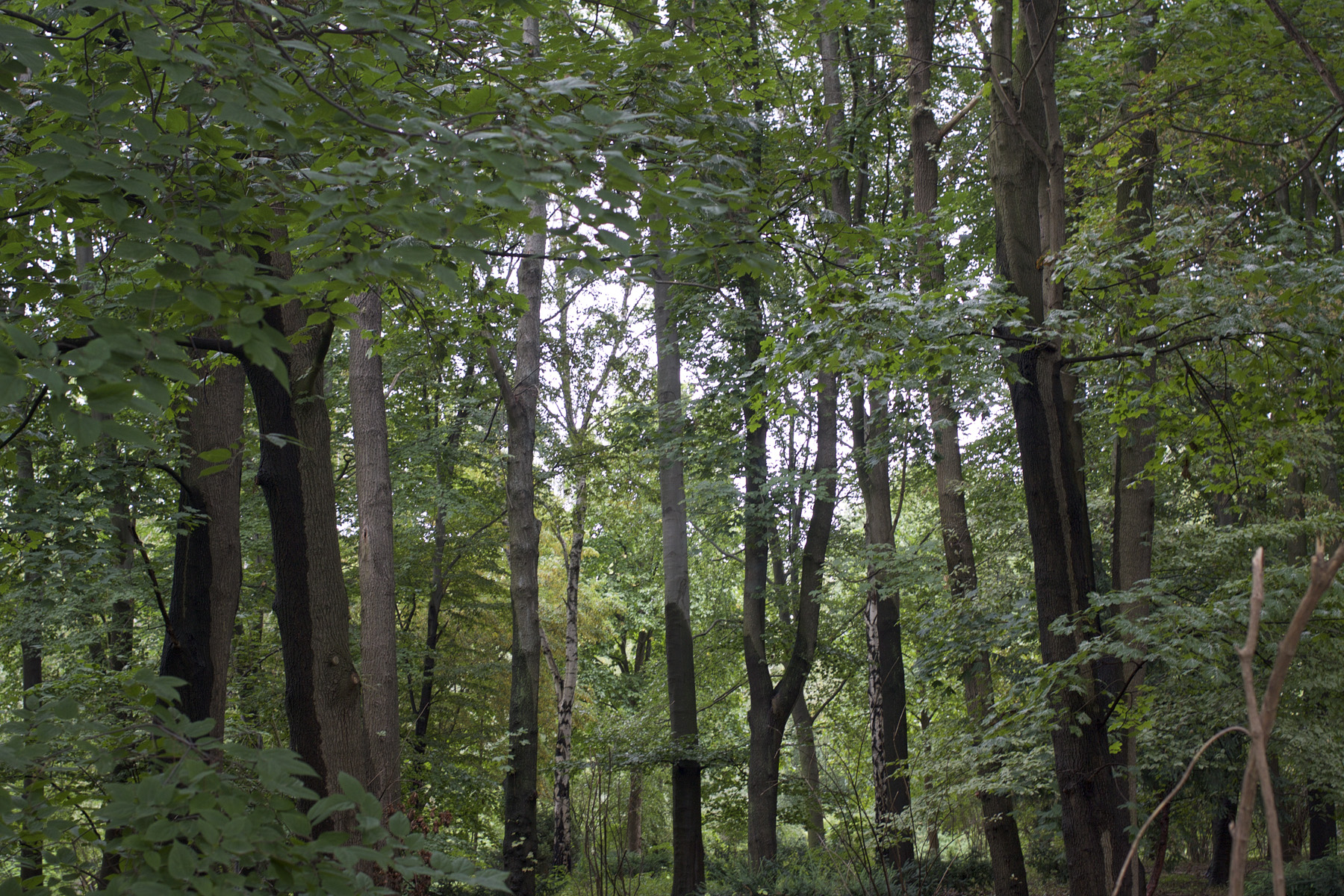
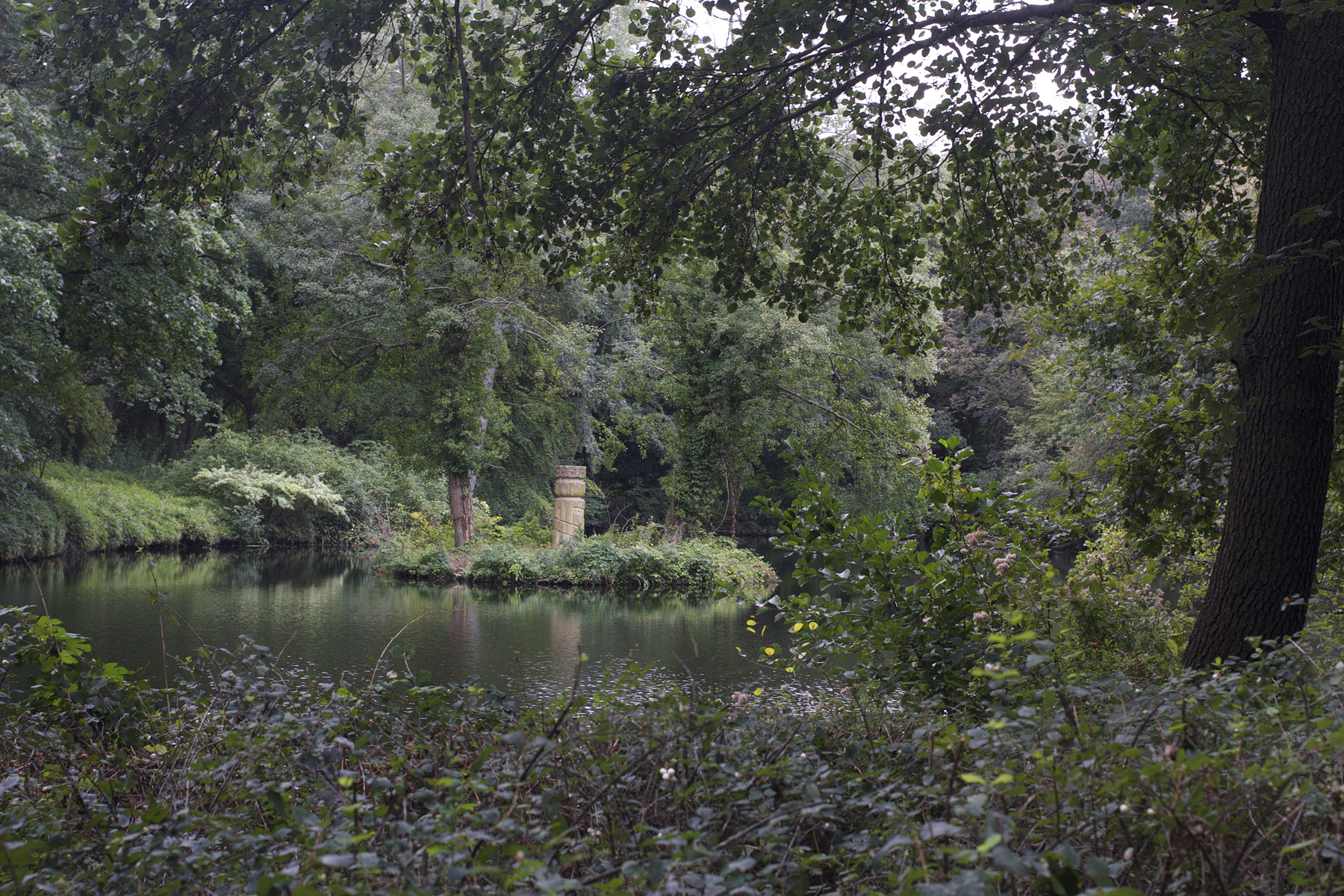
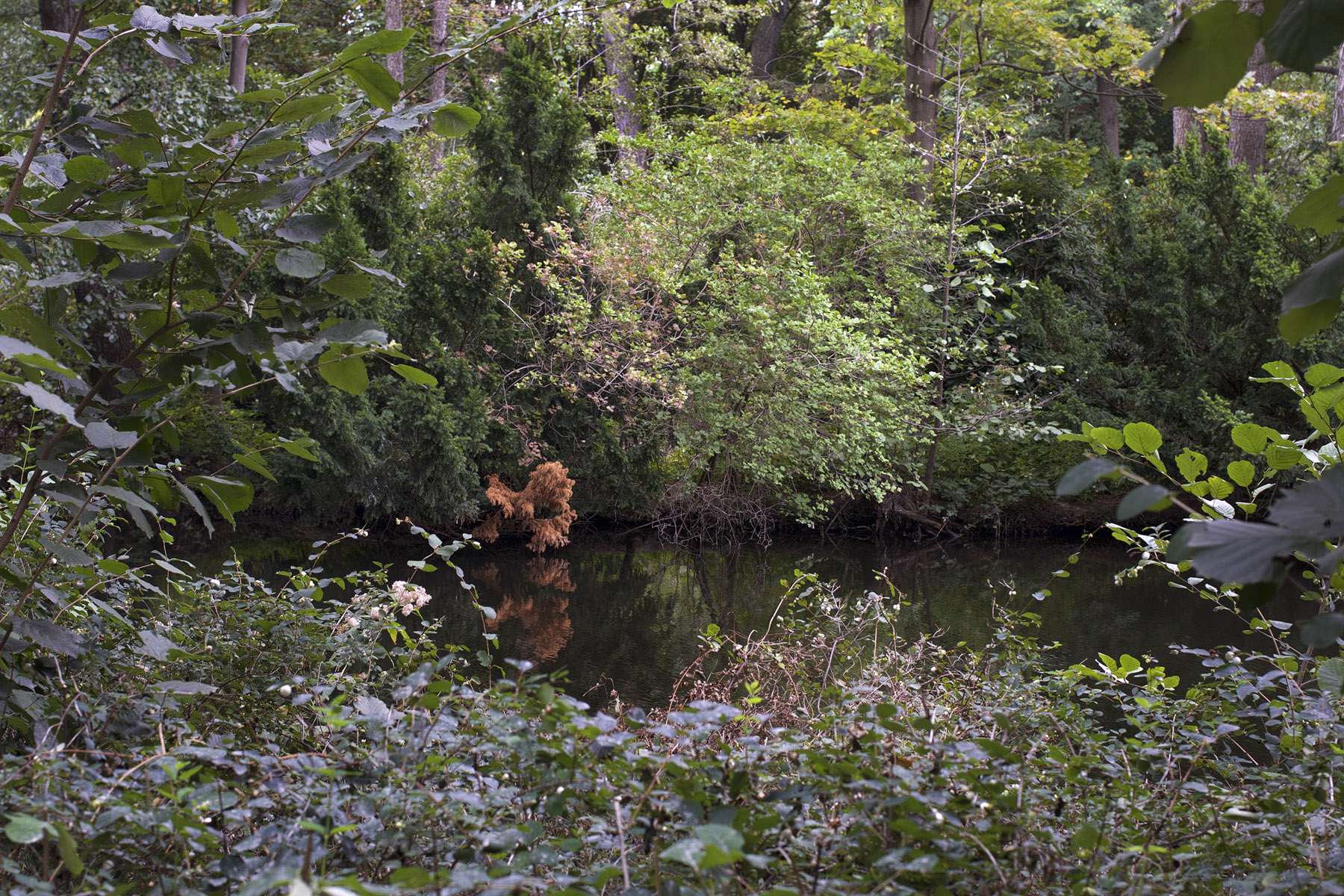
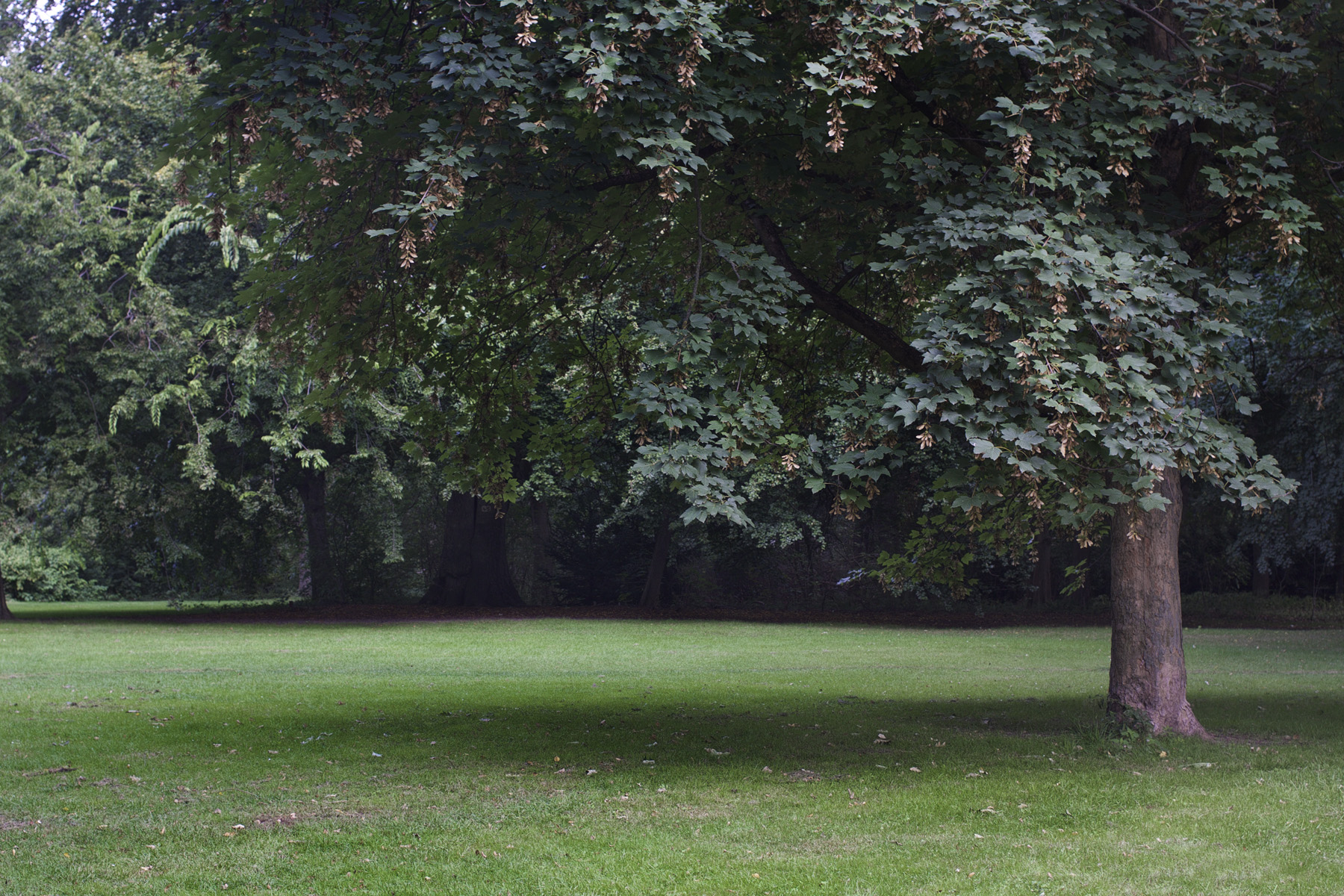
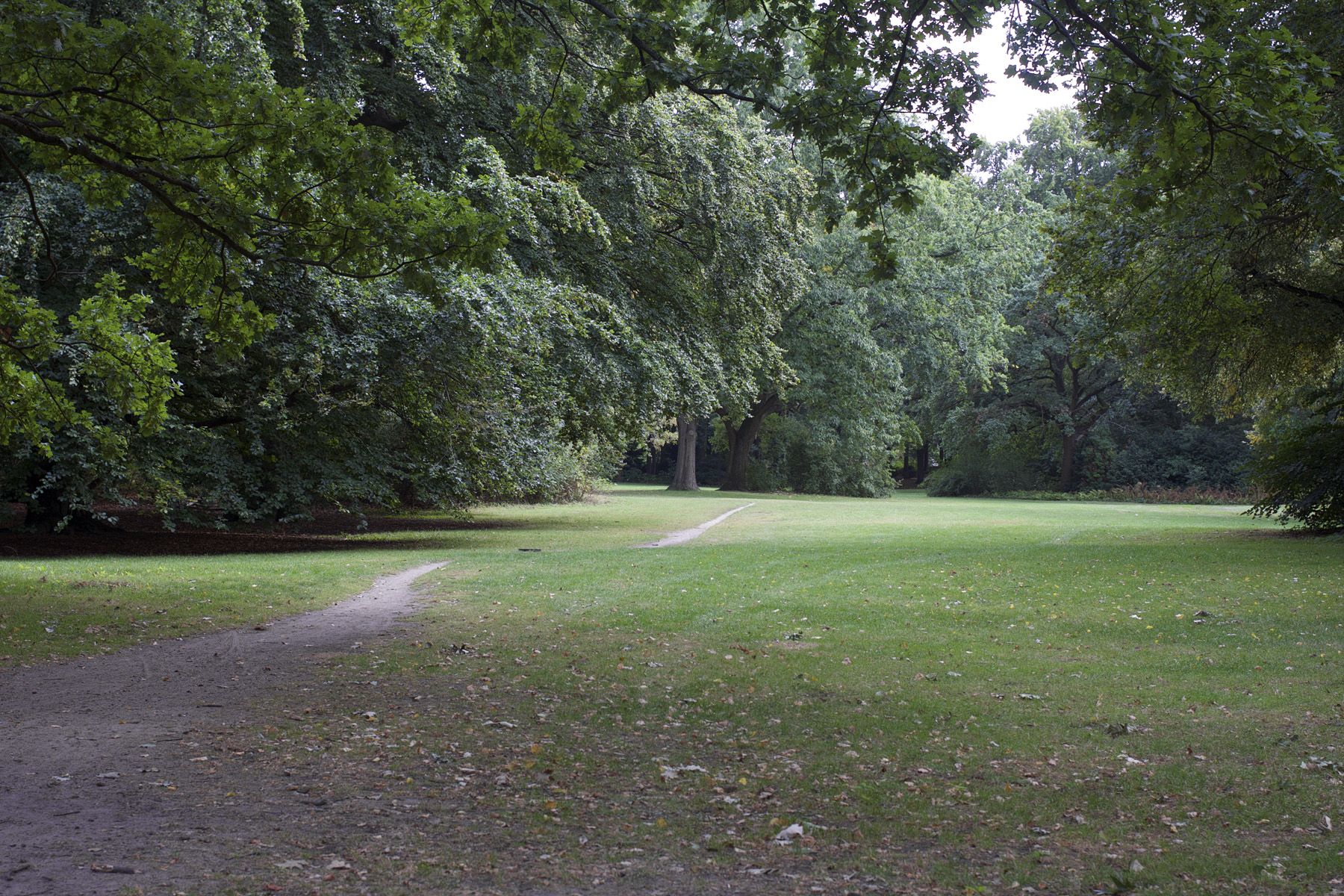
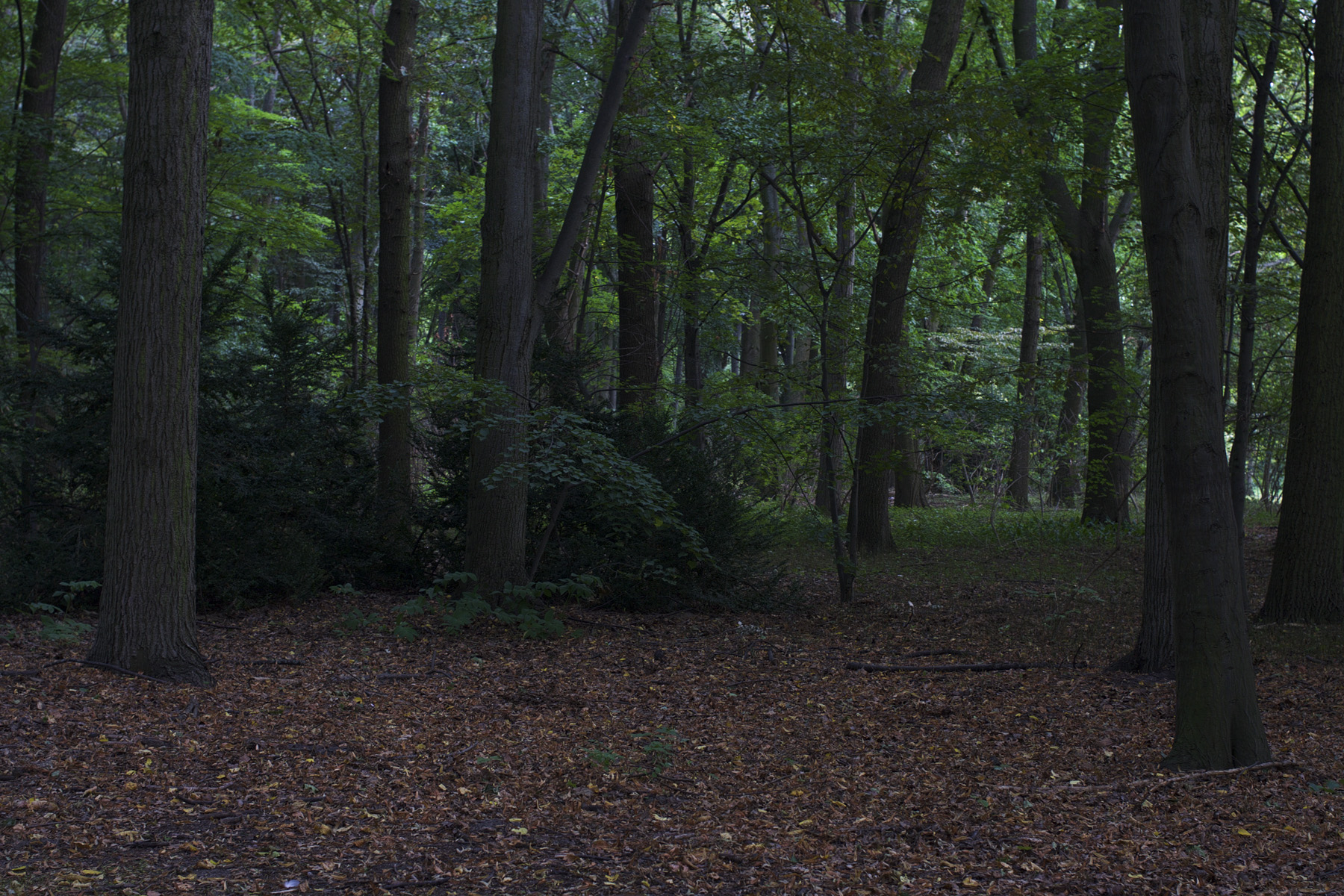
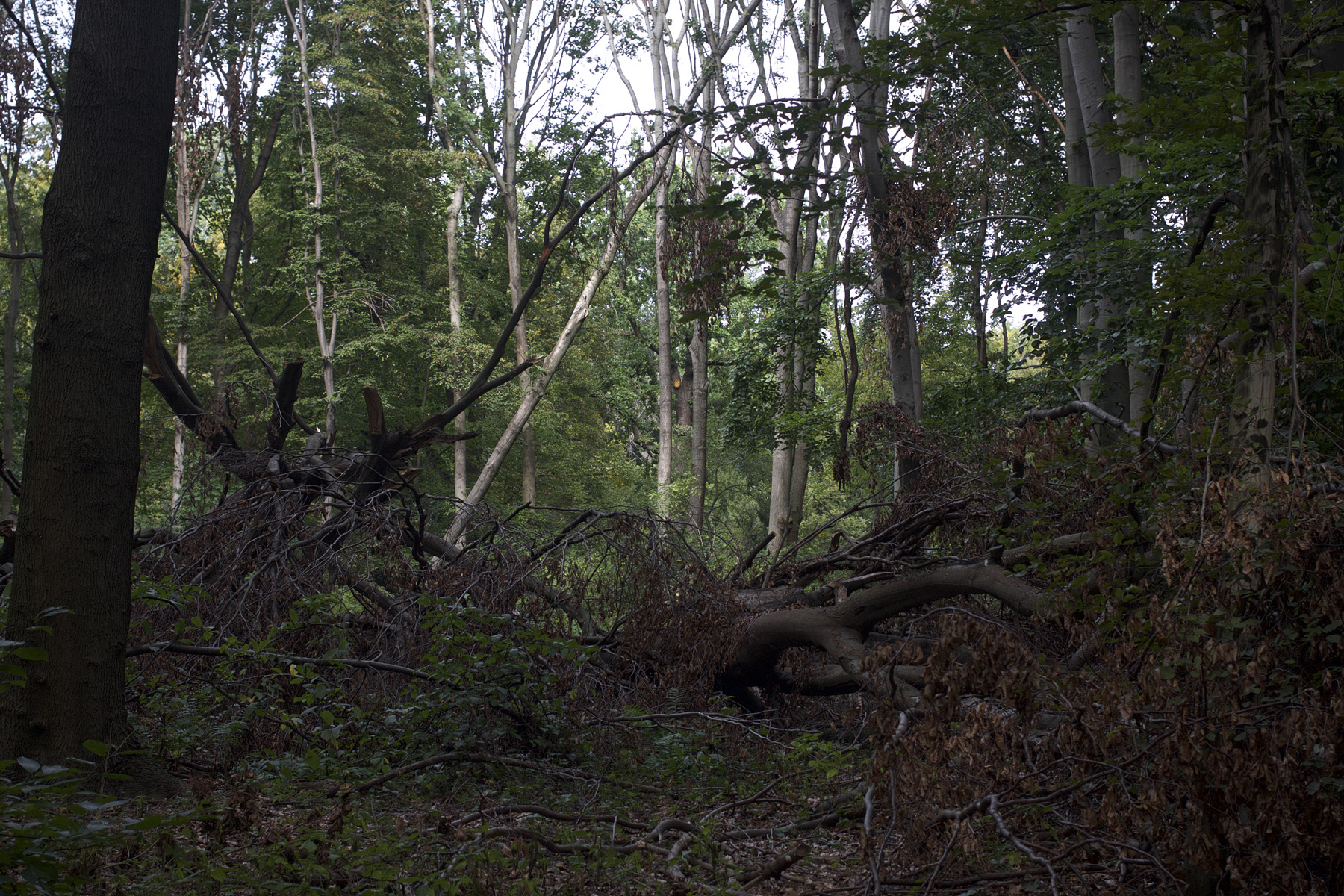
In late 2019, I took a photographic research trip through Europe by train, visiting nine countries and seeing many exhibitions and photographs by master photographers (Güler, Capa, Lartigue, Katz, Frank, Sudek, Sander, Brassaï, Abbott, Kertesz). I also took over 8,000 photographs on three digital cameras. This series, this stream of consciousness – the images shown in the exact order that I took them, no sequencing – reflects my state of mind during the trip. It was a kind of an ascetic experience for me, embedded as I was in the spaces and architectures of the cities and landscapes of Europe, hardly talking to anyone for the duration of the journey.
A day in the Tiergarten reflects this focus and clear seeing. Using camera and tripod the series, like a piece of music, moves from classical into surreal (the reflections of trees and water displacing the image plane), back to classical and on through Abstract Expressionism, ending in a peaceful coda of 4, 3, 2.
The series is an engagement with spirit – of wandering through a space of intimate desire and love. Love of trees, of being alone, of engaging with the self and nature. It was a magical day.
Please view the images on a larger screen. The whole series can be see with larger images on the A day in the Tiergarten web page or you can enlarge the images below by clicking on them.
Photographs are available from this series for purchase. As a guide, a digital colour 16″ x 20″ costs $1000 plus tracked and insured shipping. For more information please see my Store web page.
Marcus Bunyan (Australian, b. 1958) A Day in the Tiergarten 2019-2020 Digital photographs
*PLEASE NOTE THIS POSTING CONTAINS ART PHOTOGRAPHS OF MALE NUDITY – IF YOU DO NOT LIKE PLEASE DO NOT LOOK, FAIR WARNING HAS BEEN GIVEN*
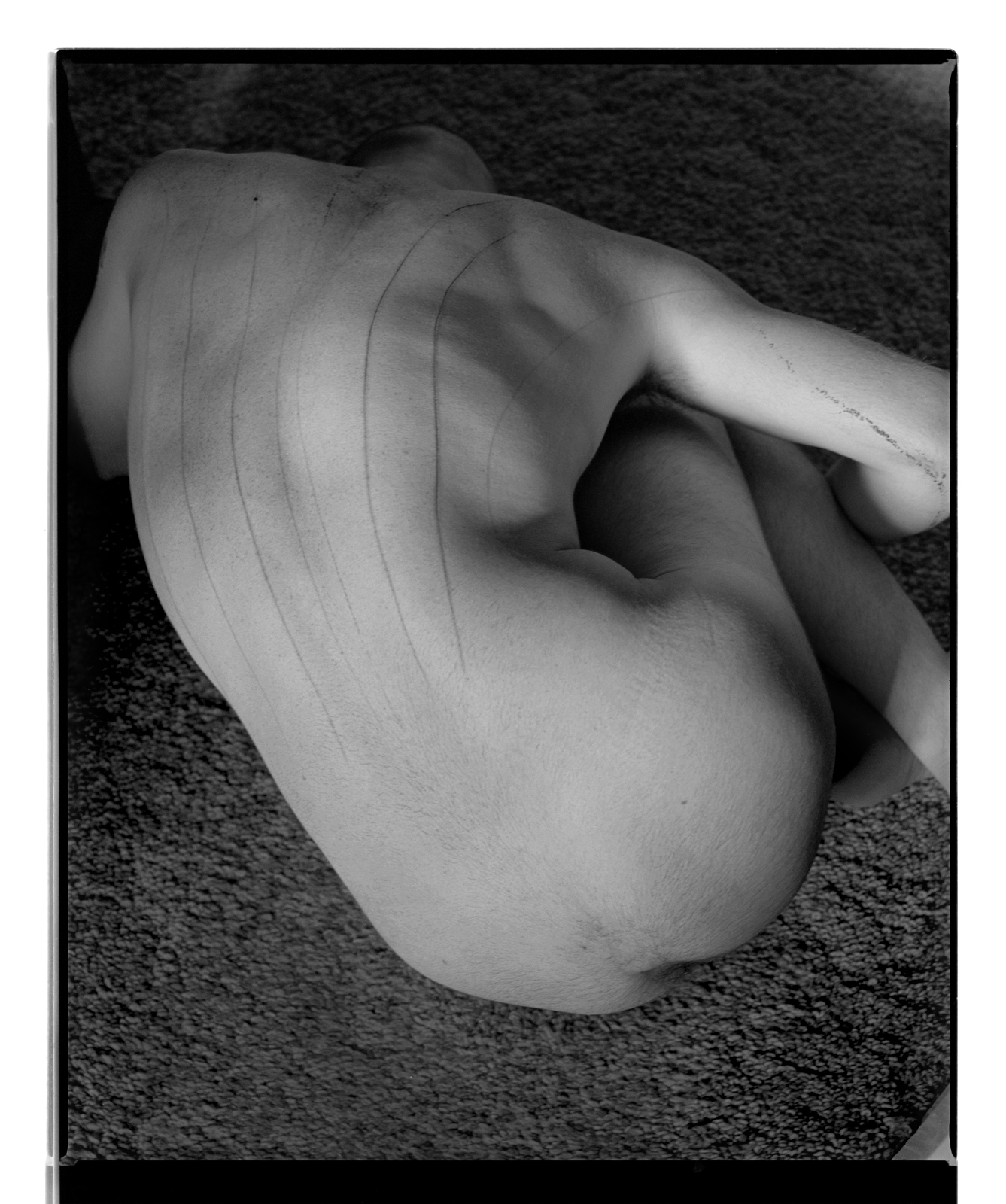
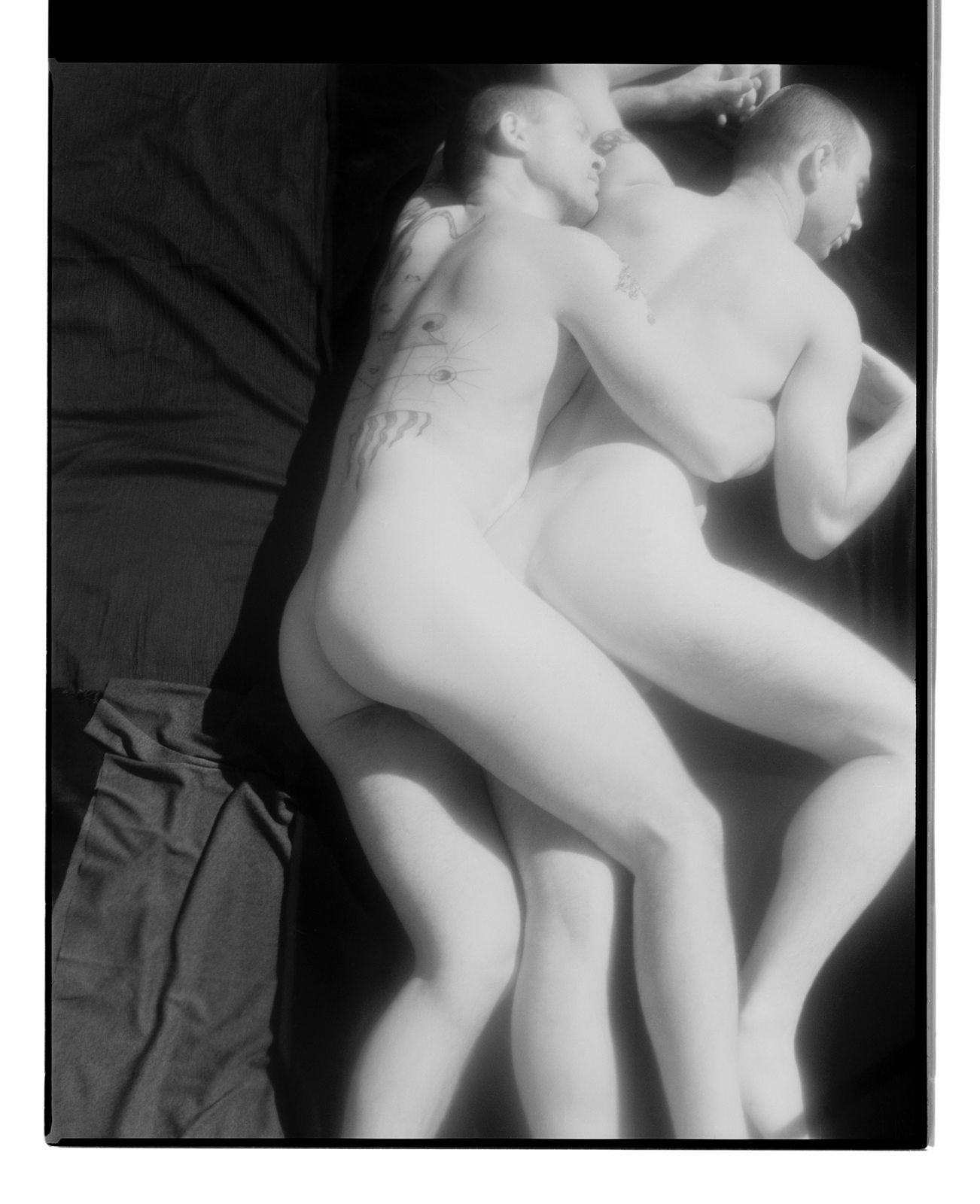
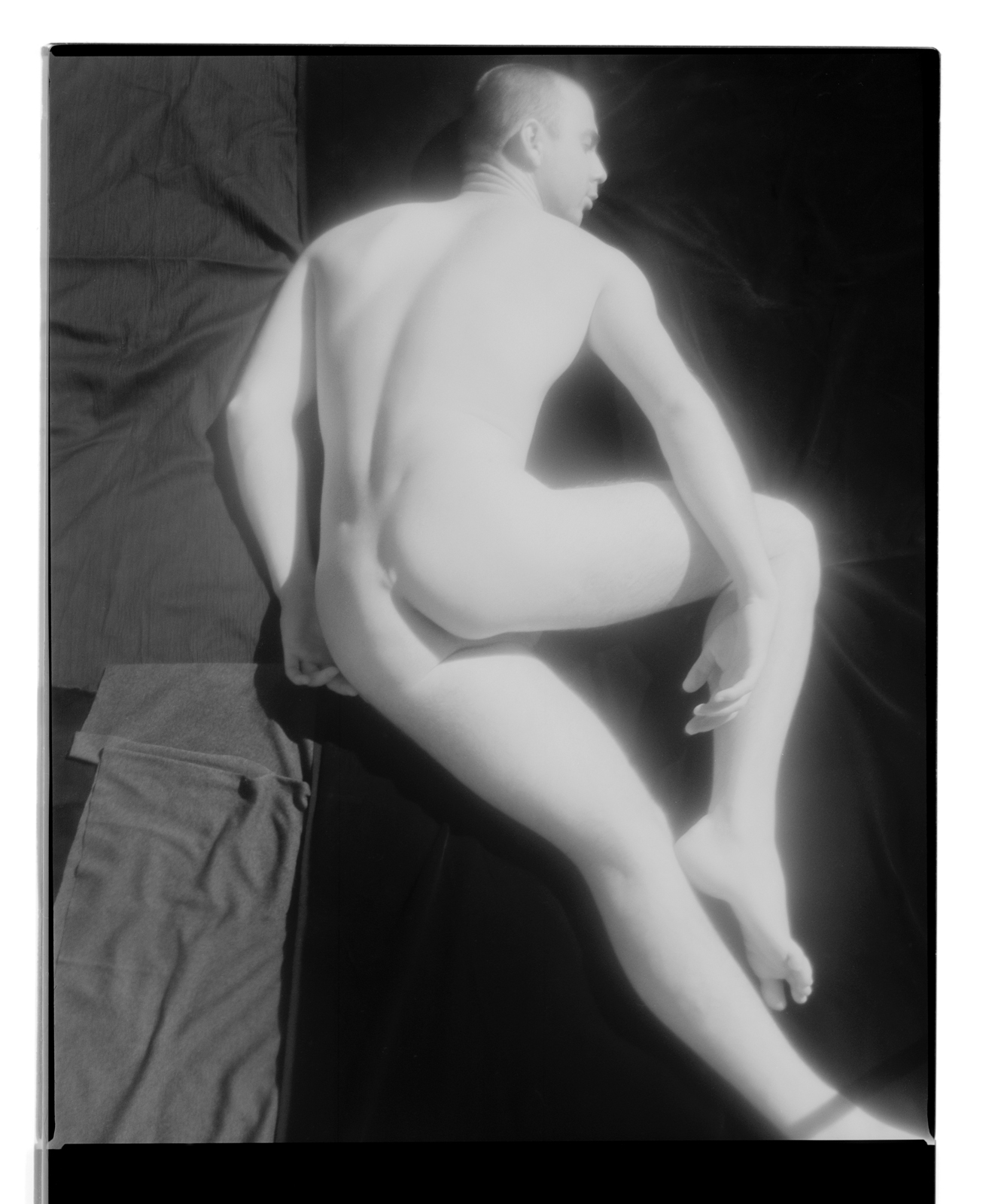
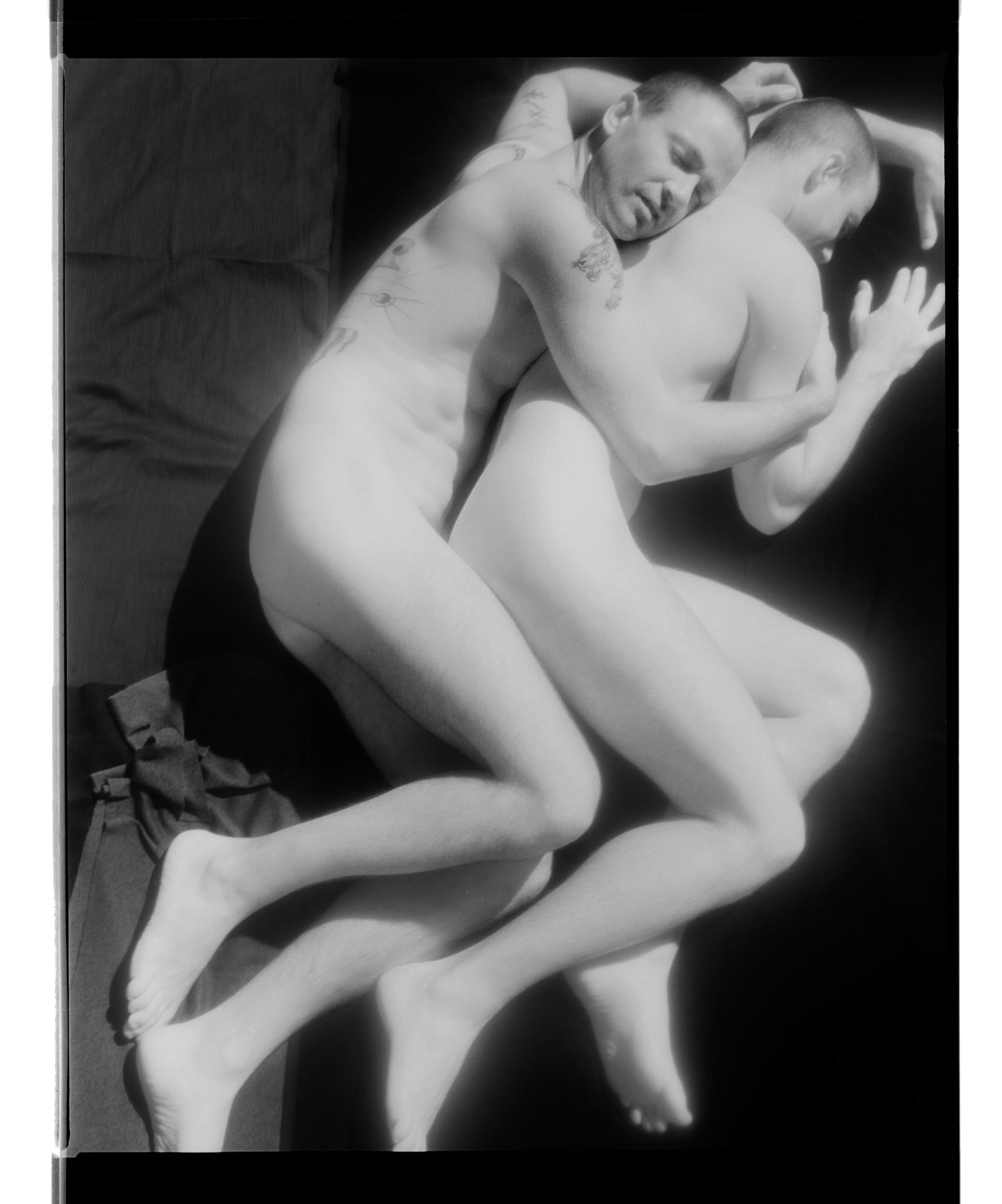
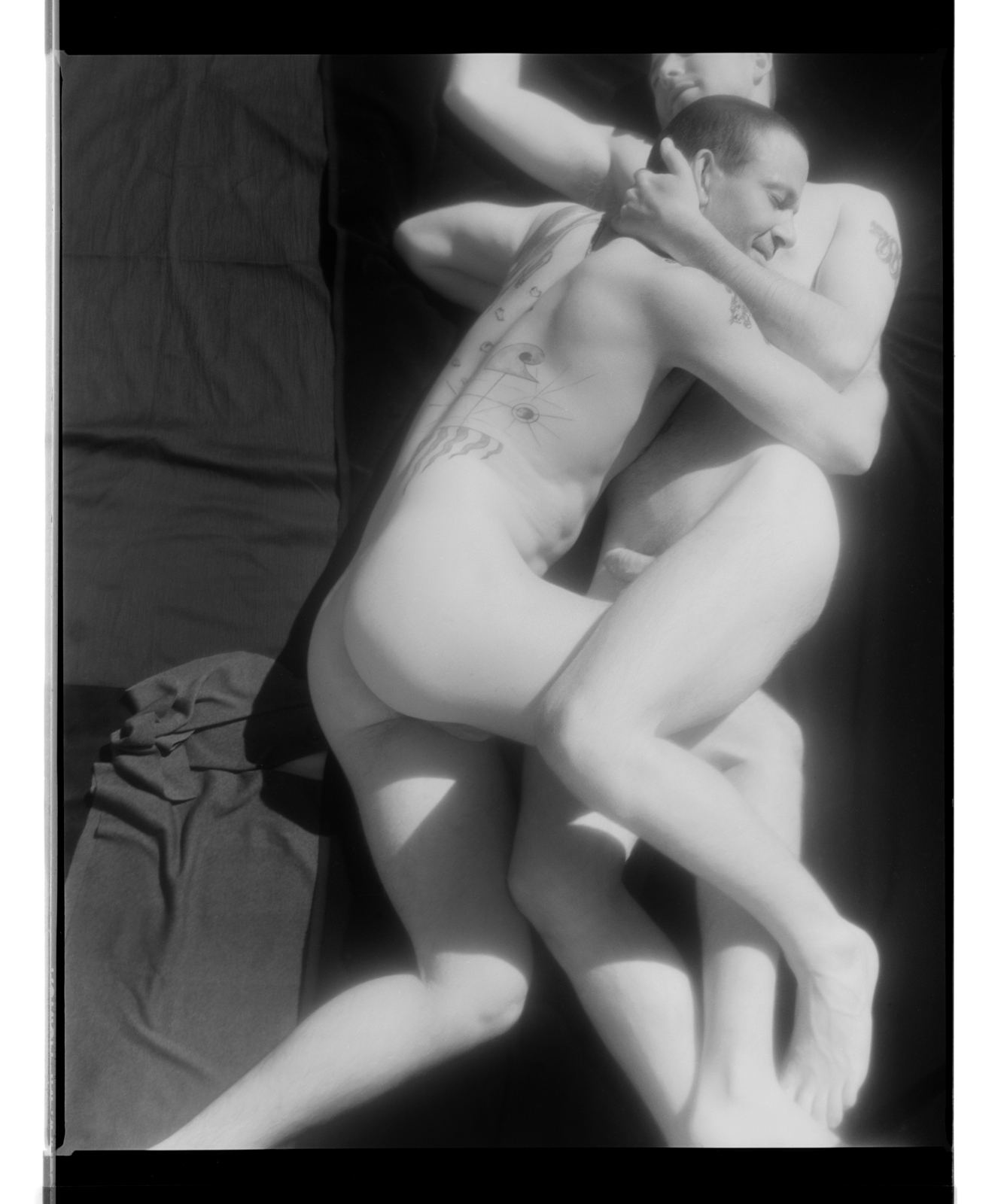
Marcus Bunyan (Australian born England, b. 1958) Untitled 1995-1996 From the series Sleep/Wound Gelatin silver print
Time is but the stream I go a-fishing in. I drink at it; but while I drink, I see the sandy bottom and detect how shallow it is. Its thin current slides away, but eternity remains. I would drink deeper; fish in the sky, whose bottom is pebbly with stars.
Thoreau, Walden
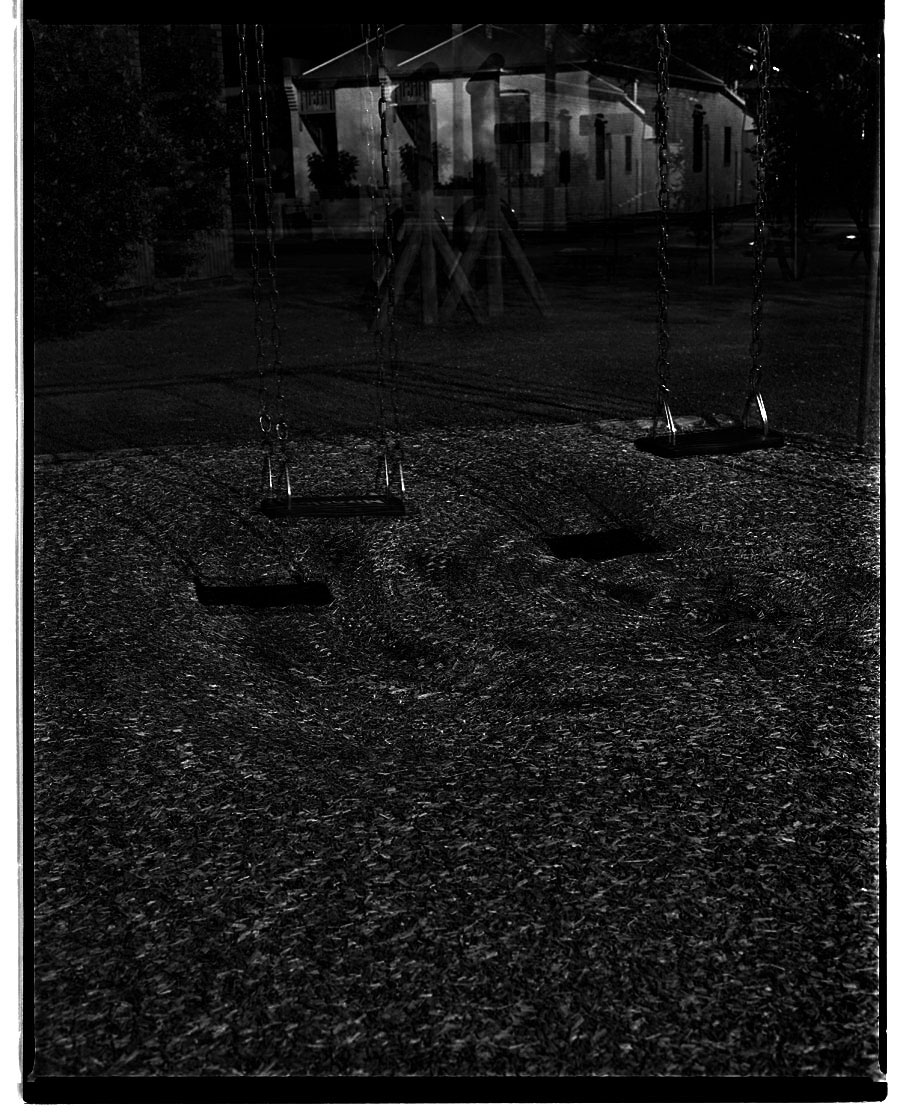
The series Sleep/Wound appeared in my solo exhibition titled The Cleft in Words, The Words As Flesh, at Stop 22 Gallery, St Kilda, Melbourne in 1996.
The series consists of ethereal, intimate photographs of my partner and myself in sleep positions, taken on infra-red film, the only time I ever used such film. I was fascinated (and still am) with the positions of the body in space, and how it moves in different environments.
The second part of the series are photographs of a performance, that of the cutting of my partners back. Paul and I held a dance party at a house on Punt Road in South Yarra where our friend Woody (David J. Wood of Bent Metal fame) was being evicted. The party, naturally enough called Eviction, was held to raise money for HIV/AIDS. Paul and I decorated the house, painting large, colourful kundalini symbols such as snakes and mandalas on the walls. In one room, painted with the seven colours of the main chakras, and to ambient music connected to earth, spirit and cosmos – I cut my partners back. Half the people fled, but the other half recognised the powerful spiritual connection that was happening in the performance (remember at this time, blood in terms of being gay, was tainted because of HIV/AIDS infection). I then smeared Paul’s blood on the walls of the house with my hands, crossing the boundary of the taboo by touching a bodily fluid whist acknowledging something that is essential to human life.
After packing up all the equipment from the party, we both headed to the Tasty nightclub (if any of you remember the Tasty raid) to have a good dance, with the blood still drying on Paul’s back. People were shocked at seeing his cut back. When we got back home at 6am in the morning I took out my trusty Mamiya RZ67 and took these beautiful photographs of one of the most connected, spiritual experiences of my life.
My thankx go to Paul as always for being my muse and partner without whom these experiences and photographs would never have been possible.
Dr Marcus Bunyan
I am scanning my negatives made during the years 1991-1997 to preserve them in the form of an online archive as a process of active memory, so that the images are not lost forever. These photographs were images of my life and imagination at the time of their making, the ideas I was thinking about and the people and things that surrounded me.
Photographs are available from this series for purchase. As a guide, a vintage 8″ x 10″ silver gelatin print costs $700 plus tracked and insured shipping. For more information please see my Store web page.
Marcus Bunyan (Australian born England, b. 1958) Untitled 1995-1996 From the series Sleep/Wound Gelatin silver print
Marcus Bunyan (Australian born England, b. 1958) Untitled 1995-1996 From the series Sleep/Wound Gelatin silver print
Marcus Bunyan (Australian born England, b. 1958) Untitled 1995-1996 From the series Sleep/Wound Gelatin silver print
Marcus Bunyan (Australian born England, b. 1958) Untitled 1995-1996 From the series Sleep/Wound Gelatin silver print
Marcus Bunyan (Australian born England, b. 1958) Untitled 1995-1996 From the series Sleep/Wound Gelatin silver print
Marcus Bunyan (Australian born England, b. 1958) Untitled 1995-1996 From the series Sleep/Wound Gelatin silver print
Marcus Bunyan (Australian born England, b. 1958) Untitled 1995-1996 From the series Sleep/Wound Gelatin silver print
Marcus Bunyan (Australian born England, b. 1958) Untitled 1995-1996 From the series Sleep/Wound Gelatin silver print
Marcus Bunyan (Australian born England, b. 1958) Untitled 1995-1996 From the series Sleep/Wound Gelatin silver print
Marcus Bunyan (Australian born England, b. 1958) Untitled 1995-1996 From the series Sleep/Wound Gelatin silver print
Marcus Bunyan (Australian born England, b. 1958) Untitled 1995-1996 From the series Sleep/Wound Gelatin silver print
Marcus Bunyan (Australian born England, b. 1958) Untitled 1995-1996 From the series Sleep/Wound Gelatin silver print
Marcus Bunyan (Australian born England, b. 1958) Untitled 1995-1996 From the series Sleep/Wound Gelatin silver print
Marcus Bunyan (Australian born England, b. 1958) Untitled 1995-1996 From the series Sleep/Wound Gelatin silver print
Marcus Bunyan (Australian born England, b. 1958) Untitled 1995-1996 From the series Sleep/Wound Gelatin silver print
Marcus Bunyan (Australian born England, b. 1958) Untitled 1995-1996 From the series Sleep/Wound Gelatin silver print
Marcus Bunyan (Australian born England, b. 1958) Untitled 1995-1996 From the series Sleep/Wound Gelatin silver print
Marcus Bunyan (Australian born England, b. 1958) Untitled 1995-1996 From the series Sleep/Wound Gelatin silver print
Marcus Bunyan (Australian born England, b. 1958) Untitled 1995-1996 From the series Sleep/Wound Gelatin silver print
Marcus Bunyan (Australian born England, b. 1958) Untitled 1995-1996 From the series Sleep/Wound Gelatin silver print
Marcus Bunyan (Australian born England, b. 1958) Untitled 1995-1996 From the series Sleep/Wound Gelatin silver print
Andrew Follows (Australian, d. 2019) Elements of Focus 2019 Photos used: 12
Vale Andrew Follows: A life in focus
It is with great sadness that I found out today that artist Andrew Follows passed away yesterday, December 11th, 2019.
If anybody could say that he lived and breathed photography it was Andrew. It was his passion, his reason for being. And he was good at it, very good at it.
With his Retinitis Pigmentosa (RP) – a condition which rendered one eye completely blind with ever diminishing tunnel vision in the other – he saw the world like nobody else could. Not because of this, but because he was Andrew, he was just born to be the great enabler. There was no dis/abled with Andrew. He got on with life. He got on with being an artist, being the best he could possibly be with a passion and enthusiasm which I was totally in awe of.
I still remember our trips together to photograph for his solo exhibition Density at Anita Traverso Gallery in 2013 with his beloved guide dog Eamon sitting in the footwell of my car. I mentored Andrew for a year before the exhibition and believe me, he knew what he wanted and how to get the shot. I drove him to the locations we had chosen and helped him set up the camera and tripod. He opened the lens and looked at the screen on the back of the digital camera… and saw the world! He saw things that were only blurs to him before on the screen of that digital camera. That line of light that hovers above the judges chair in the courtroom at Beechworth, where Ned Kelly was sentenced to death, lingers long in the memory. Only Andrew could get permission to photograph, at night, in the old Beechworth Courthouse.
As I have written in an earlier piece, “His is not the vision of im(pair)ment as the rest of us see the world, through two eyes, but the holistic vision of a monocular eye that becomes the root of his photography. The lens of the camera becomes an extension of Self, the shutter his very existence and the digital screen on the back of the camera his tabula rasa, a “blank slate” upon which he writes his experience and perception, his knowledge of the world. His experience of vision and the evidence of his photographs become both the beginning and the end of the work, a place in which his fundamental nature resides.”
Andrew speaks truth to photography, for that was his nature. In so doing he speaks truth to life itself.
He had such a passion for photography. Two postings I did for him earlier, Andrew Follows: Carmania (February 2016) and Andrew Follows: Carmania 2 (June 2016) express what I most loved about Andrew as a person and as a photographer… how he just got so much out of life, and how he saw the world with crystal clear focus and clarity – in these two postings combining his two great passions, cars and photography. I still think these are some of the best art car photographs I have ever seen. There is an immediacy and directness to them, a time and space of great perception. Again, in his new exhibition we feel his love in seeing the world through the camera, offering his unique and fragmented perspective to the viewer, which comes together in the final, holistic image.
Above all Andrew brought people together to enable his projects through his charisma, cheekiness and charm, his get up and go for what he was doing and what he wanted to achieve. He brought everyone along for the ride. Andrew Andrew Andrew what a spirit young man… what energy, love, passion, commitment and talent. We had some fabulous times together. I loved how you taught me as much as I taught you. About life, about photography, and looking and seeing the world. I’m so glad I got to see you at the opening on Saturday and give you a kiss and a hug.
Andrew speaks truth to photography, for that was his nature. In so doing he speaks truth to life itself.
With thanks to Dishan Marikar, Magnet Galleries Melbourne, Fiona Cook and everyone who helped with the exhibition and book. Condolences to all family and friends.
Dr Marcus Bunyan xx
Many thankx to Andrew Follows, Magnet Galleries Melbourne and Dishan Marikar for allowing me to publish the photographs in the posting. Please click on the photographs for a larger version of the image. The book from the exhibition is available to buy from the gallery as are prints, and funds raised from this show will benefit artists with disability in the future with a biennial prize to be awarded from the Andrew Follows Trust. For more information about the book please see the Magnet Galleries Melbourne website.
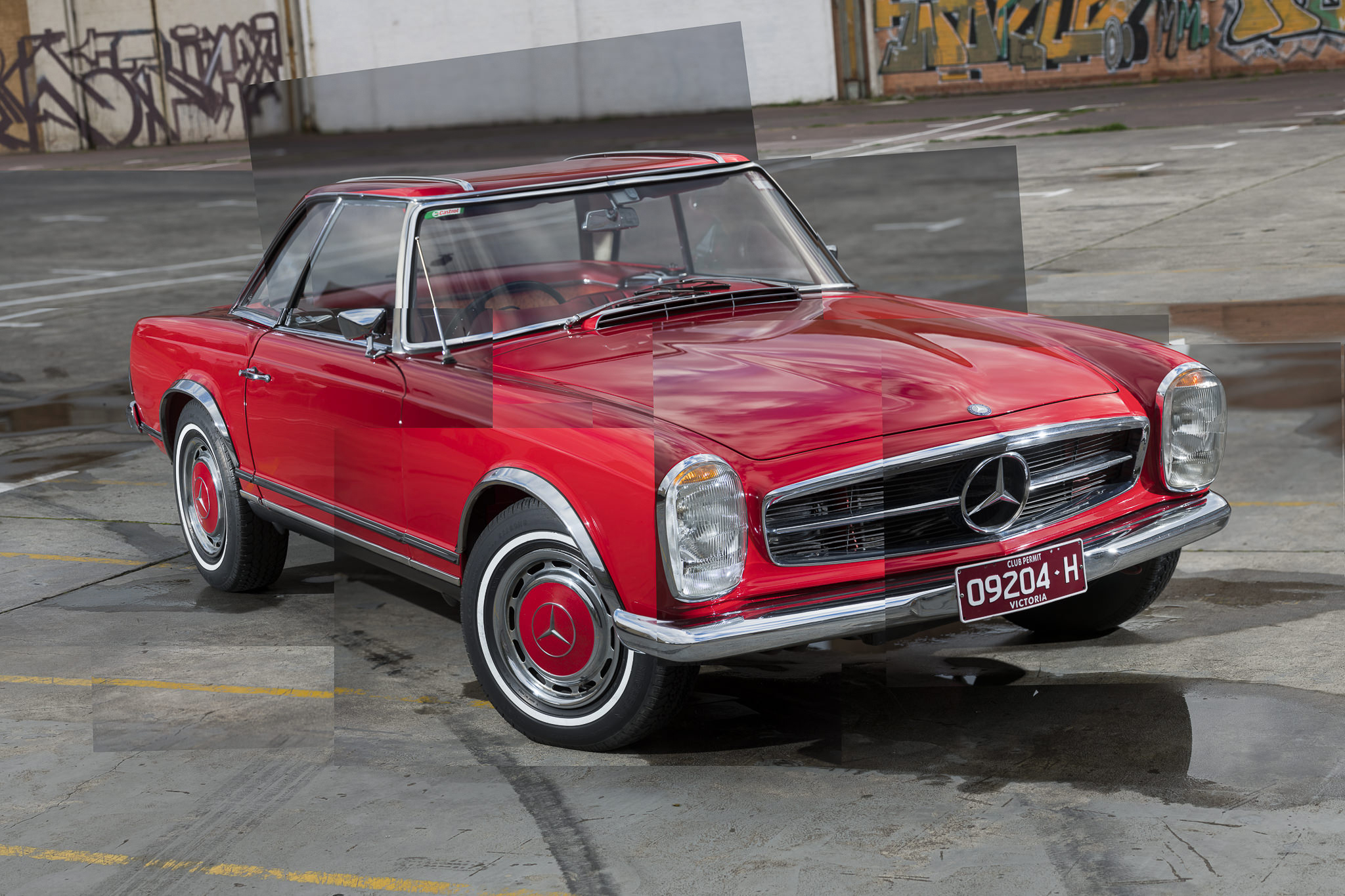
Andrew Follows (Australian, d. 2019) Mercedes-Benz 230SL 2019 Photos used: 11 Year of manufacture: 1964
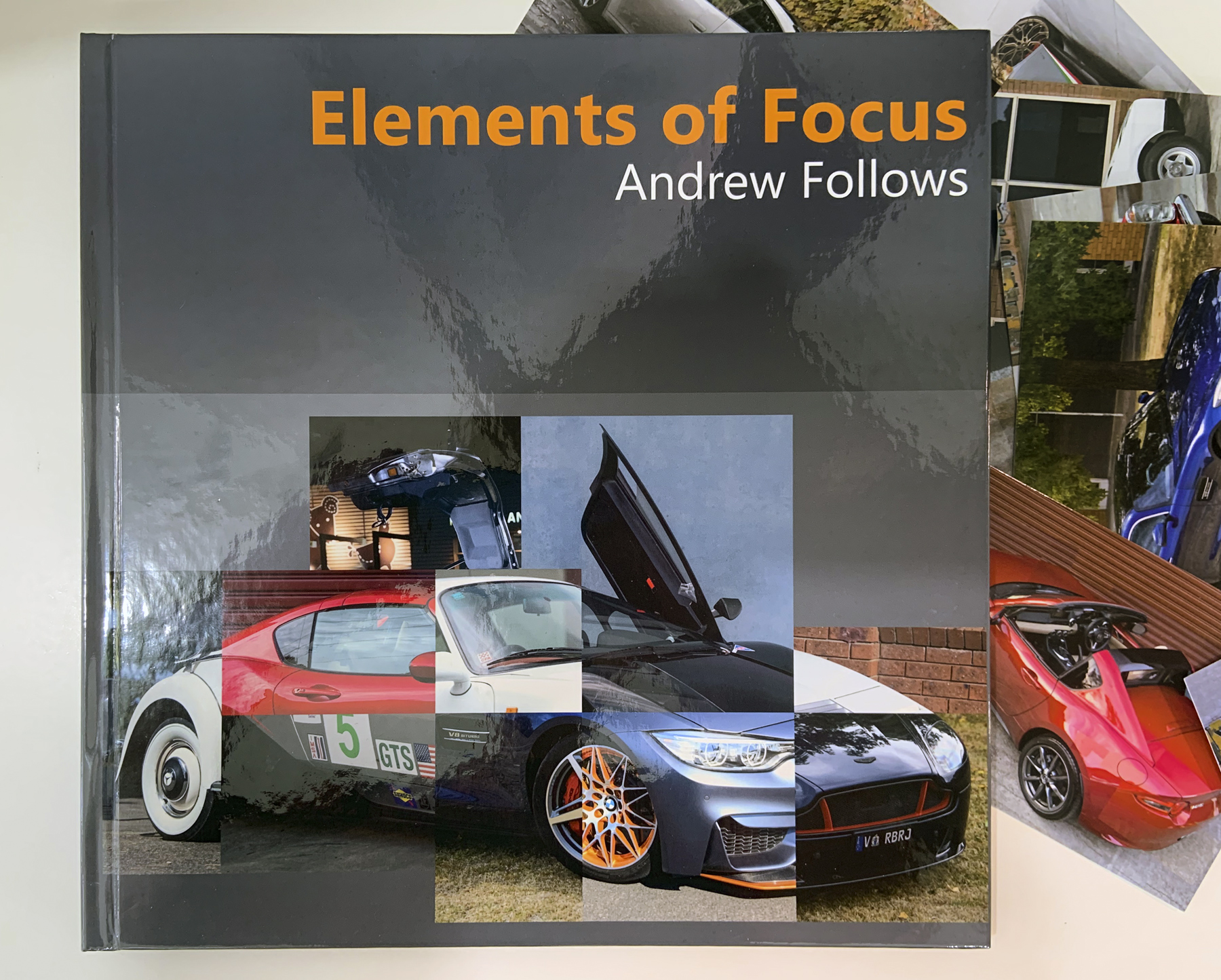
Elements of Focus exhibition book cover
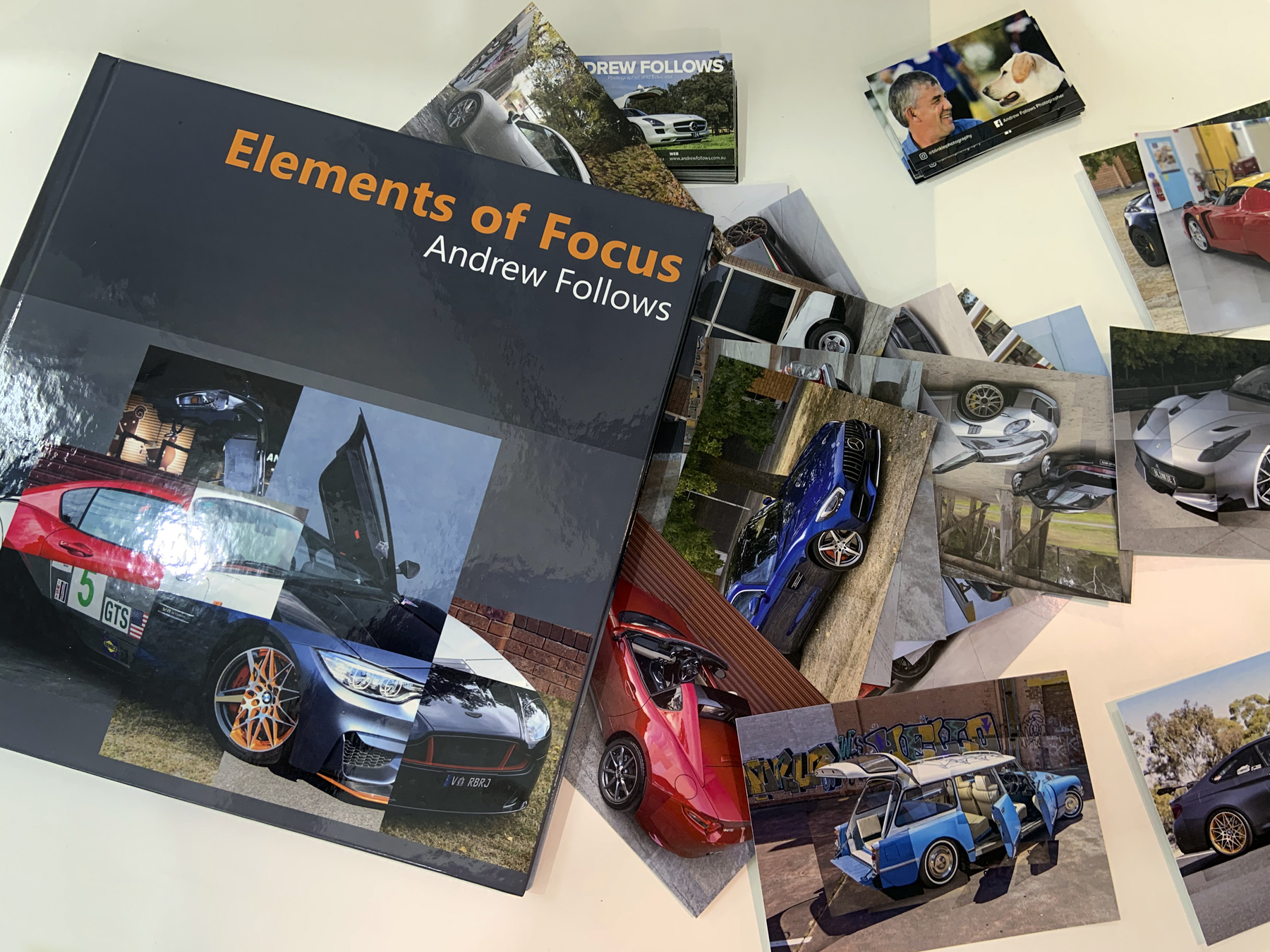
Elements of Focus exhibition book cover and postcards
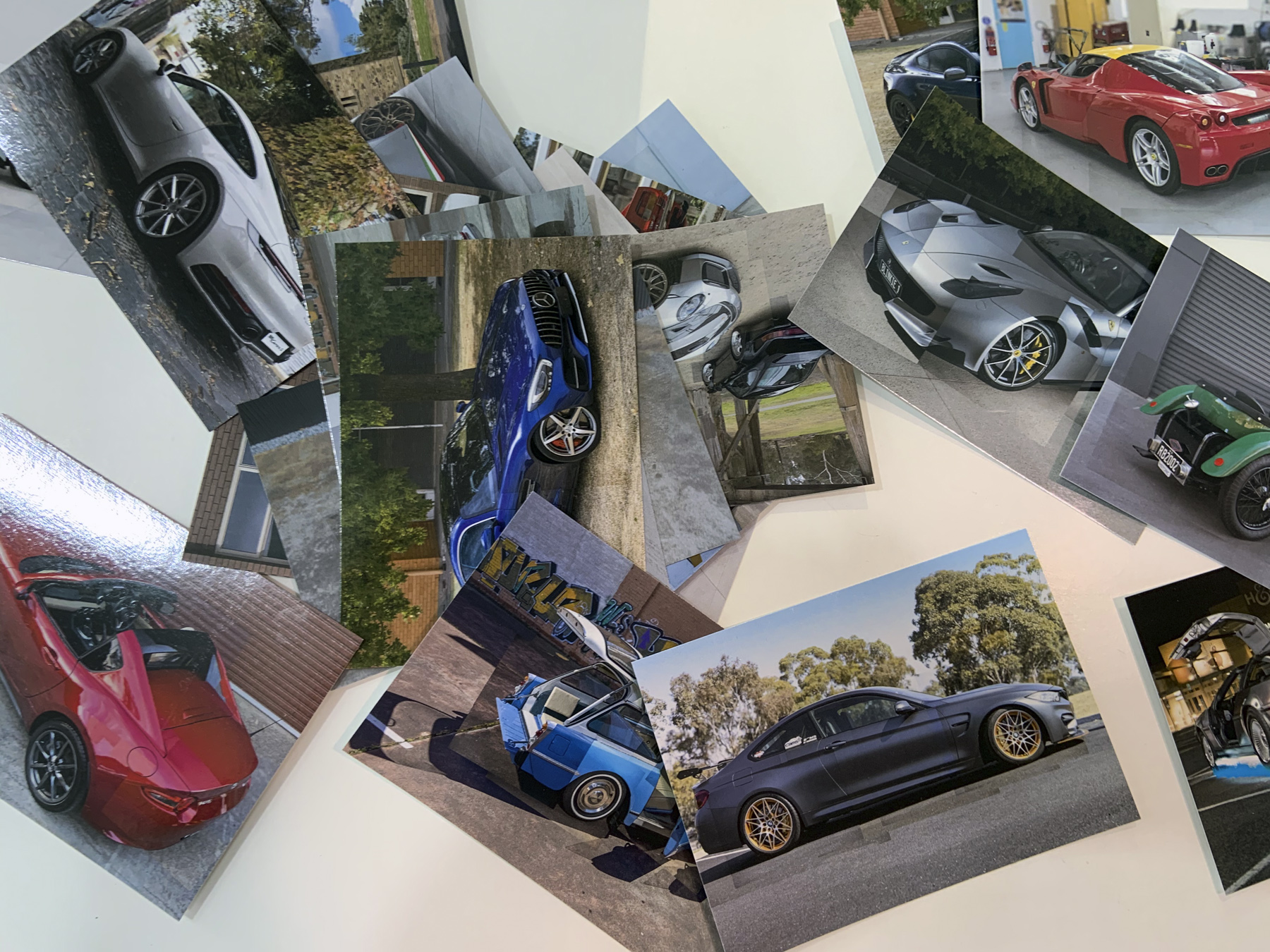
Elements of Focus exhibition postcards
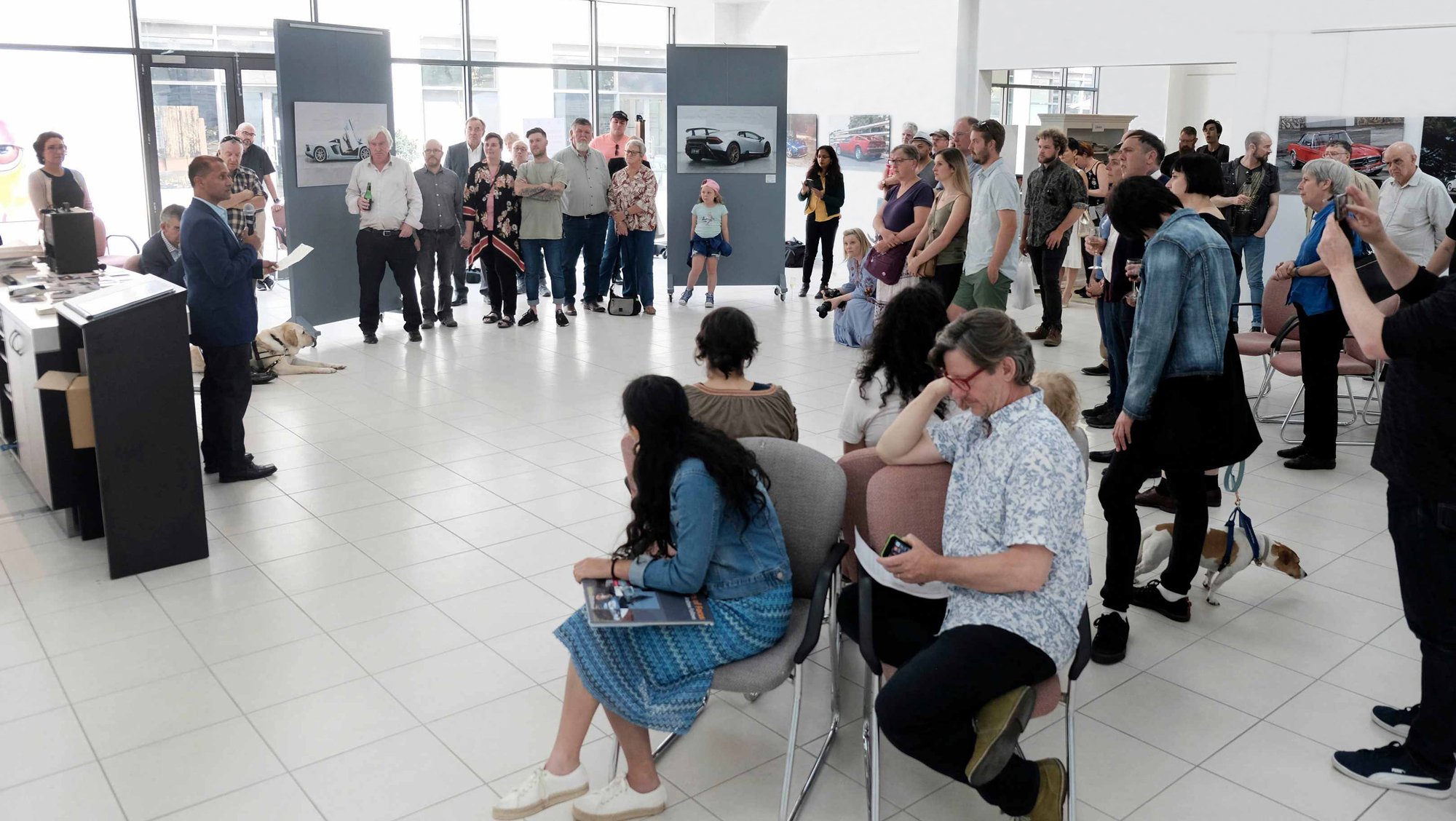
Crowd at the opening of Andrew Follows’ Elements of Focus exhibition at Magnet Galleries Melbourne Photo: Michael Silver
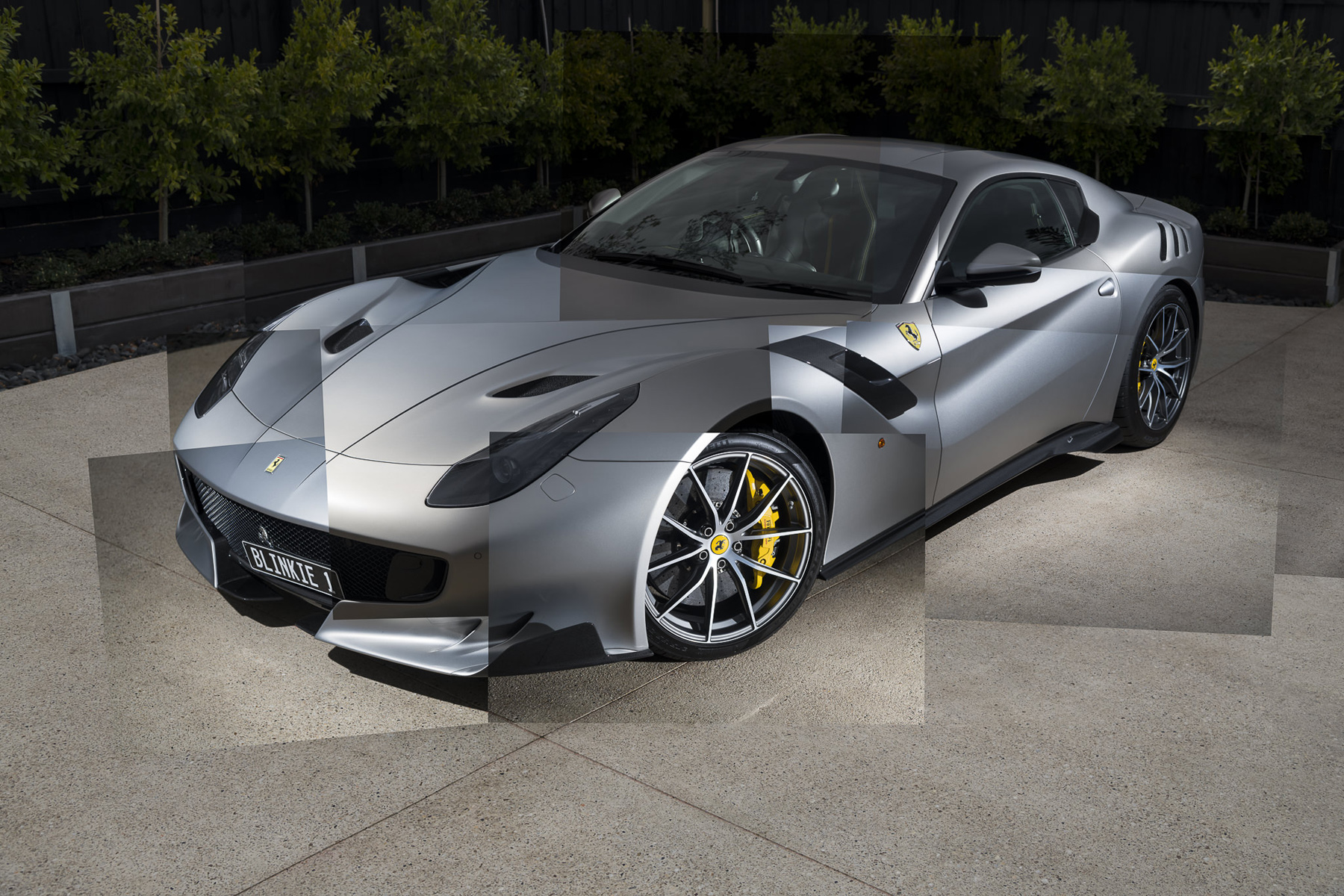
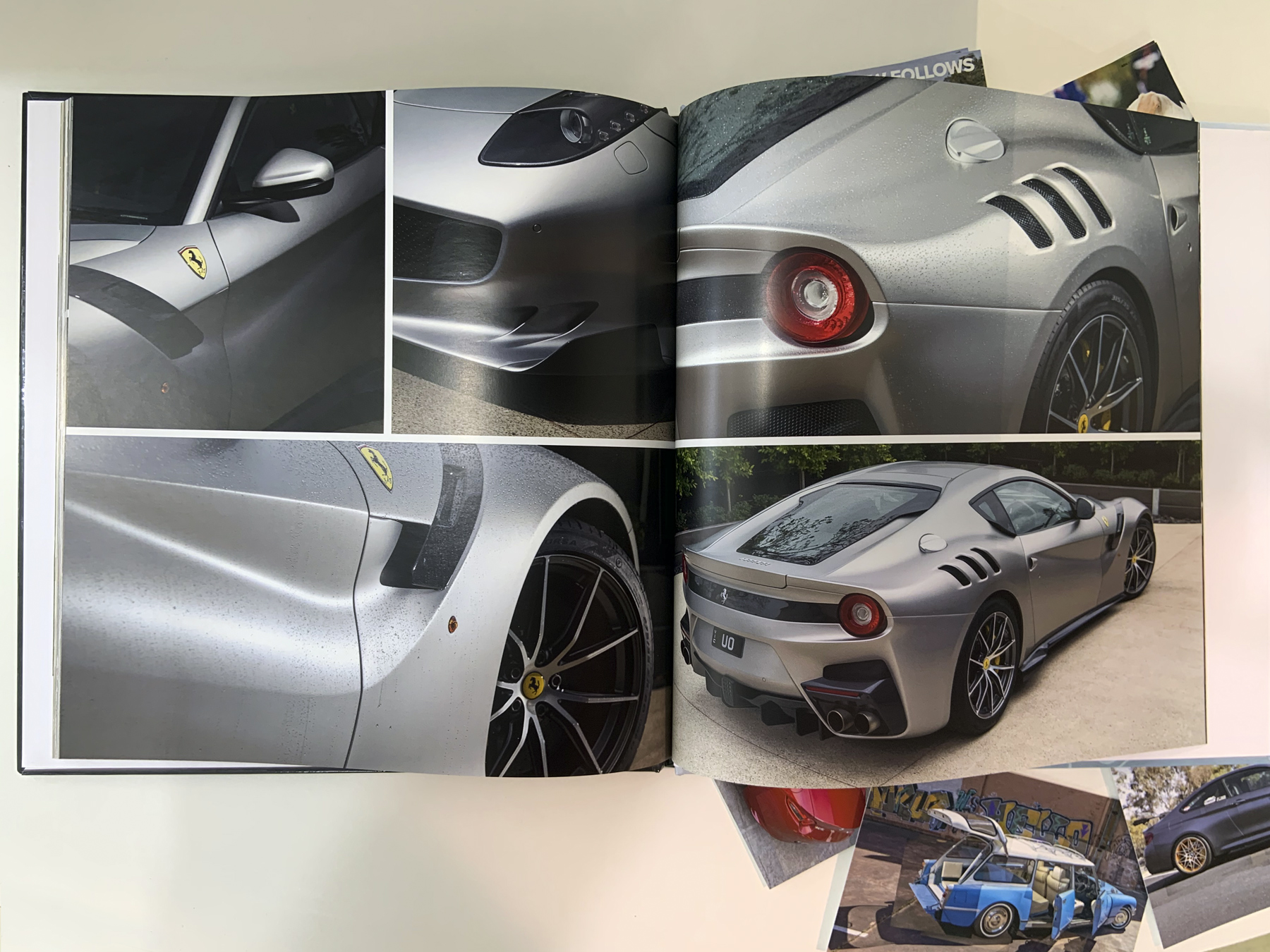
Andrew Follows (Australian, d. 2019) Ferrari F12tdf 2019 Photos used: 12 Year of manufacture: 2017
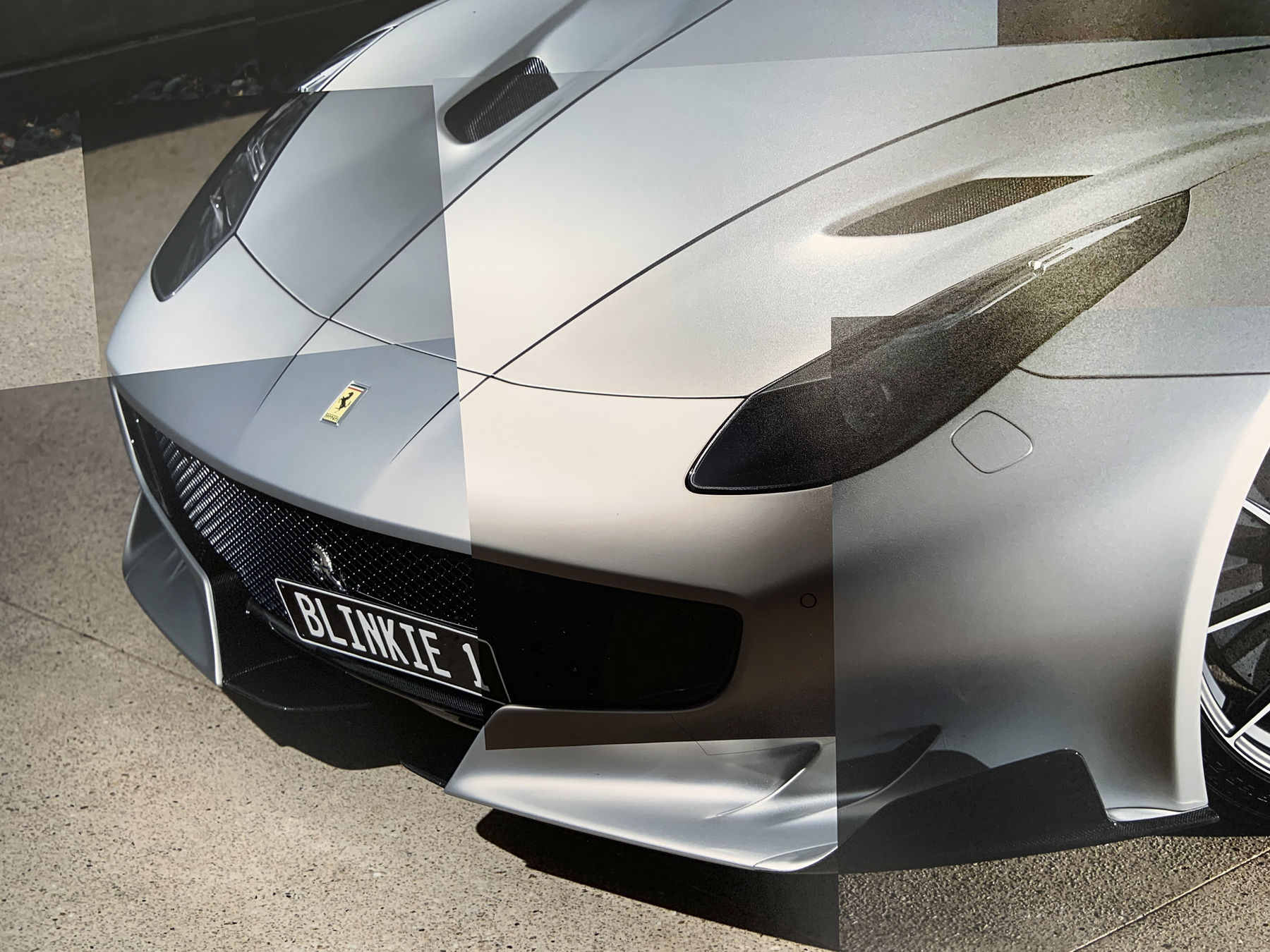
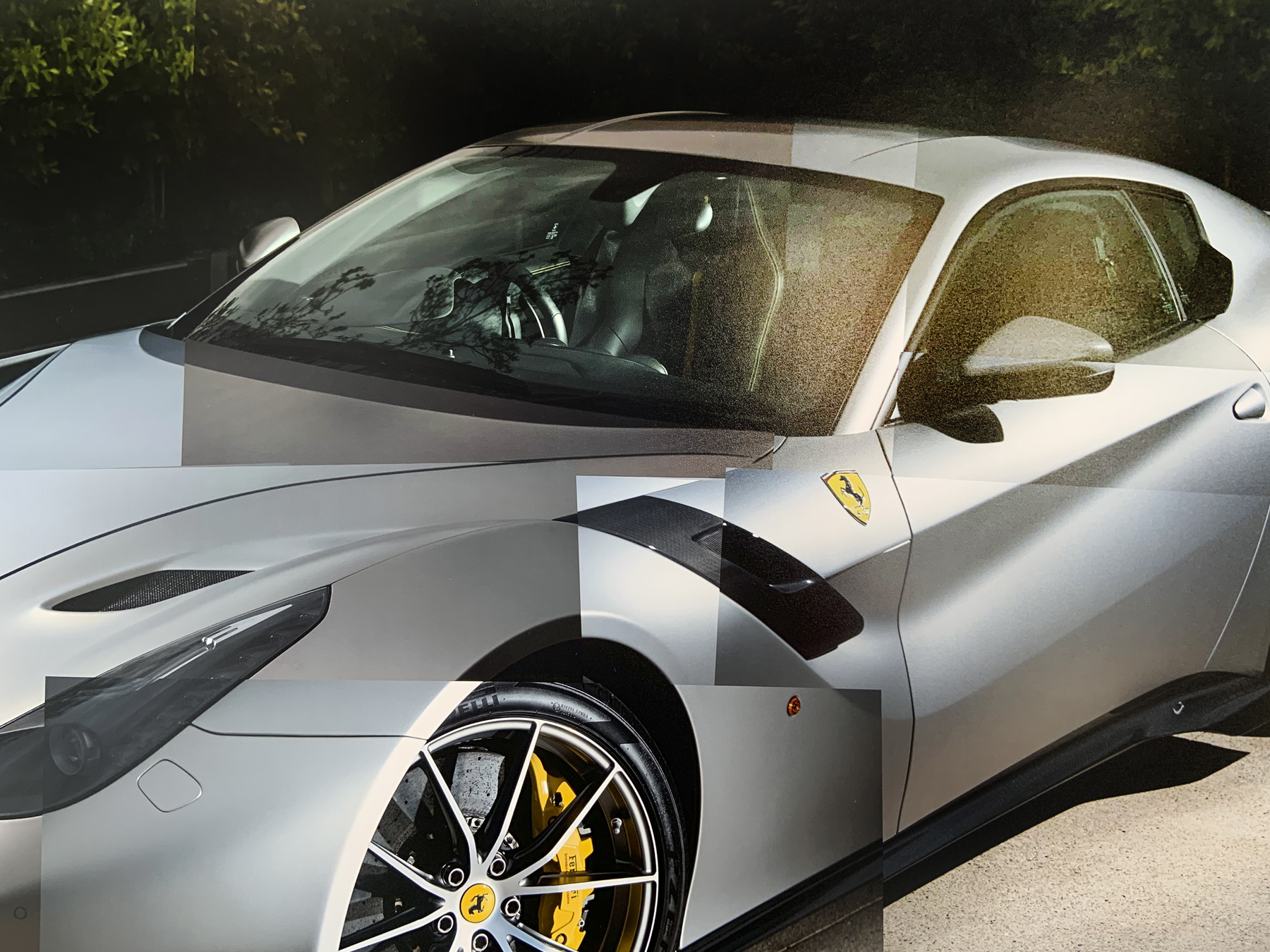
Andrew Follows (Australian, d. 2019) Ferrari F12tdf (details) 2019 Photos used: 12 Year of manufacture: 2017
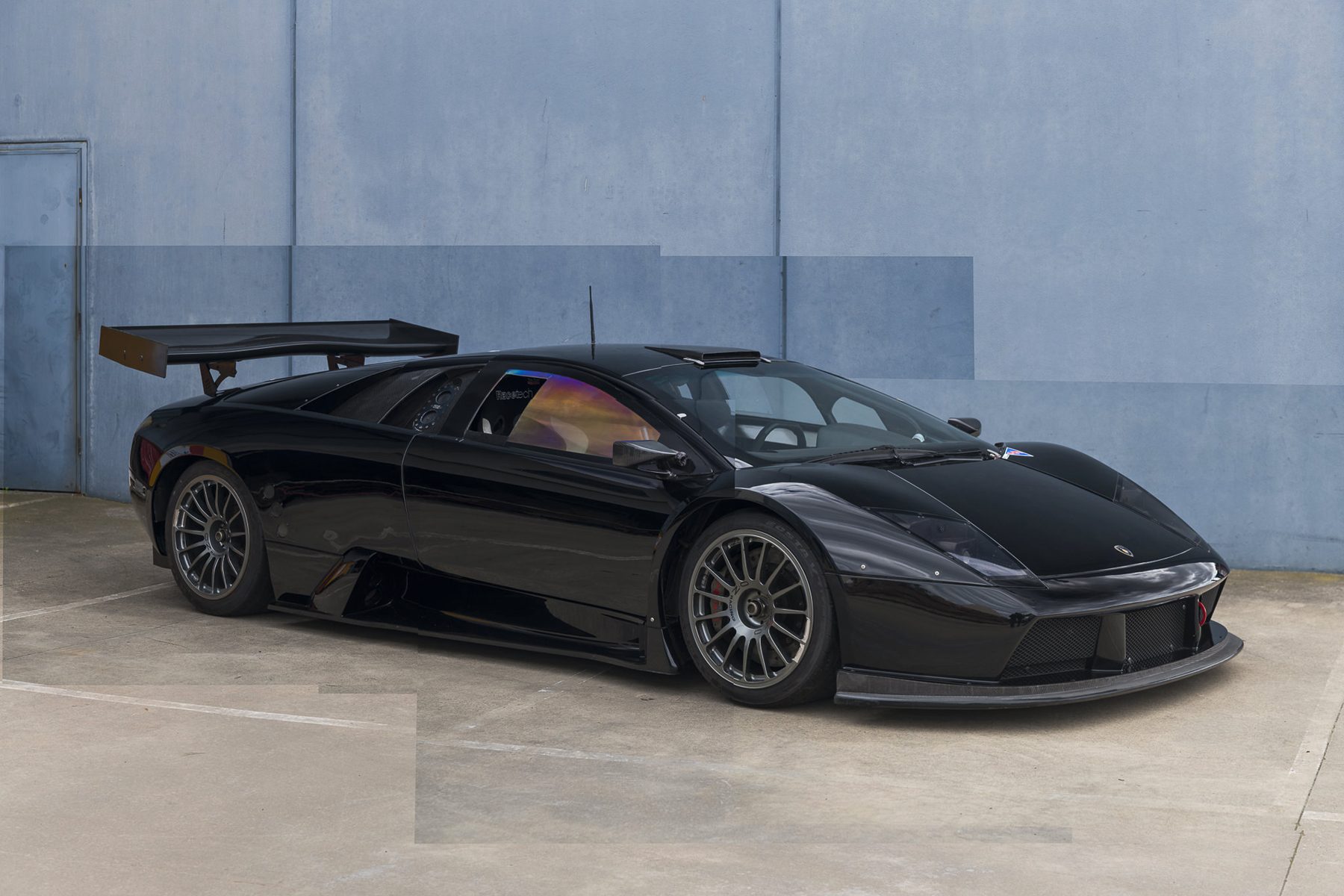
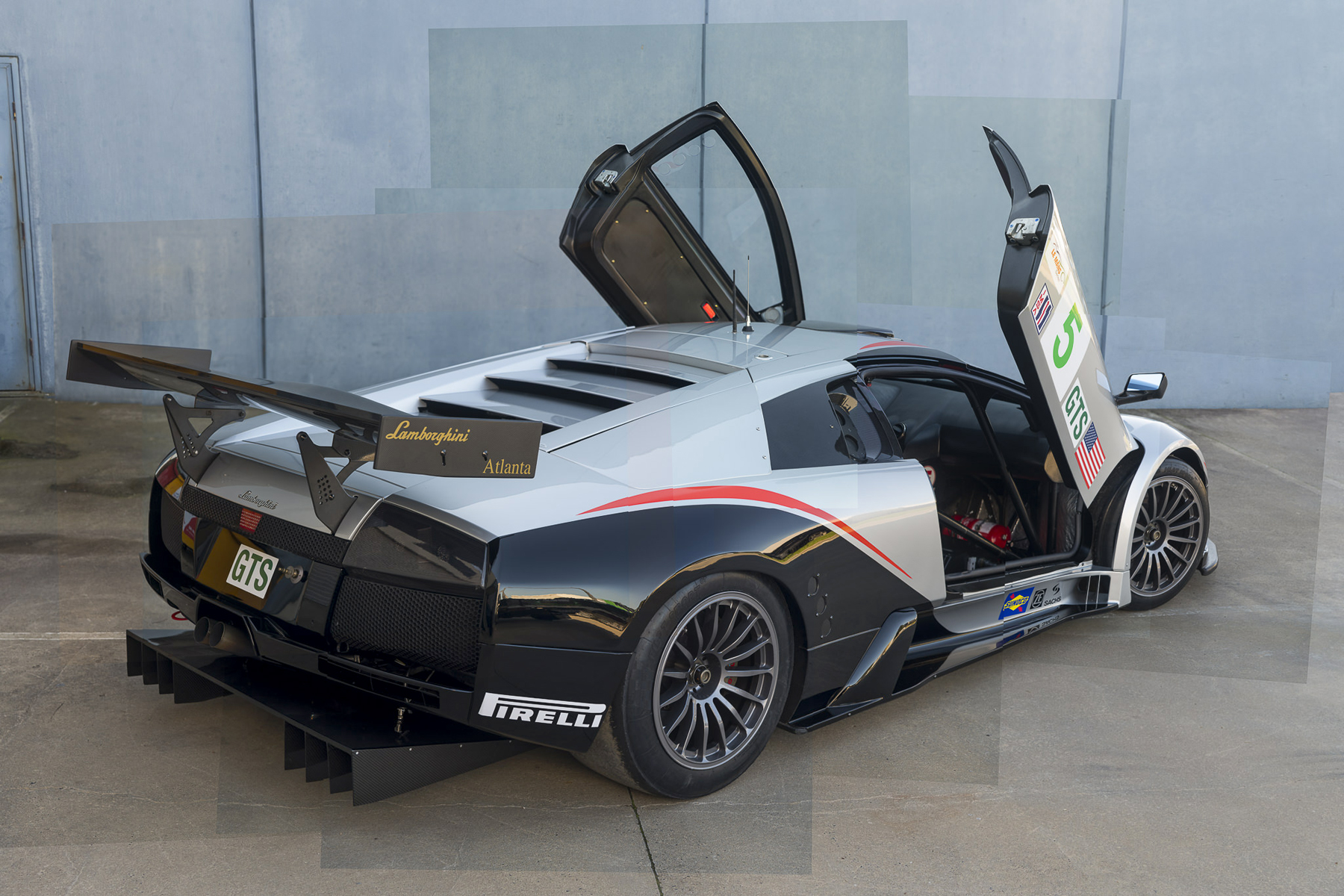
Andrew Follows (Australian, d. 2019) Lamborghini Murcielago R-GT (unrestored) 2019 Photos used: 5 Year of manufacture: 2004
Andrew Follows (Australian, d. 2019) Lamborghini Murcielago R-GT (restored) 2019 Photos used: 13 Year of manufacture: 2004
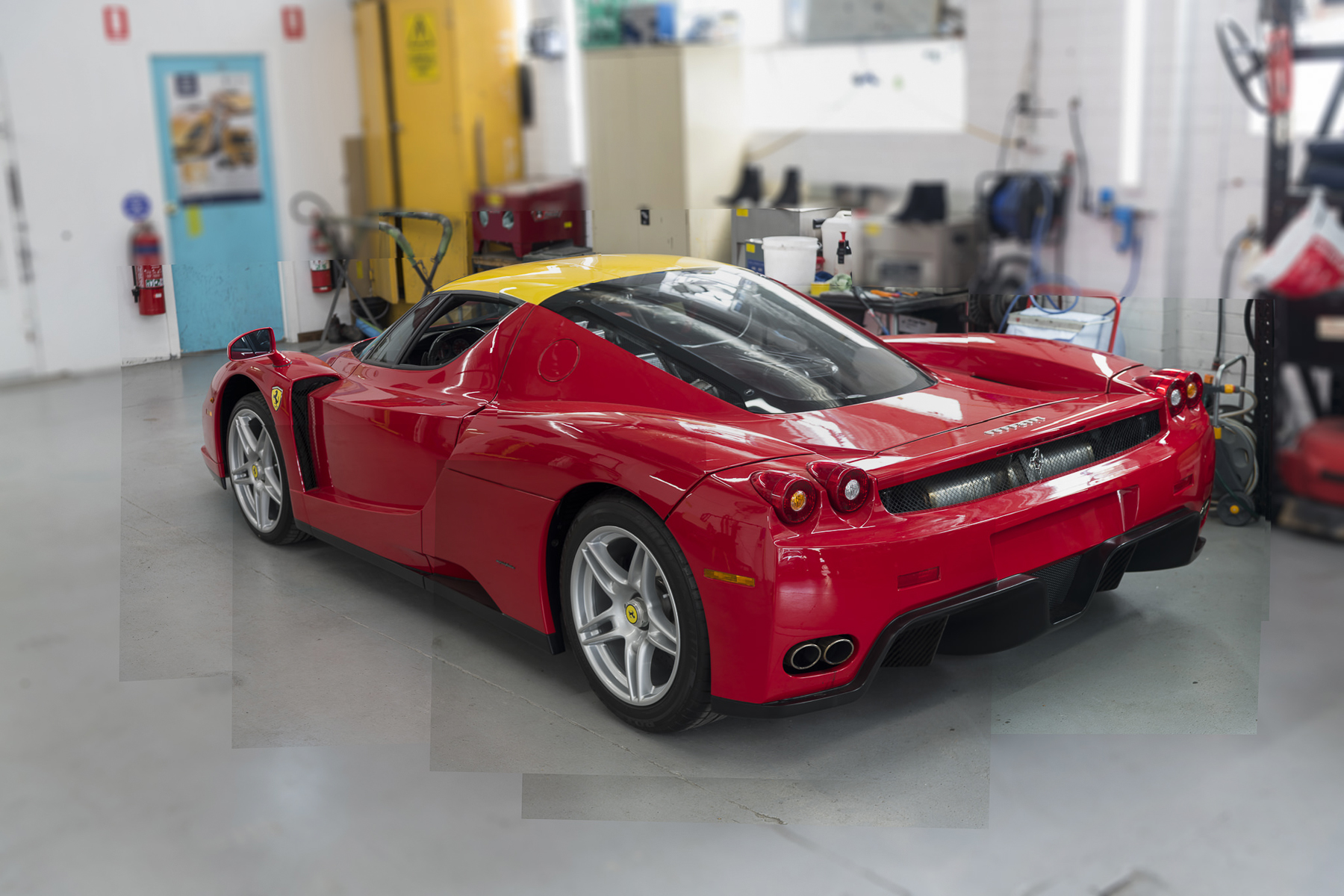
Andrew Follows (Australian, d. 2019) Ferrari Enzo 2019 Photos used: 10 Year of manufacture: 2003
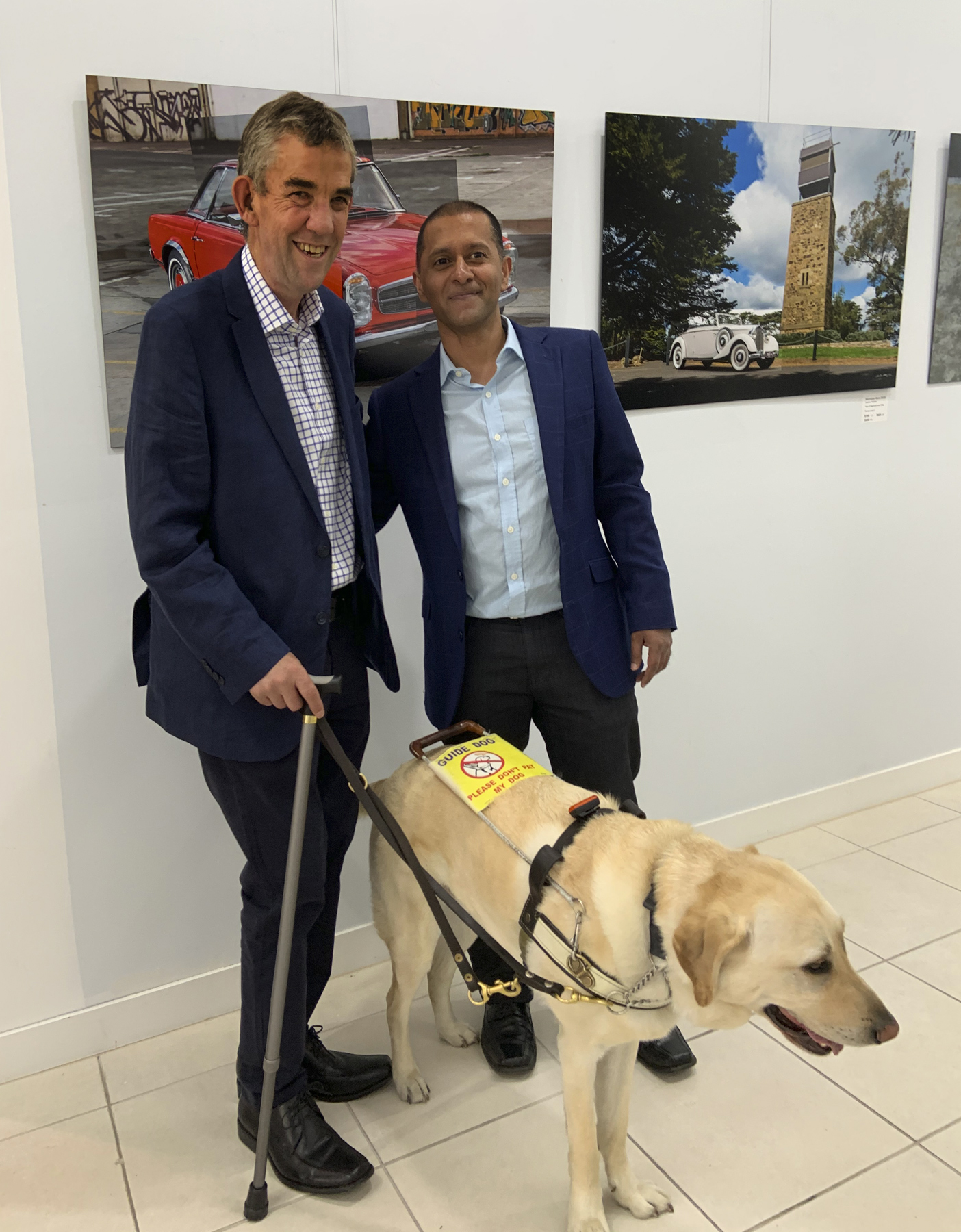
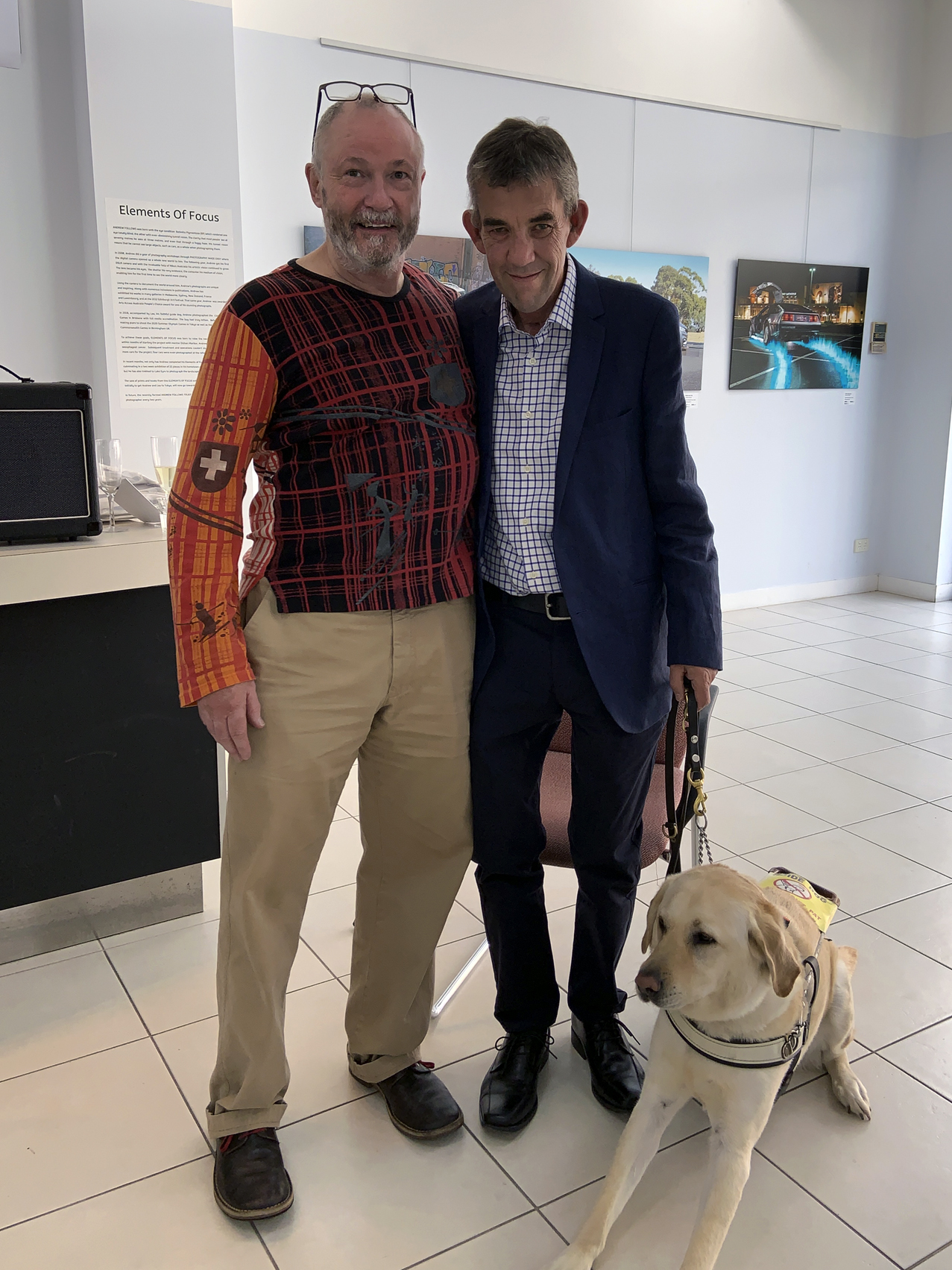
Andrew Follows with his guide dog Leo and his mentor Dishan Marikar at the opening of the exhibition Elements of Focus at Magnet Galleries Melbourne
Elements of Focus is a very important project that brings together my two passions – motor cars and photography. The cars in this project range from some of the rarest to even a few more common examples, but they are being photographed and presented in a way that has never been seen before.
Being a legally blind photographer, who has tunnel vision, my images offer the viewer a different perspective through my lens and take them on a visual journey. I have an eye condition called Retinitis Pigmentosa (RP), a condition which has rendered one eye completely blind with ever diminishing tunnel vision in the other. I can see three metres to most people’s seventy metres, and that through a foggy haze.
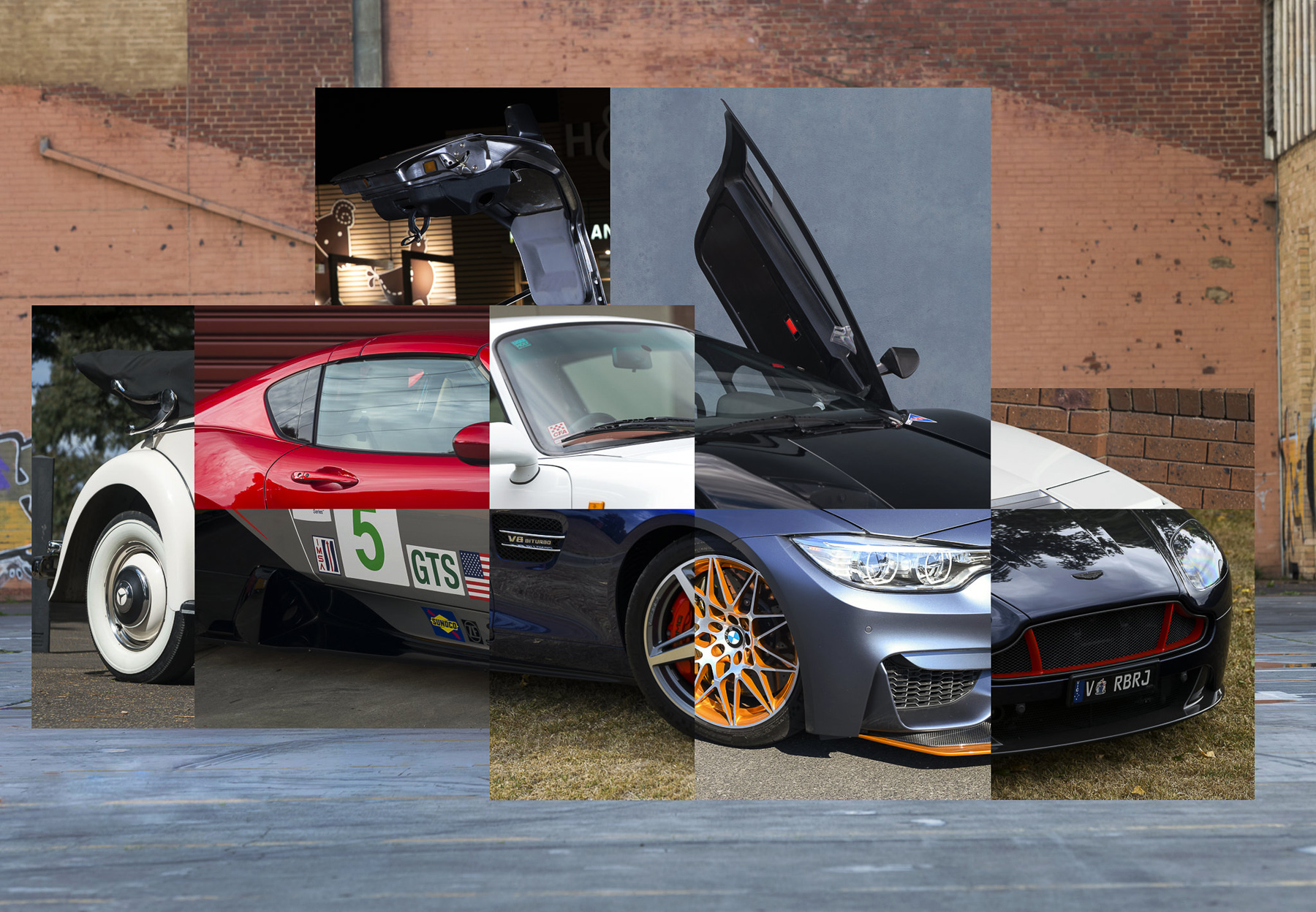
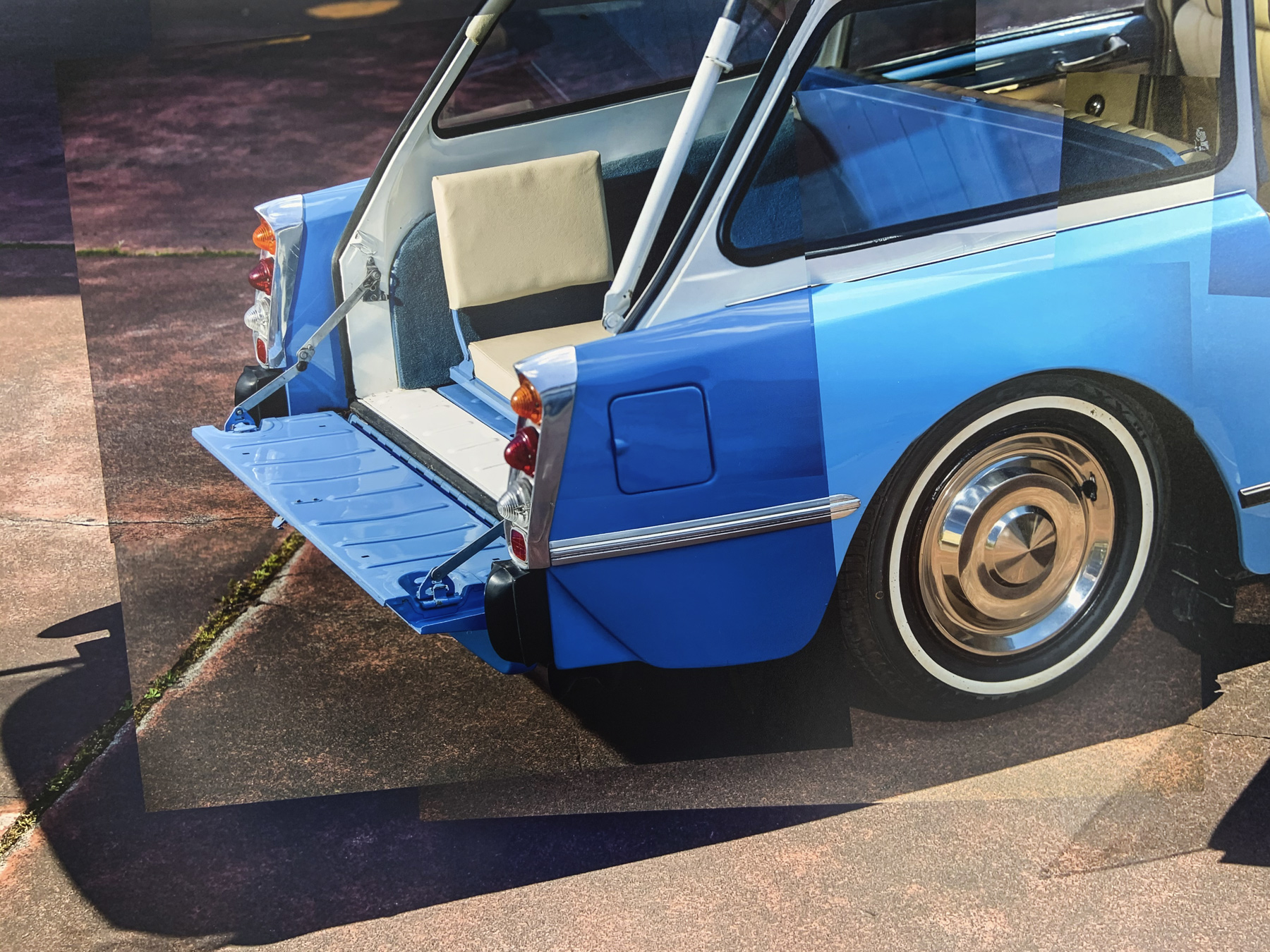
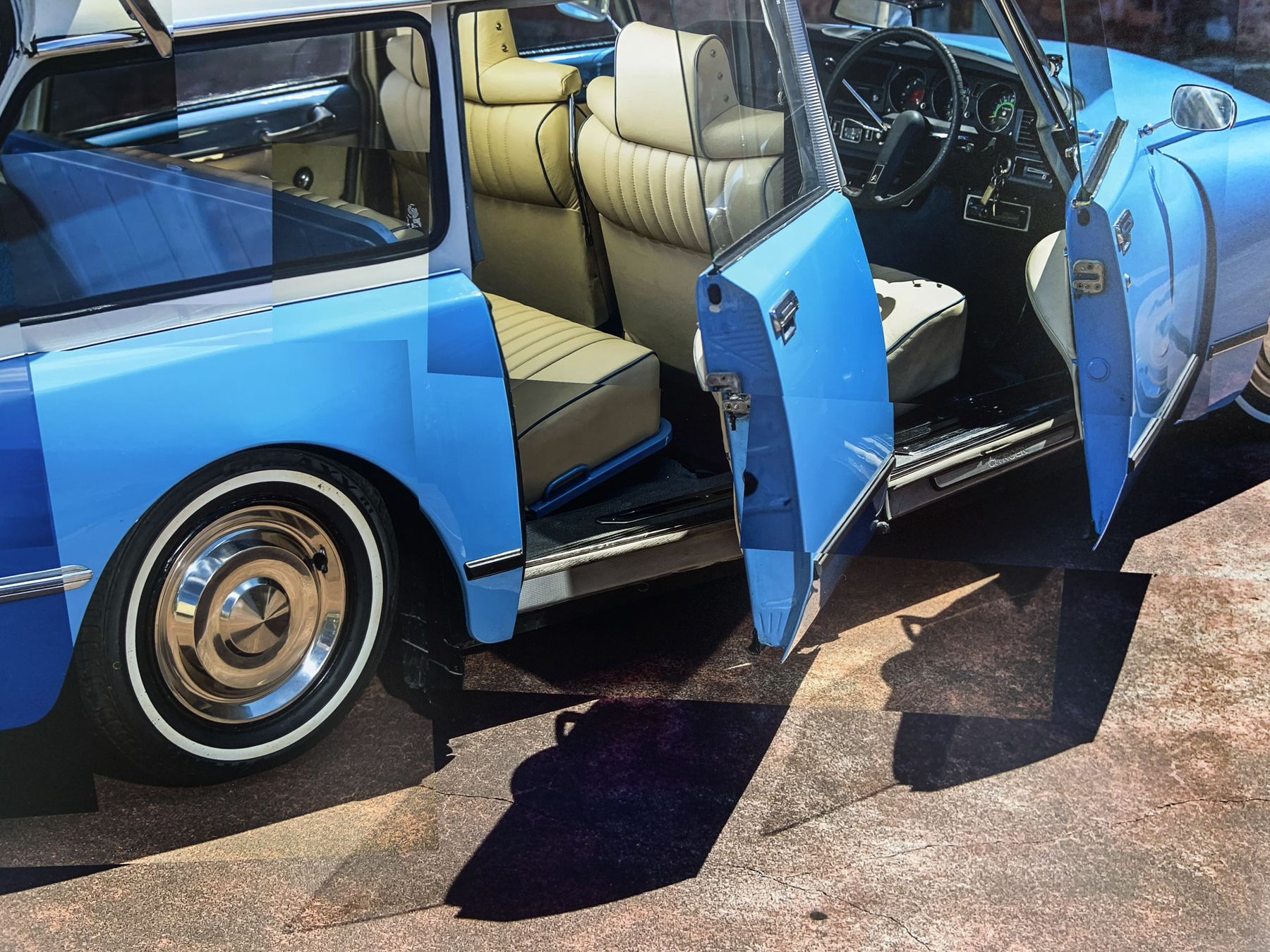
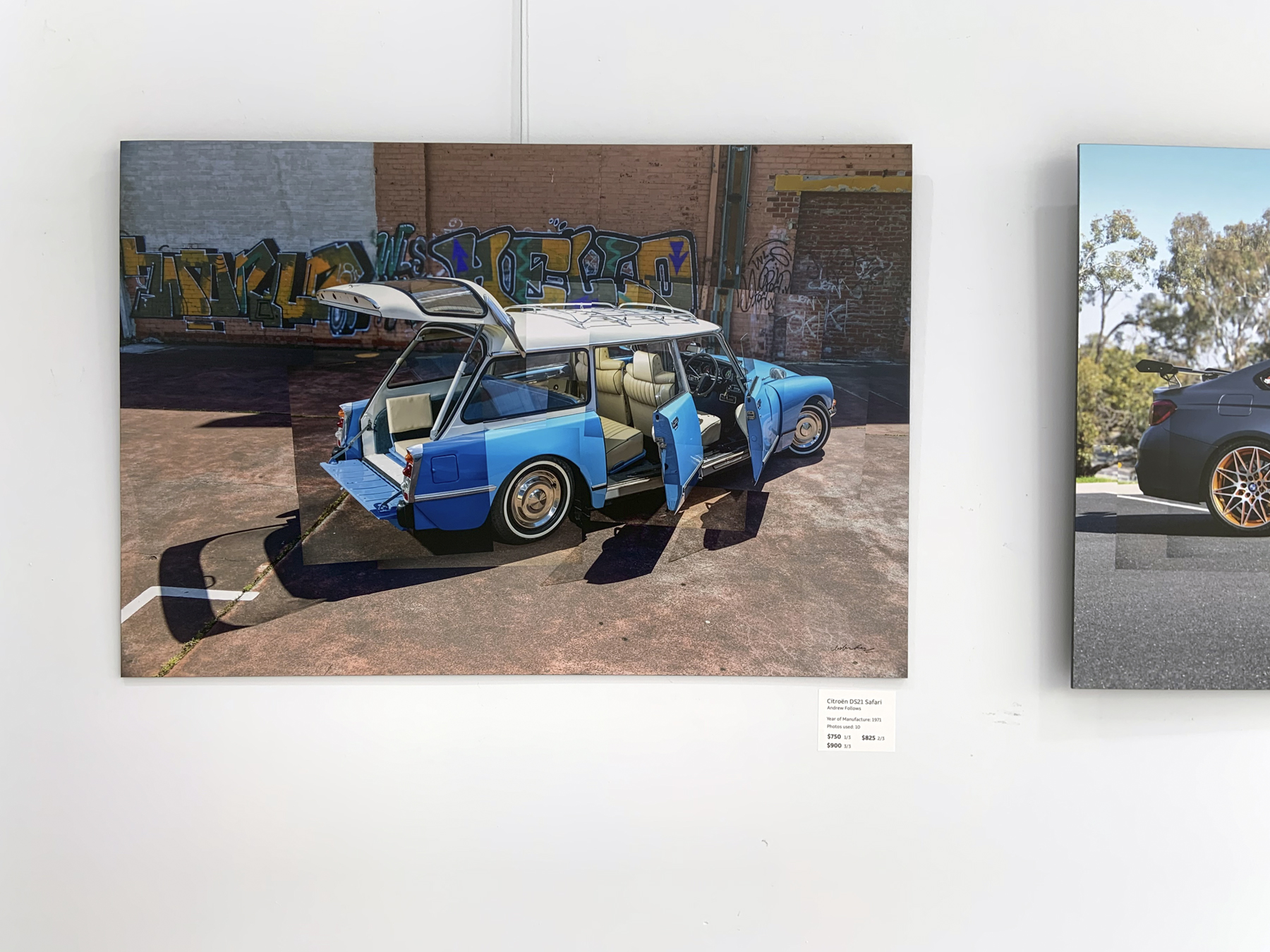
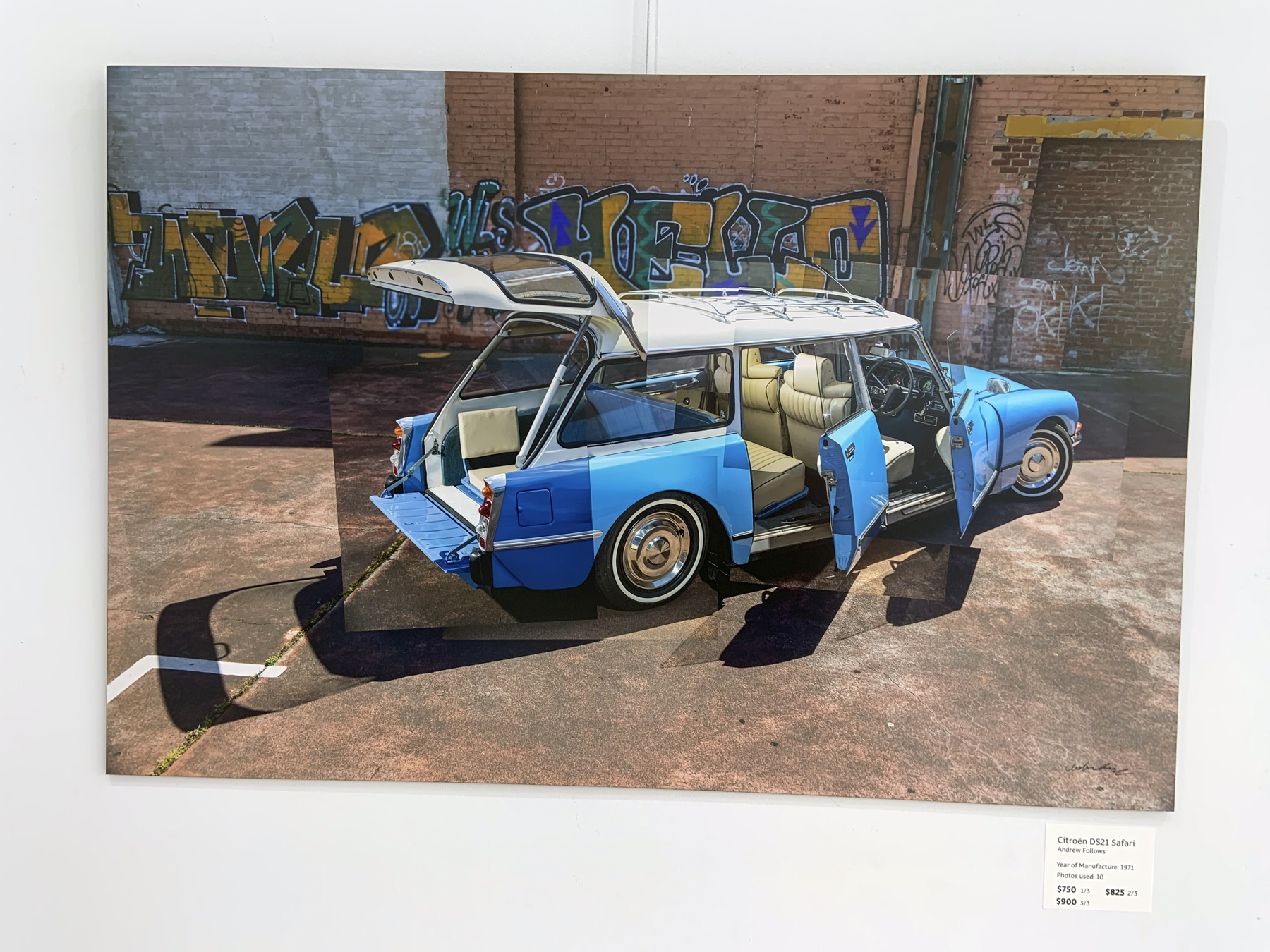
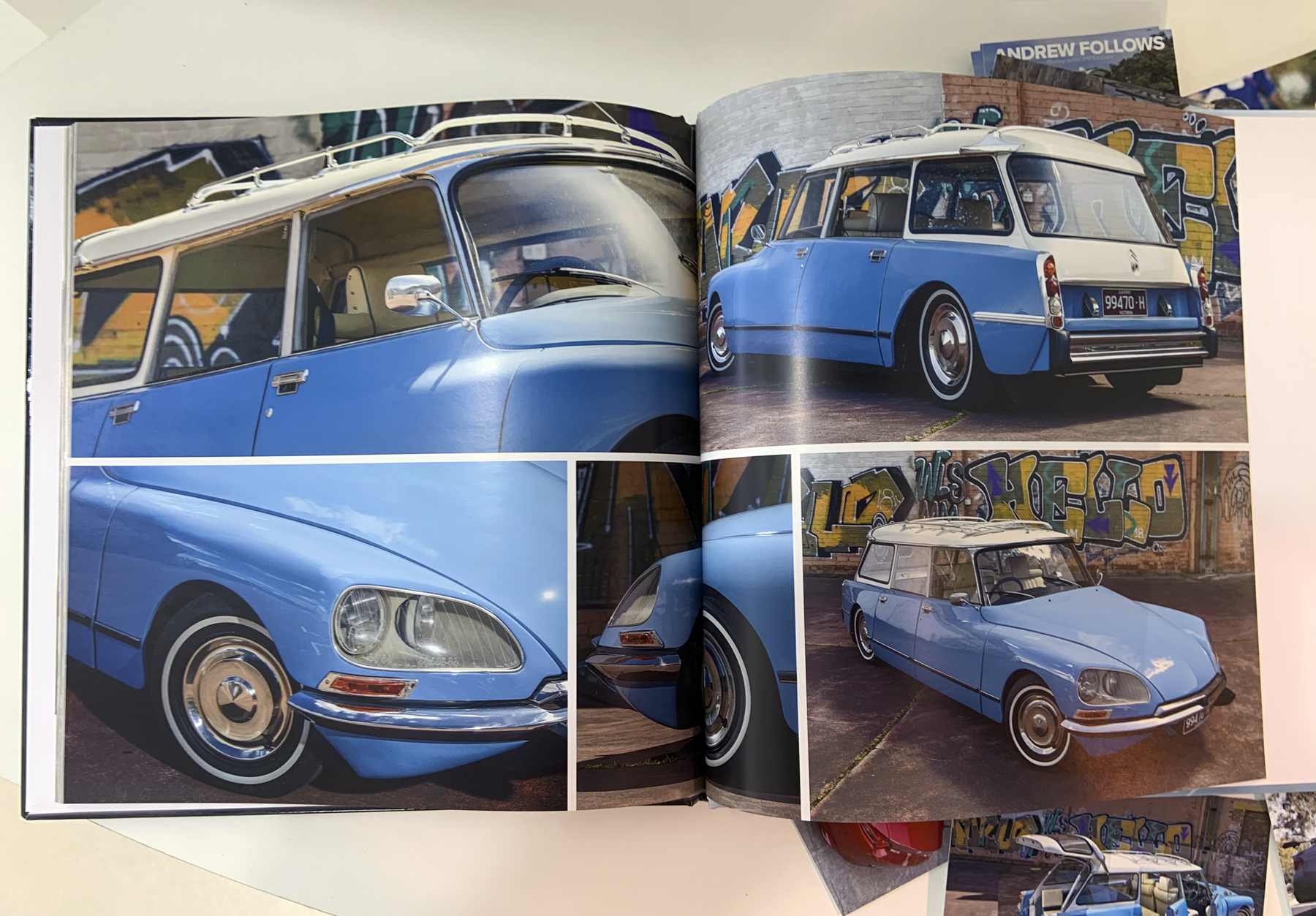
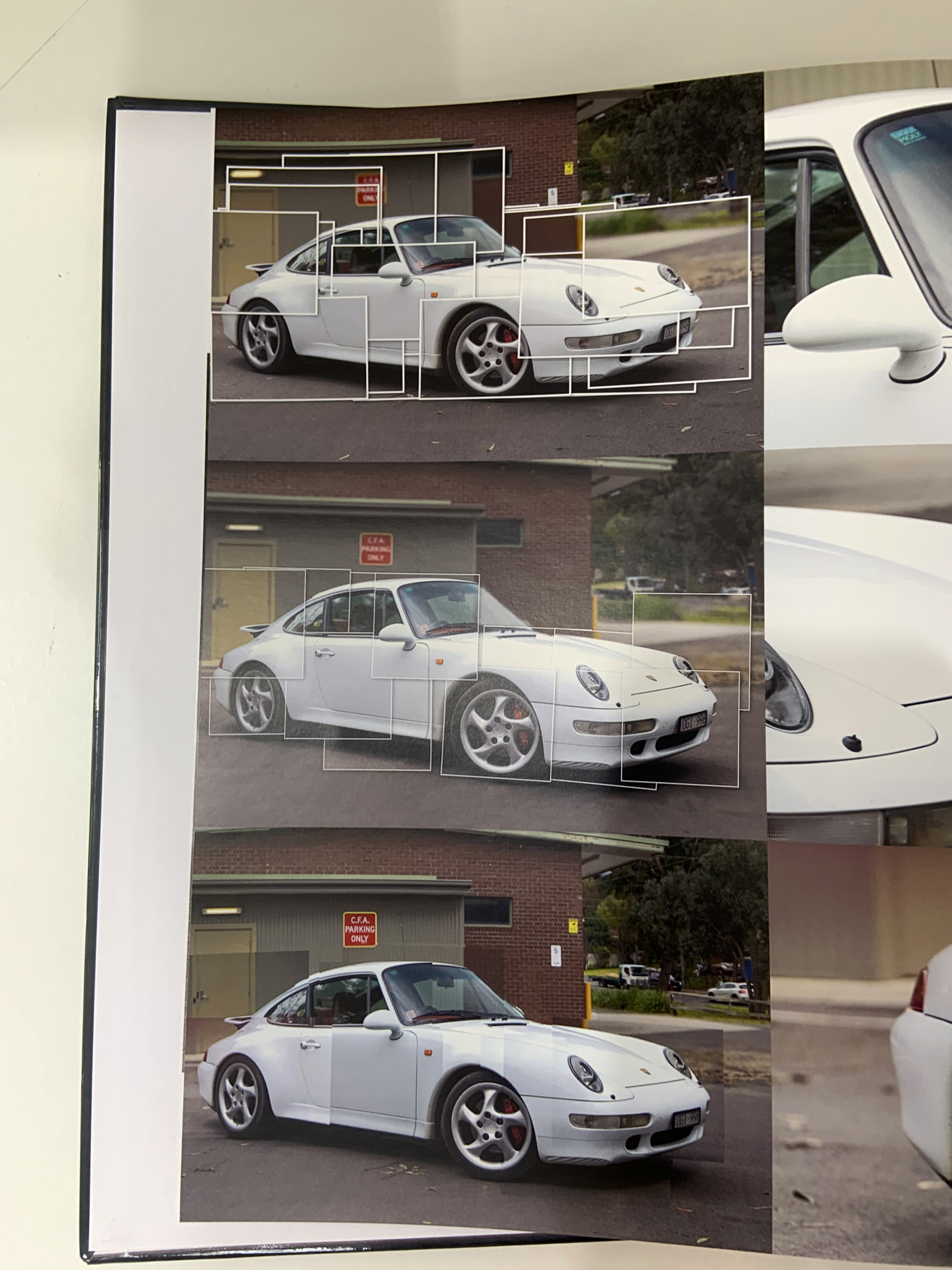
My tunnel vision means that I can’t see the object as a whole when I’m photographing a car, I take shots of each individual element of the car, and then piece the final image together like a jigsaw puzzle.
For this very exciting photographic project, I have been mentored by Dishan Marikar, one of the best car photographers in Melbourne. I am very honoured and proud to have Dishan teach me new skills in the area of photography he is so well known for.
For those of you may not know, I have been diagnosed with cancer of the oesophagus and Elements of Focus may be the last exhibition that I will be able to celebrate with you as I am not well. I’d love to share this important exhibition with my friends, peers and colleagues. Thank you for being part of my journey in photography and life.
Andrew Follows
Text from the Andrew Follows website November 7, 2019 [Online] Cited Saturday 07/12/2019
Andrew Follows (Australian, d. 2019) Porsche 991 911 GT2 RS 2019 Photos used: 16 Year of manufacture: 2018
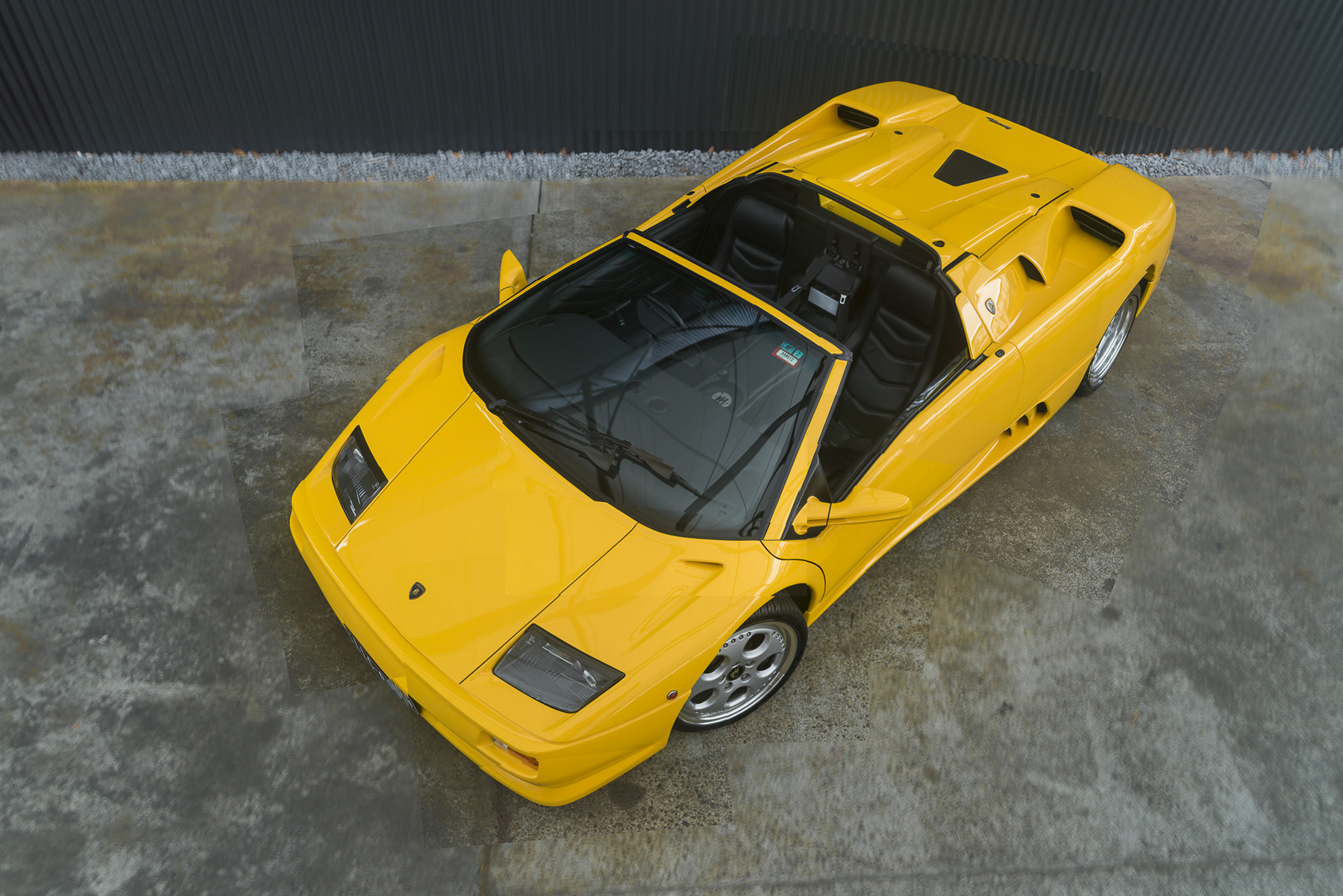
Andrew Follows (Australian, d. 2019) Lamborghini Diablo Roadster 2019 Photos used: 21 Year of manufacture: 1999
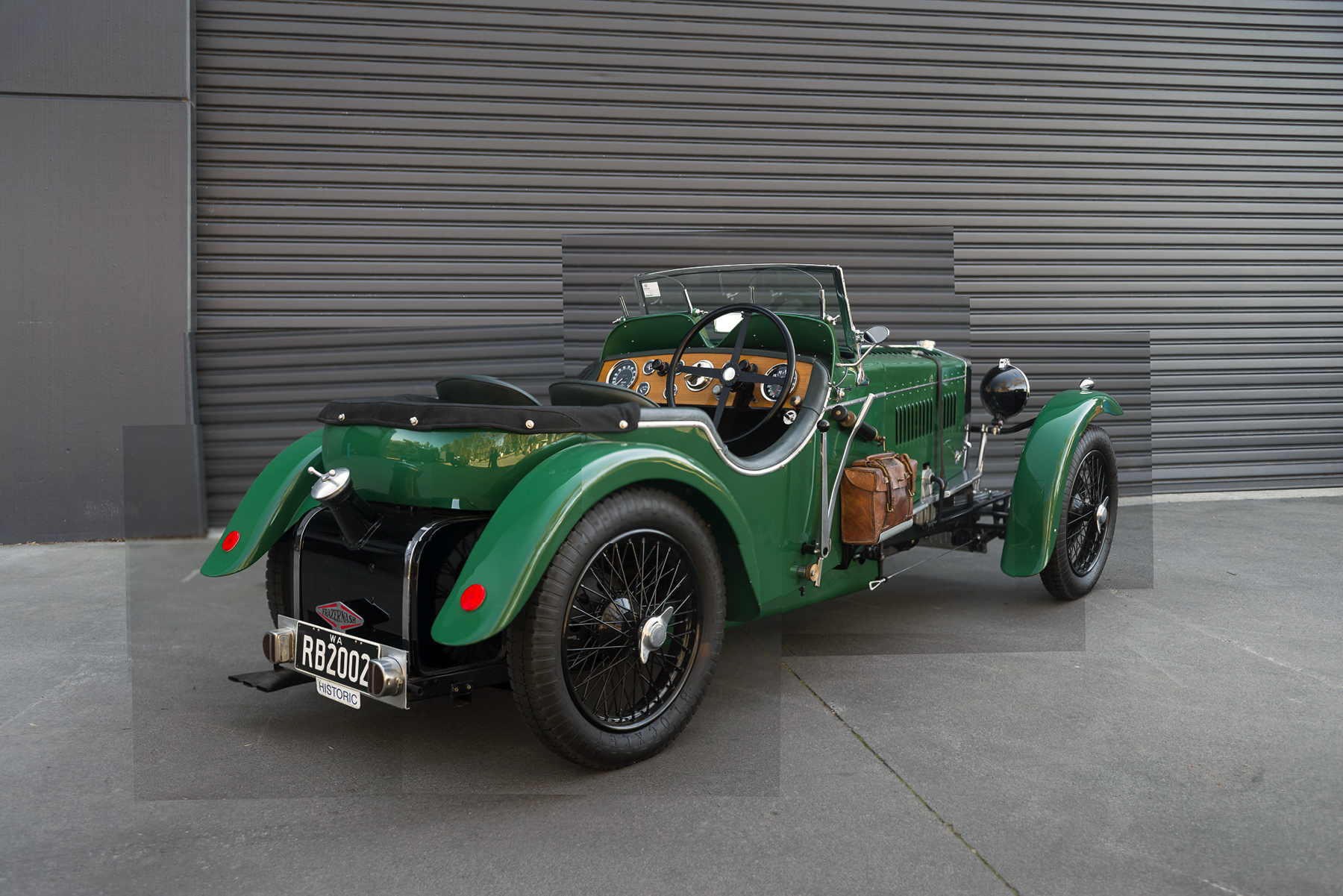
Andrew Follows (Australian, d. 2019) Frazer Nash TT 2019 Photos used: 11 Year of manufacture: 1932
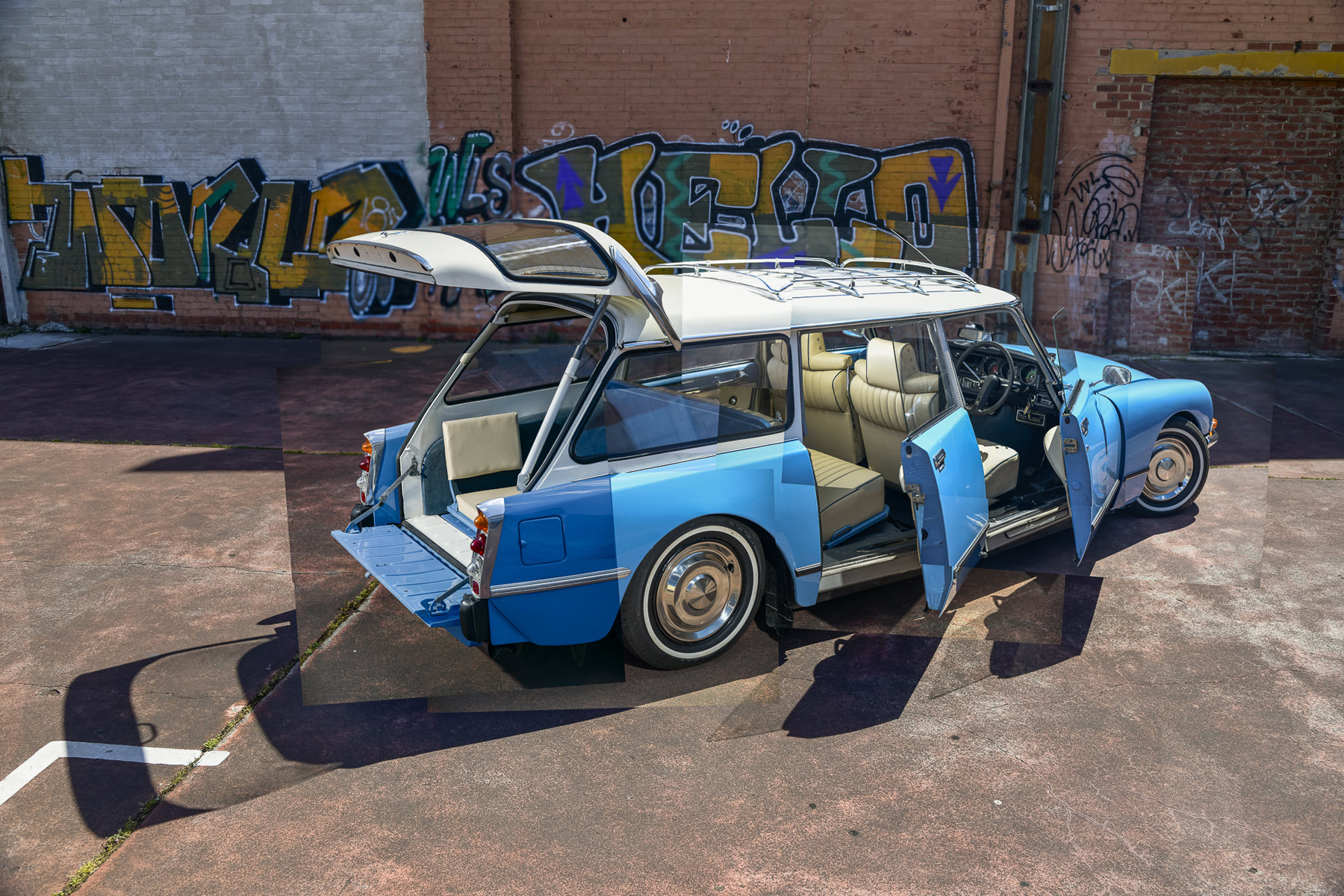
Elements Of Focus is a very important project that brings together the two passions of Andrew Follows: motor cars and photography. The cars in this project range from some of the rarest in Australia to even a few common examples, but they are being photographed and presented in a way that has never been seen before. Being a legally blind photographer with tunnel vision, Andrew’s images offer viewers a different perspective through his lens as he takes them on a visual journey.
“My tunnel vision means that I can’t see the object as a whole. When I’m photographing a car, I take shots of each individual element of the car, and then piece the final image together like a jigsaw puzzle.”
For this very exciting photographic project, Andrew has been mentored by Dishan Marikar, one of the best car photographers in Melbourne.
The exhibition is being held in December at Magnet Gallery in Docklands, a highly respected photography gallery in Melbourne.
“I am very honoured and proud to have Dishan teach me new skills in the area of photography he is so well known for. The team at Magnet has been great to work with and I am very excited to showcase my Elements Of Focus project there.”
Text from the Magnet Galleries Melbourne website [Online] Cited Saturday 07/12/2019
Andrew Follows (Australian, d. 2019) Citroën DS21 Safari 2019 Photos used: 10 Year of manufacture: 1971
Andrew Follows (Australian, d. 2019) Citroën DS21 Safari (details) 2019 Photos used: 10 Year of manufacture: 1971
Installation views of Andrew Follows Citroën DS21 Safari 2019 at the exhibition Elements of Focus at Magnet Galleries Melbourne
Pages from the Elements of Focus book showing photographic fragmentation and stitching process
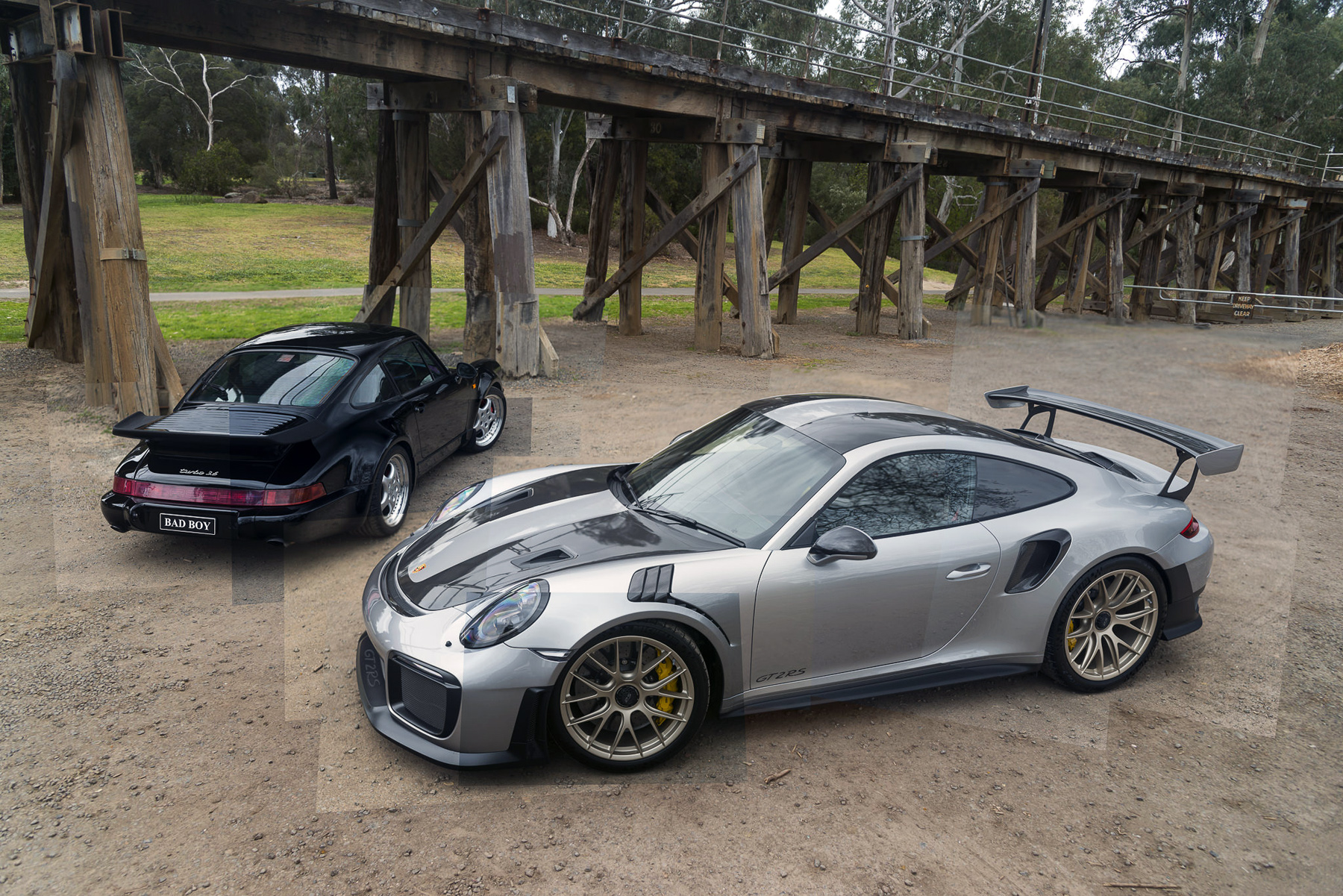
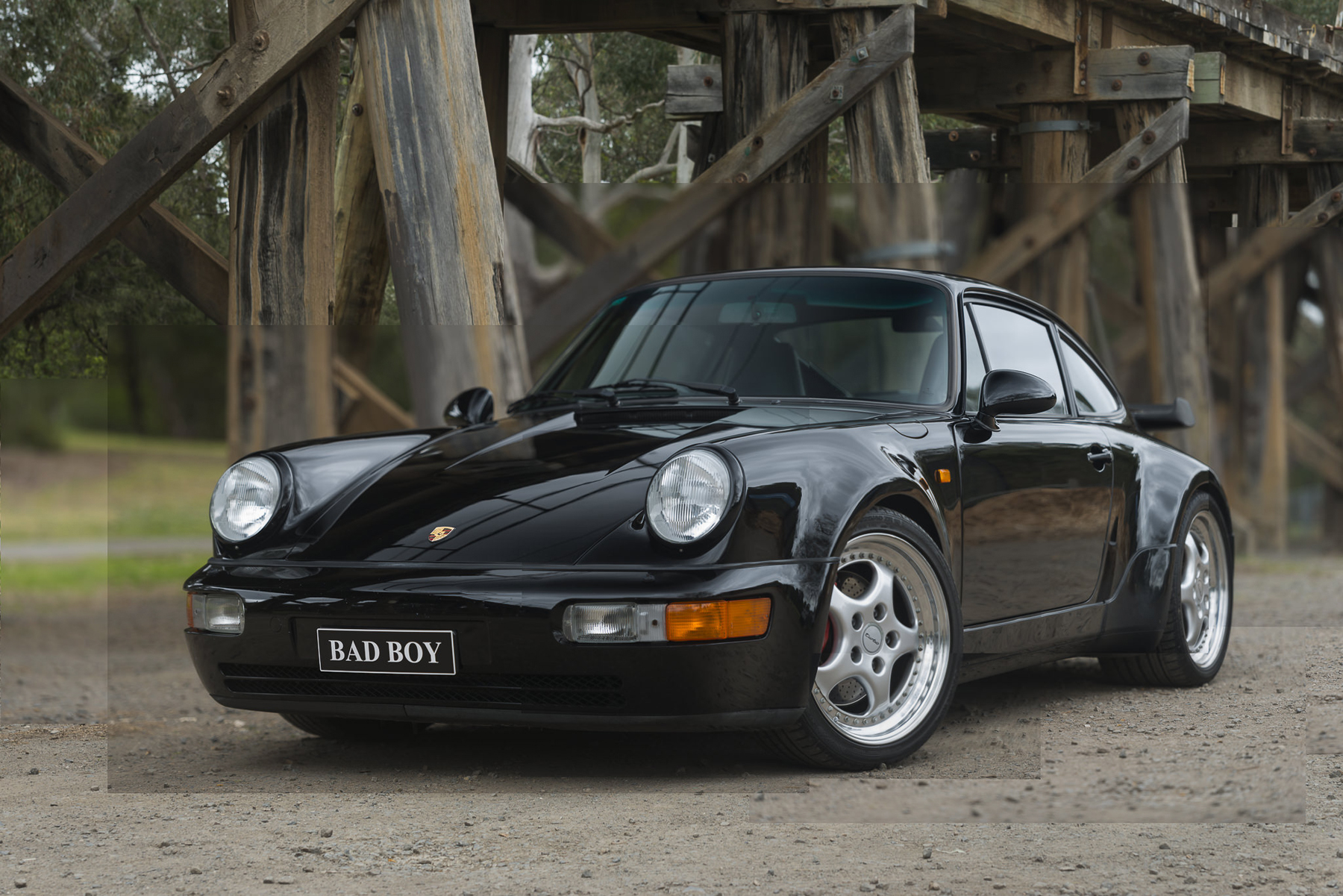
Andrew Follows (Australian, d. 2019) Porsche 964 991 Turbo 3.6 2019 Photos used: 9 Year of manufacture: 1994
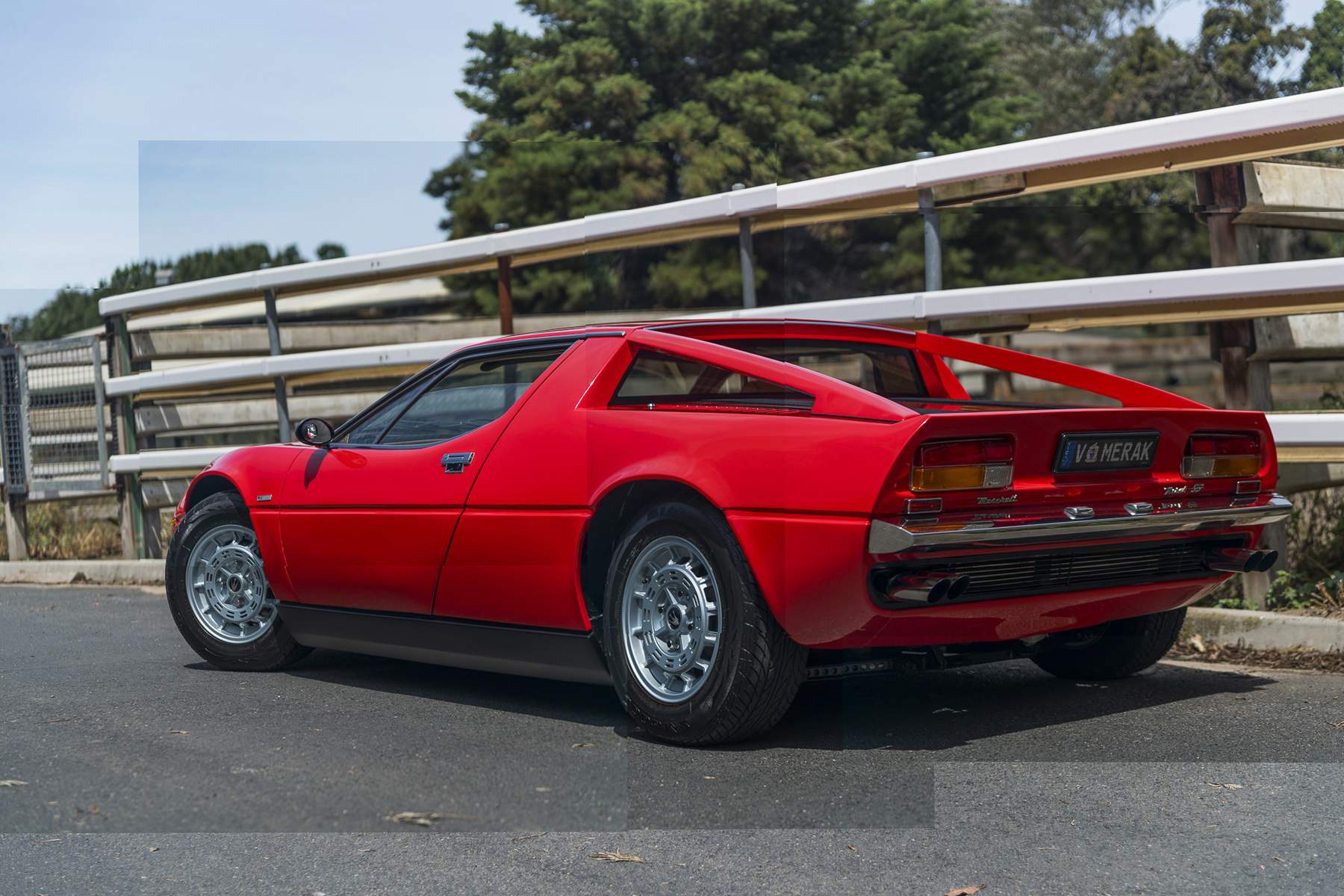
Andrew Follows (Australian, d. 2019) Maserati Merak SS 2019 Photos used: 9 Year of manufacture: 1978
Marcus Bunyan with his friend Andrew Follows at the opening of his exhibition Elements of Focus at Magnet Galleries Melbourne
Magnet Galleries Melbourne SC G19 Wharf St, The District, Docklands, Victoria, 3008 Australia Phone: +61 (0) 3 8589 0371
Remembering all my lovers, friends, and everyone who has passed or been affected by this disease on World AIDS Day.
To survive the initial wave was just luck of the draw. We lost so many people. Thinking of you all.
Marcus xx
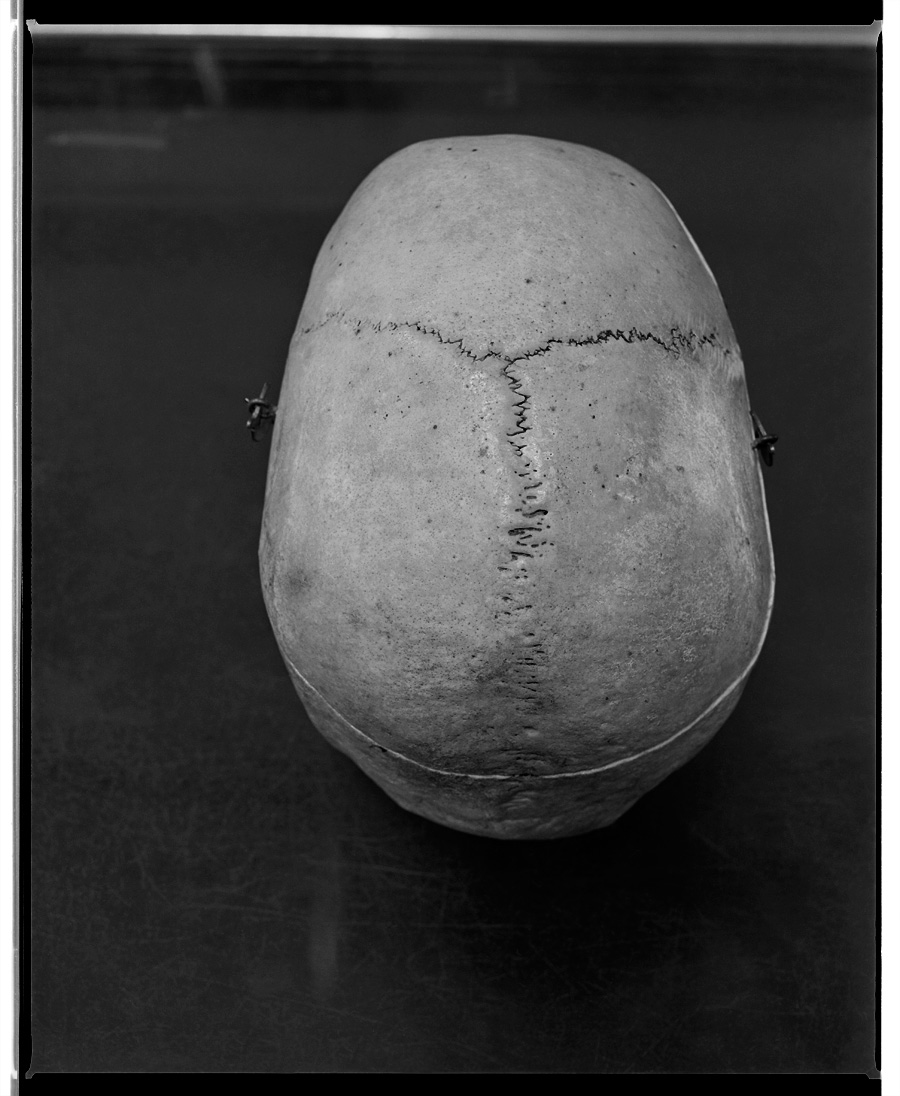
The titles from this period tend to be poetic, pragmatic or composed, like Japanese haiku. The two photographs How will it be when you have changed and Tell me your face before you were born (1994, above) were included in the seminal exhibition Don’t Leave Me This Way: Art in the Age of AIDS at the National Gallery of Australia in 1994. Please click on the photographs for a larger version of the image.
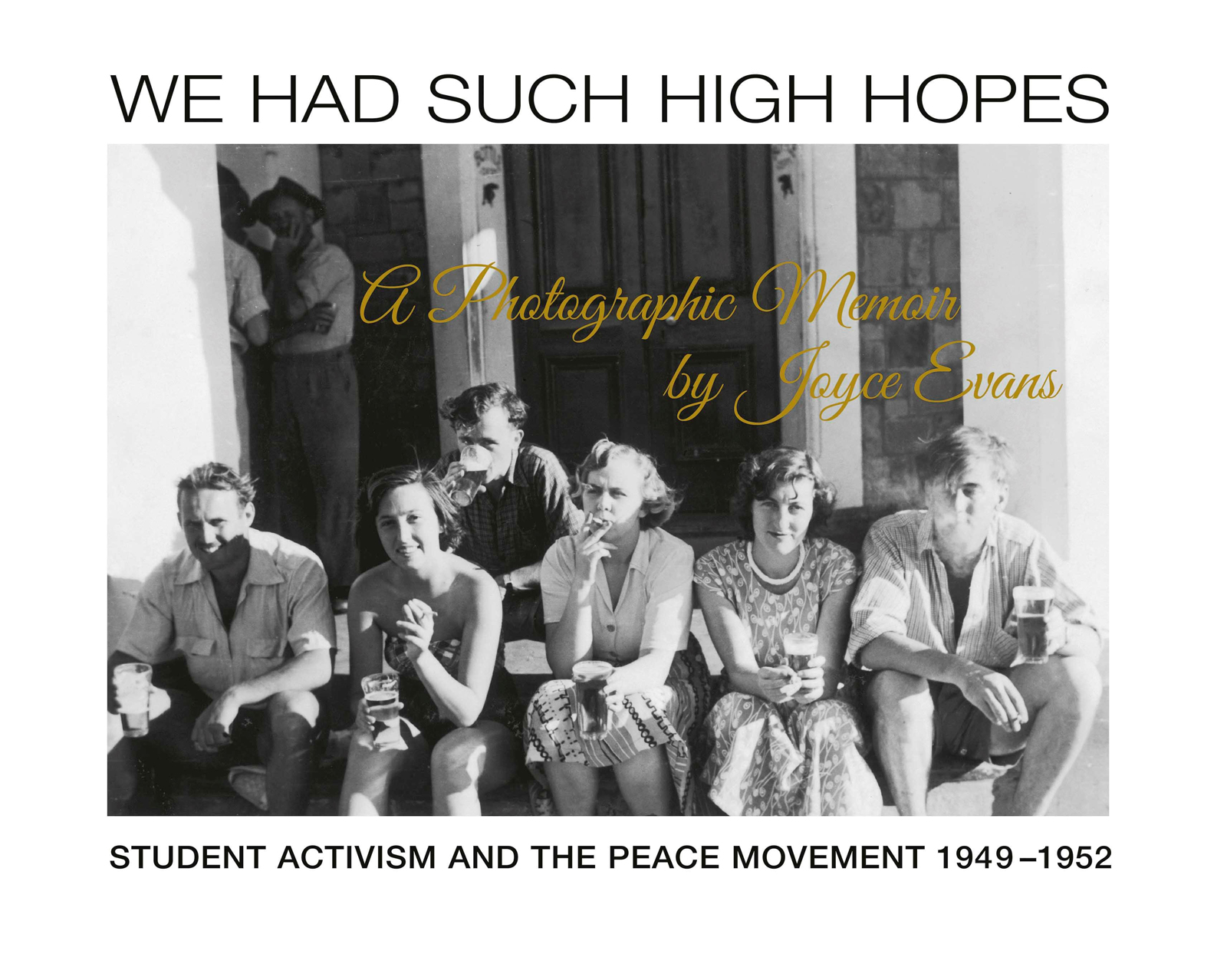
Publisher: Australian Scholarly Publishing ISBN: 9781925801859 Hardback Purchase
Book cover to We Had Such High Hopes: Student Activism and the Peace Movement 1949-1952, A Photographic Memoir by Joyce Evans. Australian Scholarly Publishing 2019.
I just want to say a big thank you to everyone who worked on the book, and an especially big thank you to the wonderful Jenner Zimmer who edited the book and without whose help it would not be the book it turned out to be. Her research in tracking down who the people were in the photographs, their correct names, the location of some of the photographs, and her layout of the book, was magnificent to say the least. Through her excellent work, we can now place these photographs not only in a personal context, but in an important historical context in relation to the development of the civil rights movement in Australia directly after the Second World War.
The book is a reflection of the times, an insight into the nascent civil rights movement of the late 1940s-1950s that reached full bloom in the 1960s. As I observe in the foreword below it also becomes a reflection on how photography and friendship go hand in hand… and how this transformative process leads us to reassess our relationship to the world through the act of taking photographs.
Dr Marcus Bunyan
Please click on the photographs for a larger version of the image.
Foreword
Nothing emerges from nothing
“… every human being is a poet, a masker, a warrior, a dancer: and in his innocent artistry he projects, against the turmoil of the street, an image of human existence.”
Helen Levitt. ‘In the Street’ 1948.1
The gift of friendship between two people is a truly magical thing, a relationship built on the nurturing of respect between them, over time. The alchemical gift of a photograph does not arrive fully formed in a moment, for its magic is grounded in the context of its taking, informed by the wisdom, vision and creativity of the photographer. How Joyce Evans was touched by a connection between photography and friendship is another transformative process, one that leads her to reassess her relationship to the world through the act of taking photographs. Nothing ever emerges from nothing.
My friendship with Joyce Evans began when a joint acquaintance who knew of our love of photography introduced us. Over numerous years since – through trips to Sydney to see Joyce’s favourite photographer Julia Margaret Cameron; through visits to many exhibitions where we have discussed our reactions to the work (often with completely opposing views); through vigorous debate about the merits of different artists; through her promotion of Australian photography; and through her deep knowledge of the world, of life, and of art – I have come to know and love this vibrant and intelligent women. To begin to understand this complex human being and her approach to photography and life. The photographs, text and poetry in this book show evidence of the early maturing of this spirit of life.
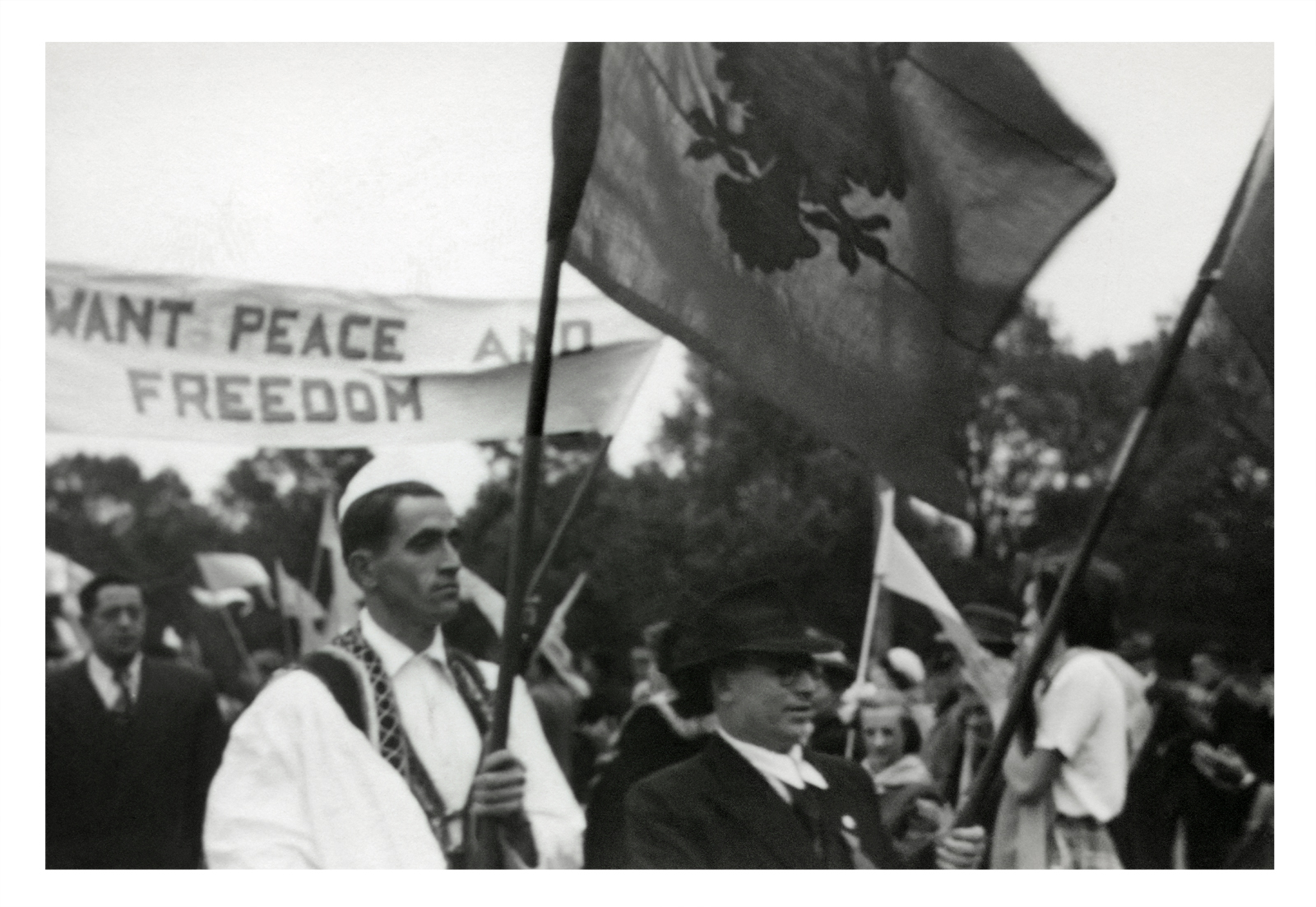
Imagine being a nineteen year old who has been studying in America after the end of the Second World War, who has arrived in poverty-stricken England to meet friends who were mutually interested in the peace movement. Imagine travelling across Europe by car with those same friends, as mass migrations of people across Europe were still happening after the war, staying in youth hostels, to camp outside the city of Vienna. Then to cross the “Iron Curtain” and journey with thousands of other people from eight-two countries around the world to the city of Budapest for the Second World Festival of Youth and Students – a festival movement that grew out of the ashes of the war to proclaim, to shout, that youth would never again allow the horrors of fascism to terrorise the world. What a journey of discovery, love, friendship, excitement and danger that must have been!
Using her intelligence and the informed nature of her artistic being to define what interested her most, Joyce documented what she saw of the world around her.2 In so doing, these early photographs set the stage for concerns that have remained consistent in her work to this very day: peace, freedom, place, identity and humanity. While the photographs are a mirror of the times, portraying the improvisational vitality of everyday life, they also represent how the mind of the photographer can be embodied in the physical world, providing a glimpse into that most secret room of all – the core beliefs of a human being, their humanity, their soul.
The Australian photographer Max Dupain stated that the ‘mission of the photograph is to clarify the subject’.3 But perhaps the mission of the photograph is also to help clarify the identity of the artist. As the Austrian-born American photographer Inge Morath eloquently observes:
“Photography is a strange phenomenon. In spite of the use of that technical instrument, the camera, no two photographers, even if they were at the same place at the same time, come back with the same pictures. The personal vision is usually there from the beginning; result of a special chemistry of background and feelings, traditions and their rejection, of sensibility and voyeurism. You trust your eye and you cannot help but bare your soul. One’s vision finds of necessity the form suitable to express it.”4
The form that Joyce found so early in her life was the music and poetry of humanist photographs, images that are subjective, lyrical, and reveal a state-of-mind. Here is passion and belief in the life of human beings, and the exquisiteness, beauty (and death) of the lived moment. You could label them “social documentary photography” if you were so inclined, but labels don’t capture the frisson of the creative process nor the joyous outcome of Joyce’s portraits. It’s as though Joyce, in a mixture of consciousness and unconsciousness, is making love to the world through her images: neither rational nor cerebral they evoke sensations and feelings, of being here and there, in that past space and time, now, all these years later. These were epic days of change and transformation – of nations, of continents, of cultures and of people. There was death and destruction but there was also such happiness, hope and joy.
Further, what her photographs also depict is the rise of an informed Australian social consciousness after the Second World War. Her important historical and personal photographs shine a light on forgotten people, times, places and actions, such as the broad based youth movements opposition to the atomic bomb, associations and friendships which eventually form the basis for the progressive social and political protest movements of the 1960s. The voices raised later in support of feminism, gay liberation, free love and Vietnam anti-war protests did not appear fully formed, for there was a history of activism… a slow build, a groundswell of public opinion that was the basis for such emerging actions. Nothing ever emerges from nothing.
As much as Joyce’s photographs engage the viewer in memory, they also engage in the moment, both past and present. Not only an engagement with the history and nostalgia of the images, but in their present day hope and joy. It is such a pleasure to see these strong images, of people now old, still young, a moving image of humanity. This is the heart of the matter: a moving image of humanity. The photographs represent an understanding of (a) life, well formed and well lived, of a courageous and visionary woman who told it her way, who still tells it her way to this day.
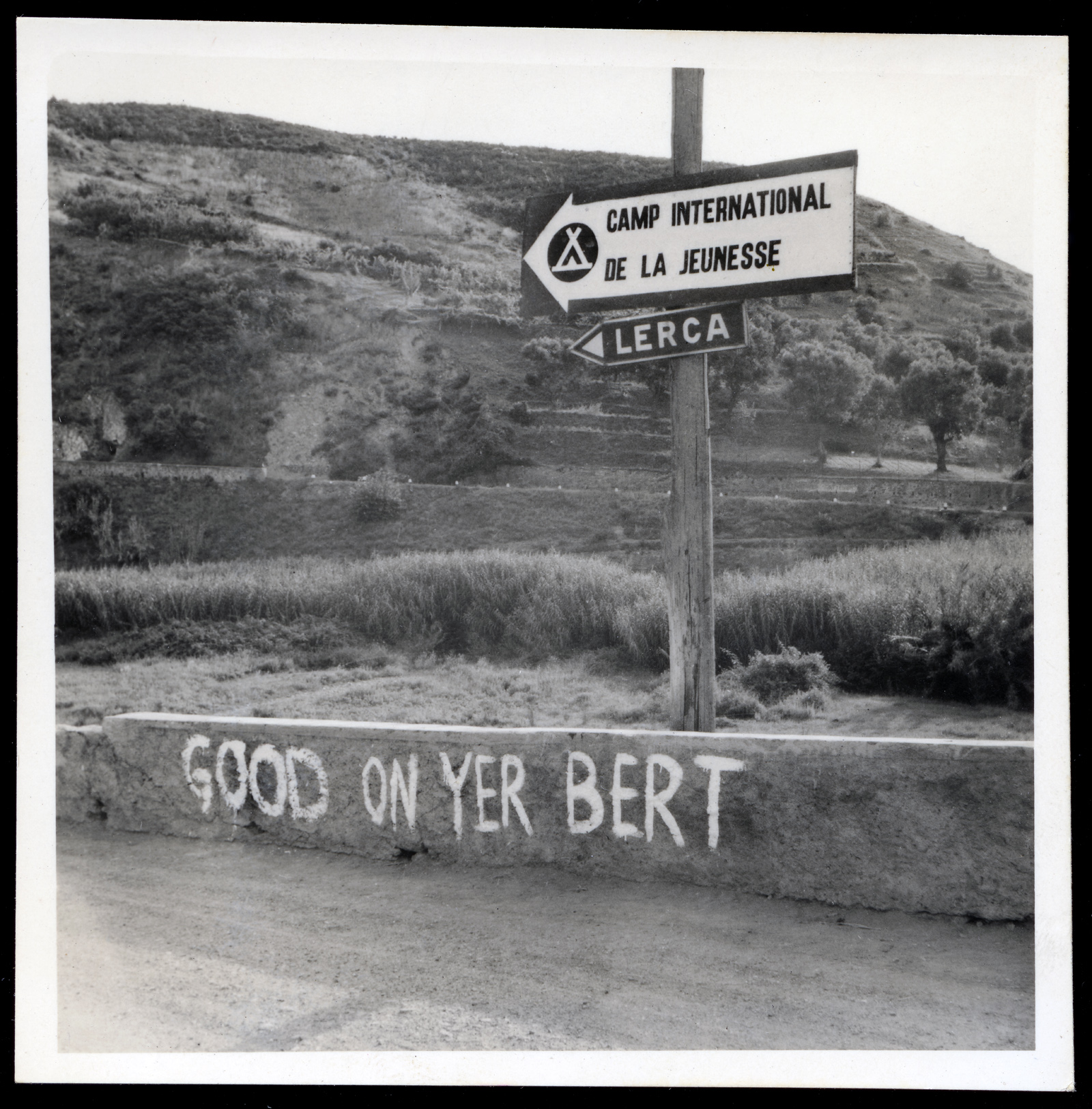
I have a deep sense of gratitude for both our friendship and for Joyce Evans’ prescient vision in recording these remarkable stories so that they can be shared today. At the time they had such high hopes, for their lives and for the future, energy that eventually morphed into something else (as is its want). This leaves these images, written memory, as both poem and testimonial to the uncertainty of human dreams and to the percipience of the artist who embodied and enabled them… in feeling, in love and in spirit. Nothing ever emerges from nothing. Good on ya Bert!
Dr Marcus Bunyan Melbourne, February 2019
Endnotes
1/ Levitt, Helen (ed.,). In the Street. Directed by Helen Levitt, Janice Loeb and James Agee. Black and white film, 14 mins. 1948 (VHS) New York: Arthouse, Inc., 1996. 2/ Joyce was ever attentive to the power of the historical for she had been studying the Baroque painters in Paris and on her travels through Italy, evidence of which can be seen in the grouping of human figures in her photographs. 3/ Anonymous label. “Max Dupain, (Factory chimney stacks) 1940,” on the National Gallery of Australia website [Online] Cited 15/02/2019. 4/ Morath, Inge; Folie, Sabine and Matt, Gerald. Inge Morath, Life as a Photographer. Munich: Gina Kehayoff Verlag, 1999, p. 13.
Joyce Evans (Australian, 1929-2019) Good on yer Bert 1949 Gelatin silver print From We Had Such High Hopes: Student Activism and the Peace Movement 1949-1952, A Photographic Memoir by Joyce Evans(Australian Scholarly Publishing 2019)
Joyce Evans (Australian, 1929-2019) Budapest crowd 1949 Gelatin silver print From We Had Such High Hopes: Student Activism and the Peace Movement 1949-1952, A Photographic Memoir by Joyce Evans(Australian Scholarly Publishing 2019)
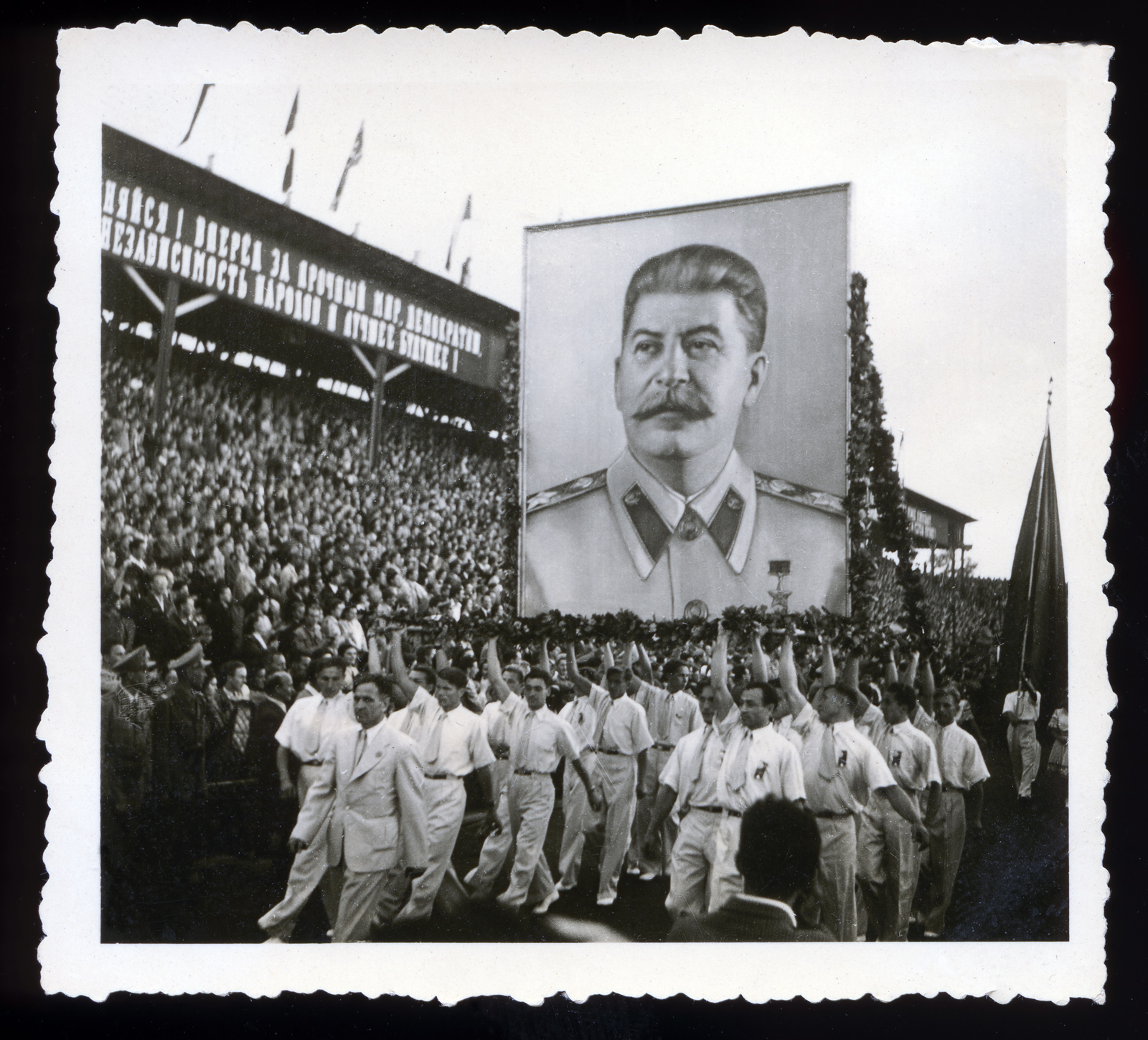
Joyce Evans (Australian, 1929-2019) Stalin banner, Budapest 1949 Gelatin silver print From We Had Such High Hopes: Student Activism and the Peace Movement 1949-1952, A Photographic Memoir by Joyce Evans(Australian Scholarly Publishing 2019)
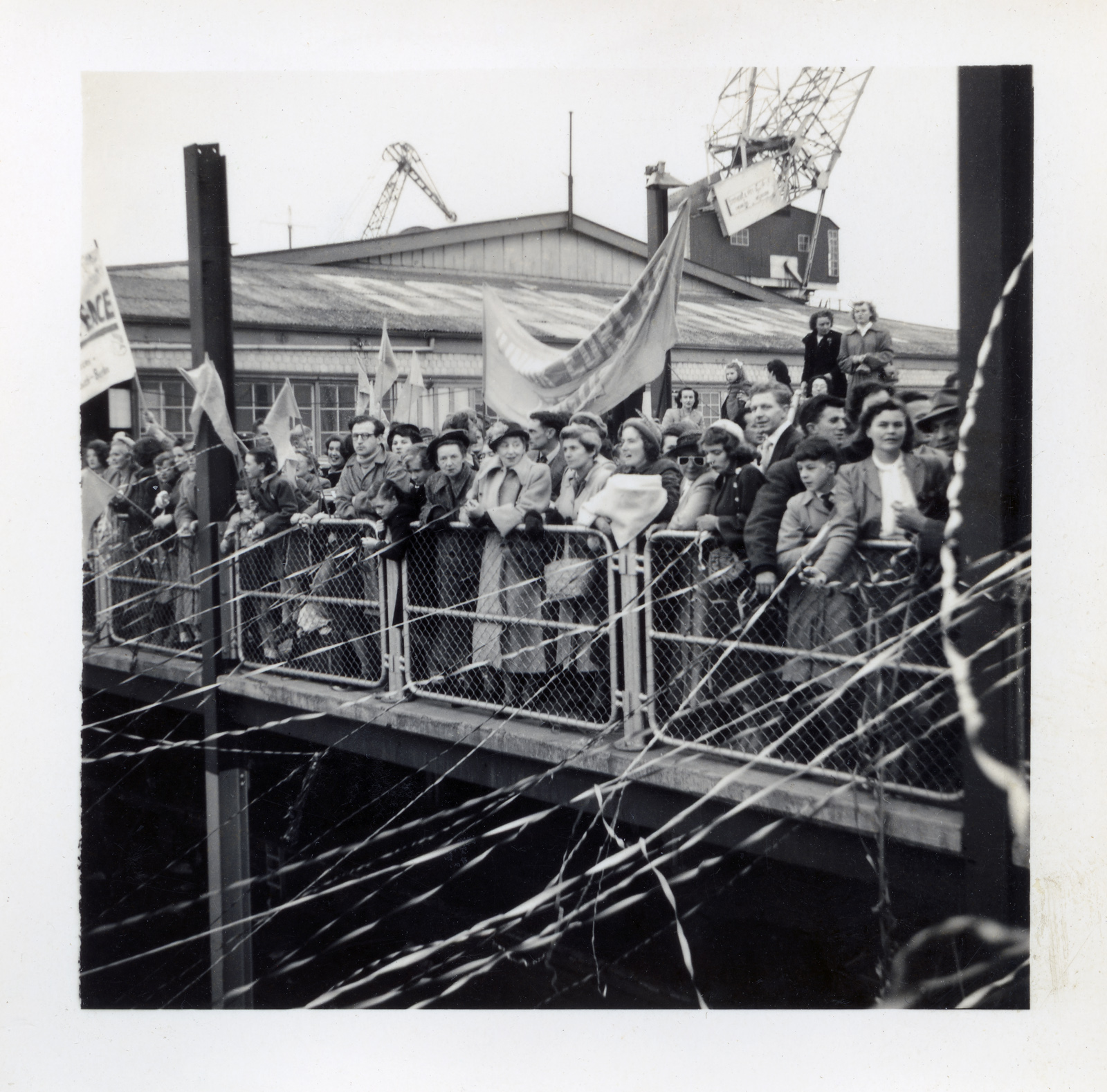
Joyce Evans (Australian, 1929-2019) Farewell to Delegates 1951 Gelatin silver print From We Had Such High Hopes: Student Activism and the Peace Movement 1949-1952, A Photographic Memoir by Joyce Evans(Australian Scholarly Publishing 2019)
Joyce Evans (Australian, 1929-2019) Farewell to Delegates 1951 Gelatin silver print From We Had Such High Hopes: Student Activism and the Peace Movement 1949-1952, A Photographic Memoir by Joyce Evans(Australian Scholarly Publishing 2019)
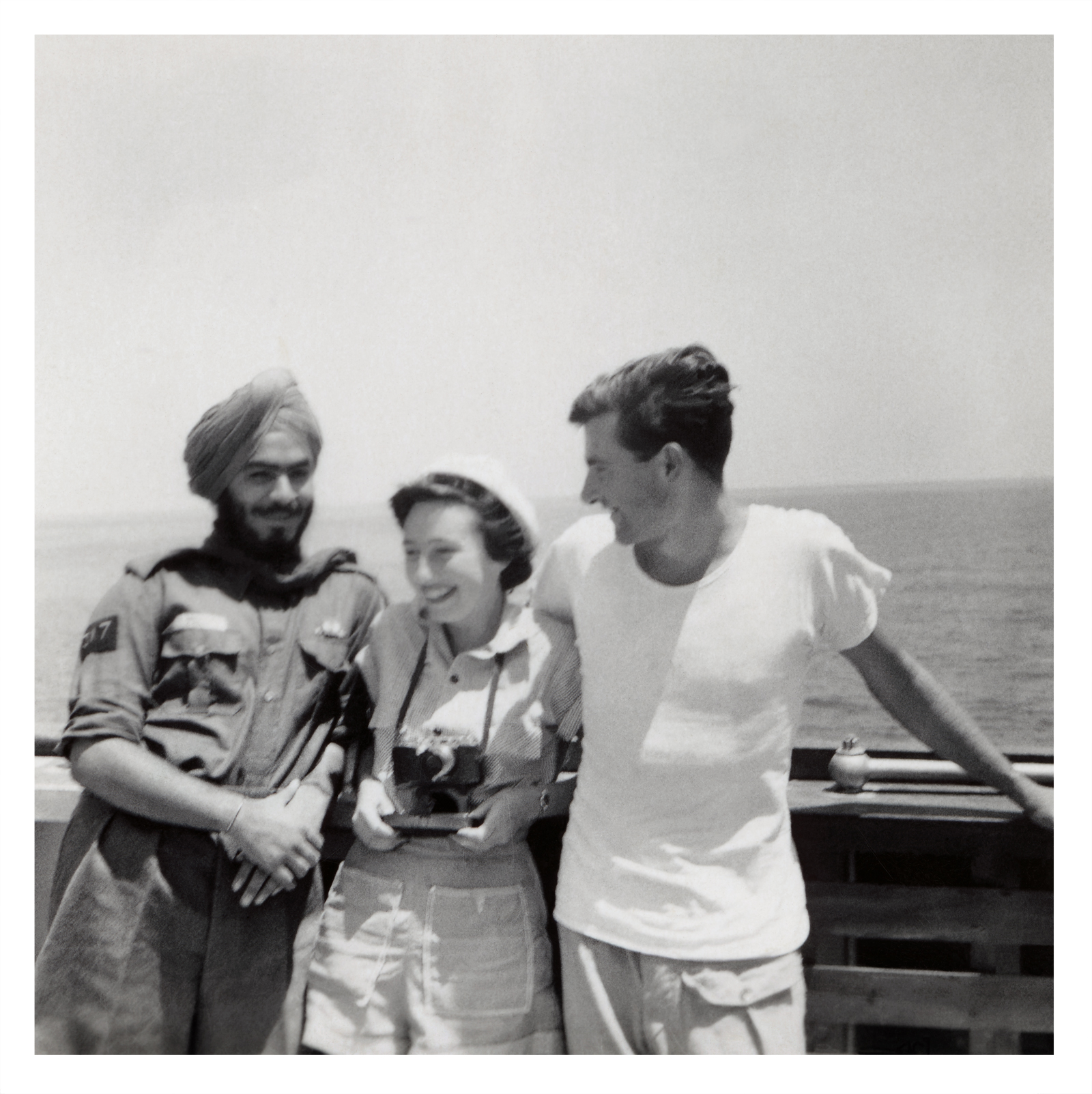
Joyce Evans (Australian, 1929-2019) Joyce with camera 1951 Gelatin silver print From We Had Such High Hopes: Student Activism and the Peace Movement 1949-1952, A Photographic Memoir by Joyce Evans(Australian Scholarly Publishing 2019)
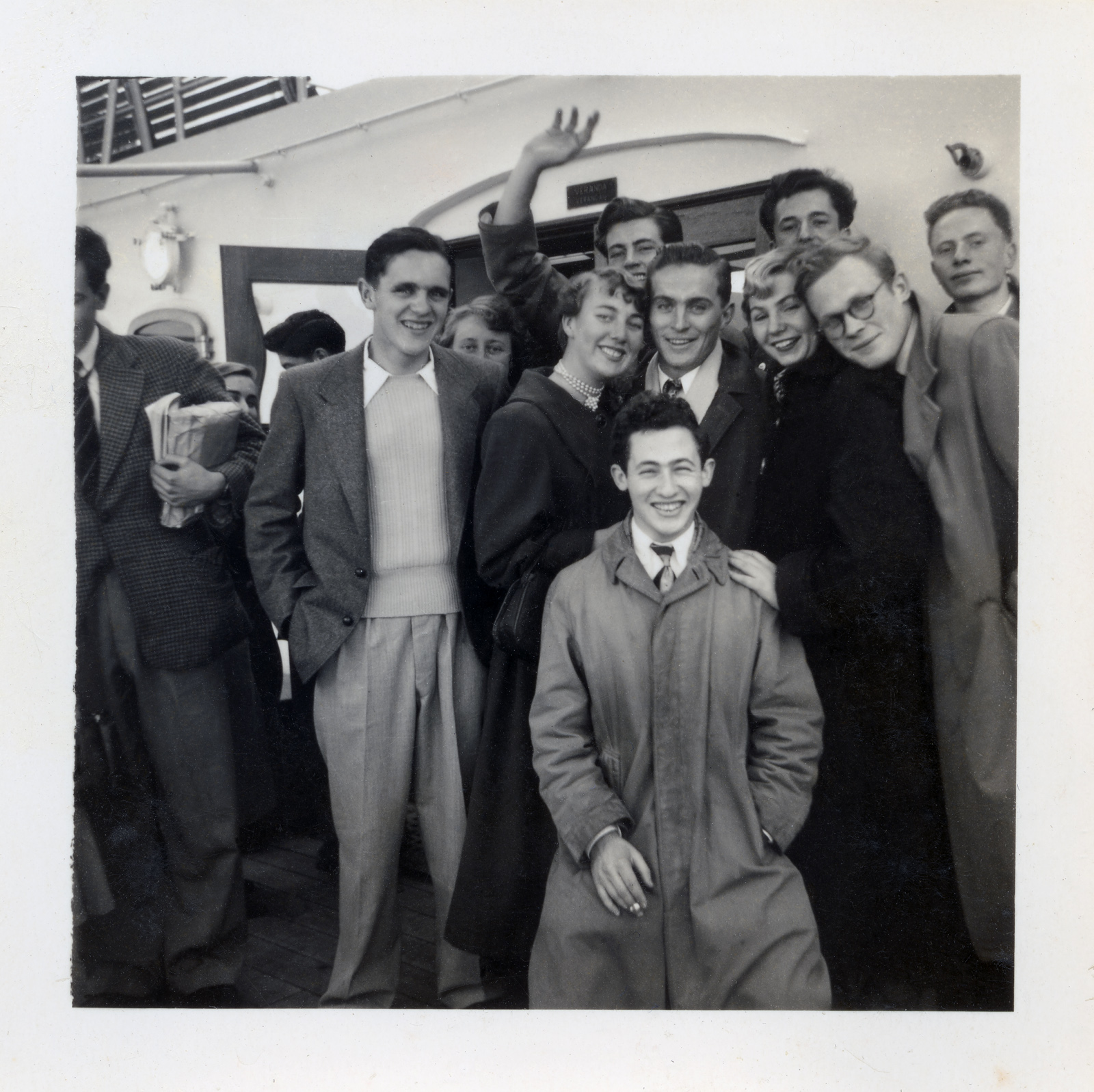
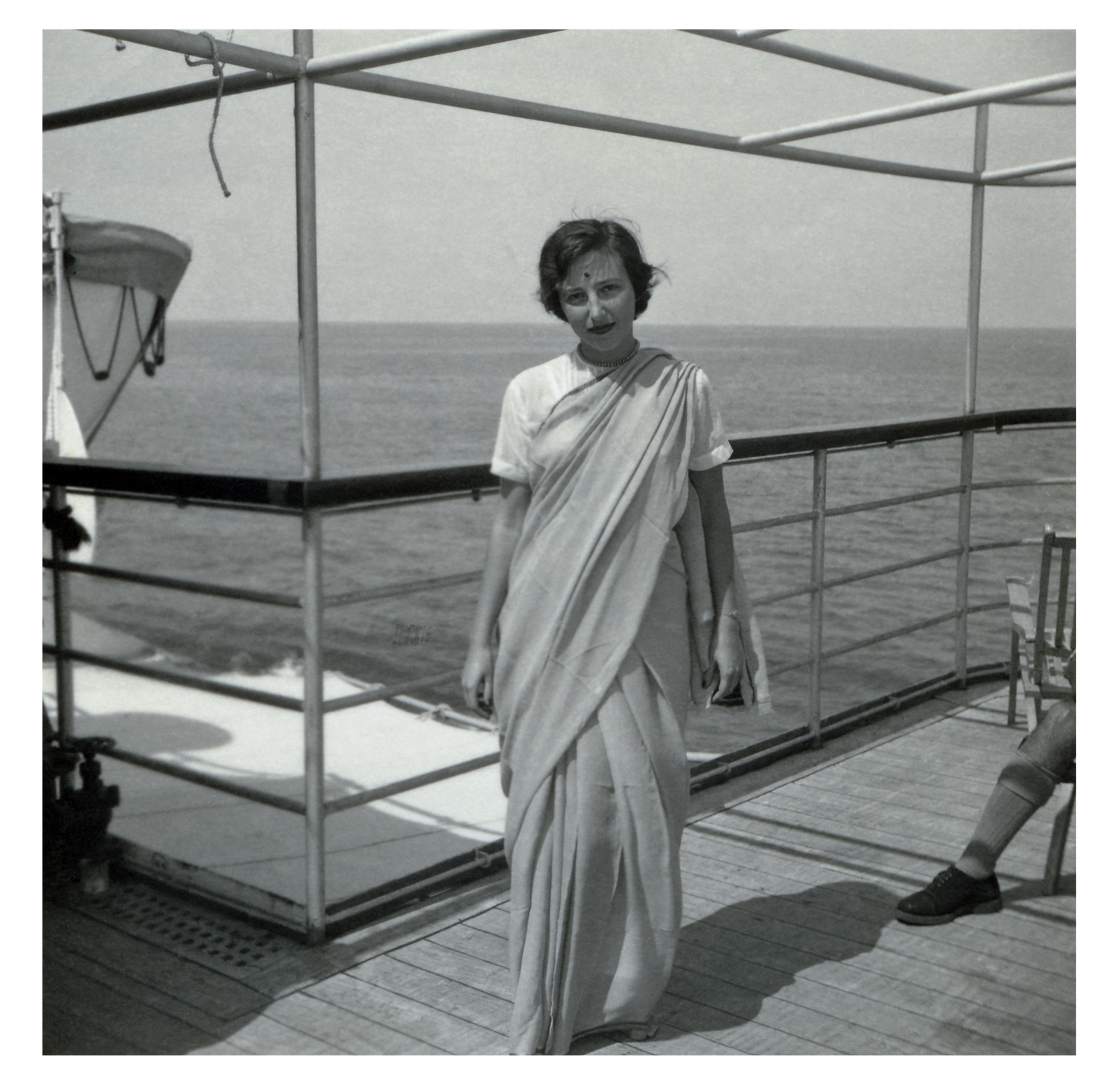
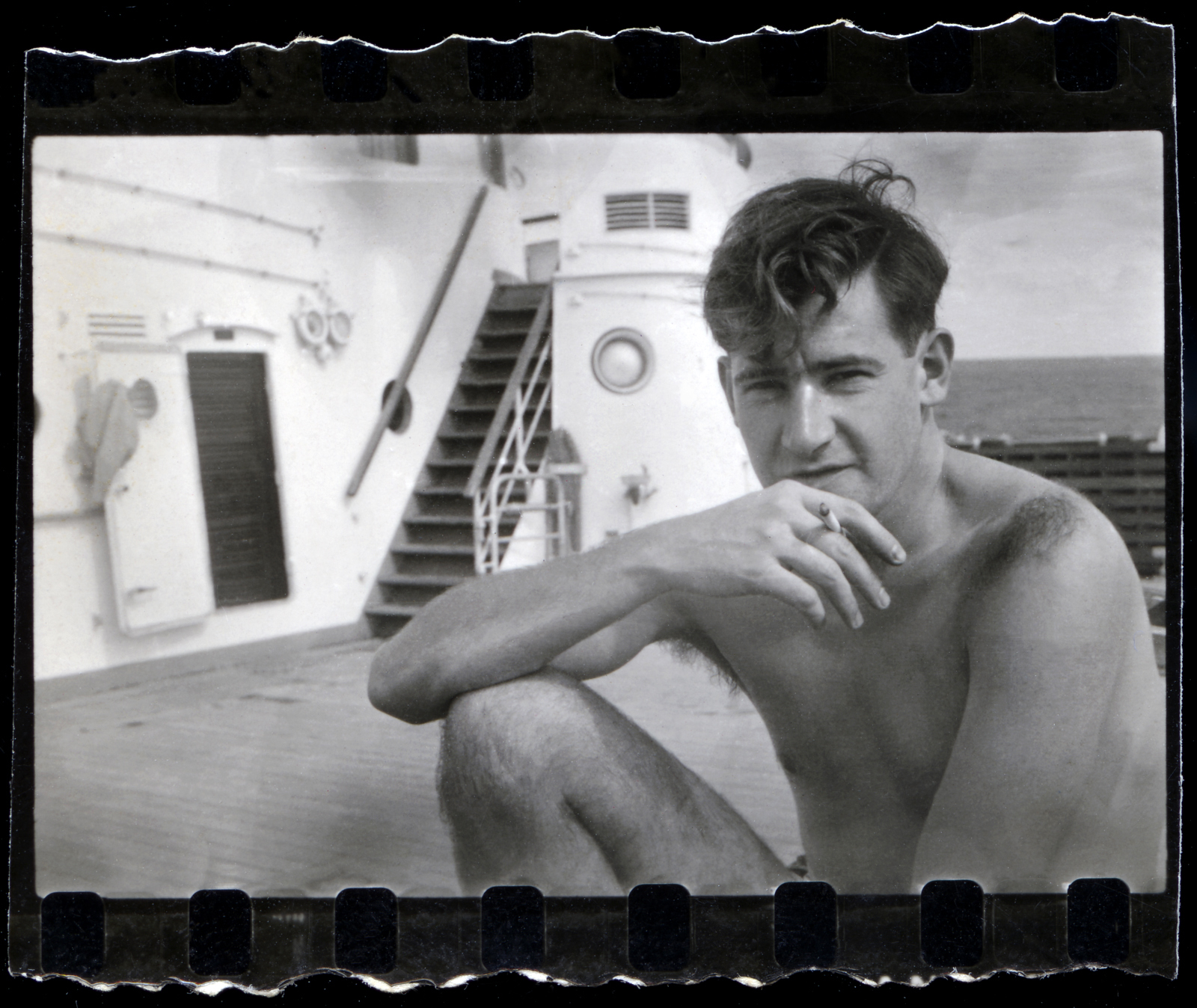
Joyce Evans (Australian, 1929-2019) Joyce onboard ship 1951 Gelatin silver print From We Had Such High Hopes: Student Activism and the Peace Movement 1949-1952, A Photographic Memoir by Joyce Evans(Australian Scholarly Publishing 2019)
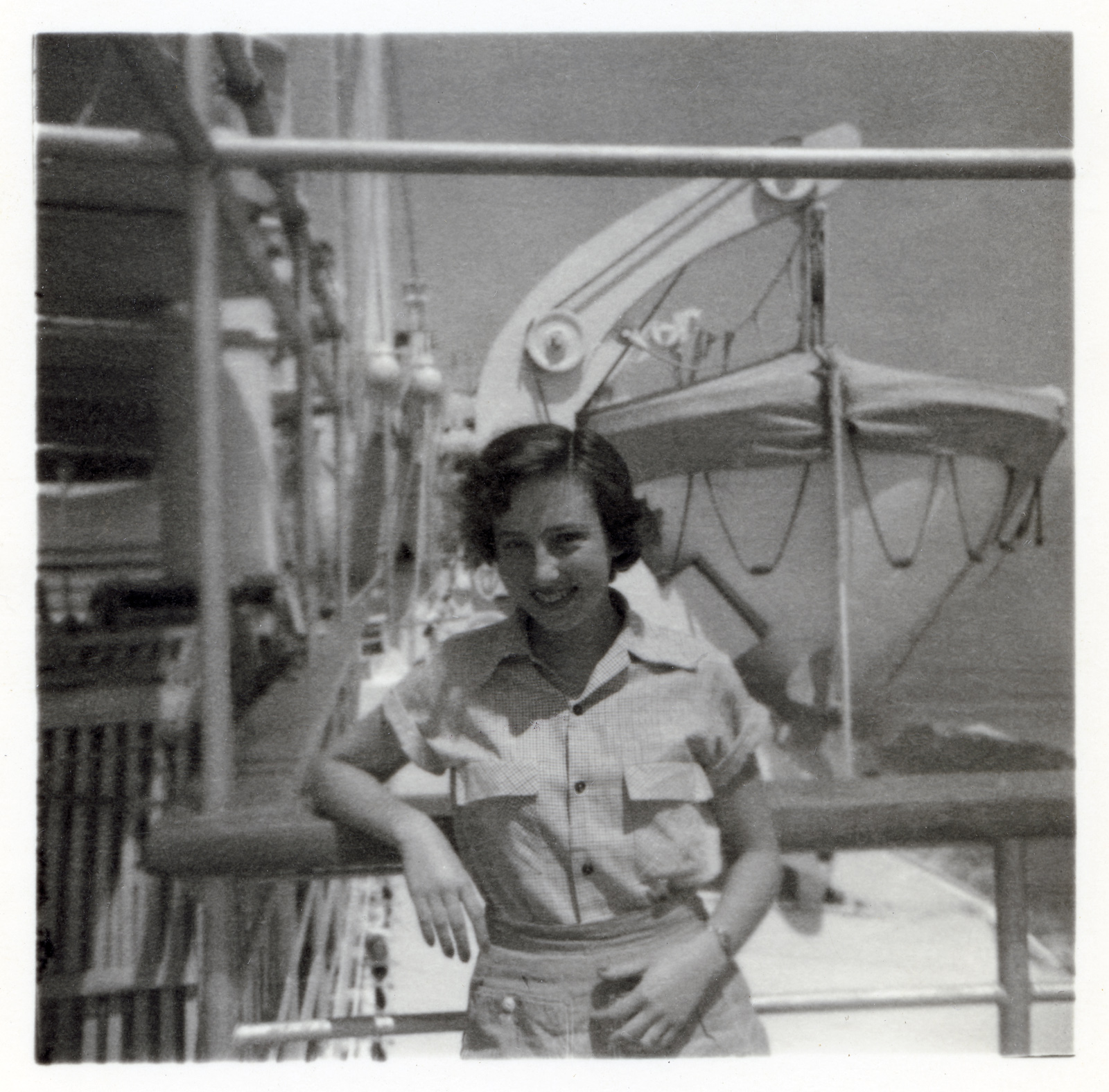
Joyce Evans (Australian, 1929-2019) Joyce with lifeboat 1951 Gelatin silver print From We Had Such High Hopes: Student Activism and the Peace Movement 1949-1952, A Photographic Memoir by Joyce Evans(Australian Scholarly Publishing 2019)
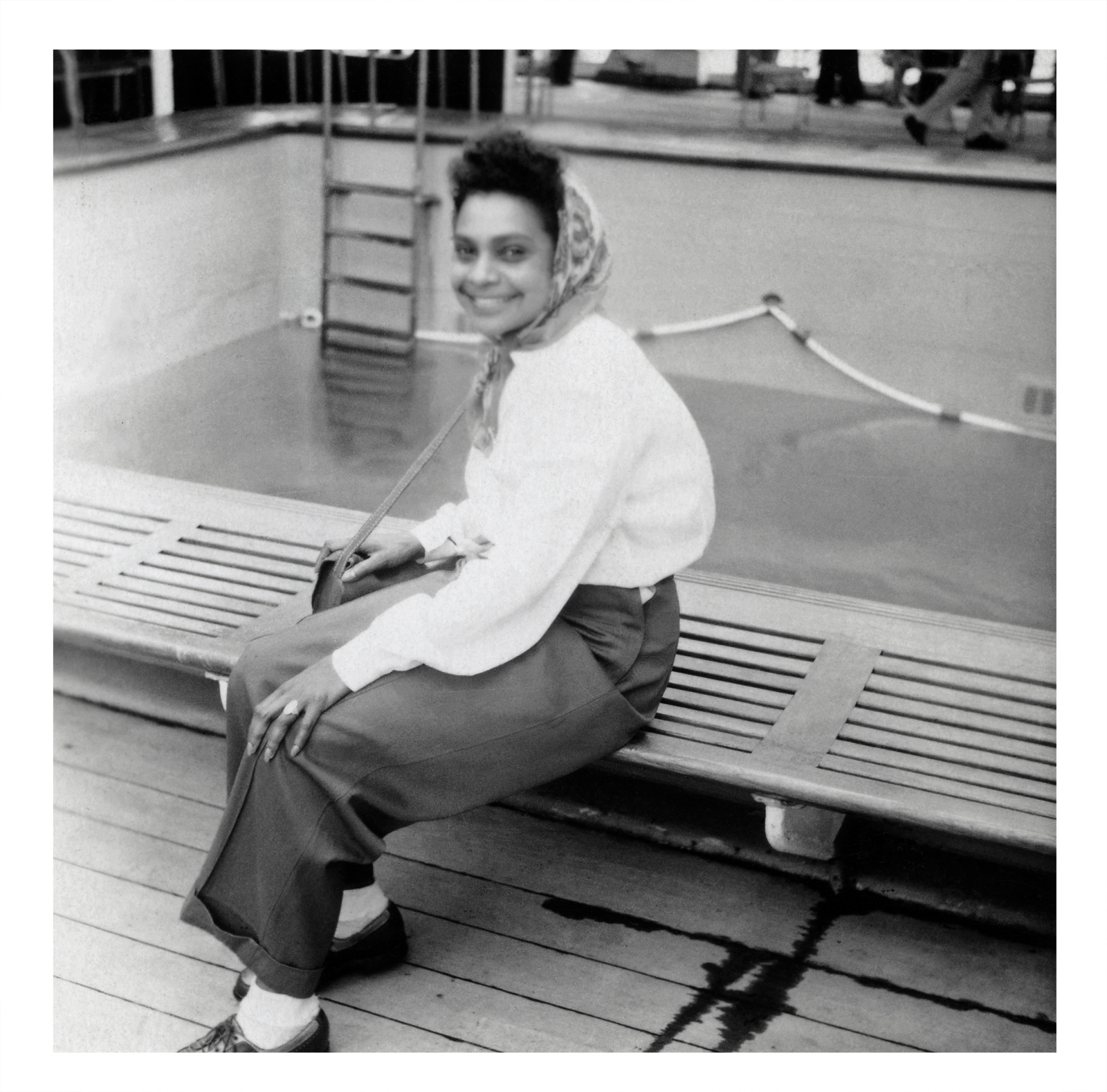
Joyce Evans (Australian, 1929-2019) Faith Bandler 1951 Gelatin silver print From We Had Such High Hopes: Student Activism and the Peace Movement 1949-1952, A Photographic Memoir by Joyce Evans(Australian Scholarly Publishing 2019)
Joyce Evans (Australian, 1929-2019) Edward ‘Woods Lloyd’ Drummond 1951 Gelatin silver print From We Had Such High Hopes: Student Activism and the Peace Movement 1949-1952, A Photographic Memoir by Joyce Evans(Australian Scholarly Publishing 2019)
“We believed we had an obligation, neither social nor political, to make a difference. We were brought up as children to believe that we had an obligation to make that difference.
If we can find out what we are… that is the artist. This goes to the core element of your being, and the core element of your enquiry remains the same.
If the core part of your life is the search for the truth then that becomes a core part of your identity for the rest of your life. It becomes embedded in your soul.”
Joyce Evans
Description
Some think it all happened in the 1960s but Joyce Evans, acclaimed photographer of Australia’s land and its people, goes back to her youth and memories of her many adventures as a student activist. In 1949, aged 19, she set sail for Soviet-occupied Budapest to join the post-war demonstrations at ‘The World Festival of Youth and Students for Peace’. It was a time when young Australians dreamed of change and travelled to war-torn Europe in the hope of peace becoming the new reality. Among them were many who would later become important figures in Australia’s government, legal profession, diplomatic corps and academia. People like Frank Hardy, John Bluthal, Faith Bandler, Clyde Holding, Irving Saulwick and Richard Woolcott appear in Joyce Evans’ photographs of these events.
This story, with its cast of endearing and passionate characters, records voyages across battle-scarred Europe, clashes with draconian authorities, daring escapes, betrayals, lost idealism and a wealth of unlikely friendships. It describes the adventures of a youthful cohort who felt empowered and believed it could fulfil its dream of world-wide peace. Joyce says: ‘If such a dream existed then, such high hopes can be reclaimed by the youth of today!’
The World Federation of Democratic Youth (WFDY) is an international youth organisation, recognised by the United Nations as an international youth non-governmental organisation, and has historically characterised itself as anti-imperialist and left-wing. WFDY was founded in London in 1945 as a broad international youth movement, organised in the context of the end of World War II with the aim of uniting youth from the Allies behind an anti-fascist platform that was broadly pro-peace, anti-nuclear war, expressing friendship between youth of the capitalist and socialist nations. The WFDY Headquarters are in Budapest, Hungary. The main event of WFDY is the World Festival of Youth and Students. The last festival was held in Sochi, Russia, in October 2017. It was one of the first organisations granted general consultative status with the United Nations Economic and Social Council.
History
On 10 November 1945, the World Youth Conference, organised in London, founded the World Federation of Democratic Youth. This historic conference was convened at the initiative of the World Youth Council which was formed during World War II to encourage the fight against fascism by the youth of the allied nations. The conference brought together, for the first time in the history of the international youth movement, representatives of more than 30,000,000 young people of diverse different political ideologies and religious beliefs from 63 nations. It adopted a pledge for peace.
Shortly after, with the onset of the Cold War and Winston Churchill’s Iron Curtain speech, the organisation was accused by the US State Department of being a “Moscow front”. Many of the founding organisations quit, leaving mostly youth from socialist nations, national liberation movements, and communist youth. Like the International Union of Students (IUS) and other pro-Soviet organisations, the WFDY became a target and victim of CIA espionage as well as part of active measures conducted by the Soviet state security.
The WFYD’s first General Secretary, Alexander Shelepin, was a former leader of the Young Communist International which had been dissolved in 1943. Shelepin had been a guerilla fighter during World War II (after his work with the WFDY, he was appointed head of Soviet State Security). Both the WFDY and IUS vocally criticised the Marshall Plan, supported the Czechoslovak coup d’état of 1948 and the new People’s Democracies in Europe. They opposed the Korean War.
The main event of the WFDY became the World Festival of Youth and Students, a massive political and cultural celebration for peace and friendship between the youth of the world. Most, but not all, of the early festivals were held in socialist nations in Europe.
The World Festival of Youth and Students is an international event, organised by the World Federation of Democratic Youth (WFDY), a United Nations-recognised international youth non-governmental organisation, jointly with the International Union of Students since 1947. Initially pluralist, the event became an outlet for Soviet propaganda for foreign audiences during the Cold War.
The festival has been held regularly since 1947 as an event of global youth solidarity for democracy and against war and imperialism. The largest festival was the 6th, held in 1957 in Moscow, when 34,000 young people from 131 countries attended the event. This festival also marked the international debut of the song “Moscow Nights”, which subsequently went on to become perhaps the most widely recognised Russian song in the world. Until the 19th festival in Sochi, Russia in 2017 (with 185 countries participating), the largest festival by number of countries with participants was the 13th, held in 1989 in Pyongyang when 177 countries attended the event.
The World Federation of Democratic Youth was founded to bring together young people of both the socialist and capitalist countries to promote peaceful cooperation and mutual rejection of war. However, with the onset of the Cold War soon after, the organisation and the festivals became a matter of contention within the rivalry. Because of the enormous expenditure and coordination required to support a youth festival, most of the early festivals were held in cities in the socialist countries of Europe. However, many festivals, both then and more so since, have been held in non-socialist countries, affirming the commitment to peaceful coexistence between the peoples living under the different systems. The most recent festival took place in Sochi, Russia, from 13 to 22 October 2017.
The Second World Festival of Youth and Students (WFYS) was held in 1949, in Budapest, a city still recuperating from World War II. The 2nd WFYS was one of three major youth events held in Hungary in 1949, along with the World University Summer Games and the World Youth Congress. It was organised by the World Federation of Democratic Youth and the International Union of Students
On August 14, 1949, 20,000 young people from 82 countries, gathered in the Ujpest Stadium, inaugurating the festival. For two weeks, the participants took part in cultural, sport, and political activities. The festival expressed its solidarity for the “anti-colonialist struggle” of the peoples of Indonesia, Malaysia and French Indochina and also for the “anti-fascist struggle” of the Spanish and Greek peoples. It was the first time that a delegation from what would become East Germany took part.
It featured a sports programme, including an athletics competition.
The motto of the festival was: Youth Unite! Forward for Lasting Peace, Democracy, National Independence and a better future for the people!
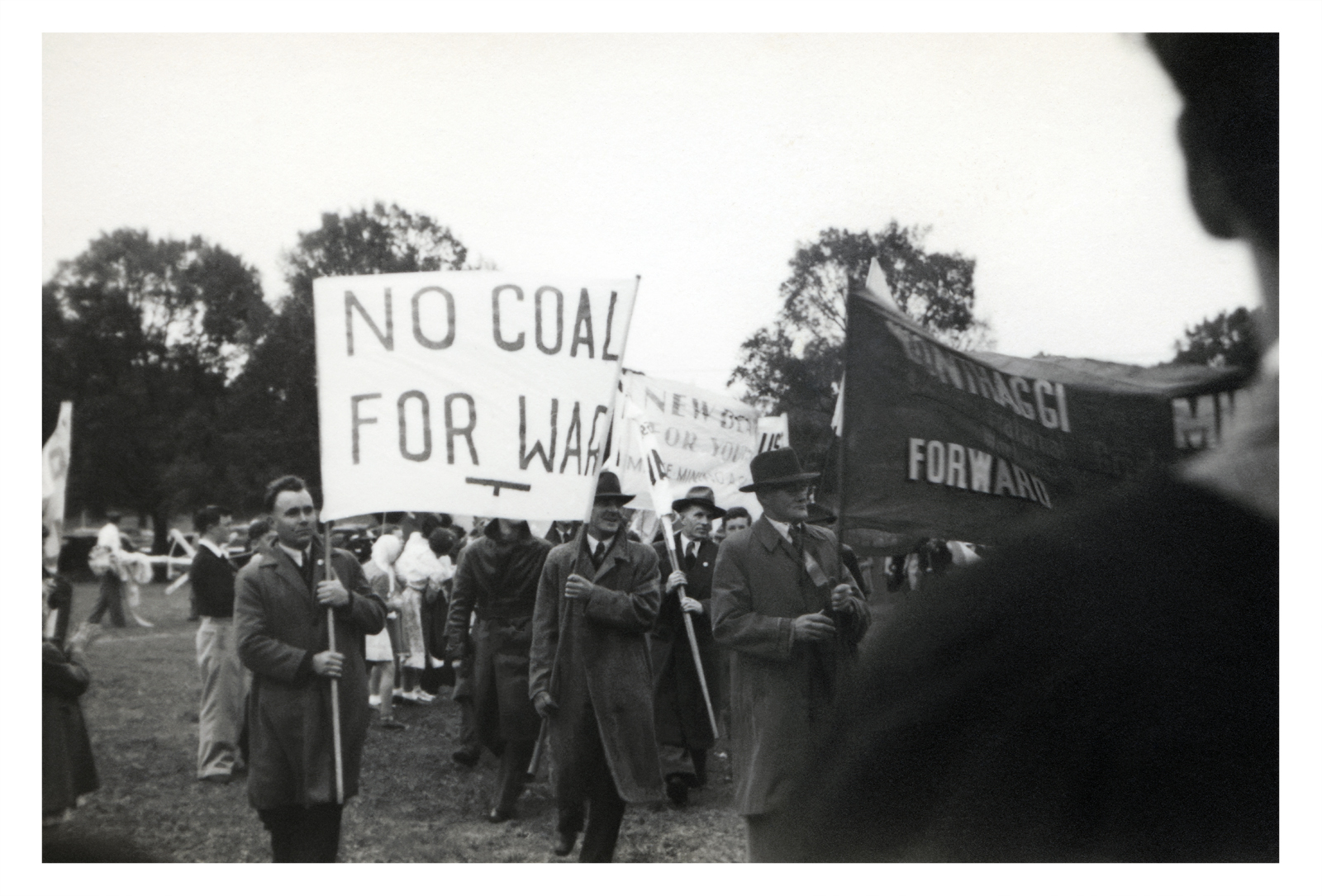
Joyce Evans (Australian, 1929-2019) No Coal for War, May Day March 1951 Gelatin silver print From We Had Such High Hopes: Student Activism and the Peace Movement 1949-1952, A Photographic Memoir by Joyce Evans(Australian Scholarly Publishing 2019)
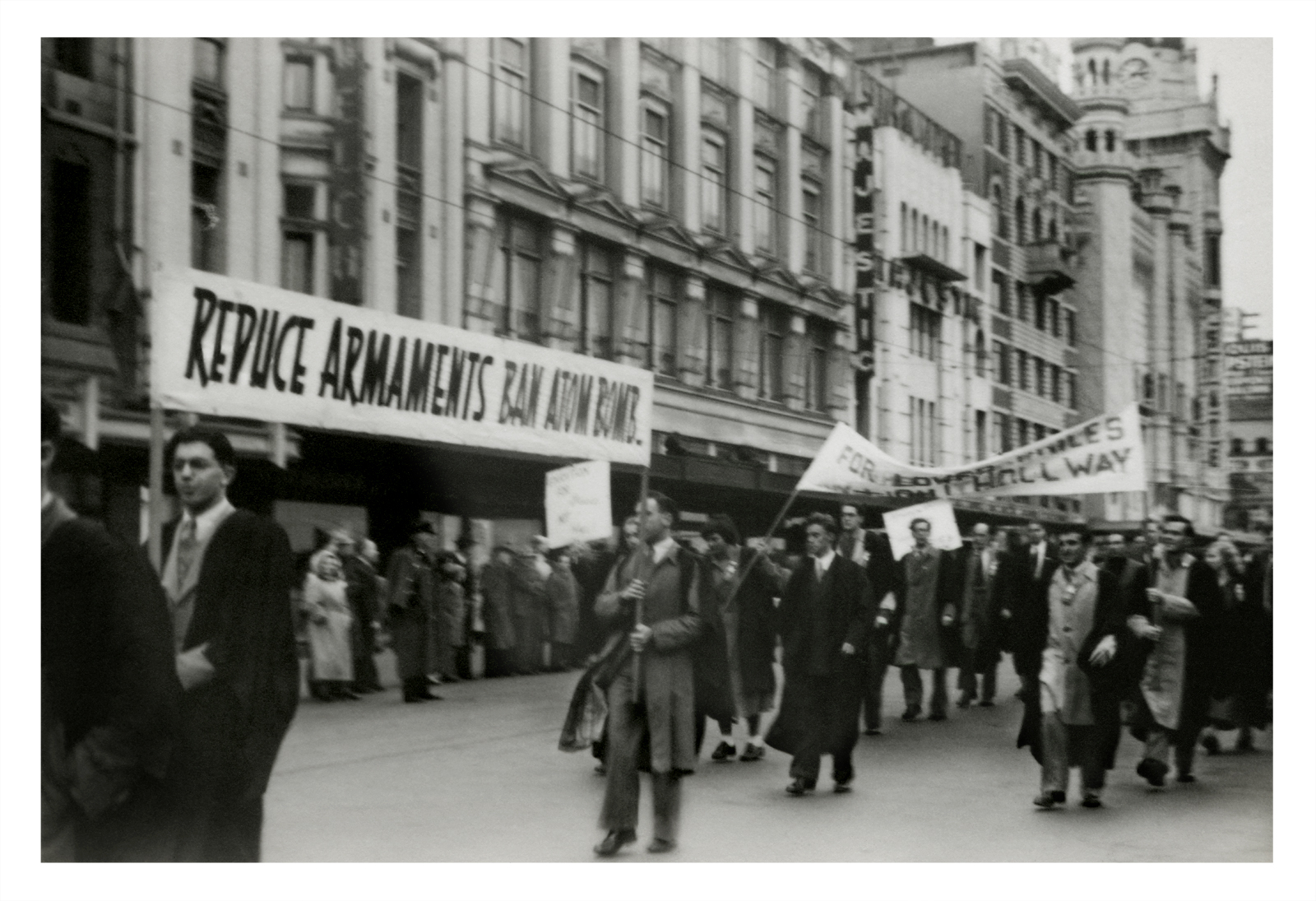
Joyce Evans (Australian, 1929-2019) Reduce Armaments Ban Atomic Bomb, May Day March, Flinders Street, Melbourne 1951 Gelatin silver print From We Had Such High Hopes: Student Activism and the Peace Movement 1949-1952, A Photographic Memoir by Joyce Evans(Australian Scholarly Publishing 2019)
Pictured image-right, Professor Bernard Rechter.
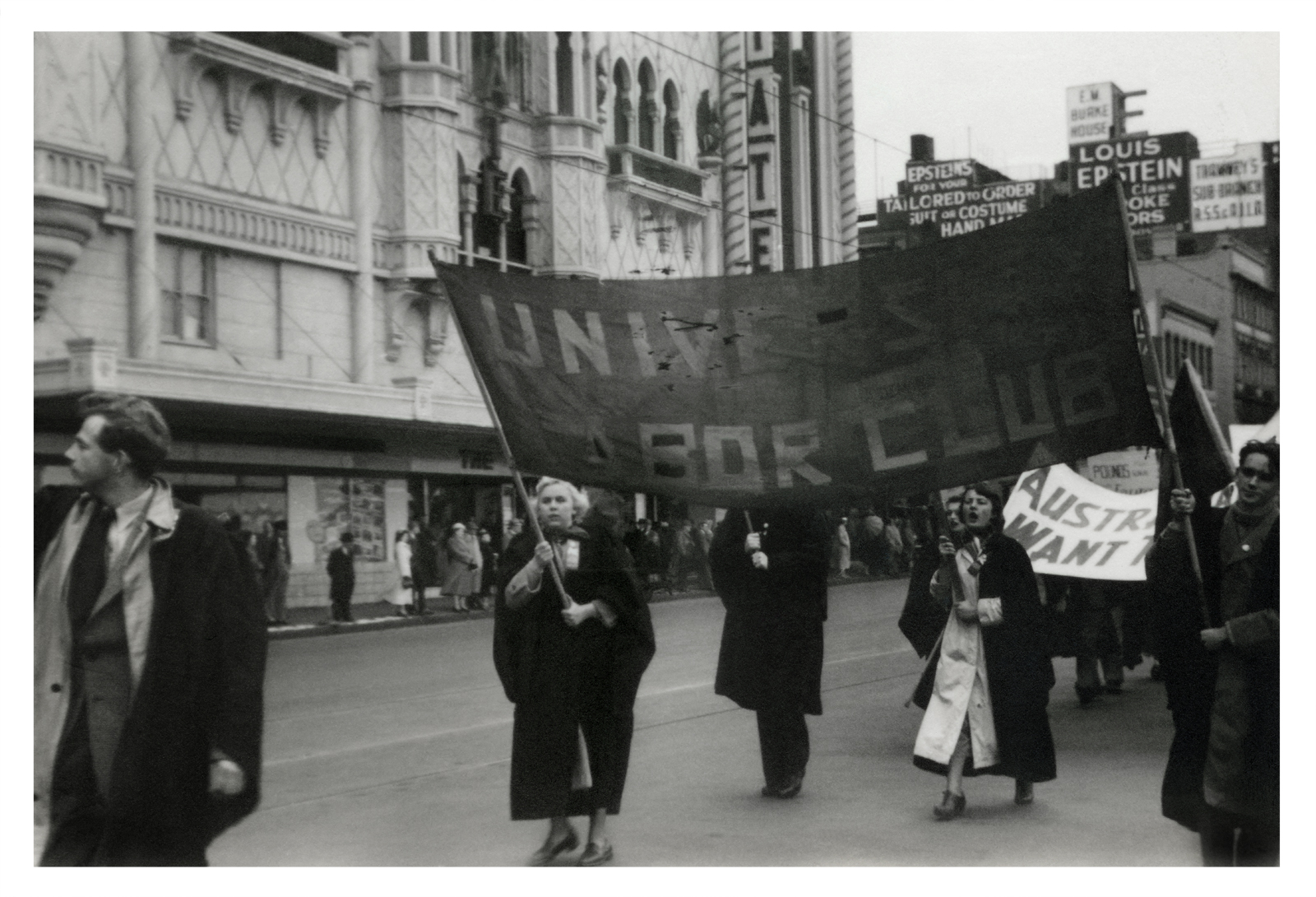
Joyce Evans (Australian, 1929-2019) University Labour Club banner, May Day March, Flinders Street, Melbourne 1951 Gelatin silver print From We Had Such High Hopes: Student Activism and the Peace Movement 1949-1952, A Photographic Memoir by Joyce Evans(Australian Scholarly Publishing 2019)
In far-left, John Clendenin, philosopher and president of University of Melbourne SRC. Banner-bearer Jill Warwick, later a TV Producer, vice-president UniMelb SRC.
Joyce Evans (Australian, 1929-2019) Want Peace and Freedom, May Day March, Flinders Street, Melbourne 1951 Gelatin silver print From We Had Such High Hopes: Student Activism and the Peace Movement 1949-1952, A Photographic Memoir by Joyce Evans(Australian Scholarly Publishing 2019)
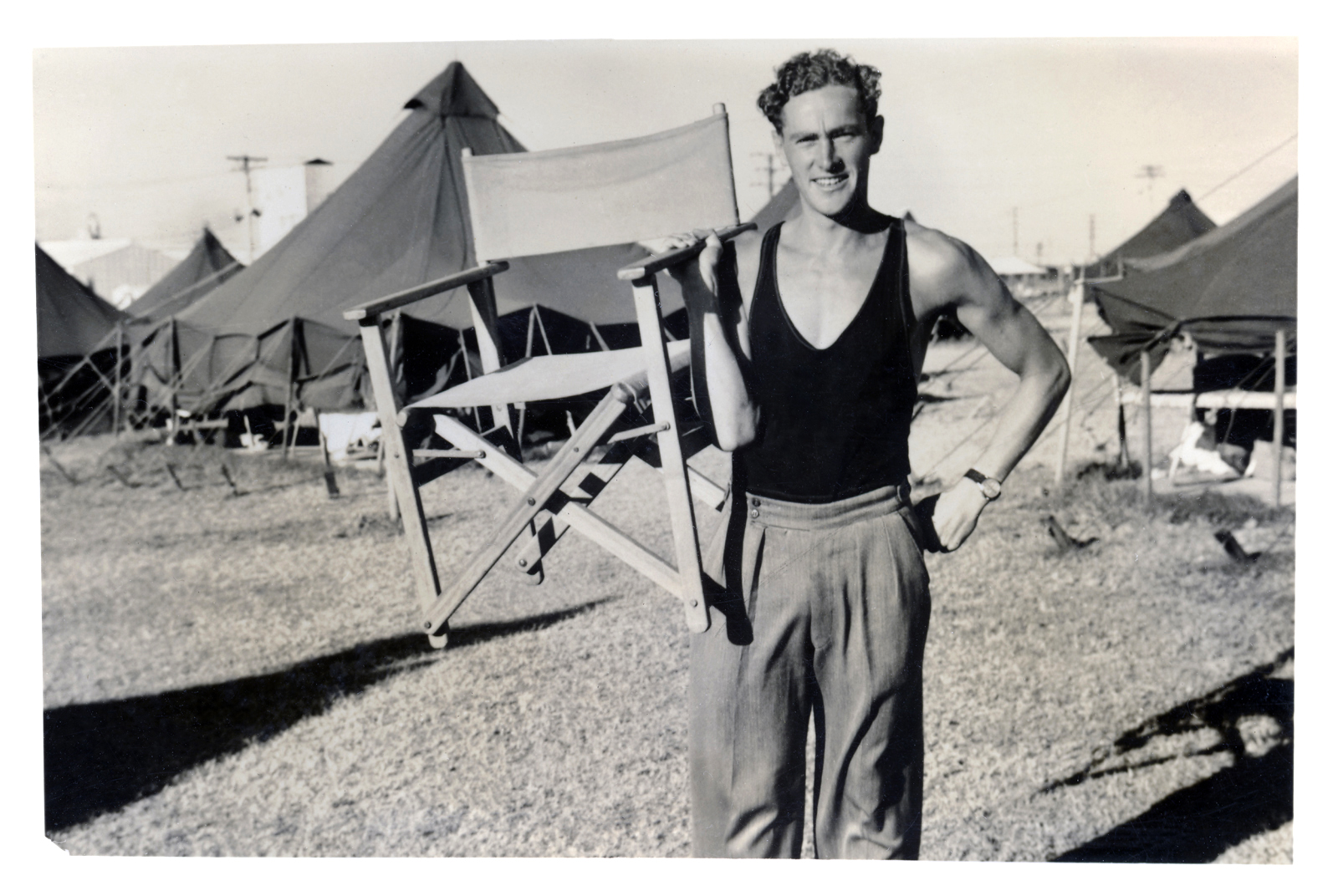
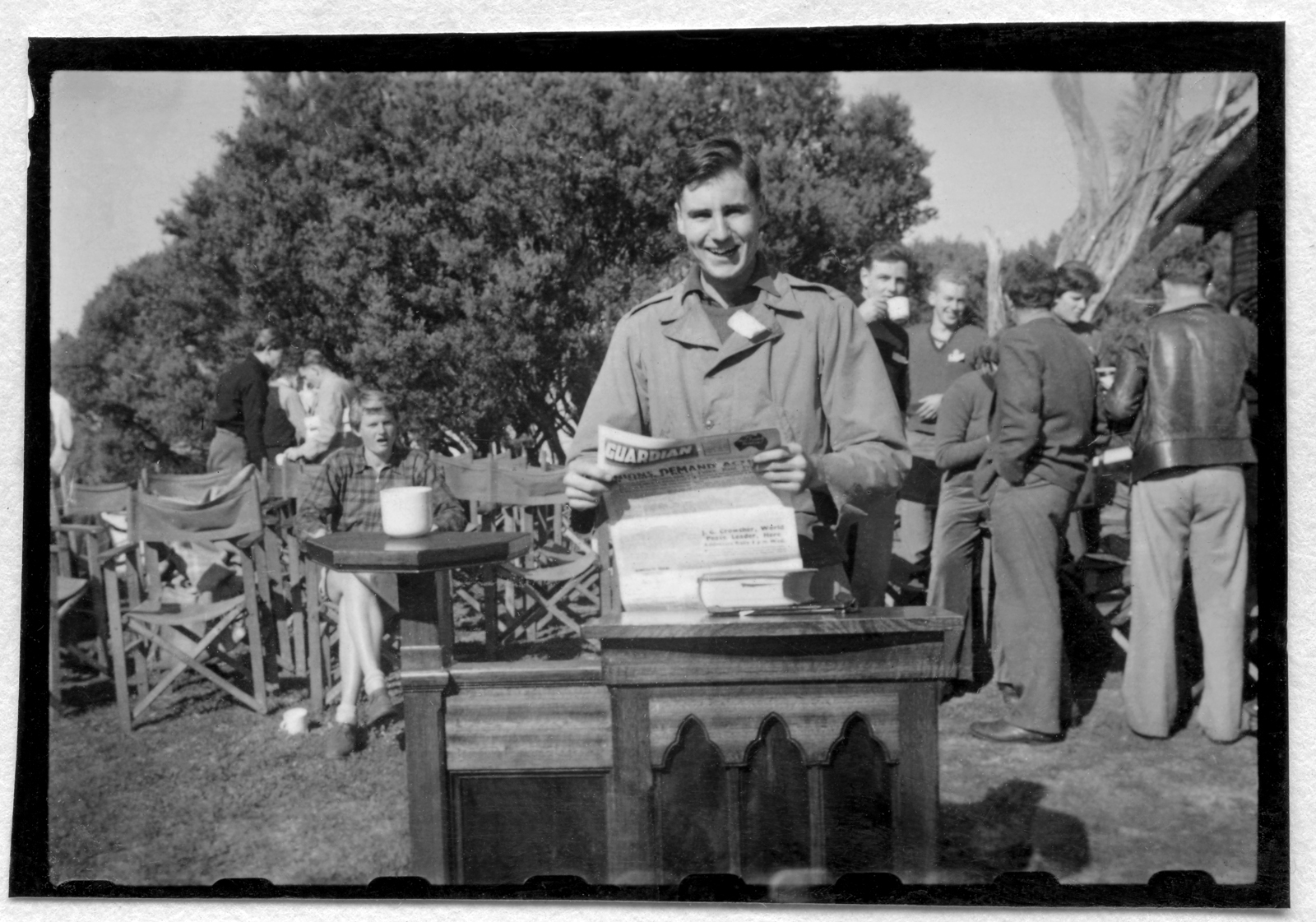
Joyce Evans (Australian, 1929-2019) Richard ‘Dicky’ Woolcott, delegate to conference, at NUAUS encampment 1951 Gelatin silver print From We Had Such High Hopes: Student Activism and the Peace Movement 1949-1952, A Photographic Memoir by Joyce Evans(Australian Scholarly Publishing 2019)
Joyce Evans (Australian, 1929-2019) John O’Neil 1951 Gelatin silver print From We Had Such High Hopes: Student Activism and the Peace Movement 1949-1952, A Photographic Memoir by Joyce Evans(Australian Scholarly Publishing 2019)
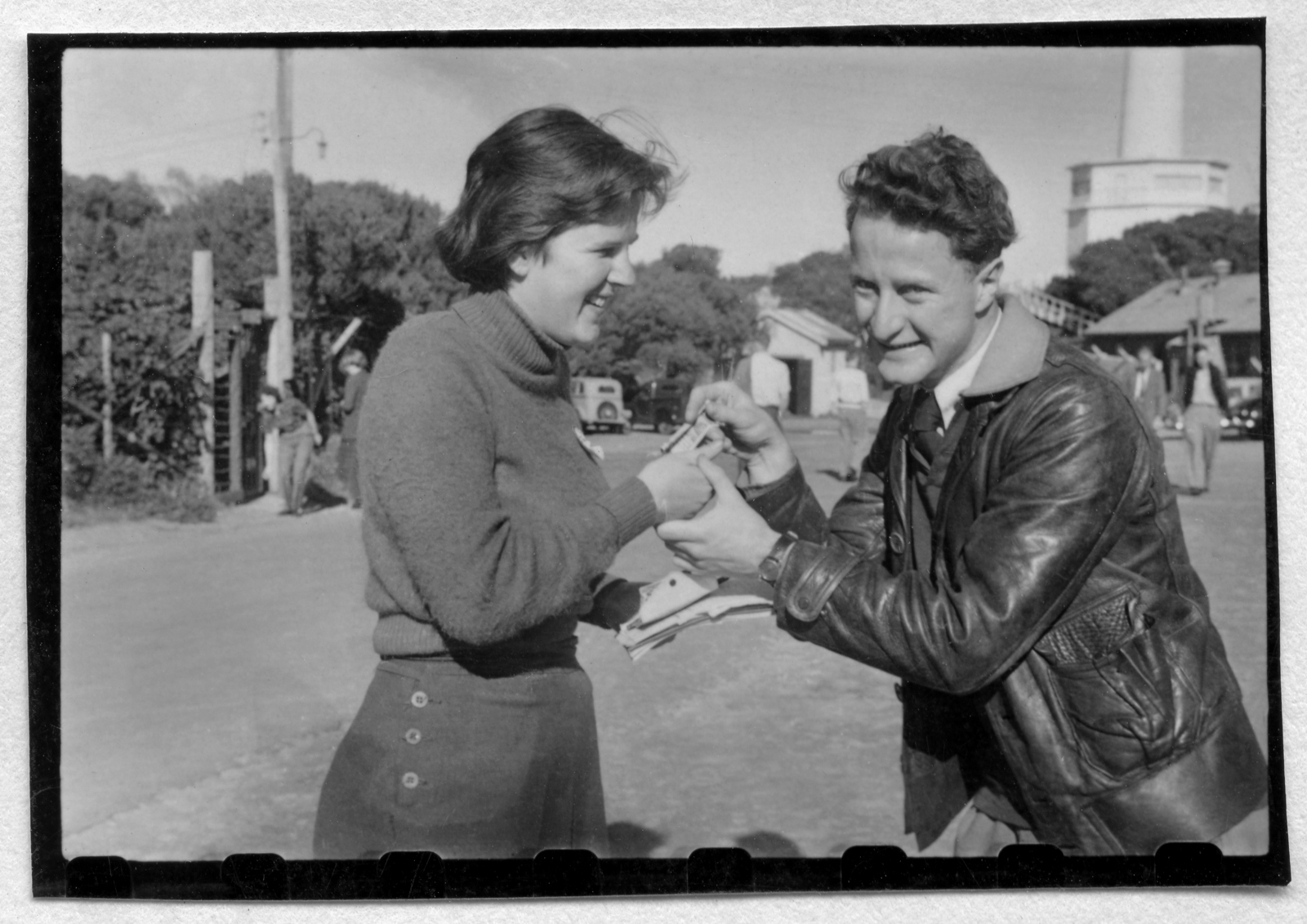
Joyce Evans (Australian, 1929-2019) Jenny Lloyd and Clyde Holding 1951 Gelatin silver print From We Had Such High Hopes: Student Activism and the Peace Movement 1949-1952, A Photographic Memoir by Joyce Evans(Australian Scholarly Publishing 2019)
Marcus Bunyan (Australian, b. 1958) Untitled 2019 From the series The Night Journey Digital photograph on cotton rag
The Night Journey
The only reason to make art is for yourself… but I hope you enjoy the images and the sequence as much as I enjoyed making it!
The images picture interstitial spaces, un/realities that hover at a median point, a tipping point between the real and the unreal. Which is which is open to question…
Please click on the photographs to see a larger version of the image. They are best viewed on a desktop computer to see the details of the image.
Photographs are available from this series for purchase. As a guide, a digital colour 16″ x 20″ costs $1000 plus tracked and insured shipping. For more information please see my Store web page.
Marcus Bunyan (Australian, b. 1958) Untitled 2019 From the series The Night Journey Digital photograph on cotton rag
Marcus Bunyan (Australian, b. 1958) Untitled 2019 From the series The Night Journey Digital photograph on cotton rag
Marcus Bunyan (Australian, b. 1958) Untitled 2019 From the series The Night Journey Digital photograph on cotton rag
Marcus Bunyan (Australian, b. 1958) Untitled 2019 From the series The Night Journey Digital photograph on cotton rag
Marcus Bunyan (Australian, b. 1958) Untitled 2019 From the series The Night Journey Digital photograph on cotton rag
Marcus Bunyan (Australian, b. 1958) Untitled 2019 From the series The Night Journey Digital photograph on cotton rag
Marcus Bunyan (Australian, b. 1958) Untitled 2019 From the series The Night Journey Digital photograph on cotton rag
Marcus Bunyan (Australian, b. 1958) Untitled 2019 From the series The Night Journey Digital photograph on cotton rag
Marcus Bunyan (Australian, b. 1958) Untitled 2019 From the series The Night Journey Digital photograph on cotton rag
Marcus Bunyan (Australian, b. 1958) Untitled 2019 From the series The Night Journey Digital photograph on cotton rag
Marcus Bunyan (Australian, b. 1958) Untitled 2019 From the series The Night Journey Digital photograph on cotton rag
Marcus Bunyan (Australian, b. 1958) Untitled 2019 From the series The Night Journey Digital photograph on cotton rag
Marcus Bunyan (Australian, b. 1958) Untitled 2019 From the series The Night Journey Digital photograph on cotton rag
Marcus Bunyan (Australian born England, b. 1958) Untitled 2019 From the series Oblique Digital colour photograph
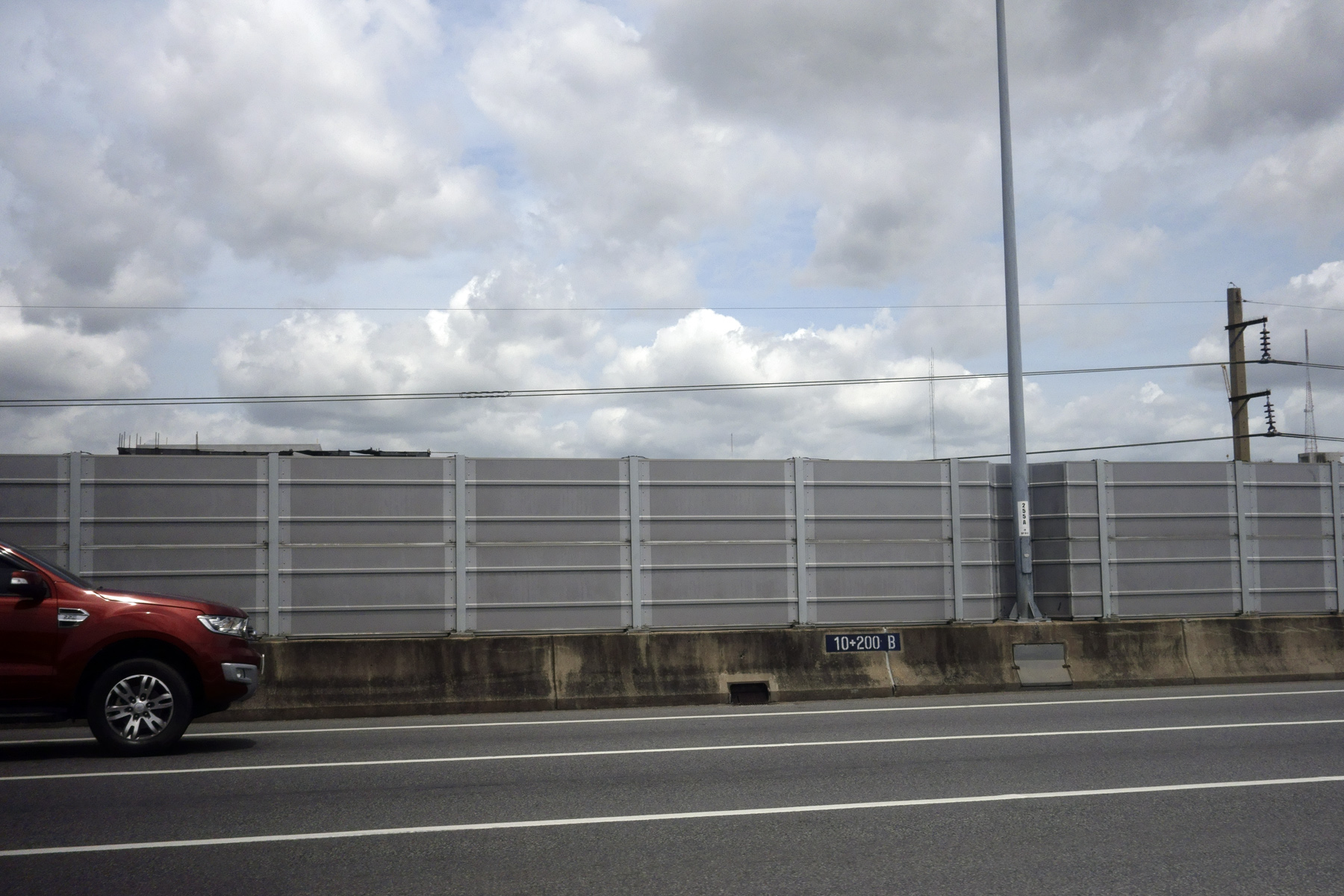
Here is a body of work shot mainly from moving taxi windows in Bangkok and surrounds, interspersed with still, Zen-like images.
With the moving images, you have to anticipate by a couple of seconds the movement of the taxi and the release of the shutter so you have no idea what the image will actually be. Your sense of previsualisation is completed on feel and instinct. You trust the world to provide the image which you are looking for. I enjoy them, they give me pleasure and contentment in their creation.
Oblique
In terms of defining the concept of the oblique we can say that: “The oblique is fundamentally interested in how a body physically experiences a space.”
In this case, both physically and spiritually.
The series investigates the concept through images of movement and stillness, fleeting glimpses of urban life intertwined with Zen-like images. The series is constructed not as a sequence, but as a “volume” where there is no beginning, no middle and no end. It is like a jewel that can be turned around and looked at from different perspectives, where no one perspective is the correct interpretation. Each volume has its own validity, its own uniqueness.
The images can also be read as a protest against death – no beginning, no middle, no end – where everything is connected to everything else. As Goethe observes in his Conversations with Eckermarm (5 June 1825):
“In nature we never see anything isolated, but everything in connection with something else which is before it, beside it, under it, and over it.”
Please note: the series is best viewed on a desktop computer with a large screen. Please click on the photographs to see a larger version of the image.
Photographs are available from this series for purchase. As a guide, a digital colour 16″ x 20″ costs $1000 plus tracked and insured shipping. For more information please see my Store web page.
The 66 images of Oblique (2019). Please click on the photograph to see a larger version of the work
Marcus Bunyan (Australian born England, b. 1958) Untitled 2019 From the series Oblique Digital colour photograph
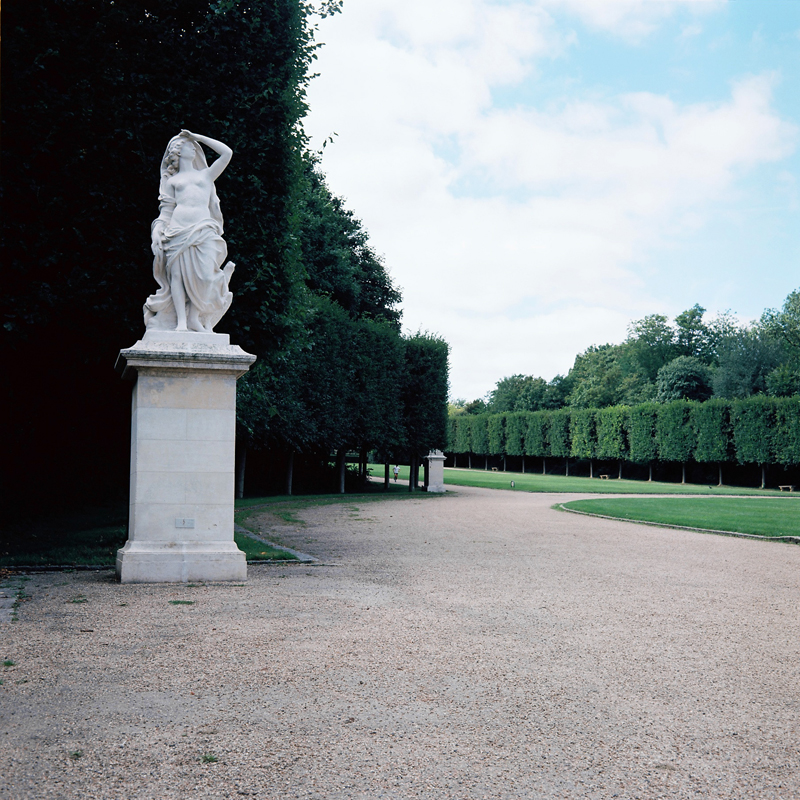
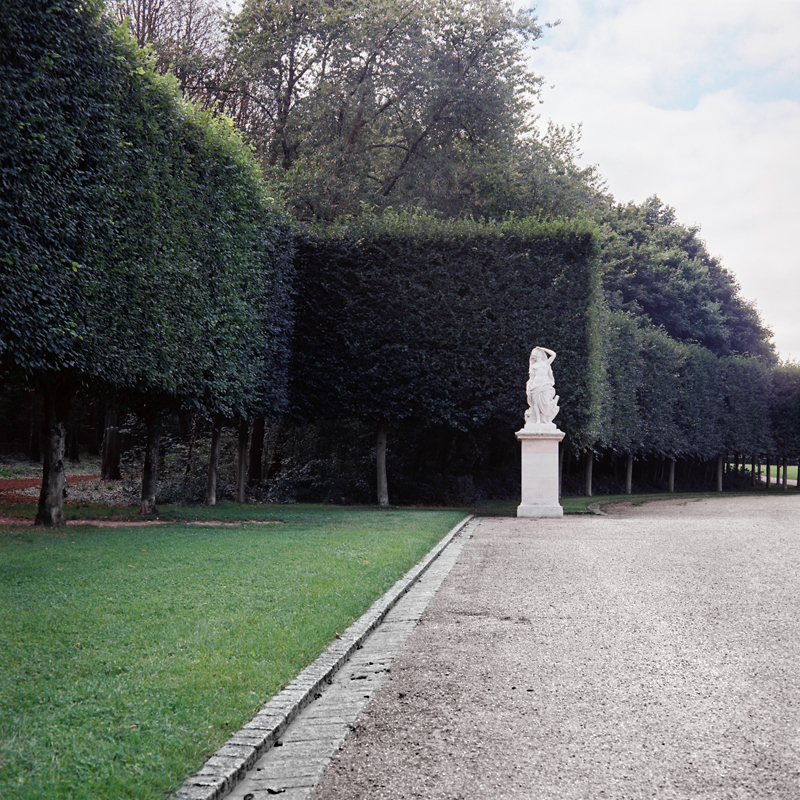
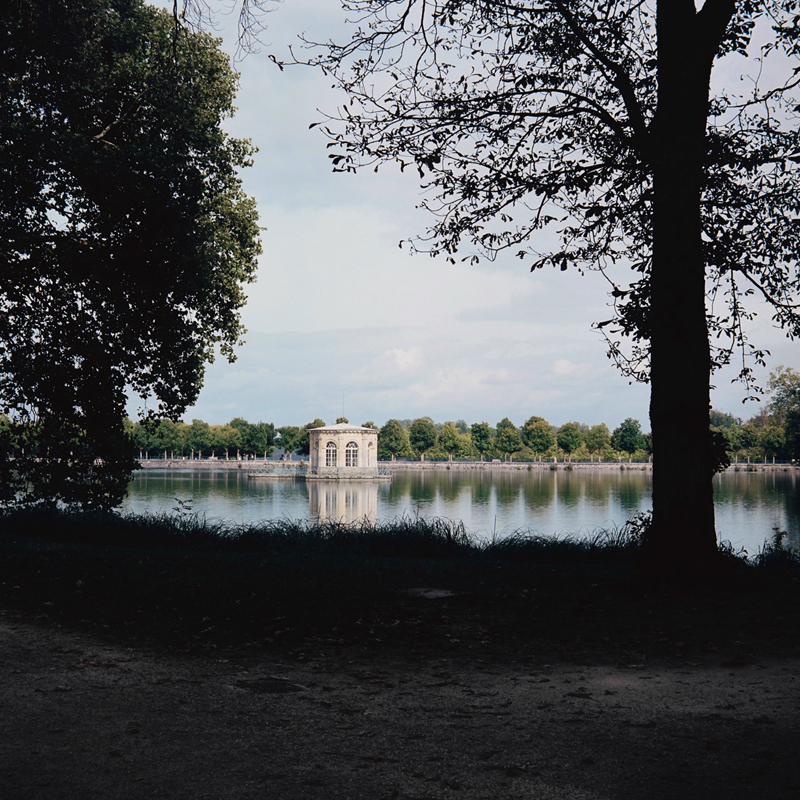
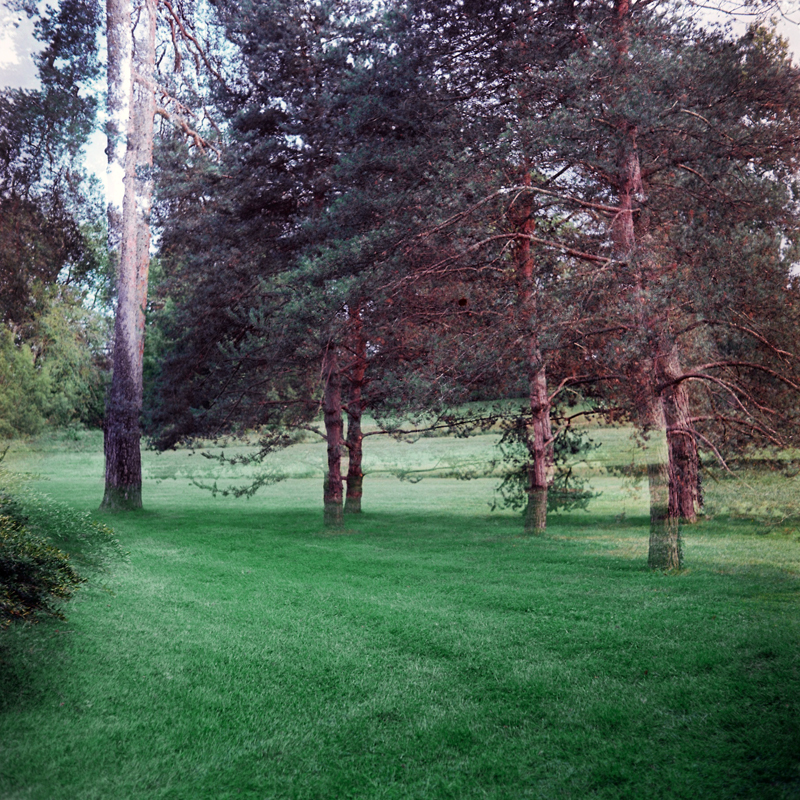
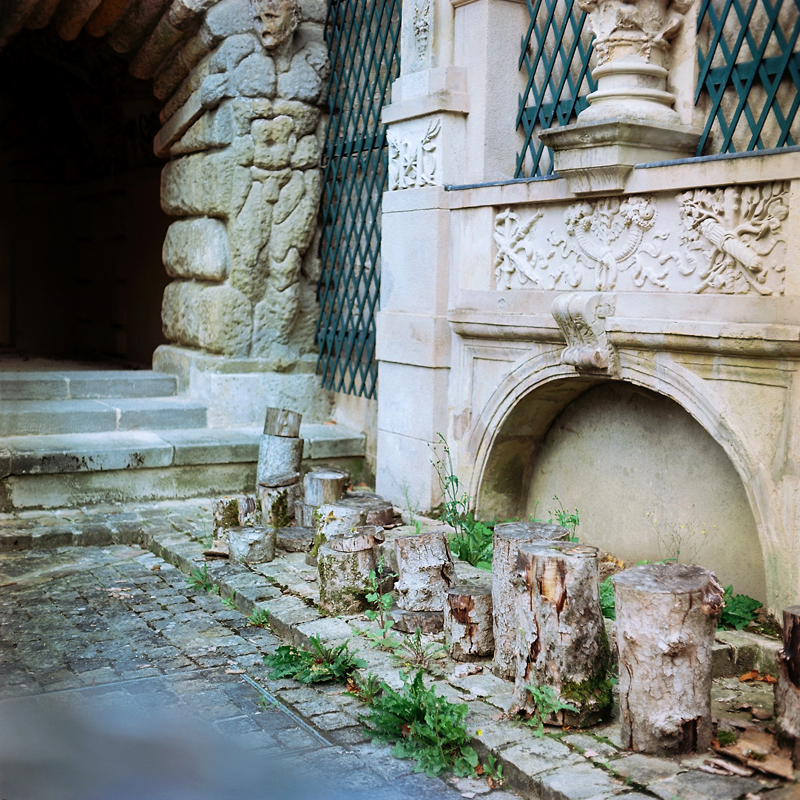
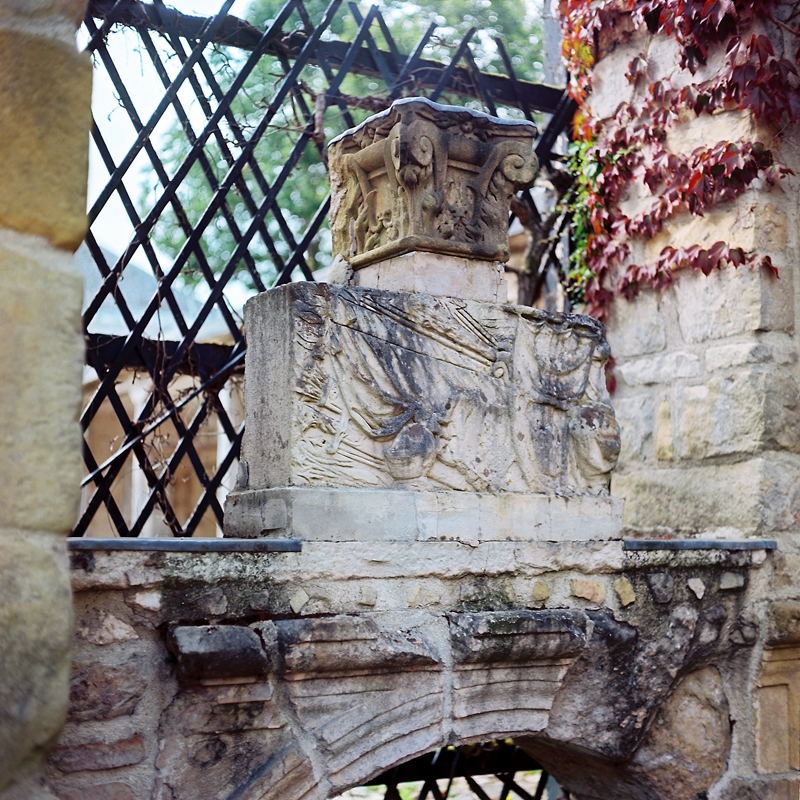
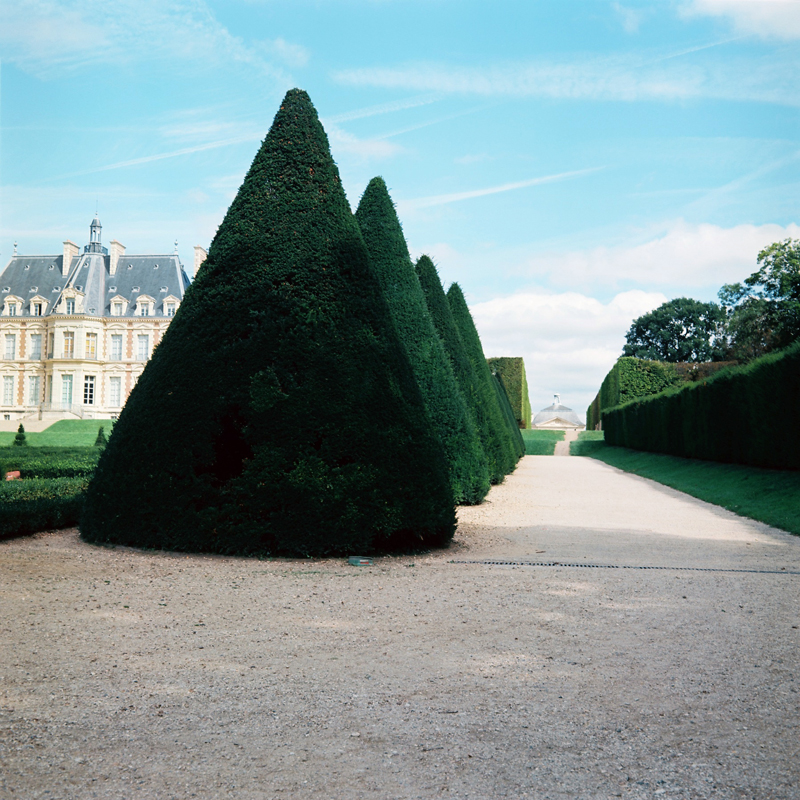
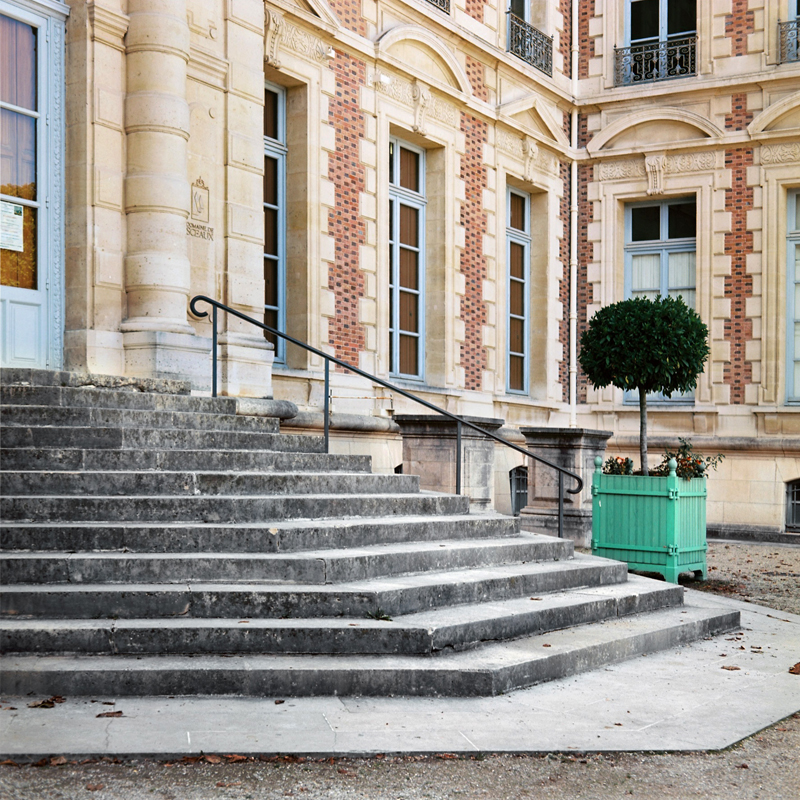
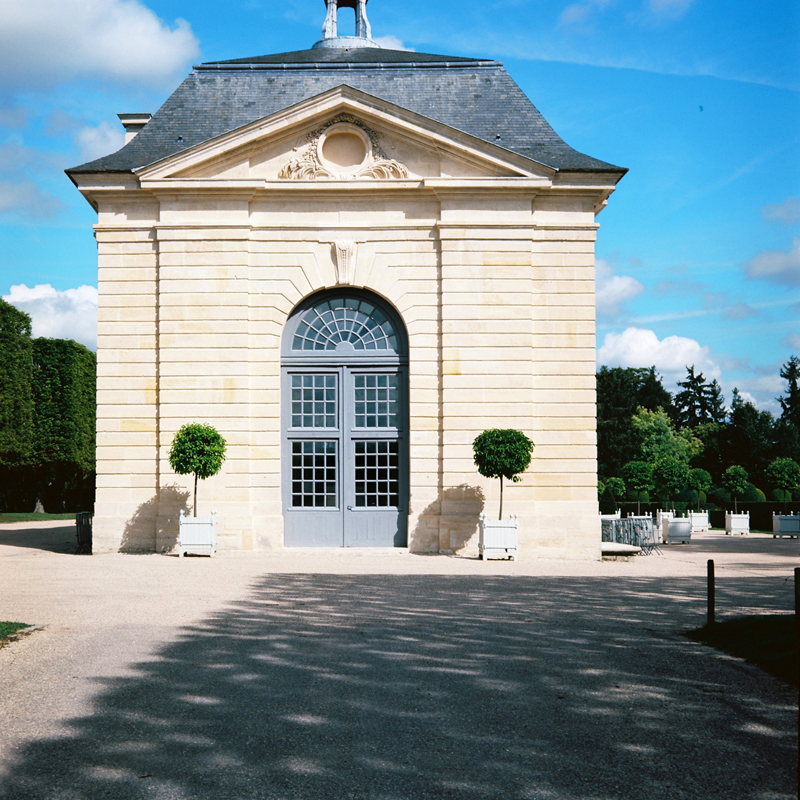
Marcus Bunyan (Australian, b. 1958) Parc de Sceaux 2018 From the series Paris in film Digital photograph
Paris in film
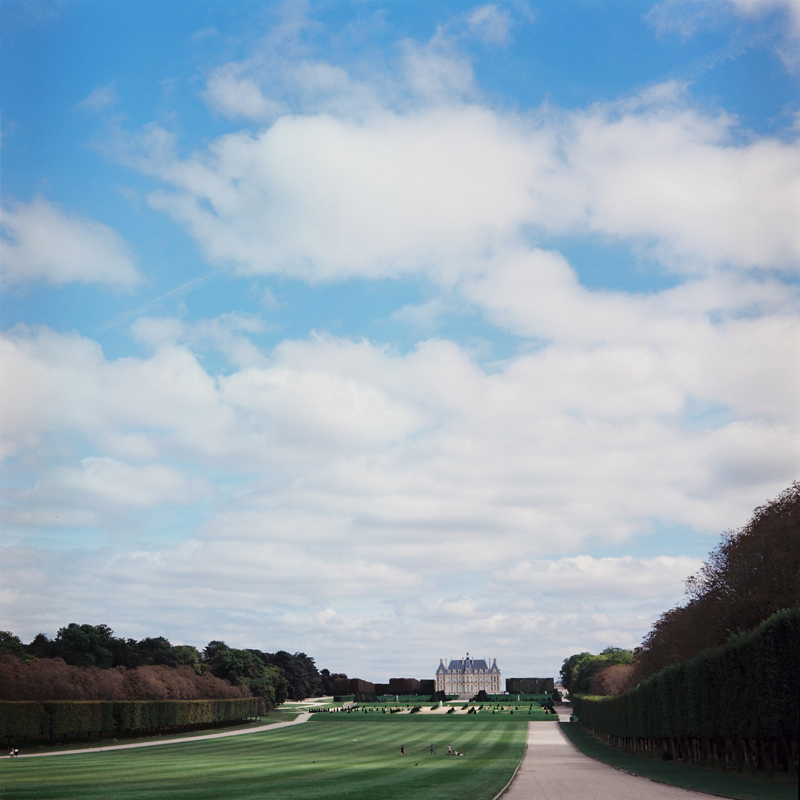
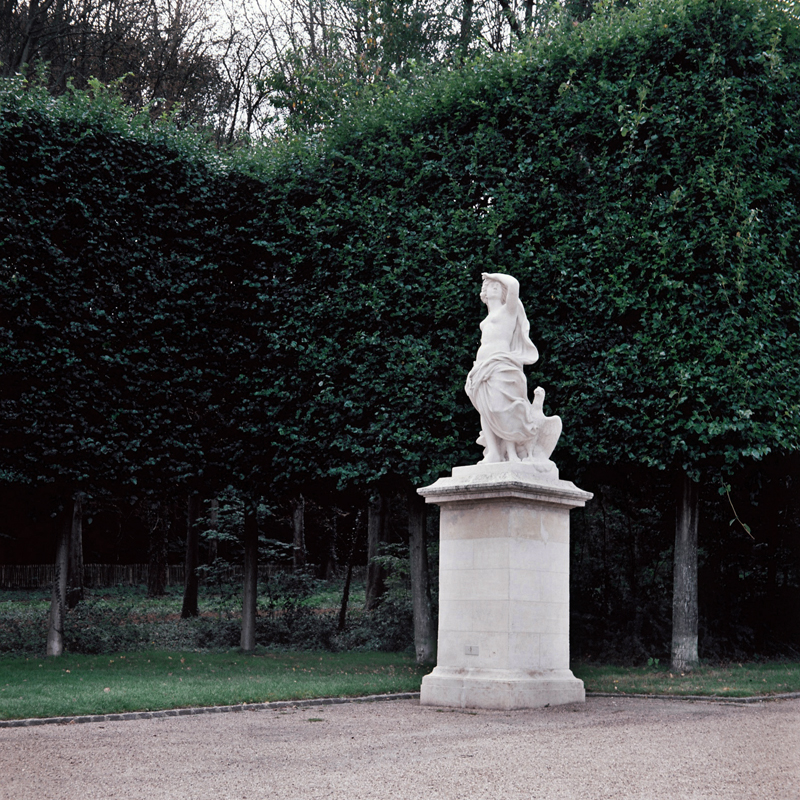
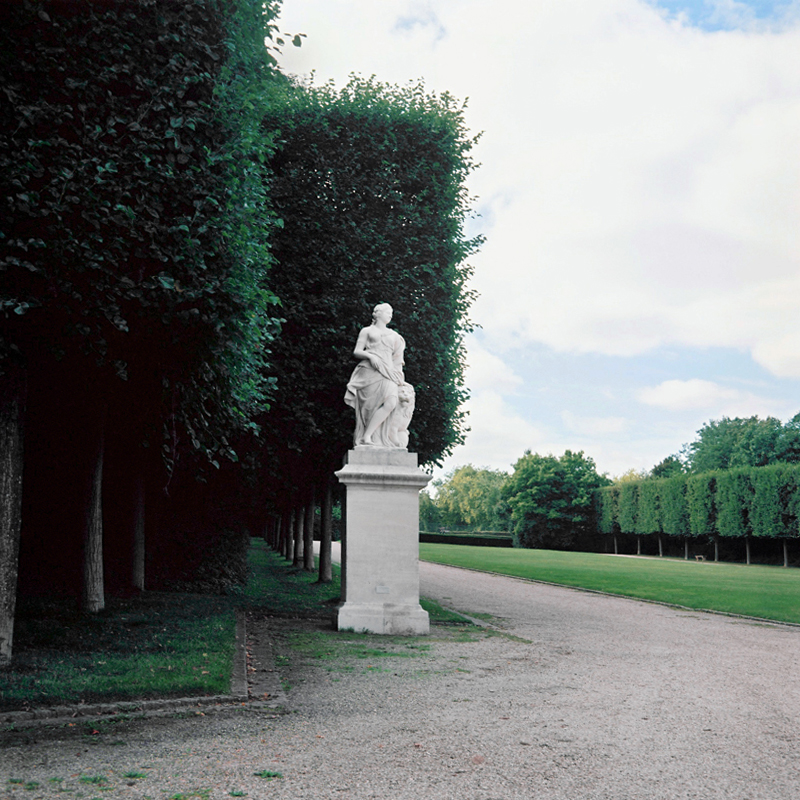
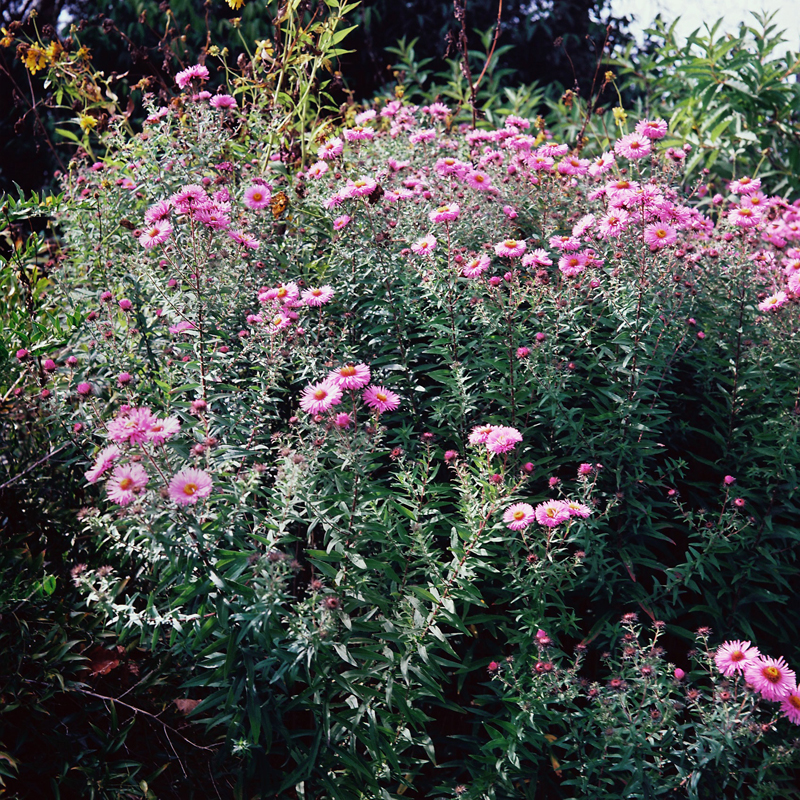
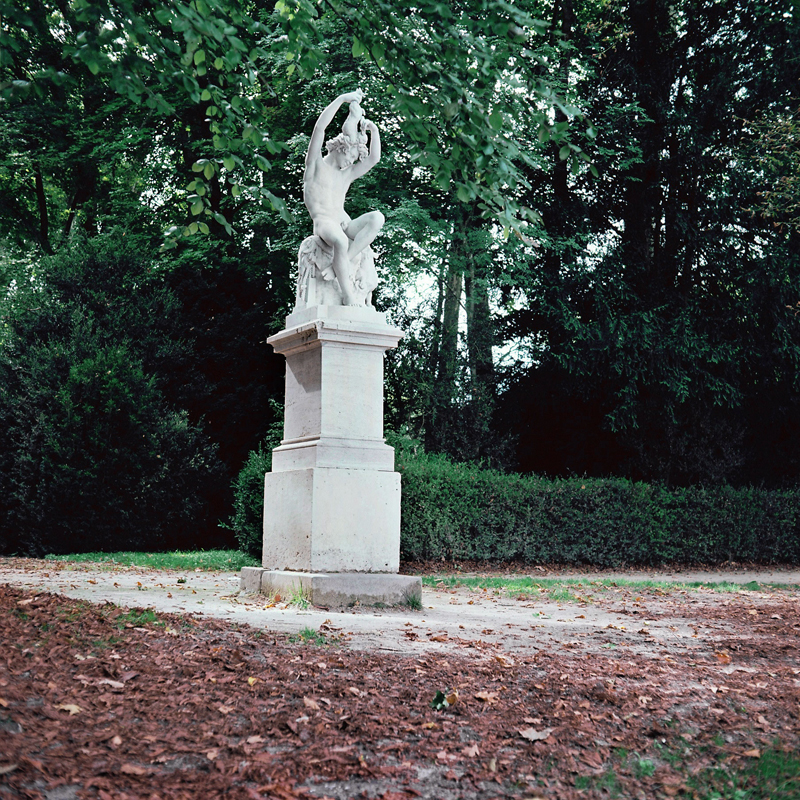
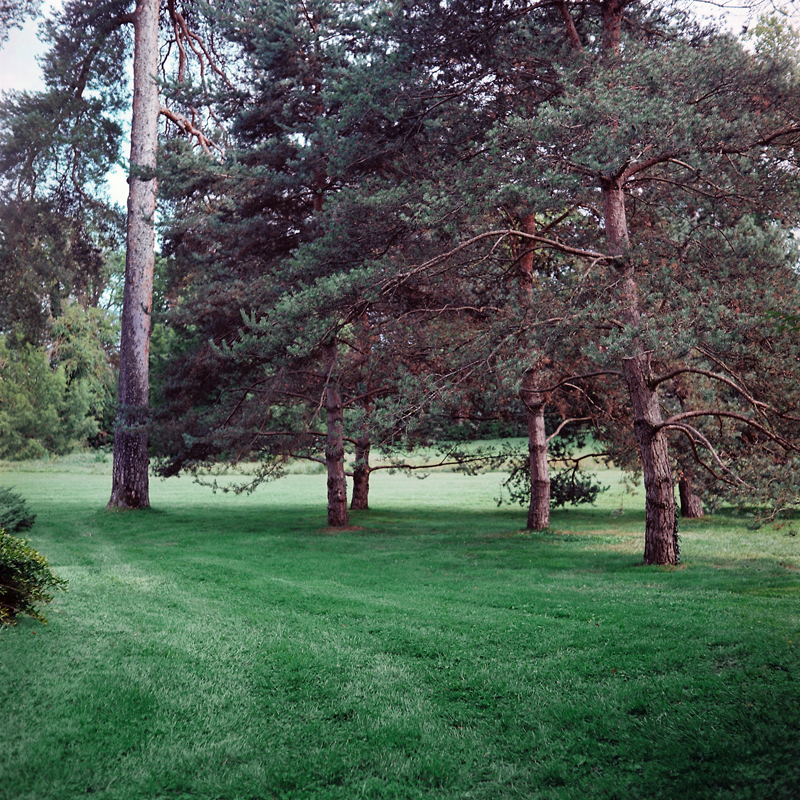
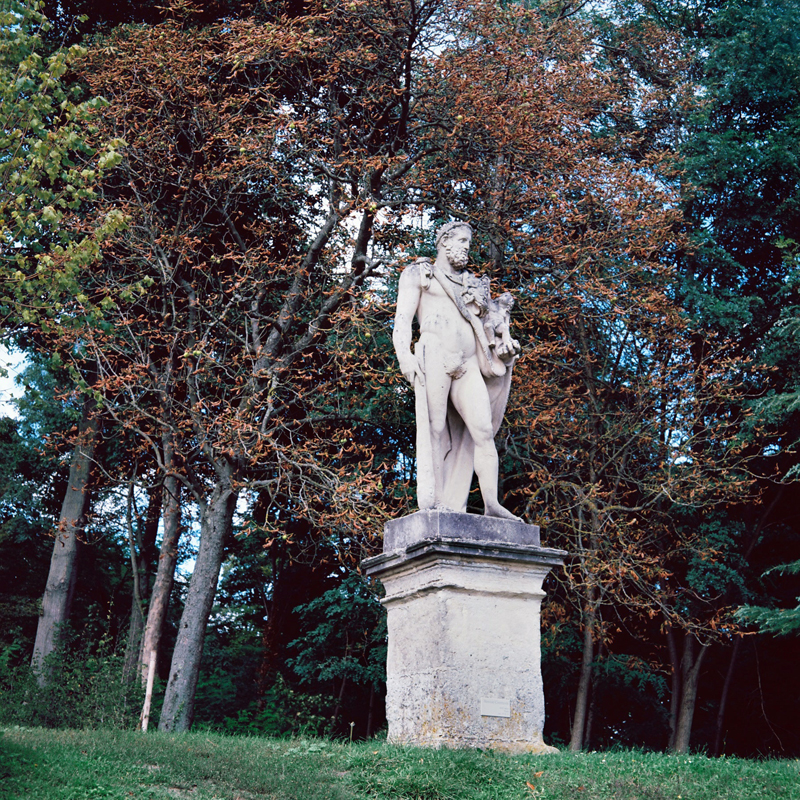
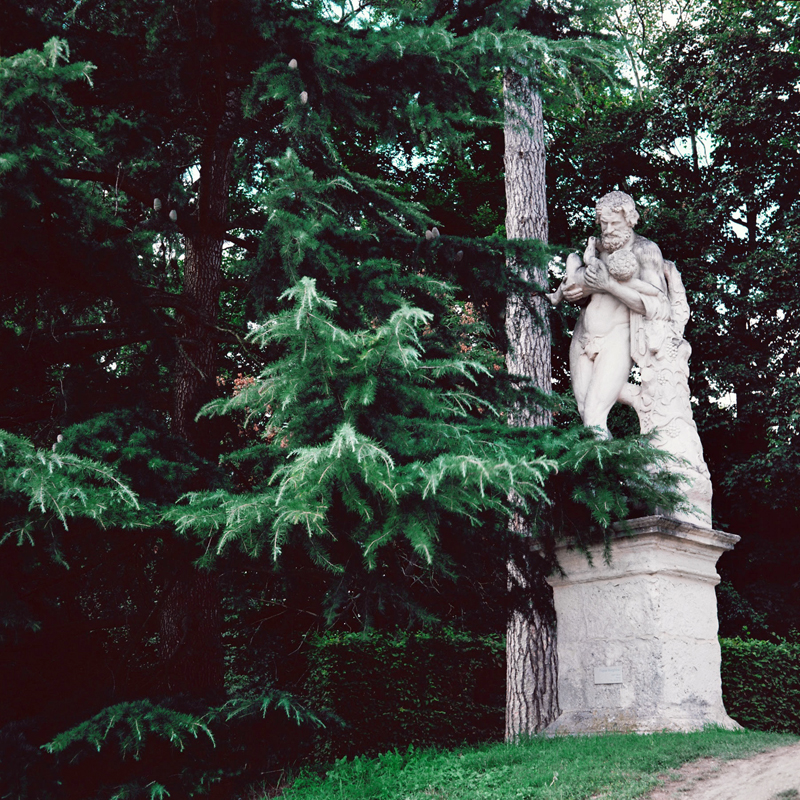
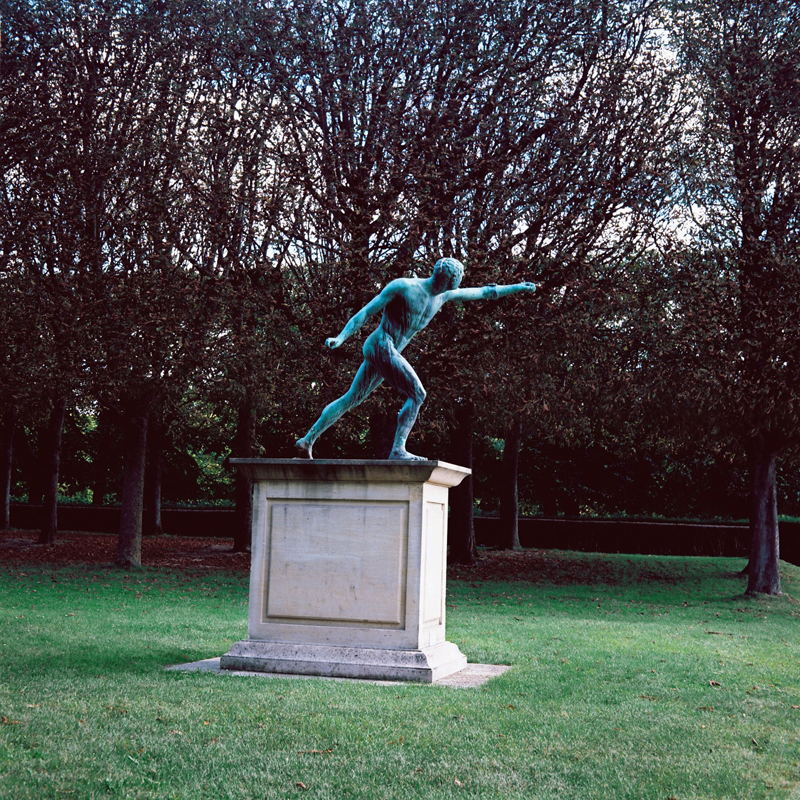
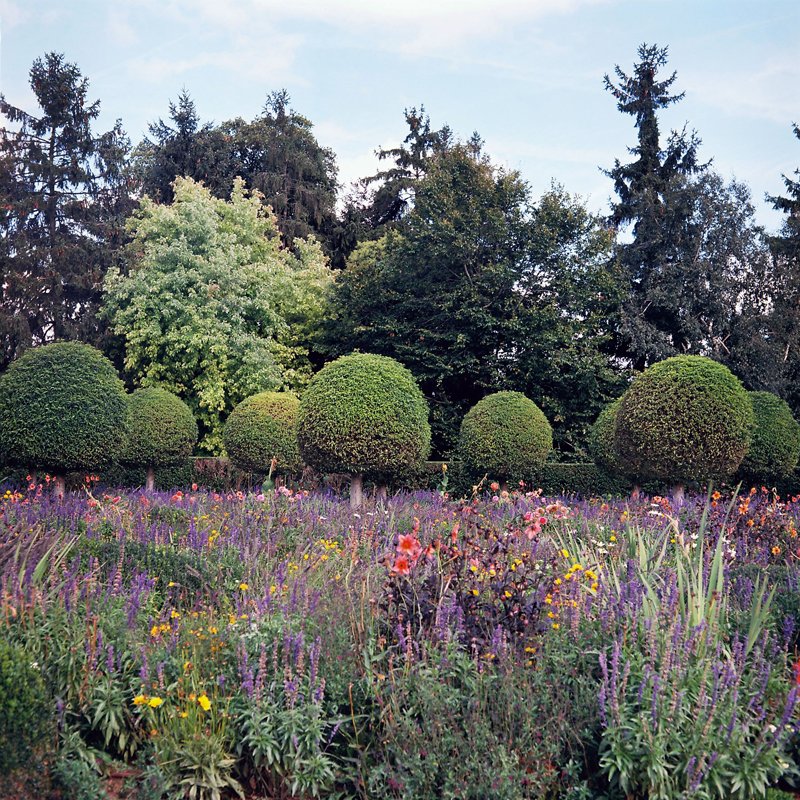
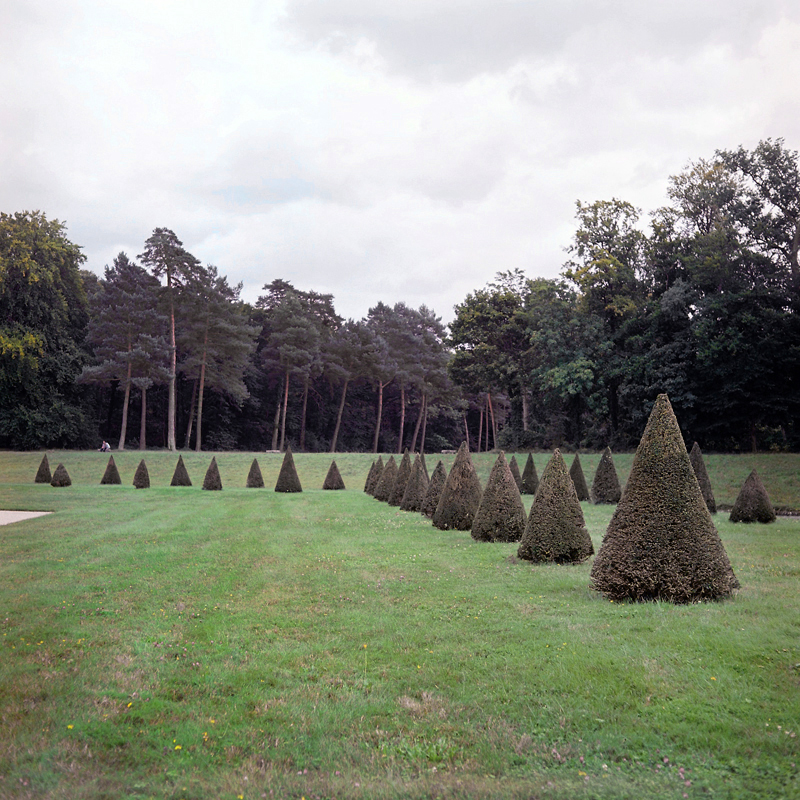
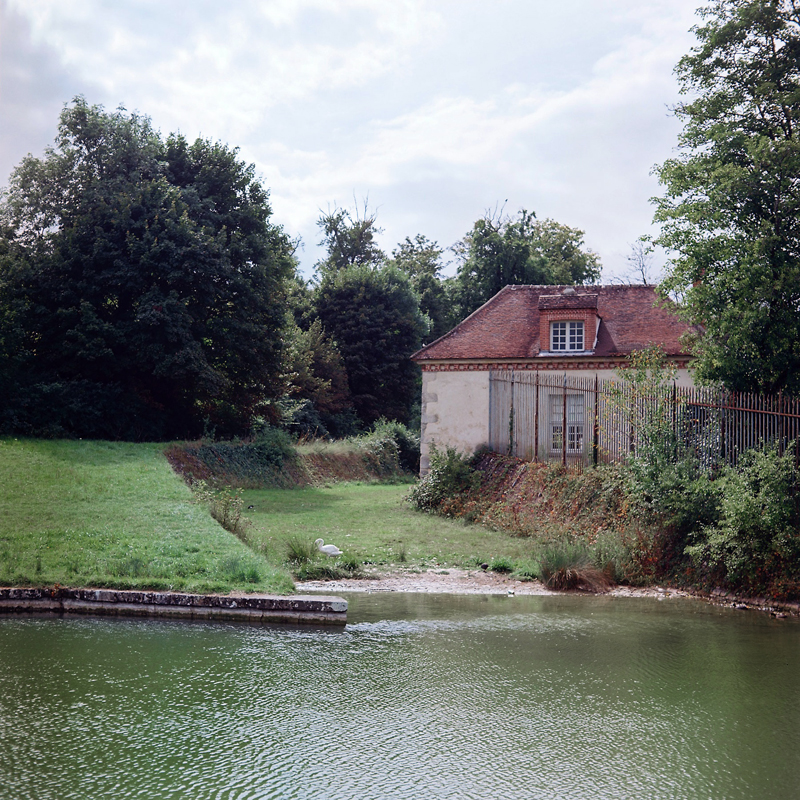
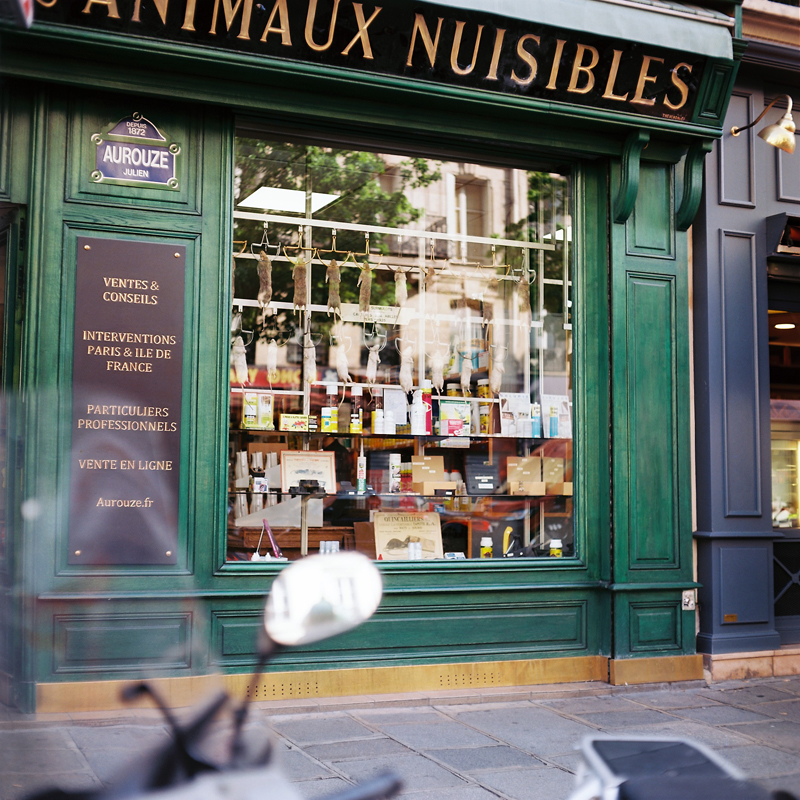
These photographs were taken on a trip to Paris in 2017 using my Mamiya twin-lens C220 medium format camera shot on Kodak Ektra 100 colour negative film.
It was strange taking these photographs over numerous, adventurous, energised days in Paris. Different from the yet to be sorted 4,000+ digital photographs I took, the act of taking these photographs allowed me to fully concentrate, to immerse myself in the environment, to loose myself in the process – with a commensurate dropping away of ego. I just was in the moment, “in the zone” as athletes would say.
They are reasonable scans of the negatives, full frame, no cropping, and I have colour corrected as best I can, noting that all digital images look different from computer monitor to monitor – one of the perennial hazards of looking at work online. They have not been sequenced at the moment.
The photographs seem to hang well together as a body of work.
Through their clear visualisation, the photographs speak directly to the viewer.
Please click on the photographs for a larger version of the image.
Photographs are available from this series for purchase. As a guide, a digital colour 16″ x 20″ costs $1000 plus tracked and insured shipping. For more information please see my Store web page.
“The great goal that we must all pursue is to kill off the great evil that eats away at us: egotism.”
“Sometimes I think I love nature just as much, if not more, for not being capable of translation into words… No words can describe some things. The more one says the less one sees. You see… nature is like love, it’s in the heart and you must not talk about it too much. You diminish what you try to describe. As for myself, I have no idea of my own nature when I act unselfconsciously. I only see what there is between the sky and myself. I have no part in it all. If I think of you, in my odd way I am you and I cease to exist.”
George Sand
Marcus Bunyan (Australian, b. 1958) Parc de Sceaux 2018 From the series Paris in film Digital photograph
Marcus Bunyan (Australian, b. 1958) Parc de Sceaux 2018 From the series Paris in film Digital photograph
Marcus Bunyan (Australian, b. 1958) Parc de Sceaux 2018 From the series Paris in film Digital photograph
Marcus Bunyan (Australian, b. 1958) Parc de Sceaux 2018 From the series Paris in film Digital photograph
Marcus Bunyan (Australian, b. 1958) Parc de Sceaux 2018 From the series Paris in film Digital photograph
Marcus Bunyan (Australian, b. 1958) Parc de Sceaux 2018 From the series Paris in film Digital photograph
Marcus Bunyan (Australian, b. 1958) Parc de Sceaux 2018 From the series Paris in film Digital photograph
Marcus Bunyan (Australian, b. 1958) Parc de Sceaux 2018 From the series Paris in film Digital photograph
Marcus Bunyan (Australian, b. 1958) Parc de Sceaux 2018 From the series Paris in film Digital photograph
Marcus Bunyan (Australian, b. 1958) Parc de Sceaux 2018 From the series Paris in film Digital photograph
Marcus Bunyan (Australian, b. 1958) Parc de Sceaux 2018 From the series Paris in film Digital photograph
Marcus Bunyan (Australian, b. 1958) Parc de Sceaux 2018 From the series Paris in film Digital photograph
Marcus Bunyan (Australian, b. 1958) Parc de Sceaux 2018 From the series Paris in film Digital photograph
Marcus Bunyan (Australian, b. 1958) Parc de Sceaux 2018 From the series Paris in film Digital photograph
Marcus Bunyan (Australian, b. 1958) Parc de Sceaux 2018 From the series Paris in film Digital photograph
Marcus Bunyan (Australian, b. 1958) Parc de Sceaux 2018 From the series Paris in film Digital photograph
Marcus Bunyan (Australian, b. 1958) Parc de Sceaux 2018 From the series Paris in film Digital photograph
Marcus Bunyan (Australian, b. 1958) Parc de Sceaux 2018 From the series Paris in film Digital photograph
Marcus Bunyan (Australian, b. 1958) Fontainebleau 2018 From the series Paris in film Digital photograph
Marcus Bunyan (Australian, b. 1958) Fontainebleau 2018 From the series Paris in film Digital photograph
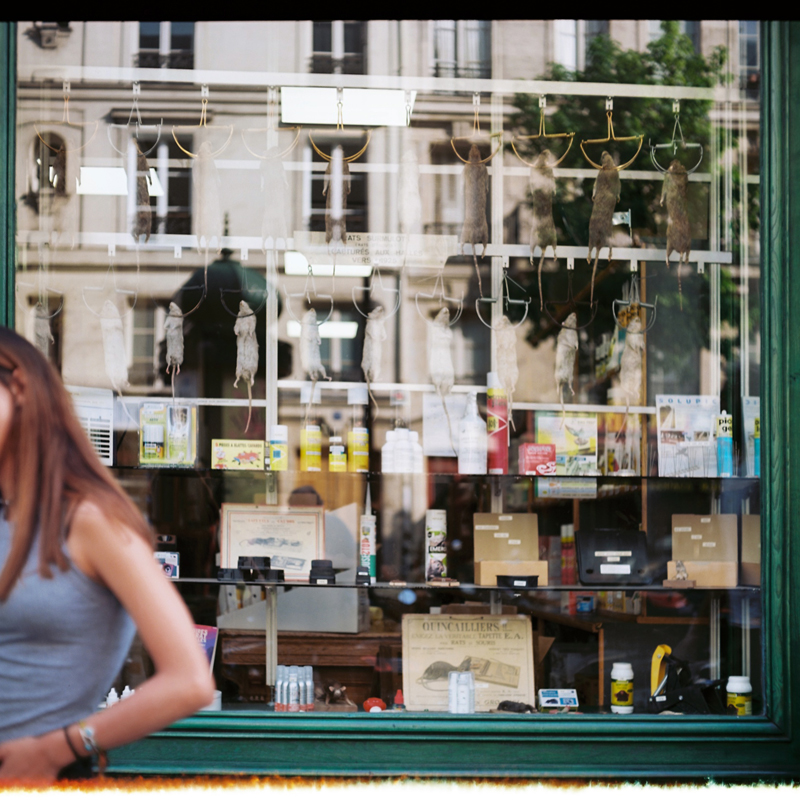
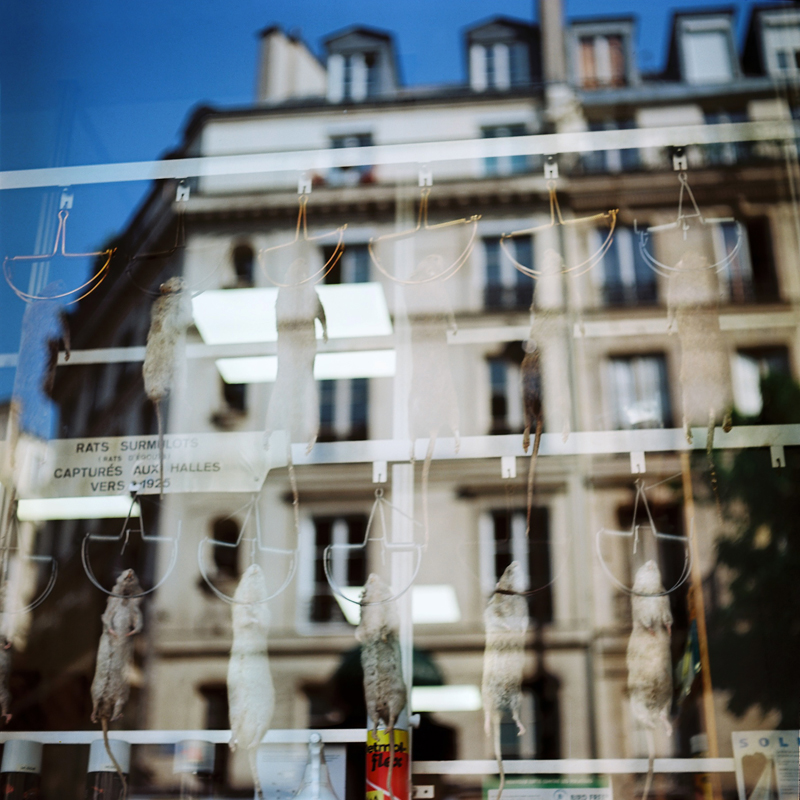
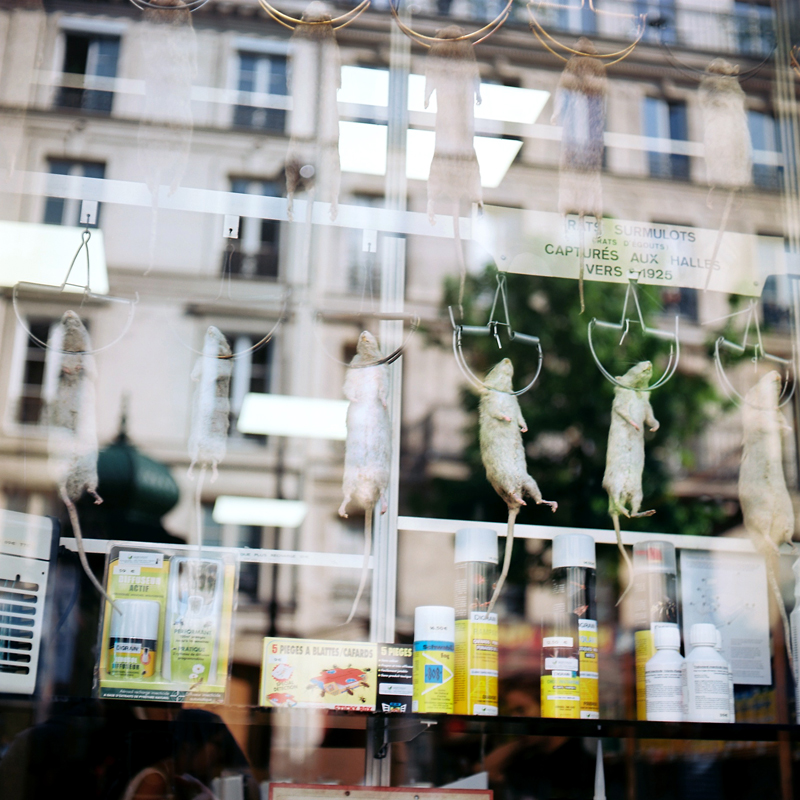
Marcus Bunyan (Australian, b. 1958) Animaux Nuisibles 2018 From the series Paris in film Digital photograph
Marcus Bunyan (Australian, b. 1958) Animaux Nuisibles 2018 From the series Paris in film Digital photograph
Marcus Bunyan (Australian, b. 1958) Animaux Nuisibles 2018 From the series Paris in film Digital photograph
Marcus Bunyan (Australian, b. 1958) Rats Surmulots Captures aux Halles vers 1925 2018 From the series Paris in film Digital photograph
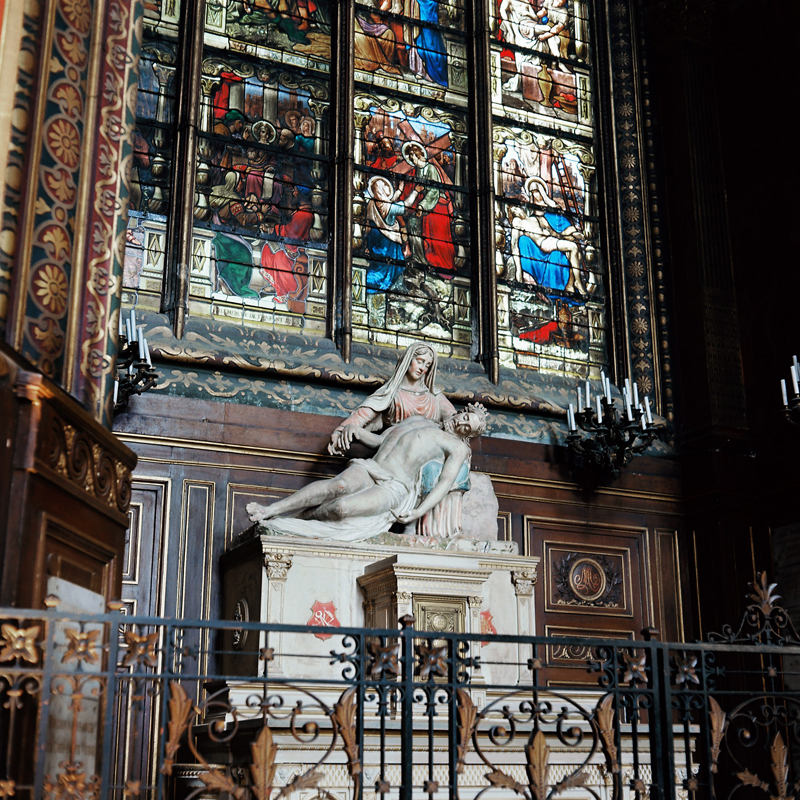
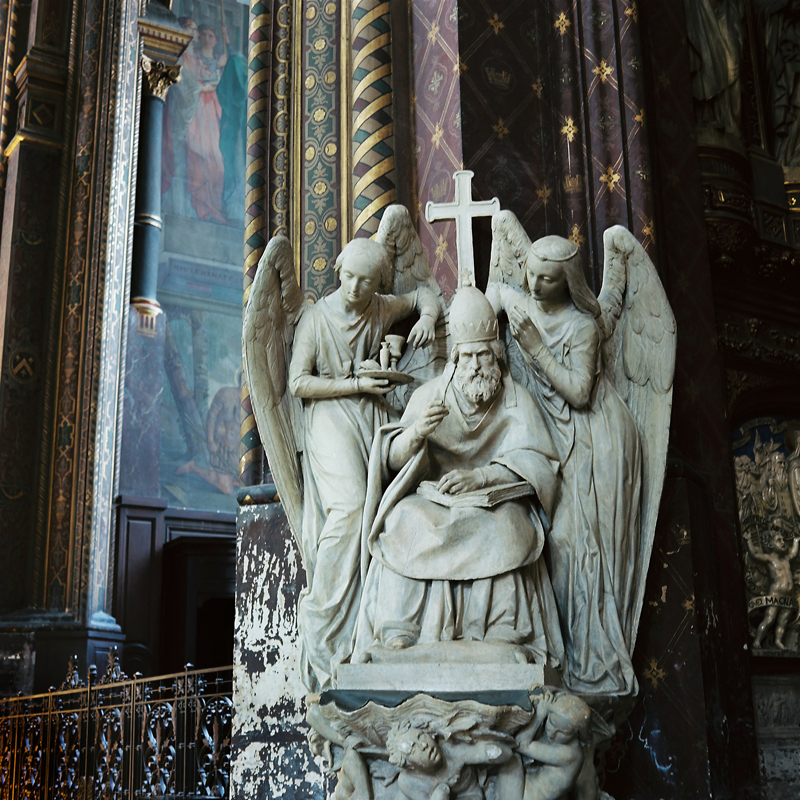
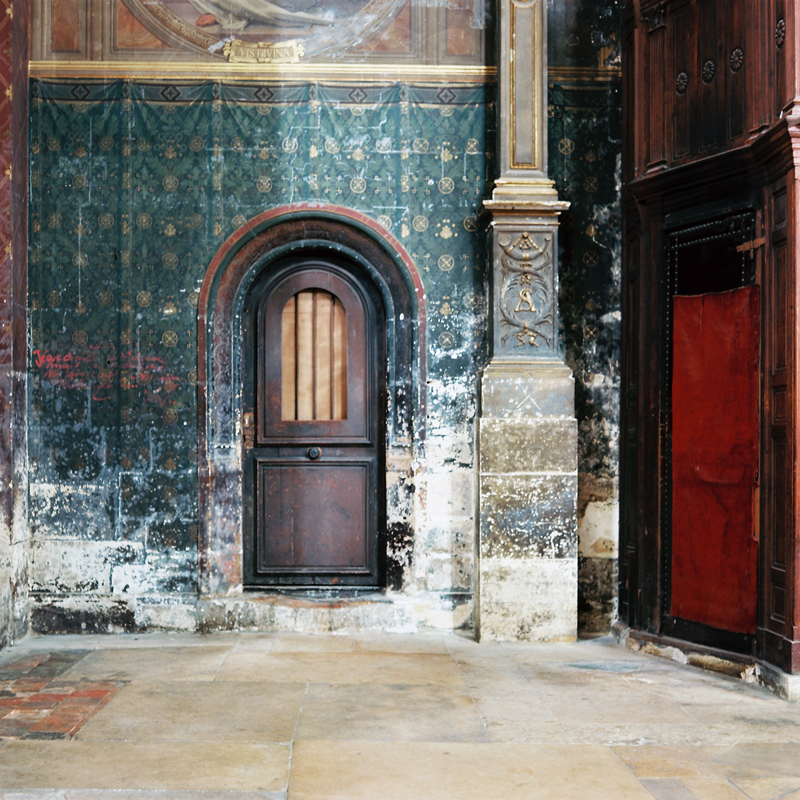
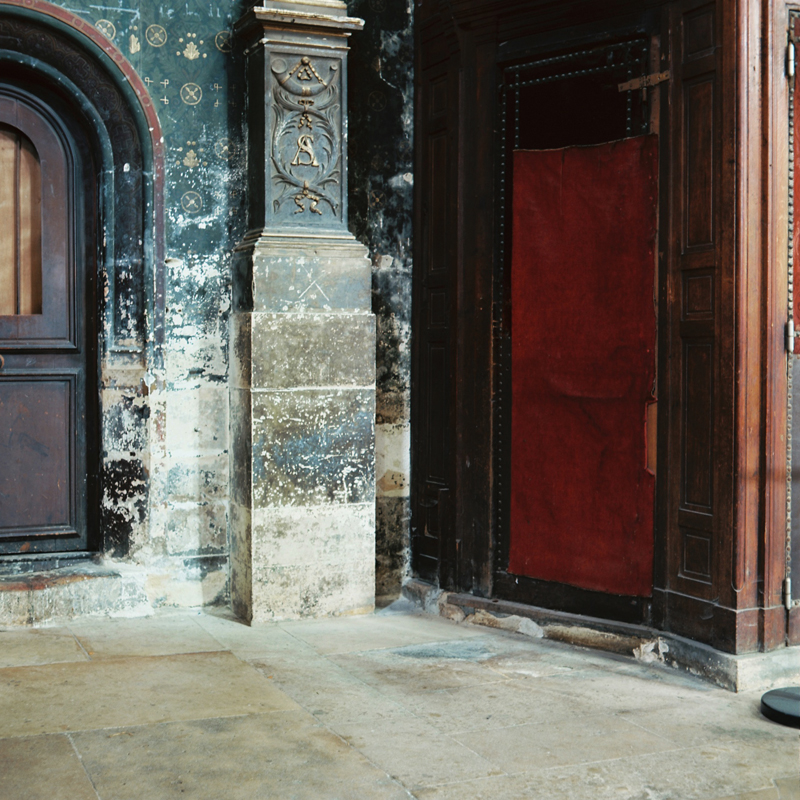
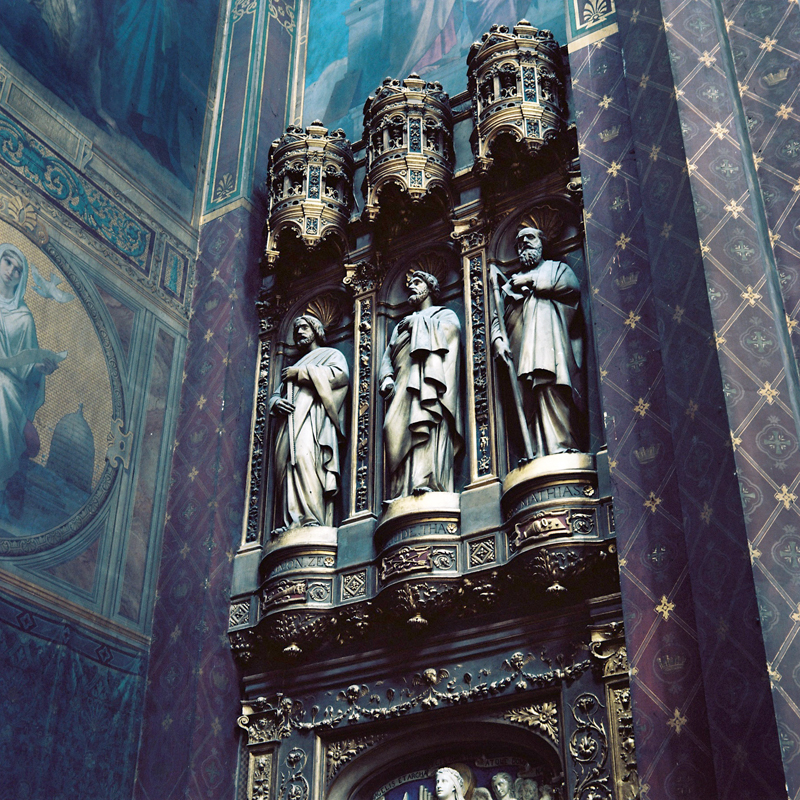
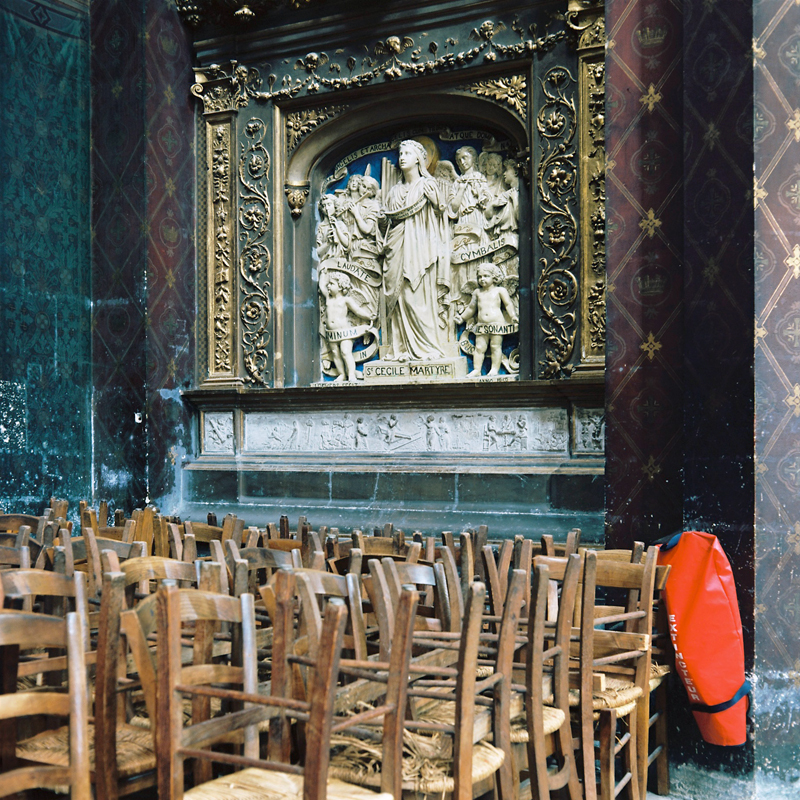
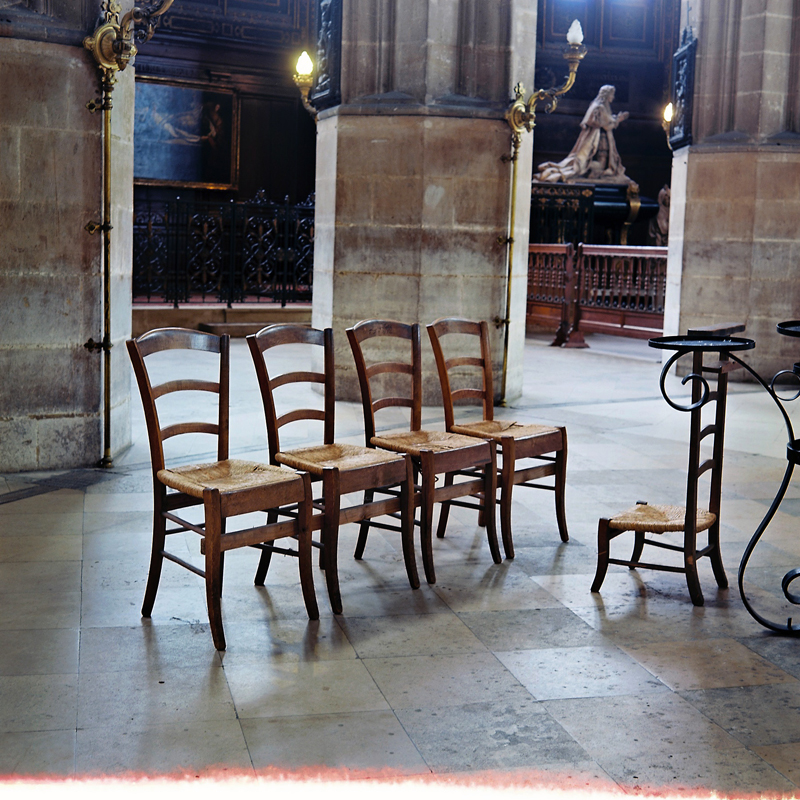
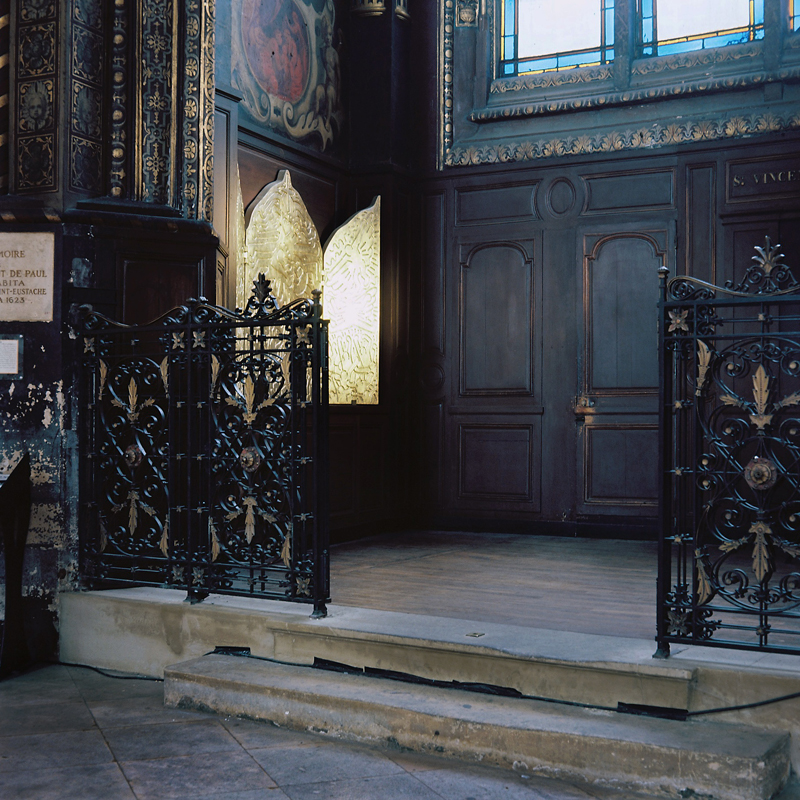
Marcus Bunyan (Australian, b. 1958) Saint-Eustache Church 2018 From the series Paris in film Digital photograph
Marcus Bunyan (Australian, b. 1958) Saint-Eustache Church 2018 From the series Paris in film Digital photograph
Marcus Bunyan (Australian, b. 1958) Saint-Eustache Church 2018 From the series Paris in film Digital photograph
Marcus Bunyan (Australian, b. 1958) Saint-Eustache Church 2018 From the series Paris in film Digital photograph
Marcus Bunyan (Australian, b. 1958) Saint-Eustache Church 2018 From the series Paris in film Digital photograph
Marcus Bunyan (Australian, b. 1958) Saint-Eustache Church 2018 From the series Paris in film Digital photograph
Marcus Bunyan (Australian, b. 1958) Saint-Eustache Church 2018 From the series Paris in film Digital photograph
Marcus Bunyan (Australian, b. 1958) Dying light, Keith Haring in Saint-Eustache Church 2018 From the series Paris in film Digital photograph













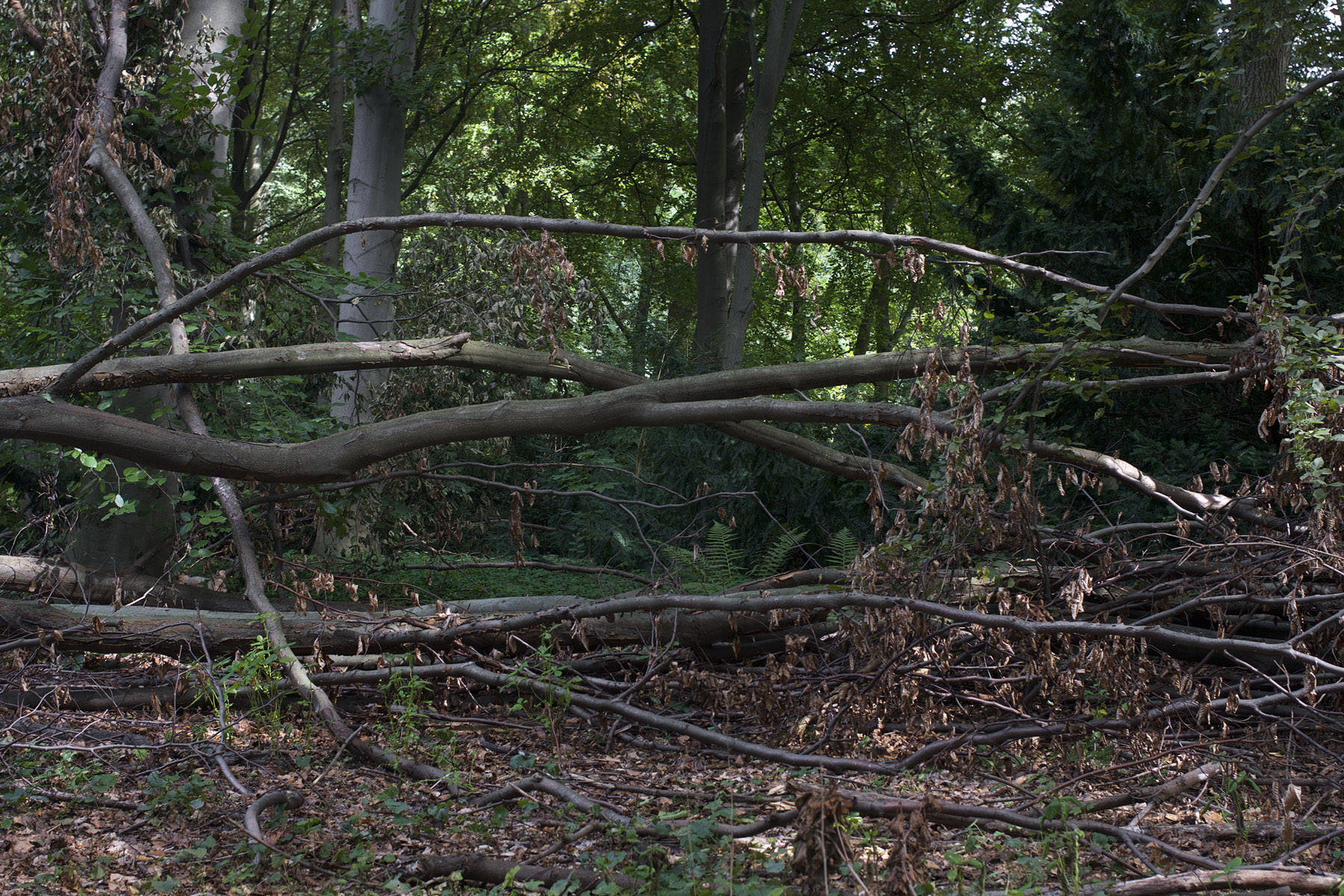
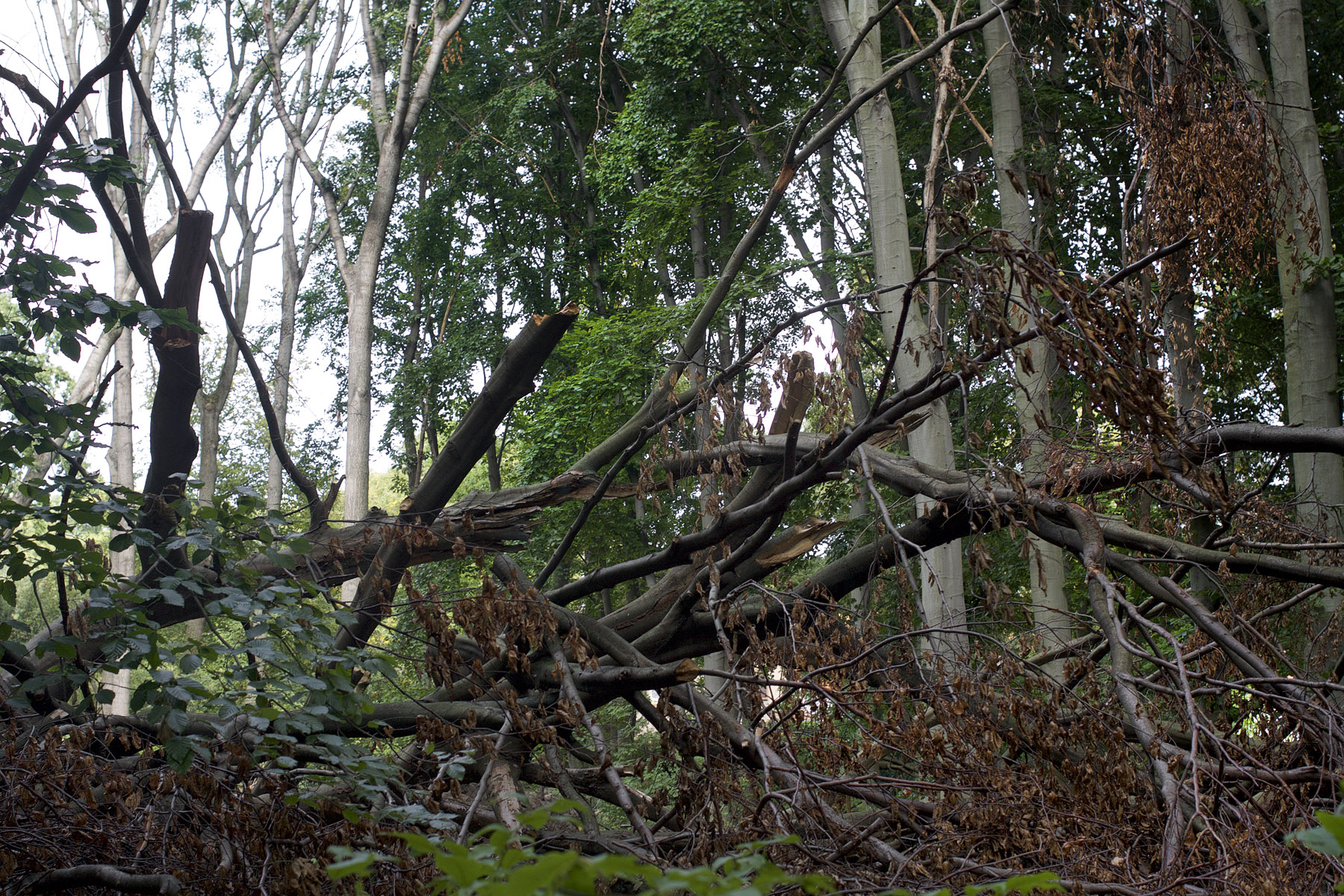
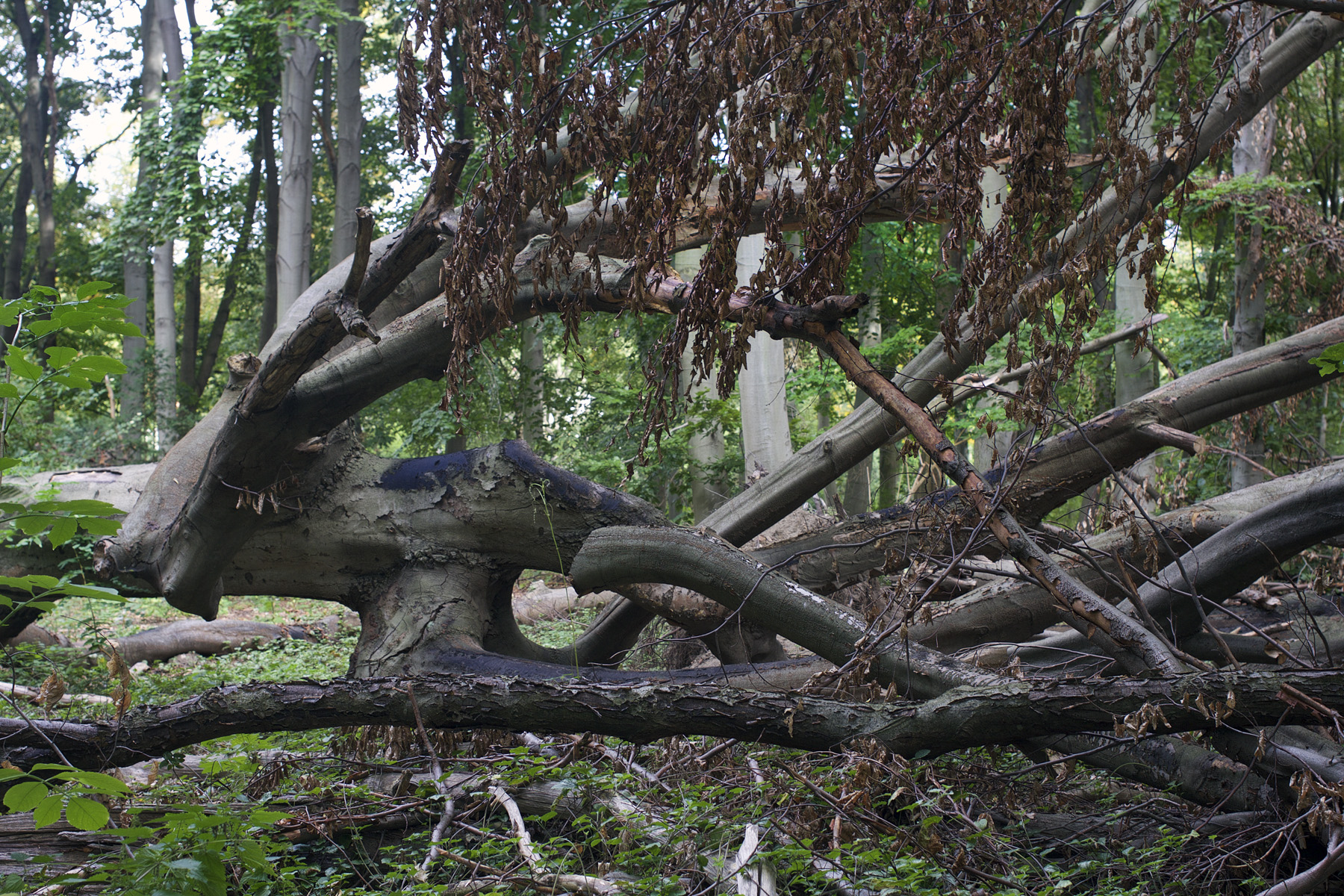
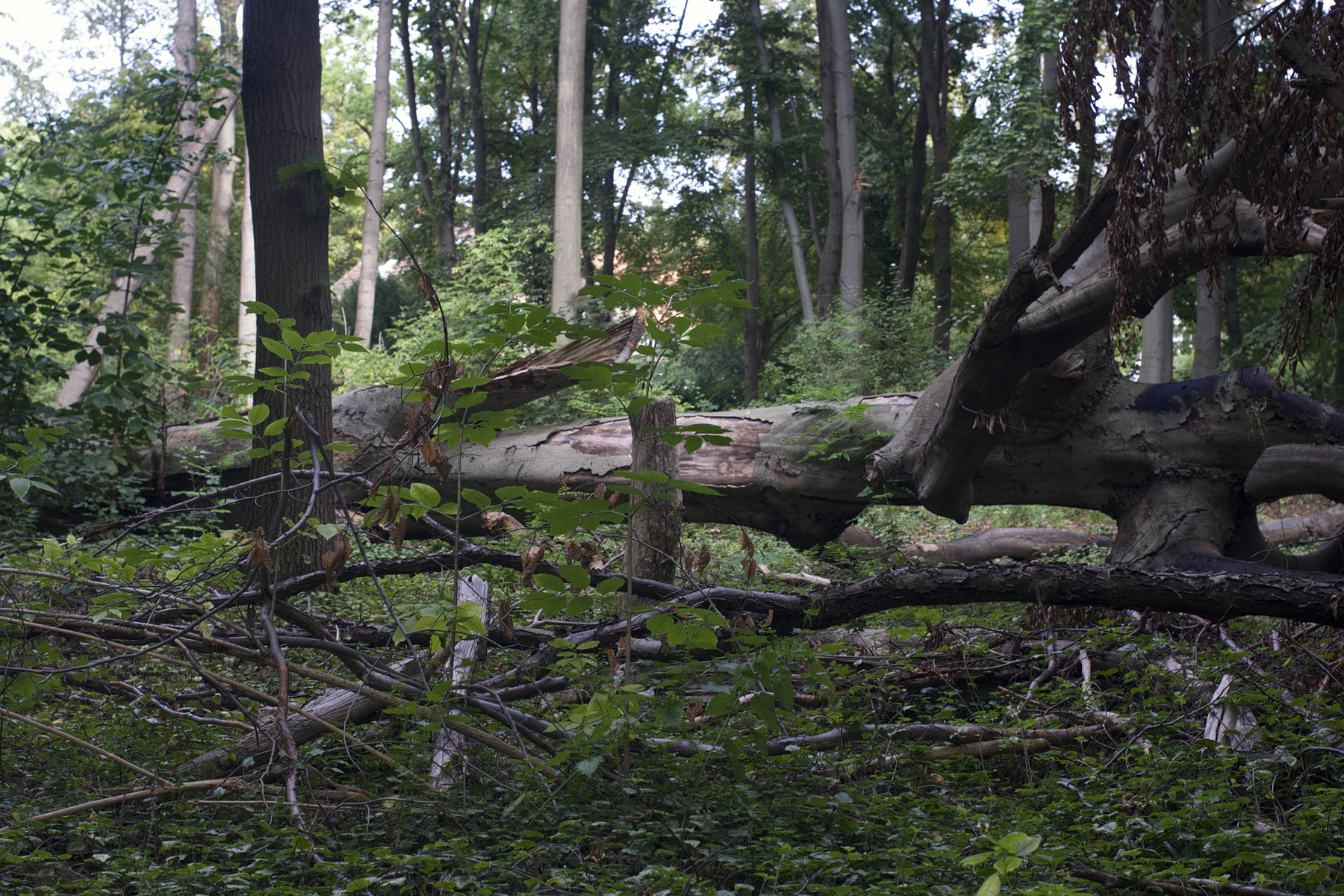










![Joyce Evans (Australian, 1929-2019) 'Untitled [Budapest crowd]' 1949](https://artblart.com/wp-content/uploads/2019/08/joyce-evans-budapest-crowd-1949-web.jpg "Joyce Evans (Australian, 1929-2019) 'Untitled [Budapest crowd]' 1949")





 Art Blart _ art and cultural memory archive
You must be logged in to post a comment.