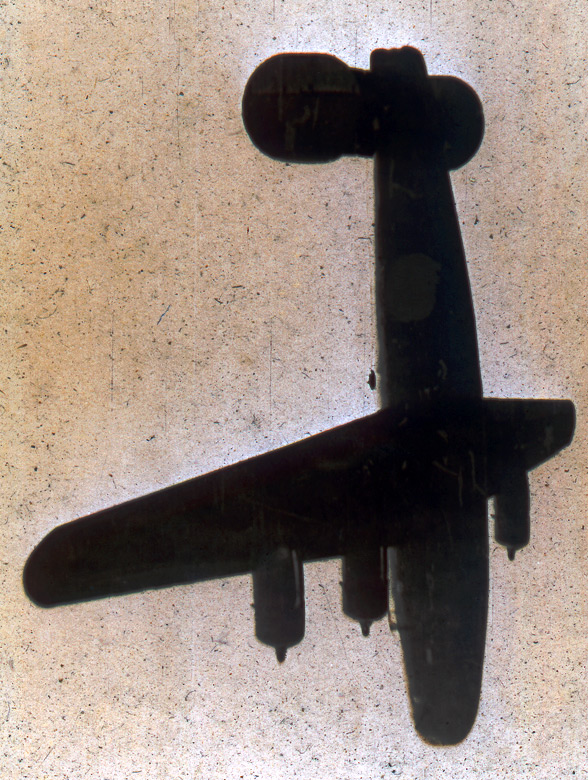
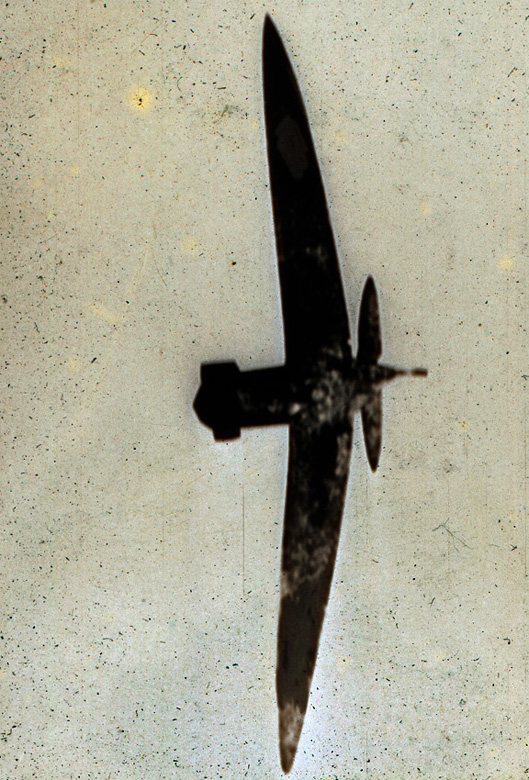
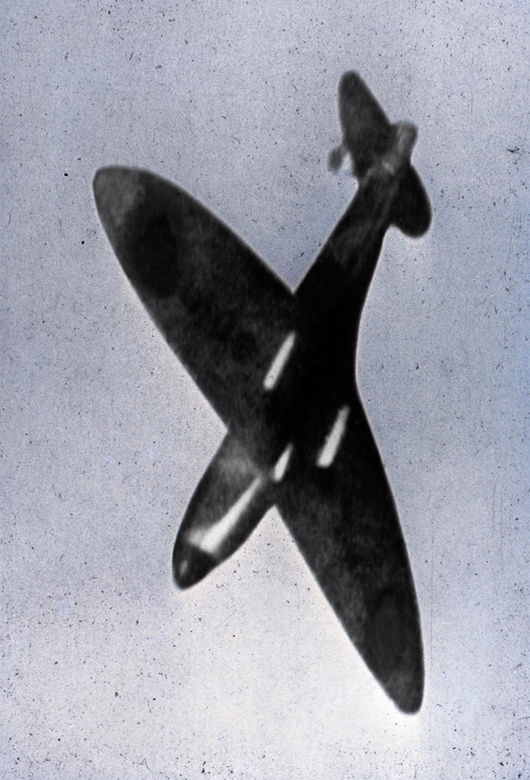
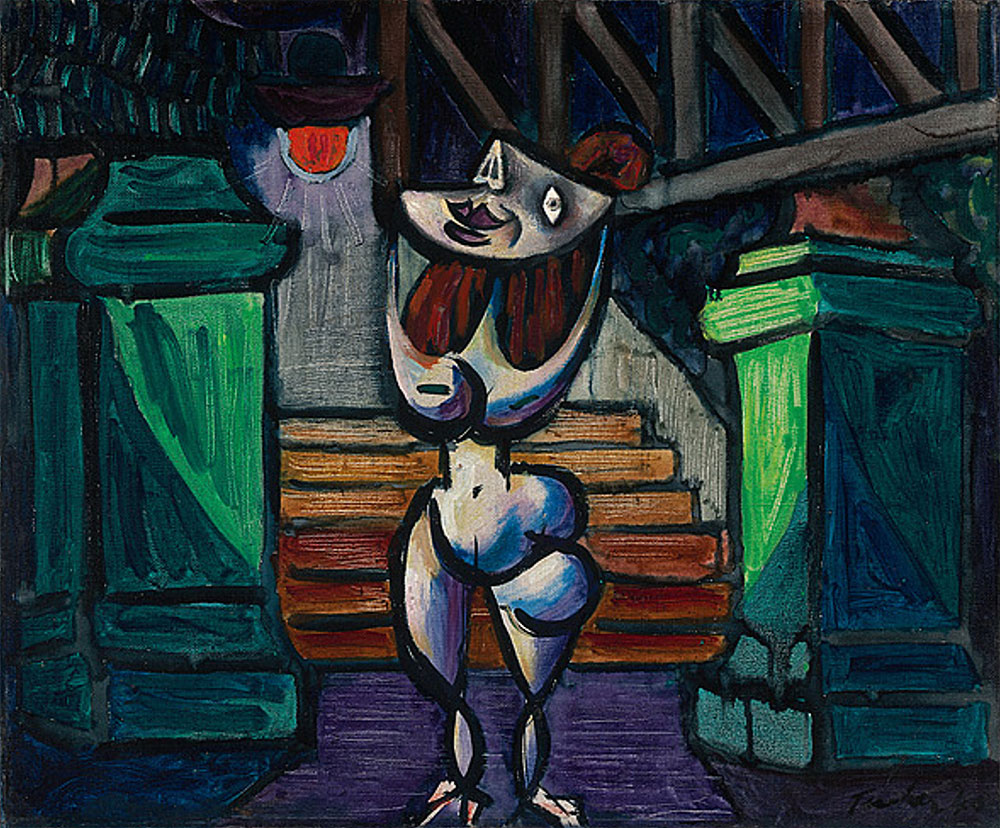
Exhibition: ‘WAR/PHOTOGRAPHY: Images of Armed Conflict and Its Aftermath’ at the Museum of Fine Arts, Houston, Part 1

Exhibition dates: 11th November 2012 – 3rd February 2013

Curators: Anne Tucker, Natalie Zelt and Will Michels


Roger Fenton (British, 1819-1869) 'The Valley of the Shadow of Death' 1855


Roger Fenton (British, 1819-1869)
The Valley of the Shadow of Death
1855


This is the biggest posting on one exhibition that I have ever undertaken on Art Blart!

As befits the gravity of the subject matter this posting is so humongous that I have had to split it into 4 separate postings. This is how to research and stage a contemporary photography exhibition that fully explores its theme (NGV please note!). The curators reviewed more than one million photographs in 17 countries, locating pictures in archives, military libraries, museums, private collections, historical societies and news agencies; in the personal files of photographers and service personnel; and at two annual photojournalism festivals producing an exhibition that features 26 sections (an inspired and thoughtful selection) that includes nearly 500 objects that illuminate all aspects of WAR/PHOTOGRAPHY.

I have spent hours researching and finding photographs on the Internet to support the posting. It has been a great learning experience and my admiration for photographers of all types has increased. I have discovered the photographs and stories of new image makers that I did not know and some hidden treasures along the way. I hope you enjoy this monster posting on a subject matter that should be consigned to the history books of human evolution.

**Please be aware that there are graphic photographs in all of these postings.** Part 2Part 3Part 4

Dr Marcus Bunyan


Many thankx to the Museum of Fine Arts, Houston for allowing me to publish some of the photographs in the posting. Please click on the photographs for a larger version of the image.


On November 11, 2012, the Museum of Fine Arts, Houston, debuts an unprecedented exhibition exploring the experience of war through the eyes of photographers. WAR / PHOTOGRAPHY: Images of Armed Conflict and Its Aftermath features nearly 500 objects, including photographs, books, magazines, albums and photographic equipment. The photographs were made by more than 280 photographers, from 28 nations, who have covered conflict on six continents over 165 years, from the Mexican-American War of 1846 through present-day conflicts. The exhibition takes a critical look at the relationship between war and photography, exploring what types of photographs are, and are not, made, and by whom and for whom. Rather than a chronological survey of wartime photographs or a survey of “greatest hits,” the exhibition presents types of photographs repeatedly made during the many phases of war – regardless of the size or cause of the conflict, the photographers’ or subjects’ culture or the era in which the pictures were recorded. The images in the exhibition are organised according to the progression of war: from the acts that instigate armed conflict, to “the fight,” to victory and defeat, and images that memorialise a war, its combatants and its victims. Both iconic images and previously unknown images are on view, taken by military photographers, commercial photographers (portrait and photojournalist), amateurs and artists.

“‘WAR/PHOTOGRAPHY’ promises to be another pioneering exhibition, following other landmark MFAH photography exhibitions such as ‘Czech Modernism: 1900-1945’ (1989) and ‘The History of Japanese Photography’ (2003),” said Gary Tinterow, MFAH director. “Anne Tucker, along with her co-curators, Natalie Zelt and Will Michels, has spent a decade preparing this unprecedented exploration of the complex and profound relationship between war and photography.” “Photographs serve the public as a collective memory of the experience of war, yet most presentations that deal with the material are organised chronologically,” commented Tucker. “We believe ‘WAR / PHOTOGRAPHY’ is unique in its scope, exploring conflict and its consequences across the globe and over time, analysing this complex and unrelenting phenomenon.”

The earliest work in the exhibition is from 1847, taken from the first photographed conflict: the Mexican-American War. Other early examples include photographs from the Crimean War, such as Roger Fenton’s iconic The Valley of the Shadow of Death (1855) and Felice Beato’s photograph of the devastated interior of Fort Taku in China during the Second Opium War (1860). Among the most recent images is a 2008 photograph of the Battle Company of the 173rd Airborne Brigade in the remote Korengal Valley of Eastern Afghanistan by Tim Hetherington, who was killed in April 2011 while covering the civil war in Libya. Also represented with two photographs in the exhibition is Chris Hondros, who was killed with Hetherington. While the exhibition is organised according to the phases of war, portraits of servicemen, military and political leaders and civilians are a consistent presence throughout, including Yousuf Karsh’s classic 1941 image of Winston Churchill, and the Marlboro Marine (2004), taken by embedded Los Angeles Times photographer Luis Sinco of soldier James Blake Miller after an assault in Fallujah, Iraq. Sinco’s image was published worldwide on the cover of 150 publications and became a 2005 Pulitzer Prize finalist.

The exhibition was initiated in 2002, when the MFAH acquired what is purported to be the first print made from Joe Rosenthal’s negative of Old Glory Goes Up on Mount Suribachi, Iwo Jima (1945). From this initial acquisition, the curators decided to organise an exhibition that would focus on war photography as a genre. During the evolution of the project, the museum acquired more than a third of the prints in the exhibition. The curators reviewed more than one million photographs in 17 countries, locating pictures in archives, military libraries, museums, private collections, historical societies and news agencies; in the personal files of photographers and service personnel; and at two annual photojournalism festivals: World Press Photo (Amsterdam) and Visa pour l’Image (Perpignan, France). The curators based their appraisals on the clarity of the photographers’ observation and capacity to make memorable and striking pictures that have lasting relevance. The pictures were recorded by some of the most celebrated conflict photographers, as well as by many who remain anonymous. Almost every photographic process is included, ranging from daguerreotypes to inkjet prints, digital captures and cell-phone shots.

Press release from the Museum of Fine Arts, Houston


Yousuf Karsh (Armenian-Canadian, 1908-2002) 'Winston Churchill' 1941


Yousuf Karsh (Armenian-Canadian, 1908-2002)
Winston Churchill
1941
Gelatin silver print


WAR/PHOTOGRAPHY: Images of Armed Conflict and Its Aftermath is organised into 26 sections, which unfold in the sequence that typifies the stages of war, from the advent of conflict through the fight, aftermath and remembrance. Each section showcases images appropriate to that category while cutting across cultures, time and place. Outside of this chronological approach are focused galleries for “Media Coverage and Dissemination” (with an emphasis on technology); “Iwo Jima” (a case study); and “Photographic Essays” (excerpts from two landmark photojournalism essays, by Larry Burrows and Todd Heisler).

Media Coverage and Dissemination

1. Media Coverage and Dissemination provides an overview of how technology has profoundly affected the ways that pictures from the front reach the public: from Roger Fenton and his horse-drawn photography van (commissioned by the British government to document the Crimean War), to Joe Rosenthal’s 1940s Anniversary Speed Graphic (4 x 5) camera, to pictures taken with the Hipstamatic app of an iPhone by photojournalist Michael Christopher Brown in Egypt during the protests and clashes of the Arab Spring. (22 images / objects)


Roger Fenton (English, 1819-1869) 'The artist's van [Marcus Sparling, full-length portrait, seated on Roger Fenton's photographic van]' 1855


Roger Fenton (British, 1819-1869)
The artist’s van [Marcus Sparling, full-length portrait, seated on Roger Fenton’s photographic van]
1855
Salted paper print
17.5 × 16.5cm
Library of Congress, Prints & Photographs Division


Manufactured by Graflex, active 1912-1973. 'Anniversary Speed Graphic (4 x 5), "Scott S. Wigle camera" (First American-made D-Day picture)' c. 1940


Manufactured by Graflex, active 1912-1973
Anniversary Speed Graphic (4 x 5), “Scott S. Wigle camera” (First American-made D-Day picture)
c. 1940
Camera
Collection of George Eastman House (Gift of Graflex, Inc.)


An Advent of War

2. The photographs in An Advent of War depict the catalytic events of war. These moments of instigation are rarely captured, as photographers are not always present at the initial attack or provocation. Photographs that Robert Clark took on the morning of September 11, 2001, and the aerial view of torpedoes approaching Battleship Row during the Pearl Harbor attack, taken by an unknown Japanese airman on December 7, 1941, both convey with clarity the concept of war’s advent. (11 images).


Unknown photographer (Japanese) 'War in Hawaiian Water. Japanese Torpedoes Attack Battleship Row, Pearl Harbor' December 7, 1941


Unknown photographer (Japanese)
War in Hawaiian Water. Japanese Torpedoes Attack Battleship Row, Pearl Harbor
December 7, 1941
Gelatin silver print
The Museum of Fine Arts, Houston, gift of Will Michels


Recruitment & Embarkation

3. Recruitment & Embarkation shows mobilisation: the movement toward the front. Mikhail Trakhman captures a Russian mother kissing her son goodbye in Kolkhoz farmer M. Nikolaïeva bids her son Ivan goodbye before he joins the partisans (1942), while a 1916 photograph by Josiah Barnes, known as the “Embarkation Photographer,” shows an archetypal moment: young Australian soldiers waving goodbye from a ship as they depart their home country to fight in World War I. (7 images)


Josiah Barnes (Australian, 1858-1921) 'Embarkation of HMAT Ajana, Melbourne' July 8, 1916


Josiah Barnes (Australian, 1858-1921)
Embarkation of HMAT Ajana, Melbourne
July 8, 1916
Gelatin silver print (printed 2012)
On loan from the Australian War Memorial


Known as “the embarkation photographer”, the Kew, Melbourne photographer Josiah Barnes took an interest in photographing Australian troopships as they departed for war from Melbourne. He had two sons, “Norm and Victor, who left for war in 1916 (both returned to Australia after their service),” which may have fuelled his interest.


Mikhail Trakhman (Russian, 1918-1976) 'Kolkhoz farmer M. Nikolaïeva bids her son Ivan goodbye before he joins the partisans' 1942


Mikhail Trakhman (Russian, 1918-1976)
Kolkhoz farmer M. Nikolaïeva bids her son Ivan goodbye before he joins the partisans
1942
Gelatin silver print


A kolkhoz was a form of collective farm in the Soviet Union which, alongside sovkhoz (state farm), formed the main components of the socialised farm sector which emerged after the October Revolution of 1917 as an antithesis to feudalism, aristocratic landlords, serfdom and individual farming.

Mikhail Trakhman

Mikhail Trakhman was born in Moscow in 1918. After graduating from school, he began working at the newsreel studio and at the same time studying for courses in the field of assistant operator. From 1938 he became the photo reporter of the Uchitelskaya Gazeta, and in 1939 he was drafted into the army and participated in the Soviet-Finnish war. During the Great Patriotic War, Mikhail Trakhman worked as a press photographer for the Soviet Information Bureau. His main instrument was the famous “Leica” camera, but often military weapons fell into his hands. He shot in besieged Leningrad, in Pskov and in Belarus, participated in the liberation of Poland and Hungary. The most famous are his photographs from the partisan series taken in the rear of the German troops. In his diaries, he wrote: “I take a lot of things, although I know that 80% of the shot will go to the basket, but I need to shoot it, since such things happen once in a lifetime.” Thanks to these photos, he entered the history of war reporting. Mikhail Trakhman was awarded the Order of the Red Star and the medal “For the Defense of Leningrad” and “Partisan Medal”, which he especially valued.

Anonymous. “Mikhail Trakhman,” on the Lumiere Brothers Gallery website [Online] Cited 06/09/2020


Training

4. Training explores photographs of soldiers in boot camp or more-advanced phases of instruction and exercise. World War II Royal Navy officers gather around a desk to study different types of aircraft in a photograph by Sir Cecil Beaton. Also included is the iconic Vietnam-era photograph of a U.S. Marine drill sergeant reprimanding a recruit in South Carolina, from Thomas Hoepker’s series US Marine Corps boot camp, 1970. In one photograph, shot by a Japanese soldier and published in 1938 by Look magazine, Japanese soldiers use living Chinese prisoners in bayonet practice. (13 images) 


Thomas Hoepker (German, 1936-2024) 'A US Marine drill sergeant delivers a severe reprimand to a recruit, Parris Island, South Carolina' 1970


Thomas Hoepker (German, 1936-2024)
A US Marine drill sergeant delivers a severe reprimand to a recruit, Parris Island, South Carolina
1970
From the series US Marine Corps boot camp, 1970
Inkjet print
Thomas Hoepker / Magnum Photos
© Thomas Hoepker / Magnum Photos


Daily Routine

5. Daily Routine features moments of boredom, routine and playfulness. A member of the U.S. Army Signal Corps wears a gas mask as he peels onions. A 1942 photograph by Sir Cecil Beaton catches the off-guard expression of a Royal Navy man at a sewing machine, mending a signal flag. (13 images)


Anonymous photographer. 'Soldiers trying out their gas masks in every possible way. Putting the respirator to good use while peeling onions. 40th Division, Camp Kearny, San Diego, California' 1918


Anonymous photographer
Soldiers trying out their gas masks in every possible way. Putting the respirator to good use while peeling onions. 40th Division, Camp Kearny, San Diego, California
1918
National Archives and Records Administration


Cecil Beaton (English, 1904-1980) 'A Royal Navy sailor on board HMS Alcantara uses a portable sewing machine to repair a signal flag during a voyage to Sierra Leone' March 1942


Cecil Beaton (English, 1904-1980)
A Royal Navy sailor on board HMS Alcantara uses a portable sewing machine to repair a signal flag during a voyage to Sierra Leone
March 1942
Gelatin silver print, printed 2012
The Museum of Fine Arts, Houston
Gift of the Phillip and Edith Leonian Foundation
© The Imperial War Museums (neg. #CBM 1049)


HMS Alcantara

HMS Alcatara was an RML passenger liner of 22,209 tons and 19 knots launched in 1926, and taken up by the Royal Navy for conversion to an armed merchant cruiser to counter the threat posed by German surface raiders against shipping. When Jim Hingston joined her as an ordinary seaman at Freetown she was still largely in merchant dress, with wood panelling throughout. Much to the regret of her crew this was removed during their stay at Simonstown – the wisdom of that was apparent to them only too soon.

There were some 53 such ships in all, poorly armed, in Alcantara‘s case with eight 6 inch and two 3 inch guns, the former having a range of some 14,200 yards (13,000 metres). Such armament could not be much more than defensive, the intention being that the AMCs should radio the position of the German ship and not only give merchant shipping a chance to escape but delay the commerce raider long enough to allow regular RN warships to get to the scene.

Alcantara‘s opponent, the Thor, was laid down in 1938 as a freighter of 9,200 tons displacement and a speed of 18 knots, but commissioned as a commerce raider on 14 March 1940. Though she had only 6 150 mm guns they had a much greater range, at 20,000 yards, than Alcantara and other British AMCs. She also carried a scout floatplane. During the engagement with Alcantara on 28 July 1940 the Thor inflicted significant damage but the Alcantara successfully closed, and after being hit the Thor withdrew in order to avoid the risk of being crippled or being forced to abort her mission. In later encounters with AMCs the Thor severely damaged the Carnarvon Castle and sank Voltaire.

HMS Alcantara later had her 6 in armament upgraded and was equipped with a seaplane, but as the threat of surface raiders receded she was converted to her more natural role of troopship in 1943.


Reconnaissance, Resistance and Sabotage

6. Images of Reconnaissance, Resistance and Sabotage are scarce by nature, as they reveal spies in the act and could be used against those depicted or their families. A U.S. soldier on night watch sits atop a mountain in Afghanistan, wrapped in a blanket and peering into night-vision equipment, in a photograph by Adam Ferguson. A photograph by T. E. Lawrence (known as Lawrence of Arabia) documents the bombing of the Hejaz Railway during the Arab Revolt. Cas Oorthuys’ photograph Under German Occupation (Dutch Worker’s Front), Amsterdam (c. 1940-1945), taken with a camera hidden in his jacket, shows the back of a fellow countryman who is helping to conceal the photographer, with German troops in the distance. Also included is Arkady Shaikhet’s 1942 photograph Partisan Girl depicting Olga Mekheda, who was renowned for her ability to get through German roadblocks – even while pregnant. (10 images)


T.E. Lawrence. 'Untitled [A Tulip bomb explodes on the railway Hejaz Railway, near Deraa, Hejaz, Ottoman Empire]' 1918


T.E. Lawrence (British, 1888-1935)
Untitled [A Tulip bomb explodes on the railway Hejaz Railway, near Deraa, Hejaz, Ottoman Empire]
1918
Collection of the MFA Houston


Cas Oorthuys (Dutch, 1908-1975) 'Under German Occupation (Dutch Worker's Front), Amsterdam' c. 1940-1945


Cas Oorthuys (Dutch, 1908-1975)
Under German Occupation (Dutch Worker’s Front), Amsterdam
c. 1940-1945
Gelatin silver print
13 7/8 × 11 5/8 in. (35.2 × 29.5cm)
Museum of Fine Arts, Houston
Museum purchase funded by Anne Wilkes Tucker in honor of the 50th wedding anniversary of Max and Isabell Smith Herzstein


Adam Ferguson (Australian, b. 1978) 'September 4, Tangi valley, Wardak province, Afghanistan, a soldier of the U.S. Army 10th Mountain Division was attentively monitoring a highway' September 4, 2009


Adam Ferguson (Australian, b. 1978)
September 4, Tangi valley, Wardak province, Afghanistan, a soldier of the U.S. Army 10th Mountain Division was  attentively monitoring a highway
September 4, 2009


“To me, this picture epitomises the abstract idea of the ‘enemy’ that exists within the U.S. led war in Afghanistan: a young infantryman watches a road with a long-range acquisition sight surveying for insurgents planting Improvised Explosive Devices. U.S. Army Infantrymen rarely knowingly come face to face with their enemy, combat is fleeting and fought like cat and mouse, and the most decisive blows are determined by intelligence gathering, and then delivered through technology that maintains a safe distance, just like a video game.”

~ Adam Ferguson


Arkady Shaikhet (Russian, 1898-1959) 'Partisan Girl' 1942


Arkady Shaikhet (Russian, 1898-1959)
Partisan Girl
1942
Gelatin silver print
The Museum of Fine Arts, Houston, gift of Marion Mundy
© Arkady Shaikhet Estate, Moscow, courtesy Nailya Alexander Gallery, NYC


Patrol & Troop Movement

7. Patrol & Troop Movement conveys the mass movements of peoples and personnel by land, sea and air, from the movement of troops and supplies to patrols by all five divisions of military service: Army, Navy, Marine Corps, Coast Guard and Air Force. Combat patrols are detachments of forces sent into hostile terrain for a range of missions, and they – as well as the photographers accompanying them – face considerable danger. João Silva’s three sequenced frames show, through his eyes, the tilted earth just after he was felled by an IED while on patrol in Afghanistan in 2010; he lost both legs in the incident. A tranquil, 1917 image by Australian James Frank Hurley depicts silhouetted soldiers walking in a line, their reflections captured in a body of water. A 1943 photograph by American Warrant Photographer Jess W. January USCGR shows members of the U.S. Coast Guard observing a depth-charge explosion hitting a German submarine that stalked their convoy. (14 images)

.

João Silva (South African born Portugal, b. 1966) 'Soldiers of Charlie Company, 1st Battalion, 66th Armored Regiment, 4th Infantry Division react to photographer Joao Silva stepping on a mine in the Arghandab district of Kandahar Province, Afghanistan, on Oct. 23, 2010'


João Silva (South African born Portugal, b. 1966)
Soldiers of Charlie Company, 1st Battalion, 66th Armored Regiment, 4th Infantry Division react to photographer Joao Silva stepping on a mine in the Arghandab district of Kandahar Province, Afghanistan, on Oct. 23, 2010, in a three-photo combination. For American troops in heavily-mined Afghan villages, steering clear of improvised explosive devices is the most difficult task
October 23, 2010
© João Silva / The New York Times via Redux


Frank Hurley (Australian, 1885-1962) 'Supporting troops of the 1st Australian Division walking on a duckboard track' 1917


Frank Hurley (Australian, 1885-1962)
Supporting troops of the 1st Australian Division walking on a duckboard track
1917
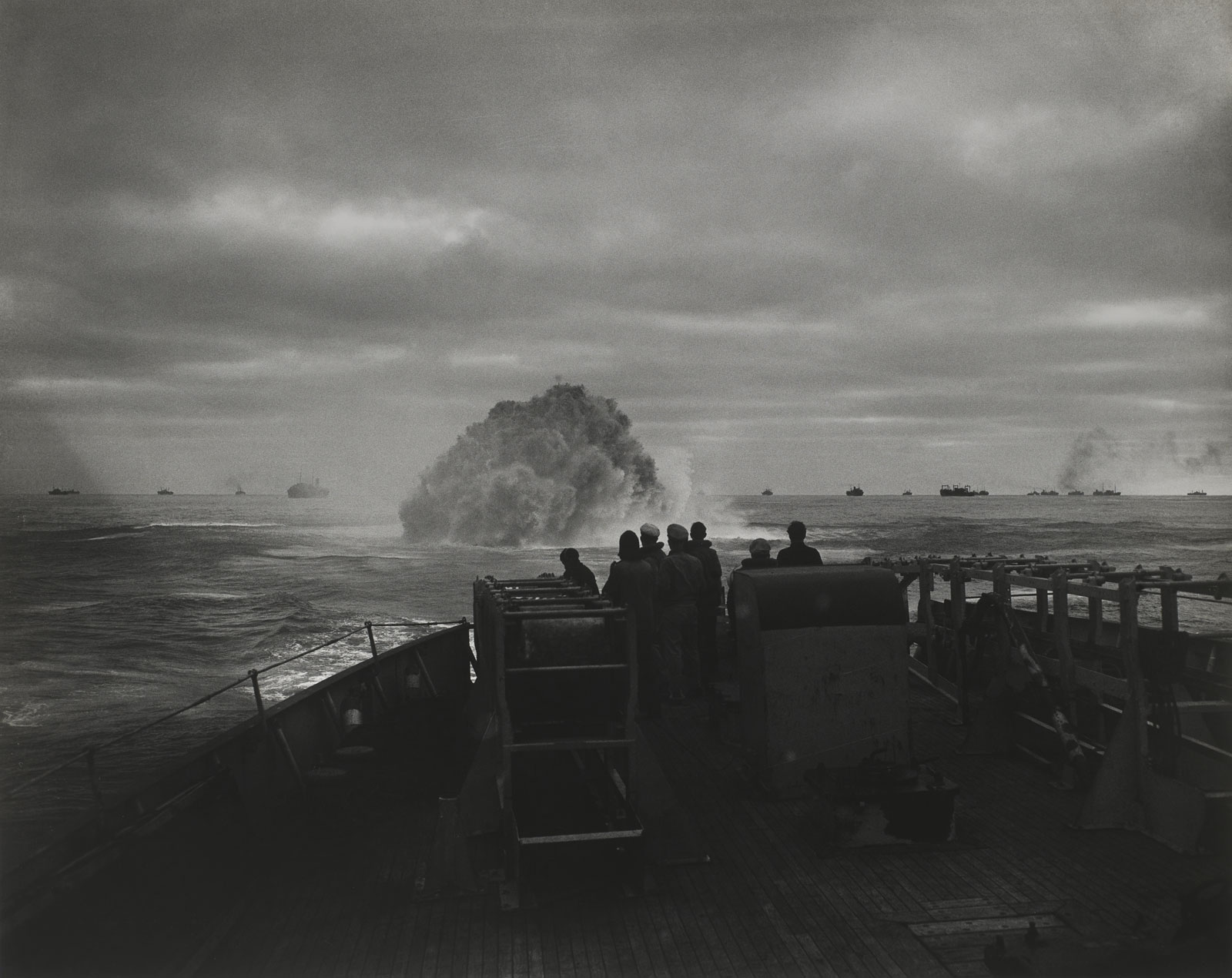
 

Warrant Photographer Jess W. January USCGR, American USCG. 'Cutter Spencer destroys Nazi sub' April 17, 1943


Warrant Photographer Jess W. January USCGR, American
USCG Cutter Spencer destroys Nazi sub
April 17, 1943
Gelatin silver print
The Museum of Fine Arts, Houston


The Wait

8. The Wait depicts a common situation of wartime. Susan Meiselas captures a tense moment during a 1978 street fight in Nicaragua, when muchachos with Molotov cocktails line up in an alleyway, ready to initiate an attack on the National Guard. Robert Capa shows two female French ambulance drivers in Italy during World War II, leaning against their vehicle, knitting, as they wait to be called. (8 images)


Robert Capa (American-Hungarian, 1913-1954) 'Drivers from the French ambulance corps near the front, waiting to be called' Italy, 1944


Robert Capa (American-Hungarian, 1913-1954)
Drivers from the French ambulance corps near the front, waiting to be called
Italy, 1944
Original album – Italy. Cassino Campaign. W.W.II.
© 2001 By Cornell Capa, Agentur Magnum


Susan Meiselas (American, b. 1948) 'Muchachos Await Counter Attack by The National Guard, Matagalpa, Nicaragua' 1978


Susan Meiselas (American, b. 1948)
Muchachos Await Counter Attack by The National Guard, Matagalpa, Nicaragua
1978
Chromogenic print (printed 2006)
The Museum of Fine Arts, Houston, museum purchase with funds provided by Photo Forum 2006
© Susan Meiselas / Magnum Photos


The Fight

9. The Fight is one of the most extensive sections in the exhibition. Dmitri Baltermants shot Attack – Eastern Front WWII (cover image of the exhibition catalogue) in 1941 from the trench, as men charged over him. Sky Over Sevastopol (1944), by Evgeny Khaldey, is an aerial photograph of planes on their way to a bombing raid of the strategically important naval point. Joe Rosenthal’s Over the Top – American Troops Move onto the Beach at Iwo Jima (1945) pictures infantrymen emerging from the protection of their landing craft into enemy fire. Staged photographs, presented as authentic documents, tend to proliferate during wartime, and several examples are included here. In 1942 the Public Relations Department of the War issued an assignment to photographers to create “representative” images of combat in North Africa for more dynamic images; official British photographer Len Chetwyn staged an Australian officer leading the charging line in the battle of El Alamein, using smoke in the background from the cookhouse to create a lively image. (21 images)


Len Chetwyn (English, 1909-1980) 'Australians approached the strong point, ready to rush in from different sides' November 3, 1942


Len Chetwyn (English, 1909-1980)
Australians approached the strong point, ready to rush in from different sides
November 3, 1942
Silver gelatin photograph


Joe Rosenthal (American, 1911-2006) 'Over the Top – American Troops Move onto the Beach at Iwo Jima' 1945

Joe Rosenthal (American, 1911-2006) 'Over the Top - American Troops Move onto the Beach at Iwo Jima' February 19, 1945


Joe Rosenthal (American, 1911-2006)
Over the Top – American Troops Move onto the Beach at Iwo Jima
February 19, 1945 (printed February 23, 1945)
Gelatin silver print with applied ink
The Museum of Fine Arts, Houston, gift of Richard S. and Dodie Otey Jackson in honor of Ira J. Jackson, M.D., and his service in the Pacific Theater during World War II
© AP / Wide World Photos


Dmitri Baltermants (Russian, 1912-1990) 'Attack – Eastern Front WWII' 1941


Dmitri Baltermants (Russian, 1912-1990)
Attack – Eastern Front WWII
1941
Silver gelatin photograph


The Wait and Rescue

10. The Wait and Rescue bookend The Fight. Among the photographs in Rescue are Ambush of the 173rd AB, South Vietnam (1965), by Tim Page, showing soldiers immediately combing through a battleground to assist the wounded; American Lt. Wayne Miller’s image of a wounded gunner being lifted from the turret of a torpedo bomber; and Life magazine photographer W. Eugene Smith’s 1944 photograph of an American soldier rescuing a dying Japanese infant. Smith wrote about that moment, stating “hands trained for killing gently… extricated the infant” to be transported to medical care. (8 images) 


Lt. Wayne Miller. 'Crewmen lifting Kenneth Bratton out of turret of TBF on the USS SARATOGA after raid on Rabaul' November 1943


Lt. Wayne Miller (American, 1918-2013)
Crewmen lifting Kenneth Bratton out of turret of TBF on the USS SARATOGA after raid on Rabaul
November 1943
Silver gelatin photograph


More information: Kenneth C. Bratton – Mississippi (WWII vet). He was born in Pontotoc, MS, December 17, 1918. He passed away April 15, 1982. Lt. Bratton won a purple heart for his bravery during the attack on Rabaul November 11, 1943.


Wayne Forest Miller (September 19, 1918 – May 22, 2013) was an American photographer known for his series of photographs The Way of Life of the Northern Negro. Active as a photographer from 1942 until 1975, he was a contributor to Magnum Photos beginning in 1958. …

War photographer

Miller then served as a lieutenant in the U.S. Navy where he was assigned to Edward Steichen’s World War II Naval Aviation Photographic Unit. He was among the first Western photographers to document the destruction at Hiroshima.

Text from the Wikipedia website


The Grumman TBF Avenger (designated TBM for aircraft manufactured by General Motors) is an American World War II-era torpedo bomber developed initially for the United States Navy and Marine Corps, and eventually used by several air and naval aviation services around the world.

The Avenger entered U.S. service in 1942, and first saw action during the Battle of Midway. Despite the loss of five of the six Avengers on its combat debut, it survived in service to become the most effective and widely-used torpedo bomber of World War II, sharing credit for sinking the super-battleships Yamato and Musashi (the only ships of that type sunk exclusively by American aircraft while under way) and being credited for sinking 30 submarines. Greatly modified after the war, it remained in use until the 1960s.

Text from the Wikipedia website


W. Eugene Smith (American, 1918-1978) 'Dying Infant Found by American Soldiers in Saipan' June 1944


W. Eugene Smith (American, 1918-1978)
Dying Infant Found by American Soldiers in Saipan
June 1944
Gelatin silver print
The Museum of Fine Arts, Houston, gift of Will Michels in honor of Anne Wilkes Tucker
© Estate of W. Eugene Smith / Black Star


Aftermath

11. Aftermath, with four subsections, features photographs taken after the battle has ended. “Death” on the battlefield is one of the earliest types of war images: Felice Beato photographed the dead in the interior of Fort Taku in the Second Opium War (1860). George Strock’s Dead GIs on Buna Beach, New Guinea (1943), which ran in Life magazine with personal details about the casualties, was the first published photograph from any conflict of American dead in World War II. In 1966, Associated Press photographer Henri Huet documented an American paratrooper, who was killed in action, being raised to an evacuation helicopter. Incinerated Iraqi, Gulf War, Iraq, taken by Kenneth Jarecke, was published in Europe, but the American Associated Press editors withheld it in the United States. “Shell Shock and Exhaustion” shows impenetrable exhaustion after battle. In Don McCullin’s Shell-shocked soldier awaiting transportation away from the front line, Hué, Vietnam (1968), the man looks forward with the “thousand-yard stare.” Robert Attebury photographed Marines so exhausted after a 2005 battle in Iraq that lasted 17 hours that they fell asleep where they had been standing, amid the rubble of a destroyed building. “Grief and Battlefield Burial” were taken at the site of the conflict, including David Turnley’s 1991 picture of a weeping soldier who has just learned that the remains in a nearby body bag are those of a close friend. “Destruction of Property” shows collateral damage from war. Christophe Agou, for instance, photographed the smouldering steel remains of the twin towers of the World Trade Center in 2001. (39 images)


George Strock (American, 1911-1977) 'Dead GIs on Buna Beach, New Guinea' January 1943


George Strock (American, 1911-1977)
Dead GIs on Buna Beach, New Guinea
January 1943
© George Strock / LIFE


Henri Huet (French, 1927-1971) 'The body of an American paratrooper killed in action in the jungle near the Cambodian border is raised up to an evacuation helicopter, Vietnam' 1966


Henri Huet (French, 1927-1971)
The body of an American paratrooper killed in action in the jungle near the Cambodian border is raised up to an evacuation helicopter, Vietnam
1966
Gelatin silver print (printed 2004)
The Museum of Fine Arts, Houston, museum purchase
© AP / Wide World Photos
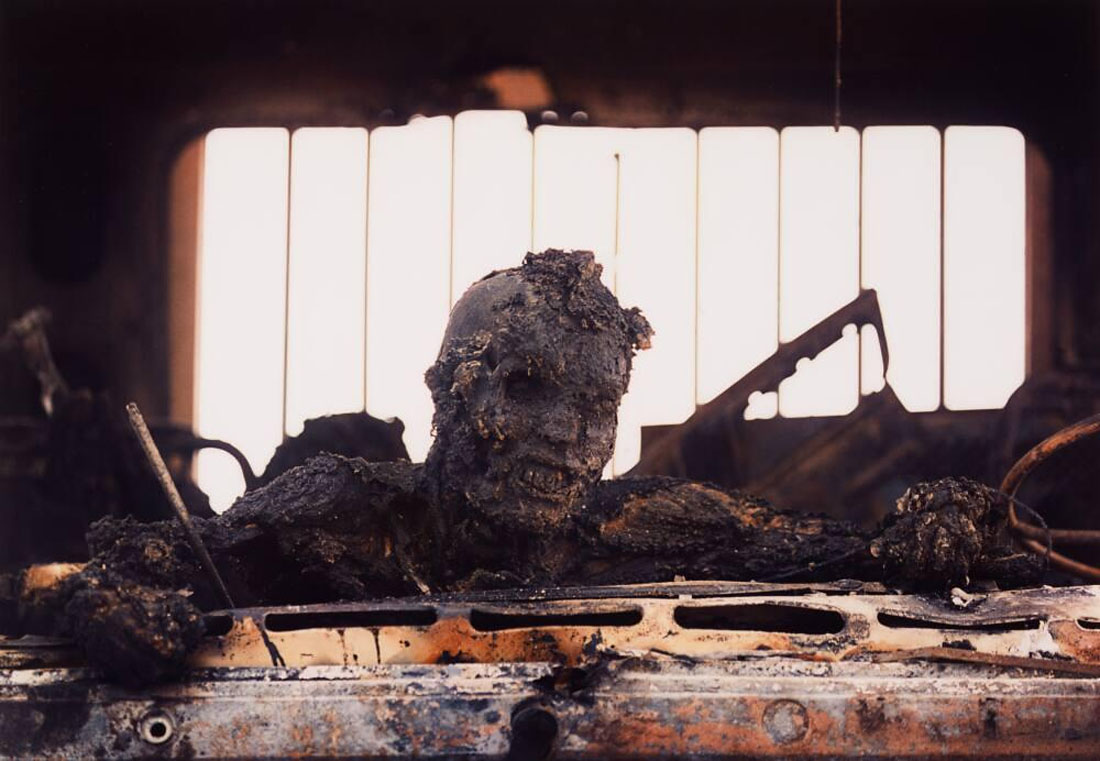
 

Kenneth Jarecke (American, b. 1963) 'Gulf War: Incinerated Iraqi soldier in personnel carrier'
Nasiriyah, Iraq, March 1991


Kenneth Jarecke (American, b. 1963)
Gulf War: Incinerated Iraqi soldier in personnel carrier
Nasiriyah, Iraq, March 1991


Felice Beato (Italian-British, 1832-1909) 'Angle of North Taku Fort at which the French entered' August 21-22, 1860


Felice Beato (Italian-British, 1832-1909)
Angle of North Taku Fort at which the French entered
August 21-22, 1860


Don McCullin (British, b. 1935) 'Shell-shocked US soldier awaiting transportation away from the front line' Hue, Vietnam, 1968


Don McCullin (British, b. 1935)
Shell-shocked US soldier awaiting transportation away from the front line
Hue, Vietnam, 1968
© Don McCullin


David Turnley (American, b. 1955) 'American Soldier Grieving for Comrade' Iraq, 1991


David Turnley (American, b. 1955)
American Soldier Grieving for Comrade
Iraq, 1991


Ken Kozakiewicz (left) breaks down in an evacuation helicopter after hearing that his friend, the driver of his Bradley Fighting Vehicle, was killed in a “friendly fire” incident that he himself survived. Michael Tsangarakis (centre) suffers severe burns from ammunition rounds that blew up inside the vehicle during the incident. All of the soldiers were exposed to depleted uranium as a result of the explosion. They and the body of the dead man are on their way to a MASH (Mobile Army Surgical Hospital).


Prisoners of War (Civilian and Military)/Interrogation

12. Prisoners of War (Civilian and Military)/Interrogation is a frequently photographed subject because such pictures can be made outside an area of conflict. Moreover, the people in control often documented their prisoners as a show of power. The photographs in this section include the official recording of a prisoner of war before his execution by the Khmer Rouge, taken by Nhem Ein. (14 images)


Nhem Ein (Cambodian, b. 1959) 'Untitled (prisoner #389 of the Khmer Rouge; man)' 1975-79


Nhem Ein (Cambodian, b. 1959)
Untitled (prisoner #389 of the Khmer Rouge; man)
1975-1979
Gelatin silver print (printed 1994)
Courtesy of Museum of Modern Art
Arthur M. Bullowa Fund and Geraldine Murphy Fund
Digital image © The Museum of Modern Art / Licensed by SCALA Art Resource, NY. Used with permission of Photo Archive Group


Iwo Jima

13. Iwo Jima is a case study within the exhibition that presents the complete thematic narrative in photographs from a specific battle. Included in this section is the inspiration for the exhibition: Joe Rosenthal’s iconic, Pulitzer Prize-winning Old Glory Goes Up on Mount Suribachi, Iwo Jima, a photograph he took as an Associated Press photographer in World War II showing U.S. Marines and one Navy medic raising the American flag on the remote Pacific island. (25 images)


Joe Rosenthal (American, 1911-2006) 'Old Glory Goes Up on Mount Suribachi, Iwo Jima' February 23, 1945


Joe Rosenthal (American, 1911-2006)
Old Glory Goes Up on Mount Suribachi, Iwo Jima
February 23, 1945
Gelatin silver print
The Museum of Fine Arts, Houston, The Manfred Heiting Collection, gift of the Kevin and Lesley Lilly Family
© AP / Wide World Photos


Exhibition posting continued in Part 2…


Museum of Fine Arts, Houston
1001 Bissonnet Street
Houston, TX 77005

Opening hours:
Wednesday 11am – 5pm
Thursday 11am – 9pm
Friday, Saturday 11am – 6pm
Sunday 12.30 – 6pm
Closed Monday and Tuesday

Museum of Fine Arts, Boston website

LIKE ART BLART ON FACEBOOK

Back to top

Exhibition: ‘Eminent & Enigmatic: 10 aspects of Alan Turing’ at the Heinz Nixdorf Museums Forum, Paderborn

Exhibition dates: 11th January – 16th December 2012


Model of a U-boat (Unterseeboot) used in the film 'Das Boot'


Model of a U-boat (Unterseeboot) used in the film Das Boot and multimedia screens at the exhibition


One of the greatest minds of the 20th century (code breaking, computers, intelligent machines, artificial intelligence), persecuted to death for being a homosexual. In 2010 there is an apology for Turing’s conviction as a homosexual: Prime Minister Gordon Brown speaks for the British people when he says that he is sorry for the treatment meted out to Alan Turing:

“You deserved so much better!”


Better late than never.

Many thankx to the Heinz Nixdorf Museums Forum for allowing me to publish some of the photographs in the posting. I have supplemented their media images with other images that can be found on the Internet: the plugboard of an Enigma machine, a logic machine by Gisbert Hasenjäger, the Pilot ACE (Automatic Computing Engine), installation photographs of Hello, world! by Yunchul Kim, Alan Turing with two colleagues at the Ferranti Mark I computer and installation photograph of Love Letters_1.0 by David Link.

All photographs have been attributed where possible. The use of these photographs has led to an infinitely better posting that gives a greater insight into the exhibition, the work of the brilliant Alan Turing, and other work based on his ideas. Please click on the photographs for a larger version of the image.

Dr Marcus Bunyan


Enigma machine lampboard and keyboard detail


Enigma machine lampboard and keyboard detail


Enigma machine rotor detail


Enigma machine rotor detail


Enigma and the Battle of the Atlantic

1939. The UK Government Code and Cipher School appoints one of the country’s best mathematicians, Alan Turing, to a post at its Bletchley Park headquarters, where the German enemy’s intercepted radio messages are to be deciphered. Operation ULTRA begins.

1940. The Atlantic becomes a major theatre of war, with German submarines attacking Allied supply lines. This first topic examines the secret communications between German submarines and the naval high command in Berlin. Messages are encrypted using the Enigma machine. They are intercepted at British listening posts and sent to Bletchley Park to be deciphered.

The HNF is exhibiting the original model of the submarine from the film Das Boot, as well as a Marine 4-rotor Enigma. Further prominent exhibits which help relate this exciting story include radio technology items, codebooks and an interactive cipher rotor.


A three-rotor Enigma machine


A three-rotor Enigma machine with (from below rotors), lampboard, keyboard and plugboard (front of machine)


The Enigma was an electro-mechanical rotor machine used for the encryption and decryption of secret messages. It was developed in Germany in the 1920s. The repeated changes of the electrical pathway from the keyboard to the lampboard implemented a polyalphabetic substitution cipher, which turned plaintext into ciphertext and back again. Used properly, this provided a very high degree of security. The Enigma’s scrambler contained rotors with 26 electrical contacts on each side, whose wiring diverted the current to a different position on the two sides. On depressing a key on the keyboard, an electrical current flowed through an entry drum at the right-hand end of the scrambler, then through the set of rotors to a reflecting drum (or reflector) which turned it back through the rotors and entry drum, and out to cause one lamp on the lampboard to be illuminated.

At each key depression, at least one of the rotors (the right-hand or “fast” rotor) advanced one position, which caused the encipherment to alter. At a certain point, the right-hand rotor caused the middle rotor to advance and in a similar way, the middle rotor caused the left-hand (or “slow”) rotor to advance. Each rotor caused the “turnover” of the rotor to its left after a full rotation. The Enigma operator could rotate the wheels by hand to change the letter of the alphabet showing through a window, to set the start position of the rotors for enciphering a message. This three-letter sequence was “message key”. There were 26 × 26 × 26 = 17,576 possible positions of the set of three rotors, and hence different message keys. By opening the lid of the machine and releasing a compression bar, the set of three rotors on their spindle could be removed from the machine and their sequence (called the “wheel order” at Bletchley Park) could be altered. Multiplying 17,576 by the six possible wheel orders gives 105,456 different ways that the scrambler could be set up.

Text from the Wikipedia website


The plugboard of an Enigma machine, showing two pairs of letters swapped: S↔O and J↔A.


The plugboard of an Enigma machine, showing two pairs of letters swapped: S↔O and J↔A. During World War II, ten plugboard connections were made. The plugboard (Steckerbrett) is positioned at the front of the machine, below the keys. When in use, there can be up to 13 connections.

Photograph from Wikipedia under Creative Commons GNU Free Documentation License


Government Code and Cypher School (GC&CS) (World War Tw0) 'Bletchley Park' Buckinghamshire, England


National Codes Centre and the National Museum of Computing (contemporary)
Government Code and Cypher School (GC&CS) (World War Tw0)
Bletchley Park
Buckinghamshire, England


British Tabulating Machine Company. 'Turing Bombe wiring at back' (detail) 1940-1945


British Tabulating Machine Company
Turing Bombe wiring at back (detail)
1940-1945


The Codebreakers of Bletchley Park

Up to 10,000 people are working hard to decipher German radio messages at Bletchley Park, and Alan Turing is one of their leading lights. He achieves the crucial breakthrough: his decryption device known as the Bombe can calculate Enigma code settings automatically, quickly and reliably. The rotors of up to 200 Bombes now run day and night, with radio messages able to be cracked within hours, while they are still of military relevance. This gives Winston Churchill and his military officers in London a priceless advantage.

The second topic of the HNF Turing year includes exhibits not previously seen in Germany, such as components of an original US Bombe owned by the NSA as well as loans of a functional checking machine and Bombe rotors from Bletchley Park. The entire communications chain is presented to visitors, from the German submarine radio operator all the way to the clear text message received by the British Prime Minister.


British Tabulating Machine Company. 'Turing Bombe' 1940-1945


British Tabulating Machine Company
Turing Bombe
1940-1945
7 feet (2.1 m) wide, 6 feet 6 inches (1.98 m) tall, 2 feet (0.61 m) deep


The working rebuilt bombe at Bletchley Park museum. Each of the rotating drums simulates the action of an Enigma rotor. There are 36 Enigma-equivalents and, on the right hand end of the middle row, three indicator drums. John Harper led the ‘Phoenix’ team that built this. It was officially switched on by the Duke of Kent, patron of the British Computer Society on 17 July 2008.


British Tabulating Machine Company. 'Turing Bombe rotors' (detail) 1940-1945


British Tabulating Machine Company
Turing Bombe rotors (detail)
1940-1945


The international scientific focus in 2012 will be firmly on Alan Turing. This legendary British mathematician and computer pioneer was born in London on 23 June 1912. His 100th birthday will be marked by numerous events, primarily in his native country, but also in the USA, Brazil, China and elsewhere. Germany’s Heinz Nixdorf MuseumsForum in Paderborn is to pay tribute to the achievements of this equally academic and awkward scientist with an ambitious exhibition entitled Eminent & enigmatic – 10 aspects of Alan Turing. Its aim is to present Alan Turing’s outstanding achievements to visitors in the form of original exhibits and innovative and artistic installations alike.

Turing’s research made a huge contribution towards deciphering German radio messages encrypted using the Enigma machine during World War II. Thus he played a vital role in the Battle of the Atlantic, as well as in other major theatres of war. His theoretical work, which still forms the basis of information technology to this day, is equally significant. While his contemporaries could not see beyond the pure calculating capabilities of the computer, Turing designed the model of a universal machine capable of solving every algorithmic problem.

The exhibition at the Heinz Nixdorf MuseumsForum will focus on Turing’s achievements in breaking the Enigma code and his basic work as a computer and computer science pioneer, while also shedding light on his views on the subjects of artificial intelligence and spacial pattern formation, as well as on the tragedy of his untimely death and his legacy.

This marks the first time that an exhibition will be shown in stages, with the ten exhibition topics portrayed in successive monthly presentations. The exhibition will open on 10 January 2012 with the topic Enigma and the Battle of the Atlantic. It will be followed as of 14 February with exhibits and presentations on The code breakers of Bletchley Park, the UK’s National Codes and Cipher Centre during World War II. The remaining topics will also be shown for a period of around one month until the exhibition closes on 16 December 2012.

“The multi-part exhibition format will allow us to provide our visitors with insights into aspects of Alan Turing’s life and works all year long,” said HNF managing director and project manager Norbert Ryska of this unusual approach in the first public presentation of EMINENT & ENIGMATIC. “This was the only way to attract significant and highly sought-after loans from at home and abroad, including exhibits from the US National Security Agency, the Science Museum in London, Bletchley Park and IBM. So regular visits to the HNF will be more worthwhile than ever in 2012.”

The exhibition will be held in a specially constructed pavilion in the foyer. In addition to the technical and scientific exhibits, artistic installations are to shed light on Alan Turing’s work and thinking. “We want to pay tribute to Alan Turing with a series of presentations because he was the mastermind of the digital age as well as an exceptional personality,” said Ryska of the exhibition concept. Turing’s achievements will open up several unusual avenues into the HNF permanent exhibition. It can be accessed via a special Turing tour and workshops for schools, making the special exhibition a great stepping stone into the world’s biggest computer museum, in which a section in the Hall of Fame has been dedicated to Turing since its opening in 1996.

Turing, who died on 7 June 1954 under mysterious circumstances, has only been properly appreciated by the public at large during recent years, although experts have sung his praises for decades. In 1952 Alan Turing was sentenced to a degrading 12-month course of oestrogen treatment designed to combat his homosexuality. He took his own life by eating a cyanide-laced apple one year after completion of the treatment, on 7 June 1954.

Exhibition topics and selected exhibits

~ 11.1.-12.2.2012 Enigma and the Battle of the Atlantic (Enigma, submarine model, radio equipment)
~ 15.2.-11.3.2012 The code breakers of Bletchley Park (Enigma, Bombe drums, Enigma rotor model)
~ 14.3.-8.4.2012 The Turing test (model of the brain, Turing test terminal)
~ 11.4.-6.5.2012 From Turbochamp to Deep Blue (Deep Blue Chip/Board, Turing chess engine)
~ 9.5.-8.7.2012 The history of intelligent machines (Robo Thespian)
~ 28.7.-26.8.2012 The Turing machine (HNF functional model, historic Turing machine)
~ 29.8.-23.9.2012 Pattern formation (Interactive Plant Growing)
~ 26.9.-21.10.2012 The Pilot ACE computer (UNIVAC delay line memory, Pilot ACE component)
~ 24.10.-18.11.2012 Love Letters/Mark I (installation by David Link)
~ 21.11.-16.12.2012 Tragedy and legacy – Turing today (Turing Award)

Short biography of Alan Turing (1912-1954)

Alan Turing was born on 23 June 2012 in London. From 1931 to 1934 he studied mathematics at King’s College, Cambridge, where he was elected a fellow in 1935. During World War II he worked at the Government Code and Cipher School at Bletchley Park, developing methods of deciphering German radio messages encrypted using the Enigma machine. At the end of the war Turing turned his attention towards computer development, first at the National Physical Laboratory in Teddington (1945-1947), where he developed the concept of the Automatic Computing Engine (ACE), and then (as of 1948) as deputy director of the computing laboratory at Manchester University.

Although Alan Turing did not have too deep an impact on the invention of the first computers in the 1940s and 1950s, his theoretical concepts earned him a place in computer history: The Turing machine still provides an important basis for research into theoretical computer science today, and the Turing test proposed by him in 1950 in response to the question “Can machines think?” lent impetus to the development of artificial intelligence.

Turing, who died on 7 June 1954 under mysterious circumstances, has only been properly appreciated by the public at large during recent years, although experts have sung his praises for decades. In 1952 Alan Turing was sentenced to a degrading 12-month course of oestrogen treatment designed to combat his homosexuality. He took his own life by eating a cyanide-laced apple one year after completion of the treatment, on 7 June 1954.

In 2010 British Prime Minister Gordon Brown expressed his regret at Turing’s persecution on behalf of the British Government and paid tribute to his exceptional contribution during World War II. US President Barack Obama placed Turing on a par with Newton, Darwin and Einstein during his recent state visit to London.

Text from the HNF website


British Tabulating Machine Company. 'Turing Bombe rotors' (details) 1940-1945

British Tabulating Machine Company. 'Turing Bombe' (details) 1940-1945


British Tabulating Machine Company
Turing Bombe (details)
1940-1945
7 feet (2.1 m) wide, 6 feet 6 inches (1.98 m) tall, 2 feet (0.61 m) deep


The Turing Test

In 1950 Alan Turing proposes a new type of test. He is researching the question of when a machine can be described as “intelligent”, using the human brain as a model. According to the Turing test, a machine is intelligent if it can convince a human interlocutor that it is itself “human”. This deception must succeed with the required frequency in repeated tests.

From Turochamp to Deep Blue

What do the contemporary luminaries Konrad Zuse, Claude Shannon, John von Neumann and Alan Turing have in common? They all want to play chess against calculating machines that they themselves have devised. But the history of computer chess began as early as the end of the 19th century, when Spanish engineer Torres Quevedo presented a chess-playing automaton whose rook and king could reliably checkmate the opponent’s king. The fourth topic is all about computer chess.

Turing defines his own rules for a chess algorithm, but his Turochamp program loses its first game in 1952 – played “by hand,” rather than run on a computer – against his friend Alick Glennie. It is not until 1997 that reigning chess world champion Garry Kasparov is defeated by a calculating machine, in the form of the IBM supercomputer Deep Blue. The HNF is exhibiting original hardware from the machine and the original chessboard from this “final” game in the Turing pavilion – the first time these have been on show in Germany.


Processor board of Deep Blue


Processor board of Deep Blue, 1997


RoboThespian I am a Machine

RoboThespian demonstrates his acting skills – moving from robotic to fluid and emotional humanoid robot


The History of Intelligent Machines

“Can machines think?” It is 1950 when Alan Turing asks this provocative question and founds a new field of research along with significant contemporaries of the likes of Claude Shannon, Norbert Wiener and Joseph Weizenbaum: that of “artificial intelligence (AI).” To this day, the development of the “intelligent machine” has been marked by excessive expectations as well as important advancements.

The humanoid robot RoboThespian relates the history of AI as the fifth topic of our Turing year. RoboThespian is a prominent visitor to the Turing pavilion. With his love of theatrical appearances, he is more than happy to answer questions or cheekily imitate the gestures of visitors. An entire section of the permanent exhibition is devoted to AI and robotics. Our networked computers are becoming more powerful all the time. It is still unclear when precisely a team of robots will beat the human world champions – an event predicted by experts for some time.

The Turing Machine

Mathematician Kurt Gödel turns the world of numbers on its head in 1931, when he proves that there are some logical statements that are neither true nor false. Inspired by this revolutionary finding, Alan Turing takes up the baton and publishes the concept of the Turing machine in 1936. He demonstrates that his simple but universal theoretical machines can calculate everything that can be calculated by any machine or computer.

The HNF has built a mechanical Turing machine that can be tried and tested by visitors to the Turing pavilion. The logic machines of the Münster School are on show for the first time ever: in the 1960s Gisbert Hasenjäger and Dieter Rödding use spare parts from the German Federal Post Office to construct somewhat bizarre devices for logical calculations (see photographs below).


Gisbert Hasenjäger. 'Logic machine' c. 1960s

Gisbert Hasenjäger. 'Logic machine' c. 1960s


Gisbert Hasenjäger (German, 1919-2006)
Logic machine
c. 1960s


A logic machine by Gisbert Hasenjäger based on Turing’s work
Provided by Family Hasenjäger
Photographs from “Intelligenz ist ein soziales Produkt: Alan Mathison Turing zum 100. Geburtstag” on the Heise online website [Online] Cited 03/09/2020.

Die Turing-Maschine ist im Grunde keine konkrete Konstruktion, sondern ein mathematisches Konzept zum Nachweis der algorithmischen Berechenbarkeit einer Funktion. Dennoch sind anhand von Turings Arbeiten sehenswerte konstruktionstechnische Umsetzungen entstanden (The Turing machine has basically no concrete construction, but a mathematical concept for the detection of algorithmic computability of a function. Nevertheless, based on Turing’s work remarkable constructional reactions are caused).


The Automatic Computing Engine (ACE)

The war is over, with Germany having been defeated by the Allies. Alan Turing makes the transition from codebreaker to computer pioneer at the National Physical Laboratory. He designs the Automatic Computing Engine, known as ACE, entirely on his own. New features of this vacuum tube computer include its delay-line memories – very fast memories for digital data and programs. James H. Wilkinson builds the machine and presents the Pilot ACE builds the machine and presents the Pilot ACE to the public in 1950 as the world’s fastest computer.

At this point, Turing is already working on his next groundbreaking computer project, a new computer for the University of Manchester. The eighth topic is all about the new memory technology of the ACE. How can data be saved as sound waves? This question is answered not only with the help of an original ACE component, but also via the artistic installation Hello, world by Yunchul Kim, a three-metre sculpture made from copper pipes. This object acts as an analogue memory location for digital data.


Alan Turing (designer) James H. Wilkinson (builder) 'Pilot ACE' 1950


Alan Turing (designer)
James H. Wilkinson (builder)
Pilot ACE (Automatic Computing Engine) (Science Museum, London)
1950
Photograph by Antoine Taveneaux from Wikipedia under Creative Commons Attribution-Share Alike 3.0 Unported license


The Pilot ACE had 1450 thermionic valves (vacuum tubes), and used mercury delay lines for its main memory. Each of the 12 delay lines could store 32 instructions or data words of 32 bits. This ran its first program on May 10, 1950, at which time it was the fastest computer in the world with a clock speed of 1MHz.


Yunchul Kim. 'Hello, world!' 2006

Yunchul Kim. 'Hello, world!' 2006


Yunchul Kim
Hello, world!
2006
Prix Ars Electronica 2006, Honorary Mention Interactive Art
Photographs from Marc Wathieu’s Flickr photostream
Creative Commons Attribution-NonCommercial-ShareAlike 2.0 Generic


Hello, world! is an interesting take on long- and short-lived data storage media. It uses acoustic signals to store data. A codified auditory signal (feedback) circulates in a closed system consisting of a computer, a loudspeaker, 246 meters of copper tubing and a microphone. Due to the acoustic delay in the tubing system, it’s possible to save data, whereby the rule is: the longer the copper tubing, the longer the time delay and the greater the memory capacity. In addition to this a screen shows a visual representation of the information traveling around the system. If a participant makes noises near the installation or hits the copper piping it interferes with the audio signal loop.

There is some instability in the system. If you go up to the sculpture you can hear the sounds (every sign of the ASCII code has its own sine wave frequency thus translating it in an acoustic signal) travelling through the copper piping. But a loud noise in the exhibition space or a vibrational disturbance from passing traffic or low frequency rumble effects the lettering on the screen and the text and Hello, World! starts to tremble as the quality of the signal degenerates and recovers.


Love Letters from a Machine

While in Manchester, Alan Turing writes the programming manual for the Ferranti Mark I, an early British digital computer, and trains staff as programmers. The Mark I no longer saves data and programs on punched tape, but instead uses a new system of a line of dots on a Williams tube display. Its storage capacity, which was huge for the time, gave users plenty of scope for new experiments, such as initial chess and draughts programs as well as digital musical compositions. The penultimate topic in our Alan Turing year includes a display of the interactive installation Love Letters by David Link, who has created a fully functioning replica of the Ferranti Mark I using original components. The machine program generates personal love letters with the help of an algorithm. Christopher Strachey originally wrote the code for the love letters program in the 1950s.


Alan Turing with two colleagues at the Ferranti Mark I computer


Alan Turing with two colleagues at the Ferranti Mark I computer
1951
Photograph from the Love Letters website [Online] Cited November 2012. No longer available online


David Link. 'LoveLetters_1.0. MUC=Resurrection. A Memorial' 2009-

David Link. 'LoveLetters_1.0. MUC=Resurrection. A Memorial' 2009-


David Link
Love Letters_1.0. MUC=Resurrection. A Memorial
2009-
Photographs from the Love Letters website [Online] Cited November 2012. No longer available online


From August 1953 to May 1954 strange love-letters appeared on the notice board of Manchester University’s Computer Department:

DARLING SWEETHEART
YOU ARE MY AVID FELLOW FEELING. MY AFFECTION CURIOUSLY CLINGS TO YOUR PASSIONATE WISH. MY LIKING YEARNS FOR YOUR HEART. YOU ARE MY WISTFUL SYMPATHY: MY TENDER LIKING.
YOURS BEAUTIFULLY
M. U. C.

The acronym M.U.C. stood for “Manchester University Computer”, the earliest electronic, programmable and universal calculating machine worldwide; the fully functional prototype was completed in June 1948 and was based on Williams tubes as means of volatile storage. One of the very first software developers, Christopher Strachey (1916-1975), had used the built-in random generator of the Ferranti Mark I, the first industrially produced computer of this kind, to generate texts that are intended to express and arouse emotions.


Tragedy and Legacy: “You deserved so much better!”

Alan Turing dies at not quite 42 years of age, after eating a poisoned apple, as in the fairytale. His incredibly influential body of work remains, and has left its mark on the discipline known as computer science today. The tenth and final topic looks back on the Alan Turing year of 2012. For twelve months, Turing has been the focus of international conferences, events and exhibitions, which the HNF now reviews. We follow in Turing’s footsteps, visiting places where he worked and where his presence is still felt.

At the end comes an apology for Turing’s conviction as a homosexual: in 2010 Prime Minister Gordon Brown speaks for the British people when he says that he is sorry for the treatment meted out to Alan Turing: “You deserved so much better.” Queen Elizabeth visits Bletchley Park in 2011. The Turing Award is now the biggest of its kind in the world of computer science.


Elliott & Fry. 'Alan Mathison Turing' 1951


Elliott & Fry
Alan Mathison Turing
1951


Alan Turing at the time of his election to a Fellowship of the Royal Society.
Photograph was taken at the Elliott & Fry studio on 29 March 1951.


Heinz Nixdorf Museums Forum
Fürstenallee 7
33102 Paderborn
Phone: +49 (0) 5251-306-600

Opening hours:
Tues – Fri 9am – 6pm
Sat – Sun 10am – 6pm
Closed on Monday

Heinz Nixdorf Museums Forum website

LIKE ART BLART ON FACEBOOK

Back to top

Exhibition: ‘Home Front: Wartime Sydney 1939-45’ at the Museum of Sydney

Exhibition dates: 31st March – 9th September 2012


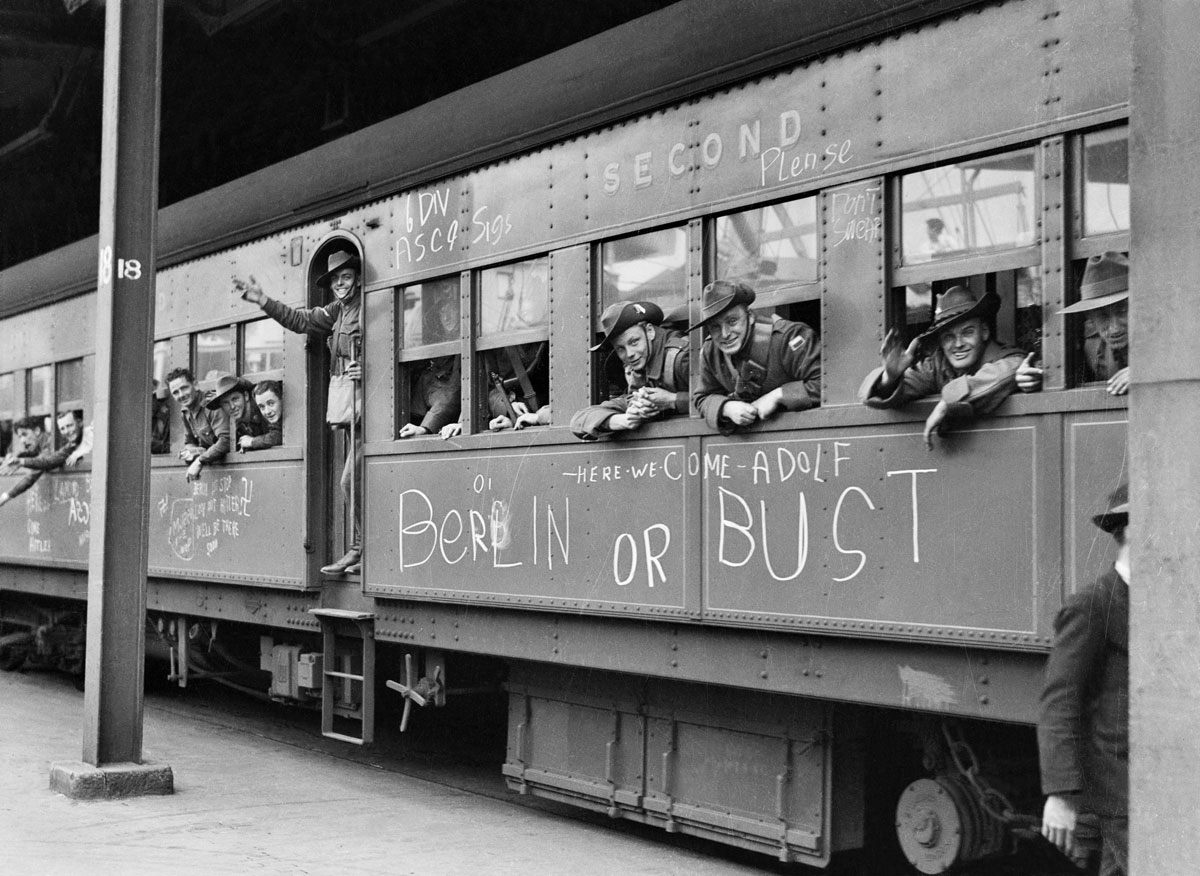
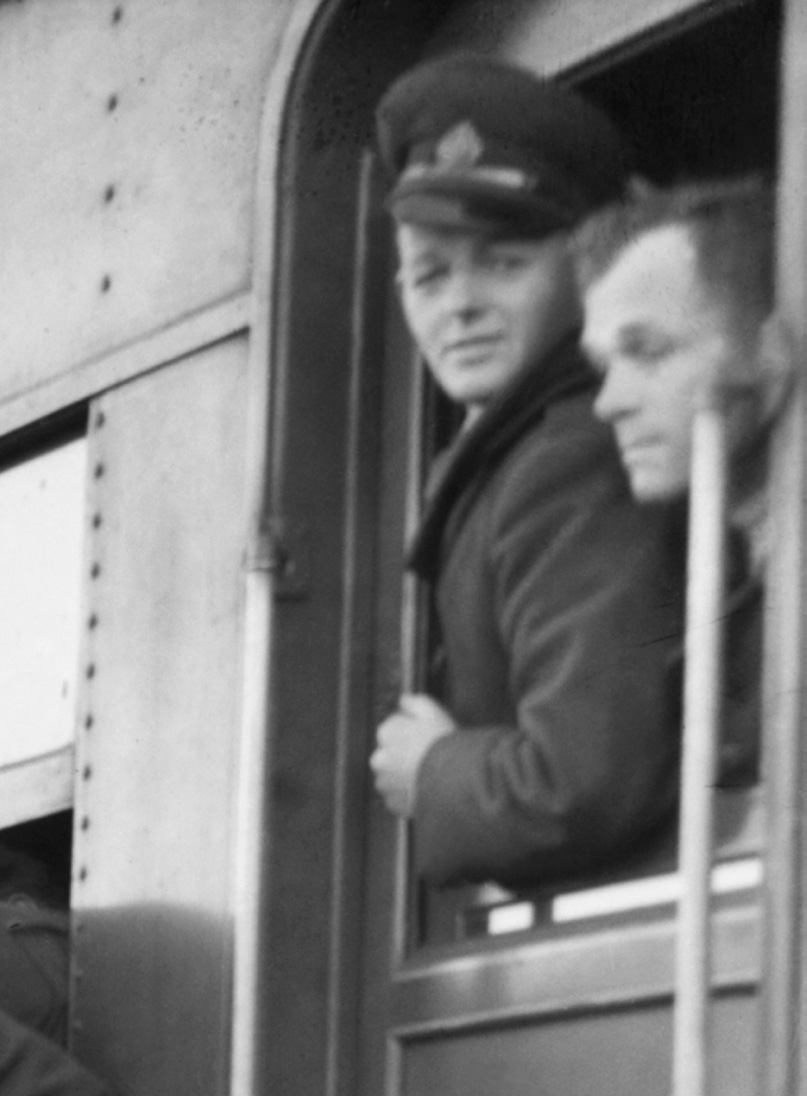
Sam Hood (Australian, 1872-1953) '6th division AIF troops waving from troop-train carriage, 13 September 1940' 1940


Sam Hood (Australian, 1872-1953)
6th division AIF troops waving from troop-train carriage, 13 September 1940
1940
© Australian War Memorial


Some poignant photographs in this posting of young Australian men setting off to fight in the early stages of the Second World War. The message scrawled in chalk on the side of the train (below, at left) reads, “Berlin first stop. Look out Hitler, we’ll be there soon.” Little did they know it would be five long, hard years of fighting and countless deaths before that aphorism would come true. The 6th division AIF troops first fought in North Africa against the Italians at Tobruk and was then sent to Greece to fight the German advance. About 39 per cent of the Australian troops in Greece on 6 April 1941 were either killed, wounded or became prisoners of war. The division then fought in the Pacific War on the Kokoda Trail campaign in the New Guinea theatre until the end of the war.

I wonder how many of the men, smiling and leaning out of the train carriage or departing on a troop ship, returned to these shores?

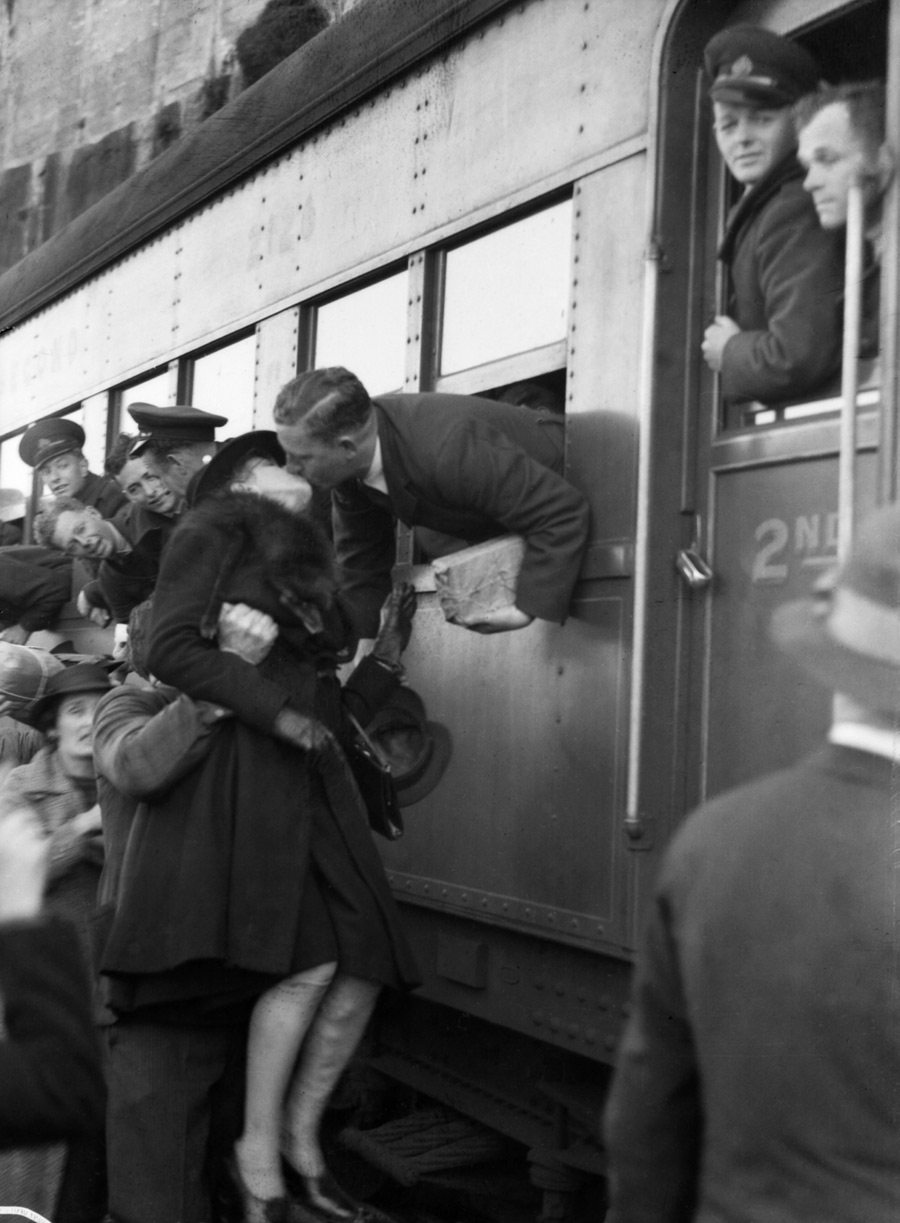
The last photograph in the posting is so very eloquent it actually moved me to tears. The women being hoisted aloft to kiss her loved one last time – clutching her handbag, complete with rumpled, lumpy stockings. To the right (and this is what caught my eye), a man looks straight at the camera while another right next to him has this distant melancholy look on his face as though he is not actually there. A portent of things to come. Brave men, fighting in the only war that Australians have had to fight for their own freedom, not at the whim of a colonial power or overseas ally in some far of distant land. Brave men and women – we wouldn’t be here without them.

Dr Marcus Bunyan


Many thankx to the Museum of Sydney for allowing me to publish the photographs in the posting. Please click on the photographs for a larger version of the image.


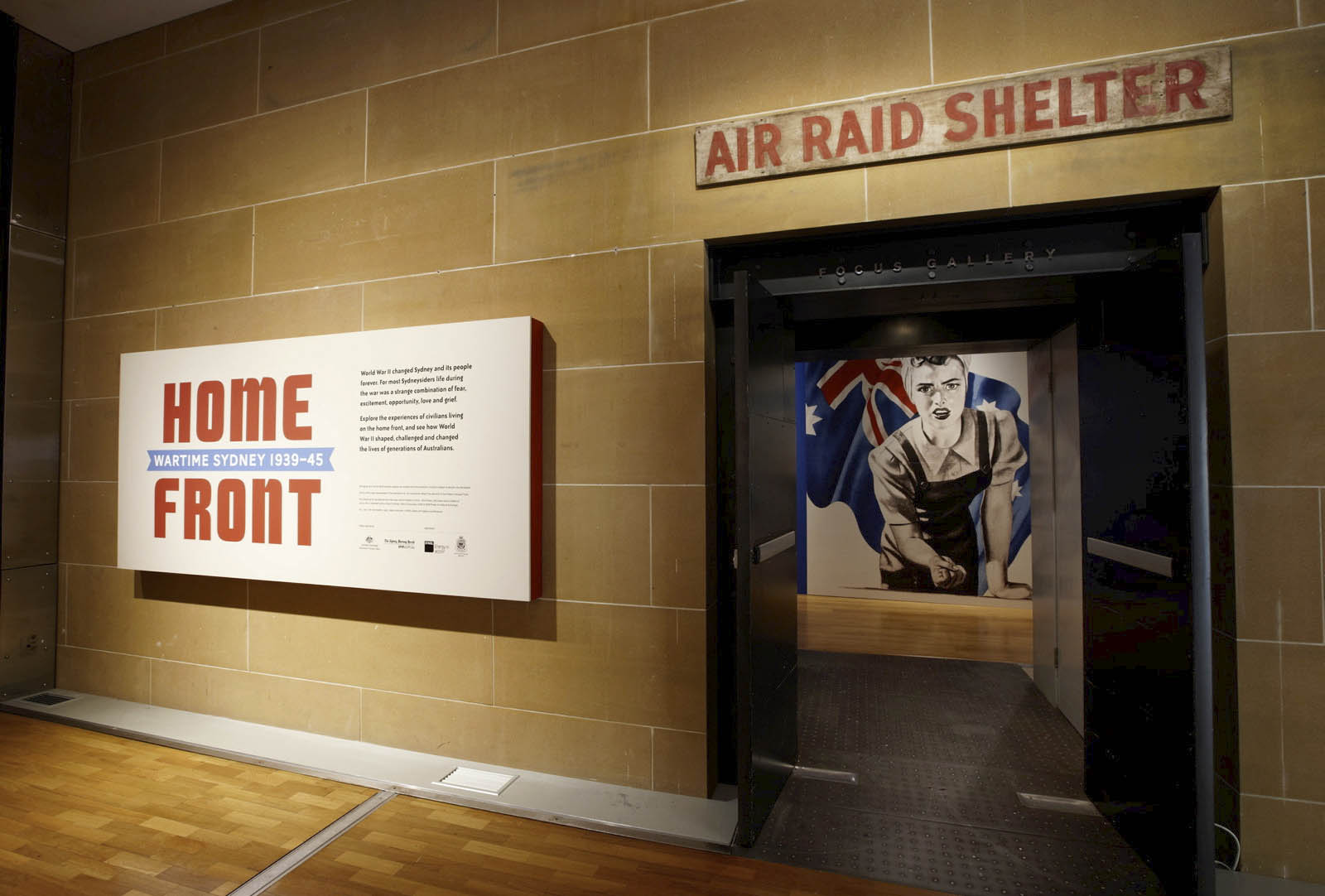
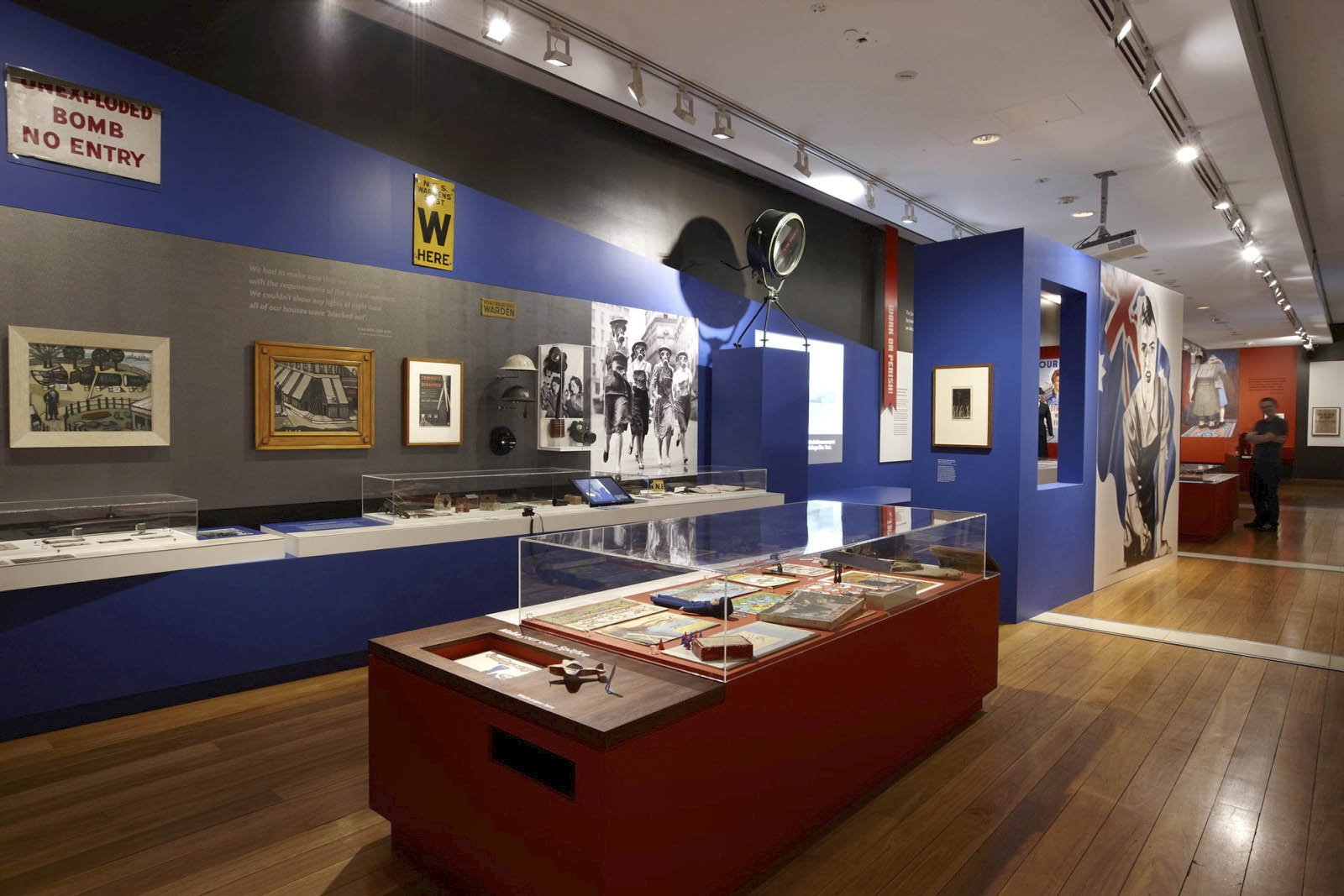
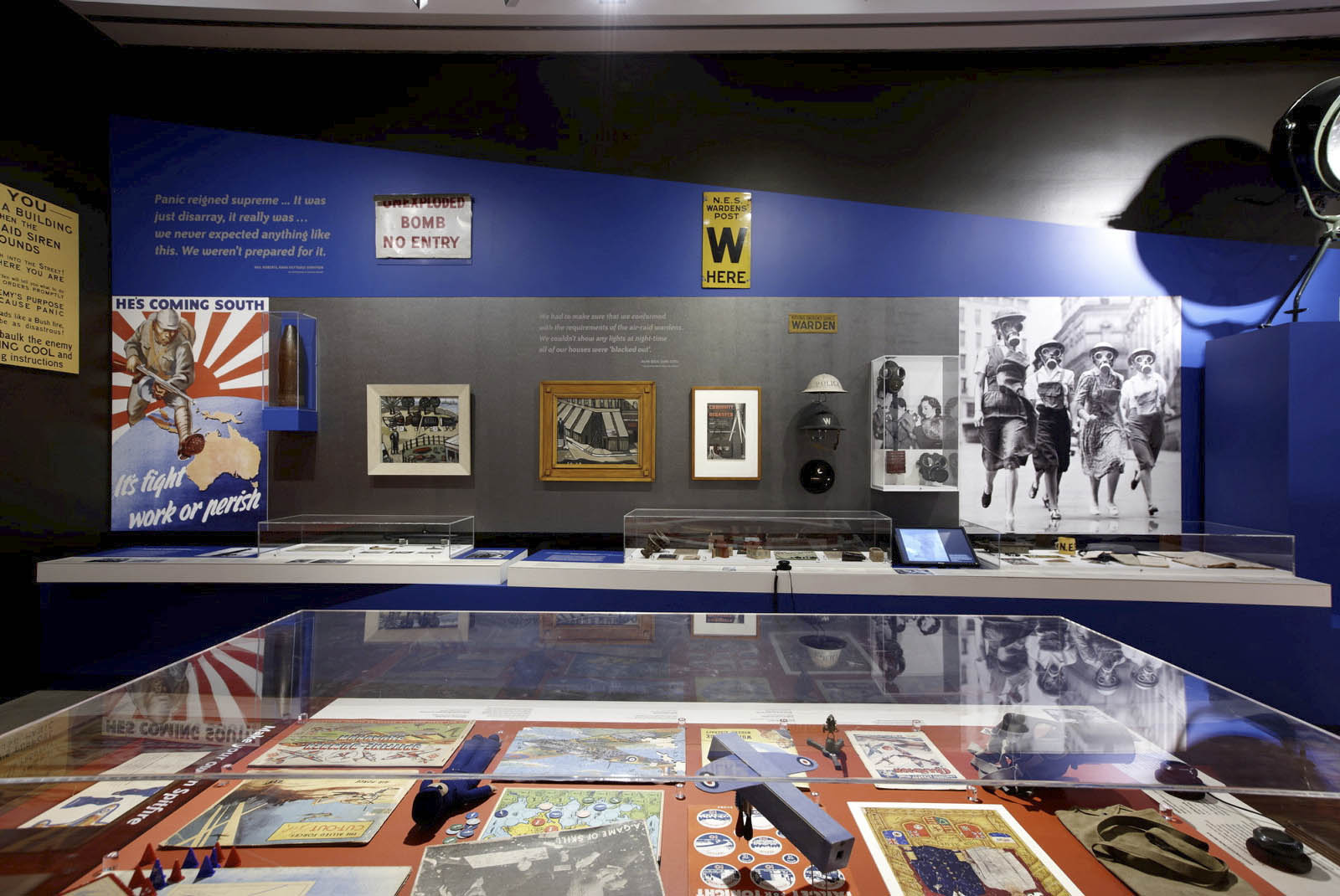
Installation view of the exhibition 'Home Front: Wartime Sydney 1939-45' at the Museum of Sydney 

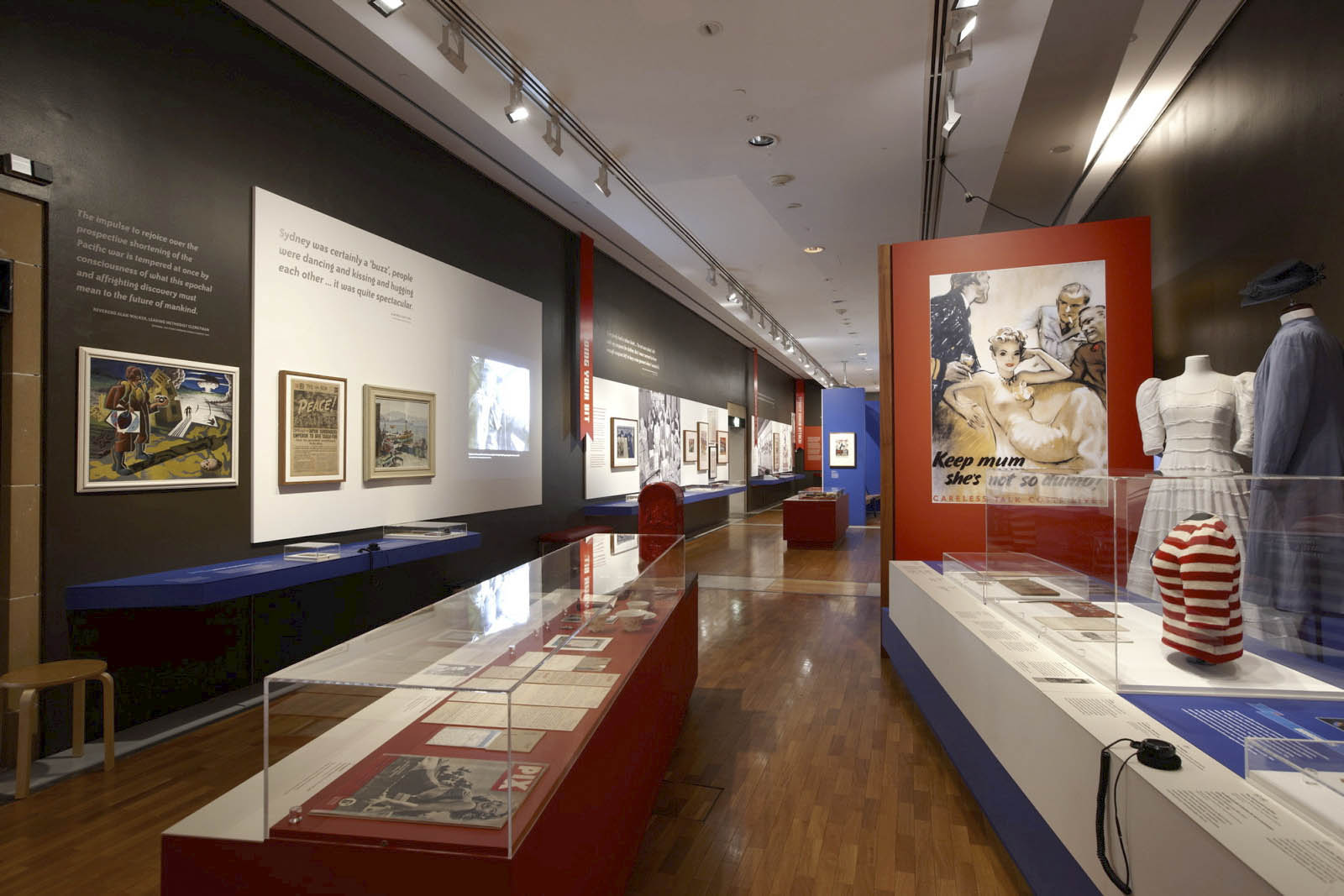
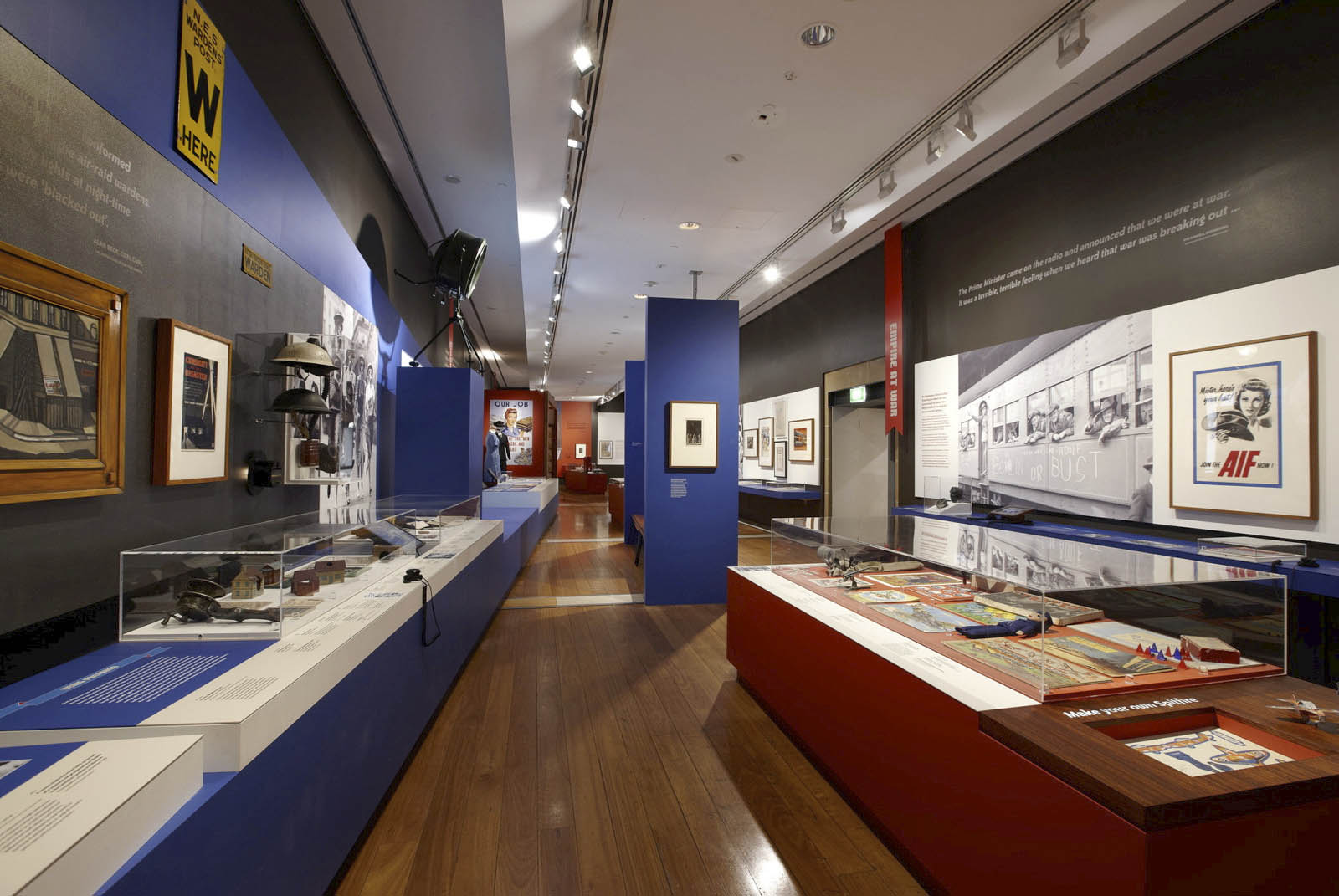
Installation view of the exhibition 'Home Front: Wartime Sydney 1939-45' at the Museum of Sydney 

Installation view of the exhibition 'Home Front: Wartime Sydney 1939-45' at the Museum of Sydney 

Installation view of the exhibition 'Home Front: Wartime Sydney 1939-45' at the Museum of Sydney

Installation view of the exhibition 'Home Front: Wartime Sydney 1939-45' at the Museum of Sydney


Installation view of the exhibition Home Front: Wartime Sydney 1939-45 at the Museum of Sydney
Historic Houses Trust of NSW
Photos: Jenni Carter


Anonymous photographer. 'Troops of the 6th Division wave goodbye, Sydney 1940' 1940


Anonymous photographer
Troops of the 6th Division wave goodbye, Sydney 1940
1940
© Australian War Memorial


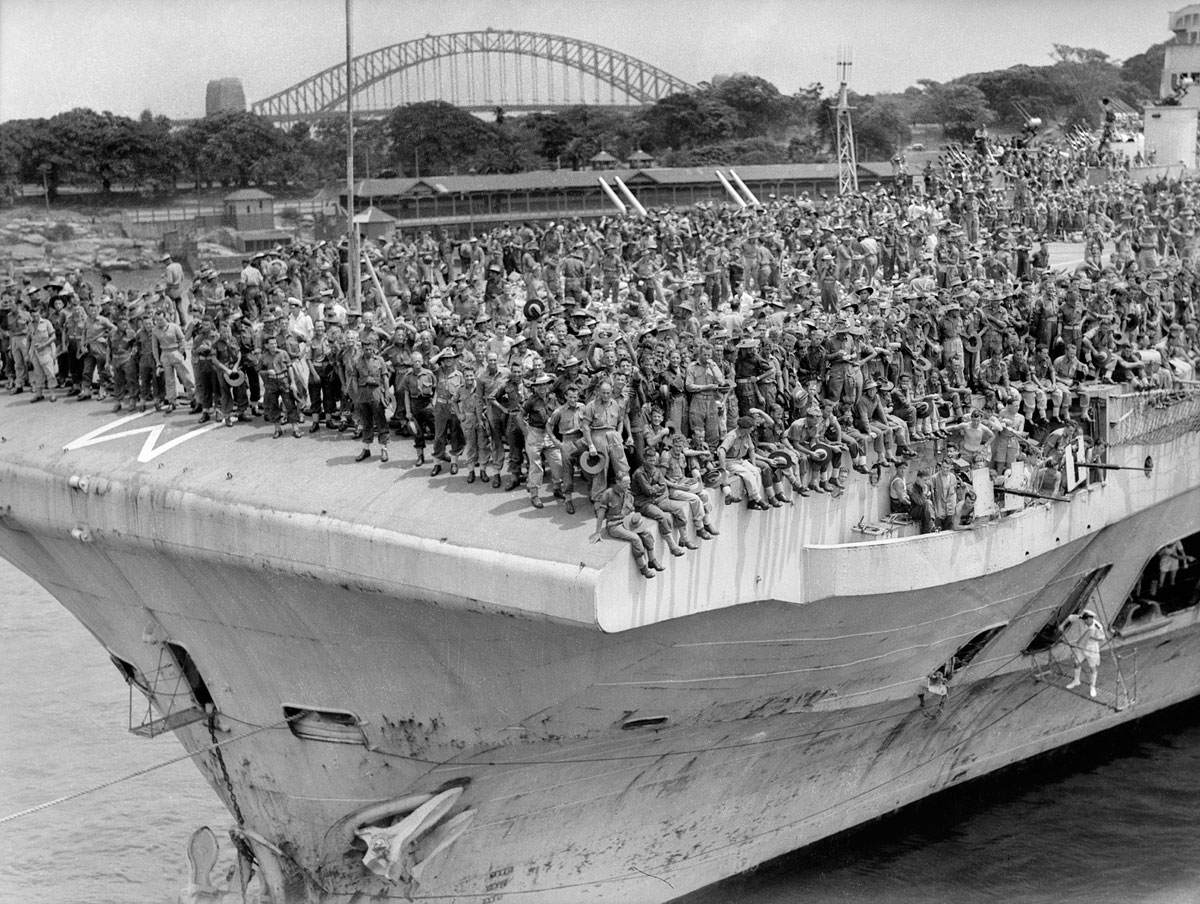
Anonymous photographer. 'Men of the 6th Division returning from Wewak crowd the deck of HMS Implacable, 18 Dec 1945' 1945


Anonymous photographer
Men of the 6th Division returning from Wewak crowd the deck of HMS Implacable, 18 Dec 1945
1945
© Australian War Memorial


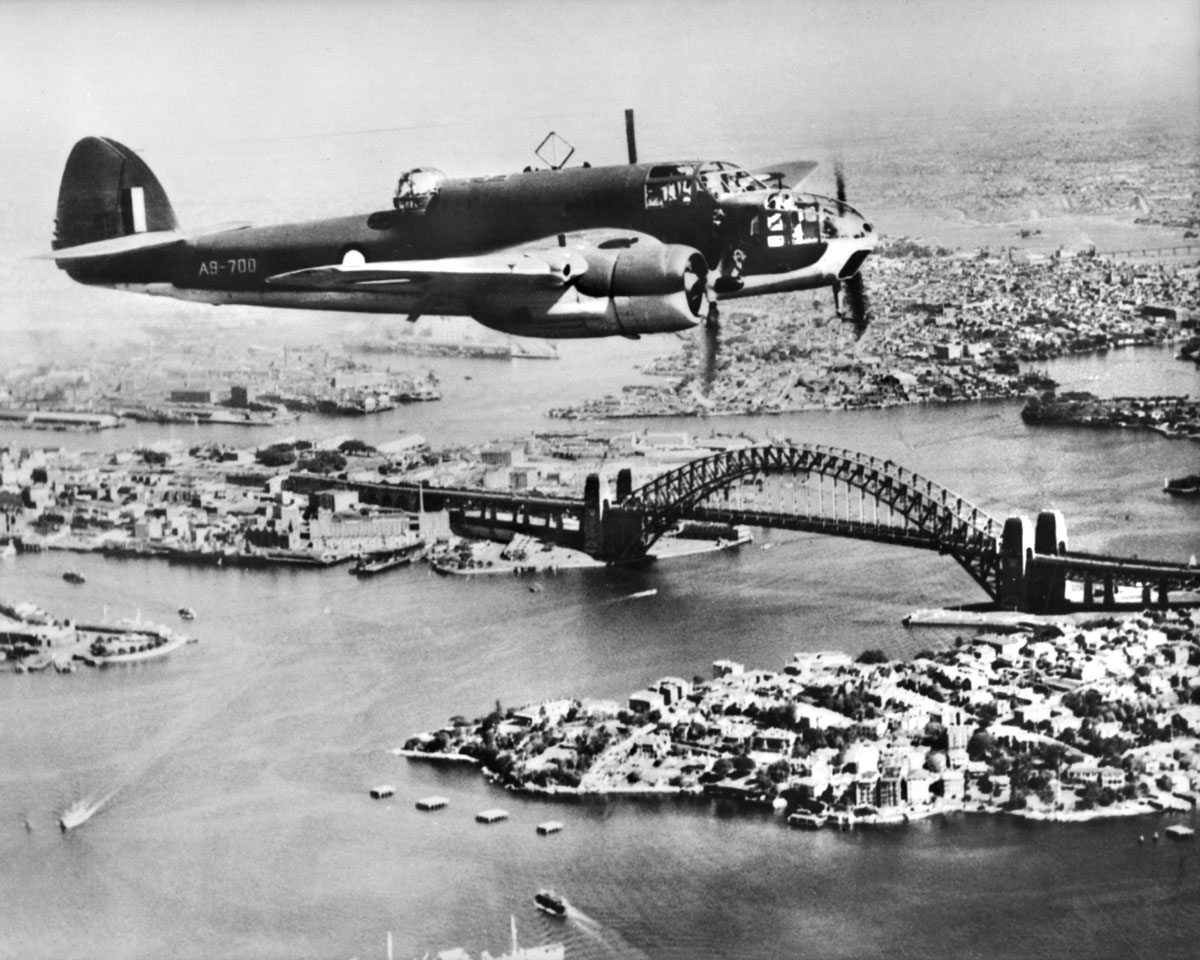
Anonymous photographer. 'An Australian built DAP Bristol Beaufort VIII aircraft, serial no A9-700, in flight over Sydney Harbour near the Bridge' c. 1944


Anonymous photographer
An Australian built DAP Bristol Beaufort VIII aircraft, serial no A9-700, in flight over Sydney Harbour near the Bridge
c. 1944
© Australian War Memorial


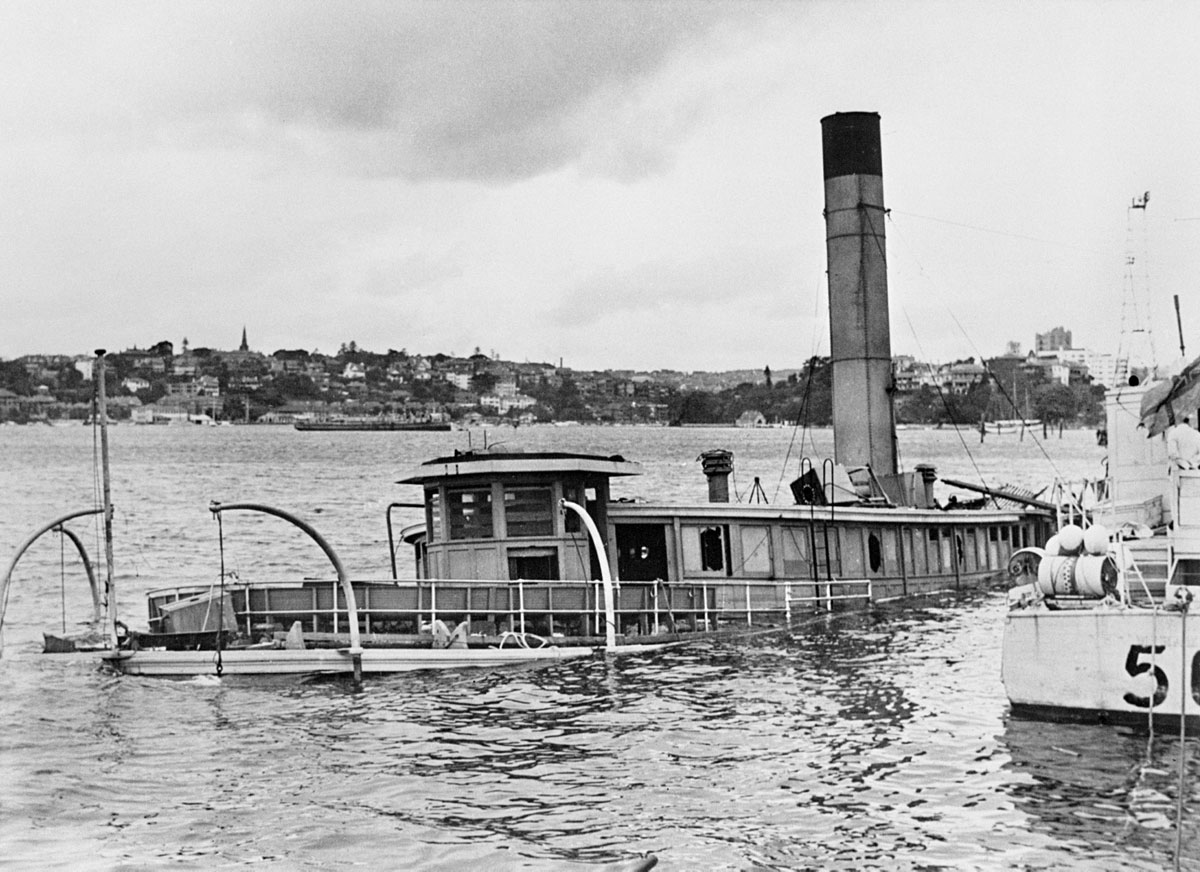
Anonymous photographer. 'Partly submerged RAN accommodation ship damaged during the unsuccessful Japanese midget submarine attack 1 June 1942' 1942


Anonymous photographer
Partly submerged RAN accommodation ship damaged during the unsuccessful Japanese midget submarine attack 1 June 1942
1942
© Australian War Memorial


Anonymous photographer. 'Two women donning gas masks as part of an air raid drill' Nd


Anonymous photographer
Two women donning gas masks as part of an air raid drill
Nd
© Argus Newspaper Collection of Photographs, State Library of Victoria


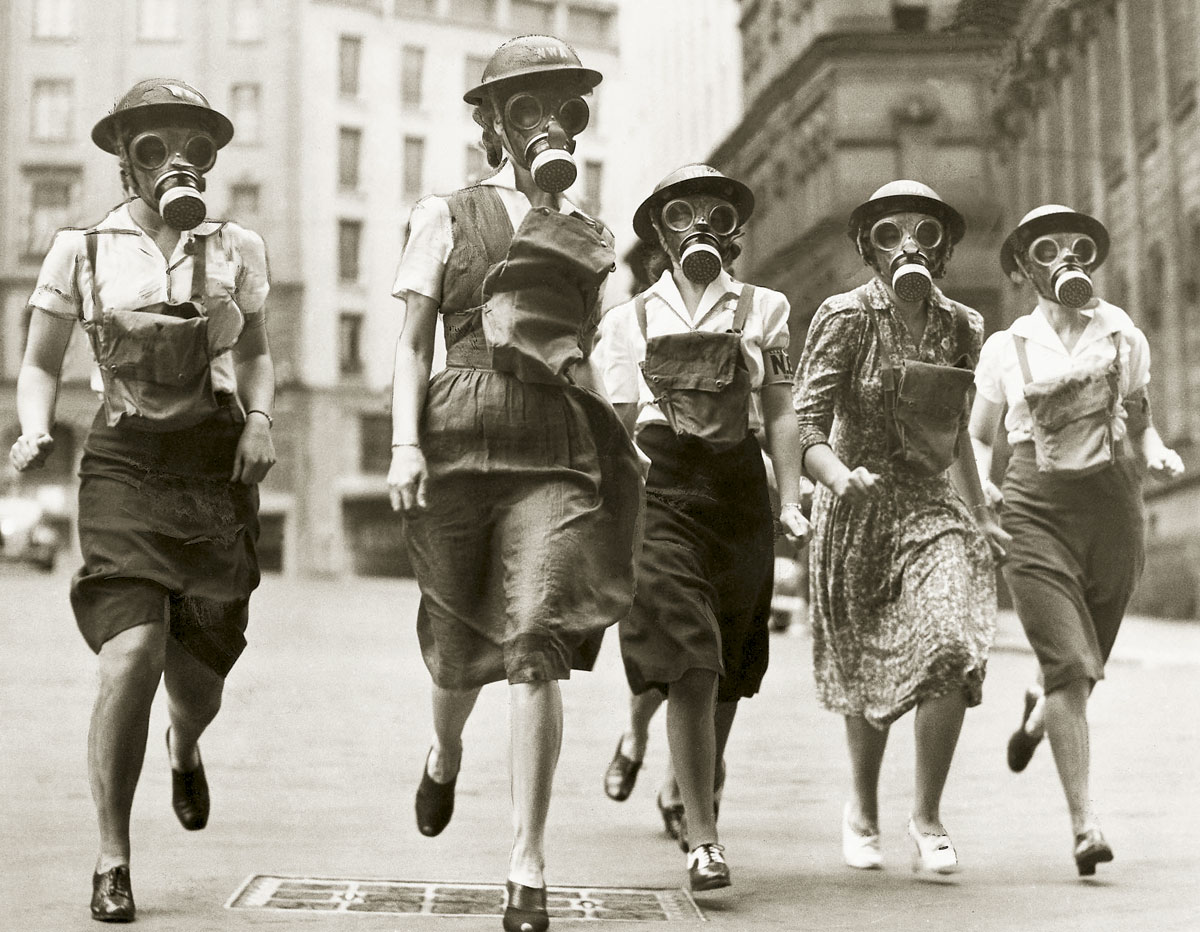
Installation view of the exhibition 'Home Front: Wartime Sydney 1939-45' at the Museum of Sydney showing at centre, a detail of 'Members of the Wardens' Women's Auxiliary making for the scene of an incident' (c. 1943) by an anonymous photographer


Installation view of the exhibition Home Front: Wartime Sydney 1939-45 at the Museum of Sydney showing at centre, a detail of Members of the Wardens’ Women’s Auxiliary making for the scene of an incident (c. 1943, below) by an anonymous photographer
Historic Houses Trust of NSW
Photo: Jenni Carter


Anonymous photographer. 'Members of the Wardens' Women's Auxiliary making for the scene of an incident' c. 1943


Anonymous photographer
Members of the Wardens’ Women’s Auxiliary making for the scene of an incident
c. 1943
© Argus Newspaper Collection of Photographs, State Library of Victoria


In May 1942 three Japanese midget submarines entered Sydney Harbour in an attempt to sink allied ships, bringing the once far away war to the shores of the harbourside city and shaking the country to its core. Coinciding with the 70th anniversary of the Japanese attack on Sydney Harbour, Home Front: Wartime Sydney 1939-45 a new exhibition opening 31 March at the Museum of Sydney, explores the experience of the women, men and children who rallied together to support the war effort from home.

Unprepared for another world war, Australians initially referred to the conflict as ‘the phoney war’, however it wasn’t long before propaganda posters were plastered around Sydney, censorship and food rationing became the norm, and tank traps and barbed wire replaced bronzed bodies on Sydney beaches. For six long years the world seemed to come to Sydney as soldiers, sailors and airmen from many nations called Sydney home, making wartime an exciting and thrilling period for some, while for others it was a long and lonely time interrupted by the occasional letter from a loved one serving overseas.

Almost 40,000 Australians lost their lives with the war leaving a lasting impact at home and transforming the lives of generations of Australians, in particular the lives of women, says Curator Annie Campbell. “As well as having to cope with war related anxieties and stress, many women were ‘manpowered’ to work in wartime industries such as ammunitions factories and aircraft construction. Everyone had to make sacrifices on the home front, however despite wartime shortages and rationing, women were expected and actively encouraged to look smart, which often involved some innovative thinking. One of my favourite objects in the exhibition is a wedding dress made out of parachute silk and mosquito net for a war bride, later worn by her sister and two girlfriends on their special days.

While the troops were busy on the battlefields, Sydneysiders prepared for the possibility of an enemy invasion on home soil. An anti-submarine boom net was installed across Sydney Harbour to keep out attacking forces, bomb shelters were constructed in Hyde Park and protective timbers were placed around landmark buildings. In 1942 blackout restrictions were introduced to limit the effectiveness of air raids, all Sydney lights were switched off and car, train and tram headlights were masked, giving the city a sinister feel. But it wasn’t all doom and gloom, large numbers of people were ready to have fun in Sydney and the Trocadero on George Street became a mecca for white American servicemen, while the Booker T Washington Club in Albion Street Surry Hills serviced the African-American GI’s,” says Campbell.

Highlights of the exhibition include the microphone used by Prime Minister Robert Menzies to announce that Australia was at war, remnants of the Japanese midget submarines that attacked Sydney, over 100 photographs and artworks depicting wartime Sydney, and a short documentary featuring historic footage. Over 200 wartime Sydney mementoes will also feature in the exhibition including propaganda posters, warden’s memorabilia, letters from soldiers serving overseas and a selection of wartime fashions.

Press release from the Museum of Sydney website


Anonymous photographer. 'Sydney kindergarten children wearing air raid headgear designed to muffle sounds and prevent them from biting tongues' Nd


Anonymous photographer
Sydney kindergarten children wearing air raid headgear designed to muffle sounds and prevent them from biting tongues
Nd
© Mitchell Library, State Library of NSW


Anonymous photographer. 'Eve Holliman, Hilda Jamieson and Vera Thurlow converting a car into an ambulance' Nd


Anonymous photographer
Eve Holliman, Hilda Jamieson and Vera Thurlow converting a car into an ambulance
Nd
© Argus Newspaper Collection of Photographs, State Library of Victoria


Anonymous photographer. 'Woman war worker' 1944


Anonymous photographer
Woman war worker
1944
© Mitchell Library, State Library of NSW


Anonymous designer and photographer. 'Change Over to a Victory Job propaganda poster' Nd


Anonymous designer and photographer
Change Over to a Victory Job propaganda poster
Nd
© Australian War Memorial


Anonymous designer and photographer. 'Advertisement for Ponds' 1945


Anonymous designer and photographer
Advertisement for Ponds
1945
© National Library of Australia


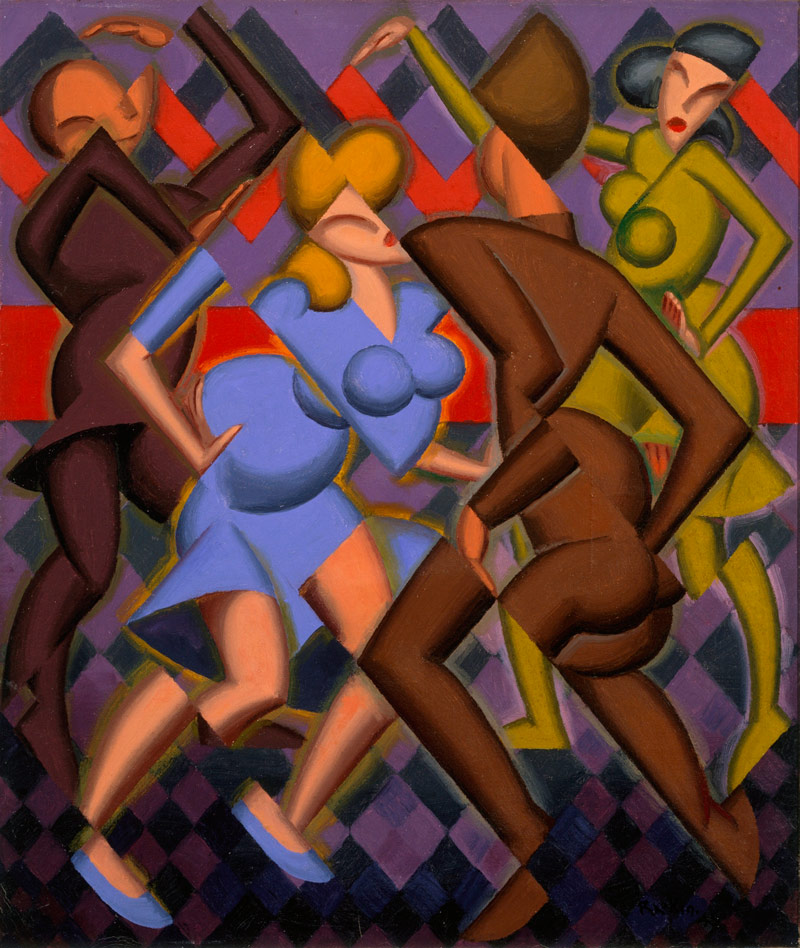
Weaver Hawkins (English, 1893-1977) 'Jitterbugs' 1945


Weaver Hawkins (English, 1893-1977)
Jitterbugs
1945
Oil on canvas, Art Gallery of New South Wales
© Estate of H F Weaver Hawkins
Photograph Jenni Carter


Sam Hood (Australian, 1872-1953) 'Sydney embarkation, 13 September 1940' 1940


Sam Hood (Australian, 1872-1953)
Sydney embarkation, 13 September 1940
1940
© Australian War Memorial


Sam Hood (Australian, 1872-1953) 'Sydney embarkation, 13 September 1940' 1940 (detail)


Sam Hood (Australian, 1872-1953)
Sydney embarkation, 13 September 1940 (detail)
1940
© Australian War Memorial


Museum of Sydney
Cnr Bridge and Phillip Streets
Sydney, NSW 2000
Phone: (02) 9251 5988

Opening hours:
Daily 10am – 5pm
Closed Good Friday and Christmas Day

Museum of Sydney website

LIKE ART BLART ON FACEBOOK

Back to top

Exhibition: ‘C’est la vie. Press photography since 1940’ at the Swiss National Museum, Zurich

Exhibition dates: 11th January – 22nd March 2012


Anonymous photographer. 'Frozen Lake Biel' 1941


Anonymous photographer
Frozen Lake Biel
1941
© Swiss National Museum


Another fascinating, quirky photography exhibition. The photographs from the 1940s are poignant, especially when we remember what was happening in the rest of Europe at this time. Contrary to popular opinion, the Swiss did not have an easy time of it during the Second World War: threatened with invasion by Hitler on one the hand, this landlocked country relied heavily on imports to survive. Many of its citizens were near starvation during the course of the war but they became more self sufficient, growing their own food. They also built up their military (ironically using pre-war German assembled Messerschmitt planes as a basis for their air force). The Germans knew that Switzerland would be a hard country to conquer so they did not force the issue. For an in depth look at the fate of neutral countries during the Second World War see the excellent book The Neutrals by Denis J. Fodor (Volume 35 of World War Two: Time-Life Books, 1982) which includes “chapters on Switzerland, Sweden, Norway, Finland, Netherlands, Belgium, Ireland, Turkey, and others including their success or lack of success in maintaining their neutrality.” (Neal A. Wellons) There is also a picture essay on Switzerland. An absorbing read.

The photograph Swimming lessons for schoolchildren at the Wollishofen lakeside swimming area, Zurich (1943, below) is especially foreboding of the conflict that was swirling around Switzerland in 1943, the child’s heads in a noose as he tries to stay afloat a metaphor for the conflagration that was occurring all around. One slip for Switzerland, and the world, and it was over. Chilling.

Dr Marcus Bunyan


Many thankx to the Swiss National Museum for allowing me to publish the photographs in the posting. Please click on the photographs for a larger version of the image.


Anonymous photographer. 'Using boats to transport wood and stone on Lake Lugano' 1940. © Swiss National Museum


Anonymous photographer
Using boats to transport wood and stone on Lake Lugano
1940
© Swiss National Museum


Anonymous photographer. 'Swimming lessons for schoolchildren at the Wollishofen lakeside swimming area, Zurich' 1943


Anonymous photographer
Swimming lessons for schoolchildren at the Wollishofen lakeside swimming area, Zurich
1943
© Swiss National Museum


Anonymous photographer. 'Walter Diggelmann repairs a tyre during the Tour de Suisse' 1950


Anonymous photographer
Walter Diggelmann repairs a tyre during the Tour de Suisse
1950
© Swiss National Museum


Walter Diggelmann (Zürich, 11 August 1915 – Guntalingen, 5 March 1999) was a Swiss professional road bicycle racer. Diggelmann won one stage in the 1952 Tour de France.


For the first time, the Swiss National Museum in Zurich presents its extensive archive of press photographs. The exhibition looks at recent Swiss history from the perspective of the press photographer and reveals how, in the second half of the 20th century, press photography developed into the photojournalism we know today.

Housed in three original pavilions by the designer and engineer Jean Prouvé from the 1940s, C’est la vie includes meticulously composed photographs depicting political events, episodes from everyday life, unforgettable moments, candid pictures of well-known personalities and portraits of everyday heroes. It also shows how the extensive photo reportages of the early years were superseded by individual snapshots – initially still in black and white, then in colour. New methods of image transfer and printing technologies enabled ever-increasing numbers of up-to-the-minute photos to appear in the daily press. From the 1960s onwards, the illustrated weekly press went into decline. The exhibition illustrates this process by juxtaposing an analogue picture agency from the 1940s with its present-day digital counterpart.

In 2006 the Swiss National Museum acquired the archives of the press photo agencies Presse Diffusion Lausanne and Actualité Suisse Lausanne, which together comprise millions of negatives, paper prints and transparencies from 1940 (foundation of PDL) to 2000 (closure of ASL). The archives are an ideal complement to the photographs taken by private individuals that previously formed the core of the Swiss National Museum’s photography collection. An examination of the archives soon revealed a wealth of treasures. The diversity, breadth and aesthetic quality of the photographic material are remarkable and exceptional. The new holdings will also be an invaluable source of visual material for the Swiss National Museum’s research activities.

Press release from the Swiss National Museum website


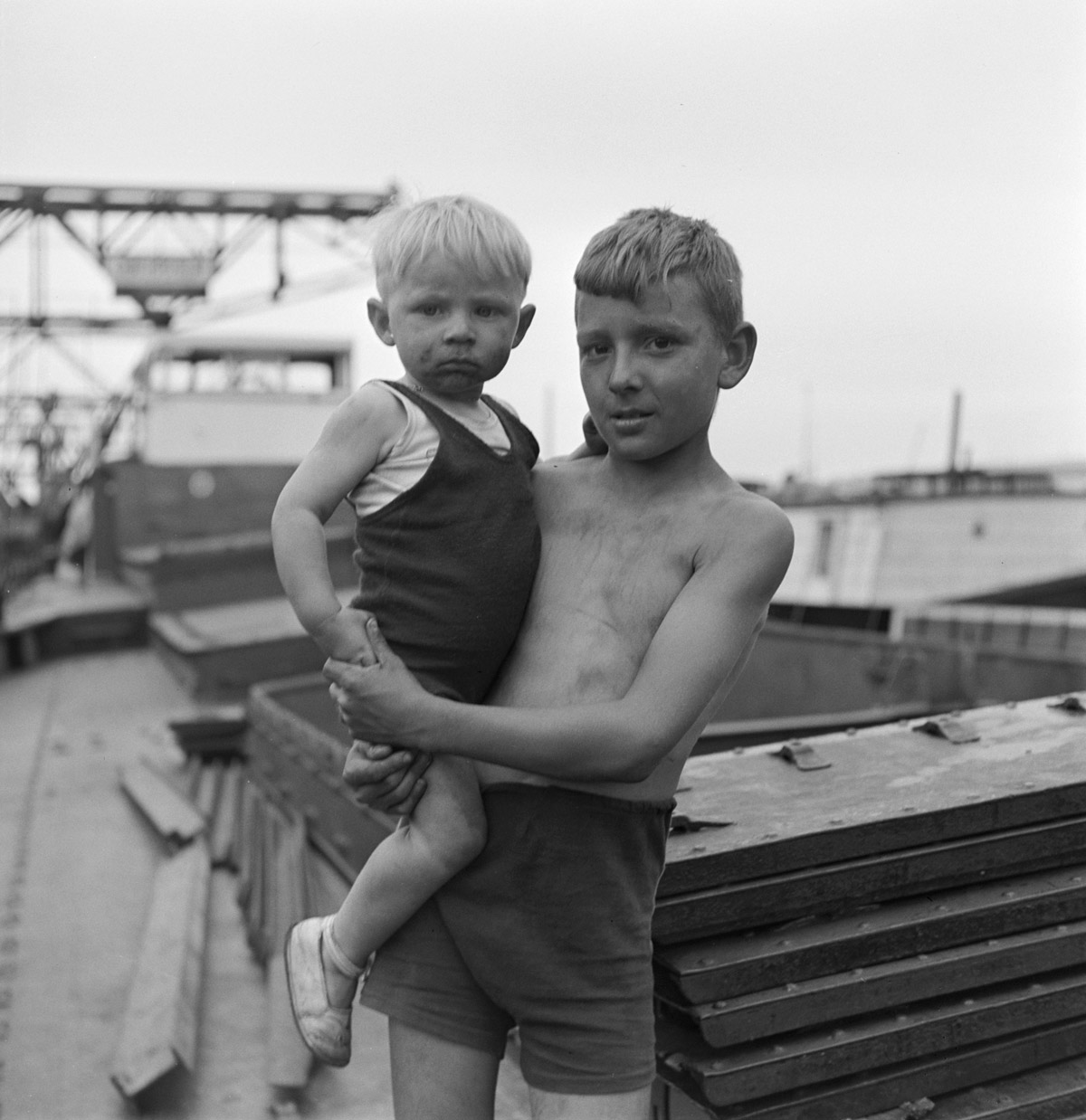
Anonymous photographer. 'Two brothers in the Rhine harbour at Kleinhüningen, Basel' c. 1939


Anonymous photographer
Two brothers in the Rhine harbour at Kleinhüningen, Basel
c. 1939
© Swiss National Museum


Anonymous photographer. 'Passenger in the dining car of the “Compagnie Suisse des Wagons-Restaurants”' c. 1940


Anonymous photographer
Passenger in the dining car of the “Compagnie Suisse des Wagons-Restaurants”
c. 1940
© Swiss National Museum


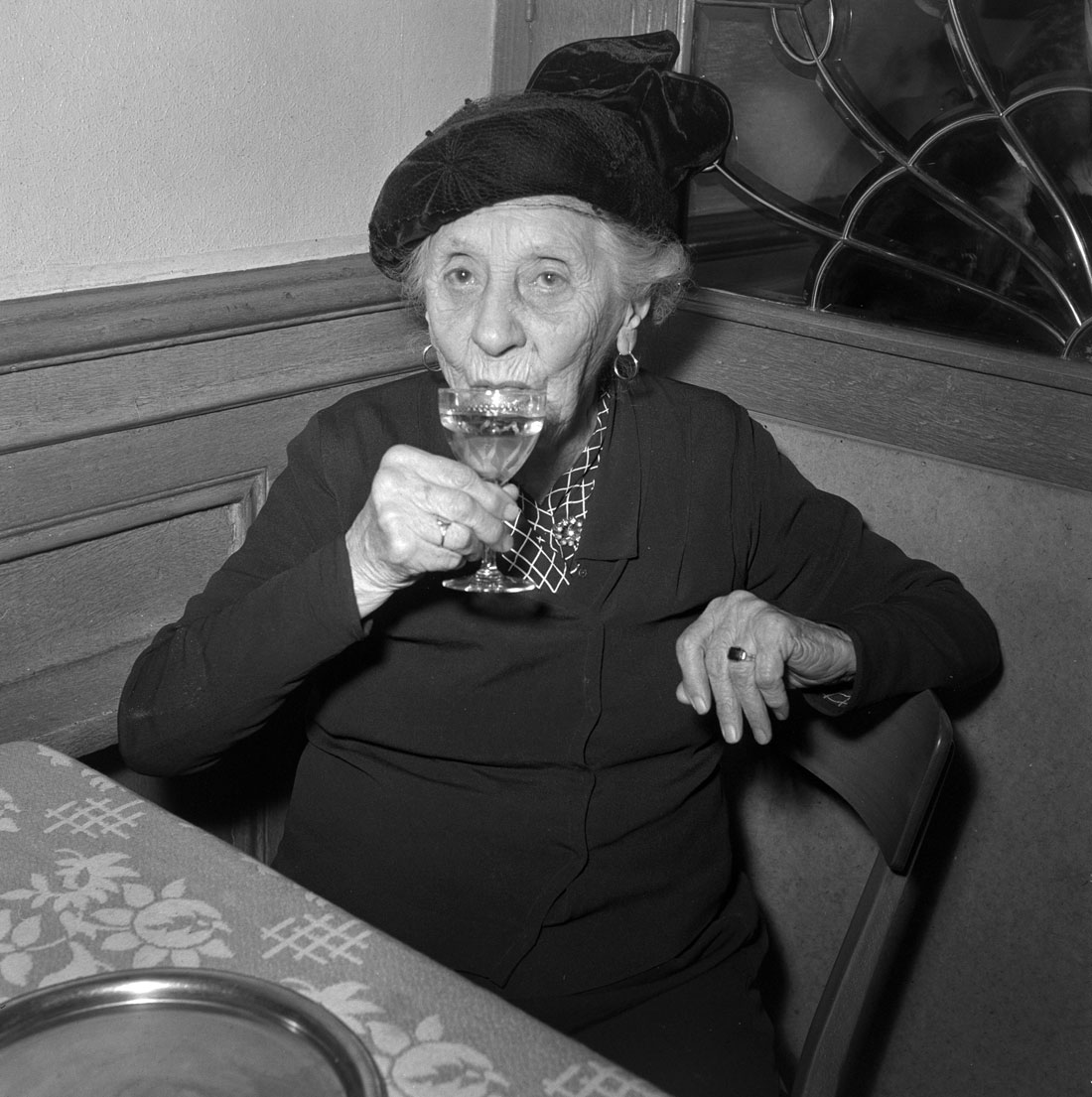
Anonymous photographer. 'Elderly lady in a restaurant, Lausanne' 1959


Anonymous photographer
Elderly lady in a restaurant, Lausanne
1959
© Swiss National Museum


Anonymous photographer. 'Italian guest workers arriving in Switzerland' 1956


Anonymous photographer
Italian guest workers arriving in Switzerland
1956
© Swiss National Museum


Swiss National Museum
Landesmuseum Zürich
Museumstrasse 2
8021 Zurich
Phone: +41 (0)44 218 65 11

Opening hours:
Tuesday – Sunday 10am – 5pm
Thursday 10 am – 7pm
Closed Mondays
Open on public holidays

Swiss National Museum website

LIKE ART BLART ON FACEBOOK

Back to top

Photographs: Marcus Bunyan. ‘Vertical’ 2011

December 2011


This slideshow requires JavaScript.


Vertical

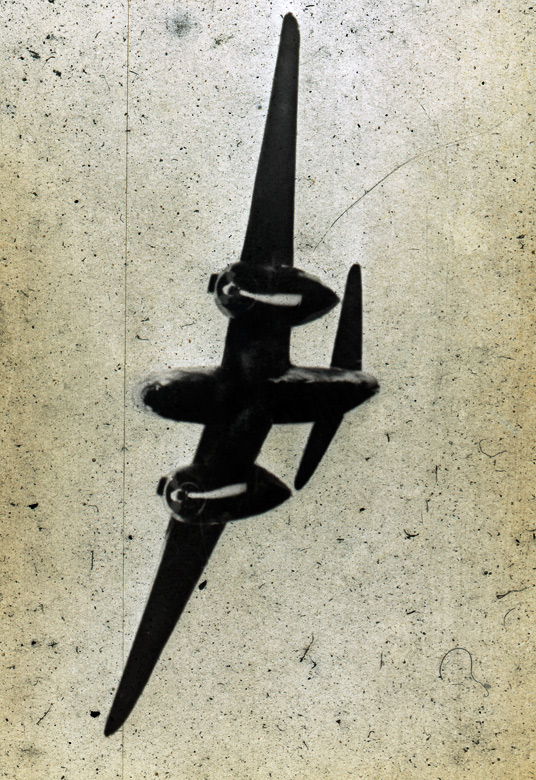
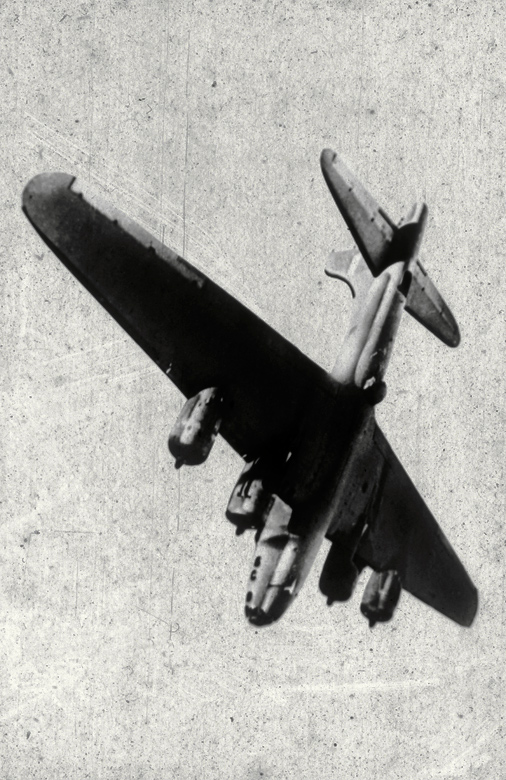
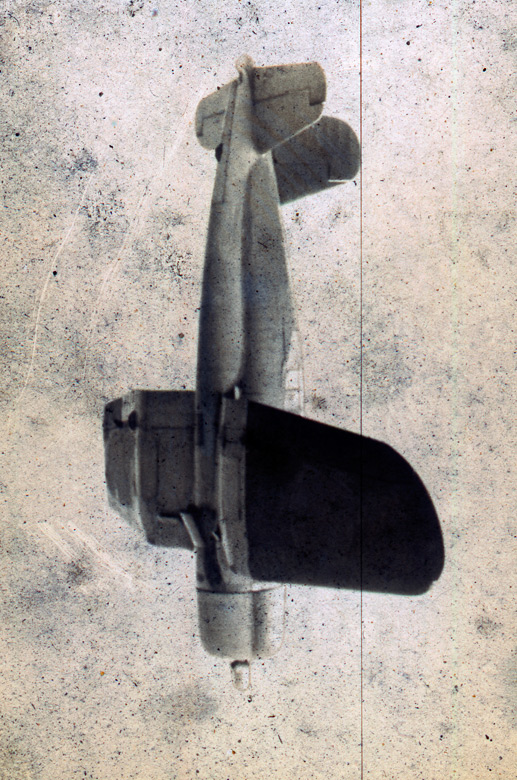
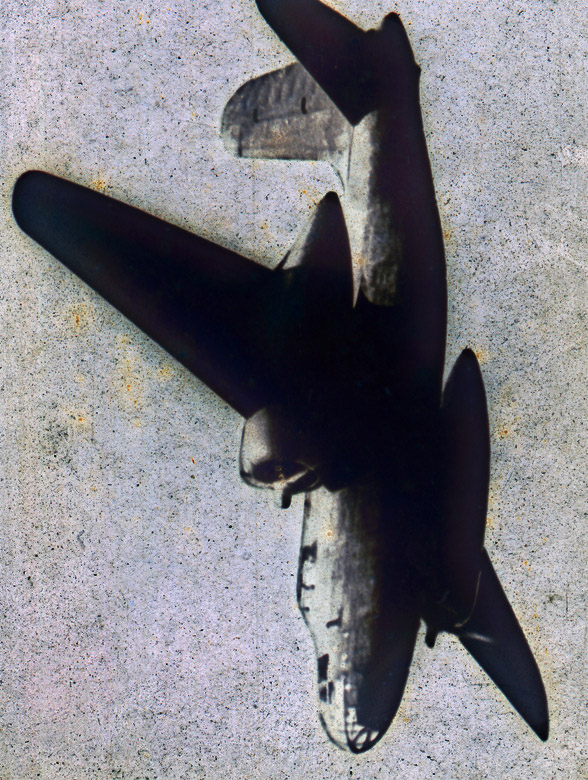
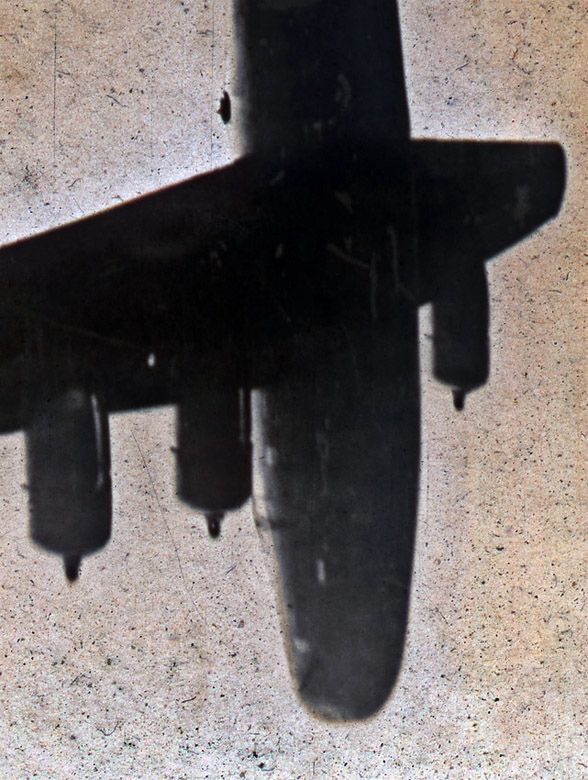
More planes, this time a series of work titled Vertical (2011). The series is now online on my website.

There are 22 images in the series formed as a sequence. Below is a selection of images from the series. I hope you like the work!

Marcus


Please click on the photographs for a larger version of the image.

Photographs are available from this series for purchase. As a guide, a digital colour 16″ x 20″ costs $1000 plus tracked and insured shipping. For more information please see my Store web page.


Marcus Bunyan (Australian, b. 1958) 'Untitled' from the series 'Vertical' 2011


Marcus Bunyan (Australian, b. 1958) 'Untitled' from the series 'Vertical' 2011


Marcus Bunyan (Australian, b. 1958) 'Untitled' from the series 'Vertical' 2011


Marcus Bunyan (Australian, b. 1958) 'Untitled' from the series 'Vertical' 2011


Marcus Bunyan (Australian, b. 1958) 'Untitled' from the series 'Vertical' 2011


Marcus Bunyan (Australian, b. 1958) 'Untitled' from the series 'Vertical' 2011


Marcus Bunyan (Australian, b. 1958) 'Untitled' from the series 'Vertical' 2011


Marcus Bunyan (Australian, b. 1958) 'Untitled' from the series 'Vertical' 2011


Marcus Bunyan (Australian, b. 1958)
Untitled
2011
From the series Vertical
Digital prints


Marcus Bunyan website

LIKE ART BLART ON FACEBOOK

Back to top

Book: ‘Spomenik’ by Jan Kempenaers

February 2011


'Spomenik' by Jan Kempenaers


Three Canons


Be still with yourself

Until the object of your attention

Affirms your presence


Let the Subject generate its own Composition


When the image mirrors the man

And the man mirrors the subject

Something might take over


Minor White 1968


“Gone is the modernist tenet of authorship in which everything in a photograph depends and can be traced to a single photographer acting in isolation. In its place, White supposes a relationship with subject that is a two way street: by granting the world some role in its own representation we create a photograph that is not so much a product solely of individual actions as it is the result of a negotiation in which the world and all its subjects might participate.”


Vince Leo


These are beautiful photographs; there is no fuss, no histrionics here. The use of light and the framing of subject are wonderful. The photographer has let the subject generate its own composition meaning that the sculptures speak for themselves: something takes over – an ethereal evocation of space and place.

The sculptures occupy a representational space appropriated by the imagination. “Lefebvre writes that it [representational space] “overlays physical space, making symbolic use of its objects” and is predominantly non-verbal in nature.”1 The photographs and their representational space offer the viewer the possibility of drifting (Guy Debord’s dérive) encouraging “an unplanned journey through a landscape… where an individual travels where the subtle aesthetic contours of the surrounding architecture and geography subconsciously direct them with the ultimate goal of encountering an entirely new and authentic experience.”2

I find the photographs truly authentic. I immerse myself in their presence: I embrace them because they are in my imagination, creatures of the deep recesses of the mind.

Dr Marcus Bunyan


1/ Burgin, Victor. In/Different Spaces: Place and Memory in Visual Culture. Berkeley: University of California Press, 1995, p. 27
2/ Anonymous. “Dérive,” on the Wikipedia website [Online] Cited 28/06/2011


Many thankx to Jan Kempenaers for allowing me to publish the photographs and text in the posting. Please click on the photographs for a larger version of the image. All photographs © Jan Kempenaers and courtesy of the artist.


Monument honouring the Battle of Sutjeska from 'Spomenik' by Jan Kempenaers


This monument, authored by sculptor Miodrag Živković, commemorates the Battle of Sutjeska, one of the bloodiest battles of World War II in the former Yugoslavia.


World War II

Since nearly the beginning of Axis powers taking control of the Kingdom of Yugoslavia in April of 1941, the armies of Germany, Italy and their other Axis collaborators had been battling against armed uprisings of local resistance forces, most notably Josip Tito’s communist Partisan Army. As the Partisans in large part relied on guerilla tactics and unconventional warfare, they became a significant force for the Axis leadership to reckon with. As a result, the German Army created a set of targeted operations to take out Tito specifically, which they felt would behead the Partisan’s leadership and destroyed the movement. The first attempt at subduing Tito took place in January of 1943, during what the German’s called Operation Case White, which the Yugoslav’s later referred to as the Battle of Neretva near Makljen. However, this operation ended in Tito dramatically escaping at the last moment.

In May of 1943, Axis powers set upon Tito again with a new operation called Case Black. The operation was initiated with 127,000 Axis forces pursuing 22,000 Yugoslav Partisans across the Durmitor Mountains, then north into the Zelengora Mountains of present-day Bosnia. Then, in early June of 1943, the Partisans were subsequently boxed in and trapped within Axis lines on Vučevo Mountain on the east Sutjeska River valley, near the small village of Tjentište. As a result, a massive battle between the two sides ensued in what today is known as the ‘Battle of Sutjeska’ (Bitka na Sutjesci). Despite this hopeless seeming situation, Tito orchestrated a daring move where, starting on the morning of June 9th, he ordered Partisan units to begin breaking west across the open valley and over the river. Some of the Partisans were surprisingly successful in breaking the German lines, at which point they headed up a steep ravine of Ozren Mountain and were then able to break north through German lines and escape past Goražde through the mountains into eastern Bosnia.

Despite this ambitious and daring escape Tito made during this seemingly hopeless battle, it came at a great cost of life. During the conflict, over 7,000 Partisan soldiers were killed. Tito’s escape at Sutjeska is considered a significant pivotal moment is the Partisan Liberation Struggle against the German-Italian Axis occupiers, as it proved that they were a formidable fighting force which could not easily be destroyed.

Anonymous text. “Tjentište,” on the Spomenik Database website Nd [Online] Cited 22/07/2022


The Petrova Gora monument from 'Spomenik' by Jan Kempenaers


The Petrova Gora monument was designed by Vojin Bakić and built in 1982. It was dedicated to the people of Kordun and Banija who died during World War II. It was dismantled in 2011.


The Kosmaj monument in Serbia from 'Spomenik' by Jan Kempenaers


The Kosmaj monument in Serbia is dedicated to soldiers of the Kosmaj Partisan detachment from World War II.


The Kruševo Makedonium monument in Macedonia from 'Spomenik' by Jan Kempenaers


The Kruševo Makedonium monument in Macedonia was dedicated to the Ilinden Uprising of 1903, when the Bulgarian population revolted against the Ottoman Empire.


Ilinden Uprising

The primary historical event this monument commemorates is the Ilinden Uprising, which was an uprising of Macedonian IMARO rebels initiated against Ottoman rule on August 2nd, 1903. During this time, in the region of present-day Kruševo, resistance fighters proclaimed this newly liberated land to be the land of the Kruševo Republic, under the leadership of then school-teacher turned war-hero Nikola Karev. This separatist territory lasted less than two weeks before it was suppressed by 176,000 Turk soldiers and put back under Ottoman control, with nearly 9000 people being executed at the hands of the Turks in retaliation.

World War II

In addition, this spomenik commemorates the local Kruševo fighters of the People’s Liberation Struggle (WWII) who struggled under the Partisan banner to help free Macedonian from Axis and fascist occupation. On August 19th, 1942, the Kruševo Partisan Detachment was formed as a force of community soldiers who engaged in skirmishes with Axis troops across Macedonia until Kruševo’s liberation by Soviet-backed Bulgarians during the fall of 1944. Macedonia was officially declared a nation-state during the Anti-fascist Assembly for the National Liberation of Macedonia (ASNOM), held at Prohor of Pčinja Monastery, on August 2nd, 1944, which was a date symbolically chosen to align with the date of the Ilinden Uprising, as the ASNOM gathering considered itself the ‘Second Ilinden’. Presently, this date is still celebrated in Macedonia as the Day of the Republic.

Anonymous text. “Kruševo,” on the Spomenik Database website Nd [Online] Cited 22/07/2022


'Spomenik' by Jan Kempenaers

'Spomenik' by Jan Kempenaers

'Spomenik' by Jan Kempenaers

The Susanjar Memorial Complex in Bosnia and Herzegovina from 'Spomenik' by Jan Kempenaers


The Susanjar Memorial Complex in Bosnia and Herzegovina was created in remembrance of the thousands killed by Germans during the Orthodox festival of Ilindan in 1941.


Spomenik Construction

Preliminary plans to construct a memorial complex at the Sanski Most execution site for the commemoration of these tragedies was organised in late 1968. At this point, an official selection board was convened to arrange this memorial’s construction. This board consisted of municipal officials as well as generals and officials of the SR of Bosnia who were from the Sanski Most region. The chairman of the board was Yugoslav WWII hero Petar Dodik, at this time a lawyer from Sarajevo. Funding for the project was raised by this board largely via public voluntary donations from those in the community. Three specific notable designers were considered by the board to create the monument, all who had varying ideas of what the monument should look like. Belgrade architect Bogdan Bogdanović, wanted to construct a ‘Tower of Babel’ themed structure, but the design selection committee found this concept unacceptable. Famous Zagreb sculptor Vanja Radauš suggested a bone-shaped memorial, but this was also rejected, as it was felt it might incite feelings of anger and hatred towards Croats in general, especially as the memorial was intended to be a place of healing and reconciliation… not horror.

The project was eventually awarded to Sarajevo architect Petar Krstić, whose primary composition, completed in 1970, consisted of an aluminium flame-like obelisk set within an open paved courtyard. The complex’s approaching pathways were lined with stone tiles commemorating the victims killed and executed in the uprising. In addition, long crisscrossing concrete tubes are arranged around the monument as seating for visitors and as an outdoor classroom for students. The official commemoration ceremony for the memorial took place on August 2nd, 1971, a date which recognised 30 years since the 1941 St. Elijah’s Day killings. During the memorial’s construction, there was an alleged incident where when workers were digging in the ground to construct the memorial’s crypt, blood started to bubble up from the earth. After an investigation, it was determined to be human blood (presumably left over from the massacres which occurred on the site) which had seeped into the ground and mixed with moist clay, allowing it to remain viscous and suspended. However, I was not able to find definitive corroborating evidence of this event. Also, after the monument’s official opening in 1971, a series of annual poetry reading events called the ‘Šušnjar Literary Festival’ were held at the site every August 2nd during the monument’s remembrance ceremonies.

Symbolism

It has been stated by the creator of this memorial sculpture, Petar Krstić, that its sharply irregular and luminescent form is meant to resemble the shape of a shining leaping flame and that said form is meant to be symbolic of the light of life and the victorious process of overcoming the threat of fascism which caused such sufferings to the people of the Sanski Most region. Such a universally understood image of the flame representing the ‘light of life’ was mostly surely chosen by the memorial’s selection board with the intention that it would be an inclusive and non-incendiary symbol pleasing all members of the town’s ethnically divided population. In addition, Krstić explained that his sculpture was meant to symbolise not only the suffering of people in Sanski Most, but suffering of all people throughout the ages. Such statements reinforce the ‘universalist’ interpretations of this sculpture. Interestingly, Krstić’s original design called for the memorial sculpture to emit sounds and lights from a machine within the structure, which would symbolise the struggle and suffering of the people of Sanski Most – however, this experimental concept became cost prohibitive and was never integrated into the site.

Anonymous text. “Sanski Most,” on the Spomenik Database website Nd [Online] Cited 22/07/2022


'Spomenik' by Jan Kempenaers


Monument in Niš, Serbia from 'Spomenik' by Jan Kempenaers


Built in 1963, this monument in Niš, Serbia commemorates the 10,000 people from the area that were killed during World War II. The three clenched fists are the work of sculptor Ivan Sabolić.


Monument in Korenica from 'Spomenik' by Jan Kempenaers


This monument is in Korenica, on the border of Croatia and Bosnia. It commemorates Yugoslavia’s victory in World War II.


'Spomenik' by Jan Kempenaers


This monument is dedicated to the soldiers who freed the city of Knin, Croatia from the fascists during World War II.


'Spomenik' by Jan Kempenaers

'Spomenik' by Jan Kempenaers


Built in 1949, this monument was designed by Vojin Bakić and is dedicated to the fallen fighters of the Yugoslav front.


The Kadinjača Memorial Complex from 'Spomenik' by Jan Kempenaers


The Kadinjača Memorial Complex commemorates those who died during the Battle of Kadinjača.


Serbia’s most grandiose spomenik (Yugoslav-era memorial), Kadinjača commemorates the Partisans from the Workers’ Battalion who perished on this spot fighting the Germans in November 1941. Rising on a green hill like some futuristic Stonehenge, the arresting series of white granite monoliths of various heights and angles culminates in two 14m-high pillars that together form a symbolic ‘bullet hole’ sculpture. The 15-hectare complex comprises a stone pyramid with a crypt for the fallen soldiers.

There’s a memorial hall with an exhibition about the historic event. The Partisans’ heroic defeat at the battle of Kadinjača marked the end of the short-lived Republic of Užice, the first liberated territory in German-occupied Europe. Proclaimed by Yugoslavia’s legendary resistance movement, it covered an area of about 20,000 sq km in western Serbia and lasted only 67 days.

Anonymous text. “Kadinjača Memorial Complex,” on the Lonely Planet website Nd [Online] Cited 22/07/2022


'Spomenik' by Jan Kempenaers


This sculpture was built in 1973 and designed by Bogdan Bogdanovic. It is dedicated to the long mining tradition in Kosovo.


'Spomenik' by Jan Kempenaers

'Spomenik' by Jan Kempenaers

'Spomenik' by Jan Kempenaers

'Spomenik' by Jan Kempenaers

'Spomenik' by Jan Kempenaers


Jan Kempenaers website

LIKE ART BLART ON FACEBOOK

Back to top

Exhibition: ‘Albert Tucker: Images of Modern Evil’ at Heide Museum of Modern Art

Exhibition dates: 19th March – 26th June 2011


Albert Tucker (Australian, 1914-1999) 'Image of Modern Evil: Paris Night' 1948


Albert Tucker (Australian, 1914-1999)
Image of Modern Evil: Paris Night
1948
Oil on canvas on composition board
38.5 x 46.5cm
National Gallery of Australia, Canberra
Gift of the artist 1985
© Barbara Tucker


Everything that I have felt about Tucker’s work Images of Modern Evil was eloquently spelt out by Robert Nelson in The Age newspaper on April 13th 2011 in a piece titled ‘Portrait of the artist as a hateful man’. Unfortunately, having searched The Age website, I cannot locate the online version of the writing.

Some of the best quotes from the piece are below:


“History is full of moralists who insulted people for their lack of virtue. A millennium, a century, a decade later, we read their invectives and cringe. The main cause of their distemper now seems little more than misanthropic jealousy, where the reasons for moral disapproval boil down to a hatred of other people having fun.”

“Women for Tucker are disembodied monsters. Their limbs are abbreviated so as to focus attention on their fleshy core. The implication of these aesthetic amputees is grim: through their moral destitution, the women have transformed themselves into pure carnality, promoting their organs to men as mere flesh and with nothing in the head but an imbecilic smile.”

“Critics at the time were disgusted, recognising that the images are hateful and rancorous. But because Australia was determined to have modernism, it felt for 50 years that it had to swallow Tucker’s bile and consider it exquisite – like poison in Baudelaire – and make up political justifications for an odious sentiment.”

“Strip Tucker of his metaphoric filibustering, and you’re left with less weight than the shrivelled skulls of his strumpets. If Tucker’s women are happy lasses seeking fun with men, then why is their alacrity demeaned and condemned as sinister and vile? And if they’re prostitutes, why pick on the most vulnerable in society and stigmatise them for functional signs of joy?”

“Though accepted as heroically avant-garde, Tucker’s genre is pictorial slander. Just as an unproven allegation is destined to reflect on the plaintiff, so the man who accuses women of rotten morals – when no substance backs it up – stands accused of depraved motives.”


And best of all…


“None of the wartime circumstances that writers adduce can explain Tucker’s misogyny. His ferocity comes from a declamatory soul, impatient to score points and assert superiority. The exhibition reveals talent for painting but none of the humility to apply it to people.”


Nelson
, Robert. “Portrait of the artist as a hateful man,” in The Age newspaper. Wednesday, April 13th 2011


Talent for painting but none of the humility to apply it to people. Very well said Robert Nelson.

Thank you for having the courage to enunciate what I, for one, have felt for a long time.

Go and visit the exhibition if you must, but if critics at the time found the work disgusting, hateful and rancorous viewing them from an historical perspective should not make them less so. These are works that lack the capacity to empathise with vulnerabilities of the human spirit and do not deserve the energy of an attentive audience to be spent upon them.

Dr Marcus Bunyan


Albert Tucker (Australian, 1914-1999) 'Image of Modern Evil: Demon Dreamer' 1943


Albert Tucker (Australian, 1914-1999)
Image of Modern Evil: Demon Dreamer
1943
Oil on paper on cardboard
40.8 x 50.8cm
National Gallery of Australia, Canberra
Gift of the artist 1982
© Estate of Babara Tucker


Albert Tucker (Australian, 1914-1999) 'Image of Modern Evil: Spring in Fitzroy' 1943


Albert Tucker (Australian, 1914-1999)
Image of Modern Evil: Spring in Fitzroy
1943
Oil on canvas on composition board
© Estate of Babara Tucker


Albert Tucker (Australian, 1914-1999)
'Image of modern evil: Woman and clown' 1943


Albert Tucker (Australian, 1914-1999)
Image of modern evil: Woman and clown
1943
Oil on canvas on composition board
20 2/5 × 28 1/2 in (51.8 × 72.5cm)
National Gallery of Victoria, Melbourne


In 1943 Albert Tucker began a new phase in his art. Recently discharged from the army and primed with a fresh vocabulary of imagery that drew upon his wartime experiences, he commenced a suite of paintings which is now seen as a turning point in the advancement of modernism within twentieth-century Australian culture. The Images of Modern Evil series, painted between 1943 and 1948, offers a probing and powerful insight into the schismatic socio-political climate of World War II and its aftermath. Though neither critically nor popularly successful at the time, the series proved formative in Tucker’s practice as a distillation of humanist, psychological and mythological ideas and as a vehicle for specific motifs and narratives that have endured within his art.

The series starts with pictures of predatory and lascivious behaviour in Melbourne’s streets at night that have a gritty, elemental edge. As it progresses there is a greater sense of story-telling, and by the series’ end the influence of the avant-garde art of Pablo Picasso – in both style and subject – is clearly in evidence. Picasso was, however, but one of a variety of literary and artistic sources that Tucker drew on to help shape the Images: others included the poetry of T.S. Eliot; the imaginative creativity of the surrealists; the roughened political sentiments and social commentary of the German expressionists; and, pervasively, Carl Jung’s psychological treatises on irrationality, myths and archetypes, and on the personal and collective unconscious.

Tucker kept the Images of Modern Evil together and in his possession for more than thirty years, before 28 of the 39 constituent works were acquired for the collection of the National Gallery of Australia in Canberra. Accompanied by studies, related works on paper and archival material, this is the first time that all locatable works in the series have been displayed together.

Text from the Heide Museum website [Online] Cited 11/01/2020


Albert Tucker (Australian, 1914-1999)
'Image of Modern Evil' 1944


Albert Tucker (Australian, 1914-1999)
Image of Modern Evil
1944
Pastel, pen and ink and pencil on paper
23.3 x 15.3cm
Heide Museum of Modern Art
© Estate of Babara Tucker


Albert Tucker (Australian, 1914-1999) 'Image of Modern Evil' 1945


Albert Tucker (Australian, 1914-1999)
Image of Modern Evil
1945
Coloured pastel on brown paper
23.9 × 20.2cm
National Gallery of Victoria, Melbourne
Purchased, 1978
© Estate of Babara Tucker


Albert Tucker (Australian, 1914-1999)
'Image of Modern Evil 29' 1946


Albert Tucker (Australian, 1914-1999)
Image of Modern Evil 29
1946
Oil on cotton gauze on cardboard
63.1 x 47.2cm


Heide Museum of Modern Art
7 Templestowe Road, Bulleen, Victoria 3105

Opening hours:
(Heide II & Heide III)
Tuesday – Sunday 10.00am – 5.00pm
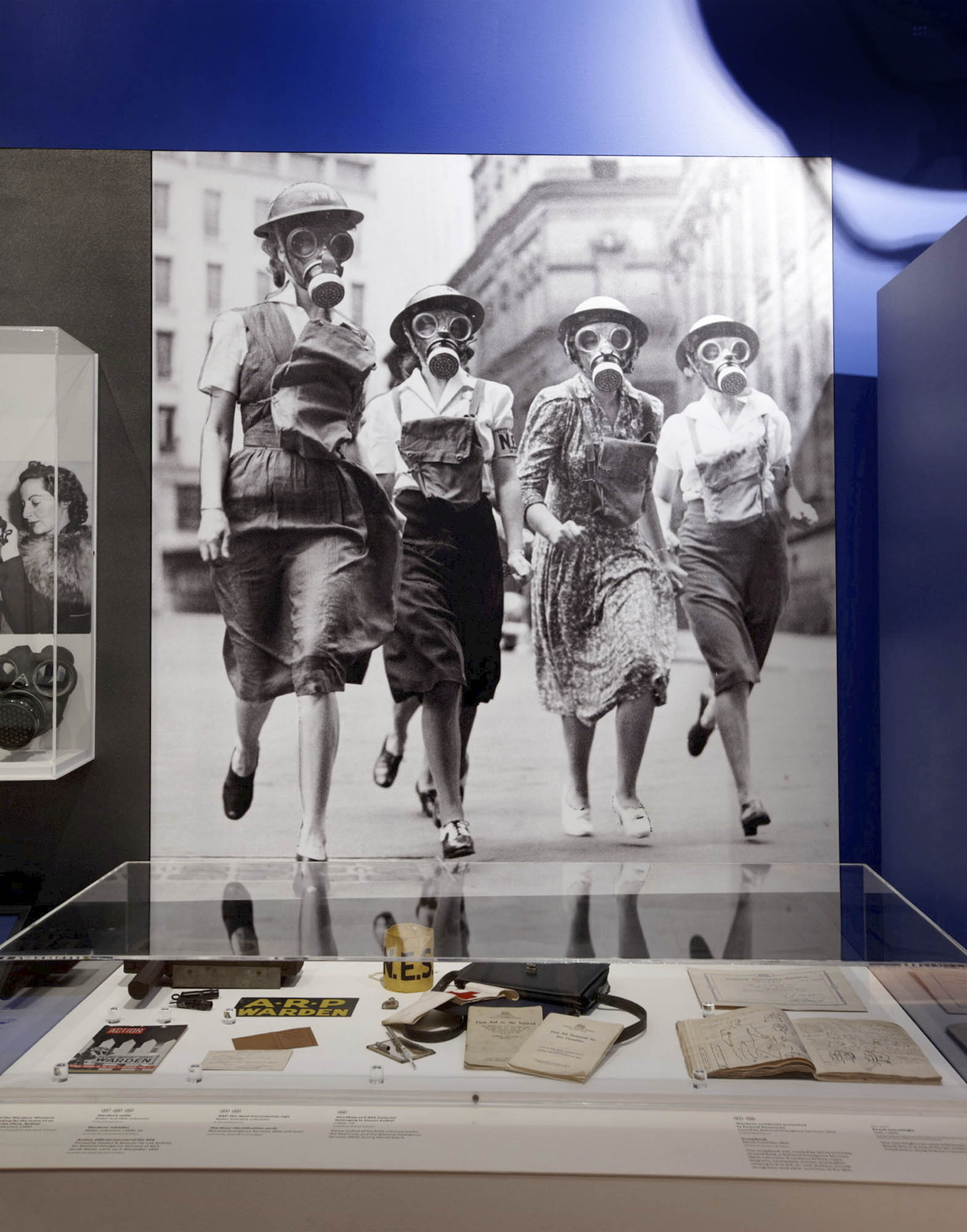
Heide Museum of Art website

LIKE ART BLART ON FACEBOOK

Back to top

Exhibition: ‘Forced Labour. The Germans, the Forced Labourers and the War’ at the Jewish Museum, Berlin

Exhibition dates: 28th September 2010 – 30th January, 2011


Gerhard Gronfeld (German, 1911-2000) 'Arrival at the transit camp' 1942 from the exhibition 'Forced Labour. The Germans, the Forced Labourers and the War' at the Jewish Museum, Berlin


Gerhard Gronfeld (German, 1911-2000)
Arrival at the transit camp
1942


Female forced labourers from the Soviet Union on their arrival at the Berlin-Wilhelmshagen Transit Camp, December 1942.

Source: Deutsches Historisches Museum, Berlin


This is an emotional and sobering posting.

The photograph of the Liberated forced laborer with tuberculosis by an unknown photographer (1945, below) is as heartbreaking as the photograph of a mother and child, Tomoko Uemura in Her Bath, Minamata (1972) by Eugene Smith. The look on the man’s face when I first saw it made me burst into tears… it is difficult to talk about it now without being overcome. An unknown man photographed by an unknown photographer.

There is something paradoxical about the solidity of the doctor’s steel helmet, his uniform and the fact he is a doctor contrasted with the strength, size and gentleness of his hand as it rests near the elbow of this emaciated man, this human … yet the intimacy and tenderness of this gesture, as the man stares straight into the camera lens – is so touching that to look at this picture, is almost unbearable. Man’s (in)humanity to man.

Some pertinent facts

The Germans abducted about 12 million people from almost twenty European countries; about two thirds of whom came from Eastern Europe. Many workers died as a result of their living conditions, mistreatment or were civilian casualties of the war. They received little or no compensation during or after the war … At the peak of the war, one of every five workers in the economy of the Third Reich was a forced labourer. According to Fried, in January 1944 the Third Reich was relying on 10 million forced labourers. Of these, 6.5 million were civilians within German borders, 2.2 million were prisoners of war, and 1.3 million were located at forced labor camps outside Germany’s borders. Homze reported that civilian forced labourers from other countries working within the German borders rose steeply from 300,000 in 1939 to more than 5 million in 1944.

Examples

Russian Foreign Civilian Forced Labourers in Nazi Germany (total number approximately): 2,000,000

Russian Number of Known and Estimated Survivors Reported by Reconciliation Foundations: 334,500

(Source: Beyer, John C. and Schneider, Stephen A. “Forced Labour under Third Reich – Part 1” (pdf). Nathan Associates Inc.. 1999.)

Russian “volunteer” POW workers

“Between 22 June 1941 and the end of the war, roughly 5.7 million members of the Red Army fell into German hands. In January 1945, 930,000 were still in German camps. A million at most had been released, most of whom were so-called “volunteer” (Hilfswillige) for (often compulsory) auxiliary service in the Wehrmacht. Another 500,000, as estimated by the Army High Command, had either fled or been liberated. The remaining 3,300,000 (57.5 percent of the total) had perished.”

(Source: Streit, Christian. Keine Kameraden: Die Wehrmacht und die Sowjetischen Kriegsgefangenen, 1941-1945, Bonn: Dietz (3. Aufl., 1. Aufl. 1978))


The remaining 3,300,000 had perished. A sobering figure indeed (if you can even imagine such a number of human beings).

Dr Marcus Bunyan


Many thankx to the Jewish Museum in Berlin for allowing me to publish the photographs in the posting. Please click on the photograph for a larger version of the image.


Unknown photographer. 'Liberated forced laborer with tuberculosis' 1945 from the exhibition 'Forced Labour. The Germans, the Forced Labourers and the War' at the Jewish Museum, Berlin


Unknown photographer
Liberated forced laborer with tuberculosis
1945


A doctor of the U.S. Army examines a former forced labourer from Russia who was ill with tuberculosis. The Americans had discovered the sick forced labourers in a barrack yard in Dortmund. Dortmund, 30 April 1945.

Source: National Archives, Washington


Gerhard Gronfeld (German, 1911-2000) 'Registration at the transit camp' 1942 from the exhibition 'Forced Labour. The Germans, the Forced Labourers and the War' at the Jewish Museum, Berlin


Gerhard Gronfeld (German, 1911-2000)
Registration at the transit camp
1942


Berlin-Wilhelmshagen Transit Camp, December 1942. Labour office staff registered the forced labourers and handed out employment certificates.

Source: Deutsches Historisches Museum, Berlin


Unknown photographer. 'Humiliation of Bernhard Kuhnt in Chemnitz' Nd from the exhibition 'Forced Labour. The Germans, the Forced Labourers and the War' at the Jewish Museum, Berlin


Unknown photographer
Humiliation of Bernhard Kuhnt in Chemnitz
Nd


The inscription, “Always dignified! The naval fleet’s mutineer Bernh. Kuhnt arrives at his new workplace (washing off the dirt),” refers to the myth that mutinous social democratic and communist sailors were responsible for the defeat of the German empire in the First World War.

Source: Bundesarchiv, Koblenz


Workbooks issued by the employment office of the German Reich for foreign forced labourers from the exhibition 'Forced Labour. The Germans, the Forced Labourers and the War' at the Jewish Museum, Berlin


Workbooks issued by the employment office of the German Reich for foreign forced labourers; Buchenwald Concentration Camp Memorial, Weimar


Unknown photographer. 'Selection in a Prisoner of War Camp: Recruitment for Mining' 1942 from the exhibition 'Forced Labour. The Germans, the Forced Labourers and the War' at the Jewish Museum, Berlin


Unknown photographer
Selection in a Prisoner of War Camp: Recruitment for Mining
1942


In the summer of 1942, Soviet prisoners of war were selected from the prisoner of war camp Zeithain to perform forced labor in Belgian mines.
Source: Gedenkstätte Ehrenhain Zeithain


Selection in a Prisoner of War Camp

In the summer of 1942, Karl Schmitt – head of the Wehrmacht mining division in Liège, Belgium – went to Berlin on vacation with his wife. On the way, he visited the Zeithain prisoner of war camp in Saxony. The Soviet POWs were ordered to present themselves for inspection with the aim of deploying them to Belgian mines under German control. They were accordingly checked for physical fitness. Karl Schmitt decided who was to be transported to Belgium and who was not.

Soviet prisoners of war were frequently put to work in mines. The Reich Security Main Office had ruled that they could be employed only in work gangs kept separate from German workers. The authorities considered the mines particularly suitable in that respect.

Source: Gedenkstätte Ehrenhain Zeithain.


Over 20 million men, women, and children were taken to Germany and the occupied territories from all over Europe as “foreign workers,” prisoners of war, and concentration camp inmates to perform forced labor. By 1942, forced labourers were part of daily life in Nazi Germany. The deported workers from all over Europe and Eastern Europe in particular were exploited in armament factories, on building sites and farms, as craftsmen, in public institutions and private households. Be it as a soldier of the occupying army in Poland or as a farmer in Thuringia, all Germans encountered forced labourers and many profited from them. Forced labor was no secret but a largely public crime.

The exhibition Forced Labor. The Germans, the Forced Laborers, and the War on view at the Jewish Museum in Berlin provides the first comprehensive presentation of the history of forced labor and its ramifications after 1945. The exhibition was curated by the Buchenwald and Mittelbau-Dora Memorials Foundation and initiated and sponsored by the “Remembrance, Responsibility and Future” Foundation. Federal President Christian Wulff has assumed patronage for the exhibition. The exhibition’s first venue on its international tour is the Jewish Museum Berlin, other venues are planned in European capitals and in North America.

Forced labor was without precedent in European history. No other Nazi crime involved so many people – as victims, perpetrators, or onlookers. The exhibition provides the first comprehensive presentation of the history of this ubiquitous Nazi crime and its ramifications after 1945. It shows how forced labor was part of the Nazi regime’s racist social order from the outset: The propagated “Volksgemeinschaft” (people’s community) and forced labor for the excluded belonged together. The German “Herrenmenschen” (superior race) ruthlessly exploited those they considered “Untermenschen” (subhumans). The ordinariness and the broad societal participation of forced labor reflect the racist core of Nazism.

The exhibition pays special attention to the relationships between Germans and forced labourers. Every German had to decide whether to treat forced labourers with a residual trace of humanity or with the supposedly required racist frostiness and implacability of a member of an allegedly superior race. How Germans made use of the scope this framework reveals something not only about the individuals but also about the allure and shaping power of Nazi ideology and practice. Through this perspective, the exhibition goes beyond a presentation of forced labor in the narrow sense to illustrate the extent to which Nazi values had infiltrated German society. Forced labor cannot be passed off as a mere crime of the regime but should rather be considered a crime of society.

Over 60 representative case histories form the core of the exhibition. As is true of the majority of documents on show, they resulted from meticulous investigations in Europe, the USA, and Israel. Moreover the exhibition team viewed hundreds of interviews with former forced labourers that have been carried out in recent years. In terms of content, these case histories range from the degrading work of the politically persecuted in Chemnitz through the murderous slave labor performed by Jews in occupied Poland to daily life as a forced labourer on a farm in Lower Austria.

Among the surprises of the extensive international archival research was discovering unexpectedly broad photographic coverage of significant events. The photos relating to the case histories represent the second pillar of the exhibition. Whole series of photos were traced back to their creator and the scene and people depicted. This presentation, based on well-founded sources, allows quasi dramatic insight into aspects of forced labor. Cinematically arranged photo or photo-detail enlargements form the introduction to the continued inquiry into the history of forced labor.

The exhibition is divided into four sections. The first covers the years from 1933 to 1939 and unveils in particular how the racist ideology of Nazi forced labor struck roots. What was propagated up to the beginning of WWII, partly laid down in laws and widely implemented by society in practice, formed the basis for the subsequent radicalisation of forced labor in occupied Europe culminating in extermination through labor. This escalation and radicalisation is the focus of the second section of the exhibition. The third part covers forced labor as a mass phenomenon in the Third Reich from 1941/1942, ending with the massacre of forced labourers at the end of the war. The fourth section explores the period from the time of liberation in 1945 to society’s analysis and recognition of forced labor as a crime today. Former forced labourers have the last word.

Press release from The Jewish Museum website


Unknown photographer. 'Daimler facility in Minsk' 1942 from the exhibition 'Forced Labour. The Germans, the Forced Labourers and the War' at the Jewish Museum, Berlin


Unknown photographer
Daimler facility in Minsk
1942


Female forced laborers of the Daimler facility in Minsk, September 1942.

Source: Mercedes-Benz Classic, Archive, Stuttgart


Minsk: German firms in occupied Eastern Europe

In Minsk, a town which had suffered major destruction, Daimler-Benz ran a large repair facility for motorised Wehrmacht vehicles. Together, Daimler and Organisation Todt set up more than thirty repair sheds on the grounds of a ruined military base. With a workforce of five thousand, the facility was soon one of the largest enterprises in occupied Eastern Europe. The management exploited prisoners of war and members of the local population, among them Jews. Labourers were also deported from White Russian villages to the Minsk works as part of the effort to crush the partisan movement.

In the occupied areas of Eastern Europe, many German companies took advantage of the opportunity to take over local firms or establish branch operations. The unlimited availability of labourers was an important factor in their business strategies.


Unknown photographer. 'Foreign workers at BMW in Allach' 1943 from the exhibition 'Forced Labour. The Germans, the Forced Labourers and the War' at the Jewish Museum, Berlin


Unknown photographer
Foreign workers at BMW in Allach
c. 1943


All the foreigners in aircraft engine production had to be visibly identifiable as such. The Soviet prisoners of war had the “SU” symbol on their jackets. Concentration camp inmates could be recognised by their striped uniforms. These photographs were most likely propaganda photos. Munich-Allach, c. 1943.

Source: BMW Group Archiv.


Munich-Allach: Working for BMW

Toward the end of the war ninety percent of the workforce at the largest aircraft engine factory in the German Reich – BMW’s plant in Munich-Allach – consisted of foreign civilian workers, POWs and concentration camp inmates. The number of workers had risen from 1,000 in 1939 to more than 17,000 in 1944.

Forced labourers worked not only in the assembly halls, but also on the factory’s expansion. Due to BMW’s importance to the armament industry, the authorities gave it priority over other companies in the assignment of workers. Nevertheless, its personnel demand was never completely met.

Some of the Western European workers lived in private quarters. For all others, barrack camps were set up all around the factory grounds until 1944, ultimately accommodating 14,000 people. That figure included several thousand concentration camp inmates which the company management had applied for already in 1942.


Unknown photographer. 'KZ-prisoners on the industrial union color building site, Auschwitz' c. 1943 from the exhibition 'Forced Labour. The Germans, the Forced Labourers and the War' at the Jewish Museum, Berlin


Unknown photographer
KZ-prisoners on the industrial union color building site, Auschwitz
c. 1943
Source: © Bundesarchiv, Koblenz


Unknown photographer. 'Liberated Jewish women' 1945 from the exhibition 'Forced Labour. The Germans, the Forced Labourers and the War' at the Jewish Museum, Berlin


Unknown photographer
Liberated Jewish women
1945


These young Jewish women were released from a forced labor camp at Kauritz (Saxony) by U.S. Army troops in early April, 1945. They are part of a large group removed from homes in France, Holland, Belgium and other occupied areas in Europe.

Source: National Archives, Washington


Unknown photographer. 'Wladyslaw Kolopoleski' Nd from the exhibition 'Forced Labour. The Germans, the Forced Labourers and the War' at the Jewish Museum, Berlin


Unknown photographer
Wladyslaw Kolopoleski
Nd


“In addition to the hard work, which exceeded my strength, I was beaten on the slightest provocation, sometimes to the point of unconsciousness. Once, for example, I suffered a severe head injury after I was beaten by Max Ewert, an SA officer. I not only lost consciousness, but I had to have head surgery,” wrote Władysław Kołopoleski, a young Pole born in Łódź in 1932. He was deployed in April 1940 on the estate of mayor Max Ewert in Gervin, now Górawino, in Pomerania.

Source: Foundation “Polish-German Reconciliation,” Warsaw


Jewish Museum Berlin
Lindenstraße 9-14, 10969 Berlin
Phone: +49 (0)30 259 93 300

Opening hours:
10am – 7pm

The Jewish Museum website

LIKE ART BLART ON FACEBOOK

Back to top

Exhibition: ‘Icon & archive: photography & the World Wars’ at the Monash Gallery of Art, Melbourne

Exhibition dates: 16th April – 11th July, 2010


Many thankx to Mark Hislop and the Monash Gallery of Art for allowing me to reproduce the photographs in the posting. Please click on the photos for a larger version of the image.


Photographer unknown. 'Matron Grace Wilson doing a round, Mudros' 1915 from the exhibition 'Icon & archive: photography & the World Wars' at the Monash Gallery of Art, Melbourne, April - July, 2010


Photographer unknown
Matron Grace Wilson doing a round, Mudros
1915
Gelatin silver print
Australian War Memorial


NOTHING could have prepared Grace Wilson for her first day at Turks Head Point on the drought-stricken island of Lemnos, where she was to run a field hospital for injured soldiers being shipped out from Gallipoli, 65km away.
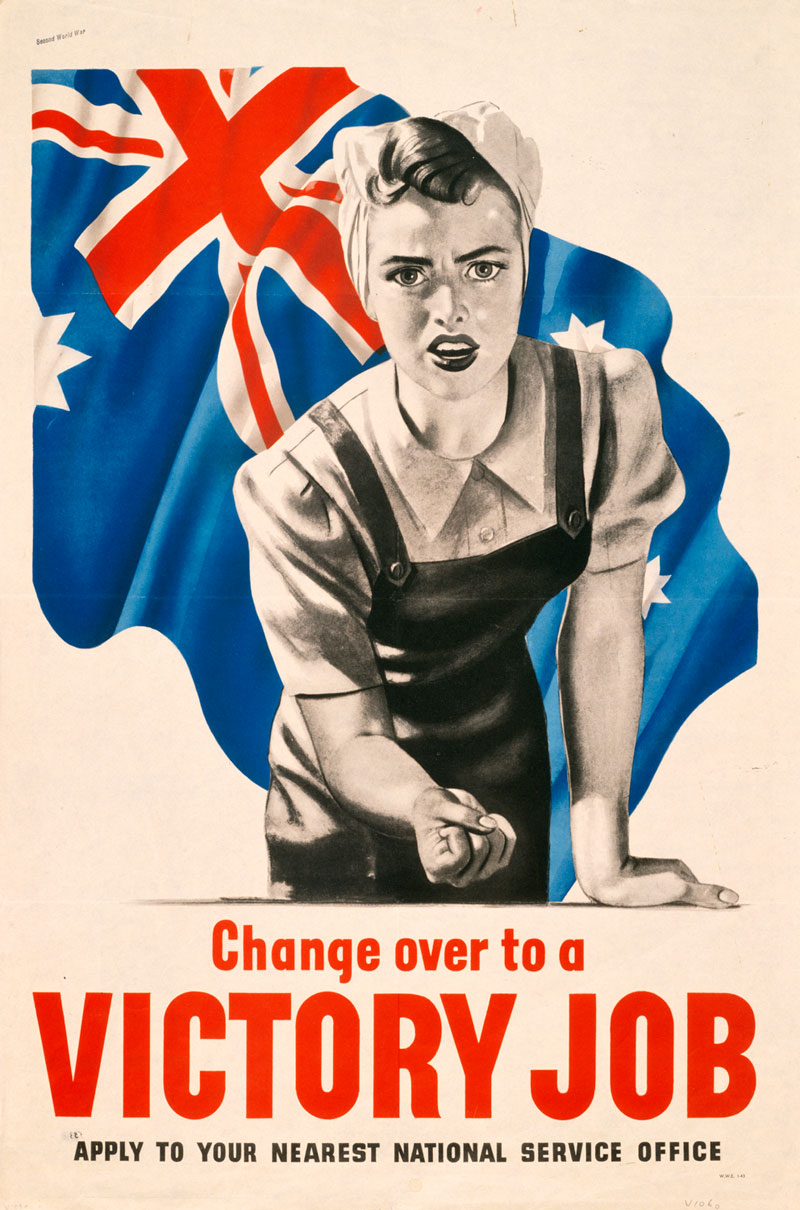
“Things are just too awful for words… we found only a bare piece of ground with wounded men in pain, still in filthy, bloodstained clothes, lying amid stones and thistles,” she wrote in her diary.
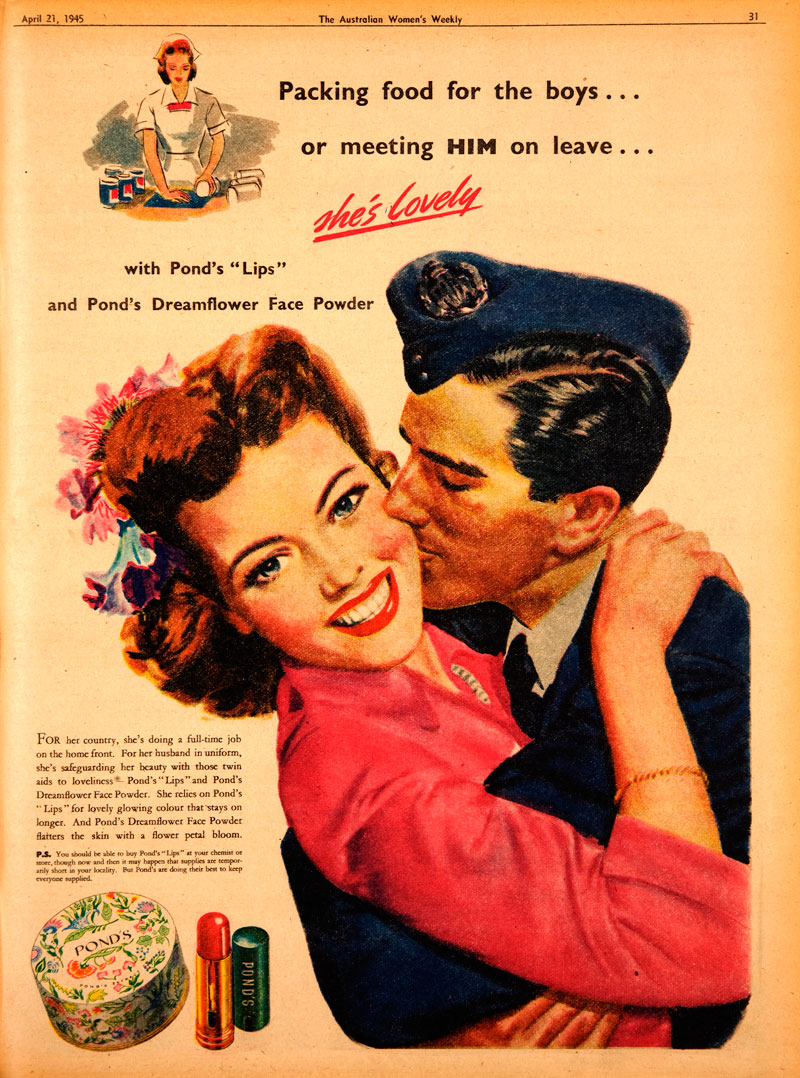
Matron Wilson and her 40 nurses had arrived in the island’s Mudros harbour aboard the Dunluce Castle on August 2, 1915, to discover to their dismay there was no sign of the supply ship Ascot, which had been due there a week earlier with the tents, medical equipment, crates of tinned food and other essentials.

In a bizarre display of military pomp, a regimental piper led the women – wearing heavy, ankle-length dresses and petticoats – on a long march in searing summer heat to what would be their home for the most harrowing five months of their lives…”

Read the full article: Daryl Passmore. “Brisbane snubs unsung war heroine Matron Grace Wilson,” on The Sunday Mail (Qld) on The Courier Mail website April 21, 2013 [Online] Cited 15/10/2019
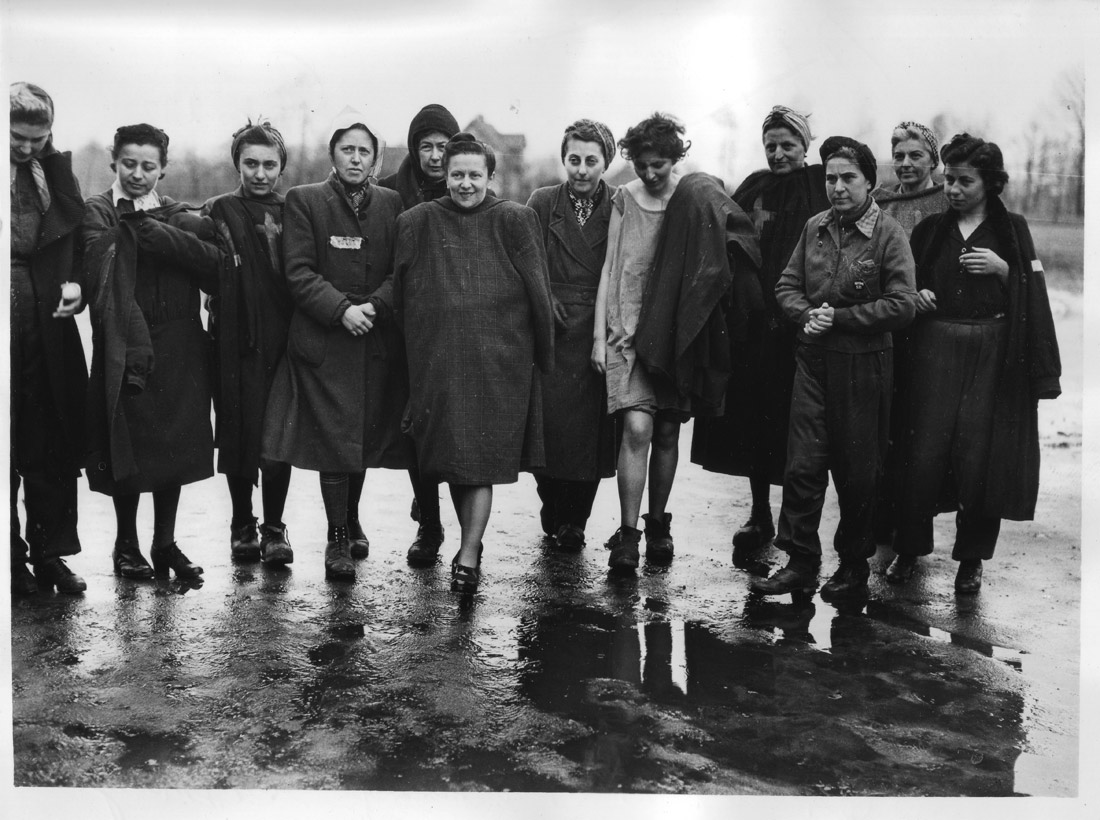
 

Norman Stuckey (Australian, 1914-1983) 'The Pimple, Shaggy Ridge, New Guinea' 1943 from the exhibition 'Icon & archive: photography & the World Wars' at the Monash Gallery of Art, Melbourne, April - July, 2010


Norman Bradford Stuckey (Australian, 1914-1983)
The Pimple, Shaggy Ridge, New Guinea
1943
Toned silver gelatin print
Australian War Memorial


The Battle of the Shaggy Ridge was part of the Markham and Ramu Valley – Finisterre Range campaign, consisting of a number of actions fought by Australian and Japanese troops in Papua New Guinea in World War II. Following the Allied capture of Lae and Nadzab, the Australian 9th Division had been committed to a quick follow up action on the Huon Peninsula in an effort to cut off the withdrawing Japanese. Once the situation on the Huon Peninsula stabilised in late 1943, the 7th Division had pushed into the Markham and Ramu Valleys towards the Finisterre Range with a view to pushing north towards the coast around Bogadjim, where they would meet up with Allied forces advancing around the coast from the Huon Peninsula, before advancing towards Madang.

A series of minor engagements followed in the foothills of the Finisterre Range before the Australians came up against strong resistance centred around the Kankiryo Saddle and Shaggy Ridge, which consisted of several steep features, dotted with heavily defended rocky outcrops. After a preliminary assault on a forward position dubbed The Pimple in late December 1943, the Australians renewed their assault in mid-January 1944 and over the course of a fortnight eventually captured the Japanese positions on Shaggy Ridge and the Kankiryo Saddle, after launching a brigade-sized attack up three avenues of advance. In the aftermath, the Australians pursued the Japanese to the coast and subsequently took Madang, linking up with US and Australian forces.

Text from the Wikipedia website [Online] Cited 25/10/2019


Barbara Joan Isaacson (Australian, 1923-2017) 'Journalist Iris Dexter standing under the starboard engine of a Douglas C-47 aircraft' February - March 1943 from the exhibition 'Icon & archive: photography & the World Wars' at the Monash Gallery of Art, Melbourne, April - July, 2010


Barbara Joan Isaacson (Australian, 1923-2017)
Journalist Iris Dexter standing under the starboard engine of a Douglas C-47 aircraft
February-March 1943
Gelatin silver print 2008
Image courtesy of the AMW


Joan Barbara Isaacson was born into a dynamic and family. Her mother, Lynka Isaacson (also known as Caroline Isaacson), was the first female journalist to be employed by a metropolitan newspaper in Australia, and was a strong role model for her daughter. After the war Isaacson’s mother and brother set up the Southern Cross publishing business.

Isaacson attended the Melbourne Technical College, where she studied photography. When she was 18 years old she joined the Australian Women’s Army Service (AWAS). Working in the Army Public Relations section, she travelled the east coast taking documentary and recruitment propaganda photographs and meeting press journalists and photographers.

In 1943 Isaacson married Richard L. Beck, a graphic designer and photographer. During the period from 1946-1948 they set up their own photographic business in Melbourne, specialising in child portraiture. Isaacson took over the business c.1950 when her husband went back to working as a graphic designer, and continued to manage the studio until the birth of her third baby. After her departure from the photography business Isaacson was involved in a variety of other ventures and gave up her photography.

Text from the Australian Women’s Register website [Online] Cited 24/10/2019


Max Dupain (Australian, 1911-1992) 'The dozing soldier' 1943


Max Dupain (Australian, 1911-1992)
The dozing soldier (Tired Soldier in Train North Queensland)
1943
Gelatin silver print
Australian War Memorial


Photographs are an inseparable part of our memory of the First and Second World Wars. They help us remember events which many of us have no direct experience.

Monash Gallery of Art’s new special exhibition Icon & archive: photography and the World Wars draws on the Australian War Memorial’s vast photographic collection to consider the relationship of photography and war. This extraordinary exhibition opens to the public on Friday 16 April.

Direct from the Australian War Memorial, Icon & archive demonstrates the powerful role played by photography in the efforts of Australians to make sense of and remember the terrible events of the First and the Second World Wars.
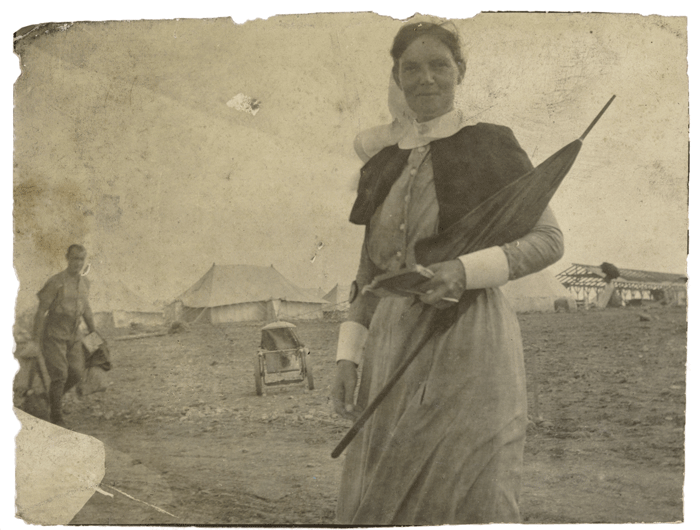
“Visitors to MGA will see many ‘iconic’ photographs that have become lodged in our national memory,” said MGA Director and curator of the exhibition, Dr Shaune Lakin.

Icon & archive also presents previously unseen photographs to showcase the experiences of both service personnel and the families left behind during the wars. These photographs provide contemporary audiences with a remarkable picture of the effects of the World Wars on private, family and social life in Australia. In doing this, the exhibition will help members of our community better understand that experience and its relevance to contemporary Australia,” said Dr Lakin.

Icon & archive will play a significant role in the City of Monash’s Anzac Day commemorations, in this the 95th anniversary of the landing at Gallipoli. Icon & archive includes some of the most historically significant pictures from Gallipoli, as well as other important sites involving Australians during both the First and the Second World Wars.”

Press release from the Monash Gallery of Art website [Online] Cited 09/07/2022. No longer available online


Algemon Darge (Australian, 1878-1941) 'Private George Beamish Swanton with his wife Nellie and their young baby Joan' 1915


Algemon Darge (Australian, 1878-1941)
Private George Beamish Swanton with his wife Nellie and their young baby Joan
1915
Gelatin silver print
Australian War Memorial


Studio portrait of 1159 Private (Pte) George Beamish Swanton, Australian 24th Battalion, of Werribee, Victoria, with his wife Nellie and young baby, Joan Helen. Pte Swanton enlisted on 28 April 1915 and embarked on board HMAT Euripides on 8 May 1915. He died of wounds on 28 July 1916 at Pozieres, France. Pte Swanton had two brothers who were also killed in action; 222 Pte John (Jack) Swanton, 2nd Battalion, enlisted on 27 August 1914 and was killed in action at Gallipoli Peninsula on 2 May 1915; and 2760 Pte Henry Swanton, 29th Battalion, enlisted on 5 March 1916 and was killed in action at Pozieres, France on 2 November 1916.

This is one of a series of photographs taken by the Darge Photographic Company which had the concession to take photographs at the Broadmeadows and Seymour army camps during the First World War. In the 1930’s, the Australian War Memorial purchased the original glass negatives from Algernon Darge, along with the photographers’ notebooks. The notebooks contain brief details, usually a surname or unit name, for each negative. The names are transcribed as they appear in the notebooks.

Text from the Australian War Memorial website [Online] Cited 25/10/2019


Norman Bradford Stuckey (Australian, 1914-1983) 'Engineers exhausted after destroying obstacles, Tarakan' 1945


Norman Bradford Stuckey (Australian, 1914-1983)
Engineers exhausted after destroying obstacles, Tarakan
1945
Gelatin silver print
Australian War Memorial


The Battle of Tarakan was the first stage in the Borneo campaign of 1945. It began with an amphibious landing by Allied forces on 1 May, code-named Operation Oboe One; the Allied ground forces were drawn mainly from the Australian 26th Brigade, but included a small element of Netherlands East Indies personnel. The main objective of the landing was capture of the island’s airfield. While the battle ended with success for the Allied forces over the Japanese defenders, this victory is generally regarded as having not justified its costs. The airfield was so heavily damaged that it ultimately could not be repaired in time to make it operational for other phases of the Allied campaign in Borneo.

Text from the Wikipedia website [Online] Cited 25/10/2019


Asti Studios. 'Studio portrait of an unidentified First World War soldier in Australian service uniform' 1914-1918


Asti Studios
Studio portrait of an unidentified First World War soldier in Australian service uniform, including greatcoat and slouch hat
c. 1914-1918
New South Wales, Sydney
Toned silver gelatin print
Australian War Memorial


Monash Gallery of Art
860 Ferntree Gully Road, Wheelers Hill
Victoria 3150 Australia
Phone: + 61 3 8544 0500

Opening hours:
Tue – Fri: 10am – 5pm
Sat – Sun: 10am – 4pm
Mon/public holidays: closed

Monash Gallery of Art website

LIKE ART BLART ON FACEBOOK

Back to top