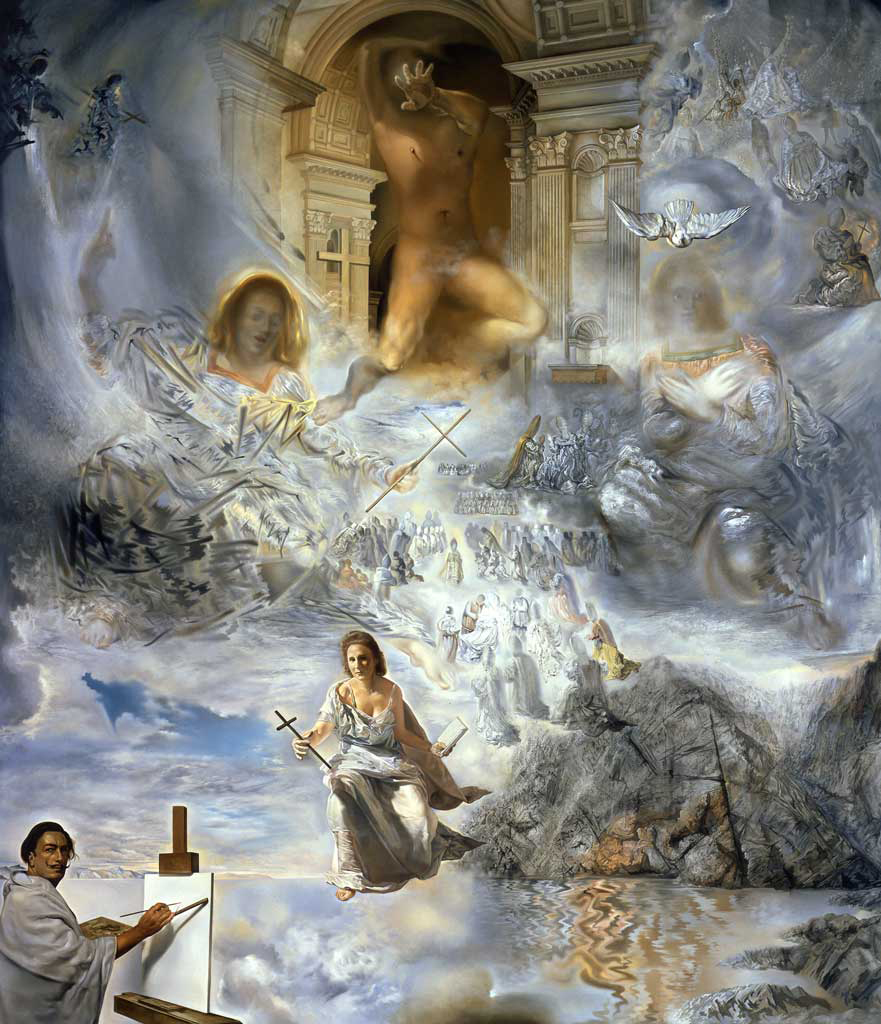
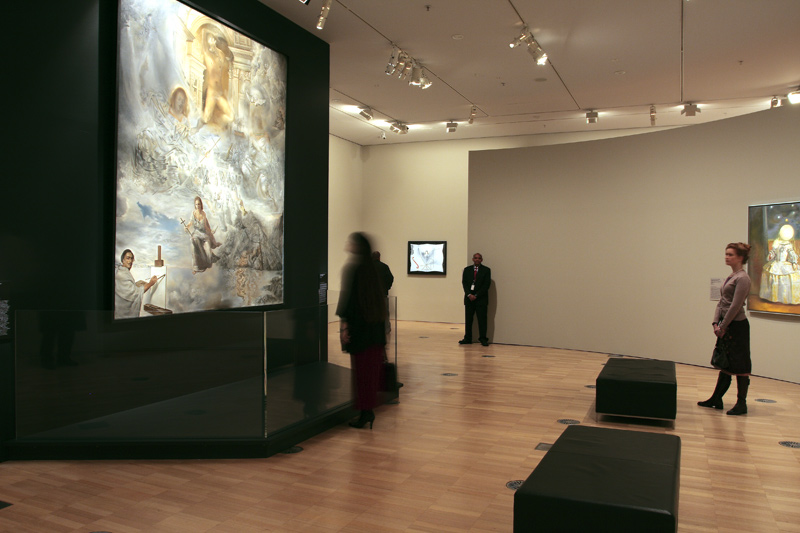
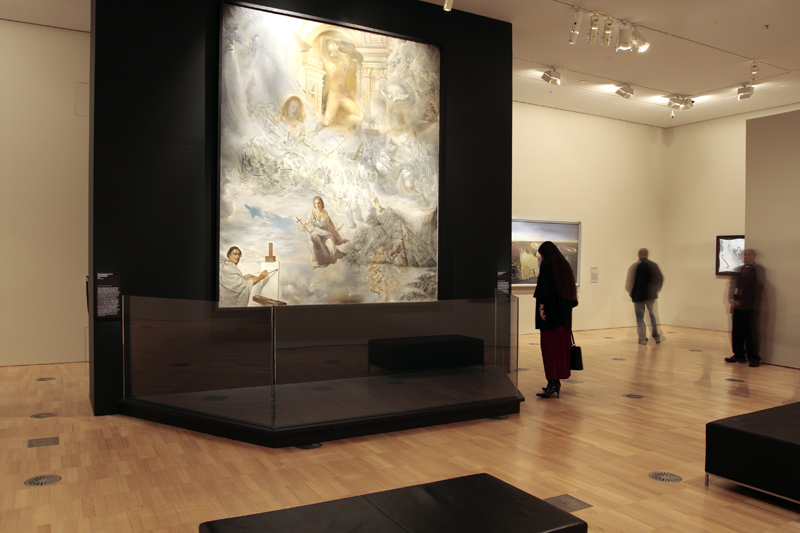
Exhibition: ‘The Camera Exposed’ at the Victoria and Albert Museum, London

Exhibition dates: 23rd July, 2016 – 5th March, 2017
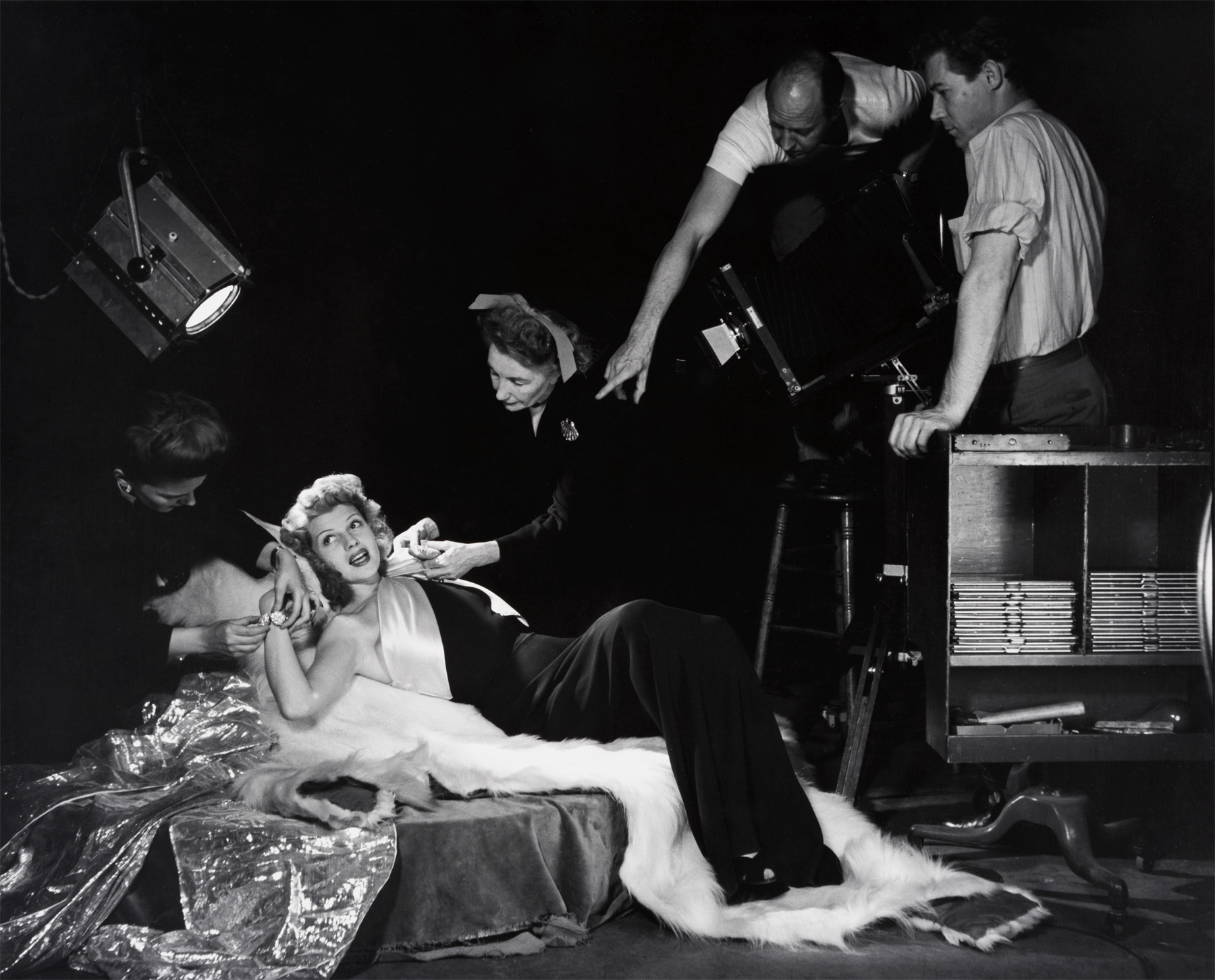


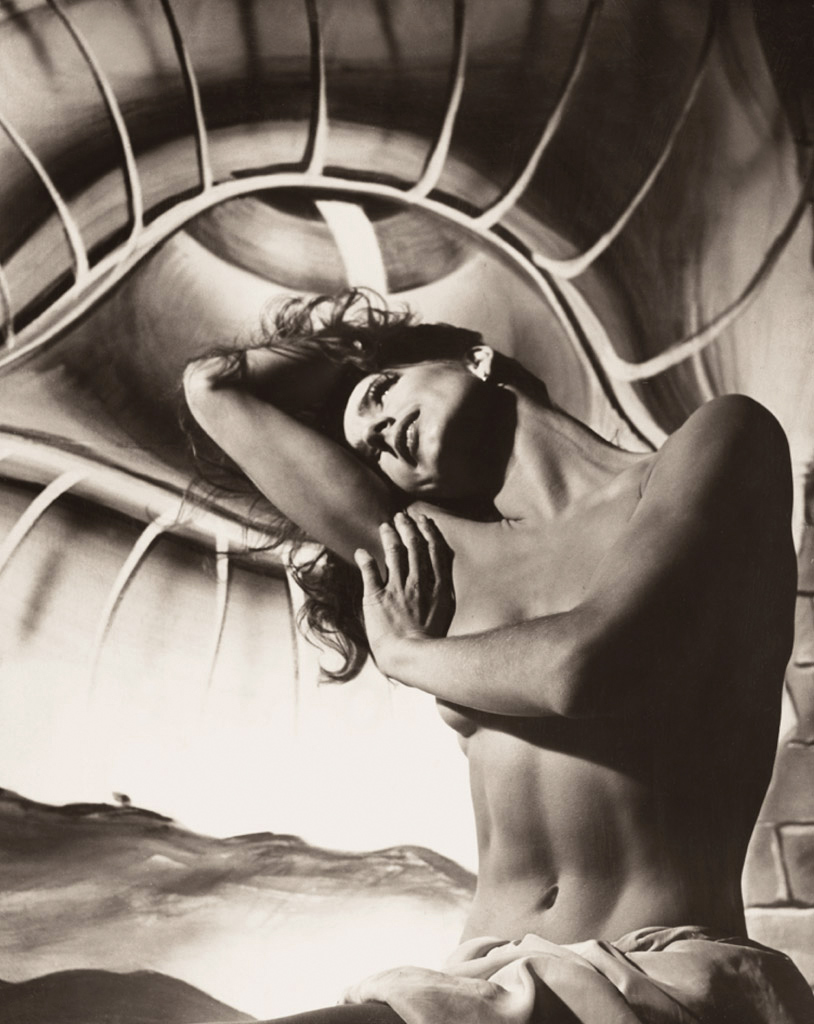
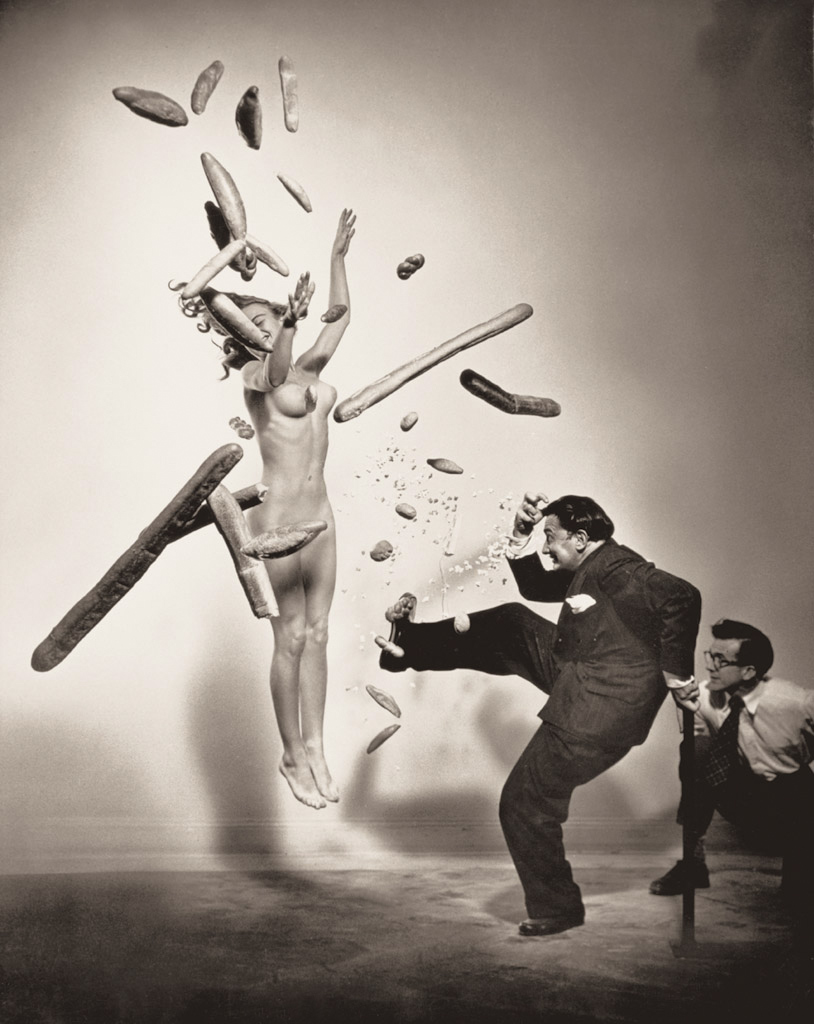
Philippe Halsman (American, 1906-1979) '"Rita Hayworth," Harper's Bazaar Studio' 1943 from the exhibition 'The Camera Exposed' at the Victoria and Albert Museum, London, July 2016 - March 2017


Philippe Halsman (American, 1906-1979)
“Rita Hayworth,” Harper’s Bazaar Studio
1943
© Philippe Halsman Archive


There’s not much to say about this exhibition from afar, except to observe it seems pretty standard fare, with no outstanding revelations or insights into the conditions of the camera’s “becoming” in photographic images or an exploration of the limits of the lens’ seeing. As the Centre for Contemporary Photography notes in their current exhibition, An elegy to apertures, “The camera receives and frames the world through the lens. This aperture is a threshold that demarcates the distinction between the scene and its photographic echo. It is both an entrance and a point of departure.”

So what happens to this threshold when we fuse the photographer’s eye with the “oculus artificialis” of the camera? When we examine the way apertures, shadows and ghosts haunt photographic images long after the shutter has closed? If, as the text for this exhibition states, “Voyeurism is a recurring motif in photography, as the practice often involves observing and recording others,” what does this voyeurism say about the recording of the self as subject and the camera together – the self actualised, self-reflexive selfie?

An insightful text on the Based on truth (and lies) website (December 17, 2011) observes of a 1925 self-portrait by photographer Germaine Krull (1897-1985) (below):

“In 1925, Germaine Krull photographed herself in a mirror with a hand-held camera which half-covered her face. The camera is focused on the foreground of the image, such that the lens and the two hands holding the camera are sharp, while the face behind the camera is blurred. This self-portrait has given rise to many a feminist or professionally critical interpretation, ranging from the female domestication “of the masculinity of technical apparatus” through to the analogy of the camera with a weapon used by the photographer to “reduce the person opposite her […] to an impotent object”. However, if we attempt to interpret the photograph not so much in a figurative sense as in a concrete, phenomenal sense, we arrive at a completely opposite conclusion. By selecting the depth of field in such a way that only the camera and the hands are sharp, Germaine Krull has isolated her act of photographing from her subjectivity and individuality as the photographer. It is the technical apparatus, the camera, which is the focal point of the image and behind which the photographer’s face is blurred beyond recognition. We may assume that this physiognomical retreat behind the camera is less a typical feminine gesture of shyness and reticence than the characteristically ideological approach of a modernist photographer. There is one critical point in Krull’s portrait of herself as a photographer which gives us good reason to make this assumption, namely the fusion of the photographer’s eye with the “oculus artificialis” of the camera. The notion that the camera lens could not only replace the human eye as a means of capturing the world visually but also improve upon its ability to penetrate reality to its invisible depths was paradigmatic of the new, basically positivist photographic aesthetic of the 1920s. It is an aesthetic defined by the Bauhaus theorist László Moholy-Nagy in his manifesto “Painting Photography Film” in 1925 and visualised by countless collages, posters and book covers of the 1920s and 1930s depicting the camera lens as a substitute for the human eye. Germaine Krull’s self-portrait wholly identifies with this new photographic aesthetic, too. Indeed, her influential work “Métal”, a photographic eulogy of modern technology published in 1928, is its embodiment.”1


The highlight for me is that always transcendent image by Judy Dater, Imogen and Twinka at Yosemite (1974, below). I would hope in the exhibition there would be images by Diane Arbus, Edward Weston, Vivian Maier, Man Ray, Rodchenko and others. But you never know.

Dr Marcus Bunyan

1/ sgtr. “Germaine Krull, Selbstporträt mit Ikarette, 1925,” on the Based on truth (and lies) website December 17, 2011 [Online] Cited 01/03/2023


Many thankx to the V&A for allowing me to publish the photographs in the posting. Please click on the photographs for a larger version of the image.
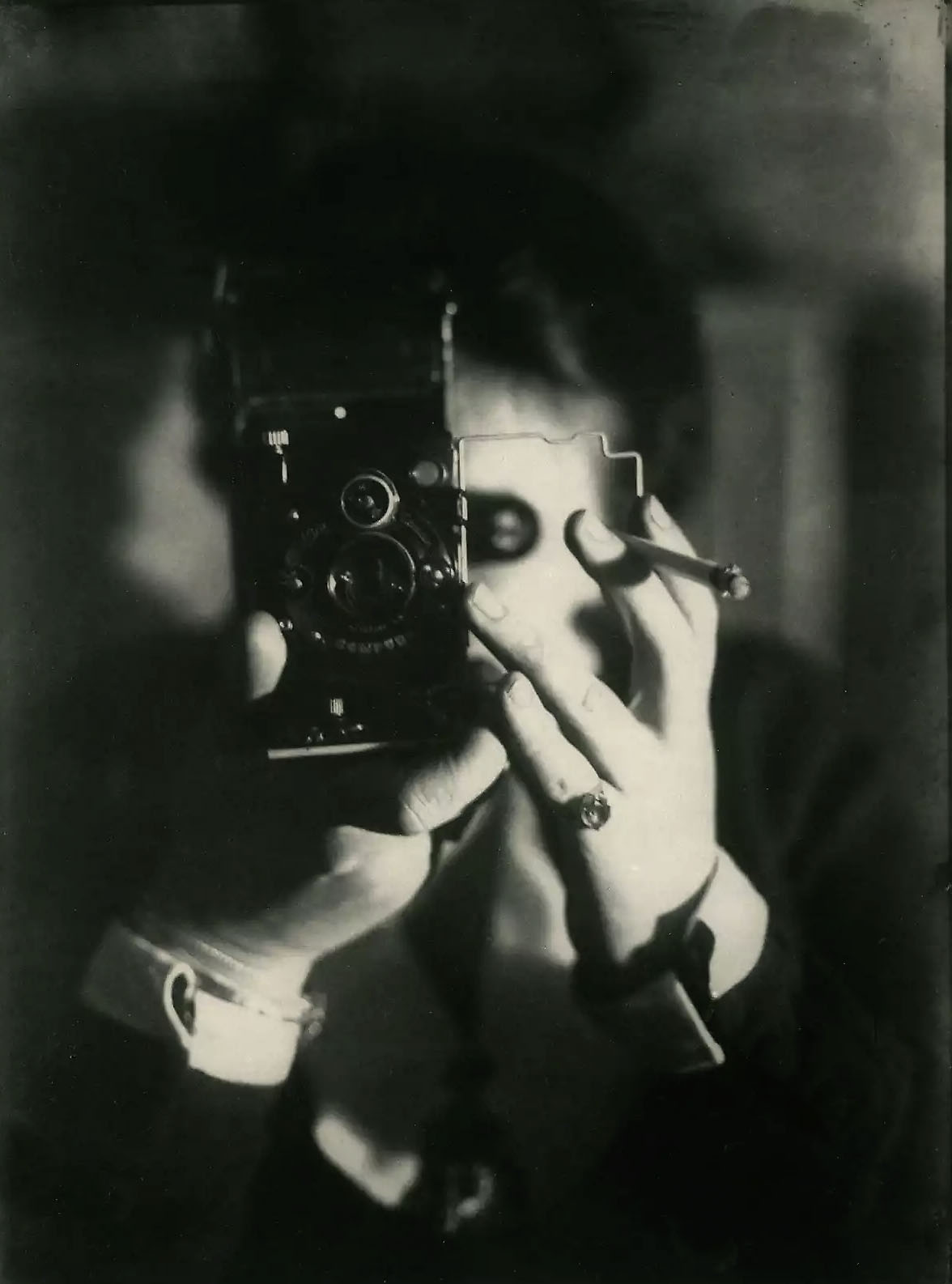


Germaine Krull (German, 1897-1985) 'Self-portrait' 1925


Germaine Krull (German, 1897-1985)
Self-portrait
1925
Gelatin silver print

This photograph is not in the exhibition. It is used under “fair use” conditions for the purposes of education and research.


In the age of the mobile phone, the camera as a stand-alone device is disappearing from sight. Yet generations of photographers have captured the tools of their trade, sometimes inadvertently as reflections or shadows, and sometimes as objects in their own right.

Throughout the history of photography the camera has often made an appearance in its own image, from the glint of Eugène Atget’s camera in a Parisian shop window from the 1900s, to the camera that serves as an eye in Calum Colvin’s 1980s photograph of a painted assemblage of objects.

Many images of cameras exploit the instrument’s anthropomorphic qualities. Held up to the face, as in Richard Sadler’s portrait of Weegee, it becomes a mask, the lens a mechanical eye. It conceals the photographer’s features yet reinforces his or her identity. Set on a tripod, it can take on human form, appearing like a body supported by legs, and can stand in for the photographer.

Photographs that include cameras often draw attention to the inherent voyeurism of the medium by turning the instrument towards the viewer. Such images confront the viewer’s gaze, returning it with the cool, mechanical look of the lens. The viewer cannot help but be aware not only of seeing, but of being seen.

Anonymous text. “The camera as star,” on the V&A website Nd [Online] Cited 24/11/2021


Lady Clementina Hawarden (Viscountess, British 1822-1865) 'Clementina Maude, 5 Princes Gardens; Photographic Study' c. 1862-1863 from the exhibition 'The Camera Exposed' at the Victoria and Albert Museum, London, July 2016 - March 2017


Lady Clementina Hawarden (Viscountess, British 1822-1865)
Clementina Maude, 5 Princes Gardens; Photographic Study
c. 1862-1863
Albumen print; Sepia photograph mounted on green card
21.6 x 23.2cm
© Victoria and Albert Museum, London


Lady Clementina Hawarden, a noted amateur photographer of the 1860s, frequently photographed her children. Here, her second-eldest daughter Clementina Maude poses next to a mirror, in  which a bulky camera is reflected. The camera  seems to stand in for the photographer, making  this a mother-daughter portrait of sorts.

This photograph gives a good idea of Lady Hawarden’s studio and the way she used it. It was situated on the second floor of her house at 5 Princes Gardens in the South Kensington area of London. Here her daughter Clementina poses beside a mirror. A movable screen has been placed behind it, across the opening into the next room. A side table at the left balances a desk at the right. The figure of the young girl is partially balanced and echoed by the camera reflected in the mirror and the embroidery resting on the table beside it.

Hawarden appears to have worked with seven different cameras. The one seen in the mirror is the largest. Possibly there is a slight suggestion of a hand in the act of removing and/or replacing the lens cap to begin and end the exposure.

Anonymous. “Clementina Maude, 5 Princes Gardens,” on the V&A website Nd [Online] Cited 01/03/2023


Lady Clementina Hawarden (Viscountess, British 1822-1865) 'Clementina Maude, 5 Princes Gardens; Photographic Study' c. 1862-1863 (detail)


Lady Clementina Hawarden (Viscountess, British 1822-1865)
Clementina Maude, 5 Princes Gardens; Photographic Study (detail)
c. 1862-1863
© Victoria and Albert Museum, London


Laelia Goehr (British born Russia, 1908-2002) 'Bill Brandt with his Kodak Wide-Angle Camera' 1945


Laelia Goehr (British born Russia, 1908-2002)
Bill Brandt with his Kodak Wide-Angle Camera
1945
© Alexander Goehr


Laelia Goehr (1908-2002), learned photography from Bill Brandt, who poses for this portrait with his newly-acquired Wide-Angle Kodak. This model was originally used by police to photograph crime scenes – the lens provides 110 degrees angle of view, equating approximately to a 14/15mm lens on a 35mm camera. Brandt experimented with it to produce his series Perspectives on Nudes, the same year as this portrait was taken. Brandt’s camera, which was made of mahogany and brass with removable bellows, was sold by Christie’s in 1997 for £3450.

Anonymous. “The camera as star: produced as part of The Camera Exposed, on the V&A website Nd [Online] Cited 01/03/2023
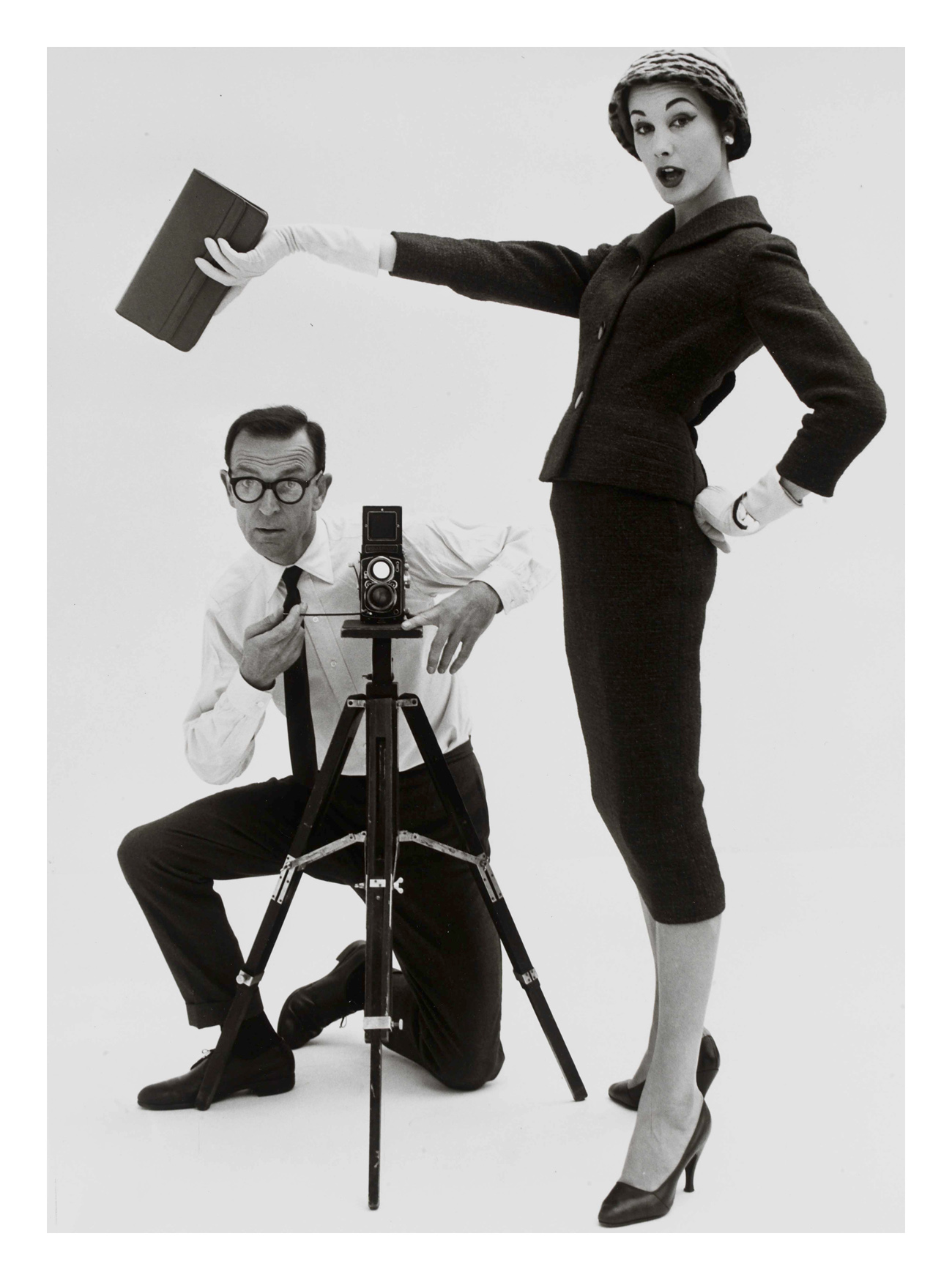
 

John French (English, 1907-1966) 'John French and Daphne Abrams in a tailored suit' 1957


John French (English, 1907-1966)
John French and Daphne Abrams in a tailored suit
1957, printed October 2009; print made by Jerry Jack
Gelatin silver print
27.8 x 38cm
Published in the TV Times, 1957
© Victoria and Albert Museum, London


French often left the actual release of the shutter to his assistants. On this occasion however, he inserted himself into the picture, kneeling behind a tripod-mounted Rolleiflex with the shutter release cable in his hand. His crouched, slightly rumpled presence gives a sense of behind-the scenes studio work and contrasts playfully with the polished elegance of the model beside him.
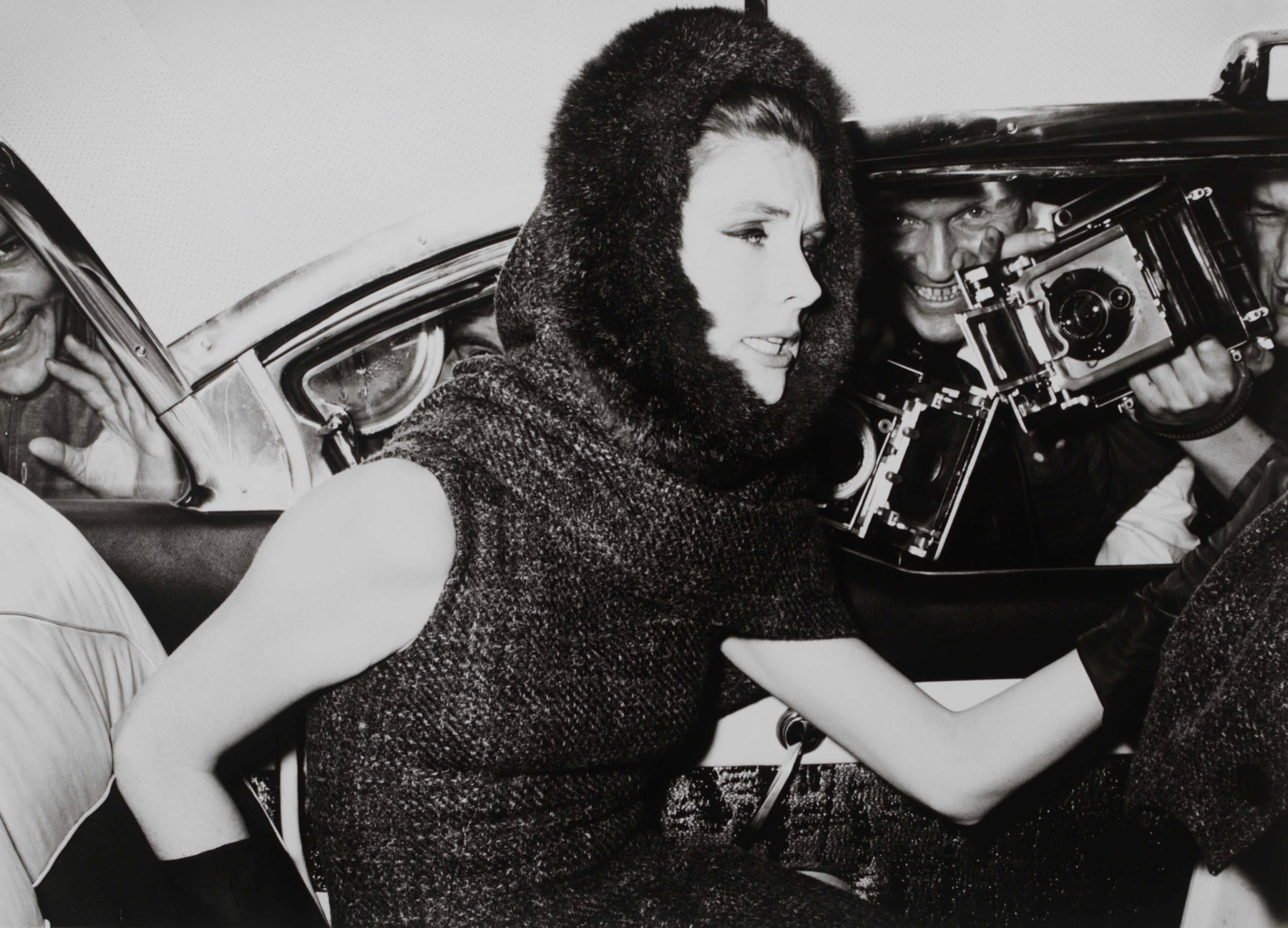
 

Richard Avedon (American, 1923-2004) 'Suzy Parker, dress by Nina Ricci, Champs-Elysée, Paris' 1962


Richard Avedon (American, 1923-2004)
Suzy Parker, dress by Nina Ricci, Champs-Elysée, Paris
1962
© Richard Avedon Foundation


Richard Sadler (British, 1927-2020) "Weegee the Famous" 1963


Richard Sadler (British, 1927-2020)
“Weegee the Famous”
1963
© Richard Sadler FRPS


Coventry-based portrait photographer Richard Sadler (b. 1927) photographed the self-proclaimed ‘Weegee the Famous’ in 1963. Weegee was a New York press photographer who gained his nickname – a phonetic spelling of Ouija, the fortune-telling board game – for his reputation for arriving at crime scenes before the police. His fame was international by the time this portrait was taken. Weegee’s visit to Coventry coincided with ‘Russian Camera Week’ at the city’s Owen Owen department store. The camera Weegee holds up to his eye here is the Zenit 3M, a newly-introduced Russian model made by the Krasnogorsk Mechanic Factory between 1962 and 1970.

A few years later Weegee made a comparable self-portrait in which the camera (this time a recent Nikon model) obscures his right eye.

Anonymous. “The camera as star: produced as part of The Camera Exposed, on the V&A website Nd [Online] Cited 01/03/2023


Photographer unknown. 'Camera on black cloth' Date unknown


Photographer unknown
Camera on black cloth
Date unknown
© Victoria and Albert Museum, London


The camera pictured here is a Super Ikonta C 521/2 camera, produced by the German company Zeiss Ikon from about 1936 to 1960. It has been carefully lit and arranged on a velvet cloth as if it were a still-life subject, by an unknown photographer.

Anonymous. “The camera as star: produced as part of The Camera Exposed, on the V&A website Nd [Online] Cited 01/03/2023


Tim Walker (British, b. 1970) 'Lily Cole with Giant Camera' 2004


Tim Walker (British, b. 1970)
Lily Cole with Giant Camera
2004
© Tim Walker


British fashion photographer Tim Walker (born 1970) has collaborated with the art director and set designer Simon Costin for over a decade, and Costin’s oversized props feature in many of Walker’s sparkling, magical scenes. Costin based the giant camera on Walker’s 35mm Pentax K1000. Walker found inspiration for this shoot in a 1924 fashion illustration by Vogue artist Benito. Benito depicted girls reading a magazine from which the models appear to be coming alive.

Anonymous. “The camera as star: produced as part of The Camera Exposed, on the V&A website Nd [Online] Cited 01/03/2023


Every photograph in this display features at least one camera. From formal portraits to casual snapshots, still-lifes to collages, they appear as reflections or shadows, and sometimes as objects in their own right. This summer the V&A displays of over 120 photographs that explore the camera as subject. People are taking more photographs today than ever before, but as they increasingly rely on smartphones, the traditional device is disappearing from sight.

The Camera Exposed showcases works by over 57 known artists as well as many unidentified amateur photographers. From formal portraits to casual snapshots, and from still-lifes to cityscapes, each work features at least one camera. Portraits of photographers such as Bill Brandt, Paul Strand and Weegee, posed with their cameras, are on display alongside self-portraits by Eve Arnold, Lee Friedlander and André Kertész, in which the camera appears as a reflection or a shadow. Other works depict cameras without their operators. In the earliest photograph included in the display, from 1853, Charles Thurston Thompson captures himself and his camera reflected in a Venetian mirror. The most recent works are a pair of 2014 photomontages by Simon Moretti, created by placing fragments of images on a scanner.

The display showcases several new acquisitions, including a recent gift of nine 20th-century photographs. Amongst these are a Christmas card by portrait photographer Philippe Halsman, an image of photojournalist W. Eugene Smith testing cameras and a self-portrait in the mirror by the French photojournalist Pierre Jahan. On display also is a recently donated collection of 50 20th-century snapshots of people holding cameras or in the act of taking photographs. These anonymous photographs attest to the broad social appeal of the camera.

Many of the photographs in the display highlight the anthropomorphic qualities of the camera. Held up to the face like a mask, as in Richard Sadler’s Weegee the Famous, the lens becomes an artificial eye. In Lady Hawarden’s portrait of her daughter, a mirror reflection of the camera on a tripod takes on a human form, a body supported by legs.

Cameras in photographs can also emphasise the inherent voyeurism of the medium. Judy Dater explores this theme in her well-known image of the fully clothed photographer Imogen Cunningham posed as if about to snap nude model Twinka Thiebaud. In other photographs on display, the camera confronts the viewer with its mechanical gaze, drawing attention to the experience not only of seeing, but of being seen.

Press release from the V&A


Charles Thurston Thompson (British, 1816-1868) 'Thompson Venetian mirror circa 1700' 1853


Charles Thurston Thompson (British, 1816-1868)
Venetian mirror circa 1700
1853
Albumen print from wet collodion-on-glass negative
22.8 x 16.3cm
© Victoria and Albert Museum, London


As early as 1853, Charles Thurston Thompson (1816-1868), the first official photographer to the South Kensington Museum (as the V&A was then called), recorded his reflection, along with that of his camera, in the glass of an ornate Venetian mirror. Loan objects such as the mirror were photographed so that photographic copies could be sold to designers, craftsmen and students, and also filed in the Museum’s library for study. By recording not only the frame’s intricate carvings but also his reflection and that of his box form camera and tripod, Thompson showed the very process by which he made the image. It gives us a vivid glimpse of a photographer at work outdoors in the early days of the Museum and the profession of Museum Photography.

Anonymous. “The camera as star: produced as part of The Camera Exposed, on the V&A website Nd [Online] Cited 01/03/2023


Eugène Atget (French, 1857-1927) 'Shopfront, Quai Bourbon, Paris, France' c. 1900


Eugène Atget (French, 1857-1927)
Shopfront, Quai Bourbon, Paris, France
c. 1900
Albumen print from gelatin dry plate negative
21 x 17.5cm
© Victoria and Albert Museum, London


The reflection of Eugène Atget’s (1857-1927) camera is an appealing detail in this photographic record of Parisian architecture from the turn of the century. Atget’s photographs had a primarily documentary role – this image was purchased by the V&A in 1903 as an illustration of Parisian ironwork. Yet it carries a strangeness which has fascinated 20th-century photographers. His photographs acquired artistic status in the mid-1920s when they were ‘discovered’ by artists associated with Surrealism.

Anonymous. “The camera as star: produced as part of The Camera Exposed, on the V&A website Nd [Online] Cited 01/03/2023


This photograph is an albumen print, contact printed by Atget from a 24 x 18 glass negative. The dark shapes of two clips which held the negative in place on the right edge of the image are visible. This image was one of many photographs bought by the V&A directly from Atget, in this case, in 1903. This photograph would have been bought as simply an illustration of ironwork in Paris.

The albumen process was almost never used by the early 1900s, so the image can be dated to the 19th century. The use of this developing process also supports the non-art status intended for the photograph. There is, however, an ambiguity in the reading of this image and most strongly in the reflection in the door of the street and Atget with his camera. This is one of a number of Atget images where it is possible to see why his photographs have fascinated 20th-century photographers; it carries, whether intended or not, a strangeness which invests the image with potential meaning beyond its primarily documentary role.

Anonymous. “Shopfront, Quai Bourbon, Paris, France,” on the V&A website Nd [Online] Cited 01/03/2023


Pierre Jahan (French, 1909-2003) 'Autoportrait à Velo ('Self-portrait on bike') ' 1935


Pierre Jahan (French, 1909-2003)
Autoportrait à Velo (‘Self-portrait on bike’)
June 1944
Gelatin silver print
© Victoria and Albert Museum, London


Here, Jahan seems to have paused while cycling through the streets of Paris to snap himself in a mirror. His dangling cigarette and precarious perch on the bicycle suggest spontaneity, but the design of his camera demanded a deliberate approach. A Reflex-Korelle, manufactured in Dresden, it usually required the operator to hold it at waist level and look down into the viewfinder.


Pierre Jahan (French, 1909-2003)

Pierre Jahan (9 September 1909 – 21 February 2003) was a French photographer who often worked in a Surrealist style.

Born in Amboise and introduced to photography by his family at a very early age, Jahan received his first professional commission when he moved to Paris in 1933, through a meeting with ad-man Raymond Gid. In 1936 he joined the Rectangle group of photographers. This group, founded by Emmanuel Sougez, among others, encouraged him in his career as a photographer.

During the Occupation, he worked for the magazine Images de France, making portraits of celebrity figures such as Colette, and he produced large series of pictures such as “La mort et les statues,” published in 1946 with a text by Jean Cocteau. They also co-published a book in which Cocteau’s poem “Plain Chant” is illustrated by photographed nudes (1947).

A passionate experimenter with a strong interest in Surrealism, Jahan produced many collages and photomontages, which he used freely for the many advertising commissions that came his way after the end of World War II.

A committed activist for photographers’ rights, he helped to found the French federation of art photographers (FAPC), of which he became vice-chairman. In 1949 he joined the professional photographers’ association Le Groupe des XV alongside Robert Doisneau, Willy Ronis, and others, to lobby for the conservation of France’s photographic heritage. He took part in their exhibitions and in those held by the Salon National de la Photographie.

Text from the Wikipedia website


Unknown photographer. 'Vernacular photograph' c. 1940s


Unknown photographer
Vernacular photograph
c. 1940s
Gelatin silver print
71mm x 98mm
© Victoria and Albert Museum, London


Vernacular portrait photograph of a woman in front of a fence, using a camera held at chest height. Photographer unknown, c. 1940s. Gelatin silver print, from the collection of Peter Cohen, given as part of a group of 50 photographs featuring cameras.


Elsbeth Juda (British born Germany, 1911-2014) 'Mediterranean Fortnight' 1953


Elsbeth Juda (British born Germany, 1911-2014)
Mediterranean Fortnight
1953
© Siobhan Davies


Elsbeth Juda (British born Germany, 1911-2014)

Elsbeth Juda (1911-2014) was a British fashion photographer who worked for more than 20 years as photographer and editor on The Ambassador magazine. This image was shot at an archaeological site in Cyprus for a story on British fashion abroad. The model appears to pose for a local tintype photographer with a homemade looking camera. Tintype, also called ferrotype, was an early photographic process which produced an underexposed negative using a thin metal plate. Tintype photography was around 100 years old when Juda took this shot.

Anonymous. “The camera as star: produced as part of The Camera Exposed, on the V&A website Nd [Online] Cited 01/03/2023


Elsbeth Ruth Juda (née Goldstein) and known professionally as Jay (2 May 1911 – 5 July 2014), was a British photographer most notable for her pioneering fashion photographs and work as associate editor and photographer for The Ambassador magazine between 1940 and 1965.

The Ambassador

Hans and Elsbeth Juda originally opened a London satellite office for the Dutch trade magazine International Textiles. After 1940, however, when Amsterdam came under control of the Germany army, the magazine proved too difficult to continue. In March 1946 the Judas changed the name of the publication to The Ambassador and changed its focus to British industry, trade and exports. The magazine was influential from its inception and encouraged by the British Government, who helped by ensuring a continual supply of paper during the war. Indeed, The Ambassador, The British Export Magazine became the voice of British manufacturing for export when the nation’s trade was struggling to emerge after 1945. It was published monthly in four languages (English, German, French and Portuguese), had subscribers in over ninety countries, and a circulation of 23,000 copies.

Juda’s husband, Hans, coined the official motto “Export or Die” for The Ambassador. Later, as the magazine became an essential marketing and press journal for a Britain desperate to reestablish itself as a global exporter in the post-war era, the phrase would become a mantra for the national manufacturing industry. Throughout their work during the 1940s, 1950s and 1960s, Juda and her husband became two of the United Kingdom’s greatest champions for export, constantly promoting every facet of British manufacturing, culture and the arts and, in the process, coming into close contact with a host of distinguished artists, writers, designers and photographers. The critic Robert Melville described Ambassador as “the most daring and enterprising trade journal ever conceived… no other magazine… has so consistently and brilliantly demonstrated the relevance of works of art to the problems of industrial design.”

Juda’s shoots for The Ambassador combined elements of fashion, modernism and trade. Her series of photos of the famed British model Barbara Goalen modelling Scottish textiles among the heavy machinery of working textile factory are especially representative of her unique visual aesthetics. Together they built a considerable art collection from the many artists that they came in contact with at The Ambassador. It is a much wider circle of friends, however, which would allow Jay to capture every facet of a reemerging post-war Britain through the lens of her camera. The magazine was bought by Thomson Publications in 1961 and continued to be published until 1972.

Text from the Wikipedia website


Armet Francis (British born Jamaica, b. 1945) 'Self-portrait in Mirror' 1964


Armet Francis (British born Jamaica, b. 1945)
Self-portrait in Mirror
1964
© Armet Francis


Armet Francis was born in Jamaica in 1945 and moved to London at the age of ten. His photographic career began in his mid-teens when he worked as an assistant for a West End photographic studio. His early photographs show him experimenting with the camera as a technical device and a tool for self-representation. The camera in this self-portrait is a Yashica-Mat LM twin lens reflex, an all-mechanical model introduced in 1958, with an inbuilt light meter. It records his identity as a professional photographer, while the surrounding scene offers an intimate glimpse into his personal life.

Anonymous. “The camera as star: produced as part of The Camera Exposed, on the V&A website Nd [Online] Cited 01/03/2023


Armet Francis is a Jamaican-born photographer and publisher who has lived in London since the 1950s. He has been documenting and chronicling the lives of people of the African diaspora for more than 40 years and his assignments have included work for The Times Magazine, The Sunday Times Supplement, BBC and Channel 4.

He has exhibited worldwide and his work is in collections including those of the Victoria & Albert Museum and the Museum of London. One of his best known photographs is 1964’s “Self Portrait in Mirror”.

Read a fuller biography on the Wikipedia website


Judy Dater (American, b. 1941) 'Imogen and Twinka at Yosemite' 1974


Judy Dater (American, b. 1941)
Imogen and Twinka at Yosemite
1974
© Judy Dater


Cameras in photographs can also emphasise the inherent voyeurism of the medium. Judy Dater explores this theme in her well-known image of the fully clothed photographer Imogen Cunningham posed as if about to snap nude model Twinka Thiebaud.

Dater met Imogen Cunningham, a prominent American photographer, in 1964. Cunningham acted as a mentor to Dater, and the two became close friends. This image is from Dater’s larger series addressing the theme of voyeurism, in particular the idea of someone clothed watching someone nude. Voyeurism is a recurring motif in photography, as the practice often involves observing and recording others.


Judy Dater (American, b. 1941)

Judith Rose Dater (née Lichtenfeld; June 21, 1941) is an American photographer and feminist. She is perhaps best known for her 1974 photograph, Imogen and Twinka at Yosemite, featuring an elderly Imogen Cunningham, one of America’s first woman photographers, encountering a nymph in the woods of Yosemite. The nymph is the model Twinka Thiebaud. The photo was published in Life magazine in its 1976 issue about the first 200 years of American women. Her photographs, such as her Self-Portraiture sequence, were also exhibited in the Getty Museum. …

Photography

Judy Dater uses photography as an instrument for challenging traditional conceptions of the female body. Her early work paralleled the emergence of the feminist movement and her work became strongly associated with it. At a time when female frontal nudity was considered risqué Dater pushed the boundaries by taking pictures of the naked female body. However, she did so in a way which did not objectify her subject which was in many cases, herself. Dater began taking photographs in the 1960s and she is still taking photographs today. Mark Johnstone, an Idaho resident whom Dater photographed in the early 80’s remarked that “During this time, she never got swayed by or indulged in trends, but moved with her own vision. She’s one of the few successful women in the art world, especially photography, who never depended on ongoing academic support to fuel and expand her artistic exploration.”

While her subject and message remained relatively constant throughout her career, Dater experimented with a variety of compositions as her career developed. Her photographs, and in particular, her portraits (which she specialises in) are taken in both black and white, and in colour. She has taken portraits in the Southwestern desert and also posed as female stereotypes in a more obvious display of activism. Her 1982 portrait “Ms. Clingfree” demonstrated the latter as Dater posed with an assortment of cleaning supplies.

She was influenced by the vital cultural intersection of photography and feminism, and the second wave of feminism which started in the 1960s and lasted up till the 1980s. In the 1980s, much has changed and the country as a whole became more conservative in areas of political life. The gains of the women’s movement began to slow, and many feminists became discouraged with the continuation of sexist attitudes and behaviour. Through her powerful photography and personal sense of style, Dater was able to surpass these conservative values and was able to effectively convey her views to her audience.

One of her famous photograph sequences taken in the 1980s, known as the Self-Portraiture sequence, exploited themes such as identity, feminism, and the human connection with nature. She effectively conveyed these themes and delivered, through her photography, the stories of women’s lives, relationships, and personal emotions. For example, in her photograph titled, My Hands, Death Valley, Dater presents the theme of feminism through the placement of the artist’s hands on the car’s glass window; her hands are crinkled, which is a sign of ageing. The theme of personal identity is explored in connection with the theme of feminism. The background is of the hazy Death Valley, the grounds are dry, her hands are weathered, and she’s trying to force open a car window. The theme of human’s connection with nature is exploited by taking the photograph in a natural landscape setting, and putting herself out there.

Read a fuller biography on the Wikipedia website


Victoria and Albert Museum
Cromwell Road
London
SW7 2RL
Phone: +44 (0)20 7942 2000

Opening hours:
Daily 10 – 17.45
Friday 10 – 22

V&A website

LIKE ART BLART ON FACEBOOK

Back to top

Exhibition: ‘American Cool’ at the Smithsonian National Portrait Gallery, Washington, DC

Exhibition dates: 7th February – 7th September 2014


Bruce Davidson (American, b. 1933) 'Untitled' 1959


Bruce Davidson (American, b. 1933)
Untitled from the Brooklyn Gang series
1959
Gelatin silver print


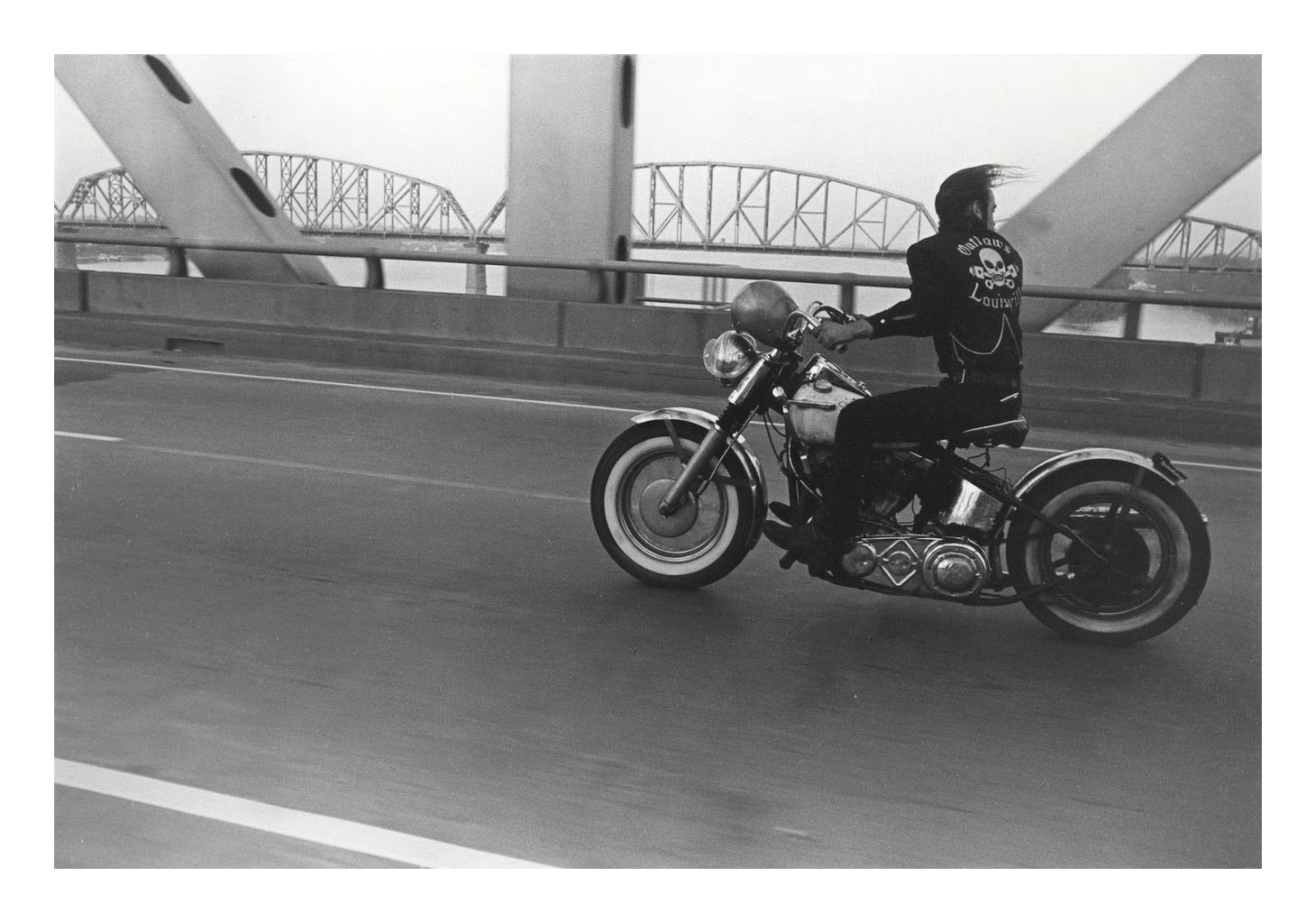
Danny Lyon (American, b. 1942) 'Crossing the Ohio River, Louisville, 1966' 1966


Danny Lyon (American, b. 1942)
Crossing the Ohio River, Louisville, 1966
1966
Silver gelatin print


This exhibition does not reflect our opinion of who’s cool. Each cool figure was considered with the following historical rubric in mind and possesses at least three elements of this singular American self-concept:

  1. an original artistic vision carried off with a signature style
  2. cultural rebellion or transgression for a given generation
  3. iconic power, or instant visual recognition
  4. a recognised cultural legacy


Every individual here created an original persona without precedent in American culture. These photographs capture the complex relationship between the real-life person, the image embraced by fans and the media, and the person’s artistic work.

What does it mean when a generation claims a certain figure as cool? What qualities does this person embody at that historical moment? American Cool explores these questions through photography, history, and popular culture. In this exhibition, cool is rendered visible, as shot by some of the finest art photographers of the past century.


Anonymous text from the ‘American Cool’ National Portrait Gallery website [Online] Cited 13/06/2021


When less – less famous, less obvious – is more

I don’t know about you, but the photographs chosen to represent American “cool” in this exhibition – 39 of which are shown in the posting out of a total of 108, but the rest are mainly of the same ilk – seem to me to be a singularly strange bunch of images to choose for such a concept. Personally, I find very few of them are “cool”, that is a mixture of a social charge of rebellious self-expression, charisma, edge and mystery with a certain self-made sense of style.

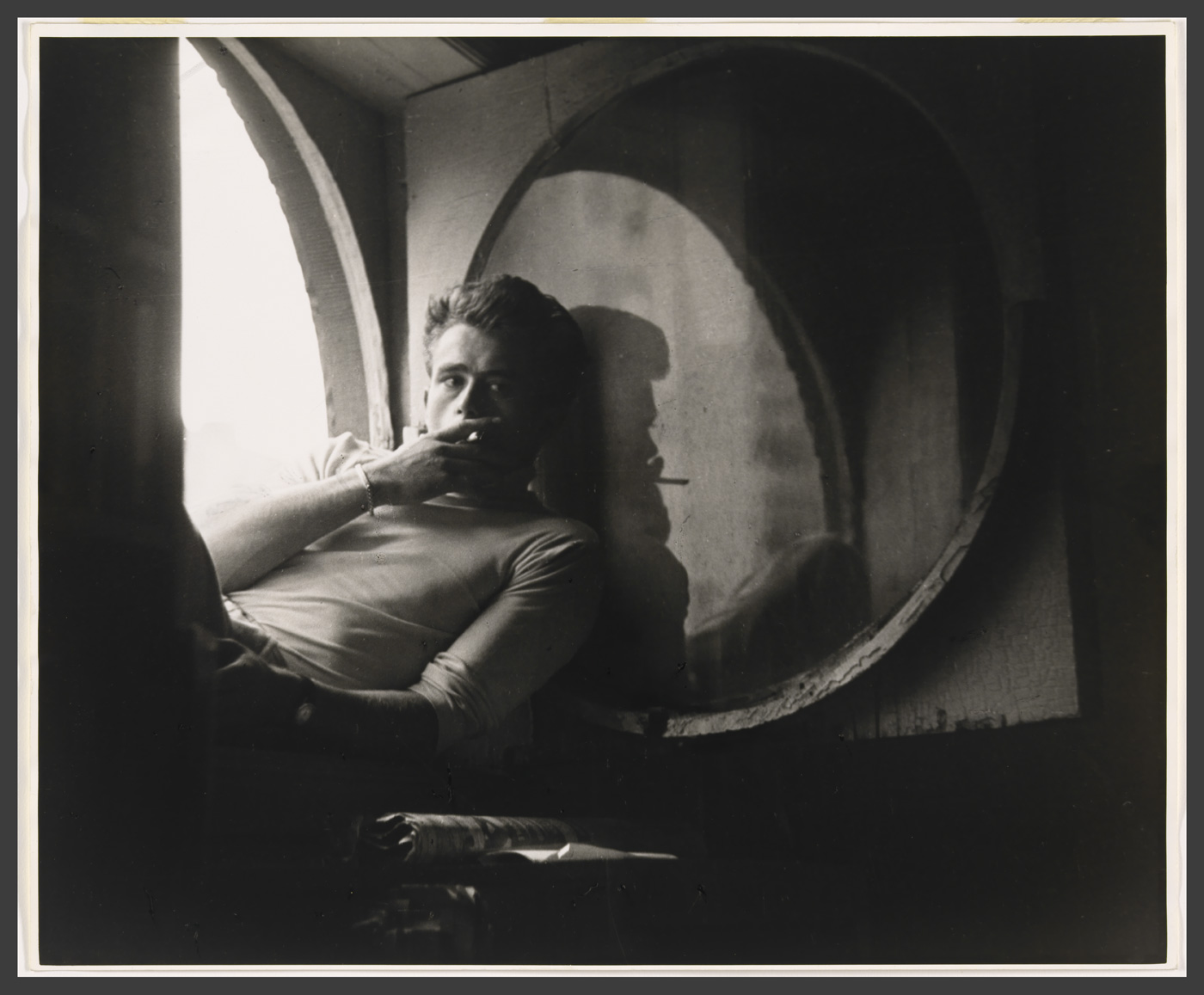
The only images that I find definitely “cool” among this bunch are, firstly Bob Dylan, closely followed by Jackson Pollock (notice the skull lurking behind him) and Susan Sontag. There is no proposition of cool in these three photographs, the people in them just are. The rest of the photographs, and there really are some atrociously plain and boring portraits among this lot (including a poor portrait of James Dean), really don’t speak to me of cool, don’t speak to me of anything much at all. How you could ever think that the portrait of Willie Nelson, 1989 (printed 2009, below) is cool is beyond me… and what is it with the reprints of the photographs, not originals but modern prints made years later? Perhaps the National Portrait Gallery needed to look beyond their own collection for a more rounded representation of American cool.

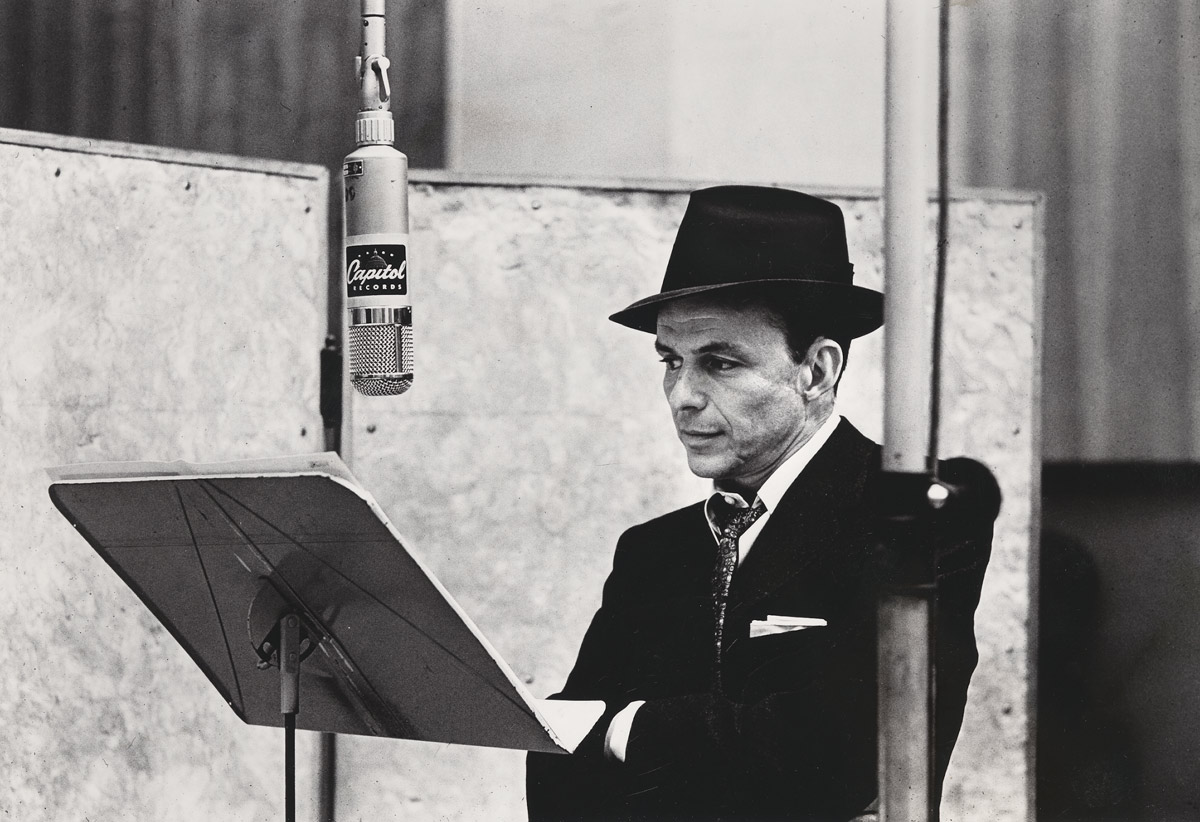
The two photographs I have included above are my top picks of American cool, and neither are in the exhibition. These iconic American images don’t feature famous people, they are not “posed” for the camera, and yet there is that ineffable something that makes the people in them absolutely, totally cool. THIS IS AMERICAN COOL: their own style, their own rebelliousness and mystery without possibly realising it = a naturalness that comes from doing their own thing, making their own way. Perhaps that is the point that this exhibition misses: you don’t have to be famous to be “cool”. A portrait is not just a mug shot. And an original persona does not have to come with fame attached.

This exhibition just doesn’t cut the mustard. The whole shebang needed a bloody good rethink, from the concept (does a generation have to “claim” someone is cool? is it necessary or desirable to portray American Cool through media images? do they have to be famous or instantly recognisable people to be “cool”) to the choice of images which could better illustrate the theme. Surely the qualities that person embodies changes from moment to moment, from photographer to photographer, from context to context (just look at the portraits of a haggard James Dean). To attempt to illustrate three elements in a single photograph – good luck with that one!

Dr Marcus Bunyan

PS I have added the videos to add a bit of spice to the proceedings… in them you can, occasionally, feel the charisma of the person.


Many thankx to the Smithsonian National Portrait Gallery for allowing me to publish the photographs in the posting. Please click on the photographs for a larger version of the image.


Bob Willoughby (American, 1927-2009) 'Billie Holiday' 1951 (printed 1991)


Bob Willoughby (American, 1927-2009)
Billie Holiday
1951 (printed 1991)
Gelatin silver print
25.2 x 35.3cm (19 15/16 x 13 15/16″)
National Portrait Gallery, Smithsonian Institution


Rare live footage of one of the first anti-racism songs.


Roger Marshutz (American, 1929-2007) 'Elvis Presley' 1956


Roger Marshutz (American, 1929-2007)
Elvis Presley
1956
Gelatin silver print
Sheet: 40.6 x 50.8cm (16 x20″)
© Estee Stanley


Elvis Presley Jailhouse Rock 1957 colour
Colourised version of the song from the film


Herman Leonard (American, 1923-2010) 'Frank Sinatra' c. 1956


Herman Leonard (American, 1923-2010)
Frank Sinatra
c. 1956
Gelatin silver print
16.5 x 24.1cm (6 1/2 x 9 1/2″)
Institute of Jazz Studies at Rutgers University


Marcia Resnick (American, b. 1950) 'David Byrne' 1981


Marcia Resnick (American, b. 1950)
David Byrne
1981
Gelatin silver print
21.8 x 32.5cm (8 9/16 x 12 13/16″)
National Portrait Gallery, Smithsonian Institution


Julian Wasser (American, b. 1938) 'Joan Didion' 1970


Julian Wasser (American, b. 1938)
Joan Didion
1970
Gelatin silver print
24.3 x 34cm (9 9/16 x 13 3/8″)
National Portrait Gallery, Smithsonian Institution


Joan Didion (born December 5, 1934) is an American author best known for her novels and her literary journalism. Her novels and essays explore the disintegration of American morals and cultural chaos, where the overriding theme is individual and social fragmentation.


Roy Schatt (American, 1909-2002) 'James Dean' 1954


Roy Schatt (American, 1909-2002)
James Dean
1954
Gelatin silver print
34.7 x 42.2cm (13 11/16 x 16 5/8″)
National Portrait Gallery, Smithsonian Institution


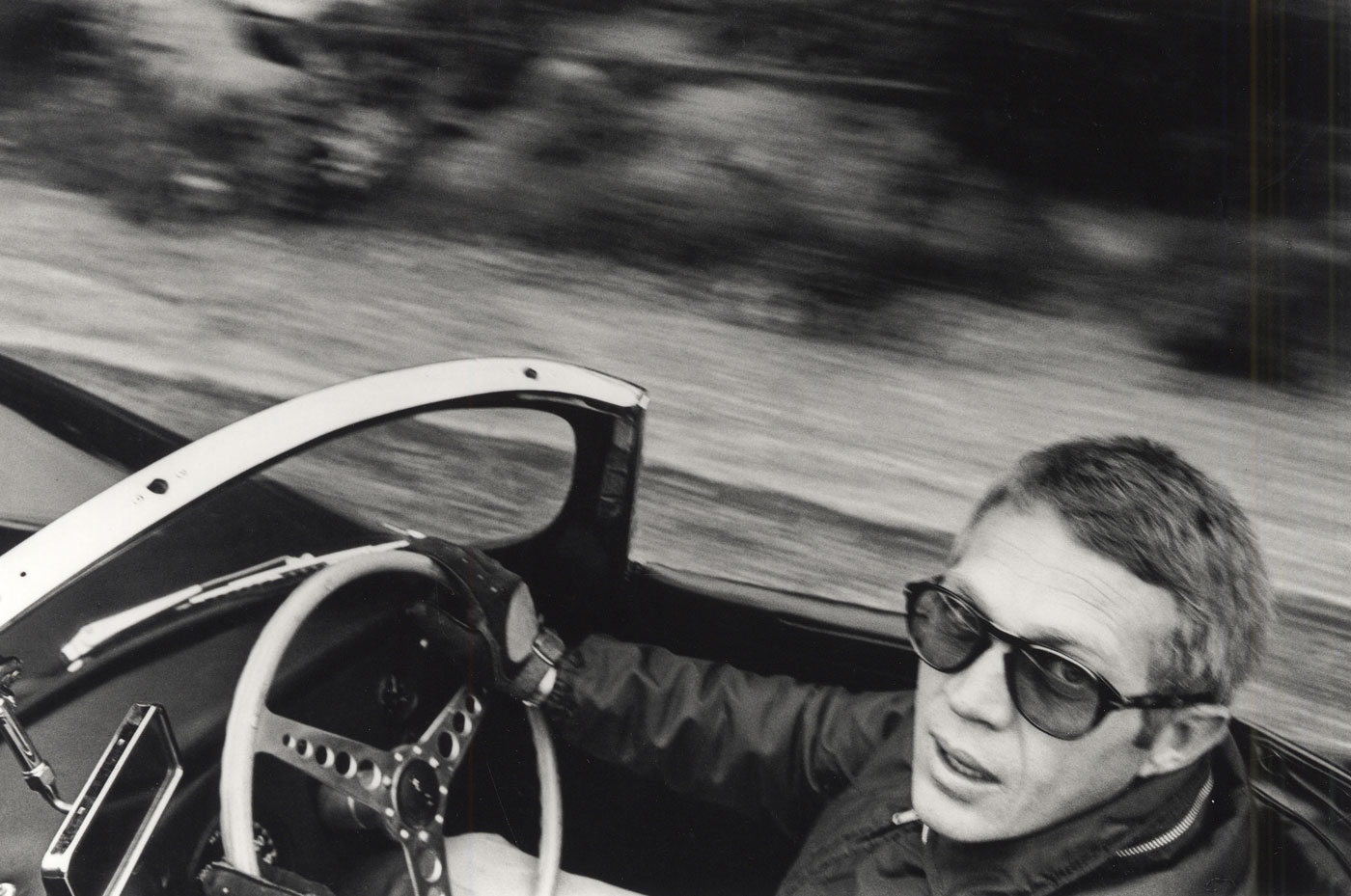
William Claxton (American, 1927-2008) 'Steve McQueen' 1962


William Claxton (American, 1927-2008)
Steve McQueen
1962
Gelatin silver print
40 x 58.7cm (15 3/4 x 23 1/8″)
Fahey Klein Gallery


Martin Schoeller (American, b. 1968) 'Tony Hawk' 1999 (printed 2010)


Martin Schoeller (American, b. 1968)
Tony Hawk
1999 (printed 2010)
Archival pigment print
58.5 x 58.6cm (23 1/16 x 23 1/16″)
National Portrait Gallery, Smithsonian Institution


What do we mean when we say someone is cool? Cool carries a social charge of rebellious self-expression, charisma, edge and mystery.

Cool is an original American sensibility and remains a global obsession. In the early 1940s, legendary jazz saxophonist Lester Young brought this central African American concept into the modern vernacular. Cool became a password in bohemian life connoting a balanced state of mind, a dynamic mode of performance, and a certain stylish stoicism. A cool person has a situation under control, and with a signature style. Cool has been embodied in jazz musicians such as Miles Davis and Billie Holiday, in actors such as Robert Mitchum, Faye Dunaway, and Johnny Depp, and in singers such as Elvis Presley, Patti Smith, and Jay-Z. American Cool is a photography and cultural studies exhibition featuring portraits of such iconic figures, each of whom has contributed an original artistic vision to American culture symbolic of a particular historical moment. They emerged from a variety of fields: art, music, film, sports, comedy, literature, and political activism. American Cool is the zeitgeist taking embodied form.

American Cool is captured by a roll call of fine-art photographers from Henri Cartier-Bresson to Annie Leibovitz, from Richard Avedon to Herman Leonard to Diane Arbus. This exhibition is accompanied by an illustrated catalogue with essays by Joel Dinerstein, the James H. Clark Endowed Chair in American Civilization and Director of the New Orleans Center for the Gulf South at Tulane University, and Frank H. Goodyear III, co-director of the Bowdoin College Museum of Art and former curator of photographs at the National Portrait Gallery.


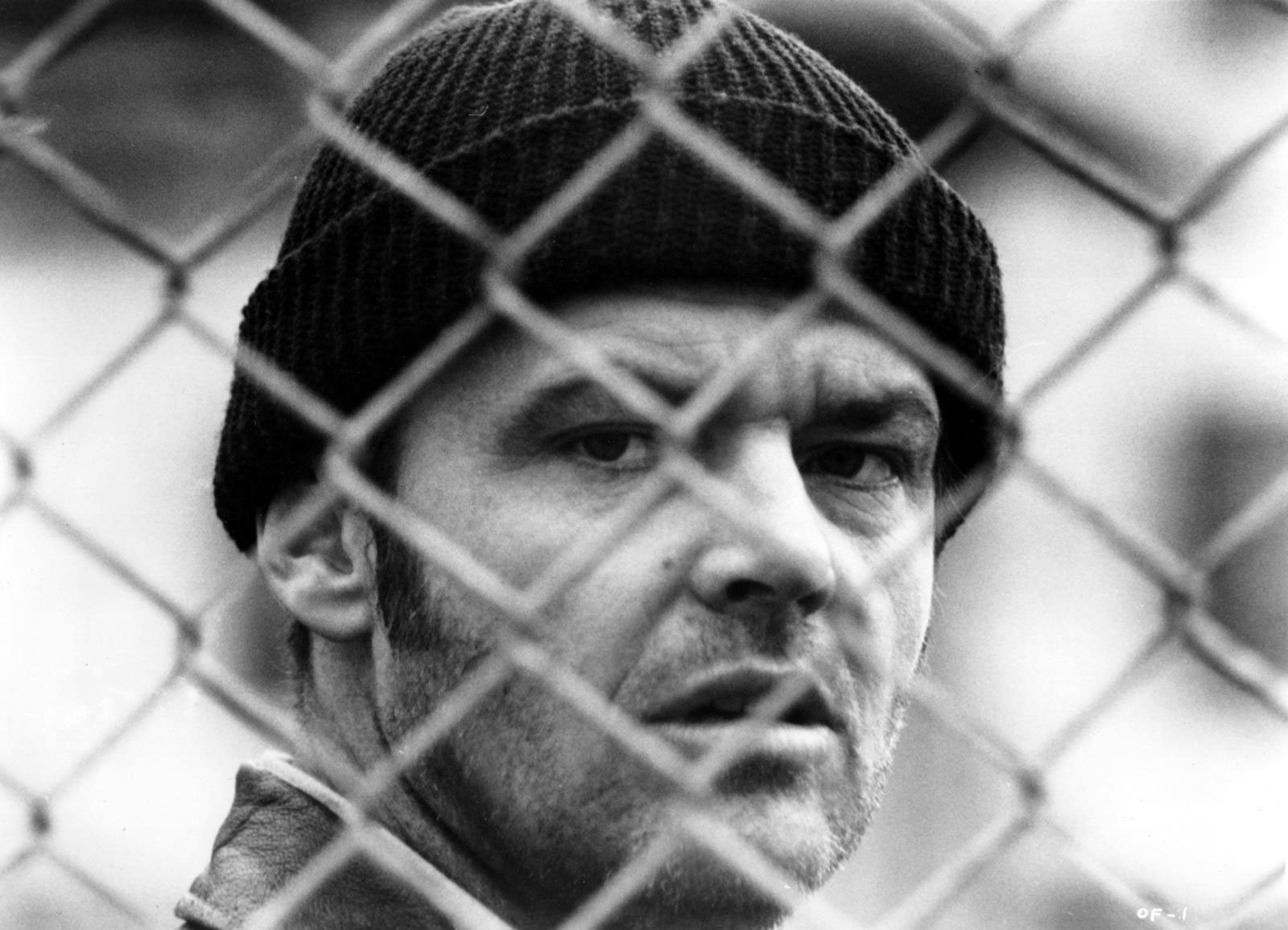
Unidentified Artist. 'Jack Nicholson in "One Flew Over the Cuckoo's Nest"' 1975


Unidentified Artist
Jack Nicholson in “One Flew Over the Cuckoo’s Nest”
1975
Gelatin silver print
17.3 x 25.1cm (6 13/16 x 9 7/8″)
The Kobal Collection


John Cohen (American, 1932-2019) 'Jack Kerouac' 1959


John Cohen (American, 1932-2019)
Jack Kerouac
1959
Gelatin silver print
Image: 15.9 x 24.1cm (6 1/4 x 9 1/2″)
Sheet: 20.2 x 25.4cm (7 15/16 x 10″)
National Portrait Gallery, Smithsonian Institution


Leo Fuchs (American, 1911-1994) 'Paul Newman' 1959 (printed 2013)


Leo Fuchs (American, 1911-1994)
Paul Newman
1959 (printed 2013)
Modern archival print
Sheet: 27.9 x 35.6cm (11 x 14″)
© Alexandre Fuchs


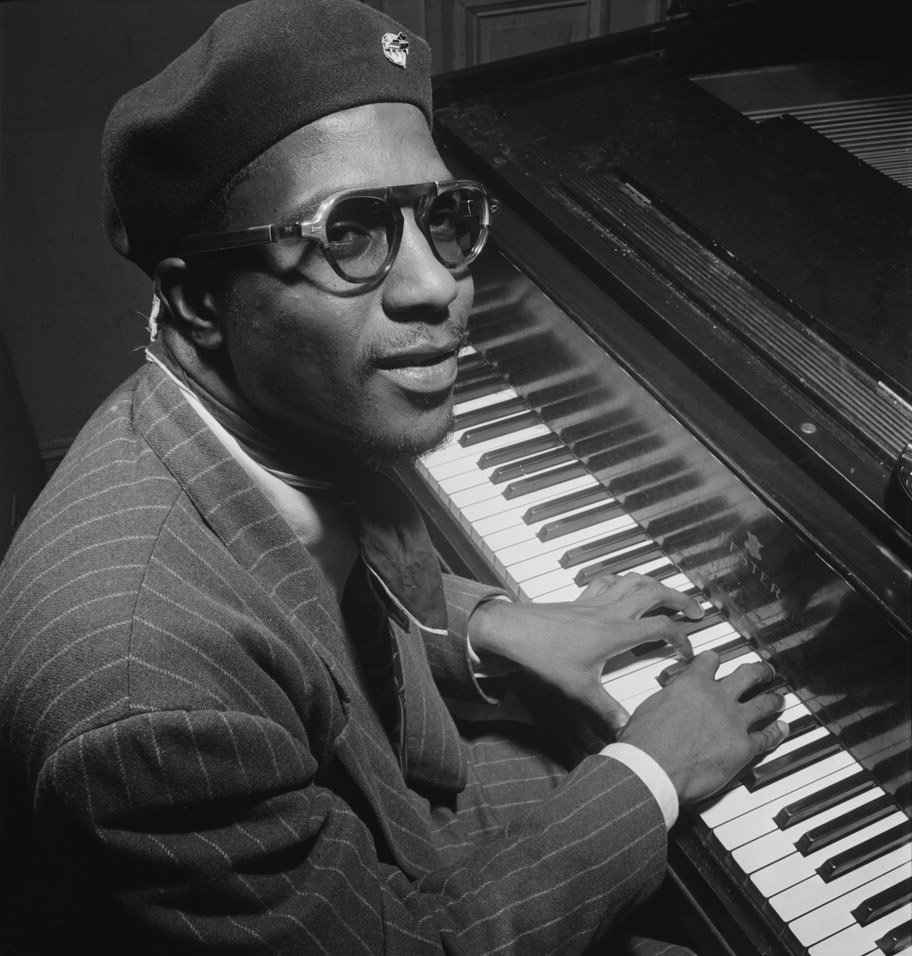
William Paul Gottlieb (American, 1917-2006) 'Thelonious Monk at Minton's Playhouse, New York City' 1947


William Paul Gottlieb (American, 1917-2006)
Thelonious Monk at Minton’s Playhouse, New York City
1947
Gelatin silver print
Sheet: 25.4 x 20.3cm (10 x 8″)
Estate of William Gottlieb


Thelonious Monk Quartet – Round Midnight
Thelonious Monk(p) Charlie Rouse(ts) Larry Gales(b) Ben Riley(ds)
Recorded in Norway 1966 dvd “LIVE in ’66”


Peter Hujar (American, 1934-1987) 'Susan Sontag' 1975


Peter Hujar (American, 1934-1987)
Susan Sontag
1975
Gelatin silver print
37.1 x 37.6cm (14 5/8 x 14 13/16″)
National Portrait Gallery, Smithsonian Institution


Michael O'Brien (American, b. 1950) 'Willie Nelson' 1989 (printed 2009)


Michael O’Brien (American, b. 1950)
Willie Nelson
1989 (printed 2009)
Chromogenic print
38.1 x 38.1cm (15 x 15″)
National Portrait Gallery, Smithsonian Institution


Introduction

What do we mean when we say someone is cool? To be cool means to exude the aura of something new and uncontainable. Cool is the opposite of innocence or virtue. Someone cool has a charismatic edge and a dark side. Cool is an earned form of individuality. Each generation has certain individuals who bring innovation and style to a field of endeavour while projecting a certain charismatic self-possession. They are the figures selected for this exhibition: the successful rebels of American culture.

The legendary jazz saxophonist Lester Young created the modern usage of “cool” in the 1940s. At first it meant being relaxed in one’s environment against oppressive social forces, but within a generation it became a password for stylish self-control. This exhibition does not reflect our opinion of who’s cool. Each cool figure was considered with the following historical rubric in mind and possesses at least three elements of this singular American self-concept:

1/ an original artistic vision carried off with a signature style
2/ cultural rebellion or transgression for a given generation
3/ iconic power, or instant visual recognition
4/ a recognised cultural legacy

Every individual here created an original persona without precedent in American culture. These photographs capture the complex relationship between the real-life person, the image embraced by fans and the media, and the person’s artistic work.

What does it mean when a generation claims a certain figure as cool? What qualities does this person embody at that historical moment? American Cool explores these questions through photography, history, and popular culture. In this exhibition, cool is rendered visible, as shot by some of the finest art photographers of the past century.

The Roots of Cool: Before 1940

The stage was set for the emergence of cool as a cultural phenomenon in the early 1940s by a series of sweeping transformations in the first decades of the twentieth century. The figures in this first section were not called cool in their day but were leading exemplars of new energies that were changing the social contours of American life. A fresh rebelliousness was revealed in the new film capital of Hollywood, in modernist literature and art, in emerging youth entertainments, and in a new music called jazz. The advent of technologies such as radio, film, and the automobile and the increasing diversity in America’s booming cities accelerated the pace of change. Though Prohibition in the 1920s sought to regulate American morality by ending the consumption of alcohol, this period saw the expression of a new independence among young people and others historically on the margins of public life. In particular, both African Americans and women sought and began to attain freedoms long denied. Cool has long denoted a person’s sense of calm and composure. Charismatic individuals such as those featured here contributed greatly to the changing mores in American society before World War II. Cool would ultimately serve as the term that would describe this new rebel.

The Birth of Cool: 1940-1959

Being cool was a response to the rapid changes of modernity: it was about maintaining a state of equipoise within swirling, dynamic social forces. The legendary jazz saxophonist Lester Young disseminated the word and concept of cool into jazz culture in the early 1940s, and it quickly crossed over as a rebel masculine sensibility. When Young said, “I’m cool,” he meant, first, that he was relaxed in the environment and, second, that he was keeping it together under social and economic pressure as well as the absurdity of life in a racist society. This mask of cool emerged as a form of American stoicism and was manifested in jazz, film noir, Beat literature, and abstract expressionism. In jazz, a generation of younger musicians rejected big-band swing entertainment to create bebop, a fast, angular, virtuosic style that moved jazz out of dance halls and into nightclubs. In Hollywood, film noir represented postwar anxiety through crime dramas shot through with working-class existentialism and the fear of women’s sexual and economic power. Among Beat writers and abstract painters, cool referred to a combination of wildness and intensity in men unconcerned with social conformity. Starting from jazz, cool was a rebel sensibility suggesting that an individual’s importance could be registered only through self-expression and the creation of a signature style. By 1960 cool was the protean password of a surging underground aesthetic.

Cool and the Counterculture: 1960-1979

In the 1960s and 1970s, to be cool was to be antiauthoritarian and open to new ideas from young cultural leaders in rock and roll, journalism, film, and African American culture. Cool was a badge of opposition to “the System,” by turns a reference to the police, the government, the military-industrial complex, or traditional morality. Using drugs such as marijuana or even LSD was an indicator of risk taking and expanding one’s consciousness; not experimenting with drugs suggested a fear of opening one’s mind or perspective, of being “uptight” or “square.” The same was true of sexual exploration, social protest, and ethnic politics. The aesthetic of stylised understatement still held power, yet cool itself morphed under the era’s social upheavals. The counterculture valued being authentic and emotionally naked: being cool meant a person was “out-front” with others and comfortable in his or her own skin. For African Americans, what had once been suppressed under the mask of cool transformed into defiant civic engagement in music, sports, and politics. “Cool” meant to communicate a set of emotions without losing control, and rock and roll was the art form (and forum) best suited for this shift, especially for women. Patti Smith, Bonnie Raitt, Deborah Harry, and Chrissie Hynde all carved out new iconic stances, styles, and voices for independent women who were sexy on their own terms. Cool became the supreme compliment for creative public figures who broke new cultural ground and maintained their personal integrity over time.

The Legacies of Cool: 1980-Present

In 1980s America, the selling of rebellion as style became ingrained in cool. From highbrow fashion to mass-culture video games, product designers, advertisers, and consumers embraced the cool aesthetic. For many during this era, selling out was no longer a curse, as youth culture increasingly embraced the pursuit of wealth. And though some might proclaim that cool was dead, the concept stayed alive and grew in many quarters. From hip-hop to Seattle grunge, from skateboarding to the Internet, from street graffiti to MTV, cool became central to many of these new cultural forms. While its popularisation tended to whiten this phenomenon, African American culture remained central to its growth. By the 1980s cool also had an easily recognisable history, and many figures from its past – like heroes from a bygone era – continued to resonate widely. Indeed, new icons of cool often built careers that owed much to these earlier exemplars. Throughout the twentieth century, cool was America’s chief cultural export. With the rapid growth of global communication and markets, it plays an even larger role both in the world’s understanding of America and in Americans’ own sense of national identity. The figures in this final section are representative of the legacies of cool as a distinct form of American expression.

Press release from the Smithsonian National Portrait Gallery website


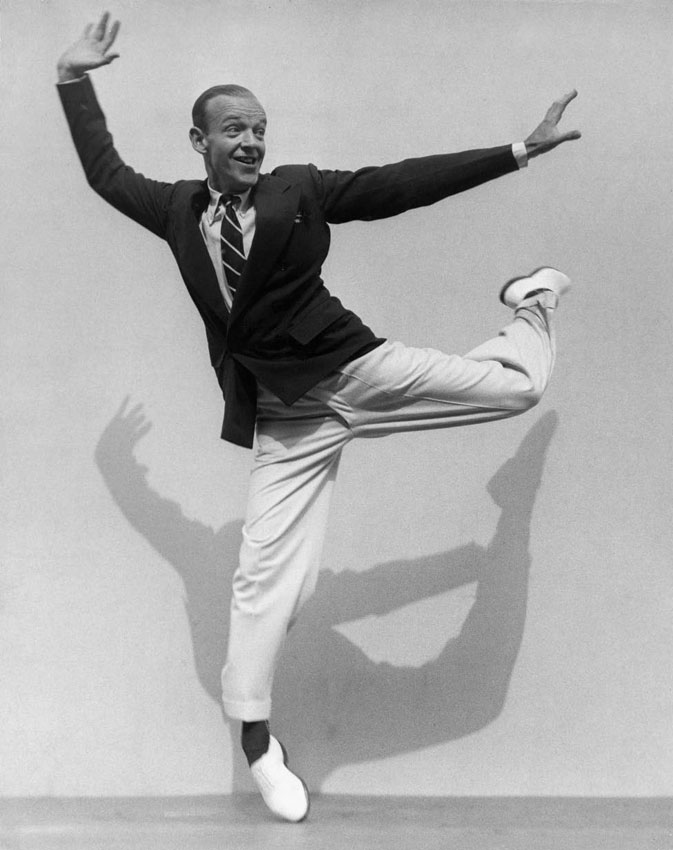
Martin Munkacsi (Hungarian, 1896-1963) 'Fred Astaire' 1936


Martin Munkacsi (Hungarian, 1896-1963)
Fred Astaire
1936
Gelatin silver print
24.1 x 19cm (9 1/2 x 7 1/2″)
National Portrait Gallery, Smithsonian Institution


Swing Time – Rogers and Astaire

In this Swing Time clip, Lucky, Astaire, saves Penny’s, Rogers, job by showing how much she has taught him.


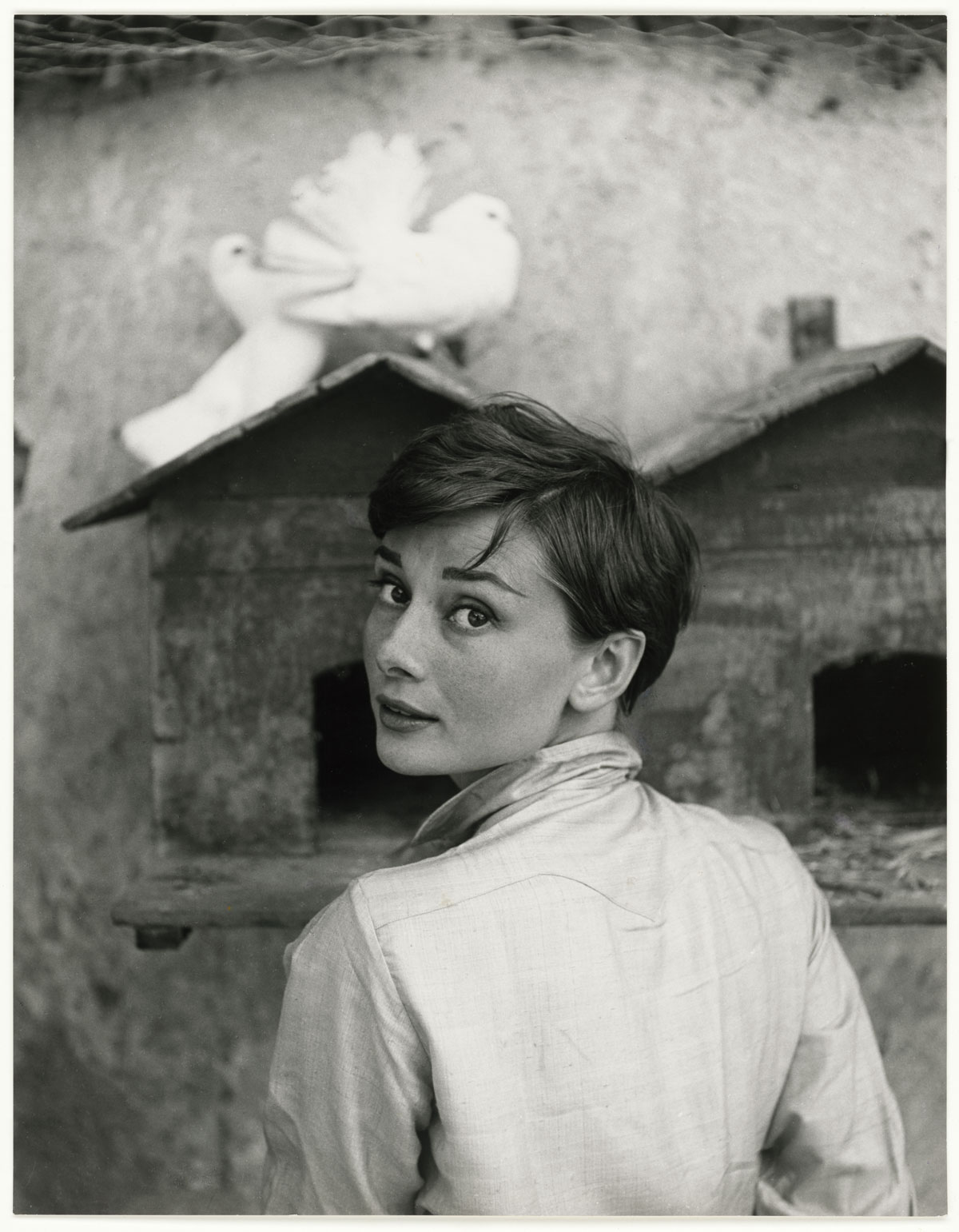
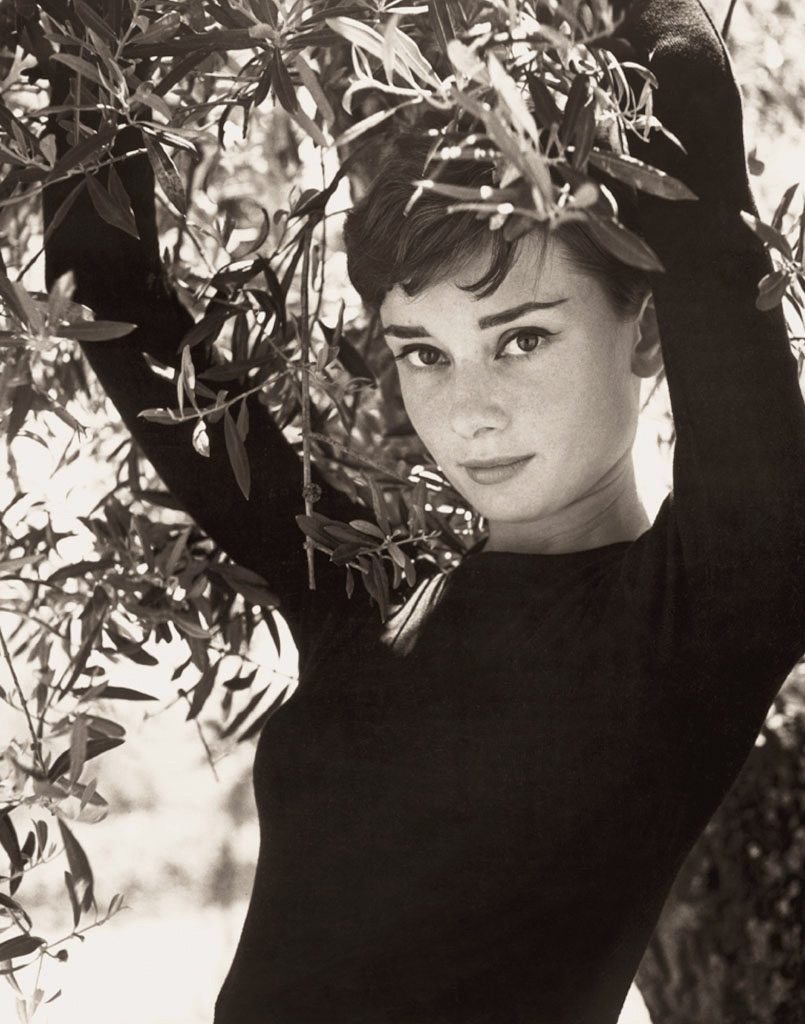
Philippe Halsman (American, 1906-1979) 'Audrey Hepburn' 1955


Philippe Halsman (American, 1906-1979)
Audrey Hepburn
1955
Gelatin silver print
Image/Sheet: 34.9 x 27cm (13 3/4 x 10 5/8″)
National Portrait Gallery, Smithsonian Institution


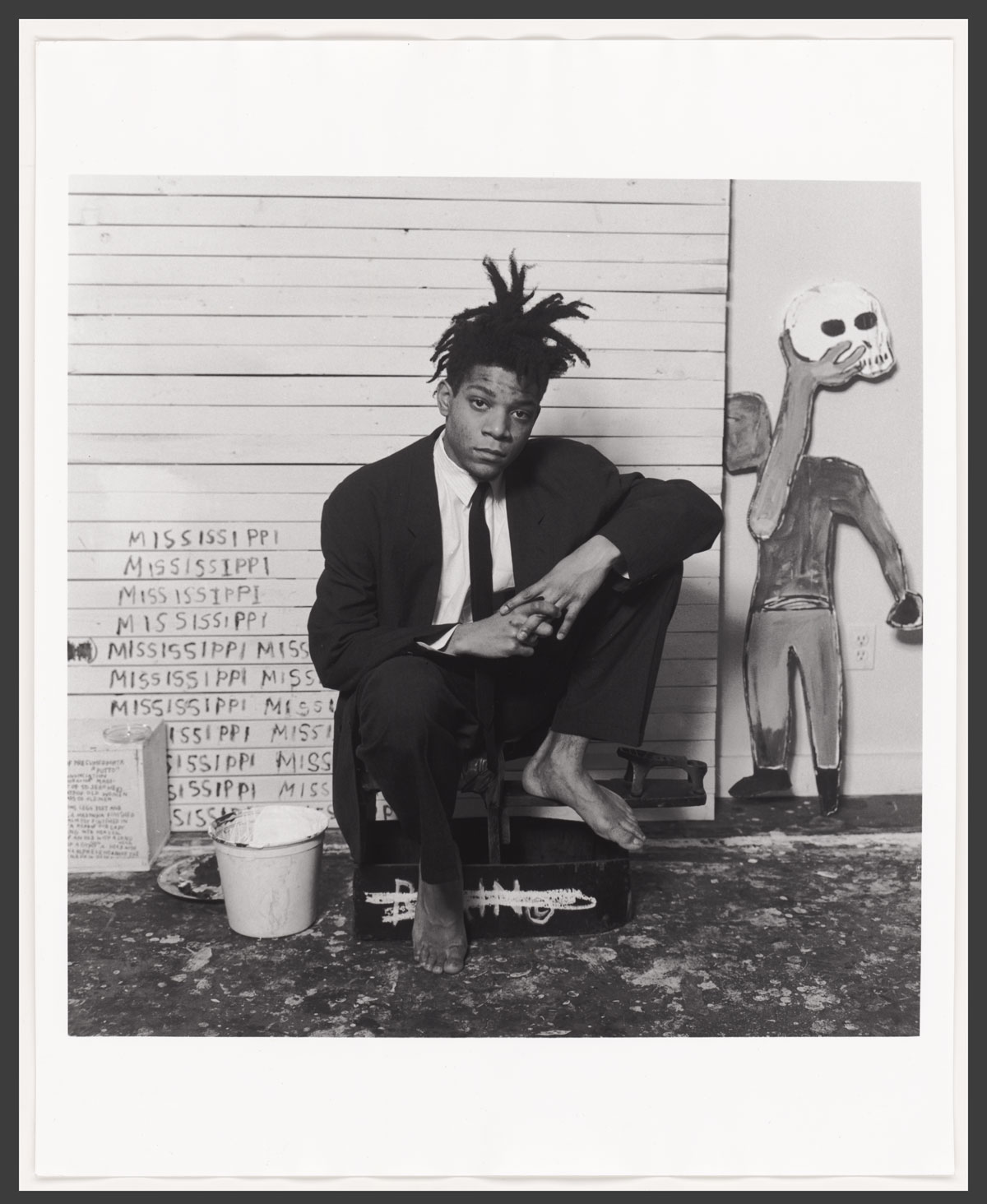
Dmitri Kasterine (British, b. 1932) 'Jean-Michel Basquait' 1986


Dmitri Kasterine (British, b. 1932)
Jean-Michel Basquait
1986
Gelatin silver print
38.3 x 37.7cm (15 1/16 x 14 13/16″)
National Portrait Gallery, Smithsonian Institution


Cass Bird (American, b. 1974) 'Benicio Del Toro' 2008 (printed 2012)


Cass Bird (American, b. 1974)
Benicio Del Toro
2008 (printed 2012)
Inkjet print
45.3 x 35.3cm (17 13/16 x 13 7/8″)
National Portrait Gallery, Smithsonian Institution


Carl Van Vechten (American, 1880-1964) 'Bessie Smith' 1936


Carl Van Vechten (American, 1880-1964)
Bessie Smith
1936
Gelatin silver print
Image/Sheet: 25.2 x 18.6cm (9 15/16 x 7 5/16″)
National Portrait Gallery, Smithsonian Institution


Bessie Smith (April 15, 1894 – September 26, 1937) was an African-American blues singer widely renowned during the Jazz Age. Nicknamed the “Empress of the Blues”, she was the most popular female blues singer of the 1930s. Inducted into the Rock and Roll Hall of Fame in 1989, she is often regarded as one of the greatest singers of her era and was a major influence on fellow blues singers, as well as jazz vocalists.

Born in Chattanooga, Tennessee, Smith was young when her parents died, and she and her six siblings survived by performing on street corners. She began touring and performed in a group that included Ma Rainey, and then went out on her own. Her successful recording career with Columbia Records began in 1923, but her performing career was cut short by a car crash that killed her at the age of 43.

Text from the Wikipedia website


ST. LOUIS BLUES. Blues Legend Bessie Smith’s only film appearance. Uncut 1929 

This is not only a landmark because it contains Bessie Smith’s only known film appearance but also for being one of the very first talkies ever made. This is the complete film co-starring Jimmy Mordecai as her gigolo boyfriend.


Robert Mapplethorpe (American, 1946-1989) 'Deborah Harry' 1978


Robert Mapplethorpe (American, 1946-1989)
Deborah Harry
1978
Gelatin silver print
Image: 34.9 x 34.9cm (13 3/4 x 13 3/4″)
Robert Mapplethorpe Foundation


Philippe Halsman (American born Latvia, 1906-1979) 'Humphrey Bogart' 1944


Philippe Halsman (American born Latvia, 1906-1979)
Humphrey Bogart
1944
Gelatin silver print
Image: 11.3 x 8.6cm (4 7/16 x 3 3/8″)
Mat: 45.7 x 35.6cm (18 x 14″)
National Portrait Gallery, Smithsonian Institution


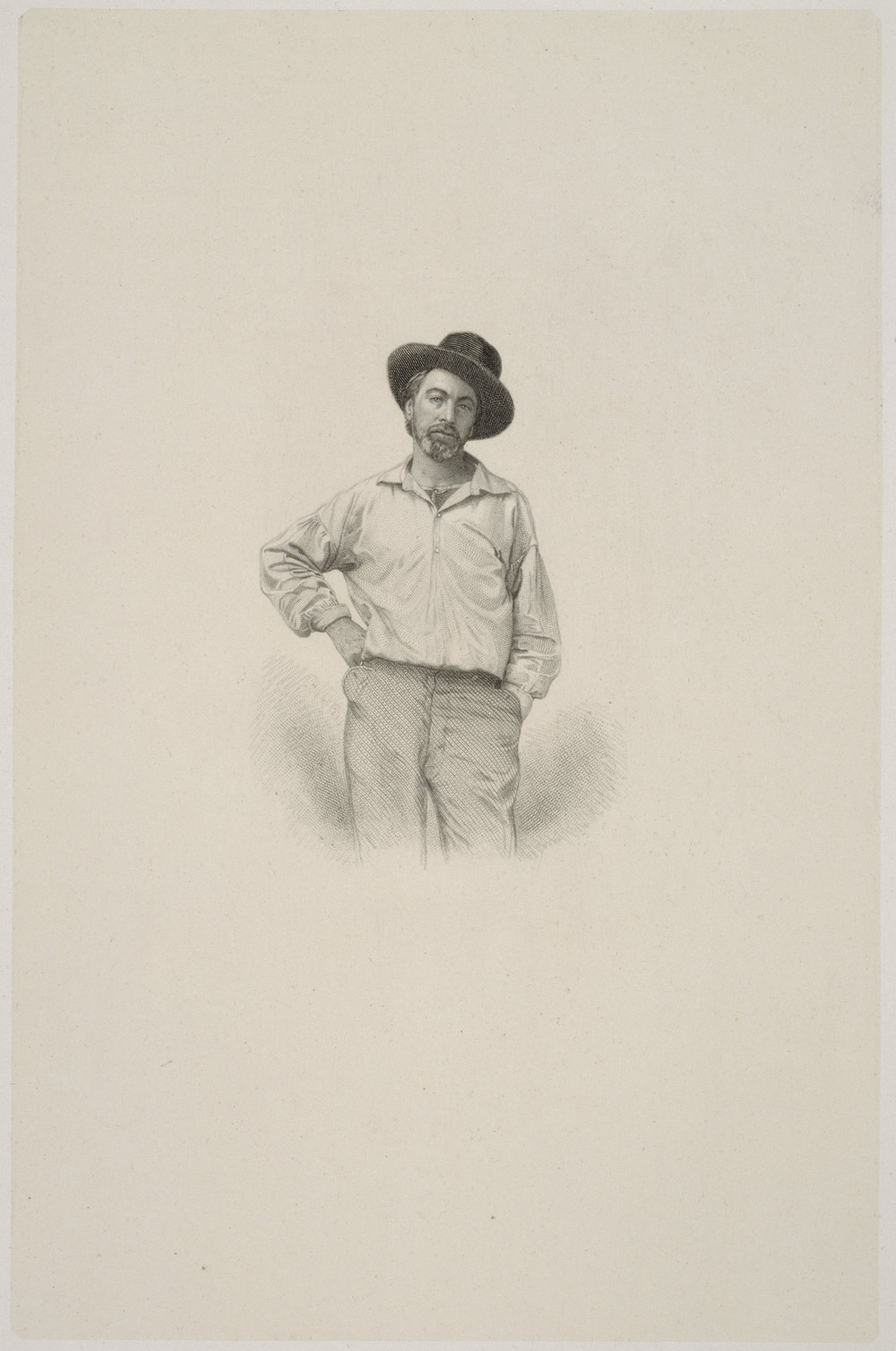
Samuel Hollyer (British, 1826-1919) 'Leaves of Grass, 1st Edition' Copy after: Gabriel Harrison 1855


Samuel Hollyer (British, 1826-1919)
Leaves of Grass, 1st Edition
Copy after: Gabriel Harrison
1855
Book (closed): 28.9 x 20.6 x 1cm (11 3/8 x 8 1/8 x 3/8″)
Private Collection


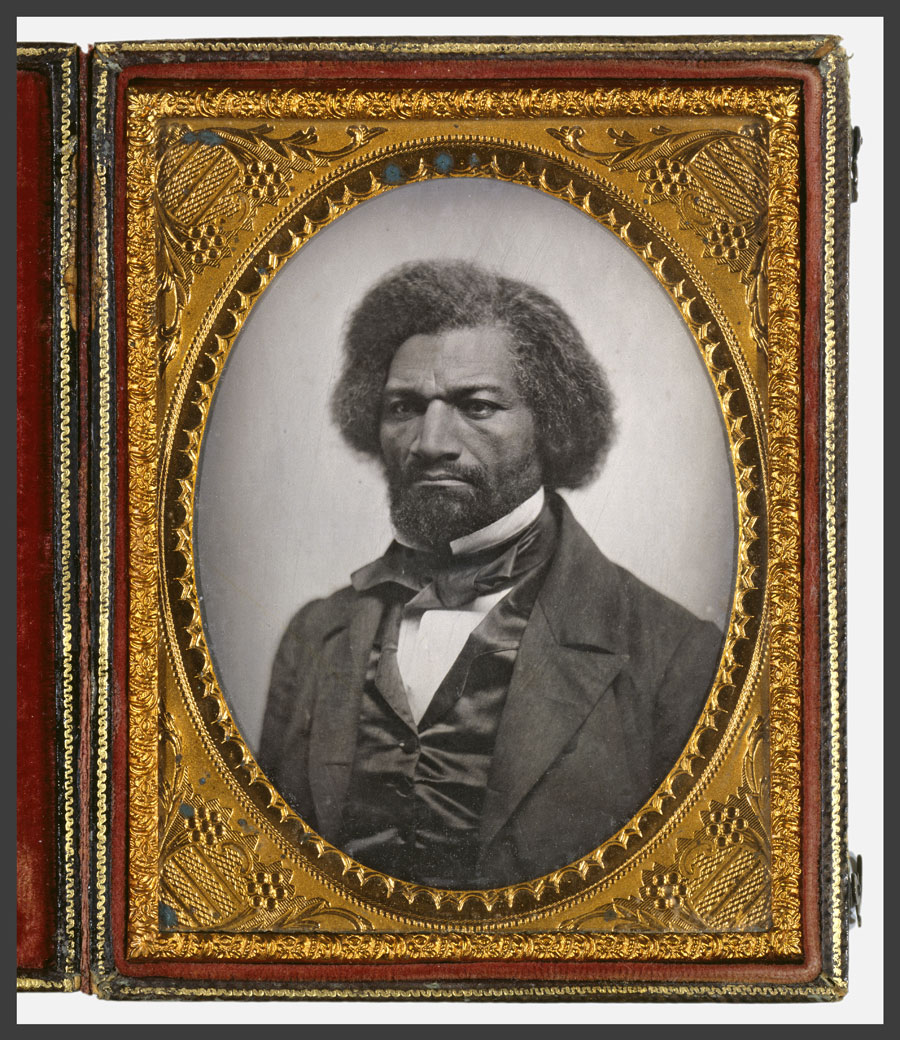
Unidentified Artist. 'Frederick Douglas' 1856


Unidentified Artist
Frederick Douglas
1856
Quarter-plate ambrotype
Image: 10.6 x 8.6cm (4 3/16 x 3 3/8″)
Case (open): 11.9 x 19.1 x 1.3cm (4 11/16 x 7 1/2 x 1/2″)
National Portrait Gallery, Smithsonian Institution


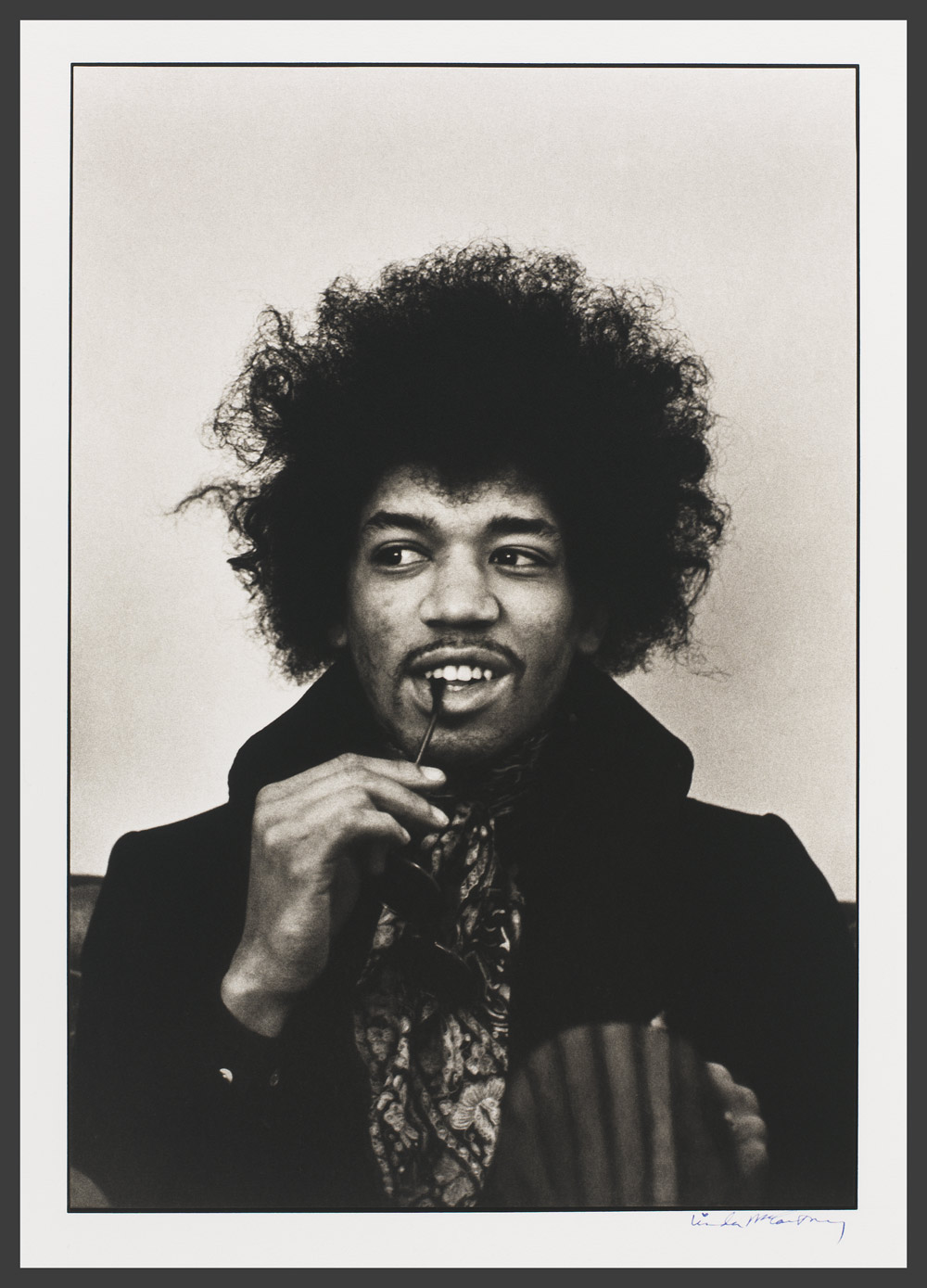
Linda McCartney (American, 1941-1998) 'Jimi Hendrix' 1967 (printed later)


Linda McCartney (American, 1941-1998)
Jimi Hendrix
1967 (printed later)
Platinum print
51.3 x 35.3 cm (20 3/16 x 13 7/8″)
National Portrait Gallery, Smithsonian Institution


The Jimi Hendrix Experience – Voodoo Child (Slight Return) (Live In Maui, 1970)

An incredible live performance of Voodoo Child (Slight Return) by Jimmy and his band in Maui, 1970.


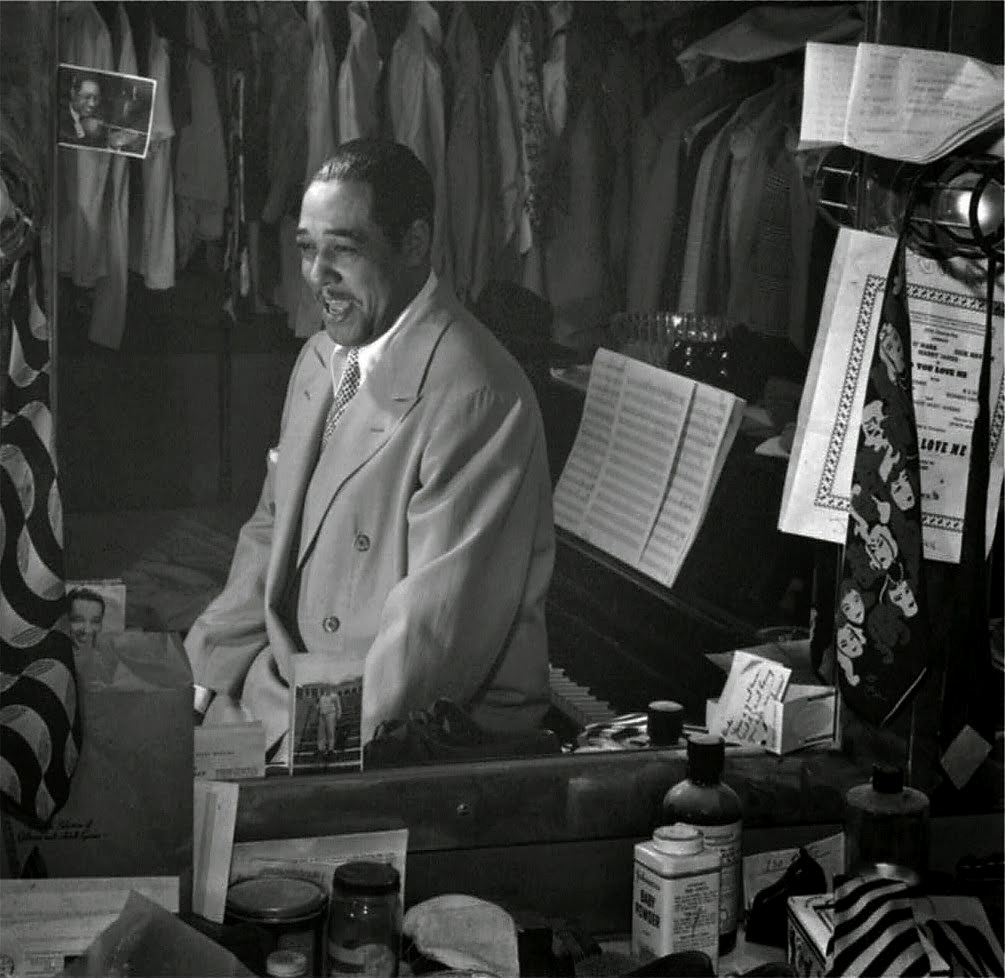
William Paul Gottlieb (American, 1917-2006) 'Duke Ellington' c. 1946 (printed 1991)


William Paul Gottlieb (American, 1917-2006)
Duke Ellington
c. 1946 (printed 1991)
Gelatin silver print
34.1 x 26.7 cm (13 7/16 x 10 1/2″)
National Portrait Gallery, Smithsonian Institution


Duke Ellington & His Orchestra live in Tivoli Garden 1969

Fantastic performance footage of one of Jazz’s greatest stars – Duke Ellington.

Duke Ellington may have turned 70 in 1969, but he was never short of energy, creativity and innovations. At the time of this Nov. 2, 1969 concert in Copenhagen, Ellington had been leading his orchestra for 44 years, but he still never really looked back in time or sought to recreate the past. Even when he performed older favorites, they were rearranged and full of surprises, and Duke’s own piano playing was modern, percussive and unpredictable. Twelve soloists are heard from during this 83-minute set including such veterans as trumpeters Cootie Williams and Cat Anderson, trombonist Lawrence Brown, altoist Harry Carney and Paul Gonsalves on tenor. Along with exciting versions of “C Jam Blues,” “Rockin’ In Rhythm” and “Take The ‘A’ Train,” the highlights include a three-song Johnny Hodges medley, a haunting “La Plus Belle Africaine,” and a tenor battle among Gonsalves, Harold Ashby and Norris Turney on “Diminuendo And Crescendo In Blue.” Filmed in colour and with close-ups that give listeners the experience of being onstage with the Duke Ellington Orchestra.


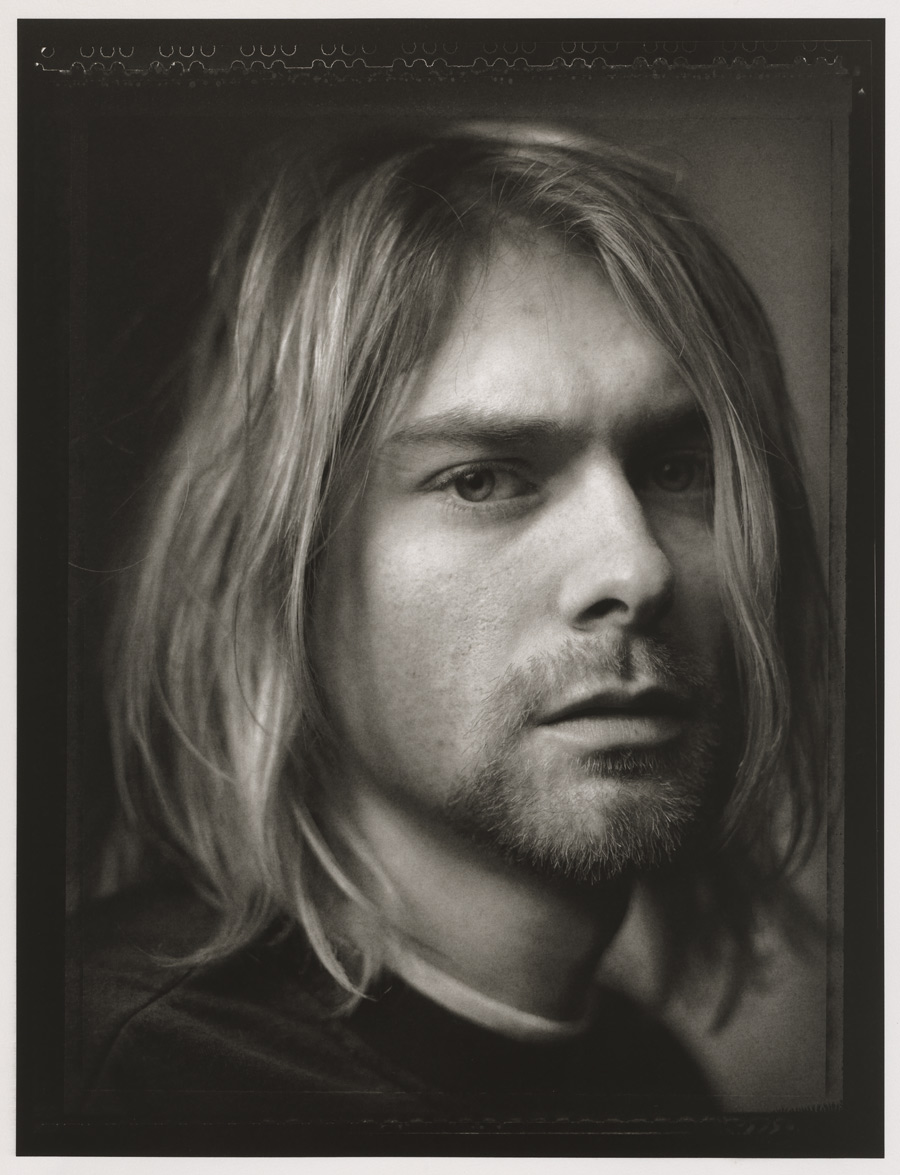
Mark Seliger (American, b. 1959) 'Kurt Cobain' 1993 (printed 2013)


Mark Seliger (American, b. 1959)
Kurt Cobain
1993 (printed 2013)
Platinum Palladium print
46.7 × 35.5cm (18 3/8 × 14″)
National Portrait Gallery, Smithsonian Institution


Nirvana – Smells Like Teen Spirit (Official Music Video)


Philippe Halsman (American, 1906-1979) 'Marlon Brando' 1950 (printed later)


Philippe Halsman (American, 1906-1979)
Marlon Brando
1950 (printed later)
Gelatin silver print
34.4 x 26.8cm (13 9/16 x 10 9/16″)
National Portrait Gallery, Smithsonian Institution


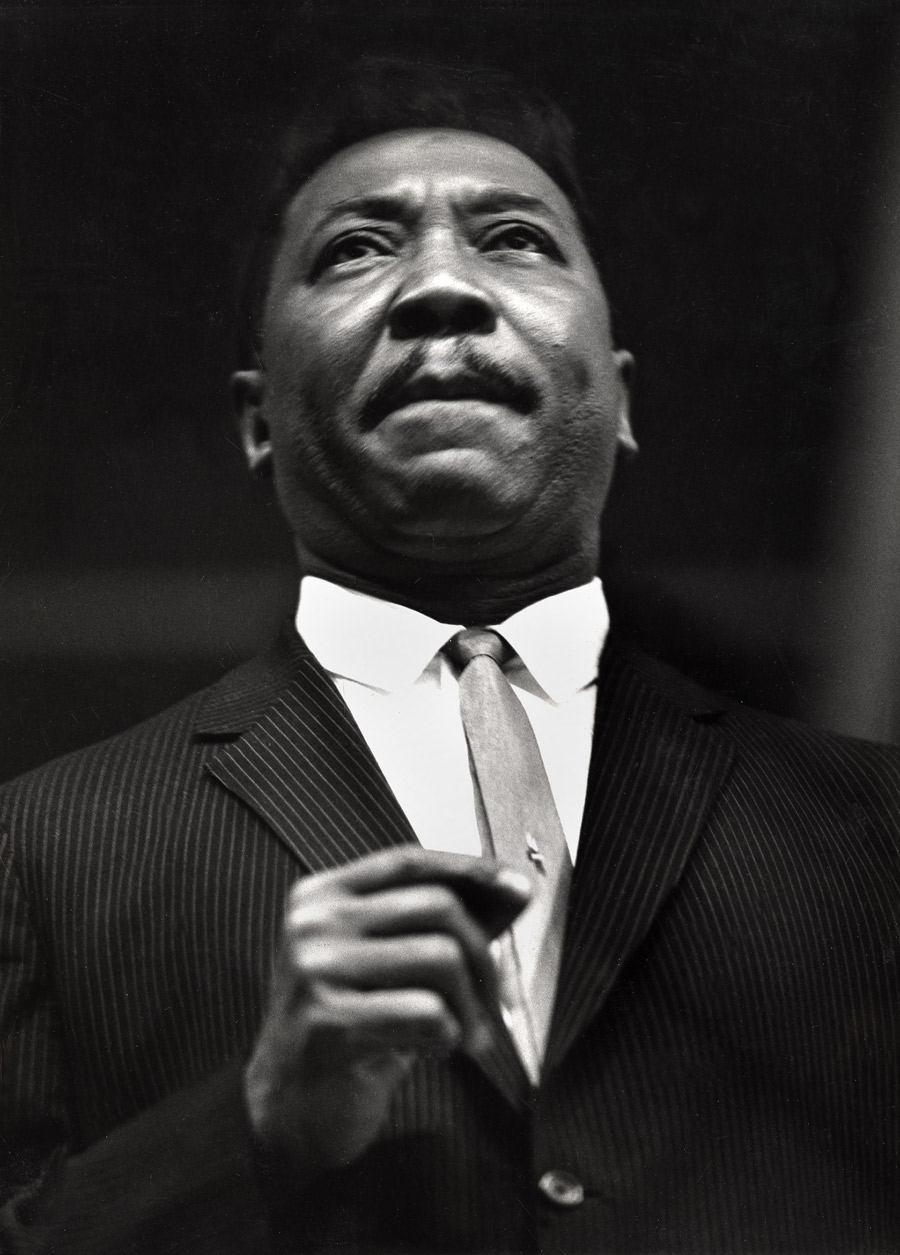
Charles H. "Chuck" Stewart (American, 1927-2017) 'Muddy Waters' c. 1960


Charles H. “Chuck” Stewart (American, 1927-2017)
Muddy Waters
c. 1960
Gelatin silver print
25.4 x 18.4cm (10 x 7 1/4″)
Institute of Jazz Studies at Rutgers University


Muddy Waters – Got My Mojo Workin’


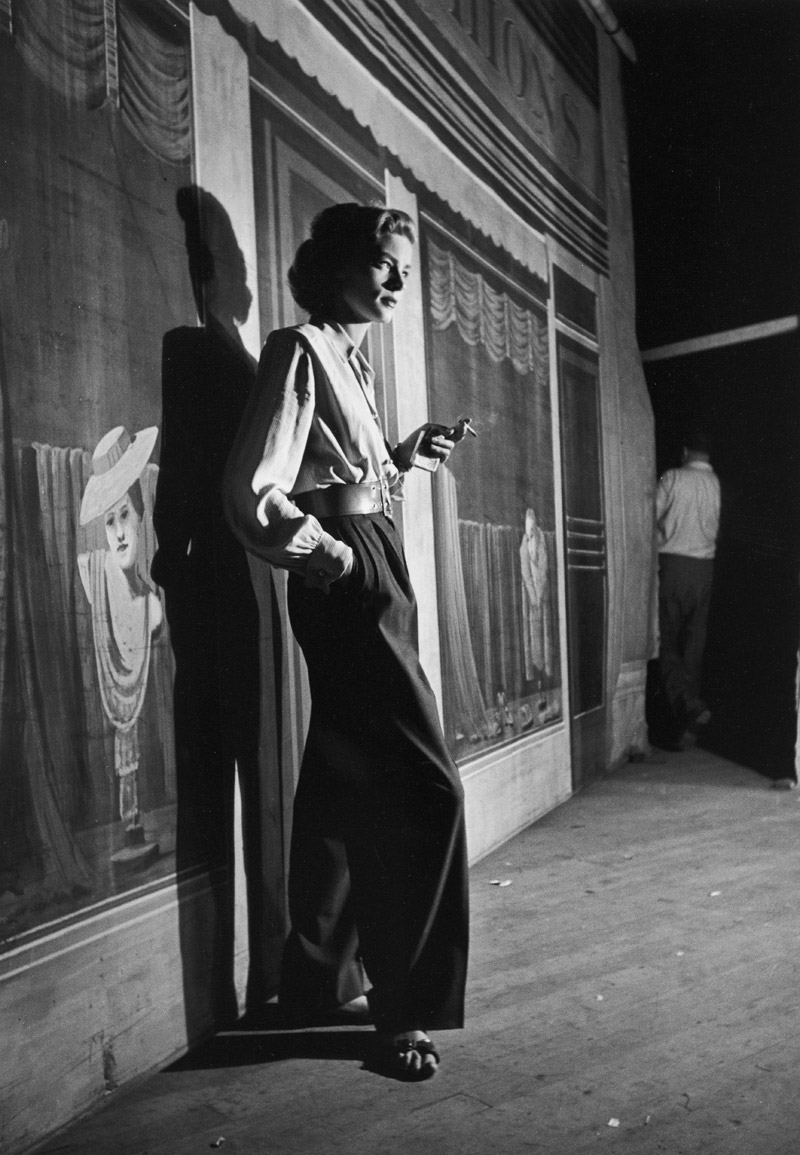
Alfred Eisenstaedt (American, 1898-1995) 'Lauren Bacall' 1949 (printed 2013)


Alfred Eisenstaedt (American, 1898-1995)
Lauren Bacall
1949 (printed 2013)
Pigmented ink jet print
40.3 x 27.9cm (15 7/8 x 11″)


Kate Simon (American, b. 1953) 'Madonna' 1983 (printed 2013)


Kate Simon (American, b. 1953)
Madonna
1983 (printed 2013)
Gelatin silver print
33.7 × 22.9cm (13 1/4 × 9″)
© Kate Simon


Madonna – Papa Don’t Preach (Official Video)


Aram Avakian (American, 1926-1987) 'Miles Davis' 1955 (printed 2012)


Aram Avakian (American, 1926-1987)
Miles Davis
1955 (printed 2012)
Modern print made from original negative
34.6 × 24.1cm (13 5/8 × 9 1/2″)


Miles Davis – So What (Official Video)


Unidentified Artist. 'Bix Beiderbecke' c. 1920


Unidentified Artist
Bix Beiderbecke
c. 1920
Gelatin silver print
19.1 x 11.4cm (7 1/2 x 4 1/2″)
Institute of Jazz Studies at Rutgers University


At the Jazz Band Ball – Bix Beiderbecke and His Gang, 1927


Royal Garden Blues – Bix Beiderbecke 1927

Leon Bismark “Bix” Beiderbecke (March 10, 1903 – August 6, 1931) was an American jazz cornetist, jazz pianist, and composer.

With Louis Armstrong and Muggsy Spanier, Beiderbecke was one of the most influential jazz soloists of the 1920s. His turns on “Singin’ the Blues” and “I’m Coming, Virginia” (both 1927), in particular, demonstrated an unusual purity of tone and a gift for improvisation. With these two recordings, especially, he helped to invent the jazz ballad style and hinted at what, in the 1950s, would become cool jazz. “In a Mist” (1927), one of a handful of his piano compositions and one of only two he recorded, mixed classical (Impressionist) influences with jazz syncopation.


Leon Bismark “Bix” Beiderbecke (March 10, 1903 – August 6, 1931) was an American jazz cornetist, jazz pianist, and composer. A native of Davenport, Iowa.

Bix Beiderbecke was one of the great jazz musicians of the 1920’s; he was also a child of the Jazz Age who drank himself to an early grave with illegal Prohibition liquor. His hard drinking and beautiful tone on the cornet made him a legend among musicians during his life. The legend of Bix grew even larger after he died. Bix never learned to read music very well, but he had an amazing ear even as a child. His parents disapproved of his playing music and sent him to a military school outside of Chicago in 1921. He was soon expelled for skipping class and became a full-time musician. In 1923 Beiderbecke joined the Wolverine Orchestra and recorded with them the following year. Bix was influenced a great deal by the Original Dixieland Jass Band, but soon surpassed their playing. In late 1924 Bix left the Wolverines to join Jean Goldkette’s Orchestra, but his inability to read music eventually resulted in him losing the job. In 1926 he spent some time with Frankie Trumbauer’s Orchestra where he recorded his solo piano masterpiece “In a Mist”. He also recorded some of his best work with Trumbauer and guitarist, Eddie Lang, under the name of Tram, Bix, and Eddie.

Bix was able to bone up on his sight-reading enough to re-join Jean Goldkette’s Orchestra briefly, before signing up as a soloist with Paul Whiteman’s Orchestra. Whiteman’s Orchestra was the most popular band of the 1920’s and Bix enjoyed the prestige and money of playing with such a successful outfit, but it didn’t stop his drinking. In 1929 Bix’s drinking began to catch up with him. He suffered from delirium tremens and he had a nervous breakdown while playing with the Paul Whiteman Orchestra, and was eventually sent back to his parents in Davenport, Iowa to recover. It should be noted that Paul Whiteman was very good to Bix during his struggles. He kept Bix on full pay long after his breakdown, and promised him that his chair was always open in the Whiteman Orchestra, but, Bix was never the same again, and never rejoined the band.

He returned to New York in 1930 and made a few more records with his friend Hoagy Carmichael and under the name of Bix Beiderbecke and his Orchestra. But mainly, he holed himself up in a rooming house in Queens, New York where he drank a lot and worked on his beautiful solo piano pieces “Candlelight”, “Flashes”, and “In The Dark” (played here by Ralph Sutton; Bix never recorded them). He died at age 28 in 1931 during an alcoholic seizure. The official cause of death was lobar pneumonia and edema of the brain.


Gerard Malanga (American, b. 1943) 'Lou Reed' 1966


Gerard Malanga (American, b. 1943)
Lou Reed
1966
Gelatin silver print
48.3 x 36.2cm (19 x 14 1/4″)
© Martin Irvine


Lou Reed – Sweet Jane – live in Paris, 1974


Arnold A. Newman (American, 1918-2006) 'Jackson Pollock' 1949


Arnold A. Newman (American, 1918-2006)
Jackson Pollock
1949
Gelatin silver print
46 x 36.7cm (18 1/8 x 14 7/16″)
National Portrait Gallery, Smithsonian Institution


Lynn Goldsmith (American, b. 1948) 'Patti Smith' 1976 (printed 2012)


Lynn Goldsmith (American, b. 1948)
Patti Smith
1976 (printed 2012)
Digital inkjet print
Image: 46.9 x 30cm (18 7/16 x 11 13/16″)
National Portrait Gallery, Smithsonian Institution


Philippe Halsman (American, 1906-1979) 'Clint Eastwood' 1971


Philippe Halsman (American, 1906-1979)
Clint Eastwood
1971
Gelatin silver print
34.3 x 27.3cm (13 1/2 x 10 3/4″)
National Portrait Gallery, Smithsonian Institution


Richard Avedon (American, 1923-2004) 'Bob Dylan, Singer, New York City, February 10, 1965' 1965


Richard Avedon (American, 1923-2004)
Bob Dylan, Singer, New York City, February 10, 1965
1965
Gelatin silver print
25.4 × 20.3cm (10 × 8″)
© Richard Avedon Foundation


Bob Dylan – Knockin’ on Heaven’s Door (Live)

From the Hard to Handle concert film. Bob Dylan, backed by Tom Petty and the Heartbreakers during their Australian tour in 1986.


Eli Reed (American, b. 1946) 'Tupac Shakur' 1992 (printed 2013)


Eli Reed (American, b. 1946)
Tupac Shakur
1992 (printed 2013)
Digitally exposed chromogenic print
34.6 x 27.3cm (13 5/8 x 10 3/4″)
National Portrait Gallery, Smithsonian Institution


William Paul Gottlieb (American, 1917-2006) 'Gene Krupa at 400 Restaurant, New York City' June 1946


William Paul Gottlieb (American, 1917-2006)
Gene Krupa at 400 Restaurant, New York City
June 1946
Gelatin silver print
Sheet: 35.6 x 27.9cm (14 x 11″)
Estate of William Gottlieb


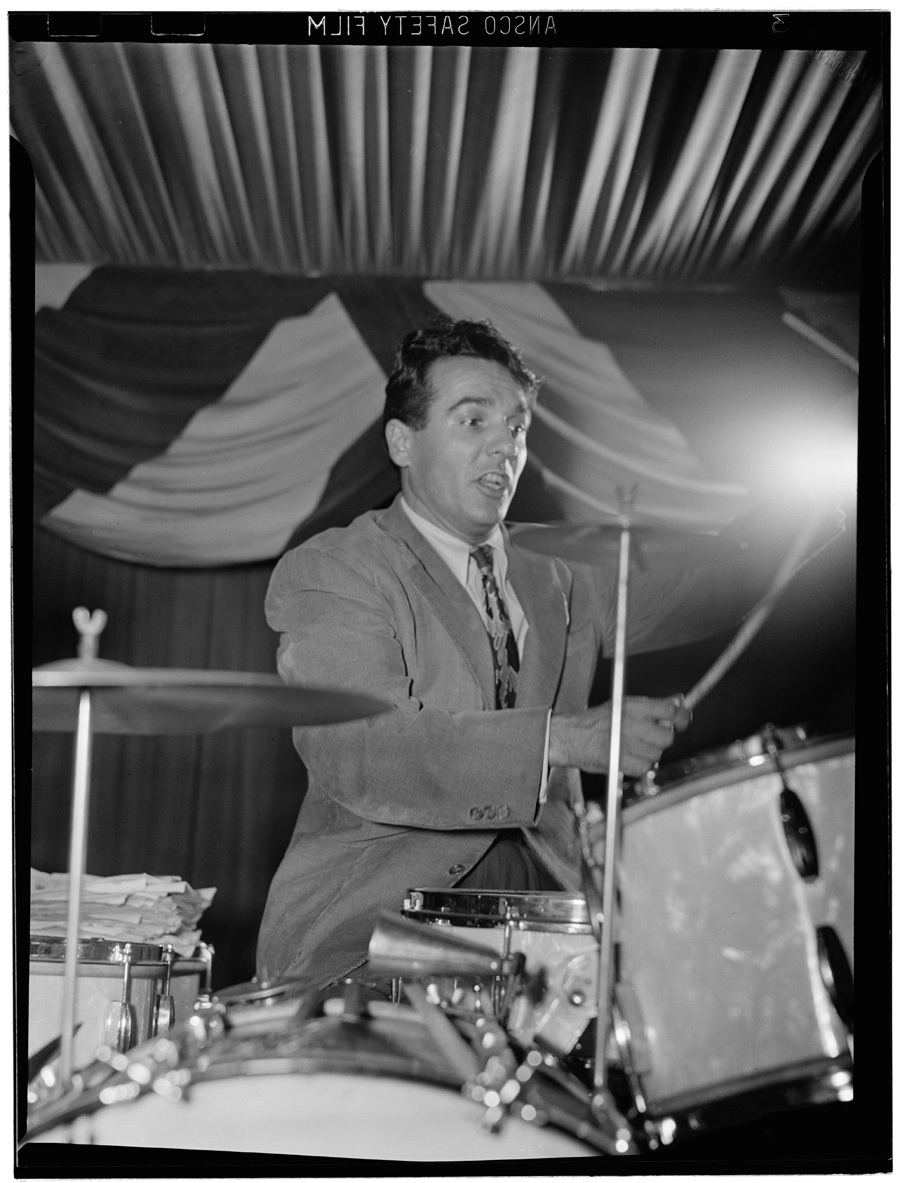
Eugene Bertram “Gene” Krupa (January 15, 1909 – October 16, 1973) was an American jazz and big band drummer, actor and composer, known for his highly energetic and flamboyant style. In the 1930s, Krupa became the first endorser of Slingerland drums. At Krupa’s urging, Slingerland developed tom-toms with tuneable top and bottom heads, which immediately became important elements of virtually every drummer’s setup. Krupa developed and popularized many of the cymbal techniques that became standards. His collaboration with Armand Zildjian of the Avedis Zildjian Company developed the modern hi-hat cymbals and standardised the names and uses of the ride cymbal, the crash cymbal, the splash cymbal, the pang cymbal and the swish cymbal. One of his bass drums, a Slingerland inscribed with Benny Goodman’s and Krupa’s initials, is preserved at the Smithsonian museum in Washington, D.C. In 1978, Krupa became the first drummer inducted into the Modern Drummer Hall of Fame.


Gene Krupa having A good time


Gene Krupa – Big Noise From Winnetka


Smithsonian National Portrait Gallery
8th and F Sts NW
Washington, DC 20001

Opening hours:
11.30am – 7.00pm daily

Smithsonian National Portrait Gallery website

LIKE ART BLART ON FACEBOOK

Back to top

Exhibition: ‘Philippe Halsman, Astonish Me!’ at The Musée de l’Elysée, Lausanne

Exhibition dates: 29th January – 11th May 2014


Philippe Halsman (American, 1906-1979) 'The Versatile Jean Cocteau' 1949


Philippe Halsman (American, 1906-1979)
The Versatile Jean Cocteau
1949
Musée de l’Elysée
© 2013 Philippe Halsman Archive / Magnum Photos


He “photographed a little bit of everything: animals, Paris, the homeless, underwater, nudes, advertising, fashion and, above all, celebrities portraits, from Ali, Einstein, Churchill, Hepburn, Warhol, Hitchcock and, of course, Marilyn Monroe.”

You could say that he was a versatile photographer, doing everything to pay the bills and anything to make interesting images. He never stopped experimenting with the image, but it is the “straight” portraits that I find are his strongest work. Not the “jump” photos, Monroe, or the surreal experiments with Dalí, much as they delight, but the portraits of Hepburn, Einstein and Churchill for example.

Look at the photograph of Winston Churchill (1951, below). What a way to portray the great man. The bulk of the overcoat, the slope of the shoulders (evincing a certain weariness), the famous Homburg hat pulled down on the head, the leader staring into the tranquil landscape. But what makes the image is the seam down the back of the overcoat which speaks to history itself – the backbone of the country, the never say die spirit, stiff upper lip, the rock of the British empire which Nazism could not defeat – epitomising the British bulldog spirit. Cometh the hour, cometh the man. Solid. Immovable. What a glorious photograph to capture that essence.

Dr Marcus Bunyan


Many thankx to the Elysée Lausanne for allowing me to publish the photographs in the posting. Please click on the photographs for a larger version of the image.


“Shortly before World War I, the greatest sensation in Paris was the Russian Imperial Ballet under Serge Diaghilev. The divine Nijinsky and Pavlova were dancing for him, Stravinsky composed, Picasso, Bakst, and Chagall were painting scenery for him. To work for Diaghilev was the highest accolade for an artist. Jean Cocteau approached Diaghilev and asked: ‘What can I do for you?’ Diaghilev looked at him and answered: ‘Etonne-moi!’ (‘Astonish me!’) These two words can be considered as a motto, as a slogan for the development of the modern art which followed.”


Philippe Halsman


“Photography is a separate form of expression since it falls between two art forms… It’s not only trying to give us a visual impression of reality, like painting and graphic arts, but also to communicate and inform us the way writing does. No writer should be blamed for writing about subjects that exist only in his imagination. And no photographer should be blamed when, instead of capturing reality, he tries to show things that he has only seen in his imagination.”


Philippe Halsman


Philippe Halsman (American, 1906-1979) 'Folle Iseult' 1944


Philippe Halsman (American, 1906-1979)
Folle Iseult
1944
Musée de l’Elysée
© 2013 Philippe Halsman Archive / Magnum Photos


“In my serious work I am striving for the essence of things and for goals which are possibly unobtainable. On the other hand, everything humorous has great attraction for me, and a childish streak leads me into all kinds of frivolous endeavour.”

Photographer Philippe Halsman had an exemplary career. Over a forty-year period, in Paris during the 1930s and in New York from 1940 on, he developed a broad range of activities (portraits, fashion, reportage, advertisements, personal projects, commissions from individuals and institutions). The Musée de l’Elysée presents the first study dedicated to his entire body of work, with a selection of over 300 pieces.

This project, produced in collaboration with the Philippe Halsman Archive, includes many exclusive unseen elements of the photographer’s work (contact sheets, annotated contact prints, preliminary proofs, original photomontages and mock-ups). The exhibition shows Philippe Halsman’s creative process and reveals a unique approach to photography: a means of expression to explore.

Born in 1906 in Riga, Latvia, Halsman studied engineering in Dresden before moving to Paris, where he opened a photographic studio in 1932. His years in Paris already heralded the approach he was to develop throughout his long career. A studio and reportage photographer, Halsman took inspiration from the contemporary art scene and participated in promoting it. Though he specialised in portraiture, he also branched out into advertising and publishing, which were thriving at the time. In 1940, the German invasion brought Halsman’s prosperous career to a halt, leading him to flee with his family to New York. Though initially unknown, he succeeded in establishing himself on the American market in under a year, and his studio soon became successful. Halsman stood out for his “psychological” approach to portraiture.

He distinguished himself in this area with his vast portrait gallery of celebrities (actors, industrialists, politicians, scientists, writers). Some of these images, such as Audrey Hepburn, Marilyn Monroe, Winston Churchill or Albert Einstein, became icons. He produced the largest number of covers (101) for Life magazine, the first weekly magazine to be illustrated only by photographs.

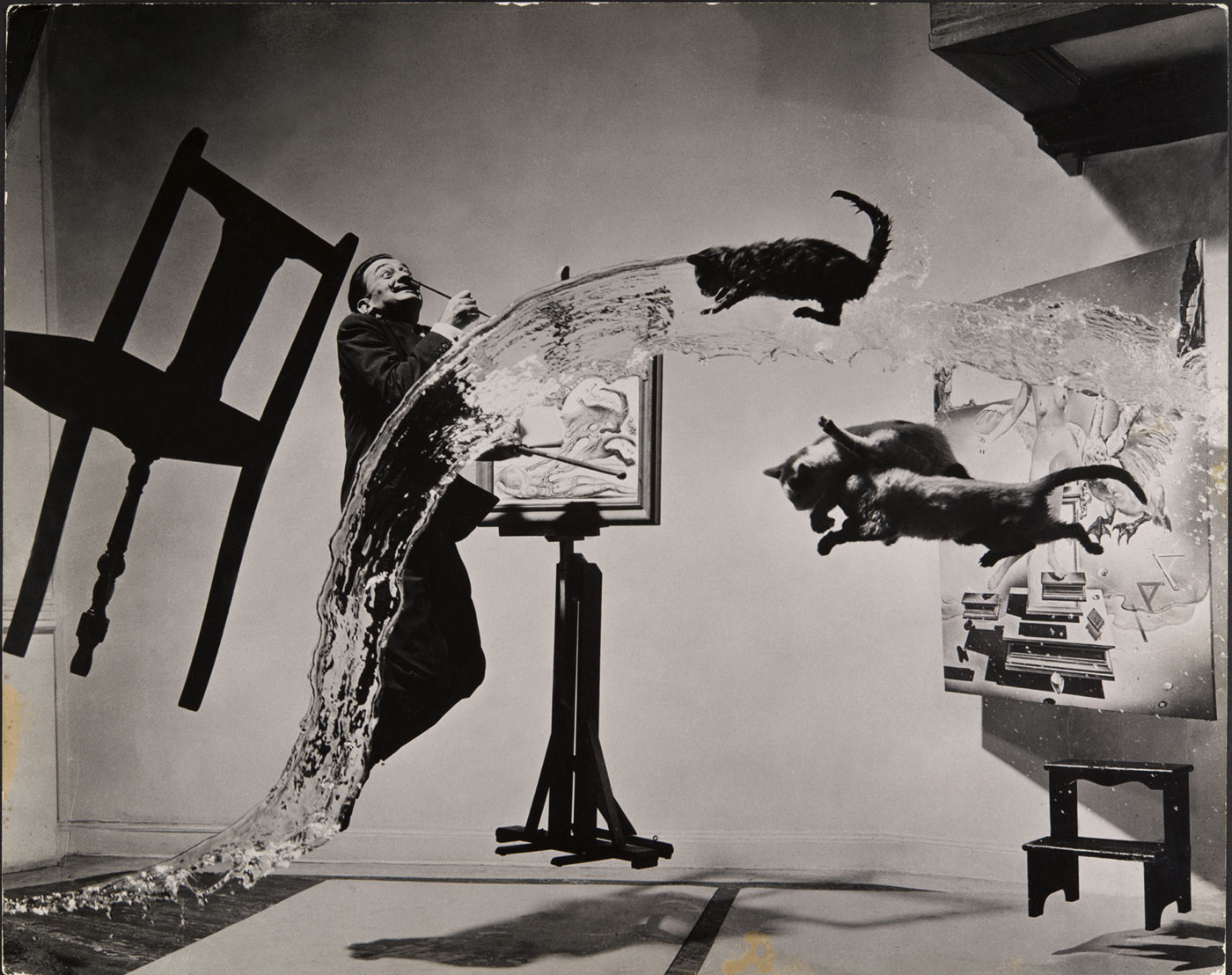
Halsman’s photography is characterised by a direct approach, masterful technique and a particular attention to detail. His work testifies to his constant research and his interest in all forms of technical and aesthetic experimentation, which he applied to a wide variety of subjects. For Halsman, photography was an excellent way of giving his imagination free reign. He was especially interested in mises en scène – in the form of single images or fictional series. He met Salvador Dalí in 1941 and the artist turned out to be the ideal accomplice. Their fruitful collaboration lasted 37 years. Philippe Halsman also introduced innovations through more personal creations such as the “photo-interview book” or ‘jumpology’.

Press release from the Musée de l’Elysée Lausanne website


Philippe Halsman (American, 1906-1979) 'Winston Churchill' 1951


Philippe Halsman (American, 1906-1979)
Winston Churchill
1951
Musée de l’Elysée
© 2013 Philippe Halsman Archive / Magnum Photos


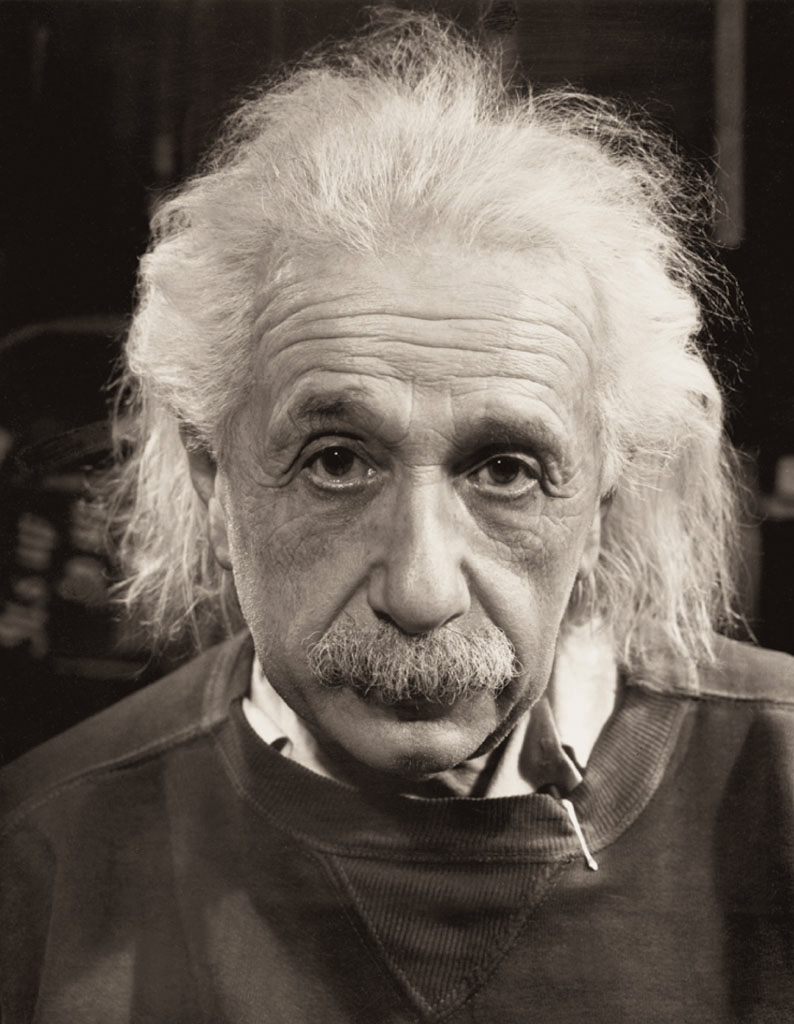
Philippe Halsman (American, 1906-1979) 'Albert Einstein' 1947


Philippe Halsman (American, 1906-1979)
Albert Einstein
1947
Musée de l’Elysée
© 2013 Philippe Halsman Archive / Magnum Photos


Philippe Halsman (American, 1906-1979) 'Audrey Hepburn' 1955


Philippe Halsman (American, 1906-1979)
Audrey Hepburn
1955
Musée de l’Elysée
© 2013 Philippe Halsman Archive / Magnum Photos


Philippe Halsman (American, 1906-1979) 'Sammy Davis Jr' 1965


Philippe Halsman (American, 1906-1979)
Sammy Davis Jr
1965
Musée de l’Elysée
© 2013 Philippe Halsman Archive / Magnum Photos


Presentation of the exhibition

In 1921, Philippe Halsman found his father’s old camera, and spoke of a “miracle” when he developed his first glass plates in the family’s bathroom sink. He was 15 years old, and this was the first encounter with photography of someone who was to become one of the leading photographers of the 20th century. This exhibition, produced by the Musée de l’Elysée in collaboration with the Philippe Halsman Archive, showcases the American photographer’s entire career for the first time, from his beginnings in Paris in the 1930s to the tremendous success of his New York studio between 1940 and 1970.

Halsman was able to go to Paris thanks to the support of French minister Paul Painlevé – whose son Jean, a scientific filmmaker, gave him one of the best cameras of the time upon his arrival. He remained in Paris for ten years, until 1940. Over that period, he collaborated with the magazines Vogue, Vu and Voilà and created portraits of numerous celebrities like Marc Chagall, Le Corbusier and André Malraux. He exhibited his work several times at the avant-garde Pléiade gallery, alongside photographers like Laure Albin Guillot, whose work was exhibited at Musée de l’Elysée in 2013.

Fleeing Nazism, he left Paris in 1940 and moved to New York. There, he worked for many American magazines including Life, which brought him into contact with the century’s top celebrities – Marilyn Monroe, Rita Hayworth, Duke Ellington, the Duke and Duchess of Windsor, Richard Nixon, Albert Einstein to name only a few. Halsman shot 101 covers for Life magazine. Far from restricting himself to photographing celebrities, throughout his whole life Halsman never stopped experimenting and pushing the limits of his medium. He collaborated with Salvador Dalí for over thirty years and invented ‘jumpology’, which consisted in photographing personalities in the middle of jumping, offering a more natural, spontaneous portrait of his subjects.

The exhibition Philippe Halsman, Astonish me! is divided into four sections illustrating memorable periods, collaborations and themes in the photographer’s work and life.


Philippe Halsman (American, 1906-1979) 'Expérimentation pour un portrait de femme (Experimentation for a portrait of a woman)' 1931-1940


Philippe Halsman (American, 1906-1979)
Expérimentation pour un portrait de femme (Experimentation for a portrait of a woman)
1931-1940
Musée de l’Elysée
© 2013 Philippe Halsman Archive / Magnum Photos


Philippe Halsman (American, 1906-1979) 'Affiche exposition Pleiade (Poster for exhibition at La Pléiade gallery)' 1936


Philippe Halsman (American, 1906-1979)
Affiche exposition Pleiade (Poster for exhibition at La Pléiade gallery)
1936
Musée de l’Elysée
© 2013 Philippe Halsman Archive / Magnum Photos


“When I arrived in America in 1940 I had to adapt to the American style, that is to say, produce photographs that were technically perfect, clear, precise and properly modelled by the light without being distorted. Once, to accentuate the coldness of a rainy landscape I added a blue gelatin to my transparent film. Wilson Hicks took this gelatin off saying: ‘You’re cheating, Philippe’. Any hint of artifice was considered dishonest.”


Philippe Halsman


Paris in the 1930s

Philippe Halsman was born in Riga, Latvia in 1906. When he was 22, his father died in a hiking accident in Austrian Tyrol, and Philippe Halsman was wrongly convicted of his murder in a highly anti-Semitic climate. He was freed thanks to his sister’s support; she organised the support of prominent European intellectuals, who endorsed his innocence.

He went to Paris, where he began his career as a photographer, quickly distinguishing himself through his portrait technique. He explored various genres, such as views of Paris, nudes and fashion. His work was exhibited three times at the La Pléiade gallery, a famous avant-garde gallery where artists like Man Ray, André Kertész and Brassaï presented their works.

Focus on La Pléiade gallery

Founded by publisher Jacques Schiffrin in the spring of 1931 and located in the heart of the Latin Quarter, this art gallery was one of the first to present photographic exhibitions, and it started specialising in this field in April 1933 under directorship of Rose Sévèk. Dedicated to contemporary photography, the program incorporated its new practices and applications. It was one of the places where New Photography was promoted in the form of solo, group or thematic exhibitions.

It was probably through his friend Jean Painlevé that Halsman entered in contact with La Pléiade gallery. He was given a first solo exhibition, Portraits and Nudes, which ran from March 28 to April 30, 1936. The following year, his name became associated with the New Vision movement in the context of two group exhibitions: Portraits of Writers (April 17 to May 14, 1937) which included Emmanuel Sougez, Rogi André, Roger Parry and others; La Parisienne de 1900… à 1937 (June 4-30, 1937), which included photographs by Florence Henri and Maurice Tabard. It was one of the last exhibitions at the gallery, which was sold a few months later in October, to Paul Magné.

Having initially been unable to flee wartime Paris, Halsman finally received an emergency visa in 1940 thanks to a letter from Albert Einstein to Eleanor Roosevelt, making it possible for him to join his family, who had left six months earlier.


Philippe Halsman (American, 1906-1979) 'Marilyn Monroe jump' 1959


Philippe Halsman (American, 1906-1979)
Marilyn Monroe jump
1959
Musée de l’Elysée
© 2013 Philippe Halsman Archive / Magnum Photos


Philippe Halsman (American, 1906-1979) 'Marilyn Monroe jump' 1959


Philippe Halsman (American, 1906-1979)
Marilyn Monroe jump
1959
Musée de l’Elysée
© 2013 Philippe Halsman Archive / Magnum Photos


“Of the group of starlets only Marilyn emerged. Still photographers discovered her natural talent for flirting with the camera lens, and her blond looks of instant availability made her America’s most popular pin-up girl. Marilyn felt that the lens was not just a glass eye, but the symbol of the eyes of millions of men. She knew how to woo this lens better than any actress I ever photographed.”


Philippe Halsman


Portraits

Champion of the direct approach, Philippe Halsman also experimented with a wide range of techniques in order to capture the essence of his subjects and express their individuality. Many portraits became iconic images such as his 101 Life magazine covers.

Focus on Marilyn Monroe

Philippe Halsman photographed Marilyn Monroe on several occasions between 1949 and 1959. This important corpus traces the actress’s career and reveals the photographer’s varied approach during this period. In the autumn of 1949, Halsman was sent to Hollywood by Life magazine to do a report on eight young models embarking on acting careers. Halsman photographed them in four scenes he imposed (the approach of a monster, embracing a lover, reacting to a funny story and drinking a favourite drink). He quickly noticed the talents of the young Marilyn Monroe.

This opinion was confirmed three years later when Life commissioned him to do a feature on the actress entitled “The Talk of Hollywood”. These shots, some in colour and some in black and white, illustrated the actresses’s everyday life and talents. She acted out a series of scenes, humorously presenting the different stages of the strategy she used when being interviewed for roles. Most importantly, Halsman created several emblematic images of the actress and helped promote her by giving her a chance to have her first Life magazine cover.

In 1954, Halsman welcomed Marilyn Monroe to his New York studio. Halsman’s photographs reflect the ‘sex symbol’ image she cultivated. However, he managed to shoot a more natural portrait of the actress by asking her to jump in the air. There was only a few images of this type because when Halsman explained his ‘jumpology’ concept, Marilyn Monroe, frightened by the idea of revealing her personality, refused to repeat the experiment.

It took five years before she agreed to go along with ‘jumpology’. Marilyn Monroe had become a star by the time Life magazine offered to feature her on its cover in 1959 to illustrate a major article on Philippe Halsman’s ‘jumpology’. She treated it as a request for a performance. Over the course of three hours, the actress jumped over 200 times in front of Halsman’s lens, in order to achieve the “perfect jump”.

Several times Halsman suggested to Marilyn Monroe that they continue this collaboration, but without success. The actress was then at a turning point in her life that was foreshadowing her decline. However, Halsman continued his photographic work on the actress by creating new images, or more precisely variations of portraits he had previously shot. These compositions – montages of prints cut out and rephotographed together expressing the idea of movement, or reworked images transposed in negative format are characteristic of Halsman’s approach in the 1960s. Ten years later, he created a portrait of Marilyn Monroe as Chairman Mao, as requested by Salvador Dalí during his guest editorship of the French edition of Vogue magazine (December 1971 – January 1972).


Philippe Halsman (American, 1906-1979) 'Alfred Hitchcock for the promotion of the film 'The Birds'' 1962


Philippe Halsman (American, 1906-1979)
Alfred Hitchcock for the promotion of the film ‘The Birds’
1962
Musée de l’Elysée
© 2013 Philippe Halsman Archive / Magnum Photos


Cover of 'Life' magazine with a portrait of Marilyn Monroe jumping by Philippe Halsman, November 9, 1959


Cover of Life magazine with a portrait of Marilyn Monroe jumping by Philippe Halsman, November 9, 1959
Musée de l’Elysée
© 2013 Philippe Halsman Archive / Magnum Photos


Mises en scène

Halsman was often commissioned to photograph the contemporary art scene for magazines including dance, cinema and theatre. Collaborations with artists were important in Halsman’s career and inspired performances resulting in picture stories or striking individual images.

Focus on ‘Jumpology’

In 1950, Halsman invented ‘jumpology’, a new way of creating spontaneous, authentic portraits: “When you ask a person to jump, his attention is mostly directed toward the act of jumping and the mask falls so that the real person appears”. Over a period of ten years, Halsman created an extraordinary gallery of portraits of American society.

Containing over 170 portraits, Philippe Halsman’s Jump Book illustrated a new “psychological portrait” approach developed by Philippe Halsman in the 1950s. His method was systematic. During commissioned work, at the end of shooting sessions Halsman would ask his subjects if they would agree to take part in his personal project, and then the jumps were done on the spot. In this way he managed to photograph hundreds of jumps. Producing these shots was in fact simple: his equipment was limited to a Rolleiflex camera and an electronic flash, and as he pointed out, the only constraint was the height of the ceiling.

Although these portraits are characterised by their lightheartedness, Halsman viewed ‘jumpology’ as a new scientific tool for psychology. While the subject was concentrating on his jump, “the mask” fell, and it was this moment that the photographer needed to capture. Over the time that he was conducting this experiment, Halsman noticed the great diversity of the various participants’ postures, and discerned in these gestures – leg positions, arm positions, facial expressions and other details revealing signs of their character, expressed unwillingly.

The arrangement of the portraits in Philippe Halsman’s Jump Book illustrated these views. Halsman made a distinction in the form of two corpuses. First he presented influential personalities from different fields (political, industrial, scientific, theological, literary, etc…) resulting in a gallery of unexpected portraits that contrasted with their official image. For this project, Halsman also enjoyed the collaboration of actors, singers, dancers, etc… Conscious of the special character of their performances, Halsman assembled their images in a second part, categorised by discipline. This organisation was punctuated by various themes like American flamboyance, British reserve, and the eloquence of actresses’ legwork. The layout played with different photograph formats and assemblages.

Although it only presented well-known personalities, the publication nevertheless encouraged the democratisation of this practice: it ended with a photograph of Philippe Halsman jumping on a beach, with a caption asking: “How do you jump?”


Philippe Halsman (American, 1906-1979) 'Nu au pop-corn (Popcorn nude)' 1949


Philippe Halsman (American, 1906-1979)
Nu au pop-corn (Popcorn nude)
1949
Musée de l’Elysée
© 2013 Philippe Halsman Archive / Magnum Photos


Philippe Halsman (American, 1906-1979) 'Dalí Atomicus' 1948 contact sheet


Philippe Halsman (American, 1906-1979)
Dalí Atomicus
1948
Contact sheet
Musée de l’Elysée
© 2013 Philippe Halsman Archive / Magnum Photos
Exclusive rights for images of Salvador Dalí: Fundació Gala-Salvador Dalí, Figueres, 2014


Philippe Halsman (American, 1906-1979) 'Dalí Atomicus' 1948


Philippe Halsman (American, 1906-1979)
Dalí Atomicus
1948
Musée de l’Elysée
© 2013 Philippe Halsman Archive / Magnum Photos
Exclusive rights for images of Salvador Dalí: Fundació Gala-Salvador Dalí, Figueres, 2014


Philippe Halsman (American, 1906-1979) 'Épreuve préparatoire pour "Certainement. Je m'adonne personnellement à des explosions atomiques," Dalí's Mustache (Test event for "Certainly. I personally engaged in atomic explosions," Dalí's Mustache)' 1953-1954


Philippe Halsman (American, 1906-1979)
Épreuve préparatoire pour “Certainement. Je m’adonne personnellement à des explosions atomiques,” Dalí’s Mustache
(Test event for “Certainly. I personally engaged in atomic explosions,” Dalí’s Mustache)
1953-1954
Musée de l’Elysée
© 2013 Philippe Halsman Archive / Magnum Photos


Philippe Halsman (American, 1906-1979) 'Portrait de Salvador Dalí avec casque de footballeur américain (Portrait of Salvador Dalí with American football helmet)' 1964


Philippe Halsman (American, 1906-1979)
Portrait de Salvador Dalí avec casque de footballeur américain (Portrait of Salvador Dalí with American football helmet)
1964
Musée de l’Elysée
© 2013 Philippe Halsman Archive / Magnum Photos


Philippe Halsman (American, 1906-1979) 'Dalí Cyclops' 1949


Philippe Halsman (American, 1906-1979)
Dalí Cyclops
1949
Musée de l’Elysée
© 2013 Philippe Halsman Archive / Magnum Photos


“In the thirty years of our friendship I have made countless photographs showing the surrealist painter in the most incredible situations. Whenever I needed a striking or famous protagonist for one of my wild ideas, Dalí would graciously oblige. Whenever Dalí thought of a photograph so strange that it seemed impossible to produce, I tried to find a solution. ‘Can you make me look like Mona Lisa?… Can you make a man one half of whom would look like Dalí and the other half like Picasso?’ I could and I did.”


Philippe Halsman


Halsman/Dalí

One of Halsman’s favourite subjects was Salvador Dalí with whom he shared a unique collaboration that spanned 37 years. Their 47 sittings, combining Dalí’s talent for performance and Halsman’s technical skill and inventiveness, resulting in an impressive repertoire of “photographic ideas”.

Focus on Dalí’s Mustache

As Halsman explains, Dalí’s Mustache is the fruit of this marriage of the minds. They conceived this book entirely dedicated to Dalí’s moustache, and created over thirty portraits of the painter absurdly answering Halsman’s questions. In 1953 Halsman realised that Salvador Dalí’s expanding moustache gave him the “chance to fulfil one his most ambitious dreams yet and create an extraordinarily eccentric work”. Dalí was enormously fond of his own person and of his mustache in particular, which he saw as a symbol of the power of his imagination, and was immediately thrilled at the idea. To create a “picture book” containing an interview with Salvador Dalí, Halsman reused an editorial concept he had introduced five years earlier with French actor Fernandel: a question asked of the artist was printed on one page, and the answer appeared on the following page in the form of a captioned photograph.

For this project, it was no longer just a matter of photographic expression, but of genuine mise en scène, combining Dalí’s theatrical character with Halsman’s impressive inventiveness and technical skill. Halsman presented the book as a genuine collaboration between two artists, representing their mutual understanding.

Halsman photographed Dalí with his 4×5 camera and his electronic flash through many sessions over a period of two years. Most of the plates in the book are portraits of the artist posing in a variety of positions, playing with his moustache in various ways, accentuated by light and framing effects. Dalí was ready to go along with any whim to create the scenes: he styles his precious moustache with the help of Hungarian wax, and agrees to take part in incongruous mises en scène, pressing his head behind a round of cheese to put the ends of his moustache through its holes, or plunging his head into a water-filled aquarium, his mouth full of milk.

As for Halsman, he put a lot of his effort into the post-production work in order to give concrete expression to their ideas. It sometimes took a laborious process to achieve images like the Mona Lisa portrait, inner conflicts, surrealism or the essence of Dalí, which not only required work on the print or negative (cutting, enlargement, deformation, double exposure) but also a montage and a new shot to create a negative of the final image. For the portrait of the artist in the form of a “soft watch”, Halsman worked around one hundred hours. He photographed Dali close up, then tacked a wet print of the image onto the edge of a table and re-photographed it at an angle that matched the angle of the original painting. He then cut it out, made a collage, and re-photographed it again – creating an image of Dali’s melted face. For the photographer, it was a genuine technical challenge, which he seized with patience and success.


Philippe Halsman (American, 1906-1979) 'Like Two Erect Sentries, My Mustache Defends the Entrance to My Real Self, Dalí’s Mustache' 1954


Philippe Halsman (American, 1906-1979)
Like Two Erect Sentries, My Mustache Defends the Entrance to My Real Self, Dalí’s Mustache
1954
Philippe Halsman Archive
© 2013 Philippe Halsman Archive / Magnum Photos
Exclusive rights for images of Salvador Dalí: Fundació Gala-Salvador Dalí, Figueres, 2014


The Musée de l’Elysée
18, avenue de l’Elysée
CH - 1014 Lausanne
Phone: + 41 21 316 99 11

Opening hours:
Wednesday – Monday 10am – 6pm
Closed Tuesday

The Musée de l’Elysée website

LIKE ART BLART ON FACEBOOK

Back to top

Exhibition photographs: ‘Salvador Dalí: Liquid Desire’ Melbourne Winter Masterpieces at the National Gallery of Victoria, Melbourne

Exhibition dates: 13th June – 4th October, 2009


Installation view of the interior forecourt of the National Gallery of Victoria showing banners for the exhibition Salvador Dalí: Liquid Desire


Installation view of the interior forecourt of the National Gallery of Victoria showing banners for the exhibition Salvador Dalí: Liquid Desire
Photo: Marcus Bunyan


Installation photographs from the latest Winter Masterpieces blockbuster Salvador Dalí: Liquid Desire from the media preview on the day the exhibition opened at NGV International, Melbourne. Thank you to Jemma Altmeier, Media and Public Affairs Administrator at the NGV for the invitation. Photographs were taken using a digital camera, tripod and available light.

Fantastic to see my friend and curator of the exhibition, Dr Ted Gott, at the opening. Congratulations on a wonderful show!

Dr Marcus Bunyan


© All photographs copyright Dr Marcus Bunyan 2009 and the National Gallery of Victoria. All rights reserved. Photographs may not be reproduced without permission.

Photographs proceed from the beginning to the end of the exhibition in chronological order.


Many thankx to the National Gallery of Victoria for allowing me to publish the photographs in the posting. Please click on the photographs for a larger version of the image.


Entrance to the 'Salvador Dali: Liquid Desire' Winter Masterpieces exhibition at NGV International, Melbourne


Entrance to the Salvador Dalí: Liquid Desire Winter Masterpieces exhibition at the National Gallery of Victoria, Melbourne
Photo: Marcus Bunyan


3 panel video installation of the Catalan countryside around where Salvador Dali lived from the exhibition 'Salvador Dalí: Liquid Desire Winter Masterpieces' at the National Gallery of Victoria, Melbourne


3 panel video installation of the Catalan countryside where Salvador Dali lived. 13 minutes duration from the exhibition Salvador Dalí: Liquid Desire Winter Masterpieces at the National Gallery of Victoria, Melbourne
Photo: Marcus Bunyan


Early work from the 'Salvador Dali: Liquid Desire' Winter Masterpieces exhibition at NGV International, Melbourne


Early work from the Salvador Dalí: Liquid Desire Winter Masterpieces exhibition at the National Gallery of Victoria, Melbourne
Photo: Marcus Bunyan


'Salvador Dali: Liquid Desire' Winter Masterpieces exhibition at NGV International, Melbourne

To the left 'View of the Cadaques from the Creus Tower' 1923; to the right 'Table in front of the Sea. Homage to Eric Satie' 1926 from the 'Salvador Dalí: Liquid Desire' Winter Masterpieces exhibition at the National Gallery of Victoria, Melbourne


To the left View of the Cadaques from the Creus Tower 1923; to the right Table in front of the Sea. Homage to Eric Satie 1926 from the Salvador Dalí: Liquid Desire Winter Masterpieces exhibition at the National Gallery of Victoria, Melbourne
Photos: Marcus Bunyan


In the centre 'The First Days of Spring' 1929; to the right 'Surrealist composition' 1928 from the 'Salvador Dalí: Liquid Desire' Winter Masterpieces exhibition at the National Gallery of Victoria, Melbourne


In the centre The First Days of Spring 1929; to the right Surrealist composition 1928 from the Salvador Dalí: Liquid Desire Winter Masterpieces exhibition at the National Gallery of Victoria, Melbourne
Photo: Marcus Bunyan


Salvador Dalí (Spanish 1904-1989, worked in United States 1940-1948) 'The First Days of Spring' 1929


Salvador Dalí (Spanish 1904-1989, worked in United States 1940-1948)
The First Days of Spring
1929
Oil on canvas
The Salvador Dalí Museum, St Petersburg, Florida
Worldwide Rights: © Salvador Dalí, Fundació Gala-Salvador Dalí, VISCOPY, 2009
In the USA: © Salvador Dalí Museum Inc., St. Petersburg, FL, 2009


Installation view with 'The Age' art critic Associate Professor Robert Nelson at centre right and 'The hand. The remorse of conscience' 1930 at far right, from the 'Salvador Dalí: Liquid Desire' Winter Masterpieces exhibition at the National Gallery of Victoria, Melbourne


Installation view with The Age art critic Associate Professor Robert Nelson at centre right and The hand. The remorse of conscience 1930 at far right, from the Salvador Dalí: Liquid Desire Winter Masterpieces exhibition at the National Gallery of Victoria, Melbourne
Photo: Marcus Bunyan


Salvador Dalí (Spanish 1904-1989, worked in United States 1940-1948) 'Daddy Longlegs of the evening - Hope!' 1940


Salvador Dalí (Spanish 1904-1989, worked in United States 1940-1948)
Daddy Longlegs of the evening – Hope!
1940
Oil on canvas
40.6 x 50.8cm
The Salvador Dalí Museum, St Petersburg, Florida
Worldwide Rights: © Salvador Dalí, Fundació Gala-Salvador Dalí, VISCOPY, 2009
In the USA: © Salvador Dalí Museum Inc., St. Petersburg, FL, 2009


Salvador Dalí (Spanish 1904-1989, worked in United States 1940-1948) 'The disintegration of The persistence of memory' 1952-1954


Salvador Dalí (Spanish 1904-1989, worked in United States 1940-1948)
The disintegration of The persistence of memory
1952-54
Oil on canvas
25.4 x 33.0cm
The Salvador Dalí Museum, St Petersburg, Florida
Worldwide Rights: © Salvador Dalí, Fundació Gala-Salvador Dalí, VISCOPY, 2009.
In the USA: © Salvador Dalí Museum Inc., St. Petersburg, FL, 2009


Salvador Dalí (Spanish 1904-1989, worked in United States 1940-1948) 'Soft self-portrait with grilled bacon' 1941


Salvador Dalí (Spanish 1904-1989, worked in United States 1940-1948)
Soft self-portrait with grilled bacon
1941
Oil on canvas
61.0 x 51.0cm
Fundació Gala-Salvador Dalí, Figueres (0043)
© Salvador Dalí, Fundació Gala- Salvador Dalí, VISCOPY, 2009


Salvador Dalí (Spanish 1904-89, worked in United States 1940-48) 'Memory of the child-woman' 1932


Salvador Dalí (Spanish 1904-1989, worked in United States 1940-1948)
Memory of the child-woman
1932
Oil on canvas
99.1 x 120.0cm
The Salvador Dalí Museum, St Petersburg, Florida
Worldwide Rights: © Salvador Dalí, Fundació Gala-Salvador Dalí, VISCOPY, 2009
In the USA: © Salvador Dalí Museum Inc., St. Petersburg, FL, 2009


Installation view with 'Memory of the child-woman' 1932 at right from the 'Salvador Dalí: Liquid Desire' Winter Masterpieces exhibition at the National Gallery of Victoria, Melbourne


Installation view with Memory of the child-woman 1932 at right from the Salvador Dalí: Liquid Desire Winter Masterpieces exhibition at the National Gallery of Victoria, Melbourne
Photo: Marcus Bunyan


Salvador Dalí (Spanish 1904-1989, worked in United States 1940-1948) 'Lobster Telephone' 1936 (installation view)


Salvador Dalí (Spanish 1904-1989, worked in United States 1940-1948)
Lobster Telephone (installation view)
1936
Photo: Marcus Bunyan


Installation view of the exhibition 'Salvador Dali: Liquid Desire' Winter Masterpieces exhibition at NGV International, Melbourne

Installation view of the exhibition 'Salvador Dali: Liquid Desire' Winter Masterpieces exhibition at NGV International, Melbourne


Jewellery gallery at the 'Salvador Dalí: Liquid Desire' Winter Masterpieces exhibition at the National Gallery of Victoria, Melbourne


Jewellery gallery at the Salvador Dalí: Liquid Desire Winter Masterpieces exhibition at the National Gallery of Victoria, Melbourne
Photos: Marcus Bunyan


Salvador Dalí (Spanish 1904-89, worked in United States 1940-48)Alemany and Ertman Incorporated (New York, manufacturer United States late 1940s) 'Bleeding world, pendant' 1953


Salvador Dalí (Spanish 1904-1989, worked in United States 1940-1948)
Alemany and Ertman Incorporated (New York, manufacturer United States late 1940s)
Bleeding world, pendant
1953
Gold, rubies, pearls, diamonds
The Salvador Dalí Museum, St Petersburg, Florida
Worldwide Rights: © Salvador Dalí, Fundació Gala-Salvador Dalí, VISCOPY, 2009
In the USA: © Salvador Dalí Museum Inc., St. Petersburg, FL, 2009


Television with film installation at 'Salvador Dali: Liquid Desire' Winter Masterpieces exhibition at NGV International, Melbourne


Televisions with film installation from the Salvador Dalí: Liquid Desire Winter Masterpieces exhibition at the National Gallery of Victoria, Melbourne
Photo: Marcus Bunyan


Salvador Dalí (Spanish 1904-89, worked in United States 1940-48) Philippe Halsman (Latvian / American 1906-79, worked in France 1931-40) 'Dalí Atomicus' 1948, printed 1981


Salvador Dalí (Spanish 1904-1989, worked in United States 1940-1948)
Philippe Halsman (Latvian/American 1906-1979, worked in France 1931-1940)
Dalí Atomicus
1948, printed 1981
Gelatin silver photograph
26.7 x 34.3cm
Image rights of Salvador Dalí reserved. Fundació Gala-Salvador Dalí, Figueres, 2009
© Philippe Halsman / Magnum


Installation of black and white photography from the exhibition 'Salvador Dalí: Liquid Desire' Winter Masterpieces exhibition at the National Gallery of Victoria, Melbourne with Dr Ted Gott, curator of the exhibition, with back to camera at centre


Installation of black and white photography from the exhibition Salvador Dalí: Liquid Desire Winter Masterpieces exhibition at the National Gallery of Victoria, Melbourne with Dr Ted Gott, curator of the exhibition, with back to camera at centre
Photo: Marcus Bunyan


Reproduction of 'Gala foot. Stereoscopic paintings' 1975-1976 in an installation using mirrors that would have been originally used to obtain the stereoscopic effect


Reproduction of Gala foot. Stereoscopic paintings 1975-1976 in an installation using mirrors that would have been originally used to obtain the stereoscopic effect
Photo: Marcus Bunyan


Final exhibition space from the 'Salvador Dalí: Liquid Desire' Winter Masterpieces exhibition at the National Gallery of Victoria, Melbourne


Final exhibition space from the Salvador Dalí: Liquid Desire Winter Masterpieces exhibition at the National Gallery of Victoria, Melbourne
Photo: Marcus Bunyan


Salvador Dalí (Spanish 1904-1989, worked in United States 1940-1948) 'The Ecumenical Council' 1960


Salvador Dalí (Spanish 1904-1989, worked in United States 1940-1948)
The Ecumenical Council
1960
Oil on canvas
299.7 x 254.0cm
The Salvador Dalí Museum, St Petersburg, Florida
Worldwide Rights: © Salvador Dalí, Fundació Gala-Salvador Dalí, VISCOPY, 2009
In the USA: © Salvador Dalí Museum Inc., St. Petersburg, FL, 2009


Final gallery space from the 'Salvador Dalí: Liquid Desire' Winter Masterpieces exhibition at the National Gallery of Victoria, Melbourne featuring 'The Ecumenical Council' 1960

Final gallery space from the 'Salvador Dalí: Liquid Desire' Winter Masterpieces exhibition at the National Gallery of Victoria, Melbourne featuring 'The Ecumenical Council' 1960


Final gallery space from the Salvador Dalí: Liquid Desire Winter Masterpieces exhibition at the National Gallery of Victoria, Melbourne featuring The Ecumenical Council 1960
Photos: Marcus Bunyan


National Gallery of Victoria (International)
180 St Kilda Road, Melbourne

Opening hours: Salvador Dalí: Liquid Desire is open 7 days a week and until 9pm every Wednesday from 17 June

Tickets
Adult: $23
Concession: $18
Child: $11 (ages 5-15)
Family (2 adults + 3 children): $60
NGV Member Adult: $16
NGV Member Family: $40

Unlimited entry tickets
Adult: $55
Concession: $45
NGV Member Adult: $40

National Gallery of Victoria Dali website

LIKE ART BLART ON FACEBOOK

Back to top