Exhibition: ‘Color Correction’ by Ernst Haas at Christophe Guye Galerie, Zurich

Exhibition dates: 20th January – 25th February 2012


Many thankx to Christophe Guye Galerie, Zurich for allowing me to publish the photographs in the posting. Please click on the photographs for a larger version of the image.
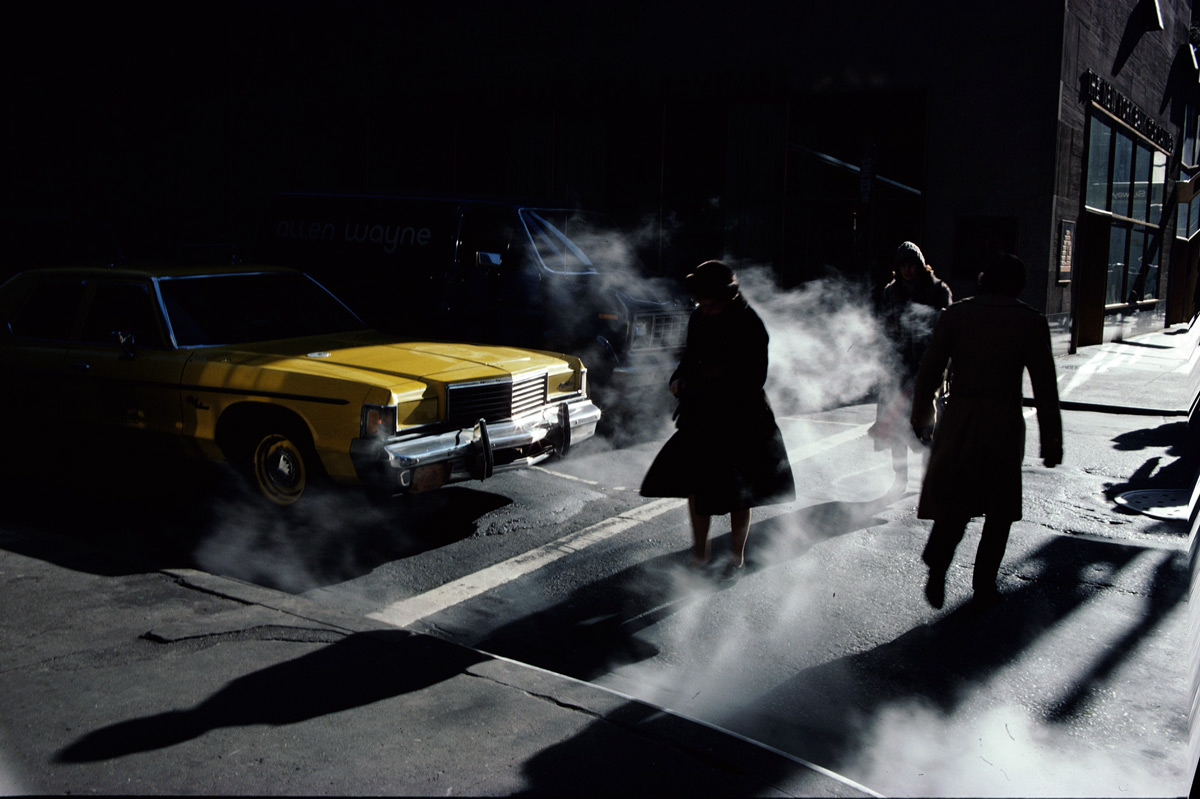
 

Ernst Haas (American, 1921-1986) 
'New York' 1980


Ernst Haas (American, 1921-1986)

New York
1980
C-print, later print
76.2 x 101.6cm (30 x 40 in)
Edition of 15
Courtesy of Ernst Haas and Christophe Guye Galerie


“No photographer has worked more successfully to express the sheer physical joy of seeing.”


John Szarkowski


“Bored with obvious reality, I find my fascination in transforming it into a subjective point of view. Without touching my subject I want to come to the moment when, through pure concentration of seeing, the composed picture becomes more made than taken. Without a descriptive caption to justify its existence, it will speak for itself – less descriptive, more creative; less informative, more suggestive; less prose, more poetry.”


Ernst Haas from “About Color Photography,” in DU, 1961


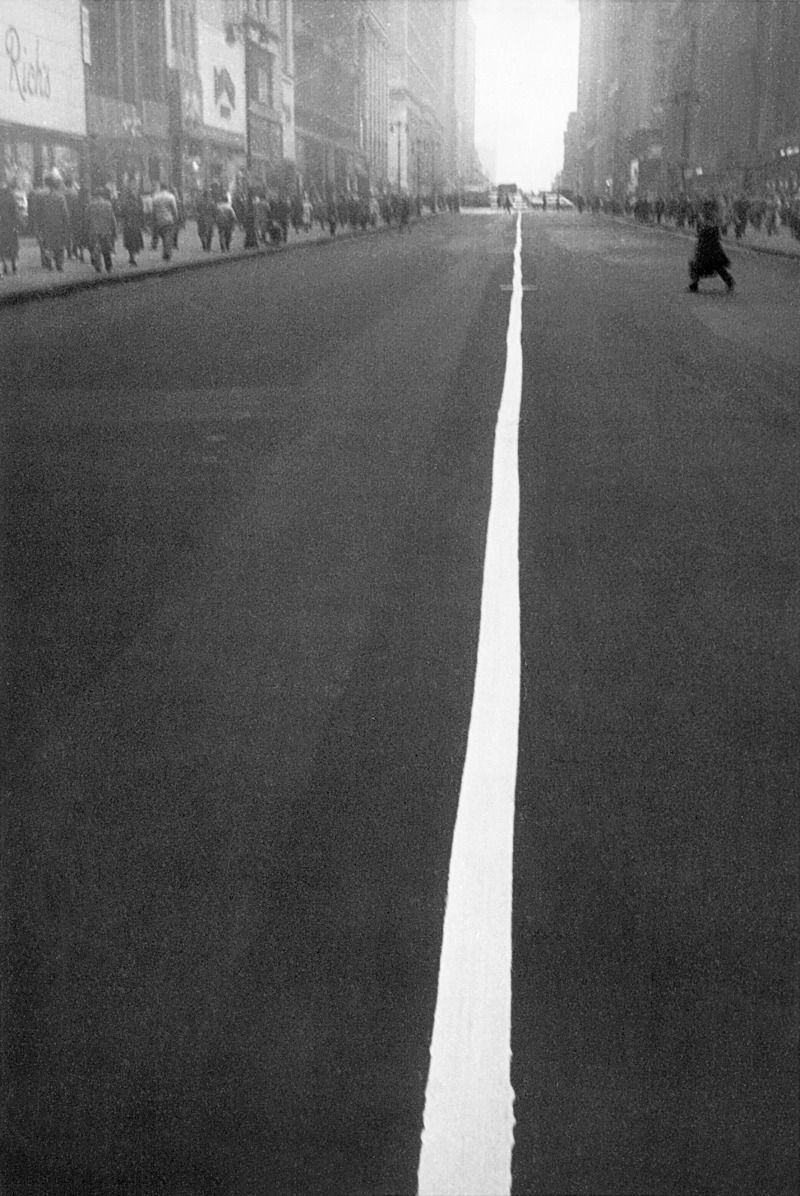
Ernst Haas (American, 1921-1986) 'Rush Hour, New York City' Nd


Ernst Haas (American, 1921-1986)
Rush Hour, New York City
Nd
C-print, later print
76.2 x 101.6cm (30 x 40 in)
Edition of 15
Courtesy of Ernst Haas and Christophe Guye Galerie
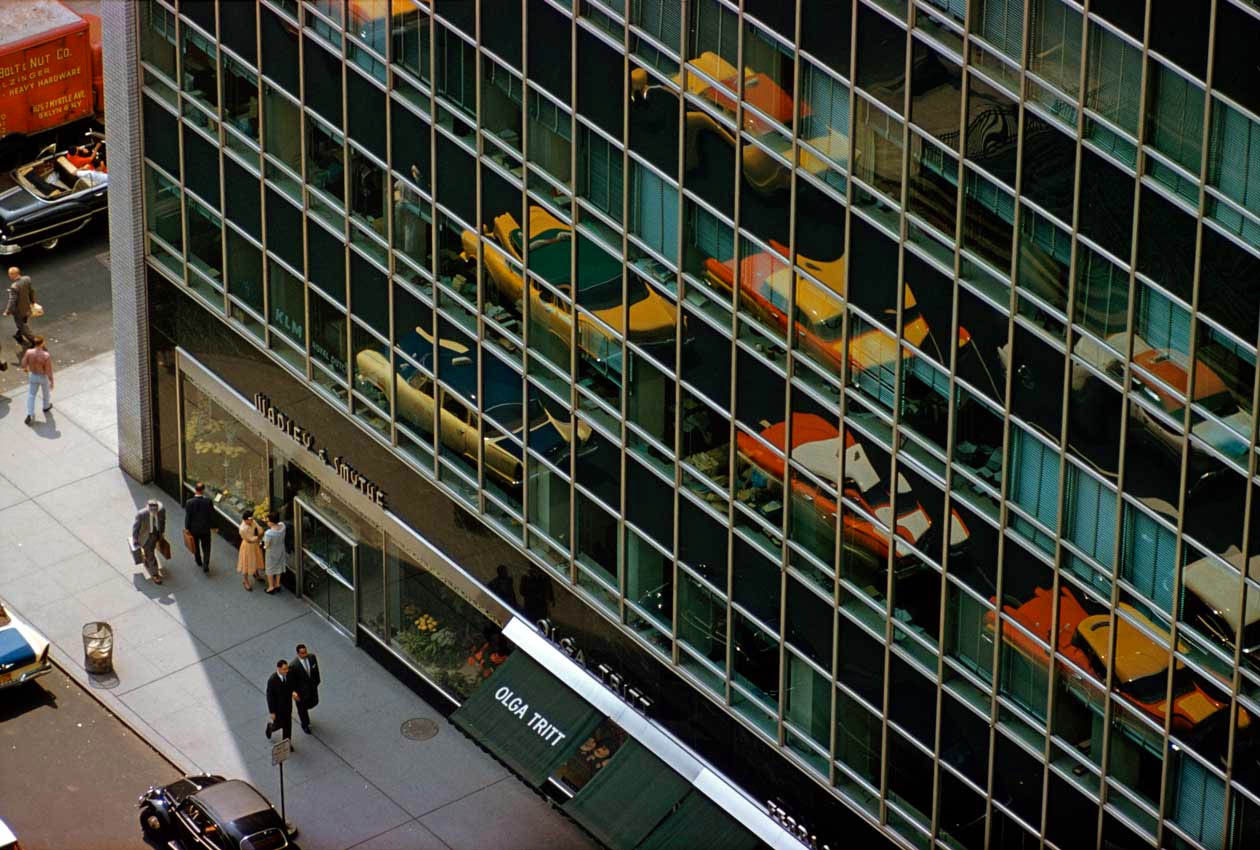
 

Ernst Haas (American, 1921-1986) 'New York City, USA' Nd


Ernst Haas (American, 1921-1986)
New York City, USA
Nd
C-print, later print
76.2 x 101.6cm (30 x 40 in)
Edition of 15
Courtesy of Ernst Haas and Christophe Guye Galerie


Ernst Haas (American, 1921-1986) 'New York City, USA' Nd


Ernst Haas (American, 1921-1986)
New York City, USA
Nd
Courtesy of Ernst Haas and Christophe Guye Galerie
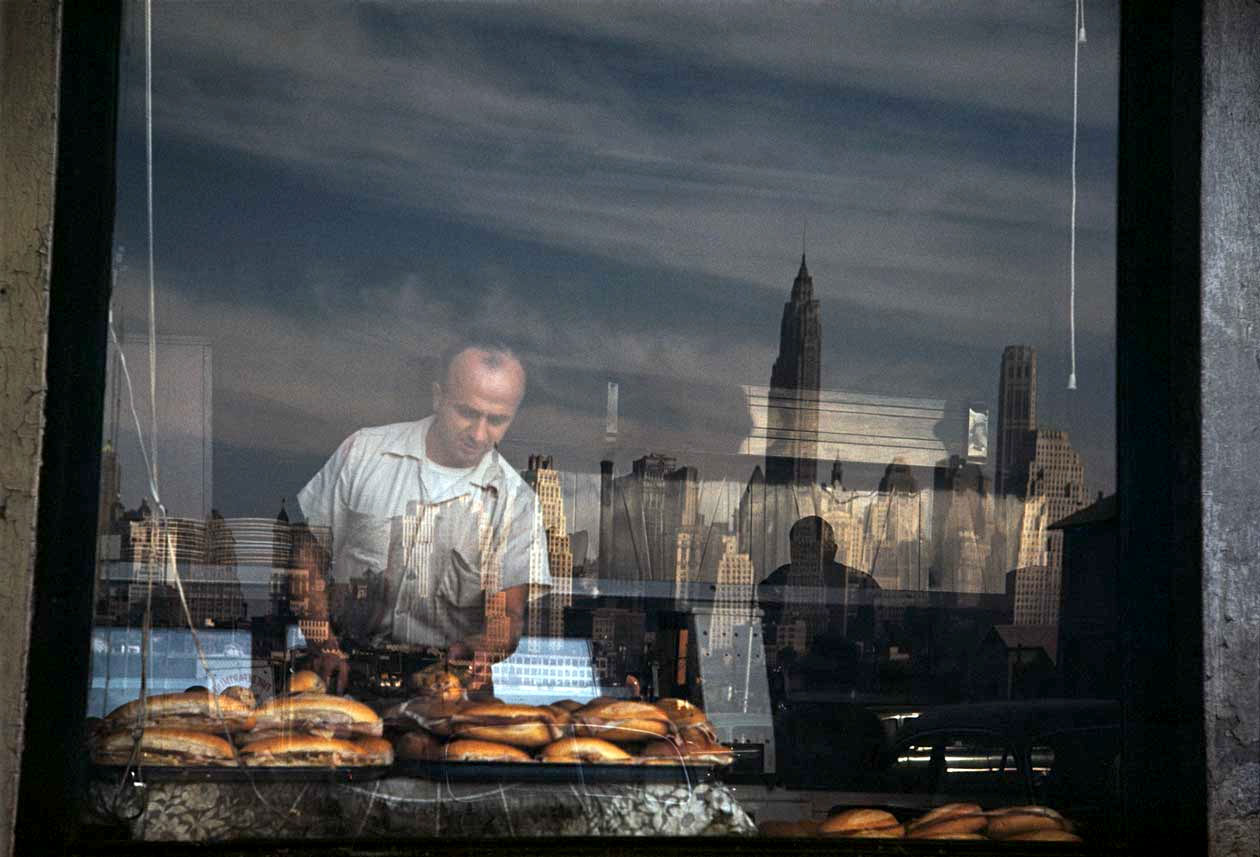
 

Ernst Haas (American, 1921-1986) 'New York City, USA' Nd


Ernst Haas (American, 1921-1986)
New York City, USA
Nd
Courtesy of Ernst Haas and Christophe Guye Galerie
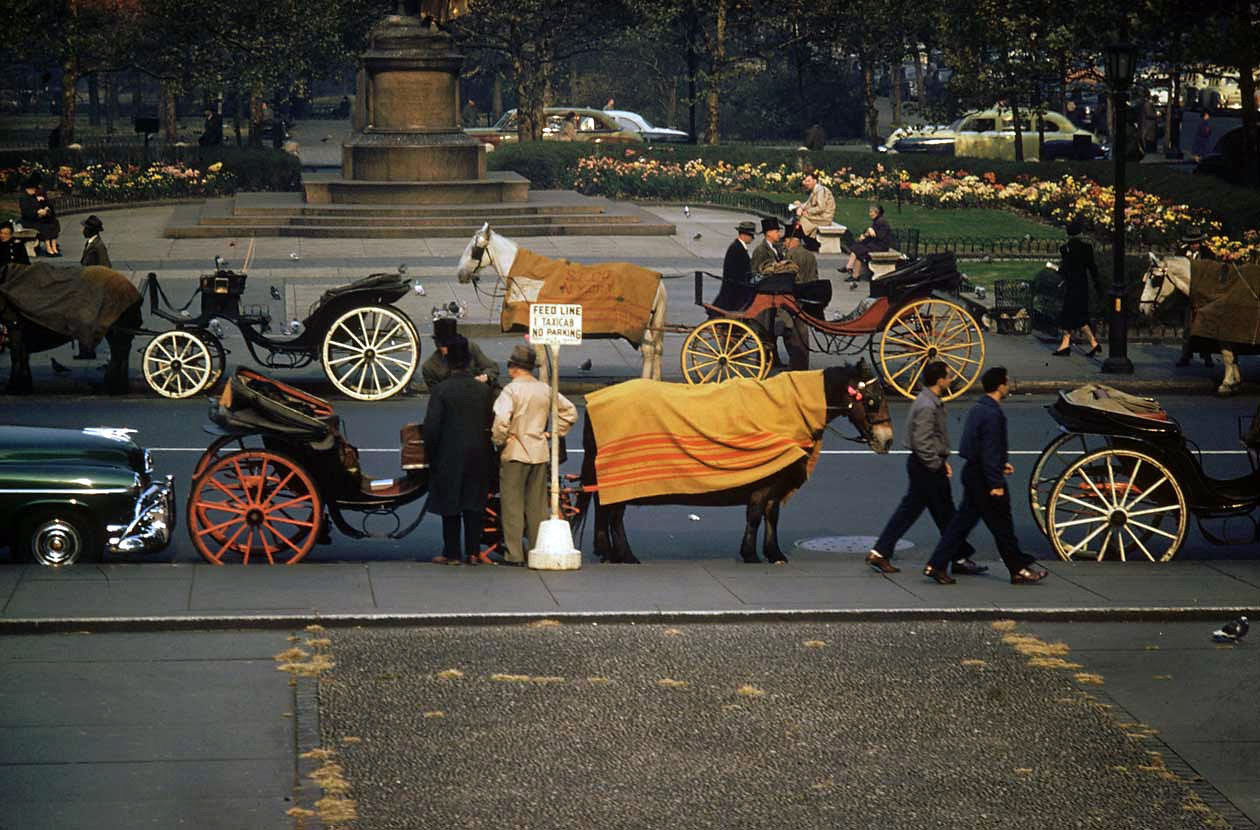
 

Ernst Haas (American, 1921-1986) 'Feed Line, New York City, USA' Nd


Ernst Haas (American, 1921-1986)
Feed Line, New York City, USA
Nd
Courtesy of Ernst Haas and Christophe Guye Galerie
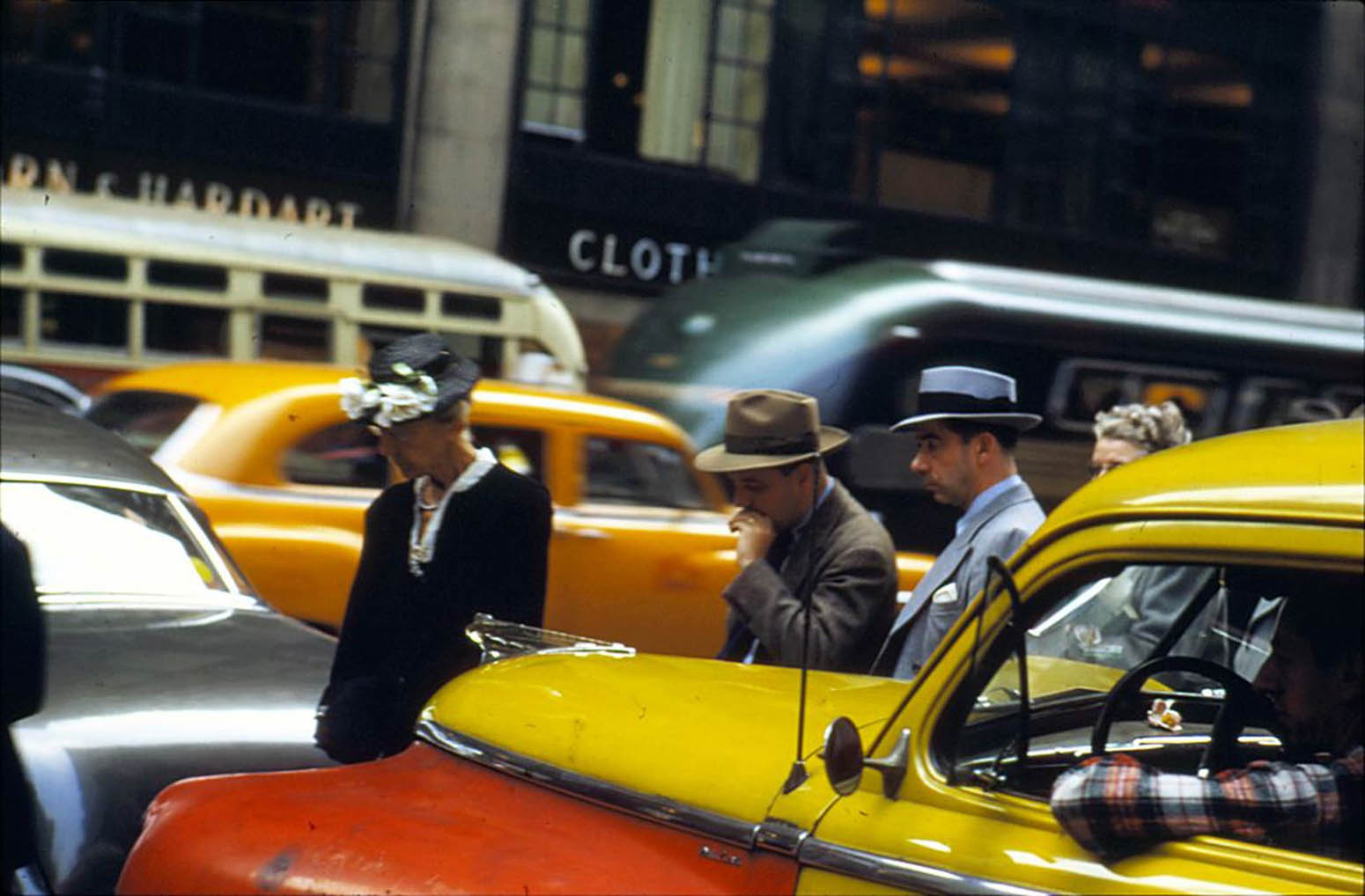
 

Ernst Haas (American, 1921-1986) 'New York City, USA' Nd


Ernst Haas (American, 1921-1986)
New York City, USA
Nd
Courtesy of Ernst Haas and Christophe Guye Galerie
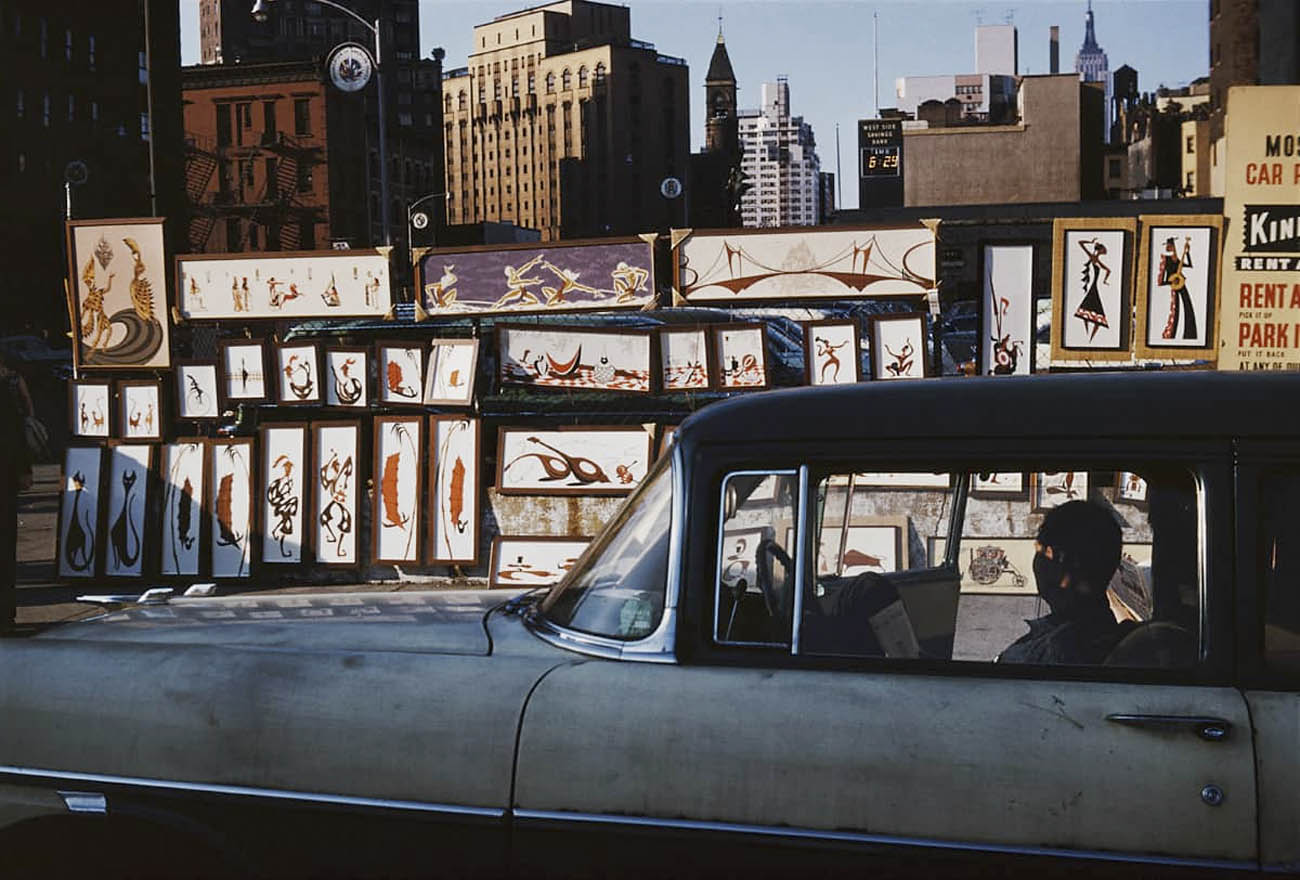
 

Ernst Haas (American, 1921-1986) 'New York City' 1951


Ernst Haas (American, 1921-1986)
New York City
1951
C-print, later print
76.2 x 101.6cm (30 x 40 in)
Edition of 15
Courtesy of Ernst Haas and Christophe Guye Galerie


Ernst Haas (American, 1921-1986) 'Food Day, New York City, USA' 1953


Ernst Haas (American, 1921-1986)
Food Day, New York City, USA
1953
C-print, later print
Courtesy of Ernst Haas and Christophe Guye Galerie
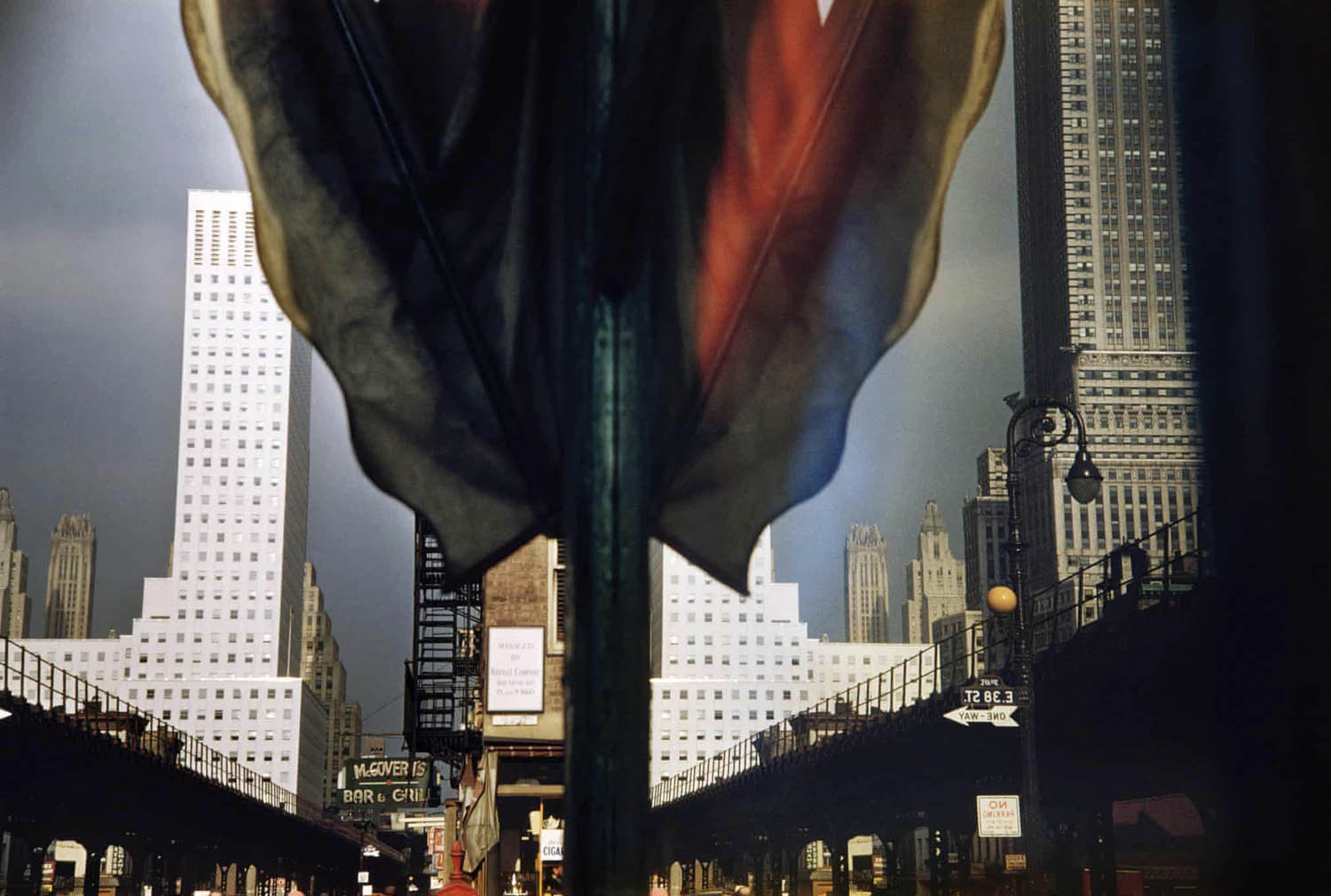
 

Ernst Haas (American, 1921-1986) '3rd Avenue, Reflection, New York City' 1952


Ernst Haas (American, 1921-1986)
3rd Avenue, Reflection, New York City
1952
C-print, later print
76.2 x 101.6cm (30 x 40 in)
Edition of 15
Courtesy of Ernst Haas and Christophe Guye Galerie
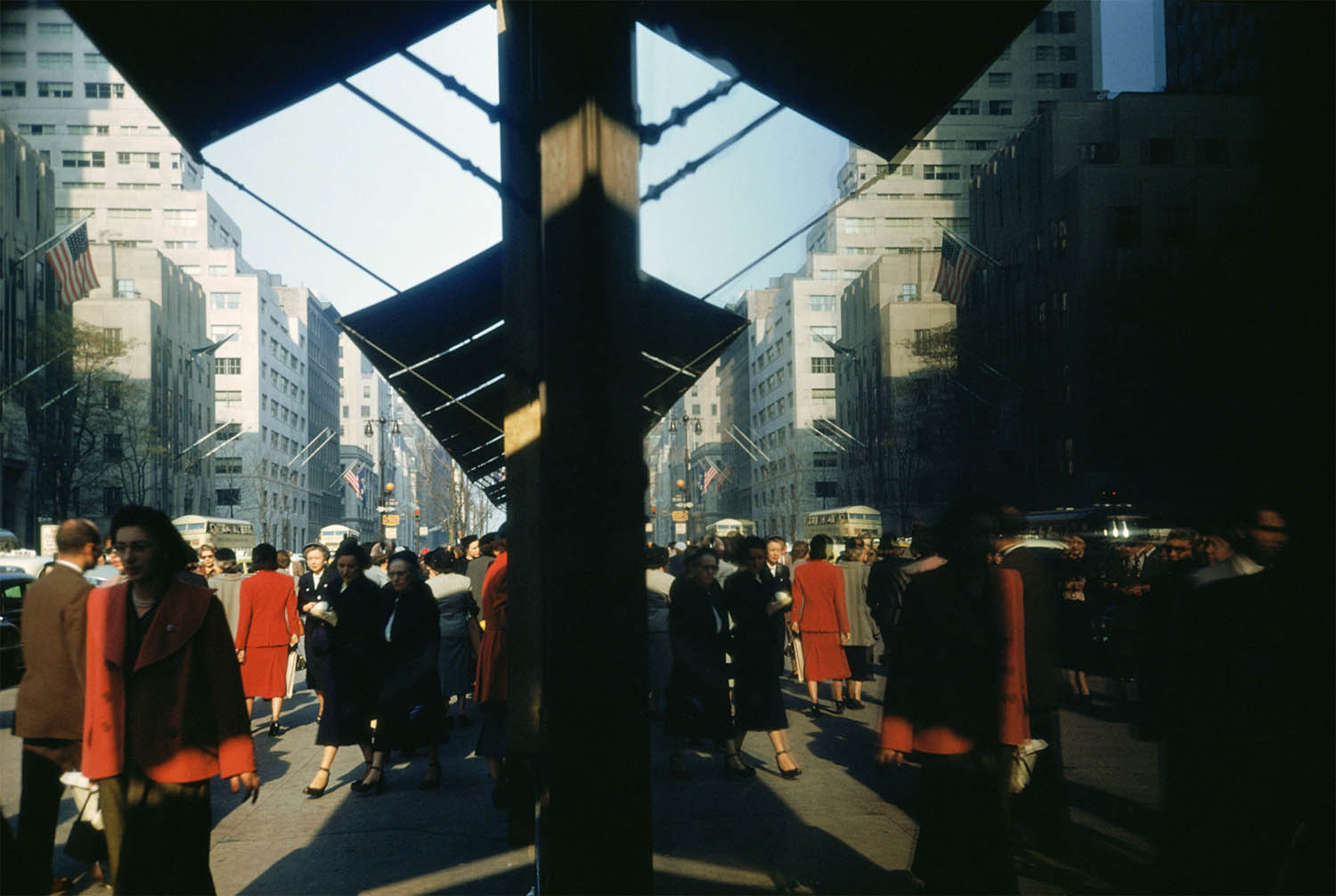
 

Ernst Haas (American, 1921-1986) 'New York City, USA' 1953


Ernst Haas (American, 1921-1986)
New York City, USA
1953
C-print, later print
76.2 x 101.6cm (30 x 40 in)
Edition of 15
Courtesy of Ernst Haas and Christophe Guye Galerie
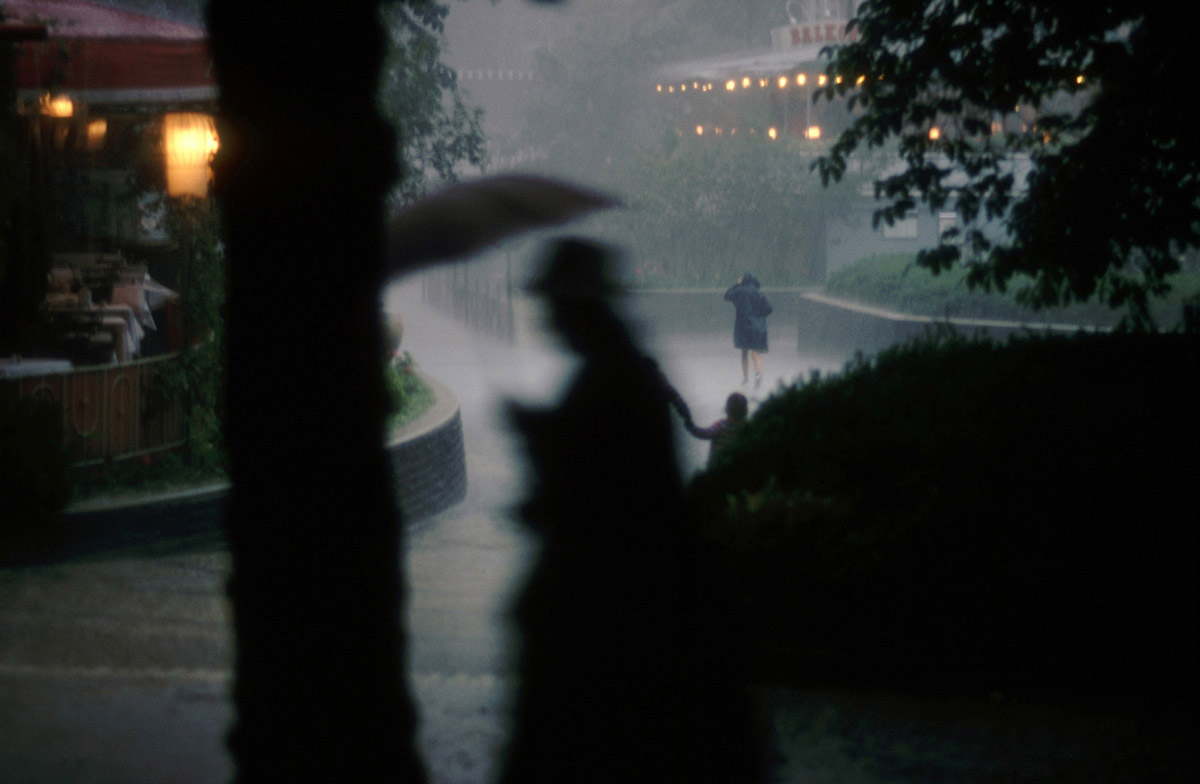
 

Ernst Haas (American, 1921-1986) 'Paris, France' 1954


Ernst Haas (American, 1921-1986)
Paris, France
1954
C-print, later print
76.2 x 101.6cm (30 x 40 in)
Edition of 15
Courtesy of Ernst Haas and Christophe Guye Galerie
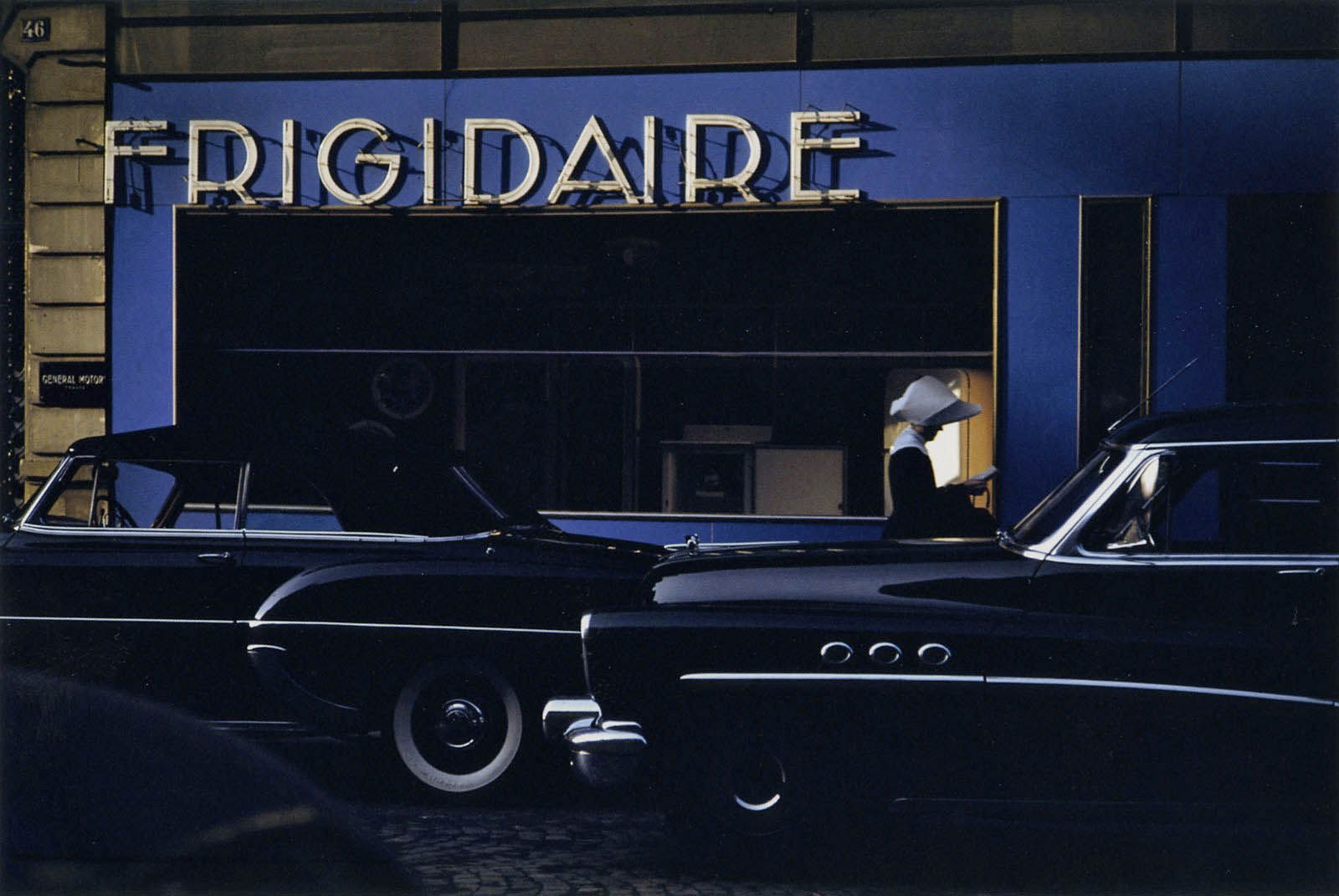
 

Ernst Haas (American, 1921-1986) 'Frigidaire, Paris' 1954


Ernst Haas (American, 1921-1986)
Frigidaire, Paris
1954
C-print, later print
76.2 x 101.6cm (30 x 40 in)
Edition of 15
Courtesy of Ernst Haas and Christophe Guye Galerie
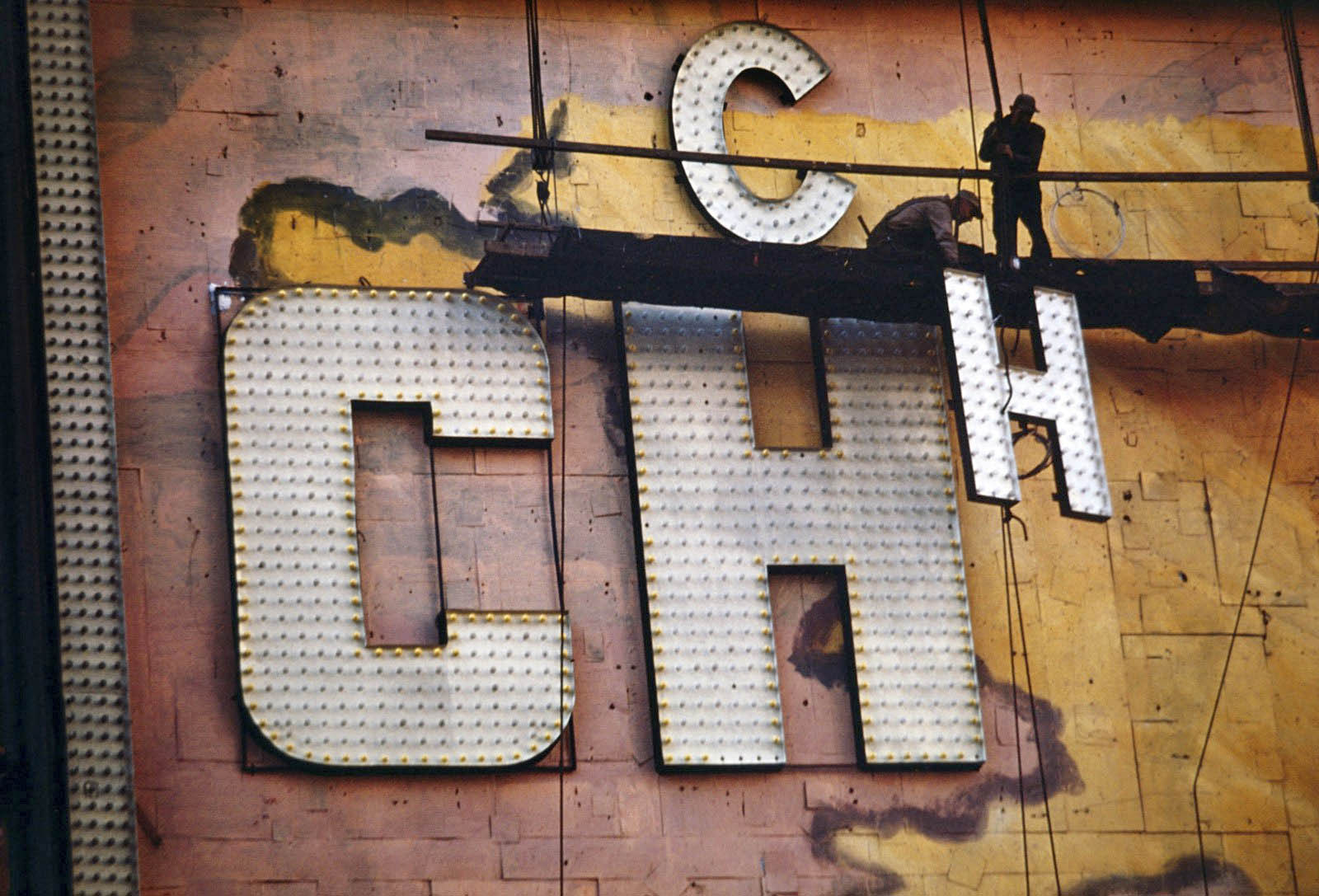
 

Ernst Haas (American, 1921-1986) 'New York City' 1955


Ernst Haas (American, 1921-1986)
New York City
1955
C-print, later print
76.2 x 101.6cm (30 x 40 in)
Edition of 15
Courtesy of Ernst Haas and Christophe Guye Galerie
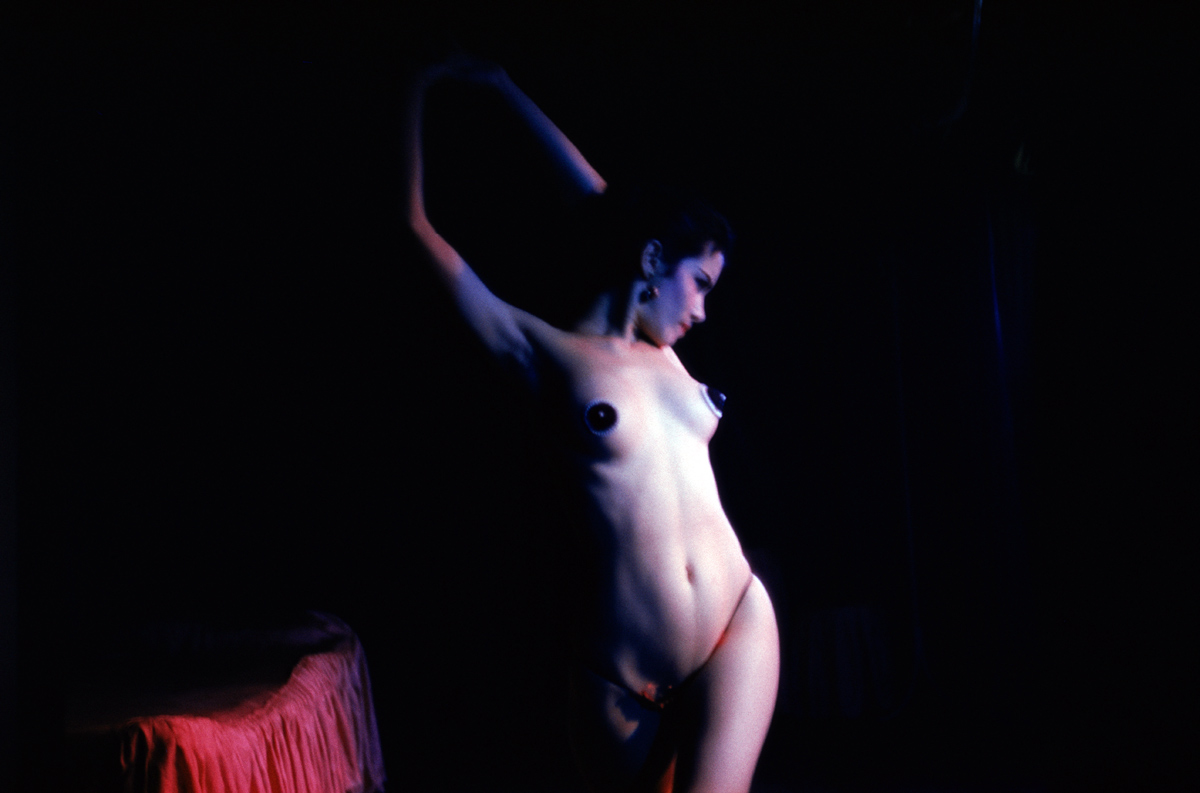
 

Ernst Haas (American, 1921-1986) '
New Orleans' 1957


Ernst Haas (American, 1921-1986)

New Orleans
1957
C-print, later print
76.2 x 101.6cm (30 x 40 in)
Edition of 15
Courtesy of Ernst Haas and Christophe Guye Galerie
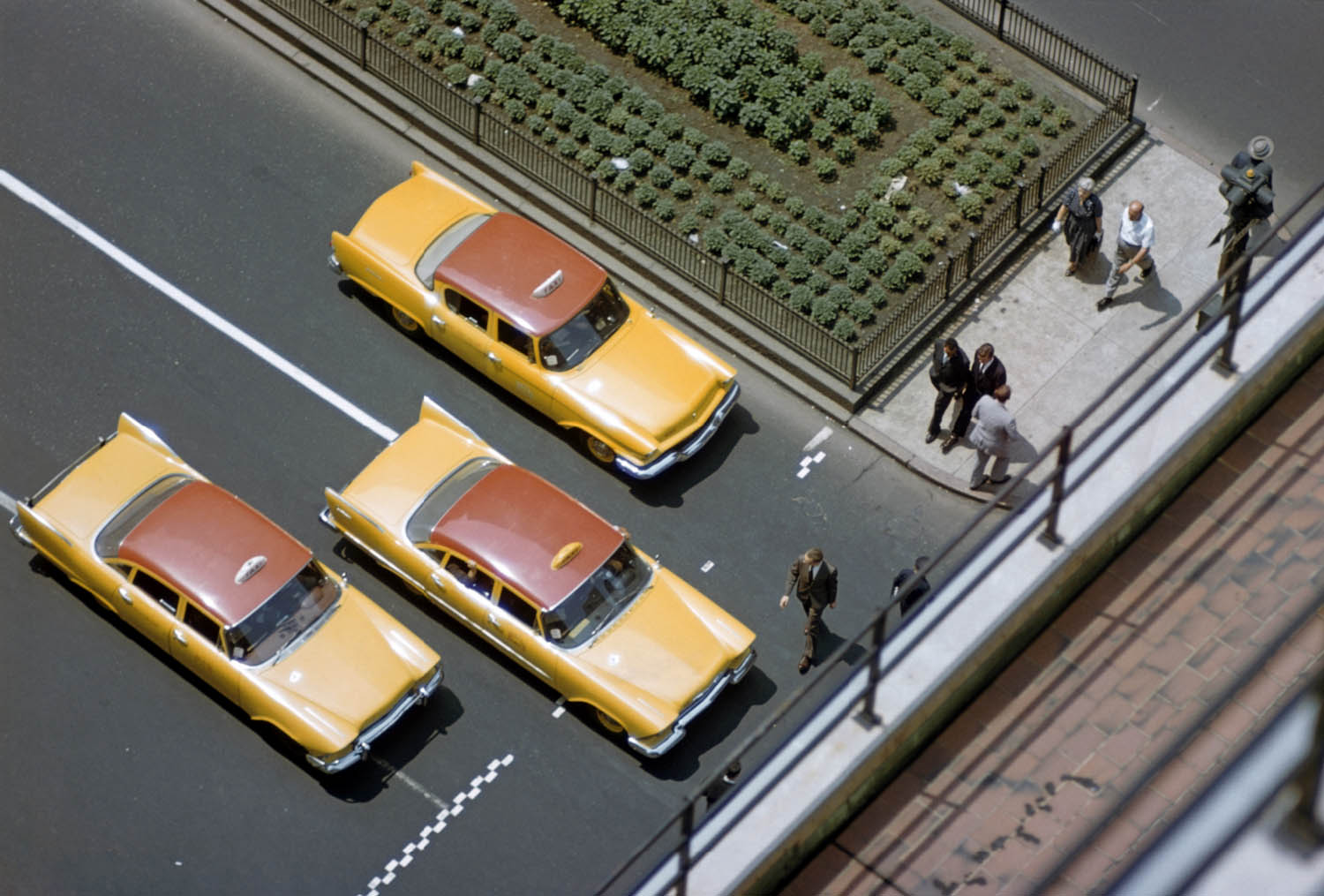
 

Ernst Haas (American, 1921-1986) 'Park Avenue Taxis' 1958


Ernst Haas (American, 1921-1986)
Park Avenue Taxis
1958
C-print, later print
76.2 x 101.6cm (30 x 40 in)
Edition of 15
Courtesy of Ernst Haas and Christophe Guye Galerie
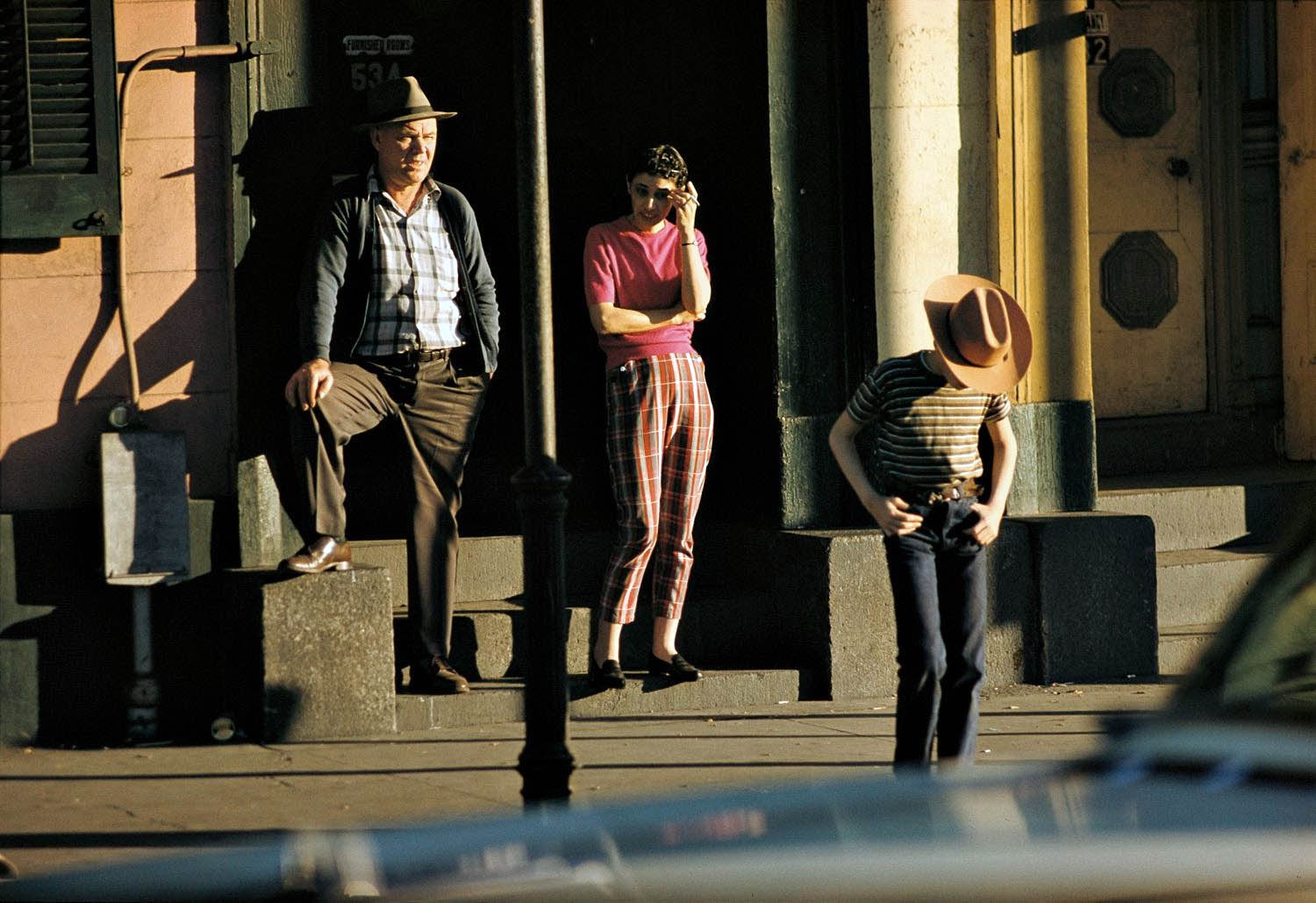
 

Ernst Haas (American, 1921-1986) '
New Orleans, USA' 1960


Ernst Haas (American, 1921-1986)

New Orleans, USA
1960
C-print, later print
76.2 x 101.6cm (30 x 40 in)
Edition of 15
Courtesy of Ernst Haas and Christophe Guye Galerie
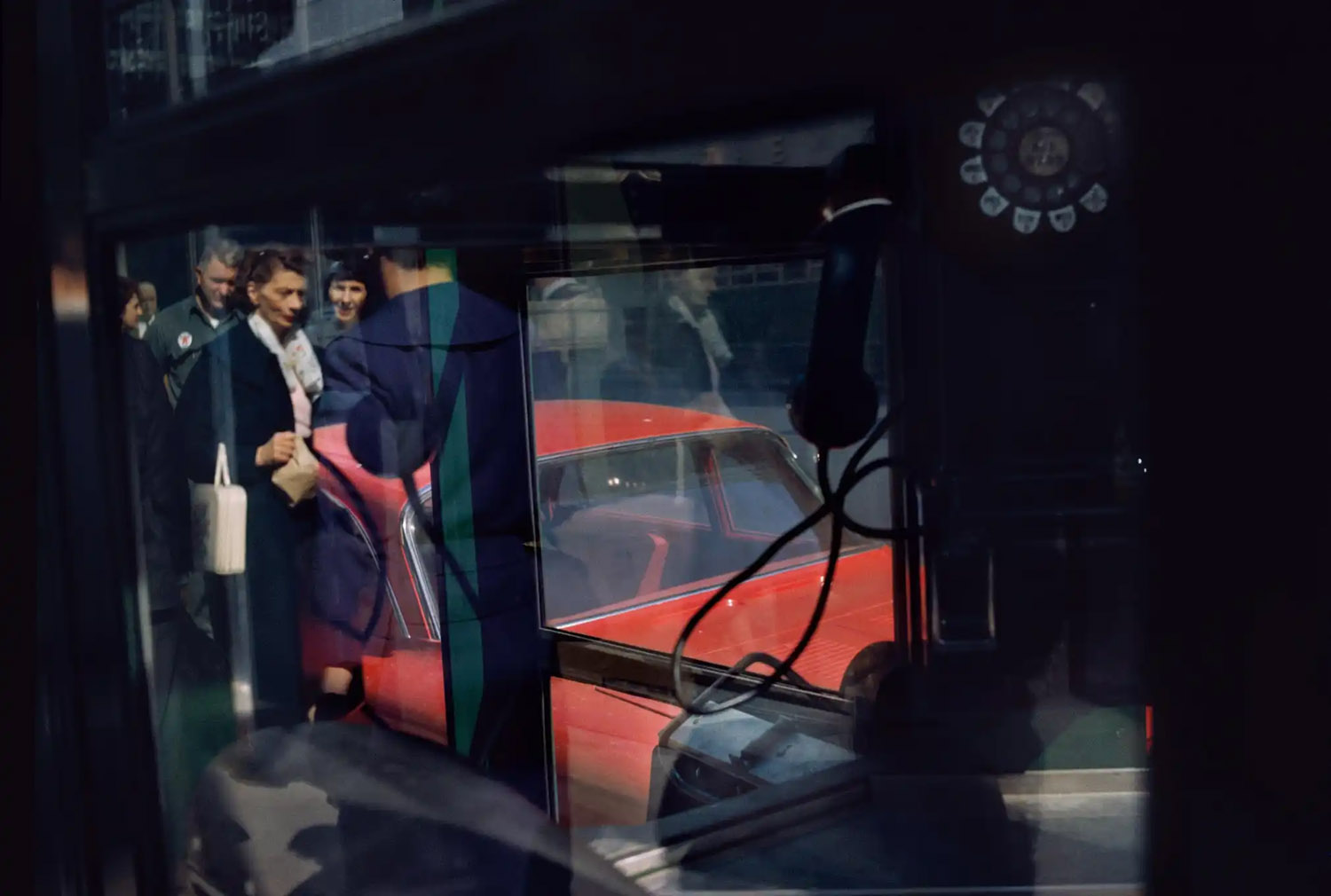
 

Ernst Haas (American, 1921-1986) 'New York City, USA' 1962


Ernst Haas (American, 1921-1986)
New York City, USA
1962
C-print, later print
76.2 x 101.6cm (30 x 40 in)
Edition of 15
Courtesy of Ernst Haas and Christophe Guye Galerie
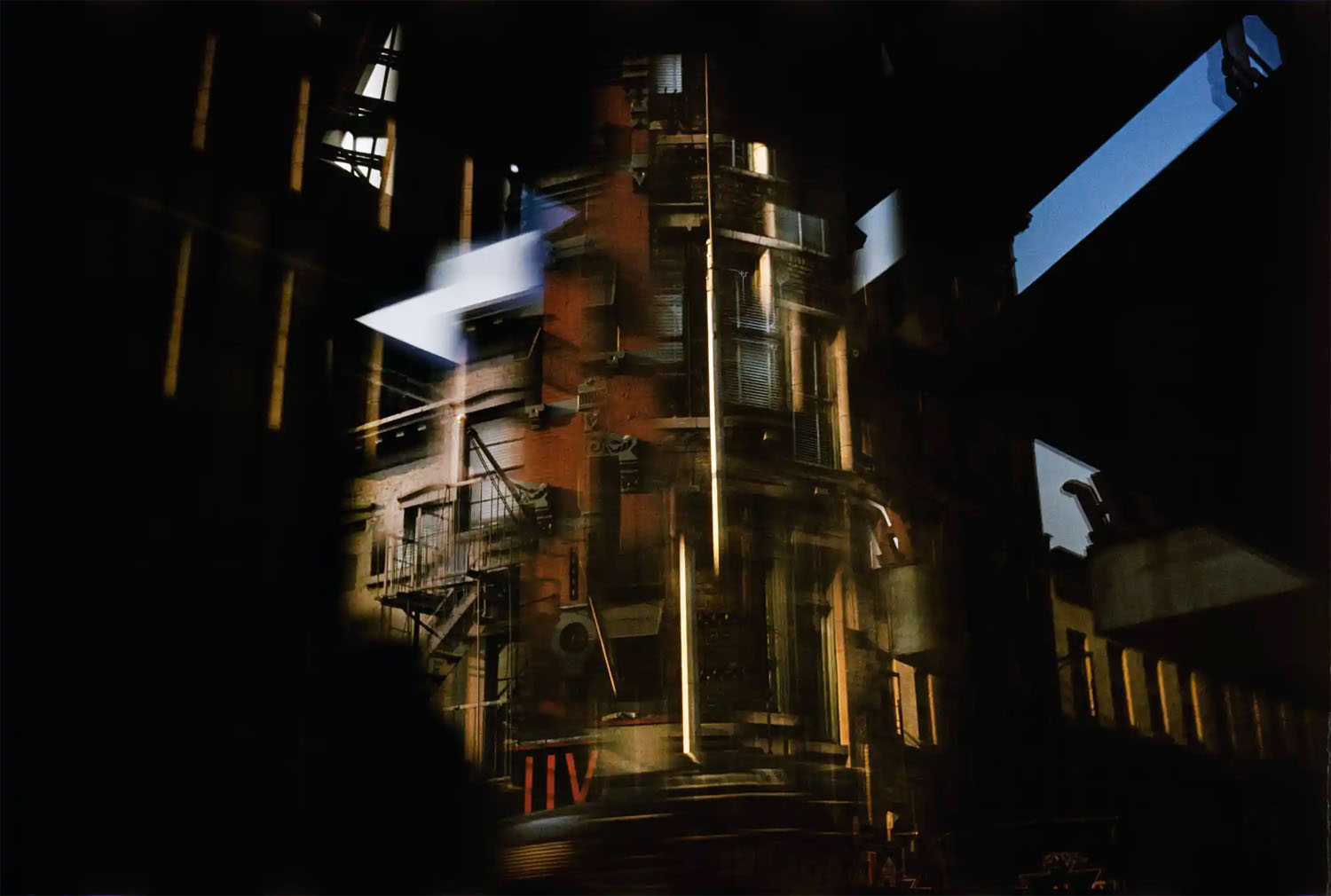
 

Ernst Haas (American, 1921-1986) 'New York City, USA' 1962


Ernst Haas (American, 1921-1986)
New York City, USA
1962
C-print, later print
76.2 x 101.6cm (30 x 40 in)
Edition of 15
Courtesy of Ernst Haas and Christophe Guye Galerie
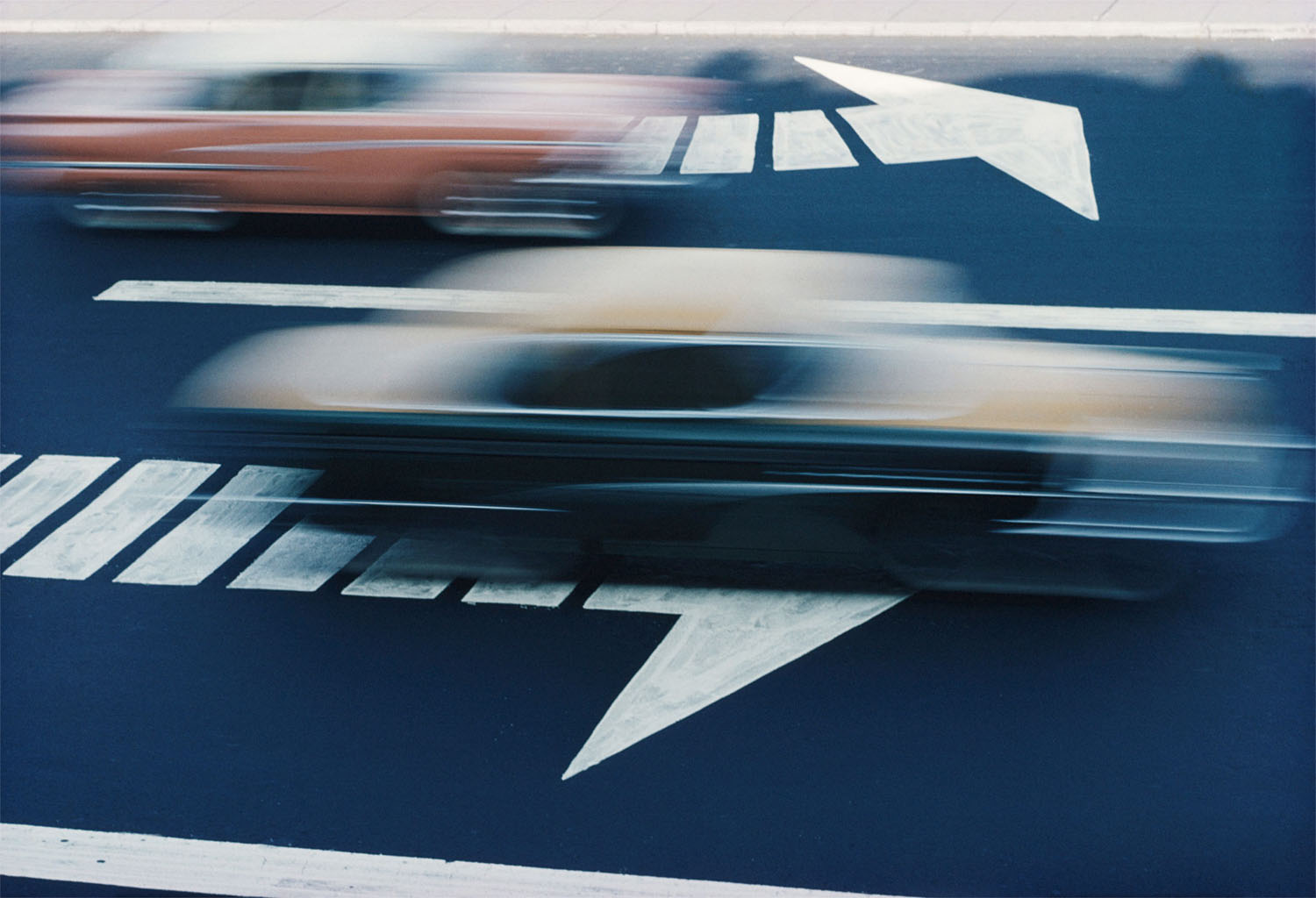
 

Ernst Haas (American, 1921-1986) 'Traffic, Mexico City' 1963


Ernst Haas (American, 1921-1986)
Traffic, Mexico City
1963
C-print, later print
76.2 x 101.6cm (30 x 40 in)
Edition of 15
Courtesy of Ernst Haas and Christophe Guye Galerie
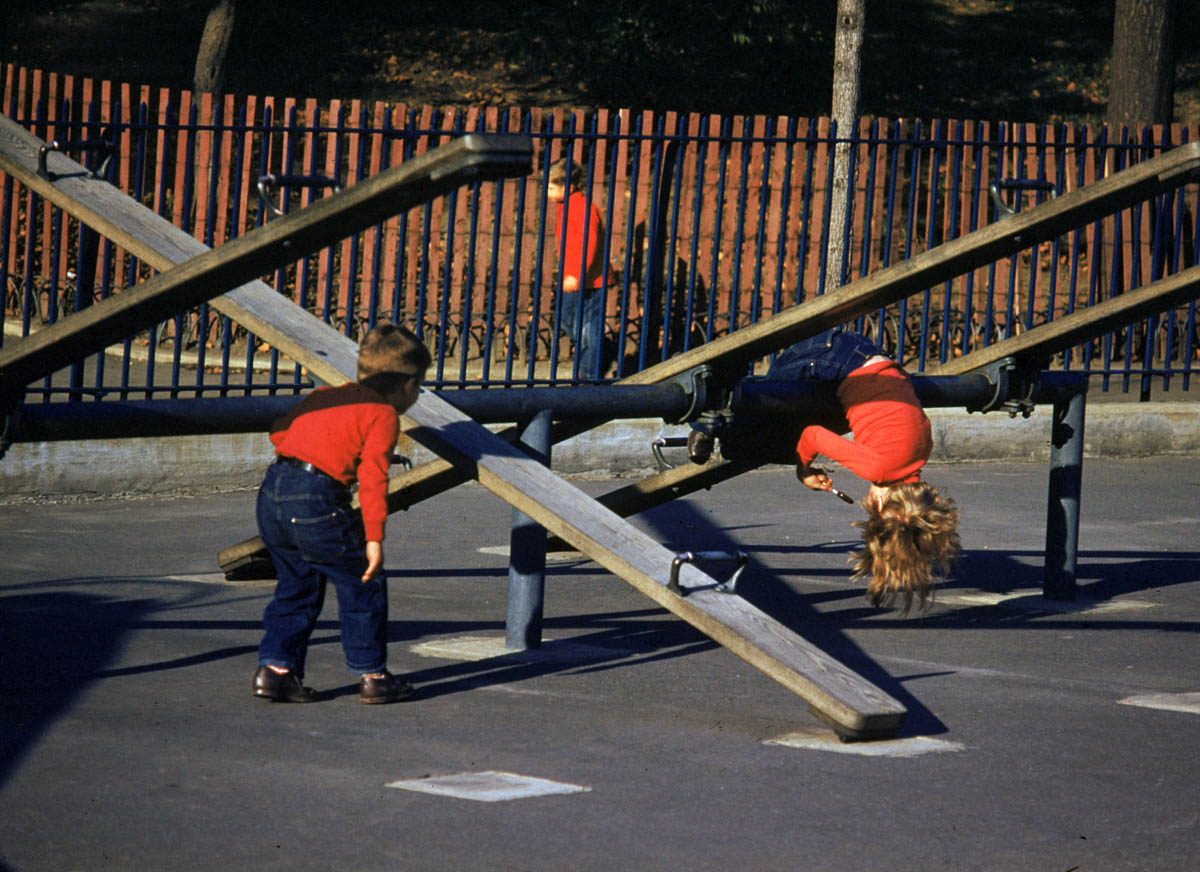
 

Ernst Haas (American, 1921-1986) 'New York City, USA' 1963


Ernst Haas (American, 1921-1986)
New York City, USA
1963
C-print, later print
Courtesy of Ernst Haas and Christophe Guye Galerie


Ernst Haas (American, 1921-1986) 'Lights of New York City, New York City' 1966


Ernst Haas (American, 1921-1986)
Lights of New York City, New York City
1966
C-print, later print
Courtesy of Ernst Haas and Christophe Guye Galerie
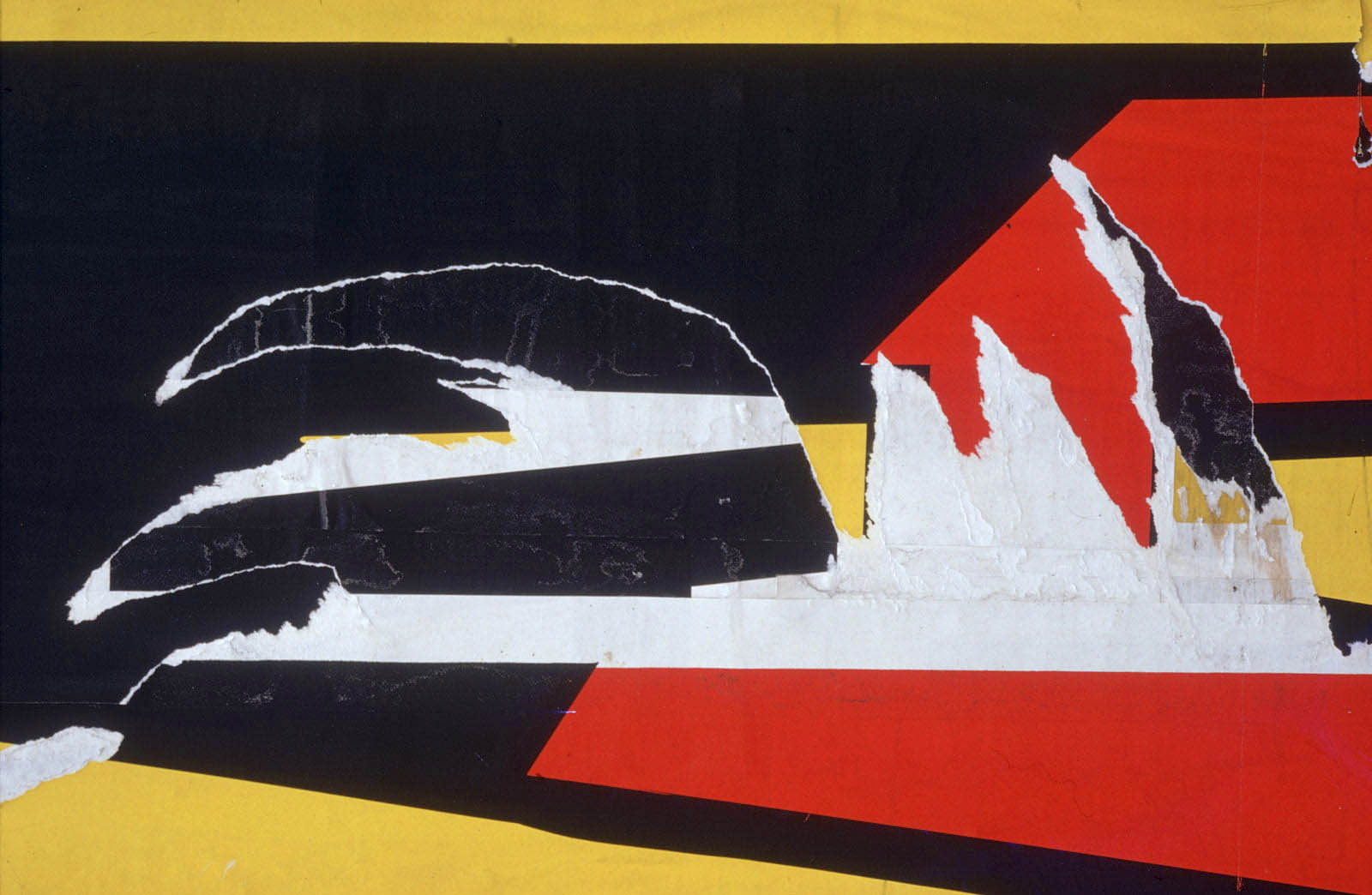
 

Ernst Haas (American, 1921-1986) 'Torn Poster I, Wave, NYC' 1968


Ernst Haas (American, 1921-1986)
Torn Poster I, Wave, NYC
1968
C-print, later print
76.2 x 101.6cm (30 x 40 in)
Edition of 15
Courtesy of Ernst Haas and Christophe Guye Galerie
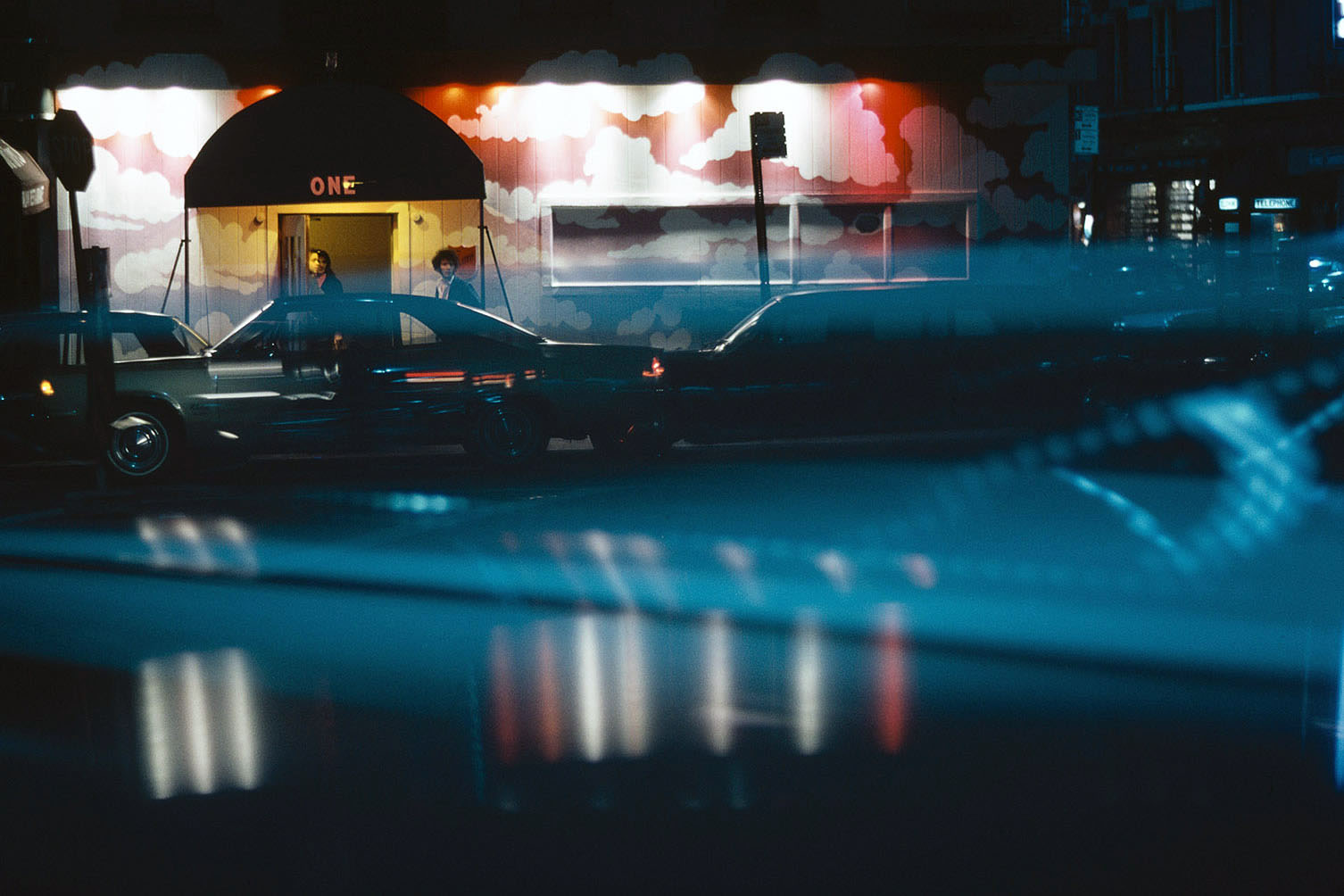
 

Ernst Haas (American, 1921-1986) 'New York City, USA' 1968


Ernst Haas (American, 1921-1986)
New York City, USA
1968
C-print, later print
Courtesy of Ernst Haas and Christophe Guye Galerie
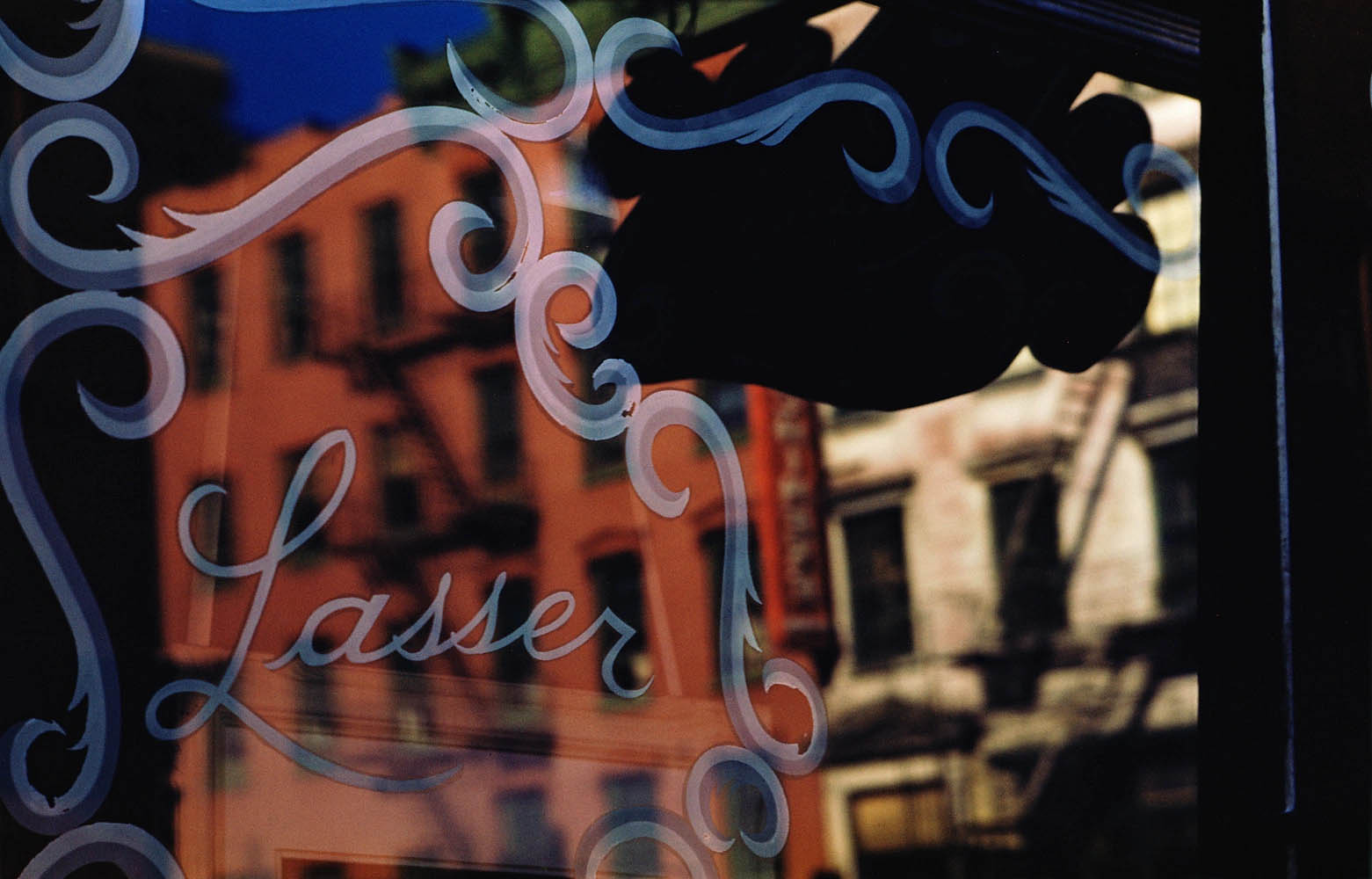
 

Ernst Haas (American, 1921-1986) 'Greenwich Village, New York City, USA' 1970


Ernst Haas (American, 1921-1986)
Greenwich Village, New York City, USA
1970
C-print, later print
76.2 x 101.6cm (30 x 40 in)
Edition of 15
Courtesy of Ernst Haas and Christophe Guye Galerie
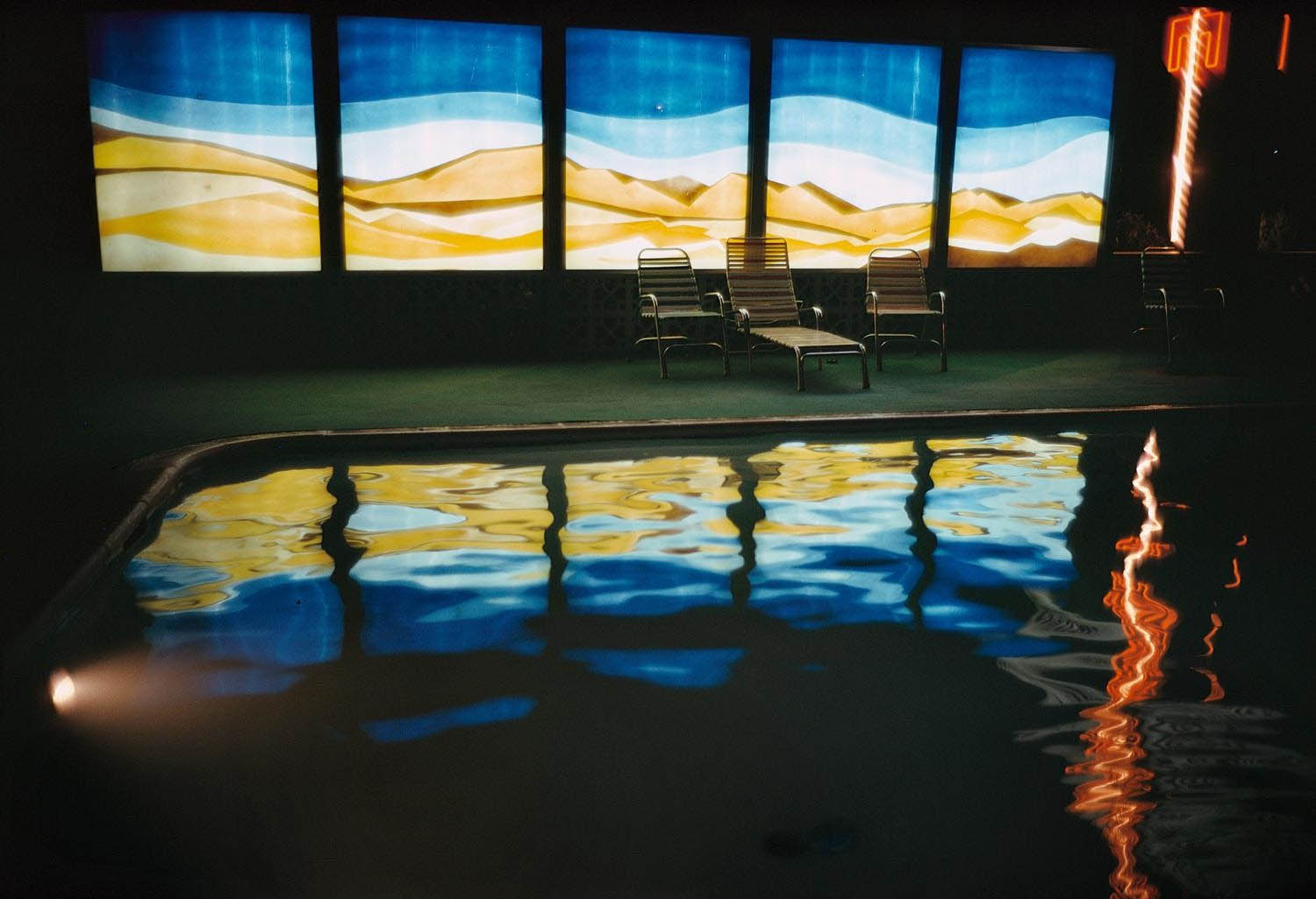
 

Ernst Haas (American, 1921-1986) 'California, USA' 1970


Ernst Haas (American, 1921-1986)
California, USA
1970
C-print, later print
76.2 x 101.6cm (30 x 40 in)
Edition of 15
Courtesy of Ernst Haas and Christophe Guye Galerie
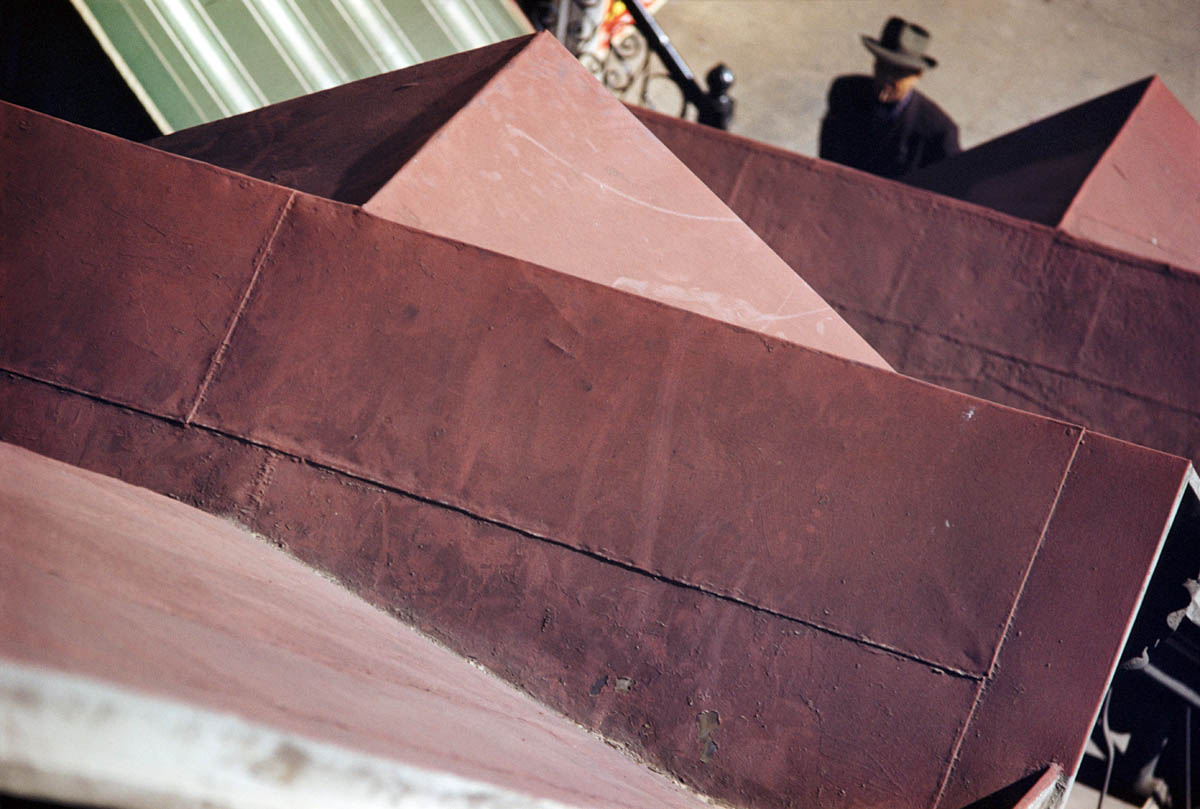
 

Ernst Haas (American, 1921-1986) 'New York City, USA' 1972


Ernst Haas (American, 1921-1986)
New York City, USA
1972
C-print, later print
Courtesy of Ernst Haas and Christophe Guye Galerie
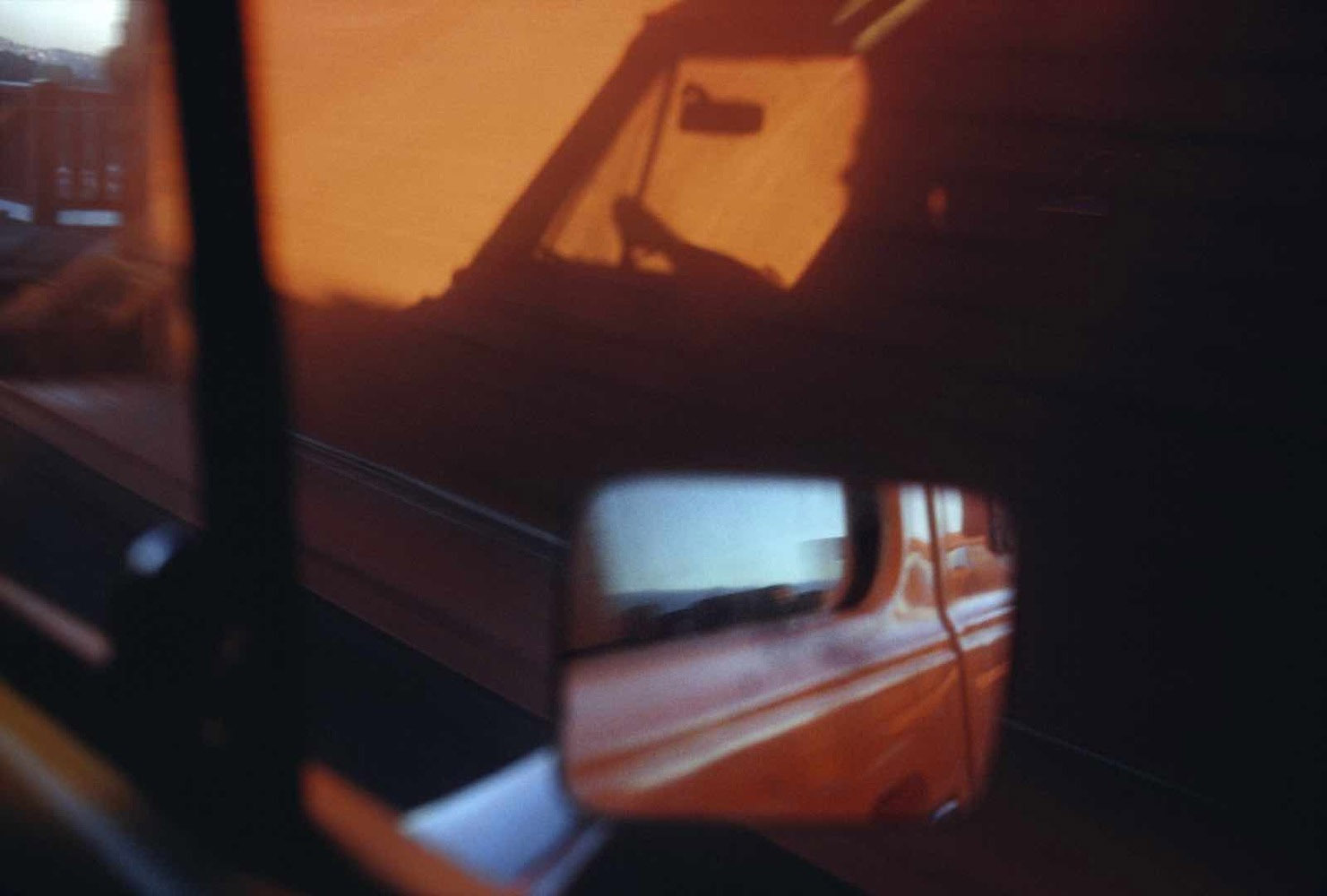
 

Ernst Haas (American, 1921-1986) 'New York City, USA' 1973


Ernst Haas (American, 1921-1986)
New York City, USA
1973
C-print, later print
Courtesy of Ernst Haas and Christophe Guye Galerie
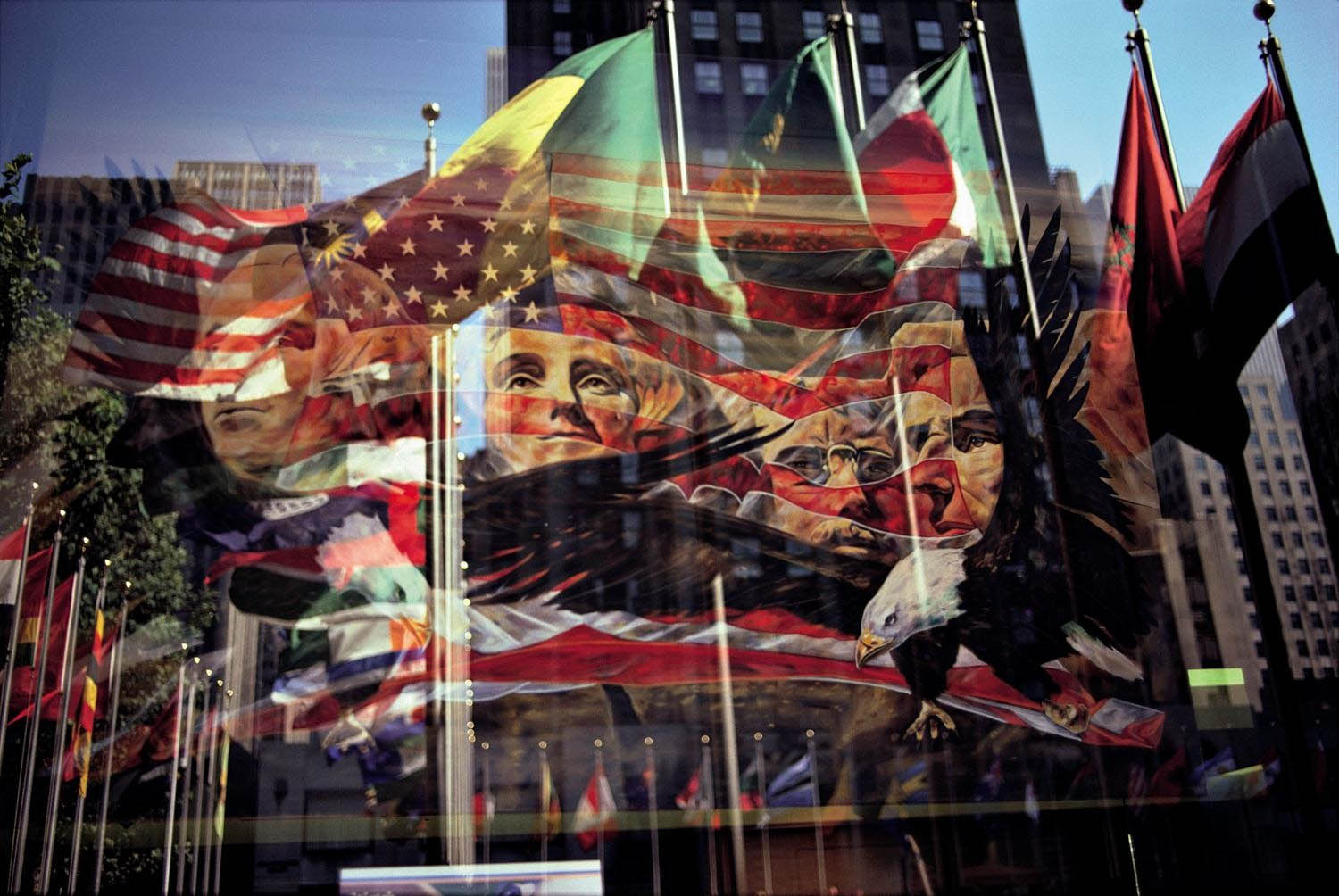
 

Ernst Haas (American, 1921-1986) 'New York City, USA' 1974


Ernst Haas (American, 1921-1986)
New York City, USA
1974
C-print, later print
76.2 x 101.6cm (30 x 40 in)
Edition of 15
Courtesy of Ernst Haas and Christophe Guye Galerie


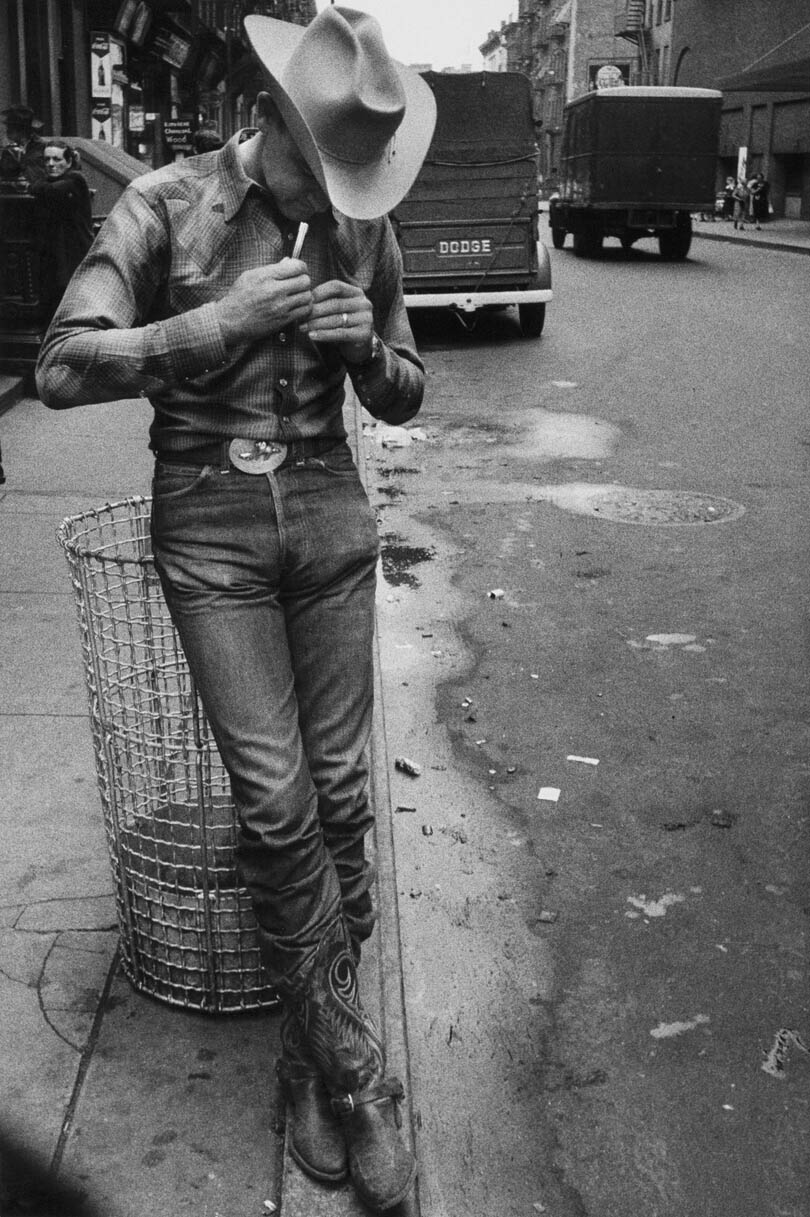
“Making his first color photographs in 1949, Haas was a member of the prestigious Magnum agency. Known mainly for his commissioned work, whereby he created influential imagery such as iconic Marlboro Man advertisements long before other artists were commissioned to do so, Haas’ work would come to have great influence on later artists, such as Richard Prince, Marc Quinn or Robert Longo. Using color also for his personal work, with a pictorial language recalling at times the works by painter Edward Hopper, Haas has been described as a poet photographer. Haas cropped and abstracted, photographed against the light and out of focus, and used reflections and close-ups to mystify the visible. Interested in the everyday,as well, some of his personal photographs remind of the likes of Lee Friedlander or Stephan Shore.”

Anonymous. “Ernst Haas: Color Correction,” on the Lens Culture website Nd [Online] Cited 15/11/2024
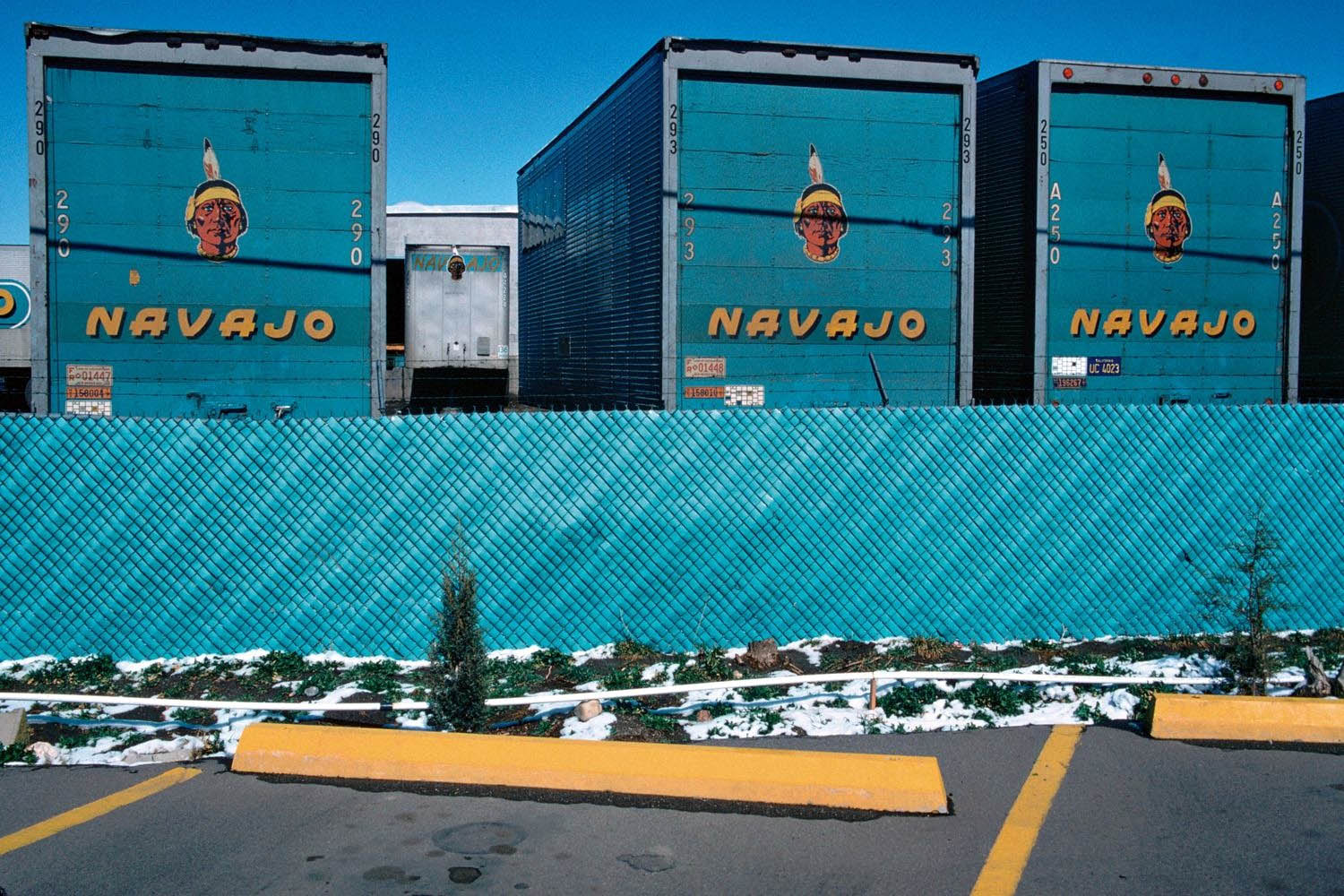
 

Ernst Haas (American, 1921-1986) 'New Mexico, USA' 1975


Ernst Haas (American, 1921-1986)
New Mexico, USA
1975
C-print, later print
76.2 x 101.6cm (30 x 40 in)
Edition of 15
Courtesy of Ernst Haas and Christophe Guye Galerie
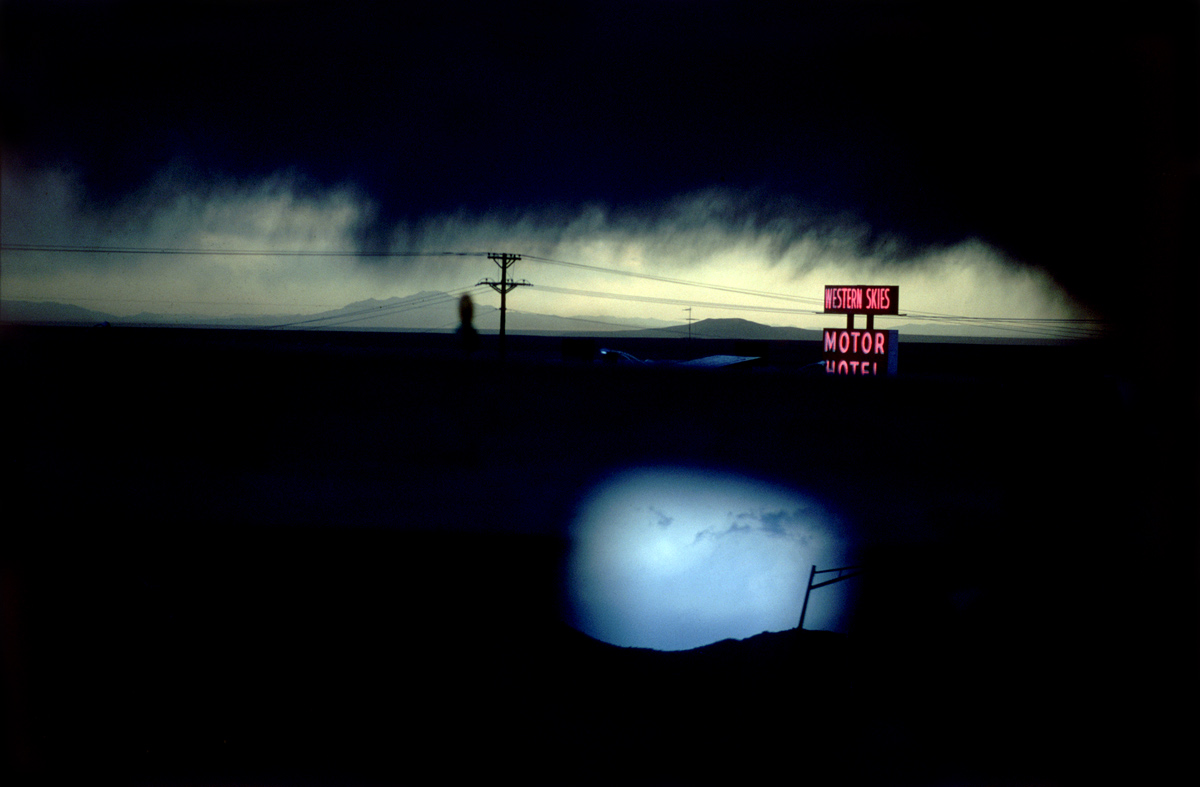
 

Ernst Haas (American, 1921-1986)
 'Western Skies Motel' 1978


Ernst Haas (American, 1921-1986)
Western Skies Motel
1978
C-Print, later print
76.2 x 101.6cm (30 x 40 in)
Edition of 15
Courtesy of Ernst Haas and Christophe Guye Galerie
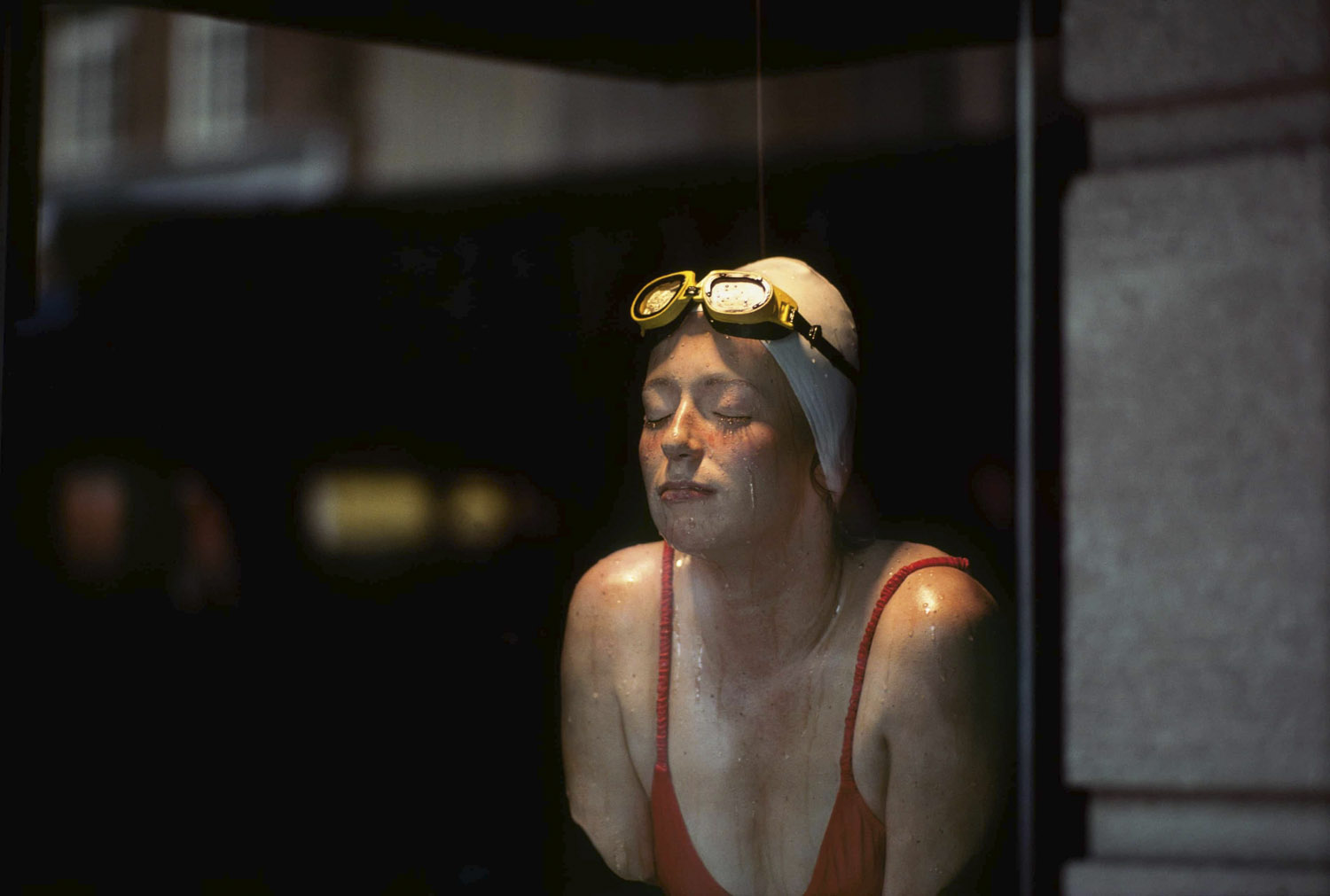
 

Ernst Haas (American, 1921-1986) 'New York City, USA' 1981


Ernst Haas (American, 1921-1986)
New York City, USA
1981
C-Print, later print
76.2 x 101.6cm (30 x 40 in)
Edition of 15
Courtesy of Ernst Haas and Christophe Guye Galerie
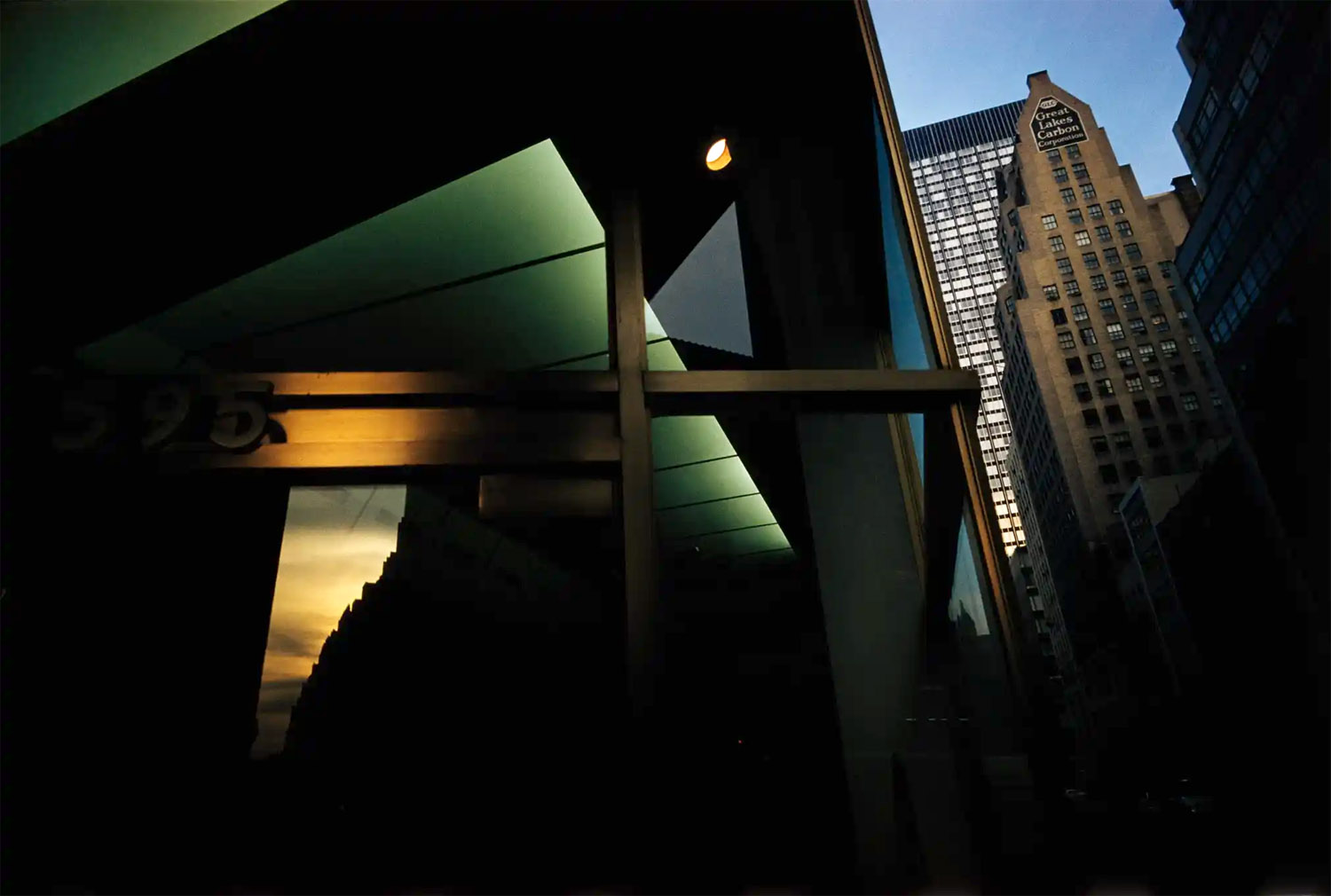
 

Ernst Haas (American, 1921-1986) 'St Louis, Missouri, USA' 1986


Ernst Haas (American, 1921-1986)
St Louis, Missouri, USA
1986
C-Print, later print
76.2 x 101.6cm (30 x 40 in)
Edition of 15
Courtesy of Ernst Haas and Christophe Guye Galerie


Christophe Guye Galerie is proud to present Color Correction: by one of the most important and influential artists in the development of colour photography and the history of the medium on a whole, this exhibition spotlights a body of work that poignantly describes the complex ways in which an artist’s ‘career’ took form. Ernst Haas belonged to the best known, most productive and widely published photographers of the twentieth century. Most commonly associated with vibrant colour photography, Haas was famed for his commercial work. It is undoubtedly however his other, private work that really illuminates the power of his sensibility and his true mastery. Unfortunately this side of his creative output has been kept private and thus escaped posthumous appreciation. It is only now, with the efforts and belief in Haas’ ability of a few, such as William Ewing, former Director of the Musée de l’Elysée in Lausanne, that this body of work is finally revealed and justly let’s this artist’s aptitude shine. The exhibition Color Correction, and Ewing’s corresponding book published by Steidl, uncovers, with an exciting and novel view, the “other” side of Ernst Haas’ visionary.

Color Correction is the first exhibition in Switzerland to present the to-date little known, non-commission work by the late Austrian-born photographer. Uncovering a new side to a much celebrated body of work, the show will include fifteen new and mostly never before seen large format works, alongside a handpicked selection of rare, vintage dye-transfer prints from the 1950s and ’60s. These astoundingly complex and ultimately enveloping pieces form a group exhibited under the title Colour Correction to coincide with the recent Steidl publication Color Correction, by William Ewing.”These images are of great sophistication, and rival (and sometimes surpass) the best of his colleagues”, says Ewing, revealing works “far more edgy, loose, enigmatic, and ambiguous than his celebrated work.”

“Color correction” is a term used in printing, through which the inked proofs are brought into as close equivalence as possible with the original photograph. Ewing has chosen to use the term metaphorically, to suggest “we owe it to Ernst Haas and our understanding of the history of colour photography, to reevaluate his importance in light of this marvellous imagery, kept under wraps for so many years.” It was in 1962 that the first ever colour photography exhibition, Ernst Haas Color Photography, was held at the prestigious MoMA in New York, and not until fourteen years later would colour photography be given another show at the museum with Color Photography by William Eggleston. Though introducing Haas’ work to a large audience and a major milestone in the history of the medium it would not come to have the same effect on the development of the artist’s career. On the contrary: an exhibition planned by Edward Steichen, renowned photographer and curator of MoMA at the time, it was in the end his predecessor John Szakowski who would actually see it realised. With this shift in curatorial visionary, Szakowski would enforce a different taste. Having the duty to complete Steichen’s idea, but keen to champion his own and dissimilar ideas, Szakowski’s enthusiasm regarding the artist and the exhibition Ernst Haas Color Photography was meek, the praise in his accompanying texts all but faint. Steichen, once in favour of Pictorialism, thus a subjective photography, valued Haas’ profound use of the camera, while Szakowski on the other hand chose to favour a less embellished sentiment; a more hardedge modernist inspired American approach. It was this disregard and clashing of personal agendas that would ultimately and erroneously see Haas excluded from the canon of colour photography; his indisputable talent became the victim of the cyclical debate of what art photography should be.

Making his first colour photographs in 1949, Haas was a member of the prestigious Magnum agency. Known mainly for his commissioned work, whereby he created influential imagery such as iconic Marlboro Man advertisements long before other artists were commissioned to do so, Haas’ work would come to have great influence on later artists, such as Richard Prince, Marc Quinn or Robert Longo. Using colour also for his personal work, with a pictorial language recalling at times the works by painter Edward Hopper, Haas has been described as a poet photographer. By no means the first to use the medium in colour, he was said to be “the first to do it masterfully.” Visionary, Haas early on cropped and abstracted, photographing against the light and out of focus, using reflections, close-up to mystify the visible, abstraction of colour and texture. Interested in the everyday, his photographs remind of the likes of Lee Friedlander or Stephan Shore, but rather than documents his works are “vignettes of personal experience.” The works on display in Color Correction reveal this more abstract side of the artist’s oeuvre.

Haas’ work never received the recognition it deserved. The works presented at Christophe Guye Galerie are based upon this dispute, attempting to reveal the true ability of Haas’ work and restore his rightful place in the medium’s canon.

Haas’ formal language echoes decades past while being extremely contemporary at once. Often shooting inches away from the subject at acute and unexpected angles, Haas work was visionary. Lyrical, evocative, and expressive, while at the same time exact, the artist moved away from obvious reality, finding fascination in transforming it into a subjective point of view. The works on view are to be understood not as informative but as creative; description gives way to suggestion. Color Correction – the exhibition as well as the book – show works that are rich, vibrant, and intelligent alike. With this new view on the body of work of one of the medium’s most important advocates, Color Correction hopes to evoke the excitement Steichen expressed when he first came across Haas imaginarium of seeing: “In my estimation we have experienced an epoch in photography. Here is a free spirit, untrammelled by tradition and theory, who has gone out and found beauty unparalleled in photography.”

Press release from the Christophe Guye Galerie website
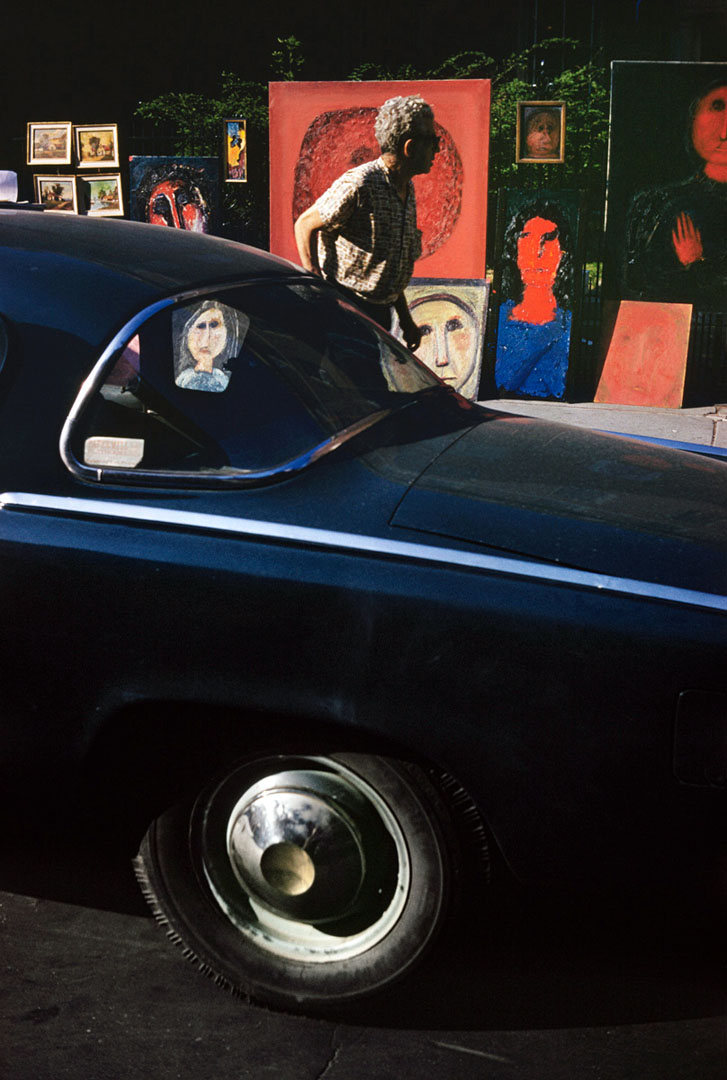
 

Ernst Haas (American, 1921-1986) 'New York City' 1952


Ernst Haas (American, 1921-1986)
New York City
1952
C-print, later print
76.2 x 101.6cm (30 x 40 in)
Edition of 15
Courtesy of Ernst Haas and Christophe Guye Galerie
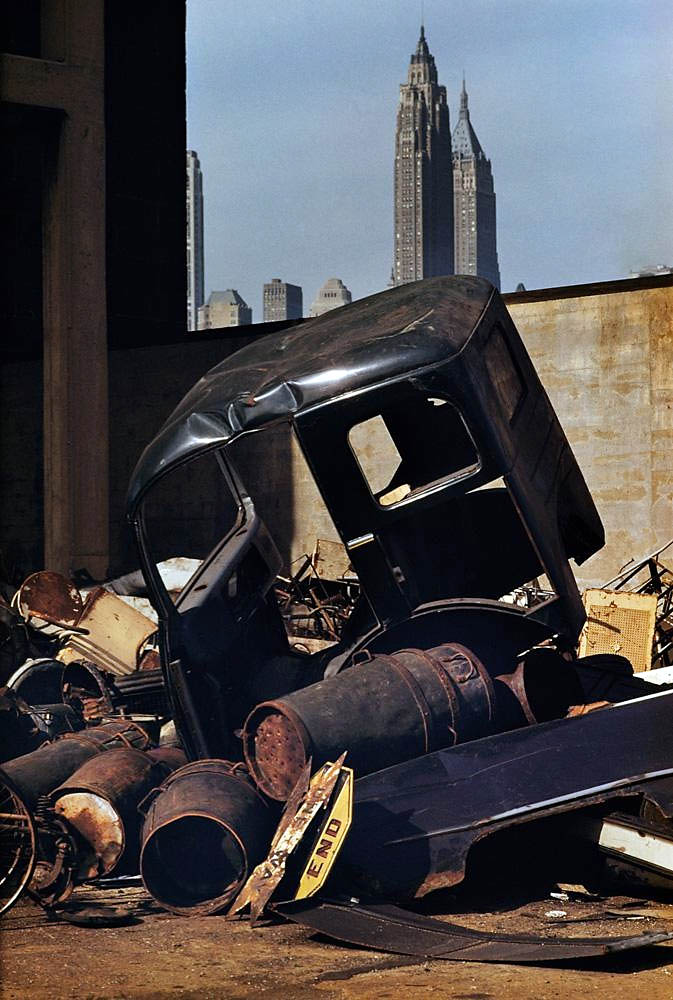
 

Ernst Haas (American, 1921-1986) 'Brooklyn, New York' 1952


Ernst Haas (American, 1921-1986)
Brooklyn, New York
1952
C-print, later print
101.6 x 76.2cm (40 x 30 in)
Edition of 15
Courtesy of Ernst Haas and Christophe Guye Galerie
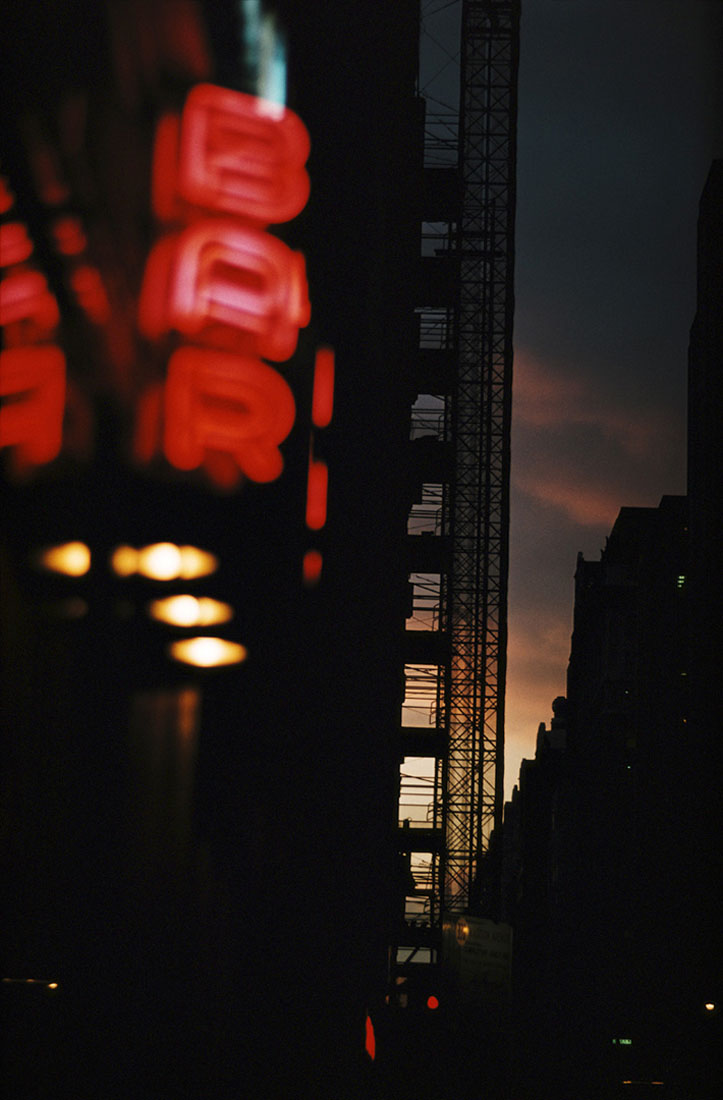
 

Ernst Haas (American, 1921-1986) 'New York City, USA' 1952


Ernst Haas (American, 1921-1986)
New York City, USA
1952
C-print, later print
Courtesy of Ernst Haas and Christophe Guye Galerie
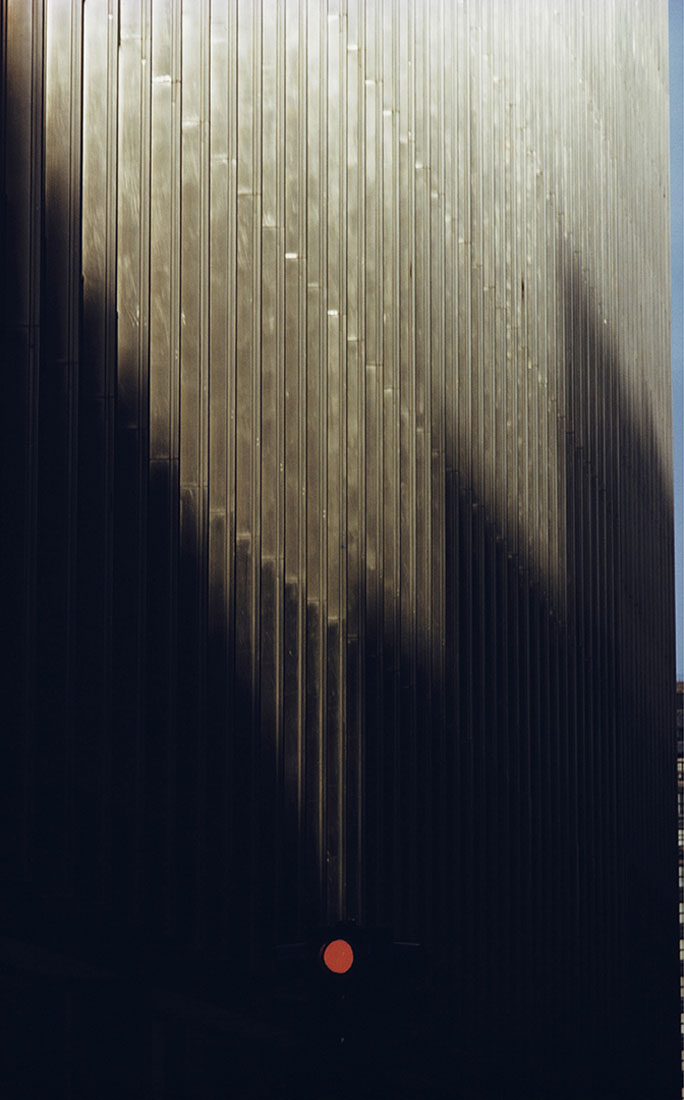
 

Ernst Haas (American, 1921-1986) 'New York City, USA' 1955


Ernst Haas (American, 1921-1986)
New York City, USA
1955
C-print, later print
Courtesy of Ernst Haas and Christophe Guye Galerie
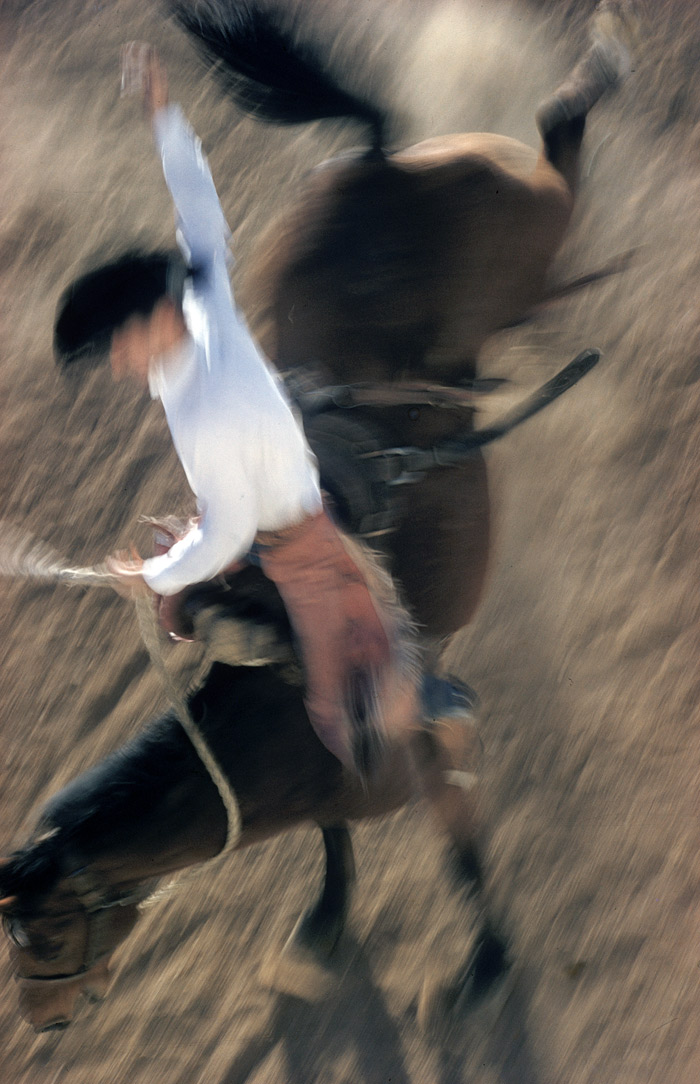
 

Ernst Haas (American, 1921-1986) 'Bronco Rider, California' 1957


Ernst Haas (American, 1921-1986)
Bronco Rider, California
1957
C-print, later print
101.6 x 76.2cm (40 x 30 in)
Edition of 15
Courtesy of Ernst Haas and Christophe Guye Galerie
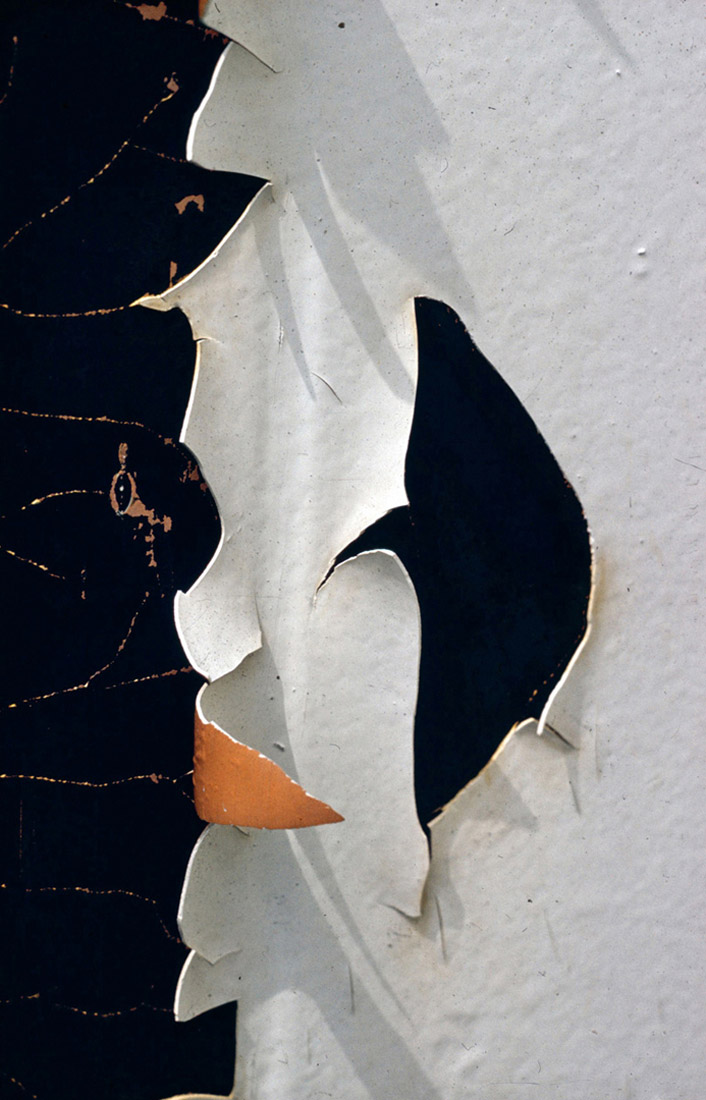
 

Ernst Haas (American, 1921-1986) 'New York City, USA' 1963


Ernst Haas (American, 1921-1986)
New York City, USA
1963
C-print, later print
Courtesy of Ernst Haas and Christophe Guye Galerie
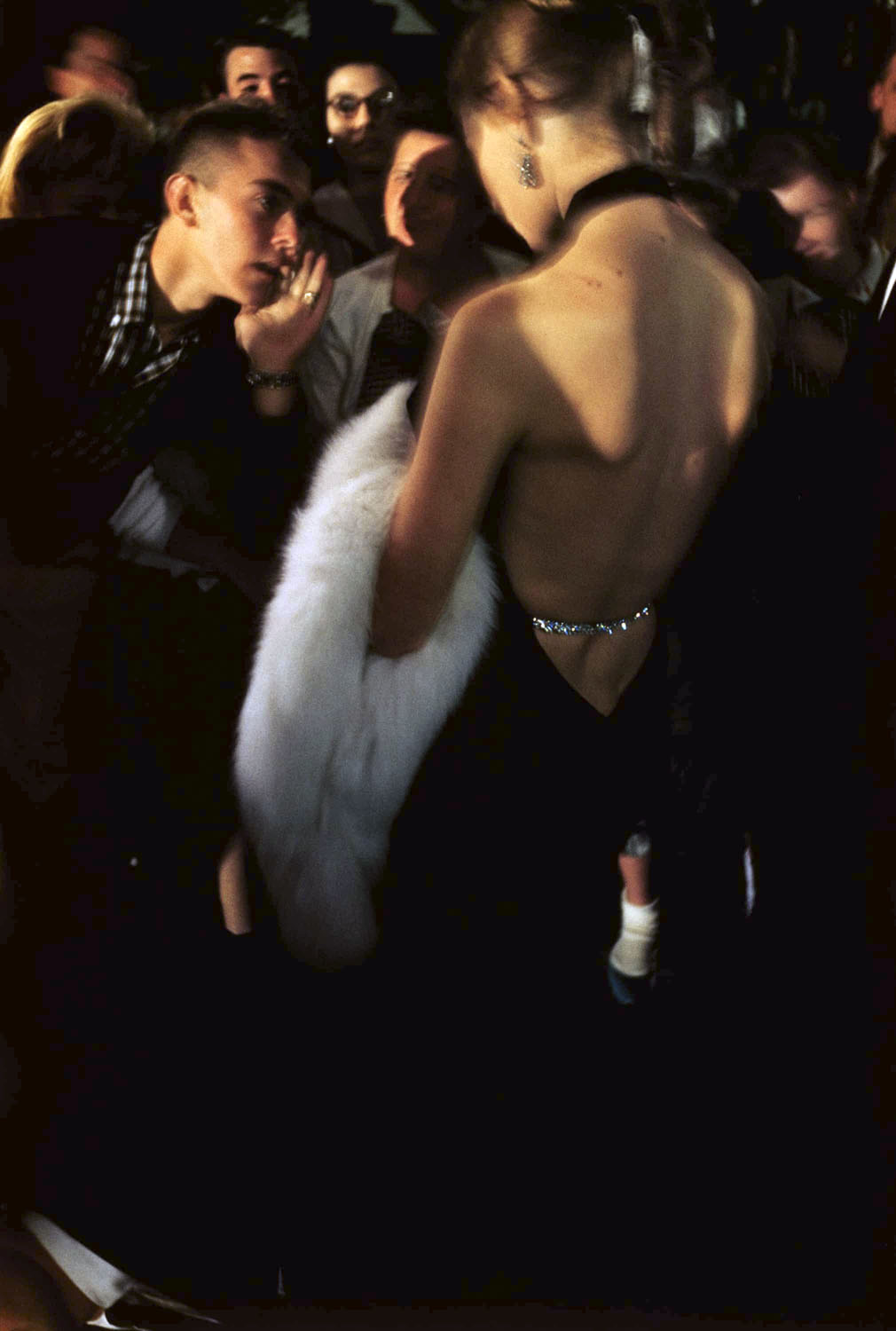
 

Ernst Haas (American, 1921-1986) 'Los Angeles, California, USA' 1963


Ernst Haas (American, 1921-1986)
Los Angeles, California, USA
1963
C-print, later print
101.6 x 76.2cm (40 x 30 in)
Edition of 15
Courtesy of Ernst Haas and Christophe Guye Galerie
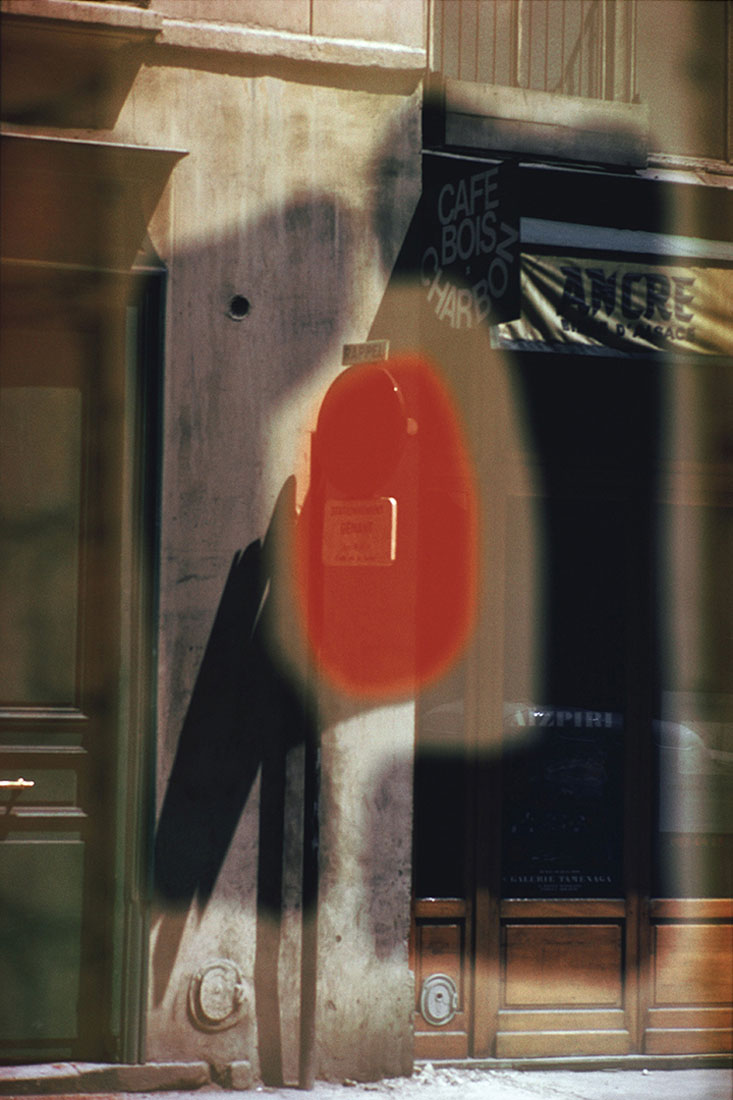
 

Ernst Haas (American, 1921-1986) 'Cafe Boi Charbon, Caen, France' 1976


Ernst Haas (American, 1921-1986)
Cafe Boi Charbon, Caen, France
1976
C-print, later print
Courtesy of Ernst Haas and Christophe Guye Galerie
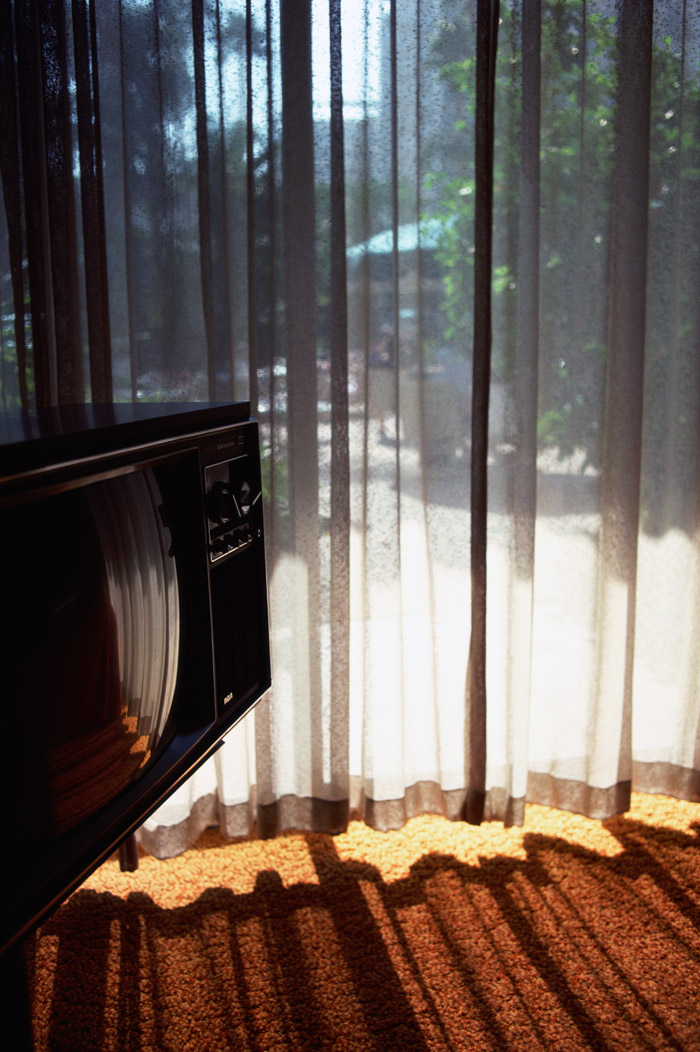
 

Ernst Haas (American, 1921-1986) 'California, USA' 1976


Ernst Haas (American, 1921-1986)
California, USA
1976
C-print, later print
101.6 x 76.2cm (40 x 30 in)
Courtesy of Ernst Haas and Christophe Guye Galerie


Christophe Guye Galerie
Dufourstrasse 31
8008 Zurich, Switzerland
Phone: +41 44 252 01 11

Opening hours:
Monday to Friday 10am – 6pm
Saturday 11am – 4pm

Christophe Guye Galerie website

LIKE ART BLART ON FACEBOOK

Back to top

Exhibition: ‘Boris Mikhailov: Case History’ at The Museum of Modern Art (MoMA), New York

Exhibition dates: 26th May – 5th September 2011


Many thankx to The Museum of Modern Art for allowing me to publish the photographs in the posting. Please click on the photographs for a larger version of the image.


Boris Mikhailov (Ukrainian, born 1938) 
'Untitled', from the series 'Case History' 
1997-98


Boris Mikhailov (Ukrainian, b. 1938)
Untitled
1997-1998
From the series Case History
Chromogenic colour print
93″ x 49 15/16″ (236.2 x 126.8cm)
Courtesy the artist, Pace/MacGill Gallery, New York, and Galerie Barbara Weiss, Berlin
© 2011 Boris Mikhailov


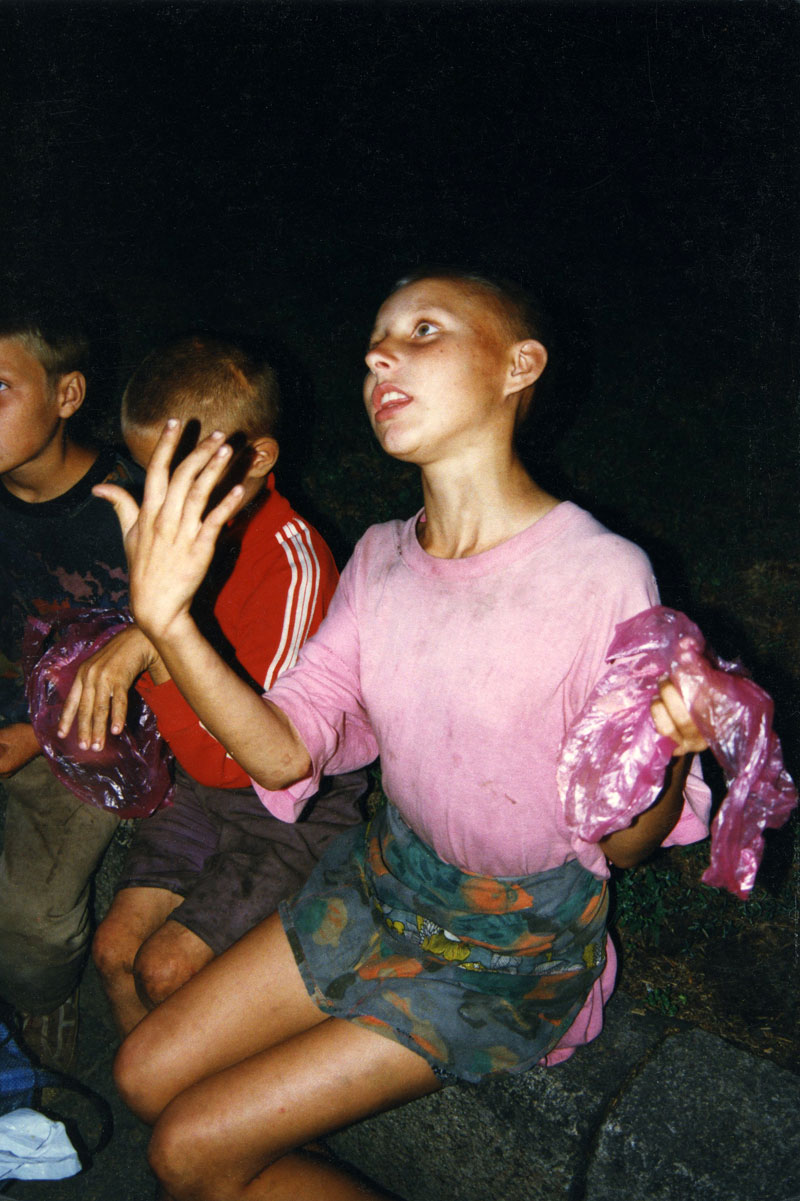
The demise of the Soviet Union in 1991 spelled disaster for many citizens of Mikhailov’s native Kharkov, in Ukraine. As the state apparatus collapsed, bleak predictability rapidly gave way to chaos and want. The photographer, whose earlier work includes sympathetic records of communal pastimes, responded with a bitter series that starkly evokes the squalor of desperation, drink, and despair. In the same years, but in another photographic mode altogether, he experimented with flagrantly staged political and sexual satires.

A decade later, as a few made millions, the least fortunate Ukrainians were more desperate still. This untitled work (above) belongs to Mikhailov’s bold and risky series Case History, for which he paid Kharkov’s outcasts to pose and perform. The best of his new photographs improbably blend the opposing poles of his art. No-nonsense realism and impromptu playacting seamlessly conspire in a persuasive theater of wrenching misery.

Publication excerpt from The Museum of Modern Art, MoMA Highlights, New York: The Museum of Modern Art, revised 2004, originally published 1999, p. 357.


With Case History, Boris Mikhailov confronts viewers with the effects of the Soviet Union’s collapse on the homeless and marginalised people of Ukraine. To create these raw, colour-saturated, large-scale photographs, Mikhailov paid his subjects and worked with them to stage poses inspired by religious and historical paintings. “This is the first time I paid my models,” he explains. “I don’t think this is an issue. If models get paid to appear in an advertisement, nobody cares. Why can’t I? This gave me the possibility to photograph them, and gave them the possibility to live.”

Additional text from Seeing Through Photographs online course, Coursera, 2016

Mikhailov’s Case History series examines the social oppression and devastating poverty of a disenfranchised community in Kharkiv, Ukraine: those who had been left homeless by the rise of the capitalist oligarchy following the collapse of the Soviet Union. “The rich and the homeless – the new classes of a new society – this was, as we had been taught, one of the features of capitalism,” Mikhailov observed. A haunting document of post-Soviet urban conditions, the series captures the failed promise of capitalism with poetry and grit.

Gallery label from 2020


Case History / Boris Mikhailov


Boris Mikhailov (Ukrainian, born 1938) 
'Untitled', from the series 'Case History' 
1997-98


Boris Mikhailov (Ukrainian, b. 1938)
Untitled
1997-1998
From the series Case History
Chromogenic colour print
93″ x 49 15/16″ (236.2 x 126.8cm)
Courtesy the artist, Pace/MacGill Gallery, New York, and Galerie Barbara Weiss, Berlin
© 2011 Boris Mikhailov


Boris Mikhailov (Ukrainian, born 1938) 
'Untitled', from the series 'Case History' 
1997-1998


Boris Mikhailov (Ukrainian, b. 1938)
Untitled
1997-1998
From the series Case History
Chromogenic colour print
93″ x 49 15/16″ (236.2 x 126.8cm)
Courtesy the artist, Pace/MacGill Gallery, New York, and Galerie Barbara Weiss, Berlin
© 2011 Boris Mikhailov


Boris Mikhailov (Ukrainian, b. 1938) '
Untitled', from the series 'Case History' 
1997-98


Boris Mikhailov (Ukrainian, b. 1938)
Untitled
1997-1998
From the series Case History
Chromogenic colour print
93″ x 49 15/16″ (236.2 x 126.8cm)
Courtesy the artist, Pace/MacGill Gallery, New York, and Galerie Barbara Weiss, Berlin
© 2011 Boris Mikhailov


The Museum of Modern Art presents Boris Mikhailov: Case History, the first presentation dedicated entirely to the artist’s seminal series Case History (1997-98) in an American museum, from May 26 to September 5, 2011. Ukrainian-born Mikhailov (b. 1938) is one of the leading photographers from the former Soviet Union. For over 40 years, Mikhailov has explored the position of the individual within the mechanisms of public ideology, touching on such subjects as Ukraine under Soviet rule, the living conditions in post-communist Eastern Europe, and the fallen ideals of the Soviet Union. Although deeply rooted in a historical context, his work incorporates profoundly engaging and personal narratives of humour, lust, vulnerability, ageing, and death. The exhibition is organised by Eva Respini, Associate Curator of Photography, The Museum of Modern Art.

This exhibition, which features some 20 works, is selected from the larger body of work of Case History, which comprises 400 photographs and was published as a book in 1999. Arguably his most challenging body of work, it explores the deeply troubling circumstances of bomzhes – the homeless – a new class that emerged after the collapse of the Soviet Union in 1991. In 1996, after spending time abroad, he returned to Kharkov, which seemed like a changed city, with foreign ads and the glitz of a new western capitalist façade. Whereas most mainstream media focused on the new capitalists and rising oligarchs of the former Soviet republics, Mikhailov’s pictures describe the circumstances of a largely invisible underclass. Set against the bleak backdrop of the industrial city of Kharkov, his life-size colour photographs chronicle the oppression, devastating poverty, and everyday reality of a disenfranchised community living on the margins of the Ukraine’s new economic regime. Many of his subjects display their wounds, rashes, tattoos, and growths.

For Mikhailov the act of photographing was partly born out of a sense of responsibility: Case History records post-Soviet realities, in stark contrast to the previous histories of the Ukraine (1930s famine, war, Soviet losses in World War II) that went undocumented. One of the most haunting documents of post-Soviet urban conditions, these unforgettable pictures capture this new reality with poetry, clarity, and grit. The large size of Mikhailov’s pictures is in keeping with the scale of contemporary photography, creating a visceral and immersive viewing experience. Ms. Respini states, “Mikhailov inhabits the worlds of social documentarian and contemporary artist. It is partly the tension between these two roles that makes the work so complex and powerful.”

Case History also explores the complicated relationship between photographer and subject. The photographs are collaborations, sometimes the result of a spontaneous moment, other times directed by the artist. Central to the exhibition is the seven-part work the artist calls “requiem.” The mannered posing of the people in his pictures exposes the constructed nature of the photographs, challenging the idea of objective truth and authenticity implied by documentary photography. For Mikhailov, photographic seeing is an accountable act, and viewers participate in this act. With these pictures, Mikhailov implicates himself – and the viewers – in the act of looking.

Press release from The Museum of Modern Art website


Installation view of the exhibition 'Boris Mikhailov: Case History' at The Museum of Modern Art (MoMA), New York


Installation view of the exhibition Boris Mikhailov: Case History at The Museum of Modern Art (MoMA), New York


Boris Mikhailov (Ukrainian, b. 1938) '
Untitled', from the series 'Case History' 
1997-98


Boris Mikhailov (Ukrainian, b. 1938)
Untitled
1997-1998
From the series Case History
Chromogenic colour print
93″ x 49 15/16″ (236.2 x 126.8cm)
Courtesy the artist, Pace/MacGill Gallery, New York, and Galerie Barbara Weiss, Berlin
© 2011 Boris Mikhailov


Boris Mikhailov (Ukrainian, b. 1938) 'Untitled' 1997-1998


Boris Mikhailov (Ukrainian, b. 1938)
Untitled
1997-1998
From the series Case History
Chromogenic colour print
93″ x 49 15/16″ (236.2 x 126.8cm)
Courtesy the artist, Pace/MacGill Gallery, New York, and Galerie Barbara Weiss, Berlin
© 2011 Boris Mikhailov


Boris Mikhailov (Ukrainian, b. 1938) '
Untitled', from the series 'Case History' 
1997-1998


Boris Mikhailov (Ukrainian, b. 1938)
Untitled
1997-1998
From the series Case History
Chromogenic colour print
93″ x 49 15/16″ (236.2 x 126.8cm)
Courtesy the artist, Pace/MacGill Gallery, New York, and Galerie Barbara Weiss, Berlin
© 2011 Boris Mikhailov


What does it mean to present images like these as art in a museum? In one respect, they carry on a tradition of picturing the downtrodden exemplified in photographs by countless artists from Walker Evans to Andres Serrano, who has made studio images of homeless people resembling the heroic portraits of American Indians by the 19th century photographer Edward S. Curtis. Works like those tell us that, whatever their outward appearances and circumstances, the poor have souls that are worthy of respect.

Mr. Mikhailov’s photographs are not so ennobling. They render their subjects as exotic and even demonic. Specimens in a Boschian freak show, they elicit sympathy, revulsion or amazement but not admiration or empathy. Because there are no titles or captions, you don’t know who the people are or anything about their lives. Maybe some were research scientists or university professors fired for not toeing party lines or for crossing paths with a ruthless plutocrat at the wrong place and time; maybe they were all rounded up from an insane asylum or an alcoholic detox center. …

All seem to belong to a tribe or extended family of outcasts. But “the homeless,” you might want to object, is not a homogeneous population. It includes alcoholics, drug addicts, criminals, prostitutes, con artists, people with mental illnesses and hard-working citizens going through rough patches. Mr. Mikhailov is not concerned with personal particulars. Under his direction the subjects are, above all, actors who function mainly as allegorical symbols. They are metonyms for the underbelly of society, and their challenging revelations of their own usually hidden body parts is a metaphor for the whole project of exposing what polite society would prefer to keep under wraps. To the extent that they appear everywhere around the world, including in New York City, they are universal signs of capitalism’s failure to care for the less fortunate.

Ken Johnson. “Behold the Anonymous Downtrodden,” on The New York Times website June 2, 2011 [oNline] Cited 08/01/2025


Boris Mikhailov (Ukrainian, b. 1938) 'Untitled' 1997-1998


Boris Mikhailov (Ukrainian, b. 1938)
Untitled
1997-1998
From the series Case History
Chromogenic colour print
93″ x 49 15/16″ (236.2 x 126.8cm)
Courtesy the artist, Pace/MacGill Gallery, New York, and Galerie Barbara Weiss, Berlin
© 2011 Boris Mikhailov


Boris Mikhailov (Ukrainian, b. 1938) 'Untitled' 1997-1998


Boris Mikhailov (Ukrainian, b. 1938)
Untitled
1997-1998
From the series Case History
Chromogenic colour print
93″ x 49 15/16″ (236.2 x 126.8cm)
Courtesy the artist, Pace/MacGill Gallery, New York, and Galerie Barbara Weiss, Berlin
© 2011 Boris Mikhailov


Boris Mikhailov (Ukrainian, b. 1938) '
Untitled', from the series 'Case History' 
1997-98


Boris Mikhailov (Ukrainian, b. 1938)
Untitled
1997-1998
From the series Case History
Chromogenic colour print
93″ x 49 15/16″ (236.2 x 126.8cm)
Courtesy the artist, Pace/MacGill Gallery, New York, and Galerie Barbara Weiss, Berlin
© 2011 Boris Mikhailov


Boris Mikhailov (Ukrainian, b. 1938) '
Untitled', from the series 'Case History' 
1997-98


Boris Mikhailov (Ukrainian, b. 1938)
Untitled
1997-1998
From the series Case History
Chromogenic colour print
93″ x 49 15/16″ (236.2 x 126.8cm)
Courtesy the artist, Pace/MacGill Gallery, New York, and Galerie Barbara Weiss, Berlin
© 2011 Boris Mikhailov


The Museum of Modern Art
11 West 53 Street
New York, NY 10019
Phone: (212) 708-9400

Opening hours:
10.30am – 5.30pm
Open seven days a week

MoMA website

LIKE ART BLART ON FACEBOOK

Back to top

Exhibition: ‘Staging Action: Performance in Photography Since 1960’ at The Museum of Modern Art (MoMA), New York

Exhibition dates: 26th January – 9th May 2011

Curators: Roxana Marcoci, Curator, and Eva Respini, Associate Curator, Department of Photography, The Museum of Modern Art


Many thank to The Museum of Modern Art, New York for allowing me to publish the photographs in the posting. Please click on the photographs for a larger version of the image.


William Wegman (American, b. 1943) 'Foamy Aftershave (L-Foamy; R-Aftershave)' 1982


William Wegman (American, b. 1943)
Foamy Aftershave (L-Foamy; R-Aftershave)
1982
28 1/2 x 22″ (72.4 x 55.9cm) each
The Museum of Modern Art, New York
Gift of Robert and Gayle Greenhill
© 2010 William Wegman


Laurel Nakadate (American, b. 1975) 'Lucky Tiger #151' 2009


Laurel Nakadate (American, b. 1975)
Lucky Tiger #151
2009
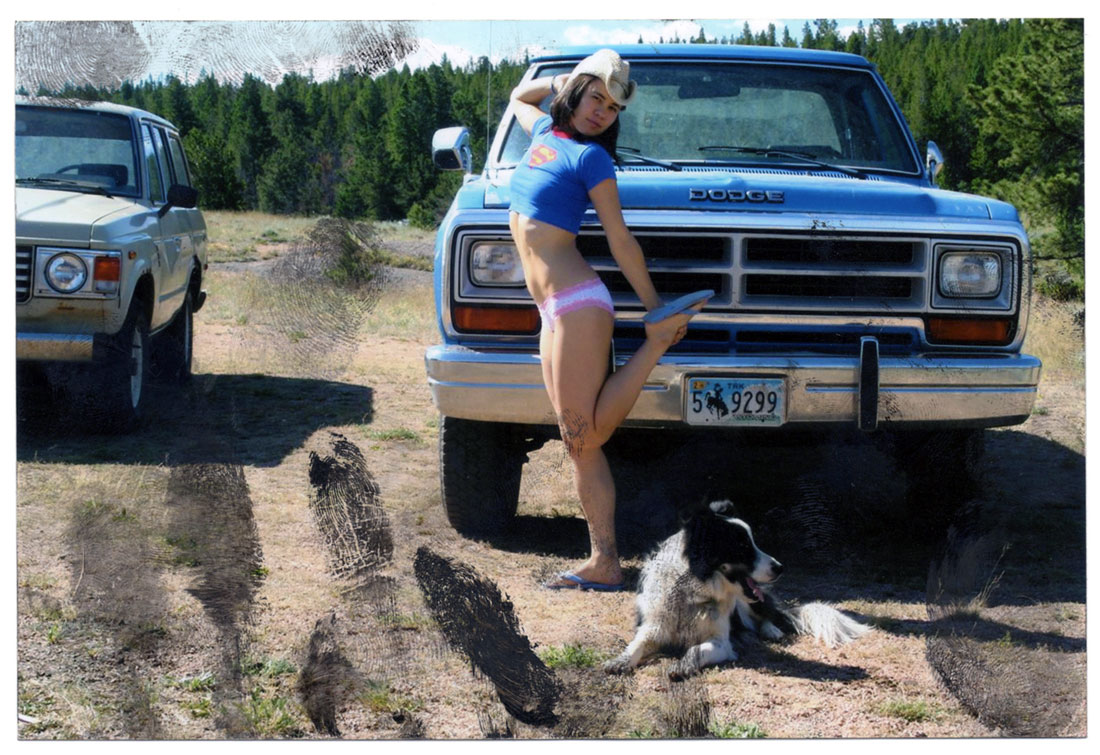
Chromogenic colour print with ink fingerprints
4 x 6″ (10.2 x 15.2cm)
The Museum of Modern Art, New York
Acquired through the generosity of the Peter Norton Family Foundation
© 2010 Laurel Nakadate


Laurel Nakadate (American, b. 1975) 'Lucky Tiger #181' 2009


Laurel Nakadate (American, b. 1975)
Lucky Tiger #181
2009
Chromogenic colour print with ink fingerprints
4 x 6″ (10.2 x 15.2cm)
The Museum of Modern Art, New York
Acquired through the generosity of the Peter Norton Family Foundation
© 2010 Laurel Nakadate


Gilbert & George (British) 'The Red Sculpture' 1975


Gilbert & George (British)
The Red Sculpture
1975
Chromogenic colour print with text
9 1/8 x 13 7/8″ (23.2 x 35.2cm)
The Museum of Modern Art, New York
Art & Project/Depot VBVR Gift
© 2010 Gilbert & George


Matthew Barney (American, b. 1967) 'Drawing Restraint 9: Shimenawa' 2005


Matthew Barney (American, b. 1967)
Drawing Restraint 9: Shimenawa
2005
Chromogenic colour print in self-lubricating plastic frame
The Museum of Modern Art, New York
Gift of Barbara Gladstone
© 2010 Matthew Barney


Installation view of the exhibition 'Staging Action: Performance in Photography Since 1960' at The Museum of Modern Art (MoMA)


Installation view of the exhibition Staging Action: Performance in Photography Since 1960 at The Museum of Modern Art (MoMA), New York showing at right, George Maciunas Performing for Self-Exposing Camera, New York 1966


George Maciunas (American, born Lithuania, 1931-1978) 'George Maciunas Performing for Self-Exposing Camera, New York' 1966


George Maciunas (American born Lithuania, 1931-1978)
George Maciunas Performing for Self-Exposing Camera, New York
1966
Gelatin silver print


Focusing on a wide range of images of performances that were expressly made for the artist’s camera, Staging Action: Performance in Photography Since 1960 draws together approximately 50 works from the Museum’s collection, and is on view from January 28 to May 9, 2011. Though performances are often intended to be experienced live, in real time, with photography playing an ancillary function in recording them, these works function as independent, expressive pictures, often staged in the absence of a public audience. At the center of these pictures is a performer (often the artist), posing or enacting an action conceived for the photographic lens. Among the works on view, approximately half are recent acquisitions by MoMA, including pieces by Laurel Nakadate, Rong Rong, Ai Weiwei, Huang Yan, and La Monte Young. Staging Action is organised by Roxana Marcoci, Curator, and Eva Respini, Associate Curator, Department of Photography, The Museum of Modern Art.

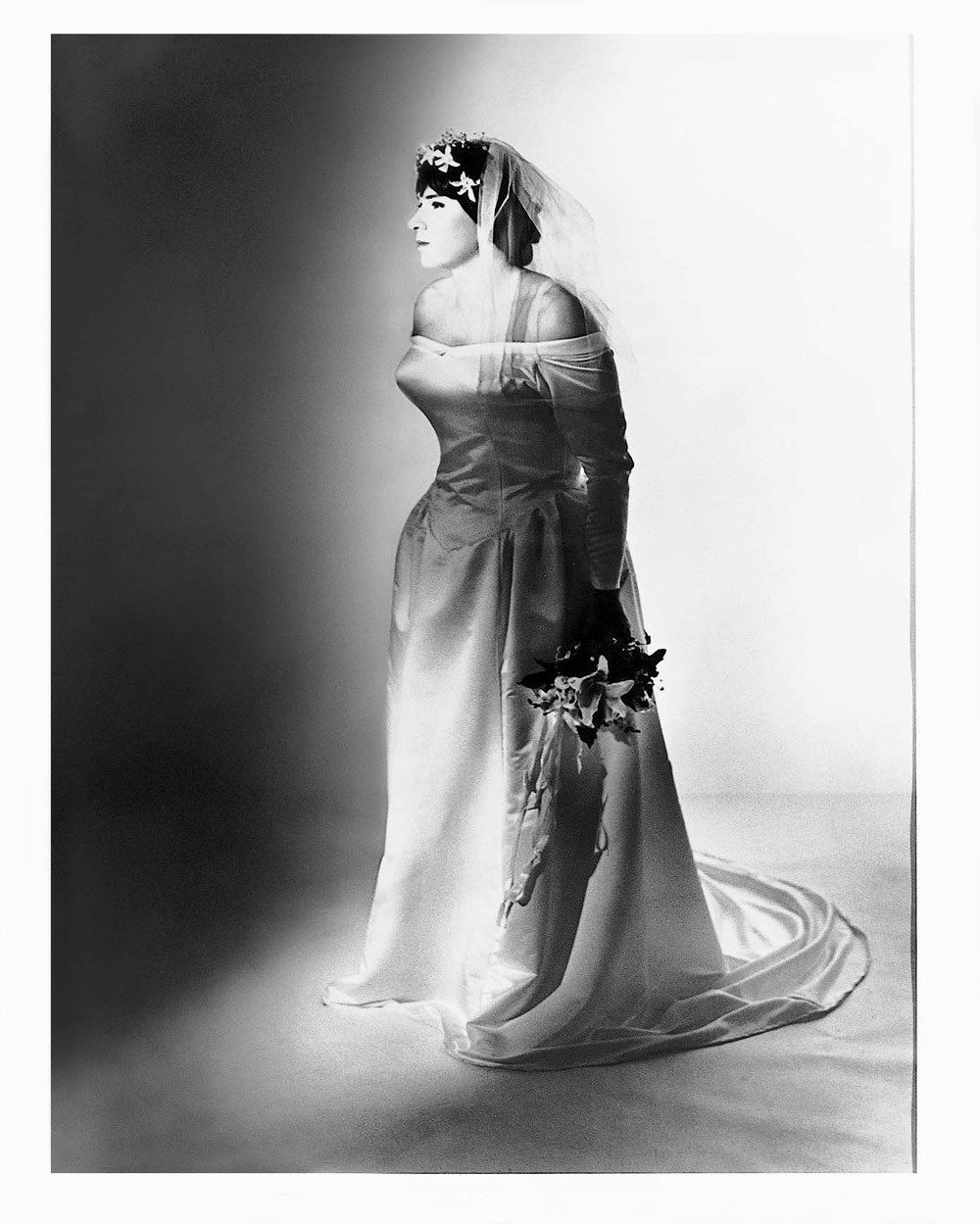
Beginning with Fluxus artists in the 1960s, Staging Action includes the work of George Maciunas, an artist who engaged the production of the self as positional rather than fixed and often played with transvestism. According to personal reminiscences of the American poet Emmett Williams, a friend, Maciunas’s closets were full of prom dresses that he scavenged from the Salvation Army. In his 1966 cross-dressing striptease, George Maciunas Performing for Self-Exposing Camera, New York, he reinforced the active construction of identity through gender indeterminacy. The participation of the camera as accomplice to the artist’s actions was also a constant theme in Vito Acconci’s work of the early 1970s. In Conversions I: Light, Reflections, Self-Control (1970-1971), Acconci tried to feminize his male body by plucking hair from his chest and navel area, pushing his pectorals together to mimic breasts, and hiding his genitals between his legs. Performances that explored gender play were soon embraced by other artists. A few years later, Richard Prince and Cindy Sherman collaborated on a photo shoot in which they sported identical suits and red-haired wigs, each playing androgynous double to the other.

Staging Action continues with artists who experimented with the camera to test the physical and psychological limits of the body. Reacting against the post-World War II repressive sexual and political atmosphere of Austrian society, the group known as the Vienna Actionists – including Günter Brus, Otto Muehl, Herman Nitsch, and Rudolf Schwarzkogler – staged highly provocative actions that were mostly ritualistic, incorporating elements such as wine and animal blood from Dionysian rites and Christian ceremonies in an attempt to free human instincts that had been repressed by society. In the early 1990s, numerous artists living in Beijing’s East Village artist community actively engaged in endurance-based performances. On view is East Village, Beijing No. 22 (1994) by Rong Rong, an iconic picture of the now seminal performance known as 12 Square Meters, which takes its title from the size of the public urinal where the action took place. The artist Zhang Huan covered himself in fish guts and honey and sat motionless for an hour in the heat of a summer day as flies gathered on his body, while the photographer Rong Rong captured the gritty performance.

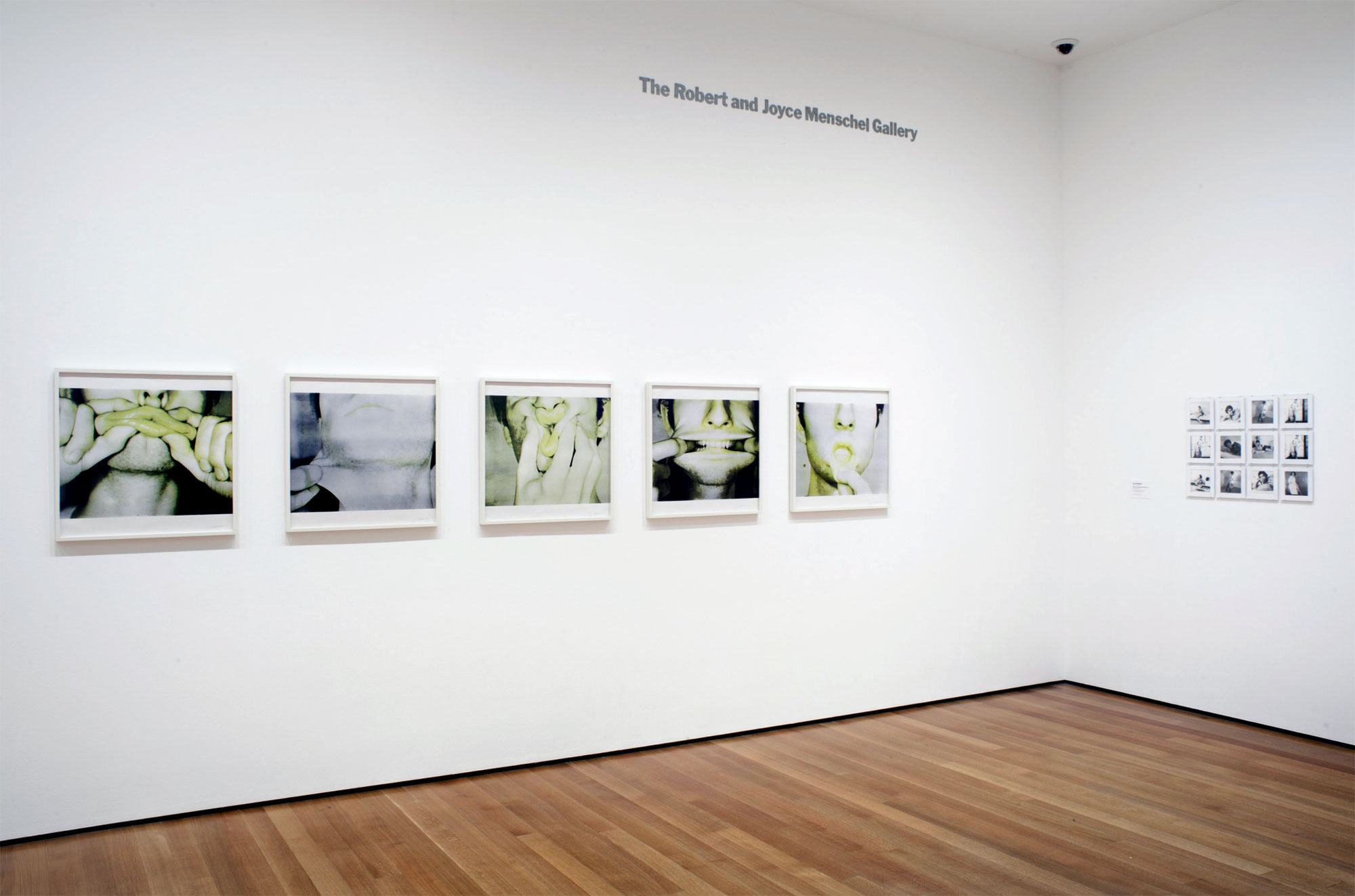
The face as a site for alteration and extreme expression is of particular interest to several artists in the exhibition. In his five-part work, Studies for Holograms (1970), Bruce Nauman poked, pulled, pinched, and kneaded his mouth, neck, and cheeks in extreme and cartoonish ways. For her 1972 work (Untitled) Facial Cosmetic Variations, Ana Mendieta used tape and make-up to mould and manipulate her face to create, at turns, disturbing and humorous results that reference the cosmetic changes women inflict upon themselves in the name of beauty. Lucas Samaras’s transformations in a series of self-portrait Polaroids from 1969-1971 suggest the plasticity or mutability of identity itself. For these works, the artist utilised an array of wigs, pancake make-up, and props to transform himself into grotesque characters for the camera.

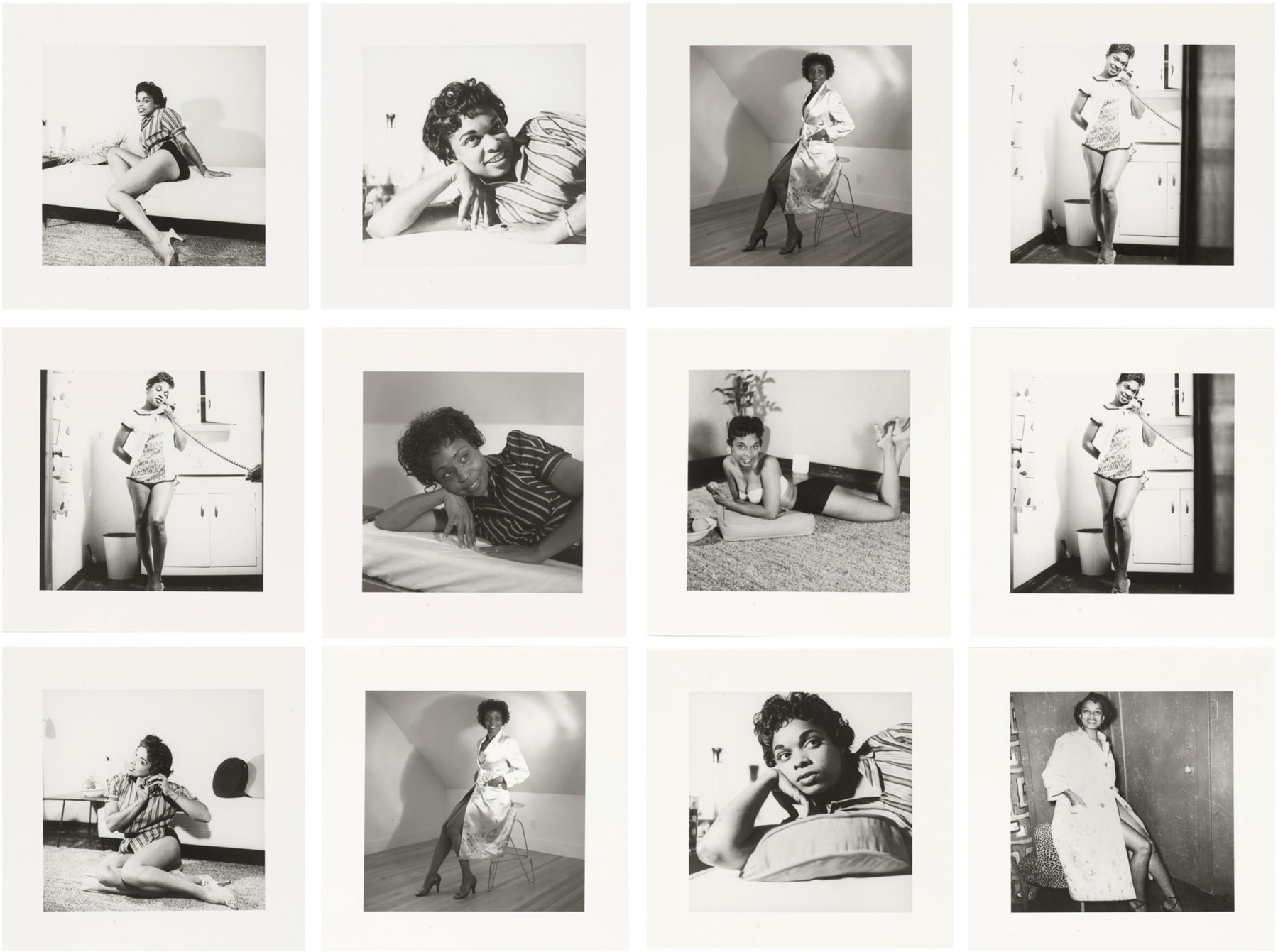
Other performances required a sustained, emotional engagement on the part of the artist. Bas Jan Ader’s particular brand of existential-based Conceptualism is crystallised in I’m too sad to tell you (1970), in which the artist cried in front of the camera. In 1971, Adrian Piper performed a time-lapse piece titled Food for Spirit. Inspired by an assignment to write a text on Immanuel Kant’s Critique of Pure Reason, Piper began fasting in order to isolate herself into a state of self-transcendence, and took pictures of herself in front of a mirror to insure reconnaissance of her own body. The ability of the camera to both freeze and extend a moment in time was also instrumental to the Japanese artist Mieko Shiomi. In Disappearing Music for Face (1966), Shiomi sequenced a series of film stills focusing on the mouth of Yoko Ono as her smile intermittently faded into a neutral facial expression. In Laurel Nakadate’s pictures from the Lucky Tiger series that she conceived of in 2009 during a road trip through the American West, the artist is seen riding a horse in a cropped T-shirt, doing a backbend in cowboy boots by the Grand Canyon, and striking a Playboy pose in her “lucky tiger” bikinis, rehashing photographic conventions inspired by 1950s-style “cheesecake” and camera-club pictures. Lorna Simpson’s multi-part work, May, June, July, August ’57 / ’09 (2009) also responds to the photographic conventions of posing for the camera. Simpson turned to the photographic archive as source material, combining found photographs of a young African-American woman who posed for hundreds of pin-up pictures in 1957 in Los Angeles with her own performative self-portraits, in which she replicates every outfit, pose, and setting of the original photographs. Through juxtaposition, repetition, and de-contextualization, a historical fiction arises, whereby the two women, despite the many differences that separate them, seem to be joined through a shared identity.

The exhibition includes both off-the-cuff and staged performative gestures of political dissent. Ai Weiwei’s photographic series Study of Perspective (1995-2003) reveals a spirited irreverence toward national monuments. Traveling to various landmarks – from the Eiffel Tower to Tiananmen Square to the White House – the artist photographed his own arm extended in front of the camera’s lens as he gave each marker the middle finger. Robin Rhode’s pictures, presented sequentially in storyboard format, record situations in which the artist interacts with a set of objects that he has drawn, erased and redrawn in black charcoal on dilapidated walls. Untitled, (Dream House) (2005) comprises a sequence of 28 colour photographs in which Rhode mimics the act of struggling to catch a television set, a chair, and a car that appear to have been thrown at him from above. In reality, these items are drawn in cartoonish lines on an exterior wall. Referencing the South African New Year custom of tossing out old objects, the artist identifies society’s two opposing poles: consumerism and dispossession. Rhode’s pictures, like those of the other artists in Staging Action, attest to the myriad ways in which photography constitutes – not just documents – performance as a conceptual exercise.

Press release from the MoMA website


Installation view of the exhibition 'Staging Action: Performance in Photography Since 1960' at The Museum of Modern Art (MoMA)


Installation view of the exhibition Staging Action: Performance in Photography Since 1960 at The Museum of Modern Art (MoMA), New York showing at right, Rong Rong’s East Village, Beijing, No. 81 1994


Rong Rong (Chinese, b. 1968) 'East Village, Beijing, No. 81' 1994


Rong Rong (Chinese, b. 1968)
East Village, Beijing, No. 81
1994
Gelatin silver print
The Museum of Modern Art, New York
Acquired through the generosity of Peter and Susan MacGill
© 2010 Rong Rong


Rong Rong (Chinese, b. 1968) 'East Village, Beijing, No. 22' 1994


Rong Rong (Chinese, b. 1968)
East Village, Beijing, No. 22
1994
Gelatin silver print
21 7/16 x 14 5/8″ (54.5 x 37.2cm)
The Museum of Modern Art, New York
The Family of Man Fund
© 2010 Rong Rong


Robert Gober (American, b. 1954) 'Untitled' 1992-1993


Robert Gober (American, b. 1954)
Untitled
1992-1993
Gelatin silver print
16 3/4 x 12 5/8″ (42.5 x 32.1cm)
The Museum of Modern Art, New York
Gift of Werner and Elaine Dannheisser
© 2010 Robert Gober


Günter Brus (Austrian, 1938-2024) 'Self-Painting 1' 1964


Günter Brus (Austrian, 1938-2024)
Self-Painting 1
1964
Gelatin silver print
15 7/8 x 11 15/16″ (40.4 x 30.4cm)
The Museum of Modern Art
Gift of Steven Johnson and Walter Sudol
© 2010 Günter Brus


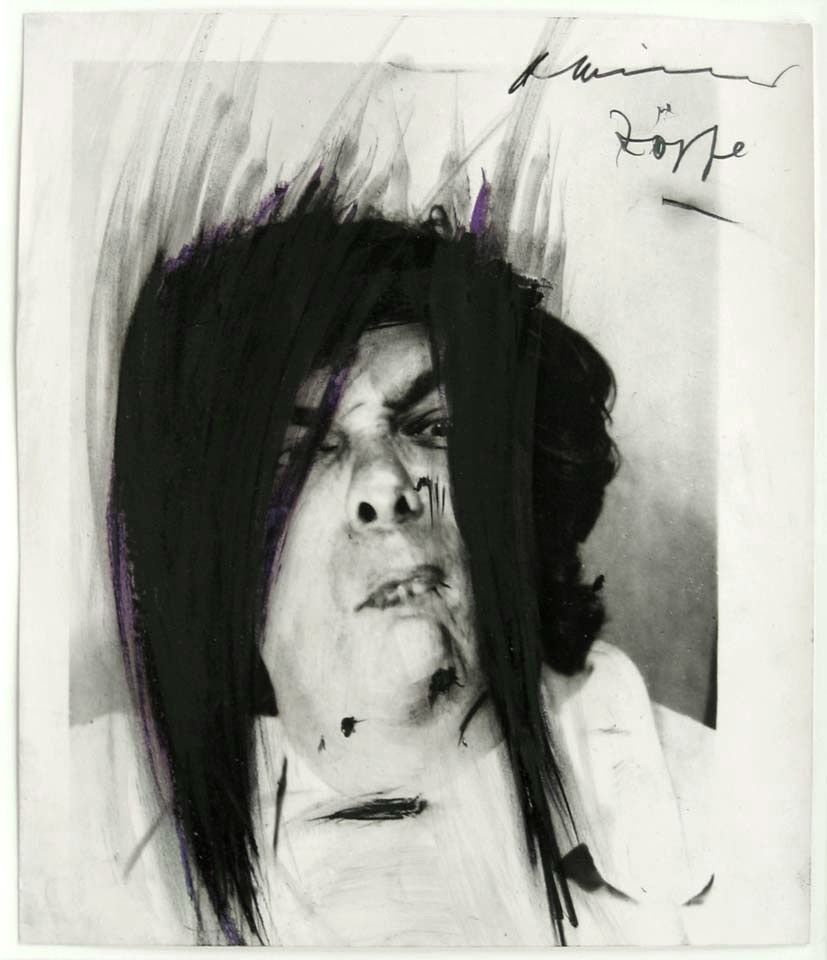
Arnulf Rainer (Austrian, b. 1929) 'Braids' 1966


Arnulf Rainer (Austrian, b. 1929)
Braids
1966
Photograph, oil stick, crayon, and pencil on paper
11 1/2 x 10″ (29.2 x 25.1cm)
Gift of The Cosmopolitan Arts Foundation
© 2010 Arnulf Rainer


Installation view of the exhibition 'Staging Action: Performance in Photography Since 1960' at The Museum of Modern Art (MoMA)


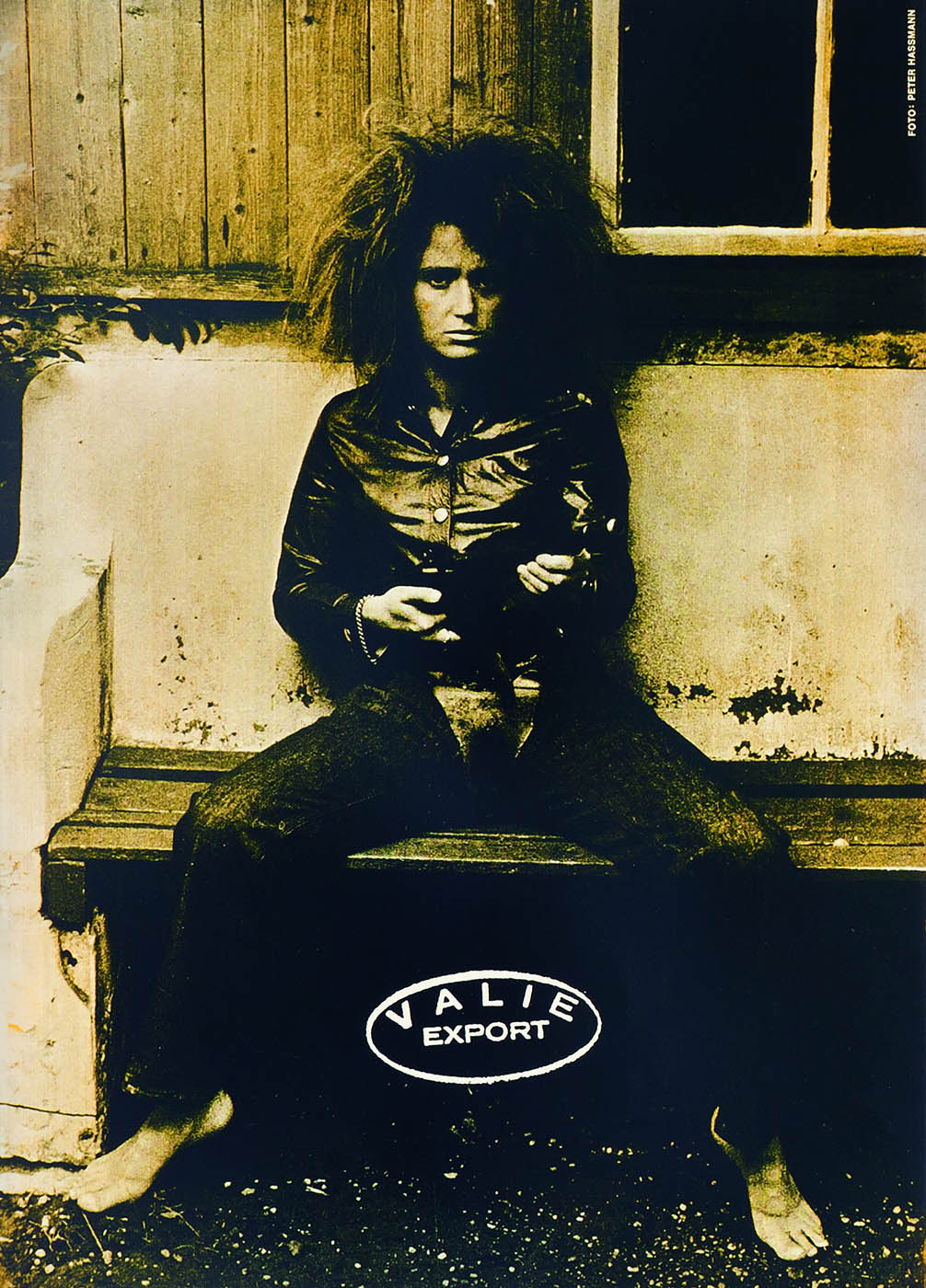
Installation view of the exhibition Staging Action: Performance in Photography Since 1960 at The Museum of Modern Art (MoMA), New York showing at left, Ana Mendieta’s Facial Cosmetic Variations 1972; at centre, the work of Rudolf Schwarzkogler; and at right, VALIE EXPORT with Peter Hassmann’s Action Pants: Genital Panic (1969, below)


VALIE EXPORT (Austrian, b. 1941) with Peter Hassmann (photographer) 'Action Pants: Genital Panic' 1969 (detail)


VALIE EXPORT (Austrian, b. 1941) with Peter Hassmann (photographer)
Action Pants: Genital Panic (detail)
1969
Screenprints
Each 26 3/8 × 19 5/8″ (67 × 49.8cm)
Museum of Modern Art, New York
The Modern Women’s Fund
© 2025 VALIE EXPORT / Artists Rights Society (ARS), New York / VBK, Austria


This series of screenprints relates to a performance in which EXPORT reportedly walked into an experimental art-film house in Munich wearing crotchless trousers and a tight leather jacket, with her hair teased wildly, and roamed through the rows of seated spectators, her exposed genitalia level with their faces. Challenging the public to engage with a “real woman” instead of with images on a screen, she illustrated her notion of “expanded cinema,” in which the artist’s body activates the live context of watching. EXPORT’s defiant feminist action was memorialised in a picture taken the following year by the photographer Peter Hassmann in Vienna. EXPORT had the image, in which she holds a machine gun, screenprinted in a large edition and fly-posted it in public squares and on the street.

Gallery label from From the Collection: 1960-69, March 26, 2016 – March 12, 2017

Text from the MoMA website


Ana Mendieta (American born Cuba, 1948-1985) 'Untitled (Facial Cosmetic Variations)' January-February, 1972


Ana Mendieta (American born Cuba, 1948-1985)
Untitled (Facial Cosmetic Variations) (detail)
January – February, 1972
Four chromogenic color prints, printed 1997
Each 19 1/4 x 12 3/4″ (48.9 x 32.4cm)
Acquired through the generosity of The Contemporary Arts
Council of The Museum of Modern Art, in honour of Barbara Foshay
© The Estate of Ana Mendieta Collection Courtesy Galerie Lelong, New York


Bas Jan Ader (Dutch, 1942-1975) 'I'm Too Sad to Tell You' 1970


Bas Jan Ader (Dutch, 1942-1975)
I’m Too Sad to Tell You
1970
Gelatin silver print
Art & Project/Depot VBVR Gift
© 2019 The Estate of Bas Jan Ader


Lee Friedlander (American, b. 1934) 'California' 1997


Lee Friedlander (American, b. 1934)
California
1997
Gelatin silver print
14 15/16 x 14 13/16″ (37.7 x 37.2cm)
The Museum of Modern Art, New York
Robert and Joyce Menschel Fund
© 2010 Lee Friedlander


Installation view of the exhibition 'Staging Action: Performance in Photography Since 1960' at The Museum of Modern Art (MoMA), New York showing at left, Bruce Nauman's 'Studies for Holograms' (1970); and at right, Lorna Simpson's 'May, June, July, August '57/'09 #8' (2009)


Installation view of the exhibition Staging Action: Performance in Photography Since 1960 at The Museum of Modern Art (MoMA), New York showing at left, Bruce Nauman’s Studies for Holograms (1970); and at right, Lorna Simpson’s May, June, July, August ’57/’09 #8 (2009, below)


Lorna Simpson (American, b. 1960)
'May, June, July, August '57/'09 #8'
2009


Lorna Simpson (American, b. 1960)
May, June, July, August ’57/’09 #8
2009
Twelve gelatin silver prints
Each 5 × 5″ (12.7 × 12.7cm)
Museum of Modern Art, New York
Acquired through the generosity of The Contemporary Arts Council of The Museum of Modern Art
© 2025 Lorna Simpson


Lorna Simpson describes 1957-2009 as “a project that happened kind of by accident.” Since she often works with vintage photographs, advertisements, and magazines, she was on eBay in search of material, when she came across a couple of black-and-white photographs of a young black woman posing alluringly. As it turned out, these were part of a much larger album of photographs, featuring this woman, and, occasionally, a young black man, in attractively staged poses. The sellers offered the entire album to Simpson. Struck by the images, though not yet sure what to do with them, she bought it.

When the album arrived, she hung the photographs in her studio, where they remained for months. Taken in 1957, in modest domestic and outdoor settings, most of them appeared to be inspired by the pin-up, mass-produced images of seductively posed actresses and models, widely circulated in the 1940s and 50s. But the identities of the photographer, the woman, and the man were unknown. Ultimately, Simpson decided to restage these images. Using herself as her model, she mimicked the settings, clothing, hairstyles, and poses of both the woman and the man and photographed herself using black-and-white film. She then paired her own photographs with the originals (for a total of 307 individually framed images) and has displayed them together in various arrangements.

As with much of her work, it is up to viewers to draw their own conclusions about the identities of the subjects of 1957-2009. A feminist and an African American woman, Simpson has been concerned with black female identity since the beginning of her career. By providing little or no information about the people who appear in her images, she poses challenging questions about how we perceive and make assumptions about others based upon their appearance – and upon stereotypes associated with aspects of identity like skin colour, hair, gender, and clothing.

Text from the MoMA website


The Museum of Modern Art
11 West 53rd Street
New York, NY 10019
(212) 708-9400

Opening hours:
Sun – Fri 10.30am – 5.30pm
Sat 10.30am – 7.00pm

The Museum of Modern Art website

LIKE ART BLART ON FACEBOOK

Back to top

Exhibition: ‘Abstract Expressionist New York: The Big Picture’ at The Museum of Modern Art (MoMA), New York

Exhibition dates: October 3rd 2010 – April 25th 2011


Mark Rothko (American born Latvia, 1903-1970) 'Slow Swirl at the Edge of the Sea' 1944


Mark Rothko (American born Latvia, 1903-1970)
Slow Swirl at the Edge of the Sea
1944
Oil on canvas
6′ 3 3/8″ x 7′ 3/4″ (191.4 x 215.2cm)
Bequest of Mrs. Mark Rothko through The Mark Rothko Foundation, Inc.
© 1998 Kate Rothko Prizel & Christopher Rothko / Artists Rights Society (ARS), New York


Slow Swirl at the Edge of the Sea pictures two creatures dancing between sea and sky, surrounded by arabesques, spirals, and stripes. The forms “have no direct association with any particular visible experience, but in them one recognises the principle and passion of organisms,” Rothko said. For him art was “an adventure into an unknown world”; like the Surrealists before him, Rothko looked inward, to his own unconscious mind, for inspiration and material for his work.

Gallery label from Abstract Expressionist New York, October 3, 2010 – April 25, 2011


What a privilege to post all of these works together.

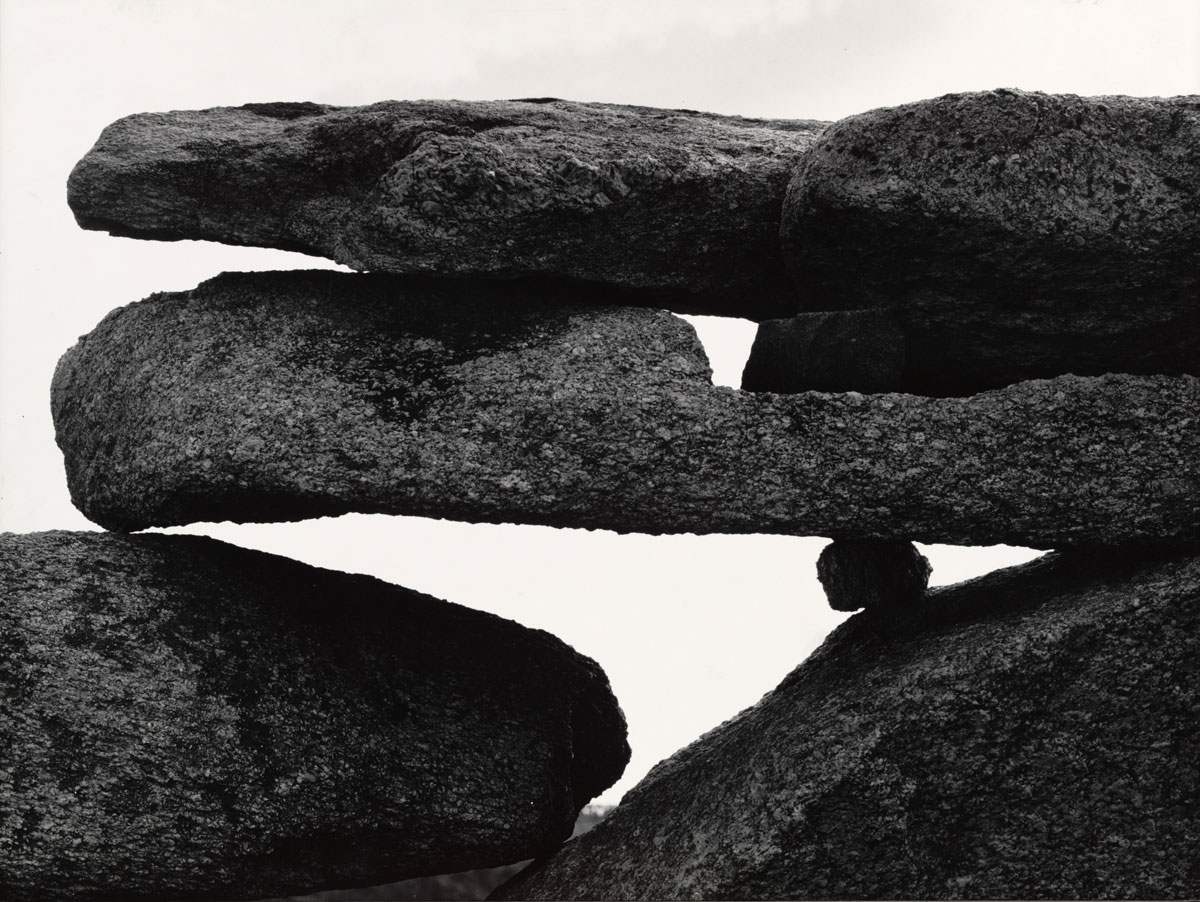
Aaron Siskind has to be one of my favourite photographers of all time (and space). His Martha’s Vineyard (see photograph below), like most of his work, is superb: the abstraction and counterpose are magnificent. Team this with a couple of Rothko, a Motherwell, a de Kooning and a knockout of a Hartigan and you certainly have the start of ‘The Big Picture’. I wish I could have been there to see this exhibition – sigh!

Dr Marcus Bunyan


Many thankx to The Museum of Modern Art for allowing me to publish the photographs in the posting. Please click on the photographs for a larger version of the image.


Installation view of the exhibition 'Abstract Expressionist New York: The Big Picture' at the Museum of Modern Art, New York


Installation view of the exhibition, Abstract Expressionist New York: The Big Picture at MoMA, New York October 3, 2010 – February 28, 2011
Photograph by Thomas Griesel


Jackson Pollock (American, 1912-1956) 'The She-Wolf' 1943


Jackson Pollock (American, 1912-1956)
The She-Wolf
1943
Oil, gouache, and plaster on canvas
41 7/8 x 67″ (106.4 x 170.2cm)
Purchase
© 2010 The Pollock-Krasner Foundation / Artists Rights Society (ARS), New York


In the early 1940s Pollock, like many of his peers, explored primeval or mythological themes in his work. The wolf in this painting may allude to the animal that suckled the twin founders of Rome, Romulus and Remus, in the myth of the city’s birth. But “She-Wolf came into existence because I had to paint it,” Pollock said in 1944. In an attitude typical of his generation, he added, “Any attempt on my part to say something about it, to attempt explanation of the inexplicable, could only destroy it.” The She-Wolf was featured in Pollock’s first solo exhibition, at Art of This Century gallery in New York in 1943. MoMA acquired the painting the following year, making it the first work by Pollock to enter a museum collection.

Gallery label from Abstract Expressionist New York, October 3, 2010 – April 25, 2011


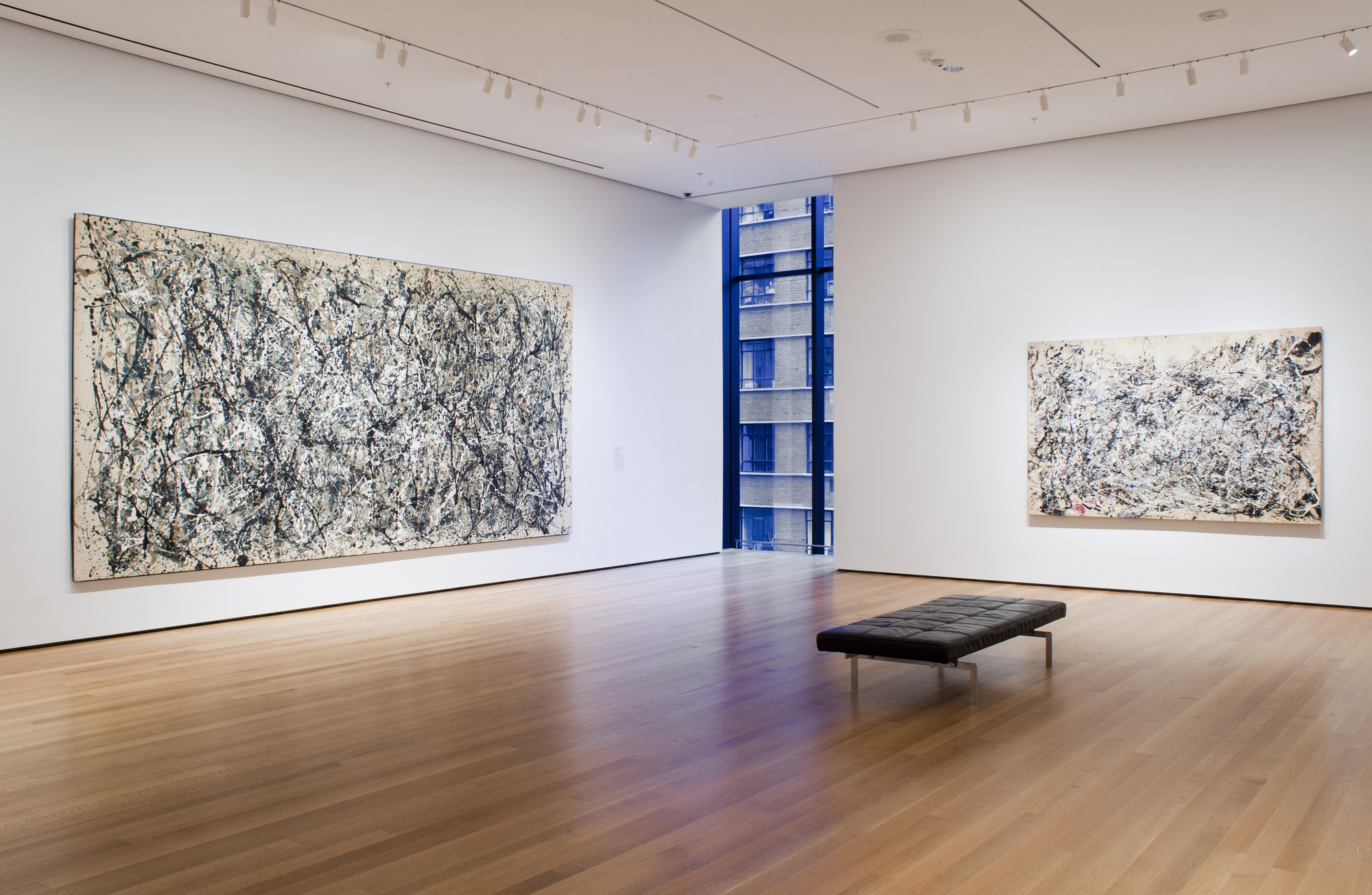
Installation view of the exhibition 'Abstract Expressionist New York: The Big Picture' at MoMA, New York October 3, 2010 - February 28, 2011 showing at right, Jackson Pollock's painting 'Number 1A' 1948


Installation view of the exhibition, Abstract Expressionist New York: The Big Picture at MoMA, New York October 3, 2010 – February 28, 2011 showing at right, Jackson Pollock’s painting Number 1A, 1948
Photograph by Thomas Griesel


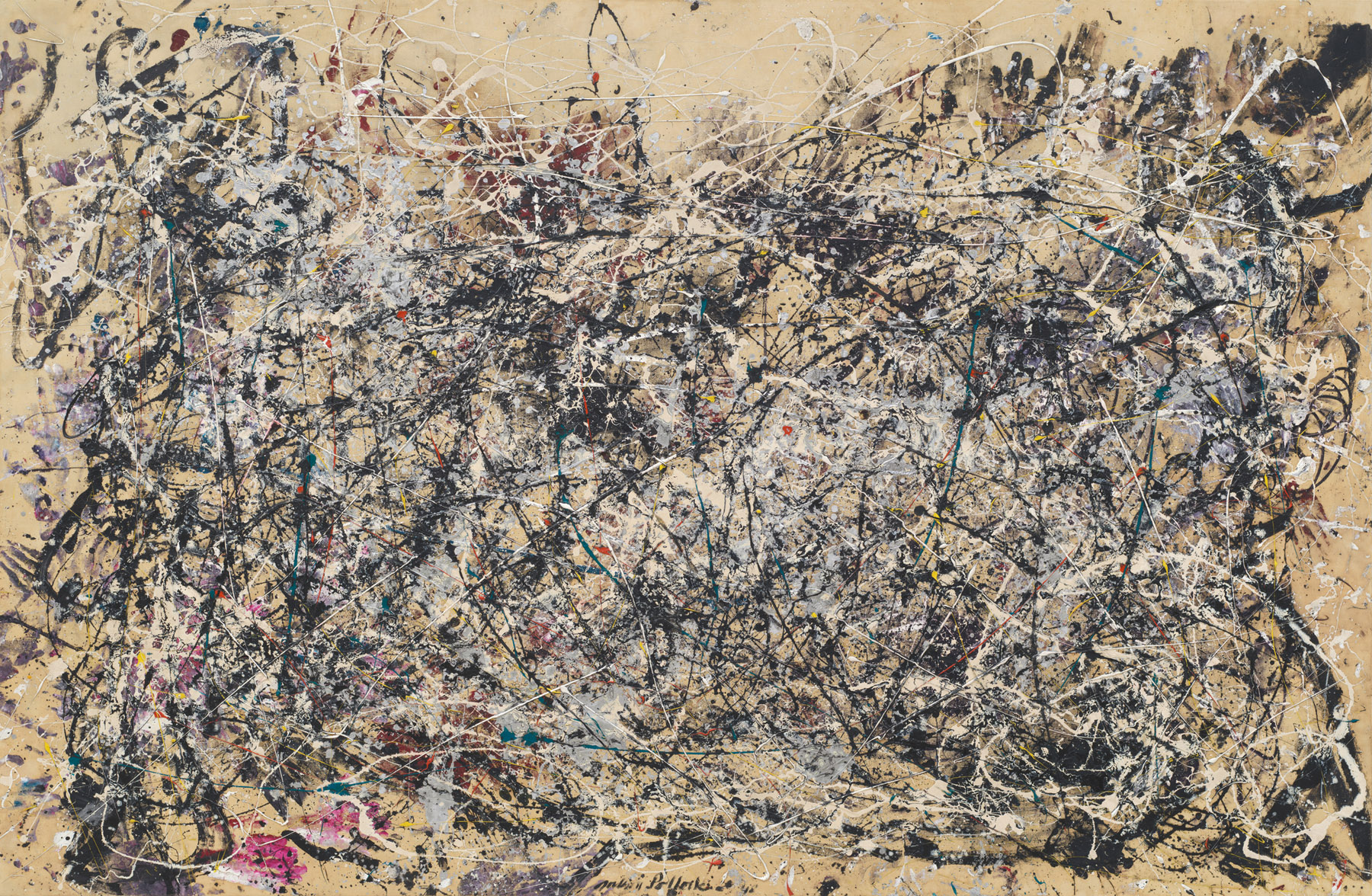
Jackson Pollock (American, 1912-1956) 'Number 1A, 1948' 1948


Jackson Pollock (American, 1912-1956)
Number 1A, 1948
1948
Oil and enamel paint on canvas
68″ x 8′ 8″ (172.7 x 264.2cm)
Purchase
© 2010 The Pollock-Krasner Foundation / Artists Rights Society (ARS), New York


While the style of “drip” painting has become synonymous with the name Jackson Pollock, here the artist has autographed the work even more directly, with several handprints found at the composition’s upper right. Around this time Pollock stopped giving his paintings evocative titles and began instead to number them. His wife, artist Lee Krasner, later explained, “Numbers are neutral. They make people look at a painting for what it is – pure painting.” Collectors did not immediately appreciate Pollock’s radical new style, and when first exhibited, in 1949 (then titled Number 1, 1948), this painting remained unsold. Later that year the work was shown again in the artist’s second solo exhibition (Pollock added “A” to the title to avoid confusion with more recent work) and shortly thereafter was purchased by MoMA.

Gallery label from Abstract Expressionist New York, October 3, 2010 – April 25, 2011


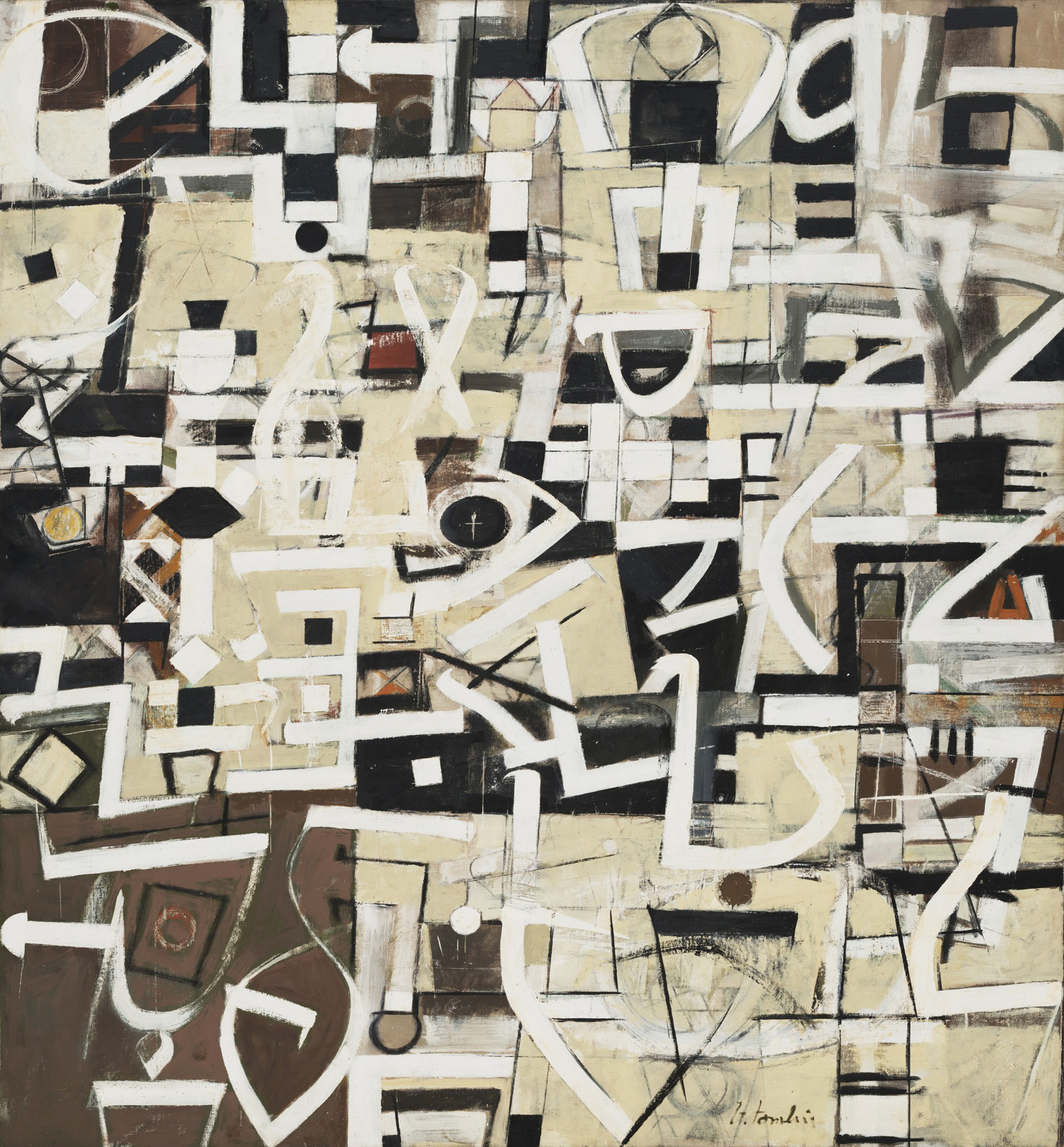
Bradley Walker Tomlin (American, 1899-1953) 'Number 20' 1949


Bradley Walker Tomlin (American, 1899-1953)
Number 20
1949
Oil on canvas
7′ 2″ x 6′ 8 1/4″ (218.5 x 203.9cm)
Gift of Philip Johnson


Although some of the ribbons and bars that animate Number 20 are recognisable letters of the alphabet (E, X, or Z) these and their more abstract neighbours evoke calligraphy without constituting it. A critic described these symbols as “hieroglyphs that lack only the appropriate Rosetta Stone for their deciphering.” Tomlin distributed his nonobjective imagery evenly on the canvas, depriving the work of a traditional focal point and creating a staccato rhythm and allover design that invites the viewer’s glance to travel across its surface.

Gallery label from Abstract Expressionist New York, October 3, 2010 – April 25, 2011


Installation view of the exhibition 'Abstract Expressionist New York: The Big Picture' at MoMA, New York October 3, 2010 - February 28, 2011 showing at left, Barnett Newman's painting 'Vir Heroicus Sublimis' (1950-1951)


Installation view of the exhibition, Abstract Expressionist New York: The Big Picture at MoMA, New York October 3, 2010 – February 28, 2011 showing at left, Barnett Newman’s painting Vir Heroicus Sublimis (1950-1951)
Photograph by Thomas Griesel


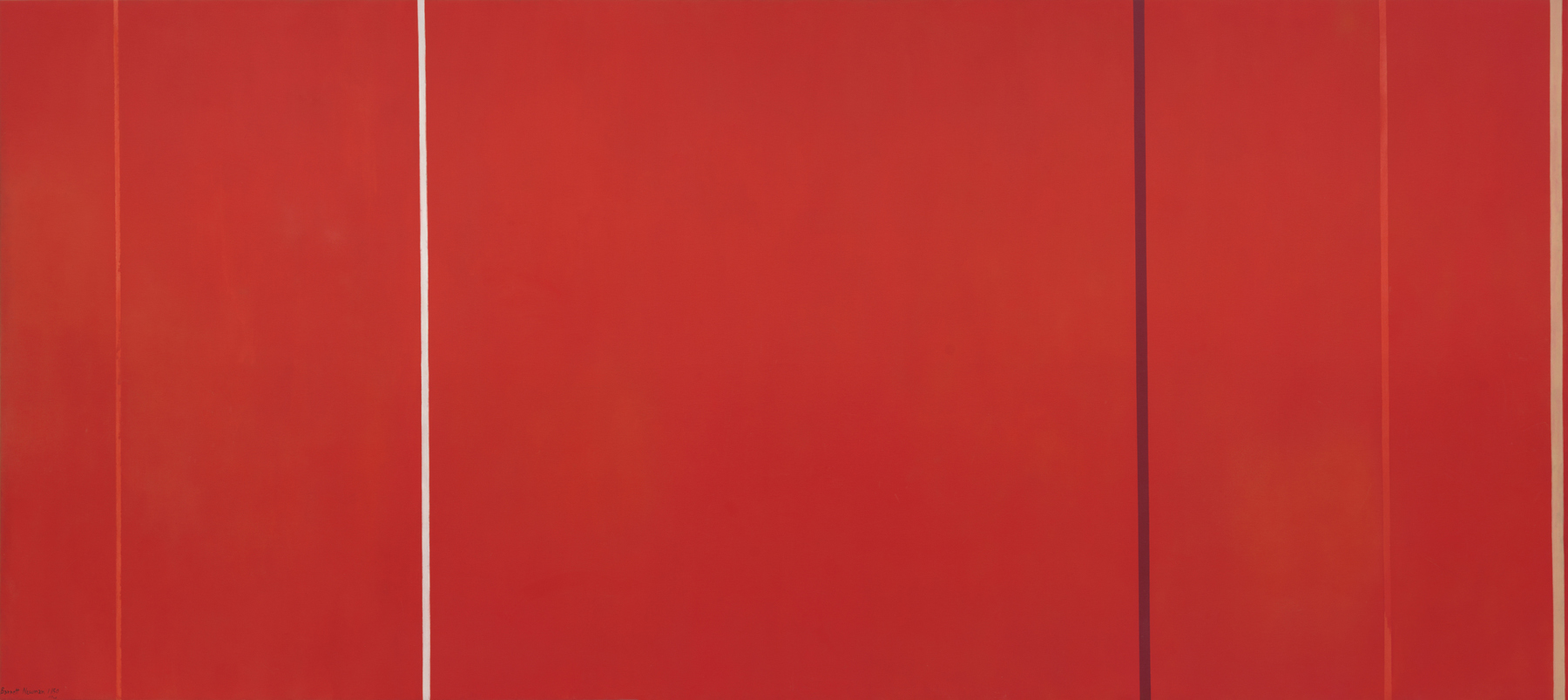
Barnett Newman (American, 1905-1970) 'Vir Heroicus Sublimis' 1950-1951


Barnett Newman (American, 1905-1970)
Vir Heroicus Sublimis
1950-1951
Oil on canvas
7′ 11 3/8″ x 17′ 9 1/4″ (242.2 x 541.7cm)
Gift of Mr. and Mrs. Ben Heller
© 2019 Barnett Newman Foundation / Artists Rights Society (ARS), New York


Vir Heroicus Sublimis, Newman’s largest painting at the time of its completion, is meant to overwhelm the senses. Viewers may be inclined to step back from it to see it all at once, but Newman instructed precisely the opposite. When the painting was first exhibited, in 1951 at the Betty Parsons Gallery in New York, Newman tacked to the wall a notice that read, “There is a tendency to look at large pictures from a distance. The large pictures in this exhibition are intended to be seen from a short distance.” Newman believed deeply in the spiritual potential of abstract art. The Latin title of this painting means “Man, heroic and sublime.”

Gallery label from Abstract Expressionist New York, October 3, 2010 – April 25, 2011


Jack Tworkov (American born Poland, 1900-1982). 'West 23rd' 1963


Jack Tworkov (American born Poland, 1900-1982)
West 23rd
1963
Oil on canvas
60″ x 6′ 8″ (152.6 x 203.3cm)
The Museum of Modern Art, New York. Purchase
© Estate of Jack Tworkov, courtesy Mitchell-Innes & Nash, New York


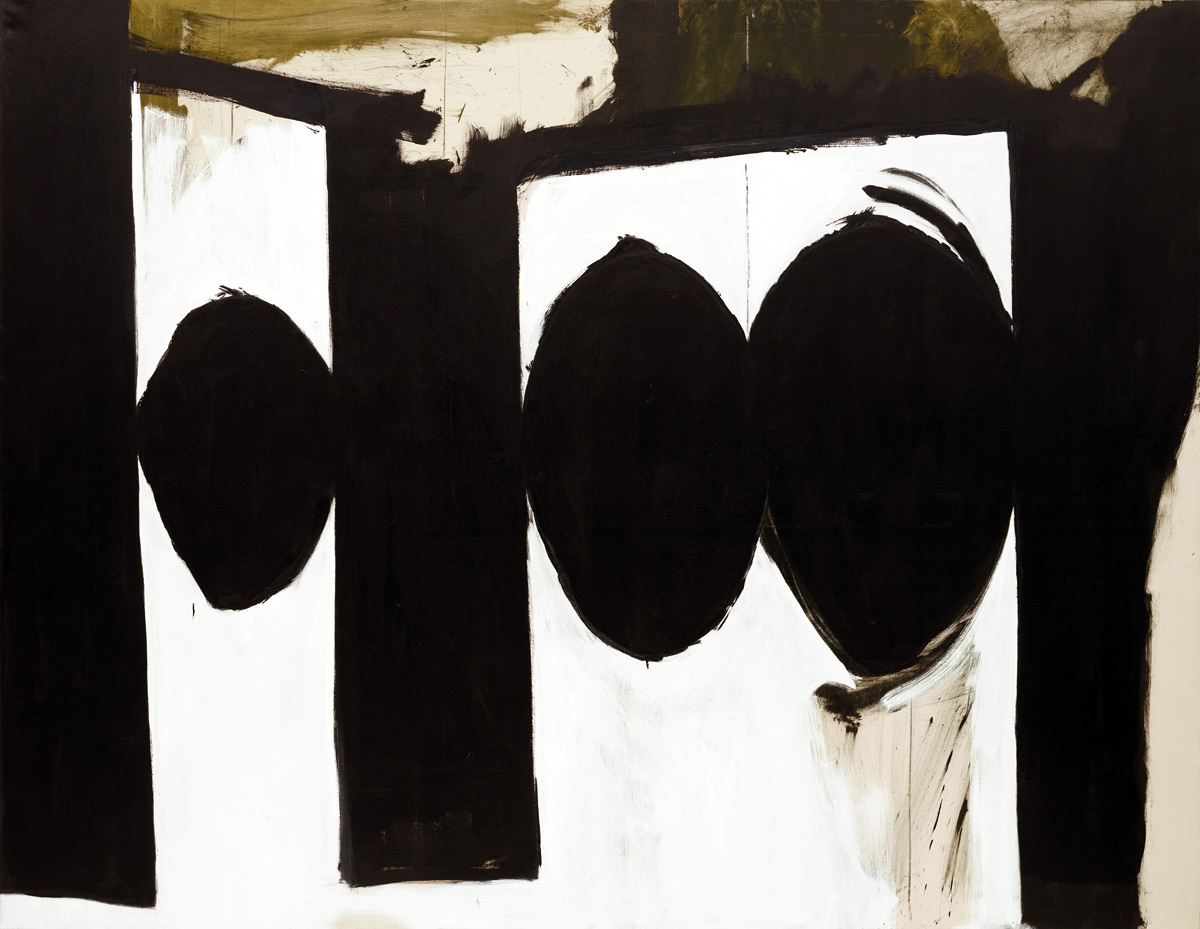
Robert Motherwell (American, 1915-1991). 'Elegy to the Spanish Republic, 54' 1957-1961


Robert Motherwell (American, 1915-1991)
Elegy to the Spanish Republic, 54
1957-1961
Oil on canvas
70″ x 7′ 6 1/4″ (178 x 229cm)
The Museum of Modern Art, New York. Given anonymously
© Dedalus Foundation, Inc./Licensed by VAGA, New York, NY


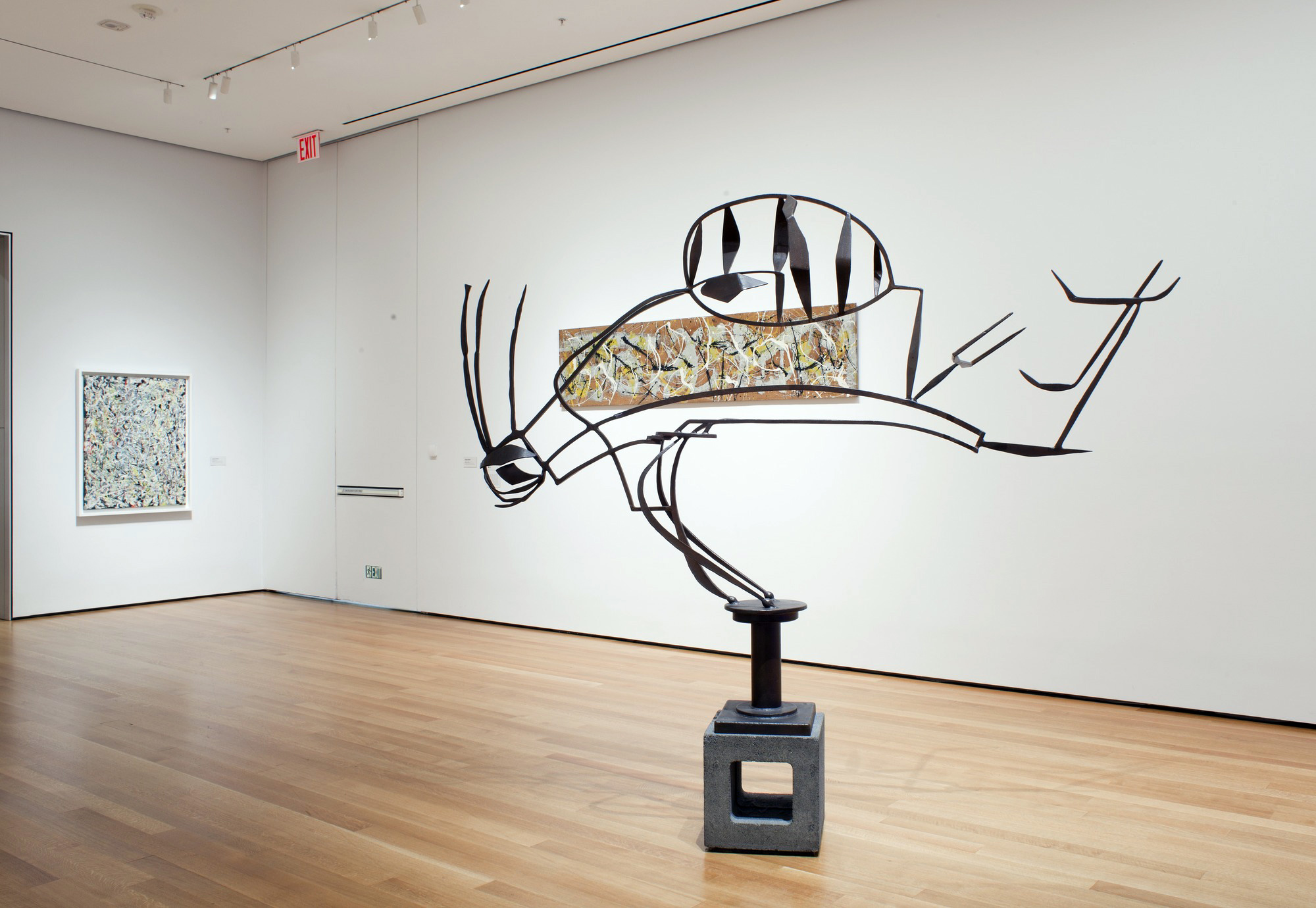
Installation view of the exhibition 'Abstract Expressionist New York: The Big Picture' at MoMA, New York October 3, 2010 - February 28, 2011 showing at right, David Smith's sculpture 'Australia' (1951)


Installation view of the exhibition, Abstract Expressionist New York: The Big Picture at MoMA, New York October 3, 2010 – February 28, 2011 showing at right, David Smith’s sculpture Australia (1951)
Photograph by Thomas Griesel


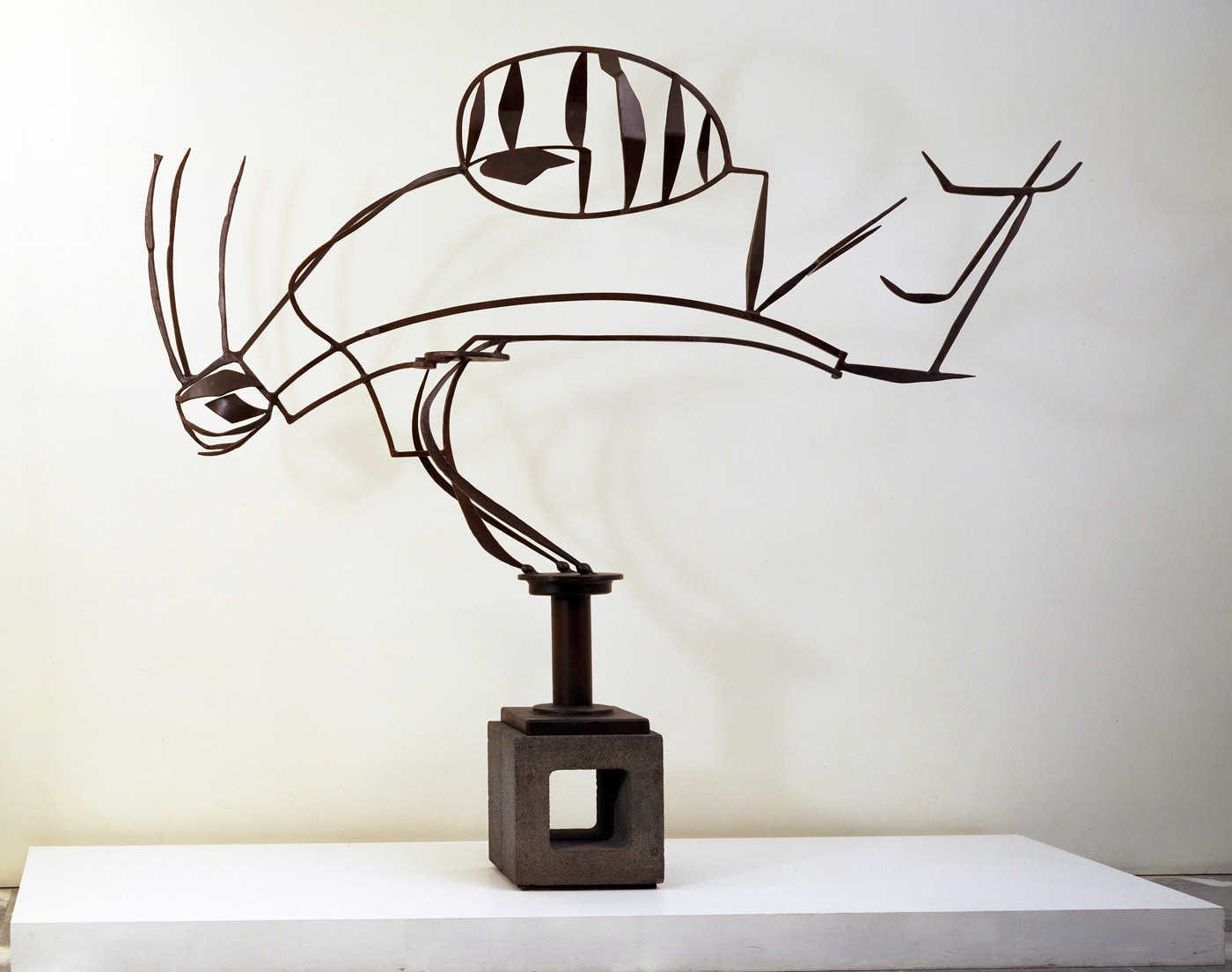
David Smith (American, 1906-1965) 'Australia' 1951


David Smith (American, 1906-1965)
Australia
1951
Painted steel
6′ 7 1/2″ x 8′ 11 7/8″ x 16 1/8″ (202 x 274 x 41cm), on cinder block base, 17 1/2 x 16 3/4 x 15 1/4″ (44.5 x 42.5 x 38.7cm)
The Museum of Modern Art, New York. Gift of William Rubin
© Estate of David Smith/Licensed by VAGA, New York, NY


At the time of its completion, Australia was Smith’s largest sculpture. By welding together thin rods and plates of steel he created a work that is simultaneously delicate and strong, a masterpiece of tension, balance, and form that he described as a “drawing in space.” Sculpture has traditionally been defined by volume and mass; Australia is, in contrast, built of lines. In what might be described as an allover sculpture, the linear activity is greatest at the perimeters, while the center is nearly empty. Because of its title, the work is sometimes read as an abstracted kangaroo, its lines capturing the spring of the animal’s leap.

Gallery label from Abstract Expressionist New York, October 3, 2010 – April 25, 2011


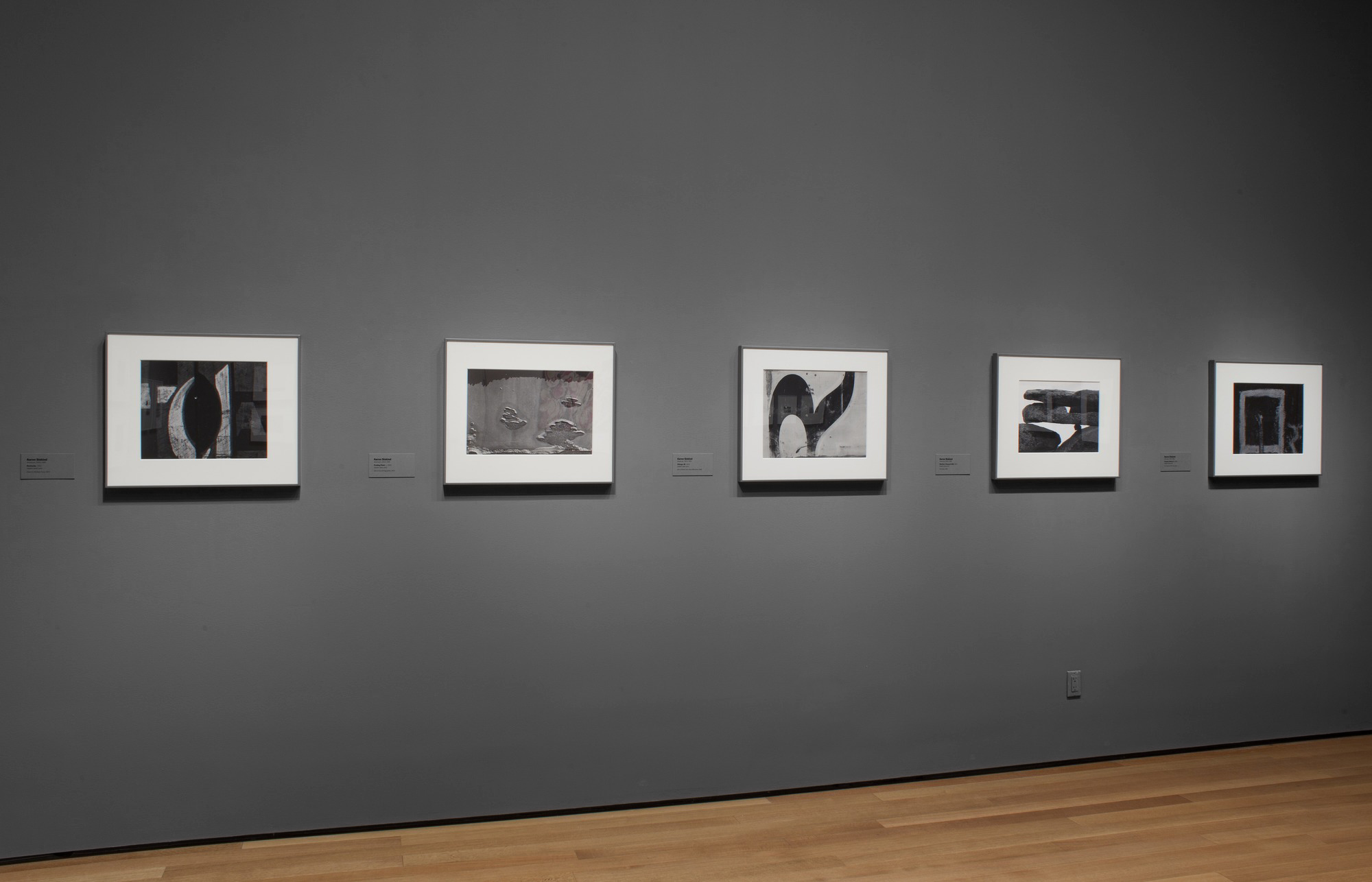
Installation view of the exhibition 'Abstract Expressionist New York: The Big Picture' at MoMA, New York October 3, 2010 - February 28, 2011 showing a wall of photographs by Aaron Siskind including at second right, 'Martha's Vineyard' (1954-1959)


Installation view of the exhibition, Abstract Expressionist New York: The Big Picture at MoMA, New York October 3, 2010 – February 28, 2011 showing a wall of photographs by Aaron Siskind including at second right, Martha’s Vineyard (1954-1959)
Photograph by Thomas Griesel


Aaron Siskind (American, 1903-1991). 'Martha's Vineyard' 1954-1959


Aaron Siskind (American, 1903-1991)
Martha’s Vineyard
1954-1959
Gelatin silver print
12 7/16 x 16 1/2″ (31.6 x 41.9cm)
The Museum of Modern Art, New York. Purchase
© 2010 Estate of Aaron Siskind


Adolph Gottlieb (American, 1903-1974) 'Man Looking at Woman' 1949


Adolph Gottlieb (American, 1903-1974)
Man Looking at Woman
1949
Oil on canvas
42 x 54″ (106.6 x 137.1cm)
Gift of the artist
© Adolph and Esther Gottlieb Foundation/Licensed by VAGA, New York, NY


In the 1940s Gottlieb began to emulate the art of early Native American and Middle Eastern cultures, explorations that eventually inspired his Pictograph paintings, including Man Looking at Woman. This work and others like it feature hieroglyphic-like script distributed across the canvas in a series of gridded compartments. Gottlieb avoided using decipherable signs. In 1955 he said of these works, “I frequently hear the question, ‘What do these images mean?’ That is simply the wrong question. Visual images do not have to conform to either verbal thinking or optical facts. A better question would be: ‘Do these images convey any emotional truth?'”

Gallery label from Abstract Expressionist New York, October 3, 2010 – April 25, 2011


Arshile Gorky (American, born Armenia, 1904-1948) 'Agony' 1947


Arshile Gorky (American born Armenia, 1904-1948)
Agony
1947
Oil on canvas
40 x 50 1/2″ (101.6 x 128.3cm)
The Museum of Modern Art, New York. A. Conger Goodyear Fund
© 2010 The Arshile Gorky Foundation / The Artists Rights Society (ARS), New York


The evocative title of this work and the fiery intensity of the palette signal a departure from Gorky’s more lyrical abstractions of the preceding years. Agony, a blazing, impassioned scene, is often understood in relation to the traumatic events of the artist’s personal life, including a fire in his studio and cancer.

Gallery label from Abstract Expressionist New York, October 3, 2010 – April 25, 2011


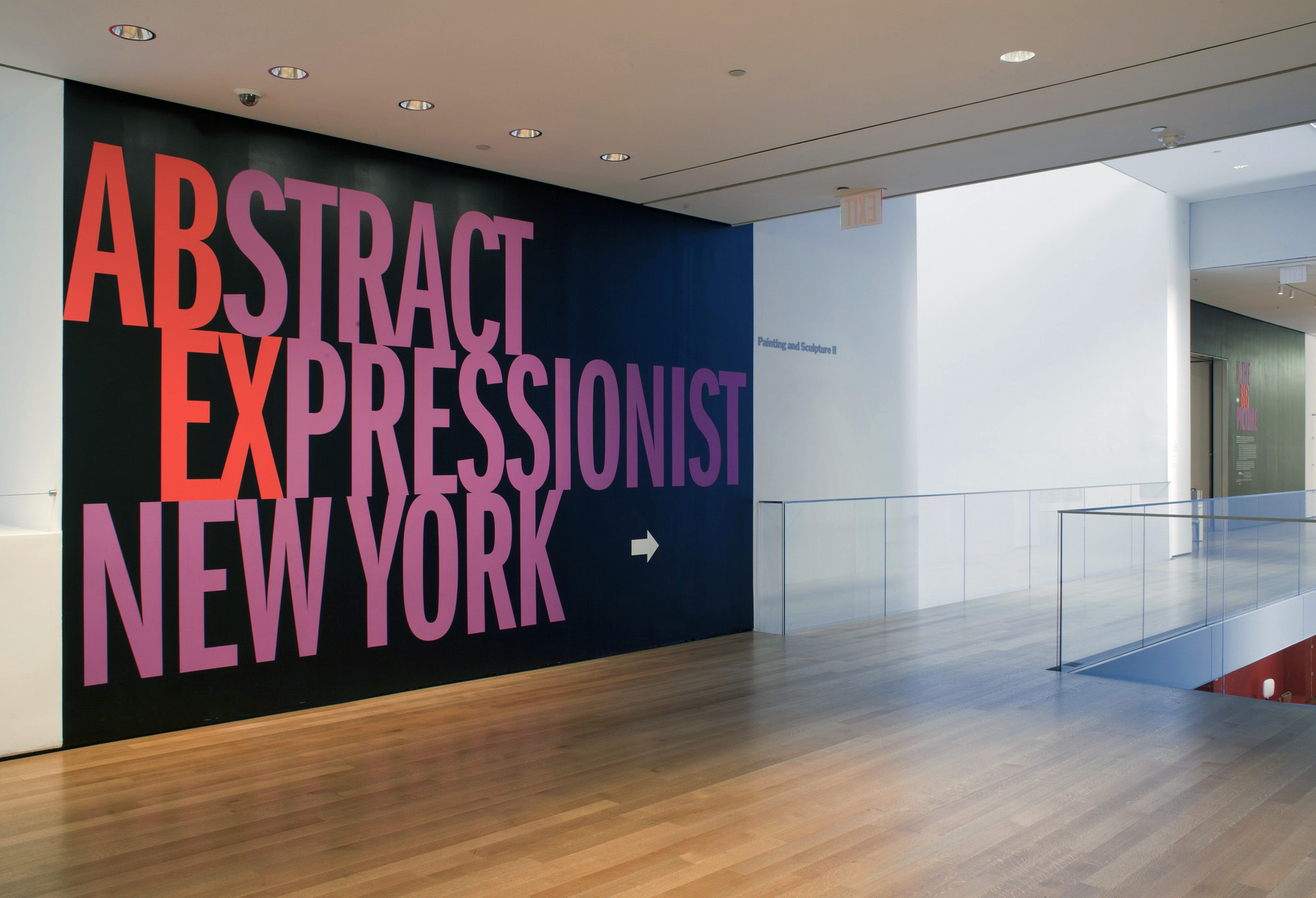
Subtitled The Big Picture, this installation of 100 Abstract Expressionist paintings and a rich selection of some 60 sculptures, drawings, prints, and photographs, occupies the entire fourth floor of the Museum and chronicles the era of Abstract Expressionism. The movement drew together a host of artists with greatly varying stylistic approaches, but with a common commitment to the power of an abstract art that could express personal convictions and profound human values.

Organised in a loose chronology, intermittently interrupted by monographic galleries that allow for the in-depth study of an individual artist’s practice, the installation opens with a selection of paintings and drawings that attest to the acutely self-conscious sense of new beginnings present in the work of individuals such as Jackson Pollock and Mark Rothko. In the immediate aftermath of World War II, they and their peers – not yet a cohesive group – created imagery that evoked primitive man or ancient myth, and conjured an aquatic or geological pre-human world.

Upon entering the galleries, visitors are greeted by Jackson Pollock’s The She-Wolf (1943), which was featured in the artist’s first solo exhibition, in 1943, and was the first work by Pollock to enter a museum collection when MoMA acquired it the following year. Made before Pollock developed his signature “drip” style, the canvas shows that a free-form abstraction and an unfettered play of materials were already parts of his process. Also on view is Mark Rothko’s Slow Swirl at the Edge of the Sea (1944), a canvas picturing two creatures floating between sea and sky, surrounded by arabesques, spirals, and stripes that betrays the influence of Surrealism on Rothko’s early work.

A monographic gallery devoted to the work of Barnett Newman includes Onement, I (1952), which the artist later identified as his breakthrough painting. Modest in size, it consists of a monochromatic background divided in half by a vertical band, or “zip” as the artist later called it. Every successive painting by Newman, as seen in the seven works in this gallery, features this particular compositional motif, although their formal and emotional differences are apparent. The scale and proportions of the paintings, as well as their palette and brushwork, vary from work to work, as do the number of zips and their location in the field of colour. At the other end of the spectrum from this relatively small canvas is Vir Heroicus Sublimis (1950-1951), an 18-foot-wide, vibrant red expanse that was Newman’s largest painting at the time of its creation.

The distinctive materials, techniques, and approaches developed and practiced by the Abstract Expressionists can be seen in a number of other works from the late 1940s and early 1950s. For Painting (1948), Willem de Kooning used oil and enamel sign paint to create a densely packed painting in which the paint drips, bleeds, congeals, or dissolves into delicate streaks. Lee Krasner’s Untitled (1949) shows that she applied thick paint – sometimes directly from the tube – in rhythmic and repetitive strokes, giving equal attention to every inch of the canvas and creating an allover composition. Bradley Walker Tomlin, in Number 20 (1949), and Adolph Gottlieb, in Man Looking at Woman (1949), distributed imagery evoking the alphabet and hieroglyphics evenly across their canvases.

A large gallery focusing on the work of Jackson Pollock includes Full Fathom Five (1947), one of earliest “drip” paintings, and Number 1A, 1948 (1948), the first drip painting to enter MoMA’s collection (in 1950). For One: Number 31, 1950 (1950), a masterpiece of the drip technique and one of Pollock’s largest paintings (8′ 10″ x 17′ 5 5/8″ (269.5 x 530.8 cm)), the artist laid the canvas on the floor of his studio and poured, dribbled, and flicked enamel paint onto the surface, sometimes straight from the can, or with sticks and stiffened brushes. The density of interlacing liquid threads of paint is balanced and offset by puddles of muted colours and by allover spattering.

Eight paintings made by Mark Rothko over a 14-year period are presented in a single gallery. The earliest examples from 1948, such as No. 1 (Untitled), feature variously sized abstract forms caught mid-motion as they shift on the canvas. Beginning in 1950, Rothko’s “classic” style forms as the artist creates a composition from horizontal planes of thinly layered paint and highly modulated colour, simplifying the compositional structure of his paintings and arriving at his signature style. No. 10 (1950) is divided horizontally into three dominant planes of blue, yellow, and white that softly and subtly bleed into one another. Acquired by MoMA in 1952, it was the first Rothko to enter the Museum’s collection, and was considered so radical that a trustee of the Museum resigned in protest.

MoMA’s practice of making in-depth acquisitions of work by artists that its curators judged to be of greatest importance was complemented by acquisitions of smaller numbers of works by other artist who played roles too significant to be forgotten. The Big Picture includes paintings and sculptures by more than 20 artists.

There is a gallery devoted to a selection of photographs made by individuals who used a camera to explore kindred artistic concerns – often resulting in work with striking stylistic similarities. Aaron Siskind may be the photographer most closely associated with Abstract Expressionism, and numerous works of his on display suggest the depth of this connection. Also featured in this installation is work by Harry Callahan, Robert Frank, Minor White, and others, revealing the variety of ways in which the sensibility or structure of paintings from this period manifested itself photographically.

The exhibition includes some 30 items from the MoMA Archives, documenting the relation of the Museum to Abstract Expressionism. Materials represent the institution’s influential series of “Americans” exhibitions, organised by Dorothy C. Miller, which included several Abstract Expressionist artists in four of its iterations. In addition, documentation regarding the internationally circulating New American Painting show (also organised by Miller) is presented. This important exhibition travelled to eight European cities in 1958-59 and propelled the homegrown Abstract Expressionist movement onto the international art scene. A third section includes photographs of artists and their own statements and letters. Highlights include: exhibition catalogues, installation photographs, news clippings, and ephemera; photographs of artists in the studio with their artworks; a letter from Robert Motherwell to Miller describing the four themes of his art (automatic means, pure abstractions, political or a kind of “disasters” series, and intimate pictures), a letter from Ad Reinhardt to Miller recommending a different installation of his paintings, and a statement by Grace Hartigan identifying her subject as the “vulgar and vital in American life, and the possibilities of its transcendence into the beautiful.”

Text from the Museum of Modern Art press release


Installation view of the exhibition 'Abstract Expressionist New York: The Big Picture' at MoMA, New York October 3, 2010 - February 28, 2011 showing a wall of the photographs of Robert Frank (Swiss-American, 1924-2019)


Installation view of the exhibition, Abstract Expressionist New York: The Big Picture at MoMA, New York October 3, 2010 – February 28, 2011 showing a wall of the photographs of Robert Frank (Swiss-American, 1924-2019)
Photograph by Thomas Griesel


Robert Frank (Swiss-American, 1924-2019) 'Paris' 1952


Robert Frank (Swiss-American, 1924-2019)
Paris
1952
Gelatin silver print


Robert Frank (Swiss-American, 1924-2019) 'Mississippi, St Louis' 1948


Robert Frank (Swiss-American, 1924-2019)
Mississippi, St Louis
1948
Gelatin silver print


Robert Frank (Swiss-American, 1924-2019) 'New York' c. 1949


Robert Frank (Swiss-American, 1924-2019)
New York
c. 1949
Gelatin silver print


Ibram Lassaw (American, born Egypt, 1913-2003) 'Kwannon' 1952


Ibram Lassaw (American born Egypt, 1913-2003)
Kwannon
1952
Welded bronze
6′ 1/2″ x 43″ x 29″ (184.2 x 109.2 x 73.7cm)
The Museum of Modern Art, New York. Katharine Cornell Fund
© 2010 Denise Lassaw/Ibram Lassaw studio


This sculpture represents Kwannon (also known as Kannon), the Buddhist goddess of mercy and an attendant of Buddha. Lassaw thickened steel wire with molten bronze, creating an openwork metal scaffolding of irregular lines and voids – what he called a “drawing in space.” Lassaw wrote of this abstract figure, “Although I never try to depict or narrate or communicate, I feel that something of Kwannon entered this piece of sculpture.”

Gallery label from Abstract Expressionist New York, October 3, 2010 – April 25, 2011


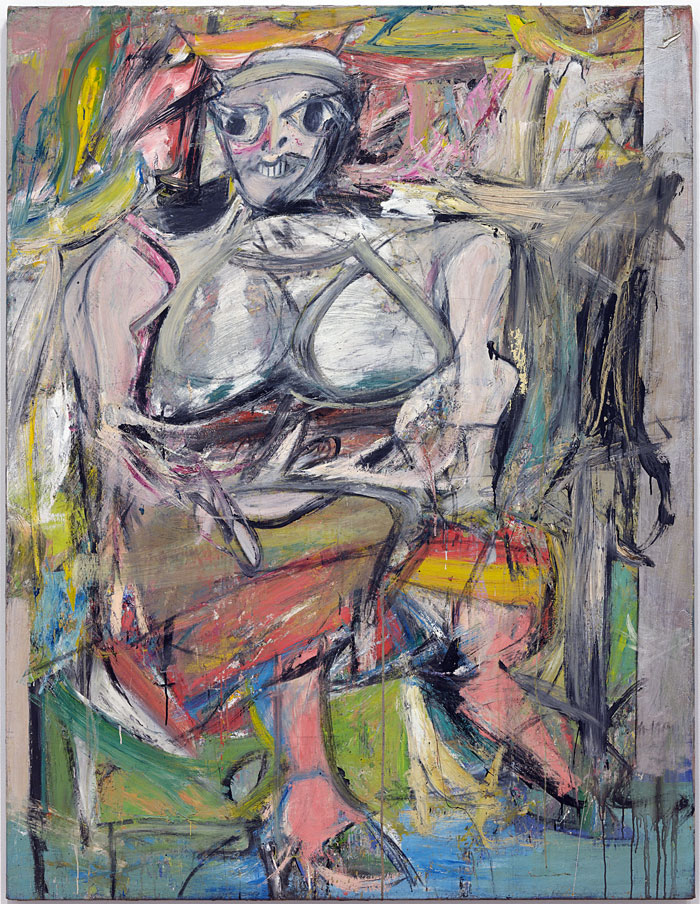
Willem de Kooning (American born The Netherlands, 1904-1997) 'Woman, I' 1950-1952


Willem de Kooning (American born The Netherlands, 1904-1997)
Woman, I
1950-1952
Oil on canvas
6′ 3 7/8″ x 58″ (192.7 x 147.3cm)
The Museum of Modern Art, New York. Purchase.
© 2010 The Willem de Kooning Foundation / Artists Rights Society (ARS), New York


De Kooning famously said, “Flesh is the reason oil paint was invented,” and although he often worked in an abstract style he continually returned to the figure. Woman I took an unusually long time to complete. De Kooning made numerous preliminary studies then repainted the canvas repeatedly, eventually arriving at this hulking, wild-eyed figure of a woman. An amalgam of female archetypes, from a Paleolithic fertility goddess to a 1950s pinup girl, her threatening gaze and ferocious grin are heightened by de Kooning’s aggressive brushwork and intensely coloured palette.

Gallery label from Abstract Expressionist New York, October 3, 2010 – April 25, 2011


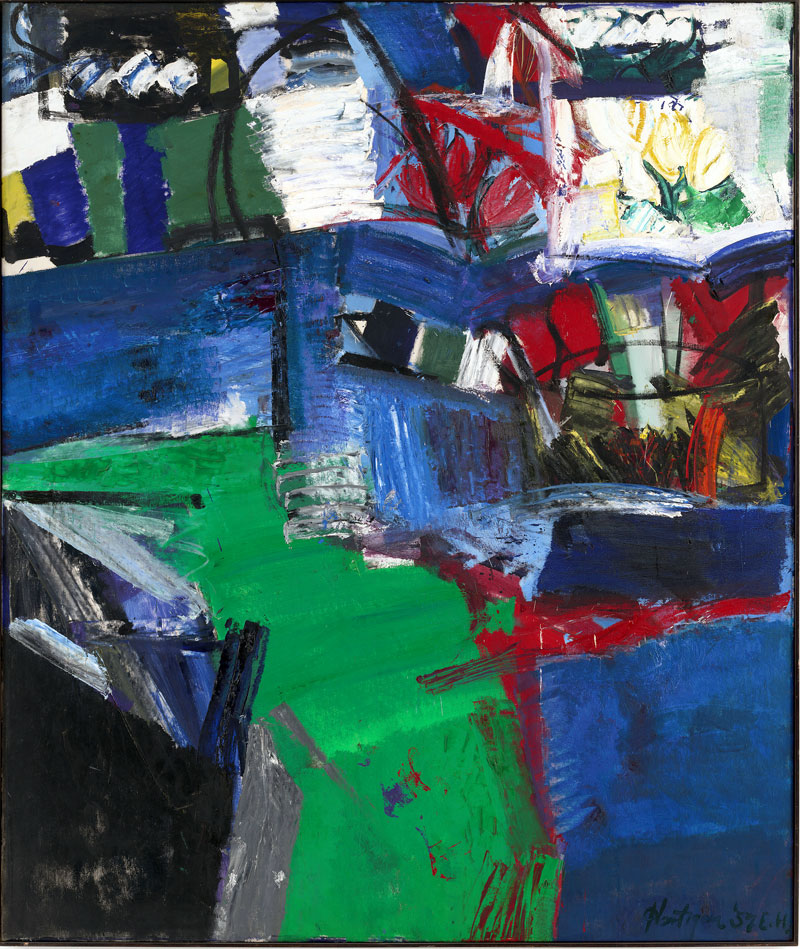
Grace Hartigan (American, 1922-2008) 'Shinnecock Canal' 1957


Grace Hartigan (American, 1922-2008)
Shinnecock Canal
1957
Oil on canvas
7′ 6 1/2″ x 6′ 4″ (229.8 x 193cm)
The Museum of Modern Art, New York. Gift of James Thrall Soby
© 2010 The Estate of Grace Hartigan


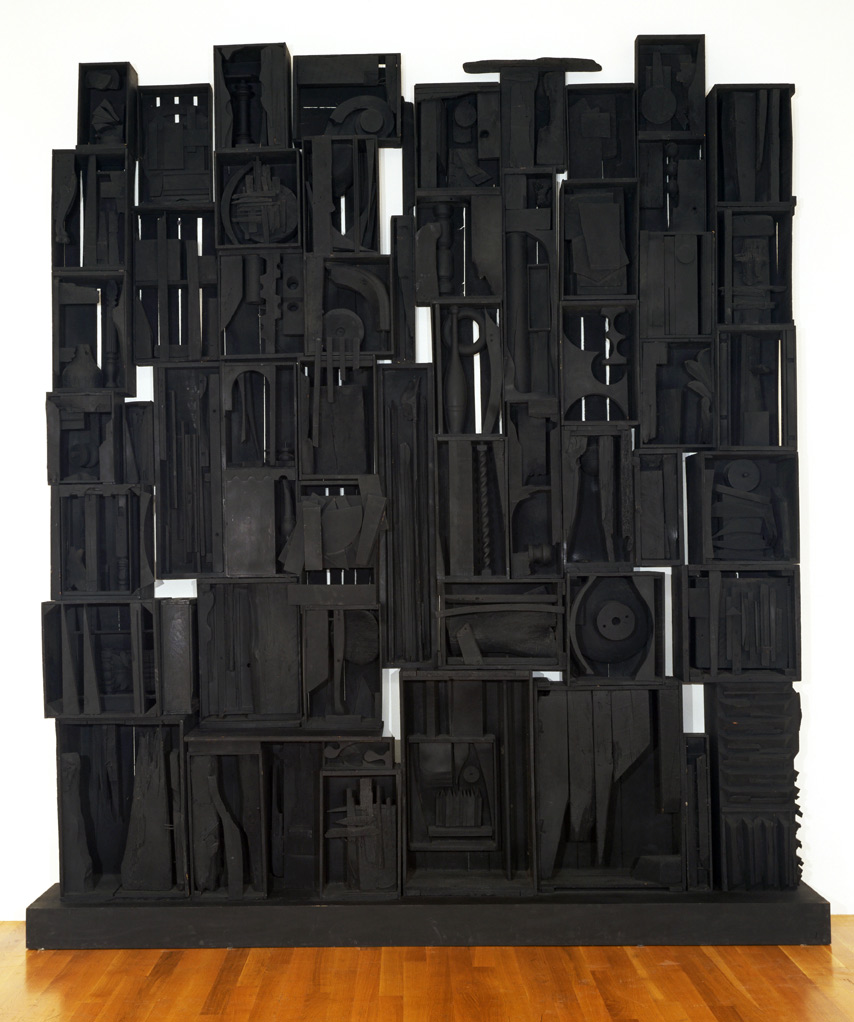
Louise Nevelson (American born Ukraine, 1899 -1988) 'Sky Cathedral' 1958


Louise Nevelson (American born Ukraine, 1899-1988)
Sky Cathedral
1958
Painted wood
11′ 3 1/2″ x 10′ 1/4″ x 18″ (343.9 x 305.4 x 45.7cm)
The Museum of Modern Art, New York. Gift of Mr. and Mrs. Ben Mildwoff
© 2010 Estate of Louise Nevelson/Artists Rights Society (ARS), New York


Sky Cathedral. 1958 | MODERN ART & IDEAS


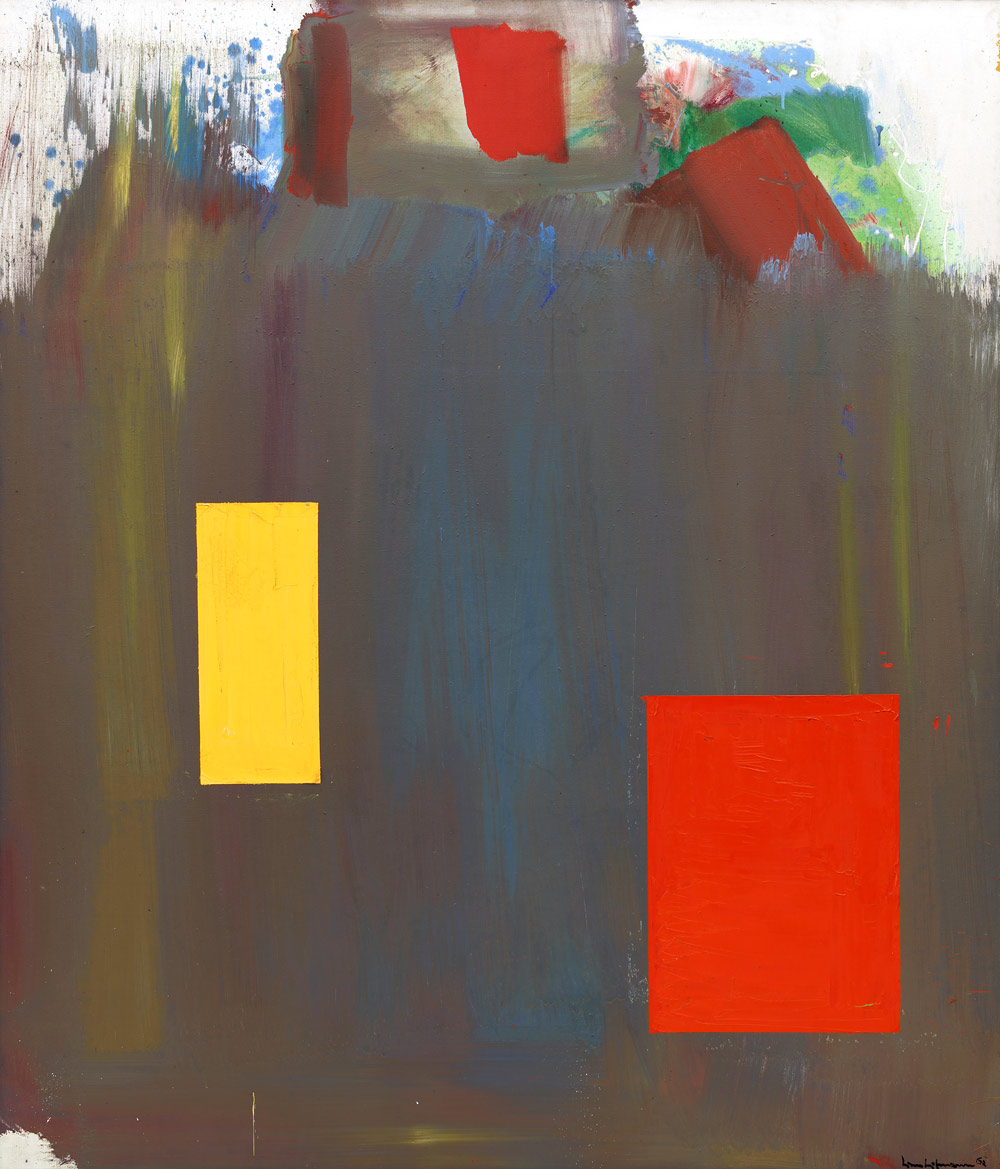
Hans Hofmann (American born Germany, 1880-1966) 'Memoria in Aeternum' 1962


Hans Hofmann (American born Germany, 1880-1966)
Memoria in Aeternum
1962
Oil on canvas
7′ x 6′ 1/8″ (213.3 x 183.2cm)
The Museum of Modern Art, New York. Gift of the artist
© 2010 Renate, Hans & Maria Hofmann Trust / Artists Rights Society (ARS), New York


In Memoria in Aeturnum (Eternal memory) Hofmann remembers five American painters who died in their prime: Arthur B. Carles, an early American Cubist, and four abstract painters whose work is on display in this exhibition – Arshile Gorky, Franz Kline, Jackson Pollock, and Bradley Walker Tomlin. Painted near the end of his life, Hofmann’s work is a tribute to the preceding decades of abstract art, incorporating a wide range of techniques that evoke the spirits of the departed: stains, drips, drawn-out brushstrokes, and smooth-edged geometric forms.

Gallery label from Abstract Expressionist New York, October 3, 2010 – April 25, 2011


Installation view of the exhibition 'Abstract Expressionist New York: The Big Picture' at MoMA, New York October 3, 2010 - February 28, 2011 showing at right Mark Rothko's painting 'No. 5 / No. 22' (1950)


Installation view of the exhibition, Abstract Expressionist New York: The Big Picture at MoMA, New York October 3, 2010 – February 28, 2011 showing at right, Mark Rothko’s painting No. 5 / No. 22 (1950)
Photograph by Thomas Griesel


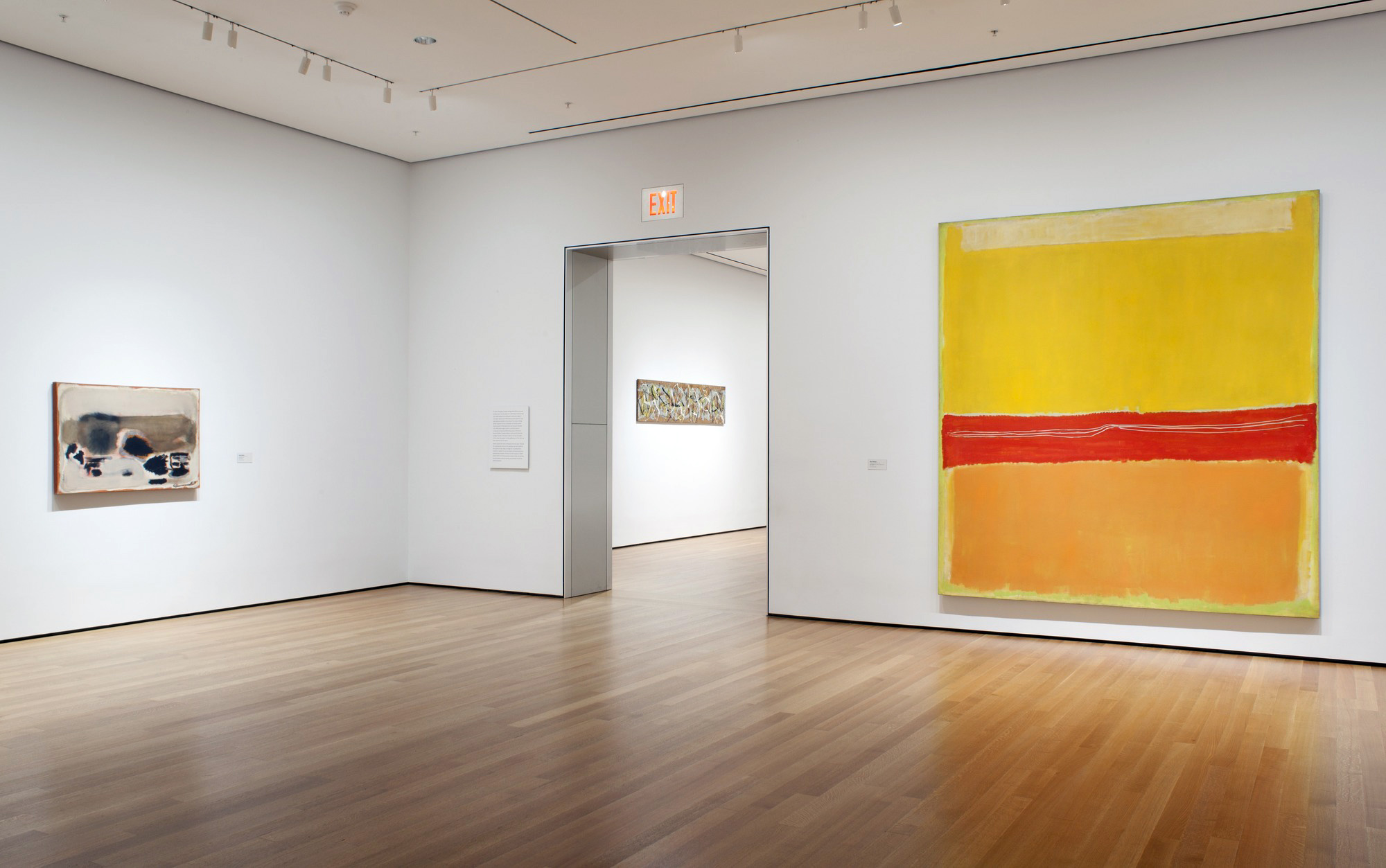
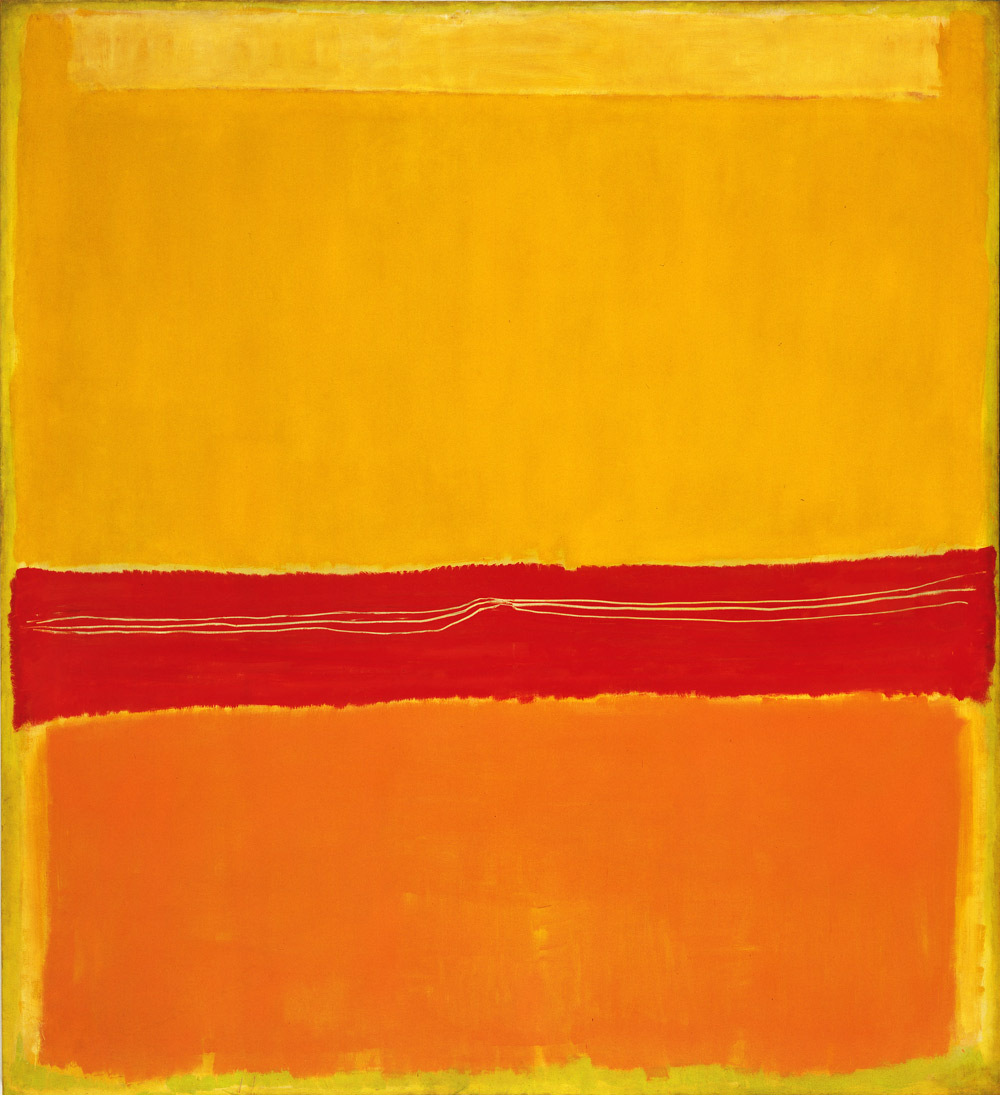
Mark Rothko (American born Latvia, 1903-1970) 'No. 5/No. 22' 1950


Mark Rothko (American born Latvia, 1903-1970)
No. 5 / No. 22
1950
Oil on canvas
9′ 9″ x 8′ 11 1/8″ (297 x 272cm)
The Museum of Modern Art, New York. Gift of the artist.
© 1998 Kate Rothko Prizel & Christopher Rothko / Artists Rights Society (ARS), New York


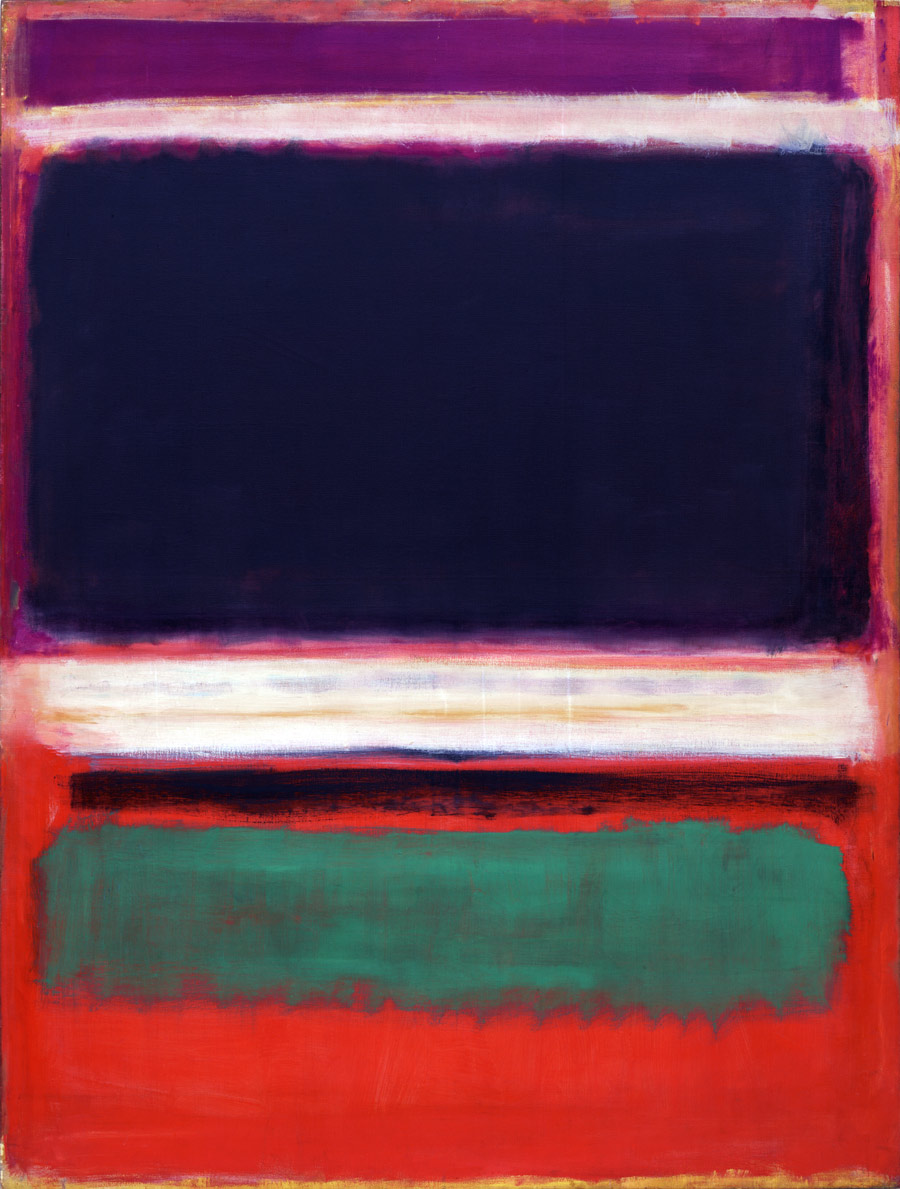
Mark Rothko (American born Latvia, 1903-1970) 'No. 3/No. 13' 1949


Mark Rothko (American born Latvia, 1903-1970)
No. 3 / No. 13
1949
Oil on canvas
7′ 1 3/8″ x 65″ (216.5 x 164.8cm)
The Museum of Modern Art, New York
Bequest of Mrs. Mark Rothko through The Mark Rothko Foundation, Inc.
© 1998 Kate Rothko Prizel & Christopher Rothko / Artists Rights Society (ARS), New York


The Museum of Modern Art
11 West 53rd Street, New York
NY 10019
(212) 708-9400

Opening hours:
Sun – Fri 10.30am – 5.30pm
Sat 10.30am – 7.00pm

MoMA website

LIKE ART BLART ON FACEBOOK

Back to top

Exhibition: ‘Ron Arad: No Discipline’ at The Museum of Modern Art (MoMA), New York

Exhibition dates: 2nd August – 19th October, 2009


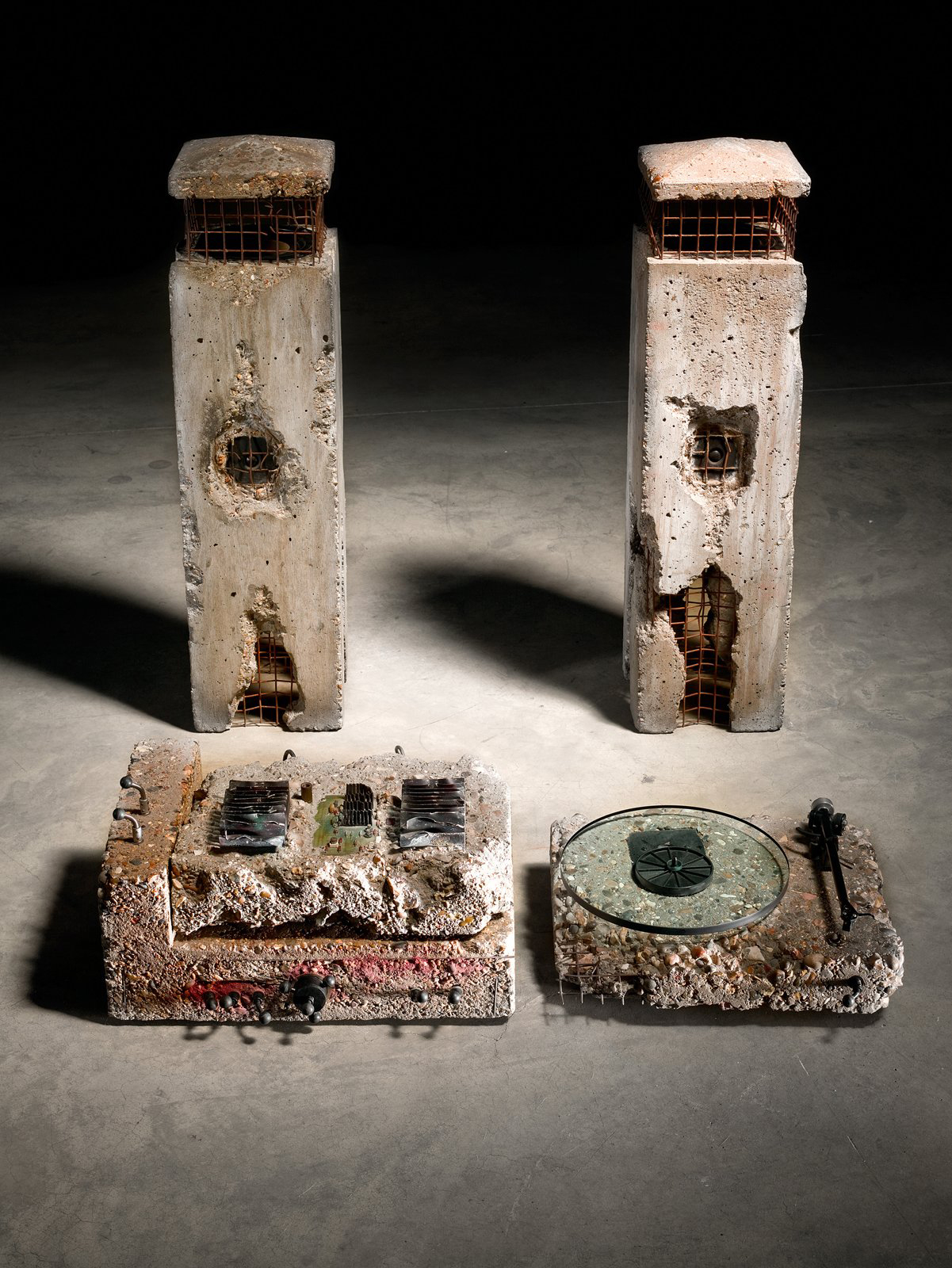
Ron Arad (British-Israeli, b. 1951) 'Concrete Stereo' 1983 from the exhibition 'Ron Arad: No Discipline' at The Museum of Modern Art (MoMA), New York, Aug - Oct, 2009


Ron Arad (British-Israeli, b. 1951)
Concrete Stereo
1983
Photo courtesy of Ron Arad Associates and the Museum of Modern Art


One of my favourite designers!

Marcus


Many thankx to the Museum of Modern Art for allowing me to publish the photographs in the posting. Please click on the photographs for a larger version of the image.


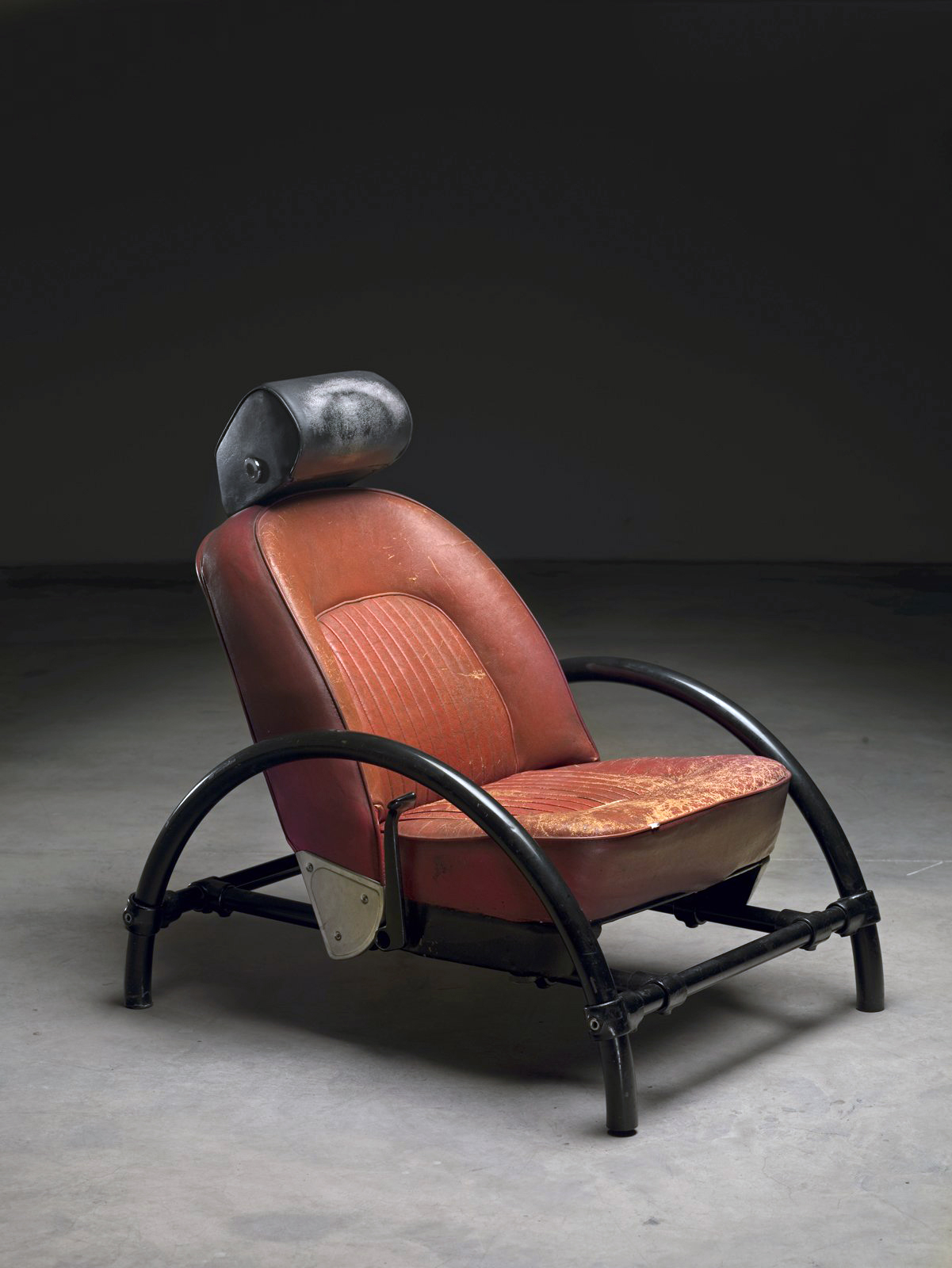
Ron Arad (British-Israeli, b. 1951) 'The Rover Chair' 1981 from the exhibition 'Ron Arad: No Discipline' at The Museum of Modern Art (MoMA), New York, Aug - Oct, 2009


Ron Arad (British-Israeli, b. 1951)
The Rover Chair
1981
Tubular steel, leather, and cast-iron Kee Klamp joints
30 3/4 x 27 3/16 x 36 1/4″ (78 x 69 x 92cm); weight 57.3 lbs (26 kg)
Edition by One Off, London
Private collection, London
Photo by Erik and Petra Hesmerg and courtesy of Private Collection, Maastricht, and the Museum of Modern Art


“I picked up this Rover seat and I made myself a frame and this piece sucked me into this world of design.” “If someone had told me a week before that I was going to be a furniture designer, I would think they were crazy.” 

~  Ron Arad


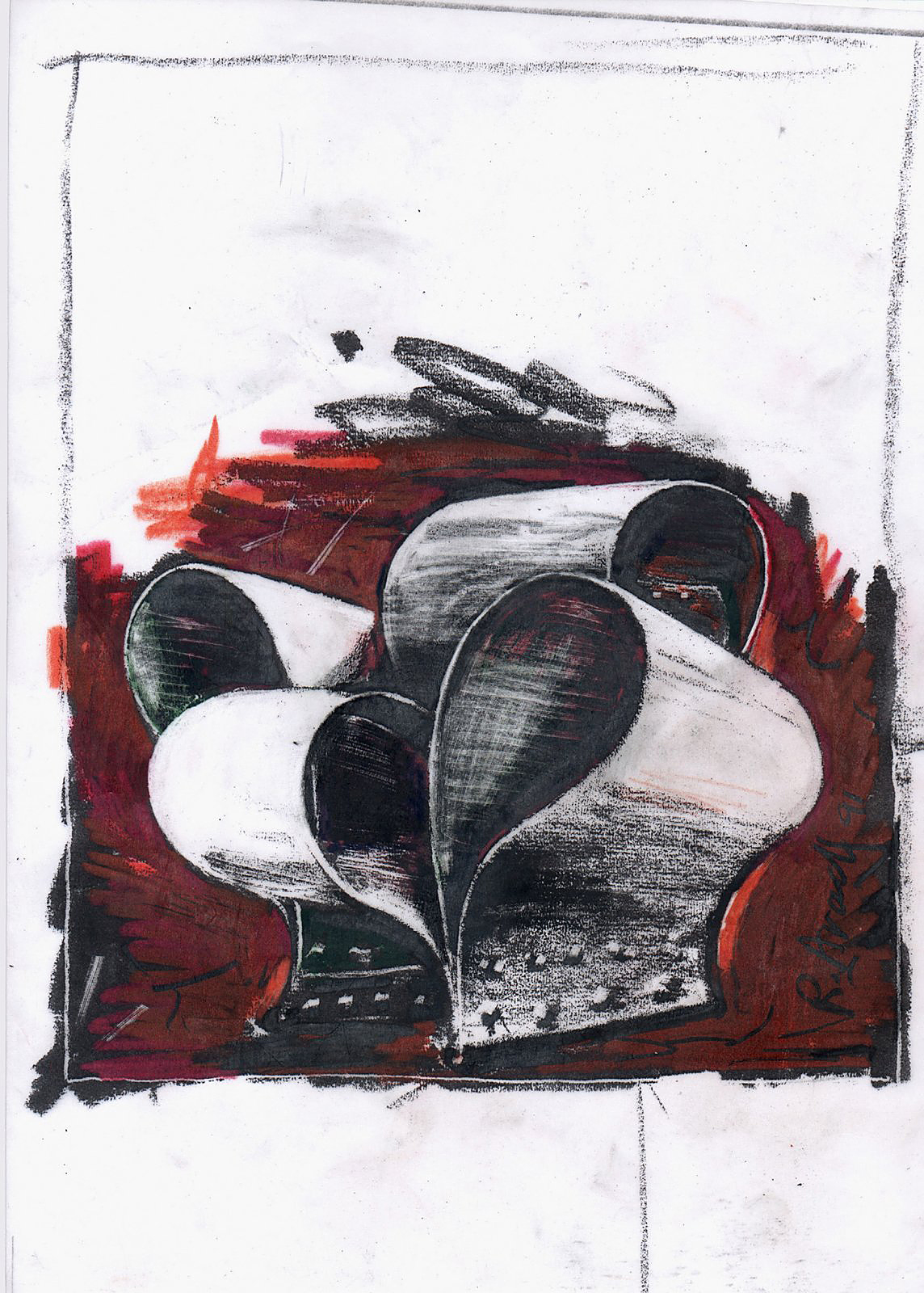
Ron Arad (British-Israeli, b. 1951) 'Sketch for Well Tempered Chair' 1986


Ron Arad (British-Israeli, b. 1951)
Sketch for Well Tempered Chair
1986
Photo courtesy of Vitra Design Museum and the Museum of Modern Art


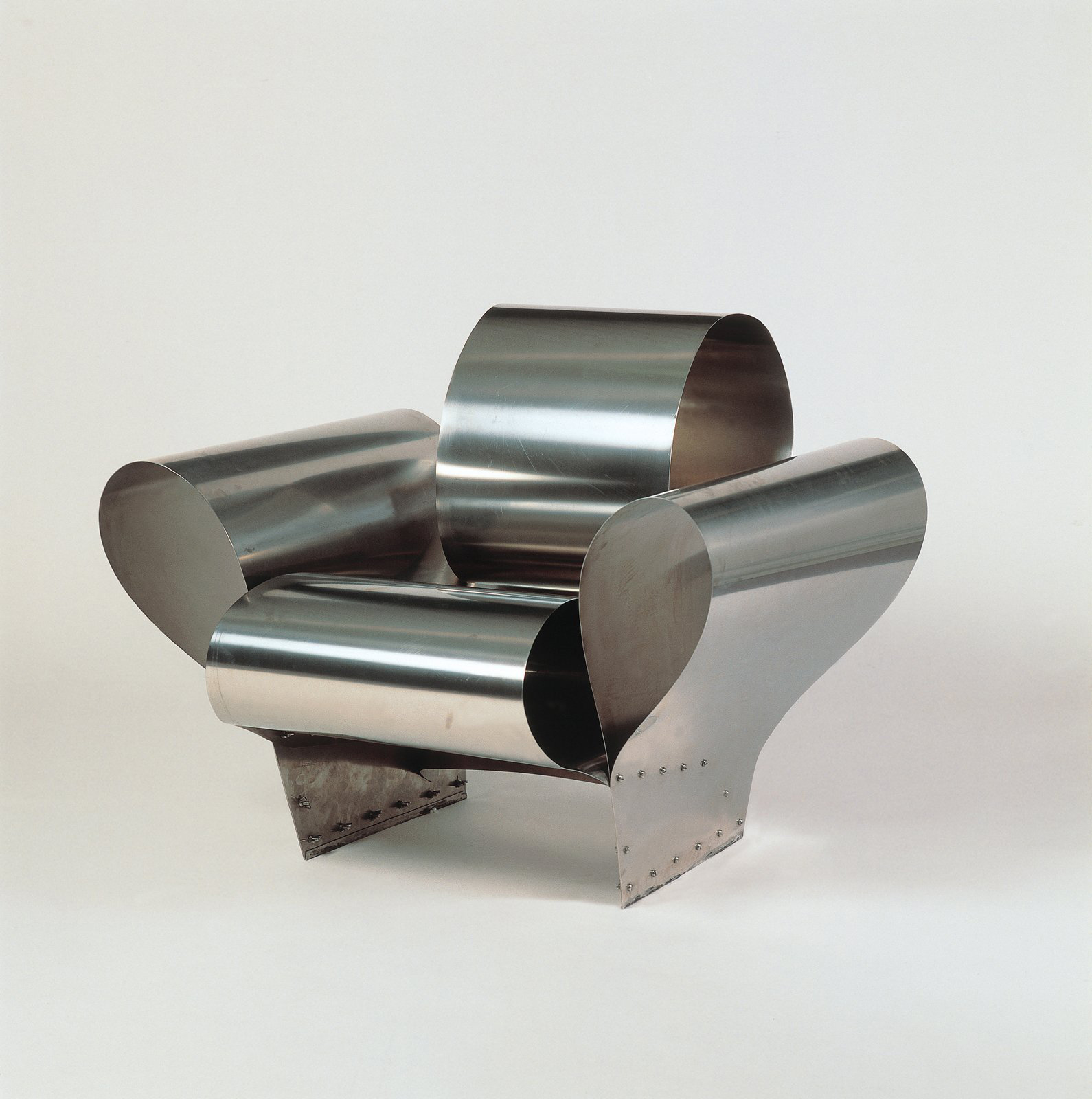
Ron Arad (British-Israeli, b. 1951) 'Well Tempered Chair Prototype' 1986


Ron Arad (British-Israeli, b. 1951)
Well Tempered Chair Prototype
1986
Photo courtesy of Vitra Design Museum and the Museum of Modern Art


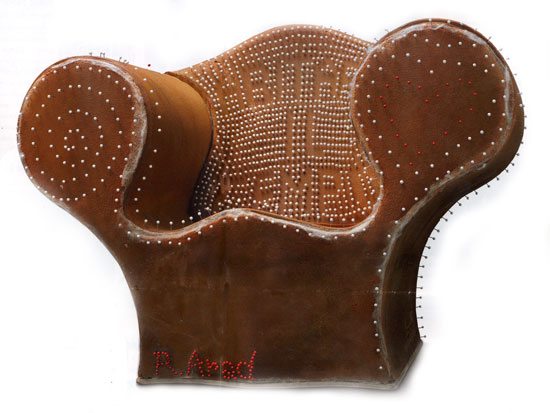
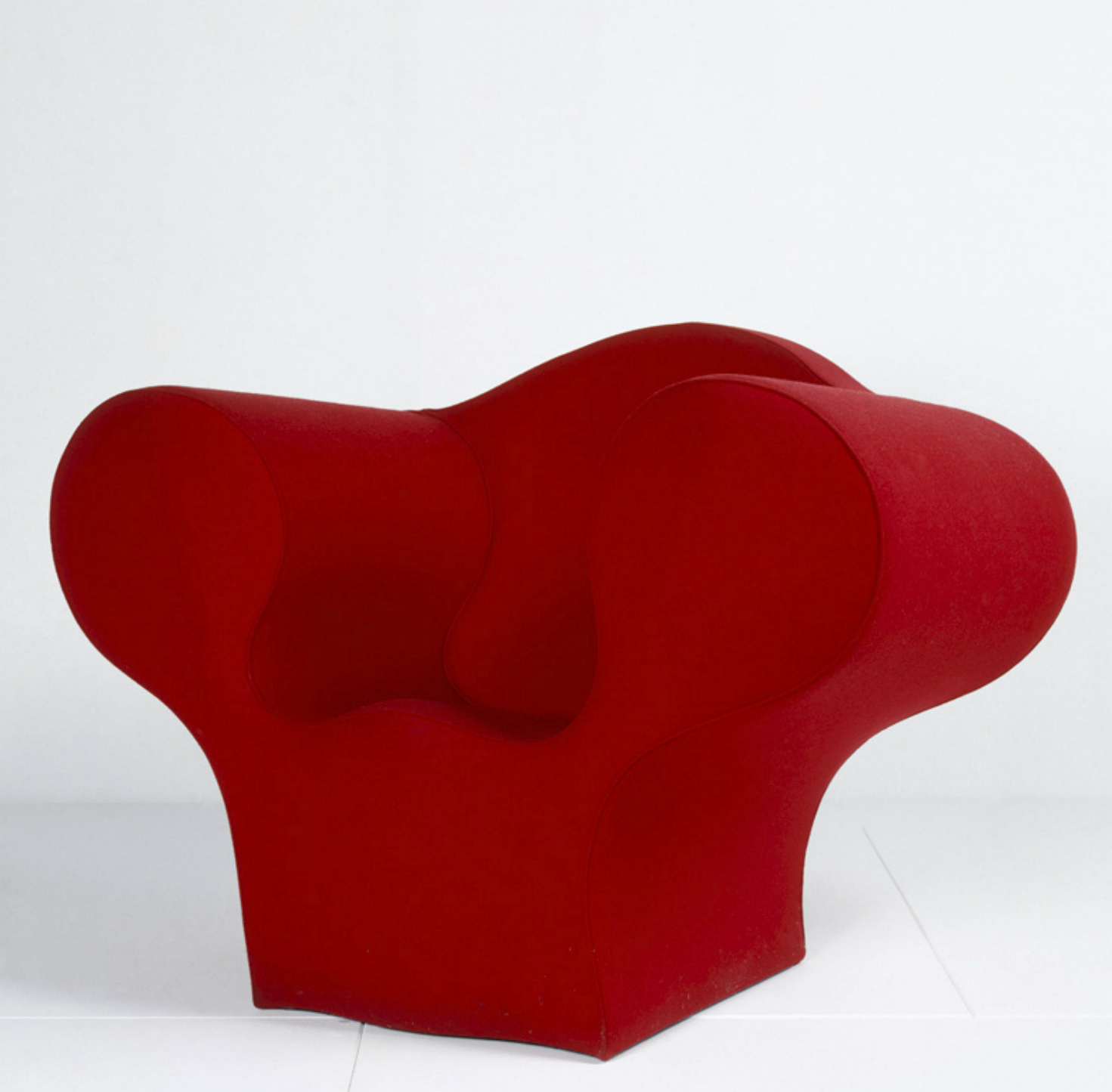
Ron Arad (British-Israeli, b. 1951) 'Big Easy' 1988


Ron Arad (British-Israeli, b. 1951)
Big Easy chair
1988


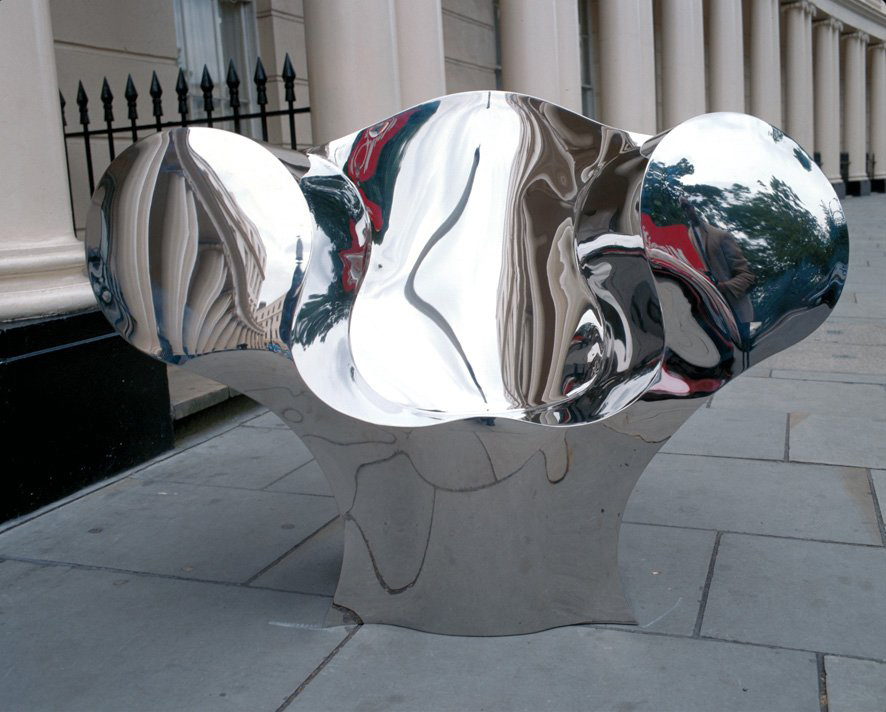
Ron Arad (British-Israeli, b. 1951) 'Big Easy. Volume 2' 1988


Ron Arad (British-Israeli, b. 1951)
Big Easy. Volume 2
1988
Polished stainless steel
42 1/8 x 50 1/2 x 36 1/4″ (107 x 128.3 x 92.1cm); weight 44 lbs (20 kg)
Edition by One Off, London
Collection of Michael G. Jesselson, New York
Image: Ron Arad Associates, London


The Museum of Modern Art presents Ron Arad: No Discipline, the first major U.S. retrospective of Arad’s work, from August 2 to October 19, 2009. Among the most influential designers of our time, Arad (British, b. Israel 1951) stands out for his adventurous approach to form, structure, technology, and materials in work that spans the disciplines of industrial design, sculpture, architecture, and mixed-medium installation. Arad’s relentless experimentation with materials of all kinds – from steel, aluminium, and bronze to thermoplastics, crystals, fibre-optics, and LEDs – and his radical reinterpretation of some of the most established archetypes in furniture – from armchairs and rocking chairs to desk lamps and chandeliers – have put him at the forefront of contemporary design.

The exhibition features approximately 140 works, including design objects and architectural models, and 60 videos. Most of the objects featured in the exhibition are displayed in a monumental Corten-and-stainless-steel structure specially designed by the artist called Cage sans Frontières (Cage without Borders). The structure measures 126.5 feet (38.5 meters) long, spanning the entire length of the Museum’s International Council gallery, and over 16 feet (5 meters) tall. The exhibition is organised by Paola Antonelli, Senior Curator, and Patricia Juncosa Vecchierini, Curatorial Assistant, Department of Architecture and Design, The Museum of Modern Art.

Ms. Antonelli states: “Arad is well known for his iconoclastic disregard for disciplines – and, at least apparently, for discipline. He has defined much of the current panorama of design, inspiring a generation of practitioners who disregard established modes of practice in favour of mutant design careers that are flexible enough to encompass the range of contemporary design applications, from interactions and interfaces to furniture and shoes.”

Arad’s accomplishments over the past three decades have stirred up the design world by repeatedly updating the concept of the architect / designer / artist and repositioning design side by side with art, both in discourse and in the market – all while keeping one foot firmly in industrial production and large-scale distribution. Idiosyncratic and surprising, Arad’s designs communicate the joy of invention, pleasure, humour, and pride in the display of their technical and constructive skills.

This exhibition celebrates Arad’s spirit by combining industrial design, studio pieces, and architecture. It features Arad’s most celebrated historical pieces, including the Rover Chair (1981) (see above), the Concrete Stereo (1983) (see above), and the Bookworm bookshelves (1993) (see below), along with more recent products such as the PizzaKobra lamp (2008) (see below) and the latest reincarnation of his Volumes series (1998), the armchair duo titled Even the Odd Balls? (2009) (see below).

Cage sans Frontières was specially designed by Arad, developed with Michael Castellana from Ron Arad Associates, and manufactured and installed by Marzorati Ronchetti, Italy, under the direction of Roberto Travaglia. The structure is in the shape of a twisted loop and consists of 240 square cut-outs lined with stainless steel that act as shelves for the objects in the exhibition. The dramatic installation relies on the scale of the structure and on the reflectivity of the inner walls of the cut-outs which creates a ricocheting effect. One side of the structure is continually covered with grey gauze fabric that acts as a translucent, elastic membrane. The fabric was donated by the textile company Maharam and was cut and stitched by the jeans manufacturer Notify, which is also a sponsor of the exhibition. The structure was commissioned and lent to the exhibition by Singapore FreePort Pte Ltd, an arts storage facility.

Monitors installed in the structure and on the walls feature animations of the design and production process of some of the objects on view; animated renderings of architectural projects represented in the exhibition by models; and a video showing time-lapse footage of the construction of Cage sans Frontières. Other objects – including the Bookworm and This Mortal Coil bookshelves (both 1993) and the Shadow of Time clock (1986) – are installed along the perimeter of the gallery. Two of Arad’s sofas, Do-Lo-Res (2008) (see below) and Misfits (1993) (see below), are installed outside the exhibition entrance, and visitors are invited to sit on them.

Ever since he founded his studio, together with long-time business partner Caroline Thorman, in 1981 (first called One Off, and then reestablished in 1989 as Ron Arad Associates), Arad has produced an outstanding array of innovative objects, from limited editions to unlimited series, from carbon fibre armchairs to polyurethane bottle racks. A designer and an architect, trained at the Bezalel Academy of Art in Jerusalem and at London’s Architectural Association School of Architecture, he has also designed memorable spaces – some plastic and tactile, others digital and ethereal – such as the lobby of the Tel Aviv Opera House (1994-98), Yohji Yamamoto’s showroom in Tokyo (2003), and the Holon Design Museum, Israel (nearing completion), all of which will be represented in the exhibition with models and videos. In his influential role as Head of the Design Products Masters’ Degree course at the Royal College of Art in London from 1997 until this year, he has nurtured several innovative designers, including Julia Lohmann, Paul Cocksedge, and Martino Gamper.

The 1981 Rover Chairs (see above), which launched Arad’s design career even though at the time he was not seeking any particular professional label, are emblematic of his early readymade creations. The chairs are made of discarded leather seats from the Rover V8 2L, a British car, anchored in tubular-steel frames using Kee Klamps, an inexpensive scaffolding system. Arad stopped making them once he realised that the overwhelming demand for the chairs was transforming his atelier into a dedicated Rover Chair manufacturer. The Italian company Moroso is about to produce an industrial version of the chair under the name Moreover.

The Concrete Stereo (1983) (see above) is another milestone in Arad’s work with readymades. It is very simply a hi-fi system – with turntable, amplifier, and speakers – cast in concrete. The concrete was then partially chipped away, exposing the steel armature, the electronic components, and the pebbles in the cement.

Objects in the exhibition are grouped as families whose common thread is the exploration, sometimes over years, of a form, a material, a technique, or a structural idea. An example is the investigation of elasticity and surprise that began with the Well Tempered Chair (1986) (see above) – a chair made of four sprung sheets of steel held together by wing nuts that come together to suggest the archetypical shape of an armchair. Another example is the Volumes series (1988), which comprises, among others, his renowned Big Easy (1988) (see above) and its various iterations, among them the Soft Big Easy (1990) (see above) and the painted-fibreglass New Orleans (1999) (see above).

Not Made by Hand, Not Made in China, another important family and a milestone in Arad’s career and in the history of design, is a series of limited-edition objects – vases, sculptures, lamps, and bowls – that Arad presented in 2000 at the annual Milan Furniture Fair. All the objects in the series were made using 3-D printing, which at that time was almost exclusively used to create one-off models for objects that would later be produced in series using traditional manufacturing processes. Treating rapid prototypes as final products rather than templates, Arad turned the new process into an advanced production method, a path that was subsequently followed by several designers.

A more recent family is the Bodyguards (2008) (see below), in which the same initial shape in blown aluminium is differently intersected by imaginary planes and cut to reveal ever-changing personalities, from a rocking chair to a stern bodyguard-like sculpture.

To give life to his ideas, Arad relies on the latitude provided by computers as much as on his own exquisite drafting skills, and he uses both the most advanced automated manufacturing techniques and the simple welding apparatuses in his collaborators’ metal workshops. Often, his work is a combination of high and low technologies, such as his Lolita chandelier (2004) (see below) for Swarovski. Made with 2,100 crystals and 1,050 white LEDs, the Lolita takes the shape of a flat ribbon wound into a corkscrew shape. The ribbon contains 31 processors that enable the display of text messages sent to the Lolita’s mobile phone number. For this exhibition, visitors can send texts to (917) 774-6264. The messages appear at the top of the chandelier and slowly wind down the ribbon’s curves, creating the impression that the chandelier is spinning ever so slightly.”

Press release from the MoMA website


Ron Arad (British-Israeli, b. 1951) 'Soft Big Easy' 1990


Ron Arad (British-Israeli, b. 1951)
Soft Big Easy chair
1990
Injected flame-retardant polyurethane foam, steel, polypropylene, and wool
39 3/8 x 48 7/16 x 31 1/2″ (100 x 123 x 80cm)
Manufactured by Moroso SpA, Italy
Courtesy Moroso SpA, Udine, Italy
Image: CNAC/MNAM/Dist. Réunion des Musées Nationaux/Art Resource, NY. Photo Jean-Claude Planchet


Ron Arad (British-Israeli, b. 1951) 'Large Bookworm' 1993


Ron Arad (British-Israeli, b. 1951)
Large Bookworm
1993
Tempered sprung steel and patinated steel
Bracket height variable, 7 7/8-11 13/16″ (20-30cm); total length 49′ 2 9/16″ (15m); depth 13″ (33cm)
Edition by One Off/Ron Arad Associates, London
Private collection
Image: Ron Arad Associates, London


Ron Arad (British-Israeli, b. 1951) 'Misfits' 1993


Ron Arad (British-Israeli, b. 1951)
Misfits
1993
Injected flame-retardant polyurethane foam, steel, polypropylene, and wool
Six modules: each h. variable, base 39 3/8 x 39 3/8″ (100 x 100cm)
Manufactured by Moroso SpA, Italy, 2007
Courtesy Moroso SpA, Udine, Italy
Image: Ron Arad Associates, London


Misfits is a seating system Arad developed, at Patrizia Moroso’s request, to launch Waterlily, a new water-blown foam made by ICI Polyurethane. From large cubes of foam he carved out modular – or, rather, mock-modular – sections, intending them to be graciously ill-fitting with each other (hence the name). The modules can stand on their own or be combined in various ways, but however they are lined up they are meant to look deliberately mismatched, without continuity from section to section. Some sections have backs and some do not, and the irregular solids and voids created quite a challenge for Moroso, who had to figure out how to cover them all with fabric. The recent reedition of Misfits is made with slightly larger blocks from a different polyurethane foam, which is injected into a mould rather than cut.


Ron Arad (British-Israeli, b. 1951) 'D-Sofa' Prototype 1994


Ron Arad (British-Israeli, b. 1951)
D-Sofa Prototype
1994
Patinated, painted, oxidised stainless steel and mild steel
38 3/16″ x 7′ 1 13/16″ x 35 7/16″ (97 x 218 x 90cm)
Prototype by One Off, London
Pizzuti Collection
Image: Private collection, USA. Photo Erik and Petra Hesmerg


Ron Arad (British-Israeli, b. 1951) 'Uncut' 1997


Ron Arad (British-Israeli, b. 1951)
Uncut chair
1997
Vacuum-formed aluminium sheet and polished stainless steel
32 5/8 x 38 5/8 x 35″ (83 x 98 x 89cm)
Edition by Ron Arad Studio, Italy
Centre Pompidou, Paris, Musée national d’art moderne/Centre de création industrielle


Ron Arad (British-Israeli, b. 1951) 'FPE (Fantastic, Plastic, Elastic)' 1997


Ron Arad (British-Israeli, b. 1951)
FPE (Fantastic, Plastic, Elastic)
1997
Extruded aluminium profiles and injection-moulded polypropylene plastic sheet
31.25 x 17 x 22″ (79.4 x 43.2 x 55.9cm)
Manufactured by Kartell, Italy
The Museum of Modern Art, New York. Gift of the manufacturer
Image: Ron Arad Associates, London


FPE (Fantastic, Plastic, Elastic) is an inexpensive stacking chair made from lightweight plastic and aluminium. The design, originally conceived in plywood (as the Cross Your T’s Chair), was part of a commission from Mercedes-Benz for a transportable exhibition stand that would be taken to motor shows in Europe. The chair was not suited to small-scale production, and was therefore tweaked and perfected for mass manufacture. Its final form is exceptional in the simplicity of its construction: a plastic seat is inserted into channels in double-barrelled extruded aluminium profiles, which, when the chair frame is bent, hold the plastic in place. With no need for glue, screws, or bolts, this method allows the simplest combination of frame and plane to create a sinuous, practical, resilient form – proving Arad’s ability to embrace industrial production and make the best of its possibilities. The FPE can be stacked in groups of eight, comes in three colours (opaline, blue, and red, although it was originally available in yellow), and can be used both indoors and out.


Ron Arad (British-Israeli, b. 1951) 'New Orleans' 1999


Ron Arad (British-Israeli, b. 1951)
New Orleans chair
1999


Ron Arad (British-Israeli, b. 1951) 'Lolita Chandelier' 2004


Ron Arad (British-Israeli, b. 1951)
Lolita Chandelier
2004
Crystals and light-emitting diodes (LEDs)
59″ (150cm) height x 43 1/4″ (110 cm) top-plate diam.; weight 352.7 lbs (160 kg)
Edition by Swarovski, Austria
Courtesy of Galerie Arums, Paris
Send a text message to Lolita: (917) 774-6264
Image: Ron Arad Associates, London


When Nadja Swarovski set out to build a new division for her family’s company, Swarovski Crystal, she invited Arad to reinvent the chandelier as a juxtaposition of traditional form with modern technology. The new collection of chandeliers, called Crystal Palace, launched in 2002, and Arad’s Lolita was ready in 2004. Made with 2,100 crystals and 1,050 white LEDs, Lolita takes the shape of a flat ribbon wound into a corkscrew shape. The ribbon contains thirty-one processors that enable the display of SMS text messages sent to Lolita’s mobile phone number; these messages appear at the top of the chandelier and wind down the ribbon’s curves, slowly enough to give bystanders time to read, creating the impression that the chandelier is spinning ever so slightly. The name is the result of grace under pressure: on the phone with Swarovski and pressed for a name, Arad thought of another work in progress, his LED riddled Lo-Rez-Dolores-Tabula-Rasa, and from there went to “Lolita” – the nickname of Vladimir Nabokov’s Dolores Haze. The name stuck, creating not only a saucy entry in many a design buff’s phone book but a further literary association as well: as a journalist pointed out to Arad, Nabokov’s novel begins, “Lolita, light of my life…”


Ron Arad (British-Israeli, b. 1951) 'Oh Void 2' armchair 2004


Ron Arad (British-Israeli, b. 1951)
Oh Void 2 armchair
2004


Ron Arad (British-Israeli, b. 1951) 'Oh Void 2 armchair' 2006


Ron Arad (British-Israeli, b. 1951)
Oh Void 2 armchair
2006
Acrylic
30 1/4 x 43 x 23 5/8″ (76.8 x 109.2 x 60cm)
Edition by The Gallery Mourmans, the Netherlands
Collection of Michael G. Jesselson, New York


Ron Arad (British-Israeli, b. 1951) 'Table Paved With Good Intentions No. 48' 2005


Ron Arad (British-Israeli, b. 1951)
Table Paved With Good Intentions No. 48
2005
Mirror-polished, laser-cut stainless steel
55″ x 8′ 2″ x 15″ (139.7 x 238.8 x 38.1cm); weight 176.4 lbs (80 kg)
Edition by Ron Arad for The Gallery Mourmans, the Netherlands
Collection Jérôme and Emmanuelle de Noirmont, Paris
Image: Emmanuelle and Jérôme de Noirmont. Photo: Mathieu Ferrier


Arad’s installation for Design Miami in 2005 consisted of sixty-nine tables made of mirror-polished stainless steel and covering an entire gallery, folding at the corners and climbing up the walls like handsome quicksilver parasites from outer space. Arad had experimented with reflective tables eleven years earlier, in an installation for one of the Fondation Cartier’s famous Soirées Nomades, in which designers were invited to provide a stage for music and other types of performances in Jean Nouvel’s building for the Paris-based foundation. There, Arad displayed forty tables that covered the ground floor, reflecting the surrounding trees and enhancing the glass architecture’s openness toward the city surrounding it.


Ron Arad (British-Israeli, b. 1951) 'MT Rocker Chair' 2005


Ron Arad (British-Israeli, b. 1951)
MT Rocker Chair
2005
Polished bronze rods
29 x 33 1/2 x 40″ (73.7 x 85.1 x 101.6cm)
Edition by Ron Arad Associates, London
Private collection, USA
Image: Ron Arad Associates, London


Arad’s work often begins as a studio piece that is later adapted for industrial production, but in some cases the direction is reversed, as was the case with the MT (or “empty”) series. Intrigued by the untapped potential of rotation-moulding, one of the humblest methods of manufacturing plastic products, Arad came up with beautiful, complex concave / convex forms, highlighted by contrasting colours, for an armchair, rocker, and couch. The MT collection is manufactured by Driade, but Arad subsequently translated the rocking piece into versions made of polished stainless steel or bronze, using an exquisite technique involving the patient application, by hand, of metal rods onto a basic structure.


Ron Arad (British-Israeli, b. 1951) 'Southern Hemisphere' 2007


Ron Arad (British-Israeli, b. 1951)
Southern Hemisphere
2007
Patinated aluminium
Photo by Erik and Petra Hesmerg and courtesy of Private Collection, Maastricht, and the Museum of Modern Art


Ron Arad (British-Israeli, b. 1951) 'Do-Lo-Res' 2008


Ron Arad (British-Israeli, b. 1951)
Do-Lo-Res
2008
Polyurethane foam, polyester fibres, and wood
Dimensions variable: 10 13/16 x 8 1/4 x 8 1/4 x 32 1/16″ (27.5 x 21 x 21 x 83cm)
Manufactured by Moroso SpA, Italy
Courtesy Moroso SpA, Udine, Italy
Image: Moroso


Do-Lo-Rez is a seating unit made of rectangular block elements, each one constructed from polyurethane foam, denser at the bottom and softer at the top. The name echoes the Lo-Rez-Dolores-Tabula-Rasa project, and both designs are different manifestations of Arad’s interest in digital pixilation and low resolution. Here the foam “pixels” of different heights are attached to a platform with steel pins and can be rearranged to create different sofa forms.


Ron Arad (British-Israeli, b. 1951) 'PizzaKobra' lamp 2008


Ron Arad (British-Israeli, b. 1951)
PizzaKobra lamp
2008
Chromed steel, aluminium, and light-emitting diodes (LEDs)
Extended: 28 7/8″ (73.3cm) height x 10 1/4″ (26cm) diam.; collapsed: 3/4″ (1.9cm) height x 10 1/4″ (26cm) diam.
Manufactured by iGuzzini illuminazione SpA, Italy, 2008
The Museum of Modern Art, New York. Gift of the manufacturer


This lamp, which transforms itself from a coil as flat as a pizza to a sinuous, rising metal cobra with a single glowing red eye (its on/off switch), is as surprising as it is playful, as much like a twisty Tangle Toy as a very efficient and flexible light source. With its tubular aluminium sections – except for the base, which is heavier steel, for balance – and six LEDs that can be oriented in any direction, the PizzaKobra can be adjusted to suit any lighting requirements.


Ron Arad (British-Israeli, b. 1951) 'Bodyguard' 2008


Ron Arad (British-Israeli, b. 1951)
Bodyguard chair
2008
Polished and partially coloured superplastic aluminium
49 x 36 x 70 1/2″ (124.5 x 91.4 x 179.1cm)
Edition by The Gallery Mourmans, the Netherlands
Private collection, Palm Beach, Florida


The Bodyguards, a recent result of Arad’s experiments with blown aluminium, are all derived from the same bulbous shape, intersected and carved in various ways. Although Arad had sworn off designing rocking chairs, it seemed a natural application for this new technology, allowing him to create these large, polished pieces, which, in addition to rocking back and forth, also swivel in a way Arad describes as “omnidirectional.” With the Bodyguards, as with much of his furniture, Arad explores the expressive qualities of the material, pursuing a way to transcend its physical limitations. He has described the pieces as monsters – huge and labor intensive, some resembling a human torso and revealing colourful insides when cut. (Arad was teased about the number of security guards present at a show in Dolce & Gabbana’s Metropol space in Milan, in 2006 – hence the name.)


Installation Photographs of the Exhibition

Installation view of 'Ron Arad: No Discipline' exhibition featuring 'Cage sans Frontières (Cage without Borders)' with 'Even the Odd Balls?' chairs (2009) and 'Lolita Chandelier' (2004)


Installation view of Ron Arad: No Discipline exhibition featuring Cage sans Frontières (Cage without Borders) with Even the Odd Balls? chairs (2009) and Lolita Chandelier (2004)
Photo courtesy of Ron Arad Associates and the Museum of Modern Art


Installation view of 'Ron Arad: No Discipline' exhibition, featuring 'Cage sans Frontières (Cage without Borders)'


Installation view of Ron Arad: No Discipline exhibition, featuring Cage sans Frontières (Cage without Borders)
Photo courtesy of Ron Arad Associates and the Museum of Modern Art


Installation view of 'Ron Arad: No Discipline' exhibition, featuring 'Cage sans Frontières (Cage without Borders)'


Installation view of Ron Arad: No Discipline exhibition, featuring Cage sans Frontières (Cage without Borders)
Photo courtesy of Ron Arad Associates and the Museum of Modern Art


Installation view of 'Ron Arad: No Discipline' exhibition, featuring 'Cage sans Frontières (Cage without Borders)' with two 'Rolling Volume' chairs (1989 and 1991), left, and two 'Bodyguard' chairs (2007)


Installation view of Ron Arad: No Discipline exhibition, featuring Cage sans Frontières (Cage without Borders) with two Rolling Volume chairs (1989 and 1991), left, and two Bodyguard chairs (2007)


Installation view of 'Ron Arad: No Discipline' exhibition, featuring 'Cage sans Frontières (Cage without Borders)' with in the foreground, 'Oh Void 2' armchairs


Installation view of Ron Arad: No Discipline exhibition, featuring Cage sans Frontières (Cage without Borders) with in the foreground, Oh Void 2 armchairs


The Museum of Modern Art (MoMA)
11, West Fifty-Third Street, New York

Opening hours:
Sun – Fri, 10.30am – 5.30pm
Sat, 10.30am – 7.00pm

MOMA website

LIKE ART BLART ON FACEBOOK

Back to top

Exhibition: ‘Portraits of New York: Photographs from the MoMA’ at La Casa Encendida, Madrid

Exhibition dates: 27th March – 14th June, 2009

Curator: Sarah Hermanson Meister, associate curator of MoMA’s Department of Photography


Many thankx to La Casa Encendida for allowing me to publish the photographs in the posting. Please click on the photograph for a larger version of the image.


Paul Strand (American, 1890-1976) 'Wall Street, New York' 1915 from the exhibition 'Portraits of New York: Photographs from the MoMA' at La Casa Encendida, Madrid, March - June, 2009


Paul Strand (American, 1890-1976)
Wall Street
1915
Platinum palladium print


Wall Street is a platinum palladium print photograph by the American photographer Paul Strand taken in 1915. There are currently only two vintage prints of this photograph with one at the Whitney Museum of American Art (printed posthumously) and the other, along with negatives, at the Philadelphia Museum of Art. This photograph was included in Paul Strand, circa 1916, an exhibition of photographs that exemplify his push toward modernism.

It depicts a scene of everyday life in Manhattan’s Financial District. Workers are seen walking past the J.P. Morgan & Co. building in New York City on the famous Wall Street, of which the photograph takes its name. The photograph is famous for its reliance on the sharpness and contrast of the shapes and angles, created by the building and the workers, that lead to its abstraction. This photograph is considered to be one of Strand’s most famous works and an example of his change from Pictorialism to straight photography. Strand moved from the posed to portraying the purity of the subjects. It is one of several images that stand as marks of the turn to modernism in photography. …

Technique

This photograph depicts the J.P. Morgan building in New York City. Strand photographed “people hurrying to work past the banking building” situated on Wall Street, from which the photo takes its name. the subject depicted is a real-life subject without manipulation. The depiction of the real nature of the medium and the subject is an example of straight photography. There is no focal point, with the lines converging off of the frame of the image. The financial building take majority of the frame. Emphasis is placed on the strong shapes created by the architecture of the building. The workers are included in the image, but are faceless and are trumped in size by the massive square shapes from the building they walk past. Also, the workers are captured in motion which on film makes them appear blurry. This aesthetic that Strand creates in Wall Street is his break toward the modern, the straight photography, demonstrating that Pictorialism is no longer part of his aesthetic. Strand captured the building with clean, sharp lines. The building is covered in the high contrast, chiaroscuro. It is heavily in the shadows, but still creates an overwhelming presence over the people that walk past it. These people are also shrouded in the contrast made evident with the clean lines and black and white nature of his photos and photography as a medium. The people jump from their places, being the dark figures in the light of the sun that beams in from the left of the frame.

Strand fills the image with his recognisable aesthetic. The photo is platinum print, one of the materials frequently used by photographers of the time. Strand was unique in how he printed his photos. As stated on the George Eastman House website section Notes on Photography, Strand would make large prints from small negatives. He also left them in their matte condition that was inherent with platinum print. With his printing techniques, he “added a richness to the image.” As with the time, the photo is entirely black and white. There is a heavy contrast with the black and white areas of the photo. Strand creates diagonal shapes that pull emphasis to subject of the building and away from the people.

Aspects

Having taken Hine’s class at the Ethical Culture Fieldston School, social change became important to Strand and appeared often in his art. As a pupil of Hine, Strand learned of the social aspect his work could have. With Wall Street, he sought to portray a social message. He captured the faceless people next to the looming financial building in order to give a warning. Strand shows “the recently built J.P. Morgan Co. building, whose huge, dark recesses dwarf the passersby with the imposing powers of uniformity and anonymity.” The people cannot escape the overwhelming power that this modern establishment will have on their future and the future of America. He warns us to not be the small people that look almost ant-like next to this building that has a massive amount of control over the American economy.

Text from the Wikipedia website


Unidentified photographer. 'Brooklyn Bridge' c. 1914


Unidentified photographer
Brooklyn Bridge
c. 1914
Gelatin silver print
7 5/8 × 9 9/16″ (19.4 × 24.3cm)
Museum of Modern Art, New York
The New York Times Collection


La Casa Encendida presents an exhibition organised by the Museum of Modern Art (MoMA), New York, which showcases a fundamental part of the institution’s assets: its photography collection. Portraits of New York: Photographs from the MoMA offers an overview of the history of photography against the backdrop of this iconic metropolis through the work of more than 90 artists.

For the show’s curator Sarah Hermanson Meister, associate curator of the MoMA’s Department of Photography, “Portraits of New York amply reflects the history of synergies between this medium and the Big Apple during a period of important transformations for both. The photographs generated by the restless and constant commitment of numerous photographs to New York City have played a fundamental role in determining how New Yorkers perceive the city and themselves. These photographs have also defined the city’s image in the world’s imagination.”

Featured artists include Berenice Abbott, Diane Arbus, Richard Avedon, Margaret Bourke-White, Henri Cartier-Bresson, Harry Callahan, Walker Evans, Andreas Feininger, Larry Fink, Robert Frank, Lee Friedlander, Lewis W. Hine, William Klein, Irving Penn, Cindy Sherman, Edward Steichen, Thomas Struth and Garry Winogrand.

Text from the La Casa Encendida website


Lewis Wickes Hine (American, 1874-1940) 'Welders on the Empire State Building' c. 1930


Lewis Wickes Hine (American, 1874-1940)
Welders on the Empire State Building
c. 1930
Gelatin silver print
10 5/8 × 13 5/8″ (27 × 34.6cm)
Museum of Modern Art, New York
Committee on Photography Fund


Ted Croner (American, 1922–2005) 'Central Park South' 1947-1948 from the exhibition 'Portraits of New York: Photographs from the MoMA' at La Casa Encendida, Madrid, March - June, 2009


Ted Croner (American, 1922–2005)
Central Park South
1947-1948
Silver gelatin print
10 15/16 x 13 3/4″ (27.8 x 34.9cm)
Gift of the photographer
Museum of Modern Art, New York


Ted Croner (1922-2005) was an American photographer, described as an influential member of the New York school of photography during the 1940s and 1950s. His images are said to represent the best example of this movement.

Born in Baltimore in 1922 and raised in North Carolina, Croner developed an interest in photography while in high school. He honed his skills while serving as an aerial photographer in World War II before settling in New York City in 1947. At the urging of fashion photographer Fernand Fonssagrives, he enrolled in Alexey Brodovitch’s class at The New School where he studied with Diane Arbus, Richard Avedon and Lisette Model. During this period he produced many of his most memorable images including “Taxi, New York Night, 1947-48”, which appears on the cover of Bob Dylan’s 2006 album, Modern Times. Another of Croner’s photographs was used on the cover of Luna’s album Penthouse.

Croner also had a successful career as a fashion and commercial photographer – his work was published in Harper’s Bazaar and Vogue. He also worked extensively with corporations such as Coca-Cola and Chase Manhattan Bank. Croner is best known for his haunting night images of New York City taken in the 1940s and 1950s. He was one of several important photographers who belonged to the New York school of photography.

Text from the Wikipedia website


Arthur Fellig (Weegee) (American, 1899-1968) 'Coney Island' 1940


Arthur Fellig (Weegee) (American, 1899-1968)
Coney Island
July 22, 1940
Silver gelatin print
10 5/16 x 13 11/16″ (26.2 x 34.8cm)
Anonymous gift
Museum of Modern Art, New York
© 2019 Weegee/ICP/Getty Images


Photographs from the MoMA, which will provide an in-depth look at an essential component of the MoMA’s assets: its photography collection. Curated by Sarah Hermanson Meister, associate curator of the museum’s department of photography, the exhibition offers an overview of the history of photography through the work of over 90 artists, with the iconic city as a backdrop. It includes some of the most prestigious names in photography, such as Berenice Abbott, Diane Arbus, Harry Callahan, Henri Cartier-Bresson, Walter Evans, Lee Friedlander, Helen Levitt, Cindy Sherman, Irving Penn and Alfred Stieglitz.

For Sarah Hermanson Meister, associate curator of the MoMA’s Department of Photography, “Portraits of New York amply reflects the history of synergies of this medium and of the Big Apple during a period of important transformations for both. The photographs generated by the restless and constant commitment of numerous photographers to the city of New York have played a fundamental role in determining how New Yorkers perceive the city and themselves. These photographs have also defined the city’s image in the world’s imagination.

[…] The urban landscape of the city is a combination of the old and the new in constant evolution, and these physical transformations are repeated in the demographic changes that have characterised the city since the 1880s, when massive waves of immigrants began to arrive. This same diversity can be seen in the photography of New York of the past four decades. Just as its architects are inspired and limited by surrounding structures and building codes, and just as its inhabitants learn and rub up against each other and previous generations, so too the photographers of New York transport the visual memory of a an extensive and extraordinary repertoire of images of the city. They take on the challenge of creating new works that go beyond traditions and respond to what is new in New York.”

The exhibition curator continues: “Throughout the 20th century, numerous artists have felt inspired by New York’s combination of glamour and rawness. The city – which acquired its modernity at the same pace as photography, and in an equally impetuous and undisciplined way – has always been a theme of particular vitality for photographers, both those who have visited the city and those who live in it. On one occasion, faced with the challenge of capturing the essence of New York with a camera, the photographer Berenice Abbott wondered, “How shall the two-dimensional print in black and white suggest the flux of activity of the metropolis, the interaction of human beings and solid architectural constructions, all impinging upon each other in time?” Each of the photographs reproduced here is a unique response to that question.

New York may not be the capital of the United States, but it prides itself on being the capital of the world. Its inhabitants are intimate strangers, its avenues are constantly teeming and its buildings are absolutely unmistakeable, though they are packed so close together that it is impossible to see just one. The New York subway runs twenty-four hours a day, which has earned it the sobriquet of “the city that never sleeps.” It is the model for Gotham City, the disturbing metropolis that Batman calls home, and a symbol of independence and a wellspring of opportunities in a wide variety of films, from Breakfast at Tiffany‘s to Working Girl. And this is just a sample of the captivating and abundant raw material that the city offers to artists, regardless of the medium in which they work. However, it is the convergence of photographers in this city – in this place that combines anonymity and community, with its local flavour and global ambitions – that has created the ideal setting for the development of modern photography.

Text from the La Casa Encendida website [Online] Cited 28/04/2009. No longer available online


Bruce Davidson (American, b. 1933) 'Untitled' from the 'Brooklyn Gang' series 1959


Bruce Davidson (American, b. 1933)
Untitled from the Brooklyn Gang series
1959
Silver gelatin print
6 3/4 x 10″ (17.1 x 25.4cm)
Museum of Modern Art, New York
© 2019 Magnum Photos, Inc. and Bruce Davidson


Cindy Sherman (American, b. 1954)
'Untitled Film Still #21' 1978


Cindy Sherman (American, b. 1954)
Untitled Film Still #21
1978
Silver gelatin print
7 1/2 x 9 1/2″ (19.1 x 24.1cm)
Horace W. Goldsmith Fund through Robert B. Menschel
Museum of Modern Art, New York
© 2019 Cindy Sherman


Each of Sherman’s sixty-nine Untitled Film Stills (1977-80), presents a female heroine from a movie we feel we must have seen. Here, she is the pert young career girl in a trim new suit on her first day in the big city. Among the others are the luscious librarian (#13), the chic starlet at her seaside hideaway (#7), the ingenue setting out on life’s journey (#48), and the tough but vulnerable film noir idol (#54). To make the pictures, Sherman herself played all of the roles or, more precisely, played all of the actresses playing all of the roles. In other words, the series is a fiction about a fiction, a deft encapsulation of the image of femininity that, through the movies, took hold of the collective imagination in postwar America – the period of Sherman’s youth, and the crucible of our contemporary culture.

In fact, only a handful of the Untitled Film Stills are modelled directly on particular roles in actual movies, let alone on individual stills of the sort that the studios distribute to publicise their films. All the others are inventive allusions to generic types, and so our sure sense of recognition is all the more telling. It tells us that, knowingly or not, we have absorbed the movie culture that Sherman invites us to examine as a powerful force in our lives.

Publication excerpt from The Museum of Modern Art, MoMA Highlights, New York: The Museum of Modern Art, revised 2004, originally published 1999, p. 295.


Diane Arbus (American, 1923-1971) 'Woman with Veil on Fifth Avenue, N.Y.C' 1968


Diane Arbus (American, 1923-1971)
Woman with Veil on Fifth Avenue, N.Y.C
1968
Silver gelatin print
Museum of Modern Art, New York


Nickolas Muray (American, 1892-1965) 'Babe Ruth' c. 1927


Nickolas Muray (American, 1892-1965)
Babe Ruth
c. 1927
Gelatin silver print
13 3/8 × 10 7/16″ (33.9 × 26.5cm)
Museum of Modern Art, New York
Gift of Mrs. Nickolas Muray


Berenice Abbott (American, 1891-1991) 'Night View, New York City' 1932


Berenice Abbott (American, 1891-1991)
Night View, New York City (New York at Night)
1932
Silver gelatin print
12 7/8 x 10 9/16″ (32.7 x 26.9cm)
Museum of Modern Art, New York
© 2019 Berenice Abbott/Commerce Graphics


La Casa Encendida
Ronda Valencia, 2 28012 Madrid

Opening hours:
La Casa Encendida is open from Monday to Sunday from 10am to 10pm every day of the year except national and Community of Madrid holidays

La Casa Encendida website

LIKE ART BLART ON FACEBOOK

Back to top

Exhibition: ‘Into the Sunset: Photography’s Image of the American West’ at The Museum of Modern Art (MoMA), New York

Exhibition dates: 29th March – 8th June, 2009

Curator: Eva Respini, Associate Curator, Department of Photography, The Museum of Modern Art


Carelton Watkins (American, 1829-1916) 'View from the Sentinel Dome, Yosemite' 1865-1866 from the exhibition 'Into the Sunset: Photography's Image of the American West' at The Museum of Modern Art (MoMA), New York, March - June, 2009

Carelton Watkins (American, 1829-1916) 'View from the Sentinel Dome, Yosemite' 1865-1866

Carelton Watkins (American, 1829-1916) 'View from the Sentinel Dome, Yosemite' 1865-1866


Carelton Watkins (American, 1829-1916)
Views from the Sentinel Dome, Yosemite
1865-1866
Albumen silver prints from glass negatives
Museum of Modern Art, New York


The Museum of Modern Art presents Into the Sunset: Photography’s Image of the American West, a survey of 138 photographic works dating from 1850 to 2008 that chart the West’s complex, rich, and often compelling mythology via photography. The exploration of a large part of the American West in the mid-nineteenth century by European Americans coincided with the advent of photography, and photography and the West came of age together. The region’s seemingly infinite bounty and endless potential symbolised America as a whole, and photography, with its ability to construct persuasive and seductive images, was the perfect medium with which to forge a national identity. This relationship has resulted in a complex association that shapes the perception of the West’s social and physical landscape to this day. With political, cultural, and social attitudes constantly shifting in the region over the last 150 years, Into the Sunset further examines the way photographers have responded to these changes. The exhibition is organised by Eva Respini, Associate Curator, Department of Photography, The Museum of Modern Art, and is on view in the Special Exhibitions Gallery on the third floor from March 29 to June 8, 2009.

Organised thematically rather than chronologically, Into the Sunset brings together the work of over 70 photographers, including Robert Adams, John Baldessari, Dorothea Lange, Timothy O’Sullivan, Cindy Sherman, Joel Sternfeld, Carleton E. Watkins, and Edward Weston, among others. The exhibition draws extensively from MoMA’s collection, along with private and public collections in the United States, and features new acquisitions from Adam Bartos, Katy Grannan, and Dennis Hopper, with each work also on view for the first time at the Museum.

Ms. Respini states: “Ranging from grand depictions of paradise to industrial development, from pictures taken on the road to prosaic suburban scenes, the photographs included in Into the Sunset do not all picture the West from the same point of view, or even perhaps, picture the same West. Rather, each is one part in a continually shifting and evolving composite image of a region that has itself been growing and changing since the opening of the frontier.”

Into the Sunset begins with the birth of photography and the American West. In the mid-nineteenth century, the region’s seemingly infinite bounty and endless potential symbolised America as a whole, and Carleton E. Watkins (American, 1829-1916) captured the grand depictions of an American paradise in his photographs of Yosemite Valley in California. Arguably the world’s first renowned landscape photographer, Watkins made his first photographs there in 1861 – large sized prints made with an 18-by-22-inch mammoth plate camera, well suited to the grandeur of the land. Included are the three contiguous photographs that make up his extraordinarily detailed View from the Sentinel Dome (1865-1866).

The exhibition balances the early work of landscape photographers with the twentieth century focus on the failure of the West’s promised bounty. In Joel Sternfeld’s (American, b. 1944) After a Flash Flood, Rancho Mirage, California (1979), the photographer documents the impact of a natural disaster, specifically a landslide, shot with neutral tones softly camouflaging the extent of flash flood on this suburban neighbourhood. And in Karin Apollonia Müller’s (German, b. 1963) Civitas (1997), the photographer shows a very different view of California than that of Watkins, with Müller revealing a contemporary Los Angeles as a littered wasteland of freeways and anonymous glass towers.

As highways and interstate travel became more prevalent, the automobile and the open road became synonymous with the region, with Edward Weston (American, 1886-1958) as the first great photographer of these open roads. Included is Weston’s iconic Hot Coffee, Mojave Desert (1937), a humorous black-and-white photograph of a road sign revealing a greater thematic shift to the highway and its signage as an inescapable element in picturing the West in the twentieth century.

Once the West became more populated, photographers began to showcase humans’ effects on the land, including images of industrial development. In the 1950s William Garnett (American, 1916-2006) was hired by a real estate company to record the efficiency of mass-produced housing. For this series, Lakewood, California (1950), Garnett took photographs of the neighbourhood from an airplane, resulting in images that are completely devoid of people and focus on the progress of mass-produced construction. However, the series subsequently came to represent all that was wrong with such development and the massive sprawl of the West in the eyes of its critics.

Photographs of the people of the West represent a diversity of archetypes: gold miners and loggers, Native Americans, cowboys, suburbanites, city dwellers, starlets, dreamers, and drifters. Into the Sunset explores these archetypes, and their mutability into the twenty-first century. Included is Half Indian / Half Mexican (1991), from the photographer James Luna (Native American, Pooyukitchum / Luiseno, b. 1950), an artist of Native American ancestry. This tongue-in-cheek self-portrait captures in profile both an identity photograph and a mug shot, and works as a counterpoint to the tokenised portrayals of Native Americans from the past 150 years.

A similar reevaluation of past archetypes occurs in Richard Prince’s (American, b. 1949) Cowboy series from 1980, with one work from the series included in the exhibition. For that series Prince famously photographed Marlboro advertisements, cutting out the text, cropping the images, and enlarging them, highlighting the artifice of the virile image of the cowboy and its potency as a deeply ingrained figure in American mythology.

The suburbs and their inhabitants have been a rich subject for photographers of the West, and included are Larry Sultan’s (American, b. 1946) Film Stills from the Sultan Family Home Movies (1943-1972), in which Sultan chose individual frames from his family’s home movies and enlarged them. Although the images feature the activities that epitomise suburban life, a sense of unease lurks beneath the surface of these images; cropped and grainy, they resemble surveillance or evidence photographs.

Into the Sunset concludes with the theme of the failed promise of Western migration. Dorothea Lange’s well-known 1936 photograph Migrant Mother, Nipomo, California, photographed when Lange was employed by the Farm Security Administration, is included and documents the conditions of the West in rural areas during the Great Depression. Her photographs had a humanist purpose and resulted in putting a face on the hardships of that era.

This tradition of capturing the downtrodden of the West continues into this century with Katy Grannan (American, b. 1969), a photographer who recently completed a series of new pioneers, individuals struggling to define themselves in the West of today. In Nicole, Crissy Field Parking Lot (I) (2006), a woman, “Nicole,” poses seductively on a gravel parking lot, with her makeup-streaked face and harsh light alluding to her perilous existence on the fringe of society.”

Text from the MoMA website [Online] Cited 12/04/2009. No longer available online


Many thankx to MoMA for allowing me to publish the photographs in the posting. Please click on the photographs for a larger version of the image.


Installation view of the exhibition 'Into the Sunset: Photography's Image of the American West' at The Museum of Modern Art (MoMA), New York showing Ed Ruscha's 'Every Building on the Sunset Strip' 1966


Installation view of the exhibition Into the Sunset: Photography’s Image of the American West at The Museum of Modern Art (MoMA), New York showing Ed Ruscha’s Every Building on the Sunset Strip 1966


Joel Sternfeld (American, b. 1944) 'After a Flash Flood, Rancho Mirage, California' 1979 from the exhibition 'Into the Sunset: Photography's Image of the American West' at The Museum of Modern Art (MoMA), New York, March - June, 2009


Joel Sternfeld (American, b. 1944)
After a Flash Flood, Rancho Mirage, California
1979
Chromogenic colour print, printed 1987
15 15/16 x 20″ (40.5 x 50.8cm)
Museum of Modern Art, New York
Gift of Beth Goldberg Nash and Joshua Nash


During the 1970s, Joel Sternfeld’s work reflected a trend towards a newly dispassionate, less idealised approach to nature and culture. His photographs have a seductive beauty, even though they often focus on those places where the natural and man-made worlds come together in uncomfortable ways. Working with a large-format camera and luminous colour to create images that are frequently ironic or even humorous, his compositions appear simple but in fact are surprisingly complex and often unsettling. In this photograph of a suburban California neighbourhood in the aftermath of a flash flood, the lovely monochrome tones trick us into not immediately seeing the car that has toppled into the gaping sinkhole or realising that the buildings above could be on the verge of falling, too.

Text from the Museum of Fine Arts Boston website


Apollonia Müller (German, b. 1963) 'Civitas' 1997


Apollonia Müller (German, b. 1963)
Civitas
1997
From Angels in Fall
Chromogenic colour print
19 3/4 x 24 1/2″ (50.1 x 62.2cm)
Gift of Howard Stein
Museum of Modern Art, New York
© 2018 Karin Apollonia Müller


William A. Garnett (American, 1916-2006) 'Foundations and Slabs, Lakewood, California' 1950


William A. Garnett (American, 1916-2006)
Foundations and Slabs, Lakewood, California
1950
Gelatin silver print
18.9 × 23.8cm (7 7/16 × 9 3/8 in.)
© J. Paul Getty Museum


William A. Garnett (American, 1916-2006) 'Grading, Lakewood, California' 1950


William A. Garnett (American, 1916-2006)
Grading, Lakewood, California
1950
Gelatin silver print
18.9 × 24cm (7 7/16 × 9 7/16 in.)
© J. Paul Getty Museum


William A. Garnett (American, 1916-2006) 'Trenching, Lakewood, California' 1950


William A. Garnett (American, 1916-2006)
Trenching, Lakewood, California
1950
Gelatin silver print
7 5/16 x 9 7/16 in.
© J. Paul Getty Museum


“I was hired commercially to illustrate the growth of that housing project. I didn’t approve of what they were doing. Seventeen thousand houses with five floor plans, and they all looked alike, and there was not a tree in sight when they got through.”

“I was discharged and heard you could hitchhike on the transport taking GIs home. The airplane was full, but the captain let me sit in the navigator’s seat so I had a command view. I was amazed at the variety and beauty of these United States. I had never seen anything like that – in a book, in school, or since then. So I changed my career.”


William A. Garnett


Lakewood, located on the outskirts of Los Angeles, was the location for the second major postwar housing development built in the United States. Some 17,500 tract houses were constructed assembly-line style on 3,500 acres of cleared farmland. Mass production made the houses affordable, so a greater number of people could take part in the American dream of home ownership. The developers hired William Garnett to document different phases of the subdivision’s construction from his Cessna airplane. He often photographed his subjects early in the day, so the angled light would emphasise their otherwise flat-looking forms. The photographs serve a utilitarian purpose but also demonstrate Garnett’s impeccable sense of design. In Trenching Lakewood, California, stacked lumber appears for the foundations, utility poles are installed, and the main roads are carved out. …

William Garnett took his first cross-country flight after serving as a United States Army Signal Corps cameraman during World War II. What he saw below inspired him to learn how to pilot a plane so he could photograph the American landscape. Garnett’s aerial photographs resemble abstract expressionist paintings or views through a microscope. As landscapes, they do not have the conventional grounding of a horizon line. All reveal astonishing patterns that are not seen from the ground. Garnett honed his elegant design sensibility well before earning a pilot’s license. Before the war, he attended Art Center College of Design in Los Angeles. Later, he headed the Pasadena Police Department’s photography lab. In the 1940s and 1950s, he began to rack up flying hours around Los Angeles, speaking out about the area’s increasing air pollution. He illustrated Nathaniel Owings’s American Aesthetic, a book about land-use practices. During ten thousand hours of flying, Garnett simultaneously piloted a plane while photographing out the window – traveling above every state and many parts of the world. His light 1956 Cessna plane allowed him to fly to just the right location to capture subjects with precision. At first, he experimented with a variety of camera formats and films but found that two 35mm cameras (one loaded with black-and-white film, the other with colour film) best suited his needs. Garnett’s work defies the stereotype of aerial photography as purely scientific and devoid of artistry. He became the first aerial photographer to earn a prestigious Guggenheim fellowship.

Anonymous. “Historical Witness, Social Messaging,” from the J. Paul Getty Museum Education Department [Online] Cited 13/01/2019


William A. Garnett (American, 1916-2006) 'Framing, Lakewood, California' 1950


William A. Garnett (American, 1916-2006)
Framing, Lakewood, California
1950
Gelatin silver print
18.4 × 24.1cm (7 1/4 × 9 1/2 in.)
© J. Paul Getty Museum


Installation view of the exhibition 'Into the Sunset: Photography's Image of the American West' at The Museum of Modern Art (MoMA), New York showing at left, Robert Frank's 'Covered Car - Long Beach, California' (1956); and at centre right, photographs by William A. Garnett


Installation view of the exhibition Into the Sunset: Photography’s Image of the American West at The Museum of Modern Art (MoMA), New York showing at left, Robert Frank’s Covered Car – Long Beach, California (1956, below); and at centre right, photographs by William A. Garnett (above)


Robert Frank (American, 1924-2019) 'Covered Car - Long Beach, California' 1956


Robert Frank (American, 1924-2019)
Covered Car – Long Beach, California
1956
From The Americans (1955-1956)
Gelatin silver print
Museum of Modern Art, New York


Robert Frank (American, 1924-2019) 'Rodeo - New York City' 1954


Robert Frank (American, 1924-2019)
Rodeo – New York City
1954
From The Americans (1955-1956)
Gelatin silver print
Museum of Modern Art, New York


Dorothea Lange (American, 1895-1965) 'Migrant Mother, Nipomo, California' 1936


Dorothea Lange (American, 1895-1965)
Migrant Mother, Nipomo, California
1936
Gelatin silver print
11 1/8 x 8 9/16″ (28.3 x 21.8cm)
Museum of Modern Art, New York


Dorothea Lange took this photograph on assignment for the U.S. government’s Farm Security Administration (FSA) program, formed during the Great Depression to provide aid to impoverished farmers. FSA photographers documented the conditions that Americans faced throughout the course of the Great Depression, a period of economic crisis. Lange’s photograph suggests the impact of these harsh conditions on a 32-year-old mother of seven. She took a number of pictures of the mother with her children and chose this image as the most effective. Her keen sense of composition and attentiveness to the power of historical images of the Madonna and Child have helped this photograph transcend its original documentary function and become an iconic work of art.

Text from the MoMA website


Edward S. Curtis (1868 - 1952) 'Watching the Dancers' 1906


Edward S. Curtis (American, 1868-1952)
Watching the Dancers
1906
Photogravure
Museum of Modern Art, New York


James Luna (American, 1950-2018) 'Half Indian/Half Mexican' 1991


James Luna (American, 1950-2018)
Half Indian/Half Mexican (installation view)
1991
Gelatin silver print


James Luna (February 9, 1950 – March 4, 2018) was a Payómkawichum, Ipi, and Mexican-American performance artist, photographer and multimedia installation artist. His work is best known for challenging the ways in which conventional museum exhibitions depict Native Americans. With recurring themes of multiculturalism, alcoholism, and colonialism, his work was often comedic and theatrical in nature. In 2017 he was awarded a Guggenheim Fellowship.


Richard Prince (American, b. 1949) 'Untitled (Cowboy)' 1989


Richard Prince (American, b. 1949)
Untitled (Cowboy)
1989
Chromogenic print
127 x 177.8cm (50 x 70in.)
The Metropolitan Museum of Art
Purchase, The Horace W. Goldsmith Foundation Gift, through Joyce and Robert Menschel, and Jennifer and Joseph Duke Gift, 2000
© Richard Prince


In the mid-1970s Prince was an aspiring painter who earned a living by clipping articles from magazines for staff writers at Time-Life Inc. What remained at the end of the day were the advertisements, featuring gleaming luxury goods and impossibly perfect models; both fascinated and repulsed by these ubiquitous images, the artist began rephotographing them, using a repertoire of strategies (such as blurring, cropping, and enlarging) to intensify their original artifice. In so doing, Prince undermined the seeming naturalness and inevitability of the images, revealing them as hallucinatory fictions of society’s desires.

“Untitled (Cowboy)” is a high point of the artist’s ongoing deconstruction of an American archetype as old as the first trailblazers and as timely as then-outgoing president Ronald Reagan. Prince’s picture is a copy (the photograph) of a copy (the advertisement) of a myth (the cowboy). Perpetually disappearing into the sunset, this lone ranger is also a convincing stand-in for the artist himself, endlessly chasing the meaning behind surfaces. Created in the fade-out of a decade devoted to materialism and illusion, “Untitled (Cowboy)” is, in the largest sense, a meditation on an entire culture’s continuing attraction to spectacle over lived experience.

Text from the Metropolitan Museum of Art website


Robert Adams (American, b. 1937) 'East from Flagstaff Mountain, Boulder County, Colorado' 1975


Robert Adams (American, b. 1937)
East from Flagstaff Mountain, Boulder County, Colorado
1975
Gelatin silver print
Museum of Modern Art, New York


Robert Adams (American, b. 1937) 'Colorado Springs' 1968


Robert Adams (American, b. 1937)
Colorado Springs
1968
Gelatin silver print
Museum of Modern Art, New York


Robert Adams (American, b. 1937)
'Burning oil sludge, north of Denver, Colorado' 1973-1974


Robert Adams (American, b. 1937)
Burning oil sludge, north of Denver, Colorado
1973-1974
Gelatin silver print
Museum of Modern Art, New York


Stephen Shore (American, b. 1947) 'Beverly Boulevard and La Brea Avenue, Los Angeles, California, June 21, 1975' From the series 'Uncommon Places', 1973-1986


Stephen Shore (American, b. 1947)
Beverly Boulevard and La Brea Avenue, Los Angeles, California, June 21, 1975
1975
From the series Uncommon Places, 1973-1986
Museum of Modern Art, New York


Katy Grannan (American, b. 1969) 'Nicole, Crissy Field Parking Lot (I)' 2006


Katy Grannan (American, b. 1969)
Nicole, Crissy Field Parking Lot (I)
2006
Pigmented inkjet print
40 x 50″ (101.6 x 127cm)
Cornelius N. Bliss Memorial Fund
Museum of Modern Art, New York
© Katy Grannan


Cindy Sherman (American, b. 1954) 'Untitled Film Still #43' 1979


Cindy Sherman (American, b. 1954)
Untitled Film Still #43
1979
Gelatin silver print
7 9/16 x 9 7/16″ (19.2 x 24cm)
Acquired through the generosity of Sid R. Bass
Museum of Modern Art, New York


Cindy Sherman’s Untitled Film Stills is a suite of seventy black-and-white photographs in which the artist posed in the guises of various generic female film characters, among them, ingénue, working girl, vamp, and lonely housewife. Staged to resemble scenes from 1950s and ’60s Hollywood, film noir, B movies, and European art-house films, the printed images mimic in format, scale, and quality the often-staged “stills” used to promote films. By photographing herself in such roles, Sherman inserts herself into a dialogue about stereotypical portrayals of women. Whether she was the one to release the camera’s shutter or not, she is considered the author of the photographs. However, the works in Untitled Film Stills are not considered self-portraits.

Text from the MoMA website


Bill Owens (American, b. 1938) 'We're really happy. Our kids are healthy, we eat good food, and we have a really nice home' 1972


Bill Owens (American, b. 1938)
We’re really happy. Our kids are healthy, we eat good food, and we have a really nice home
1972
Gelatin silver print
8 1/16 x 9 15/16″ (20.4 x 25.3cm)
Gift of the photographer
Museum of Modern Art, New York
© Bill Owens


Richard Avedon (American, 1923-2004) 'Carl Hoefert, unemployed blackjack dealer, Reno, Nevada', from the series 'In the American West' August 30, 1983


Richard Avedon (American, 1923-2004)
Carl Hoefert, unemployed blackjack dealer, Reno, Nevada
August 30, 1983
From the series In the American West
Gelatin silver print
Museum of Modern Art, New York


The Museum of Modern Art
11 West 53 Street
New York, NY 10019
Phone: (212) 708-9400

Opening hours:
Sun – Fri 10.30am – 5.30pm
Sat 10.30am – 7.00pm

Monday mornings from 10.30am to 1.00pm are reserved exclusively for members and their guests.

MoMA website

LIKE ART BLART ON FACEBOOK

Back to top