Marcus Bunyan (Australian, b. 1958) Untitled 2019 From the series The Night Journey Digital photograph on cotton rag
The Night Journey
The only reason to make art is for yourself… but I hope you enjoy the images and the sequence as much as I enjoyed making it!
The images picture interstitial spaces, un/realities that hover at a median point, a tipping point between the real and the unreal. Which is which is open to question…
Please click on the photographs to see a larger version of the image. They are best viewed on a desktop computer to see the details of the image.
Photographs are available from this series for purchase. As a guide, a digital colour 16″ x 20″ costs $1000 plus tracked and insured shipping. For more information please see my Store web page.
Marcus Bunyan (Australian, b. 1958) Untitled 2019 From the series The Night Journey Digital photograph on cotton rag
Marcus Bunyan (Australian, b. 1958) Untitled 2019 From the series The Night Journey Digital photograph on cotton rag
Marcus Bunyan (Australian, b. 1958) Untitled 2019 From the series The Night Journey Digital photograph on cotton rag
Marcus Bunyan (Australian, b. 1958) Untitled 2019 From the series The Night Journey Digital photograph on cotton rag
Marcus Bunyan (Australian, b. 1958) Untitled 2019 From the series The Night Journey Digital photograph on cotton rag
Marcus Bunyan (Australian, b. 1958) Untitled 2019 From the series The Night Journey Digital photograph on cotton rag
Marcus Bunyan (Australian, b. 1958) Untitled 2019 From the series The Night Journey Digital photograph on cotton rag
Marcus Bunyan (Australian, b. 1958) Untitled 2019 From the series The Night Journey Digital photograph on cotton rag
Marcus Bunyan (Australian, b. 1958) Untitled 2019 From the series The Night Journey Digital photograph on cotton rag
Marcus Bunyan (Australian, b. 1958) Untitled 2019 From the series The Night Journey Digital photograph on cotton rag
Marcus Bunyan (Australian, b. 1958) Untitled 2019 From the series The Night Journey Digital photograph on cotton rag
Marcus Bunyan (Australian, b. 1958) Untitled 2019 From the series The Night Journey Digital photograph on cotton rag
Marcus Bunyan (Australian, b. 1958) Untitled 2019 From the series The Night Journey Digital photograph on cotton rag
It’s taken me more than a moment of reflection to write this text. The events are almost too close to write about my surrogate mother in Australia, my friend and fellow artist, Joycie. I can only write about the person I knew, not the time before I knew her – and so this will be a very personal reflection on one of the most incredible human beings that I have ever met.
Do not go gentle into that good night Rage, rage, against the dying of the light
Vale Joyce Evans.
Human, female, lover, mother, grandmother, wife, poet, publisher, writer, romantic, creative, humanist, universalist, spiritualist, bohemian, pioneer, gallery director, teacher, lecturer, collector, philanthropist, activist, artist, feminist, supporter of artists, Indigenous rights, civil rights, and the disenfranchised, exhibitor… and working photographer.
I met the force of nature that was Joyce Olga Evans (1929-2019) through a mutual friend, Alison Inglis, who knew of our love of photography. It was the start of an intense friendship that lasted just seven or eight years until Joycie, as I used to call her, passed away at Easter this year. Before she passed she knew that she had been awarded an OAM (Medal of the Order of Australia) for service to photography. This was a long overdue tribute to a pioneer and supporter of photography in Australia, one of the first women to be the director of an independent, commercial photography gallery in this country.
Joyce had an incredible passion for and knowledge about photography, whether it was historical Australian or world photographers and their prints from any era, or contemporary artists here and overseas. Her collection of both local and international photographs was almost unparalleled in private hands in this country. She had such a keen eye. When attending a local auction with her she purchased an original William Mortensen for next to nothing. Nobody else had recognised the power and presence of the image by this master artist.
This incisive vision translated into her work as an artist who was a working photographer. At heart, that’s what Joyce was – a working photographer and a storyteller. She believed in photography like photographers get photography… not like an academic or a theoretician, but like an avid fan, an enthusiast, a passionate collector, a teacher. Photography was an integral part of her life, her soul.
She said to me of being an artist, “If we can find out what we are… that is the artist. The core element of your being, and the core element of your enquiry as an artist remains the same. The concerns that you had when you started being an artist are with you until the end. If the core part of your life is the search for truth then that becomes a core part of your identity. It becomes embedded in your soul.”
In this sense, photography becomes something of you, more than just intention – it becomes your essence, your shape…. your physical shape, a tangible thing.
Photography and its spirit inhabited Joyce as Joyce lived in the world. To Joyce, photography was just as much about the world and creativity as it was about the image. The image was just a manifestation of spirit, something that you worked at, recognised, and captured for what it was and could be. As Minor White said, “There is always a dragon in the negative,” and a dragon, that symbol of power, strength, and good luck, lived inside Joyce (see my favourite photograph of her below) and in her work. Her photographs possessed a spiritual and psychological sensation of the place.
As she said, “Making photographs that are memorable requires more than just camera, light and a story. It requires a type of harmony, unity, and an indefinable something, which I can best explain as becoming emotionally attached to the subject so that the images almost make themselves.”
Joyce’s commitment to photography was legendary. She was in it for the long haul.
I was always amazed when we were out in public, going to the exhibitions that we loved to visit, that she would always be taking photographs. Whenever she saw something that interested her out would come her beloved iPhone or digital camera, and she would talk to strangers and their children and take their photos. She was a totally open spirit and had no fear about the path she took. People embraced her, talked to her, responded to her energy and spirit. I remember travelling up to Sydney with her to see an exhibition of her favourite photographer, “Our Julia”, Julia Margaret Cameron at the Art Gallery of New South Wales, and just observing that sparkle in her eyes, that unparalleled love that transcends all our pasts and futures in the simple moment of being and looking at these photographs.
Joyce was uncompromising. If she thought you were being a fuckwit she told you so in no uncertain terms. But she was a rock on which I came to depend. As someone said of her, “Joyce wasn’t into niceties and didn’t take any shit from anyone! I hope I grow up to be as tough as her. She was a visionary.” She really did not stand fools gladly (thank god), and had little truck for fine art photographers who didn’t understand the medium, its history or their small place within the grand scheme of things. As the playwright Edward Albee commented at the American painter Lee Krasner’s memorial at the Metropolitan Museum of Art, in both her life and her work, ‘… she looked you straight in the eye, and you dared not flinch’. It was the same with Joycie. She could see deep inside you to the core of your being.
Joyce loved helping people. She was so generous of her time and energy, of her wisdom and knowledge. Some of the best times of my life were spent in her kitchen talking about art, love and life. People were drawn to her. As Julie Moss has observed, she was “such a strong, creative and vibrant role model for so many female photographers” in a sea of male prejudice and ambivalence. What Joyce did not do is live on her memories… she was ever active, ever inquiring. She stood up for what she believed. A couple of weeks before she passed she said to me, “I don’t want to go yet, I still have so much that I want to do.” She was still raging against the dying of the light, not going gently into that good night.
But what she achieved in her truly remarkable life is a testament to her unquenchable spirit. In a journey full of determination, intelligence, exploration and love she achieved so much and touched so many. I miss her terribly.
I am the (sublime) space where I am, that surrounds me with countless presences.
This photograph, showing students smoking and drinking outside the pub at Largs Bay, was published in an Adelaide newspaper. At the time this was considered to be immoral behaviour. Note the man in the background with his fingers up in a derogatory manner.
The names of the three women who have been identified are from left to right: Joyce Evans (nee Zerfas) photographer, Jill Warwick, deceased, (producer of TV programme “It Could Be You”) Val Groves, psychologist. I have been unable to identify the men. ~ Joyce Evans
“Making photographs that are memorable requires more than just camera, light and a story. It requires a type of harmony, unity, and an indefinable something, which I can best explain as becoming emotionally attached to the subject so that the images almost make themselves.”
Joyce Evans
“Photography for me is a type of communion with my subject. Like everybody else I take photographs which have little meaning. But sometimes I sense an underlying value in the land, a group of people, a location, and then I make photograph, which is satisfying to myself. I think I would like to call that the way in which the quintessential spirit of what I am seeing has stirred me to need to make a photograph of it.
To me, I am alive, and my life and the life of everything in the world is connected. For me it is that universality that is the basis of my idea of the spiritual. I feel uncomfortable about formal organised religion and am perhaps more than a humanist, a universalist.”
Joyce Evans
“Aesthetically, I enjoy the camera’s capacity to record relationships and detail, which my subconscious may perceive, but I may not fully see.
My appreciation of aesthetics goes back to when I studied painting with John Olsen at the Bakery Art School, Sydney in 1967-1968. Olsen made me aware of the power of the edge of the image to relate to what was not shown in the image. My formal education was further enhanced when I did a degree in fine arts at Sydney University 1969-1971. There, Dr Anton Wilhelm taught me how to read an image. My understanding of the limits and potentials of two-dimensional imagery was expounded by Professor Bernard Smith.
Informally, my knowledge of photography and my practice was refined through formative conversations with a wide range of great photographers such as Andre Kertesz, Max Dupain, Ansel Adams and Bill Henson, Julie Millowick and Linda Connor.
Each of these relationships helped me to clarify my photographic position, which is based on a search for the essence of a subject.”
Joyce Evans
Joyce Evans (Australian, 1929-2019) Rain Dreaming, Yuendumu, NT 2005
Joyce Evans (Australian, 1929-2019) Rain Dreaming, Yuendumu, NT 2005
Joyce Evans (Australian, 1929-2019) Rain Dreaming, Yuendumu, NT 2005
Joyce Evans (Australian, 1929-2019) Rain Dreaming, Yuendumu, NT 2005
Joyce Evans (Australian, 1929-2019) Rain Dreaming, Yuendumu, NT 2005
Joyce Evans short biography
Joyce Olga Evans is well known in Australian photography. In 1976 Joyce opened Church Street Photographic Centre, a pioneer Australian commercial gallery devoted to Photography. It showcased the best of Australian and International photographers. Joyce exhibited works by Frank Hurley, Imogen Cunningham, Bill Henson, Henri Cartier-Bresson, Julia Margret Cameron, Max Dupain and many other renowned photographers – she says that they were her teachers.
Passionately dedicated to photography, she has had many solo exhibitions of both her landscapes (she photographed in the Dandenongs and Mt Martha regions in the outer Melbourne; along the Hume Highway; in the Central Desert and outback Australia, most notably Oodnadatta, Oodlawirra, Menindee, and Lake Mungo; vineyards and rural villages in the South of France; the old Jewish cemetery in the centre of Prague; and numerous others) and her portraits (she photographed Australian intelligentsia and personalities, including Marianne Baillieu; Barbara Blackman; Baron Avid von Blumenthal; Tim Burstall; Dur-e Dara; Robert Dessaix; Germaine Greer; Elena Kats-Chernin; Joan Kerr; Ellen Koshland; David Malouf; Dame Elisabeth Murdoch; Lin Onus; Jill Reichstein; Chris Wallace-Crabbe; and innumerable others) throughout Australia and Europe.
Joyce has spent two decades documenting Australia for the National Library of Australia, who are acquiring her life’s work for their permanent collection. When this acquisition is complete the Library will hold over 30,000 analogue images and 80,000 digital files. Also included are diaries and other relevant documents and files. Much of this work is destined for display on Trove, the library’s online viewing resource. She has exhibited extensively in Australia and in France and her photographs are held in many major collections. Joyce has been published widely. Her monograph Only One Kilometre was published in 2003 by Lothian Press. It detailed her many years of studying the unique qualities of the Balcombe Estuary Reserve, at Mount Martha as well as poems and articles by distinguished writers. Her work is held in many collections both locally and internationally.
Joyce Evans also plays an important educational role in Australian photography. She taught history of photography at Melbourne’s RMIT University; appointed inaugural assistant director of Waverley City Gallery (now Monash Gallery of Art), 1990-1991, the first municipal public collection in Melbourne to specialise in photography; established and inaugurated a course on the History of Photography and appointed Research Fellow at the University of Melbourne, 1997-2010.
Evans worked as an honorary photographer for the Department of Aboriginal Affairs in Central Australia and for over ten years documented Australian country towns and events for the National Library of Australia. Important publications on Joyce Evans include a monograph Only One Kilometre (Melbourne: Lothian Press, 2003), and exhibition catalogues with essays by Alison Inglis, Eugene Barilo von Reisberg, Tim Page, Victoria Hammond, and many others.
Anonymous text from the Joyce Evans Photographer website Nd [Online] Cited 16th June 2019. No longer available online
William Yang (Australian, b. 1943) Marcus and Joyce 2018
Being two photographers, the only photograph of Joyce and Marcus together, taken by another photographer William Yang.
Michael Silver (Australian) Joyce Evans 2013
Marcus Bunyan (Australian, b. 1958) Joyce Evans standing in front of Max Dupain’s ‘Sunbaker’ 1937 2018
Marcus Bunyan (Australian, b. 1958) Joyce and the dragon 2016
Joyce standing in front of the fireplace at Jacques Reymond’s restaurant for the birthday of her friend Marcus Bunyan. In Chinese mythology the dragon traditionally symbolises potent and auspicious powers and also is a symbol of power, strength, and good luck for people who are worthy of it.
Julia Margaret Cameron (British, 1815-1879) Beatrice 1866 Albumen silver print
Where: Monash Gallery of Art, Wheelers Hill When: Monday 20th May 2019, 6-9pm
Joyce Evans photographer celebration… I hope many of you can attend.
A celebration of Joyce and her contribution to art, photography, women’s status, mentorship and philanthropy. At least 30 of her prints will be displayed. Celebrants will talk and recall in their own words experiences with Joyce and her passions. The event will be recorded and made available for non-attendees. Snacks and drinks will be available.
A truly remarkable human being.
Marcus
If we can find out what we are… that is the artist. This goes to the core element of your being, and the core element of your enquiry remains the same.
If the core part of your life is the search for the truth then that becomes a core part of your identity for the rest of your life. It becomes embedded in your soul.
Joyce Evans
Michael Silver (Australian) Joyce Evans Nd
Monash Gallery of Art 860 Ferntree Gully Road, Wheelers Hill Victoria 3150 Australia Phone: + 61 3 8544 0500
Exhibition dates: 8th November, 2018 – 22nd April, 2019
Curator: Jo Gilmour
The Photographic Society of Victoria, Melbourne Thomas Pearce (age 18 in 1878) c. 1878 Albumen paper carte de visite Support: 10.2 x 6.5cm Image: 9.1 x 5.6cm National Portrait Gallery, Canberra Purchased 2010
A friend of mine is really ill at the moment in hospital. At 87 years old, she is a fiercely independent woman, possessing amazing intelligence and insight, a wicked sense of humour, stubborn, opinionated, passionate… and one of the most incredible human beings I have met during my life. If I had not met her, my life would have been so much poorer. It is a privilege to know her.
These Australian cartes des visite and cabinet cards give small insight into now largely forgotten lives, of both photographer and sitter. If only for a brief instant, we can pull back the curtain of time and enquire into their lives and existence. In a small way, we can reanimate their earthly spirit.
“Each photograph is like a miniature world of its own with an incredible story embedded in it. The poses, the props and the fashions throw an intriguing light onto the world of the nineteenth-century studio, while the stories of the photographers and their subjects combine to create a rich and vivid archive of Australian society at a precise moment in time. Rich or poor, male or female, famous or infamous, powerful or anonymous: everyone was captured in these tiny photographs.”
It is such a pity that we have to loose the knowledge that age brings, the powerful sages full of wisdom that could stop the human race repeating the mistakes of the past over and over again.
Dr Marcus Bunyan
PS. What is unsaid in these stories and images, is that most riches are built on the back of oppression, built on the bones of the Indigenous people of Australia. Rich whites, buying up land, pastoralists, sending their children to school in the Old Country… just because they can.
Many thankx to the National Portrait Gallery for allowing me to publish the photographs in the posting. All text unless otherwise noted from the National Portrait Gallery, Canberra. Please click on the photographs for a larger version of the image.
The Photographic Society of Victoria, Melbourne Thomas Pearce (age 18 in 1878) (detail) c. 1878 Albumen paper carte de visite Support: 10.2 x 6.5cm Image: 9.1 x 5.6cm National Portrait Gallery, Canberra Purchased 2010
Thomas Pearce (c. 1860-1909) was a young apprentice on board the English merchant vessel the Loch Ard, which departed chilly Gravesend, England, for warmer climes in Australia in March 1878. There were 37 crew and sixteen passengers aboard. In stormy weather on 1 June 1878, just days from completing the three-month voyage, the captain of the magnificent iron-hulled clipper mistakenly thought the ship was 50 miles from the coastline when she was dashed by heavy surf onto the rocks of Muttonbird Island. Only two survived the wreckage: eighteen-year-old Pearce and eighteen-year-old Irish emigrant, Eva Carmichael. Supported by the upturned hull of a lifeboat, Pearce was washed ashore in a small cove, now known as Loch Ard Gorge. When he heard Eva Carmichael’s cries and saw her clinging to wreckage, ‘he at once divested himself of his unnecessary clothing, plunged in the sea, swan out to her, and brought her safely to the beach’. Lauded for his brave and gallant act, Pearce was presented with a valuable gold watch and chain by governor George Ferguson Bowen as a ‘slight token of the respect and admiration in which your noble conduct is held by all classes in this colony’. He was also presented with the first gold medal issued by the Royal Humane Society of Victoria. Popular sentiment was for a permanent union; but Eva returned to Ireland having lost her parents and siblings in the wreck. Pearce became a ship’s captain. According to an ‘interview’ published in the Argus in 1934, Carmichael returned Pearce’s favour some years later when, ‘living on the Irish coast’, she and her husband Captain Townsend were called on to help survivors from wrecks and that ‘on one occasion who should fall into her care but Tom Pearce!’.
As sole survivors of the wreck, Tom Pearce and Eva Carmichael experienced a period of celebrity during which the sensational story of the Loch Ard created much fodder for newspapers. The 6 July issue of the Australasian Sketcher featured wood engravings of the scene of the sinking, an engraved portrait of Eva, ‘drawn from life’, and one of Tom based on this carte de visite, which was captioned as being ‘from a photograph by Mr Burman’. There were four photographers named Burman in Melbourne in 1878: brothers Frederick, William and Arthur Burman, and their father, William Insull Burman, all of whom took photographs of Pearce and Carmichael. The Burmans were among the photographers later contracted to produce photographs relating to Ned Kelly’s activities, and many souvenir photos of him, his gang, his captors and the Glenrowan incident bear the Burman stamp. The Photographic Society of Victoria was formed in 1876 to ‘bring photographers together in a friendly spirit, in order to advance the art and science of photography in the colony’. At the time of the first annual meeting on 9 March 1877 there were 61 members, five whom were ladies. Members included well-known Melbourne photographers Charles Hewitt and Charles Nettleton as well as Joseph Turner of Geelong.
The Photographic Society of Victoria was formed in 1876 to ‘bring photographers together in a friendly spirit, in order to advance the art and science of photography in the colony, without any attempt at binding or dictating to members any special trading rules, such as charges for photographs or hours or days for closing or opening their respective establishments.’ At the time of the first annual meeting on 9 March 1877 there were 61 members, five whom were ladies. Members included well-known Melbourne photographers George William Perry, William Hall, Charles Hewitt, Charles Nettleton, and David Wood as well as Joseph Turner of Geelong.
Thomas Pearce (1860-1909)
Thomas Pearce (1860?-1909) was an apprentice on the English merchant vessel the Loch Ard, which embarked for Victoria in March 1878 carrying 37 crew and 16 passengers, many from the Carmichael family. In stormy weather on 1 June 1878, just days from completing the three-month voyage, the Loch Ard wrecked against Muttonbird Island. Supported by an upturned lifeboat, the teenaged Pearce was washed ashore in a small bay, now known as Loch Ard Gorge; but when he spotted eighteen-year-old Eva Carmichael clinging to wreckage in the ocean, he swam out and struggled back to shore with her. As sole survivors of the wreck, Tom Pearce and Eva Carmichael became celebrities and posed for a number of Melbourne photographers after their recuperation. Pearce was presented with the first gold medal of the Royal Humane Society of Victoria. Popular sentiment was for a permanent union; but Eva returned to Ireland, and Pearce became a ship’s captain. Several drowned members of Eva’s family are buried in a clifftop cemetery above Loch Ard Gorge. A porcelain figure of a peacock, made by English pottery Minton, was washed up from the wreck intact. Now on display at Warrnambool’s Flagstaff Hill Maritime Museum, the ‘Loch Ard Peacock’ is Australia’s most valuable shipwreck artefact, valued at $4 million.
Thomas Foster Chuck (Australian born London, 1826-1898) The Burke and Wills Monument 1869 Albumen paper photograph on carte de visite Support: 10.1 x 6.4cm Image: 9.3 x 6.2cm National Portrait Gallery, Canberra Purchased 2001
From its outset, the Victorian Exploring Expedition (later renamed the Burke and Wills Expedition) provided much material for artists. William Strutt, for example, made portraits of expedition members and depictions of its preparations at Royal Park, while Burke and Wills both sat for the Melbourne photographer Thomas Adams Hill shortly before their departure in August 1860. Their deaths less than a year later, however, generated a plethora of portraits in a variety of formats. Sculptor Charles Summers (1825-1878) created waxworks of Burke and Wills soon after news of their lamentable deaths became known and was subsequently awarded the commission to create their official memorial. The monument was installed at the intersection of Collins and Russell Streets in 1865 and was the largest bronze casting carried out in Australia to that date. Thomas Foster Chuck, photographer and entrepreneur, also sought to cash in on the epic failure of the expedition. In early 1862, he and several others – including artist William Pitt, a scene painter for George Selth Coppin’s Theatre Royal – devised a ‘Grand Moving Diorama’ which toured south-eastern Australia in 1862 and 1863. Based on first-hand accounts and sketches by Strutt and others, the diorama consisted of sixteen painted scenes – one of which featured ‘Novel and Dioramic Automaton Effects’ in the form of mechanical camels ‘ and was billed as ‘the most interesting and superior Entertainment ever exhibited in Australia’.
Thomas Foster Chuck had studios in Melbourne and Daylesford from the mid-1860s and exhibited examples of his work at the Intercolonial Exhibition in 1866. In Melbourne, he traded as the ‘London Portrait Gallery’ from this address on Collins Street and later from the Royal Arcade on Bourke Street. In 1870, he commenced work on his mammoth Historical Picture of The Explorers and Early Colonists of Victoria, a photographic mosaic of over 700 individual portraits. It was completed in 1872 and was something of a money-spinner for Chuck, who sold individual cartes de visite of the sitters as well as prints of the composite image. A selection of Chuck’s portraits received an honourable mention in the photographic section of the Victorian Intercolonial Exhibition of 1873, and were awarded a gold medal at the London International Exhibition in 1874. In 1876 he moved to Ballarat where he opened his ‘Gallery of Art’ and continued to produce various types of photographic works, including hand-coloured ‘chromatypes’ (he was one of several photographers who claimed to have invented this process) and his much-admired composite portraits.
Thomas Foster Chuck (Australian, 1826-1898)
Thomas Foster Chuck (1826-1898), photographer and entrepreneur, was born in London and arrived in Victoria in 1861. The following year he produced and toured a ‘Grand Moving Diorama’ of dramatic painted scenes from the Burke and Wills expedition. By 1866 he had established a studio in Daylesford and examples of his work were shown at the Melbourne Intercolonial Exhibition that year. Returning to Melbourne, he occupied a series of studios before opening the ‘London Portrait Gallery’ in rooms in the Royal Arcade on Bourke Street. There, in 1870, he commenced work on his mammoth Historical Picture of The Explorers and Early Colonists of Victoria, a photographic mosaic composed of over 700 individual photographs of prominent citizens. The work was finally completed in 1872 and is said to have been quite a boon for its creator, with Chuck selling individual cartes de visite and enlarged prints of many of the portraits as well as reduced prints of the composite image. Chuck submitted hand-coloured enlargements of his portraits of Justices Redmond Barry and Edward Eyre Williams to the Intercolonial Exhibition; in January 1873, the Argus reported that ‘Photographic portraits, finished in oil, watercolours, and mezzotints’, and an ‘untouched solar enlargement’ by Chuck received an honourable mention in the photographic section of the Victorian Intercolonial Exhibition. Chuck forwarded the same works and a selection of smaller plain and coloured photographs to the London International Exhibition in 1874, winning a gold medal there. In 1872, he was awarded a contract to photograph the National Gallery’s collections; this resulted in eighteen photographs which were issued between 1873 and 1874 and published as Photographs of the Pictures in the National Gallery of Melbourne. In 1876 Chuck sold his Melbourne studio and moved to Ballarat where he opened his ‘Gallery of Art’ and continued to produce various types of photographic works, including hand-coloured ‘chromatypes’ (a process he claimed to have invented) and his much-admired composite portraits.
W & D Downey (William Downey (1829-1915) and Daniel Downey, British photographers) Lillie Langtry (age 32 in 1885) c. 1885 Albumen silver carte de visite Support: 10.3 x 6.2cm Image: 9.8 x 5.1cm National Portrait Gallery, Ca Donated through the Australian Government’s Cultural Gifts Program by Malcolm Robertson inberran memory of William Thomas Robertson 2018
Lillie Langtry (American, 1853-1929)
Lillie Langtry (1853-1929) was born Emilie Charlotte Le Breton in Jersey in 1853. Aged nineteen she married the son of a Belfast shipowner with whom she moved to London. There, she rose to prominence as a professional beauty and style-setter whose acquaintances included various members of the social and cultural elite. She thus came within the orbit of Albert Edward, Prince of Wales (known as Bertie to his family), Queen Victoria’s eldest son and heir to the throne, whose dalliance with the Irish actress Nellie Clifden in 1861 had already created scandal. His liaison with Langtry commenced in 1877 and lasted three years. It was an open secret, generating notoriety and cachet for Langtry in equal measure. Around 1880 she began a relationship with Prince Louis of Battenberg (Louis Mountbatten), with whom she had a daughter. This precipitated the deterioration of her marriage which ended in 1881. Being without a conventional means of support she decided to earn a living as an actress and made her professional stage debut in London in December 1881. Capitalising on her beauty and reputation, she then formed her own theatre company with which she toured to the United States several times between 1882 and 1889. That year, having established independent wealth through investments in racehorses and real estate, she returned permanently to England. In 1899 she married the heir to an English baronetcy who was eighteen years her junior. She retired to Monaco after World War One and published her memoir The days I knew in 1925.
William Downey (1829-1915) and Daniel Downey, British photographers
Brothers William Downey (1829-1915) and Daniel Downey opened their first photographic studio in 1863 in Newcastle-on-Tyne. In 1872 the business expanded to London, William running the new studio in Belgravia while Daniel maintained the business in Newcastle. The firm became known for carte de visite and cabinet card portraits of celebrities and the aristocracy and is said to have been particularly favoured by Queen Victoria, whom they photographed on many occasions from the late 1860s until the 1890s. The Prince of Wales, later King Edward VII, was also a significant patron. W & D Downey’s 1868 carte-de-visite of his wife the Princess of Wales (later Queen Alexandra) piggy-backing her baby daughter Princess Louise was extraordinarily popular, selling some 300,000 copies. William’s son William Edward Downey (1855-1908) also became a photographer.
William H. Bardwell (Australian) Self portrait (age 34 in 1870) 1870 albumen silver carte de visite photograph Support: 10.6 x 6.3cm Image: 9.4 x 6.0cm National Portrait Gallery, Canberra Purchased 2015
William H. Bardwell
Photographer William H. Bardwell (life dates unknown), worked at various studios in Ballarat from 1858 until 1895. In 1859, he was in partnership with Saul Solomon; they specialised in portraiture and providing photographs of the town from unusual vantage points, some of which were lithographed for The Ballarat Album (1859). Together, he and Solomon exhibited portraits at the 1862 Geelong Industrial Exhibition, where they received special commendation for their ‘sennotype’ process, a process consisting of two albumen prints, one waxed and one hand-coloured, mounted with glass plate. The two also exhibited their portraits in the 1863 Ballarat Mechanics’ Institute Exhibition. The same year, the Argus reported that Bardwell had captured the laying of the foundation stone of the Sturt Street Burke and Wills memorial from the roof of the Post Office. In the late 1860s he photographed a visiting troupe of Japanese gymnasts, and in 1871 he took photographs of Chang the Chinese Giant and his entourage. Bardwell exhibited photographs of Ballarat at the Intercolonial Exhibition in Sydney in 1870, offering prints at the substantial price of £6 each, and had a photographic panorama of Ballarat among his views of its buildings and streets in the Victorian section of the London International Exhibition of 1873. From his studio at 11 Royal Arcade, Melbourne, William Bardwell exhibited photographs at the Melbourne Centennial International Exhibition 1888-1889. In this self-portrait we see Bardwell in standing pose, dressed in stately attire, his frock coat with lowered waistline and three-piece suit characteristic of the period. Supported by a chair and his walking cane, Bardwell projects a stately figure with his hat tidily atop his head.
In 1866, William Bardwell established the Royal Photographic Studio independently of Solomon, an advertisement in the Clunes Gazette announcing, ‘The studio is every way replete with suitable accommodation for the preparation of toilet and rooms are provided for both ladies and gentlemen. Mr Bardwell’s long and practical example will entitle him to the claim to the first position in Ballarat as a photographer’. Bardwell took advantage of his studio’s close proximity to the Theatre Royal, producing photographs for visiting theatre groups and operatic companies. Along with actresses and actors coming and going, Bardwell catered for the upper echelons of Ballarat society. Boasting the ‘best appointed Studio in the colonies’, one could imagine Bardwell’s studio was flooded with natural light, his darkroom in complete darkness for the meticulous preparation of plates, paper and photographic chemicals used to render surfaces sensitive to light. Bardwell went into partnership with John Beauchamp at Ballarat for some part of 1878, before relocating to open his studio in Melbourne later that year. Bardwell’s Royal Studios at Ballarat remained active throughout the 1880s under the operation of Mr Williams while William Bardwell remained in Melbourne.
Timothy Noble (Australian, active 1871-1888) Charles Blondin (age 50 in 1874) 1874 Albumen photograph on carte de visite Support: 10.2 x 6.2cm Image: 9.3 x 5.6cm National Portrait Gallery, Canberra Purchased 2018
Charles Blondin (French, 1824-1897)
The famed nineteenth century French tightrope walker and aerial acrobat, Charles Blondin, born Jean Francoix Gravelet (1824-1897), was known for thrilling audiences world-wide with his acrobatic feats. The ‘crazy, bearded little Frenchman’ is said to have crossed Niagara Gorge on over 300 occasions, at first performing simple crossings then amazing onlookers with increasingly bizarre and challenging stunts. Encouraged by Australian entrepreneur and agent Harry (HP) Lyons, ‘The Great Blondin’ followed his North American tour with a visit to Australia in 1874, performing for enthralled onlookers in Brisbane, Sydney and Melbourne. On 25 July he made his first appearance in Australia, thrilling over 3,500 onlookers when he crossed the Brisbane Botanic Gardens on a tightrope measuring 76 metres in length and suspended 24 metres above the ground. He first danced across the tightrope in knight’s armour before performing several acrobatic stunts including balancing on his head for ten seconds, cooking an omelette on a stove while drinking a glass of champagne, balancing on two legs of a wooden chair, and carrying his assistant, Mr Niaud, pick-a’-back from one end to the other. Blondin’s performance captivated the audience for one hour and 45 minutes, during which time he would consistently toy with the crowd, pretending to stumble and fall to heighten the drama. The Maryborough Chronicle reported that Blondin’s appearance ‘produced the curious effect known as bringing the heart into the mouth’. Blondin’s popularity in Australia was such that to ‘blond’ on the back of the fence was the ambition of every kiddie. He inspired at least five Australians to emulate his feats, the most famed being the funambulist and aeronautical balloonist, Henri L’Estrange, commonly known as ‘the Australian Blondin’.
Timothy Noble (Australian, active 1871-1888)
Photographer Timothy Noble worked from a number of addresses in Melbourne between 1871 and 1884 before relocating to Sydney. At the time of Charles Blondin’s visit to Melbourne in 1874, Noble’s studio was at 135 Bourke Street, not far from George Selth Coppin’s Theatre Royal. It was there that Blondin made his inaugural Victorian appearance, the Age advising readers on 20 October 1874 that ‘Chevalier Blondin, The Hero of Niagara’ would be visiting the Theatre the following evening, and advising that ‘Early application should be made for seats and tickets’. In early November the paper reported that ‘We have received from Mr. Noble, photographer, of Bourke-street, a very good likeness of M. Blondin, with all his honours. The medals shown in the photograph have quite a history attached to them. Among them is the order of her Catholic Majesty the Queen of Spain’. Blondin’s pose likewise suggests his courageous spirit, while the pair of binoculars at his side is perhaps an allusion to the means by which some witnessed his thrilling and spectacular performances. The State Library of Victoria has 30 of Noble’s photographs, including portraits of actresses Hattie Shepparde and Maggie Moore, and impresario J.C. Williamson.
About the exhibition
Drawn from the NPG’s burgeoning collection of cartes de visite, Carte-o-mania! celebrates the wit, style and substance of the pocket-sized portraits that were taken and collected like crazy in post-goldrush Australia.
In May 1860 Queen Victoria and Prince Albert and their children sat for the London photographer John Jabez Edwin Mayall. With Her Majesty’s approval, the resultant photographs were made available to the public as a series of cartes de visite titled ‘The Royal Album’. Sales went crazy, netting Mayall £35,000 and propelling the carte de visite from relative obscurity to fervent, widespread popularity.
The diminutive-format albumen photographs, mounted on cards measuring ten by six centimetres, had been conceived of in Paris in 1854. Yet in the English-speaking world it wasn’t until the Queen saw fit to have herself documented in this way – and in relatable semblances and settings – that the populace began to embrace cartes as a novel, affordable way of collecting images, whether of royals and other luminaries or, increasingly, of themselves.
Cartes enabled people from various strata of society to acquire multiple portraits for a matter of shillings, providing ‘the opportunity of distributing yourself among your friends, and letting them see you in your favourite attitude, and with your favourite expression’.
Occupying a mid-point between the invention of the daguerreotype in 1839 and the advent of the Kodak camera in the 1880s, the carte de visite was the first truly democratic form of portraiture. Collections of cartes, and the outputs of their exponents, thus often constitute the most inclusive of portrait galleries and the most comprehensive archives of a nation’s faces.
Text from the National Portrait Gallery website [Online] Cited 20/03/2019
Unknown artist Thomas Wentworth Wills (age 21 in 1857) c.1857 or c.1864 (printed c. 1905-1910) Gelatin silver photograph on grey paper support on card Support: 11 x 9cm Image: 9.6 x 7.4cm National Portrait Gallery, Canberra Gift of T S Wills Cooke 2014 Donated through the Australian Government’s Cultural Gifts Program
Thomas Wentworth (Tom) Wills (Australian, 1836-1880)
Thomas Wentworth (Tom) Wills (1836-1880), is popularly thought of as the ‘inventor’ of Australian Rules football. Born in Sydney and named for his father’s good friend (and lawyer), William Charles Wentworth, Tom was not yet four when he took part in the journey by which his father, Horatio Spencer Wills, relocated from New South Wales to the Port Phillip district in 1839. Tom received some of his schooling in Melbourne before, at fourteen, being sent ‘home’ to be educated at Rugby, where he proved an adept sportsman but not much of a scholar. He then attended Cambridge but did not matriculate, once again earning greater distinction for his on-field prowess, particularly in cricket. He later played for Kent and the Marylebone Cricket Club, continuing his cricket career on returning to Victoria in late 1856. In all, between 1857 and 1876, in addition to playing for Richmond, the Melbourne Cricket Club, and several other teams, he represented Victoria in twelve matches against New South Wales, scoring a total of 319 runs and taking 72 wickets at the impressive average of ten for 23. His significance to Australian sporting history, however, arguably resides primarily in his instigating a local code of football as a means of keeping cricketers fit during winter. In 1858, Wills helped establish the Melbourne Football Club; in 1859, he led the group that set down the code of laws for what became known as Victorian or Australian Rules football – elements of which, some historians have argued, may have their origins in marngrook, a traditional game involving a possum-skin ball played by the Aboriginal people of the Western District, and which Wills may have witnessed and played as a boy.
In 1861, Tom along with at least 25 of his father’s employees (and 10,500 sheep), overlanded from Brisbane to Cullin-la-ringo, a property Horatio Wills had leased near Emerald in Queensland. Sent on an errand to another station soon after the party had arrived, Tom was absent from Cullin-la-ringo when a group of Aboriginal people camped nearby mounted a violent raid on the property, killing nineteen people, his father included. Tom remained at Cullin-la-ringo nevertheless, initially making an attempt to run it while resorting increasingly to alcohol as a method of quelling the demons occasioned by the circumstances of his father’s death. Back in Victoria permanently by 1864, he returned to sport, playing football for both Melbourne and Geelong, representing his state again in inter-colonial cricket, and serving in administrative capacities in both sports. In 1866, he was engaged as the captain-coach of a team of Aboriginal players that subsequently played a number of fixtures in Victoria and New South Wales but which disbanded prior to a planned tour to England in 1867. By the mid-1870s, however, the career of the so-called ‘Grace of Australia’ was unravelling, his performances routinely blighted by drunkenness. In his final years, he lived at Heidelberg with his partner, Sarah Barber (whom his family never recognised). Fearful that he would harm himself, in April 1880 Sarah had Tom admitted to the Melbourne Hospital for restraint. He absconded and died soon afterwards, having stabbed himself with a pair of scissors while in a state of delirium tremens.
William Edward Kilburn (British, 1818-1891) William Robertson 1863 Albumen paper carte de visite Support: 10.2 x 6.5cm Image: 8.6 x 5.5cm National Portrait Gallery, Canberra Donated through the Australian Government’s Cultural Gifts Program by Malcolm Robertson in memory of William Thomas Robertson 2018
William Robertson (Australian, 1839-1892)
William Robertson (1839-1892), lawyer, politician and pastoralist, was the second eldest son and third child of merchant and landowner William Robertson and his wife Margaret. William senior had emigrated to Van Diemen’s Land in the 1820s, building a successful business in Hobart before relocating to Victoria. William junior was educated in Hobart and then at Wadham College, Oxford. While there ‘he entered with zest into the athletics of the place, and he rowed in the Oxford and Cambridge annual boat race on the Thames in 1861’. He graduated in 1862 and the following year, in Tunbridge Wells, he married Martha Mary Murphy (1844-1909). On returning home William and Martha settled initially in Hobart before William was admitted to the bar in Victoria. He his brothers John, George and James each inherited property on their father’s death in 1874, William acquiring The Hill, ‘a stretch of very rich agricultural and grazing land’ near Colac. As Robertson Brothers the four managed the family’s various pastoral concerns, developing a reputation for their shorthorn cattle. William was a member of the Victorian Legislative Assembly in the 1870s and 1880s, ‘but his interest in politics was not very keen’. ‘He was much better fitted to shine in social life’, his obituary said, ‘being a man of amiable disposition and high private character’. He died while undergoing surgery for cancer in 1892.
William Edward Kilburn (British, 1818-1891)
William Edward Kilburn (1818-1891) was one of London’s earliest exponents of the daguerreotype. He opened his first studio on Regent Street, London, in 1847 and in 1848 Prince Albert acquired Kilburn’s daguerreotypes showing a large Chartist gathering at Kennington. This led to Kilburn being appointed ‘Her Majesty’s Daguerreotypist’ and began an association with the Royal Family that resulted in a number of portraits over the next several years. Leading members of society admired Kilburn’s work, which was often finely hand-coloured or engraved for publication in illustrated newspapers. Kilburn adapted easily to the waning popularity of the daguerreotype and the advent of paper photographs, his studio becoming a leading London supplier of cartes de visite in the late 1850s, and sitters such as Florence Nightingale and Benjamin Disraeli had cartes de visite taken by him. He is perhaps of especial interest to historians of Australian photography as the brother of Douglas Kilburn, who is considered Melbourne’s first professional photographer. Douglas’s early advertisements state that ‘Mr Kilburn, having just received materials and the latest information from his brother, in London (Photographic Artist to the Queen), will be ready next week to TAKE LIKENESSES by the Daguerreotype Process’.
S. Milbourn Jnr (Australian, 1863-1897) Adam Lindsay Gordon 1890-1894 Albumen silver photograph on cabinet card Support: 16.5 x 10.7cm Image: 13.1 x 10.6cm National Portrait Gallery, Canberra Purchased 2008
Adam Lindsay Gordon (Australian, 1833-1870)
Adam Lindsay Gordon (1833-1870), poet and horseman, arrived in Adelaide in 1853 and joined the South Australian Mounted Police. After two years he resigned and found work as a horse-breaker and also began establishing himself as a steeplechase rider at country race meetings. On his mother’s death in 1859 he came into a £7,000 inheritance, much of which was later squandered in various imprudent investments. Meanwhile, he’d married, served a term in the South Australian parliament, and started writing. Gordon’s poems began appearing in newspapers in 1864 and in 1867 he published his first two volumes of verse. He then moved to Ballarat and joined the Light Horse but suffered a serious horse-riding accident in early 1868 which compounded other misfortunes: the failure of yet another business venture and the death of his infant daughter. He nevertheless built on his reputation for hunting and horsemanship; and continued to publish and garner praise for his poetry, a third volume of which, Bush Ballads and Galloping Rhymes, appeared in 1870. Very shortly after its publication, however, and having failed to secure another inheritance that would have assuaged some of his financial worries, Gordon committed suicide, shooting himself on the beach at Brighton. ‘The bold resolute man, the accomplished scholar in whose heart burned true poetic fire, and the warm-hearted friend’ was buried in the Brighton cemetery, his grave becoming a site of pilgrimage for his admirers for many years to come.
S. Milbourn Jnr (Australian, 1863-1897)
S. Milbourn Junior is listed as operating as a photographer in Glenelg, South Australia, from 1890 to 1894, though there are scant details of his practice in existing texts on Australian photography. Over the course of the 1890s S. Milbourn Junior wrote various pieces of music, including ‘The Broken Hill Schottische’, ‘Eden-love’, ‘Friends no Longer’, ‘Love’s Guardian’, ‘Love’s Memories’ and the ‘Yacht Club Mazurka’. Milbourn’s music is advertised for sale on the reverse of these photographs, but the music advertised was written many years after the death of the writers depicted. Milbourn is unlikely to have taken the original photographs of Kendall and Gordon, but it is possible that he composed and fabricated the images on offer, using photographs taken many years before.
About the exhibition
The National Portrait Gallery is bringing the Victorian era back to life in a special exhibition exploring the colour and character of post-goldrush Australia.
Opening on Thursday 8 November, Carte-o-mania! celebrates the cute, quirky, intimate medium of the carte de visite – a diminutive style of studio photograph that took portraiture by storm in the 1860s.
Exhibition Curator Jo Gilmour says the National Portrait Gallery has never had an exhibition like this before. ‘When the Portrait Gallery first began, we had very few carte de visite photographs in the collection – but in recent years our collection of them has grown to over 100.
Each photograph is like a miniature world of its own with an incredible story embedded in it. The poses, the props and the fashions throw an intriguing light onto the world of the nineteenth-century studio, while the stories of the photographers and their subjects combine to create a rich and vivid archive of Australian society at a precise moment in time. Rich or poor, male or female, famous or infamous, powerful or anonymous: everyone was captured in these tiny photographs.
What I love about Carte-o-mania! is its wit and its fun factor. All of the portraits in the show will be displayed in showcases and albums, giving viewers the opportunity to get up close and immerse themselves in the photographs, which became part of a widespread collecting fad’.
Text from the National Portrait Gallery website [Online] Cited 20/03/2019
Batchelder and O’Neill (Australian firm active 1857-1863) Lady Anne Maria Barkly (age 25 in 1863) 1863 Albumen silver carte de visite Support: 10.7 x 6.2cm Image: 9.0 x 5.7cm National Portrait Gallery, Canberra Purchased 2014
Anne Maria Barkly (British, c. 1838-1932)
British botanist, Anne Maria Barkly née Pratt (c. 1838-1932) collected and drew plant specimens while accompanying her husband, Sir Henry Barkly, on his governing duties abroad. Following Sir Henry’s time as Governor of Victoria from 1856 to 1863, Lady Barkly accompanied her husband and his daughter by his first wife, Emily, to South Africa to assume the position of Governor of Mauritius (1863-1870). It was here that Lady Barkly corresponded with Sir Joseph Dalton Hooker at Kew Gardens about the plants of the island. In 1870, she journeyed to South Africa to join her husband in his newly appointed position as the Governor of the Cape of Good Hope. During their seven year stay on the Cape, Lady Barkly along with step daughter Emily Blanche Barkly made drawings of the plants that Sir Henry collected. Copies of their drawings of Stapeliae (odoriferous succulents in which her husband was very interested) were sent with Sir Henry’s descriptions of the living plants to Kew Gardens. Lady Barkly also collected plants herself, mainly pteridophyta. In 1875, she compiled and published A Revised List of the Ferns of South Africa. A set of her ferns was arranged at the Albany Museum in 1890. She is listed in the Dictionary of British and Irish Botanists, as is her step-daughter. In 1860, Nicholas Chevalier designed a fancy-dress costume for the new Lady Barkly, trimmed with sheepskin and gemstone nuggets, appliquéd with fern motifs and accessorised with a lyrebird-inspired fan. In this carte de visite, Lady Barkly is depicted in day dress with double-puff bishop sleeves, her small, elegant hat with frill detail perched on top of her head. The detailing of her fur-trimmed shawl is reflected in the mirror behind, while her hands rest gently on a lace shawl with leaf motif.
Batchelder & O’Neill (Australian firm active 1857-1863)
The preeminent Melbourne photographic firm Batchelder & O’Neill had its origins in the studio founded on Collins Street in 1854 by the Massachusetts-born photographer Perez Mann Batchelder (1818-1873), who had come to Victoria after several years in California. Batchelder’s brothers Benjamin (1826-1891), Nathaniel (1827-1860) and Freeman (life dates unknown) joined him in Melbourne in February 1856. The firm promised ‘Portraits taken on Glass and Silver Plates by the Collodion and Daguerreotype Process, in the highest perfection of the art’ and ‘in a style surpassed by none in the colonies’. The studio also offered tuition in photography and ‘supplied [the trade] with apparatus and materials of every description’. Perez Batchelder left Victoria in 1857 and another American, Daniel O’Neill, joined the business. By late 1864, Batchelder & O’Neill – with O’Neill as sole partner – had relocated to Swanston Street. O’Neill later moved to Sydney, where in April 1868 he advertised the availability of his carte de visite of the Duke of Edinburgh’s would-be assassin Henry O’Farrell a week before his execution. Meanwhile, Perez Batchelder had returned to Boston, where he died in 1873. By 1866 the old firm no longer existed, but other photographers traded under the names ‘Batchelder’s Portrait Rooms’ and ‘Batchelder & Co.’ from 1866 to 1895.
Johnstone O’Shannessy & Co (Henry James Johnstone and Emily Florence Kate O’Shaughnessy) (Melbourne, active c. 1865 to 1905) Martha M. Robertson (age 22 in 1866) 1866 Albumen photograph on carte de visite Support: 10.5 x 6.2cm Image: 9.7 x 6.0cm National Portrait Gallery, Canberra Donated through the Australian Government’s Cultural Gifts Program by Malcolm Robertson in memory of William Thomas Robertson 2018
Martha Mary Robertson (née Murphy, Australian, 1844-1909)
Martha Mary Robertson (née Murphy, 1844-1909) married barrister William Robertson (1839-1892) in England in 1863. Like her husband, Martha was from a fabulously successful colonial family. Her father, John Robert Murphy (1806-1891), was your archetypical self-made man, a brewer by profession, who had emigrated to Van Diemen’s Land and then – like William’s father – availed himself of the opportunities presented by expansion to the Port Phillip district in the 1830s. Murphy, according to his obituary, initially took up land at Warrnambool before moving to Melbourne, opening a brewery, and investing ‘in the purchase of city and suburban lands, all of which proved to be investments of the first class’. By 1850 Murphy was in position to take his children to England to be educated, and it was presumably through their Tasmanian / Victorian connections that Martha and William met there, William having graduated from Oxford in 1862. Their first child, a son, was born in England in 1864. Another four children, three girls and one boy, were born after they’d returned to Victoria. In 1874 the family moved to The Hill, near Colac, one of a number of properties William and his brothers inherited on their father’s death and which they managed in partnership until the early 1890s. William was a keen amateur photographer and his images include those of family life at The Hill, where he died in 1892. Martha outlived him by seventeen years, spending the latter part of her life in Armadale.
Johnstone O’Shannessy & Co (Melbourne, active c. 1865 to 1905)
Henry James Johnstone was born in Birmingham in 1835 and studied at the Birmingham School of Design before joining his father’s photographic firm. He arrived in Victoria in 1853 and spent three years on the goldfields before returning to Melbourne and opening a studio in Bourke Street with Emily Florence Kate O’Shaughnessy in 1862. Initially trading as Johnstone & Co, it became Johnstone, O’Shannessy & Co in 1864. They operated in premises next door to the GPO until 1886 and were awarded a medal at the 1866 Intercolonial Exhibition. Johnstone meanwhile continued his art studies, taking lessons from Charles Summers and Louis Buvelot, and later under Thomas Clark at the National Gallery School. According to one historian, Johnstone toured Victoria with HRH Prince Alfred The Duke of Edinburgh during his visit in 1867-1868, by which stage Johnstone, O’Shannessy & Co. was one of Melbourne’s most fashionable photographic studios. O’Shaughnessy – whose name appears always to have been misspelt – is believed to have left the business around 1870, although the studio continued to trade under the Johnstone O’Shannessy name. From 1872 Johnstone exhibited paintings with the Victorian Academy of Arts. He left Melbourne in the late 1870s and was reported to be living in California when four of his paintings were shown at the Victorian Academy of Arts exhibition in 1879. By 1881 he was in England, exhibiting regularly at the Royal Academy until 1900. He died in 1907.
Davies & Co (William Davies, English active Melbourne, 1855-1882) Julia Matthews (age 20 in 1862) c. 1862 Albumen paper carte de visite Support: 10.5 x 6.4 cm Image: 9.0 x 5.7 cm National Portrait Gallery, Canberra Purchased 2010
Julia Matthews (English, 1842-1876)
Legend has it that Julia Matthews (1842-1876) was one of the main reasons why Robert O’Hara Burke signed up for the ill-fated expedition he led to the Gulf of Carpentaria in 1860-1861. An actress and singer twenty-one years his junior, Matthews first encountered Burke in 1858 when she toured to Beechworth, where Burke was police inspector. He reportedly saw all of her performances there and was so enamoured that he asked her to marry him. She refused. Undeterred – and purportedly thinking that the glory he expected to achieve by the expedition would make him an irresistible prospect – he proposed again on evening of the expedition’s departure from Melbourne in August 1860. She declined to give him a definitive answer, but Burke had sufficient inducement to give her a miniature portrait of himself regardless, having two days earlier made her his sole beneficiary in the event of his death. Matthews is said to have urged a search party once rumours of the expedition’s failure began to circulate in Melbourne, and soon after news of her would-be suitor’s demise was confirmed she placed a notice in the newspapers offering a reward to anyone who recovered the portrait of Burke she claimed to have lost while walking in the Botanic Gardens. Whether this was a publicity stunt or arose out of genuine sadness at losing the memento is unclear. Following the end of a six-year marriage to a faithless drunkard husband, Matthews toured the UK and the United States to support her three children. She died in Missouri in May 1876.
Davies & Co (William Davies, English active Melbourne, 1855-1882)
English photographer William Davies had arrived in Melbourne by 1855. He is said to have worked with his friend Walter Woodbury and for the local outpost of the New York firm Meade Brothers before establishing his own business in 1858. By the middle of 1862, ‘Davies & Co’ had rooms at 91 and 94 Bourke Street, from where patrons could procure ‘CARTE de VISITE and ALBUM PORTRAITS, in superior style’. Like several of his contemporaries and competitors, Davies appears to have made the most of his location ‘opposite the Theatre Royal’, subjects of Davies & Co cartes de visite including leading actors such as Barry Sullivan and Gustavus Vaughan Brooke, and comedian Harry Rickards. Examples of the firm’s work – portraits and views – were included in the 1861 Victorian Exhibition and the London International Exhibition of 1862; and at the 1866 Intercolonial Exhibition the firm exhibited ‘Portraits, Plain and Coloured, in Oils and Water Colours’ alongside a selection of views for which they received an honourable mention.
Arthur William Burman (Australian, 1851-1915) Clara Crosbie c. 1885 Albumen photograph on carte de visite Support: 10.1 x 6.1 cm Image: 8.9 x 5.6 cm Courtesy of John McPhee
Clara Harriet Crosbie (Australian, b. 1873)
Clara Harriet Crosbie was twelve years old when she went missing in the bush near Yellingbo in the Yarra Valley in May 1885. ‘The child had been sent on a visit to a neighbour about a mile from her mother’s house’, reported the Argus, but ‘as a town-bred girl, of warm affections and quick impulses … she resolved to find her way home, although she did not know the way’. Faced with the perilous wilds, Clara took shelter in the hollow of a tree for three weeks, crawling to a nearby creek to drink and trying to cooee her way to safety. Her cries for help were eventually heard – by chance – by two men named Cowan and Smith while they were in the vicinity searching for horses. A low sound, ‘like a young blackbird’s whistle’, had caught the acute ear of the two experienced bushmen and they followed the ‘wailing note borne softly on the breeze’ to its source. With the return of each low and piercing cooee, the men at last caught sight of the little girl, frail and woebegone. ‘The little creature was tottering towards us, in her ulster, without shoes or stockings on, but quite sensible’, they recounted. Following her convalescence in the Melbourne Hospital, Clara’s father leased her to Maximilian Kreitmayer, the proprietor of the waxworks on Bourke Street. From August to November 1885, ‘The Latest Attraction, CLARA CROSBIE’, performed to hordes of intrigued onlookers, explaining ‘How To Live For Three Weeks in the Bush Without Food’. In December 1885 she proceeded to Sydney to repeat the spectacle.
Throughout the nineteenth century there were several accounts of young children from settlements around Melbourne wandering off into the bewildering bush, never to be found again. Several painters of the period, including Frederick McCubbin, William Strutt and S.T. Gill, were inspired by these dramatic, melancholic tales of lost children. The theme also resonated deeply with the populace and became something of a mainstay of nineteenth-century Australian culture. McCubbin’s depiction of a young girl enveloped by bush in Lost (1886) is said to have been inspired by Clara’s story of survival, which McCubbin may well have heard first-hand at Kreitmayer’s Waxworks. In Arthur William Burman’s portrait of Clara, the studio is set up to simulate forbidding bushland, with the lost little girl’s bewildered eyes peering towards the lens. Burman was one of four siblings who followed their father into the photography profession. The various Burmans, and the several studios they operated either individually or in partnership, often sought to cash in on persons of ephemeral celebrity. Among the numerous other subjects of Burman cartes are Eva Carmichael and Tom Pearce, the survivors of the 1878 sinking of the Loch Ard, for example, and Dominick Sonsee, ‘the Smallest Man in the World’, who was exhibiting himself at the Eastern Arcade on Bourke Street in 1880.
Arthur William Burman (Australian, 1851-1915)
Arthur William Burman was one of the nine children of photographer William Insull Burman (1814-1890), who came to Victoria in 1853. Burman senior worked as a painter and decorator before establishing his own photography business in Carlton around 1863. Arthur and his older brother, Frederick, worked in the family business which, by 1869, operated a number of studios around Melbourne. Arthur is listed as operating businesses under his own name from addresses in East Melbourne, Carlton, Windsor, Fitzroy and Richmond between 1878 and his death in 1890.
Archibald McDonald (Australian born Nova Scotia, 1831-1873) Chang the Chinese Giant with his wife Kin Foo and manager Edward Parlett c. 1871 Albumen photograph on carte de visite Support: 10.2 x 6.2cm Image: 9.3 x 5.9cm National Portrait Gallery, Canberra Purchased 2010
Chang Woo Gow (Chinese, c. 1846-1893)
Chang Woo Gow (c. 1846-1893), aka ‘Chang the Chinese Giant’, is believed to have been born in either Fuzhou or Beijing and claimed to be from a line of scholarly, similarly proportioned forbears. He first exhibited himself in London in 1865 at the Egyptian Hall, Piccadilly, which functioned as ‘a cluster of speculative showcases for the miscellaneous entertainers who worked the London circuit’. A woman described as his wife, Kin Foo, and a dwarf were part of the spectacle. Hordes of people were reported to have attended Chang’s levées, readily paying for the privilege of looking upon ‘this most splendid specimen of a man’, dressed in his traditional Chinese robes and diverting his audiences with samples of the several languages he spoke fluently. Having fulfilled further engagements in the UK and Paris, Chang travelled to the USA, appearing in New York, Detroit, Boston, Philadelphia, Chicago and San Francisco among other cities before making his way to Melbourne in January 1871. Chang’s inaugural Australian levée was conducted at St. George’s Hall, formerly known as Weston’s Opera House. Like the Egyptian Hall, it was a venue that hosted a diverse assortment of ‘attractions’, such as the mesmerist Madame Sibly, who was ‘manipulating heads’ for packed houses nightly in early March 1871. Chang and his party then proceeded throughout country Victoria. By May they were in Sydney, appearing at the School of Arts with the Australian Tom Thumb, and they subsequently appeared in Maitland, Singleton, Scone, Muswellbrook and Newcastle. In November 1871 Chang married Catherine ‘Kitty’ Santley, a native of Liverpool, England, whom he had met in Geelong. In December it was reported that Chang, his ‘sister’ Kin Foo, and his wife had sailed from Auckland for Shanghai. After a stint with Barnum and Bailey’s ‘Greatest Show on Earth’, Chang retired with his family to Bournemouth, where he opened a tearoom with a sideline in Chinese curios and fabrics.
Portraits had a role to play not just in the marketing but in the performances of those in the live exhibit profession, with accounts of Chang’s receptions indicating that the issuing of cartes de visite was part of the whole experience. In Chang’s case, and in keeping with the civility characterising his ‘levees’, the photographs may have been intended to function equally as a memento of having been in his ‘Celestial presence’ and as a miniature conversation piece or quirky, curious souvenir. Among the St George’s Hall tenants when Chang was appearing there in early 1871 was Archibald McDonald (1831-1873), a Canadian-born photographer who had first come to Australia in the late 1840s, working in Melbourne, Geelong, Tasmania and then Melbourne again, and establishing his gallery and studio in St. George’s Hall around 1864. McDonald was consequently among the various photographers to produce cartes of Chang and his entourage. It seems to have been standard to photograph him in either Chinese or English mode; and alongside those of average or dramatically different proportions so as to throw his own into greater relief. Both methods are in evidence in two photographs of Chang bearing McDonald’s studio stamp: one shows Chang and Kin Foo in traditional robes alongside his manager, Edward Partlett – seated atop a pedestal; and the second sees Chang in European clothes, seated, and flanked by four others including a Chinese boy. In April 1871 the Ballarat photographer William Bardwell created a number of cartes of Chang, one of which depicted him with Partlett tucked comfortably underneath his arm.
Batchelder and O’Neill (Australian firm active 1857-1863) John Pascoe Fawkner (age 75 in 1867) c. 1867 Albumen silver carte de visite Support: 10.5 x 6.3cm National Portrait Gallery, Canberra Purchased 2008
John Pascoe Fawkner (Australian, 1792-1869)
John Pascoe Fawkner (1792-1869), sometimes called the ‘Founder of Melbourne’ was a pioneer and adventurer. The self-educated son of a convict, he spent his early years in Van Diemen’s Land, pursuing a variety of occupations from baker to builder to bush lawyer, often finding himself in trouble with the law largely because of debts but in 1814 for abetting an attempted escape by convicts. He launched the Launceston Advertiser in 1828 and edited it for the next two years, championing the emancipist class and attacking officialdom. In 1835 he organised an expedition to what is now Melbourne. Landing in Hobson’s Bay, Fawkner soon became a man of property and influence, acquired substantial lots of land, running a hotel and establishing the Port Phillip Patriot and Melbourne Advertiser. A member of the Legislative Council from its introduction in 1851 until his death, Fawkner railed in his Port Phillip Patriot against the privileged squattocracy and was known as ‘the tribune of the people’.
Batchelder & O’Neill (Australian firm active 1857-1863)
The American brothers Perez Mann, Benjamin and Nathaniel Batchelder worked in Victoria and New South Wales in the 1850s and 1860s. Perez Batchelder had come to the colony from the Californian goldfields, which he had traversed making daguerreotypes. He and Benjamin Batchelder set up the Melbourne studio of PM Batchelder in 1852; the family also opened short-lived enterprises in Sydney in 1858 and Bendigo in 1866. Perez’s business, Batchelder and O’Neill, not only took photographs, but sold ‘photographic materials of every description’ which were illustrated in their free catalogues. The inaugural meeting of the Photographic Society of Victoria took place in Batchelder and O’Neill’s rooms in 1860.
Batchelder & Co. Photo (active 1854 – 1890s) Richard Henry Horne (age 58 in 1860) mid 1860s Albumen paper carte de visite Support: 10.5 x 6.3cm Image: 9.4 x 6.2cm National Portrait Gallery, Canberra Purchased with funds provided by Graham Smith 2009
Richard Henry Horne (English, 1802-1884)
Poet Richard Henry Horne (1802-1884) arrived in Melbourne in 1852 hoping to make money on the goldfields but ended up instead in a variety of less remunerative prospects. Initially he was appointed to the command of a private gold escort; in 1853 he became assistant gold commissioner for Heathcote and Waranga but by the end of 1854 had been dismissed. In December that year, in the wake of the Eureka rebellion, he published an article defending miners’ grievances with the licensing system and alleging corruption on the part of some goldfields police, ‘especially in relation with sly-grog tents’. Though not exactly a model of propriety in his own life, Horne saw fit to decry colonial society and ‘social evils’ on a number of other occasions. In Australian Facts and Prospects (1859), for instance, he wrote that ‘with regard to drunkenness and prostitution [Melbourne] is far worse than Sydney, or any other city in the world’, citing the bar at the Theatre Royal as a case in point. ‘Between every act it is the custom of the audience to rush out to the bars for a nobbler of brandy, or other drinks. They all think they need it, whatever the weather may be’. Between 1855 and his return to England, disillusioned, in 1869, Horne stood for election to parliament (unsuccessfully); wrote plays, essays, articles and verse; was a member of the Garrick Club; and helped establish the Tahbilk Winery.
Batchelder & Co. (Australian firm active 1854-1890s)
Batchelder & Co. was the last in a series of names applied to a photography business on Collins Street, Melbourne, that had been established in 1854. Its founder, Perez Mann Batchelder, came to Victoria having run a number of studios – including travelling ones – in California with his brother Benjamin. He and another two Batchelder brothers, Nathaniel and Freeman, came to Melbourne in 1856 to work in the business. Nathaniel Batchelder subsequently opened a branch in Sydney. The Melbourne business became Batchelder & O’Neill when Daniel O’Neill became a partner in 1857. By early 1865 John Botterill, Frederick Dunn and John Wilson had acquired the studio along with ‘all the negatives and other portraits, the accumulation of over 11 years of Batchelder and O’Neill’s business’. They traded as ‘Batchelder’s Portrait Rooms’ until 1867, after which it became known as Batchelder & Co. and continued until the mid-1890s.
National Portrait Gallery King Edward Terrace Parkes, Canberra
*PLEASE NOTE THIS POSTING CONTAINS ART PHOTOGRAPHS OF MALE NUDITY – IF YOU DO NOT LIKE PLEASE DO NOT LOOK, FAIR WARNING HAS BEEN GIVEN*
Marcus Bunyan (Australian born England, b. 1958) Paul (Dildo I) 1995-1996 From the series Mask Gelatin silver print
This series of photographs is of my partner, my lover, my best friend and my muse for twelve and a half years. We had such fun with life, pushing the boundaries at every opportunity. It was a privilege to be able to photograph him in every situation that we thought about, to capture the creativity of spirit and being, of existence.
There are many photographs of this handsome, intelligent man that I took – a deep collaboration that I will never have again in my lifetime. The photographs that emerged from our relationship remind me of those that Alfred Stieglitz took of Georgia O’Keeffe – strong images based on trust and intimacy.
To Paul, I am proud of the photographs we took together and I am eternally grateful for our love, relationship and exploration of body, mind and spirit. Thank you.
Marcus
I am scanning my negatives made during the years 1991-1997 to preserve them in the form of an online archive as a process of active memory, so that the images are not lost forever. These photographs were images of my life and imagination at the time of their making, the ideas I was thinking about and the people and things that surrounded me.
Photographs are available from this series for purchase. As a guide, a vintage 8″ x 10″ silver gelatin print costs $700 plus tracked and insured shipping. For more information please see my Store web page.
Marcus Bunyan (Australian born England, b. 1958) Mask I 1995-1996 From the series Mask Gelatin silver print
Marcus Bunyan (Australian born England, b. 1958) Mask II 1995-1996 From the series Mask Gelatin silver print
Marcus Bunyan (Australian born England, b. 1958) Paul (Horse bit) 1995-1996 From the series Mask Gelatin silver print
Marcus Bunyan (Australian born England, b. 1958) Paul (Boots) 1995-1996 From the series Mask Gelatin silver print
Marcus Bunyan (Australian born England, b. 1958) Balance I 1995-1996 From the series Mask Gelatin silver print
Marcus Bunyan (Australian born England, b. 1958) Mask III 1995-1996 From the series Mask Gelatin silver print
Marcus Bunyan (Australian born England, b. 1958) Paul (Dildo II) 1995-1996 From the series Mask Gelatin silver print
Marcus Bunyan (Australian born England, b. 1958) Paul (Blind) 1995-1996 From the series Mask Gelatin silver print
Marcus Bunyan (Australian born England, b. 1958) Balance II 1995-1996 From the series Mask Gelatin silver print
Marcus Bunyan (Australian born England, b. 1958) Balance III 1995-1996 From the series Mask Gelatin silver print
Marcus Bunyan (Australian born England, b. 1958) Balance IV 1995-1996 From the series Mask Gelatin silver print
Marcus Bunyan (Australian born England, b. 1958) Paul (Dildo III) 1995-1996 From the series Mask Gelatin silver print
Marcus Bunyan (Australian born England, b. 1958) Paul (Hands on hips) 1995-1996 From the series Mask Gelatin silver print
Marcus Bunyan (Australian born England, b. 1958) Paul (Blind) 1995-1996 From the series Mask Gelatin silver print
Marcus Bunyan (Australian born England, b. 1958) Paul (Hands on hips) 1995-1996 From the series Mask Gelatin silver print
Marcus Bunyan (Australian born England, b. 1958) Saliva I 1995-1996 From the series Mask Gelatin silver print
Marcus Bunyan (Australian born England, b. 1958) Saliva II 1995-1996 From the series Mask Gelatin silver print
Marcus Bunyan (Australian born England, b. 1958) Paul (Hands behind back) 1995-1996 From the series Mask Gelatin silver print
Marcus Bunyan (Australian born England, b. 1958) Mask IV 1995-1996 From the series Mask Gelatin silver print
Marcus Bunyan (Australian born England, b. 1958) Paul (Boots and mask) 1995-1996 From the series Mask Gelatin silver print
Marcus Bunyan (Australian born England, b. 1958) Untitled 2019 From the series Oblique Digital colour photograph
Here is a body of work shot mainly from moving taxi windows in Bangkok and surrounds, interspersed with still, Zen-like images.
With the moving images, you have to anticipate by a couple of seconds the movement of the taxi and the release of the shutter so you have no idea what the image will actually be. Your sense of previsualisation is completed on feel and instinct. You trust the world to provide the image which you are looking for. I enjoy them, they give me pleasure and contentment in their creation.
Oblique
In terms of defining the concept of the oblique we can say that: “The oblique is fundamentally interested in how a body physically experiences a space.”
In this case, both physically and spiritually.
The series investigates the concept through images of movement and stillness, fleeting glimpses of urban life intertwined with Zen-like images. The series is constructed not as a sequence, but as a “volume” where there is no beginning, no middle and no end. It is like a jewel that can be turned around and looked at from different perspectives, where no one perspective is the correct interpretation. Each volume has its own validity, its own uniqueness.
The images can also be read as a protest against death – no beginning, no middle, no end – where everything is connected to everything else. As Goethe observes in his Conversations with Eckermarm (5 June 1825):
“In nature we never see anything isolated, but everything in connection with something else which is before it, beside it, under it, and over it.”
Please note: the series is best viewed on a desktop computer with a large screen. Please click on the photographs to see a larger version of the image.
Photographs are available from this series for purchase. As a guide, a digital colour 16″ x 20″ costs $1000 plus tracked and insured shipping. For more information please see my Store web page.
The 66 images of Oblique (2019). Please click on the photograph to see a larger version of the work
Marcus Bunyan (Australian born England, b. 1958) Untitled 2019 From the series Oblique Digital colour photograph
Warning: Aboriginal and Torres Strait Islander readers should be aware that this posting contains images and names of people who may have since passed away.
Anonymous photographer Parlour, Broken Hill, New South Wales 1895 Gelatin silver print
A German Rönisch piano with a copy of “A Country Girl” above the keyboard (I can’t find any reference online to this song?). To the right, a two-panel screen with Christmas cards, one with the words “Hearty Greetings” and another with the date “1895”.
The last posting for 2018 features a selection of Australian black and white photographs that belong to a friend of mine, who has kindly allowed me to scan and publish them. The images have been digitally cleaned after scanning. The titles of the photographs are annotated on the back of the images.
The photographs are mainly of pastoral, colonial, outback, station, homestead and mining life, and picture the remoteness of these properties and towns c. 1910s-1950s. They also evidence the nature of white, colonial, patriarchal society much in evidence on pastoral stations during this time period. Hardly a women appears in these photographs, and Indigenous Australians usually only appear as stockmen or trackers.
Of most interest to me are the photographs of Poolamacca Station, c. 1910.
In the first photograph, Christmas Day, Poolamacca Station, north of Broken Hill, New South Wales (below) what is going on in the photograph remains a bit of a mystery. A man lies, apparently comatose, on a mattress outside, on the ground, in the strong midday sun (note the short length of the shadows). The man to the right reaches forward to clasp his hand, while other men around clasp each other’s hands to form a circle around the body. Some men look down at the body on the mattress, others stare straight at the camera, smoking cigars. A handsome man with a moustache, on bended knee and wearing a waistcoat, third from left, smiles broadly at the camera. A man at the back of the group rests his head against the stone of the building, eyes closed, as though he is drunk. The length of the exposure can be judged by the several blurred figures, particularly of the man standing and the head of the man at right rear.
Several scenarios are possible: is the man lying on the mattress really ill? Is it some kind of religious play being performed on Christmas Day? Are they all drunk and mucking about? And/or is it some kind of game, a charade? The circle of hands suggests to me it is a type of friendship game for the person lying on the mattress, a bond between them all, a supposition reinforced by the handsome man smiling at the camera. If the situation were serious, he would not be smiling. The second photograph, taken at the same time (before or afterwards?), features the men now accompanied by women, piled high on a cart pulled by four horses. At left behind the front horses can be seen what I believe is the same corrugated iron and building that appears at left in the first image. We can only guess the narrative in the first photograph because we do not have enough clues. Nevertheless, the photograph and its story remain a fascinating mystery.
The third and fourth photographs also tell an enigmatic story. Again, they have both been taken at the same time, as can be seen by the same riveted water tank behind each group in the photographs. The same fair-haired child also appears at right in the first photograph and sitting in his mother’s lap in the second photograph. From the length of his white apron, the white man in the photograph is possibly a cook or butcher at Poolamacca Station. The photographs also put lie to George Dutton’s claim that “in 1910 there was only two boys left” at Poolamacca Station (see extract from The Mutawintji research project report below).
What we have here is, possibly, an interracial marriage or partnership, a frontier marriage? whose Australian
“… boundary-crossing lovers are still omitted from the historical memory of the nation. Despite their long-term, cross-generational legacies, these unions virtually became a secret of state. …
These lovers generated families at the core of the cultural and historical interface that became the Australian nation. However, the young coloniser state did not like it.
From the coming of Federation until the 1960s, love affairs between Aboriginal people and others were severely restricted across all of northern Australia. Queensland moved rapidly to curb courtship and marriage between white Australian men and Aboriginal women. Western Australia and the Northern Territory followed. That didn’t mean that relationships stopped. Love often prevailed. …
Police and missionary enforcers placed white working class men living with Aboriginal women under sexual surveillance, forcing them to either apply for permits or be arrested. Many were fined or jailed. The Chief Protectors, who had the power to decide who could marry whom, regularly refused their written requests to marry.
Although largely untouched by the new laws, magistrates, pastoralists, police and missionaries also fell in love with Aboriginal women. It was not uncommon for cattle station owners and managers to practice a form of cross-frontier polygamy, sustaining relationships with both a white wife and an Aboriginal woman. …
Australian lovers who were willing to cross these punitive marriage bars showed an uncommon courage. Out of this “illicit love” came new generations who carry on the battles for their ancestors and their communities. Some are the very same people who are required today to justify their Aboriginality because of mixed descent. They have to keep explaining who they are and why they are speaking out.”1
What these rare photographs speak of is a love, an intimacy, and affection within a family unit. Just look at the gentleness as the man holds the child’s hands and the smile on the mother’s face. It is just a gorgeous photograph of love and happiness between white and black, of a smiling women with her children. Passed down through time, it is a privilege to be able to look, to understand, to feel the power of this relationship all of these years later.
Dr Marcus Bunyan
All of these photographs have been digitally cleaned. Many thankx to my friend Daniel for allowing me to publish the photographs in the posting. Please click on the photographs for a larger version of the image.
Anonymous photographer Christmas Day, Poolamacca Station, north of Broken Hill, New South Wales c. 1910 Gelatin silver print
Anonymous photographer Christmas Day, Poolamacca Station, north of Broken Hill, New South Wales (detail) c. 1910 Gelatin silver print
Anonymous photographer Christmas guests, Poolamacca Station, north of Broken Hill, New South Wales c. 1910 Gelatin silver print
Poolamacca Station
It is situated about 50 kilometres (31 mi) north of Broken Hill and 174 kilometres (108 mi) north east of Mannahill at the eastern end of the Barrier Range adjoining Sturts Meadows. The station currently occupies an area of 40,000 acres (16,187 ha). The abandoned township of Tarrawingee is situated within the boundaries of the station.
The property was established in the 1860s with the first owners of the run being Messrs Jones and Goode. In 1867 a shepherd staged a hoax with a white quartz gold find that lead to an aborted gold rush to the area. The first property in the area was Mount Gipps Station In 1865 with Corona, Mundi Mundi and Poolamacca being established shortly afterward. Sidney Kidman worked at Poolamacca during the 1870s as a boundary rider and stockman.
In 1877 the property was put up for auction by the trustees of the estate of Messrs E. M. Bagot and G. Bennett. At this stage the property was approximately 900 square miles (2,331 km2) in size along with a flock of 34,906 sheep. The property comprised ten separate runs including the 64,000 acre Bijerkerno run to the 25,000 acre Torrowangee run.
John Brougham acquired a half share in Poolamacca in 1889 and later secured the lease outright. Brougham remained at Poolamacca until 1915 when he moved to Adelaide. In 1892 approximately 50 Aboriginal people, were moved to Poolamacca station which under the regime of the late owner, Mr J. Brougham, constituted a sanctuary for the last remaining Aboriginal inhabitants of the Barrier Ranges and adjacent areas.
The lease was later split into two properties: Poolamacca and Wilangee in the 1920s. Moss Smith sold the property in 1927 to the Pastoral company of Adelaide following the death of his daughter whose body was found buried in a warren in Poolamacca late the year before after she had gone missing for four months.
In 2002 the property was acquired by the Indigenous Land Corporation with the title holders being the Wilyakali Aboriginal Corporation when the property occupied an area of 507 square kilometres (196 sq mi).
Sydney to Poolamacca map, New South Wales, Australia
Anonymous photographer Poolamacca Station, north of Broken Hill, New South Wales c. 1910 Gelatin silver print
Anonymous photographer Poolamacca Station, north of Broken Hill, New South Wales (detail) c. 1910 Gelatin silver print
Anonymous photographer Poolamacca Station, north of Broken Hill, New South Wales c. 1910 Gelatin silver print
Anonymous photographer Poolamacca Station, north of Broken Hill, New South Wales (detail) c. 1910 Gelatin silver print
Extracts from The Mutawintji research project
Keith Brougham, the son of John Brougham, the owner of Poolamacca (and brother of John Brougham Jnr of Gnalta station, now part of Mutawintji National Park), describes how the first pastoralists mapped out their original station boundaries by including the best waterholes:
“The wild aborigines were a help by following their tracks, as they knew of any existing water away from the river… One old aborigine who claims to be from one of the wild tribes told me the walkabout was a good sign to watch for – at that time a mob were having a hunt for a new hunting ground and had camped about midday. While they were stopped a pregnant woman had a baby there. Next day they were off again, mother and child and went straight to a waterhole, which the white people found by following their tracks” (Brougham, K.W.C. 1920, West of the Darling, MS, State Library of South Australia, p. 14)
… In 1862, the area north-west of Mt Murchison on the Darling River near present day Wilcannia was still frontier country. Mt Gipps station7, set up in 1865 (Kearns 1982), was the first station in the Broken Hill area. It included the country to the north of Broken Hill and the hill that was to become the Broken Hill mine and city. Mt Gipps was followed soon after by Poolamacca, Corona and Mundi Mundi.
No actual descriptions of the annexation of Mutawintji by pastoralists have been found so far, but as permanent waterholes are few to the north-west of the Darling River, descriptions of the annexure of other important water sources such as Yancannia in the mid 1860s suggest that there was likely to have been conflict. Yancannia station, to the north of Mutawintji, had been established by 1865 and contemporary accounts describe conflict with the local Aboriginal people. By 1872 the Aboriginal people of Yancannia gave the owners “very little trouble” and “a few of them [were] very useful” (Reid in Shaw, M.T. 1987, Yancannia Creek, Melbourne University Press, Melbourne, p. 104).
Dr Jeremy Beckett, Dr Luise Hercus, Dr Sarah Martin (edited by Claire Colyer). The Mutawintji research project report. MUTAWINTJI: Aboriginal Cultural Association with Mutawintji National Park. Published in 2008 by the Office of the Registrar, Aboriginal Land Rights Act 1983 (NSW), pp. 9-10.
It is clear from the Bonney records that people moved backwards and forwards between Yancannia, Momba, Tarella, Wonnaminta, Poolamacca and Gnalta/Mootwingee stations from the 1860s and through the 1880s. Bonney lists about 44 people as living at Momba and Tarella around 1881; some of the people from Momba have been traced and the descendents of some of the people Bonney described are Aboriginal owners of Mutawintji National Park. …
In 1892 about 50 Aboriginal people, including Outalpa George, were camped near Olary. At about this time they moved to Poolamacca station which “under the regime of the late owner, Mr J. Brougham, constituted a sanctuary for the last remaining Aboriginal inhabitants of the Barrier Ranges and adjacent areas” (Mawson, D. and Hossfeld, P.S. 1926, ‘Relics of Aboriginal Occupation in the Olary District’, Transactions of the Royal Society of South Australia, 50, pp. 17-25).
Keith Brougham, the son of John Brougham, writes about the 1890s:
“[in] 1892 [at] Poolamacca … we were amazed by the number of Aboriginals that were there… I had a boy mate staying with me and about two hundred blacks were camped in a sort of inlet in the hills of Silverton Hill, as it was called west of the homestead … The Aboriginals were practically in their wild state and did not speak our language” (Brougham MS n.d, p.1)
“… cotton dresses, high coloured and a great favourite of the [women] went as soon as they were landed, and olive oil for the [women’s] hair, always in demand” (Brougham MS n.d, p.2).
“[the Aboriginal people] were very handy in the woolshed at shearing time. The [women] did all the piece picking and men on the tables and picking up. The pickers were excellent at their job and all had a good eye, male and female” (Brougham MS n.d, p.3)
“… At Poolamacca my mother … employed a … girl who was neat and tidy, an extra good worker, and in 1896 she was really good” (Brougham MS n.d, p.12)
“… [at] Euriowie we had a lot of aboriginals working in the creeks surrounding this country picking up slugs of pure tin and bagging it” (Brougham MS n.d, p.23).
The APB [Aboriginal Protection Board] minutes recorded between 1890 and 1901 seldom mention the Mutawintji area. The only stations in the far north-west that received help from the APB were Poolamacca, occasionally Sturts Meadows, and the fringe camps at Milparinka, Tibooburra, Wanaaring and Wilcannia. The only station that consistently received rations throughout 1890-1901 was Poolamacca. Sturts Meadows (just to the west of Mutawintji) received rations in 1893, 1897 and 1898. Most stations either managed to fully employ the Aboriginal people living there or provided food and clothing of some sort without asking for compensation. …
During John Brougham’s time at Poolamacca during the 1890s and early 1900s, the station was something of a sanctuary for Aboriginal people but many had moved on by the time the Brougham family left. Some followed the Broughams to Gnalta station (now part of Mutawintji National Park) while others went to stations like Yancannia, where a large number of Aboriginal people lived and worked (Shaw, M.T. 1987, Yancannia Creek, Melbourne University Press, Melbourne). …
According to George Dutton, who was born on Yancannia station, there was a sizeable Aboriginal population at Poolamacca until about 1910, but almost none thereafter. George Dutton told Jeremy Beckett:
“At Poolamacca in 1901 there was a big mob of blackfellas, two hundred men without the women and kids. When I went back in 1910 there was only two boys left and graves all round” (Beckett, J. 1978, ‘George Dutton’s Country: Portrait of an Aboriginal Drover’, Aboriginal History, vol. 2 (1), pp. 19).
Dr Jeremy Beckett, Dr Luise Hercus, Dr Sarah Martin (edited by Claire Colyer). The Mutawintji research project report. MUTAWINTJI: Aboriginal Cultural Association with Mutawintji National Park. Published in 2008 by the Office of the Registrar, Aboriginal Land Rights Act 1983 (NSW), pp. 14-16.
Anonymous photographer Banjo playing in the garden, Broken Hill, far west of outback New South Wales c. 1910-1920 Gelatin silver print
Anonymous photographer Banjo playing in the garden, Broken Hill, far west of outback New South Wales (detail) c. 1910-1920 Gelatin silver print
Anonymous photographer Banjo playing in the garden, Broken Hill, far west of outback New South Wales (detail) c. 1910-1920 Gelatin silver print
Anonymous photographer Dr Tham?, Wagga Wagga, New South Wales c. 1900-1910 Gelatin silver print
Anonymous photographer Dr Tham?, Wagga Wagga, New South Wales (detail) c. 1900-1910 Gelatin silver print
Anonymous photographer Horse and trap, Wagga Wagga, New South Wales c. 1910 Gelatin silver print
Anonymous photographer Largs Pier Hotel, North-western suburb of Adelaide, South Australia c. 1910 Gelatin silver print
Largs Pier Hotel
Largs Pier Hotel is located on the corner of The Esplanade and Jetty Road in Largs Bay, South Australia.
The Largs Pier Hotel opened in 1882 on the same day as the Largs Bay Railway and Pier. Believed to be 23rd of December according to The Port Adelaide Historical Society. From 1882 till around 1892 the Largs Pier was the primary port of call for New Australians travelling from Europe. Many of these immigrants spent their first nights in Australia at the hotel.
Gold was discovered in the Tanami Desert by Alan Davidson. He arrived in the area in 1898 prospecting until 1901. He took the name Tanami for the region from local Aboriginal people who visited his camp. “On inquiry [he] learned that the native name of the rockholes (from [which the party obtained water] was Tanami, and that they “never died,” he said. Davidson showed the gold specimens to these Aboriginal people, who recognised it and described “mobs of similar stone to the east, together with a large creek containing plenty of water and fish. This they said was “two days’ sleep to the south of east”.
Anonymous photographer At the Granites (detail) c. 1930 Gelatin silver print
Note the man crouching at left holding a Kodak box camera, and the folding camera (most probably a Kodak as well) at the feet of the man third from right.
Anonymous photographer At the Granites (detail) c. 1930 Gelatin silver print
1950s Australia
Anonymous photographer Roy Hill Homestead, Pilbara region of Western Australia c. 1950 Gelatin silver print
Anonymous photographer Roy Hill Homestead, Pilbara region of Western Australia (detail) c. 1950 Gelatin silver print
Roy Hill Homestead
Statement of significance
Roy Hill Station has strong heritage significance as it has aesthetic, historical, scientific, and social values. It represents more than a hundred years of life on a Pilbara station, and its buildings and structures, reflect an evolutionary pattern of development. Roy Hill Station was the home of Alexander Langdon (Alex) Spring who made an enormous contribution to local government in the region between 1940-1970. He was a Councillor for 31 years, and was the first President of the East Pilbara Shire in 1972. He was made a Freeman of the Shire of East Pilbara in 1973. becoming the 13th Freeman in Western Australia.
Roy Hill continues to have significance as a large pastoral station, representing some of the other stations which owners did not want included in the Shire of East Pilbara Heritage Inventory.
History
Nat Cooke, the owner of Mallina Station near Port Hedland, founded Roy Hill Station in 1886 after searching for new pastures when Mallina had suffered a number of years of drought. With gold on his mind Cooke was always looking for gold bearing ore in his search for new grazing land. He was successful in bringing gold rock specimens to the authorities in 1886 though he had to accept a share with two other prospectors in the reward for the first gold found in the district. Despite his gold mining efforts around Nullagine, Nat Cooke started a going concern on Roy Hill Station which is situated on the headwaters of the Fortescue River. The first official lease of 20.000 acres was granted to D McKay in January 1890.
H L Spring was one of a consortium who established Roy Hill Pastoral Company in 1919 with Jim Smith as Manager. Mount Fraser. an adjoining station, was incorporated in 1919. bringing the lease up to approx. one million acres. Initially the property was set up as a cattle station. By 1925 there were 11,500 head of cattle. In 1928 sheep were introduced and the sheep numbers built up to 46.000 by the mid 1960s. At the same time 5,000-7,000 cattle were maintained. Roy Hill Station was one of the first in Australia to transport large numbers of cattle by truck from about 1925.
As Roy Hill was centrally located in relation to the other stations, it became a natural meeting point for a range of activities, particularly the meetings of the Nullagine Road Board. Roy Hill still remained an isolated station which greatly benefited from the introduction of the Flying Doctor Service and the School of the Air. Oral history collected from past employees of Roy Hill Station highlights the contribution made by the Aboriginal stockman to the running of the station. About 20 Aboriginal stockmen were employed during the 1930s.
The Spring family was associated with Roy Hill Station for many decades. It was managed after 1938 by Alex Spring who later became the first Shire President of the East Pilbara Shire, formed in 1972. The large, once gracious homestead had wide verandahs shading the windows. Surrounding the homestead were vegetable gardens and large flower beds, along with alfalfa for the milking cows and working horses, irrigated by water pumped from the river.
Evidence of the importance of Roy Hill’s central position in the district is found in the old Post Office and General Store situated next to the homestead. The old iron building still shows signs of its years of service as some furniture and shelving remain in the Post Office and Store. The main road used to lead people right past the Roy Hill Store and Post Office, but has since been realigned. The Post Office played a vital role for the people of the isolated Nullagine district, maintaining its own postcode for a number of years. The Post Office and Store closed in 1971.
Physical description
Roy Hill Homestead is situated 1km off the main road halfway between Newman and Nullagine. Roy Hill Station consists of a large number of buildings which demonstrate the dynamic process of running a pastoral station over a period of more than a century. There are a number of corrugated iron sheds built at different times for mechanical work and storage of station equipment. Close by is the aircraft directional beacon available for the nearby airstrip if a plane was lost. The original airstrip was approx. 6 miles from the homestead. Part of the very old cattle stockyards still stand next to a disused cattle killing hoist, reflecting a time when pastoralists regularly butchered cattle for their home consumption. The yards were the main trucking yards and general handling yards.
The large main house is one of a number of buildings that have been erected on the station since the turn of the century. It has cement block walls with a corrugated iron roof. Surrounding the large and once gracious home is a wide verandah. The house originally consisted of three bedrooms, a living room, guest room, dining room and school room. Nearby the house is a cluster of older buildings including a ‘Nissan hut’ shaped kitchen and dining room for workers and the old Post Office. Office and General Store.
The Post Office, Office and General Store has corrugated iron walls and a gabled tin roof. Inside the Post Office are the pigeon holes and other associated post office fittings. The service hatch for the Post Office is still visible from the outside. The General Store (to the rear of the Post Office) still has its shelves in place and much of the old equipment that has been collected there over the years gives a feeling of stepping back into another time. In the immediate vicinity of the homestead property are other remnants from the past.
Concrete pads found amongst the grass are the remains of Aboriginal stockmens quarters and the many rainwater tanks are reminders of the need to collect and store all water needed for consumption. A light aircraft parked near the airstrip is an important vehicle for transport and for mustering. Today the house stands unoccupied and the owner and any employees live in transportable homes near the old house.
Anonymous photographer Mundiwindi Station, Pilbara region of Western Australia c. 1950 Gelatin silver print
Mundiwindi
Mundiwindi just off the Jigalong Mission Road in Western Australia is a locality about 1000km north-northeast of Perth. Mundiwindi is at an altitude of about 575m above sea level. The nearest ocean is the Indian Ocean about 410km north-northwest of Mundiwindi. The nearest more populous place is the town of Newman which is 71km away with a population of around 3,500.
Mundiwindi is a ghost town in the Pilbara region of Western Australia. The town is around 1,150 kilometres (710 mi) north east of Perth and 124 kilometres (77 mi) south east of Newman, along the Jigalong Mission road. The town was established in 1914 as a telegraph station. The station was closed in 1977. The telegraph station was a link on the Australian Overland Telegraph Line linking the settled regions of Australia to the submarine cable at Broome. A weather station operated at the site between 1915 and 1981.
Anonymous photographer Mundiwindi Station, Pilbara region of Western Australia (detail) c. 1950 Gelatin silver print
Anonymous photographer Cardawan Station, central Western Australia c. 1950 Gelatin silver print
Stockman (Australia)
In Australia a stockman (plural stockmen) is a person who looks after the livestock on a large property known as a station, which is owned by a grazier or a grazing company. A stockman may also be employed at an abattoir, feedlot, on a livestock export ship, or with a stock and station agency. …
History
The role of the mounted stockmen came into being early in the 19th century, when in 1813 the Blue Mountains separating the coastal plain of the Sydney region from the interior of the continent was crossed. The town of Bathurst was founded shortly after, and potential farmers moved westward, and settled on the land, many of them as squatters. The rolling country, ideal for sheep and the large, often unfenced, properties necessitated the role of the shepherd to tend the flocks.
Early stockmen were specially selected, highly regarded men owing to the high value and importance of early livestock. All stockmen need to be interested in animals, able to handle them with confidence and patience, able to make accurate observations about them and enjoy working outdoors.
Australian Aborigines were good stockmen who played a large part in the successful running of many stations. With their intimate bonds to their tribal places, and local knowledge they also took considerable pride in their work. After the gold rushes white labour was expensive and difficult to retain. Aboriginal women also worked with cattle on the northern stations after this practice developed in northern Queensland during the 1880s. A Native administration Act later stopped the employment of women in the cattle camps. Aborigines and their families received the regular provision of food and clothing to retain their labour, but were paid only a small wage.
For more information on the role and conditions of Aboriginal stockmen, please see the book Aborigines in the Northern Territory Cattle Industry by Dr Frank Stevens, Australian National University Press, 1974.
“Perhaps nowhere in Australia have working and living conditions for Aborigines been so bad as on Northern Territory cattle stations. Though the Aborigines’ skill in handling cattle is acknowledged by their white employers, rarely have they gained recognition in any material way. None were paid full wages, many were fortunate if they received any cash wages at all, almost all lived in appalling conditions, and many were subjected to physical violence.
These facts emerge clearly from Dr Stevens’s thorough research into the conditions obtaining on Territory pastoral properties in the 1960s. During surveys in 1965 followed up in 1967, Dr Stevens questioned employers and both black and white workers in the industry, eliciting some revealing replies. It was apparent that the Aboriginal workers were fully aware of their degraded position and the way in which they were exploited.
Where possible Dr Stevens visited the Aboriginal station ‘camps’, though he met with opposition from some station owners, reluctant to allow him free access. In almost all of them the living conditions were primitive, the best of accommodation being little more than a corrugated iron hut. Few camps had running water or cooking facilities.
In the growing awareness of the Aborigines’ plight in Australia, this book is an important testimony of the conditions in which many lived and worked, conditions that must no longer be allowed to exist.”
Book jacket
Anonymous photographer Cardawan Station, central Western Australia (detail) c. 1950 Gelatin silver print
Anonymous photographer Railway Hotel, Lake Austin township, Murchison region of Western Australia c. 1950 Gelatin silver print
Austin, Western Australia
Austin is an abandoned town in the Murchison region of Western Australia. The town is located south of Cue on an island in Lake Austin and for this reason was also known as Lake Austin and The Island Lake Austin.
The lake and the town are both named after surveyor Robert Austin, who was the first European to explore and chart the area. Austin initially named the lake the Great Inland Marsh but the name was later changed to Lake Austin. The townsite was gazetted in 1895. When Austin travelled through the area he described it as very indifferent but also added the geological features indicate rich goldfields.
Marcus Bunyan (Australian, b. 1958) Parc de Sceaux 2018 From the series Paris in film Digital photograph
Paris in film
These photographs were taken on a trip to Paris in 2017 using my Mamiya twin-lens C220 medium format camera shot on Kodak Ektra 100 colour negative film.
It was strange taking these photographs over numerous, adventurous, energised days in Paris. Different from the yet to be sorted 4,000+ digital photographs I took, the act of taking these photographs allowed me to fully concentrate, to immerse myself in the environment, to loose myself in the process – with a commensurate dropping away of ego. I just was in the moment, “in the zone” as athletes would say.
They are reasonable scans of the negatives, full frame, no cropping, and I have colour corrected as best I can, noting that all digital images look different from computer monitor to monitor – one of the perennial hazards of looking at work online. They have not been sequenced at the moment.
The photographs seem to hang well together as a body of work.
Through their clear visualisation, the photographs speak directly to the viewer.
Please click on the photographs for a larger version of the image.
Photographs are available from this series for purchase. As a guide, a digital colour 16″ x 20″ costs $1000 plus tracked and insured shipping. For more information please see my Store web page.
“The great goal that we must all pursue is to kill off the great evil that eats away at us: egotism.”
“Sometimes I think I love nature just as much, if not more, for not being capable of translation into words… No words can describe some things. The more one says the less one sees. You see… nature is like love, it’s in the heart and you must not talk about it too much. You diminish what you try to describe. As for myself, I have no idea of my own nature when I act unselfconsciously. I only see what there is between the sky and myself. I have no part in it all. If I think of you, in my odd way I am you and I cease to exist.”
George Sand
Marcus Bunyan (Australian, b. 1958) Parc de Sceaux 2018 From the series Paris in film Digital photograph
Marcus Bunyan (Australian, b. 1958) Parc de Sceaux 2018 From the series Paris in film Digital photograph
Marcus Bunyan (Australian, b. 1958) Parc de Sceaux 2018 From the series Paris in film Digital photograph
Marcus Bunyan (Australian, b. 1958) Parc de Sceaux 2018 From the series Paris in film Digital photograph
Marcus Bunyan (Australian, b. 1958) Parc de Sceaux 2018 From the series Paris in film Digital photograph
Marcus Bunyan (Australian, b. 1958) Parc de Sceaux 2018 From the series Paris in film Digital photograph
Marcus Bunyan (Australian, b. 1958) Parc de Sceaux 2018 From the series Paris in film Digital photograph
Marcus Bunyan (Australian, b. 1958) Parc de Sceaux 2018 From the series Paris in film Digital photograph
Marcus Bunyan (Australian, b. 1958) Parc de Sceaux 2018 From the series Paris in film Digital photograph
Marcus Bunyan (Australian, b. 1958) Parc de Sceaux 2018 From the series Paris in film Digital photograph
Marcus Bunyan (Australian, b. 1958) Parc de Sceaux 2018 From the series Paris in film Digital photograph
Marcus Bunyan (Australian, b. 1958) Parc de Sceaux 2018 From the series Paris in film Digital photograph
Marcus Bunyan (Australian, b. 1958) Parc de Sceaux 2018 From the series Paris in film Digital photograph
Marcus Bunyan (Australian, b. 1958) Parc de Sceaux 2018 From the series Paris in film Digital photograph
Marcus Bunyan (Australian, b. 1958) Parc de Sceaux 2018 From the series Paris in film Digital photograph
Marcus Bunyan (Australian, b. 1958) Parc de Sceaux 2018 From the series Paris in film Digital photograph
Marcus Bunyan (Australian, b. 1958) Parc de Sceaux 2018 From the series Paris in film Digital photograph
Marcus Bunyan (Australian, b. 1958) Parc de Sceaux 2018 From the series Paris in film Digital photograph
Marcus Bunyan (Australian, b. 1958) Fontainebleau 2018 From the series Paris in film Digital photograph
Marcus Bunyan (Australian, b. 1958) Fontainebleau 2018 From the series Paris in film Digital photograph
Marcus Bunyan (Australian, b. 1958) Animaux Nuisibles 2018 From the series Paris in film Digital photograph
Marcus Bunyan (Australian, b. 1958) Animaux Nuisibles 2018 From the series Paris in film Digital photograph
Marcus Bunyan (Australian, b. 1958) Animaux Nuisibles 2018 From the series Paris in film Digital photograph
Marcus Bunyan (Australian, b. 1958) Rats Surmulots Captures aux Halles vers 1925 2018 From the series Paris in film Digital photograph
Marcus Bunyan (Australian, b. 1958) Saint-Eustache Church 2018 From the series Paris in film Digital photograph
Marcus Bunyan (Australian, b. 1958) Saint-Eustache Church 2018 From the series Paris in film Digital photograph
Marcus Bunyan (Australian, b. 1958) Saint-Eustache Church 2018 From the series Paris in film Digital photograph
Marcus Bunyan (Australian, b. 1958) Saint-Eustache Church 2018 From the series Paris in film Digital photograph
Marcus Bunyan (Australian, b. 1958) Saint-Eustache Church 2018 From the series Paris in film Digital photograph
Marcus Bunyan (Australian, b. 1958) Saint-Eustache Church 2018 From the series Paris in film Digital photograph
Marcus Bunyan (Australian, b. 1958) Saint-Eustache Church 2018 From the series Paris in film Digital photograph
Marcus Bunyan (Australian, b. 1958) Dying light, Keith Haring in Saint-Eustache Church 2018 From the series Paris in film Digital photograph
Marcus Bunyan (Australian, b. 1958) Fontainebleau 2018 From the series Paris in film Digital photograph
Paris in film
These photographs were taken on a trip to Paris in 2017 using my Mamiya twin-lens C220 medium format camera shot on Kodak Ektra 100 colour negative film.
They are reasonable scans of the negatives, full frame, no cropping, and I have colour corrected as best I can, noting that all digital images look different from computer monitor to monitor – one of the perennial hazards of looking at work online. They have not been sequenced at the moment.
The photographs seem to hang well together as a body of work.
Through their clear visualisation, the photographs speak directly to the viewer.
Please click on the photographs for a larger version of the image.
Photographs are available from this series for purchase. As a guide, a digital colour 16″ x 20″ costs $1000 plus tracked and insured shipping. For more information please see my Store web page.
Marcus Bunyan (Australian, b. 1958) Fontainebleau 2018 From the series Paris in film Digital photograph
Marcus Bunyan (Australian, b. 1958) Fontainebleau 2018 From the series Paris in film Digital photograph
Marcus Bunyan (Australian, b. 1958) Fontainebleau 2018 From the series Paris in film Digital photograph
Marcus Bunyan (Australian, b. 1958) Fontainebleau 2018 From the series Paris in film Digital photograph
Marcus Bunyan (Australian, b. 1958) Fontainebleau 2018 From the series Paris in film Digital photograph
Marcus Bunyan (Australian, b. 1958) Cimetière du Père Lachaise 2018 From the series Paris in film Digital photograph
Marcus Bunyan (Australian, b. 1958) Cimetière du Père Lachaise 2018 From the series Paris in film Digital photograph
Marcus Bunyan (Australian, b. 1958) Cimetière du Père Lachaise 2018 From the series Paris in film Digital photograph
Marcus Bunyan (Australian, b. 1958) Cimetière du Père Lachaise 2018 From the series Paris in film Digital photograph
Marcus Bunyan (Australian, b. 1958) Cimetière du Père Lachaise 2018 From the series Paris in film Digital photograph
Marcus Bunyan (Australian, b. 1958) Cimetière du Père Lachaise 2018 From the series Paris in film Digital photograph
Marcus Bunyan (Australian, b. 1958) Cimetière du Père Lachaise 2018 From the series Paris in film Digital photograph
Marcus Bunyan (Australian, b. 1958) Parc de Sceaux 2018 From the series Paris in film Digital photograph
Marcus Bunyan (Australian, b. 1958) Parc de Sceaux 2018 From the series Paris in film Digital photograph
Marcus Bunyan (Australian, b. 1958) Parc de Sceaux 2018 From the series Paris in film Digital photograph
Marcus Bunyan (Australian, b. 1958) Parc de Sceaux 2018 From the series Paris in film Digital photograph
Marcus Bunyan (Australian, b. 1958) Parc de Sceaux 2018 From the series Paris in film Digital photograph
Marcus Bunyan (Australian, b. 1958) Parc de Sceaux 2018 From the series Paris in film Digital photograph
Marcus Bunyan (Australian, b. 1958) Parc de Sceaux 2018 From the series Paris in film Digital photograph
Marcus Bunyan (Australian, b. 1958) Parc de Sceaux 2018 From the series Paris in film Digital photograph
Marcus Bunyan (Australian, b. 1958) Parc de Sceaux 2018 From the series Paris in film Digital photograph
Marcus Bunyan (Australian, b. 1958) Parc de Sceaux 2018 From the series Paris in film Digital photograph
Marcus Bunyan (Australian, b. 1958) Parc de Sceaux 2018 From the series Paris in film Digital photograph
Marcus Bunyan (Australian, b. 1958) Fontainebleau 2018 From the series Paris in film Digital photograph
Marcus Bunyan (Australian, b. 1958) Fontainebleau 2018 From the series Paris in film Digital photograph
Marcus Bunyan (Australian, b. 1958) Fontainebleau 2018 From the series Paris in film Digital photograph
Marcus Bunyan (Australian, b. 1958) Fontainebleau 2018 From the series Paris in film Digital photograph
Marcus Bunyan (Australian, b. 1958) Fontainebleau 2018 From the series Paris in film Digital photograph
Marcus Bunyan (Australian, b. 1958) Fontainebleau 2018 From the series Paris in film Digital photograph
Marcus Bunyan (Australian, b. 1958) Fontainebleau 2018 From the series Paris in film Digital photograph
Marcus Bunyan (Australian, b. 1958) Fontainebleau 2018 From the series Paris in film Digital photograph
Marcus Bunyan (Australian, b. 1958) Parc de Sceaux 2018 From the series Paris in film Digital photograph
Marcus Bunyan (Australian, b. 1958) Parc de Sceaux 2018 From the series Paris in film Digital photograph
Marcus Bunyan (Australian, b. 1958) Parc de Sceaux 2018 From the series Paris in film Digital photograph

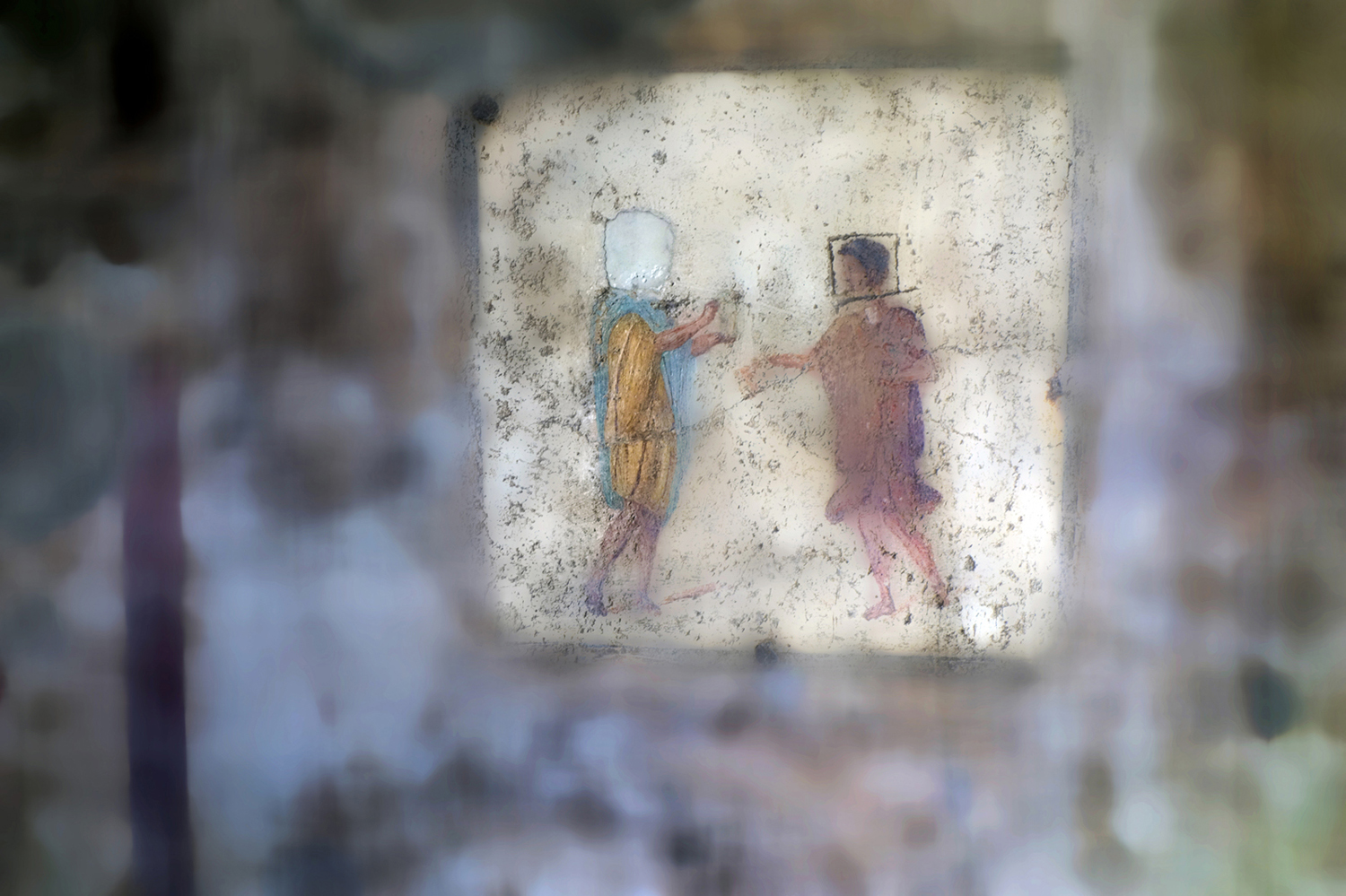
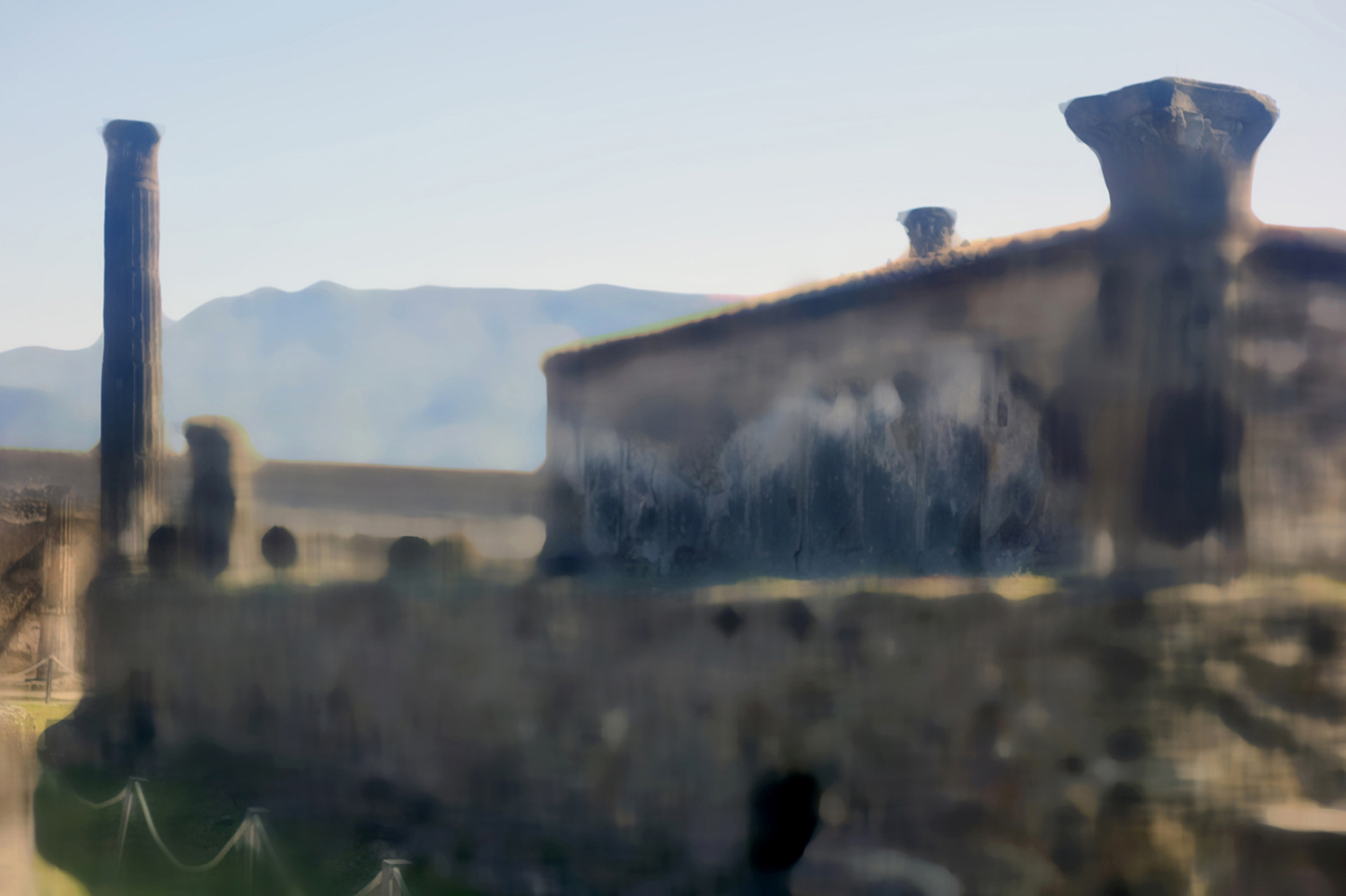

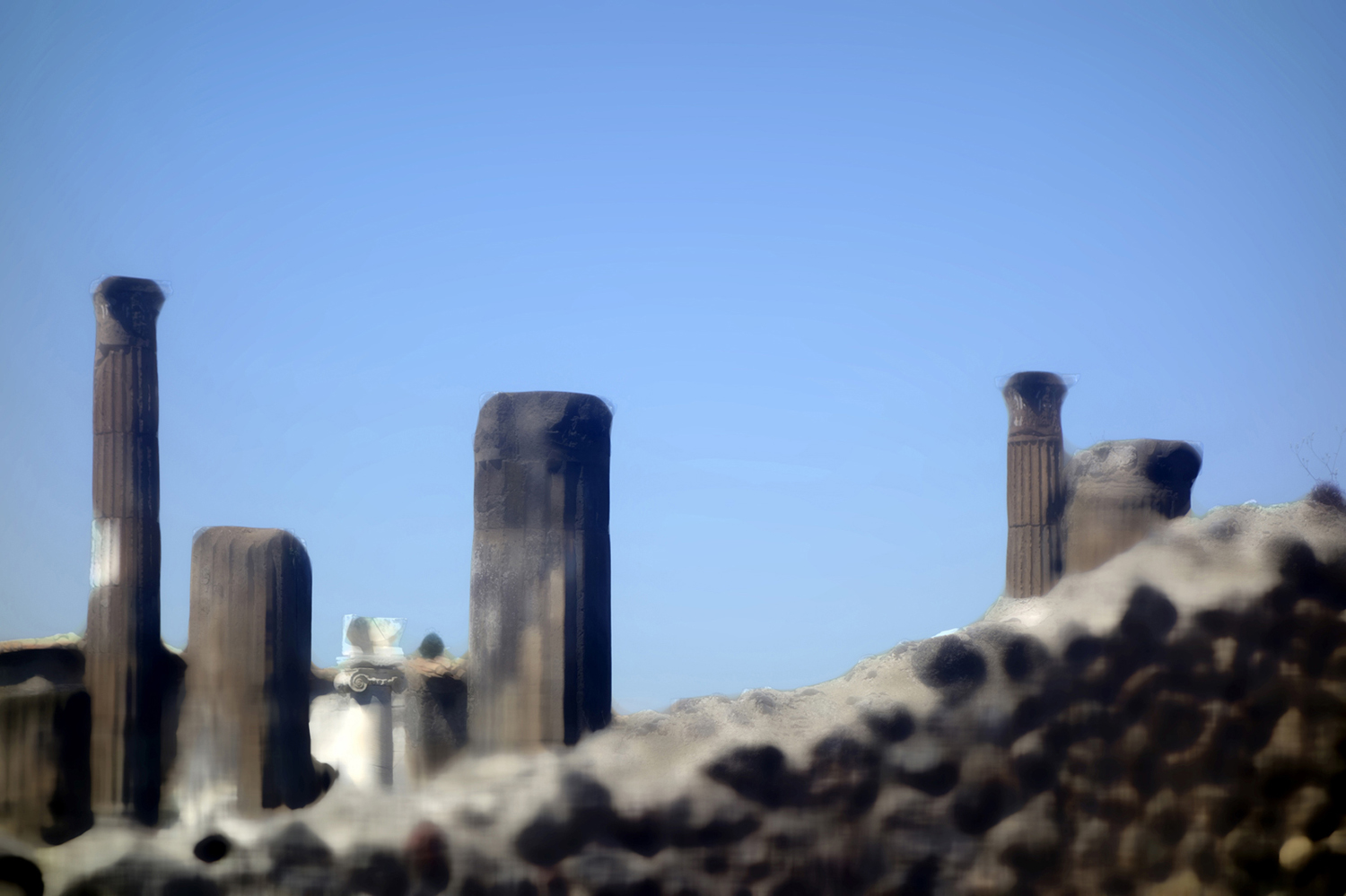


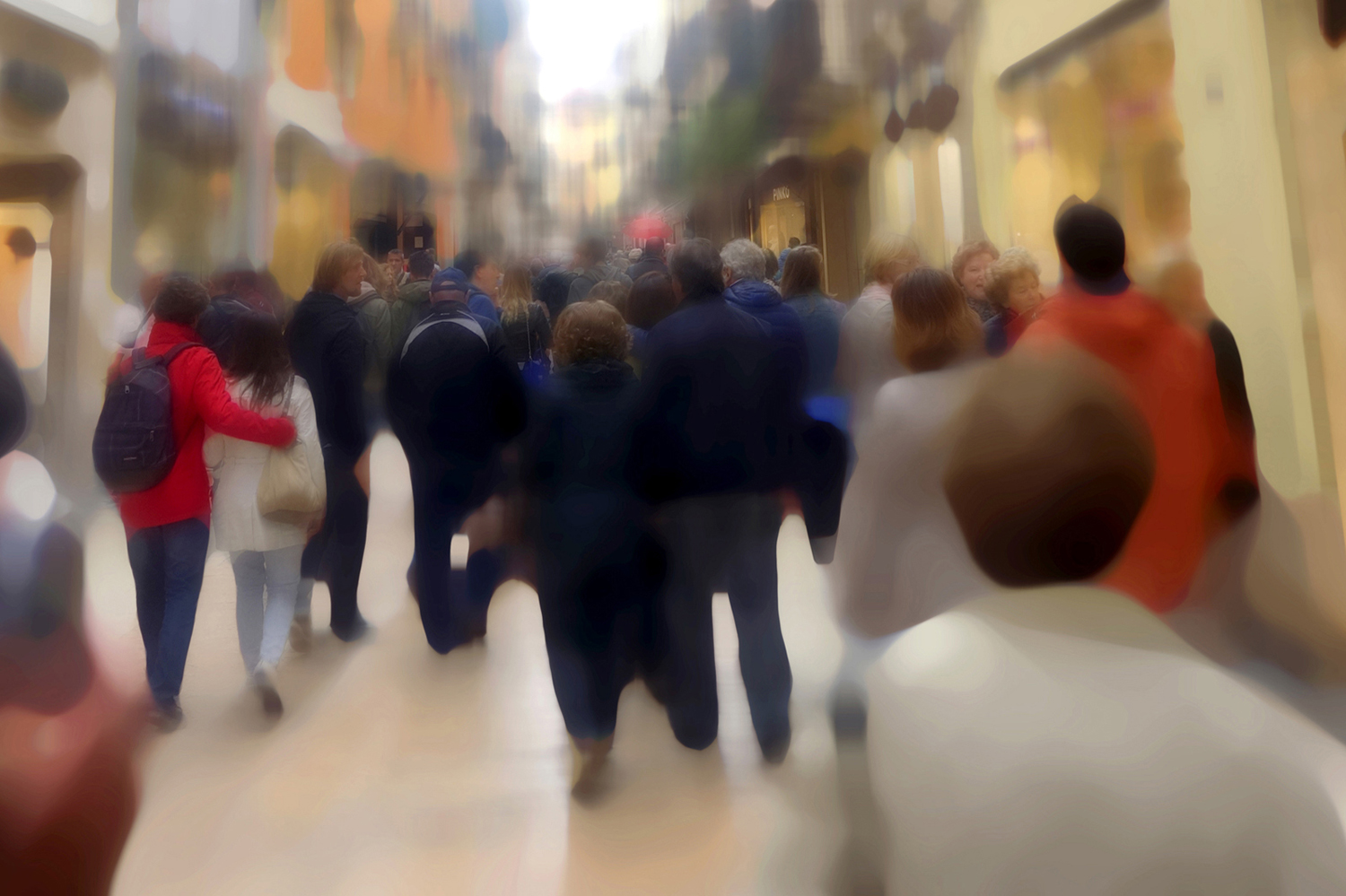
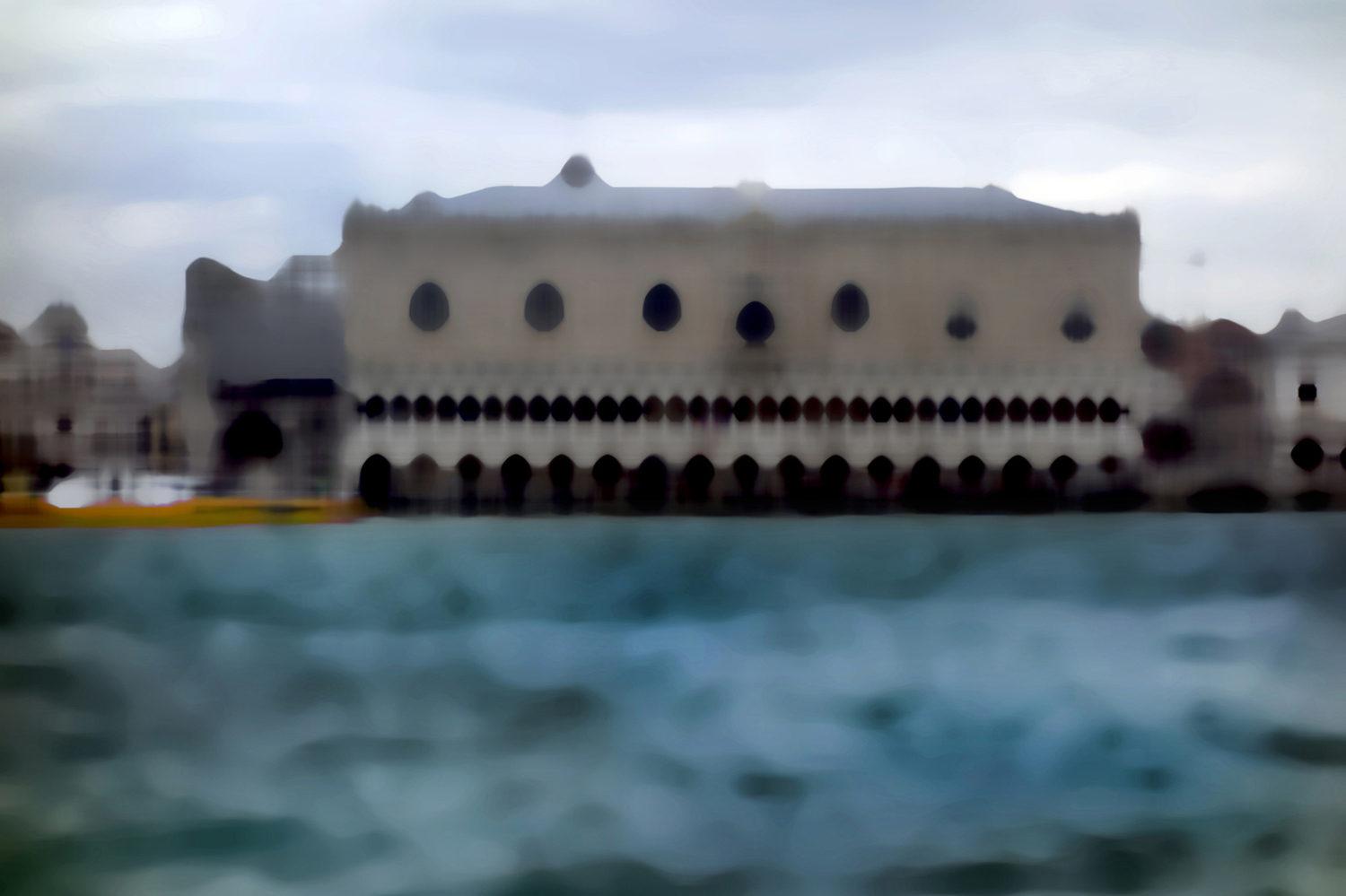

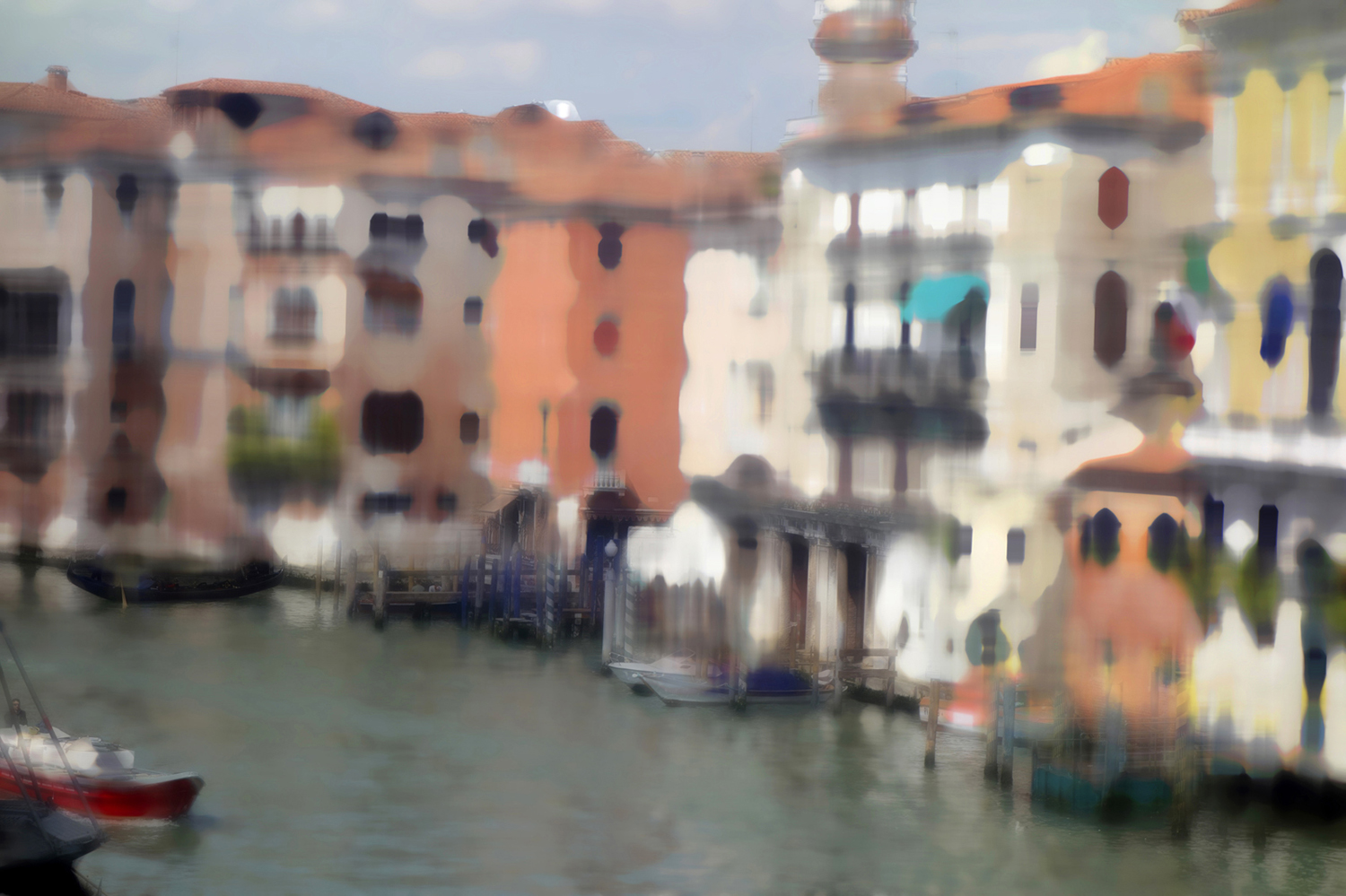
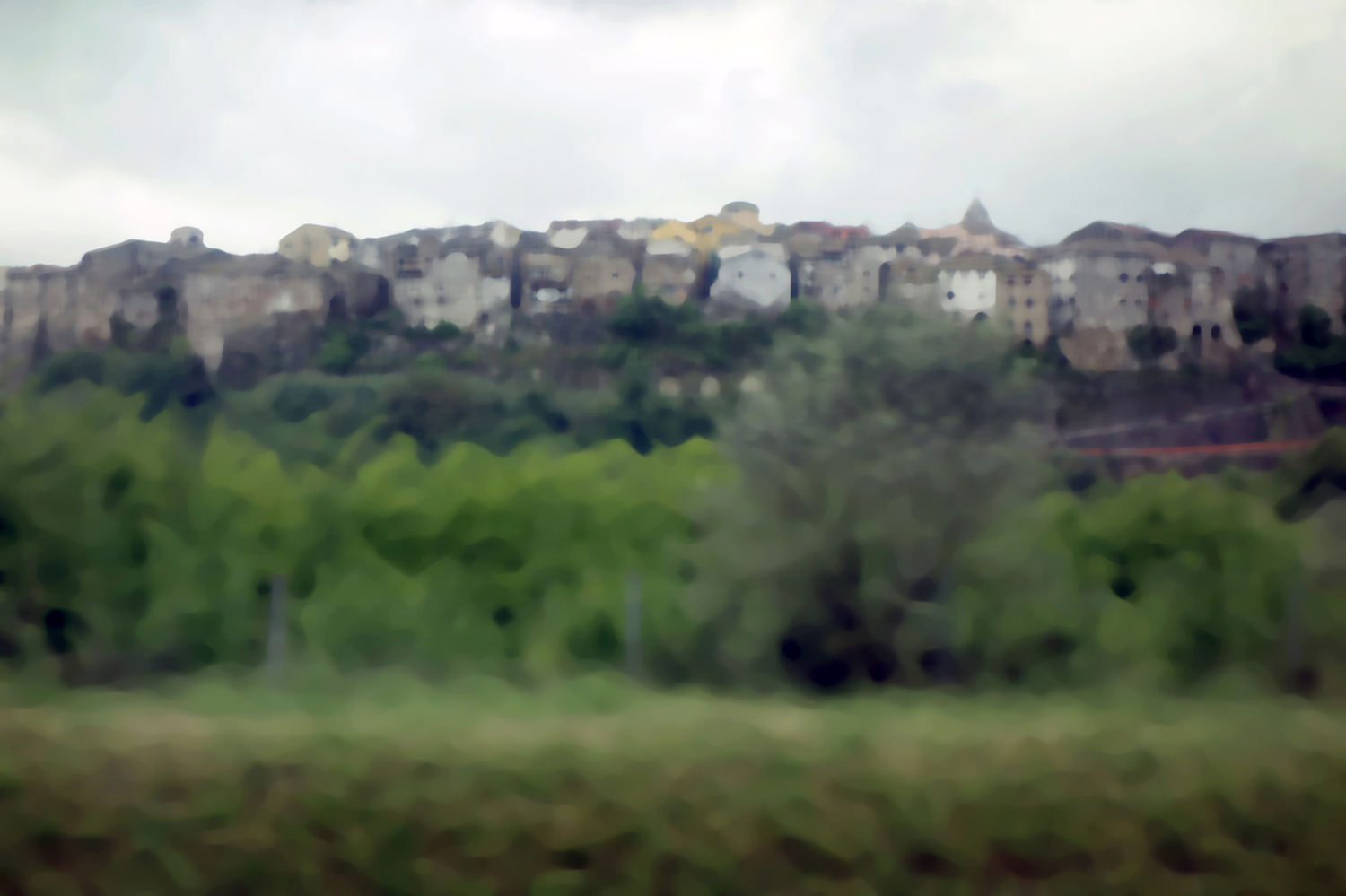
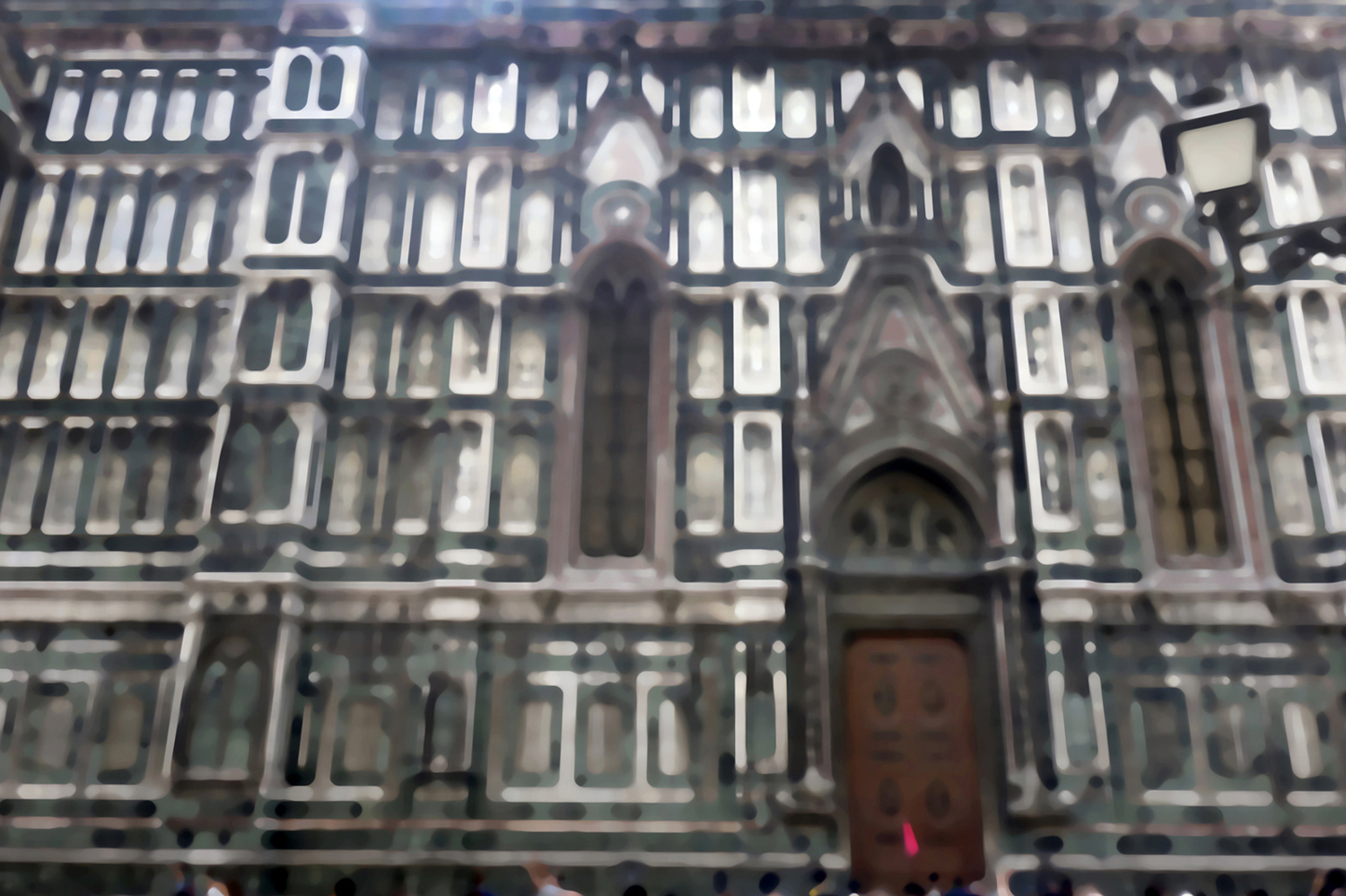
![Joyce Evans (Australian, 1929-2019) 'Untitled [Joyce with camera]' 1951](https://artblart.com/wp-content/uploads/2019/08/joyce-evans-joyce-with-camera-web.jpg "Joyce Evans. 'Untitled [Joyce with camera]' 1951")
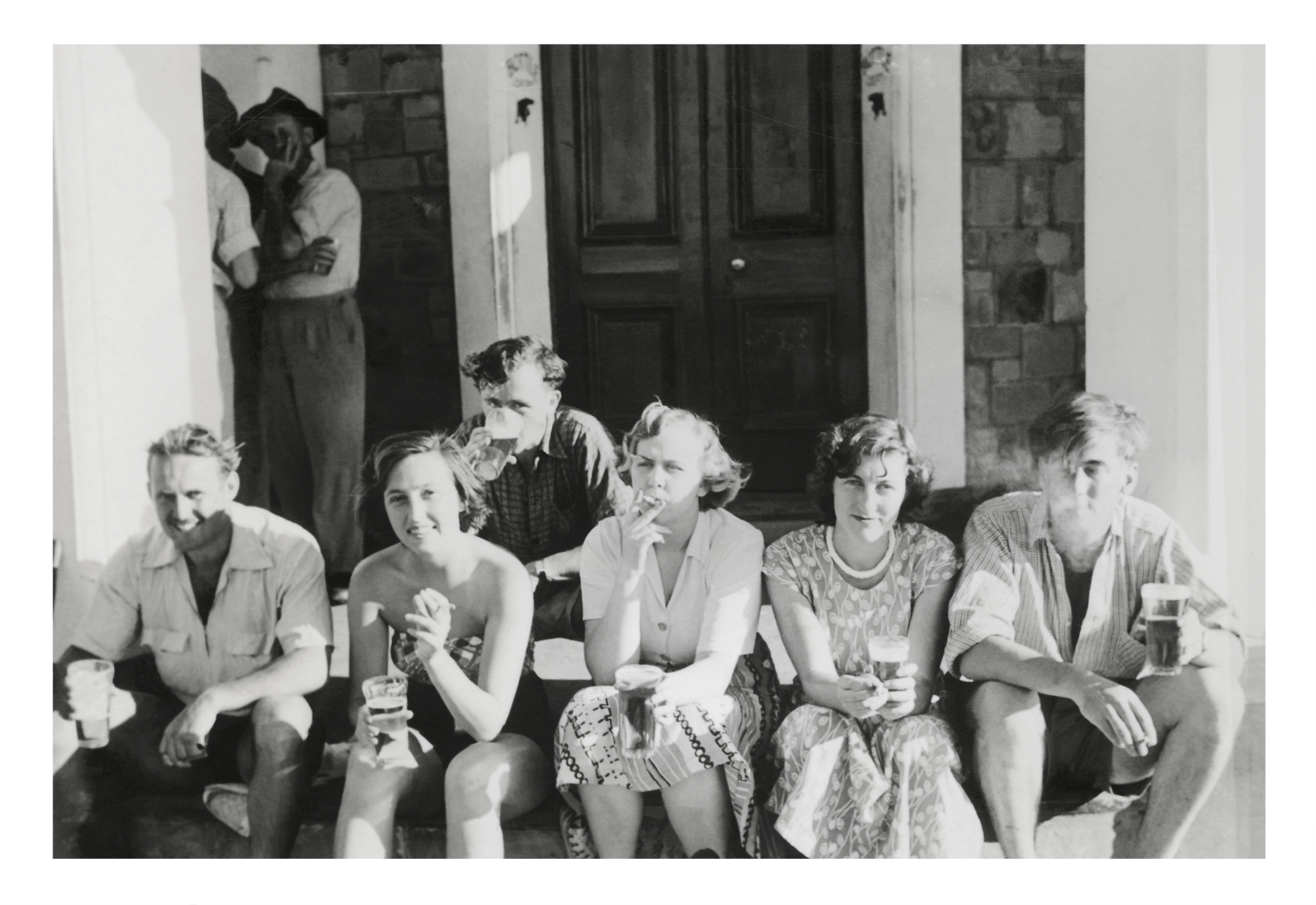
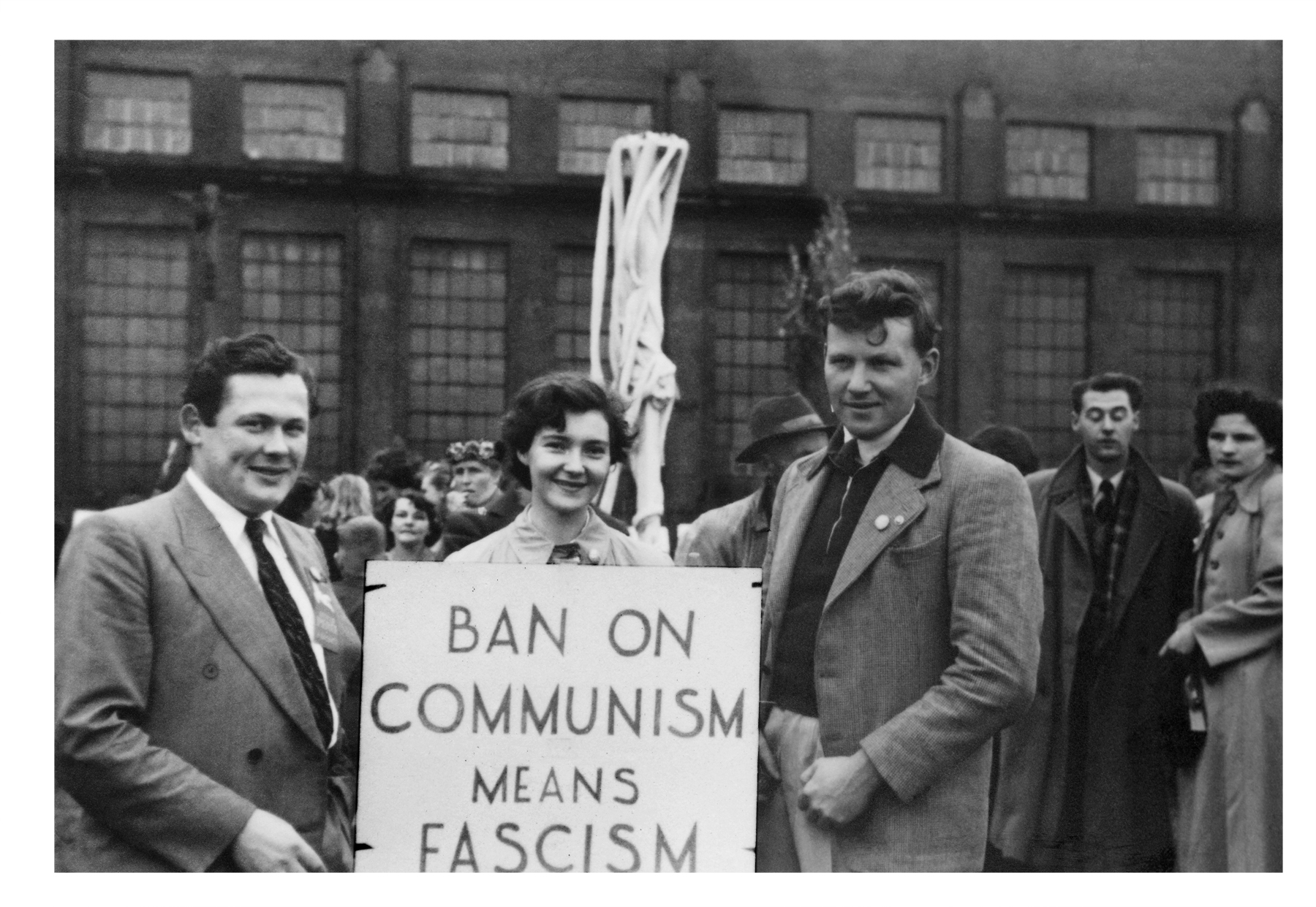
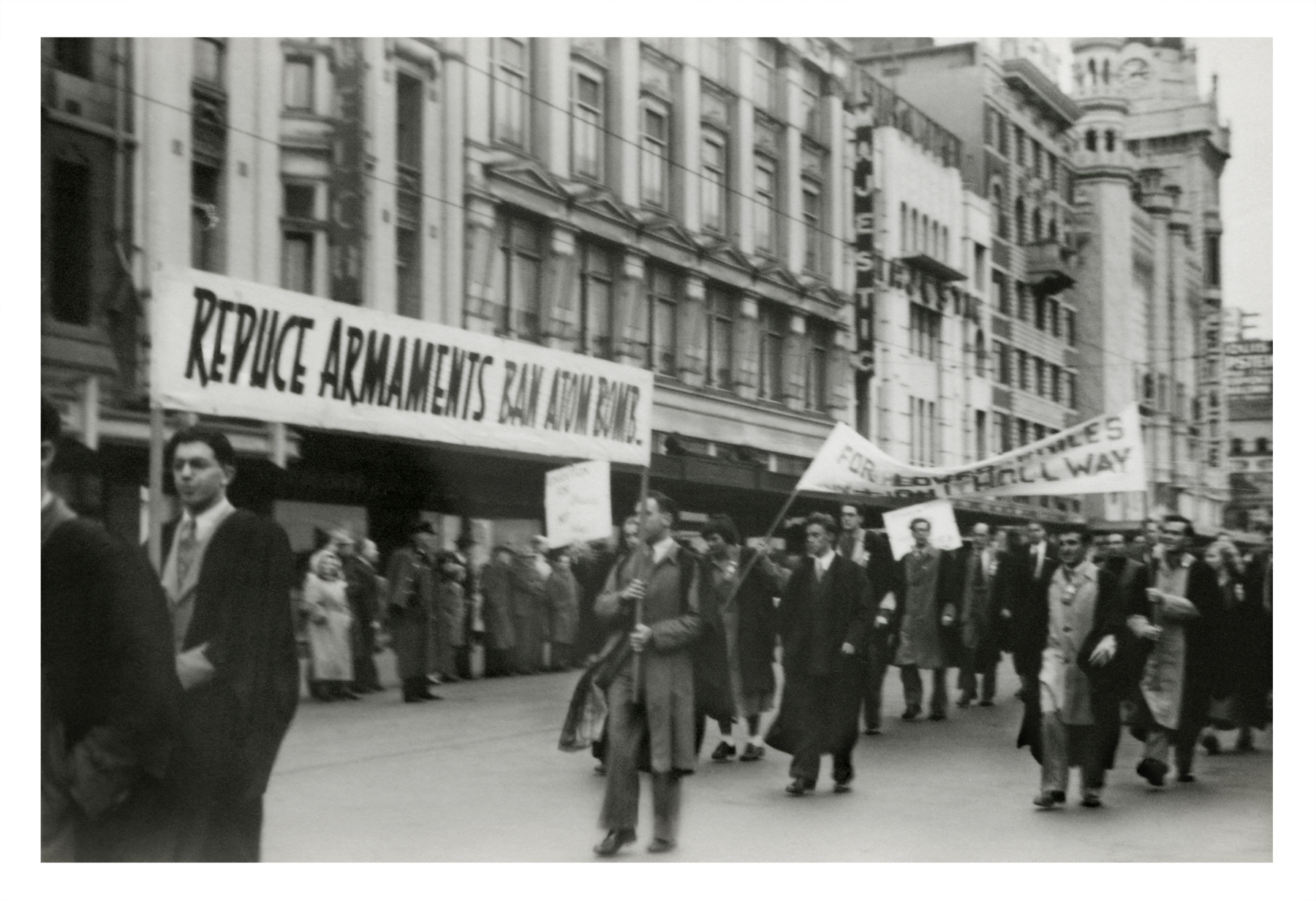
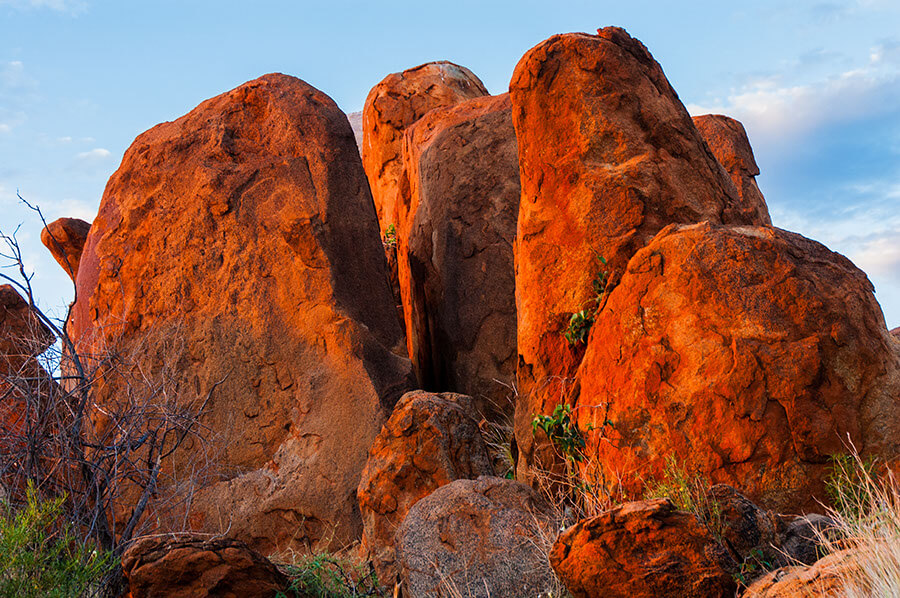
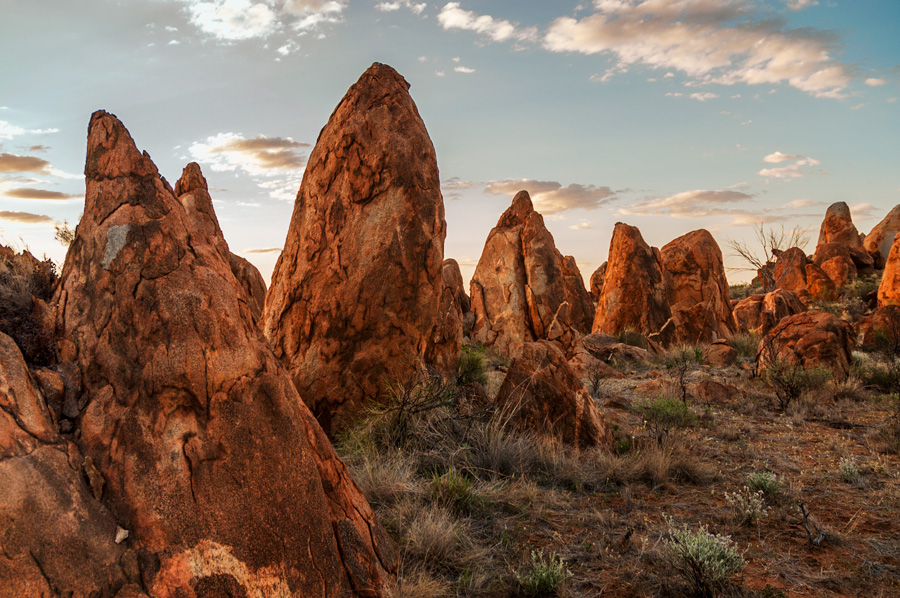
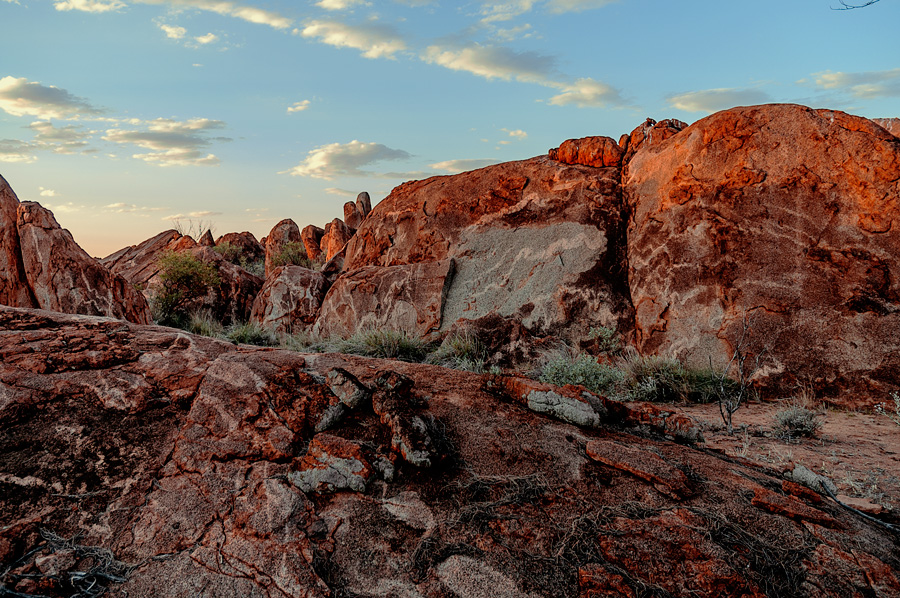
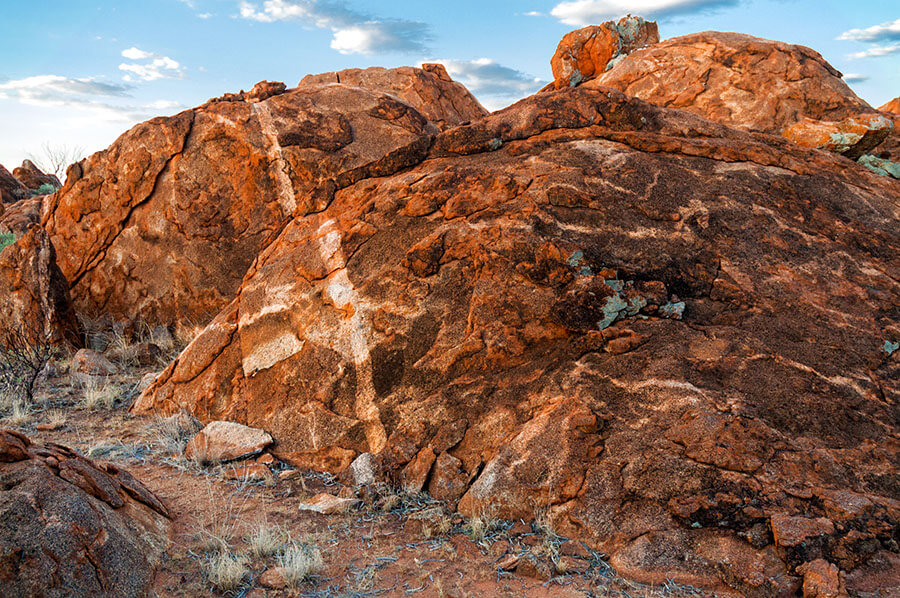
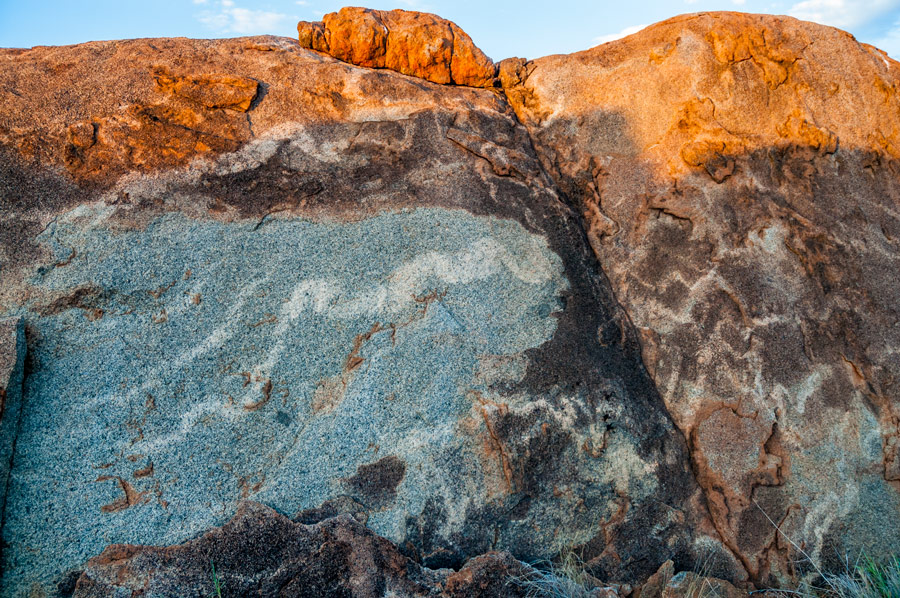
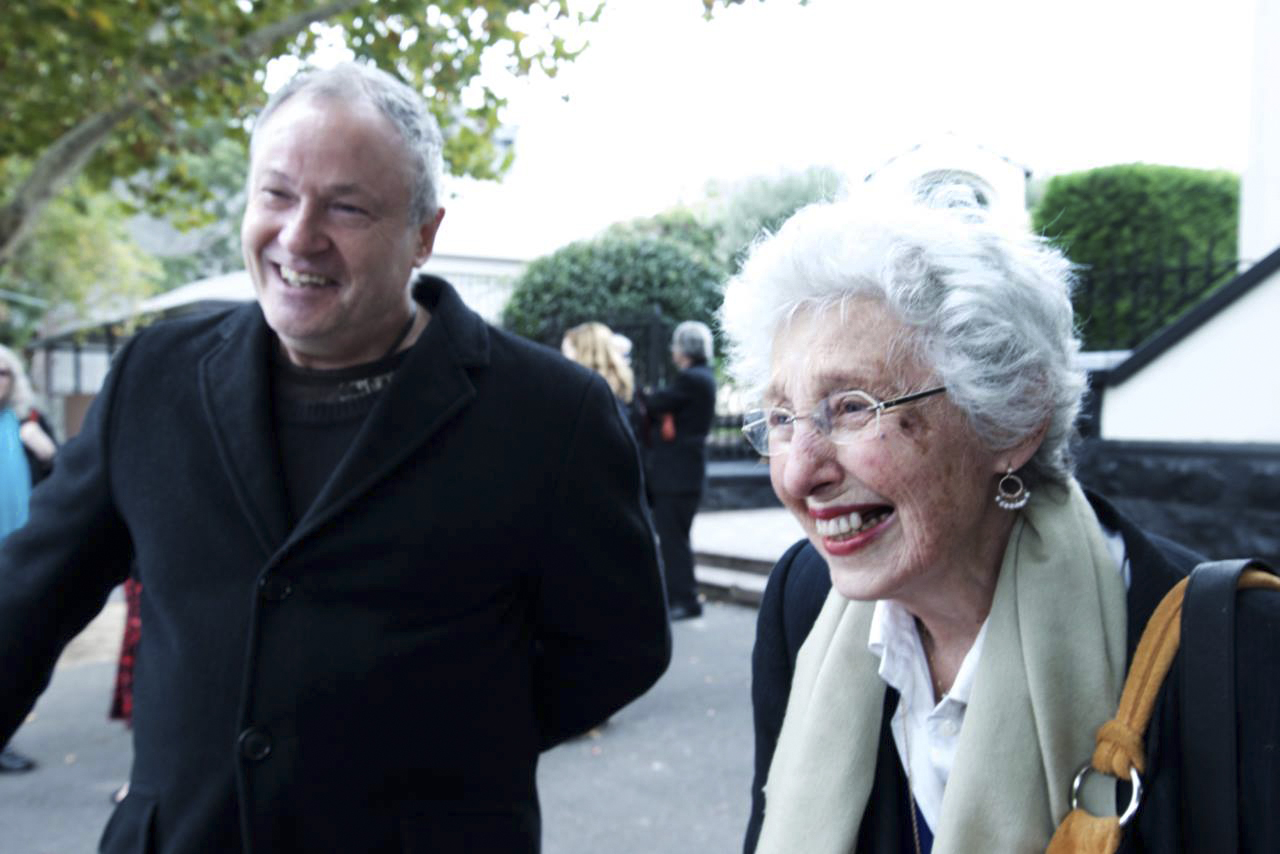
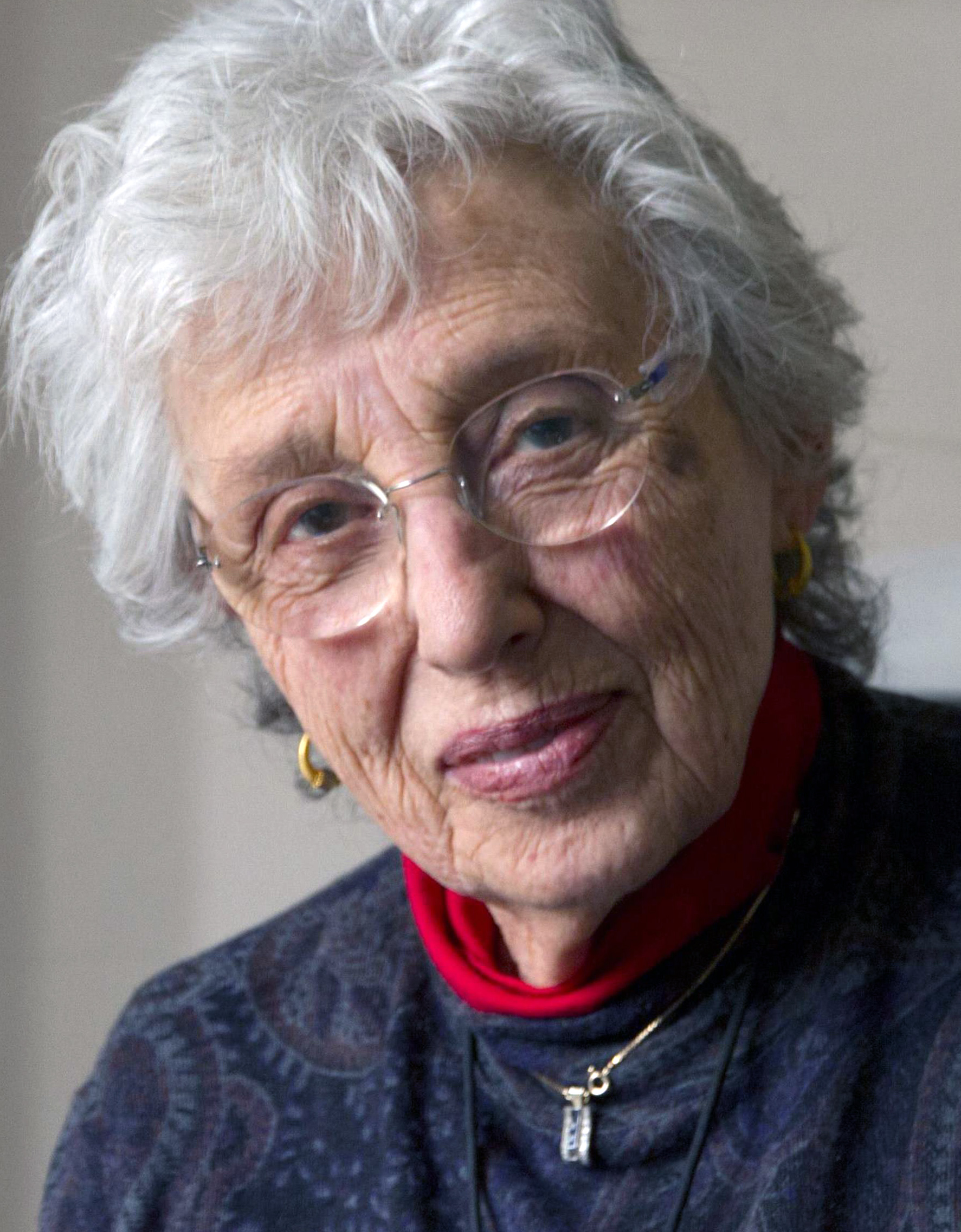
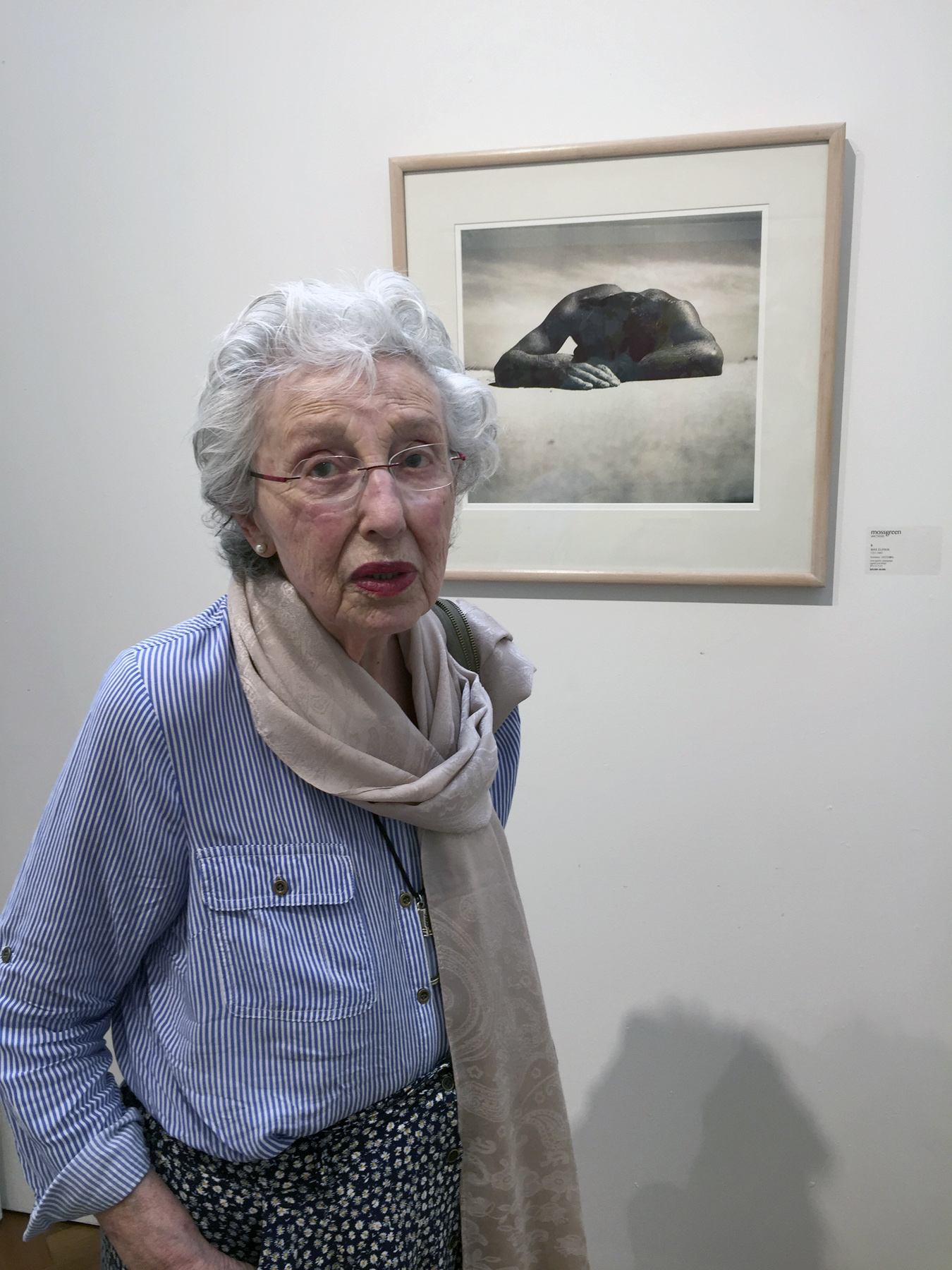
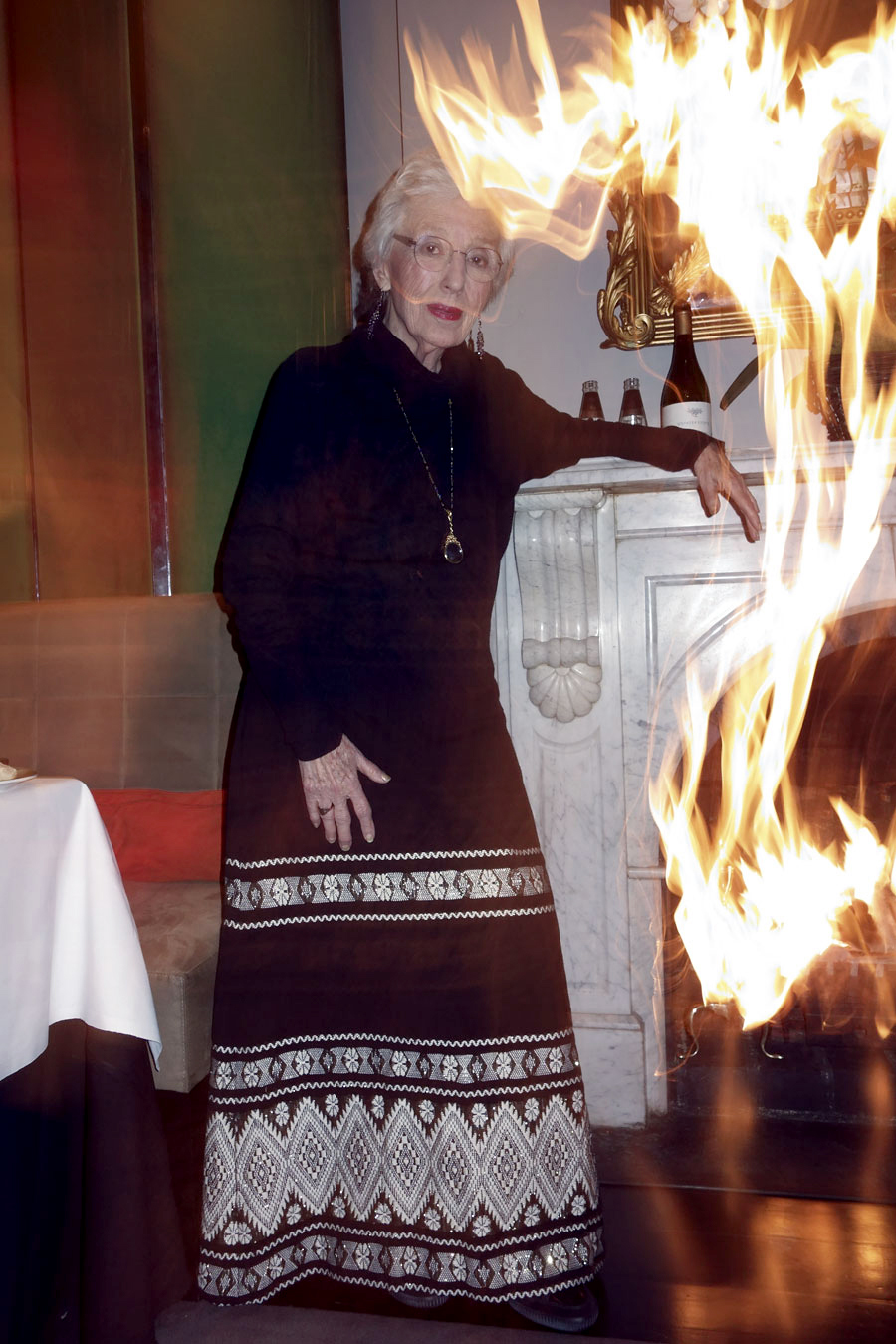
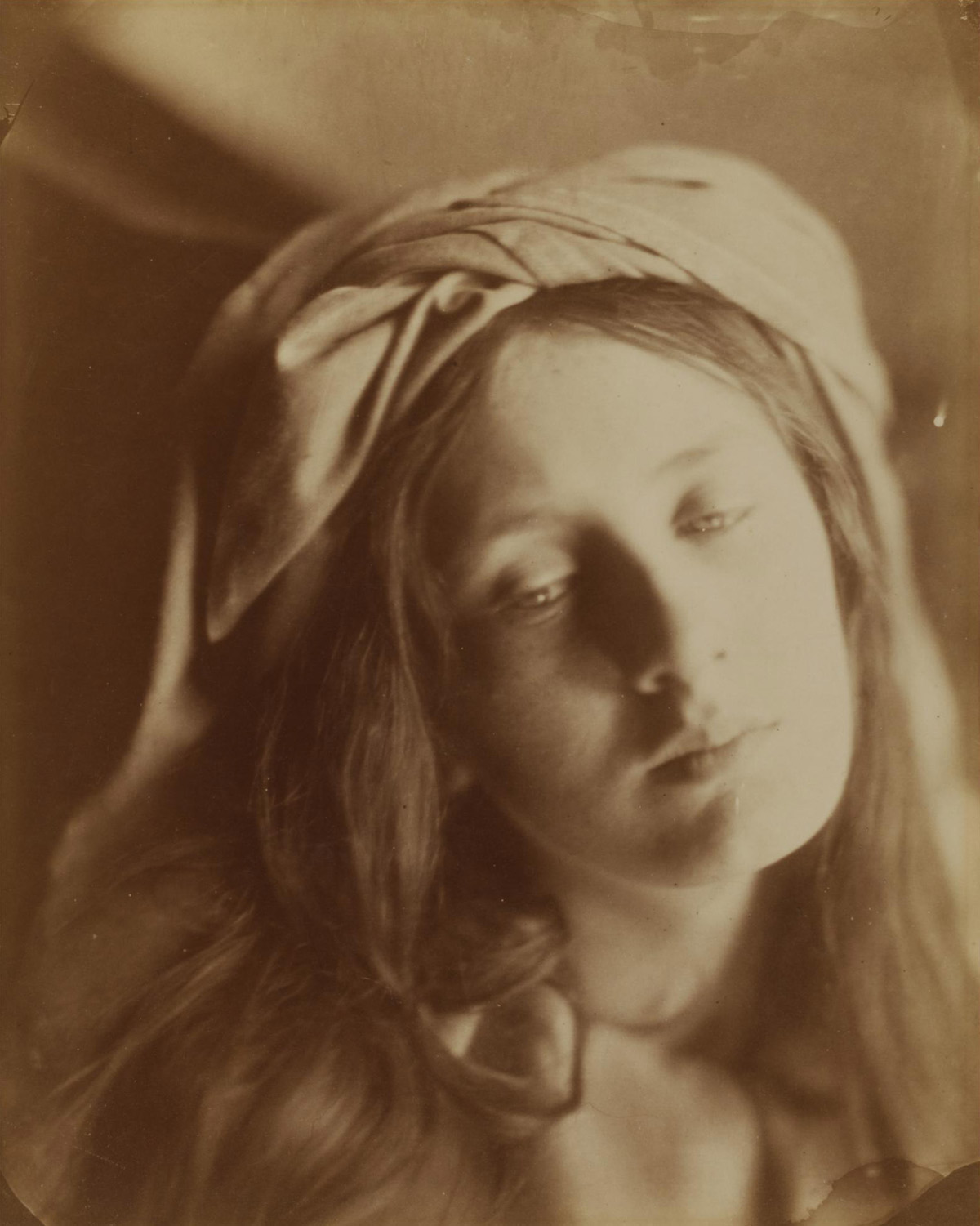
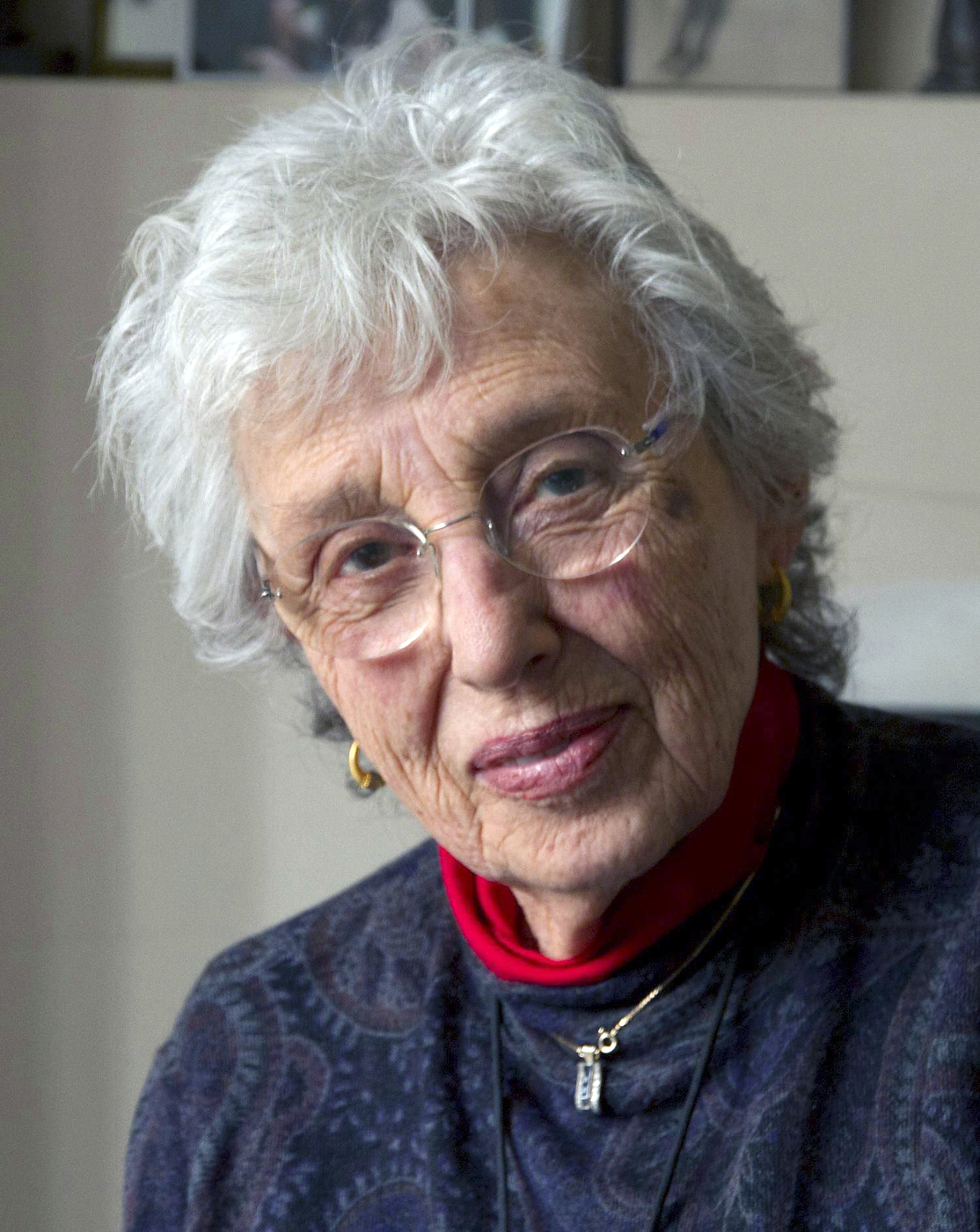


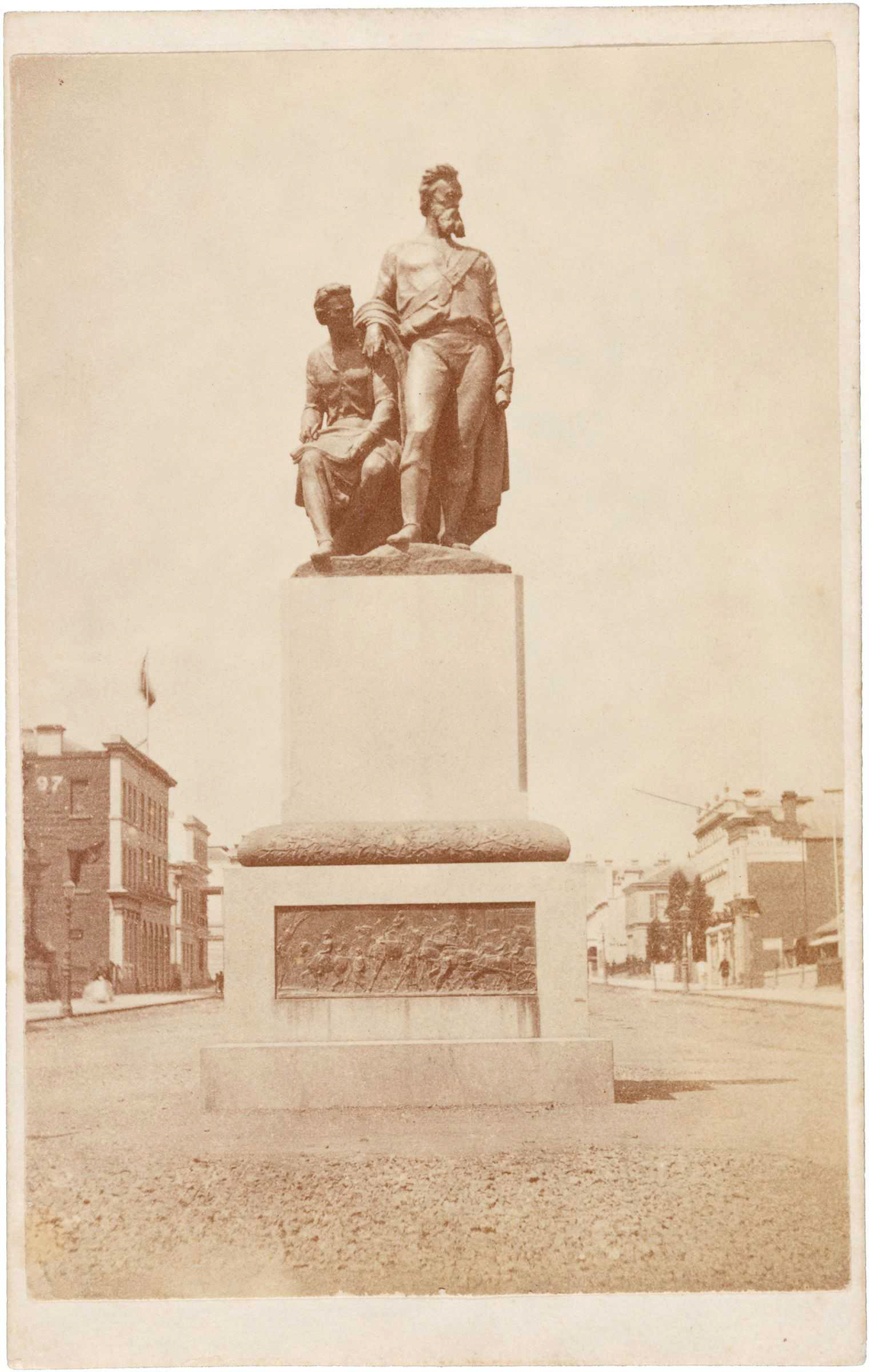

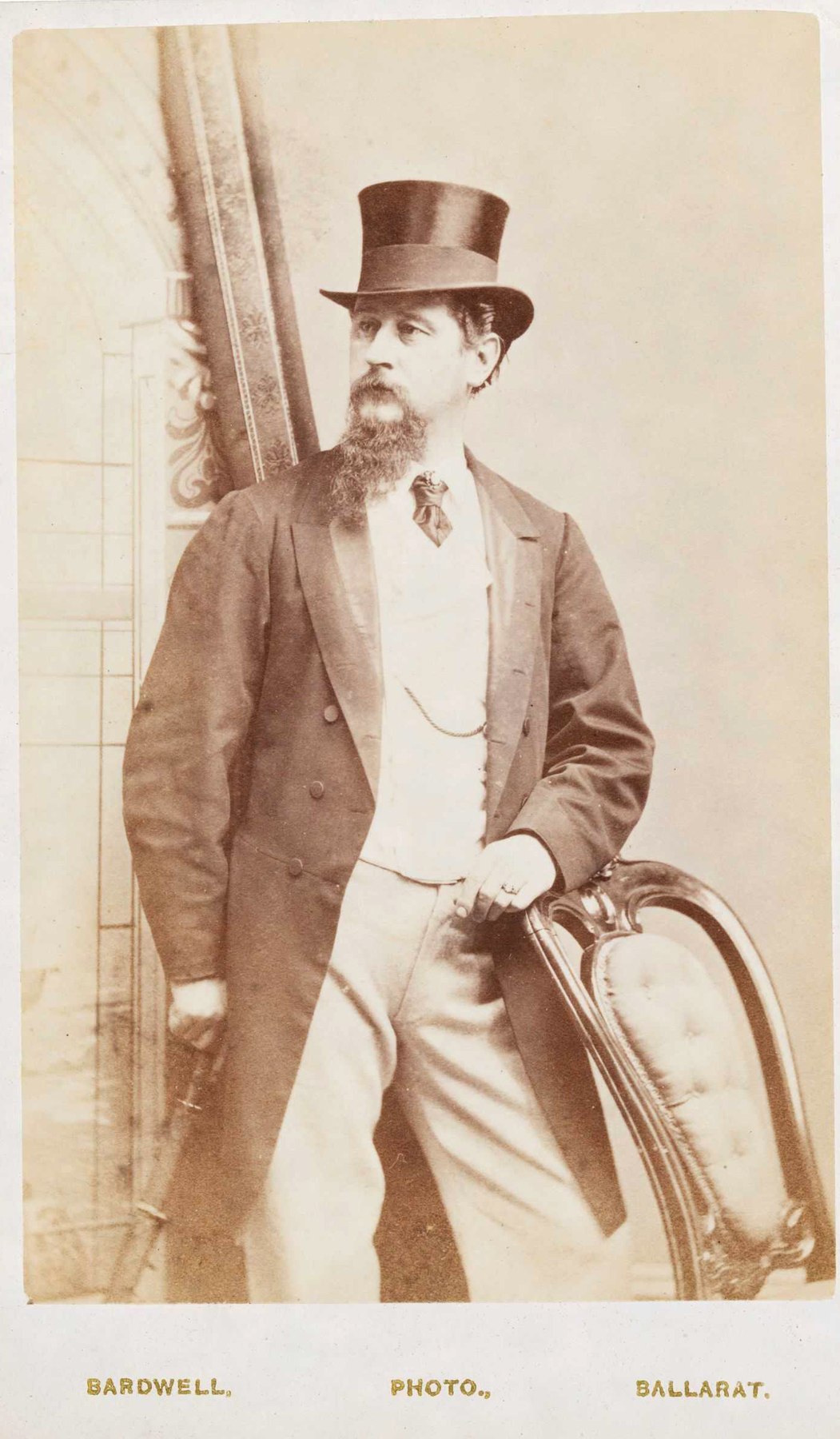


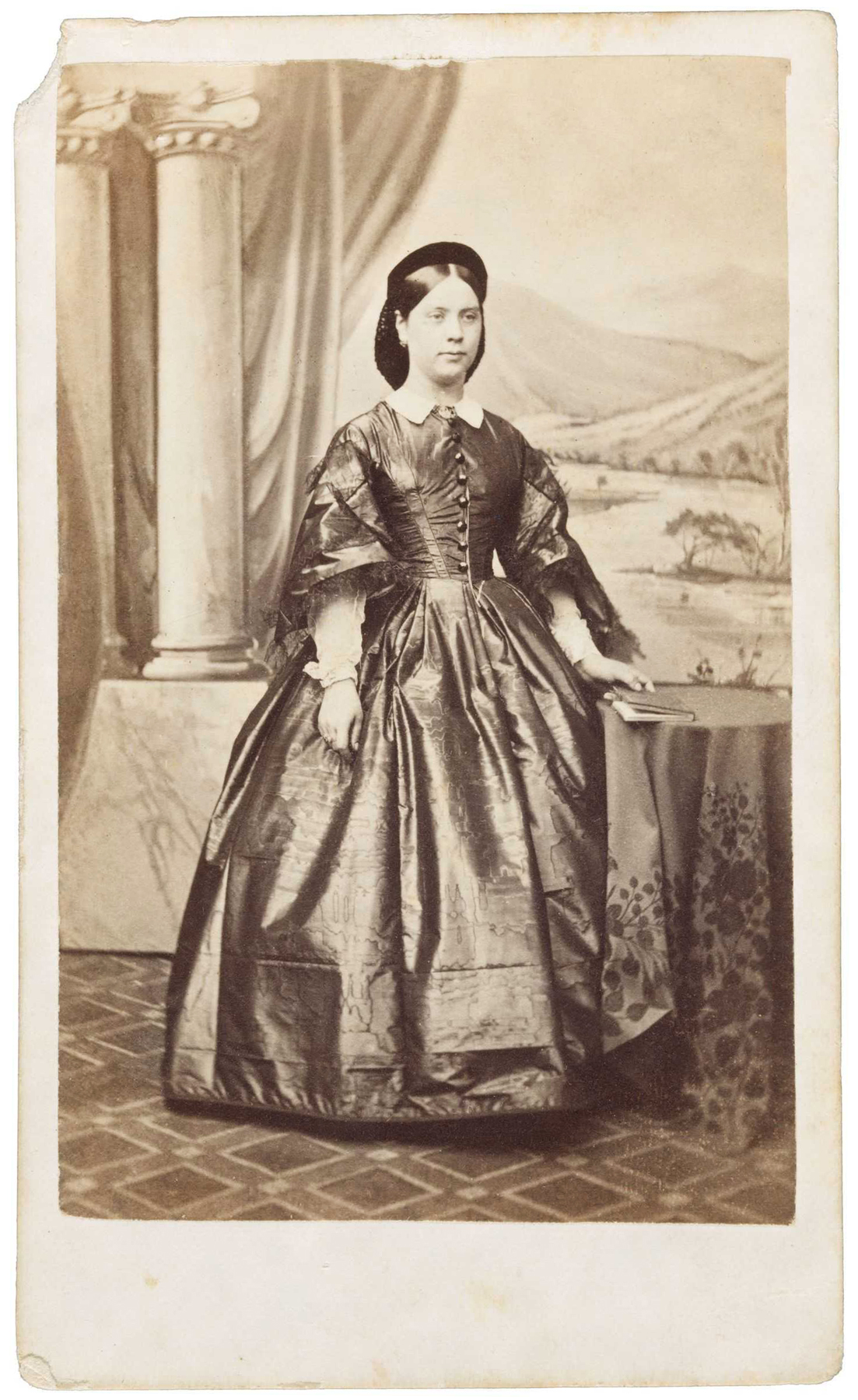


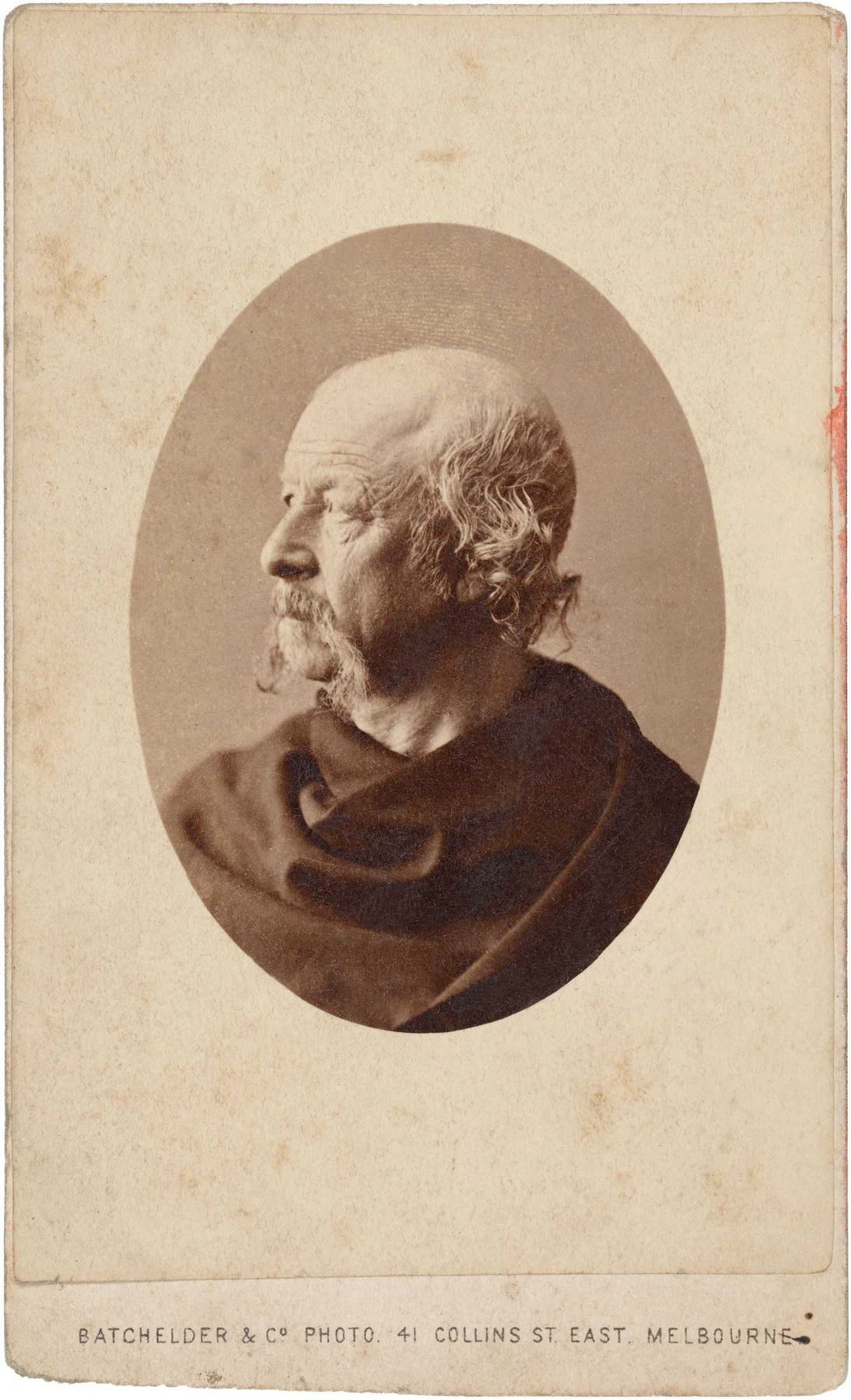
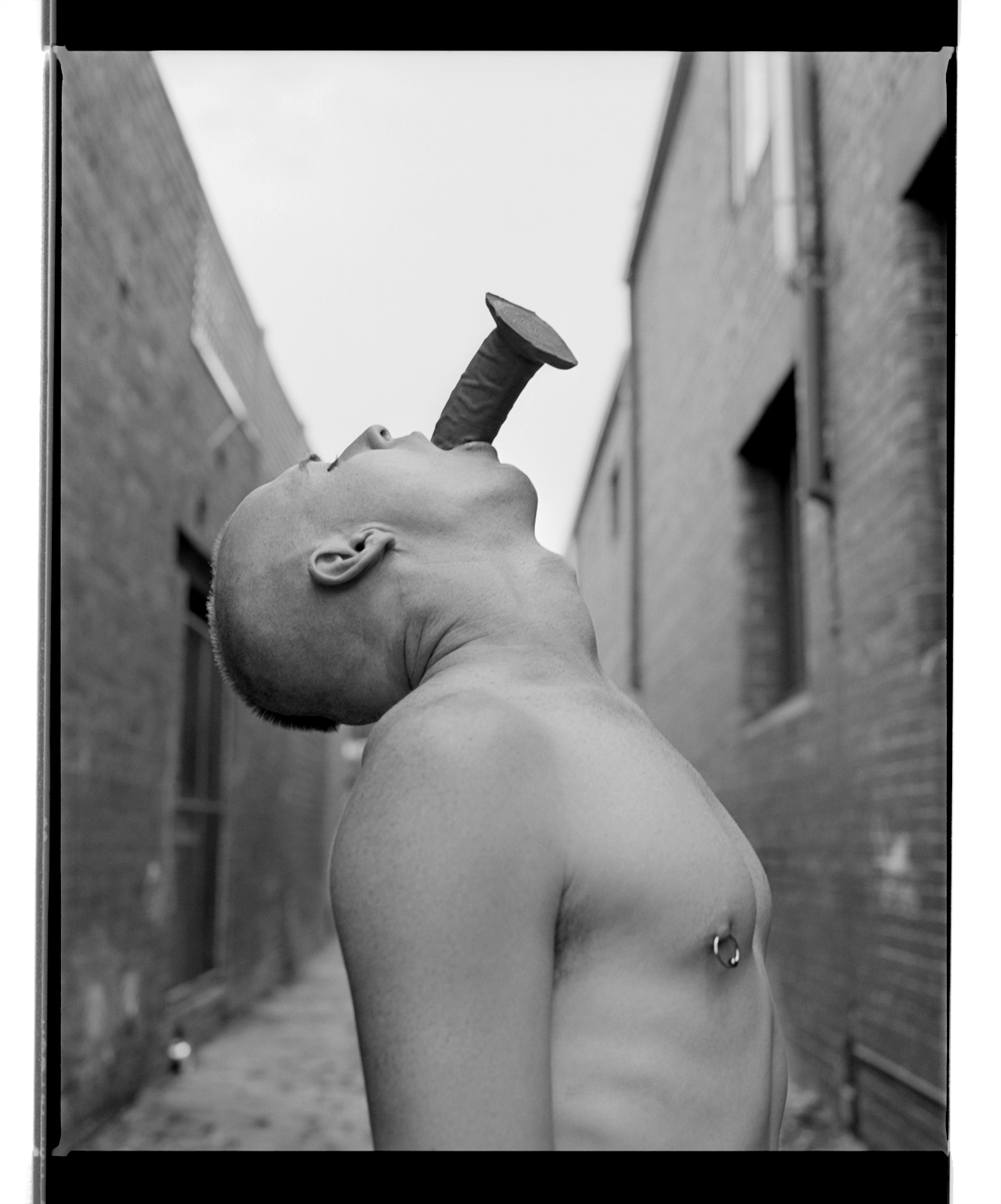

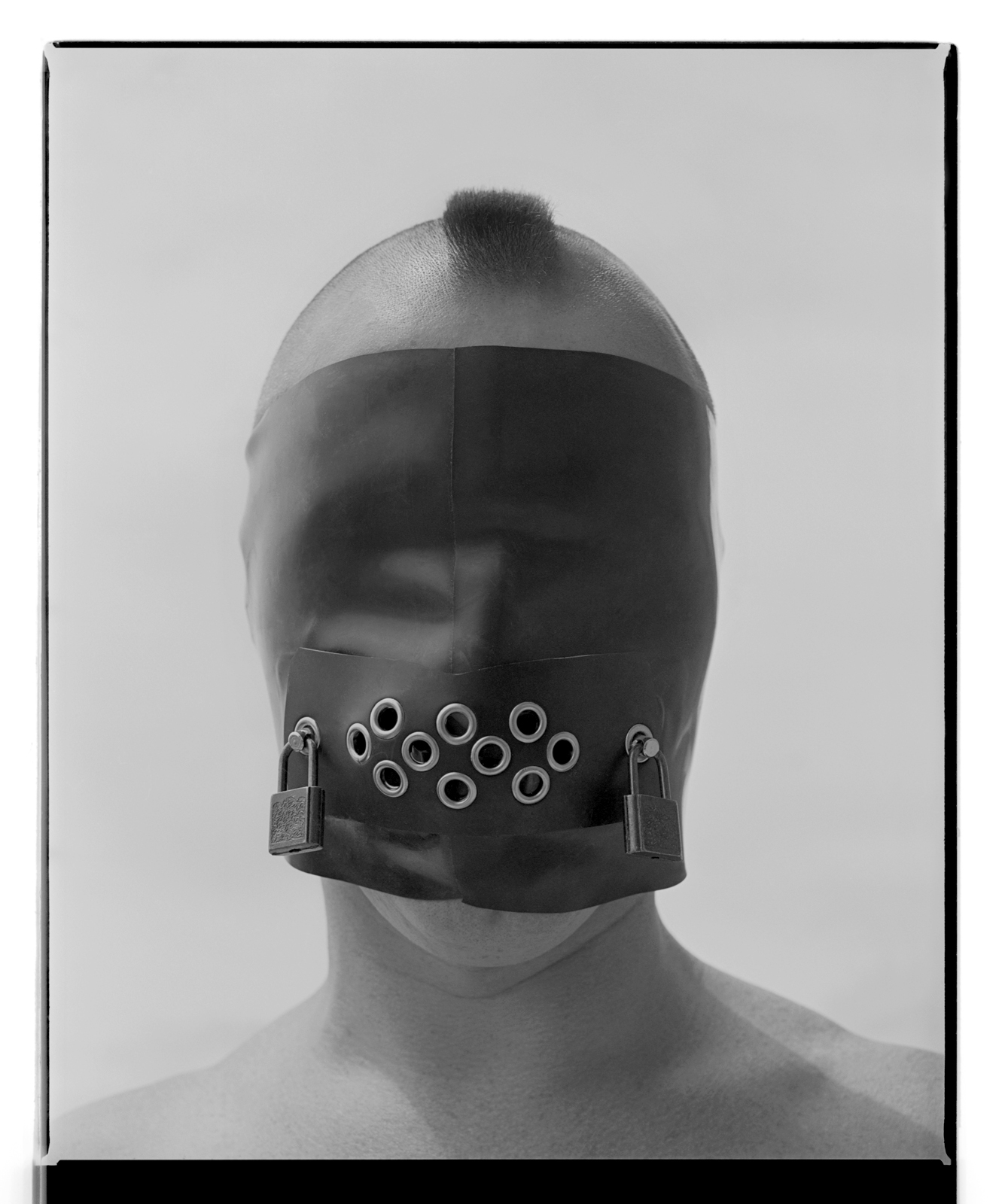
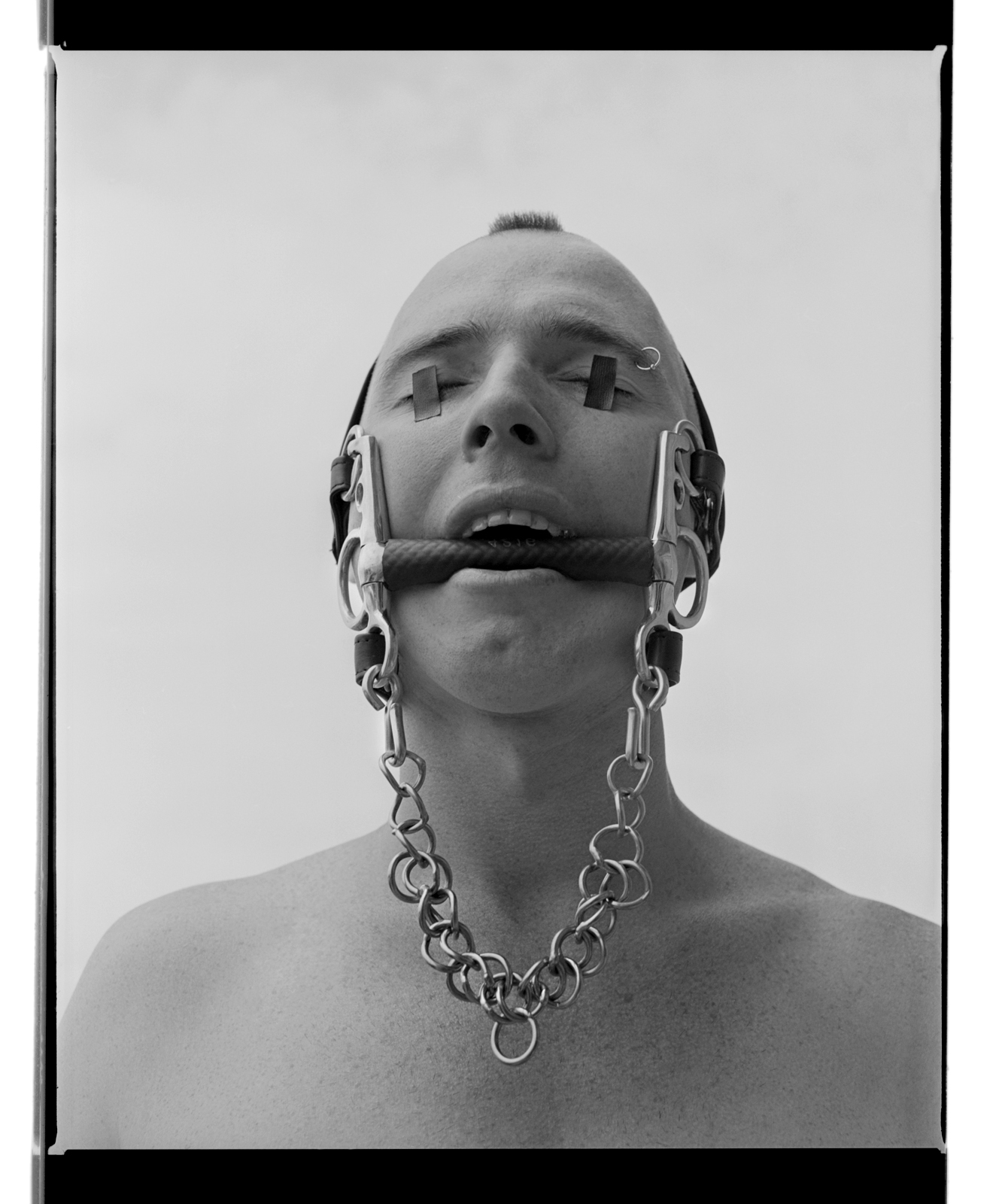


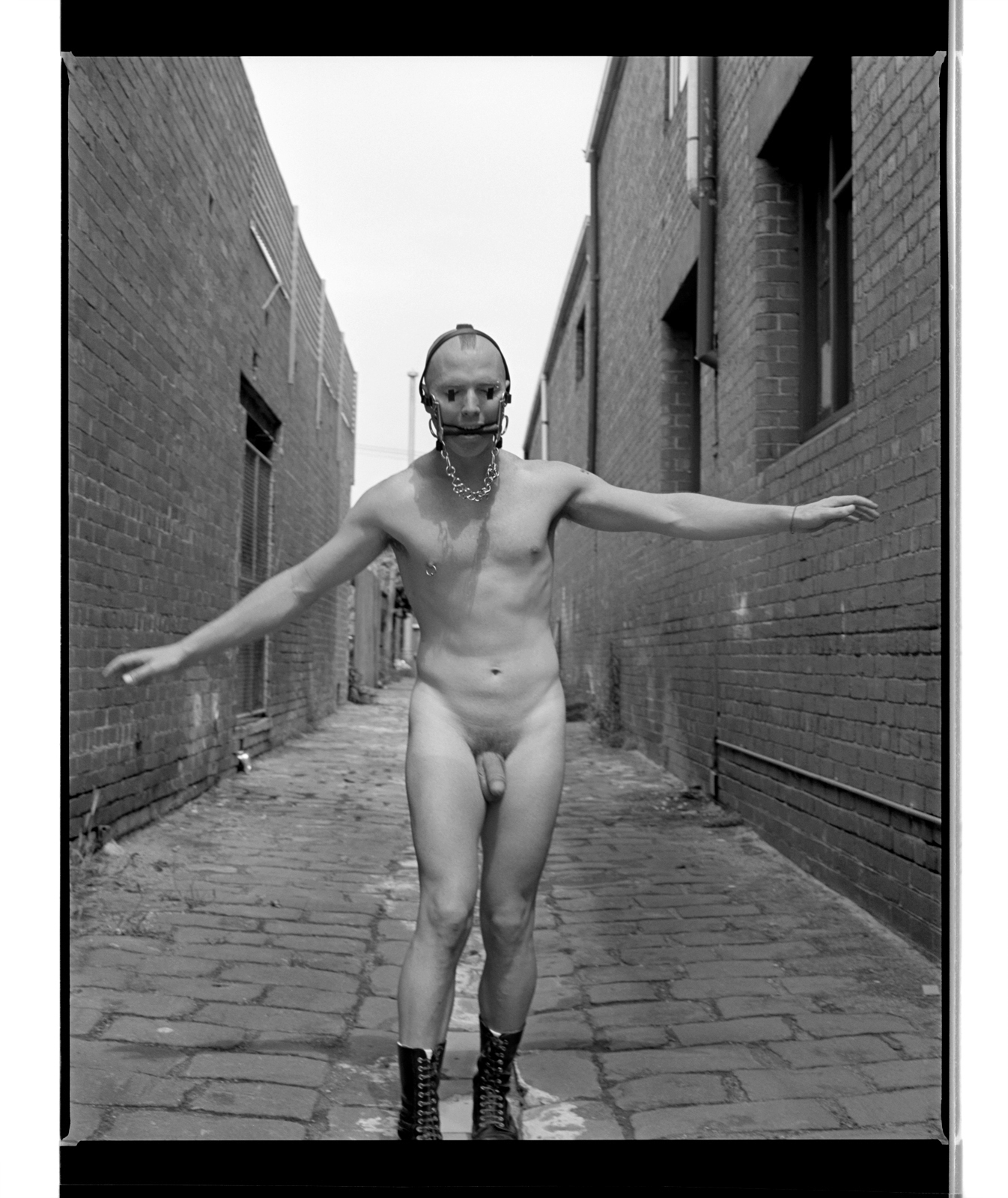


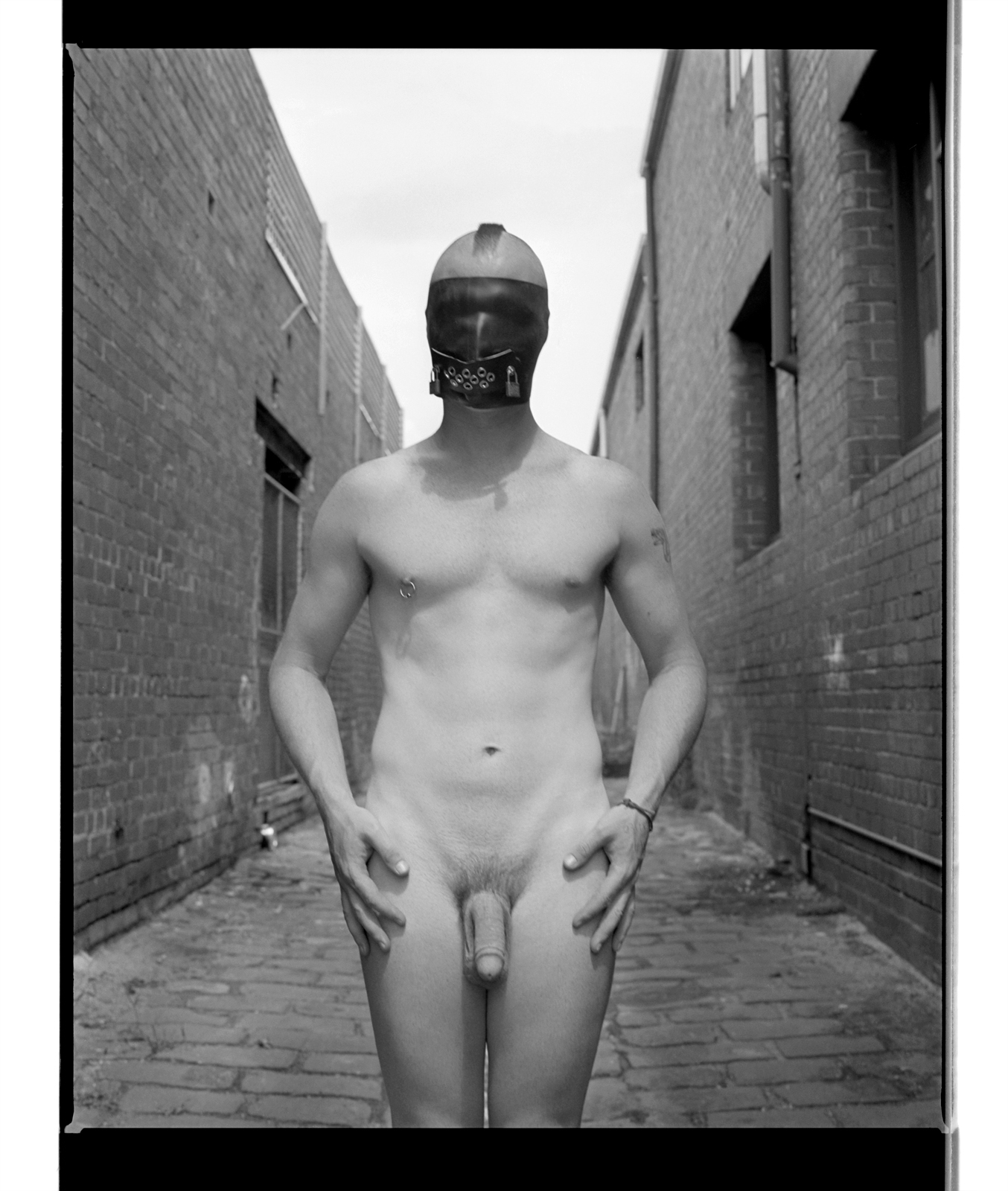

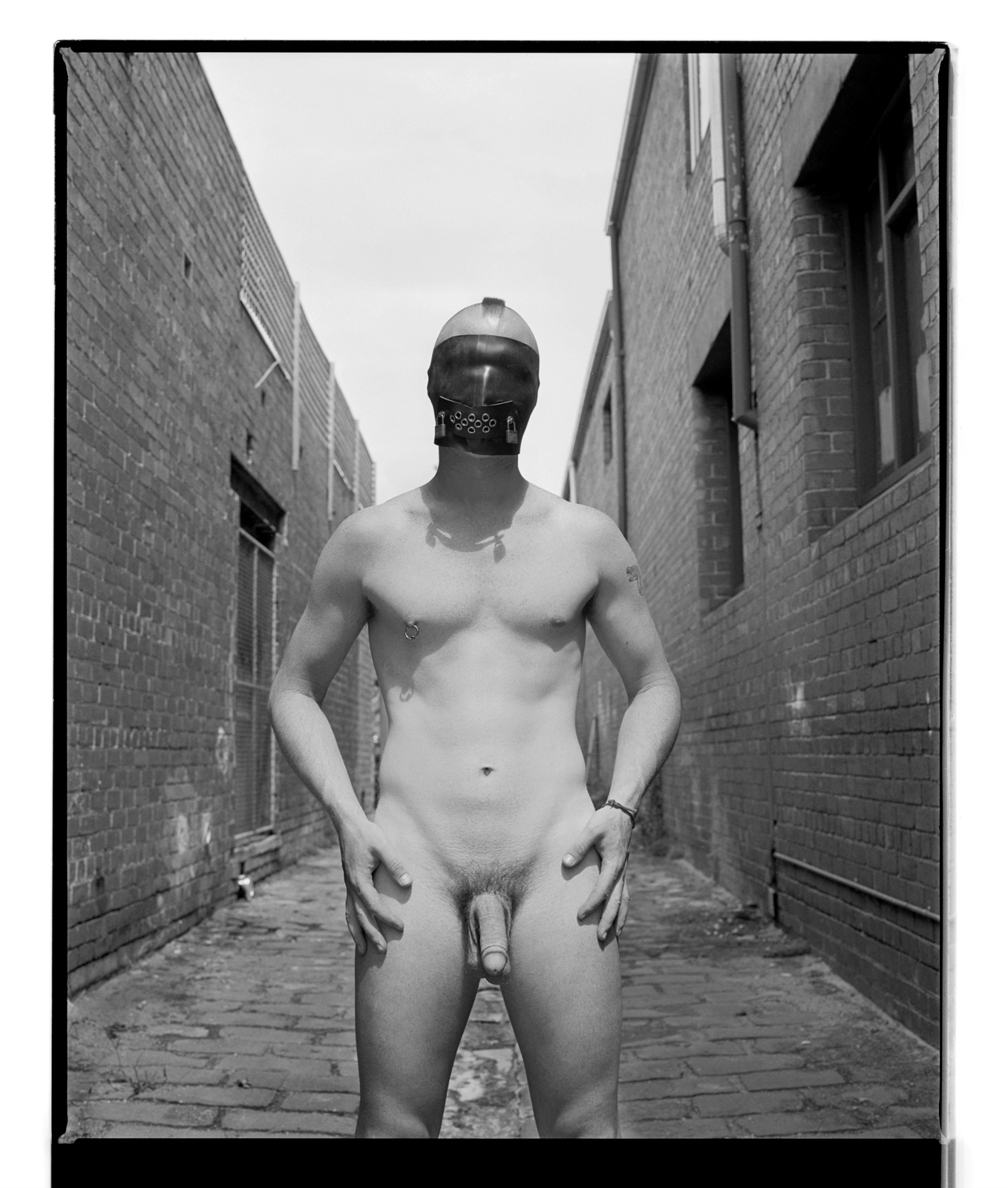
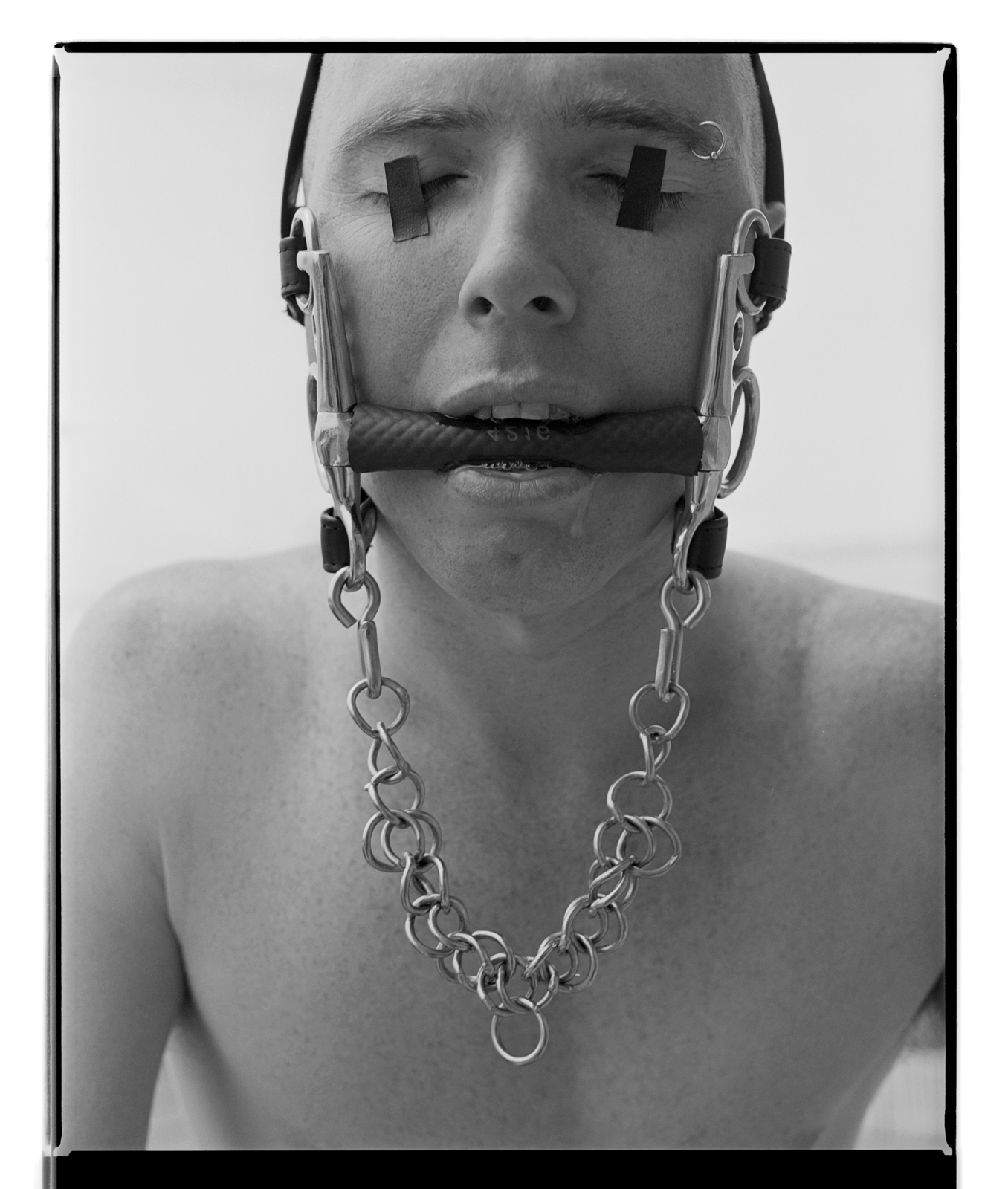


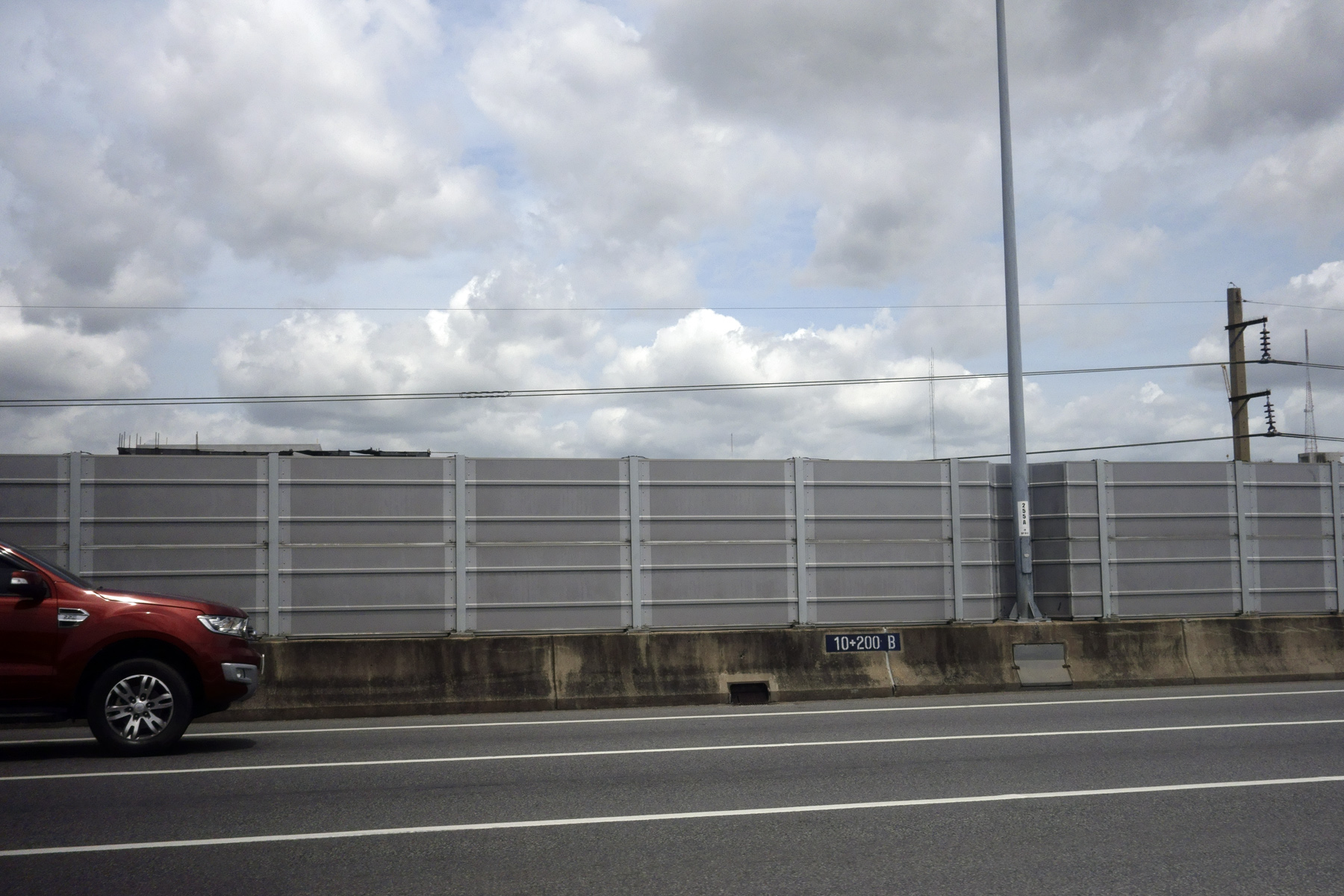

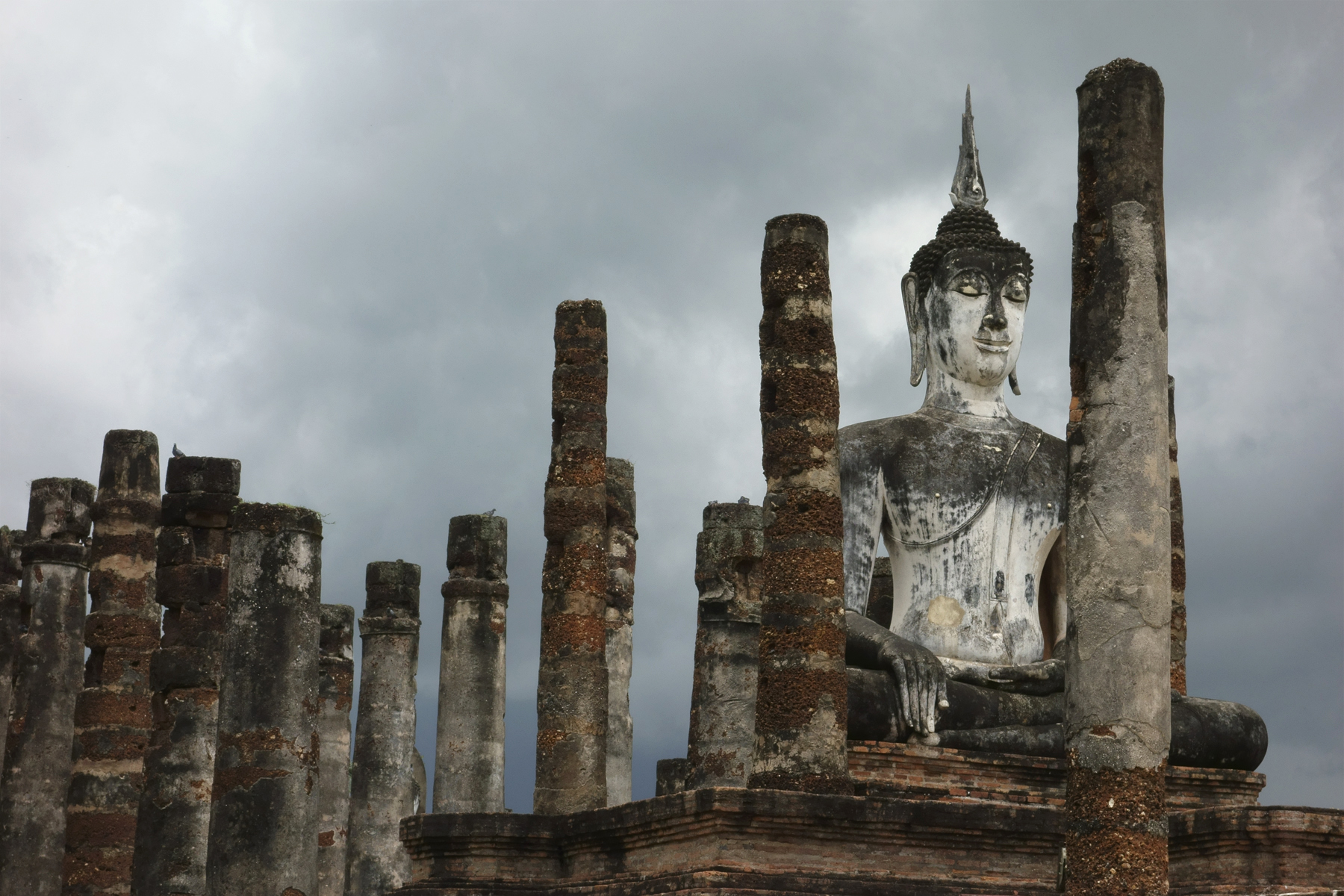


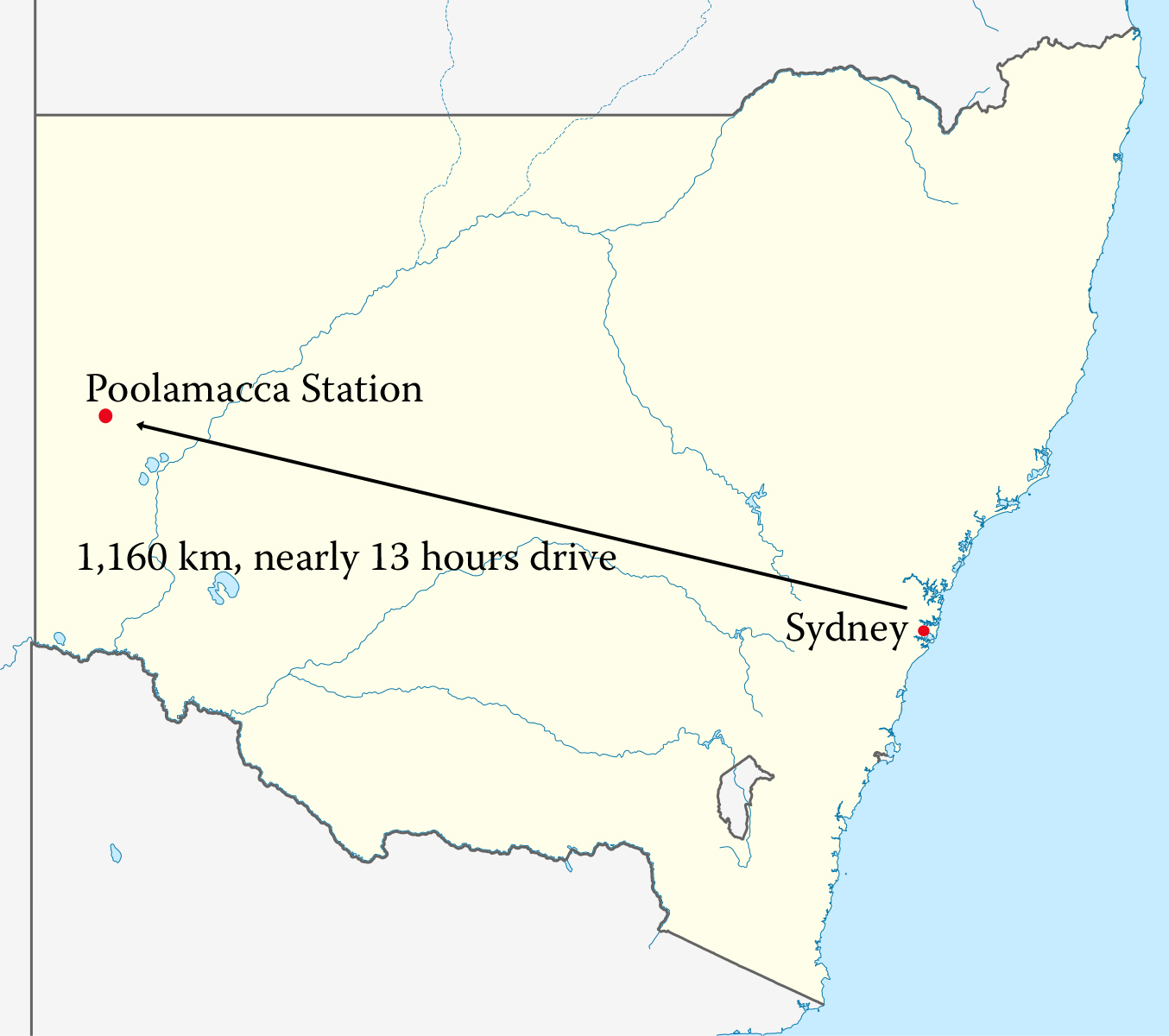
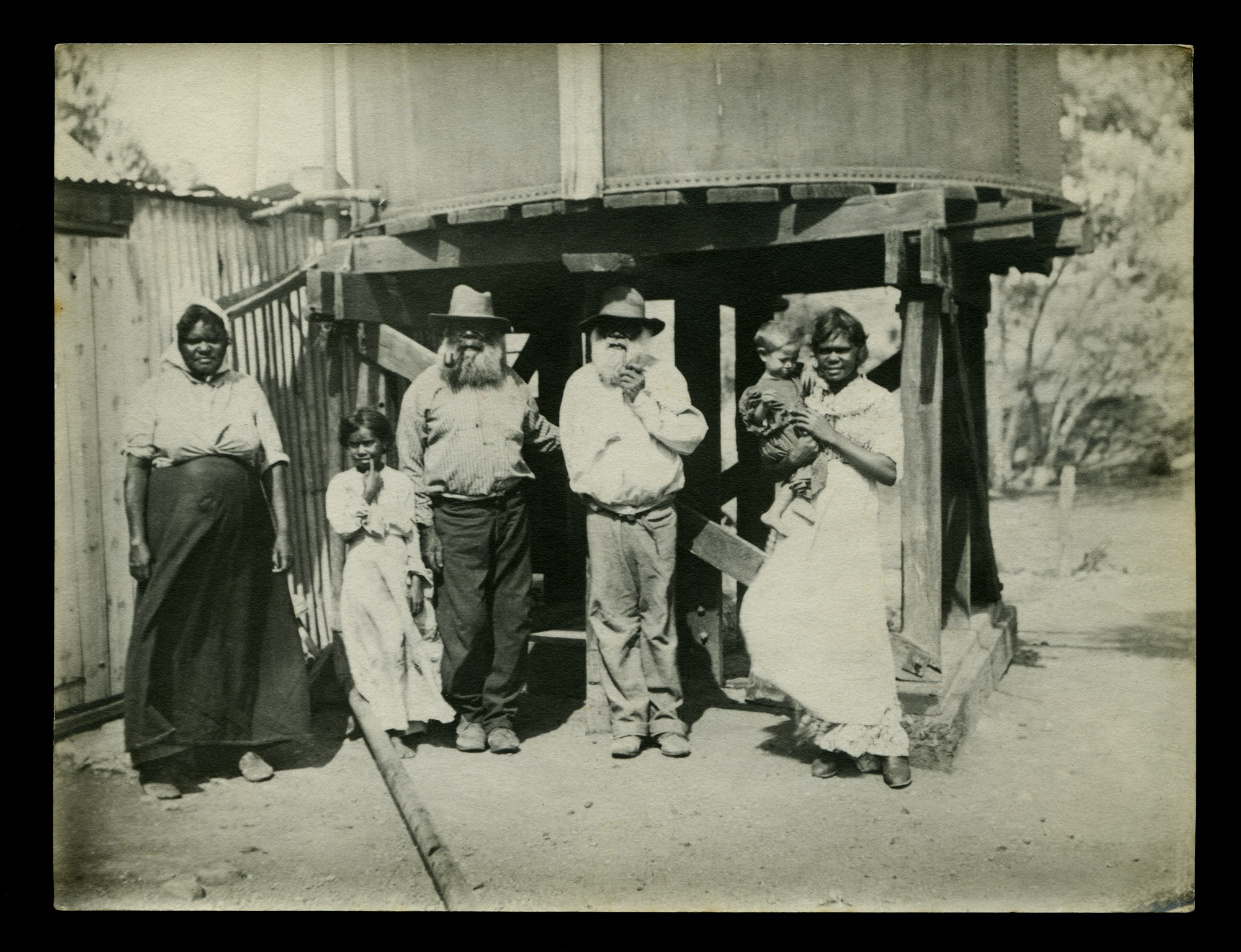
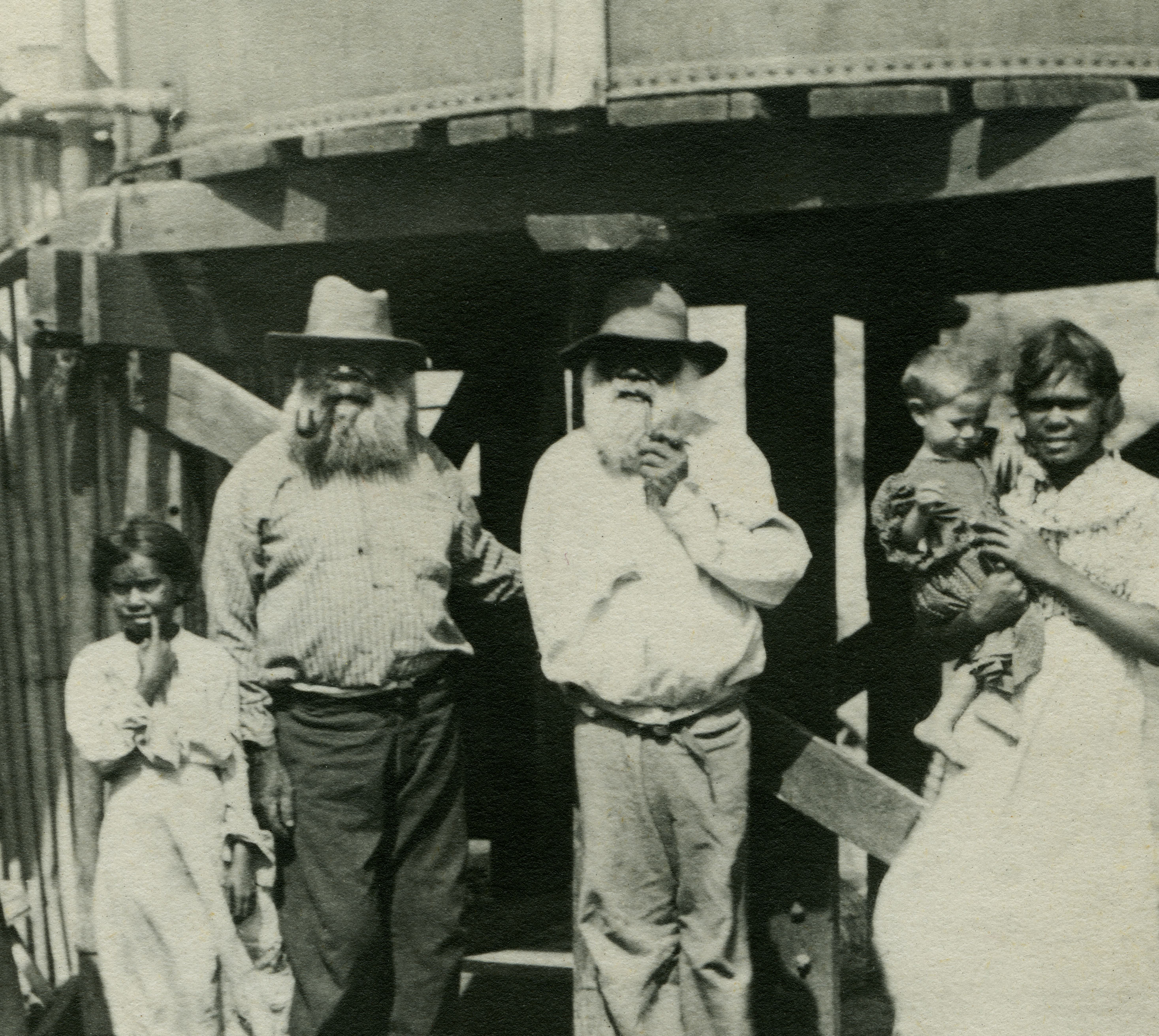







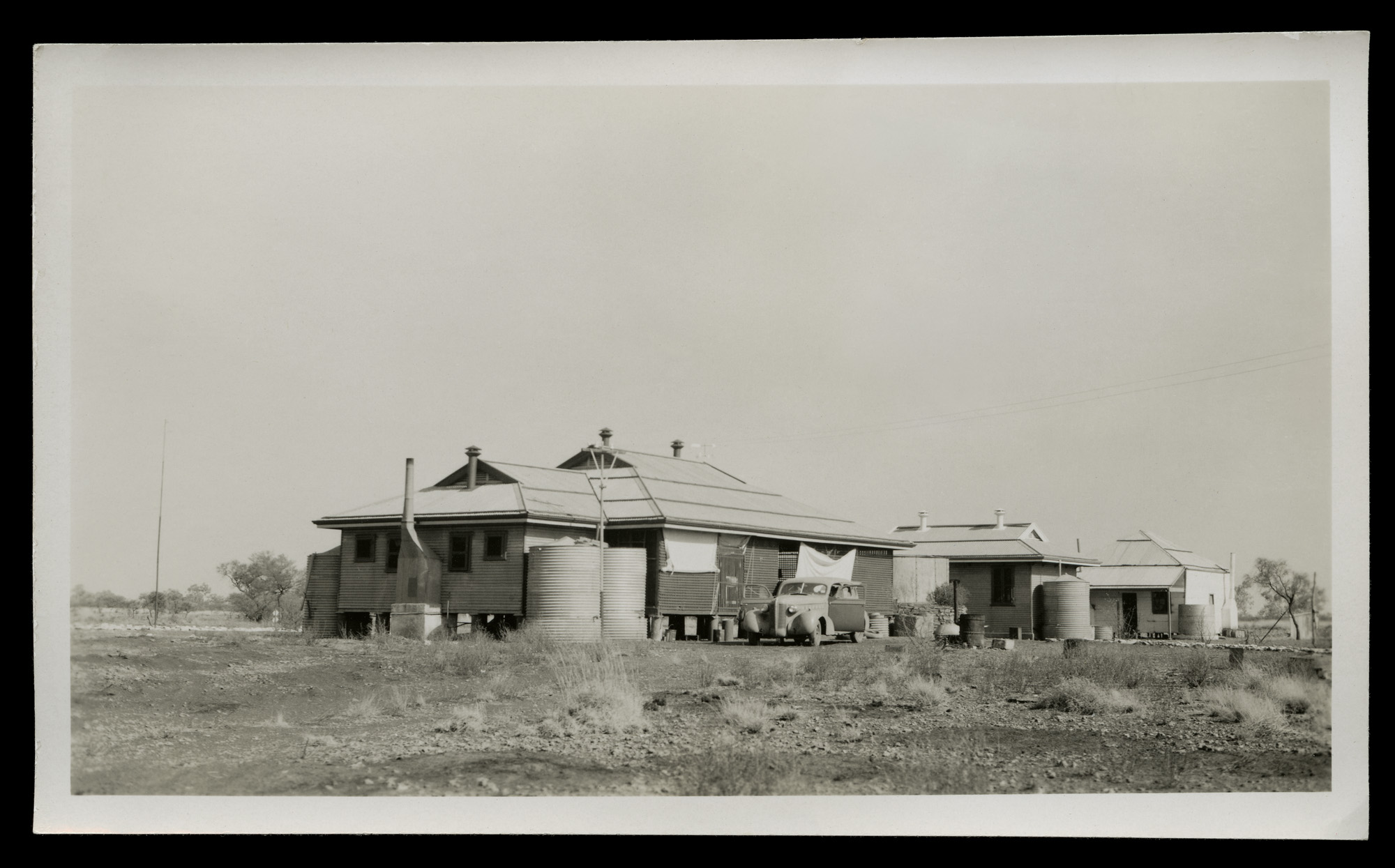


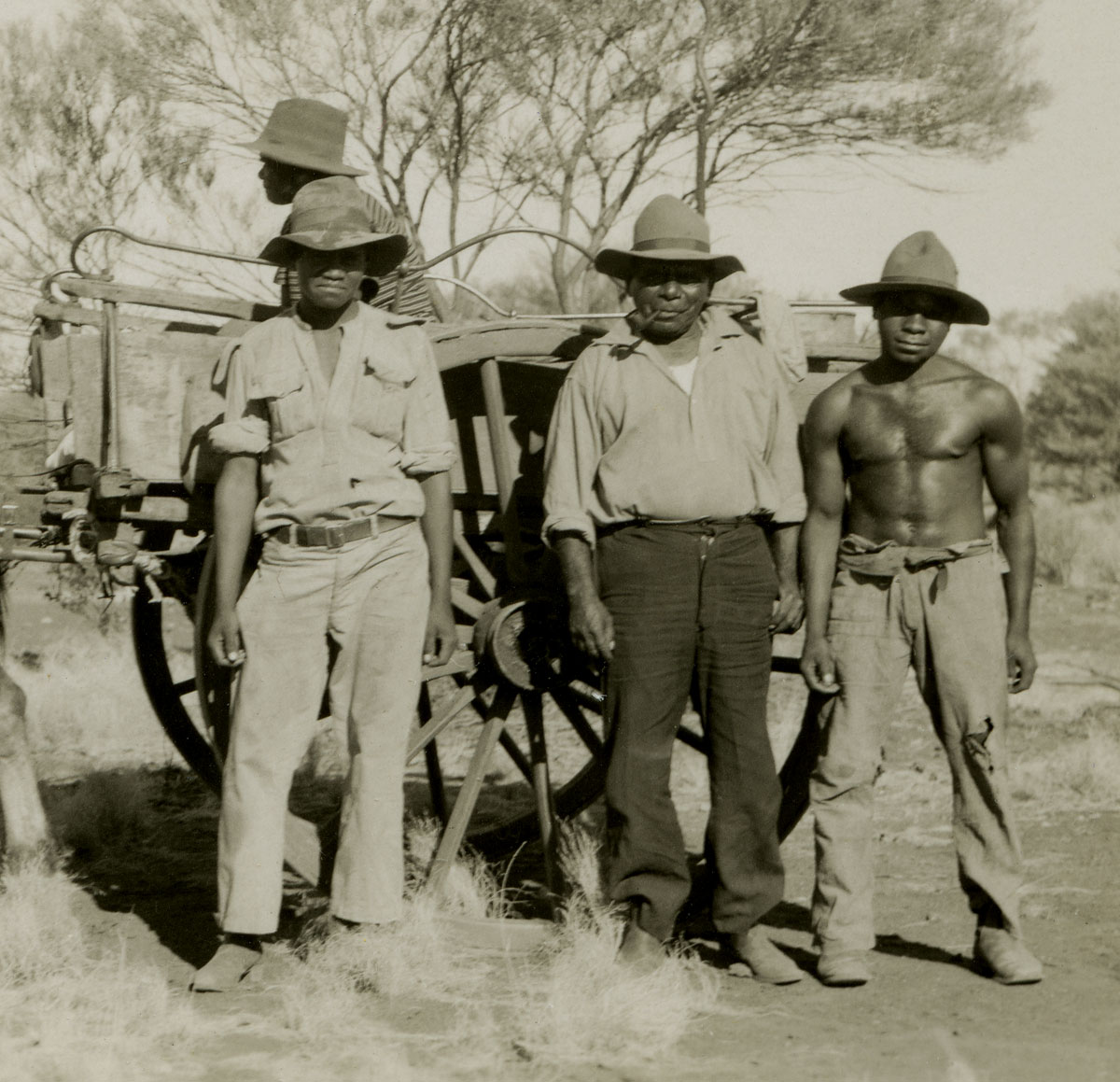


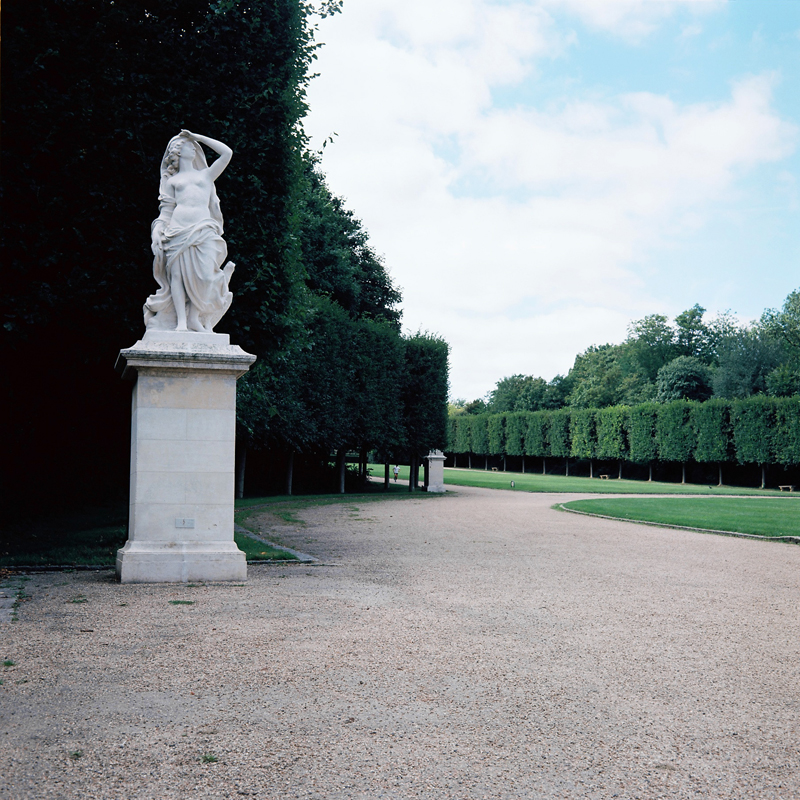
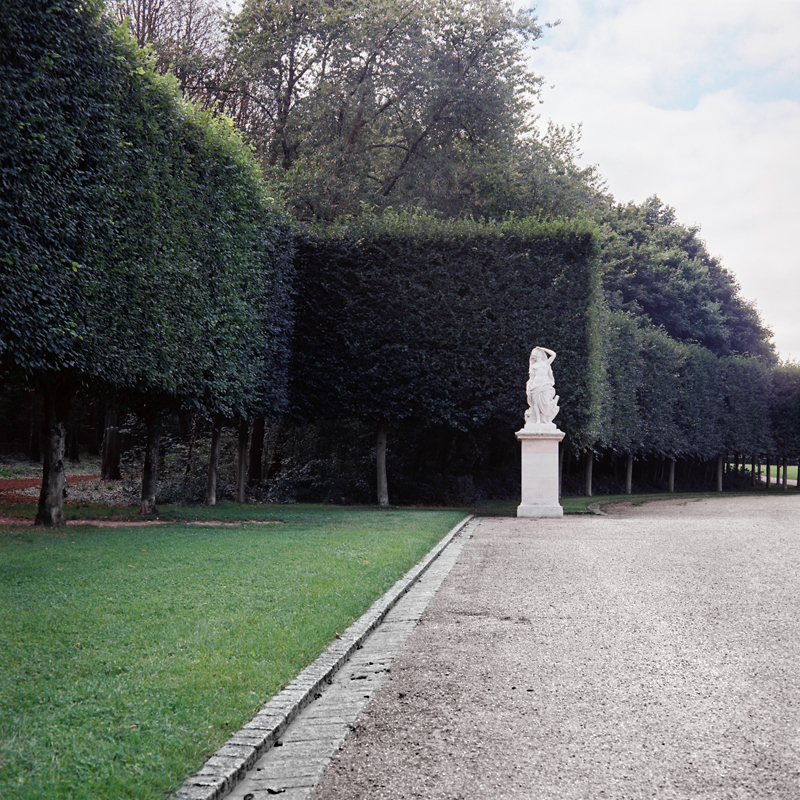
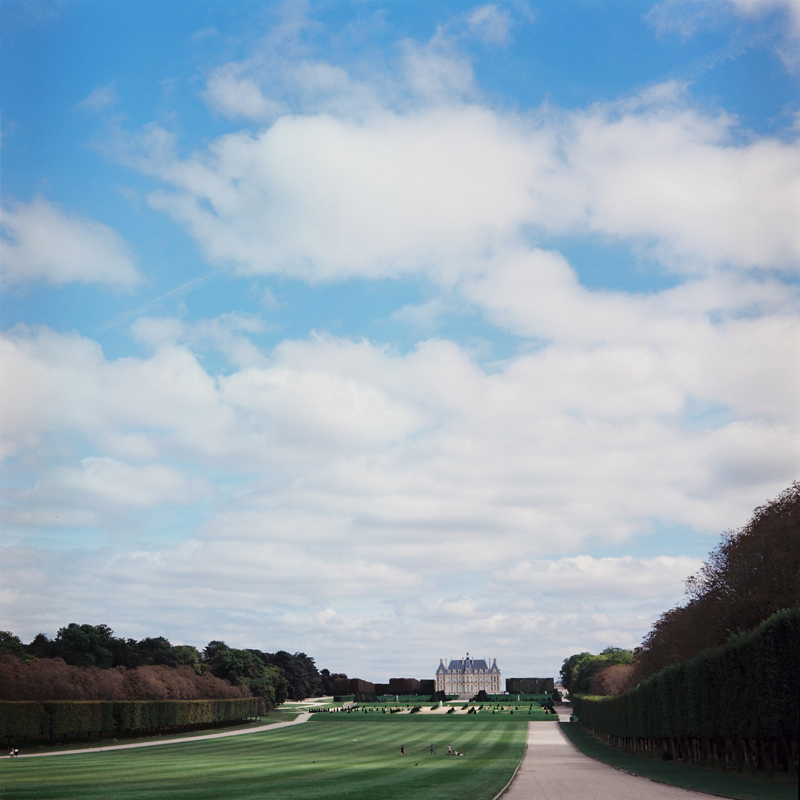
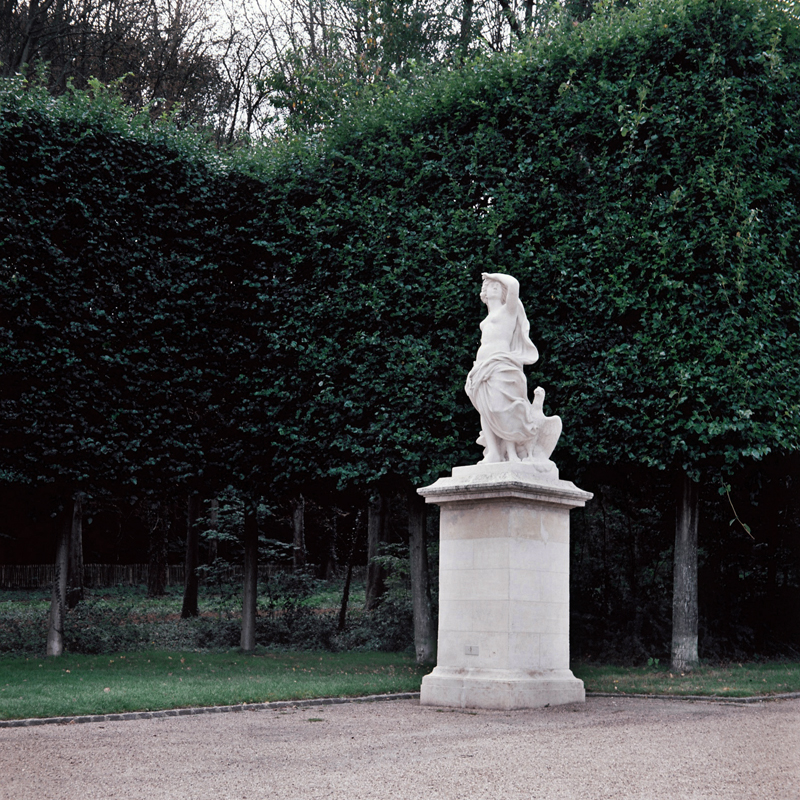
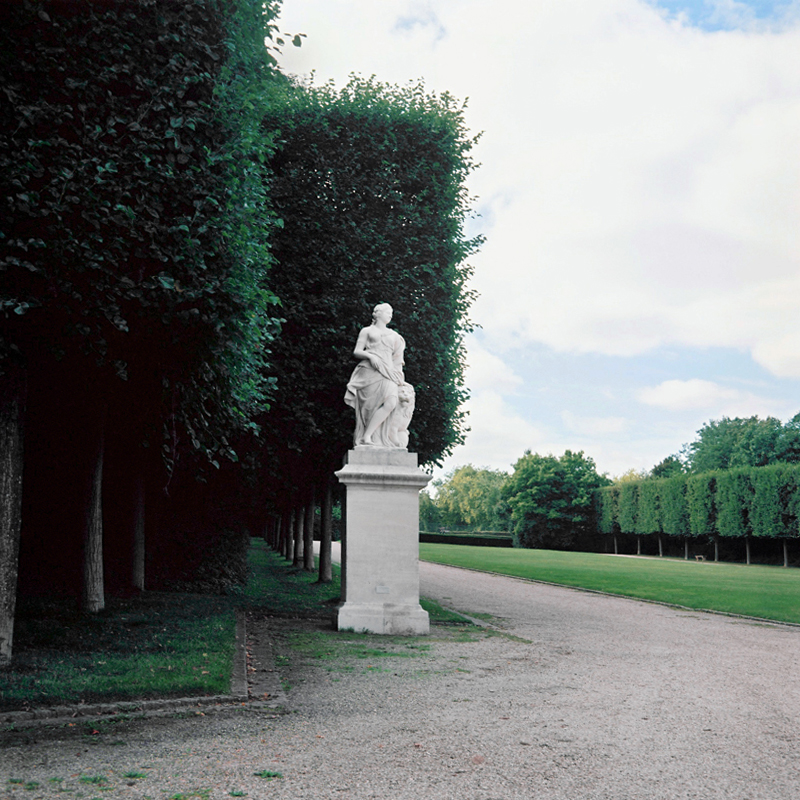
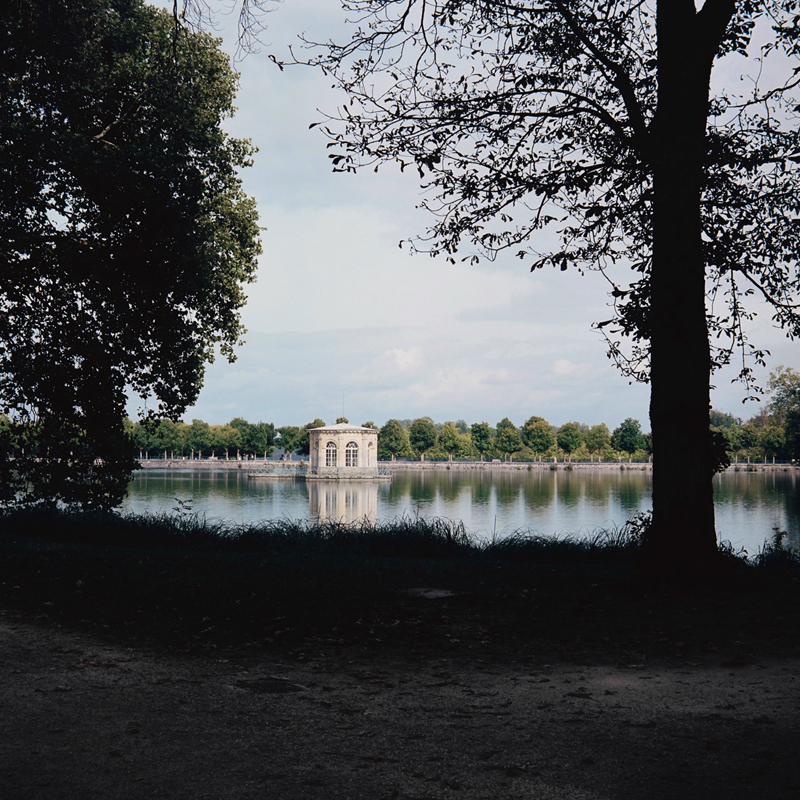
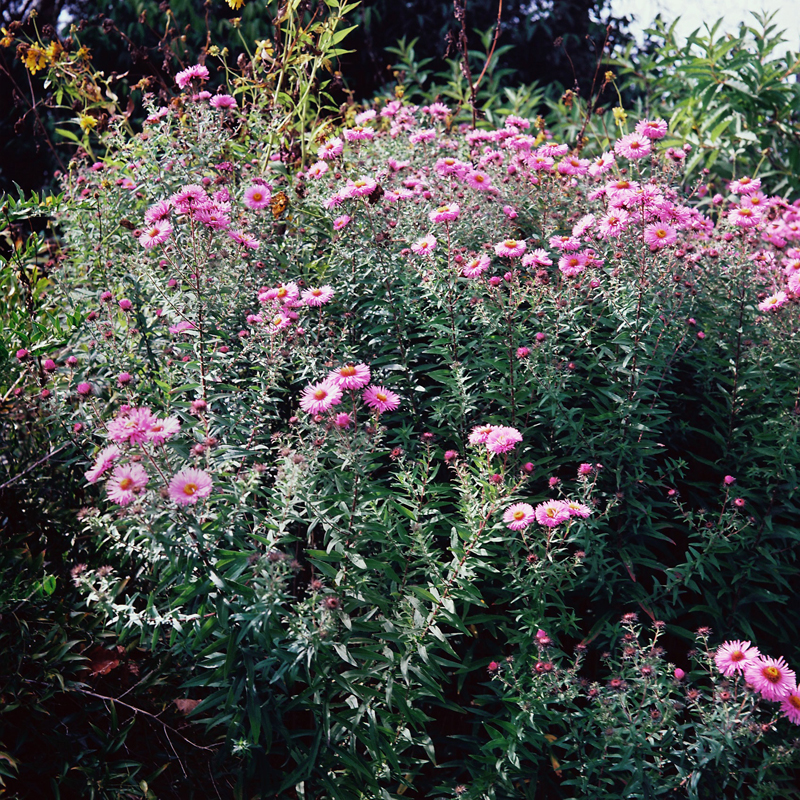
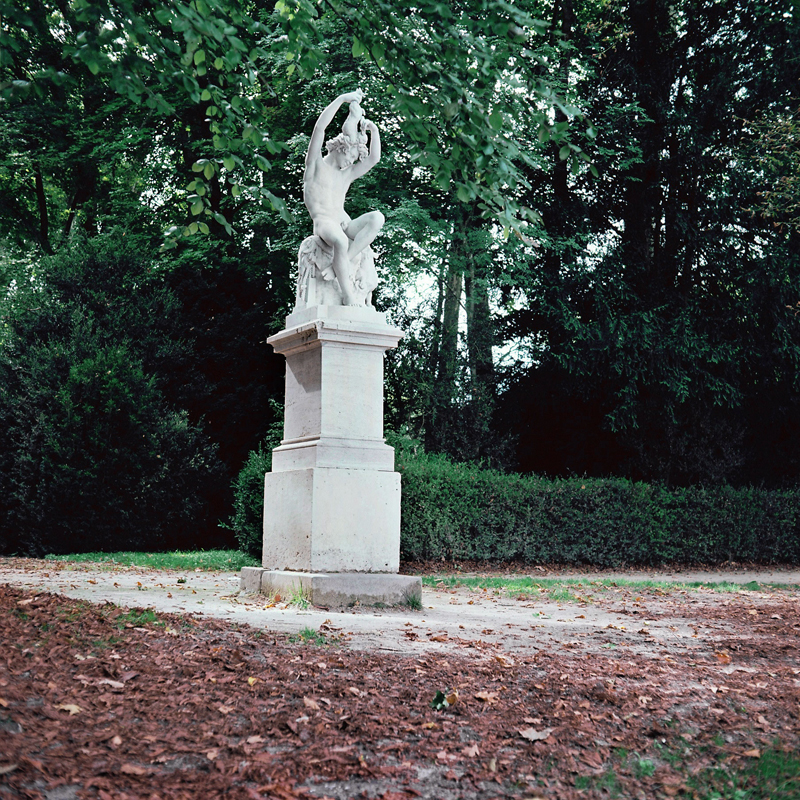
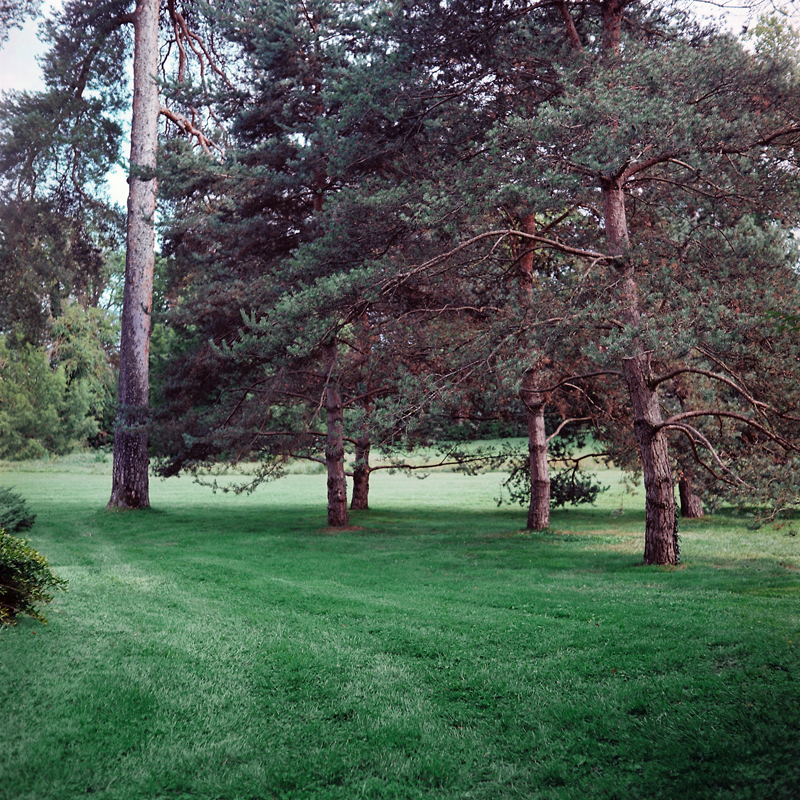
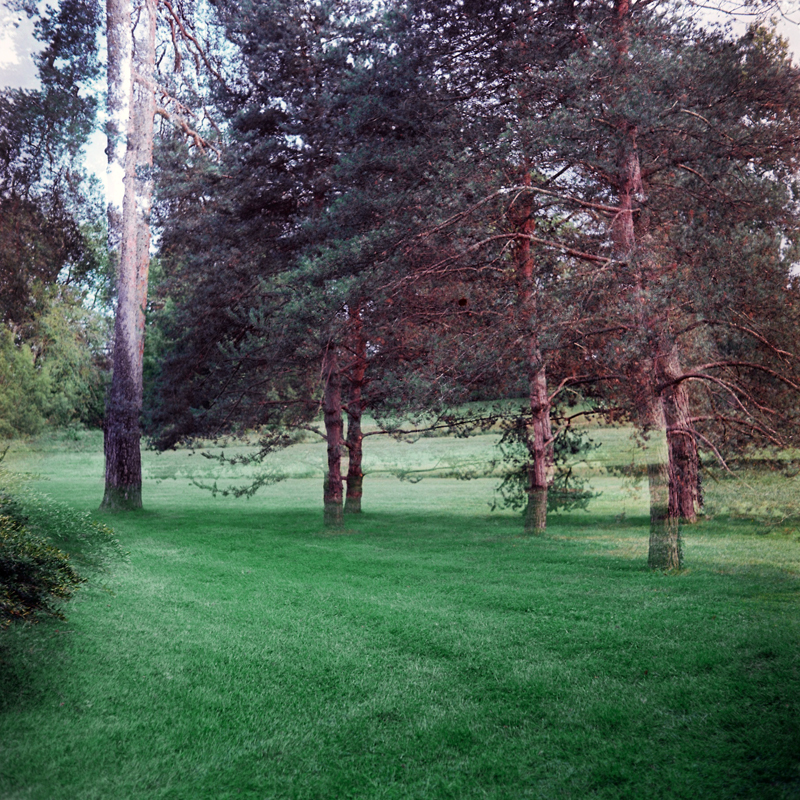
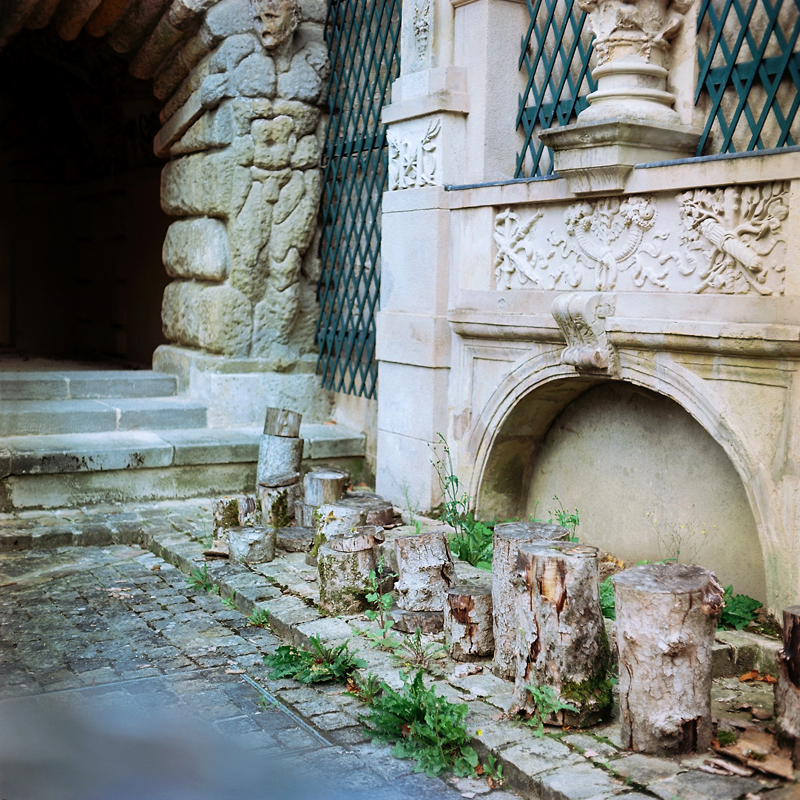
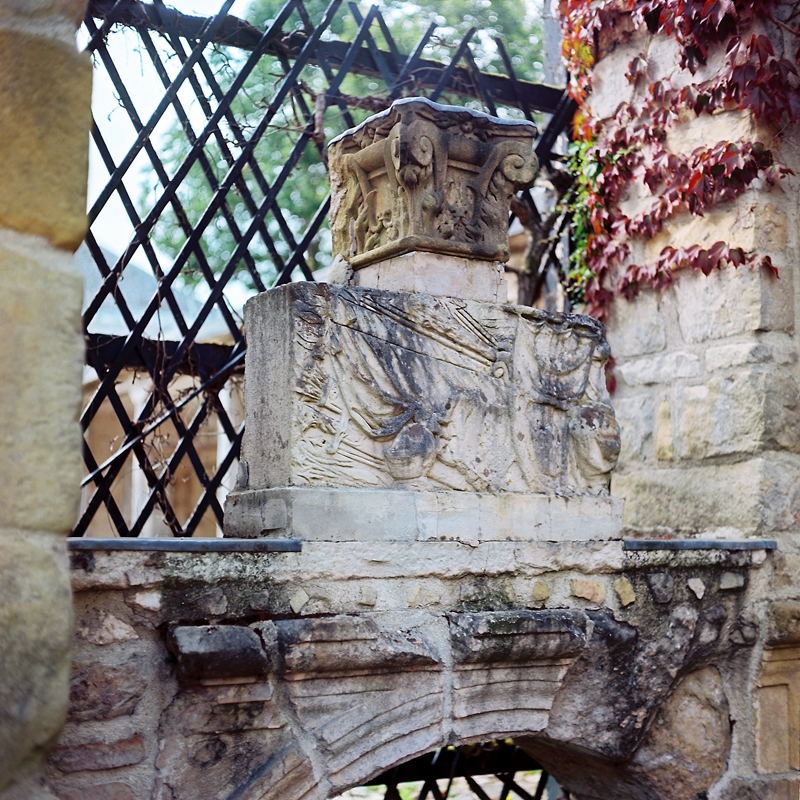
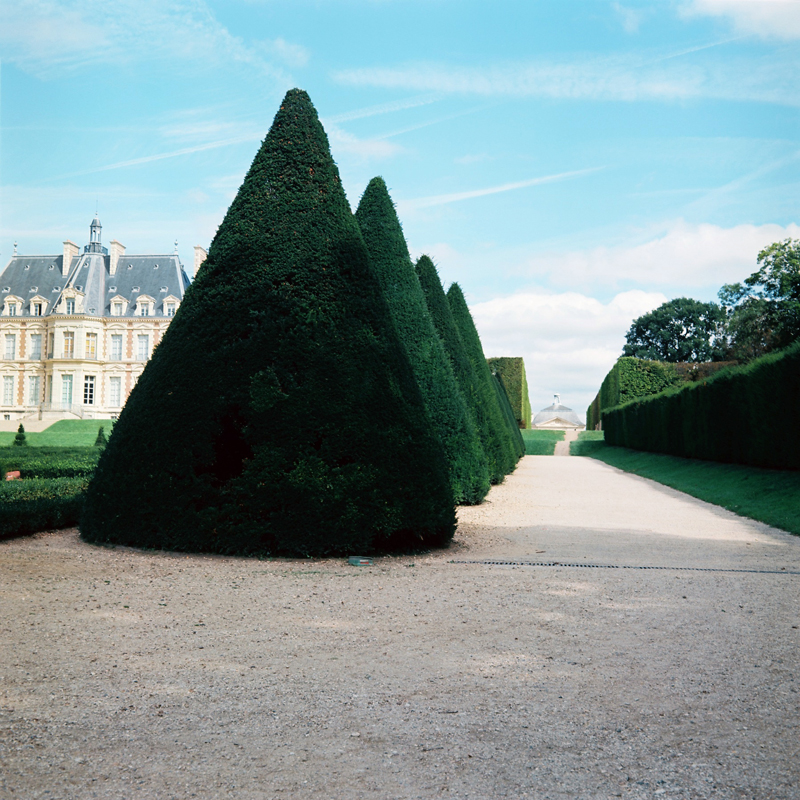
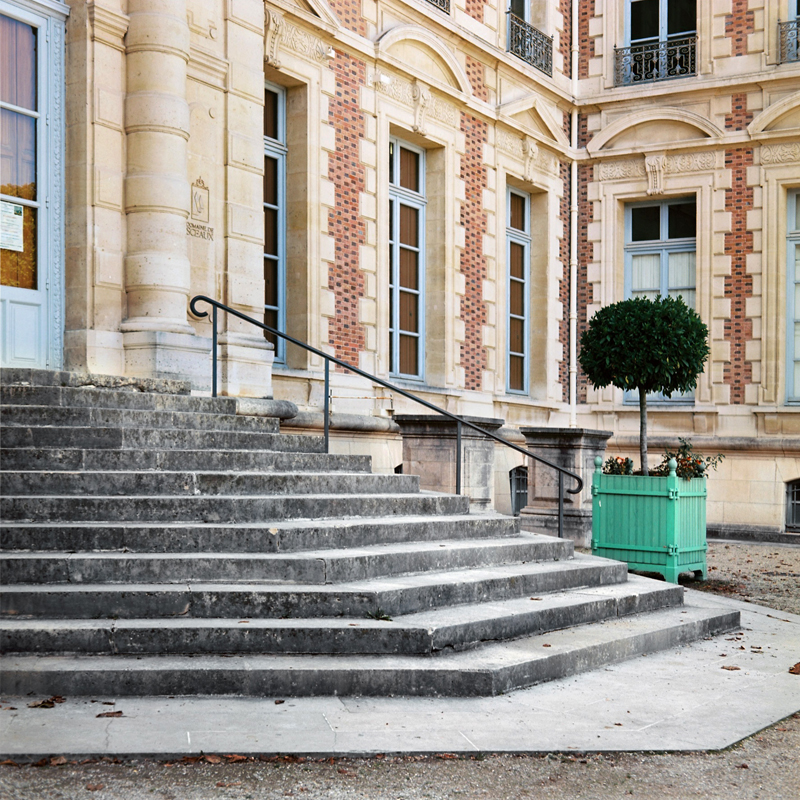
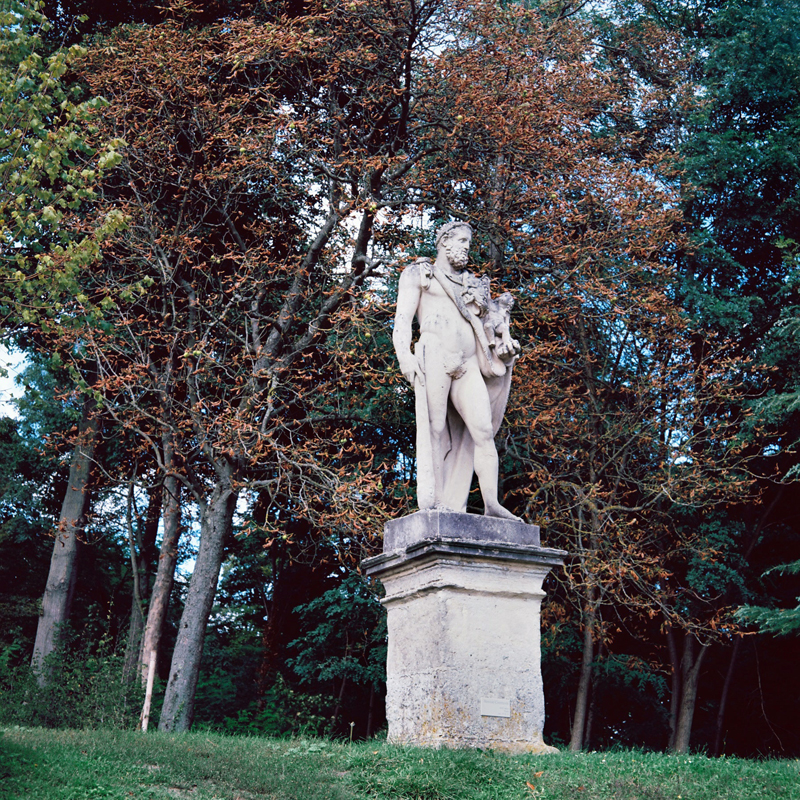
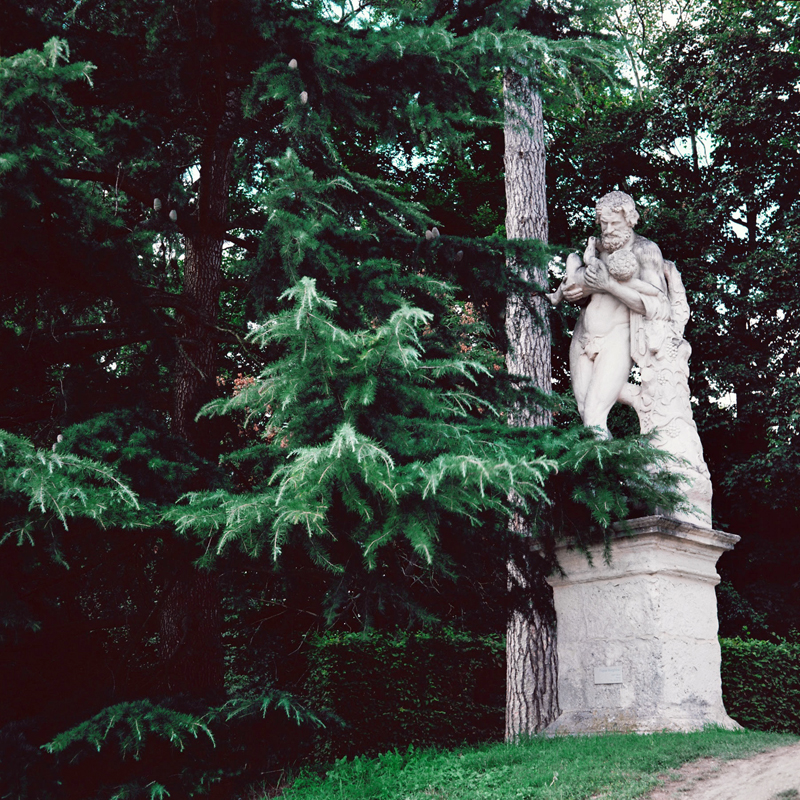
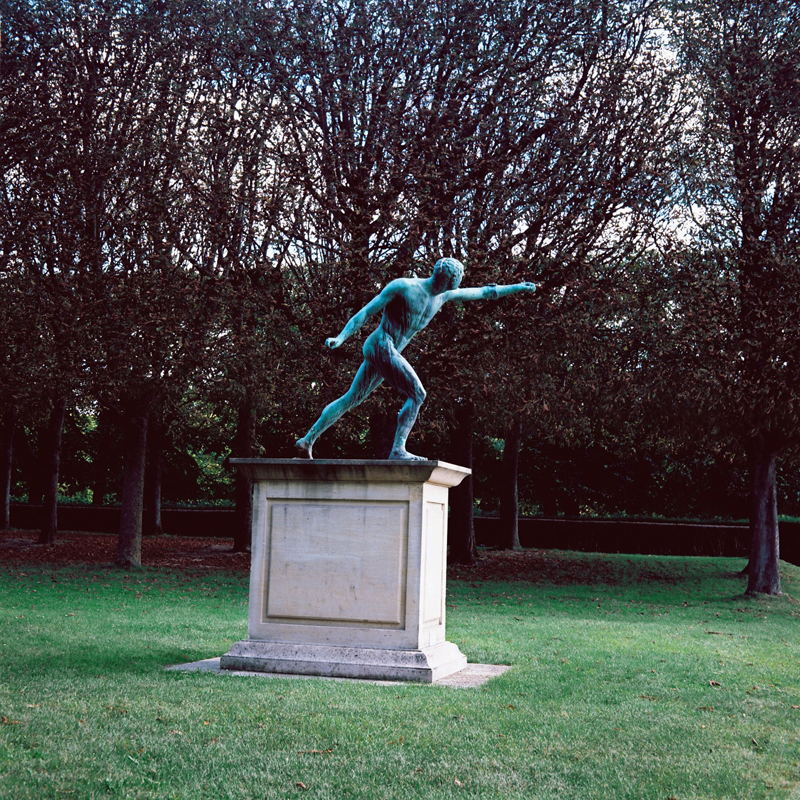
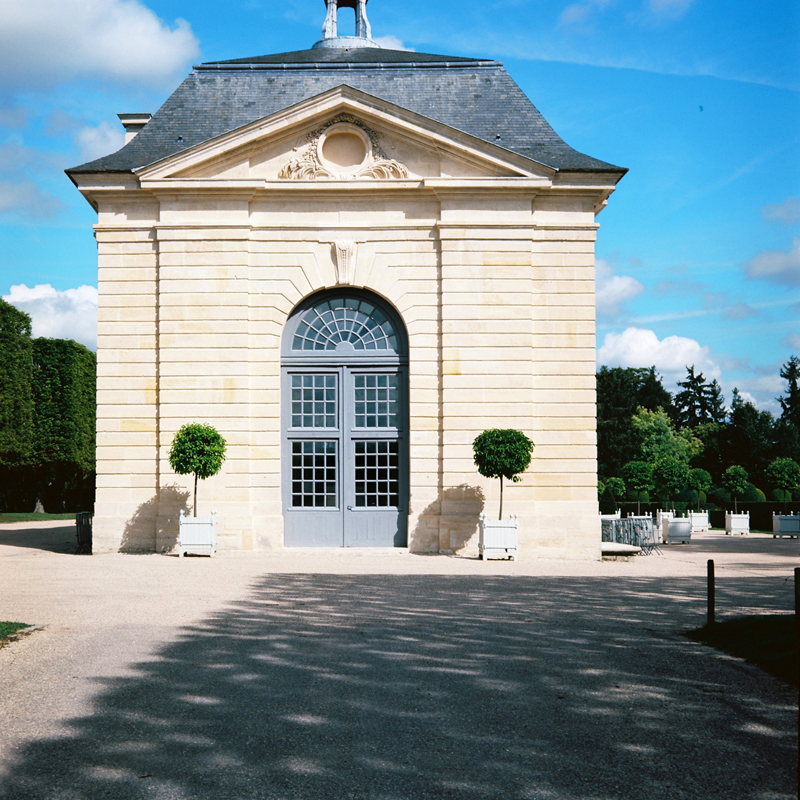
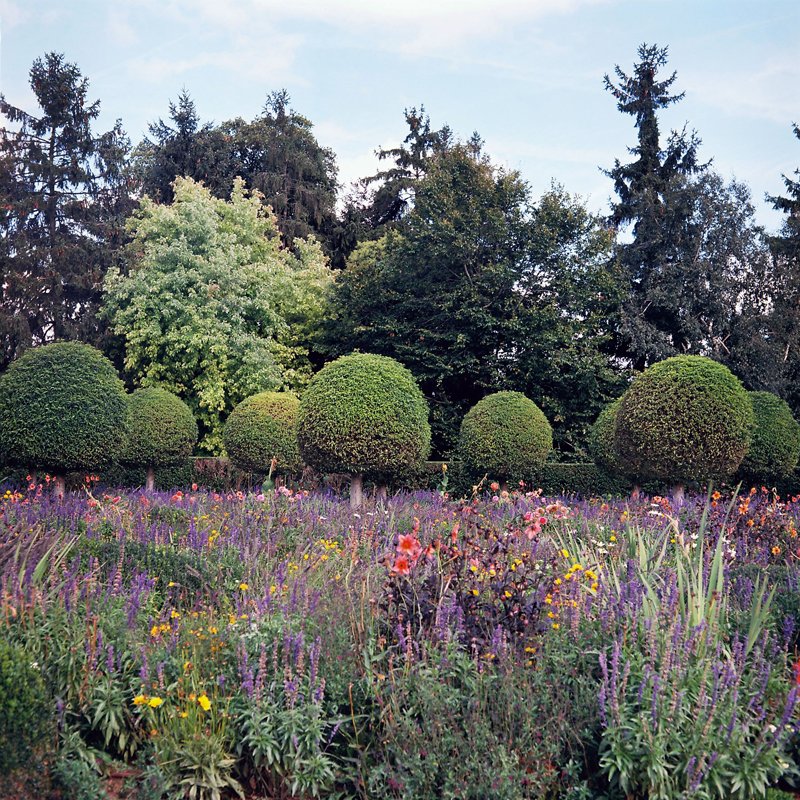
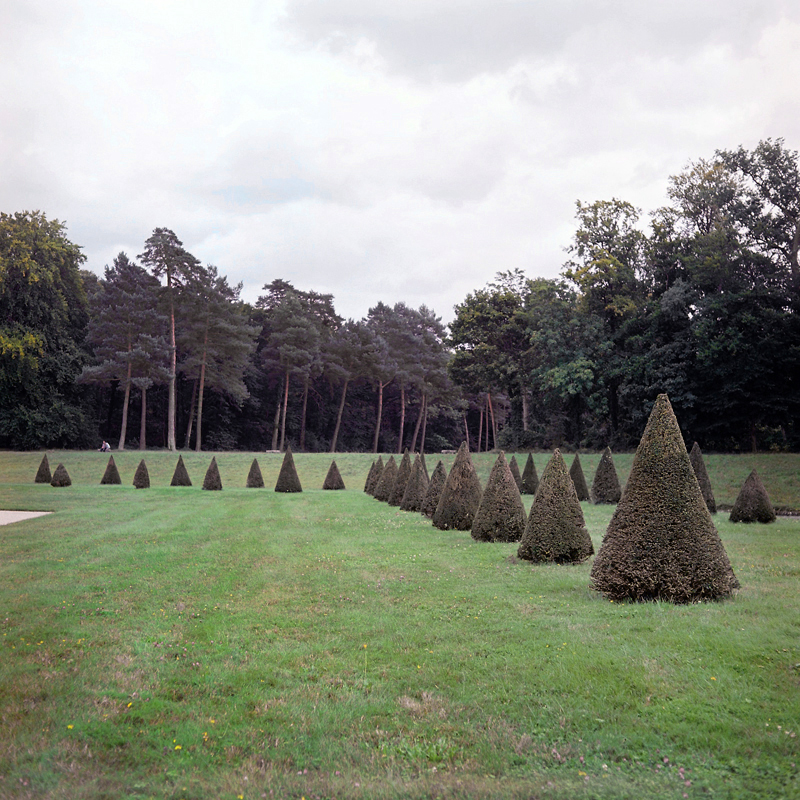
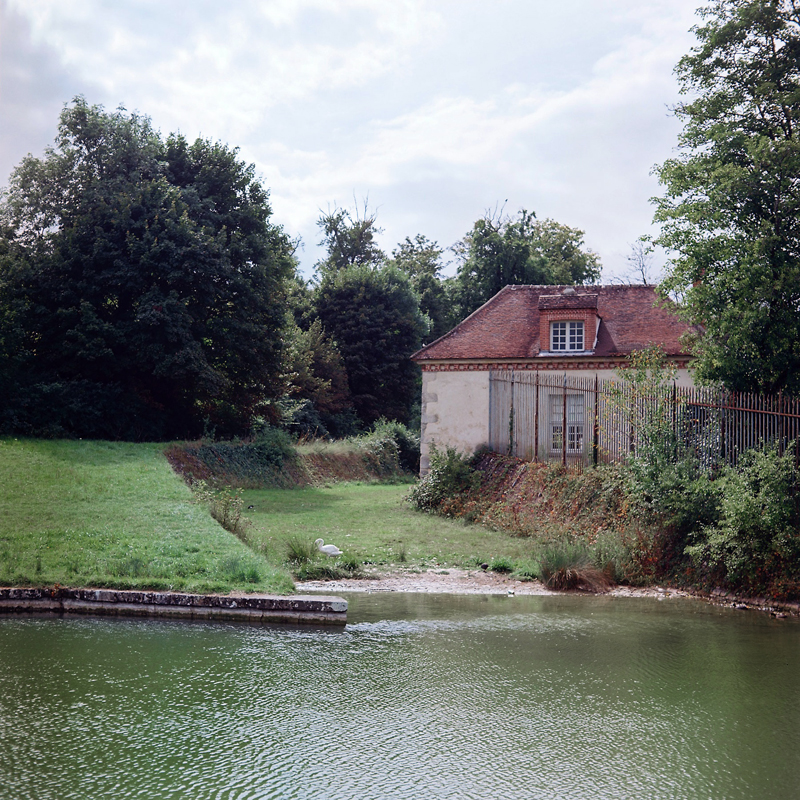
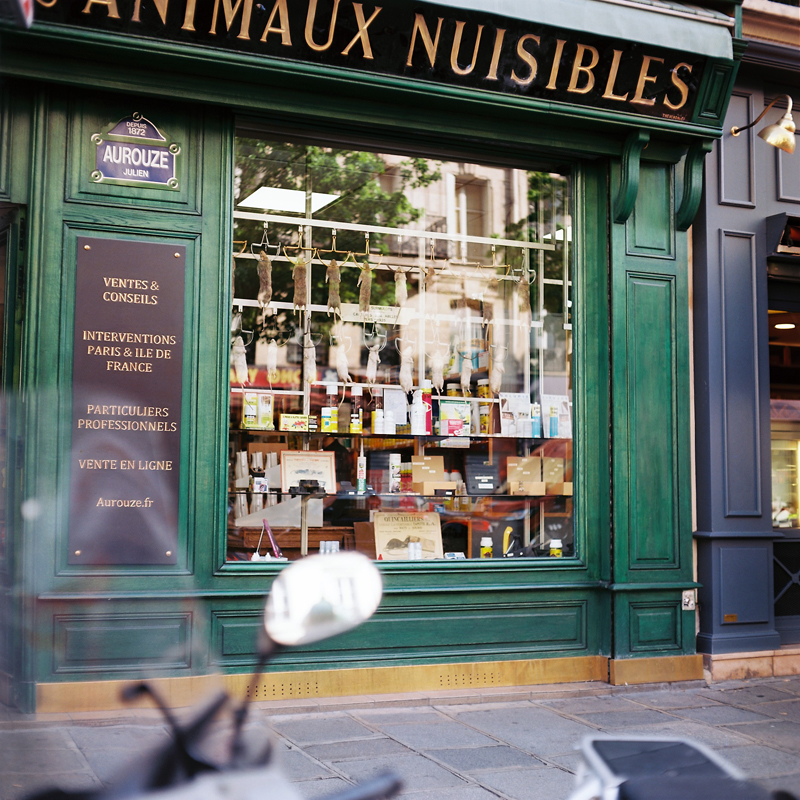
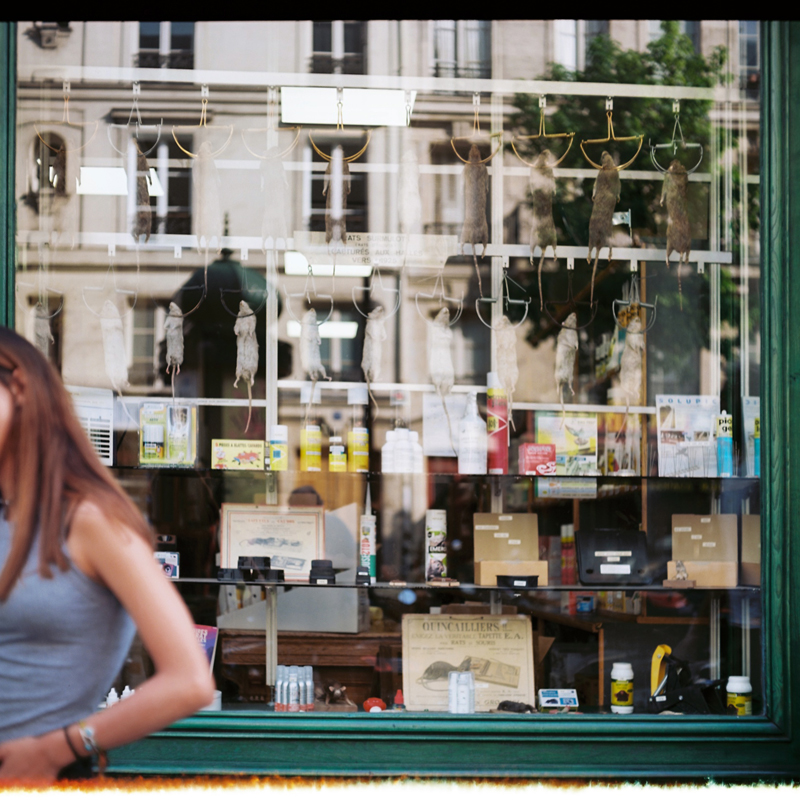
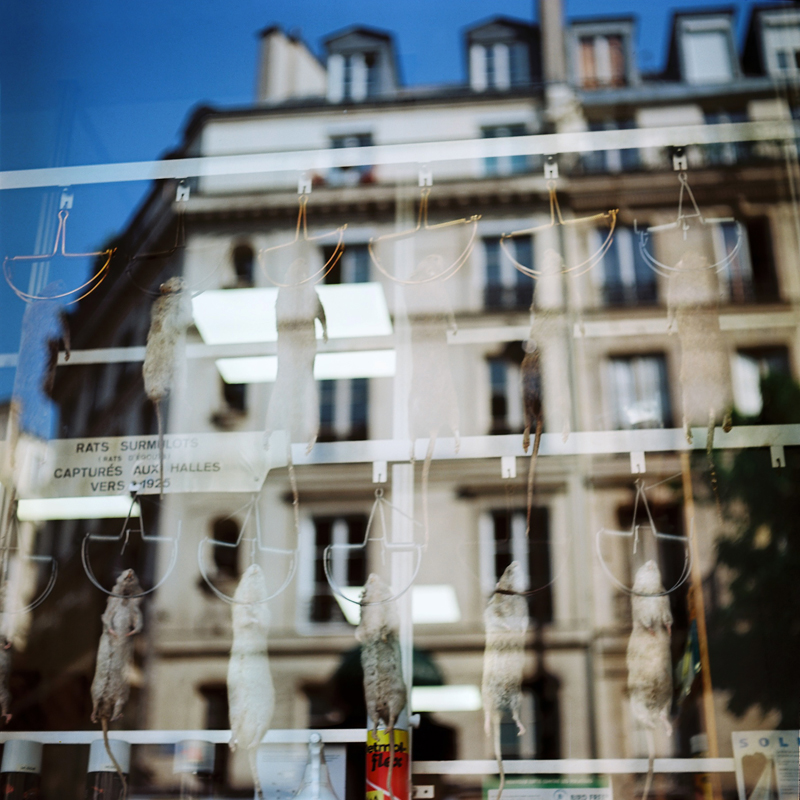
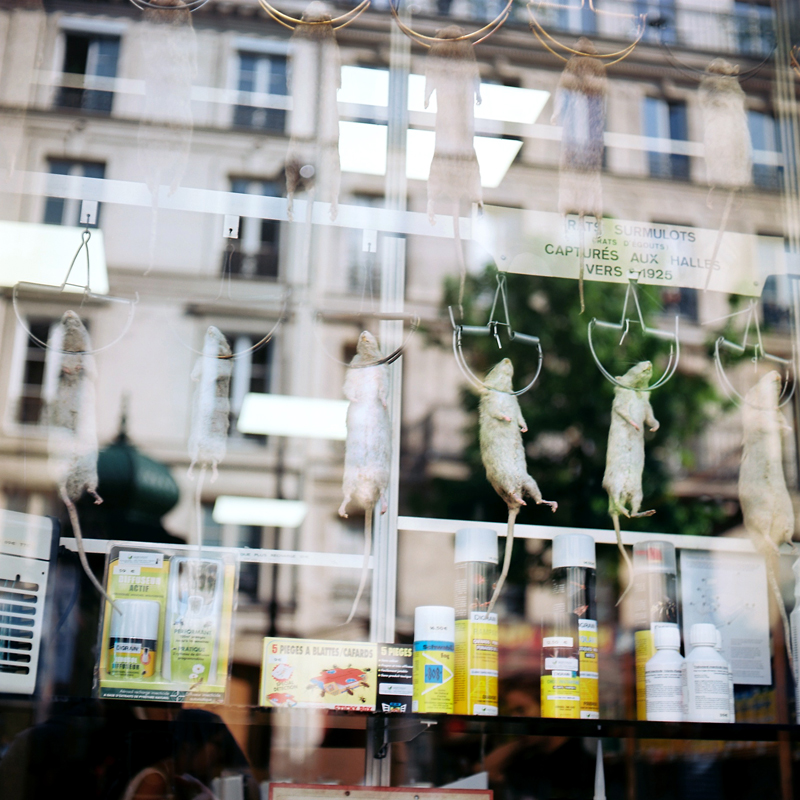
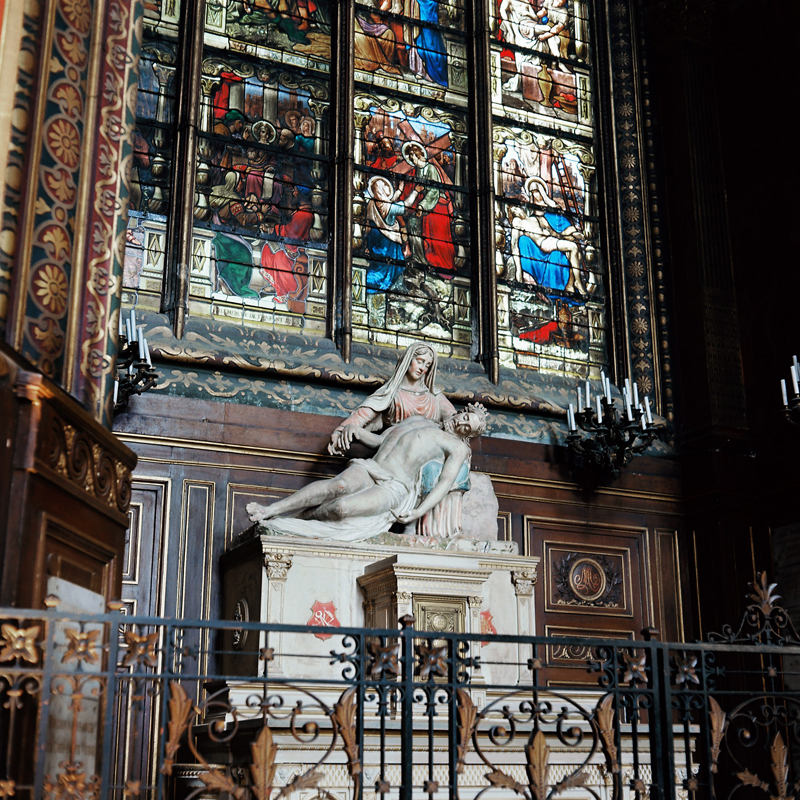
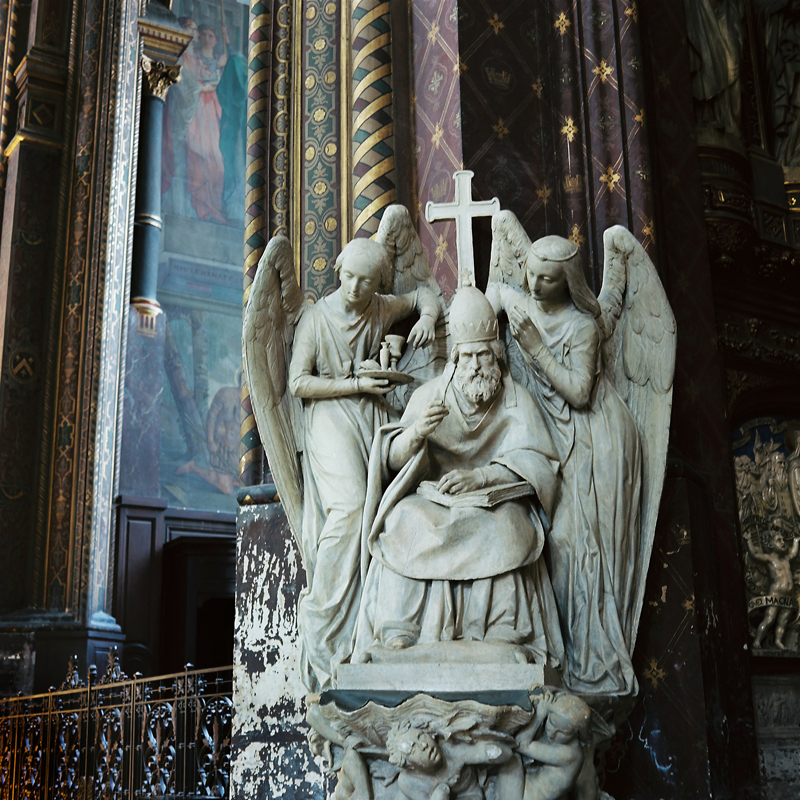
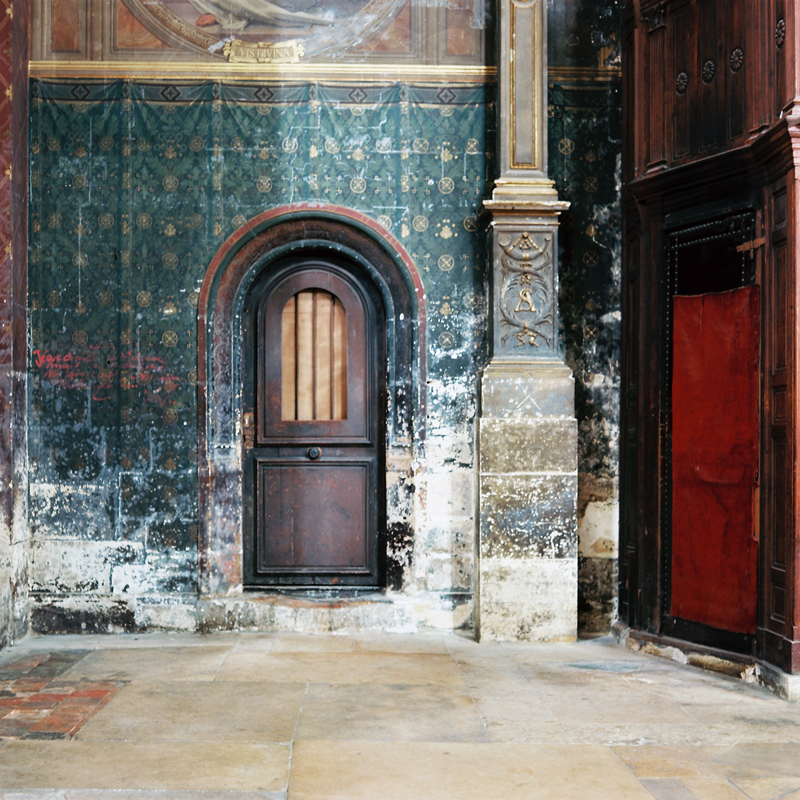
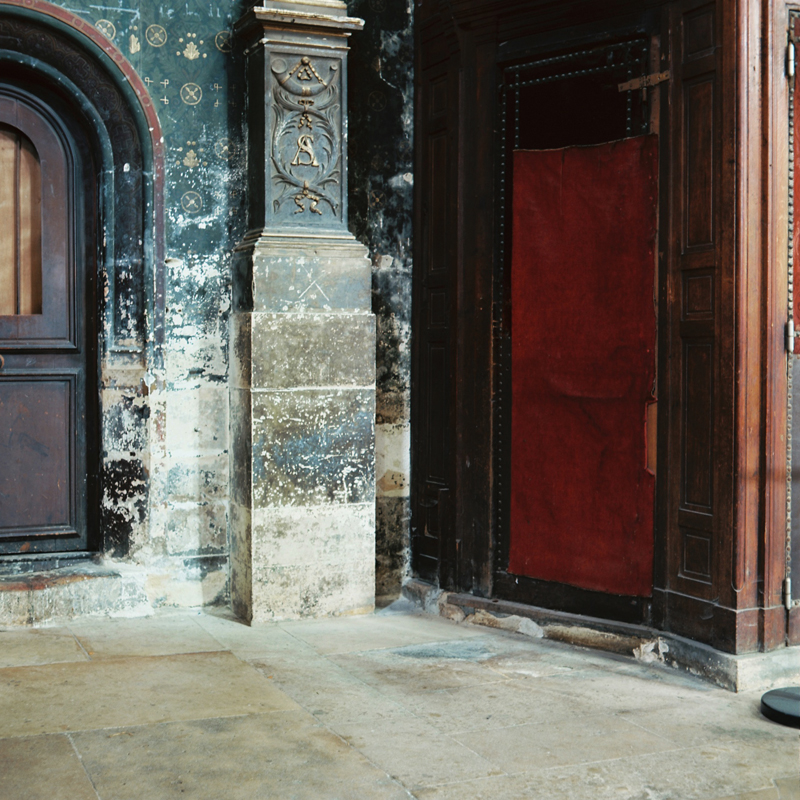
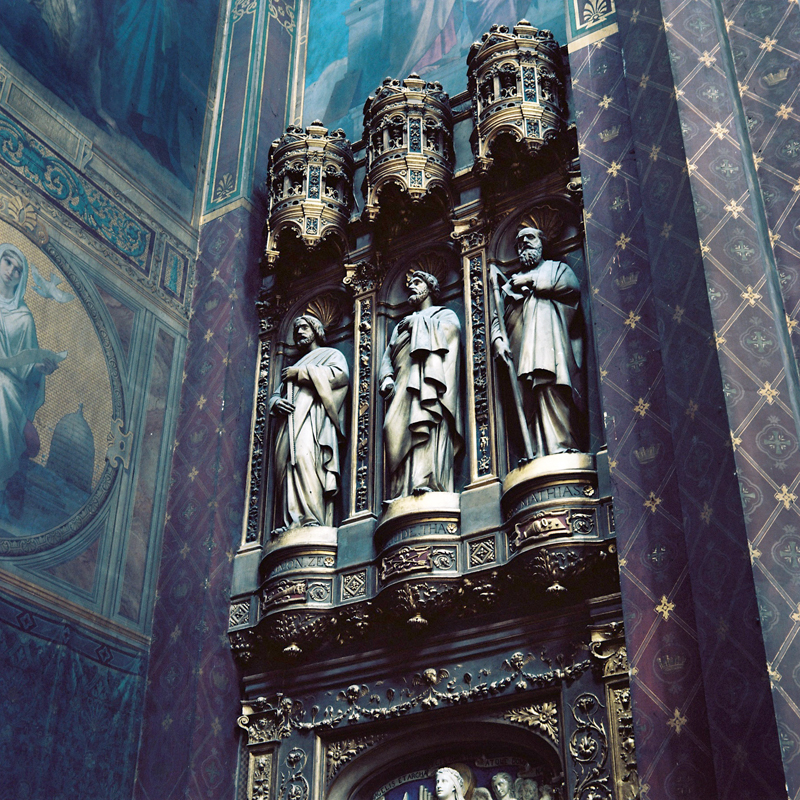
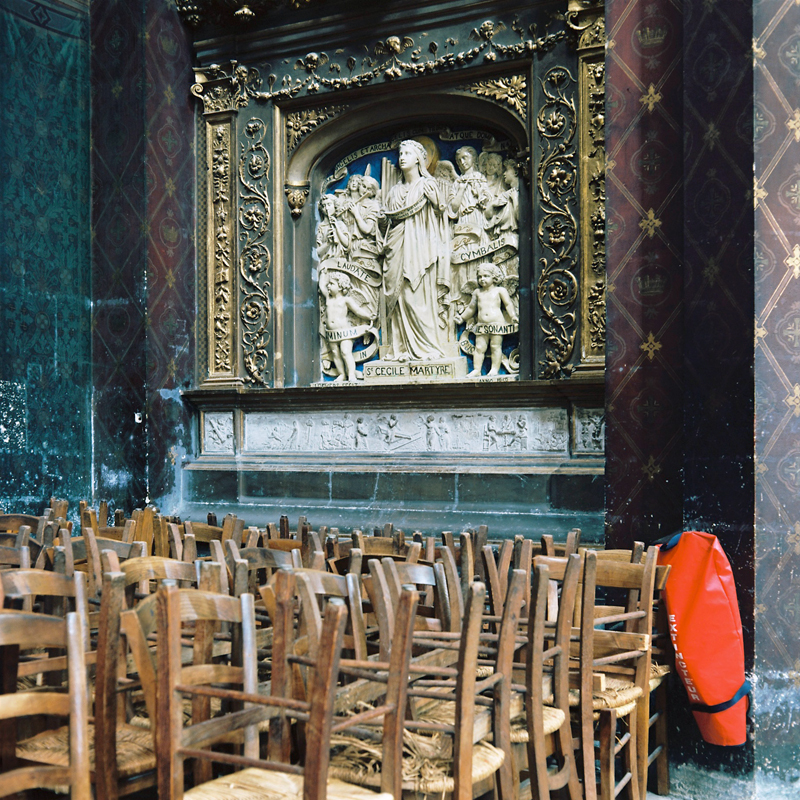
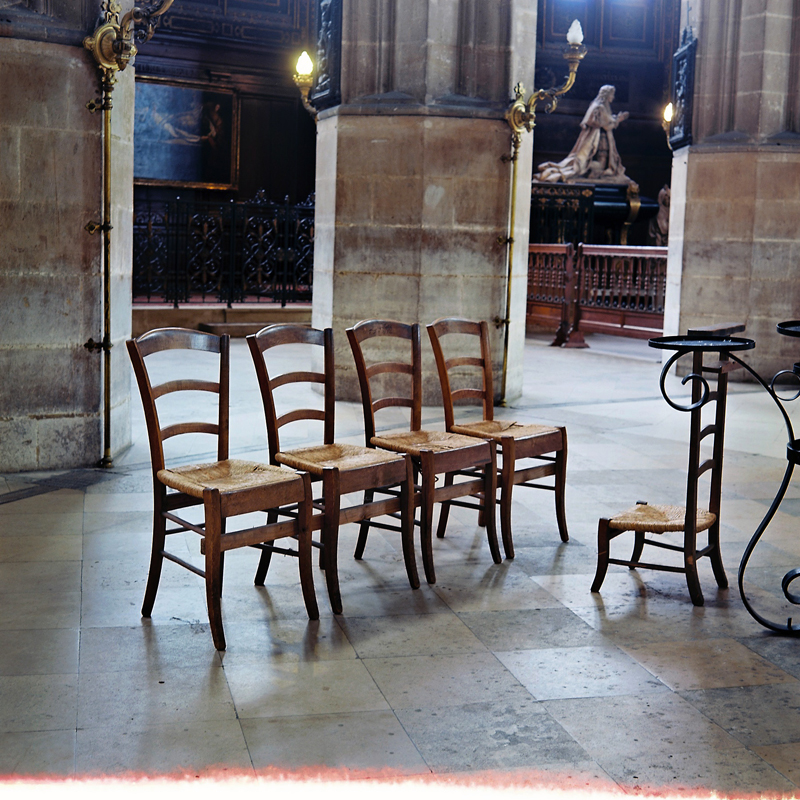
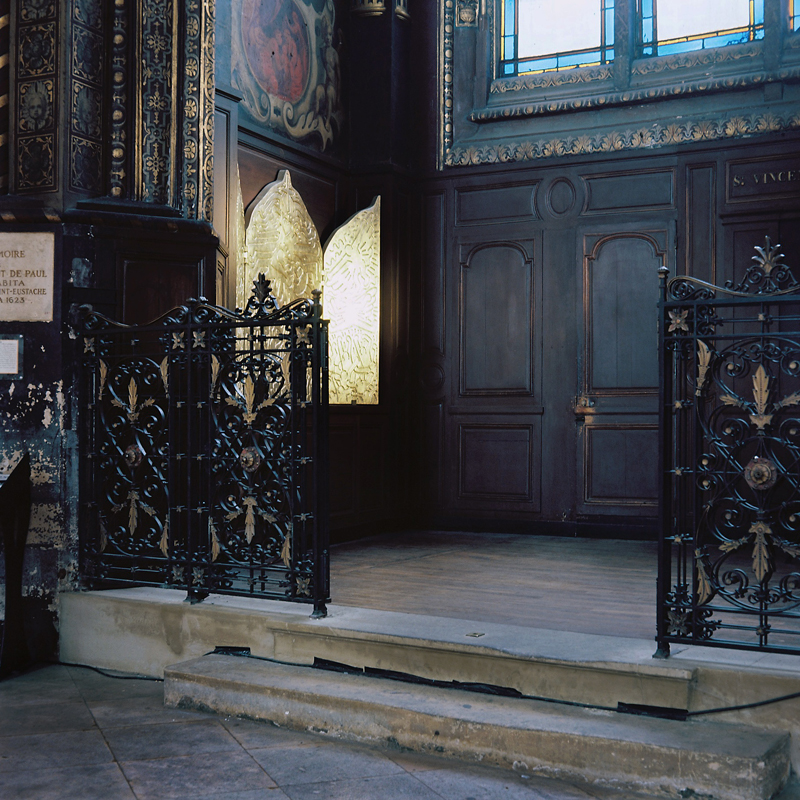
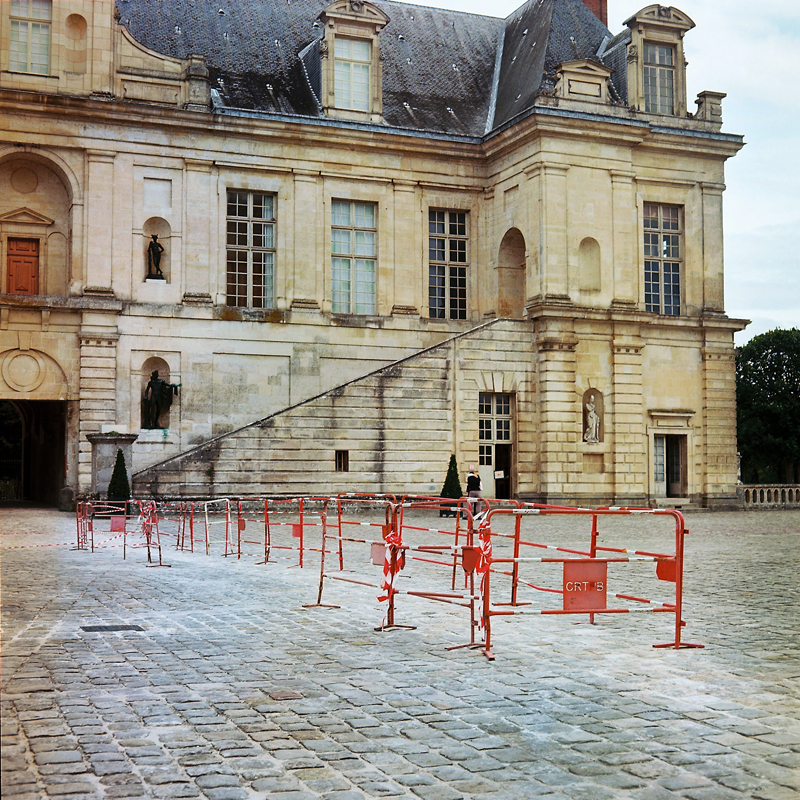
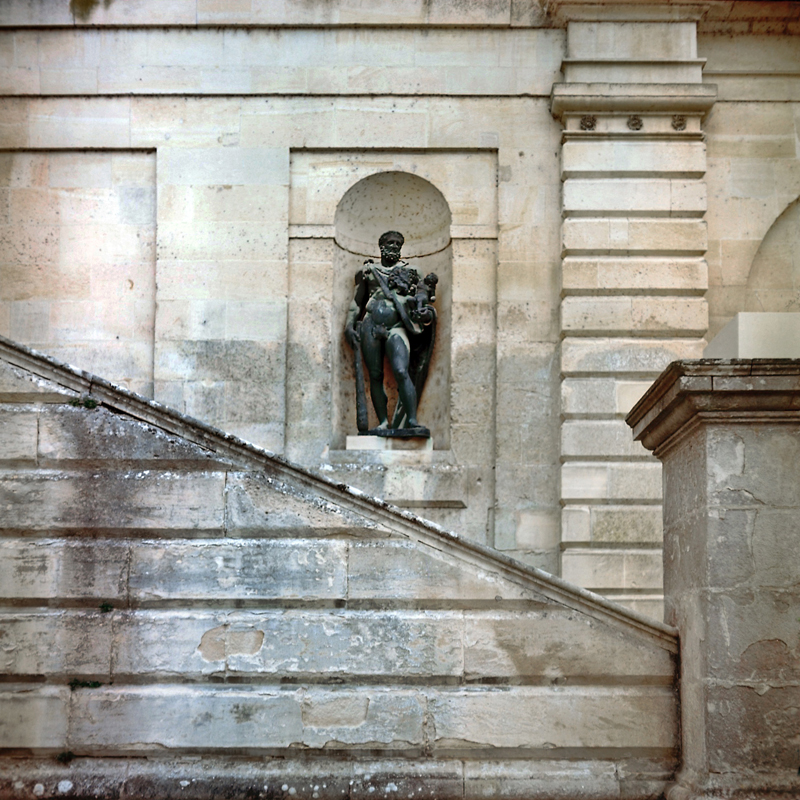


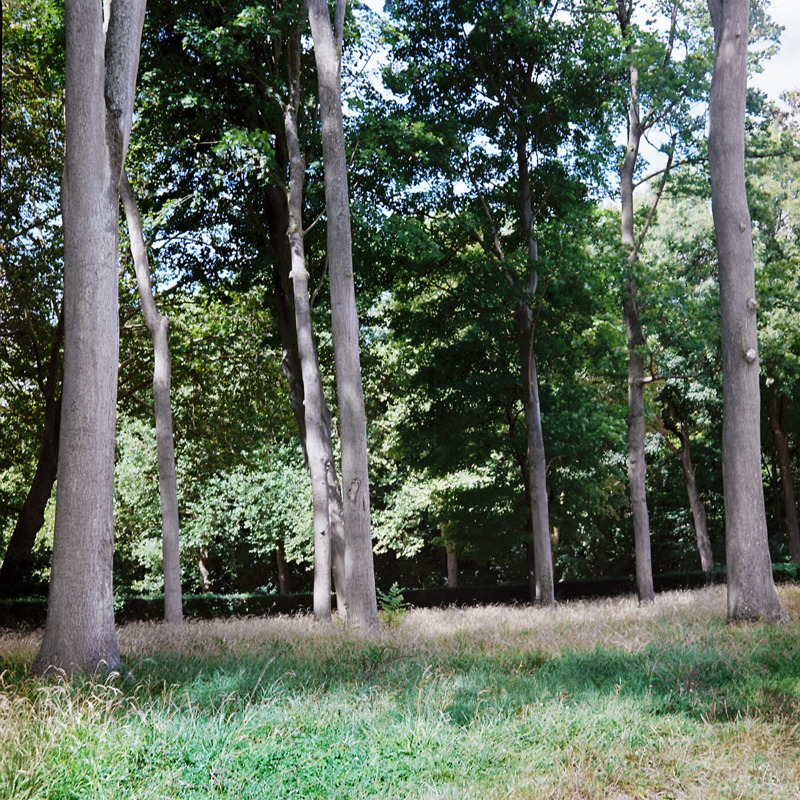


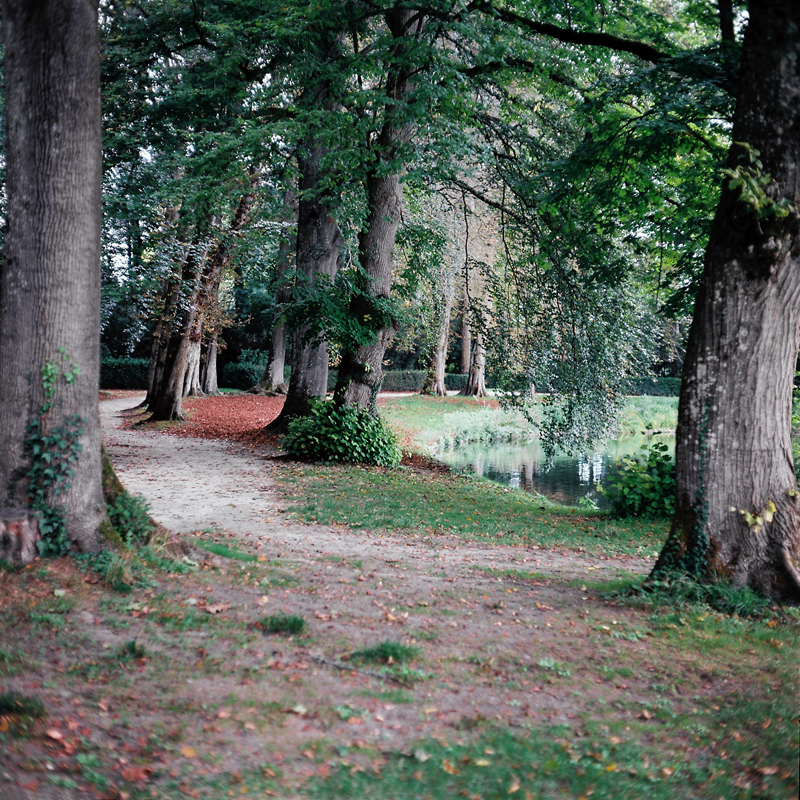


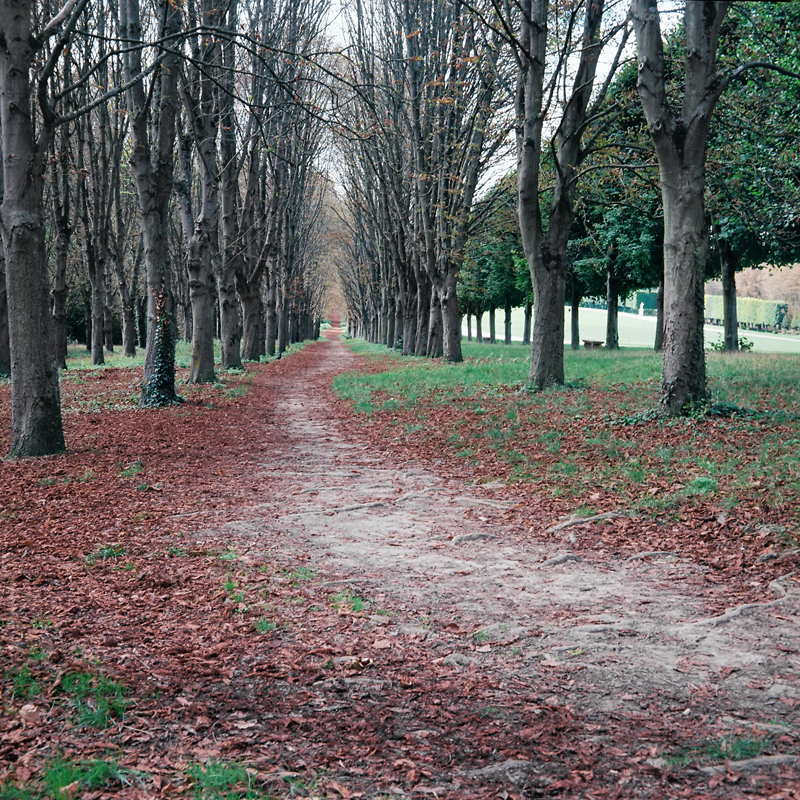

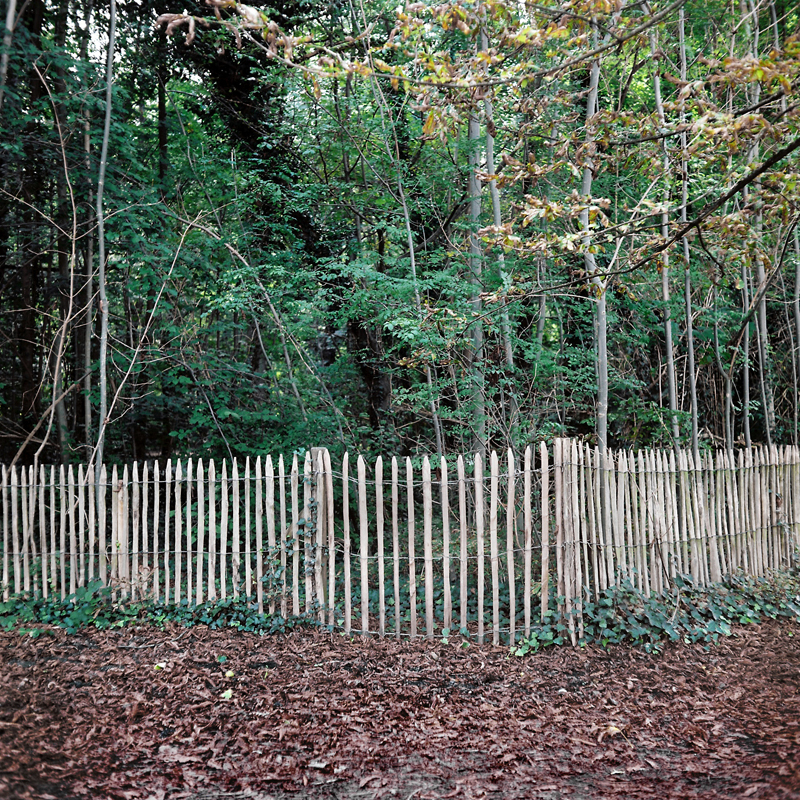
 Art Blart _ art and cultural memory archive
You must be logged in to post a comment.