My apologies to Chris Round that I did not get this posting up during the short run of the exhibition. It was a bit of a crowded time with the exhibition Out of the closets and Nite Art on.
The work, shown in the small black gallery at Edmund Pearce, had great presence and beauty. The backgrounds had a luminous pastel affect, much more so than in the reproductions shown here. The objects seemed to float off the paper. This is experimental work for Round (vis a vis his landscape practice) but the influences for the work can be seen in the two landscape photographs that I have included here.
I really enjoyed the beauty, serenity and context of these metaphorical landscapes.
Dr Marcus Bunyan
Many thankx to Edmund Pearce Gallery for allowing me to publish the photographs in the posting. Please click on the photographs for a larger version of the image.
Inversion marks a departure from my normal landscape based work and in to experimental still life. This series is an investigation into form and visual illusion using functional, mass-produced objects. By removing context – using a reflective surface that’s not immediately apparent and at times changing colours – I’m interrogating the duality of the real and the imagined, the prosaic and the beautiful. I’m also exploring the physicality of depth and space, re-evaluating both utilitarian aesthetic and function simultaneously.
Artists represented: Philip Potter, John Storey, John Englart, Barbara Creed, Ponch Hawkes, Rennie Ellis
Curators: Dr Marcus Bunyan and Nicholas Henderson
LAST DAY TOMORROW = MAKE SURE YOU DON’T MISS IT IF YOU ARE IN MELBOURNE!
Dr Marcus Bunyan
Many thankx to all the artists for allowing me to publish the photographs in the posting. Please click on the photographs for a larger version of the image.
Curator Dr Marcus Bunyan talks about the exhibition Out of the closets, into the streets: Gay Liberation photography 1971-73 at Edmund Pearce Gallery, Melbourne July 2014
John Storey was a self-taught photographer who ran his own commercial photography business from 1979 until his move into academia in 1985. As a free-lance photographer, he documented the Gay Liberation Movement in Sydney as well as contributing photography to several publications including Peter Spearitt’s Sydney since the Twenties (1978); Waterfront Sydney 1860-1920, (1984, 1991) co-authored with Graeme Applin; and Anne Richter’s 1994 publication, Arts and Crafts of Indonesia, (1994). Photographs by John Storey are also included in Peter Spearitt’s history: The Sydney Harbour Bridge: a life (2007, 2011).
John took-up a part-time lecturer’s position in Photography at Charles Sturt University, Wagga Wagga in 1985 where he also established a film society and camera club. In 1986 he accepted a position as Lecturer in Photography at RMIT, where he worked until 2004, by which time he was Associate Professor and Post Graduate Coordinator in the School of Creative Arts. John’s commitment to practice based PhDs and the intersection between the creative and the scholarly was critical to the establishment of that programme. His Doctorate of Creative Arts from the University of Wollongong in 2992 entitled Journals of a Stranger: documents of a life, brings together image and text in a discontinuous narrative using photography, creative and exegetical writing.
As an artist, John’s work was exhibited both nationally and internationally, and he curated a number of exhibitions that reflected his interests in social justice, urban landscape, gender and intimacy for hospitals and old people’s homes. He was a member of the Stills Art Co-operative Melbourne and sat on the Board of Directors at Melbourne’s Centre of Contemporary Photography.
Dogged by ill health for many years, Dr John Storey is remembered as a committed, tenacious and caring teacher, artist and researcher. Charming, witty and a rigorous and progressive thinker, he is greatly missed by his family, friends and colleagues.
Anonymous text. “Obituary: Dr John Storey (1950-2019),” on the Non | Traditional Research Outcomes website April 18, 2019 [Online] Cited 02/11/2022. No longer available online. Used under fair use conditions for the purposes of education and research
Gays held a picnic in the Botannical Gardens, Melbourne during Gay Pride Week. They decided to play spin the bottle after forming a circle – the bottle can be seen at bottom left – and much kissing ensued. Lots of straights stopped to watch and laugh. Someone called the cops and the confrontation occurred that can be seen in the photograph below. Apparently, they were breaking some council by law about not playing games in the gardens, even though families were kicking footballs right next to them on the lawn.
Anonymous photographers Graffiti on Melbourne streets 1971-1973
Phillip Potter Portraits for CAMP Ink magazine 1973
Gay activist Lex Watson is the person in the bottom photograph. Lex sadly died very recently.
Installation photographs
Around the room, surrounded by colour and movement with elements of stillness
Title of the exhibition and opening images
Title of the exhibition with Barbara Creed’s three 35mm black and white photographs
Phillip Potter and John Storey photographs of the first ever Gay Liberation protest in Sydney in 1971 to the right; then Ponch Hawkes four photographs followed by three photographs by Rennie Ellis
Phillip Potter and John Storey photographs of the first ever Gay Liberation protest in Sydney in 1971.
From a series of photographs of the very first gay rights demonstration which attracts 70 people outside NSW Liberal Party headquarters in support of the pre-selection of Tom Hughes against a right wing challenge following his support for homosexual law reform.
John Englart’s five photographs of Sydney Gay Pride Week march 1973 in the centre with Rennie Ellis at right of these
Phillip Potter portraits for CAMP Ink magazine 1973 at left with Graffiti in Melbourne 1971-73 at right
Graffiti in Melbourne 1971-73
Stills from a super 8mm Women’s Liberation march by Barbara Creed, 1973, at left with Phillip Potter portraits for CAMP Ink magazine 1973 at right
Barbara Creed (Australian, b. 1943) Stills from a Super 8mm film of a Women’s Liberation march Melbourne, 1973, printed 2014
Sponsored by
For photographic services in Australia, Art Blart highly recommends CPL Digital (03) 8376 8376 cpldigital.com.au
Dr Marcus Bunyan and the best photography archive in Australia sponsor this event artblart.com
The Archives actively collects and preserves lesbian and gay material from across Australia queerarchives.org.au
Supported by
Rennie Ellis is an award winning photographer and writer (03) 9525 3862 www.rennieellis.com.au
Captain Samuel White Sweet (Australian born England, 1825-1886) Planting the first pole of the Overland telegraph at Darwin on the 15th September, 1870 1870 From glass plate negative B 4638
South Australian photography in the 19th century – daguerreotypes, ambrotypes, tintypes, glass plates and photographic equipment. A fascinating look at our visual past. Moriendo renascor is a latin phrase meaning In death I am reborn. The exhibition runs at the State Library of South Australia till the end of July.
Dr Marcus Bunyan
Many thankx to the State Library of South Australia for allowing me to publish the photographs in the posting. Please click on the photographs for a larger version of the image.
G.B. Goodman (English, ? – 1851) Daguerreotype of a group of actors c. 1850 Daguerreotype of a group of men, possibly actors associated with the Adelaide stage 135mm x 185mm (image); 23cm x 18cm x 2.5cm (case) B 46371
In January 1846, travelling daguerreotype photographer, G.B. Goodman took up a 40 day residency at the rear of Adelaide auctioneer, Emanuel Solomon’s home. Here he created 50 daguerreotype images for Adelaide patrons (Register 21 January 1846). At this time, it had become increasingly common to set up temporary studios at the rear of a building.
According to Jane Messenger in A century in focus: South Australian photography, 1840s-1940s, this daguerreotype differs from others of the period due to its informal nature and the way it flaunts contemporary social and pictorial conventions. Portraits of multiple figures were unusual at the time and usually reserved for family groups. This was due to technical complications related to focal distance, plate sizes and exposure times. Messenger suggests that this image is largely experimental in its composition, and is designed to reveal the photographers sophisticated image creation skills (p. 30). It is also suggested that the man second from right is George Selth Coppin – the father of Australian theatre who lived in Adelaide from 1846 to the end of 1851.
Developed in 1839 by Louis-Jacques-Mande Daguerre and given to the world by the French government, the Daguerreotype was the first photographic method of capturing a scene or a likeness. Despite the difficulty and expense of the Daguerreotype, the process spread rapidly around the world, being first demonstrated in Sydney in 1842 and Adelaide in 1845.
John W. Butler (publisher) Advertisement for Townsend Duryea’s studios Photographic Gallery of Townsend Duryea, south-east corner of Grenfell Street and King William Street National directory of South Australia for 1867-68 1867 Created in Melbourne Object Source:The national directory of South Australia for 1867-68: including a squatters’ directory also a new and correct map of the Colony
In 1867 Townsend Duryea had his photographic gallery on the south-east corner of Grenfell Street and King William Street.
Born in 1823, New Yorker, Townsend Duryea, arrived in South Australia in 1855 and set up a studio on the corner of Grenfell Street and King William Street. He and his brother Sanford were the first photographers known to have worked outside of Adelaide. In a disaster for both the photographer and South Australia his studio caught fire in the early hours of 18 April 1875. Duryea’s entire collection of 60,000 negatives was destroyed.
The Register, reporting on the investigation into the cause of the fire wrote:
“Mr. J. M. Solomon, J.P., on Monday, April 19, held an investigation into the cause of the fire. As the Coroner remarked in summing up, the matter is involved in mystery, and it is just possible that the fire might have resulted from the spontaneous combustion of chemicals used by Mr. Duryea in the prosecution of his business. During the course of the proceedings the Coroner several times checked spectators eager to put questions to witnesses, and stated his view of their position. The Jury returned the following verdict:- “That the premises of Townsend Duryea were destroyed by fire, but that there is not sufficient evidence to show what was its origin.”
South Australian Register April 1875, p. 5.
After the fire he moved to New South Wales where he died in 1888.
Photographer unknown Henry Ayers c. 1848 Daguerreotype PRG 67/48
The oldest known photograph in the State Library’s collection.
This example shows former South Australian Premier Henry Ayers, approximately ten years before he entered parliament. Born in England in 1821, he arrived in South Australia in 1840. He was elected to the first Legislative Council in 1857 and held several positions including chief secretary, premier, and president of the council during his 36 years as a member of parliament. Ayers died on 11 June 1897. Sir Henry Ayers was Premier of South Australia five times between the years 1863 and 1873.
This portrait was accompanied by a note signed by Ayers. It explained that the photo was taken a few years after his appointment as Secretary of the Burra Burra mines in 1845: This was taken by a travelling Artist at the Burra sometime in 1847 or 1848 when I was 26 or 27 years old. It was greatly esteemed by my Dear Wife as a capital likeness of H.A.
The daguerreotype is part of a collection of papers of Sir Henry Ayers, former Premier of South Australia, and of his granddaughter, Lucy Lockett Ayers.
Hammer and Co. Bust of a young woman Rundle Street, c. 1895 Albumen photograph, cabinet card B58331/26
Saul Solomon (Australian born England, 1836-1929) Published by the Adelaide School of Photography Man dressed as Robinson Crusoe 1888 Albumen photograph, cabinet card 99mm x 146mm B 32878
On Monday 30 July 1888 a carnival was held at the Columbia Roller Skating Rink in the Jubilee Exhibition Building, North Terrace, Adelaide. The South Australia Weekly Chronicle, 4 August 1888, reported that over 2,000 persons attended and the floor was reserved for ladies and gentlemen in fancy costume or evening dress and that among the most successful gentlemen’s costumes was a “Robinson Crusoe with a gun and umbrella”.
Cabinet cards were a popular form of family photograph. They often featured the photographer’s details on the front and further description of their services on the reverse.
Photographer unknown Leslie Quinn and W. Dunk c. 1890 Tintype B 47091
I just love how the jacket of the lad on the right is about two sizes too small for him. As though he is growing so fast into adulthood, his arms elongating so quickly, that he has outrun the life of his jacket ~ Marcus
Photographer unknown Leslie Quinn and W. Dunk (detail) c. 1890 Tintype B 47091
Unknown photographer Tom Thumb c. 1880 From a glass plate negative
Michael Pynn was born at Baker’s Flat in 1860. In his obituary, the Kapunda Herald (July 5 1929, p. 2), reported that Mickey was known from the late 1870s as the Australian Tom Thumb.
“It was toward the late seventies that General Tom Thumb, of England, visited Australia, and the tour of his little company included Kapunda. It was this circumstance that brought Micky Pynn into prominence, and later into almost world-wide notoriety. He made a career as a circus clown and travelled the world.”
Michael Pynn died in Sydney on 22 June 1929.
Frederick Charles Krichauff (Australian, 1861-1954) From the Adelaide Town Hall c. 1880 Photograph
View of the General Post Office (GPO) from the Albert Tower of the Adelaide Town Hall, showing Victoria Square with horse drawn cabs, and the GPO clock showing 1.23 pm.
The State Library holds many thousands of glass plate negatives including a number by amateur photographer Frederick Krichauff (1861-1954). We also hold three of his photograph albums and these may be viewed online via the Library’s catalogue. Krichauff was an architect and a keen member of the Royal Philatelic Society. He lived at Portrush Road, Toorak Gardens.
State Library of South Australia Kintore Ave, Adelaide SA 5000 Phone: (08) 8207 7250
Exhibition dates: Tuesday 22nd July – Saturday 26th July, 2014
Artists represented: Philip Potter, John Storey, John Englart, Barbara Creed, Ponch Hawkes, Rennie Ellis
Curators: Dr Marcus Bunyan and Nicholas Henderson
Figure 1 Photographer unknown The original eight hour day banner 1856
This is my catalogue essay that accompanies the exhibition Out of the closets, into the streets: gay liberation photography 1971-73 at Edmund Pearce Gallery, Melbourne. It’s a bit of a read (3,000 words) but stick with it. I hope you like the insights into the background of the images and the people in the exhibition.
Dr Marcus Bunyan
Many thankx to all the artists for allowing me to publish the photographs in the posting. Please click on the photographs for a larger version of the image. Download the Being (t)here catalogue essay (2.2Mb pdf)
Being (t)here: Gay liberation photography in Australia 1971-73
“For the colour and the soundtrack to be part of the politics, even a central part of the politics… meant something new by way of embodiment. Much of the political action was about being there, about putting one’s body on the line. A demonstration, sit-in or blockade is centrally about occupying space. A nonviolent movement tried to occupy space with bodies, not bullets.
It was a key feature of the new left that this embodied politics couldn’t stop in the streets: that is, the public arena as conventionally understood. ‘Being there’ politically also applied to households, classrooms, sexual relations, workplaces and the natural environment.”1
I came out as a gay man in 1975, six years after Stonewall and only a few short years after the photographs in this exhibition were taken. The first open acknowledgement of my nascent sexuality was to walk into a newsagent in Notting Hill Gate, London, head down, red as a beetroot and pick up a copy of Gay Times. I literally flung the money at the person behind the counter and ran out. I was so embarrassed. I was seventeen.
From the gay rag I found the name of the local convenor of the Campaign for Homosexual Equality (CHE) and went to meet him at his home. John was the very first openly gay man that I had ever met. We became lifelong friends. He used to hold coffee evenings a couple of times a week in his flat so that the local gay men had somewhere safe and secure to meet – to chat and laugh, to talk about love and life. Once a month there was a pub that we all went to in the country for a bit of a dance night, but that was it unless you went up to London to a nightclub.
None of us were very active politically, although we kept an eye on the papers and we all understood the discrimination and persecution we faced. But by the very act of being openly gay, as most of us were, we were making a political statement. I was openly gay at college in London and stopped “passing” as something I was not (a straight man) by coming out to my family and friends. I placed my being – there, there and there, in different contexts, so that my family, friends and the community could not ignore my sexuality. I never lived in fear but there was a great deal of self-loathing going on behind the scenes. In those days you were always thought of as “abnormal” and defective if you were a poofter. And there was the guilt of that association. As James Nichols observes, “To be gay or lesbian meant belonging to a genealogy of suffering, to have a dramatic, if not a tragic, destiny. Despite the many battles and certain victories that ensued, the homosexual remained a victim in the collective consciousness; a hidden man.”2 William Leonard continues the theme: “If concealment is a psychic wounding that divides each gay man against himself, it is also a collective division that precludes the forms of public association and political affiliation on which gay liberation depends. As gay men confront their own internalised feelings of self-recrimination, if not disgust, they begin to rattle the closet door and seek out, in public, others of their own kind.”3 And rattle the closet door I did. I flaunted my hi-vis identity for all to see. If the liberation movement meant putting your body on the line – not so much by consciously protesting on the streets but by being visible in whatever setting as a gay man – then I certainly did that.
Photography documented this Gay Liberation thing, the emergence in public and private of gay people. It not only documented this visibility but also represented it in very aesthetic and artistic ways that up until now have not really been recognised as such. This is where the photographs in this exhibition make their presence known. As gay people found their voice in the early 1970s artists, often at the very beginning of their careers, were there to capture meetings in lounge rooms, consciousness raising groups and street protests. The photographer as artist was not just a witness to these events but actively participated in these actions, which they envisioned in a subjective way. Unlike earlier images of protest marches where there is an observational distance between the photographer / event which allowed for the depiction of environment and numbers (for example in the 8 hour day marches, see figures 1-4) – from the mid-1960s onwards there is a seismic shift in how photographs represent social change and observed history. Now the photographer marches with the inmates and becomes an intimate participant in the proceedings (see figures 5-6).
In this revolutionary era, the artist evidences an empathy with the events being photographed, an up close and personal point of view. Whatever meeting or protest they were there to record was important to them, be it anti-Vietnam war, anti-Apartheid, pro abortion, nuclear disarmament, Gay Liberation, Women’s Liberation, Aboriginal rights, anti-fascist marches and student protests from around the world. And it didn’t matter whether the photographers were gay, straight or whatever. People appropriated public and private space as a form of collective activism, using social movement cultures to re-make the world. The ways of imagining life and transformation, of imaging life and transformation were enabled by the photographer actively participating in these events. The photographer’s “second sight” did not consist in “seeing” but in being there.
As Professor Barbara Creed states of her interest in artistically documenting these actions, “I was very keen on the slogan – ‘The personal is political’. I was in favour of political action of all kinds – direct action, demonstrations, marches, meetings, consciousness raising groups, media publicity, television appearances, coming out at work, talks to schools etc. I was also very interested in the possibility of using artistic practices (film, photography, poetry, fiction, art) to build solidarity among gay people and to help change public opinion.”4
While “the early demonstrations illustrated in this exhibition did often include sympathetic “straights” – a term that seems to have disappeared from the language – for whom gay liberation was part of a wider set of cultural issues,”5 for gay men pictured in the photographs these meetings and marches could be seen as a form of “coming out”, or a place to find solidarity, friendship or sex.6 Gay Pride Week in 1973, for example, was seen as a chance to target, “all the institutions of our oppression: the police courts, job discrimination, the bigoted churchmen and politicians, the media, the psychiatrists, the aversion therapists, the military, the schools, the universities, the work-places … It will also seek to change the mind of the prejudiced, the fearful, the conditioned, the sexually repressed, all those who in oppressing us, oppress themselves.”7 It was also intended to say to gay and straight alike, “gay is good, gay is proud, gay is aggressively fighting for liberation. It will say to gays: come out and stand up. Only you can win your own liberation. Come out of the ghettos, the bars and beats, from your closets in suburbia and in your own minds and join the struggle for your own liberation.”8
For photographers it was a chance to picture a changing world. As Sydney photographer Roger Scott has observed, “I knew I could make a point with my camera. It was exciting. The old conservative world was ending and a new Australia was beginning.”9 With the birth of a new Australia came the end of the White Australia policy when the Whitlam Government passed laws to ensure that race would be totally disregarded as a component for immigration to Australia in 1973; with it came the presence of gay people on the streets shouting ‘come out, come out, wherever you are’ – but certainly not in the newspapers or on television for there was, essentially, the suppression of any reference to, or reportage of ‘homosexuals’ in the mainstream press in Australia.10 If they were pictured, gay people still usually turned away from the camera or had their faces blacked out for fear of discrimination and abuse. As artist John Storey notes, “Conservatism flooded the media, government and all the rest. Homophobia was everywhere but was not a term used in public.”11
As for what prompted artists to document organisations and events, Professor Creed remarks, “I loved to film life around me. I had access to good equipment. I thought it was important to have a visual record of the emergence of Gay Liberation. I believed that films and photos would help to create a sense of community for everyone involved in Gay Liberation. Many members of Gay Lib had been ‘closeted’ all of their lives and so it was a new experience for them to join what is best described as an alternative family. In those days, the Gay Lib group was relatively small – perhaps 30-40 members, so we all knew each other. We held regular meetings, joined CR groups, took part in demonstrations, went away for weekend group events, held dances etc. I also wanted to capture the way we looked, couples together, friends, what we wore, our fashions and styles. Some of the guys had a fantastic sense of style – much more than many of the women who were in revolt against ‘feminine’ fashion. I hoped my films and photos would give support to the gay community and to our emerging sense of forming a new identity.”12
By their very embodiment, the art and politics of these photographs awakens what Roland Barthes calls the “intractable reality” of the image 13 – that prick of consciousness (the punctum), that madness that documents activism and freedom from persecution as both aesthetic and ethical, performative and political. Here, the idea of “being there” – being fully present, in mind and body; being there at the marches; being in the images; being in front of the image looking at it; coupled with the physical presence of the photograph, manifests itself most strongly. Even today, the photographs shock the viewer with their intractable reality. You can just feel the passion of these people, the police presence, the fear, and the authenticity of the photographers’ voice – raw, in your face, people really standing up to be counted.
There is also another side to these photographs – the documentation of the more private moments (meetings, consciousness raising groups, friends in the car etc) and the portrayal of gays one on one, close up and personal with the camera in mugshots used in a grid for the cover of CAMP Ink magazine in 1972. Only today can we truly appreciate the intimacy and beauty of these photographs: the photographs of two young gay men in the back of a VW Kombi van that exists only as a 35mm contact print, now scanned and rescued from oblivion; or the presence of gays posing for the camera against a neutral backdrop, every pore of their skin able to be seen (a precursor to the large colour portraits of Thomas Ruff). As Professor Creed states of her desire to capture these intimate moments, “In the 70s film, media and television rarely if ever depicted us at all – let alone our public or private lives. I have always been drawn to the aesthetic power of film and photography to represent the inner world and inner lives of people. The visual image is a great leveller – it reveals the commonality of living things, the need for affection, companionship, community. Contrary to popular myths of the time, gays and lesbians also have a need for intimacy, as does everyone else. When I made my documentary, Homosexuality A Film For Discussion, I included a segment of intimate moments between couples before the commencement of the documentary street interviews, to link the two (private and public together) and to show that many of the negative comments from the general public about loneliness did not match the actual lives of gay people.”14
So where did the photographs that were taken by these artists end up? Often they were collectively passed from hand to hand and used in newsletters, pamphlets and magazines such as CAMP Ink. As Jill Matthews, who compiled the album of Adelaide photographs observes, “The groups and events were very collective enterprises. In those days anyone who had a camera took photos. If people took photos of you, you asked for copies or they gave you prints. There were many prints made and various people had copies. At the time the use of the photos was personal and collective. The newsletters were collective enterprises with everyone chipping in, using whatever was to hand. There was no editor, although some efforts were made to achieve a sense of continuity. Making the newsletters were always fun group events, with a lot of different things you could do, they were basically parties really.”15
Eventually the photographs settled in personal archives and were largely forgotten or were donated to institutions such as the Australian Lesbian and Gay Archives (now the Australian Queer Archives). And then they all but disappeared from view.
A second (but different) “coming out”
With this exhibition these eclectic photographs re-emerge in a kind of second “coming out.” Having been put away for so many years they appear in the clear light of day, in the clear light of new thinking about their artistic merit and how they act as memory aids to feelings and relationships, events and politics.
While analogue photographic images carry Roland Barthes imprint ‘this has been’ – in other words, a photograph is a depiction of something that has already happened, that is already dead – images do not have fixed or settled meanings. As Scott McQuire insightfully observes, meaning in images “is always transactive: it is the result of complex and dynamic processes of interpretation, contestation and translation. Evidence and testimony is always to be actively produced in the complex present… the photograph’s combination of unprecedented visual detail, which seems to anchor the image in a particular time and place, [is] coupled to the endless capacity for images to travel into new times and places.”16 He goes on to say that photographic history is littered with images that have their meaning altered by entry into a new setting. The images in this exhibition are a case in point for I am examining them as artworks as much as they can be seen as documentary evidence of things that have been.
We should not be afraid of this new interpretation for, as McQuire notes, “Too often when we talk about ‘context’ in relation to a photograph, it is as if there is a finite set of connections that might be fully reproduced, if only we had the time or resources. In other words, the polysemy of the image is given a cursory and limited acknowledgement, in the hope that it can be thereby tamed. Rather than this partial, rather defensive acknowledgement of the fragility of meaning, I am arguing that we need to begin with acceptance of the irreducible openness of technological images. This quality is integrally related to the capacity of any image to circulate and appear in new situations.”17 In other words there is no definitive context for any image and we should not be afraid to approach new interpretations of the work or the coexistence of many possible meanings within that work. This process can be seen as analogous in a contextual sense to the construction of what the French philosopher Henri Bergson (1859-1941) called the ‘composite’ in the physical sense, which he defined as, “construction / model where things different in kind are reconciled through our experience over time. Differences are reconciled not unified. The composite embraces ideas of complexity and multiplicity, allowing different conventions, materials and contents to coexist in an artwork. It therefore permits complexities and relationships of readings to coexist. The viewer becomes aware of new and shifting layers of content revealed over the time of viewing, and of our role in constructing, interpreting and experiencing content(s). This is not just theoretical, it is the way we experience and negotiate the world everyday, as complexity in the continuum of time and space.”18 The viewer thus creates a composite view of these images in the here and now.
The images importance, then, lies in the interplay between the historical and the contemporary, between self-representation and imposed representation, and the relationship between subject and photographer. Their residence in the Australian Lesbian and Gay Archives (ALGA) archive (now the Australian Queer Archives (AQuA), which undoubtedly preserves them, marks this institutional passage, this transition of marginalised histories from private to public, “which does not always mean from the secret to the non-secret.” Under the privileged topology of ALGA they are classified and ordered and made available for study and research, but we must also acknowledge that archives give shape to and regulate cultural memory. They influence our perception of the past and present. As Jacques Derrida writes in Archive Fever: “”There is no political power without control of the archive, if not of memory.” He indicates that the stakes are high over the memorialisation and excavation of sites and people’s histories.”19 This does not mean that ALGA does not promote an active engagement with the works it holds in safe keeping, far from it. They encourage the use of the archive by artists and the recontextualisation and renarrativisation of the images in this exhibition, from documentary objects to visual art works and back again, could not have occurred without their forthright help. But as Mathias Danbolt notes in his excellent article Not Not Now: Archival Engagements in Queer Feminist Art, archives will always be sites of contestation: “The conversations on archives in queer and feminist contexts tend to center on ways to break with the strictures and structures of archival logics, in order to give room for alternative forms of historical (and herstorical) transmissions. But even though archival logics tend to be a continual object of critique in feminist and queer work, the desire for archives is still present… If the process of archivisation is fundamentally about conferring historical status upon material, how to avoid that the status as archival disconnect the queer feminist “past” from the “present” – the “then” from the “now”?”20 Danbolt goes on to suggest that this process is a balancing act, “between the desire for having a history, and the anxiety for being historicised, in the sense of being cut off – metaphorically, practically, systemically – from the present.”21
For me, then, this exhibition is as much about freeing these images from the guardianship of the archive, if ever so briefly, to let them live again in the real world, to let them speak for themselves, as those first gay protesters did all those years ago. To free them of the shackles of being seen as “historical” documentary photographs, the official history of gay liberation in Australia and for them to be seen works of art in their own right. It is about the representation of queer identity through the evidence of photography – from that place, in that time, now breathing in a different era, these people fighting for their liberty.
It is about these images and the people in them being (t)here.
In contemporary society, where we are flooded with a maelstrom of images, I believe it is important to contemplate these images for more than just a few seconds in order to understand their history and importance not just for the past, but also for the present and the future. Today, we compose our stories and our histories out of fragments and alterations of spaces. We gather together our sources (in archives, for example) and try and make sense of the past in the present for the future. This process of understanding is about an acknowledgement of the past in the present for the future.
Again I say, it is about being (t)here.
In an era of ubiquitous media images, the photographs in this exhibition deserve our attention and contemplation for they are survivors – images that perceptively visualise the initial stages of Gay Liberation in Australia, images that are still alive in the present. Their contemporary re-emergence may lead the community to finally have some iconographic images of the early stages of gay resistance and visibility – intimate representations of protests, meetings and events that ultimately changed the lives of many GLBTI people. They may also have some damn good art upon which to feast their eyes.
Dr Marcus Bunyan July 2014
Word count: 3,423
Endnotes
1/ Connell, Raewyn. “Ours is in colour: the new left of the 1960s,” in Carolyn D’Cruz and Mark Pendleton (eds.,). After Homosexual: The Legacies of Gay Liberation. Perth: UWA Publishing, 2013, p. 43.
3/ Leonard, William. “Altman on Halperin: politics versus aesthetics in the constitution of the male homosexual,” in Carolyn D’Cruz and Mark Pendleton (eds.,). After Homosexual: The Legacies of Gay Liberation. Perth: UWA Publishing, 2013, p. 197.
4/ Email text in response to the question ‘What were your politics during your involvement with Gay Liberation/events (Gay Pride Week etc)’ to co-curator Nicholas Henderson 01/06/2014.
7/ Anon. “Gay Pride Week,” in Melbourne Gay Liberation Newsletter, 1973 quoted in Ritale, Jo and Willett, Graham. “Rennie Ellis at Gay Pride Week, September 1973,” in The La Trobe Journal No. 87, May 2011, pp. 87-88 [Online] Cited 11/07/2014.
8/ Ibid., p. 88.
9/ Scott, Roger quoted in Scott, Roger; McFarlane, Robert and Hock, Peter. Roger Scott: from the street. Neutral Bay, N.S.W.: Chapter & Verse, 2001, p. 13.
10/ Email text from co-curator Nicholas Henderson 12/03/2014.
11/ Email text from John Storey to co-curator Nicholas Henderson 17/05/2014.
12/ Email text in response to the question ‘What prompted you to document the organisations/events?’ to co-curator Nicholas Henderson 01/06/2014.
13/ Barthes, Roland. Camera lucida: Reflections on photography. Hill and Wang, 1st American edition, 1981.
14/ Email text in response to the question ‘One of the aspects of your photographs that I am quite intrigued by is the documentation of the more private moments (meetings, consciousness raising groups, friends in the car etc), what brought you to photograph these subjects?’ to co-curator Nicholas Henderson 01/06/2014.
15/ Jill Matthews notes from telephone conversation to Nicholas Henderson, Tuesday 22 April 2014.
16/ McQuire, Scott. “Photography’s afterlife: Documentary images and the operational archive,” in Journal of Material Culture 18(3) 2013, p. 227.
17/ Ibid.,
18/ Thomas, David. “Composite Realities Amid Time and Space: Recent Art and Photograph,” on the Centre for Contemporary Photography website [Online] Cited 12/07/2014. No longer available online
19/ Derrida, Jacques. Archive Fever. Chicago: University of Chicago Press, 1996, 4, note 1 quoted in Eckersall, Peter. “The Site is a Stage/The Stage is a Site,” on the Archaeology and Narration blog, Saturday, April 9, 2011 [Online] Cited 05/07/2014.
20/ Danbolt, Mathias. “Not Not Now: Archival Engagements in Queer Feminist Art,” in Imhoff, Aliocha and Quiros, Kantuta (eds.,). Make an effort to remember. Or, failing that, invent. Bétonsalon No. 14, 2013, p. 4. ISSN: 2114-155X.
21/ Ibid., p. 5.
Figure 2 John F. Shale (Australian, 1855-1924) Mounted police assembled in the square during the General Strike, Brisbane 1912
Figure 3 Photographer unknown Eight Hour Day parade in Brisbane 1912
Figure 4 Photographer unknown Women evening students’ float on Park Street in the 1940s Photo, Mitchell Library, State Library of NSW
Exhibition dates: Tuesday 22nd July – Saturday 26th, July, 2014
Opening: Tuesday 22nd July 6-8pm
Nite Art: Wednesday 23rd July until 11pm Artists represented: Philip Potter, John Storey, John Englart, Barbara Creed, Ponch Hawkes, Rennie Ellis Curators: Dr Marcus Bunyan and Nicholas Henderson Catalogue essays: Professor Dennis Altman (below) and Dr Marcus Bunyan (Being (t)here)
Five days, that’s all you’ve got! Just five days to see this fabulous exhibition. COME ALONG TO THE OPENING (Tuesday 22nd July 6-8pm) or NITE ART, the following night!
The exhibition Out of the closets, into the streets: gay liberation photography 1971-73 pictures the very beginning of the gay liberation movement in Australia through the work of Philip Potter, John Storey, John Englart, Barbara Creed, Ponch Hawkes and Rennie Ellis. The exhibition examines for the first time images from the period as works of art as much as social documents. The title of the exhibition is a slogan from the period.
As gay people found their voice in the early 1970s artists, often at the very beginning of their careers, were there to capture meetings in lounge rooms, consciousness raising groups and street protests. The liberation movement meant ‘being there’, putting your body on the line. “It was a key feature of the new left that this embodied politics couldn’t stop in the streets: that is, the public arena as conventionally understood. ‘Being there’ politically also applied to households, classrooms, sexual relations, workplaces and the natural environment.”1
Curated by Dr Marcus Bunyan and Nicholas Henderson and with catalogue essays by Professor Dennis Altman (below) and Dr Marcus Bunyan (Being (t)here: Gay Liberation Photography in Australia 1971-73), the show is a stimulating experience for those who want to be inspired by the history and art of the early gay liberation movement in Australia.
The exhibition coincides with AIDS 2014: 20th International AIDS Conference (20-25 July 2014) and Nite Art which occurs on the Wednesday night (23rd July 2014). The exhibition will travel to Sydney to coincide with the 14th Australia’s Homosexual Histories Conference in November at a venue yet to be confirmed.
Dr Marcus Bunyan
1/ Connell, Raewyn. “Ours is in colour: the new left of the 1960s,” in Carolyn D’Cruz and Mark Pendleton (eds.,). After Homosexual: The Legacies of Gay Liberation. Perth: UWA Publishing, 2013, p. 43.
Many thankx to all the artists for allowing me to publish the photographs in the posting. Please click on the photographs for a larger version of the image.
This exhibition chronicles a very specific time in several Australian cities, the period when lesbians and gay men first started demonstrating publicly in a demand to be accorded the basic rights of recognition and citizenship. Forty years ago to be homosexual was almost invariably to lead a double life; the great achievement of gay liberation was that a generation – although only a tiny proportion of us were ever Gay Liberationists – discovered that was no longer necessary.
The Archives have collected an extraordinary range of materials illustrating the richness of earlier lesbian and gay life in Australia, but this does not deny the reality that most people regarded homosexuality as an illness, a perversion, or a sin, and one for which people should be either punished or cured. It is revealing to read the first avowedly gay Australian novel, Neville Jackson’s No End to the Way [published in 1965 – in Britain – and under a pseudonym] to be reminded of how much has changed in the past half century.
Gay Liberation had both local and imported roots; the Stonewall riots in New York City, which sparked off a new phase of radical gay politics – when ‘gay’ was a term understood to embrace women, men and possibly transgender – took place in June 1969. They were barely noticed at the time in Australia, where a few people in the civil liberties world, most of them not homosexual, had started discussing the need to repeal anti-sodomy laws.
Small law reform and lesbian groups had already existed, but the real foundation of an Australian gay movement came in September 1970 when Christabel Pol and John Ware announced publicly the formation of CAMP, an acronym that stood for the Campaign Against Moral Persecution but also picked up on the most used Australian term for ‘homosexual’. Within two years there were both CAMP branches in most Australian capital cities, as well as small gay liberation groups that organised most of the demonstrations illustrated in this exhibition.
The differences between gay liberation and CAMP were in practice small, but those of us in Gay Liberation prided ourselves on our radical critique, and our commitment to radical social change. CAMP, with its rather daggy social events and its stress on law reform – at a time in history when homosexual conduct between men was illegal across the country – seemed to us too bourgeois, though ironically it was CAMP which organised the first open gay political protest in Australia [immediately identified by the balloons in the Exhibition photos].
It is now a cliché to say “the sixties” came to Australia in the early 1970s, but a number of forces came together in the few years between the federal election of 1969, when Gough Whitlam positioned the Labor Party as a serious contender for power, and 1972, the “It’s Time” election, when the ALP took office for the first time in 23 years. We cannot understand how a gay movement developed in Australia without understanding the larger social and cultural changes of the time, which saw fundamental shifts in the nature of Australian society and politics.
The decision of the Menzies government in 1965 to commit Australian troops to the long, and ultimately futile war in Vietnam, led to the emergence of a large anti-war movement, capable of mobilising several hundred thousand people to demonstrate by the end of the decade. Already under the last few years of Liberal government the traditional White Australia Policy was beginning to crumble, as it became increasingly indefensible, and awareness of the brutal realities of dispossession and discrimination against indigenous Australians was developing. Perhaps most significant for a movement based on sexuality, the second wave feminist movement, already active in the United States and Britain, began challenging the deeply entrenched sexist structures of society.
To quote myself, this at least reduces charges of plagiarism: “Anyone over fifty in Australia has lived through extraordinary changes in how we imagine the basic rules of sex and gender. We remember the first time we saw women bank tellers, heard a woman’s voice announce that she was our pilot for a flight, watched the first woman read the news on television. Women are now a majority of the paid workforce; in 1966 they made up twenty-nine per cent. When I was growing up in Hobart it was vaguely shocking to hear of an unmarried heterosexual couple living together and women in hats and gloves rode in the back of the trams (now long since disappeared). As I look back, it seems to me that some of the unmarried female teachers at my school were almost certainly lesbians, although even they would have been shocked had the word been uttered.”
In Australia Germaine Greer’s book The Female Eunuch became a major best seller, and Germaine appeared [together with Liz Fell, Gillian Leahy and myself] at the initial Gay Liberation forum at Sydney University in early 1972; looking back it is ironic that a woman who has been somewhat ambivalent in her attitudes to homosexuality was part of the public establishment of the gay movement.
But the early demonstrations illustrated in this exhibition did often include sympathetic “straights” – a term that seems to have disappeared from the language – for whom gay liberation was part of a wider set of cultural issues. It is essential to recognise that while political demonstrations may seem to assert certain claims they play widely different roles for those who participate. For some of us a public protest is a form of “coming out”; indeed many people had never been public about their sexuality before they attended their first demonstration. For others a demonstration is primarily a place to find solidarity, friendship, and, if lucky, sex.
For the gay movement more than any other just to declare oneself as gay was to take an enormous step, a step that some found remarkably easy while others had to wait until late in life to discover that actually almost everyone knew anyway. I remember the now dead Sydney playwright, Nick Enright, who was one of the first people to be open about his homosexuality, and was so without any sense of difficulty; at the same time there are still people who go to great lengths to hide their sexuality even while acknowledging they would face little risk of discrimination were they not to do so
Maybe there is a parallel for people who now declare their lost Aboriginal heritage, unsure how they will be regarded but aware that this is crucial to their sense of self. Every generation has its own version of coming out stories, this exhibition hones in on that time in our national history when everything seemed in flux, and gay liberation seemed a small part of creating a brave new world in which old hierarchies and restraints would disappear.
Looking back at the photos creates a certain nostalgia – we all look so young, so sure that we were changing the world, though in reality most of us were putting on a brave front. The oddest thing is that in some ways we did change the world. Forty years ago we looked at the police as threatening, symbolised in the photograph from Melbourne Gay Pride 1973 where the policeman is clearly telling people to move on. Today openly lesbian and gay cops march with us in the streets, and the very idea that homosexuality could be criminalised, as it still is in many parts of the world, has largely disappeared from historical memory. Indeed to many people attending this exhibition that may be the first time they confront the reality that being gay in Australia in the early 1970s was to live in a world of silence, evasion and fear.
Artists include: Sean Barrett, Danica Chappell, Kim Demuth, Jackson Eaton, Mike Gray, Megan Jenkinson, Benjamin Lichtenstein, Phuong Ngo, Izabela Pluta, Kate Robertson, Jo Scicluna, Vivian Cooper Smith, Melanie Jayne Taylor and Justine Varga
Installation view of the exhibition View from the Window at Edmund Pearce Gallery, Melbourne, July 2014 showing at right the work of Justine Varga including Morning and Evening from the series Sounding Silence (both 2014, below)
Photography can be anything your heart desires (or so they say)…
Another stimulating exhibition at Edmund Pearce Gallery, Melbourne.
My personal favourites are the works of Jo Scicluna and the two large “sculptural” photographs by Kim Demuth, but every artist in the exhibition had something interesting to offer.
Dr Marcus Bunyan
Many thankx to Edmund Pearce Gallery for allowing me to publish the photographs in the posting. Please click on the photographs for a larger version of the image.
Justine Varga (Australian, b. 1984) Morning from the series Sounding Silence 2014 Type C print 77 x 61cm Edition of 6 + 1AP Images courtesy of the artist, Stills Gallery, Sydney and Hugo Michell Gallery, Adelaide
Justine Varga (Australian, b. 1984) Evening from the series Sounding Silence 2014 Type C print 47 x 38.5cm Edition of 6 + 1AP Images courtesy of the artist, Stills Gallery, Sydney and Hugo Michell Gallery, Adelaide
Izabela Pluta (Australian born Poland, b. 1979) Left:Study for a sham ruin #7, pigment print, 50 x 50cm, 2012 (installation view) Right:Study for a sham ruin #8, acrylic on pigment print, 50 x 50cm, 2012 (installation view) Images courtesy of the artist, Dianne Tanzer Gallery + Projects, Melbourne and Galerie pompom, Sydney
Izabela Pluta (Australian born Poland, b. 1979) Left:Study for a sham ruin #7, pigment print, 50 x 50cm, 2012 Right:Study for a sham ruin #8, acrylic on pigment print, 50 x 50cm, 2012 Images courtesy of the artist, Dianne Tanzer Gallery + Projects, Melbourne and Galerie pompom, Sydney
Megan Jenkinson (New Zealand, b. 1958) Promise – Morrell’s Islands 2009 Type lenticular 22.6 x 38cm Edition of 5 Image courtesy the artist and Stills Gallery, Sydney
Megan Jenkinson (New Zealand, b. 1958) Solace – Morrell’s Islands 2009 Type lenticular 21.7 x 38cm Edition of 5 Image courtesy the artist and Stills Gallery, Sydney
View from the Window presents current thinking around photography (if we can even talk of something called photography any more).
The exhibition adapts its name from the oldest existing camera photograph, View from the Window at Le Gras by Nicéphore Niépce. Created with a cumbersome process using Bitumen of Judeah, it remains a trace of a day nearly two hundred years ago and a fragile, enigmatic object today. Since that time, photography has undergone continual seismic shifts in its short history. Given its technological foundations it was inevitable that as new processes and techniques were discovered they would influence current photographic practice. From daguerreotypes, cyanotypes through to Kodachrome, C-41, digital negatives and Photoshop just about everything has changed how we engage with the medium.
With the ubiquity of the modern photographic image View from the Window attempts to highlight the need for considered reflection upon the place and value of current photographic practices. The artists respond to this by considering what ‘photography’ is, and in doing so re-shape, re-imagine, expand and break it down. They explore new thinking with traditional techniques and invent new methods of image making. The work is digital and analogue, flat and sculptural, conceptual and experiential, whole and fragmented. Despite all this, the photographic ‘idea’ remains – reshaping the way we see the world.
Press release from the Edmund Pearce Gallery website
Installation view of the exhibition View from the Window at Edmund Pearce Gallery, Melbourne, July 2014 showing in the background works by Jo Scicluna
Jo Scicluna (Australian, b. 1969) Where A Circle Meets A Line (#4) (installation view) 2014 Archival pigment ink on cotton rag, victorian ash timber, tinted acrylic 37.5 x 37.5cm Edition of 5 Image courtesy of the artist
Jo Scicluna (Australian, b. 1969) Where I Have Always Been (An Island) (detail) 2014 Archival pigment ink on cotton rag, Victorian Ash timber, acrylic 45 x 45cm Edition of 5 Image courtesy of the artist
Extracts from the catalogue essay View from the Window
Over 180 years ago, the French inventor Nicéphore Niépce produced View from the Window at Le Gras. Depicting the view over a series of buildings and the countryside surrounding a French estate, this fragile work was produced in a camera obscura by focusing light onto a pewter plate coated with Bitumen of Judea. Its archaic form and production seem far removed from the digitally-augmented, large-scale work of many contemporary artists, yet it still haunts photography. As well as recalling the origins of photography, it indicates a number of enduring polarities: analogue and digital; image and object; physical darkroom practices and digital post-production; personal and institutional or collective experiences; and duration and snapshot…
As these artists’ works demonstrate, the field of contemporary photography is fundamentally multifarious, constantly eluding attempts to delimit and define it. Despite the diversity of these practices, they share a sense of critical inquiry. Whether working with analogue photographs in darkrooms or digital images in post-production, building physical objects or emphasising the immaterial, these artists all foreground the capacity for photography to interrogate our understanding of the world. Consequently these practices recall art historian Bernd Stiegler’s vision of photography as a ‘reflective medium’.5 By this term Stiegler refers to the inextricable link between photography and realism, but importantly not a form of realism understood as naïve mimesis. Rather, for Stiegler, photography reflects upon the structures and assumptions through which we perceive the world, it ‘plumbs the conditions and limits of our understanding of reality’.6 More than a veridical document or hollow simulacrum, photography thus exists as image, object and process, potentially all simultaneously.
The complexity of these works signals a second common element: the investment of time. All these artists expend considerable time and effort in producing their work, as do any dedicated artists. However, the relevance of this observation is that this temporal investment differentiates such work from the overwhelming glut of photographic images that circulate through the electronic networks of globalised society. Although it would be disingenuous and insensitive to claim that tourist snaps of well-travelled monuments are only meaningless ephemera or signs of globalised homogeneity,7 the near ubiquity of photographic images highlights the need for considered reflection upon the place and value of photographic practices. Committed to extended periods of observation and experimentation, these artists display the patience and persistence to interrogate the problems and possibilities of photography. At their gentle request we repay this dedication through our own extended viewing, for without the time to look we might lose the time to think.
Christopher Williams-Wynn 2014
Christopher Williams-Wynn is an art history honours graduate of The University of Melbourne, and co-founder and co-editor of Dissect Journal.
5/ Bernd Stiegler, “Photography as the Medium of Reflection,” in Robin Kelsey and Blake Stimson (eds), The Meaning of Photography. Williamstown, MA: Sterling and Francine Clark Art Institute, 2008, pp. 194-197 6/ Ibid., p. 197 7/ John Urry and Jonas Larsen, The Tourist Gaze 3.0. London: SAGE Publications, 2011, pp. 155-187
Kim Demuth (Australian born England) 12.16am 18.02.2009 2012 Sculptural photography 110 x 92 x 6.5cm Edition of 3 Image courtesy of the artist
Kim Demuth (Australian born England) 9.55am 11.06.2008 2012 Sculptural photography 110 x 88 x 6.5cm Edition of 3 Image courtesy of the artist
Sean Barrett Cool Aether 2014 Duratrans on blackwood lightbox 80 x 60cm Edition of 3 Image courtesy of the artist
Sean Barrett Bright Swarm 2014 Duratrans on blackwood lightbox 80 x 60cm Edition of 3 Image courtesy of the artist
Sean Barrett Dual Aurora 2014 Duratrans on blackwood lightbox 80 x 60cm Edition of 3 Image courtesy of the artist
As Minor White’s artist bookThe Temptation of St. Anthony is Mirrors (1948) is a visual love poem to Tom Murphy, so my artist book The Songs of Eternity (1994) is a visual love poem to my then long-time partner Paul. Both are exceedingly rare books: there are two copies of White’s book and there is one copy of mine.
The prints are even more beautiful in the flesh (so to speak).
Marcus
I am scanning my negatives made during the years 1991-1997 to preserve them in the form of an online archive as a process of active memory, so that the images are not lost forever. These photographs were images of my life and imagination at the time of their making, the ideas I was thinking about and the people and things that surrounded me.
Photographs are available from this series for purchase. As a guide, a vintage 8″ x 10″ silver gelatin print costs $700 plus tracked and insured shipping. For more information please see my store web page.
*PLEASE NOTE THIS POSTING CONTAINS ART PHOTOGRAPHS OF MALE NUDITY – IF YOU DO NOT LIKE PLEASE DO NOT LOOK, FAIR WARNING HAS BEEN GIVEN*
The Songs of Eternity
Images and poetry by M. Bunyan 1994
I stood at the edge of the precipice / and peered in as William Blake would say
The timepiece of eternity / swung hands through all the hours
so how naive I’ve been / not to see its powers
Did I deceive / or was I led
What a rude awakening / throughout my head
Many fabulous things were said /
many a doubt was in silence bled …
Nothing is certainty but the change – I was must be strong to attain
Depth, spirit, integrity and the rest
This affirmation I will confirm – not in conformity but in my own special way
Not this way nor that but my own path / that one day will whisper gently in my ear
Be strong, for we have much to say / when the sea becomes the sky.
Strong in your arms I become your scent
Lying in my bed the sheets of flowers enfold me
Trusting in my heart I know
Today Yesterday Tomorrow
The Songs of Eternity
Marcus Bunyan (Australian, b. 1958) Shroud 1994 From the series The Songs of Eternity Silver gelatin photograph
I stood at the edge of the precipice / and peered in as William Blake would say
Marcus Bunyan (Australian, b. 1958) Paul, shadows 1994 From the series The Songs of Eternity Silver gelatin photograph
The timepiece of eternity / swung hands through all the hours
Marcus Bunyan (Australian, b. 1958) Eternal timepiece 1994 From the series The Songs of Eternity Silver gelatin photograph
so how naive I’ve been / not to see its powers
Marcus Bunyan (Australian, b. 1958) Paul, head covered 1994 From the series The Songs of Eternity Silver gelatin photograph
Did I deceive / or was I led
Marcus Bunyan (Australian, b. 1958) Pendent #1 1994 From the series The Songs of Eternity Silver gelatin photograph
What a rude awakening / throughout my head
Marcus Bunyan (Australian, b. 1958) Untitled 1994 From the series The Songs of Eternity Silver gelatin photograph
Many fabulous things were said /
Marcus Bunyan (Australian, b. 1958) Untitled 1994 From the series The Songs of Eternity Silver gelatin photograph
many a doubt was in silence bled …
Marcus Bunyan (Australian, b. 1958) Suspension #1 1994 From the series The Songs of Eternity Silver gelatin photograph
Nothing is certainty but the change – I was must be strong to attain
Marcus Bunyan (Australian, b. 1958) Chrysalis 1994 From the series The Songs of Eternity Silver gelatin photograph
Depth, spirit, integrity and the rest
Marcus Bunyan (Australian, b. 1958) Décolleté 1994 From the series The Songs of Eternity Silver gelatin photograph
This affirmation I will confirm – not in conformity but in my own special way
Marcus Bunyan (Australian, b. 1958) Paul, doorway (for Georgia O’Keeffe) 1994 From the series The Songs of Eternity Silver gelatin photograph
Not this way nor that but my own path / that one day will whisper gently in my ear
Marcus Bunyan (Australian, b. 1958) Pendent #2 1994 From the series The Songs of Eternity Silver gelatin photograph
Be strong, for we have much to say / when the sea becomes the sky.
Marcus Bunyan (Australian, b. 1958) Shadow, wreath 1994 From the series The Songs of Eternity Silver gelatin photograph
Strong in your arms I become your scent
Marcus Bunyan (Australian, b. 1958) Madonna, male 1994 From the series The Songs of Eternity Silver gelatin photograph
Lying in my bed the sheets of flowers enfold me
Marcus Bunyan (Australian, b. 1958) Suspension #2 1994 From the series The Songs of Eternity Silver gelatin photograph
Trusting in my heart I know
Marcus Bunyan (Australian, b. 1958) Paul, wreath and hands 1994 From the series The Songs of Eternity Silver gelatin photograph
Today Yesterday Tomorrow
Marcus Bunyan (Australian, b. 1958) Untitled 1994 From the series The Songs of Eternity Silver gelatin photograph
Artists: Marcus Bunyan, Penny Byrne, Ray Cook, Deborah Kelly, Peter Lambropoulos, Salote Tawale Curated by: Angela Bailey and Nick Henderson
Nite Art Melbourne: Wednesday 23rd July 6 – 11pm
Short and sharp – on the hour, every hour – featuring artists and curator talks, music and performance. As part of the Nite Art CBD program Blindside is one of many galleries staying open late.
Queering the Archive panel discussion: Saturday 12th July 2.30 – 4pm
A panel discussion on GLBTQI representation in collections and its interpretations with: Susan Long (Artist and SLV Librarian); Nick Henderson (Archivist, AQuA Committee Member); Peter Lambropoulos (Vital Signs Artist). All welcome.
Penny Byrne (Australian) Badge of Honour (installation view detail) 2014
Vital Signs presents a unique opportunity for contemporary artists to engage with and creatively interpret the collection of the Australian Queer Archives (AQuA). Each of the artists have a rich art practise that considers social justice, activism and GLBTQI cultures and will engage with different aspects of the collection to inform their work.
The Archives (until 2020 the Australian Gay and Lesbian Archives) were established in 1978 and for the last 35 years has actively collected and preserved GLBTQI material from across Australia and actively sought to educate a wider audience about Australian GLBTQI history. The Archives is a community-orientated organisation committed to preserving and sharing the rich and diverse histories of the GLBTQI communities for future generations. The exhibition is presented as part of the Cultural Program of the 2014 20th International AIDS Conference in Melbourne and considers the shared histories of the GLBTQI and HIV communities in a contemporary representation.
Press release from the Blindside website. Please click on the photographs for a larger version of the image.
Peter Lambropoulos (Australian) Side A (video still) 2014 Duration 31 minutes Digital video on iPad (continuous loop)
Peter Lambropoulos (Australian) Side A, Side B and Master (still) 2014 Digital video on iPad (continuous loop)
Salote Tawale (Australian born Fiji) Pocari Sweat (video still) 2014 Video
Ray Cook (Australian, b. 1962) Arm 2009 Photograph 80 x 80cm Image courtesy the artist
Ray Cook (Australian, b. 1962) Untitled from the series Conversations with Ancestors 2014 (Lottie, Melbourne 1960’s from the ALGA collection) Digital photograph
Deborah Kelly (Australian, b. 1962) Acting up (in memory of the Floral Clock action, 1991) 2014 Paper collage on Stonehenge cotton paper with pigment ink 56 x 76.5cm
Marcus Bunyan(Australian, b. 1958) Untitled from the series Deep Water 2014 Digital photograph on archival rag paper 70 x 97cm
Marcus Bunyan (Australian, b. 1958) Untitled from the series Deep Water 2014 Digital photograph on archival rag paper 70 x 97cm
Blindside Level 7, Room 14, Nicholas Building 37 Swanston Street, Melbourne VIC 3000 Australia Phone: (+61 3) 9650 0093
Opening hours: Wednesday to Saturday, 12 – 6pm (during exhibition program) Closed on public holidays
Artists: Laurence Aberhart (NZ), Jananne al-Ani (IRQ/UK), Kader Attia (DEU/DZA), Saskia Doherty (AUS), Fabien Giraud & Raphaël Siboni (FRA), Igor Grubić (CRO), Carlos Irijalba (ESP), Nicholas Mangan (AUS), Rä di Martino (ITY), Ricky Maynard (AUS), Callum Morton (AUS), Tom Nicholson (AUS), Jamie North (AUS), Justin Trendall (AUS) and James Tylor (AUS)
Igor Grubic(Croatia, b. 1969) Monument 2014 Video still Courtesy of the artist
While not as strong as previous exhibitions such as NETWORKS (cells & silos) (2011) and Reinventing the Wheel: the Readymade Century(2013), this exhilarating show at the Monash University Museum of Art (MUMA) confirms that this is the premier public gallery in Melbourne staging intellectually stimulating group exhibitions on specific ideas, concepts and themes.
There are some really interesting works here and I easily spent an hour and a half on each visit pondering, looking, thinking and inquiring. Some of the work is a little overexposed, such as Tom Nicholson’s Comparative monument (Palestine) (2012) – seen in Melbourne Now; Nicholas Mangan’s Some kinds of duration (2011), Ricky Maynard’s photographs and even more Callum Morton after his appearance in the Reinventing the Wheel exhibition. It’s about time some other local artists were given a go.
Justin Trendall’s white Lego buildings are stunning; Laurence Aberhart’s war memorials are printed too dark and seemed to be neither a record nor a feeling (they looked so much better in the recently published book); James Tylor’s photographs are adaptive as they seek to place traditional Indigenous dwellings back into the landscape but the base photographs from which he is working are not up to much; Rä di Martino’s Star Wars ruins are just too cute; and Carlos Irijalba’s drilling/tides are fascinating, but only if you know the context from which the work emanates. Video art was the highlight of the exhibition, and I don’t get to make that statement too often. Igor Grubic’s film Monument (2014, below) was mesmerising, as was Jananne al-Ani’sShadow sites II (2011, below) – two of the best pieces of video art I have seen in a long time.
Monument features a series of meditative ‘portraits’ of the massive concrete memorials called ‘Spomenik’ built by the former Yugoslav communist state. Grubic abstracts these huge, cathedral-like memorials to various battles (usually of the Second World War) and events, instead focusing on textures, environments and seasons. He photographs the monuments in mist and accompanies the images with ambient soundscapes that are haunting and evocative. The film holds the viewer in the palm of its hand and you are unable to look away, as the artist’s camera scours the surface of concrete and steel, intercut with branches and leaves, angles and vistas, pulling back and pushing forward. Usually video art doesn’t hold my attention for all but a few minutes but this film you can’t take your eyes from. The screen flickers and crackles, fades to orange and back again – its almost like a failure of transmission, as though the signal is not strong enough to support these interstitial spaces.
In Jananne al-Ani’s immersive film Shadow sites II, the viewer sits in a darkened room and the screen is full width of the space. Here, we are constantly moving forward and the camera never pulls back from the image. The film offers a sequence of aerial views in sepia tones; second by second our perspective nears the ground – but we never arrive. Accompanied by a David Sylvian style ambient soundtrack, the images are absolutely beautiful and intriguing as they morph one to another. Are you looking at the earth, the ground or a closeup of the surface of concrete, such as the patterns in Man Ray’s Dust Breeding (1920), which documents Duchamp’s The Large Glass after it had collected a year’s worth of dust while he was in New York? You are never quite sure…
The other thing to note with this exhibition is that, like many contemporary exhibitions, there are no wall notes or even a hand-out at the beginning that would enable the casual visitor to gain insight into the nature and meaning of the works. If I had not read the press release and done my own research I would have had no idea about the origins of some of the concepts for the work. This really is not good enough for the casual visitor to the gallery, any gallery. Are visitors expected to spend hours before they arrive, researching what the work is about so that they might actually understand what is going on? I took a friend to the gallery and luckily I was on hand to explain to her the ‘how’ and ‘why’ of the works concepts and origins. For example, if you read the wall label for Monuments you would have no idea that these were in Yugoslavia and that they had mostly been built to honour the dead from World War II; similarly, if you read the wall label to Carlos Irijalba’s High Tides (drilling) (2012) you would gain only the vaguest idea that the soil drilling sample was taken from under the tarmac of a former weapons factory in the Urdaibai or Guernica Estuary, Basque Country. Guernica – that place of horror bombed in the Spanish Civil War and most notably memorialised in the painting by Picasso of the same name. We, the viewer, need to know these things… not as an addendum after hours of reading, or on getting home and reading the catalogue essay – but while we are at the gallery!
While artists hint at the meaning of a work, leaving interpretation open ended and up to the viewer’s imagination and what life history they bring to the work, it may be useful and indeed I think desirable to provide the viewer with some tangible clues. Not much, just a paragraph that they can take with them to help with interpretation. It’s not much to ask, is it?
Dr Marcus Bunyan
Many thankx to MUMA for allowing me to publish the photographs in the posting. Please click on the photographs for a larger version of the image.
“Concrete is an interesting metaphor in the sense that it’s an aggregate that’s then bonded together. In some ways, that might represent this positive idea of pluralism, or it could be this completely hideous idea of homogeneity. Many of the works deal with samples of time and cycles violence and trauma and how we go about representing that history.”
Geraldine Kirrihi Barlow
Igor Grubic (Croatia, b. 1969) Monument 2014 Video still Courtesy of the artist
Igor Grubic (Croatia, b. 1969) Monument (work in progress) Installation view, Monash University Museum of Art,2014 2014 Video projection, colour, sound 53 minutes Photo: Christian Capurro
Born in Zagreb, Croatia, 1969. Lives and works in Zagreb
In the film Monument Zagreb-based artist Igor Grubic offers a series of meditative ‘portraits’ of the massive concrete memorials built by the former Yugoslav state. With the rise of neo-fascism these mysterious sentinel forms, originally intended to honour World War II victims of fascism, are increasingly subject to neglect, even attack.
Emphasising the unexpected fragility of these monumental structures, Grubic sets human attempts to fix meaning, memory and the experience of loss against a backdrop of seasonal change. In a landscape which has witnessed so many cycles of trauma and upheaval, this work mirrors the rise and fall of many monuments built to preserve the memory of events which might otherwise be forgotten. Can such forms ever communicate a stable message through time?
“The work is void of explanation or commentary, instead concentrating on the surfaces of the monuments, their surrounding environments and the shifting seasons. We are left with little but their looming presence. “When we were filming, I was trying to read them without ideological background or context, but at the same time I couldn’t help but feel the fact that lots of people died and suffered at these sites – I could feel a real sense of spirituality. I began seeing them as new cathedrals in a way.””
Text from the Sydney Morning Herald website. Used under fair used conditions for the purposes of education and research
Jananne al-Ani (Iraq, b. 1966) Shadow sites II 2011 Video still Courtesy of the artist
Born in Kirkuk, Iraq, 1966. Lives and works in London
Jananne al-Ani’s film Shadow sites II offers a sequence of aerial views in sepia tones; second by second our perspective nears the ground. Our appreciation of the formal beauty of these images co-exists with our unease as we try to determine what it is we are looking at. Are these archaeological sites, or housing compounds damaged by missile or drone strikes? Iraqi-born al-Ani notes as inspiration the ‘strange beauty’ of Edward Steichen’s 1918 photographs of the Western Front taken whilst he was a member of the US Aerial Expeditionary Force.
“UK-based Iraqi artist Jananne al-Ani’s striking video work saw her film archaeological sites in the Middle East from high up in a fixed-wing airplane, the shadows of the early morning and late evening revealing former buildings, structures and sites of significance in extraordinary resolution. While al-Ani’s work evokes the nightmarish recent histories of drone strikes and bombing campaigns, it also digs deep into the past.”
Text from the Sydney Morning Herald website. Used under fair used conditions for the purposes of education and research
Extracts from Jananne al-Ani’s filmShadow sites II 2011
James Tylor (Australia, b. 1986) (Deleted scenes) From an untouched landscape #3 2013 Inkjet print on Hahemuhle paper with hole removed to a black velvet void, ed. 4/5 Photo: Christian Capurro
James Tylor (Australia, b. 1986) (Deleted scenes) From an untouched landscape #1 2013 Inkjet print on Hahemuhle paper with hole removed to a black velvet void, ed. 4/5 Photo: Christian Capurro
James Tylor (Australia, b. 1986) Un-resettling (stone footing for dome hut) 2013 Hand coloured archival inkjet prints Courtesy of the artist
Born in Mildura, Victoria. Lives and works in Adelaide, South Australia
Australian cities and communities feature a wide array of memorials, however the long history of Indigenous Australia is almost entirely absent from such solid forms of public acknowledgement. In Un-resettling James Tylor presents the beginnings of a formal typology of Indigenous dwellings, a number of which relate to his own personal heritage. Tylor states, “Un-resettling seeks to place traditional Indigenous dwellings back into the landscape as a public reminder that they once appeared throughout the area.” Tylor’s photographs remind us of the invisible histories of this land, for instance the fertile volcanic plains west of Melbourne with remnants of stone dwellings and larger ceremonial sites of which there is little public knowledge.
Kader Attia (French Algerian, b. 1970) Rochers carrés [Square rocks] 2008 Courtesy of the artist and Galerie Nagel Draxler, Berlin and Cologne
Concrete installation view, Monash University Museum of Art, 2014 Justin Trendall (at right), Tom Nicholson (on floor, see below), James Tylor (back wall middle, see above), Kader Attia (back wall left, see above) Photo: Christian Capurro
Concrete installation view, Monash University Museum of Art, 2014 Justin Trendall (back left), Tom Nicholson (on floor, see below), Rä di Martino (back wall right, see below) Photo: Marcus Bunyan
Rä di Martino (Italian, b. 1975) No More Stars (Abandoned Movie Set, Star Wars) 33°50’34 N 7°46’44 E Chot El-Gharsa, Tunisia 01 September 2010 (detail) 2010 Series of 9 photographs, unique edition, lambda prints, wooden frame 30cm x 30cm each
No More Stars (Abandoned Movie Set, Star Wars) 33°50’34 N 7°46’44 E Chot El-Gharsa, Tunisia 01 September 2010 is a series of photographs taken in the abandoned movie sets of the film saga Star Wars, filmed through the years in different locations in the south of Tunisia. Unexpectedly those sets have been left on the locations so after years have now mostly become ruins, almost as some sort strange archeological sites. The particular hot and dry climate has helped maintain intact many parts of the sets, or buried under the sand just sections of it. (Artist statement)
In September 2010, New York-based visual artist and filmmaker Rä di Martino set out on a quest to photograph and document old abandoned film sets in the North African deserts of Tunisia. The project had started when she discovered that it was common practice to abandon these sets without tearing them down, leaving them fully intact and crumbling over time, like archeological ruins. Martino spent that month traveling around Chott el Djerid in Tunisia, finding and photographing three Star Wars sets in all for her photo series No More Stars and Every World’s a Stage.
“I think is very interesting the amazing poetic potential of those ruins, being ruins of something that was the future in our imagination,” Martino explained in an email to The Huffington Post. “It’s bewildering to see the biological decay of those cheap materials, which once built perfect images of our past and future.”
Tom Nicholson (Australian, b. 1973) Comparative monument (Palestine) 2012 9 stacks of 1000 two-sided off-set printed posters 50 x 50cm each
Proposition for a monument, articulated as 9 stacks of 1000 two-sided off-set printed posters, each 50 x 50cm, for visitors to take away, and also pasted up around Ramallah.
Comparative monument (Palestine) is a proposition for a future monument, which takes the form of nine stacks of posters, from which the audience is free to take a poster. The project began with a search for war monuments bearing the name ‘Palestine’ erected in and around Melbourne in the early 1920s to commemorate the presence of Australian troops in Palestine during WW1. This project rethinks possibilities for the monument and suggests new forms of connection between different parts of the world and their histories.
Throughout Australia, war monuments bear the name “Palestine” to commemorate the presence of Australian troops in Palestine during World War I and, in particular, Australian involvement in the 1917 British capture of Beersheba (in turn a critical city in the events of 1948 and the Nakba). These monuments also reflect the realities of the 1920s (when they were erected) and the era of the British Mandate, when the name Palestine implicitly invoked the shared position of Australia and Palestine within British imperialism. Comparative monument (Palestine) begins with a complete photographic record of these monuments bearing the name “Palestine” in and around Melbourne. Figuring this material into a Palestinian context – both a kind of “homecoming” and exile for these Australian monumental forms – becomes a way to reanimate these linkages between Australia and Palestine. In these forms dedicated to 1917, Nicholson implicates the events and repercussions of 1948 with their echoes of Australian Aboriginal experiences of dispossession and colonial violence. Comparative monument (Palestine) is an attempt to rethink the possibilities of the monument in the face of these histories of dispossession and the acts of imagination and solidarity these histories demand.
Nicholas Mangan (Australian, b. 1979) Some kinds of duration (detail) 2011 Installation view, Monash University Museum of Art,2014 Photo: Marcus Bunyan
Nicholas Mangan (Australian, b. 1979) Some kinds of duration 2011 Installation view, Monash University Museum of Art,2014 Photo: Christian Capurro
MUMA’s second exhibition for 2014, Concrete brings together the work of twelve artists, both Australian and international. The exhibition explores the concrete, or the solid and its counter: change, the flow of time. As we prepare to mark the centenary of the First World War, the exhibition considers the impact of time upon built and monumental form, reading between materiality and emotion, form and memory.
Monuments reflect a desire for commemoration, truth, honour and justice. Equally, they may function to consolidate political power and national identity. Works in the exhibition locate the monumental in relation to longer cycles of construction, displacement and erasure; archaeology, geology and palaeontology; the shifting politics of memory and ways to describe a history of place.
“Concrete explores the human desire to mark our presence as a complex drive for memory – as well as the need for a blank or negative, a placeholder for the unknowable, the unsayable, the missing.”
Exhibition curator, Geraldine Kirrihi Barlow:
“Concrete introduces a number of artists to Australian audiences for the very first time. Continuing MUMA’s highly regarded series of thematic and discursive exhibitions, and presenting a broad range of significant projects, Concrete considers the function of monuments and ruins from poetic, material and political perspectives.”
Director, Charlotte Day
Text from the MUMA press release
Carlos Irijalba (Spanish, b. 1979) High Tides (drilling) (installation view) 2012 Installation view Courtesy of the artist
Carlos Irijalba (Spanish, b. 1979) High Tides (drilling) (installation view detail) 2012 Photo: Marcus Bunyan
Born in Pamplona, Spain, 1979. Lives and works in Amsterdam, Netherlands
High Tides (drilling) by Carlos Irijalba presents a 17 metre drilling core from the site of a former weapons factory in the Urdaibai or Guernica Estuary, Basque Country. Beneath an asphalt ‘cap’, layers of soil, clay, limestone and the sedimentary rock Marga are evident. The bombing of Guernica is remembered for its devastating impact upon the civilian population and was the subject of an iconic painting by Pablo Picasso. Irijalba offers a window into the history of this place, as well as longer geological measures of time and materiality.
Tides I, II and III 2012 is a series of three photographs of converging layers of asphalt from which the sample has been taken. Together, these images detail a common surface so ubiquitous we cannot value it as rare or particular. And yet these images record a very specific piece of ‘ground’ or earth, just as they also suggest a vast aerial view, perhaps the meeting of two oceans.
Concrete installation view, Monash University Museum of Art, 2014 Laurence Aberhart (left), Jamie North (doorway), Carlos Irijalba (right) Photo: Christian Capurro
Laurence Aberhart (New Zealand, b. 1949) Auroa Taranaki 1991 Silver gelatin photograph
Laurence Aberhart (New Zealand, b. 1949) Matakana, North Auckland 1994 Silver gelatin photograph
Born in New Zealand, 1949. Lives and works in Russell, Northland, New Zealand
Photographer Laurence Aberhart is drawn to the edge of dominant historical narratives, creating archives of built and monumental forms particular to certain places and periods of time. He returns to these chosen subjects repeatedly. His photographs of the ANZAC memorials of Australia and New Zealand have been taken over the past thirty years. Familiar across both countries, the memorials were built after the First World War to commemorate those who served with the Australia and New Zealand Army Corps. Very few families were able to visit the graves of those who died, and so these monuments served the bereaved as well as larger national concerns. As we approach the centenary of the war, these memorials are the focus of greater attention, yet what they mean is difficult to lock down. In these images the single figure on each column is a fixed point against landscapes in states of constant change.
Saskia Doherty Footfalls 2013-2014 Cast concrete and printed paper Installation view, Monash University Museum of Art,2014 Photo: Christian Capurro
Saskia Doherty poetically references the Samuel Beckett play Footfalls, expanding on an image of famed American palaeontologist Dr Barnum Brown discovering a dinosaur footprint with texts and concrete sculptural gestures, describing the footprint as “a vastly preserved index of a life”.
Jamie North (Australian, b. 1971) Tropic cascade #1 and #2 2014 Cement, blast furnace slag, coal ash, galvanised steel, Australian native plants Installation view, Monash University Museum of Art, 2014 Photo: Christian Capurro
Jamie North (Australian, b. 1971) Tropic cascade #2 (installation view detail) 2014 Cement, blast furnace slag, coal ash, galvanised steel, Australian native plants Installation view, Monash University Museum of Art, 2014 Photo: Marcus Bunyan
Monash University Museum of Art (MUMA) Ground Floor, Building F. Monash University Caulfield campus 900 Dandenong Road Caulfield East, VIC 3145 Phone: 61 3 9905 4217
In researching photographs for the upcoming exhibition Out of the closets, onto the streets: Gay Liberation photography 1971-73I came across this photograph taken by Ponch Hawkes of the Gay Liberation march that was part of Gay Pride week in 1973. Ponch had never seen this image before until I scanned the negative. And there, front and centre as always, is Rennie Ellis capturing the action… What a special find and a wonderful photograph by Ponch!
We Are Family
This is FAB, one of the best experiences I have had this year at an exhibition in Melbourne. You know you are having a good time when you laugh out loud at so many photographs, sharing the experience of the artist as though you had been there. As indeed I had, for in many cases the clubs pictured in Rennie Ellis’ photographs are the ones I went to.
I remember: Wednesday nights at Inflation in the late 80s, where to satisfy licensing restrictions you had to be served a “meal” so that you could drink alcohol (Dining Out, Inflation, 1980 below). The famous Razor Club (1986-1992), based at the Light Car Club of Australia’s clubrooms on the corner of Queens Road and Roy Street, opposite the Albert Park Lake and golf course. “It was Melbourne’s version of Studio 54, the hedonistic, off-the-wall New York disco of the late ’70s – both places notoriously hard to get into but once inside a wonderland of celebrities, freaks, transvestites and fantastic music free from the tyranny of genre.” Once on a big party night the gang of us tried to get in but the queue was so long it was impossible – so I went down the side, climbed up the drain pipes past the ladies loo, and up to the first floor balcony where someone pulled me over – completely off my face, just to get my friends in. Zu Zu’s, Cadillac Bar, 397, Commerce Club, Tasty, Freakazoid, Dome, Baseline, Hardware Club, The Peel and so many parties you could poke a stick at – what a time we had!
There to capture it all – affectionately, non-judgementally – was Rennie Ellis. He wasn’t like Diane Arbus, who thrust her camera as an outsider at people, waiting for a reaction. He was always part of the action because he was part of the family. He was a humanist photographer in the true sense of the word, for he loved photographing human beings, their social relations and their habitats, whatever that might be – sunning, partying, boozing, smoking, picking up. He referred to himself as a “people perv.”
Ellis had an eloquently “clumsy” eye, and for the type of baroque photographs he took this is a great thing. No perfect framing, no perfect tension points within the image, no regular alignment of horizontals, verticals or diagonals – just instinctual images taken in a split second, with his own particular brand of humour embedded in them. And always with this slight eccentricity in his vision. Look at the image of Dancing People, Razor Club (1991, below) and notice the odd hand poking in at the left hand side and the attitude of the dancers, or Fully equipped, Albert Park Beach (c. 1981, below), with the angle of the three cigarettes, the drink and the bottle of sun tan lotion strapped to the hip – FIERCE!
But he was not averse to understanding the structure of his images either, as can be seen by my comparison between the tight, formal structure of Paul Strand’s The Family, Luzzara, Italy (1953, below) and the looser, more natural gathering in Ellis’ The Gang, Windsor (1976, below); or the influence of other artists on his work, for example Norman Lindsay in his My Bare Lady, The Ritz, St Kilda (1977, below). Ellis also liked to push and pull at the pictorial plane; he liked to use pairs of people; he was not afraid of out of focus elements in the foreground of his images; he used chiaroscuro; and his use of light is always excellent. Above all, there is a consistency to his vision that never falters – a concatenation of images that is his style?
This is not just nostalgia. These are bloody good images, and Ellis takes these insightful type of images over and over again – the excesses of hedonism, the influences of wealth, the see-and-be-seen syndrome, things erotic and bizarre and, most importantly, enduring friendships. He photographs what he sees with a love and affection for his subject matter. None of this “staged” vernacular photography that I recently featured in an exhibition at the Art Gallery of New South Wales. This is the real deal. A friend said to me recently, “Ah, but you know, he never did in depth photo-essays like Mary Ellen Mark did of the circus, for example.” To which I have a one word reply: BULLSHIT.
His whole oeuvre is a huge photo-essay on the human race, specifically the construction of Australian identity as evidenced in sections like portraits, gangs, sharpies, Aboriginals, Kings Cross, Social Documentary, Decadence, Graffiti, Life’s a Parade, Life’s a Beach etc…
When you look at his photography it would seem to me that his images dissolve the barriers between image / subject / viewer. It’s a strange phenomena to feel so connected to a person’s work. It’s the journey that he takes us on, that we went on too – not so much the destination but the rejoicing in this journey… of company, of environment, friends, places – the joy of being human. He was allowed entry into these public/private spaces because he earned our trust. He lived with the people, and they allowed him to take a bit of their life with him – as a photographic memory, to be retold and relived in the present, allowing us all to relive those times and places. It’s the love, trust, humour and anticipation of the journey that make Ellis’ images truly unique in the history of Australian photography.
Dr Marcus Bunyan
Many thankx to Manuela Furci, Rennie Ellis Photographic Archive and the Monash Gallery of Art for allowing me to publish the photographs in the posting. Please click on the photographs for a larger version of the image.
Rennie Ellis (Australian, 1940-2003) Dancing People, Razor Club 1991 Selenium-toned gelatin silver print 26.7 x 40.7cm Courtesy of the Rennie Ellis Photographic Archive
Robyn Dean (Australian) Marcus dancing at an unknown club, Melbourne c. 1991-1992
Rennie Ellis (Australian, 1940-2003) Dining Out, Inflation 1980 Selenium-toned gelatin silver print 26.7 x 40.7cm Courtesy of the Rennie Ellis Photographic Archive
Sister Sledge – We Are Family (1979) Official Video
Rennie Ellis (Australian, 1940-2003) Fitzroy extrovert 1974 Selenium-toned gelatin silver print 40.5 x 50.8cm Courtesy of the Rennie Ellis Photographic Archive
Rennie Ellis (Australian, 1940-2003) Dino Ferrari, Toorak Road 1976 Selenium-toned gelatin silver print 26.7 x 40.7cm Courtesy of the Rennie Ellis Photographic Archive
Rennie Ellis (Australian, 1940-2003) Bon Scott and Angus Young, Atlanta, Georgia 1978 Selenium-toned gelatin silver print 26.7 x 40.7cm Courtesy of the Rennie Ellis Photographic Archive
Ronald Belford “Bon” Scott (9 July 1946 – 19 February 1980) was a Scottish-born Australian rock musician, best known for being the lead singer and lyricist of Australian hard rock band AC/DC from 1974 until his death in 1980.
Angus McKinnon Young (born 31 March 1955) is a Scottish-born Australian guitarist best known as a co-founder, lead guitarist, and songwriter of the Australian hard rock band, AC/DC. Known for his energetic performances, schoolboy-uniform stage outfits, and popularisation of Chuck Berry’s duckwalk, Rolling Stone magazine ranked Young as the 24th greatest guitarist of all time.
AC/DC’s popularity grew throughout the 1970s, initially in Australia, and then internationally. Their 1979 album Highway to Hell reached the top twenty in the United States, and the band seemed on the verge of a commercial breakthrough. However, on 19 February 1980, Scott died after a night out in London. AC/DC briefly considered disbanding, but the group quickly recruited vocalist Brian Johnsonof the British glam rock band Geordie. AC/DC’s subsequent album, Back in Black, was released only five months later, and was a tribute to Scott.
Rennie Ellis (Australian, 1940-2003) At the Pub, Brisbane 1982 Selenium-toned gelatin silver print 26.7 x 40.7cm Courtesy of the Rennie Ellis Photographic Archive
Rennie Ellis (Australian, 1940-2003) The Gang, Windsor 1976 Selenium-toned gelatin silver print 26.7 x 40.7cm Courtesy of the Rennie Ellis Photographic Archive
Paul Strand (American, 1890-1976) The Family, Luzzara, Italy 1953 Silver gelatin photograph
The photographer Rennie Ellis (1940-2003) is a key figure in Australian visual culture. Ellis is best remembered for his effervescent observations of Australian life during the 1970s-90s, including his now iconic book Life is a beach. Although invariably inflected with his own personality and wit, the thousands of social documentary photographs taken by Ellis during this period now form an important historical record.
The Rennie Ellis Show highlights some of the defining images of Australian life from the 1970s and ’80s. This is the period of Gough Whitlam and Malcolm Fraser, Paul Keating and Bob Hawke; AC/DC and punk rock; cheap petrol and coconut oil; Hare Krishnas and Hookers and Deviant balls.
This exhibition of over 100 photographs provides a personal account of what Ellis termed ‘a great period of change’. Photographs explore the cultures and subcultures of the period, and provide a strong sense of a place that now seems worlds away, a world free of risk, of affordable inner city housing, of social protest, of disco and pub rock, of youth and exuberance.
Text from the MGA website
Rennie Ellis (Australian, 1940-2003) My son Josh learns to swim 1972 Selenium-toned gelatin silver print 26.7 x 40.7cm Courtesy of the Rennie Ellis Photographic Archive
Rennie Ellis (Australian, 1940-2003) My Bare Lady, The Ritz, St Kilda 1977 Digital C Type photograph Fuji Crystal Archive print Courtesy of the Rennie Ellis Photographic Archive
Norman Lindsay (Australian, 1879-1969) The Olympians Nd Oil on canvas Collection of Hamilton Art Gallery
Rennie Ellis (Australian, 1940-2003) Mr Muscleman, Albert Park Beach c. 1986 Chromogenic print 26.7 x 40.7cm Courtesy of the Rennie Ellis Photographic Archive
Rennie Ellis (Australian, 1940-2003) Fully equipped, Albert Park Beach c. 1981 Digital C Type photograph Fuji Crystal Archive print Courtesy of the Rennie Ellis Photographic Archive
Rennie Ellis (Australian, 1940-2003) Don and Patrizia, St Kilda Beach 1985 Chromogenic print 40.5 x 50.8cm Courtesy of the Rennie Ellis Photographic Archive
Rennie Ellis (Australian, 1940-2003) Berlin Party, Inflation, Melbourne 1980 Digital C Type photograph Fuji Crystal Archive print Courtesy of the Rennie Ellis Photographic Archive
Rennie Ellis book covers:Decade: 1970-1980 (left) and Decadent: 1980-2000 (right)
Decade: 1970-1980 is a photography book showcasing Rennie Ellis’ (1940-2003) contribution to photography and social history. With an introduction by film maker and Rennie contemporary Paul Cox and an essay by academic Susan Van Wyk, Decade highlights Ellis as one of Australia’s most important chroniclers of the 1970s. The photographs, predominantly black and white, are drawn from a core selection originally made by Rennie from his own unpublished book, supplemented by other significant and iconic images from 1970 to 1980 drawn from the Rennie Ellis Photographic Archive and the State Library of Victoria Rennie Ellis collection. Many of the photographs are accompanied by extended captions written by Rennie himself, published here for the first time. Decade explores the cultures and sub-cultures of the seventies: the political upheavals, alternative lifestyles and counter culture, the women’s movement, gay liberation, the new religions and cults, pop festivals, Vietnam and other protests, massage parlours, the disco scene, the blossoming of Australia’s film industry, the new sexual freedom, Aboriginal rights, street festivals, the new theatre, fashion, drugs and the emergence of a decadent and hedonistic society that would later characterise the 1980s.
Decadent: 1980-2000 is a photography book showcasing Rennie Ellis’ (1940-2003) contribution to photography and social history. It is a fascinating snapshot of the wild, opulent, sometimes tacky and always decadent 1980s in Australia by a true original. With an introduction by photographer and Rennie contemporary William Yang and an essay by photographer and art critic Robert McFarlane, Decadent highlights Ellis as one of Australia’s most important chroniclers of the 1980s. The photographs, both colour and black and white, are drawn from the Rennie Ellis Photographic Archive and the State Library of Victoria Rennie Ellis collection. Decadent explores the rise of the hedonism that we now associate with the 1980s. Ellis’ boundary-pushing, racy and sometimes voyeuristic works capture a society that seems to be revelling in its abandonment of the politically charged 1970s documented in Decade.
About the Author
No other photographer has documented – in such depth – the life and times in Australia, throughout the 1970s until his death in 2003, with such insight into the human condition as Rennie Ellis. His non-judgmental approach was his ‘access-to-all-areas’ pass. Ellis used his camera as a key to open the doors to the social arenas of the rich and famous and to enter the underbelly of the nightclubs, bearing witness to the indulgences and excesses. In today’s post-[Bill] Henson era, these captured moments offer an intimate access to an Australia tantalisingly, but sadly, now almost out of reach.
Rennie Ellis (Australian, 1940-2003) Richmond fans, Grand Final, MCG 1974 Chromogenic print 40.5 x 50.8 cm Courtesy of the Rennie Ellis Photographic Archive
Interesting to note that Ellis must have been shooting both black and white and colour film during the VFL Grand Final of 1974. He must have had two cameras with him (this is more likely than swapping between films in the same 35mm camera) to shoot the photograph above in colour and the black and white image of Robbie McGhie (1974, below).
Rennie Ellis (Australian, 1940-2003) Robert McGhie, Grand Final, MCG 1974 Selenium-toned gelatin silver print 50.8 x 40.5cm Courtesy of the Rennie Ellis Photographic Archive
Robert ‘Robbie’ McGhie is a former Australian rules football player who played in the VFL between 1969 and 1972 and again in 1979 for the Footscray Football Club, from 1973 to 1978 for the Richmond Football Club and in 1980 and 1981 for the South Melbourne Football Club. His height was 192 cm and he weighed 85.5 kg. He played 46 games for Footscray, 80 games for Richmond and 16 games for South Melbourne. He was a Richmond Premiership Player 1973, 1974 (the year this photograph by Rennie Ellis was taken at the Grand Final).
Rennie Ellis (Australian, 1940-2003) Property of Hells Angels, Kings Cross 1970-1971 Selenium-toned gelatin silver print 50.8 x 40.5cm Courtesy of the Rennie Ellis Photographic Archive
Invitation to The Rennie Ellis Show at the Monash Gallery of Art
Monash Gallery of Art 860 Ferntree Gully Road, Wheelers Hill Victoria 3150 Australia Phone: + 61 3 8544 0500



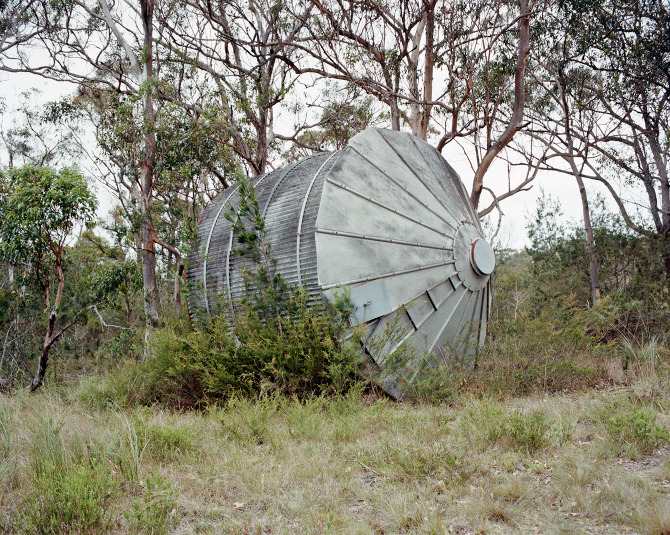
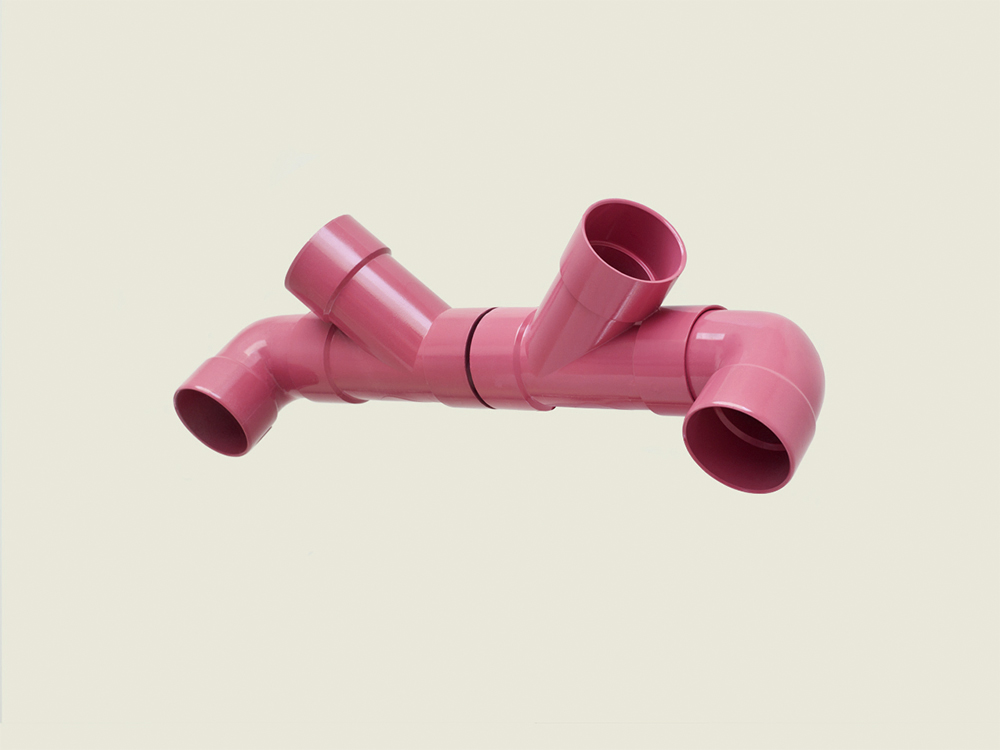

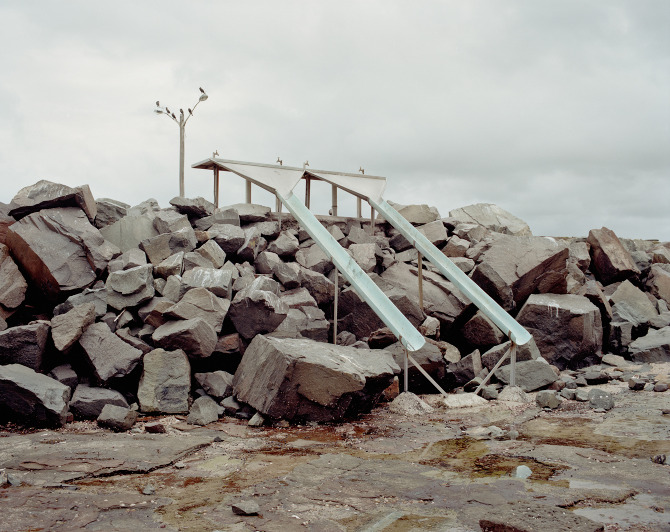

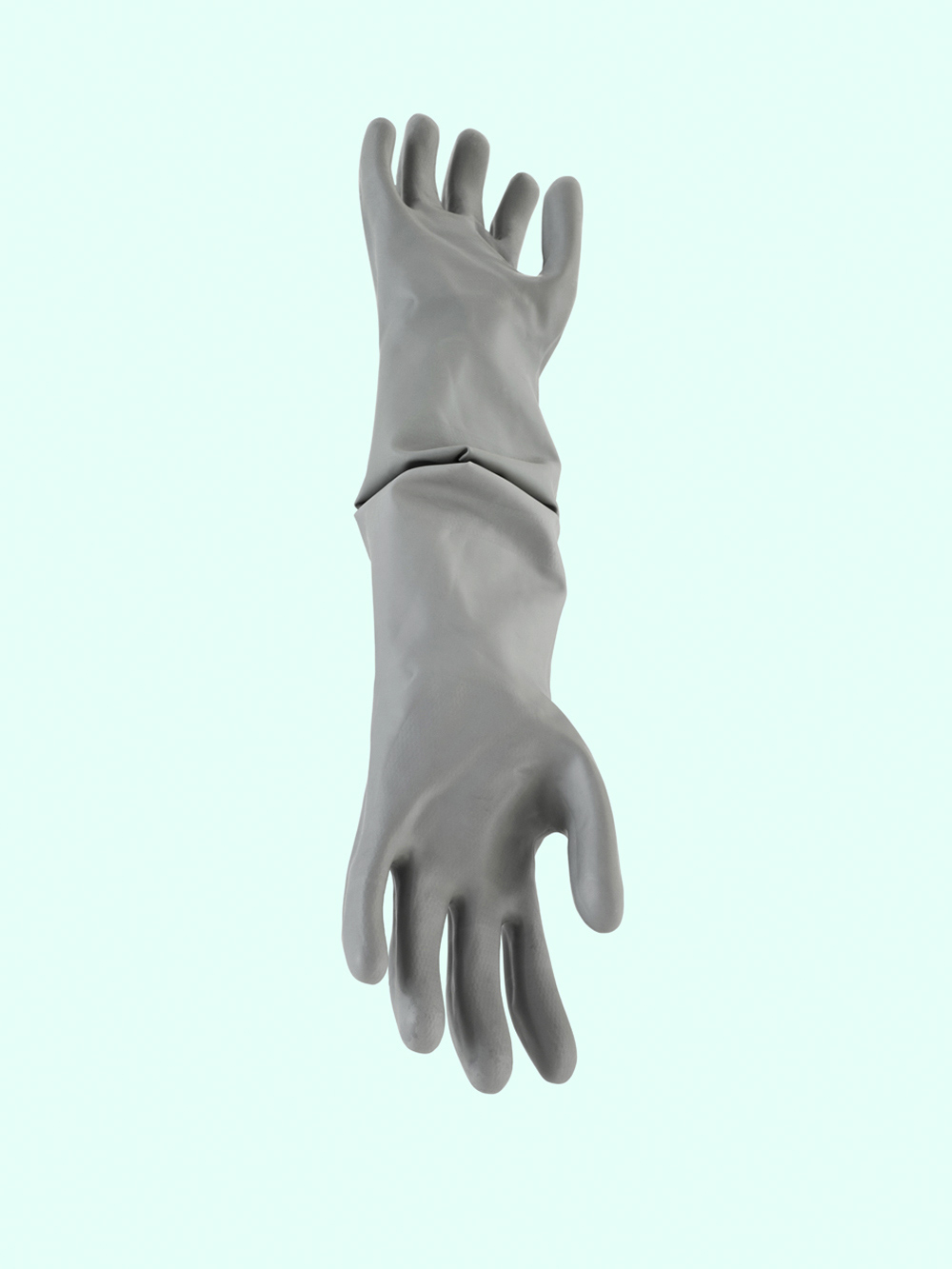
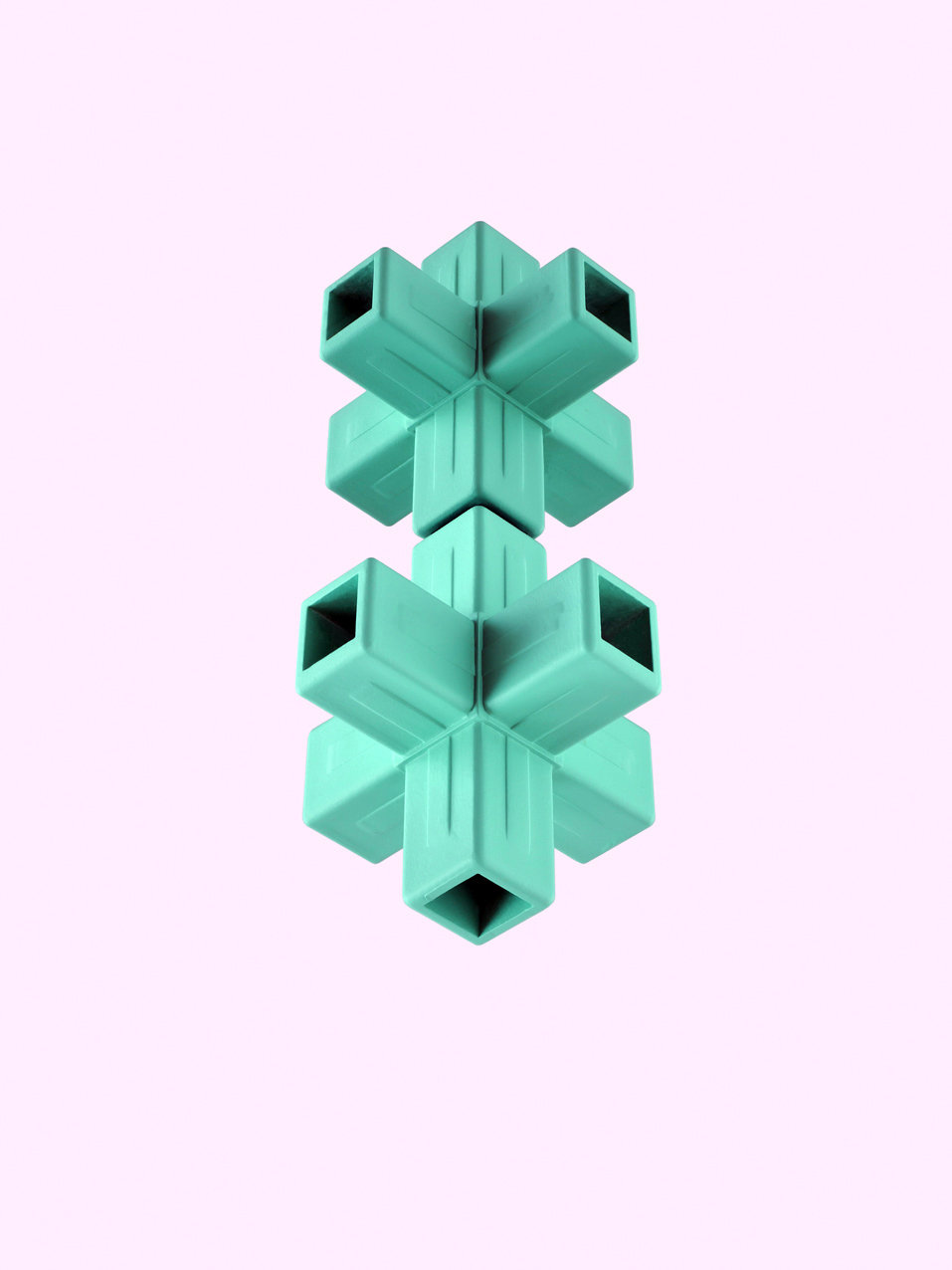

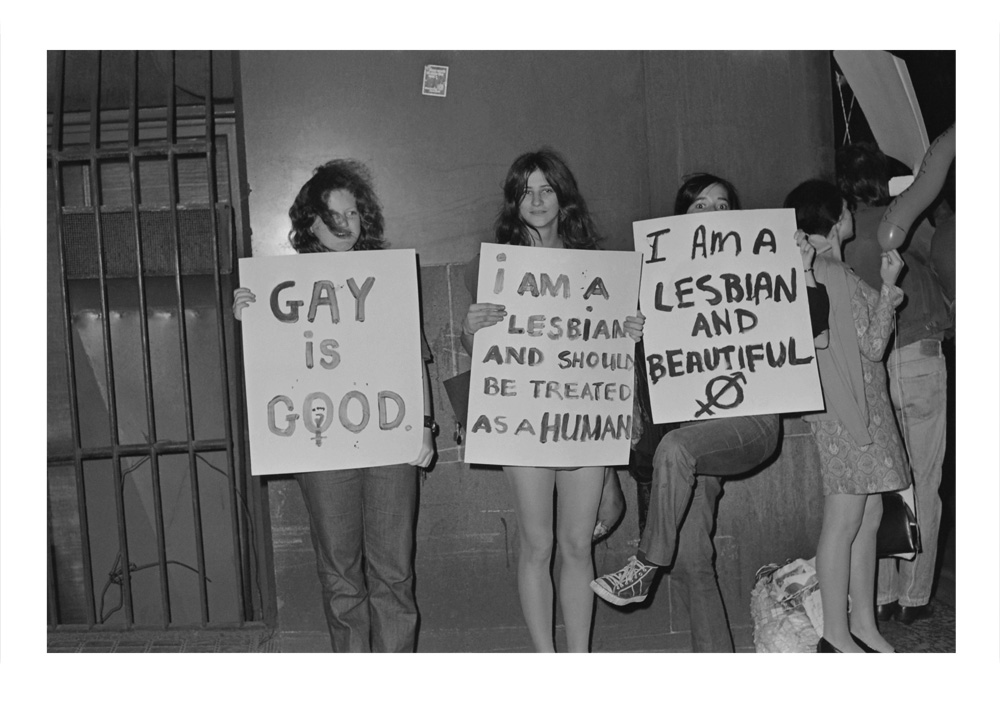


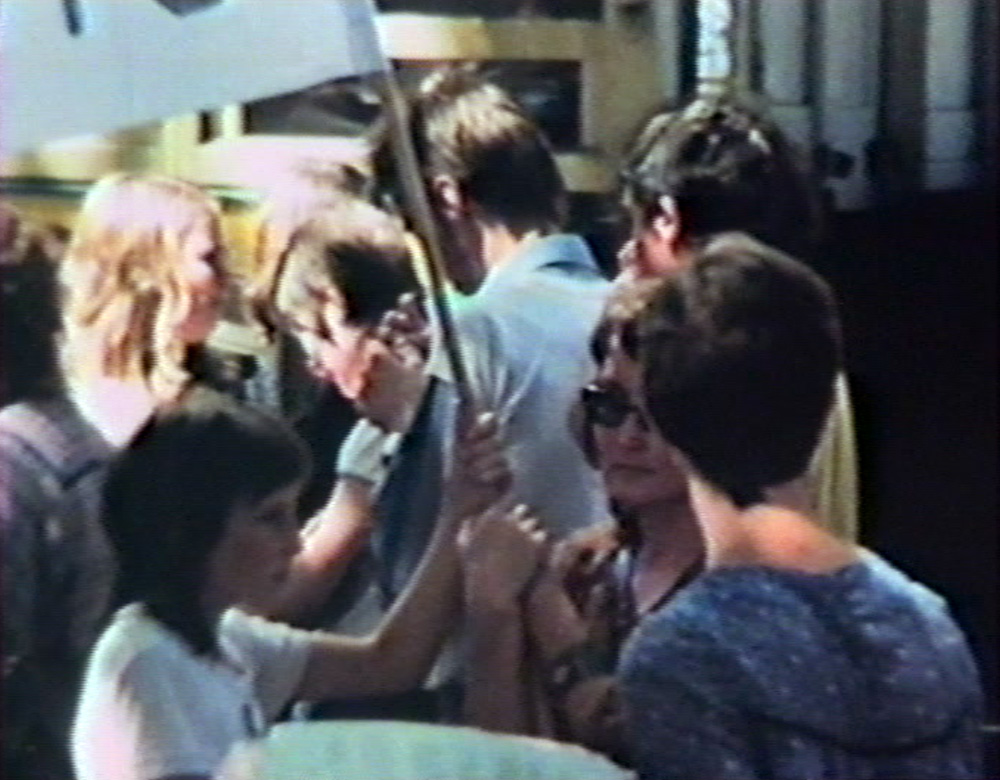
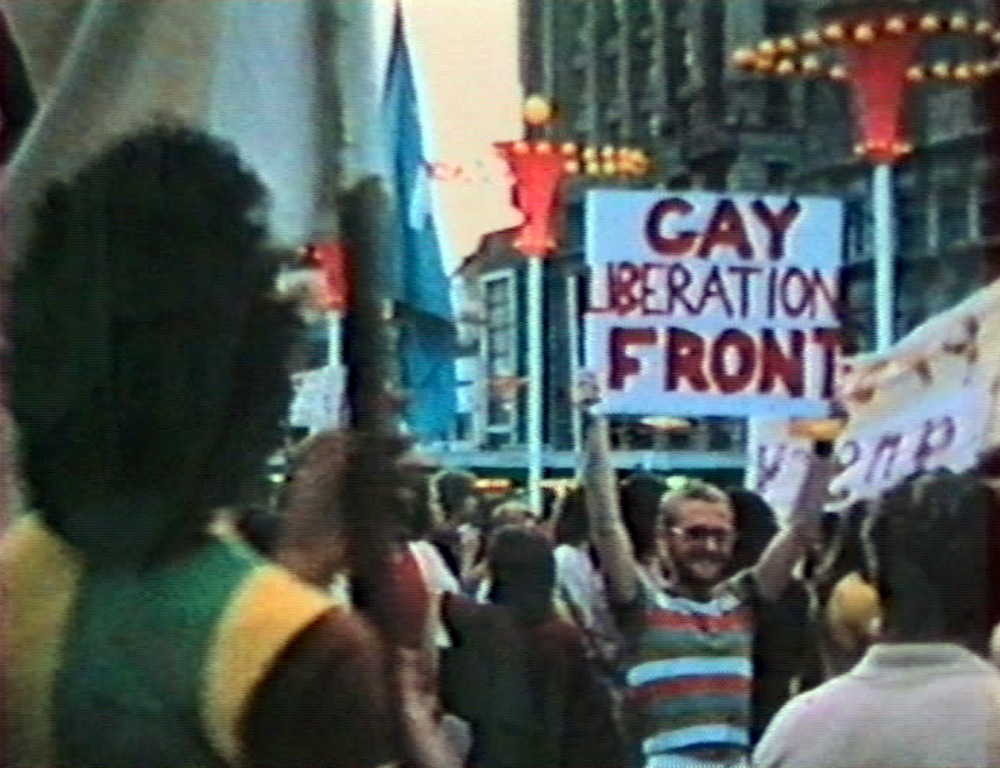
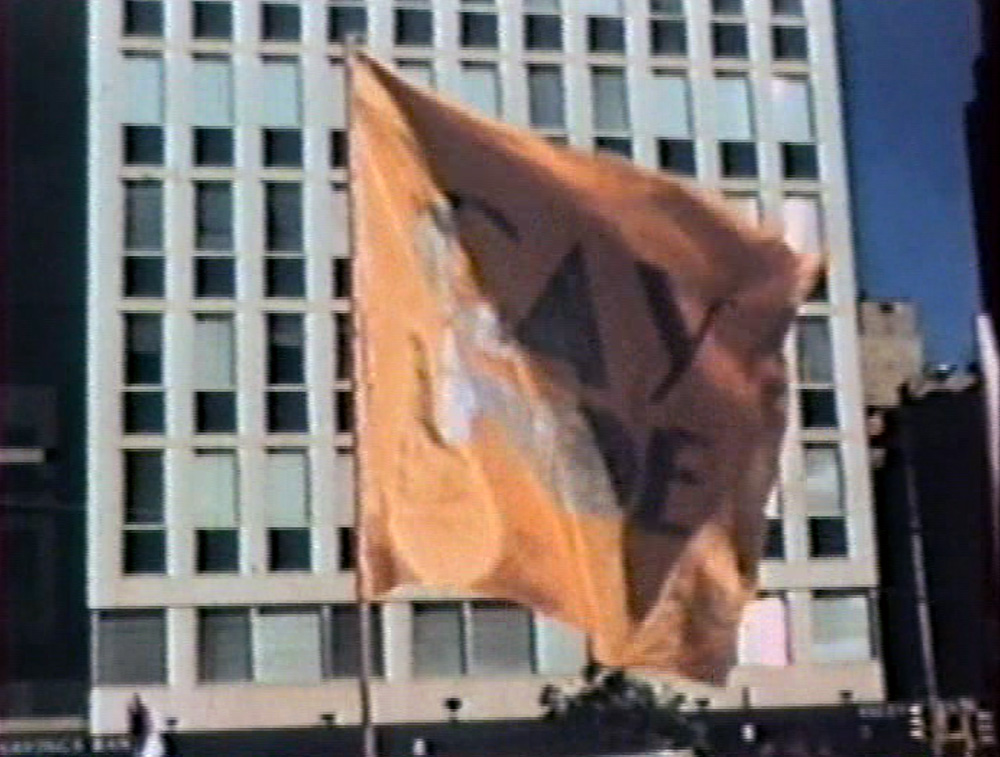


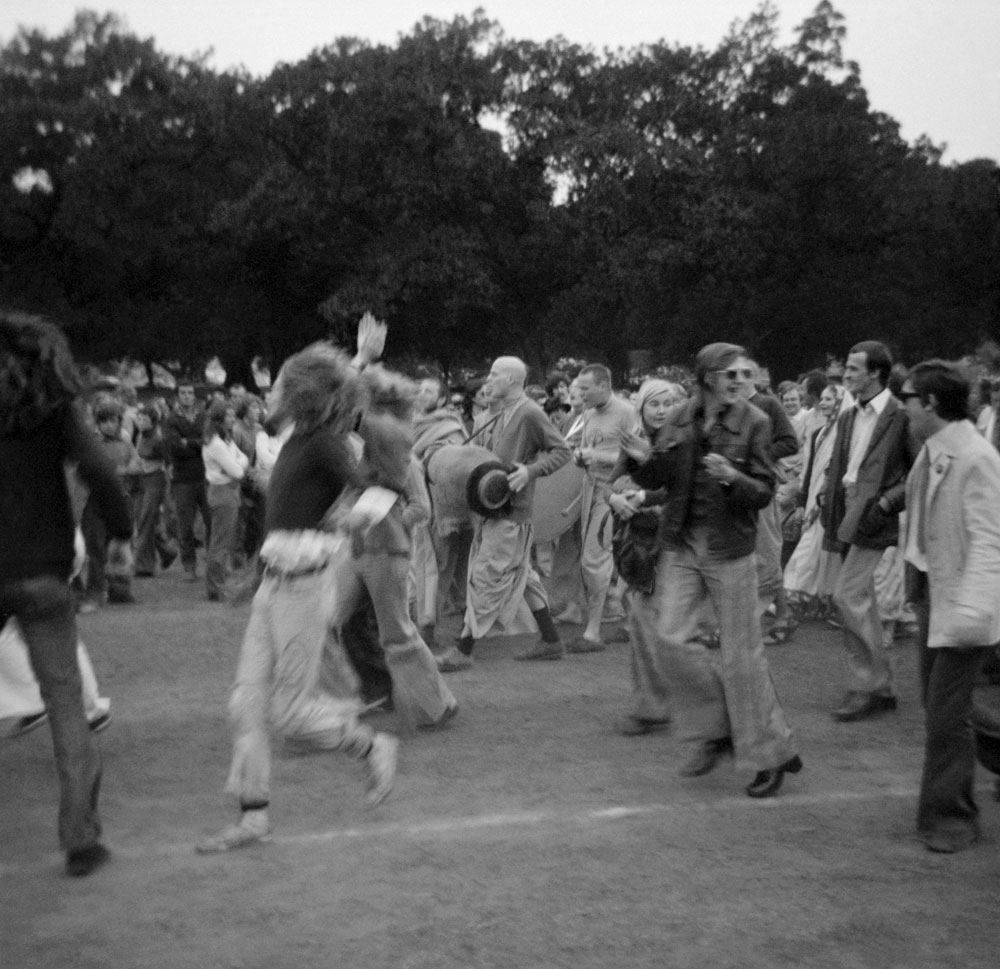


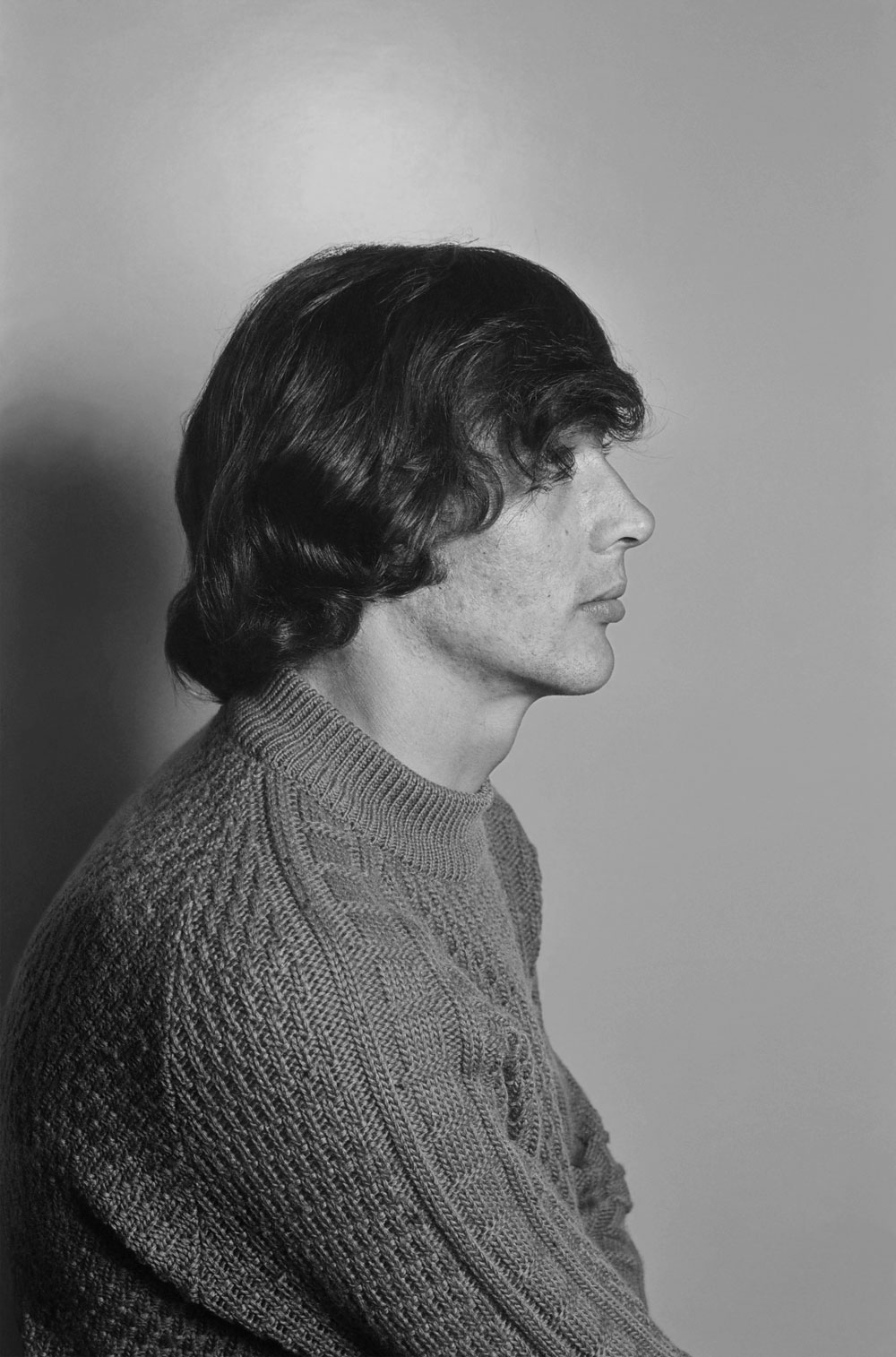


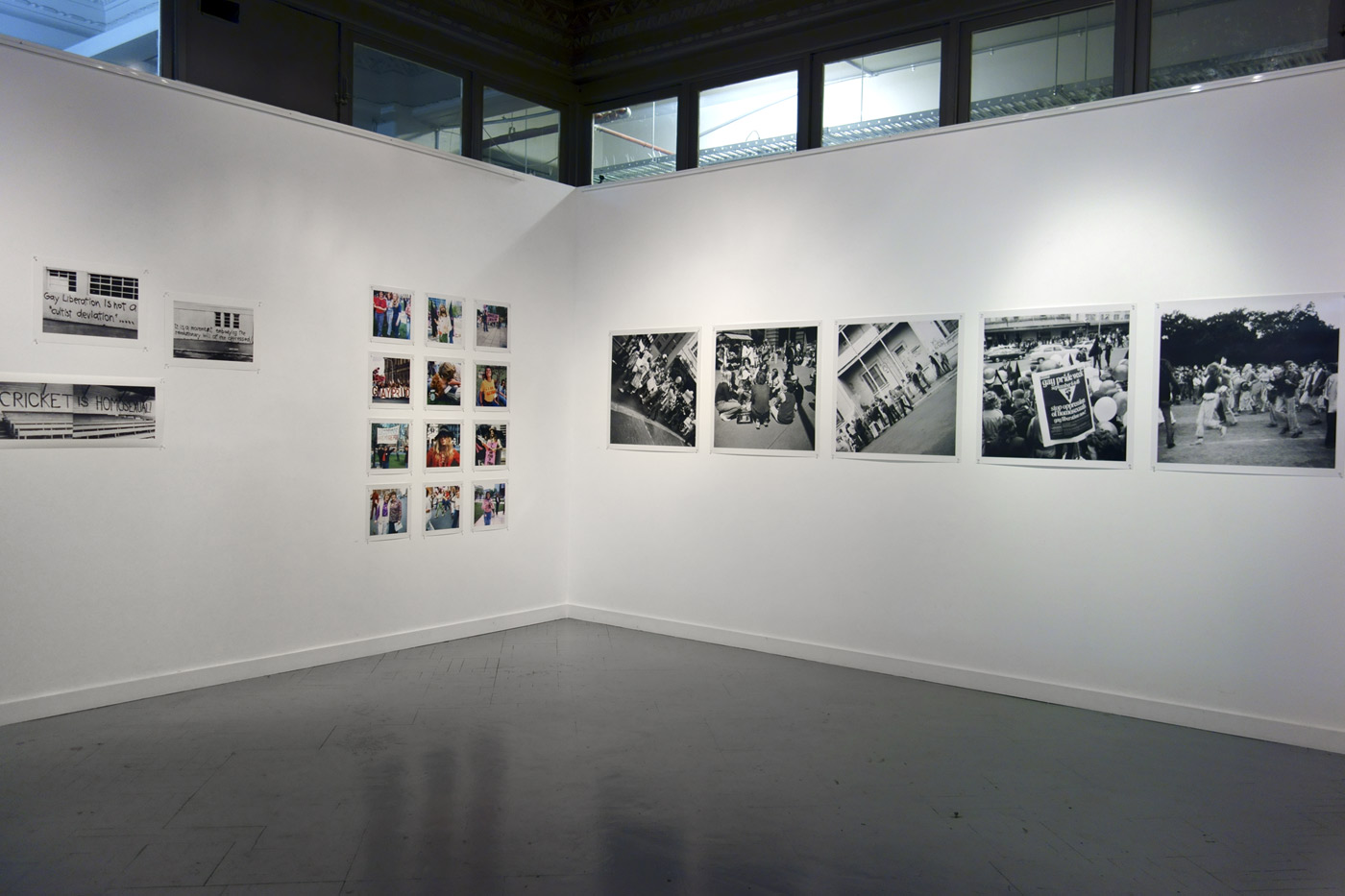
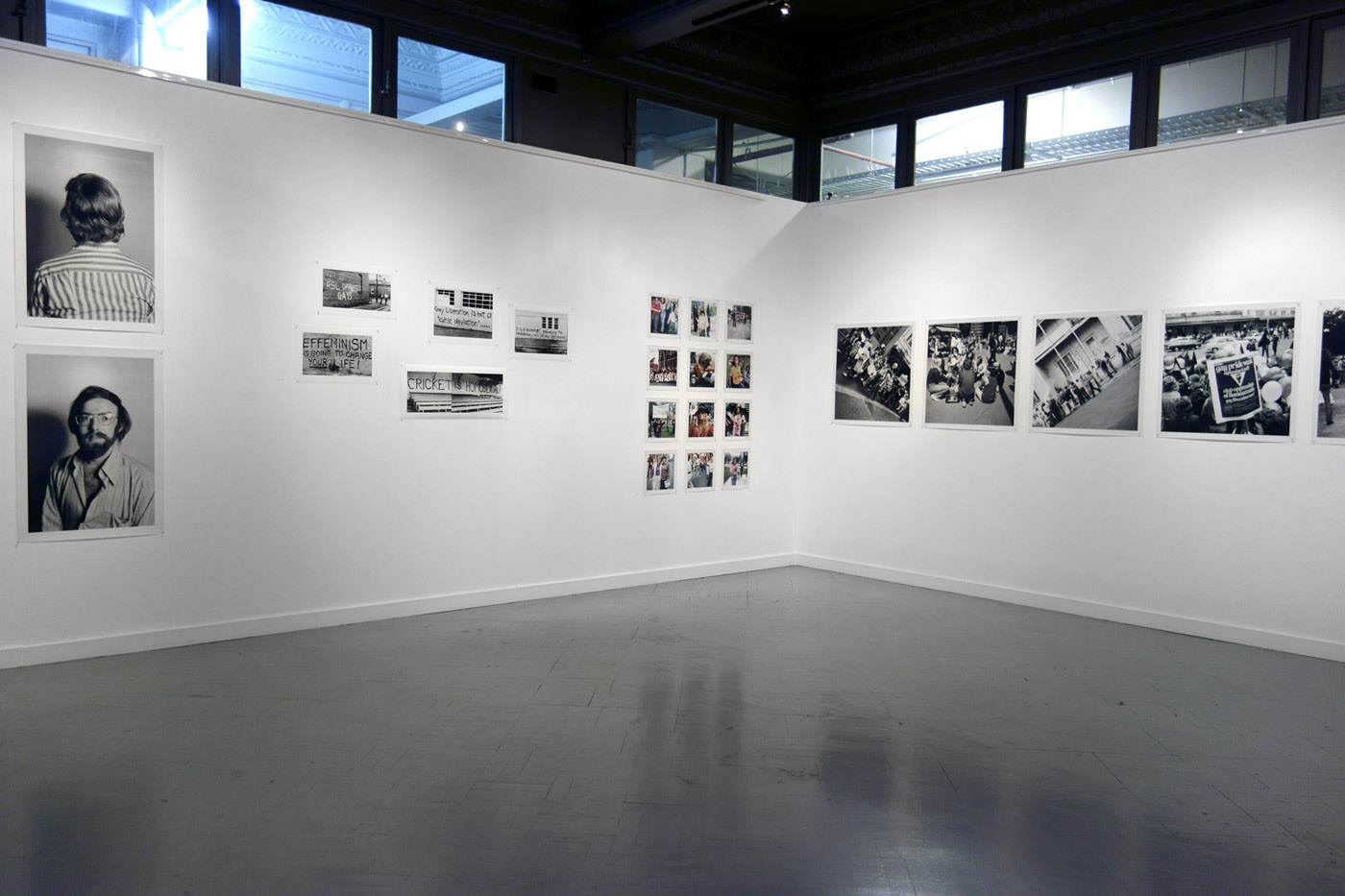


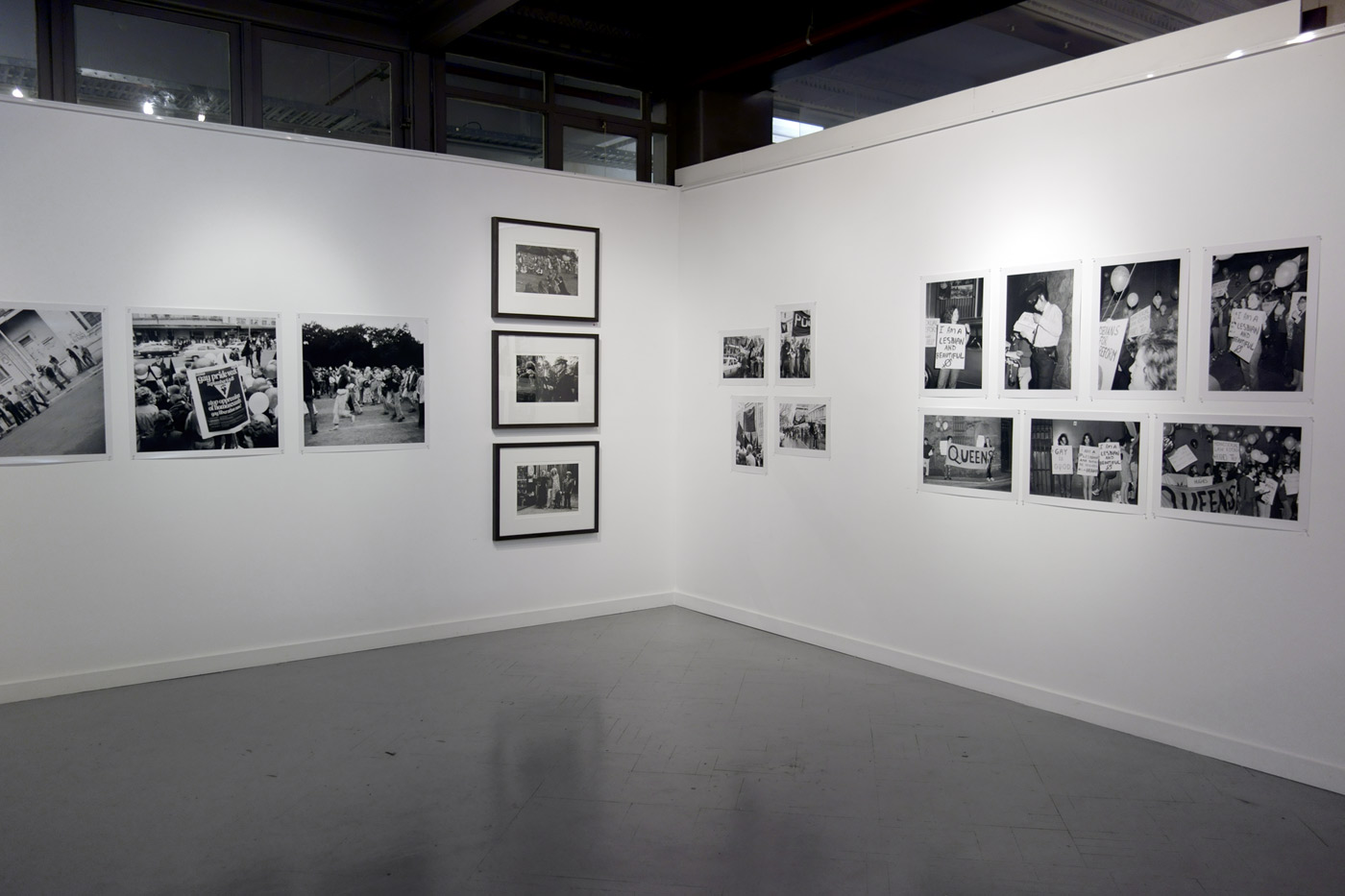


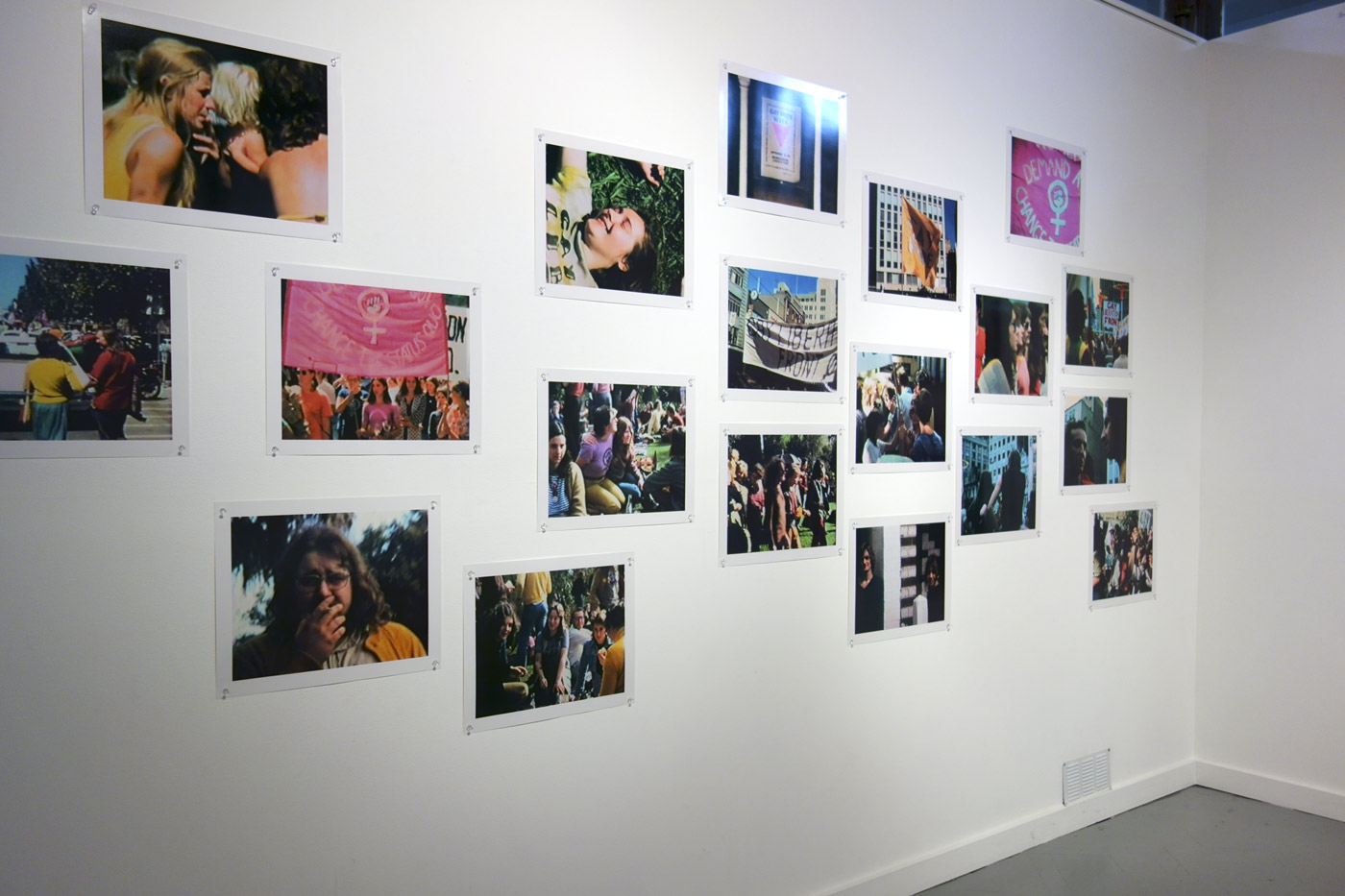





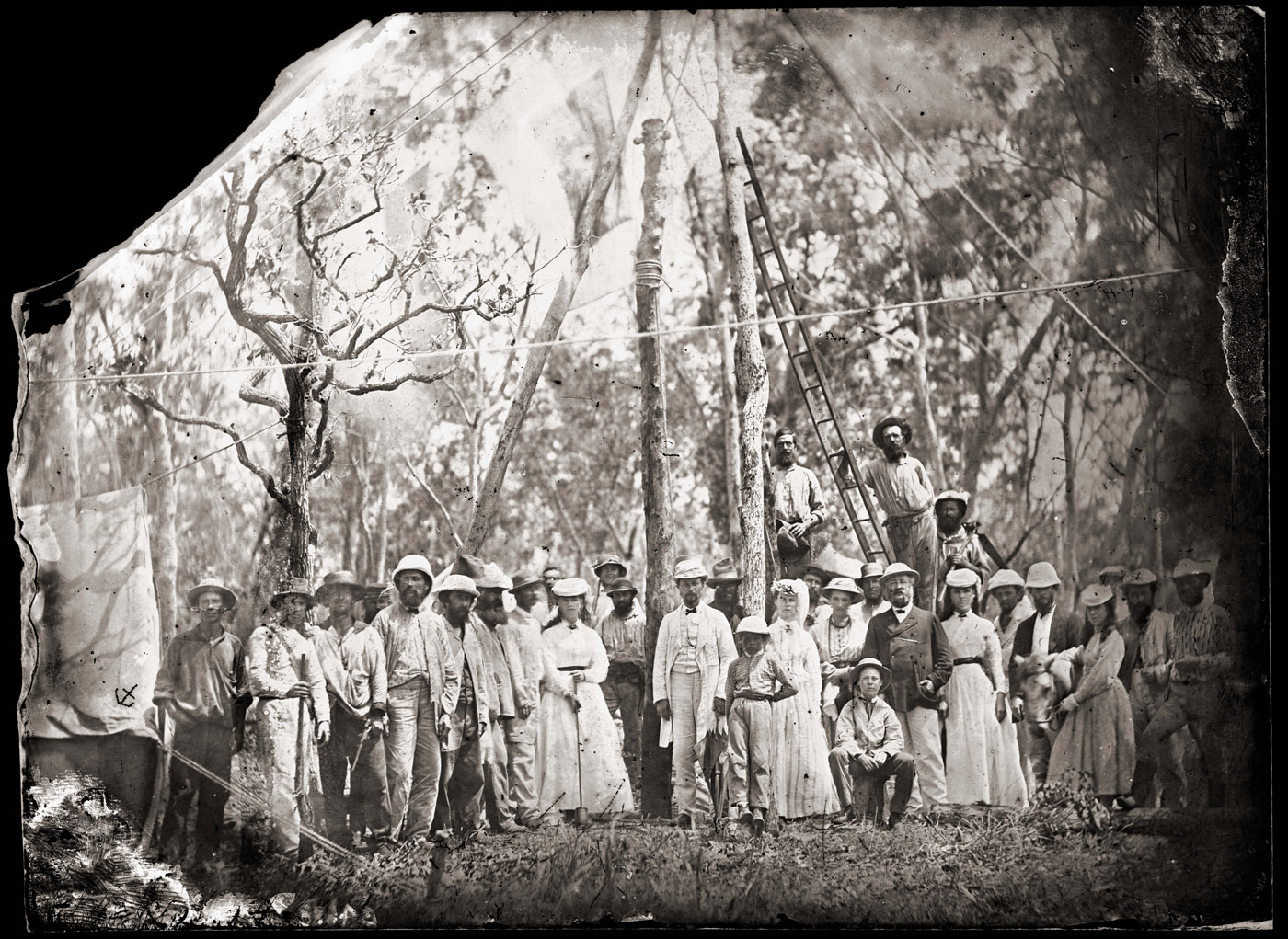


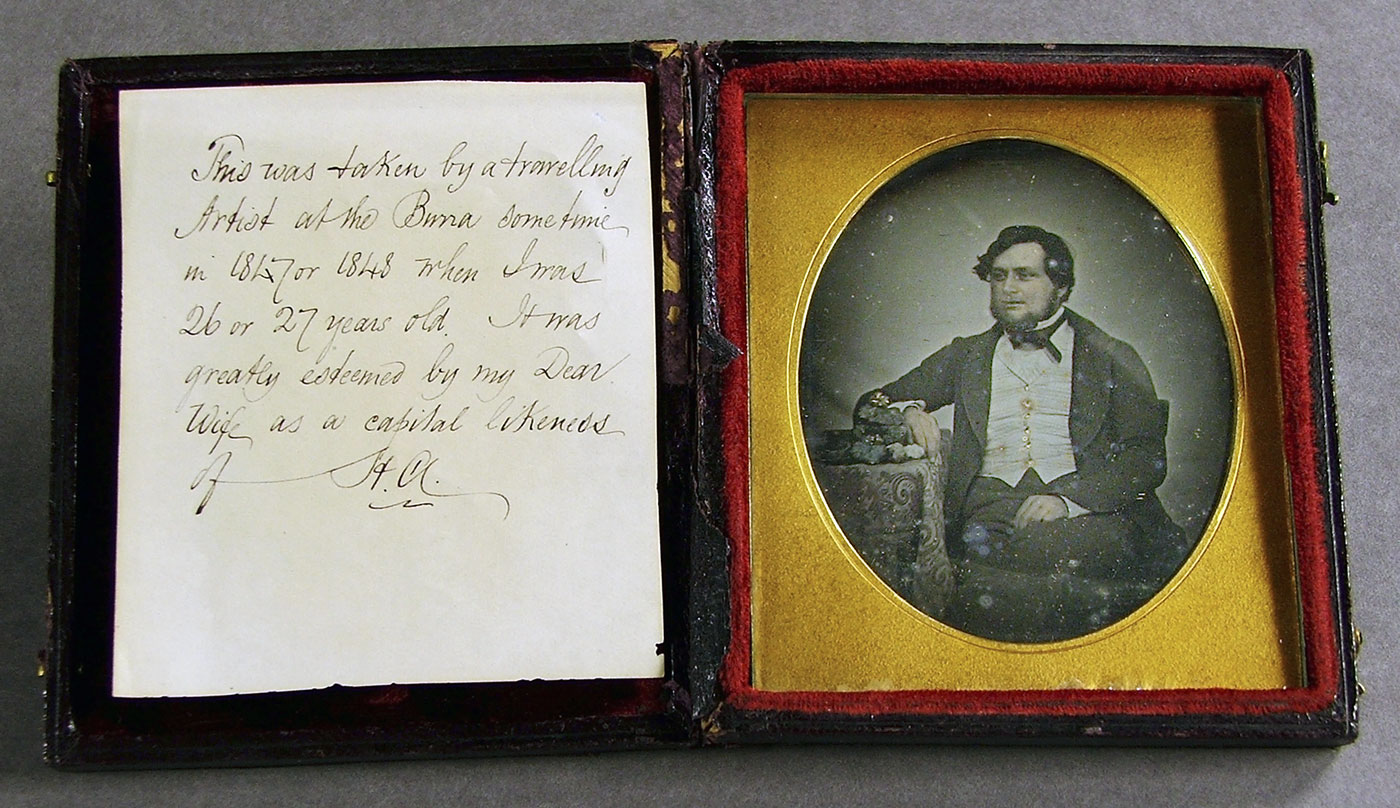


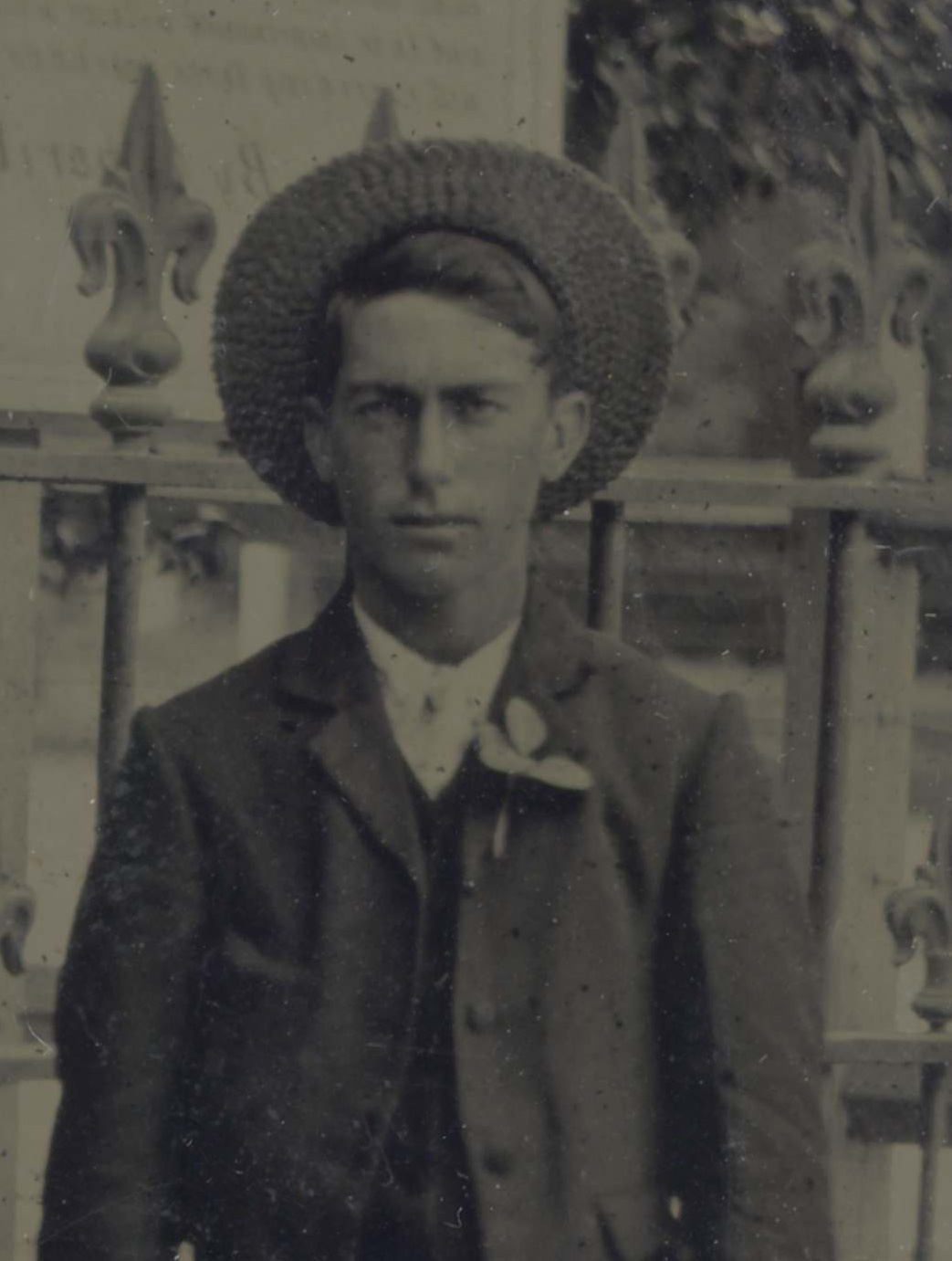
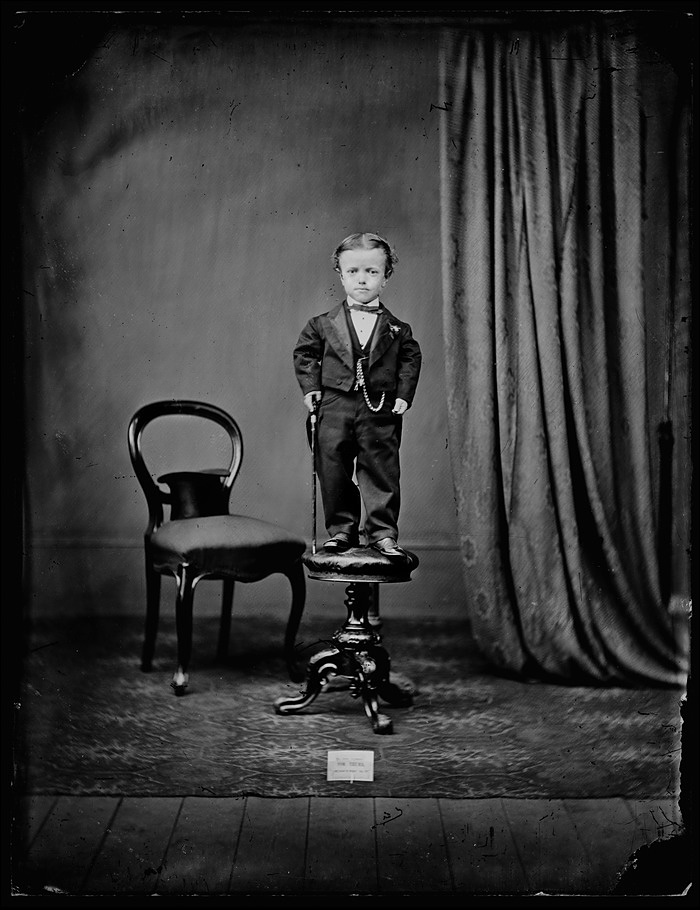


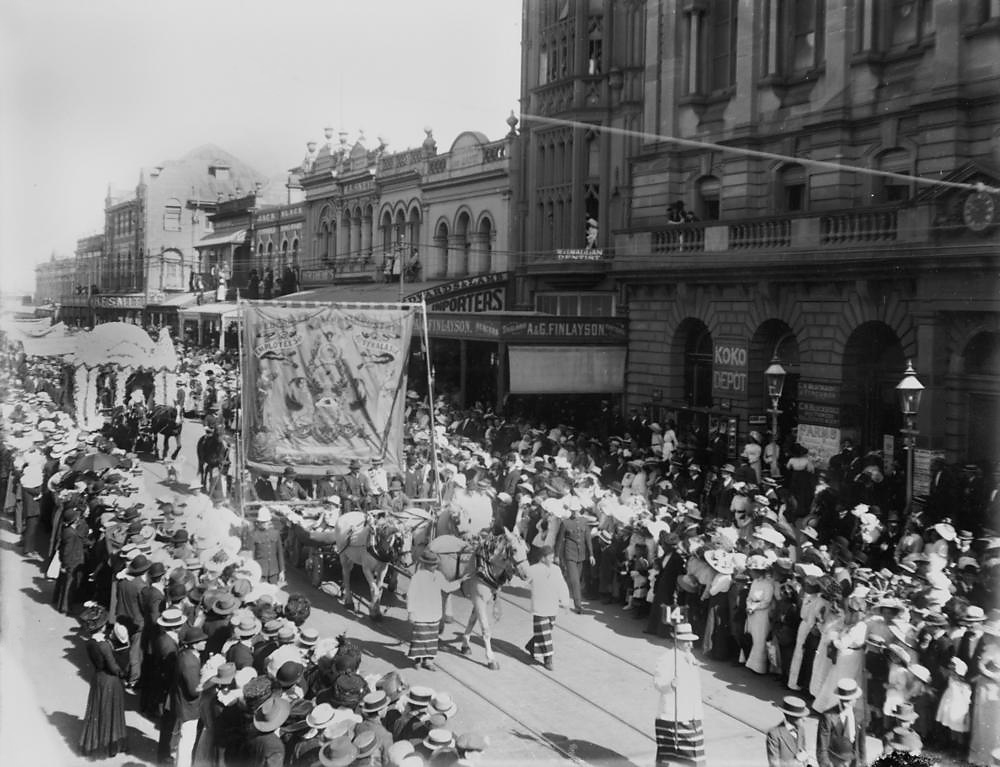


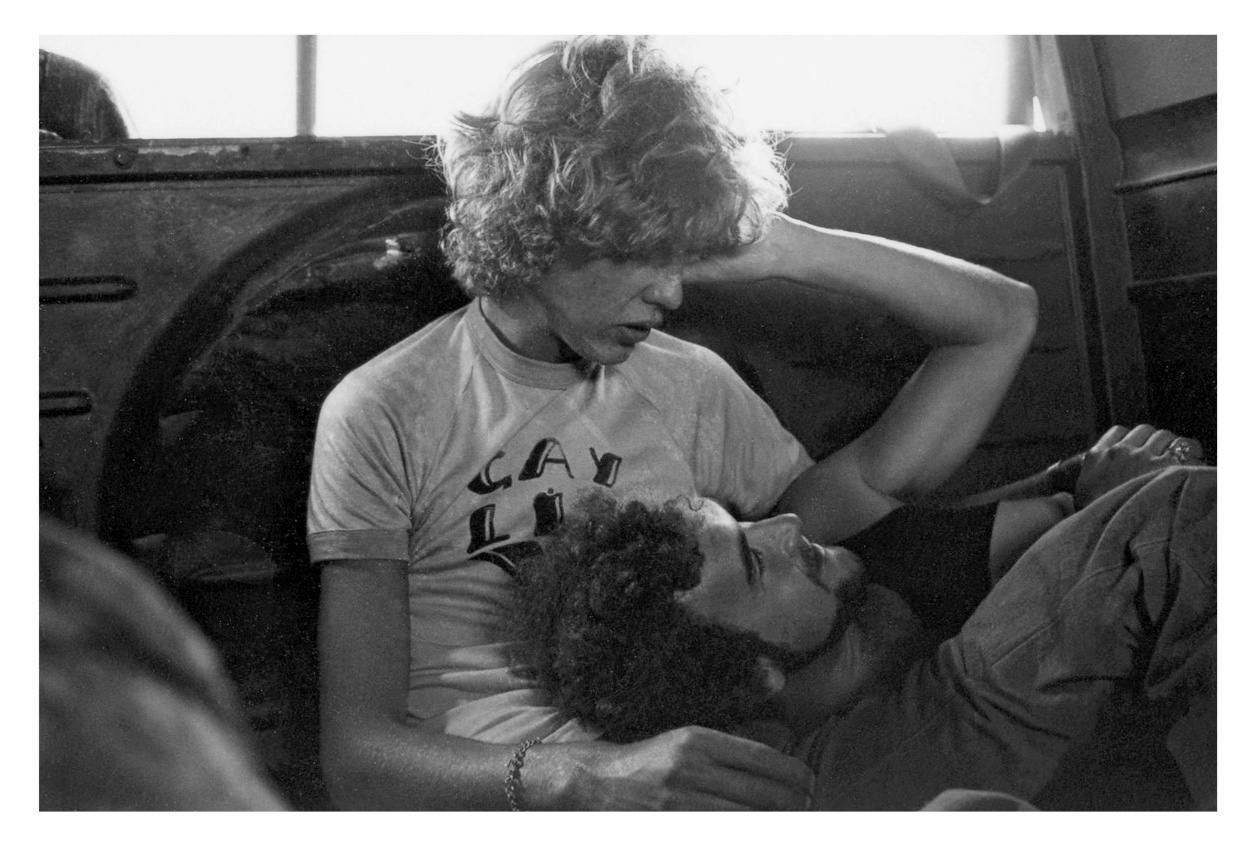
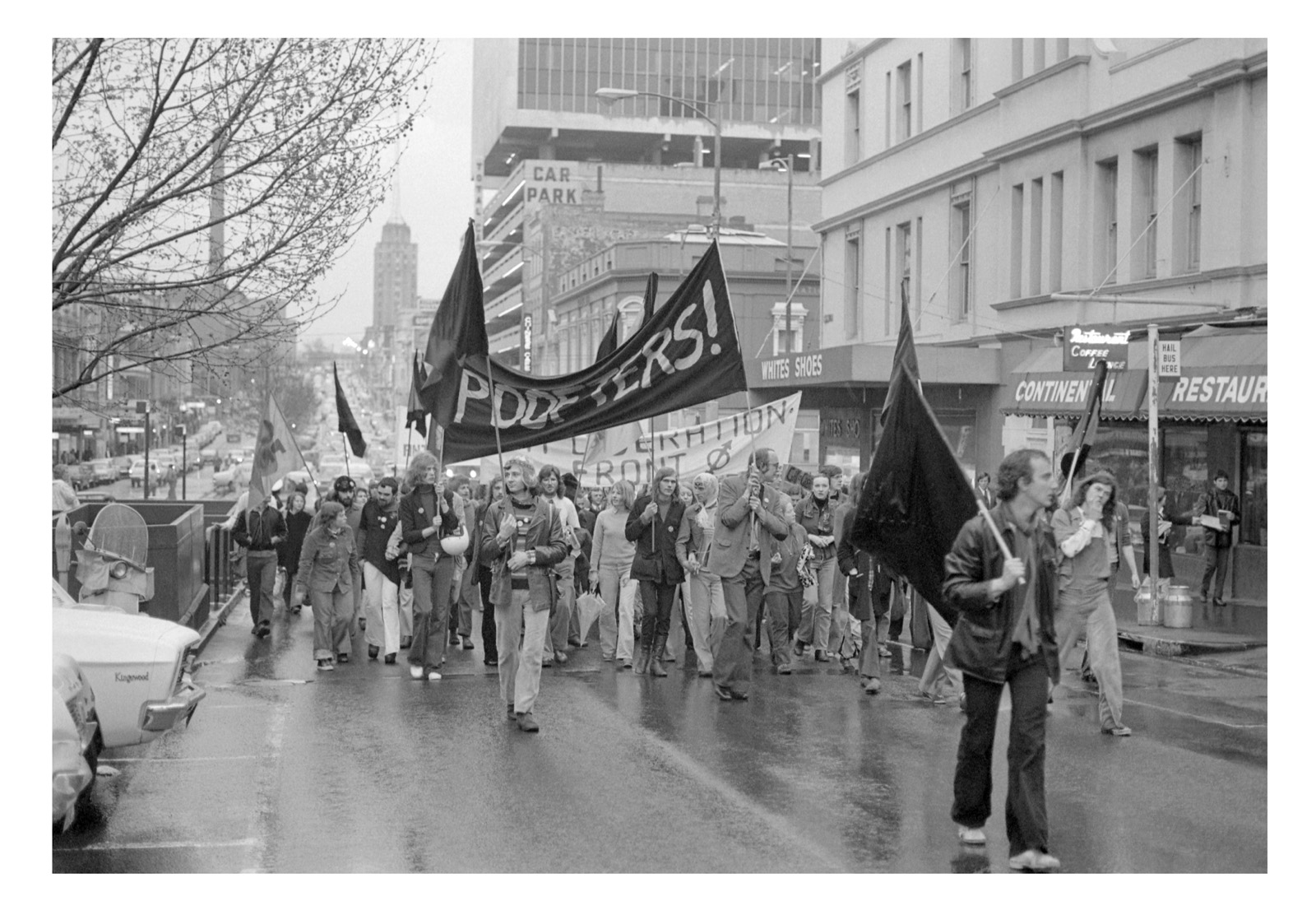
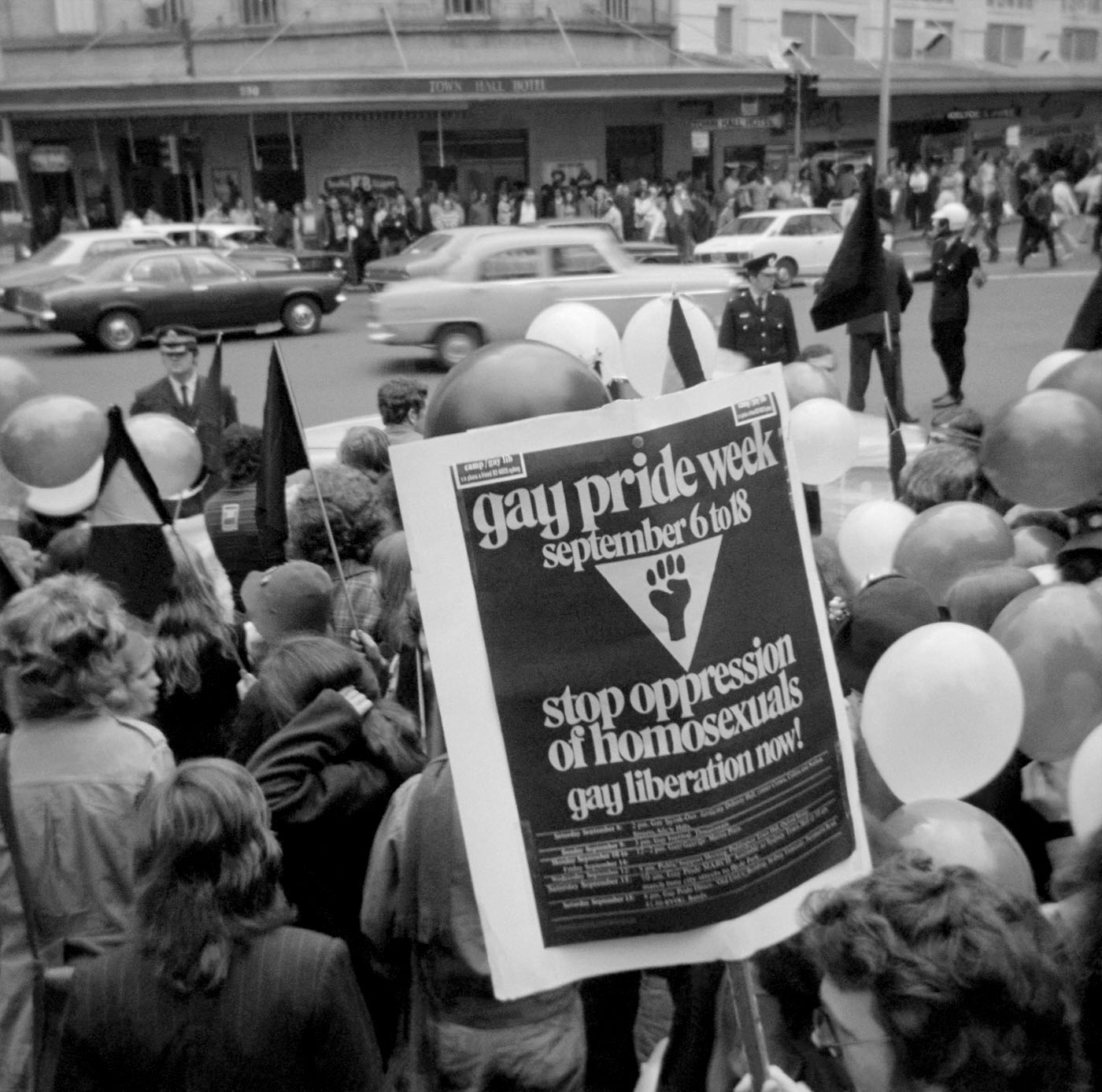
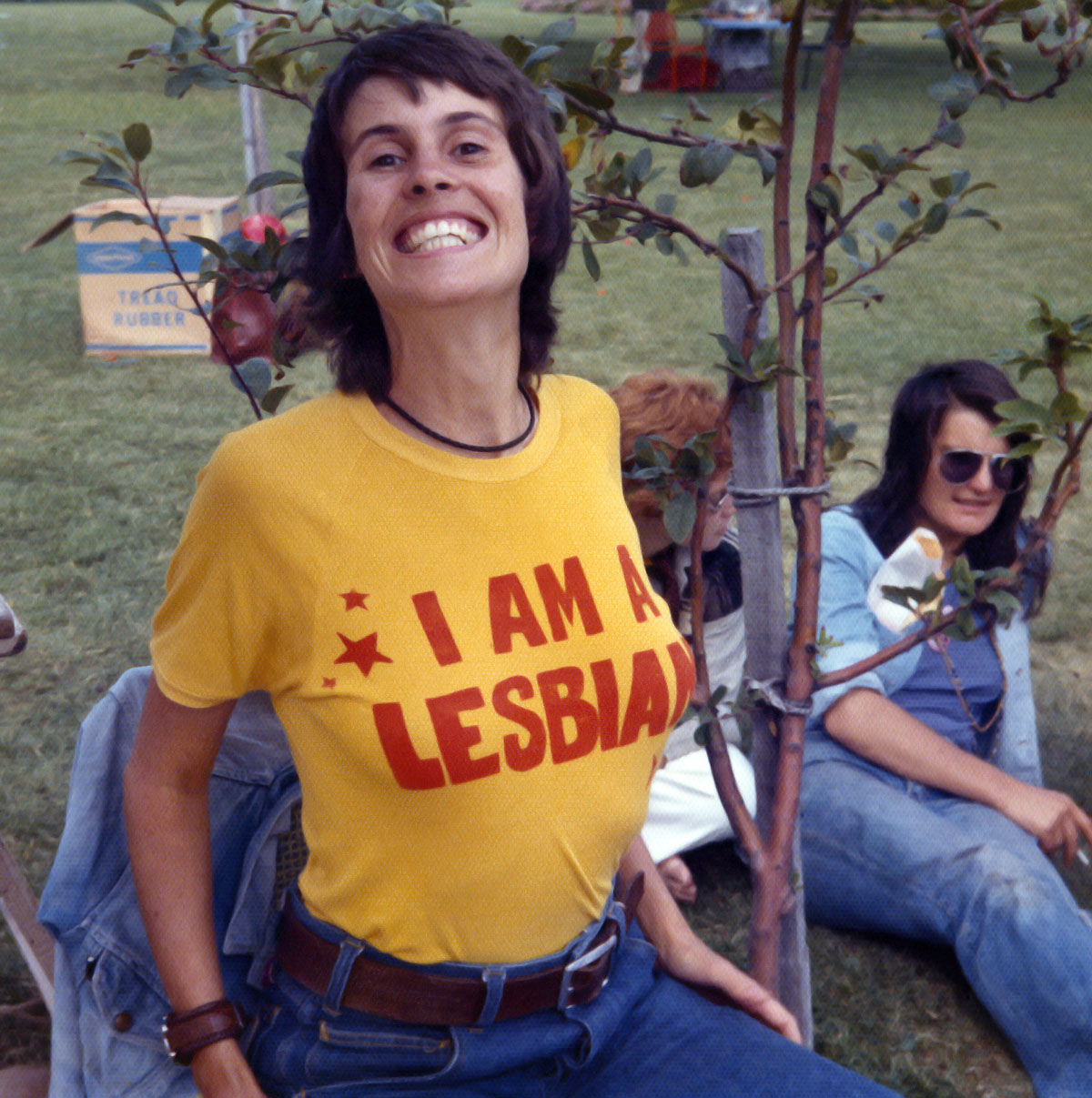

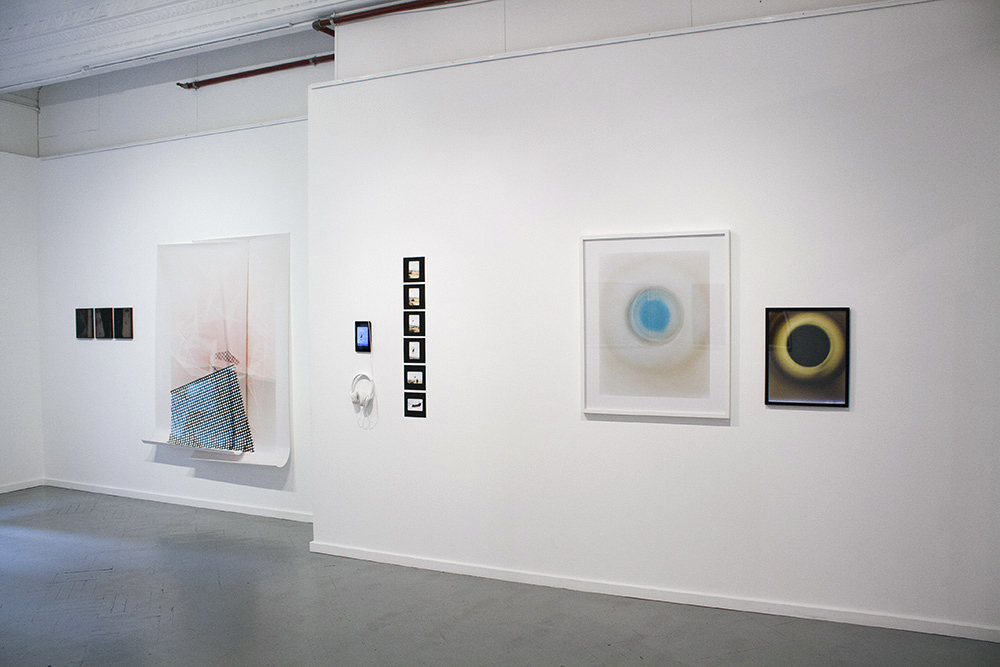
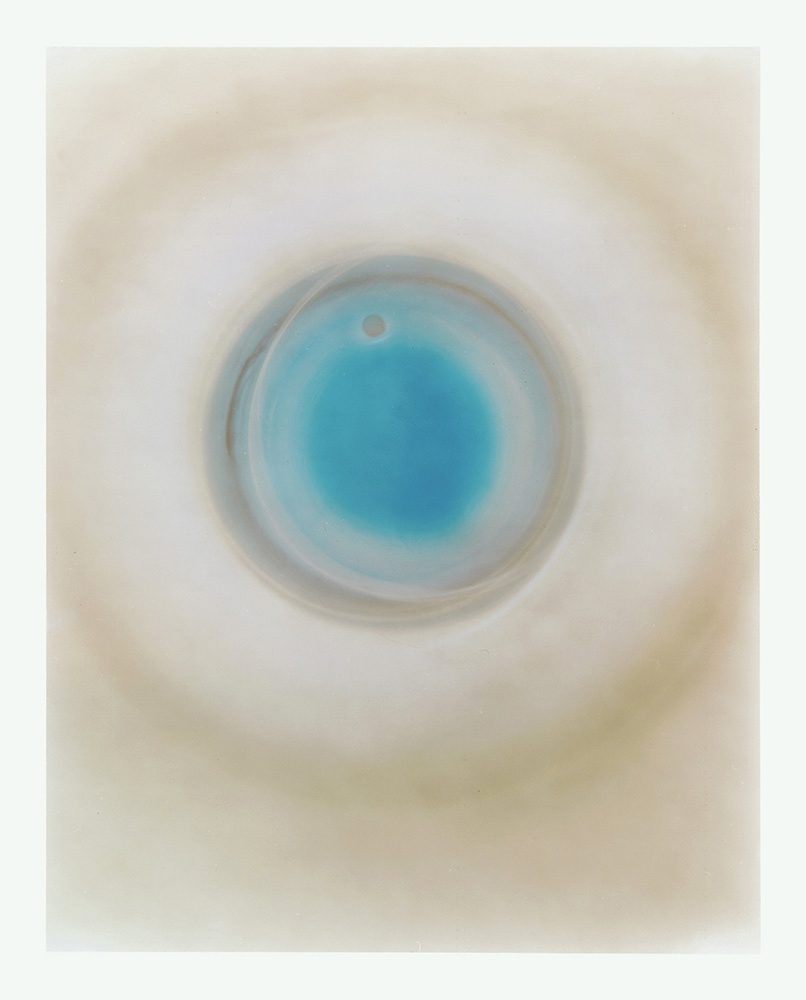
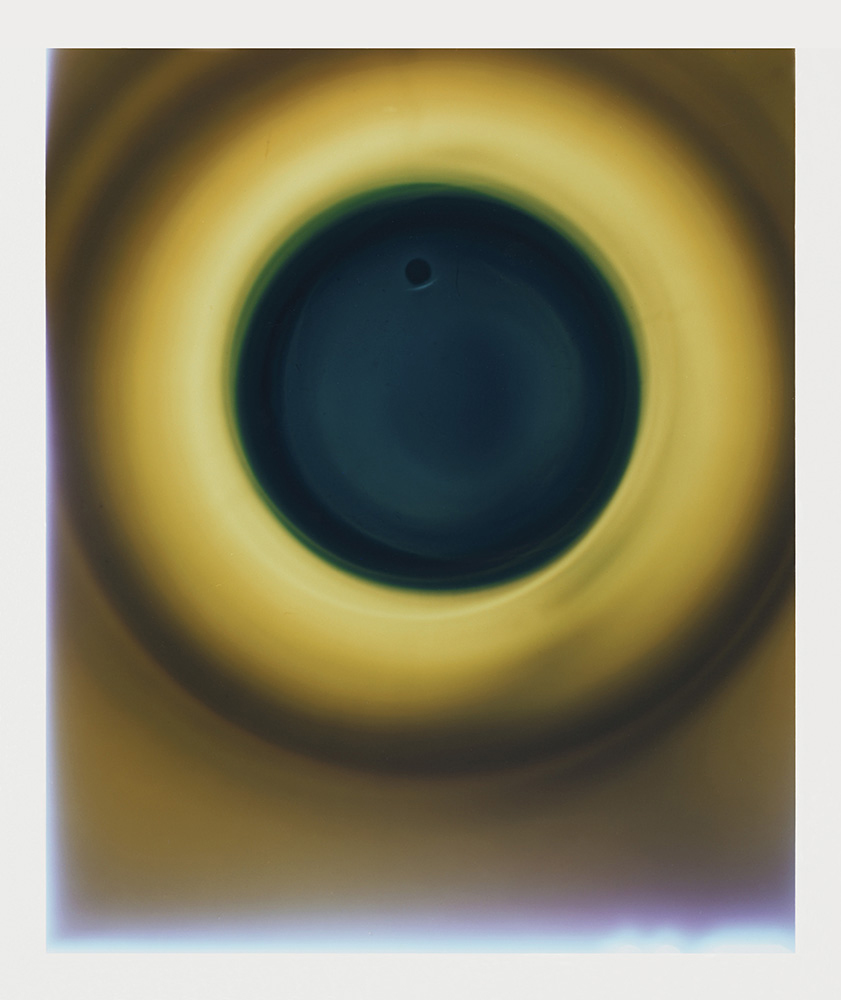
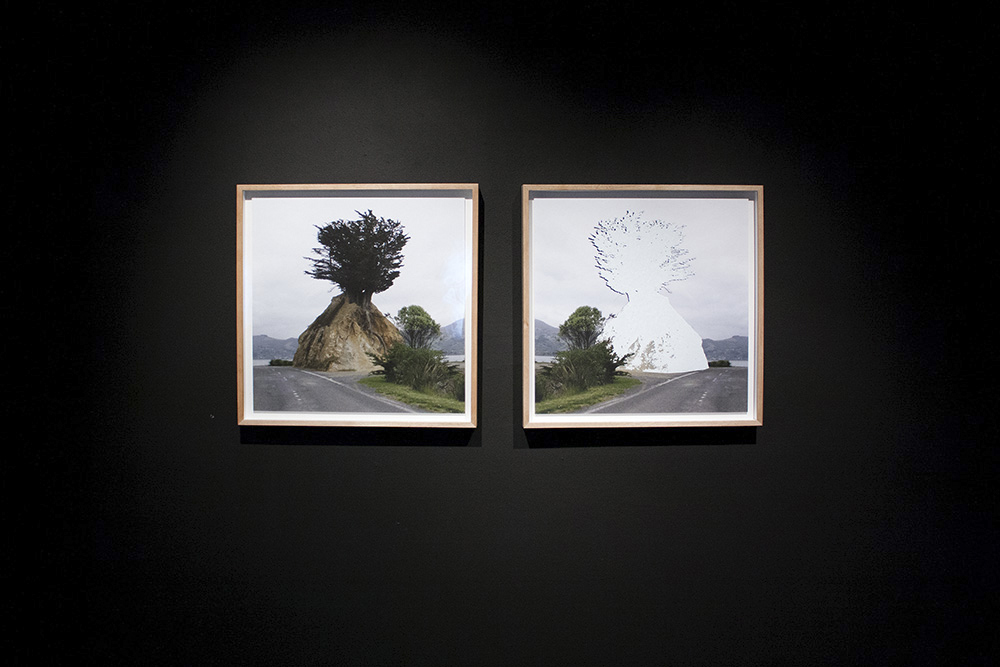
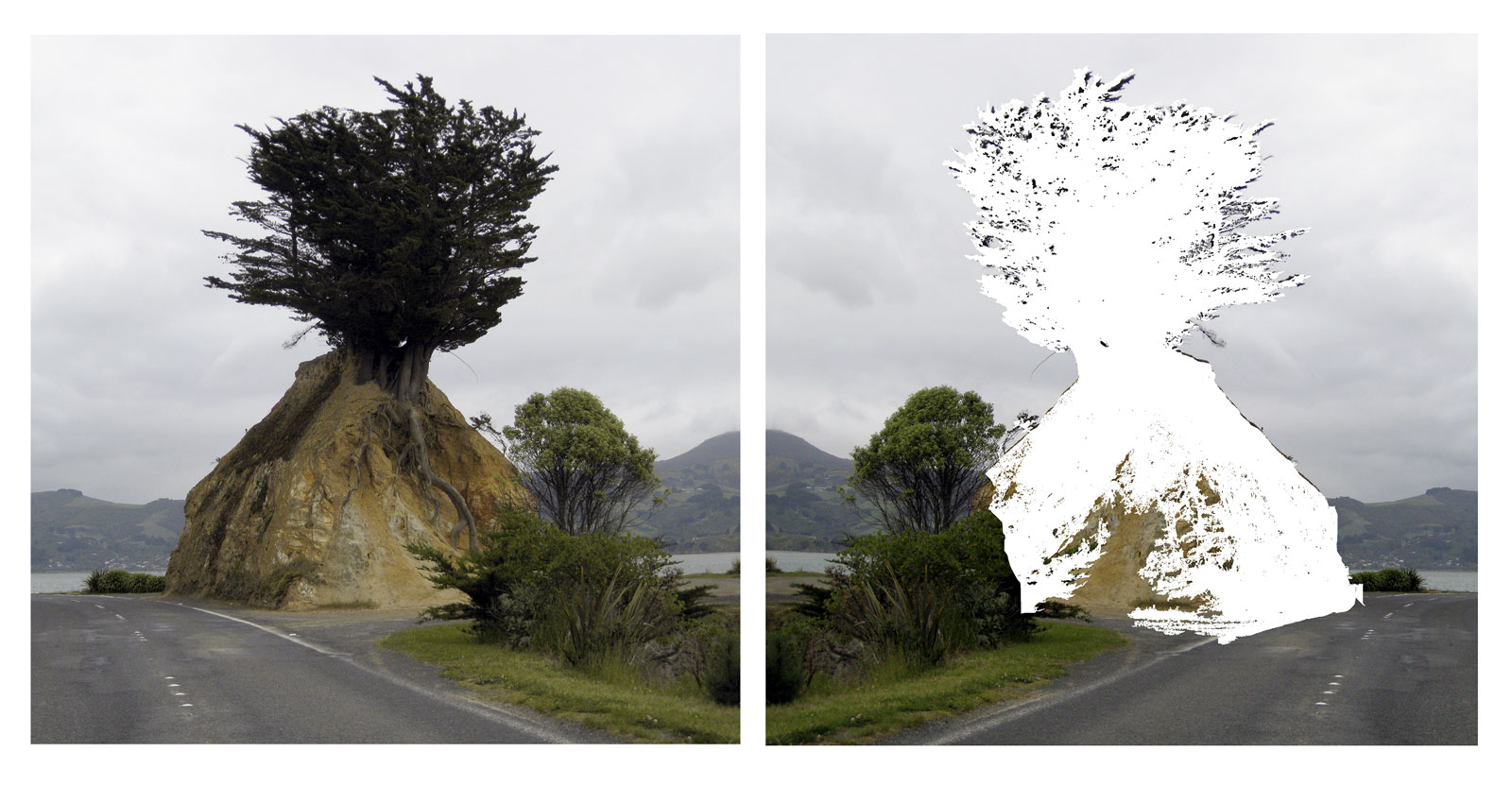
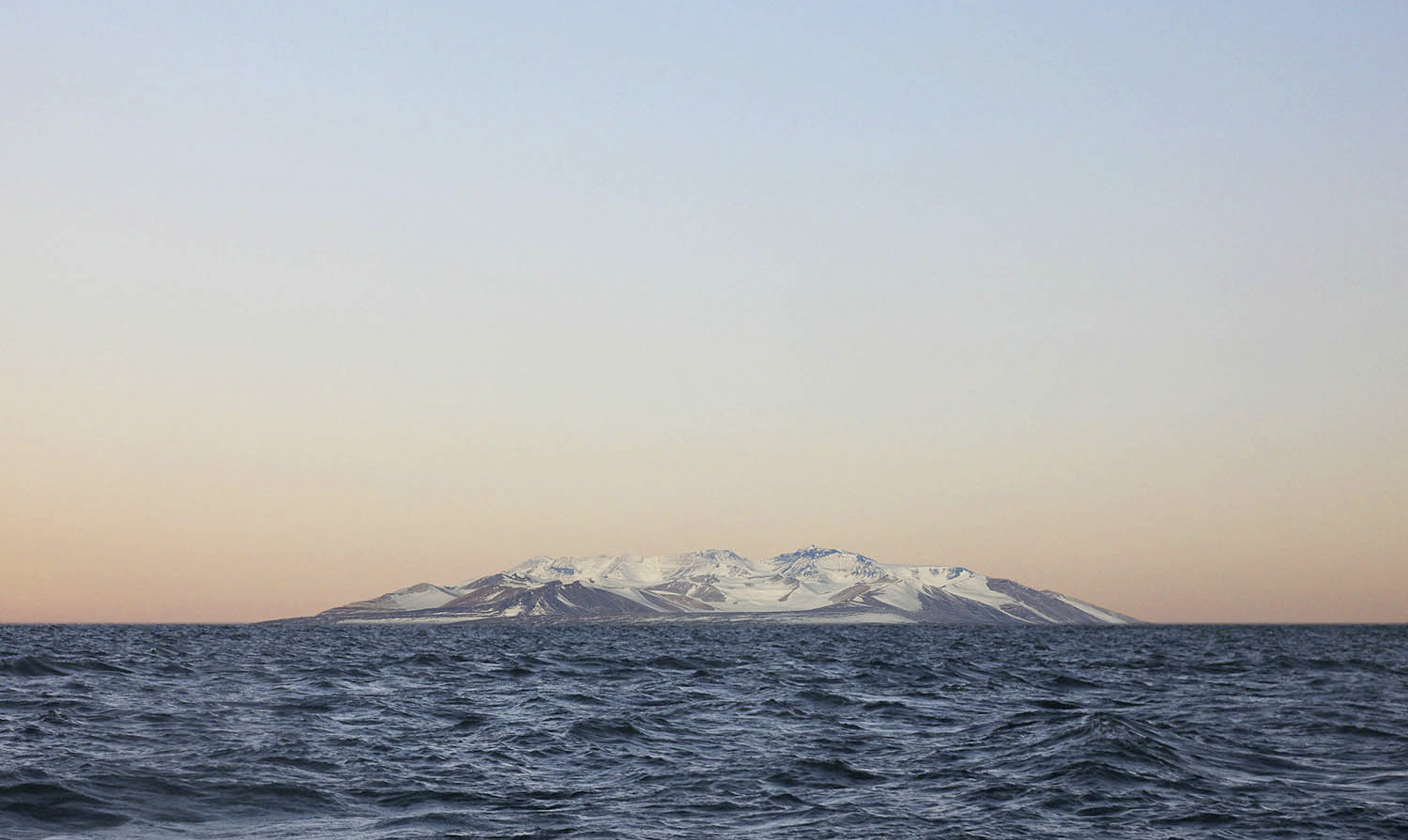
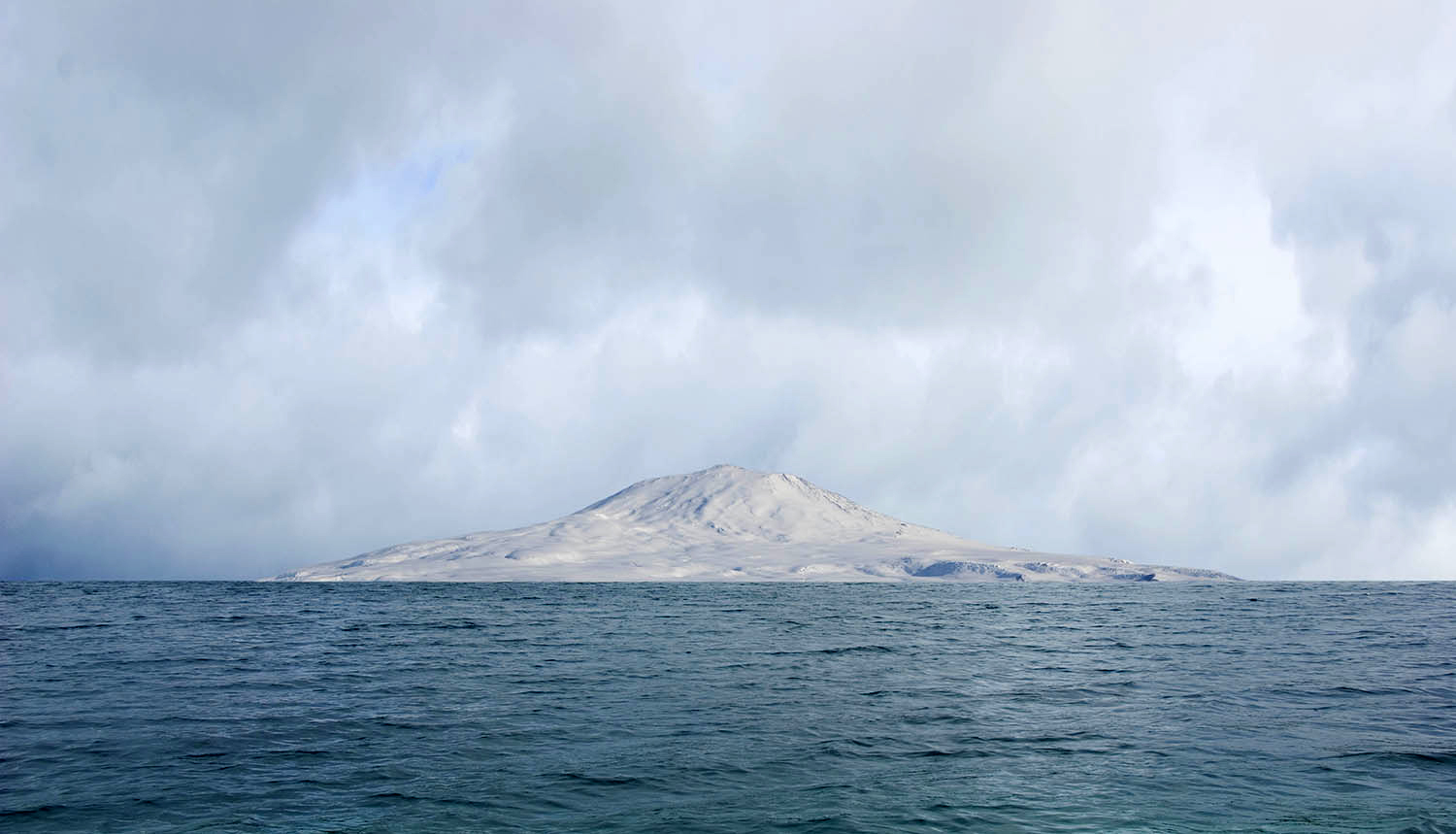
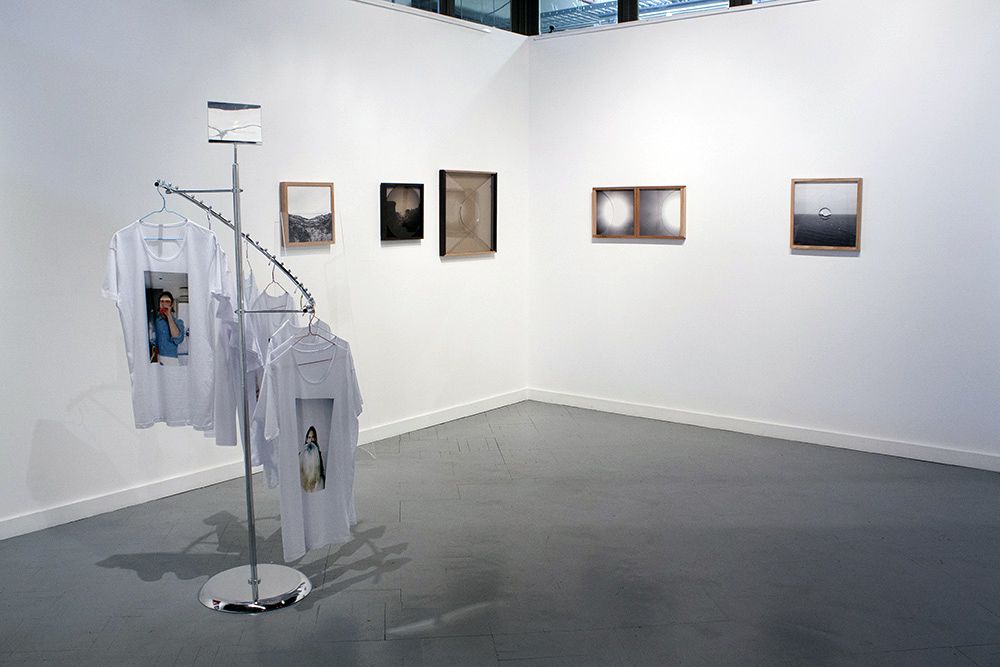
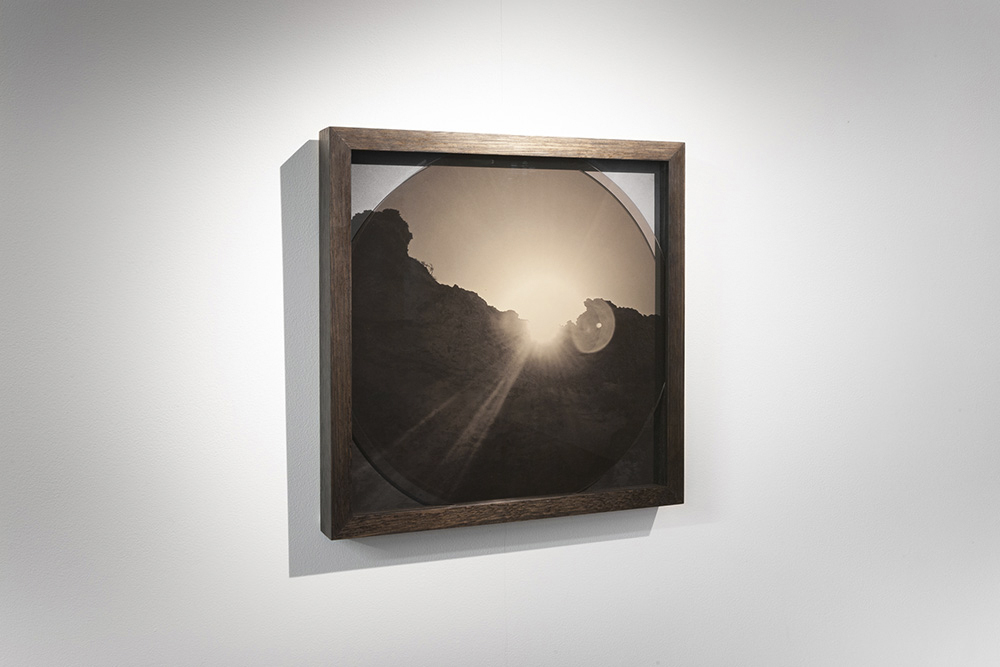
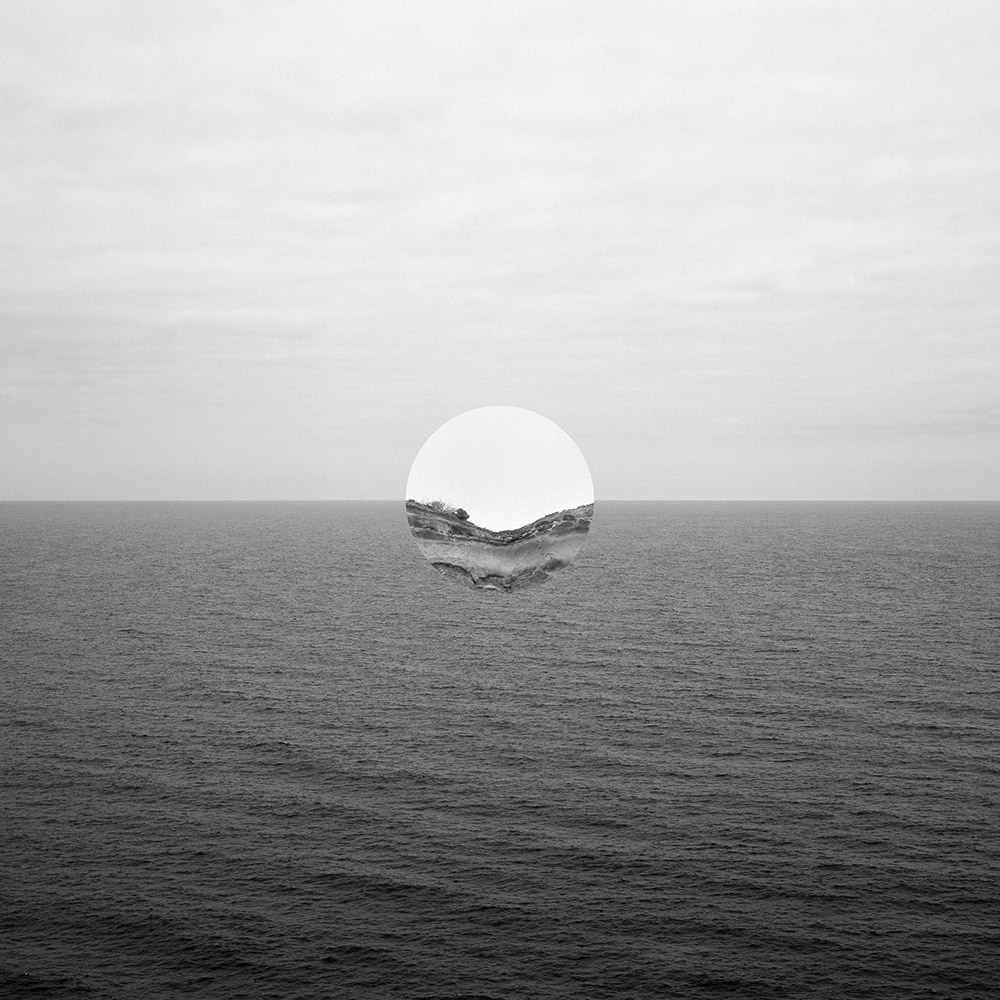

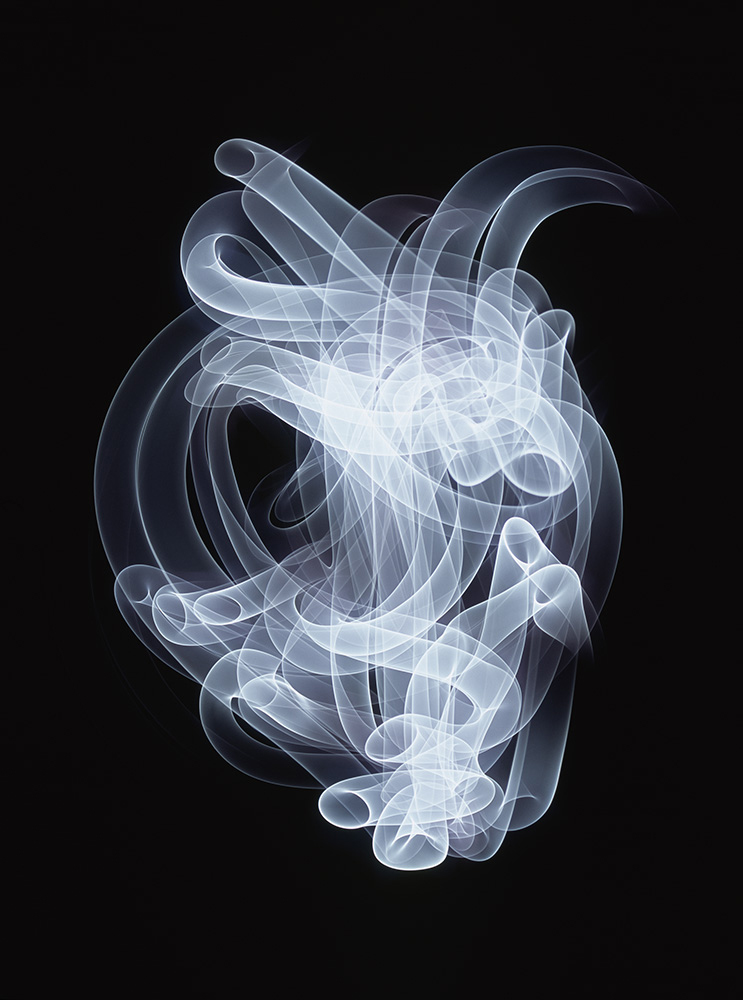
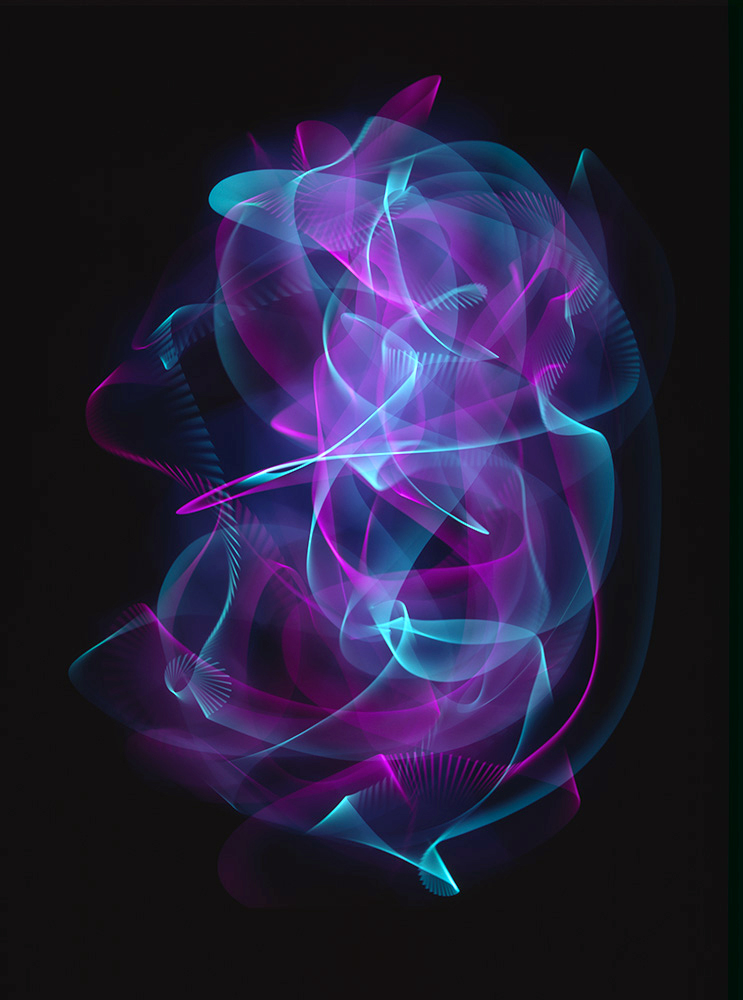
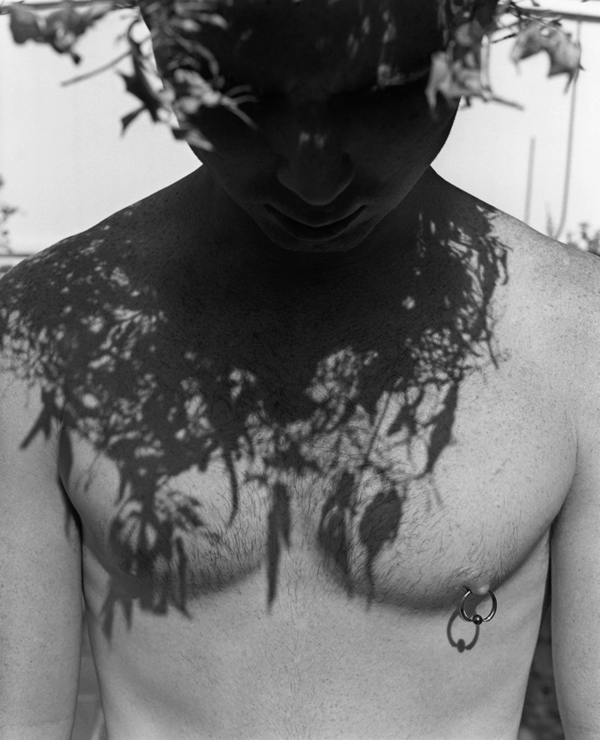
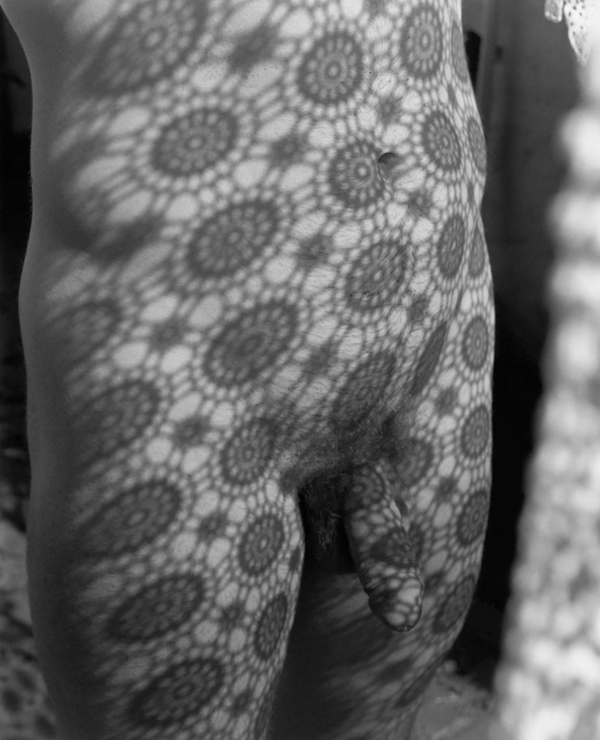
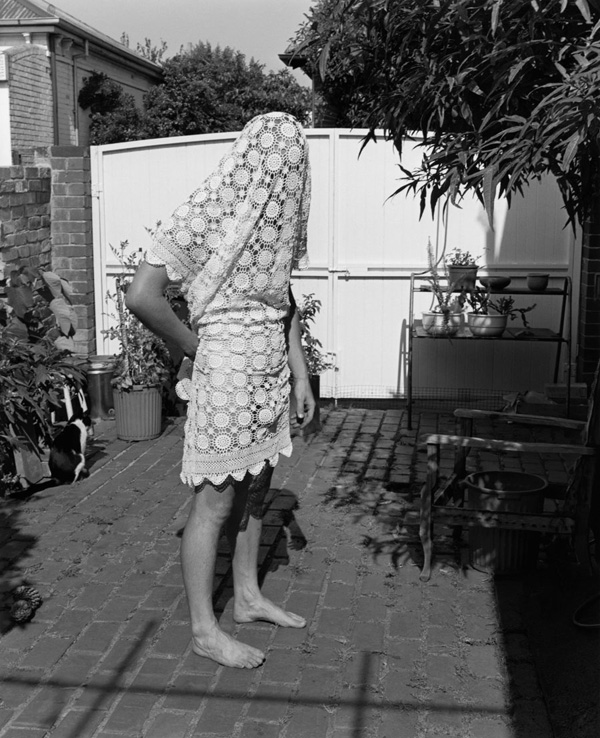
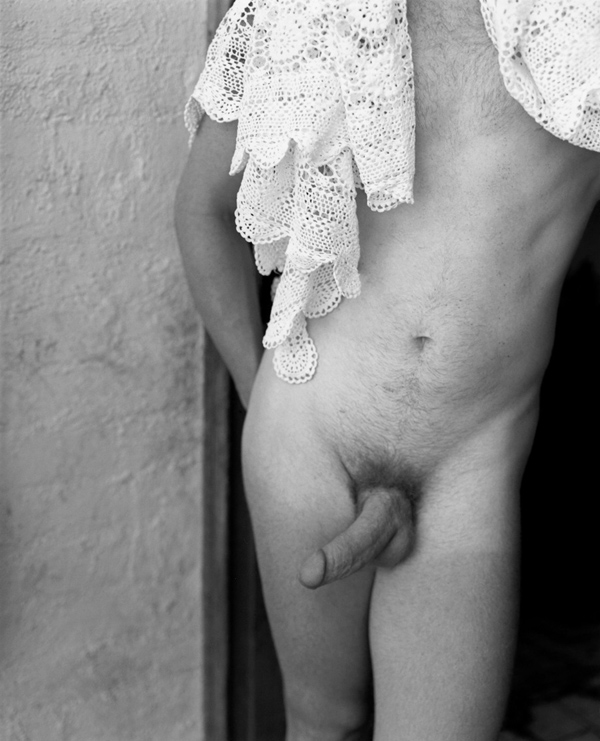
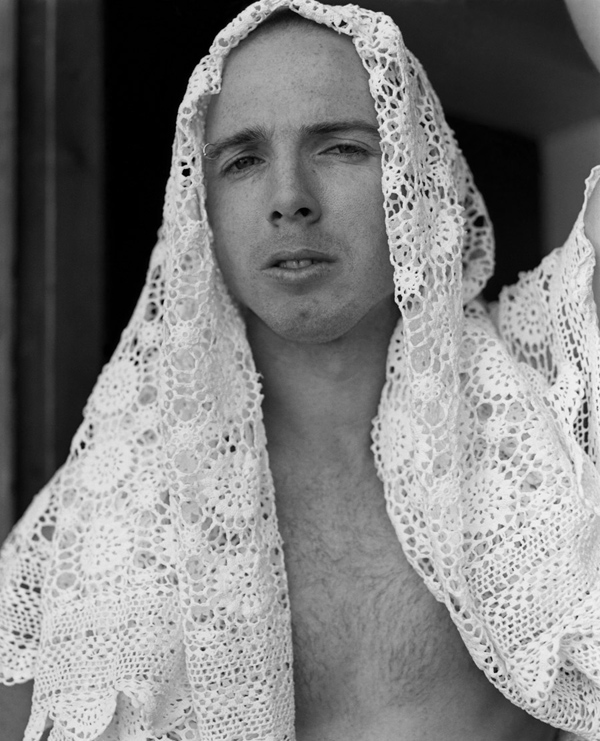
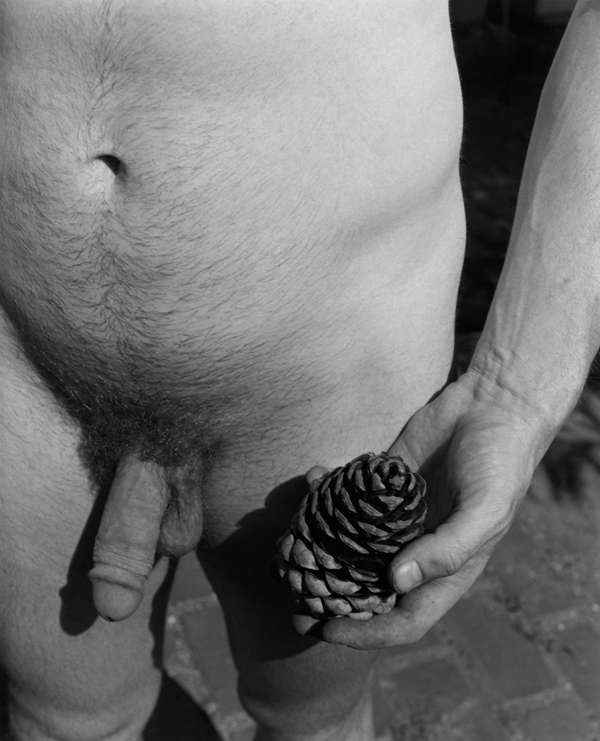
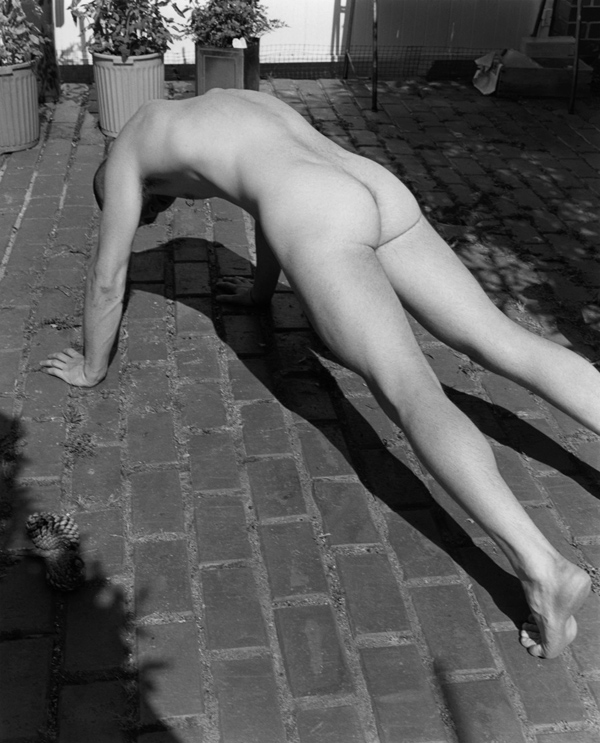
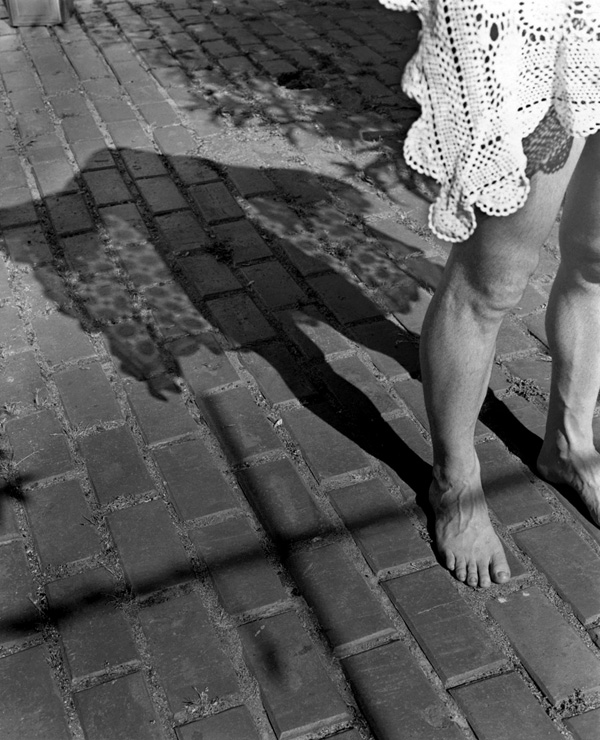
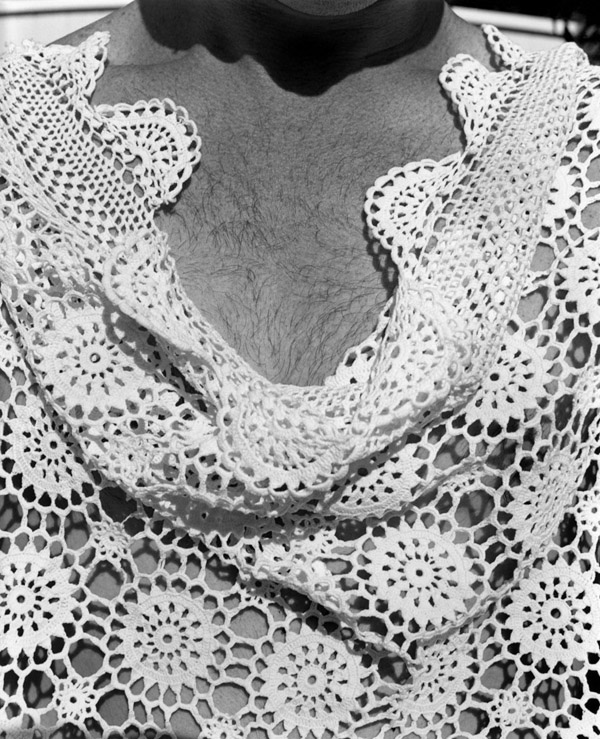
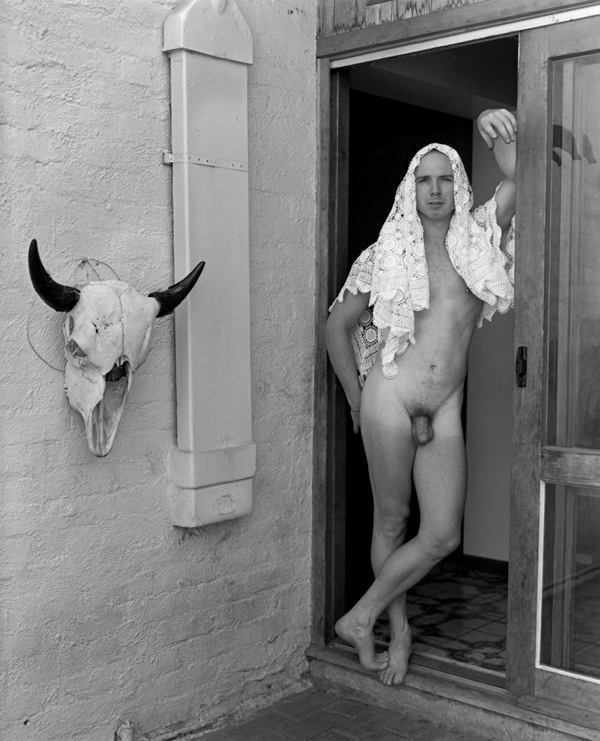
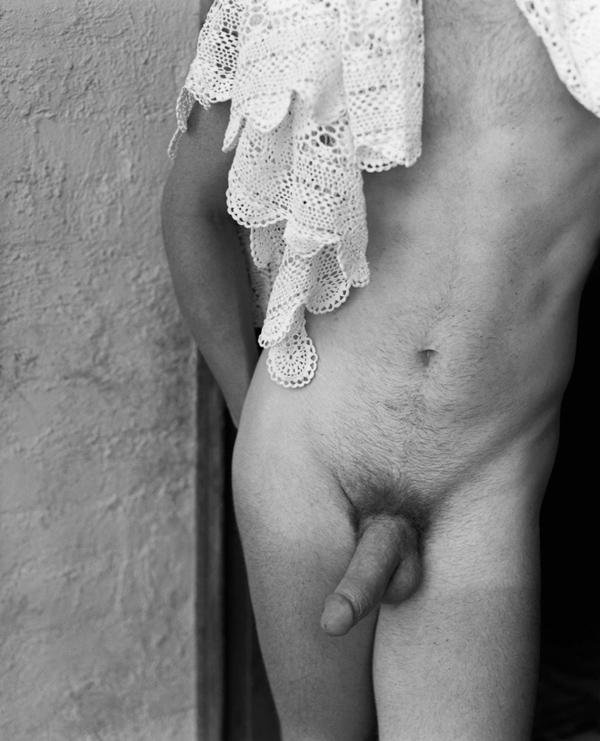
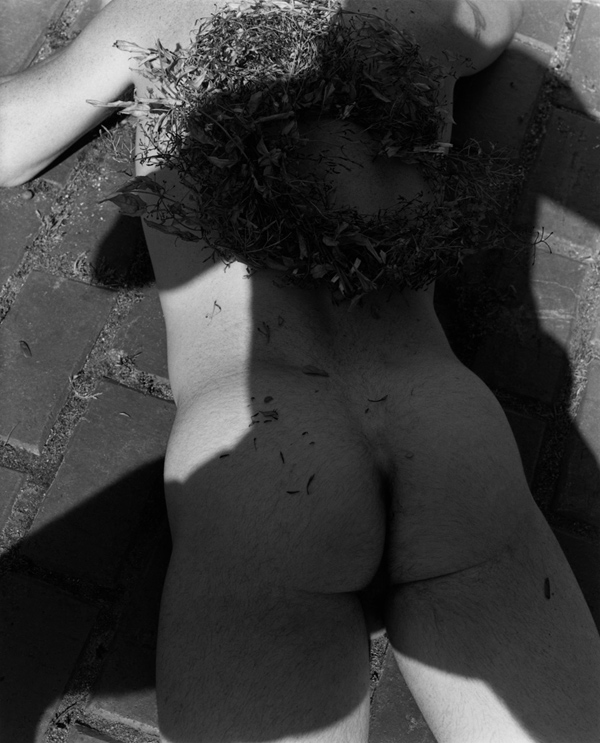
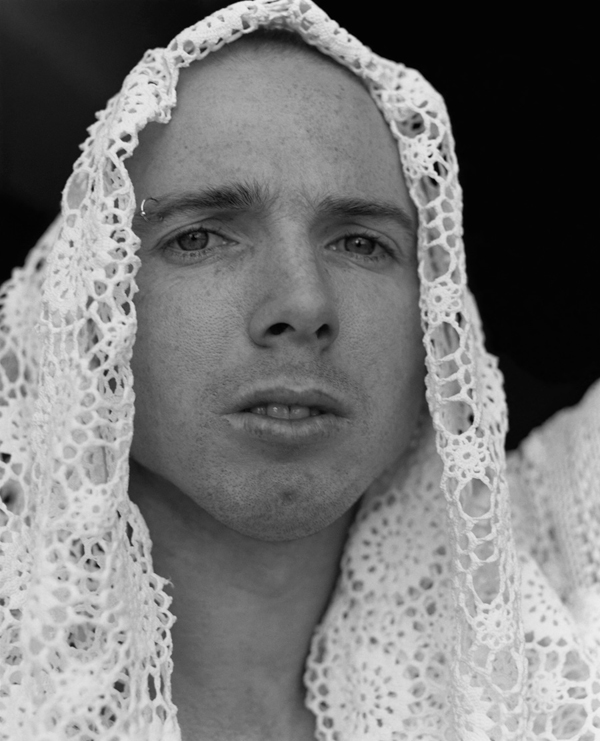
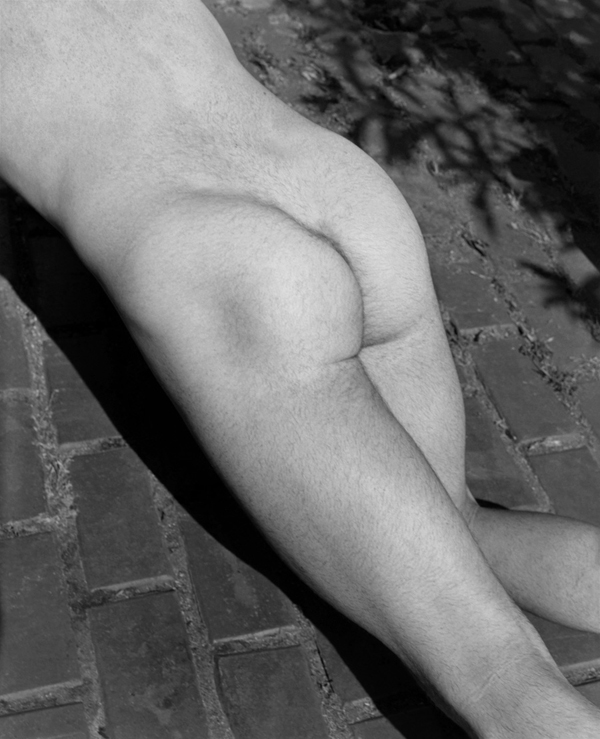
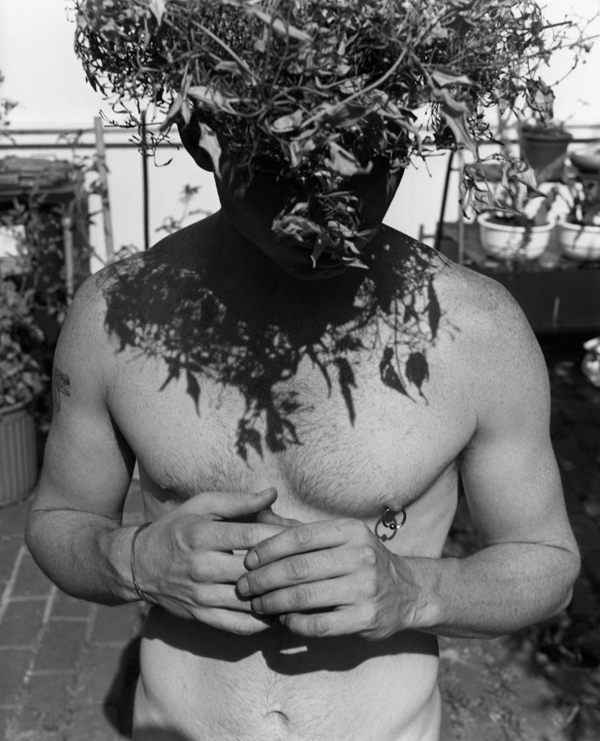
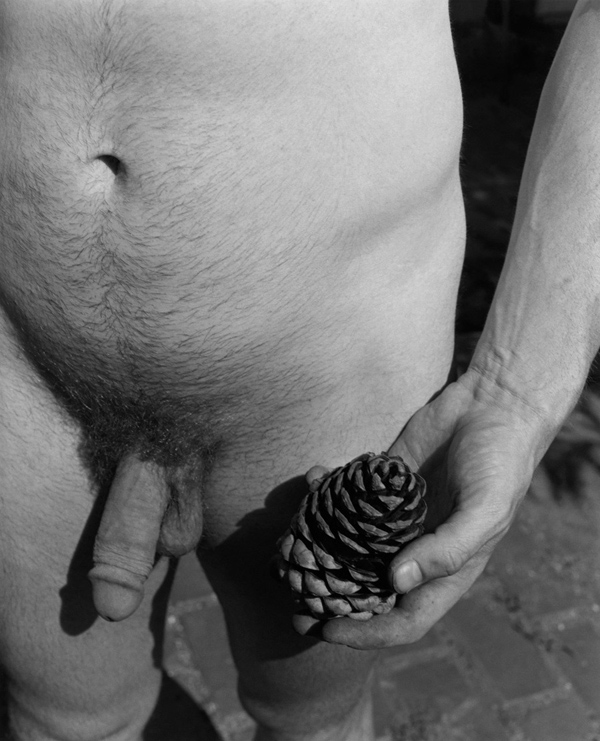
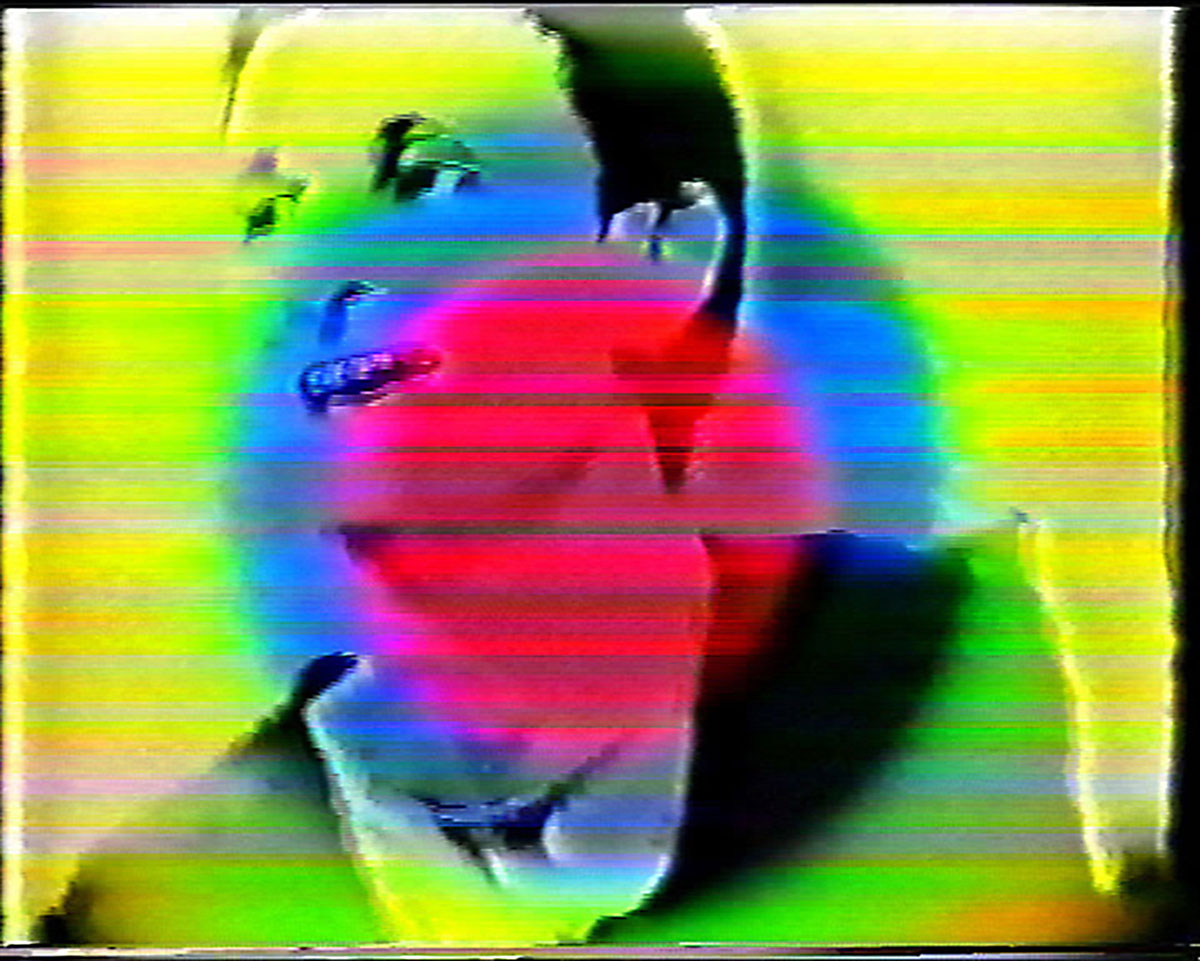

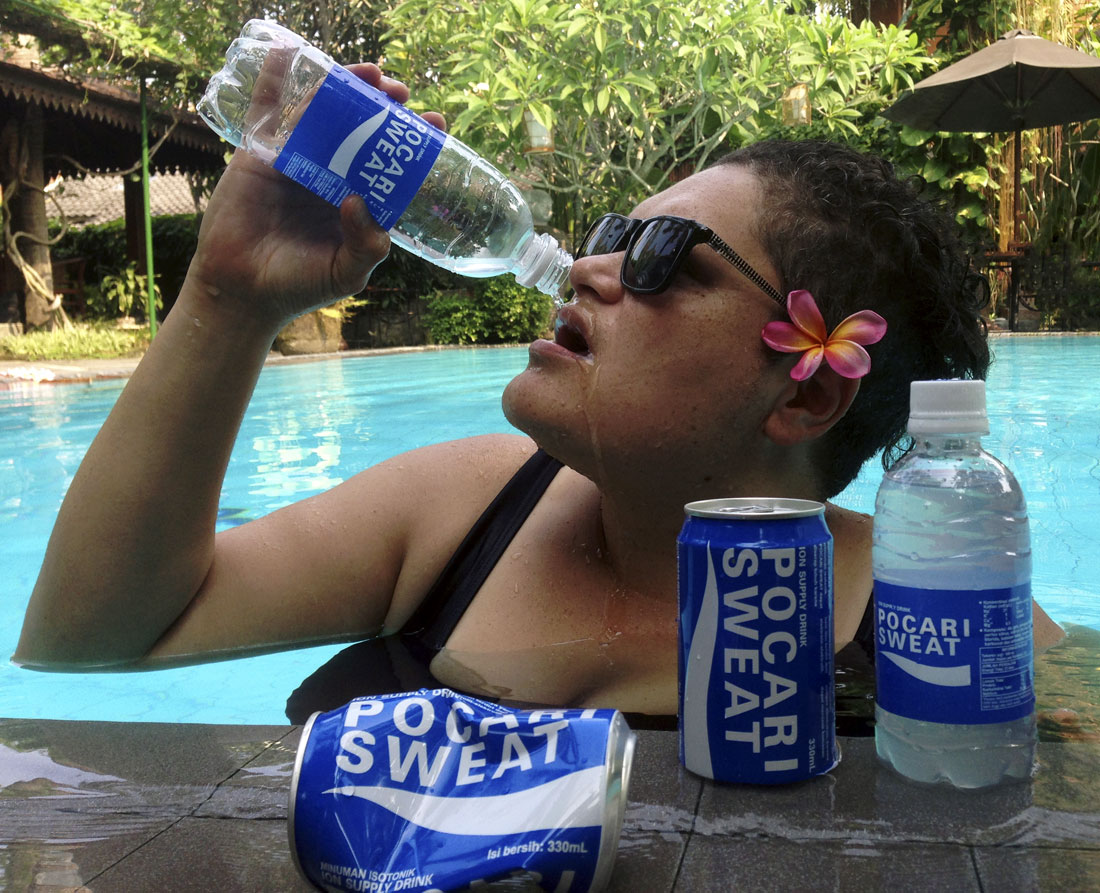
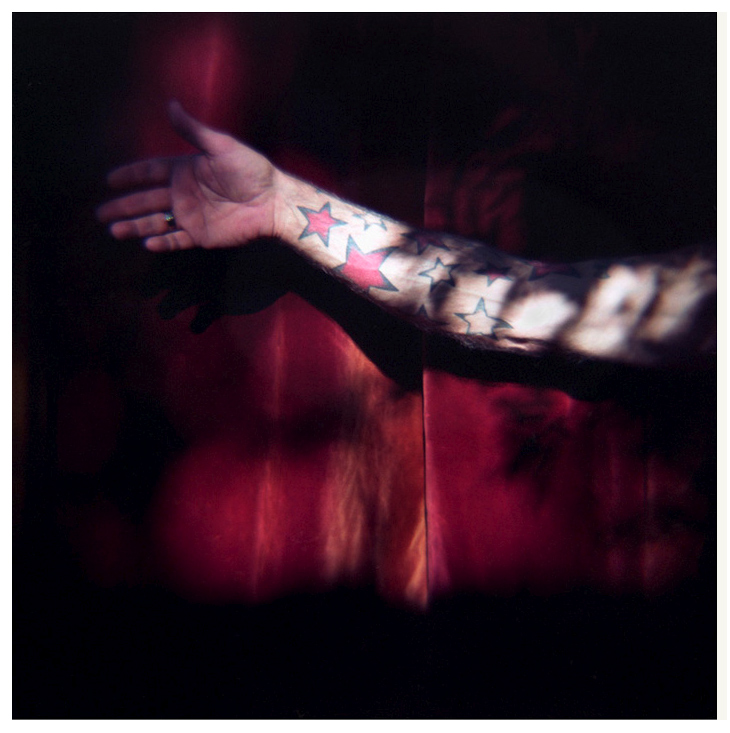
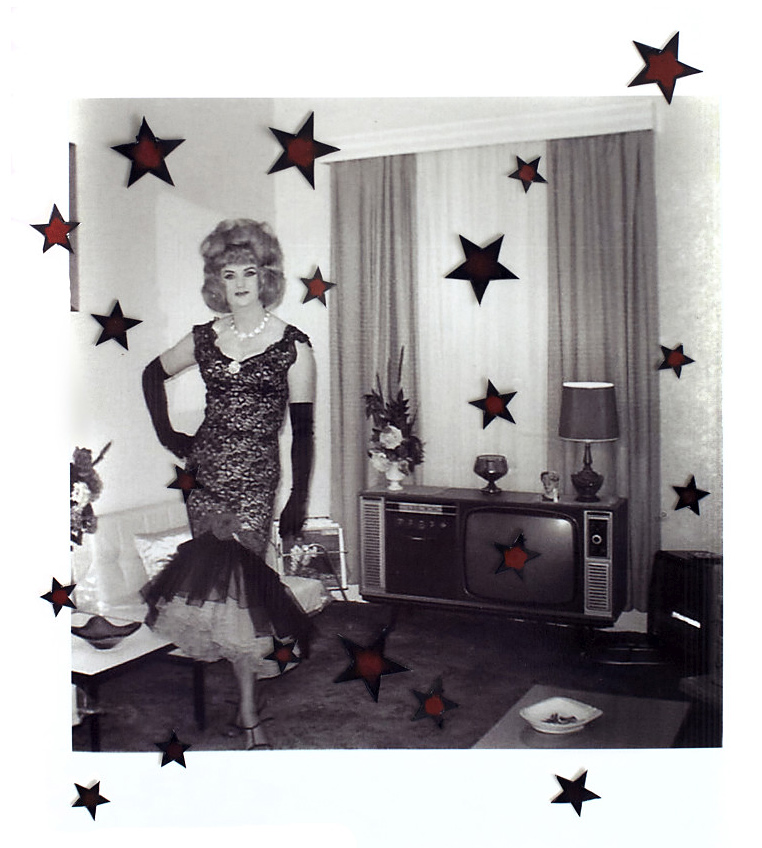
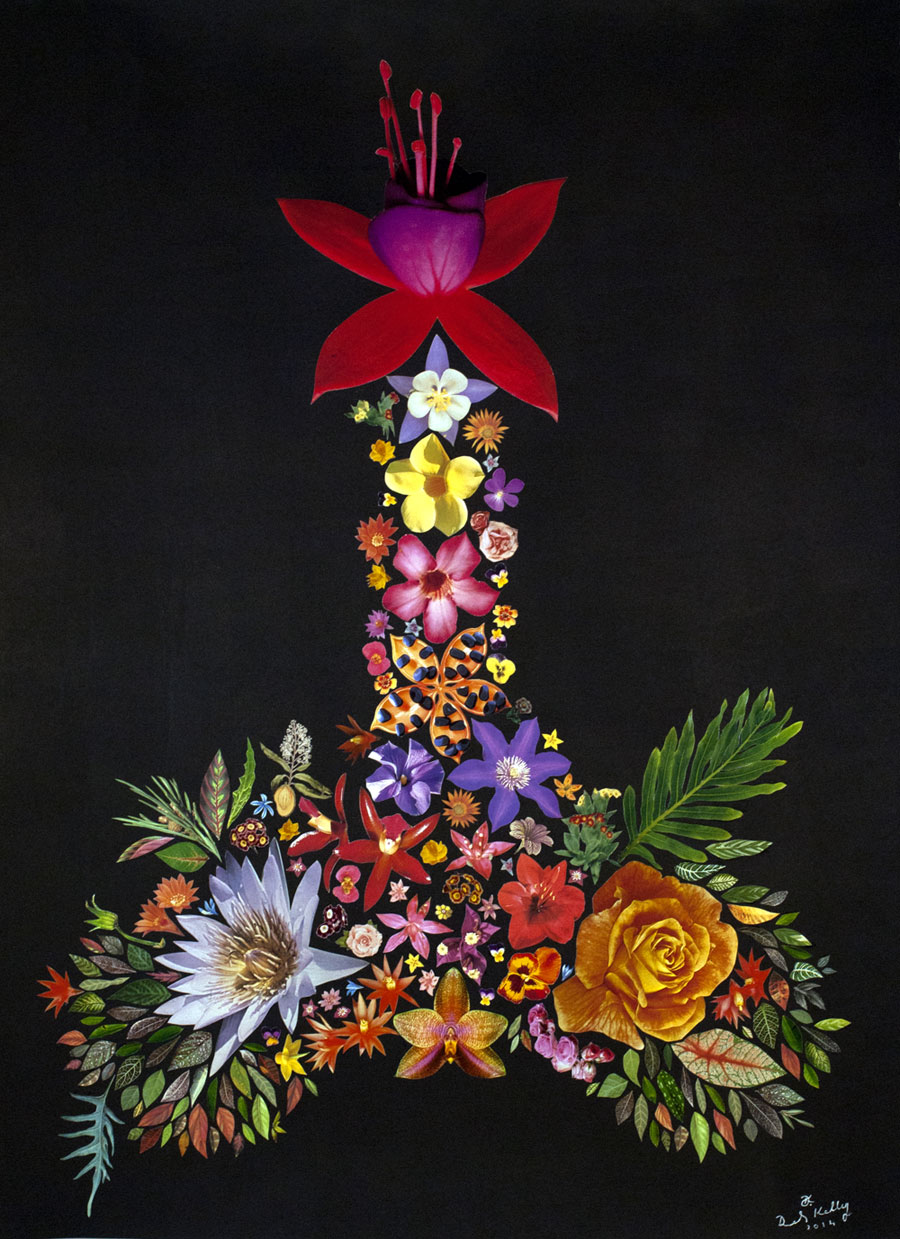
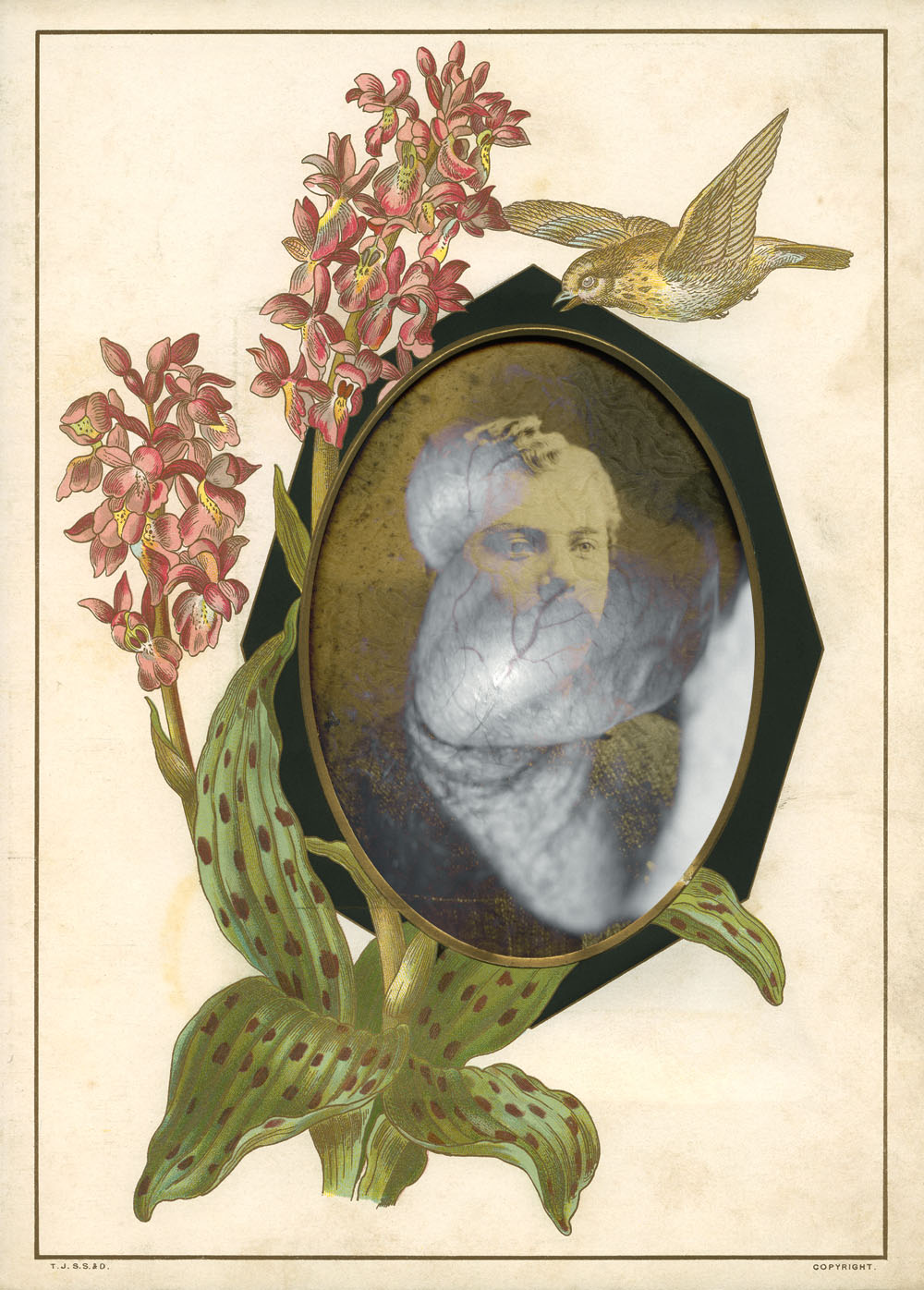
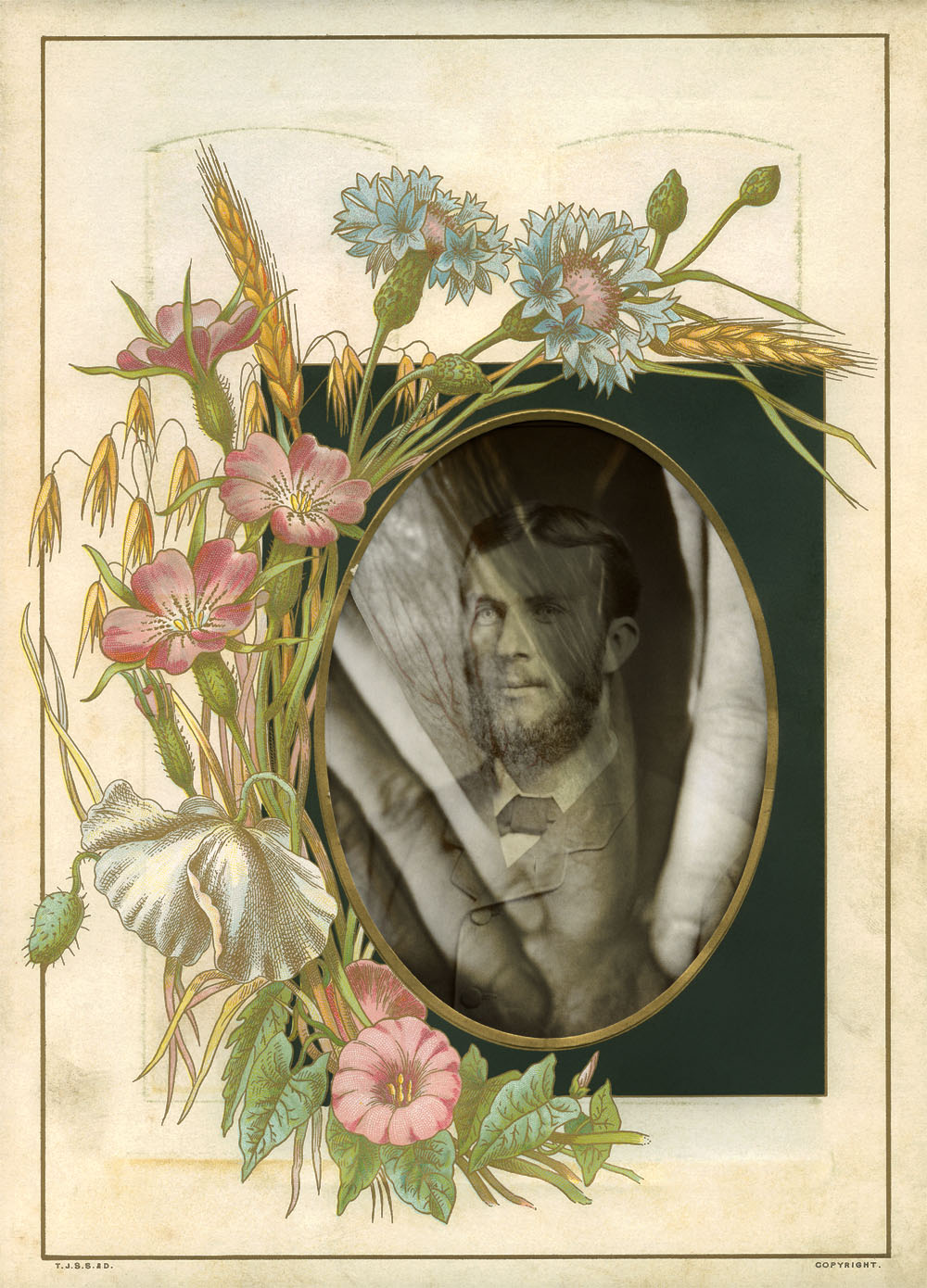





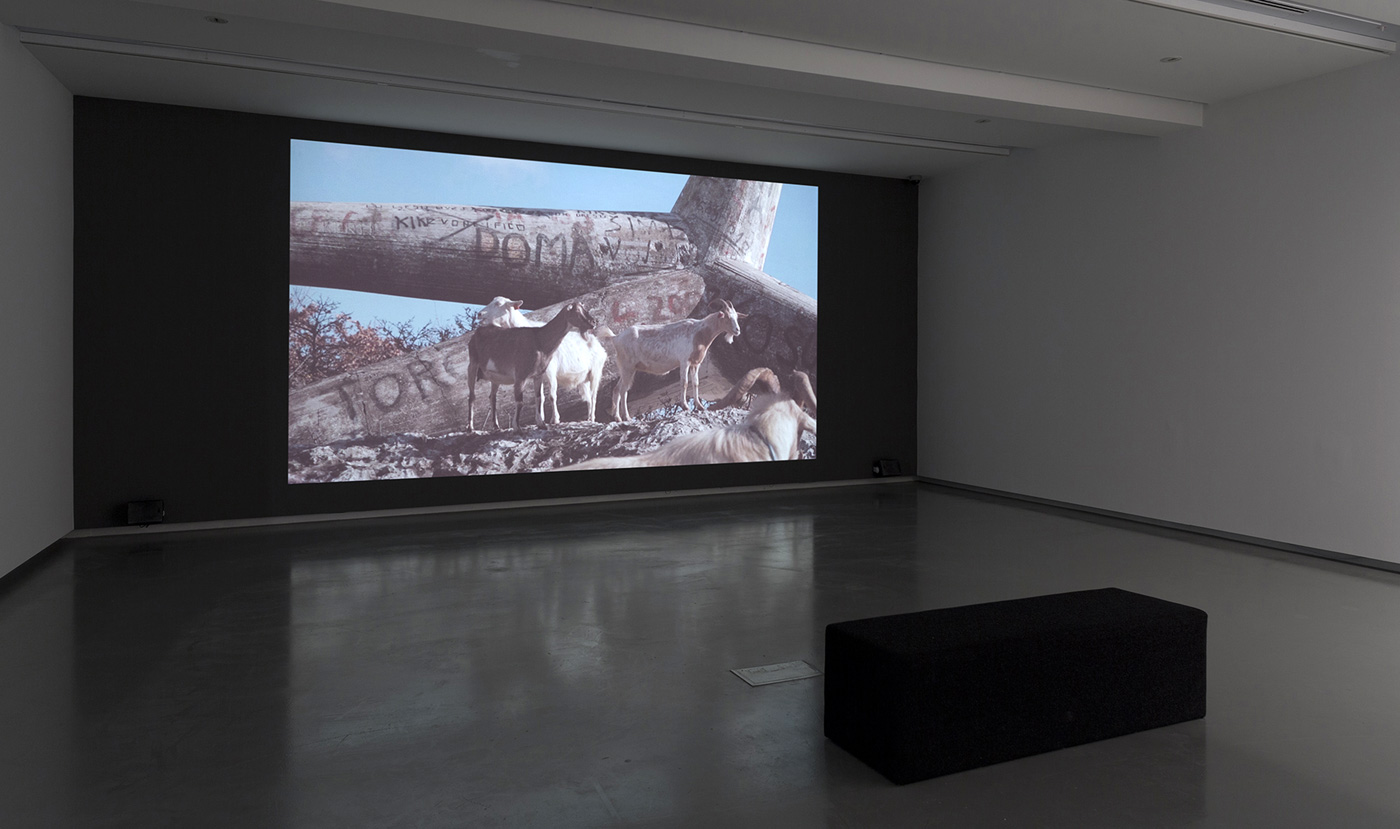


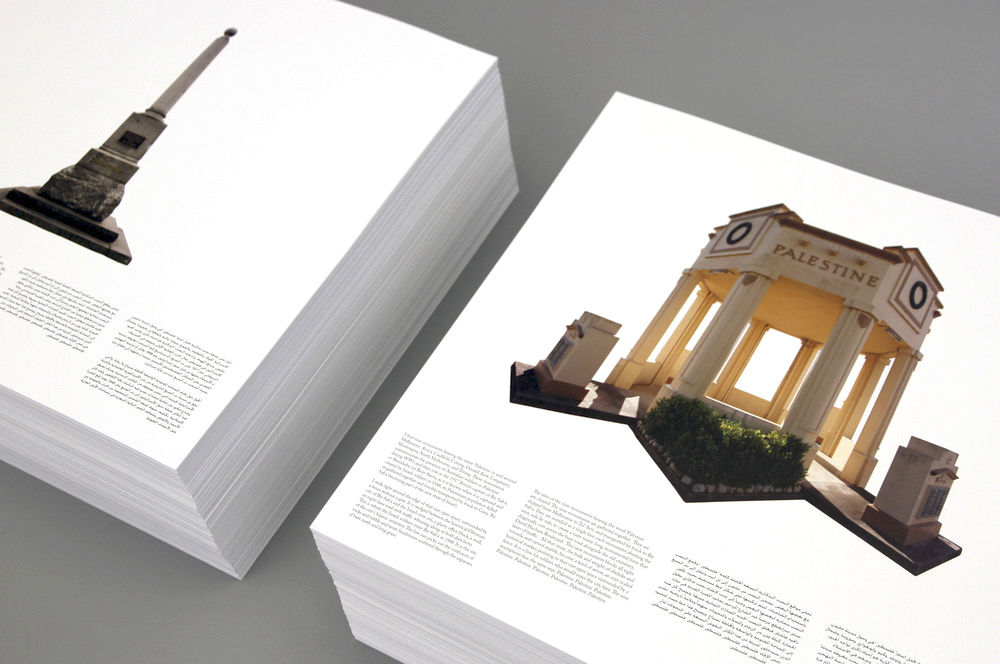
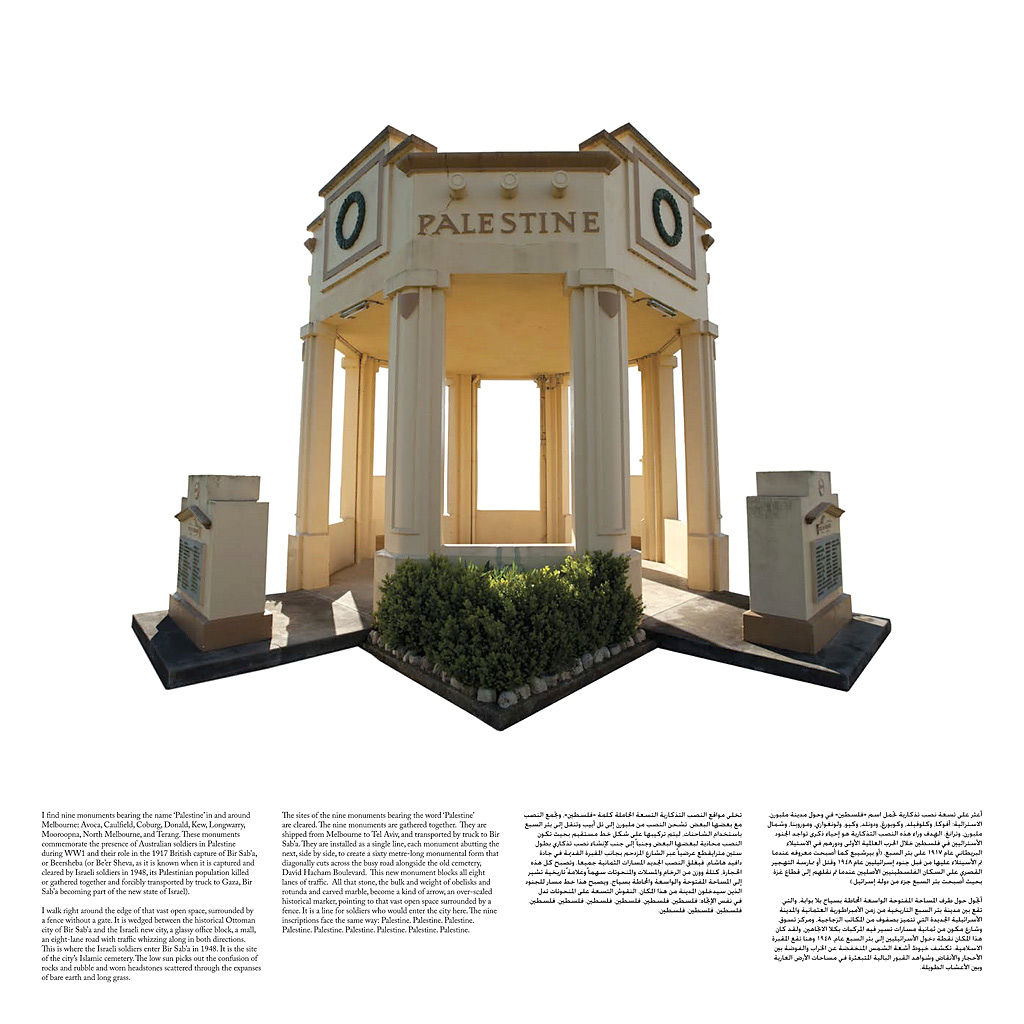


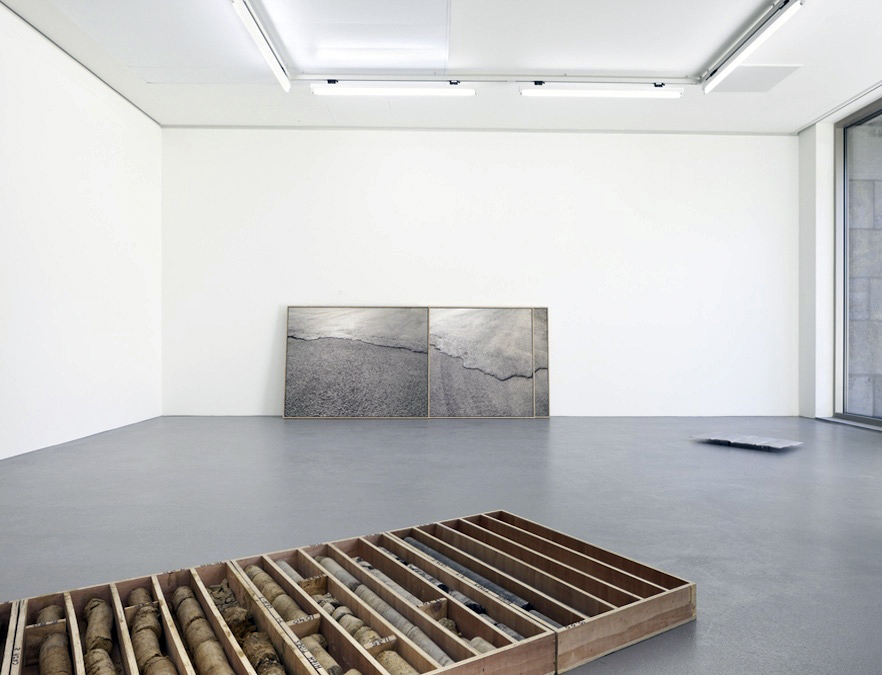


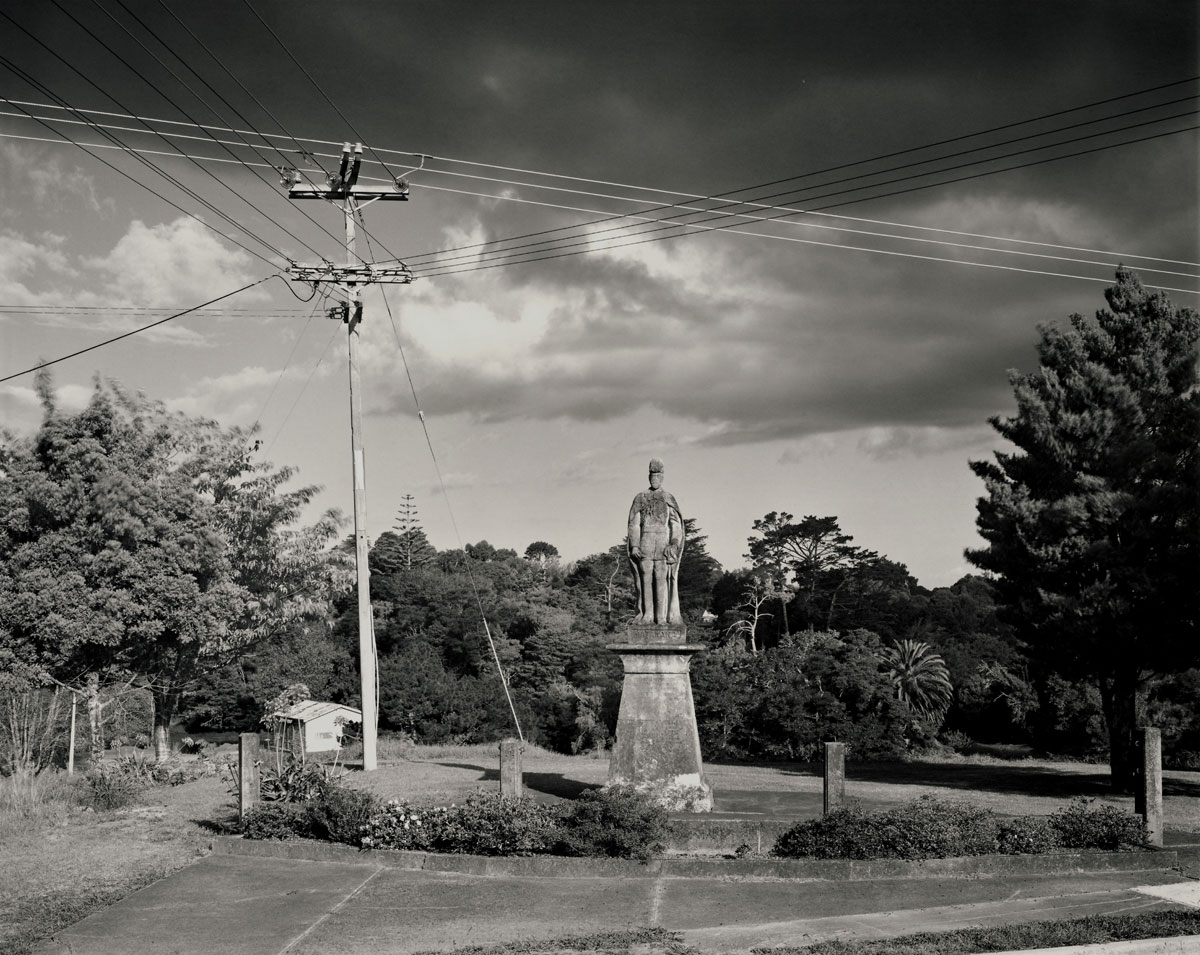


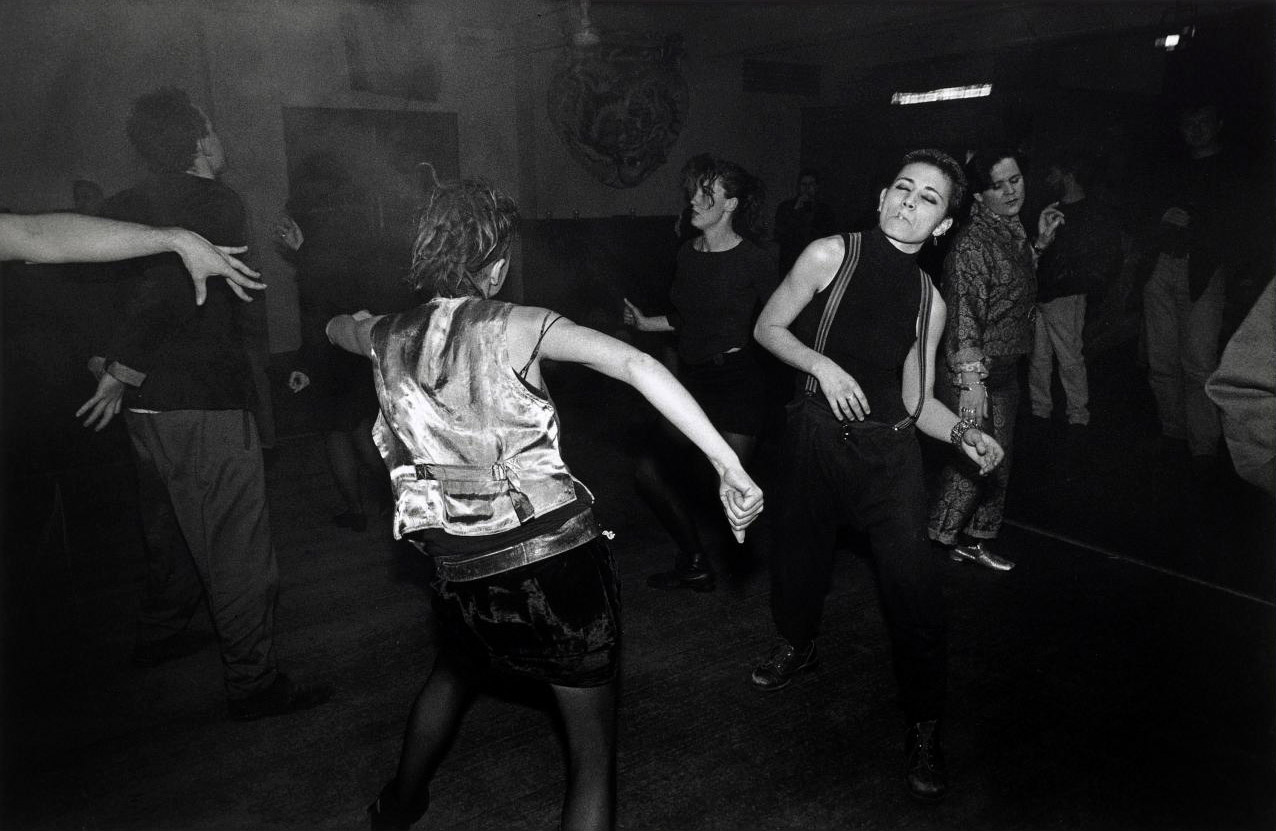


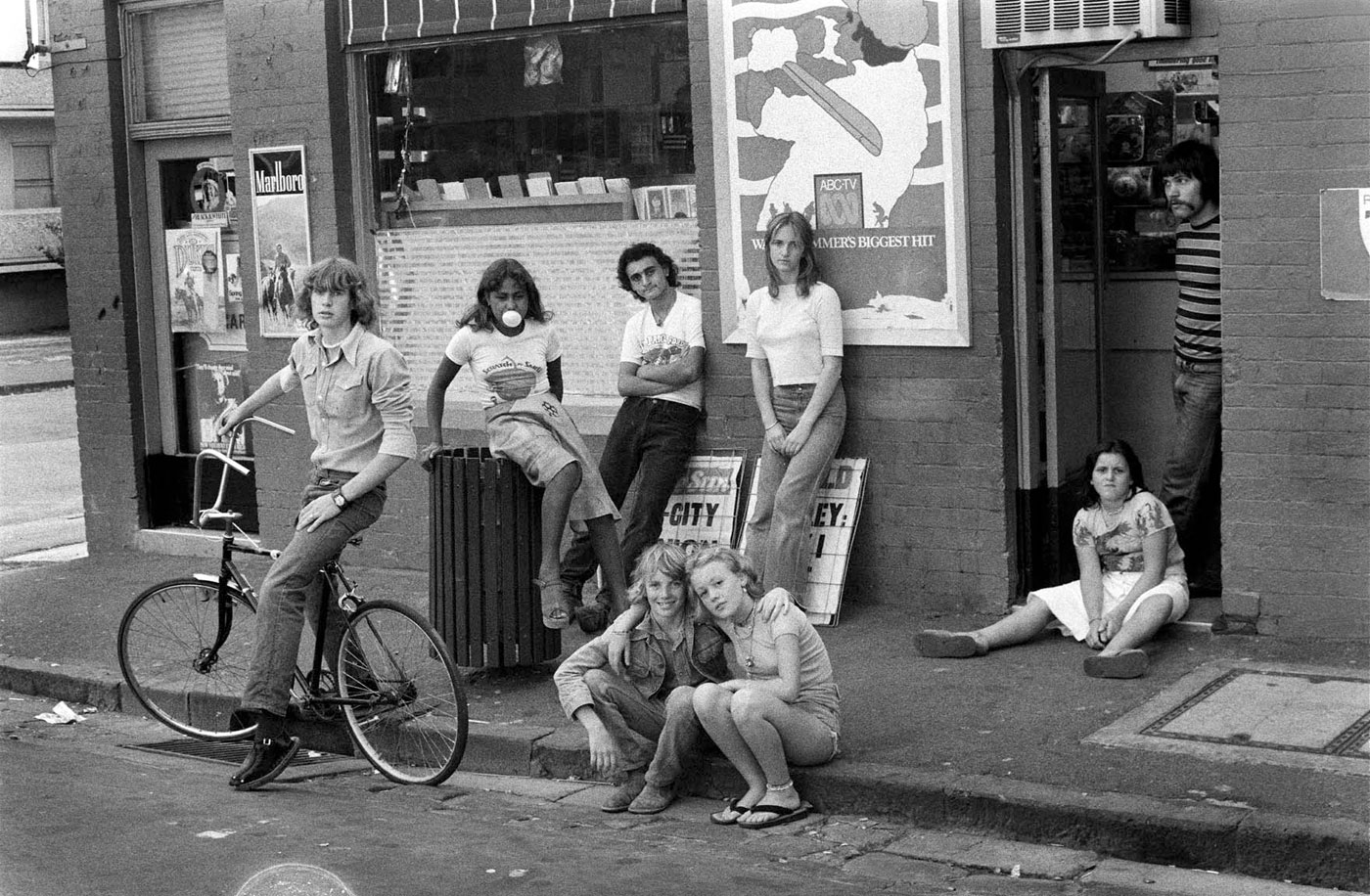
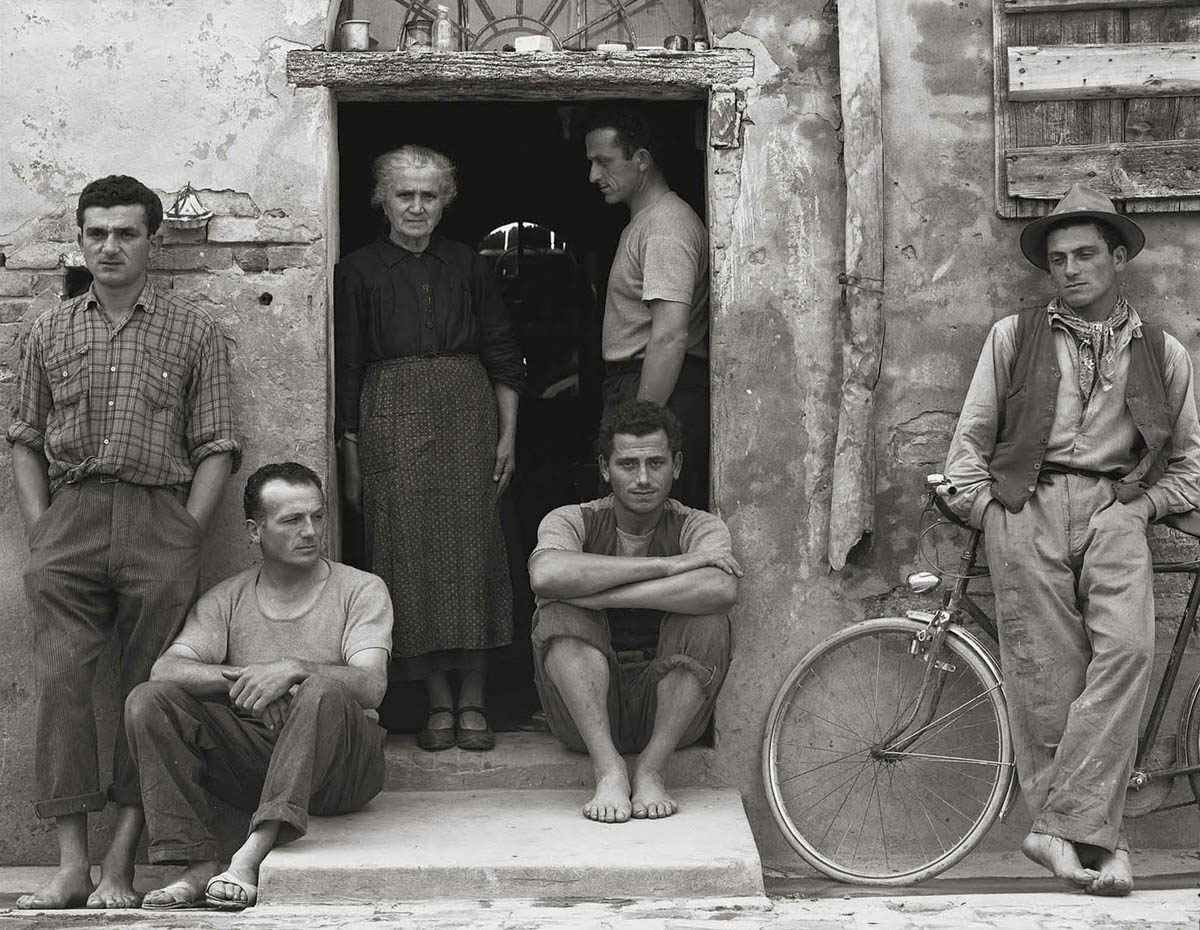
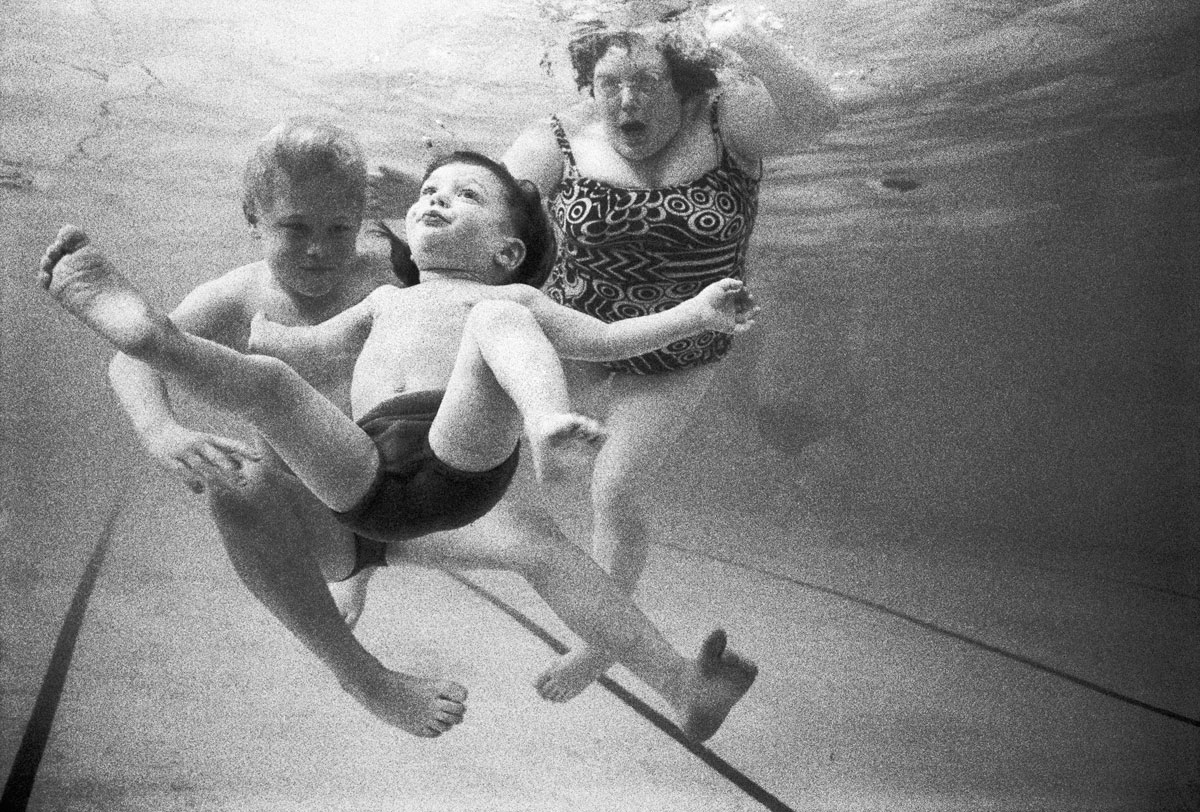
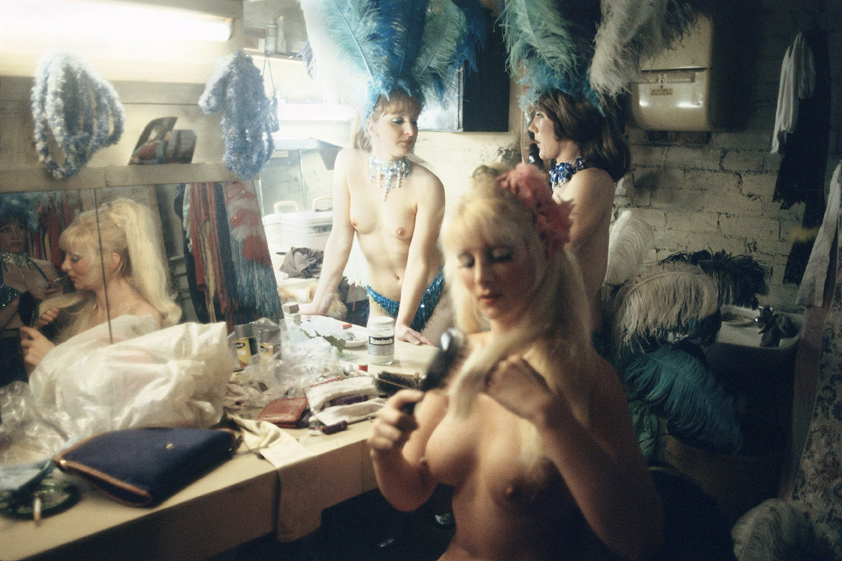


You must be logged in to post a comment.