Marcus Bunyan (Australian, b. 1958) Untitled 2015 Digital photograph From the series Too Much of the Air
Too Much of the Air
After 16 months hard work, I have completed a new 52 image sequence.
These images will be printed large to reinforce the disintegration of the image, technology and human being. Tullio Crali‘s painting Before the Parachute Opens (Prima che si apra il paracadute) (1939) was one of a few starting points, inspirations, for the new sequence.
Below is a selection of images from the sequence. Please click on the photographs for a larger version of the image.
Photographs are available from this series for purchase. As a guide, a digital colour 16″ x 20″ costs $1000 plus tracked and insured shipping. For more information please see my Store web page.
“Imagine being in these planes knowing that you only had moments to live, and knowing that you could do nothing about it. What brought you to that point, what decisions did you take as a human being (or were taken for you) that enacted this scenario.
The “greatness” as the event passes is what is being worked with here. It is the inverse aspect of the sublime. Usually the sublime is regarded as beyond time … but not here. Essentially I am sustaining the last moments of a doomed life, outside of time.
We are unusually privileged to experience the sublime in this way. It is usually a lost aspect through the death of the witness.”
For those of you that remember The Venue, St Kilda and Razor Club, this posting is for you.
This is a FAB exhibition of the life and times of Nick Cave, Roland S Howard, Genevieve McGuckin, Polly Borland, The Boys Next Door, The Birthday Party et al. Peter Milne… the photographs are fantastic, perfectly capturing the spirit, youth and electricity of the times. My god, everyone is so young, so lskinny and Roland is SO androgynous in quite a few of the photos – all eyeliner and come to bed eyes.
Although I never mixed in these circles I occasionally went to The Venue, but Razor was definitely the place to be. One enduring memory was of me, totally off my face on a big party night, climbing up past the ladies loo using the gutter down pipes up to the first floor balcony and clambering over, so that I could go and get someone from management to let us all in.
The hang of the exhibition is perfect. In a flow of images, here is Peter Milne at 17 sitting on a couch with Roland S Howard reading Playboy; Polly Borland at home with a broken, unlit fag hanging from her mouth; and the most beautiful, colour photograph of Nick Cave and Rowland S Howard after Birthday Party gig (1982, below) with arms around each, Nick planting a kiss on the dapper Roland, flocked wallpaper behind. Youth, innocence, life, love, beauty and nostalgia all rolled into one. Gen (Genevieve McGuckin), long-time partner of Roland, has been a friend of mine for years and so it was wonderful to see photographs of her in her youth, as vivacious and delightful then as now.
I loved every second of this exhibition. The creativity of the people, the vibrancy of the ad hoc poses and the sheer joy of living the life – coupled with the magic of the insightful, intuitive images – make this a must see exhibition. If you do anything in Melbourne this coming week, go see this show (ends Saturday, 28th March).
Dr Marcus Bunyan
Many thankx to Strange Neighbour and Peter Milne for allowing me to publish the photographs in the posting. Please click on the photographs for a larger version of the image. All images courtesy of the artist and M.33. Download the Juvenilia web essay (2.7Mb pdf)
Installation photographs of the exhibition Juvenilia at Strange Neighbour, Melbourne Photography:Alex Bell Moffat
Juvenilia brings together for the first time 100 astonishing photographs of friends and family taken by renowned Victorian artist Peter Milne when he was a very young man. Warm, intimate, surprising and already displaying the great compositional skills, originality and humour for which Milne is known, these images offer an unprecedented peep into mid 1970s to mid 1980s Melbourne and a milieu of people who would go on to play pivotal roles in Melbourne’s burgeoning cultural scene.
Starting in 1976 when Milne was 16 and photographing school friends Gina Riley and Rowland S Howard, through to images of the legendary band, the Boys Next Door lounging in Nick Cave’s bedroom in his parents’ house, the first Boys Next Door gig and photo shoot, parties, trips to the country, outings to the beach, rehearsals and a full length photo essay tracing A Day in the Life of Rowland S Howard, the photographs feature a dazzling cast including Anita Lane, Blixa Bargeld, Tony Clark, Polly Borland and Mick Harvey as well as Milne’s less famous but equally interesting friends and family.
Peter Milne is based in Castlemaine. He has exhibited extensively around Australia and internationally. He has had three monographs of his work published: When Nature Forgets (M.33, Melbourne, 2013), Beautiful Lies – Notes Towards a History of Australia (QCP, Brisbane, 2011) and Fish in a Barrel – Nick Cave & The Bad Seeds on Tour (Tender Prey, London, 1993). He is represented by M.33, Melbourne.
I was initially quite dubious when curators Linsey Gosper and Helen Frajman approached me about exhibiting this work because it is so obviously the product of a callow youth (the earliest images on show here were shot when I was 16 years old, soon after the dismissal of the Whitlam government in the mid 1970s).
I was placated by the argument that the work had some kind of historical value that negated my concerns about poor technique and the visible signs of decay in an archive that has been poorly stored for the last four decades but I still felt uncomfortable. I think my key anxiety was the possibility that I would come across like one of those figures we’ve seen in numerous, recent documentaries about the Punk days in Melbourne – fat, balding, middle-aged individuals banging on about how amazing they were when 18 years old. As a fat, balding, middle-aged artist (with visible signs of decay) I try to be more focused on my next body of work than I am on images I produced so very, very long ago.
However, having pulled the negatives and slides out of their dusty boxes, I now see some merit in them. I am immediately struck by the evidence that I really did hang out with some lovely, clever people who went on to fulfil much of the creative potential that they so clearly promised.
I cannot say that life in Melbourne in the late 1970s and early 1980s was bliss (because the city had some meagre, stale and forbidding ways) but it was a time and a place where I found myself in the company of a cohort with great inventive energy and all the joyous arrogance of youth.
Looking at these images now, I see that my friends and family were every bit as beautiful as I remember them.
My friends and I were in our mid-teens and we’d heard about the coming of Australian punk: the Saints in Brisbane and Radio Birdman in Sydney. We’d been to a few gigs at Burnhearts, a gay venue housed in the old ‘Thumping Tum’ that had given up its Tuesday nights to punk. We’d seen Fiction, the Negatives and News there. Punk had exploded across the world, not that you’d know it in Melbourne unless you were one of the few hundred weirdo kids who listened to the new Community Radio station 3RMT FM.
Every form of popular music culture was about something from outside of Australia, untouchable and inaccessible to us. On the other hand, punk was raw and exciting, friends who could strum a few chords had started picking up guitars and all of a sudden, some of us were playing something that resembled music, sure it was dumb and clumsy but it was also empowering and exhilarating.
There was a girl at my high school, Jenny Shannon. Jenny had been telling me and my mates of when her good friend Anita Lane had taken her to see the coolest punk band in Melbourne, so we had to check them out, but each attempt was thwarted with false gig listings and cancellations. Finally, we heard of a gig in Footscray Gardens where Suicide Records were promoting the release of their ‘Lethal Weapons’ compilation LP with a free open air punk gig. We rolled across to Footscray on a beautiful sunny day with the occasional sun shower. In the old red rattler, we were amongst about 50 curious, pimply kids with our hair becoming shorter as our conviction for this new thing grew.
On this particular day punk bands played, loud, distorted music with no frills and minimal production. The Boys Next Door, a tall skinny gang of guys in black, stove pipe pants, long black duffel coats, high collars turned up and mean, superior stares saunter in. “Rowlands here” Jenny whispers “He’s not a member of the band he’s just a friend of Nicks.” Who’s Rowland? Who’s Nick I’m wondering? “We’re the Boys Next Door” one of them spits. With that, the sky suddenly opens and people run for the cover of the trees.
The promoter jumps onto the mic and announces that due to rain they won’t play. There’s a round of booing from 50 people who wanna witness the spectacle of some real punk bands like animals in a zoo. The tall skinny guy grabs the mic, “We’re not fucking playing!” “That’s Nick” says Jenny… more boos… “Fuck off” says skinny guy, so we’ve seen them now, they seem like real assholes and I can’t wait to actually hear ’em live. As we walk back to the station in the drizzle I’ve got Dum Dum Boys by Iggy Pop ringing in my head…
“The first time I saw the dum dum boys I was fascinated”
I didn’t get to catch the Boys Next Door properly until a few months later at the VCA, it was Rowlands 1st gig as the new member of the band…
“I was most impressed. No one else was impressed… they looked as if they put the whole world… down”
This era was exhilaration, bright, skinny, sharp, obnoxious vitality, compelling handsome boys with eyeliner, well-spoken brats with beautiful intelligent sharp witted girls hanging off their arms, the birth of a movement in popular culture that had come to kick the ass of everything that had come before it, to burn brightly and then splinter off into a million shiny pieces. Peter Milne was there at its birth, captured the first sparks of this Super Nova going off. Fortunately he was the only kid around at the time with a good camera who actually knew how to use it to recognise a bunch of ascending stars and shoot those “Fish in a Barrel.”
Quincy McLean 2015
The Birthday Party Nick The Stripper 1981
Band Location: Melbourne, VIC, Australia Track: Nick The Stripper Album: Prayers On Fire Composed By: Nick Cave Produced by: Tony Cohen & The Birthday Party
Exhibition dates: 17th October – 7th December, 2014
Artists: Micky Allan, Pat Brassington, Virginia Coventry, Sandy Edwards, Anne Ferran, Sue Ford, Christine Godden, Helen Grace, Janina Green, Fiona Hall, Ponch Hawkes, Carol Jerrems, Merryle Johnson, Ruth Maddison, Julie Rrap, Robyn Stacey.
Curator: Shaune Lakin
Christine Godden (Australian, b. 1947) Joanie pregnant 1972 From the series Family Gelatin silver print 15.3 x 22.6cm Courtesy of the artist
With the National Gallery of Victoria’s photography exhibition program sliding into oblivion – the apparent demise of its only dedicated photography exhibition space on the 3rd floor of NGV International; the lack of exhibitions showcasing ANY Australian artists from any era; and the exhibition of perfunctory overseas exhibitions of mediocre quality (such as the high gloss, centimetre deep Alex Prager exhibition on show at the moment at NGV International) – it is encouraging that Monash Gallery of Art consistently puts on some of the best photography exhibitions in this city. This cracker of an exhibition, the last show curated by Shaune Lakin before his move to the National Gallery of Australia (and his passionate curatorial concept), is no exception. It is one of the best photography exhibitions I have seen all year in Melbourne.
Most of the welcome, usual suspects are here… but seeing them all together is a feast for the eyes and the intellect. While most are social documentary based photographers what I like about this exhibition is that there is little pretension here. The artists use photography as both a means and an end, to tell their story – of mothers, of workers, of dancers, of lovers – and to depict a revolution in social consciousness. What we must remember is the period in which this early work appeared. In the 1970s in Australia there were no formal photography programs at university and photography programs in techs and colleges were only just beginning: Photography Studies College (1973) in South Melbourne, Prahran College of Advanced Education (Paul Cox, John Cato, 1974) and Preston Tech (c. 1973, later Phillip Institute) were all set up in the early 1970s. The National Gallery of Victoria photography department was only set up in 1969 (the third ever in the world) with Jenny Boddington, Assistant Curator of Photography, was appointed in 1972 (later to become the first full time photography curator). There were three commercial photography galleries showing Australian and international work in Melbourne: Brummels (Rennie Ellis), Church Street Photographic Centre (Joyce Evans) and The Photographers Gallery (Paul Cox, John Williams, William Heimerman and Ian Lobb). While some of the artists attended these schools and others were self taught, few had their own darkroom. It was not uncommon for people to develop their negatives and print in bathrooms, toilets, backyard sheds and alike – and the advise was to switch on the shower before printing to clear the dust out of the air, advise in workshops that people did no bat an eyelid at.
What these women did, as Julie Millowick (another photographer who should have been in this exhibition, along with Elizabeth Gertsakis and Ingeborg Tyssen for example) observes of the teaching of John Cato, was “bring to the work knowledge that extended far beyond picking up a camera or going into a darkroom. He [Cato] believed that you must bring to every image you create a wide depth of insight across social, cultural and historical concerns. John was passionate in his belief that an understanding of humanity and society was crucial to our growth as individuals, and ultimately our success as photographers.”1 And so it is with these artists. Never has there been a time in Australian photography when so much social change has been documented by so few for such great advantage. In all its earthiness and connection, the work of these artists is ground breaking. It speaks from the heart for the abused, for the disenfranchised and downtrodden. The work is not only for women by women, as Ponch Hawkes states, but also points the way towards a more enlightened society by opening the eyes of the viewer to multiple points of view, multiple perspectives.
There are few “iconic” images among the exhibition and, as Robert Nelson notes in his review in The Age, little pretension to greatness. One of the surprising elements of the exhibition is how the four photographs by Carol Jerrems (including the famous Vale Street, 1975), seem to loose a lot of their power in this company. They are out muscled in terms of their presence by some of the more essential and earthy series – such as Women at work by Helen Grace and Our mums and us by Ponch Hawkes – and out done in terms of their sensuality by the work of Christine Godden. These were my two favourite bodies of work: Our mums and us and Christine Godden’s sequence of 44 images and the series Family.
Hawkes’ objective series of mother/daughter relationships are deceptively simple in their formal structure (mother and daughter positioned in family homes usually looking directly at the camera), until you start to analyse them. Their unpretentious nature is made up of the interaction that Hawkes elicits from the pairing and the objet trouvé that are worn (the cowgirl boots in Ponch and Ida, 1976) or surround them (the carpet, the table, the plant and the painting in Mimi and Dany, 1976). This relationship adds to the power of the assemblage, juxtaposition of energy and form being a guiding principle in the construction of the image. While the environment might be ‘natural’ it is very much constructed, both physically and psychologically, by the artist.
The work of Christine Godden was a revelation to me. These small, intense images have a powerful magnetism and I kept returning to look at them again and again. There is sensitivity to subject matter, but more importantly a sensuality in the print that is quite overwhelming. Couple this with the feeling of light, space, form and texture and these sometimes fragmentary photographs are a knockout. Just look at the sensitivity of the hands in Untitled,c. 1976. To see that, to capture it, to reveal it to the world – I was almost in tears looking at this photograph. The humanity of that gesture is something that I will treasure.
The only criticism of the exhibition is the lack of a book that addresses one of the most challenging times in Australian photographic history. This important work deserves a fully researched, scholarly publication that includes ALL the players in the story, not just those represented here. It’s about time. As a good friend of mine recently said, “Circles must expand as history moves away from a generation and cohort and, hopefully, the future will ask its own questions” … and I would add, without putting the blinkers on and creating more ideology.
Dr Marcus Bunyan
Footnotes
1/ Julie Millowick and Christopher Atkins. “Dr John Cato – Educator,” in Paul Cox and Bryan Gracey (eds.,). John Cato Retrospective. Melbourne: Wilkinson Publishing, 2013.
“As feminism took off among intellectuals of both sexes, art history would sometimes be interrogated to account for the reasons why there were relatively few great female artists.
While art historians would create reasonable apologies and impute the deficit to centuries of disadvantage to women, it was left to women artists to construct a view of art that redefined the stakes.
They sought a vision that didn’t see art as line-honours in transcendent inventions but a conversation that furthered the sympathy and consciousness of the community”
Robert Nelson The Age Wednesday November 5, 2014
Pat Brassington (Australian, b. 1942) Untitled 1984 (1) From the series 1 + 1 = 3 Gelatin silver print 18 x 28cm Monash Gallery of Art, City of Monash Collection Courtesy of the artist, ARC ONE Gallery (Melbourne), Stills Gallery (Sydney) and Bett Gallery (Hobart)
Pat Brassington‘s photographs have often made use of the artist’s home and family life as subject matter. The photographs included in this exhibition were taken during the early 1980s and, with their tight cropping and diagonal obliques, suggest that family life is an anxious and ambivalent place. Erotically charged body parts – whether partner’s or offspring – are left to hang, like fetish objects drifting through a dream. Brassington is consciously mining the clichés of psychoanalysis, with her focus on shoes, panties and an ominous father figure, but she reworks this symbolism with a comical lightness that is closer to a teen horror film than the analyst’s couch.
Helen Grace Women at work, Newcastle 1976 From the series Series 1 Gelatin silver prints 17.5 x 11.6cm (each) Courtesy of the artist
Helen Grace Women at work, Newcastle 1976 From the series Series 2 Gelatin silver prints 11.6 x 17.5cm (each) Courtesy of the artist
Helen Grace Women at work, Newcastle (detail) 1976 From the series Series 2 Gelatin silver prints 11.6 x 17.5cm (each) Courtesy of the artist
Helen Grace was a member of the Sydney-based feminist collective Blatant Image (which also included Sandy Edwards), which formed around the Tin Sheds at Sydney University. The collective was interested in examining and reconfiguring the representation of women in popular culture, and also in developing alternative venues for socially conscious art and film. The photographs displayed here point to the two interconnected preoccupations of Grace’s work at this time: the social and cultural construction of motherhood and femininity (and the way that each of these categories are produced by and through consumerism and popular culture), and the documentation of women’s labour. An active member of Sydney’s labour movement, Grace photographed women working in a range of workplaces (including factories and hospitals) for both the historical record and as promotional aids for activist organisations.
Grace’s Women seem to adapt to repetitive-type tasks was widely shown in Sydney and Melbourne, including the exhibition The lovely motherhood show (1981). This work of seven panoramas depicting a string of nappies on a washing line at once points towards the inexorable tediousness of motherhood, and at the same time attempts to demystify the romantic myths of motherhood found in contemporary advertising and popular culture. Grace’s photographs were also widely used in posters produced by trade union and women’s groups. During the 1970s and 1980s screen printing was a cheap and effective way to incorporate photographic imagery into posters. Community groups also embraced screen printing because its aesthetic stood in opposition to commercial advertising, and the process lent itself to a do-it-yourself work ethic.
Merryle Johnson (Australian, b. 1949) Outside the big top 1979-1980 From the series Circus Hand coloured gelatin silver prints Monash Gallery of Art, City of Monash Collection Donated by Merryle Johnson, 2014
Merryle Johnson‘s photographic feminism sits alongside her contemporaries Micky Allan and Ruth Maddison. In the first instance, it is expressed in the autobiographical nature of her images, which often refer to her family history. And like Allan and Maddison, Johnson also used hand-colouring to reinvigorate documentary photography and to bring a decidedly female perspective to the medium. Johnson’s contribution to feminist photography in Australia is also reflected in her use of photographic sequences – multiple images printed on the same sheet. In these works, the single, perfectly realised photographic image of Modernist photography was replaced with a series of images that draw attention to the fragmentary, contingent and inconclusive nature of photography. The serialisation of photographs also engages a more embodied, spatialised and assertive experience than single pictures alone.
Christine Godden (Australian, b. 1947) Joanie and baby Jade, Larkspur 1973 From the series Family Gelatin silver print 8.4 x 13.8cm Courtesy of the artist
Christine Godden (Australian, b. 1947) Untitled c. 1976 Gelatin silver print 15.3 x 22.8cm Courtesy of the artist
Christine Godden (Australian, b. 1947) Untitled c. 1976 Gelatin silver print 15.2 x 22.7cm Courtesy of the artist
Christine Godden (Australian, b. 1947) Untitled c. 1976 Gelatin silver print 15.2 x 22.8cm Courtesy of the artist
Christine Godden‘s Untitled c. 1976 is part of a sequence of 44 images that represented fragments and textures that combine tenderness and formal rigour in a way that evokes a sense of poetry. The series Family c. 1973 details the domestic environment and experience of young families in the American West.
As well as presenting subjects that engaged a ‘feminine’ subject, Godden’s photographs critically interrogate many of the claims for a distinctly ‘feminine sensibility’ being made by and for women artists at this time. The ‘Untitled’ prints on display here were originally exhibited in 1976 at George Paton Gallery, Melbourne and the Australian Centre for Photography in Sydney. These pictures were originally shown as part of a tightly organised sequence of 44 photographs intended to show ‘how women see [and] how women think’. The tightly cropped glimpses of bodies and textures combine tenderness and formal rigour in a way that evokes a sense of visual poetry.
Christine Godden’s Family series comprises a large number of images detailing the domestic environment and experience of young families living in the American west. Godden was at this time a student at the San Francisco Art Institute and was very active in feminist networks, including the Advocates for Women organisation, for whom she photographed events and actions. Godden’s Family series documents her experience of the counter-cultural families of America’s west coast, who provided and celebrated a new model of family life and women’s work.
Installation view of Photography Meets Feminism at the Monash Gallery of Art with, at right, Anne Ferran’sScenes on the death of nature, scene I and II (1980-1986) Photo: Marcus Bunyan
Anne Ferran (Australian, b. 1949) Scenes on the death of nature, scene I 1980-1986 Gelatin silver print 122 x 162cm Monash Gallery of Art, City of Monash Collection Courtesy the artist and Sutton Gallery (Melbourne)
Anne Ferran‘s series Scenes on the death of nature presents five tableau-like scenes showing the artist’s daughter and her friends in classical dress. When they were first exhibited, commentators noted the enigmatic quality of the images, and how they resisted clear meaning, narrative and any attribute of personal style. To many, they represented a significant shift away from documentary photography. This might well be the ‘death’ to which the titles refer. For the critic Adrian Martin, the pictures appeared to evoke myth, while also being ambivalent about a photograph’s capacity to point to or allude to anything outside of itself; in this way, they can be seen to exemplify a certain post-modern approach to photography.
All the same, it is possible to see these important pictures as signposts for another kind of death. The photographs allude to some of the ways that the subject of girl/woman has been produced through visual culture, whether the monumental friezes of classical or Victorian architecture, or Pre-Raphaelite tableaux. In this way, they evoke the idea of ‘femininity’ as a source of meaning. Rather than rejoicing in, resisting or critiquing ‘femininity’ as earlier feminist photographers might have done, Ferran’s pictures remain steadfastly, even ‘passively’ ambivalent. As the artist wrote at the time, the works reveal ‘very little of a personal vision or private sensibility’.
Wall text
Installation view of four Carol Jerrems photographs with Vale Street (1975) at left and Lynn (1976) at right in the exhibition Photography Meets Feminism at the Monash Gallery of Art Photo: Marcus Bunyan
Carol Jerrems was one of a number of Australian women whose work during the 1970s challenged the dominant ideas of what a photographer was and how they worked. She adopted a collaborative approach to making photographs, which often featured friends and associates, and sought a photographic practice that would bring about social change. For Jerrems, as for many of her contemporaries, the photograph was an agent of social change, a means of both bringing people together and creating active and engaged social relationships. As she stated:
“I really like people … I try to reveal something about people, because they are so separate, so isolated; maybe it’s a way of bringing people together … I care about [people], I’d like to help them if I could, through my photographs…”
The iconic Vale Street shows Jerrems’s friend Catriona Brown standing in front of Mark Lean and Jon Bourke, teenage boys from Heidelberg Technical School where Jerrems was teaching at the time. The photograph was taken at a house in Vale Street, St Kilda. Although it is unclear if Jerrems conceived of this image as a feminist gesture, the subject’s assertive, bare-chested pose and Venus symbol led to this photograph being interpreted as a statement of feminist power.
Installation views of Photography Meets Feminism at the Monash Gallery of Art Photos: Marcus Bunyan
Installation view of Ponch Hawkes series Our mums and us at the exhibition Photography Meets Feminism. Her photographs were made by women, of women, for women Photo: Marcus Bunyan
Ponch Hawkes (Australian, b. 1946) Ponch and Ida 1976 From the series Our mums and us Gelatin silver print 17.7 x 12.7cm Monash Gallery of Art, City of Monash Collection Donated through the Australian Government’s Cultural Gifts Program by Ian Bracegirdle 2012 Courtesy of the artist
Ponch Hawkes (Australian, b. 1946) Lorna and Mary 1976 From the series Our mums and us Gelatin silver print 17.7 x 12.7cm Monash Gallery of Art, City of Monash Collection Donated through the Australian Government’s Cultural Gifts Program by Ian Bracegirdle 2012 Courtesy of the artist
Ponch Hawkes (Australian, b. 1946) Mimi and Dany 1976 From the series Our mums and us Gelatin silver print 17.7 x 12.7cm Monash Gallery of Art, City of Monash Collection Donated through the Australian Government’s Cultural Gifts Program by Ian Bracegirdle 2012 Courtesy of the artist
Ponch Hawkes‘s best-known series Our mums and us documents a selection of the photographer’s contemporaries standing with their mothers. The photographs were taken at each subject’s family home and record generational shifts in personal style and domestic decor. Originally shown at Brummels Gallery of Photography in 1976, which was Hawkes’s first solo exhibition, Our mums and us has become one of the most celebrated examples of feminist photography in Australia.
The use of pronouns in the title suggests the series was made by women, of women and for women; it is a defiant and celebratory feminist gesture, which foregrounds women as at once independent and connected to each other. Reflecting on the series, Hawkes explains that ‘feminism helped me to understand that my mother was actually a woman too, and not just a mother, and Our mums and us came out of that realisation.’
Ephemera and books from Ponch Hawkes personal collection, including the cover of the seminal book A Book About Australian Women by Carol Jerrems and Virginia Fraser (Melbourne, 1974) Photos: Marcus Bunyan
Ruth Maddison (Australian, b. 1945) Vehicle Builders Union Ball, Collingwood Town Hall, Melbourne 1979 From the series Let’s dance Gelatin silver print 27.0 x 18.0cm Collection of the artist Courtesy of the artist
Ruth Maddison (Australian, b. 1945) Women’s dance, St Kilda Town Hall, Melbourne 1985 Gelatin silver print 36.5 x 24.5cm Courtesy of the artist
Ruth Maddison photographed the social spaces that had been important to activist communities but which were in the process of passing away. These were mainly commissioned projects for labour and social movements, otherwise these histories would have been lost.
Dancing and entertainment were features of Ruth Maddison’s work throughout the 1980s. These photographs reflected Maddison’s own social life, which often revolved around Melbourne’s pubs and nightclubs. But there was also a classical documentary function to her photographs of trade union dances and the annual women’s dance at St Kilda Town Hall. These pictures reflected social spaces that had been important to activist communities, but which by the mid-1980s were in the process of passing away; as women’s groups began to fragment, and as the membership of labour organisations changed. The photographs shown here of the Vehicle Builders’ Union Ball at Collingwood Town Hall were part of a commission. Like many photographers in this exhibition (including Helen Grace, Sandy Edwards and Ponch Hawkes), political affiliation and professional practice often came together in commissioned projects for labour and social movements.
Virginia Coventry (Australian, b. 1942) Miss World televised 1974 Gelatin silver print 15.5 x 13.5cm (each) Courtesy of the artist
Miss World televised is typical of Virginia Coventry‘s photographic work from this period, which tended to revolve around tightly organised sequences of pictures of the same subject (swimming pools in a Queensland town; the spaces between houses) or an event (a car moving through a carwash; a receding flood).
At the time, Coventry shared a house with Micky Allan. One night, while watching Allan’s black-and-white television, she saw footage of the 1974 Miss World pageant on the news. Immediately taken by the way the poor reception distorted the bodies of the contestants, Coventry began to photograph the footage. Once she developed the film, she realised the visual ‘disruption’ caused by the incongruity of the telecast process and the camera’s shutter speed obscured the figures and the beauty of the contestants, without necessarily deriding or critiquing the women themselves. As Coventry has written of the pictures: “I remember discussions with other women at the time about the way that the distortions offered a protection to the integrity of the actual person in the photo-images. Because of the radical slippage between reportage and reception, the individual is no longer the subject. The title operates to focus attention on Miss World telecast as a quite abstract construction – as do the black-and-white, grainy, prints.”
PHOTOGRAPHY MEETS FEMINISM: Australian women photographers 1970s-80s looks at the vital relationship of photography and feminism in Australia during the 1970s and ’80s.
Given the vitality of both feminist politics and art photography during the 1970s, it is not surprising that they entered into a lively exchange that extended into the 1980s. On the one hand, feminists used the highly informative and accessible medium of photography to raise awareness of critical social issues.
On the other hand, photographic artists embraced feminist themes as a way of making their practice less esoteric and more engaged with contemporary life. This productive intersection of feminism and photography fostered a range of technical innovations and critical frameworks that made a significant contribution to the direction of visual culture in Australia.
PHOTOGRAPHY MEETS FEMINISM: Australian women photographers 1970s-80s will feature vintage prints of important photographs, many of which have not been seen for decades.
MGA Interim Director, Stephen Zagala states, “We are proud to present this exhibition, which provides an as-yet untold account of Australian photography and draws heavily on MGA’s nationally significant collection of Australian photography.”
Press release from the Monash Gallery of Art
This exhibition explores the encounter between photography and feminist politics during the 1970s and into the 1980s.
Both photography and feminism thrived during this period. Feminist politics of the 1970s expanded on its earlier fight for equal rights by illuminating discrimination against women in various contexts. This included addressing domestic violence, inequality in the workplace, sexism in the media, and the economics of parenting. Alongside this expanded critique of patriarchy, feminist politics also celebrated ‘sisterhood’ by drawing attention to the undervalued achievements of women and by taking pride in distinctly female perspectives on the world.
Photographic practice also expanded its parameters during the 1970s. Together with other art forms such as painting and sculpture, photography became more experimental and irreverent. Most photographic artists rejected the tradition of highbrow fine art photography and invested the medium with personal sentiment and everyday content. The camera also became a useful tool for a generation of artists more interested in social engagement than aesthetic finesse.
Given the vitality of both feminist politics and art photography during the 1970s, it is not surprising that they entered into a lively exchange that extended into the 1980s. On the one hand, feminists used the highly informative and accessible medium of photography to raise awareness of critical social issues. On the other hand, photographic artists embraced feminist themes as a way of making their practice less esoteric and more engaged with contemporary life. This productive intersection of feminism and photography fostered a range of technical innovations and critical frameworks that made a significant contribution to the direction of visual culture in Australia.
Text from the Monash Gallery of Art website
Sue Ford (Australian, 1943-2009) Untitled 1969-1971 From the series The Tide Recedes Selenium toned gelatin silver print
Sue Ford (Australian, 1943-2009) Untitled 1969-1971 From the series The Tide Recedes Selenium toned gelatin silver print
Sue Ford‘s series The Tide Recedes 1969-1971 was made for her first solo exhibition at the Hawthorn City Art Gallery in 1971. People were becoming more removed from nature but Ford felt that woman share a particular biological and cultural affinity with nature. The contrasty black and white photographs of bodies melding with rocks in montage prints that are as rough as guts work magnificently.
These prints were made as preparation for Sue Ford’s ambitious series The tide recedes, shown as part of Ford’s first solo exhibition at the Hawthorn City Art Gallery in 1971. Throughout this body of work, images of naked women and of men and women embracing merge with a marine landscape. The series expresses Ford’s concern that people were becoming too removed from nature, and allude to the idea that women share a particular biological and cultural affinity with nature. It also draws on a technique that was central to feminist photographic practice – montage, where two disparate fragments are brought together to produce new and often unexpected meanings. While this reflects Ford’s work as a film maker, where montage is often used in storytelling, this strategy also embeds her pictures in the field of activist art. With montage, it is the viewer who ultimately makes sense of a work, as they find and see connections between disparate fragments.
While the prints presented in the 1971 exhibition were ambitious in scale and resolution, Ford preferred prints that were – in her terms – ‘rough as guts’. Prints such as those shown here represented an explicit rejection of the maleness of both the camera as a technological instrument and the arcane knowledge of the darkroom.
Robyn Stacey (Australian, b. 1952) Queensland out west 1982 Hand-coloured gelatin silver prints 9.2 x 15.2cm (each) Courtesy of the artist and Stills Gallery (Sydney)
Robyn Stacey (Australian, b. 1952) Queensland out west (details) 1982 Hand-coloured gelatin silver prints 9.2 x 15.2cm (each) Courtesy of the artist and Stills Gallery (Sydney)
Robyn Stacey (Australian, b. 1952) Untitled (Geoff in Bondi) 1981 From the series Modified myths 1938-1988 Hand-coloured gelatin silver print 39.0 x 38.3cm Courtesy of the artist and Stills Gallery (Sydney)
Robyn Stacey (Australian, b. 1952) Untitled (Picnic) 1981 From the series Modified myths 1938-1988 Hand-coloured gelatin silver print 39.0 x 38.3cm Courtesy of the artist and Stills Gallery (Sydney)
Robyn Stacey established a reputation for her hand- coloured prints in the late 1970s and early ’80s. Introduced to the process by Micky Allan, Stacey’s early hand-coloured prints examined the life and culture of Australia, especially her native Queensland. Stacey hand-coloured her photographs so as to invest them with personal attributes: “At the time I was interested in hand colouring [because it was] a technique associated with women’s work and craft. This approach seemed a good way to visually re-enforce the personal and intimate quality of the prints.”
Among Stacey’s most important contributions to the feminist tradition of hand colouring photographs are her pictures of Queensland architecture, taken during a road trip to western Queensland made with her mother. These images refer to an heroic subject in Australian culture – the stoicism of the outback and the people who populate it. But Stacey revises these myths, by presenting the images as intimate and personal.
Robyn Stacey (Australian, b. 1952) Ice 1989 From the series Redline 7000 Silver dye bleach print 104.0 x 175.3cm Monash Gallery of Art, City of Monash Collection Donated through the Australian Government’s Cultural Gifts Program 2012 Courtesy of the artist and Stills Gallery (Sydney)
Robyn Stacey (Australian, b. 1952) Jet 1989 From the series Redline 7000 Silver dye bleach print 164 x 103cm Monash Gallery of Art, City of Monash Collection Donated through the Australian Government’s Cultural Gifts Program 2012 Courtesy of the artist and Stills Gallery (Sydney)
In the late 80s, Stacey began to hand colour her transparencies rather than the print, thereby incorporating an aspect of reproducibility to the images. In this way the work shifted from the unique print, with its references to nostalgia and the careful rendering of places and times, to something resembling the glossy images found in 1980s’ mass media, especially Hollywood cinema.
Julie Rrap (Australian, b. 1950) Persona and shadow: Madonna 1984 Silver dye bleach print 203.0 x 126.5cm Monash Gallery of Art, City of Monash Collection acquired 1997 Courtesy of the artist and Arc One Gallery (Melbourne) and Roslyn Oxley9 Gallery (Sydney)
This photograph is from the series of nine works titled Persona and shadow. Julie Rrap produced this series after visiting a major survey of contemporary art in Berlin (Zeitgeist, 1982) which only included one woman among the 45 artists participating in the exhibition. Rrap responded to this curatorial sexism with a series of self-portraits in which she mimics stereotypical images of women painted by the Norwegian artist Edvard Munch (1863-1944). Each pose refers to a female stereotype employed by Munch: the innocent girl, the mother, the whore, the Madonna, the sister, and so on.
Appropriating the work of other artists is one of the strategies that characterises the work of so-called ‘postmodern’ artists active during the 1980s. The practice of borrowing, quoting and mimicking famous artworks was employed as a way of questioning notions of authenticity. Feminist artists tended to use appropriation to specifically question the authenticity of male representations of females. In more straightforward terms, Rrap reclaims Munch’s clichéd images of women and makes them her own. Rrap ultimately becomes an imposter, stealing her way into these masterpieces of art history, but the remarkable thing about these works is the way that the artist foregrounds the process of reappropriation itself. The procedure of restaging, collage, overpainting, and rephotographing becomes part of the final image, testifying to a do-it-herself politic.
Micky Allan’s two series Babies and Old age were shown in Melbourne and Sydney around 1976-1977; their reception revealed much about the anxieties that informed photographic criticism and practice at the time, with critics dismissing the works as ‘slight’ and ‘feminine photographs par excellence’. Across a series of exhibitions between 1976 and 1980, Allan challenged many of the established conventions of fine art photography, in both technique and subject. Allan overpainted the black-and-white print with watercolour, gouache and pencil to the extent of both acknowledging the under recognised history of women’s photographic work – historically, women were employed by studios to hand-paint or tone photographic prints – and transgressing the smooth surface of photographic prints that was prized by traditional art photographers.
For Allan, overpainting rejected the technical sameness of modern photography and introduced an emotional warmth. Allan’s hand-colouring also interrupted the myth of photographic transparency – the notion of the photograph as a ‘disinterested’ window onto the world. Overpainted, the photograph became subjective, contingent and fallible. The lightness of many of Allan’s interventions enhances this sense of fallibility.
Wall text
With a body of work ranging across painting, photography and performance, investigations of subjectivity have been central to Micky Allan’s practice. Allan has consistently drawn on feminist strategies which emphasise the personal and autobiographical. In the early 1970s she became involved with the experimental performance and collective activities based at The Pram Factory in Melbourne, working there as both a set designer and a photographer, documenting early feminist work. Of this time Allan has said that she saw “photography as a form of social encounter … that in comparison with painting it [was] much more integrated to what was going on.”1
Allan has acknowledged social documentary as the basis of her photographic work. For a short period she recorded political figures and the surrounding social changes in which she was both a participant and an observer. Old age, the second of three series whose focus is lifecycles (the other two being Babies 1976 and The prime of life 1979-1980), comprises 40 hand-coloured individual portraits. Allan introduced the technique of hand-colouring in her work in 1976, a technique taken up by many women photographers at that time to counter the then dominant modes of masculine production. While there is stylistic variation across the series, each portrait, close-up in viewpoint, is meticulously rendered in pastel colours. The images do not capture a simple moment but rather work together to poignantly symbolise a rich regard for age. Of this Allan has said: “Altogether they are an attempt to familiarise and personalise “age”, in a society which tends to ignore or stereotype the old.”2
1/ ‘On paper – survey 12’, National Gallery of Victoria, Melbourne, 21 Jun ‘ 20 Jul 1980, as quoted in 1987, Micky Allan: perspective 1975-1987, Monash University Gallery, Clayton p. 4
2/ Ibid p. 19
Micky Allan (b. Australia 1944) studied Fine Art at the University of Melbourne, and painting at the National Gallery School in the 1960s. Allan began taking photographs in 1974 after joining the loosely formed feminist collective at Melbourne’s experimental arts and theatre space the Pram Factory. During this time Allan was part of a vibrant community of feminist artists that included Virginia Coventry, who taught her how to take and print photographs. Allan returned to painting as her primary medium in the early 1980s.
Pat Brassington (b. Australia 1942) is a Hobart-based artist who studied printmaking and photography at the Tasmanian School of Art, graduating with a Master of Fine Arts in 1985. Brassington draws on a personal archive of visual material to compose her images. This archive includes both photographic and non-photographic material, which has either been found or produced by Brassington. Her work takes inspiration from surrealist photography, with its recurring interest in fetish objects and uncanny domestic scenes. Brassington typically employs digital collage to manufacture disjointed compositions, and she exhibits her work in elliptical series that suggest dream-like narratives.
Virginia Coventry (b. Australia 1942) studied painting at the Royal Melbourne Institute of Technology during the early 1960s, before undertaking postgraduate studies at the Slade School of Fine Art, University College, London. While painting and drawing have been constant features of Coventry’s practice, she started taking photographs during the mid-1960s and developed a significant reputation for her photo-based work during the 1970s. Her photographic work typically engages with socio-political issues and often incorporates textual elements that give it a discursive form.
Sandy Edwards (b. New Zealand 1948 arr. Australia 1961) has been an important figure in Australian photography as both a maker and advocate since the 1970s. Edwards’s practice has paid particular attention to women and their relationship with the media of photography and film. Most of her work is documentary in nature but her photographic prints are often presented in sequences that elaborate conceptual points. Edwards has also been a prolific curator of exhibitions promoting the work of contemporary photographers, especially in Sydney.
Anne Ferran (b. Australia 1949) is a Sydney-based photographer and academic. She studied humanities and teaching before training in photography at Sydney College of the Arts. She began exhibiting her work in the mid-1980s and has become one of Australia’s most critically acclaimed photographers. Ferran’s practice is largely concerned with using photography to reclaim forgotten pasts, with a specific interest in the histories of women and children in colonial Australia. In pursuing this interest, Ferran often develops her projects through archival research and fieldwork.
Sue Ford (Australia 1943-2009) studied photography at RMIT and was the first Australian photographer to be given a solo exhibition at the National Gallery of Victoria in 1974. Over the course of her artistic career Ford worked with still photography and moving images, beginning with traditional analogue film and then embracing the possibilities offered by photomedia and digital technologies. In this respect, Ford is a key figure in the history of avant-garde photographic experimentation. Ford’s artworks are also remarkable for their critical engagement with contemporary social issues, while also expressing deeply personal perspectives on the world.
Christine Godden (b. Australia 1947) has played a significant role in Australian photography as a maker, curator and advocate. After studying in Melbourne, Godden completed a Bachelor of Fine Arts at the San Francisco Art Institute in 1975 and a Master of Fine Arts at the Visual Studies Workshop in Rochester, New York in 1980. On her return to Australia, she became director of the Australian Centre for Photography, Sydney, and was consequently a prominent spokesperson for Australian photography during the 1980s. Her own photography is couched in a highly personal and poetic form of documentary practice.
Helen Grace (b. Australia 1949) is a self-taught artist who began making work as an active member of feminist and labour organisations in Sydney during the mid-1970s. Often straight-forwardly documentary in style, Grace’s approach to photography is closely aligned with political consciousness raising. Her work for the labour and women’s movements was widely circulated around the time of its production, both in the pages of publications and in posters produced by trade unions and women’s groups. Grace’s writing on photography and film, history and politics have also made a significant contribution to the critical discussion that surrounds feminist practice in Australia.
Janina Green (b. Germany 1944 arr. Australia 1949) studied Fine Arts at Melbourne University and Victoria College before training as a printmaker at RMIT. In the 1980s she taught herself photography and subsequently specialised in this medium. Green held her first solo exhibition of photography in 1986 and has exhibited regularly since then, participating in over 30 group exhibitions and producing over 20 solo shows. Green’s photographs are distinguished by their sophisticated and often sensuous surfaces, which testify to her early training in printmaking. In her role as a teacher in the photography department at the Victorian College of the Arts, Green has also played a significant role as a mentor for younger photographers.
Fiona Hall (b. Australia 1953) initially trained as a painter, and has ultimately become a celebrated sculptor, but photography was her primary medium in the late 1970s and early 1980s. Hall developed an interest in photography at art school and worked as an assistant to the well-known landscape photographer Fay Godwin while she lived in London between 1977-78. Hall subsequently studied photography at the Visual Studies Workshop in New York during 1982. Hall’s photographic practice demonstrates a fascination with decoration and style, which is informed by a critical interest in the premise of a ‘feminine’ sensibility.
Ponch Hawkes (b. Australia 1946) took up photography in 1972 while working as a journalist for the counter-cultural magazines Digger and Rolling Stone. Her early photography was informed by her role as a commentator on alternative social issues, and she has often used her images to engage with contemporary critical debates. During the 1970s Hawkes was part of a loosely formed feminist collective based at Melbourne’s experimental arts and theatre space the Pram Factory. Since that time she has continued to work closely with community groups around Australia and remains a key figure in contemporary photographic practice.
Carol Jerrems (Australia 1949-80) was born in Melbourne and studied photography at Prahran Technical College under Paul Cox and Athol Shmith between 1967 and 1970. Although she practised as an artist for only a decade, Jerrems has acquired a celebrated place in the annals of Australian photography. Her reputation is based on her compassionate, formally striking pictures, her intimate connection with the people involved in social movements of the day, and her role in the promotion of ‘art photography’ in this country.
Merryle Johnson (b. Australia 1949) graduated from Bendigo College of Advanced Education in 1969 with a major in painting. She took up photography in 1970 and it subsequently became central to her professional life, both as an arts educator and an exhibiting artist. Johnson’s approach to photography is informed by her broader training as an artist. This is particularly evident in her use of hand-colouring and sequencing. While the subject matter of her images is largely drawn from everyday life, she employs artistic devices to bring a sense of drama and fantasy to documentary photography.
Ruth Maddison (b. Australia 1945) is a self-taught photographer and artist. Maddison began working as a professional photographer in 1976, and she has been regularly exhibiting her work since 1979. Photography has been her primary medium, but in later years her artistic practice has expanded to include moving-image, textiles and sculpture. An interest in personal biography and the celebration of everyday existence informs her artistic practice. She is most well-known for her hand-coloured photographs of domestic life. In 1996 Maddison relocated from Melbourne to Eden, on the south coast of NSW.
Julie Rrap (b. Australia 1950) studied humanities at the University of Queensland (1969-71) before establishing her career as an exhibiting artist in Sydney during the 1980s. Rrap’s involvement with performance art and avant-garde politics during the 1970s laid the foundations for her later work in photography, painting, sculpture and video, which is largely concerned with the representation and experience of women’s bodies. The photographic objectification of female bodies is a persistent theme in Rrap’s work, but her highly expressive self-portraits invest the medium with a subjective intensity that affronts the clinical quality of voyeurism.
Robyn Stacey (b. Australia 1952) is a Sydney-based photographer who has been exhibiting since the mid-1980s. During the 1980s Stacey produced staged or ‘directorial’ photographs that drew on the visual language of cinema and television. Through the 1990s Stacey engaged in further training and study, and experimented extensively with new media including digital photography and lenticular prints. In 2000 Stacey began working with natural history collections in Australia and overseas, using photography to bring the contents of these archives to life. Throughout her career, Stacey has been interested in photography as an expressive medium that can be used to reiterate, remix and reanimate visual information.
Monash Gallery of Art 860 Ferntree Gully Road, Wheelers Hill Victoria 3150 Australia Phone: + 61 3 8544 0500
Exhibition dates: 29th October – 29th November, 2014
Polixeni Papapetrou (Australian, 1960-2018) The Day Dreamer 2014 Pigment print 100 x 150cm
“Art does not reproduce the visible; rather, it makes visible.”
Paul Klee. Creative Credo [Schöpferische Konfession] 1920
When “facing” adversity, it is a measure of a person’s character how they hold themselves, what face they show to the world, and how their art represents them in that world. So it is with Polixeni Papapetrou. The courage of this artist, her consistency of vision and insightful commentary on life even while life itself is in the balance, are inspiring to all those that know her.
Papapetrou has always created her own language, integrating the temporal dissemination of the historical “case” into a two-dimensional space of simultaneity and tabulation (the various archetypes and ancient characters), into an outline against a ground of Cartesian coordinates.1 In her construction, in her observation and under her act of surveillance, Papapetrou moves towards a well-made description of the states of the body in the tables and classification of the psychological landscape. Her tableaux (the French tableau signifies painting and scene (as in tableau vivant), but also table (as in a table used to organise data)) are a classification and tabulation that is an exact “portrait” of “the” illness, the lost psyche of the title. Her images lay out, in a very visible way, the double makeover: of the outer and inner landscape.
These narratives are above all self-portraits. The idea that image, archetype and artist might somehow be one and the same is a potent idea in Papapetrou’s work. What is “rendered” visible in her art is her own spirit, for these visionary works are nothing less than concise, intimate, focused self-portraits. They speak through the mask of the commedia dell’ arte of a face half turned to the world, half immersed in imaginary worlds. The double skin (as though human soul, the psyche, is erupting from within, forcing a face-off) and triple skin (evidenced in the lack of depth of field of the landscape tableaux) propose an opening up, a revealing of self in which the anatomy (anatemnein: to tear, to open a body, to dissect) of the living is revealed. The images become an autopsy on the living and the dead: “a series of images, that would crystallize and memorize for everyone the whole time of an inquiry and, beyond that, the time of a history.”2
Papapetrou’s images become the “true retina” of seeing, close to a scientific description of a character placed on a two dimensional background (notice how the stylised clouds in The Antiquarian, 2014 match the fur hat trim). In the sense of evidence, the artist’s archetypes proffer a Type that is balanced on the edge of longing, poetry, desire and death, one that the objectivity of photography seeks to fix and stabilise. These images serve the fantasy of a memory: of a masked archetype in a made over landscape captured “exact and sincere” by the apparatus of the camera. A faithful memory of a tableau in which Type is condensed into a unique image: the visage fixed to the regime of representation,3 the universal become singular. This Type is named through the incorporated Text, the Legend: I am Day Dreamer, Immigrant, Merchant, Poet, Storyteller.
But even as these photographs seek to fix the Type, “even as the object of knowledge is photographically detained for observation, fixed to objectivity,”4 the paradox is that this kind of knowledge slips away from itself, because photography is always an uncertain technique, unstable and chaotic, as ever the psyche. In the cutting-up of bodies, cutting-up on stage, a staging aimed at knowledge – the facticity of the masked, obscured, erupting face; the corporeal surface of the body, landscape, photograph – the image makes visible something of the movements of the soul. In these heterotopic images, sites that relate to more stable sites, “but in such a way as to suspect, neutralise, or invert the set of relations that they happen to designate, mirror or reflect,”5 Papapetrou’s psyche, “creates the chain of tradition which passes a happening on from generation to generation.”6 In her commedia dell’ arte, an improvised comedy of craft, of artisans (a worker in a skilled trade), the artist fashions the raw material of experience in a unique way.7 We, the audience, intuitively recognise the type of person being represented in the story, through their half masks, their clothing and context and through the skilful dissemination of collective memory and experience.
Through her storytelling Papapetrou moves towards a social and spiritual transformation, one that unhinges the lost psyche. Her landscape narratives are a narrative of a recognisable, challenging, unstable non-linear art, an art practice that embraces “the speculative mystery of ancient roles… They’re all souls with divided emotions, torn between dream and reality, who like us, converge on the collective stage that is the world.” They are archetype as self-portrait: portraits of a searching, erupting, questioning soul, brave and courageous in a time of peril. And the work is for the children (of the world), for without art and family, extinction.
Dr Marcus Bunyan
Footnotes
1/ Adapted from Didi-Huberman, Georges. Invention of Hysteria: Charcot and the Photographic Iconography of the Salpetriere (trans. Alisa Hartz). Cambridge, Mass.: MIT Press, 2003, p. 24-25. I am indebted to the ideas of Georges Didi-Huberman for his analysis of the ‘facies’ and the experiments of Jean-Martin Charcot on hysteria at the Hôpital Salpêtrière in Paris in the 1880s.
2/ Ibid., p. 48
3/ Ibid., p. 49
4/ Ibid., p. 59
5/ Foucault, Michel. “Of Other Spaces,” in Diacritics Spring 1986, p. 24 quoted in Fisher, Jean. “Witness for the Prosecution: The Writings of Coco Fusco,” in Fusco, Coco. The Bodies That Were Not Ours. London: Routledge, 2001, pp. 226-227
6/ Fisher, Ibid., p. 227-228
7/ “One can go on and ask oneself whether the relationship of the storyteller to his material, human life, is not in itself a craftsman’s relationship, whether it is not his very task to fashion the raw material of experience, his own and that of others, in a solid, useful, and unique way.”
Benjamin, Walter. Illuminations (trans. by Harry Zohn; edited by Hannah Arendt). New York: Schocken Books, 1968 (2007), p. 108
Many thankx to Polixeni Papapetrou and Stills Gallery for allowing me to publish the photographs in the posting. Please click on the photographs for a larger version of the image. All images copyright of the artist.
“For her, history indicates a view of culture that is more congruent with mortality, with the biological swell of great things arising and perishing, brilliant and melancholy, august and yet brittle. Without judgement, she reorients history as phenomenology: it contains a bracing dimension of loss which is congruent with that fatal sentiment lodged in our unconscious, that our very being – our psyche – is ultimately lost…
Lost Psyche is always about lost cultural innocence, where culture gets too smart and ends by messing with an earlier equilibrium. Papapetrou identifies these moments not to promote gloom but to recognise all the parallels that make for redemption. Parts of the psyche are undoubtedly lost; but Papapetrou proposes and proves that they can still be poetically contacted.”
Robert Nelson 2014
Polixeni Papapetrou (Australian, 1960-2018) The Immigrant 2014 Pigment print 100 x 150cm
Polixeni Papapetrou (Australian, 1960-2018) The Merchant 2014 Pigment print 100 x 150cm
Polixeni Papapetrou (Australian, 1960-2018) The Orientalist
2014
Pigment print
100 x 150cm
Polixeni Papapetrou (Australian, 1960-2018) The Poet 2014 Pigment print 100 x 150cm
Polixeni Papapetrou (Australian, 1960-2018) The Storyteller 2014 Pigment print 100 x 150cm
In Lost Psyche, Polixeni Papapetrou portrays emblematic figures that have come to the end of their tradition, their rationale, their place in the world. These intriguing and charismatic characters – the poet, the tourist, the immigrant, among others – bring to life antique Victorian paper masks. Yet, despite being cast beyond our immediate reality, their costumes harking back to earlier times, their settings to fantastical places, these archetypal figures live on in the cultural imagination.
Internationally celebrated for an oeuvre that has consistently tested the boundaries of performance and photography, reality and fantasy, childhood and adulthood, Lost Psyche marks a significant return for Papapetrou. Having extensively explored the Australian landscape as a stage for her photographic fictions, and working in response to the natural and historical dramas of our country, this series takes us back into her studio and the expansive scope of imaginary worlds.
Expressive, luscious and knowingly naïve, the painted backdrops bring to mind the simple seduction of children’s storybooks. At the same time, they reference the painting heavyweights and photographic forerunners that are celebrated within art history. Papapetrou’s image The Duchess, for instance, echoes Goya’s commanding oil painting of the Duchess of Alba (1797). Yet, in this newly imagined version, the ‘role’ of Duchess is playfully acted not endured, and like the melodrama of theatre, the dark sky and downcast actor are softened to become illustrative and symbolic – a scene in a universal story. So too, The Orientalist evokes Felix Beato’s 19th Century photographic forays in Japan, recalling his hand-colouring techniques and depictions of social ‘types’.
Consciously foregrounding this ever-present potential for art to present stereotyped representations, Papapetrou reminds us how these social roles and ‘masks’ play out within our souls and psyche’s just as they do on the cultural stage. As a metaphor for the loss of childhood, a time in which we openly switch between characters, identities and roles, this work evokes the persistence of that imagination, as it lives on within the adult world.
In Lost Psyche, the speculative mystery of ancient roles enjoys a fantastical and touching afterlife. In the contemporary world we may also entertain the inner poet, the storyteller, the clown, the connoisseur, the courtesan, the day dreamer or the dispossessed. They’re all souls with divided emotions, torn between dream and reality, who like us, converge on the collective stage that is the world.
Polixeni Papapetrou is an internationally acclaimed artist. Her works feature in significant curated exhibitions, including recently the 13th Dong Gang International Photo Festival, Korea, the TarraWarra Biennale, VIC, Remain in Light, Museum of Contemporary Art, and Melbourne Now, National Gallery of Victoria. She exhibits worldwide, including in Paris, New York, Tokyo, Seoul, Athens and Berlin. Recent solo exhibitions include Under My Skin, Northern Centre for Contemporary Art, 2014, Between Worlds in Fotogràfica Bogotá, 2013, and A Performative Paradox,Centre for Contemporary Photography, 2013. Her work is held in numerous institutional collections, including the National Gallery of Australia, National Gallery of Victoria, Museum of Contemporary Art Australia, Monash Gallery of Art, Artbank, Fotomuseo, Colombia, and the Museum of Fine Arts, Florida, USA.
Press release from Stills Gallery
Polixeni Papapetrou (Australian, 1960-2018) The Antiquarian 2014 Pigment print 150 x 100cm
Polixeni Papapetrou (Australian, 1960-2018) The Duchess 2014 Pigment print 150 x 100cm
Polixeni Papapetrou (Australian, 1960-2018) The Summer Clown 2014 Pigment print 150 x 100cm
Polixeni Papapetrou (Australian, 1960-2018) The Troubadour 2014 Pigment print 150 x 100cm
Max Dupain (Australian, 1911-1992) Embassy of Australia, Paris, France 1978 Silver gelatin print
A good friend of mine, Joyce Evans (who should know what she is talking about) observed to me that you cannot look at Dupain’s photographs of Paris without first looking at his commissioned photographs of the then new Embassy of Australia in Paris.
Unfortunately, I could only find one photograph online to show to you, Embassy of Australia, Paris, France (1978, above), but you get the idea.
Dupain’s The Paris ‘private’ series were taken during a couple of days off that he had from the commissioned job. Basically they are tourist photographs, a record of things Dupain wanted to see in Paris on one of his few overseas trips. Most of them are disappointing images, serviceable but disappointing.
Having studied Eugène Atget I expected more from Dupain. In these photographs he tends to shoot obliquely into the object of his attention, directing the lead in and vanishing point(s) within the image. For example, in Untitled (the balustrade of Pont Alexandre III) and Untitled (Pont Alexandre III with sculptural balustrade) (both 1978, below), Dupain allows the bridge parapet to lead the eye into the image, while the vanishing point is positioned at far right. Neither are very successful as formal compositions.
The same can be said of Untitled (statue of Maréchal Joffre, Place Joffre, Champ-de-Mars) (1978, below) with the vanishing point this time at the left of the image. More successful is Dupains’s Untitled (staircase to the park, looking toward Bassin des Serruriers, Domaine de Chantilly) (1978, below) with its foreshortened out of focus entrance, geometric planes and multiple exit points – but then he goes and spoils it with the simplistic Untitled (staircase and statue of Anne de Montmorency 1886 by Paul Dubois, Domaine de Chantilly) (1978, below) taken at the same location.
The best image from the series is undoubtedly Untitled (the statue of Christ at the portal of La Sainte-Chapelle) (1978, below) with its restrained and refined aesthetic. A beautiful image and a wondrous space. The photograph of the people at the Eiffel Tower is also a cracker.
As I said at the beginning, these are tourist art photographs of Paris, but they could have been so much more.
Dr Marcus Bunyan
Many thankx to The Art Gallery of New South Wales for allowing me to publish the photographs in the posting. Please click on the photographs for a larger version of the image.
Max Dupain (Australian, 1911-1992) is one of the leading figures of 20th-century Australian photography. The group of 21 photographs in his Paris ‘private’ series was taken when he travelled to Paris in 1978 with architect Harry Seidler to photograph the Australian Embassy, designed by Seidler. The series consists of transcendent photographs of Paris. Dupain had studied the work of Eugène Atget, and there is a similar enigmatic atmosphere to be found in Dupain’s examination of the city. Primarily depicting 18th- to 19th-century landmarks such as the ornate Alexandre III bridge, the Grand Palais and Chantilly, this compilation offers a view of the city and its environs shaped by layers of history, mythology and art.
Given to the Gallery by Penelope Seidler in memory of her husband and the photographer, this portfolio is shown alongside other photographs of made and natural structures by Dupain from the 1930s to the 1980s.
“I like to involve myself in, maybe, a small area geographically and work it out, as simple as that” said Max Dupain in a 1991 interview.1 During his lifetime the photographer visited only three countries outside of Australia. His 1978 trip to Paris was made together with architect Harry Seidler, whose newly built Australian embassy building Dupain was commissioned to document. The long professional association between the architect and the photographer stretched back to the early 1950s, soon after Seidler’s arrival in Australia. Dupain, through his expressive architectural photographs, was closely involved in popularising the modernist aesthetic espoused by Seidler’s starkly functional buildings.
Conversely, the set of 21 photographs of Paris which Dupain compiled and presented to Seidler as a personal gift, does not contain any images of modern architecture. Primarily depicting 18-19th century landmarks such as the ornate Alexandre III bridge, the Grand Palais and Versailles this compilation offers a view of the city and its environs shaped by layers of history, mythology and art. Dupain was nonetheless well read in modern French culture and aware of photographers such as Eugène Atget and Henri Cartier-Bresson.
The Parisian images vary from pure architectural studies to compositions with an almost literary scope. They demonstrate Dupain’s signature trait of combining the formal and social aspects of photography. In some of the works, Dupain gives classical architecture the same reductive treatment he brought to modern buildings. Stripped of embellishments, these photographs bring to the fore the essence of order, logic and harmony which lies at the core of classicism. The presence of human figures in photographs such as that of Napoleon’s statue on the balcony of Les Invalides adds a dramatic element to the compositions. Dupain wanted “to extract every ounce of content from any exciting form and I want to give life to the inanimate.”2 Time and the built environment converge in this personal ode to Paris, manifesting the incessant flow of life and the connectedness of past with the present.
1/ Max Dupain interviewed by Helen Ennis in Max Dupain: Photographs, National Gallery of Australia, Canberra, 1991, p. 13 2/ Max Dupain, “Max Dupain – modernist”, exhibition catalogue, State library of NSW, Sydney, 2007, p. 9
Text from the Art Gallery of New South Wales website
An exhibition of 36 photographs – 21 of which were taken in Paris in 1978 by one of Australia’s most well-known photographers, Max Dupain (1911-92) – will go on display at the Art Gallery of New South Wales. Donated to the Gallery by Penelope Seidler in 2012, this will be the first time the Paris ‘private’ series portfolio will have ever been seen publicly. Max Dupain had gifted these works to renowned architect Harry Seidler and in a handwritten note he wrote:
I owe you so much. For nearly twenty five years I have dwelt on your philosophy of architecture. We register alike about clear thinking, logic of application, poetry of form etc etc. [sic] I have tremendous regard for architecture as a stabilising force in this turbulent society and I think my best work will ultimately show the significance of this by virtue of the photographed form thrown up by architecture and by engineering.
Dupain made the trip to Paris, his second outside Australia and his first to Europe, to accompany his long-time colleague and friend, Harry Seidler (1923-2006). Dupain’s task was to photograph the Australian Embassy there, which Seidler had designed (completed 1977). The pair were not only friends but shared a deep appreciation for form and light, for the modernist curves in space that can be created both architecturally and photographically.
Dupain explored many monuments around Paris. These impressions of a place he was seeing for the first time reveal his exploration of a new city and its sites, varying from formal compositions of photographic space, such as the image of Napoleon’s statue on the balcony of Les Invalides, to more personal or candid moments, as with the group of people captured beneath the Eiffel Tower. Many photographs depict 18th- and 19th-century landmarks such as the ornate Alexandre III bridge, the Grand Palais and Chantilly; the compilation offers a view of Paris and its environs shaped by layers of history, mythology and art.
Despite the diversity of subject matter across the 21 images, Dupain always maintained his signature poise and rigour, appreciation of the way light interacts with the objects it touches, and attention to the composition of photographic space through a play of scale.
In addition to the Paris ‘private’ series, 15 of Dupain’s photographs of architectural and botanical forms will be on display. Almost all are taken in and around Sydney; some of the flowers are from Dupain’s Castlecrag garden and iconic Sydney buildings such as the Opera House are included. These images cover 50 years of the photographer’s practice from 1933 to 1983, and indicate his enduring appreciation for the order, logic and harmony which lie at the core of classicism, the movement that produced many of the iconic Parisian monuments he saw, and for the modernism which Seidler endorsed through his work.
Press release from the AGNSW website
Max Dupain (Born Australia 1911, died 1992) Pyrmont silos 1933, printed later Gelatin silver photograph Purchased 1976
Pyrmont silos is one of a number of photographs that Dupain took of these constructions in the 1930s. In all cases Dupain examined the silos from a modernist perspective, emphasising their monumentality from low viewpoints under a bright cloudless sky. Additionally, his use of strong shadows to emphasise the forms of the silos and the lack of human figures celebrates the built structure as well as providing no sense of scale. Another photograph by Dupain in the AGNSW collection was taken through a car windscreen so that the machinery of transport merges explicitly with industrialisation into a complex hard-edge image of views and mirror reflections. There were no skyscrapers in Sydney until the late 1930s so the silos, Walter Burley Griffin’s incinerators and the Sydney Harbour Bridge were the major points of reference for those interested in depicting modern expressions of engineering and industrial power.
Dupain was the first Australian photographer to embrace modernism. One of his photographs of the silos was roundly criticised when shown to the New South Wales Photographic Society but Dupain forged on regardless with his reading, thinking and experimentation. Some Australian painting and writing had embraced modernist principles in the 1920s, but as late as 1938 Dupain was writing to the Sydney Morning Herald:
“Great art has always been contemporary in spirit. Today we feel the surge of aesthetic exploration along abstract lines, the social economic order impinging itself on art, the repudiation of the ‘truth to nature criterion’ … We sadly need the creative courage of Man Ray, the original thought of Moholy-Nagy, and the dynamic realism of Edouard [sic] Steichen.”1
This is a hugely disappointing exhibition of the work of Sue Ford at NGV Australia, Melbourne. The artist deserved better.
There is no doubting the importance of Ford’s early black and white photographs. Images of this type had not been seen in Australia before, and looking back now it is hard to appreciate the impact that the Time series (1962-74), Self-portrait with camera (1960-2006) and images of women had on the photographic scene at the time. These muscular, robust photographs, while not possessing great technical skill, are rightly acknowledged as seminal images in the history of photography in Australia. I cannot praise them highly enough.
However, this exhibition and the important series in it have been ruined by a disastrous hang. The first room is spoiled by an ugly, cheap looking round central installation which is covered by pinned images from the much later series Somewhere in France, 1917 (1995, below) inside of which is projected the video Faces 1976-96 (below). This huge installation simply destroys the sensitivity, size and presence of the small silver gelatin works, overpowering them with repetitive images of a much larger scale.
The second room features a haphazard disposition of Ford’s important portraits of women from her book A Sixtieth of a Second: Portraits of Women 1961-1981, the arrangement of which seems to have no rhyme or reason. It’s all downhill from there. It doesn’t help that Ford’s work looses focus after the initial succinct statements as she begins to work with experimental photographic techniques – photograms, multiple exposures and mirroring of negatives – and, starting in the mid-1980s, branches out into research of Indigenous histories which only results in serviceable photographs at best.
What is more disturbing is how later work such as the powerful series Shadow portraits (1994, below) are displayed. I remember seeing this series many years ago at the NGV in St Kilda Road and being bowled over by their size and formal presence; here in a darkened room they are displayed piecemeal and all impact and import is lost. The whole room should have been dedicated to this series, surrounding you with scans of nineteenth-century cartes-de-visite, the empty silhouettes filled with magical photograms of indigenous Australian fauna. That would have been something.
Finally, the exhibition shows 1990s works such as Bima, Brenda and the Madonna (1992-93), Video land (Kakadu river tour) (1994) and Yellowcake (1991) which continue Ford’s interest in social and political issues relating to the Australian landscape. Featuring still images of video shot from a tv screen these fractured, distorted and oversaturated images are printed as colour photocopies and then displayed as fragmented images in a rigid grid system pinned to the wall. These are ugly works. They contain too many elements, the colour, distortion, and bounding box of the tv screen playing badly against the too rigid grid system of the colour photocopies. Ford’s work seems to tail off into something unnatural, a dissolution of identity that really has nothing constructive to say.
Perhaps these works do parallel the physical, ecological and spiritual gulf that Ford felt existed between many non-indigenous urban Australians but I don’t really feel that connection in the work and her investigation doesn’t lead to good art. If you want to see the most excellent use of colour, collage, montage, weaving and layering you only have to go up a level at NGV Australia to look at the David McDairmid exhibition to see how it should be done… it’s like night and day, one artist experimenting for abstraction’s sake, and the other really knowing their medium, what they are doing and what narrative / message they want to communicate.
What we cannot take away from Sue Ford is the utmost importance of those feminist images of strong, independent women and the precious, jewel-like, time travelling portrait works. For Ford the process of taking, looking at and using photographs was implicitly connected to a sense of time, time in flux in which the faces of a doubled past (1962-74, 1976-96) are reanimated in the present allowing for a consideration of the effects of ageing and change. Ultimately, these are conceptual works that have great power and integrity.
Unfortunately, the itsy bitsy design of this exhibition doesn’t allow any of the work to shine. It is not up to scratch and not worthy of the artist. Did the NGV run out of time, money and inspiration or where there other factors going on behind the scenes, such as access to the work?
I don’t know the answers to these questions, but when you put this exhibition side by side with the 2011 Time Machine: Sue Fordat the Monash Gallery of Art, there is no comparison as to which better conveys the importance of Ford’s work in the history of Australian photography.
Dr Marcus Bunyan
Many thankx to the National Gallery of Victoria for allowing me to publish the photographs in the posting. Please click on the photographs for a larger version of the image.
For some time I have been thinking about the camera itself. Trying to explore its particular UNIQUENESS, coming to terms with the fact that I had been trying to ignore for some years, that the camera is actually a MACHINE. The machine has an enormous power easily abused. Man seems to misuse his machines continuously, with disastrous results for this century. In Time series I tried to use the camera as objectively as possible. It was a time machine. For me it was an amazing experience. It wasn’t until I placed the photograph of the younger face beside the recent photograph that I could fully appreciate the change. The camera showed me with absolute clarity something I could only just perceive with my naked eye.
“The ground-breaking work of Australian photographer and filmmaker Sue Ford will be explored in a major retrospective opening at the National Gallery of Victoria on 17 April. One of the most important practitioners to emerge in the wave of 1970s feminist photographers, Ford is recognised for her inventive and unique approaches to the medium and passionate engagement with feminism and gender issues, contemporary politics and the histories of Australia and its Indigenous people.
The exhibition will bring together more than 150 photographs, digital prints, collages and films spanning the five decades of Ford’s career, as well as important archival materials and, poignantly, several unseen works that the artist was working on at the time of her death in 2009.
Tony Ellwood, Director, NGV, said, “Sue Ford has a long and significant history with the National Gallery of Victoria; she was the first Australian photographer to hold a solo exhibition at the Gallery with her renowned Time Series in 1974, and we have been honoured to present her work many times since. It is appropriate, then, that the NGV presents this retrospective exhibition surveying and celebrating her artistic work and life.”
Ford’s Time Series 1962-1974 is regarded as a key moment in Australian photography. In this work, black-and-white double portraits of Ford’s friends and associates were taken around ten years apart and displayed side by side. Some sitters were photographed for a third and even fourth time, producing a remarkable dialogue on the passage of time, identity and personal histories. The entirety of the Time Series will be on display in the exhibition, along with Ford’s long-term project Self-portrait with camera, an extraordinary series of 47 self-portraits taken between 1960 and 2006.
The exhibition will feature Ford’s social documentary and portraiture work; both political and personal, these images reveal intimate depictions of life in inner-city Melbourne along with powerful records of critical political and social milestones including the 1988 Barunga Festival in the Northern Territory. Her prolific output also allows for the exhibition to survey the development of her experimentation with photographic, film, printing and multimedia techniques since the 1960s, such as the photogram, multiple exposures and mirroring of negatives.”
My apologies to Chris Round that I did not get this posting up during the short run of the exhibition. It was a bit of a crowded time with the exhibition Out of the closets and Nite Art on.
The work, shown in the small black gallery at Edmund Pearce, had great presence and beauty. The backgrounds had a luminous pastel affect, much more so than in the reproductions shown here. The objects seemed to float off the paper. This is experimental work for Round (vis a vis his landscape practice) but the influences for the work can be seen in the two landscape photographs that I have included here.
I really enjoyed the beauty, serenity and context of these metaphorical landscapes.
Dr Marcus Bunyan
Many thankx to Edmund Pearce Gallery for allowing me to publish the photographs in the posting. Please click on the photographs for a larger version of the image.
Inversion marks a departure from my normal landscape based work and in to experimental still life. This series is an investigation into form and visual illusion using functional, mass-produced objects. By removing context – using a reflective surface that’s not immediately apparent and at times changing colours – I’m interrogating the duality of the real and the imagined, the prosaic and the beautiful. I’m also exploring the physicality of depth and space, re-evaluating both utilitarian aesthetic and function simultaneously.
Artists represented: Philip Potter, John Storey, John Englart, Barbara Creed, Ponch Hawkes, Rennie Ellis
Curators: Dr Marcus Bunyan and Nicholas Henderson
LAST DAY TOMORROW = MAKE SURE YOU DON’T MISS IT IF YOU ARE IN MELBOURNE!
Dr Marcus Bunyan
Many thankx to all the artists for allowing me to publish the photographs in the posting. Please click on the photographs for a larger version of the image.
Curator Dr Marcus Bunyan talks about the exhibition Out of the closets, into the streets: Gay Liberation photography 1971-73 at Edmund Pearce Gallery, Melbourne July 2014
John Storey was a self-taught photographer who ran his own commercial photography business from 1979 until his move into academia in 1985. As a free-lance photographer, he documented the Gay Liberation Movement in Sydney as well as contributing photography to several publications including Peter Spearitt’s Sydney since the Twenties (1978); Waterfront Sydney 1860-1920, (1984, 1991) co-authored with Graeme Applin; and Anne Richter’s 1994 publication, Arts and Crafts of Indonesia, (1994). Photographs by John Storey are also included in Peter Spearitt’s history: The Sydney Harbour Bridge: a life (2007, 2011).
John took-up a part-time lecturer’s position in Photography at Charles Sturt University, Wagga Wagga in 1985 where he also established a film society and camera club. In 1986 he accepted a position as Lecturer in Photography at RMIT, where he worked until 2004, by which time he was Associate Professor and Post Graduate Coordinator in the School of Creative Arts. John’s commitment to practice based PhDs and the intersection between the creative and the scholarly was critical to the establishment of that programme. His Doctorate of Creative Arts from the University of Wollongong in 2992 entitled Journals of a Stranger: documents of a life, brings together image and text in a discontinuous narrative using photography, creative and exegetical writing.
As an artist, John’s work was exhibited both nationally and internationally, and he curated a number of exhibitions that reflected his interests in social justice, urban landscape, gender and intimacy for hospitals and old people’s homes. He was a member of the Stills Art Co-operative Melbourne and sat on the Board of Directors at Melbourne’s Centre of Contemporary Photography.
Dogged by ill health for many years, Dr John Storey is remembered as a committed, tenacious and caring teacher, artist and researcher. Charming, witty and a rigorous and progressive thinker, he is greatly missed by his family, friends and colleagues.
Anonymous text. “Obituary: Dr John Storey (1950-2019),” on the Non | Traditional Research Outcomes website April 18, 2019 [Online] Cited 02/11/2022. No longer available online. Used under fair use conditions for the purposes of education and research
Gays held a picnic in the Botannical Gardens, Melbourne during Gay Pride Week. They decided to play spin the bottle after forming a circle – the bottle can be seen at bottom left – and much kissing ensued. Lots of straights stopped to watch and laugh. Someone called the cops and the confrontation occurred that can be seen in the photograph below. Apparently, they were breaking some council by law about not playing games in the gardens, even though families were kicking footballs right next to them on the lawn.
Anonymous photographers Graffiti on Melbourne streets 1971-1973
Phillip Potter Portraits for CAMP Ink magazine 1973
Gay activist Lex Watson is the person in the bottom photograph. Lex sadly died very recently.
Installation photographs
Around the room, surrounded by colour and movement with elements of stillness
Title of the exhibition and opening images
Title of the exhibition with Barbara Creed’s three 35mm black and white photographs
Phillip Potter and John Storey photographs of the first ever Gay Liberation protest in Sydney in 1971 to the right; then Ponch Hawkes four photographs followed by three photographs by Rennie Ellis
Phillip Potter and John Storey photographs of the first ever Gay Liberation protest in Sydney in 1971.
From a series of photographs of the very first gay rights demonstration which attracts 70 people outside NSW Liberal Party headquarters in support of the pre-selection of Tom Hughes against a right wing challenge following his support for homosexual law reform.
John Englart’s five photographs of Sydney Gay Pride Week march 1973 in the centre with Rennie Ellis at right of these
Phillip Potter portraits for CAMP Ink magazine 1973 at left with Graffiti in Melbourne 1971-73 at right
Graffiti in Melbourne 1971-73
Stills from a super 8mm Women’s Liberation march by Barbara Creed, 1973, at left with Phillip Potter portraits for CAMP Ink magazine 1973 at right
Barbara Creed (Australian, b. 1943) Stills from a Super 8mm film of a Women’s Liberation march Melbourne, 1973, printed 2014
Sponsored by
For photographic services in Australia, Art Blart highly recommends CPL Digital (03) 8376 8376 cpldigital.com.au
Dr Marcus Bunyan and the best photography archive in Australia sponsor this event artblart.com
The Archives actively collects and preserves lesbian and gay material from across Australia queerarchives.org.au
Supported by
Rennie Ellis is an award winning photographer and writer (03) 9525 3862 www.rennieellis.com.au
Artists include: Sean Barrett, Danica Chappell, Kim Demuth, Jackson Eaton, Mike Gray, Megan Jenkinson, Benjamin Lichtenstein, Phuong Ngo, Izabela Pluta, Kate Robertson, Jo Scicluna, Vivian Cooper Smith, Melanie Jayne Taylor and Justine Varga
Installation view of the exhibition View from the Window at Edmund Pearce Gallery, Melbourne, July 2014 showing at right the work of Justine Varga including Morning and Evening from the series Sounding Silence (both 2014, below)
Photography can be anything your heart desires (or so they say)…
Another stimulating exhibition at Edmund Pearce Gallery, Melbourne.
My personal favourites are the works of Jo Scicluna and the two large “sculptural” photographs by Kim Demuth, but every artist in the exhibition had something interesting to offer.
Dr Marcus Bunyan
Many thankx to Edmund Pearce Gallery for allowing me to publish the photographs in the posting. Please click on the photographs for a larger version of the image.
Justine Varga (Australian, b. 1984) Morning from the series Sounding Silence 2014 Type C print 77 x 61cm Edition of 6 + 1AP Images courtesy of the artist, Stills Gallery, Sydney and Hugo Michell Gallery, Adelaide
Justine Varga (Australian, b. 1984) Evening from the series Sounding Silence 2014 Type C print 47 x 38.5cm Edition of 6 + 1AP Images courtesy of the artist, Stills Gallery, Sydney and Hugo Michell Gallery, Adelaide
Izabela Pluta (Australian born Poland, b. 1979) Left:Study for a sham ruin #7, pigment print, 50 x 50cm, 2012 (installation view) Right:Study for a sham ruin #8, acrylic on pigment print, 50 x 50cm, 2012 (installation view) Images courtesy of the artist, Dianne Tanzer Gallery + Projects, Melbourne and Galerie pompom, Sydney
Izabela Pluta (Australian born Poland, b. 1979) Left:Study for a sham ruin #7, pigment print, 50 x 50cm, 2012 Right:Study for a sham ruin #8, acrylic on pigment print, 50 x 50cm, 2012 Images courtesy of the artist, Dianne Tanzer Gallery + Projects, Melbourne and Galerie pompom, Sydney
Megan Jenkinson (New Zealand, b. 1958) Promise – Morrell’s Islands 2009 Type lenticular 22.6 x 38cm Edition of 5 Image courtesy the artist and Stills Gallery, Sydney
Megan Jenkinson (New Zealand, b. 1958) Solace – Morrell’s Islands 2009 Type lenticular 21.7 x 38cm Edition of 5 Image courtesy the artist and Stills Gallery, Sydney
View from the Window presents current thinking around photography (if we can even talk of something called photography any more).
The exhibition adapts its name from the oldest existing camera photograph, View from the Window at Le Gras by Nicéphore Niépce. Created with a cumbersome process using Bitumen of Judeah, it remains a trace of a day nearly two hundred years ago and a fragile, enigmatic object today. Since that time, photography has undergone continual seismic shifts in its short history. Given its technological foundations it was inevitable that as new processes and techniques were discovered they would influence current photographic practice. From daguerreotypes, cyanotypes through to Kodachrome, C-41, digital negatives and Photoshop just about everything has changed how we engage with the medium.
With the ubiquity of the modern photographic image View from the Window attempts to highlight the need for considered reflection upon the place and value of current photographic practices. The artists respond to this by considering what ‘photography’ is, and in doing so re-shape, re-imagine, expand and break it down. They explore new thinking with traditional techniques and invent new methods of image making. The work is digital and analogue, flat and sculptural, conceptual and experiential, whole and fragmented. Despite all this, the photographic ‘idea’ remains – reshaping the way we see the world.
Press release from the Edmund Pearce Gallery website
Installation view of the exhibition View from the Window at Edmund Pearce Gallery, Melbourne, July 2014 showing in the background works by Jo Scicluna
Jo Scicluna (Australian, b. 1969) Where A Circle Meets A Line (#4) (installation view) 2014 Archival pigment ink on cotton rag, victorian ash timber, tinted acrylic 37.5 x 37.5cm Edition of 5 Image courtesy of the artist
Jo Scicluna (Australian, b. 1969) Where I Have Always Been (An Island) (detail) 2014 Archival pigment ink on cotton rag, Victorian Ash timber, acrylic 45 x 45cm Edition of 5 Image courtesy of the artist
Extracts from the catalogue essay View from the Window
Over 180 years ago, the French inventor Nicéphore Niépce produced View from the Window at Le Gras. Depicting the view over a series of buildings and the countryside surrounding a French estate, this fragile work was produced in a camera obscura by focusing light onto a pewter plate coated with Bitumen of Judea. Its archaic form and production seem far removed from the digitally-augmented, large-scale work of many contemporary artists, yet it still haunts photography. As well as recalling the origins of photography, it indicates a number of enduring polarities: analogue and digital; image and object; physical darkroom practices and digital post-production; personal and institutional or collective experiences; and duration and snapshot…
As these artists’ works demonstrate, the field of contemporary photography is fundamentally multifarious, constantly eluding attempts to delimit and define it. Despite the diversity of these practices, they share a sense of critical inquiry. Whether working with analogue photographs in darkrooms or digital images in post-production, building physical objects or emphasising the immaterial, these artists all foreground the capacity for photography to interrogate our understanding of the world. Consequently these practices recall art historian Bernd Stiegler’s vision of photography as a ‘reflective medium’.5 By this term Stiegler refers to the inextricable link between photography and realism, but importantly not a form of realism understood as naïve mimesis. Rather, for Stiegler, photography reflects upon the structures and assumptions through which we perceive the world, it ‘plumbs the conditions and limits of our understanding of reality’.6 More than a veridical document or hollow simulacrum, photography thus exists as image, object and process, potentially all simultaneously.
The complexity of these works signals a second common element: the investment of time. All these artists expend considerable time and effort in producing their work, as do any dedicated artists. However, the relevance of this observation is that this temporal investment differentiates such work from the overwhelming glut of photographic images that circulate through the electronic networks of globalised society. Although it would be disingenuous and insensitive to claim that tourist snaps of well-travelled monuments are only meaningless ephemera or signs of globalised homogeneity,7 the near ubiquity of photographic images highlights the need for considered reflection upon the place and value of photographic practices. Committed to extended periods of observation and experimentation, these artists display the patience and persistence to interrogate the problems and possibilities of photography. At their gentle request we repay this dedication through our own extended viewing, for without the time to look we might lose the time to think.
Christopher Williams-Wynn 2014
Christopher Williams-Wynn is an art history honours graduate of The University of Melbourne, and co-founder and co-editor of Dissect Journal.
5/ Bernd Stiegler, “Photography as the Medium of Reflection,” in Robin Kelsey and Blake Stimson (eds), The Meaning of Photography. Williamstown, MA: Sterling and Francine Clark Art Institute, 2008, pp. 194-197 6/ Ibid., p. 197 7/ John Urry and Jonas Larsen, The Tourist Gaze 3.0. London: SAGE Publications, 2011, pp. 155-187
Kim Demuth (Australian born England) 12.16am 18.02.2009 2012 Sculptural photography 110 x 92 x 6.5cm Edition of 3 Image courtesy of the artist
Kim Demuth (Australian born England) 9.55am 11.06.2008 2012 Sculptural photography 110 x 88 x 6.5cm Edition of 3 Image courtesy of the artist
Sean Barrett Cool Aether 2014 Duratrans on blackwood lightbox 80 x 60cm Edition of 3 Image courtesy of the artist
Sean Barrett Bright Swarm 2014 Duratrans on blackwood lightbox 80 x 60cm Edition of 3 Image courtesy of the artist
Sean Barrett Dual Aurora 2014 Duratrans on blackwood lightbox 80 x 60cm Edition of 3 Image courtesy of the artist
Artists: Marcus Bunyan, Penny Byrne, Ray Cook, Deborah Kelly, Peter Lambropoulos, Salote Tawale Curated by: Angela Bailey and Nick Henderson
Nite Art Melbourne: Wednesday 23rd July 6 – 11pm
Short and sharp – on the hour, every hour – featuring artists and curator talks, music and performance. As part of the Nite Art CBD program Blindside is one of many galleries staying open late.
Queering the Archive panel discussion: Saturday 12th July 2.30 – 4pm
A panel discussion on GLBTQI representation in collections and its interpretations with: Susan Long (Artist and SLV Librarian); Nick Henderson (Archivist, AQuA Committee Member); Peter Lambropoulos (Vital Signs Artist). All welcome.
Penny Byrne (Australian) Badge of Honour (installation view detail) 2014
Vital Signs presents a unique opportunity for contemporary artists to engage with and creatively interpret the collection of the Australian Queer Archives (AQuA). Each of the artists have a rich art practise that considers social justice, activism and GLBTQI cultures and will engage with different aspects of the collection to inform their work.
The Archives (until 2020 the Australian Gay and Lesbian Archives) were established in 1978 and for the last 35 years has actively collected and preserved GLBTQI material from across Australia and actively sought to educate a wider audience about Australian GLBTQI history. The Archives is a community-orientated organisation committed to preserving and sharing the rich and diverse histories of the GLBTQI communities for future generations. The exhibition is presented as part of the Cultural Program of the 2014 20th International AIDS Conference in Melbourne and considers the shared histories of the GLBTQI and HIV communities in a contemporary representation.
Press release from the Blindside website. Please click on the photographs for a larger version of the image.
Peter Lambropoulos (Australian) Side A (video still) 2014 Duration 31 minutes Digital video on iPad (continuous loop)
Peter Lambropoulos (Australian) Side A, Side B and Master (still) 2014 Digital video on iPad (continuous loop)
Salote Tawale (Australian born Fiji) Pocari Sweat (video still) 2014 Video
Ray Cook (Australian, b. 1962) Arm 2009 Photograph 80 x 80cm Image courtesy the artist
Ray Cook (Australian, b. 1962) Untitled from the series Conversations with Ancestors 2014 (Lottie, Melbourne 1960’s from the ALGA collection) Digital photograph
Deborah Kelly (Australian, b. 1962) Acting up (in memory of the Floral Clock action, 1991) 2014 Paper collage on Stonehenge cotton paper with pigment ink 56 x 76.5cm
Marcus Bunyan(Australian, b. 1958) Untitled from the series Deep Water 2014 Digital photograph on archival rag paper 70 x 97cm
Marcus Bunyan (Australian, b. 1958) Untitled from the series Deep Water 2014 Digital photograph on archival rag paper 70 x 97cm
Blindside Level 7, Room 14, Nicholas Building 37 Swanston Street, Melbourne VIC 3000 Australia Phone: (+61 3) 9650 0093
Opening hours: Wednesday to Saturday, 12 – 6pm (during exhibition program) Closed on public holidays



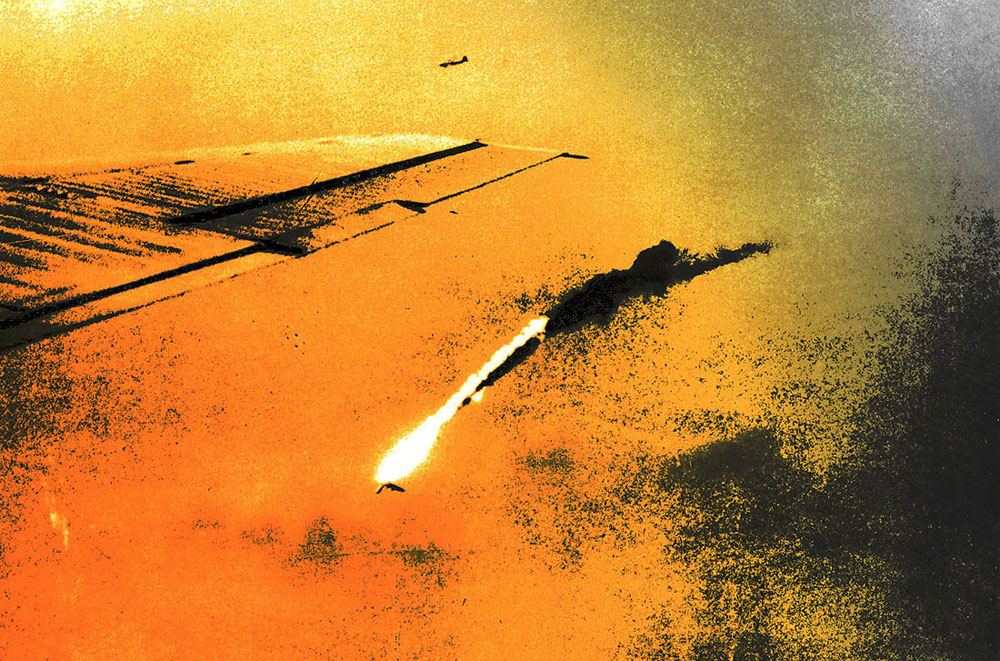

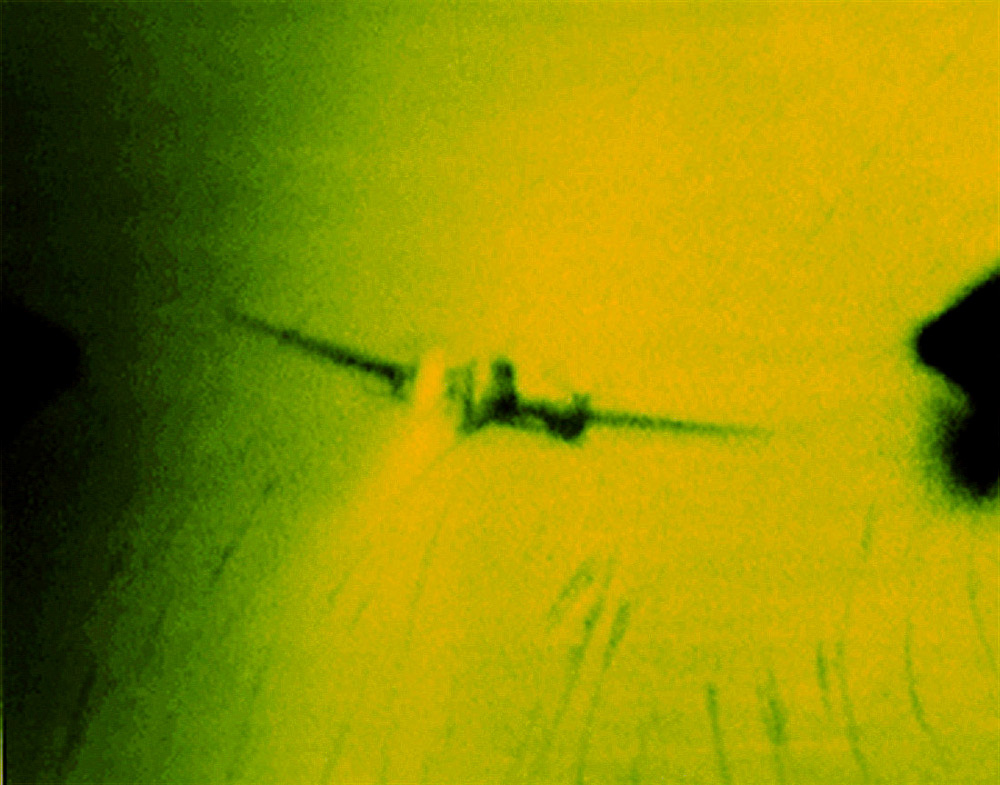

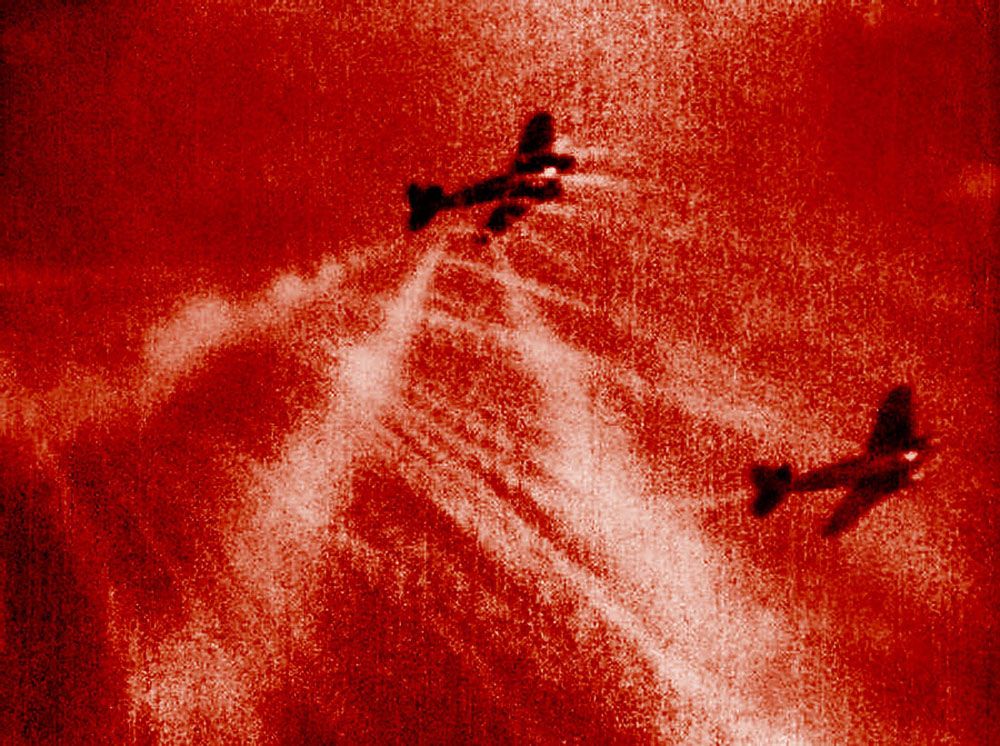


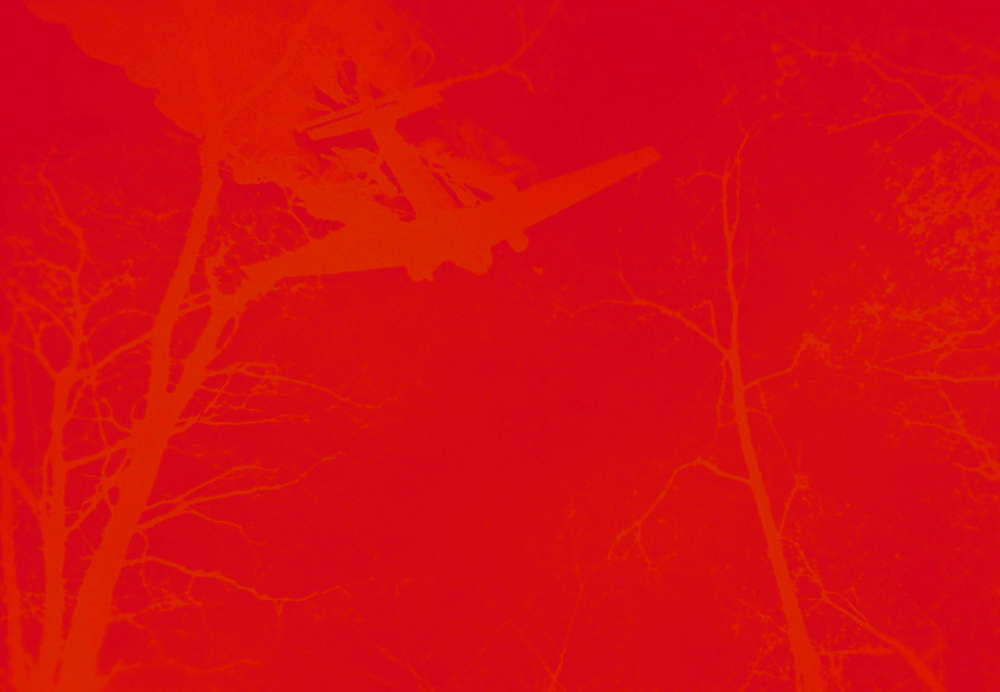

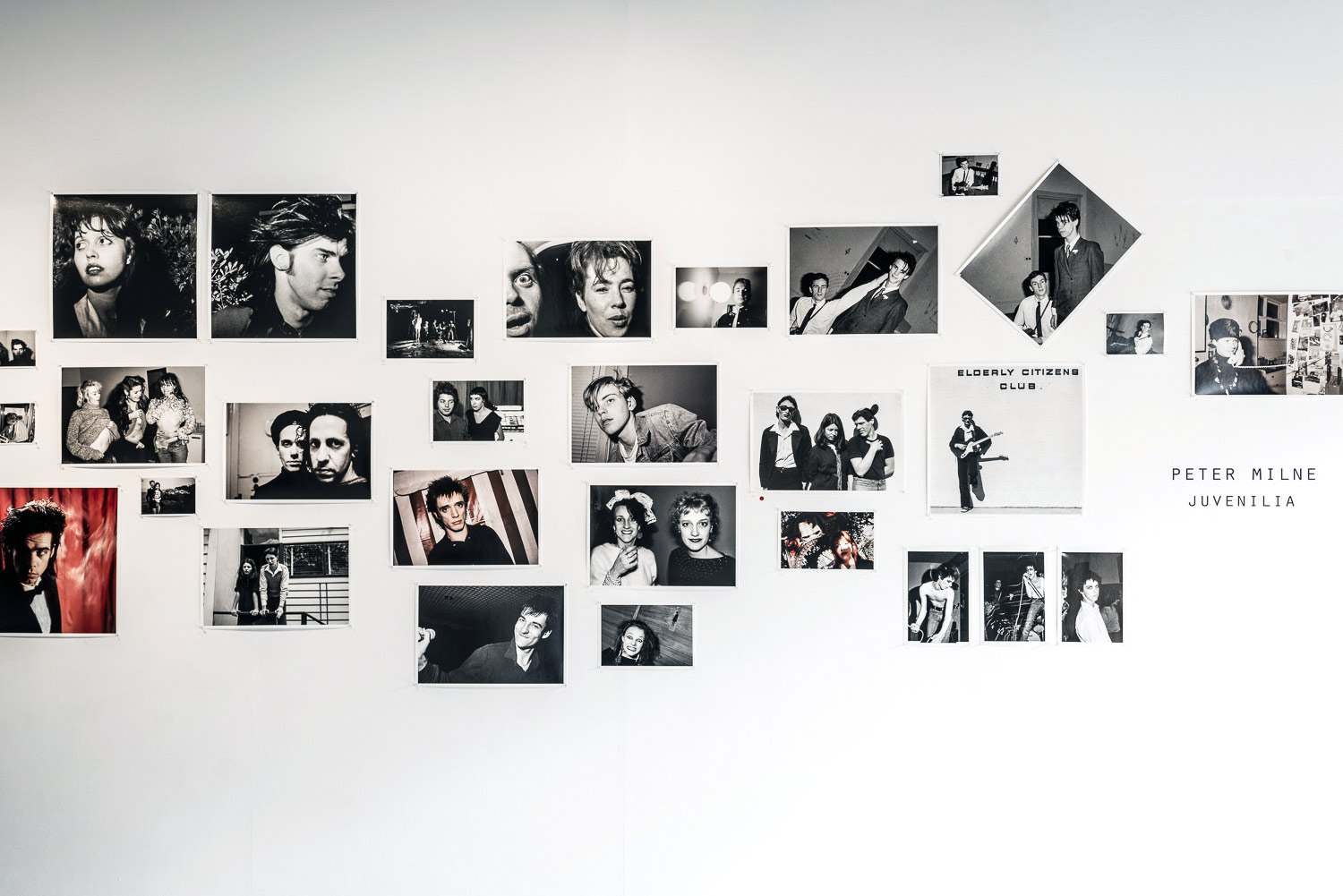
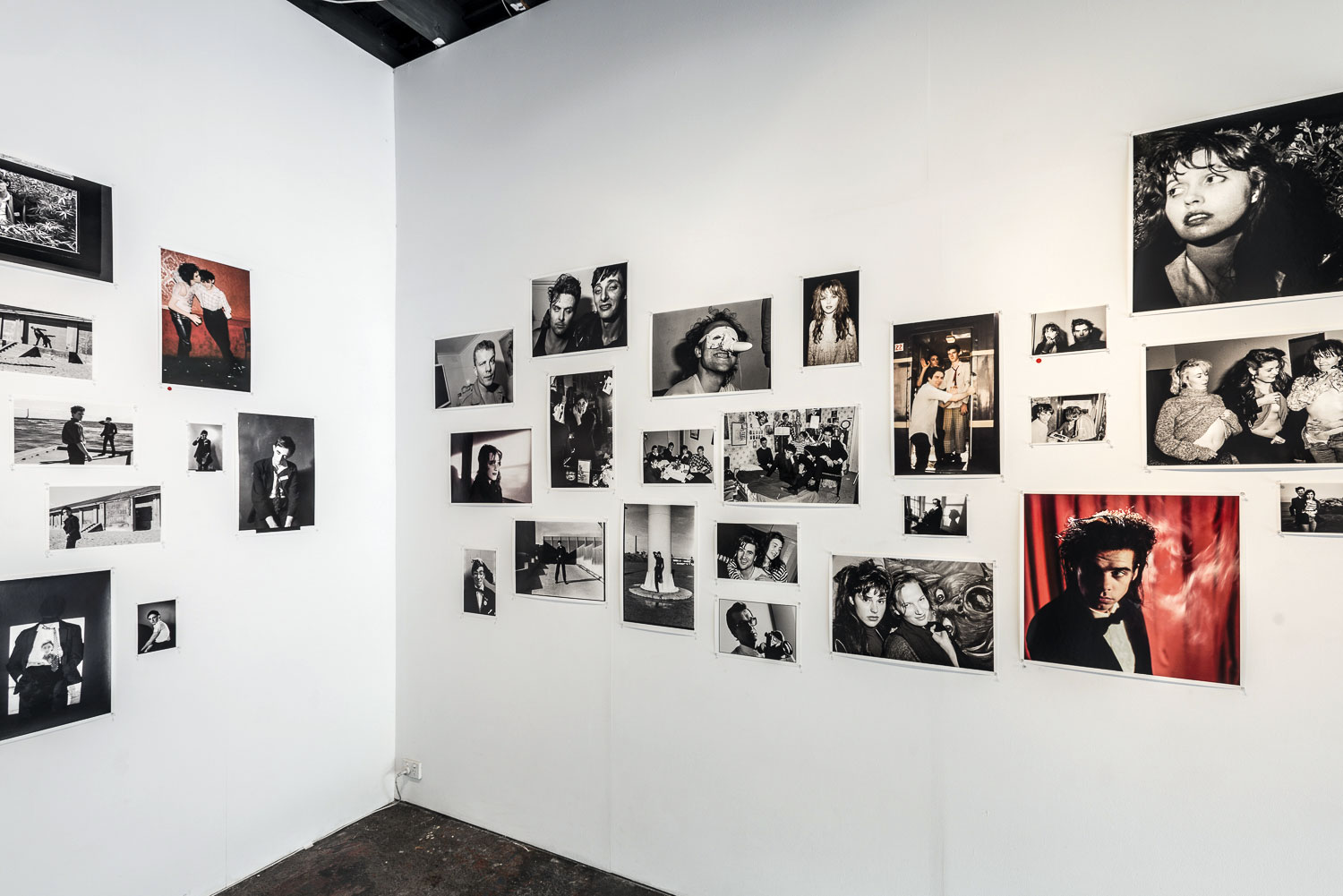

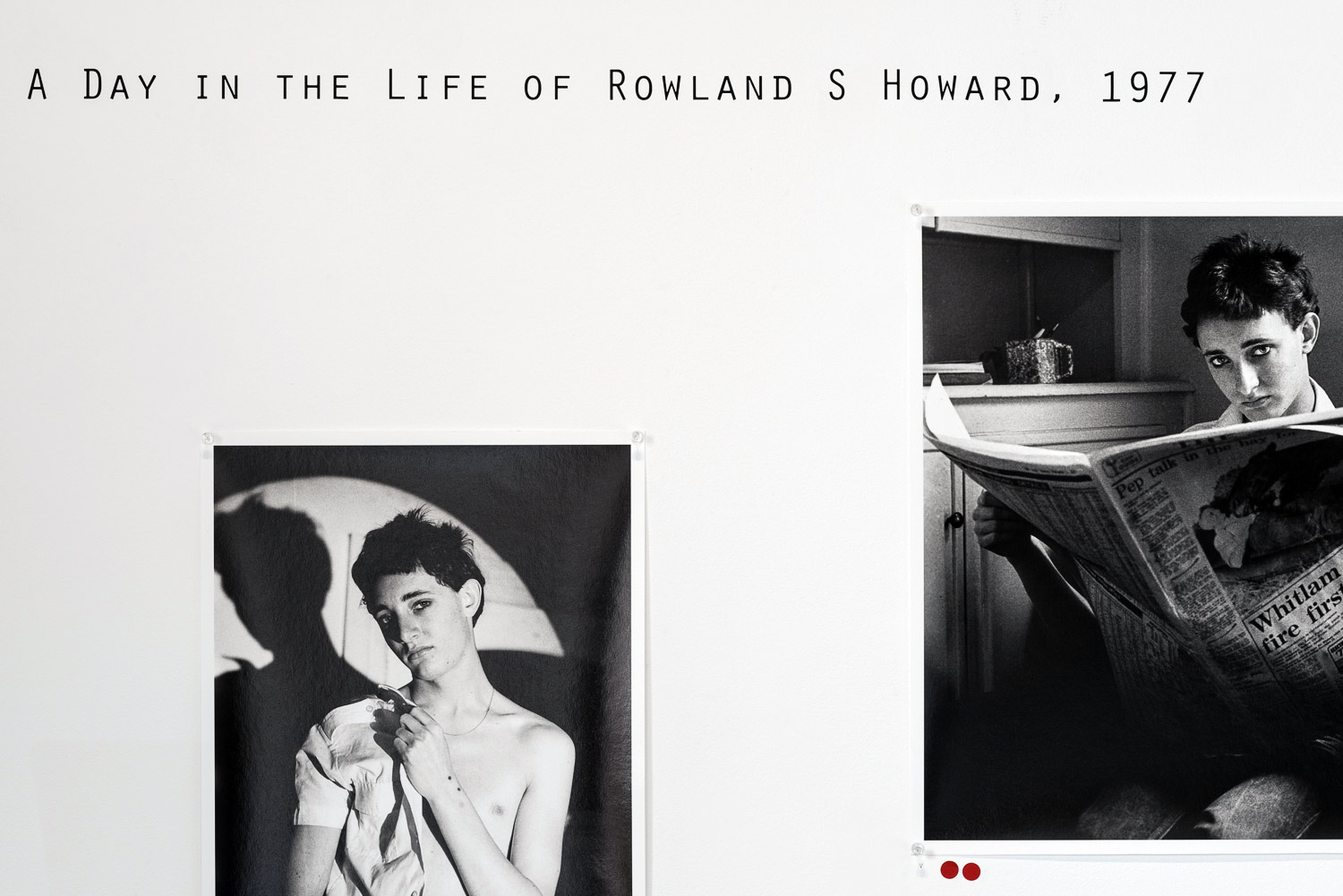
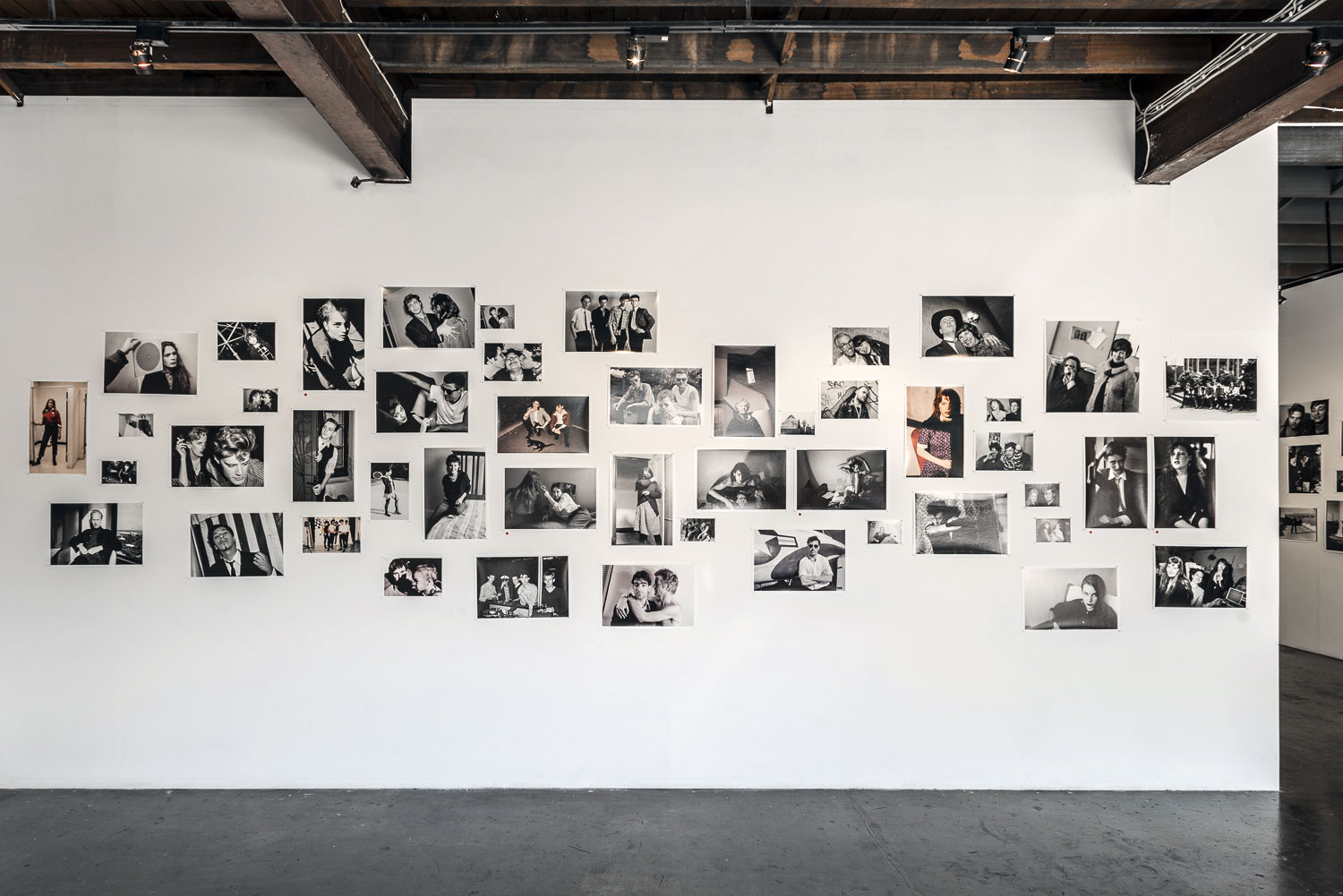

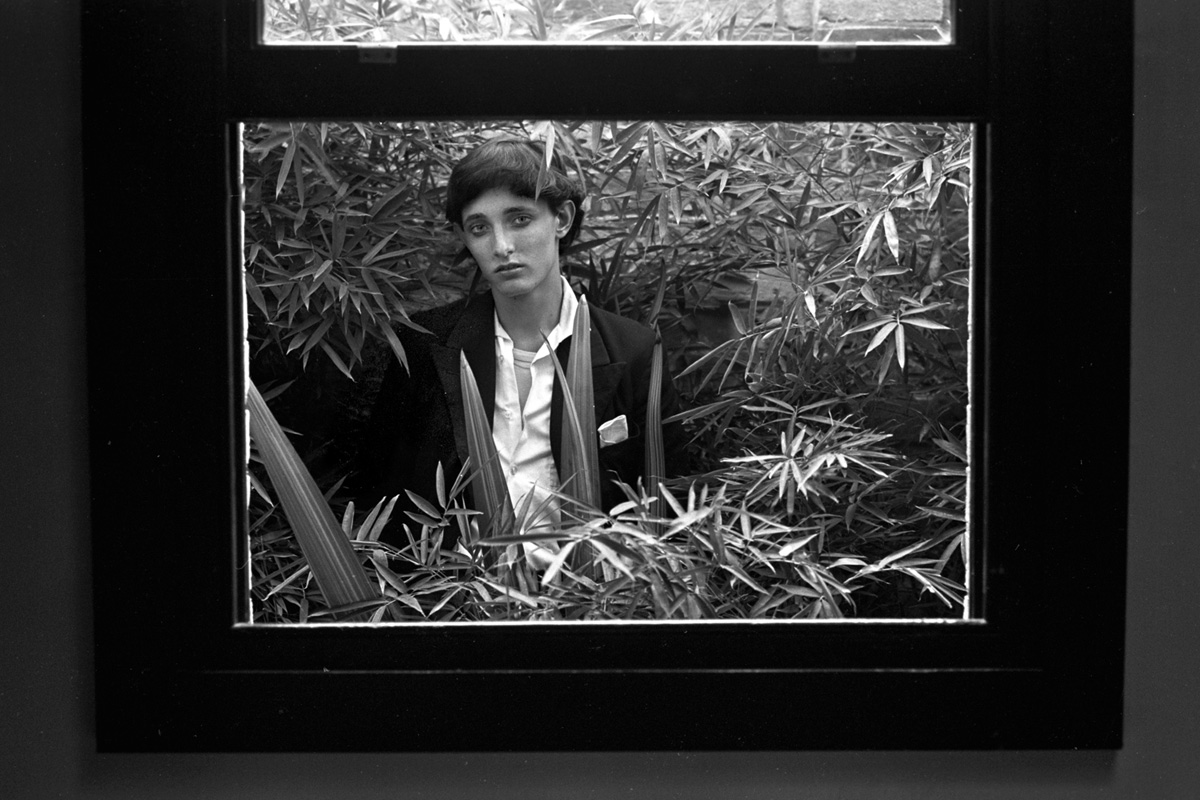

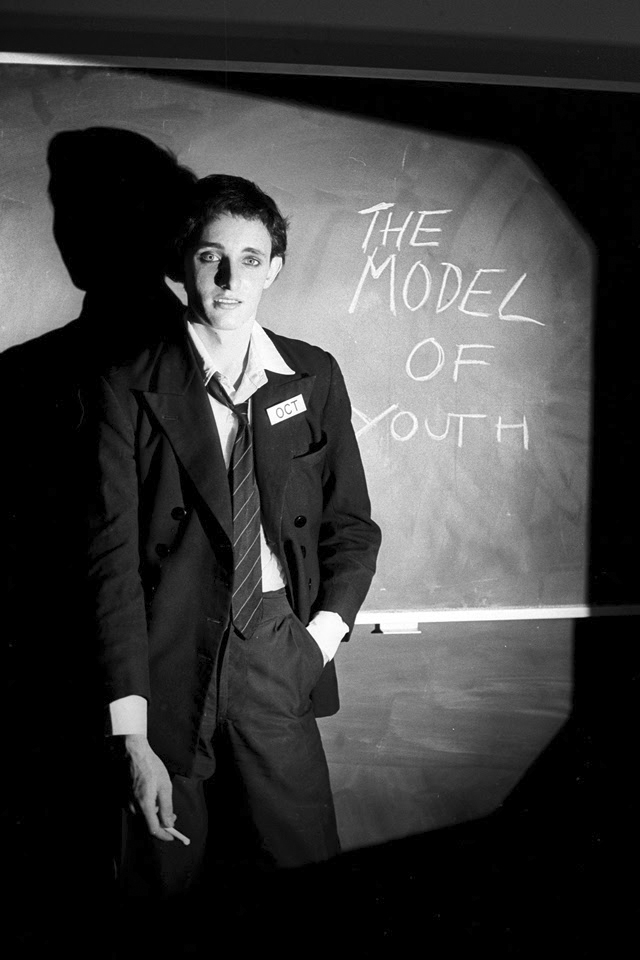

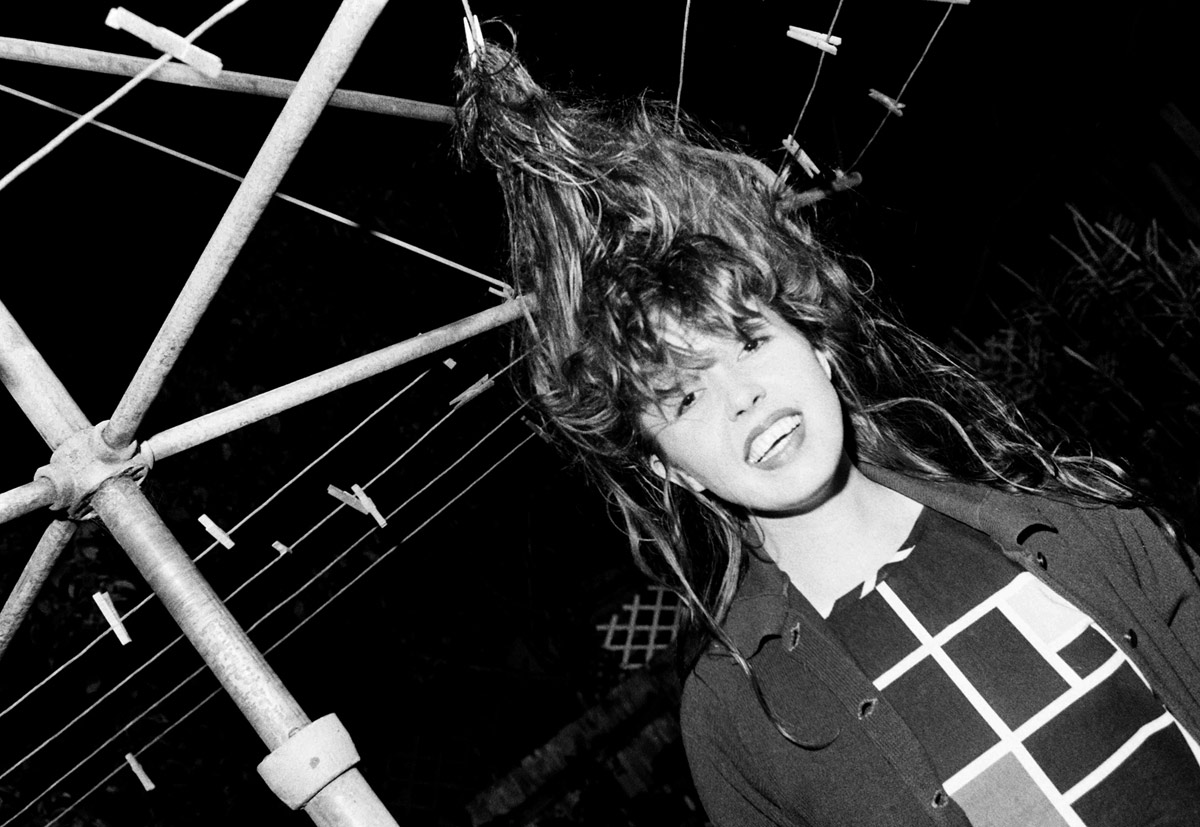

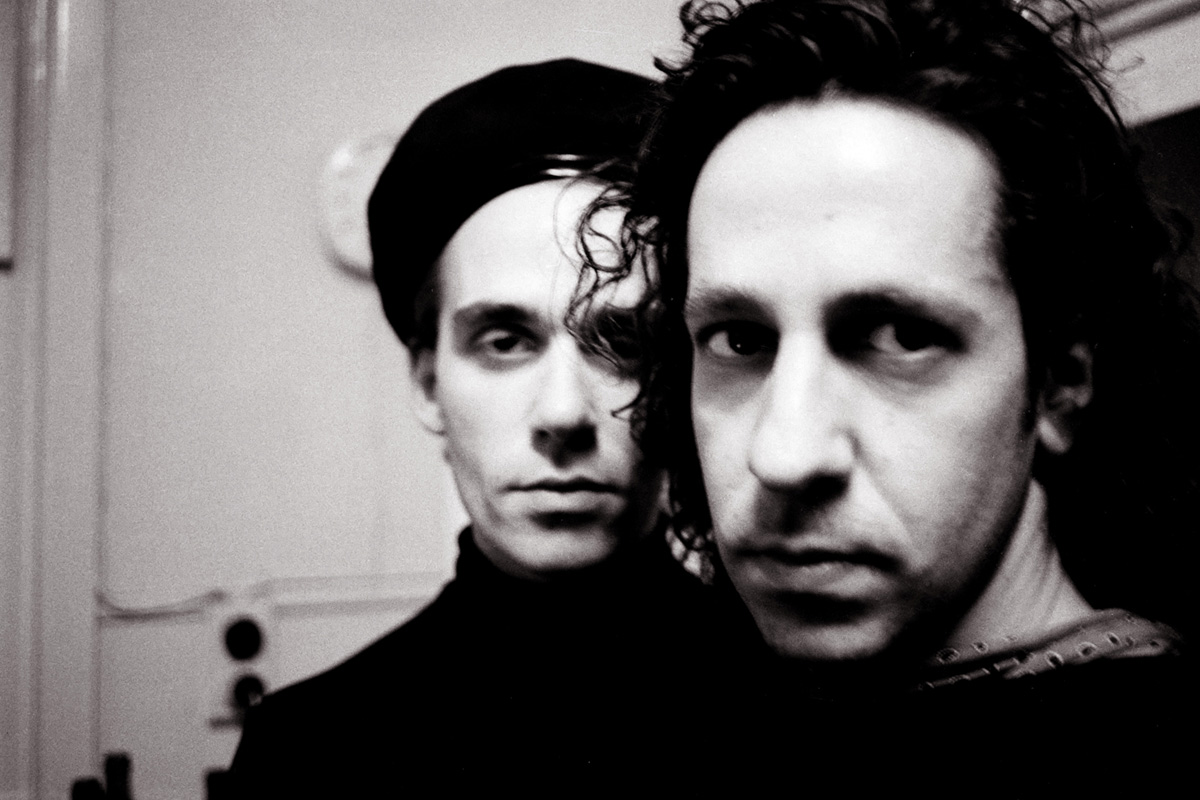

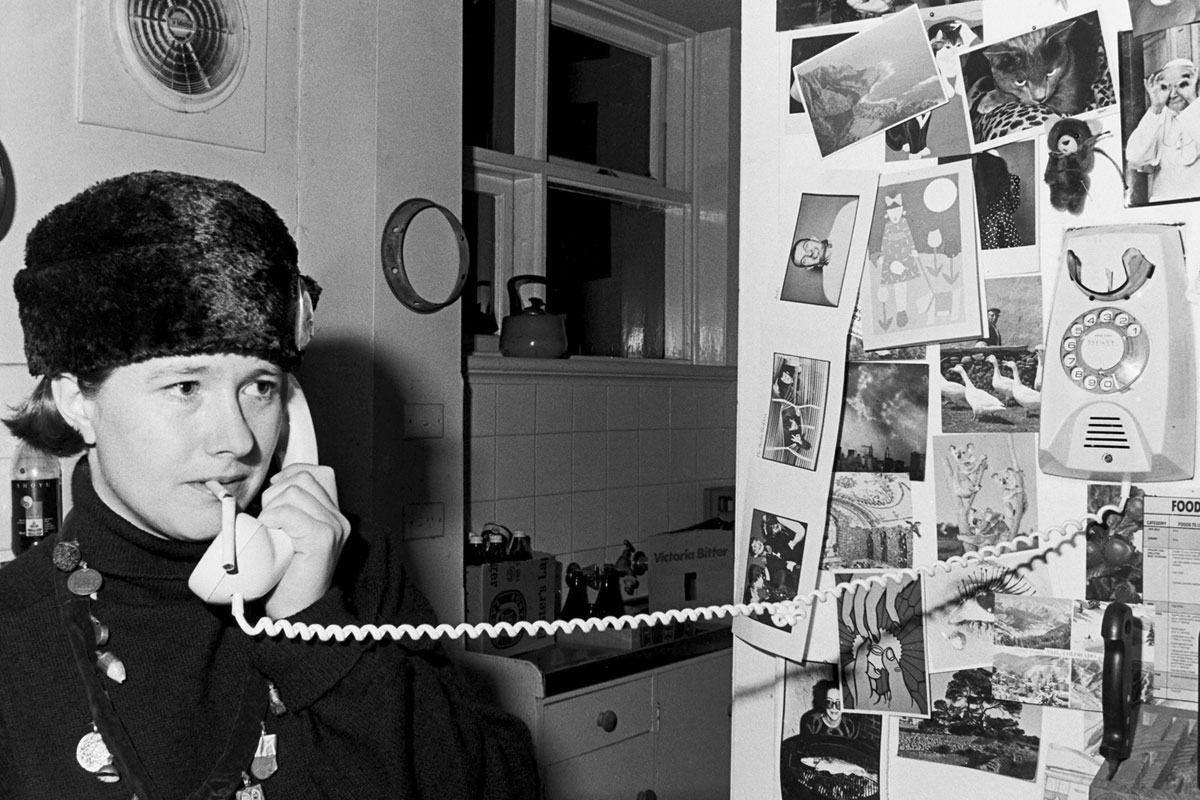
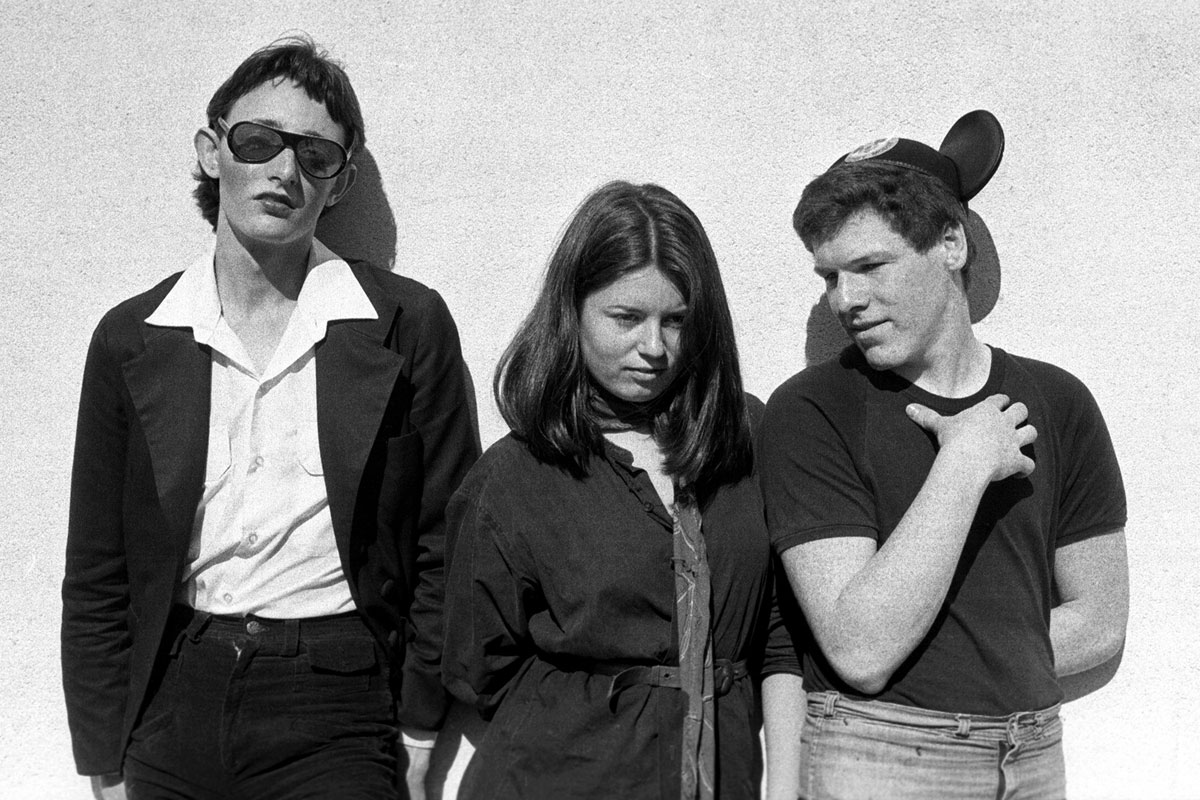


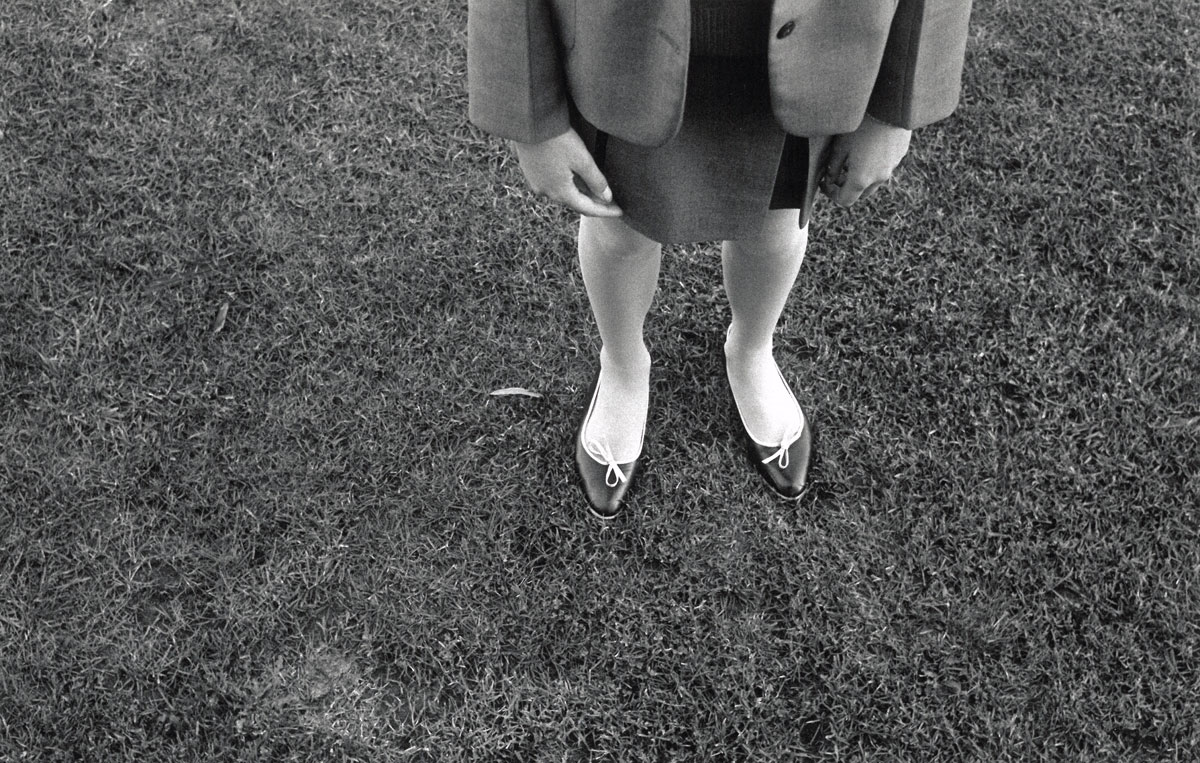


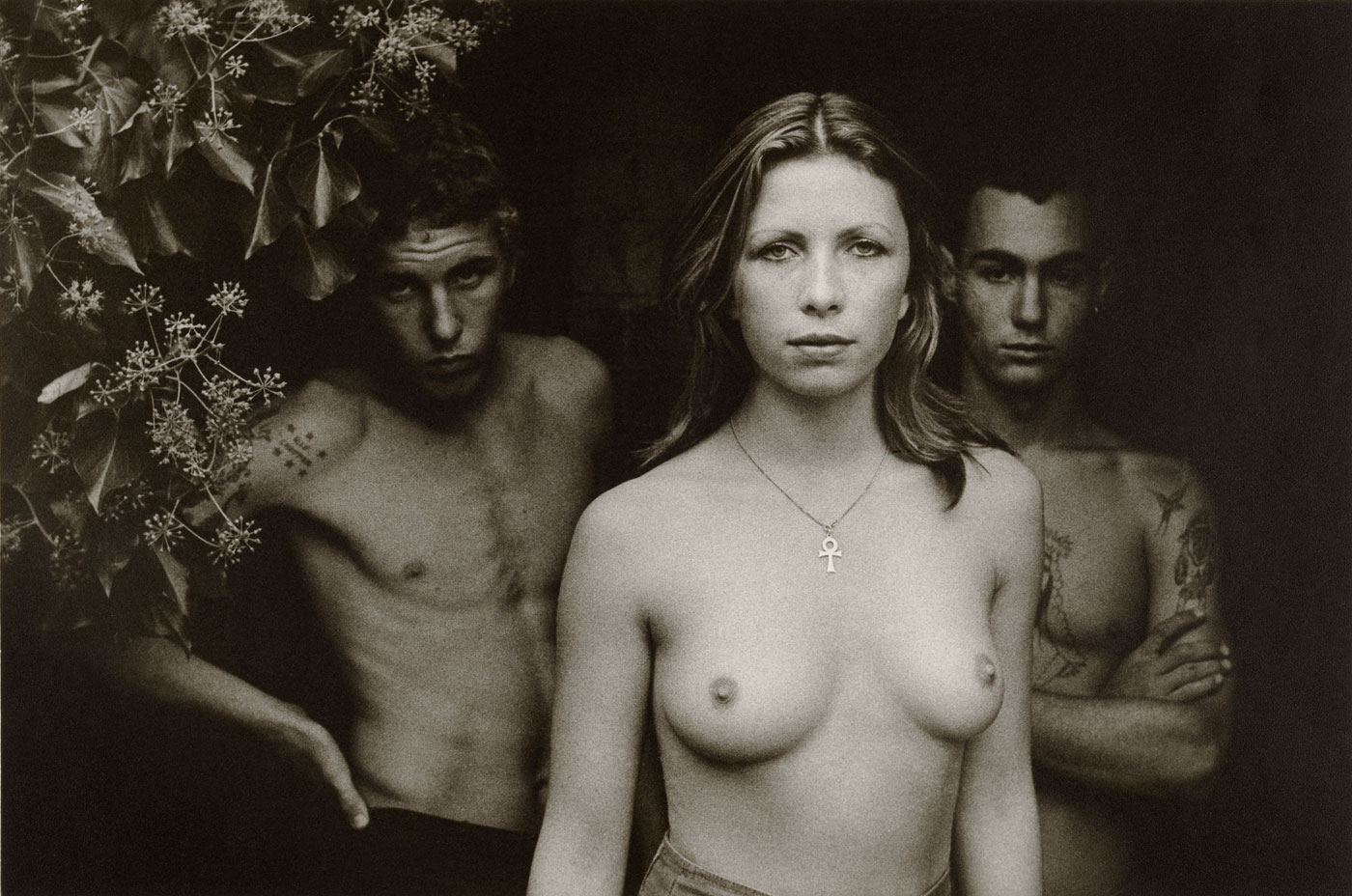


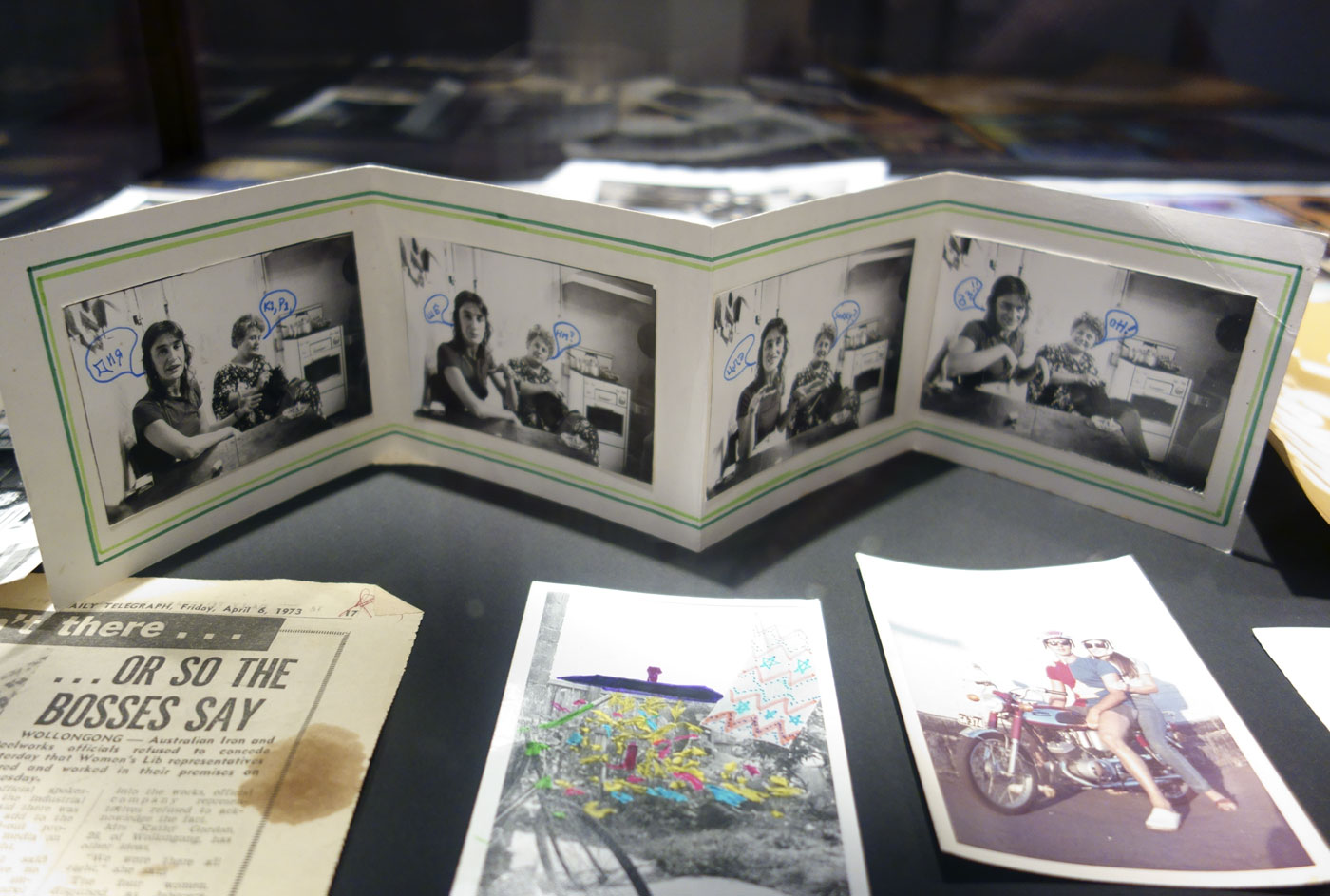


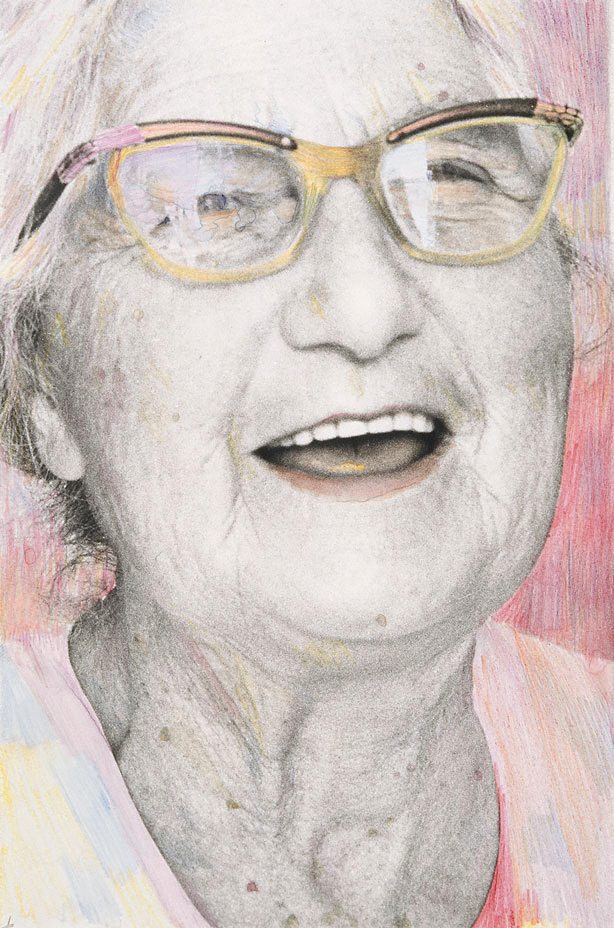


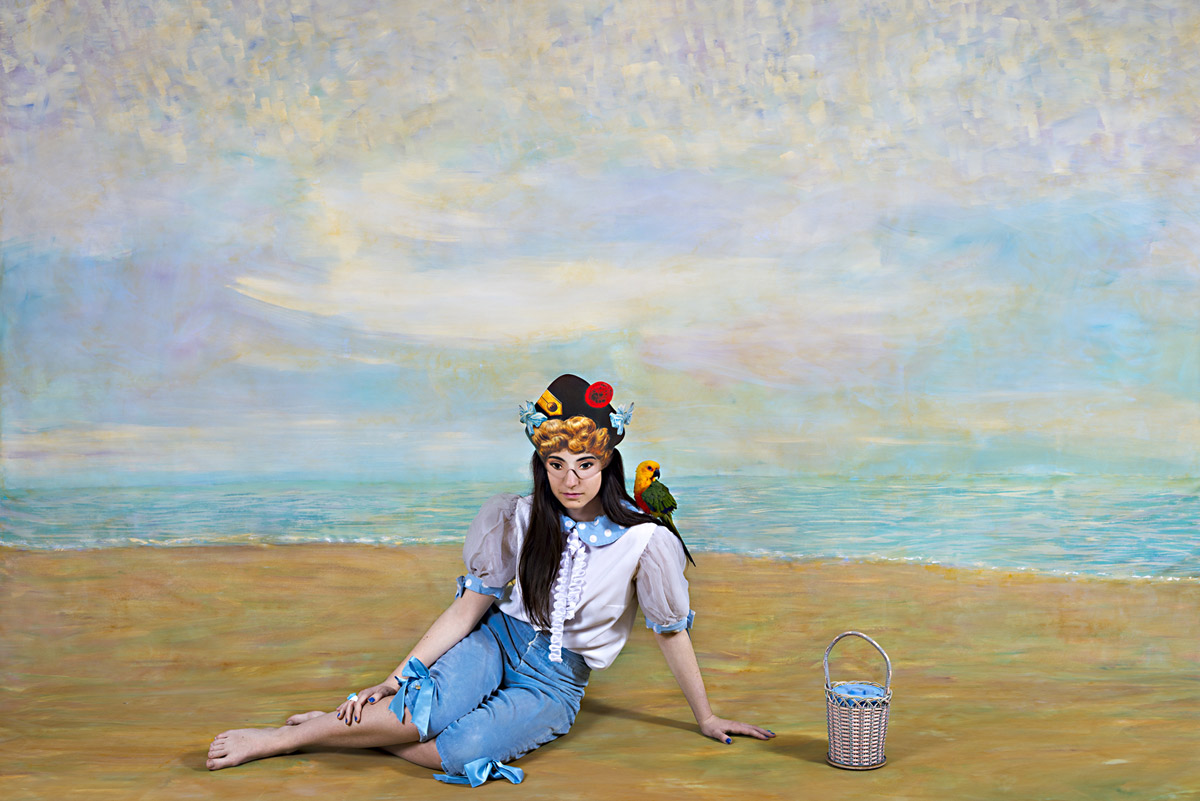
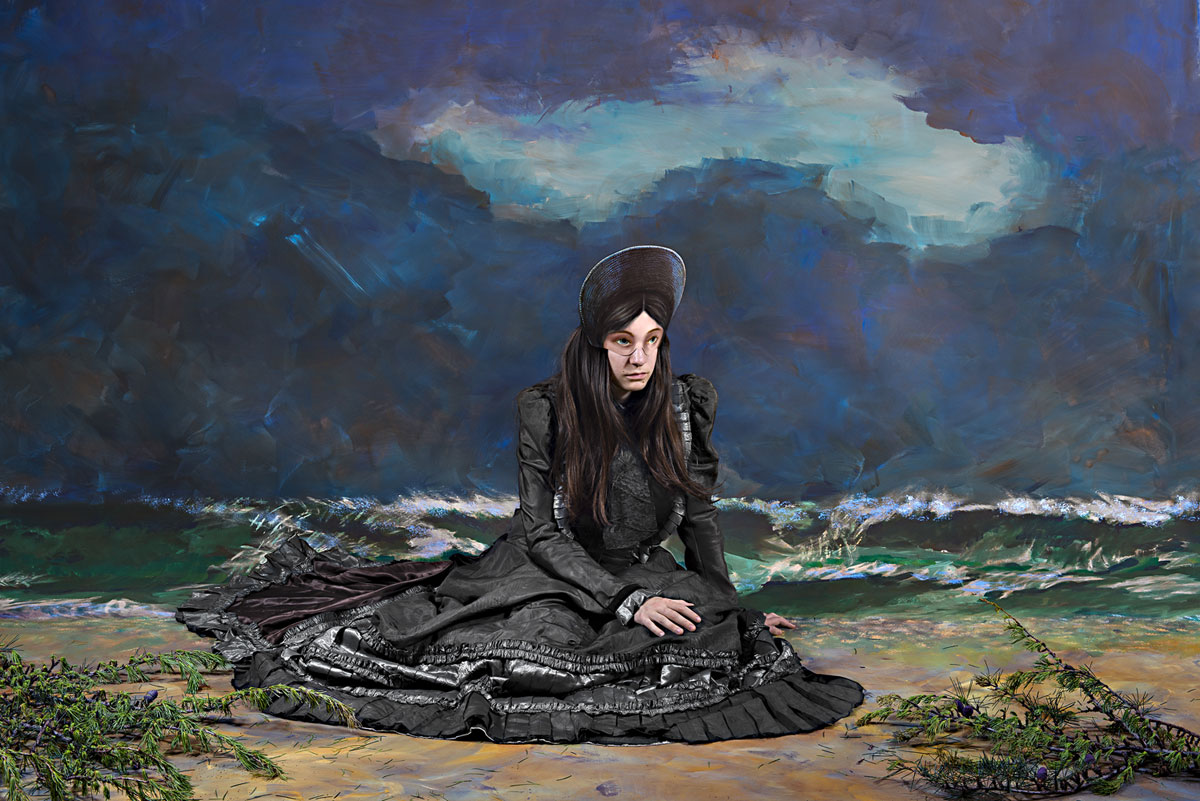
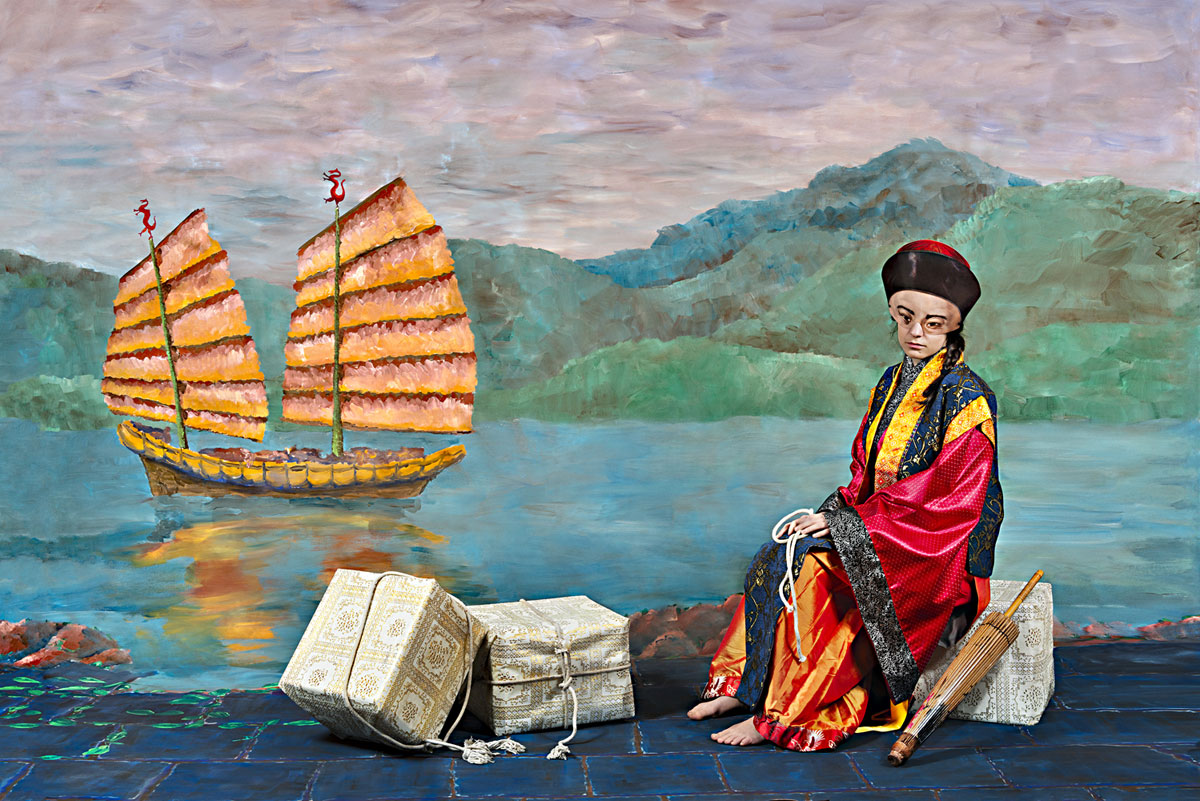
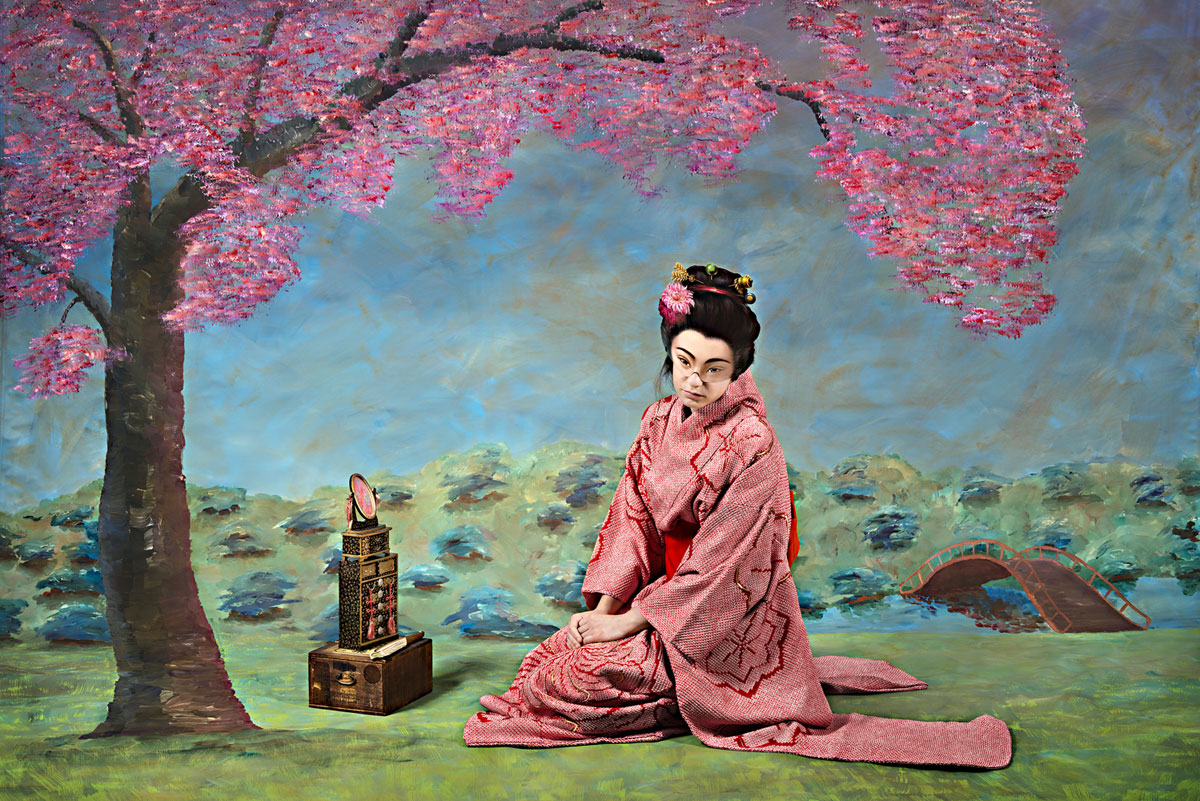
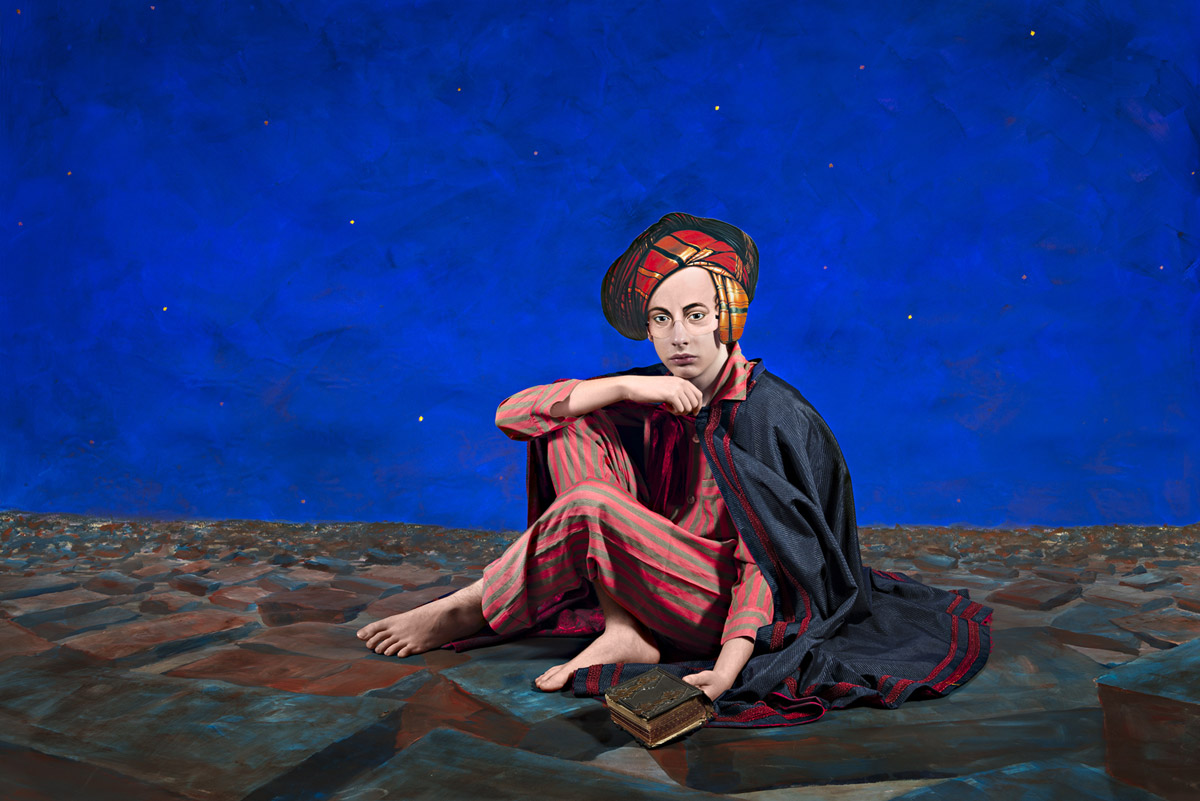
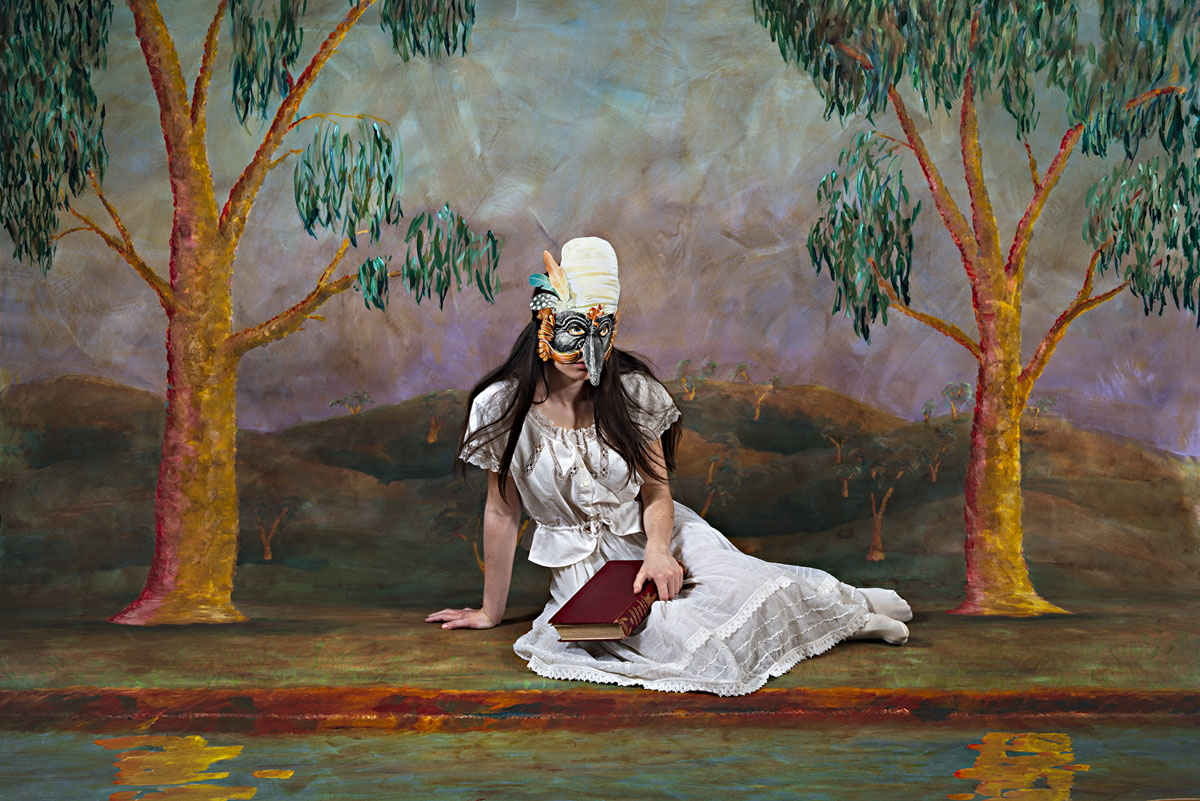
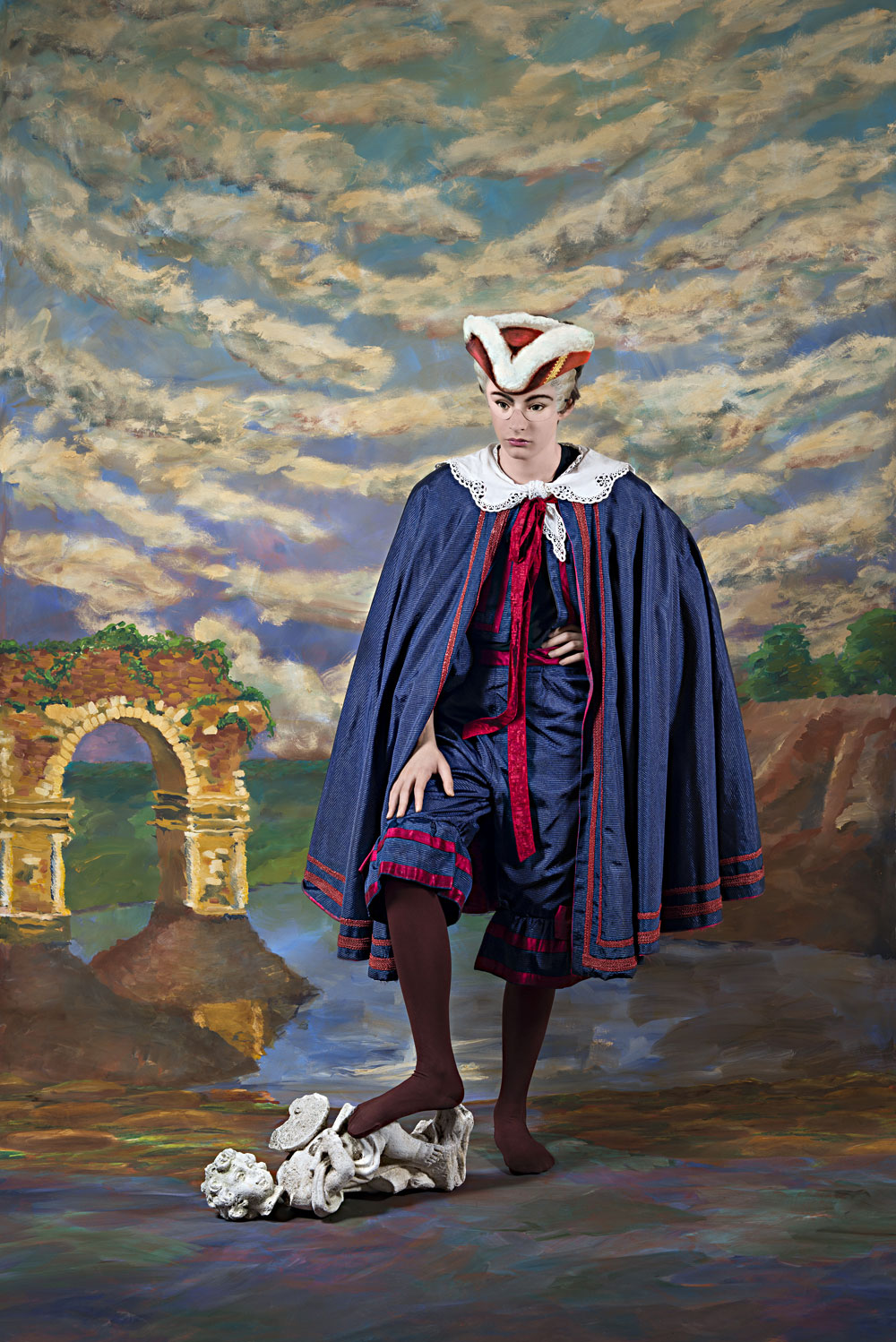

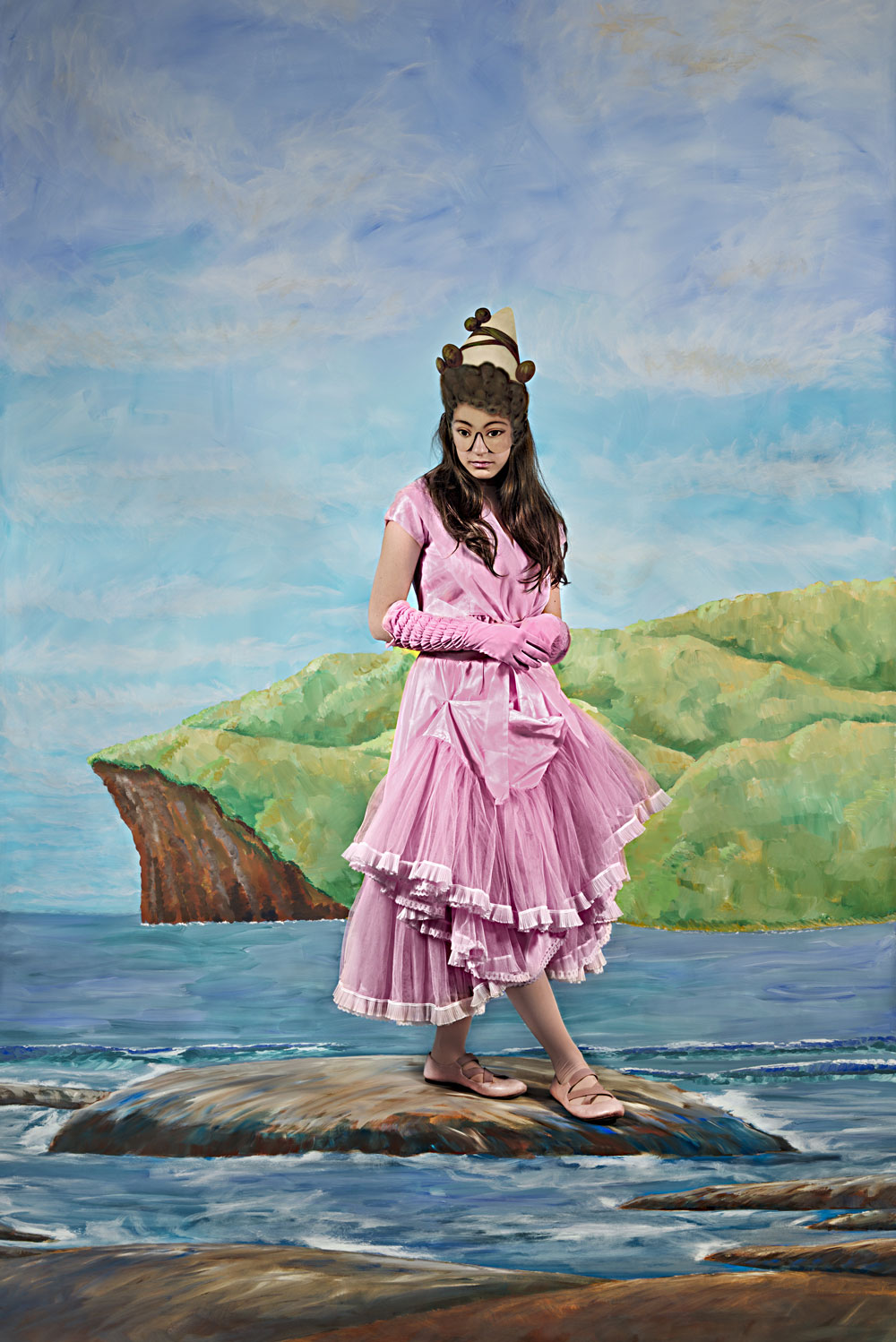
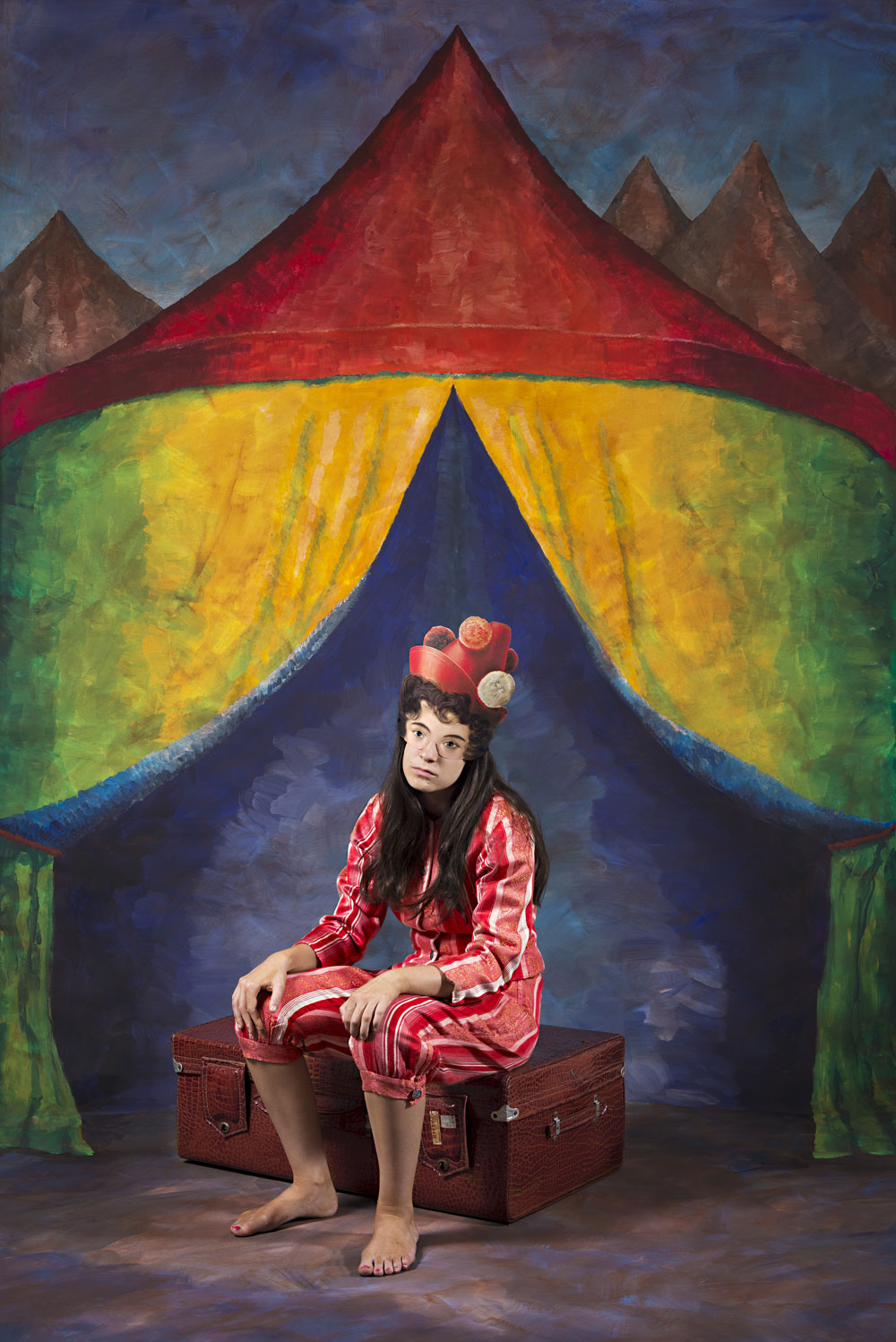

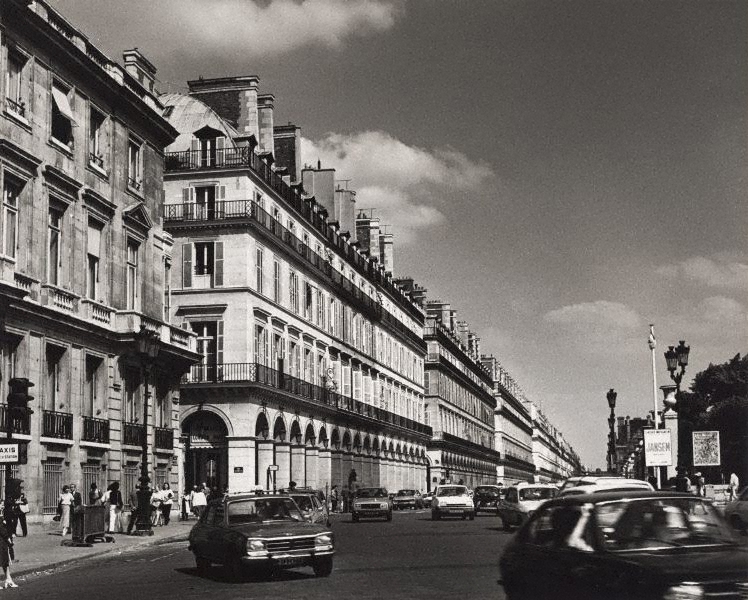


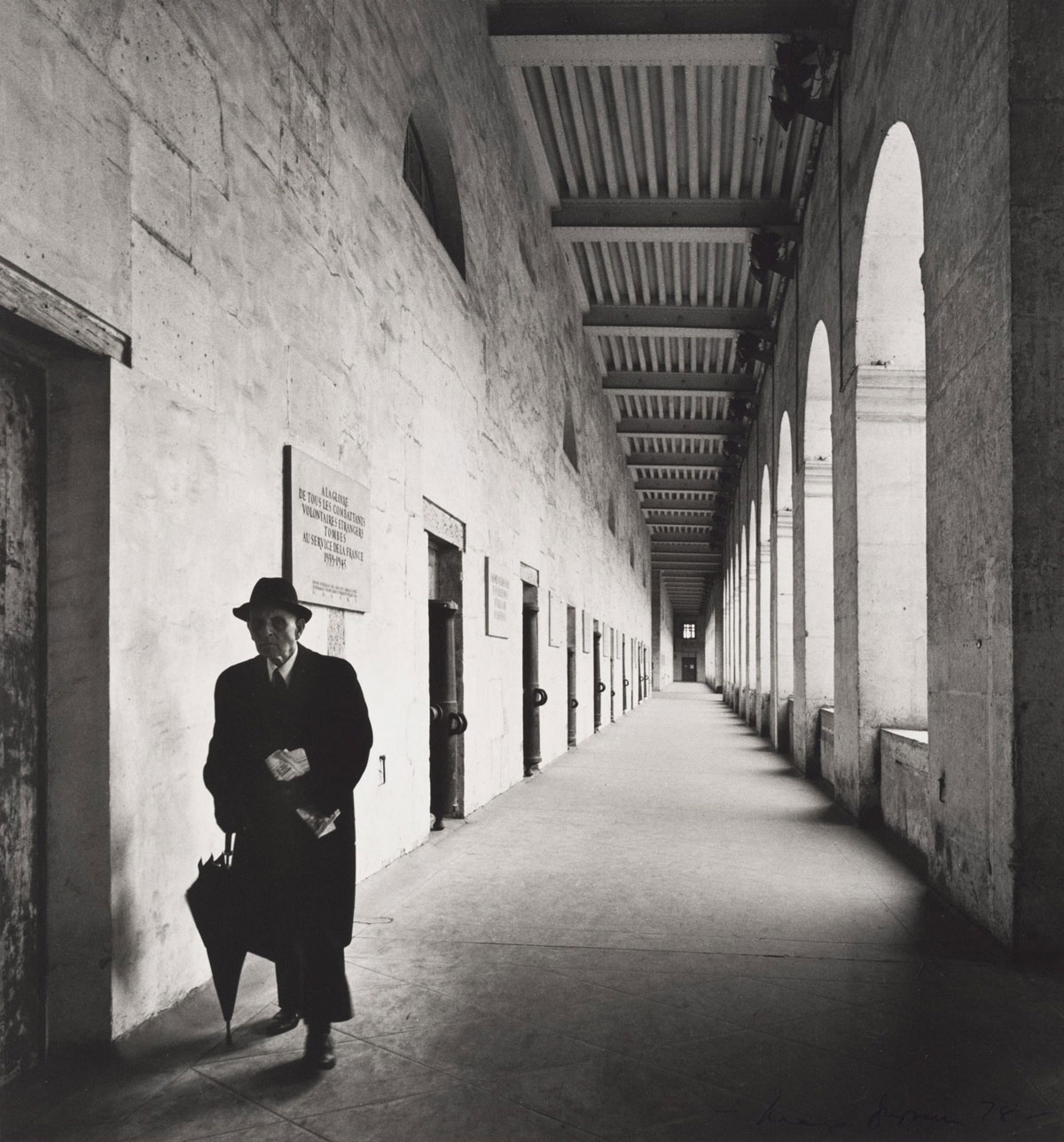
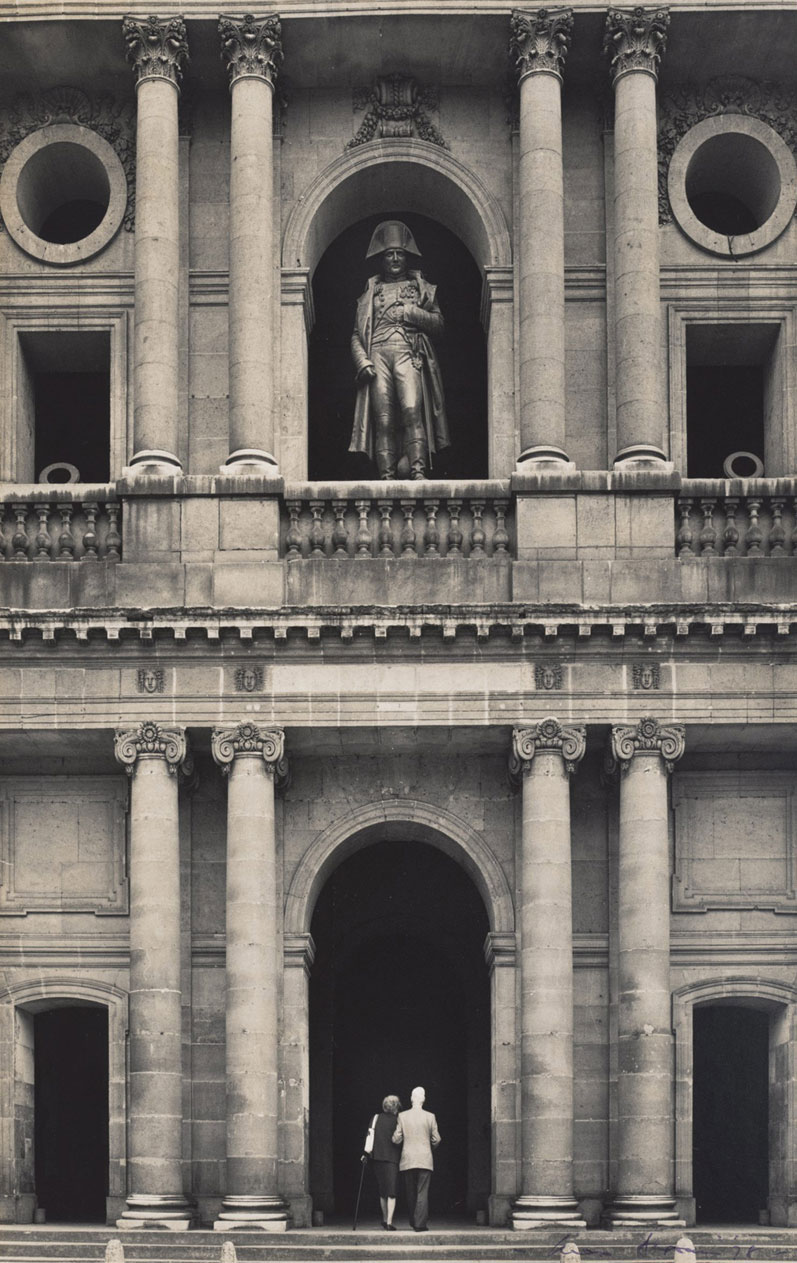

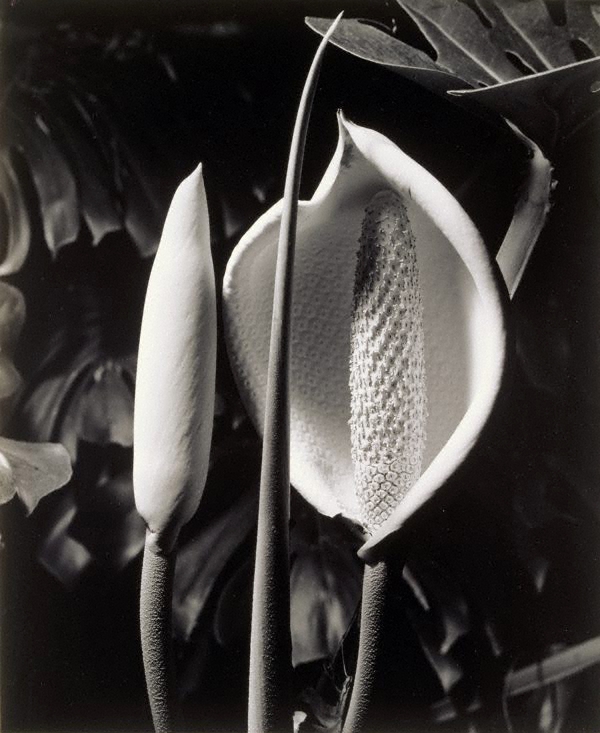


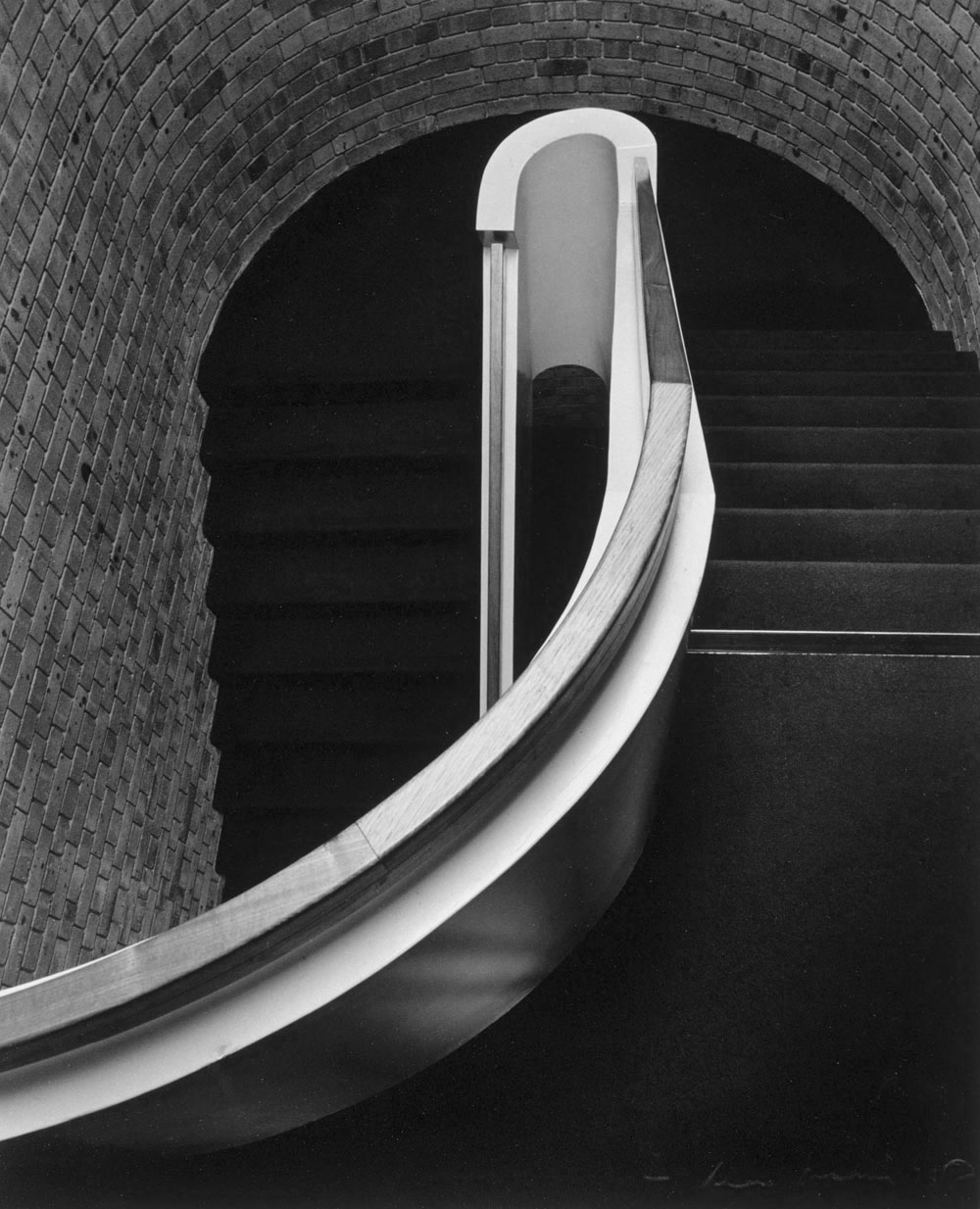
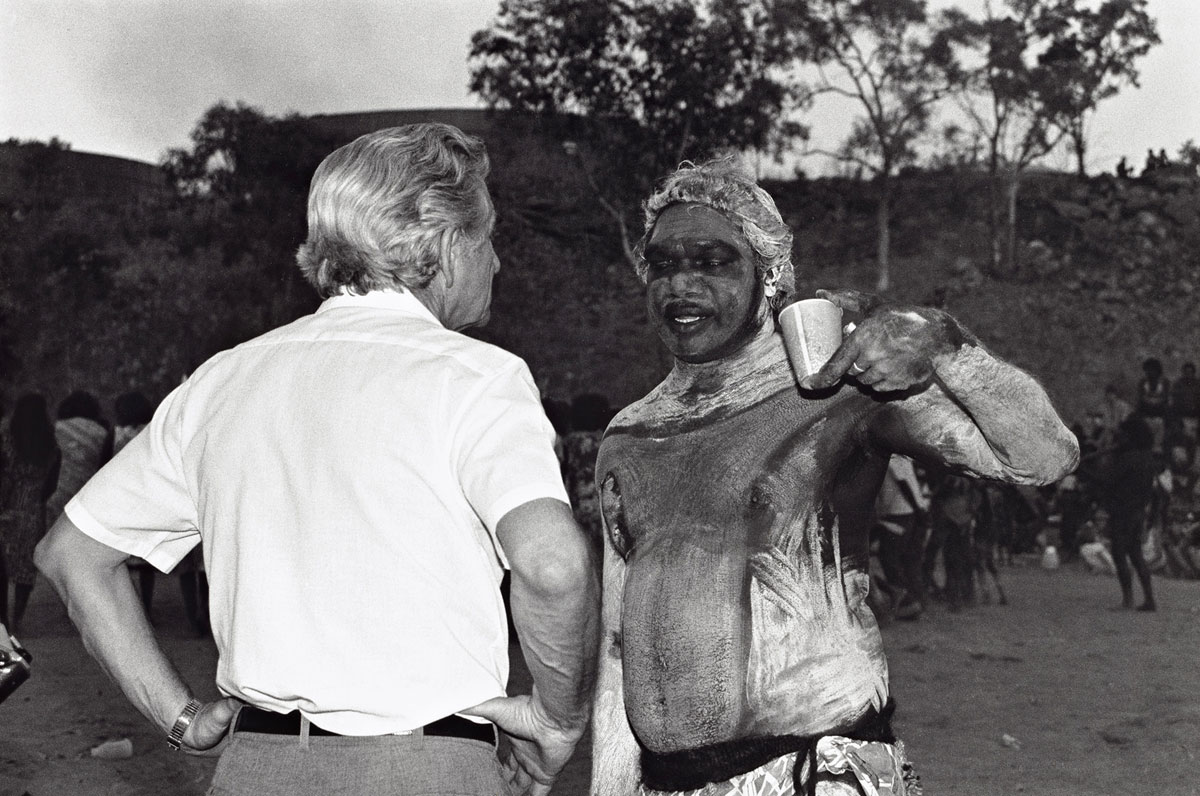


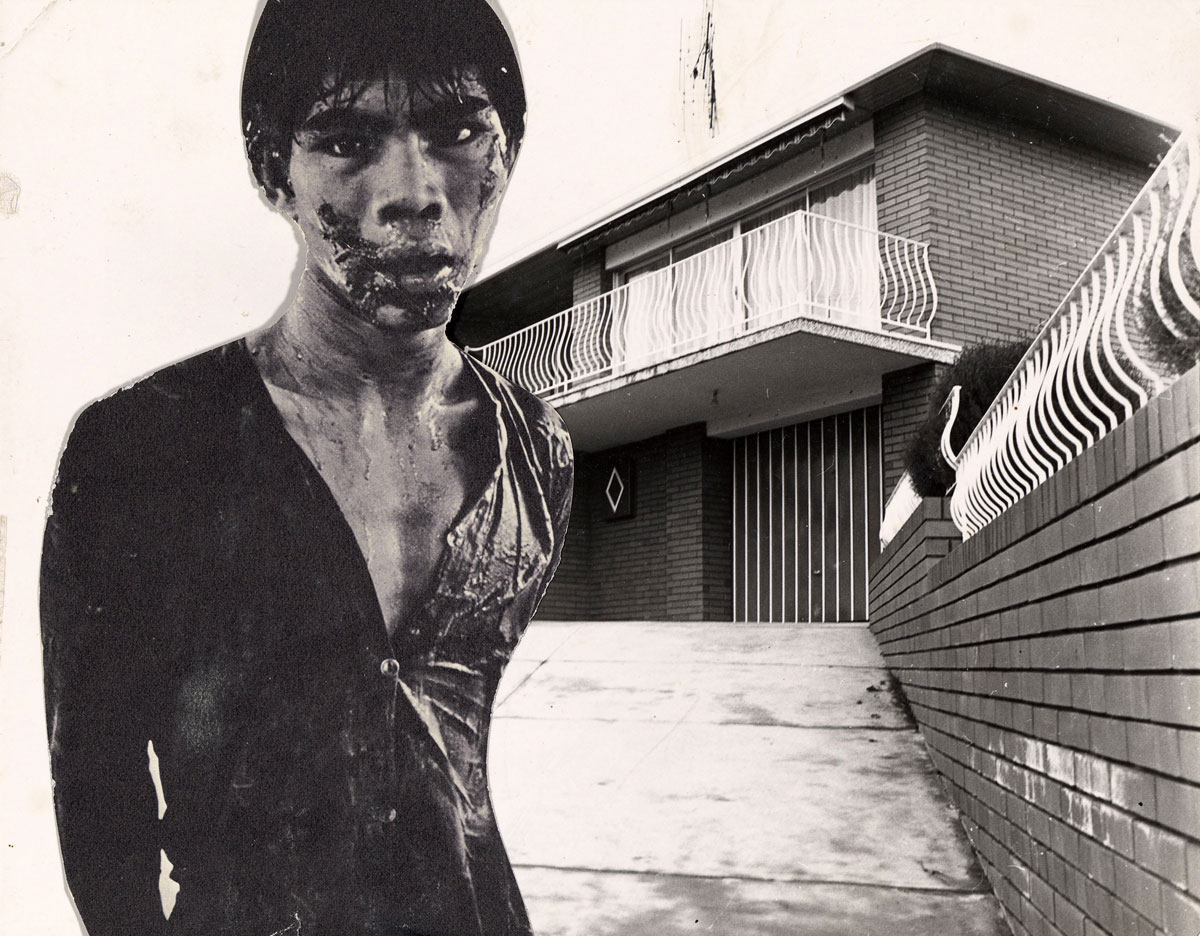


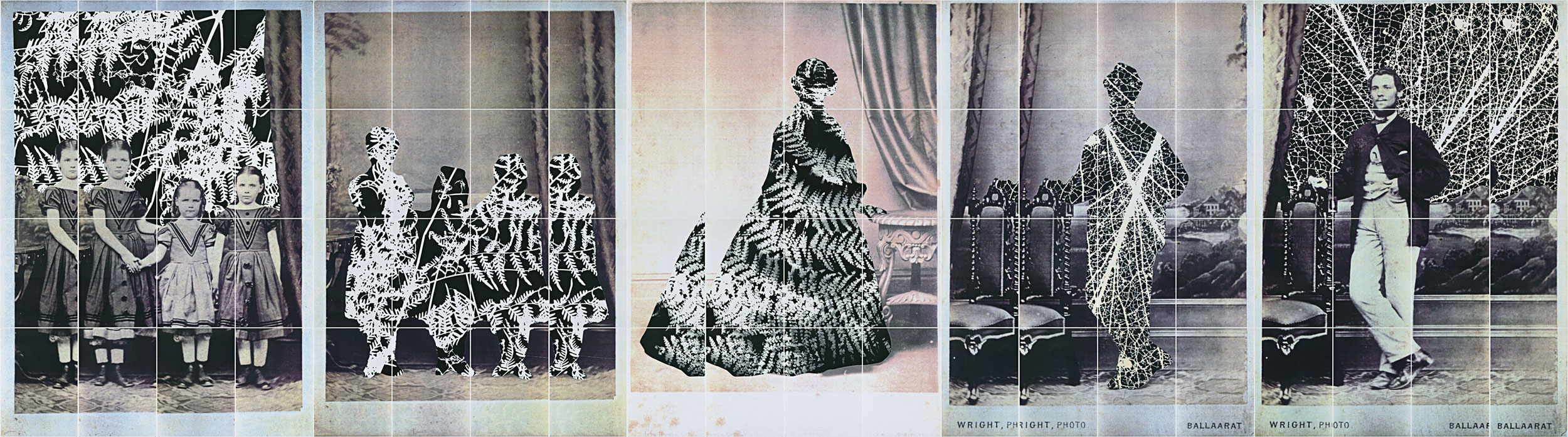


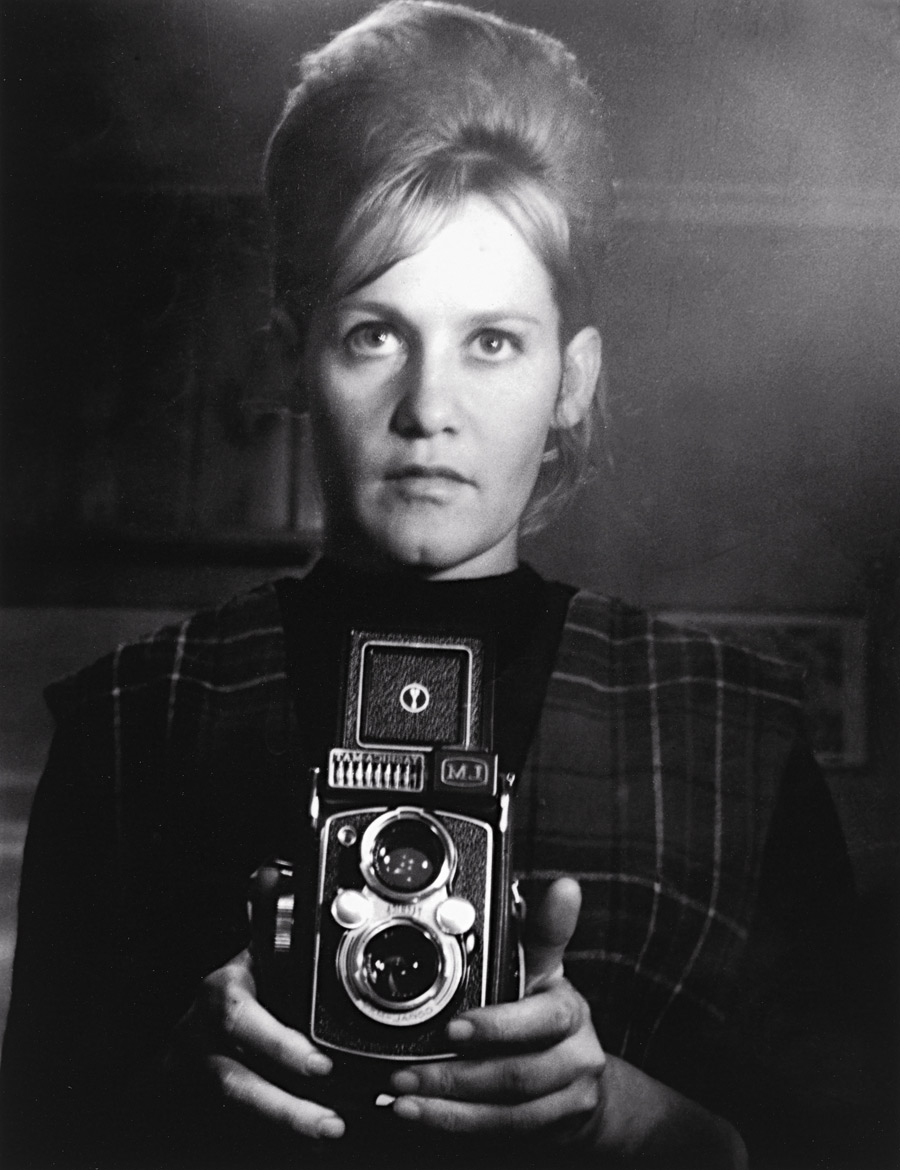


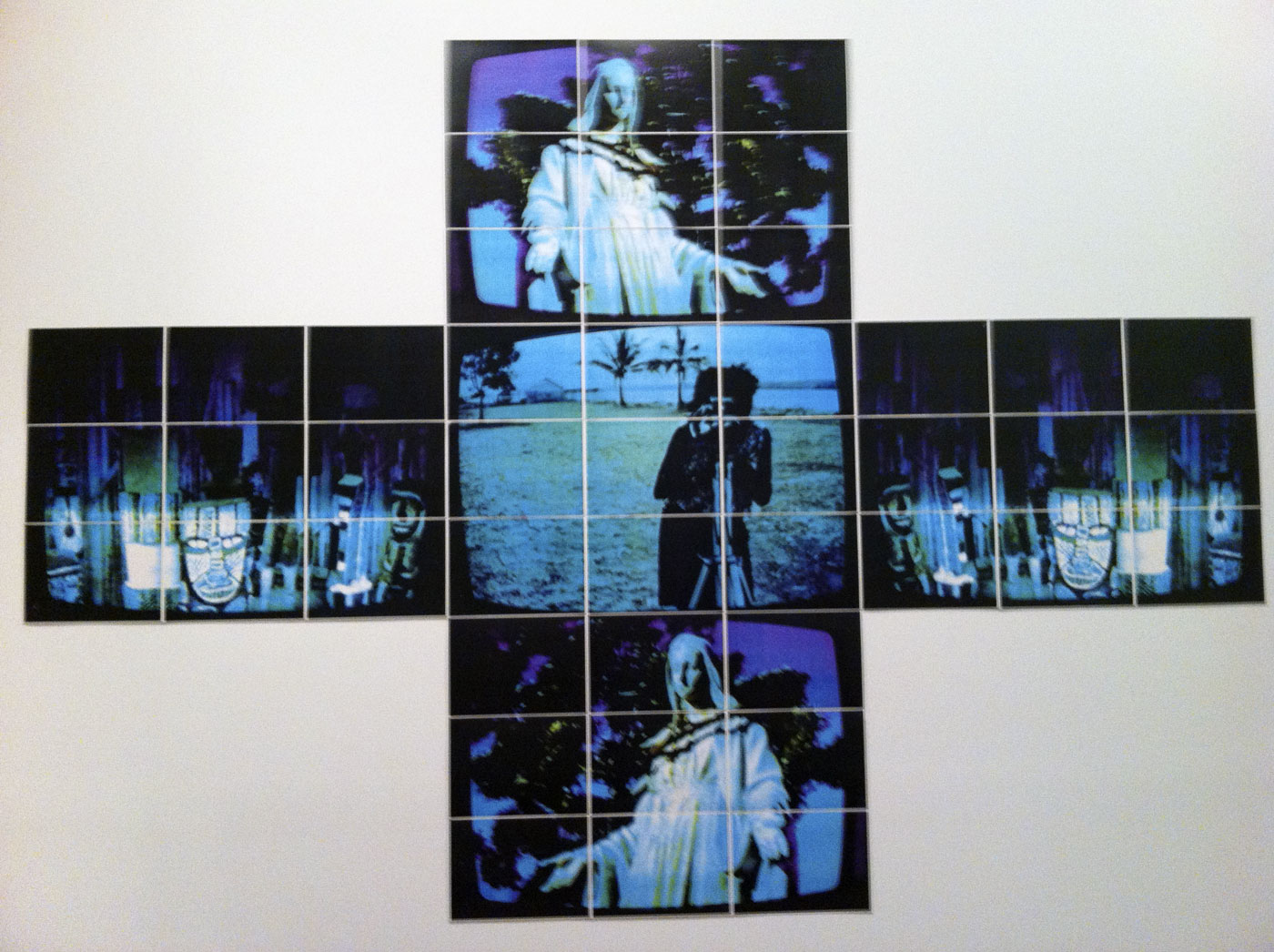
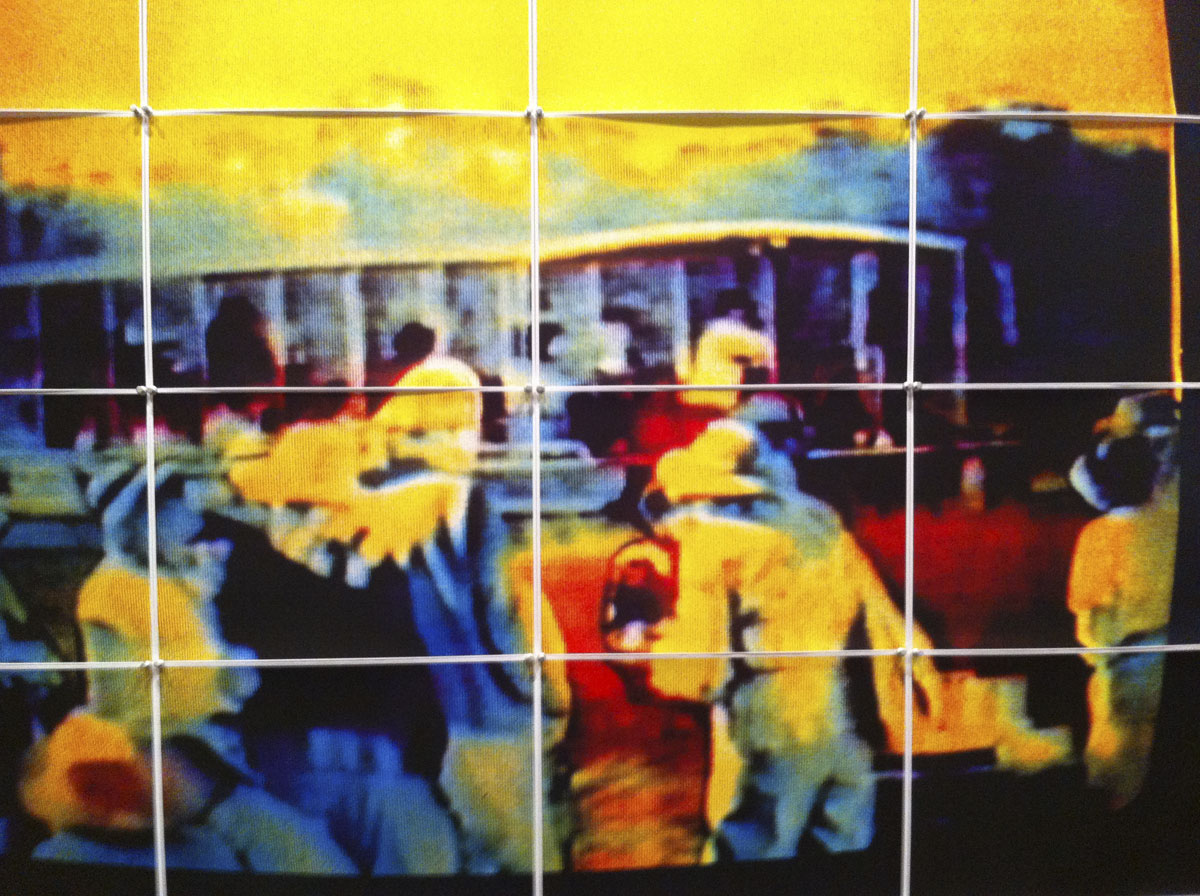

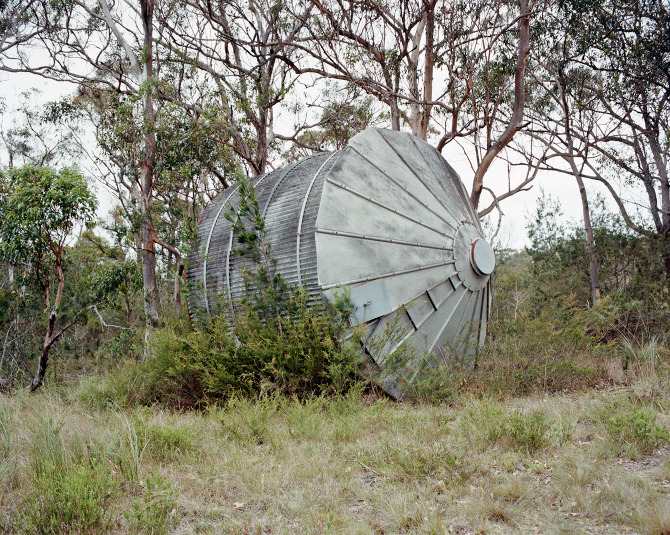
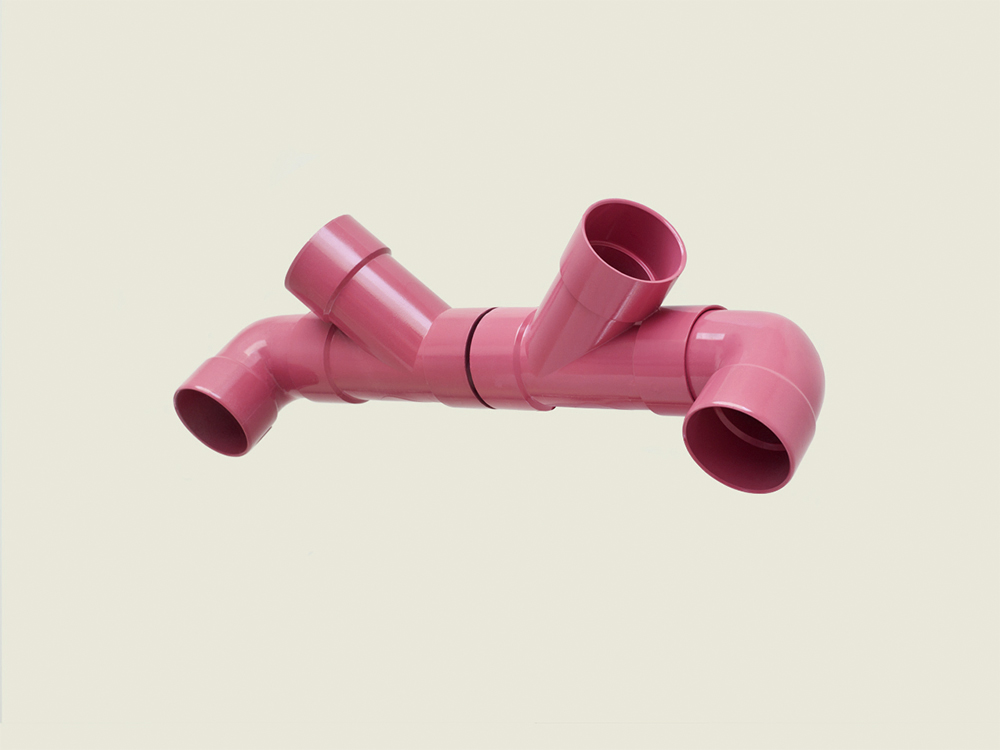

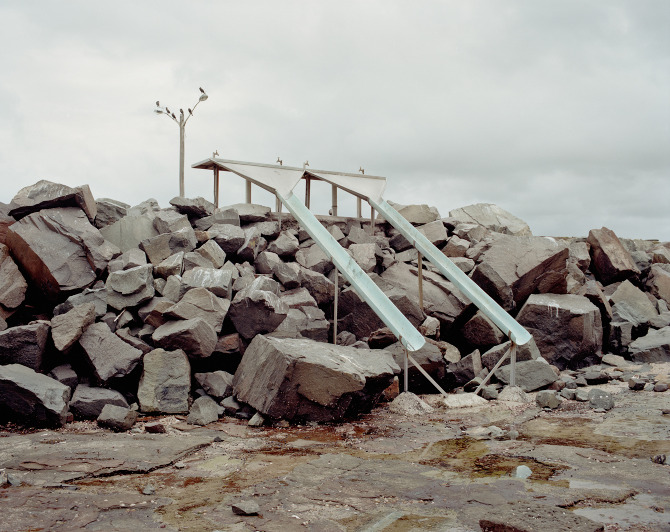

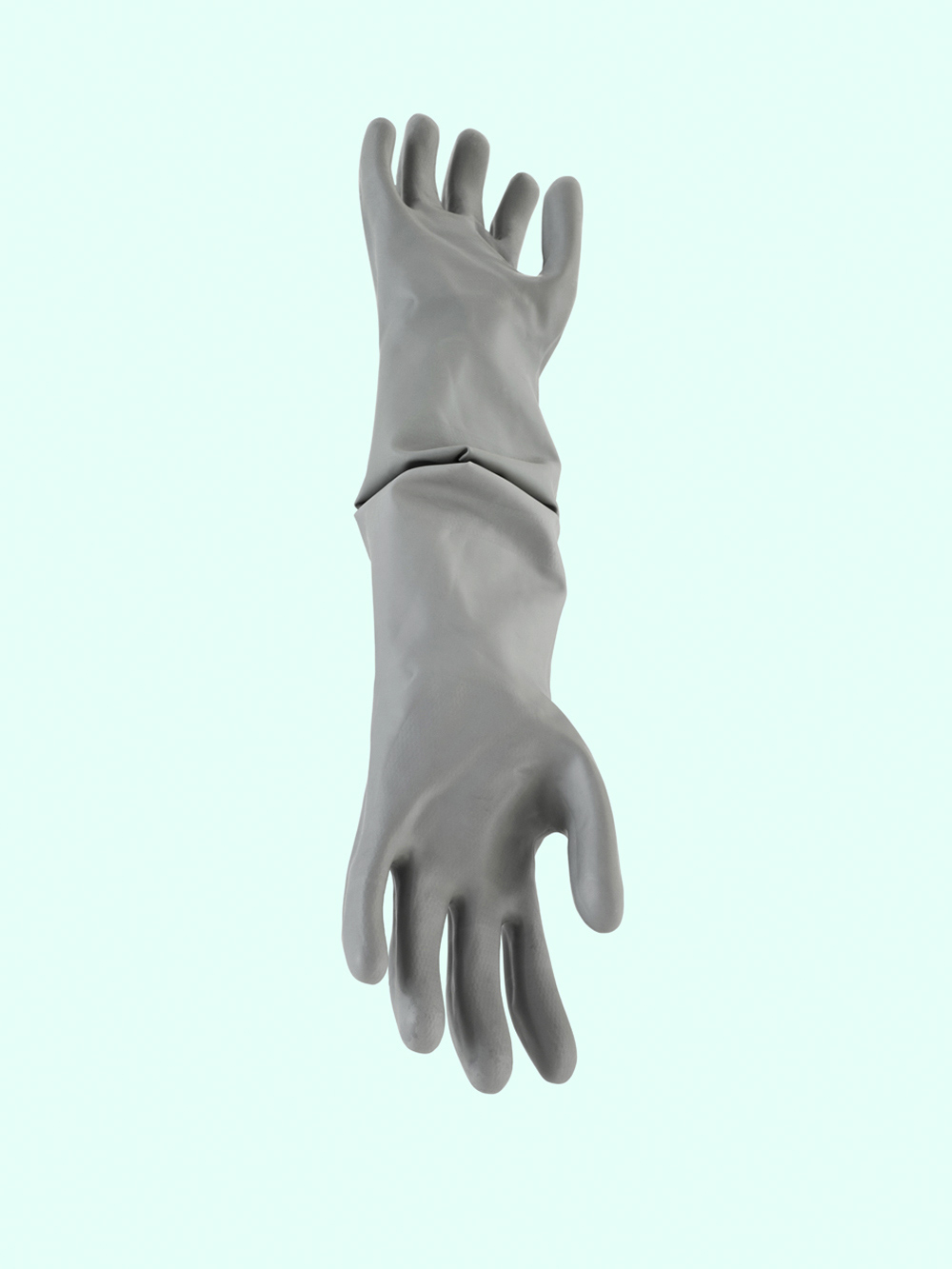
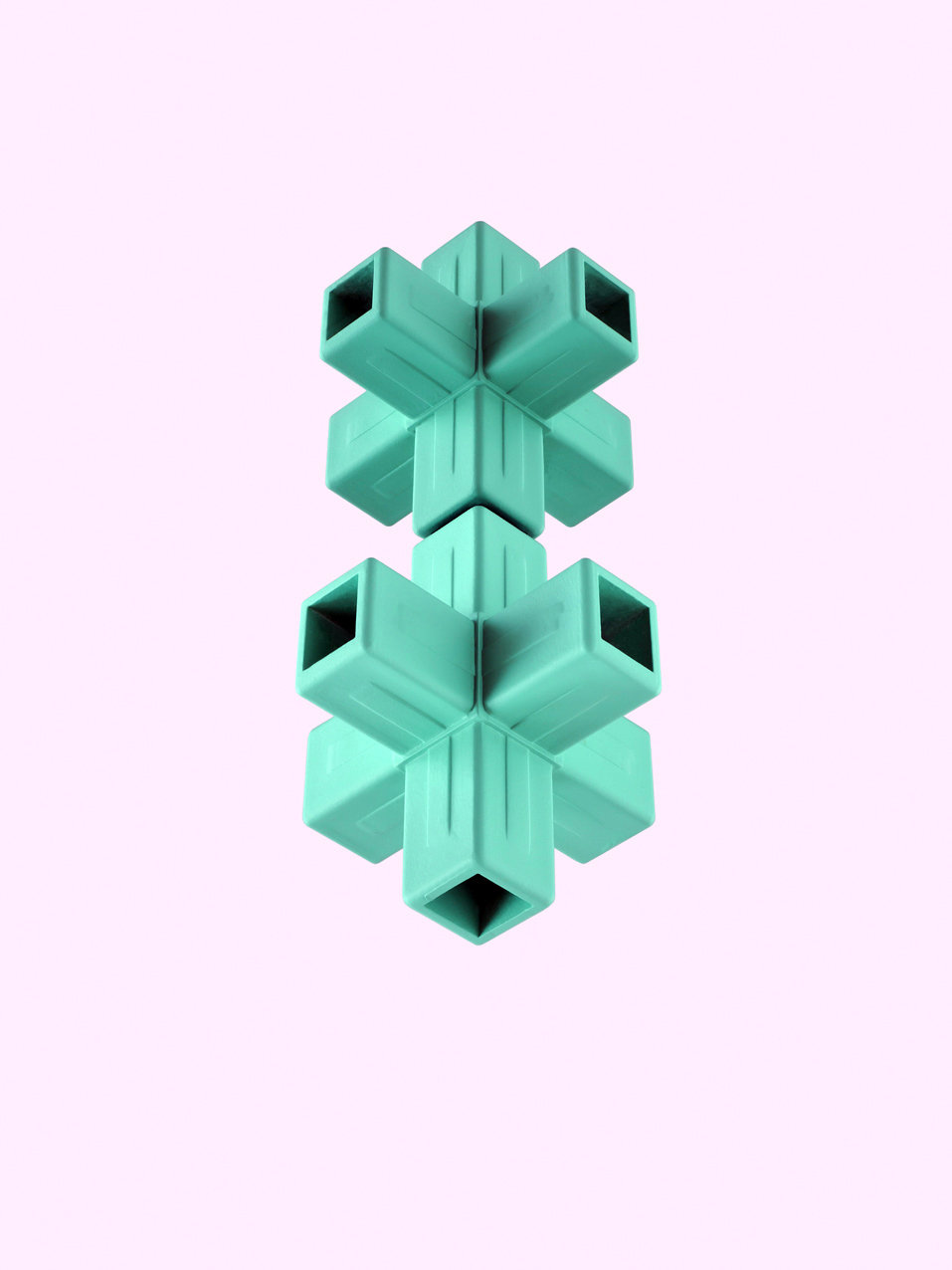





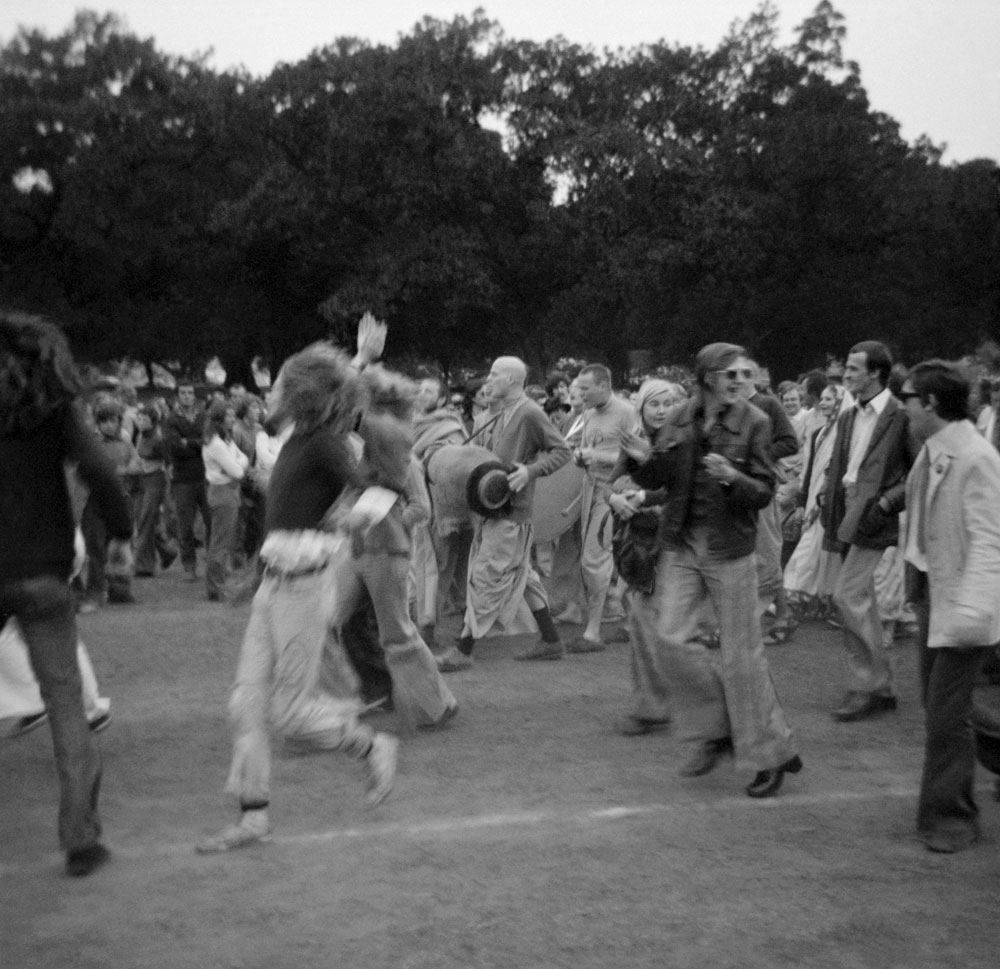


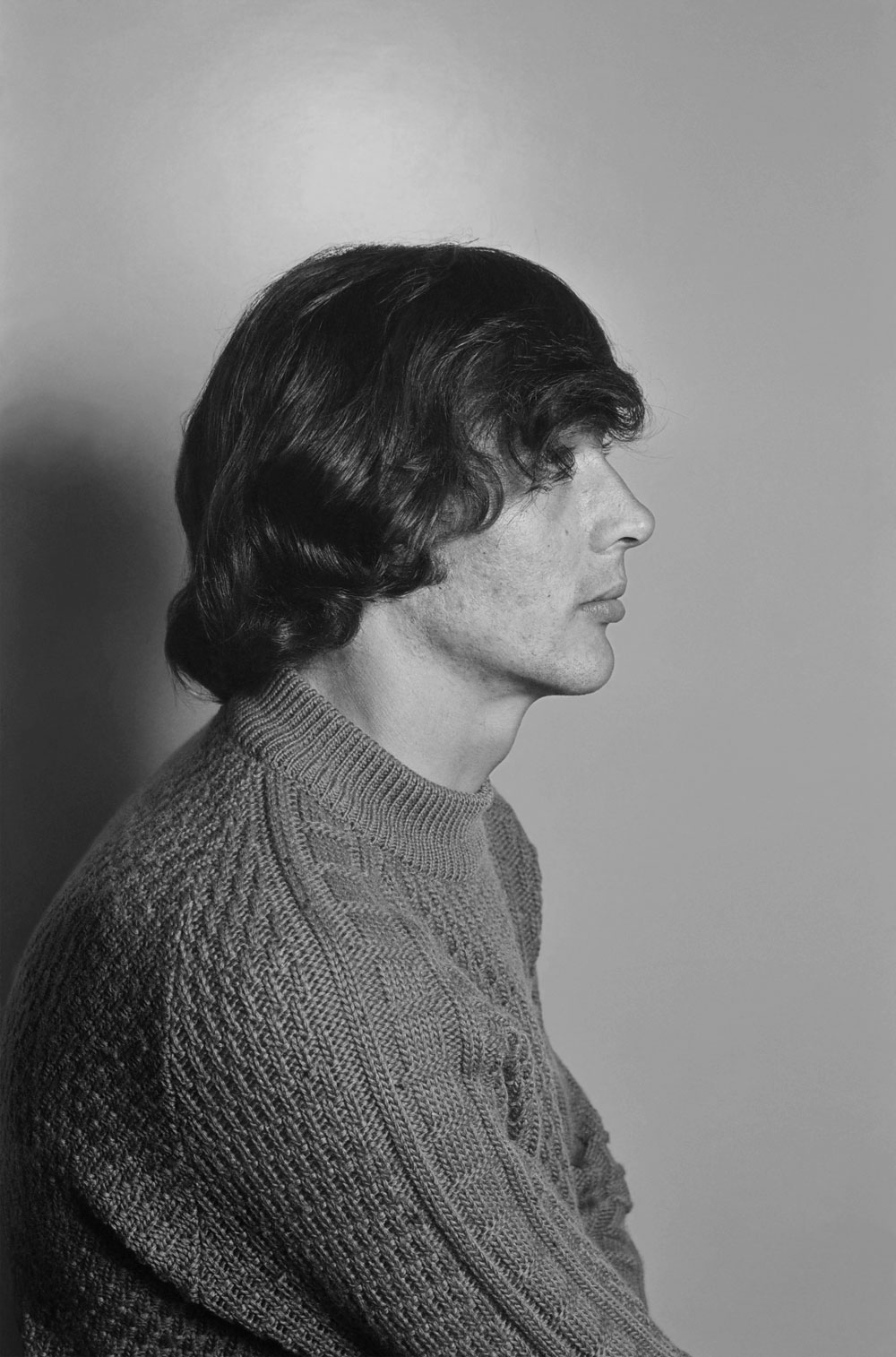


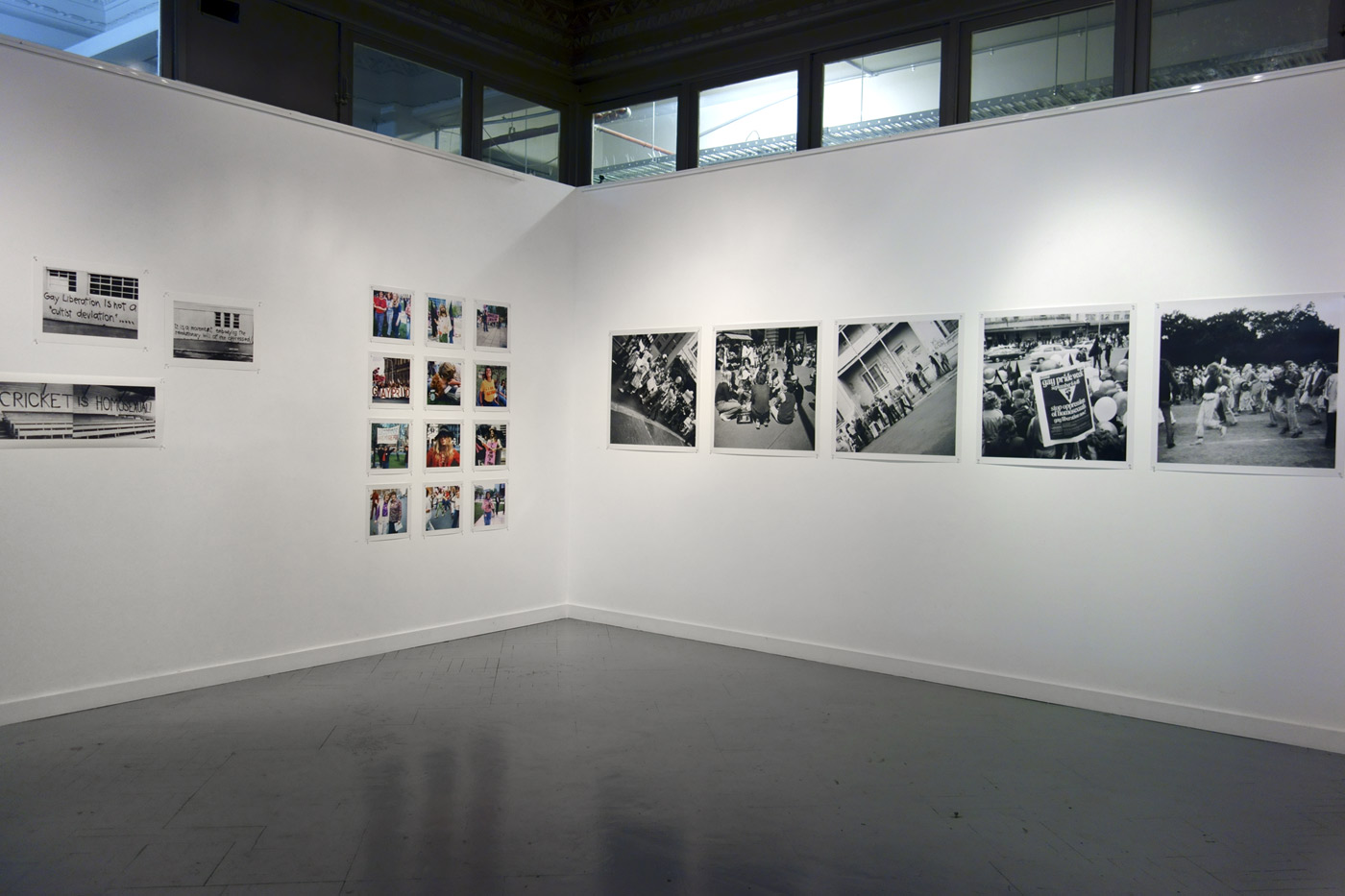
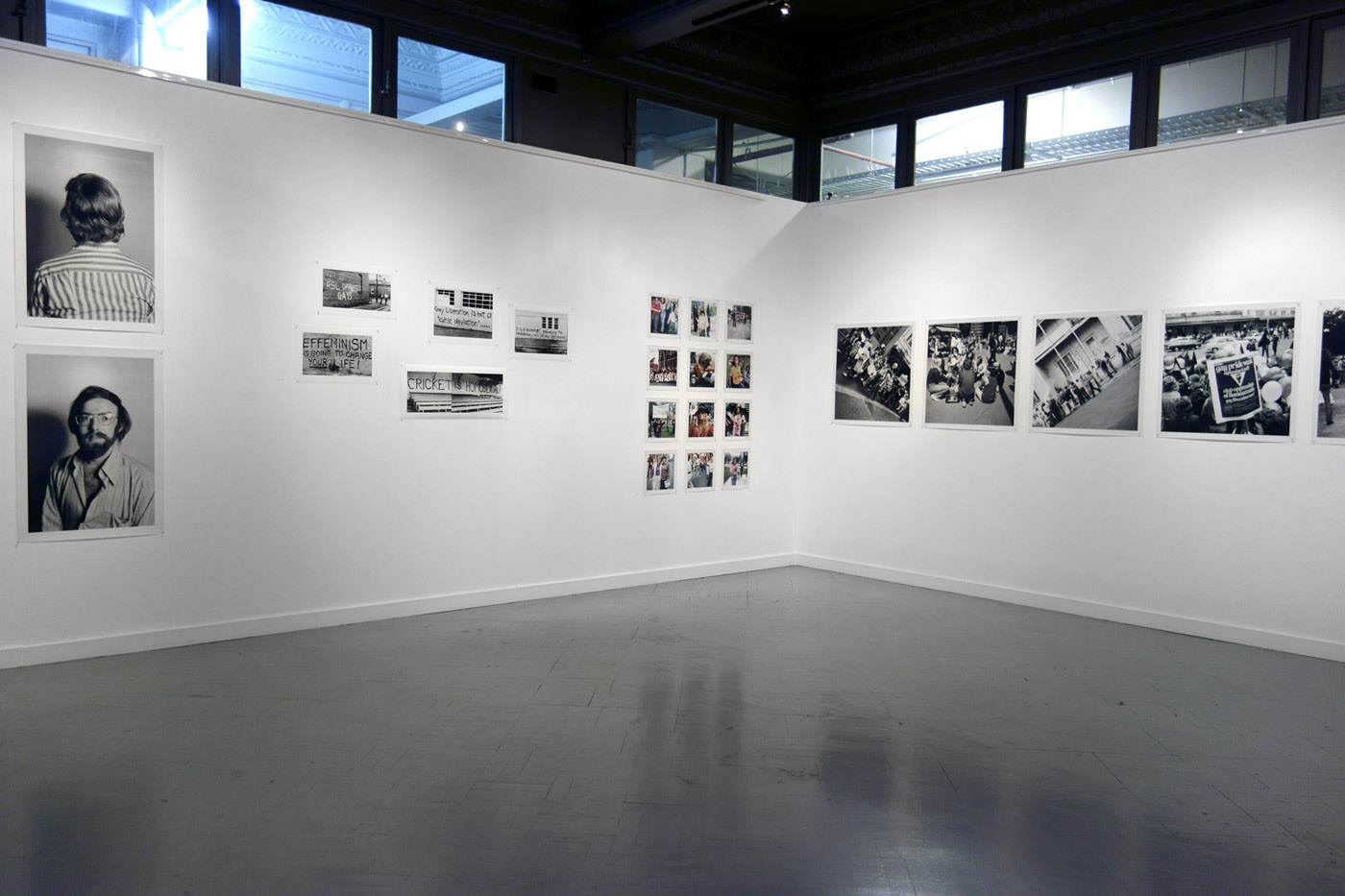


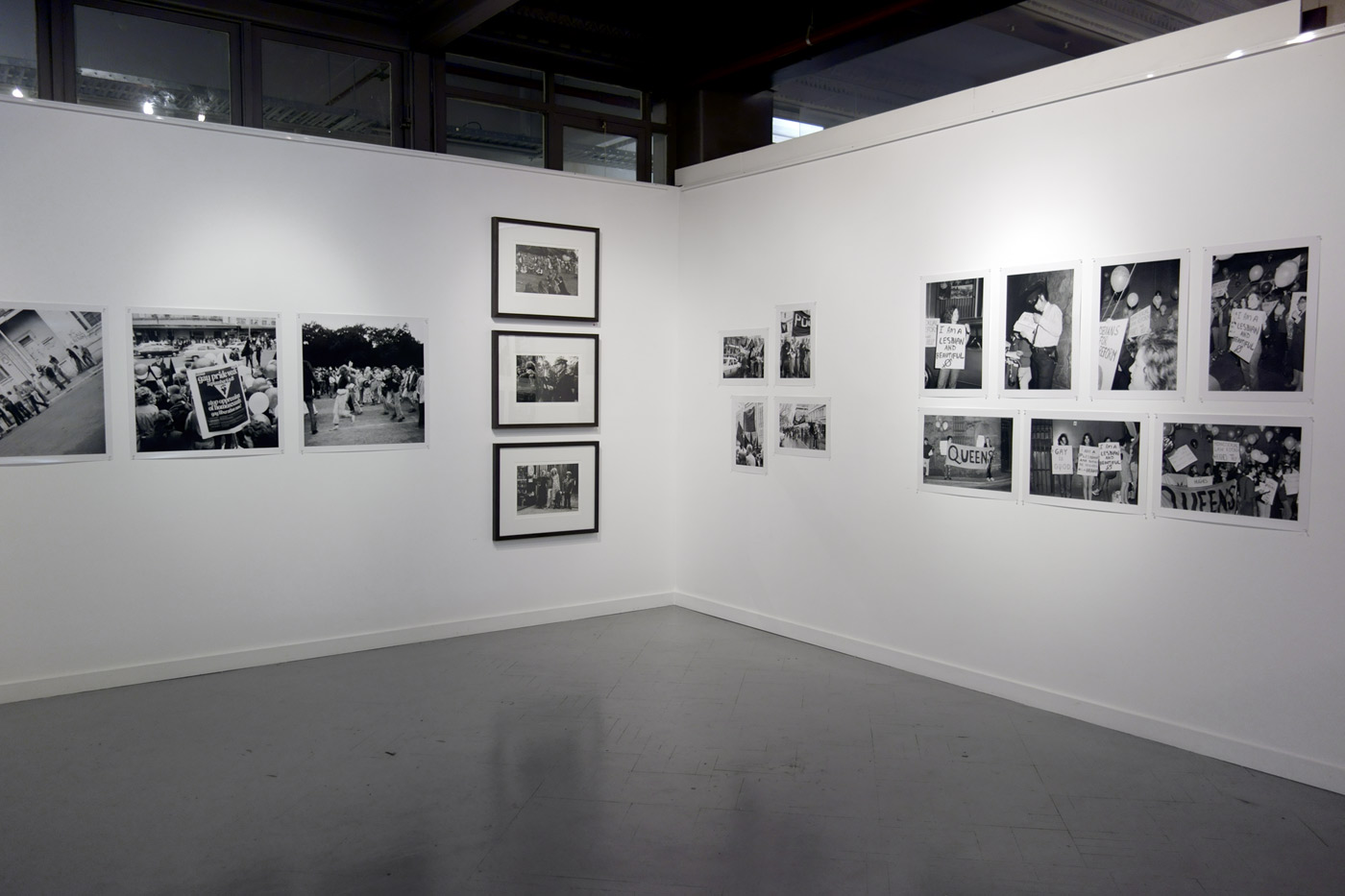


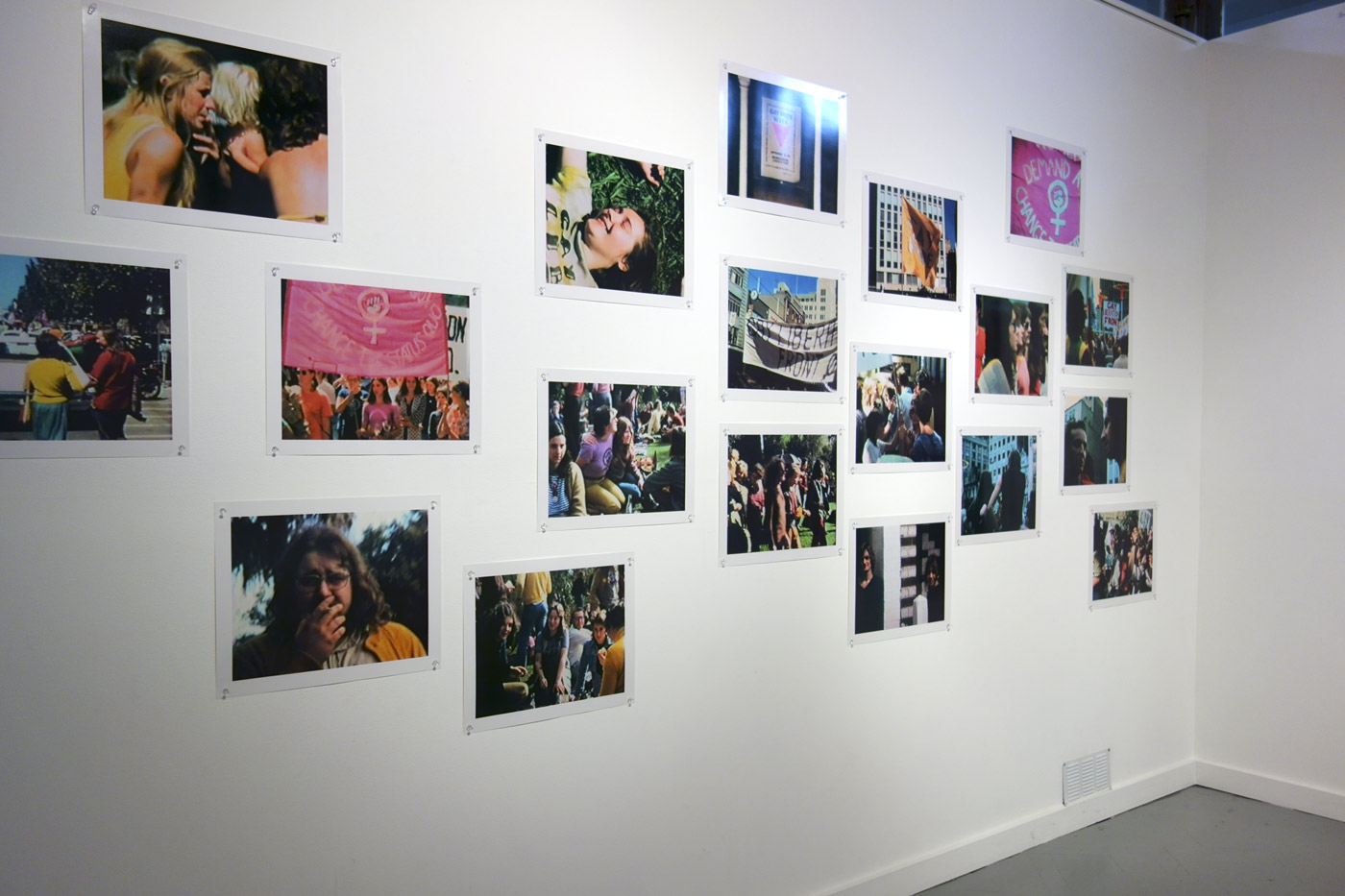





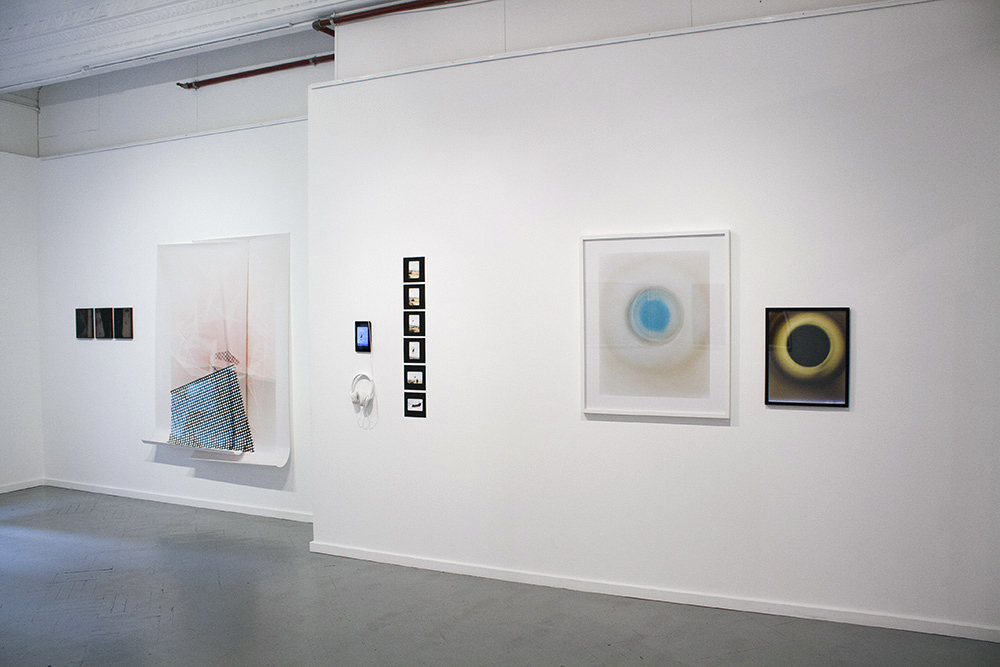
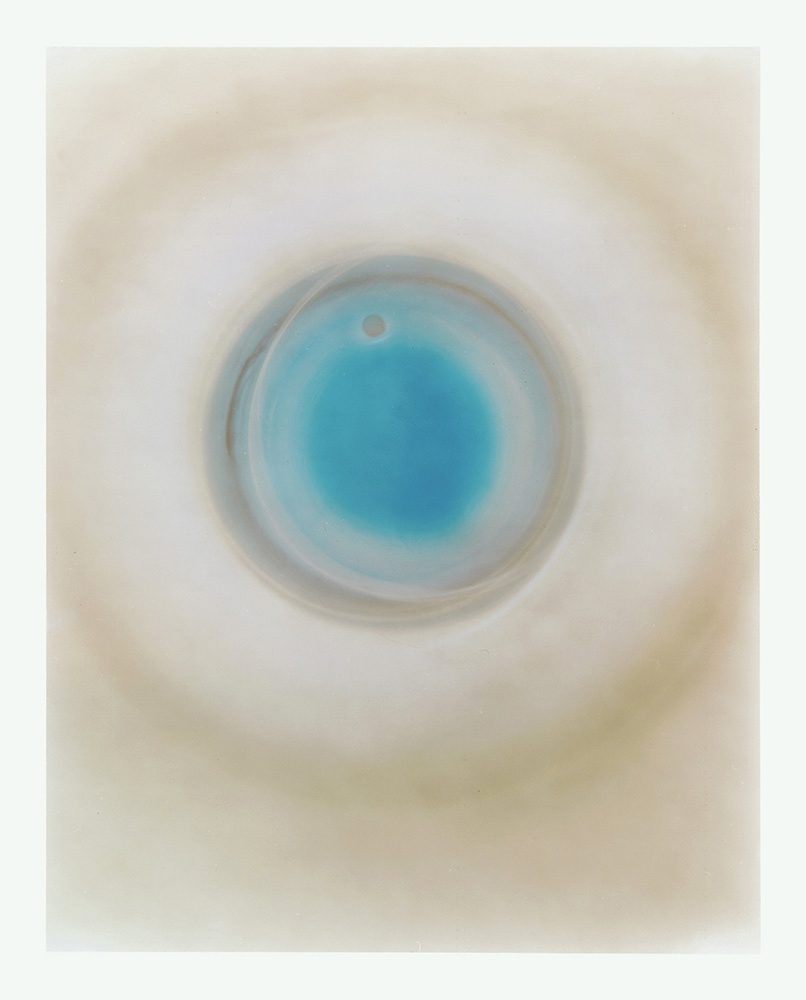
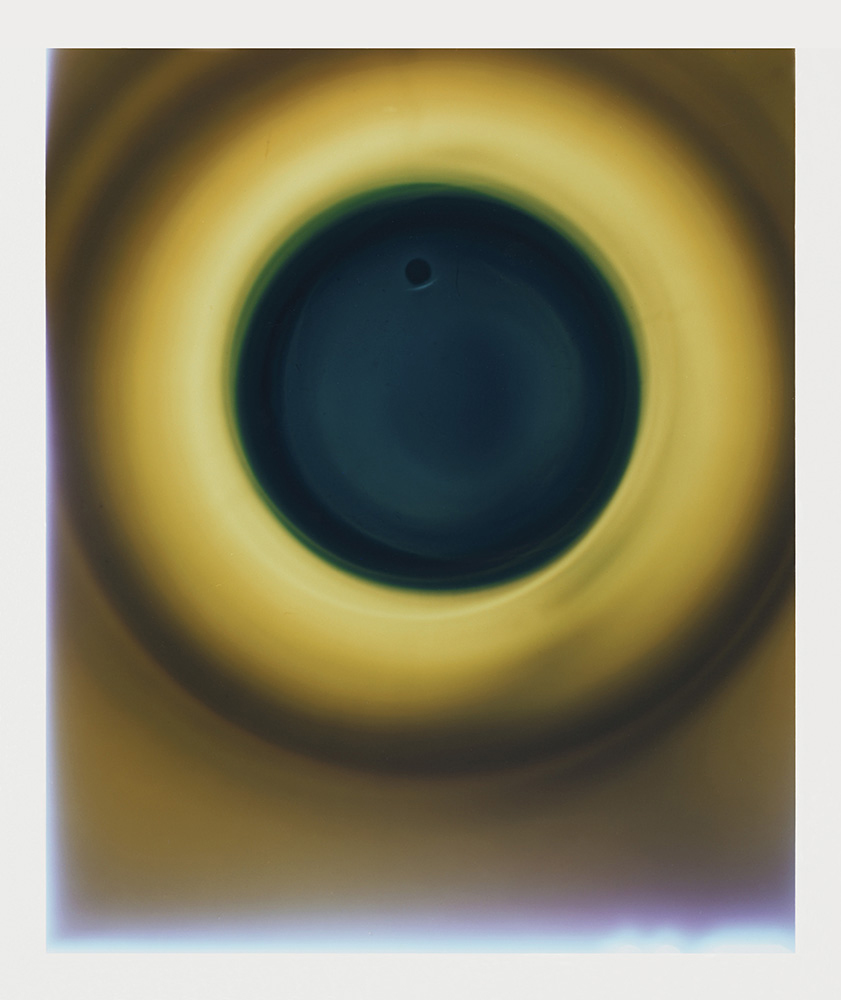
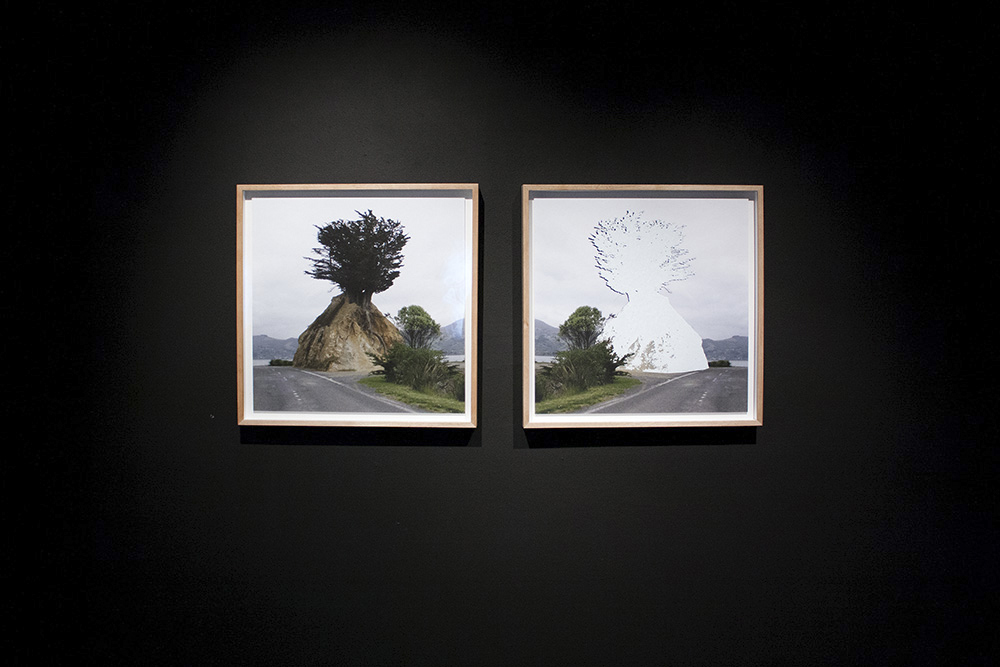
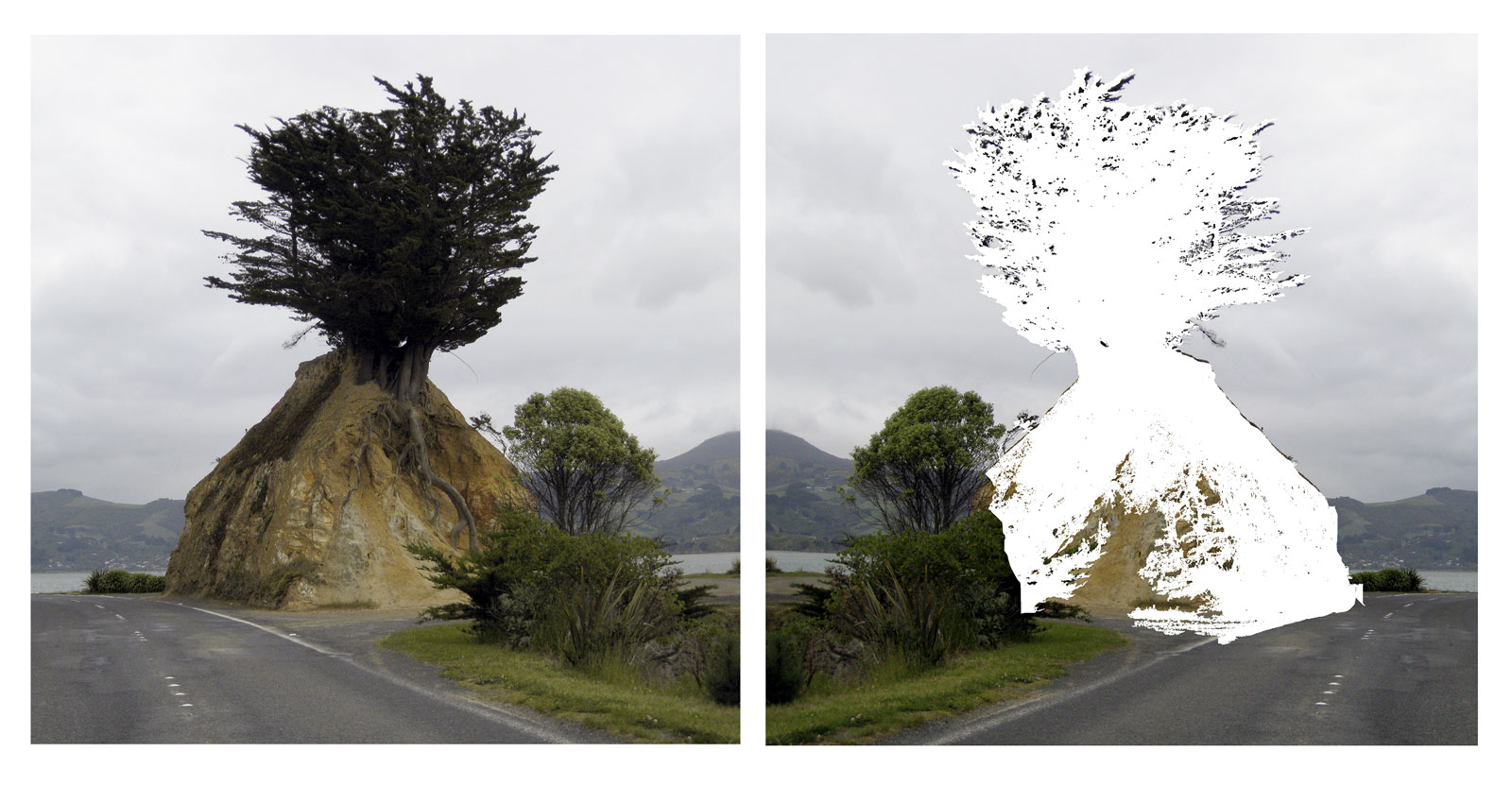
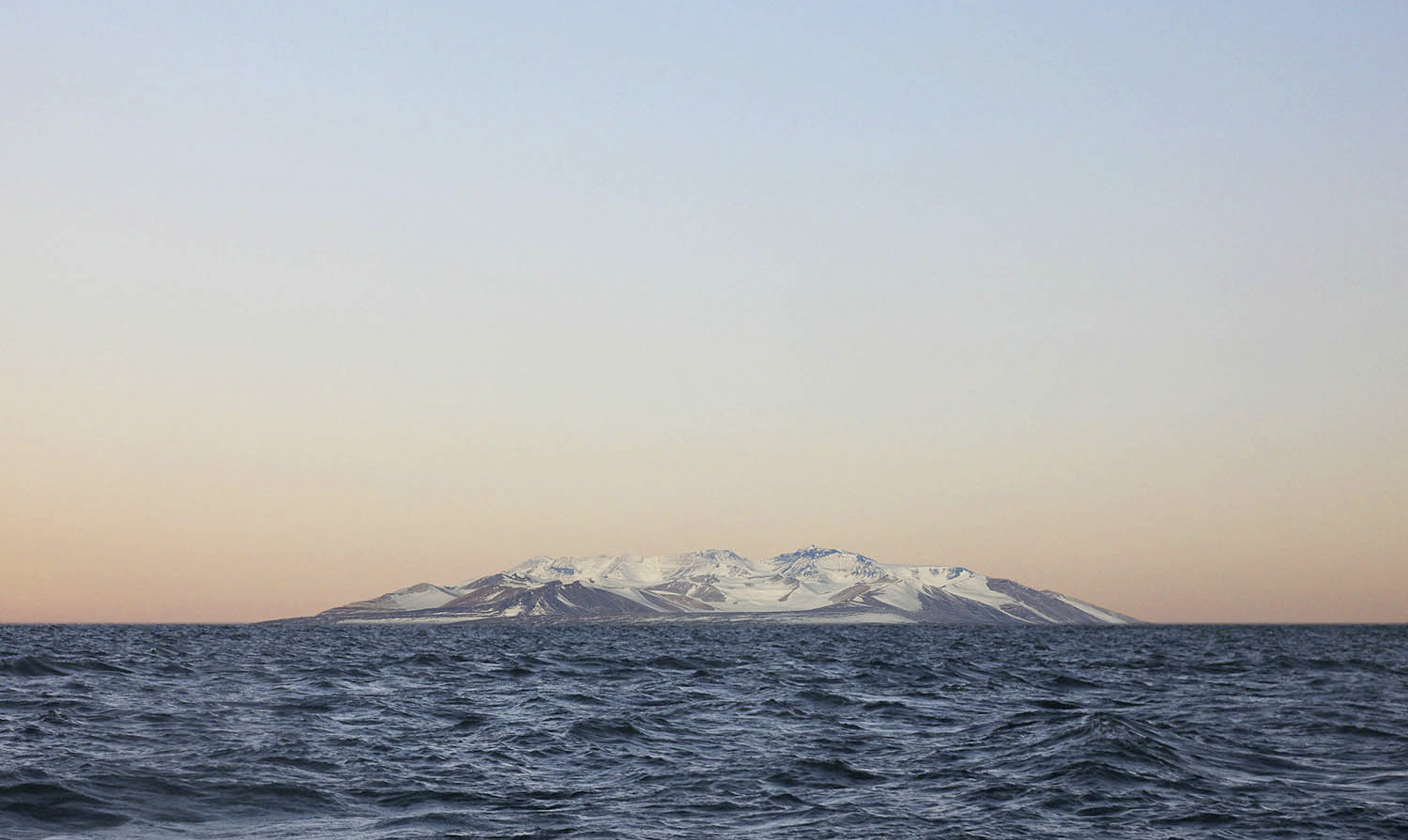
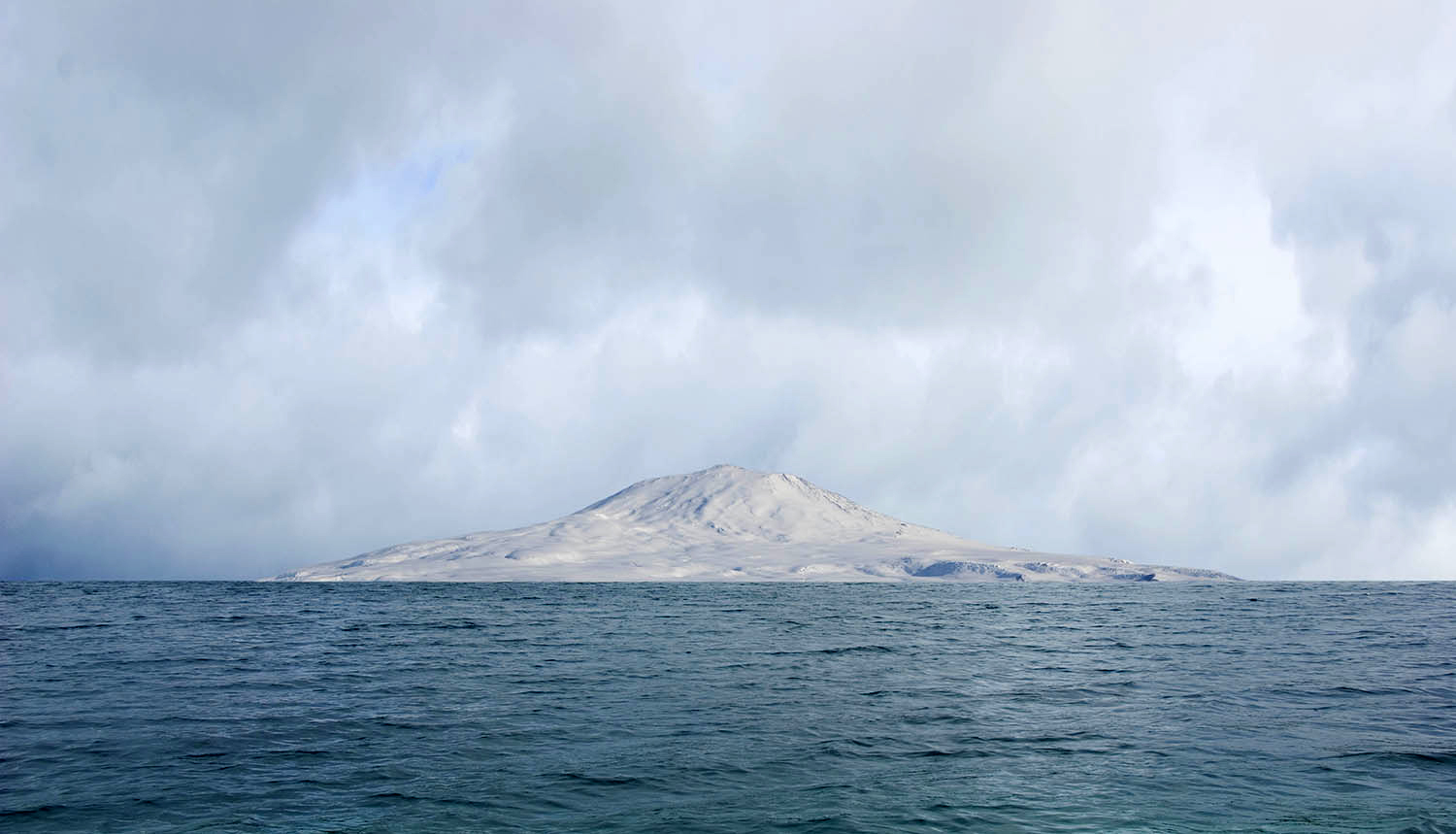
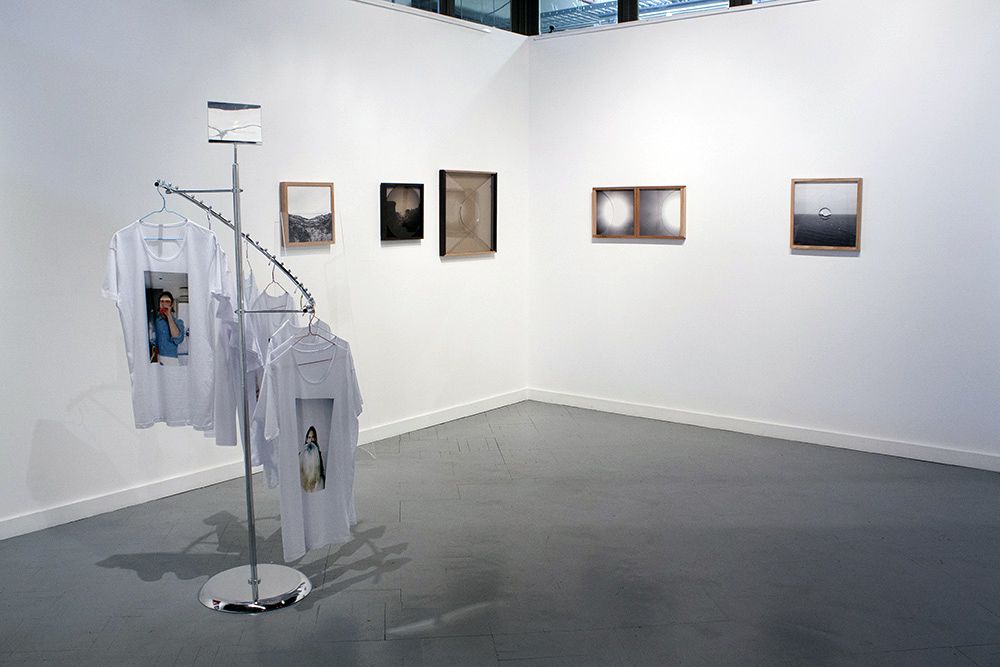
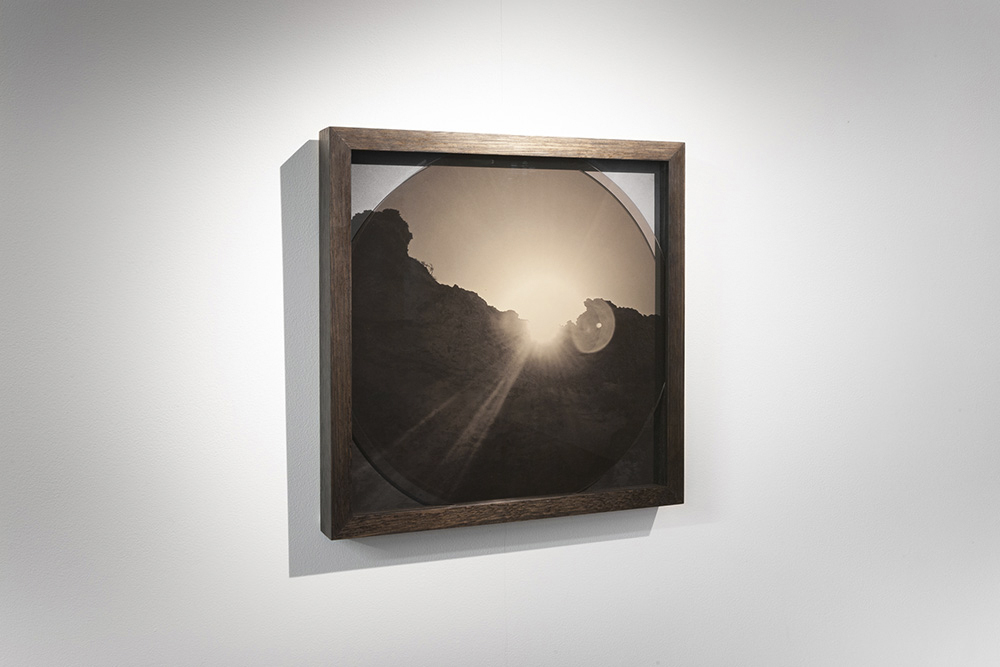
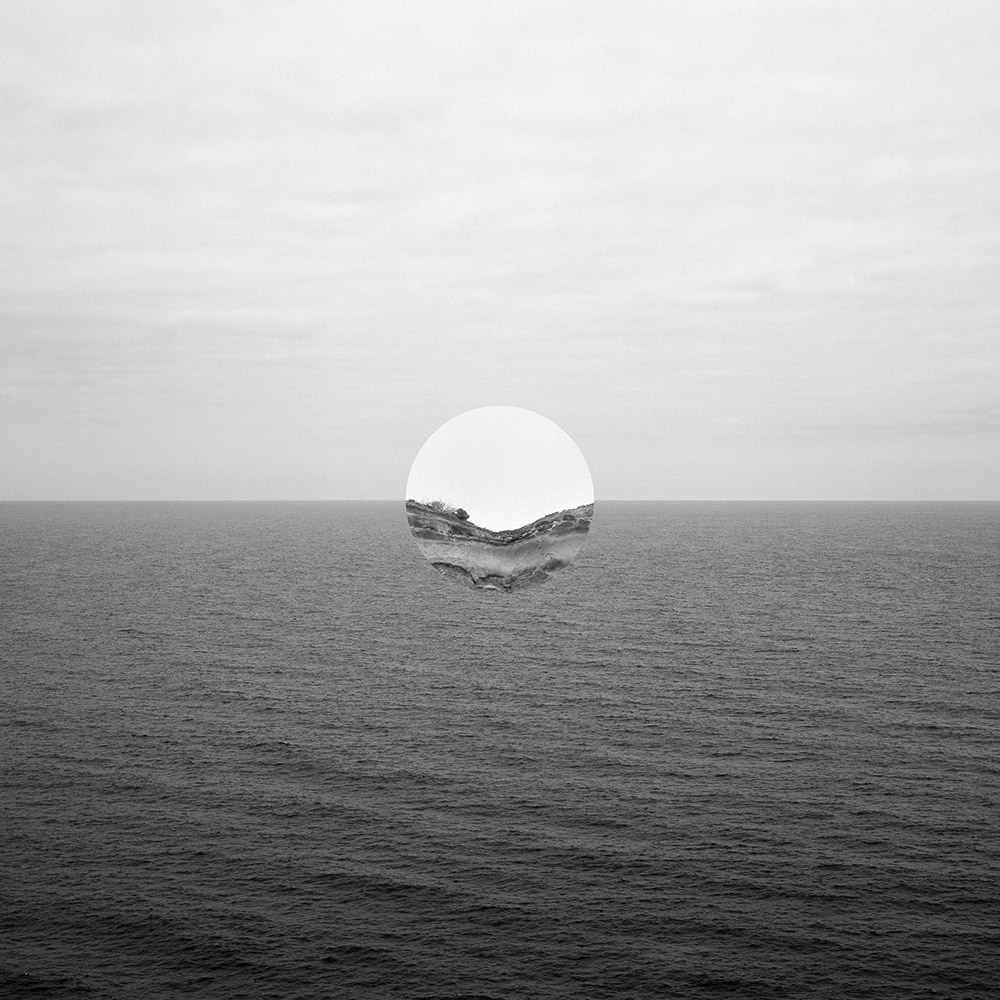
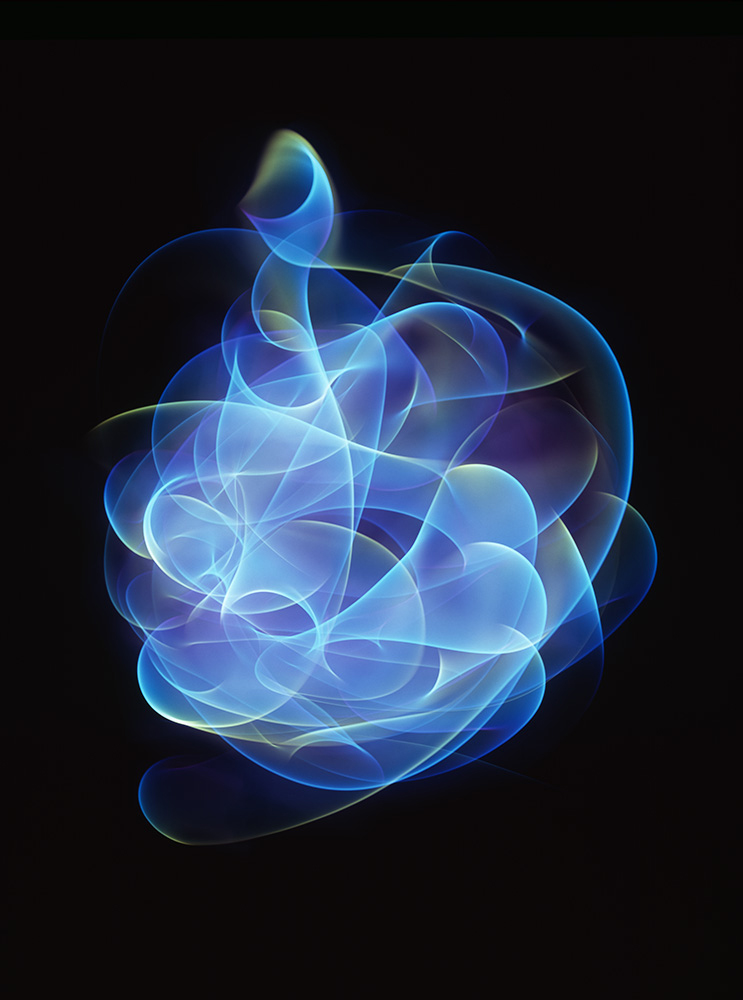
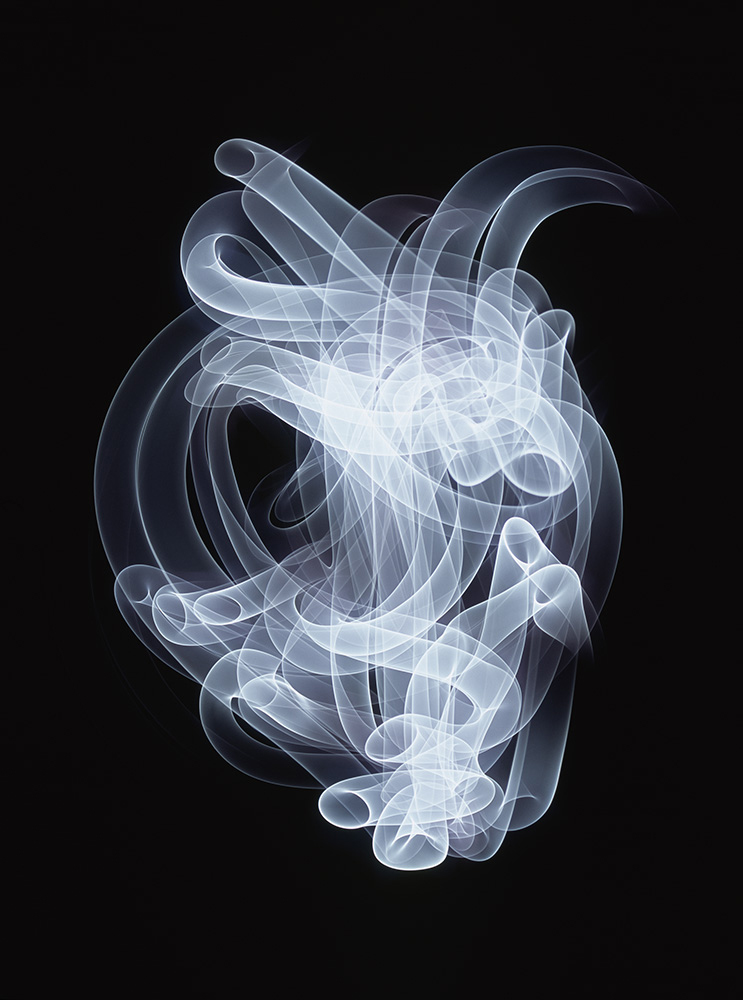
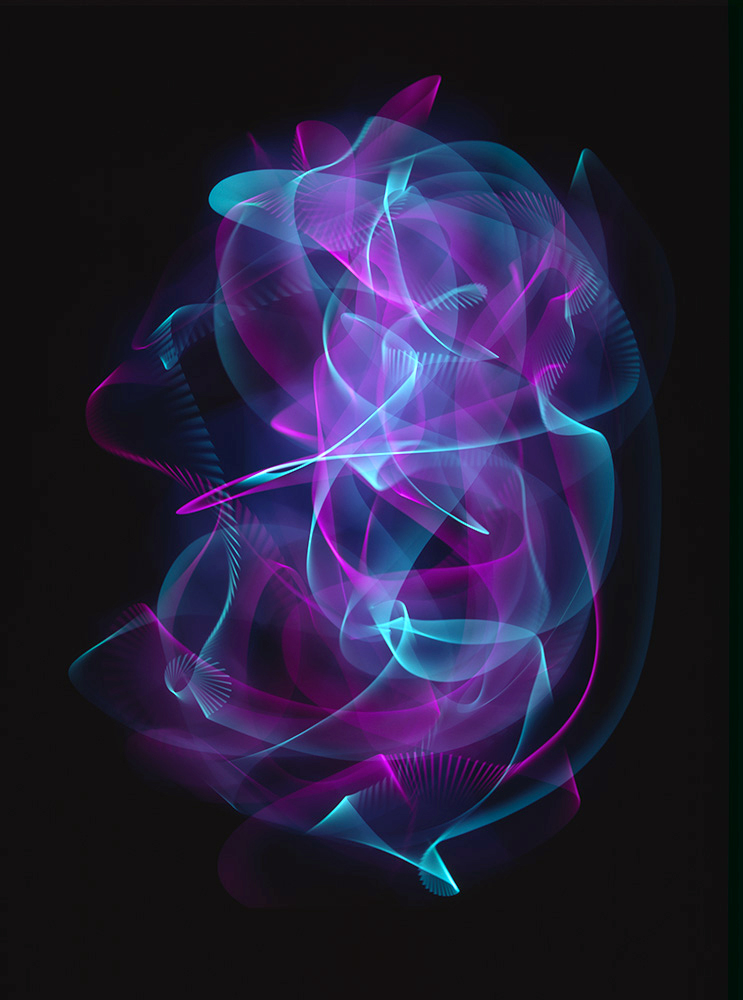

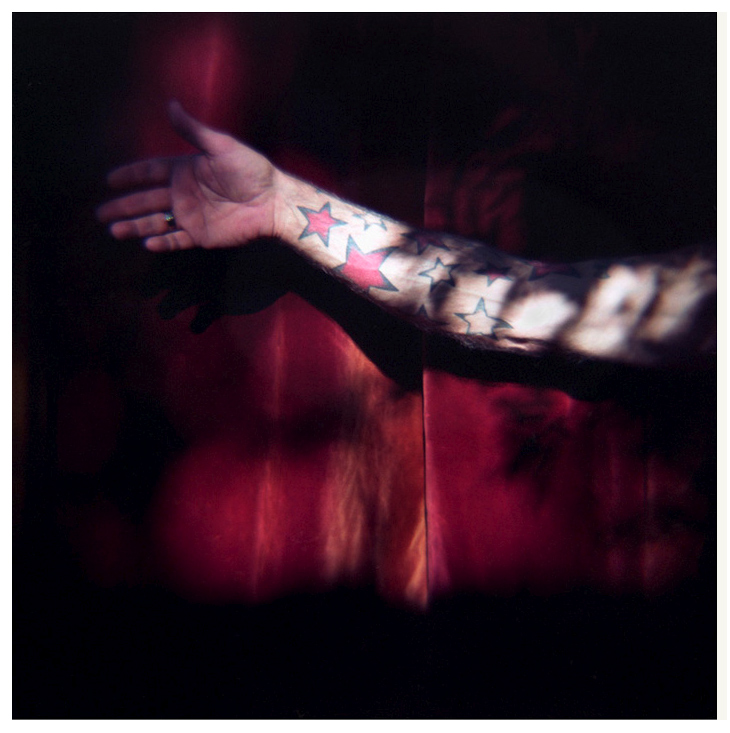
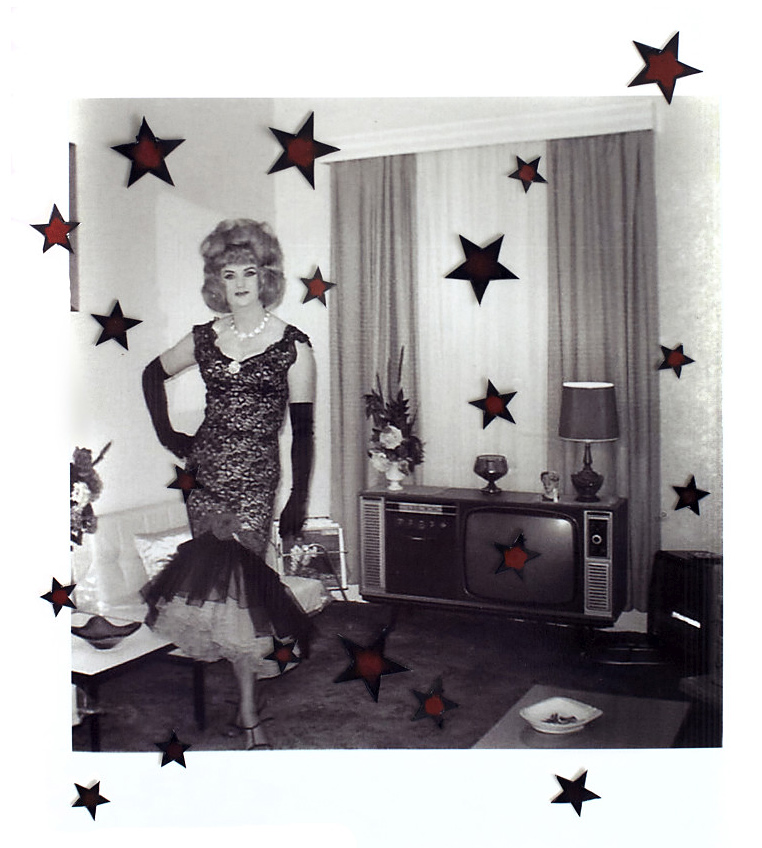
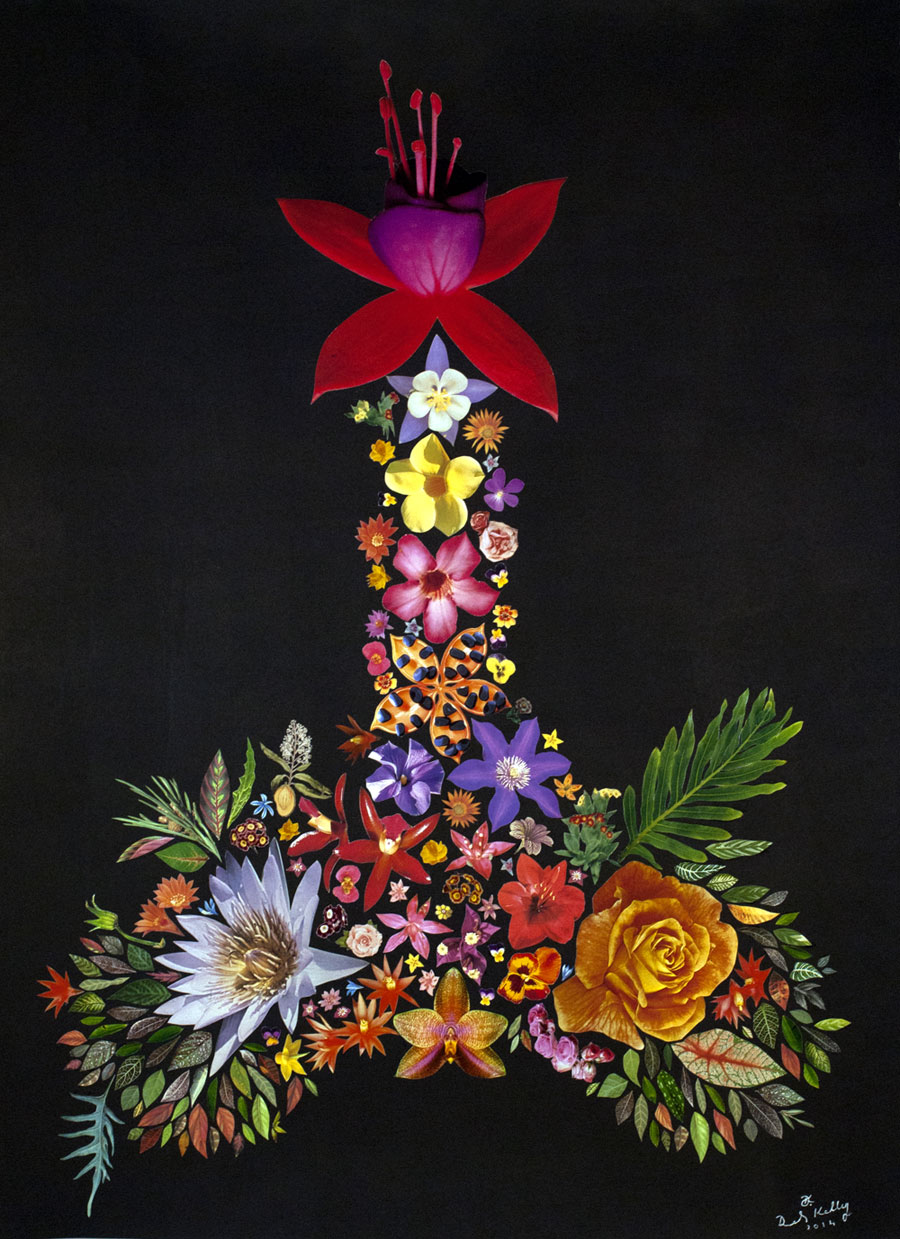
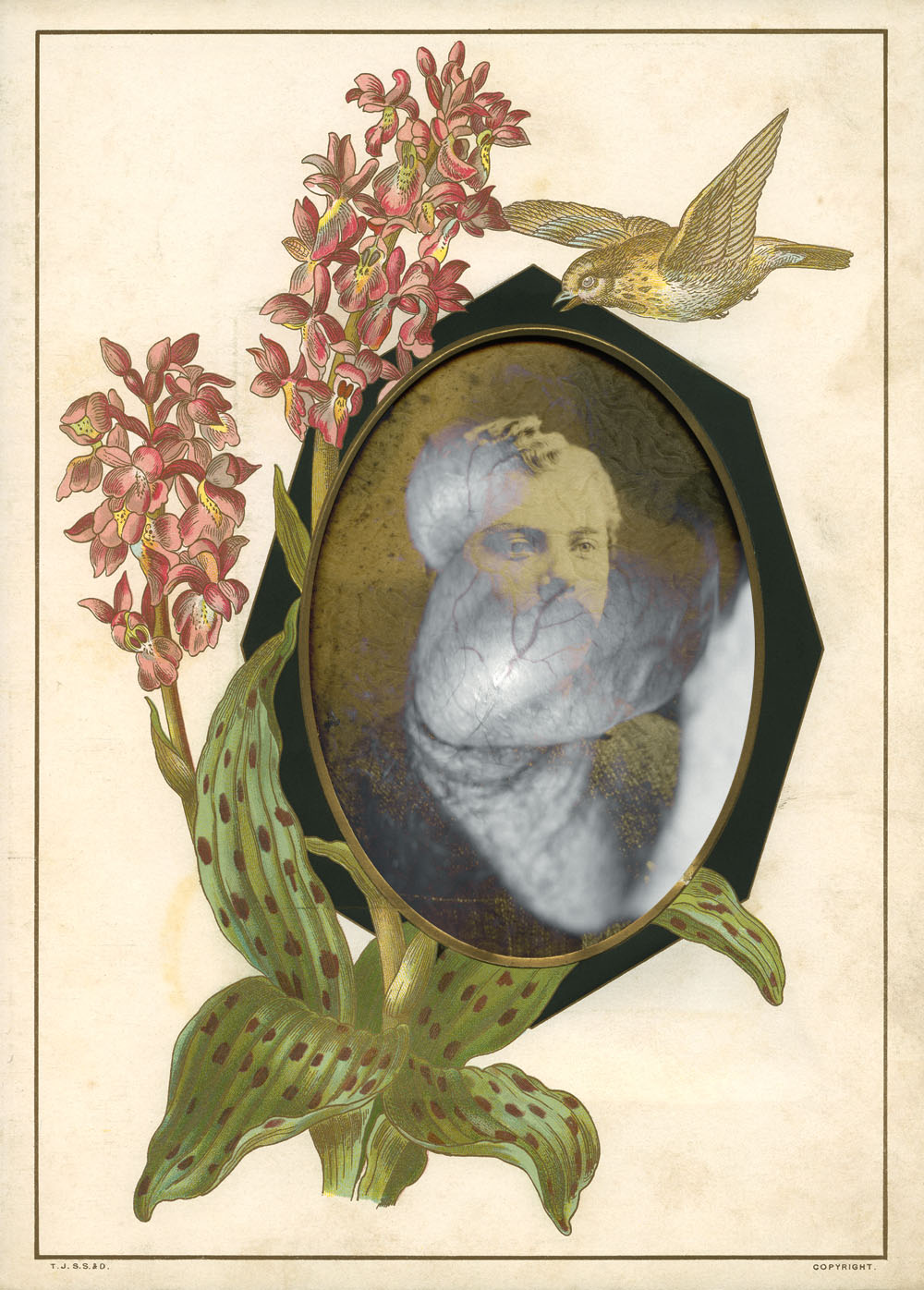
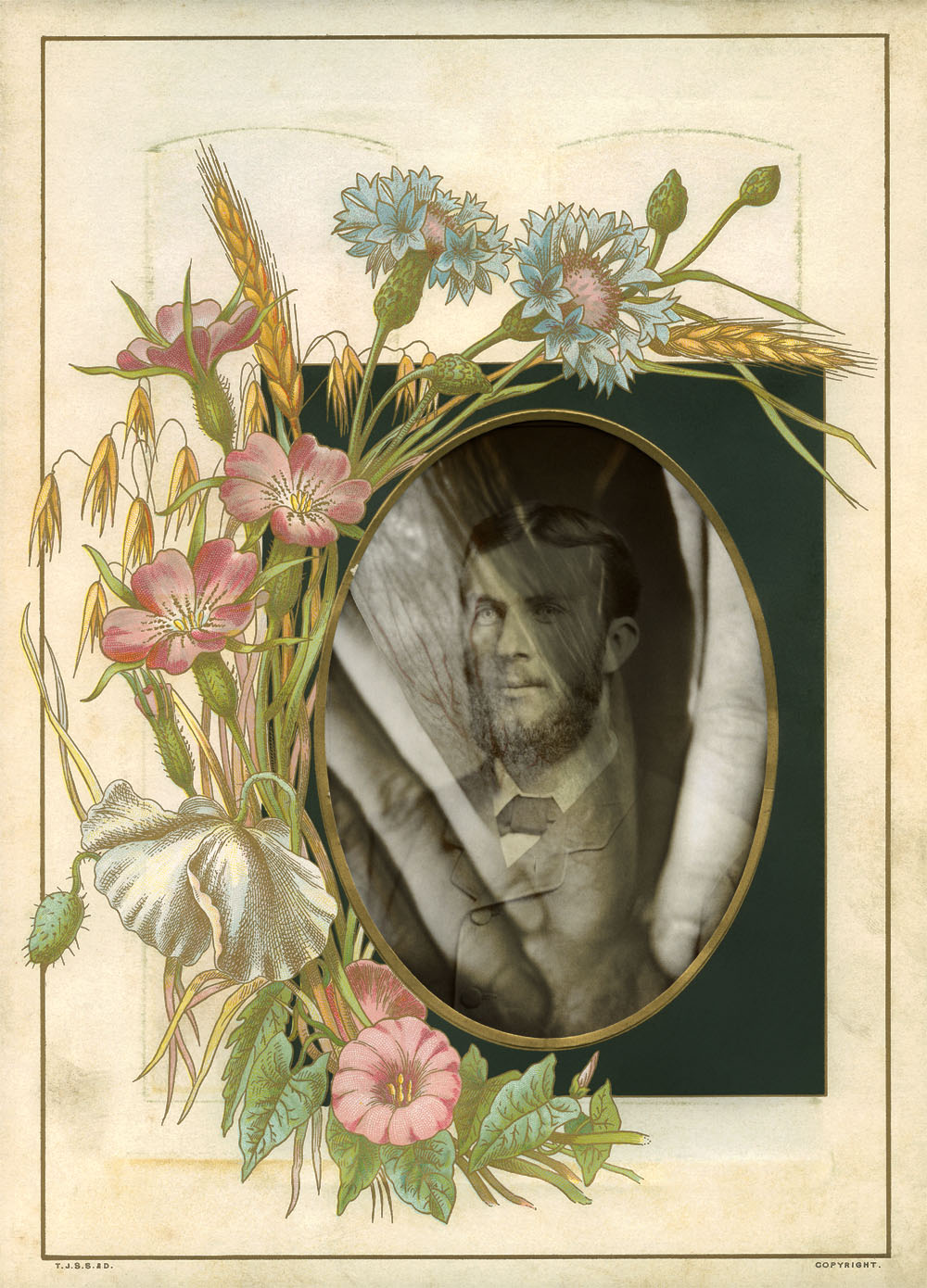




 Art Blart _ art and cultural memory archive
You must be logged in to post a comment.