Vale Saul Leiter: the world will be less colour-full, less abstract, less sensual without him

November 2013


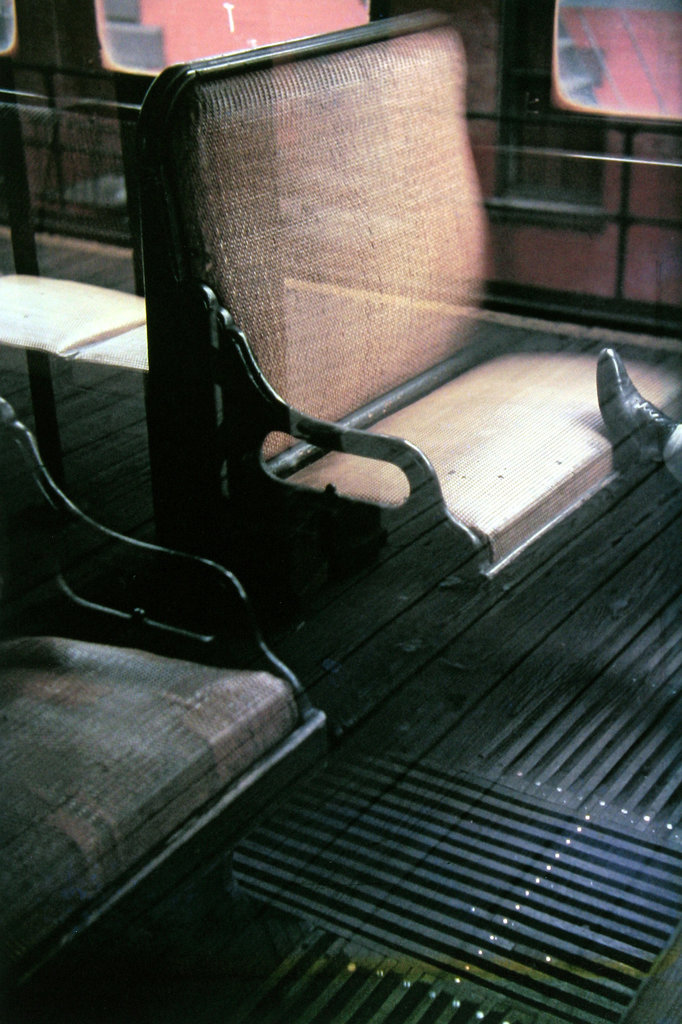
Saul LeiterĀ (American, 1923-2013) 'Foot on El' 1954


Saul LeiterĀ (American, 1923-2013)
Foot on El
1954


“Seeing is a neglected enterprise,” Mr. Leiter often said.

“I am not immersed in self-admiration,” he said. “When I am listening to Vivaldi or Japanese music or making spaghetti at 3 in the morning and realise that I don’t have the proper sauce for it, fame is of no use.”

“He broke all the rules when it came to composing a photograph,” said Mr. Leiter’s assistant, Margit Erb, who confirmed his death, at his home. “He put things into the abstract, he paid attention to colour, he threw foregrounds out of focus, which made the photographs feel very voyeuristic. He applied a painterly mentality that the photography world had not seen.”

His art was enough.

Dr Marcus Bunyan


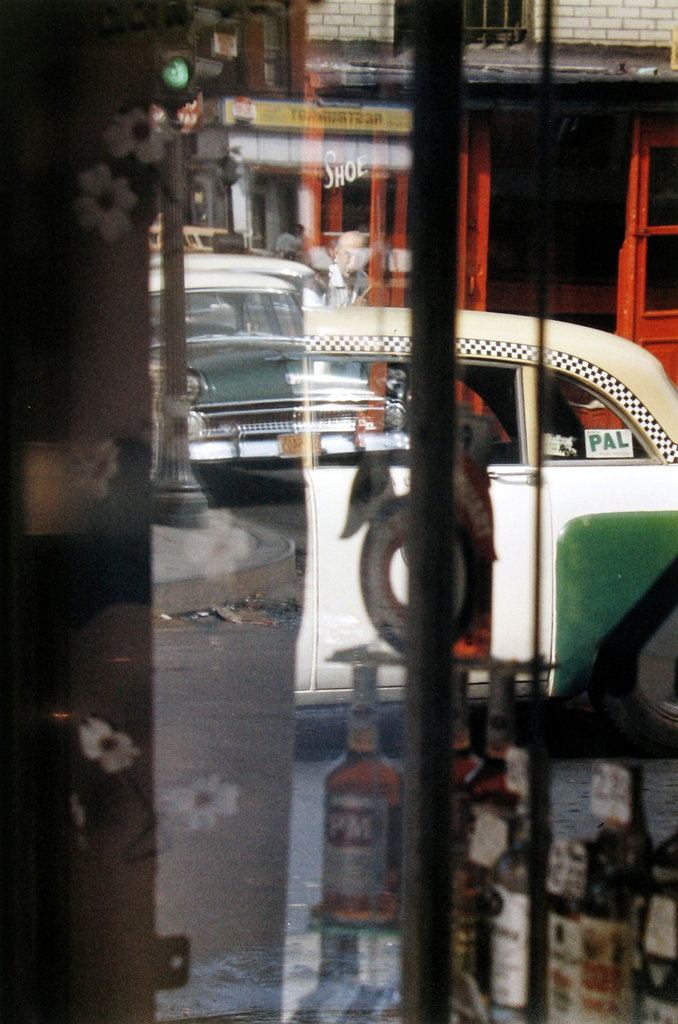
Saul LeiterĀ (American, 1923-2013) 'Taxi' 1956


Saul LeiterĀ (American, 1923-2013)
Taxi
1956


“”In order to build a career and to be successful, one has to be determined,” Mr. Leiter said in an interview for a monograph published in Germany in 2008. “One has to be ambitious. I much prefer to drink coffee, listen to music and to paint when I feel like it.” …

Unplanned and unstaged, Mr. Leiter’s photographs are slices fleetingly glimpsed by a walker in the city. People are often in soft focus, shown only in part or absent altogether, though their presence is keenly implied. Sensitive to the city’s found geometry, he shot by design around the edges of things: vistas are often seen through rain, snow or misted windows.

“A window covered with raindrops interests me more than a photograph of a famous person,” Mr. Leiter says in [the film] “In No Great Hurry.””

Read the obituary of this wonderful artistĀ at “Saul Leiter, Photographer Who Captured New York’s Palette, Dies at 89”Ā on theĀ New York TimesĀ website,Ā November 27, 2013

More images

Exhibition:Ā ‘Saul Leiter’Ā at Kunst Haus Wien, Vienna, January – May 2013
Exhibition:Ā ‘Saul Leiter Retrospective’Ā at The House of Photography at Deichtorhallen Hamburg, February – April 2012
Exhibition:Ā ‘Saul Leiter: New York Reflections’Ā at the Jewish Historical Museum, Amsterdam, October 2011 – March 2012


LIKE ART BLART ON FACEBOOK

Back to top

Marcus Bunyan black and white archive: ‘Immersion’, 1994

October 2013


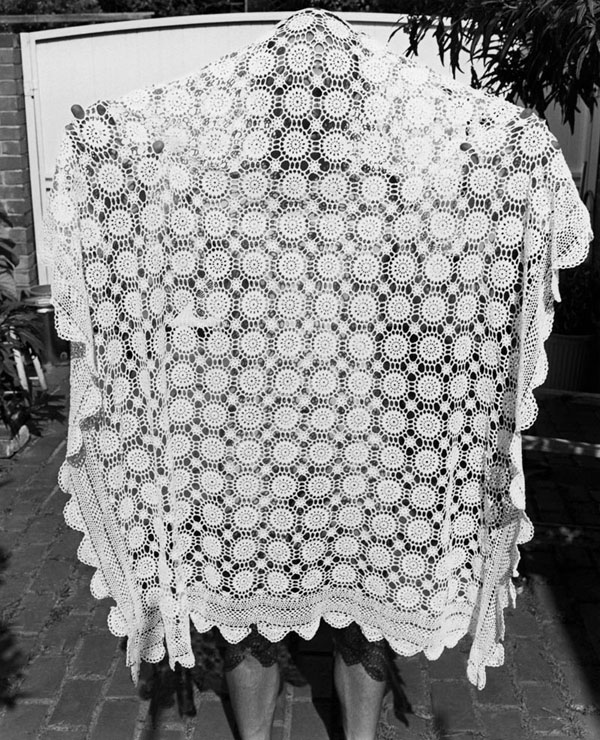
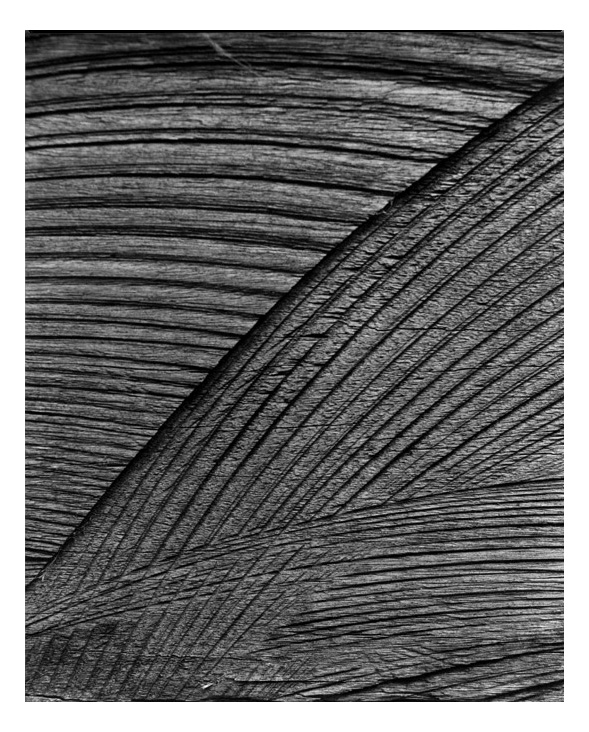
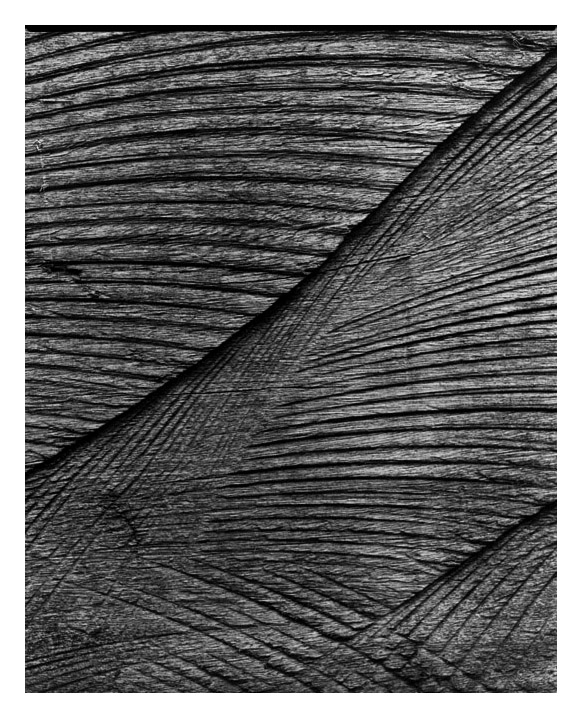
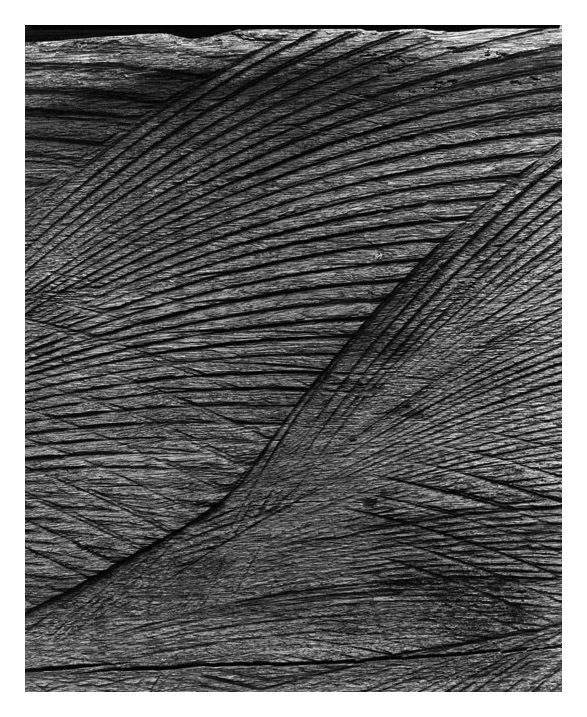
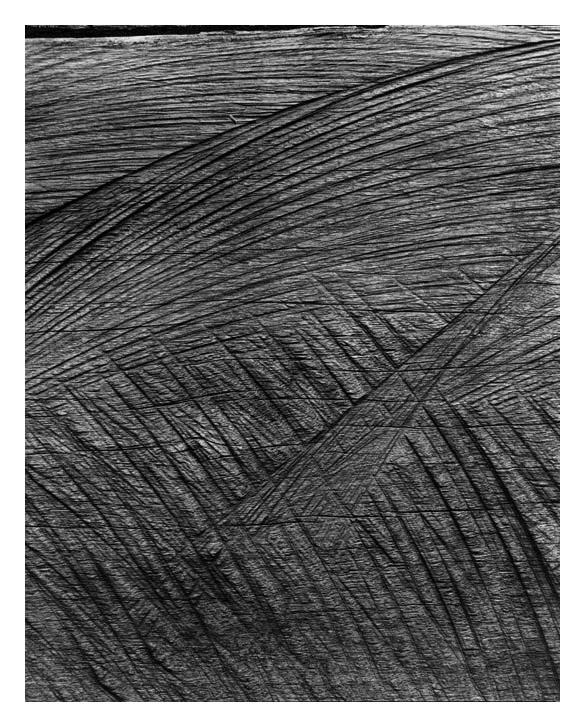
Marcus BunyanĀ (Australian, b. 1958) 'Untitled (bandsaw)' 1994


Marcus BunyanĀ (Australian, b. 1958)
Untitled (bandsaw)
1994
Silver gelatin photograph


“What A. feels he is doing, however, as he writes the pages of his own book, is something that does not belong to either one of these two types of memory. A. has both a good memory and a bad memory. He has lost much, but he has also retained much. As he writes, he feels the he is moving inward (through himself) and at the same time moving outward (towards the world). What he experienced, perhaps, during those few moments on Christmas Eve, 1979, as he sat alone in his room on Varick Street, was this: the sudden knowledge that came over him that even alone, in the deepest solitude of his room, he was not alone, or, more precisely, that the moment he began to try to speak of that solitude, he had become more than just himself. Memory, therefore, not simply as the resurrection of one’s private past, but an immersion in the past of others, which is to say: history – which one both participates in and is a witness to, is a part of and apart from. Everything, therefore, is present in his mind at once, as if each element were reflecting the light of all the others, and at the same time emitting its own unique and unquenchable radiance. If there is any reason for him to be in this room now, it is because there is something inside him hungering to see it all at once, to savor the chaos of it in all its raw and urgent simultaneity. And yet, the telling of it is necessarily slow, a delicate business of trying to remember what has already been remembered. The pen will never be able to move fast enough to write down every word discovered in the space of memory. Some things have been lost forever, other things will perhaps be remembered again, and still others have been lost and found and lost again. There is no way to be sure of any of this.”


Paul Auster. “The Book of Memory,” in The Invention of Solitude,Ā 1982, pp. 148-49


I am scanning my negatives made during the years 1991-1997 to preserve them in the form of an online archive as a process of active memory, so that the images are not lost forever. These photographs were images of my life and imagination at the time of their making, the ideas I was thinking about and the people and things that surrounded me.

All images Ā© Marcus Bunyan. Please click the photographs for a larger version of the image. Please remember these are just straight scans of the prints, all full frame, no cropping !

Photographs are available from this series for purchase. As a guide, a vintage 8″ x 10″ silver gelatin print costs $700 plus tracked and insured shipping. For more information please see my store web page.


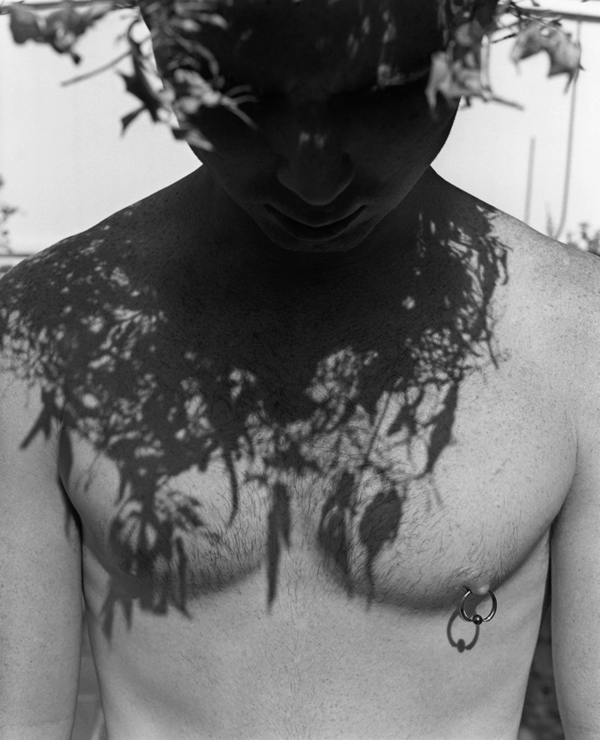
Marcus BunyanĀ (Australian, b. 1958) 'Inversion' 1994


Marcus BunyanĀ (Australian, b. 1958)
Inversion
1994
Silver gelatin photograph


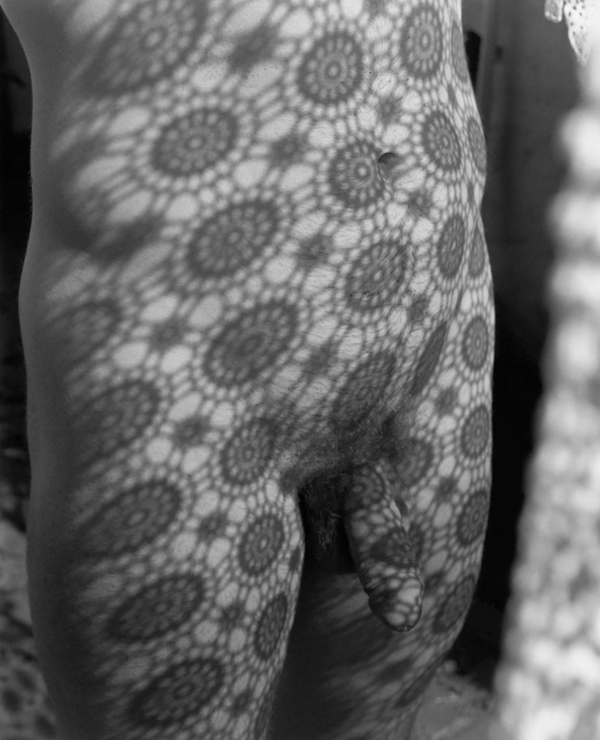
Marcus BunyanĀ (Australian, b. 1958) 'Growth 2' 1994


Marcus BunyanĀ (Australian, b. 1958)
Growth 2
1994
Silver gelatin photograph


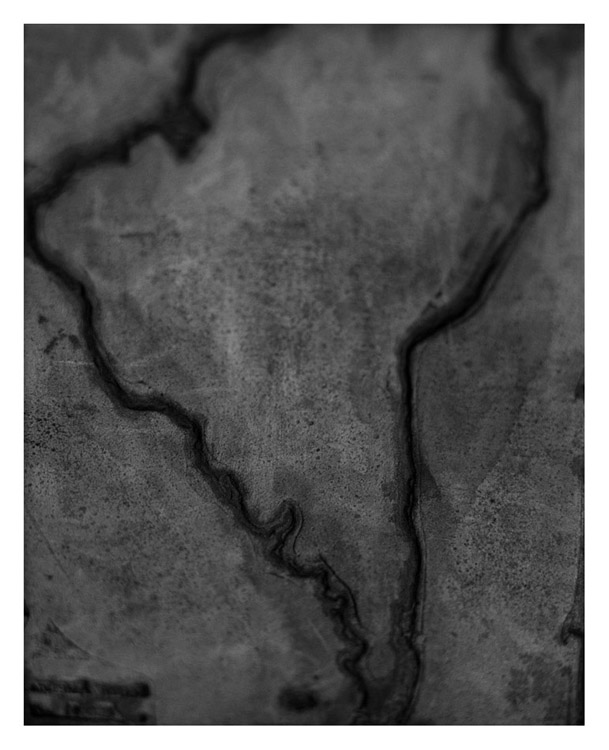
Marcus BunyanĀ (Australian, b. 1958) 'Starry Night (Burke and Wills memorial)' 1994


Marcus BunyanĀ (Australian, b. 1958)
Starry Night (Burke and Wills memorial)
1994
Silver gelatin photograph


Marcus BunyanĀ (Australian, b. 1958) 'Untitled (bandsaw)' 1994


Marcus BunyanĀ (Australian, b. 1958)
Untitled (bandsaw)
1994
Silver gelatin photograph


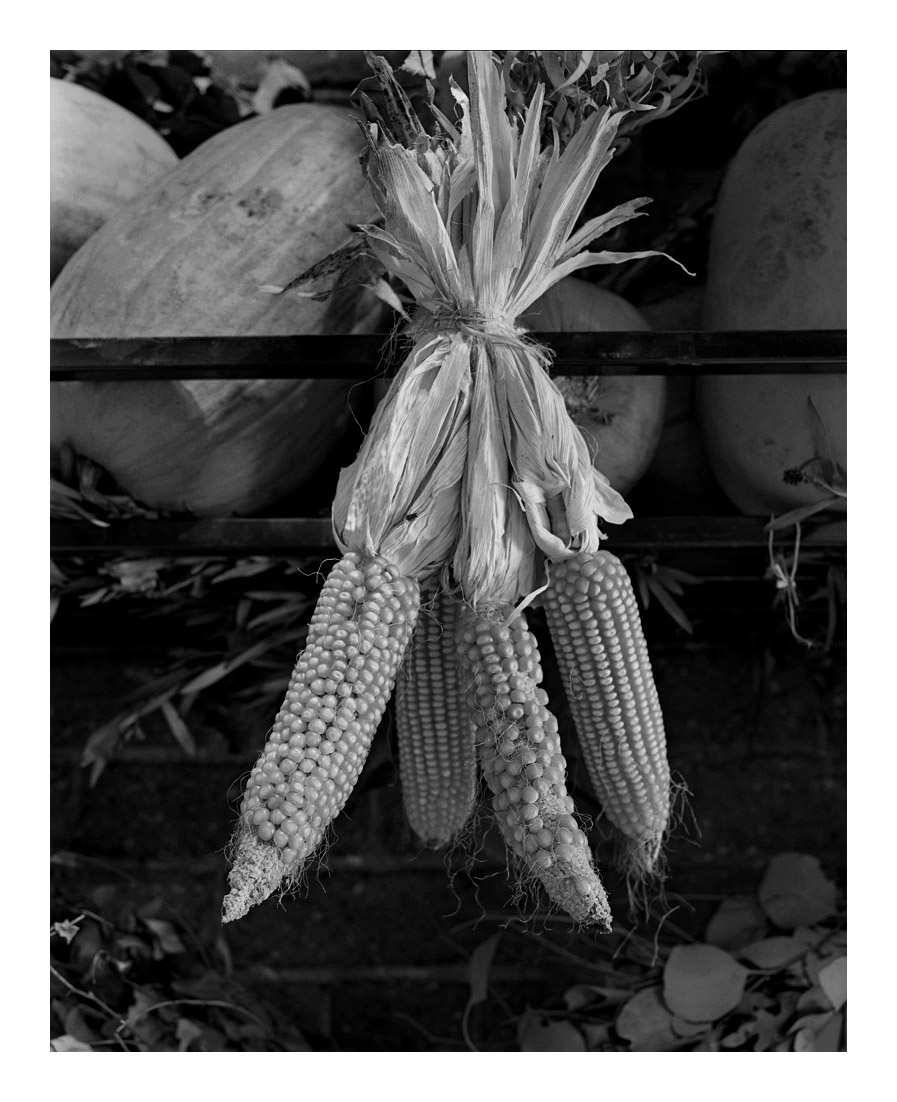
Marcus BunyanĀ (Australian, b. 1958) 'Four ears' 1994


Marcus BunyanĀ (Australian, b. 1958)
Four ears
1994
Silver gelatin photograph


Marcus BunyanĀ (Australian, b. 1958) 'Such is death' 1994


Marcus BunyanĀ (Australian, b. 1958)
Such is death
1994
Silver gelatin photograph


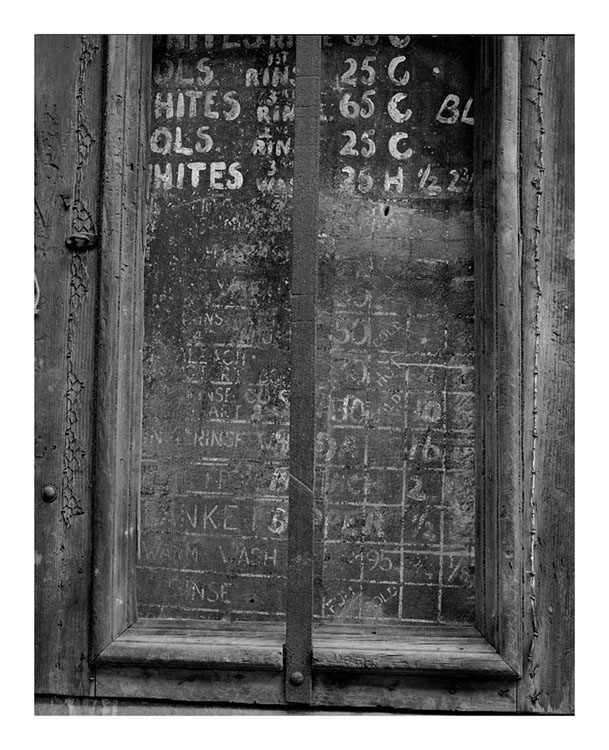
Marcus BunyanĀ (Australian, b. 1958) 'The wash house' 1994


Marcus BunyanĀ (Australian, b. 1958)
The wash house
1994
Silver gelatin photograph


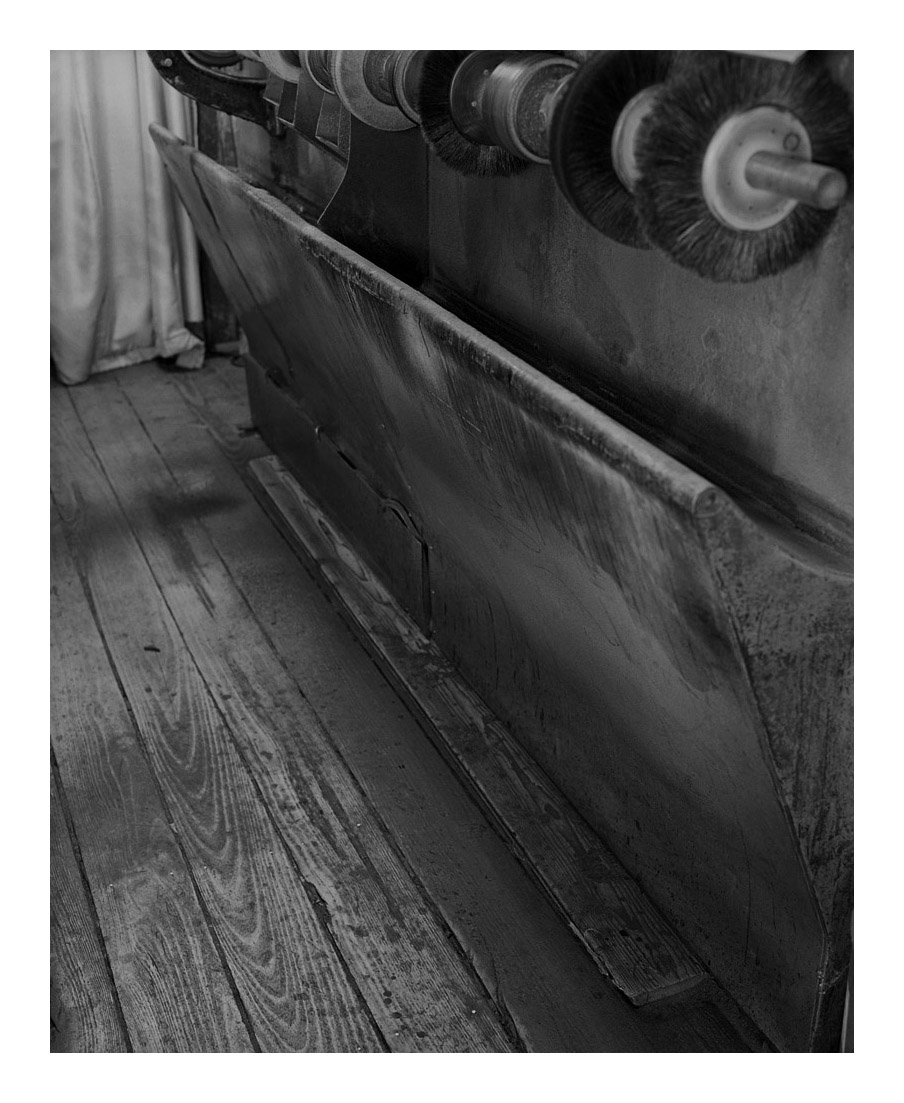
Marcus BunyanĀ (Australian, b. 1958) 'Untitled (bandsaw)' 1994


Marcus BunyanĀ (Australian, b. 1958)
Untitled (bandsaw)
1994
Silver gelatin photograph


Marcus BunyanĀ (Australian, b. 1958) 'The place where many men have stood' 1994


Marcus BunyanĀ (Australian, b. 1958)
The place where many men have stood
1994
Silver gelatin photograph


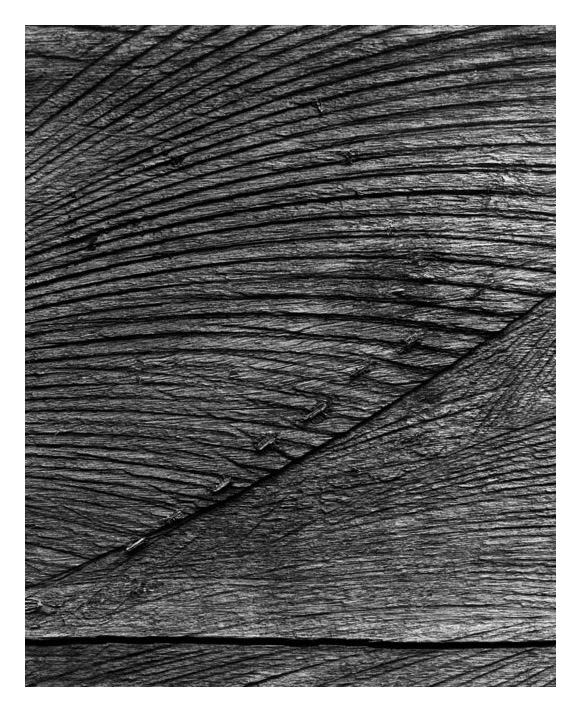
Marcus BunyanĀ (Australian, b. 1958) 'Untitled (bandsaw)' 1994


Marcus BunyanĀ (Australian, b. 1958)
Untitled (bandsaw)
1994
Silver gelatin photograph


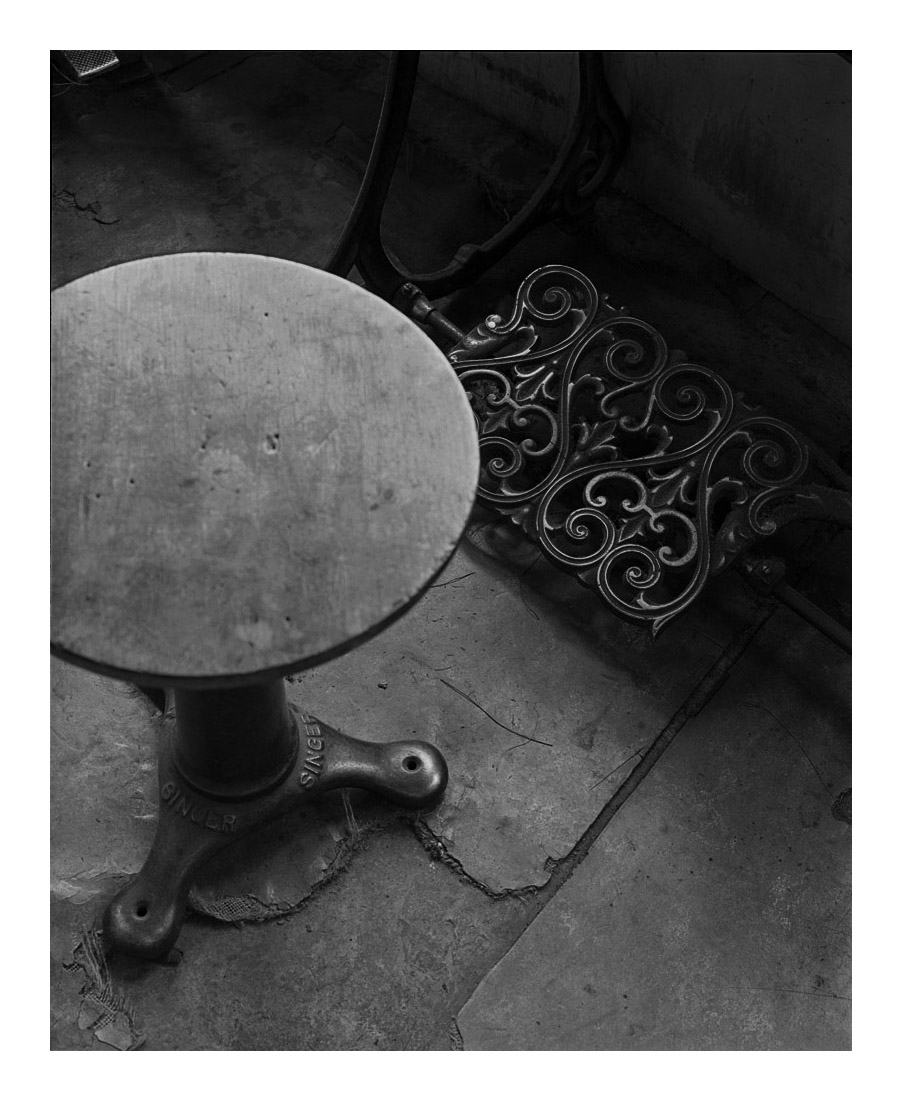
Marcus BunyanĀ (Australian, b. 1958) 'Singer' 1994


Marcus BunyanĀ (Australian, b. 1958)
Singer
1994
Silver gelatin photograph


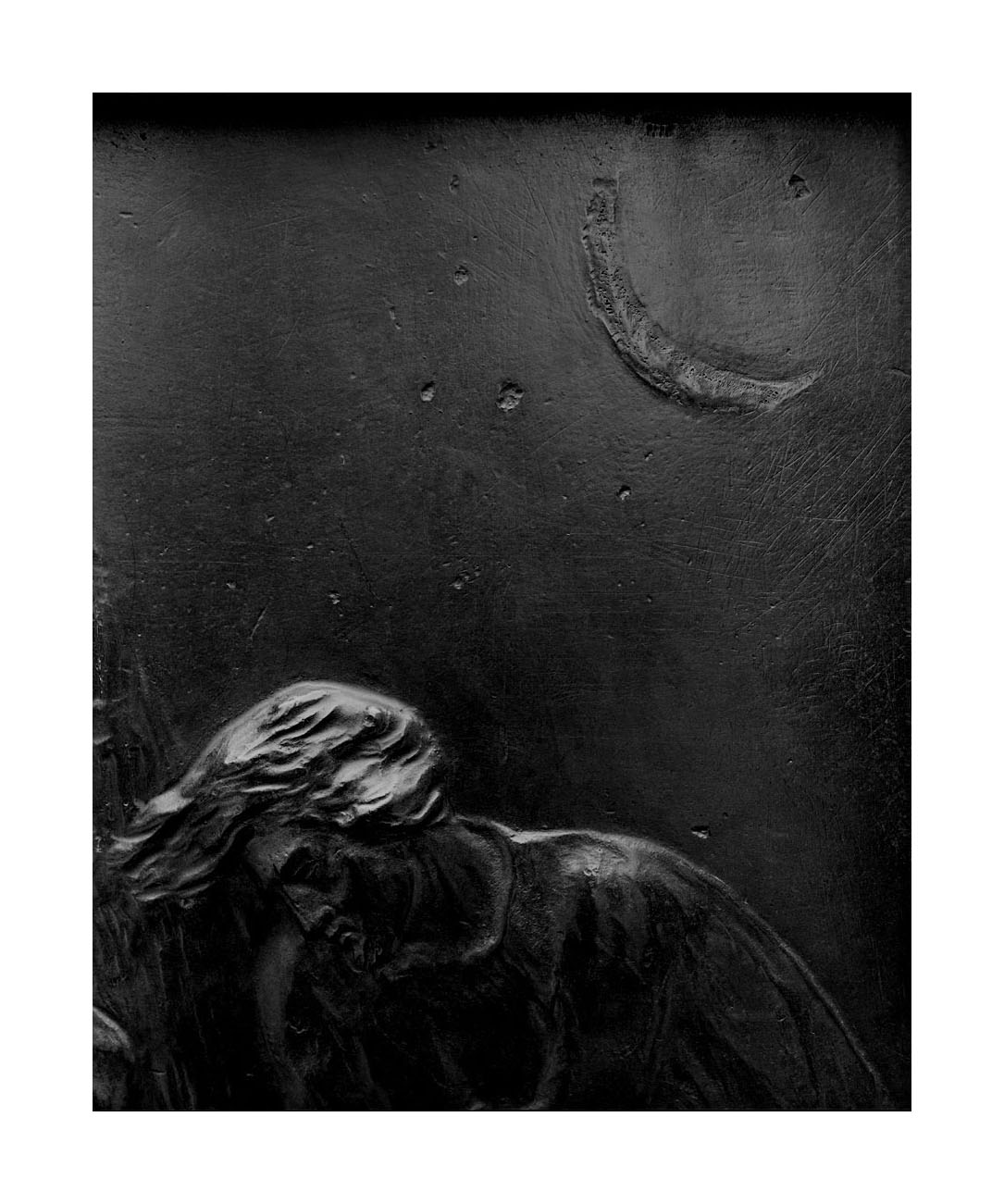
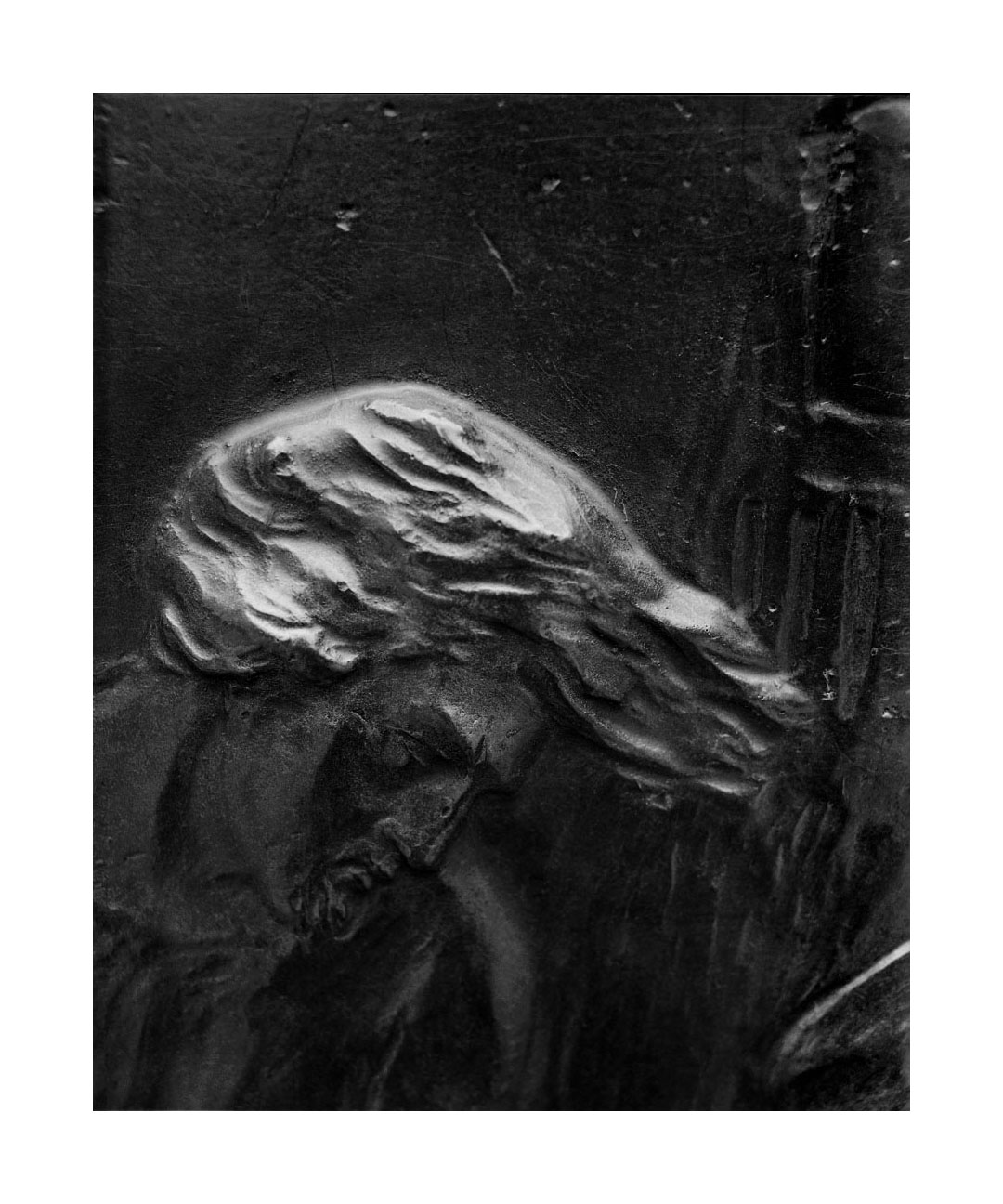
Marcus BunyanĀ (Australian, b. 1958) 'Ecce homo' 1994


Marcus BunyanĀ (Australian, b. 1958)
Ecce homo
1994
Silver gelatin photograph


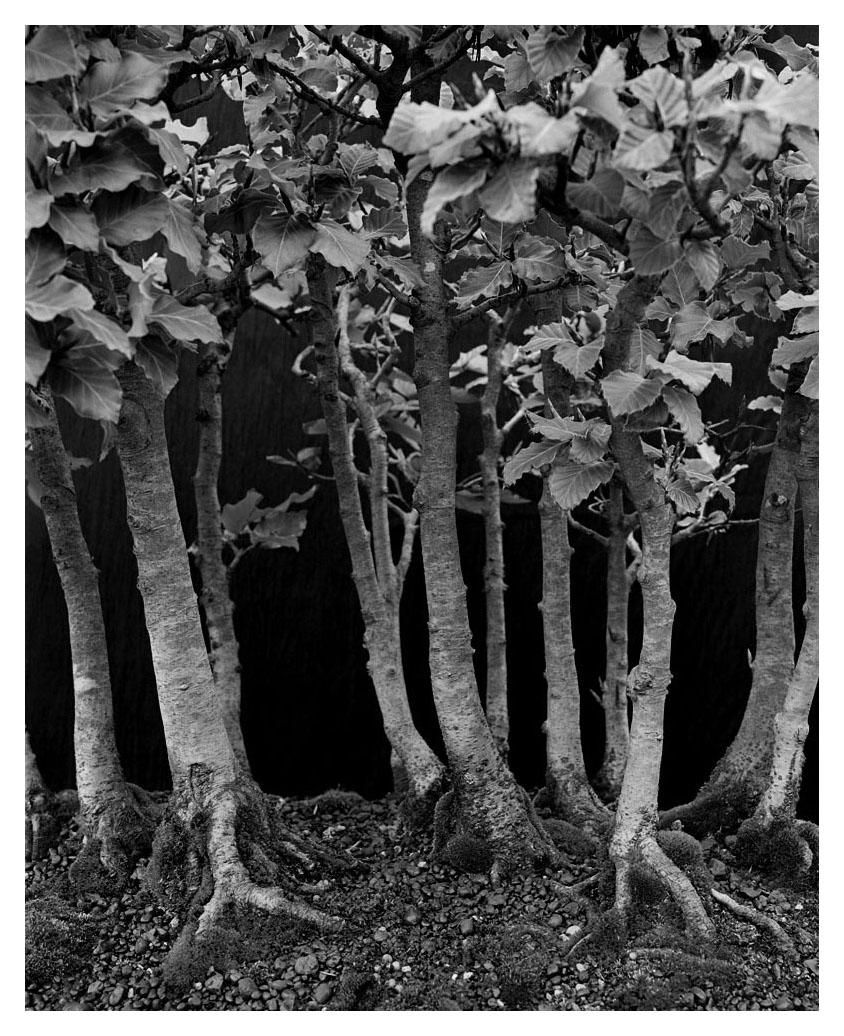
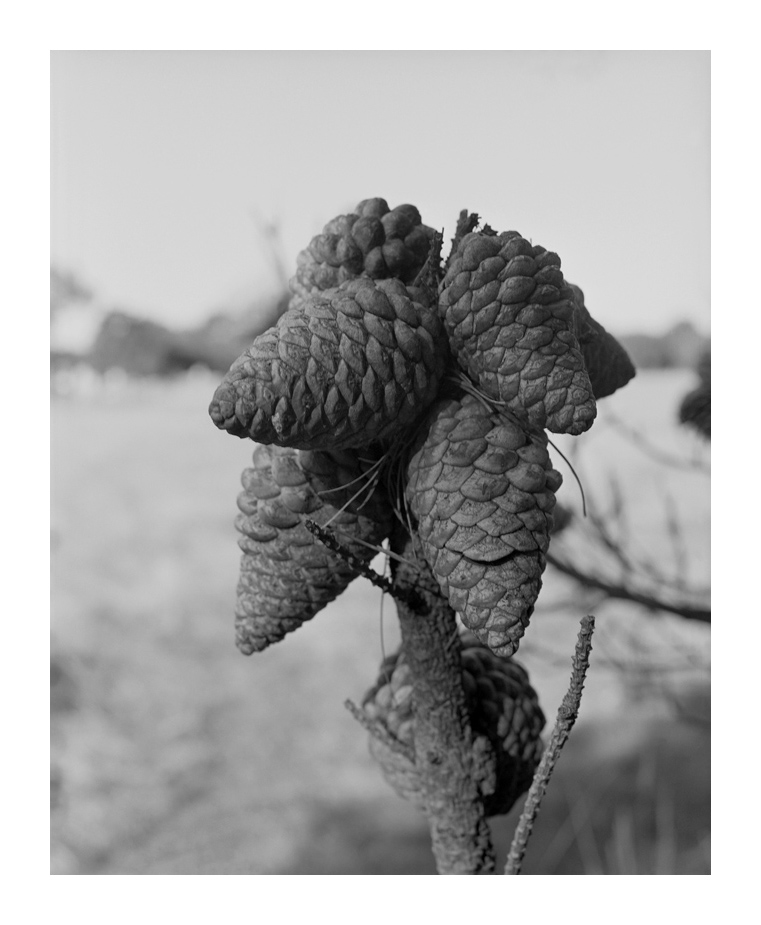
Marcus BunyanĀ (Australian, b. 1958) 'Cluster' 1994


Marcus BunyanĀ (Australian, b. 1958)
Cluster
1994
Silver gelatin photograph


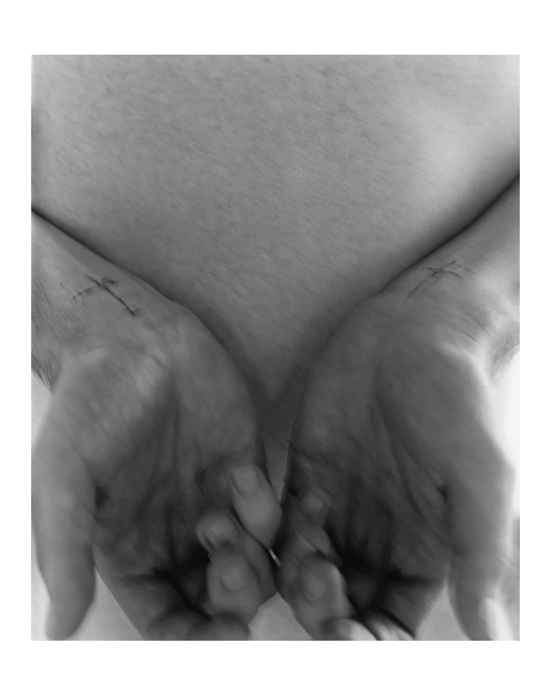
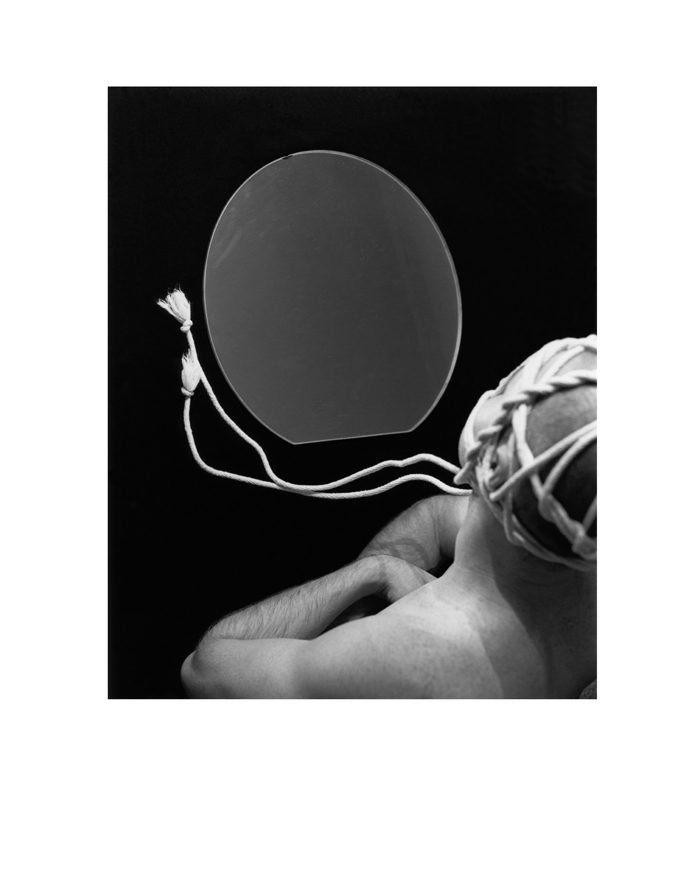
Marcus BunyanĀ (Australian, b. 1958) 'Theoria' 1994


Marcus BunyanĀ (Australian, b. 1958)
Theoria
1994
Silver gelatin photograph


TheĀ GreekĀ theoria (θεωρία), from which the English word “theory” is derived, meant “contemplation, speculation, a looking at, things looked at”, from theorein (θεωρεῖν) “to consider, speculate, look at”, from theoros (ĪøĪµĻ‰ĻĻŒĻ‚) “spectator”, fromĀ theaĀ (θέα) “a view” +Ā horanĀ (ὁρᾶν) “to see”.Ā It expressed the state of being aĀ spectator. Both Greek θεωρία and Latin contemplatio primarily meant looking at things, whether with the eyes or with the mind.

Taking philosophical and theological traditions into consideration, the term was used by the ancient Greeks to refer to the act of experiencing or observing and then comprehending through consciousness, which is called the nous or “eye of the soul” (Matthew 6:22-34). Insight into being and becoming (called noesis) through the intuitive truth called faith, in God (action through faith and love for God), leads to truth through our contemplative faculties. This theory, or speculation, as action in faith and love for God, is then expressed famously as “Beauty shall Save the World”. This expression comes from a mystical or gnosiological perspective, rather than a scientific, philosophical or cultural one.

Text from Wikipedia website


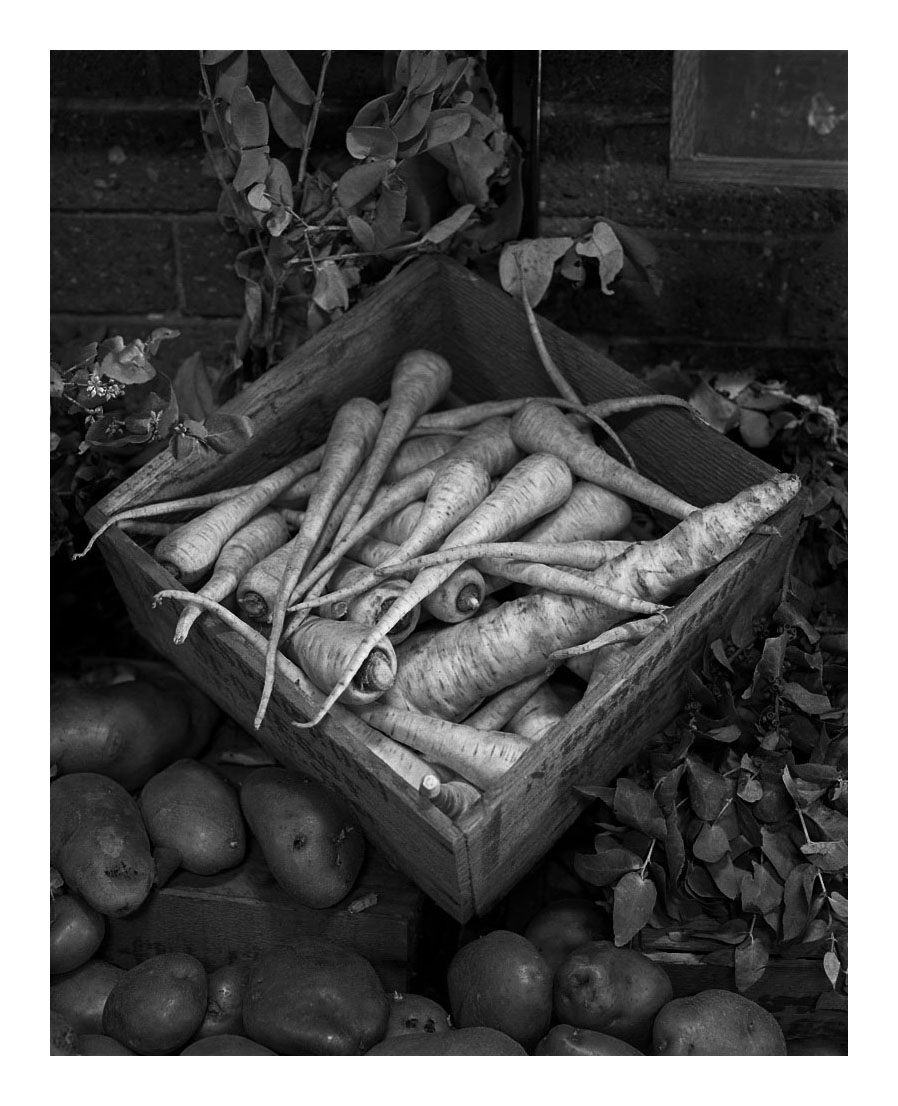
Marcus BunyanĀ (Australian, b. 1958) 'Parsnips and potatoes' 1994


Marcus BunyanĀ (Australian, b. 1958)
Parsnips and potatoes
1994
Silver gelatin photograph


Marcus BunyanĀ (Australian, b. 1958) 'Burke and water' 1994


Marcus BunyanĀ (Australian, b. 1958)
Burke and water
1994
Silver gelatin photograph


Marcus BunyanĀ (Australian, b. 1958) 'Growth 1' 1994


Marcus BunyanĀ (Australian, b. 1958)
Growth 1
1994
Silver gelatin photograph


Marcus Bunyan. 'Untitled (comet)' 1994


Marcus BunyanĀ (Australian, b. 1958)
Untitled (comet)
1994
Silver gelatin photograph


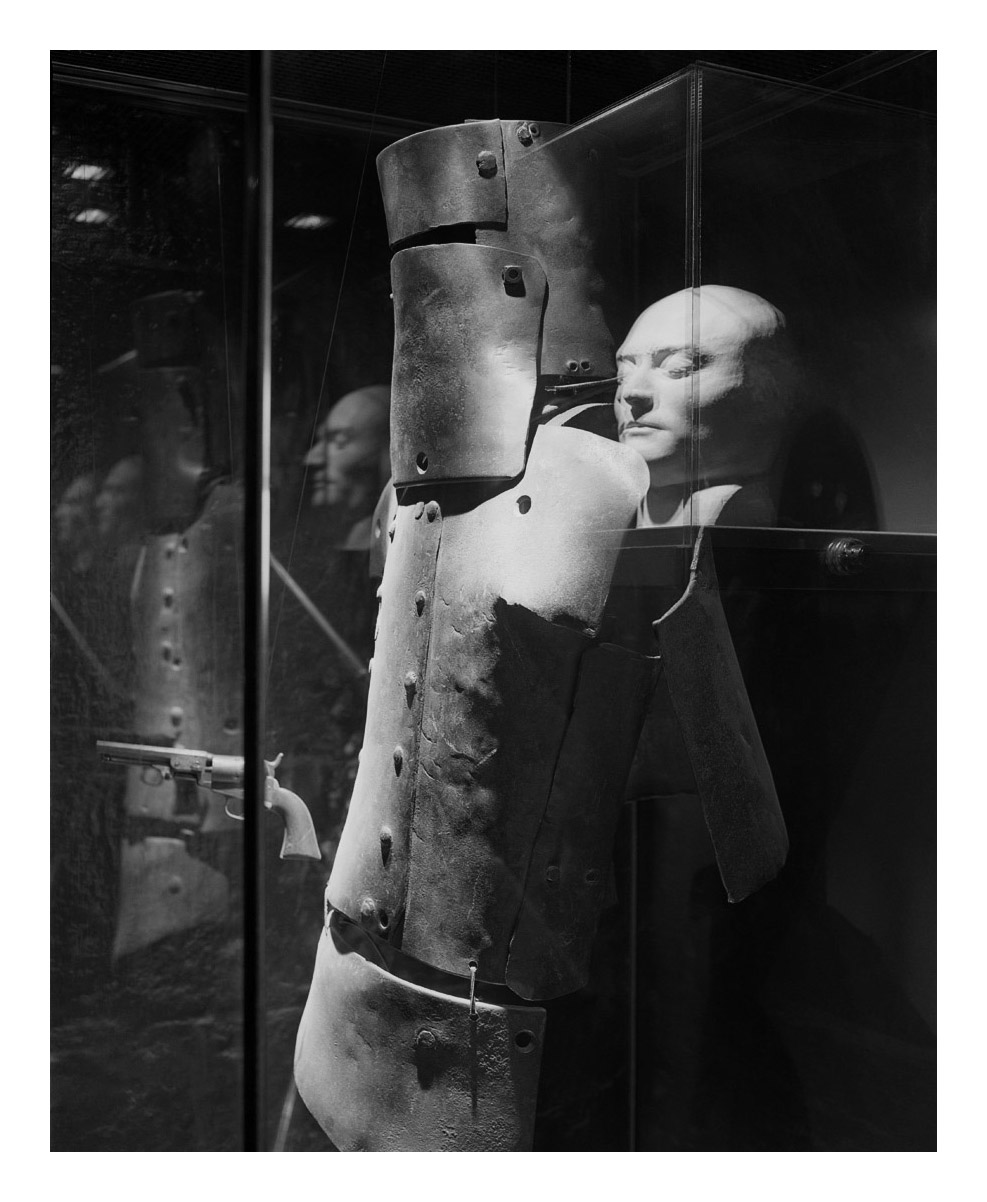
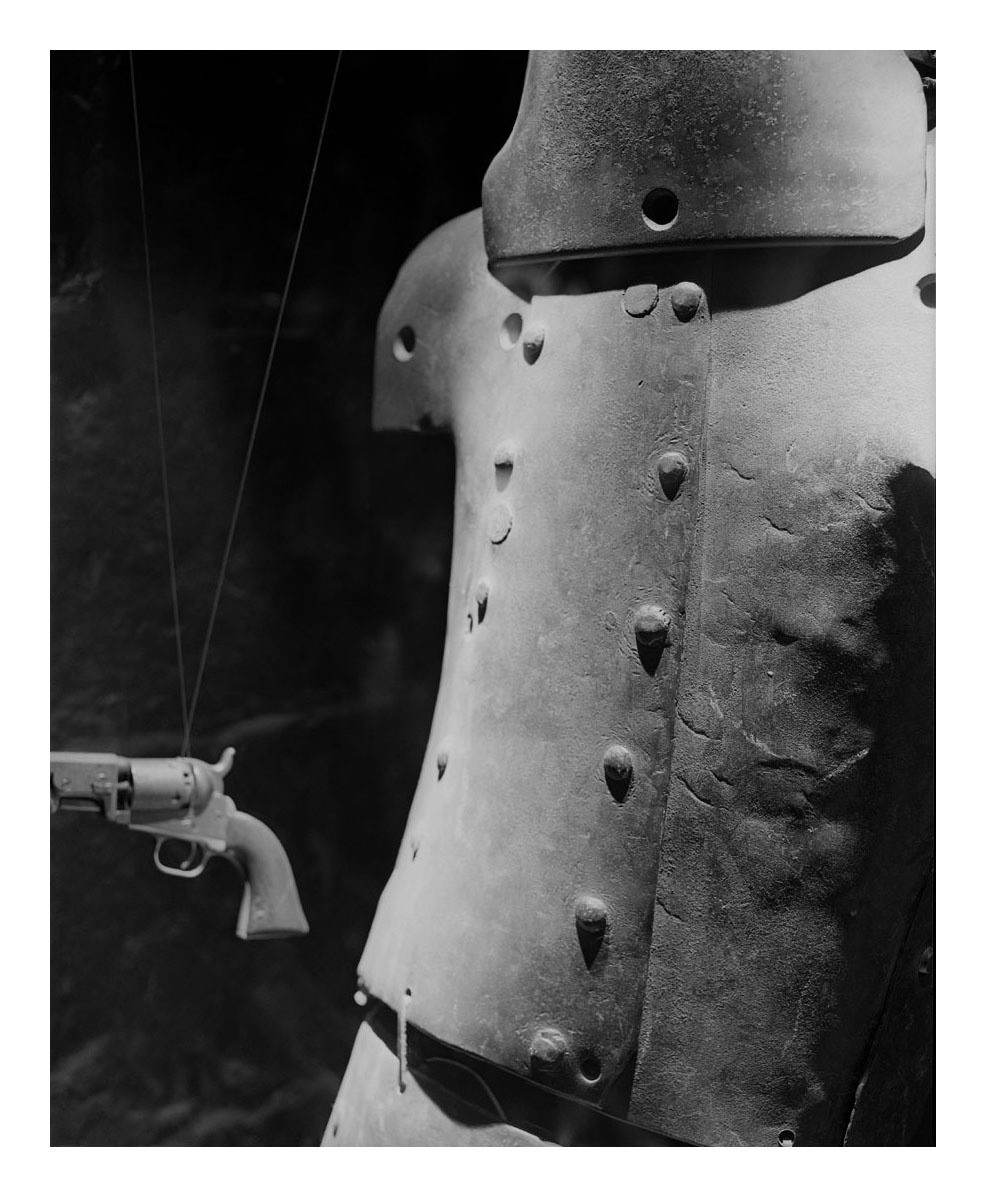
Marcus BunyanĀ (Australian, b. 1958) 'A(r)mour' 1994


Marcus BunyanĀ (Australian, b. 1958)
A(r)mour
1994
Silver gelatin photograph


Marcus Bunyan black and white archive page

LIKE ART BLART ON FACEBOOK

Back to top

Review: ‘Carol Jerrems: photographic artist’ at the Monash Gallery of Art, Wheelers Hill, Melbourne

Exhibition dates:Ā 6th July – 30th September 2013

A National Gallery of Australia exhibition

PLEASE NOTE: THIS POSTING CONTAINS ART PHOTOGRAPHS OF FEMALE NUDITY – IF YOU DO NOT LIKE PLEASE DO NOT LOOK, FAIR WARNING HAS BEEN GIVEN
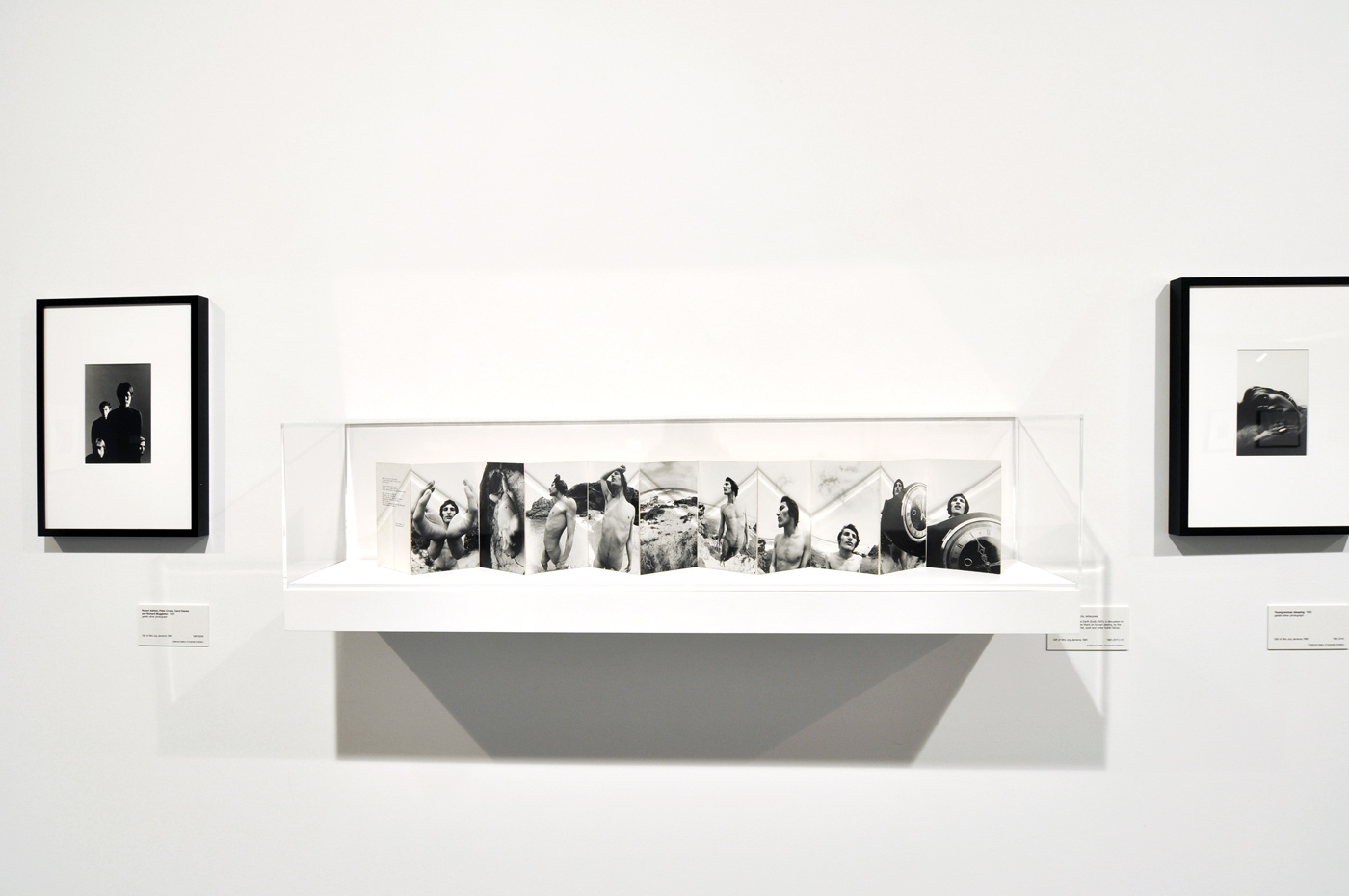
 

Carol JerremsĀ (Australian, 1949-1980) 'A poem' 1970 (installation view)


Carol JerremsĀ (Australian, 1949-1980)
A poem (installation view)
1970
Gelatin silver photographs, letterpress, installed at Monash Gallery of Art
Photograph: Katie Tremschnig


The one and only…

This is a fascinating National Gallery of Australia exhibition about the work of Australian photographer Carol Jerrems at Monash Gallery of Art, Wheelers Hill – in part both memorable, intimate, informative, beautiful, uplifting and disappointing. Let me explain what I mean.

The first section of the exhibition is devoted to Jerrems student work, notably her experiments with overlapping bodies, depth of field, movement and the layering of space and time that can be seen in her vibrant photo boooks and concertina books (see installation photographs below), accompanied by her own poems. This early work, which I had never seen, provides a wonderful insight into how the later images came to be: the shooting down hallways into the light, the pairing and tripling of bodies one behind the other, and how she constructed narrative in her later set piece photographs. This is the informative part of the exhibition.

As the exhibition moves on to the main body of Jerrems work there, in all their glory, are the famous images: Evonne Goolagong, Melbourne (1973), Flying dog (1973),Ā Vale Street (1975), Mark and Flappers (1975), Mark Lean: rape gameĀ (1975),Ā Mozart Street (1975),Ā Butterfly behind glassĀ [Red Symons from Skyhooks] (1975), LynĀ (1976), Lyn and the Buick (1976),Ā Dusan and Esben, CronullaĀ (1977), the self portraits and the lads with their car down by the river bank. These are memorable, intimate images, at the top of tree in terms of their importance as some of the greatest images taken by any Australian photographer of all time. They are right up there with the very best and there is no denying this. But what else is there?Ā Take away the top dozen images of any photographer and look at the next twenty images. Now, what do you see? In Jerrems case, the results (as evidenced by this exhibition) are a little disappointing. Of course, this is not unusual with any artist.

In her low key, diaristic documentary style, Jerrems focuses on life before her lens. She finds joy, intimacy, love, danger, transgression and rape; she portrays women and gay liberation, youth on the streets, sharpies and the indigenous population. As Christopher Allen notes, sexuality and its darker side was never far from the surface in Jerrems work and there was a “mix of defiance, erotic assertiveness and vulnerability of that time… [an] intimate closeness to the subject and the direct and unmodified transcription of the world before her.”1 Her intelligent imaging of everyday subject matter “produced a body of photographs that symbolised the hopes and aspirations of the counter-culture in Australia in the 1970s,” but this investigation did not produce particularly memorable photographs. Outside the top group of images I am struggling to remember her other images.

But what we must remember is that this Australia was another time and place. Art photography books had only just arrived in Melbourne in 1970 and Jerrems was one of the first women to point her camera at other women (producing the bookĀ A Book About Australian WomenĀ in 1974) and people of the revolution. These are socially important documents in terms of Australian (photographic) history. I believe that she said to herself – I know who I am, but I want to know what other people are like – and she transcribed how she was thinking about the world to the people around her through her photographs. Building on the legacy of artists like Henri Cartier-Bresson, AndrĆ© KertĆ©sz and Robert Frank, her photographs are like an after-image of some other place, some other Australia that is only forty years ago but now seems eons away in time and space.

What we take for granted, in terms of sexual liberation, freedom of action and speech, she had to fight for. She had to fight for photographic, conceptual and technical knowledge to arm herself as an intelligent women (for that is what she was), so that she could image / imagine the world. She had to fight damn hard for these things – and then she upped the ante and pushed even harder, even further. These are dangerous photos, for women and gay men were vulnerable and threatened, marginalised and they were a target. Even in the act of photographing, her going into these places (brothels for example), she would have been a target. Does this make for memorable photographs? Ā Not necessarily, and you can see this in the unevenness of the results of her investigation. But socially these are very important images.

The pity is that she died so young for what this exhibition brought home to me was that here was an artist still defining, refining her subject matter. She never had to time to develop a mature style, a mature narrative as an artist (1975-1976 seems to be the high point as far as this exhibition goes). This is the great regret about the work of Carol Jerrems. Yes, there is some mediocre work in this exhibition, stuff that really doesn’t work at all (such as the brothel photographs), experimental work, individual and collective images that really don’t impinge on your consciousness. But there are also the miraculous photographs (and for a young photographer she had a lot of those), the ones that stay with you forever. The right up there, knock you out of the ball park photographs and those you cannot simply take away from the world. They live on in the world forever.

Does Jerrems deserve to be promoted as a legend, a ‘premier’ of Australian photography as some people are doing? Probably not on the evidence of this exhibition but my god, those top dozen or so images are something truly special to behold. Their ‘presence’ alone – their physicality in the world, their impact on you as you stand before them – guarantees that Jerrems will forever remain in the very top echelons of Australian photographers of all time not as a legend, but as a women of incredible strength, intelligence, passion, determination and vision.

Dr Marcus Bunyan


1/ Allen, Christopher. “Between suburbia and radicalism,” in The Australian newspaper, October 20th, 2012 [Online] Cited 20/09/2013 no longer available online.


Many thankx to Mark Hislop for his help and Monash Gallery of Art for allowing me to publish the photographs in the posting. Please click on the photographs for a larger version of the image.


Carol JerremsĀ (Australian, 1949-1980) 'A poem' 1970 (installation view)


Carol JerremsĀ (Australian, 1949-1980)
A poem
1970
Gelatin silver photographs, letterpress, installed at Monash Gallery of Art
Photograph: Katie Tremschnig


Carol JerremsĀ (Australian, 1949-1980) 'Jim Fields, a portrait' 1970 (installation view)


Carol JerremsĀ (Australian, 1949-1980)
Jim Fields, a portrait (installation view)
1970
Gelatin silver photographs, letterpress, installed at Monash Gallery of Art
Photograph: Katie Tremschnig


Carol JerremsĀ (Australian, 1949-1980) 'The Royal Melbourne Show.....1968, an essay' (L) and 'Movement with Zara' (R) 1968


Carol JerremsĀ (Australian, 1949-1980)
The Royal Melbourne Show…1968, an essay (L)Ā and Movement with ZaraĀ (R)
1968
Gelatin silver photographs, letterpress, installed at Monash Gallery of Art
Photograph: Katie Tremschnig


Living in the seventies

Carol Jerrems’s gritty, poetic and elusive images show people trying to find a new way of life and action in the 1970s. Her images have come to define a decade in Australia’s history. In contrast to an earlier generation of internationally renowned magazine photojournalists such as David Moore, the new generation did not seek commissioned commercial or magazine work and took instead a low key intimate approach with a diaristic personal-documentary style of imagery focussed on themselves and their own, mostly urban, environments. Jerrems put her camera where the counter culture suggested; women’s liberation, social inclusiveness for street youths and Indigenous people in the cities who were campaigning for justice and land rights.

Carol Jerrems was the first contemporary Australian woman photographer to have work acquired by a number of museums including the National Gallery of Australia. The National Gallery holds an extensive archive of Jerrems photographs and film work gifted by the artist’s mother Joy Jerrems in 1983. The current exhibition concentrates on prints signed or formally exhibited, by Carol Jerrems in her lifetime dating from 1968-1978.Ā MGA is the only Victorian venue to host the National Gallery of Australia’s major new exhibition Carol Jerrems: photographic artist. This extraordinary exhibition tells the story of Jerrems’ complex and highly influential practice. Drawn from the National Gallery of Australia’s massive holdings of the artist’s work, Carol Jerrems: photographic artist features more than 100 works, most of which have not been seen in Melbourne since Jerrems lived here during the late ’60s and ’70s.

Jerrems was born in Melbourne in 1949 and studied photography at Prahran Technical College under Paul Cox and Athol Shmith. Although she practised as an artist for only a decade, Jerrems has acquired a celebrated place in the annals of Australian photography. Her reputation is based on her intensely compassionate, formally striking pictures, her intimate connection with the people involved in social movements of the day, and her role in the promotion of ‘art photography’ in this country.

Jerrems was one of several Australian women whose work during the 1970s challenged the dominant ideas of what a photographer was and how they worked. She adopted a collaborativeĀ approach to making photographs, often featuring friends and associates, and sought a photographic practice that would bring about social change. Her gritty, poetic and elusive images show people trying to find a new way of life in the 1970s. Her images have come to define Melbourne in a decade of great social and political upheaval.

Carol Jerrems: photographic artist pays tribute to this important period in recent Australian history, showing how Jerrems participated in and helped to define Melbourne’s subculture and style in the 1970s. MGA Director Shaune Lakin said Jerrems’ vision would particularly resonate with Melbourne audiences, especially as her vision was revealed across the full breadth of her work. “Carol Jerrems: photographic artist is a perfect story for MGA to tell, as it is also the story of Melbourne in the 1970s. Jerrems captured Melbourne’s sub-cultures – sharpies, mods, hippies, feminists and gay liberationists – with powerful images that engage the viewer intimately with her subjects.”

As Dr Lakin notes, this is a rare chance to see the works Jerrems intended for exhibition: “Carol Jerrems: photographic artist concentrates on prints signed or formally exhibited by Jerrems in her lifetime, most returning to Melbourne for the first time. In addition to many of the images for which Jerrems is rightly famous, visitors to MGA can see Jerrems’ early work, including her extraordinary concertina books and other photo books,” Lakin said.”

Press release from the Monash Gallery of Art website
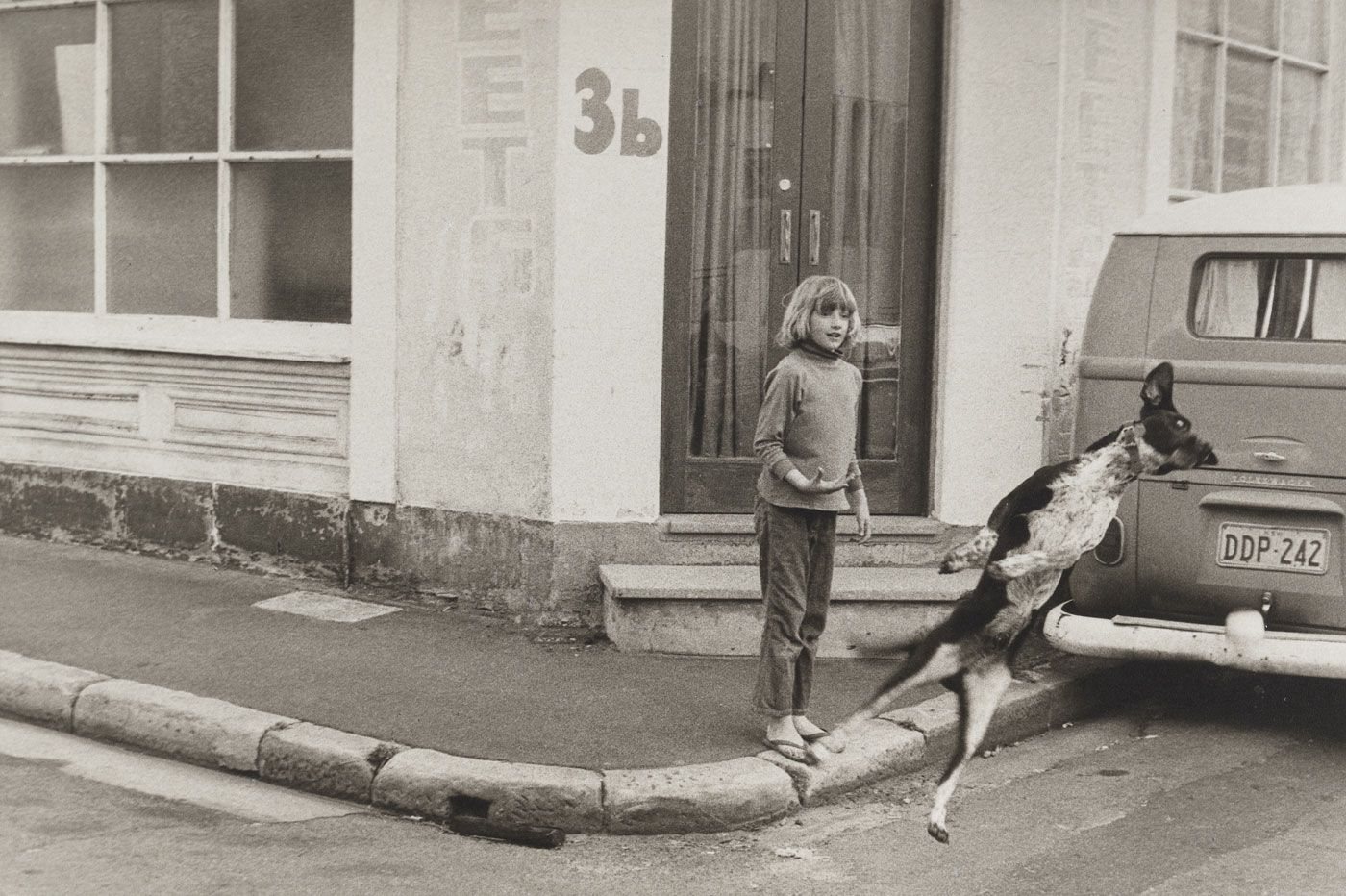
 

Carol JerremsĀ (Australian, 1949-1980) 'Flying dog' 1973


Carol JerremsĀ (Australian, 1949-1980)
Flying dog
1973
Gelatin silver photograph
National Gallery of Australia, Canberra
Purchased 1976
Ā© Ken Jerrems and the Estate of Lance Jerrems
 

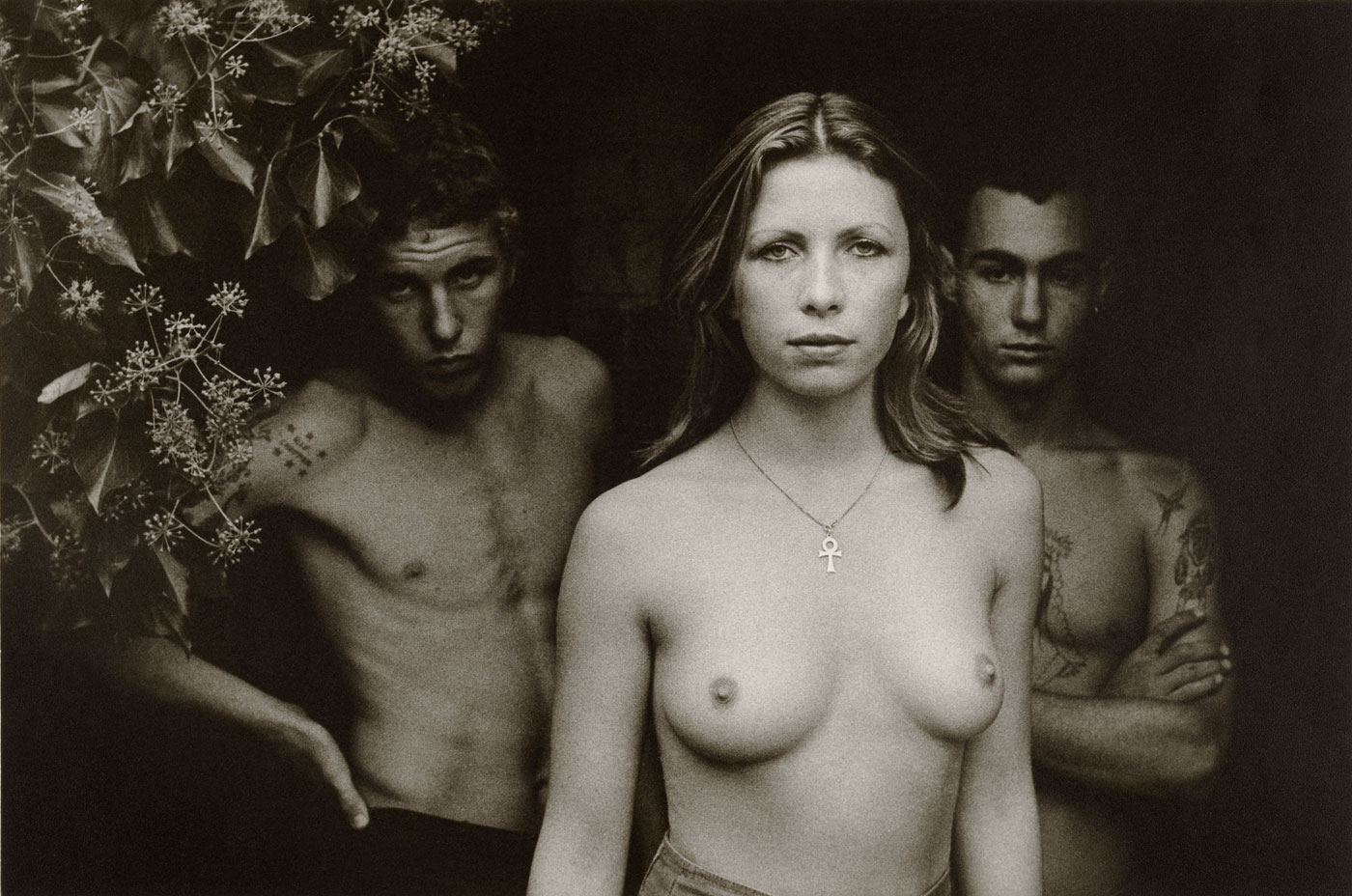
Carol JerremsĀ (Australian, 1949-1980) 'Mark and Flappers' 1975


Carol JerremsĀ (Australian, 1949-1980)
Mark and Flappers
1975
Gelatin silver photograph
National Gallery of Australia, Canberra
Ā© Ken Jerrems and the Estate of Lance Jerrems
 

Carol JerremsĀ (Australian, 1949-1980) 'Vale Street' 1975


Carol JerremsĀ (Australian, 1949-1980)
Vale Street
1975
Gelatin silver photograph
National Gallery of Australia, Canberra
Purchased 1976
Ā© Ken Jerrems and the Estate of Lance Jerrems
 

From the outset, Jerrems was interested in the expressive possibilities of the photographic medium, declaring that she was ‘an artist whose tool of expression is the camera’. She concentrated on photographing people; her subjects included her students, and her friends and acquaintances. Her first photographs were documentary in style, but by the mid-1970s the scenes she photographed were often contrived. She used a non-exploitative approach, based on the consent of her subjects. For Jerrems, photography had a crucial social role: ‘the society is sick and I must help change it’. Her photographs were a means of ‘bringing people together’ and offered affirmative views of certain aspects of contemporary life. With Virginia Fraser, she published A Book About Australian WomenĀ (Melbourne, 1974), to which she contributed the photographs…

Although one critic regarded her work as uneven – ‘she took a casual approach’ – Jerrems’s talents as a photographer were widely recognised. With her camera ‘firmly pointed at the heart of things’, she produced a body of photographs that symbolised the hopes and aspirations of the counter-culture in Australia in the 1970s.

Helen Ennis, Australian Dictionary of BiographyĀ Volume 14, (MUP), 1996


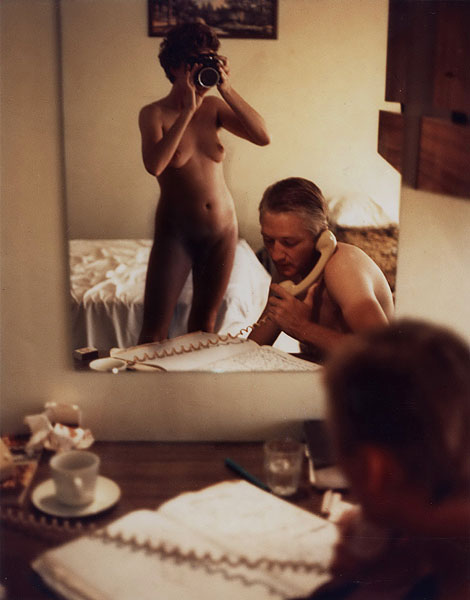
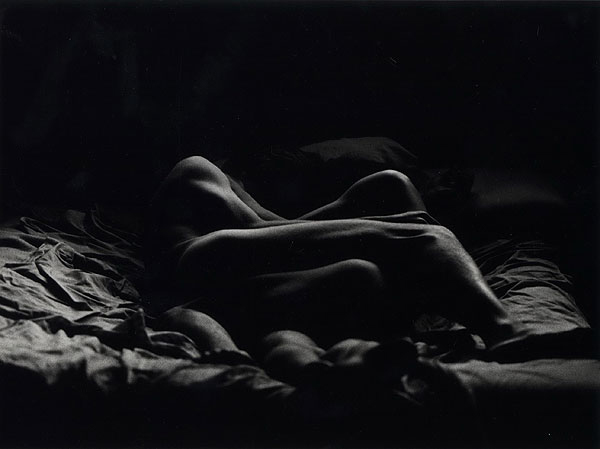
Carol JerremsĀ (Australian, 1949-1980) 'Mirror with a memory: motel room' 1977


Carol JerremsĀ (Australian, 1949-1980)
Mirror with a memory: motel room
1977
Type C colour photograph
National Gallery of Australia, Canberra
Gift of Mrs Joy Jerrems 1981
Ā© Ken Jerrems and the Estate of Lance Jerrems
 

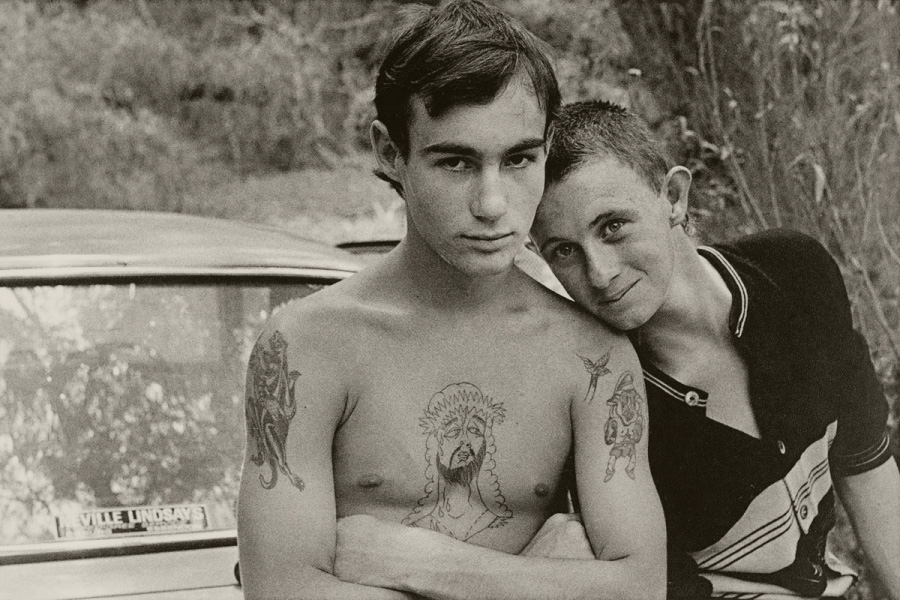
Carol JerremsĀ (Australian, 1949-1980) 'Boys' 1973


Carol JerremsĀ (Australian, 1949-1980)
Boys
1973
Gelatin silver photograph
National Gallery of Australia, Canberra
Ā© Ken Jerrems and the Estate of Lance Jerrems
 

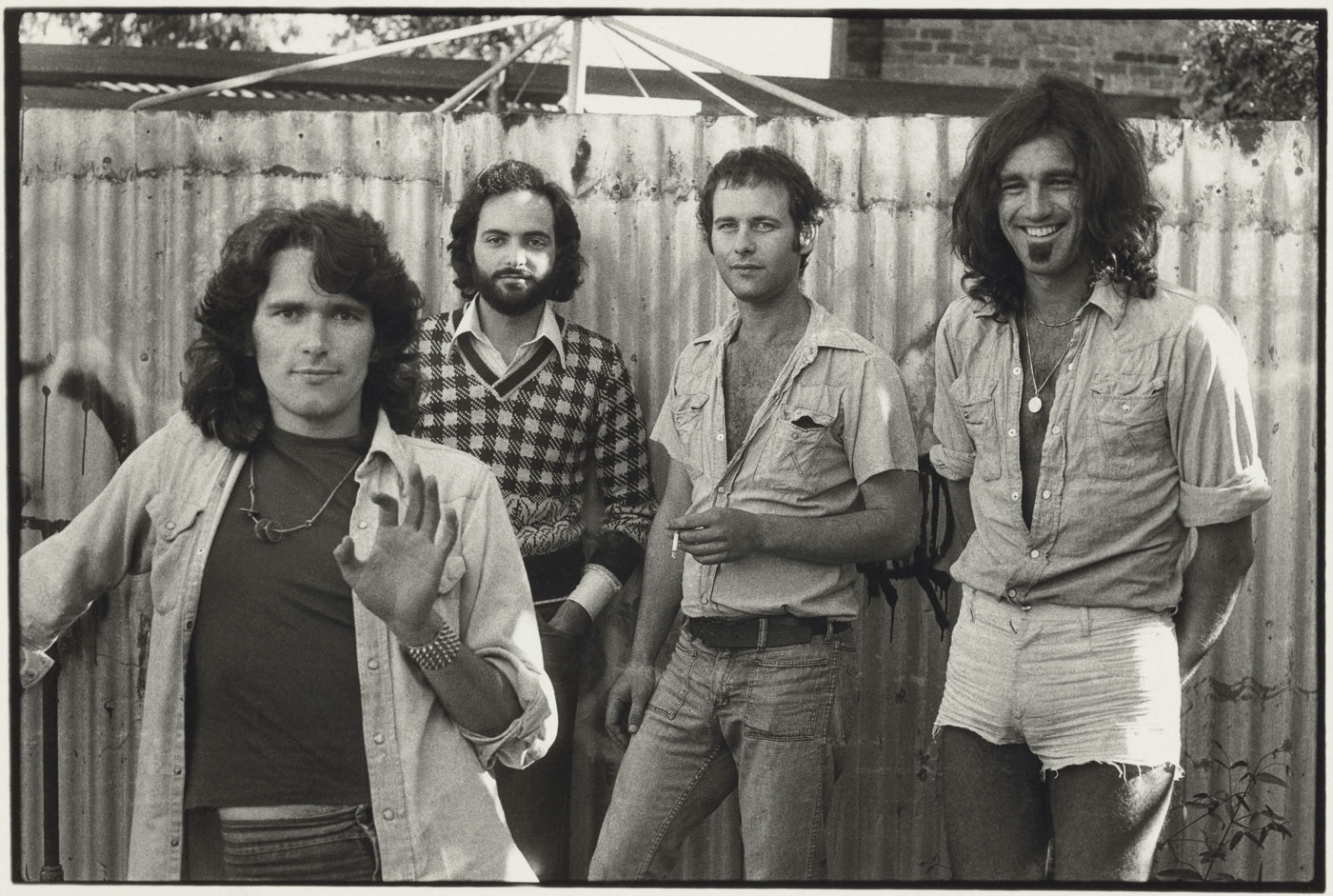
Carol JerremsĀ (Australian, 1949-1980) 'Boys' 1973  'Outback Press Melbourne' 1974


Carol JerremsĀ (Australian, 1949-1980)
Outback Press Melbourne
1974
left to right: Colin Talbot (writer), Alfred Milgrom (publisher), Morry Schwartz (entrepreneur, publisher, now publisher ofĀ The Monthly), Mark Gillespie (singer/songwriter)
Gelatin silver photograph
National Gallery of Australia, Canberra
Gift of Mrs Joy Jerrems 1981
Ā© Ken Jerrems and the Estate of Lance Jerrems


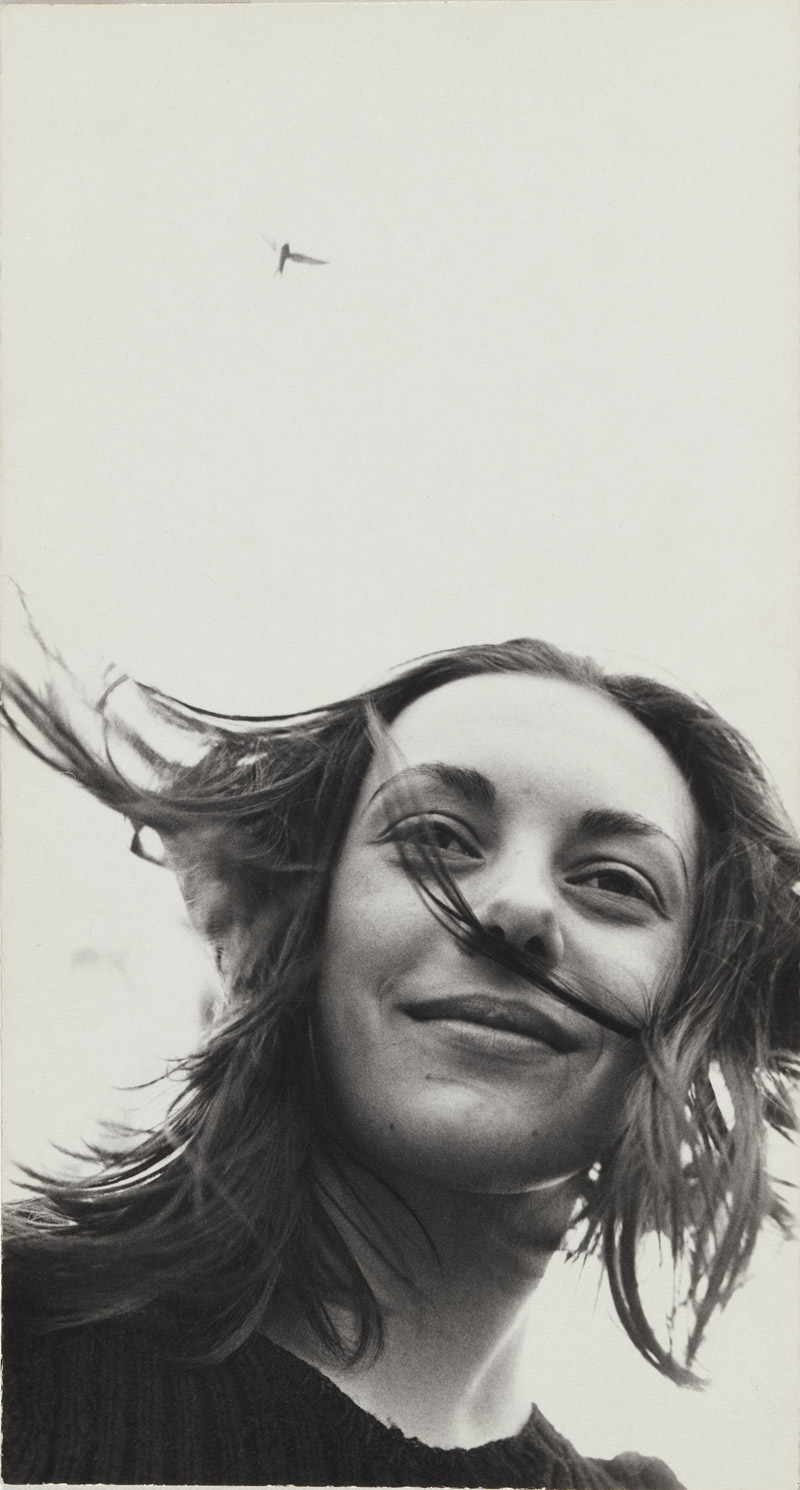
Carol JerremsĀ (Australian, 1949-1980) 'Carol Jerrems, self-portrait with Esben Storm' c.1975


Carol JerremsĀ (Australian, 1949-1980)
Carol Jerrems, self-portrait with Esben Storm
c. 1975
Gelatin silver photograph
National Gallery of Australia, Canberra
Gift of Mrs Joy Jerrems 1981
Ā© Ken Jerrems and the Estate of Lance Jerrems


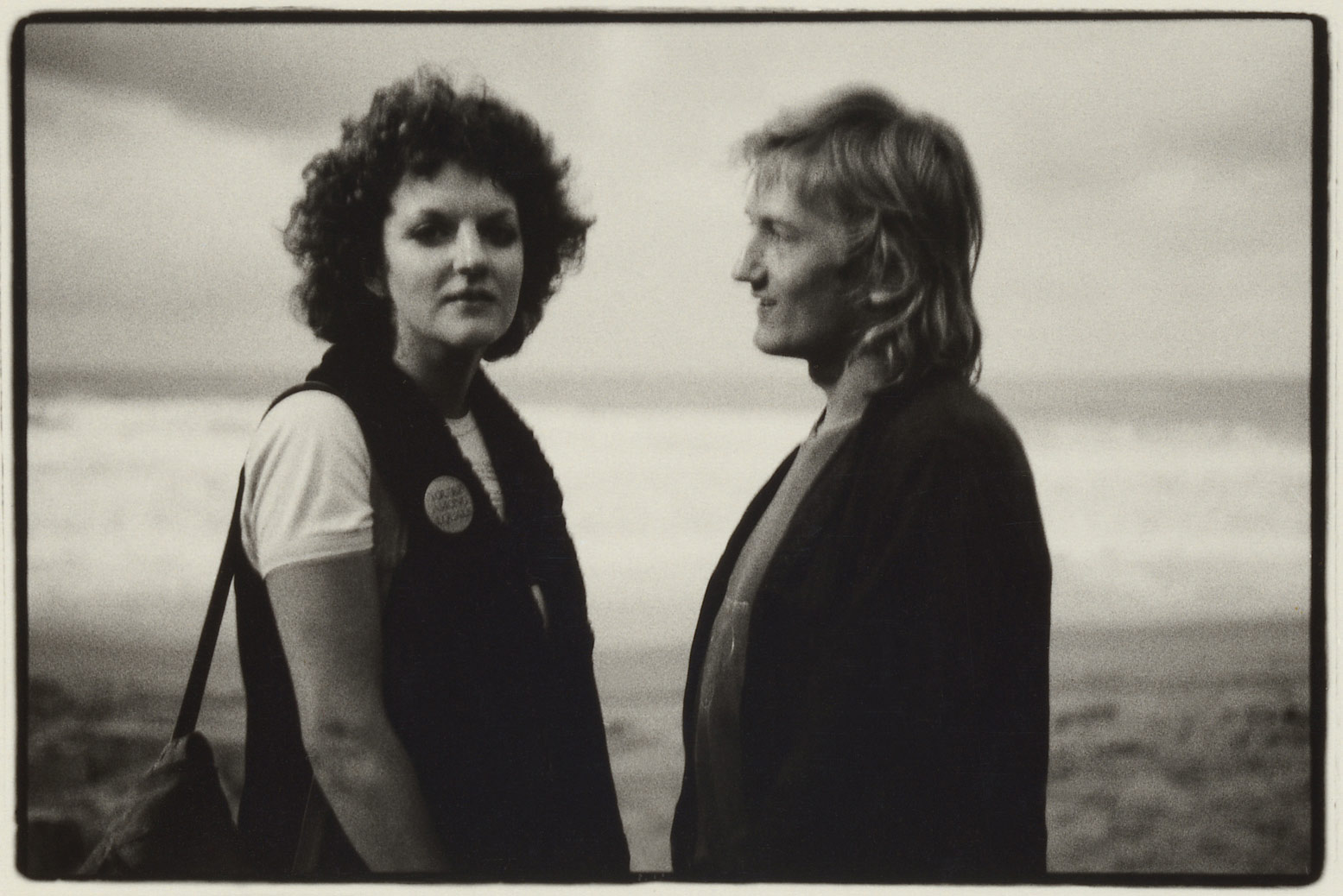
Carol JerremsĀ (Australian, 1949-1980) 'Dusan and Esben, Cronulla' 1977


Carol JerremsĀ (Australian, 1949-1980)
Dusan and Esben,Ā Cronulla
1977
Gelatin silver photograph
20.1 x 30.3cm
Ā© Ken Jerrems and the Estate of Lance Jerrems
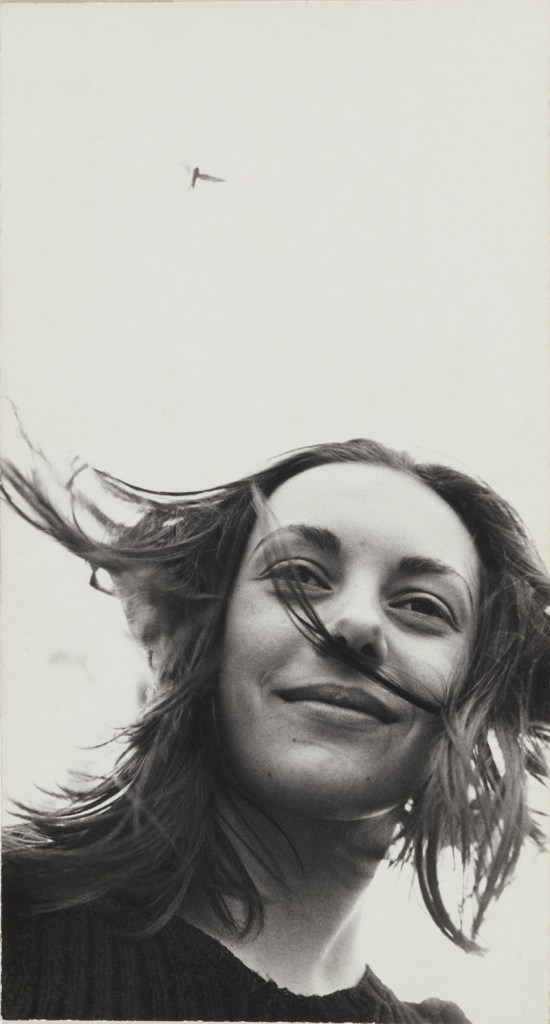
 

Carol JerremsĀ (Australian, 1949-1980) 'Butterfly behind glass [Red Symons from Skyhooks]' 1975


Carol JerremsĀ (Australian, 1949-1980)
Butterfly behind glassĀ [Red Symons from Skyhooks]
1975
Gelatin silver photograph
National Gallery of Australia, Canberra
Gift of Mrs Joy Jerrems 1981
Ā© Ken Jerrems and the Estate of Lance Jerrems
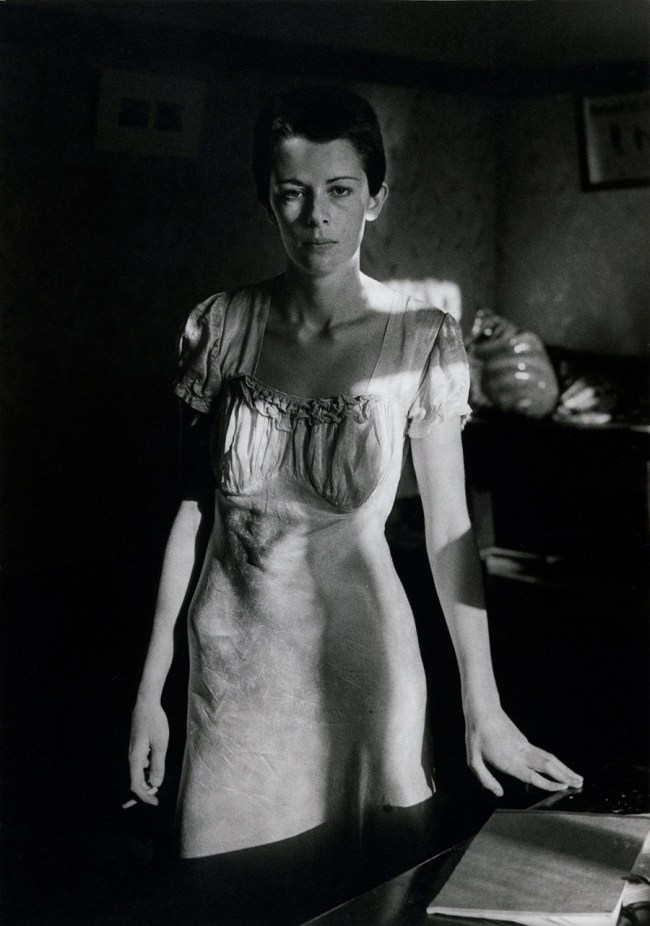
 

Carol JerremsĀ (Australian, 1949-1980) 'Jane Oehr, ā€œWomenvisionā€, Filmaker's Co-Op' 1973


Carol JerremsĀ (Australian, 1949-1980)
Jane Oehr, “Womenvision”, Filmaker’s Co-Op
1973
FromĀ A Book about Australian WomenĀ (Outback Press, 1974)
Gelatin silver photograph
National Gallery of Australia, Canberra
Gift of Mrs Joy Jerrems 1981
Ā© Ken Jerrems and the Estate of Lance Jerrems


Carol JerremsĀ (Australian, 1949-1980) 'Performers on stage,' Hair', Metro Theatre Kings Cross, Sydney, January 1970 [Jim Sharman Director cast included Reg Livermore]' 1970


Carol JerremsĀ (Australian, 1949-1980)
Performers on stage, ‘Hair’, Metro Theatre Kings Cross, Sydney, January 1970
[Jim Sharman Director cast included Reg Livermore]
1970
Gelatin silver photograph
National Gallery of Australia, Canberra
Gift of Mrs Joy Jerrems 1981
Ā© Ken Jerrems and the Estate of Lance Jerrems


Carol JerremsĀ (Australian, 1949-1980) 'Peggy Selinski' 1968


Carol JerremsĀ (Australian, 1949-1980)
Peggy Selinski
1968
Gelatin silver photograph
National Gallery of Australia, Canberra
Gift of Mrs Joy Jerrems 1981
Ā© Ken Jerrems and the Estate of Lance Jerrems


Carol JerremsĀ (Australian, 1949-1980) 'Lynn' 1976


Carol JerremsĀ (Australian, 1949-1980)
Lynn
1976
Gelatin silver photograph
National Gallery of Australia, Canberra
Ā© Ken Jerrems and the Estate of Lance Jerrems


Monash Gallery of Art
860 Ferntree Gully Road, Wheelers Hill
Victoria 3150 Australia
Phone:Ā + 61 3 8544 0500
Opening hours:
Tue – Fri: 10am – 5pm
Sat – Sun: 10pm – 4pm
Mon/public holidays: closed

Monash Gallery of Art website

LIKE ART BLART ON FACEBOOK

Back to top

Exhibition: ‘Walker Evans’ retrospective at Fotomuseum Winterthur, Zurich

Exhibition dates: 30th May – 23rd August, 2009

Curators: Jeff L. Rosenheim and Carlos Gollonet


Walker EvansĀ (American, 1903-1975) 'West Virginia Living Room' 1935 from the exhibition 'Walker Evans' retrospective at Fotomuseum Winterthur, Zurich, May - Aug, 2009


Walker Evans (American, 1903-1975)
West Virginia Living Room
1935
Gelatin silver print
Ā© Walker Evans archive


Many thankx to the Fotomuseum Winterthur for allowing me to publish the photographs in the posting. Please click on the photographs for a larger version of the image.


With this retrospective of the work of Walker Evans (1903-1975) Fotomuseum Winterthur presents one of the twentieth century’s pre-eminent photographers. His lucid and detailed portrayals of American life, especially his images of rural poverty during the Great Depression, made photographic history and went on to influence countless photographers. Walker Evans took an extremely innovative approach, capturing the very essence of the American way of life.

The exhibition, featuring some 120 works (the majority of which are from the most important private collection of Walker Evans’ works) represents every phase of his career: his early street photographs of the 1920s, his poignant documentation of 1930s America and pre-revolutionary Cuba, his landscapes and architectural photography, his subway portraits, storefronts, signage, the later colour Polaroids and more besides. As early as the 1930s, Walker Evans, in a departure from conventional notions of art and style, sought a new direct approach to reality. It is this that makes him a truly modern photographer.
The exhibition was curated by Jeff L. Rosenheim and Carlos Gollonet. Realisation in Winterthur: Urs Stahel. A cooperation with the Fundación MAPFRE, Madrid.

Text from the Fotomuseum Winterthur website


Walker EvansĀ (American, 1903-1975) 'Negro Barbershop Interior, Atlanta' 1936 from the exhibition 'Walker Evans' retrospective at Fotomuseum Winterthur, Zurich, May - Aug, 2009


Walker Evans (American, 1903-1975)
Negro Barbershop Interior, Atlanta
1936
Gelatin silver print
7 7/16 x 9 1/8″ (18.9 x 23.2cm)
Ā© Walker Evans archive


With this major retrospective of the work of Walker Evans (1903-1975) Fotomuseum Winterthur pays homage to one of the twentieth century’s pre-eminent photographers. His insightful and detailed portrayals of American life, especially his images of rural poverty during the Great Depression, made photographic history and went on to influence countless photographers. The 130 works in this retrospective exhibition represent every phase of his career: his early street photographs of the 1920s, his poignant documentation of 1930s America and pre-revolutionary Cuba, his landscapes and architectural photography, his subway portraits, storefronts, signage, and more besides.

On his return from France, where he had tried unsuccessfully to launch a literary career inspired by his love of Flaubert and Baudelaire, Walker Evans turned to photography. From the very start, with his keen eye for street life and the visual freshness of his unexpected slant on what he saw, his work spoke the language of European Modernism. But it was not long before Evans found his true voice – and it was at once profoundly personal and unequivocally American.

Some years before, the direct, undistorted and innovative gaze of EugĆØne Atget (1857-1927), whose work Evans knew and admired, had quietly paved the way for the split between documentary auteur photography and the purely descriptive photographic tradition. Atget’s unconventional angles, his de-centralised view and his focus on the seemingly trivial all had a major impact on Evans.

Walker Evans’ work is a far remove from what had, until then, been accepted as art photography. He was not interested in superficial beauty, but in a new objectivity. He subscribed to a style that observed undistorted facts and sought to capture things precisely as they were, seemingly without intervention, emotion or idealisation. For the first time in art photography, there were such unusual subjects as a pair of old boots or a subway passenger lost in thought. The artistic quality was based solely on the clarity, intelligence and authenticity of the photographer’s gaze. In this, Walker Evans’ oeuvre represents both a high point and a turning point in the formal and visual evolution of photography.

As the creator of this new, direct style, often referred to as straight photography, which drew upon scenes of sometimes blatant banality and rolled back the boundaries between the ‘important’ and the ‘trivial’, Walker Evans introduced the aesthetics of Modernism into American photography. This seemingly cold detachment spawned a style rich in expressive substance that was not only capable of embracing the lyricism and complexity of the American tradition, but of doing so without a trace of false romanticism, sentimentality or nostalgia. At long last, there was a forward-looking and enduring alternative to the traditional conventions of photography.

Press release from the Fotomuseum Winterthur website [Online] Cited 05/06/2009. No longer available online


Walker EvansĀ (American, 1903-1975) 'Traffic Arrow' between 1973-1974


Walker Evans (American, 1903-1975)
Traffic Arrow
between 1973-1974
Polaroid
7.9 x 7.9cm (3 1/8 x 3 1/8 in.)
Ā© Walker Evans archive


Walker EvansĀ (American, 1903-1975) '[Detail of Stencilled Lettering on Yellow Railroad Car: "DO NOT HUMP"]' September 16, 1974


Walker Evans (American, 1903-1975)
[Detail of Stencilled Lettering on Yellow Railroad Car: “DO NOT HUMP”]
September 16, 1974
Polaroid
7.9 x 7.9cm (3 1/8 x 3 1/8 in.)
Ā© Walker Evans archive


Installation view of the exhibition 'Walker Evans' at Fotomuseum Winterthur, Zurich showing some of his Polaroid photographs


Installation view of the exhibition Walker Evans at Fotomuseum Winterthur, Zurich showing some of his Polaroid photographs


Installation view of the exhibition 'Walker Evans' at Fotomuseum Winterthur, Zurich

Installation view of the exhibition Walker Evans at Fotomuseum Winterthur, Zurich

Installation view of the exhibition Walker Evans at Fotomuseum Winterthur, Zurich

Installation view of the exhibition Walker Evans at Fotomuseum Winterthur, Zurich


Installation views of the exhibition Walker Evans at Fotomuseum Winterthur, Zurich


Walker Evans (1903-1975) 'Penny Picture Display, Savannah' 1936


Walker Evans (American, 1903-1975)
Penny Picture Display, Savannah
1936
Gelatin silver print
Ā© Walker Evans archive


Walker EvansĀ (American, 1903-1975) 'Subway Passengers, New York' 1938


Walker Evans (American, 1903-1975)
Subway Passengers, New York
1938
Gelatin silver print
Ā© Walker Evans archive


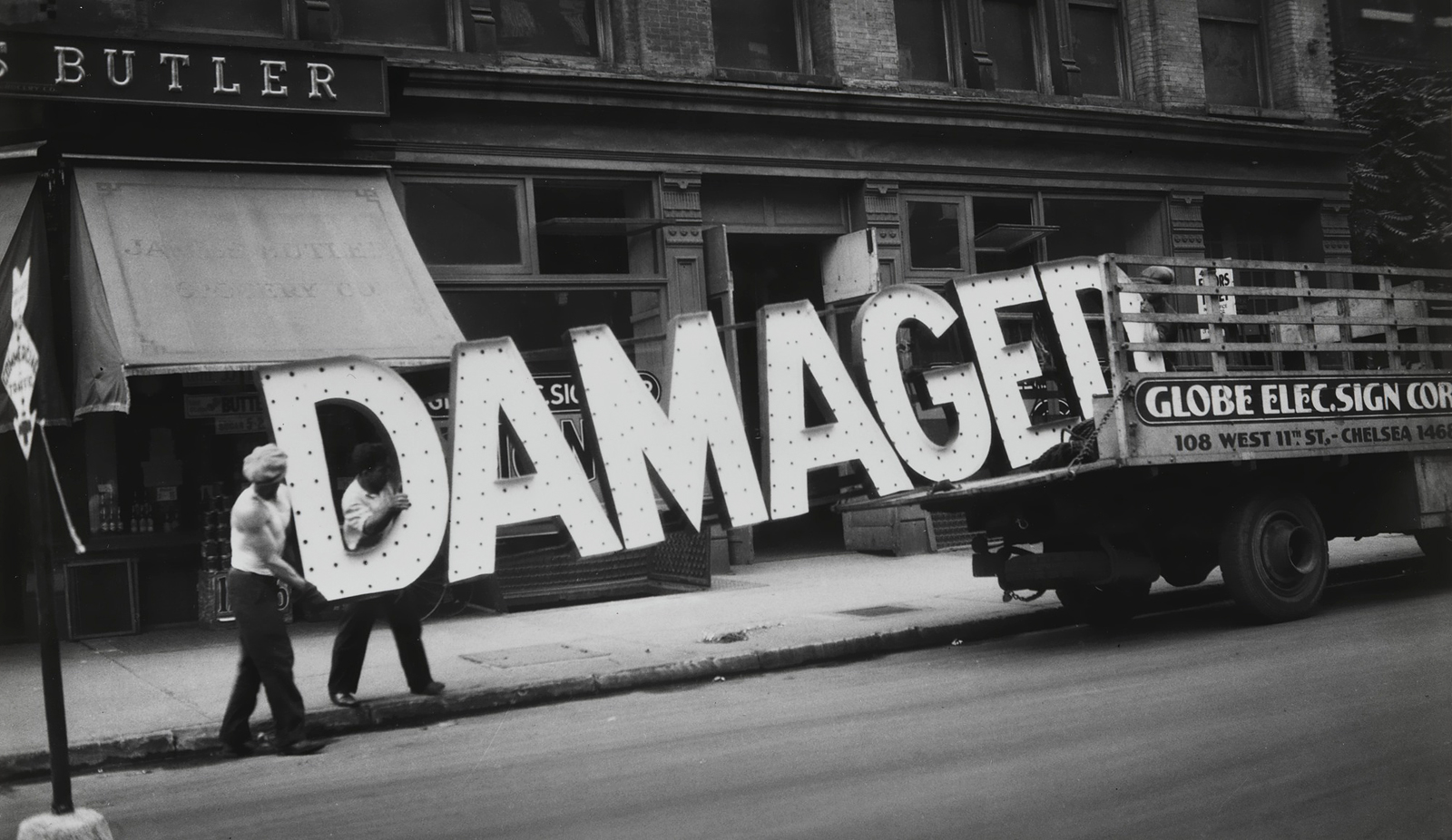
Walker EvansĀ (American, 1903-1975) 'Truck and Sign' 1928-1930


Walker EvansĀ (American, 1903-1975)
Truck and Sign
1928-1930
Gelatin silver print
Ā© Walker Evans archive


Walker EvansĀ (American, 1903-1975) 'Excavation for Lincoln Building, East 42nd Street and Park Avenue' 1929


Walker Evans (American, 1903-1975)
Excavation for Lincoln Building, East 42nd Street and Park Avenue
1929
Gelatin silver print
Ā© Walker Evans archive


Walker EvansĀ (American, 1903-1975) '[Fireplace in Floyd Burrroughs's Bedroom with Bedpost in Foreground, Hale County, Alabama]' 1936


Walker Evans (American, 1903-1975)
[Fireplace in Floyd Burrroughs’s Bedroom with Bedpost in Foreground, Hale County, Alabama]
1936
Gelatin silver print
8 x 10 in.
Ā© Walker Evans archive


Walker EvansĀ (American, 1903-1975) 'Main Street, Saratoga Springs, New York' 1931


Walker Evans (American, 1903-1975)
Main Street, Saratoga Springs, New York
1931
Gelatin silver print
Ā© Walker Evans archive


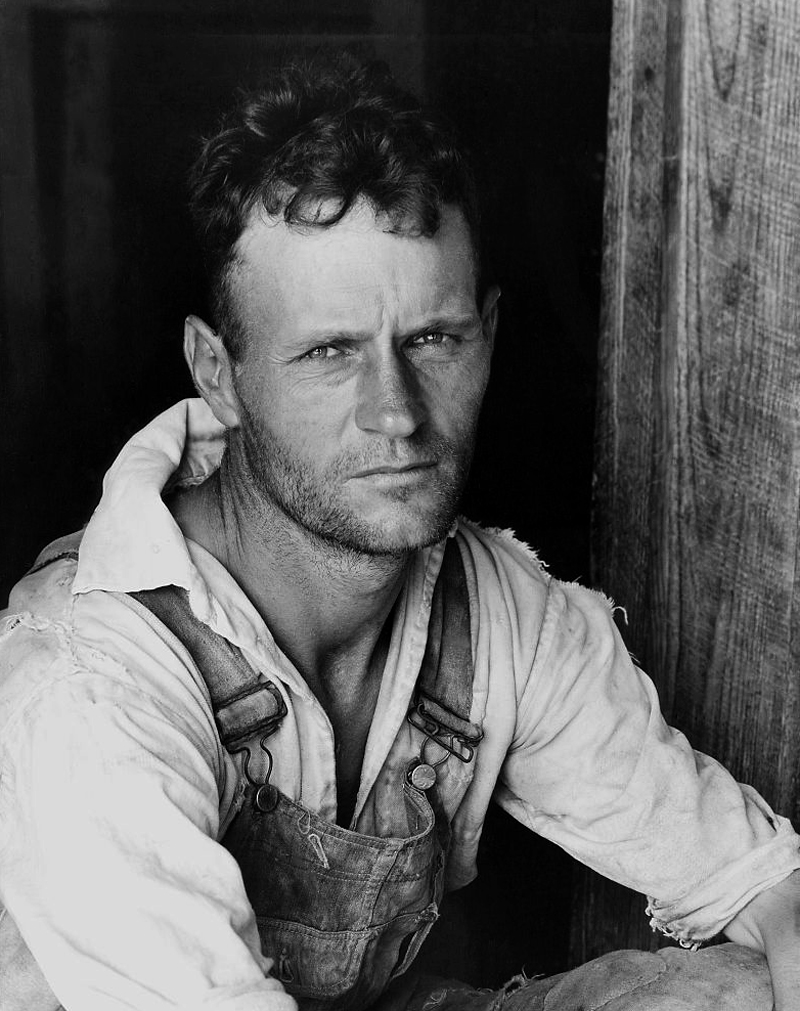
Walker EvansĀ (American, 1903-1975) 'Floyde Burroughs, a cotton sharecropper, Hale County, Alabama' 1936


Walker Evans (American, 1903-1975)
Floyde Burroughs, a cotton sharecropper, Hale County, Alabama
1936
Gelatin silver print
Ā© Walker Evans archive


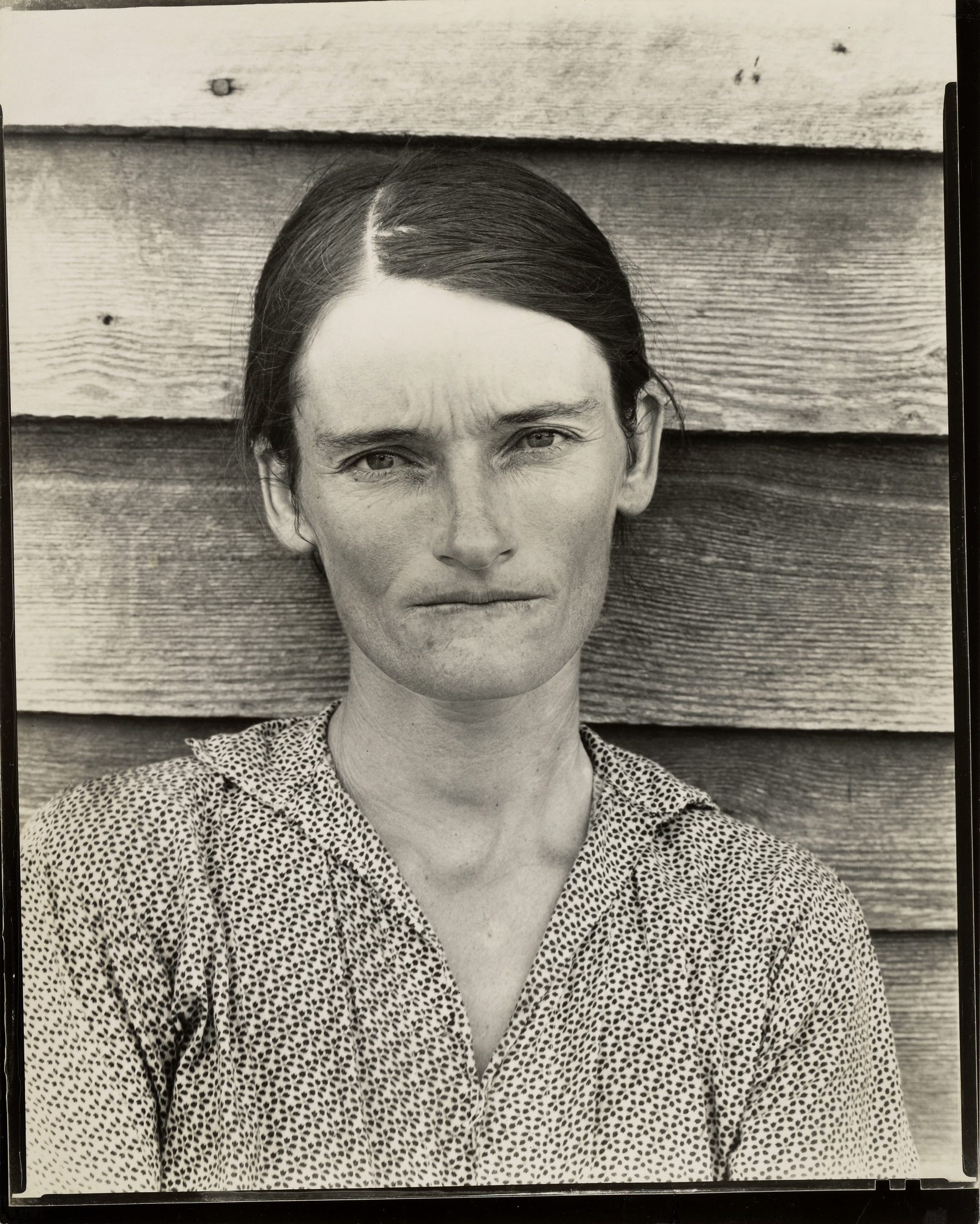
Walker Evans (American, 1903-1975) 'Allie Mae Burroughs, Hale County, Alabama' 1936


Walker Evans (American, 1903-1975)
Allie Mae Burroughs, Hale County, Alabama
1936
Gelatin silver print
Ā© Walker Evans archive


Fotomuseum Winterthur
Grüzenstrasse 44 + 45
CH-8400
Winterthur (Zürich)
Phone: +41 52 234 10 60

Opening hours:
Tuesday – Sunday 11.00 – 18.00
Wednesday 11.00 – 20.00
Monday closed

Fotomuseum Winterthur website

LIKE ART BLART ON FACEBOOK

Back to top