Elliott Erwitt (American born France, 1928-2023) New York City 1955 Gelatin silver print
The essence of what happens
Elliott Erwitt’s “art of observation” is a gift of the eye and the mind, where the artist must be truly aware of the world around them in order to capture the mosaic of reality.
Look at the photograph Jackie Kennedy, Arlington, Virginia (1963, below). Observe the split second that particular look of despair was present on Jackie’s face. And there was Erwitt fully aware, in the moment, with his gift of the eye and the mind – and he knew, he absolutely knew that was the moment to take the photograph.
As with much of his work it is the subtle cadences within the image that create their emotional power and magic: sadness, happiness, whimsy, comedy, anger, loneliness, joy – all captured through the reality of the visual language of the image, fully acknowledged in the heart and the mind of the viewer when they imbibe (absorb the ideas) of their spirit.
Dr Marcus Bunyan
Please click on the photographs for a larger version of the image.
“The work I care about is terribly simple … I observe, I try to entertain, but above all I want pictures that are emotion.”
Elliott Erwitt. Personal Exposures. W. W. Norton & Company, 1988
“You either see, or you don’t see.”
“You can take a picture of the most wonderful situation and it’s lifeless, nothing comes through… Then you can take a picture of nothing, of someone scratching his nose, and it turns out to be a great picture.”
“The whole point of taking pictures is so that you don’t have to explain things with words. To me, photography is an art of observation. It’s about finding something interesting in an ordinary place… I’ve found it has little to do with the things you see and everything to do with the way you see them.”
“All the technique in the world doesn’t compensate for the inability to notice.”
Elliott Erwitt
Elliott Erwitt (American born France, 1928-2023) Pasadena, California, USA Nd Gelatin silver print
Elliott Erwitt (American born France, 1928-2023) USA. California. Berkeley 1956 Gelatin silver print
Photographers with a comic outlook on life seldom win the acclaim granted to exalters of nature or chroniclers of war and squalor. Elliott Erwitt, who died at 95 on Wednesday at his home in Manhattan, was an exception.
For more than six decades he used his camera to tell visual jokes, finding material wherever he strolled. His sharp eye for silly, sometimes telling conjunctions – a dog lying on its back in a cemetery, a glowing Coca-Cola machine amid a public display of missiles in Alabama, a mangy potted plant in a tacky Miami Beach ballroom – earned him constant assignments as well as the affection of a public that shared his sweet, Chaplin-esque sense of the absurd.
This is the last posting for 2021, the next being 9th January 2022. This year the website had 1,158,000 views and 769,000 visitors. Wow!
There is no more time
Time is something that photography has so little of – the snap of the shutter – and yet, paradoxically, so much of. Photographs transcend the time in which they were taken, bringing past time to present and future time. Photographs that were important at the time they were taken and have great “exposure” may loose their relevance over time, only to have their presence reignited in the present future, to have their power and insightfulness understood by a new generation.
This applies to the work of Marion Palfi. I had never heard of this woman artist before and I have been studying photography for over 30 years now. That’s the question that keeps buzzing around my head. Why is this courageous artist and human being not better known – this “social researcher photographer” (her term) that fought the good fight and pictured social injustices in America wherever she saw it.
Born in Germany, Palfi rejected Germany’s radical politics and began to use photography and art to effect social change. In 1934 she opened her own portrait studio in Berlin before fleeing the Nazis and opening a successful portrait studio in Amsterdam in 1936. She then fled Europe for the United States in 1940 after marrying an American soldier.
“Marion Palfi’s work centered around equity, opportunity, and justice for all people. In her photo book There is No More Time: An American Tragedy, Palfi documented racism and segregation in Irwinton, GA, the site of the murder of Caleb Hill, the first reported lynching of 1949.
Palfi’s 1952 book Suffer Little Children focused on the living condition of disadvantaged children across the U.S., including the young inmates of the New York Training School for Girls. Palfi was a contributing photographer to Edward Steichen’s landmark Family of Man exhibition in 1955. During her time traveling across the United States she was bothered by the amount of poverty and racial intolerance she was exposed. She also was confused by Americans lack of acknowledgement of these problems within their communities. Palfi decided to use her camera as a way to document these problems and bring attention to them within the public eye. Using her new perspective on the topic of injustice and racial discrimination she was able to draw attention to these issues by documenting them with her camera.
Palfi’s photography explored the concepts of social injustices in America. She created many photographic studies that focus on racial injustice against African Americans, poverty in cities, and racial discrimination against Native Americans. She originally had trouble getting her photographs displayed or show cased because many Americans refused to address these social justice issues within their own society.”1
Equality, opportunity and justice for all people. What honourable concepts she was investigating using her camera to affect social change. But for Palfi, it was not enough to simply document. She wanted to know the “why” of a situation, how it affected the people involved – hence the classification of herself as a social researcher photographer.
“Her arrival in New York at a time when America was called “the arsenal of democracy” [1940] unexpectedly confronted her with the fact that the United States was not the ideal society many envisioned. Almost immediately, Palfi became involved in the struggles of minorities for social justice, and soon she was launched upon a career that can only be described as a life-long quest to ameliorate the living conditions of abandoned children, the neglected elderly, black both northern and southern, the abused native American of the Southwest, and finally, the broken lives of prisoners in penitentiaries. To the end of her days, Palfi traveled the country lecturing to whatever groups invited her, whooping hundreds of slides documenting injustices. Her involvement was as impassioned as that of Jacob Riis in the slums of New York, and like the works of Riis, her pictures were used to educate the officials about the need for legislative change.”2
Imagine if you can being a German arriving in America in 1940, being an alien in a foreign land during the Second World War and then, afterwards, confronting racism head on in her 1949 book There is No More Time: An American Tragedy documenting racism and segregation in Irwinton, GA, the site of the murder of Caleb Hill, the first reported “lynching” of 1949 (the victim was actually shot in the head and body). Don’t forget this is years before Robert Frank, another foreigner, travelled across the country to picture this insular and dysfunctional land in his seminal The Americans (1958). What guts it would have taken!
As noted by Maurice Berger, research professor and the chief curator at the Center for Art Design and Visual Culture at the University of Maryland in his 2015 article “A Meditation on Race, in Shades of White,” on The New York Times website:
“The most significant lesson of “Killers of the Dream,” [by Lillian Smith] one echoed in “There Is No More Time,” was that we must alter our expectations about who was responsible for talking about race. By focusing on the social and cultural mores of white Southerners – and by providing a platform for ordinary people to speak honestly about a difficult and controversial subject – both books exposed the attitudes, fears and rationalisations that underwrote racial prejudice.
They challenged the myth that racism was exceptional, perpetrated only by monstrous or evil people. As Ms. Smith argued, few were spared the “grave illness” of prejudice. “The mother who taught me what I know of tenderness and love and compassion taught me also the bleak rituals of keeping Negroes in their ‘place,'” she observed about the banality and ubiquity of racism.
Similarly and with uncompromising honesty, “There Is No More Time” revealed an enduring secret of American race relations: that ostensibly good people – men and women much like our neighbours, our family and ourselves – could also harbour virulent prejudices. For Ms. Palfi, this revelation was necessary and urgent.”3
In the photographs from the book in this posting we can see how the banality of evil can fester in a community, for Palfi “was as interested in the discriminator as in the victims of discrimination.” “Obviously, the presence of a photographer in such a community would attract unwanted attention and might have endangered her life. But by a happy stroke of luck, the Vice-President of the Georgia Power Company was interested in her work. Warning her that she must “photograph the South as it really is, not as the North slanders it,” he wanted her to get to meet the “right” people. As it happened, the “right” people turned out to be the very discriminators she wanted to photograph. Left in the protection of the local postmistress, she proceeded to take terms, objective pictures of overseers and white-suited politicians.”4
We only have to look at the countenance of that racist Alexander S. Boone, a certified three-time card carrying member of the Klan with dirty shirt, big fat cigar, painted nails and wig who publishes the local rag, the “official county organ”. Can you imagine him at a lynching? He’d probably be at the front of the queue. Then there is “Baby” Boone, youngest son of “old man” (senior figure, elder statesman) Boone. Behind him on the glass window of his business offering seeds & feeds is a handbill:
Old-fashioned REVIVAL Mt Pleasant Baptist Church July 17-22 John L. Mcay
Old fashioned (one of the meanings of this phrase is: favouring traditional or conservative ideas or customs), and a REVIVAL – Christian revivalism is increased spiritual interest or renewal in the life of a church congregation or society – a church which probably welcomed the Klan card carrying Representative of Wilkinson County in the Georgia Legislature with open arms. And then there is the sheriff of the small community where a young black man had been walked out of a jail cell and shot by two men… when he was innocent of any crime. Nervously fingering his shirt, looking away from the camera. None of this covert racism. A woman explained: “If a white man buys something from a colored man, the colored man may not hand it to the white man.”
Palfi had trouble finding a publisher in America because of the controversial nature of her photographs. No wonder. 1940s American society was not ready to confront the ugly truth staring back at them in the mirror until decades later, and even today, nothing much has changed.
The wife of the victim said, simply, “Caleb was a good man … he believed in his rights and therefore he died.”
This is a artist and a human being that I would have very much liked to meet. Her photographs are strong, direct, informed, never flinching from the subject matter she was researching and picturing… yet they are also compassionate and caring. As Elizabeth Lindquist-Cock observes, “She fearlessly placed herself in danger again and again, seeing her work as having the possibility of direct influence on a social revolution.”
She placed herself in dangerous situations time and time again – until that particular time (of photographing) has become universal time, until her force majeure, her force of nature and her will for reform, transcends the very time of the photographs creation, bringing us face to face with hidden realities roiling under the surface.
As the protest placard in her photograph Chicago School Boycott (1963-1964, below) says and the title of the exhibition opines, “Freedom Must Be Lived” – YES, but freedom must also be fought for! “The only thing necessary for the triumph of evil is for good humans to do nothing.”
The battles that Marion Palfi fought have not been won. We are still fighting the same battles all these decades later. There is no more time… change must happen now.
Dr Marcus Bunyan
Footnotes
1/ “Marion Palfi,” on the Wikipedia website [Online] Cited 15/12/2021
2/ Elizabeth Lindquist-Cock. “Marion Palfi: An Appreciation,” in The Archive Research Series Number 19, September 1983, Center for Creative Photography, University of Arizona, p. 5.
3/ Maurice Berger. “A Meditation on Race, in Shades of White,” on The New York Times website Sept. 27, 2015 [Online] Cited 27/10/2021
4/ Elizabeth Lindquist-Cock, Op cit.,
Many thankx to the Phoenix Art Museum for allowing me to publish the photographs in the posting. Please click on the photographs for a larger version of the image.
“We talk about the poverty of the Indian, their port health, their substandard of living – we cry – ! Who is responsible for this? The murder of the American Indian has stopped as such. No more Indian wars, but all kinds of schemes are constantly working to take still their last piece of land (we found oil, uranium, and other valuable minerals and there is fish, timer, etc.) and above all to wipe the image away – erase – “to change the Indian” – Into what? Into a middle class personality with all the ambitions and drives of our society. Competition and exploitation are the most important assets, we think. Foreign to all Indian thinking! What do we actually do? We destroy the Indian completely, mentally, psychologically, and spiritually. You might ask – so what? What is so good not to assimilate with the predominant society? Let me tell you what. Our society destroys lives – with our “know how” destroy all living. We polite the air, the water, poison the plants and animal life. The Indian knew no money, but the Indian knew security, happiness – the Indian was a supreme conserver of nature – of life. The Indian worked with nature not against it.”
Marion Palfi. “Some Thoughts,” preface to the unpublished manuscript, “My Children, First I liked the Whites, I Gave Them Fruits,” in the possession of Martin Magner, pp. 1-2 quoted in Elizabeth Lindquist-Cock. “Marion Palfi: An Appreciation,” in The Archive Research Series Number 19, September 1983, Center for Creative Photography, University of Arizona, p. 9.
“She fearlessly placed herself in danger again and again, seeing her work as having the possibility of direct influence on a social revolution.”
Elizabeth Lindquist-Cock. “Marion Palfi: An Appreciation,” in The Archive Research Series Number 19, September 1983, Center for Creative Photography, University of Arizona, p. 8.
Unknown photographers Portraits of Marion Palfi (at left in 1967)
Freedom Must Be Lived: Marion Palfi’s America, 1940-1978 will survey the career of Marion Palfi (1907-1978), who produced an important visual document of 20th-century American injustice.
To tell you about my work. I am developing a new approach to photography… I am photographing only after extensive research, never before. I do not photograph for purely emotional reasons, but only after I became an integral part of the situation, have gained full understanding and knowledge, then I try to ‘write down’ my findings with the camera. My photographs are never editorialized, nor ‘accidents,’ nor posed, but always the ultimate results of thorough research. They must tell the story, so that the words are only needed as commentary or explanation. It goes without saying, I wish my photographs to be artistic achievements, other wise they would be simply a dry documentation and not move the onlooker.
~ Marion Palfi
With these words Marion Hermine Serita Palfi compressed her intentions as a photographer: to tell a story through photography with a minimum of words; to tell it well, that is, through aesthetically strong images; to tell it knowledgable and patiently – to earn the telling; and to tell it “truthfully” by focusing on the subject, not the technique, personality, or identity of the person holding the camera. With the discipline of a trained dancer, the eye of an artist, and the will of a solitary activist, Marion Palfi never wavered in her commitment to untold stories. She lived a life-in-praxis, connecting belief to action.
Janet Zandy. Unfinished Stories: The Narrative Photography of Hansel Mieth and Marion Palfi. RIT Press, 2013, pp. 71.
“Her arrival in New York at a time when America was called “the arsenal of democracy” [1940] unexpectedly confronted her with te fact that the United States was not the ideal society many envisioned. Almost immediately, Palfi became involved in the struggles of minorities for social justice, and soon she was launched upon a career that can only be described as a life-long quest to ameliorate the living conditions of abandoned children, the neglected elderly, black both northern and southern, the abused native American of the Southwest, and finally, the broken lives of prisoners in penitentiaries. To the end of her days, Palfi traveled the country lecturing to whatever groups invited her, whooping hundreds of slides documenting injustices. Her involvement was as impassioned as that of Jacob Riis in the slums of New York, and like the works of Riis, her pictures were used to educate the officials about the need for legislative change.
She was a person, in other words, whose life made a difference in the lives of perfect strangers. Appreciated by humanitarians like John Collier and Eleanor Roosevelt, Sr., recognised and encouraged by artists like Edward Steichen and Langston Hughes, applauded by Karl Menninger, she has nevertheless received less attention than she deserved. As James Enyeart observed, she has remained “invisible in America,” like so many of her pathetic and neglected subjects. It would seem that her extraordinary selflessness and devotion did not help to write her name large in the histories of photography, as the same activities ensured the fame of Jacob Riis, Lewis Hine, Dorothea Lange, or W. Eugene Smith. That inattention should be rectified, especially now, where there seems to be, once again, a general callousness toward the less fortunate members of our society and a devastating neglect of racial and ethnic minorities. The battles that Marion Palfi fought have not been won. They continue today, with the startling increase in the numbers of older women in poverty. the increasing withdrawal of government support to the American Indians, the hungry children, and the black youths without employment. Photography continues to be a potent medium that needs to be revitalized by spirits like Palfi.”
Elizabeth Lindquist-Cock. “Marion Palfi: An Appreciation,” in The Archive Research Series Number 19, September 1983, Center for Creative Photography, University of Arizona, p. 5.
Sono Osato (大里 ソノ, Osato Sono, August 29, 1919 – December 26, 2018) was an American dancer and actress.
In 1927, when she was eight, Osato’s mother took her and her sister to Europe for two years; while in Monte Carlo, they attended a performance of Cléopâtre by Sergei Diaghilev’s famous Ballets Russes company, which inspired Osato to start ballet classes when she returned to Chicago in late 1929. She studied with prominent dancers Berenice Holmes and Adolph Bolm.
She performed with ballet companies Ballets Russe de Monte-Carlo and the American Ballet Theatre. As an actress, she starred alongside Frank Sinatra in the film The Kissing Bandit.
Osato began her career at the age of fourteen with Wassily de Basil’s Ballets Russe de Monte-Carlo, which at the time was the world’s most well known ballet company; she was the youngest member of the troupe, their first American dancer and their first dancer of Japanese descent. De Basil tried to persuade Osato to change her name to a Russian name, but she refused to do so. She spent six years touring the United States, Europe, Australia and South America with the company, leaving in 1941 as she felt her career was stagnating. She went to study at the School of American Ballet in New York City for six months, then joined the American Ballet Theatre as a dancer. While at the ABT, she danced roles in such ballets as Kenneth MacMillan’s Sleeping Beauty, Antony Tudor’s Pillar of Fire, and Bronislava Nijinska’s The Beloved.
As a musical theatre performer, her Broadway credits included principal dancer in One Touch of Venus (a performance for which she received a Donaldson Award in 1943), Ivy Smith in the original On the Town, and Cocaine Lil in Ballet Ballads.
Charles Dean Dixon (January 10, 1915 – November 3, 1976) was an American conductor.
Dixon was born in the upper-Manhattan neighbourhood of Harlem in New York City to parents who had earlier migrated from the Caribbean. He studied conducting with Albert Stoessel at the Juilliard School and Columbia University. When early pursuits of conducting engagements were stifled because of racial bias (he was African American), he formed his own orchestra and choral society in 1931. In 1941, he guest-conducted the NBC Symphony Orchestra, and the New York Philharmonic during its summer season. He later guest-conducted the Philadelphia Orchestra and Boston Symphony Orchestra. In 1948 he won the Ditson Conductor’s Award.
In 1949, he left the United States for the Israel Philharmonic Orchestra, which he directed during its 1950 and 1951 seasons. He was principal conductor of the Gothenburg Symphony in Sweden 1953-1960, the Sydney Symphony Orchestra in Australia 1964-1967, and the hr-Sinfonieorchester in Frankfurt 1961-1974. During his time in Europe, Dixon guest-conducted with the WDR Sinfonieorchester in Cologne and the Symphonieorchester des Bayerischen Rundfunks in Munich. He also made several recordings with the Prague Symphony Orchestra in 1968-1973 for Bärenreiter, including works of Beethoven, Brahms, Haydn, Mendelssohn, Mozart, Schumann, Wagner, and Weber. For Westminster Records in the 1950s, his recordings included symphonies and incidental music for Rosamunde by Schubert, symphonic poems of Liszt (in London with the Royal Philharmonic), and symphonies of Schumann (in Vienna with the Volksoper Orchester). Dixon also recorded several American works for the American Recording Society in Vienna. Some of his WDR broadcast recordings were issued on Bertelsmann and other labels. Dean Dixon introduced the works of many American composers, such as William Grant Still, to European audiences.
During the 1968 Olympic Games, Dixon conducted the Mexican National Symphony Orchestra.
Dixon returned to the United States for guest-conducting engagements with the New York Philharmonic, Chicago Symphony Orchestra, Detroit Symphony, Milwaukee Symphony, Pittsburgh Symphony, St. Louis Symphony, and San Francisco Symphony in the 1970s. He also served as the conductor of the Brooklyn Philharmonic, where he gained fame for his children’s concerts. He also conducted most of the major symphony orchestras in Africa, Israel, and South America. Dixon’s last appearance in the US was conducting the Philadelphia Orchestra in April 1975.
In 1945, Ebony was founded by Black businessman John H. Johnson as a sleek monthly illustrated magazine from the African-American market in a time when few major media outlets addressed Black readers and consumers. Intended to emulate the glossy look of Life and Look magazines, it featured photo essays and long-form articles chronicling all aspects of Black American life, including current events in race relations, and the successes of Black artists, athletes, scientists, and celebrities. Marion Palfi contributed photographs to the inaugural issue in November 1945, including the cover image of students at a racially integrated elementary school. Over the next five years she was regular contributor to the magazine, covering subjects ranging from National Association for the Advancement of Colored People (NAACP) and cases in the U.S. Supreme Court, to all aspects of the fight against racial segregation, to famous cultural figures like Langston Hughes and Dean Dixon.
Between 1950 and 1951, Marion Palfi embarked on a cross-country trip for a study on housing integrity. Her photographs charted the distressed living conditions of Black Americans, immigrants, and sharecroppers – the result of redlining [refuse (a loan or insurance) to someone because they live in an area deemed to be a poor financial risk], blockbusting [the practice of persuading owners to sell property cheaply because of the fear of people of another race or class moving into the neighbourhood, and then profiting by reselling at a higher price], urban renewal, white flight [the phenomenon of white people moving out of urban areas, particularly those with significant minority populations, and into suburban areas], and the long legacy of racialised federal, state, and local housing policies. In cities as far apart as Charlottesville, Virginia; Phoenix, Arizona; Waterbury, Connecticut; Chicago, Illinois; and Sledge, Mississippi, Palfi interviewed and photographed people living in unsanitary and crowded conditions in parcelled tenements, boarding houses, and other low-income housing settlements. She trained her camera on the crumbling edifices of buildings and the communities experiencing poverty who lived there. The resulting booklet, In These 10 Cities (1951), co-published by the New York State Committee on Discrimination in Housing and the Public Affairs Committee, featured her photographs and research alongside text by the political activist Alexander L. Crosby, as part of a series of “picture pamphlets” meant to edify New Yorkers on national issues of social concern.
Marion Palfi (American born Germany, 1907-1978) Waterbury, Connecticut 1951 From the series In These Ten Cities Gelatin silver print 26.2 x 34.2cm
Marion Palfi (American born Germany, 1907-1978) Phoenix 1951 From the series In These Ten Cities Gelatin silver print 26.3 x 34.6cm
Marion Palfi (American born Germany, 1907-1978) Chicago 1951 From the series In These Ten Cities Gelatin silver print 31.8 x 26.5cm
Marion Palfi (American born Germany, 1907-1978) Hudson School for Girls, the Only New York State Training School for Delinquent Girls, Solitary 1946-1949 From the Suffer Little Children series, 1946-1949 Gelatin silver print 24.0 x 20.2cm
Marion Palfi (American born Germany, 1907-1978) Three children playing behind houses in Boyle Heights 1946 Gelatin silver print UCLA, Library Special Collections, Charles E. Young Research Library
Marion Palfi (1907-1978), an immigrant photographer and member of the New York Photo League, a pivotal organisation in photography and U.S. history, took photographs of girls at the Training School in Hudson, NY. Though she was one of the most under-recognised of the Photo League photographers, Palfi’s images of girls at the New York State Training School for Girls may be the best-known photographs ever taken at the Hudson prison.
Palfi, who called herself a “social research photographer”, was born in Germany and came to America from Amsterdam in 1940 just ahead of Adolf Hitler’s invasion of Europe. Soon thereafter she launched a ‘study’ on minority artists and met Langston Hughes who became an ardent supporter of her work until his death in 1967. In 1946, Palfi received a Rosenwald Fellowship, the second ever granted by the foundation for photography and the only one ever given for photography on race relations. The grant made possible a nation-wide study of children and youth that resulted in an exhibition, “Children in America” and a book, Suffer Little Children, published in 1952. The exhibition opened in January of 1949 at the New York Public Library and subsequently traveled for three years throughout the United States. The photographs in the exhibition and book showed children and youth suffering from everything from poverty and prejudice to prisons and delinquency.
Though reputedly the first white photojournalist to focus specifically on the linkages between racism and poverty, in Suffer Little Children Palfi focused on the diversity of American society, not isolating one ethnic group and their difficulties. She portrayed poverty as a destructive force affecting African Americans, Asian Americans, whites and Latinos alike. She attacked the suffering of children with a particular fury: “Poverty is like the murdering of little angels”, she wrote.
Many of her images for the project comment on the physical limits of the national vision, exploring the very bars, walls, and gestures that separate outsiders from larger society. Palfi presents photographs of white girls at the Training School in Hudson including a 12-year-old white girl in “solitary confinement”.
Of these images she writes: “At the time (of her visit to the NYS Training School for Girls in 1946), 15 girls were in ‘solitary’ in the ‘discipline’ cottage. The first 10 days the girls received bread and milk for two of their three meals. One girl spent 81 days in solitary confinement, aside from periods when she was let out to scrub the floors in the corridor. One of the girls was talking to herself. The matron was very annoyed and said to her through the door: ‘You know you may not talk now – it is rest period.’ Girls were sent to the discipline cottage for running away, breaking other rules or for being too emotionally disturbed.”
Anonymous text. “Suffer Little Children,” on the Prison Public Memory website, October 28, 2014 [Online] Cited 26/10/2021
This retrospective exhibition will survey the career of Marion Palfi (1907-1978), who produced an important visual document of 20th-century American injustice. Freedom Must Be Lived: Marion Palfi’s America, 1940-1978 features more than 100 photographic prints and numerous archival materials, including photobooks, magazine spreads, research journals, and grant applications, drawn exclusively from the Center for Creative Photography’s vast Marion Palfi Archive. Many of these prints and materials have never before been exhibited or published and will offer an unprecedented opportunity to draw new insights into the work.
Palfi’s philosophy of using photography to influence social change shaped her vision and distinguished her career. A German immigrant to the United States during World War II, Palfi arrived in Los Angeles to find a reality far from the myth of the American Dream. Outraged at the economic, racial, and social inequalities she encountered, she spent more than three decades traveling throughout the United States documenting various communities to expose the links between racism and poverty. As a self-described “social research photographer,” Palfi aspired for her photographs to live in the world and effect social change. Her work was featured in numerous American periodicals, including Ebony and The New York Times. Sponsors for her work included the Council Against Intolerance in America, the NAACP, and the New York State Committee on Discrimination in Housing.
Each of the photographer’s four major projects are represented in the exhibition, including her piercing nationwide study of children living in poverty; her decades-long civil rights activism documenting the effects of systemic racism against African Americans; her research on the abject conditions of ageing in New York; and her revelatory pictures, funded by a 1967 Guggenheim Fellowship, of the forced relocation of Indigenous off of reservations in the Southwest. Weaving together more than three decades of work, the exhibition elucidates Palfi’s sustained focus on themes of inequity, solitude, and racial victimisation. Taken as a whole, it elucidates the photographer’s crusade for human rights and presents a cumulative photographic record that resonates with many of the social concerns still plaguing the United States today.
This summer, Phoenix Art Museum will present Freedom Must Be Lived: Marion Palfi’s America, the first major solo exhibition of the photographer’s incisive work since her death in 1978. A self-described “social-research photographer,” Marion Palfi observed and documented victims of discrimination over three decades, exposing the links between racism and poverty in the United States. Organised by Phoenix Art Museum and the Center for Creative Photography (CCP), University of Arizona, and drawing exclusively from CCP’s vast Marion Palfi Archive, Freedom Must Be Lived features more than 80 prints and extensive archival materials, many of which have never before been exhibited or published. Shedding light on Palfi’s career-long focus on themes of inequity, solitude, and racial victimisation, the exhibition provides unprecedented insight into the work of a photographer who created one of the most powerful visual documentations of 20th-century American injustice. Freedom Must Be Lived will be on view July 21, 2021 through January 2, 2022.
“We are delighted to present this timely exhibition of Marion Palfi’s socially conscious photography with Freedom Must Be Lived: Marion Palfi’s America,” said Gilbert Vicario, Deputy Director for Curatorial Affairs and the Selig Family Chief Curator of Phoenix Art Museum. “This powerful and poignant retrospective highlights an extraordinary photographer whose work has been under-recognised for more than four decades, furthering the Museum’s commitment to showcasing works by diverse artists whose legacies have not yet been fully acknowledged in the canon of art history.”
A German immigrant to the United States who fled during World War II, Palfi arrived in New York to a reality that stood in stark contrast with the myth of the American Dream. Outraged at the economic, racial, and social inequalities she encountered, Palfi spent the next three and a half decades traveling the nation to document various subjects, including the elderly, families of hate-crime victims, abandoned children, residents of the Jim Crow South, Los Angeles-prison inmates, Puerto Rican immigrants in New York, white supremacist groups, and Navajo families who were the victims of government-enforced relocation and “acculturation.” Her work was featured in numerous U.S. periodicals throughout her career, including Ebony and The New York Times, and she received sponsorships from the Council Against Intolerance in America, the NAACP, and the New York State Committee on Discrimination in Housing. Palfi also passed on her political and aesthetic philosophies through her role as an educator, teaching classes on the “social uses of photography” at the Photo League School (1948), The New School for Social Research (1959-1962), UCLA (1965-1966), and other institutions.
“Palfi’s vision and commitment to social justice allowed her to build a visual archive of otherwise ‘invisible’ Americans, reminding us of photography’s ability to influence social change,” said Audrey Sands, PhD, the Norton Family Assistant Curator of Photography at Phoenix Art Museum, a joint appointment with the Center for Creative Photography. “Her trenchant, poetic, and piercing work reflects her compassion behind the lens. She actively confronted the political, racial, and economic injustices that overshadowed her lifetime, so many of which still plague our country today. Given the continued resonance of these topics, now is the perfect moment to rediscover Palfi’s important work.”
Organised to showcase the four major projects of her career, the exhibition presents photographs from Palfi’s piercing nationwide study of disadvantaged children living in poverty, her documentation of systemic racism against Black Americans, her research into the abject living conditions of New York’s ageing population, as well as her revelatory photographs, funded by a 1967 Guggenheim Fellowship, of the forced relocation of Hopi, Navajo, and Papago peoples in the Southwest. The exhibition’s numerous archival materials, including photobooks, magazine spreads, project proposals, and field research notes, provide audiences with additional context about the scope of Palfi’s photographic practice.
Freedom Must Be Lived: Marion Palfi’s America is the most recent collaboration between Phoenix Art Museum and the Center for Creative Photography. Over the past 13 years, the two institutions have organised nearly 40 exhibitions that bring outstanding works spanning the history of photography to wider audiences in Arizona and beyond.
“As a photographer, she was as interested in the discriminator as in the victims of discrimination. Long before what we tend to think of as the crux of the civil rights struggle in the 1960s, Palfi went to Georgia at a particularly dangerous time. In 1949, she was drawn to do an in-depth portrait of Irwinton, a small community where a young black man had been torn out of jail and shot by a lynch mob. The tremendous public outcry over this barbaric incident included front-page coverage and editorials by the New York Times. Obviously, the presence of a photographer in such a community would attract unwanted attention and might have endangered her life. But by a happy stroke of luck, the Vice-President of the Georgia Power Company was interested in her work. Warning her that she must “photograph the South as it really is, not as the North slanders it,” he wanted her to get to meet the “right” people. As it happened, the “right” people turned out to be the very discriminators she wanted to photograph. Left in the protection of the local postmistress, she proceeded to take terms, objective pictures of overseers and white-suited politicians.
Even if the press had not indicted Irwinton for its racism, the extreme conservatism and tension were evident in the faces of its citizens. She found a white supremacist group, “The Columbians,” whose insignia was a thunderbolt, the symbol of Hitler’s elite guard. “Mein Kampf was their bible,” she believed. Meanwhile, the wife of the lunch victim said, simply, “Caleb was a good man … he believed in his rights and therefore he died.”
Elizabeth Lindquist-Cock. “Marion Palfi: An Appreciation,” in The Archive Research Series Number 19, September 1983, Center for Creative Photography, University of Arizona, pp. 7-8.
The crackers sat in the sun, their backs to the decaying summer house and watched the strangers. Irwinton seemed full of strangers, their cars raising clouds of red Georgia dust. Said one resentfully: “We had a white man lay over in a swamp near Big Sandy Creek till the buzzards ate him up, and they found his bones. We didn’t have a single newspaperman look at the bones. But seein’ as Picky Pie is a nigger he makes headlines.” Irwinton was reacting to 1949’s first lynching.
It all started Sunday night, when Sheriff George C. Hatcher was waked by a Negro. He was bleeding across the chest. “Picky Pie Hill done did me over at the New Harlem Club in Mclntyre,” he said. The sheriff jumped into his car and headed for the tin-roofed Negro juke joint four miles away.
Bare bulbs glared through the smoky, crowded room. Caleb (“Picky Pie”) Hill, a husky, 28-year-old Negro, was drunk, but the sheriff got handcuffs on him, and began to question witnesses. Suddenly, the sheriff felt his pistol pulled from the holster, turned to find Picky Pie aiming at his head. Hatcher ducked and the bullet went into the ceiling. In the scuffle, the sheriff’s pistol got lost. The sheriff took his prisoner back to town and put him in a cell with another Negro in the jail on the second floor of the sheriff’s house. Then he went back to get his pistol. It took him 2½ hours.
The Door Was Open. The sheriff explained later: “The trouble was a report had got around that the Negro had killed me. The men were pretty riled up and when they didn’t find me at home, they thought maybe I was dead.”
While he was gone, two men walked into the sheriff’s house. They had no trouble. The keys to the jail were on a cabinet in the living room, where the sheriff had left them, and the front door was open – “if I lock it the lock sticks,” explained the sheriff. The men calmly picked up the keys and went upstairs to the cell. “Come on, Picky Pie, let’s go,” one said. Without a protest, Picky Pie walked out with them. Mrs. Hatcher, asleep downstairs, heard no commotion.
Next morning two young farmers found Hill’s body, face downward in the sandy Georgia roadside, near Big Sandy Creek. He had been shot through the head and body. Roused, Sheriff Hatcher was amazed: “I thought, could it be they’d come and got my prisoner? I ran upstairs and sure enough, Hill was gone.”
No Memory. At the inquest, Tom Carswell, the Negro who had shared Hill’s cell, shook perceptibly as he was questioned. “They were white and there were two of them,” he said. Did he recognise them? “I know just about everybody around here, but I never saw those two before.” Wispy-haired Coroner C. C. Thompson, who is also Mclntyre’s town butcher, asked: “You probably couldn’t identify the men if you saw them again, could you?” “No, suh,” said Carswell eagerly.
Around the square, the loafers settled back and talked it over: “He was a bad nigger, all bad.” Picky Pie had worked in the chalk mines, but mostly he bootlegged liquor. He had been arrested several times before, once for shooting at a white boy just to make him jump. They snorted at the reports that he supported his crippled father and three sisters besides his wife and three children.
But the reporters and all made the coroner nervous. Leaning on his meat counter, he declared: “I am still making a desperate effort to apprehend the guilty party.” Sheriff Hatcher called in the Georgia Bureau of Investigation, and dug the bullets out of Picky Pie. At week’s end, the G.B.I, arrested two white men on suspicion. They figured there were more, and were still looking for them.
Anonymous text. “THE SOUTH: Death of Picky Pie,” in Time Magazine, Monday, June 13, 1949 on the Time website [Online] Cited 27/10/2021.
Ms. Palfi set out to document racism and segregation in Irwinton, Ga., the small town where Caleb Hill, in the first reported lynching of 1949, was murdered.
Later that year, Ms. Palfi spent two weeks in Irwinton documenting its residents, both black and white.
Juxtaposing portraits, Ms. Palfi’s written observations and interview excerpts, “There Is No More Time” chronicles the many faces and viewpoints of white supremacy in Irwinton: the obedience to God and family; the religious and pseudoscientific justifications for believing that black people were inherently inferior; the resentment of outside intervention in the South’s racial affairs; and the determination to protect the legal authority of white people.
The book also demonstrates that white racial attitudes were neither uniform nor without ambivalence. Some qualified their prejudices by also voicing disdain for poor whites. Others unconsciously revealed the insecurity and self-doubt that fuelled their bitterness and, by extension, bigotry. Some discreetly criticised the biases of their neighbours, while others attacked them as traitors for doing so.
The town’s African-American residents appear in the book less frequently but to great dramatic effect. Their images make clear the tragic consequences of racial prejudice, their lives compromised and shattered in innumerable ways. This was no more evident than in the haunting portrait of Mr. Hill’s widow (image below) or in the text of an anonymous letter from black prisoners, unceasingly abused and dehumanised by their white jailers. …
The back story of “There Is No More Time” reveals much about Ms. Palfi’s sophisticated and prescient understanding of American race relations. The manuscript met with considerable resistance from publishers. Contending that the subject matter “in these sticky times would not be very well received,” one rejection letter subtly accused her of overstating the problem of segregation.
In order to make her book more appealing, the photographer offered to collaborate with a well-known author. Although her choice, Lillian Smith, ultimately declined, and Ms. Palfi wrote the text herself, the selection was telling. Five years earlier, Ms. Smith rose to prominence with the publication of her best-selling novel “Strange Fruit,” on the then controversial subject of interracial romance. But it was “Killers of the Dream,” her more recently published analysis of the origins and persistence of racism in the Jim Crow South, that undoubtedly caught Ms. Palfi’s attention.
In contrast to other race books of the period, “Killers of the Dream” examined prejudice not just from the perspective of its victims, but also through the candid autobiographical observations of its Southern white author.
The most significant lesson of “Killers of the Dream,” one echoed in “There Is No More Time,” was that we must alter our expectations about who was responsible for talking about race. By focusing on the social and cultural mores of white Southerners – and by providing a platform for ordinary people to speak honestly about a difficult and controversial subject – both books exposed the attitudes, fears and rationalisations that underwrote racial prejudice.
They challenged the myth that racism was exceptional, perpetrated only by monstrous or evil people. As Ms. Smith argued, few were spared the “grave illness” of prejudice. “The mother who taught me what I know of tenderness and love and compassion taught me also the bleak rituals of keeping Negroes in their ‘place,'” she observed about the banality and ubiquity of racism.
Similarly and with uncompromising honesty, “There Is No More Time” revealed an enduring secret of American race relations: that ostensibly good people – men and women much like our neighbours, our family and ourselves – could also harbour virulent prejudices. For Ms. Palfi, this revelation was necessary and urgent.
“There is no more time, we must act now – the whole world is looking on,” she wrote in the book’s foreword. Sixty-five years later, the problem remains dire and far from resolved as we cling to the belief that it is always, inevitably, the others who hate and discriminate.
Maurice Berger. “A Meditation on Race, in Shades of White,” on The New York Times website Sept. 27, 2015 [Online] Cited 27/10/2021
Maurice Berger is a research professor and the chief curator at the Center for Art Design and Visual Culture at the University of Maryland, Baltimore County, and a consulting curator at the Jewish Museum in New York.
Born into an aristocratic family in Berlin in 1907, Ms. Palfi began her career as an actress and model. Distressed by Germany’s increasingly reactionary politics, she turned to photography as a form of personal expression and activism. In 1935, she opened a photo studio in Amsterdam. Five years later, having married an American serviceman, she immigrated to New York.
A member of the activist Photo League, Ms. Palfi believed that photographs, beyond merely representing problems, could influence social change.
“A Palfi photograph brings us face to face with hidden realities that its surface only causes us to begin to explore,” wrote the American poet Langston Hughes, a friend and admirer of her work.
Ms. Palfi produced photo essays on a range of pressing social issues, including child abuse and delinquency, the neglect of seniors, Native American displacement, prison inmate rights, and the ways poverty, segregation and racism imperilled democracy. She died in 1978.
Maurice Berger. “A Meditation on Race, in Shades of White,” on The New York Times website Sept. 27, 2015 [Online] Cited 27/10/2021
Marion Palfi (American born Germany, 1907-1978) Men’s Shelter, New York – Your Fortune Must Be Less Thank $2 To Be Acceptable 1956-58 from the series You Have Never Been Old Gelatin silver print 23.9 x 34.3cm
Marion Palfi (American born Germany, 1907-1978) Case History 1956-1958 from the series You Have Never Been Old Gelatin silver print 26.3 x 34.3cm
Marion Palfi (American born Germany, 1907-1978) Navajo Family Life, the Blue Lake Family on the Black Mesa 1967-1969 From the series First I Liked the Whites, l Gave Them Fruits Gelatin silver print 23.9 x 34.2cm
Marion Palfi (American born Germany, 1907-1978) Untitled 1967-1969 From the series First I Liked the Whites, l Gave Them Fruits Gelatin silver print 29.7 x 41.9cm
Biography
Social documentary photographer Marion Palfi (1907-1978) sought equity, opportunity, and justice for all people, using her camera as a tool for that end. Farm Security Administration projects and the Photo League inspired her initial efforts toward reform, but for Palfi, the desire for social change was a lifelong pursuit.
Marion Palfi was born in Berlin in 1907 to a Hungarian father and a Polish mother. Her father, Victor Palfi, came from an aristocratic family and became an important producer-director in the German theatre. Her parents provided her with an upper middle class life that included private schooling in both Berlin and Hamburg, where she learned English. She began studying dance at thirteen and eventually followed her father into a career on the stage. A lucrative modelling career and debut performances in film ensued.
After a short time in the limelight, however, she renounced her status as a privileged member of German society, and left the theater. She acquired a small folding camera and began a two-year apprenticeship at a Berlin portrait studio. By 1932, she opened a commercial portraiture and photojournalism studio. Palfi married a journalist and they traveled across Europe, but by the end of 1935 Palfi had opened a studio in Amsterdam alone. In 1940, just before Hitler’s army entered the Low Countries, she married an American serviceman and emigrated to New York.
Palfi gained employment in 1944, developing and retouching governmental war photographs at Pavelle Laboratories, and devoted evenings and weekends to her own photography. A crucial first project, “Great American Artists of Minority Groups and Democracy at Work,” was sponsored by the Council Against Intolerance in America. Through this assignment, she met Langston Hughes, the American poet, who became an ardent supporter. He would say of her work, “A Palfi photograph brings us face to face with hidden realities that its surface only causes us to begin to explore.” Her close ties with Hughes allowed her to establish a circle of friends that included John Collier, Sr., Eleanor Roosevelt, Edward Steichen, and Lisette Model.
Between 1945 and 1955 Palfi was included in group exhibitions at the Museum of Modern Art, the Los Angeles County Museum of Art, New York’s Photo League, and in a solo exhibition at the New York Public Library. She received four major awards in her lifetime: a Julius Rosenwald Fellowship (1946), a Taconic Foundation grant (1963), a Guggenheim Fellowship (1967), and a National Endowment for the Arts grant ( 1974). In addition to such sources, she supported her photographic investigations at her own expense; the liberal press and African-American picture magazines also championed her views and images.
Throughout her mature career Palfi produced photographic essays on subjects of social concern, always with the intent of building public awareness that would ultimately lead to better living and working conditions. Unfortunately, the social documentary approach came to be associated with liberal political ideas and the New Deal, and therefore in direct opposition to the conservative policies of Harry Truman’s government of the late 1940s. Some of the issues she addressed include racism, Native American living conditions and relocation, juvenile delinquency, elder housing, the infringement of prison inmate rights, the effects of child neglect and abuse, the rise of gangs, and the persistence of poverty and slums. Throughout her years in America, Palfi eschewed a more lucrative career, producing photojournalistic work that conformed to popular expectations, and chose instead to pursue imagery that challenged notions of the American Dream.
Additional biographical information on Marion Palfi can be found in two Center publications – The Archive number 19 (1983) and Guide Series number 10 (1985). The Center is the largest repository of Palfi material, with over 1,100 fine prints. The archive contains materials from major photographic projects from 1945 to 1978, correspondence between Palfi and friends, photographers, scholars, writers, publishers, and governmental and private institutions on subjects including her philosophy of using photography to influence social change, her sales of photographs, and her mostly unsuccessful efforts to publish her work. Of particular research value are her scrapbooks, research notes, draft manuscripts, and book maquettes.
Text from the Center for Creative Photography at the University of Arizona website [Online] Cited 26/10/2021
Marion Palfi (American born Germany, 1907-1978) Untitled 1975 From the series Ask Me lf l Got Justice Gelatin silver print 18.7 x 24.2cm
Phoenix Art Museum McDowell Road & Central Avenue 1625 N. Central Avenue Phoenix, AZ 85004
Opening hours: Monday and Tuesday Museum closed Wednesday: 10am – 7pm Thursday – Sunday: 10am – 5pm
A further posting on this exhibition, now showing at Jeu de Paume in Paris.
Eleven new media images, two videos, a selection of quotes from Dorothea Lange, and text from the exhibition curator Pia Viewing.
The most interesting of the images is the wide shot Migrant Mother, Nipomo, California (1936, above), part of a series of six that Lange took of Florence Owens Thompson and her children, the last image of which was to become the iconic image (see text below). The story of that image is fascinating and is told in detail in text from Wikipedia and other sources below.
It would seem that Lange was mistaken or made up the story to fill in the blanks; and that the image was at first a curse (ashamed that the world could see how poor they were) and now a source of pride, to the Thompson family. As the text pertinently notes, “The photograph’s fame caused distress for Thompson and her children and raised ethical concerns about turning individuals into symbols.”
Dr Marcus Bunyan
Many thankx to Jeu de Paume for allowing me to publish the photographs in the posting. Please click on the photographs for a larger version of the image.
Dorothea Lange (American, 1895-1966) Destitute pea pickers in California. Mother of seven children. Age thirty-two. Nipomo, California [original title, thumb removed; digital file, post-conservation] 1936 Gelatin silver print Library of Congress
Digital file was made from the original nitrate negative for “Migrant Mother” (LC-USF34-009058-C). The negative was retouched in the 1930s to erase the thumb holding a tent pole in lower right hand corner.
Title from caption card for negative. Title on print: “Destitute pea pickers in California. A 32 year old mother of seven children.”
Destitute pea pickers in California. Mother of seven children. Age thirty-two. Nipomo, California. In the 1930s, the FSA employed several photographers to document the effects of the Great Depression on Americans. Many of the photographs can also be seen as propaganda images to support the U.S. government’s policy distributing support to the worst affected, poorer areas of the country. Dorothea Lange’s image of a migrant pea picker, Florence Owens Thompson, and her family has become an icon of resilience in the face of adversity. Lange actually took six images that day, the last being the famous “Migrant Mother”. This is a montage of the other five pictures. Persons in picture (left to right) are: Viola (Pete) in rocker, age 14, standing inside tent; Ruby, age 5; Katherine, age 4, seated on box; Florence, age 32, and infant Norma, age 1 year, being held by Florence. Pete has moved inside the tent, and away from Lange, in hopes her photo can not be taken. Katherine stands next to her mother. Florence is talking to Ruby, who is hiding behind her mother, as Lange took the picture. Florence is nursing Norma. Katherine has moved back from her mother as Lange approached to take this shot. Ruby is still hiding behind her mother. Left to right are Florence, Ruby and baby Norma. Florence stopped nursing Norma and Ruby has come out from behind her. This photograph was the one used by the newspapers the following day to report the story of the migrants. Portrait shows Florence Owens Thompson with several of her children in a photograph known as “Migrant Mother”.
1/ Persons in picture (left to right) are: Viola (Pete) in rocker, age 14; standing inside tent, Ruby, age 5; Katherine, age 4; seated on box, Florence, age 32, and infant Norma, age 1 year, being held by Florence
2/ Viola has moved inside the tent. Katherine stands next to her mother. Florence is talking to Ruby, who is behind her mother
3/ Florence is nursing Norma. Katherine has moved back from her mother. Ruby is still behind her mother
4/ Left to right are Florence, Ruby and baby Norma
5/ Florence stopped nursing Norma. Ruby is still next to her mother. This photograph was the one used by the newspapers the following day to report the story of the starving migrants
“We do not know the order in which these photographs were taken, since they are 4″ x 5” individual negatives rather than 35mm film strips, which provide a record of the sequence of continuous exposures. However, Lange indicates in the above statement she moved closer as she continued to photograph. If that is true, then we have a good idea of the general order. We do know that one was selected, likely as a joint decision between Lange and representatives of the Resettlement Administration.
While “Migrant Mother” is well known, what is far less known is that Lange took six or seven pictures, five of which still exist. Lange posed Ms. Florence Thompson in different positions and used some of her seven children to create a series of compelling images. She asked Thompson to shift the position of the child in her arms to get the greatest emotional effect. Linda Gordon’s biography of Lange describes this as follows:
Lange asked the mother and children to move into several different positions. She began with a mid-distance shot. Then she backed up for one shot, then came closer for others. She moved aside a pile of dirty clothes (she would never embarrass her subjects). She then moved closer yet, focusing on three younger children and sidelining the teenage daughter out of the later pictures altogether… she offered the photographs to the press. The San Francisco News published two of them on March 10, 1936. In response, contributions of $200,000 poured in for the destitute farmworkers stuck in Nipomo. (Gordon, 2009, p. 237)
One was eventually selected to represent this scene to the nation.”
Anonymous. “The Great Depression, the Dust Bowl, and the New Deal,” on the Annenberg Learner website [Online] Cited 16/12/2018. No longer available online
Iconic photo
In March 1936, after picking beets in the Imperial Valley, Florence and her family were traveling on U.S. Highway 101 towards Watsonville “where they had hoped to find work in the lettuce fields of the Pajaro Valley.” On the road, the car’s timing chain snapped and they coasted to a stop just inside a pea-pickers‘ camp on Nipomo Mesa. They were shocked to find so many people camping there – as many as 2,500 to 3,500. A notice had been sent out for pickers, but the crops had been destroyed by freezing rain, leaving them without work or pay. Years later Florence told an interviewer that when she cooked food for her children that day little children appeared from the pea pickers’ camp asking, “Can I have a bite?”
While Jim Hill, her husband, and two of Florence’s sons went into town to get the car’s damaged radiator repaired, Florence and some of the children set up a temporary camp. As Florence waited, photographer Dorothea Lange, working for the Resettlement Administration, drove up and started taking photos of Florence and her family. She took six images in the course of ten minutes.
Lange’s field notes of the images read:
“Seven hungry children. Father is native Californian. Destitute in pea pickers’ camp … because of failure of the early pea crop. These people had just sold their tires to buy food.”
Lange later wrote of the encounter with Thompson:
“I did not ask her name or her history. She told me her age, that she was 32. She said that they had been living on frozen vegetables from the surrounding fields and birds that the children killed. She had just sold the tires from her car to buy food.”
Thompson claimed that Lange never asked her any questions and got many of the details incorrect. Troy Owens recounted:
“There’s no way we sold our tires, because we didn’t have any to sell. The only ones we had were on the Hudson and we drove off in them. I don’t believe Dorothea Lange was lying, I just think she had one story mixed up with another. Or she was borrowing to fill in what she didn’t have.”
In many ways, Migrant Mother is not typical of Lange’s careful method of interacting with her subject. Exhausted after a long road-trip, she did not talk much to the migrant woman, Florence Thompson, and didn’t record her information accurately. Although Thompson became a famous symbol of White motherhood, her heritage is Native American. The photograph’s fame caused distress for Thompson and her children and raised ethical concerns about turning individuals into symbols.
According to Thompson, Lange promised the photos would never be published, but Lange sent them to the San Francisco News as well as to the Resettlement Administration in Washington, D.C. The News ran the pictures almost immediately and reported that 2,500 to 3,500 migrant workers were starving in Nipomo, California. Within days, the pea-picker camp received 20,000 pounds (9,100 kg) of food from the federal government. Thompson and her family had moved on by the time the food arrived and were working near Watsonville, California.
While Thompson’s identity was not known for over 40 years after the photos were taken, the images became famous. The sixth image, especially, which later became known as Migrant Mother, “has achieved near mythical status, symbolising, if not defining, an entire era in United States history.” Roy Stryker called Migrant Mother the “ultimate” photo of the Depression Era: “[Lange] never surpassed it. To me, it was the picture … . The others were marvellous, but that was special … . She is immortal.” As a whole, the photographs taken for the Resettlement Administration “have been widely heralded as the epitome of documentary photography.” Edward Steichen described them as “the most remarkable human documents ever rendered in pictures.”
Thompson’s identity was discovered in the late 1970s. In 1978, acting on a tip, Modesto Bee reporter Emmett Corrigan located Thompson at her mobile home in Space 24 of the Modesto Mobile Village and recognised her from the 40-year-old photograph. A letter Thompson wrote was published in The Modesto Bee and the Associated Press distributed a story headlined “Woman Fighting Mad Over Famous Depression Photo.” Florence was quoted as saying “I wish she [Lange] hadn’t taken my picture. I can’t get a penny out of it. She didn’t ask my name. She said she wouldn’t sell the pictures. She said she’d send me a copy. She never did.”
Lange was funded by the federal government when she took the picture, so the image was in the public domain and Lange never directly received any royalties. However, the picture did help make Lange a celebrity and earned her “respect from her colleagues.”
In a 2008 interview with CNN, Thompson’s daughter Katherine McIntosh recalled how her mother was a “very strong lady”, and “the backbone of our family”. She said: “We never had a lot, but she always made sure we had something. She didn’t eat sometimes, but she made sure us children ate. That’s one thing she did do.”
Later life, death, and aftermath
Though Thompson’s 10 children bought her a house in Modesto, California, in the 1970s, Thompson found she preferred living in a mobile home and moved back into one.
Thompson was hospitalised and her family appealed for financial help in late August 1983. By September, the family had collected $35,000 in donations to pay for her medical care. Florence died of “stroke, cancer and heart problems” at Scotts Valley, California, on September 16, 1983. She was buried in Lakewood Memorial Park, in Hughson, California, and her gravestone reads: “FLORENCE LEONA THOMPSON Migrant Mother – A Legend of the Strength of American Motherhood.”
Daughter Katherine McIntosh told CNN that the photo’s fame had made the family feel both ashamed and determined never to be as poor again. Son Troy Owens said that more than 2,000 letters received along with donations for his mother’s medical fund led to a re-appraisal of the photo: “For Mama and us, the photo had always been a bit of [a] curse. After all those letters came in, I think it gave us a sense of pride.”
“One should really use the camera as though tomorrow you’d be stricken blind. To live a visual life is an enormous undertaking, practically unattainable, but when the great photographs are produced, it will be down that road. I have only touched it, just touched it.”
“On the Bowery I knew how to step over drunken men … I knew how to keep an expression of face that would draw no attention, so no one would look at me. I have used that my whole life in photographing.”
Interview with Lange, in Dorothea Lange, Part II : The Closer For Me, film produced by KQED for National Educational Television (NET), USA, 1965
“I never steal a photograph. Never. All photographs are made in collaboration, as part of their thinking as well as mine.”
“Often it’s just sticking around and being there, remaining there, not swopping in and swopping out in a cloud of dust; sitting down on the ground with people, letting the children look at your camera with their dirty, grimy little hands, and putting their fingers on the lens, and you let them, because you know that if you will behave in a generous manner, you’re very apt to receive it.”
Anne Whiston, Spirn, Daring to Look, p. 23-24
“My own approach is based upon three considerations. First – hands off! Whatever I photograph I do not molest or tamper with or arrange. Second – a sense of place. Whatever I photograph, I try to picture as part of its surroundings, as having roots. Third – a sense of time. Whatever I photograph, I try to show as having its position in the past or in the present.”
Beaumont and Nancy Newhall, Masters Of Photography, New York Castle Books, 1958, p. 140
“The good photograph is not the object, the consequences of the photograph are the objects.”
“I believe that the camera is a powerful medium for communication and I believe that the camera is a valuable tool for social research which has not been developed to its capacity.”
Dorothea Lange, quoted in Karen Tsujimoto, Dorothea Lange : Archive of an Artist, Oakland, Oakland Museum, 1995, p. 23
“Everything is propaganda for what you believe in, actually, isn’t it? … I don’t see that it could be otherwise. The harder and the more deeply you believe in anything, the more in a sense you’re a propagandist. Conviction, propaganda, faith. I don’t know, I never have been able to come to the conclusion that that’s a bad word […] But at any rate, that’s what the Office of War Information work was.”
“There is a sharp difference, a gulf. The woman’s position is immeasurably more complicated. There are not very many first class woman producers, not many. That is, producers of outside things. They produce in other ways. Where they can do both, it’s a conflict. I would like to try. I would like to have one year. I’d like to take one year, almost ask it of myself, ‘Could I have one year?’ Just one, when I would not have to take into account anything but my own inner demands. Maybe everybody would like that … but I can’t.”
Suzanne Riess, “Dorothea Lange: The Making of a documentary Photographer,” October 1960-August 1961, p. 181; 219-220
The Politics of Seeing features major works by the world famous American photographer Dorothea Lange (1895, Hoboken, New Jersey-1966, San Francisco, California), some of which have never before been exhibited in France. The exhibition focuses on the extraordinary emotional power of Dorothea Lange’s work and on the context of her documentary practice. It features five specific series: the Depression period (1933-1934), a selection of works from the Farm Security Administration (1935-1939), the Japanese American internment (1942), the Richmond shipyards (1942-1944) and a series on a Public defender (1955-1957). Over one hundred splendid vintage prints taken between 1933 and 1957 are enhanced by the presence of documents and screenings broadening the scope of an oeuvre often familiar to the public through images such as White Angel Breadline (1933) and Migrant Mother (1936), which are icons of photographic history. The majority of prints in this exhibition belong to the Oakland Museum of California, where Lange’s considerable archive, donated to the museum after her death by her husband Paul Shuster Taylor, is conserved.
Like John Steinbeck’s famous novel The Grapes of Wrath, Dorothea Lange’s oeuvre has helped shape our conception of the interwar years in America and contributed to our knowledge of this period. However, this exhibition also introduces other aspects of Dorothea Lange’s practice, which she herself considered archival. By placing the photographic work in the context of her anthropological approach, it enables viewers to appreciate how its power also lies in her capacity to interact with her subjects, evident in her captions to the images. She thereby considerably enriched the informative quality of the visual archive and produced a form of oral history for future generations.
In 1932, during the Great Depression that began in 1929, Lange observed the unemployed homeless people in the streets of San Francisco and decided to drop her studio portrait work because she felt that it was no longer adequate. During a two-year period that marked a turning point in her life, she took photographs of urban situations that portrayed the social impact of the recession. This new work became known in artistic circles and attracted the attention of Paul Schuster Taylor, professor of economics at the University of California, Berkeley. Taylor was a specialist in agricultural conflicts of the 1930s, and in particular Mexican migrant workers. He began using Lange’s photographs to illustrate his articles and in 1935 they started working together for the government agencies of the New Deal. Their collaboration lasted for over thirty years.
During the Second World War, Lange continued to practise photography and to document the major issues of the day, including the internment of Japanese-American families during the war; the economic and social development due to industries engaged in the war effort; and the criminal justice system through the work of a county public defence lawyer.
Dorothea Lange’s iconic images of the Great Depression are well known, but her photographs of Japanese-Americans interned during the Second World War were only published in 2006. Shown here for the first time in France, they illustrate perfectly how Dorothea Lange created intimate and poignant images throughout her career in order to denounce injustices and change public opinion. In addition to the prints, a selection of personal items, including contact sheets, field notes and publications allow the public to situate her work within the context of this troubled period.
The exhibition at the Jeu de Paume offers a new perspective on the work of this renowned American artist, whose legacy continues to be felt today. Highlighting the artistic qualities and the strength of the artist’s political convictions, this exhibition encourages the public to rediscover the importance of Dorothea Lange’s work as a landmark in the history of documentary photography.
A large sign reading “I am an American” placed in the window of a store, at 401-403 Eight and Franklin streets, on December 8, the day after Pearl Harbor. The store was closed following orders to persons of Japanese descent to evacuate from certain West Coast areas. The owner, a University of California graduate, will be housed with hundreds of evacuees in War Relocation Authority centers for the duration of the war.
Dorothea Nutzhorn (1895-1965), who took up photography at the age of eighteen, was born in Hoboken, New Jersey. The daughter of second-generation German immigrants, she adopted her mother’s maiden name, Lange, when she opened a portrait studio in San Francisco in 1918. In 1932, during the Great Depression, Lange shifted her focus from studio portraits to scenes showing the impact of the recession and the social unrest in the streets of San Francisco. This two-year period marked a turning point in her life. Paul Schuster Taylor, professor of economics at the University of California, and a specialist in agricultural conflicts, who later became her second husband, began using her photographs to illustrate his articles in 1934. They worked together for over thirty years. Co-authors of the famous book An American Exodus (1939), they were active in circulating images about social conditions in rural states.
Lange created some of the iconic images of the Great Depression, but this exhibition presents other aspects of her practice, which she herself considered archival. By placing her photographic work in the context of her anthropological approach, it reveals how her images were also rooted in her ability to connect with her subjects, evident in her captions to the images. She thus considerably enriched the informative quality of the visual archive and produced a form of oral history for future generations. Her work for government institutions and the publication of her images in the illustrated press enabled her to denounce injustice and change public opinion.
Her efforts to connect with her subjects can be seen in the five specific series featured in this exhibition: the Depression period (1932-1934), a selection of works from the Farm Security Administration (1935-1941), the Richmond shipyards (1942-1944), the Japanese American internment (1942) and a series on a public defender (1955-1957). By introducing contextual information and important archive material, the Jeu de Paume’s exhibition Dorothea Lange: Politics of Seeing endeavours to situate her majestic works within the social documentary context specific to the 1930s and 1940s, highlighting the artistic qualities of her work and the strength of her political convictions.
1. “The people that my life touched”, 1932-1934
In 1929 America’s urban and rural populations were hard hit by the Great Depression. Leading up to the stock market crash there had been a boom in agricultural production. However, by the late 1920s production was exceeding consumption, causing a drop in prices that had severe consequences for farmers. The textile and coal industries suffered sharp declines in wages and employment. In the 1930s, the oil, transportation and construction sectors declined at an even faster rate than agriculture, causing urban unemployment to rise above that of the rural states. In March 1933, in the midst of this crisis, Franklin D. Roosevelt was elected president.
This context of considerable social unrest prompted a change in direction in Lange’s engagement with photography. From 1932 to 1934, she captured demonstrations and homeless people in the streets of San Francisco. Urban portraits like White Angel Breadline (1933) later became iconic images of the period. Her work from this period was recognised in artistic circles and Paul Shuster Taylor used one of her photographs of the May Day demonstrations to illustrate his article about the longest, largest maritime strike in the history of the USA, which was published in the progressive social welfare journal Survey Graphic in September 1934.
2. The documentary survey – the narration of migration, 1935-1941
In 1935, Lange accompanied Taylor on several field trips to study people migrating to rural California from the Midwest. Taylor used Lange’s images to illustrate the articles as well as his federal reports. Such was the impact of Lange’s powerful images that the authorities built the first migrant camps for agricultural workers as part of Roosevelt’s New Deal policy. The latter consisted of numerous programmes intended to combat the devastating effects of the Depression in all areas of life across the country. One such programme was the Farm Security Administration (FSA), which led to the creation of the largest American photographic archive ever, containing over 130,000 negatives documenting how the New Deal helped to relieve poverty in rural areas.
Lange, who worked in twenty-two different states, was given two contracts, one running from 1935 to 1937 and the other from 1938 to the closure of the programme in January 1941. Her photographs highlighted the plight of people who were caught up in the complex economic web of industrial farming, victims of the failure of the American dream. The images and the transcriptions of oral testimonies that Lange made were personal and intimate recollections of a history that became a cause of significant public concern in the late 1930s.
3. “A two-ocean war” – Kaiser Shipyards, Richmond, 1942-1944
During the early 1940s, Lange was interested in a new form of internal migration caused by the rapid expansion of industries, naval training programmes and military defence organisations in the Bay Area, California. Here part of the once scorned and rejected “Okie” population (migrant farm workers) moved to urban districts, where they proudly contributed to the war effort. In 1944, Lange was commissioned by Fortune magazine to photograph the Kaiser Shipyard in Richmond. This young corporation, established to help with the war effort, employed nearly 100,000 unskilled workers thanks to new techniques of manufacture and assembly. Lange captured the changing of shifts and the intensity of the shipyard’s activity, the diversity of the workforce, intimate details of their living conditions, and the isolation and loneliness of the newcomers, and in particular African Americans, who were excluded from the local community. She was also interested in the unions’ unsuccessful efforts to cope with this large, diverse workforce and in women’s new status in the industrial sector.
4. The internment of American citizens of Japanese descent, 1942
Lange’s various series reflect many aspects of America’s cultural geography. Her desire to portray the dignity of people enduring hardship and the complexity of their situations, coupled with the need to produce a historical document, enabled Lange to produce work of universal scope.
In March 1942, in the wake of the Japanese attack on the American naval base at Pearl Harbor, Hawaii, on 7 December 1941, the US government ordered the internment of over 110,000 Americans of Japanese descent from the Pacific Coast military zones, crowning a century of racism against Asian immigrants. Executive Order 9066 targeted three generations of Japanese Americans, who were “relocated” to ten remote and intemperate camps in California, Arizona, Utah, Idaho, Colorado, Arkansas and Wyoming.
Lange was commissioned by the War Relocation Authority to cover the procedure from March to July 1942. Her sensitivity to the identity of cultural minorities was already evident in her photographs for the FSA commission. A decade later she captured the evacuation and incarceration of Japanese Americans, which lasted for over 18 months. These images belonged to a “military record” and were only released for publication in 2006.
5. The public defender, 1955-1957
A system of public defence for persons in need of legal support in court cases began in California in 1914 and by the 1950s had been introduced in many states throughout the country. Lange supported the idea of justice for all and was given an assignment by Life magazine to cover the subject at the Alameda County Court house, Oakland, to be published in May 1956 to mark Law Day. Lange was given permission to photograph in prison cells, as well as in and around the law court, taking over 450 images. She worked in conjunction with Martin Pulich, an American lawyer of Yugoslav descent, who recognised in Lange’s approach a social and political stance that mirrored his own commitment as a public defender. In this photographic essay she was able to pinpoint issues concerning racial prejudice that were omnipresent in the Bay Area at the time. The assignment did not appear in Life, but it was published in many newspapers, even internationally, and was also used by the national Legal Aid Society of New York to develop public services in the legal system.
My hand is progressing slowly. A return to part-time work in the next couple of weeks, for which I will be grateful. It has been tough road dealing with this injury.
Dr Marcus Bunyan
Many thankx to the National Gallery of Victoria for allowing me to publish the photographs in the posting. Please click on the photographs for a larger version of the image.
Antoine-Louis Barye (French, 1796-1875) Walking tiger Tigre qui marche c. 1841, cast 1900 Bronze National Gallery of Victoria Felton Bequest, 1927
John Armstrong (English, 1893-1973) Invocation 1938 Tempera on plywood National Gallery of Victoria Purchased with funds donated by Ian Hicks AM and Dorothy Hicks, 2006
Invocation is one of a series of paintings, which John Armstrong begun in the 1930’s as a direct statement against the rise of Fascism in Europe. John Armstrong observed Fascism in Italy at first hand and became an active left wing campaigner against the proliferation of nuclear weapons. He was commissioned as an official war artist, designing a cover for a leaflet in the 1945 election campaign and contributed occasional articles and poetry to left wing journals. In his painting Victory, he imagined the result of a nuclear holocaust, which attracted the attention at the Royal Academy Summer Exhibition in 1958.
Text from the Leicester Galleries website [Online] Cited 17/07/2017. No longer available online
Eugène Atget (French, 1857-1927) Eclipse 1911, printed 1956- early 1970s Gelatin silver photograph National Gallery of Victoria Purchased, 1978
Surrogates and the Surreal
Atget’s photograph Pendant l’éclipse (During the eclipse) was featured on the cover of the seventh issue of the Parisian Surrealists’ publication La Révolution surréaliste, with the caption Les Dernières Conversions (The last converts), in June 1926. The picture was uncredited, as were the two additional photographs reproduced inside. Although Atget firmly resisted the association, his work – in particular his photographs of shop windows, mannequins, and the street fairs around Paris – had captured the attention of artists with decidedly avant-garde inclinations, such as Man Ray and Tristan Tzara. Man Ray lived on the same street as Atget, and the young American photographer Berenice Abbott (working as Man Ray’s studio assistant) learned of the French photographer and made his acquaintance in the mid-1920s – a relationship that ultimately brought the contents of Atget’s studio at the time of his death (in 1927) to The Museum of Modern Art almost forty years later.
Pierre Bonnard (France, 1867-1947) Siesta La Sieste 1900 Oil on canvas National Gallery of Victoria Felton Bequest, 1949
Eugène Boudin (French, 1824-1998) Low tide at Trouville Trouville, Mareé basse 1894 Oil on canvas National Gallery of Victoria Felton Bequest, 1939
John Brack (Australian, 1920-1999) Self-portrait 1955 Melbourne, Victoria Oil on canvas National Gallery of Victoria Purchased with the assistance of the National Gallery Women’s Association, 2000
Striking in its candour, with its subject stripped of vanity and dressed in early-morning attire, Self portrait is a piercing study of a man engaged in the intimacy of shaving. Although images of women at their toilette have been frequently depicted by both male and female Australian artists, it is unusual for men to be shown or to show themselves in this context. Modest in scale, Brack’s image is conceived in a complex yet subtle colour scheme, applied with clarity and precision.
Geoffrey Smith. “John Brack’s Self Portrait,” on the National Gallery of Victoria website 4th June 2014 [Online] Cited 21/12/2021
Britains Ltd, London manufacturer (English, 1860-1997) Milk float and horse no. 45F from the Model home farm series 1921-1961 c. 1950 Painted lead alloy National Gallery of Victoria Presented by Miss Lucy Kerley and her nephew John Kerley, 1982
Jacques Callot (French, 1592-1635) The firing squad L’Arquebusade Plate 12 from Les Misères et les malheurs de la guerre The miseries and misfortunes of war series 1633 Etching, 2nd of 3 states National Gallery of Victoria Purchased, 1950
Paul Caponigro (American, 1932-2024) Nahant, Massachusetts 1965 Gelatin silver photograph National Gallery of Victoria Purchased with the assistance of the National Gallery Society of Victoria, 1977
Jean Charles Cazin (French, 1841-1901, lived in England 1871-1875) The rainbow L’Arc-en-ciel late 1880s Oil on canvas National Gallery of Victoria Felton Bequest, 1913
Marshall Claxton (English, 1813-1881, lived in Australia 1850-1854) An emigrant’s thoughts of home 1859 Oil on cardboard National Gallery of Victoria Presented by the National Gallery Women’s Association, 1974
Marshall Claxton’s painting An emigrant’s thoughts of home (1859) belongs to a clutch of works, both fine and popular, both pictorial and literary, that for an Australasian audience are perhaps the most resonant of the many products of Victorian culture. Emigration, a social and political phenomenon for mid-nineteenth-century Britain, and the essential lubricant of British imperialism, inspired a profusion of paintings, prints, novels, plays, poems, essays and letters that speak eloquently about the realities and myths of Victorian Britain and its role in the world, engaging concepts of the family, womanhood, the artist’s role and function and, indeed, the meaning of life.
Olive Cotton (Australian, 1911-2003) Teacup ballet 1935, printed 1992 Gelatin silver photograph National Gallery of Victoria Purchased from Admission Funds, 1992
Among Cotton’s most famous photographs, Teacup ballet has very humble origins. It was taken after hours in the Dupain studio and used a set of cheap cups and saucers Cotton had earlier bought from a Woolworths store for use around the studio. As she later recounted: ‘Their angular handles suggested to me the position of “arms akimbo” and that led to the idea of a dance pattern’. The picture uses a range of formal devices that became common to Cotton’s work, especially the strong backlighting used to create dramatic tonal contrasts and shadows. The picture achieved instant success, and was selected for exhibition in the London Salon of Photography for 1935.
Olive Cotton (Australian, 1911-2003) The sleeper 1939, printed 1992 Gelatin silver photograph, ed. 4/25 National Gallery of Victoria Purchased from Admission Funds, 1992
The sleeper 1939, Olive Cotton’s graceful study of her friend Olga Sharp resting while on a bush picnic, made around the same time as Max Dupain’s Sunbaker, presents a different take upon the enjoyment of life in Australia. The woman is relaxed, nestled within the environment. The mood is one of secluded reverie.
Edward Curtis (American, 1868-1952) Kalóqutsuis – Qágyuhl 1914, printed 1915 Photogravure National Gallery of Victoria Gift of Ms Christine Godden, 1991
Not only was he one of the greatest ethnographic photographers of all time (as well as being an ethnographer recording more than 10,000 songs on a primitive wax cylinder, and writing down vocabularies and pronunciation guides for 75 languages) … he was also an aesthetic photographer. Looking at his photographs you can feel that he adhered to the principles of the nature and appreciation of beauty situated within the environment of the Native American cultures and peoples. He had a connection to the people and to the places he was photographing…
Curtis created a body of work unparrallleled in the annals of photography – an ethnographic study of an extant civilisation before it vanished (or so they thought at the time). Such a project stretched over thirty years, producing 45-50 thousand negatives “many of them on glass and some as large as fourteen by seventeen inches” of which 2,200 original photographs appeared in his magnum opus, The North American Indian…
While all great photographers have both technical skill and creative ability it is the dedication of this artist to his task over so many years that sets him apart. That dedication is critically coupled with his innate ability to capture the “spirit” of the Native American cultures and peoples, their humanity.
Frances Derham (Australian, 1894-1987) Building the bridge 1929 Colour linocut on Japanese paper National Gallery of Victoria Gift of Mr Richard Hodgson Derham, 1988
Kerry Dundas (Australian, b. 1931, lived in Europe 1958-1967) A girl is carried away under arrest From the Youth against the Bomb series 1961-1963 Gelatin silver photograph National Gallery of Victoria Purchased 1971
Max Dupain (Australian, 1911-1992) Bondi 1939 Gelatin silver photograph 30.3 × 29.5cm National Gallery of Victoria Purchased with the assistance of the Visual Arts Board, 1976
Walker Evans (American, 1903-1975) Hitchhikers, near Vicksburg, Mississippi 1936, printed c. 1975 Gelatin silver photograph National Gallery of Victoria Purchased 1975
Walker Evans (American, 1903-1975) Auto dump, near Easton, Pennsylvania 1935, printed c. 1975 Gelatin silver photograph National Gallery of Victoria Purchased 1975
William Frater (born Scotland 1890, arrived Australia 1913, died 1974) The blue nude c. 1934 Oil on canvas on cardboard National Gallery of Victoria Gift of Mrs Lina Bryans 1969
His contribution to art in Australia was, however, as a painter who introduced Post-Impressionist principles and challenged the notion that art was an imitation of nature.
Frater’s oeuvre developed between 1915 and 1920 towards a simplification of design, an interplay of massed lights and shadows, and sonorous low-keyed colour that reflected his interest in the classical seventeenth century painters in interaction with the analytical tonal theory of Max Meldrum. Notable examples of his predominantly figure and portrait paintings are ‘The artist’s wife reading’ (1915) and ‘Portrait of artist’s wife’ (1919). An experimental Colourist phase followed in the next decade. His first solo exhibition was held in May 1923 at the Athenaeum, Melbourne, and he exhibited with the Twenty Melbourne Painters from the late 1920s, and the Contemporary Group of Melbourne in the 1930s.
His approach in the 1930s was markedly indebted to Cézanne, especially in the portraits which predominated until his retirement… Frater gave aggressive leadership to the small group of modernists in the 1920s. His example, teaching, lecturing and crusty style of polemic did much to disrupt the academic style as the arbiter of pictorial values and to pioneer a change of taste in the community.
L. J. Course. “Frater, William (1890-1974),” on the Australian Dictionary of Biography website, published first in hardcopy 1981 [Online] Cited 23 December 2021
Emmanuel Frémiet (French, 1824-1910) Gorilla carrying off a woman Gorille enlevant une femme 1887 Bronze National Gallery of Victoria Gift of the artist 1907
Lee Friedlander (American, b. 1934) Hillcrest, New York 1970, printed c. 1977 Gelatin silver photograph National Gallery of Victoria Purchased 1977
Lee Friedlander (American, b. 1934) Mount Rushmore 1969, printed c. 1977 Gelatin silver photograph National Gallery of Victoria Purchased 1977
The ‘tourist gaze’
As Grundberg notes, Friedlander’s terse depiction shows both the sight and the tourists themselves, being brought into existence through the effects of looking, reflecting, framing and imaging. These, he adds, are all linked to the general project of culturally appropriating the natural world. ‘Natural site has become acculturated sight’ (Grundberg 1990: 15).
As the image makes clear, the ‘sight’ or the ‘site’ is a ‘seeing’ without a subject, for it pre-exists the arrival and activity of any individual tourist-photographer, who, once located there, is framed as much as framing. The sight is not so much an object to be viewers an already structured condition of seeing, a situation which places the sightseer even as he or she freely choose to look or shoot.
The effects of photography’s presence in the tourist system merely completed a process under way before photography’s birth. As tourists, even at the moment of photographing, even if touring cameraless, we are not so much looking as looking at images, or looking for images. Tourism provides us less with experience than with events to be seen, Or rather, events to look at. The privileging of the visual grants us separation from our own experience… We look on or look in through the distancing arrangements of the camera or through eyes educated to see with the same ontological remoteness. The world of the tourist is ‘over there’, in the past-present, in the exotic-ordinary. It is framed off, the object of imaging or description, in some spectacular distance, or set back as performance (Greenwood in Smith 1989).
Peter Osborne. Traveling Light: Photography, Travel and Visual Culture. Manchester University Press, 2000, pp. 81-82.
Barbara Hepworth (English, 1903-1975) Eidos 1947 Stone, synthetic polymer paint National Gallery of Victoria Purchased with the assistance of the Samuel E. Wills Bequest to commemorate the retirement of Dr E. Westbrook, Director of Arts for Victoria, 1981
Eidos a Greek term meaning “form” “essence”, “type” or “species”. The early Greek concept of form precedes attested philosophical usage and is represented by a number of words mainly having to do with vision, sight, and appearance. The words, εἶδος (eidos) and ἰδέα (idea) come from the Indo-European root *weid-, “see”.Eidos (though not idea) is already attested in texts of the Homeric era, the earliest Greek literature. This transliteration and the translation tradition of German and Latin lead to the expression “theory of Ideas.” The word is however not the English “idea,” which is a mental concept only.
The meaning of the term εἶδος (eidos), “visible form”, and related terms μορφή (morphē), “shape”, and φαινόμενα (phainomena), “appearances”, from φαίνω (phainō), “shine”, Indo-European *bhā-, remained stable over the centuries until the beginning of philosophy, when they became equivocal, acquiring additional specialised philosophic meanings.
Lewis Hine (American, 1874-1940) Sam Pine, 8 year old truant newsboy who lives at 717 West California Street 1917 Gelatin silver photograph National Gallery of Victoria Purchased 1980
David Hockney (born England 1937, worked in United States 1964-1968, 1975- ) Reclining figure 1975 Etching and liftground etching, ed. 38/75 National Gallery of Victoria Gift of Margaret Toll 2006
Edmond-François Aman-Jean (French, 1860-1936) Woman resting La Femme couchée c. 1904 Oil on canvas National Gallery of Victoria Felton Bequest 1905
Max Klinger (German, 1857-1920) Cast of artist’s hands 1920 plaster National Gallery of Victoria Gift of Mrs Marcelle Osins, 1994
Fred Kruger (Australian born Germany, 1831-1888) Coast scene, Mordialloc Creek, near Cheltenham c. 1871 Albumen silver photograph National Gallery of Victoria Gift of Mrs Beryl M. Curl, 1979
The best of the landscape photographs have nothing to do with Arcadian, pastoral life at all. For me, Kruger’s photographs only start to come alive when he is photographing gum trees against the sky. Anyone who has tried to photograph the Australian bush knows how difficult it is to evince a “feeling” for the bush and Kruger achieves this magnificently in a series of photographs of gum trees in semi-cleared land, such as Bush scene near Highton (c. 1879). These open ‘park-like’ landscapes are not sublime nor do they picture the spread of colonisation but isolate the gum trees against the sky. They rely on the thing itself to speak to the viewer, not a constructed posturing or placement of figures to achieve a sterile mise-en-scène.
Kusakabe Kimbei (Japanese, 1841-1934) No title (Couple with a cabinet photograph and ghost in background) 1880s Albumen silver photograph, colour dyes National Gallery of Victoria Purchased 2004
Kimbei Kusakabe arrived in Yokohama in 1856 and became Felice Beato’s pupil, hand-colouring his photographs until 1863. In 1881, he opened his own studio and promptly became one of the most prosperous and influential photographers of his generation, rivalling the Western artists that had until then dominated the market. With his coloured portraits, everyday scenes and landscapes, he is the purveyor of souvenir images for Westerners visiting Japan. Kimbei Kusakabe depicted men in serene social and economic contexts while women – his favourite subjects – were represented in romantic portraits as well as domestic and cultural scenes. The young mysterious and submissive geisha was particularly appealing to Western audiences and the Japanese photographer helped establish their visual identity as icons of feminine beauty and social etiquette. Kimbei Kusakabe’s rare images are a rich resource for the comprehension of a Japan that has now disappeared.
Text from The Red List website [Online] Cited 17/07/2017. No longer available online
Kusakabe Kimbei worked with Felice Beato and Baron Raimund von Stillfried as a photographic colourist and assistant before opening his own workshop in Yokohama in 1881, in the Benten-dōri quarter, and from 1889 operating in the Honmachi quarter. He also opened a branch in the Ginza quarter of Tokyo. Around 1885, he acquired the negatives of Felice Beato and of Stillfried, as well as those of Uchida Kuichi. Kusakabe also acquired some of Ueno Hikoma’s negatives of Nagasaki. He stopped working as a photographer in 1912-1913.
Dorothea Lange (American, 1895-1965) Towards Los Angeles, California 1936, printed c. 1975 Gelatin silver photograph National Gallery of Victoria Purchased 1975
Dorothea Lange (American, 1895-1965) Ditched, stalled and stranded, San Joaquin Valley, California 1935, printed c. 1975 Gelatin silver photograph National Gallery of Victoria Purchased 1975
Russell Lee (American, 1903-1986) Interlude, after watching the Fourth of July Parade, Vale, Oregon 1941, printed c. 1975 Gelatin silver photograph National Gallery of Victoria Purchased 1975
José López (born Cuba 1941, lived in United States c. 1961-1992, died United States 1992) Luis Medina (born Cuba 1942, lived in United States 1961-1985, died United States 1985) Boy asleep by the beach 1976 Gelatin silver photograph National Gallery of Victoria Purchased 1978
Ruth Maddison (Australian, b. 1945) No title (Woman collecting a Christmas present from the car) from the Christmas Holidays with Bob’s Family, Mermaid Beach, Queensland series 1977-1978, printed 1979 Gelatin silver photograph, coloured pencils and fibre tipped pen, ed. 1/5 National Gallery of Victoria Purchased 1980
This was a very hands on process, an observation confirmed by artist Ruth Maddison. “The process was like hand watering your garden, an intense exchange and engagement with the object. When I started I was completely untrained, but I loved the process. I just experimented in order to understand what medium does what on what paper surface. There was the beauty of its object and its physicality. I just loved the object.” Her series Christmas holiday with Bob’s family, Mermaid Beach, Queensland (1977-1978), photographed over Christmas Day and several days afterwards, evidences this magical transformation. Vernacular photographs of a typical Australia Christmas holiday become something else, transformed into beautiful, atypical representations of family, friendship, celebration and life.
Henri Matisse (France, 1869-1954) Reclining nude on a pink couch Nu couché sur canapé rose 1919 Oil on canvas National Gallery of Victoria Felton Bequest 1952
Amedeo Modigliani (born Italy 1884, lived in France 1906-1920, died France 1920) Nude resting c. 1916-1919 Pencil on buff paper; laid down National Gallery of Victoria Felton Bequest 1948
László Moholy-Nagy (born Hungary 1895, lived in Germany 1920-1934, lived in United States 1935-1937, United States 1937-1946, died United States 1946) Helsinki 1927, printed 1973 Gelatin silver photograph National Gallery of Victoria Purchased 1975
David Moore (Australian, 1927-2003) Migrants arriving in Sydney 1966 Gelatin silver photograph National Gallery of Victoria Purchased 1991
In this evocative image Moore condenses the anticipation and apprehension of immigrants into a tight frame as they arrive in Australia to begin a new life. The generational mix suggests family reconnections or individual courage as each face displays a different emotion.
Moore’s first colour image Faces mirroring their expectations of life in the land down under, passengers crowd the rail of the liner Galileo Galilei in Sydney Harbour was published in National Geographic in 1967.1 In that photograph the figures are positioned less formally and look cheerful. But it is this second image, probably taken seconds later, which Moore printed in black-and-white, that has become symbolic of national identity as it represents a time when Australia’s rapidly developing industrialised economy addressed its labour shortage through immigration. The strength of the horizontal composition of cropped figures underpinned by the ship’s rail is dramatised by the central figure raising her hand – an ambiguous gesture either reaching for a future or reconnecting with family. The complexity of the subject and the narrative the image implies ensured its public success, which resulted in a deconstruction of the original title, ‘European migrants’, by the passengers, four of whom it later emerged were Sydneysiders returning from holiday, alongside two migrants from Egypt and Lebanon.2 Unintentionally Moore’s iconic image has become an ‘historical fiction’, yet the passengers continue to represent an evolving Australian identity in relation to immigration.
1/ Max Dupain and associates: Accessed 17/06/2006. No longer available online 2/ Thomas D & Sayers A 2000, From face to face: portraits by David Moore, Chapter & Verse, Sydney
Henry Moore (English, 1898-1986) Reclining figure distorted – Sectional line 1979 Chalk, charcoal, wax crayon, ballpoint pen and watercolour over pencil National Gallery of Victoria Gift of Ginny Green, Sandra Bardas OAM family, Vicki Vidor OAM and Bindy Koadlow in memory of their parents Loti Smorgon AO and Victor Smorgon AC through the Australian Government’s Cultural Gifts Program, 2014
William De Morgan & Co., London (manufacturer, England 1872-1911) William De Morgan (designer, England 1839-1917) Startled tigers, dish c. 1880 Earthenware National Gallery of Victoria Felton Bequest 1980
Helen Ogilvie (Australian, 1902-1993) (Four figures seated at a table listening to a phonograph through earpieces) Illustration to Flinders Lane: recollections of Alfred Felton by Russell Grimwade. Melbourne University Press, Carlton, 1947 c. 1947 Wood-engraving on Japanese paper, proof National Gallery of Victoria
“What interested me I think were the English wood engravers. I would have seen them in reproductions in books … I think it appealed to me as an artistic expression because it was done so directly with the hand. I know that when a painter is painting the hand is connected with the brain. But with wood engraving it seemed to me it was almost more so. And I got very worked up about it, but I had no way of learning … I know how I got started. Eric Thake was the man who said to me, “I’ll show you how to use your tool.”‘
from Anne Ryan, ‘Australian etchings and engravings 1880s-1930s from the Gallery’s collection’, AGNSW, Sydney 2007
John Perceval (Australian, 1923-2000) Lover’s walk in the corn, summer, England 1964 Oil and toy mouse on canvas National Gallery of Victoria Presented through The Art Foundation of Victoria by Fingal Pastoral Property Limited, Fellow, 1997
Peter Peryer (New Zealand, 1941-2018) Seeing 1989 Gelatin silver photograph National Gallery of Victoria Purchased 1996
G. B. Poletto (Italian, 1915-1988) No title (Ava Gardner in wardrobe still for On the beach: Street) 1957 Gelatin silver photograph National Gallery of Victoria Purchased 2003
David Potts (Australian, 1926-2012, lived in England 1950-1955) Cat show, London 1953 Gelatin silver photograph National Gallery of Victoria Purchased through the KODAK (Australasia) Pty Ltd Fund 1975
August Sander (German, 1876-1964) Itinerant basket makers from the People of the Twentieth Century project 1929, printed 1973 Gelatin silver photograph National Gallery of Victoria Purchased 1974
Nomadism
In the literature on nomadism, there is considerable disagreement over the range of societies that should be designated as “nomadic,” but there is some consensus that at least three categories of mobile peoples should be recognised. The first category, to which many wish to restrict the term “nomadic,” is that of pastoral nomads… The second broad category of nomads is that of hunter-gatherers, whose mode of subsistence sets them apart from both pastoralists and sedentary farmers…
The third basic category is that of Gypsies, itinerant basket-makers, tinkers, weavers, mimes, magicians, musicians, horse dealers, nostrum traders, carnival people, circus performers, and so on. Characterised the variously as “service nomads,” “economic nomads,” “commercial nomads,” “craftsman nomads,” “non-food producing nomads,” “floating industrial populations,” “peripatetic tribes,” “peripatetic peoples” or plain “peripatetics,” these are spatially mobile peoples who primarily exploit resources in the social environment. They exploit what Berland and Salo call a distinct peripatetic niche: “the regular demand for specialised goods and/or services that more sedentary or pastoral communities cannot, or will not, support on a permanent basis.”
Ronald Bogue. Deleuze’s Way: Essays in Transverse Ethics and Aesthetics. London and New York: Routledge, 2007, pp. 114-115.
Ben Shahn (born Lithuania 1898, lived in United States c. 1925-1969, died United States 1969) A deputy with a gun on his hip during the September 1935 strike in Morgantown, West Virginia 1935, printed c. 1975 Gelatin silver photograph National Gallery of Victoria Purchased, 1975
Athol Shmith (Australian, 1914-1990) Misses Mary and Rae Plotkin, bridesmaids at the wedding of Mrs Edith Sheezel 1940 Hand-coloured gelatin silver photograph National Gallery of Victoria Gift of Mary Lipshut through the Australian Government’s Cultural Gift’s Program, 2012
Baron Raimund von Stillfried (Austrian, 1839-1911, lived throughout Europe and Asia 1871-1910) No title (Tattooed bettōs, porters) c. 1875, printed c. 1877-1880 Albumen silver photograph, colour dyes National Gallery of Victoria Purchased through the NGV Foundation with the assistance of The Herald & Weekly Times Limited, Fellow, 2001
“There are two employments which I have mentioned among those of domestic servants because they would be so classed by us, but which in Japan rank among the trades. The jinrikisha man and the groom belong, as a rule, to a certain class at the bottom of the social ladder, and no samurai would think of entering either of these occupations, except under stress of severest poverty. The bettōs, or grooms, are a hereditary class and a regular guild, and have a reputation, among both Japanese and foreigners, as a betting, gambling, cheating, good-for-nothing lot. An honest bettō is a rare phenomenon.”
Alice Mabel Bacon. Japanese Girls and Women. Boston and New York: Houghton Mifflin Company The Riverside Press, 1891, p. 319.
Hiroshi Sugimoto (born Japan 1948, lived in United States and Japan 1976- ) Winnetka Drive-In, Pb aramount 1993 Gelatin silver photograph, ed. 8/25 National Gallery of Victoria Bowness Family Fund for Contemporary Photography, 2009
Hiroshi Sugimoto’s famous series Theaters is represented in the exhibition by the work Winnetka Drive-In, Paramount (1993) where Sugimoto “photographs auditoriums of American movie theaters, and drive-in movies, during showings. The exposure time used for the photograph corresponds with the projection time of the film. This allows him to save the duration of the entire film in a single shot. What remains visible of the film’s time-compressed, individual images is the bright screen of the movie theater, which illuminates the architecture of the space. That its content retreats into the background makes the actual film a piece of information, manifesting itself in the (movie theater) space. As a result, instead of a content-related event, film presents itself here as the relationship between time and spatial perception.”3
If we think of the camera lens as being fully open, like an eye without blinking, for the duration of the length of the film then the shutter of the lens has to be set on “B” for Bulb which allows for long exposure times under the direct control of the photographer. “The term bulb is a reference to old-style pneumatically actuated shutters; squeezing an air bulb would open the shutter and releasing the bulb would close it… It appears that when instantaneous shutters were introduced, they included a B setting so that the familiar bulb behaviour could be duplicated with a cable release.”4 In other words light waves, reflecting from the surface of objects, are controlled by the photographer over an indefinite period (not the short “snap” of the freeze frame / the decisive moment), accumulating light from thousands of years in the past through the lens of the camera onto the focal plane, coalescing into a single image, controlled and constructed by the photographer.
Dr Marcus Bunyan from a review of the NGV exhibition Light Works 2012
3/ Kellein, Thomas and Sugimoto, Hiroshi. Time Exposed. Thames & Hudson, First edition, 1995, p. 91, quoted in Heike Helfert. “Hiroshi Sugimoto “Theaters”,” on the Media Art Net website Nd [Online] Cited 08/09/2012. 4/ Anonymous. “Bulb (photography),” on the Wikipedia website Nd [Online] Cited 08/09/2012.
James Thomas (English, 1854-1921, lived in Italy 1889-1906) Thyrsis 1914 Bronze, patina National Gallery of Victoria Felton Bequest, 1915
Joseph Turner (active in Australia 1856-1880s) No title (Laying the foundation stone of the Geelong clock tower) 1856 Daguerreotype leather, wood, silk, gilt metal and glass (case) National Gallery of Victoria Purchased, 1974
Market Square was a town square located in the centre of Geelong, Victoria, Australia. Consisting of eight acres (2.9 hectares) of land, the area was reserved by Governor Sir George Gipps as a town square during the initial surveying of Geelong. The area later became a produce market, before being progressively built upon. Today the Market Square Shopping Centre occupies the site, having been opened in 1985 by the City of Geelong…
A clock tower was built in the centre of the square in 1856. It was the idea of the second mayor of Geelong James Austin, who offered to pay for a clock tower in Geelong to mark his term as mayor. The clock was featured in The Illustrated London News in March 1855. Components for the clock arrived in Geelong on November 13, 1855 from England, but the location for the clock had yet to be decided. Suggestions of high ground at top of Moorabool, Yarra or Gheringhap Streets were put forward at the time, the indecision lasting into early 1856. In July 1857 a decision was made, and the foundation stone was finally laid in the Market Square…
The clock tower remained until October 1923 when it was demolished to make way for the CML Building. There was a public outcry, and no one was willing to demolish it. However, it was deemed too impractical to move intact, and was brought down by steel cables attached to traction engine. The site of the clock tower is marked by a plaque in the Market Square Shopping Centre.
The year was 1970. The year of the first Earth Day, the year that the United States invaded Cambodia, the year when National Guardsmen shot four student demonstrators at an antiwar rally at Kent State University. A year in the continuing fight for social and political rights, be they black, female or gay. As part of the larger push for Civil Rights in the 1970s these photographs, though mainly unpublished at the time, document that struggle. Today these important and joyful photographs taken by Mother Boats C.P. act as testament to the first-ever Gay Pride Parade in the world [because of the time zone], which was held in Los Angeles on June 28, 1970 to commemorate the one-year anniversary of the Stonewall Riots the previous year. Although one of several gay pride parades that took place that day around the United States, this was the only “street closing” gay pride parade held in 1970″1 The Advocate reported, “Over 1,000 homosexuals and their friends staged, not just a protest march, but a full blown parade down world-famous Hollywood Boulevard.”2 The photographs evidence that very first flowering of mass gay visibility and freedom the world had ever seen.
From a personal perspective, the scanning and digital cleaning of the images and the research that has gone into this posting has been a labour of love, as it should be, for something that you care deeply about and that is important to culture and community. I came out in London in 1975 only six short years after the Stonewall Riots and, looking at the these photographs, I know how strong and resolute these fellow human beings would have had to have been, to be out of the closet and be photographed in public at such a point in the fight for gay liberation
Early gay activism
For those people engaged in research into gay identity and gay and lesbian history there is an awareness of groups like the Mattachine Society3 (founded in 1950, one of the earliest gay rights organisations in the United States, probably second only to Chicago’s Society for Human Rights4) and the Daughters of Bilitis5 (founded in 1955, the first lesbian civil and political rights organisation in the United States), which formed part of the homophile moment pre-Stonewall and gay liberation. Following these early groups, there is a really interesting period in the mid- late 1960s where there is an increasing level of activism right across America. Now however, there seems to exist a simplified narrative of this period that is skewed towards New York when in actuality there were a lot of things happening prior to and leading up to Stonewall all over the United States. Of course, events that flow on from Stonewall stand alone, but I believe that there is not a broad public awareness of the nuances of what was happening across the country: for example, in Chicago, Philadelphia, Washington, D. C., San Francisco and Los Angeles.
In August 1966 there was the Compton’s Cafeteria riot in Los Angeles,6 which occurred in the Tenderloin district of San Francisco. This incident was one of the first recorded transgender riots in United States history, preceding the more famous 1969 Stonewall Riots in New York City; in April 1965 in Philadelphia an estimated 150 people participated in a sit-in when the manager of Dewey’s restaurant refused service to several people he thought looked gay and in July of that year in the same city demonstrators picketed at Independence Hall, returning each year through 1969 for what came to be known as the Annual Reminder7 beginning a new era in Philadelphia LGBT culture as a presence in the community8; while in April 1969 in San Francisco, quite a prominent event took place which was picked up by student newspapers across the country – “when gay activist and journalist Gale Whittington was fired by the States Steamship Company after coming out in print, a small group of activists operating under the name “Committee for Homosexual Freedom” (CHF) picketed the company’s San Francisco offices every workday between noon and 1.00pm for several weeks.”9 An incomplete list of LGBT actions in the United States prior to the Stonewall riots can be found on the Wikipedia website.1
Artist and photographs
Mother Boats C.P. (a.k.a. Brian Traynor) undertook journalism and photojournalism for a few semesters between 1962-66 using old flat plate cameras and top view 120 roll film cameras, developing his prints in the dark room. He went to Vietnam on active service in 1967: “There was duty free exchange and I got an Olympus SLR c. 1967. I had up to three cameras around my neck, one black and white, one colour, and I even had a 16mm spy camera.”11 When he got back from Vietnam in 1969 with his equipment shipped back in a cargo container he went to a Sexual Freedom League (SFL)12 meeting at the Bi Centre San Francisco, joined the league and started shooting everything he could until all his gear got ripped off in the back of a hippie van a year and a half later. As Boats states, “I shot whatever was happening.”13 He became a freelance writer for the Berkeley Barb, a weekly underground newspaper that was published in Berkeley, California, during the years 1965 to 1980 – “one of the first and most influential of the counterculture newspapers of the late 1960s.”14 By this time Brian had got new cameras and founded the darkroom and took photographs for the paper. At night he completed a year course at Lanny College in Oakland (TAFE) in printing and print camera dark room techniques.
“Leo Laurence then co-founded a militant group the Committee for Homosexual Freedom (CHF) with Gale Whittington, Mother Boats, Morris Kight and others. Gale Whittington a young man who had been fired from States Steamship Company for being openly gay, after a photo of him by Mother Boats appeared in the Berkley Barb, next to the headline “HOMOS, DON’T HIDE IT!”, the revolutionary article by Leo Laurence. The same month Carl Wittman, a member of CHF, began writing Refugees from Amerika: A Gay Manifesto, which would later be described as “the bible of Gay Liberation”. It was first published in the San Francisco Free Press and distributed nationwide, all the way to New York City, as was the Berkeley Barb with Leo’s stories on CHF’s gay guerilla militant initiatives and Mother Boats’ photographs. CHF was soon to become renamed as GLF (Gay Liberation Front).”15
Boats participated in the emerging gay liberation movement, becoming president of the Psychedelic Venus Church (Psyven) which was founded by Jefferson Poland in 1969. Organised sexual radicalism reached its zenith in the activities of the church, which fused group sex with marijuana consumption with Eastern mysticism and paganism. “”We believed,” Boats later recalled, “in breaking the chains of restriction, to liberate the body and turn it on and enjoy hedonistic comforts.” Under Boat’s guidance, Psyven became the epicentre of some of the most radical and performative sexual experimentation of the era.”16 Boats permanently left the United States in 1973, first for New Zealand and then Australia: “… he sailed off into the sunset with the mostly nude crew of the three-masted cargo schooner S.V. Sofia.“17
Turning to the photographs themselves, what is fascinating about them is the fluid energy that they embody. Up until this point, gay liberation protests had either been respectful pickets or small protests by a tight coterie of people. In the sense that this was an organised public event, gay people – on this day, with this march – became visible in large numbers. For gay people this was a new and unique experience. To be out in public, and to be “out” in public was for most a daring escapade, an escape from a denial of their existence. For a culture that had been hidden and oppressed for so long this venturing out in public (instead of “passing” in the shadows) was a first: there was no point of reference for what they were doing. The point of view of these photographs captures that feeling with élan. They capture the feeling of the possibility of sexual freedom and … they just feel so very alive with that energy.
This newfound freedom was a release from oppression, if only for a short period (Russian critic Mikhail Bakhtin’s “carnivalesque”). As Boats moves in an out of the parade, varying his camera height and angles (in some images almost seeming to hover above the crowd), the ephemeral, fluid, fleeting moments that he captures are like a performative dance, something different from the usual static parade photographs of the time. Boats’ point of view is vital and alive and his photographs are redolent of the beginning of an openly gay sensibility. In the crowd we observe African Americans, Hispanic and Latino Americans, young straight couples, hippies, young children and families, gay sons with their mothers, old men and elderly husbands and wives. Most seem to be laughing and having a good time. For example, in Untitled (June 1970, below) two middle-aged women, one in a white cardigan and patterned dress, the other in a check dress, clutching a raffia type handbag with neatly permed hair are accompanied by a man in glasses with his arms folded resting his behind on a car. All three are smiling broadly for the photographer, as are the couple at left and the man behind them. It is a wonderful portrait of the spectators enjoying the spectacle of the parade and perhaps the visage of the photographer. The group portrait is grounded by the feet, particularly the two pairs of white shoes of the women planted on the tarmac, one women’s shoes bisected by a large crack in the white paint that has been laid down on the road, perhaps a metaphor for the fractured society that lives and breathes in plain sight once the festivities are over.
As much as a parade is a spectacle and performance, these photographs capture the authenticity of the display. With their link to the indexical nature of photography (this happened, on this day, in this place) the photographs acknowledge that the multicultural crowd (in some photographs up to three deep) enjoyed the spectacle. And in so doing they, the spectators, move from objective observers to becoming active participants in the parade. The clear denouement of these photographs can be summed up as this: once that sense of freedom for gay people came into being in public (and was accepted by the crowd lining the parade route) – in future, that ecstatic feeling could not be so easily put back into the closet. The genie was out of the bottle.
Legacy
To date, we must acknowledge that most of the research and visual contextualisation has been based around the New York march and the vast majority of material available is from that city. If mention is made of the march in Los Angeles, it is essentially as a footnote to the march in New York which happened on the same day. But at the time, in the July 22-August 4, 1970 issue of The Advocate (below), we can see that the New York and Los Angeles marches were given equal billing on the front page. To this point, there has been little research into this documentation of the beginnings of Gay Liberation in California. Unfortunately, most of the people involved in this activism are now in their 80s or have passed on. This is why these mainly unpublished photographs of the Los Angeles march in June 1970 are so important: they bear witness to the people, the places and the event as it was taking place. They are now our visual memories, in which we too can celebrate the first anniversary of the Stonewall Riots as it took place around the country.
11/ Email to the author from Mother Boats C.P. 28/02/2016.
12/ “In 1965, Jefferson Poland returned to San Franciso from New York where he and Leo Koch had founded the New York City League for Sexual Freedom in 1964, an organisation to promote and conduct sexual activity among its members and to agitate for political reform. In San Francisco Poland “lent his support to the creation of the Sexual Freedom League (SFL), a West Coast analogue of the New York group. … Poland began hosting weekly lectures and discussion on topics such as “Sex in the Mental Hospital,” “How to Be Queer and Like It,” and “Sex and Civil Right.” … Part of his goal was to “free bohemia from monogamy, possessiveness, jealousy, and sexual ‘faithfulness.'”” John Sides. Erotic City: Sexual Revolutions and the Making of Modern San Francisco. Oxford: OUP, 2009, p. 70.
13/ Email to the author from Mother Boats C.P. 28/02/2016.
14/ Anonymous. “Berkeley Barb,” on the Wikipedia website [Online] Cited 08/10/2016.
15/ Anonymous. “Gay liberation,” on the Wikipedia website [Online] Cited 08/10/2016.
“If I could send back a message, it’s never give up. We had no way of knowing 45 years ago that we would affect the world by giving people the wherewithal to speak up in their own cultures. The majority of gay pride celebrations [around the world] are now gay pride parades. The bittersweet thing is, ‘Oh, if Morris [Kite] could have lived to see gay marriage before the Supreme Court.’ It’s funny to look back think that so much of this started from a gay pride parade in Los Angeles.”
“Reverend Bob Humphries, United States Mission founder, a gay welfare organisation; Morris Kight, Gay Liberation Front founder; and Reverend Troy Perry, Universal Fellowship of Metropolitan Community Churches founder; gathered at Rev. Perry’s home to discuss how to commemorate the one year anniversary of Stonewall. Before the three left that evening, Christopher Street West was born and calls went out, “We are going to have a parade!” Soon after, Rev. Perry stunned his congregation announcing that MCC and GLF would sponsor the parade. Aware that some identifying graphic was needed, Morris took a pop bottle and sketched out a pin. Rev. Humphries set about getting together a steering committee.
As Rev. Perry remembers, “We went to the Los Angeles Police Commission to secure a permit. When we got there, we met a policeman. He informed us that our hearing wouldn’t come up until about 3.00pm. If we wanted to leave, we could. He informed us that the Police Commission was having lunch with the Parks Commission and they were going to be late in getting started. When we came back around 2.15pm they’d already passed everything on the agenda, except us. The committee asked me to act as spokesperson for our group. I didn’t know that Edward M. Davis, the chief of police of the City of Los Angeles, was going to be there. They started questioning me. It seemed like an eternity. Chief Davis then spoke up. He said, ‘Did you know that homosexuality is illegal in the state of California?’ I looked at him, and I said, ‘No, sir, it’s not.’ We then debated the issue. And he said, ‘Well, I want to tell you something. As far as I’m concerned, granting a parade permit to a group of homosexuals to parade down Hollywood Boulevard would be the same as giving a permit to a group of thieves and robbers.’ Finally, the motion was made. One commissioner said, ‘There’ll be violence in the streets.’”
Rev. Perry recalls, “They debated among themselves. The commission was against it, but they said, ‘We’re going to give the permit, if you can post two bonds, one in the amount of $1 million, one in the amount of $500,000. And you will post in cash the amount of $1,500 to pay for the policemen that it will take to protect you. And, you must have at least 3,000 people marching. If not, you go to the sidewalks.’ I thanked them and left. We called the American Civil Liberties Union and they then entered the case. We were determined to hold that parade on June the 28th!” The next day Rev. Perry met with Herbert Selwyn, an ACLU attorney. They appeared at the Police Commission the following Friday. The Commission dropped all of its specifications except the requirement to pay $1,500 for police protection.
The following Monday the California Superior Court ordered that CSW was to receive the parade permit but also required the police to provide whatever protection needed to maintain an order. In making his ruling, the judge said “all citizens of the State of California are entitled to equal protection under its laws”. The Los Angeles Police Department was ordered to protect the participants as they would any other group, and CSW would not pay any extra taxes or fees.”
With the court order secured, the ambitious team had exactly two days to throw together a parade. It was decided to march down Hollywood Boulevard from an assembly area near Hollywood and Highland, east to Vine Street and then back to their starting point. The parade was an opportunity to be proud, see and be seen, and experience, in a public setting, that you were not alone. The parade kicked off with a VW Microbus playing some recordings of marches over an amplification system. The order ran the gamut of just about anything you could name, from the Advocate Magazine’s float with a carload of men in swimsuits, to a conservative gay group in business suits from extremely conservative Orange County.
The Gay Liberation Front came marching down the street carrying banners and shouting, “Two, four, six, eight, gay is just as good as straight.” Another organisation marching was a group of friends carrying a large sign reading, “Heterosexuals for Homosexual Freedom.” It was a direct, welcome, and reassuring gesture.
What they didn’t know at the time was that while other cities were hosting marches, it was Los Angeles that held the world’s first TLGB Pride Parade. The success of the 1970 parade led immediately to talk of making the parade an annual event. The 1971 and 1972 parades had entries that created controversies; and disagreements within the steering committee lead to no parade being produced in 1973.”
Text from the LA Pride website [Online] Cited 10/10/2016. No longer available online
“The Metropolitan Community Church (MCC), also known as the Universal Fellowship of Metropolitan Community Churches (UFMCC), is an international Protestant Christian denomination. There are 222 member congregations in 37 countries, and the Fellowship has a specific outreach to lesbian, gay, bisexual, and transgender families and communities.
The Fellowship has Official Observer status with the World Council of Churches. The MCC has been denied membership in the US National Council of Churches, but many local MCC congregations are members of local ecumenical partnerships around the world and MCC currently belongs to several statewide councils of churches in the United States…
The first congregation was founded in Huntington Park, California by Troy Perry on October 6, 1968. This was a time when Christian attitudes toward homosexuality were almost universally unfavourable. The first congregation originally met in Perry’s Huntington Park home. The church first gained publicity by ads taken out in the Advocate magazine.
In 1969 the congregation had outgrown Perry’s living room and moved to rented space at the Huntington Park Women’s Club. It was at this point in time membership in the church grew to about 200 people. Due to discrimination the church was forced to move, and had a hard time finding a permanent place. During this period during the spring and summer of 1969 the church moved first to the Embassy Auditorium, and then a United Methodist Church for two weeks. The church ended up renting out the Encore Theatre in Hollywood from 1969 through 1971.
Within months of the first worship service, Perry began receiving letters and visits from people who wanted to start Metropolitan Community Churches in other cities. MCC groups from eight U.S. cities were represented at the first General Conference in 1970: Los Angeles, San Francisco, San Diego, and Costa Mesa, California; Chicago, Illinois; Phoenix, Arizona; Kanohe, Hawaii; and Dallas, Texas. An MCC group existed in Miami, Florida, but did not send a delegate.
The church had its final move to a building it purchased at 2201 South Union Avenue in Los Angeles in early 1971. The building was consecrated on March 7, 1971. MCC worshiped there until January 27 of 1973, when the building was destroyed by what the Fire Department called a fire “of suspicious origin.”
The MCC has grown since then to have a presence in 37 countries with 222 affiliated churches. The largest presence is found in the United States, followed by Canada. The denomination continues to grow: In 2010, El Mundo reported that the first MCC congregation in Spain would be established in Madrid in October. It would be the first church to recognise and perform religious same-sex marriages in the country, as the Roman Catholic Church (the former state church) refuses to perform same-sex marriage ceremonies or adoptions.”
The Gay Liberation Front (GLF) was the name of a number of gay liberation groups, the first of which was formed in New York City in 1969, immediately after the Stonewall riots, in which police clashed with gay demonstrators.
The American Gay Liberation Front (GLF) advocated for sexual liberation for all people; they believed heterosexuality was a remnant of cultural inhibition and felt that change would not come about unless the current social institutions were dismantled and rebuilt without defined sexual roles. To do this, the GLF was intent on transforming the idea of the nuclear family and making it more akin to a loose affiliation of members without biological subtexts. Prominent members of the GLF also opposed and addressed other social inequalities between the years of 1969 to 1972 such as militarism, racism, and sexism, but because of internal rivalries the GLF officially ended its operations in 1972.
“Because we were all involved with the court case, we really didn’t have much of a parade planned! Well, we got on the phones and started calling everybody. And, my goodness, that Sunday afternoon when we marched – thank God – we had a lot of people marching. We had about 50,000 people on the sidewalks. I had never seen more people with hats and dark shades on in my life. I was surprised that more of them didn’t get in the streets with us, but people were worried. They had jobs. They were concerned about being on television, being photographed. And yet, it was the best feeling in the world.”
“The Boys in the Band is a 1970 American drama film directed by William Friedkin. The screenplay by Mart Crowley is based on his Off Broadway play of the same title. It is among the first major American motion pictures to revolve around gay characters and is often cited as a milestone in the history of queer cinema.
The ensemble cast, all of whom also played the roles in the play’s initial stage run in New York City, includes Kenneth Nelson as Michael, Peter White as Alan, Leonard Frey as Harold, Cliff Gorman as Emory, Frederick Combs as Donald, Laurence Luckinbill as Hank, Keith Prentice as Larry, Robert La Tourneaux as Cowboy, and Reuben Greene as Bernard. Model/actress Maud Adams has a brief cameo appearance as a fashion model in a photo shoot segment in the opening montage of scenes.
The film is set in an Upper East Side apartment in New York City in the late 1960s. Michael, a Roman Catholic sporadically-employed writer, and recovering alcoholic, is preparing to host a birthday party for his friend Harold. Another of his friends, Donald, a self-described underachiever who has moved from the city, arrives and helps Michael prepare. Alan, Michael’s (presumably straight) old college roommate from Georgetown, calls with an urgent need to see Michael. Michael reluctantly agrees and invites him to come over.
One by one, the guests arrive. Emory is a stereotypical flamboyant interior decorator; Hank, a soon-to-be-divorced schoolteacher, and Larry, a fashion photographer, are a couple, albeit one with monogamy issues; and Bernard is an amiable black bookstore clerk. Alan calls again to inform Michael that he won’t be coming after all, and the party continues in a festive manner. But, unexpectedly, Alan has decided to drop by after all, and his arrival throws the gathering into turmoil.
“Cowboy” – a male hustler and Emory’s “gift” to Harold – arrives. As tensions mount, Alan assaults Emory and in the ensuing chaos Harold finally makes his grand appearance. In the midst of the scuffle, Michael impulsively begins drinking again. As the guests become more and more intoxicated, hidden resentments begin to surface, and the party moves indoors from the patio due to a sudden downpour.
Michael, who believes Alan is a closeted homosexual, begins a telephone game in which the objective is for each guest to call the one person whom he truly believes he has loved. With each call, past scars and present anxieties are revealed. Bernard reluctantly attempts to call the son of his mother’s employer, with whom he’d had a sexual encounter as a teenager, while Emory calls a dentist on whom he’d had a crush while in high school; both Bernard and Emory immediately regret having made the phone calls. Hank and Larry attempt to call one-another (via two separate phone lines in Michael’s apartment). Michael’s plan to “out” Alan with the game appears to backfire when Alan calls his wife, not the male college friend Justin Stewart whom Michael had presumed to be Alan’s lover. As the party ends and the guests depart, Michael collapses into Donald’s arms, sobbing. When he pulls himself together, it appears his life will remain very much the same.”
The highly quotable campy gay classic from the last days of the era before the Stonewall Riots. Michael (Kenneth Nelson) throws a birthday party for Harold (Leonard Frey) and invites their crowd of gay friends. In attendance are Donald (Frederick Combs), whose homosexuality has put him into therapy; Emory (Cliff Gorman), a flaming queen; Bernard (Reuben Greene), a black bookstore clerk; Hank (Laurence Luckinbill), a teacher who’s separated from his wife; and Larry (Keith Prentice), his boyfriend, who doesn’t think their relationship should mean that he has to stop sleeping around. Things are complicated by the arrival of Alan (Peter White), Michael’s presumably straight friend from collegee, and Cowboy (Robert La Tourneaux), a prostitute who is Emory’s birthday present for Harold.
Written by Mart Crowley and based on his play of the same name, directed by William Friedkin, who went on to direct The Exorcist. Tragically, several of the cast members are now dead from AIDS. Rated R for a lot of sex talk and a brief bare butt shot.
“Morris Kight (born November 19, 1919 – died January 19, 2003) was an American gay rights pioneer and peace activist. He is considered one of the original founders of the gay and lesbian civil rights movement in the United States…
In 1958, Kight moved to Los Angeles, where he was the founder or co-founder of many gay and lesbian organisations. The first such organisation was the ‘militant’ Committee for Homosexual Freedom or CHF, with Leo Laurence, Gale Whittington, Mother Boats and others, later to be renamed the Gay Liberation Front (GLF) in October 1969, the third GLF in the country (after New York and Berkeley). The name was used to show solidarity with the Vietnamese National Liberation Front. By the next year, there were over 350 GLF organisations around the country. He also co-founded Christopher Street West gay pride parade in Los Angeles in 1970, Aid For AIDS in 1983, and the Gay Community Center in 1971, (now the Los Angeles Gay and Lesbian Center), the Stonewall Democratic Club in 1975, and many others. Kight remarked that creating the Community Center was the achievement of which he was most proud.
Kight brought his experiences in political action into the realm of gay rights. One of the first actions by the LA GLF was against a local eatery called Barney’s Beanery. The restaurant, located in West Hollywood, not only had a sign above bar that said “Fagots [sic] Stay Out”, but also printed up matchbook covers with the same saying. Kight, along with Troy Perry and 100 activists protested outside, sending in protesters occasionally to order coffee and take up space at the tables. The protest was initially successful – the owner eventually handed Kight the sign in front of news cameras. But after the media left the owner replaced the sign, where it remained until West Hollywood’s first lesbian mayor, Valerie Terrigno, took it down when the city council passed an anti-discrimination ordinance. Perry vowed at the initial protest to never set foot in the place again until the owner apologised, which finally happened in 2005…
(The owner John Anthony put up a sign among the old license plates and other ephemera along the wall behind the bar that read “FAGOTS [sic] – STAY OUT”. Though the owner was known to be antagonistic towards gays, going as far as posing (in front of his sign) for a picture in a 1964 Life article on “Homosexuality in America” over a caption where he exclaims “I don’t like ’em…”, the sign was ostensibly put up as a response to pressure from the police who had a tendency towards discriminatory practices against homosexuals and consequently establishments that catered to the group… After the then-mayor, Valerie Terrigno, the entire city council and gay rights activists marched into Barney’s and relieved the wall of the offending sign in December 1984, it was held by Morris Kight for many years and now rests in the ONE National Gay and Lesbian Archives.
In September 2001, he made a video documentary with West Hollywood Public Access host James Fuhrman called “Early Gay and Lesbian History in Los Angeles”, which included his recollections of the Beanery protest and other actions. He had a longtime companion named Roy Zucheran. Three days before his death, he donated his memorabilia and archives to the ONE National Gay and Lesbian Archives in Los Angeles. UCLA also has possession of some of his archives.”
“The International Imperial Court System (IICS) also known as the International Court System is one of the oldest and largest LGBT organisations in the world. The Imperial Court System is a grassroots network of organisations that works to build community relationships for equality and raise monies for charitable causes through the production of annual Gala Coronation Balls that invite an unlimited audience of attendees to be presented at Royal Court in their fanciest attire throughout North America along with numerous other fundraisers each year, all for the benefit of their communities. The Imperial Court System is the second largest LGBT organisation in the world, surpassed only by the Metropolitan Community Church.
The Imperial Court System in the United States was founded in San Francisco, California, in 1965 by José Sarria. Sarria, affectionately known as “Mama José” or similar among Imperial Court members, adopted the surname “Widow Norton” as a reference to Joshua Norton, a much-celebrated citizen of 19th-century San Francisco who had declared himself Emperor of the United States and Protector of Mexico in 1859. Sarria soon became the nexus of a fundraising group with volunteer members bearing titles of nobility bestowed by yearly elected figurehead leaders of Emperor and Empress. In the United States, the first court outside of San Francisco was in Portland, Oregon, which joined with San Francisco in 1971 to start the Court System, followed by Seattle, and then by Vancouver (by the self-proclaimed Empress of Canada, ted northe (who always spelled his name in the lower case), who founded the Canadian Court System in 1971, after being inspired by attending a ball in Portland OR, and thus became the International Court System). These empires operated and formed policies more-or-less independently until an Imperial Court Council led by Sarria was formed to prevent participation by groups that were not strictly and solely involved with charitable fundraising…
Titles
Each court holds an annual “coronation” (or “adornment” in the case of baronies and ducal courts) which is usually the chapter’s largest fundraiser and is attended by both local people and members of other chapters from across North America. The evening culminates with the ceremony in which the new monarch or monarchs are crowned. The method by which monarchs are selected varies from chapter to chapter, ranging from election by vote among the active membership in closed session to election by open vote of the community region in which individuals are residents… held between one week to up to six months before the coronation to election by all in attendance on the night of the ceremony.
The office of monarch is taken very seriously within the court system and requires a large commitment of the holder’s time and money. Accordingly, while the presence of an “imperial couple” is the norm, it is not uncommon for an emperor or empress to reign alone depending on the availability of suitably dedicated and charismatic candidates with the necessary resources to fulfil the requirements of a one-year reign.
In the most frequent case, several weeks after coronation the new monarch or monarchs present their court titles at a fundraiser called investitures. The titles given to members vary from one chapter to another and are primarily left to the discretion of the reigning monarch or monarchs, the fons honorum (fountain of honor) of their chapter. Typical titles awarded are Imperial Crown Prince, Grand Duchess, Marquess, Viscount, etc. Other appellations bestowed resemble offices or professions within a medieval or modern noble court rather than titles of nobility, such as “Court Jester” or “Chancellor of the Realm” and so forth. These titles may be as serious-sounding or as humorously campy as the monarchs wish.”
“It occurs to me that perhaps some (younger) people have heard the phrase “Beautiful Downtown Burbank” applied to Burbank, California, but aren’t aware of how the phrase got started.
It was first used on a television show, “Rowan and Martin’s Laugh-In,” which premiered in 1968 on the NBC television network. NBC is, of course, located in Burbank. Gary Owens served as the announcer for it, and coined the phrase from the beginning, so the phrase dates from 1968. (Short video here.) It soon caught on and put Burbank on the map with television viewers all across the country. It wasn’t long before postcards began to be printed with this phrase.
The joke, of course, is that beauty is in the eye of the beholder. While there are many who insist that Burbank is indeed beautiful, others, like Frank Zappa, have claimed that the San Fernando Valley is the ugliest and most charmless place in the country. Whether that is the case, you may decide.
On June 28, 1970 – a year and a day after the spontaneous protest that took place in New York after the raid on the Stonewall Inn – large-scale parades were held in N.Y., L.A., and Chicago.
“Two side-by-side articles from The Advocate, July 22-August 4, 1970, offer descriptions and photos of the first parades and celebrations following the one-year anniversary of the Stonewall riots. Nancy Tucker wrote of the New York march, “Some two to three thousand homosexuals from cities around the East Coast gathered here on June 28 and marched from Greenwich Village to Central Park to demonstrate for ‘Gay Pride’ and ‘Gay Power.'”
Covering the Los Angeles Pride Parade, an accompanying article states: “The Gay Community of Los Angeles made its contribution to Americana on June 28. Over 1,000 homosexuals and their friends staged, not just a protest march, but a full blown parade down world-famous Hollywood Boulevard.””
The first-ever Gay Pride Parade was held in Los Angeles on June 28, 1970 to commemorate the one-year anniversary of the Stonewall Riots at the Stonewall Inn on Christopher Street in New York City. The CSW parade was started by a number of Los Angeles gay activists, prominent among them Morris Kight, Reverend Troy Perry, and Bob Humphries. Although one of several gay pride parades that took place that day around the United States, this was the only “street closing” gay pride parade held in 1970 – something emulated by the other parades the following year. After several troubled years (no parade was held in 1973), the CSW parade returned in 1974, and originated yet another feature of the modern gay pride movement by adding a festival to its annual event. There was always a tense relationship between CSW, the businesses on Hollywood Boulevard and the Los Angeles Police Department (LAPD), so in 1979 the parade and festival were moved to the more friendly environs of Santa Monica Boulevard, in the soon-to-be-incorporated (1984) City of West Hollywood. CSW is now celebrated every June in West Hollywood, and involves an all-weekend festival. This poster was for the second Christopher Street West Parade held in Los Angeles. No offset printshop was willing to print this poster until organisers contacted Peace Press. A workers’ collective founded by anti-Viet Nam War activists in 1967, Peace Press not only printed this poster, but were also enthusiastic about printing pamphlets about gay rights when arrested, drafted, etc.
Anonymous. “Christopher St. West,” on the Centre for the Study of Political Graphics website [Online] Cited 10/10/2016. No longer available online
Troy Deroy Perry Jr (born July 27, 1940) founded the Metropolitan Community Church, a Christian denomination with a special affirming ministry with the lesbian, gay, bisexual, and transgender communities, in Los Angeles on October 6, 1968.
Founding the Metropolitan Community Church
In 1968, after a suicide attempt following a failed love affair, and witnessing a close friend being arrested by the police at the Black Cat Tavern, a Los Angeles gay bar, Perry felt called to return to his faith and to offer a place for gay people to worship God freely. Perry put an advertisement in The Advocate announcing a worship service designed for gays in Los Angeles. Twelve people turned up on October 6, 1968 for the first service, and “Nine were my friends who came to console me and to laugh, and three came as a result of the ad.” After six weeks of services in his living room, the congregation shifted to a women’s club, an auditorium, a church, and finally to a theatre that could hold 600 within several months. In 1971, their own building was dedicated with over a thousand members in attendance.
Being outspoken has caused several MCC buildings to be targeted for arson, including the original Mother Church in Los Angeles. Perry’s theology has been described as conservative, but social action was a high priority from the beginning of the establishment of the denomination. Perry performed same sex unions as early as 1970 and ordained women as pastors as early as 1972. MCC has over 300 congregations in 18 countries. The 2007 documentary film titled Call Me Troy is the story of his life and legacy, including the founding of MCC and his struggles as a civil rights leader in the gay community
Activism
Perry’s activism has taken many turns, including positions on a number of boards of gay, lesbian, bisexual, and transgender organisations. He held a seat on the Los Angeles County Commission on Human Relations in 1973. Perry worked in political arenas to oppose Anita Bryant in the Save the Children campaign in 1977, that sought to overturn an anti-discrimination ordinance passed by the city of Miami. Unsuccessful in Miami, he also worked to oppose the Briggs Initiative in California that was written to ensure gay and lesbian teachers would be fired or prohibited from working in California public schools. The Briggs Initiative was soundly defeated in 1978, due in large part to grass-roots organising, which Perry participated in. Perry also planned the National March on Washington for Lesbian and Gay Rights in 1979 with Robin Tyler.
In 1978 he was honoured by the American Civil Liberties Union Lesbian and Gay Rights Chapter with its Humanitarian Award. He holds honorary doctorates from Episcopal Divinity School in Boston, Samaritan College (Los Angeles), and La Sierra University in Santa Monica, California for his work in civil rights, and was recently lauded by the Gay Press Association with its Humanitarian Award. Rev. Perry was invited to the White House in 1977 by President Jimmy Carter to discuss gay and lesbian civil rights, and by President Bill Clinton in 1995 for the first White House Conference on HIV/AIDS. In 1997 he was invited to the first White House Conference on Hate Crimes. Perry was also a guest of the President that same year for breakfast in the state dining room in the White House, to be honoured with 90 other clergy for their work in American society.
On Valentine’s Day 2004 he spoke to a crowd of gay newlyweds at the Marriage Equality Rally at the California State Capitol. He retired as Moderator of the MCC in 2005, and the Reverend Elder Nancy Wilson succeeded him at an installation service on 29 October 2005. He remains active in public speaking and writing.
Reverend Bob Humphries founded the United States Mission, a non-sectarian religious organisation, in 1962 to provide social services to homeless residents of downtown Los Angeles. Branches of the Mission were also established in cities in the Southwest and Pacific Northwest. Beginning in the late-1960s the US Mission advocated for gay rights and social services in Southern California.
“Born on April 24, 1934, and raised in Bisbee, Arizona, Robert Humphries, was the kind of person who only comes along once in a 100 years. Finding an overwhelming need among the poor in Los Angeles he and a group of his friends, turned an ideal, into one of the oldest organisations still in existence in the Gay and Lesbian Community. Thus in 1962, the United States Mission was born. The Mission provides shelter, food, clothing, self-help, and transitional housing for those in need, as well as meals and other services to the elderly. His legacy lives on in facilities in Los Angeles, San Francisco, San Diego, San Jose, Sacramento, Salinas, Modesto, Portland, Oregon, Seattle Washington, San Antonio Texas, Houston Texas, Phoenix Arizona, Kansas City Missouri, Omaha Nebraska, Pahoa Hawaii and the Missions Corporate headquarters in Fresno California.
Rev. Humphries was a pioneer in supporting the Gay Liberation Movement, co-founding and participating in the Christopher Street West March, he became a force in the fight for Civil Rights for all. He was often interviewed about his beliefs, and his program of “People Helping People,” he stated, “It’s not our purpose to build ivory towers for ourselves.” He preserved in his beliefs, and found many others who helped make his program become larger and stronger, and become the first organisation of its kind to be officially commended, not only be the mayor of Los Angeles, but the city council, Human Relations Commission and the California State Assembly. He had a remarkable, ability not to judge or give up on any one, and as he leaves behind no blood relatives, he will be mourned and dearly missed by the family, his forty years of ministry created.”
Reverend Bob Humphries died in Fresno, California, on January 30, 2002. He was 67.
TAO (Transvestite/Transsexual Action Organization)
“Aside from the EEF, only one transsexual organization had a national presence in the early 1970s. Angela Douglas was the force behind the group. From the mid-1960s Douglas, still living as a man, had scraped by as an aspiring rock musician and gadabout hippie, frequently high on various drugs. In 1969, shortly after she began to dress publicly as a woman, she joined the Los Angeles Gay Liberation Front, even though she did not consider herself to be gay. (She considered herself transsexual. Both before and after she lived as a woman, she was attracted primarily to women). She traveled around the country and participated actively in gay liberation protests and demonstrations. She split with GLF when she discovered the “anti-transvestic” attitudes of the gay men she encountered and when she found that GLF ignored the transsexuals who wanted to push for a clinic in Los Angeles. “I’d had my fill,” she wrote, “of insults from gays, all demanding I be a man and stop messing as a woman.” As the sexual liberation movement splintered into distinct groups for gay men, lesbians, drag queens, and transsexuals, Douglas started her own militant organisation, TAO, in Los Angeles, first for transvestites and transsexuals and then for transsexuals only.
At its founding in 1970, TAO stood for Transvestite/Transsexual Action Organization, and a year later Transsexual Action Organization. It used the same militant tactics found in gay liberation and other radical social movements. With her countercultural style, Douglas had an outspoken, in-your-face approach to political activism, and under her leadership TAO called for confrontational protests and sets demonstrations. In an early action, Douglas and another transsexual “blocked the entrance” to the theater showing the film Myra Breckinridge to protest the exploitative and ill-informed portrayal of a transsexual and also the used of a non transsexual actor (Raquel Welch) to play the transsexual role. TAO also protested when Los Angeles welfare officials refused to continue aid to men who dressed as women… As part of the more radical “second wave,” it spoke out against sexism and worked with women’s liberation groups and also maintained contact with the Gay Liberation Front. “As I progress as a transsexual,” Douglas wrote to Harry Benjamin, “I find myself more attune[d] to Women’s Liberation, in particular, the demands and ideas of gay women.” In a letter to Playboy magazine, published in 1970, Douglas explained that TAO supported “both gay liberation and women’s liberation: we believe that all victims of prejudice and discrimination must work together to change this society.”
Joanne Meyerowitz. How Sex Changed: A History of Transsexuality in the United States. Cambridge, Mass., and London: Harvard University Press, 2002, pp. 237-238.
Exhibition dates: 31st October, 2014 – 19th April, 2015
Curator: Sarah Montross, Senior Curator at the deCordova Sculpture Park and Museum
Charles “Teenie” Harris (American, 1908-1998) Three men and three women, seated as couples in banquette in bar or restaurant advertising “Fried Shrimp Plate $.85” and “1/4 Fried Chicken $.70” c. 1959; printed 2001 Silver gelatin print Gift of Arlette and Gus Kayafas
Another fun posting to add to the archive!
Marcus
Many thankx to the deCordova Sculpture Park and Museum for allowing me to publish some of the photographs in the posting. Please click on the photographs for a larger version of the image.
Charles “Teenie” Harris (American, 1908-1998) Photographer taking picture of Muhammad Ali (Cassius Clay) possibly in Carlton House Hotel, Downtown 1963; printed 2001 Silver gelatin print Gift of Arlette and Gus Kayafas
Charles “Teenie” Harris photographed the African-American community of his hometown of Pittsburgh, primarily for the Pittsburgh Courier, the preeminent national African-American newspaper (c. 1930-1960). Photographing community members, visiting political figures, athletes, and entertainers, Harris set out to balance negative views of African-Americans and their communities. Nicknamed “One-Shot,” Harris photographed confidently and with ease, rarely asking his subjects to pose more than once. The resulting 80,000 negatives make up one of the largest collections of photographs of a black urban community in the United States. Harris’ artistic output helps define photography as a tool for preserving the past, his photographs serving as invaluable documentation of the spirit of a particular time, place, and people.
Prefiguring the paparazzi images of celebrities that pervade contemporary media, Harris’ photographs of singer / actress Lena Horne and boxer Cassius Clay (Muhammad Ali) capture his famous subjects in relaxed settings that humanise them. Furthermore, Harris’ photograph of Clay shows the boxer having his portrait taken by another photographer, giving Harris’ image of a photograph-in-process an even greater behind-the-scenes feel.
Jules Aarons (American, 1921-2008) Untitled (Bronx), from the portfolio In The Jewish Neighborhoods 1946-76 c. 1970; printed 2003 Silver gelatin print, printer’s proof II Gift of Arlette and Gus Kayafas
Jules Aarons was one of the most respected and prolific American social documentary photographers in the twentieth century. His street photography captured personal moments in the public eye within the urban neighbourhoods in which he lived: the Bronx, where he was born and raised, and Boston, where he spent the majority of his adult life. Shot with his twin lens Rolleiflex camera held at waist-level, Aarons’ images are casual, intimate, and lively. Although the artist did not personally know his subjects, his work does not exhibit the detachment found in earlier forms of social documentary photography. His deep associations with the places and people he photographed imbue his images with a warmth and familiarity.
Greg Schmigel (American, b. 1969) Subway Triptych 2011 Digital photographic prints Courtesy of the artist
Greg Schmigel (American, b. 1969) An Afternoon in the Sun 2012 Digital photographic prints Courtesy of the artist
Greg Schmigel (American, b. 1969) Ideal Hosiery 2013 Digital photographic prints Courtesy of the artist
Greg Schmigel (American, b. 1969) Late Day On Broadway 2012 Digital photographic prints Courtesy of the artist
Greg Schmigel (American, b. 1969) This Isn’t Fucking Paris 2012 Digital photographic prints Courtesy of the artist
Greg Schmigel works in the vernacular of mid-twentieth century black and white street photography, capturing candid glimpses of everyday moments. While inspired by pioneering artists such as Jules Aarons, whose work is also on view in this gallery, Schmigel creates photographs with a decidedly twenty-first century quality. A mobile photographer since 2007, his device of choice is the most itinerant and convenient camera available: his iPhone. In his work, Schmigel emphasises that the production of a good photograph is due mainly to the eye of the photographer, and not necessarily dependent on the equipment he uses.
By producing black and white prints from his digital images, the artist casts a timeless aura over contemporary scenes. In photographs such as Ideal Hosiery, the faded signs of a New York City street corner provide an uncanny setting that could easily be found in a photograph taken many decades ago. In other images, however, the omnipresence of smartphones in the hands of pedestrians instantly signals the twenty-first century. In these photographs, Schmigel aptly captures the ironic isolation caused by the very technology created to increase interpersonal communication.
Presented at a time when the compulsion to digitally document and share human activity has increased exponentially, this exhibition features works from deCordova’s permanent collection that prefigure and inform current trends in social photography, as well as recent work by contemporary artists who utilise smartphones and social media to record the world around them. The Social Medium features work spanning from the mid-twentieth century to the present, and includes multiple photographic genres such as social documentary, street, society/celebrity, and portrait photography.
The Social Medium was largely inspired by a recent gift of one of Andy Warhol’s Little Red Books, which contains a set of colour Polaroids. With his camera, Warhol documented the events of his life – from glamorous celebrity parties to mundane occurrences. The arrival of these photographs, which record Warhol’s artistic and social milieu (or environment), created an opportunity to examine the work of other artists who also photograph social experience. Together, the images in this exhibition speak to the continued relevance of the photographic medium’s singular power to capture and preserve personal and societal histories, and provide a selective history of the camera’s role as an extension of memory and a tool that is at once a witness to and participant in human social activity.
Text from the deCordova Sculpture Park and Museum
Eugene Richards (American, b. 1944) First Communion, Dorchester 1976 Silver gelatin print Gift of the artist
Eugene Richards captures a specific, local community in which he was embedded, to offer us uncanny views of small-town America. In the 1970s, Richards returned to his native Boston neighbourhood and produced photographs such as First Communion, which would later comprise his seminal book, Dorchester Days (1978). Richards documented a small section of urban Boston at a time when racial tensions and economic decline were defining Dorchester along with swaths of American cities and towns in similar states of transition and decline. First Communion captures a moment that nods towards social frictions at large, where religious traditions and street life converge in ambiguously innocent tension.
Larry Fink (American, 1941-2023) N.Y.C. Club Cornich, from the portfolio 82 Photographs 1974 to 1982 1977; printed 1983 Silver gelatin print, 28/30 Gift of Diane and Eric Pearlman
Larry Fink (American, 1941-2023) N.Y.C. Club Cornich, from the portfolio 82 Photographs 1974 to 1982 1977; printed 1983 Silver gelatin print, 28/30 Gift of Diane and Eric Pearlman
Larry Fink (American, 1941-2023) Peter Beard’s, East Hampton, from the portfolio 82 Photographs 1974 to 1982 1982; printed 1983 Silver gelatin print, 28/30 Gift of Diane and Eric Pearlman
Larry Fink is a prominent American photographer who is best known for capturing images of high-profile social events. Fink’s images from the 1970s and 1980s capture individual vignettes within social gatherings, and nod to the development of documentary photography within the image-driven culture of the second half of the twentieth century. These photographs from Fink’s series 82 Photographs 1974 to 1982 and Making Out 1957-1980 depict scenes from clubs and parties in and around New York City. Fink’s subjects are caught off-guard by his camera, and their expressions provide windows into their weariness or giddy party euphoria. Capturing groups and individuals at surprisingly intimate and vulnerable moments, his photographs subtly reveal the disconnect often found between a subject’s public image and his or her inner self. For example, in Peter Beard’s, East Hampton, Fink captures a dynamic group of people in various levels of engagement with one another. While some are intertwined, others glance outward to the party beyond, having seemingly lost interest in the gathering at hand.
Tod Papageorge (American, b. 1940) Studio 54 1977 Silver gelatin print Gift of Pete and Constance Kayafas
In this photograph, Tod Papageorge captures revellers in gritty black and white, employing straightforward photography to show significant, poetic moments from everyday life. Highlighted by the timeless quality of a silver gelatin print, his photograph of partygoers at the infamous New York City nightclub, Studio 54, captures such a scene. Dramatic without arranging its subjects, Papageorge’s photograph freezes the precise moment just before the woman’s upstretched hand makes contact with balloon floating wistfully above her head.
Phillip Maisel (American, b. 1981) Wall Photos, from the series A More Open Place 2010 Archival inkjet print Courtesy of the artist
Phillip Maisel (American, b. 1981) Profile Pictures (4702), from the series A More Open Face 2011 Archival inkjet print Courtesy of the artist
Phillip Maisel’s photographs are layered, ethereal images that evoke the fleeting nature of memories. Though nostalgic in tone, these images derive from a very contemporary source. Setting long exposures on his camera, the artist captures the images appearing on his computer screen as he clicked through his friends’ Facebook albums. The resulting picture-of-pictures is twice removed from its source, emphasising the swollen state of image culture and the manner in which digital images are created, uploaded, and discarded at an ever increasing rate.
The title of these series derives from Facebook founder Mark Zuckerberg, who noted that, through the social media platform, he was trying “to make the world a more open place.” Facebook and other sites have certainly achieved that; however, this extreme openness, the compulsion to over-share personal images and information, creates a paradox given the subsequent lack of privacy inherent in these activities. Maisel’s work comments on this contemporary phenomenon in which individuals willingly share images of their private memories in public venues. Furthermore, by reducing a collection of images to a single photograph, the artist manifests the compression of time and space in the internet age. This layering of images is also a form of erasure; each new image obscures the last, consistently degrading the significance of each individual picture and memory.
Neal Slavin (American, b. 1941) Capitol Wrestling Corporation, Washington, D.C ., from the portfolio Groups in America 1979 Color coupler print, 60/75 Gift of Stephen L. Singer and Linda G. Singer
Neal Slavin is acclaimed for his group portraits, which range from corporate associates to recreational cohorts to families. The photographs on display offer astute yet humorous studies of groups with specific shared interests that lay at the edges of societal norms. In Slavin’s images, no single member of the group pulls focus from the others and the ultimate personality of the portrait hinges upon the collective aura.
Andy Warhol (American, 1928-1987) The Little Red Book 128 1972 Twenty Polacolor Type 108 Polaroid prints Gift of The Andy Warhol Foundation for the Visual Arts, Inc. 2014
Examples of Polaroids in book. 20 total.
During the 1970s and early 1980s, Andy Warhol used the Polaroid colour film camera. A then-novel technology which developed photographs in a matter of seconds, he employed it to document the events of his life – from the most glamorous celebrity parties to the most mundane and inconsequential occurrences. Warhol catalogued many of these photographs into small red Holston Polaroid albums, consequently known as Little Red Books. DeCordova’s Little Red Book 128, recently donated to the museum by The Warhol Foundation, features twenty photographs from a day in 1972 that Warhol shared with acclaimed writer Truman Capote, socialite Lee Radziwill and her family, and his business associates Vincent Fremont, Fred Hughes, and Jed Johnson. Consisting of both staged portraits and casual snapshots, the book is part paparazzi portfolio and part quaint family album.
Throughout the height of his fame, Andy Warhol was rarely without a camera in hand. The enigmatic artist often preferred social situations to be passively mitigated by his camera lens, rather than experienced physically and emotionally. In many ways, Warhol’s detachment mirrors a contemporary reliance on electronic forms of communication that limit human contact. Warhol once said, “In the future, everyone will be world – famous for 15 minutes.” Unsurprisingly, in all his work and in this collection of Polaroids, the artist blurs the lines between public / private and commoner / celebrity in a manner which is eerily prophetic of current social media platforms, such as Facebook, Twitter, Instagram, YouTube, among others, which allow anyone and everyone to have their Warholian 15 minutes of fame, or perhaps even just 15 seconds of infamy.
Andy Warhol (American, 1928-1987) Anthony Radziwill 1972 Polacolor Type 108 Polaroid print
Prince Anthony Stanislaw Albert Radziwill (American, 1959-1999)
Prince Anthony Stanislaw Albert Radziwill (4 August 1959 – 10 August 1999) was an American television executive and filmmaker.
Born in Lausanne, Switzerland, Radziwill was the son of socialite / actress Caroline Lee Bouvier (younger sister of First Lady Jacqueline Lee Bouvier) and Polish Prince Stanisław Albrecht Radziwiłł. He married a former ABC colleague, Emmy Award-winning journalist Carole Ann DiFalco, on 27 August 1994 on Long Island, New York.
As a member of the Radziwills, one of Central Europe’s noble families, Anthony Radziwill was customarily accorded the title of Prince and styled His Serene Highness, although he never used it. He descended from King Frederick William I of Prussia, King George I of Great Britain, and King John III Sobieski of Poland. The family’s vast hereditary fortune was lost during World War II, and Anthony’s branch of the family emigrated to England, where they became British subjects.
Radziwill’s career began at NBC Sports, as an associate producer. During the 1988 Summer Olympics in Seoul, he contributed Emmy Award-winning work. In 1989, he joined ABC News as a television producer for Prime Time Live. In 1990, he won the Peabody Award for an investigation on the resurgence of Nazism in the United States.Posthumously, Cancer: Evolution to Revolution was awarded a Peabody.His work was nominated for two Emmys.
Around 1989 he was diagnosed with testicular cancer, undergoing treatment which left him sterile, but in apparent remission. However, shortly before his wedding, new tumours emerged. Radziwill battled metastasising cancer throughout his five years of marriage, his wife serving as his primary caretaker through a succession of oncologists, hospitals, operations and experimental treatments. The couple lived in New York, and both Radziwill and his wife tried to maintain their careers as journalists between his bouts of hospitalisation. During this period, Radziwill became especially close to his aunt Jacqueline Kennedy Onassis, who was also terminally ill with cancer. He died on 10 August 1999, and was survived by his sister, Anna Christina Radziwill.
Andy Warhol (American, 1928-1987) Lee Radziwill 1972 Polacolor Type 108 Polaroid print
Andy Warhol (American, 1928-1987) Jed Johnson 1972 Polacolor Type 108 Polaroid print
Jed Johnson (December 30, 1948 – July 17, 1996) was an American interior designer and film director. Initially hired by Andy Warhol to sweep floors at Warhol’s Factory, he subsequently moved in with Warhol and became his lover.As a passenger in the First Class cabin, he was killed when TWA Flight 800 exploded shortly after takeoff in 1996.
Andy Warhol (American, 1928-1987) Truman Capote 1972 Polacolor Type 108 Polaroid print
deCordova Sculpture Park and Museum 51 Sandy Pond Rd, Lincoln, MA 01773, United States Phone: +1 781-259-8355
A fabulous posting, with memorable thoughts and photographs!
These archetypal images have become deeply embedded in the collective conscience where conscience is pre-eminently the organ of sentiments and representations. The snap, snap, snap of the shutter evinces the flaws of human nature, reveals the presence of a quality or feeling to which we can all relate. As Arbus states, the subject of the picture is always more important than the picture. And more complicated. That is why these photographs always capture our attention – because we become, we inhabit, we are the subject.
Dr Marcus Bunyan
Many thankx to Jeu de Paume for allowing me to publish the photographs in the posting. Please click on the photographs for a larger version of the image.
“There are and have been and will be an infinite number of things on earth. Individuals all different, all wanting different things, all knowing different things, all loving different things, all looking different. Everything that has been on earth has been different from any other thing. That is what I love: the differentness, the uniqueness of all things and the importance of life… I see something that seems wonderful; I see the divineness in ordinary things.”
Diane Arbus. Paper on Plato, senior English seminar, Fieldston School, November 28, 1939
“I want to photograph the considerable ceremonies of our present because we tend while living here and now to perceive only what is random and barren and formless about it. While we regret that the present is not like the past and despair of its ever becoming the future, its innumerable inscrutable habits lie in wait for their meaning. I want to gather them, like somebody’s grandmother putting up preserves, because they will have been so beautiful.
There are the Ceremonies of Celebration (the Pageants, the Festivals, the Feasts, the Conventions) and the Ceremonies of Competition (Contests, Games, Sports), the Ceremonies of Buying and Selling, of Gambling, of the Law and the Show; the Ceremonies of Fame in which the Winners Win and the Lucky are Chosen or Family Ceremonies or Gatherings (the Schools, the Clubs, the Meetings). Then they are Ceremonial Places (The Beauty Parlor, The Funeral Parlor or, simply The Parlor) and Ceremonial Costumes (what waitresses wear, or Wrestlers), Ceremonies of the Rich, like the Dog Show, and of the Middle Class, like the Bridge Game. Or, for example: the Dancing Lesson, the Graduation, the Testimonial Dinner, the Séance, the Gymnasium and the Picnic, and perhaps the Waiting Room, the Factory, the Masquerade, the Rehearsal, the Initiation, the Hotel Lobby and the Birthday Party. The etcetera.
I will write whatever is necessary for the further description and elucidation of these Rites and I will go wherever I can to find them.
These are our symptoms and our monuments. I want simply to save them, for what is ceremonious and curious and commonplace will be legendary.”
Diane Arbus. “American Rites, Manners and Customs,” Plan for a Photographic Project, Guggenheim proposal
“They are the proof that something was there and no longer is. Like a stain. And the stillness of them is boggling. You can turn away but when you come back they’ll still be there looking at you.”
Diane Arbus in response to request for a brief statement about photographs, March 15, 1971
Diane Arbus (New York, 1923-1971) revolutionised the art she practiced. Her bold subject matter and photographic approach produced a body of work that is often shocking in its purity, in its steadfast celebration of things as they are. Her gift for rendering strange those things we consider most familiar, and for uncovering the familiar within the exotic, enlarges our understanding of ourselves.
Arbus found most of her subjects in New York City, a place that she explored as both a known geography and as a foreign land, photographing people she discovered during the 1950s and 1960s. She was committed to photography as a medium that tangles with the facts. Her contemporary anthropology – portraits of couples, children, carnival performers, nudists, middle-class families, transvestites, zealots, eccentrics, and celebrities – stands as an allegory of the human experience, an exploration of the relationship between appearance and identity, illusion and belief, theatre and reality.
In this first major retrospective in France, Jeu de Paume presents a selection of two hundred photographs that affords an opportunity to explore the origins, scope, and aspirations of a wholly original force in photography. It includes all of the artist’s iconic photographs as well as many that have never been publicly exhibited. Even the earliest examples of her work demonstrate Arbus’s distinctive sensibility through the expression on a face, someone’s posture, the character of the light, and the personal implications of objects in a room or landscape. These elements, animated by the singular relationship between the photographer and her subject, conspire to implicate the viewer with the force of a personal encounter.
Biography
Diane Arbus was born in New York City on March 14, 1923, and attended the Ethical Culture and Fieldston Schools. At the age of eighteen she married Allan Arbus. Although she first started taking pictures in the early 1940s and studied photography with Alexey Brodovitch in 1954, it was not until 1955-1957, while enrolled in courses taught by Lisette Model, that she began to seriously pursue the work for which she has come to be known.
Her first published photographs appeared in Esquire in 1960 under the title The Vertical Journey. From that point on she continued to work intermittently as a free-lance photographer for Esquire, Harper’s Bazaar, Show, The London Sunday Times, and a number of other magazines, doing portraits on assignment as well as photographic essays, for several of which she wrote accompanying articles.
During the 1950s, like most of her contemporaries, she had been using a 35mm camera, but in 1962 she began working with a 6×6 Rolleiflex. She once said, in accounting for the shift, that she had grown impatient with the grain and wanted to be able to decipher in her pictures the actual texture of things. The 6×6 format contributed to the refinement of a deceptively simple, formal, classical style that has since been recognised as one of the distinctive features of her work.
She received Guggenheim Fellowships in 1963 and 1966 for projects on “American Rites, Manners and Customs” and spent several summers during that period traveling across the United States, photographing contests, festivals, public and private gatherings, people in the costumes of their professions or avocations, the hotel lobbies, dressing rooms and living rooms she had described as part of “the considerable ceremonies of our present.” “These are our symptoms and our monuments,” she wrote in her original application. “I want simply to save them, for what is ceremonious and curious and commonplace will be legendary.”
The photographs she produced in those years attracted a great deal of attention when a selected group of them were exhibited, along with the work of two other photographers, in the 1967 “New Documents” show at the Museum of Modern Art. Nonetheless, although several institutions subsequently purchased examples of her work for their permanent collections, her photographs appeared in only two other major exhibitions during her lifetime, both of them group shows.
In the late 1960s she taught photography courses at Parsons School of Design, the Rhode Island School of Design and Cooper Union and in 1971 gave a master class at Westbeth, the artists cooperative in New York City where she then lived. During the same period she initiated the concept and did the basic research for the Museum of Modern Art’s 1973 exhibition on news photography, “From the Picture Press.”
She made a portfolio of ten photographs in 1970, printed, signed and annotated by her, which was to be the first of a series of limited editions of her work. She committed suicide on July 26, 1971 at the age of forty-eight. The following year the ten photographs in her portfolio became the first work of an American photographer to be exhibited at the Venice Biennale.
In the course of a career that may be said to have lasted little more than fifteen years, she produced a body of work whose style and content have secured her a place as one of the most significant and influential photographers of our time. The major retrospective mounted by the Museum of Modern Art in 1972 was attended by more than a quarter of a million people in New York before it began its tour of the United States and Canada. The Aperture monograph Diane Arbus, published in conjunction with the show has sold over 300,000 copies. Beginning in 2003, Diane Arbus Revelations, an international retrospective organised by The San Francisco Museum of Modern Art travelled to museums throughout the United States and Europe between 2003 and 2006. Major exhibitions devoted exclusively to her work have toured much of the world including, Australia, Germany, Italy, Japan, the Netherlands, New Zealand, Spain, and the United Kingdom.
“There’s a quality of legend about freaks. Like a person in a fairy tale who stops you and demands that you answer a riddle. Most people go through life dreading they’ll go through a traumatic experience. Freaks were born with their trauma. They’ve already passed their test in life. They’re aristocrats.”
“If you’ve ever talked to somebody with two heads you know they know something you don’t.”
The Gap between Attention and Affect
“You see someone on the street and essentially what you notice about them is the flaw. It’s just extraordinary that we should have been given these peculiarities. And, not content with what we were given, we create a whole other set. Our whole guise is like giving a sign to the world to think of us in a certain way but there’s a point between what you want people to know about you and what you can’t help people knowing about you. And that has to do with what I’ve always called the gap between intention and effect. I mean if you scrutinise reality closely enough, if in some way you really, really get to it, it becomes fantastic.”
Other Thoughts
“The thing that’s important to know is that you never know. You’re always sort of feeling your way.”
“Nothing is ever the same as they said it was. It’s what I’ve never seen before that I recognise.”
“A photograph is a secret about a secret. The more it tells you the less you know.”
“For me the subject of the picture is always more important than the picture. And more complicated. I do have a feeling for the print but I don’t have a holy feeling for it. I really think what it is, is what it’s about. I mean it has to be of something. And what it’s of it always more remarkable than what it is.”
“I really believe there are things which nobody would see unless I photographed them.”
Many thankx to the Moderna Museum for allowing me to publish the photographs in the posting. Please click on the photographs for a larger version of the image.
Diane Arbus (American, 1923-1971) Magazine spread featuring Xmas tree in a living room in Levittown, L.I., 1963 and A Young Brooklyn Family Going for a Sunday Outing, N.Y.C. 1966
See either installation photograph below and enlarge to see pairing on the back wall!
Diane Arbus (American, 1923-1971) Magazine spread featuring Mexican Dwarf in his hotel room, N.Y.C., 1970 and Identical twins, Roselle, N.J., 1967
See either installation photograph below and enlarge to see pairing on the back wall!
The exhibition “Pierre Leguillon features Diane Arbus: a printed retrospective, 1960-1971” presents approximately one hundred Diane Arbus photographs for magazines. According to its author, Pierre Leguillon, the aim of the small book that accompanies the exhibition is not to interpret the images or items on display but “simply to replace the photographs in the context of their initial appearance.” The aim of this conversation is in turn to replace this project in the context of Leguillon’s artistic practice.
About the title, Leguillon explains “it is analogous to the term one would use for an exhibition featuring all of Goya’s printwork. Showing everything that appeared in magazines during Diane Arbus’s lifetime participates in the same gesture. It’s also a matter of exposing the working process that shapes the exhibition. The poster created by Philippe Millot from one of my photos plays an important role in this. What we see is the pile of collected magazines that makes up the retrospective, with its somewhat vain and fanciful side, but we also see a sculpture or a monument. […] I wanted to show the pictures that were actually published that differ from some exhibition prints and also to show how they were published. It started from the observation that these photos were printed well in perfect layouts in sixties magazines. So I’m using the page layout as a ‘prefabricated’ exhibition structure: the mats are already there, along with picture titles and artist signature. So I don’t have to add descriptive labels.” (Interview / Pierre Leguillon – “not to be missed”: Diane Arbus, in: Particules no 22 – December 2008 / January 2009) …
The French artist Pierre Leguillon has compiled a unique retrospective on the large body of work produced by Diane Arbus for the Anglo-American press in the 1960s. This spring and summer, the exhibition is being shown at Moderna Museet Malmö, featuring some 100 photos in their original context – on the pages of magazines.
In the 1960s, Diane Arbus (1923-1971) was used widely by publications such as Harper’s Bazaar, Esquire, Nova and The Sunday Times Magazine. Her extensive work for the Anglo-American press is relatively unknown, however, and Pierre Leguillon’s presentation is the first time it has been shown in this way: a printed retrospective in the form of some one hundred original magazine spreads.
The exhibition presents a broad material comprising hundreds of photos that demonstrate her wide variety of subjects and genres: photo journalism, celebrity shots, kids’ fashion and several photo essays. All Arbus’ photos are shown in their original social and political context, in the pages of original magazines. The images are shown as they were intended to be seen, in their intended format and setting and in relation to a text. Interspersed in this rich array of Arbus’ photographic output are various texts and images by other photographers (Walker Evans, Annie Leibovitz, Victor Burgin, Wolfgang Tillmans, Matthieu Laurette, Bill Owens) directly or indirectly referring to a specific part of Arbus’ oeuvre and thus emphasising its strong impact on her contemporary times and the present day.
The retrospective, which was put together by the French artist Pierre Leguillon and is presented as a work of art / exhibition / collection, also encourages us to reflect on these aspects and on the relationship between the original and the copy.
Press release from the Moderna Museet Malmö website [Online] Cited 25/07/2010 no longer available online
Moderna Museet Malmö is located in the city centre of Malmö. Ten minutes walk from the Central station, five minutes walk from Gustav Adolfs torg and Stortorget.
Eirik Johnson (American, b. 1974) Freshly Felled Trees, Nemah, Washington from the series Sawdust Mountain 2007
Not much joy in this melancholy tone poem, but there doesn’t need to be. Masses of history, memory, anxiety, isolation and death, all reinforced by Johnson’s photographic perspective, which seems to flatten out the pictorial plane. Some stunning photographs and others that don’t hit the mark, but overall a very strong body of work. View the complex, environmental, social documentary photographs of the Sawdust Mountain series on Eirik Johnson’s website.
Dr Marcus Bunyan
Many thankx to Rena Bransten Gallery for allowing me to publish the photographs in the posting. Please click on the photographs for a larger version of the image.
“When I was a young, my family would hunt for mushrooms in the forests of the Cascade and Olympic Mountains. Some days we would spend afternoons along the shallows of a river watching salmon fight their way to spawning grounds upstream. These were the icons of the region: forest and salmon, pillars of Northwest identity. These photographs address the complicated relationship between the region’s landscape, the industries that rely upon natural recourses, and the communities they support.
‘Sawdust Mountain’ is a melancholy love letter of sorts, a personal reflection on the region’s past, its hardscrabble identity and the turbulent future it must navigate.”
Eirik Johnson
Eirik Johnson (American, b. 1974) Junked Blue Trucks, Forks, Washington from the series Sawdust Mountain 2007
Eirik Johnson (American, b. 1974) Elwha River Dam, Washington from the series Sawdust Mountain 2008
Eirik Johnson (American, b. 1974) Stacked logs in Weyerhaeuser sort yard, Cosmopolis, Washington from the series Sawdust Mountain 2007
Eirik Johnson’s colour photographs chronicle his study of Sawdust Mountain, a once idyllic patch of the Pacific Northwest now in decline after a century of human encroachment. The story is a familiar one – early settlers attracted by the sublime beauty and abundant natural resources – of Washington state in the case – began local nature-based industries that eventually depleted the natural resources. The romance of lumberjacks and fishermen taming the wilderness and living off the land has been replaced by the hardscrabble reality of those now trying to eke out a living as well as conservationists and ecologists trying to save and restore the landscape. Johnson presents a well-rounded portrait of a town and country struggling to find solutions to these conflicting demands. His photographs capture the history and legacy of the industries, the landscape at the centre of the vortex, and the changes undertaken to staunch the economic and ecological declines so all can survive.
Johnson was born in Seattle, WA and graduated with a Bachelor of Fine Arts from the University of Washington, Seattle and with a Master of Fine Arts from the San Francisco Art Institute. Sawdust Mountain photographs will also be exhibited at the Henry Art Gallery at the University of Washington who co-published the accompanying book with Aperture. Other Johnson book and exhibitions include Borderlands from 2006 and Animal Holes from 2007. Johnson is currently living and teaching in Boston at the Massachusetts College of Art and Design.
Text from the Rena Bransten Gallery website [Online] Cited 11/06/2009. No longer available online
Eirik Johnson (American, b. 1974) Weyerhaeuser sorting yard along the Chehalis River, Cosmopolis, Washington from the series Sawdust Mountain 2006
Eirik Johnson (American, b. 1974) Stacked alder boards, Seaport Lumber Planer, South Bend, Washington from the series Sawdust Mountain 2007
Eirik Johnson (American, b. 1974) Adult books, firewood and truck for sale, Port Angeles, Washington from the series Sawdust Mountain 2008
A culmination of four years of photographing throughout Oregon, Washington, and Northern California, Sawdust Mountain focuses on the tenuous relationship between industries reliant upon natural resources and the communities they support.
Timber and salmon are the bedrock of a regional Northwest identity, but the environmental impact of these declining industries has been increasingly at odds with the contemporary ideal of sustainability. In this, his second book, Johnson reveals a landscape imbued with an uncertain future – no longer the region of boomtowns built upon the riches of massive old-growth forests.
Johnson, a Seattle native, describes his photographs as “a melancholy love letter of sorts, my own personal ramblings.” Through this poetic approach, Sawdust Mountain records a region affected by historic economic complexities, and by extension, one aspect of our fraught relationship with the environment in the twenty-first century.
Text from the Aperture Foundation website. No longer available online



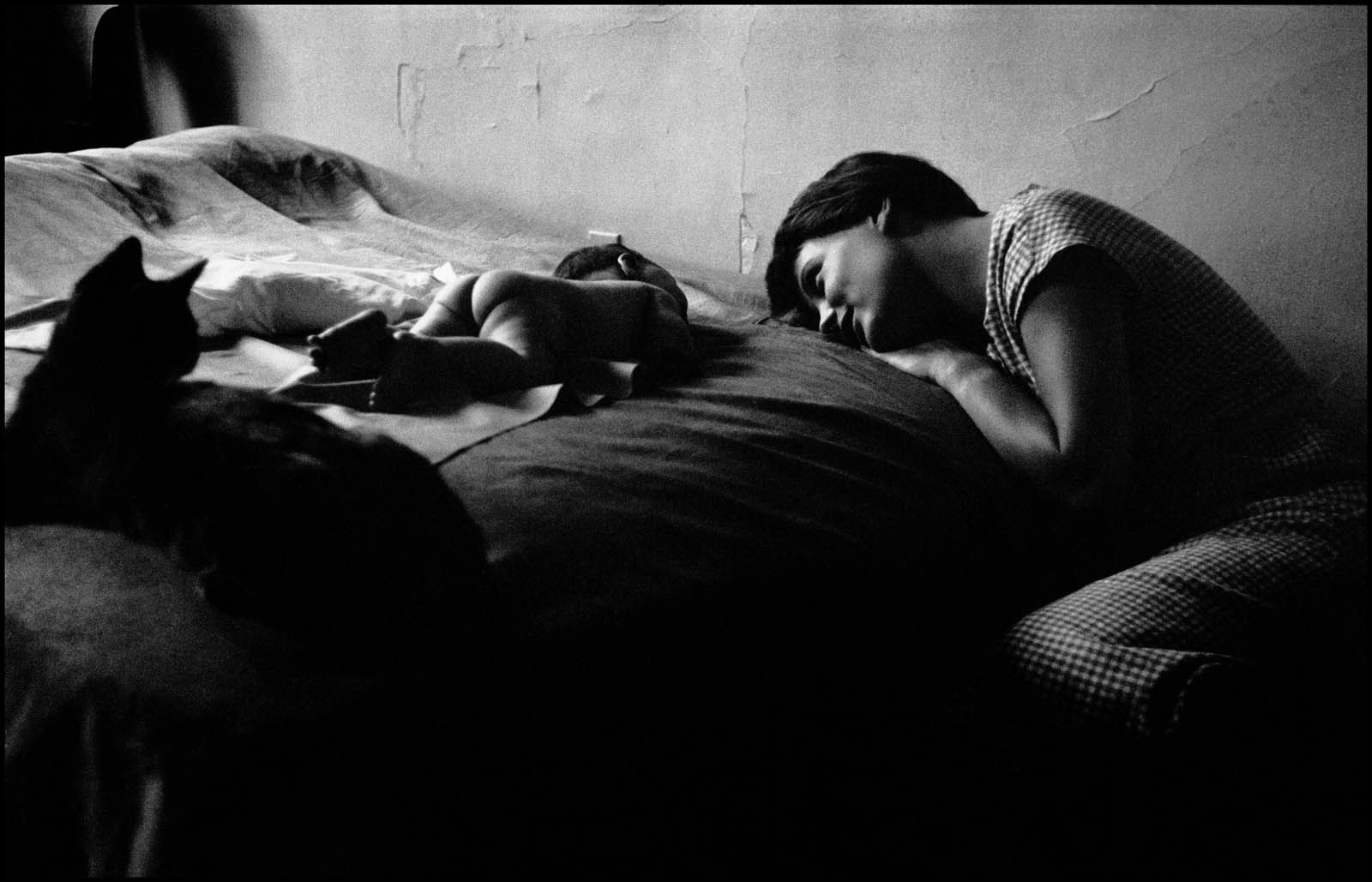

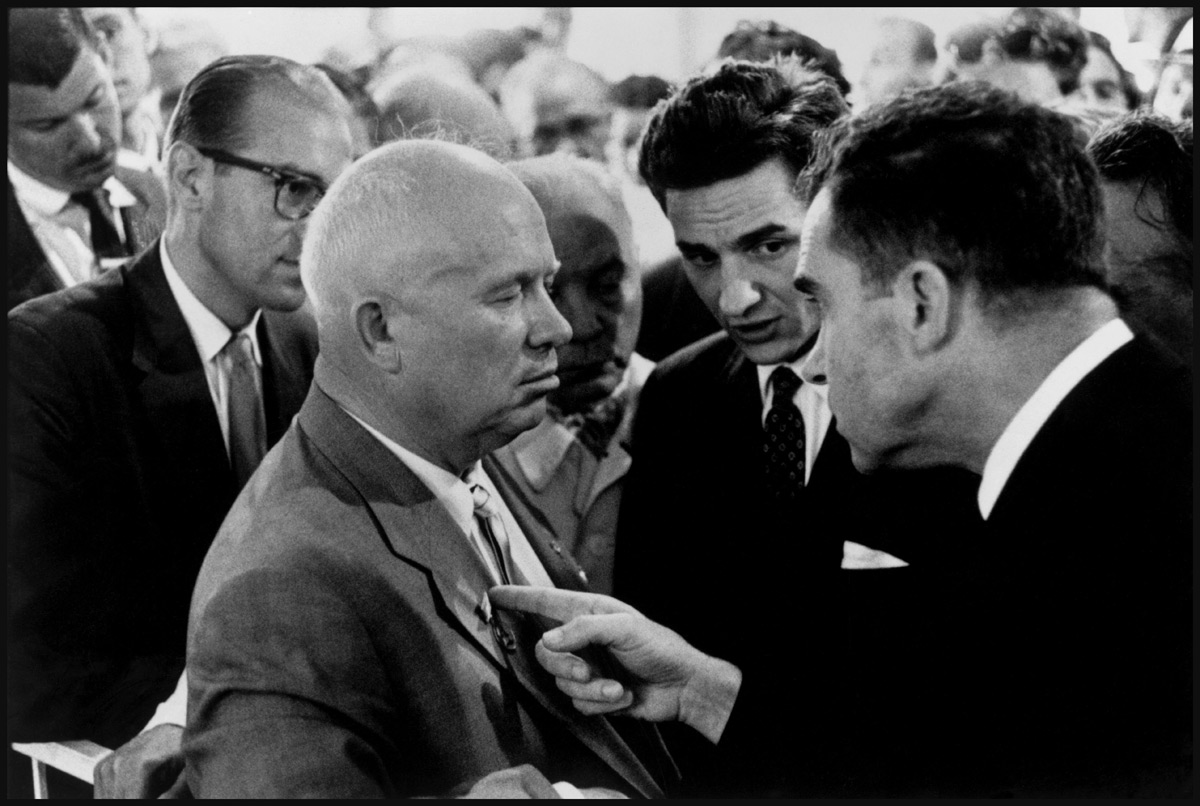

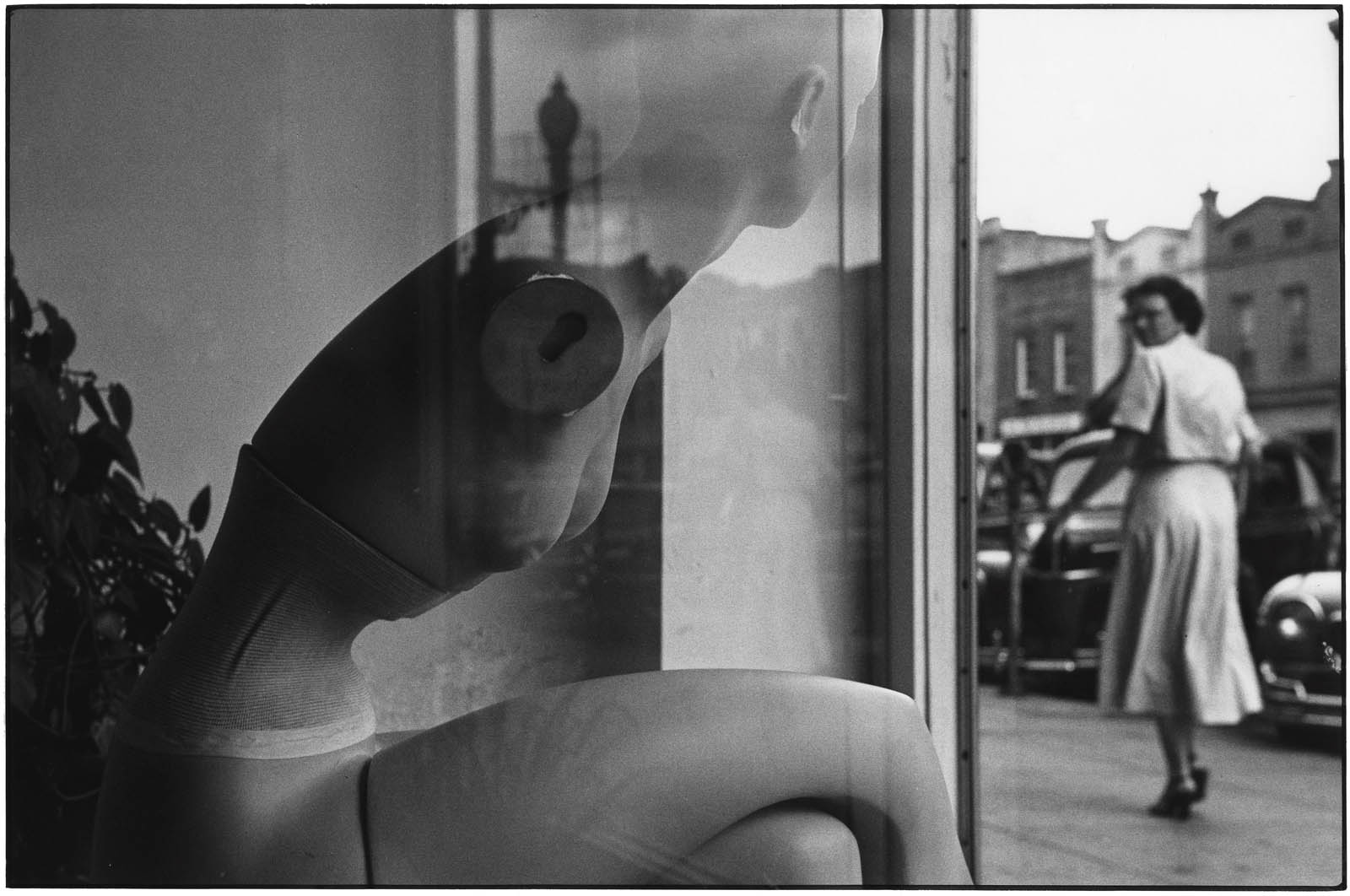


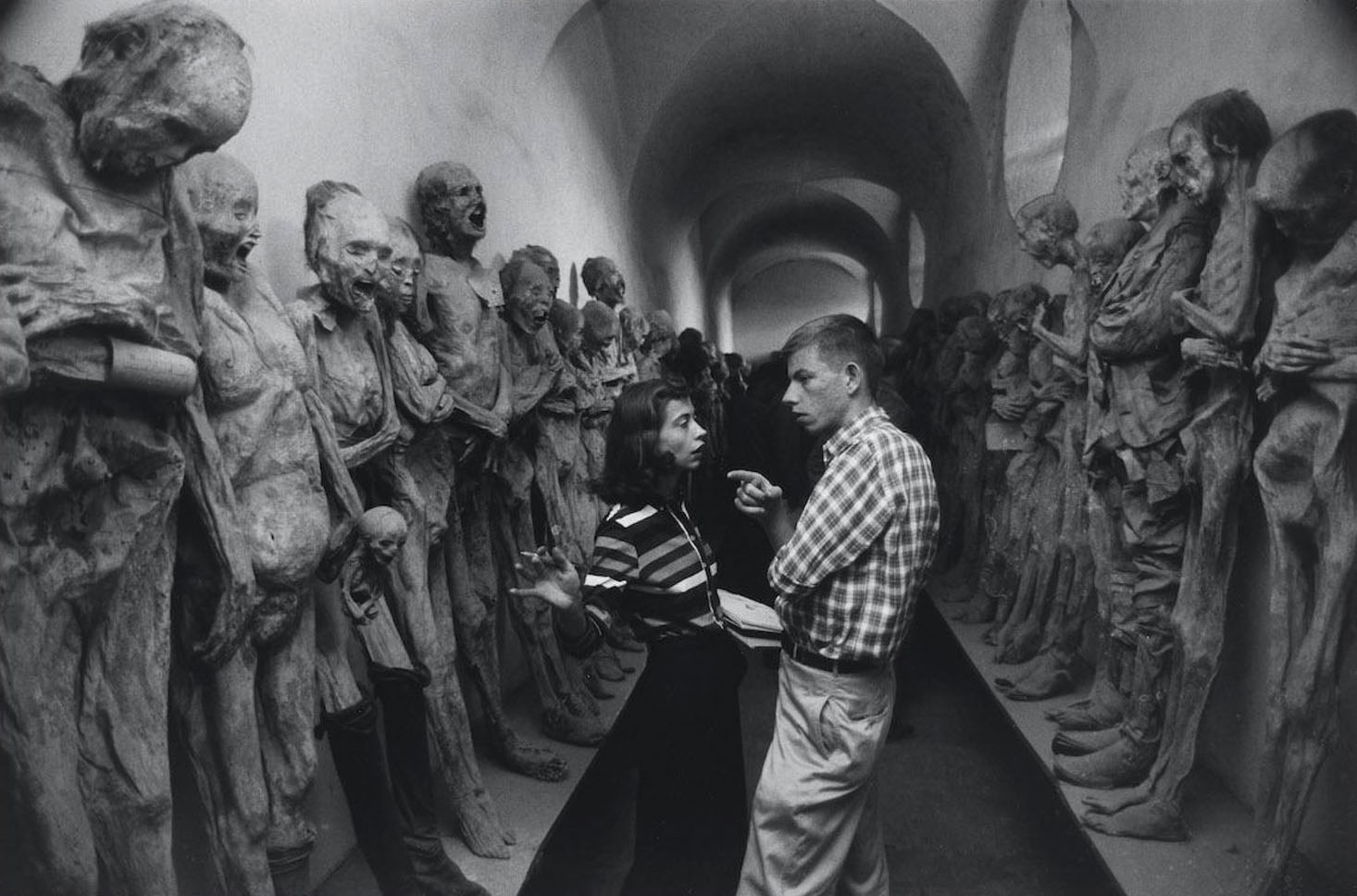
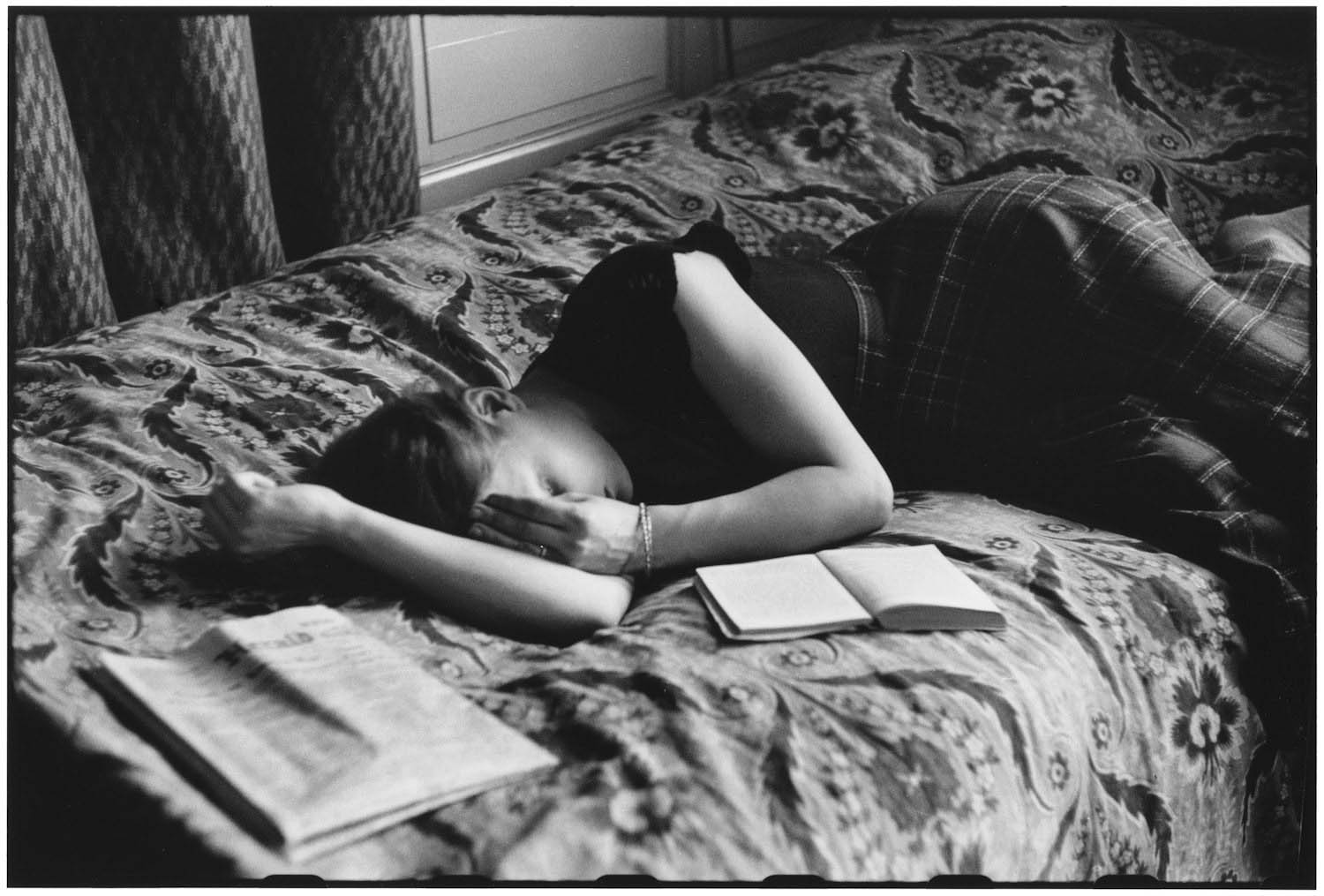


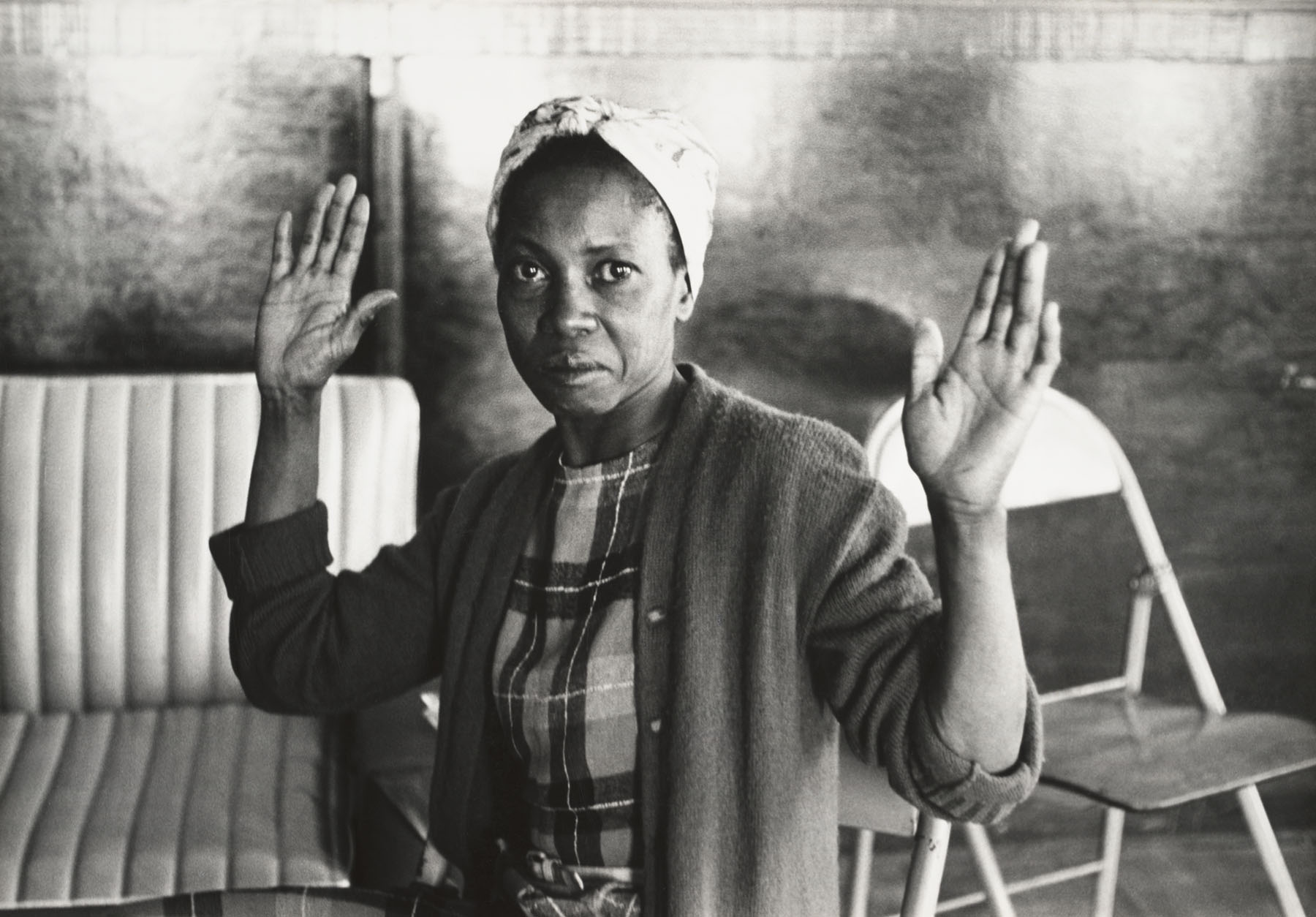
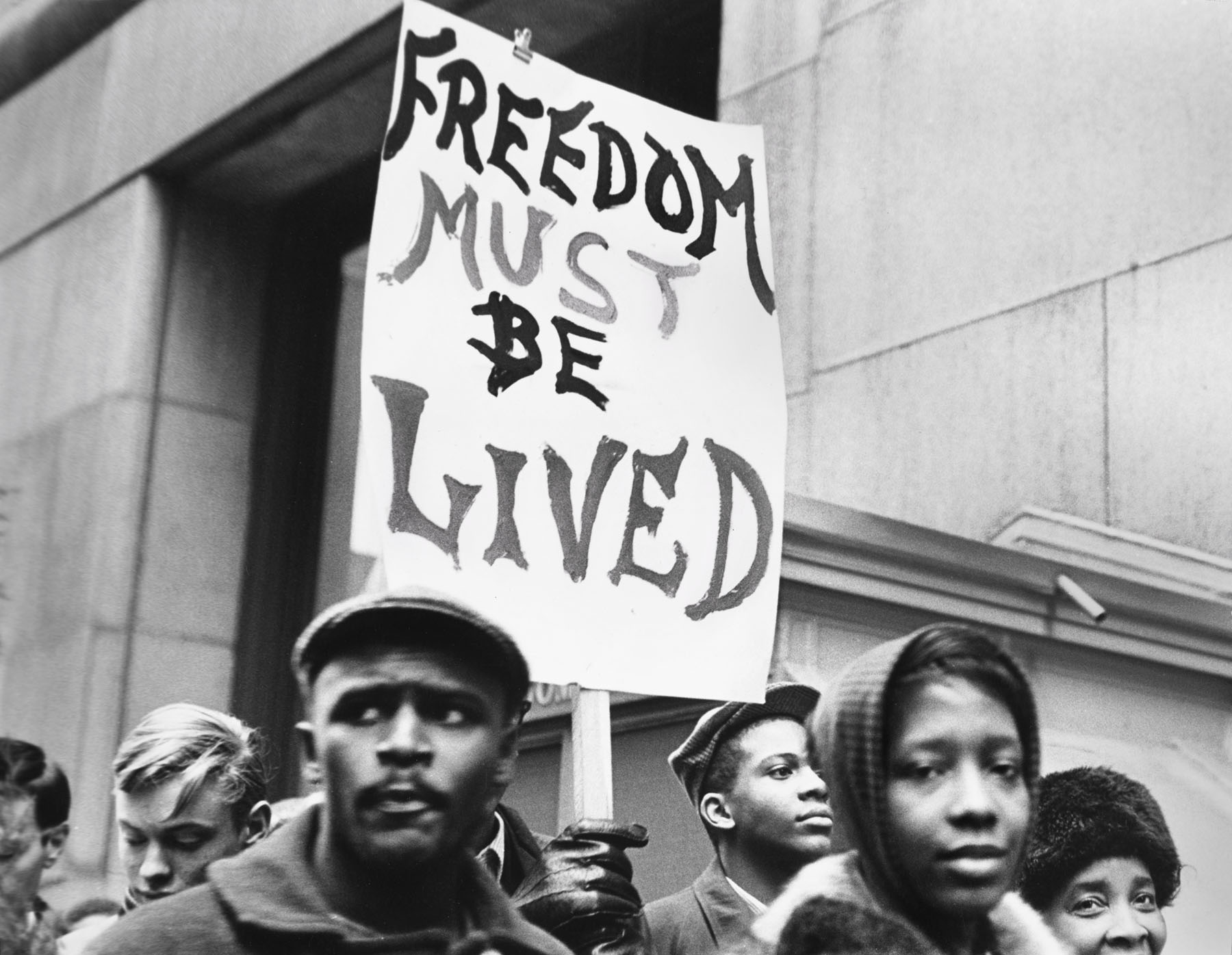
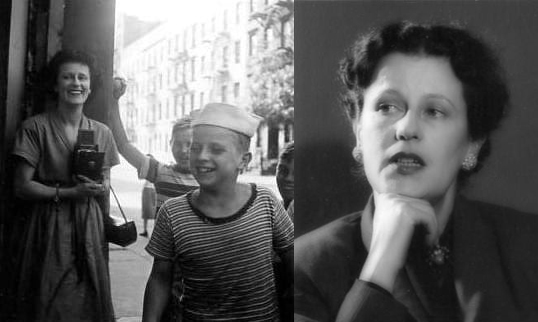
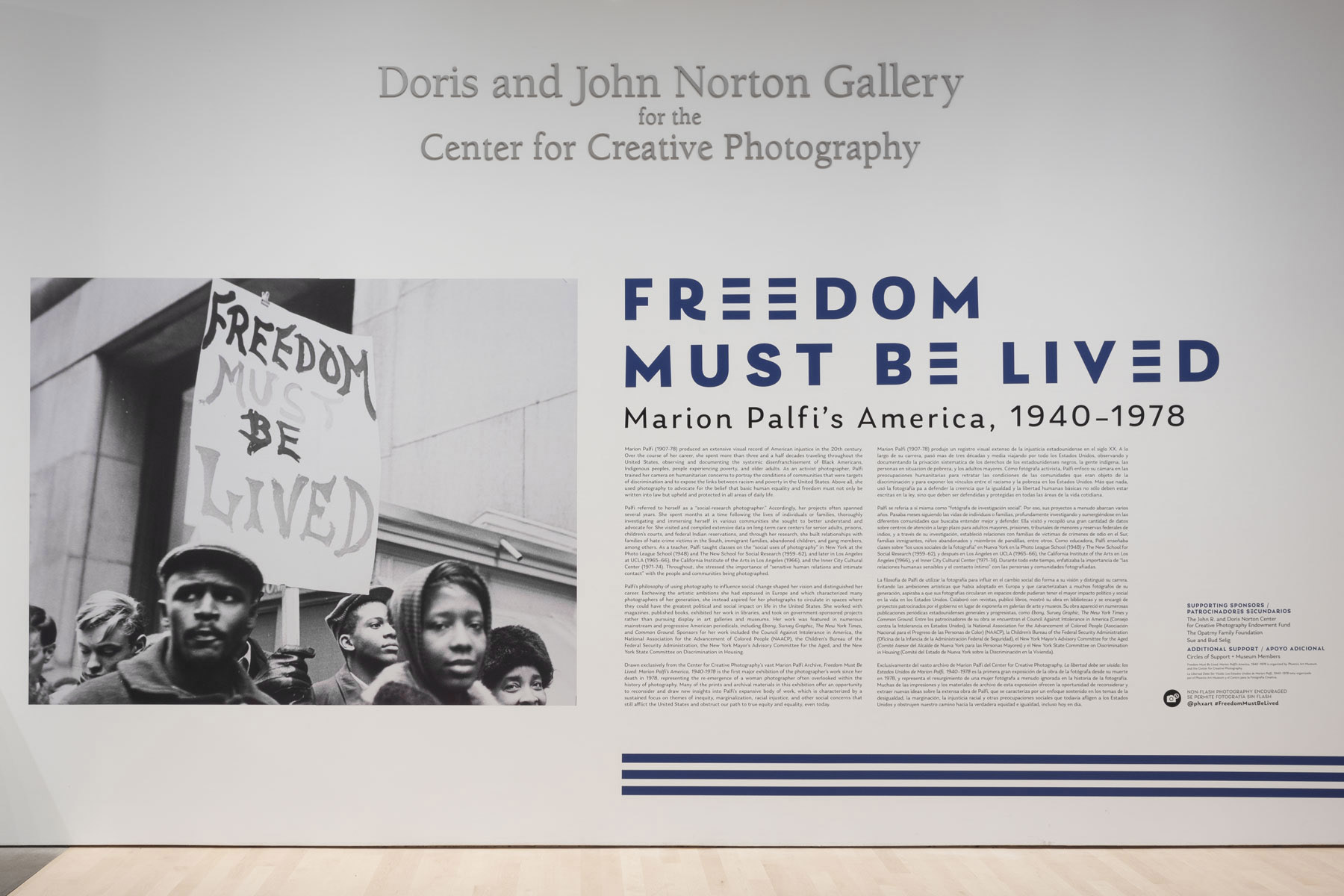
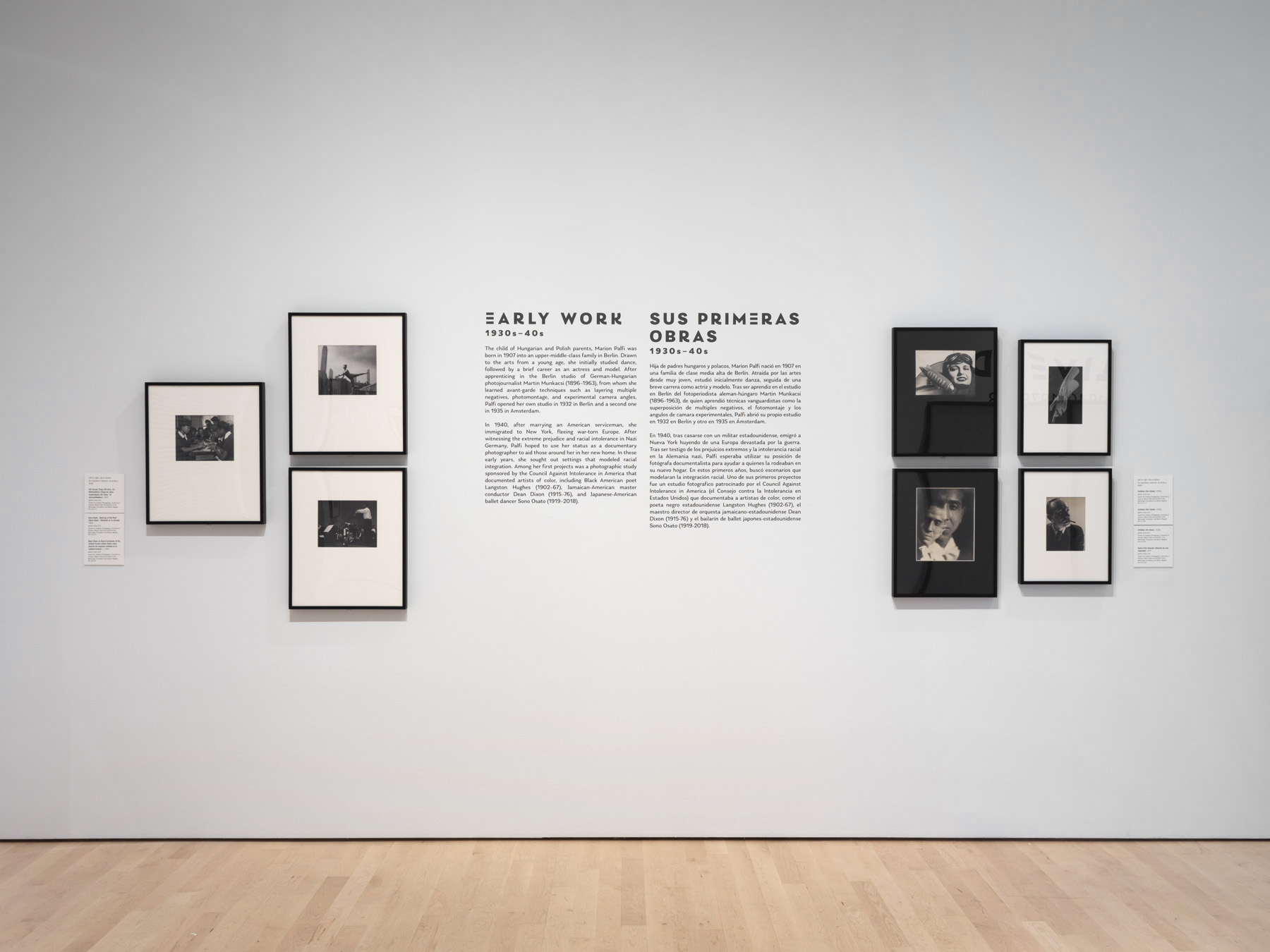
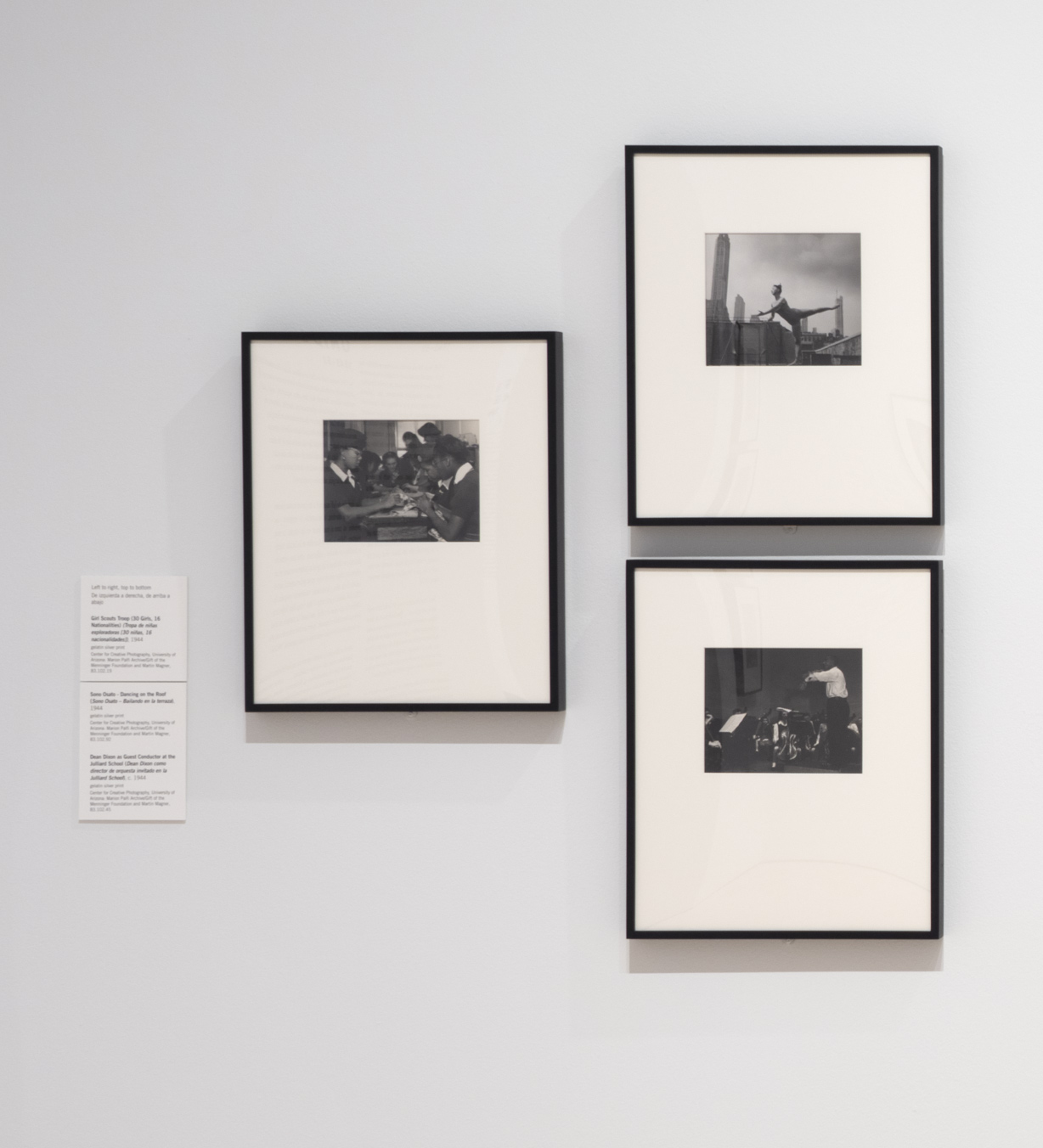
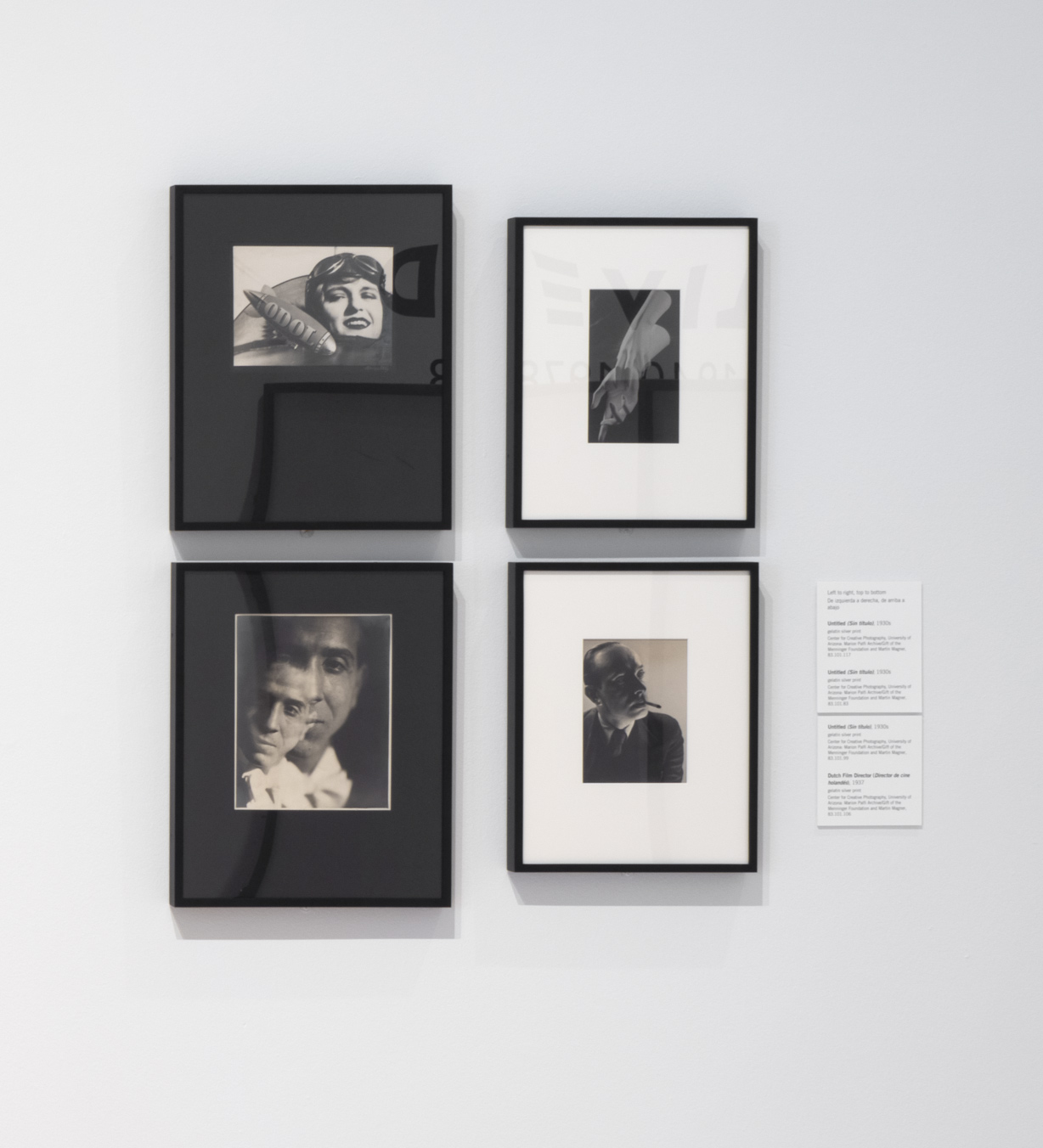
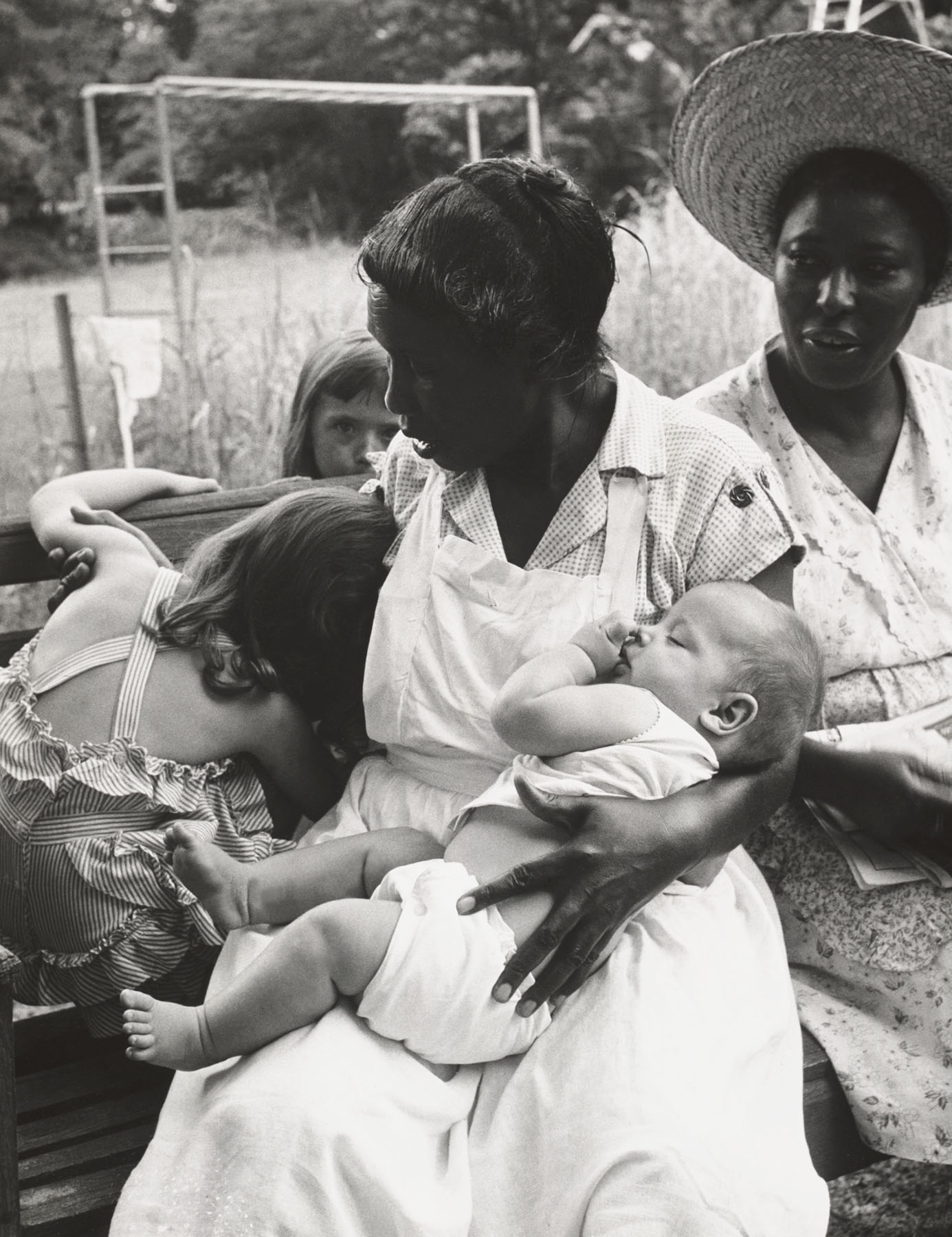
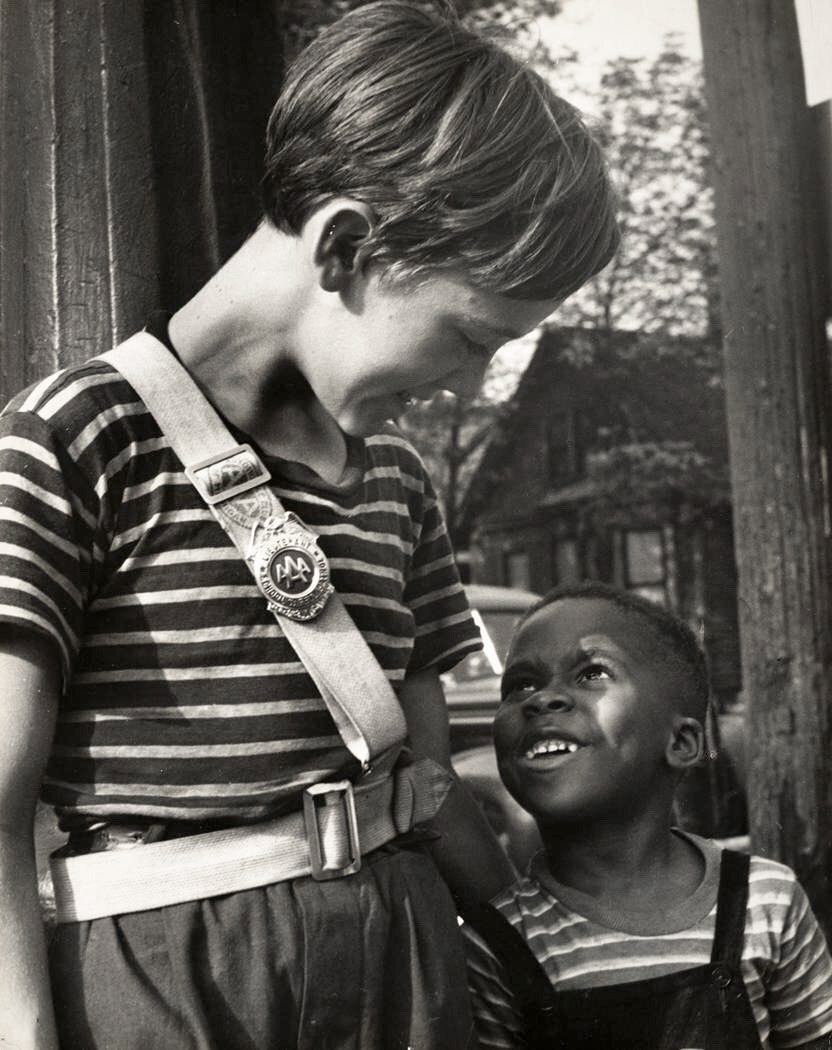
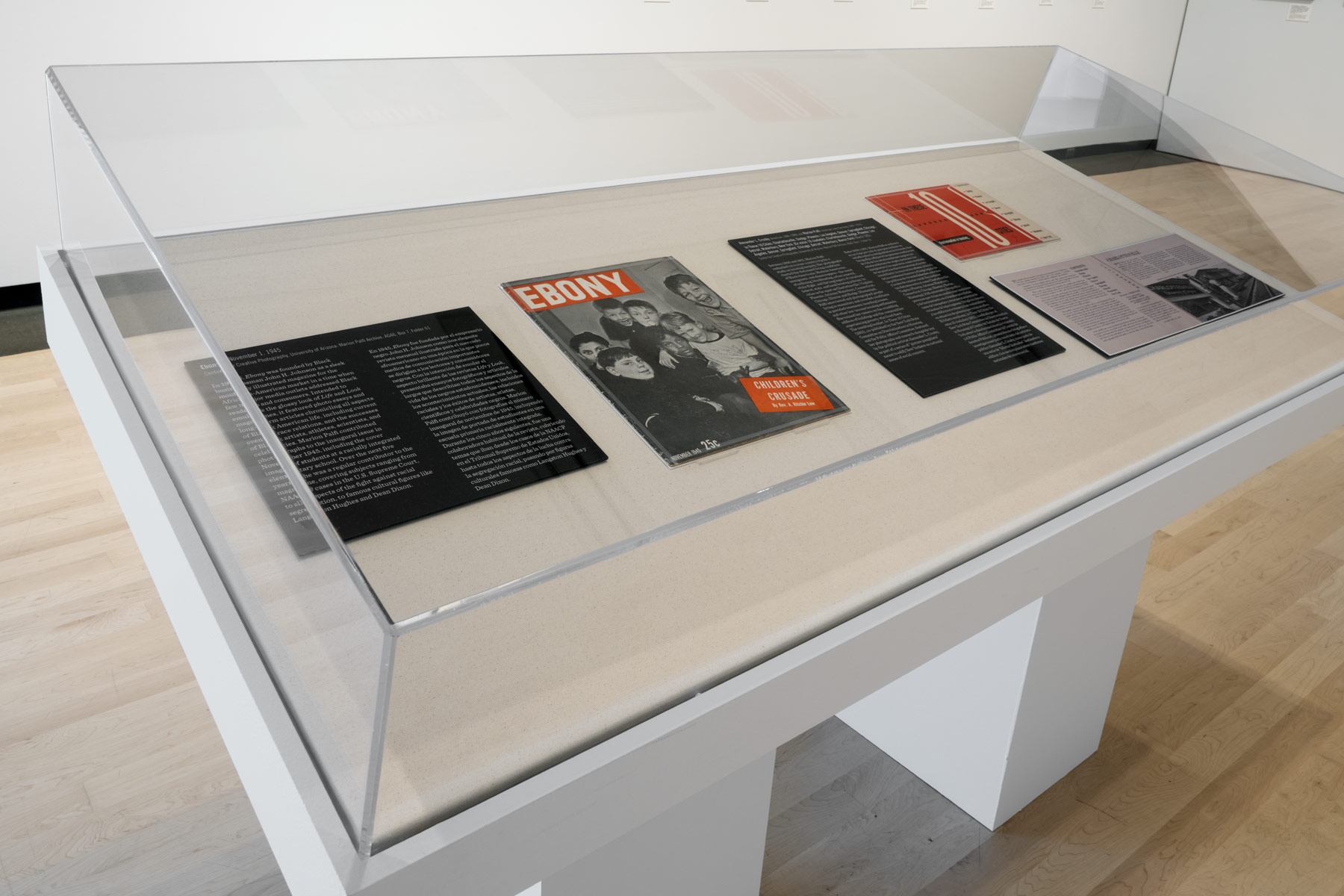
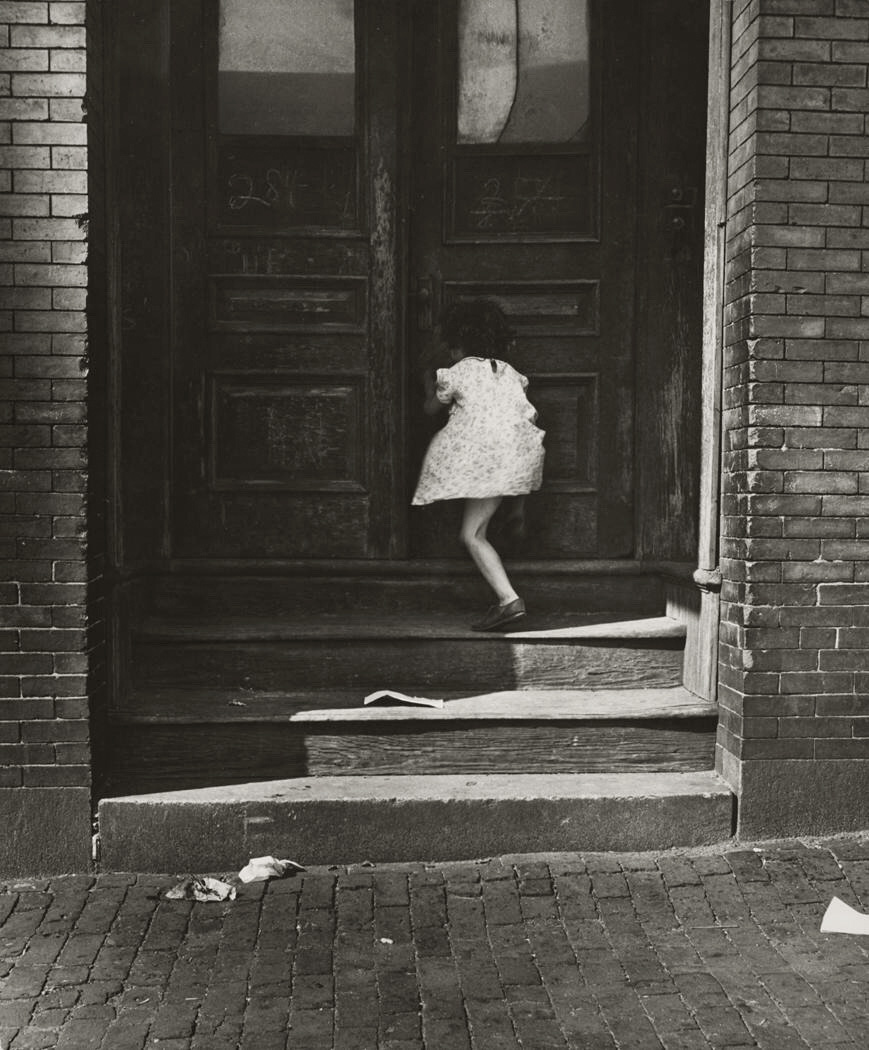
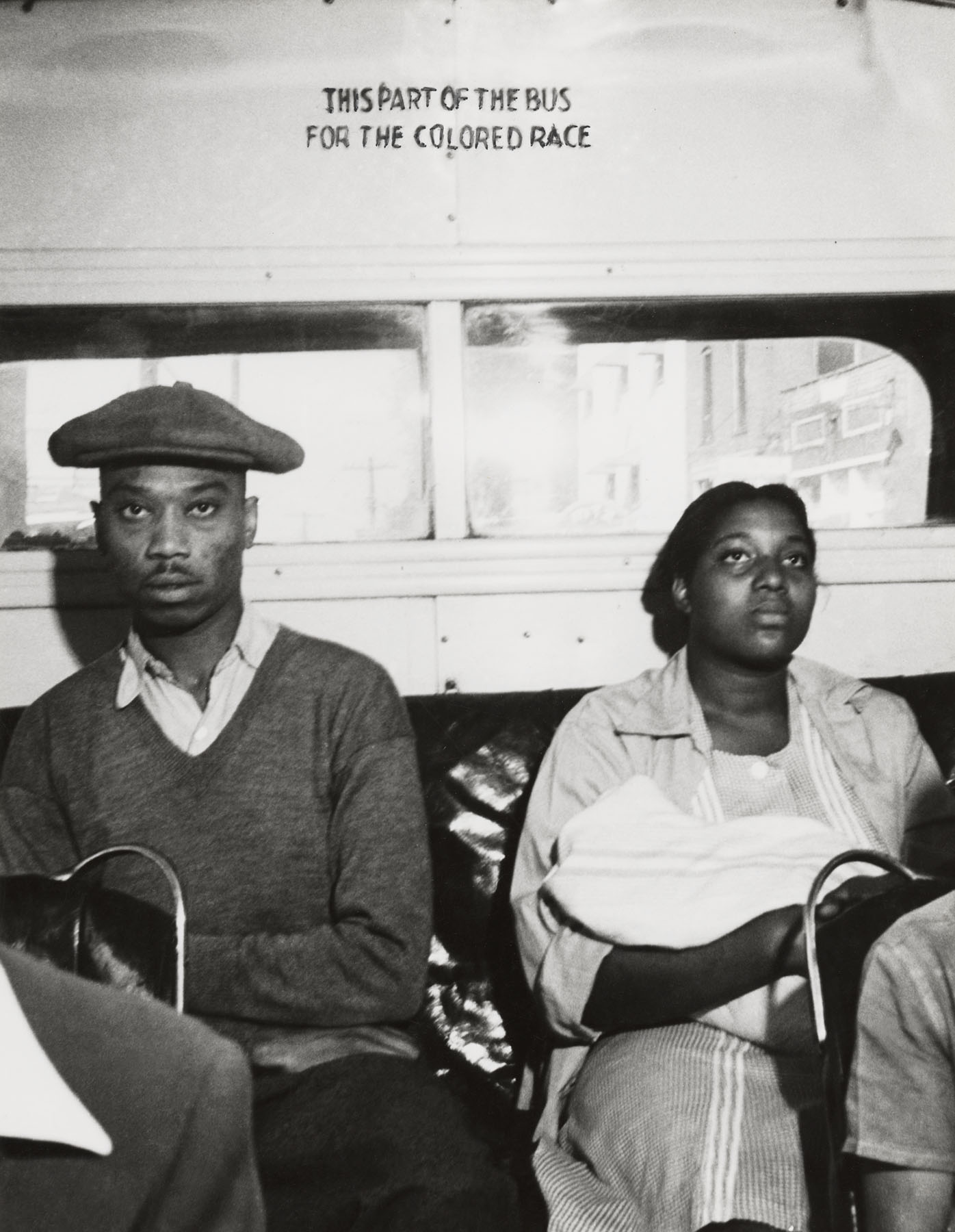
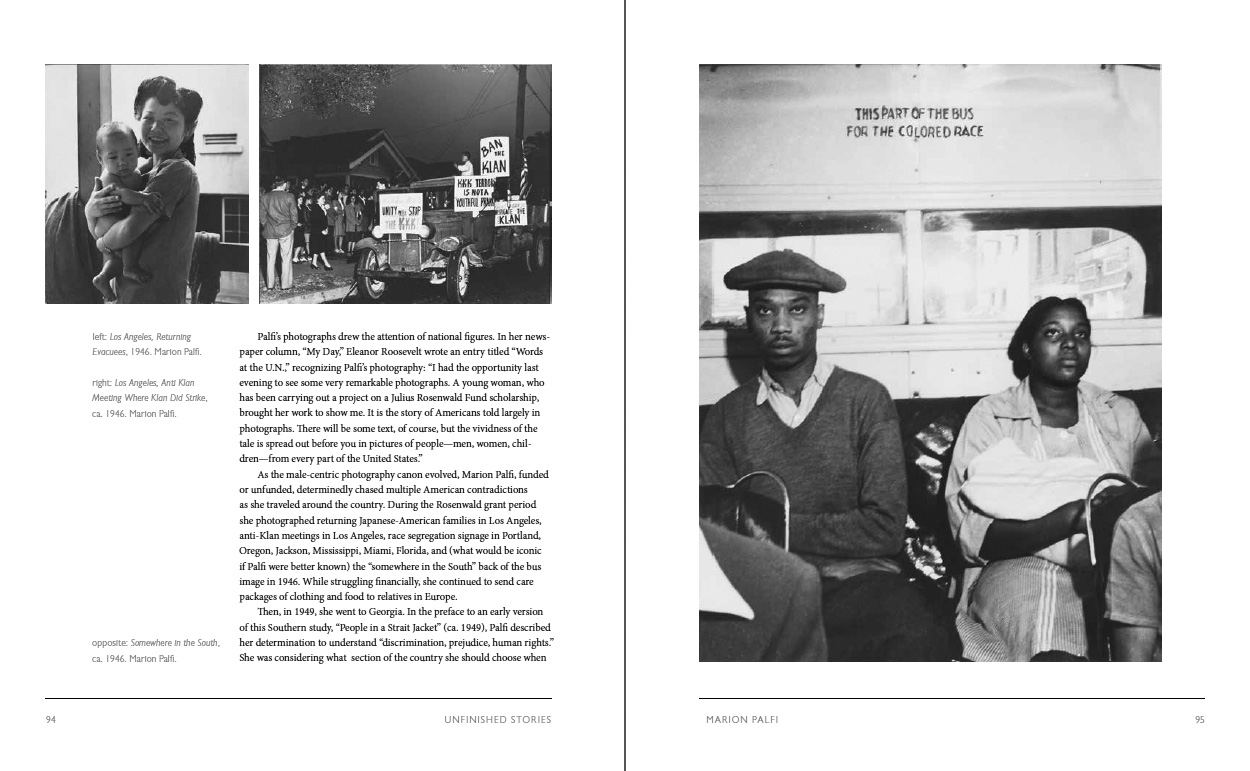
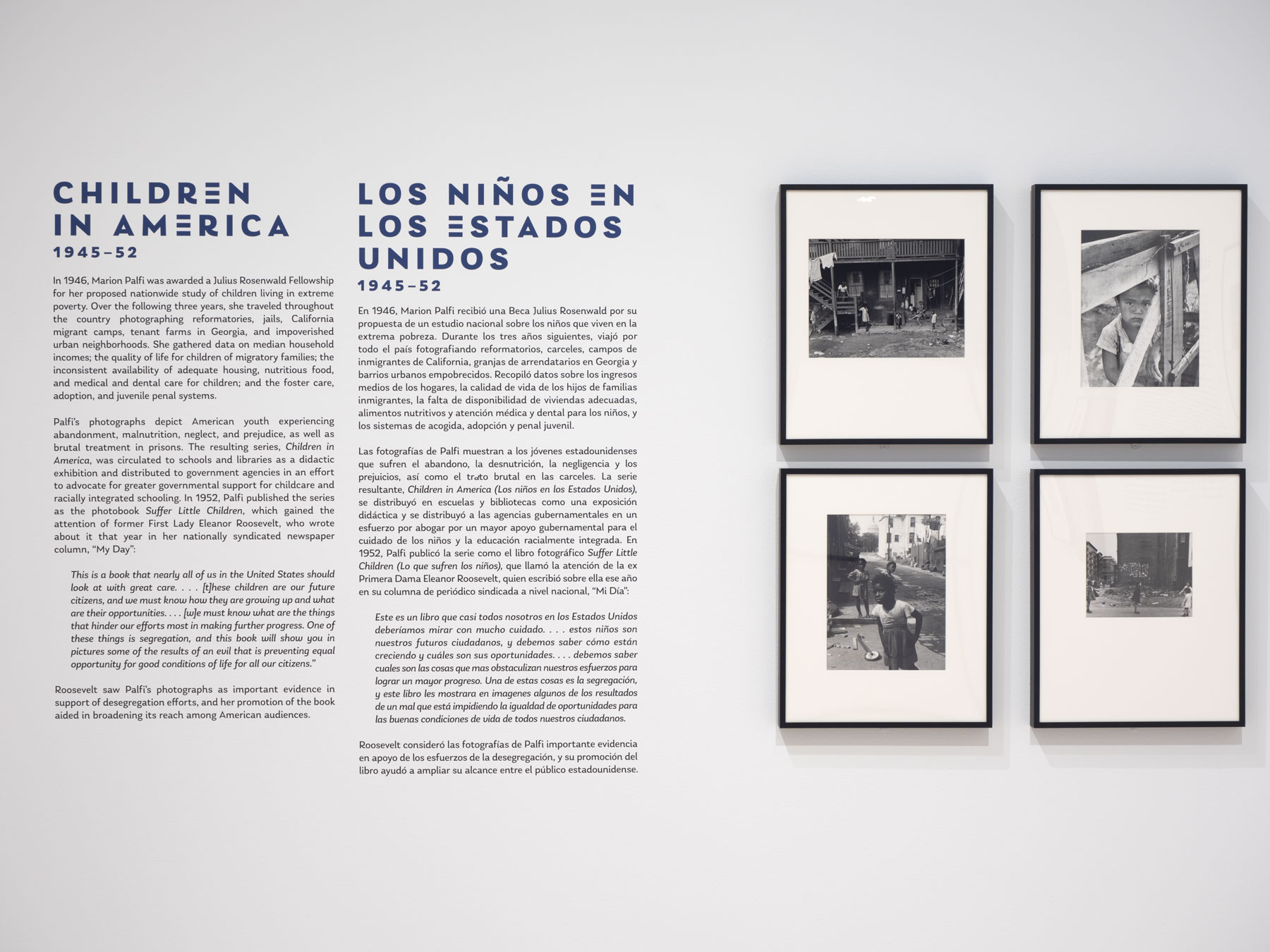
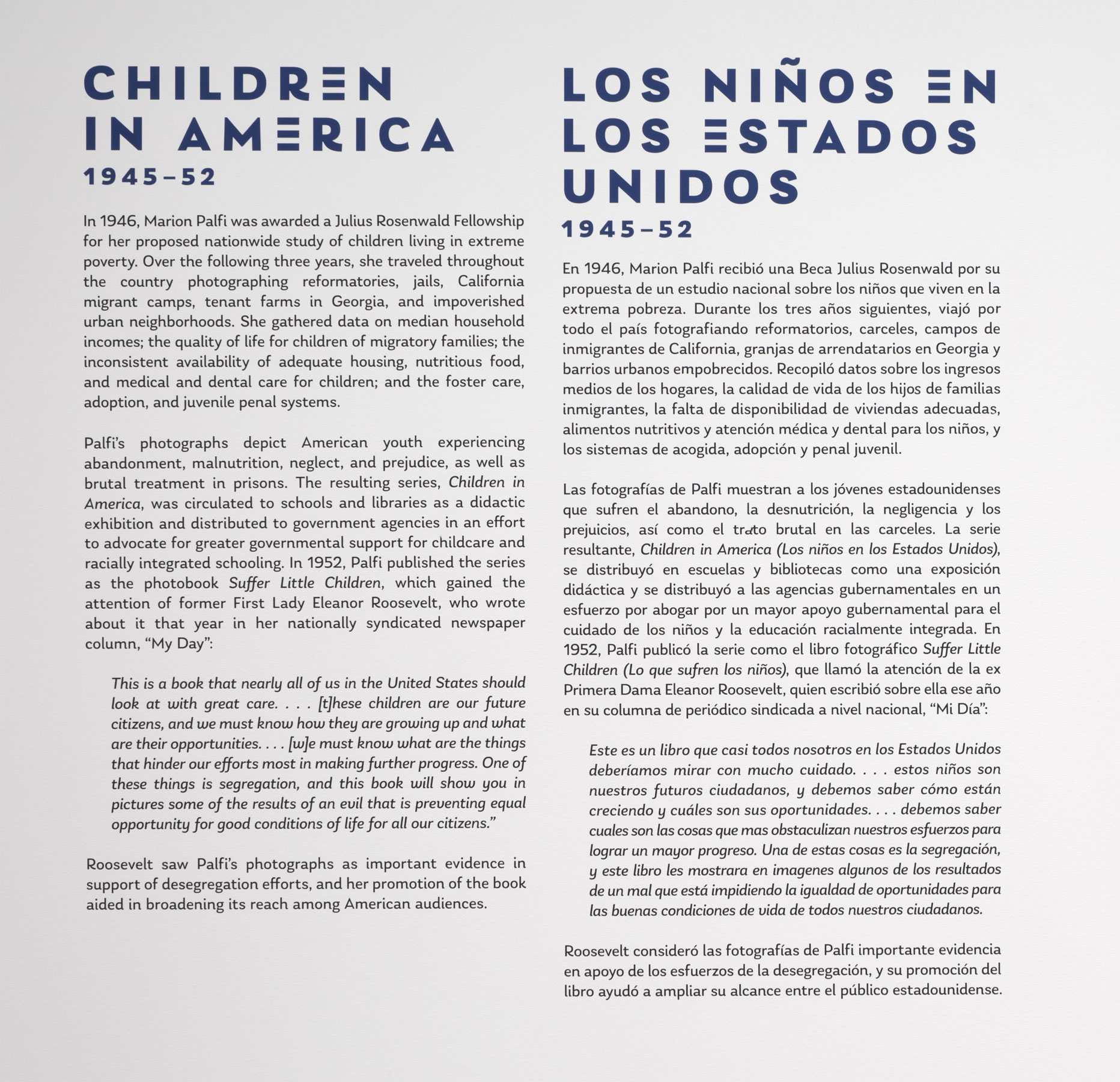
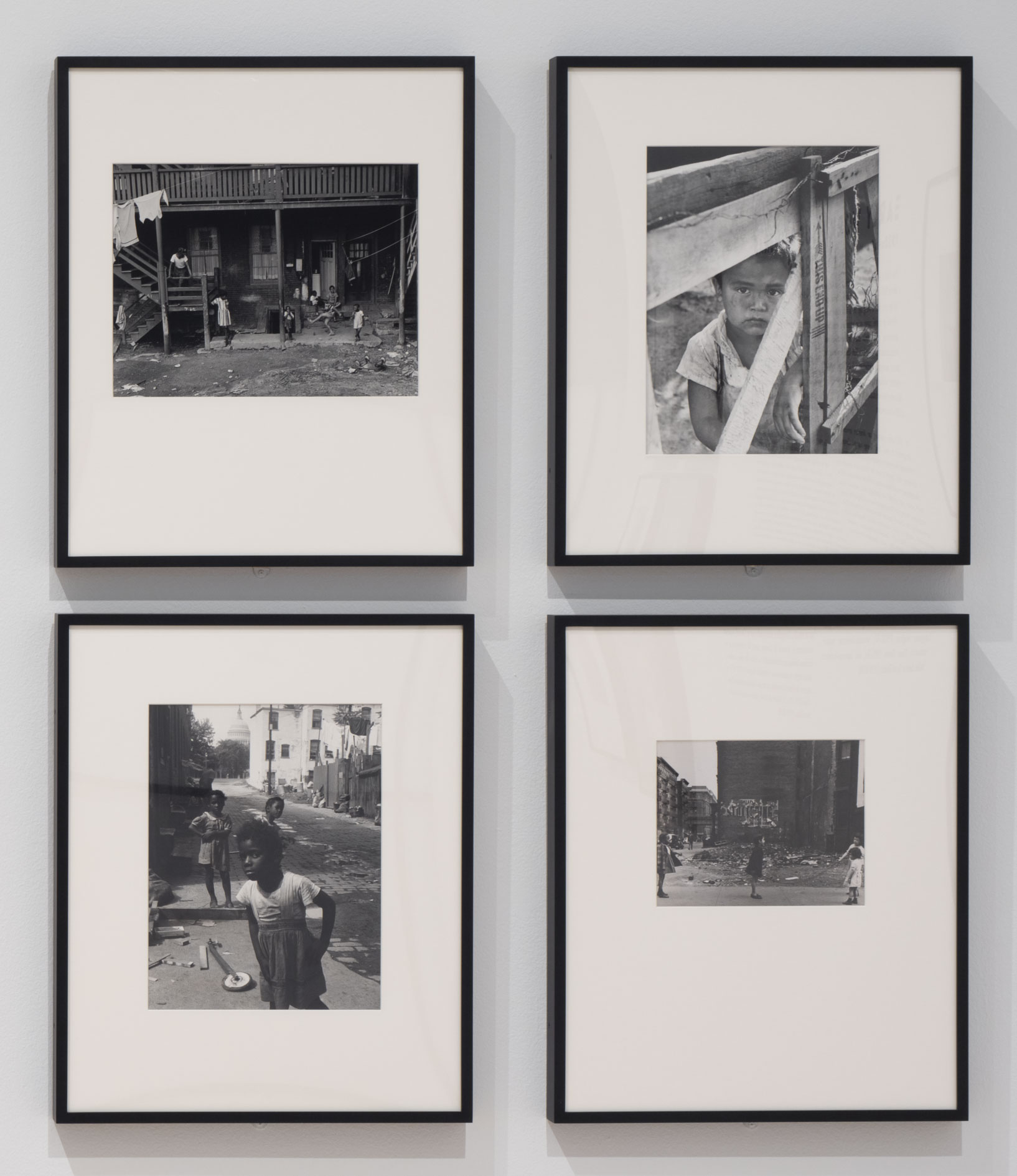
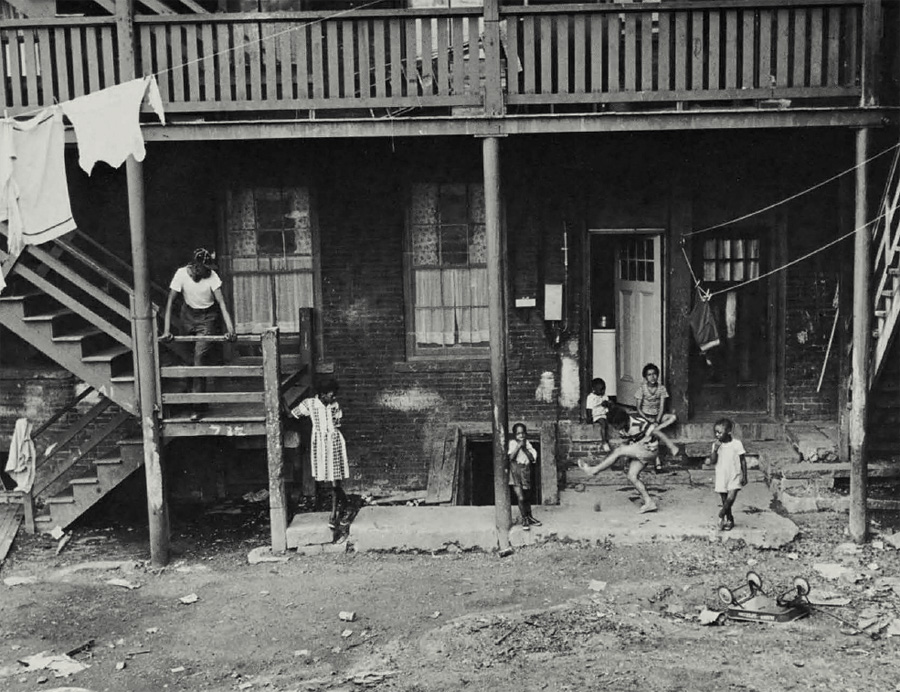
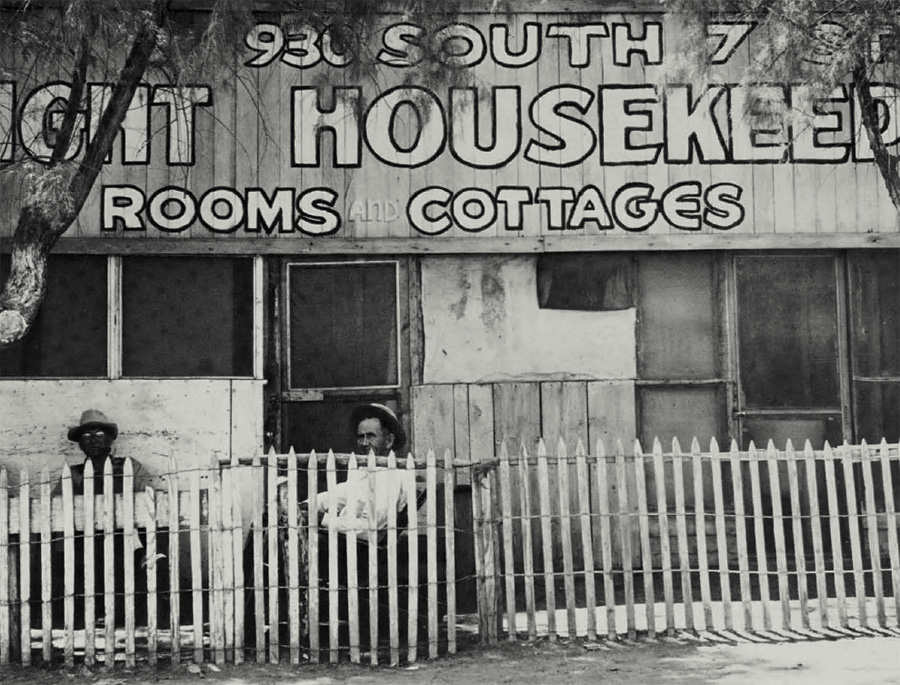
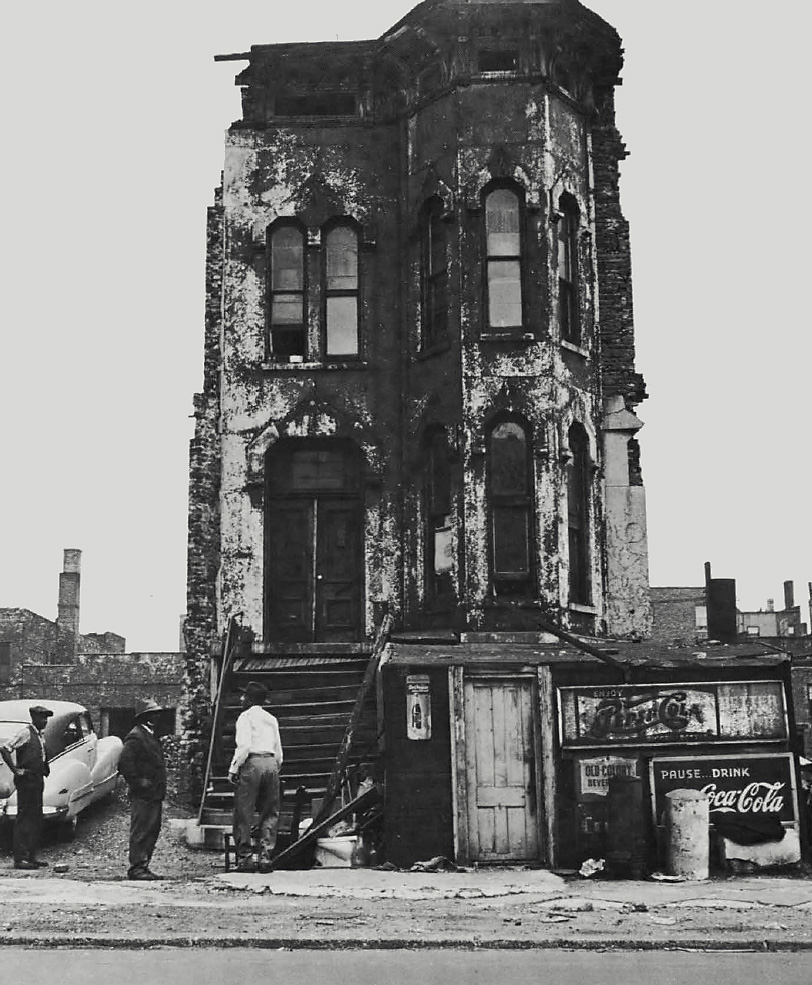
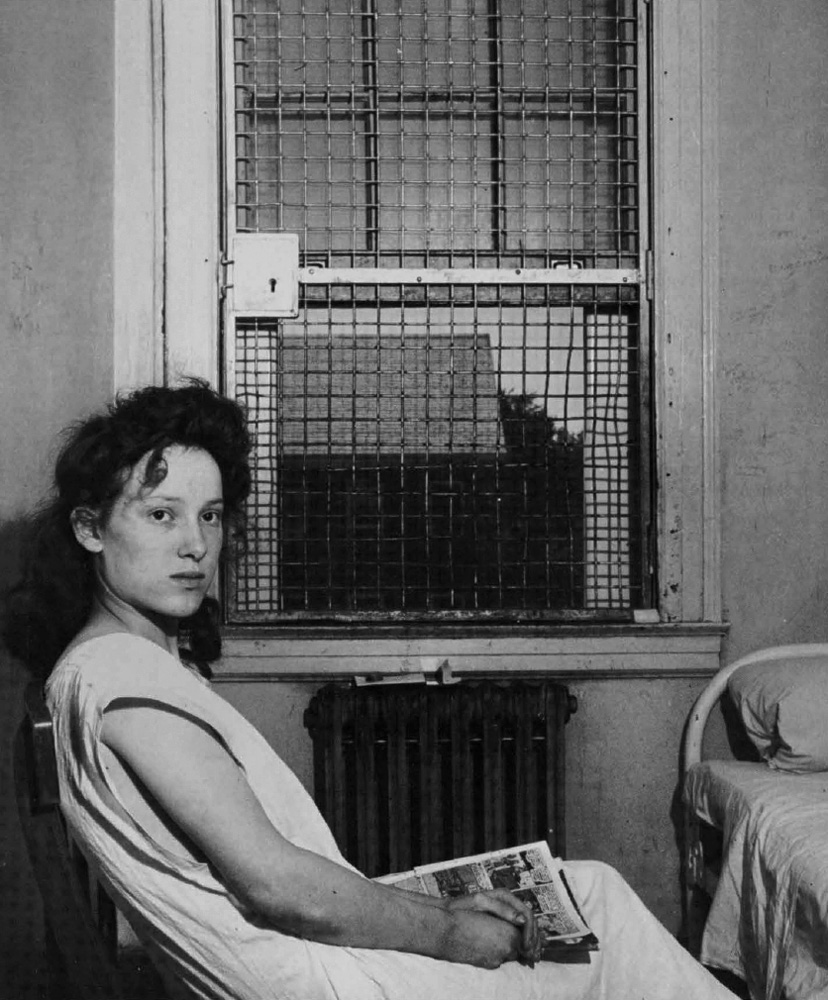
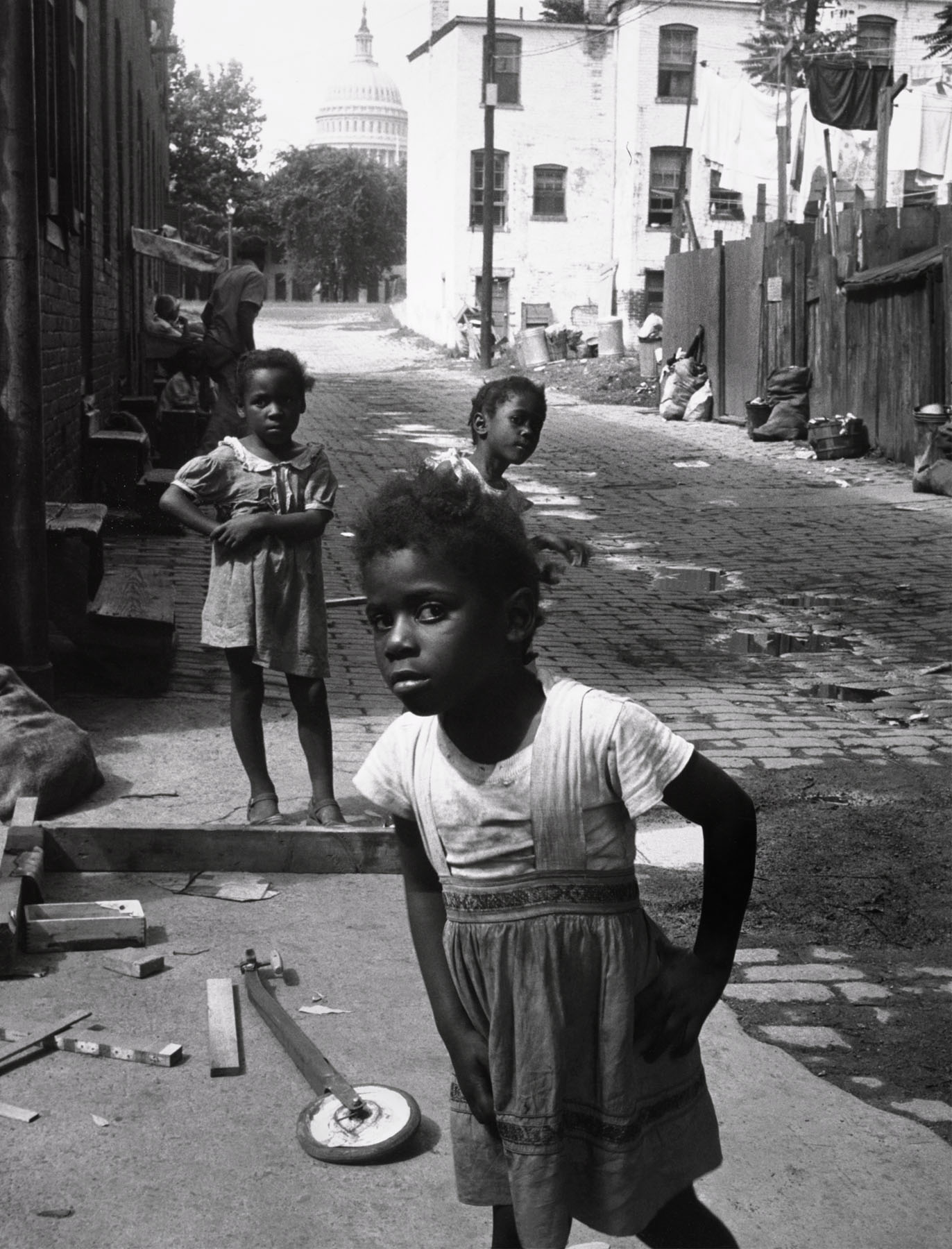
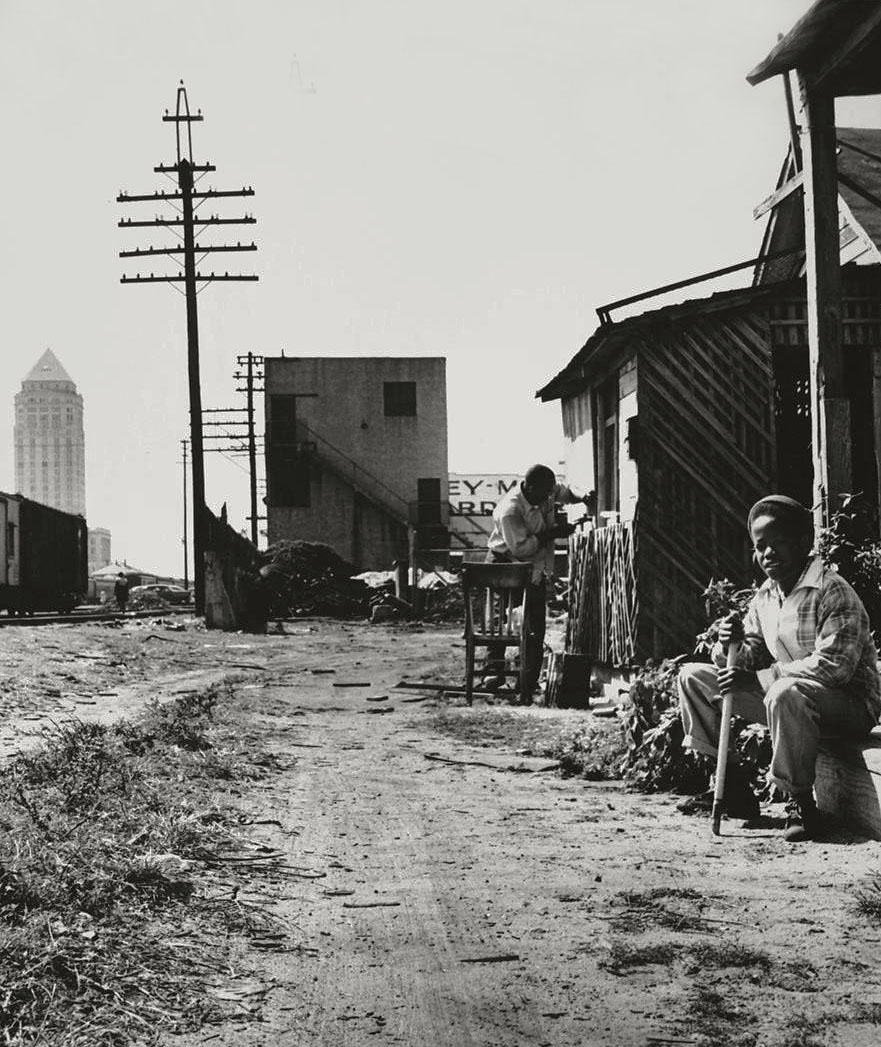
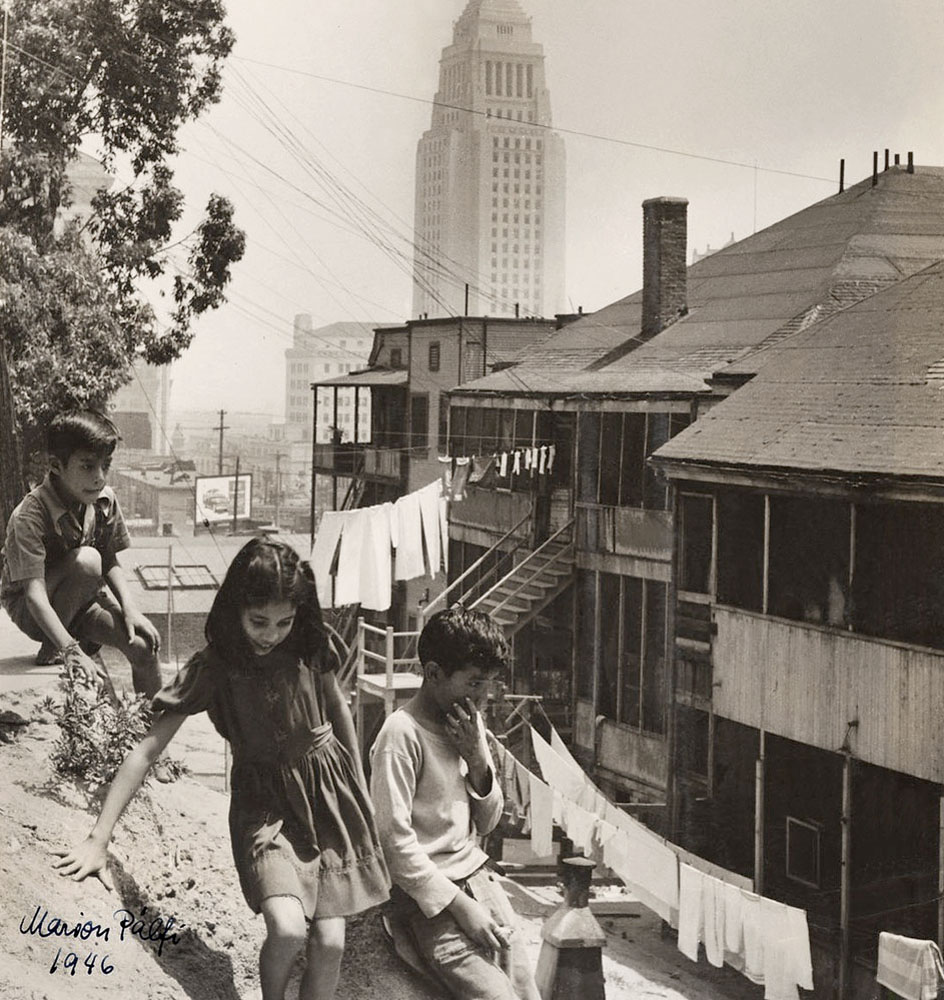
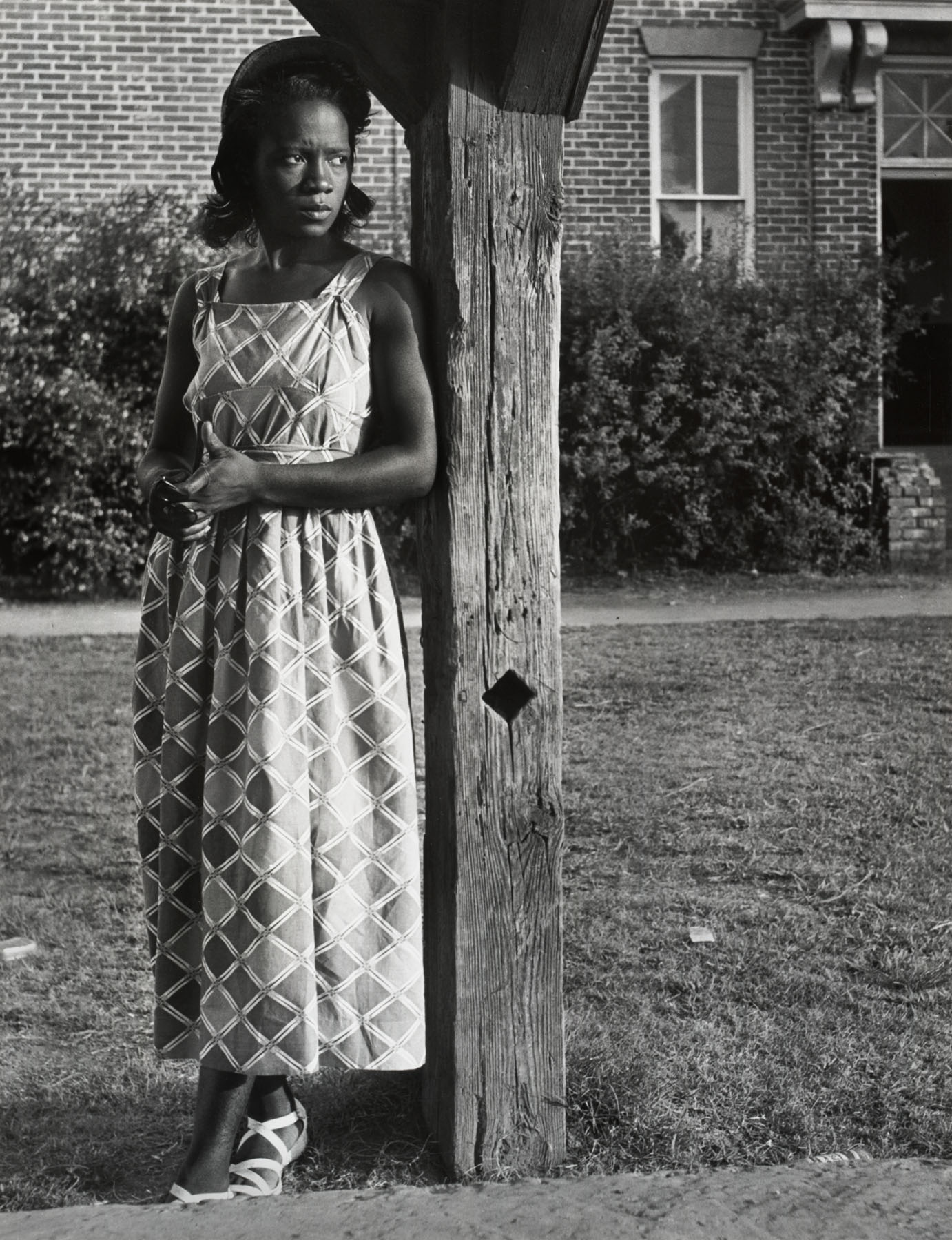
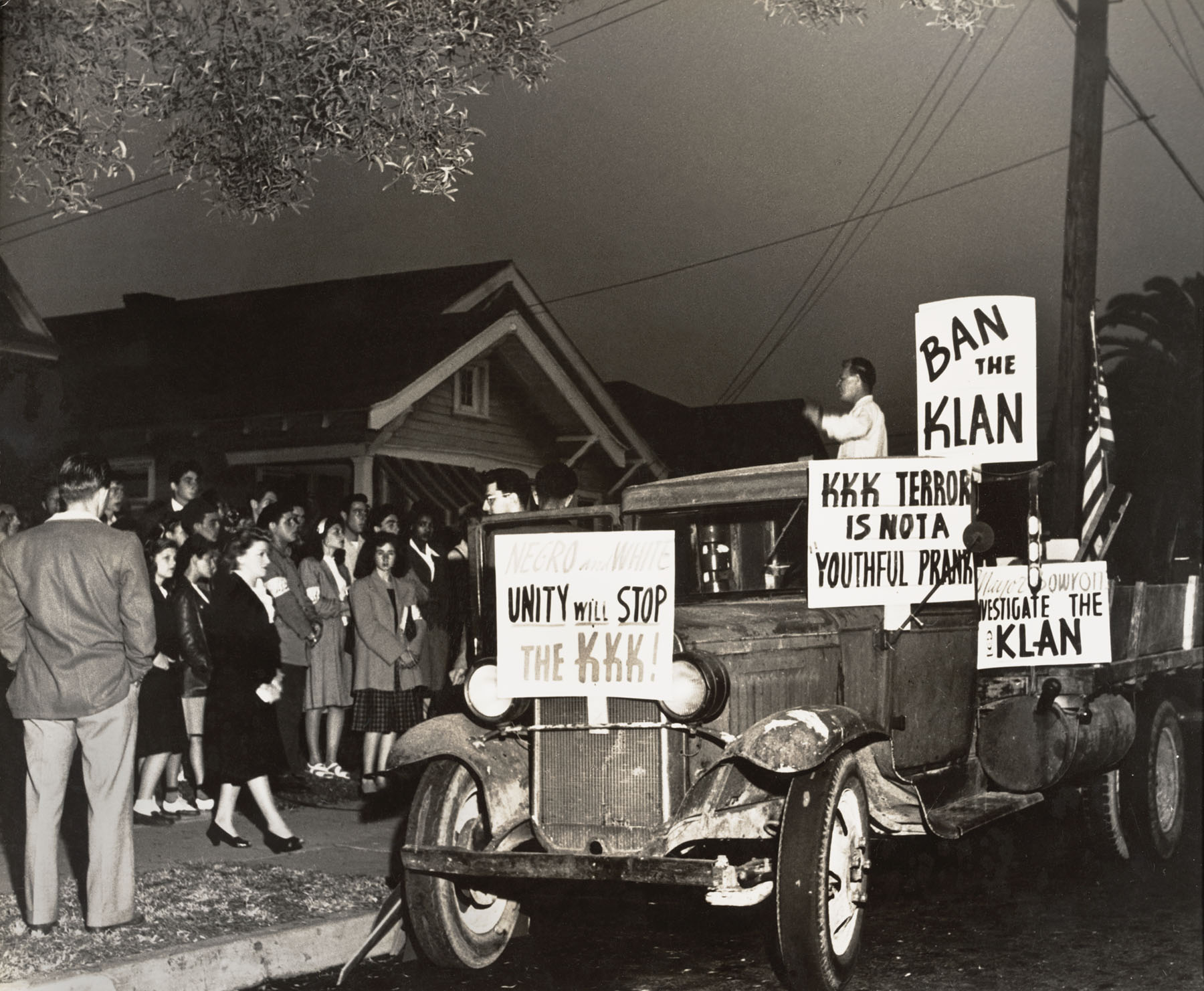
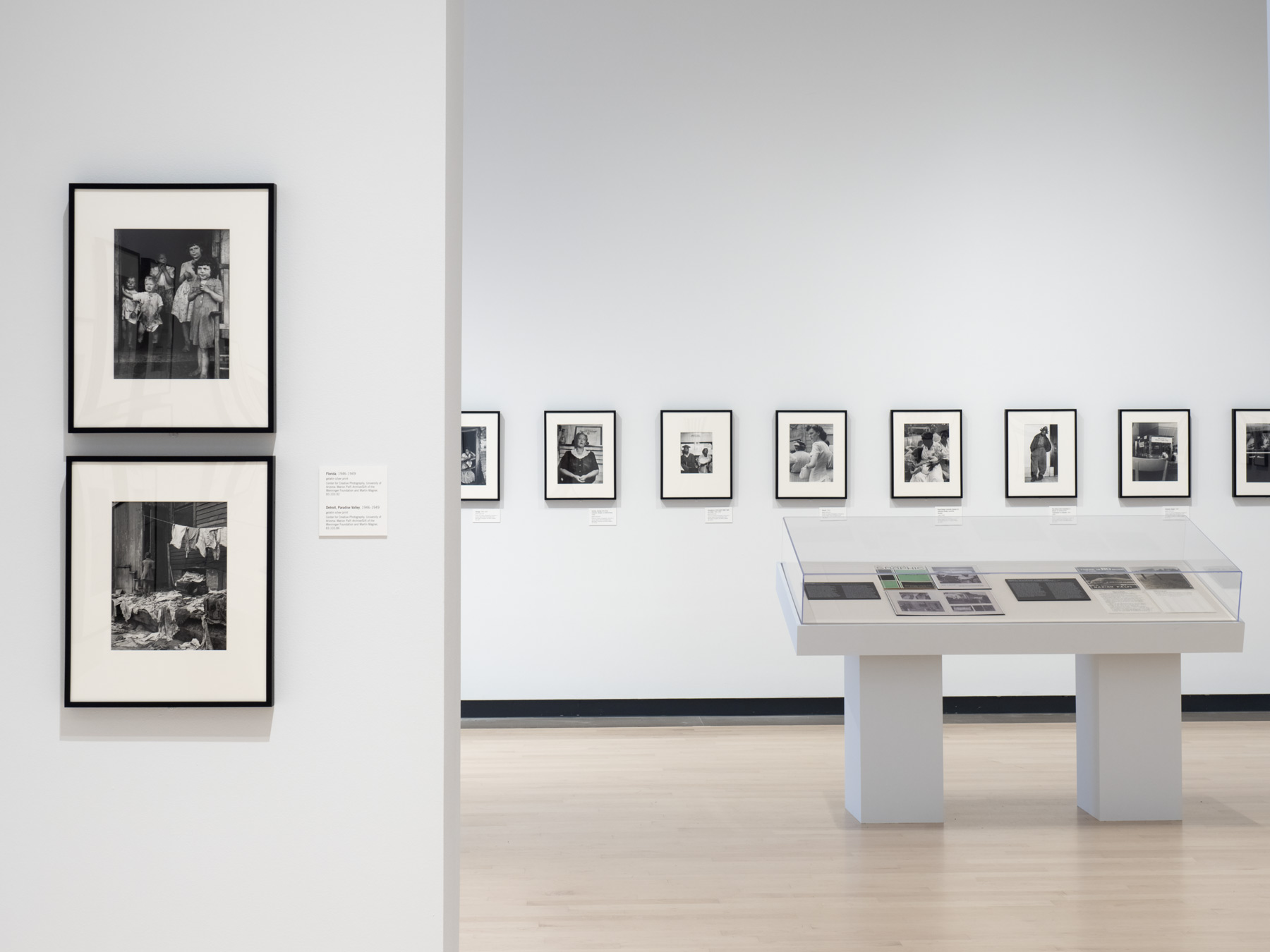
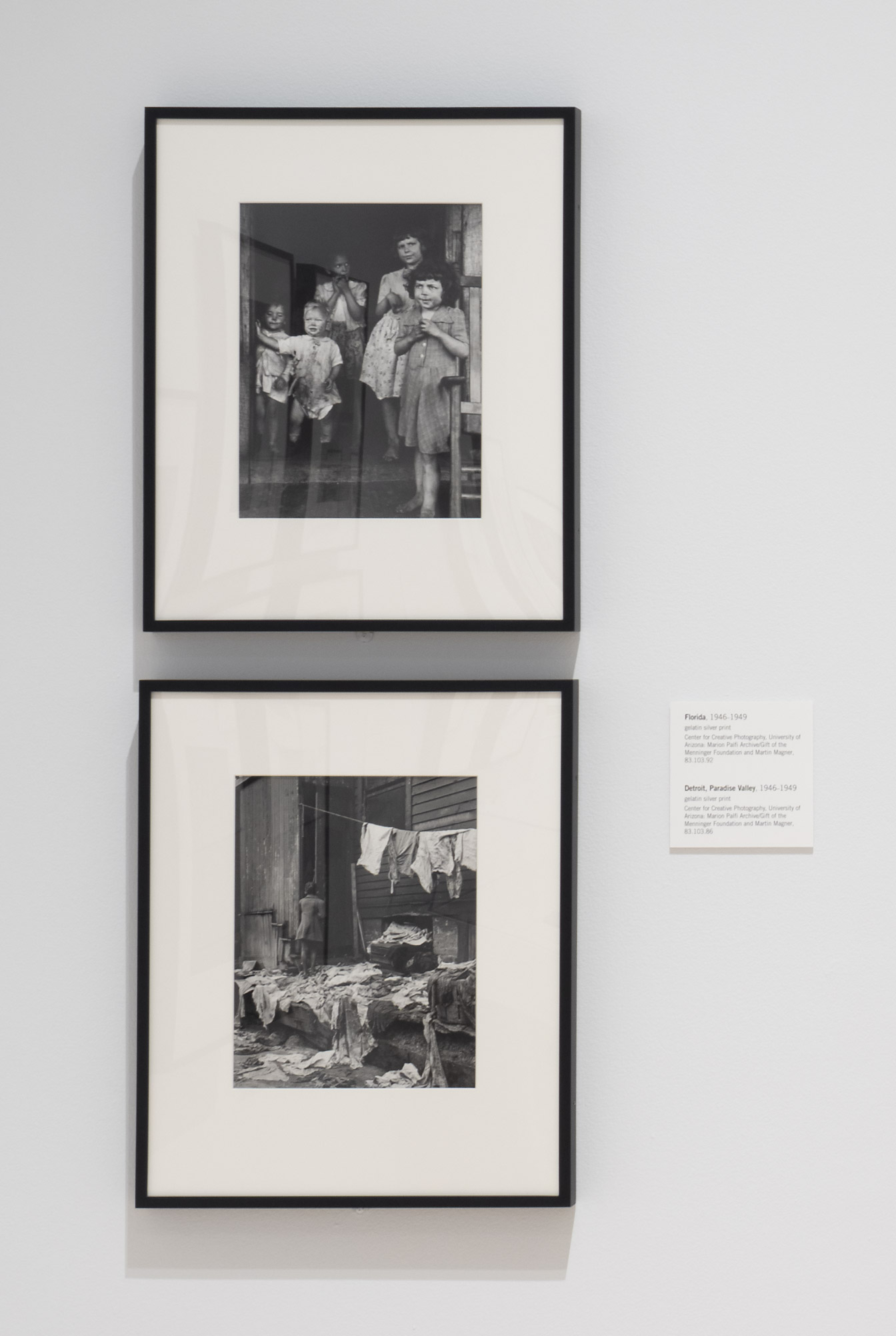
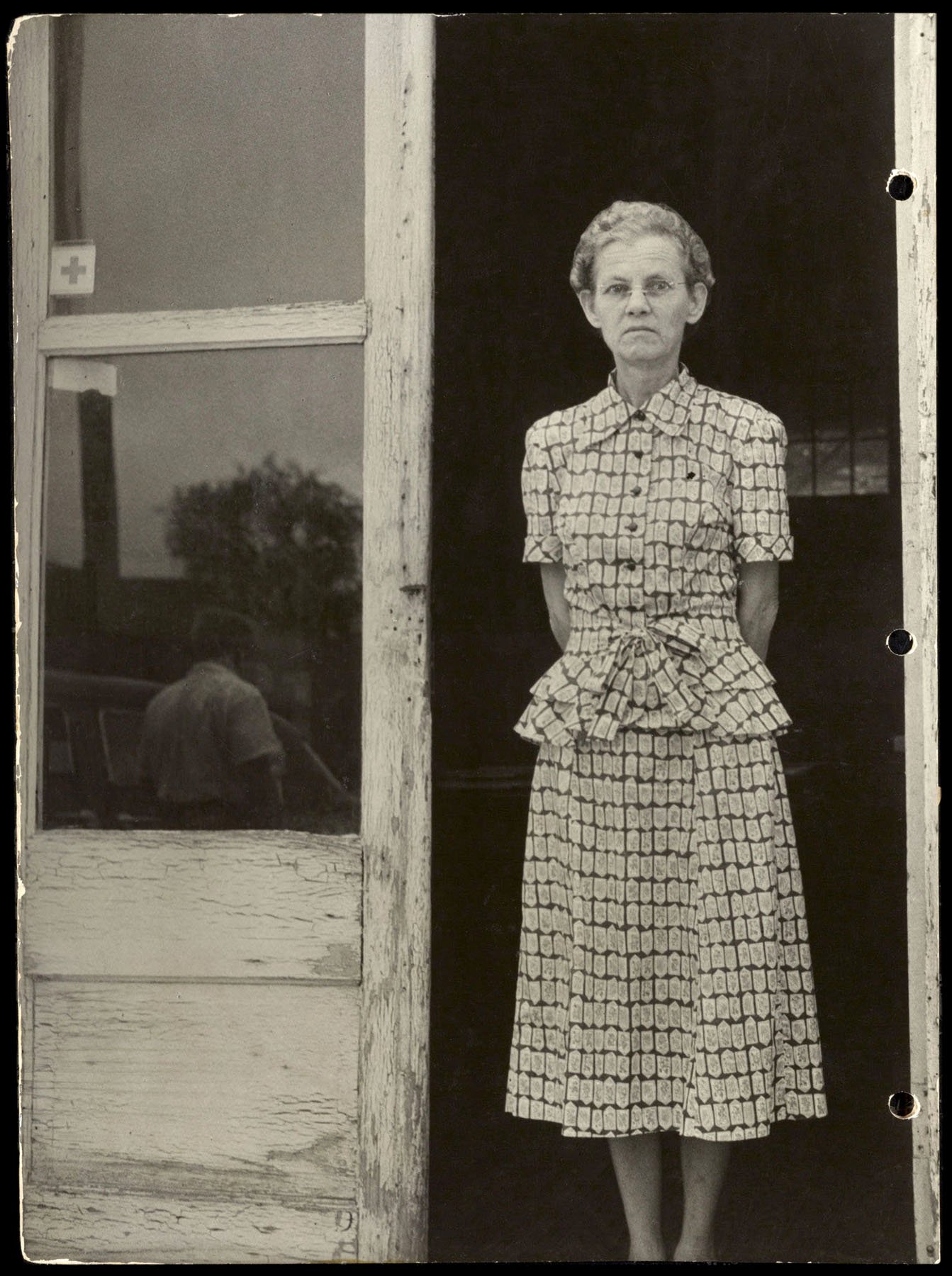
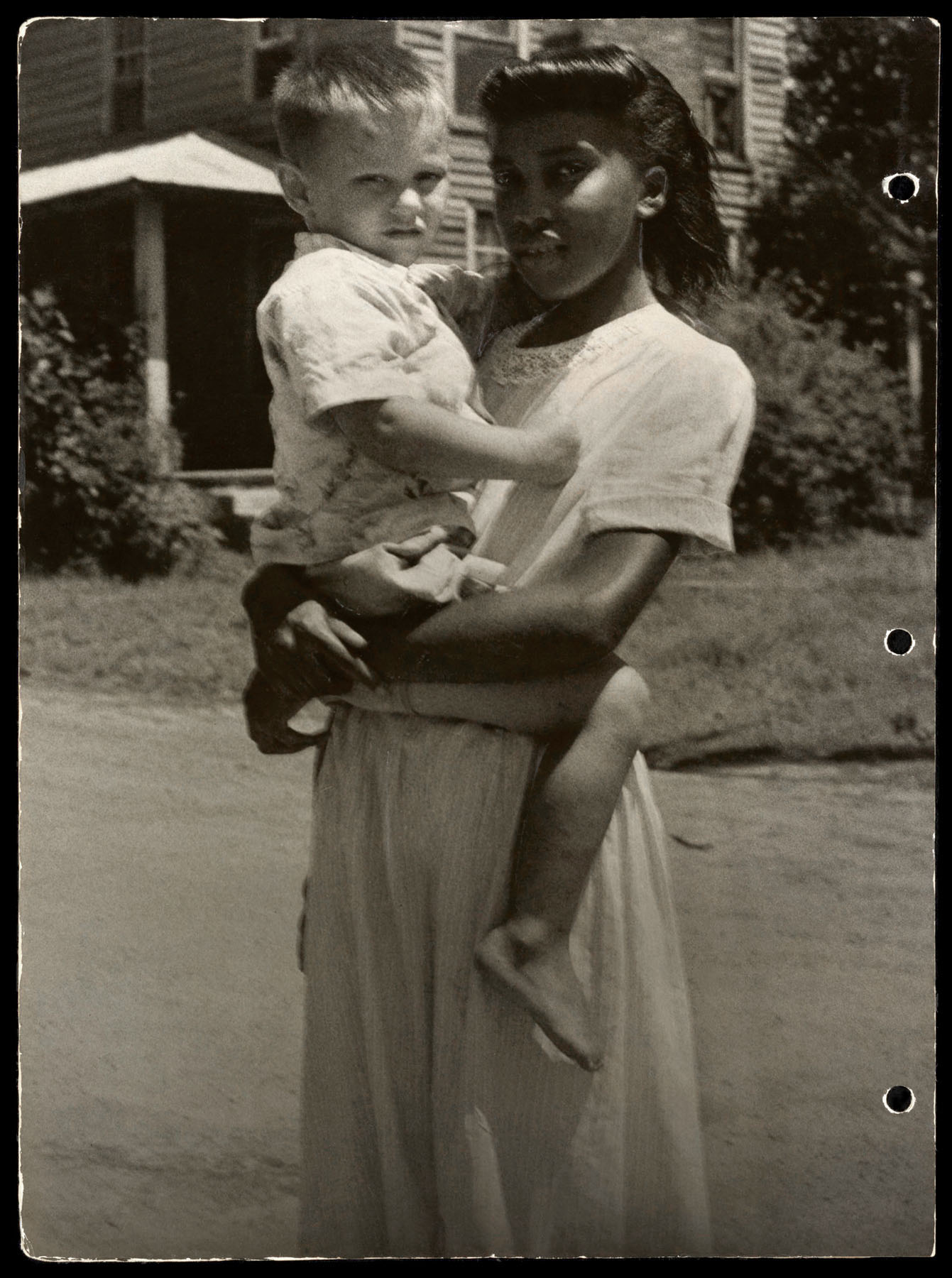
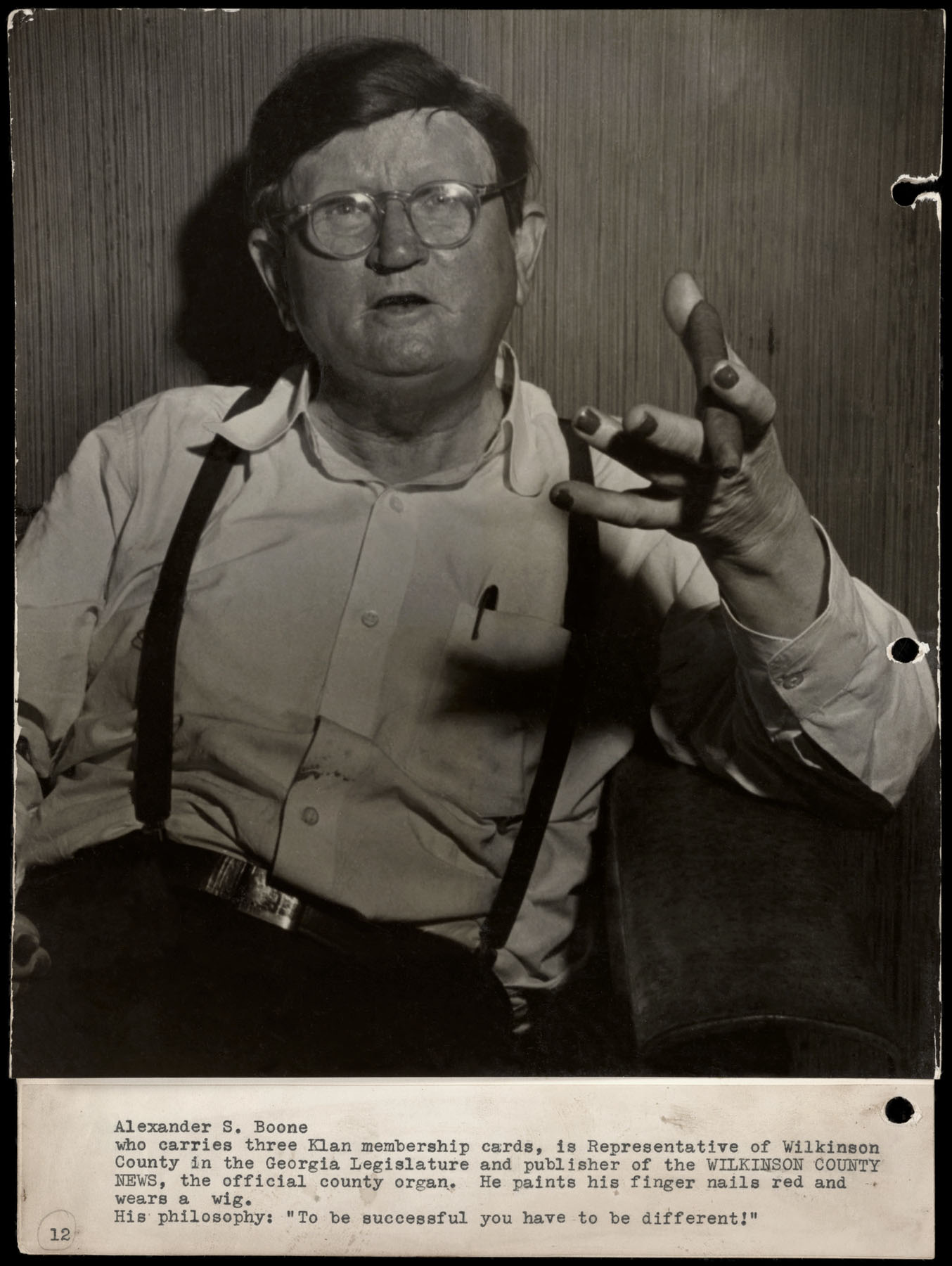
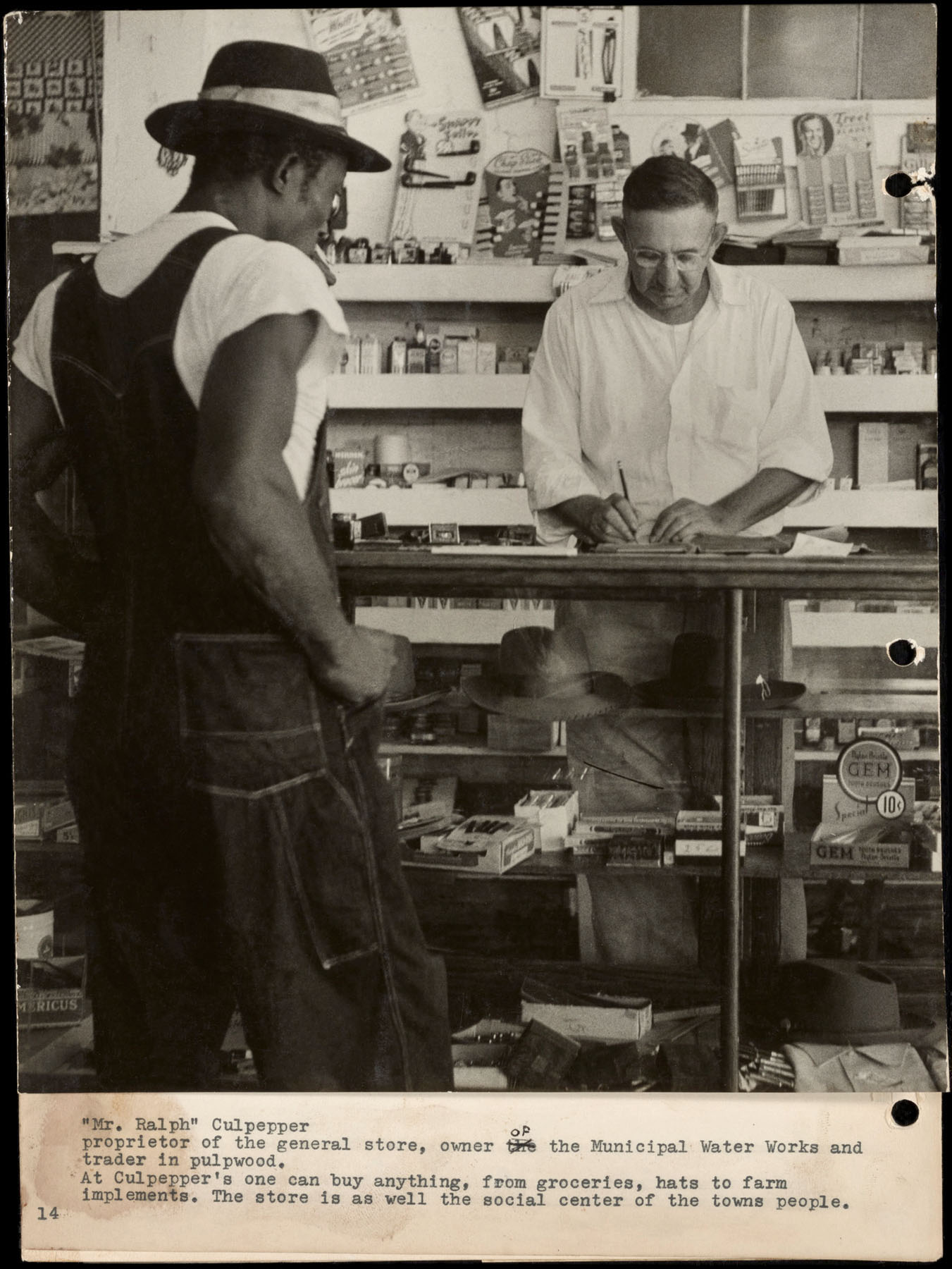
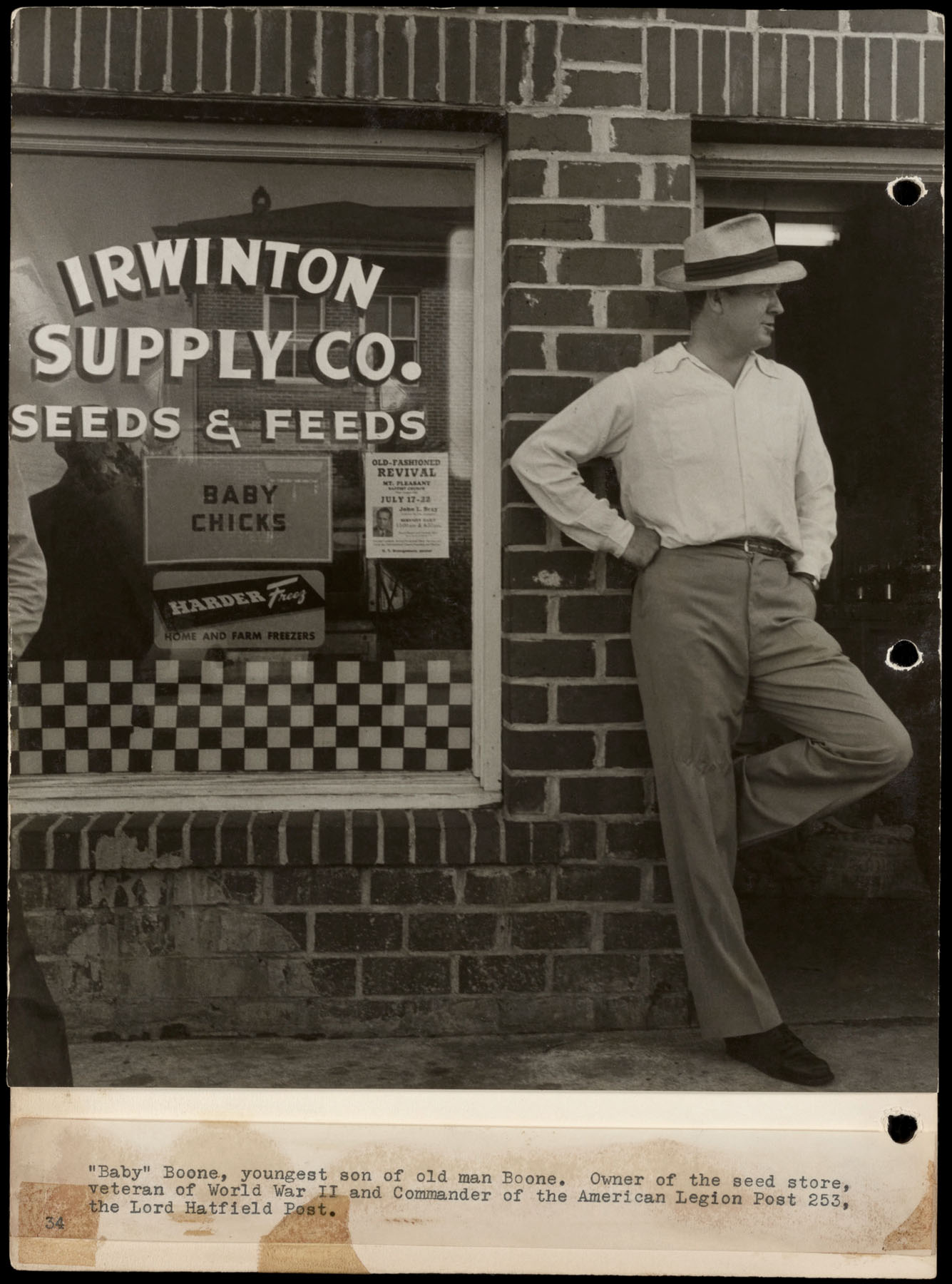
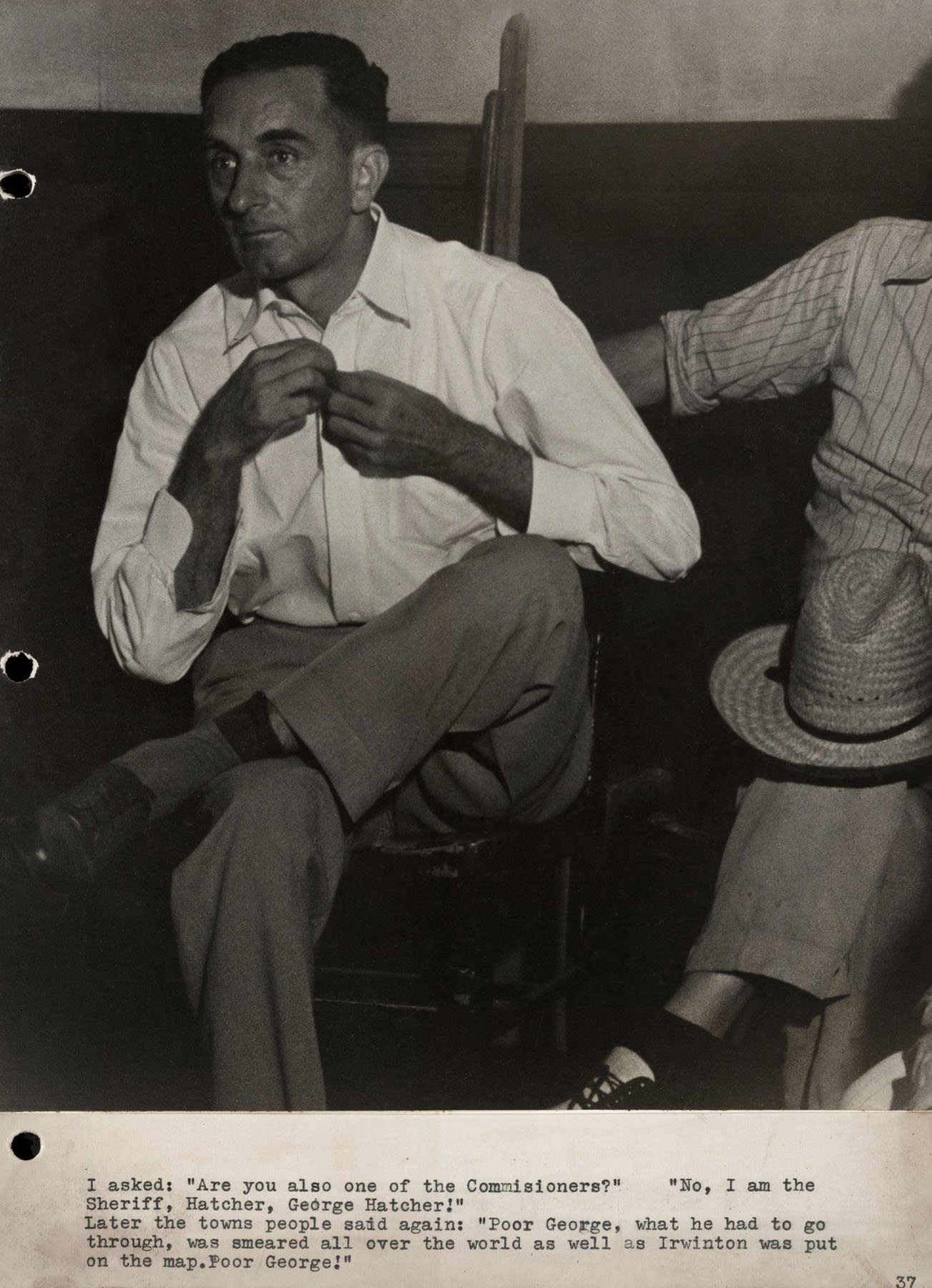
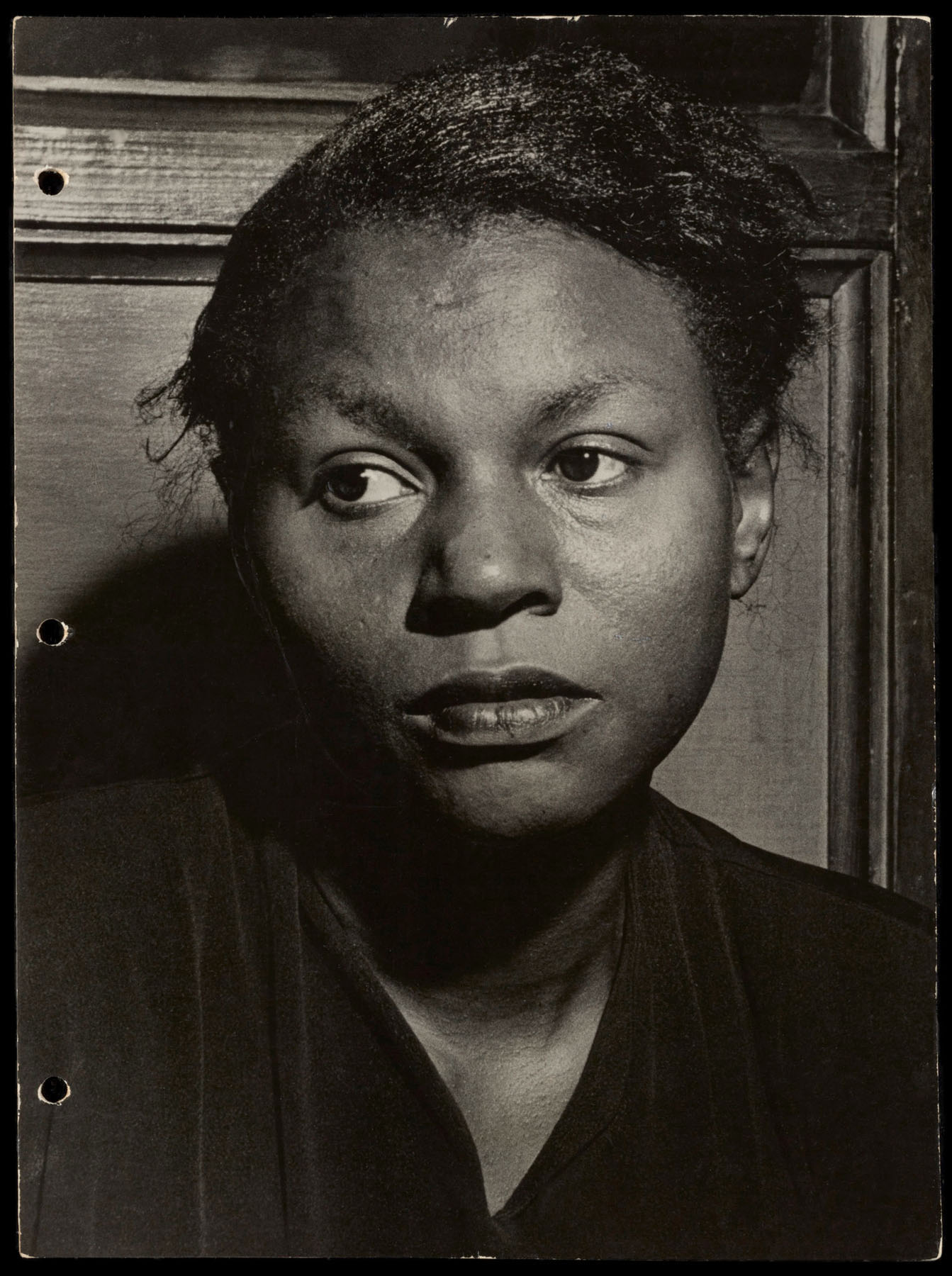
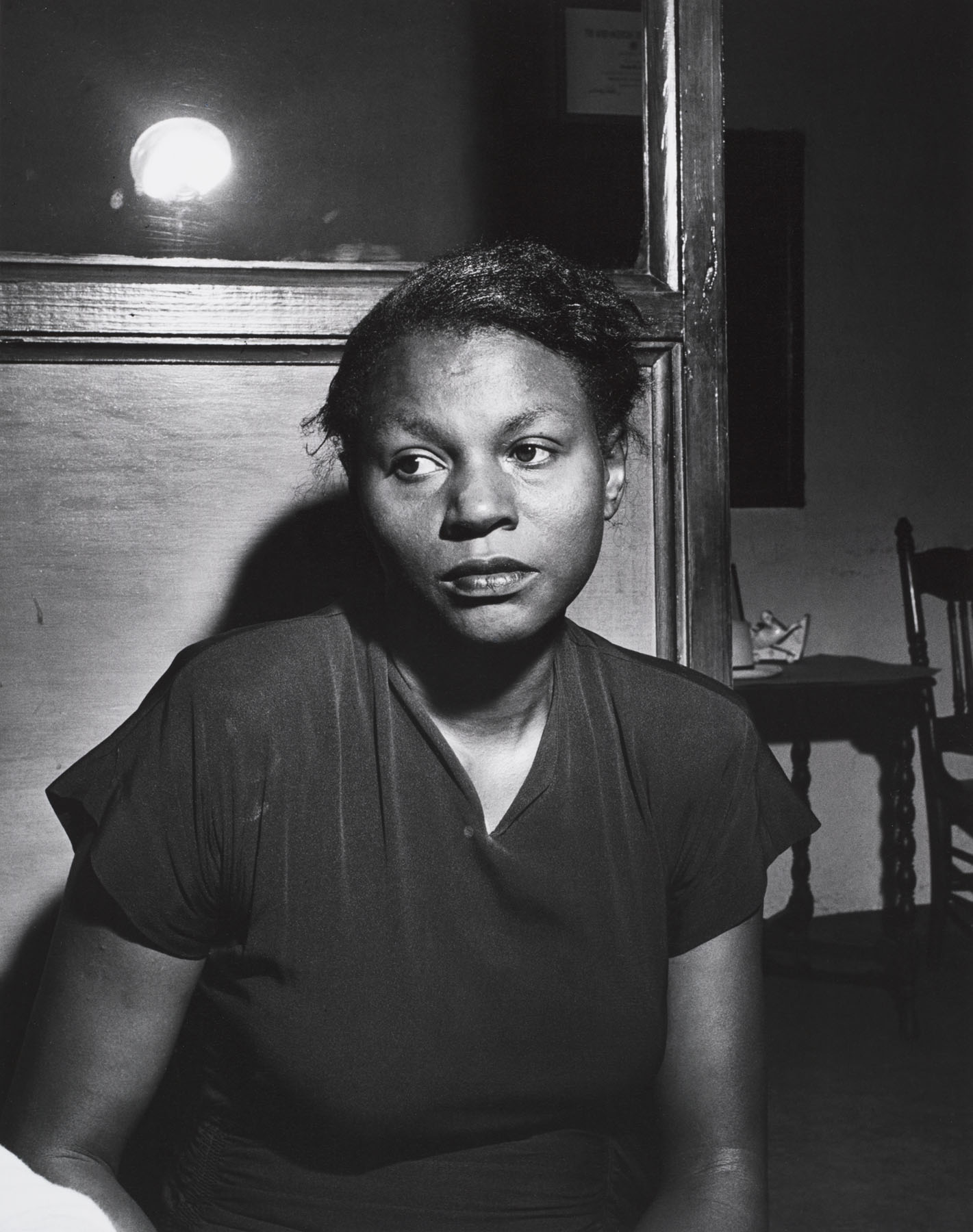
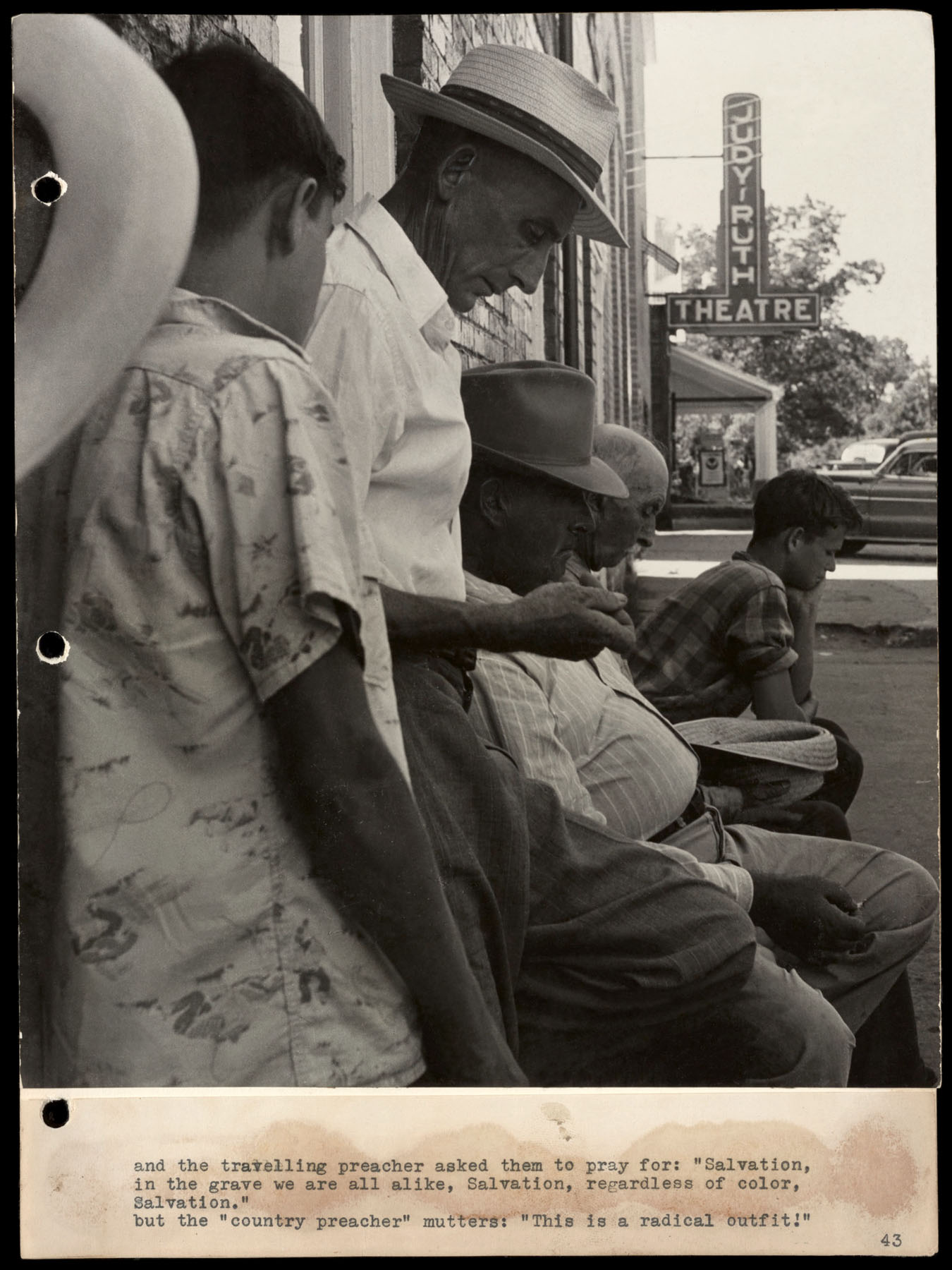
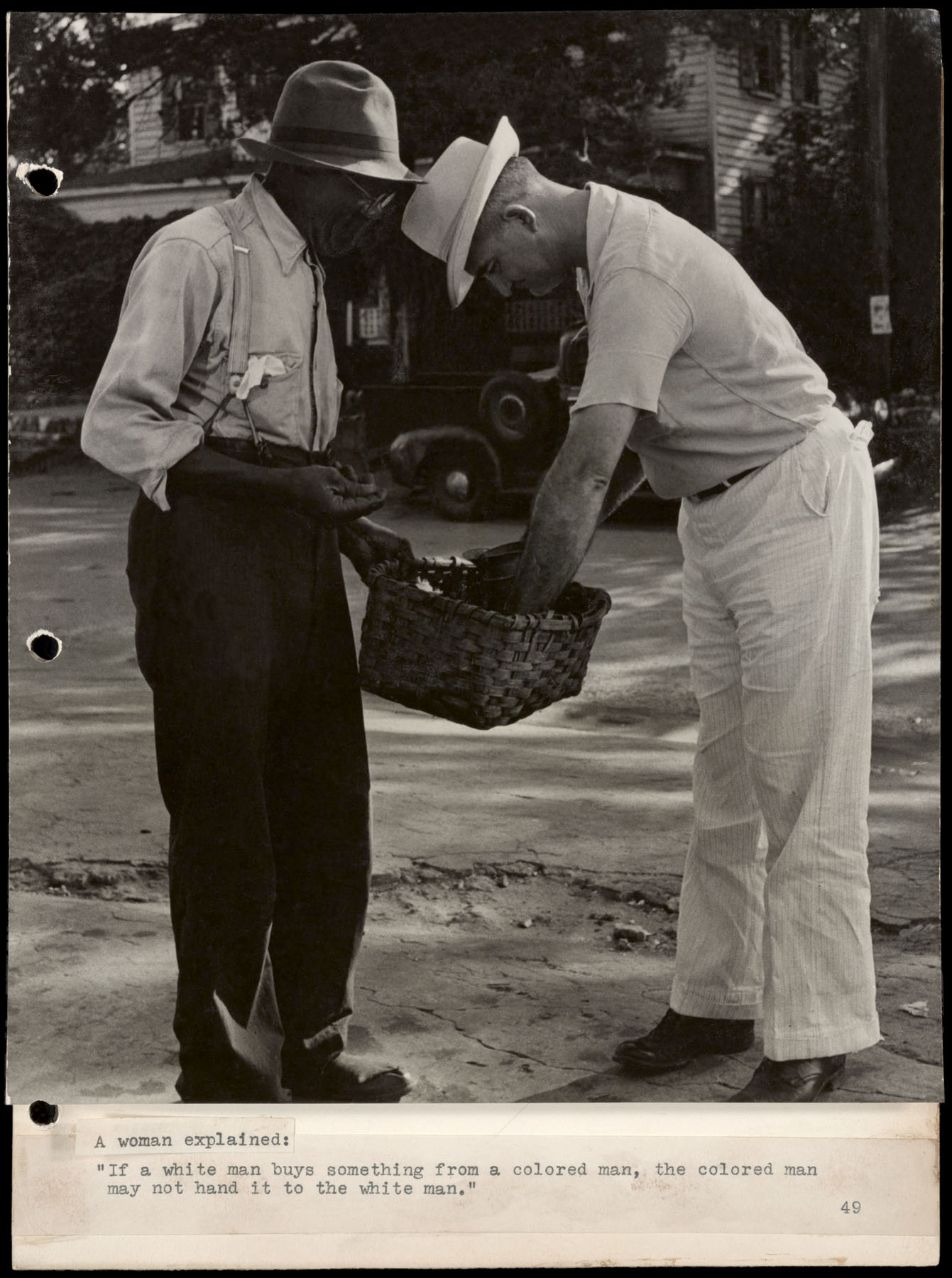
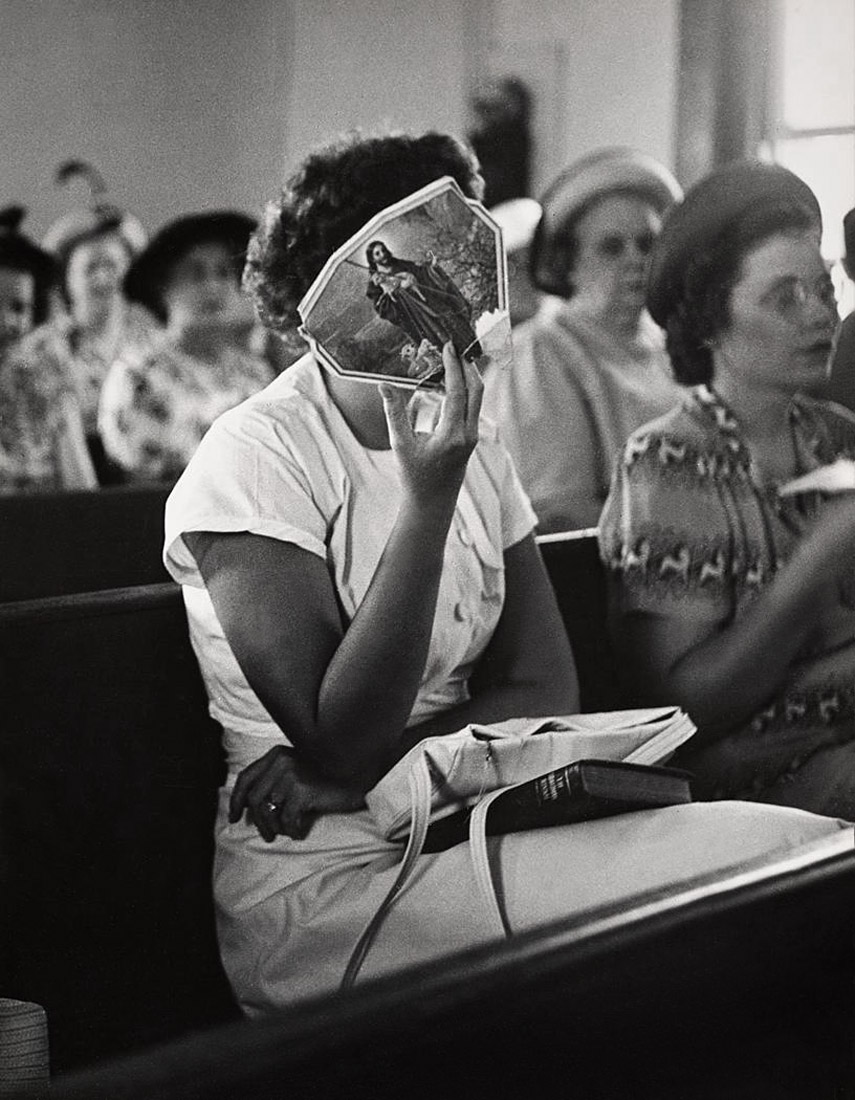
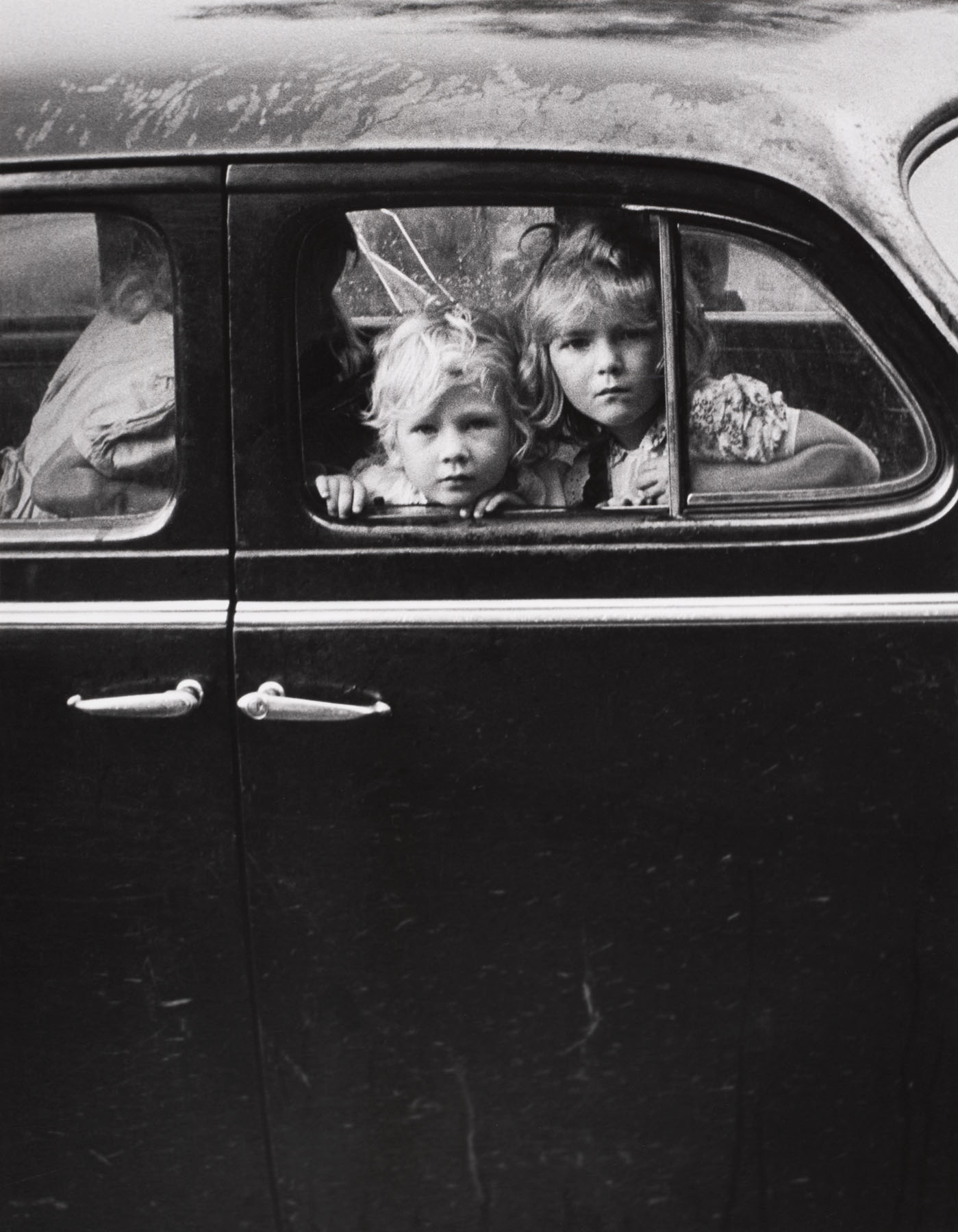
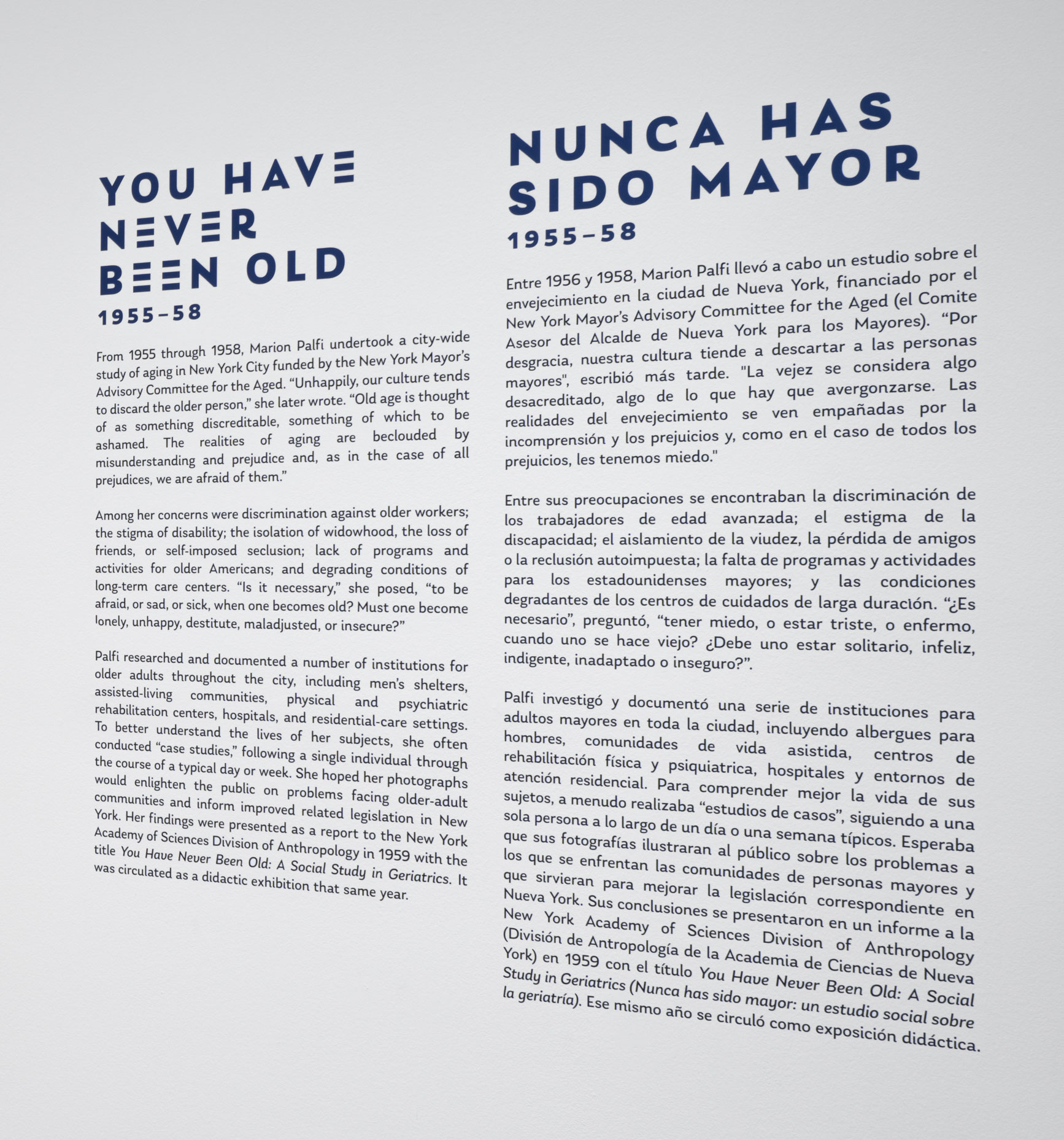
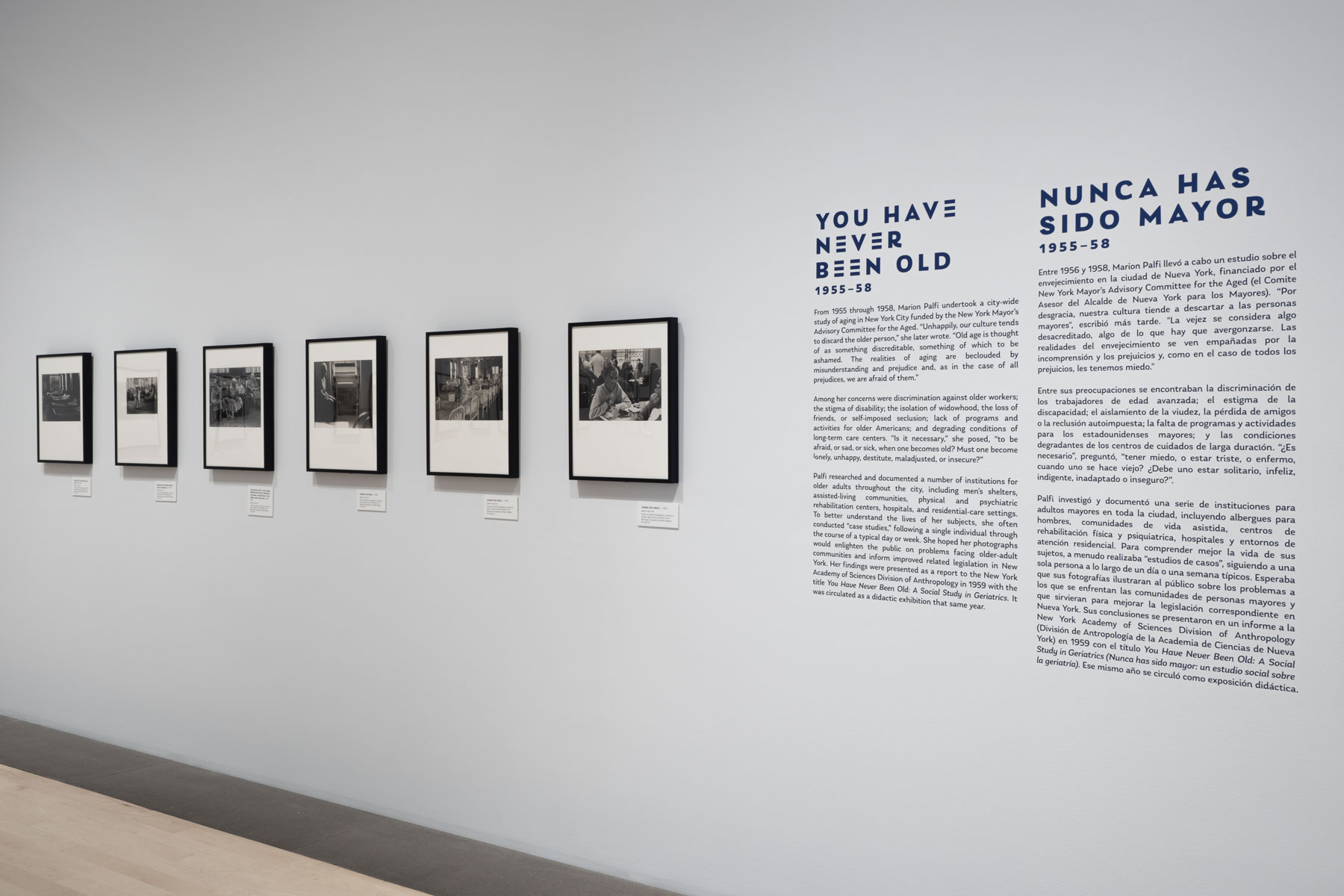
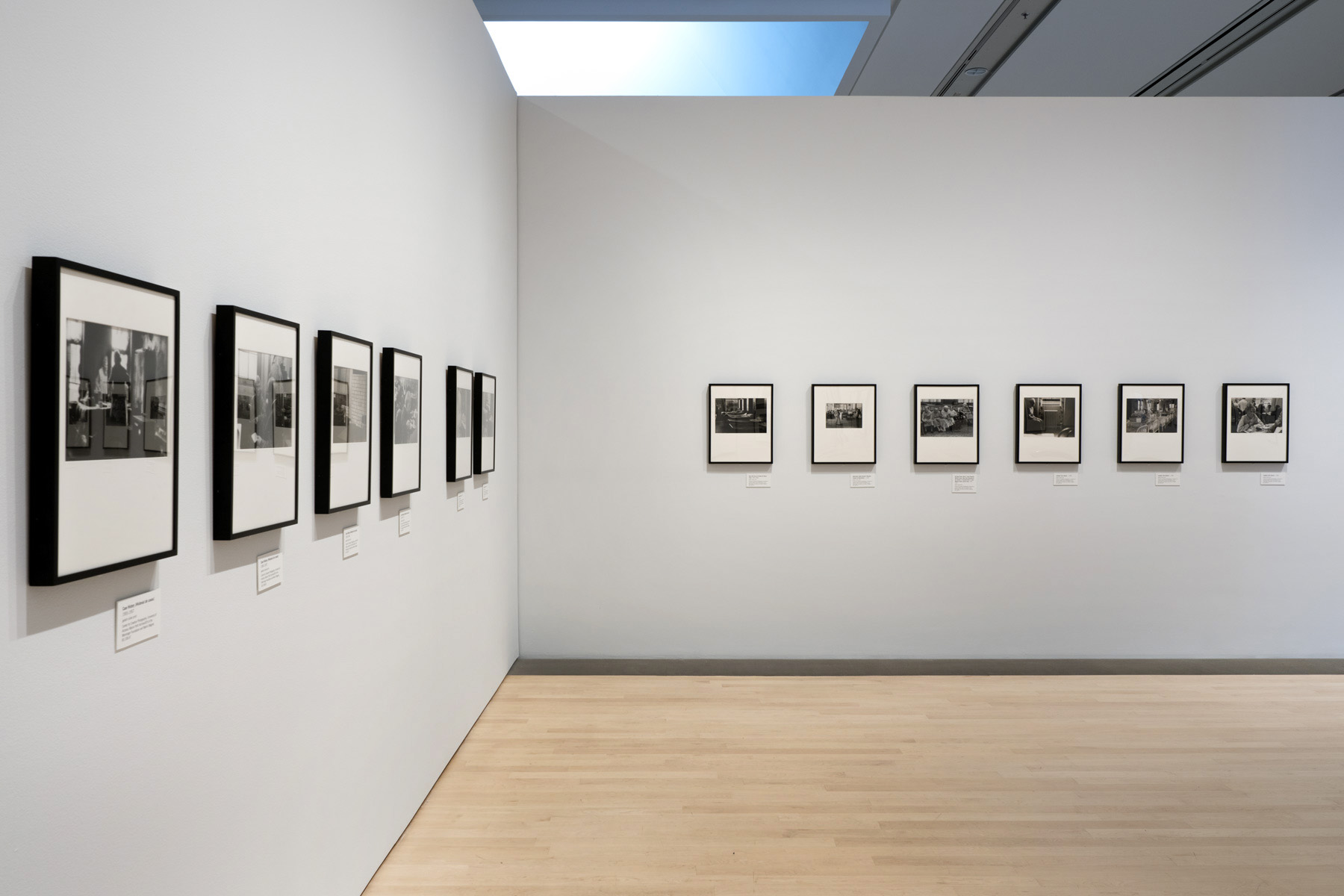
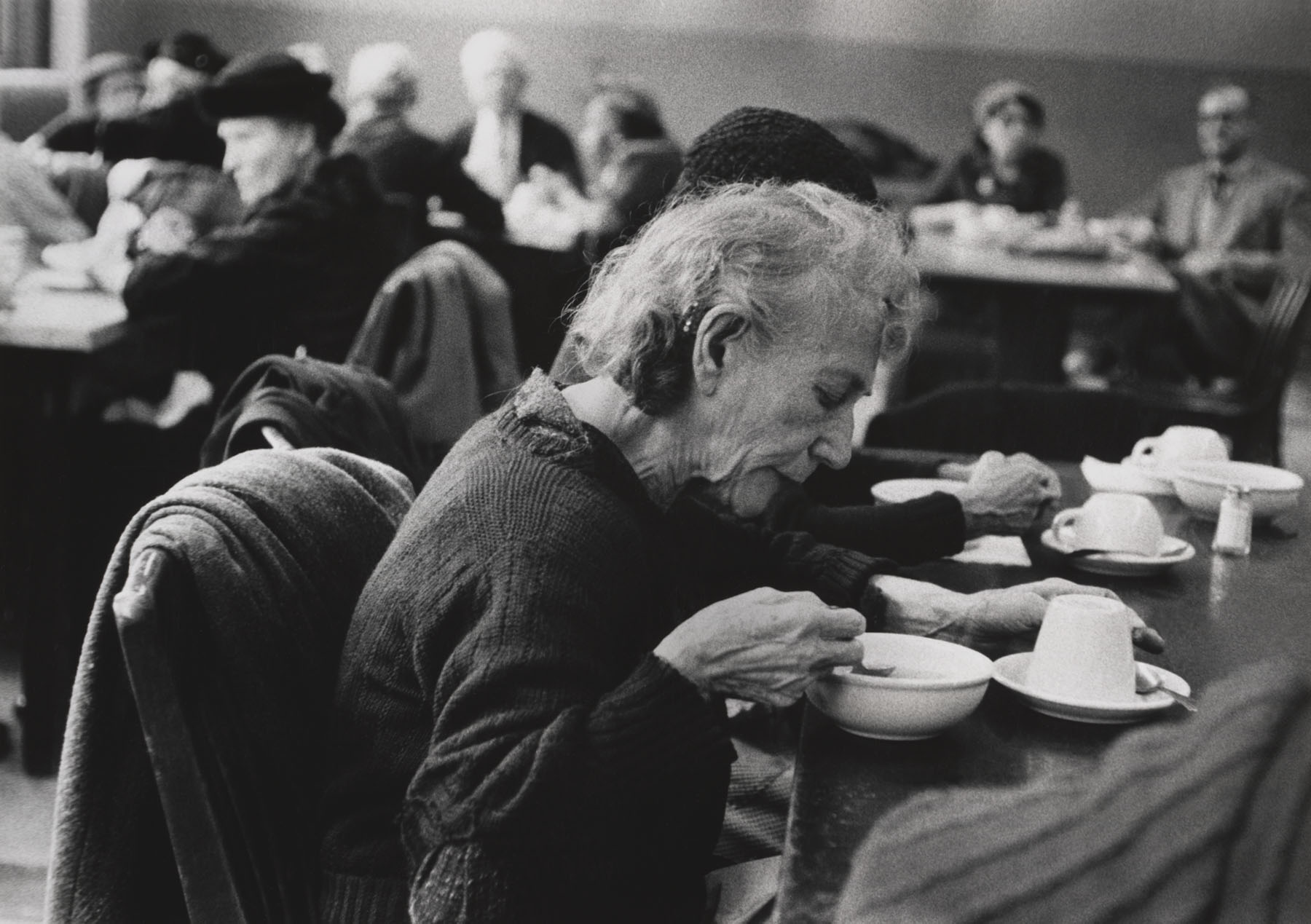
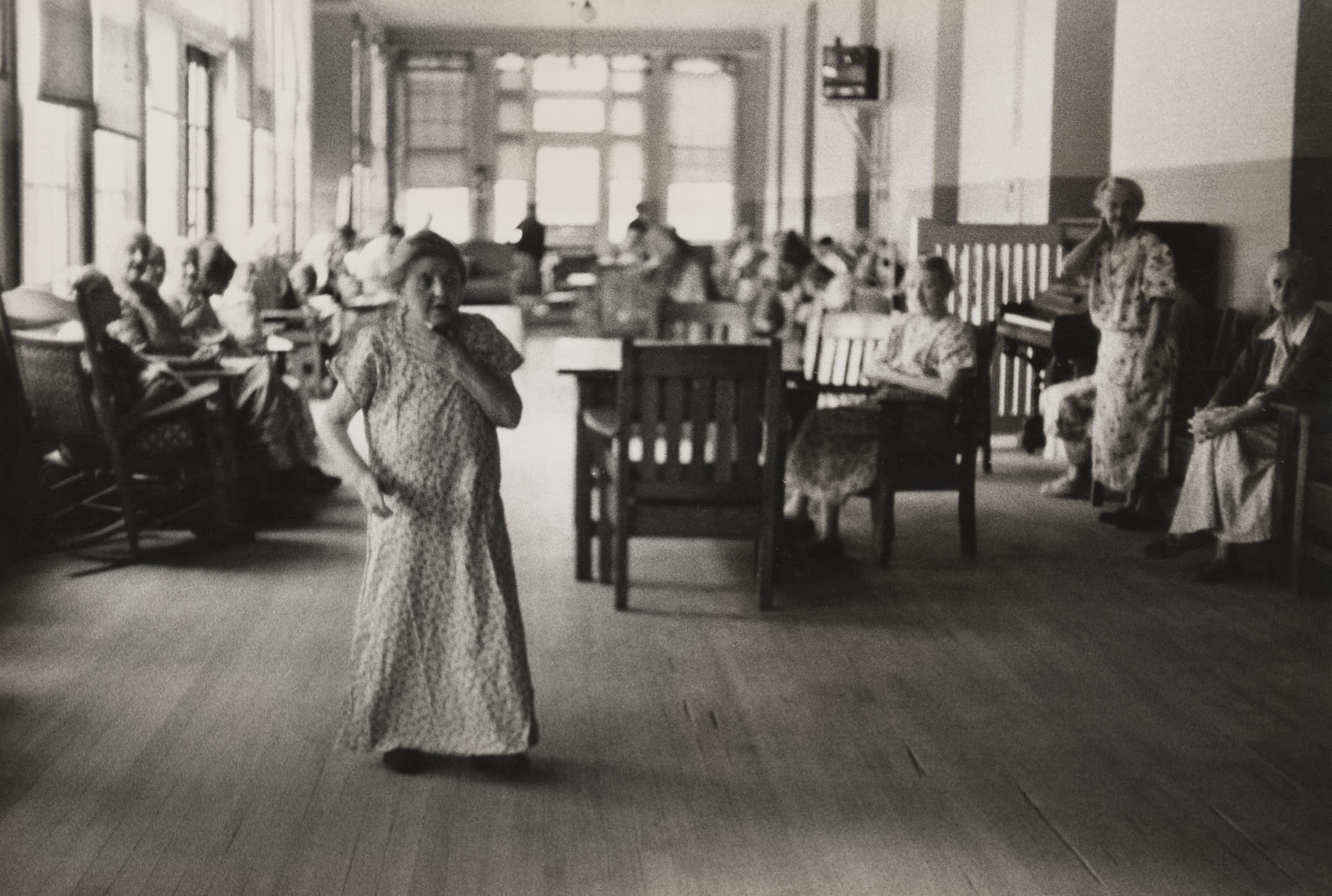
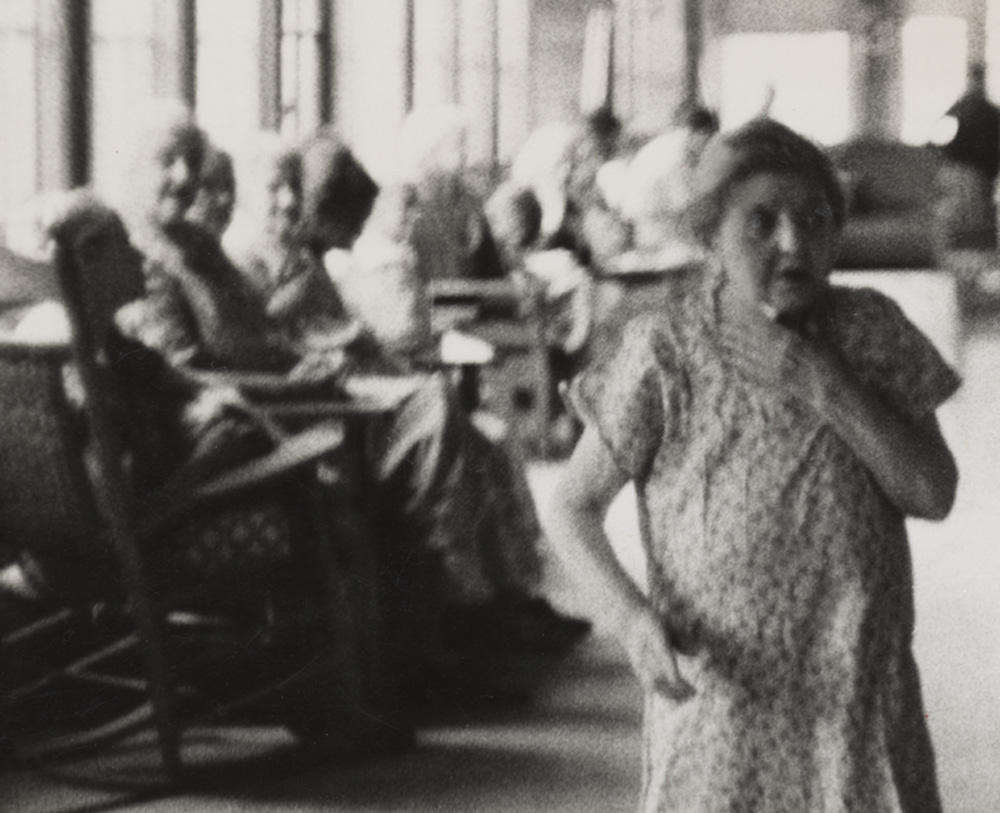
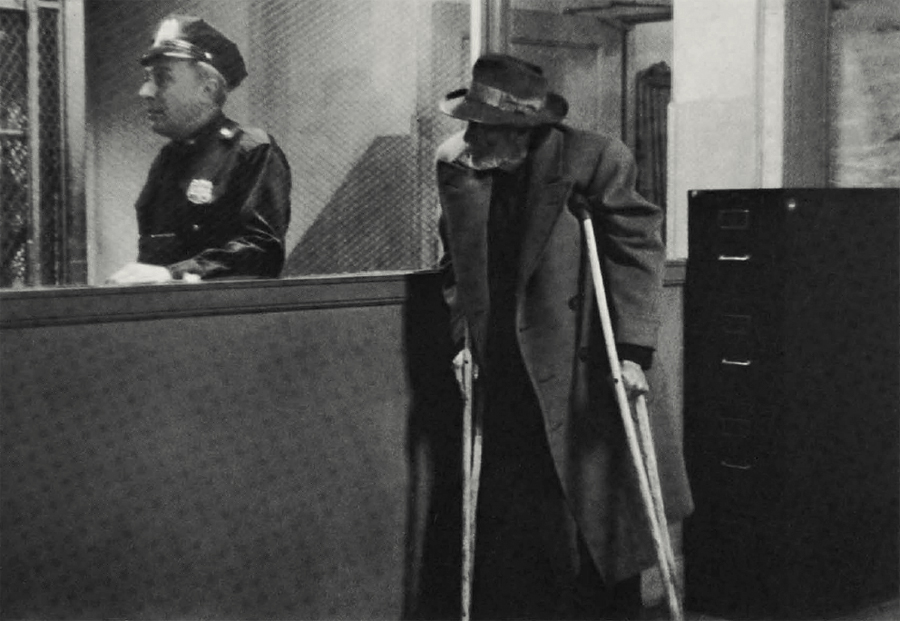
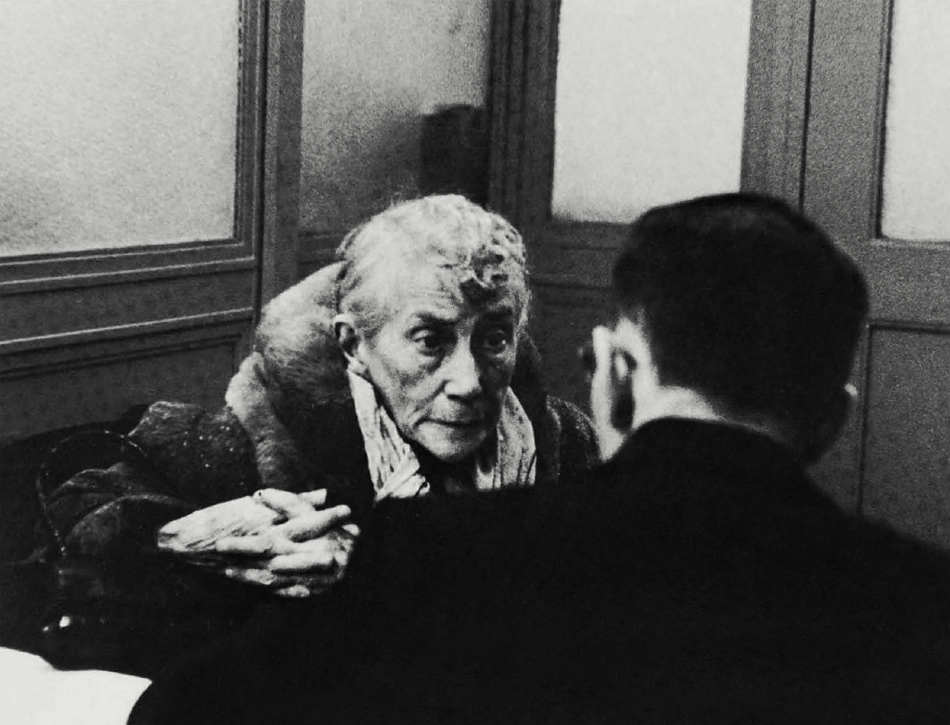
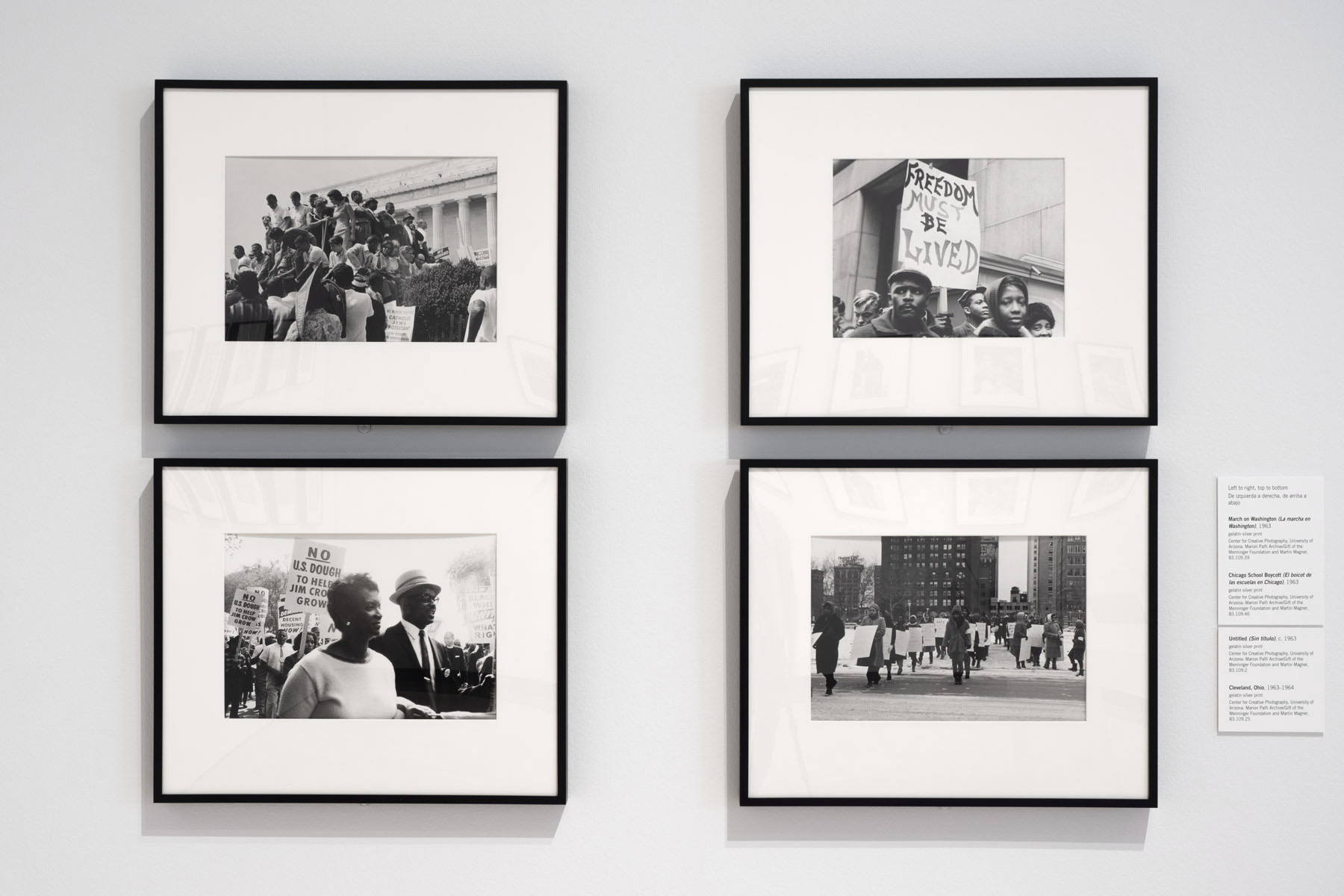
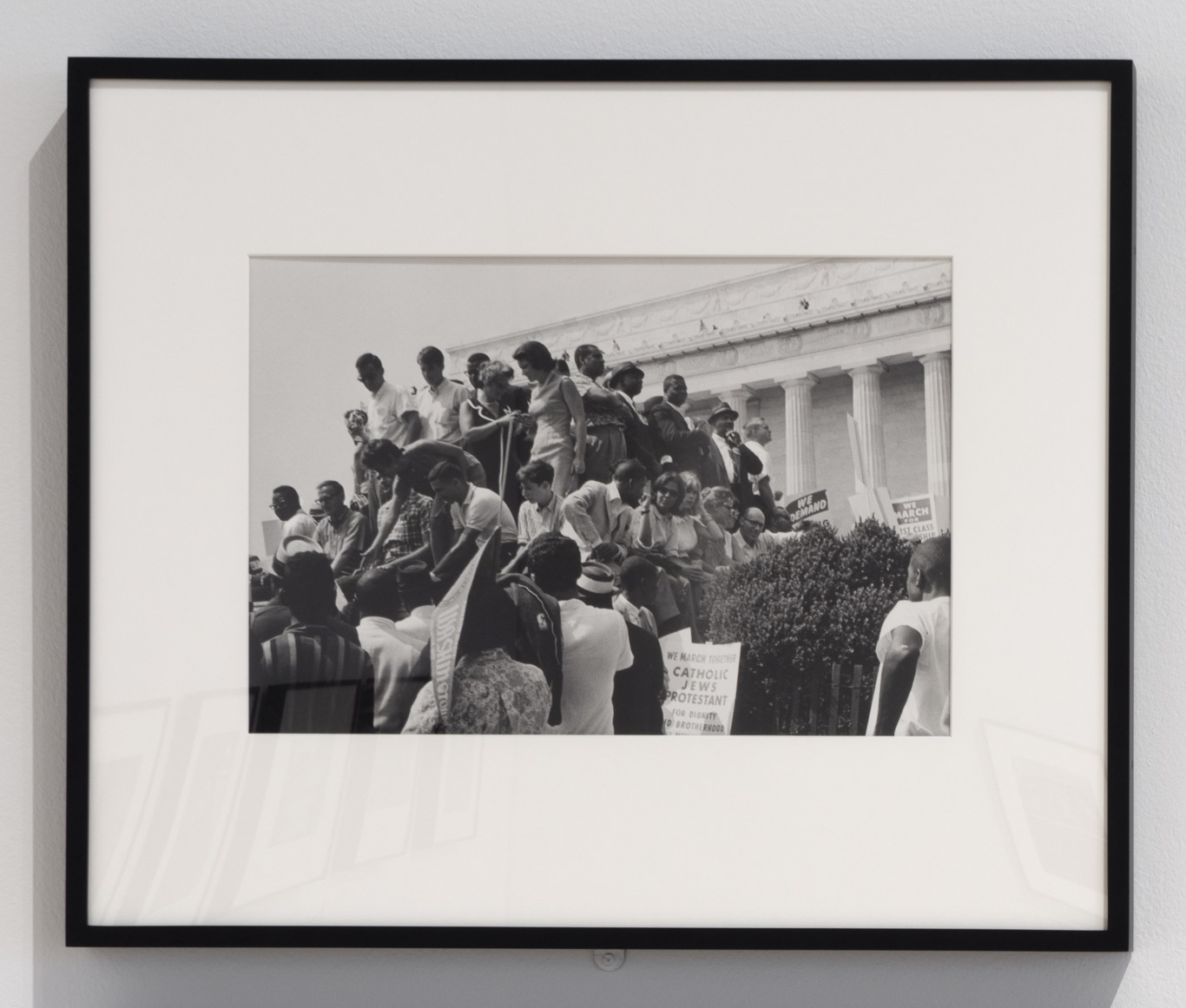
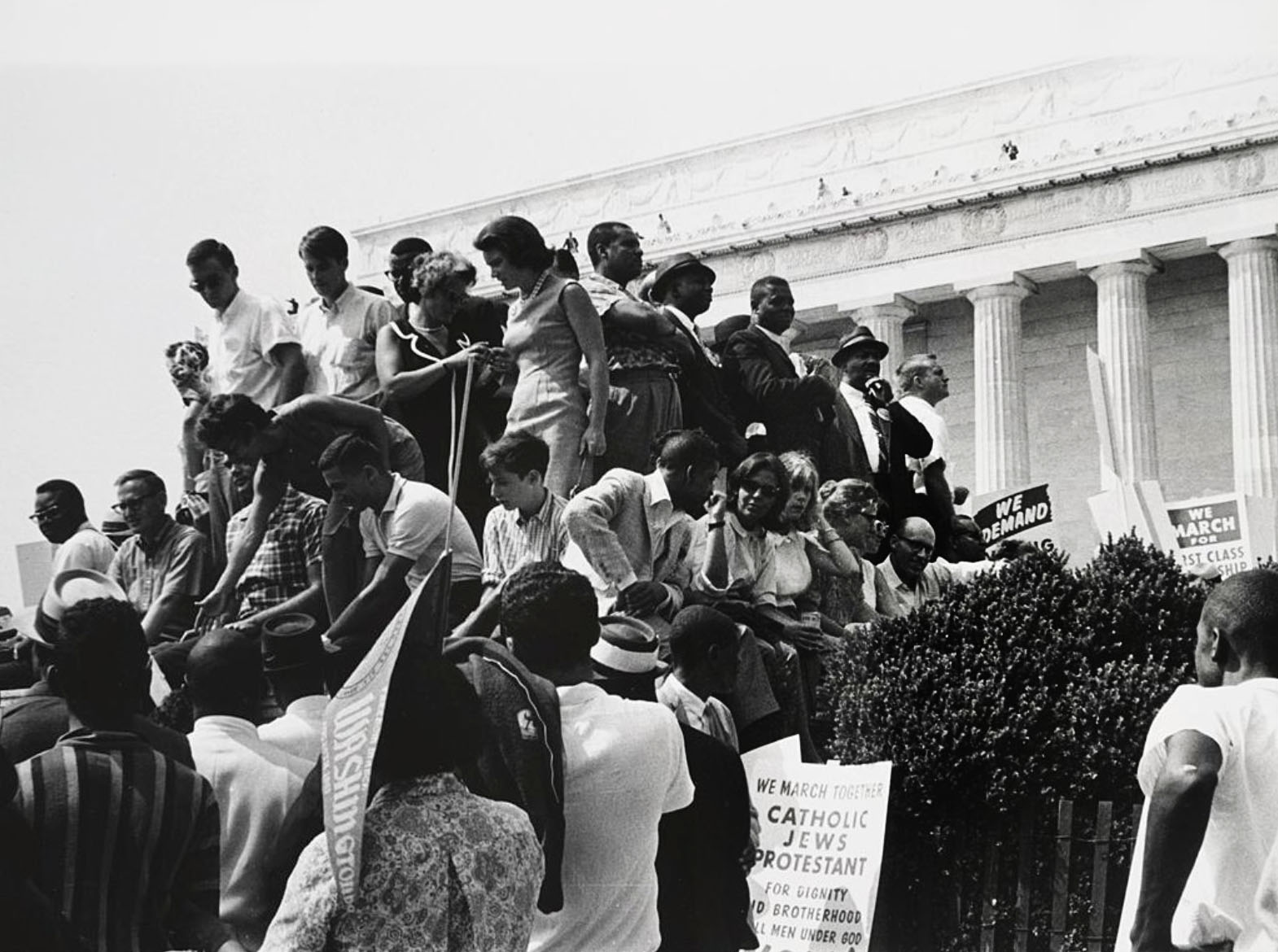
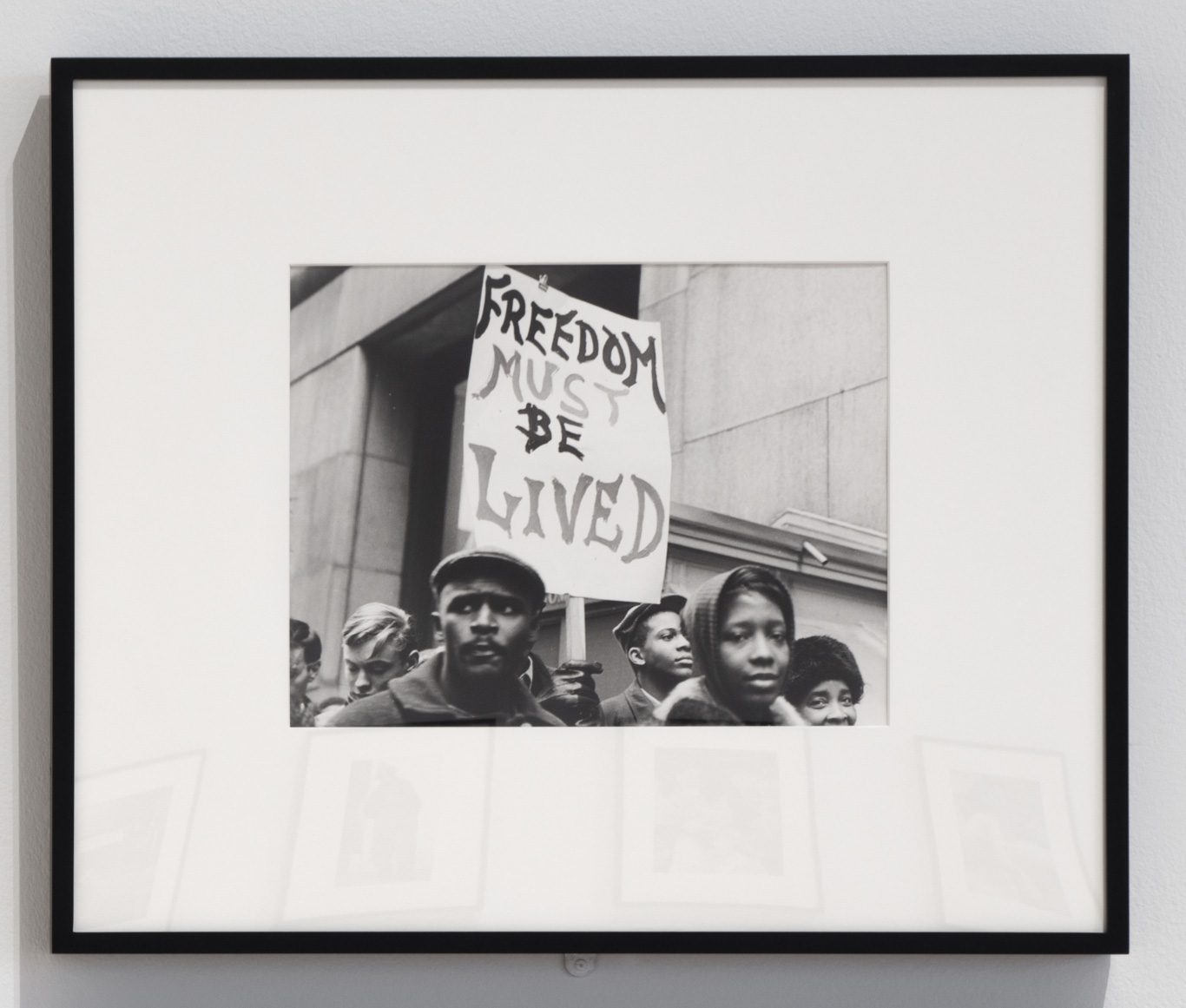
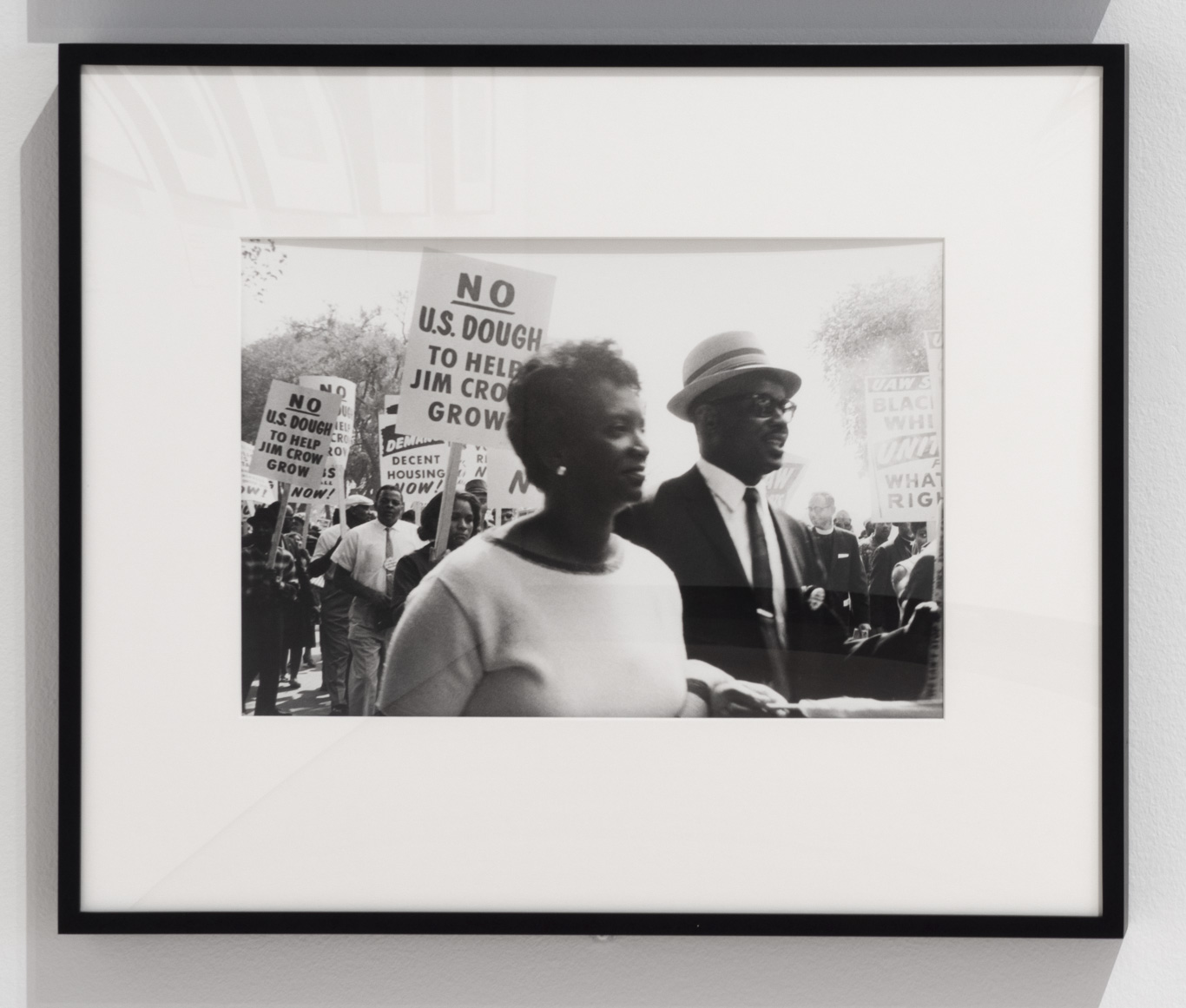
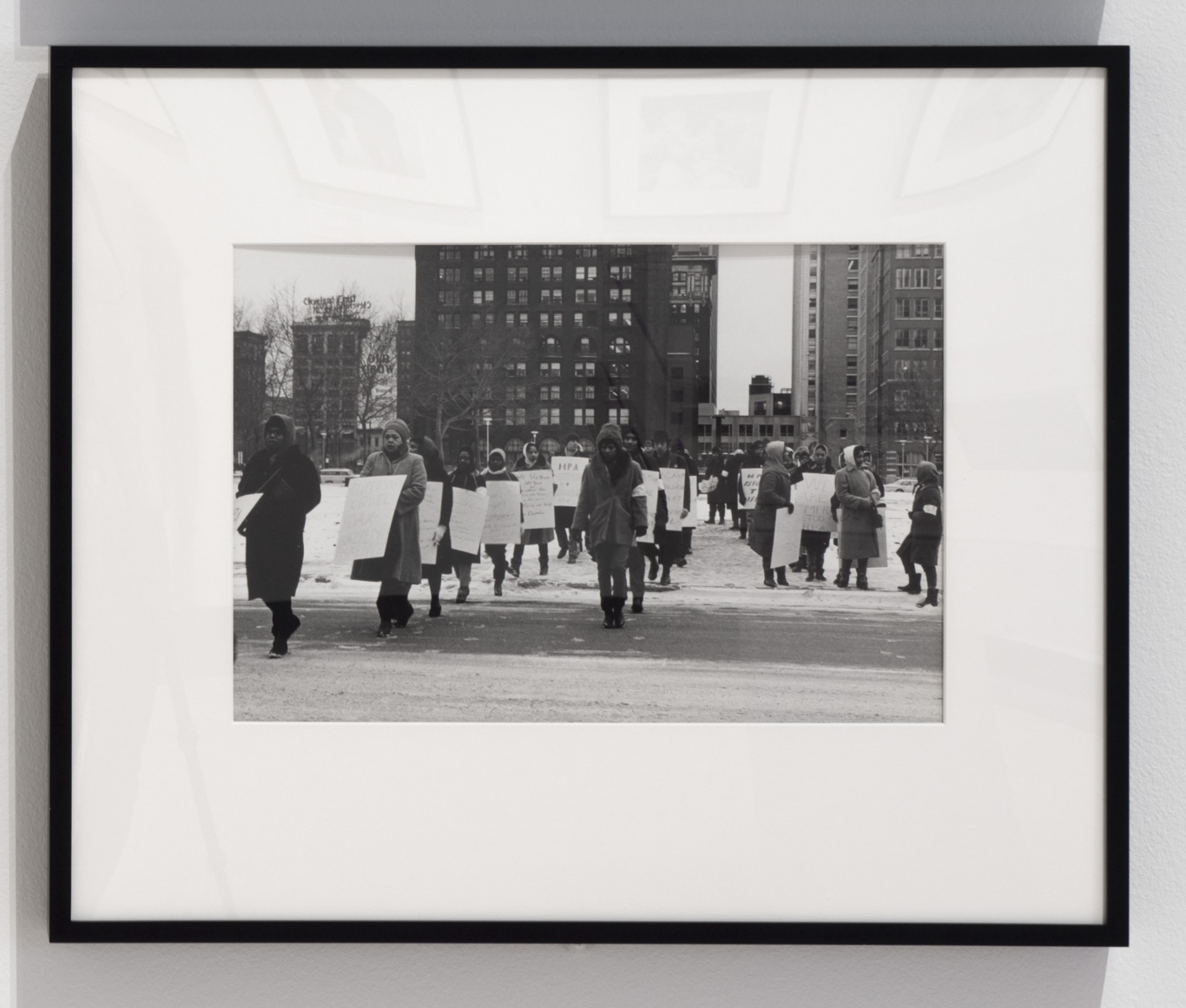
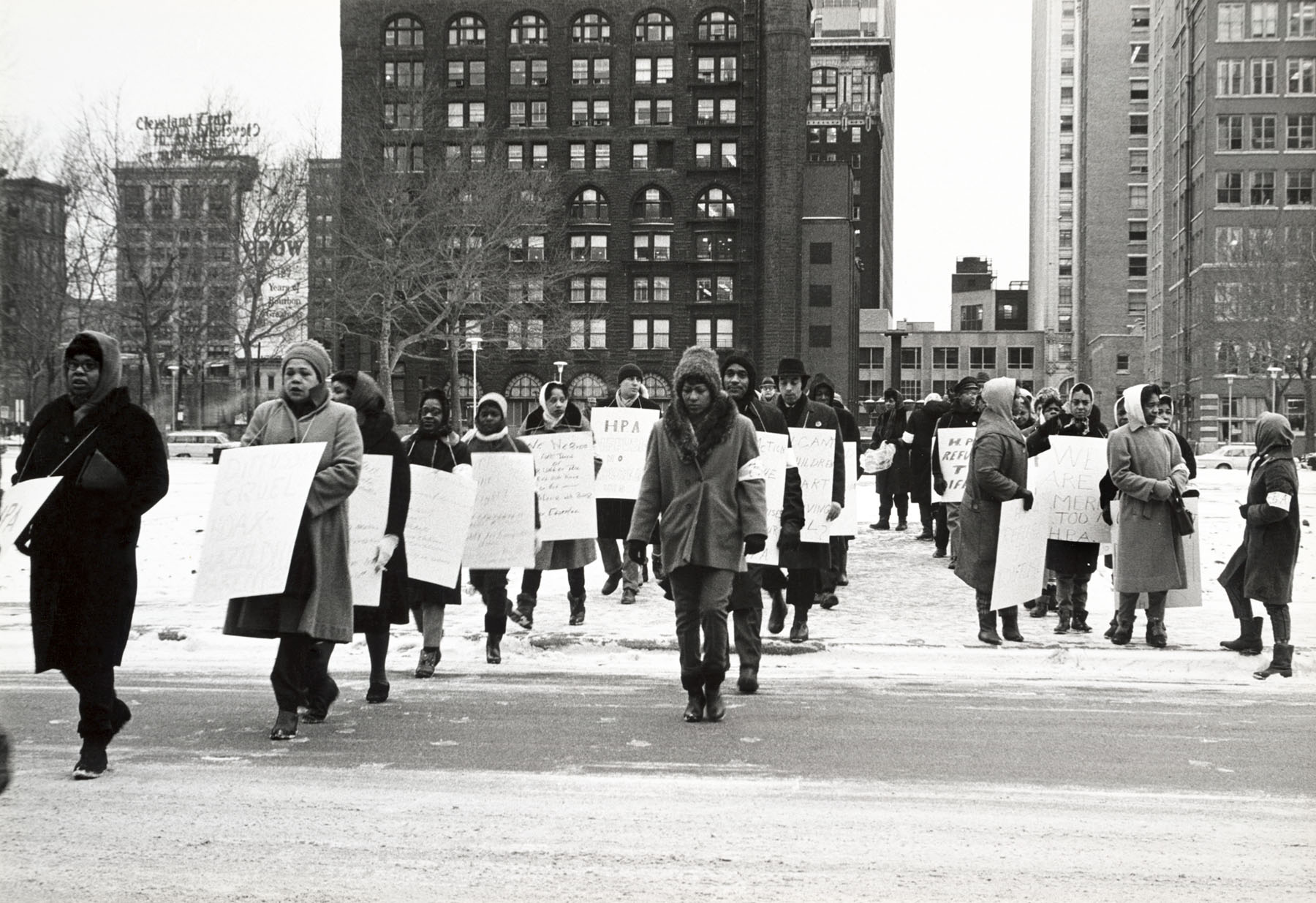
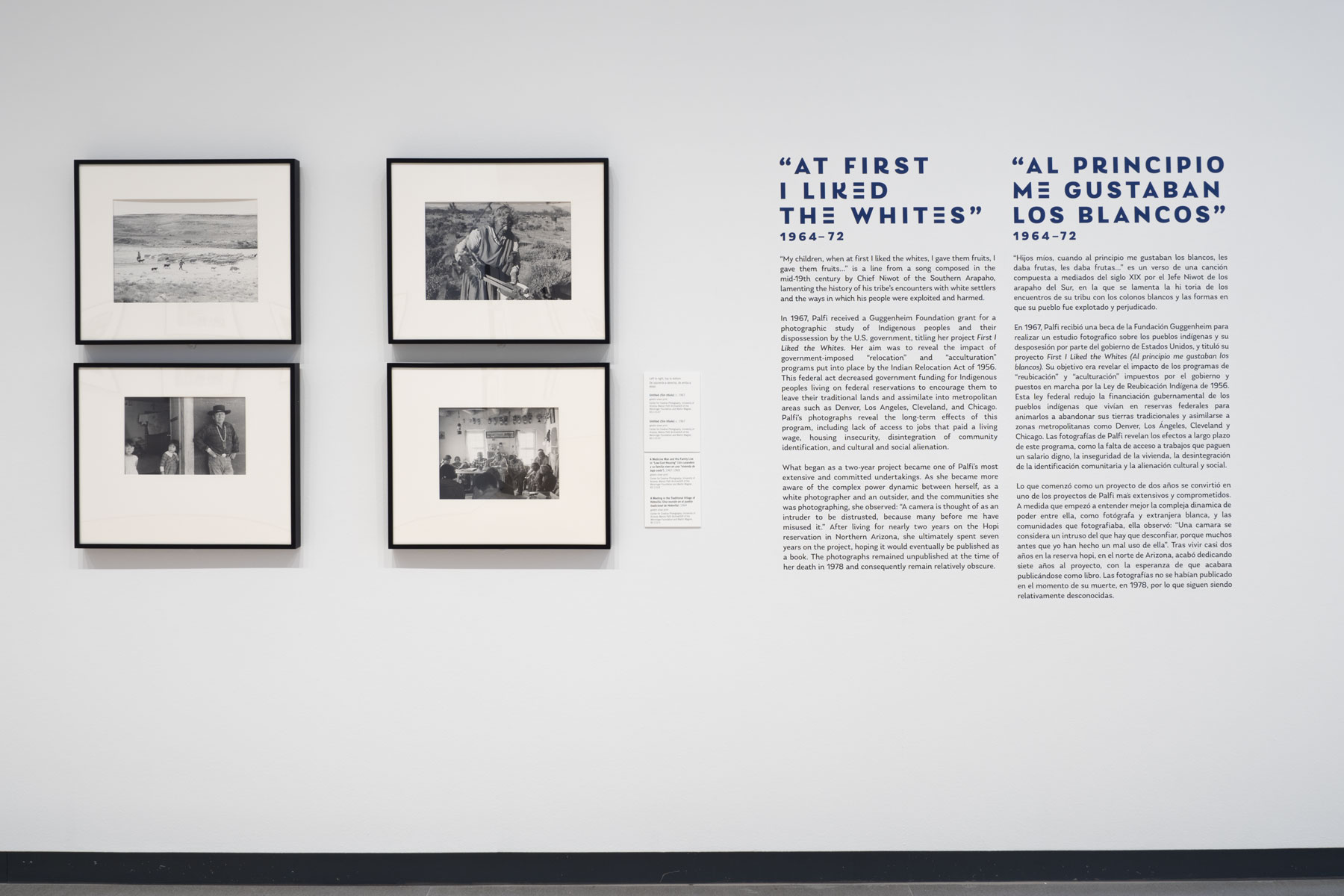
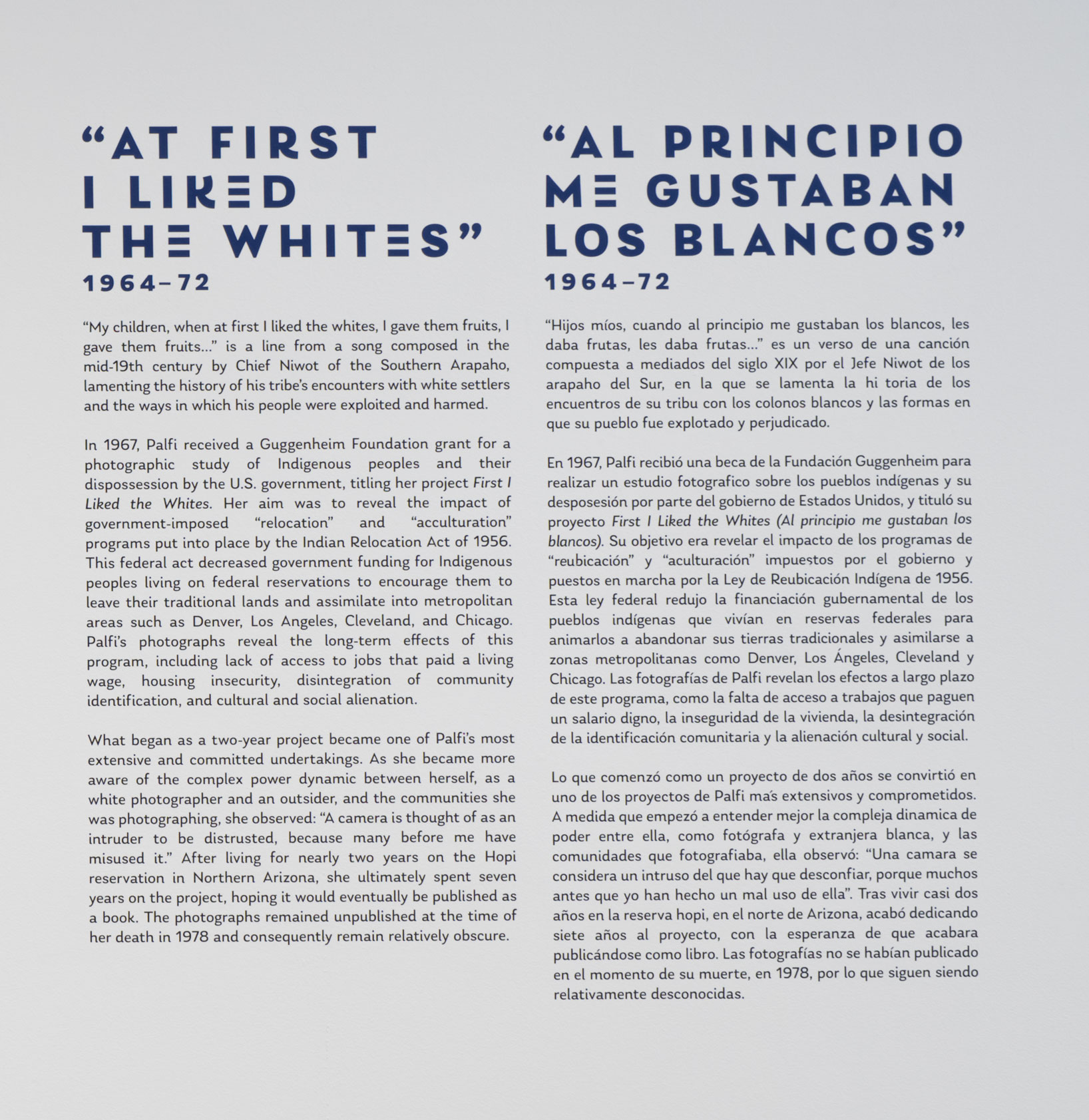
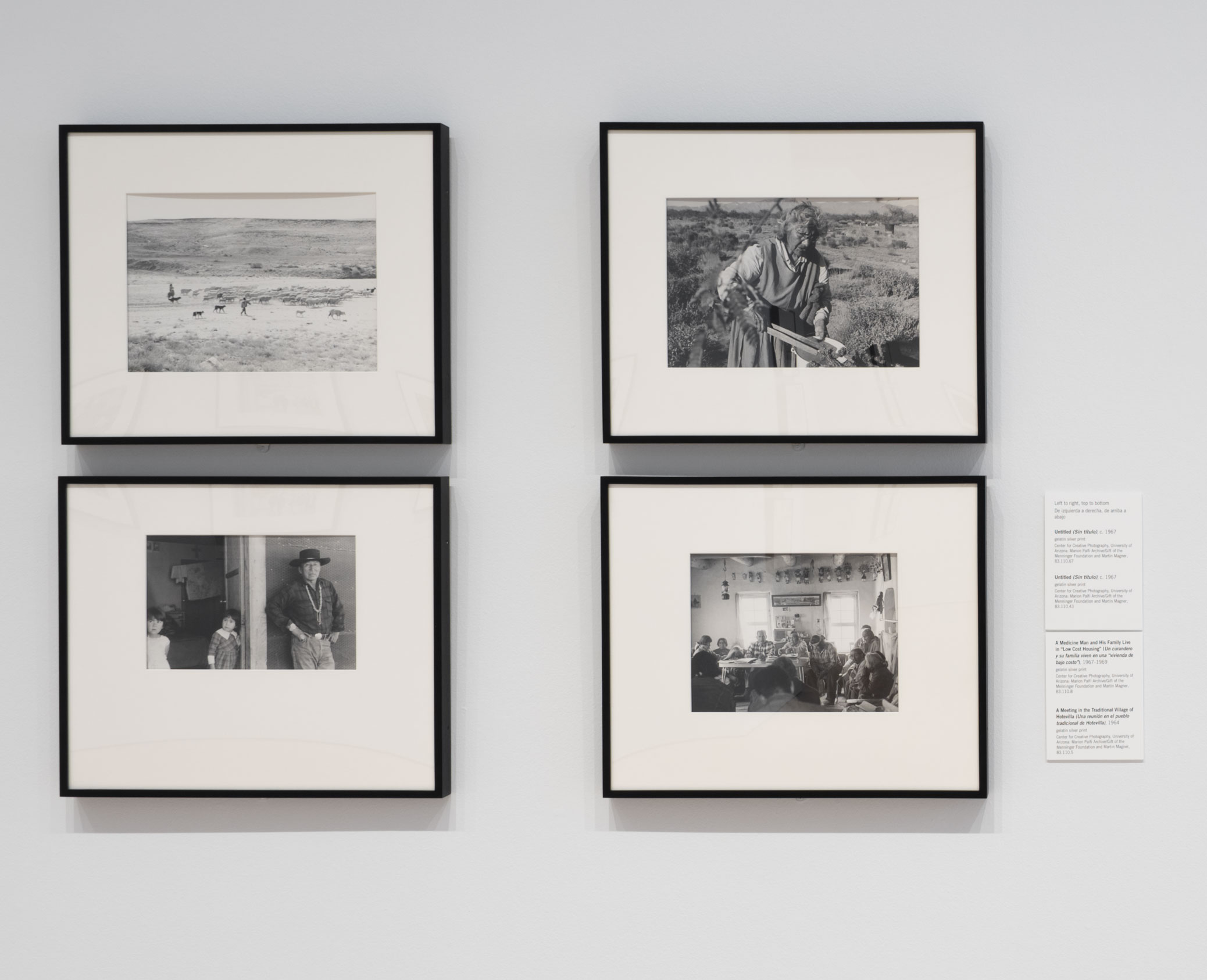
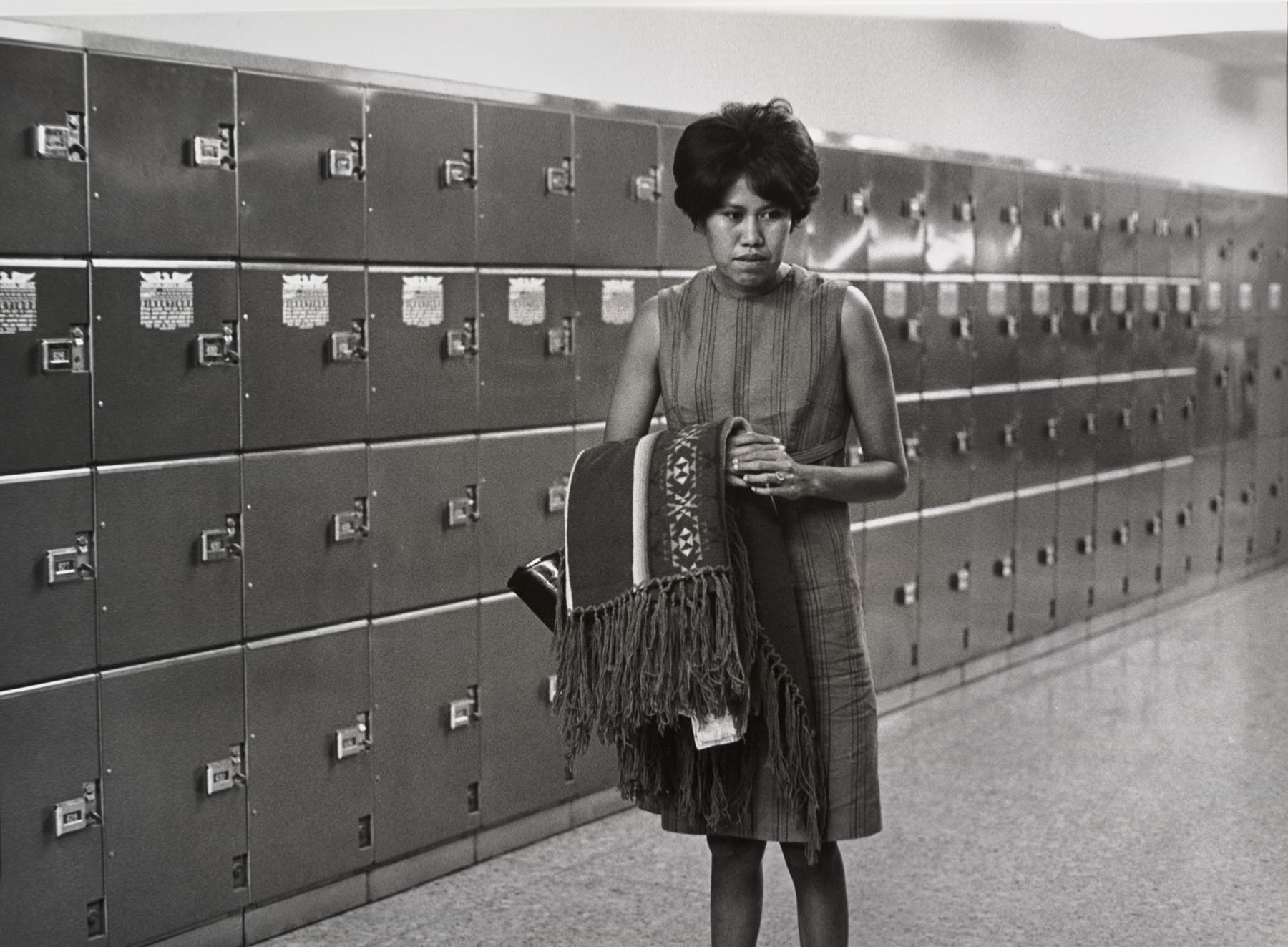
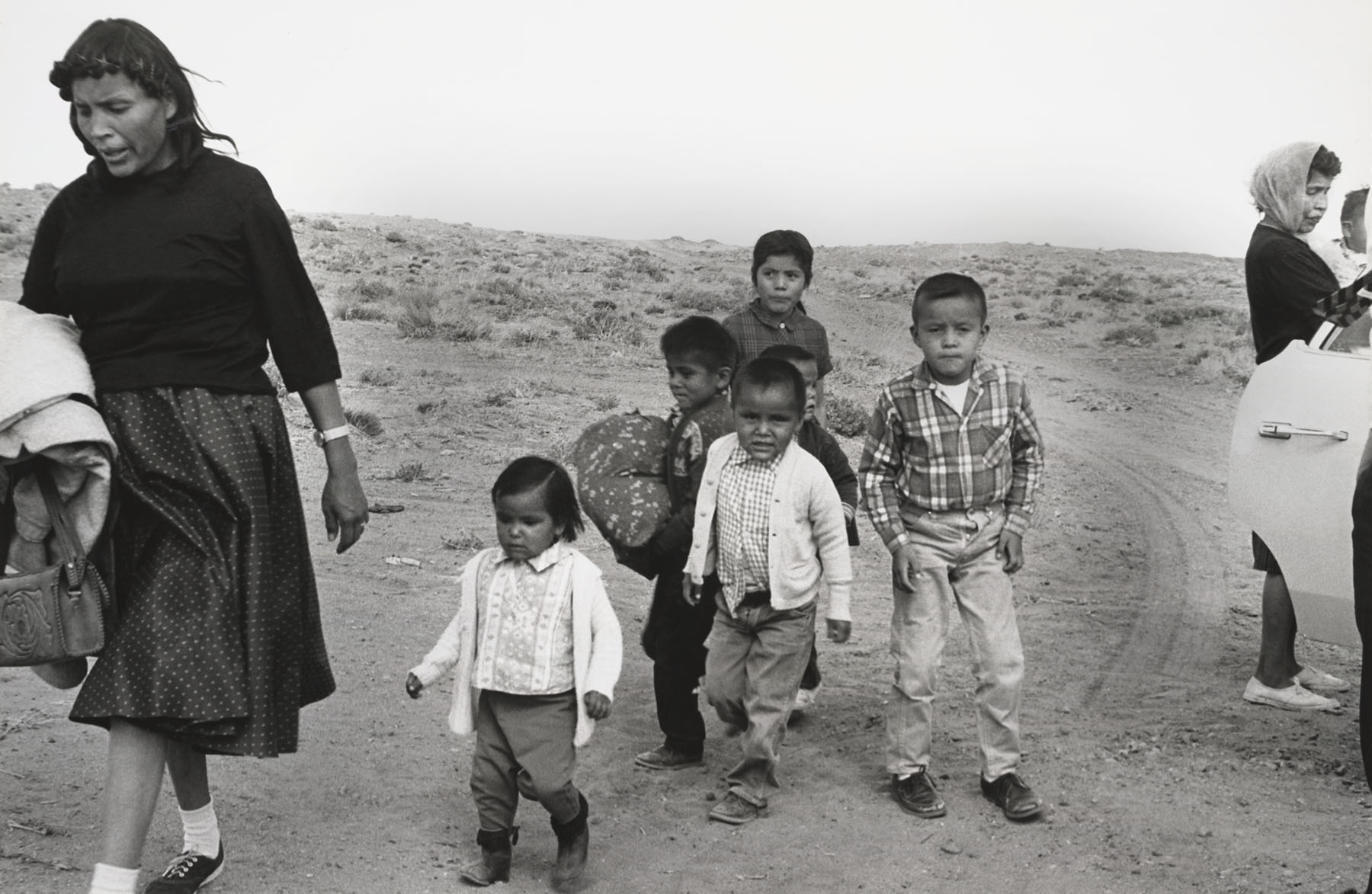
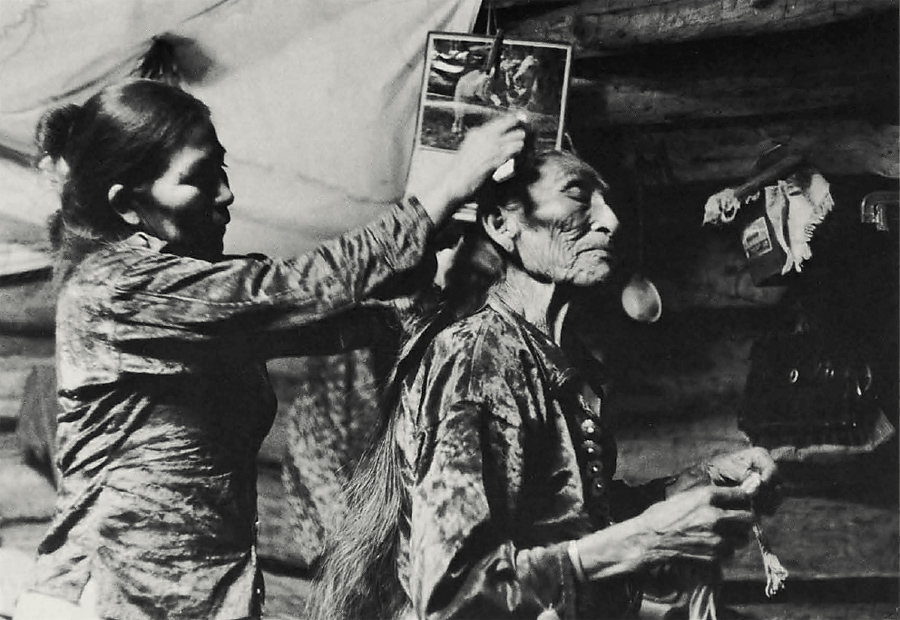
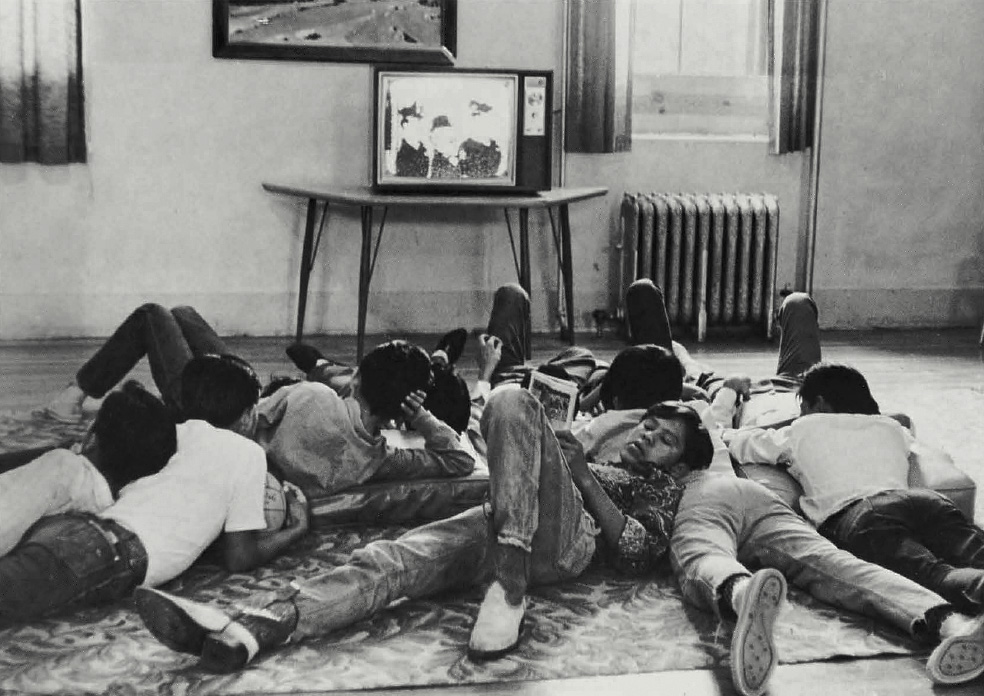
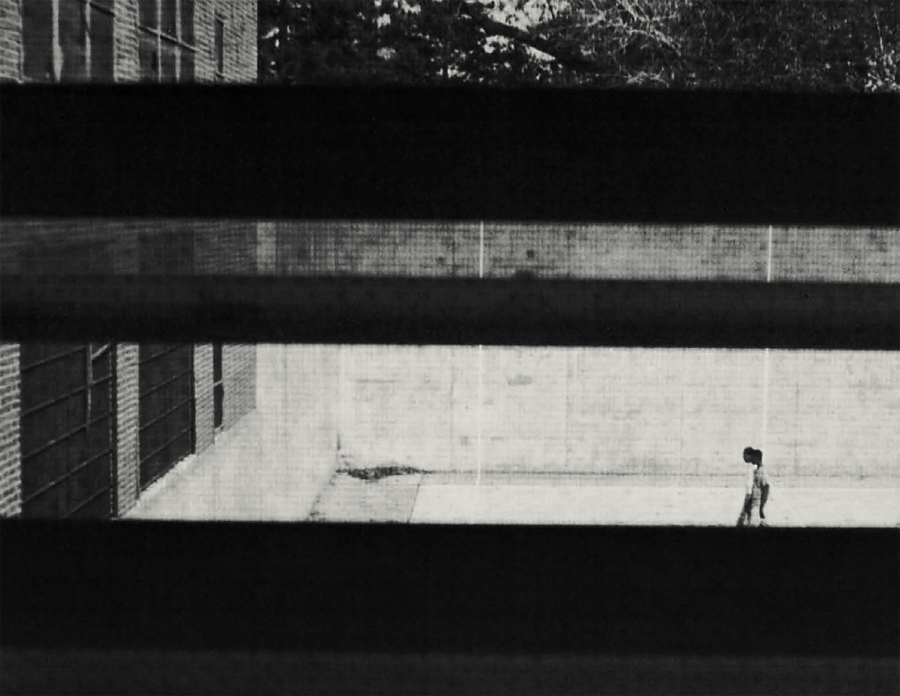




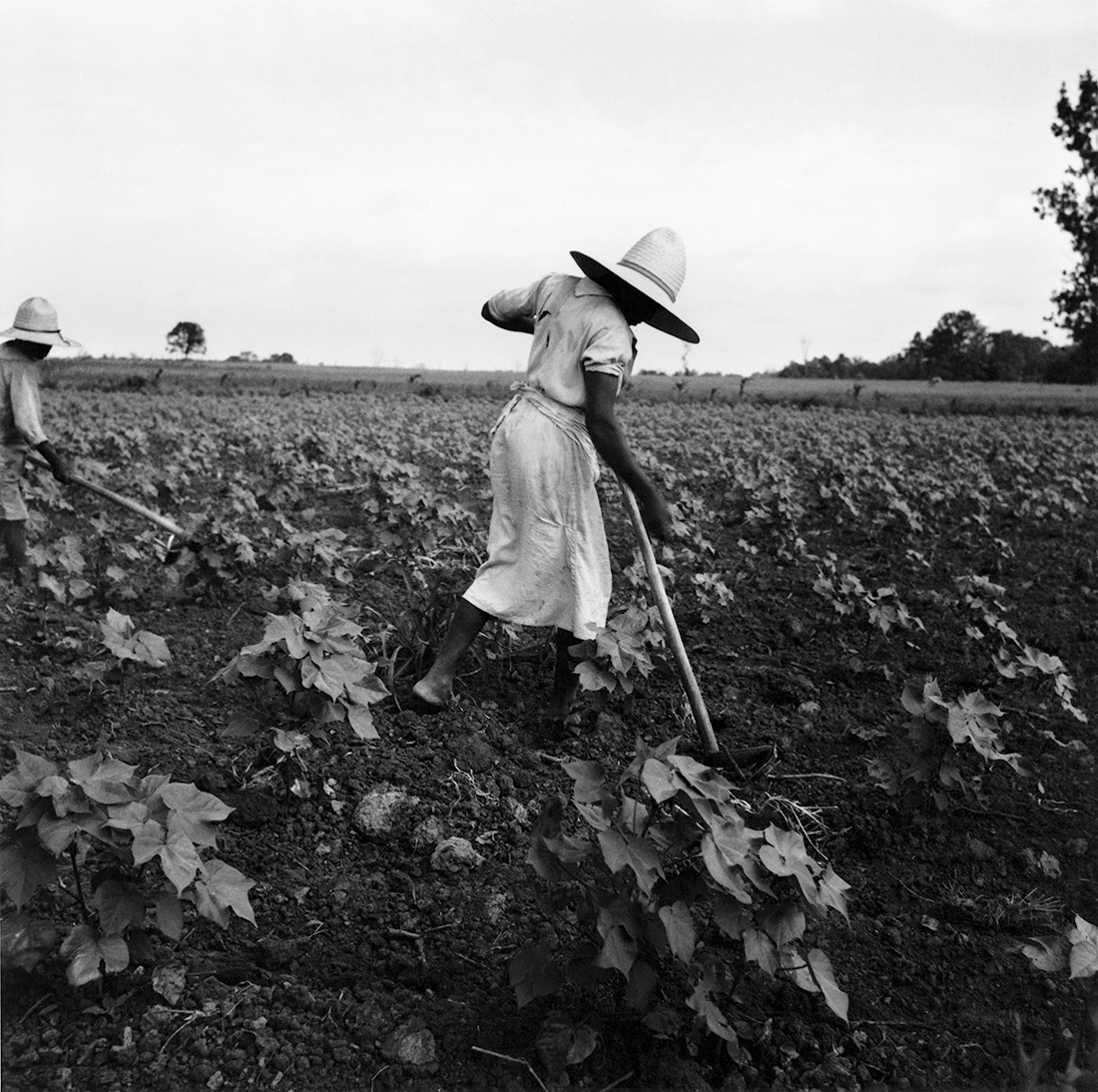


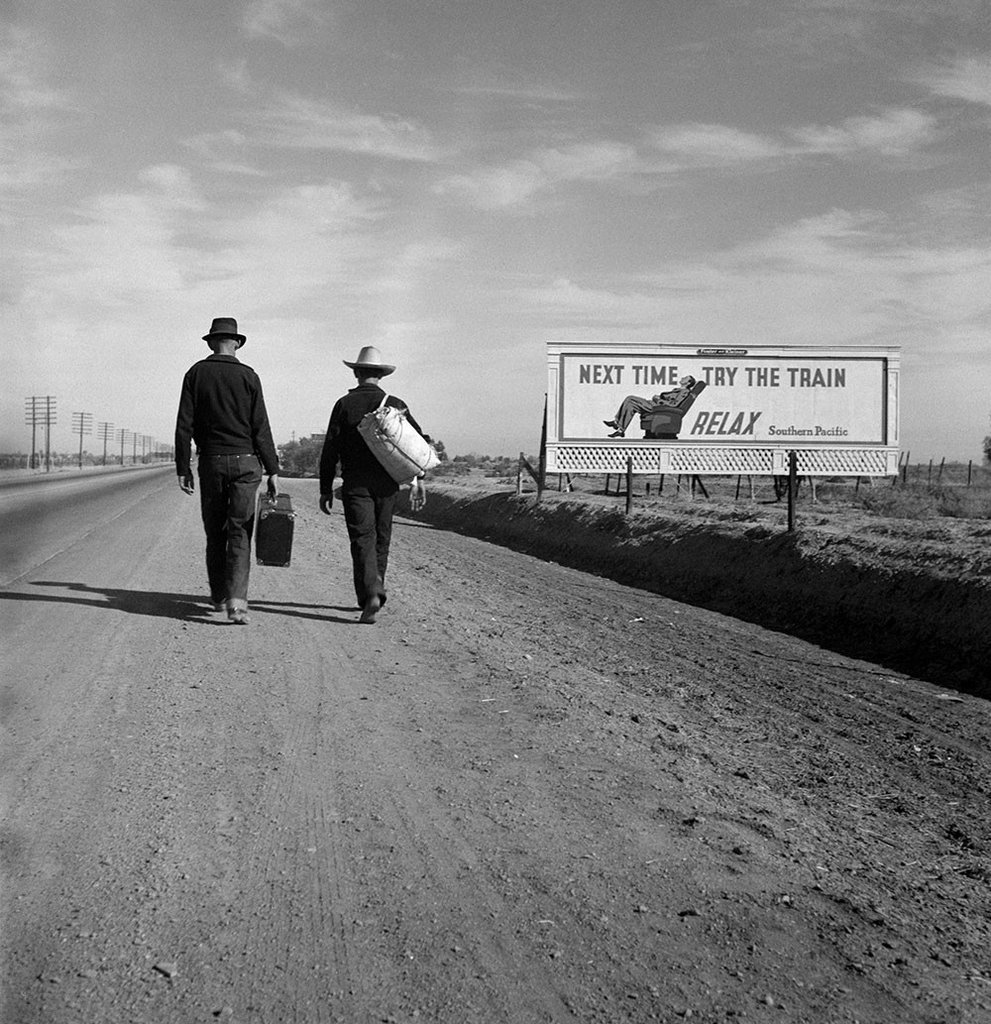


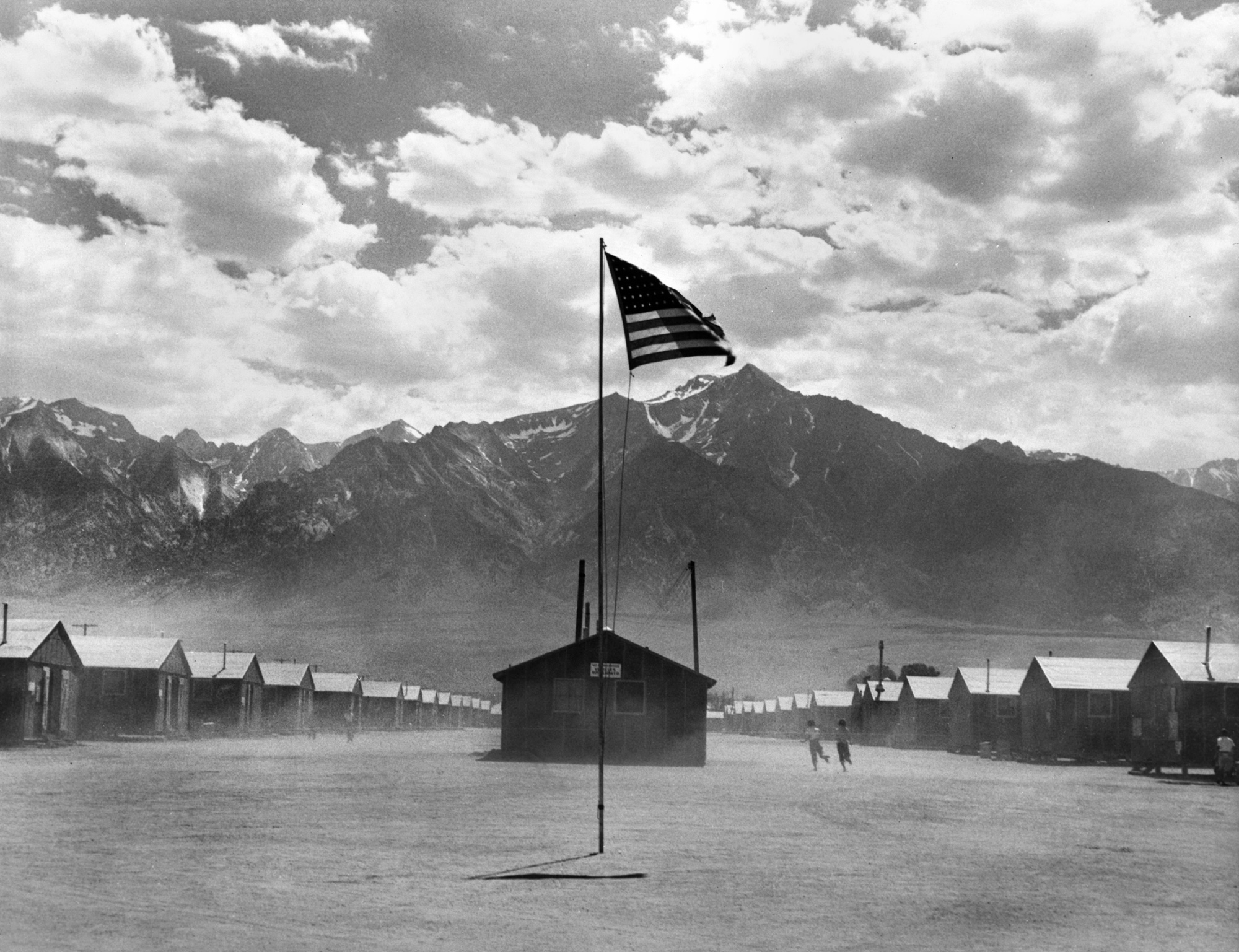


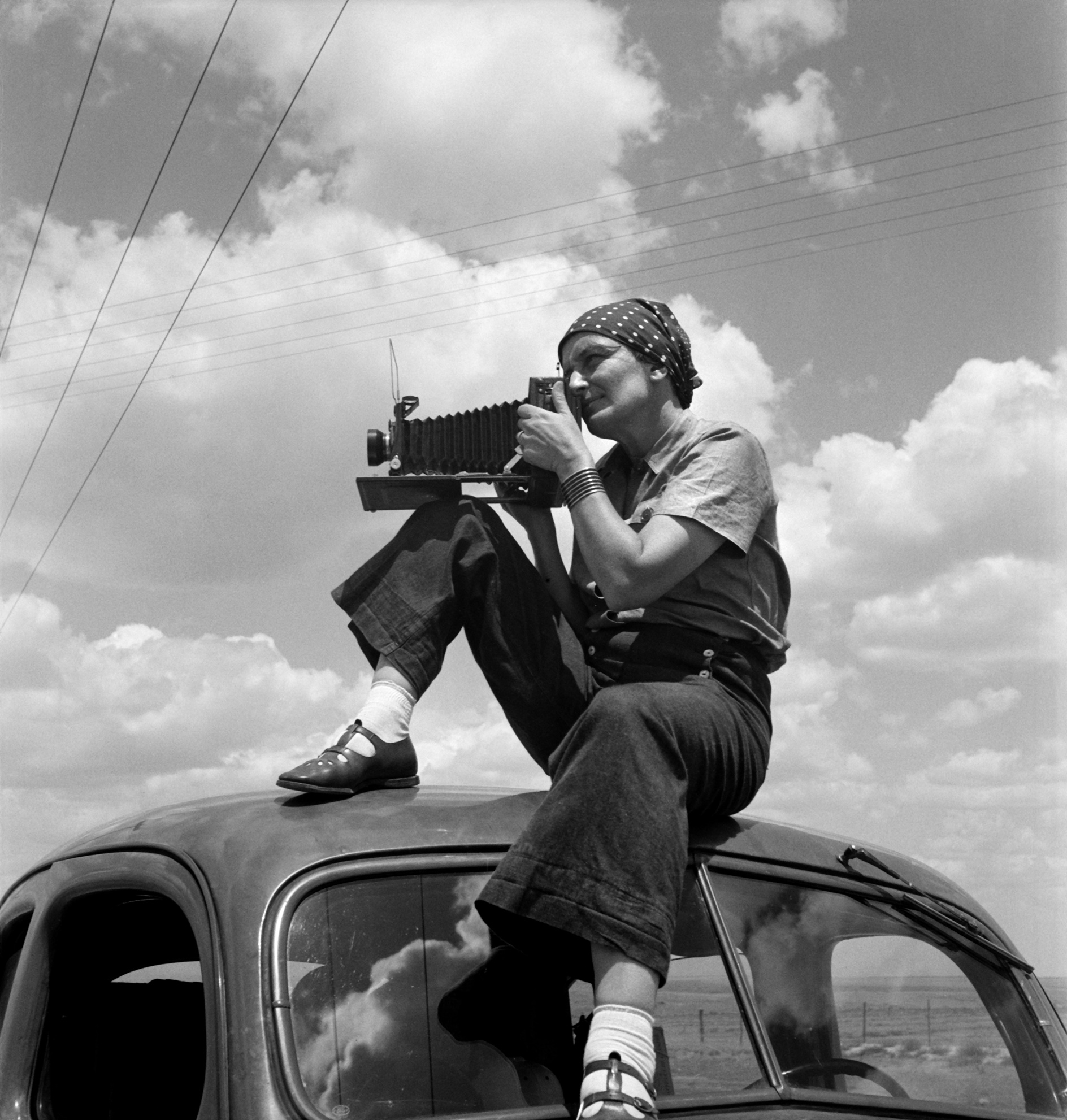






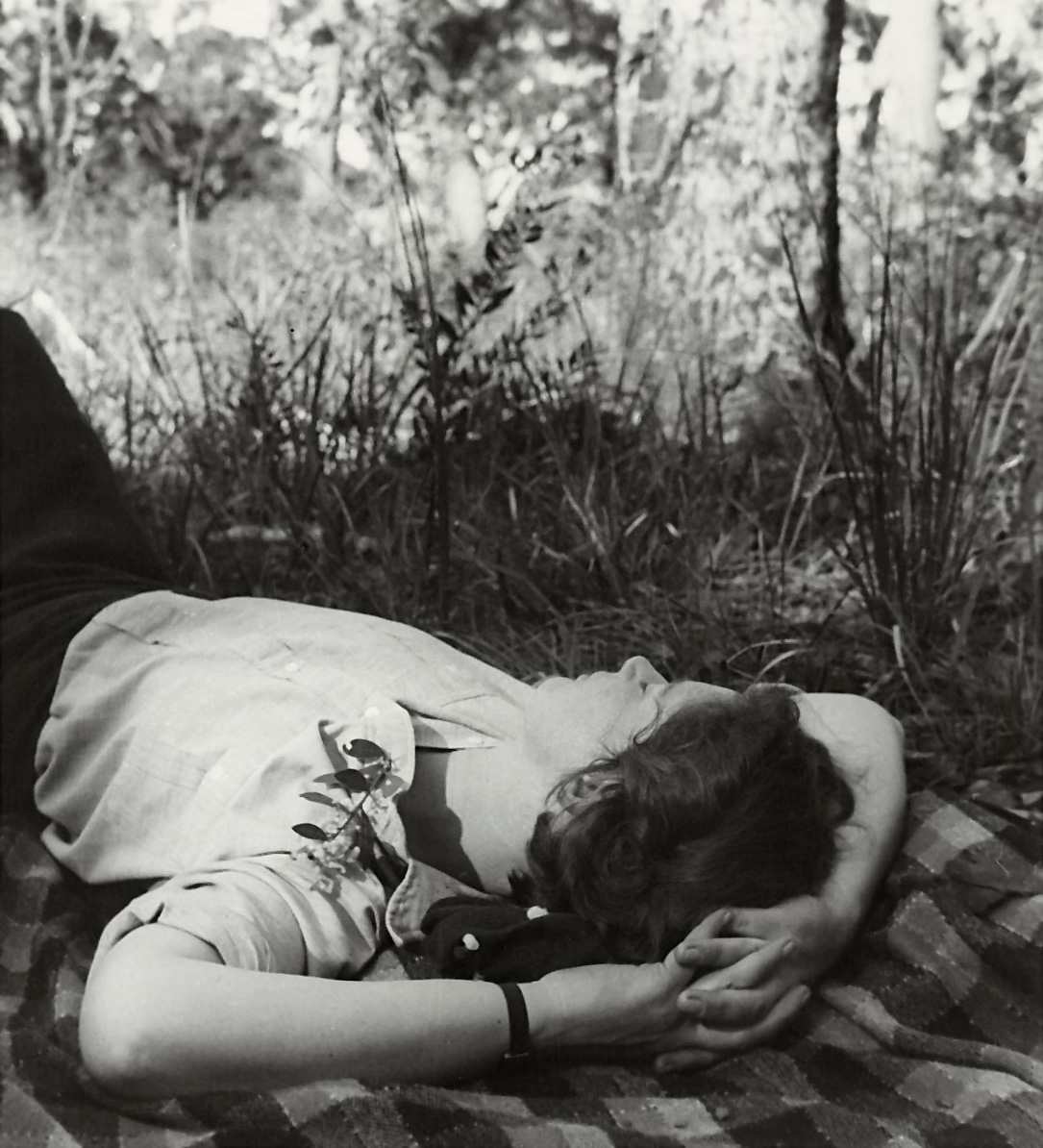
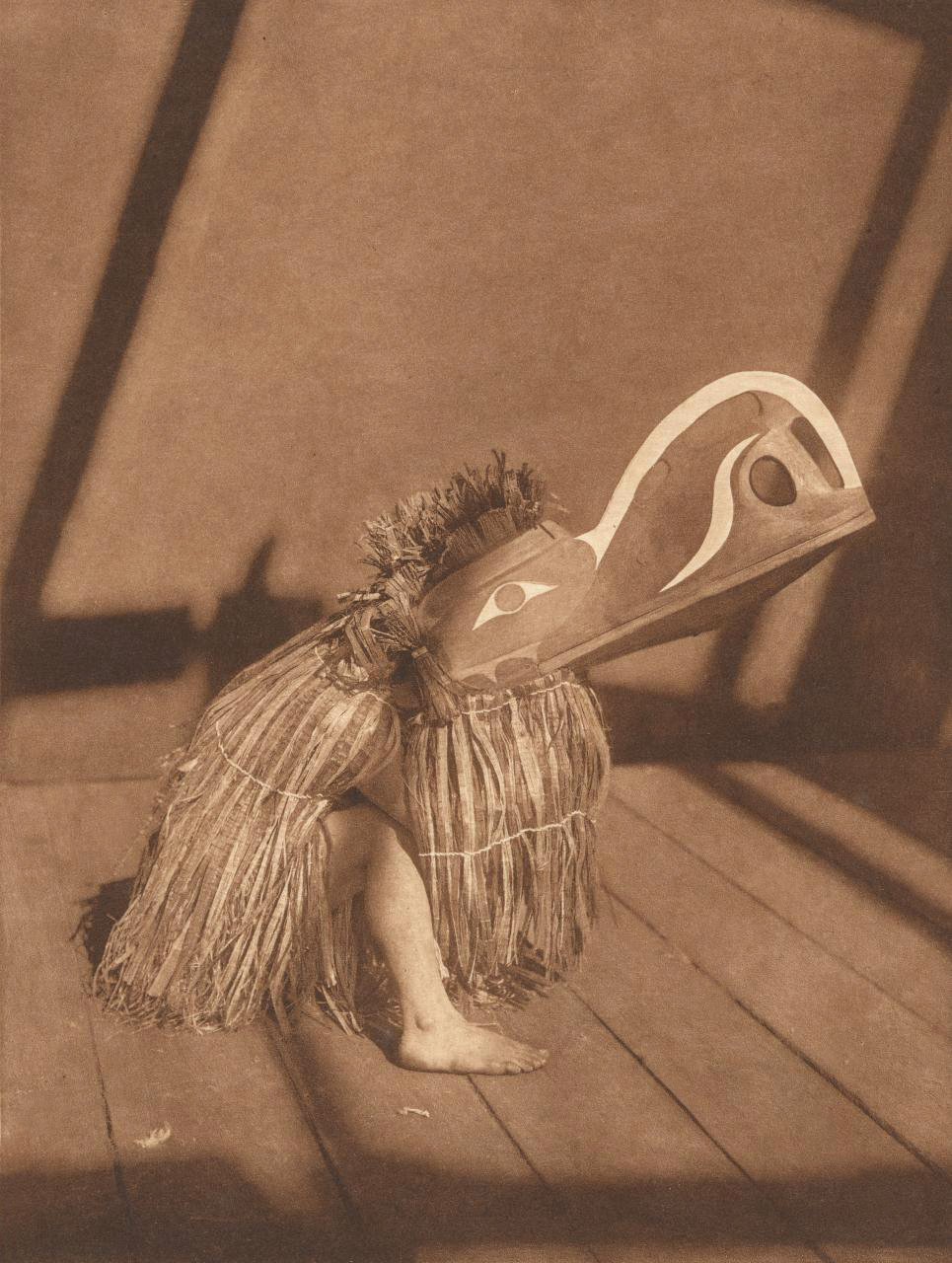

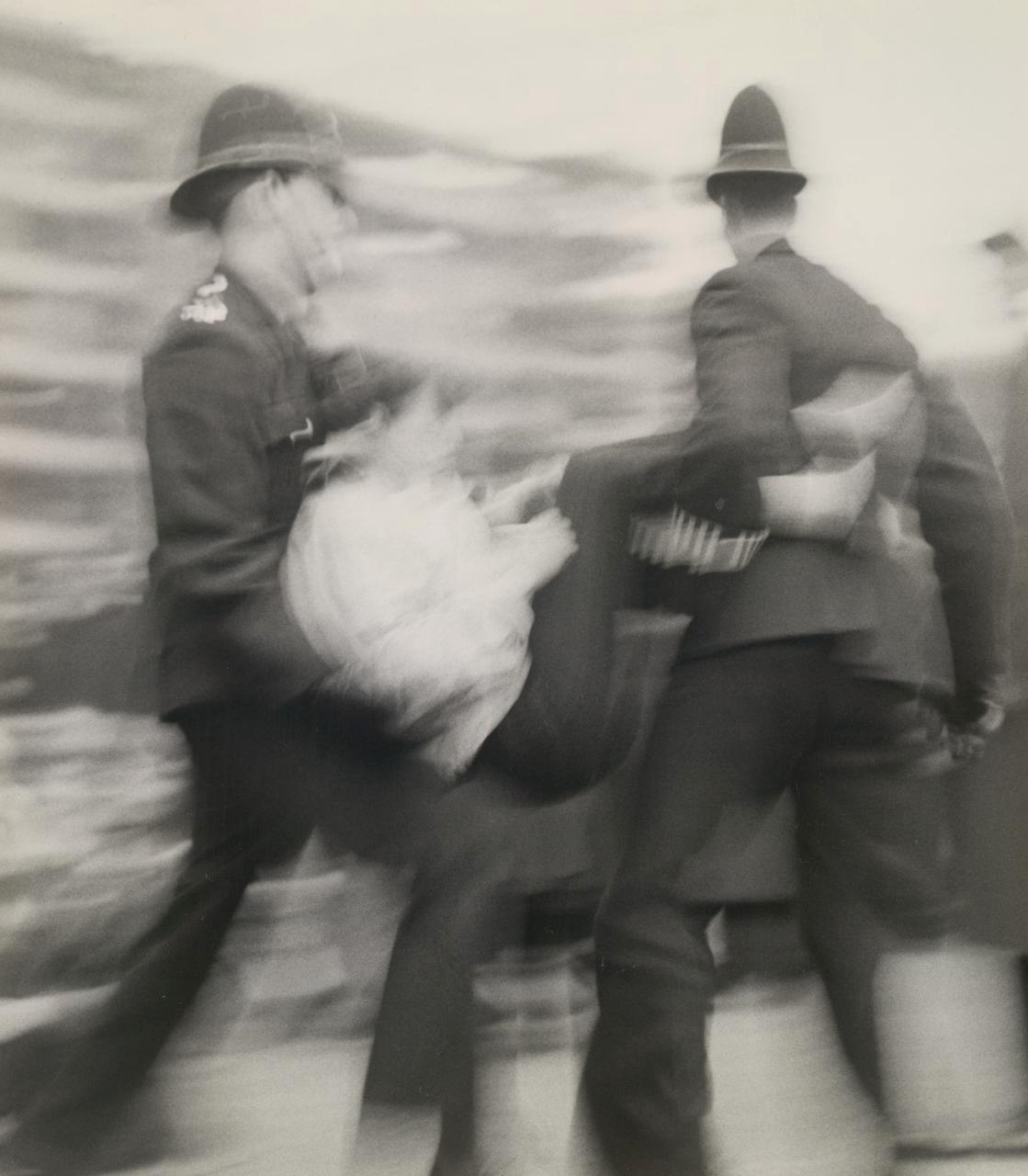


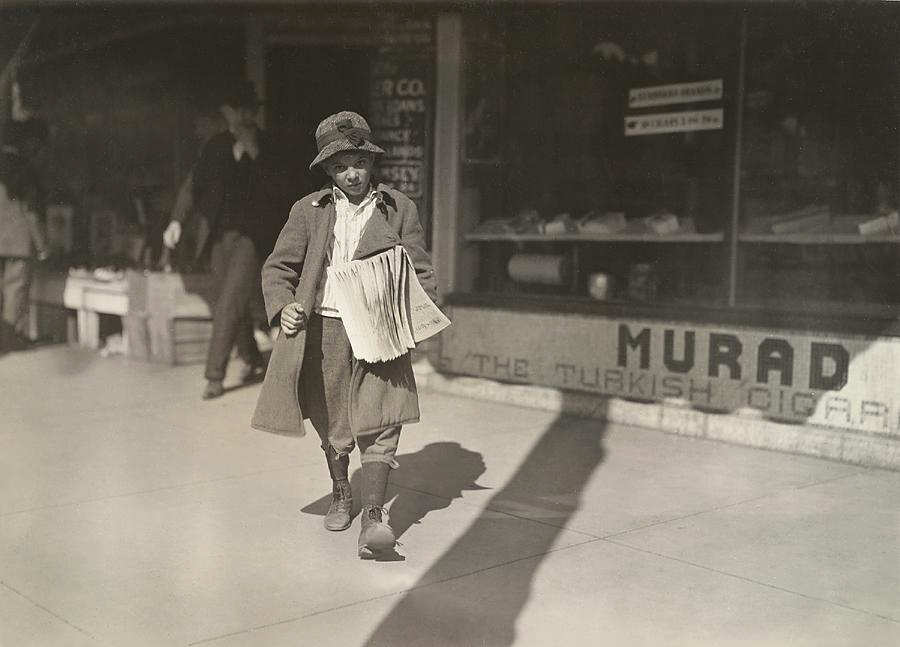



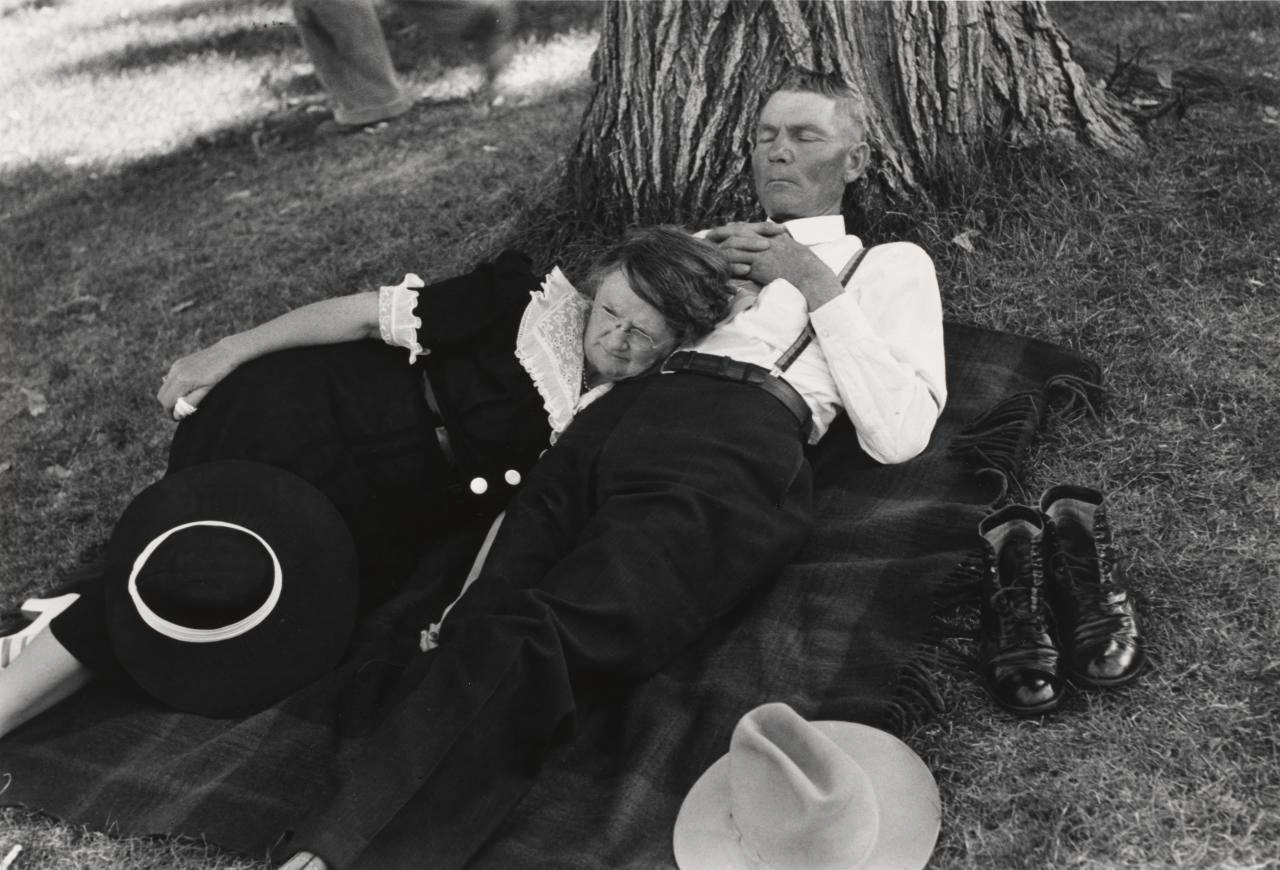







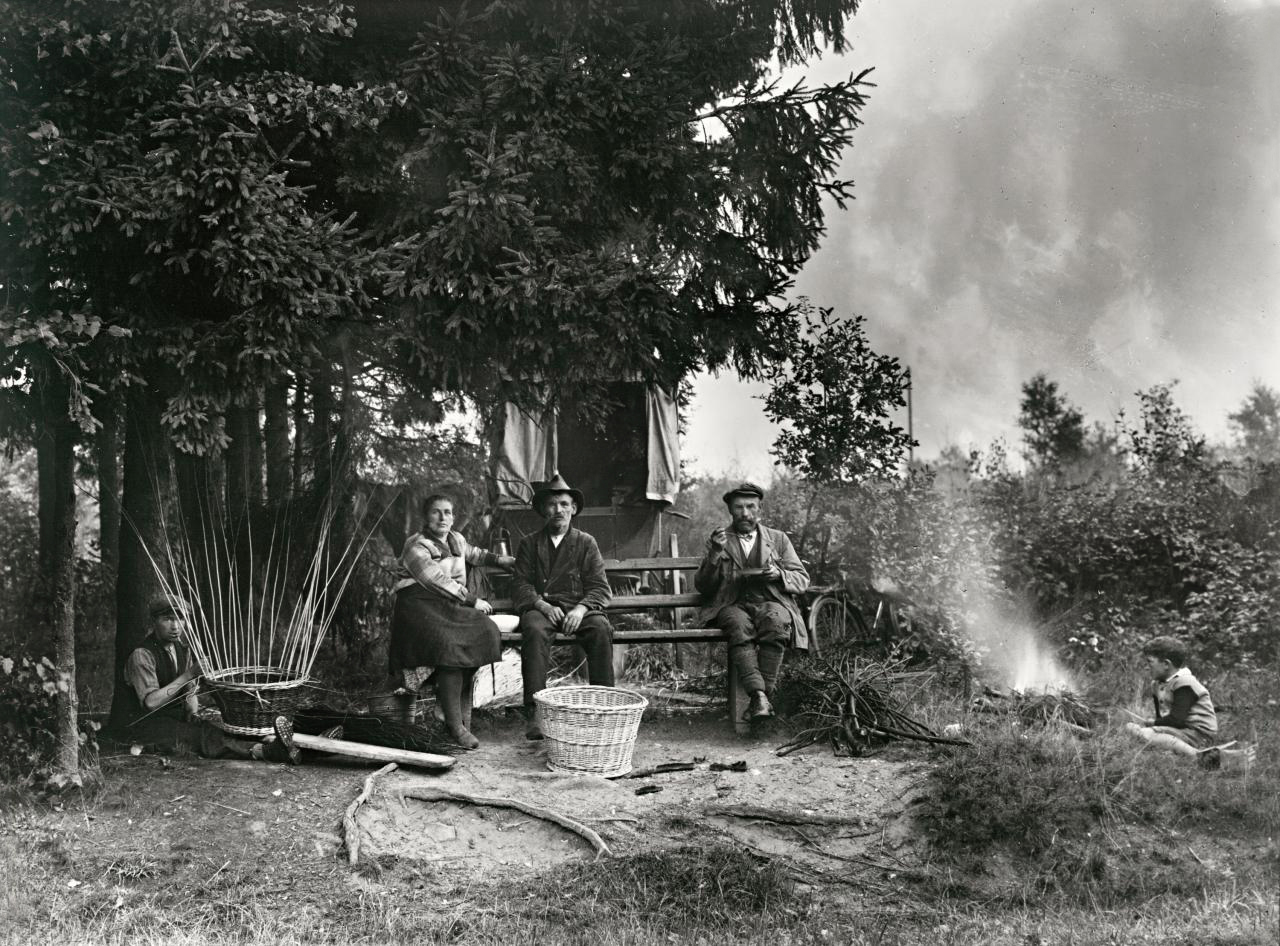


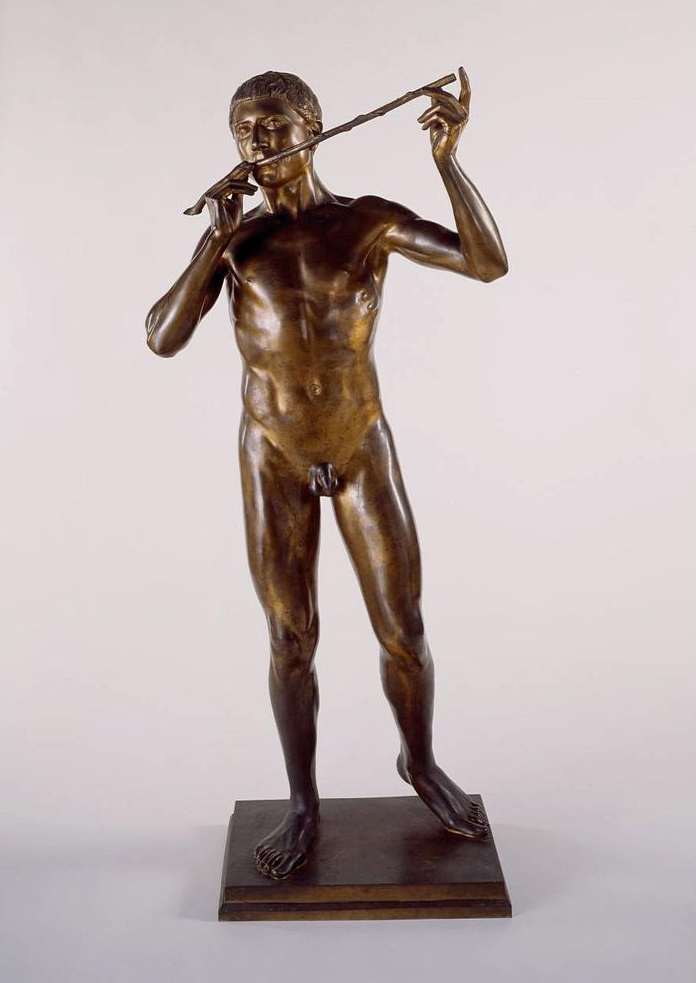
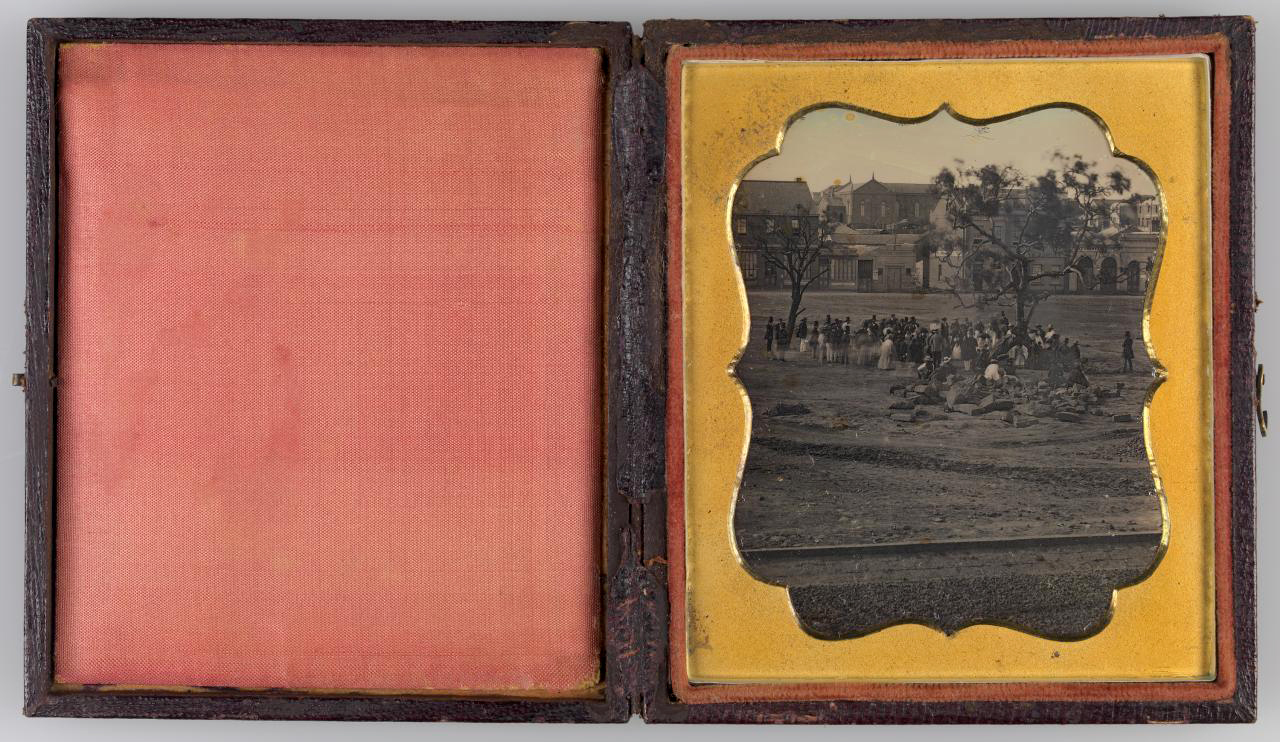


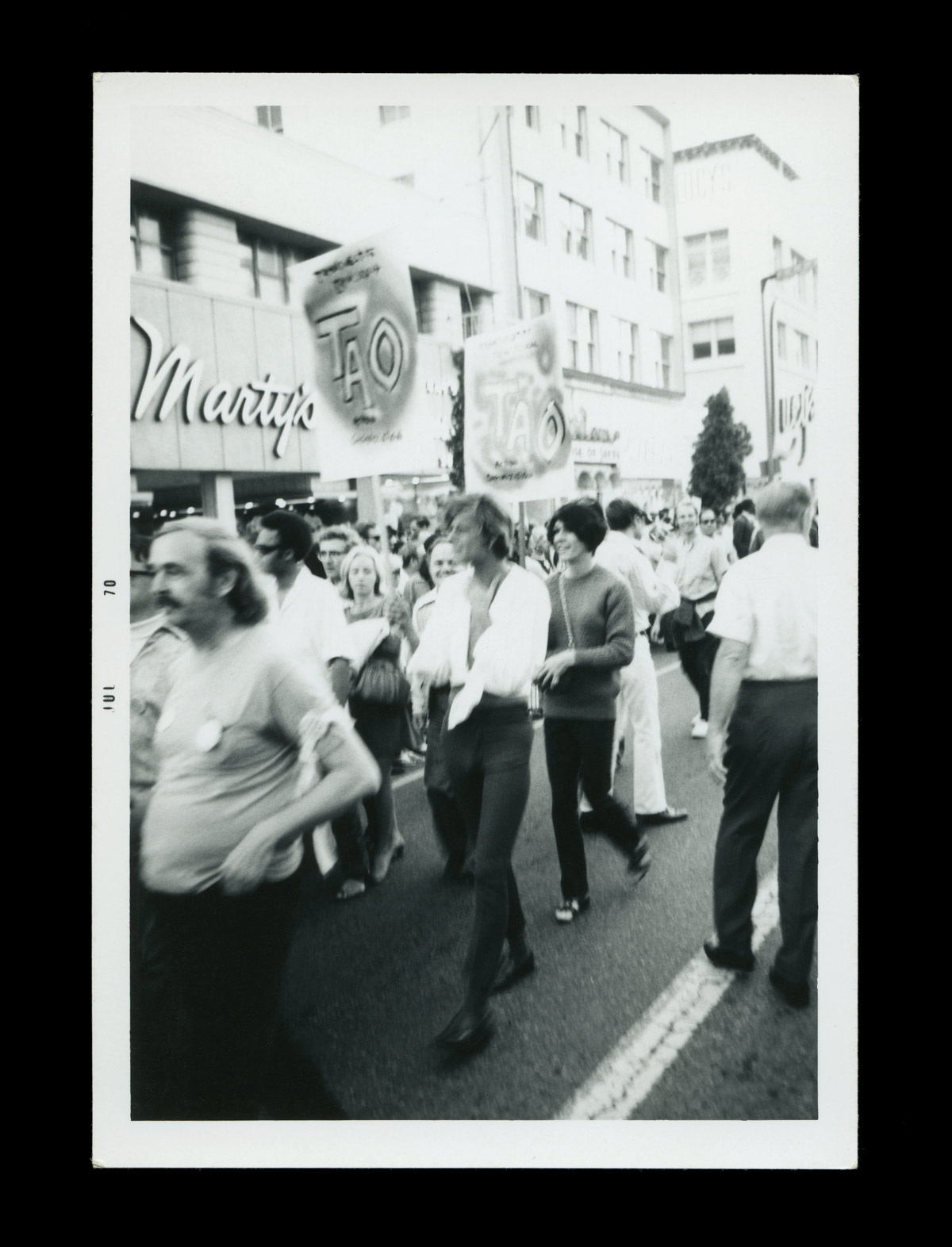


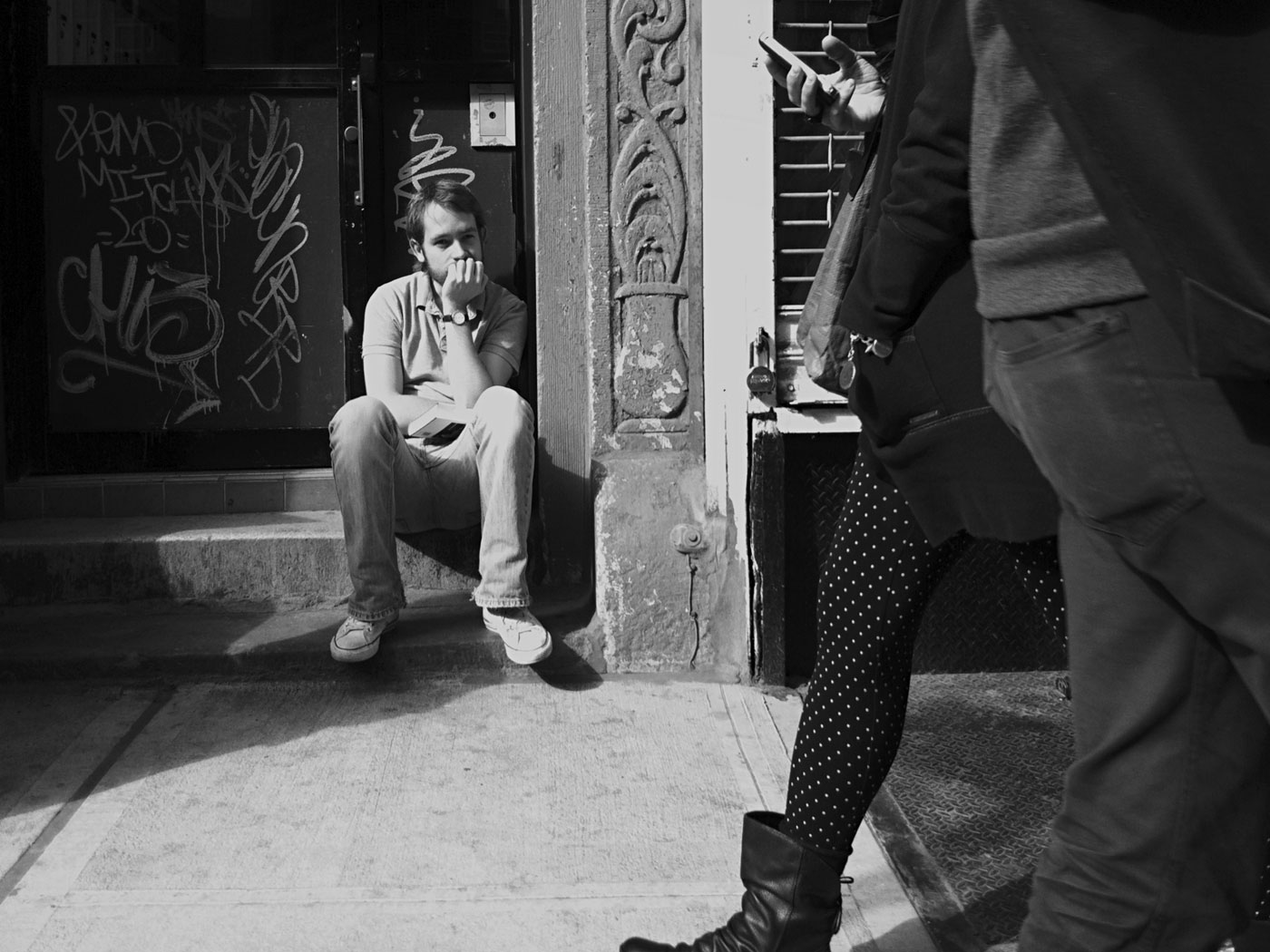


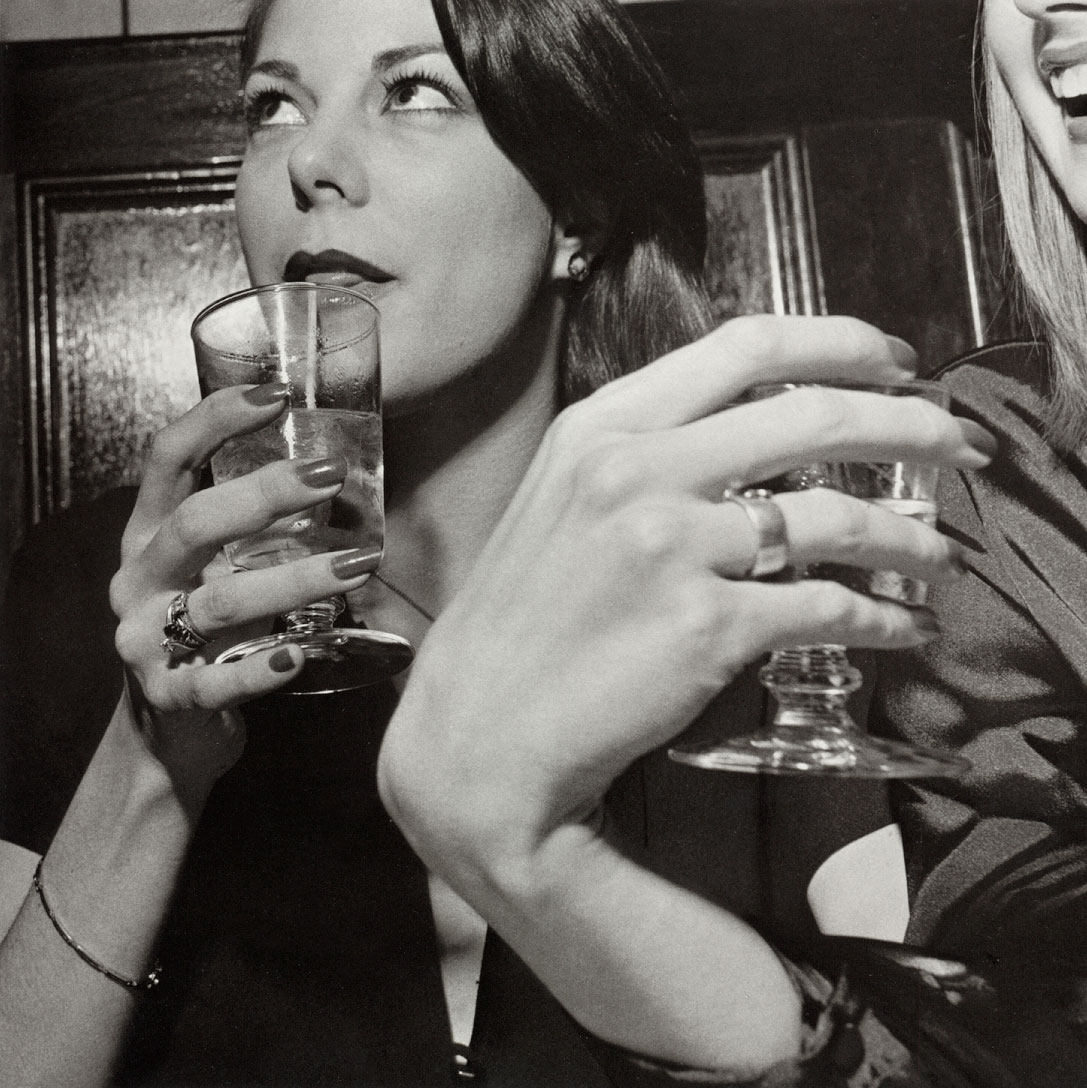


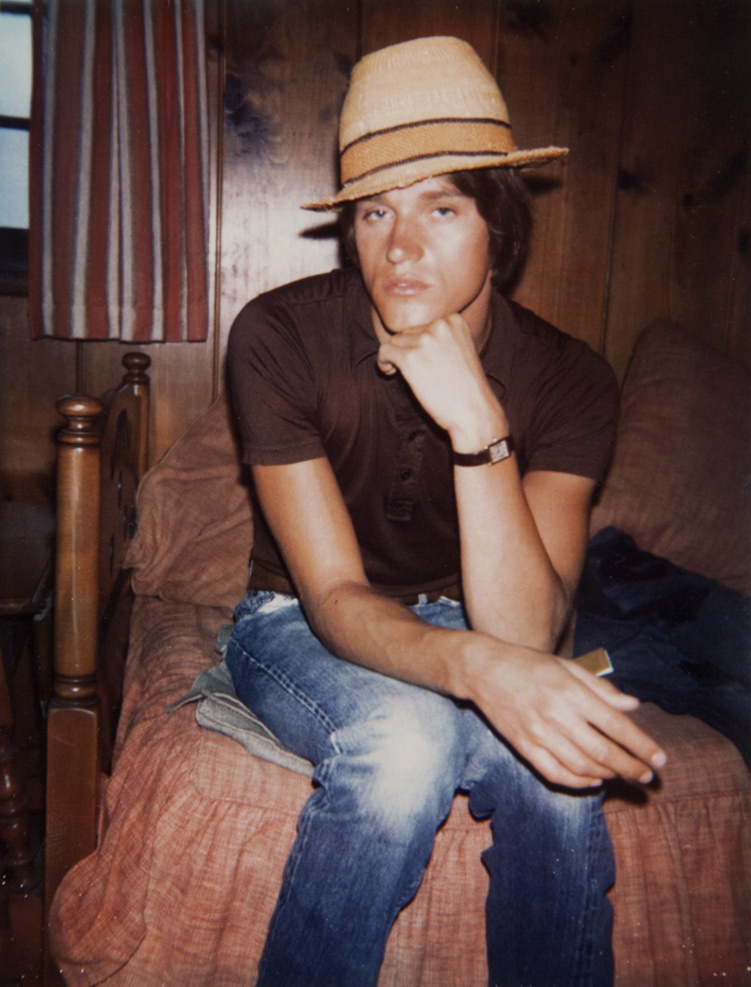










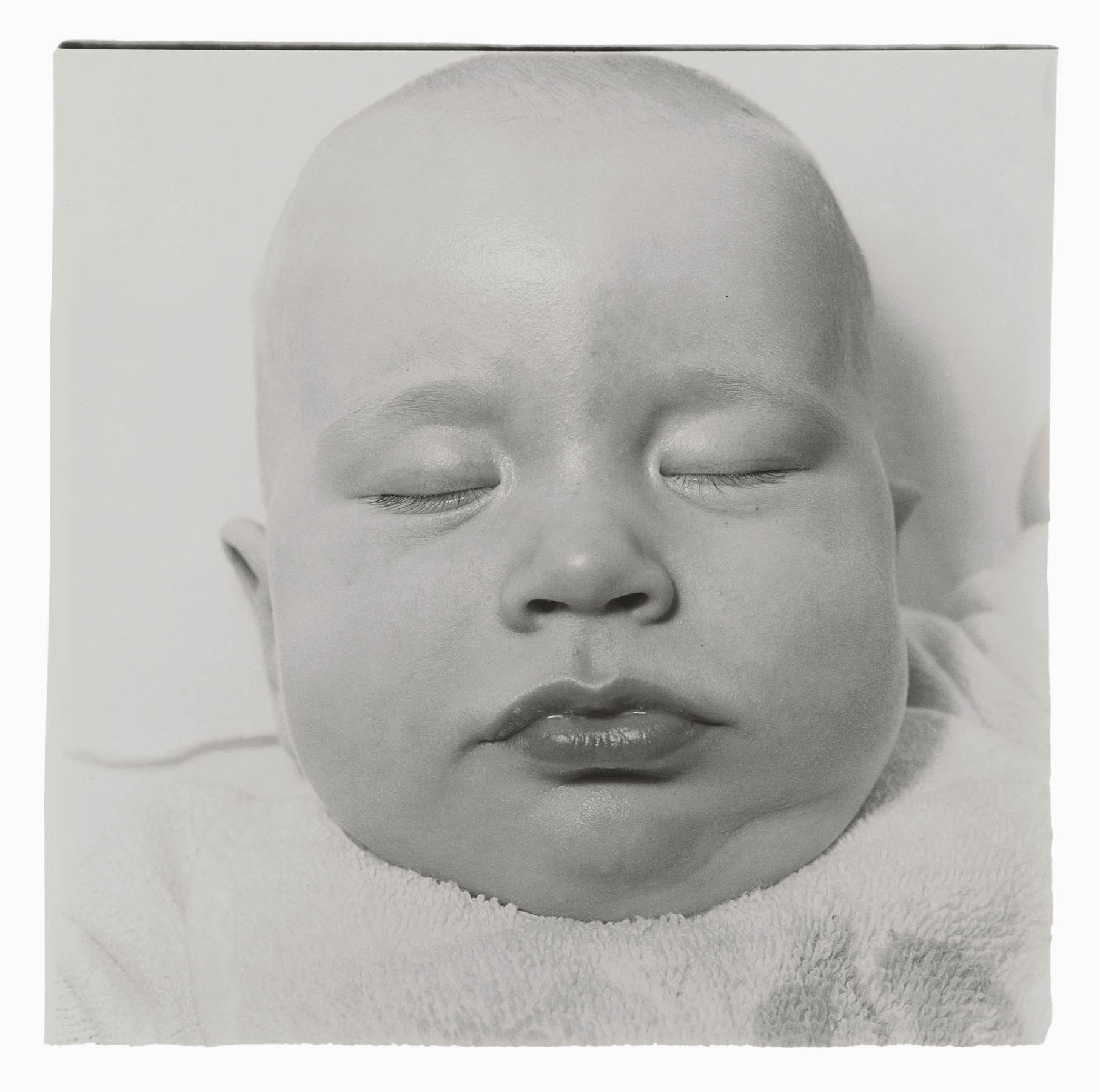
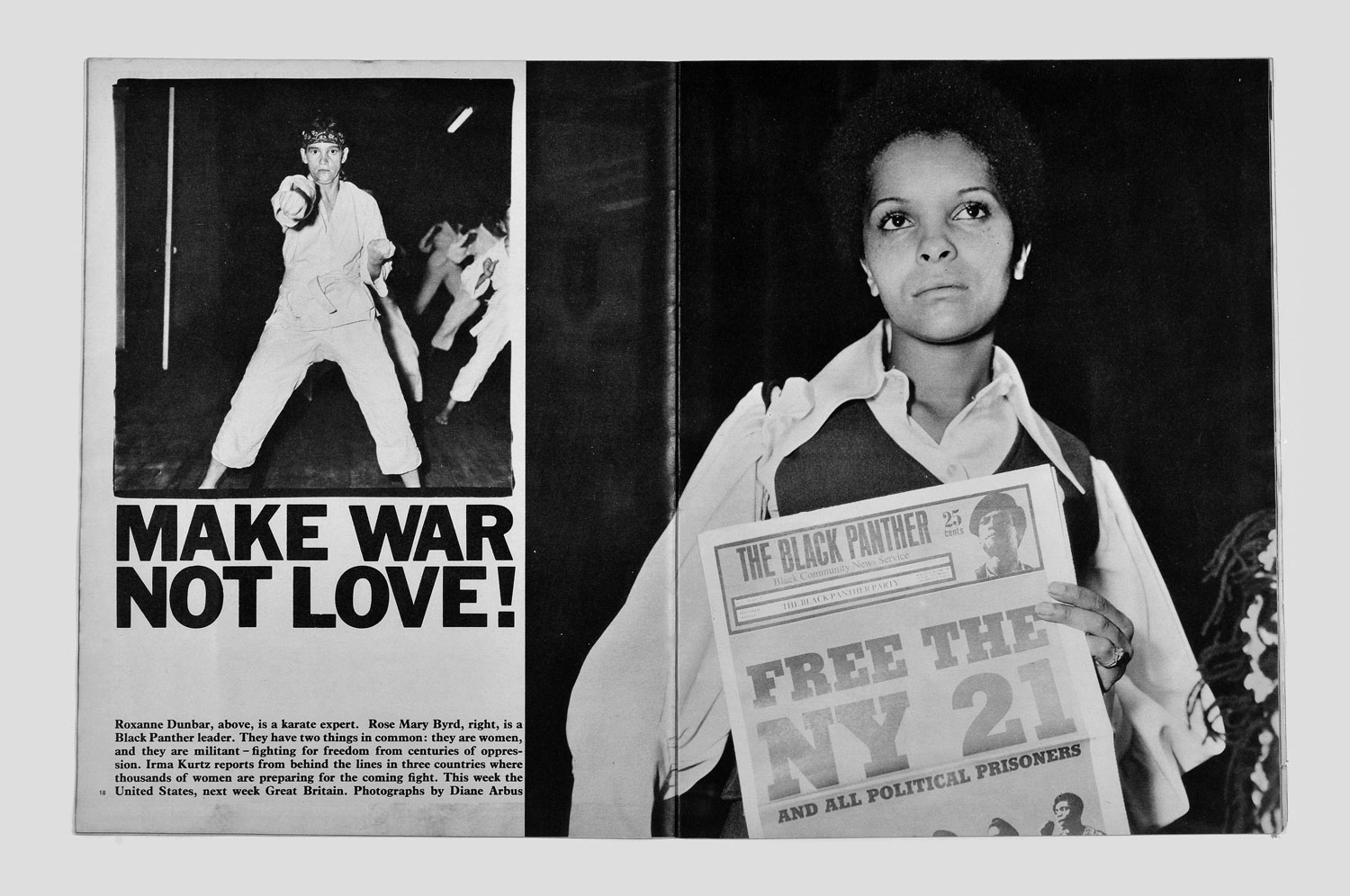


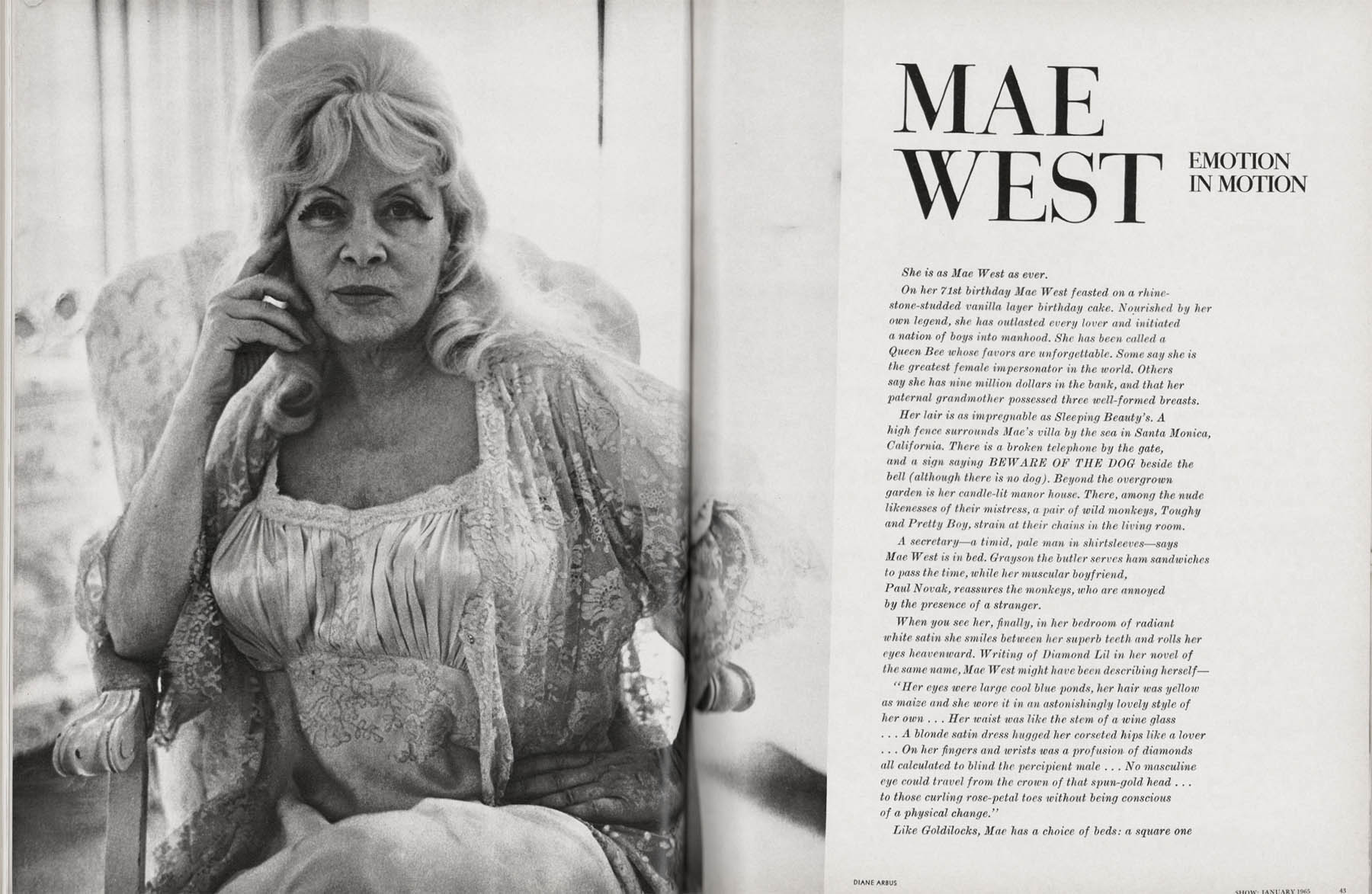
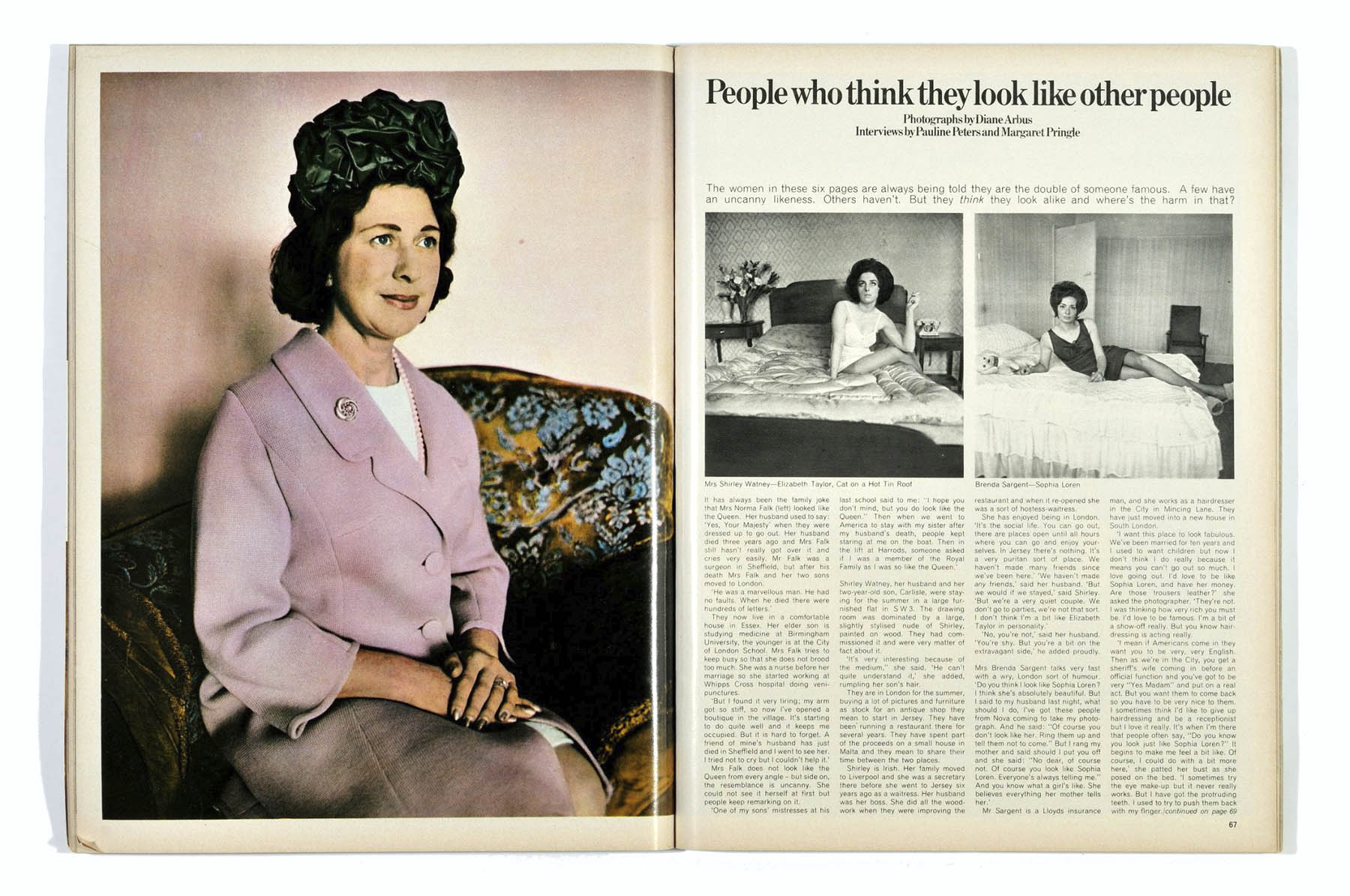




 Art Blart _ art and cultural memory archive
You must be logged in to post a comment.