Exhibition dates: 4th December, 2015 – 10th April, 2016
Curators: Dr. Shaune Lakin, Senior Curator of Photography at NGA with collaborator Anne O’Hehir, Curator of Photography at NGA
Man Ray (United States of America 1890 – France 1976) No title (Woman with closed eyes) c. 1928 Gelatin silver photograph Not signed, not dated. Stamp, verso, l.r., “Man Ray / 81 bis. Rue / Campagne Premiere / Paris / XIV”. Image: 8.9 x 12.8cm National Gallery of Australia, Canberra, purchased 1984
Despite a focus on the camera’s relationship to the beauty and pure form of the modern world – “the attraction and charm of the surface” – these photographs are more than just being skin deep. In their very straightforwardness the photographs propose a “rigorous sensitivity to form revealed patterns of beauty and order in the natural and man-made alike.” But more than the portrayal of something we would not see if it were not for the eye of the photographer, the lens of the camera, the speed of the film, the sensitivity of the paper, the design of the architect, the genetics of nature … is the mystery of life itself.
Modernist structures and mass-produced objects can never beat a good mystery. Just look at Man Ray’s Woman with closed eyes (c. 1928, above) or the look in the eyes of Robert Frank’s son, Pablo. You can never pin that down.
While form may be beauty, mystery will always be beautiful.
Dr Marcus Bunyan
Please click on the photographs to view a larger version of the image.
Walker Evans (United States of America, 1903-1975) Graveyard and steel mill, Bethlehem, Pennsylvania 1935 Gelatin silver photograph Image: 19.1 h x 24.0cm Sheet: 20.2 x 25.2cm National Gallery of Australia, Canberra, purchased 1980
“The world is beautiful is an exhibition of photographs taken over the last 100 years from the National Gallery of Australia’s magnificent photography collection, including work by Diane Arbus, Henri Cartier-Bresson, Max Dupain, Bill Henson, Robert Mapplethorpe, Man Ray, Cindy Sherman and many more.
It draws its title from one of the twentieth-century’s great photographic moments, the publication of Albert Renger-Patzsch’s book The world is beautiful in 1928. Renger-Patzsch’s approach embodied his belief that ‘one should surely proceed from the essence of the object and attempt to represent it with photographic means alone’.
Inspired by this confidence in the medium, the exhibition looks at the way the camera interacts with things in the world. One of photography’s fundamental attributes is its capacity to adopt a range of relationships with its subject, based on the camera’s physical proximity to it. Indeed, one of the most basic decisions that a photographer makes is simply where he or she places the camera. The pictures in this exhibition literally take you on a photographic trip, from interior worlds and microscopic detail to the cosmic: from near to far away.
Together, these photographs capture some of the delight photographers take in turning their cameras on the world and re-imaging it, making it beautiful through the power of their vision and their capacity to help us see the world in new ways.”
Text from the National Gallery of Australia website
Near
Close up, the world can be surprising. There is an undeniable intensity and focus that comes with getting up close to people and objects. It is rude to stare, but photography has no such scruples.
Pioneers of the medium attempted to photograph organic forms through a microscope, making once-hidden worlds accessible. The pleasure photographers take in getting up close to their subject has followed the medium’s progress. This was especially the case during the twentieth century, when advances in photographic technology and profound shifts in our relationship to space brought about by events such as war often turned our attention away from the outside world.
For many photographers, the camera’s capacity to subject people and objects to close scrutiny has provided a way of paring back vision to its essence, to view the world unencumbered by emotion and sentiment. For others, getting up close is not just about physical proximity; it is also about psychological and emotional states that are otherwise difficult to represent. Experiences such as intimacy, love and emotional connection, as well as disquiet, anxiety and hostility, can all be suggested through the use of the close-up. Photographers have also used it literally to turn inwards, escaping into the imagination to create dreamworlds. The camera-eye really can see what the human eye cannot.
Text from the National Gallery of Australia website
Albert Renger-Patzsch (German, 1897-1966) Mantelpavian [Hamadryas Baboon] c. 1925 Gelatin silver photograph 23.8 x 16.8cm National Gallery of Australia, Canberra
“In photography one should surely proceed from the essence of the object and attempt to represent it with photographic terms alone.”
~ Albert Renger-Patzsch
Renger-Patzsch’s primary interest was in the object as a document, removed from its usual context and unencumbered with sentiment. Die Welt ist schön [The world is beautiful], published in Munich in 1928, is one of the great photographic books in the history of photography and its influence across the world was profound. It is an astounding study of the world, celebrating beauty wherever the photographer found it – in modernist structures and mass-produced objects or in plants and animals. The connection and continuity of industry to the natural world is conveyed by emphasising underlying structural and formal similarities. The Gallery has a major holding of works by Renger-Patzsch, including a copy of Die Welt ist schön and 121 vintage prints, most of which were reproduced in the book.
Renger-Patzsch was always firmly committed to the principle of the photograph as a document or record of an object. While the title for his most famous contribution to photography came from his publisher, he wanted his now-iconic 1928 book Die Welt ist schön (The world is beautiful) to be titled simply Die Dinge (Things). In 1937 he wrote that the images in his book, ‘consciously portray the attraction and charm of the surface’. Indeed, the power of these pictures resides in their straightforwardness.
“German photographer Albert Renger-Patzsch was a pioneering figure in the New Objectivity movement, which sought to engage with the world as clearly and precisely as possible.
Rejecting the sentimentality and idealism of a previous generation, Neue Sachlichkeit (New Objectivity) emerged as a tendency in German art, architecture and literature in the 1920s. Applying this attitude to the field of photography, Renger-Patzsch espoused the camera’s ability to produce a faithful recording of the world. ‘There must be an increase in the joy one takes in an object, and the photographer should be fully conscious of the splendid fidelity of reproduction made possible by his technique’, he wrote.
This selection reflects the range of subjects that Renger-Patzsch returned to throughout his career. It includes his early wildlife and botanical studies, images of traditional craftsmen, formal studies of mechanical equipment, commercial still lifes, and landscape and architectural studies. His images of the Ruhr region, where he moved in 1928, document the industrialisation of the area in almost encyclopaedic detail. All of his work demonstrates his sustained interest in the camera’s relationship to the beauty and complexity of the modern world.
In 1928 Renger-Patzsch published The World is Beautiful, a collection of one hundred photographs whose rigorous sensitivity to form revealed patterns of beauty and order in the natural and man-made alike. Embodying a new, distinctly modern way of looking at the world, the book established Renger-Patzsch as one of the most influential photographers of the twentieth century.”
Text by Emma Lewis on the Tate website [Online] Cited 01/04/2016. No longer available online
Edward Weston (American, 1886-1958) No title (Guadalupe, Mexico, 1924): from “Edward Weston fiftieth anniversary portfolio 1902-1952” 1924 Gelatin silver photograph 20.7 x 17.8cm National Gallery of Australia, Canberra, purchased 1981
In 1923 Weston travelled from San Francisco to Mexico City with his son, Chandler and his model and lover, Tina Modotti. The photographs he made there represented a startling, revolutionary breakthrough. Everything got stripped down to its essence, with objects isolated against neutral backgrounds. For these heroic head shots, he moved out of the studio, photographing in direct sunlight, from below and with a hand-held camera. They are monumental but still full of life: Weston was excited by the idea of capturing momentary expressions, in people he found ‘intense and dramatic’.
Robert Frank (Swiss-American, 1924-2019) Pablo 1959 Gelatin silver photograph Image: 20.8 x 31.0cm Sheet: 27.0 x 35.4cm National Gallery of Australia, Canberra, purchased 1980
Frank set out on a two-year road trip across the States in 1955. The images he made of race and class divisions, poverty, alienated youth and loneliness expose America’s dark soul. Others, such as this haunting image of his son, Pablo, were more personal. A selection appeared in The Americans, published in Paris in 1958 and in the States the following year. Many saw it as a bitter indictment of the American Dream, others saw an evocative, melancholic vision of humanity that is deeply moving. As Jack Kerouac commented in his introduction to the American edition, Frank ‘sucked a sad, sweet, poem out of America’
“I try to reveal something about people, because they are so separate, so isolated, maybe it’s a way of bringing people together I don’t want to exploit people. I care about them.”
~ Carol Jerrems, 1977
Carol Jerrems became prominent in the 1970s as part of a new wave of young photographers. Influenced by the counter-culture values of the 1960s, they used art to comment on social issues and engender social change. Jerrems photographed associates, actors and musicians, always collaborating with her subjects, thereby declaring her presence as the photographer. Vale Street raises interesting questions about what is artifice and what is real in photography. She deliberately set up this image, employing her aspiring actress friend and two young men from her art classes at Heidelberg Technical School. Vale Street has achieved an iconic status in Australian photography; the depiction of a confident young woman taking on the world is an unforgettable one. It is an intimate group portrait that is at once bold and vulnerable. In 1975 it was thought to be an affirmation of free love and sexual licence. The image also appears to be about liberation from society’s norms and taboos – ‘we are all three bare-chested, we have tattoos and so what?’
The implication that this scene is perfectly natural is reinforced by locating the figures in a landscape. The young woman is strong and unafraid of the judgement of the viewer. The necklace around her neck is an ankh – a symbol of the new spiritualty of the Age of Aquarius and a re-affirmation of the ancient powers of women.
Paul Outerbridge (United States of America, 1896-1958; Paris 1925-1928, Berlin and London 1928) Nude lying on a love seat c. 1936 Carbro colour photograph 30.2 x 41cm National Gallery of Australia, Canberra, purchased 1980
Like the Australian-born Anton Bruehl, Paul Outerbridge studied at the Clarence White School of Photography in New York. White was keen to see photography establish itself as a practical art that could be used in the service of the rapidly expanding picture magazine industry. Within a year of enrolling in the school, Outerbridge’s work was appearing in Vogue and Vanity Fair. During his lifetime, Outerbridge was known for his commercial work, particularly his elegant, stylish still-life compositions which show the influence of earlier studies in painting. He was also admired for the excellence of his pioneering colour work, which was achieved by means of a complicated tri-colour carbro process.
Much of Outerbridge’s fame now rests on work that he made following more private obsessions. His fetishistic nude photographs of women are influenced primarily by eighteenth-century French painters such as Ingres. Although the depiction of nudes was a genre pursued from the inception of photography, Outerbridge’s interest in breaking down taboos resulted in this material, if known at all, being passed over or vilified in his lifetime. Outerbridge sought to express what he described as an ‘inner craving for perfection and beauty’ through these often mysterious, languid and richly toned images.
Cindy Sherman (American, b. 1954) Untitled #92 1981 Type C colour photograph 61.5 x 123.4cm National Gallery of Australia, Canberra, purchased 1983
This is one of 12 Centerfolds made by Sherman in 1981. The Centerfolds present Sherman posing in a range of situations, each suggesting heightened emotional states and violent narratives; these associations are augmented by the uncomfortably tight framing and the panoramic format used by Sherman across the series. Initially commissioned for the art magazine Artforum, the Centerfolds were never published because they were deemed, with their apparently voyeuristic points of view, to reaffirm misogynist views of women.
William Eggleston (American, b. 1939) Greenwood, Mississippi 1973, printed 1979 Dye transfer colour photograph Image: 29.5 x 45.4cm Sheet: 40.2 x 50.8cm National Gallery of Australia, Canberra, purchased 1980
With its intense red, Eggleston’s picture of the spare room in a friend’s home is one of the most iconic of all colour photographs. Often called The red room, this photograph was intended to be shocking: Eggleston described the effect of the colour as like ‘red blood that is wet on the wall’. But the radicalness of the picture is not just in its juicy (and impossible to reproduce) redness; it is also found in the strange view it provides of a domestic interior, one that Eggleston has described as a ‘fly’s eye view’.
Imogen Cunningham (American, 1883-1976) Magnolia Blossom 1925 Gelatin silver photograph Image: 17.1 x 34.6cm Mount: 38.2 x 50.7cm National Gallery of Australia, Canberra, purchased 1978
During the 1920s, raising three young sons, Cunningham began to focus on her immediate surroundings. This restricted environment encouraged Cunningham to develop a new way of working, as she began to place her camera closer to the subject: to zebras on a trip to the zoo, to snakes brought to her by her sons, and perhaps most famously to the magnolia blossoms and calla lilies she grew in her garden. Observing what she termed the ‘paradox of expansion via reduction’, the intensity and focus attendant to this way of seeing flooded her work with sensuality and reductive power.
Olive Cotton (Australian, 1911-2003) Skeleton leaf 1964 Gelatin silver photograph Image: 50.4 x 40.8cm Sheet: 57.8 x 47.6cm National Gallery of Australia, Canberra, purchased 1987
This leaf skeleton – a leaf that has had its pulp removed with heat and soda – was probably photographed in front of a window in Cotton’s home near Cowra, NSW. Since the 1930s Cotton had been drawn to the close study of nature, and many of her best photographs feature close-ups of flowers, tufts of grass and foliage. This photograph is notable because it was taken in the studio, and reflects the austerity and simplicity that pervaded Cotton’s work in the decades after the Second World War.
Lee Friedlander (American, b. 1934) Nashville, 1963 1963 Gelatin silver photograph Image: 28.2 x 18.7cm Sheet: 35.3 x 27.8cm National Gallery of Australia, Canberra, purchased 1981
Middle distance
The further away we move from a subject, the more it and its story open up to us. While the close-up or compressed view tends to be very frontal (the camera presses up against the subject), the defining characteristic of much mid-century photography was its highly mobile relationship to space: its extraordinary capacity to survey and to organise the world.
The space between the camera and its subject can suggest impartiality and detachment. Documentary photographers and photojournalists, for example, open their cameras up to their subjects, as if to ‘let them speak’. But the depiction of the space between the camera and its subject, and the way that it is rendered through the camera’s depth of field, can also reflect decision making on the part of the photographer. By adjusting the camera’s settings, and thus choosing to render part of the subject in focus, the photographer can direct our focus and attention to certain parts of an image. In this way, photographers put forward an argument based on their world view. Photography can change the way we think about the world.
Text from the National Gallery of Australia website
Ilse Bing (Germany 1899 – United States of America 1998; France 1930-1941 United States from 1941) Eiffel Tower, Paris 1931 Gelatin silver photograph Signed and dated recto, l.r., pen and ink “Ilse Bing/ 1931” Image: 22.3 x 28.2cm National Gallery of Australia, Canberra, purchased 1989
Bing took up photography in 1928 and quickly developed a reputation as a photojournalist and photographer of modernist architecture. Inspired by an exhibition of modern photography and the work of Paris-based photographer Florence Henri, Bing moved to Paris 1930 and quickly became associated with the city’s photographic avant-garde. Bing worked exclusively with the fledgling Leica 35mm-format camera; her interest in the pictorial possibilities of the hand-held Leica can clearly be seen in this striking view of the Eiffel Tower.
Winogrand had a tremendous capacity to photograph people in public spaces completely unawares. This image records a group of visitors to the 1964 World’s Fair; it focuses on three young women – Ann Amy Shea, whispering into the ear of Janet Stanley, while their friend Karen Marcato Kiaer naps on Stanley’s bosom. The figures fill the space between the picture’s fore- and middle-grounds, to the extent of allowing the viewer to examine people’s expressions and interactions in close detail. This in turn allows us to encroach on the personal space of people we don’t know.
Diane Arbus (American, 1923-1971) Child with toy hand grenade, in Central Park, New York City 1962 Gelatin silver photograph Image: 20 x 17.2cm Sheet: 32.8 x 27.6cm National Gallery of Australia, Canberra, purchased 1980
During workshops with Lisette Model, Arbus was encouraged to develop a direct, uncompromising approach to her subjects. She did this using the square configuration of a medium-format camera which Arbus most usually printed full frame with no cropping. Model also convinced Arbus, who had been interested in myth and ritual, that the more specific her approach to her subjects, the more universal the message. In many ways this image of a boy caught hamming it up in Central Park, with his contorted body and grimacing face, captures and prefigures many of the anxieties of America during the sixties, a country caught in an unwinnable war in Vietnam and undergoing seismic social change.
Henri Cartier-Bresson (French, 1908-2004) Rue Mouffetard, Paris 1954, printed c. 1980 Gelatin silver photograph Image: 35.9 x 24.2cm Sheet: 39.4 x 29.6cm National Gallery of Australia, Canberra, purchased 1982
Helen Levitt (United States of America, 1913 – 2009) New York 1972 Dye transfer colour photograph Image: 23.9 x 36.2cm Sheet: 35.6 x 42.9cm National Gallery of Australia, Canberra, purchased 1984
“The streets of the poor quarters of the great cities are, above all, a theatre and a battleground.”
~ Helen Levitt
Inspired by seeing work by Walker Evans and Henri Cartier-Bresson in 1935, Levitt took to the streets. Children became her most enduring subject. Like Evans, Levitt was famously shy and self-effacing, seeking to shoot unobserved by fitting a prism finder on her Leica. Her approach eschews the sensational; instead she is interested in capturing small, idiosyncratic actions in the everyday. Her images were often shot through with a gentle, lyrical humour though a dark strangeness also surfaces at times.
Helen Levitt (American, 1913-2009) New York 1972 Dye transfer colour photograph Image: 23.4 x 35.6cm Sheet: 35.4 x 42.9cm National Gallery of Australia, Canberra, purchased 1984
Ernst Haas (Austria 1921 – United States of America 1986; United States from 1951) Albuquerque, New Mexico 1969 Dye transfer colour photograph Image: 44.9 x 67.8cm Sheet: 52.3 x 75.7cm National Gallery of Australia, Canberra, purchased 2000
For Haas, colour photography represented the end of the grey and bitter war years and he started seriously working in the medium after moving to America in 1951. Work on his photoessay, Land of Enchantment and film stills assignments for The Misfits, The Bible and Little Big Man took Haas to the Southwest. The desert landscape of Albuquerque, located on Route 66, had been totally transformed by progress since the 1920s. Photographing the street after rain, Haas has signified that evolution by way of his distinctive ability to translate the world into shimmering energy.
Photography has a long-standing interest in faraway places. In 1840, right in photography’s infancy, astronomical photography was launched when the first photograph of the moon was made. As photographic imaging technology has improved, so has the medium’s capacity to make faraway places accessible to us.
Photography can bring foreign places and people closer to home, or collect together images of places and structures that are located in different places. It can also attempt to give a picture to experiences that are otherwise difficult to grasp or represent, such as complex weather events or transcendental phenomena.
Against the odds, there are photographers who make images that are about what cannot be seen. Faraway is often used as a metaphor for thinking about the ineffable and the inexplicable. Science and spirit go hand-in-hand. ‘The most beautiful thing we can experience is the mysterious’, Albert Einstein believed. Photographers can take us to new worlds.
Text from the National Gallery of Australia website
Ansel Adams (San Francisco, California, United States of America 1902 – Carmel, California, United States of America 1984) Moonrise, Hernandez, New Mexico 1941 Ansel Adams Museum Set Gelatin silver photograph Image: 38.6 x 49cm Mount: 55.6 x 71cm National Gallery of Australia, Canberra, purchased 1980
Adams became the most famous landscape photographer in the world on the back of his images of America’s West. While mass tourism was invading these wilderness areas, Adams’s photographs show only untouched natural splendour. His landscapes are remarkable for their deep, clear space, distinguishable by an uncanny stillness and clarity. The story of Moonrise is legendary: driving through the Chama River Valley toward Española, Adams just managed by a few seconds to catch this fleeting moment before the dying sunlight stopped illuminating the crosses in the graveyard. Through hours of darkroom manipulation and wizardry, Adams created an image of almost mystical unworldliness.
Tracey Moffatt (Australian, b. 1960) Up in the sky [Up in the sky – a set of 25 photolithographs] 1997 No. 8 in a series of 25 Photolithograph Image: 61.0 x 76.0cm Sheet: 72.0 x 102.0cm KODAK (Australasia) PTY LTD Fund 1997 National Gallery of Australia, Canberra
Up in the sky is unusual in Moffatt’s oeuvre for being shot out of doors on location. Her photomedia practice is informed by an upbringing watching television, fascinated by film and pop culture. This series takes many of its visual cues from Pier Paolo Pasolini’s Accattone of 1961 as well as the Mad Max series – the references, twisted and re-imagined, are like half-forgotten memories. She addresses race and violence, presenting a loose narrative set against the backdrop of an outback town. The sense of unease is palpable: Moffatt here is a masterful manipulator of mood.
Laurence Aberhart (Aotearoa New Zealand, b. 1949) Taranaki, from Oeo Road, under moonlight, 27-28 September 1999 1999 Gelatin silver photograph 19.4 x 24.3cm Gift of Peter Fay 2005 National Gallery of Australia, Canberra
For four decades, Aberhart has photographed the Taranaki region of New Zealand’s North Island, including its settled landscape and its most distinctive feature, the sacred TeMounga (Mount) Taranaki. Using an 8 x 10-inch view camera, Aberhart has over time built up an important archive documenting the social geography and landscape of the Taranaki. Aberhart describes the conical mountain as a ‘great physical and spiritual entity’ and sees his photographs of it as a counterbalance to the countless images of the mountain that circulate on tea towels and postcards.
Curators: Jennifer Blessing, Senior Curator, Photography, with Susan Thompson, Assistant Curator, Solomon R. Guggenheim Museum
My apologies, I am feeling very poorly at the moment, so just a small comment on this exhibition.
After the trilogy of 19th century photography, now for something completely different… two consecutive postings on contemporary photography.
In this art, the photograph becomes a conceptual “speech” act, where the artists speak with photographs, working with the context of the image – the image as concept, as talk.
It’s not just that the artists make photographic objects, they push what the medium can do. As the press release observes, “Theirs is a sort of “photo poetics,” an art that self-consciously investigates the laws of photography and the nature of photographic representation, reproduction, and the photographic object.” It is art that requires contemplation and meditation on source by Self. I have included several videos and extra text to illuminate aspects of the work in the posting.
I like the intertextuality that the artists employ when pushing the boundaries of photographic practice and representation, particularly Claudia Angelmaier’s series Works on Paper (2008-) and Lisa Oppenheim’s series The Sun is Always Setting Somewhere Else (2006).
Dr Marcus Bunyan
Many thankx to the Solomon R. Guggenheim Museum for allowing me to publish the photographs in the posting. Please click on the photographs for a larger version of the image.
99 SECONDS OF: PHOTO-POETICS: An Anthology / Guggenheim New York
The exhibition and its accompanying catalogue examine an important new development in contemporary photography, offering an opportunity to define the concerns of a younger generation of artists and contextualise their work within the history of art and visual culture. Drawing on the legacies of Conceptualism, these artists pursue a largely studio-based approach to still-life photography that centres on the representation of objects, often printed matter such as books, magazines, and record covers. The result is an image imbued with poetic and evocative personal significance – a sort of displaced self-portraiture – that resonates with larger cultural and historical meanings. Driven by a profound engagement with the medium of photography, these artists investigate the nature, traditions, and magic of photography at a moment characterised by rapid digital transformation. They attempt to rematerialise the photograph through meticulous printing, using film and other disappearing photo technologies, and creating artist’s books, installations, and photo-sculptures. While they are invested in exploring the processes, supports, and techniques of photography, they are also deeply interested in how photographic images circulate. Theirs is a sort of “photo poetics,” an art that self-consciously investigates the laws of photography and the nature of photographic representation, reproduction, and the photographic object.
Collier’s photographs offer a straightforward presentation of found images and printed ephemera, and explore themes of appropriation, iconography, and surrogacy… Though implicitly layered with feminist critiques of mass media, Collier’s images of famous women – especially those of other artists, like Cindy Sherman, for example – can also be interpreted as oblique self-portraits.
Text from the Guggenheim artist’s web page
“Ephemera and mediation are at the quiet center of Collier’s Crying, one of her works in the exhibition. Seen from across the room, “Crying” looks like a photograph overlaid upon a painted surface, or perhaps a portrait integrated within a two-dimensional space. The image, indeed a photo, is divided horizontally; the upper two-thirds are white, the bottom third is black, and on the left-hand side there is a small square close-up of a distraught woman crying. The woman is Ingrid Bergman, and this is the cover of the LP that accompanied her 1943 film For Whom the Bell Tolls. The LP is upright, facing the viewer dead-on, and up close we can see that there are a number of records behind it and that the flat spaces above and below are actually a white wall and black floor. The work is in no way overwhelming; there is nothing bombastic about it. Rather, the thrill of it comes from the reading it requires. Collier deploys her references strategically – this brings to mind abstract painting, Bas Jan Ader’s I’m Too Sad to Tell You, Bergman’s films and unconventional life, and the joy of the collector in the record store. Should that not be enough, it also awakens the empathy centers that begin firing when we see someone cry. Crying is part of a series involving records – others are of The Smiths and Sylvia Plath – but it contains the tensions within all of her work: advertising and fine art, nostalgia and distance, the camera and the eye. Collier has said she is interested in photographing objects that have “had previous lives… been handed and used,” and these rely on a kind of slow intertextuality; the gradual unfolding of meaning and feeling working towards a dizzying remove. It’s disorienting and evocative, a poetics in which the camera is not just the set-up but the punchline, and all the previous lives can be felt lurking beneath the surface.”
Anonymous text from “Woman with Camera: Anne Collier’s Feminist Image Critique,” on the Deutsche Bank ArtMag 88 website Nd [Online] Cited 13/03/2016. No longer available online
In the mid-2000s, the moving image took on a renewed prominence in Davey’s work. Inspired by her deep interest in the process of reading and writing, the artist’s essayistic video practice layers personal narrative with detailed explorations of the texts and lives of authors and thinkers she admires, such as Walter Benjamin, Jean Genet, and Mary Wollstonecraft. Davey’s own writing is central to her videos. The transcript of Fifty Minutes (2006), in which the artist reflects on her years in psychoanalysis, was published as a personal essay in the artist book Long Life Cool White: Photographs and Essays by Moyra Davey (2008), and her text “The Wet and the Dry” formed the basis of the narration of Les Goddesses (2011).
Shirreff’s work in photography, video, and sculpture reflects on the distance between an object and its representation, exploring the capacities of photography in conveying a sculptural experience.
Since scale and presence were central concerns of much mid-century abstract sculpture, Shirreff often draws on images of such works as she explores the disjunction between photographs and their subjects. Sculpture Park (Tony Smith) (2006), Shirreff’s first video work, features small cardboard maquettes the artist made of five Tony Smith sculptures. Filmed against a black background, their dark forms become discernible only as “snow” (Styrofoam) slowly accumulates on their surfaces. For subsequent video works, including Ansel Adams, RCA Building, circa 1940 (2009), Roden Crater (2009), and UN 2010 (2010), Shirreff photographed printed pictures of her subjects – often landscapes or iconic modernist buildings – under varying lighting conditions in the studio, inputting the resultant images into video editing software. These videos appear at first to be long, static shots of the subjects pictured, but eventually belie their own artifice as the viewer becomes gradually aware of the texture of the image surface.
Text from the Guggenheim artist’s web page
Lisa Oppenheim (American, b. 1975) The Sun is Always Setting Somewhere Else (detail) 2006 Slide projection of fifteen 35 mm slides, continuous loop, dimensions variable Solomon R. Guggenheim Museum, New York Purchased with funds contributed by the Photography Committee
Oppenheim’s work explores the interactions between an image, its source, and the context in which it is encountered. The Sun is Always Setting Somewhere Else (2006) originates from photographs of the setting sun taken by U.S. soldiers in Iraq, which Oppenheim found on the image-sharing website Flickr. Holding each photograph at arm’s length in such a way that it aligns with the horizon of the setting sun in the artist’s native New York, the artist reshot the images as the sun set within the frame. Presented as a 35 mm slide show, the significance of seemingly quotidian sunsets shifts with the knowledge of who captured them and where.
Text from the Guggenheim artist’s web page
Guggenheim Examines New Developments in Contemporary Photography with Photo-Poetics: An Anthology
The Solomon R. Guggenheim Museum presents Photo-Poetics: An Anthology, an exhibition documenting recent developments in contemporary photography and consisting of photographs, videos, and slide installations by ten international artists. With more than 70 works by Claudia Angelmaier, Erica Baum, Anne Collier, Moyra Davey, Leslie Hewitt, Elad Lassry, Lisa Oppenheim, Erin Shirreff, Kathrin Sonntag, and Sara VanDerBeek, the exhibition runs from November 20, 2015 – March 23, 2016, and presents a focused study into the nature, traditions, and magic of photography in the context of the rapid digital transformation of the medium.
Organised by Jennifer Blessing, Senior Curator, Photography, with Susan Thompson, Assistant Curator, Solomon R. Guggenheim Museum, Photo-Poetics: An Anthology offers an opportunity to define the concerns of a new generation of photographic artists and contextualise their work within the history of art and visual culture. These artists mainly pursue a studio-based approach to still-life photography that centres on the representation of objects, often printed matter such as books, magazines, and record covers. The result is often an image imbued with poetic and evocative personal significance that resonates with larger cultural and historical meanings.
The artists in the exhibition attempt to rematerialise the photograph through meticulous printing, using film and other disappearing photo technologies. Drawing on the legacies of Conceptualism and invested in exploring the processes and techniques of photography, they are also deeply interested in how photographic images circulate. Theirs is a sort of “photo poetics,” an art that self-consciously investigates the laws of photography and the nature of photographic representation, reproduction, and the photographic object. The works in the exhibition, rich with detail, reward close and prolonged regard; they ask for a mode of looking that is closer to reading than the cursory scanning fostered by the clicking and swiping functionalities of smartphones and social media. Both the exhibition and its accompanying catalogue are conceived as anthologies, as independent vehicles to introduce each artist’s important and unique practice. #photopoetics
Press release from the Solomon R. Guggenheim Museum
VanDerBeek’s photographs utilise a variety of formal strategies and references yet remain consistently engaged with issues of memory and the experience of time and space.
VanDerBeek first became known in the mid-2000s for photographs featuring her own makeshift sculptural configurations in which appropriated photos were combined into collages that resounded with personal and political meaning. Constructed in the studio out of found images and pieces of wood, metal, and string, these works, such as From the Means of Reproduction (2007) and Calder and Julia (2006), were created solely for the camera and were disassembled after being photographed.
Encompassing sculpture, photography, film, and drawing, Sonntag’s work offers a complex analysis of the nature of objects and the division between fiction and reality. Using stools, tripods, tables, and mirrors to create unusual perspectives, her installations strip meaning from readily identifiable objects via photographic experiments within the confines of her studio. Mittnacht (2008) comprises eighty-one slides of found images of paranormal phenomena photographed among the artist’s studio tools and furniture. The supernatural elements are enhanced by their disorienting placement within the studio, which both creates illusions and allows errors and smudges in processing to cast an eerie shadow on certain images in the series.
Taking art historical masterpieces – and, by extension, art history itself – as her referents, Angelmaier traces the photographic representation of artworks across the pages of textbooks, classroom slides, coffee table monographs, and postcards. Cognisant that major artworks are most often encountered via reproduction rather than in person, she highlights the analogue media that have facilitated the circulation of such images for many decades…
The larger scope of Angelmaier’s concerns is particularly evident in the series Works on Paper (2008- ). Here, the artist photographs the backlit versos of postcards from museum gift shops. The artwork pictured on a card’s front appears muted yet faintly discernible, while the caption information and museum insignia on the back remain fully legible. By foregrounding the text, logos, and barcodes, Angelmaier not only examines the material realities of the postcard, but the social and economic systems both the souvenir and the work it depicts inhabit.
Baum takes the printed page as her primary subject, photographing fragments of found language at close range. Commingling image and text, her works often operate simultaneously as both photograph and poem… For the Naked Eye series (2008- ), Baum directs her camera into the partially opened pages of stipple-edged paperbacks from the 1960s and ’70s, capturing slivers of image and text separated by the vertical striations of adjacent pages’ brightly dyed edges. Although the compositions are each the result of a single, unaltered photograph, they operate visually as collages and veer toward abstraction.
Lassry positions his photographic works as “pictures,” entities that operate simultaneously as both objects and images. In doing so, he shifts their relationship to the viewer, inviting a broader examination of how photographs are seen and understood.
Lassry regularly presents his photographs in lacquered frames that match the colours of his bright, saturated images, or in warm walnut frames in the case of his work in black and white. The artist used this approach as early as 2008, in works such as Wolf (Blue) (2008). The continuity between frame and photo, heightened by the absence of matting, highlights the physicality of the picture without disrupting the illusion of depth in the photographic image. Lassry’s pictures derive from his own studio-based photographs as well as appropriated imagery. In both cases, the images reference the language of advertising and stock photography – and the attendant notions of desire therein. However, the would-be product is either obscured or excluded, removing the sense of purpose that drives such imagery. The artist sometimes employs techniques such as double exposure, blurring, superimposition, or collage that create an unsettling instability within his pictures. In more recent works, Lassry has incorporated sculptural elements, most often silk valances that cover significant sections of the image, as in Untitled (Woman, Blond) (2013), or looping coloured wires that penetrate it, as in Untitled (Dolphins, Two) (2014).
Text from the Guggenheim artist’s web page
Leslie Hewitt (American, b. 1977) Riffs on Real Time (3 of 10) 2006-09 Chromogenic print 76.2 x 61cm Solomon R. Guggenheim Museum, New York Purchased with funds contributed by the Photography Committee
Commingling photography and sculpture, Hewitt’s works often present arrangements of personally and politically charged materials – including historically significant books and magazines from the 1960s and ’70s as well as family photos (not necessarily her own) – that conjure associative meaning through juxtaposition.
In Hewitt’s series Riffs on Real Time (2006-2009), snapshots lay atop appropriated printed matter shot against a wood floor or carpet so that the contrasting textures of these layered materials build up and outward toward the viewer. In Hewitt’s various photo-sculptural series, the photographs begin to pointedly inhabit the space of the viewer. Positioned on the floor, their frames lean against the gallery walls, asserting their own materiality and calling attention to the space of the gallery.
Text from the Guggenheim artist’s web page
Solomon R. Guggenheim Museum 1071 5th Avenue (at 89th Street) New York
Curator: Karen Hellman, Assistant Curator of Photographs in the Department of Photographs at The J. Paul Getty Museum
Unknown maker (American) Portrait of Young Girl with a Guitar c. 1850 Daguerreotype 1/6 plate Open: 9.2 x 15.2cm (3 5/8 x 6 in.) Graham Nash Collection
The last in my trilogy of postings on 19th century photography features a rather uninspiring collection of daguerreotypes. Perhaps there were better ones in the exhibition.
Of most interest to me are two:
Nude Woman in Photographer’s Studio (c. 1850, below) with its almost van Gogh-esque perspective of the figure, chair and rug. The image is also notable for the daguerreotypes of men who stare down on the women from the wall behind: the objectification of the male gaze – of the photographer and of the observers. This daguerreotype also reminds me of the later haunting photographs by E. J. Bellocq (1873-1949) of the prostitutes of Storyville, New Orleans.
Joseph-Philibert Girault de Prangey’s ghostly, evocativeFacade and North Colonnade of the Parthenon on the Acropolis, Athens (1842, below). Can you imagine being shown this full plate, I repeat, full plate daguerreotype of one of the wonders of Ancient Greece just 3 years after the public announcement of the invention of photography. You would have never seen many, if any, images of foreign places in your life before, and that moment of initiation into the magic arts of photography would have taken on the deepest significance. Even now, the effect of this plate on the imagination and consciousness of the viewer is outstanding.
The rest of the daguerreotypes in this posting are more prosaic: vaguely interesting still life vanitas or portrait social documentation. If you were not told that these were images of a president of the United States, the inventor of the daguerreotype, or the writer Edgar Allen Poe they could be any “Portrait of a man” or “Portrait of a woman”.
It’s amazing how even at this early stage of photography the codification of the image, its semiotic language if you like, was intimately tied up with the caption and text that accompanied it. Of course, unless we know that it’s called the Eiffel Tower then a photograph of the object without that knowledge would mean very little; but as soon as that title is present in collective consciousness, then anywhere an image of that structure is found, it is already known as such.
Now there’s a good idea for an exhibition: the influence of the title on the interpretation of the photographic image. ‘(Un)titled images’ anyone?
Dr Marcus Bunyan
Many thankx to the J. Paul Getty Museum for allowing me to publish the photographs in the posting. Please click on the photographs for a larger version of the image.
James Maguire (American, 1816-1851) [Portrait of Zachary Taylor] 1847 Daguerreotype 1/4 plate Image: 7.9 x 5.4cm (3 1/8 x 2 1/8 in.) Mat: 12.7 x 10.8cm (5 x 4 1/4 in.) The J. Paul Getty Museum, Los Angeles
James Maguire (American, 1816-1851)
James Maguire (American, 1816-1851) Daguerreotypist, dealer in daguerreian supplies; active Tuscaloosa, Ala., before 1842; New Orleans 1842-50; Natchez, Miss., 184; Vicksburg, Miss., 1842; Plaquemine, La., 1842; Baton rouge, La., 1842; Belfast, Ireland, 1844; London, England, 1844; Paris, France, 1844.
According to his obituary, James Maguire was born in Belfast, Ireland, around 1815. By early 1842 he had learned the daguerreian art from Frederick A. P. Barnard and Dr. William H. Harrington in Tuscaloosa, Alabama. Maguire was one of the earliest daguerreians to establish a permanent gallery in New Orleans. In that city on January 28, 1842 he advertised that he had opened a portrait gallery at 31 Canal Street, upstairs, where he would “remind a short time.” …
Maguire’s New orleans gallery flourished during the Mexican War, when the city enjoyed a boom as a key shipping centre and rendezvous for troops bound for Mexico…
When General Zachary Taylor passed through New Orleans in late 1847 on his triumphant return from the Mexican War, he favoured Acquire by sitting for his portrait. The Daily Picayune noted not January 11, 1848, that Macquire’s portrait was ‘the best and most striking likeness of ‘Old Zach’ we have yet seen of him anywhere.”
Peter E. Palmquist and Thomas R. Kailbourn. Pioneer Photographers from the Mississippi to the Continental Divide: A Biographical Dictionary 1839-1865. Stanford: Stanford University Press, 2005, pp. 411-412.
Zachary Taylor (American, 1784-1850)
Zachary Taylor (November 24, 1784 – July 9, 1850) was the 12th President of the United States, serving from March 1849 until his death in July 1850. Before his presidency, Taylor was a career officer in the United States Army, rising to the rank of major general.
Taylor’s status as a national hero as a result of his victories in the Mexican-American War won him election to the White House despite his vague political beliefs. His top priority as president was preserving the Union, but he died seventeen months into his term, before making any progress on the status of slavery, which had been inflaming tensions in Congress.
Unknown maker (American) Nude Woman in Photographer’s Studio c. 1850 Daguerreotype 1/6 plate Image: 9.5 x 7.6cm (3 3/4 x 3 in.) Graham Nash Collection
Unknown maker (American) Nude Woman in Photographer’s Studio (detail) c. 1850 Daguerreotype 1/6 plate Image: 9.5 x 7.6cm (3 3/4 x 3 in.) Graham Nash Collection
Unknown maker (American) Portrait of Edgar Allan Poe late May – early June 1849 Daguerreotype 1/2 plate Image: 12.2 x 8.9cm (4 13/16 x 3 1/2 in.) Mat (and overmat): 15.6 x 12.7cm (6 1/8 x 5 in.) Object (whole): 17.9 x 14.9cm (7 1/16 x 5 7/8 in.) The J. Paul Getty Museum, Los Angeles
Unknown maker (American) Portrait of a Nurse and a Child c. 1850 Daguerreotype, hand-coloured 1/6 plate Image: 6.2 x 4.8cm (2 7/16 x 1 7/8 in.) Mat: 8.3 x 7.1cm (3 1/4 x 2 13/16 in.) The J. Paul Getty Museum, Los Angeles
Charles Richard Meade (American, 1826-1858) Portrait of Louis-Jacques-Mandé Daguerre 1848 Daguerreotype, hand-coloured 1/2 plate Image: 15.7 x 11.5cm (6 3/16 x 4 1/2 in.) Mat: 16 x 12cm (6 5/16 x 4 13/16 in.) Object (whole): 22.1 x 17.8cm (8 11/16 x 7 in.) The J. Paul Getty Museum, Los Angeles
Louis Daguerre (French, 1787-1851)
Louis Daguerre (1787 – 10 July 1851) was born in Cormeilles-en-Parisis, Val-d’Oise, France. He was apprenticed in architecture, theatre design, and panoramic painting to Pierre Prévost, the first French panorama painter. Exceedingly adept at his skill of theatrical illusion, he became a celebrated designer for the theatre, and later came to invent the diorama, which opened in Paris in July 1822.
In 1829, Daguerre partnered with Nicéphore Niépce, an inventor who had produced the world’s first heliograph in 1822 and the first permanent camera photograph four years later.Niépce died suddenly in 1833, but Daguerre continued experimenting, and evolved the process which would subsequently be known as the daguerreotype. After efforts to interest private investors proved fruitless, Daguerre went public with his invention in 1839. At a joint meeting of the French Academy of Sciences and the Académie des Beaux Artson 7 January of that year, the invention was announced and described in general terms, but all specific details were withheld. Under assurances of strict confidentiality, Daguerre explained and demonstrated the process only to the Academy’s perpetual secretary François Arago, who proved to be an invaluable advocate. Members of the Academy and other select individuals were allowed to examine specimens at Daguerre’s studio. The images were enthusiastically praised as nearly miraculous, and news of the daguerreotype quickly spread. Arrangements were made for Daguerre’s rights to be acquired by the French Government in exchange for lifetime pensions for himself and Niépce’s son Isidore; then, on 19 August 1839, the French Government presented the invention as a gift from France “free to the world”, and complete working instructions were published. In 1839, he was elected to the National Academy of Design as an Honorary Academician.
Daguerre died on 10 July 1851 in Bry-sur-Marne, 12 km (7 mi) from Paris. A monument marks his grave there.
James P. Weston (American, active South America about 1849 and New York 1851-1852 and 1855 -1857) [Portrait of an Asian Man in Top Hat] c. 1856 Daguerreotype, hand-coloured 1/9 plate Image: 5.4 x 4.3cm (2 1/8 x 1 11/16 in.) Mat: 6.4 x 5.1cm (2 1/2 x 2 in.) Open: 5.1 x 10.8cm (2 x 4 1/4 in.) The J. Paul Getty Museum, Los Angeles
A “mirror with a memory,” a daguerreotype is a direct-positive photographic image fixed on a silver-coated metal plate. The earliest form of photography, this revolutionary invention was announced to the public in 1839. In our present image-saturated age, it is difficult to imagine a time before the ability to record the world in the blink of an eye and the touch of a fingertip. This exhibition, drawn from the Getty Museum’s permanent collection with loans from two private collections, presents unique reflections of people, places, and events during the first two decades of the medium.
Popularly described as “a mirror with a memory,” the daguerreotype was the first form of photography to be announced to the world in 1839 and immediately captured the imagination of the public. The “Daguerreotypomania” that followed may seem surprising today, as photographs have become an omnipresent part of contemporary life. In Focus: Daguerreotypes, on view from November 3, 2015 – March 20, 2016 at the Getty Center, offers the photography enthusiast and the general visitor alike a unique opportunity to view rare and beautiful examples of this early photographic process. The works in the exhibition are drawn from the Getty Museum’s exceptional collection of more than two thousand daguerreotypes alongside loans from the outstanding private collections of musician Graham Nash and collector Paul Berg.
“Today, photographs can be taken, edited, and deleted within seconds and are the principal record of our everyday lives,” says Timothy Potts, director of the J. Paul Getty Museum. “It takes a leap of the imagination to appreciate what they represented to the pioneer inventors and to the public of the day. This exhibition explores how these first captured images – fragile, one-of-a-kind works – were treasured, not only by those who were just discovering the possibilities of the medium, but by those being photographed as well.”
By the mid-1840s, exposure times and costs had decreased markedly and, as a result, daguerreotypes became more accessible to a broader audience. Over the years, attempts were made to enhance the capabilities of the daguerreotype. To make up for the deficiency of colour, many portrait daguerreotypists employed former miniature painters to hand-paint each plate; an example of which is Portrait of a Woman with a Mandolin (1860), where light specks of colour enhance the ornamentation on the costume. Daguerreotypes were also nearly impossible to reproduce, though some attempts were made, including making the daguerreotype plate into a printing plate. Examples of this process will be on view in the exhibition.
Inside the Portrait Studio
Daguerreotype studios were plentiful by the mid-19th century, and each studio developed novel ways to create distinctive and personal images for its customers. Confined to a well-lit indoor or outdoor location, many daguerreotypists would stage everyday scenes that might include painted backdrops of domestic interiors and subjects posing as if in conversation or seated at tables with everyday props. As it was extremely difficult to capture a smiling face without blurring the features, most sitters wore somber expressions. An unusual exception on view in the exhibition is Portrait of a Father and Smiling Child (about 1855).
Customers remarked on the incredible fidelity of the silver image and praised it as a means of preserving a loved one’s presence. Some family members – often children – passed away before they could pose for the camera, and their likenesses were preserved in post-mortem portraits, as in Carl Durheim’s (Swiss, 1810-1890) Postmortem Portrait of a Child (about 1852), which creates the illusion of quiet slumber rather than death.
Prominent and well-known members of society also had their daguerreotype portraits taken, which made their likenesses more accessible to the public than ever before. “The exhibition will include daguerreotypes of the Duke of Wellington, Edgar Allen Poe, and Queen Kalama of Hawaii,” says Karen Hellman, assistant curator of photographs in the J. Paul Getty Museum’s Department of Photographs and curator of the exhibition. “Because of the unique direct positive process, we find ourselves face to face with these historical figures.”
Outside the Portrait Studio
Some of the first subjects for the daguerreotype process were ancient monuments and far-off cityscapes that were previously accessible only to a small, educated elite. Some photographers traveled long distances to capture these remote locales; the exhibition includes images of the Parthenon in Athens, the Pantheon in Rome, and the Temple of Seti I in Egypt. Others trained their lenses closer to home, focusing on vernacular architecture or such structures of national significance as John Plumbe Jr.’s (American, born Wales, 1809-1857) 1846 image of the United States Capitol.
Despite its inability to capture fleeting moments, the daguerreotype nevertheless was used to document historical events. The exhibition includes images of parades and military festivals as well as pivotal historical moments, such as Ezra Greenleaf Weld’s (American, 1801-1874) image of the 1850 Fugitive Slave Law Convention in Cazenovia, New York.
Because it was perceived as a faithful record, it was difficult to elevate the daguerreotype to the status of an art form. Nevertheless some photographers attempted to expand their studio practice to create more artistic scenes, such as The Sands of Time (1850-52), a still-life by Thomas Richard Williams (English, 1825-1871) that features books, glasses, an hourglass, and a human skull. Daguerreotypes were sometimes used for scientific experimentation, as is the case with Antoine Claudet, who used the medium as an instrument to measure focal distance.
The exhibition also features a selection of distinctive daguerreotype cases – wrapped in leather or decorated with oil painting, shell inlay, and gold foil. These elaborate cases emphasise the care that families took in protecting these treasured images, and the value they held from generation to generation.
In Focus: Daguerreotypes is on view November 3, 2015-March 20, 2016 at the J. Paul Getty Museum, Getty Center. The exhibition is curated by Karen Hellman, assistant curator of photographs in the Getty Museum’s Department of Photographs.
Press release from the J. Paul Getty Museum
William Langenheim (American, born Germany, 1807-1874) Portrait of Frederick Langenheim c. 1848 Daguerreotype 1/4 plate Image: 8.9 x 7cm (3 1/2 x 2 3/4 in.) Mat: 10.6 x 8.3cm (4 3/16 x 3 1/4 in.) The J. Paul Getty Museum, Los Angeles
As a young man, William Langenheim emigrated to the United States from Germany. He settled in Texas, where he served in the Mexican-American War under General Samuel Houston and helped to recapture the Alamo in 1836. In 1840 William moved to Philadelphia with his brother Frederick. They opened a daguerreian gallery in Philadelphia’s Mercantile Exchange, displaying samples of their work to build their clientele. Their daguerreotype business flourished, placing the brothers among the first successful commercial photographers in America.
Upon learning of William Henry Fox Talbot’s calotype process, William Langenheim acquired the patent rights for the United States, but that investment proved to be a failure. Although the calotype was never commercially successful for them, the Langenheims used the process and exhibited a calotype panorama at the Crystal Palace Exposition in London in 1851. They were later pioneers in the use of the stereograph and the lantern slide. After William’s death, Frederick sold the photographic business.
In 1841-1842, William and Frederick Langenheim opened a daguerreotype studio in Philadelphia. Known for their technical innovations the former journalists were not the city’s first but were certainly its most celebrated photographers. The brothers pioneered a technique of hand-coloring daguerreotypes (1846), purchased Henry Talbot’s United States patent for paper photography (1849), invented a system of making negatives and positives on glass (1848-1850), and introduced stereoscopic photography to the American public (1850).
Carl Durheim (Swiss, 1810-1890) Postmortem of a Child c. 1852 Daguerreotype, hand-coloured 1/4 plate Image: 6.8 x 9.4cm (2 11/16 x 3 11/16 in.) Object (whole): 12.7 x 15.1cm (5 x 5 15/16 in.) The J. Paul Getty Museum, Los Angeles
Carl or Charles Durheim was a lithographer and photographer with a studio in Bern, Switzerland. According to a label affixed on the back of one of his daguerreotypes, his studio specialized in lithography, pen and crayon drawings, cartes-de-visite, and daguerreotype portraits. The studio also featured a glass pavilion, a sure selling point in the early years when photographs were made using sunlight.
Unknown maker (American) Portrait of a Family c. 1850 Framed: 35.6 x 40.6cm (14 x 16 in.) Graham Nash Collection
Unknown maker (American) Portrait of a Family (detail) c. 1850 Framed: 35.6 x 40.6cm (14 x 16 in.) Graham Nash Collection
Théodore Maurisset (French, active 1834-1859) La Daguerreotypomanie (Daguerreotypomania) December 1839 Lithograph Image: 26 x 35.7cm (10 1/4 x 14 1/16 in.) The J. Paul Getty Museum, Los Angeles, Gift of Samuel J. Wagstaff, Jr.
Very little is known about Theodore Maurisset. He was a painter, lithographer, engraver, and caricaturist in Paris who is best remembered for his caricature of daguerreotypy published in 1839.
Louis-Jacques-Mandé Daguerre began investigating the possibilities of copying an image from nature using sunlight and chemicals in the early 1820s and entered into a partnership in 1829 with Nicéphore Niépce, who was also experimenting with similar concepts. Daguerre made the first successful daguerreotype in 1837, four years after Niépce’s death. In the summer of 1839 the French government agreed to pay Daguerre along with Niépce’s son a pension for their lifetimes in exchange for patent rights to the daguerreotype process and then immediately transferred the rights into the public domain. Once the secret procedures and chemical formulas were made known, the need for users to pay royalties or license fees to Daguerre was eliminated, causing a great rush by opportunity seekers. The situation was very different across the Channel, where licensing fees still had to be paid to William Henry Fox Talbot for the right to use his processes. Similarly, in order to use Daguerre’s process in England, a licensing fee had to be paid to entrepreneur Richard Beard, who had the sole patent rights for daguerreotypes in England, Wales, and the British colonies.
Théodore Maurisset’s lithograph playfully presents a time when vast crowds would line up to have their likenesses made. It chronicles the many ways entrepreneurs hoped to cash in on the craze, from selling supplies and equipment to giving lessons on how to make a daguerreotype.
Maurisset imagines a world dominated by photography and where even time, in the form of a camera-like clock, is measured by it. Notice the engravers to the right of center who are committing suicide because their jobs have been taken away by the advent of the camera. In a comically exaggerated way, Maurisset was expressing the fears of artists about a discovery many believed posed a threat to their profession.
Horatio B. King (American, 1820-1889) Seth Eastman at Dighton Rock, July 7, 1853 1853
Dighton Rock
The Dighton Rock is a 40-ton boulder, originally located in the riverbed of the Taunton River at Berkley, Massachusetts (formerly part of the town of Dighton). The rock is noted for its petroglyphs (“primarily lines, geometric shapes, and schematic drawings of people, along with writing, both verified and not.”),carved designs of ancient and uncertain origin, and the controversy about their creators. In 1963, during construction of a coffer dam, state officials removed the rock from the river for preservation. It was installed in a museum in a nearby park, Dighton Rock State Park. In 1980 it was listed on the National Register of Historic Places (NRHP).
Seth Eastman (American, 1808-1875)
Seth Eastman (1808-1875) and his second wife Mary Henderson Eastman (1818 – 24 February 1887) were instrumental in recording Native American life. Eastman was an artist and West Point graduate who served in the US Army, first as a mapmaker and illustrator. He had two tours at Fort Snelling, Minnesota Territory; during the second, extended tour he was commanding officer of the fort. During these years, he painted many studies of Native American life. He was notable for the quality of his hundreds of illustrations for Henry Rowe Schoolcraft’s six-volume study on Indian Tribes of the United States (1851-1857), commissioned by the US Congress.From their time at Fort Snelling, Mary Henderson Eastman wrote a book about Dakota Sioux life and culture, which Seth Eastman illustrated. In 1838, he was elected into the National Academy of Design as an Honorary Academician…
Having retired as a Union brigadier general for disability during the American Civil War, Seth Eastman was reactivated when commissioned by Congress to make several paintings for the US Capitol. Between 1867 and 1869, he painted a series of nine scenes of American Indian life for the House Committee on Indian Affairs. In 1870 Congress commissioned Eastman to create a series of 17 paintings of important U.S. forts, to be hung in the meeting rooms of the House Committee on Military Affairs.He completed the paintings in 1875.
In 1849 Horatio B. King operated a daguerreotypy studio in Boston at 121 Washington Street. In 1850 he moved to Taunton, Massachusetts, where he maintained various studios and residences until 1876. On at least one occasion, he collaborated with draftsman and painter Seth Eastman near Taunton. Little else is known about his life or career.
Thomas Richard Williams (English, 1825-1871) The Sands of Time 1850-1852 Stereo-daguerreotype Two 1/6 plates Image (each): 7 x 5.9cm (2 3/4 x 2 5/16 in.) Object (whole): 8.3 x 17.1cm (3 1/4 x 6 3/4 in.) The J. Paul Getty Museum, Los Angeles
Thomas Richard Williams (English, 1825-1871) The Sands of Time (detail) 1850-1852 Stereo-daguerreotype Two 1/6 plates Image (each): 7 x 5.9cm (2 3/4 x 2 5/16 in.) Object (whole): 8.3 x 17.1cm (3 1/4 x 6 3/4 in.) The J. Paul Getty Museum, Los Angeles
Thomas Richard Williams (British, 1824-1871)
Thomas Richard Williams (5 May 1824 – 5 April 1871) was a British professional photographer and one of the pioneers of stereoscopy.
Williams’s first business was in London around 1850. He is known for his celebrated stereographic daguerreotypes of the Crystal Palace. He also did portrait photography, now in the Getty Museum’s archives, which he regarded as his greatest success…
Williams’ first studio in Lambeth served both as business and home. Here, “Williams rapidly acquired a fine reputation as portraitist. One source describes how the vicinity of the studio was often ‘blocked with a dozen carriages awaiting the visitors at Mr. Williams’ studio.’His portraits were exquisitely crafted, and displayed a restrained elegance which became his hallmark.”
Soon his success allowed him to open a studio separate from his home, in Regent Street in 1854. With over twenty photography studios nearby competition was keen – and included his former mentor and teacher, Claudet. “Williams, with his characteristic discretion and low-key approach, did not advertise his business or put up large signs to attract clientele. It seems, though, that the gentry beat a path to his door, and his stereoscopic portraits became highly popular.”
While the mainstay of his business was his stereoscopic (3-D) portraits, he was coming into his own with an artistic vision of what photography could and would become. He became one of the first photographers on record to shoot still life and other artistic compositions. These images became popular to the point that they became “part of the birth of a new genre that was to become the stereoscopic boom of the 1850s.”The Victorians loved them; sales boomed.
In the mid-1850s, Williams contracted with the London Stereoscopic Company to publish his images. The LSC published the work of many eminent stereo photographers, including William England, and was able to mass-produce his works, which helped meet growing demand for his prints.
The LSC published three stereoscopic series by Williams.
His “First Series” was made up of portraits, artistic compositions and still life, many taken in his studio. Dr. Brian May and Elena Vidal write: “The still life studies, with their fine detail and careful composition, showed a clear influence from the 17th century Dutch painting tradition, and a profound knowledge of the iconography surrounding this genre. Photographs such as ‘The Old Larder,’ ‘Mortality’ and ‘Hawk and Duckling’ are superb examples of the unique power of stereography, with their superb three-dimensional compositions, and wealth of detail, which, combined with an outstanding artistic sensibility, resulted in images of astonishing finesse. Another remarkable group of images in this series, entitled “The Launching of the Marlborough”, taken on 31 July 1855, was highly praised in the Victorian press, since they embodied the achievement of ‘instantaneous’ photography, executed as they were from a moving boat, and managing to ‘freeze’ the waves on the surface of the sea.”
The second series was “The Crystal Palace,” this time at Sydenham, as the original Palace in Hyde Park had been dismantled. “The quality of Williams’ original daguerreotypes from this event are such that, though they contain images of hundreds of people, individual facial features of Queen Victoria and her party are clearly discernible.” …
May and Vidal write, “Through his work, Williams is now widely recognised as pivotal in the history of stereoscopic photography, since his stereo cards were the first examples of photographic art for its own sake ever to achieve wide commercial success.”
Joseph-Philibert Girault de Prangey (French, 1804-1892) Facade and North Colonnade of the Parthenon on the Acropolis, Athens 1842 Daguerreotype Whole plate Image: 18.8 x 24cm (7 3/8 x 9 7/16 in.) Object (whole): 18.8 x 24cm (7 3/8 x 9 7/16 in.) The J. Paul Getty Museum, Los Angeles
Joseph-Philibert Girault de Prangey (French, 1804-1892)
Until recently, pioneering daguerreotypist Joseph-Philibert Girault de Prangey was unknown in the world of fine-art photography. His extraordinary images were discovered in a storeroom of his estate in the 1920s and only made known some eighty years later.
Girault de Prangey studied painting at the École des Beaux-Arts in Paris and learned daguerreotypy in 1841, the same year inventor Louis-Jacques-Mandé Daguerre publicly demonstrated the process. Girault de Prangey may have learned photography from Daguerre himself, or from Hippolyte Bayard, with whom he shared a mutual artist friend.
Aside from his creative interests, Girault de Prangey was an avid student of Ancient Near East architecture and in 1842 embarked on a three-year tour of Italy, Greece, Egypt, Turkey, Syria, and Palestine. He carried hundreds of pounds of photography equipment and made more than 800 daguerreotypes. His pictures of the Acropolis are the earliest surviving photographs of the famous site.
After returning to his home in Langres, France, Girault de Prangey made watercolor and pen-and-ink studies after his photographs and created a small-edition publication of lithographs from them. He also made stereographs of his estate and the exotic plants he collected. Girault de Prangey was apparently quite proud of his Near East photographs but did not exhibit or otherwise make them known before his death in 1892.
Alphonse-Louis Poitevin (French, 1819-1882) The Pantheon, Paris 1842 Daguerreotype 1/2 plate Image: 15.1 x 10.2cm (5 15/16 x 4 in.) Mat: 21.5 x 15.6cm (8 7/16 x 6 1/8 in.) Object (whole): 27.9 x 21.9cm (11 x 8 5/8 in.) The J. Paul Getty Museum, Los Angeles
Alphonse-Louis Poitevin, a chemical engineer, photographed landscapes near his family home, as well as his coworkers at the saltworks factory at Montmorot, France. He was known for his use of carbon printing and photolithography, both photomechanical processes. By the mid-1850s he was printing work by other photographers, including Nadar.
Unknown maker (American) Portrait of a Young Man in a Top Hat c. 1850s Daguerreotype 1/9 plate Open: 7.3 x 12.4cm (2 7/8 x 4 7/8 in.) Graham Nash Collection
Attributed to Dr. Hugo Stangenwald (Austrian born Germany, 1829-1899) Portrait of Queen Kalama of Hawaii c. 1853-1854 Daguerreotype, hand-coloured 1/16 plate Image: 3 x 2.5cm (1 3/16 x 1 in.) Mat: 4.1 x 3.5cm (1 5/8 x 1 3/8 in.) Open: 5.1 x 8.9cm (2 x 3 1/2 in.) The J. Paul Getty Museum, Los Angeles
Kalama Hakaleleponi Kapakuhaili (1817 – September 20, 1870) was a Queen consort of the Kingdom of Hawai’i alongside her husband, Kauikeaouli, who reigned as King Kamehameha III. Her second name is Hazelelponi in Hawaiian.
Dr Hugo Stangenwald was an Austrian physician and pioneer photographer who arrived in Honolulu in 1853.
“In January 1853m Stangenwald landed at Hilo, on the island of Hawaii, aboard a British brig. He was bound for Sydney, Australia, with his partner, Stephen Goodfellow, recently a resident of San Franciso. Together, as Stangenwald and Goodfellow, they found a profitable field of enterprise taking portraits of American missionaries and views of Hawaiian scenery during what was to have been a temporary stay. Missionary titus Coan called Stangenwald “the chief artist” and “a physician (so reported),” and summed him up as “a pleasant and pious young man.” On February 10, Coan wrote that Stangenwald and Goodfellow “are now using up all the faces in Hilo, and they soon with be through.” Can added that their prices were comparatively moderate; they charged “3$ for the smallest plates in a neat case, and a frame in proportion to the size, the amount of gold in ornamentation.” This helpful missionary went so far as to enlist the help of his colleagues in Honolulu to assist Stangenwald and Goodfellow in establishing themselves in that town.
By March 26, Stangenwald and Goodfellow were advertising the imminent opening of the daguerreian rooms next to the shoe store of J. H. Woods in Honolulu. After a week engaged in setting up their equipment and adjusting there work to the light, they were prepared to take portraits and “correct views of gentlemen’ residences, vessels, machinery and parts of the city … without reversing.” When a devastating outbreak of smallpox hit Honolulu in May, Goodfellow elected to dissolve his partnership with Stangenwald and resume his voyage to Australia. Stangenwald decided to remain in Hawaii.”
Peter E. Palmquist and Thomas R. Kailbourn. Pioneer Photographers of the Far West: A Biographical Dictionary 1840-1865. Stanford: Stanford University Press, 2000, p. 515.
Unknown maker (American) [Portrait of an Unidentified Daguerreotypist Displaying a Selection of Daguerreotypes] / Daguerreotypist (?) Displaying Thirteen Daguerreotypes 1845 Daguerreotype, hand-coloured 1/6 plate Image: 6.7 x 5.2cm (2 5/8 x 2 1/16 in.) Mat: 8.3 x 7cm (3 1/4 x 2 3/4 in.) Open: 8.9 x 15.2cm (3 1/2 x 6 in.) The J. Paul Getty Museum, Los Angeles
Unknown maker (American) [Chinese Woman with a Mandolin] 1860 Daguerreotype, hand-coloured 1/4 plate Image: 9 x 6.5cm (3 9/16 x 2 9/16 in.) Mat: 10.8 x 8.3cm (4 1/4 x 3 1/4 in.) Open: 12.7 x 20.6cm (5 x 8 1/8 in.) The J. Paul Getty Museum, Los Angeles
Unknown maker (American) [Chinese Woman with a Mandolin] (detail) 1860 Daguerreotype, hand-coloured 1/4 plate Image: 9 x 6.5cm (3 9/16 x 2 9/16 in.) Mat: 10.8 x 8.3cm (4 1/4 x 3 1/4 in.) Open: 12.7 x 20.6cm (5 x 8 1/8 in.) The J. Paul Getty Museum, Los Angeles
Unknown maker (American) Portrait of a Girl Holding a Doll c. 1845 Daguerreotype Framed: 24.1 x 19.1cm (9 1/2 x 7 1/2 in.) Graham Nash Collection
Auguste Belloc (French, 1800-1867) Portrait of a Woman May 1844 Daguerreotype Image: 10.2 x 7.6cm (4 x 3 in.) Framed: 24.8 x 22.9cm (9 3/4 x 9 in.) Graham Nash Collection
Auguste Belloc (French, 1800-1867) Portrait of a Woman (detail) May 1844 Daguerreotype Image: 10.2 x 7.6cm (4 x 3 in.) Framed: 24.8 x 22.9cm (9 3/4 x 9 in.) Graham Nash Collection
Auguste Belloc (French, 1800-1867)
Auguste Belloc (French, 1800-1867) was born in the beginning of the 19th century, in Montrabe, located in the Southwest of France (Haute-Garonne).
He began his career as a painter of miniatures and watercolours. Belloc’s first photographic studio was mentioned in 1851. Practicing daguerreotype, he became involved in wet collodion development and improved the wax coating process, helping the pictures to keep their wet-like luster.
But the most important research he led was about color stereoscopy (3 dimensional photography). Known for his nudes and portraits, he looked for the best way to express the reality and found a new method. This practice considered erotic photography and was declared illegal by the police in 1856 and 1860.
Marion Perceval. “Auguste Belloc,”in John Hannavy (ed.,). Encyclopedia of Nineteenth-Century Photography. Routledge, 2008, p. 146.
The J. Paul Getty Museum 1200 Getty Center Drive Los Angeles, California 90049
Mathew B. Brady (born Lake George, NY 1823 – died New York City 1896) Untitled [Spectators massing for the Grand Review of the Armies, 23-24 May 1865, at the side of the crepe-draped U.S. Capitol, flag at half mast following the assassination of President Abraham Lincoln] 1865
The Grand Review of the Armies, Washington, 23-24 May, 1865
Location
Pennsylvania Avenue, Northwest, Washington, D.C.
Participants
George Gordon Meade Army of the Potomac William T. Sherman Army of the Tennessee Army of Georgia
In this, the second of three consecutive postings on nineteenth century photography, I compare and contrast the photographs that Alexander Gardner and Mathew Brady took of the official celebrations that marked the close of the American Civil War: The Grand Review of the Armies held over two hot days in Washington, 23-24 May, 1865.
In the last post, Dark Fields of the Republic: Alexander Gardner Photographs, 1859-1872, we examined the establishment of the rivalry between Brady and Gardner. The latter had been assistant to Brady for many years including the first two years of the war, before setting up his own studio in Washington, only a few blocks from the studio of his former employer.
In this post we have a chance to compare the styles of the photographers side-by-side, an experience almost unique in the annals of early photography: two great photographers taking images of the same event, possibly at the same time (they could have been photographing on different days, it being a two day event). It is fascinating to compare the placement of the camera by each artist and the feeling that they wanted to convey in the representation of the event.
In the image Untitled [Presidential reviewing stand and mounted cavalry] (1865, below), Gardner places the camera at head high level and fills the foreground with a melee of swirling men on horses, the blurred movement of such belying the length of the exposure. In this photograph the Presidential reviewing stand beyond is of secondary importance for the photographer, compared to the atmosphere, the “air” that he creates with skirmish happening in front the camera.
By contrast, Brady positions his camera high up above the crowd looking down on the spectacle in his image Reviewing Stand in Front of the Executive Mansion, Washington, D.C., May, 1865 (below), layering his image with four separate delineations: the crowd in front which grounds the image; the blur of the soldiers, wonderfully previsualised by Brady using the length of his exposure; the bulk of the Reviewing Stand; and the trees and sky beyond.
There is no right or wrong here, for they are both strong images. For a feeling of atmosphere, the surging and swirling of horses, then the Gardner is most effective but for me, the Brady is the more successful image in imparting the magic and cultural significance of the event. The reviewing stand still has a strong presence but it is the sea of blurred bodies that carries you along with the marching armies.
We can compare another two camera positions used by both artists, this time as they photographed the armies as they marched down Pennsylvania Avenue. In all of Gardner’s photographs of this location his camera is obliquely offset to the avenue and slightly above the crowd so that we, the viewer, only get a glimpse of the Capitol building in the distance through the dust raised by the horses hooves. There is no vanishing point in these images and the oblique perspective allows Gardner to give the viewer a wonderful sense of the scale of the Review, as wagons stretch away into the distance, as bayonets flash in the sun. Imagine the smell of such a scene, of horse shit, of sweating men in thick uniforms, the crowd with umbrellas open to protect them from the heat of the May day sun.
By contrast, in Brady’s stereocard and image Grand Review, Pennsylvannia Avenue, May, 1865 (both below), the artist positions his camera high up above the crowd with a view directly down Pennsylvania Avenue with the Capitol building clearly seen in the distance. In one image, Brady grounds his composition with the serried ranks of bystanders at the bottom of the image, while in the stereocard he allows the lines of advancing horses to lead the eye of the viewer back into the interior of the image. Again, there is no right or wrong to either approach and they both have elements to commend them. In this instance, I like the approach that Gardner has taken: the position of the camera is more intimate, and you really get a feeling of getting down and dirty in amongst the crowds at the event, viewing the bounteous strength of the army as it disappears into the hazy distance.
In general, having extensively viewed the photographs of each artist of this event, I can say that Mathew Brady seems to be the more inventive of the two artists. In the last two photographs in the posting, Brady’s Untitled [Presidential reviewing stand, Washington, D.C., May, 1865] (below) he does something that Gardner never did: photograph the reviewing stand from the reverse angle (as the cavalry march blearily away); and photograph the reviewing stand in the dying light, after the parade was over for the day. This is the most poignant image, focusing as it does on the empty wooden stands and the tree in front of it, not the reviewing stand. Brady could have easily moved further up the road but he pulls back and lets our eyes play over the empty scene.
Of course there is always a danger to presume that these differences have always been there. One photographer may have bitterly forced the other into taking a particular vantage point, considering that they may have been within shouting distance of each other. However, it is evident these two artists had a clear opinion of where history was going and only got reinforcement from their subject matter on these opinions. Today, we live in murky times – we can see everywhere – where nothing can be trusted in its appearance… it is a swamp. How different the “view” seemed to Brady and Gardner (mankind / war / peace / great men / great ideas) compared to the nexus in which we live today.
Finally, I note that other cultural markers of significance can be seen in one of Brady’s photographs. These are the names of the battles that appear on the canopy of the Presidential reviewing stand (see Reviewing Stand in Front of the Executive Mansion, Washington, D.C., May, 1865, details below).
Elsevime (?) Savannah Vicksburg Fort Donelson Shiloh Resaca … River! South Mountain Bentonville Pea Ridge Stone River
These are not the names of the major battles that we remember as being the most important and mythical today: Gettysburg, Bull Run, Antietam, Atlanta. I was fascinated by these battles appearing on the Presidential Reviewing Stand, so I have included research and colour lithographs on each battle. At the time these engagements were obviously thought worthy of high honour even as now they fade from our memory.
Dr Marcus Bunyan
Please click on the photographs for a larger version of the image.
The Grand Review of the Armies: Twelve Alexander Gardner Albumens
“Beginning with the surrender of Gen. Robert E. Lee and his Army of Northern Virginia on April 9, 1865, the Civil War was coming to an end. Two and a half weeks later, on April 26, Gen. Joseph E. Johnston surrendered his Army of Tennessee to Gen. William T. Sherman. On May 10, President Andrew Johnson declared that armed resistance had essentially come to an end. The very same day down in Georgia, Confederate President Jefferson Davis, on the run since early April, was captured. As the conflict was winding down, the armies in the field were making their way back to the nation’s capital which was still in mourning from the death of President Lincoln one month earlier. President Johnson felt a change was needed in Washington and ordered a grand military parade through the streets.
Three armies – the Army of the Potomac, the Army of the Tennessee, and the Army of Georgia – participated in the Grand Review of the Armies on May 23 and 24, 1865, as thousands lined the streets. Prominent Washington photographer, Alexander Gardner, formerly the staff photographer for the Army of the Potomac under Gen. George B. McClellan, documented the procession.
Each photograph measures 3.75″ x 2.75″ and is affixed to an Alexander Gardner mount to an overall size of 9.25″ x 7.75″. Each photograph is surrounded by an ornate border, below which is printed: “Memories of the War. Illustrations of the Grand Review. Washington, D.C., May 23 and 24, 1865.” Five of the images show the review stand of the president, adorned in patriotic décor, where President Johnson, politicians, and prominent citizens of Washington sat to watch the parade. An additional five images show the soldiers, consisting of cavalry, infantry, and a wagon train, headed up Pennsylvania Avenue (in two of the photographs, the dome of the Capitol Building can be seen at the end of the street). The remaining two images show soldiers on the march and civilians in wagons and on horseback moving down unidentified streets.
Within a week of the review, the armies of the Republic began to disband and the men began their return home.”
Text from the Heritage Auctions website
Alexander Gardner (Scottish-American, 1821-1882) Untitled [Presidential reviewing stand] (and detail) From the folio Memories of the War. Illustrations of the Grand Review. 1865 3.75″ x 2.75″ Albumen photograph on card
A Grand Review, Presidential Reviewing Stand
The Presidential Reviewing stand in front of the White House on Pennsylvania Avenue during the Grand Review of the victorious Union armies in Washington, DC, May 23 and 24 of 1865. It is occupied by President Andrew Johnson and his cabinet, Generals Ulysses S. Grant and William T. Sherman and other military officers. President Johnson and General Grant are clearly visible seated next to each other in the front row.
Alexander Gardner (Scottish-American, 1821-1882) Untitled [Presidential reviewing stand and mounted cavalry] (and detail) From the folio Memories of the War. Illustrations of the Grand Review. 1865 3.75″ x 2.75″ Albumen photograph on card
Mathew B. Brady (born Lake George, NY 1823 – died New York City 1896) Reviewing Stand in Front of the Executive Mansion, Washington, D.C., May, 1865 1865, printed early 1880s Albumen silver print Sheet and image: 6 1/2 x 9 in. (16.5 x 22.9 cm) Smithsonian American Art Museum
Mathew B. Brady (born Lake George, NY 1823 – died New York City 1896) Reviewing Stand in Front of the Executive Mansion, Washington, D.C., May, 1865 1865, printed early 1880s Albumen silver print Library of Congress Prints and Photographs
Mathew B. Brady (born Lake George, NY 1823 – died New York City 1896) Reviewing Stand in Front of the Executive Mansion, Washington, D.C., May, 1865 (detail of name of battles) 1865, printed early 1880s Albumen silver print Library of Congress Prints and Photographs
Elsevime (?) Savannah Vicksburg Fort Donelson Shiloh Resaca … River! South Mountain Bentonville Pea Ridge Stone River
Savannah
Throughout the war whites feared that the city was vulnerable to Union attack. Yet when the end came in late 1864, it originated not from the sea, but from the Georgia interior, as General William Tecumseh Sherman led his massive army southeast from Atlanta, sweeping through a largely defenseless state and entering Savannah on the morning of December 21, 1864. The night before, Confederate forces, several thousand strong, had staged an ignominious retreat across the Savannah River to South Carolina. The weary city, blacks and whites alike, rejoiced at the sight of U. S. troops marching down the Bay, the street running parallel to the river and showcasing the city’s largest warehouses and merchants’ offices. Truly, Sherman had liberated the city-and not only for black people, for most of the city’s whites were thoroughly sick of the carnage, and of the conflict that had robbed them of so much and turned their world upside down.
Jacqueline Jones. “Savannah in the Civil War”
Siege of Vicksburg
The Siege of Vicksburg (May 18 – July 4, 1863) was the final major military action in the Vicksburg Campaign of the American Civil War. In a series of maneuvers, Union Maj. Gen. Ulysses S. Grant and his Army of the Tennessee crossed the Mississippi River and drove the Confederate Army of Vicksburg led by Lt. Gen. John C. Pemberton into the defensive lines surrounding the fortress city of Vicksburg, Mississippi.
When two major assaults (May 19 and 22, 1863) against the Confederate fortifications were repulsed with heavy casualties, Grant decided to besiege the city beginning on May 25. With no reinforcement, supplies nearly gone, and after holding out for more than forty days, the garrison finally surrendered on July 4. This action (combined with the surrender of Port Hudson to Maj. Gen. Nathaniel P. Banks on July 9) yielded command of the Mississippi River to the Union forces, who would hold it for the rest of the conflict.
The Confederate surrender following the siege at Vicksburg is sometimes considered, when combined with Gen. Robert E. Lee’s defeat at Gettysburg by Maj. Gen. George G. Meade the previous day, the turning point of the war. It cut off the states of Arkansas, Louisiana, and Texas from the rest of the Confederacy, as well as communication with Confederate forces in the Trans-Mississippi Department for the remainder of the war.
Kurz and Allison (American publisher, founded 1880) Siege of Vicksburg – 13, 15, & 17 Corps, Commanded by Gen. U.S. Grant, assisted by the Navy under Admiral Porter – Surrender, July 4, 1863 1888 Lithograph, colour
Kurz and Allison were a major publisher of chromolithographs in the late 19th century. Based at 267-269 Wabash Avenue in Chicago, they built their reputation on large prints published in the mid-1880s depicting battles of the American Civil War. In all, a set of 36 battle scenes were published from designs by Louis Kurz (1835-1921), himself a veteran of the war. Kurz, a native of Salzburg, Austria, had emigrated to the United States in 1848.
While the prints were highly inaccurate and considered naive fantasies like Currier and Ives prints, they were still sought after. They did not pretend to mirror the actual events but rather attempted to tap people’s patriotic emotions.
The Battle of Fort Donelson was fought from February 11 to 16, 1862, in the Western Theater of the American Civil War. The capture of the fort by Union forces opened the Cumberland River, an important avenue for the invasion of the South. The success elevated Brig. Gen. Ulysses S. Grant from an obscure and largely unproven leader to the rank of major general, earning him the nickname “Unconditional Surrender” Grant in the process (using his first two initials, “U.S.”).
The battle followed the capture of Fort Henry on February 6. Grant moved his army 12 miles overland to Fort Donelson on February 12 and 13 and conducted several small probing attacks. (Although the name was not yet in use, the troops serving under Grant were the nucleus of the Union’s Army of the Tennessee.) On February 14, U.S. Navy gunboats under Flag Officer Andrew H. Foote attempted to reduce the fort with naval gunfire, but were forced to withdraw after sustaining heavy damage from Donelson’s water batteries.
On February 15, with their fort surrounded, the Confederates, commanded by Brig. Gen. John B. Floyd, launched a surprise attack against Grant’s army, attempting to open an avenue of escape. Grant, who was away from the battlefield at the start of the attack, arrived to rally his men and counterattack. Despite achieving a partial success and opening the way for a retreat, Floyd lost his nerve and ordered his men back to the fort. On the following morning, Floyd and his second-in-command, Brig. Gen. Gideon J. Pillow, panicked and relinquished command to Brig. Gen. Simon Bolivar Buckner (later Governor of the Commonwealth of Kentucky), who agreed to accept the unconditional surrender terms offered by Grant.
Grant was courteous to Buckner following the surrender and offered to loan him money to see him through his impending imprisonment, but Buckner declined. The surrender was a humiliation for Buckner personally, but also a strategic defeat for the Confederacy, which lost more than 12,000 men, 48 artillery pieces and much equipment, as well as control of the Cumberland River, which led to the evacuation of Nashville. This army was the first of three Confederate armies that Grant would capture during the war. (The second was John C. Pemberton’s at the Siege of Vicksburg and the third Robert E. Lee’s Army of Northern Virginia at Appomattox). Buckner also turned over considerable military equipment and provisions, which Grant’s hungry troops needed badly. More than 7,000 Confederate prisoners of war were eventually transported from Fort Donelson to Camp Douglas in Chicago; others were sent elsewhere throughout the North. Buckner was held as a prisoner at Fort Warren in Boston until he was exchanged that August.
The casualties at Fort Donelson were heavy primarily because of the large Confederate surrender. Union losses were 2,691 (507 killed, 1,976 wounded, 208 captured/missing), Confederate 13,846 (327 killed, 1,127 wounded, 12,392 captured/missing).
Kurz and Allison (American publisher, founded 1880) Battle of Fort Donelson – Capture of General S.B. Buckner and his army, February 16th 1862 c. 1887 Lithograph, colour
L. Prang & Co. (American publisher, founded 1860) Thulstrup, Thure de, (1848-1930), artist Battle of Shiloh, April 6-7, 1862 c. 1888 Chromolithograph
Louis Prang (American, 1824-1909)
Louis Prang (March 12, 1824 – June 15, 1909) was an American printer, lithographer, publisher, and Georgist. …
In 1856, Prang and a partner created a press, Prang and Mayer, to produce lithographs. The company specialised in prints of buildings and towns in Massachusetts. In 1860, he bought out his partner, creating L. Prang & Company and began work in colour printing of advertising and other forms of business materials. The firm became quite successful, and became known for war maps, printed during the American Civil War and distributed by newspapers. …
In June 1886, Prang published a series of prints under the title Prang’s War Pictures: Aquarelle Facsimile Prints. These became popular and helped inspire a genre of such prints, particularly the series issued by Kurz and Allison. However, Prang aimed at a more modern and individual treatment, as opposed to the panoramic style of Kurz and Allison, and before them, Currier and Ives.
The Battle of Shiloh, also known as the Battle of Pittsburg Landing, was a major battle in the Western Theater of the American Civil War, fought April 6-7, 1862, in southwestern Tennessee. A Union army under Maj. Gen. Ulysses S. Grant had moved via the Tennessee River deep into Tennessee and was encamped principally at Pittsburg Landing on the west bank of the river. Confederate forces under Generals Albert Sidney Johnston and P. G. T. Beauregard launched a surprise attack on Grant there. The Confederates achieved considerable success on the first day, but were ultimately defeated on the second day.
On the first day of the battle, the Confederates struck with the intention of driving the Union defenders away from the river and into the swamps of Owl Creek to the west, hoping to defeat Grant’s Army of the Tennessee before the anticipated arrival of Maj. Gen. Don Carlos Buell’s Army of the Ohio. The Confederate battle lines became confused during the fierce fighting, and Grant’s men instead fell back to the northeast, in the direction of Pittsburg Landing. A position on a slightly sunken road, nicknamed the “Hornet’s Nest”, defended by the men of Brig. Gens. Benjamin M. Prentiss’s and W. H. L. Wallace’s divisions, provided critical time for the rest of the Union line to stabilise under the protection of numerous artillery batteries. Gen. Johnston was killed during the first day of fighting, and Beauregard, his second in command, decided against assaulting the final Union position that night.
Reinforcements from Buell and from Grant’s own army arrived in the evening and turned the tide the next morning, when the Union commanders launched a counterattack along the entire line. The Confederates were forced to retreat from the bloodiest battle in United States history up to that time, ending their hopes that they could block the Union advance into northern Mississippi.
In the immediate aftermath of the battle, Northern newspapers vilified Grant for his performance during the battle on April 6. Reporters, many far from the battle, spread the story that Grant had been drunk, falsely alleging that this had resulted in many of his men being bayoneted in their tents because of a lack of defensive preparedness. Despite the Union victory, Grant’s reputation suffered in Northern public opinion. Many credited Buell with taking control of the broken Union forces and leading them to victory on April 7. Calls for Grant’s removal overwhelmed the White House. President Lincoln replied with one of his most famous quotations about Grant: “I can’t spare this man; he fights.” Sherman emerged as an immediate hero, his steadfastness under fire and amid chaos atoning for his previous melancholy and his defensive lapses preceding the battle. Today, however, Grant is recognised positively for the clear judgment he was able to retain under the strenuous circumstances, and his ability to perceive the larger tactical picture that ultimately resulted in victory on the second day.
The two-day battle of Shiloh, the costliest in American history up to that time, resulted in the defeat of the Confederate army and frustration of Johnston’s plans to prevent the joining of the two Union armies in Tennessee. Union casualties were 13,047 (1,754 killed, 8,408 wounded, and 2,885 missing); Grant’s army bore the brunt of the fighting over the two days, with casualties of 1,513 killed, 6,601 wounded, and 2,830 missing or captured. Confederate casualties were 10,699 (1,728 killed, 8,012 wounded, and 959 missing or captured). The dead included the Confederate army’s commander, Albert Sidney Johnston; the highest ranking Union general killed was W. H. L. Wallace. Both sides were shocked at the carnage. None suspected that three more years of such bloodshed remained in the war and that eight larger and bloodier battles were yet to come.
The Battle of Resaca was part of the Atlanta Campaign of the American Civil War. The battle was waged in both Gordon and Whitfield counties, Georgia, May 13-15, 1864. It ended inconclusively with the Confederate Army retreating. The engagement was fought between the Military Division of the Mississippi (led by Maj. Gen. William T. Sherman) on the side of the Union and the Army of Tennessee (Gen. Joseph E. Johnston) for the Confederates.
Johnston had withdrawn his forces from Rocky Face Ridge to the hills around Resaca. On May 13, the Union troops tested the Confederate lines to pinpoint their whereabouts. The next day full scale fighting occurred, and the Union troops were generally repulsed except on the Confederate right flank where Sherman did not fully exploit his advantage. On May 15, the battle continued with no advantage to either side until Sherman sent a force across the Oostanaula River, at Lay’s Ferry, using newly delivered Cumberland pontoon bridges and advanced towards Johnston’s railroad supply line. Unable to halt this Union turning movement, Johnston was forced to retire.
Unable to halt the Union turning movement caused by Sherman’s crossing of the Oostanaula, Johnston was forced to retire, burning the railroad span and a nearby wagon bridge in the early morning of May 16. After the Union repaired the bridges and transported more men over, they continued in the pursuit of the Confederates, leading to the Battle of Adairsville on May 17. There were 6,100 combined casualties: 3,500 for the Union and 2,600 for the Confederacy.
Kurz and Allison (American publisher, founded 1880) Battle of Resaca – May 13-15, 1864 c. 1889 Lithograph, colour
Robert Knox Sneden (American, 1832-1918) The Battle of Crampton’s Gap : 5 miles south of Turner’s Gap, South Mountain, Md. September 14th 1862 1862-1865
A regional view of South Mountain in Frederick County, Md., showing the location of Crampton’s Gap in relation to Sharpsburg, Middletown, Burkittsville, and Brownsville, Md. Illustrates the position of Confederate forces (Anderson’s division commanded by Lafayette McLaws) and the Unions VI Corps, 1st and 2nd divisions during this engagement, part of the larger Antietam, or Maryland Campaign.
Robert Knox Sneden (American, 1832-1918)
Robert Knox Sneden (1832-1918) was an American landscape painter and a map-maker for the Union Army during the American Civil War. He was a prolific illustrator and memoirist documenting the war and other events. …
Civil War
Sneden left Brooklyn in 1861 to enlist in the 40th New York Volunteer Infantry Regiment, or the Mozart Regiment, of the Army of the Potomac. He served as a quartermaster when his regiment camped near Leesburg Turnpike. Starting from January 12, 1862, Sneden served on Samuel P. Heintzelman’s III Corps staff, at first, as a draughtsman on map work, later, as a topographical engineer. On March 22, 1862, Sneden embarked with Heintzelman for the Peninsula Campaign, participating in the Battle of Williamsburg, Battle of Seven Pines, Battle of Savage’s Station, and Battle of Glendale. Returning to Northern Virginia, he took part in the Second Battle of Bull Run. He was assigned to the defenses of Washington, D.C., first in Alexandria, Virginia, then at Arlington House.
In October, 1863, after the Battle of Bristoe Station, he was assigned to David B. Birney’s division, participating in the Battle of Kelly’s Ford. He was assigned to the staff of general William H. French, during the abortive Battle of Mine Run.
Prisoner-of-War
On November 27, 1863, Sneden was captured by Confederate rangers under John S. Mosby and became a prisoner-of-war for the next thirteen months. In November 1863, he was held at a tobacco warehouse next to Libby Prison, where he suffered from typhoid fever. On February 22, 1864, after a prison escape, prisoners were shipped to a new camp in Georgia. Sneden was placed in the notorious Andersonville Prison, but continued making clandestine drawings. Altogether, he sketched scenes of prison life in Savannah and Millen, Georgia, and in Florence and Charleston, South Carolina. On December 11, 1864, he was exchanged at Charleston.
The Battle of South Mountain – known in several early Southern accounts as the Battle of Boonsboro Gap – was fought September 14, 1862, as part of the Maryland Campaign of the American Civil War. Three pitched battles were fought for possession of three South Mountain passes: Crampton’s, Turner’s, and Fox’s Gaps. Maj. Gen. George B. McClellan, commanding the Union Army of the Potomac, needed to pass through these gaps in his pursuit of Confederate General Robert E. Lee’s Army of Northern Virginia. Despite being significantly outnumbered, Lee’s army delayed McClellan’s advance for a day before withdrawing.
By dusk, with Crampton’s Gap lost and his position at Fox’s and Turner’s Gaps precarious, Lee ordered his outnumbered forces to withdraw from South Mountain. McClellan was now in position to destroy Lee’s army before it could concentrate. Union casualties of 28,000 engaged were 2,325 (443 killed, 1,807 wounded, and 75 missing); Confederates lost 2,685 (325 killed, 1560 wounded, and 800 missing) of 18,000. The Battle of South Mountain was an important morale booster for the defeat-stricken Army of the Potomac. The New York World wrote that the battle “turn[ed] back the tide of rebel successes” and “the strength of the rebels is hopelessly broken.” Lee contemplated the end of his Maryland campaign. However, McClellan’s limited activity on September 15 after his victory at South Mountain condemned the garrison at Harpers Ferry to capture and gave Lee time to unite his scattered divisions at Sharpsburg for the Battle of Antietam on September 17.
The Battle of Bentonville (March 19-21, 1865) was fought in Bentonville, North Carolina, near the town of Four Oaks, as part of the Carolinas Campaign of the American Civil War. It was the last battle between the armies of Union Maj. Gen. William T. Sherman and Confederate Gen. Joseph E. Johnston.
As the right wing of Sherman’s army under command of Maj. Gen. Oliver O. Howard marched toward Goldsborough, the left wing under command of Maj. Gen. H. W. Slocum encountered the entrenched men of Johnston’s army. On the first day of the battle, the Confederates attacked the XIV Corps and routed two divisions, but the rest of Sherman’s army defended its positions successfully. The next day, as Sherman sent reinforcements to the battlefield and expected Johnston to withdraw, only minor sporadic fighting occurred. On the third day, as skirmishing continued, the division of Maj. Gen. Joseph A. Mower followed a path into the Confederate rear and attacked. The Confederates were able to repulse the attack as Sherman ordered Mower back to connect with his own corps. Johnston elected to withdraw from the battlefield that night.
As a result of the overwhelming enemy strength and the heavy casualties his army suffered in the battle, Johnston surrendered to Sherman little more than a month later at Bennett Place, near Durham Station. Coupled with Gen. Robert E. Lee’s surrender earlier in April, Johnston’s surrender represented the effective end of the war.
During the battle, the Confederates suffered a total of nearly 2,600 casualties: 239 killed, 1,694 wounded, and 673 missing. About half of the casualties were lost in the Army of Tennessee.[30] The Union army lost 194 killed, 1,112 wounded, and 221 missing, for a total of 1,527 casualties. The wounded were treated at the house of John Harper, with several of the wounded who died being buried next to the Harper family cemetery.
Kurz and Allison (American publisher, founded 1880) Battle of Pea Ridge, Ark., March 6-8, 1862 c. 1889 Chromolithograph 56 x 71.8cm (sheet)
Pea Ridge
The Battle of Pea Ridge (also known as the Battle of Elkhorn Tavern) was a land battle of the American Civil War, fought on March 6-8, 1862, at Pea Ridge in northwest Arkansas, near Garfield. Union forces led by Brig. Gen. Samuel R. Curtis moved south from central Missouri, driving Confederate forces into northwestern Arkansas. Maj. Gen. Earl Van Dorn reorganised the Confederate army and launched a counter-offensive, hoping that a victory would enable the Confederates to recapture northern Arkansas and Missouri. In a two–day battle, Curtis held off the Confederate attack on the first day and drove Van Dorn’s force off the field on the second day. The outcome of the battle essentially cemented Union control of Missouri and northern Arkansas. The battle was one of the few during the war in which a Confederate army outnumbered its Union opponent.
Federal forces reported 203 killed, 980 wounded and 201 missing for a total of 1,384 casualties. Of these, Carr’s 4th Division lost 682, almost all in its action on the first day, and Davis’ 3rd Division lost 344. Both Asboth and Carr were wounded but remained in command of their divisions. Van Dorn reported his losses as 800 killed and wounded, with between 200 and 300 prisoners, but these are probably too low. A more recent estimate is that the Confederates suffered approximately 2,000 casualties in the Battle of Pea Ridge. These losses included a large proportion of senior officers. Generals McCulloch, McIntosh, and William Y. Slack were killed or mortally wounded, and Price wounded. Among colonels, Hébert was captured, and Benjamin Rives was mortally wounded, with two other colonels captured and one wounded.
Kurz and Allison (American publisher, founded 1880) Illustration of the Battle of Stones River, which occurred on December 31, 1862 and January 2-3, 1863. Commanding the forces were General Rosecrans for the Union and General Bragg for the Confederacy. General Rosecrans (left) rallies his troops at Stones River 1891 Lithograph, color
Stones River
The Battle of Stones River or Second Battle of Murfreesboro (in the South, simply the Battle of Murfreesboro), was fought from December 31, 1862, to January 2, 1863, in Middle Tennessee, as the culmination of the Stones River Campaign in the Western Theater of the American Civil War. Of the major battles of the Civil War, Stones River had the highest percentage of casualties on both sides. Although the battle itself was inconclusive, the Union Army’s repulse of two Confederate attacks and the subsequent Confederate withdrawal were a much-needed boost to Union morale after the defeat at the Battle of Fredericksburg, and it dashed Confederate aspirations for control of Middle Tennessee.
Union Maj. Gen. William S. Rosecrans’s Army of the Cumberland marched from Nashville, Tennessee, on December 26, 1862, to challenge General Braxton Bragg’s Army of Tennessee at Murfreesboro. On December 31, each army commander planned to attack his opponent’s right flank, but Bragg struck first. A massive assault by the corps of Maj. Gen. William J. Hardee, followed by that of Leonidas Polk, overran the wing commanded by Maj. Gen. Alexander M. McCook. A stout defense by the division of Brig. Gen. Philip Sheridan in the right center of the line prevented a total collapse and the Union assumed a tight defensive position backing up to the Nashville Turnpike. Repeated Confederate attacks were repulsed from this concentrated line, most notably in the cedar “Round Forest” salient against the brigade of Col. William B. Hazen. Bragg attempted to continue the assault with the corps of Maj. Gen. John C. Breckinridge, but the troops were slow in arriving and their multiple piecemeal attacks failed.
Fighting resumed on January 2, 1863, when Bragg ordered Breckinridge to assault the well-fortified Union position on a hill to the east of the Stones River. Faced with overwhelming artillery, the Confederates were repulsed with heavy losses. Aware that Rosecrans was receiving reinforcements, Bragg chose to withdraw his army on January 3 to Tullahoma, Tennessee.
Total casualties in the battle were 24,645: 12,906 on the Union side and 11,739 for the Confederates. Considering that only about 76,400 men were engaged, this was the highest percentage of killed and wounded of any major battle in the Civil War, higher in absolute numbers than the infamous bloodbaths at Shiloh and Antietam earlier that year. Four brigadier generals were killed or mortally wounded: Confederate James E. Rains and Roger W. Hanson; Union Edward N. Kirk and Joshua W. Sill.
Alexander Gardner (Scottish-American, 1821-1882) Grand Review, Washington, D.C. 1865 Albumen photographs on Stereocard
Alexander Gardner (Scottish-American, 1821-1882) Grand Review, Washington, D.C. (detail) 1865 Albumen photographs on Stereocard
Mathew B. Brady (born Lake George, NY 1823 – died New York City 1896) Grand Review, Pennsylvania Avenue, May, 1865 1865 Stereocard
Mathew B. Brady (born Lake George, NY 1823 – died New York City 1896) Grand Review, Pennsylvannia Avenue, May, 1865 1865
Civil War Slang
* indicates word is still in general use today
bark juice – alcohol camp canard – army gossip cracker line – supply line for moving troops duds- clothes greenbacks – money *high-falutin – fancy *in a huff – irritated or annoyed knock into a cocked hat – to beat someone up *let ‘er rip – to let something happen lucifers – matches not by a jug full – “no way” *row – a fight sawbones – surgeon *skedaddle – run away sparking – courting a girl Sunday soldiers/parlor soldiers – bad soldiers, insult *uppity – snobbish, arrogant wallpapered – drunk *forage – go through nearby farms for food sacred soil – ground in Virginia paper collar man – a rich man vittles – food fresh fish – new soldiers bones – dice
Alexander Gardner (Scottish-American, 1821-1882) Untitled [Presidential reviewing stand, Washington, D.C., May, 1865] (and detail) From the folio Memories of the War. Illustrations of the Grand Review 1865 3.75″ x 2.75″ Albumen photograph on card
Alexander Gardner (Scottish-American, 1821-1882) Untitled [Presidential reviewing stand, Washington, D.C., May, 1865] From the folio Memories of the War. Illustrations of the Grand Review 1865 3.75″ x 2.75″ Albumen photograph on card
Alexander Gardner (Scottish-American, 1821-1882) Untitled [Presidential reviewing stand, Washington, D.C., May, 1865] (and detail) From the folio Memories of the War. Illustrations of the Grand Review 1865 3.75″ x 2.75″ Albumen photograph on card
Alexander Gardner (Scottish-American, 1821-1882) Untitled [Gand Review, Pennsylvania Avenue, Washington, D.C., May, 1865] From the folio Memories of the War. Illustrations of the Grand Review 1865 3.75″ x 2.75″ Albumen photograph on card
Over a Two-day period in Washington, D.C., May 23-24, 1865, the immense, exultant victory parade of the Union’s main fighting forces in many ways brought the Civil War to its conclusion. With the nation’s new president, Andrew Johnson, declaring on May 10 that all armed resistance was “virtually at an end,” plans commenced for the review. It would far eclipse the two victory celebrations held before the assassination of Abraham Lincoln and bring Washington out of its formal mourning period for the slain president.
William Tecumseh Sherman’s Army of Georgia, just finishing its 2,000-mile march through the heart of the Confederacy, arrived from North Carolina and bivouacked around the capital near George Gordon Meade’s Army of the Potomac. Though the two armies camped on opposite sides of the river, the troops met up with one another in the taverns and brothels of Washington, D.C., where the customary rivalries led to numerous fistfights. Sherman, concerned that Meade’s army would outshine his own in the upcoming parade, was not immune from the rivalry either, ordering some last-minute drilling and spit and polish sessions to whip his ragged troops into marching shape, Sherman knew they could not match the close-order discipline that the Army of the Potomac perfected.
The parade’s first day was devoted to Meade’s force, which, as the capital’s defending army, was a crowd favorite. May 23 was a clear, brilliantly sunny day. Starting from Capitol Hill, the Army of the Potomac marched down Pennsylvania Avenue before virtually the entire population of Washington, a throng of thousands cheering and singing favourite Union marching songs. At the reviewing stand in front of the White House were President Johnson, General-in-Chief Ulysses S. Grant, and top government officials. Leading the day’s march, General Meade dismounted in front of the stand and joined the dignitaries to watch the parade. His army made an awesome sight: a force of 80,000 infantrymen marching 12 across with impeccable precision, along with hundreds of pieces of artillery and a seven-mile line of cavalrymen that alone took an hour to pass. One already famous cavalry officer, George Armstrong Custer, gained the most attention that day-either by design or because his horse was spooked when he temporarily lost control of his mount, causing much excitement as he rode by the reviewing stand twice.
The next day was Sherman’s turn. Beginning its final march at 9 A.M. on another beautiful day, his 65,000-man army passed in review for six hours, with less precision, certainly, than Meade’s forces, but with a bravado that thrilled the crowd. Along with the lean, tattered, and sunburnt troops was the huge entourage that had followed Sherman’s on his march to the sea: medical workers, labourers, black families who fled from slavery, the famous “bummers” who scavenged for the army’s supplies, and a menagerie of livestock gleaned from the Carolina and Georgia farms. Riding in front of his conquering force, Sherman later called the experience “the happiest and most satisfactory moment of my life.”
For the thousands of soldiers participating in both days of the parade, it was one of their final military duties. Within a week of the Grand Review, the Union’s two main armies were both disbanded.
Anonymous. “Review of the Grand Armies,” on Shotgun’s Home of the American Civil War website Nd [Online] Cited 03/03/2016. No longer available online
On May 10, Johnson had declared that the rebellion and armed resistance was virtually at an end, and had made plans with government authorities for a formal review to honour the troops. One of his side goals was to change the mood of the capital, which was still in mourning following the assassination of Abraham Lincoln the month before at Ford’s Theater. Three of the leading Federal armies were close enough to participate in the procession. The Army of the Tennessee arrived via train. The Army of Georgia, also under the command of William T. Sherman, had just completed its Carolinas Campaign and had accepted the surrender of the largest remaining Confederate army, that of Joseph E. Johnston. It arrived from North Carolina in mid-May and camped around the capital city in various locations, across the Potomac River from the Army of the Potomac, fresh off its victories over Robert E. Lee in Virginia. It had arrived in Washington on May 12. Officers in the three armies who had not seen each other for some time (in some cases since before the war) communed and renewed acquaintances, while at times, the common infantrymen engaged in verbal sparring (and sometimes fisticuffs) in the town’s taverns and bars over which army was superior. Sherman, concerned that his Westerners would not present as polished an image as the eastern army, drilled his forces and insisted that uniforms be cleaned, buttons and brass shined, and that bayonets glistened.
At 9:00 a.m. on a bright sunny May 23, a signal gun fired a single shot and Maj. Gen. George Gordon Meade, the victor of Gettysburg, led the estimated 80,000 men of Army of the Potomac down the streets of Washington from Capitol Hill down Pennsylvania Avenue past crowds that numbered into the thousands. The infantry marched with 12 men across the road, followed by the divisional and corps artillery, then an array of cavalry regiments that stretched for another seven miles. The mood was one of gaiety and celebration, and the crowds and soldiers frequently engaged in singing patriotic songs as the procession of victorious soldiers snaked its way towards the reviewing stand in front of the White House, where President Johnson, general-in-chief Ulysses S. Grant, senior military leaders, the Cabinet, and leading government officials awaited. At the head of his troops, Meade dismounted when he arrived at the reviewing stand and joined the dignitaries to salute his men, who passed for over six hours.
On the following day at 10:00 a.m., Sherman led the 65,000 men of the Army of the Tennessee and the Army of Georgia, with an uncharacteristic semblance of military precision, past the admiring celebrities, most of which had never seen him before. For six hours under bright sunshine, the men who had marched through Georgia and those who had defeated John Bell Hood’s army in Tennessee now paraded in front of joyous throngs lining the sidewalks. People peered from windows and rooftops for their first glimpse of this western army. Unlike Meade’s army, which had more military precision, Sherman’s Georgia force was trailed by a vast crowd of people who had accompanied the army up from Savannah – freed blacks, labourers, adventurers, scavengers, etc. At the very end was a vast herd of cattle and other livestock that had been taken from Carolina farms.
Within a week after the celebrations, the two armies were disbanded and many of the volunteer regiments and batteries were sent home to be mustered out of the army.
Although there would be further guerrilla actions (particularly with respect to armed criminal factions, such as the James-Younger Gang) and racial violence in the South (including the rise of the Ku Klux Klan), military conflict between the North and the South had ended. The disbandment of the Union armies and the return home of fathers, brothers, and sons signalled to the population at large that they could begin their return to a normal life and that the end had come for the American Civil War.
Matthew Brady (American, 1822-1896) Self Portrait c. 1861-1862
James Gardner (American, 1832 – ?) Portrait of Alexander Gardner 1863 Albumen silver print
Alexander Gardner, shown here in an 1863 Albumen silver print, died at age 61 on Dec. 10, 1882 in his home on Virginia Avenue SW. He was buried two days later in Northeast Washington’s Glenwood Cemetery after a large, well-attended funeral that was noted by the press. Mathew B. Brady, his former employer and rival Civil War photographer, outlived him by almost 14 years. But Brady, who was in his early 70s, died penniless in New York City on Jan. 15, 1896. His body was shipped to Washington, where he was buried in Congressional Cemetery in his late wife’s family plot. He was placed in a grave already occupied by two relatives, after a funeral that cost $6. The two photography pioneers, who once had Washington studios blocks from each other, are now at rest just four miles apart.
Courtesy National Portrait Gallery, Smithsonian Institution
Alexander Gardner (Scottish-American, 1821-1882) Untitled [Gand Review, Pennsylvania Avenue, Washington, D.C., May, 1865] From the folio Memories of the War. Illustrations of the Grand Review 1865 3.75″ x 2.75″ Albumen photograph on card
Alexander Gardner (Scottish-American, 1821-1882) Untitled [Gand Review, Pennsylvania Avenue, Washington, D.C., May, 1865] (and detail) From the folio Memories of the War. Illustrations of the Grand Review 1865 3.75″ x 2.75″ Albumen photograph on card
Alexander Gardner (Scottish-American, 1821-1882) Untitled [Gand Review, Pennsylvania Avenue, Washington, D.C., May, 1865] From the folio Memories of the War. Illustrations of the Grand Review 1865 3.75″ x 2.75″ Albumen photograph on card
Alexander Gardner (Scottish-American, 1821-1882) Untitled [Gand Review, Pennsylvania Avenue, Washington, D.C., May, 1865] (and detail) From the folio Memories of the War. Illustrations of the Grand Review 1865 3.75″ x 2.75″ Albumen photograph on card
Alexander Gardner (Scottish-American, 1821-1882) Untitled [Gand Review, Washington, D.C., May, 1865] From the folio Memories of the War. Illustrations of the Grand Review 1865 3.75″ x 2.75″ Albumen photograph on card
Alexander Gardner (Scottish-American, 1821-1882) Untitled [Gand Review, Washington, D.C., May, 1865] (and detail) From the folio Memories of the War. Illustrations of the Grand Review 1865 3.75″ x 2.75″ Albumen photograph on card
Mathew B. Brady (born Lake George, NY 1823 – died New York City 1896) Untitled [Presidential reviewing stand, Washington, D.C., May, 1865] 1865
Mathew B. Brady (born Lake George, NY 1823 – died New York City 1896) Untitled [Presidential reviewing stand, Washington, D.C., May, 1865] (detail) 1865
Detail of the photograph of the reviewing stand in front of the White House shows a number of VIPs, including (left to right) Ulysses S. Grant, the blurred figure of Edwin Stanton, President Andrew Johnson, Wesley Merritt (as commander of the cavalry corps in Philip Sheridan’s absence, he sat next to the president as his corps passed), George Gordon Meade, Secretary of the Navy Gideon Welles, Postmaster William Dennison, William T. Sherman, and Quartermaster General Montgomery Meigs
Text from the Library of Congress
Mathew B. Brady (born Lake George, NY 1823 – died New York City 1896) Untitled [Presidential reviewing stand, Washington, D.C., May, 1865] 1865
Presidential reviewing stand from the reverse angle. After the crowds have gone… exposure time can be gauged from the blurred figures.
Curators: David C. Ward, Portrait Gallery senior historian, and guest curator Heather Shannon, former photo archivist at the Smithsonian’s National Museum of the American Indian, with research assistance from Sarah Campbell
Alexander Gardner (American born Scotland, 1821-1882) Ulysses S. Grant (1822-1885) c. 1864 Albumen silver print National Portrait Gallery, Smithsonian Institution
THIS IS THE FIRST OF THREE POSTINGS ABOUT (MAINLY AMERICAN) 19th CENTURY PHOTOGRAPHY.
This monster posting is both fascinating and gruesome by turns. They were certainly dark fields, stained crimson with the blood of men of opposing armies, left bloated and rotting in the hot sun. Can you imagine the smell one or two days later when Alexander Gardner arrived to photograph those very fields.
Particularly in the early war years (1861-62).”Gardner has often had his work misattributed to Brady.” Gardner worked for Mathew Brady, running his Washington office and working in the field (as many other operatives did) during the early part of the Civil War. Gardner’s negatives were published under the banner of the studio of Brady. He finished working for Brady in 1862 before setting up his own studio in May 1863 a few blocks from Brady’s Washington studio. This fluidity of authorship continues later in the war when Timothy H. O’Sullivan’s photographs, an assistant to Gardner, appeared under the masthead of Gardner’s studio. Evidence of this can be observed in the image Home of a Rebel Sharpshooter (July 1863, below) where, at least, Sullivan is credited with the negative at bottom left under the image.
Gardner changed the face of photography. He endowed it with an immediacy and energy that it had previously been lacking. His photographs of the battlefield brought the action “presently” into the lounge rooms of the well-heeled and, by engravings taken from the photographs, into newspapers of the time. His series of photographs of the hanging of the conspirators convicted of Abraham Lincoln’s assassination are “considered one of the first examples of photojournalism ever recorded.” But he wasn’t above rearranging the scene to his liking, as in the moving of the body in Home of a Rebel Sharpshooter (July 1863, below) to make a more advantageous “view” … much like Roger Fenton’s moving of the cannonballs in his epic photograph The Valley of the Shadow of Death(1855). Today this would be frowned upon, but in the era these photographs were taken it seemed the most “natural” thing to do, to make a better photograph, and nothing was thought of it.
The exhibition text states, “But his arrangement of the corpse reflects how difficult it was for Gardner and his contemporaries to process the reality of mass casualties in which the dead became anonymous. Caught at a transitional moment, Gardner did not trust the images his camera captured. That this photographic construction would be more marketable to a public still steeped in Victorian sentimentality only adds to Gardner’s malfeasance.” Malfeasance is a strong word. Malfeasance is defined as an affirmative act, “the performance by a public official of an act that is legally unjustified, harmful, or contrary to law; wrongdoing (used especially of an act in violation of a public trust).” (Dictionary.com) The exhibition text also states that “His actions are unforgivable from both a moral and artistic point of view,” and are a blot on Gardner’s career.
I don’t agree. Of course Gardner trusted the images that his camera captured, he was a photographer! This is a ludicrous statement… it is just that, arriving days after the battle, he wanted compositions that created news and views that were memorable. His affirmative action was not illegal or contrary to the law. Although morally it could be seen as a violation of public trust he was reporting the depravities of war within the first 25 years of the beginning of photography, and he was trying to get across to the general public the lonely desperation of death. In that era, at the very beginning of photographic reportage, who was to tell him it was wrong or illegal? We view these actions through retrospective eyes knowing that this kind of re-arrangement would not be tolerated today (but it is, in the digital manipulation of images!) and the condemnation of today is just a hollow statement. Photography has ALWAYS re-presented reality – through the hand of the author, through the eyes of the viewer.
Other interesting things to note in the posting are:
~ the mechanical overlaying of colour in the stereograph View on Battle Field of Antietam, Burial party at work (1862, below) where the colour is applied subtly in the left hand photograph while in the right hand image, the colour almost obliterates the figures
~ the attitude of the participants in Indian Peace Commissioners in council with the Northern Cheyenne and Northern Arapaho, Fort Laramie, Dakota Territory (1868, below). The military and civilian representatives of the government sit at right on boxes, four of them staring directly into the camera aware they are being photographed for prosperity (General William T. Sherman does not, looking pensive with his hands clasped) while on the left, the Native American Indian representatives sit on the ground wrapped in blankets with the backs of two interpreters towards the camera. They do not make eye contact with the camera except for one man, who has turned his head towards the camera and gives it a defiant stare (perhaps I am imagining, but I think not)
The strongest photographs in this posting, other than the masterpiece Home of a Rebel Sharpshooter are not the empirical scenes of the battlefield but two portraits: Ulysses S. Grant (1864, below) and the war weary “cracked plate” image of Abraham Lincoln (1865, below). Both are memorable not just for the low depth of field or the “capture” of remarkable leaders of men during war but for something essentially interior to themselves – their contemplation of self. With Grant you can feel the steely determination (this in the second last year of the war) and, yet, comprehend his statement,
“Though I have been trained as a soldier, and participated in many battles, there never was a time when, in my opinion, some way could not be found to prevent the drawing of the sword”
in this image. What must be done has to be done, but by God I wish it wasn’t so. The eyes have it.
With the Lincoln portrait – of which Gardner only pulled one print from the plate before he destroyed it, making this the rarest of images – the charismatic leader is shown with craggy, war weariness. The contextless space around the body is larger than is normal at this time, allowing us to focus on the “thing itself” … and then we have that prophetic crack. “During this sitting, Gardner created this portrait by accident,” says the text from the exhibition. How do you create a portrait like this by accident? With the length of the exposure, Lincoln would have had to remain immobile for seconds… not something that you do by accident. No, both Gardner and Lincoln knew that a portrait was being taken. This is previsualisation (depth of field, space around and above the body) at its finest. That the plate was accidentally cracked and then discarded in no way makes this portrait an accident. If this is a portrait of, “Lincoln between life and death, between his role as a historical actor and the mystical figure that he would become with his assassination,” it is also the face of a man that you could almost reach out and touch!
Dr Marcus Bunyan
Many thankx to the National Portrait Gallery, Washington for allowing me to publish the photographs in the posting. Please click on the photographs for a larger version of the image.
Alexander Gardner (American born Scotland, 1821-1882)
Gardner has often had his work misattributed to Brady, and despite his considerable output, historians have tended to give Gardner less than full recognition for his documentation of the Civil War. Lincoln dismissed McClellan from command of the Army of the Potomac in November 1862, and Gardner’s role as chief army photographer diminished. About this time, Gardner ended his working relationship with Brady, probably in part because of Brady’s practice of attributing his employees’ work as “Photographed by Brady”. That winter, Gardner followed General Ambrose Burnside, photographing the Battle of Fredericksburg. Next, he followed General Joseph Hooker. In May 1863, Gardner and his brother James opened their own studio in Washington, D.C, hiring many of Brady’s former staff. Gardner photographed the Battle of Gettysburg (July 1863) and the Siege of Petersburg (June 1864-April 1865) during this time.
In 1866, Gardner published a two-volume work, Gardner’s Photographic Sketch Book of the Civil War. Each volume contained 50 hand-mounted original prints. The book did not sell well. Not all photographs were Gardner’s; he credited the negative producer and the positive print printer. As the employer, Gardner owned the work produced, as with any modern-day studio. The sketchbook contained work by Timothy H. O’Sullivan, James F. Gibson, John Reekie, William Pywell, James Gardner (his brother), John Wood, George N. Barnard, David Knox and David Woodbury, among others. Among his photographs of Abraham Lincoln were some considered to be the last to be taken of the President, four days before his assassination, although later this claim was found to be incorrect, while the pictures were actually taken in February 1865, the last one being on the 5th of February. Gardner would photograph Lincoln on a total of seven occasions while Lincoln was alive.He also documented Lincoln’s funeral, and photographed the conspirators involved (with John Wilkes Booth) in Lincoln’s assassination. Gardner was the only photographer allowed at their execution by hanging, photographs of which would later be translated into woodcuts for publication in Harper’s Weekly.
Installation views of the exhibition Dark Fields of the Republic: Alexander Gardner Photographs, 1859-1872 at the National Portrait Gallery, Washington
Dark Fields of the Republic: Alexander Gardner Photographs, 1859-1872
His photographs have “a terrible distinctness.” So wrote the New York Times about the work of trailblazing photographer Alexander Gardner (1821-1882). In a career spanning the critical years of the nineteenth century, Gardner created images that documented the crisis of the Union, the Civil War, the United States’ expansion into the western territories, and the beginnings of the Indian Wars.
As one of a pioneering generation of American photographers, Gardner helped revolutionise photography, both in his mastery of techniques and by recognising that the camera’s eye could be fluid and mobile. In addition to creating portraits of leaders and generals – he was Abraham Lincoln’s favourite photographer – Gardner followed the Union army, taking indelible images of battlefields and military campaigning. His battlefield photographs – including those of the newly dead – created a public sensation, contributing to the change under way in American culture from romanticism to realism, a realism that was the hallmark of his work.
At war’s end, Gardner went west. Fascinated, like many artists, by American Indians, he took a series of stunning images of the western tribes, setting set these figures in their native grounds: these photographs are the pictorial evocation of the seemingly limitless western land and sky. He also took images of the Indians in Washington, D.C., where they traveled to negotiate preservation of their way of life. Gardner’s portraits of Native Americans are dignified likenesses of a resistant people fighting for their way of life.
In their documentary clarity and startling precision, Alexander Gardner’s photographs – taken in the studio, on battlefields, and in the western territories – are a summons back into a darkly turbulent and heroic period in American history.”
Text from the exhibition website
Installation views of the exhibition Dark Fields of the Republic: Alexander Gardner Photographs, 1859-1872 at the National Portrait Gallery, Washington with, in the bottom photograph, two people looking at a photograph of Lieutenant General Grant.
Alexander Gardner (American born Scotland, 1821-1882) Ulysses S. Grant (detail) c. 1864 Albumen silver print National Portrait Gallery, Smithsonian Institution
There is a story that when Ulysses S. Grant traveled east in 1864 to take command of all the Union armies, the desk clerk at Washington’s Willard Hotel did not recognise him and assigned him to a mean, nondescript room. (When Grant identified himself, he was upgraded to a suite.) The anecdote points out that likenesses were not yet widely distributed, even after the advent of photography. It was possible for famous people to remain unidentified. But fame meant that one had one’s photograph taken, as Grant did in this image Gardner took after the western general arrived in Washington. Grant was coming off a string of successes in the West, including the successful siege of Vicksburg, which made him the inevitable choice for overall command. In Grant, Lincoln finally found a general who would consistently engage the enemy’s forces. Indicative of Grant’s stature, Lincoln bestowed on him the rare title of lieutenant general, a rank previously held only by George Washington.
Text from the exhibition website
Alexander Gardner (American born Scotland, 1821-1882) Abraham Lincoln 1861 Albumen silver print National Portrait Gallery, Smithsonian Institution
Alexander Gardner (American born Scotland, 1821-1882) Abraham Lincoln (detail) 1863 Albumen silver print National Portrait Gallery, Smithsonian Institution
This portrait of Abraham Lincoln was taken on February 24, 1861, just before his inauguration on March 4. It has been conjectured that Lincoln is hiding his right hand in his lap because it was swollen from shaking so many hands during his travel from Illinois to Washington. This is also the first studio image depicting Lincoln with a full beard, which he had famously grown between the election and inauguration, purportedly at the behest of a little girl who wrote him from New York that it would improve his appearance. Lincoln was early to recognise the power of the relatively new medium of photography to mould and shape a public persona. He credited a photograph by Mathew Brady, taken when he came to New York City to present himself to Republican Party power brokers, as helping to confirm his suitability for the presidency by showing him well-dressed and dignified. Interestingly, the Brady photograph shows Lincoln standing; in this portrait he is seated, as if ready to begin work as president.
Text from the exhibition website
Installation view of the exhibition Dark Fields of the Republic: Alexander Gardner Photographs, 1859-1872 at the National Portrait Gallery, Washington showing the “Imperial” glass-plate negative of President Abraham Lincoln from his August 9, 1863, sitting at Gardner’s Washington studio, with a print from the negative on the wall behind
This exhibition provides the rare opportunity to display the means by which a photographic image was produced on paper: the glass-plate negative that was the “film” of early photography. Because of their fragility, surviving glass-plate negatives of this size (the so-called “imperial”) are rare: this is one of two of Lincoln that have survived and dates from his August 9, 1863, sitting at Gardner’s Washington studio. The process Gardner used was relatively new to America and consisted of hand-coating a glass plate with collodion – a syrupy mixture of guncotton dissolved in alcohol and ether to which bromide and iodine salts had been added. The difficulty for the photographer was that the glass plate had to be coated with collodion, sensitised in a bath of silver nitrate, and exposed in the camera immediately, while the emulsion was still damp. Gardner was acknowledged as a master in evenly coating the plate, which resulted in prints of exceptional clarity.
Text from the exhibition website
Alexander Gardner (American born Scotland, 1821-1882) Abraham Lincoln 1865 Albumen silver print National Portrait Gallery, Smithsonian Institution
The “cracked-plate” image of Abraham Lincoln, taken by Alexander Gardner on February 5, 1865, is one of the most important and evocative photographs in American history. In preparing for his second inaugural, Lincoln had a series of photographs taken at Gardner’s studio. During this sitting, Gardner created this portrait by accident: at some point, possibly when the glass-plate negative was heated to receive a coat of varnish, a crack appeared in the upper half of the plate. Gardner pulled a single print and then discarded the plate, so only one such portrait exists.
The portrait represents a radical departure from Gardner’s usual crisp empiricism. The shallow depth of field created when Gardner moved his camera in for a close-up yielded a photograph whose focus is confined to the plane of Lincoln’s cheeks, while the remainder of the image appears diffused and even out of focus. Lincoln is careworn and tired, his face grooved by the emotional shocks of war. Yet his face also bears a small smile, perhaps as he contemplates the successful conclusion of hostilities and the restoration of the Union. This is Lincoln between life and death, between his role as a historical actor and the mystical figure that he would become with his assassination. Although Lincoln looked forward to his second term, we know, as he could not, that he will soon be assassinated. This image inextricably links history and myth, creating one of the most powerful American portraits.
Text from the exhibition website
Alexander Gardner (American born Scotland, 1821-1882) Abraham Lincoln (detail) 1865 Albumen silver print National Portrait Gallery, Smithsonian Institution
Smithsonian’s First Major Retrospective of Alexander Gardner’s Photographs at the National Portrait Gallery
Exhibition Will Highlight Gardner’s Civil War Photographs, Including His One-of-a-Kind Image of President Lincoln
Considered America’s first modern photographer, just as the Civil War is considered the first modern war, Alexander Gardner created dramatic and vivid photographs of battlefields and played a crucial role in the transformation of American culture by injecting a sobering note of realism to American photography.
“Gardner’s photographs showed how the new medium and art form could develop to meet the challenges of modern society,” said Kim Sajet, director of the Portrait Gallery. “These are a record of the sacrifice and loss that occurred in the great national struggle over the Union. Our photograph of Lincoln by him, known as the ‘cracked-plate,’ is the museum’s ‘Mona Lisa.'” [see above]
The first section of the exhibition will highlight Gardner’s Civil War photographs, and his role as President Abraham Lincoln’s preferred photographer. Gardner photographed the president many times, recording the impact of the war on his face. Among these images is the “cracked-plate” portrait, a photograph that is arguably the most iconic image of Lincoln. In addition, the exhibition will encompass Gardner’s portraits of other prominent statesmen and generals, as well as private citizens.
Also in the exhibition are Gardner’s landscapes of the American West and portraits of American Indians. These document the course of American expansion as postwar settlers moved westward, challenged by geography and Indian tribes resistant to losing their ancestral homelands. Gardner’s landscapes are evocative studies of almost limitless horizons, giving a sense of the emptiness of western space. These are contrasted with his detailed portraits of Indian chiefs and tribal delegations.
Curated by David C. Ward, Portrait Gallery senior historian, and guest curator Heather Shannon, former photo archivist at the Smithsonian’s National Museum of the American Indian, with research assistance from Sarah Campbell, this exhibition will feature more than 140 objects, including photographs, prints and books. The exhibition will be the finale of the Portrait Gallery’s seven-part series commemorating the 150th anniversary of the Civil War.
Press release from the National Portrait Gallery
Alexander Gardner (American born Scotland, 1821-1882) Samuel Wilkeson (1817-1889) c. 1859 Salted paper print Smithsonian American Art Museum Museum purchase from the Charles Isaacs Collection made possible in part by the Luisita L. and Franz H. Denghausen Endowment
On July 1, 1863, at the Battle of Gettysburg, nineteen-year-old Lieutenant Bayard Wilkeson and his men attempted to slow the Confederate forces. A shell mangled the lieutenant’s right knee as his unit, Battery G of the Fourth U.S. Artillery, drew the attention of Confederate cannons. After amputating his leg with a pocket knife and being carried to an almshouse, Wilkeson ordered his men to return to battle. A few days later, his father, Samuel Wilkeson, a journalist, wrote home to say he had found Bayard dead “from neglect and bleeding.” On the front page of the July 6 New York Times, Samuel wrote a moving, influential, and widely circulated account of the battle. Bayard’s story and his father’s grief became symbolic of the North’s suffering, sacrifice, and righteousness. The article concludes, “oh, you dead, who at Gettysburg have baptised with your blood the second birth of Freedom in America, how you are to be envied!”
Text from the exhibition website
Alexander Gardner (American born Scotland, 1821-1882) Samuel Wilkeson (1817-1889) c. 1859 Salted paper print Smithsonian American Art Museum Museum purchase from the Charles Isaacs Collection made possible in part by the Luisita L. and Franz H. Denghausen Endowment
Alexander Gardner (American born Scotland, 1821-1882) Samuel Wilkeson (1817-1889) (detail) c. 1859 Salted paper print Smithsonian American Art Museum Museum purchase from the Charles Isaacs Collection made possible in part by the Luisita L. and Franz H. Denghausen Endowment
Alexander Gardner (American born Scotland, 1821-1882) Self-Portrait c. 1861 Albumen silver print National Portrait Gallery, Smithsonian Institution
In this self-portrait taken at Mathew Brady’s Washington studio, Alexander Gardner presents himself wearing the garb of a mountain man or trapper, sporting buckskins and a fur hat; Gardner’s trademark full, ungroomed beard only adds to the frontiersman image. Gardner holds a bow and arrow while standing on Indian rugs. The image captures America’s enduring fascination with the West and adopting the garb of Native peoples. It also shows Gardner, a man about whom we know little, in disguise, hiding himself in a fictional frontier persona. Although he is acting a role, Gardner, whose family had bought land in Iowa in the antebellum period, was genuinely interested in the western lands and the fate of the Indians. In the 1860s he began his project of photographing the western tribal delegations when they came to Washington. After the Civil War he went west to photograph Indians on their native grounds.
Text from the exhibition website
James Gardner (American born Scotland, c. 1832 – ?) Alexander Gardner 1863 Albumen silver print National Portrait Gallery, Smithsonian Institution; gift of Larry J. West
James Gardner (American born Scotland, c. 1832 – ?) Alexander Gardner (detail) 1863 Albumen silver print National Portrait Gallery, Smithsonian Institution; gift of Larry J. West
Not as flamboyantly costumed as in his first self-portrait, this image of Alexander Gardner shows him as a workingman, which was his family’s heritage back in Scotland. Gardner’s proficiency as a photographer was based in part on his manual dexterity; he was a master at coating the glass-plate negatives with collodion, which formed the plate’s light-sensitive emulsion. By the beginnings of 1863 James Gardner was working with his brother in Washington.
Text from the exhibition website
Alexander Gardner (American born Scotland, 1821-1882) Rose Greenhow (c. 1854-?) Rose O’Neal Greenhow (c. 1815-1864) 1862 Albumen silver print National Portrait Gallery, Smithsonian Institution
One of the Confederacy’s most successful female spies, Rose O’Neal Greenhow was a prominent Washington widow and a staunch southern sympathiser. The Confederacy recruited her as a spy after war erupted in 1861. Most notably, Greenhow is credited with passing along intelligence prior to the First Battle of Manassas, insuring a southern victory. Soon after, her covert activities were uncovered and she was placed under house arrest. Gardner took this photograph after “Rebel Rose” and her daughter, Little Rose, were transferred to the Old Capitol Prison in 1862. Greenhow served five months before being exiled to the South. She then traveled to Europe to promote the Confederate cause. Returning in September 1864, Greenhow drowned attempting to run the federal blockade of Wilmington, N.C. The Confederacy buried her with military honours.
Text from the exhibition website
Alexander Gardner (American born Scotland, 1821-1882) View on Battle Field of Antietam, Burial party at work 1862 Coloured Stereograph (Albumen silver print on stereo card)
Alexander Gardner (American born Scotland, 1821-1882) View on Battle Field of Antietam, Burial party at work (detail) 1862 Coloured Stereograph (Albumen silver print on stereo card)
Alexander Gardner (American, 1821-1882) View on Battle Field of Antietam, Burial party at work (details of left and right photographs) 1862 Coloured Stereograph (Albumen silver print on stereo card)
Alexander Gardner (American born Scotland, 1821-1882) Antietam Bridge, Maryland 1862 Albumen silver print Photograph by Alexander Gardner, from Gardner’s Photographic Sketch Book of the War Records of the War Department General and Special Staffs, Record Group 165, National Archives Still Picture Branch, College Park, Maryland
Antietam Bridge (not to be confused with the more famous Burnside Bridge located to the south, which was the site of a confused Union attack during the Battle of Antietam’s third phase) spanned Antietam Creek, roughly in the middle of the battlefield. Before the battle, some Union troops used it to move toward the Confederate lines arrayed just outside the village of Sharpsburg. The bridge was not brought into play during the battle since George McClellan, fearful of overcommitting his troops, kept a large reserve near his headquarters at the Pry House, a reserve that would have used the bridge in its attack if it had been sent against Robert E. Lee’s lines. Unlike Burnside Bridge, the original stone Antietam Bridge, with its three arches, has not survived and has been replaced by a modern span.
Text from the exhibition website
Alexander Gardner (American born Scotland, 1821-1882) Scouts and Guides to the Army of the Potomac, Berlin, MD, October, 1862 October 1862 Albumen silver print Photograph by Alexander Gardner, from Gardner’s Photographic Sketch Book of the War Records of the War Department General and Special Staffs, Record Group 165, National Archives Still Picture Branch, College Park, Maryland
Alexander Gardner (American born Scotland, 1821-1882) Scouts and Guides to the Army of the Potomac, Berlin, MD, October, 1862 October 1862 Albumen silver print Photograph by Alexander Gardner, from Gardner’s Photographic Sketch Book of the War Records of the War Department General and Special Staffs, Record Group 165, National Archives Still Picture Branch, College Park, Maryland
Alexander Gardner (American born Scotland, 1821-1882) Scouts and Guides to the Army of the Potomac, Berlin, MD, October, 1862 (detail) October 1862 Albumen silver print Photograph by Alexander Gardner, from Gardner’s Photographic Sketch Book of the War Records of the War Department General and Special Staffs, Record Group 165, National Archives Still Picture Branch, College Park, Maryland
Gardner documented specialised units in the Union army, as with the Telegraphic Corps, and here with the so-called “Scouts and Guides,” who were part of the intelligence service that Allan Pinkerton ran for the Army of the Potomac. Gardner took this group portrait when he returned to the area around Antietam; Berlin (now Brunswick), Maryland, is on the Potomac, just downstream from Harpers Ferry. In his Sketchbook Gardner wrote about the hardship and dangers faced by men who frequently acted as spies and could be executed if caught: “Their faces are indexes of the character required for such hazardous work.” Gardner’s statement exemplifies how connections are drawn between appearance and personality; a photograph was seen as particularly informative psychologically.
Text from the exhibition website
Alexander Gardner (American born Scotland, 1821-1882) Completely Silenced: Dead Confederate Artillerymen, as they lay around their battery after the Battle of Antietam 1862 Stereograph (Albumen silver print on stereo card) Collection of Bob Zeller
Alexander Gardner (American born Scotland, 1821-1882) Completely Silenced: Dead Confederate Artillerymen, as they lay around their battery after the Battle of Antietam (detail) 1862 Stereograph (Albumen silver print on stereo card) Collection of Bob Zeller
The Battle of Antietam (Maryland) occurred on September 17, 1862, and it is still America’s bloodiest day, with more than 25,000 combined casualties (killed and wounded) on both sides. Despite a nearly three-to-one numerical advantage, the Union forces were unable to score a decisive victory. The heavy casualties did force Robert E. Lee to withdraw, however, ending his first invasion of the North. Gardner probably arrived at the battlefield on September 18. He took this image of dead Confederates near the Dunker Church, a focal point of the Union attack, which began shortly after 7.00 am the day before.
Text from the exhibition website
Alexander Gardner (American born Scotland, 1821-1882) Gathered Together for Burial after the Battle of Antietam (View in Ditch on the Right Wing after the Battle of Antietam) 1862 Stereograph (Albumen silver print on stereo card) Collection of Bob Zeller
This photograph, probably taken on September 19, graphically exposes the savagery of the fighting that occurred at the “Sunken Road” during the second, midday phase of the Union assault on Lee’s defensive line. A worn-down cart path provided perfect cover for Confederate troops, who initially blunted the Union attack, inflicting tremendous casualties. However, once the northerners had flanked the road, southern troops were trapped and exposed to a withering fire that choked the road with their corpses; hereinafter, the “Sunken Road” was known as “Bloody Lane.”
Text from the exhibition website
Alexander Gardner (American born Scotland, 1821-1882) and Timothy O’Sullivan (American, 1840-1882) Field Where General Reynolds Fell, Gettysburg, July, 1863 July 1863 Albumen silver print Photograph by Timothy O’Sullivan, from Alexander Gardner’s Photographic Sketch Book of the War. Records of the War Department General and Special Staffs, Record Group 165, National Archives Still Picture Branch, College Park, Maryland
General John Reynolds (1820-1863) of Pennsylvania was the highest-ranking casualty at Gettysburg. One of the Union’s best generals, Reynolds had been considered a potential replacement for George McClellan. On July 1, commanding the left wing of the Union forces, Reynolds moved his infantry forward to blunt the Confederate advance, bringing on a wholesale engagement of the two armies; his decisiveness bought time for the Union to consolidate its forces at Gettysburg. He was killed leading a charge by the Second Wisconsin just west of the town. Despite its title, it is unlikely that Gardner’s photograph depicted this spot since he did not photograph any of the sites from Gettysburg’s first day. Instead, documentary evidence indicates that it was probably taken near Rose Farm, south of the battlefield. Initially Gardner published the photograph without reference to Reynolds. That was added later when Gardner realised he had missed an opportunity and sought to capitalise on Reynolds’s heroism.
Text from the exhibition website
Alexander Gardner (American born Scotland, 1821-1882) Incidents of the War: Unfit for Service at the Battle of Gettysburg July 1863 Albumen silver print Chrysler Museum of Art, Norfolk, VA Gift of David L. Hack and Museum purchase, with funds from Walter P. Chrysler, Jr., by exchange
After the success of his series “The Dead of Antietam,” which he had made while working for Mathew Brady, Gardner paid special attention in his Gettysburg photography to concentrate on the casualties, both human and animal. He got to the battlefield quickly, probably by July 7, as the process of burying the dead was just under way. In addition to the more than 7,000 soldiers killed, it has been estimated that more than 1,500 artillery horses died during the battle. Disposal of the horses complicated the task of clearing the land; while attempts were made to deal respectfully with human remains, the horses were collected into piles and burned. Gardner’s title for this picture may be taken as ironically low-key: the graphic image needed no rhetorical embellishments.
Gardner and his family immigrated to the United States in 1856. Finding that many friends and family members at the cooperative he had helped to form were dead or dying of tuberculosis, he stayed in New York. He initiated contact with Brady and came to work for him that year, continuing until 1862. At first, Gardner specialised in making large photographic prints, called Imperial photographs, but as Brady’s eyesight began to fail, Gardner took on increasing responsibilities. In 1858, Brady put him in charge of his Washington, D.C. gallery. (Wikipedia)
“Before leaving home, he had seen and admired photographs by Mathew Brady, who was already famous and prosperous as a portraitist of American presidents and statesmen. It was Brady that likely paid Gardner’s passage to New York and soon after arriving, he went to visit the famous photographer’s studio and decided to stay.
Gardner was so successful there that Brady sent him to manage his Washington, D.C., studio, and soon after that, he was photographing Abraham Lincoln as the owner of his own studio [May 1863], and about to produce his historic images of the nation’s struggle. But there was more – after Appomattox, unknown to most of those who have praised his groundbreaking photographs of the war, he went on to record the westward march of the railroads and the Native American tribes scattering around them.
When the Civil War began, Mathew Brady sent more than 20 assistants into the field to follow the Union army. All of their work, including that of Gardner and the talented Timothy O’Sullivan, was issued with the credit line of the Brady studio. Thus the public assumed that Brady himself had lugged the fragile wagonload of equipment into the field, focused the big boxy camera and captured the images. Indeed, sometimes he had. But beginning with the battle of Antietam in September 1862, Gardner determined to take a step beyond his boss and his colleagues.
It pictured a dead Confederate soldier in a rocky den [see above], with his weapon propped nearby. Photographic historian William Frassanito has compared it to other images and believes that Gardner moved that body to a more dramatic hiding place to make the famous photo. Taking such license would blend with the dramatic way his album mused over the fallen soldier: “Was he delirious with agony, or did death come slowly to his relief, while memories of home grew dearer as the field of carnage faded before him? What visions, of loved ones far away, may have hovered above his stony pillow?”
Significantly, as illustrated by that image and description, Gardner’s book spoke of himself as “the artist.” Not the photographer, journalist or artisan, but the artist, who is by definition the creator, the designer, the composer of a work. But of course rearranging reality is not necessary to tell a gripping story, as he showed conspicuously after the Lincoln assassination. First he made finely focused portraits that caught the character of many of the surviving conspirators (much earlier in 1863, he had done the slain assassin, the actor John Wilkes Booth). Then, on the day of execution, he pictured the four – Mary Surrat, David Herold, Lewis Powell and George Atzerodt – standing as if posing on the scaffold, while their hoods and ropes were adjusted. Then their four bodies are seen dangling below while spectators look on from the high wall of the Washington Arsenal – as fitting a last scene as any artist might imagine.
After all Gardner had seen and accomplished, the rest of his career was bound to be anticlimax, but he was only 43 years old, and soon took on new challenges. In Washington, he photographed Native American chieftains and their families when they came to sign treaties that would give the government control over most of their ancient lands. Then he headed west.
In 1867, Gardner was appointed chief photographer for the eastern division of the Union Pacific Railway, a road later called the Kansas Pacific. Starting from St. Louis, he traveled with surveyors across Kansas, Colorado, New Mexico and Arizona and on to California. In their long, laborious trek, he and his crew documented far landscapes, trails, rivers, tribes, villages and forts that had never been photographed before. At Fort Laramie in Wyoming, he pictured the far-reaching treaty negotiations between the government and the Oglala, Miniconjou, Brulé, Yanktonai, and Arapaho Indians. This entire historic series was published in 1869 in a portfolio called Across the Continent on the Kansas Pacific Railroad (Route of the 35th Parallel).
Those rare pictures and the whole expanse of Gardner’s career are now on display at the National Portrait Gallery in a show entitled Dark Fields of the Republic: Alexander Gardner Photographs, 1859-1872. Among the dozens of images included are not only his war pictures and those of the nation’s westward expansion, but the famous “cracked-plate” image that was among the last photographs of a war-weary Abraham Lincoln. With this show, which will run into next March, the gallery is recognising a body of photography – of this unique art – unmatched in the nation’s history.”
Alexander Gardner (American born Scotland, 1821-1882) Gardner’s Gallery c. 1863-1865 Albumen silver print DeGolyer Library, Southern Methodist University, Dallas, Texas
The nation’s capital was a centre for photography during the war, and Alexander Gardner set up his new studio in May 1863 at Seventh and D Streets, just a few blocks from that of his former employer, Mathew Brady. Gardner split with Brady after the success of his Antietam photographs. The signage gives a full range of Gardner’s services, showing how he catered to the market for photographic images; the main sign reads “News of the War.”
Text from the exhibition website
Alexander Gardner (American born Scotland, 1821-1882) Walt Whitman and Party c. 1863 Albumen silver print The Western Reserve Historical Society, Cleveland, Ohio
“This picture comes from a time when materials worked for each other. If pictures from these times were enlarged we would find their sharpness to be disappointing … but as this concept was not imagined, it shouldn’t be considered. The lens, the paper, the chemistry, the contact process all worked together. It is a superb image. If it were possible to make images like this, it is no wonder that highly talented people wanted to be photographers. And with talent, there were some with this level of sensitivity.
Note how the enlargement shows us some details that were not easily visible, but the tonality of the original has not carried over. Look at how the tonality of the curved branch combines with the figure of Whitman in the original, but it has crumbled in the enlargement … it is probably not possible to scan the original and keep the tonality without spending a squillion. Anyhow, it is a moment that has not been lost. It is almost too big a step of faith to believe that this much of the “air” of the original scene could be preserved.”
Dr Marcus Bunyan, March 2016
Alexander Gardner (American, 1821-1882) Walt Whitman and Party (detail) c. 1863 Albumen silver print The Western Reserve Historical Society, Cleveland, Ohio
Walt Whitman (1819-1892) came to Washington from New York City in search of his brother George, who had been wounded on December 13, 1862, at the Battle of Fredericksburg. Whitman found his brother, whose wound was not serious, and decided to stay in Washington. Whitman had been in a funk in New York: Leaves of Grass was not selling, and he was finding it difficult to write or revise his poetry. In Washington, Whitman assumed the role of a hospital visitor, comforting wounded soldiers, bringing them small treats, and, most important, writing their letters. He observed Abraham Lincoln, whom he idolised, from afar. And he began a relationship with Peter Doyle, a former Confederate soldier, whom he met on a streetcar and lived with for eight years. The other people in this photograph cannot be identified. The leaves on the trees would indicate that it was taken in late spring or summer of 1863.
Text from the exhibition website
Alexander Gardner (American born Scotland, 1821-1882) Home of a Rebel Sharpshooter July 1863 Albumen silver print Collection of Ron Perisho
Alexander Gardner (American born Scotland, 1821-1882) Home of a Rebel Sharpshooter July 1863 Albumen silver print Collection of Ron Perisho
Alexander Gardner (American born Scotland, 1821-1882) Home of a Rebel Sharpshooter (detail) July 1863 Albumen silver print Collection of Ron Perisho
Gardner’s manipulation of this Confederate casualty to create a narrative vignette about the soldier’s fate indicates how unstable the line was between fiction and truth in the creation of photographs. Gardner’s intrusion shows that he thought he had to improve his images so that they would function as a sentimental narrative that could be more easily read by his audience. His actions are unforgivable from both a moral and artistic point of view. But his arrangement of the corpse reflects how difficult it was for Gardner and his contemporaries to process the reality of mass casualties in which the dead became anonymous. Caught at a transitional moment, Gardner did not trust the images his camera captured. That this photographic construction would be more marketable to a public still steeped in Victorian sentimentality only adds to Gardner’s malfeasance.
In his Sketchbook Gardner created an elaborate story around his photographs of a dead Confederate “sharpshooter” who apparently had fallen during fighting at the Devil’s Den. Gardner claimed that he took photographs when he returned to the battlefield in the fall of 1863 and “discovered” the corpse, along with the rifle propped against the stone wall, still undisturbed where the soldier had fallen. The story isn’t credible: four months after the battle, the body would have long since decayed, and souvenir hunters would have picked up the rifle. The truth, untangled by photographic historian William Frassanito, is a blot on Gardner’s career: Gardner and his assistants moved a dead soldier [below] from a nearby line of bodies being readied for burial. Shortly after the battle they posed it amid the boulders, including the carefully positioned rifle. The soldier was a regular infantryman, not a sharpshooter or sniper.
Text from the exhibition website
Alexander Gardner (American born Scotland, 1821-1882) A Sharpshooter’s Last Sleep, Gettysburg, July 1863 1863 Albumen silver print National Archives, Washington, D.C.
Alexander Gardner (American born Scotland, 1821-1882) Ruins of the Arsenal, Richmond, Virginia, April 1863 1865 Albumen silver print Bowdoin College Museum of Art, Brunswick, Maine, Museum Purchase, Lloyd O. and Marjorie Strong Coulter Fund
Ironically, destruction of the major Confederate armoury occurred not from a Union assault but by an accidental fire that started in Richmond after the government began to evacuate the city on April 1, 1865, leaving it vulnerable. Chaos and confusion reigned as panicked residents faced the prospect of being occupied by the invading northerners; looting and destruction of property occurred as well. In the breakdown of order, fires broke out and quickly spread, destroying as many as fifty city blocks, until Union soldiers acting as firefighters extinguished them in part. Among the major buildings destroyed were the Tredegar Iron Works and the Arsenal. The Arsenal had been built earlier in the century but had fallen into disuse. It was made operative again when the war broke out; among the weapons it housed were those taken from the federal arsenal at Harpers Ferry in 1861.
Text from the exhibition website
Alexander Gardner (American born Scotland, 1821-1882) Abraham Lincoln delivering his second inaugural address as President of the United States, Washington, D.C. March 4, 1865 Albumen silver print Prints & Photographs Division, Library of Congress
Alexander Gardner (American born Scotland, 1821-1882) Abraham Lincoln delivering his second inaugural address as President of the United States, Washington, D.C. (detail) March 4, 1865 Albumen silver print Prints & Photographs Division, Library of Congress
Abraham Lincoln’s major speeches as president – at both inaugurals and at Gettysburg – focused on large themes, in particular human nature and God’s will, as well as the character of the nation. The hard politics of formulating and implementing the details of, for instance, emancipation, civil rights, and reconstruction, were kept offstage in the day-to-day process of governing. So at his second inaugural on March 4, 1865, Lincoln delivered a moral homily on how neither side, North or South, could know God’s will for mankind, and that the war had unintended consequences. Both parties now had to accept living with those consequences, namely the end of slavery and the beginning of civil equality for African Americans, Lincoln hinted. He ended with his majestic call to move on from war to civic peace: “With malice toward none, with charity for all,” let us “bind up the nation’s wounds” to “achieve and cherish a just and lasting peace.” Flush with victory, many in the North were puzzled or displeased by the president’s conciliatory words.
Text from the exhibition website
Alexander Gardner (American born Scotland, 1821-1882) Adjusting the Ropes July 7, 1865 Albumen silver print Indiana Historical Society (P0409) Daniel R. Weinberg Lincoln Conspirators Collection
Alexander Gardner (American born Scotland, 1821-1882) Adjusting the Ropes (detail) July 7, 1865 Albumen silver print Indiana Historical Society (P0409) Daniel R. Weinberg Lincoln Conspirators Collection
Of the eight Booth conspirators tried for their role in the assassination plot, four were sentenced to death: Mary Surratt, David Herold, Lewis Powell, and George Atzerodt. While the men had been major participants in the plot (even if Herold and Atzerodt had failed at their assignments), Mary Surratt’s sentence was more controversial, as it was argued that her boardinghouse was simply where the conspirators had met; that her son John was part of the conspiracy did not help her cause. The jury was also uneasy about the federal government executing a woman for the first time. Convicted and sentenced on June 30, the conspirators were executed on July 7 at Washington’s Old Arsenal Prison, out of public view. In a macabre display of chivalry, a man holding an umbrella shielded Mary Surratt from the sun before the traps were sprung.
Gardner was the only photographer allowed to document the executions, a recognition of his prominence as a documentarian. His camera position on the wall of the prison allowed him a panoramic view.
Text from the exhibition website
The date was July 7, 1865. Alexander Gardner and his assistant Timothy O’Sullivan took a series of ten photographs using both a large format camera with collodion glass-plate negatives and a stereo camera (used to make 3D stereoscope pictures). This series of photographs are considered one of the first examples of photojournalism ever recorded.
Mary Surratt, Lewis Powell, David Herold and Georg Atzerodt. The four conspirators are now standing (Mrs. Surratt is supported by two soldiers) and is being bound. A hood has already been placed over Lewis Powell’s head by Lafayette Baker’s detective John H. Roberts. The nooses are being fitted around the necks of David Herold and George Atzerodt.
Alexander Gardner (American born Scotland, 1821-1882) The Drop July 7, 1865 Albumen silver print Stereograph (Albumen silver print on stereo card) Library of Congress
On July 7, 1865, at 1.15 pm., a procession led by General Hartranft escorted the four condemned prisoners through the courtyard and up the steps to the gallows. Each had their ankles and wrists bound by manacles. Mary Surratt led the way, wearing a black bombazine dress, black bonnet, and black veil. More than 1,000 people – including government officials, members of the U.S. armed forces, friends and family of the accused, official witnesses, and reporters – watched. General Hancock limited attendance to those who had a ticket, and only those who had a good reason to be present were given a ticket. (Most of those present were military officers and soldiers, as fewer than 200 tickets had been printed.) Alexander Gardner, who had photographed the body of Booth and taken portraits of several of the male conspirators while they were imprisoned aboard naval ships, photographed the execution for the government. Hartranft read the order for their execution. Surratt, either weak from her illness or swooning in fear (perhaps both), had to be supported by two soldiers and her priests. The condemned were seated in chairs, Surratt almost collapsing into hers. She was seated to the right of the others, the traditional “seat of honor” in an execution. White cloth was used to bind their arms were bound to their sides, and their ankles and thighs together. The cloths around Surratt’s legs were tied around her dress below the knees. Each person was ministered to by a member of the clergy. From the scaffold, Powell said, “Mrs. Surratt is innocent. She doesn’t deserve to die with the rest of us”. Fathers Jacob and Wiget prayed over Mary Surratt, and held a crucifix to her lips. About 16 minutes elapsed from the time the prisoners entered the courtyard until they were ready for execution.
A white bag was placed over the head of each prisoner after the noose was put in place. Surratt’s bonnet was removed, and the noose put around her neck by a Secret Service officer. She complained that the bindings about her arms hurt, and the officer preparing said, “Well, it won’t hurt long.” Finally, the prisoners were asked to stand and move forward a few feet to the nooses. The chairs were removed. Mary Surratt’s last words, spoken to a guard as he moved her forward to the drop, were “Please don’t let me fall.” Surratt and the others stood on the drop for about 10 seconds, and then Captain Rath clapped his hands. Four soldiers of Company F of the 14th Veteran Reserves knocked out the supports holding the drops in place, and the condemned fell. Surratt, who had moved forward enough to barely step onto the drop, lurched forward and slid partway down the drop – her body snapping tight at the end of the rope, swinging back and forth. Surratt’s death appeared to be the easiest. Atzerodt’s stomach heaved once and his legs quivered, and then he was still. Herold and Powell struggled for nearly five minutes, strangling to death.
Each body was inspected by a physician to ensure that death had occurred. The bodies of the executed were allowed to hang for about 30 minutes. The bodies began to be cut down at 1.53 pm. A corporal raced to the top of the gallows and cut down Atzerodt’s body, which fell to the ground with a thud. He was reprimanded, and the other bodies cut down more gently. Herold’s body was next, followed by Powell’s. Surratt’s body was cut down at 1.58 pm. As Surratt’s body was cut loose, her head fell forward. A soldier joked, “She makes a good bow” and was rebuked by an officer for his poor use of humour.
Upon examination, the military surgeons determined that no one’s neck had been broken by the fall, as intended. The manacles and cloth bindings were removed (but not the white execution masks), and the bodies were placed into the pine coffins. The name of each person was written on a piece of paper by acting Assistant Adjutant R. A. Watts, and inserted in a glass vial (which was placed into the coffin). The coffins were buried against the prison wall in shallow graves, just a few feet from the gallows.
Alexander Gardner (American born Scotland, 1821-1882) General Sheridan and His Staff c. 1865 Albumen silver print National Portrait Gallery, Smithsonian Institution
Another in Alexander Gardner’s valedictory series of the major Union commanders in each theatre of the war, this photograph groups four of the figures from the 1864 campaign in the Shenandoah Valley under the command of Philip Sheridan (1831-1888). Sheridan is standing to the left; at the table are cavalry officer Wesley Merritt (1834-1910); George Crook (1830-1890), who had an independent force in western Virginia before joining Sheridan’s army; Sheridan’s chief of staff, James W. Forsyth (1835-1906); and perhaps America’s most famous cavalryman, George A. Custer (1839-1876).
This photograph brings together the men who would be major figures in the settlement of the Great Plains and the Indian Wars – none more emblematic than Custer. As such, it provides the bridge between the first half of Gardner’s career during the Civil War and the images of western land and people on which he focused during the rest of his photographic career. One war had ended; another was beginning.
Text from the exhibition website
Alexander Gardner (American born Scotland, 1821-1882) General Sheridan and His Staff c. 1865 Albumen silver print National Portrait Gallery, Smithsonian Institution
Alexander Gardner (American born Scotland, 1821-1882) General Sheridan and His Staff (detail) c. 1865 Albumen silver print National Portrait Gallery, Smithsonian Institution
” … Gardner was born in Paisley in 1821 and trained as a jeweller before moving into the world of newspapers. An idealist and socialist, he formed the left-leaning newspaper the Glasgow Sentinel in 1851. His keen interest in photography led to him emigrating across the pond in the hope of furthering his career. He was headhunted by [Matthew] Brady and at the outbreak of the war was well-positioned in Washington.
He was recruited as a staff photographer by General George B. McClellan, commander of the Army of the Potomac, and made history on 19 September 1862 when he took the first photographs of casualties on the battlefield at Antietam. In 1863, Gardner split from Brady and formed his own gallery in Washington with his brother James [May 1863]. In July of that year, he photographed the aftermath of the Battle of Gettysburg, developing images in his travelling darkroom.
Author Keith Steiner said: ‘Gardner was essentially a photojournalist. He had to process and develop the photographs on the move and in the middle of a battlefield which was not easy. He was highly regarded and Walt Whitman once said that he ‘saw beyond his camera’… ‘He was an artist, in some ways a scientist and a publisher. He was the complete package.’
Gardner was also the official photographer to President Abraham Lincoln. He captured him seven times, including before his inauguration in March 1861 and in February 1865, just weeks before he was assassinated. The war-time leader personally visited Gardner to have his photograph taken every year instead of the Scotsman visiting the White House.
Keith said: ‘Most of the photographs you see of Lincoln were taken by Gardner and chart how he aged physically. He was pictured in 1861 then a few years later and it is like a different man. In February 1865, he is a broken man and has aged about 20 years through the stress of the civil war. It is an incredibly revealing photograph’.”
After the war, Alexander Gardner photographed events and people associated with one of the most abiding preoccupations of the nineteenth century: westward expansion. From 1867 to 1872 he made portraits of American Indian leaders who traveled to Washington to negotiate preservation of their traditional lands and lifeways, even as white Americans flooded the frontier. In 1867, Gardner became the first photographer to document a transcontinental project, making views of the Kansas Pacific Railroad’s construction activities, bustling frontier towns and settlements, Army forts, Indian villages, and magnificent empty landscapes.
The federal government then hired Gardner to photograph the spring 1868 treaty negotiations between the Indian Peace Commission and leaders of the Crow, Northern Cheyenne, Northern Arapaho, and Lakota in the Dakota Territory. The Fort Laramie Treaty established reservations on the northern Plains, marking a watershed moment in the relationship between Native peoples and the government. Gardner’s images are the only photographs of treaty negotiations ever commissioned by the U.S. government.
Text from the exhibition website
Alexander Gardner (American born Scotland, 1821-1882) “Westward the Course of Empire Takes its Way.” Laying track, 300 miles west of Missouri River, 19th October, 1867 1867 Albumen silver print William T. Sherman Collection of Alexander Gardner Photographs, National Museum of the American Indian, Smithsonian Institution (P10134)
Alexander Gardner (American born Scotland, 1821-1882) “Westward the Course of Empire Takes its Way.” Laying track, 300 miles west of Missouri River, 19th October, 1867 (detail) 1867 Albumen silver print William T. Sherman Collection of Alexander Gardner Photographs, National Museum of the American Indian, Smithsonian Institution (P10134)
Alexander Gardner quoted from the final stanza of a 1726 poem by Bishop George Berkeley for the title of this photograph. The Anglo-Irish philosopher had originally offered his verse as a lamentation on the decline of British influence in North America, but after the Civil War, as the United States turned with determination to its expansionist agenda, Americans found particular resonance in Berkeley’s line, “Westward the course of empire takes its way.” Constructing a transcontinental railroad was central to the achievement of these ambitions. Although the company survived into the 1870s, the Kansas Pacific Railroad was unable to rally federal support for a transcontinental route along the southerly thirty-fifth and thirty-second parallels. On May 10, 1869, at Promontory Point in the Utah Territory, the “Golden Spike” ceremony joined the more northern tracks of the Union Pacific Railroad with those of the Central Pacific Railroad, marking the completion of the first railroads to link the East and West coasts of the United States.
Text from the exhibition website
Alexander Gardner (American born Scotland, 1821-1882) Bridge over the Laramie River near its Junction with the North Platte River, Fort Laramie, Dakota Territory 1868 Albumen silver print William T. Sherman Collection of Alexander Gardner Photographs, National Museum of the American Indian, Smithsonian Institution (P10128)
Alexander Gardner (American born Scotland, 1821-1882) Indian Peace Commissioners in council with the Northern Cheyenne and Northern Arapaho, Fort Laramie, Dakota Territory 1868 Albumen silver print National Museum of the American Indian, Smithsonian Institution; William T. Sherman Collection of Alexander Gardner Photographs (P15390)
Alexander Gardner (American born Scotland, 1821-1882) Indian Peace Commissioners in council with the Northern Cheyenne and Northern Arapaho, Fort Laramie, Dakota Territory (details) 1868 Albumen silver print National Museum of the American Indian, Smithsonian Institution; William T. Sherman Collection of Alexander Gardner Photographs (P15390)
Left to right: Colonel Samuel F. Tappan (1831-1913), General William S. Harney (1800-1889), General William T. Sherman (1820-1891), General John B. Sanborn (1826-1904), General Christopher C. Augur (1821-1898), General Alfred H. Terry (1827-1890), and Commission Secretary Ashton S. H. White (life dates unknown)
In the summer of 1867, when Congress convened the Indian Peace Commission, popular opinion in the eastern United States supported a diplomatic resolution to the so-called “Indian problem” on both the northern and southern Plains. (The negotiations on the southern Plains were not photographed.) Consisting of civilians and army generals, the commission managed to secure treaties with the region’s “hostile” tribes and convened its final meeting on October 7, 1868. By then, public sentiment had taken an aggressive turn and demanded increased military intervention in Indian matters. Overruling their more diplomatically minded colleagues, the commission’s military members – led by General William T. Sherman – used the shift in the political landscape to advantage. As a body, the commission resolved that the government “should cease to recognise the Indian tribes as ‘domestic dependent nations.'” Treaty-making, or diplomacy, was at an end, and in the coming years, military conflict characterised U.S.-Indian relations on the Plains.
Text from the exhibition website
Alexander Gardner (American born Scotland, 1821-1882) Lakota delegates Medicine Bull, Iron Nation, and Yellow Hawk with their Agent-Interpreter, Washington, D.C. 1867 Albumen silver print William T. Sherman Collection of Alexander Gardner Photographs, National Museum of the American Indian, Smithsonian Institution (P10139)
Alexander Gardner (American born Scotland, 1821-1882) Lakota delegates Medicine Bull, Iron Nation, and Yellow Hawk with their Agent-Interpreter, Washington, D.C. (detail) 1867 Albumen silver print William T. Sherman Collection of Alexander Gardner Photographs, National Museum of the American Indian, Smithsonian Institution (P10139)
Left to right: Medicine Bull (life dates unknown), unidentified interpreter, Iron Nation (1815-1894), and Yellow Hawk (life dates unknown)
Alexander Gardner made three portraits of each American Indian pictured here: a group portrait and two separate portraits of each delegate, one in his Native and one in his Western attire. (A suit was often among the gifts given to Native delegates to the capital.) It is unknown how Medicine Bull (Sicangu Lakota), Iron Nation (Sicangu Lakota), and Yellow Hawk (Itazipacola Lakota) were dressed when they arrived to sit for their portraits, but Gardner’s apparent desire to make two individual portraits of each in many ways anticipates the popular “before and after” photographs of Native people that circulated in the following decades. The photographs were made to document the supposed salutary benefits of the sitter’s exposure to American civilisation.
Text from the exhibition website
The Lakȟóta people (pronounced [laˈkˣota]; also known as Teton, Thítȟuŋwaŋ (“prairie dwellers”),and Teton Sioux (from Nadouessioux – ‘snake’ or ‘enemy’) are an indigenous people of the Great Plains of North America. They are part of a confederation of seven related Sioux tribes, the Očhéthi Šakówiŋ or seven council fires, and speak Lakota, one of the three major dialects of the Sioux language. The Lakota are the westernmost of the three Siouan language groups, occupying lands in both North and South Dakota. The seven bands or “sub-tribes” of the Lakota are:
Sičháŋǧu (Brulé, Burned Thighs) Oglála (“They Scatter Their Own”) Itázipčho (Sans Arc, Without Bows) Húŋkpapȟa (“End Village”,Camps at the End of the Camp Circle) Mnikȟówožu (“Plant beside the Stream”,Planters by the Water) Sihásapa (“Black Feet”) Oóhenuŋpa (Two Kettles)
Notable Lakota persons include Tȟatȟáŋka Íyotake (Sitting Bull) from the Húnkpapȟa band; Touch the Clouds from the Miniconjou band; and, Tȟašúŋke Witkó (Crazy Horse), Maȟpíya Lúta (Red Cloud), Heȟáka Sápa (Black Elk), Siŋté Glešká (Spotted Tail), and Billy Mills from the Oglala band.
Alexander Gardner (American born Scotland, 1821-1882) Ihanktonwan Nakota delegates Long Foot and Little Bird, Washington, D.C. 1867 Albumen silver print National Museum of the American Indian, Smithsonian Institution; William T. Sherman Collection of Alexander Gardner Photographs (P10149)
Alexander Gardner (American born Scotland, 1821-1882) Ihanktonwan Nakota delegates Long Foot and Little Bird, Washington, D.C. (detail) 1867 Albumen silver print National Museum of the American Indian, Smithsonian Institution; William T. Sherman Collection of Alexander Gardner Photographs (P10149)
In a letter dated February 20, 1867, Smithsonian Institution Secretary Joseph Henry pressed Commissioner of Indian Affairs Lewis V. Bogy to fund a comprehensive effort to photograph Native delegates to Washington. Henry envisioned a kind of archive, a “trustworthy collection of likenesses of the principal tribes of the United States,” urgently adding that with the passing of “the Indian” only a few years remained to undertake such a project. Bogy apparently passed on the project, but the Smithsonian found an alternative collaborator in Englishman William Blackmore. (Blackmore posed before Alexander Gardner’s camera with Oglala Lakota leader Red Cloud. The portrait of the two men is on display nearby.) Blackmore commissioned local Washington photographers like Gardner to make portraits of visiting delegates such as the Ihanktonwan Nakota delegates Long Foot (life dates unknown) and Little Bird (life dates unknown), pictured here. Blackmore made his photographs available to the Smithsonian; they represent the institution’s very first photograph collection and are now housed in the National Anthropological Archives.
Text from the exhibition website
Smithsonian National Portrait Gallery 8th and F Sts NW Washington, DC 20001
Curator: Paul Martineau, Associate Curator of Photographs at the J. Paul Getty Museum
Minor White (American, 1908-1976) Jupiter Portfolio 1975 Portfolio of 12 gelatin silver prints
~ Please click on the photograph to see a larger version of the sequence, and then click again to enlarge the photographs ~
This is such a disappointing posting… not for the quality of the work, which is exceptional, but for the lack of it.
I have been waiting for this exhibition for a very long time and asked MoPA for the press images:
1/ Nine were supplied from the Jupiter Portfolio, NOT even the whole sequence, to illustrate the exhibition 2/ The images supplied were so small as to be more than useless 3/ I then wrote to the Minor White Archive at Princeton University asking for more images. No reply
So I have scanned the images from the Jupiter Portfolio myself so that at least you can see one whole MW sequence online. You can feel the space between the images, that frisson between two disparate images (what MW calls ice/fire) that is part of ** what you should FEEL in your HEART – if you click on the small horizontal photograph below to see the sequence in larger photographs.
In the sequence we have the line of light over the sea in the first image, Devil’s Slide, San Mateo County, California (1947), which is then picked up in the line of the upper thigh and buttock in the second image Nude Foot, San Francisco (1947) with its gorgeous sensuality. Again, that line is illuminated in the third image Columbus Avenue, San Francisco (1949) by the white above the sandblaster’s head, while the heart shape arrow points back to the buttock in the previous image, perhaps subconsciously referencing White’s homosexuality. The white lettering of this image is then intensified, expanded and abstracted in the next image, Birdlime and Surf, Point Lobos, California (1951), these markings then flowing through into the lines of the telegraph pole in the infra red photograph of two barns Vicinity of Danville, New York (1955).
Transposing down a pitch, MW then turns these lines from the horizontal plane to the vertical and they descend softly into the swirling cosmos of Windowsill Daydreaming, Rochester, New York (1958), one of my favourite photographs by the artist for its indeterminate, morphic “air.” These striations and nodules of presence are then repeated in varying forms through the next four images – through peeling paint, ice crystals, rock and the darkly printed ivy and wood. These photographs move you through the elements, like a piece of music. The markings on wood in Ivy, Portland, Oregon (1964) are then echoed in the marker in the photograph Cape Breton, Nova Scotia (1970), to be finally stretched and elongated vertically in the sublime Vermont (1971).
Just imagine holding this composition, this music (“visual literacy”) in your head for nigh on 28 years before you sequenced these images, before you had them all together and you knew what you needed to say… as a human being and as an artist.
** The time between does indeed reference White’s belief that the space between the images is as important as the image itself, but it is also the ability of the images to speak to images further down the line (and time) of the sequence, and further down the line of the imagination. How seeds planted earlier in the sequence can reappear as puncture, prick, punctum, spirit, revelation even, the closer we come in meditation and a sense of quietness to the photographs. This is the joy of the art of Minor White.
To finish let me say a couple of things. As far as I can ascertain, this is about the only complete sequence of his online. It is such a pity that so great an artist, who taught photography as art to the world (and was my absolute hero when I started studying photography in 1991), should not have his work available to be seen as it should be seen, in a sequence. Free for everyone to see around the world, to study and to understand what he was trying to say with his revelatory art.
I am so over museums trying to protect what they have, instead of spreading the love and the understanding of the art. They are custodians of the art NOT the owners. Some of them should remember that…
Dr Marcus Bunyan
PS. Minor White was always the person I most looked up to when I started photography as I tried to photograph in meditation, forming a link between myself, the object back through the camera to the film, hoping for some form of revelation in the negative and the subsequent print. MW, Paul Strand and Eugene Atget, with a bit of Stieglitz and Aaron Siskind thrown in for good measure, where my guiding stars.
Please click on the photographs for a larger version of the image.
“Photographs side by side cannot help being mutually affected. Transpose them, the meaning changes.”
Minor White, 1976
Minor White (American, 1908-1976) Jupiter Portfolio 1975 Portfolio of 12 gelatin silver prints
The Museum of Photographic Arts (MOPA) presents an original exhibition dedicated to the work and legacy of American photographer Minor White (1908-1976) in The Time Between: The Sequences of Minor White.
The exhibition is the first major museum examination solely focusing on White’s sequences, a unique style of presentation he refined throughout his career. As a poet, writer, educator, curator and photographer, White believed in the power of images to be transformed when positioned sequentially, creating a new whole and a new level of interpretation, said MOPA Executive Director Deborah Klochko.
“One the most important American photographers of the 20th century, White’s work is still vital and important 40 years after his death,” Klochko said. “The title of the exhibition, The Time Between, references White’s belief that the space between the images is as important as the image itself.”
Many of the images in The Time Between are considered to be White’s most iconic. The exhibition features two bound albums, three digital sequences and eight print sequences presented together for the first time as White intended. White promoted the idea of “visual literacy,” which teaches the reading of images, similar to how his sequences encourage viewers to see the images in a larger context.
Press release from MOPA
Grouping photographs was Minor White’s preferred mode of presentation, and the sequence, of all his arrangements, was his most sophisticated form of pictorial expression.
Initially the sequence was an outgrowth of White’s work in poetry. However, in the realm of photographic art, perhaps his most important inspiration was the sequences of Alfred Stieglitz begun in the 1920s. Stieglitz taught that no all photographs need function as individual or summational works, but that certain images in a structured context could serve in support of others and could create a total statement more complex and multifaceted than single works alone or loose assortments of related pictures.
In addition to the influence of Stieglitz’s sequences, White learned a great deal about laying out of photographs from Nancy Newhall at the Museum of Modern Art in New York in 1945-46. She had been influenced by Stieglitz’s work and by her conversations with him beginning in the late 1930s, and it was she who encouraged Minor White to meet Stieglitz.
While White was at the museum, Nancy Newhall was organising a retrospective of Edward Weston’s photographs. Her installation of this exhibition was a revelation to him. Nancy Newhall was gifted in her understanding of photographs and had a remarkable feeling for the dynamics of expression in pictorial art and an acute sensitivity for the photographer’s unique approach. Her interpretation of the iconographic elements contained in individual photographs was superb, and the way in which she could create a sympathetic ordering of such pictures was extraordinary.
Minor White’s sequences, highly structured groupings of pictures with similar formats, sometimes contain ten, twenty, or thirty photographs. They need to be studied in a state of concentration, or heightened awareness, and involve recognition of both the content and feeling, the intellectual and emotional aspects, of each image in relation to its adjacent images. However, one must read the images as an ensemble, in their cumulative assertion of a complex and inter-connected idea, to sense the import of the artist’s statement.
Describing the sequence as “a cinema of stills,” Minor White wrote, “The time between photographs is filled by the beholder, first of all from himself, then from what he can read in the implications of design, the suggestions springing from treatment, and any symbolism that might grow from within the work itself … The meaning appears in the mood they [the symbols] raise in the beholder; and the flow of the sequence eddies in the river of his associations as he passes from picture to picture.”
Reading White’s sequences depends on understanding both the symbolic and the descriptive capabilities of his photography…
“The Sequence,” from Bunnell, Peter. Minor White: The Eye That Shapes. The Art Museum, Princeton University, 1989, p. 231
Curator of Coney Island exhibition: Dr Robin Jaffee Frank
Samuel S. Carr (American, 1837-1908) Beach Scene c. 1879 Oil on canvas 12 x 20 in. (30.5 x 50.8cm) Smith College Museum of Art, Northampton, Massachusetts; Bequest of Annie Swan Coburn (Mrs. Lewis Larned Coburn)
The first posting of 2016, and it is a doozy – a multimedia extravaganza of sight and sound showcasing exhibitions that focus on that eclectic playground, Coney Island.
Featuring images supplied by the gallery – plus videos, other art work featured in the exhibitions and texts that I sourced myself – this posting documents “the luridness of the sideshow acts, the drunk sailors, the amorous couples and the scantily dressed bathers who were so much a part of the allure and menace of Coney Island.” I spent many hours scouring the internet, undertaking research and cleaning poor quality images to bring this selection to you.
The exhibition is divided into five sections, and I have attempted to keep the posting in this chronological order.
~ Down at Coney Isle, 1861-1894 ~ The World’s Greatest Playground, 1895-1929 ~ The Nickel Empire, 1930-1939 ~ A Coney Island of the Mind, 1940-1961 ~ Requiem for a Dream, 1962-2008
There are some interesting art works in both exhibitions. The correspondence between elephant / handler and mural is delightful in Edgar S. Thomson’s Coney Island (1897, below), while Joseph Stella’s Battle of Lights, Coney Island, Mardi Gras (1913-1914, below) is a revelation to me, considering the date of production and the portrayal of contemporary life which is akin to our own. Walker Evans’ Couple at Coney Island, New York (1928, below) seems staged and confused in its pictorial construction, not one of his better photographs, while Edward J. Kelty’s photographs of sideshow revues including a “coloured revue” are interesting for their social context and formalism.
Paul Cadmus’ satirical view of American vacationers Coney Island (1934, below) is a riot of colour, movement and social commentary, including references to homosexuality and Hitler, while his friend Reginald Marsh’s effusive Coney Island paintings play with “reimagined bathers and sideshow audiences in poses derived from Michelangelo and Rubens” packed into compressed, collage like spaces. Particular favourites are photographs by Garry Winograd, Bruce Davidson, Diane Arbus and Robert Frank. Surprise of the posting are the black and white photographs of Morris Engel.
Dr Marcus Bunyan
Many thankx to the Brooklyn Museum for allowing me to publish the photographs in the posting. Please click on the photographs for a larger version of the image.
Strobridge Lithographing Company The great Forepaugh & Sells Brothers shows combined. Terrific flights over ponderous elephants by a company of twenty five splendid artists in a great contest for valuable prizes, introducing high, long distance, layout, twisting, single and double somersault leapers, enlivened by mirth provoking comedy surprises. c. 1899 Promotional poster for Forepaugh & Sells Brothers circus Colour lithograph poster
“The mixed-media exhibit captures Coney Island’s campy, trippy aesthetic with a hodgepodge of photographs by the likes of Walker Evans, Weegee, Bruce Davidson, and Diane Arbus (since Coney Island was basically tailor-made for a Diane Arbus photo shoot). Also on view are pastoral seascapes from the 1800s; sideshow posters galore; a turn-of-the-century gambling wheel and carousel animals presented like sculpture; film stills from Woody Allen’s Annie Hall and Darren Aronofsky’s Requiem for a Dream; and a modernist abstract composition by Frank Stella. With red and yellow stripes around a blue square, Stella distills the sand and sea and sun into a primary-colored flag for Brooklyn’s most famous destination.
In these pictures, Coney Island serves as a microcosm of American mass culture as a whole, and the chronology of 140 art objects here chart major societal shifts, from the dawn of the Great Depression to desegregation. “The modern American mass-culture industry was born at Coney Island, and the constant novelty of the resort made it a seductively liberating subject for artists,” Dr Robin Jaffee Frank, curator of the exhibit, which Wadsworth Athenaeum helped organize, said in a statement. “What these artists saw from 1861 to 2008 at Coney Island, and the varied ways in which they chose to portray it, mirrored the aspirations and disappointments of the era and the country. Taken together, these tableaux of wonder and menace, hope and despair, dreams and nightmares become metaphors for the collective soul of a nation.”
Strobridge Lithographing Company The Barnum & Bailey Greatest Show on Earth /The Great Coney Island Water Carnival /Remarkable Head-Foremost Dives from Enormous Heights into Shallow Depths of Water 1898 Colour lithograph poster 30 1/6 x 38 3/4 in. (76.6 x 98.4 cm) Cincinnati Art Museum; Gift of the Strobridge Lithographing Company
Strobridge Lithographing Company Beach and boardwalk scenes, Coney Island c. 1898 Colour lithograph foldout poster approx. 21 feet long
George Bradford Brainerd (American, 1845-1887) Bathers, Steel Pier, Coney Island c. 1880-1885, printed 1940s Gelatin silver photograph 7 5/8 x 12 in. (19.4 x 30.5cm) Brooklyn Museum, Brooklyn Museum Collection Photo: Sarah DeSantis, Brooklyn Museum
Edgar S. Thomson (American, active 1890s-1900s) Coney Island 1897 Gelatin dry glass plate negative 4 x 5 in. (10.2 x 12.7cm) Brooklyn Museum, Brooklyn Museum/Brooklyn Public Library, Brooklyn Collection Photo: Althea Morin, Brooklyn Museum
Edgar S. Thomson (American, active 1890s-1900s) Coney Island (detail) 1897 Gelatin dry glass plate negative 4 x 5 in. (10.2 x 12.7cm) Brooklyn Museum, Brooklyn Museum/Brooklyn Public Library, Brooklyn Collection Photo: Althea Morin, Brooklyn Museum
William Merritt Chase (American, 1849-1916) Landscape, near Coney Island c. 1886 Oil on panel 8 1/8 x 12 5/8 in. (20.6 x 32cm) The Hyde Collection, Glens Falls, New York; Gift of Mary H. Beeman to the Pruyn Family Collection
Joseph Stella (American born Italy, 1877-1946) Battle of Lights, Coney Island, Mardi Gras 1913-1914 Oil on canvas 77 by 84 3/4 inches Yale University Art Gallery, New Haven, Conn.
“In 1913, to celebrate Mardi Gras, Joseph Stella took a bus ride to Coney Island that changed his life. The Italian immigrant painter remembered that up until this point he had been “struggling … working along the lines of the old masters, seeking to portray a civilization long since dead.” He continued:
“Arriving at the Island I was instantly struck by the dazzling array of lights. It seemed as if they were in conflict. I was struck with the thought that here was what I had been unconsciously seeking for so many years… On the spot was born the idea for my first truly great picture.” (Joseph Stella, “I Knew Him When (1924),” in Barbara Haskell, ed., Joseph Stella, New York, Whitney Museum of American Art, distributed by Harry N. Abrams, 1994, p. 206)
The result of Stella’s revelation, the enormous oil painting Battle of Lights, Coney Island, Mardi Gras (1913-1914), was the inspiration for the traveling exhibition Coney Island: Visions of an American Dreamland, 1861-2008…
If the broken planes and neon coloring of Stella’s painting suggest the exhilaration of contemporary life, they also express dislocation and alienation. Stella himself spoke of the “dangerous pleasures” of Coney Island, implying that its unleashing of desires could provoke anxiety (Joseph Stella, “Autobiographical Notes (1946),” in Barbara Haskell, ed., Joseph Stella, p. 213). And yet for all of the dynamism of Stella’s aesthetic, his painting’s sweeping arabesques are checked by the rectangle of the picture plane, and its decorative unity distances the disruptive power of its discordant subjects. The contained anarchy of Stella’s painting is the perfect metaphor for Coney Island’s manipulation and control of the unruly masses, who, at the end of the day, go back to their homes and their ordered existence.
Looking closely at Battle of Lights we might be able to make out fragments of actual rides and even shapes that suggest people, but Stella’s abstraction obscures the luridness of the sideshow acts, the drunk sailors, the amorous couples and the scantily dressed bathers who were so much a part of the allure and menace of Coney Island.”
Text from Jonathan Weinberg “Coney Island Forever,” on the Art in America website, October 1st 2015 [Online] Cited 14/12/2015.
Irving Underhill (American, 1872-1960) Luna Park and Surf Avenue, Coney Island 1912 Gelatin dry glass plate negative Brooklyn Museum, Brooklyn Museum/Brooklyn Public Library, Brooklyn Collection Photo: Althea Morin, Brooklyn Museum
Irving Underhill (American, 1872-1960) Luna Park and Surf Avenue, Coney Island (detail) 1912 Gelatin dry glass plate negative Brooklyn Museum, Brooklyn Museum/Brooklyn Public Library, Brooklyn Collection Photo: Althea Morin, Brooklyn Museum
Roscoe Fatty Arbuckle (director) Fatty Arbuckle and Buster Keaton (actors) Coney Island 1917 25 mins – short, comedy
The 5th film starring the duo of Buster Keaton & Fatty Arbuckle, who also directed. Taking place at the Coney Island amusement park of New York City, it’s notable as the only film where Buster Keaton is seen laughing as this is before he developed his “Great Stoneface” persona.
Gambling Wheel 1900-1920 Wood, glass, metal 65 x 14 in. (165.1 x 35.6cm) Collection of The New-York Historical Society; Purchase
Charles Carmel (American born Russia, 1865-1931) Carousel Horse with Raised Head, Coney Island, Brooklyn, New York c. 1914 Paint on wood, jewels, glass eyes, horsehair tail 62 x 58 x 14 in. (157.5 x 147.3 x 36.6cm) Collection of American Folk Art Museum, New York; Gift of Laura Harding
Born in Russia in 1865, Charles Carmel and his young bride immigrated to the U.S. in 1883 and lived in Brooklyn for most of their lives. Charles was a perfectionist in his work and a disciplinarian with his family. Their home was located close to Prospect Park and its stable of riding horses, which served as a source of inspiration for Charles’ carousel horse carving work. It is generally accepted that Charles Carmel carved carousel horses from 1905 to 1920, and sold his work to all of the major carousel manufacturers of the time including Dolle, Borelli, Murphy, and Mangels.
In 1911 Charles invested most of his money in a newly constructed carousel that he intended to operate on Coney Island. The day before the park was to open, a fire totally destroyed the amusement park along with the uninsured carousel. This was a devastating financial blow to the Carmel family. Later his health deteriorated due to diabetes and arthritis until Charles closed his shop and carved a few hours a day at home, filling orders. Charles died in 1933 of cancer, but his legacy lives on with the exquisite carousel animals that he produced throughout his life.
Text from the Gesa Carousel of Dreams website [Online] Cited 01/01/2016. No longer available online
Anonymous artist Looping the Loop, Coney Island 1901-1910 Postcard Private Collection
Walker Evans (American, 1903-1975) Couple at Coney Island, New York 1928 Gelatin silver print 8 x 5 13/16 inches The Metropolitan Museum of Art, New York, Ford Motor Company Collection. Gift of Ford Motor Company and John C. Waddell, 1987
Edward J. Kelty (American, 1888-1967) X-ray of Ajax, “The Sword Swallower” 1928 20 x 20 inches Collection of Ken Harck
Paul Cadmus (American, 1904-1999) Coney Island 1934 Oil on canvas 32 7/16 x 36 5/16 inches Los Angeles County Museum of Art. Gift of Peter Paanakker
Paul Cadmus’s “Coney Island” takes a satirical view of American vacationers. The fleshy members of the human pyramid seem carefree and frivolous in light of the ominous rise to power of the Nazi Party in Germany (Hitler’s face can be seen printed on the magazine resting on the sleeping man’s chest at the bottom of the painting).
“… Paul Cadmus, who shared Marsh’s use of old-master forms and techniques but not his heterosexuality, filled his beach painting with purposely ugly women and mostly beautiful men. The main action in Cadmus’s Coney Island (1934) is the human pyramid of men and women at its center. And yet the Adonis who lies on his stomach in the foreground has no interest in this heterosexual game. Instead, he looks off at another muscular youth farther down the beach. For Marsh, Cadmus and their fellow Coney Island artists, the chance to gaze unabashedly at the body of a stranger was one of the great pleasures of the milieu.
… traditional figuration, like that of Cadmus and Marsh, is so dominant that the exhibition arguably offers an alternate history of American art – one in which the modernist painting of Milton Avery or Frank Stella seems like a sideshow. Breaking out of the canon of modernism, “Coney Island” puts new focus on neglected realist painters like Harry Roseland, Robert Riggs, George Tooker and a particular favorite of mine, Henry Koerner.”
Text from Jonathan Weinberg “Coney Island Forever,” on the Art in America website, October 1st 2015 [Online] Cited 14/12/2015.
Curator notes
Coney Island was the first painting Cadmus made after he ceased working for the federally sponsored Public Works of Art Project. It is typical of his paintings of the period in both theme and form. Cadmus viewed the prosaic activity of bathing on a beach in devastatingly satirical terms. Poking fun at the bathers’ carefree pleasures, Cadmus accumulated an odd assortment of bulging, burnt bodies. The bathers are oblivious to their ridiculous appearance and uncouth behaviour. Swarming the beach, their bodies are strangely intertwined, their faces smiling inanely. Everything is exaggerated, the color verging on the garish to intensify their grossness. In the 1930s Cadmus used oil paint almost as if it were a graphic medium, consequently Coney Island looks more like a tinted drawing than a painting. His small, exacting brushstrokes impart a flickering quality to the surface, which intensifies the impression that the figures are in constant motion. Cadmus actually began to sketch the scene on Martha’s Vineyard, before he visited Coney Island. He was attracted to the Brooklyn beach because it offered him the opportunity to delineate the human figure with as little clothing as possible. Moreover, he considered the beach scene to be a classical subject. His treatment, however, is rather baroque.
As was his friend Reginald Marsh, Cadmus was attracted to the elaborate compositions of old master paintings. Coney Island, with its seminude figures arranged in complex groupings, their bodies twisted and in constant motion, was for Cadmus the twentieth-century version of a baroque allegorical composition. Cadmus claimed that his intent was not to be sensational, but when the painting was exhibited in the Whitney Museum of American Art’s second biennial, it suffered the same hostile reception as did his earlier The Fleet’s In!. The Coney Island Showmen’s League, a local trade group, denounced the painting as offensive and inaccurate and threatened a libel suit if the painting was not removed from the exhibition. According to the artist’s incomplete records, it seems that the painting was rejected from several annual exhibitions to which it was submitted soon after it was shown at the Whitney biennial, probably because of the controversy it stirred. In 1935 Cadmus produced an etching from a photograph of the painting in the hope that it would reach a larger public. In the etching the image is reversed but otherwise differs only in a few minor details.
Exhibition Label, 1997
Cadmus was one of the most controversial American artists of the 1930s. His satirical perspective made people uncomfortable, and consequently reviewers sometimes questioned the decency of his rollicking scenes of New York City life. Coney Island, with its amusement park and beach on the south shore of Brooklyn, was a favourite destination of working-class people. Rather than glamorise labourers enjoying their day off, Cadmus poked fun at these beachgoers and their bulging, entangled bodies. They seem oblivious to their sunburnt flesh and the silliness of their activities. Coney Island met a particularly hostile reception when it was first exhibited. A businessman organisation associated with the amusement park denounced the painting as offensive, resulting in its rejection from subsequent exhibitions. Cadmus’s meticulous painting technique – pigments applied with thin, pencil like strokes – enabled him to delineate minute detail. For example, the viewer can read the headline about Hitler in the newspaper held by the reclining man in the foreground. This subtle reference to the horrifying political developments abroad underscores the inanities of the beachgoers. Carved in wood, this simple frame was rubbed with pigment rather than gilded, a treatment that came into fashion during World War I, as gold became scarce.
Text from the LACMA website [Online] Cited 01/01/2016.
Reginald Marsh (American, 1898-1954) Pip and Flip 1932 Tempera on paper mounted on canvas 48 1/4 x 48 1/4 in. Terra Foundation for American Art, Chicago Daniel J. Terra Collection
“Such bodies were the great subjects of Reginald Marsh. Instead of Stella’s spirals of lights abstracted and seen from a distance, Marsh’s George C. Tilyou’s Steeplechase Park (1936) gives us a close-up view of the Human Roulette Wheel where young women are spun into all kinds of unladylike postures. For the Yale-educated Marsh, Coney Island was a chance to go “slumming,” to mingle with the lower classes on the beach and in the amusement parks. Hostile to modernism and abstract art, he reimagined bathers and sideshow audiences in poses derived from Michelangelo and Rubens. And yet, like Stella, Marsh overpacked his Coney Island paintings so that every inch is activated and in motion like a carnival ride. The highly compressed space of a Marsh painting like Pip and Flip (1932, above), with its collage-like play of rectangular billboards advertising human-oddity sideshows, would be unthinkable without the precedent of Cubism that he supposedly detested.”
Text from Jonathan Weinberg “Coney Island Forever,” on the Art in America website, October 1st 2015 [Online] Cited 14/12/2015.
Human Roulette Wheel at Steeplechase Park, Coney Island, early 1900s
Reginald Marsh (American, 1898-1954) George Tilyou’s Steeplechase Park 1936 Oil and egg tempera on linen mounted on fiberboard 30 1/8 x 40 1/8 in. (76.5 x 101.8cm) Smithsonian American Art Museum Gift of the Sara Roby Foundation
Steeplechase Mechanical Horse Ride at Steeplechase Park, Coney Island, early 1900s
The spirit of Coney Island comes alive with Coney Island: Visions of an American Dreamland, 1861-2008 on view at the Brooklyn Museum. The exhibition traces the evolution of the Coney Island phenomenon from tourist destination during the Civil War to the World’s Greatest Playground to a site of nostalgia. Covering a period of 150 years, the exhibition features 140 objects, including paintings, drawings, photographs, prints, posters, artefacts, carousel animals, ephemera, and film clips. Also on view is Forever Coney, 42 photographs from the Brooklyn Museum collection.
An extraordinary array of artists have viewed Coney Island as a microcosm of the American experience and used their works to investigate the area as both a place and an idea. Coney Island: Visions of an American Dreamland offers up early depictions of “the people’s beach” by Impressionists William Merritt Chase and John Henry Twachtman; modernist depictions of the amusement park by Joseph Stella; Depression-era scenes of cheap thrills by Reginald Marsh; photographs by Walker Evans, Diane Arbus, Weegee, and Bruce Davidson; and contemporary works by Daze and Swoon.
“The modern American mass-culture industry was born at Coney Island, and the constant novelty of the resort made it a seductively liberating subject for artists,” said Dr Robin Jaffee Frank, exhibition curator. “What these artists saw from 1861 to 2008 at Coney Island, and the varied ways in which they chose to portray it, mirrored the aspirations and disappointments of the era and the country. Taken together, these tableaux of wonder and menace, hope and despair, dreams and nightmares become metaphors for the collective soul of a nation.”
Coney Island: Visions of an American Dreamland, 1861-2008 is organised by the Wadsworth Atheneum Museum of Art, Hartford, Connecticut. The Brooklyn presentation is organised by Connie H. Choi, Assistant Curator, Arts of the Americas and Europe, Brooklyn Museum. A fully illustrated 304-page catalogue, co-published by Yale University Press and the Wadsworth Athenaeum, incorporates the first continuous visual analysis of great works of art about Coney Island by Dr Frank as well as essays by distinguished cultural historians.
Forever Coney
As one of America’s first seaside resorts, Coney Island has attracted adventurous visitors and undergone multiple transformations, inspiring photographers since the mid-nineteenth century. Forever Coney: Photographs from the Brooklyn Museum Collection features forty-two images that celebrate the people and places that make up Coney Island. The earliest works, taken by photographers such as George Bradford Brainerd and Irving Underhill, document the resort from the post-Civil War period through the turn of the twentieth century. Later artists such as Harry Lapow and Stephen Salmieri have photographed the many personalities that have passed through the site.
The photographers included in this exhibition are George Bradford Brainerd, Lynn Hyman Butler, Anita Chernewski, Victor Friedman, Kim Iacono, Sidney Kerner, Harry Lapow, Nathan Lerner, Jack Lessinger, H.S. Lewis, John L. Murphy, Ben Ross, Stephen Salmieri, Edgar S. Thomson, Arthur Tress, Irving Underhill, Breading G. Way, Eugene Wemlinger, and Harvey R. Zipkin. Forever Coney: Photographs from the Brooklyn Museum Collection is organized by Connie H. Choi, Assistant Curator of American Art, Brooklyn Museum. It is presented in conjunction with the exhibition Coney Island: Visions of an American Dreamland, 1861-2008.
Morris Engel (American, 1918-2005) Mother with Children 1938 Gelatin silver print 8 x 10 inches Orkin/Engel Film and Photo Archive, New York
Nieman Studios, Inc., Chicago Shackles the Great 1940 Sideshow banner 118 x 108 inches Collection of Ken Harck
Quito, Human Octopus 1940 Sideshow banner 140 x 117 inches Collection of Ken Harck
Steeplechase Funny Face Nd Painted metal 23 inches Collection of Ken Harck
Henry Koerner (American born Austria, 1915-1991) The Barker’s Booth 1948-1949 Oil on Masonite 26 x 40 1/2 in. (66 x 102.9cm) Collection of Alice A. Grossman
George Tooker (American, 1920-2011) Coney Island 1948 Egg tempera on gesso panel 19 1/4 x 26 1/4 inches Curtis Galleries, Minneapolis
George Tooker’s thought-provoking “Coney Island” places traditional beach goers in a Pietà tableau.
Weegee (Arthur Fellig) (American, 1899-1968) Coney Island Beach 1940 Gelatin silver print 8 1/8 x 10 inches The Metropolitan Museum of Art, New York. Ford Motor Company Collection, Gift of Ford Motor Company and John C. Waddell, 1987
Looking at Weegee’s photograph, it is easy to be carried away with longing for what seems like a simpler and happier time. Undoubtedly, the picture’s sense of naïve jubilation was part of its appeal for Red Grooms, who essentially copied the image in paint for Weegee 1940 (1998-1999). And yet, like much at Coney Island, Weegee’s photograph is an illusion. Taken when Europe was already at war and the Depression had not yet ended, its merriment was only a momentary respite.
Text from Jonathan Weinberg “Coney Island Forever,” on the Art in America website, October 1st 2015 [Online] Cited 14/12/2015.
Unknown artist Modern Venus of 1947 Coney Island, 1947 Gelatin silver photograph 10 3/4 x 13 7/8 in. (27.3 x 35.2cm) Brooklyn Museum, Brooklyn Museum Collection Photo: Christine Gant, Brooklyn Museum
Unknown artist Modern Venus of 1947 (detail) Coney Island, 1947 Gelatin silver photograph 10 3/4 x 13 7/8 in. (27.3 x 35.2cm) Brooklyn Museum, Brooklyn Museum Collection Photo: Christine Gant, Brooklyn Museum
Morris Engel (American, 1918-2005) Under the Boardwalk, Coney Island [Production still from Little Fugitive] 1953 Gelatin silver print 8 x 10 inches Orkin/Engel Film and Photo Archive, New York
Raymond Abrashkin (as “Ray Ashley”), Morris Engel and Ruth Orkin (directors) Little Fugitive 1953
Joey, a young boy, runs away to Coney Island after he is tricked into believing he has killed his older brother. Joey collects glass bottles and turns them into money, which he uses to ride the rides.
“Little Fugitive (1953), one of the most beautiful films featured in the exhibition, conveys the feeling of moving through the enormous crowds in Weegee’s photograph. The creation of two master still photographers, Morris Engel and Ruth Orkin, and writer Ray Ashley, the film tells the story of Joey, a seven-year-old boy who runs away to Coney Island. But if Joey initially exalts in the freedom of being lost in the crowd, he feels abandoned when the amusement park closes down. Robert Frank’s photograph from the same year of a man asleep on a deserted beach with the Parachute Tower at his back [see below] echoes the film’s invocation of the resort’s fleeting joys. When Coney Island empties out it reveals the superficiality and pathos of the fantasies it evokes. In 1894, even before the big amusement parks were built, Stephen Crane mused about how in winter the “mammoth” hotels became “gaunt and hollow, impassively and stolidly suffering from an enormous hunger for the public.” (Stephen Crane, “Coney Island’s Failing Days,” in A Coney Island Reader, p. 69).”
Text from Jonathan Weinberg “Coney Island Forever,” on the Art in America website, October 1st 2015 [Online] Cited 14/12/2015.
Installation of views of the exhibition Coney Island: Visions of an American Dreamland, 1861-2008 at the Brooklyn Museum, New York
Cyclops Head from Spook-A-Rama c. 1955 Mixed media 60 x 47 x 42 inches The Vourderis Family. Deno’s Wonder Wheel
Garry Winogrand (American, 1928-1984) Coney Island, New York City, N.Y., 1952 Silver bromide 8 1/2 x 13 inches Yale University Art Gallery, New Haven, Conn. Gift of Barbara and James L. Melcher
Bruce Davidson (American, b. 1933) Untitled (Cathy and Cigarette Machine), from the series Brooklyn Gang 1959, printed later Gelatin silver print Image: 8 3/8 x 12 5/8 Sheet: 11 x 14 inches Yale University Art Gallery, New Haven, Conn. The Heinz Family Fund
Diane Arbus (American, 1923-1971) The House of Horrors 1961 Gelatin silver print 14 1/2 x 14 inches Fraenkel Gallery, San Francisco
“As its carnival rides and sideshows became increasingly dated in the 1960s, Coney Island was unable to maintain even the phony thrills that Miller derided in the 1930s. In Diane Arbus’s The House of Horrors (1961), the fake skeleton and the cartoon ape mask aren’t as scary as the ride’s sorry state and the impression that something terrible has driven all the people away. (The 1970 low-budget slasher film Carnival of Blood, not included in the exhibition, brilliantly uses this seediness to create a sense of uncanny doom.) In Arnold Mesches’s painting Anomie 1991: Winged Victory (1991), the creaky rides mingle with images of war, turning dreamland into an apocalyptic nightmare.”
Text from Jonathan Weinberg “Coney Island Forever,” on the Art in America website, October 1st 2015 [Online] Cited 14/12/2015.
Diane Arbus (American, 1923-1971) Couple Arguing, Coney Island, N.Y., 1960 Vintage gelatin silver print Image: 8 1/2 x 6 5/8 inches Sheet: 14 x 11 inches Collection Thomas H. Lee and Ann Tenenbaum
Robert Frank (American, 1924-2019) Coney Island July 4, 1958 15 5/8 x 11 9/16 inches Gelatin silver print National Gallery of Art, Washington, D.C., Robert Frank Collection. Gift of the Richard Florsheim Art Fund and an Anonymous Donor
Frank Stella (American, b. 1936) Coney Island 1958 Oil on canvas 85 1/4 x 78 3/4 inches Yale University Art Gallery, New Haven, Conn. Gift of Larom B. Munson, B.A. 1951
Harry Lapow began frequenting Coney Island to capture quirks of the beach and boardwalk after receiving a Ciroflex camera on his forty-third birthday. He was intrigued by the camera’s ability to isolate details and fleeting moments of everyday life. Here, a toddler’s crossed legs appear above the head of a buried woman whose eyes are covered by a floral towel. In cropping this beach sighting, Lapow crafts a surprising juxtaposition, forming an unlikely dynamic between the lively child and the masked adult.
Bruce Davidson (American, b. 1933) Untitled July 4, 1962 Gelatin silver print 11 x 14 inches Howard Greenberg Gallery, New York
Daze (American, b. 1962) Coney Island Pier 1995 Oil on canvas 60 x 80 in. (152.4 x 203.2cm) Collection of the artist
Daze (American, b. 1962) Kiddyland Spirits 1995 Oil on canvas 42 x 71 inches Collection of the artist
Requiem for a Dream, production still, directed by Darren Aronofsky, 2000
Marie Roberts (American, b. 1954) A Congress of Curious Peoples 2005 Acrylic on unstretched canvas 84 x 120 in. (213.4 x 304.8cm) Collection of Liz and Marc Hartzman
Swoon Coney, Early Evening 2005 Linoleum print on Mylar Variable; overall: 213 x 39 x 113 inches Brooklyn Museum. Healy Purchase Fund B, Emily Winthrop Miles Fund, and Designated Purchase Fund
Swoon’s “Coney, Early Evening” suspends youthful figures intertwined throughout the iconic tracks of a Coney Island roller coaster.
Exhibition dates: 19th September – 20th December, 2015
Curators: Keith F. Davis, Senior Curator of Photography at The Nelson-Atkins Museum of Art and Peter Barberie, The Brodsky Curator of Photographs, Alfred Stieglitz Center, Philadelphia Museum of Art
Dave Heath (American, 1931-2016) Kansas City, Missouri, March 1967 1967 (negative); 1968 (print) Gelatin silver print 7 1/8 x 10 1/2 inches (18.1 x 26.7cm) The Nelson-Atkins Museum, Kansas City, Missouri: Gift of the Hall Family Foundation
Following on from the magnificent Francesca Woodman, here we have an artist from a previous period who investigates aspects of alienation, despair, loss and hope. These are of the era:
Post-McCarthyism but still caught in that cataclysm / Henri Cartier-Bresson / Irving Penn / Ansel Adams / Saturday Evening Post / Allen Ginsberg / Beat Generation / emerging counterculture of the 1960s.
It is an Americana (the despairing history, geography and culture of the United States) with an elusive meaning and a aesthetic that seems to be tight … but one that can’t stand to be scratched.
While some of the images are memorable (such as Vengeful Sister, Chicago, 1956) there is not much living, lying underneath. Nothing that reveals itself to me over time, that makes me return to the image again and again, for insight and, possibly, refreshment. A little hope and much sadness.
Dr Marcus Bunyan
Many thankx to the Philadelphia Museum of Art for allowing me to publish the photographs in the posting. Please click on the photographs for a larger version of the image.
“City streets were Heath’s first studio: Philadelphia; Chicago; New York, where he came to prominence; and later Toronto. Isolation is a prevailing theme: Subjects gaze cryptically into the camera, their expressions unreadable. Often they stare beyond the frame, lost in thought. Crowds of individuals populate a single location, but don’t interact; disconnected, in their own worlds.
The dispossessed and alienated are Heath’s subjects, and he wrote his autobiography with their images: children with ragged clothes and dirty faces, stone-faced or crying, hardly ever smiling. A sweet-faced girl with tangled hair and huge light eyes stares out from the cover of Heath’s masterwork A Dialogue with Solitude, as if to say, “Here I am,” and nothing more…
Heath, who had to find his way alone, photographed passengers looking out of car windows and riding in elevated trains, going who knows where? Many photos are of just one person, and even the group shots set one occupant apart. Faces are expressionless, but their eyes are full of sorrow, uncertainty, loneliness, fear. We recognise that look: the one we all have when our public mask falls away and our faces betray the thoughts that wake us in the middle of the night.”
Pamela J. Forsythe. “Alone together,” on the Broad Street Review website October 18, 2015 [Online] Cited 07/09/2015. No longer available online
Dave Heath (American, 1931-2016) Berkeley, California, 1964 1964 Gelatin silver print 4 5/8 x 6 13/16 inches (11.7 x 17.3cm) The Nelson-Atkins Museum, Kansas City, Missouri: Gift of the Hall Family Foundation
Dave Heath (American, 1931-2016) Erin Freed, New York City, 1963 1963 Gelatin silver print 7 5/16 x 8 3/4 inches (18.6 x 22.2cm) The Nelson-Atkins Museum, Kansas City, Missouri: Gift of the Hall Family Foundation
Dave Heath (American, 1931-2016) Carl Dean Kipper, Korea, 1953-54 1953-1954 Gelatin silver print 6 3/4 x 9 3/4 inches (17.1 x 24.8cm) The Nelson-Atkins Museum of Art, Kansas City, Missouri: Gift of Hallmark Cards, Inc.,
Dave Heath (American, 1931-2016) Philadelphia, 1952 1952 The Nelson-Atkins Museum, Kansas City, Missouri: Gift of the Hall Family Foundation
Experience Dave Heath’s bittersweet vision of modern life in his powerful photographs of loss and hope.
From a crowd gathered in Central Park to solitary figures lost in thought, Dave Heath’s images conjure feelings of alienation and a desire for human connection. Multitude, Solitude highlights the photographer’s black-and-white pictures of the 1950s and 1960s, an intense period of self-discovery and innovation for the artist. During these pivotal years, Heath developed groundbreaking approaches to narrative and image sequence, producing exquisite individual prints, handmade book maquettes, his poetic masterwork, A Dialogue with Solitude, and multimedia slide presentations. His sensitive explorations of loss, pain, love, and hope reveal Heath to be one of the most original photographers of those decades.
This exhibition is the first comprehensive survey of Heath’s deeply personal early work. Abandoned by both his parents by the age of four, Heath lived in Philadelphia foster homes and in an orphanage until the age of sixteen. The turmoil of his childhood profoundly shaped Heath and his artistic vision. Just before his sixteenth birthday, he encountered a poignant photo-essay about foster care in Life magazine, and became intrigued by photography’s potential to transcend simple reportage. Almost entirely self-taught, Heath channeled his feelings of abandonment into a body of work that underscores the importance and difficulties of human contact and interaction. Multitude, Solitude reaffirms Heath’s status as a key figure in twentieth-century photography and highlights his deeply empathetic sensibility.
About the artist
Born in Philadelphia in 1931, Dave Heath became interested in photography as a teenager. In the following years he trained himself in the craft, taking courses in commercial art, working in a photo-processing lab, and studying paintings at the Philadelphia Museum of Art. While stationed in Korea with the US Army, he photographed his fellow soldiers, creating images that are at once candid and subdued. In 1957 Heath moved to New York City and established himself as a major artistic talent.Heath taught at the Dayton Art Institute, Ohio, and Moore College of Art, Philadelphia, before moving in 1970 to Toronto, where he headed the photography program at Ryerson University for many years. His work is in the collections of leading museums, including The Nelson-Atkins Museum of Art, Kansas City, Missouri; the Philadelphia Museum of Art; the Museum of Modern Art, New York; the Art Institute of Chicago; and the National Gallery of Canada, Ottawa.
Heath’s major monograph, A Dialogue with Solitude, was published in 1965 and reprinted in 2000. His work has been included in important historical studies and surveys, such as Robert M. Doty’s Photography in America (1974); John Szarkowski’s Mirrors and Windows: American Photography Since 1960 (1978); James Borcoman’s Magicians of Light: Photographs from the Collection of the National Gallery of Canada (1993); and Keith F. Davis’s An American Century: From Dry-Plate to Digital (1999).
Text from the Philadelphia Museum of Art website
Dave Heath (American, 1931-2016) Drowning Scene, Central Park, New York City, 1957 1957 Gelatin silver print 6 3/8 x 9 9/16 inches (16.2 x 24.3cm) The Nelson-Atkins Museum, Kansas City, Missouri: Gift of the Hall Family Foundation
Dave Heath (American, 1931-2016) Drowning Scene, Central Park, New York City, 1957 (detail) 1957 Gelatin silver print 6 3/8 x 9 9/16 inches (16.2 x 24.3cm) The Nelson-Atkins Museum, Kansas City, Missouri: Gift of the Hall Family Foundation
Dave Heath (American, 1931-2016) Vengeful Sister, Chicago, 1956 1956 Gelatin silver print 7 3/16 x 8 15/16 inches (18.3 x 22.7cm) The Nelson-Atkins Museum, Kansas City, Missouri: Gift of the Hall Family Foundation
Dave Heath (American, 1931-2016) 7 Arts Coffee Gallery, New York City, 1959 1959 Gelatin silver print 7 3/4 x 8 3/4 inches The Nelson-Atkins Museum, Kansas City, Missouri: Gift of the Hall Family Foundation
Dave Heath (American, 1931-2016) New York City, 1958-59 1958-1959 Gelatin silver print 7 x 8 5/8 inches The Nelson-Atkins Museum, Kansas City, Missouri: Gift of the Hall Family Foundation
Dave Heath (American, 1931-2016) 5th Avenue at 43rd Street, New York City, 1958 1958 Gelatin silver print 6 1/2 x 9 3/4 inches The Nelson-Atkins Museum, Kansas City, Missouri: Gift of the Hall Family Foundation
Dave Heath (American, 1931-2016) Santa Barbara, California, 1964 1964 Gelatin silver print 5 x 7 9/16 inches (12.7 x 19.2cm) The Nelson-Atkins Museum, Kansas City, Missouri: Gift of the Hall Family Foundation
Dave Heath (American, 1931-2016) Rochester, New York, 1958 1958 Gelatin silver print 6 9/16 x 9 13/16 inches (16.7 x 24.9cm) The Nelson-Atkins Museum, Kansas City, Missouri: Gift of Hallmark Cards, Inc.,
Dave Heath (American, 1931-2016) Washington Square, New York City, 1959-1960 1959-1960 Gelatin silver print 7 1/2 x 9 1/4 inches The Nelson-Atkins Museum, Kansas City, Missouri: Gift of the Hall Family Foundation
Forever the outsider
Heath left Philadelphia to serve in the Korean War, where he photographed fellow soldiers and his impressions of war. Soon after his return, he departed for Chicago, where he worked as a photographer’s assistant. He began to assemble handmade books, grouping photos into themed essays and putting text to the images, establishing the template he would use in ADialogue with Solitude.
Relocating to New York in 1957, Heath studied with photojournalist W. Eugene Smith, refining his photo essay technique and adopting Smith’s practice of making fine art prints of his work. He took photos with available light, in the street and at favourite haunts like Washington Square Park and Seven Arts Coffee Gallery, mounting the Dialogue exhibition in 1963. In that same year, he won his first Guggenheim.
Accepting life on its own terms
When Dialogue went to print in 1965, Heath employed the same editorial control he had with earlier creations, selecting, sizing, and laying out every photo, dictating typeface and size, and selecting text from famous authors, such as William Butler Yeats, Hermann Hesse, and T.S. Eliot. Only in the preface did he use his own words:
“Pressed from all sides by the rapid pace of technological progress and increased authoritarian control, many people are caught up in an anguish of alienation. Adrift and without sense of purpose, they are compelled to engage in a dialogue with the inmost depths of their being in a search for renewal.” He concludes, “What I have endeavoured to convey in my work is not a sense of futility… but an acceptance… that the pleasures and joys of life are fleeting and rare.”
The final sections convey a few of those pleasurable moments: In two photos entitled Chicago (1956), a small boy stands, head thrown back in exultation, and two boys mug for the camera. In Fifth Avenue, New York City (1960), a father snuggles his baby to his face, looking over the child’s head protectively, and in Barbara Freed and Her Son Sean, New York City (1959), a toddler heads toward a pair of outstretched female hands. Heath selected the final excerpt from Eliot’s “Journey of the Magi”:
All this was a long time ago, I remember, And I would do it again, but set down This set down This: were we led all that way for Birth or Death?
Pamela J. Forsythe. “Alone together” on the Broad Street Review website October 18, 2015 [Online] Cited 07/09/2015. No longer available online
Dave Heath (American, 1931-2016) Greenwich Village, New York City, 1957 1957 Gelatin silver print 12 5/8 x 9 9/16 inches (32.1 x 24.3cm) The Nelson-Atkins Museum, Kansas City, Missouri: Gift of the Hall Family Foundation
Dave Heath (American, 1931-2016) New York City, 1962 1962 Gelatin silver print 10 13/16 x 7 7/16 inches (27.5 x 18.9cm) The Nelson-Atkins Museum, Kansas City, Missouri: Gift of the Hall Family Foundation
Dave Heath (American, 1931-2016) Chicago, 1956 1956 Gelatin silver print 12 9/16 x 8 9/16 inches (31.9 x 21.7cm) The Nelson-Atkins Museum, Kansas City, Missouri: Gift of the Hall Family Foundation
Dave Heath (American, 1931-2016) Chicago, 1956 1956 Gelatin silver print 9 3/4 x 6 5/8 inches The Nelson-Atkins Museum, Kansas City, Missouri: Gift of the Hall Family Foundation
Dave Heath (American, 1931-2016) Chicago, 1956 1956 Gelatin silver print 10 x 8 inches The Nelson-Atkins Museum, Kansas City, Missouri: Gift of the Hall Family Foundation
Dave Heath (Canadian, born United States, 1931) Washington Square, New York City, 1960 1960 Gelatin silver print 12 5/8 x 8 5/8 inches (32.1 x 21.9cm) The Nelson-Atkins Museum, Kansas City, Missouri: Gift of the Hall Family Foundation
Dave Heath (American, 1931-2016) Washington Square, New York City, 1958 1958 Gelatin silver print 12 5/8 x 8 3/8 inches (32.1 x 21.3cm) The Nelson-Atkins Museum, Kansas City, Missouri: Gift of the Hall Family Foundation
Dave Heath (American, 1931-2016) Howard Crawford, c. 1953-54 c. 1953-1954 Gelatin silver print 13 1/2 x 9 1/4 inches The Nelson-Atkins Museum, Kansas City, Missouri: Gift of the Hall Family Foundation
Philadelphia Museum of Art 26th Street and the Benjamin Franklin Parkway Philadelphia, PA 19130
Francesca Woodman (1958-1981) achieved more in eight years of artistic creativity than many artists achieve in a lifetime.
As a viewer you can read whatever you want into her photographs: feminism, surrealism, psychoanalytical theory, avant-garde, sexuality, gender, identity, sadness, happiness, joy. One of Francesca Woodman’s teachers was Aaron Siskind but you can also feel echoes of Diane Arbus, the conceptual, narrative mystery of Duane Michals, the postmodern generation of Cindy Sherman (1977 onwards) and, someone who nobody mentions as an influence, the darkness of Ralph Eugene Meatyard (family members enacting symbolic dramas in masks, often set in abandoned places). Woodman also places masks on or off of her face. Further, “There are similarities in style to surrealistic photography, such as Woodman’s frequent use of mirrors, doubles, shadows, gloves, hands, swans, fish, eels, masks, and sexual symbols. Photographers such as Hans Bellmer, Claude Cahun, and Man Ray spring to mind.”1
Here, I see the influence of Carl Jung in her work, specifically in Jungian psychology, the shadow or “shadow aspect” of the self (traces and silhouettes) which may refer to an unconscious aspect of the personality which the conscious ego does not identify in itself. This shadow aspect may be positive or negative. “Everyone carries a shadow,” Jung wrote, “and the less it is embodied in the individual’s conscious life, the blacker and denser it is.”2 This shadow aspect can be see in the photograph Untitled, Providence, Rhode Island, 1976 (below).
Another element embedded in the work is that of the Mirror stage, which is a concept in the psychoanalytic theory of Jacques Lacan. “The mirror stage is based on the belief that infants recognise themselves in a mirror (literal) or other symbolic contraption which induces apperception (the turning of oneself into an object that can be viewed by the child from outside themselves) from the age of about 15 to 18 months… Lacan believed that the mirror stage represented a permanent structure of subjectivity, or as the paradigm of “Imaginary order”.”3 The basis of the Imaginary order is the formation of the ego in the “mirror stage”. “Since the ego is formed by identifying with the counterpart or specular image, “identification” is an important aspect of the imaginary. The relationship whereby the ego is constituted by identification is a locus of “alienation”, which is another feature of the imaginary, and is fundamentally narcissistic.”4 This imaginary order can be seen in photographs such as Self-deceit #1, Rome, Italy, 1978 (below), where the image and even the title alludes to a form of self-alienation.
Riffing on the “highly influential writings of French philosophers and cultural critics such as Michel Foucault, Roland Barthes, and Julia Kristeva that were just beginning to be made available in translation. Among these thinkers’ central ideas was that identity was not organic and innate, but manufactured and learned through highly refined social constructions of gender, race, sexuality, and citizenship”5, Woodman’s work can also be seen to embody and ennoble these subjective and surrealist constructions (of self).
The artist is a CHIMERICAL CREATURE. Imaginary, visionary. Woodman’s transformations, her interior elements, become part of the wall or the house. She vanishes “from the room, out of the picture, at any given second.” A preoccupation with the body / her own body, and the dichotomy of subject-object, also adds multiple meanings and complexity to Woodman’s work. Her many angel images (and also images of umbrellas – Mary Poppins was released in 1964 when Woodman was growing up) suggest movement and the ability to fly, a fascination that found its ultimate expression when she jumped off a building in lower Manhattan at the age of 22.
We can read of all these things into the image/inary of Francesca Woodman if we want to. But they are not necessary to admire or appreciate her work. All we have to do is look at the photographs themselves; just return to the work. Here was a young artist, a young human being, expressing themselves through photography. She was just going for it and, as Corey Keller (a curator of photography at the San Francisco Museum of Modern Art) has noted, her youth was the source of her potency.
“Art students are drawn to the conviction she brought to her work and, in contrast to the cool slickness of the digital, it embraces tactility and decay in a very sensual and seductive way.” Keller sees Woodman’s youth not as a liability, but as the source of her potency, though she admits the issue of her self-portraits continues to be fraught. “They are certainly an expression of selfhood. She’s not interested in images of women in general, for example, and even when the subject of the photograph is not herself physically, one always has the sense it is about her psychically.””6
While she may not have fully understood the layered nuances of French philosophy and Jungian psychology she INTUITIVELY knew what she was doing and what she wanted to achieve and capture in her work. There are lots of other photographers around the world that work in this same idiom, at art school and as mature artists, but none have that special something that Woodman has, something that one cannot quite put your finger on.
It is … a gap we can see across but cannot map.
Woodman is one of the greats. In her few short years as an artist, she achieved immortality through her images. Her narrative – one of youth and vitality, of self exploration and transformation – is no myth. For she is legend.
Many thankx to the Moderna Museet, Stockholm for allowing me to publish the photographs in the posting. Please click on the photographs for a larger version of the image.
The American photographer Francesca Woodman (1958-1981) created a body of fascinating photographic works in a few intense years before her premature death. Her oeuvre has been the object of numerous in-depth studies and major exhibitions in recent years, and her photographs have inspired artists all over the world. Francesca Woodman began photographing in her teens and studied at the Rhode Island School of Design from 1975 to 1978. Her output is usually divided into periods, from her early works, her years as a student in Providence, Italy (1977-1978), the Mac Dowell Colony, and, lastly, New York from 1979 until she died. The collection she left behind consists of a few hundred gelatin silver prints, but she also tried other techniques, such as large-format diazotypes, colour photography and video.
Woodman’s photographs explore gender, representation, sexuality and body. Her production includes several self-portraits, using herself and her friends as models. The figures are often placed behind furniture and other interior elements; occasionally, the images are blurred in such a way that their identity is hidden from the viewer. The intimate nature of the subject matter is enhanced by the small formats. Woodman worked in unusual settings such as derelict buildings, using mirrors and glass to evoke surrealist and occasionally claustrophobic moods.
Moderna Museet will present some hundred photographs by Francesca Woodman, with a selection from the series and themes she explored. The exhibition is produced by Moderna Museet in association with Betty and George Woodman and the Estate of Francesca Woodman. Alongside this exhibition, Moderna Museet will present a compilation of photography from the same period from its collection, to show Francesca Woodman in context and expand the perspective on her oeuvre to the public.
The American photographer Francesca Woodman (1958-1981) created a body of fascinating photographic works in a few intense years before her premature death. Her oeuvre has been shown in number of major exhibitions in recent years, and her photographs have inspired artists all over the world.
Woodman’s photographs explore gender, representation, sexuality and body. The intimate nature of the subject matter is enhanced by the small formats. Her production includes several portraits, using herself and her friends as models. The figures are often placed behind furniture and other interior elements; occasionally, the images are blurred and the models hidden from the viewer. Woodman worked in settings such as derelict buildings, using mirrors and glass, evoking surrealist and at times even claustrophobic moods.
Francesca Woodman began photographing in her teens and studied at the Rhode Island School of Design from 1975 to 1978. Her output is usually divided into periods: the early works, her years as a student in Providence, Italy (1977-1978), the Mac Dowell Colony, and, lastly, New York from 1979 until she died. The collection she left behind consists of several hundred gelatin silver prints, but she also tried other techniques, such as large-format diazotypes and video.
Francesca Woodman. On being an angel presents 102 photographs and one video, representing most of the artist’s series and themes. The exhibition is produced by Moderna Museet in association with the Estate of Francesca Woodman. Alongside this exhibition, Moderna Museet presents a compilation of photography from the same period from its collection, to show Francesca Woodman in context and expand the perspective on her oeuvre to the public.
Biography
Francesca Woodman was born into a family of artists in Denver, Colorado, on April 3, 1958. Her mother, Betty, was a sculptor, her father, George, a painter and photographer, and her brother, Charlie, was a video artist.
Italy
The family often traveled to Italy and lived in Florence for a year between 1965 and 1966. Then they returned home to Boulder, Colorado, and Francesca continued her schooling. In 1968 her parents bought a farmhouse outside of Florence in Antella, and there they would spend their summers. Italy and its language, culture, and art history were frequent sources of inspiration for Francesca Woodman.
Providence
Woodman started taking pictures as a teenager and had attended a few art courses before she moved to Providence to study at the Rhode Island School of Design (RISD) in 1975. The college is among the oldest art schools in the United States, and the well-known photographer Aaron Siskind was one of her teachers. While at college, she lived in her studio in an industrial area where many of her pictures from that time were created. Between 1977 and 1978 Francesca Woodman spent a year in Rome as part of the school’s honours program. In the fall of 1978, she earned her BFA and exhibited the series Swan Song (1978) at the graduate show in RISD’s Woods-Gerry Gallery.
New York
Months later, in January 1979, Woodman moved to New York, where she lived at various addresses while looking for work. She spent the summer together with her boyfriend, Benjamin Moore, in Stanwood, Washington. Over the course of the next year, she exhibited her work at a number of smaller galleries and experimented with new techniques such as large format diazotypes, and colour images. She was a fellow at the MacDowell Colony in Peterborough, New Hampshire, in the summer of 1980. There, she worked on a series of images exploring the relationship between nature and her body, among other projects. In early 1981, her artist’s book Some Disordered Interior Geometries was published by Synapse Press in Philadelphia. This was one of seven notebooks (including photographs that were glued in) that she worked with from 1976 onwards. Francesca Woodman took her own life on January 19, 1981.
Previous exhibitions
The first major retrospective of Francesca Woodman’s work was produced in 1986 by Ann Gabhart in collaboration with Rosalind Krauss for the Wellesley College Museum. It then toured a number of museums at American universities. Her first European exhibition was held in 1992 by Shedhalle in Zurich and the Westfälischer Kunstverein in Münster and was shown in the spring of 1993 at The Finnish Museum of Photography, in the Cable Factory in Helsinki. On its way there, it stopped for two months at Kulturhuset in Stockholm. The critic Lars O Ericsson wrote in Dagens Nyheter that the exhibition may have been the most important one to see in the capital at the time. To date, at least fifty separate exhibitions of Woodman’s photography have been held in Europe and the United States.
Photography from the Moderna Museet Collection
In connection to the exhibition with Francesca Woodman, Moderna Museet presents a selection of photographs from the same period from its collection, to show her in context. In Francesca Woodman’s active years in the late 1970s and early 1980s, photography was in a period of transition. Many photographers who had worked with classic black and white photography were experimenting with other forms and were pushing the documentary tradition towards more subjective and surrealist projects.
The United States paved the way in this development, and when many started working more professionally with photography, it was institutionalised. This shift in the field eventually spread to Europe. Major photographic exhibitions were held at The Museum of Modern Art in New York, featuring artists such as Diane Arbus, Robert Frank, and Lee Friedlander, all of whom were influential to many younger photographers.
One of Francesca Woodman’s teachers was Aaron Siskind. His photography is often compared to that of Harry Callahan, since both were active for many years as teachers at the Institute of Design at the Illinois Institute of Technology in Chicago, and later at the Rhode Island School of Design in Providence. Another figure in American post-war photography is Minor White, who also had influence as a teacher. White wrote about and taught methods for understanding and interpreting photographs. New Topographics. Photographs of a Man-Altered Landscape (1975) was a significant exhibition. It was held at the International Museum of Photography at George Eastman House in Rochester and one of the featured artists was Lewis Baltz. Other notable photographers in the new American wave were personalities as diverse as Robert Mapplethorpe, Melissa Shook, and Jerry Uelsmann.
But it was also then, from 1977 forward, that Cindy Sherman started working on her break-out series Untitled Film Stills. Sherman is an artist of the postmodern generation, and it is not known if Woodman had been aware of the so-called Pictures Generation. Duane Michals stood for a more conceptual approach. He was one of the photographers who we know interested Woodman.
Diazotype
In the spring of 1980 Francesca Woodman started working on Blueprint for a Temple, where she was recreating the facade of a Greek temple using models draped in tunics similar to caryatids. The series began with a collection of details from bathrooms in New York, reminiscent of classical motifs. From having worked on a smaller scale, she had now moved on to truly large formats, some several meters in size.
These pictures are often categorised as blueprints, referring to a method of reproduction most frequently used for architectural plans. This is a contact print process on photosensitive paper; white lines on a blue background distinguish the finished product. (Other types of paper produced different background colours.)
The technique Woodman used was diazotype: a dry photographic process on paper coated with diazonium compounds, which are sensitive to blue and UV light and developed by ammonia vapour. Woodman experimented with this technique. She created the largest of these images by hanging a long sheet of photosensitive diazo paper on the wall of a darkroom. A photographic slide was projected onto the paper from a slide projector, often for hours. The paper was then developed in a diazo processor at a company that made commercial reproductions of architectural plans. The result was a set of magnificent works in blue, purple, and sepia tones.
Moderna Museet’s first exhibition this autumn features the American photographer Francesca Woodman, whose oeuvre has been the subject of numerous in-depth studies and major exhibitions in recent years. Her photography has inspired generations of artists and photographers around the world. Woodman has been called a prodigy, and those who met her testify to her as a young woman who was always working and looking for themes and material for her photographs. Examining Francesca Woodman’s aesthetic oeuvre is a challenge and an adventure.
Francesca Woodman’s (1958-1981) photographs explore gender, representation and body. Her aesthetic world reveals surrealist influences, with frequent use of mirrors, doubles, shadows, masks, and sexual symbols, bringing to mind the works of photographers such as Hans Bellmer, Claude Cahun and Man Ray. Woodman’s output includes several portraits using herself and her friends as models. The intimate nature of the subject matter is enhanced by the small formats. Transformation emerges as a theme in many of Woodman’s images, for example in one of her strongest and eeriest series, House from 1976, in which she gradually merges with the walls, the torn wallpaper and the open fireplace.
“Francesca Woodman created a body of fascinating photographic works in a few intense years before her premature death. Her images reference history and the history of photography, but they also reflect their time, while unlocking new interpretations. She is deeply personal, and so her themes become universal. All of this is what On Being an Angel is about,” says curator Anna Tellgren.
Francesca Woodman began photographing in her teens and studied at the Rhode Island School of Design from 1975 to 1978. Her output is usually divided into periods, from her early works, her years as a student in Providence, in Italy (1977-1978), at the MacDowell Colony, and, lastly, in New York from 1979 until she died. Analyses of her work are often linked to her biography and chronology. During her active years, Woodman produced thousands of images and she also tried other techniques such as large-format diazotypes, colour photography and video. Some eight hundred photographs have been preserved. The words, short sentences, or quotations she scrawled on many of her prints have since given those pieces their titles.
The exhibition Francesca Woodman. On Being an Angel is comprised of 102 photographs and one video by Francesca Woodman, and selections from most of her thematic groups and series are represented, including Polka Dots (1976), the From Angel series (1977), Swan Song (1978), Charlie the Model (1976-1977) and her large Caryatid (Study for a Temple Project) (1980). In Woodman’s active years in the late 1970s and early 1980s, photography was in a period of transition. Many photographers who had worked with classic black and white photography were experimenting with other forms, pushing the documentary tradition towards more subjective and surrealist projects. Alongside the exhibition, Moderna Museet will present a selection of photography from the same period from its collection, to show Francesca Woodman in context.
Moderna Museet is ten minutes away from Kungsträdgården, and twenty minutes from T-Centralen or Gamla Stan. Walk past Grand Hotel and Nationalmuseum on Blasieholmen, opposite the Royal Palace. After crossing the bridge to Skeppsholmen, continue up the hill. The entrance to Moderna Museet and Arkitekturmuseet is on the left-hand side.
Curators: Malcolm Rogers, Director of the Museum of Fine Arts, Boston working with curatorial research associate James Leighton, and other curators including Karen Haas, Anne E. Havinga, and Kristen Gresh
Another artist lost too soon to HIV/AIDS. At least we have these fine classics to remember him by. The portrait of Nelson Mandela is especially powerful – tightly cropped, the photographer portrays a man of immense strength and intensity through the hand and the finger, but above all the single eye which contains ageless wisdom.
Dr Marcus Bunyan
Many thankx to the Museum of Fine Arts Boston for allowing me to publish the photographs in the posting. Please click on the photographs for a larger version of the image.
The Museum of Fine Arts, Boston (MFA), flashes back to the ’90s this spring with an evocative exhibition dedicated to the photography of Herb Ritts (1952-2002). Known for his beautifully printed, formally bold and sensual black-and-white images of celebrities and supermodels such as Cindy Crawford and Naomi Campbell, his works often blurred the line between art and commerce. Throughout the ’90s, his photography was inescapable in popular culture – appearing everywhere from magazine covers to music videos and commercials. This exhibition revisits the artist, whose groundbreaking 1996 retrospective at the MFA, Herb Ritts: WORK, remains one of the most highly attended exhibitions in Museum history. Nearly 20 years later, the MFA is taking a second look at his career, which was cut short in 2002 with his death from complications related to AIDS. Along with a selection of music videos and commercials, the exhibition features 52 black-and-white photographs that celebrate the sculpted body and the variable beauty of the human face. Ritts’ expert use of natural light results in dramatic images full of high-contrast lights and darks, as well as softer effects, such as light reflecting off water. Of the works on view, 15 are from a recent gift from the Herb Ritts Foundation – acquired by the MFA in December in honor of Malcolm Rogers, Ann and Graham Gund Director at the MFA. This, and previous gifts from Ritts and the Foundation dating back to 2000, allow the Museum to tell the full story of Ritts’ career, and comprise the largest museum holdings of Ritts photographs in the world (248 in total). The exhibition is on view in the MFA gallery named in honour of a gift from the Ritts Foundation – the Museum’s first dedicated solely to photography – and the adjacent Clementine Brown Gallery…
The exhibition explores every aspect of the photographer’s career, and is divided into two sections: one dedicated to the human body and one dedicated to his photographs of celebrity personalities. His approach to the nude pushed the confines of convention. Ritts captured not only beautiful bodies, but also the environment and elements surrounding his set: the Pacific Ocean, desert landscapes, and mountains. Whether photographing a Versace dress, a basketball star, or interpreting classical sculpture through dried, cracked clay on skin – as in Tony with Black Face, Profile, Los Angeles (1986) – Ritts and his photography embody the era. The predominant aesthetic in Ritts’s images is one of strong lines, bold contours and striking shadows. Today, his work appears in museum exhibitions around the globe.
Preferring to shoot during the golden hours of the day – when the sun is at a low angle – Ritts created works that demonstrate not only an expert use of natural light, but the ability to immortalise the subjects in front of his camera. In addition to photography, he also directed 13 music videos and more than 50 commercials throughout his career. Exploration of the human figure in its idealised form is a recurring theme in his video work, a selection of which is also included in the exhibition on three video screens. Lent by the Herb Ritts Foundation are videos of Madonna’s Cherish (1989), Chris Isaak’s Wicked Game (1991) and commercials dating from 1990-2002. A special MFA playlist on Spotify allows visitors to listen to music as they explore the gallery, and a case of archival materials includes a marked-up contact sheet and magazine spread that shed light on Ritts’ process.
During his career, Ritts forged strong connections with his subjects, many of whom became close friends. Throughout the exhibition visitors can find quotes from some of his sitters, including Cindy Crawford, who said of the artist: “There was something magical about when you stepped in front of his camera and what happened then. This give-and-take, and that’s what makes it fun. I’ve had the opportunity to work with Helmut Newton to Avedon to Penn but probably the images that are the most timeless of me, most of them, were shot by Herb and are some of my favourite images of myself.”
Crawford appears in one of Ritts’ most famous images, Stephanie, Cindy, Christy, Tatjana, Naomi, Hollywood (1989). Taken at the end of a long day photographing a fashion editorial assignment for Rolling Stone, the image also includes Stephanie Seymour, Tatjana Patitz, Naomi Campbell and Christy Turlington. Ritts also worked with Turlington on a Gianni Versace advertising campaign, which took them to the dry Mojave Desert lakebed known as El Mirage, where the vast open space gave him a sense of creative freedom. He used the gusts of a rising storm to coax a swath of fabric into an arch over the model’s head in Versace Dress, Back View, El Mirage (1990). Ritts’ photographs of celebrities and models appeared on magazine covers including Vanity Fair, Vogue, Interview, Playboy, TIME, Rolling Stone, and Allure.
Ritts had a particular affinity for photographing actors, musicians and cultural icons. The artist that he collaborated with most frequently was Madonna, whose whimsical Madonna, Tokyo (1987) was taken in her hotel when the Who’s That Girl World Tour opened in Japan. Generally, Ritts preferred to capture his subjects in spontaneous, playful moments such as these. “I think that with her, and with other people as well, the big word is trust,” Ritts said. “A person feels they can trust you because they know your reputation and what you’re about. Or they can feel it because over the years a tight relationship develops, as it did with Madonna. You work together and it clicks; you evolve.
Press release from the Museum of Fine Arts Boston website



![Albert Renger-Patzsch (German, 1897-1966) 'Mantelpavian [Hamadryas Baboon]' c. 1925 from the exhibition 'The world is beautiful: photographs from the collection' at the National Gallery of Australia, Canberra, Dec 2015 - April 2016](https://artblart.com/wp-content/uploads/2016/03/albert-renger-patzsch-baboon-web.jpg "Albert Renger-Patzsch (German, 1897-1966) 'Mantelpavian [Hamadryas Baboon]' c. 1925 from the exhibition 'The world is beautiful: photographs from the collection' at the National Gallery of Australia, Canberra, Dec 2015 - April 2016")


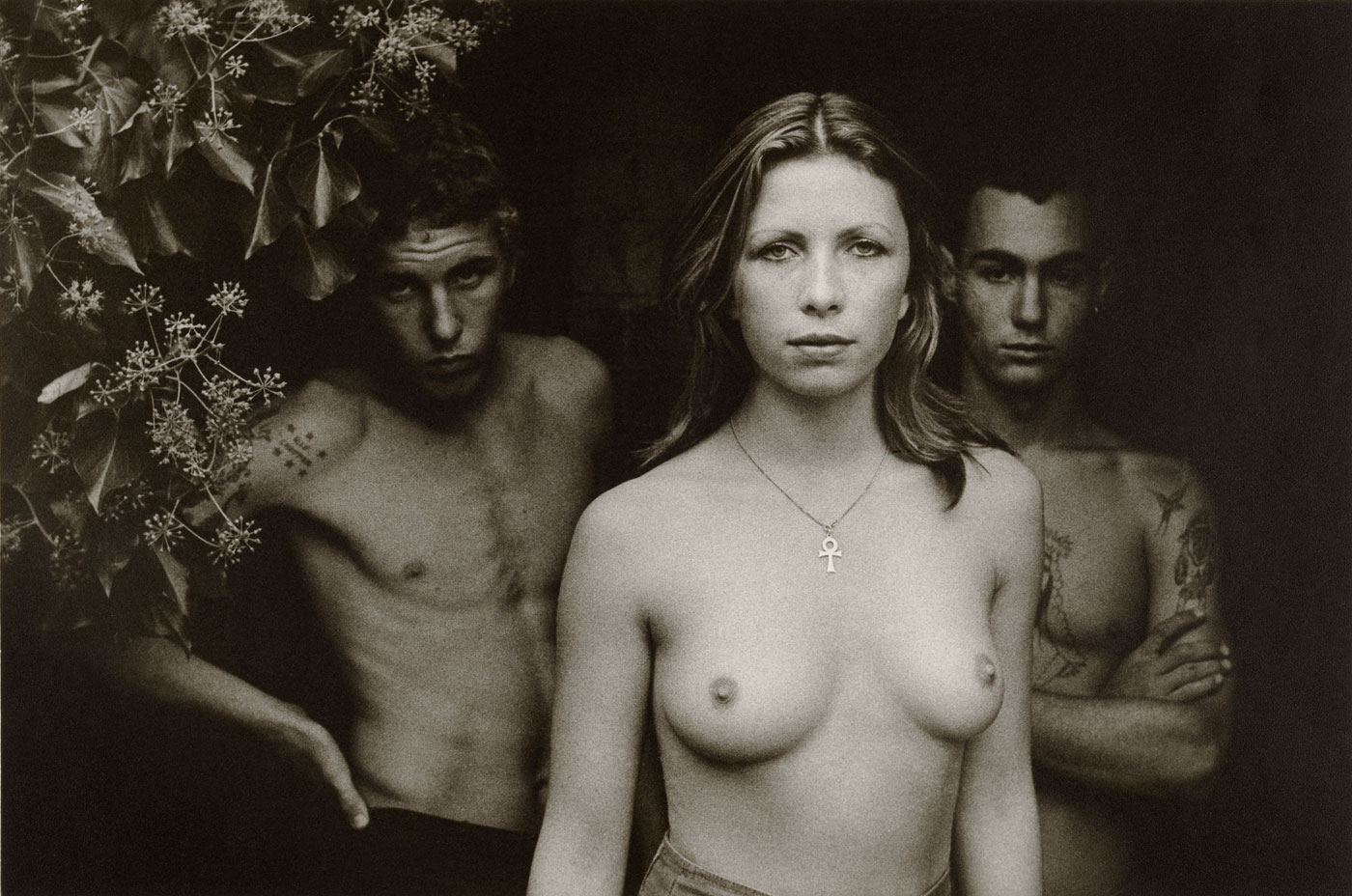


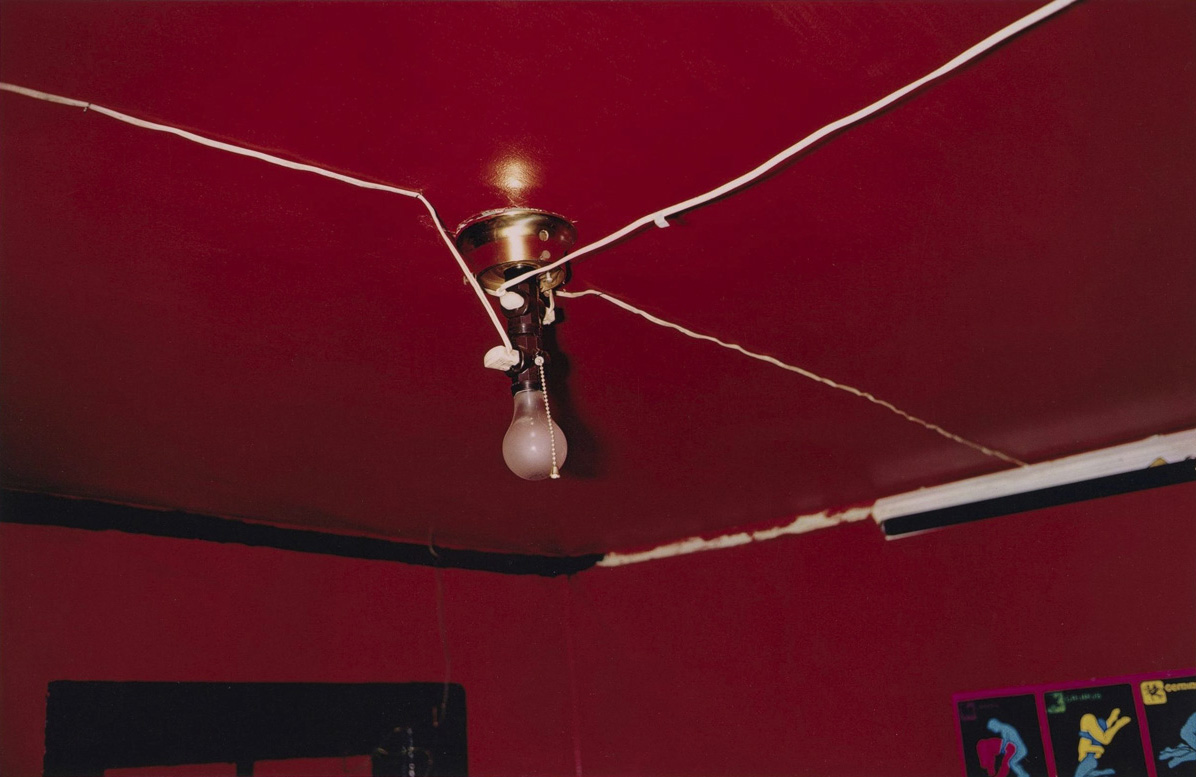


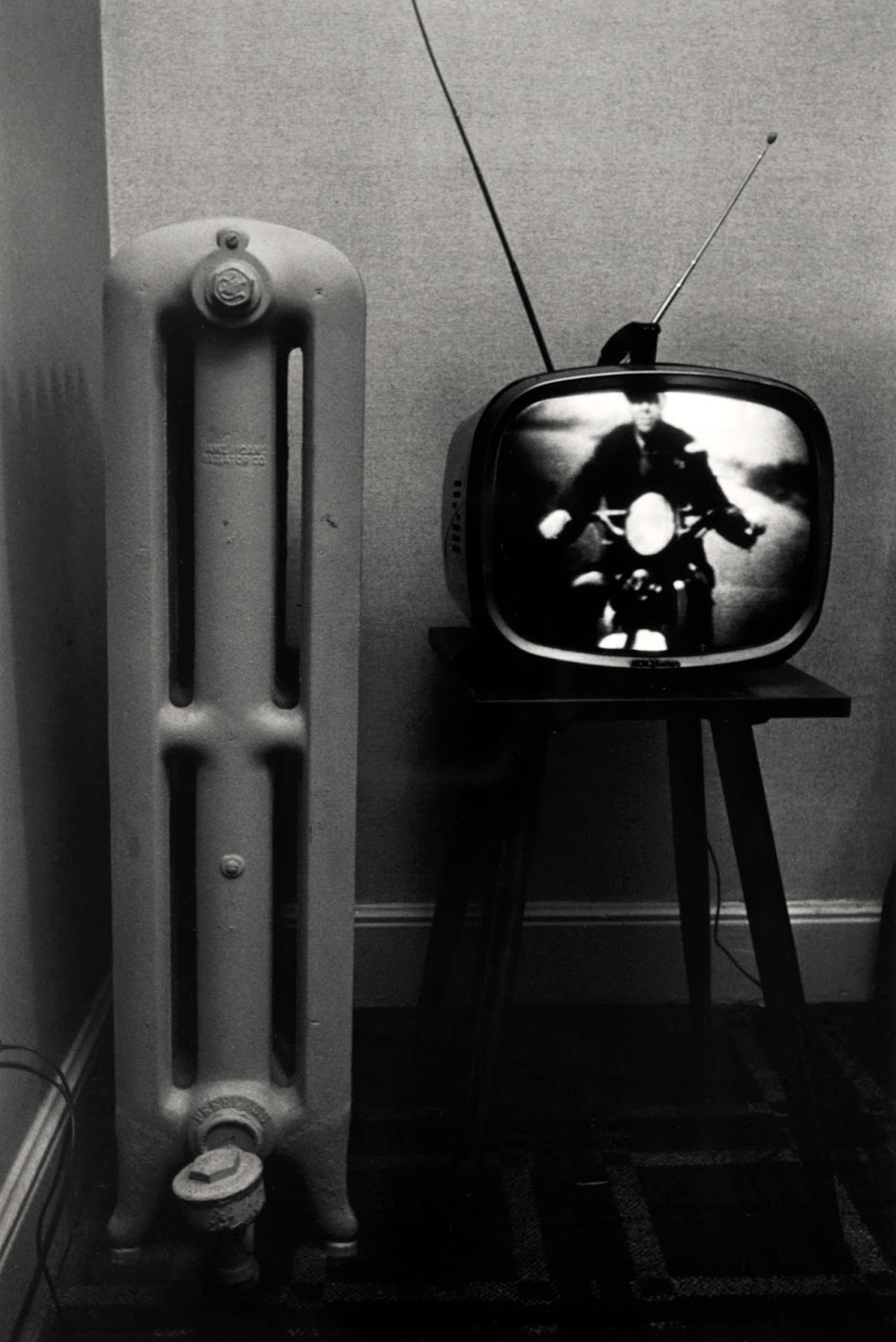
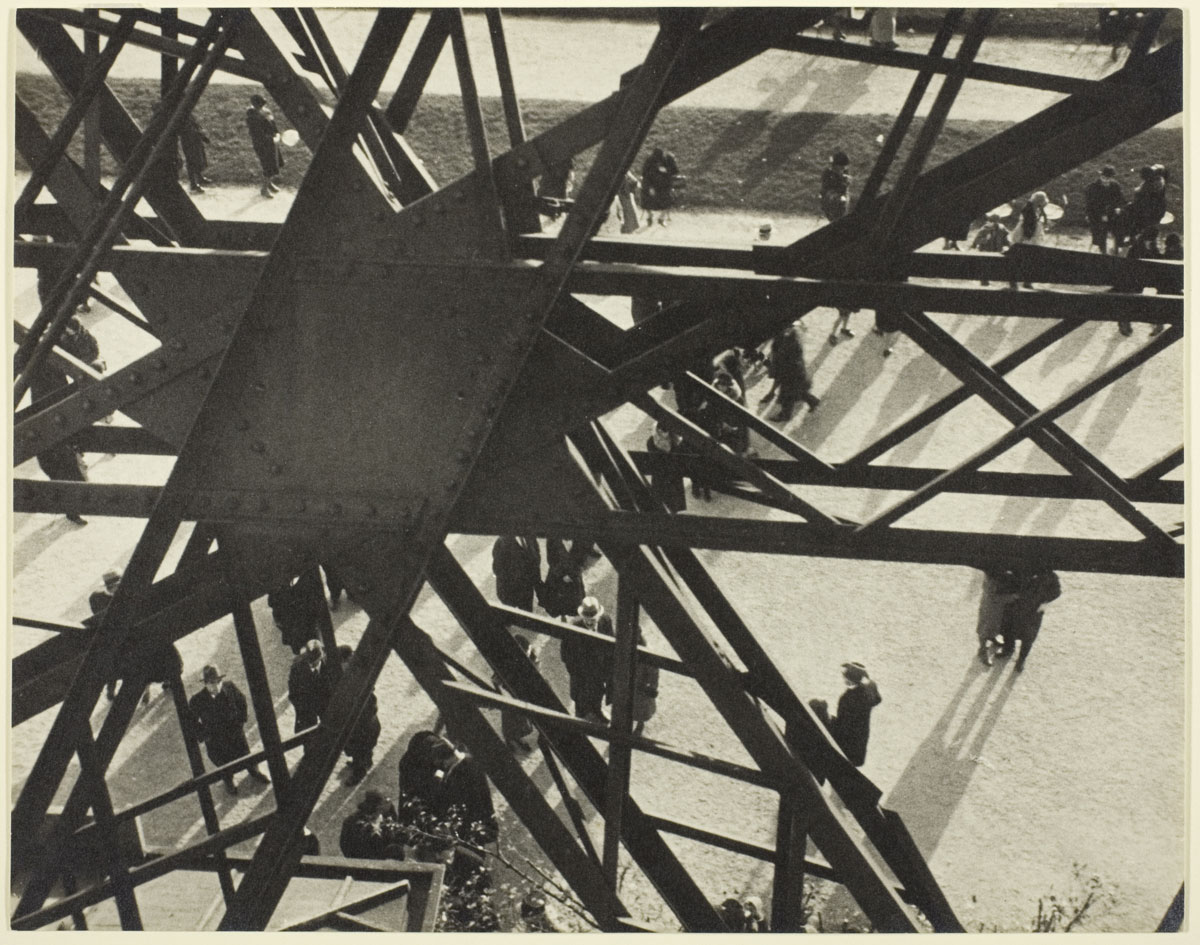


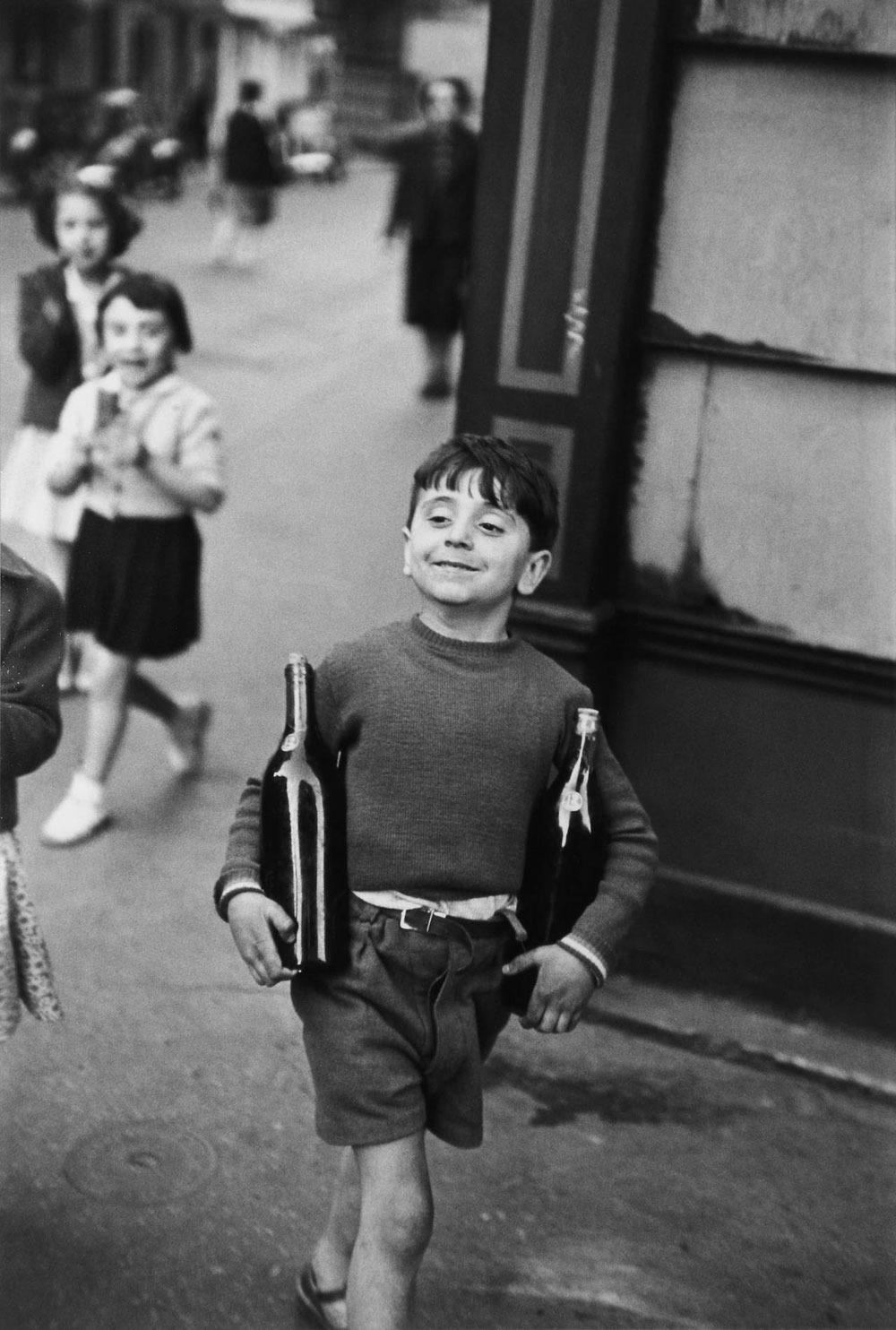
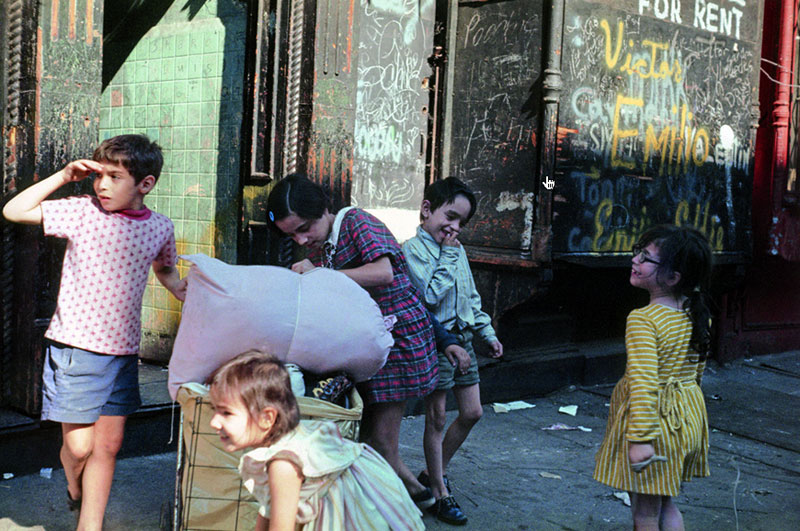

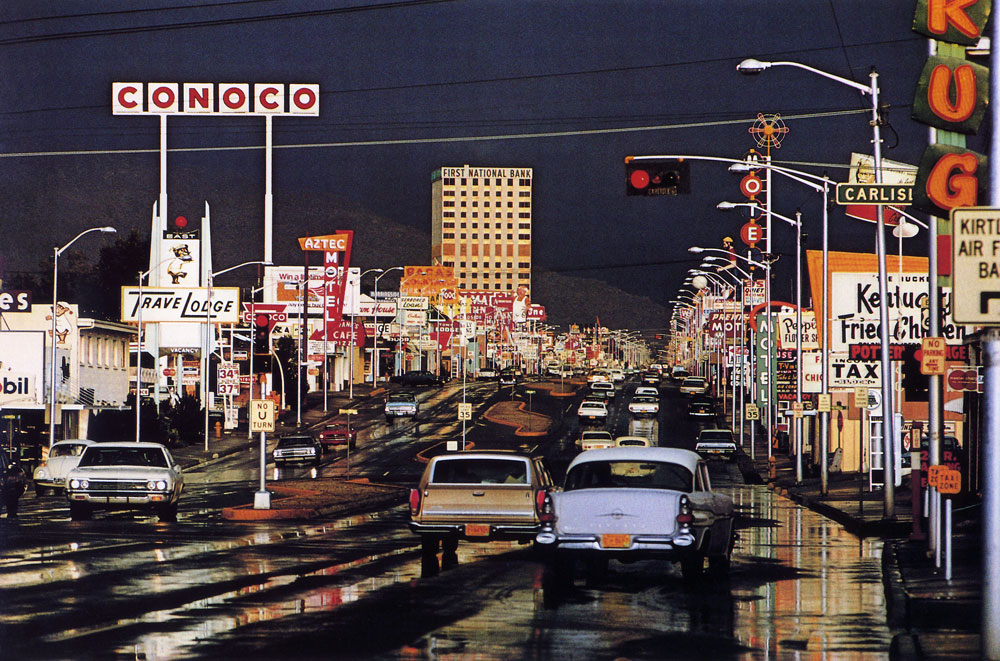


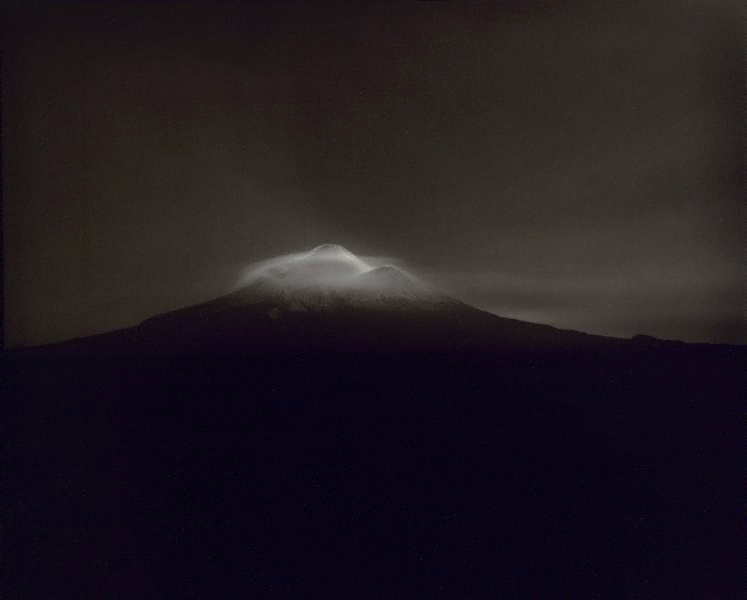


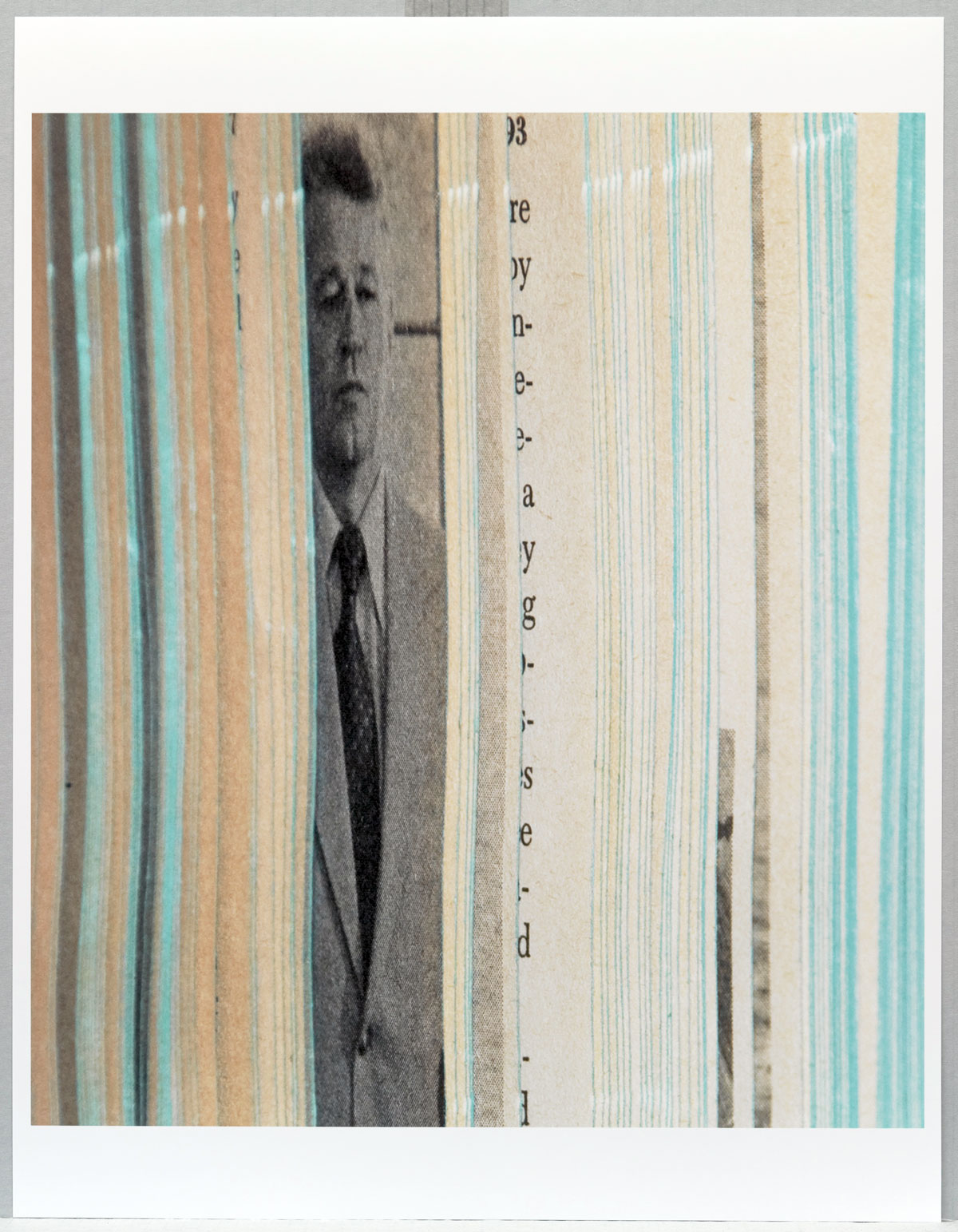


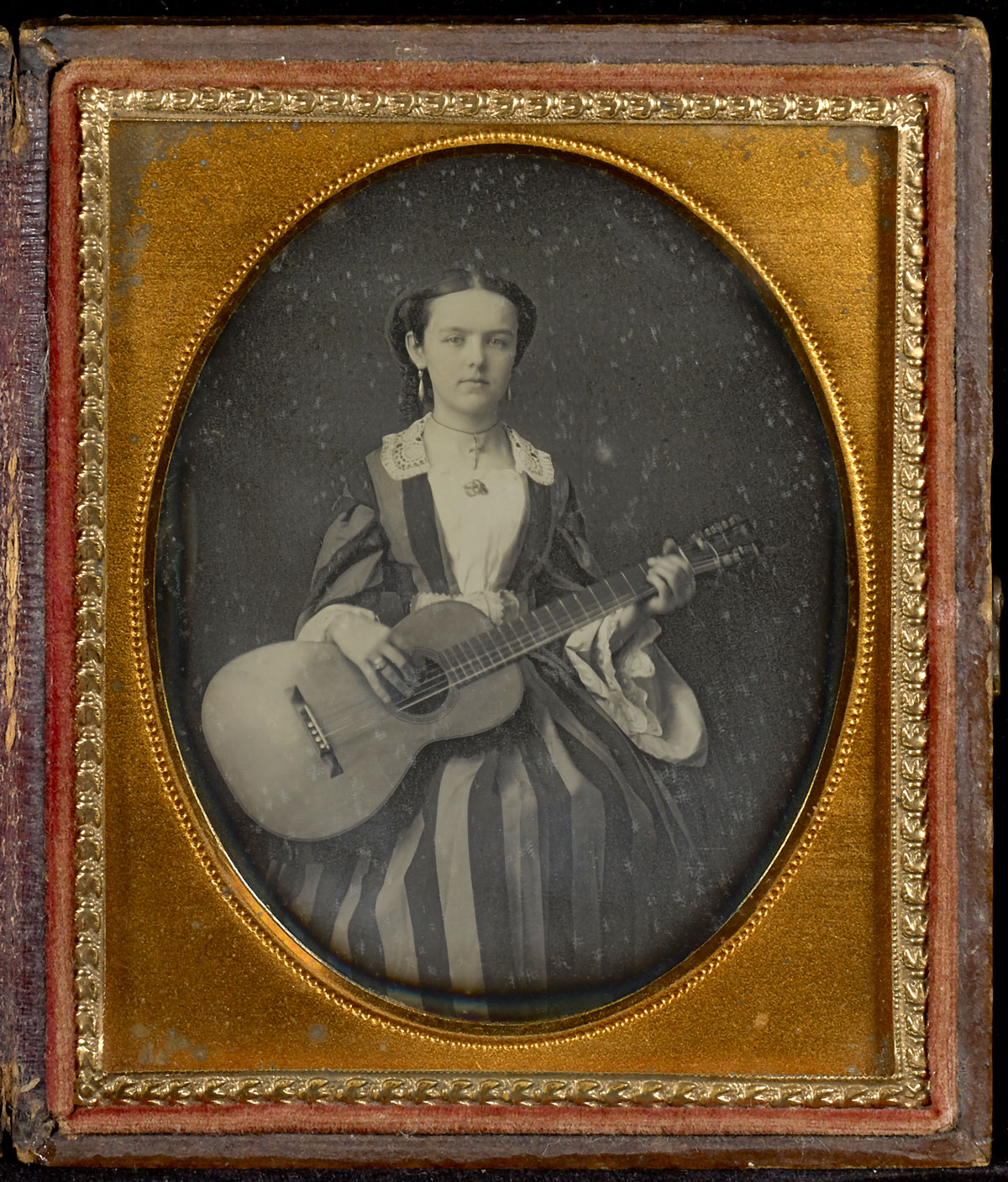
![James Maguire (American, 1816-1851) '[Portrait of Zachary Taylor]' 1847 from the exhibition 'In Focus: Daguerreotypes' at the J. Paul Getty Museum, Getty Center, Los Angeles, Nov 2015 - March 2016](https://artblart.com/wp-content/uploads/2016/02/gm_06991301-web.jpg "James Maguire (American, 1816-1851) '[Portrait of Zachary Taylor]' 1847 from the exhibition 'In Focus: Daguerreotypes' at the J. Paul Getty Museum, Getty Center, Los Angeles, Nov 2015 - March 2016")


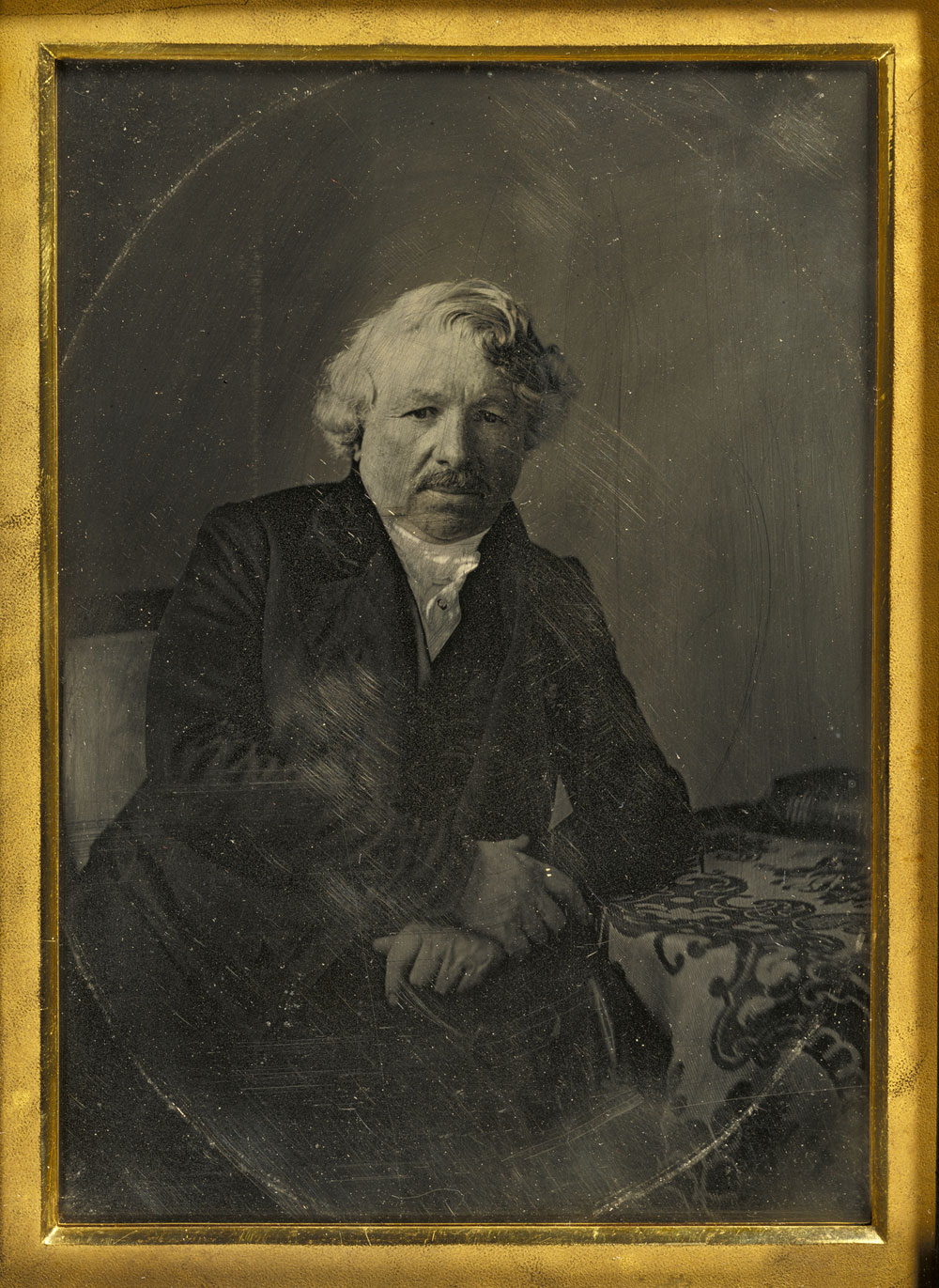
![James P. Weston (American, active South America about 1849 and New York 1851-1852 and 1855-1857) '[Portrait of an Asian Man in Top Hat]' c. 1856](https://artblart.com/wp-content/uploads/2016/02/gm_05595301-web.jpg "James P. Weston (American, active South America about 1849 and New York 1851-1852 and 1855-1857) '[Portrait of an Asian Man in Top Hat]' c. 1856")

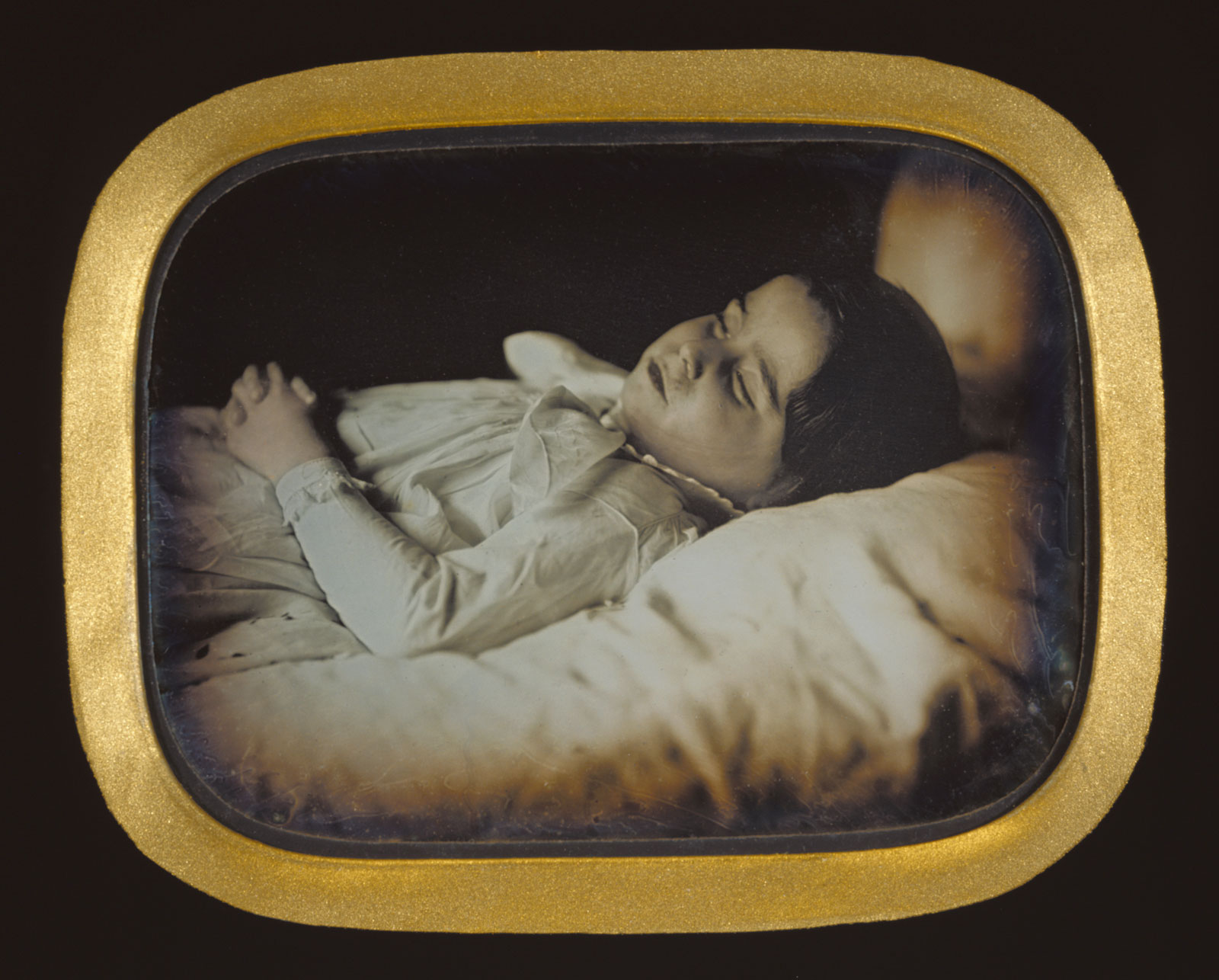
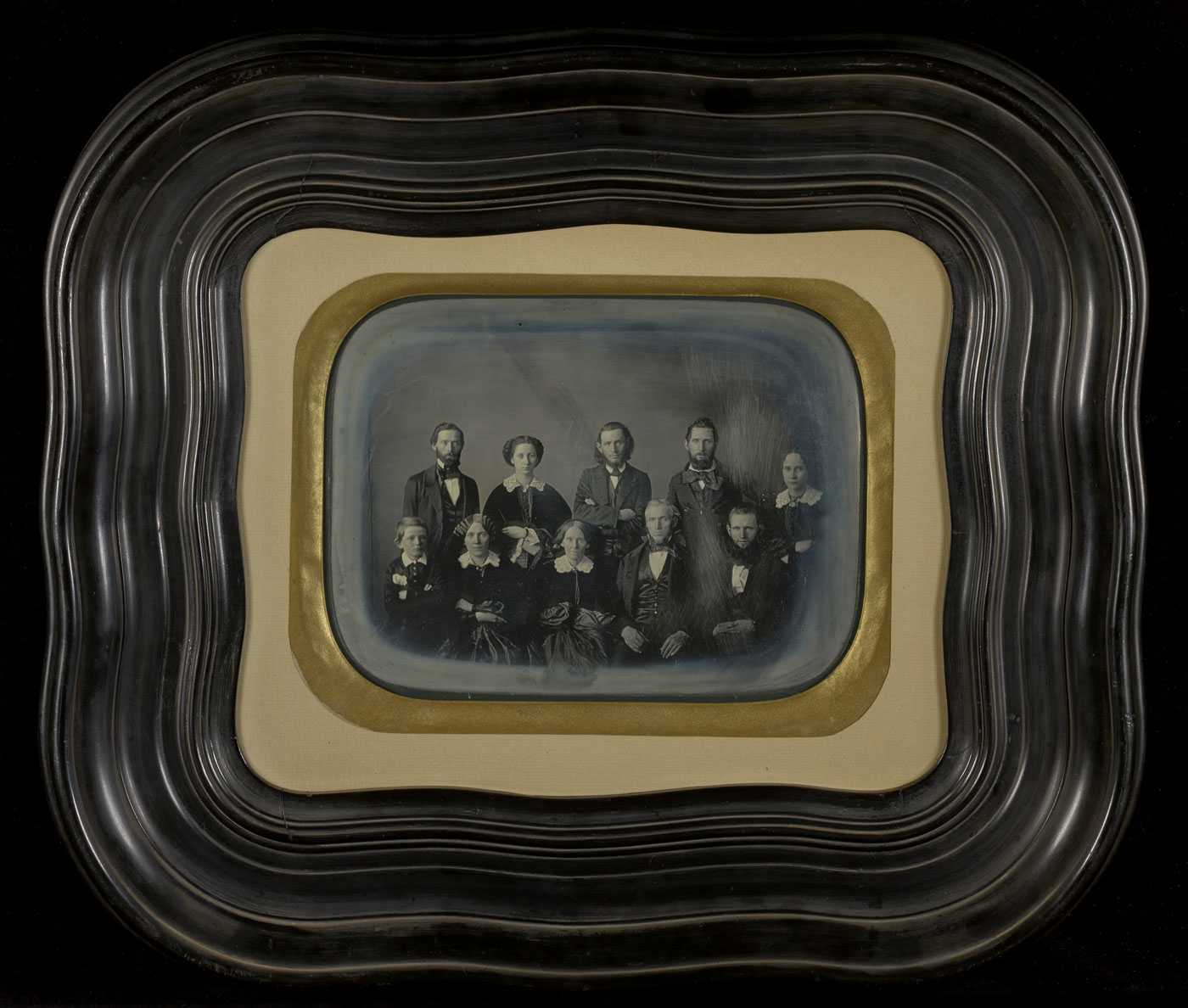

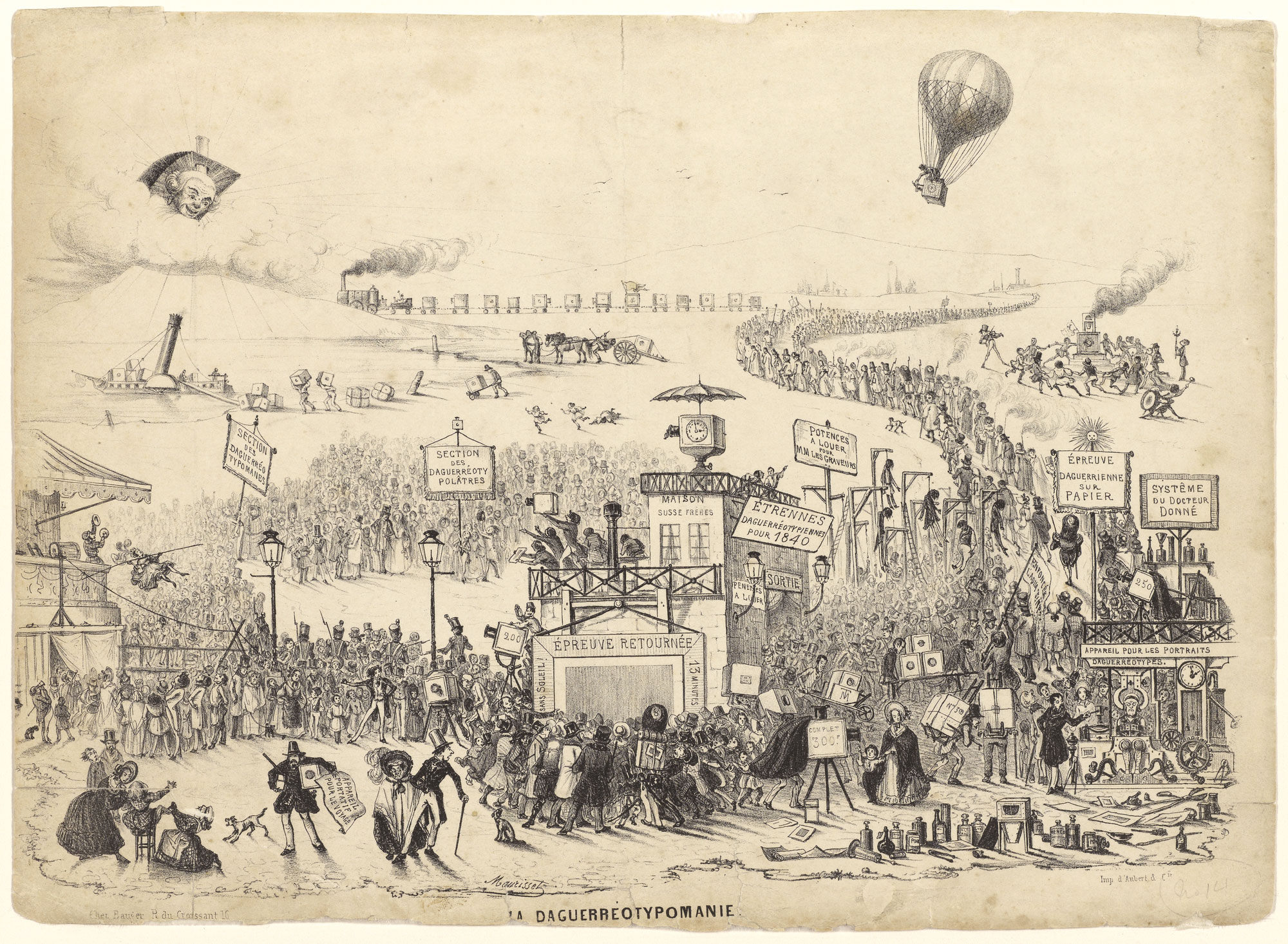


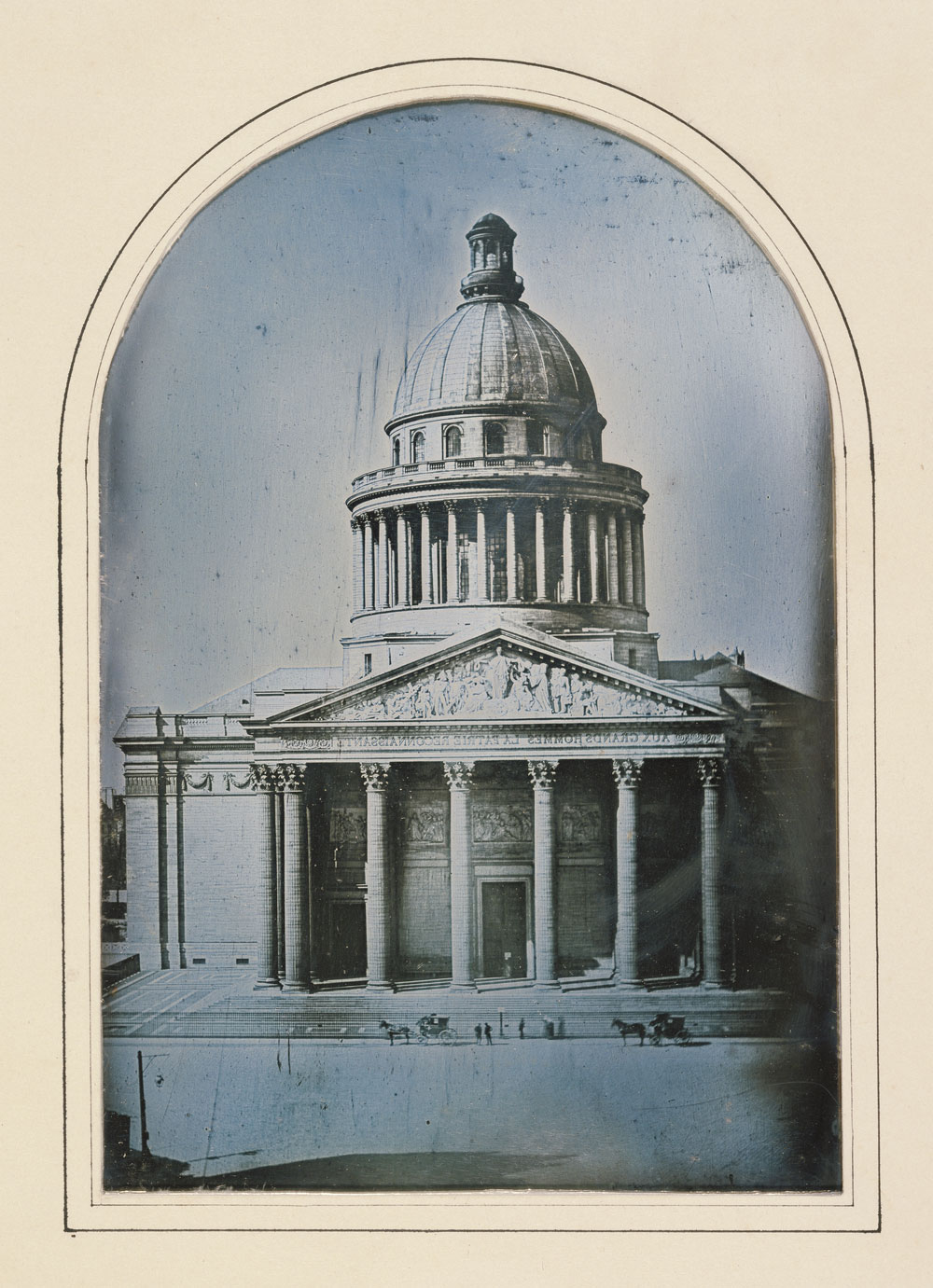

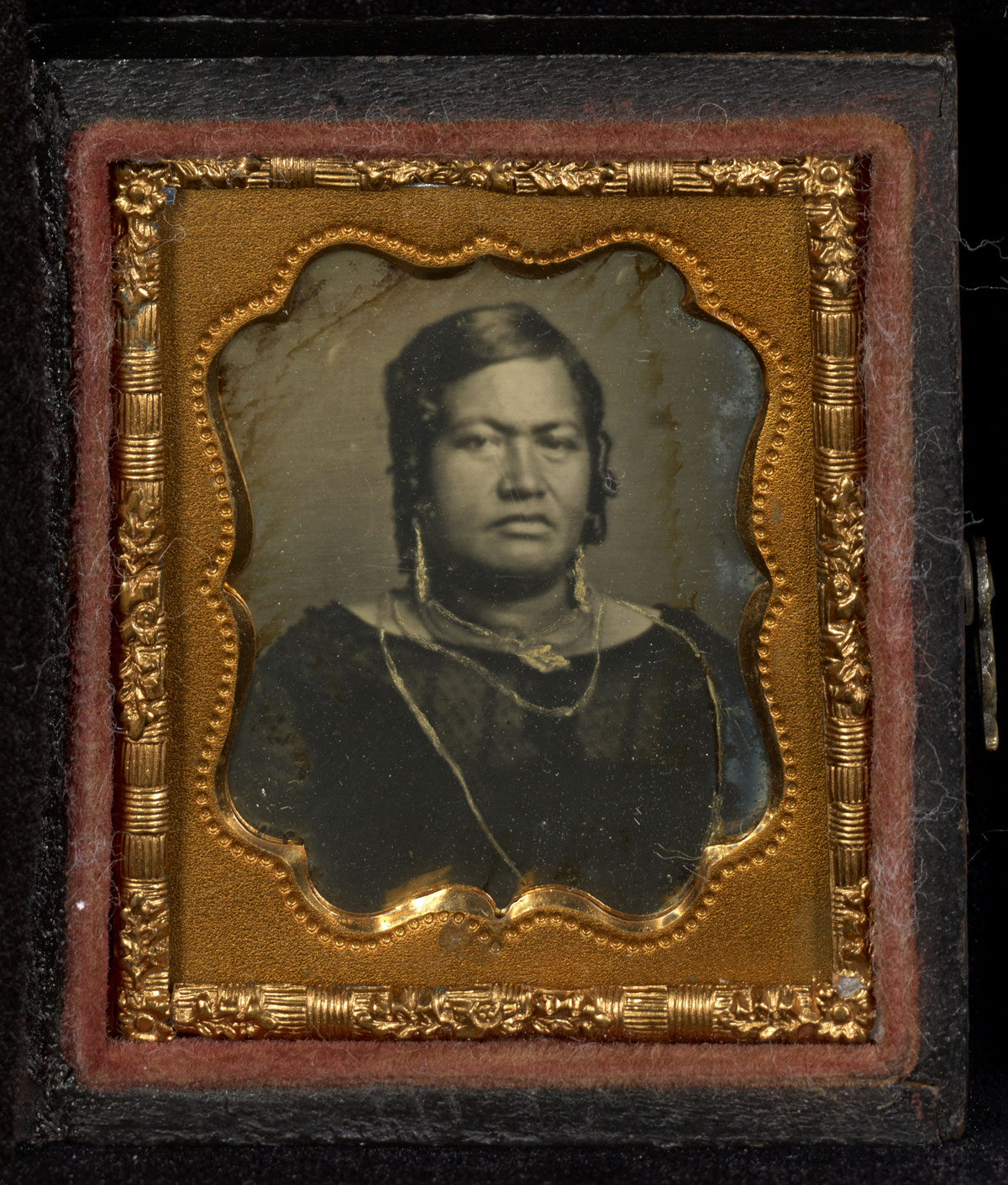
![Unknown maker (American) '[Portrait of an Unidentified Daguerreotypist Displaying a Selection of Daguerreotypes] / Daguerreotypist (?) Displaying Thirteen Daguerreotypes' 1845](https://artblart.com/wp-content/uploads/2016/02/gm_06329401-web.jpg "Unknown maker (American) '[Portrait of an Unidentified Daguerreotypist Displaying a Selection of Daguerreotypes] / Daguerreotypist (?) Displaying Thirteen Daguerreotypes' 1845")
![Unknown maker (American) '[Chinese Woman with a Mandolin]' 1860](https://artblart.com/wp-content/uploads/2016/02/gm_05620001-web.jpg "Unknown maker (American) '[Chinese Woman with a Mandolin]' 1860")
![Unknown maker (American) '[Chinese Woman with a Mandolin]' 1860 (detail)](https://artblart.com/wp-content/uploads/2016/02/gm_05620001-detail.jpg "Unknown maker (American) '[Chinese Woman with a Mandolin]' 1860 (detail)")

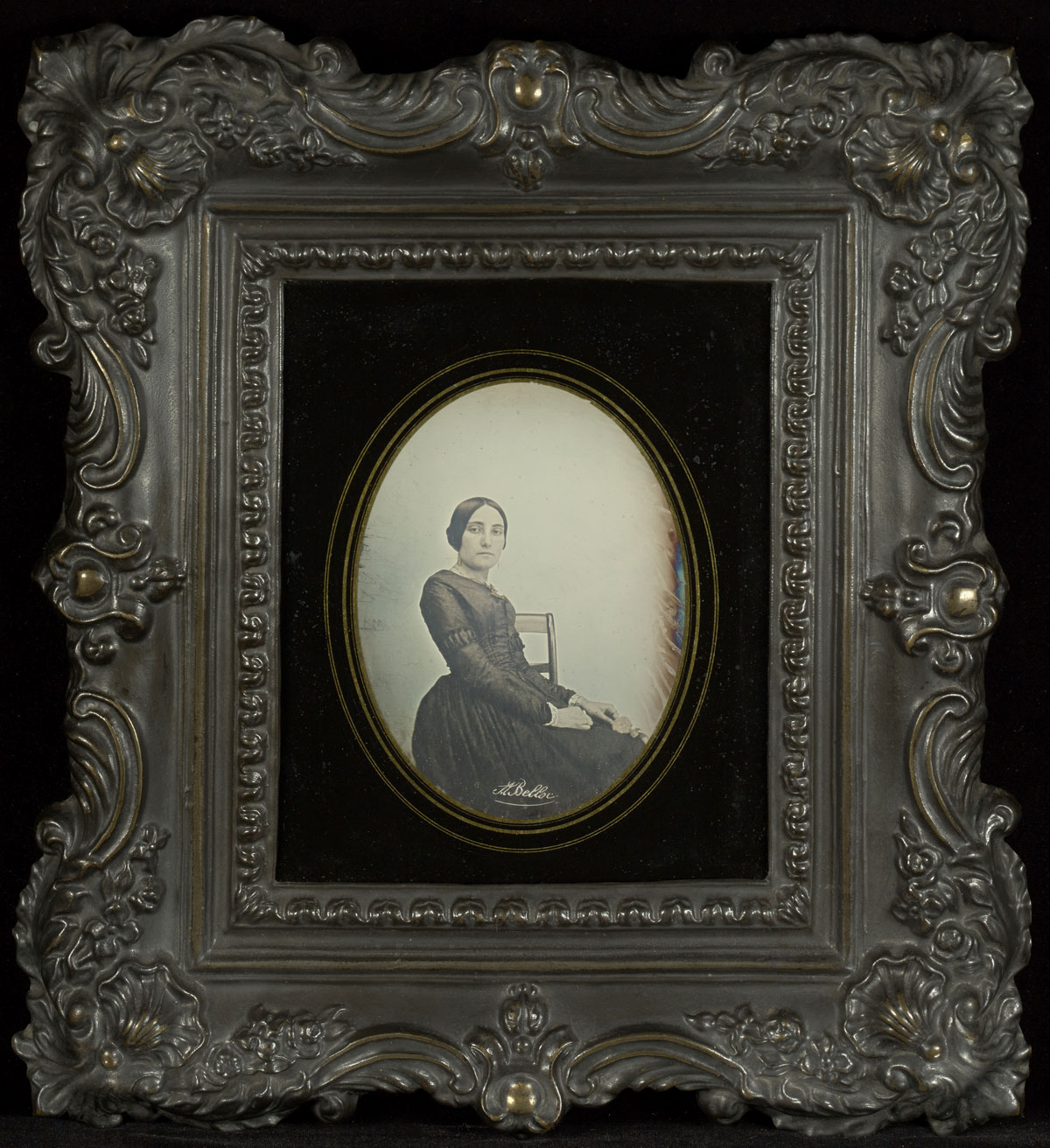
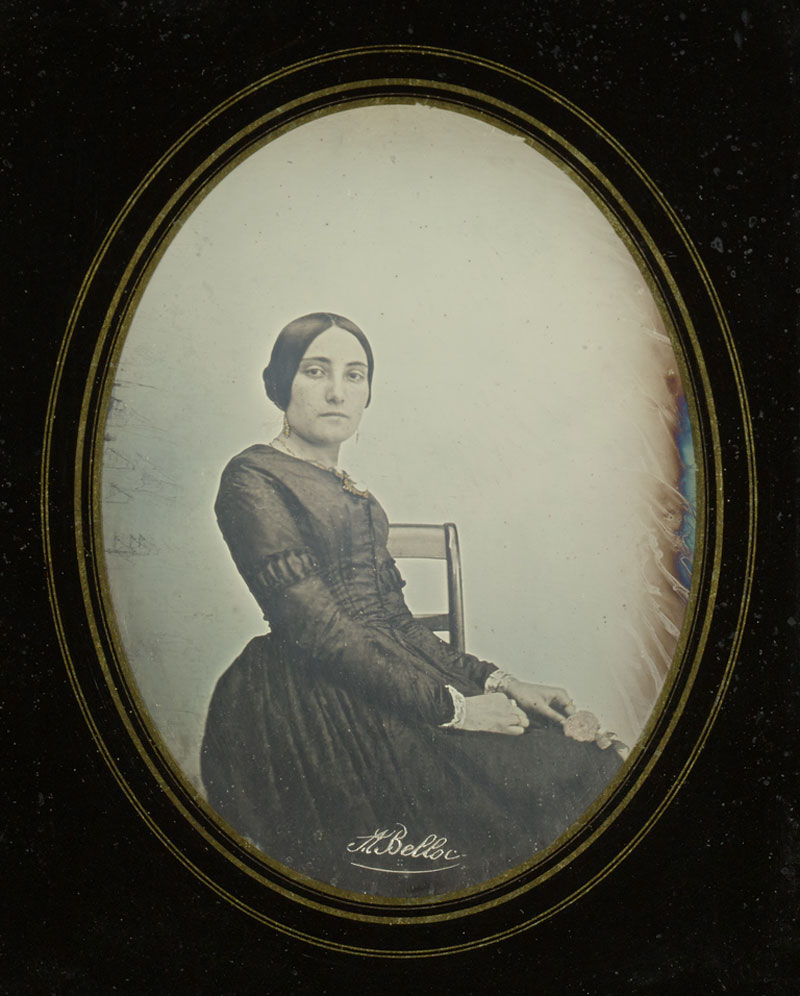
![Mathew B. Brady. 'Untitled [Spectators massing for the Grand Review of the Armies, 23-24 May 1865, at the side of the crepe-draped U.S. Capitol, flag at half mast following the assassination of President Abraham Lincoln]' 1865](https://artblart.com/wp-content/uploads/2015/07/matthew-brady-captured-spectators-massing-web.jpg)
![Alexander Gardner. "Untitled [Presidential reviewing stand]," from the folio 'Memories of the War. Illustrations of the Grand Review' 1865](https://artblart.com/wp-content/uploads/2015/02/memories-of-the-war-alexander-gardner-b.jpg "Alexander Gardner. \"Untitled [Presidential reviewing stand],\" from the folio 'Memories of the War. Illustrations of the Grand Review' 1865")
![Alexander Gardner. "Untitled [Presidential reviewing stand]," from the folio 'Memories of the War. Illustrations of the Grand Review' 1865](https://artblart.com/wp-content/uploads/2015/02/memories-of-the-war-alexander-gardner-b-whole.jpg "Alexander Gardner. \"Untitled [Presidential reviewing stand],\" from the folio 'Memories of the War. Illustrations of the Grand Review' 1865")
![Alexander Gardner. "Untitled [Presidential reviewing stand]," from the folio 'Memories of the War. Illustrations of the Grand Review' 1865 (detail)](https://artblart.com/wp-content/uploads/2015/02/memories-of-the-war-alexander-gardner-b-detail.jpg "Alexander Gardner. \"Untitled [Presidential reviewing stand],\" from the folio 'Memories of the War. Illustrations of the Grand Review' 1865 (detail)")
![Alexander Gardner. "Untitled [Presidential reviewing stand and mounted cavalry]," in the folio 'Memories of the War. Illustrations of the Grand Review' 1865](https://artblart.com/wp-content/uploads/2015/02/memories-of-the-war-alexander-gardner-c-web.jpg "Alexander Gardner. \"Untitled [Presidential reviewing stand and mounted cavalry],\" in the folio 'Memories of the War. Illustrations of the Grand Review' 1865")
![Alexander Gardner. "Untitled [Presidential reviewing stand and mounted cavalry]," in the folio 'Memories of the War. Illustrations of the Grand Review' 1865](https://artblart.com/wp-content/uploads/2015/02/memories-of-the-war-alexander-gardner-c-whole.jpg "Alexander Gardner. \"Untitled [Presidential reviewing stand and mounted cavalry],\" in the folio 'Memories of the War. Illustrations of the Grand Review' 1865")
![Alexander Gardner. "Untitled [Presidential reviewing stand and mounted cavalry]," in the folio 'Memories of the War. Illustrations of the Grand Review' 1865 (detail)](https://artblart.com/wp-content/uploads/2015/02/memories-of-the-war-alexander-gardner-c-detail.jpg "Alexander Gardner. \"Untitled [Presidential reviewing stand and mounted cavalry],\" in the folio 'Memories of the War. Illustrations of the Grand Review' 1865 (detail)")


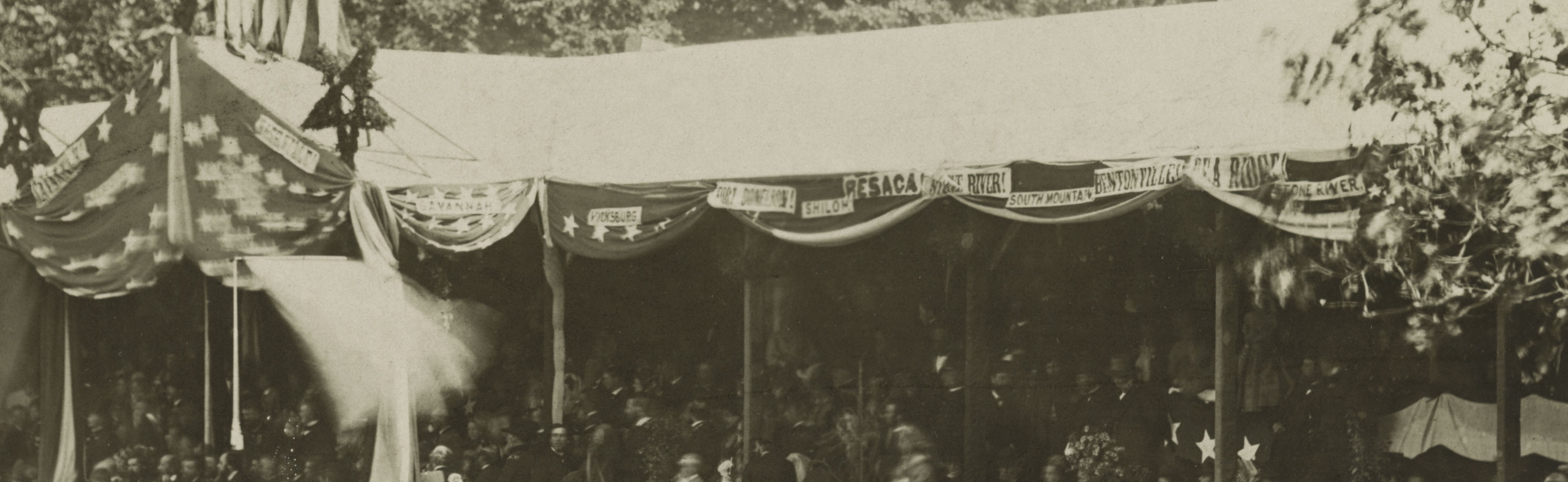

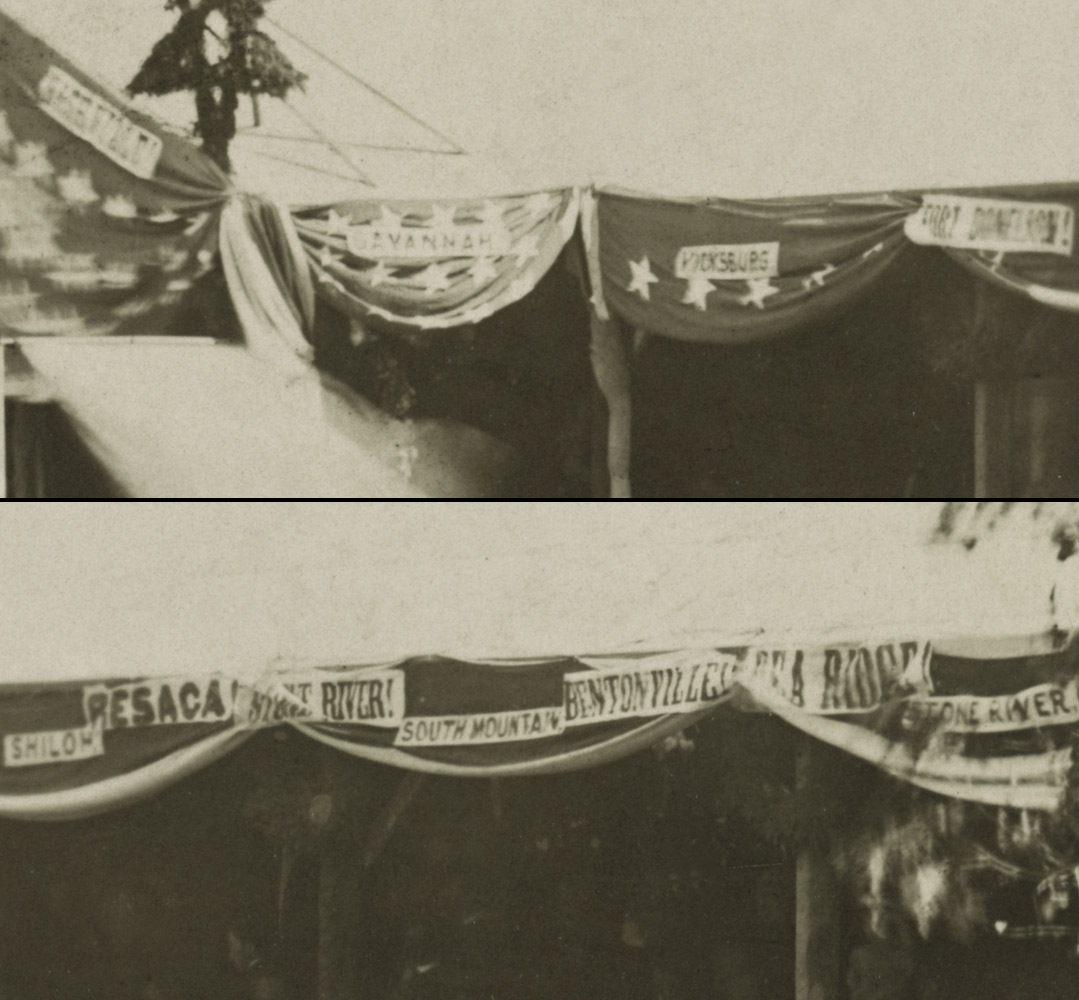

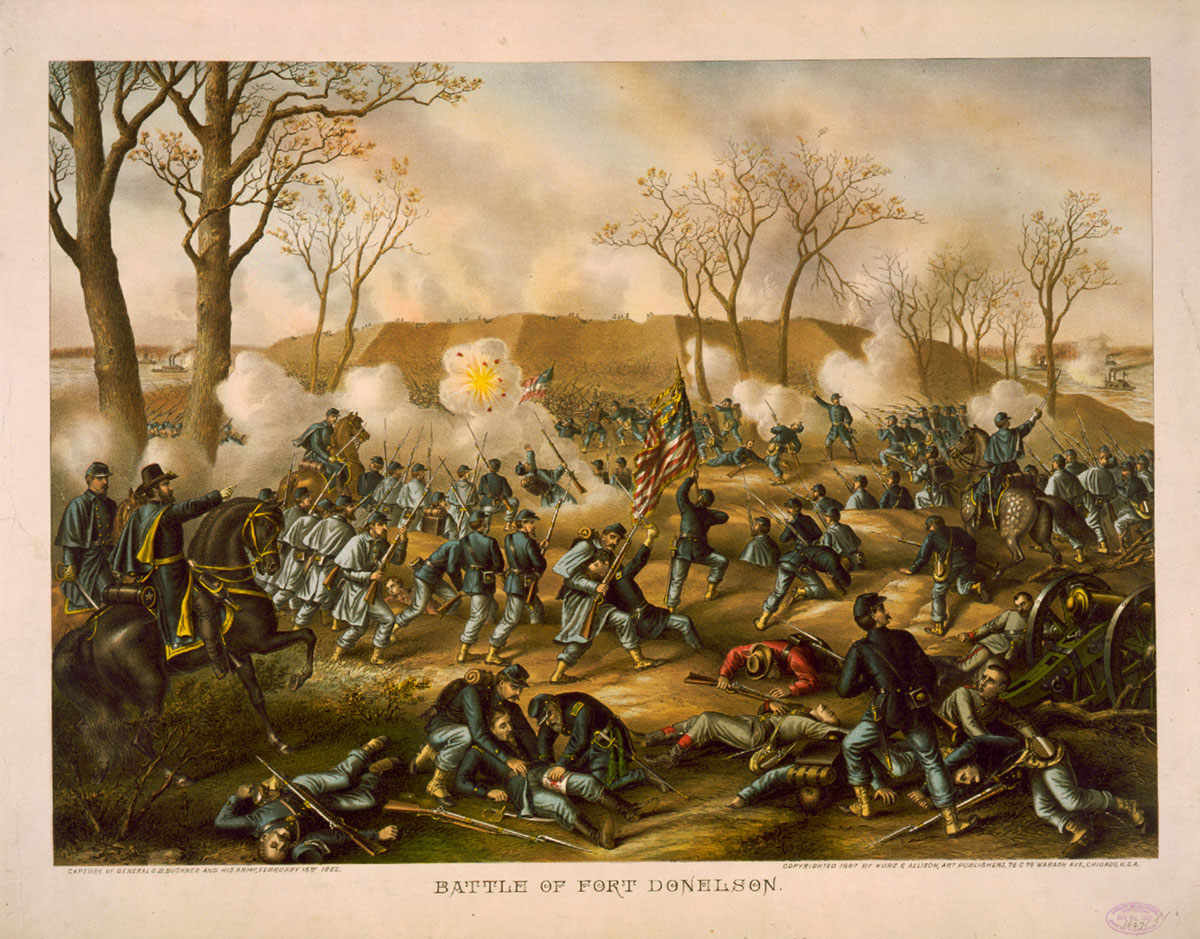


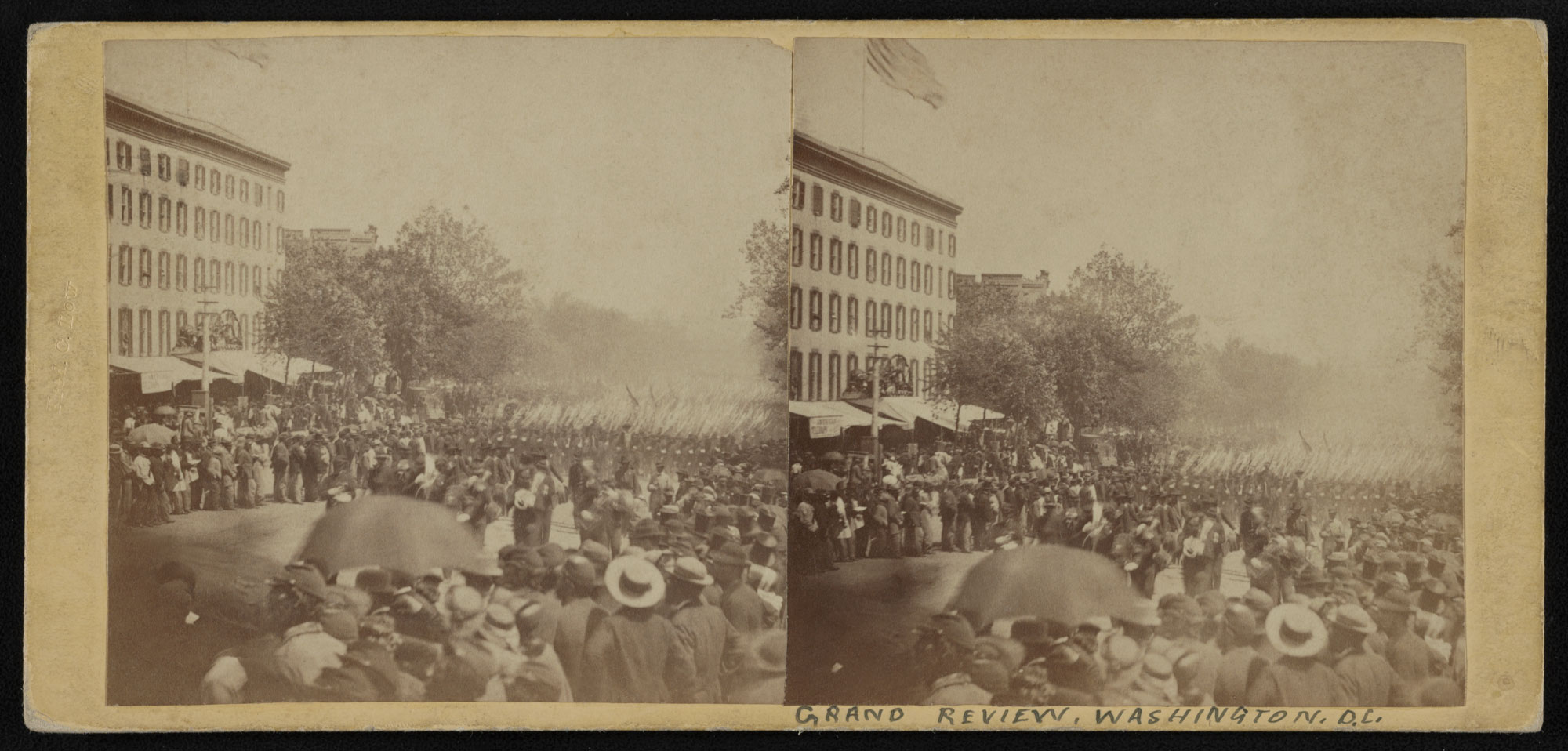


![Alexander Gardner. 'Untitled [Presidential reviewing stand, Washington, D.C., May, 1865]' from the folio 'Memories of the War. Illustrations of the Grand Review' 1865](https://artblart.com/wp-content/uploads/2015/07/memories-of-the-war-alexander-gardner-d-web.jpg "Alexander Gardner. 'Untitled [Presidential reviewing stand, Washington, D.C., May, 1865]' from the folio 'Memories of the War. Illustrations of the Grand Review' 1865")
![Alexander Gardner. 'Untitled [Presidential reviewing stand, Washington, D.C., May, 1865]' from the folio 'Memories of the War. Illustrations of the Grand Review' 1865](https://artblart.com/wp-content/uploads/2015/07/memories-of-the-war-alexander-gardner-d-whole.jpg "Alexander Gardner. 'Untitled [Presidential reviewing stand, Washington, D.C., May, 1865]' from the folio 'Memories of the War. Illustrations of the Grand Review' 1865")
![Alexander Gardner. 'Untitled [Presidential reviewing stand, Washington, D.C., May, 1865]' from the folio 'Memories of the War. Illustrations of the Grand Review' 1865 (detail)](https://artblart.com/wp-content/uploads/2015/07/memories-of-the-war-alexander-gardner-d-detail.jpg "Alexander Gardner. 'Untitled [Presidential reviewing stand, Washington, D.C., May, 1865]' from the folio 'Memories of the War. Illustrations of the Grand Review' 1865 (detail)")
![Alexander Gardner. 'Untitled [Presidential reviewing stand, Washington, D.C., May, 1865]' from the folio 'Memories of the War. Illustrations of the Grand Review' 1865](https://artblart.com/wp-content/uploads/2015/07/memories-of-the-war-alexander-gardner-e-web.jpg "Alexander Gardner. 'Untitled [Presidential reviewing stand, Washington, D.C., May, 1865]' from the folio 'Memories of the War. Illustrations of the Grand Review' 1865")
![Alexander Gardner. 'Untitled [Presidential reviewing stand, Washington, D.C., May, 1865]' from the folio 'Memories of the War. Illustrations of the Grand Review' 1865](https://artblart.com/wp-content/uploads/2015/07/memories-of-the-war-alexander-gardner-e-whole.jpg "Alexander Gardner. 'Untitled [Presidential reviewing stand, Washington, D.C., May, 1865]' from the folio 'Memories of the War. Illustrations of the Grand Review' 1865")
![Alexander Gardner. 'Untitled [Presidential reviewing stand, Washington, D.C., May, 1865]' from the folio 'Memories of the War. Illustrations of the Grand Review' 1865 (detail)](https://artblart.com/wp-content/uploads/2015/07/memories-of-the-war-alexander-gardner-f-detail.jpg "Alexander Gardner. 'Untitled [Presidential reviewing stand, Washington, D.C., May, 1865]' from the folio 'Memories of the War. Illustrations of the Grand Review' 1865 (detail)")
![Alexander Gardner. 'Untitled [Presidential reviewing stand, Washington, D.C., May, 1865]' from the folio 'Memories of the War. Illustrations of the Grand Review' 1865](https://artblart.com/wp-content/uploads/2015/07/memories-of-the-war-alexander-gardner-f-web.jpg "Alexander Gardner. 'Untitled [Presidential reviewing stand, Washington, D.C., May, 1865]' from the folio 'Memories of the War. Illustrations of the Grand Review' 1865")
![Alexander Gardner. 'Untitled [Presidential reviewing stand, Washington, D.C., May, 1865]' from the folio 'Memories of the War. Illustrations of the Grand Review' 1865](https://artblart.com/wp-content/uploads/2015/07/memories-of-the-war-alexander-gardner-f-whole.jpg "Alexander Gardner. 'Untitled [Presidential reviewing stand, Washington, D.C., May, 1865]' from the folio 'Memories of the War. Illustrations of the Grand Review' 1865")
![Alexander Gardner. 'Untitled [Gand Review, Pennsylvania Avenue, Washington, D.C., May, 1865]' from the folio 'Memories of the War. Illustrations of the Grand Review' 1865](https://artblart.com/wp-content/uploads/2015/07/memories-of-the-war-alexander-gardner-g-web.jpg "Alexander Gardner. 'Untitled [Gand Review, Pennsylvania Avenue, Washington, D.C., May, 1865]' from the folio 'Memories of the War. Illustrations of the Grand Review' 1865")
![Alexander Gardner. 'Untitled [Gand Review, Pennsylvania Avenue, Washington, D.C., May, 1865]' from the folio 'Memories of the War. Illustrations of the Grand Review' 1865](https://artblart.com/wp-content/uploads/2015/07/memories-of-the-war-alexander-gardner-g-whole.jpg "Alexander Gardner. 'Untitled [Gand Review, Pennsylvania Avenue, Washington, D.C., May, 1865]' from the folio 'Memories of the War. Illustrations of the Grand Review' 1865")


![Alexander Gardner. 'Untitled [Gand Review, Pennsylvania Avenue, Washington, D.C., May, 1865]' from the folio 'Memories of the War. Illustrations of the Grand Review' 1865](https://artblart.com/wp-content/uploads/2015/07/memories-of-the-war-alexander-gardner-h-web.jpg "Alexander Gardner. 'Untitled [Gand Review, Pennsylvania Avenue, Washington, D.C., May, 1865]' from the folio 'Memories of the War. Illustrations of the Grand Review' 1865")
![Alexander Gardner. 'Untitled [Gand Review, Pennsylvania Avenue, Washington, D.C., May, 1865]' from the folio 'Memories of the War. Illustrations of the Grand Review' 1865](https://artblart.com/wp-content/uploads/2015/07/memories-of-the-war-alexander-gardner-h-whole.jpg "Alexander Gardner. 'Untitled [Gand Review, Pennsylvania Avenue, Washington, D.C., May, 1865]' from the folio 'Memories of the War. Illustrations of the Grand Review' 1865")
![Alexander Gardner. 'Untitled [Gand Review, Pennsylvania Avenue, Washington, D.C., May, 1865]' from the folio 'Memories of the War. Illustrations of the Grand Review' 1865](https://artblart.com/wp-content/uploads/2015/07/memories-of-the-war-alexander-gardner-i-web.jpg "Alexander Gardner. 'Untitled [Gand Review, Pennsylvania Avenue, Washington, D.C., May, 1865]' from the folio 'Memories of the War. Illustrations of the Grand Review' 1865")
![Alexander Gardner. 'Untitled [Gand Review, Pennsylvania Avenue, Washington, D.C., May, 1865]' from the folio 'Memories of the War. Illustrations of the Grand Review' 1865](https://artblart.com/wp-content/uploads/2015/07/memories-of-the-war-alexander-gardner-i-whole.jpg "Alexander Gardner. 'Untitled [Gand Review, Pennsylvania Avenue, Washington, D.C., May, 1865]' from the folio 'Memories of the War. Illustrations of the Grand Review' 1865")
![Alexander Gardner. 'Untitled [Gand Review, Pennsylvania Avenue, Washington, D.C., May, 1865]' from the folio 'Memories of the War. Illustrations of the Grand Review' 1865 (detail)](https://artblart.com/wp-content/uploads/2015/07/memories-of-the-war-alexander-gardner-i-detail.jpg "Alexander Gardner. 'Untitled [Gand Review, Pennsylvania Avenue, Washington, D.C., May, 1865]' from the folio 'Memories of the War. Illustrations of the Grand Review' 1865 (detail)")
![Alexander Gardner. 'Untitled [Gand Review, Pennsylvania Avenue, Washington, D.C., May, 1865]' from the folio 'Memories of the War. Illustrations of the Grand Review' 1865](https://artblart.com/wp-content/uploads/2015/07/memories-of-the-war-alexander-gardner-j-web.jpg "Alexander Gardner. 'Untitled [Gand Review, Pennsylvania Avenue, Washington, D.C., May, 1865]' from the folio 'Memories of the War. Illustrations of the Grand Review' 1865")
![Alexander Gardner. 'Untitled [Gand Review, Pennsylvania Avenue, Washington, D.C., May, 1865]' from the folio 'Memories of the War. Illustrations of the Grand Review' 1865 (detail)](https://artblart.com/wp-content/uploads/2015/07/memories-of-the-war-alexander-gardner-j-whole.jpg "Alexander Gardner. 'Untitled [Gand Review, Pennsylvania Avenue, Washington, D.C., May, 1865]' from the folio 'Memories of the War. Illustrations of the Grand Review' 1865 (detail)")
![Alexander Gardner. 'Untitled [Gand Review, Pennsylvania Avenue, Washington, D.C., May, 1865]' from the folio 'Memories of the War. Illustrations of the Grand Review' 1865](https://artblart.com/wp-content/uploads/2015/07/memories-of-the-war-alexander-gardner-k-web.jpg "Alexander Gardner. 'Untitled [Gand Review, Pennsylvania Avenue, Washington, D.C., May, 1865]' from the folio 'Memories of the War. Illustrations of the Grand Review' 1865")
![Alexander Gardner. 'Untitled [Gand Review, Pennsylvania Avenue, Washington, D.C., May, 1865]' from the folio 'Memories of the War. Illustrations of the Grand Review' 1865](https://artblart.com/wp-content/uploads/2015/07/memories-of-the-war-alexander-gardner-k-whole.jpg "Alexander Gardner. 'Untitled [Gand Review, Pennsylvania Avenue, Washington, D.C., May, 1865]' from the folio 'Memories of the War. Illustrations of the Grand Review' 1865")
![Alexander Gardner. 'Untitled [Gand Review, Pennsylvania Avenue, Washington, D.C., May, 1865]' from the folio 'Memories of the War. Illustrations of the Grand Review' 1865 (detail)](https://artblart.com/wp-content/uploads/2015/07/memories-of-the-war-alexander-gardner-k-detail.jpg "Alexander Gardner. 'Untitled [Gand Review, Pennsylvania Avenue, Washington, D.C., May, 1865]' from the folio 'Memories of the War. Illustrations of the Grand Review' 1865 (detail)")
![Alexander Gardner (Scottish-American, 1821-1882) 'Untitled [Gand Review, Washington, D.C., May, 1865]' from the folio 'Memories of the War. Illustrations of the Grand Review' 1865](https://artblart.com/wp-content/uploads/2015/07/memories-of-the-war-alexander-gardner-l-web.jpg "Alexander Gardner (Scottish-American, 1821-1882) 'Untitled [Gand Review, Washington, D.C., May, 1865]' from the folio 'Memories of the War. Illustrations of the Grand Review' 1865")
![Alexander Gardner (Scottish-American, 1821-1882) 'Untitled [Gand Review, Washington, D.C., May, 1865]' from the folio 'Memories of the War. Illustrations of the Grand Review' 1865](https://artblart.com/wp-content/uploads/2015/07/memories-of-the-war-alexander-gardner-l-whole.jpg "Alexander Gardner (Scottish-American, 1821-1882) 'Untitled [Gand Review, Washington, D.C., May, 1865]' from the folio 'Memories of the War. Illustrations of the Grand Review' 1865")
![Alexander Gardner (Scottish-American, 1821-1882) 'Untitled [Gand Review, Washington, D.C., May, 1865]' from the folio 'Memories of the War. Illustrations of the Grand Review' 1865](https://artblart.com/wp-content/uploads/2015/07/memories-of-the-war-alexander-gardner-web.jpg "Alexander Gardner (Scottish-American, 1821-1882) 'Untitled [Gand Review, Washington, D.C., May, 1865]' from the folio 'Memories of the War. Illustrations of the Grand Review' 1865")
![Alexander Gardner (Scottish-American, 1821-1882) 'Untitled [Gand Review, Washington, D.C., May, 1865]' from the folio 'Memories of the War. Illustrations of the Grand Review' 1865](https://artblart.com/wp-content/uploads/2015/07/memories-of-the-war-alexander-gardner-whole.jpg "Alexander Gardner (Scottish-American, 1821-1882) 'Untitled [Gand Review, Washington, D.C., May, 1865]' from the folio 'Memories of the War. Illustrations of the Grand Review' 1865")
![Alexander Gardner (Scottish-American, 1821-1882) 'Untitled [Gand Review, Washington, D.C., May, 1865]' from the folio 'Memories of the War. Illustrations of the Grand Review' 1865 (detail)](https://artblart.com/wp-content/uploads/2015/07/memories-of-the-war-alexander-gardner-detail.jpg "Alexander Gardner (Scottish-American, 1821-1882) 'Untitled [Gand Review, Washington, D.C., May, 1865]' from the folio 'Memories of the War. Illustrations of the Grand Review' 1865 (detail)")
![Mathew B. Brady (born Lake George, NY 1823 - died New York City 1896) 'Untitled [Presidential reviewing stand, Washington, D.C., May, 1865]' 1865](https://artblart.com/wp-content/uploads/2015/07/reviewing-stand-web.jpg "Mathew B. Brady (born Lake George, NY 1823 - died New York City 1896) 'Untitled [Presidential reviewing stand, Washington, D.C., May, 1865]' 1865")
![Mathew B. Brady (born Lake George, NY 1823 - died New York City 1896) 'Untitled [Presidential reviewing stand, Washington, D.C., May, 1865]' 1865 (detail)](https://artblart.com/wp-content/uploads/2015/07/reviewing-stand-detail.jpg "Mathew B. Brady (born Lake George, NY 1823 - died New York City 1896) 'Untitled [Presidential reviewing stand, Washington, D.C., May, 1865]' 1865 (detail)")
![Mathew B. Brady (born Lake George, NY 1823 - died New York City 1896) 'Untitled [Presidential reviewing stand, Washington, D.C., May, 1865]' 1865](https://artblart.com/wp-content/uploads/2015/07/brady-reviewing-stand.jpg "Mathew B. Brady (born Lake George, NY 1823 - died New York City 1896) 'Untitled [Presidential reviewing stand, Washington, D.C., May, 1865]' 1865")


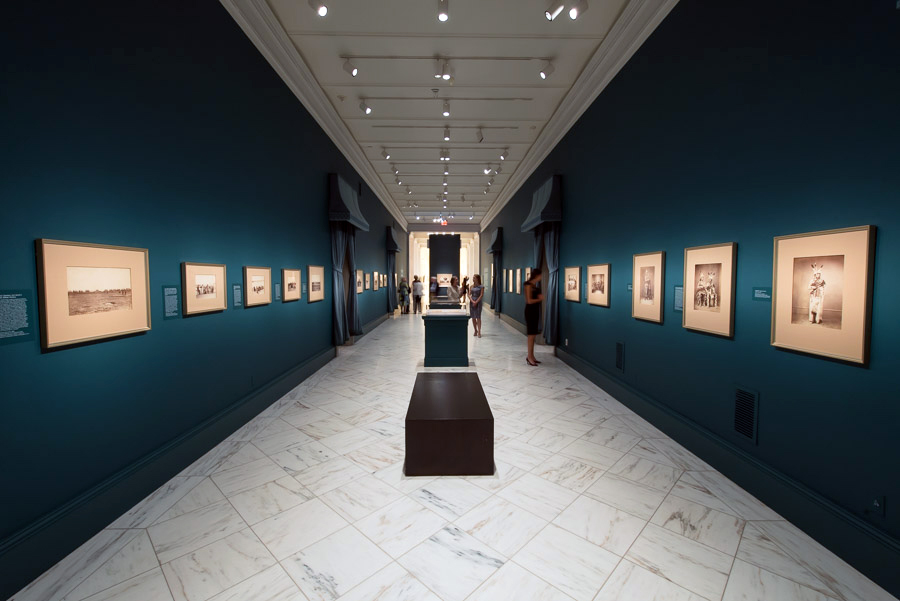

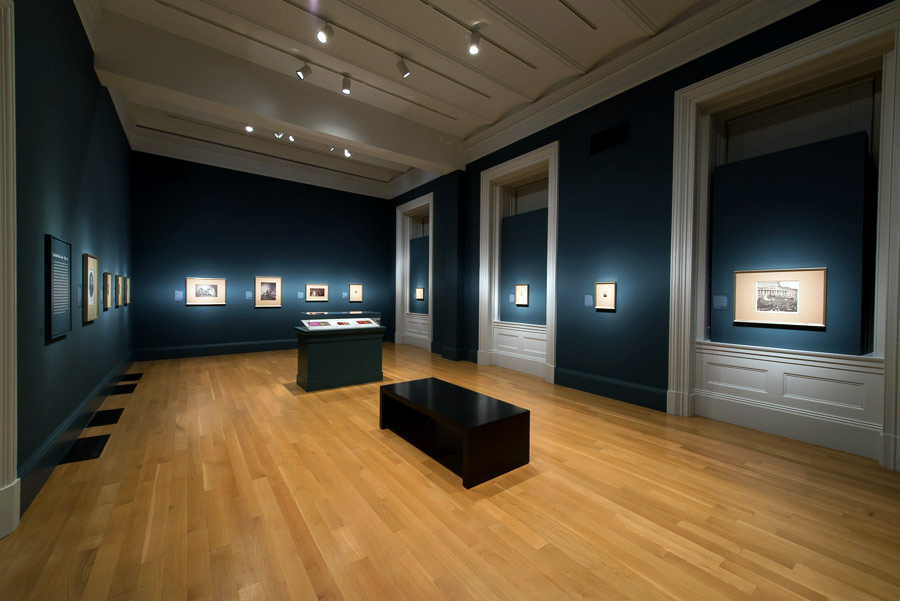
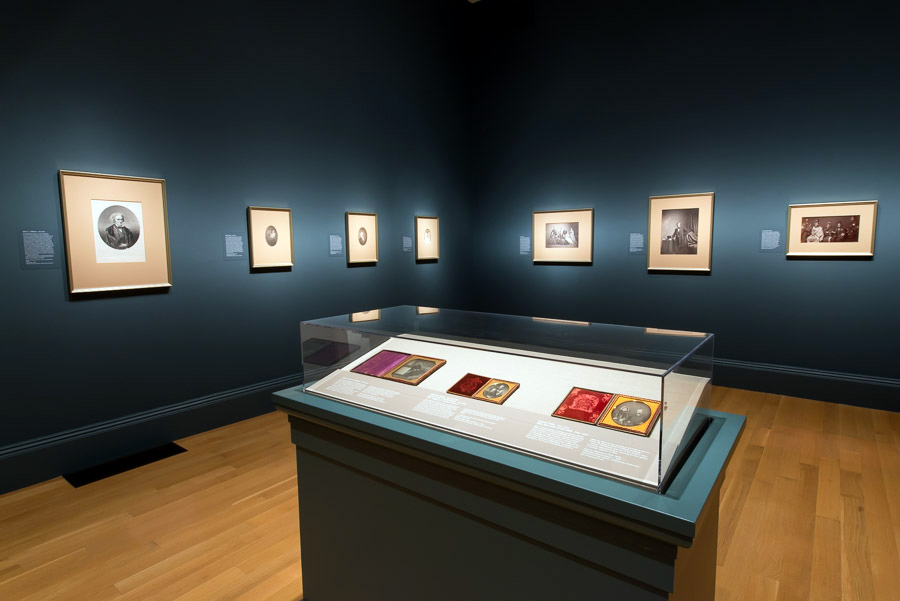
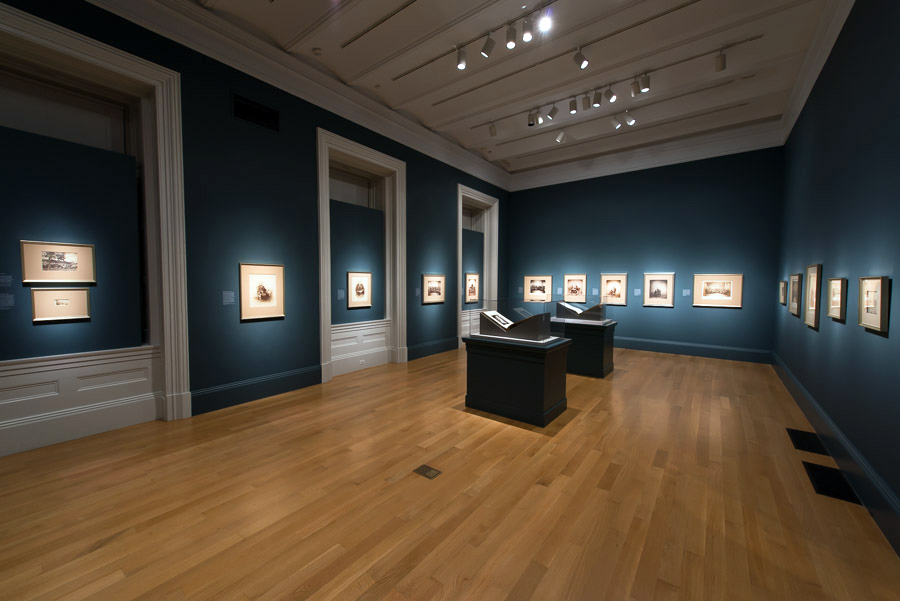
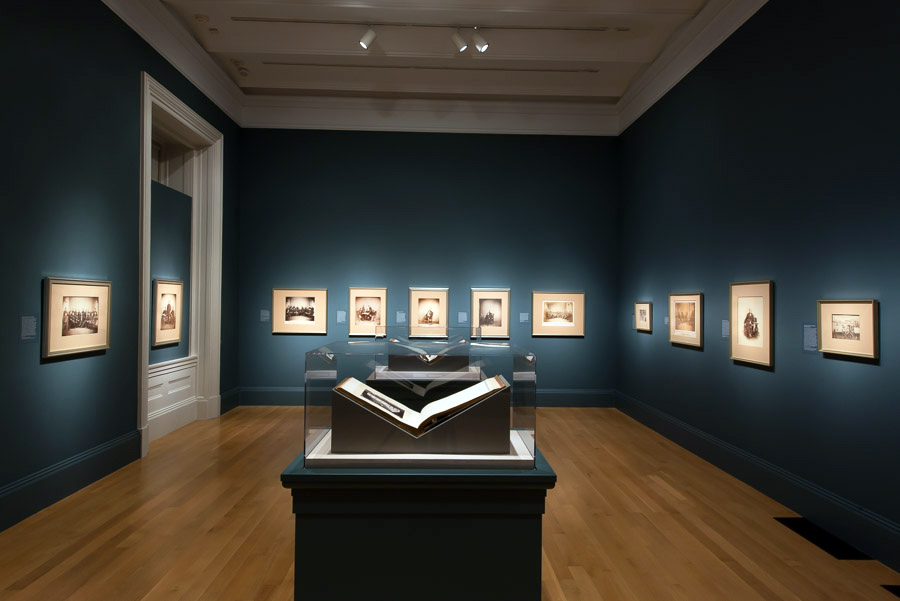

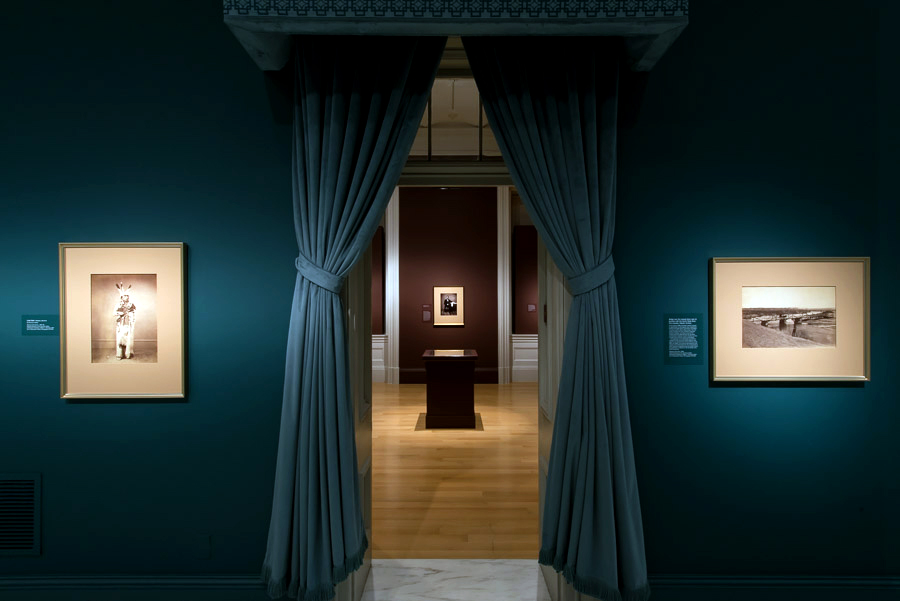

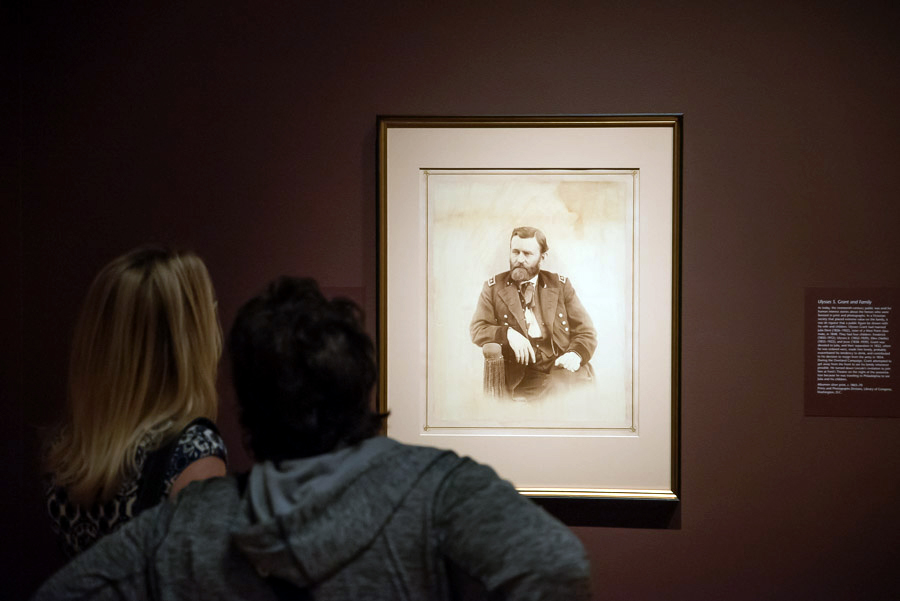


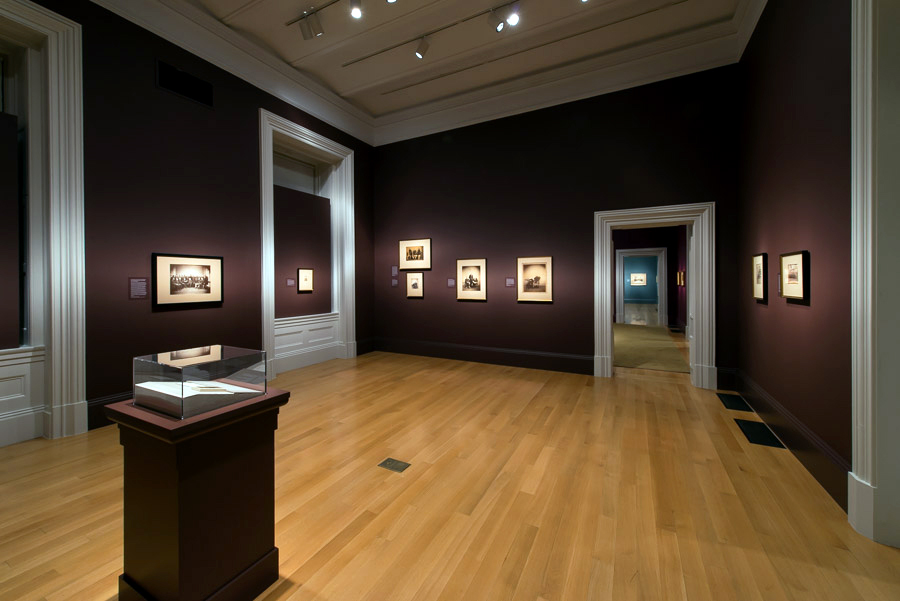


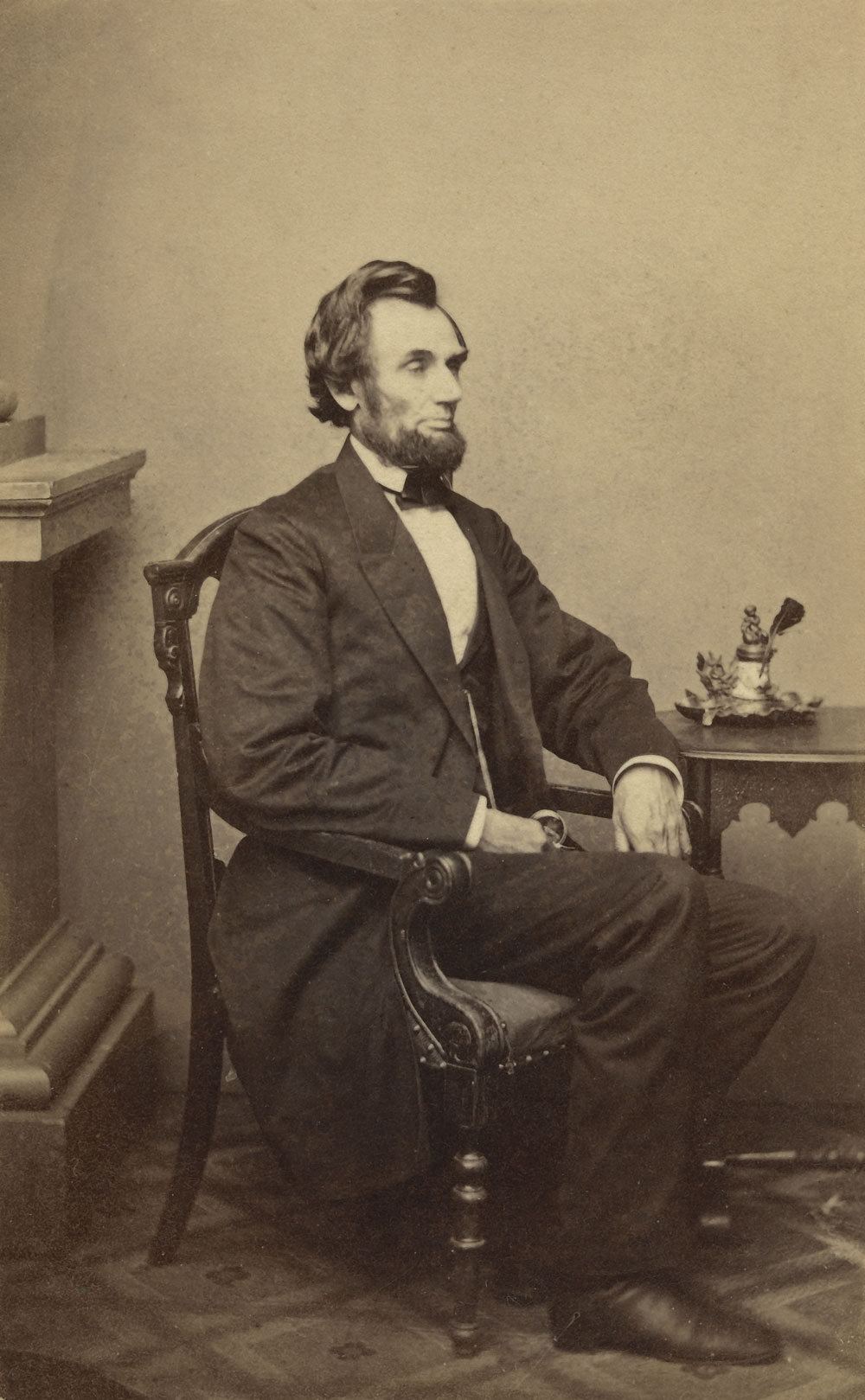
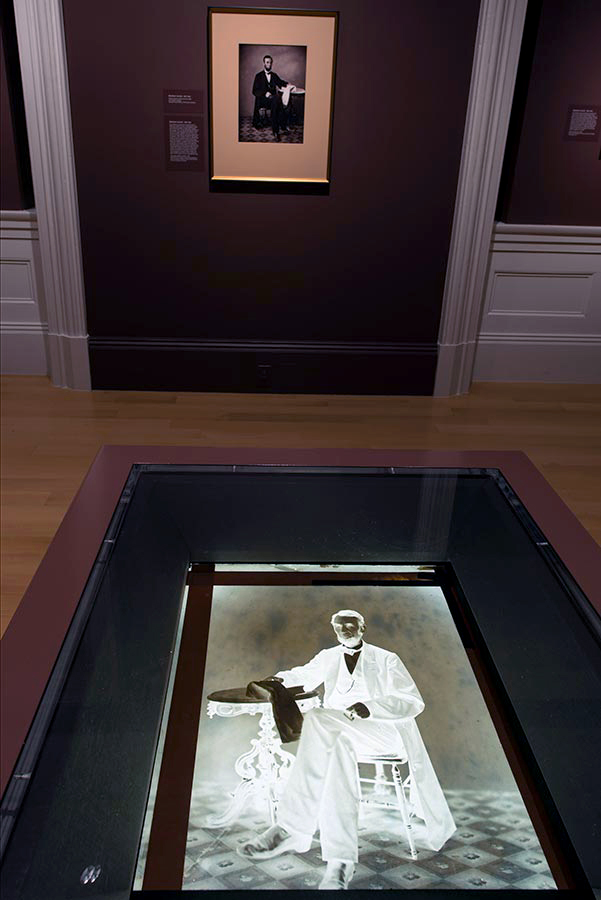


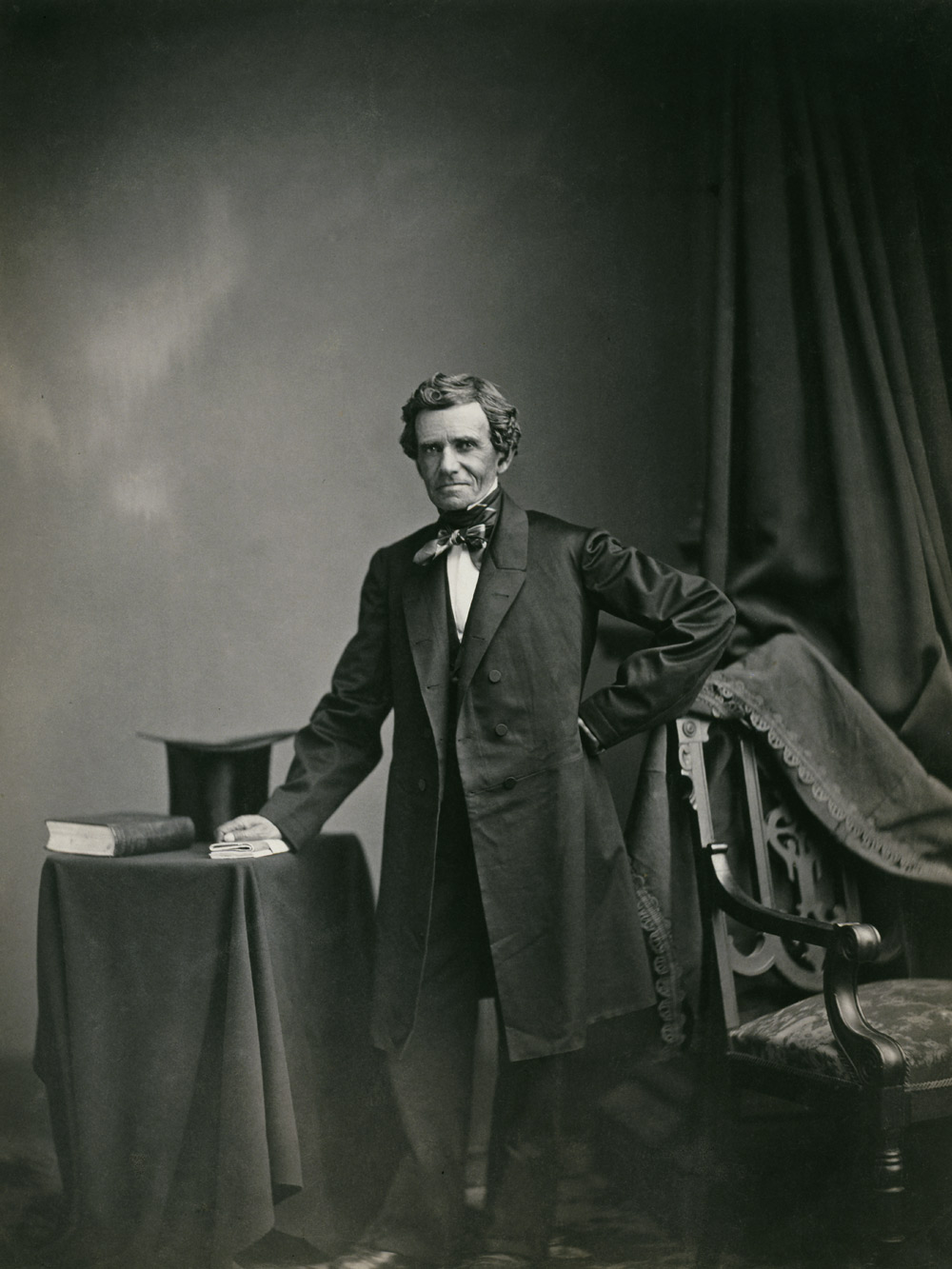


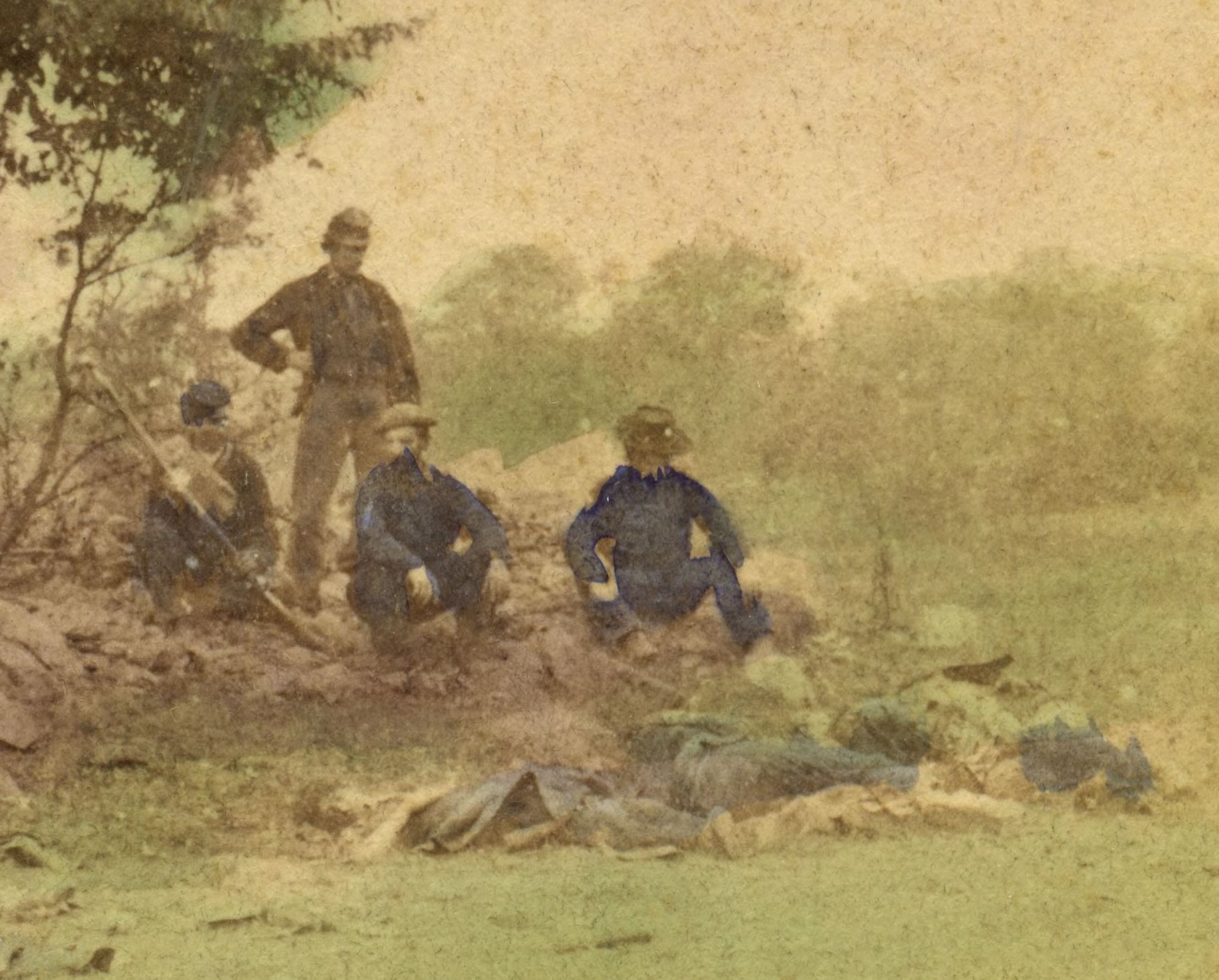

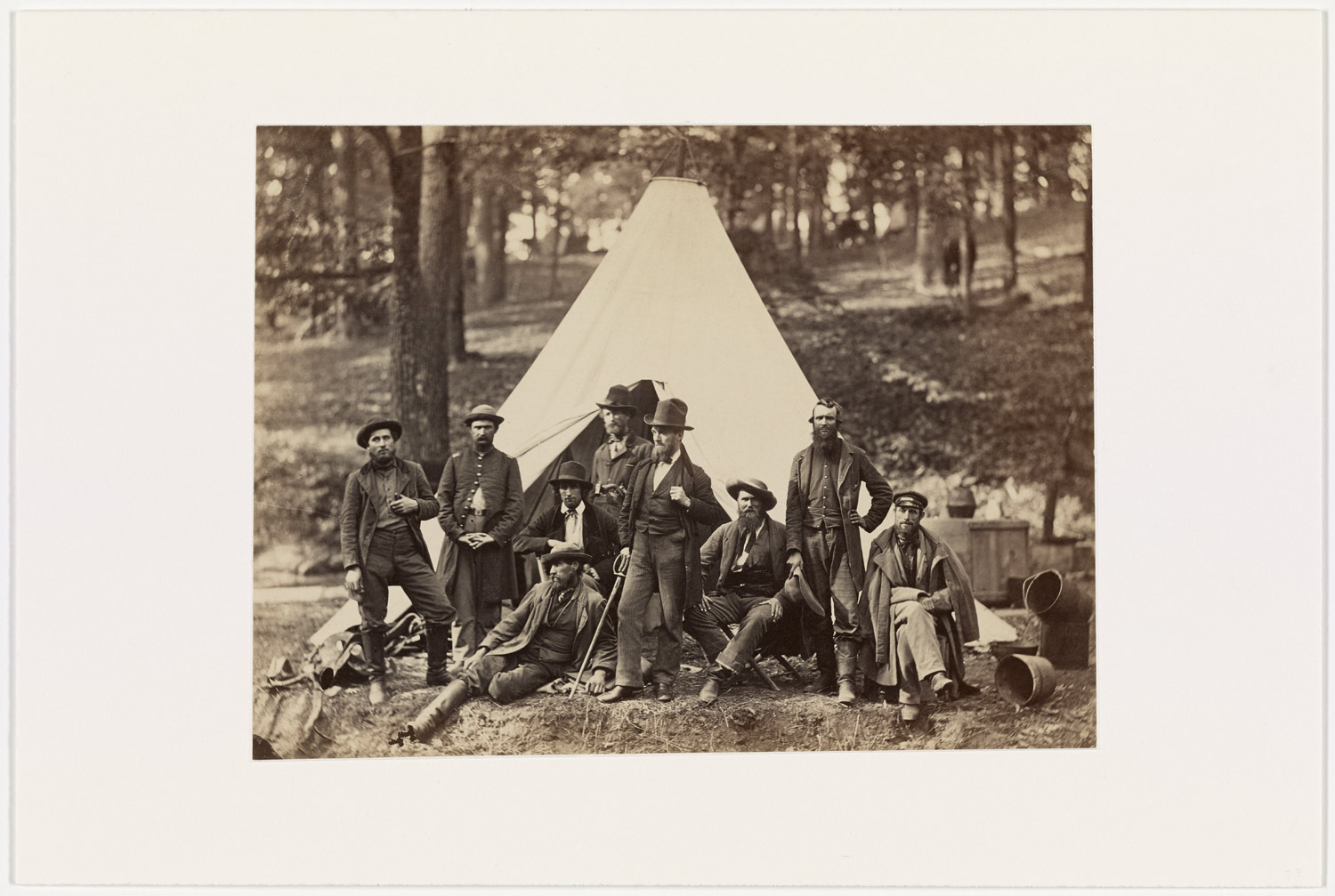


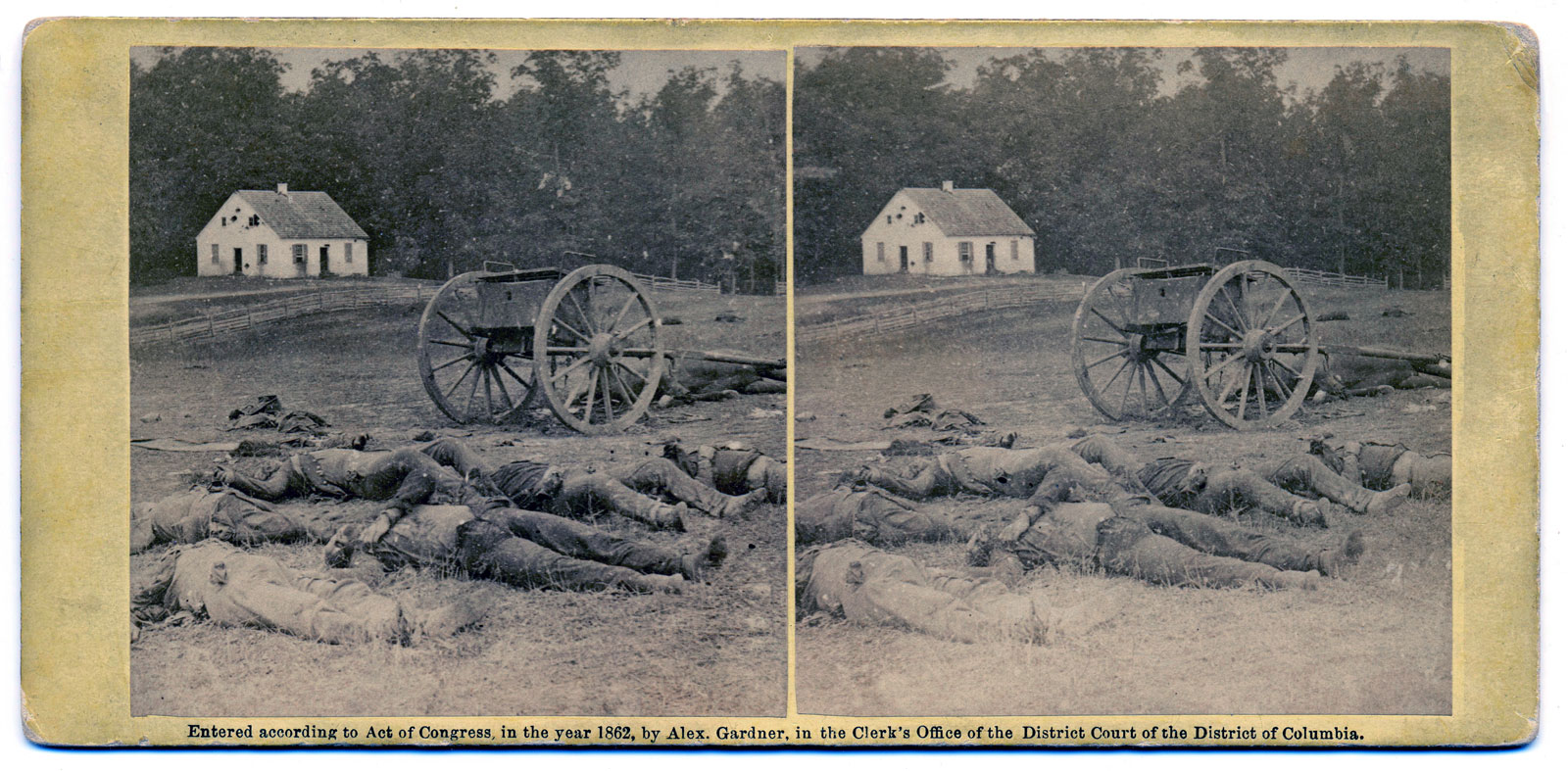


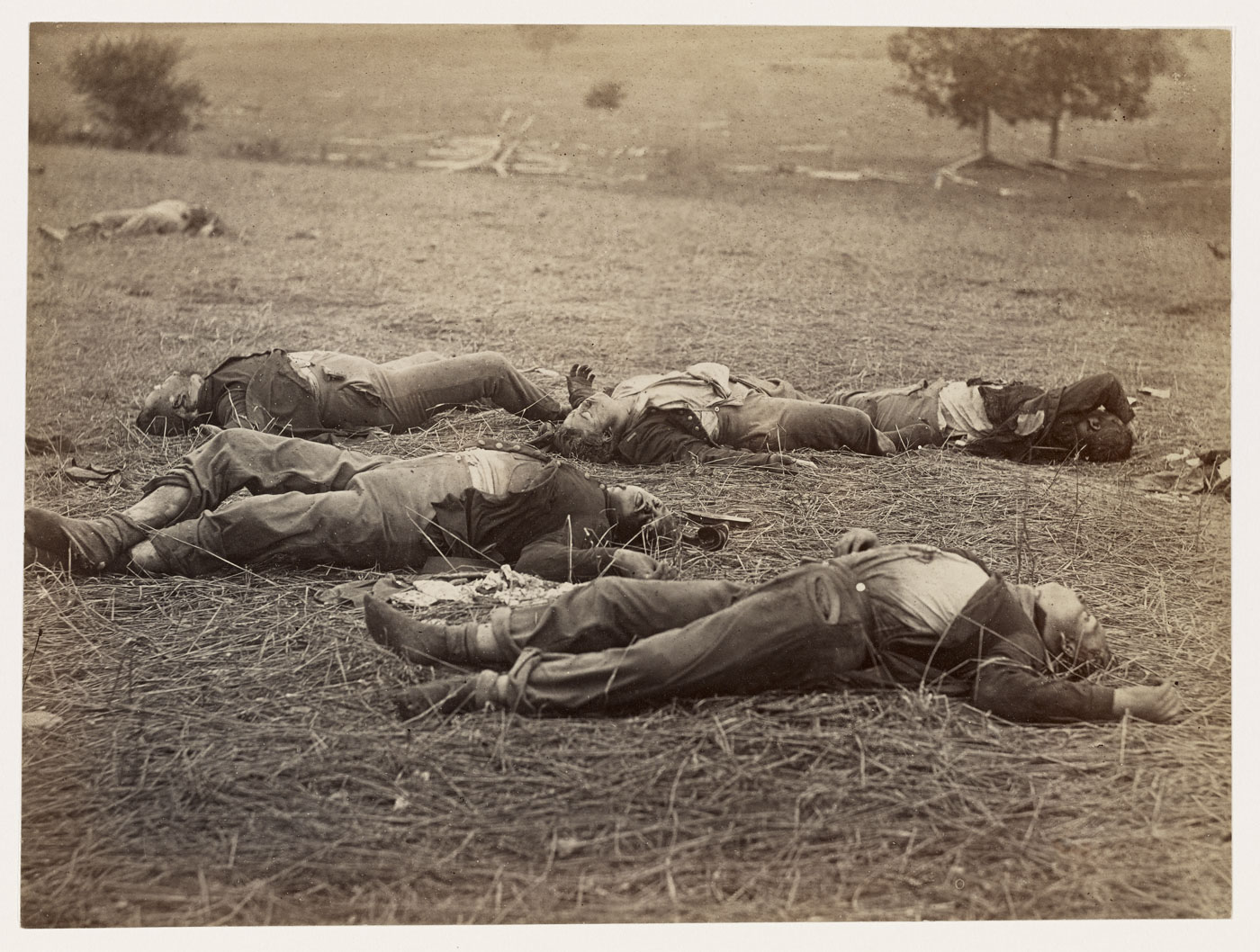


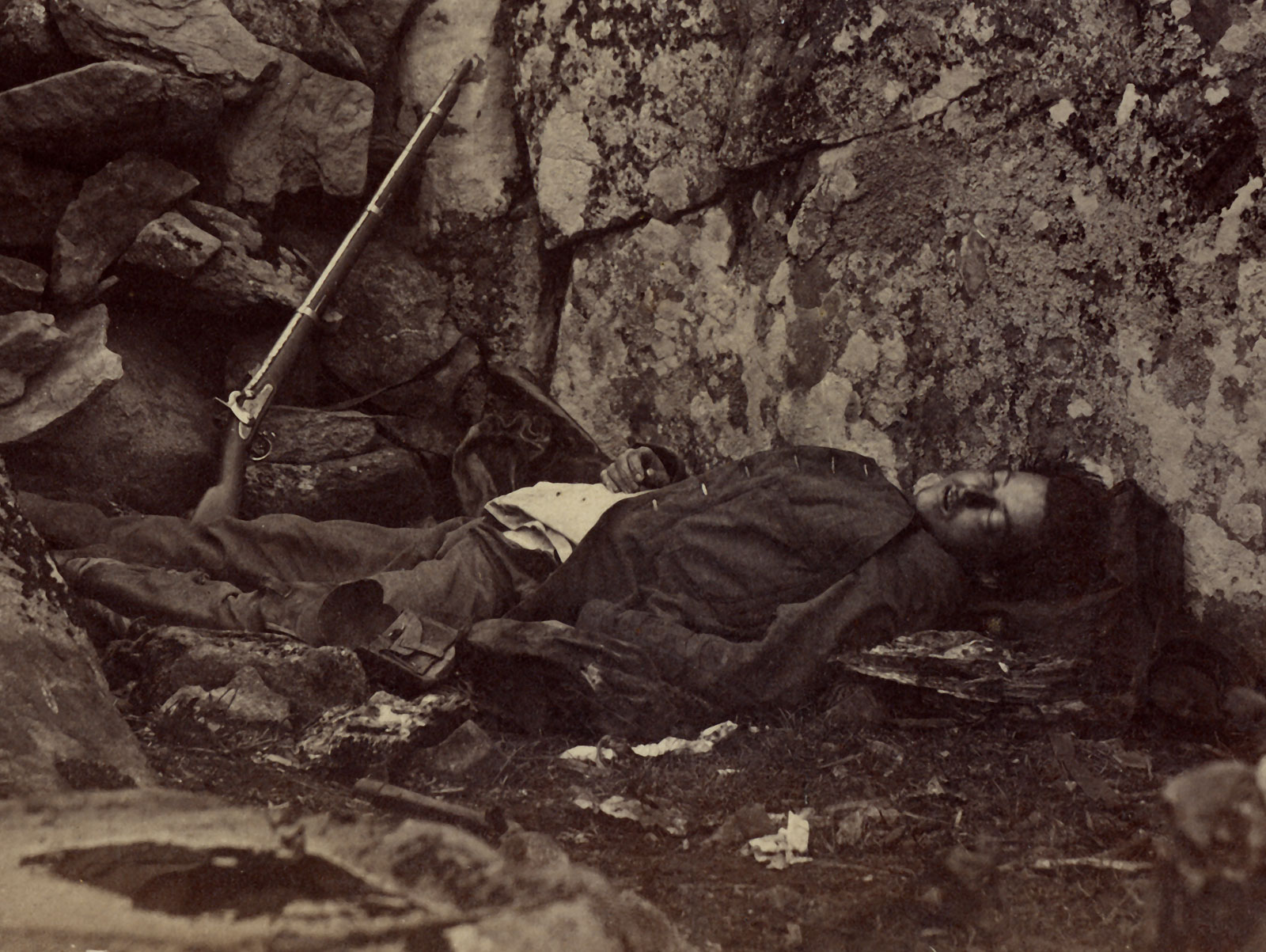


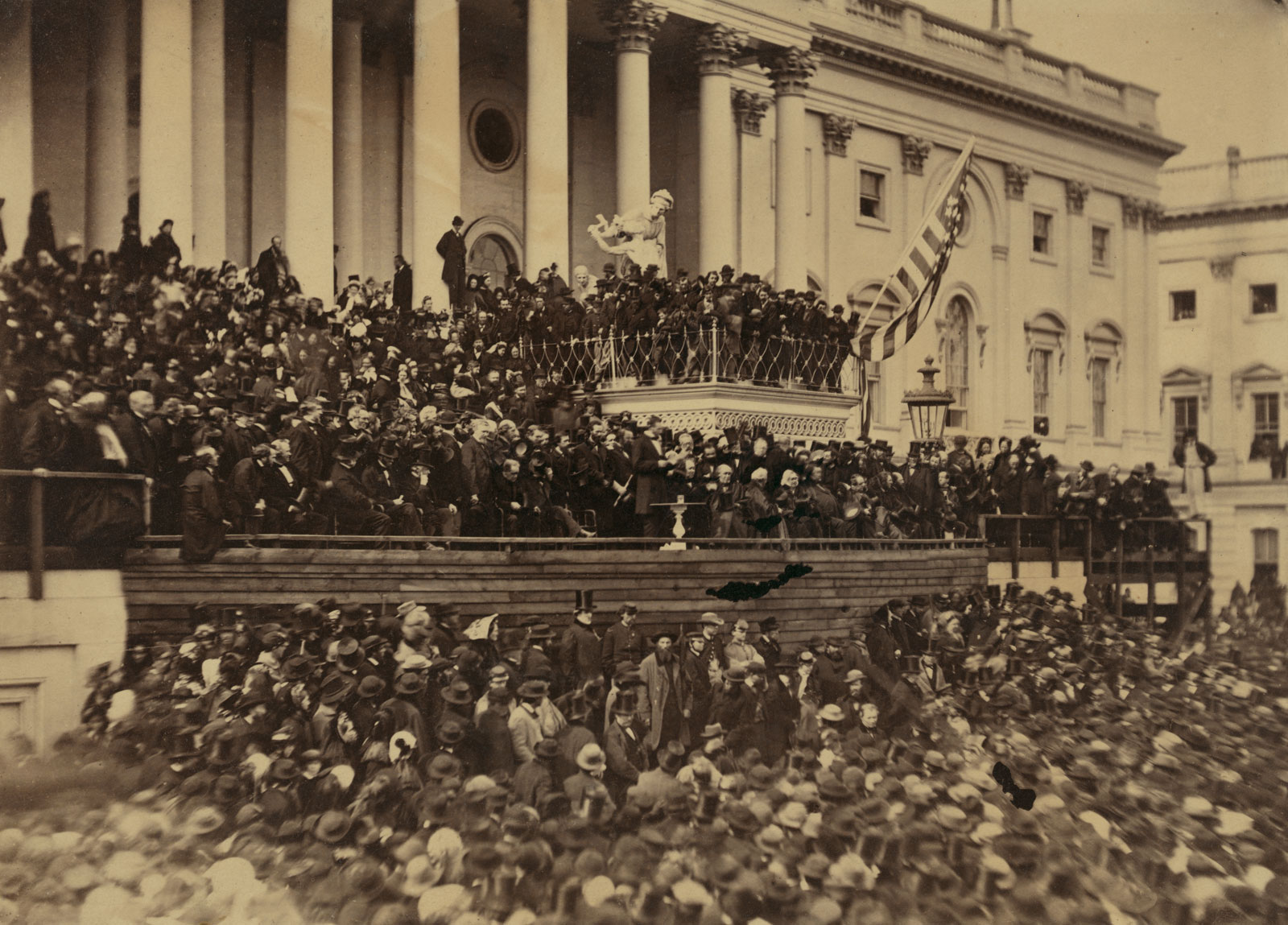
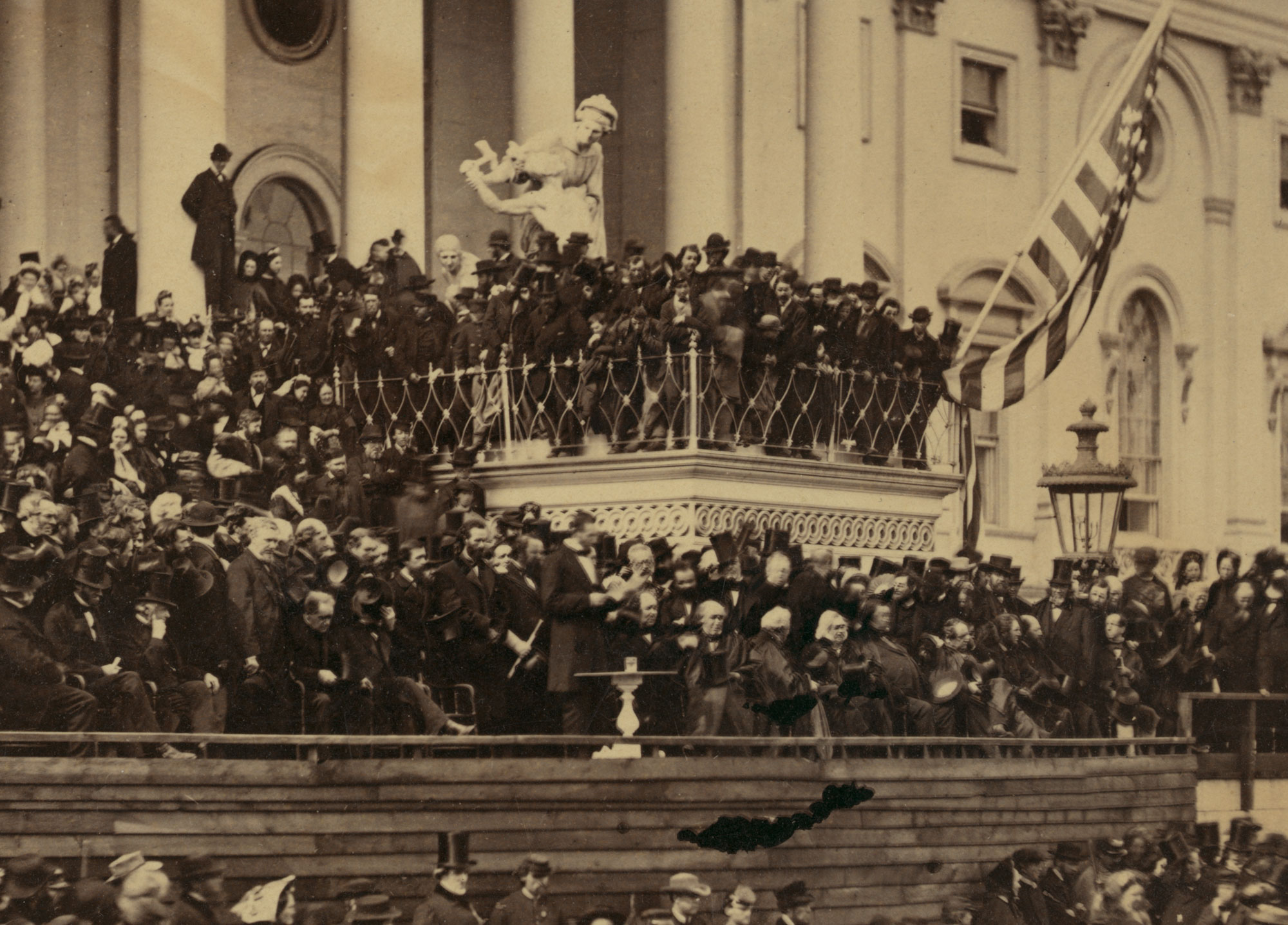
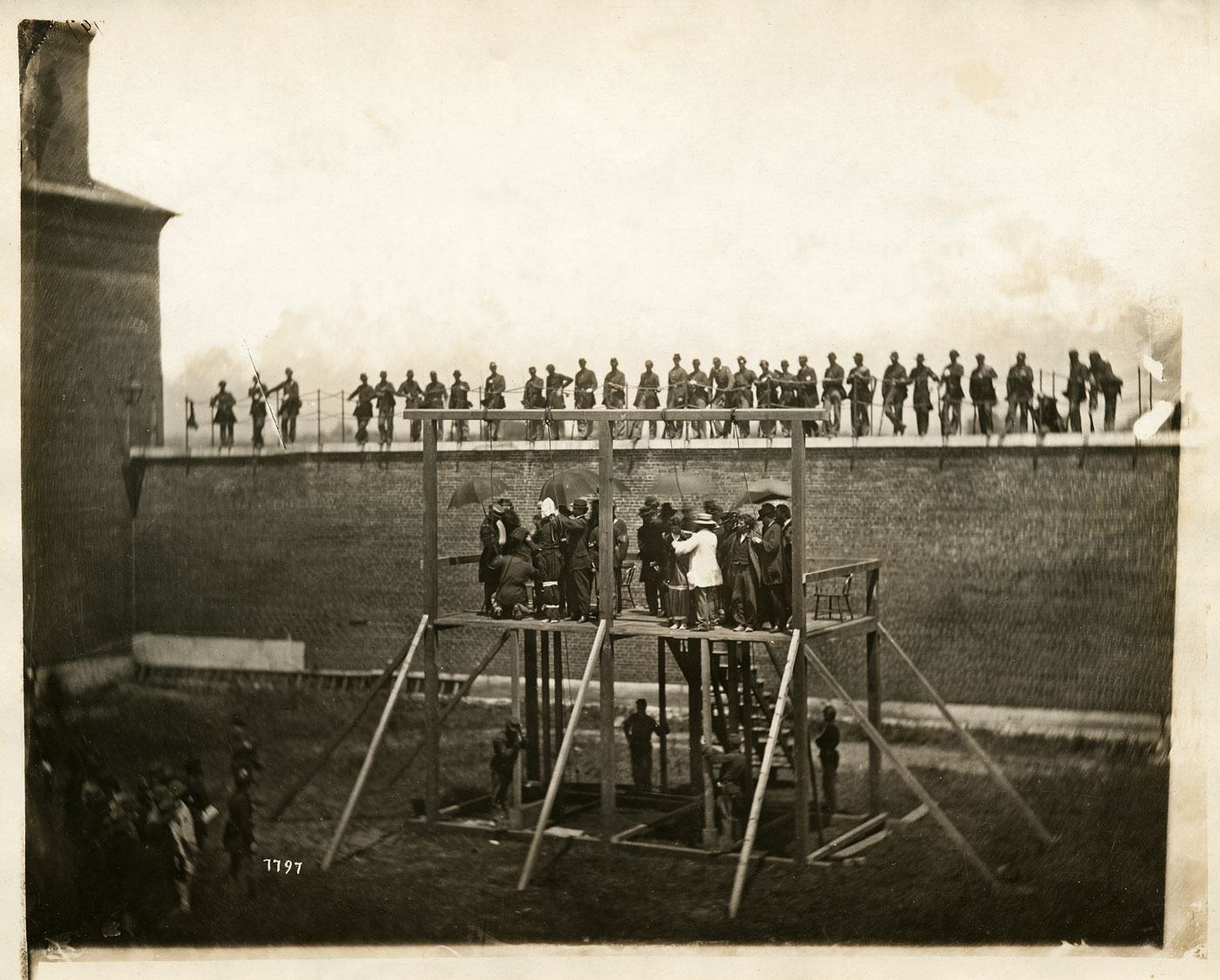
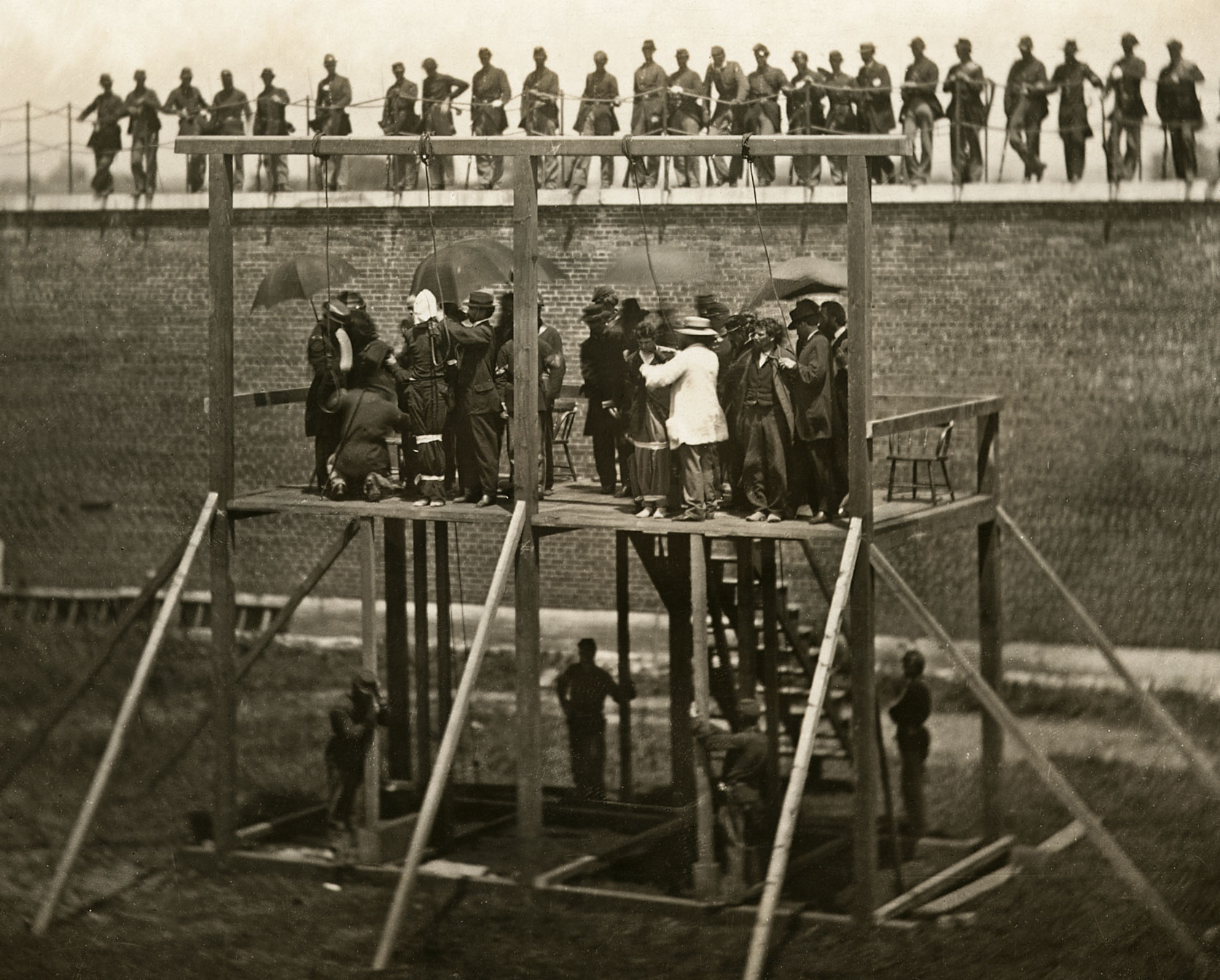


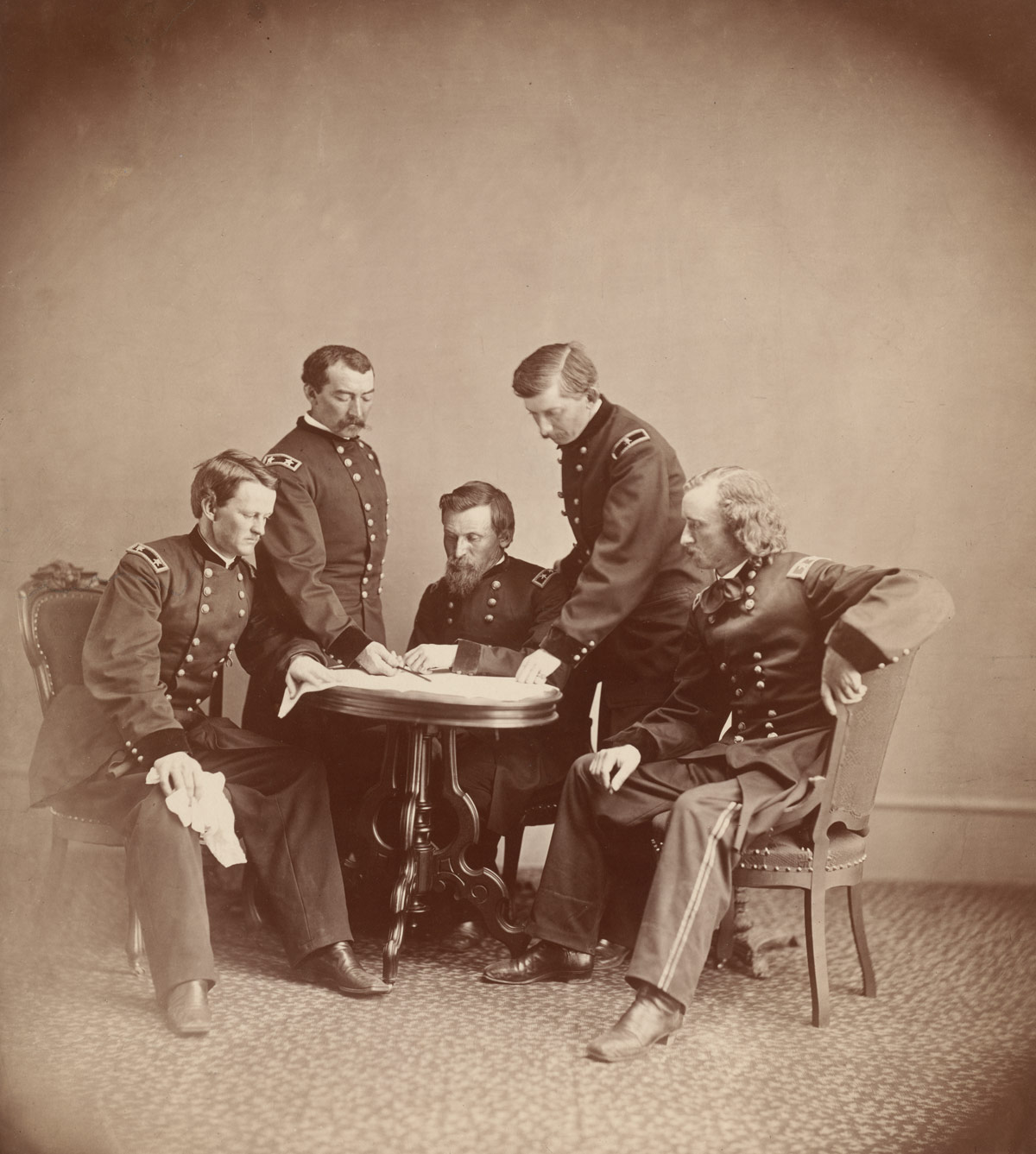
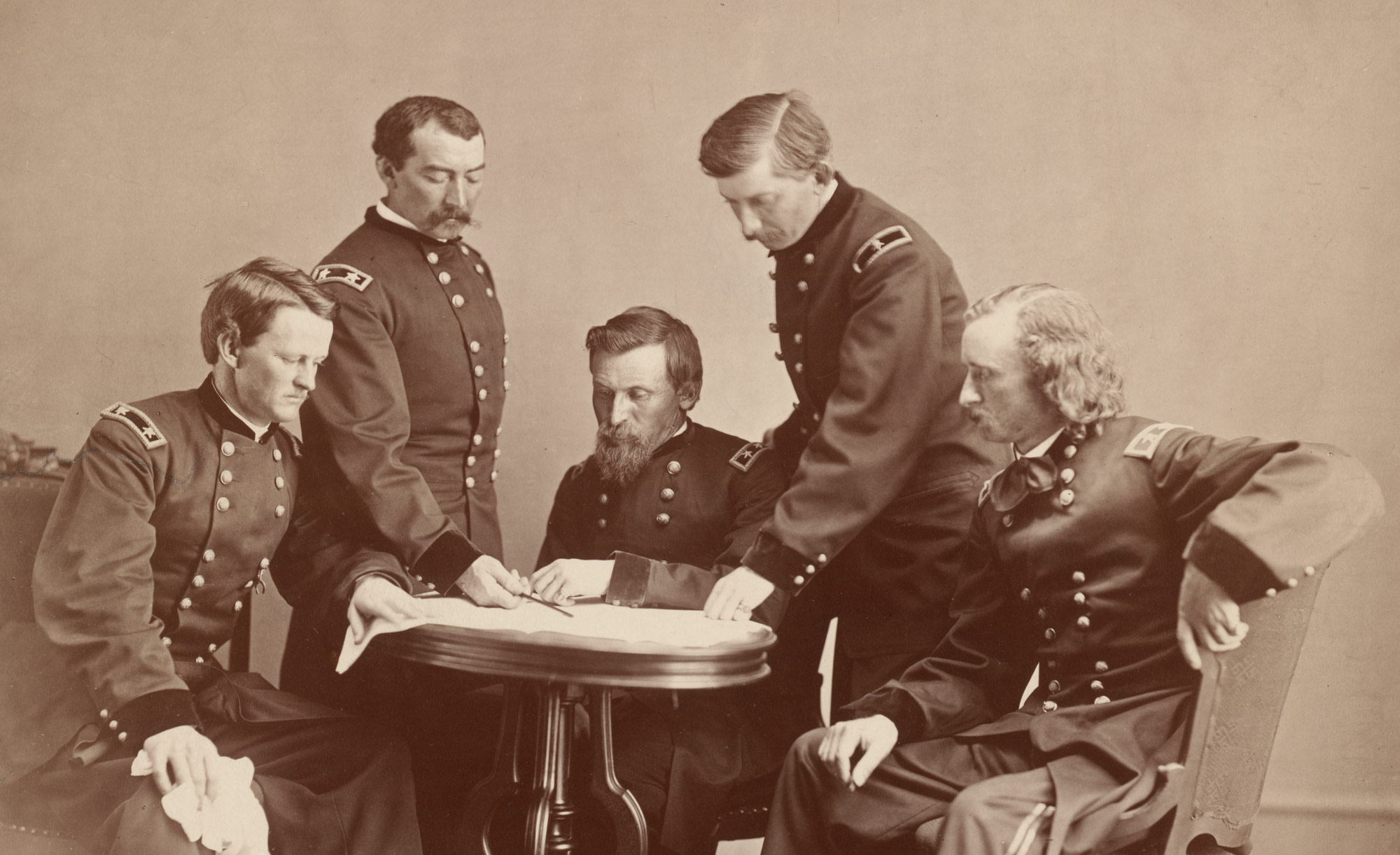





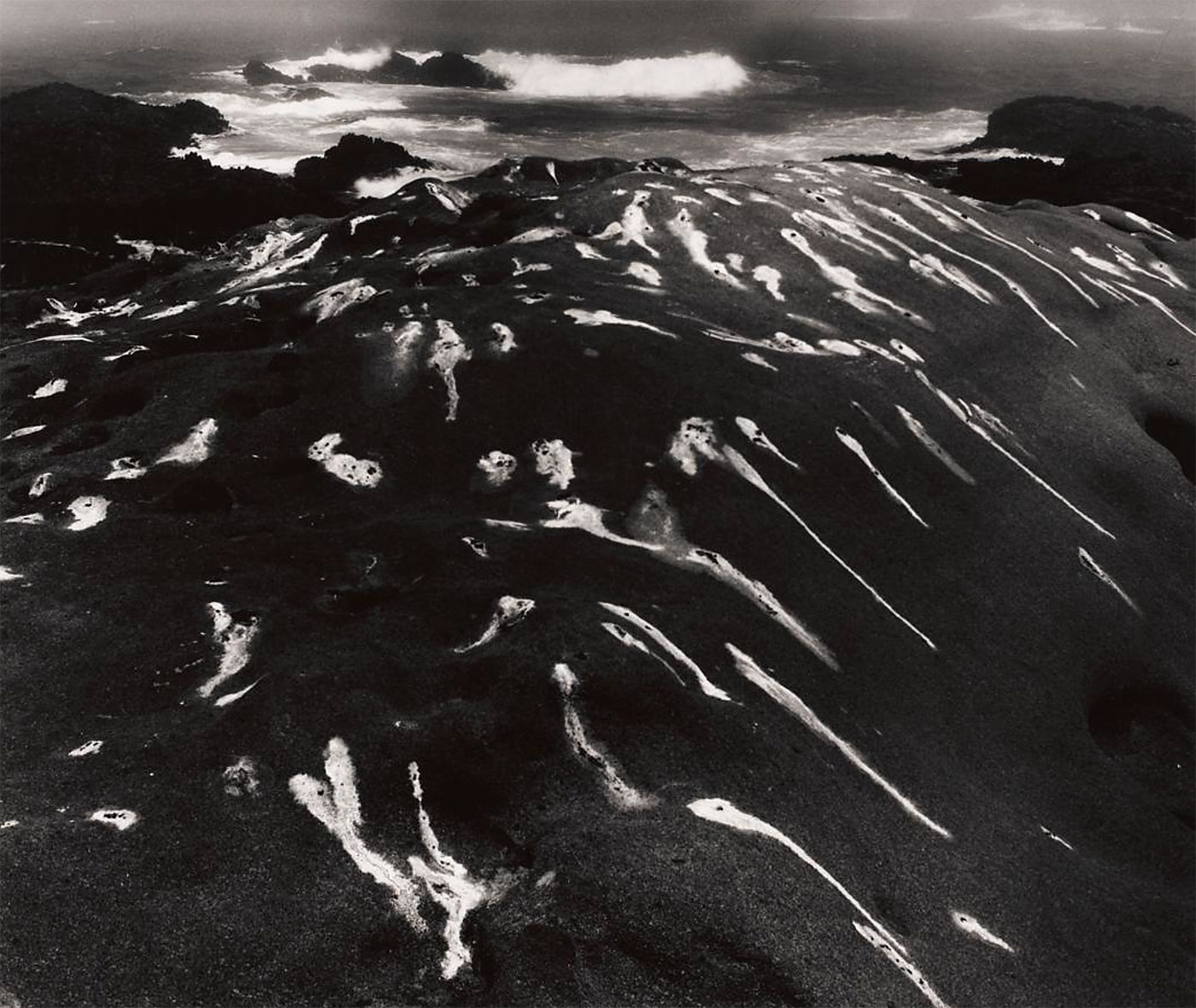
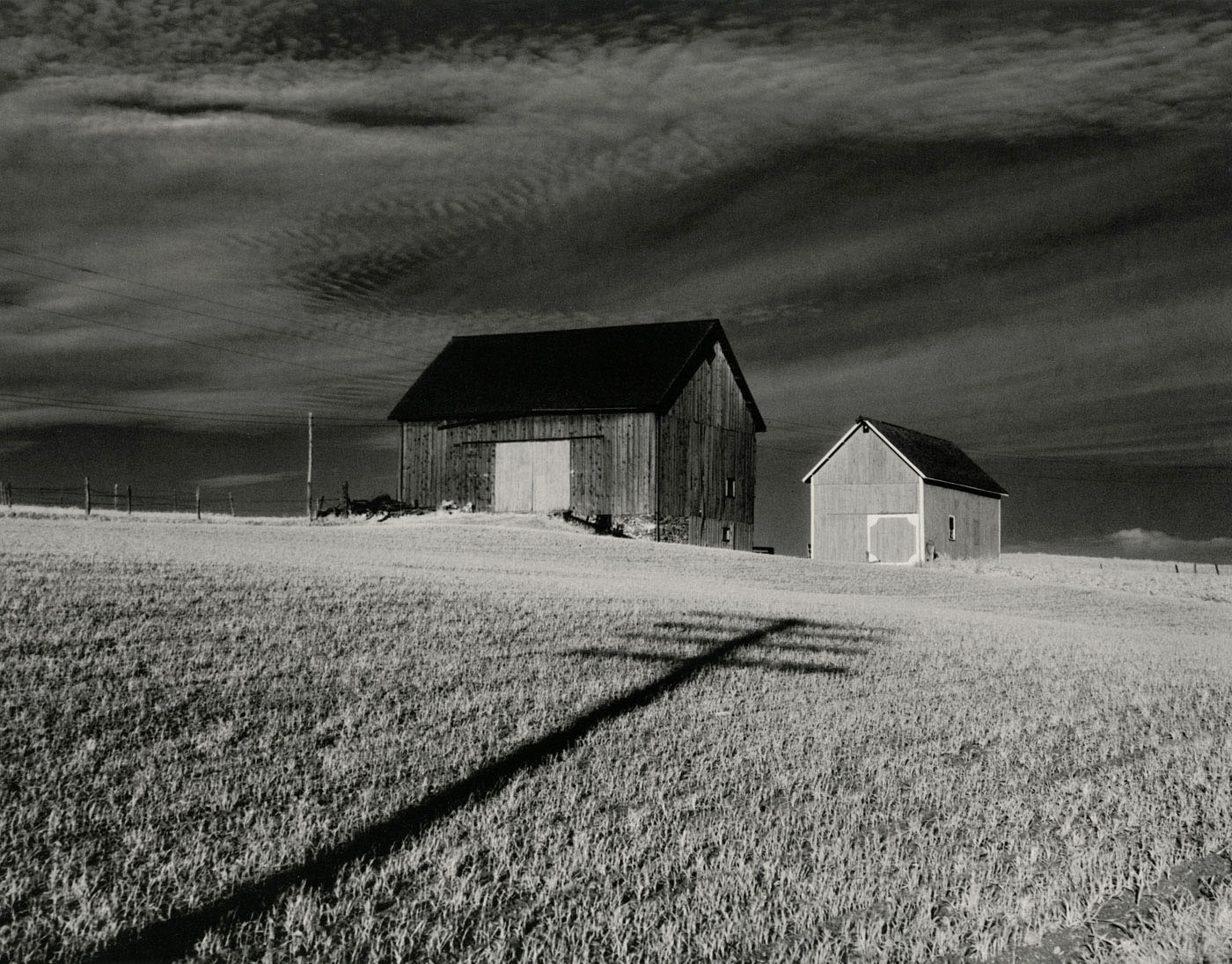

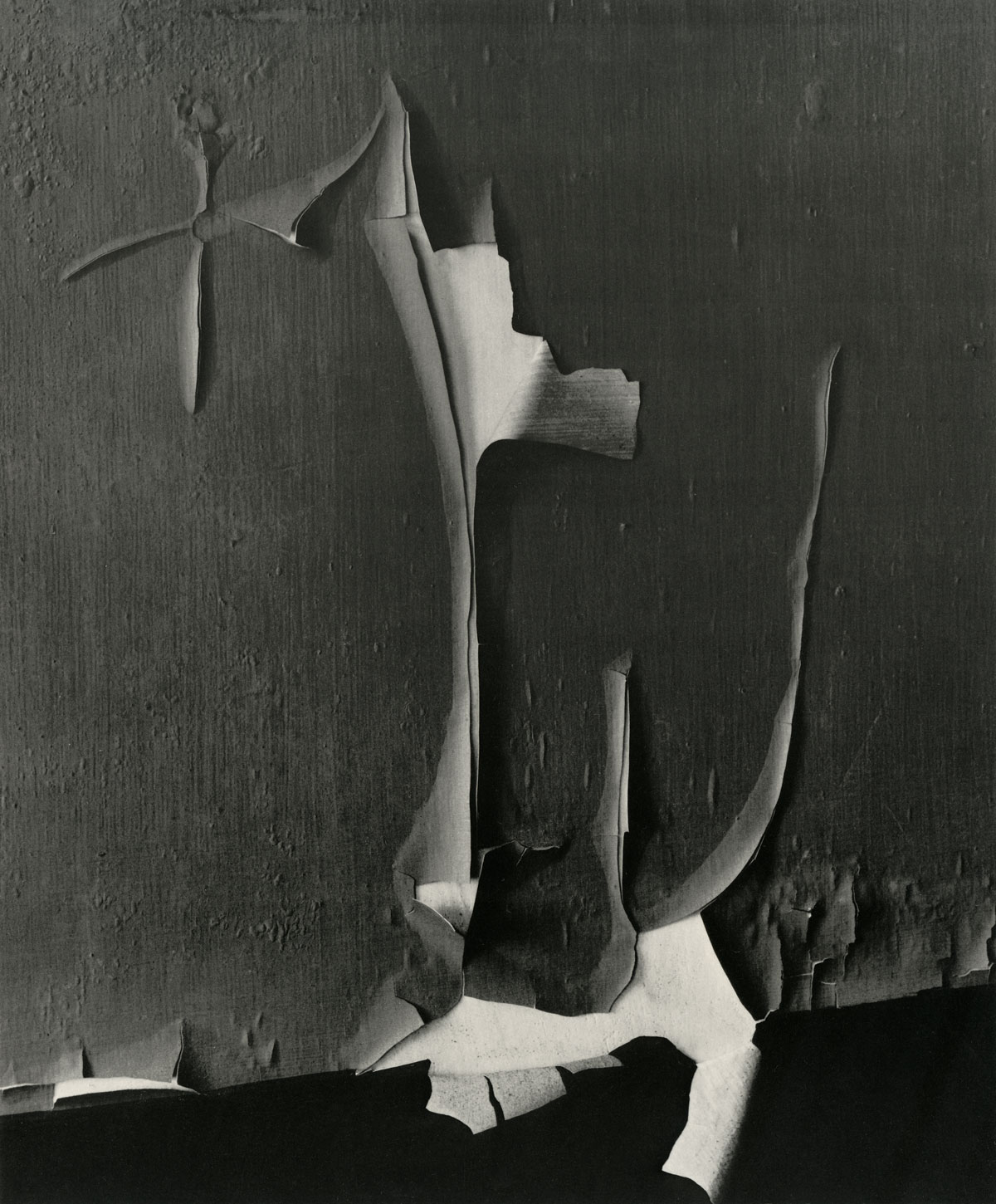
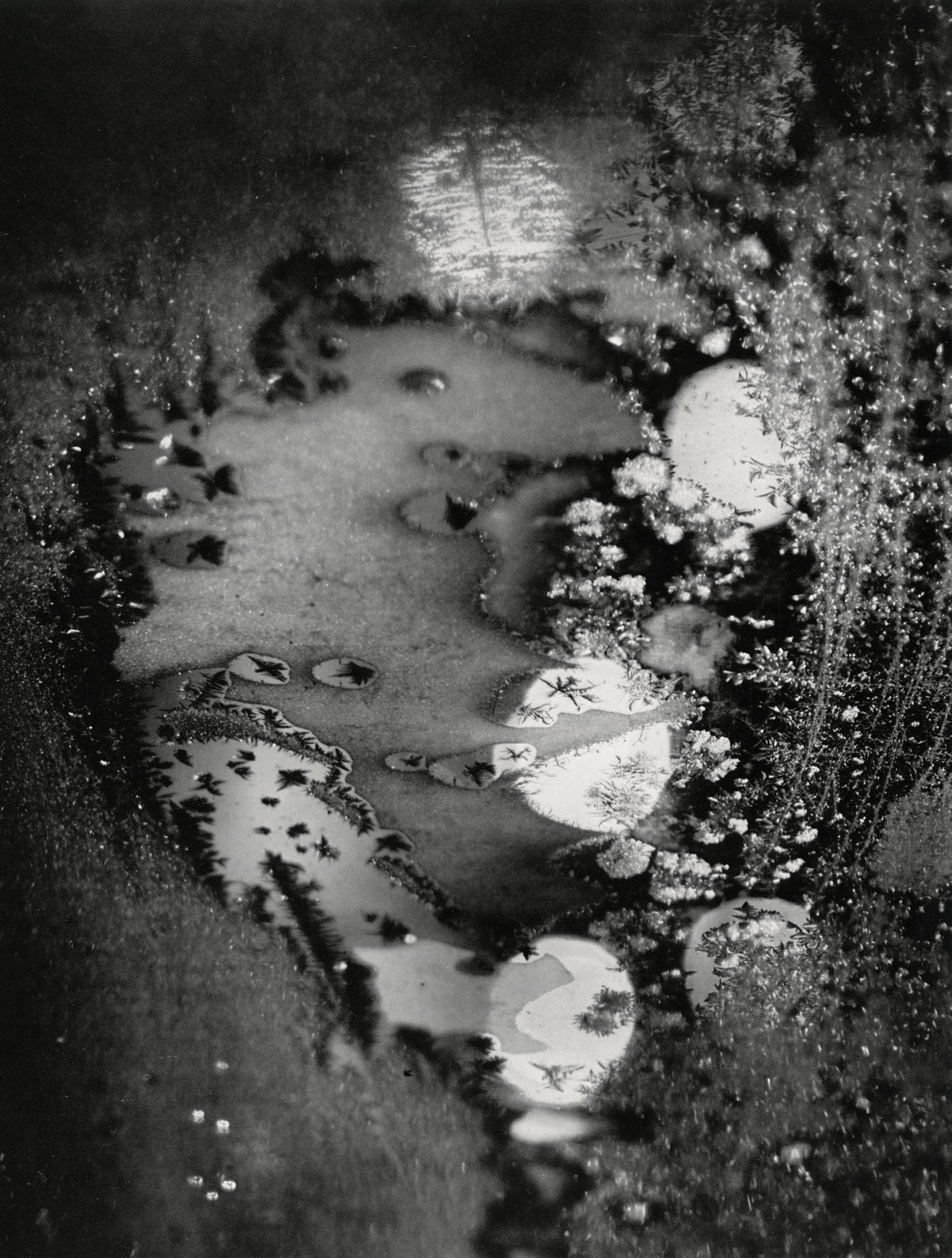
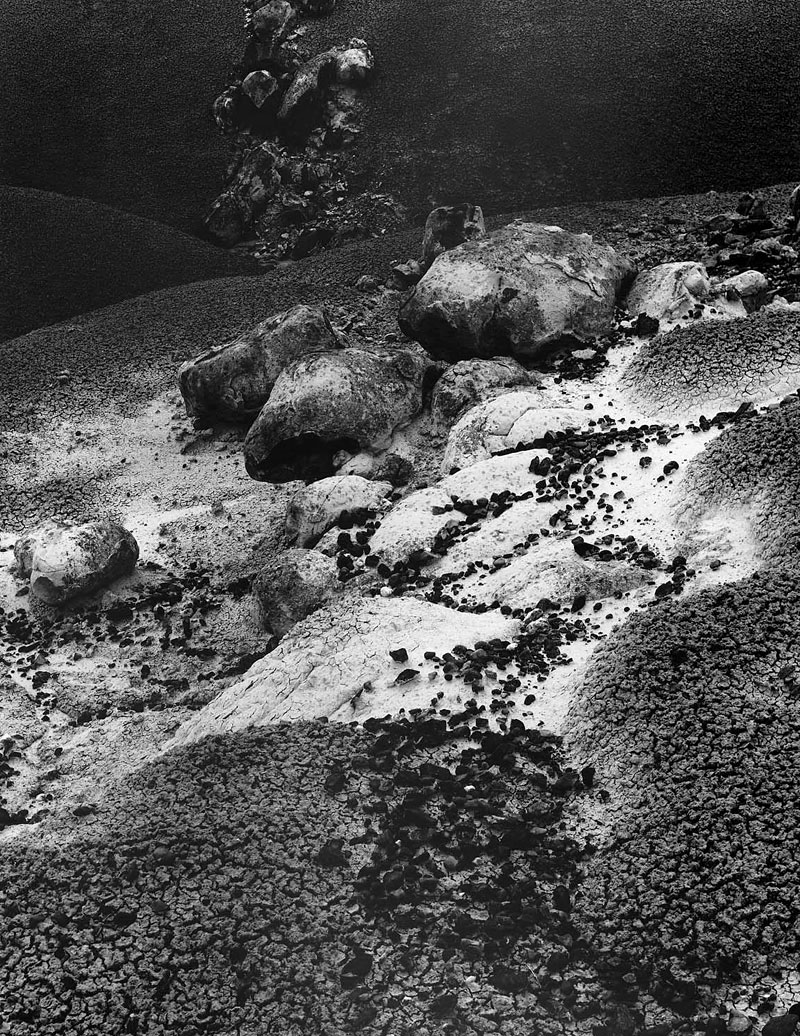

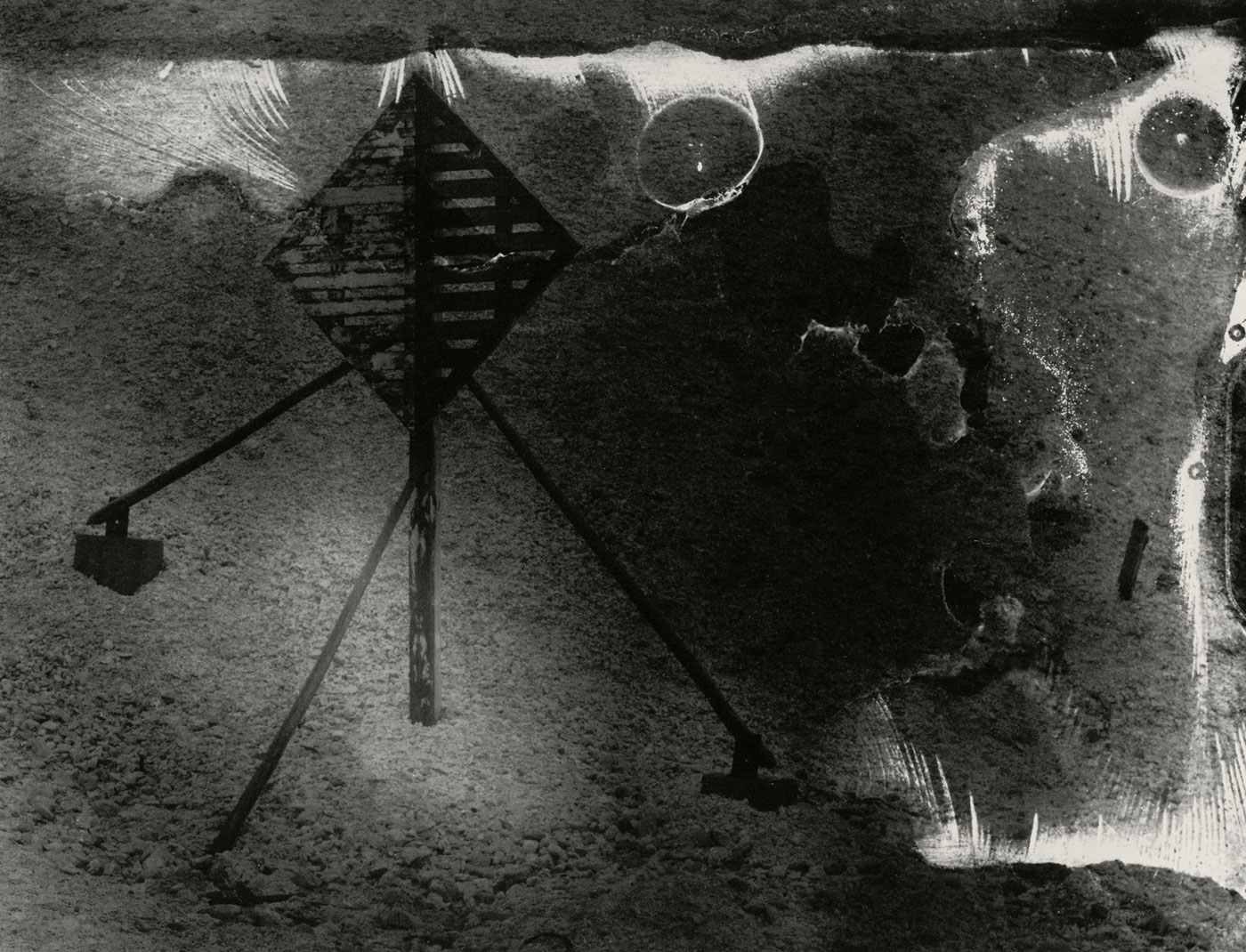


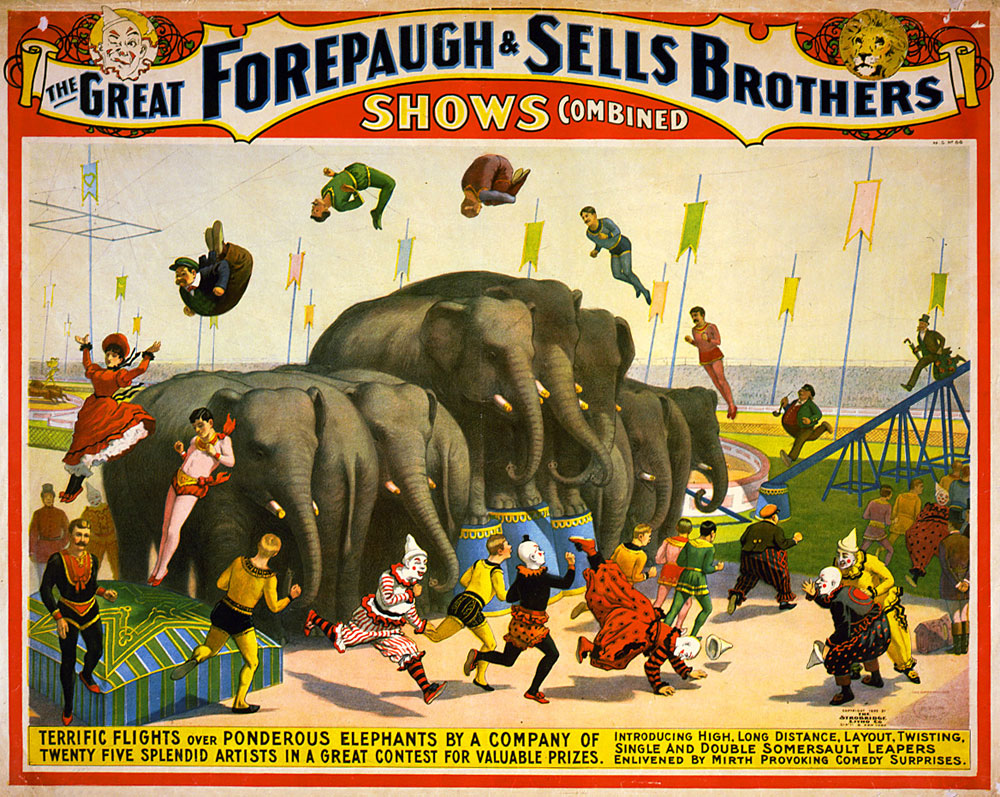

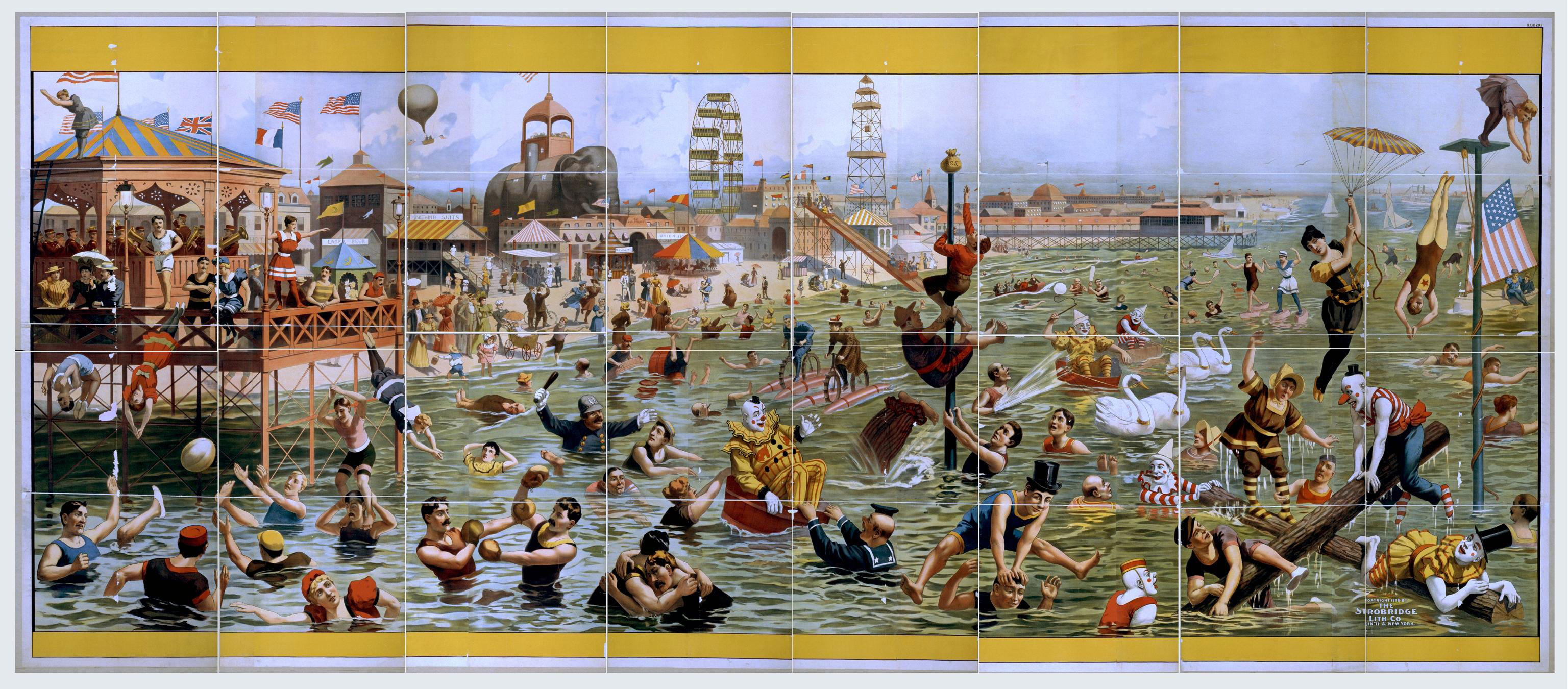

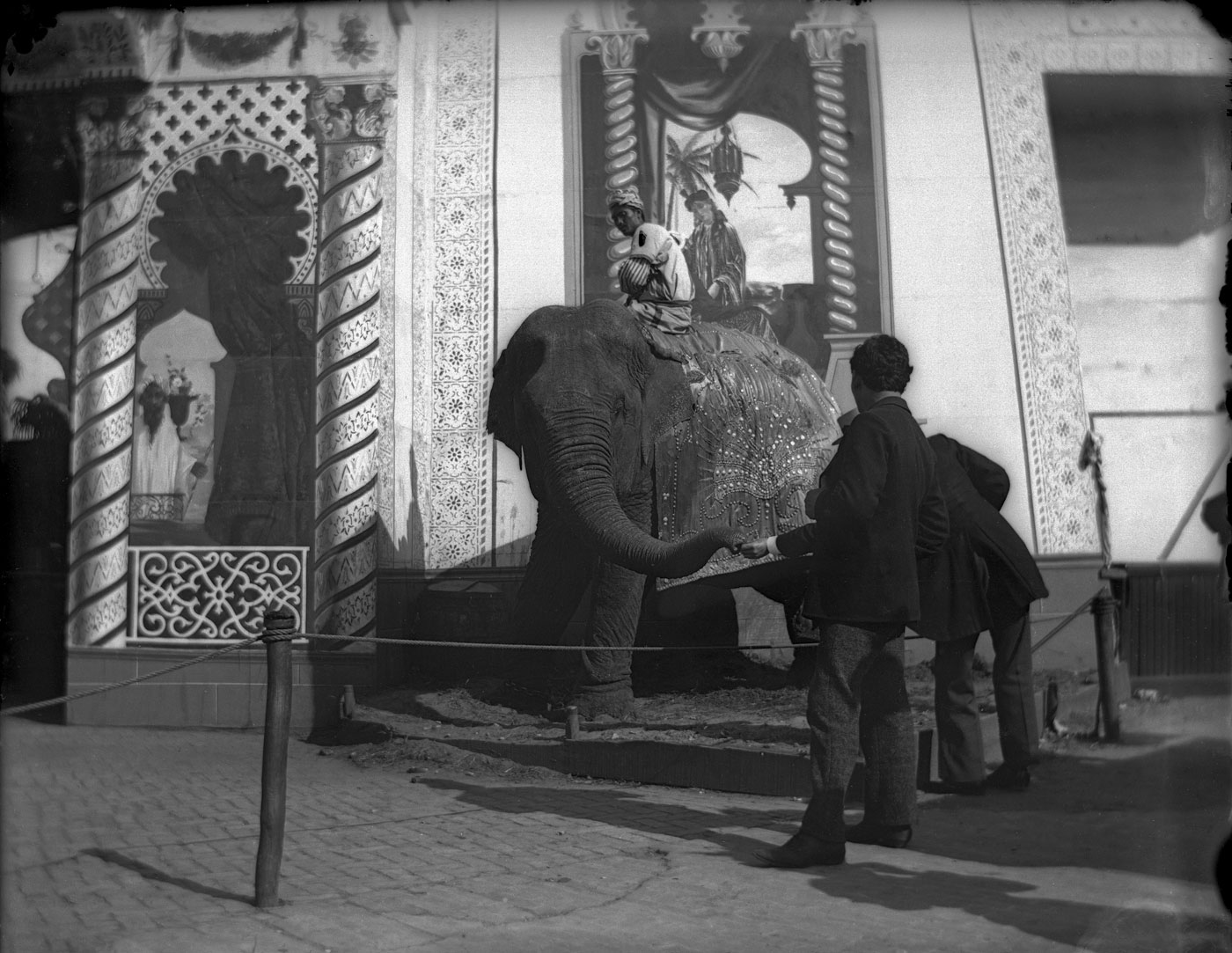
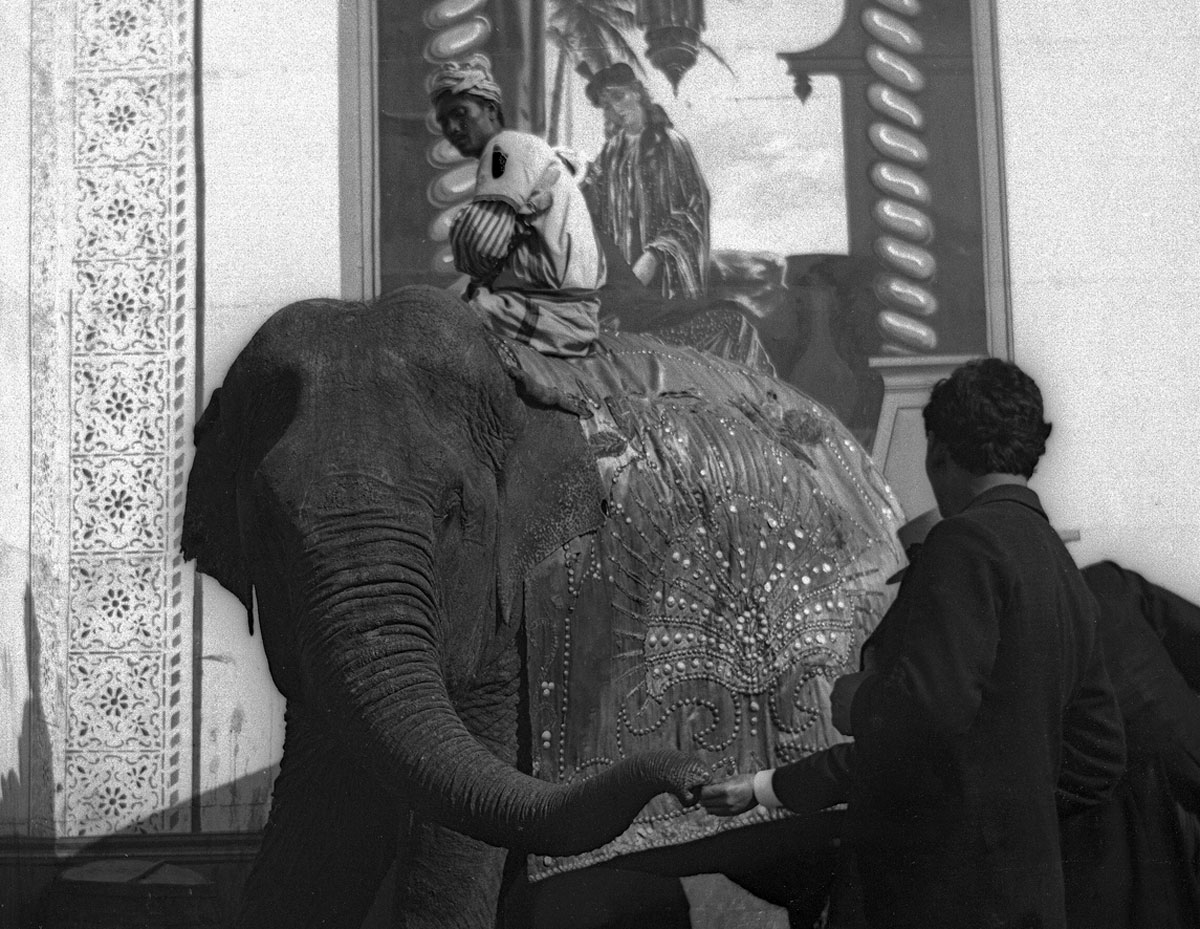

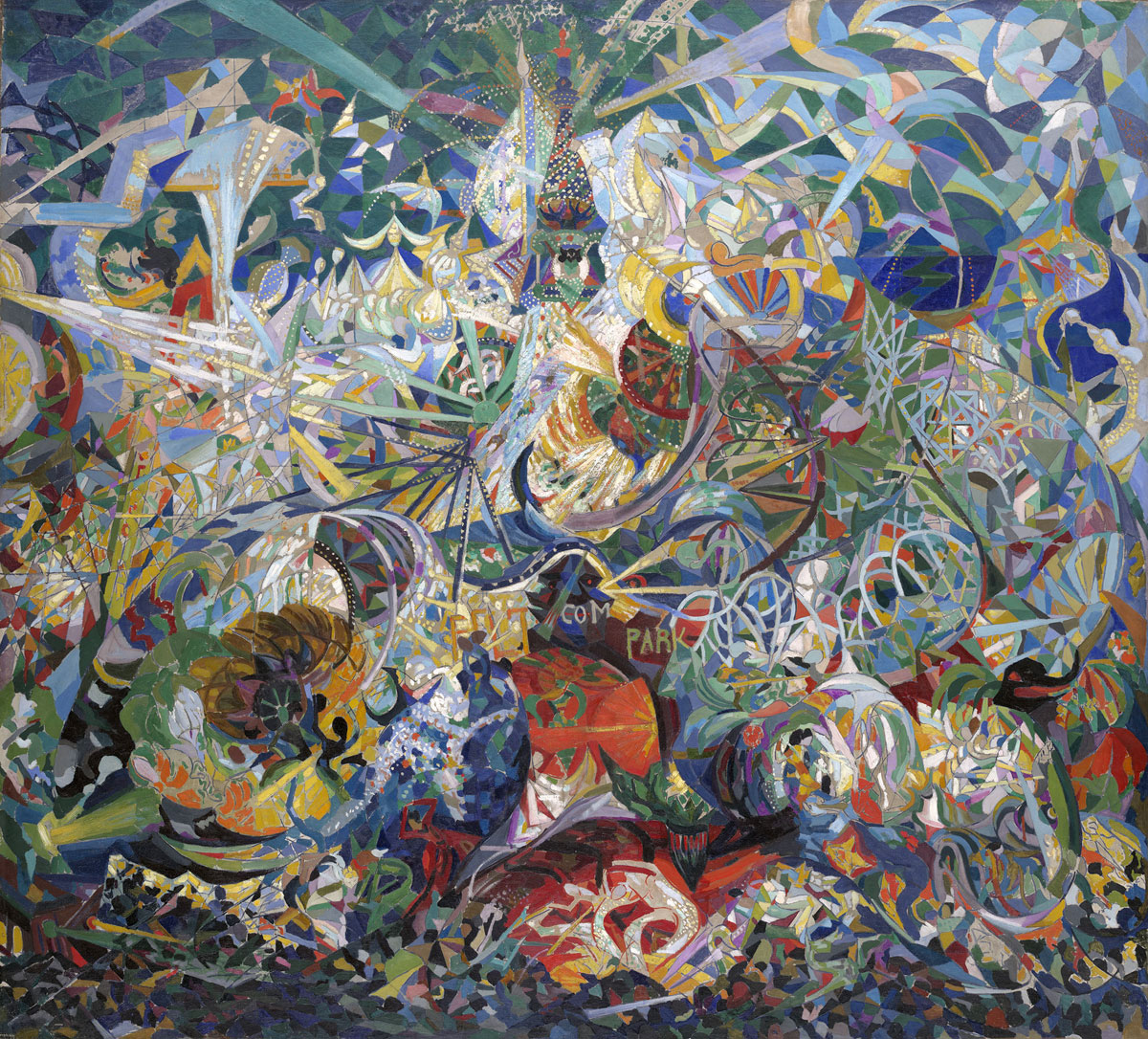

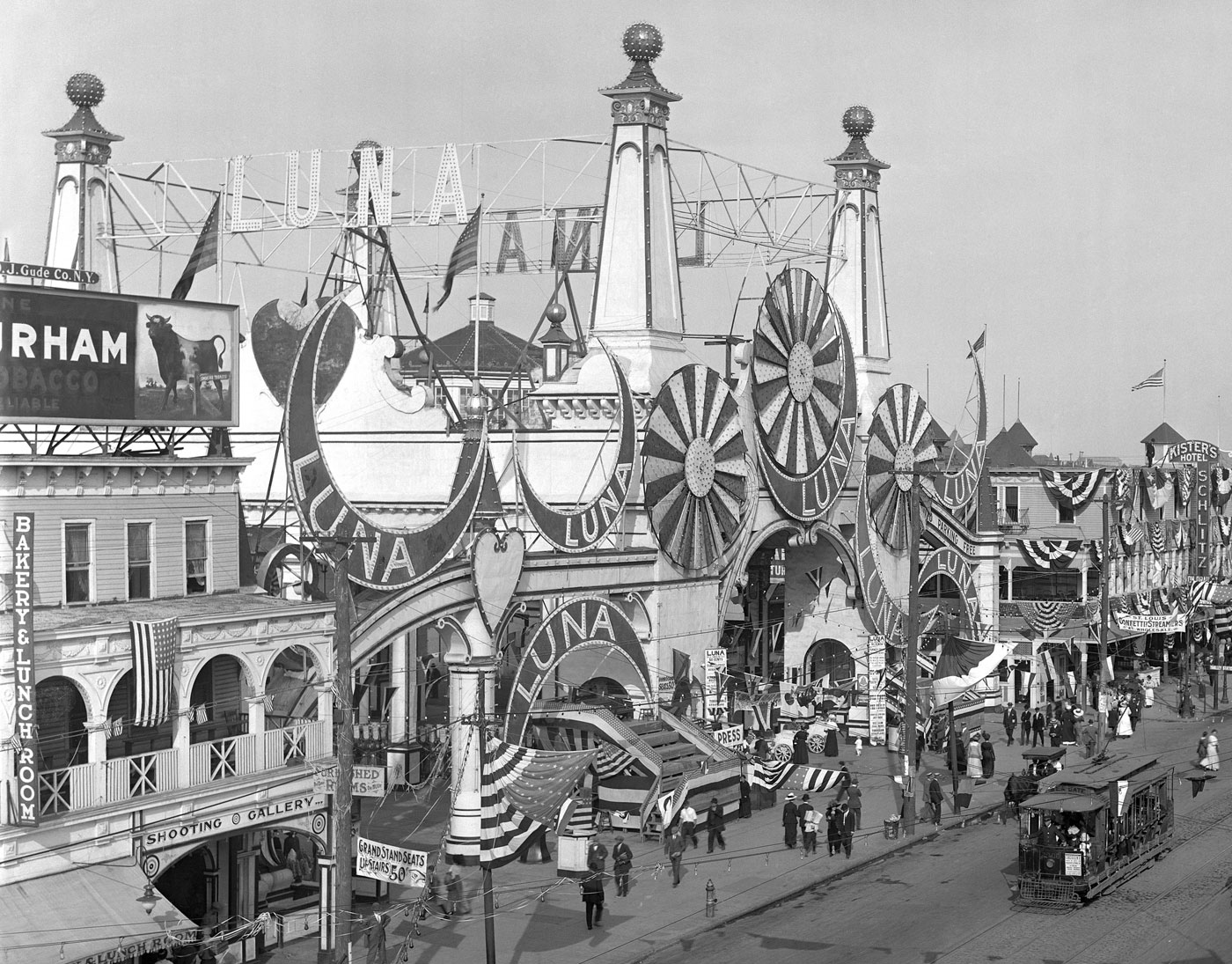

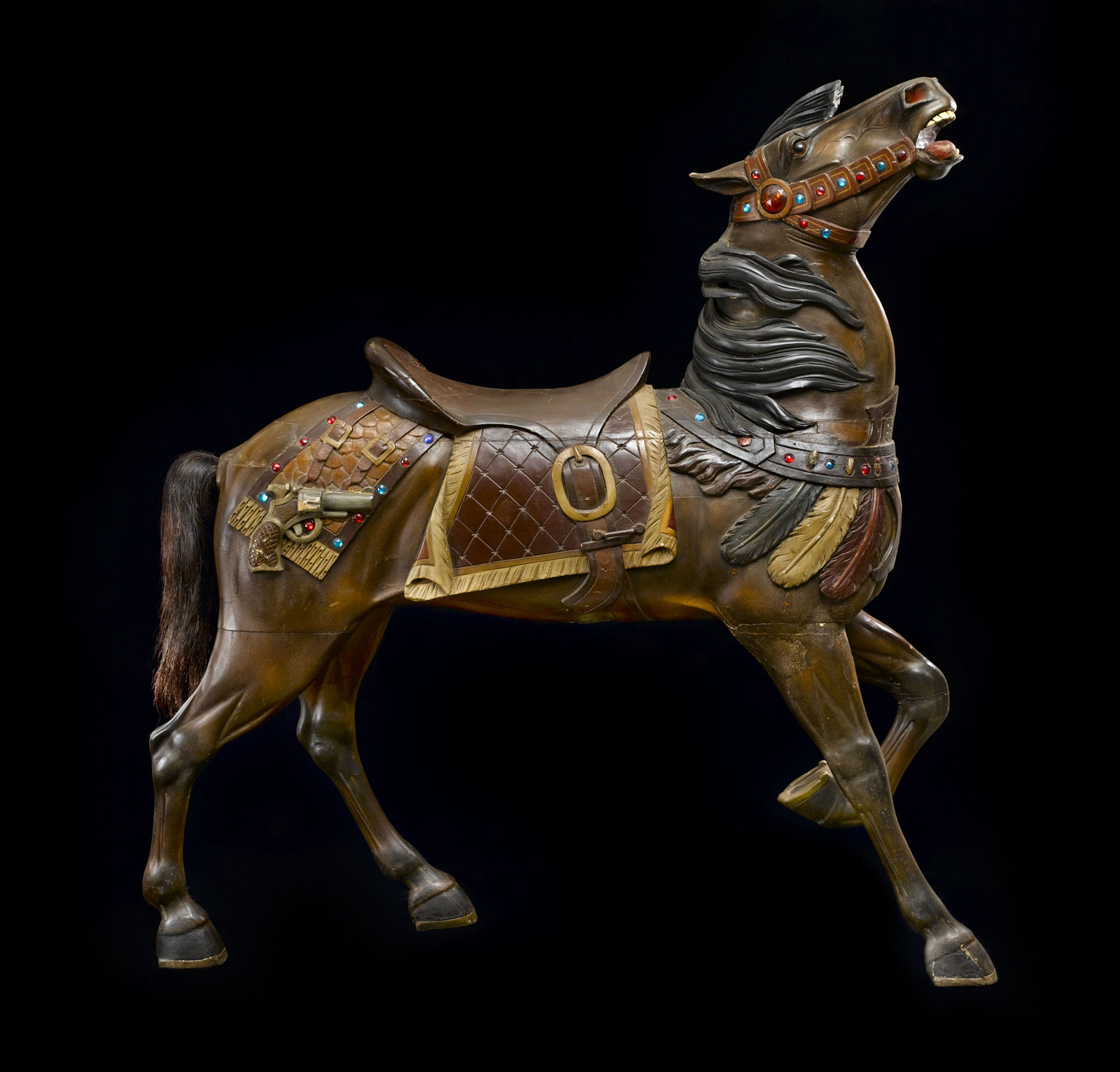
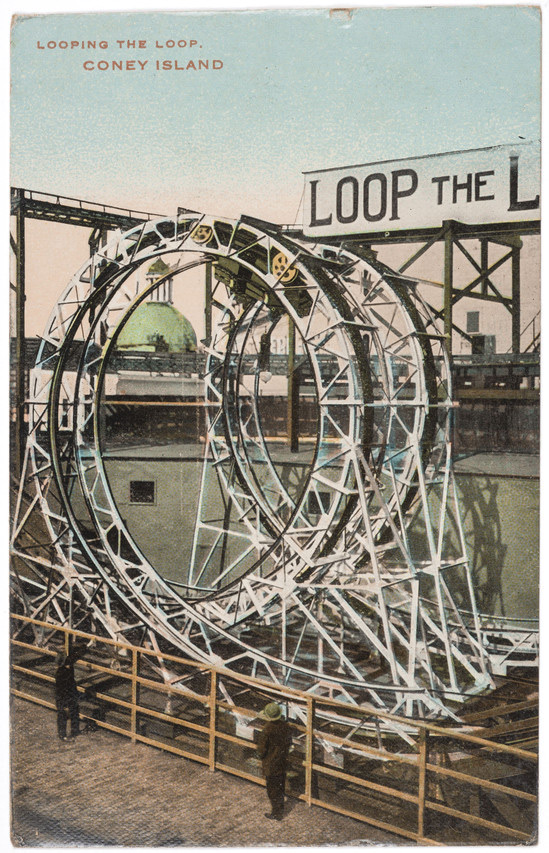
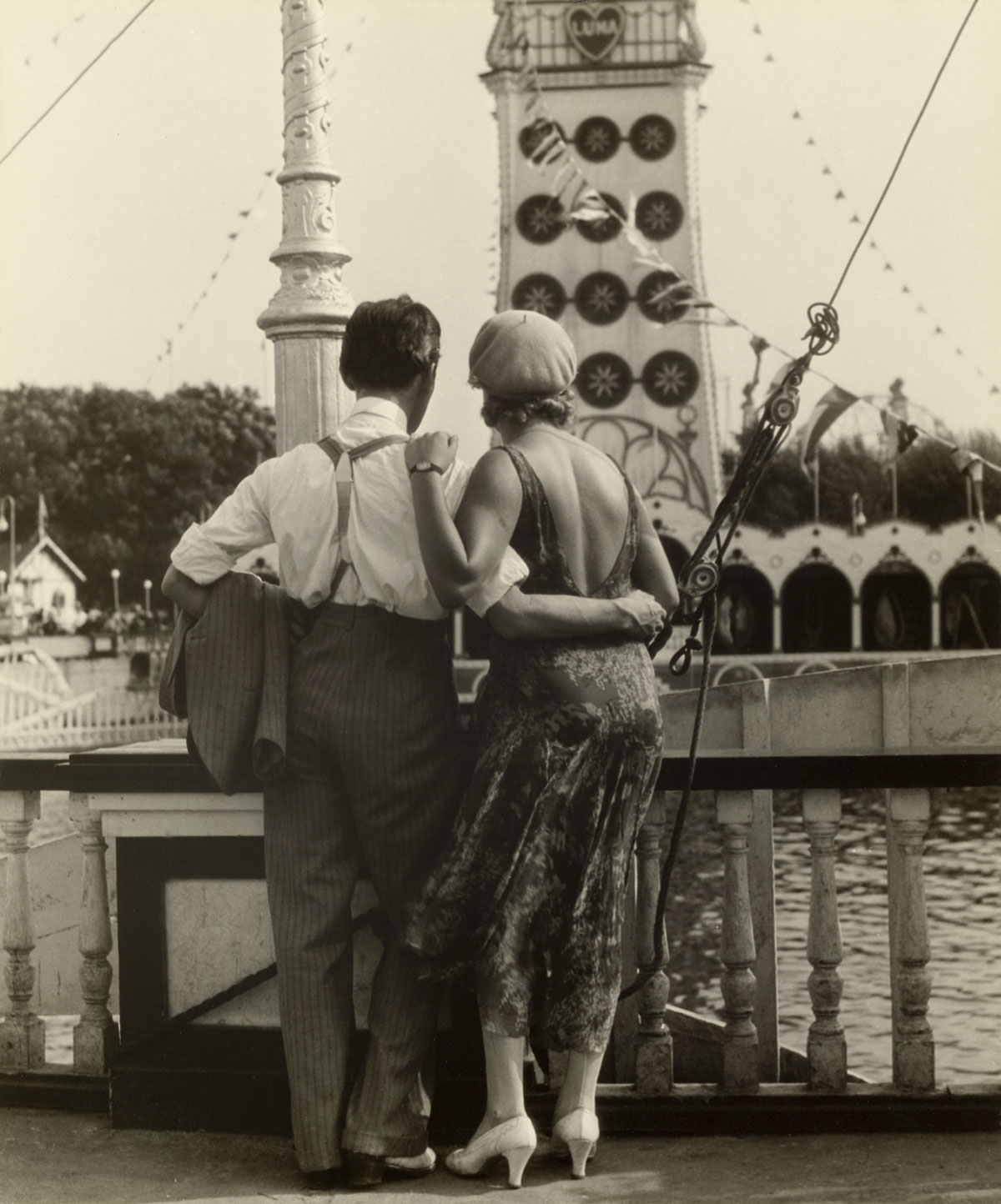
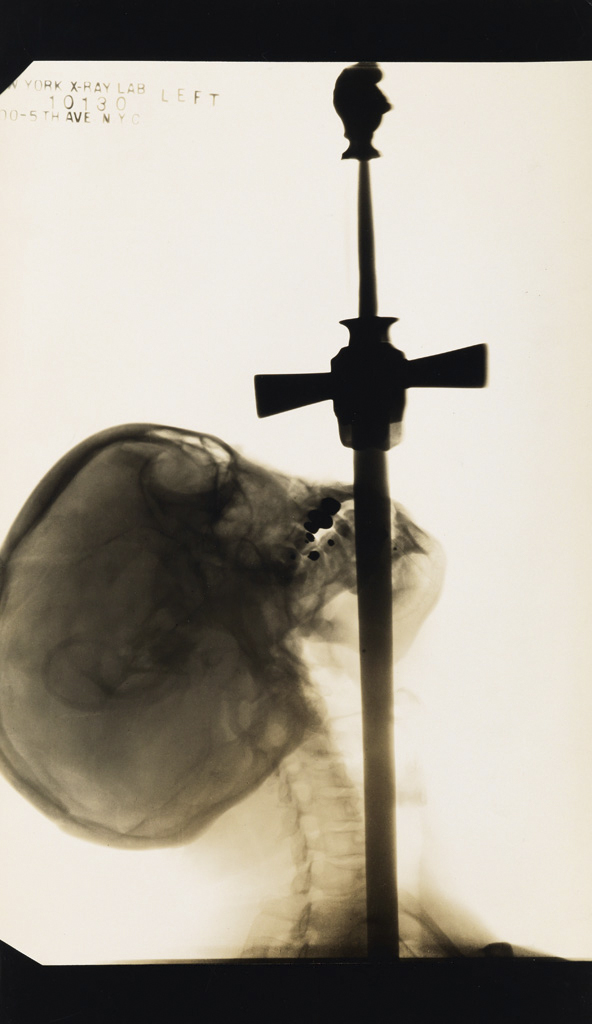








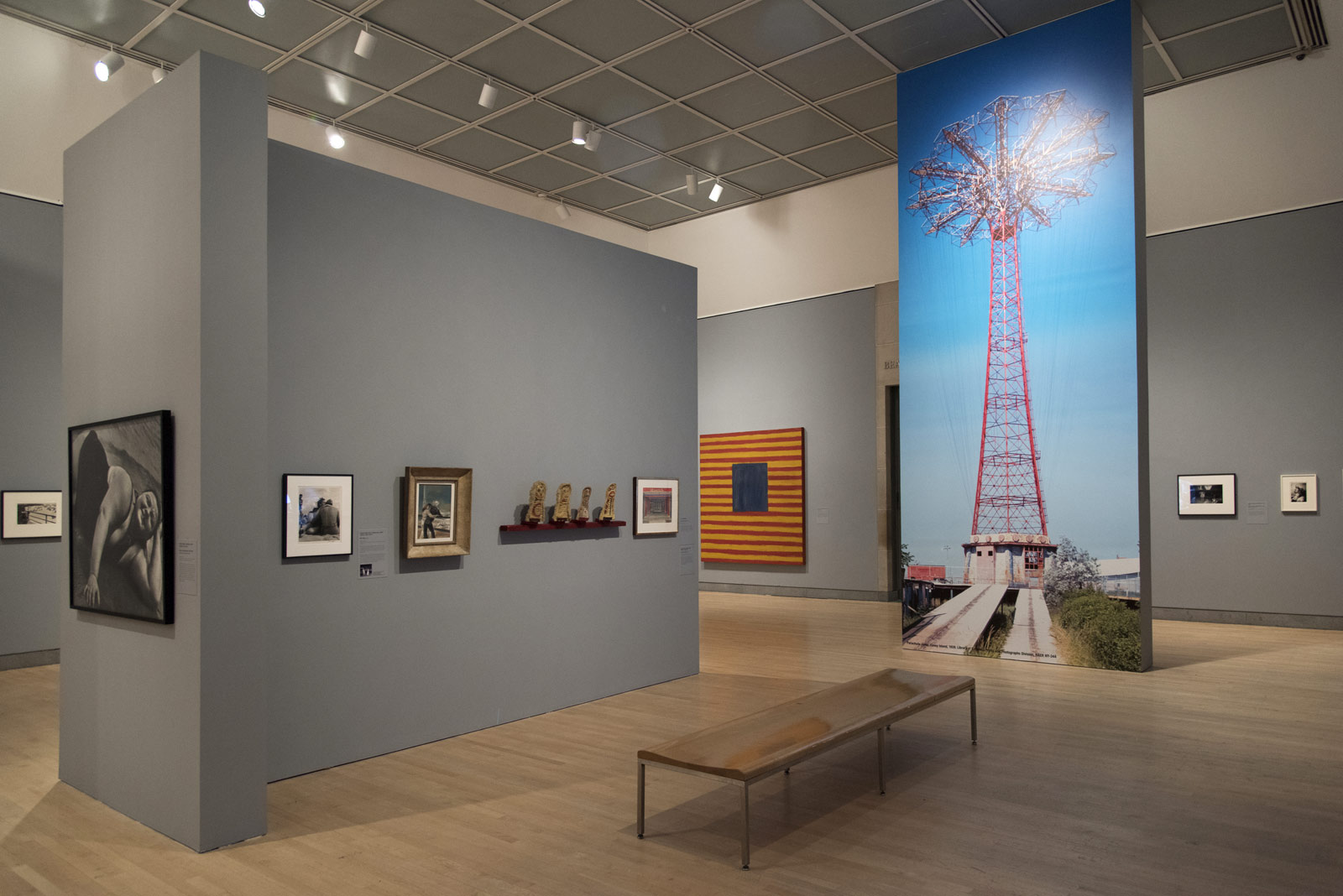
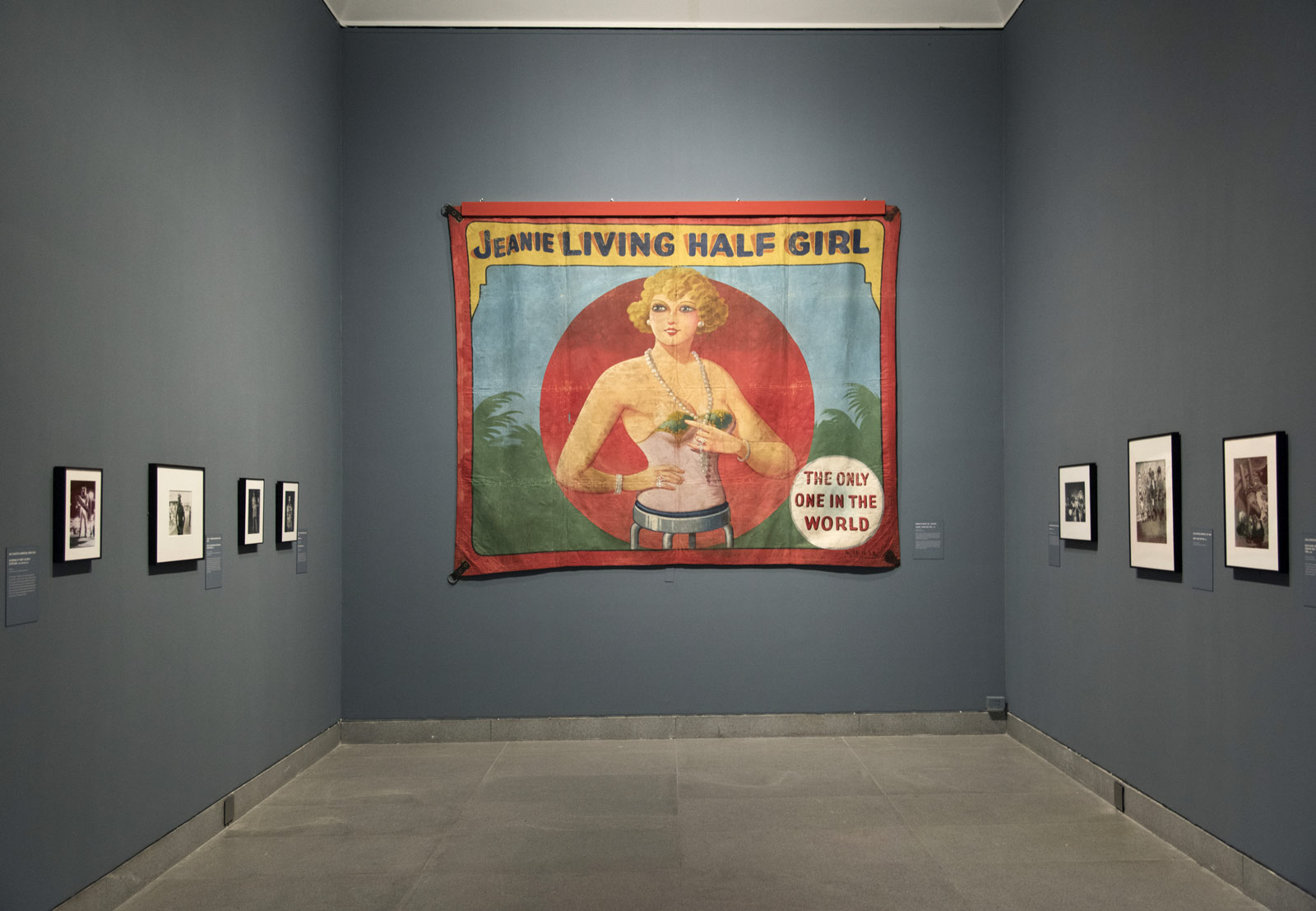
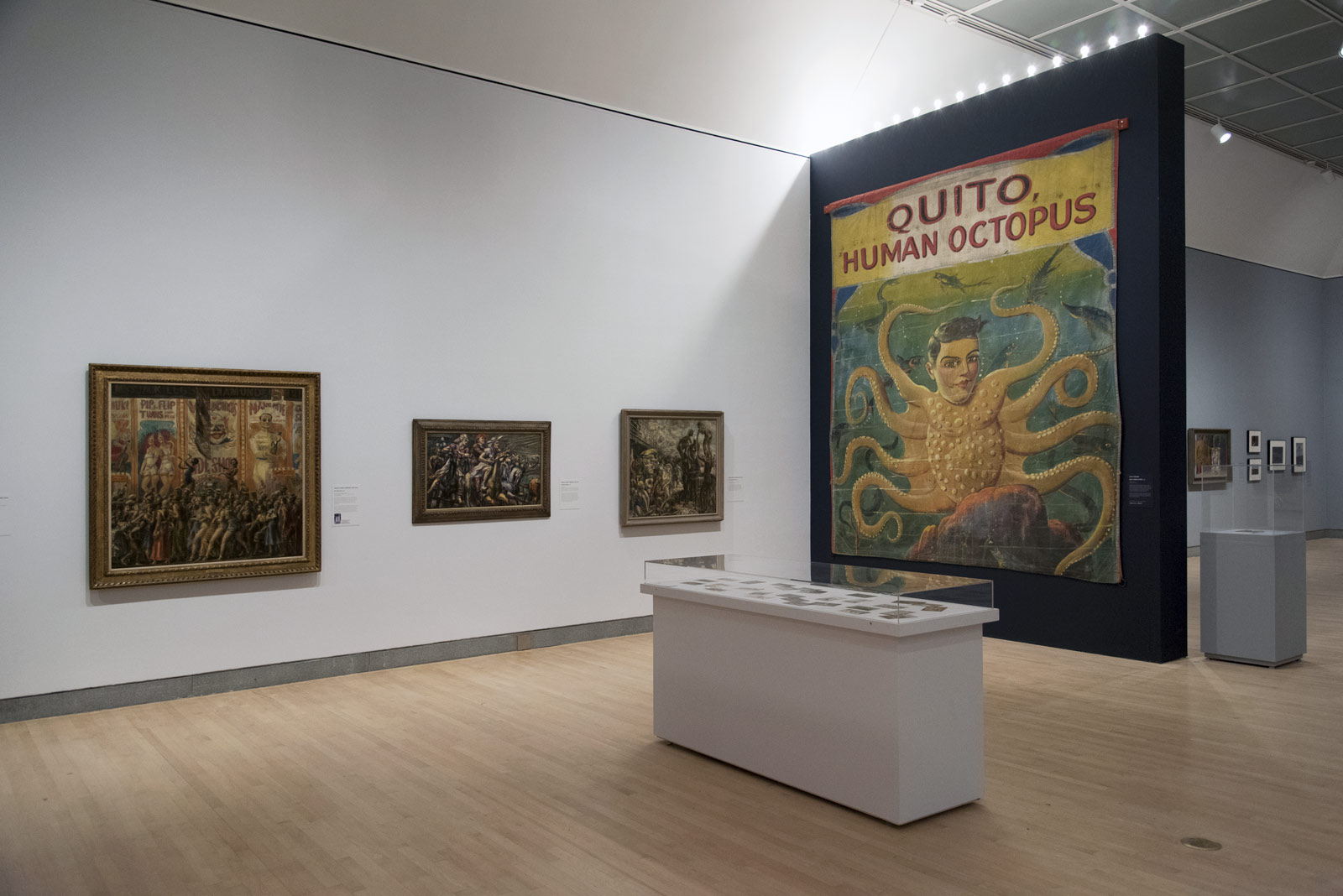

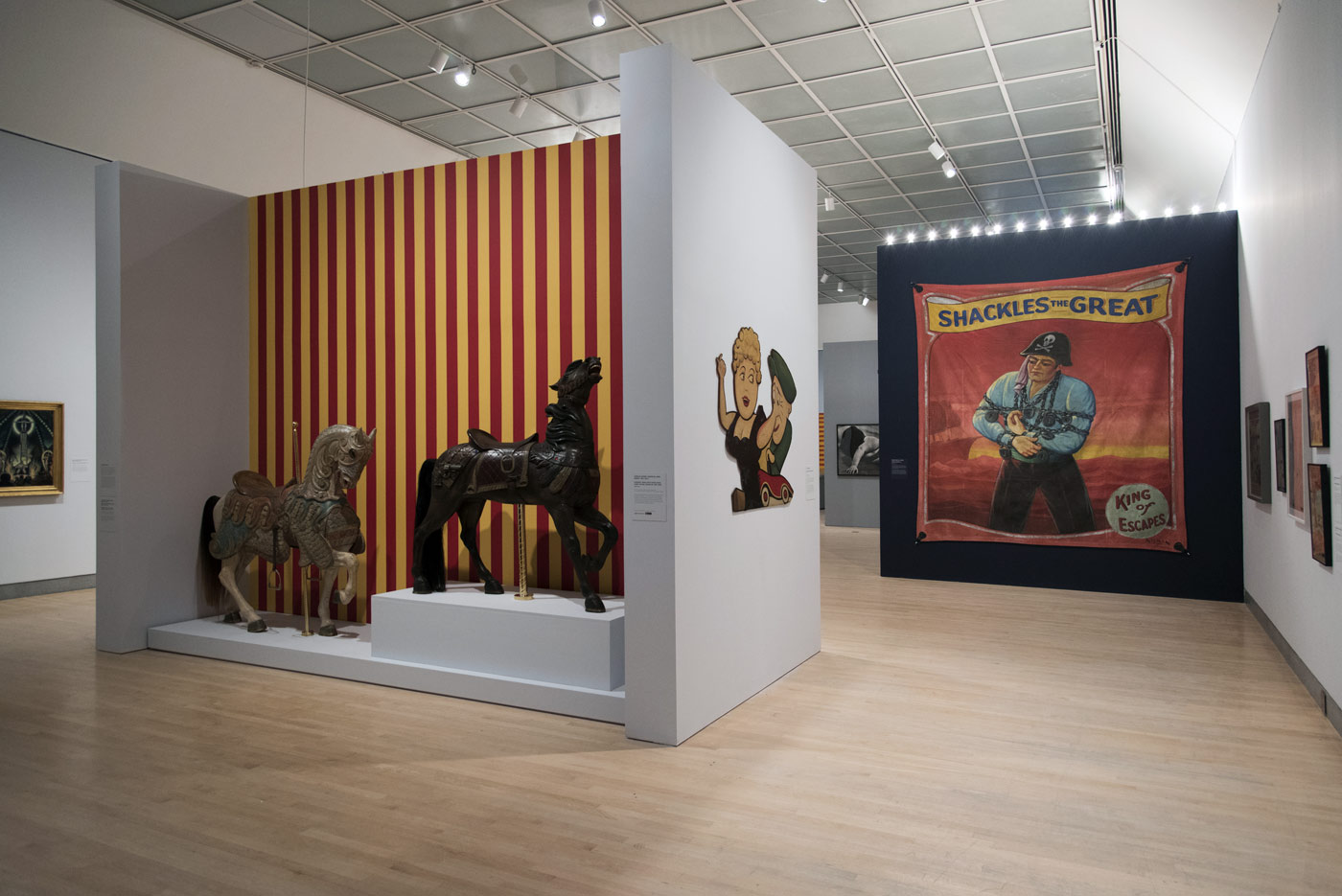



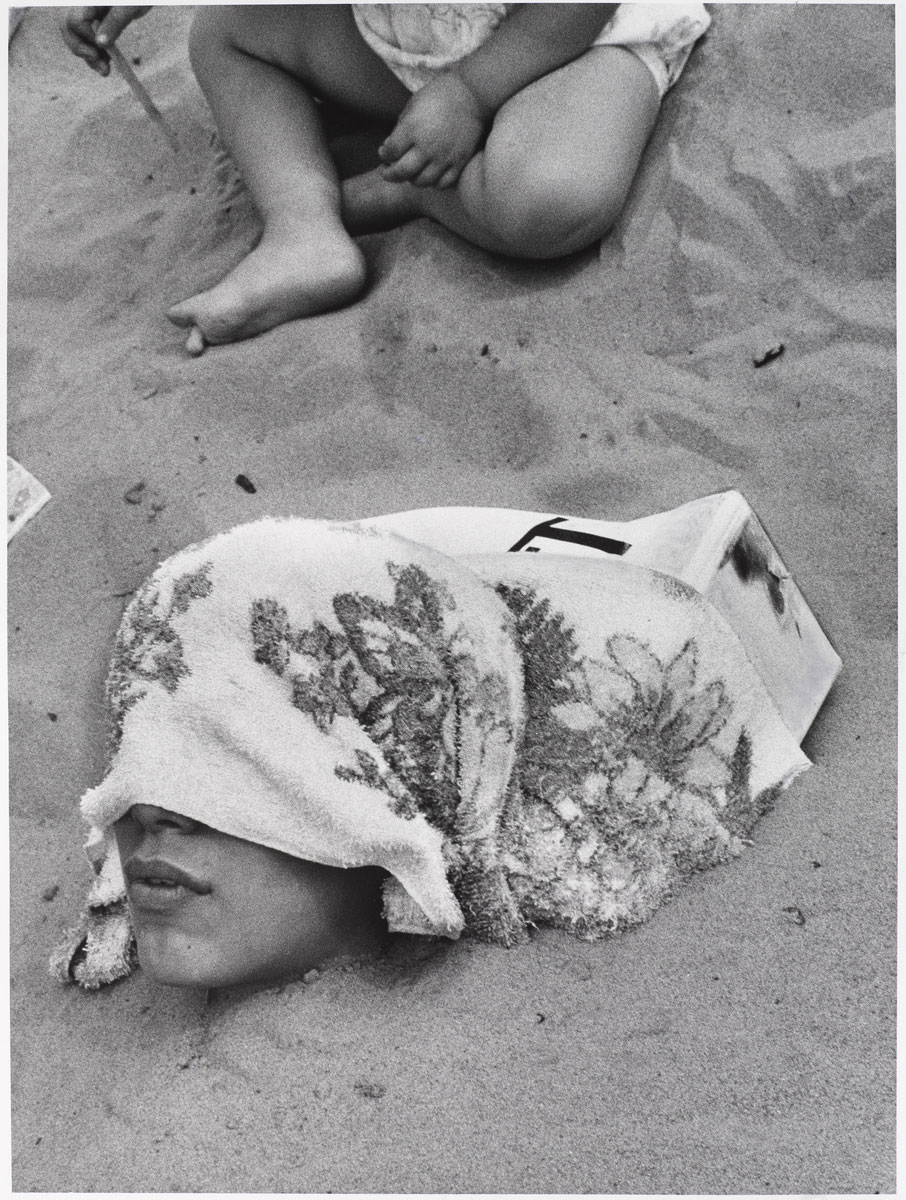
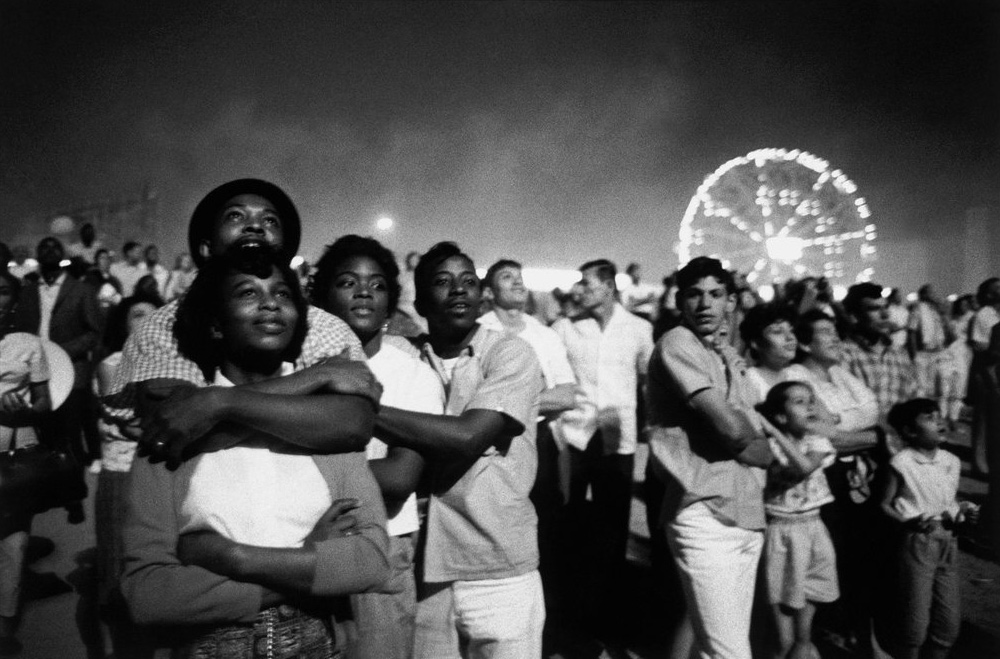

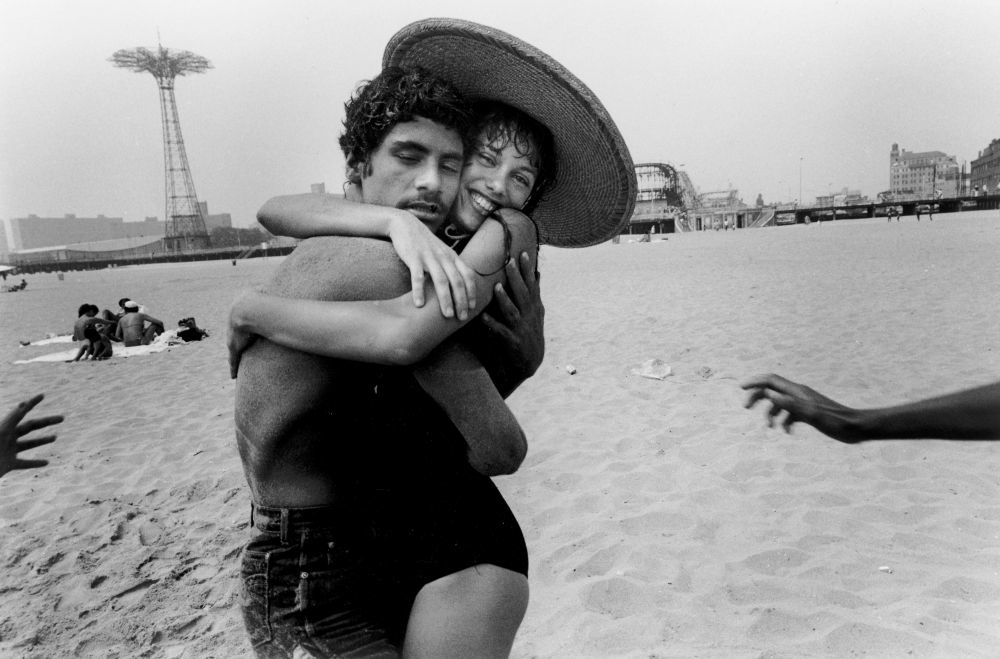



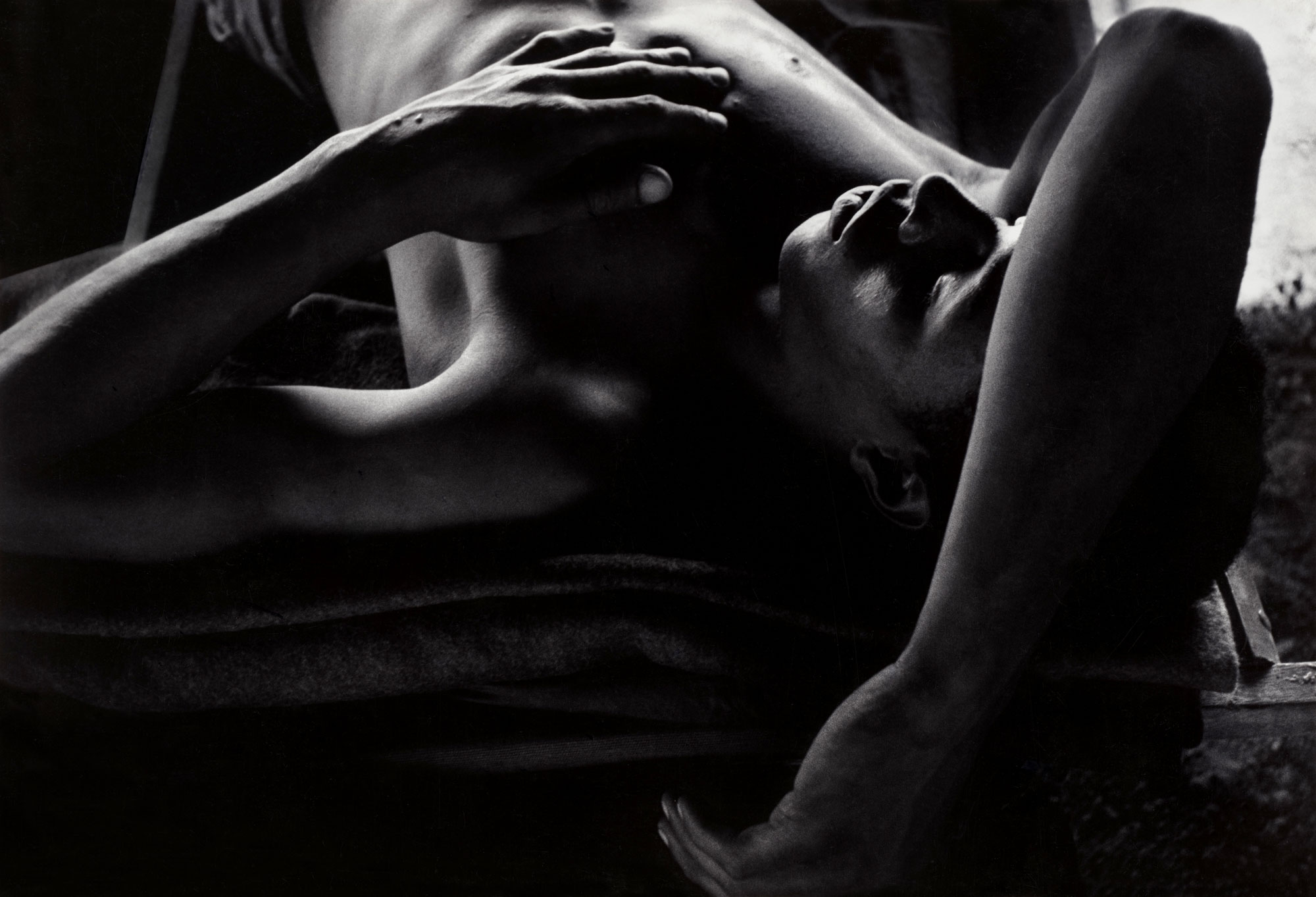
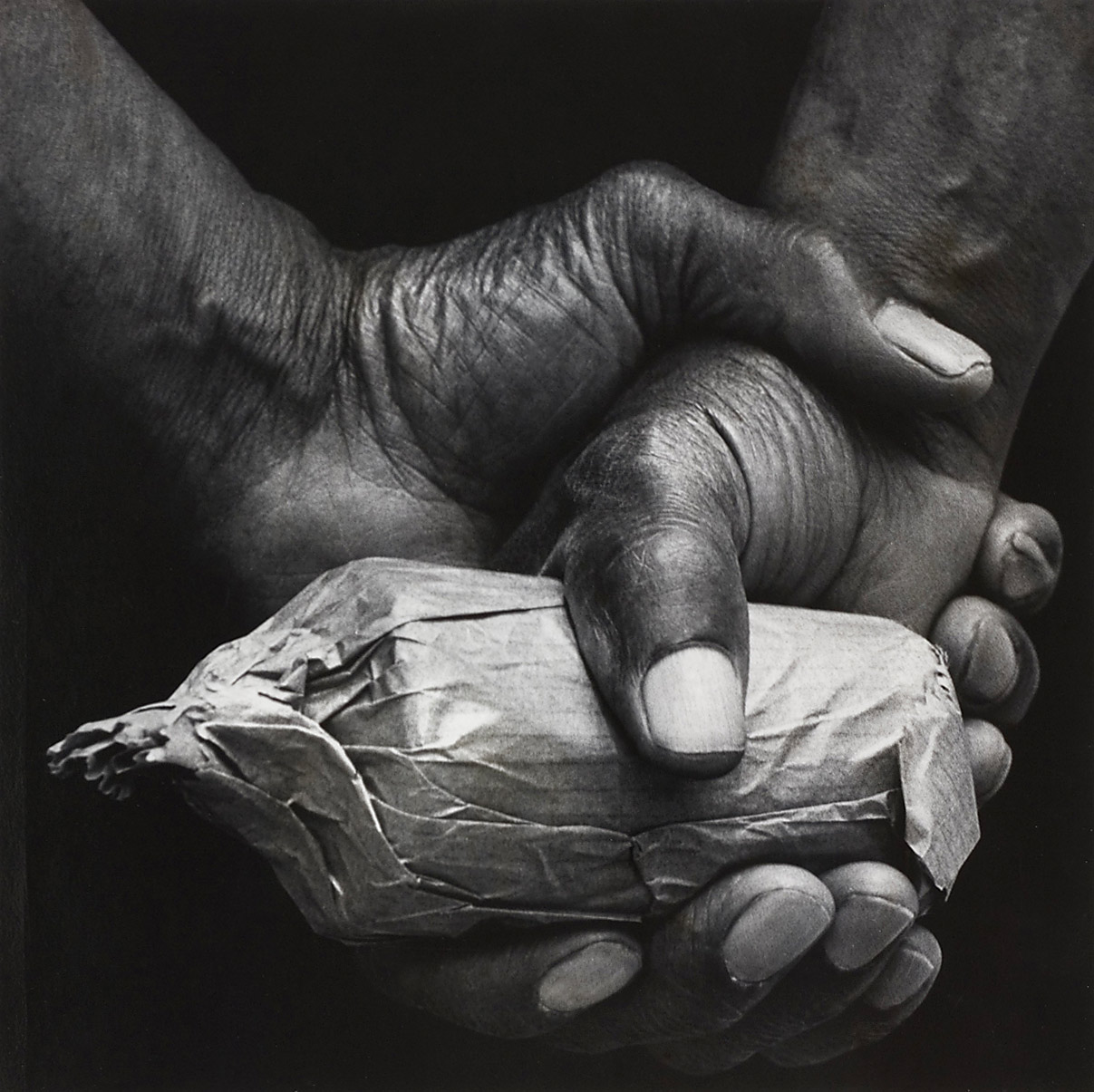
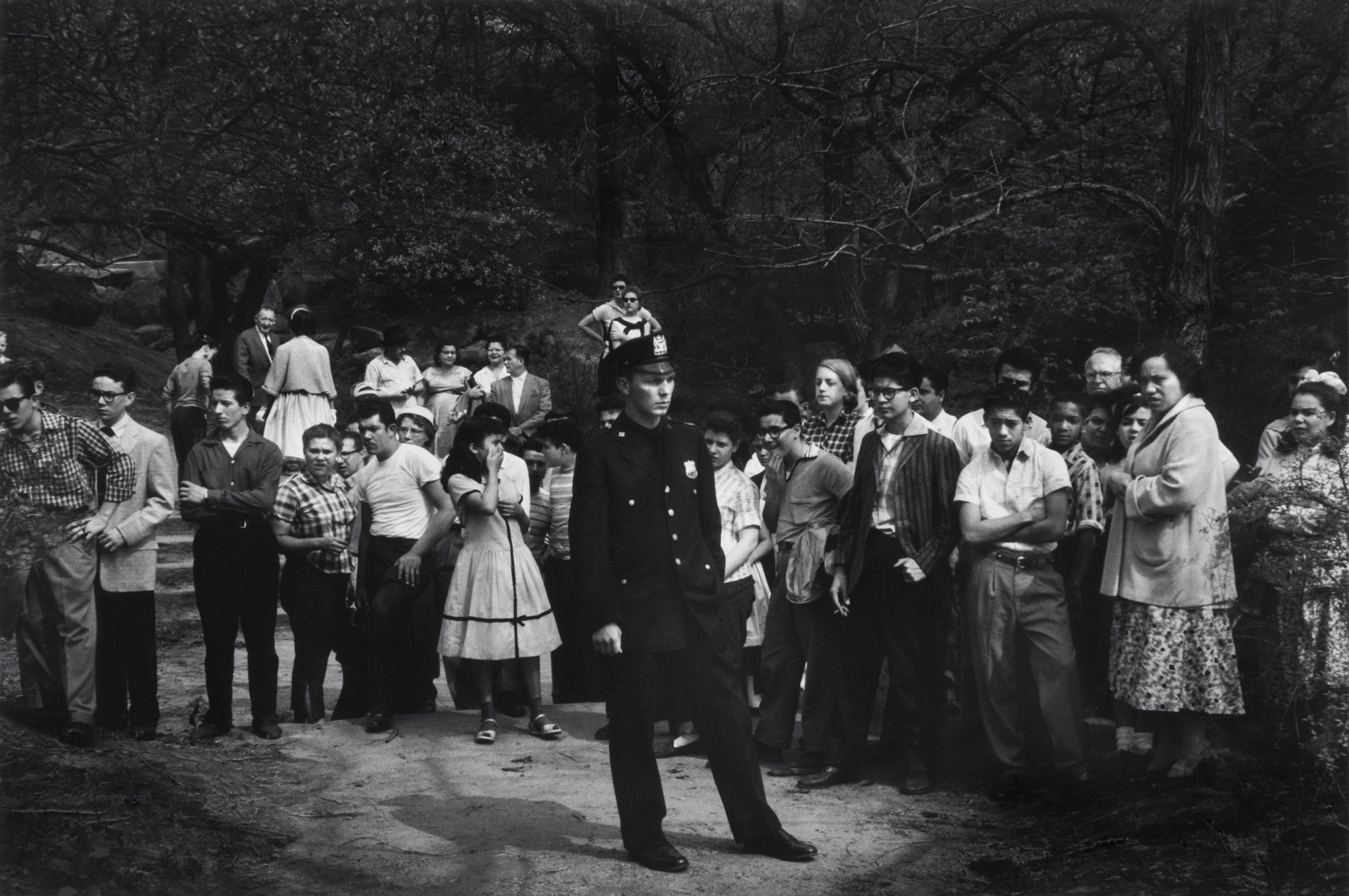
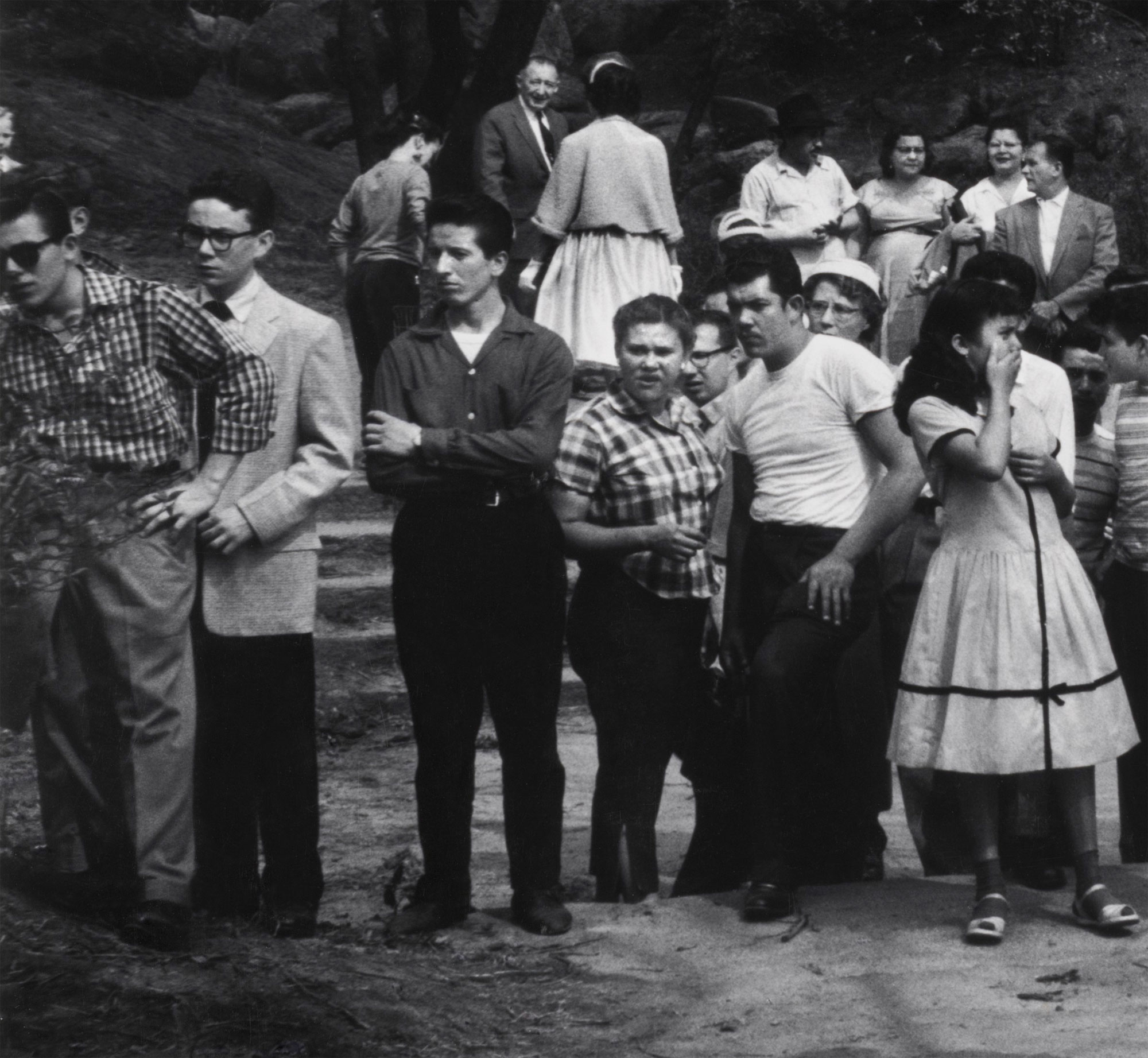
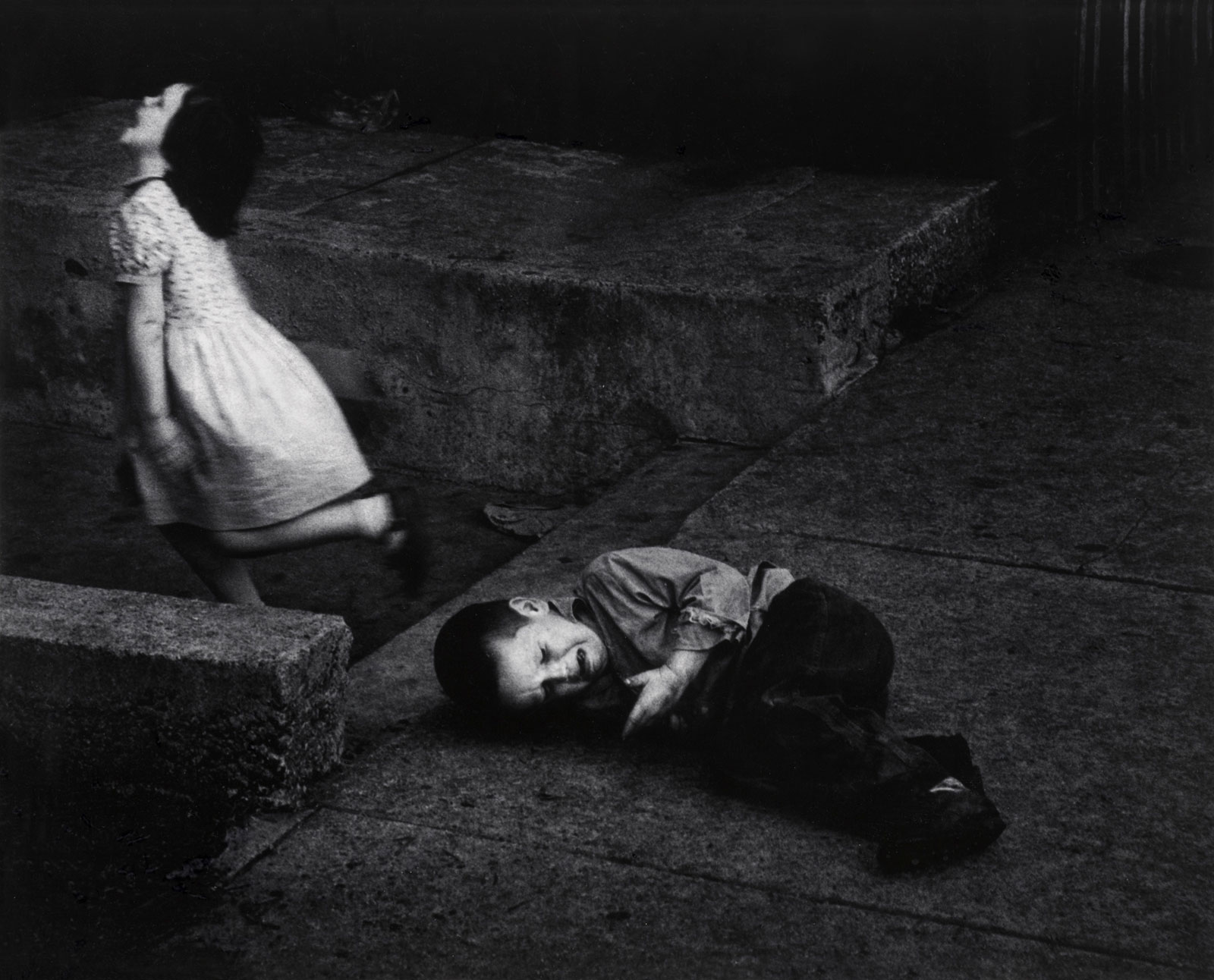
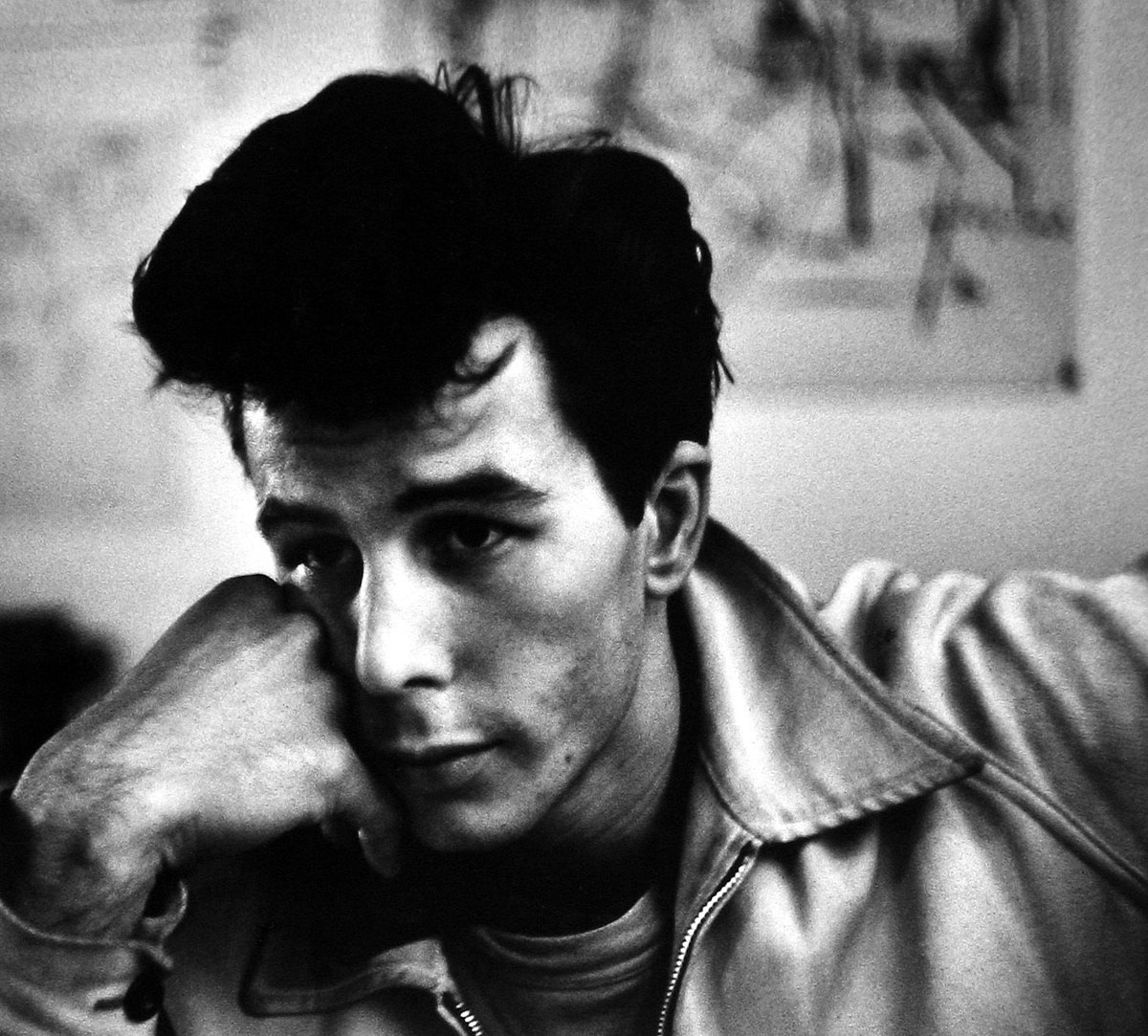
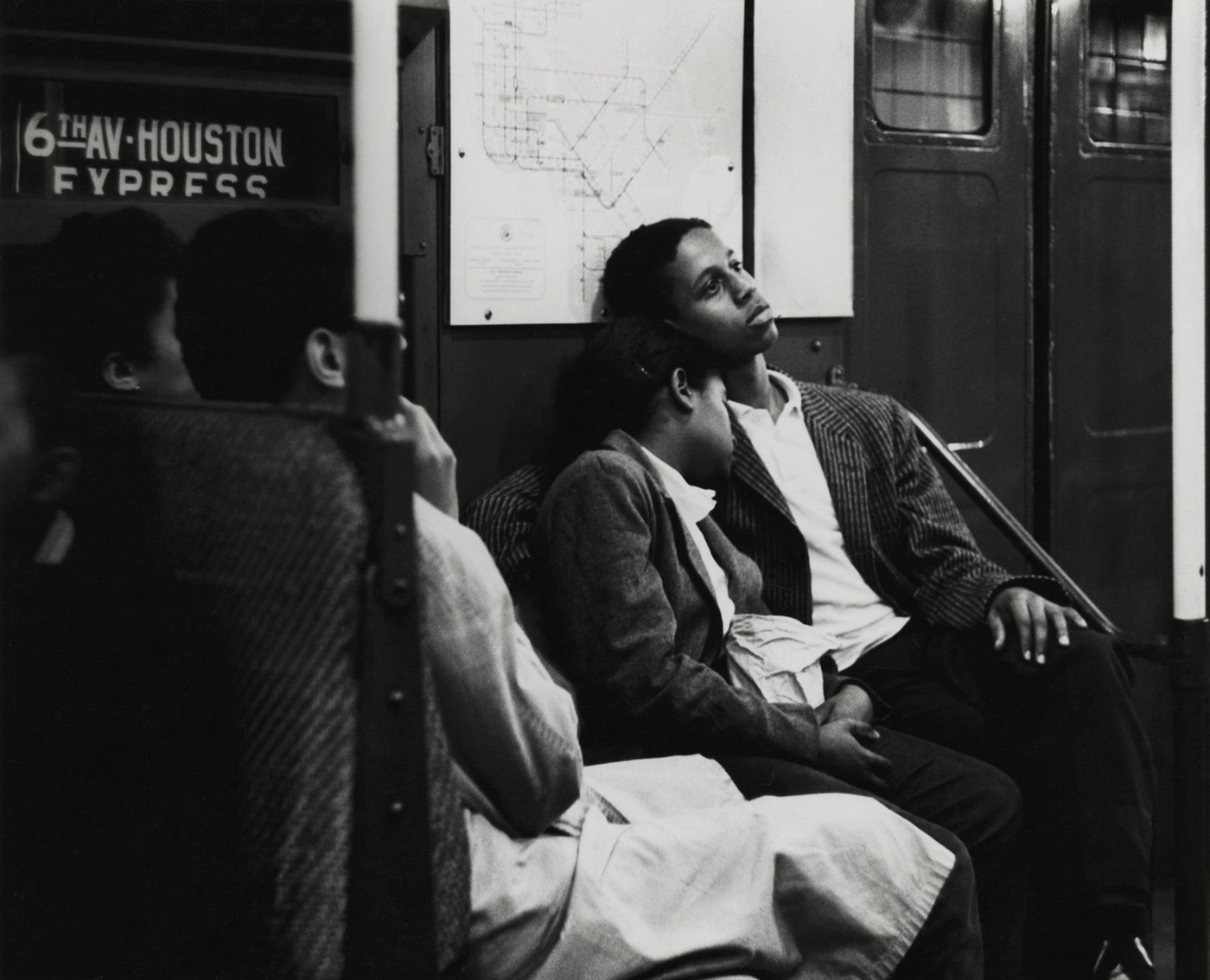
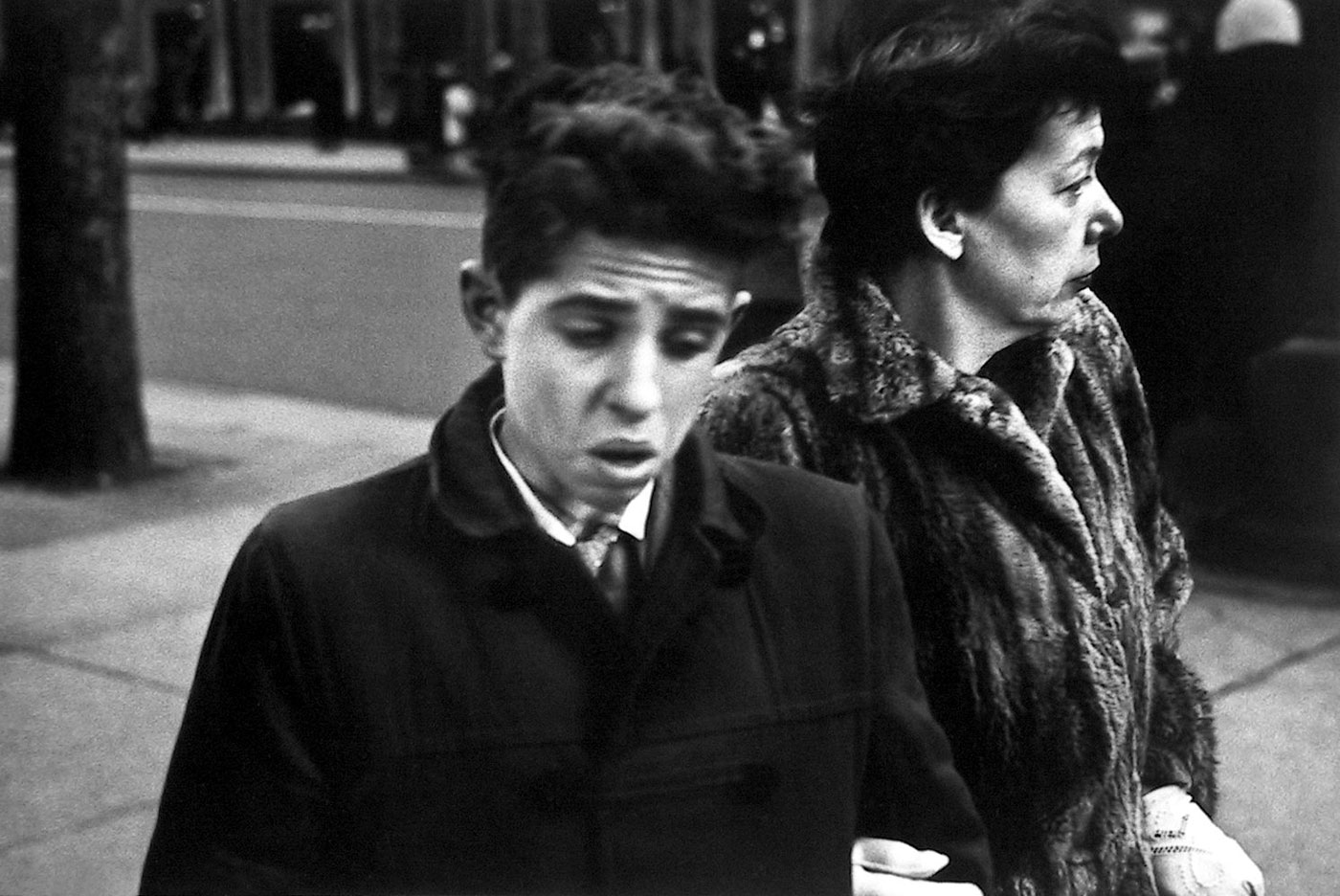
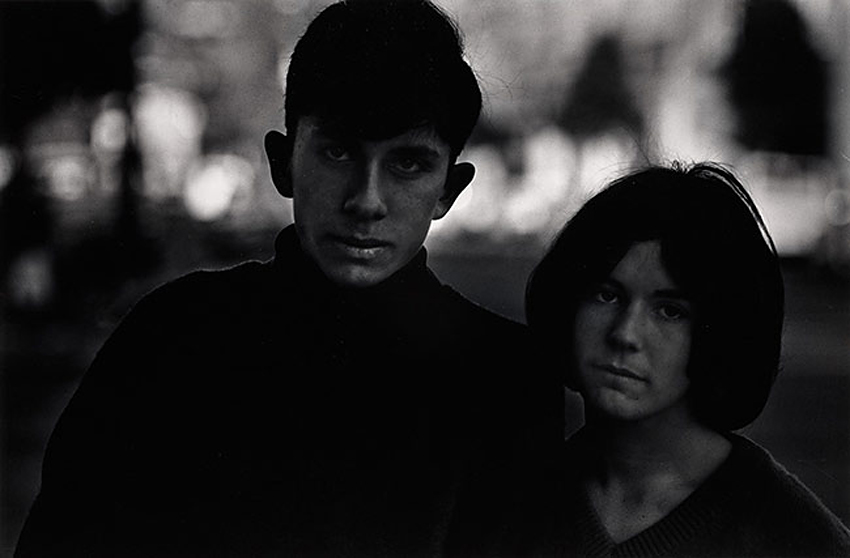
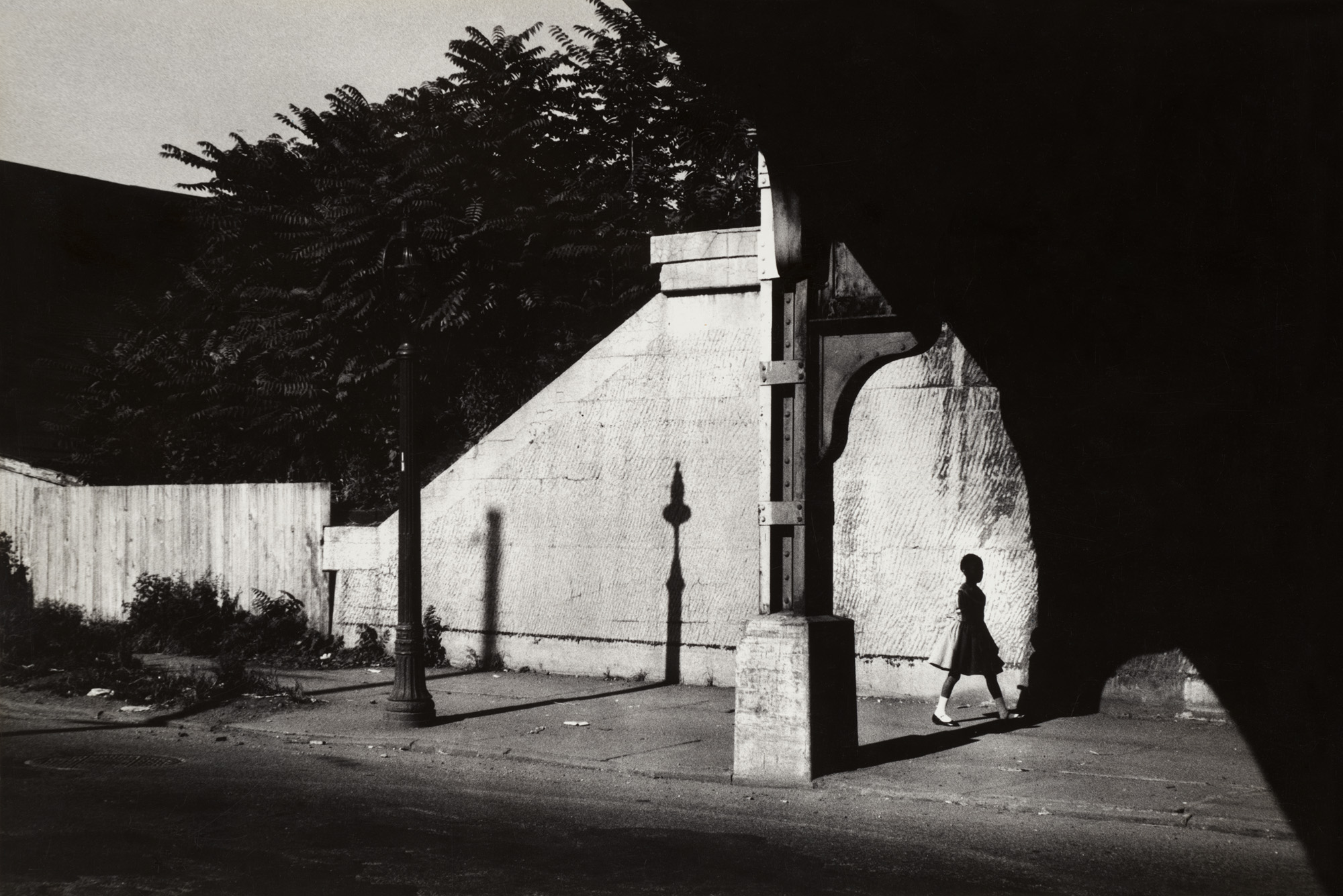
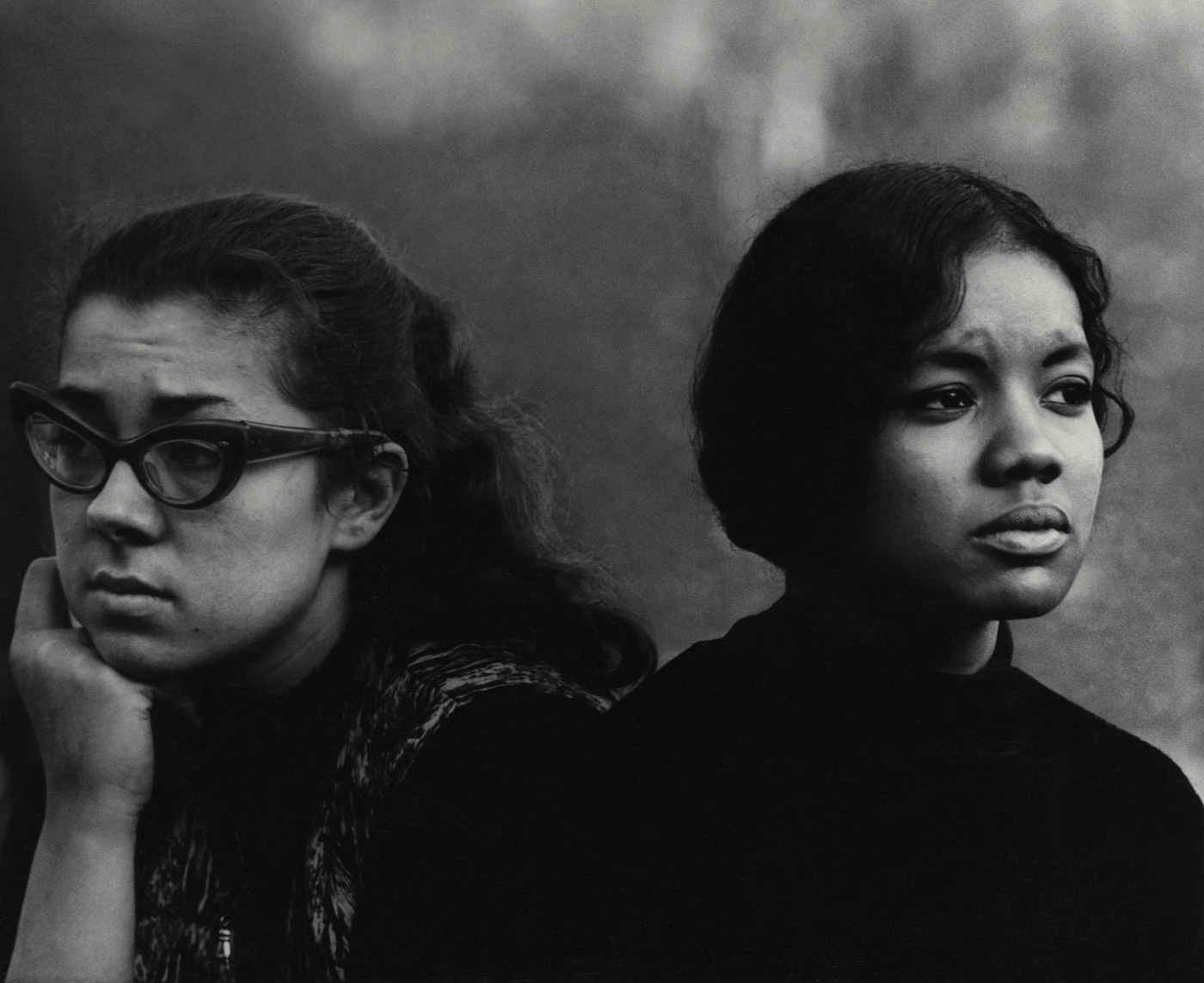
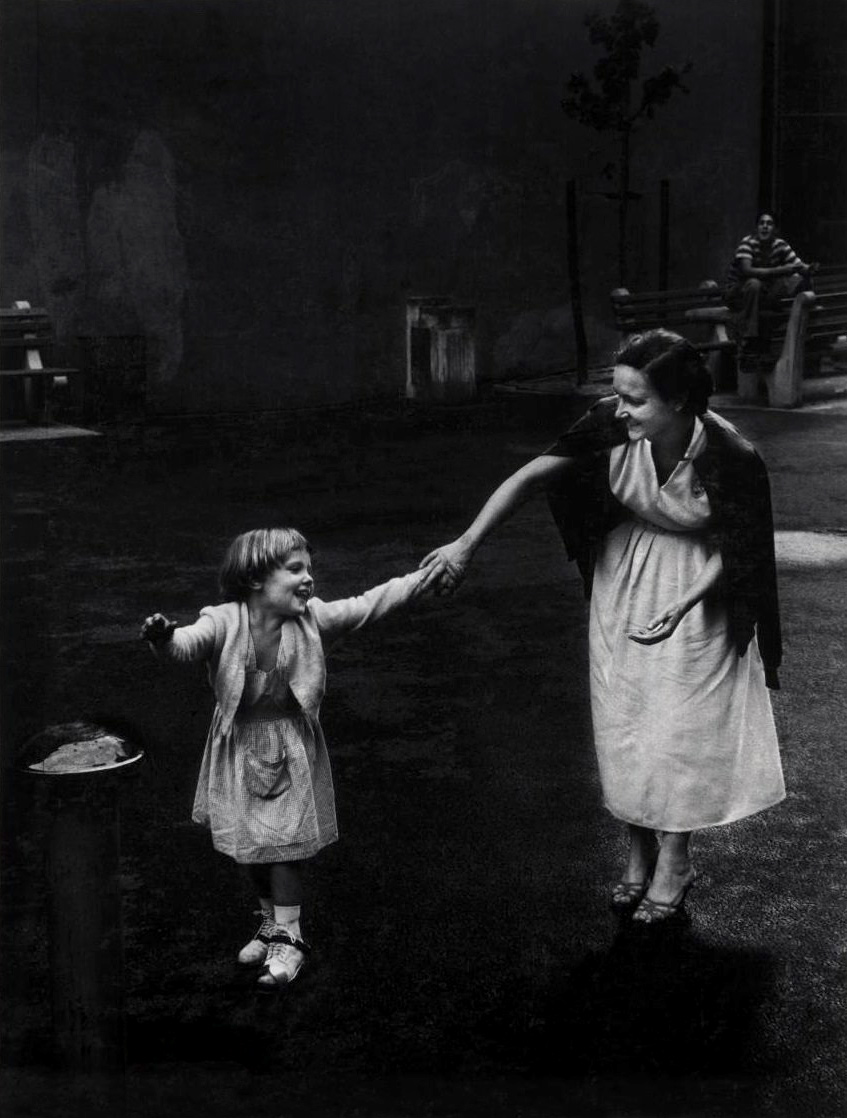
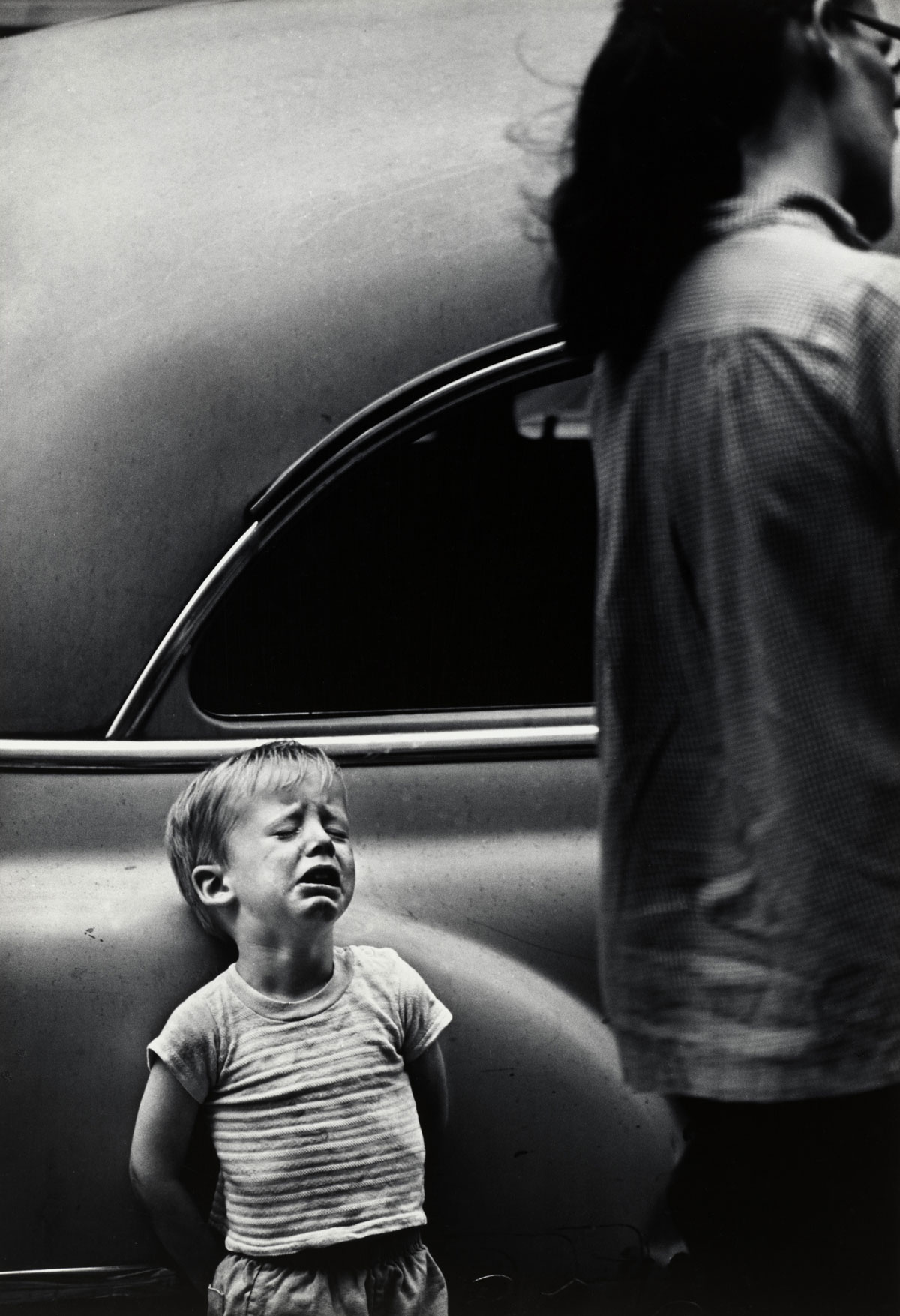
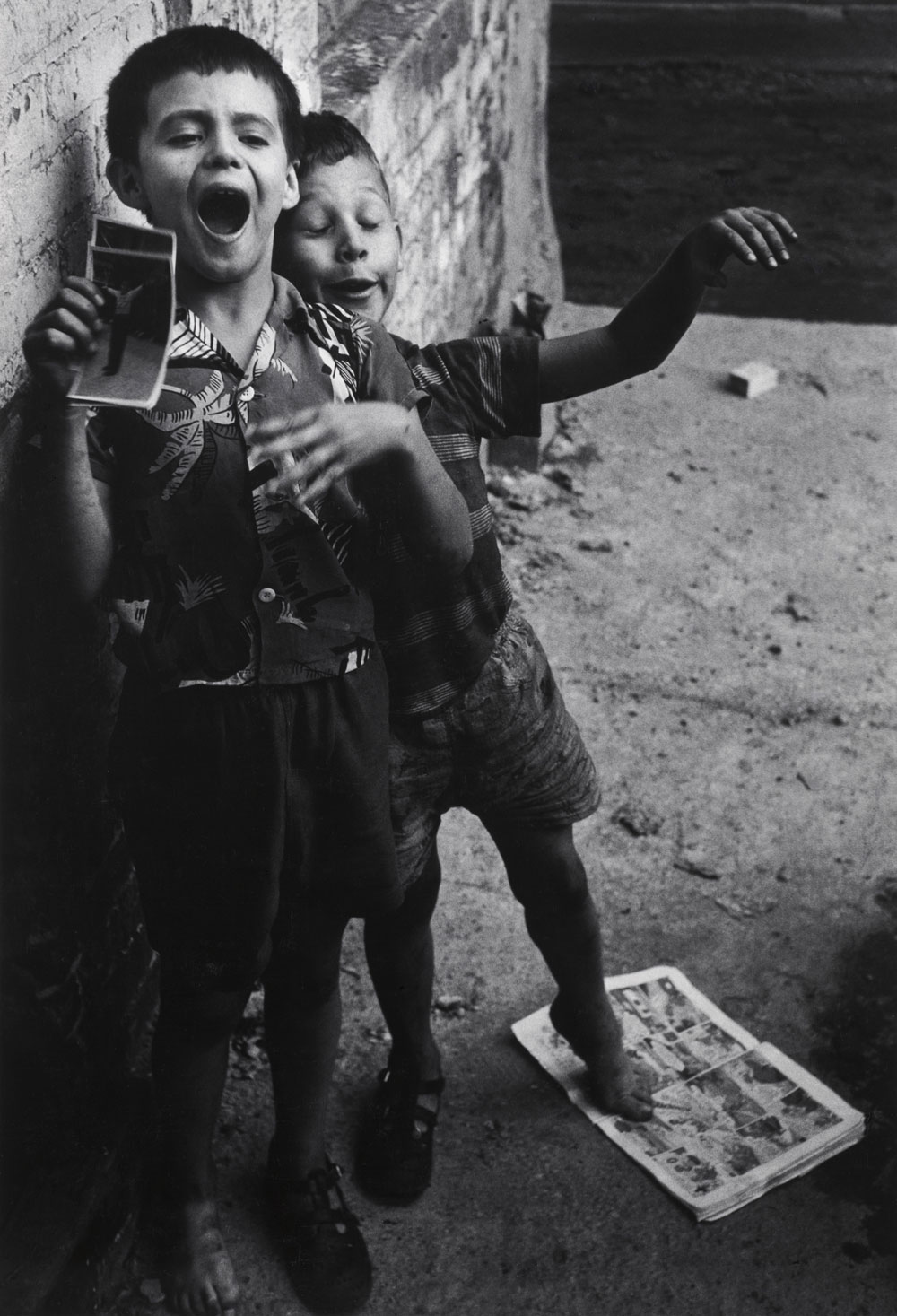
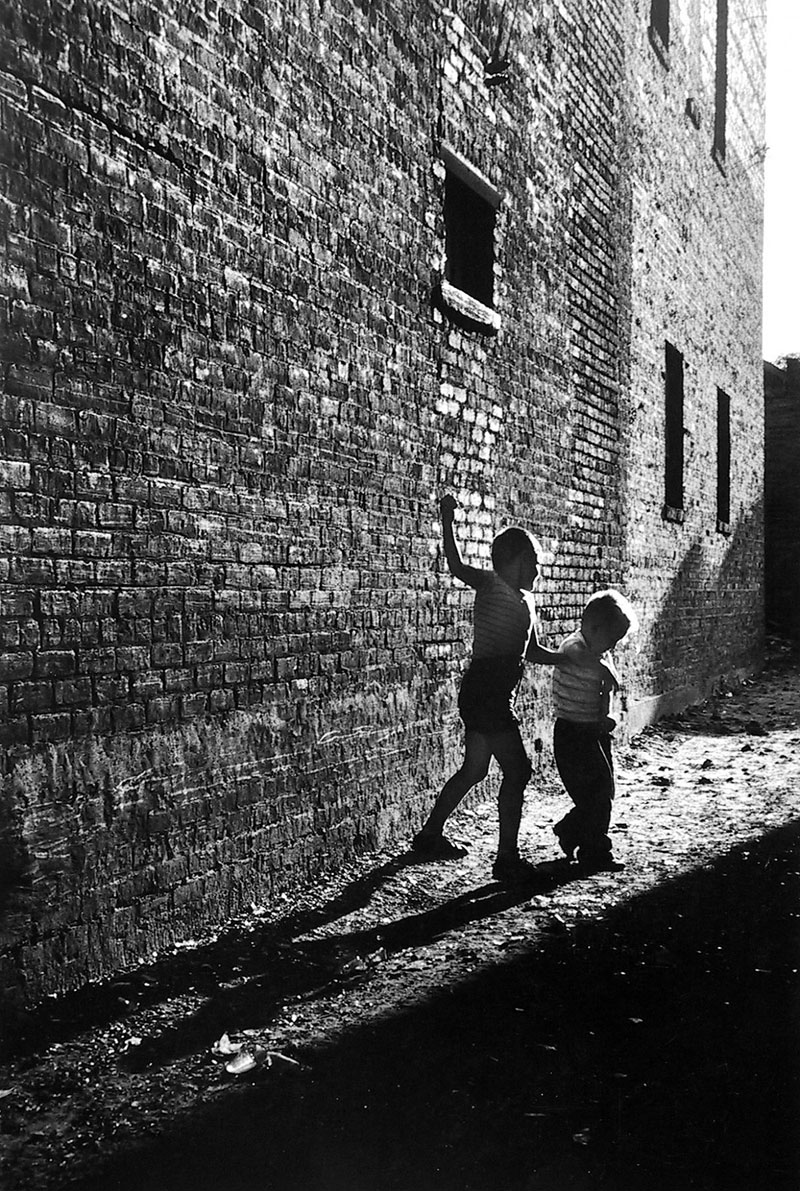
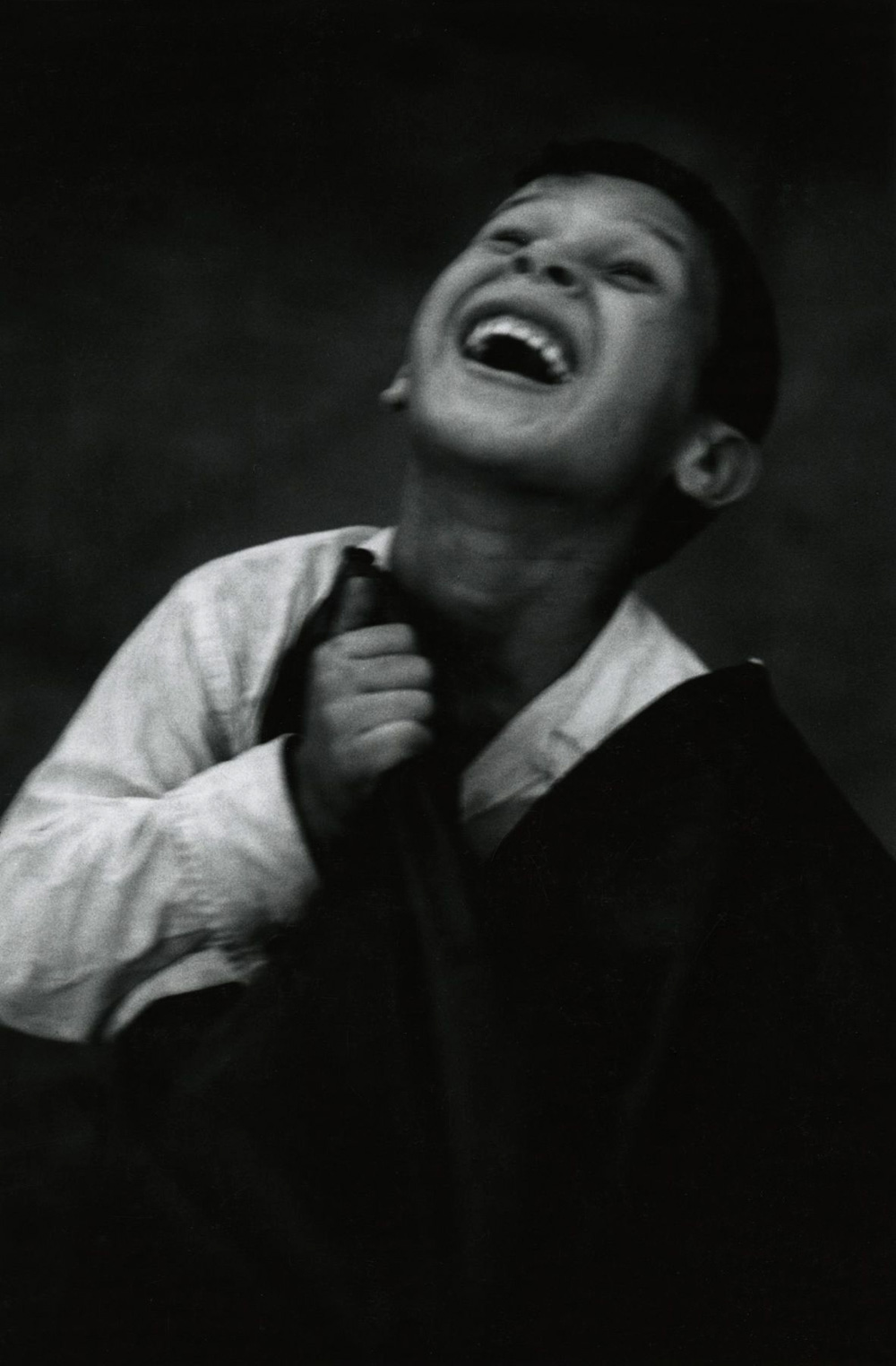
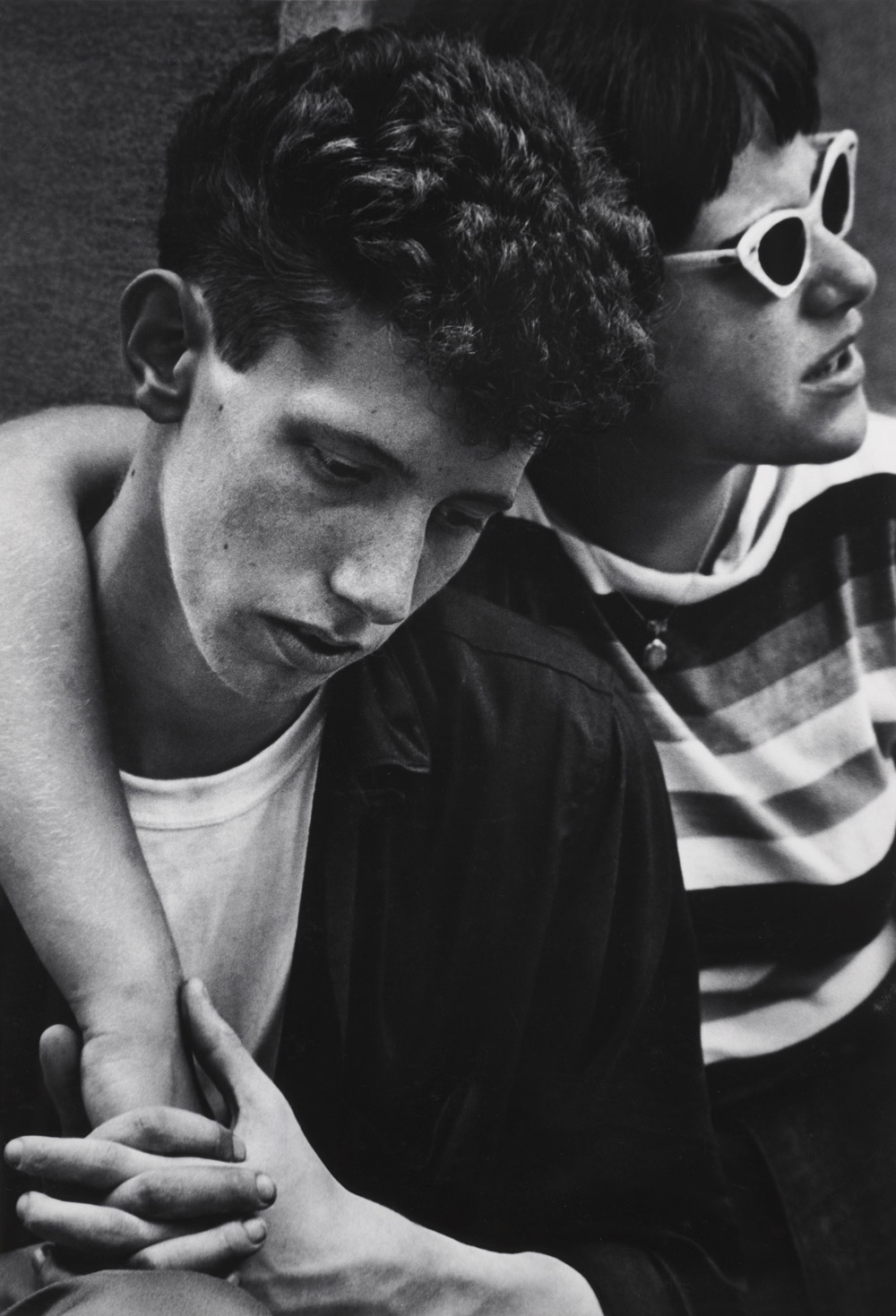
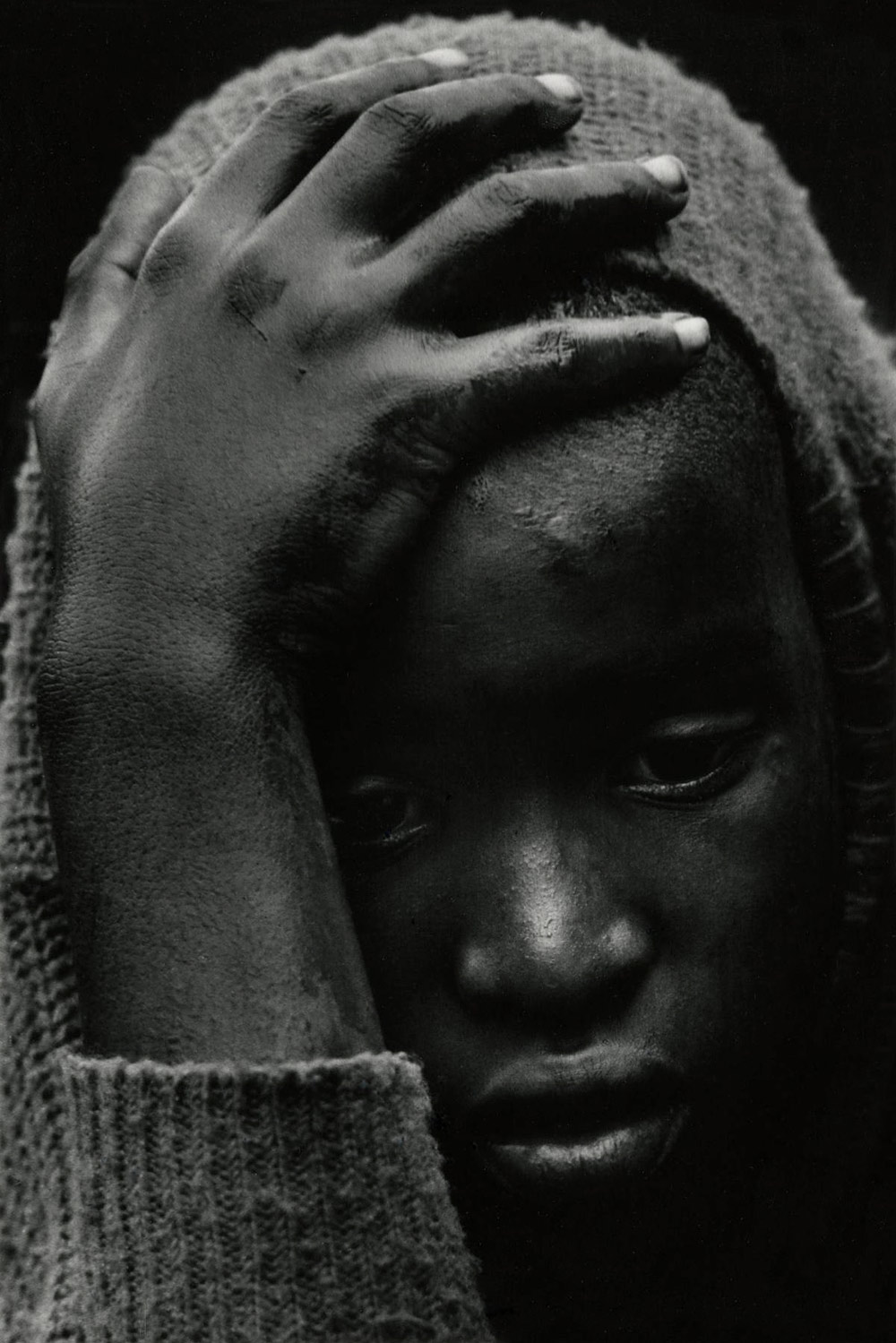
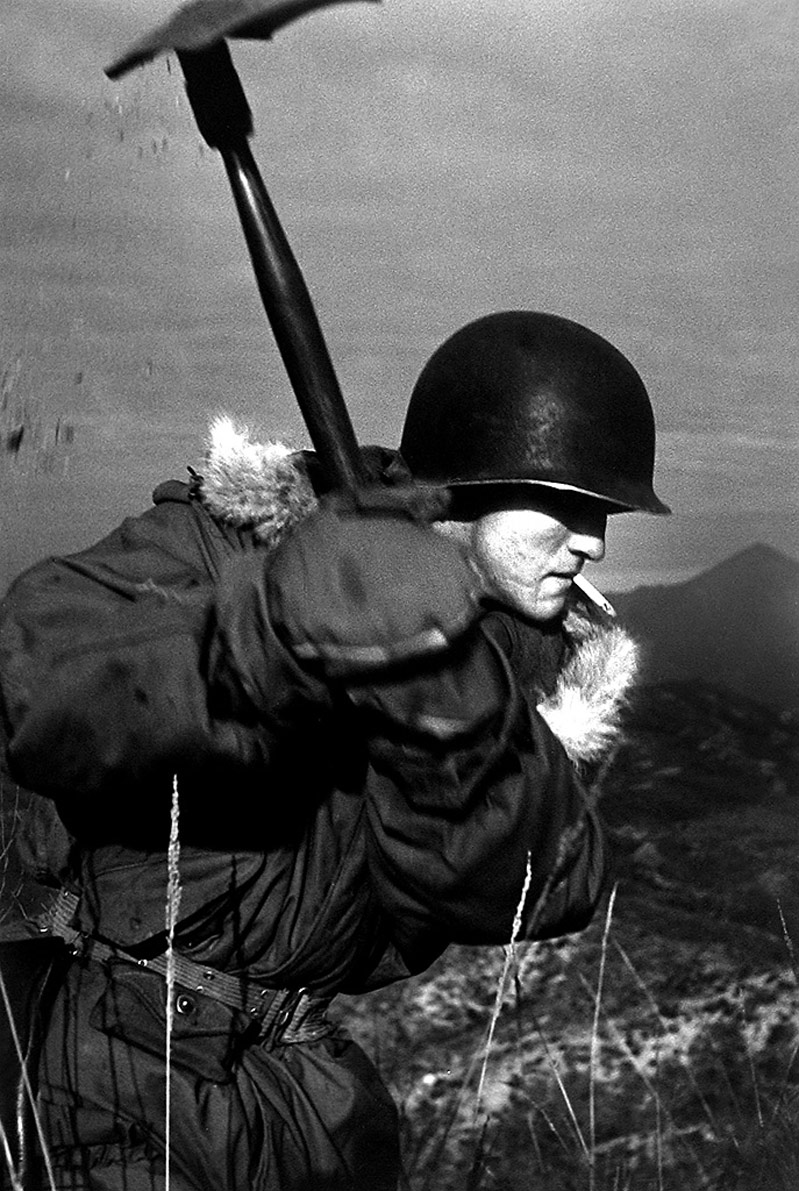


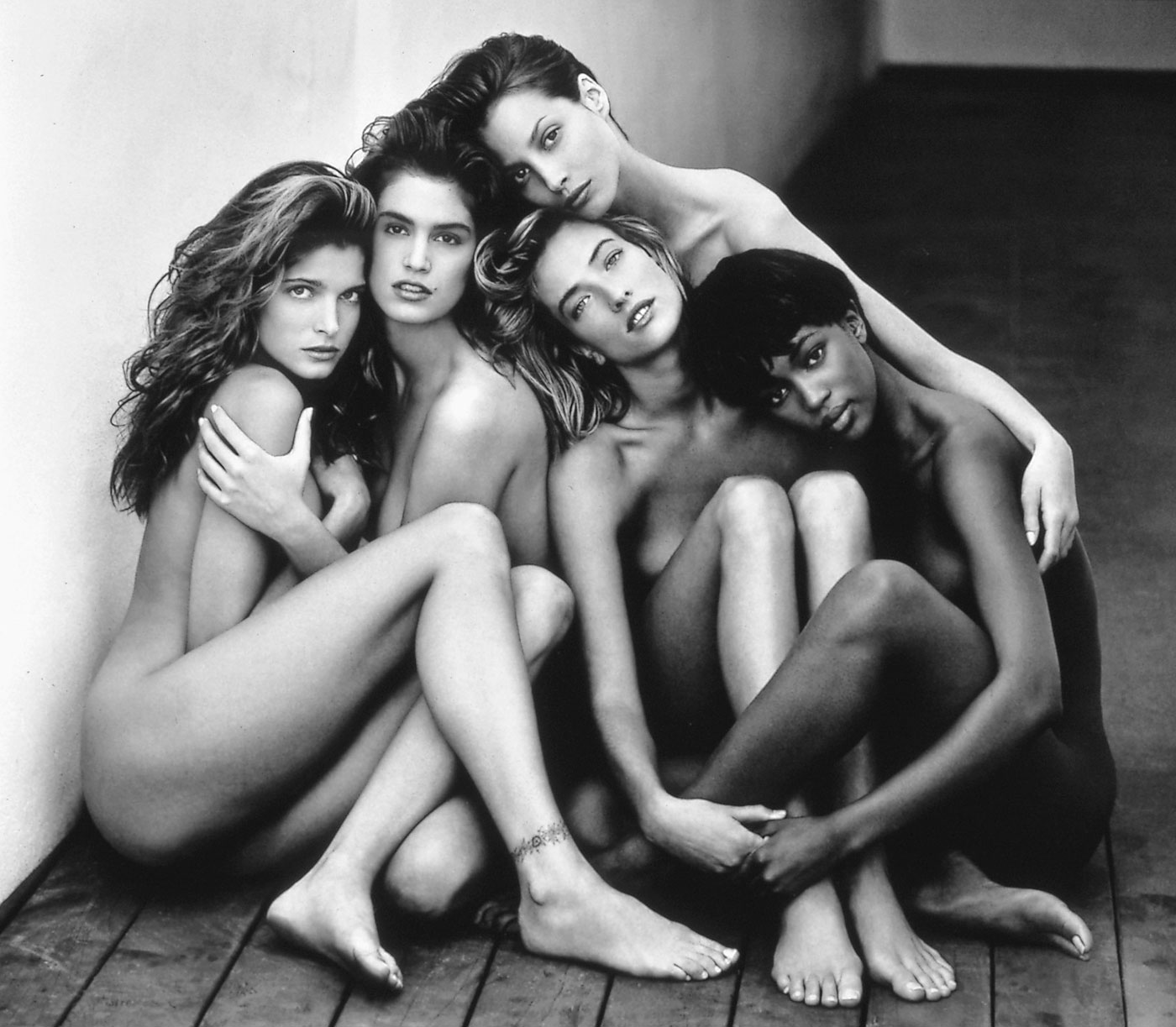






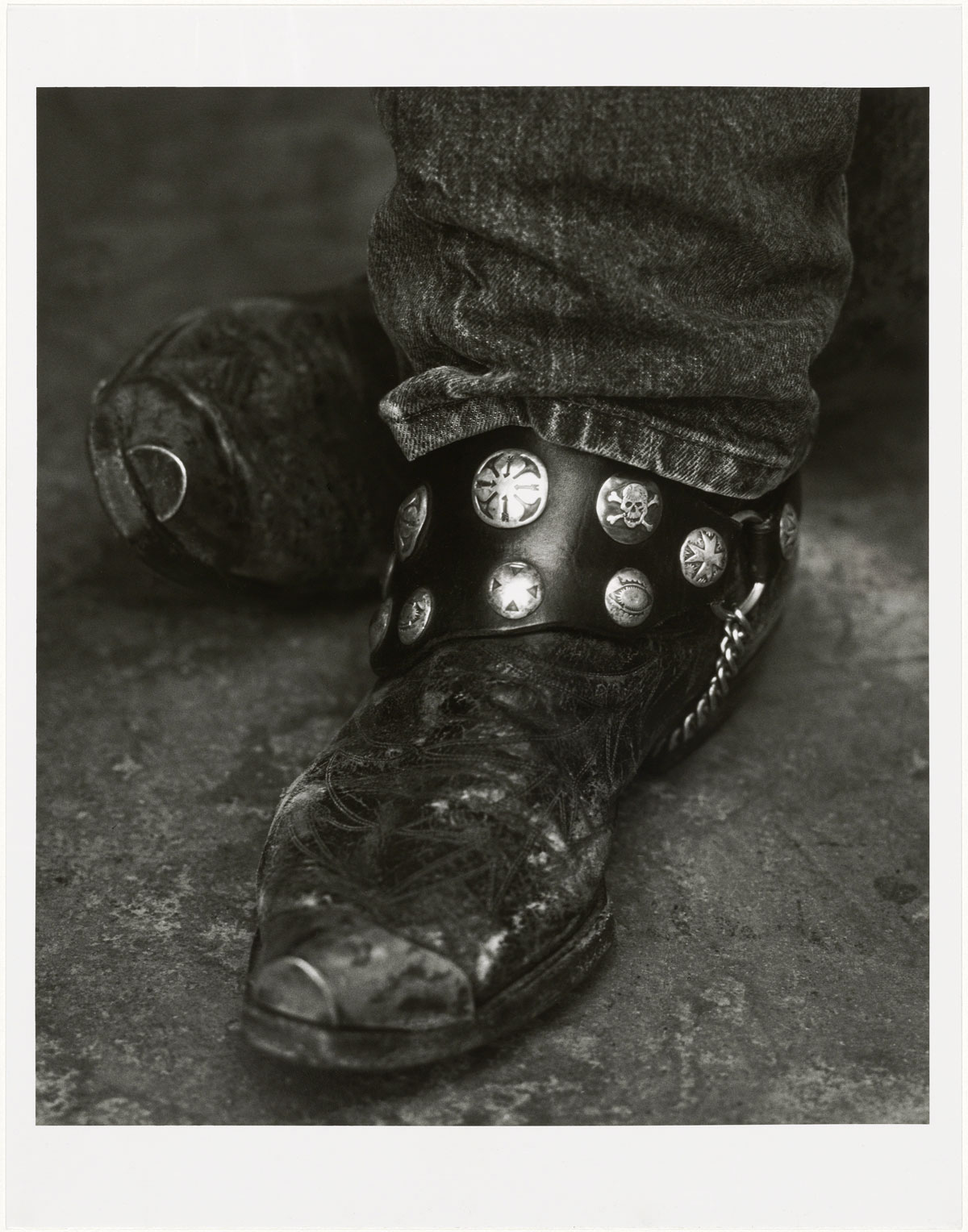
 Art Blart _ art and cultural memory archive
You must be logged in to post a comment.