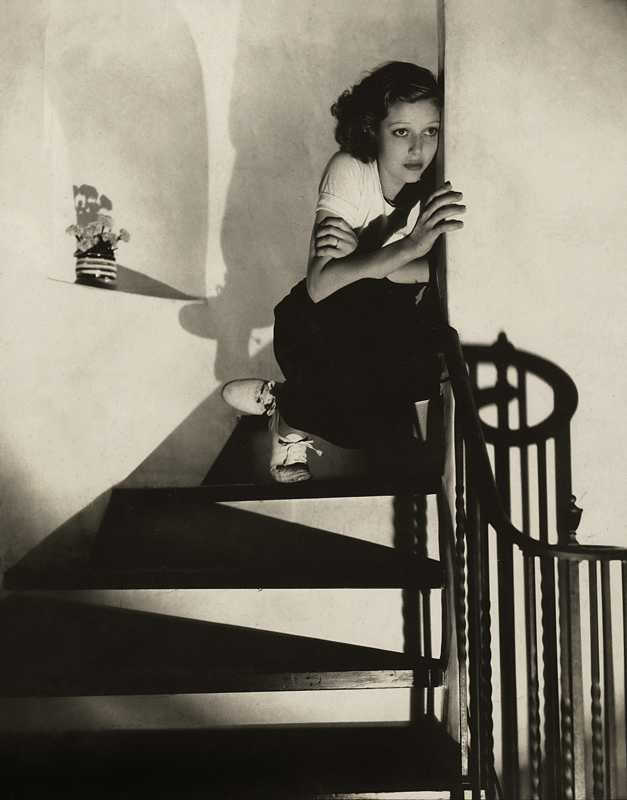
Exhibition: ‘A Revolutionary Project: Cuba from Walker Evans to Now’ at the J. Paul Getty Museum, Los Angeles

Exhibition dates: 17th May – 2nd October 2011


Many thankx to the J. Paul Getty Museum for allowing me to publish the photographs in the posting. Please click on the photographs for a larger version of the image.
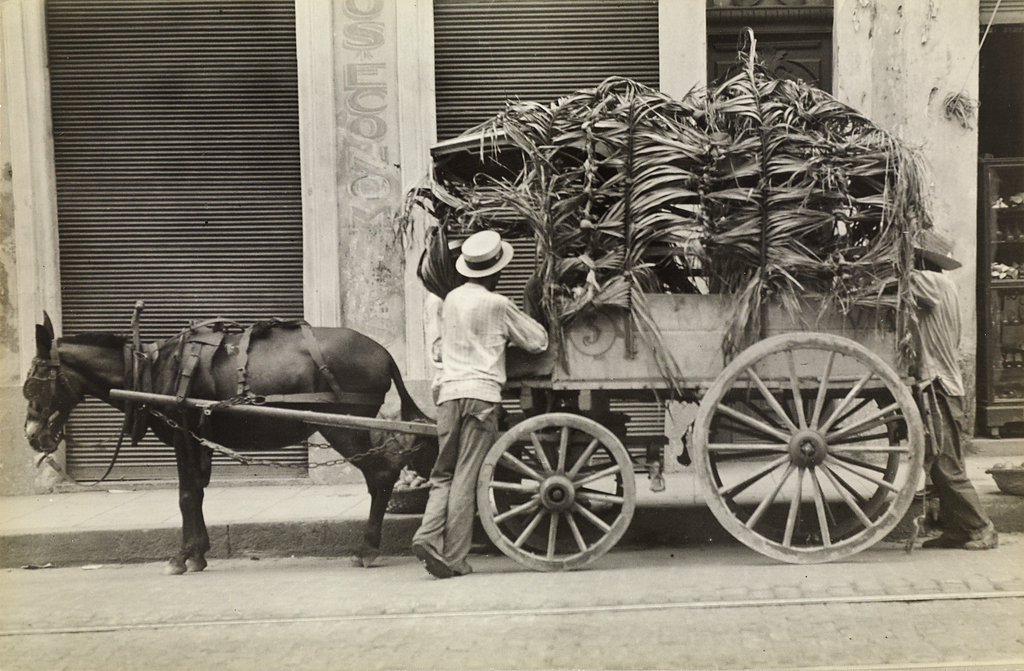
 

Walker Evans (American, 1903-1975) 'Mule, Wagon and Two Men, Havana' 1933


Walker Evans (American, 1903-1975)
Mule, Wagon and Two Men, Havana
1933
Gelatin silver print
13.8 x 21cm (5 7/16 x 8 1/4 in.)
The J. Paul Getty Museum, Los Angeles
© Walker Evans Archive, The Metropolitan Museum of Art


Walker Evans (American, 1903-1975) 'Spectacle, Capital Steps, Possibly Independence Day' May 20, 1933


Walker Evans (American, 1903-1975)
Spectacle, Capital Steps, Possibly Independence Day
May 20, 1933
Gelatin silver print
19.7 x 25.3cm (7 3/4 x 9 15/16 in.)
The J. Paul Getty Museum, Los Angeles
© Walker Evans Archive, The Metropolitan Museum of Art


Walker Evans (American, 1903-1975) 'Old Havana Housefronts' 1933


Walker Evans (American, 1903-1975)
Old Havana Housefronts
1933
Gelatin silver print
17.6 x 22.7cm (6 15/16 x 8 15/16 in.)
The J. Paul Getty Museum, Los Angeles
© Walker Evans Archive, The Metropolitan Museum of Art


Walker Evans (American, 1903-1975) 'Balcony Spectators' 1933


Walker Evans (American, 1903-1975)
Balcony Spectators
1933
Gelatin silver print
19.8 x 25.2cm (7 13/16 x 9 15/16 in.)
The J. Paul Getty Museum, Los Angeles
© Walker Evans Archive, The Metropolitan Museum of Art


Exhibition Marks First Showing of Getty’s Walker Evan’s Cuban Photographs; Also on view are Cuban Revolutionary Photographs and Contemporary Work by Virginia Beahan, Alex Harris, and Alexey Titarenko

Cuba’s attempt to forge an independent state with an ambitious set of social goals, all the while moored to powerful political and economic interests, has been a source of fascination for nations, intellectuals, and artists alike. On display at the J. Paul Getty Museum, the Getty Center, May 17 – October 2, 2011, A Revolutionary Project: Cuba from Walker Evans to Now, looks at three critical periods in the island nation’s history as witnessed by photographers before, during, and after the country’s 1959 Revolution.

A Revolutionary Project juxtaposes Walker Evans’s 1933 images from the end of the Gerardo Machado dictatorship with views by contemporary foreign photographers Virginia Beahan (American, b. 1946), Alex Harris (American, b. 1949), and Alexey Titarenko (Russian, b. 1962), who have explored Cuba since the withdrawal of Soviet support in the 1990s. A third section bridging these two eras presents pictures by Cuban photographers who participated in the country’s 1959 Revolution, including Alberto Korda, Perfecto Romero, and Osvaldo Salas.

“The Museum’s collection of Walker Evans prints is the largest in the U.S., but until now, we have not shown his photographs of Cuba,” explains Judith Keller, senior curator of photographs. “This exhibition allows us the opportunity to showcase this body of work, alongside newer work in the collection.”

1933: Evans in Havana

Walker Evans (1903-1975) is one of the photographers most responsible for the way we now imagine American life in the 1930s. His distinctive photographic style, which he declared “transcendent documentary,” was nurtured in New York in the late 1920s and fully formed by his experience in Cuba in 1933. In the spring of that year, Walker Evans was asked by publisher J. B. Lippincott to produce a body of work about Cuba to accompany a book by the radical journalist Carleton Beals (1893-1979). This book, The Crime of Cuba, would be a scathing indictment of the then-current regime of Cuban President Gerardo Machado. Leaving the country less than two months before Machado was forced out of office, Evans was able to capture Cuba at the start of the revolutionary movement but almost 30 years before the 1959 Revolution.

During Evans’s time in Cuba, he made substantial strides in his photographic practice. There he worked with different format cameras, large and small, one more deliberate and descriptive, the other more spontaneous and agile. He created both close-up and wide, inclusive compositions that he could then combine in intense sequences to best communicate his response to the poverty, the ferment, and the beauty of his environment. While in Havana, Evans met the American writer, Ernest Hemingway (1899-1961), whose acclaimed avant-garde work he knew and admired. Hemingway’s terse narrative style, which he was then applying to his own Harry Morgan stories set in Havana and Key West, no doubt influenced Evans’s approach to the subject of Cuba’s current political and economic struggles. Evans’s photographs also reflect the inspiration of French photographer Eugène Atget’s Parisian pictures that Evans critiqued for an arts journal in 1931. The series that comprised Atget’s thorough study of “Old Paris” seem to have provided additional motivation for Evans’s selection of Havana subjects: the signage of urban storefronts, the abundant street offerings of fresh produce, the decorative balconies of old houses, the many studies of archaic horse-drawn wagons and carriages, and the portraits of women, some of whom appear to be prostitutes.

1958-1966: Revolution

Machado’s fall from rule in 1933 resulted in a long power struggle that culminated in the country’s 1959 socialist revolution to overthrow dictator Fulgencio Batista, anchoring Cuba to the Soviet bloc for the next thirty years and defining a relationship with the United States that still exists today. Fidel Castro, Ernesto “Che” Guevara, and their new government harnessed photography as a means of keeping the project of the Revolution at the forefront of Cuba’s collective consciousness. As both genuine records of popular insurrection and propagandistic documents used for political purposes, pictures of the Revolution and its aftermath have shaped how both Cubans and Americans understand the significance of that revolutionary moment. Photographs in the second section of the exhibition are drawn from the work of nine Cuban photographers who participated in recording the political context and triumphs of the emerging state in the years surrounding 1959.

Included in the exhibition is an iconic image of the revolutionary hero Che Guevara by Alberto Korda titled Guerrillero Heroico (March 5, 1960). One of the world’s most reproduced images, it has been adopted for political causes, appearing on countless numbers of t-shirts, banners, and street art around the globe. The print on view in the exhibition is among the earliest versions of the photograph known to exist. Made as a press print, it was used as a source to reproduce the image in media outlets a year after Korda photographed Guevara at a rally in Havana.

Also on display in the exhibition is the well-known revolutionary photograph Patria o Muerte, Cuba (Negative, January 1959; print, 1984) by Osvaldo Salas, one of Cuba’s most important photographers. Salas effectively captures and conveys the populist fervour in Cuba shortly after the movement’s triumph with an image of a patriotic sign framed by a celebratory crowd.

The photographs included in this section of the exhibition are culled from the extensive holdings of Cuban photography assembled by the Austrian collector, Christian Skrein, including a number of recent acquisitions by the Museum.

Since 1991: The Special Period

After Soviet troops began to withdraw from Cuba in September of 1991, the troubled Cuban economy suffered severe internal shortages, and Fidel Castro declared what is known as the “Special Period” (período especial), marked by food rationing, energy conservation, and a decline of public services. In the nearly twenty years since the Soviet withdrawal, Cubans have managed to survive through perseverance, the forging of new political relationships, and the easing of socialist systems. This period of transition, which continues today with the recent transfer of power from Fidel Castro to his brother Raúl, has attracted the attention of photographers from around the world who are interested in exploring the relationship between Cuba’s revolutionary past and its uncertain future. The final section of the exhibition looks specifically at the work of three contemporary photographers with diverse approaches to documenting the island in recent decades: Virginia Beahan, Alex Harris, and Alexey Titarenko.

Virginia Beahan’s work concentrates on the landscape’s relationship to history and culture. In 2001, she began a multiyear project on Cuba, photographing its topography in search of remnants of the island’s diverse past. The work resulted in a publication in 2009 called Cuba: Singing with Bright Tears. Beahan’s Cuba is a land of contradictions, full of disappointments and hope, decay and rejuvenating beauty, simultaneously anchored to the past while looking beyond the present. Born and raised in Leningrad (now Saint Petersburg), Russia, Alexey Titarenko became fascinated with Cuba in 2003, when he made his first trip to Havana. Titarenko’s goal was to represent the soul of the Cuban capital. In the artist’s photographs, the city is shown with little overt reference to its politics. Instead, Titarenko describes the conditions of life in the communist country, depicting people persevering amid varying states of ruin. Venturing out of the tourist zones of Havana into the network of dilapidated avenues beyond the old city walls, his images depict a grey metropolis whose inhabitants congregate on the streets to collect food rations, fix long-outmoded cars, and play baseball.

A former student of Walker Evans, Alex Harris made several trips to Cuba following the collapse of the eastern bloc and the dissolution of the Soviet Union, developing a powerful body of colour work that addresses the country’s cultural fabric during a period of difficult economic circumstances. His photographs focus on portraits of women whose lives are affected by the tourist-fuelled sex trade, landscapes made through the windshields of refurbished 1950s American cars, and monuments to the Cuban national hero José Martí. His study was published in the form of a book, The Idea of Cuba, in 2007. Through these distinct vantage points, Harris probed the country’s propensity for ingenuity as it underwent great transition.

Press release from the J. Paul Getty Museum website
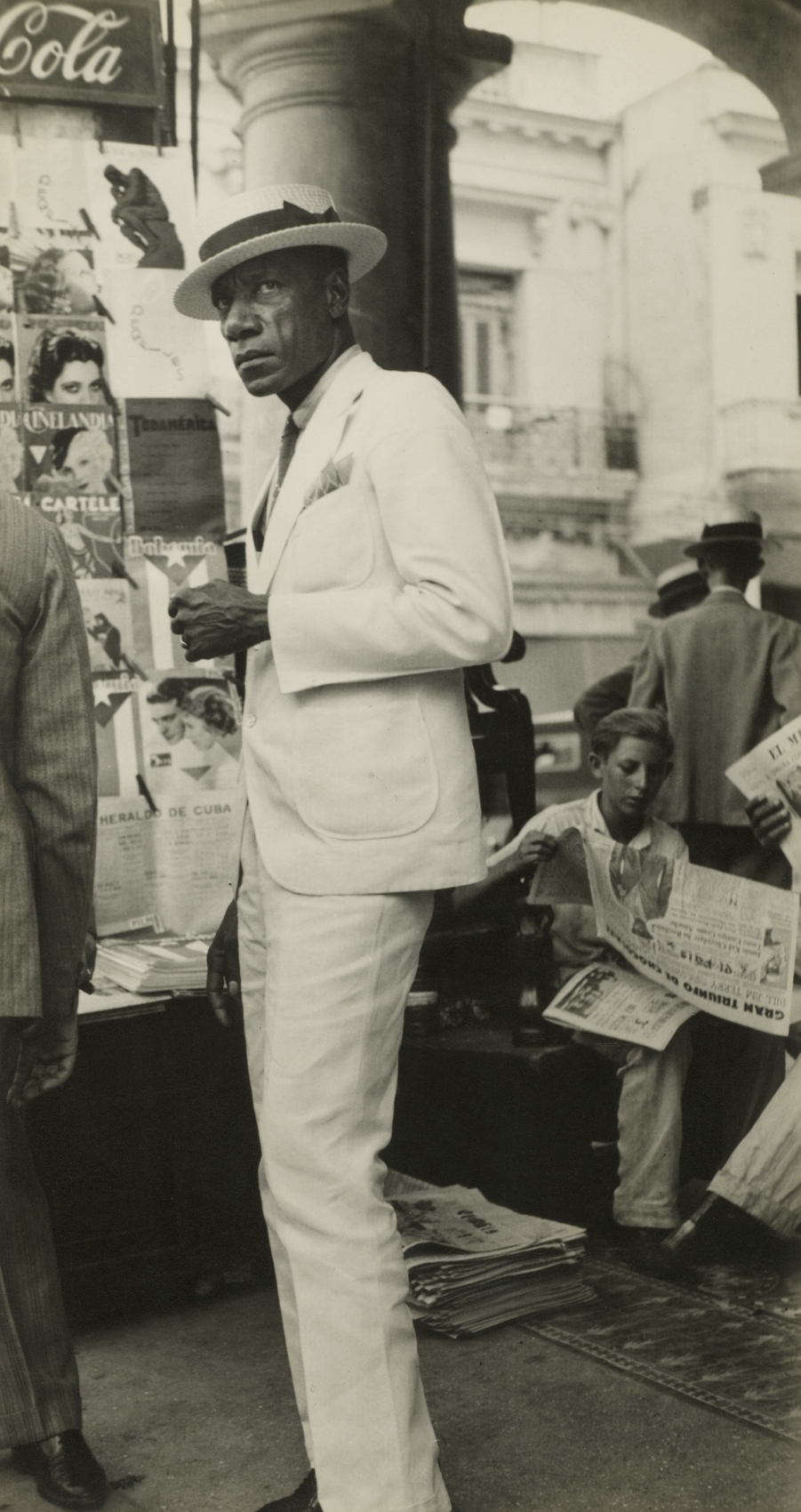
 

Walker Evans (American, 1903-1975) 'Citizen in Downtown Havana' 1933


Walker Evans (American, 1903-1975)
Citizen in Downtown Havana
1933
Gelatin silver print
22.2 x 11.7cm (8 3/4 x 4 5/8 in.)
The J. Paul Getty Museum, Los Angeles
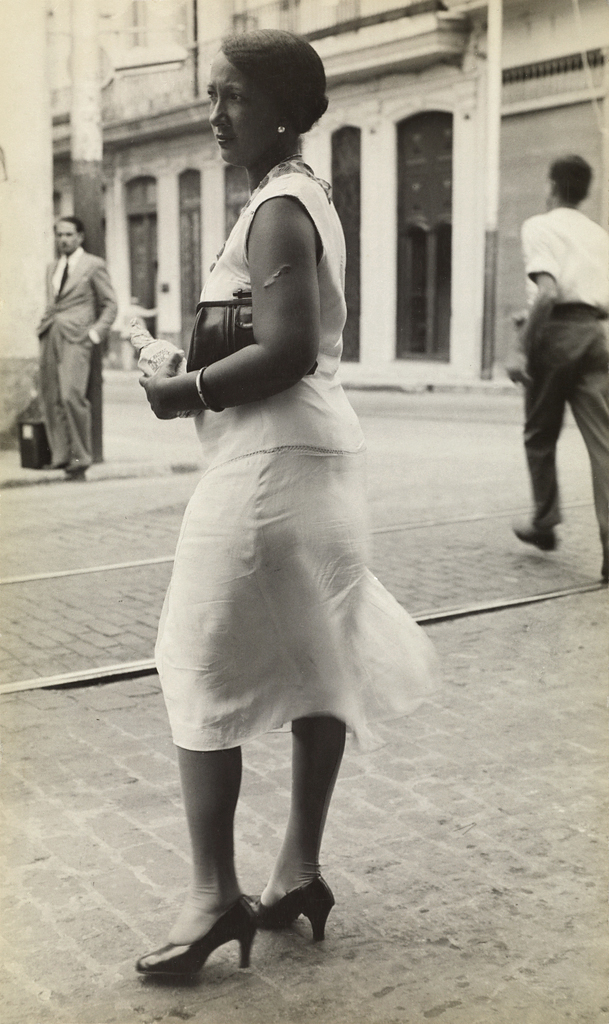
 

Walker Evans (American, 1903-1975) 'Woman on the Street, Havana' 1933


Walker Evans (American, 1903-1975)
Woman on the Street, Havana
1933
Gelatin silver print
24.6 x 14.6cm (9 11/16 x 5 3/4 in.)
The J. Paul Getty Museum, Los Angeles
© Walker Evans Archive, The Metropolitan Museum of Art


Walker Evans (American, 1903-1975) 'Woman in a Courtyard' 1933


Walker Evans (American, 1903-1975)
Woman in a Courtyard
1933
Gelatin silver print
25.3 x 16.2cm (9 15/16 x 6 3/8 in.)
The J. Paul Getty Museum, Los Angeles
© Walker Evans Archive, The Metropolitan Museum of Art


Walker Evans (American, 1903-1975) 'Coal Dockworkers, Havana' 1933


Walker Evans (American, 1903-1975)
Coal Dockworkers, Havana
1933
Gelatin silver print
15.6 × 21.1cm (6 1/8 × 8 5/16 in.)
The J. Paul Getty Museum, Los Angeles
© Walker Evans Archive, The Metropolitan Museum of Art


Walker Evans (American, 1903-1975) 'Coal Dockworkers, Havana' 1933


Walker Evans (American, 1903-1975)
Coal Dockworkers, Havana
1933
Gelatin silver print
12.7 × 17.7cm (5 × 6 15/16 in.)
The J. Paul Getty Museum, Los Angeles
© Walker Evans Archive, The Metropolitan Museum of Art


Walker Evans (American, 1903-1975) 'Coal Dockworker, Havana' 1933


Walker Evans (American, 1903-1975)
Coal Dockworker, Havana
1933
Gelatin silver print
9.7 × 13.7cm (3 13/16 × 5 3/8 in.)
The J. Paul Getty Museum, Los Angeles
© Walker Evans Archive, The Metropolitan Museum of Art


Walker Evans (American, 1903-1975) 'Coal Loader, Havana' 1933


Walker Evans (American, 1903-1975)
Coal Loader, Havana
1933
Gelatin silver print
17.1 × 12.2cm (6 3/4 × 4 13/16 in.)
The J. Paul Getty Museum, Los Angeles
© Walker Evans Archive, The Metropolitan Museum of Art
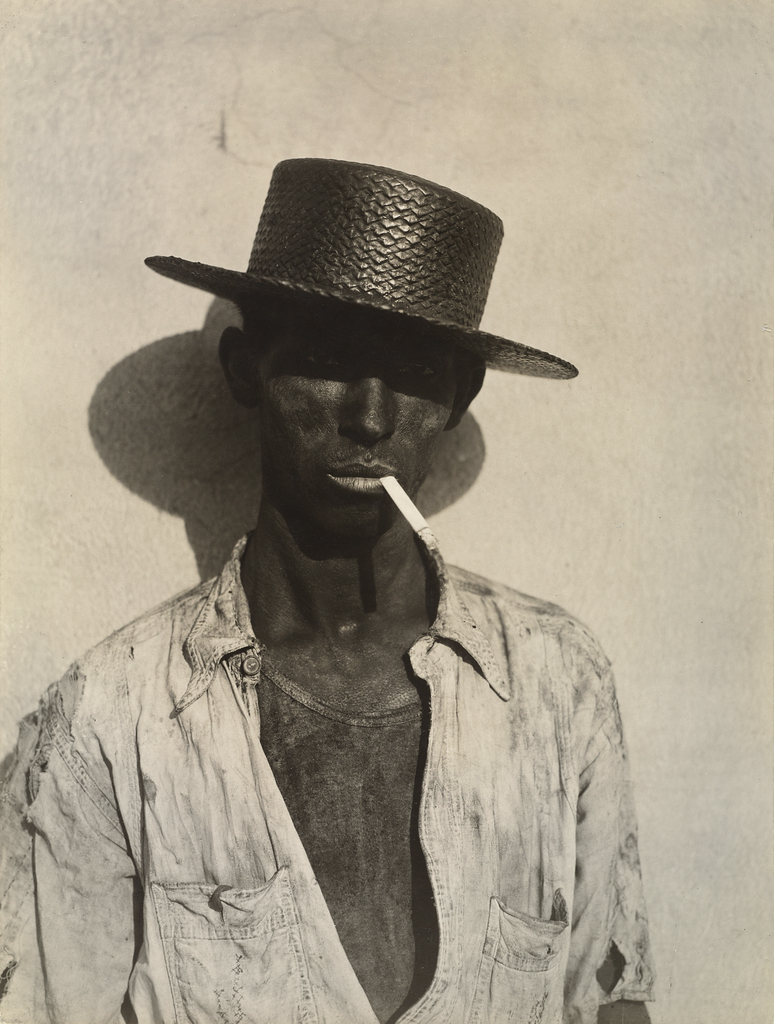
 

Walker Evans (American, 1903-1975) 'Coal Stevedore, Havana' 1933


Walker Evans (American, 1903-1975)
Coal Stevedore, Havana
1933
Gelatin silver print
20.2 x 15.2cm (7 15/16 x 6 in.)
The J. Paul Getty Museum, Los Angeles
© Walker Evans Archive, The Metropolitan Museum of Art


Walker Evans (American, 1903-1975) 'Stevedore' 1933


Walker Evans (American, 1903-1975)
Stevedore
1933
Gelatin silver print
20.1 x 15.1cm (7 15/16 x 5 15/16 in.)
The J. Paul Getty Museum, Los Angeles
© Walker Evans Archive, The Metropolitan Museum


Walker Evans (American, 1903-1975) 'Negro Child, Havana' 1933


Walker Evans (American, 1903-1975)
Negro Child, Havana
1933
Gelatin silver print
19.5 x 14.8cm (7 11/16 x 5 13/16 in.)
The J. Paul Getty Museum, Los Angeles
© Walker Evans Archive, The Metropolitan Museum


Walker Evans (American, 1903-1975) 'Negro Child, Havana' 1933


Walker Evans (American, 1903-1975)
Negro Child, Havana
1933
Gelatin silver print
19.8 x 13.2cm (7 13/16 × 5 3/16 in.)
The J. Paul Getty Museum, Los Angeles
© Walker Evans Archive, The Metropolitan Museum


The J. Paul Getty Museum
1200 Getty Center Drive
Los Angeles, California 90049

Opening hours:
Tuesday – Friday, Sunday 10am – 5.30pm
Saturday 10am – 8pm
Monday Closed
The J. Paul Getty Museum website

LIKE ART BLART ON FACEBOOK

Back to top

Exhibition: ‘The Photographs of Ray K. Metzker’ at The Nelson-Atkins Museum of Art, Kansas City, Missouri

Exhibition dates: 15th January – 5th June, 2011


Many thankx to The Nelson-Atkins Museum of Art for allowing me to publish the photographs in the posting. Please click on the photograph for a larger version of the image.


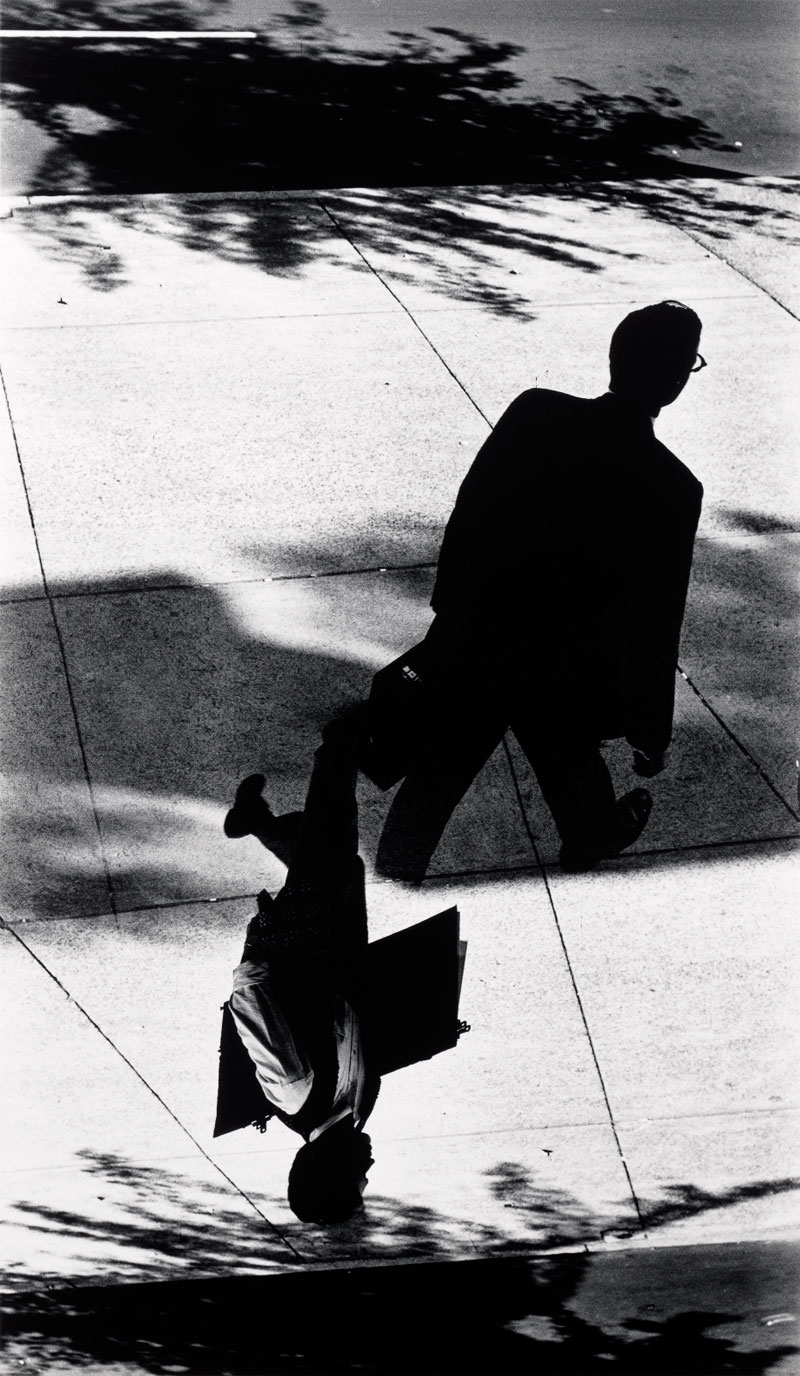
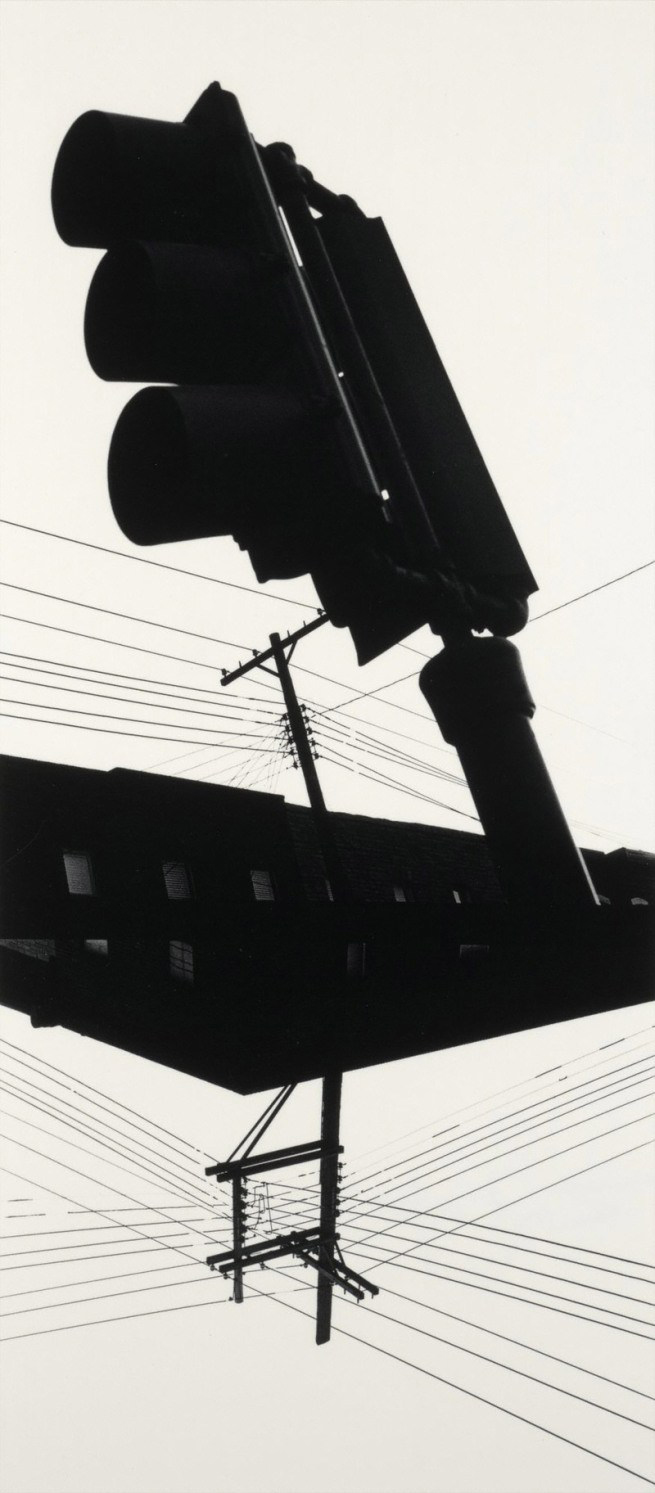
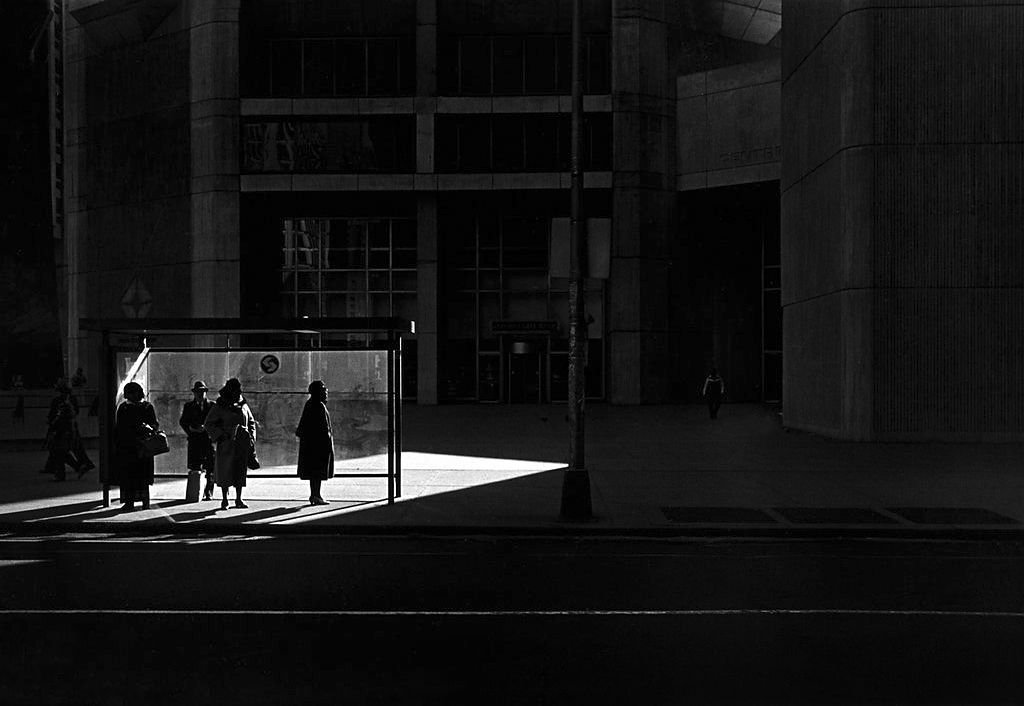
Ray K. Metzker (American, 1931-2014) 'City Whispers, Philadelphia' 1983


Ray K. Metzker (American, 1931-2014)
City Whispers, Philadelphia
1983
Gelatin silver print
The Nelson-Atkins Museum of Art, Kansas City, Missouri
© Ray K. Metzker, courtesy of the Laurence Miller Gallery


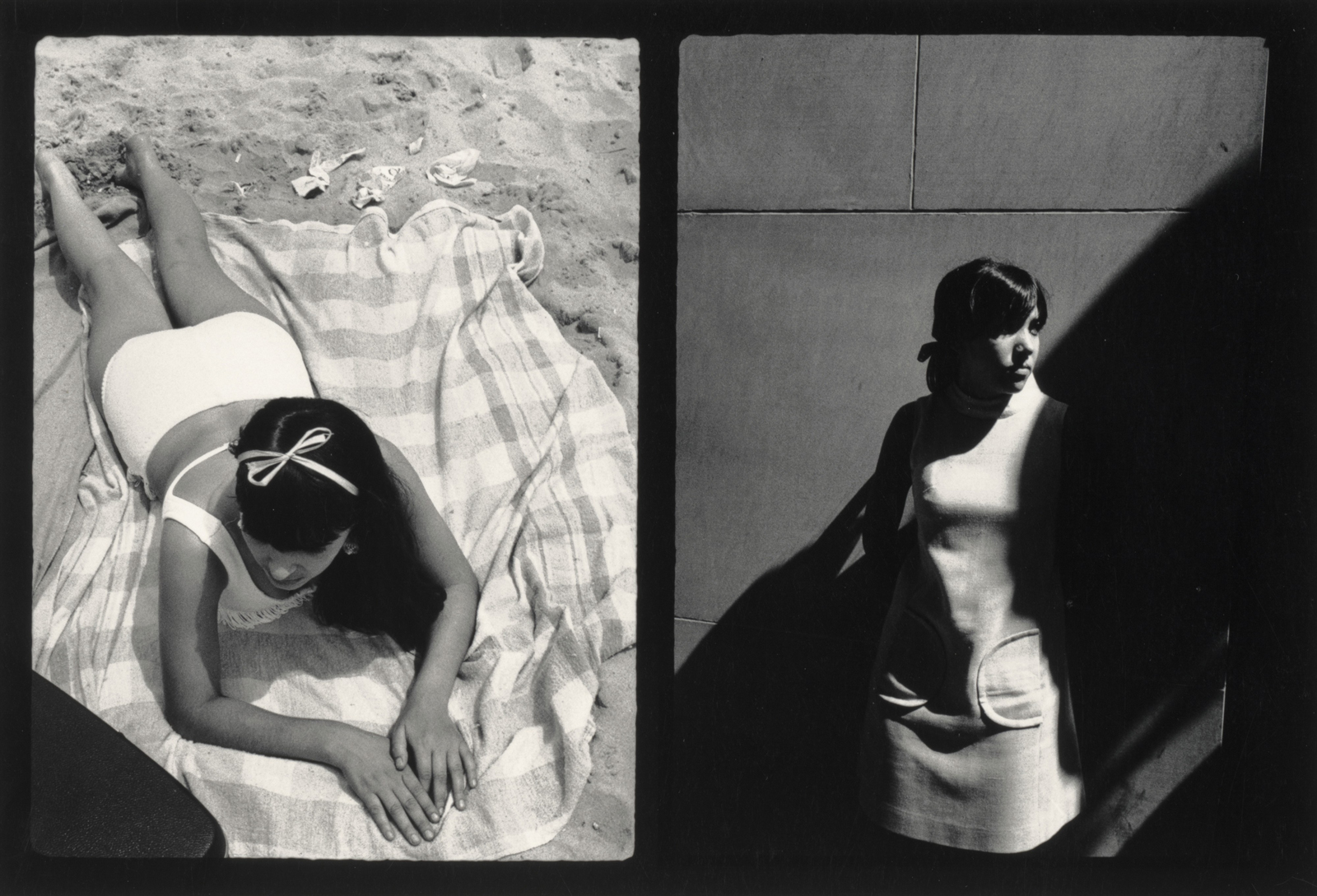
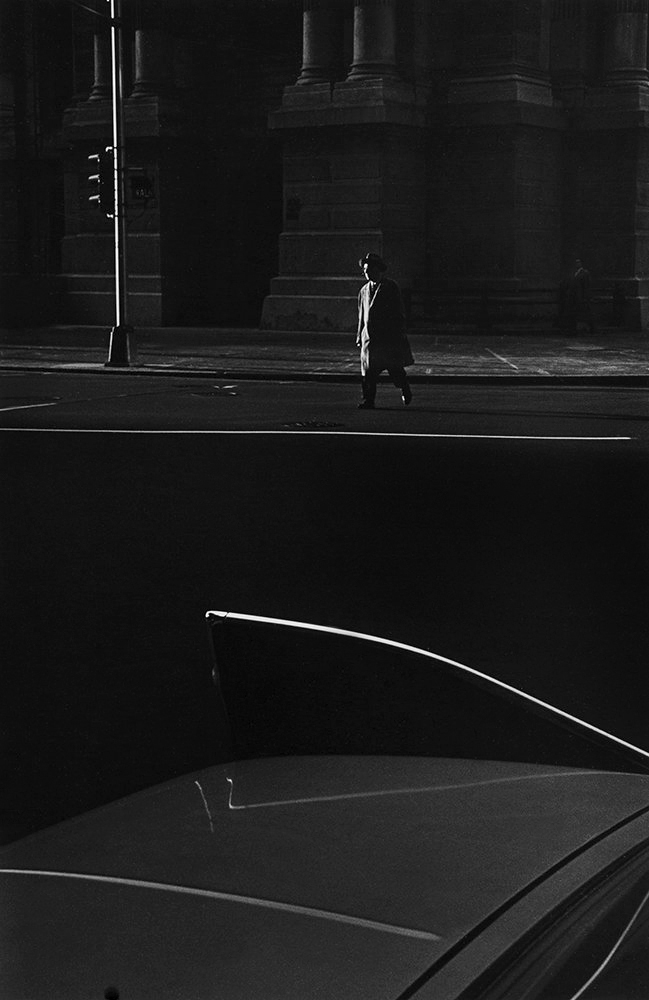
Ray K. Metzker (American, 1931-2014) 'Couplets: Atlantic City/New York City' 1969/1968


Ray K. Metzker (American, 1931-2014)
Couplets: Atlantic City/New York City
1969/1968
Gelatin silver print
The Nelson-Atkins Museum of Art, Kansas City, Missouri
© Ray K. Metzker, courtesy of the Laurence Miller Gallery


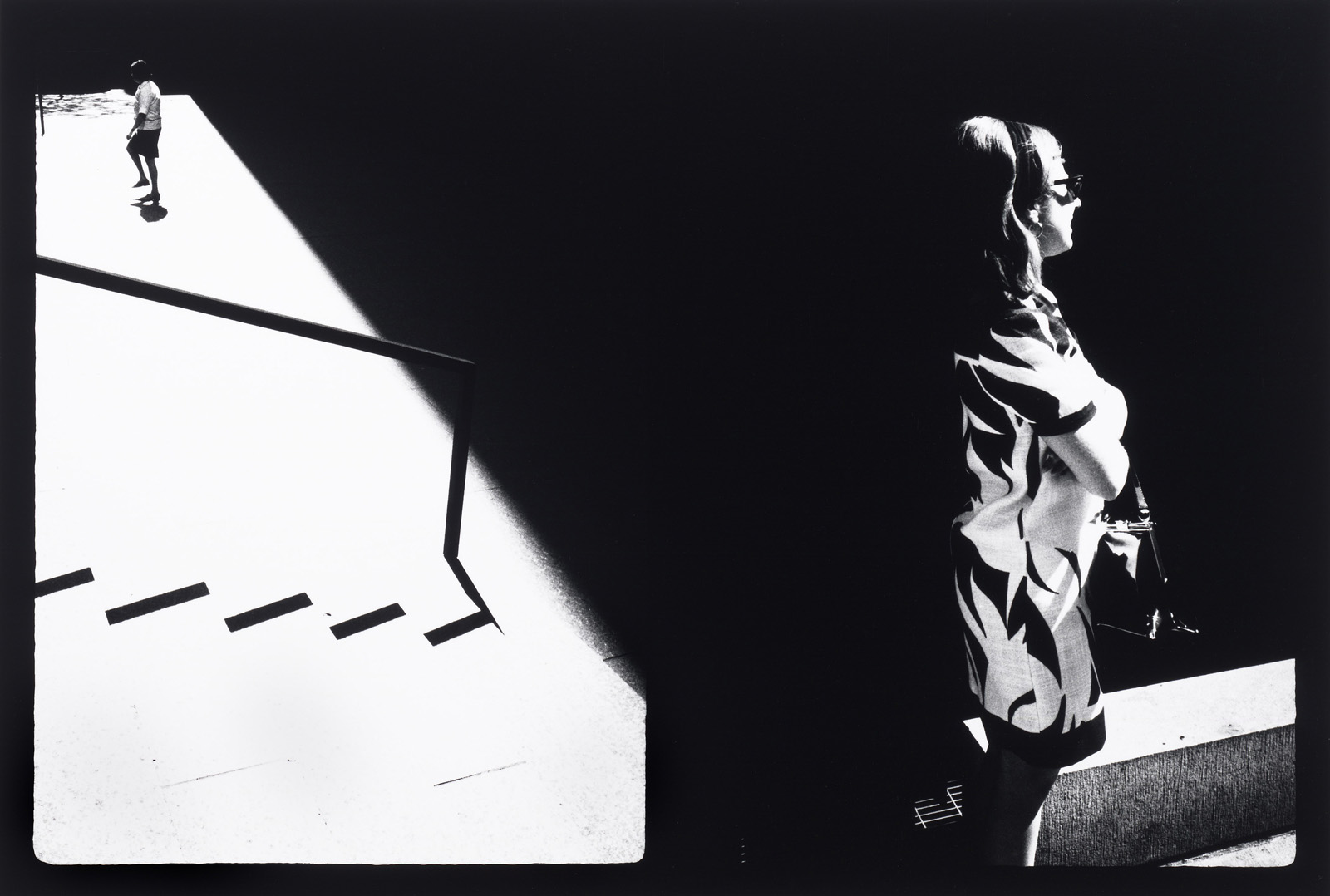
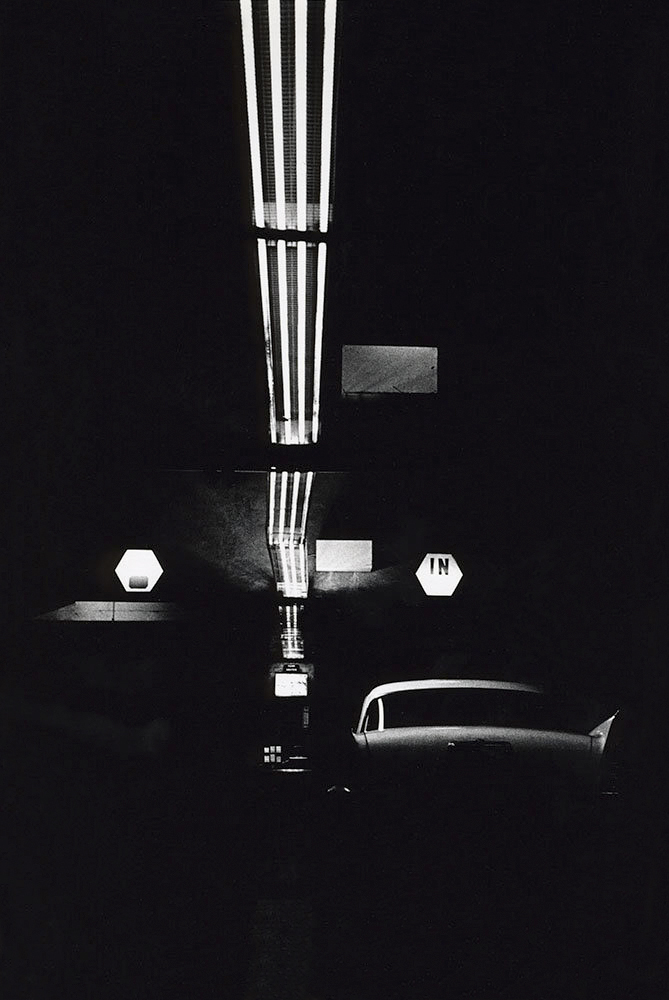
Ray K. Metzker (American, 1931-2014) 'Couplets: New York City' 1968


Ray K. Metzker (American, 1931-2014)
Couplets: New York City
1968
Gelatin silver print
The Nelson-Atkins Museum of Art, Kansas City, Missouri
Gift of the Hall Family Foundation
© Ray K. Metzker, courtesy of the Laurence Miller Gallery


Ray K. Metzker (American, 1931-2014) 'Double Frames: Philadelphia' 1965


Ray K. Metzker (American, 1931-2014)
Double Frames: Philadelphia
1965, printed 1984
Gelatin silver print
Gift of the Hall Family Foundation
© Ray K. Metzker, Courtesy of the Laurence Miller Gallery


Ray K. Metzker (American, 1931-2014) 'Double Frames: Philadelphia' 1965, printed 1972


Ray K. Metzker (American, 1931-2014)
Double Frames: Philadelphia
1965, printed 1972
Gelatin silver print
Gift of the Hall Family Foundation
The Nelson-Atkins Museum of Art
© Ray K. Metzker, Courtesy of the Laurence Miller Gallery


Ray K. Metzker (American, 1931-2014) 'Couplets: Philadelphia' 1968


Ray K. Metzker (American, 1931-2014)
Couplets: Philadelphia
1968, printed 2002
Gelatin silver print
Gift of the Hall Family Foundation
© Ray K. Metzker, Courtesy of the Laurence Miller Gallery


Ray K. Metzker (American, 1931-2014) 'Pictus Interruptus: Philadelphia' 1977


Ray K. Metzker (American, 1931-2014)
Pictus Interruptus: Philadelphia
1977
Gelatin silver print
Gift of the Hall Family Foundation
© Ray K. Metzker, Courtesy of the Laurence Miller Gallery


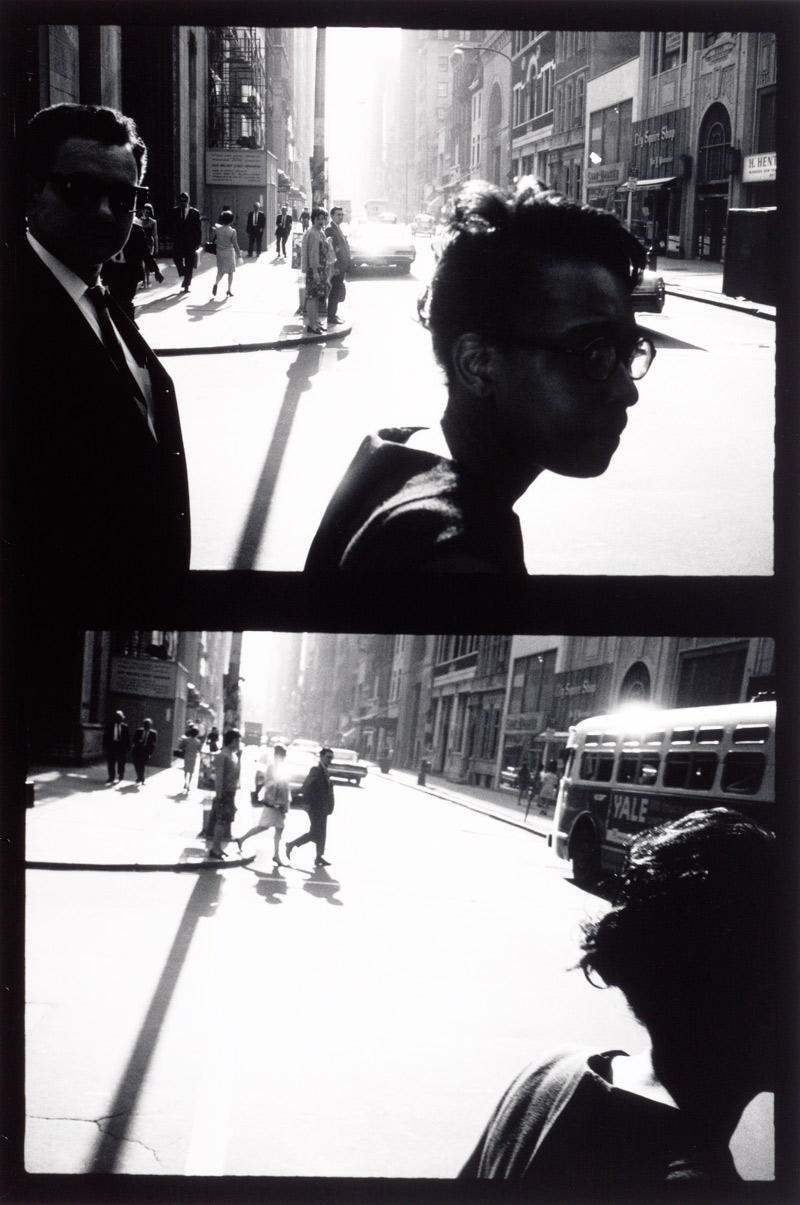
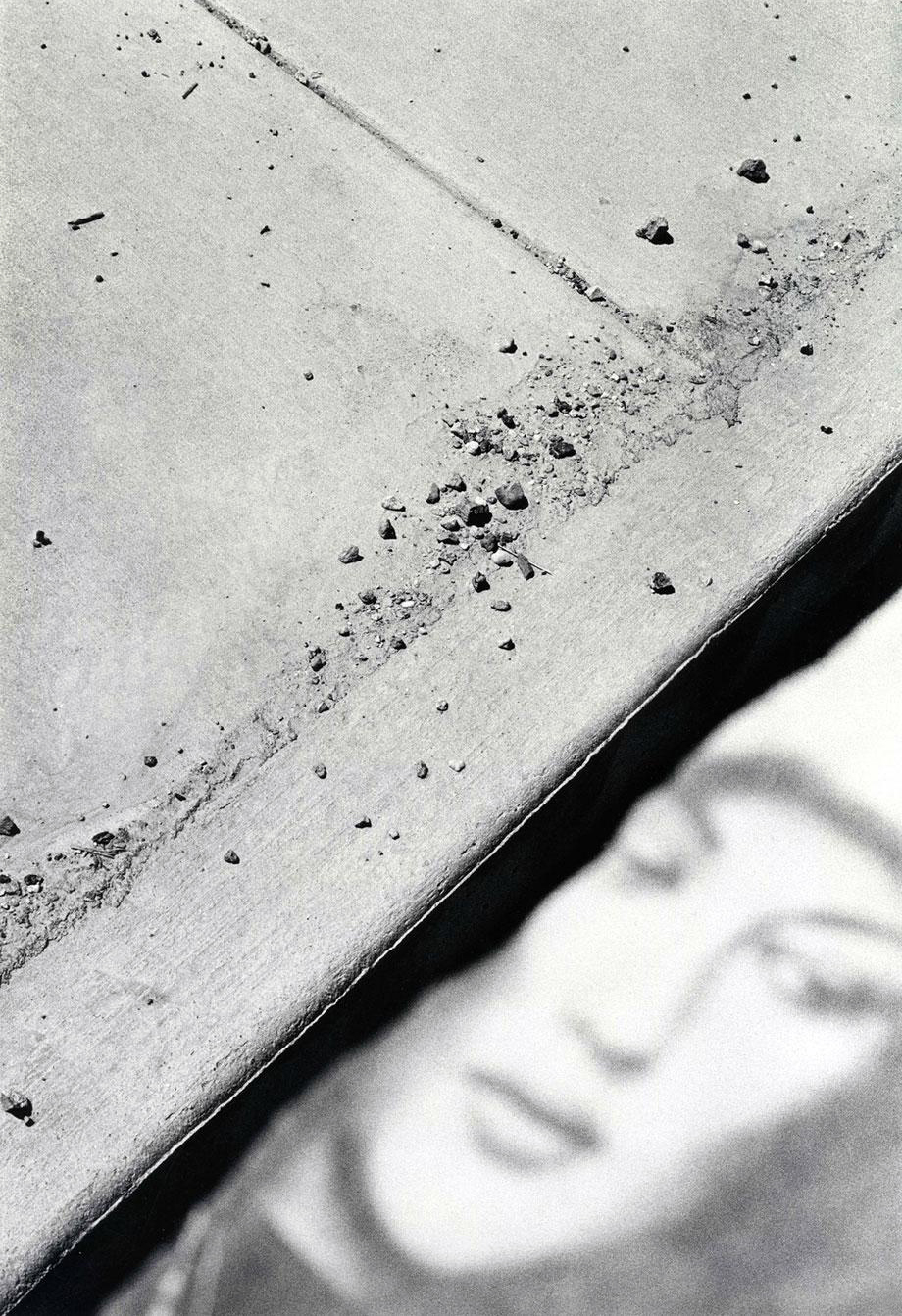
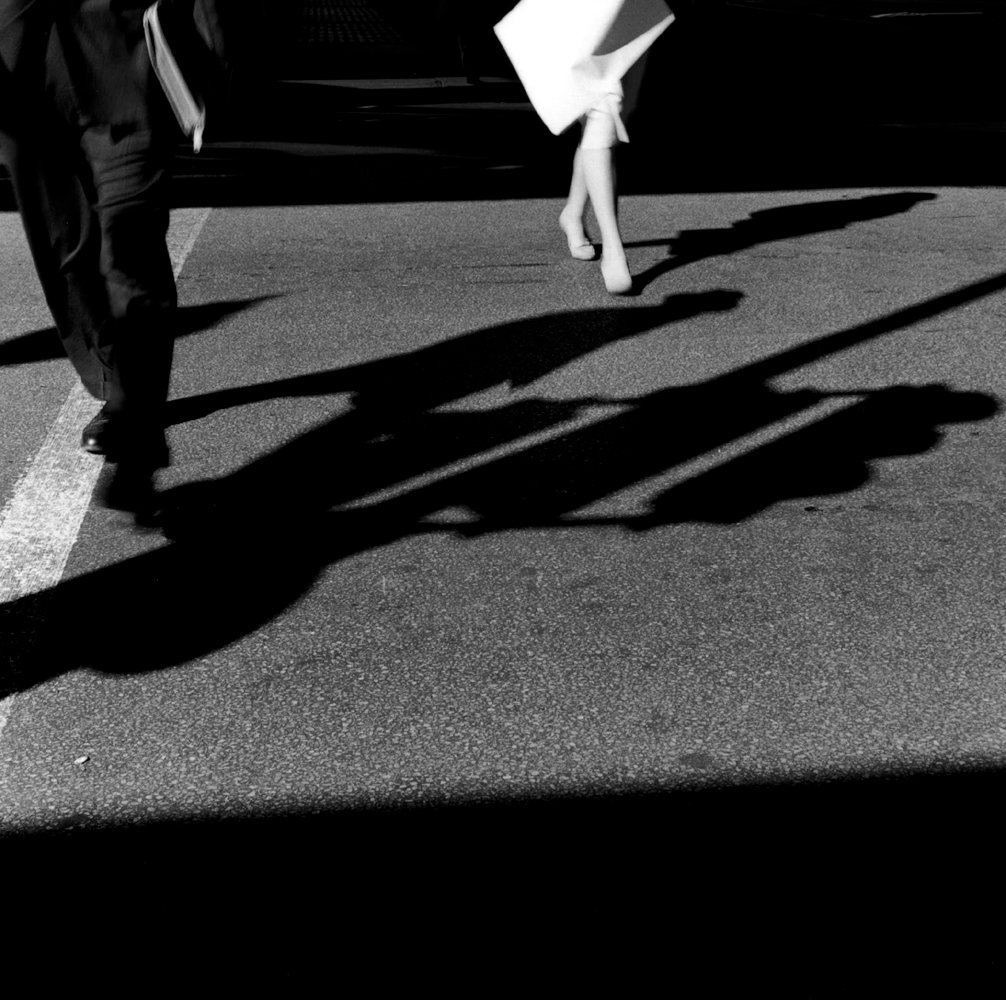
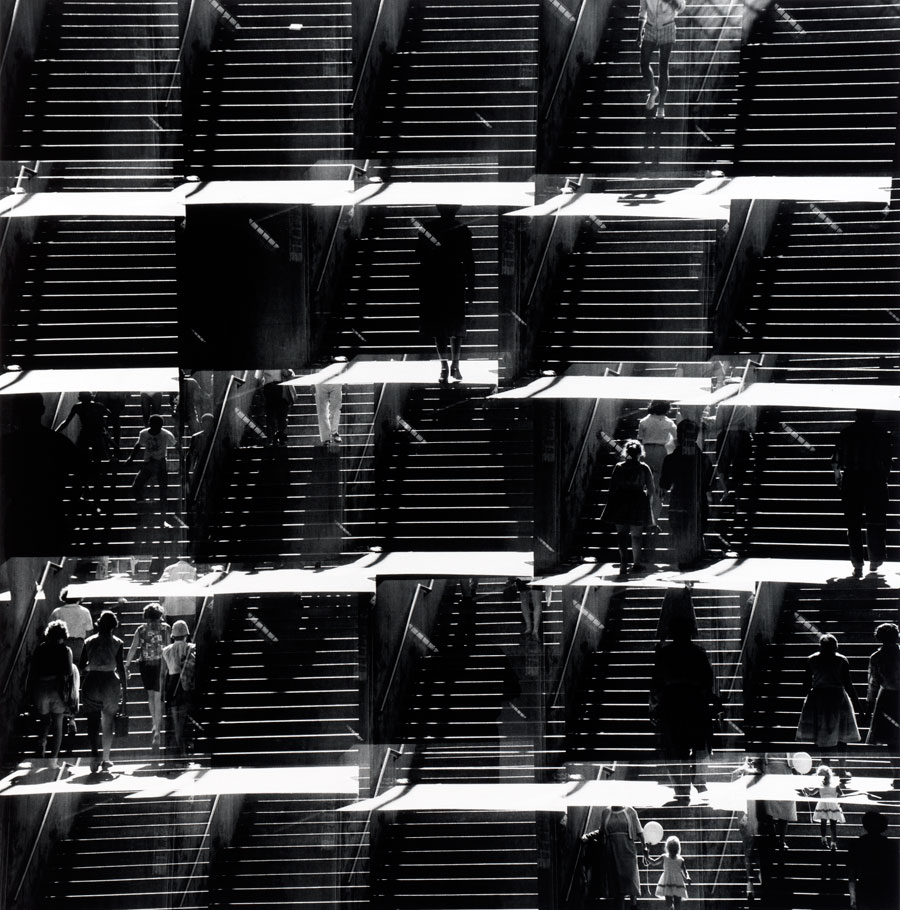
Works by Ray K. Metzker, one of the most original and influential photographers of the last half century, will be on view from Jan. 15 to June 5, 2011, at The Nelson-Atkins Museum of Art. The Photographs of Ray K. Metzker will reveal Metzker’s ability to turn ordinary subjects, including the urban experience and nature, into the visual poetry of the finely crafted black-and-white print.

At the age of nearly 80, Metzker is greatly admired for his passionate engagement with both photography and the world. He has explored the use of high contrast and selective focus, the potentials of multiple and composite images, and the infinite gradations of daylight, from dazzling white to inky shadow.

This is great and lasting work – the very best of a classic form of American modernism, said Keith F. Davis, senior curator of photography at the Nelson-Atkins. Metzker has led a life of deep devotion to understanding the potential, challenge and pleasure of photographic seeing. In so doing, he has transcended any simple notion of technical experimentation or formalism to illuminate a vastly larger human realm – one of uncertainty, isolation and vulnerability, as well as of unexpected beauty, grace and transcendence.

Thanks to a major gift from the Hall Family Foundation, the Nelson-Atkins now has the largest holding of Metzker’s work (92 prints) in the United States.

Born in Milwaukee, Wis., in 1931, Metzker first took up photography as a teenager. After two years in the army, he entered the graduate program at the Institute of Design, Chicago, in the fall of 1956. His professors, Aaron Siskind and Harry Callahan, were acclaimed artists and inspiring teachers, and they emphasised the medium’s remarkable range and visual potential. Metzker’s artistic vision grew from a union of ideas: the realities of modern life, the medium’s myriad technical possibilities, and the quest for a distinctly individual vision.

Metzker has lived and worked in Philadelphia since 1962, and as he approaches the age of 80, he continues to make new pictures there.

The photographs in the exhibition feature examples from all his major series, including his earliest mature work from Chicago (1957-1959); photographs from an extended visit to Europe (1960-1961); the street activity, people, and structures of Philadelphia (from 1962 to the present); beachgoers at the New Jersey shore, Sand Creatures (1968-1977); the starkness of the Southwestern light and landscape, New Mexico (1971-1972); and the lush mysteries of the natural realm, in his Landscapes (1985-1996) from Italy, France and the United States.

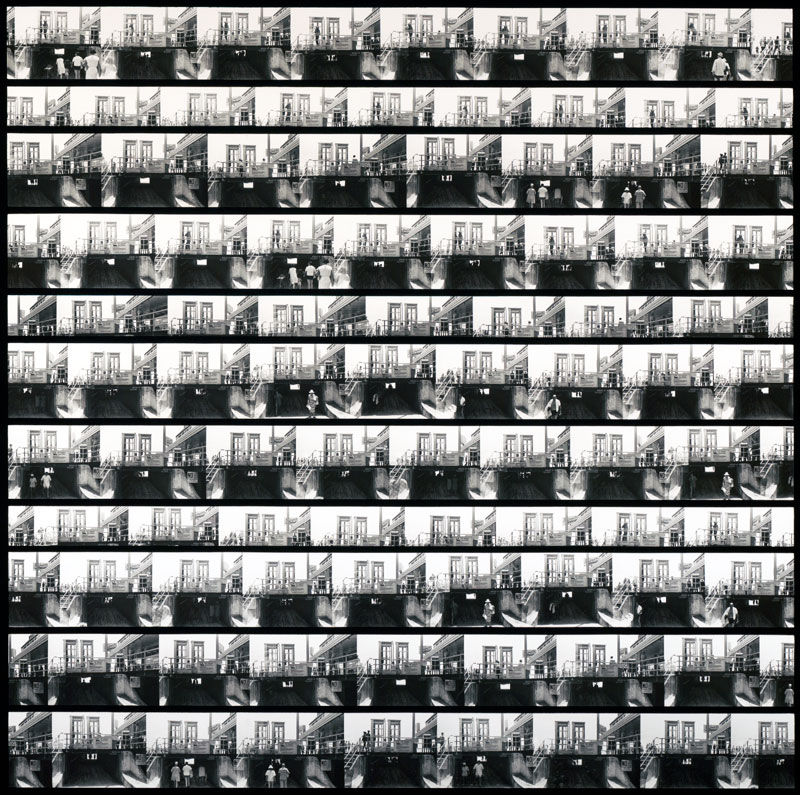
The exhibition features a host of innovative and ingenious approaches to photography, including the use of the double image, Double Frame (1964-1966) and Couplets (1968-1969); single works created from an entire roll of film, Composites (1964-1966); and the creative control of focus in both Pictus Interruptus (1976-1980) and Landscapes (1985-1996).

Press release from The Nelson-Atkins Museum of Art website


Ray K. Metzker (American, 1931-2014) 'Chicago' 1957


Ray K. Metzker (American, 1931-2014)
Chicago
1957
Gelatin silver print
Gift of Hallmark Cards, Inc.,
© Ray K. Metzker, Courtesy of the Laurence Miller Gallery


Ray K. Metzker (American, 1931-2014) 'Chicago' 1959


Ray K. Metzker (American, 1931-2014)
Chicago
1959, printed 1989
Gelatin silver print
Gift of Hallmark Cards, Inc.,
© Ray K. Metzker, Courtesy of the Laurence Miller Gallery


Ray K. Metzker (American, 1931-2014) 'Philadelphia' 1963


Ray K. Metzker (American, 1931-2014)
Philadelphia
1963, printed 1986
Gelatin silver print
Gift of the Hall Family Foundation
© Ray K. Metzker, Courtesy of the Laurence Miller Gallery


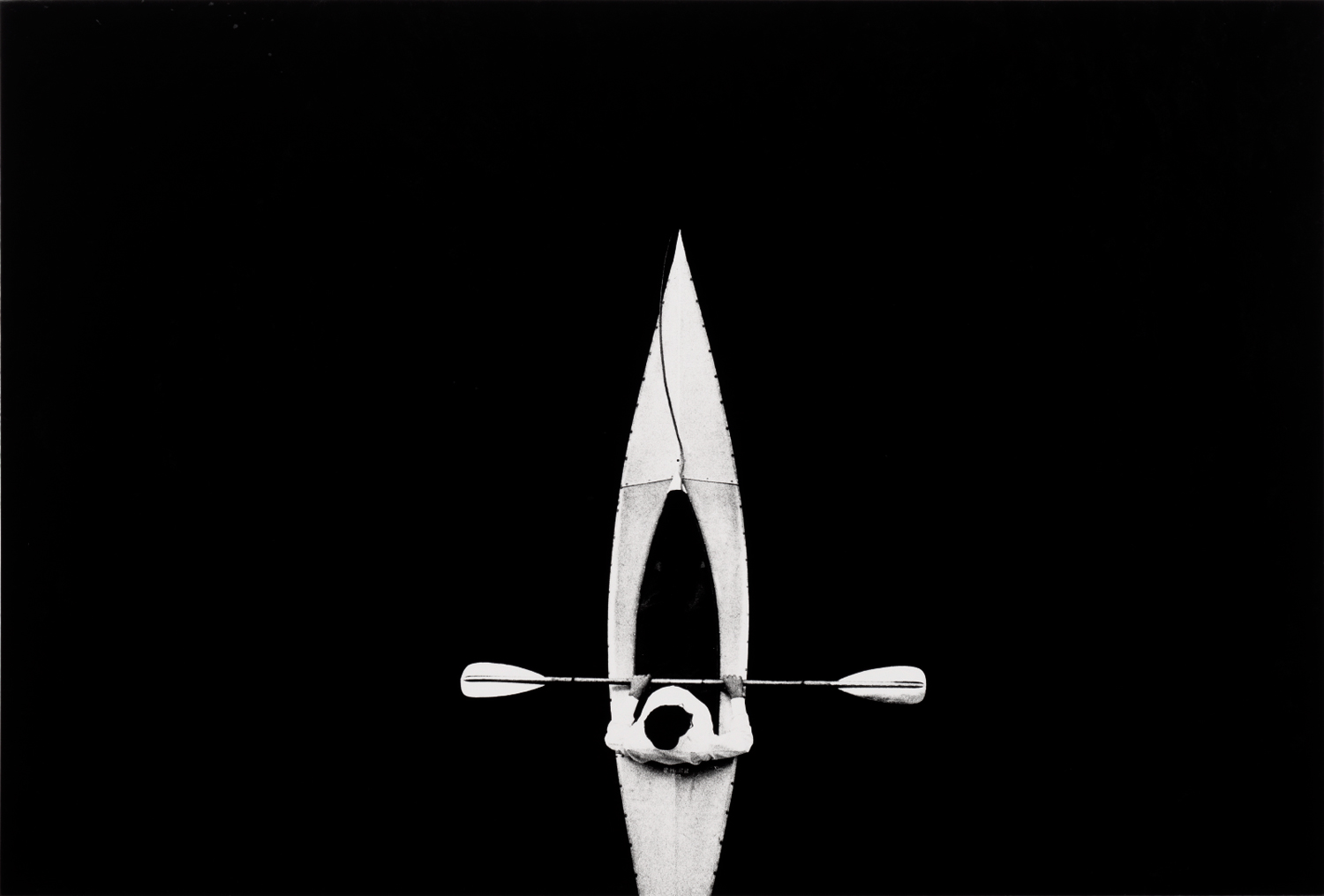
Ray K. Metzker (American, 1931-2014) 'Man in Canoe' 1961


Ray K. Metzker (American, 1931-2014)
Man in Canoe
1961
Gelatin silver print
Gift of Hallmark Cards, Inc.,
© Ray K. Metzker, Courtesy of the Laurence Miller Gallery


Ray K. Metzker (American 1931-2014) 'Philadelphia, 1963' 1963


Ray K. Metzker (American 1931-2014)
Philadelphia, 1963
1963
Gelatin silver print
Gift of Hallmark Cards, Inc.,
© Ray K. Metzker, Courtesy of the Laurence Miller Gallery


Ray K. Metzker (American 1931-2014) 'Philadelphia, 1963' 1963


Ray K. Metzker (American 1931-2014)
Philadelphia, 1963
1963
Gelatin silver print
Gift of Hallmark Cards, Inc.,
© Ray K. Metzker, Courtesy of the Laurence Miller Gallery


Ray K. Metzker (American 1931-2014) 'Philadelphia' 1963


Ray K. Metzker (American 1931-2014)
Philadelphia, 1963
1963
Gelatin silver print
Gift of Hallmark Cards, Inc.,
© Ray K. Metzker, Courtesy of the Laurence Miller Gallery


Ray K. Metzker (American 1931-2014) 'Philadelphia' 1964


Ray K. Metzker (American, 1931-2014)
Philadelphia
1964, printed 1989
Gelatin silver print
Gift of Hallmark Cards, Inc.,
© Ray K. Metzker, Courtesy of the Laurence Miller Gallery


Ray K. Metzker (American, 1931-2014) 'Philadelphia' 1964


Ray K. Metzker (American, 1931-2014)
Philadelphia
1964, printed 1989
Gelatin silver print
Gift of Hallmark Cards, Inc.,
© Ray K. Metzker, Courtesy of the Laurence Miller Gallery


Ray K. Metzker (American, 1931-2014) 'Composite: Atlantic City' 1966


Ray K. Metzker (American, 1931-2014)
Composite: Atlantic City
1966
Gelatin silver print
Gift of Hallmark Cards, Inc.,
© Ray K. Metzker, Courtesy of the Laurence Miller Gallery


Ray K. Metzker (American, 1931-2014) 'Composites: Night at the Terminal' about 1966


Ray K. Metzker (American, 1931-2014)
Composites: Night at the Terminal
about 1966
Gelatin silver print
The Nelson-Atkins Museum of Art
© Ray K. Metzker, courtesy of Lawrence Miller Gallery


Ray K. Metzker (American 1931-2014) 'Philadelphia' 1981


Ray K. Metzker (American 1931-2014)
Philadelphia
1981
Gelatin silver print
Gift of Hallmark Cards, Inc.,
© Ray K. Metzker, Courtesy of the Laurence Miller Gallery


Ray K. Metzker (American 1931-2014) 'Philadelphia' 1964


Ray K. Metzker (American 1931-2014)
Philadelphia, 1964
1963
Gelatin silver print
Gift of Hallmark Cards, Inc.,
© Ray K. Metzker, Courtesy of the Laurence Miller Gallery


Ray K. Metzker (American 1931-2014) 'Philadelphia' 1963


Ray K. Metzker (American 1931-2014)
Philadelphia, 1963
1963
Gelatin silver print
Gift of Hallmark Cards, Inc.,
© Ray K. Metzker, Courtesy of the Laurence Miller Gallery


The Nelson-Atkins Museum of Art
4525 Oak Street
Kansas City, MO 64111

Opening hours:
Thursday – Monday 10am – 5pm
Closed Tuesdays and Wednesdays

The Nelson-Atkins Museum of Art website

LIKE ART BLART ON FACEBOOK

Back to top

Exhibition: ‘Dorothea Lange’s Three Mormon Towns’ at Brigham Young University Museum of Art, Provo, Utah

Exhibition dates: 20th January – 30th April 2011


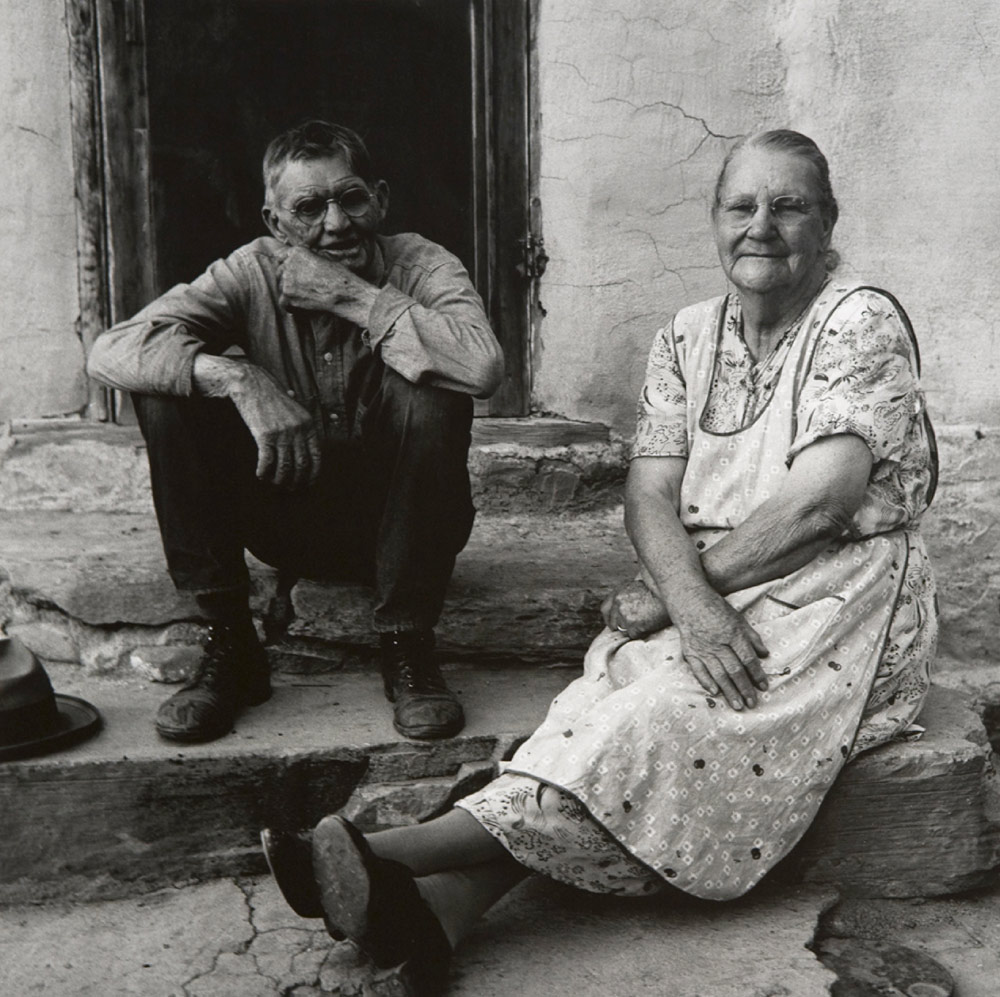
Dorothea Lange. 'Couple Seated on Porch, Gunlock, Utah' 1953


Dorothea Lange (American, 1895-1965)
Couple Seated on Porch, Gunlock, Utah
1953
Silver gelatin photograph
Brigham Young University Museum of Art, purchased with funds provided by Jack and Mary Lois Wheatley


“The camera is an instrument that teaches people how to see without a camera.”


Dorothea Lange


Lange observes the minutiae, the precise details that go to make up the lives of these three towns and puts them together in a wonderful symphony of beautifully calculated, seemingly happenstance associations. Masterful!

Dr Marcus Bunyan


Many thankx to the Brigham Young University Museum of Art for allowing me to publish the photographs in the posting. Please click on the photographs for a larger version of the image. All photographs by Dorothea Lange © Dorothea Lange Collection, Oakland Museum of California, City of Oakland. Gift of Paul S. Taylor.


Toquerville, Utah

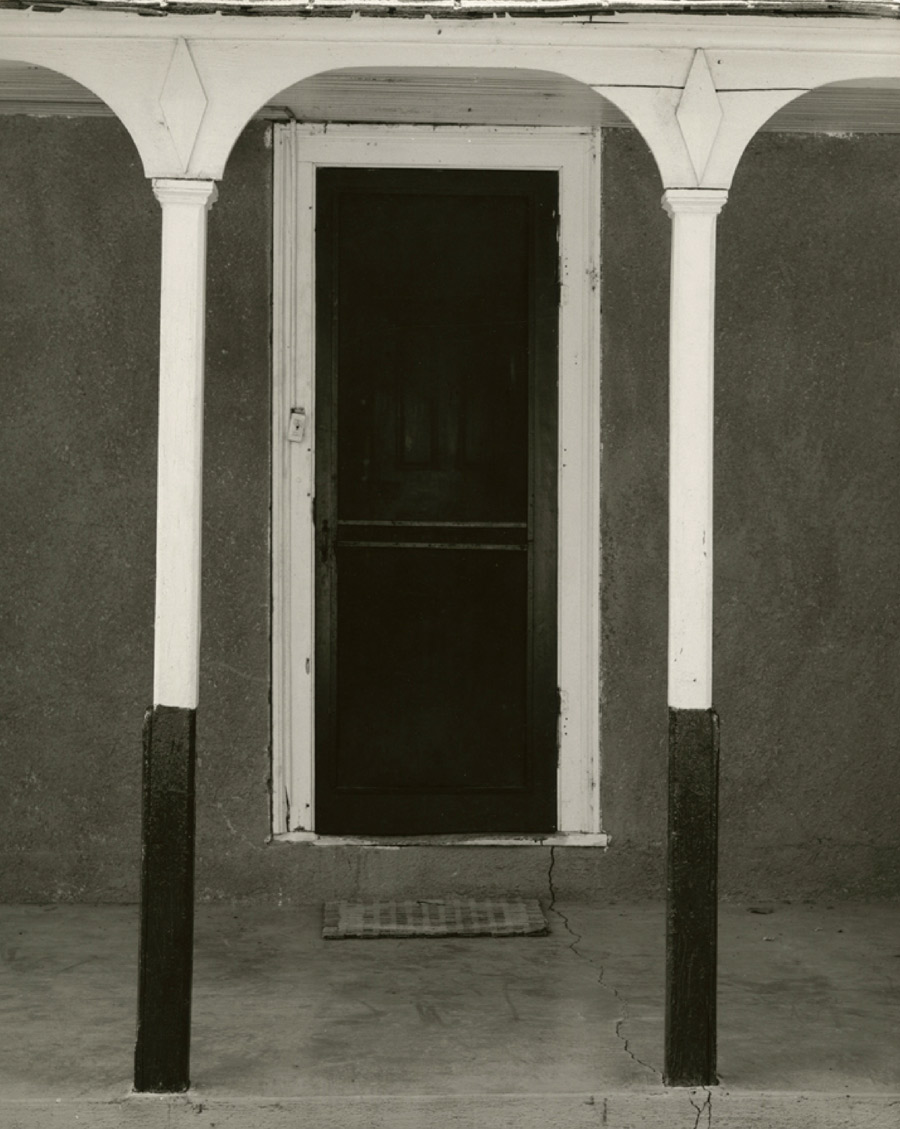
Dorothea Lange. 'Doorway, Toquerville, Utah' 1953


Dorothea Lange (American, 1895-1965)
Doorway, Toquerville, Utah
1953
Silver gelatin photograph
Brigham Young University Museum of Art, purchased with funds provided by Jack and Mary Lois Wheatley


Dorothea Lange. 'Mulberry Tree, Neagle Home, Toquerville, Utah' 1953


Dorothea Lange (American, 1895-1965)
Mulberry Tree, Neagle Home, Toquerville, Utah
1953
Silver gelatin photograph
Brigham Young University Museum of Art, purchased with funds provided by Jack and Mary Lois Wheatley


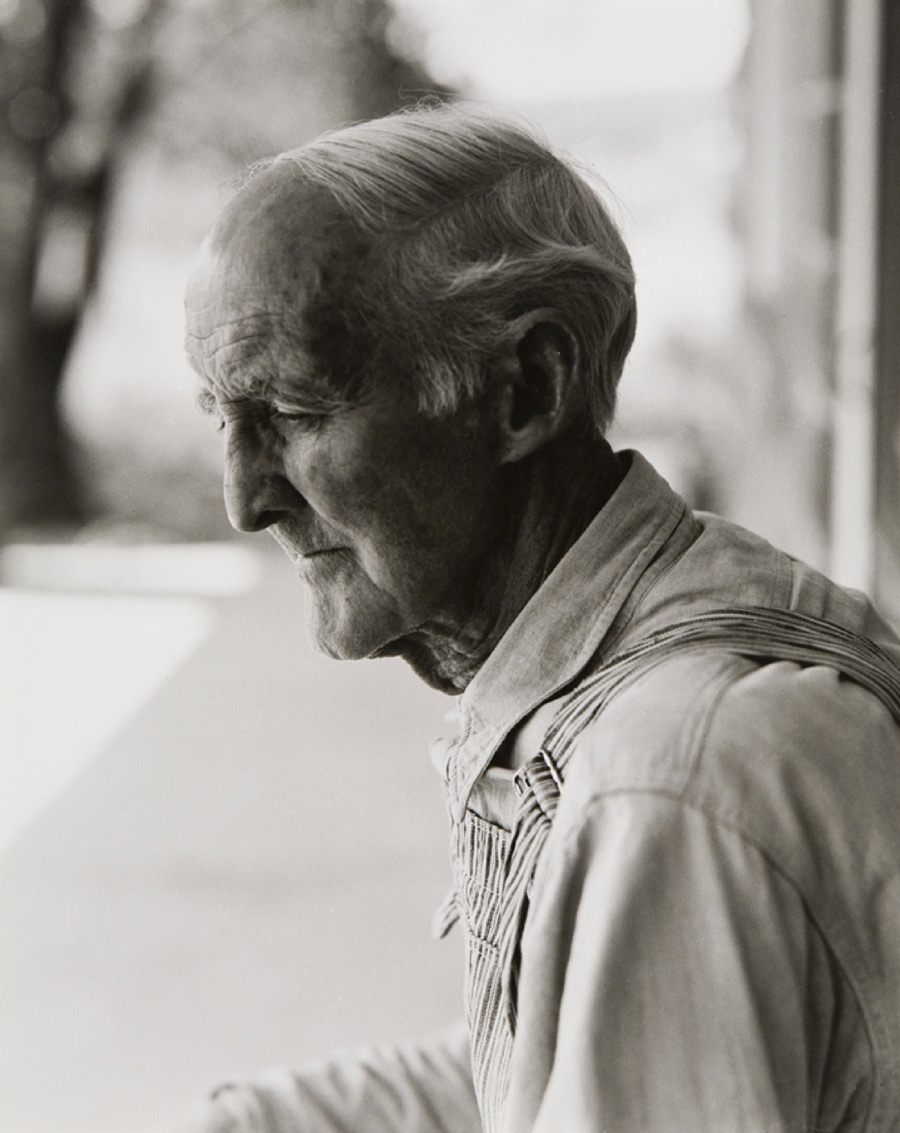
Dorothea Lange. 'Riley Savage, Toquerville, Utah' 1953


Dorothea Lange (American, 1895-1965)
Riley Savage, Toquerville, Utah
1953
Silver gelatin photograph
Brigham Young University Museum of Art, purchased with funds provided by Jack and Mary Lois Wheatley


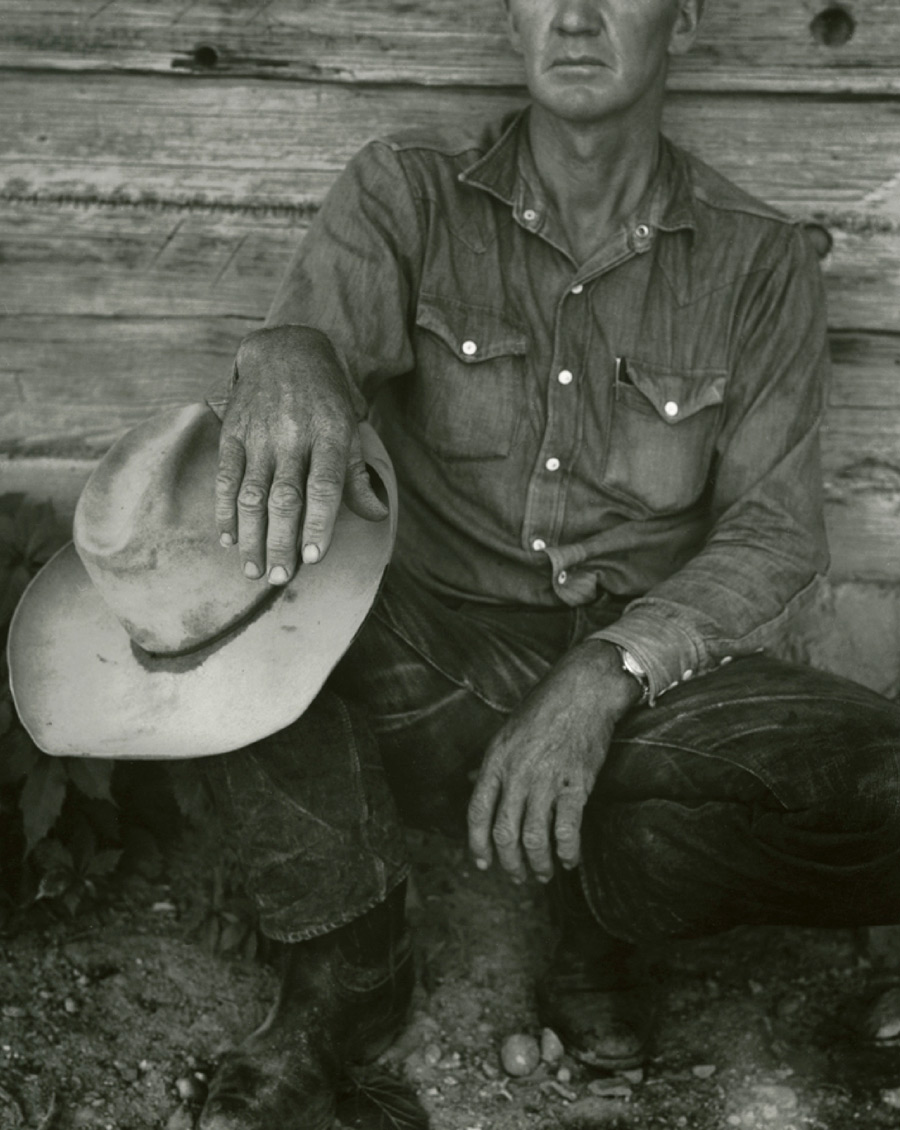
Dorothea Lange. 'Hands, Toquerville, Utah' 1953


Dorothea Lange (American, 1895-1965)
Hands, Toquerville, Utah
1953
Silver gelatin photograph
Brigham Young University Museum of Art, purchased with funds provided by Jack and Mary Lois Wheatley


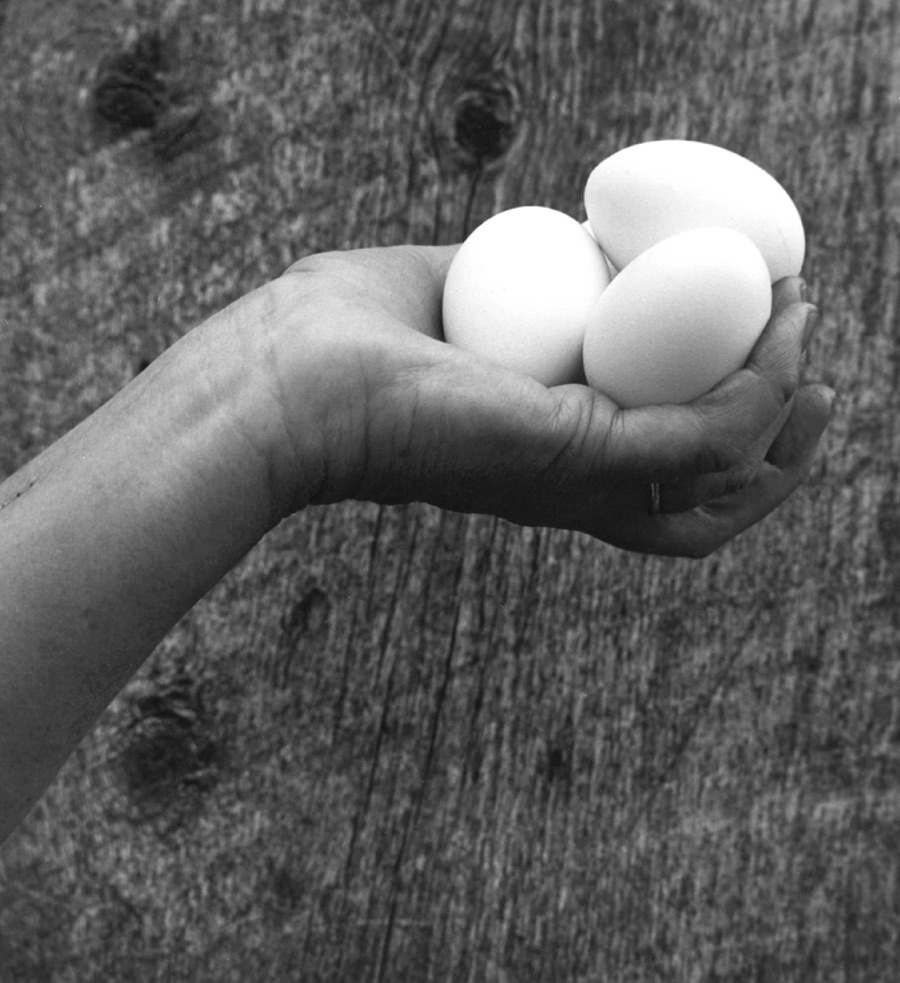
Dorothea Lange. 'Eggs, Toquerville, Utah' 1953


Dorothea Lange (American, 1895-1965)
Eggs, Toquerville, Utah
1953
Silver gelatin photograph
Collection of John and Lolita Dixon


In August 1953, renowned American photographer Dorothea Lange travelled to southern Utah where she met up with her long-time friend Ansel Adams. The two photographers spent three weeks photographing the landscape and people of Toquerville, Gunlock and St. George with the intention of publishing the work in LIFE magazine.

Lange’s enthusiasm for her subject yielded hundreds of photographs from which she composed an extended essay of 135 photographs, including images by Ansel Adams. Thirty-five of those photographs with text by Daniel Dixon appeared under the title Three Mormon Towns in the September 6, 1954 issue of LIFE.

“Dorothea Lange’s Three Mormon Towns,” a new exhibition at the Brigham Young University Museum of Art, features 21 of Lange’s photographs from this series acquired by the museum. The exhibition also draws from the collections of the J. Paul Getty Museum of Art, the Museum of Contemporary Photography, Columbia College Chicago, and the collection of John and Lolita Dixon.

The 62 vintage prints in the exhibition, accompanied by excerpts from Dixon’s original text, examine Lange’s lasting interest in the people of southern Utah and their relationship with the land, their heritage and the transformation of the West in post-war America.

“Subtle and poetic, the series of photographs that has come to be known as Three Mormon Towns is a bridge between Lange’s famous Depression Era photographs and her detailed photo essays of the 1950s,” Diana Turnbow, Curator of Photography at Brigham Young University Museum of Art, said.

Utah attracted Lange’s interest when she and her first husband, Maynard Dixon, spent the summer of 1933 camping and working in Zion National Park. She originally intended to photograph southern Utah with the support of a Guggenheim Foundation fellowship in 1941; however, a family crisis, followed by the onset of World War II prevented Lange from traveling to Utah. Yet, the desire to photograph the Mormon towns of southern Utah never faded. In 1953, Lange returned to the place that had captured her attention decades earlier.

“While Lange’s photographs depict communities bound together by hard work and religion in the formidable landscape of the Colorado Plateau, they also explore the changes that were beginning to affect not only Utah, but rural communities throughout the United States,” Turnbow said. “Three Mormon Towns was a study of contrasts – of old and new, of quiet villages and a growing city, of deep roots and transient highways. In this series, Lange memorialised the dignity and simplicity of agrarian life in light of post-war urbanisation.”

Published in the September 6, 1954 issue of LIFE magazine, the series of photographs that has come to be known as Three Mormon Towns bridges Dorothea Lange’s famous Depression era photographs with her detailed photo essays of the 1950s. Featuring sixty-two vintage photographs from the series, this exhibition considers Dorothea Lange’s lasting interest in the people of southern Utah and their relationship with the land, their heritage, and the transformation of the West in post-war America.

Known for her candid and sympathetic depiction of people, Dorothea Lange (1895-1965) is one of the most revered photographers of the twentieth century. For over four decades she explored the human psyche through portraiture and documentary photography. The probing portraits of her early career prepared Lange to photograph the people involved in the tumultuous events of the San Francisco labor strikes of 1934, the Great Depression, and the Japanese internment during World War II. Her 1935 photograph, The Migrant Mother, is one of the great icons of the American century.

In the 1950s, Lange began to create photographic essays for the popular picture and news magazine LIFE. She eventually completed five major essays for publication, with two of the essays, including Three Mormon Towns, printed in LIFE. In addition, Lange was a founding member of Aperture magazine and played a role in organising the influential Family of Man exhibition that premiered in New York in 1955.

In the later part of her life, Lange photographed and traveled extensively with her husband, Paul Taylor, in conjunction with his work in international development. Her photographs of South America, Africa, and Asia were deft and subtle, exploring a rich visual landscape populated with diverse objects and people.

In 1964, Lange was diagnosed with terminal cancer. Sustained by determination, she worked steadily to complete a number of projects including a retrospective exhibition of her work at the Museum of Modern Art in New York City. She passed away on October 11, 1965, content with the life that she had been able to live.

Text from the Brigham Young University Museum of Art website [Online] Cited 24/03/2011 no longer available online


Gunlock, Utah

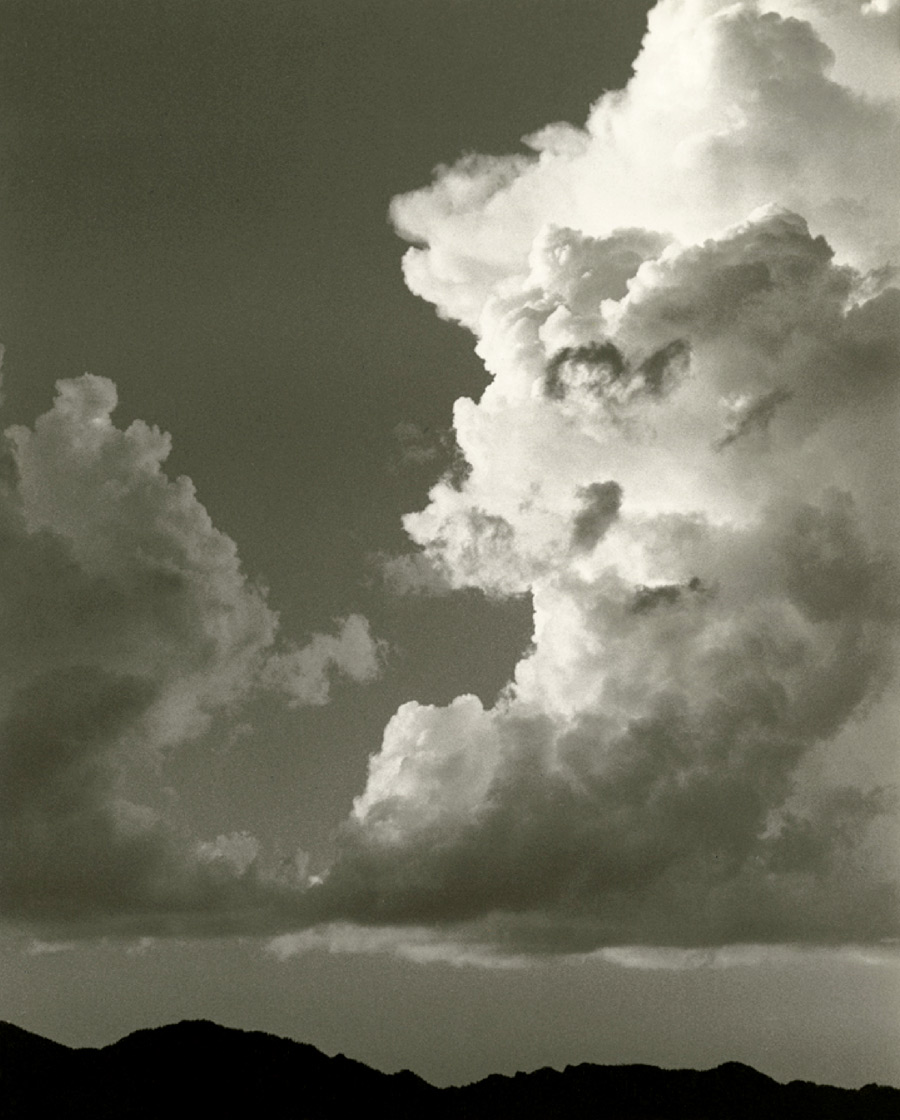
Dorothea Lange. 'Sky and Clouds, Gunlock, Utah' 1953


Dorothea Lange (American, 1895-1965)
Sky and Clouds, Gunlock, Utah
1953
Silver gelatin photograph
Brigham Young University Museum of Art, purchased with funds provided by Jack and Mary Lois Wheatley


Dorothea Lange. 'Jake Jones’ Hands, Gunlock, Utah' 1953


Dorothea Lange (American, 1895-1965)
Jake Jones’ Hands, Gunlock, Utah
1953
Silver gelatin photograph
Brigham Young University Museum of Art, purchased with funds provided by Jack and Mary Lois Wheatley


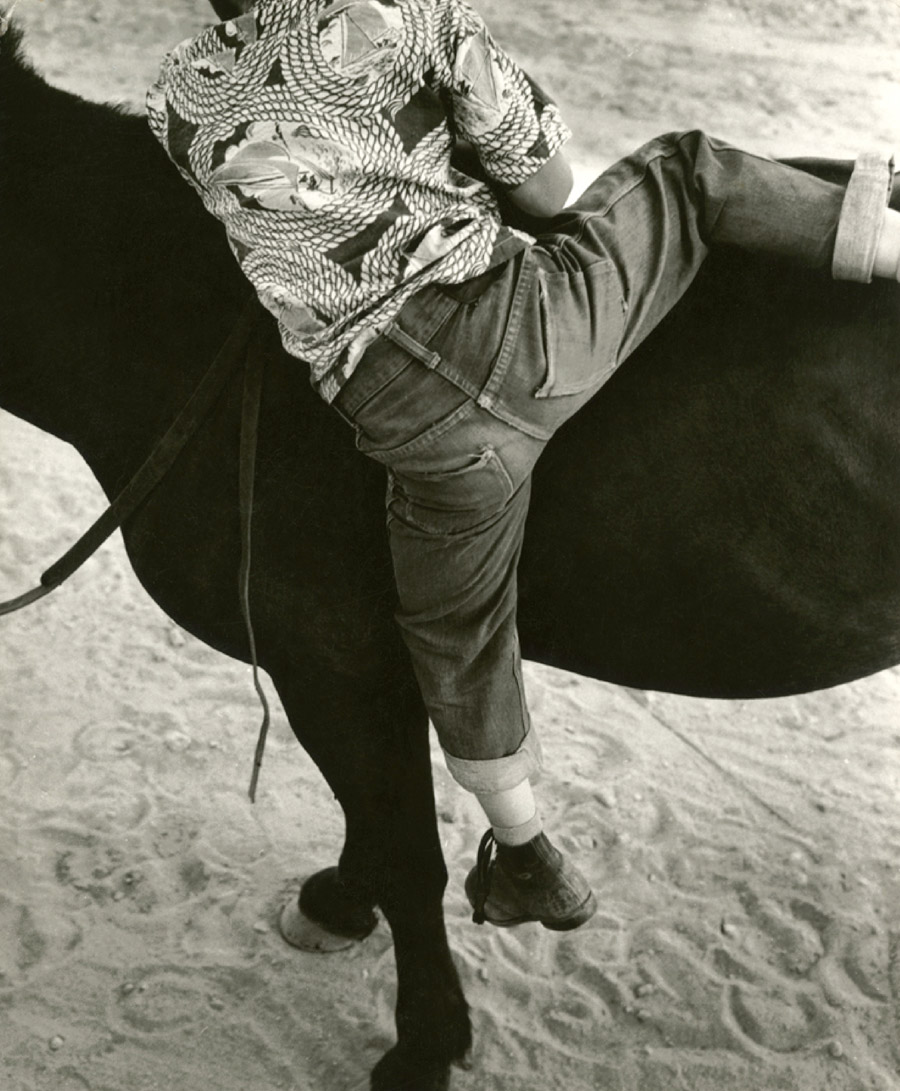
Dorothea Lange. 'Horseplay, Gunlock, Utah' 1953


Dorothea Lange (American, 1895-1965)
Horseplay, Gunlock, Utah
1953
Silver gelatin photograph
Brigham Young University Museum of Art, purchased with funds provided by Jack and Mary Lois Wheatley


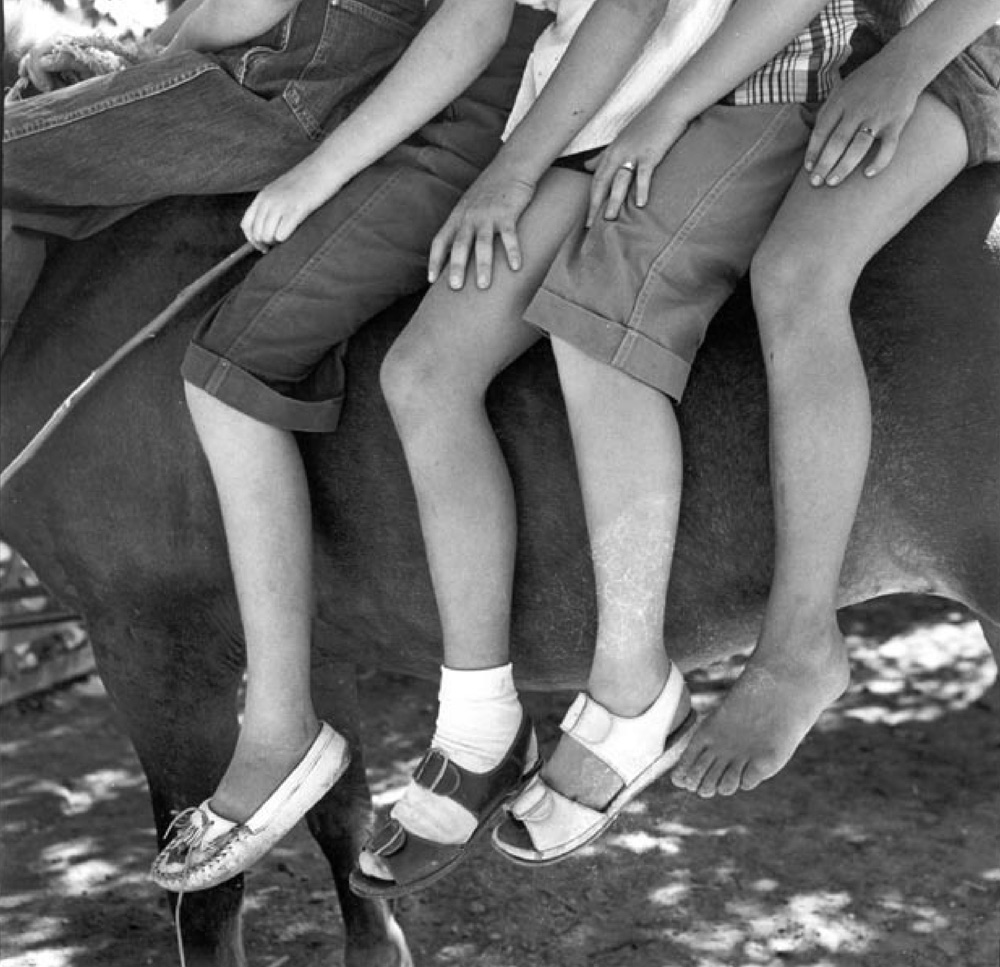
Dorothea Lange. 'Four Young Riders in Summer' 1953


Dorothea Lange (American, 1895-1965)
Four Young Riders in Summer
1953
Silver gelatin photograph
Museum of Contemporary Photography, Columbia College Chicago


St. George, Utah

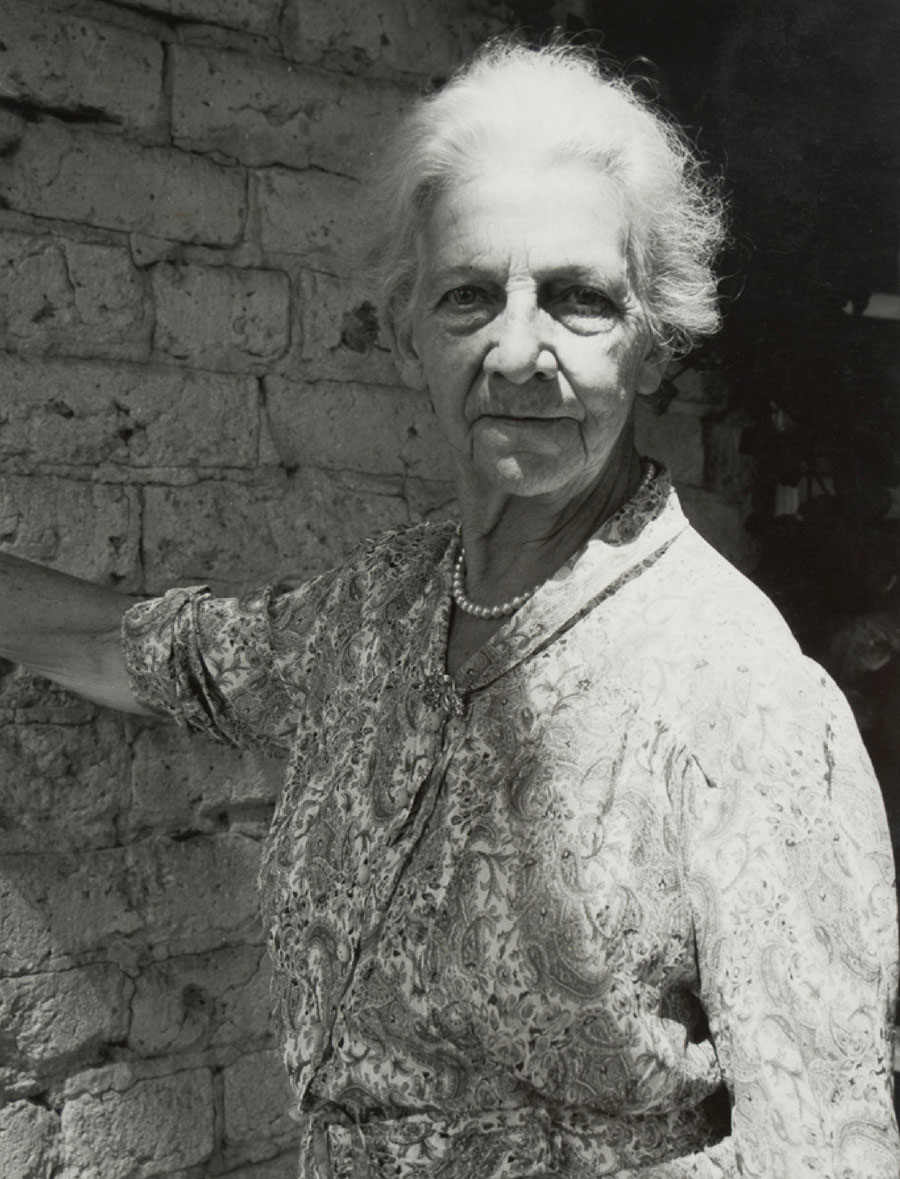
Dorothea Lange. 'Anne Carter Johnson, St. George, Utah' 1953


Dorothea Lange (American, 1895-1965)
Anne Carter Johnson, St. George, Utah
1953
Silver gelatin photograph
Brigham Young University Museum of Art, purchased with funds provided by Jack and Mary Lois Wheatley


Dorothea Lange. 'Young Woman, St. George, Utah' 1953


Dorothea Lange (American, 1895-1965)
Young Woman, St. George, Utah
1953
Silver gelatin photograph
Brigham Young University Museum of Art, purchased with funds provided by Jack and Mary Lois Wheatley


Brigham Young University Museum of Art
North Campus Drive, Provo, UT 84602-1400

Opening hours:
Monday – Thursday: 10am – 6pm
Friday: 10am – 9pm
Saturday: 10am – 4pm
Sunday: Closed

Brigham Young University Museum of Art website

LIKE ART BLART ON FACEBOOK

Back to top

Exhibition: ‘Lewis Baltz: Prototypes/Ronde de Nuit’ at The Art Institute of Chicago

Exhibition dates: 25th September, 2010 – 9th January, 2011


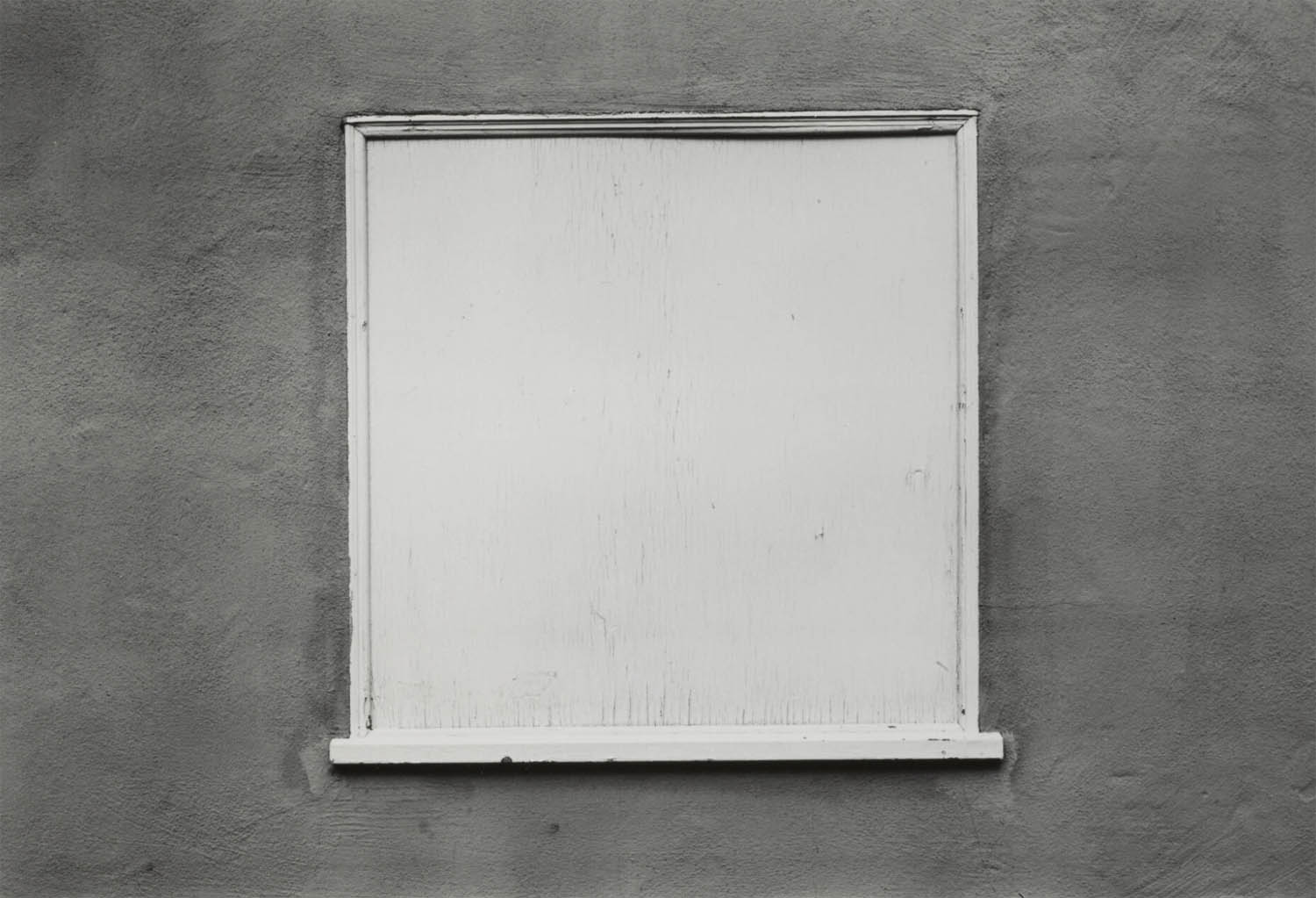
Lewis Baltz (American, b. 1945)
'Newport Beach' 1970


Lewis Baltz (American, b. 1945)
Newport Beach
1970
Gelatin silver print
© Lewis Baltz


“Baltz’s compositions appear to have been arranged, almost as a Braque still-life is ‘arranged’. Many of these photographs have the sense of a precisely constructed occasion, as if Baltz had built his subject matter before photographing it. This unity of subject and author is a characteristic of many fine photographs, but Baltz brings to this problem a narrow, powerful eye which is blindingly frontal and meticulous about detail.”1


  1. Anon. “Lewis Baltz,” on the American Suburb X website [Online] Cited 12/11/2010 no longer available online.


Many thankx to The Art Institute of Chicago for allowing me to publish the photographs in the posting. Please click on the photographs for a larger version of the image.


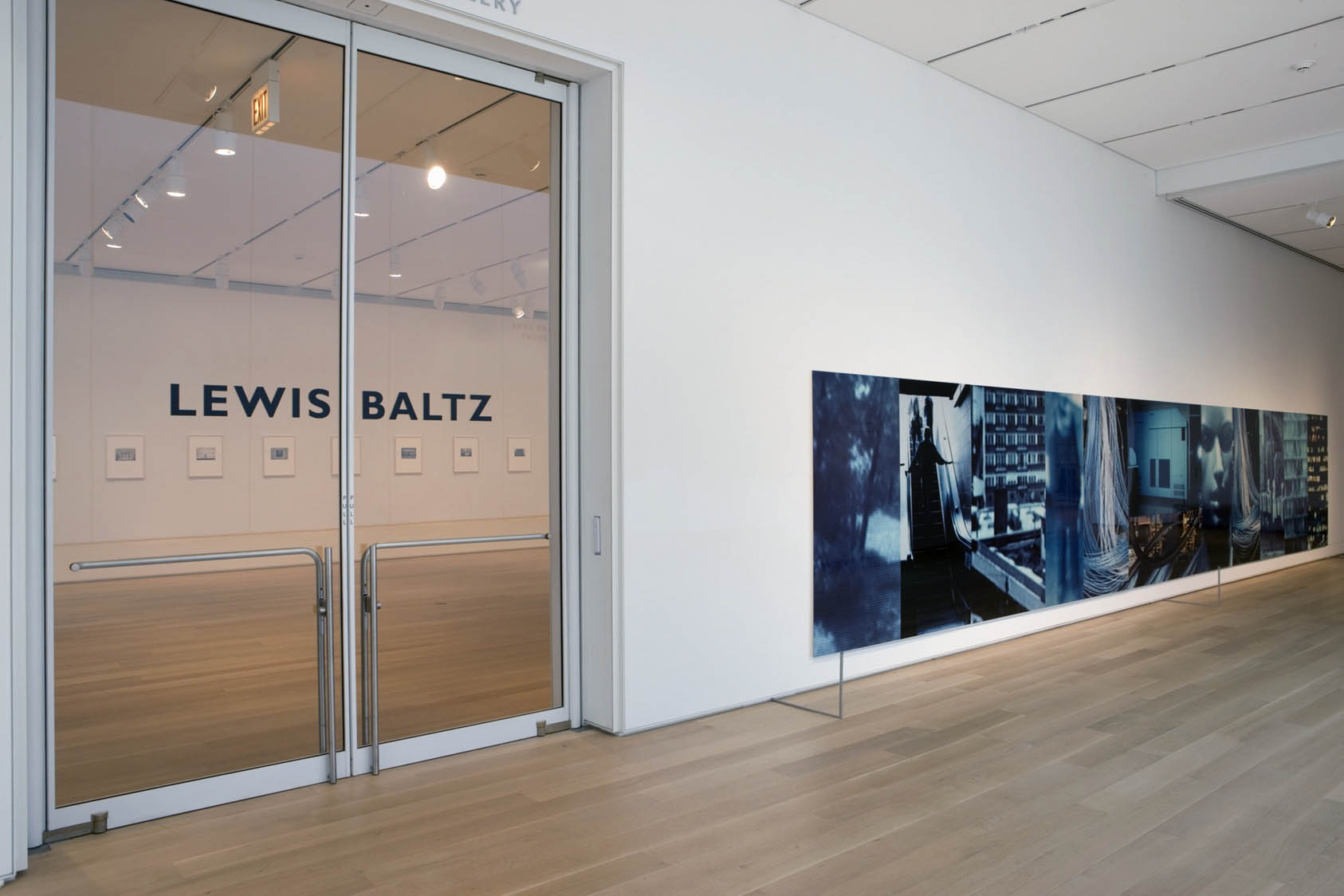
Installation view of the exhibition 'Lewis Baltz: Prototypes/Ronde de Nuit' at The Art Institute of Chicago


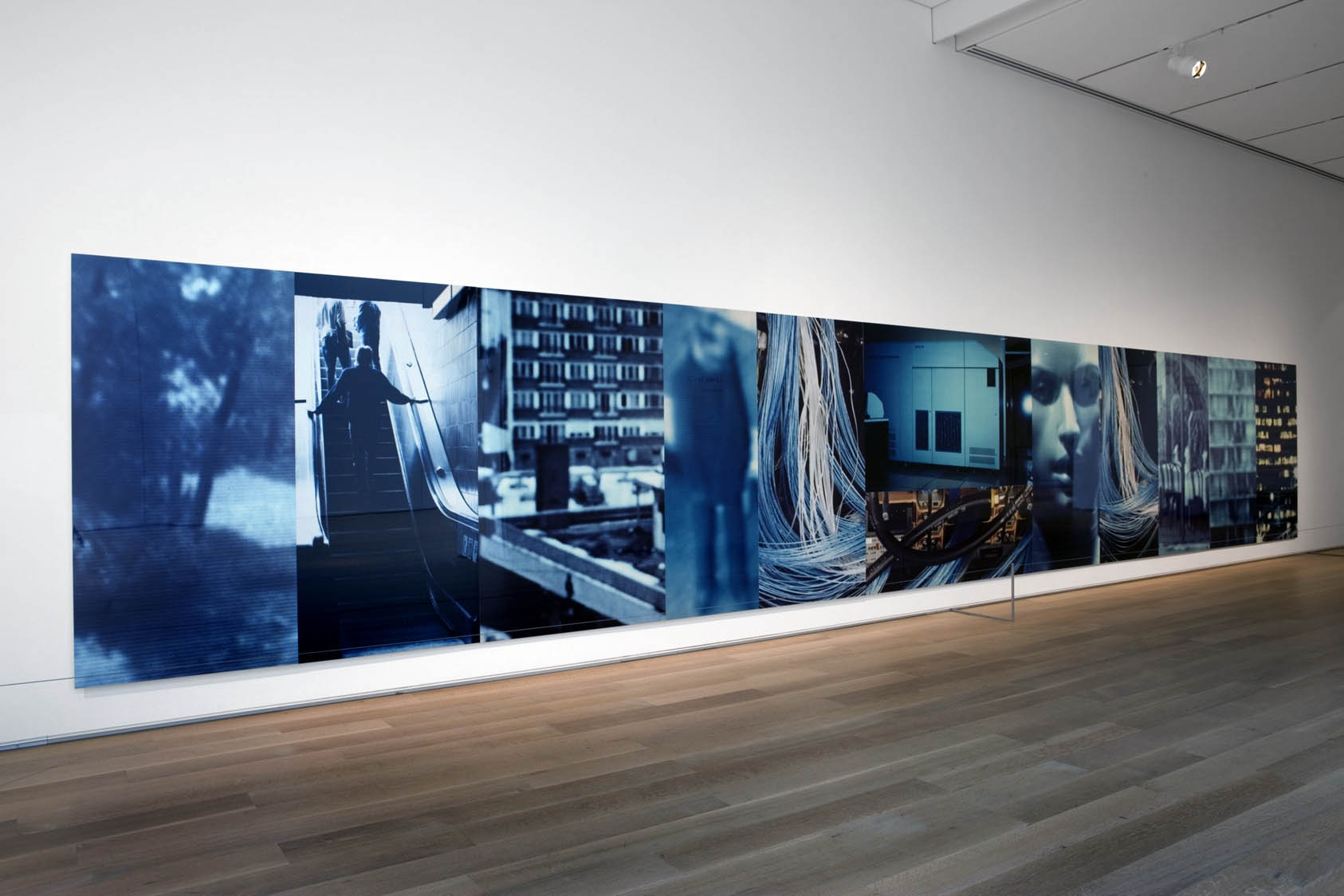
Installation views of the exhibition Lewis Baltz: Prototypes/Ronde de Nuit at The Art Institute of Chicago


Lewis Baltz (American, b. 1945) 'Mission Viejo' 1968


Lewis Baltz (American, b. 1945)
Mission Viejo
1968
Gelatin silver print
The Art Institute of Chicago, Gift of Lewis Baltz, 1972.219
© Lewis Baltz


Lewis Baltz (American, b. 1945) 'Laguna Niguel' 1970


Lewis Baltz (American, b. 1945)
Laguna Niguel
1970
Gelatin silver print
Laguna Art Museum Collection, Anonymous gift, in memory of Beula Prince
© Lewis Baltz


Lewis Baltz (American, b. 1945) 'New Monterey' 1968


Lewis Baltz (American, b. 1945)
New Monterey
1968
Gelatin silver print
National Gallery of Art, Washington, Patrons’ Permanent Fund 2001
© Lewis Baltz


Lewis Baltz (b. 1945) is one of the most prominent representatives of the “New Topographics” movement, which changed the direction of American photography in the 1970s and has had a formative impact on every generation since. However, Baltz’s innovations began already in the 1960s. The Art Institute of Chicago has organised the first survey ever of Lewis Baltz’s inaugural body of work, the Prototypes (c. 1967-1973). The exhibition also puts on view for the first time in 12 years Ronde de Nuit, a monumental work of the early 1990s. Lewis Baltz: Prototypes / Ronde de Nuit – on view in the Modern Wing’s Bucksbaum Gallery (G188) from September 25, 2010 through January 9, 2011 – features 42 Prototype works, including several that have never before been published or exhibited. This is Baltz’s first solo exhibition in the United States in more than a decade.

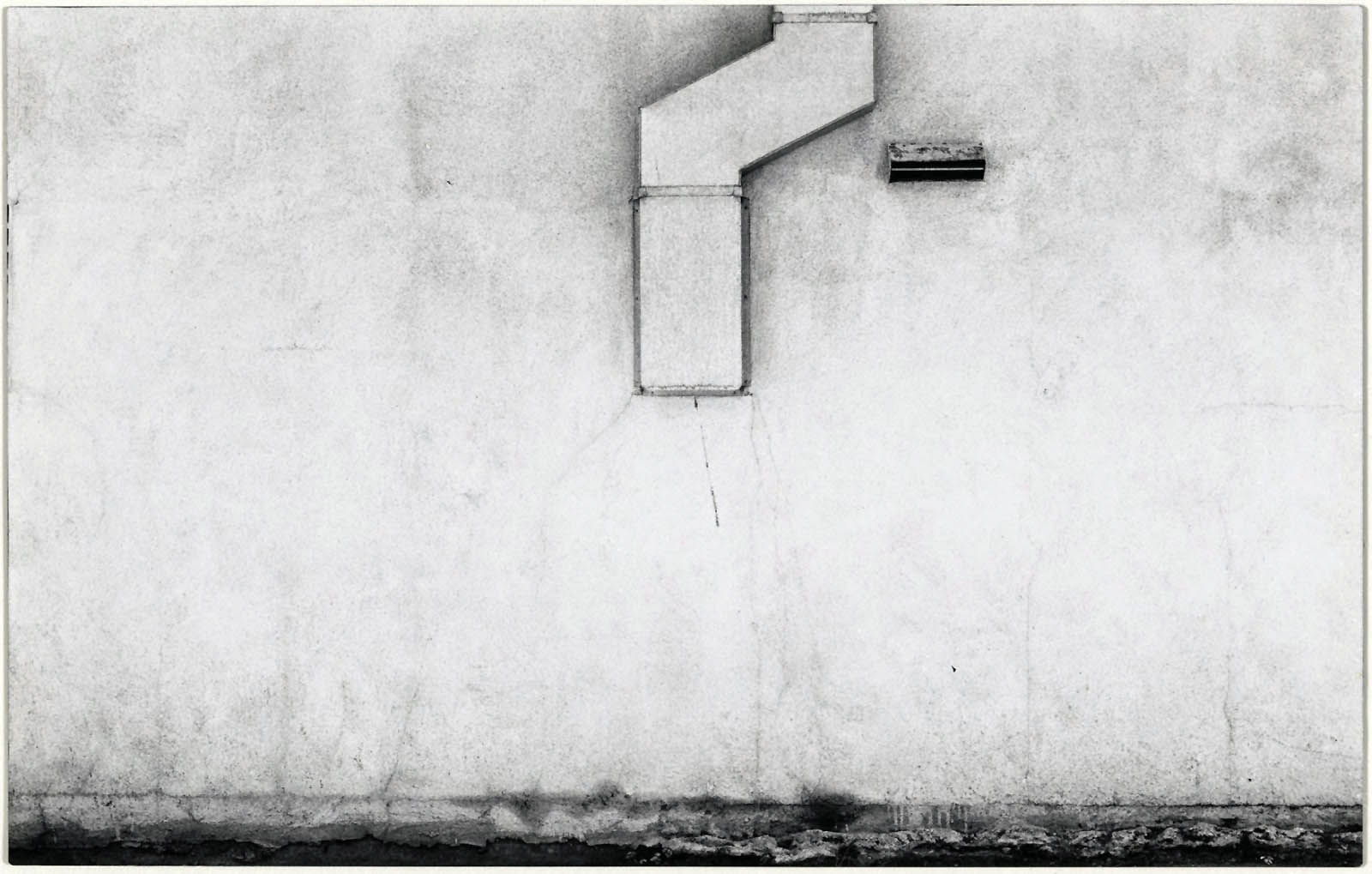
Beginning in 1965, but especially from 1967 to 1973, Lewis Baltz made a body of work that concentrated on the dialectic between simple, regular geometric forms found in the postwar industrial landscape and the far from simple culture that generated such forms, or was conditioned by them. Stucco walls, parking lots, the sides of warehouse sheds, or disused billboards baked in the steady Californian sunlight – these and other “hyper-banal” subjects were printed in blacks and whites of a breathtaking tonal evenness. Baltz called his works “Prototypes,” by which he meant replicable social conventions as well as model structures of replicable manufacture. The fraught relation of neutral form to highly charged content plays itself out on the emphatically planar surface of these prints, objects that exude magnificence and severity simultaneously. Never before shown together as a group, the Prototypes are revealed in this exhibition as model creations for their time and ours. They are among the earliest artworks to show the fascinating, disturbing transformation of the American landscape into an unending terrain of anonymous commercial architecture as well among the first photographs to seek the starkly reductive forms of minimal and post-minimal art “out in the world.”

In 1971, upon seeing the Prototypes, gallery owner Leo Castelli immediately agreed to exhibit Baltz’s photographs, and he remained Baltz’s American representative until the artist relocated to Europe nearly 20 years later. Included in the presentation of Lewis Baltz: Prototypes / Ronde de Nuit is a monumental sculpture by Sol LeWitt from the Art Institute’s permanent collection and a nine-foot oilstick drawing by Richard Serra – two artists also featured at Castelli, and whose work the young Baltz greatly admired. Bringing together these three artists for the first time, the exhibition shows the affinities and analogies that developed across media around 1970, when photography first moved to the center of concerns in contemporary art.

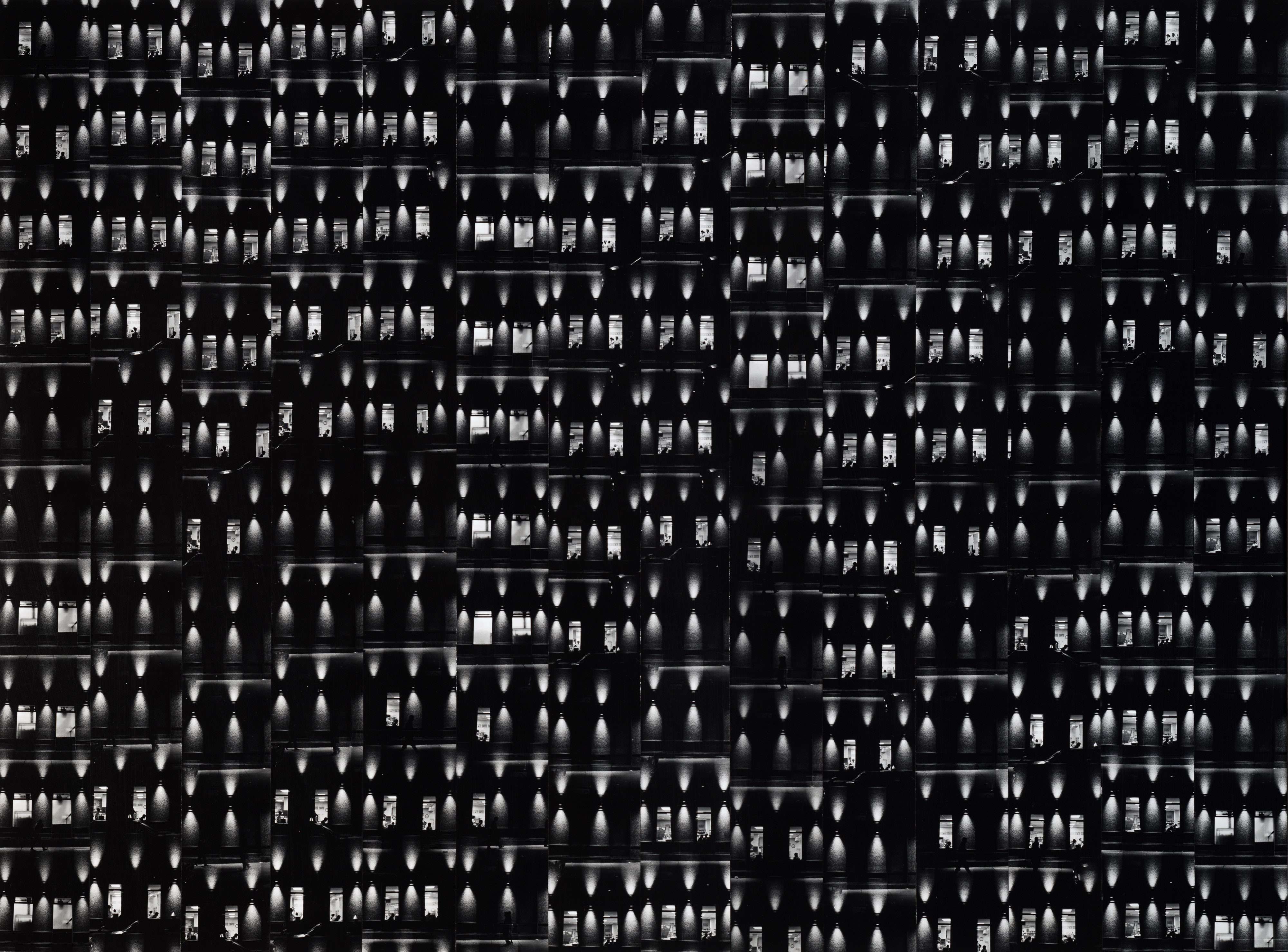
Augmenting Lewis Baltz: Prototypes / Ronde de Nuit is a piece made by Baltz in 1992, initially for an exhibition at the Musée National d’Art Moderne, Centre Georges Pompidou, in Paris. Measuring 35 feet across by 7 feet tall, and printed on aluminium-mounted Cibachrome panels, Ronde de Nuit is as far in scale and appearance as one could get from the Prototypes. Yet across the manifest differences, this mural-size work maintains underlying continuities in the artist’s preoccupations. Baltz remains substantially concerned over the cancerous spread of our industrially manufactured habitat and how the elements of manufacture can be used to standardise and restrict the inhabitants – ourselves. Ronde de Nuit consists of 12 separate photographs, taken at a police surveillance station in northern France, to form a panoptic tableau of voyeurism and control. Some photographs are enlargements of closed-circuit screen images; others show mainframe computers, cable conduits, and other equipment in the bowels of the police station. The resulting composition merges Rembrandt with Piranesi in the digital age. Its effect on viewers is magnetic, moving, and uncanny.

Press release from The Art Institute of Chicago website


Lewis Baltz (American, b. 1945) 'Santa Cruz' 1970


Lewis Baltz (American, b. 1945)
Santa Cruz
1970
Gelatin silver print
The Art Institute of Chicago, Gift of Lewis Baltz
© Lewis Baltz


Lewis Baltz. 'Corona Del Mar' 1971


Lewis Baltz (American, born 1945)
Corona Del Mar
1971
Gelatin silver print
The Art Institute of Chicago, Mary and Leigh Block Fund
© Lewis Baltz


During and directly after his student years, Lewis Baltz made what he called Prototypes, photographs of recent residential and commercial “subarchitecture” in his home state of California. They are among the earliest artworks to show the fascinating, disturbing transformation of the American landscape into an unending terrain of anonymous buildings; they are also among the first photographs to seek the starkly reductive forms of Minimalist and Post-Minimalist art “out in the world.” Corona del Mar is nearly devoid of shadows, making the image appear as shallow as the paper on which it is printed. Baltz emphasised this congruence by mounting the photograph onto board and rimming the perimeter with India ink. The Prototype Works isolate objects in the built environment and ask to be apprehended as image-objects in their own right.

Text from the Art Institute of Chicago website


Lewis Baltz (American, b. 1945) 'Morgan Hill' 1968


Lewis Baltz (American, b. 1945)
Morgan Hill
1968
Gelatin silver print
The Art Institute of Chicago, Gift of Lewis Baltz
© Lewis Baltz


Lewis Baltz (American, b. 1945) 'Monterey' 1967


Lewis Baltz (American, b. 1945)
Monterey
1967
Gelatin silver print
The Art Institute of Chicago, Gift of Lewis Baltz
© Lewis Baltz


The Art Institute of Chicago
111 South Michigan Avenue
Chicago, Illinois 60603-6404
Phone: (312) 443-3600

Opening hours:
Thursday – Monday 11am – 5pm
Closed Tuesday and Wednesday
The museum is closed Thanksgiving, Christmas, and New Year’s days.

The Art Institute of Chicago website

LIKE ART BLART ON FACEBOOK

Back to top

Exhibition: ‘Richard Misrach: After Katrina’ at The Museum of Fine Arts, Boston

Exhibition dates: 7th August – 31st October 2010


Many thankx to The Museum of Fine Arts, Boston for allowing me to publish the photographs in the posting. Please click on the photographs for a larger version of the image.


Richard Misrach (American, b. 1949) 'Untitled (New Orleans and the Gulf Coast)' 2005 from the exhibition 'Richard Misrach: After Katrina' at The Museum of Fine Arts, Boston, Aug-  Oct 2010


Richard Misrach (American, b. 1949)
Untitled (New Orleans and the Gulf Coast)
2005, printed 2010
Inkjet print, ed. #3/5
2399 x 1795 mm
The Museum of Fine Arts, Houston, gift of the artist
© Richard Misrach


Richard Misrach (American, b. 1949) 'Untitled (New Orleans and the Gulf Coast)' 2005 from the exhibition 'Richard Misrach: After Katrina' at The Museum of Fine Arts, Boston, Aug-  Oct 2010


Richard Misrach (American, b. 1949)
Untitled (New Orleans and the Gulf Coast)
2005, printed 2010
Inkjet print, ed. #3/5
2400 x 1807 mm
The Museum of Fine Arts, Houston, gift of the artist
© Richard Misrach


Richard Misrach (American, b. 1949) 'Untitled (New Orleans and the Gulf Coast)' 2005 from the exhibition 'Richard Misrach: After Katrina' at The Museum of Fine Arts, Boston, Aug-  Oct 2010


Richard Misrach (American, b. 1949)
Untitled (New Orleans and the Gulf Coast)
2005, printed 2010
Inkjet print, ed. #3/5
2400 x 1801 mm
The Museum of Fine Arts, Houston, gift of the artist
© Richard Misrach


Richard Misrach (American, b. 1949) 'Untitled (New Orleans and the Gulf Coast)' 2005


Richard Misrach (American, b. 1949)
Untitled (New Orleans and the Gulf Coast)
2005, printed 2010
Inkjet print
The Museum of Fine Arts, Houston, gift of the artist
© Richard Misrach


Richard Misrach (American, b. 1949) 'Untitled (New Orleans and the Gulf Coast)' 2005


Richard Misrach (American, b. 1949)
Untitled (New Orleans and the Gulf Coast)
2005, printed 2010
Inkjet print
The Museum of Fine Arts, Houston, gift of the artist
© Richard Misrach


Richard Misrach (American, b. 1949) 'Untitled (New Orleans and the Gulf Coast)' 2005


Richard Misrach (American, b. 1949)
Untitled (New Orleans and the Gulf Coast)
2005, printed 2010
Inkjet print
The Museum of Fine Arts, Houston, gift of the artist
© Richard Misrach


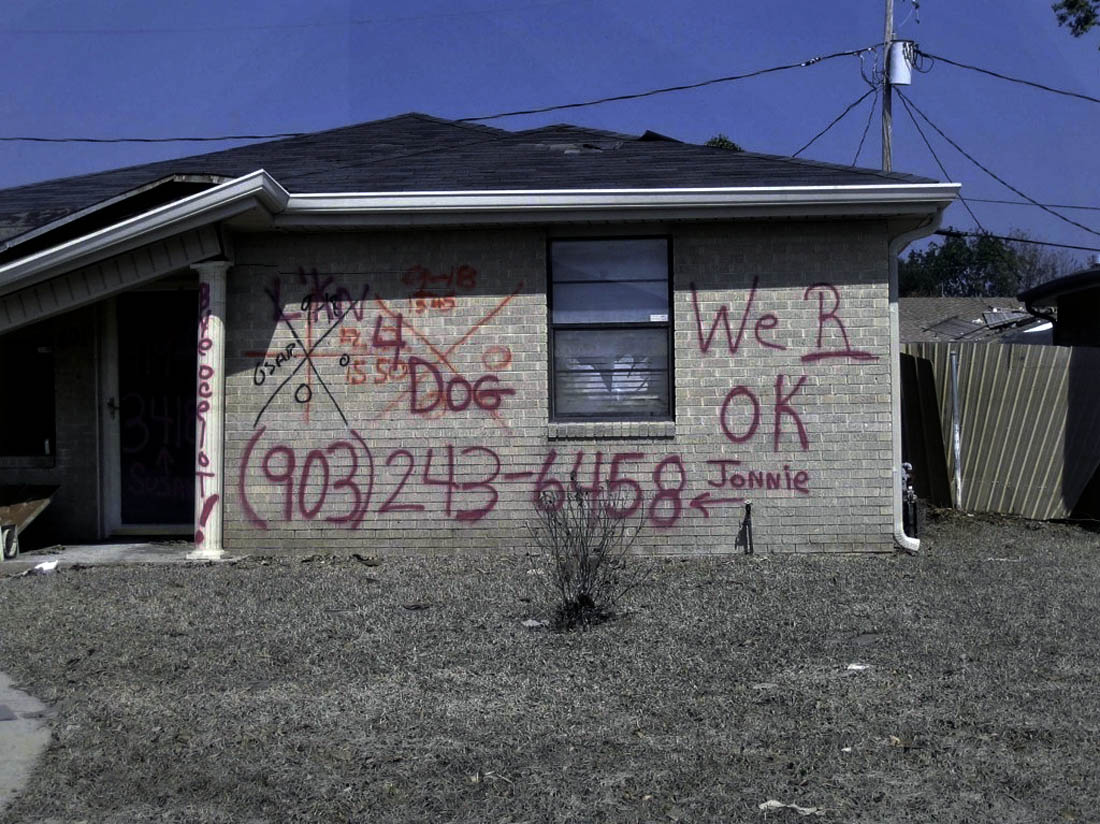
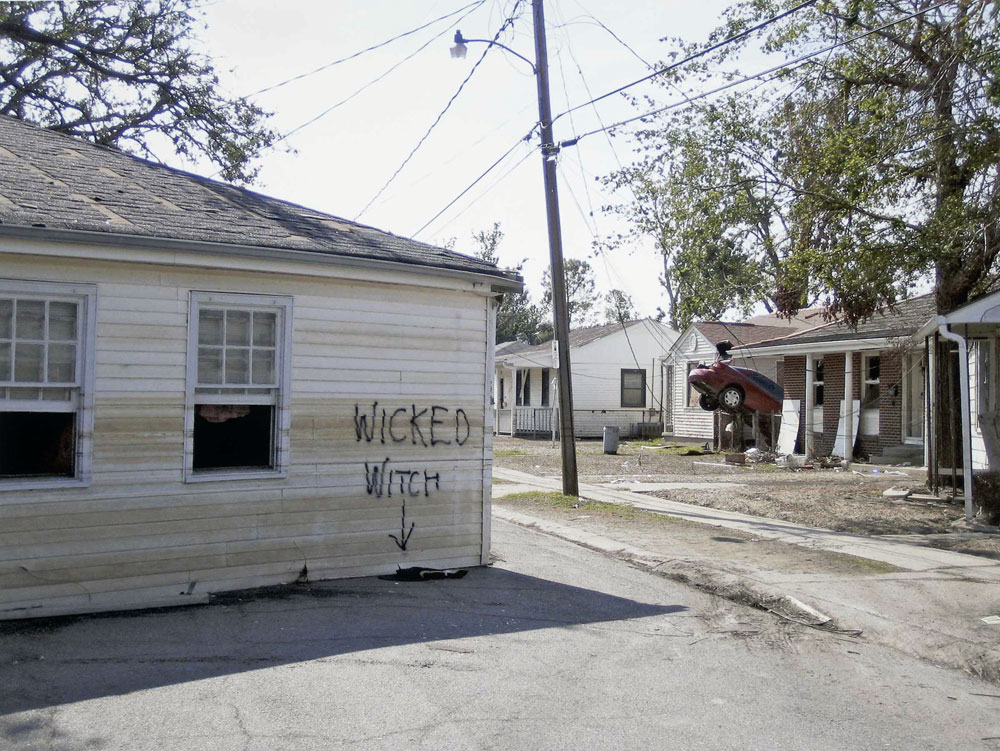
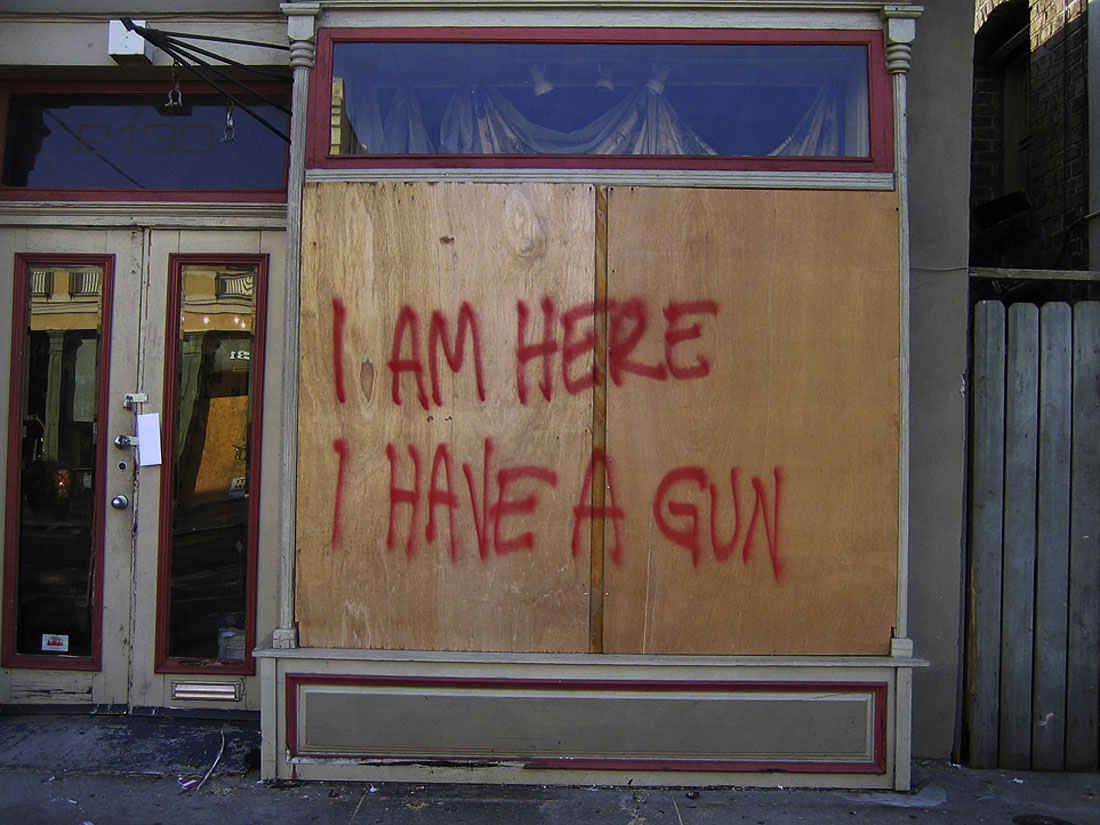
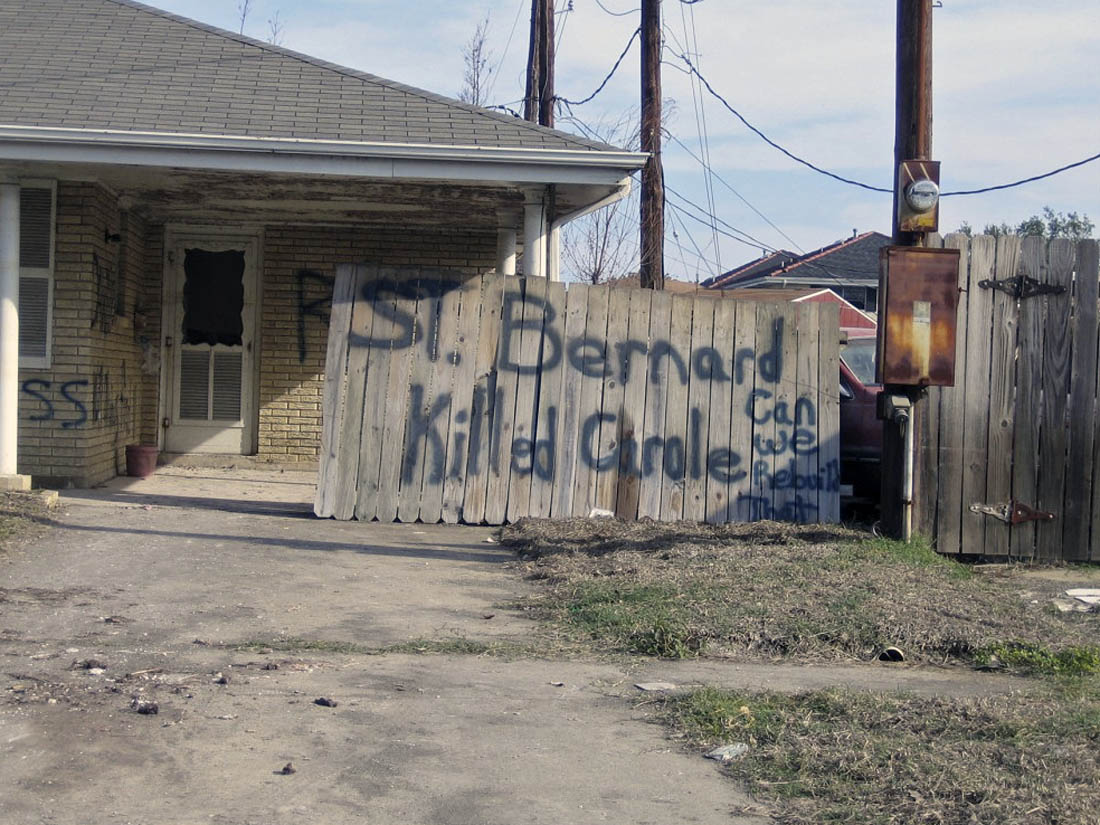
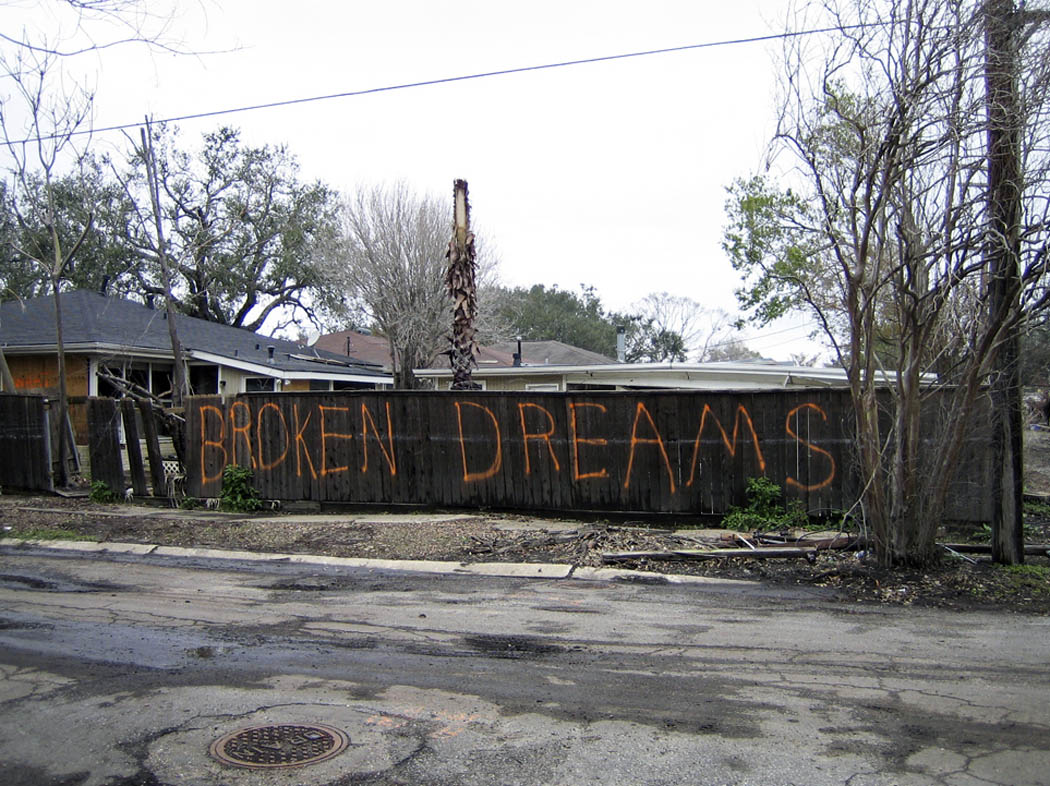
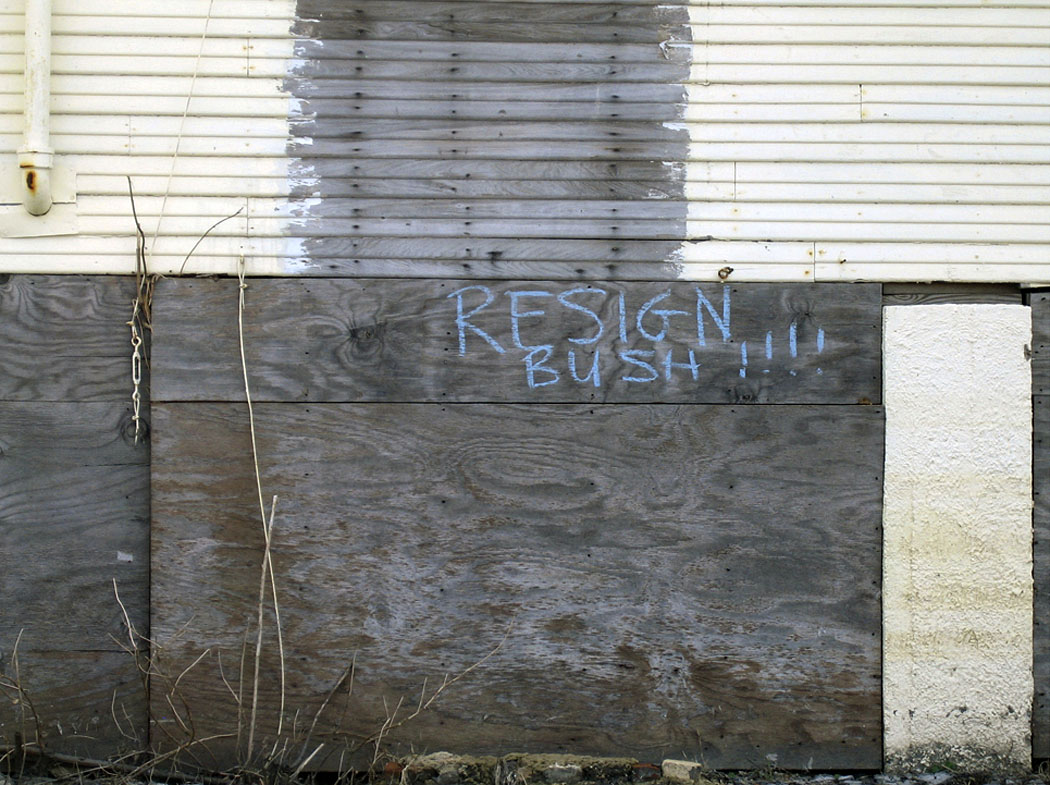
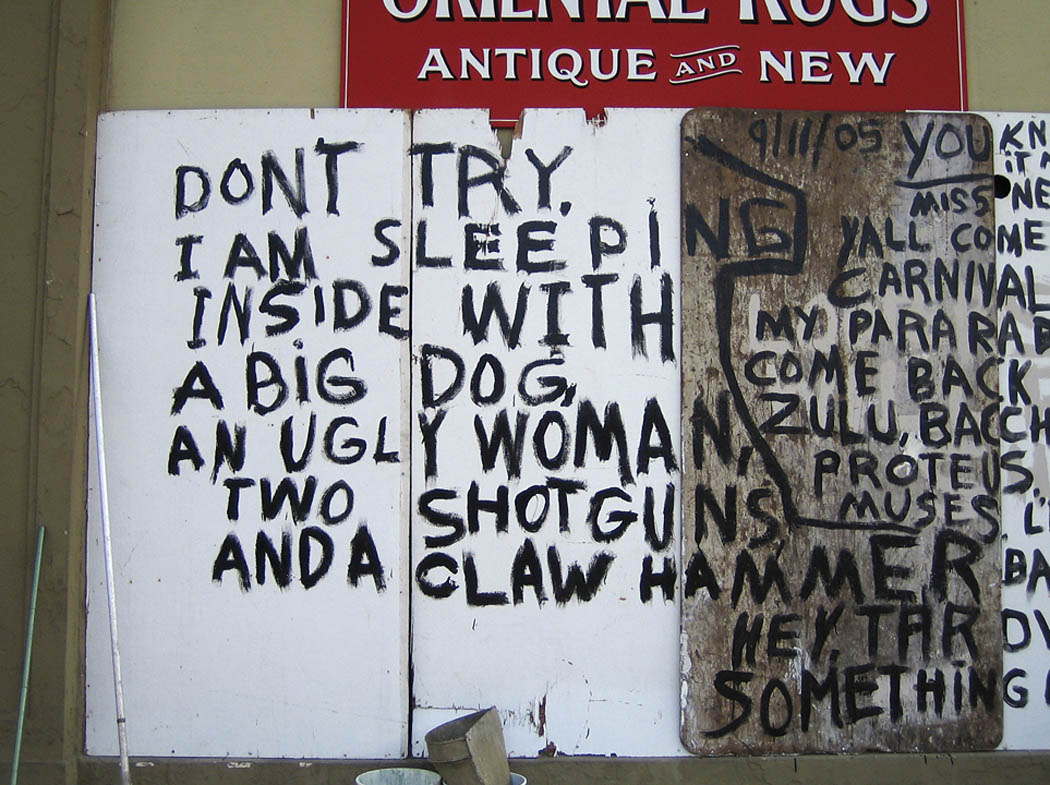
Just after Hurricane Katrina devastated the city of New Orleans in 2005, photographer Richard Misrach used a 4-megapixel pocket camera to capture messages left behind by evacuees. Some are warnings; some are cries for help or encouragement; some are tallies of loss.

Misrach composed a visual narrative that reveals the wrenching anguish of dealing with the aftermath of this horrific storm. Commemorating the hurricane’s fifth anniversary, the exhibition Richard Misrach: After Katrina presents 69 photographs that Misrach has generously given to the MFAH.

Misrach (born 1949) is best known for his Desert Cantos series, initiated in 1979 and still ongoing. Each canto within the series investigates specific aspects of the American West, from issues of water, to tourism, to the presence of the U.S. military. While developing the Cantos, Misrach has also produced series on the Golden Gate Bridge and Hawaiian beaches. The MFAH collects Misrach’s work in depth and in 1996 organised the artist’s mid-career retrospective, Crimes and Splendors: The Desert Cantos of Richard Misrach.

Text from The Museum of Fine Arts, Boston website


Richard Misrach (American, b. 1949) 'Untitled (New Orleans and the Gulf Coast)' 2005


Richard Misrach (American, b. 1949)
Untitled (New Orleans and the Gulf Coast)
2005, printed 2010
Inkjet print, ed. #3/5
2400 x 1794 mm
The Museum of Fine Arts, Houston, gift of the artist
© Richard Misrach


Richard Misrach (American, b. 1949) 'Untitled (New Orleans and the Gulf Coast)' 2005


Richard Misrach (American, b. 1949)
Untitled (New Orleans and the Gulf Coast)
2005, printed 2010
Inkjet print, ed. #3/5
2400 x 1801 mm
The Museum of Fine Arts, Houston, gift of the artist
© Richard Misrach


Richard Misrach (American, b. 1949) 'Untitled (New Orleans and the Gulf Coast)' 2005


Richard Misrach (American, b. 1949)
Untitled (New Orleans and the Gulf Coast)
2005, printed 2010
Inkjet print, ed. #3/5
2400 x 1807 mm
The Museum of Fine Arts, Houston, gift of the artist
© Richard Misrach


Richard Misrach (American, b. 1949) 'Untitled (New Orleans and the Gulf Coast)' 2005


Richard Misrach (American, b. 1949)
Untitled (New Orleans and the Gulf Coast)
2005, printed 2010
Inkjet print, ed. #3/5
2400 x 1803 mm
The Museum of Fine Arts, Houston, gift of the artist
© Richard Misrach


Richard Misrach (American, b. 1949) 'Untitled (New Orleans and the Gulf Coast)' 2005


Richard Misrach (American, b. 1949)
Untitled (New Orleans and the Gulf Coast)
2005, printed 2010
Inkjet print
The Museum of Fine Arts, Houston, gift of the artist
© Richard Misrach


Richard Misrach (American, b. 1949) 'Untitled (New Orleans and the Gulf Coast)' 2005


Richard Misrach (American, b. 1949)
Untitled (New Orleans and the Gulf Coast)
2005, printed 2010
Inkjet print
The Museum of Fine Arts, Houston, gift of the artist
© Richard Misrach


Richard Misrach (American, b. 1949) 'Untitled (New Orleans and the Gulf Coast)' 2005


Richard Misrach (American, b. 1949)
Untitled (New Orleans and the Gulf Coast)
2005, printed 2010
Inkjet print
The Museum of Fine Arts, Houston, gift of the artist
© Richard Misrach


Richard Misrach (American, b. 1949) 'Untitled (New Orleans and the Gulf Coast)' 2005


Richard Misrach (American, b. 1949)
Untitled (New Orleans and the Gulf Coast)
2005, printed 2010
Inkjet print
The Museum of Fine Arts, Houston, gift of the artist
© Richard Misrach


Richard Misrach (American, b. 1949) 'Untitled (New Orleans and the Gulf Coast)' 2005


Richard Misrach (American, b. 1949)
Untitled (New Orleans and the Gulf Coast)
2005, printed 2010
Inkjet print
The Museum of Fine Arts, Houston, gift of the artist
© Richard Misrach


Richard Misrach (American, b. 1949) 'Untitled (New Orleans and the Gulf Coast)' 2005


Richard Misrach (American, b. 1949)
Untitled (New Orleans and the Gulf Coast)
2005, printed 2010
Inkjet print
The Museum of Fine Arts, Houston, gift of the artist
© Richard Misrach


Richard Misrach (American, b. 1949) 'Untitled (New Orleans and the Gulf Coast)' 2005


Richard Misrach (American, b. 1949)
Untitled (New Orleans and the Gulf Coast)
2005, printed 2010
Inkjet print
The Museum of Fine Arts, Houston, gift of the artist
© Richard Misrach


The Museum of Fine Arts, Houston
1001 Bissonnet Street
Houston, TX 77005

Opening hours:
Wednesday 11am – 5pm
Thursday 11am – 9pm
Friday 11am – 6pm
Saturday 11am – 6pm
Sunday 12.30 – 6pm
Monday Closed
Tuesday Closed

The Museum of Fine Arts, Boston website

LIKE ART BLART ON FACEBOOK

Back to top

Exhibition: ‘Detroit Experiences: Robert Frank Photographs, 1955’ at Detroit Institute of Arts, Detroit

Exhibition dates: 3rd March – 4th July, 2010


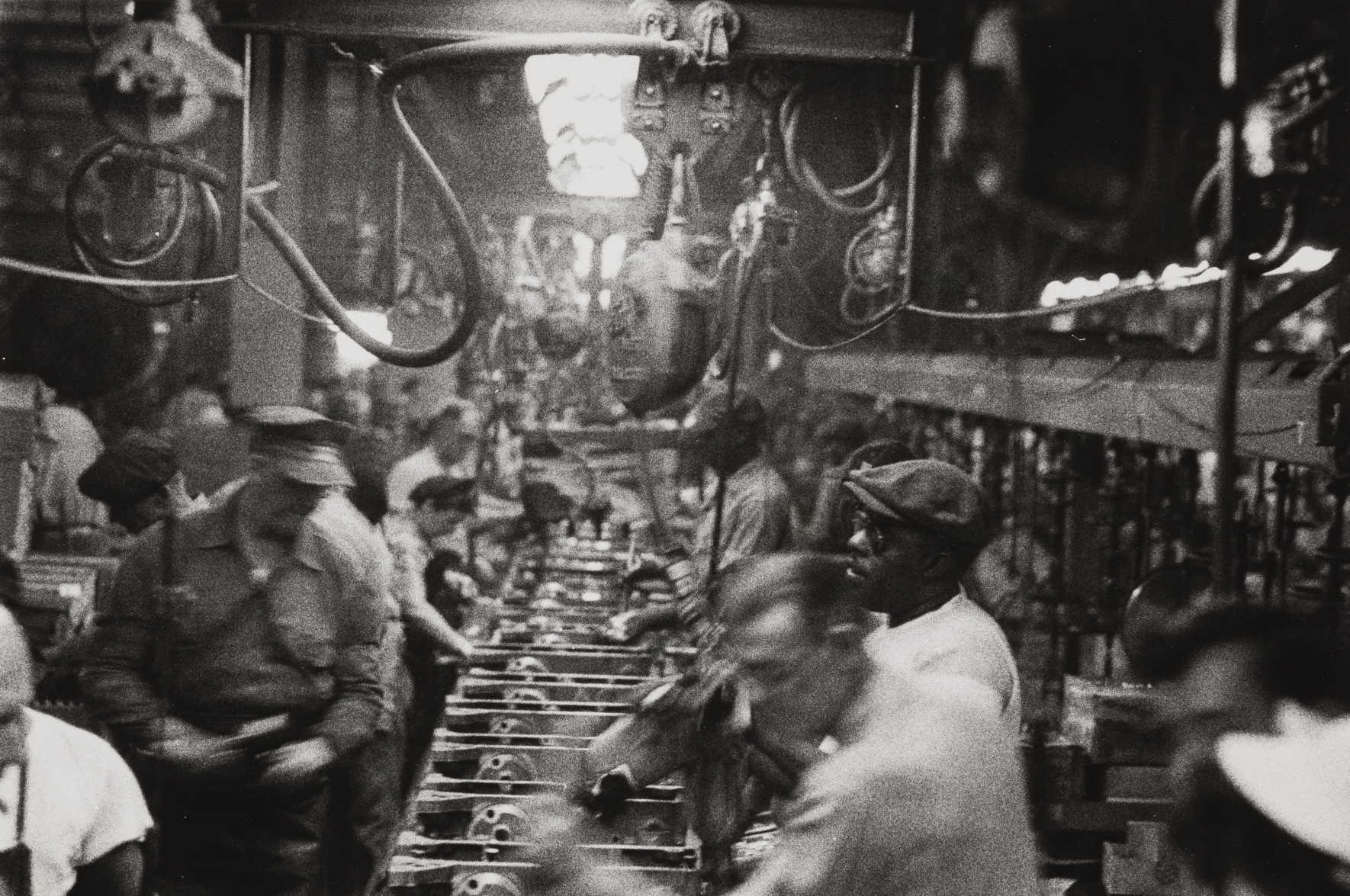
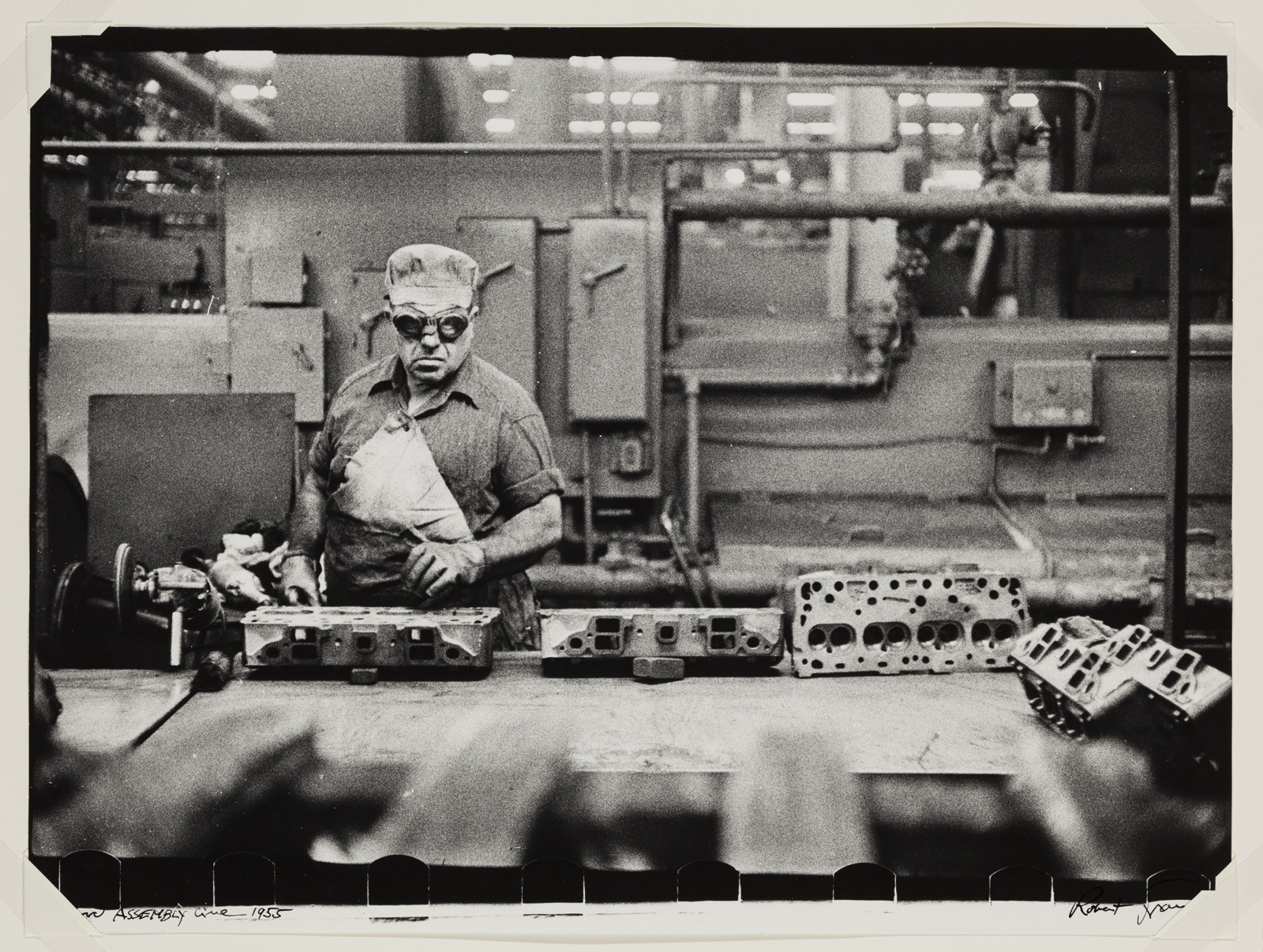
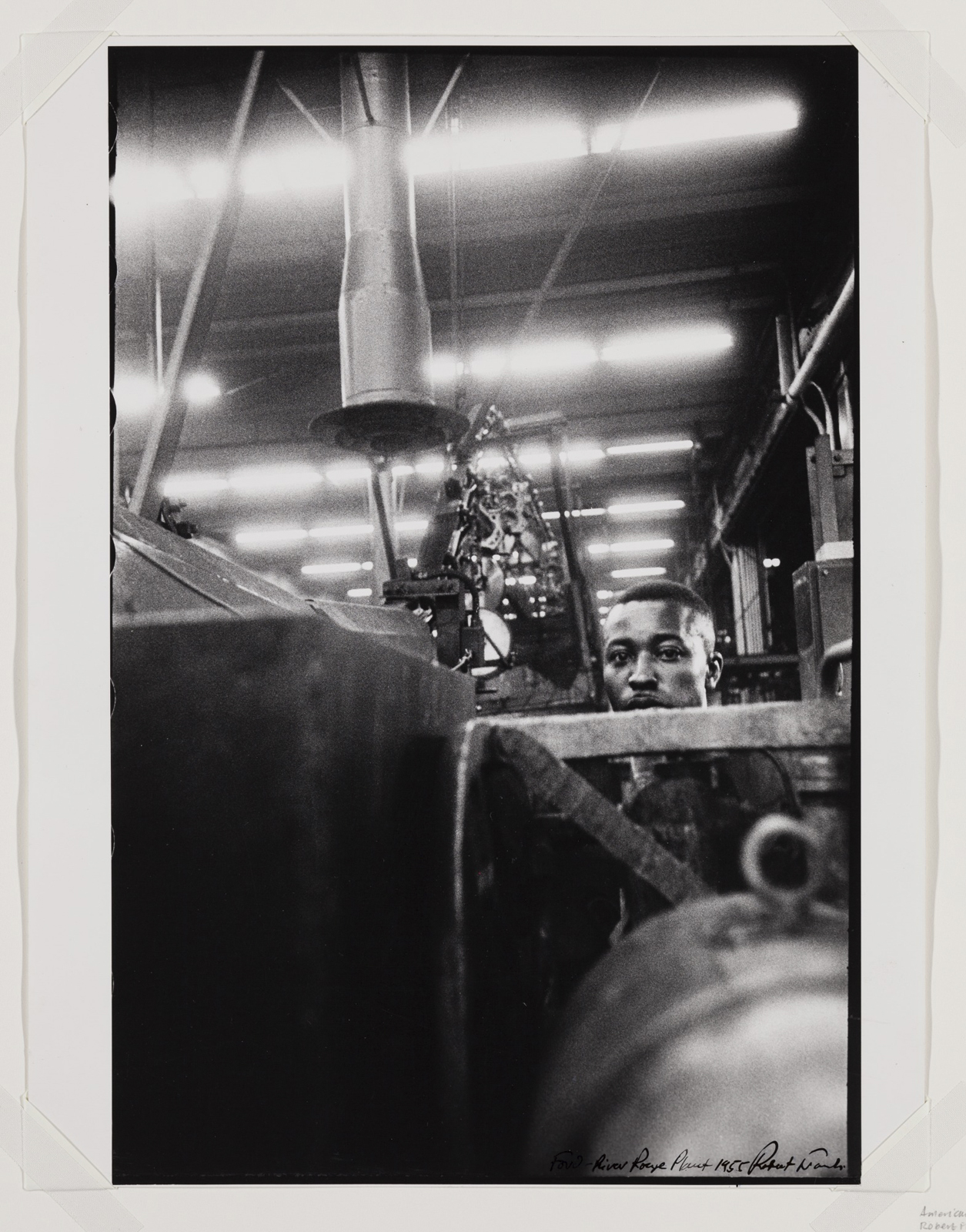
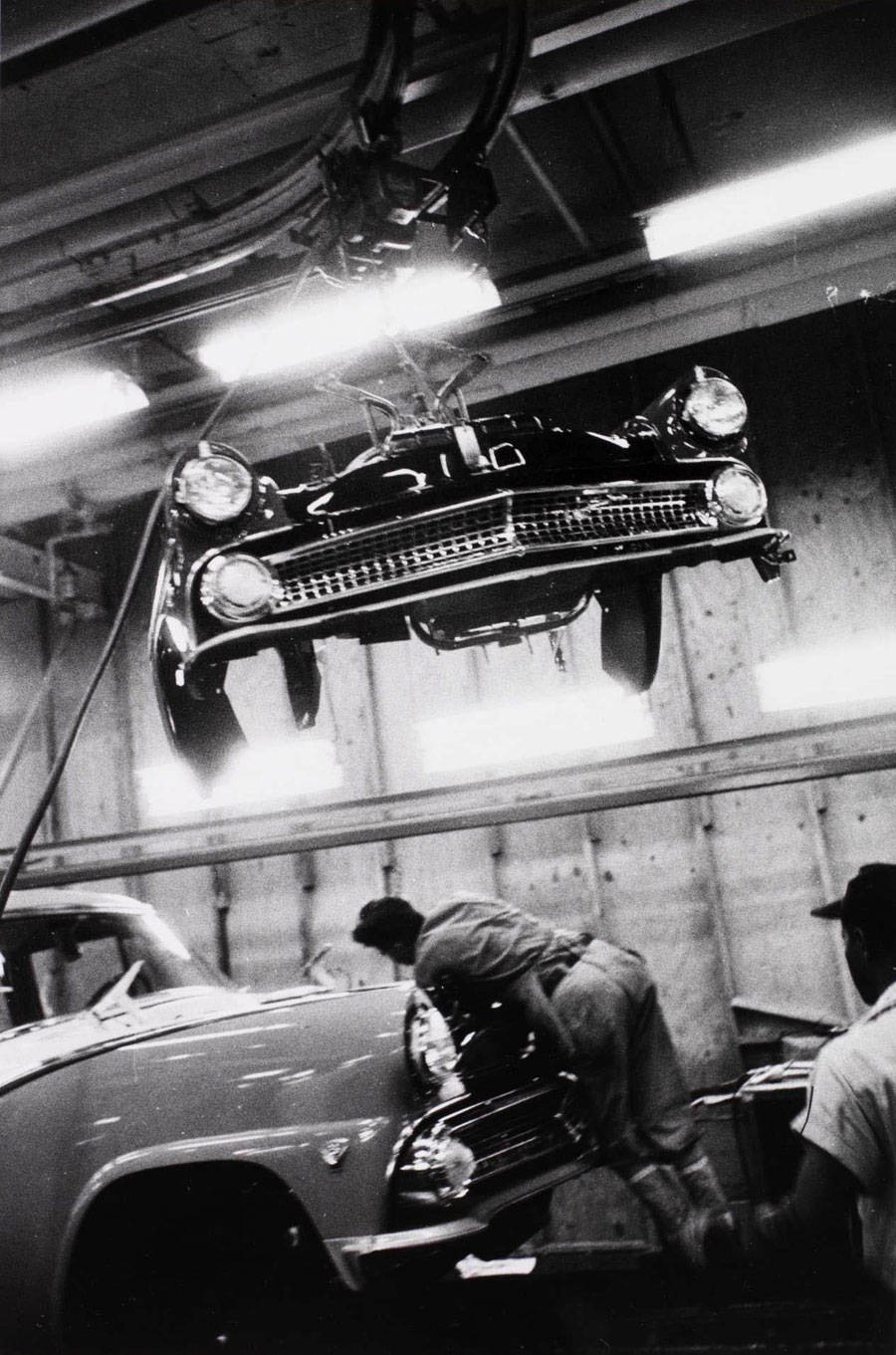
Robert Frank (Swiss-American, 1924-2019) 'Assembly Plant, Detroit' 1955 from the exhibition 'Detroit Experiences: Robert Frank Photographs, 1955' at Detroit Institute of Arts, Detroit, March - July, 2010


Robert Frank (Swiss-American, 1924-2019)
Assembly Plant, Detroit
1955
Gelatin silver print
8 7/8 × 13 1/8 inches (22.5 × 33.3cm)
Founders Society Purchase, Coville Photographic Fund
© Robert Frank, from The Americans. Detroit Institute of Arts


Many thankx to Pamela Marcil and the Detroit Institute of Arts for allowing me to reproduce the photographs in the posting. Please click on the photographs for a larger version of the image.

Marcus


“I am always looking outside, trying to look inside, trying to say something that is true. But maybe nothing is really true. Except what’s out there. And what’s out there is constantly changing.”


Robert Frank, 1985


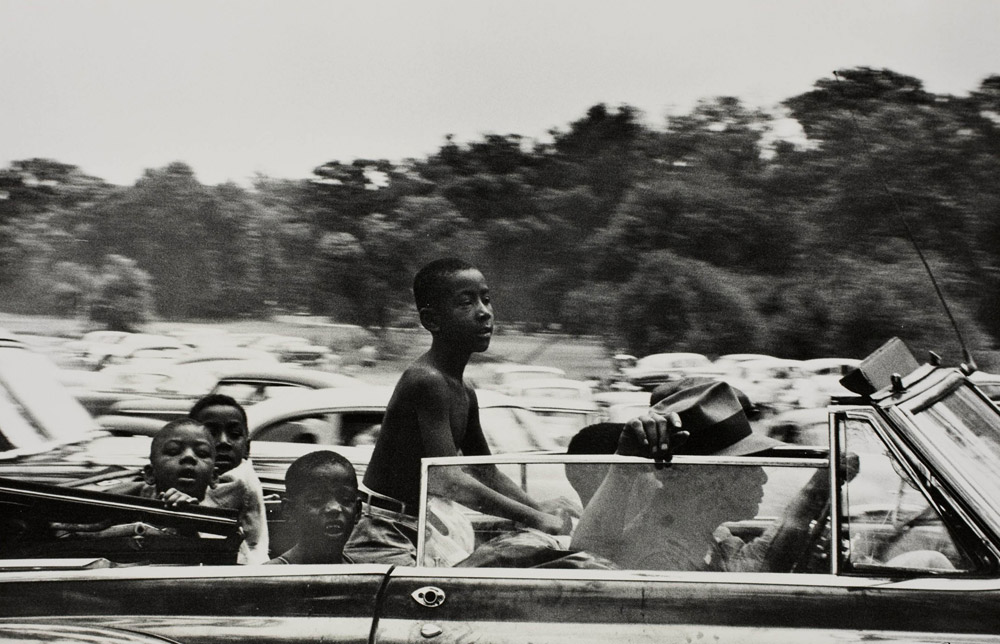
Robert Frank (Swiss-American, 1924-2019) 'Belle Isle' 1955 from the exhibition 'Detroit Experiences: Robert Frank Photographs, 1955' at Detroit Institute of Arts, Detroit, March - July, 2010


Robert Frank (Swiss-American, 1924-2019)
Belle Isle – Detroit
1955, printed between 1966-1968
Gelatin silver print
12 5/8 × 18 7/8 inches (32.1 × 47.9cm)
Museum Purchase, Ernest and Rosemarie Kanzler Foundation Fund, Forum for Prints, Drawings, and Photographs Purchase Fund, and General Art Purchase Fund
© Robert Frank, from The Americans. Detroit Institute of Arts


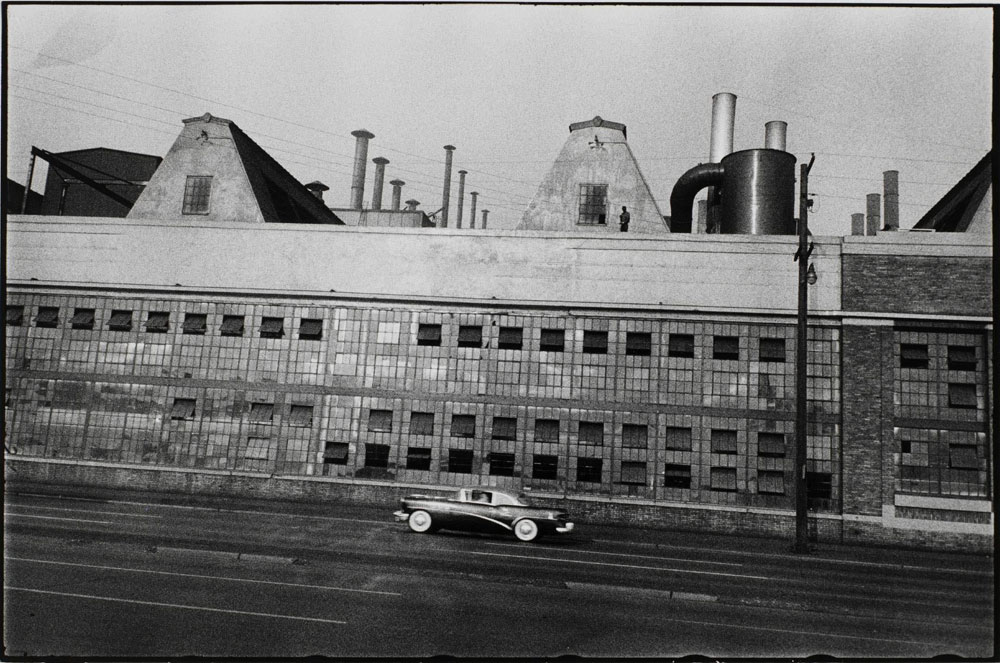
Robert Frank (Swiss-American, 1924-2019) 'Detroit River Rouge Plant' 1955 from the exhibition 'Detroit Experiences: Robert Frank Photographs, 1955' at Detroit Institute of Arts, Detroit, March - July, 2010


Robert Frank (Swiss-American, 1924-2019)
Detroit River Rouge Plant
1955, printed 1970s
Gelatin silver print
9 1/8 × 13 7/8 inches (23.2 × 35.2cm)
Founders Society Purchase, Coville Photographic Fund
© Robert Frank. Detroit Institute of Arts


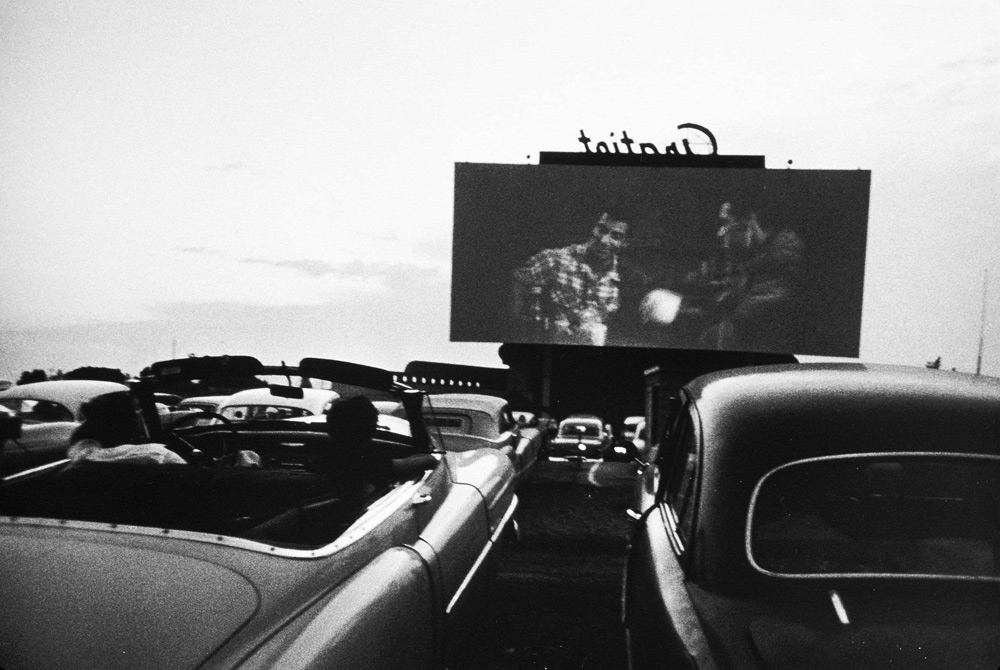
Robert Frank (Swiss-American, 1924-2019) 'Drive-In Movie, Detroit' 1955


Robert Frank (Swiss-American, 1924-2019)
Drive-In Movie, Detroit
1955, printed 1977
Gelatin silver print
8 1/4 × 12 1/2 inches (21 × 31.8cm)
Founders Society Purchase, Tina and Lee Hills Graphic Arts Fund
© Robert Frank, from The Americans. Detroit Institute of Arts.


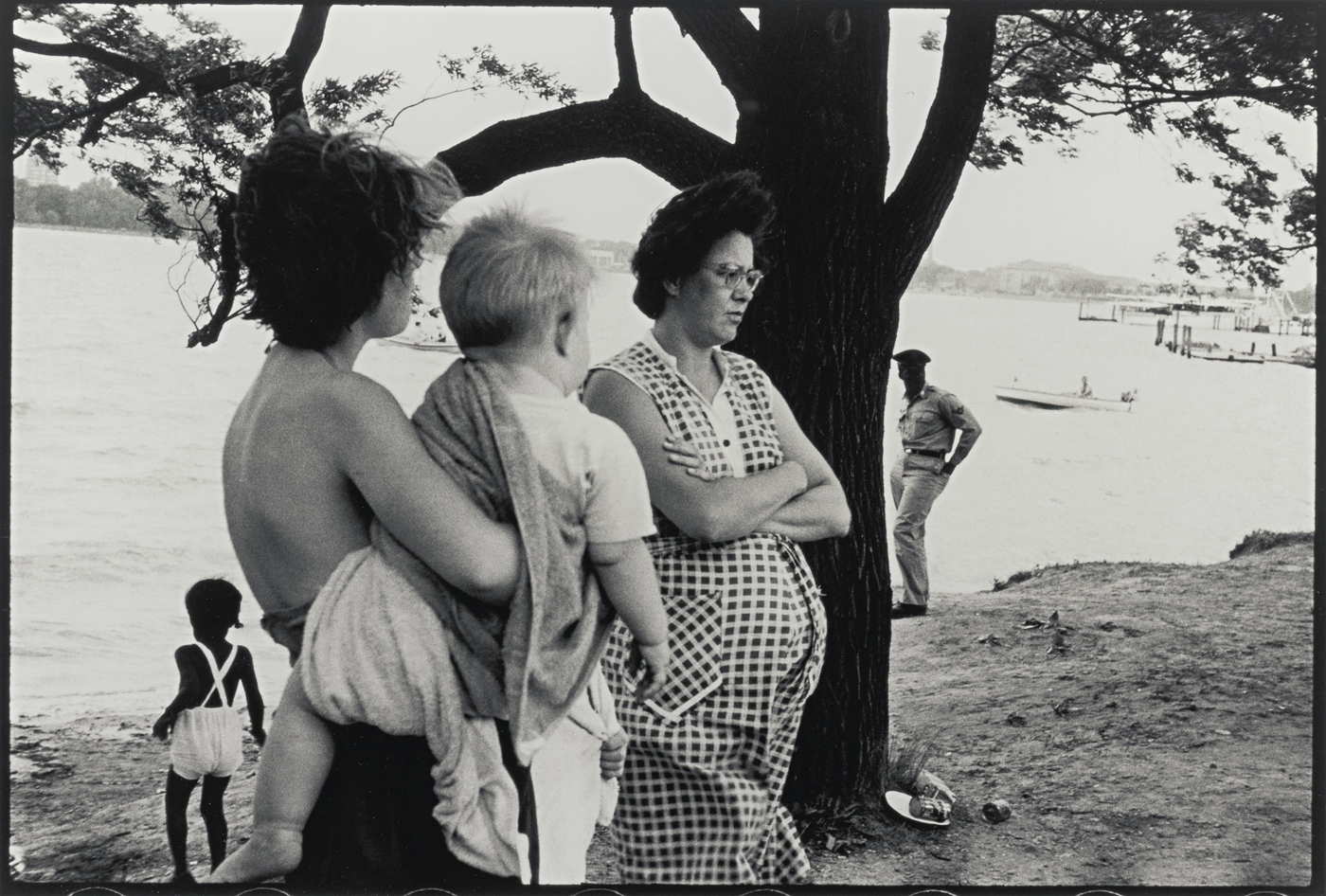
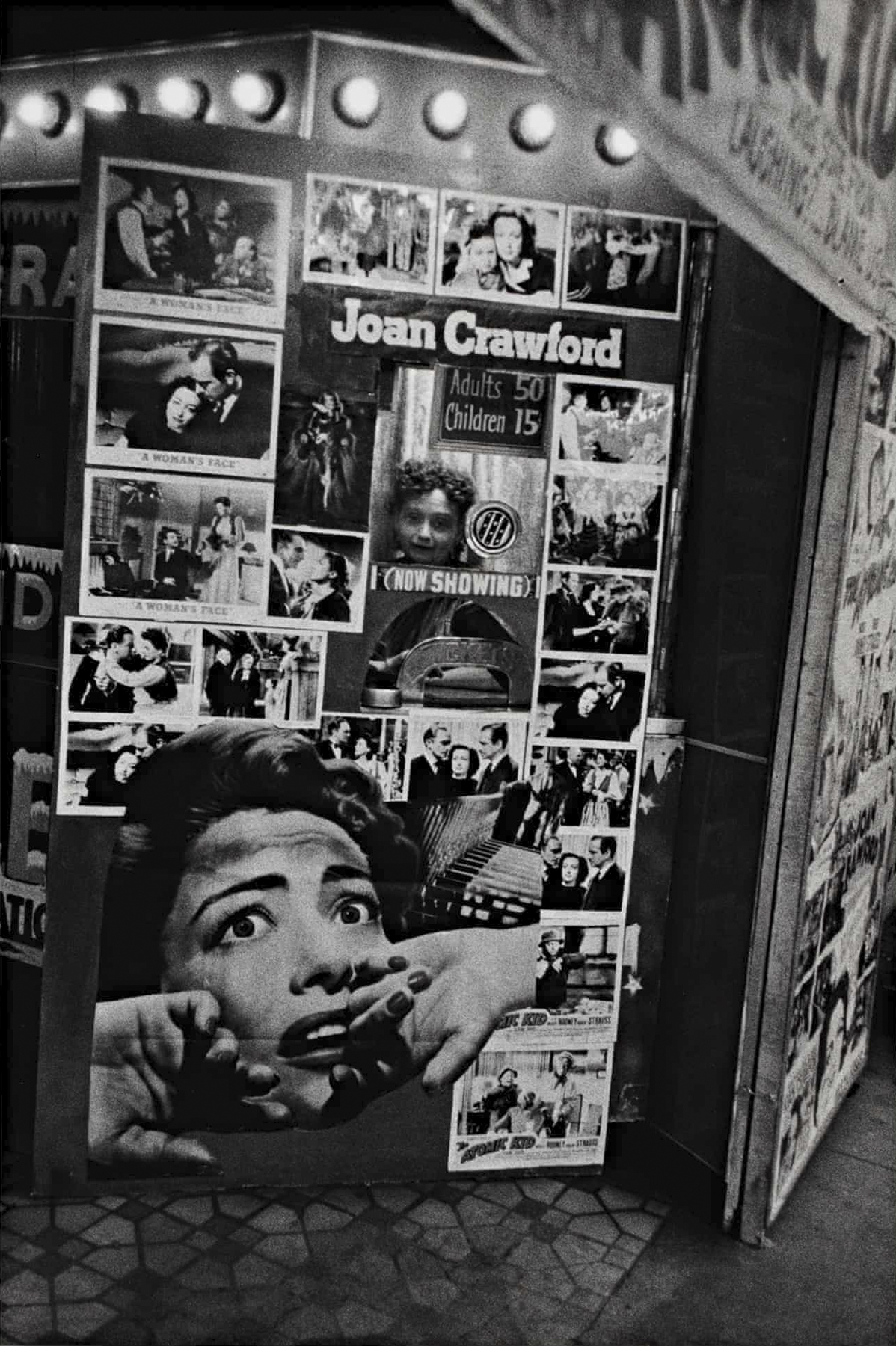
Detroit Experiences: Robert Frank Photographs, 1955 showcases more than 50 rare and many never-before-seen black-and-white photographs taken in Detroit by legendary artist Robert Frank. The exhibition will be on view at the Detroit Institute of Arts (DIA) March 3 – July 4, 2010. The exhibition is free with museum admission.

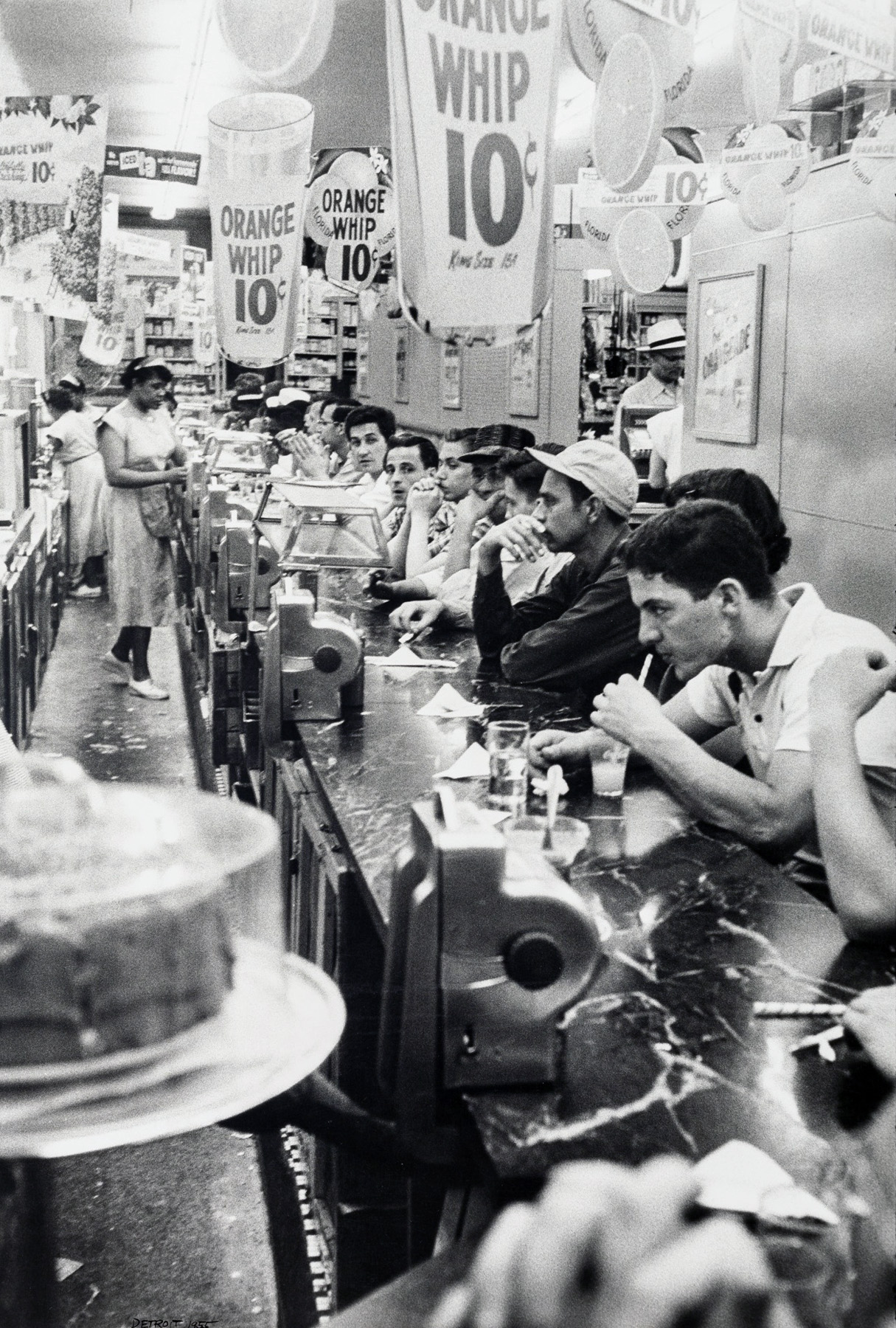
In 1955 and 1956 Robert Frank traveled the U.S. taking photographs for his groundbreaking book The Americans, published in 1958. With funding from a prestigious Guggenheim grant, he set out to create a large visual record of America, and Detroit was one of his early stops. Inspired by autoworkers, the cars they made, along with local lunch counters, drive-in movies and public parks such as Belle Isle, Frank transformed everyday experiences of Detroiters into an extraordinary visual statement about American life.

According to Frank, The Americans included “things that are there, anywhere, and everywhere … a town at night, a parking lot, the man who owns three cars and the man who owns none … the dream of grandeur, advertising, neon lights … gas tanks, post offices and backyards …” The exhibition includes nine Detroit images that were published in The Americans, as well as, for the first time, an in-depth body of work representative of Frank’s Detroit, its working-class culture and automotive industry.

Frank was drawn to Detroit partly by a personal fascination with the automobile, but also saw its presence and effect on American culture as essential to his series. Frank was one of the few photographers allowed to take photographs at the famous Ford Motor Company River Rouge factory, where he was amazed to witness the transformation of raw materials into fully assembled cars. In a letter to his wife he wrote, “Ford is an absolutely fantastic place … this one is God’s factory and if there is such a thing – I am sure that the devil gave him a helping hand to build what is called Ford’s River Rouge Plant.” Frank spent two days taking pictures at the Ford factory, photographing workers on the assembly lines and manning machines by day, and following them as they ventured into the city at night.

Whether in the disorienting surroundings of a massive factory or during the solitary and alienating moments of individuals in parks and on city streets, the Swiss-born photographer looked beneath the surface of life in the U.S. and found a culture that challenged his perceptions and popular notions of the American Dream. Further accentuating his view of America, Frank developed an unconventional photographic style innovative and controversial in its time. Photographing quickly, Frank sometimes tilted and blurred compositions, presenting people and their surroundings in fleeting and fragmentary moments with an unsentimental eye.

Beat poet Jack Kerouac expressed the complex nature of the artist and his work in a passage from his introduction to The Americans stating, “Robert Frank, Swiss, unobtrusive, nice, with that little camera that he raises and snaps with one hand he sucked a sad poem right out of America onto film, taking rank among the tragic poets of the world.”

Born in 1924 in Zurich, Switzerland, Frank emigrated to the U.S. in 1947. He worked on assignments for magazines from 1948–53, but his photographic books garnered the highest acclaim. After publishing The Americans, he began filmmaking and directed the early experimental masterpiece Pull My Daisy, in collaboration with Jack Kerouac in 1959. Frank continues to work in both film and photography and has been the subject of many traveling exhibitions in recent years. The National Gallery of Art, Washington, D.C. established Frank’s photographic archive in 1990 and organised his first traveling retrospective, “Moving Out, in 1995” as well as a 2009 exhibition “Looking In: Robert Frank’s “The Americans”.” Frank lived in Mabou, Nova Scotia, and New York City with his wife, artist June Leaf.

Press release from the Detroit Institute of Arts website [Online] Cited 24/06/2019 no longer available online


Robert Frank (Swiss-American, 1924-2019) 'Untitled' 1955


Robert Frank (Swiss-American, 1924-2019)
Untitled
1955, printed c. 1970s
Gelatin silver print
10 3/4 × 15 7/8 inches (27.3 × 40.3cm)
Founders Society Purchase with funds from Founders Junior Council
© Robert Frank, from The Americans. Detroit Institute of Arts


Robert Frank (Swiss-American, 1924-2019) 'Ford River Rouge Plant' 1955, printed c. 1970s


Robert Frank (Swiss-American, 1924-2019)
Ford River Rouge Plant
1955, printed c. 1970s
Gelatin silver print
13 13/16 × 9 1/8 inches (35.1 × 23.2cm)
Founders Society Purchase, Coville Photographic Fund
© Robert Frank. Detroit Institute of Arts


Robert Frank (Swiss-American, b. 1924) 'Assembly Plant, Ford, Detroit' 1955


Robert Frank  (Swiss-American, 1924-2019)
Assembly Plant, Ford, Detroit
1955, printed c. 1960s
Gelatin silver print
12 7/8 × 8 1/2 inches (32.7 × 21.6cm)
Founders Society Purchase, Coville Photographic Fund
© Robert Frank. Detroit Institute of Arts


Robert Frank (Swiss-American, 1924-2019) 'Drugstore, Detroit' 1955


Robert Frank (Swiss-American, 1924-2019)
Drugstore, Detroit
1955, printed c. 1960s
Gelatin silver print
23 1/4 × 15 3/4 inches (59.1 × 40cm)
Founders Society Purchase, with funds from the Founders Junior Council
© Robert Frank, from The Americans. Detroit Institute of Arts


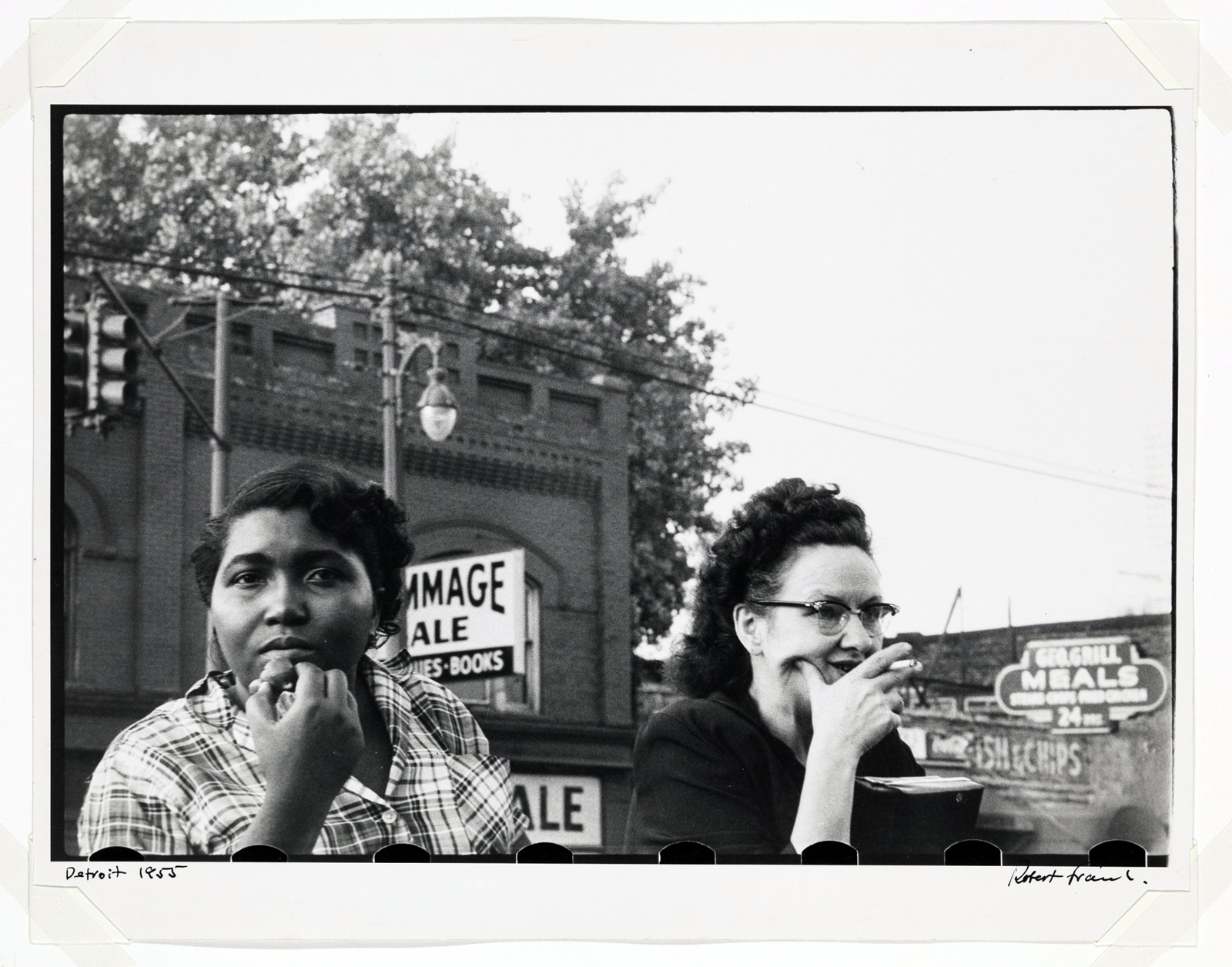
Robert Frank (Swiss-American, 1924-2019) 'Detroit' 1955


Robert Frank (Swiss-American, 1924-2019)
Detroit
1955, printed c. 1960s
Gelatin silver print
9 1/16 × 13 1/2 inches (23 × 34.3cm)
Founders Society Purchase, Coville Photographic Fund
© Robert Frank, from The Americans. Detroit Institute of Arts


Robert Frank (Swiss-American, 1924-2019) 'Detroit - Belle Isle' 1955


Robert Frank (Swiss-American, 1924-2019)
Belle Isle – Detroit
1955, printed between 1960 and 1979
Gelatin silver print
12 1/2 × 18 3/4 inches (31.8 × 47.6cm)
Museum Purchase, Ernest and Rosemarie Kanzler Foundation Fund, Forum for Prints, Drawings, and Photographs Purchase Fund, and General Art Purchase Fund
© Robert Frank, from The Americans. Detroit Institute of Arts


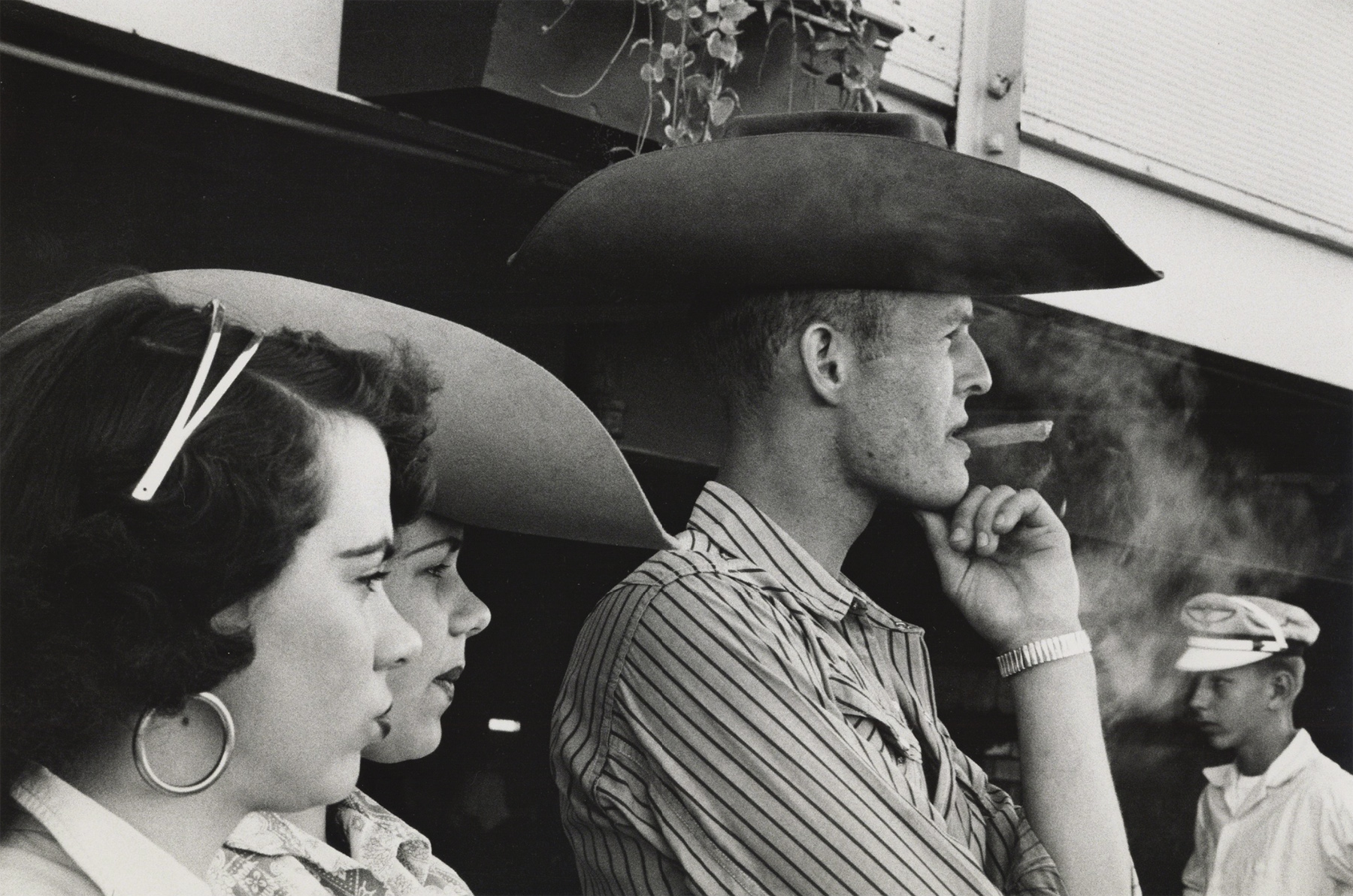
Robert Frank (Swiss-American, 1924-2019) 'Rodeo - Detroit' 1955


Robert Frank (Swiss-American, 1924-2019)
Rodeo – Detroit
1955, printed 1960s
Gelatin silver print
6 1/2 × 9 7/8 inches (16.5 × 25.1cm)
Museum Purchase, Ernest and Rosemarie Kanzler Foundation Fund, Forum for Prints, Drawings, and Photographs Purchase Fund, and General Art Purchase Fund
© Robert Frank, from The Americans. Detroit Institute of Arts


In 1955, Swiss-born photographer Robert Frank traveled across the United States photographing how Americans live, work, and spend their leisure time. Detroit was a critical stop on his itinerary, as the Motor City was world renowned for its automobiles along with its factories and labor force. Frank spent several days in Detroit at its legendary Ford Motor Company Rouge Plant and visited dime-store lunch counters, drive-ins, and public parks as well. He may have found Stetson-wearing spectators at a local rodeo an unlikely and uncharacteristic subject for Detroit – a large, industrial, midwestern city. Nonetheless he included Rodeo – Detroit, in addition to eight other photographs taken in the city, as part of the 83 images found in his ground-breaking photo book The Americans from 1958. The book brought Frank great acclaim for his critical commentary on America during the boom years following World War II.

From Bulletin of the Detroit Institute of Arts 89 (2015)


Robert Frank (Swiss-American, 1924-2019) 'Detroit' 1956


Robert Frank (Swiss-American, 1924-2019)
Detroit
1956
Gelatin silver print
© Robert Frank, from The Americans. Detroit Institute of Arts


Detroit Institute of Arts
5200 Woodward Avenue
Detroit, Michigan 48202
Main Line: 313.833.7900

Opening hours:
Monday Closed
Tuesday – Thursday 9am – 4pm
Friday 9am – 9pm
Saturday – Sunday 10am – 5pm

Detroit Institute of Arts website

LIKE ART BLART ON FACEBOOK

Back to top

Exhibition: ‘Proud Flesh’ by Sally Mann at Gagosian Gallery, New York

Exhibition dates: 15th September – 31st October, 2009


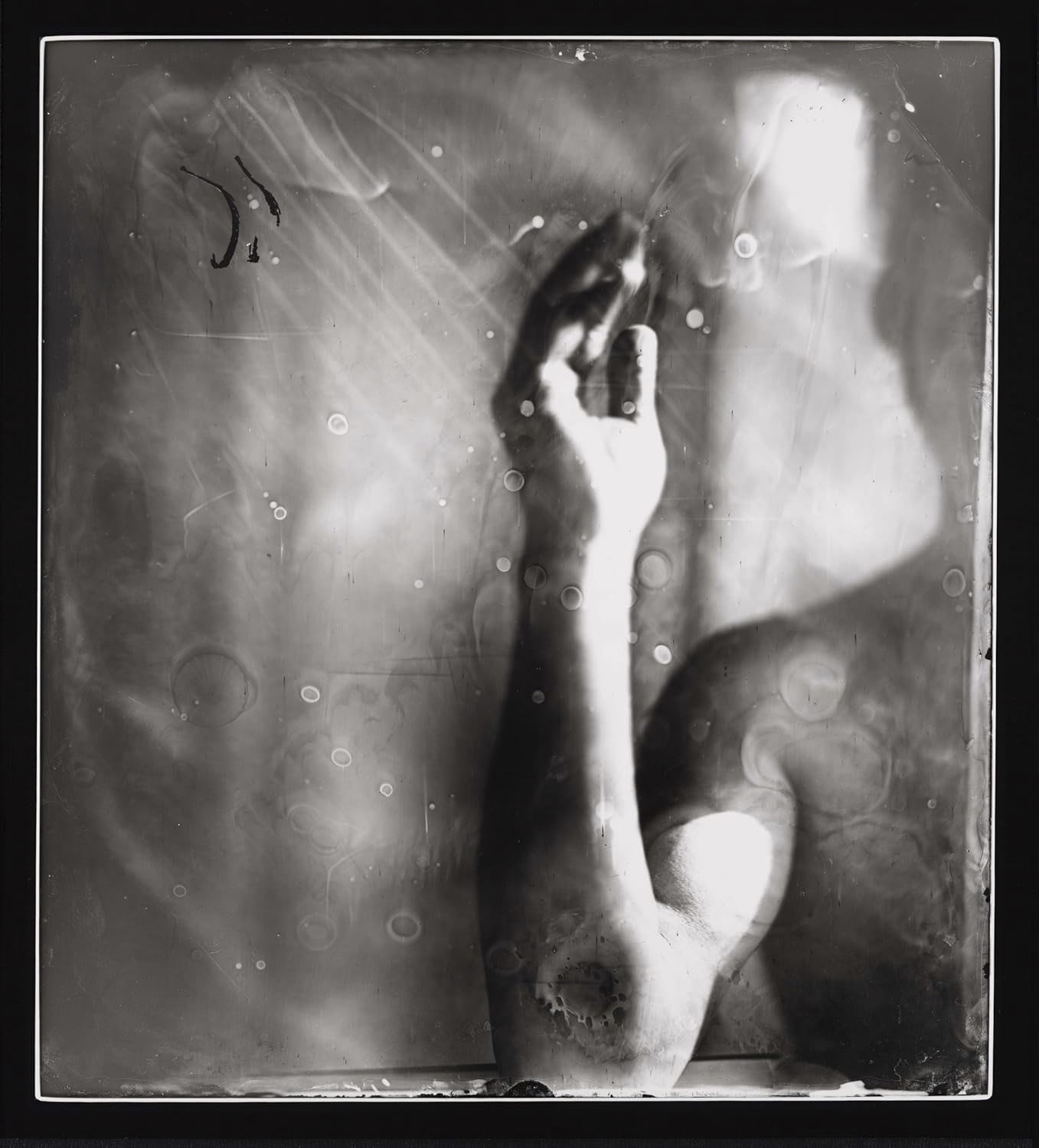
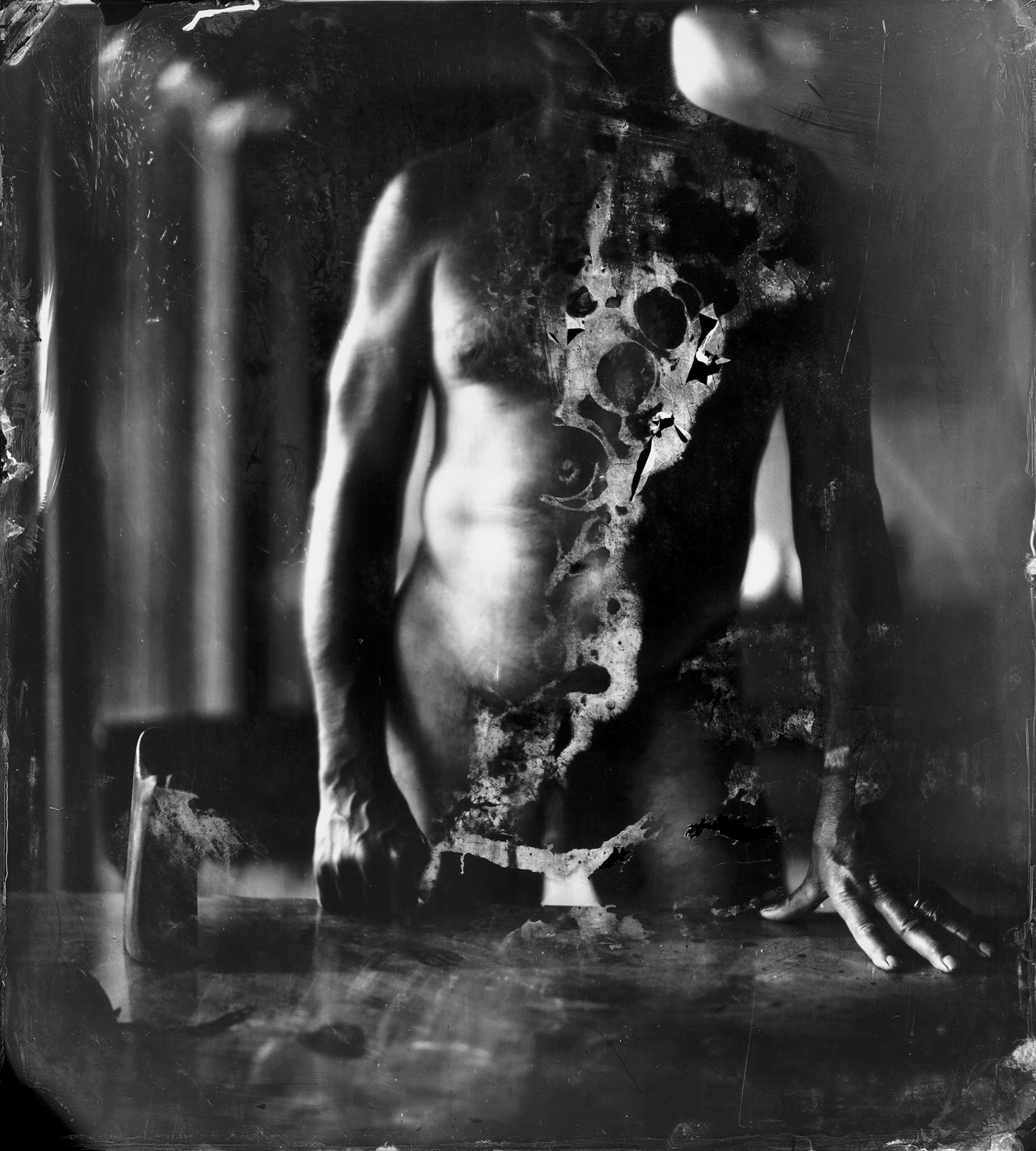
Sally Mann (American, b. 1951) 'Memory's Truth' 2008 from the exhibition 'Proud Flesh' by Sally Mann at Gagosian Gallery, New York, Sept - Oct, 2009


Sally Mann (American, b. 1951)
Memory’s Truth
2008
Gelatin silver print
Contact print from a wet-plate collodion negative


“I can think of numberless males, from Bonnard to Callahan, who have photographed their lovers and spouses, but I am having trouble finding parallel examples among my sister photographers. The act of looking appraisingly at a man, making eye contact on the street, asking to photograph him, studying his body, has always been a brazen venture for a woman, though, for a man, these acts are commonplace, even expected.”


Sally Mann


Many thankx to Gagosian Gallery for allowing me to publish the photographs in the posting. Please click on some of the photographs for a larger version of the image.


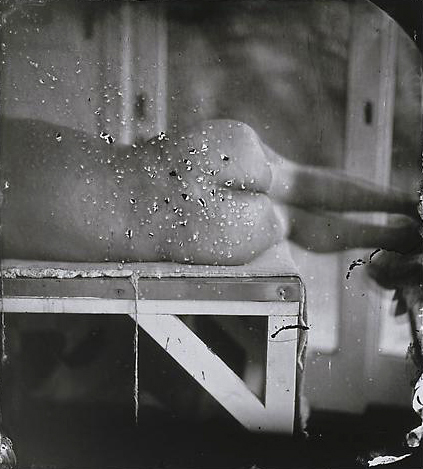
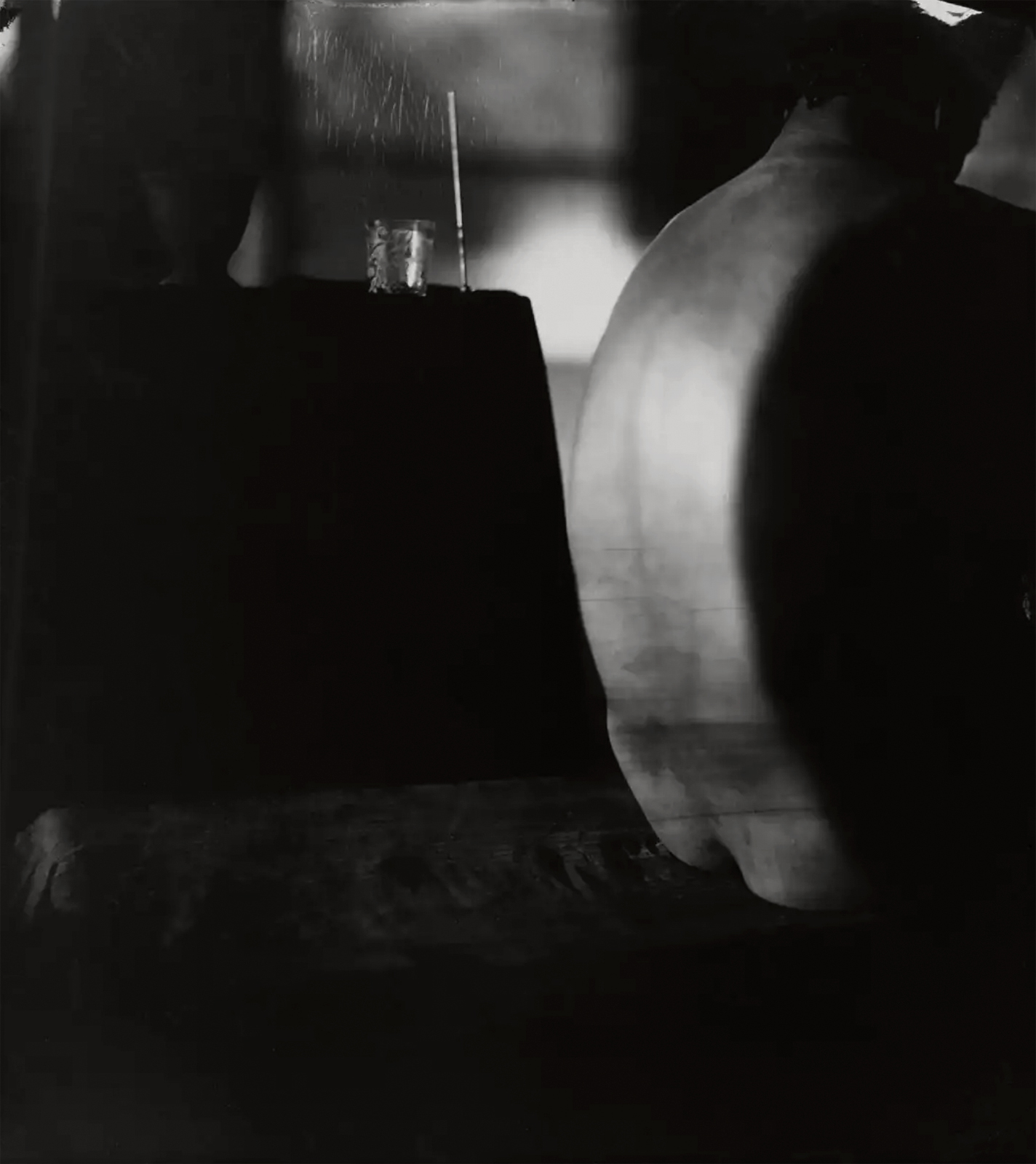
Proud Flesh is for me an emotionally exhausting work about withering. It has elements of 19th century clinical photography done with absolute loving care for the subject. Its factual surface is quickly replaced by metaphor and the haze of imperfection from the wet-plate collodion negatives she employs. In a few of the images, due to the choice of striped bedding on which the figure lays, we might be looking at a historical photograph take from Auschwitz or Bergen Belsen. With Larry’s thin and seemingly weak legs dangling over the edge of a wooden cot, the soiled bedding following the contour of his legs, it is difficult for me to see this image without this harsh historical reference. The following image in the book, he is turned into a martyr – arms out stretched – the sheet underneath him now sharply crinkled like a bed of straw (or an imagined crown of thorns).

The surface texture plays such a strong role in these photos much of the seduction of these photos comes from the beauty of those imperfections. At times they can be nauseating, for their liquid streaks ooze over the images of aged flesh keeping viscera and bodily fluids as a second metaphoric subject. On the cover image, the disturbed collodion emulsion leaves a pattern which seems to be both looking at, and looking inside, the torso standing before the camera. Like Lee Friedlander’s shadow self-portrait (see the cover of Like a One-eyed Cat) where his organs are replaced with a jumble of rocks and his head is filled with straw, Mann’s image turns Larry’s insides into a mix of man and machine – collodion cogs and gears. This is the most wishful, as it portrays the strongest sense of life and the perhaps even the possibility of escaping its mortality. He stands at table’s edge with a steadying hand and a closed fist.

The most remarkable image for me appears as plate 20 and is captioned Time and the Bell (2008). Like the aforementioned cover image, this is an ideal as Mann has turned her husband’s head and shoulders into a profile bust of marble – the washed out light tones give way to a few angular shapes of rich shadow. It could be a still life of artefacts from an artists work space, a table and a sculptural work in progress. The surprise of the photographic description, which is present in most of the photos in Proud Flesh, is so complex and engaging for me it is difficult to not have it outshine all of the rest.

Text from 5B4: Photography and Books blog October 1, 2009 [Online] Cited 28/04/2019. No longer available online


Sally Mann (American, b. 1951) 'Semaphore' 2003


Sally Mann (American, b. 1951)
Semaphore
2003
Gelatin silver print
Contact print from a wet-plate collodion negative


Sally Mann (American, b. 1951) 'Hephaestus' 2008 from the exhibition 'Proud Flesh' by Sally Mann at Gagosian Gallery, New York, Sept - Oct, 2009


Sally Mann (American, b. 1951)
Hephaestus
2008
Gelatin silver print
Contact print from a wet-plate collodion negative


Sally Mann’s poignant image of her husband, Larry, symbolises both his illness and his skill as a blacksmith.


Sally Mann (American, b. 1951) 'The Nature of Loneliness' 2008


Sally Mann (American, b. 1951)
The Nature of Loneliness
2008
Gelatin silver print
Contact print from a wet-plate collodion negative
15 x 13 1/2 inches


Sally Mann (American, b. 1951) 'Somnambulist' 2009


Sally Mann (American, b. 1951)
Somnambulist
2009
Gelatin silver print
Contact print from a wet-plate collodion negative


Gagosian Gallery is pleased to present “Proud Flesh”, a series of new photographs by Sally Mann.

Children, landscape, lovers – these iconic subjects are as common to the photographic lexicon as light itself. But Mann’s take on them, rendered through processes both traditional and esoteric, is anything but common. From the outset of her career she has consistently challenged the viewer, rendering everyday experiences at once sublime and deeply disquieting.

In previous projects, Mann has explored the relationships between parent and child, brother and sister, human and nature, site and history. Her latest photographic study of her husband Larry Mann, taken over six years, has resulted in a series of candid nude studies of a mature male body that neither objectifies nor celebrates the focus of its gaze. Rather it suggests a profoundly trusting relationship between woman and man, artist and model that has produced a full range of impressions – erotic, brutally frank, disarmingly tender, and more. While the relation of artist and model is, traditionally, a male-dominated field that has yielded countless appraisals of the female body and psyche, Mann reverses the role by turning the camera on her husband during some of his most vulnerable moments.

Mann’s technical methods and process further emphasise the emotional and temporal aspects of these fragile life studies. The images are contact prints made from wet-plate collodion negatives, produced by coating a sheet of glass with ether-based collodion and submerging it in silver nitrate. Mann exploits the surface aberrations that can result from the unpredictability of the process to produce painterly photographs marked by stark contrasts of light and dark, with areas that resemble scar tissue. In works such as Hephaestus and Ponder Heart, the scratches and marks incurred in the production process become inseparable from the physical reality of Larry’s body.”

Text from the Gagosian Gallery website [Online] Cited 10/10/2009. No longer available online


Sally Mann (American, b. 1951) 'Kingfisher's Wing' 2007


Sally Mann (American, b. 1951)
Kingfisher’s Wing
2007
Gelatin silver print
Contact print from a wet-plate collodion negative


Sally Mann (American, b. 1951) 'The Quality of the Affection' 2006


Sally Mann (American, b. 1951)
The Quality of the Affection
2006
Gelatin silver print
Contact print from a wet-plate collodion negative


Sally Mann (American, b. 1951) 'Ponder Heart' 2009


Sally Mann (American, b. 1951)
Ponder Heart
2009
Gelatin silver print
Contact print from a wet-plate collodion negative


Sally Mann (American, b. 1951) 'Was Ever Love' 2009


Sally Mann (American, b. 1951)
Was Ever Love
2009
Gelatin silver print
Contact print from a wet-plate collodion negative


Gagosian Gallery – Madison Avenue Gallery
980 Madison Avenue
New York, NY 10075
Phone: 212.744.2313

Opening hours:
Tuesday – Saturday 10am – 6pm

Gagosian Gallery website

LIKE ART BLART ON FACEBOOK

Back to top

Exhibition: ‘Downstream: Colorado River Photographs of Karen Halverson’ at The Huntington Library, San Marino, California

Exhibition dates: 30th May – 28th September, 2009


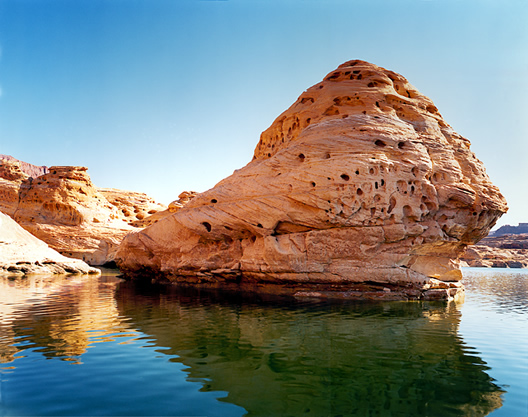
Karen Halverson (American, b. 1941) 'Hite Crossing, Lake Powell, Utah' from the 'Downstream' series 1994-1995 from the exhibition 'Downstream: Colorado River Photographs of Karen Halverson' at The Huntington Library, San Marino, California, May - Sept, 2009


Karen Halverson (American, b. 1941)
Hite Crossing, Lake Powell, Utah from the Downstream series
1994-1995


As clear as a bell!

Marcus


Many thankx to the Huntington Library for allowing me to publish the photographs in the posting. Please click on the photographs for a larger version of the image.


Karen Halverson (American, b. 1941) 'Lodore Canyon, Dinosaur National Monument' 1994-1995 from the 'Downstream' series 1994-1995 from the exhibition 'Downstream: Colorado River Photographs of Karen Halverson' at The Huntington Library, San Marino, California, May - Sept, 2009


Karen Halverson (American, b. 1941)
Lodore Canyon, Dinosaur National Monument from the Downstream series
1994-1995


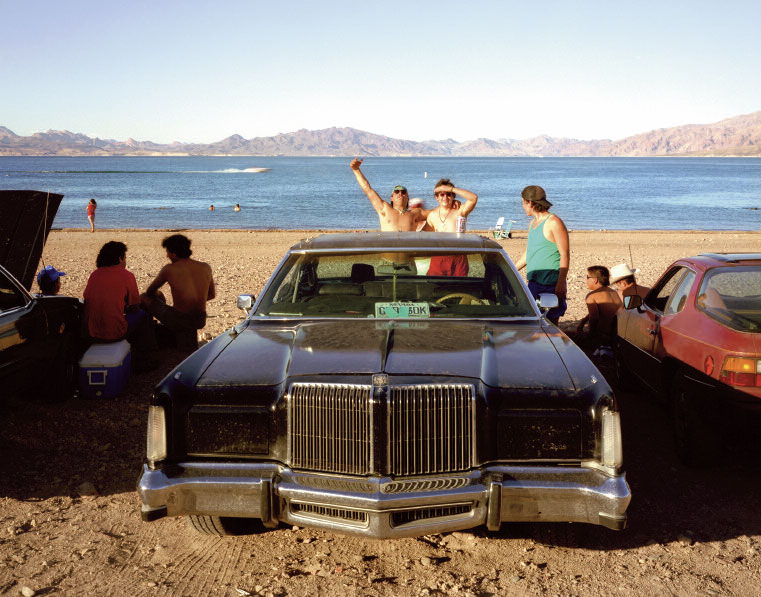
Karen Halverson (American, b. 1941) 'Boulder Beach, Lake Mead, Nevada' from the 'Downstream' series 1994-1995


Karen Halverson (American, b. 1941)
Boulder Beach, Lake Mead, Nevada from the Downstream series
1994-1995


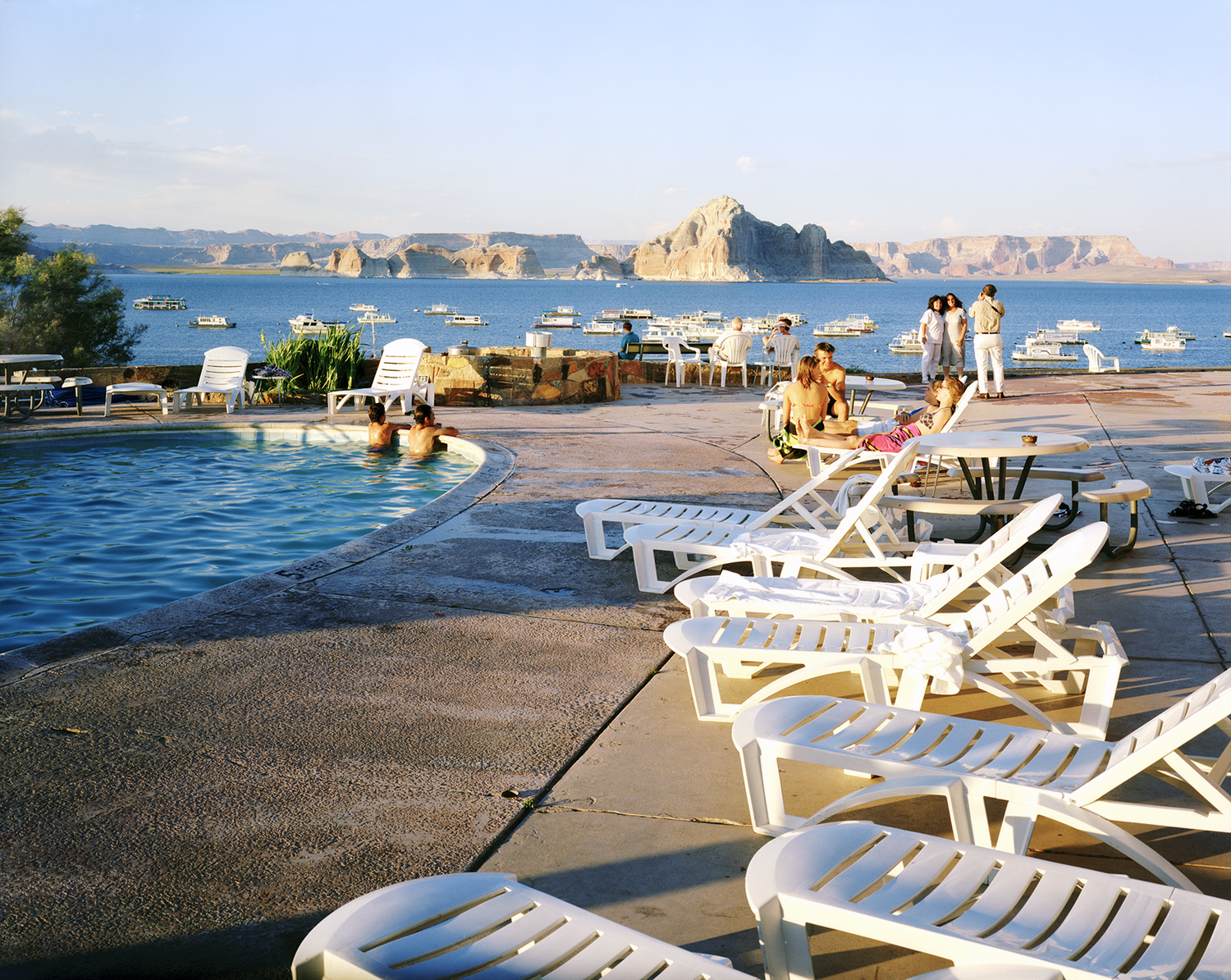
Karen Halverson (American, b. 1941) 'Wahweap Pool, Lake Powell, Arizona' 1994-1995


Karen Halverson (American, b. 1941)
Wahweap Pool, Lake Powell, Arizona from the Downstream series
1994-1995


To celebrate the expansion and reinstallation of the Virginia Steele Scott Galleries of American Art, The Huntington Library, Art Collections, and Botanical Gardens presents an exhibition of works from American photographer Karen Halverson’s Colorado River series, on view May 30 through Sept. 28, 2009. Downstream: Colorado River Photographs of Karen Halverson will be on display in the Scott Galleries’ Susan and Stephen Chandler Wing, inaugurating a new changing exhibition space that will highlight photography and works on paper that, because of the fragile nature of the medium, cannot be placed on permanent display.

The exhibition will feature 26 works from Halverson’s Downstream series as well as a sampling of images from The Huntington’s historic holdings related to the Colorado River region, including photographs from John Wesley Powell’s pioneering expedition down the Colorado in 1871 and a snapshot album compiled in 1940 by Mildred Baker, one of the first women to successfully navigate the river from Green River, Wyo., to Boulder (now Hoover) Dam.

Halverson (b. 1941) says she woke one wintry morning in 1994 convinced that she needed to photograph the Colorado River. An accomplished landscape photographer who had already spent 20 years exploring the American West, she embarked on a two-year encounter with the vast terrain along the river’s serpentine route.

The desire to explain, understand, and experience the 1,700-mile river – which originates in Wyoming and Colorado before converging in Utah toward its terminus in Mexico – has exerted a powerful influence on a long line of explorers, scientists, thrill seekers, writers, artists, and photographers. Once largely wild, the modern river has been tamed by dams built to slake the American West’s thirst for water and power. Today the river’s reservoirs supply 30 million people.

“In her resonant imagery, Halverson speaks both to this immutable, rugged past while confronting the river’s complicated and often contested present,” says Jennifer Watts, curator of photographs at The Huntington.

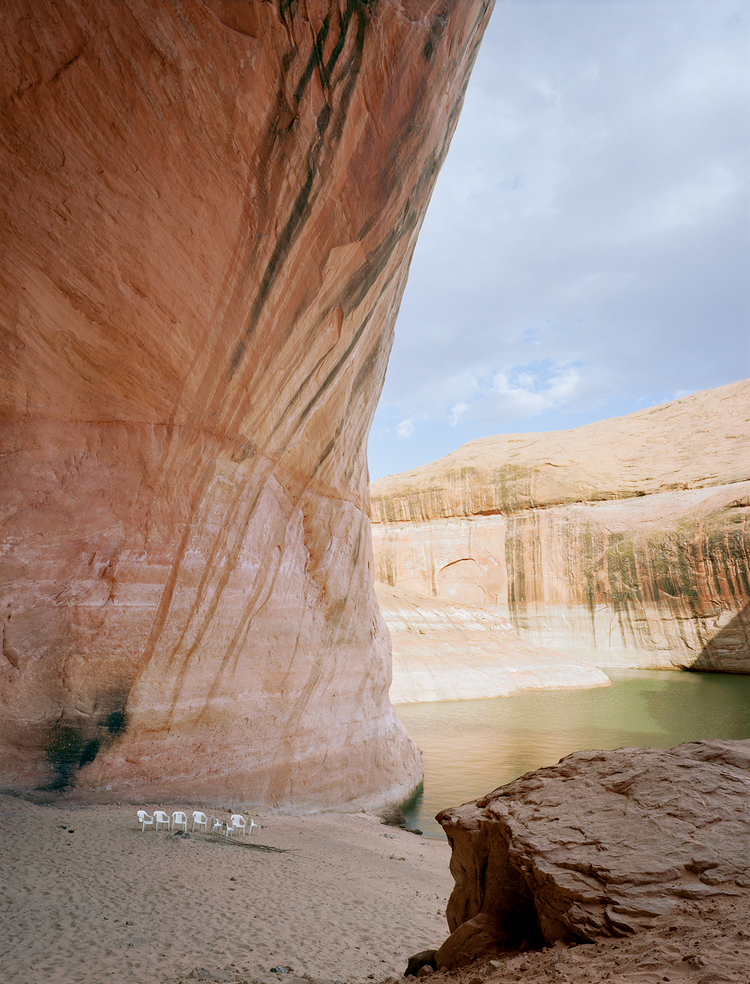
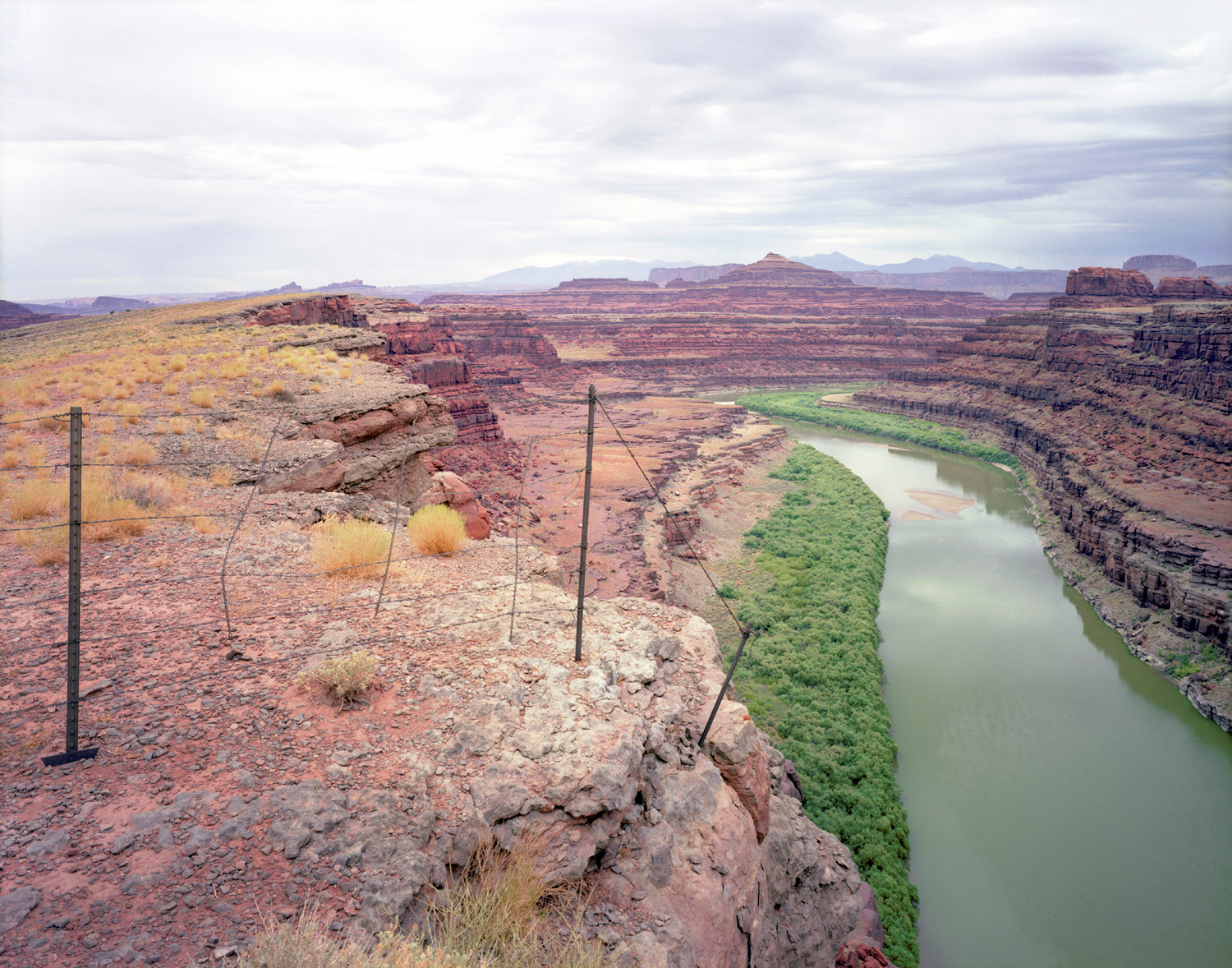
Lush green riverbanks frame a seemingly remote Colorado River in Shafer Trail, Near Moab, Utah – a dramatic departure from the river-turned-lake in Wahweap Marina, Lake Powell, Arizona, in which the setting sun illuminates a satellite dish, a trio of passersby, and a jumble of houseboats set against distant rock outcroppings. Davis Gulch, Lake Powell, Utah captures Halverson’s voice especially succinctly: the power of nature in the form of a gigantic sandstone wall dwarfing a tiny group of plastic lawn chairs, lined up along the river bank, with not a soul in sight.

“In my travels along the Colorado,” says Halverson, “sometimes I find beauty, sometimes desecration, often a perplexing and absurd combination.”

Halverson’s large-format colour photography references the 19th-century era of exploration when the United States, still reeling from the Civil War, saw photographers fan across the West to make pictures for scientific and commercial ends. Many of these iconic views by William H. Bell, John K. Hillers, Timothy O’Sullivan and others form the core of The Huntington’s superlative photography collection. Halverson consulted these works in preparation for her own trips.

The two years Halverson spent hiking, driving, and rafting along the Colorado brought her to a more profound understanding of the river and her relationship to it. During her travels, Halverson wrote, “I feel my place, small and finite in relation to space and time: I feel my self, expansive and trusting.”

Text from The Huntington Library website [Online] Cited 12/06/2009. No longer available online


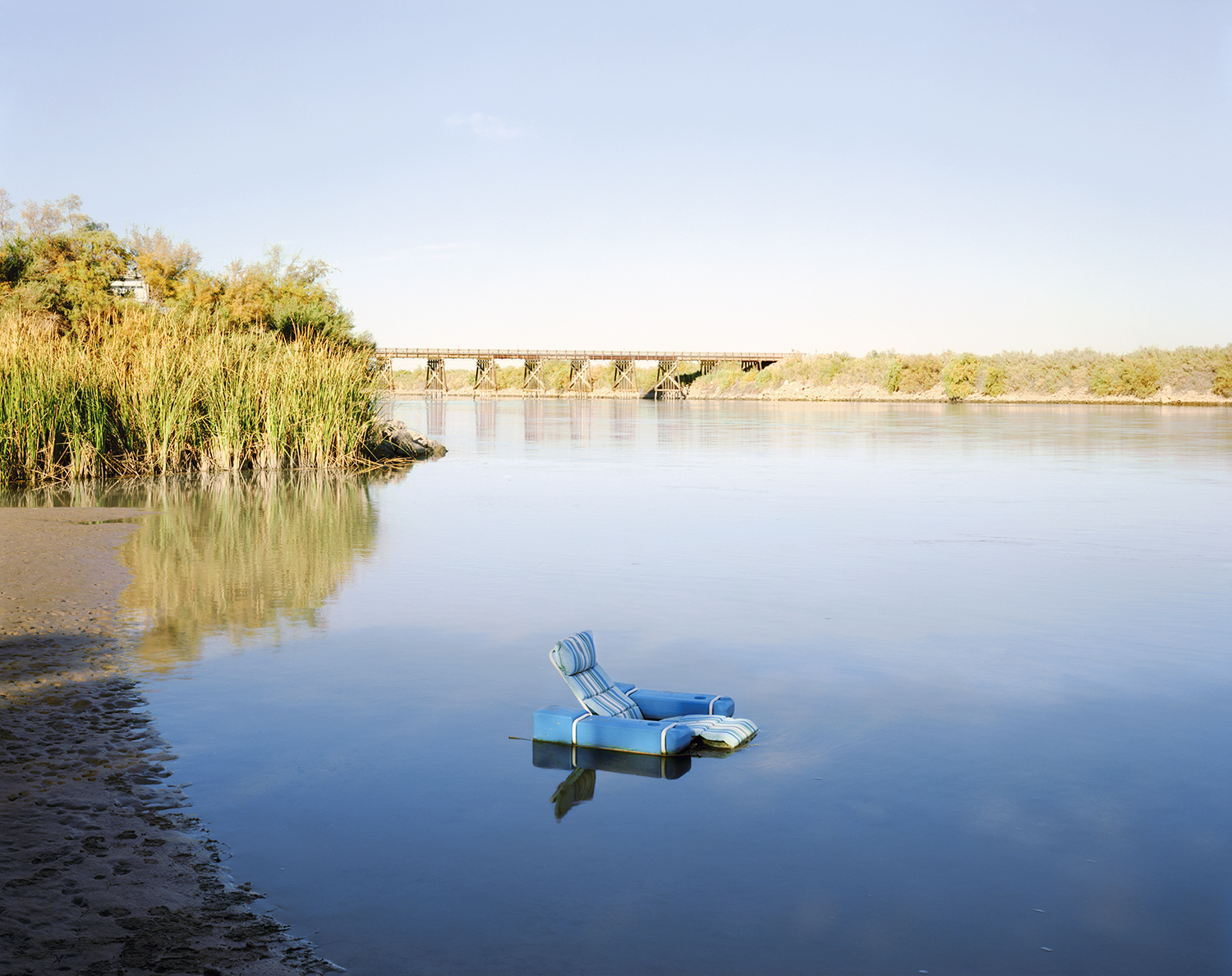
Karen Halverson (American, b. 1941) 'Big River, California' 1994-1995


Karen Halverson (American, b. 1941)
Big River, California from the Downstream series
1994-1995


Karen Halverson (American, b. 1941) 'Davis Gulch, Lake Powell' 1994-1995


Karen Halverson (American, b. 1941)
Davis Gulch, Lake Powell from the Downstream series
1994-1995


“In my travels along the Colorado, sometimes I find beauty, sometimes desecration, often a perplexing and absurd combination.”


Karen Halverson


One wintry morning in1994, Karen Halverson (b. 1941) awoke convinced she needed to photograph the Colorado River. An accomplished artist who had already spent 20 years exploring the American West, she set off on a two-year encounter with the vast, breathtaking terrain along the river’s serpentine route. “The impulse to photograph the Colorado River came to me out of the blue,” she writes, “but I acted on it as if it were my destiny.” Personal destiny and the Colorado River have long been linked in the lives of the explorers, scientists, writers, artists, and thrill seekers who have sought to understand and experience this remarkable river.

“Nature appears to have been partial to this stream,” noted “Captain” Samuel Adams, who described the river in 1869. The Colorado and its major tributary, the Green River, run 1,700 miles from headwaters in the Rocky Mountains and Wyoming’s Wind River Range to a terminus in Mexico. Sheer size helps explain the river’s enduring allure; the Colorado’s gargantuan watershed covers a quarter of a million miles and runs through seven states. The Colorado is the riparian centre and symbol of the American West. Once wild, the river has been tamed by dams built to slake the arid West’s demand for water and power; 30 million people are dependent on it today.

Halverson’s large-format colour photography alludes to a 19th-century era of exploration when photographers fanned out across the West to make pictures for scientific and commercial ends. Iconic views by William H. Bell (1830-1910), John K. Hillers (1843-1925), Timothy O’Sullivan (c. 1840-1882), and others captured timeless landscapes of fierce, often forbidding, beauty. Halverson looked at these works in preparation for her trips, viewing them as documentary and visual points of departure for her own image making. Beyond the debt she owes these photographic pioneers, Halverson is firmly rooted in a late 20th-century aesthetic that comments on humanity’s use, and misuse, of the environment.

Beginning in the 1970s, a group of photographers, almost all of them men – who are now sometimes called the “New Topographers” – used their cameras to criticise the effects of rampant urban and suburban growth on western lands. Sprawling cities like Los Angeles, Phoenix, and Las Vegas owe their existence almost entirely to the importation of water from the Colorado River. As Halverson rightly claims, today the river is a “water delivery system,” with its dozens of reservoirs, dams, and diversions ensuring the allocation of virtually every drop for human needs.

Yet Downstream is no visual jeremiad railing against environmental abuse. Nor is it a dispassionate travelogue of the two years Halverson spent hiking, driving, and rafting along the Colorado. The wild terrain that flabbergasted early explorers is still here in the Paleozoic strata of gigantic rock outcroppings, the ancient calm of ghostly canyons, the dizzying heights overlooking a ribbon of water far below. And the colours – ochre, cerulean blue, deep red, electric green – are all intensified against the palette of a dammed river running colder and deeper than if it flowed freely. A modern-day beauty even finds itself inscribed in steel and concrete, whether in the sleek form of a pipeline or the still surface of an irrigation canal.

But it is in the bizarre, sometimes humorous, intersections of past and present that Downstream gains its potency. Cheap plastic lawn chairs, sitting vacant, look puny and ridiculous against a looming canyon wall. Weekend revellers pump fists skyward on the shores of Lake Mead, a giant reservoir held in place by Hoover Dam. A garden hose waters a scrawny palm tree in a desert oasis populated by rows of RVs.

What is gained and what is lost by controlling the Colorado River? And what are the river’s limits? Halverson’s Downstream series asks the viewer to contemplate these questions in a time when the arid West’s thirsty population threatens to overwhelm technological as well as natural resources, and when our well-watered urban lives remain utterly disconnected from riparian realities. Through her resonant imagery, Halverson speaks to the immutability of the river’s past while confronting its complex, contested present and future.

Jennifer A. Watts, Curator of Photographs from “Colorado River Photographs of Karen Halverson,” The Huntington Library Halverson Gallery guide [Online] Cited 28/02/2019. No longer available online


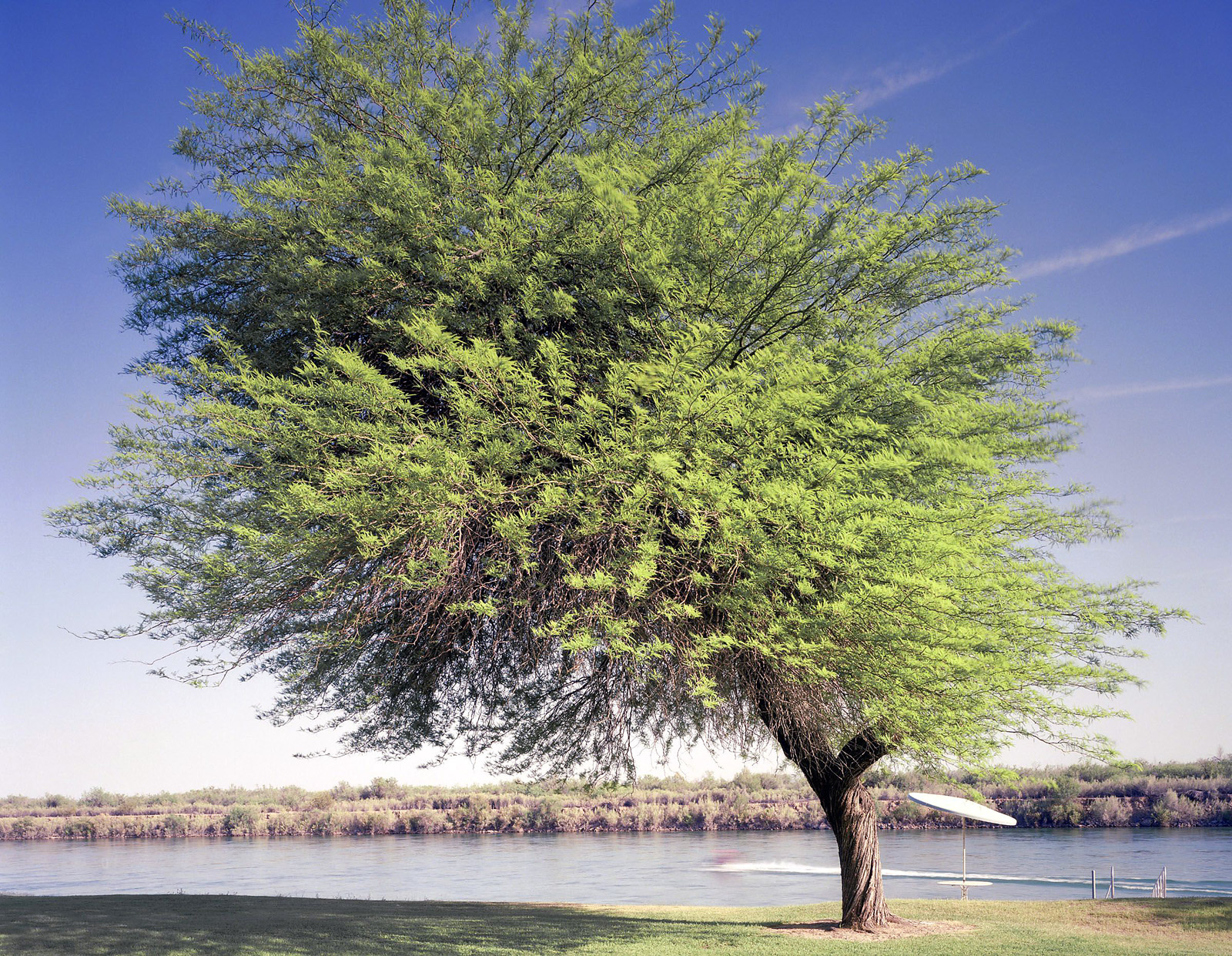
Karen Halverson (American, b. 1941) 'Near Palo Verde, California' 1994-1995


Karen Halverson (American, b. 1941)
Near Palo Verde, California from the Downstream series
1994-1995


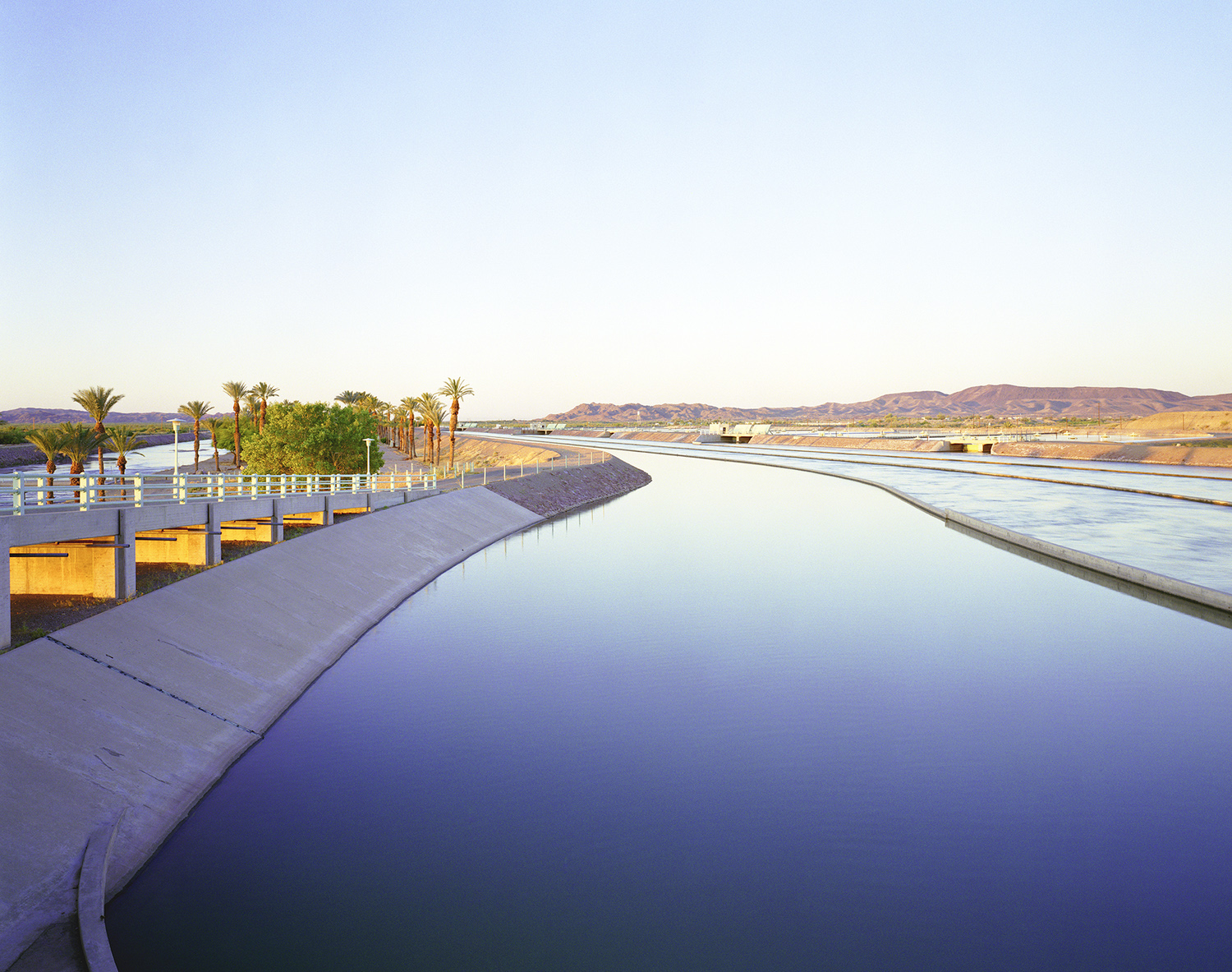
Karen Halverson (American, b. 1941) 'Imperial Dam, near Yuma, Arizona' 1994-1995


Karen Halverson (American, b. 1941)
Imperial Dam, near Yuma, Arizona from the Downstream series
1994-1995


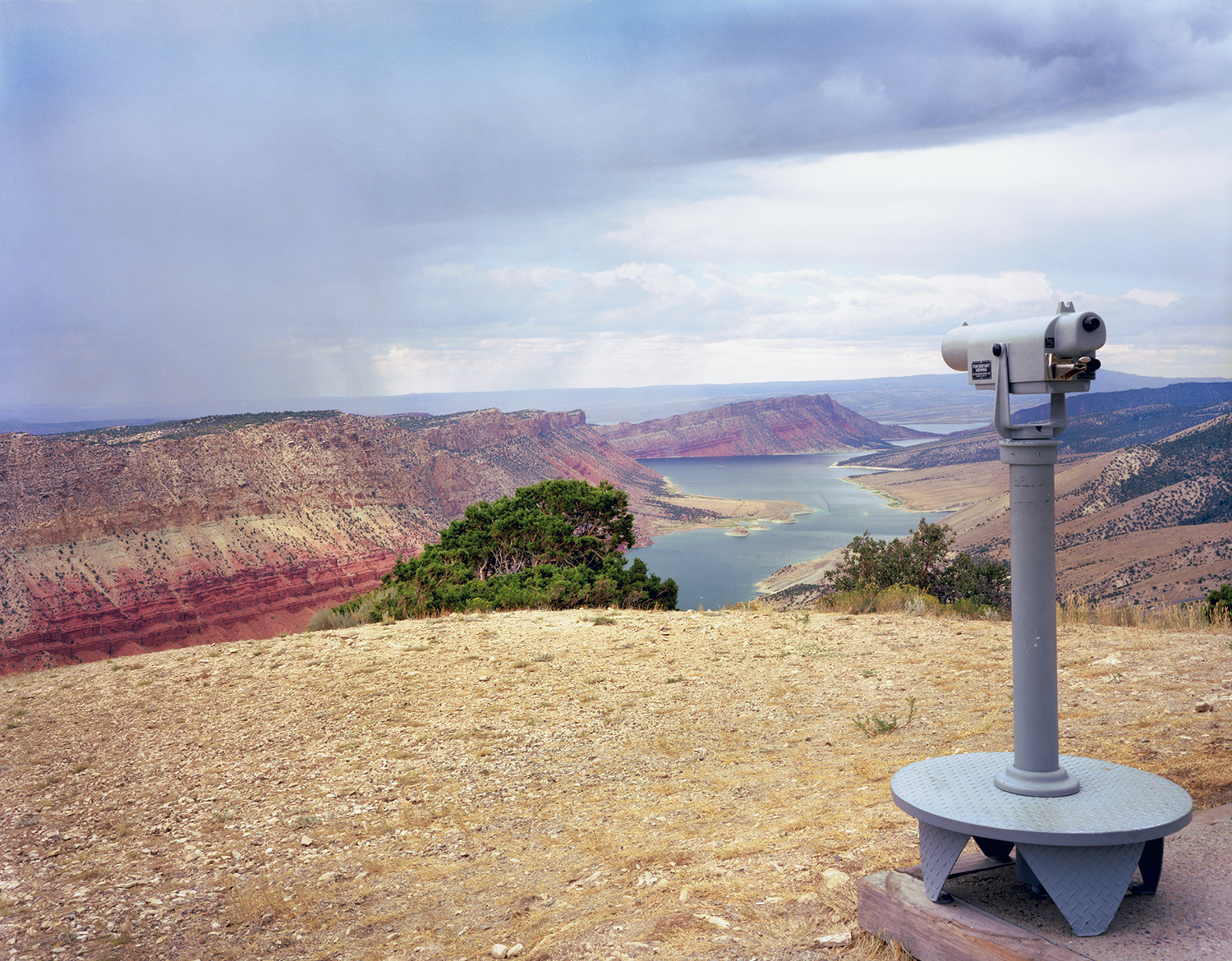
Karen Halverson (American, b. 1941) 'Flaming Gorge Reservoir, Wyoming' 1994-1995


Karen Halverson (American, b. 1941)
Flaming Gorge Reservoir, Wyoming from the Downstream series
1994-1995


Karen Halverson (American, b. 1941) 'Shafer Trail, Near Moab, Utah' 1994-1995


Karen Halverson (American, b. 1941)
Shafer Trail, Near Moab, Utah from the Downstream series
1994-1995


The Huntington Library
The Huntington Library, Art Collections, and Botanical Gardens
1151 Oxford Road
San Marino, CA  91108

Opening hours:
Wednesday – Sunday 10am – 5pm
Closed Tuesdays
The Huntington Library website

Karen Halverson Photographs website

LIKE ART BLART ON FACEBOOK

Back to top

Exhibition: ‘The Last Days of W’ by Alec Soth at Gagosian Gallery, New York

Exhibition dates: 20th January – 7th March, 2009


Alec Soth (American, b. 1969) 'Civic Fest, Minneapolis, MN (Presidential office)' 2008 from the exhibition 'The Last Days of W' by Alec Soth at Gagosian Gallery, New York, jan - March, 2009


Alec Soth (American, b. 1969)
Civic Fest, Minneapolis, MN (Presidential office)
2008


Another fantastic group of Americurbana from this wonderful photographer!

Dr Marcus Bunyan


Many thankx to Gagosian Gallery for allowing me to publish the photographs in the posting. Please click on the photographs for a larger version of the image.


“Henri Cartier-Bresson famously said, “The world is going to pieces and people like Adams and Weston are photographing rocks.” But I don’t think the world would have been a better place if these photographers had headed off to a war zone. The question is whether you can be a political photographer while you photograph rocks. My pictures don’t have a specific social commentary but I think they have social and political meaning.”


Alec Soth on the Gagosian Gallery website 2009


Alec Soth (American, b. 1969) 'Dynell, Bemidji, MN (Girl in store)' 2007 from the exhibition 'The Last Days of W' by Alec Soth at Gagosian Gallery, New York, jan - March, 2009


Alec Soth (American, b. 1969)
Dynell, Bemidji, MN (Girl in store)
2007


Alec Soth (American, b. 1969) 'Josh, Joelton, Tennessee' 2004


Alec Soth (American, b. 1969)
Josh, Joelton, Tennessee
2004


Gagosian Gallery is pleased to present The Last Days of W., colour photographs taken by Alec Soth between 2000 and 2008.
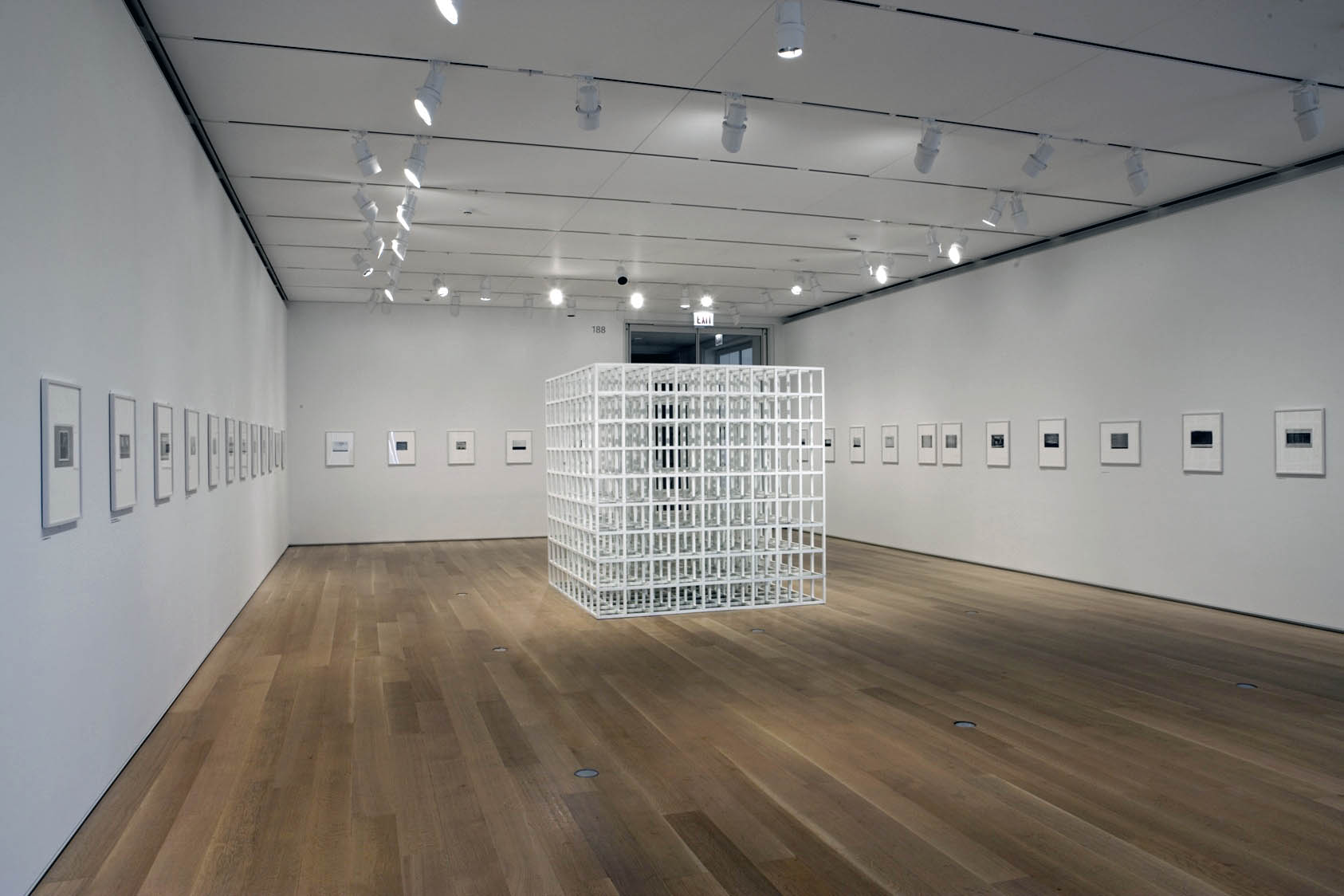
Although originally conceived without explicit political intent, in retrospect Soth considers this selected body of work, which spans both terms of George W. Bush’s presidency, to represent “a panoramic look at a country exhausted by its catastrophic leadership.” Soth’s earlier series such as Sleeping by the Mississippi, Niagara, and Dog Days, Bogotá – all subjective narratives containing disenfranchised figures and decaying landscapes – laid the conceptual groundwork for The Last Days of W. It provides a wry commentary on the adverse effects of the national administration, perhaps best exemplified by an unwittingly ironic remark that Bush made in 2000: “I think we can agree, the past is over.”
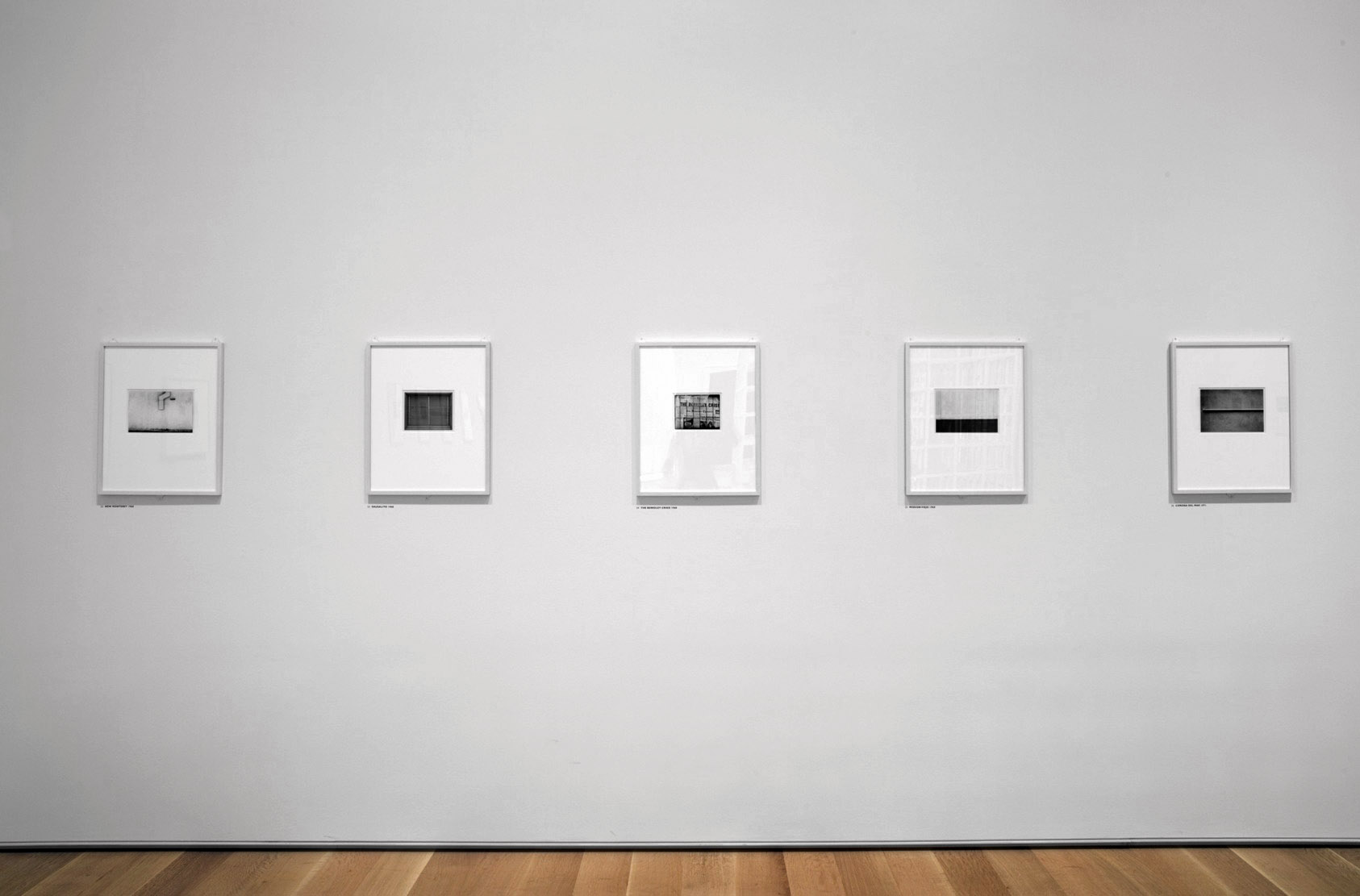
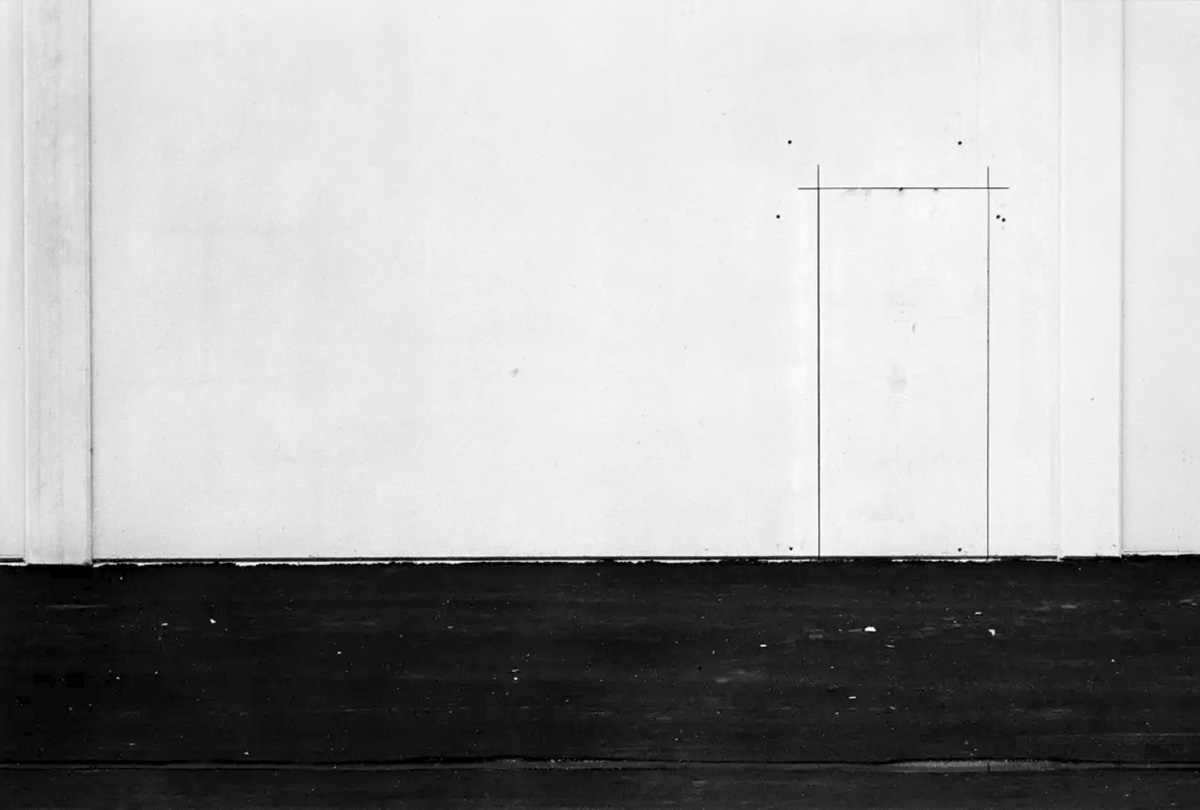
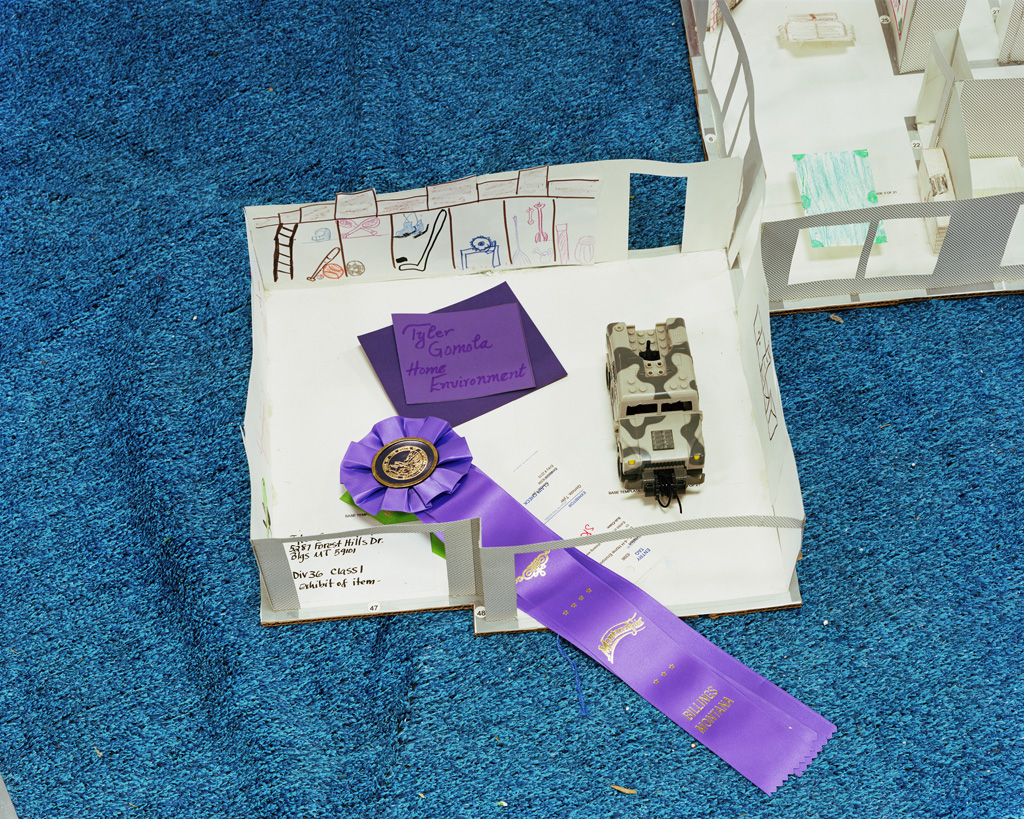
Following in the humanist tradition established by the great chroniclers of the American experience such as Walker Evans, Robert Frank, and Stephen Shore, Soth captures diverse images of a country disillusioned with, and deceived by, its own identity, from mothers of marines serving in Iraq to teenage mothers in the Louisiana Bayou; from religious propaganda in the American workplace to the mortgage crisis in Stockton, CA. His incisive depiction of contemporary American reality confronts the ideals romanticised in the American Dream with the hastening decline of the American Empire.
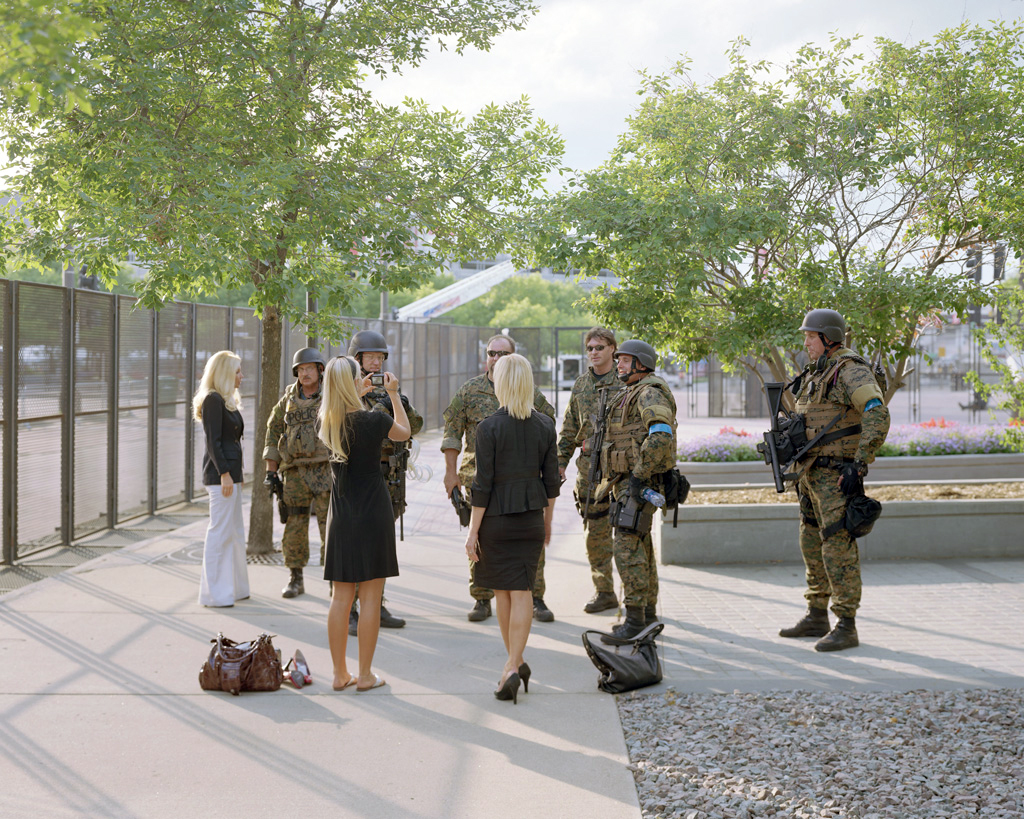
Text from the Gagosian Gallery website 2009


Alec Soth 'The Last Days of W' installation view at Gagosian Gallery


The Last Days of W installation view at Gagosian Gallery


Alec Soth (American, b. 1969) 'Home Environment, Billings, MT' 2008


Alec Soth (American, b. 1969)
Home Environment, Billings, MT
2008


Alec Soth (American, b. 1969) 'Republican National Convention, Saint Paul, MN' 2008


Alec Soth (American, b. 1969)
Republican National Convention, Saint Paul, MN
2008


Gagosian Gallery
980 Madison Avenue
New York, NY 10075
Phone: 212.744.2313

Opening hours:
Monday – Saturday 10am – 6pm

Gagosian Gallery website

LIKE ART BLART ON FACEBOOK

Back to top

Exhibition: ‘Edward Steichen In High Fashion: The Conde Nast Years, 1923 – 1937’ at the International Centre of Photography, New York

Exhibition dates: 16th January – 3rd May, 2009


Edward Steichen (American, 1879-1973) 'Gloria Swanson' 1924 'Edward Steichen In High Fashion: The Conde Nast Years, 1923 - 1937' at the International Centre of Photography, New York, Jan - May, 2009


Edward Steichen (American, 1879-1973)
Gloria Swanson (Vanity Fair, February 1, 1924)
1924
Gelatin silver print
The Sylvio Perlstein Collection Courtesy of Condé Nast Archive, Condé Nast Publications, Inc, New York/ Paul Hawryluk, Dawn Lucas and Rachael Smalley


As part of the International Center of Photography’s 2009 Year of Fashion, the museum will host a retrospective of Edward Steichen’s fashion and celebrity portraiture. Edward Steichen: In High Fashion, The Condé Nast Years, 1923-1937, will be on view at ICP (1133 Avenue of the Americas at 43rd Street) from January 16 through May 3, 2009. It will feature 175 vintage photographs, drawn mainly from the extensive archive of original prints at Condé Nast, along with a selection of important prints from the collection of the George Eastman House Museum. This will be the first exhibition in which the full range of his fashion photography and celebrity portraiture will be shown, including many images that have never been exhibited before. Having previously traveled throughout Europe, the exhibition will be presented on its North American tour in this version only at ICP.

Edward Steichen (1879-1973) was already a famed Pictorialist photographer and painter in the United States and abroad when he was offered the position of chief photographer for Vogue and Vanity Fair by Condé Nast. Upon assuming the job, the forty-four year old artist began one of the most lucrative and controversial careers in photography. To Alfred Stieglitz and his followers, Steichen was seen as damaging the cause of photography as a fine art by agreeing to do commercial editorial work. Nevertheless, Steichen’s years at Condé Nast magazines were extraordinarily prolific and inspired. He began by applying the soft focus style he had helped create to the photography of fashion. But soon he revolutionised the field, banishing the gauzy light of the Pictorialist era and replacing it with the clean, crisp lines of Modernism. In the process he changed the presentation of the fashionable woman from that of a distant, romantic creature to that of a much more direct, appealing, independent figure. At the same time he created lasting portraits of hundreds of leading personalities in movies, theatre, literature, politics, music, and sports, including Gloria Swanson, Gary Cooper, Marlene Dietrich, Joan Crawford, Colette, Winston Churchill, Amelia Earhart, Jack Dempsey, Noel Coward, Greta Garbo, Dorothy Parker, and Cecil B. De Mille.

From the ArtDaily.org website


Many thankx to the International Center of Photography for allowing me to publish the photographs in the posting. Please click on the photographs for a larger version of the image.


Edward Steichen (American, 1879-1973) 'On George Baher's yacht' 1928 Edward Steichen (American, 1879-1973) 'Gloria Swanson' 1924 'Edward Steichen In High Fashion: The Conde Nast Years, 1923 - 1937' at the International Centre of Photography, New York, Jan - May, 2009


Edward Steichen (American, 1879-1973)
On George Baher’s yacht
1928
Gelatin silver print
Courtesy Condé Nast Archive


Edward Steichen (American, 1879-1973) 'Gary Cooper' 1930


Edward Steichen (American, 1879-1973)
Gary Cooper
1930
Gelatin silver print
Courtesy Condé Nast Archive


Edward Steichen (American, 1879-1973) 'Joan Crawford' 1932


Edward Steichen (American, 1879-1973)
Joan Crawford
1932
Gelatin silver print
© 1932 Condé Nast


Edward Steichen (American, 1879-1973) 'Princess Nathalie Paley wearing sandals by Shoecraft' 1934


Edward Steichen (American, 1879-1973)
Princess Nathalie Paley wearing sandals by Shoecraft
1934
Gelatin silver print
© 1934 Condé Nast


Princess Natalia Pavlovna Paley (Russian: Наталья Павловна Палей; 5 December 1905 – 27 December 1981) was a Russian aristocrat who was a non-dynastic member of the Romanov family. A daughter of Grand Duke Paul Alexandrovich of Russia, she was a first cousin of the last Russian emperor, Nicholas II. After the Russian Revolution, she emigrated first to France and later to the United States. She became a fashion model, socialite, vendeuse, and briefly pursued a career as a film actress.

Text from the Wikipedia website


Edward Steichen (American, 1879-1973) 'Sinclair Lewis' 1932


Edward Steichen (American, 1879-1973)
Sinclair Lewis
1932
Gelatin silver print
© 1932 Condé Nast


Harry Sinclair Lewis (February 7, 1885 – January 10, 1951) was an American novelist, short-story writer, and playwright. In 1930, he became the first author from the United States (and the first from the Americas) to receive the Nobel Prize in Literature, which was awarded “for his vigorous and graphic art of description and his ability to create, with wit and humour, new types of characters.” Lewis wrote six popular novels: Main Street (1920), Babbitt (1922), Arrowsmith (1925), Elmer Gantry (1927), Dodsworth(1929), and It Can’t Happen Here (1935).

Several of his notable works were critical of American capitalism and materialism during the interwar period. Lewis is respected for his strong characterisations of modern working women.

Text from the Wikipedia website


Edward Steichen (American, 1879-1973) 'Patricia Bowman' 1932


Edward Steichen (American, 1879-1973)
Patricia Bowman
1932
Gelatin silver print
© 1932 Condé Nast

Patricia Bowman (December 12, 1908 – March 18, 1999) was an American ballerina, ballroom dancer, musical theatre actress, television personality, and dance teacher.

Dance critic Jack Anderson described her as “the first American ballerina to win critical acclaim and wide popularity as a classical and a musical-theater dancer … Her sparkling stage personality won her many fans.” She was the first prima ballerina of the Radio City Music Hall when it opened in 1932, and is chiefly remembered for her work as a founding member of the American Ballet Theatre with whom she was a principal dancer from 1939 to 1941.

Text from the Wikipedia website


An exhibition of 175 works by Edward Steichen drawn largely from the Condé Nast archives, this is the first presentation to give serious consideration to the full range of Steichen’s fashion images. Organised by the Musée de l’Elysée, Lausanne, and the Foundation for the Exhibition of Photography, Minneapolis, in conjunction with the International Center of Photography, the exhibition will open at ICP after an extensive tour in Europe. Steichen’s approach to fashion photography was formative and over the course of his career he changed public perceptions of the American woman. An architect of American Modernism and a Pictorialist, Steichen exhibited his fashion images alongside his art photographs. Steichen’s crisp, detailed, high-key style revolutionised fashion photography, and his influence is felt in the field to this day – Richard Avedon, Robert Mapplethorpe, and Bruce Weber are among his stylistic successors.

Text from the International Centre of Photography website


Edward Steichen (American, 1879-1973) 'Evening shoes by Vida Moore' 1927


Edward Steichen (American, 1879-1973)
Evening shoes by Vida Moore
1927
Gelatin silver print
© 1927 Condé Nast


Edward Steichen (American, 1879-1973) 'Model posing for Beauty Primer on hand and nail care' 1934


Edward Steichen (American, 1879-1973)
Model posing for Beauty Primer on hand and nail care
1934
Gelatin silver print
© 1934 Condé Nast


Edward Steichen (American, 1879-1973) 'Anna May Wong' 1930


Edward Steichen (American, 1879-1973)
Anna May Wong
1930
Gelatin silver print
© 1930 Condé Nast


Wong Liu Tsong (January 3, 1905 – February 3, 1961), known professionally as Anna May Wong, was an American actress, considered the first Chinese American film star in Hollywood, as well as the first Chinese American actress to gain international recognition. Her varied career spanned silent film, sound film, television, stage, and radio.

Text from the Wikipedia website


Edward Steichen (American, 1879-1973) 'Sylvia Sidney' 1929


Edward Steichen (American, 1879-1973)
Sylvia Sidney
1929
Gelatin silver print
© 1929 Condé Nast


Sylvia Sidney (born Sophia Kosow; August 8, 1910 – July 1, 1999) was an American stage, screen, and film actress whose career spanned 70 years. She rose to prominence in dozens of leading roles in the 1930s. She was nominated for the Academy Award for Best Supporting Actress for her performance in Summer Wishes, Winter Dreams in 1973. She later gained attention for her role as Juno, a case worker in the afterlife, in Tim Burton’s 1988 film Beetlejuice, for which she won a Saturn Award for Best Supporting Actress.

Text from the Wikipedia website


Edward Steichen (American, 1879-1973) 'Pola Negri' 1925


Edward Steichen (American, 1879-1973)
Pola Negri
1925
Gelatin silver print
© 1925 Condé Nast


Pola Negri (/ˈpoʊlə ˈnɛɡri/; born Barbara Apolonia Chałupiec [apɔˈlɔɲa xaˈwupʲɛt͡s]; 3 January 1897 – 1 August 1987) was a Polish stage and film actress and singer. She achieved worldwide fame during the silent and golden eras of Hollywood and European film for her tragedienne and femme fatale roles. She was also acknowledged as a sex symbol of her time.

Text from the Wikipedia website


Edward Steichen (American, 1879-1973) 'Loretta Young' 1931


Edward Steichen (American, 1879-1973)
Loretta Young
1931
Gelatin silver print
© 1931 Condé Nast


Loretta Young (born Gretchen Michaela Young; January 6, 1913 – August 12, 2000) was an American actress. Starting as a child, she had a long and varied career in film from 1917 to 1989. She received numerous honors including an Academy Award, two Golden Globe Awards, and three Primetime Emmy Awards as well as two stars on the Hollywood Walk of Fame for her work in film and television.

Text from the Wikipedia website


Edward Steichen (American, 1879-1973) 'Mary Heberden' 1935


Edward Steichen (American, 1879-1973)
Mary Heberden
1935
Gelatin silver print
© 1935 Condé Nast


Edward Steichen (American, 1879-1973) 'Mary Heberden' 1935 'Katharine Hepburn wearing a coat by Clare Potter' 1933


Edward Steichen (American, 1879-1973)
Katharine Hepburn wearing a coat by Clare Potter
1933
Gelatin silver print
Courtesy Condé Nast Archive


International Centre of Photography website

LIKE ART BLART ON FACEBOOK

Back to top