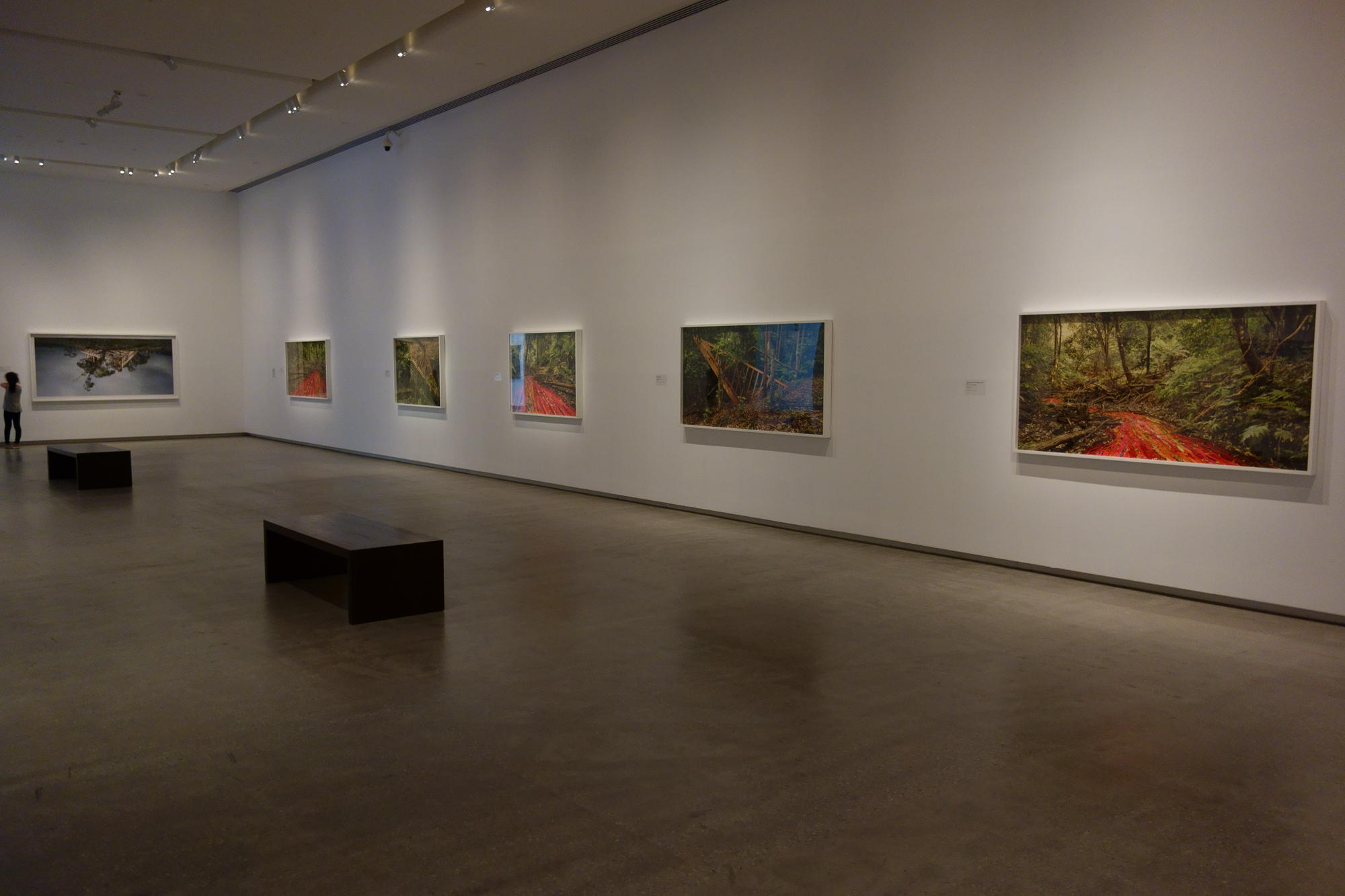
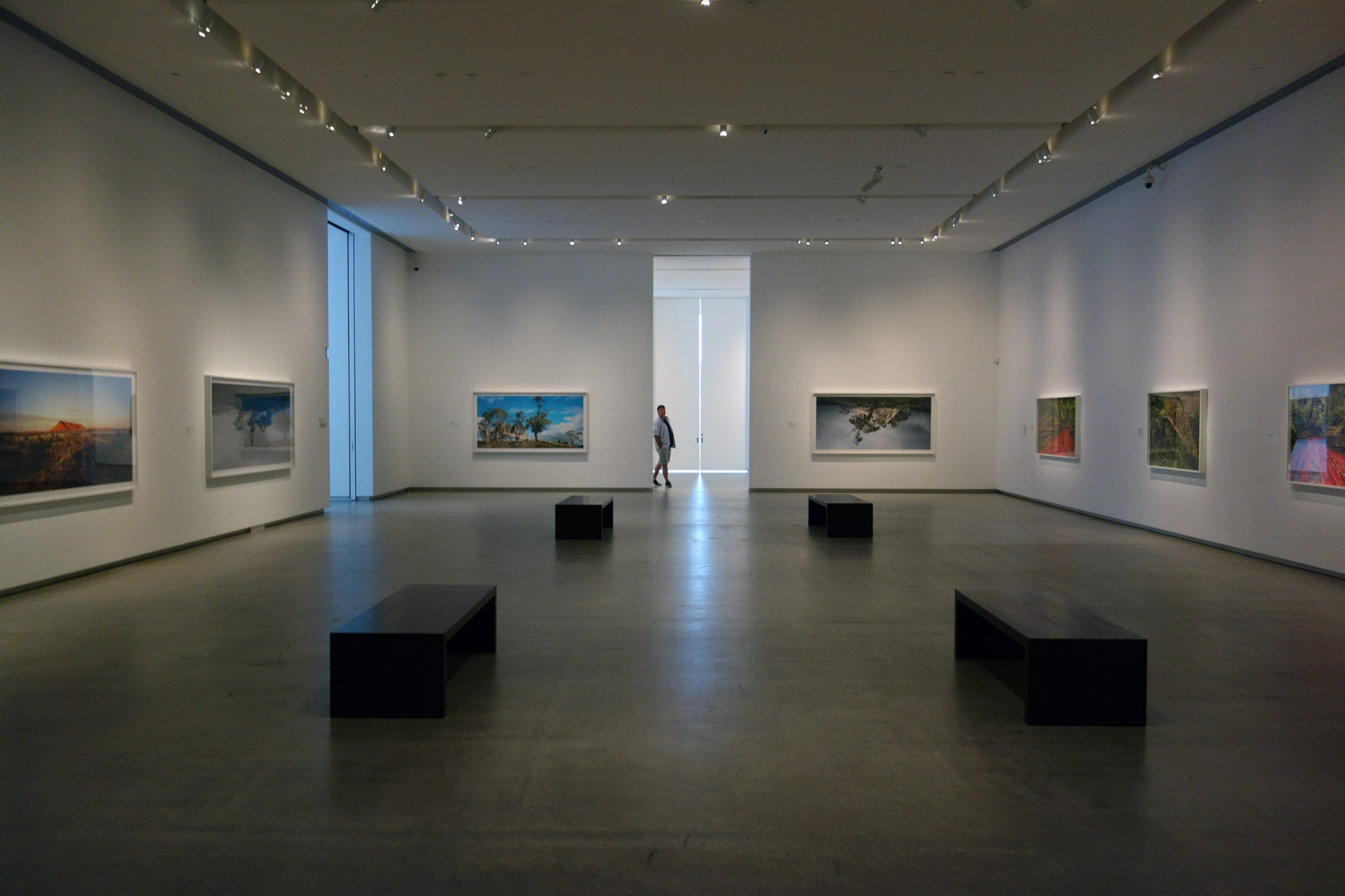
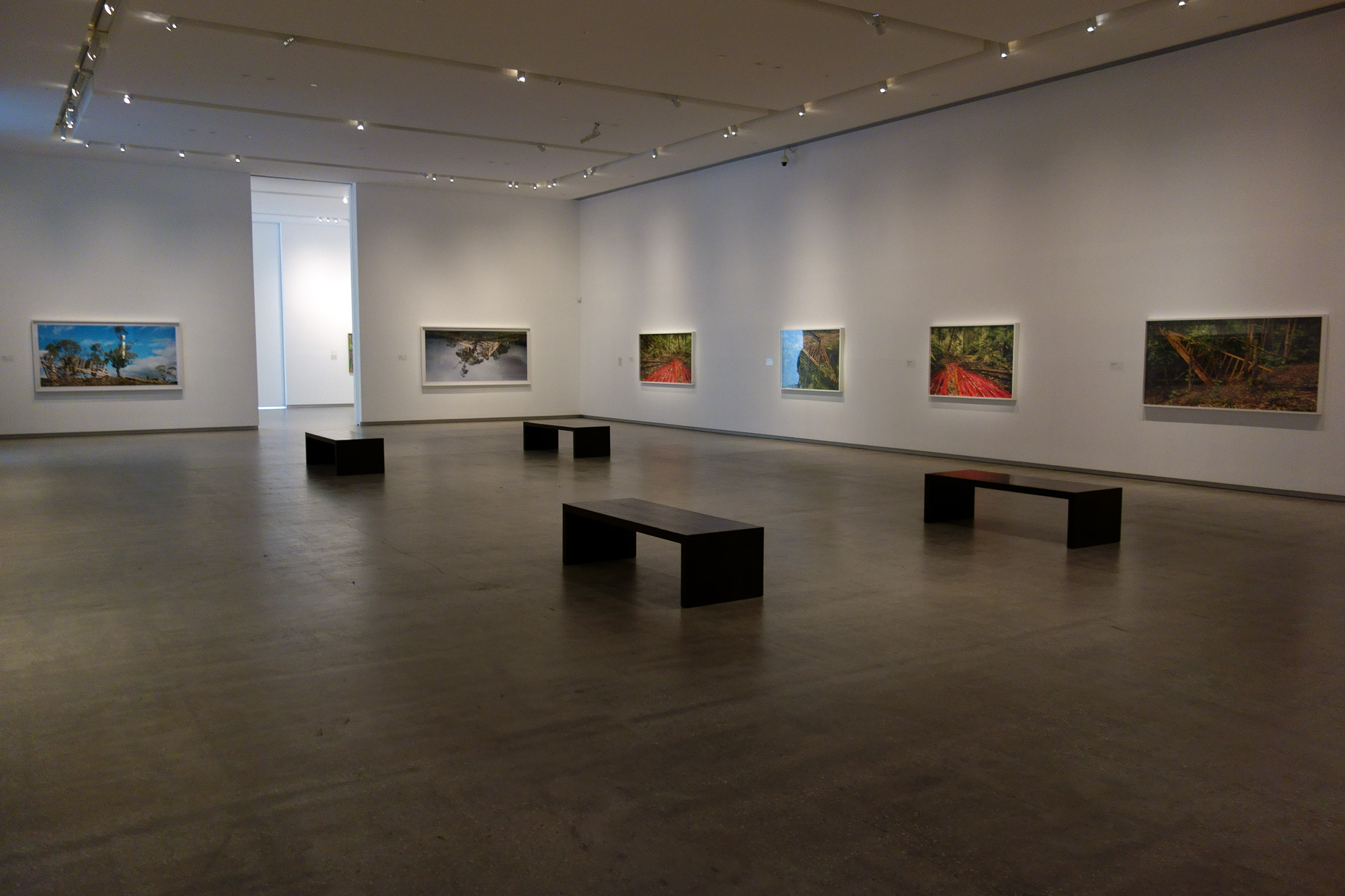
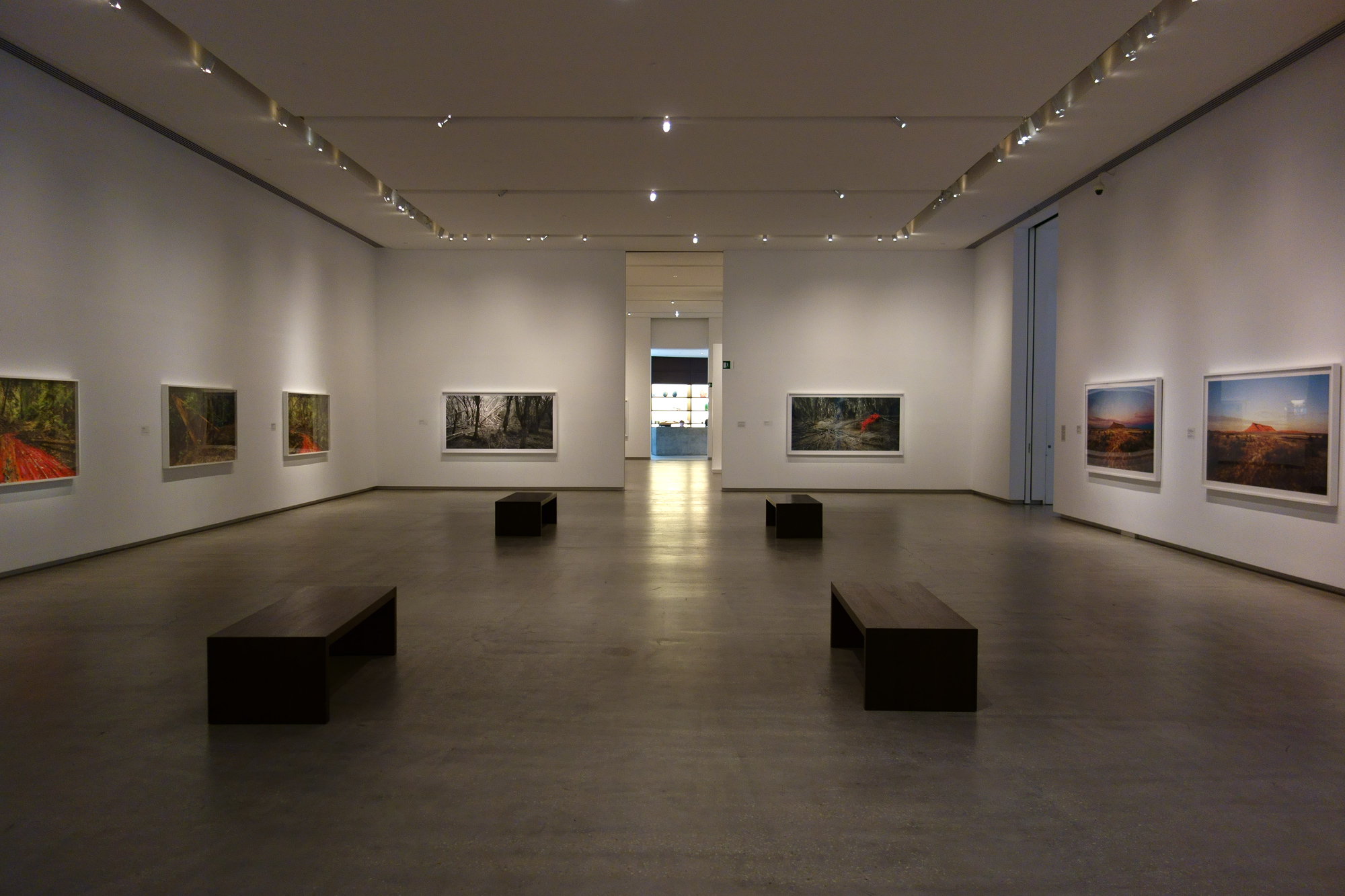
Exhibition: ‘The Real Thing: Unpackaging Product Photography’ at the Metropolitan Museum of Art, New York

Exhibition dates: 11th March – 4th August 2024

Curator: Virgina McBride, Research Associate in the Department of Photographs at The Met


Anton Bruehl (American born Australia, 1900-1982) 'Four Roses Whiskey: Worth Reaching For' 1949


Anton Bruehl (American born Australia, 1900-1982)
Four Roses Whiskey: Worth Reaching For
1949
Laminated photomechanical printer’s proof
26.1 x 27.4cm (10 1/4 x 10 13/16 in.)
The Metropolitan Museum of Art, New York
Ford Motor Company Collection, Gift of Ford Motor Company and John C. Waddell, 1987
© Estate of Anton Bruehl


Meticulously staged by the pioneering colour photographer Anton Bruehl, this work was part of a series showing the whiskey in many exciting scenarios: the glass appeared to travel by train and cruise liner, as well as hot air balloon. Bruehl’s pictures ran as ads in LIFE and Newsweek, conjuring worldly associations for his client, the Kentucky distiller Four Roses.

Against all odds, these eye-catching scenes were not darkroom fabrications – Bruehl arranged them by hand, with the help of miniaturists, set dressers, and a celebrity florist.

Testing appetites for novelty, illusion, and abundance against the limits of good taste, he wagered that this crisp construction would quench your thirst, then melt into hot air.

Text from the Metropolitan Museum of Art Instagram page

Anton Bruehl was born in 1900 of German émigré parents in the small town of Hawker, Australia. By 1919, when he moved to the United States to work as an electrical engineer, he was a skilled amateur photographer. A show of student work from the Clarence H. White School of Photography at the Art Center, New York, in 1923 convinced Bruehl to quit his engineering job to become a photographer. White taught Bruehl privately for six months and then asked him to teach at his school, including its summer sessions in Maine. White’s sudden death, in 1925, prompted Bruehl to open a studio, at first partnering with photographer Ralph Steiner and then with his older brother, Martin Bruehl; it was immediately successful. Specializing in elaborately designed and lit tableaux, Bruehl won top advertising awards throughout the late 1920s and early 1930s. A favourite of Condé Nast Publications, he developed the Bruehl-Bourges colour process with colour specialist Fernand Bourges, which gave Condé Nast a monopoly on colour magazine reproduction from 1932 to 1935.

Text from the MoMA Object: Photo website


What a thoughtful, stimulating and well presented exhibition which contains some absolutely beautiful product photographs. These photographs awaken in the consumer a desire to possess the object of the camera’s attention, the aesthetisication of the object as a form of “readymade” available for immediate consumption.

It’s such a pity that for some of sections – such as “The Array”, “The Montage”, and “The Ideal user” – I only have one or two media image to illustrate the theme.

I have included in the posting a wonderful photograph from my own collection – a postcard with a real photograph on the front by an unknown photographer, showing a proprietor standing by the front door of his shop advertising the wares for “Howard, Watchmaker & Jeweller”, no date – probably British from 1890s-1910s due to his attire, the typeface on the front of the shop, and how “jewellery” is spelt. In the window there is an effusive display of clocks, watches, rings and Prince Albert watch chains.

My favourite photographs in the posting are the portrait of The Silver Merchants (c. 1850, below); the photograph of a tombstone from the Vermont Marble Tombstone Catalogue (1880s, below); the hand-coloured photograph by the Schadde Brothers of High Grade Jelly Eggs, from a Brandle & Smith Co. Catalogue (c. 1915, below); and the sublime Edward G. Budd Manufacturing Co. photograph Automotive Component (February 22, 1927, below)

Through these product photographs we begin to understand how, “The conventions of the past inform these norms and explain the advertisements that we see in our daily lives.” And how we have lost that spark of creativity, use of colour and form and appreciation of beauty in product photography that was the essence of what has gone before.

For those that are interested, I have included some expressive quotations on the complexity of the relationship between the construction of the self, commodities and consumer culture at the bottom of the posting.

Dr Marcus Bunyan


Many thankx to the Metropolitan Museum of Art for allowing me to publish the photographs in the posting. Please click on the photographs for a larger version of the image.


“Consumer capitalism, with its efforts to standardise consumption and to shape tastes through advertising, plays a basic role in furthering narcissism. The idea of generating an educated and discerning public has long since succumbed to the pervasiveness of consumerism, which is a ‘society dominated by appearances’. Consumption addresses the alienated qualities of modern social life and claims to be their solution: it promises the very things the narcissist desires – attractiveness, beauty and personal popularity – through the consumption of the ‘right’ kinds of goods and services. Hence all of us, in modern social conditions, live as though surrounded by mirrors; in these we search for the appearance of an unblemished, socially valued self.”


Anthony Giddens. Modernity and Self-Identity: Self and Society in the Late Modern Age. California: Stanford University Press, 1991, p. 172.


Unknown photographer (British?) 'Howard – Watchmaker and Jeweller' 1890s-1910s?

Unknown photographer (British?) 'Howard – Watchmaker and Jeweller' 1890s-1910s? (verso)


Unknown photographer (Brtish?)
Howard – Watchmaker and Jeweller (front and verso)
1890s-1910s?
Silver gelatin photograph on postcard
Collection of Marcus Bunyan

This photograph is not in the exhibition


“”Product photography is, now, completely inescapable – it follows you around and stalks you on social media – and that condition is very interesting,” said [curator] McBride. The conventions of the past inform these norms and explain the advertisements that we see in our daily lives…

When I visited the exhibition, I was lucky enough to meet Drew, an advertisement photographer who spoke to me about her impressions of The Real Thing: Unpackaging Product Photography. “As someone who works in advertising photography, I find it quite interesting how I think we’ve lost some of the creativity that I see here in this imagery, as far back as the 1920s. It makes me wonder about how I could implement or think about new ways of composition or exploring basic objects in a more exciting way. I’m curious about how these objects were received as advertisements back then. Now, I think we see them more as fine art, so it is interesting to think about what our advertising images could look like twenty years from now.” Drew was strong in her belief that much of the beauty and wonder of advertisement photography has been lost over the decades.

In the 1920s, rising industrial output and consumer demand led executives to seek ways to make their products stand out in a crowded market. Applied psychology shifted managers’ focus to the consumer’s mind, emphasizing the need to persuade consumers that they could find individuality and personal meaning in standardized goods. Consumers “believe what the camera tells them because they know that nothing tells the truth so well.” …

The Real Thing: Unpackaging Product Photography exposes the truth in an entirely new way. It exposes the secrets of photography and how the truth shifted through years of capitalism and consumerism, demanding different sales strategies from producers… [By the 1950s] As the American capitalist market demanded printed ads and mass consumption increased, photographers lost their creative control, with advertisement directors taking up the mantle. There is a straightforward appeal and very little left to the imagination.”


Ayana Chari. “A Review of the Met Museum’s ‘The Real Thing: Unpackaging Product Photography’,” on The Science Survey website July 10, 2024 [Online] Cited 26/07/2024


The photographs in this exhibition do not depict rare or special things. They show toothpaste, tombstones, and hats. But these familiar trappings of everyday life will be, at times, unrecognisable – so altered by the camera as to constitute something entirely new. Enticing consumers with increasingly experimental approaches to the still life genre, the photographs featured transform everyday objects into covetable commodities. The camera abstracts them from functional use, at times distorting them through dizzying perspectives and modulations of scale. Spanning the first century of photographic advertising, the exhibition will illustrate how commercial camerawork contributed to the visual language of modernism, suggesting new links between the promotional strategies of vernacular studios and the tactics of the interwar avant-garde. Corporate commissions by celebrated innovators, including Paul Outerbridge, August Sander, and Piet Zwart, will appear alongside obscure catalogues and trade publications, united by a common cause: to snatch the ordinary out of context, and sell it back at full price.

The exhibition is made possible by The Robert Mapplethorpe Foundation, Inc.

Text from the Metropolitan Museum of Art website


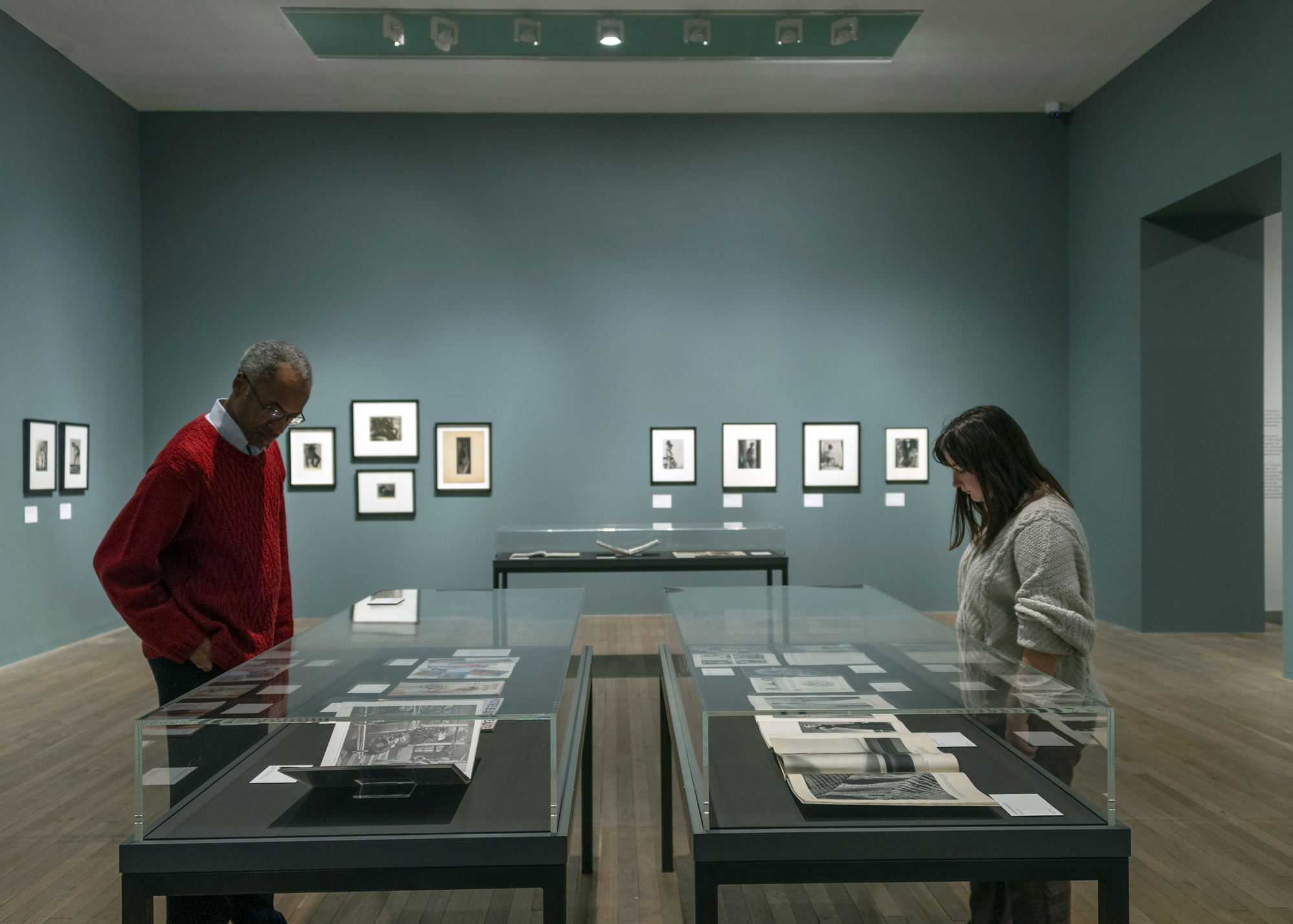
Installation view of the exhibition 'The Real Thing: Unpackaging Product Photography' at the Metropolitan Museum of Art, New York 

Installation view of the exhibition 'The Real Thing: Unpackaging Product Photography' at the Metropolitan Museum of Art, New York showing at right, introductory wall text to the exhibition (below) and F. D. Hampson's Panama Hats, from a Sloan-Force Co. Catalogue c. 1916 (below)


Installation views of the exhibition The Real Thing: Unpackaging Product Photography at the Metropolitan Museum of Art, New York showing at right in the bottom image, introductory wall text to the exhibition (below) and F. D. Hampson’s Panama Hats, from a Sloan-Force Co. Catalogue (c. 1916, below)


Introduction to the exhibition

The photographs in this exhibition do not depict rare or special things. They show toothpaste, tombstones, and hats. But here these familiar trappings of everyday life are, at times, unrecognisable – so altered by the camera as to constitute something entirely new. The Real Thing charts these tactics across the first century of photographic advertising.

If functional objects can be difficult to see, the camera is uniquely equipped to bring them into focus. Excised from mundane contexts and ushered into the studio, they assume new allure, independent of their value or means of production. For early retailers and ad agencies, photography bolstered consumer confidence; the medium offered unprecedented realism, and better still, an aura of truth. Beginning in the late 1850s, new demand for manufactured goods subsidised commercial photography, and the industry grew quickly, spurred by evolving technologies of image reproduction. In the decades that followed, photographers’ increasingly experimental still lives adapted modernism for the mass market.

In the spirit of early photo manuals and how-to guides, the exhibition unfolds thematically, exploring a range of approaches to what is today termed product photography. Pictures from across the commercial section – made in storerooms, corporate studios, and avant-garde ateliers – entice buyers and invent needs, transforming everyday objects into covetable commodities. Works by celebrated innovators appear here alongside obscure catalogues and trade publications, united by a common cause to snatch the ordinary out of context and sell it back at full price.

Wall text from the exhibition


Installation view of the exhibition 'The Real Thing: Unpackaging Product Photography' at the Metropolitan Museum of Art, New York 


Installation views of the exhibition The Real Thing: Unpackaging Product Photography at the Metropolitan Museum of Art, New York showing at right, Irving Penn’s Theatre Accident, New York (1947)


The Inventory

Installation view of the exhibition 'The Real Thing: Unpackaging Product Photography' at the Metropolitan Museum of Art, New York showing the section 'The Inventory' including at second left, 'Fashions 1837-1887, by William Charles Brown' (1888); and at third right, 'Vermont Marble Tombstone Catalogue' (1880s)


Installation view of the exhibition The Real Thing: Unpackaging Product Photography at the Metropolitan Museum of Art, New York showing the section The Inventory including at second left, Fashions 1837-1887, by William Charles Brown (1888, below); and at third right, Vermont Marble Tombstone Catalogue (1880s, below)


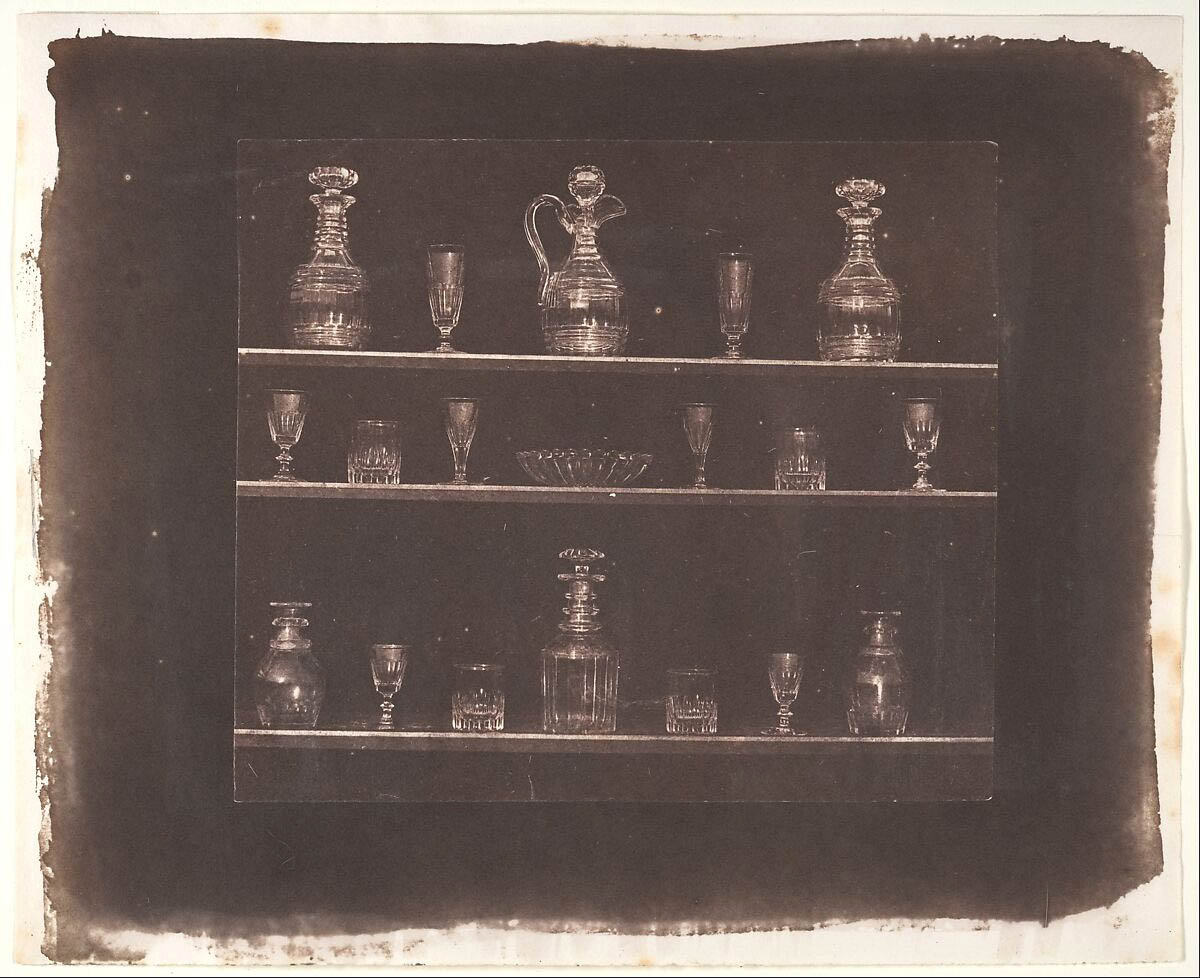
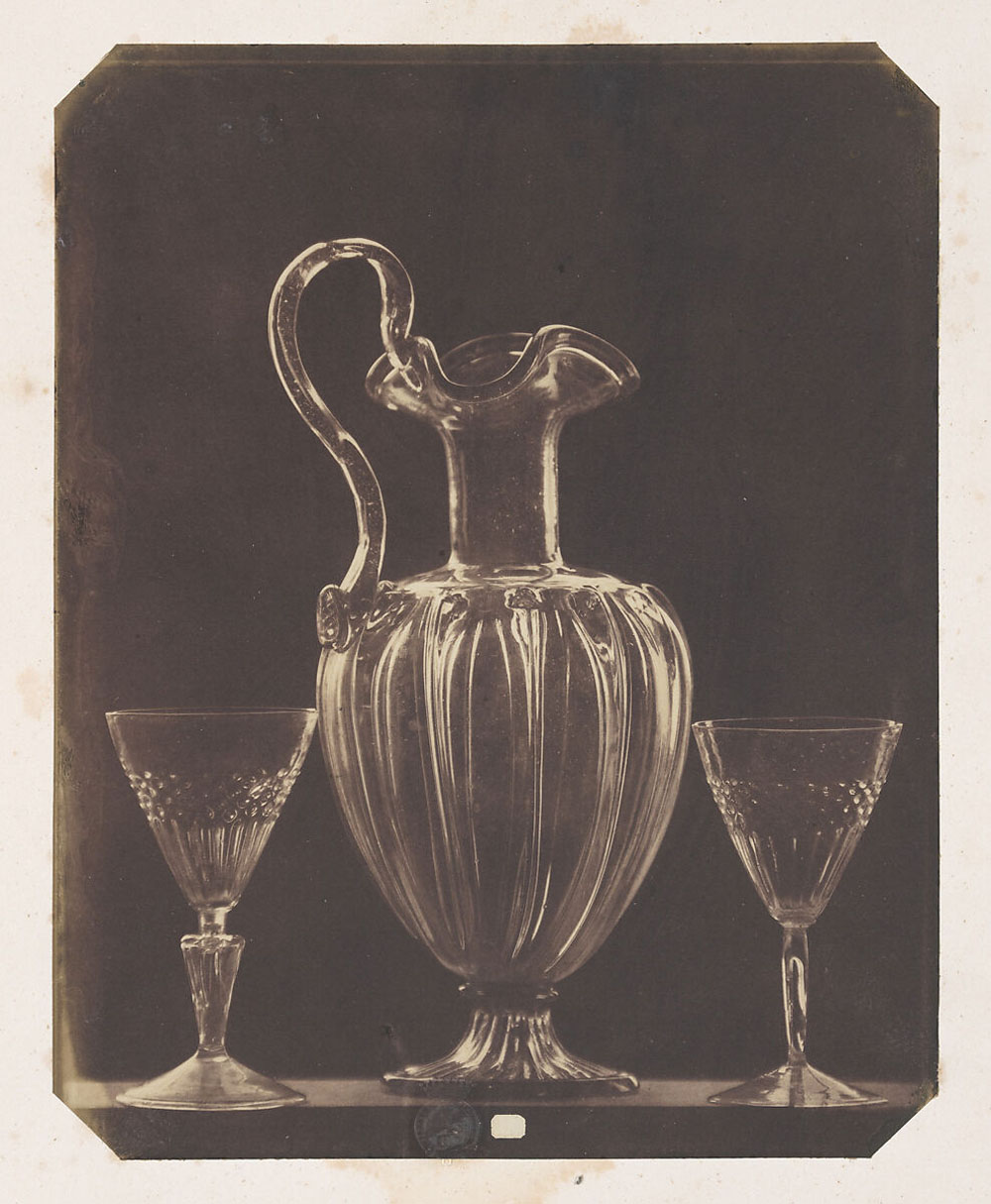
William Henry Fox Talbot (English, 1800-1877) 'Articles of Glass' before June 1844


William Henry Fox Talbot (English, 1800-1877)
Articles of Glass
before June 1844
Salted paper print from paper negative
Image: 13.2 x 15.1 cm. (5 3/16 x 5 15/16 in.)
Frame: 14 3/4 x 14 3/4 in.
Metropolitan Museum of Art
Purchase, The Horace W. Goldsmith Foundation Gift, through Joyce and Robert Menschel, and Harrison D. Horblit Gift, 1988
Public domain


Talbot’s negative-positive photographic process, first made public in 1839, would change the dissemination of knowledge as had no other invention since movable type. To demonstrate the paper photograph’s potential for widespread distribution – its chief advantage over the contemporaneous French daguerreotype – Talbot produced The Pencil of Nature, the first commercially published book illustrated with photographs. With extraordinary prescience, Talbot’s images and brief texts proposed a wide array of applications for the medium, including portraiture, reproduction of paintings, sculptures, and manuscripts, travel views, visual inventories, scientific records, and essays in art.

This photograph and the plate preceding it, “Articles of China,” were offered as examples of photography’s usefulness as a tool for creating visual inventories of unprecedented accuracy. Talbot wrote: “The articles presented on this plate are numerous: but, however numerous the objects – however complicated the arrangement – the Camera depicts them all at once.”

Text from the Metropolitan Museum of Art website


Unknown photographer (American) Case manufactured by Hiram Studley (American, active 1840s) 'The Silver Merchants' c. 1850


Unknown photographer (American)
Case manufactured by Hiram Studley (American, active 1840s)
The Silver Merchants
c. 1850
Daguerreotype
Image: 2 3/16 × 2 3/4 in. (5.5 × 7cm)
Case: 3 1/8 × 3 11/16 × 9/16 in. (8 × 9.3 × 1.5cm)
Approx. 6 1/2 x 3 1/2 in. open
The Metropolitan Museum of Art
Purchase, Joyce F. Menschel Gift, 2017
Public domain


The first product photographs doubled as portraits. Posing with their wares, peddlers demonstrated a standard of work and an assurance of quality. The daguerreotype, a direct-positive image on silver-plated copper, offered all manner of workers an increasingly affordable likeness. Here, silver dealers make the most of the medium, modelling careful attention to their inventory. They examine pocket watches, pendants, and fobs splayed in a sales case. Plying their trade before the camera, they mirror the work of the era’s newest silver merchants: photographers themselves.

Text from the Metropolitan Museum of Art website


Ludwig Belitski (German, 1830-1902) 'Pitcher and Two Glasses, Venetian, 15th Century' 1854


Ludwig Belitski (German, 1830-1902)
Pitcher and Two Glasses, Venetian, 15th Century
1854
Salted paper print from glass negative
8 3/4 × 6 15/16 in. (22.2 × 17.7cm)
The Metropolitan Museum of Art
The Horace W. Goldsmith Foundation Fund, through Joyce and Robert Menschel, 2016
Public domain


Charles Nègre (French, 1820-1880) '[Plaster Casts of Bishops' Miters, South Porch, Chartres]' c. 1855


Charles Nègre (French, 1820-1880)
[Plaster Casts of Bishops’ Miters, South Porch, Chartres]
c. 1855
Salted paper print from paper negative
Image: 22 x 32.5cm (8 11/16 x 12 13/16 in.)
Frame: 18 1/2 x 22 1/2 in.
Metropolitan Museum of Art
Gilman Collection, Purchase, The Howard Gilman Foundation Gift, 2002
Public domain


When early photographers turned to the material world of things, it was often to document property or record cultural heritage. Their efforts reveal the camera’s remarkable capacity to abstract and transform the objects before its lens. In 1855, Charles Nègre accepted a commission to make architectural studies of Chartres Cathedral as part of a larger initiative to preserve and promote French patrimony. A complement to his sweeping views of sculpted facades, this still life monumentalises the site’s smaller details. It shows plaster replicas of ecclesiastical headgear, taken from the cathedral exterior. These are simulacra of simulacra, yet Nègre recasts them anew, registering their textured surfaces in a splendid study of shadow and mass.

Text from the Metropolitan Museum of Art website
 

Unknown maker (American) 'Man Demonstrating Patent Model for Sash Window' Late 1850s-1860s


Unknown maker (American)
Man Demonstrating Patent Model for Sash Window
Late 1850s-1860s
Tintype with applied colour
4.8 x 3.6cm (1 7/8 x 1 7/16 in.)
Metropolitan Museum of Art
Bequest of Herbert Mitchell, 2008
Public domain


Pine & Bell (photographic studio) (American, active 1860s, Troy, New York) William H. Bell (American born England, Liverpool 1831-1910 Philadelphia, Pennsylvania) George W. Pine (American, active 1860s, Troy, New York) '[Display of Hats and Accessories of 1868]' 1868


Pine & Bell (photographic studio) (American, active 1860s, Troy, New York)
William H. Bell (American born England, Liverpool 1831-1910 Philadelphia, Pennsylvania)
George W. Pine (American, active 1860s, Troy, New York)
[Display of Hats and Accessories of 1868]
1868
Albumen silver print from glass negative
Image: 3 9/16 × 2 1/8 in. (9 × 5.4 cm)
Mount: 3 11/16 in. × 2 3/8 in. (9.3 × 6 cm)
The Metropolitan Museum of Art
William L. Schaeffer Collection, Promised Gift of Jennifer and Philip Maritz, in celebration of the Museum’s 150th Anniversary


Unknown photographer. '[E. Adkins Gun Merchant]' c. 1874


Unknown photographer
[E. Adkins Gun Merchant]
c. 1874
Ambrotype
6.3 x 7.5cm (2 1/2 x 2 15/16 in.) visible
The Metropolitan Museum of Art
Gift of Charles Wilkinson, 1965
Public domain


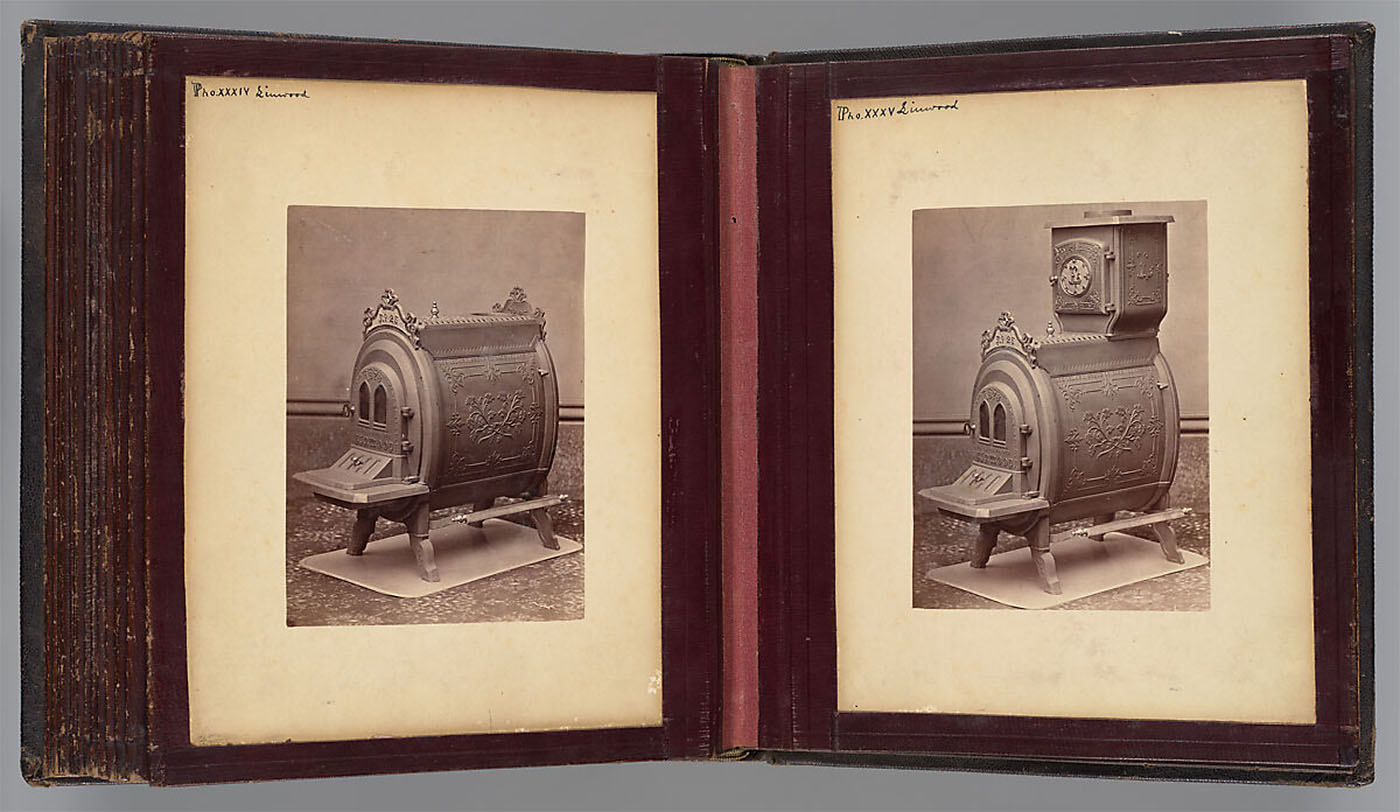
Unknown maker (American) 'Rock Island Stove Company Catalogue' 1878-1883


Unknown maker (American)
Rock Island Stove Company Catalogue
1878-1883
Albumen silver prints
The Metropolitan Museum of Art
Joyce F. Menschel Photography Library Fund, 2003
Public domain


Unknown maker (British) 'Fashions 1837-1887 by William Charles Brown (British, active late 19th century)' 1888


Unknown maker (British)
Fashions 1837-1887 by William Charles Brown (British, active late 19th century)
1888
Woodburytypes
22.5 x 17cm (8 7/8 x 6 11/16 in.)
Approx. 9 x 14 in. open
The Metropolitan Museum of Art
Joyce F. Menschel Photography Library Fund, 2011


In the back of this catalogue from Queen Victoria’s milliner, a disclaimer confirms that no British songbirds were sacrificed for its production. Nevertheless, a flock of hats in fine feather fills this page spread, flaunting designs fit for the royal family. The deluxe volume is illustrated with woodburytypes, an early photomechanical process with a rich tonal range to register varied velvets, silks, straws, and plumes. Hatstands and supports have been edited out of these images to suspend the specimens midair. Surreal to modern eyes, the effect accentuates the hats’ commodity status and implies inventory soaring out of stock.

Text from the Metropolitan Museum of Art website


Frank M. Sutcliffe (British, 1853-1941) '[Display of Whitby Seascape Photographs]' c. 1888


Frank M. Sutcliffe (British, 1853-1941)
[Display of Whitby Seascape Photographs]
c. 1888
Albumen silver print
Image: 4 1/4 × 5 1/2 in. (10.8 × 14 cm)
Sheet: 6 15/16 × 9 1/2 in. (17.7 × 24.1 cm)
Frame: 11 x 14 in.
Metropolitan Museum of Art
Purchase, Anonymous Gift, 2023
Public domain


“Choose one subject, anything will do,” Frank Sutcliffe advised aspiring photographers. If his career-spanning preoccupation with the British seaside town of Whitby seemed myopic to some peers, it allowed him to cultivate a distinctive brand. This typology of seascapes testifies to his years of work along the town harbour, where he weathered storms and punishing wind in pursuit of the perfect view. Pinned up for purchase at an exhibition, his photographs here become products. This rudimentary style of display seems to have served him well; at one such showcase, he counted the Prince of Wales among his customers.

Text from the Metropolitan Museum of Art website


Unknown (American) '[Vermont Marble Tombstone Catalogue]' 1880s


Unknown (American)
[Vermont Marble Tombstone Catalogue]
1880s
Albumen silver prints
Approx. 17 1/4 x 4 in. open
The Metropolitan Museum of Art
Jefferson R. Burdick Bequest, 1972
Public domain


“When you are met with a flood of tears, the best thing to do is politely say that you will call again,” advised one traveling salesman in the tombstone trade. For Cyrus Creigh, a thirty-something Virginian who sold stones from this annotated catalogue, such considerations were part of the job. In each new town, he might solicit names of bereaved families from undertakers and local cemetery staff. Slipped from a suit pocket and proffered door-to-door, his book of bluntly descriptive photographs sold surviving relatives a modicum of consolation. The stones, posed in a corporate studio and silhouetted in darkness, assume a solemn universality, as if any of their blank faces might soon bear a familiar name.

Text from the Metropolitan Museum of Art website


Schadde Brothers (American, active Minneapolis, 1890s-1910s) Alvin J. Schadde (American, 1872-1937) Herman T. Schadde (American, 1874-1937) '[High Grade Jelly Eggs, from a Brandle & Smith Co. Catalogue]' c. 1915


Schadde Brothers (American, active Minneapolis, 1890s-1910s)
Alvin J. Schadde (American, 1872-1937)
Herman T. Schadde (American, 1874-1937)
[High Grade Jelly Eggs, from a Brandle & Smith Co. Catalogue]
c. 1915
Gelatin silver print with applied colour
Image: 8 1/4 × 9 3/4 in. (21 × 24.8cm)
Frame: 18 x 20 in.
Metropolitan Museum of Art
Twentieth-Century Photography Fund, 2013


Schadde Brothers (American, active Minneapolis, 1890s-1910s) Alvin J. Schadde (American, 1872-1937) Herman T. Schadde (American, 1874-1937) '[Satinettes, Filled Confections and Ye Old Style Stick Candy, from a Brandle & Smith Co. Catalogue]' c. 1915


Schadde Brothers (American, active Minneapolis, 1890s-1910s)
Alvin J. Schadde (American, 1872-1937)
Herman T. Schadde (American, 1874-1937)
[Satinettes, Filled Confections and Ye Old Style Stick Candy, from a Brandle & Smith Co. Catalogue]
c. 1915
Gelatin silver print with applied colour
Image: 8 1/2 × 10 5/8 in. (21.6 × 27cm)
Frame: 18 x 20 in.
Metropolitan Museum of Art
Twentieth-Century Photography Fund, 2013


This trade catalogue tricks the eye to tempt the tongue. An artisan has coloured its black-and-white prints, illustrating each sugar stripe and speckled bean. Philadelphia confectioner Brandle & Smith understood that their candy was its own best advertisement, and at one point even induced a museum to accession it for display. Wider distribution was achieved by the salesmen who carried catalogues across the country, taking bulk orders from local shops. Here, the limitations of hand-colouring work to their advantage. Because sweets in jars proved too tricky to tint, the satinettes and candy sticks seem to burst into brilliant colour as they spill from their packaging, satiating the viewer and assisting the sale.

Text from the Metropolitan Museum of Art website
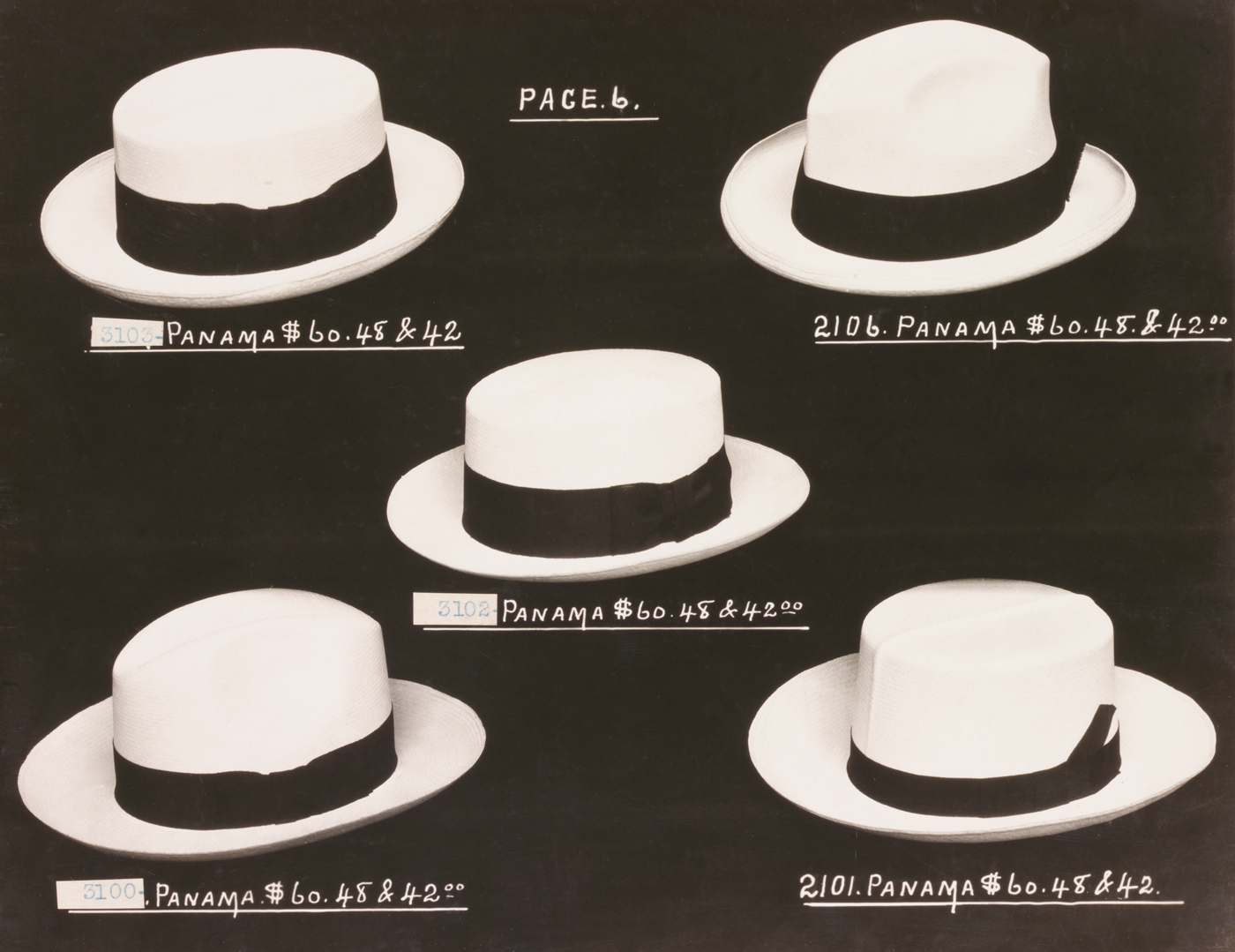
 

F. D. Hampson (American, 1871-1947) 'Panama Hats, from a Sloan-Force Co. Catalogue' c. 1916


F. D. Hampson (American, 1871-1947)
Panama Hats, from a Sloan-Force Co. Catalogue
c. 1916
Gelatin silver print
Image: 18.5 x 23.4 cm (7 5/16 x 9 3/16 in. )
Frame: 16 x 20 in.
Metropolitan Museum of Art
Purchase, The Horace W. Goldsmith Foundation Gift, through Joyce and Robert Menschel, 2001


Like satellites, these straw hats hover in a void. Their absence of context invites imaginative projection: how easy to envision this or that model touching down on one’s head. Popularised by association with the new Panama Canal, the hats were photographed for a St. Louis sales catalogue. Their spare, surreal configuration anticipates an avant-garde approach; in the coming years, disembodied hats would pop up in works by Max Ernst and Hans Richter, evoking the callous consumer – a bourgeois icon ripe for critique. Here, such premonitions of modernism serve practical ends. Suspended together, their varied brims and bands elicit comparison, demanding scrutiny. In an era of exponentially increasing consumer choice, such photographic displays could make anyone into a connoisseur.

Text from the Metropolitan Museum of Art website


Ralph Bartholomew Jr. (American, 1907-1985) '[Soap Packaging]' 1936


Ralph Bartholomew Jr. (American, 1907-1985)
[Soap Packaging]
1936
Carbro print
32.8 x 25.7cm (12 15/16 x 10 1/8 in.)
The Metropolitan Museum of Art
Ford Motor Company Collection, Gift of Ford Motor Company and John C. Waddell, 1987
© Estate of Ralph Bartholomew, Courtesy Keith de Lellis Gallery, NY


If mouthwatering soap seems a contradiction in terms, commercial photographer Ralph Bartholomew Jr. confounds the senses with eye candy to rival the confections nearby. Photographed two decades later, this work did not depend on paint for its delectable palette. It is an example of the early carbro process – a complex tricolor printing technique that gained popularity in the 1930s, as art directors courted Depression-era audiences. Brilliant colour is essential here, in a photograph likely commissioned to sell not the soap but its packaging. Marketed to producers in an array of trade publications (including Modern Packaging, and the industry-specific standby Soap), fine paper wrappers were a booming industry unto themselves. Here, Bartholomew parades his bedecked bars across a page of newsprint showing stock prices to suggest that in this market, even cleanliness was a commodity.

Bartholomew was a successful commercial photographer best known for his innovative use of stop-action and multiple exposure techniques in advertising and editorial work. He made this photograph while he was a student at the Clarence H. White School of Photography.

Text from the Metropolitan Museum of Art website


The Array

Margaret Bourke-White (American, 1904-1971) 'RCA Speakers' 1933


Margaret Bourke-White (American, 1904-1971)
RCA Speakers
1933
Gelatin silver print
Image: 33.3 x 23.3 cm (13 1/8 x 9 3/16 in.)
Frame: 22 1/2 x 18 1/2 in.
The Metropolitan Museum of Art
Warner Communications Inc. Purchase Fund, 1976


In a single voice, the assembled speakers broadcast the scope and influence of American radio. Commissioned by audio manufacturer RCA Victor, this photograph is one component of a monumental photomural for the NBC rotunda at Rockefeller Center. Amplified to a height of ten feet, this and other views of radio technology comprised a work of corporate propaganda to rival those public projects Margaret Bourke-White had recently seen on tours of the Soviet Union. She completed the mural at breakneck speed, often working through the night to photograph equipment at regional stations (lest she risk electrocution during daytime transmission hours). Seeking a visual analogue to audio, she captured the speakers in staccato sequence, their scalloped shapes reverberating beyond the frame.

Text from the Metropolitan Museum of Art website


On March 11, 2024, The Metropolitan Museum of Art opened The Real Thing: Unpackaging Product Photography, an exhibition exploring how commercial camerawork contributed to the visual language of modernism. The photographs featured depict the familiar trappings of everyday life – from toothpaste to tombstones to hats – but at times these subjects will be unrecognisable, so altered by the camera as to constitute an entirely new view.

Spanning the first century of photographic advertising, The Real Thing unites more than 60 works from across the commercial sector. In these photographs, artists – some famous, some forgotten – transform common objects into covetable commodities. Corporate commissions by celebrated innovators, such as Paul Outerbridge, August Sander, and Piet Zwart, appear alongside obscure catalogues and trade publications. Bringing these photographs together, the exhibition reveals links between the promotional strategies of vernacular studios and the radical tactics of the interwar avant-garde.

“This dynamic exhibition looks anew at the commercial history of photographs in the Museum’s collection,” said Max Hollein, The Met’s Marina Kellen French Director and Chief Executive Officer. “By embracing this discerning lens, we gain a renewed appreciation of the intricacies and aesthetics of our everyday surroundings.”

“Not many of the photographers in this exhibition would have identified as fine artists, but their inventive commercial work harnesses the artistic potential of the camera to persuade and enchant,” added the show’s curator, Virginia McBride, Research Associate in the Department of Photographs. “Now that photography’s place in museums no longer needs defending, The Real Thing considers how working photographers, in corporate studios and industrial storerooms, advanced modern art’s visual revolution.”

The first advertising photographs were published in albums and used to peddle products door to door. For early retailers and ad agencies, photography offered unprecedented realism and, better still, an aura of truth; the medium’s perceived objectivity bolstered consumer confidence. Beginning in the late 1850s, new demand for manufactured goods subsidised commercial photography, spurred by evolving technologies of image reproduction. In the decades that followed, increasingly inventive approaches to the still life, from dizzying perspectives to extreme modulations of scale, adapted modernism for the mass market. Historically framed as avant-garde experimentation, this work is rarely acknowledged in its original context of commercial enterprise. This exhibition resituates such innovation within the realm of advertising and investigate its unlikely origins.

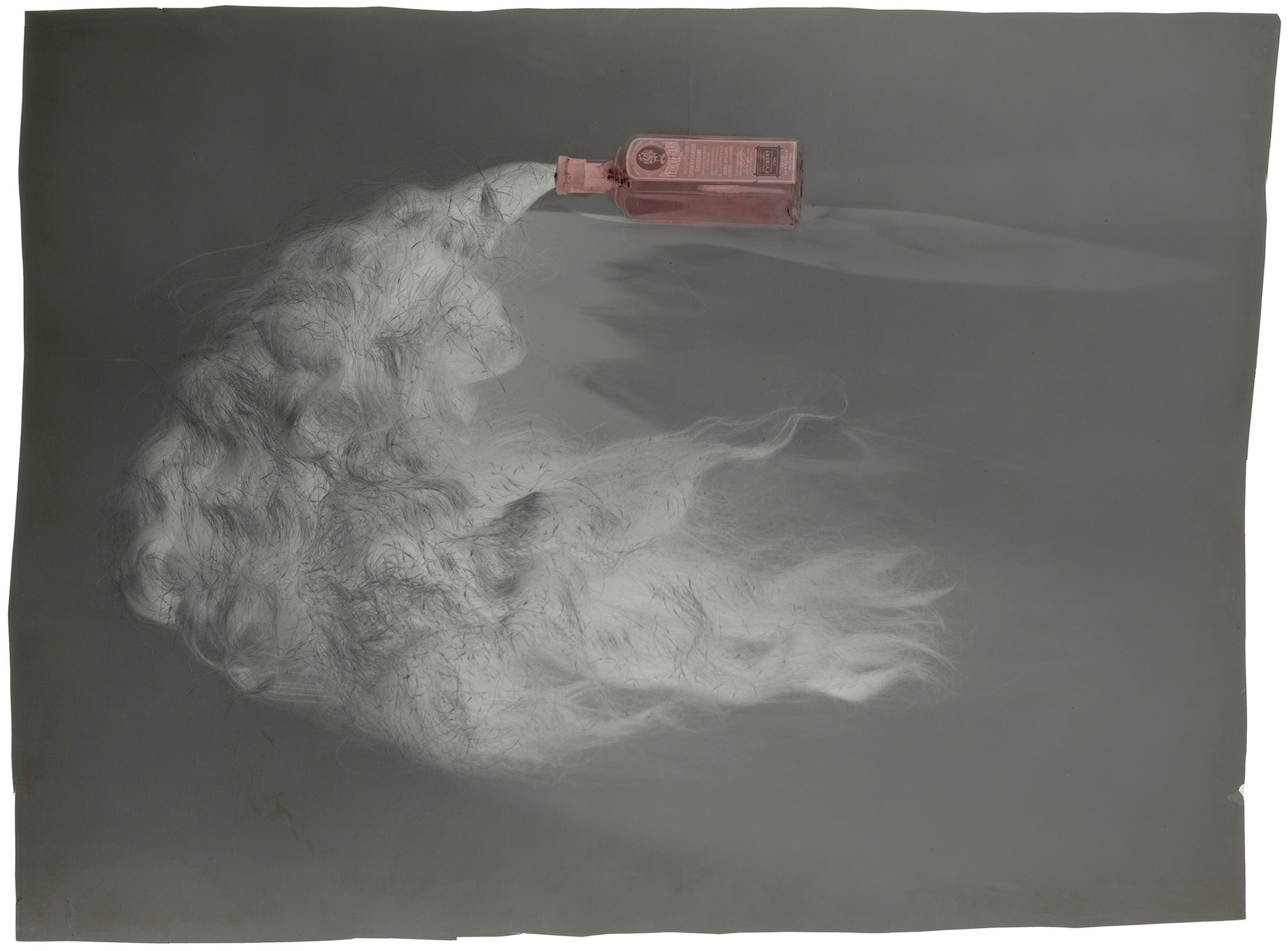
Drawn entirely from The Met collection and featuring many photographs from The Ford Motor Company Collection of modernist European and American photography, the exhibition brings together a wide range of photographic media. Included are proof prints, tear sheets, and sample books used by travelling merchants, along with photomontages and rare examples of early colour printing. Such masterworks as André Kertész’s elegant study of a fork and Grete Stern and Ellen Auerbach’s surrealist-inflected advertisements for hair dye and gloves are presented together with the projects of overlooked studios and anonymous makers. Debuting dozens of objects from the Department of Photographs that have never before been shown, and introducing timely new acquisitions, the exhibition considers photography in an expanded field of commercial practice.

The Real Thing: Unpackaging Product Photography is organised by Virgina McBride, Research Associate in the Department of Photographs at The Met.

Press release from the Metropolitan Museum of Art


Grit Kallin-Fischer (German, 1897-1973) 'KPM Ceramics' 1930


Grit Kallin-Fischer (German, 1897-1973)
KPM Ceramics
1930
Gelatin silver print
6 5/8 × 4 3/16 in. (16.8 × 10.7cm)
The Metropolitan Museum of Art
Funds from various donors, 2023


The Isolated Object
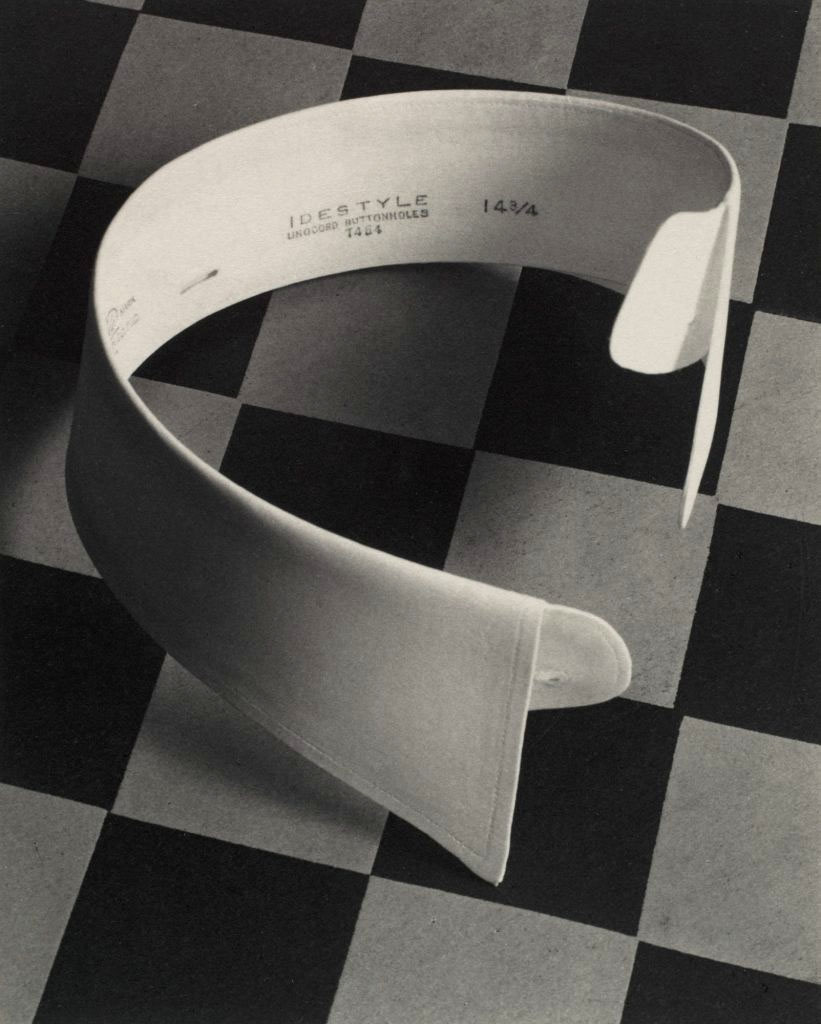
Paul Outerbridge Jr. (American, 1896-1959) 'Ide Collar' 1922


Paul Outerbridge Jr. (American, 1896-1959)
Ide Collar
1922
Platinum print
Image: 11.8 x 9.3 cm (4 5/8 x 3 11/16 in.)
Frame: approx. 14 x 17 in.
The Metropolitan Museum of Art
Ford Motor Company Collection, Gift of Ford Motor Company and John C. Waddell, 1987


“I have attempted to interpret the beauty of the simplest and humblest of objects,” Paul Outerbridge Jr. wrote in 1922. Inspired by his teacher Clarence H. White’s artistic vision for applied photography, Outerbridge regarded the aperture as a kind of canvas in which to arrange compositions with absolute balance. In this, his first commercial assignment, he achieved such equilibrium by custom-cutting a grid of linoleum squares to the scale of his subject. When published as an ad in Vanity Fair, the photograph was ensnared in a scrollwork frame. Such a Victorian flourish seems incongruous today, but at the time, a picture as stark as this seemed to need dressing up. Nevertheless, Marcel Duchamp was said to have clipped the ad and pinned it to his studio wall, apprehending the mass-market collar’s readymade style.

Text from the Metropolitan Museum of Art website
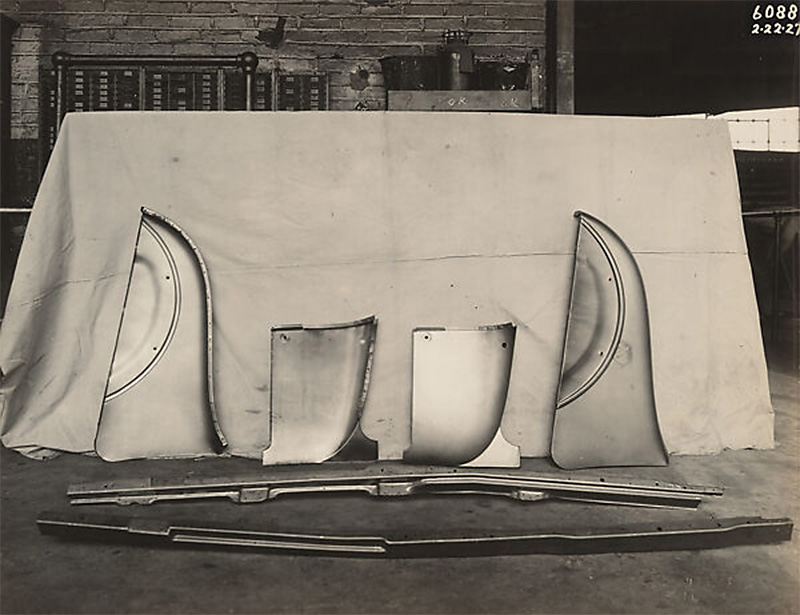
 

Edward G. Budd Manufacturing Co. (American) 'Automotive Component' February 22, 1927


Edward G. Budd Manufacturing Co. (American)
Automotive Component
February 22, 1927
Gelatin silver print
7 1/2 × 9 1/2 in. (19 × 24.1 cm)
The Metropolitan Museum of Art
Purchase, David Hunter McAlpin Fund, by exchange, 2024
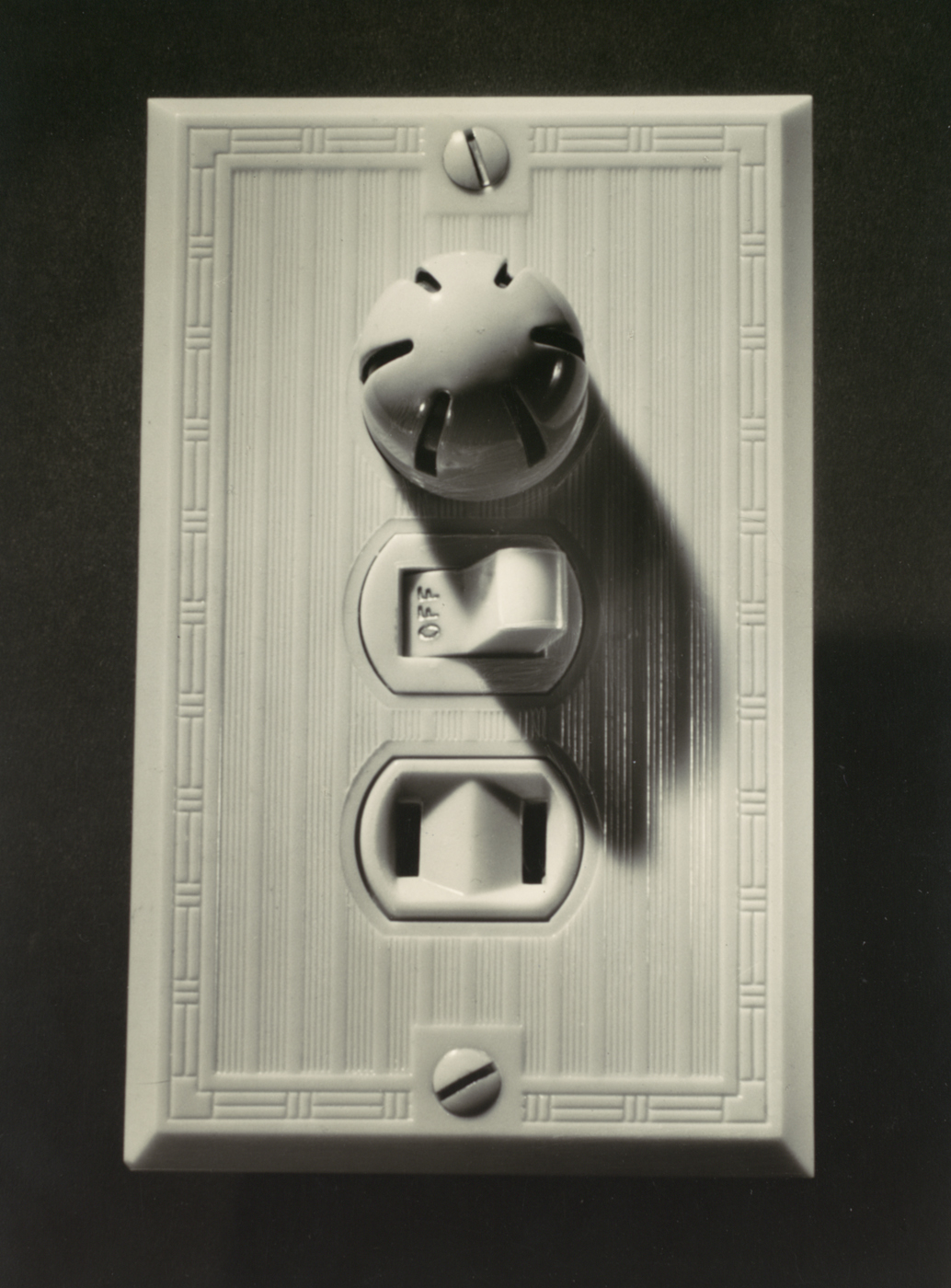
 

Fay Sturtevant Lincoln (American, 1894-1975) 'Pass & Seymour Switch Plate' c. 1949


Fay Sturtevant Lincoln (American, 1894-1975)
Pass & Seymour Switch Plate
c. 1949
Gelatin silver print
Image: 23.8 x 17.9 cm (9 3/8 x 7 1/16 in.)
Frame: approx. 20 x 16 in.
The Metropolitan Museum of Art
Ford Motor Company Collection, Gift of Ford Motor Company and John C. Waddell, 1987


Please resist the urge to flip this light switch. Photographed at close range, the switch plate is so crisply articulated that it tempts touch. Fay Sturtevant Lincoln captures the sculptural quality of this mundane fixture, revealing a keen eye for the texture and detail of domestic life. Now coveted for their retro cachet, molded Bakelite furnishings like this one were ubiquitous in the late 1940s. Though Lincoln was better known for views of glamorous art deco interiors, his attention to the vernacular architecture of homes and offices offers an intimate view of everyday design.

Text from the Metropolitan Museum of Art website


Murray Duitz (American, 1917-2010) 'A.S. Beck "Executive" Shoe' 1957


Murray Duitz (American, 1917-2010)
A.S. Beck “Executive” Shoe
1957
Gelatin silver print
Image: 12 1/2 x 9 1/2 in. (31.8 x 22.9cm)
Frame: 20 x 16 in.
The Metropolitan Museum of Art
Gift of the artist, 1975
© Estate of Murray Duitz


The Unfamiliar Thing
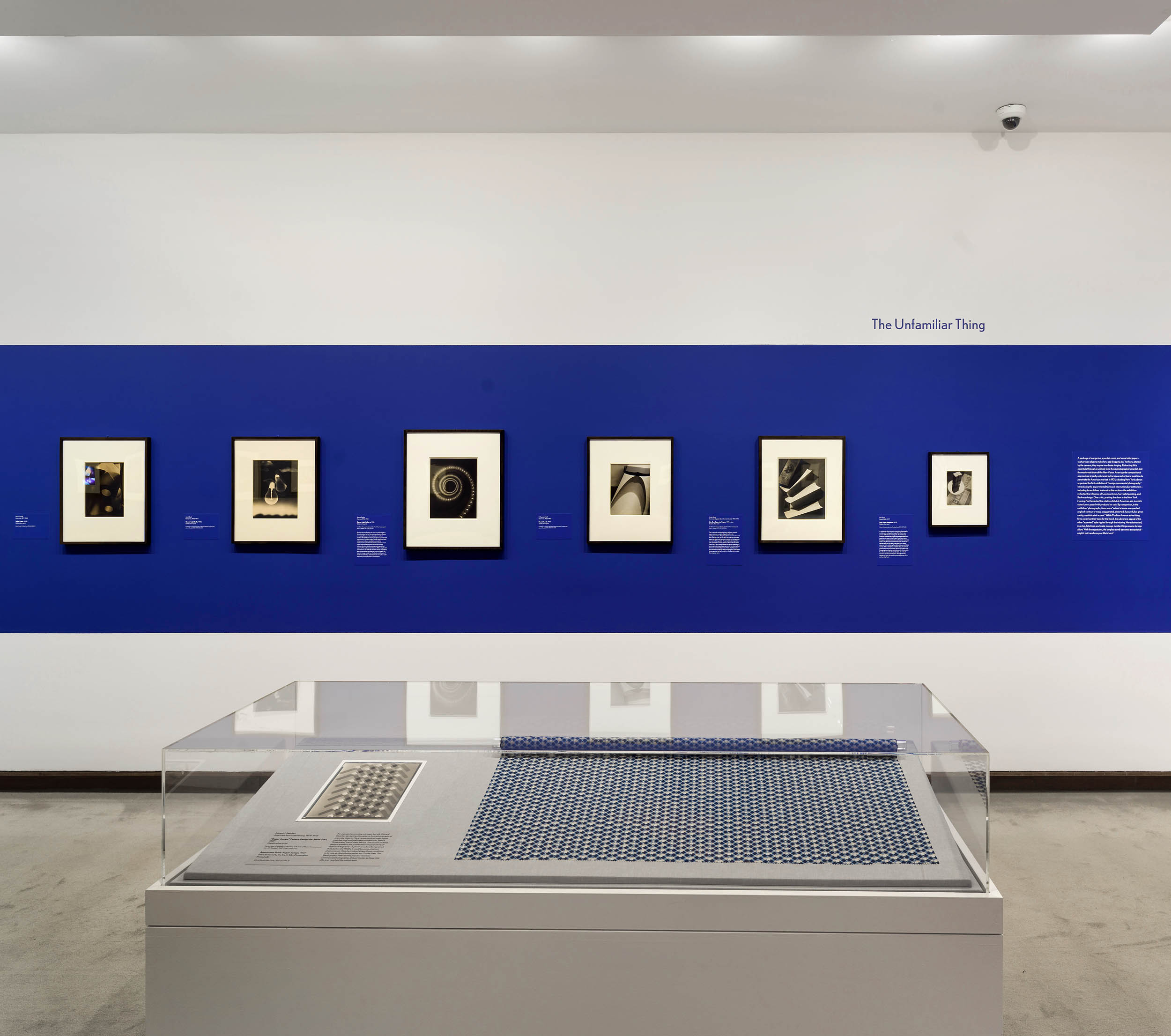
Installation view of the exhibition 'The Real Thing: Unpackaging Product Photography' at the Metropolitan Museum of Art, New York showing the section 'The Unfamiliar Thing' including at third left, August Sander's 'Osram Light Bulbs' (c. 1930); and at third right, H. Raymond Ball's 'Pocket Comb' (1930s)


Installation view of the exhibition ‘The Real Thing: Unpackaging Product Photography’ at the Metropolitan Museum of Art, New York showing the section The Unfamiliar Thing including at third left, August Sander’s Osram Light Bulbs (c. 1930, below); and at third right, H. Raymond Ball’s Pocket Comb (1930s, below)


Edward J. Steichen (American born Luxembourg, Bivange 1879 - 1973 West Redding, Connecticut) '["Sugar Lumps" Pattern Design for Stehli Silks]' 1927


Edward J. Steichen (American born Luxembourg, Bivange 1879 – 1973 West Redding, Connecticut)
[“Sugar Lumps” Pattern Design for Stehli Silks]
1927
Gelatin silver print
25.3 x 20.3cm (9 15/16 x 8 in.)
The Metropolitan Museum of Art
Ford Motor Company Collection, Gift of Ford Motor Company and John C. Waddell, 1987
© 2024 Artists Rights Society (ARS), New York


For a project promoting not sugar but silk, Edward Steichen devised textile patterns from photographs of everyday objects. His arrangements of sugar cubes, matches, and mothballs were printed onto Stehli’s “Americana” line of dress fabrics. The success of these designs speaks to the proliferation and popularity of object photography – a genre so culturally ingrained that, by the late 1920s, it could become a fashion phenomenon. Steichen helped shape these conditions in his influential role as chief photographer for Condé Nast. The Stehli project reflected his populist vision for commercial photography, at least insofar as these chic silks ever reached the mainstream.

Text from the Metropolitan Museum of Art website


August Sander (German, 1876-1964) '[Osram Light Bulbs]' c. 1930


August Sander (German, 1876-1964)
[Osram Light Bulbs]
c. 1930
Gelatin silver print
Image: 29.5 x 22.9 cm (11 5/8 x 9 in.)
Frame: 22 1/2 x 18 1/2 in.
The Metropolitan Museum of Art
Ford Motor Company Collection, Gift of Ford Motor Company and John C. Waddell, 1987
© 2024 Artists Rights Society (ARS), New York


Photography itself makes the case for artificial light in this commission for the German manufacturer Osram. Leveraging the camera’s codependence on their products, the lightbulb company sought out experimental practitioners, including August Sander, to promote the transformative potential of illumination. Sander is best known as the great portraitist of German society between the wars, but the commercial projects that supported his studio remain obscure. With a simple shift in perspective, he radically reorients viewer and subject, abstracting a spiral staircase into a swirl of pearls. His hypnotic image reveals how the shock and pleasure of modernist aesthetics – of looking for its own sake – could seamlessly convey the joys of consumption.

Text from the Metropolitan Museum of Art website
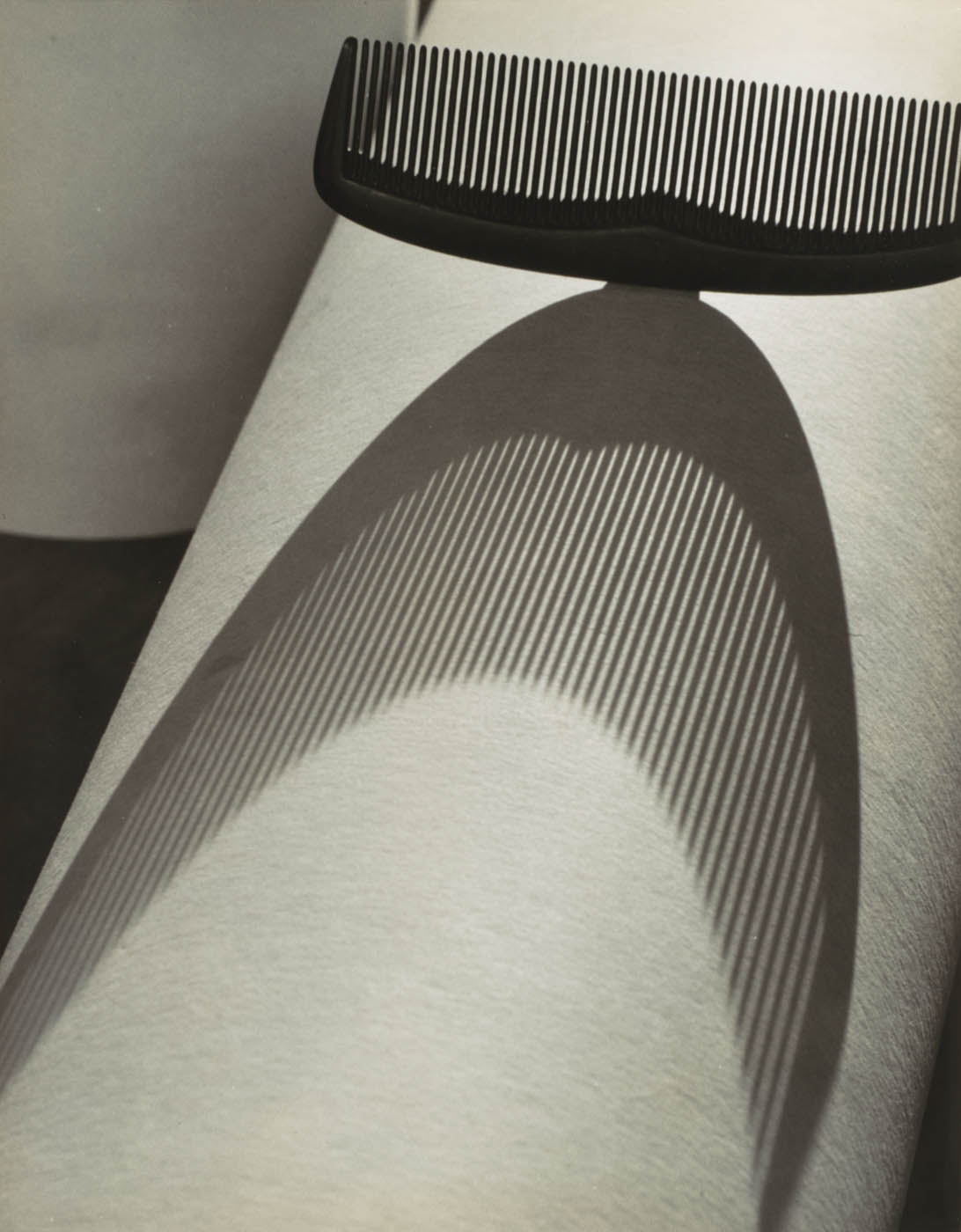
 

H. Raymond Ball (American, 1903-1983) 'Pocket Comb' 1930s


H. Raymond Ball (American, 1903-1983)
Pocket Comb
1930s
Gelatin silver print
Image: 25.2 x 19.8 cm (9 15/16 x 7 13/16 in.)
Frame: 20 x 16 in.
The Metropolitan Museum of Art
Ford Motor Company Collection, Gift of Ford Motor Company and John C. Waddell, 1987


The Montage

César Domela (Dutch, 1900-1992) '[Ruthsspiecher Tanks]' 1928


César Domela (Dutch, 1900-1992)
[Ruthsspiecher Tanks]
1928
Gelatin silver print
Image: 19.3 x 16.6 cm (7 5/8 x 6 9/16 in.)
Frame: 17 x 14 in.
The Metropolitan Museum of Art
Ford Motor Company Collection, Gift of Ford Motor Company and John C. Waddell, 1987
© 2024 Artists Rights Society (ARS), New York


Unknown (American) '[Montage for Packard Super Eight]' c. 1940


Unknown (American)
[Montage for Packard Super Eight]
c. 1940
Gelatin silver print
Image: 22.9 x 18.6 cm (9 x 7 5/16 in.)
Frame: 17 x 14 in.
The Metropolitan Museum of Art
Ford Motor Company Collection, Gift of Ford Motor Company and John C. Waddell, 1987


The Tableau

Installation view of the exhibition 'The Real Thing: Unpackaging Product Photography' at the Metropolitan Museum of Art, New York showing photographs from the section 'The Tableau' including at left, André Kertész's 'Fork' (1928); and at second and third right, ringl + pit's 'Dents' (c. 1934) and 'Komol' (1931)


Installation view of the exhibition The Real Thing: Unpackaging Product Photography at the Metropolitan Museum of Art, New York showing photographs from the section The Tableau including at left, André Kertész’s Fork (1928, below); and at second and third right, ringl + pit’s Dents (c. 1934) and Komol (1931, below)
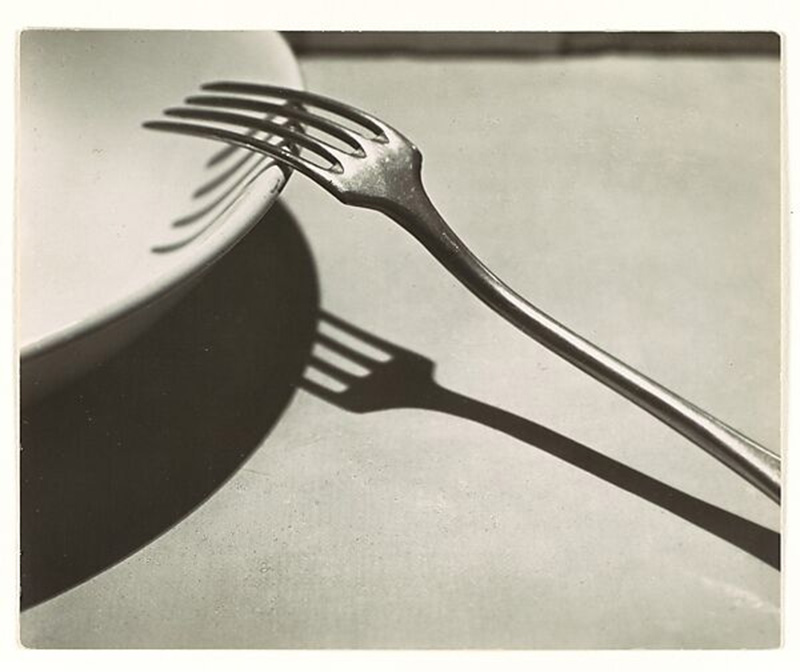
 

André Kertész (American born Hungary, 1894-1985) 'Fork' 1928


André Kertész (American born Hungary, 1894-1985)
Fork
1928
Gelatin silver print
7.5 x 9.2cm (2 15/16 x 3 5/8 in.)
The Metropolitan Museum of Art
Ford Motor Company Collection, Gift of Ford Motor Company and John C. Waddell, 1987
© The Estate of André Kertész / Higher Pictures


As a dinner party wound down in his friend Fernand Léger’s Paris studio, André Kertész found an unlikely tableau left on the table. In this chance encounter between fork and plate, he locates an incidental elegance. The photograph was never intended as an ad – Kertész instead chose it to represent his work in a series of European photography shows. On the exhibition circuit, it came to exemplify a strain of New Vision photography characterised by its clear-eyed reassessment of ordinary things. Only after this did Kertész grant permission for its use in a German silverware campaign. In the ad layout, the photograph was credited and uncropped – atypically presented as a true work of art. The truth of the ad was another question: despite its German rebranding, this fork remained a French department-store product.

Text from the Metropolitan Museum of Art website
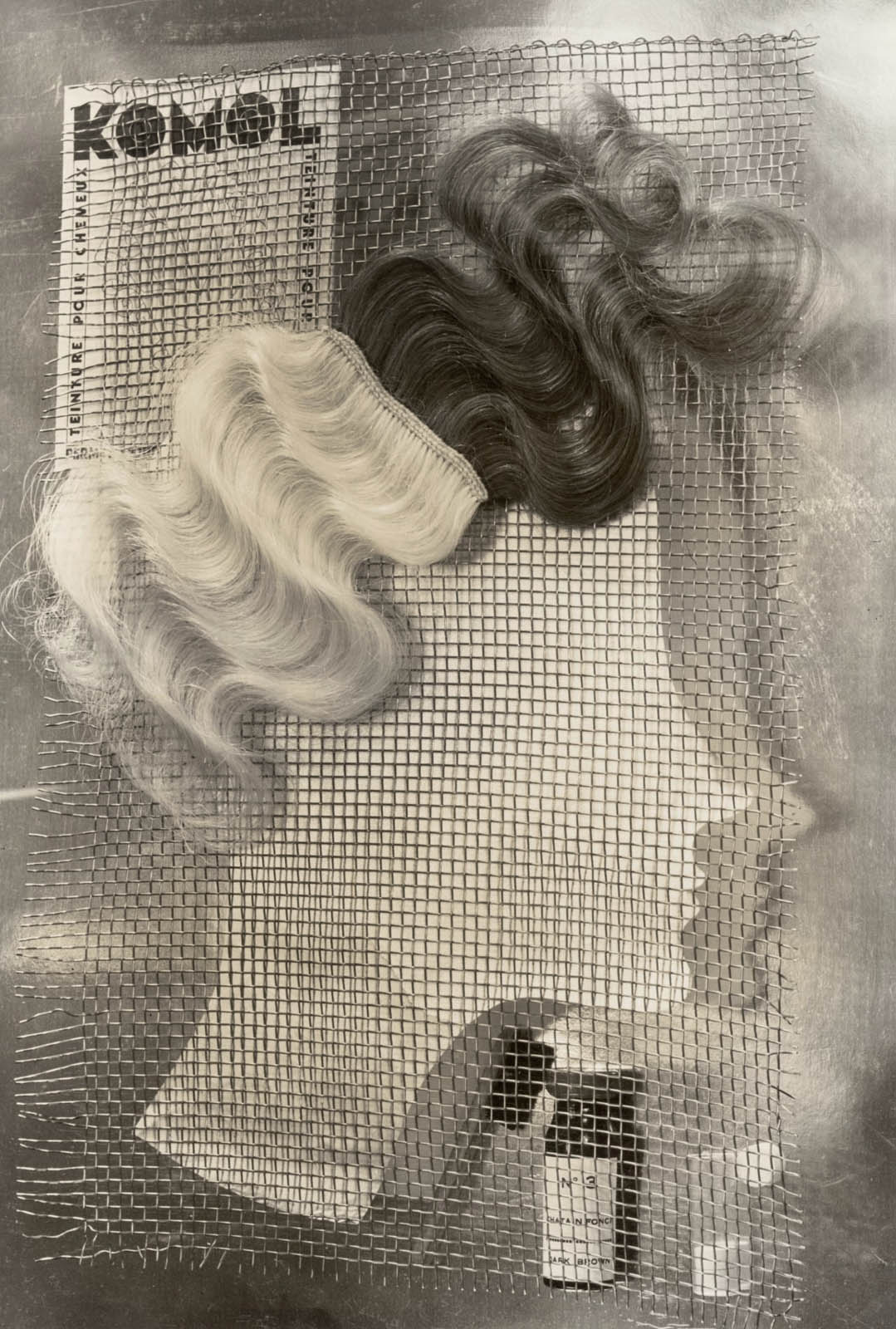
 

ringl+pit (German active 1930-1933) Grete Stern (German, 1904-1999) Ellen Auerbach (German 1906-2004) 'Komol' 1931


ringl + pit (German active 1930-1933)
Grete Stern (German, 1904-1999)
Ellen Auerbach (German 1906-2004)
Komol
1931
Gelatin silver print
Image: 35.9 x 24.4 cm (14 1/8 x 9 5/8 in.)
Frame: 20 x 15 5/8
The Metropolitan Museum of Art
Ford Motor Company Collection, Gift of Ford Motor Company and John C. Waddell, 1987
© ringl+pit, Courtesy Robert Mann Gallery
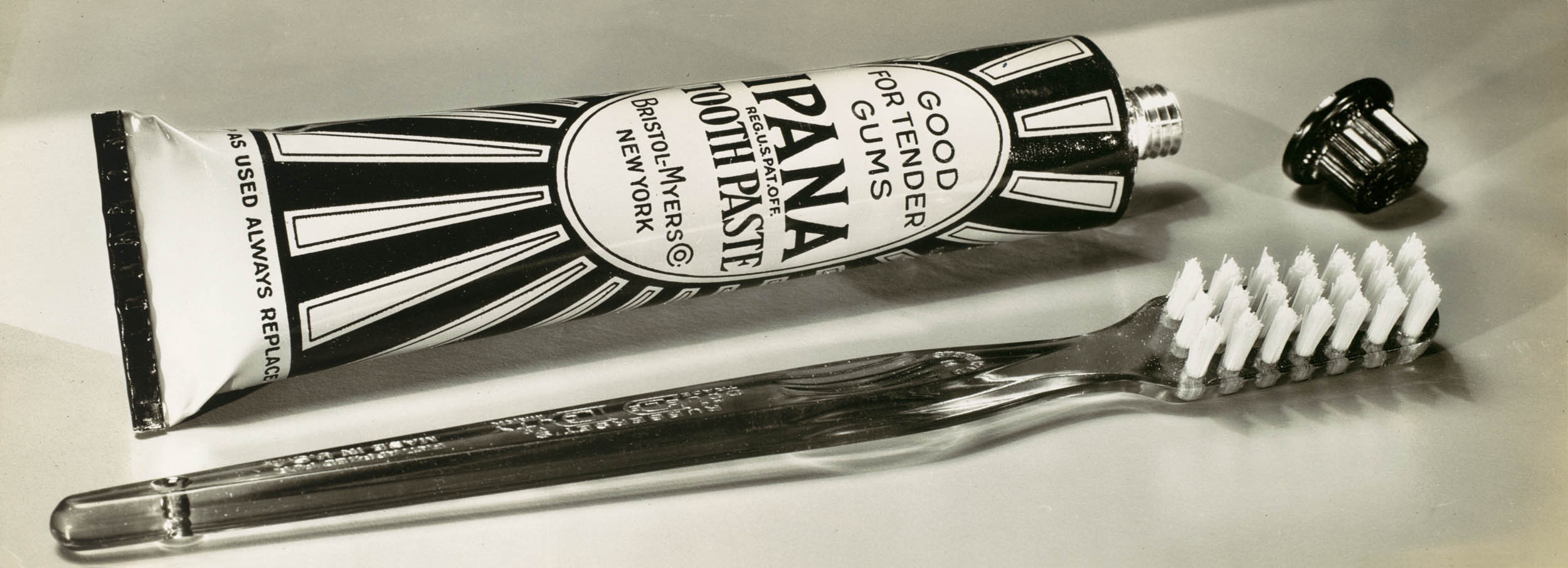
 

Grancel Fitz (American, 1894-1963) 'Ipana Toothpaste' c. 1937


Grancel Fitz (American, 1894-1963)
Ipana Toothpaste
c. 1937
Gelatin silver print
Image: 12.9 x 32.5cm (5 1/16 x 12 13/16 in.)
Frame: approx. 12 x 20 in.
The Metropolitan Museum of Art
Ford Motor Company Collection, Gift of Ford Motor Company and John C. Waddell, 1987


The Ideal User
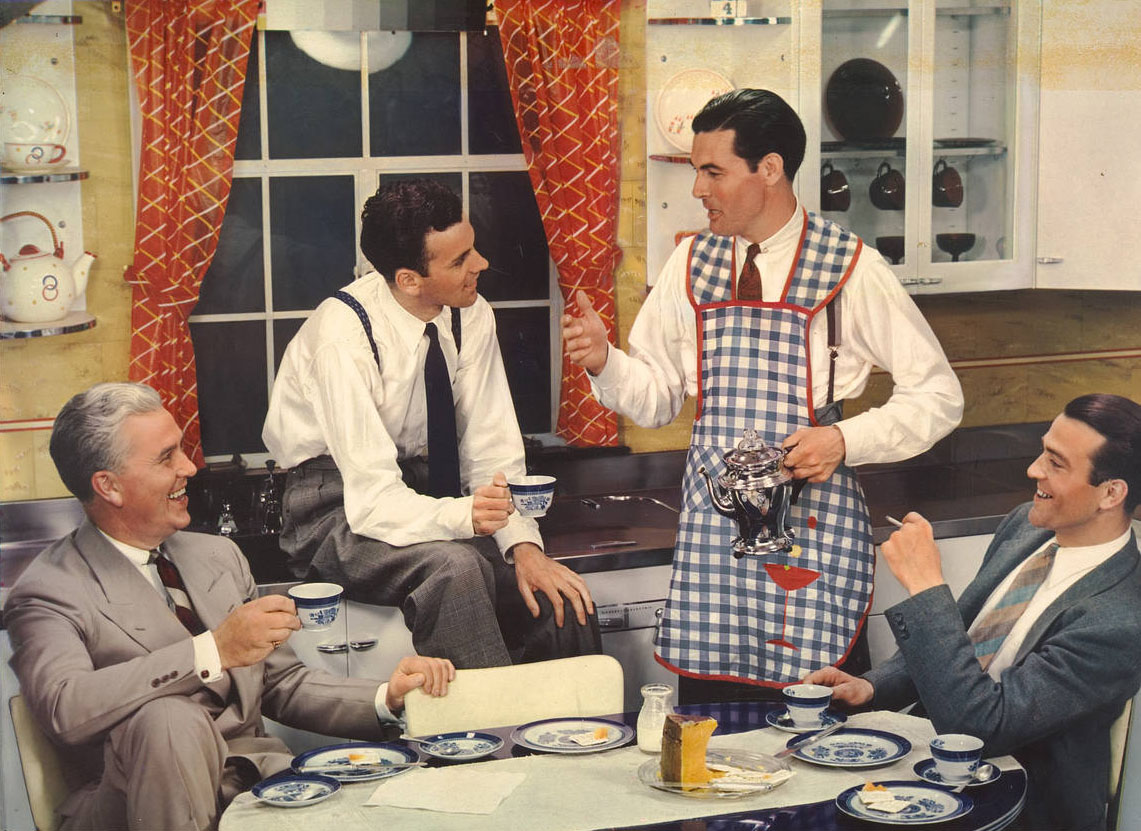
Paul Outerbridge Jr. (American, 1896-1959) 'The Coffee Drinkers' 1940


Paul Outerbridge Jr. (American, 1896-1959)
The Coffee Drinkers
1940
Carbro print
Image (overall): 27 x 38 cm (10 5/8 x 14 15/16 in.)
Mount: 40.7 x 50.7cm (16 x 19 15/16in.)
Frame: 18 1/2 x 22 1/2 in.
The Metropolitan Museum of Art
Ford Motor Company Collection, Gift of Ford Motor Company and John C. Waddell, 1987


With a background in staging and an unwavering belief in the power of images to inspire a better life, Paul Outerbridge Jr. was well suited to the directorial tasks of advertising photography. For A&P Grocery’s Eight O’Clock Coffee, he orchestrated this scene in the display kitchen of a department store, painstakingly diagramming the setup in advance.

“How’d you learn to make such swell coffee, Dick?” the copy teased, when the ad ran in LIFE magazine. Such work exceeds the sum of its parts, selling more than just a jolt of caffeine. The after-dinner air of repose courts camp, conjuring an intimate blend of leisure and power. With it, Outerbridge offers the consumer the chance to be a man among men, all for the price of a can of coffee.

Text from the Metropolitan Museum of Art website


Some expressive quotations about the construction of the self, commodities and consumer culture


“Although the value of commodities is materially embodied in them, it is not visible in the objects themselves as a physical property. The illusion that value resides in objects rather than in the social relations between individuals and objects Marx calls commodity fetishism. When the commodity is fetishized, the labour that has gone into its production is rendered invisible.”

Rosemary Hennessey. “Queer Visibility in Commodity Culture,” Chapter 6 in Nicholson, Linda and Seidman, Steven (eds.,). Social Postmodernism – Beyond Identity Politics. Cambridge: Cambridge University Press, 1995, pp. 161-162.


“When the commodity is dealt with merely as a matter of signification, meaning, or identities, only one of the elements of its production – the process of image making it relies on – is made visible. The exploitation of human labour on which the commodities appearance as an object depends remains out of sight.”

Rosemary Hennessey. “Queer Visibility in Commodity Culture,” Chapter 6 in Nicholson, Linda and Seidman, Steven (eds.,). Social Postmodernism – Beyond Identity Politics. Cambridge: Cambridge University Press, 1995, p. 162.


“The processes of capitalist relationships reproduce themselves in the consciousness of man and, in turn, reproduce a society that reflects an image of man as the seller and buyer of work, talent, aspiration and fantasies.”

Frankl, G. The Failure of the Sexual Revolution. Hove: Kahn and Averill, 1974, p. 26 quoted in Evans, David. Sexual Citizenship, The Material Construction of Sexualities. London: Routledge, 1993, p. 47.


“What was achieved was unprecedented scientific and technical progress and, eventually, the subordination of all other values to those of a world market which treats everything, including people and their labour and their lives and their deaths, as a commodity.”

John Berger and Jean Mohr. Another Way of Telling. New York: Pantheon Books, 1982, p. 99.


“Consumption produces production … because a product becomes a real product only by being consumed. For example, a garment becomes a real garment only in the act of being worn; a house were no one lives is in fact not a real house; thus the product, unlike a mere natural object, proves itself to be, becomes, a product only through consumption. Only by decomposing the product does consumption give the product the finishing touch.”

Karl Marx and Frederick Engels. On Literature and Art. New York: International General, 1973, p. 91 quoted in Wolff, Janet. The Social Production of Art. Basingstoke: Macmillan, 1993, p. 95.


“… the propaganda of consumption turns alienation itself into a commodity. It addresses itself to the spiritual desolation of modern life and proposes consumption as the cure. It not only promises to palliate all the old unhappiness to which flesh is heir; it creates or exacerbates new forms of unhappiness – personal insecurity, status anxiety …”

Christopher Lasch. The Culture of Narcissism. New York: W.W.Norton and Company, 1978, p.73.


“Consumer culture is notoriously awash with signs, images, publicity. Most obviously, it involves an aestheticization of commodities and their environment …

Firstly, problems of status and identity … promote a new flexibility in the relations between consumption, communication and meaning. It is not so much that goods and acts of consumption become more important in signalling status (they were always crucial) but that both the structure of status and the structure of meaning become unstable, flexible, and highly negotiable. Appearance becomes a privileged site of strategic action in unprecedented ways.

Secondly, the nature of market exchange seems intrinsically bound up with aestheticization. As indicated above, commodities circulate through impersonal and anonymous networks: the split between producer and consumer extends beyond simple commissioning (where a personal relationship still exists) to the production for an anonymous general public … Haug (1986) theorizes this in the notion of ‘commodity aesthetics’: the producer must create an image of use value in which potential buyers can recognize themselves. All aspects of the product’s meaning and all channels through which its meaning can be constructed and represented become subject to intense and radical calculation.

This gives rise to some of the central issues of sociological debate on consumer culture. On the one hand, the eminently modern notion of the social subject as a self-creating, self-defining individual is bound up with self-creation through consumption: it is partly through the use of goods and services that we formulate ourselves as social identities and display these identities. This renders consumption as the privileged site of autonomy, meaning, subjectivity, privacy and freedom. On the other hand, all these meanings around social identity and consumption become objects of strategic action by dominating institutions. The sense of autonomy and identity in consumption is placed constantly under threat.”

Don Slater. Consumer Culture and Modernity. London: Polity Press, 1997, p. 31.


The Metropolitan Museum of Art
1000 Fifth Avenue at 82nd Street
New York, New York 10028-0198
Phone: 212-535-7710

Opening hours:
Thursday – Tuesday 10am – 5pm
Closed Wednesday

The Metropolitan Museum of Art website

LIKE ART BLART ON FACEBOOK

Back to top

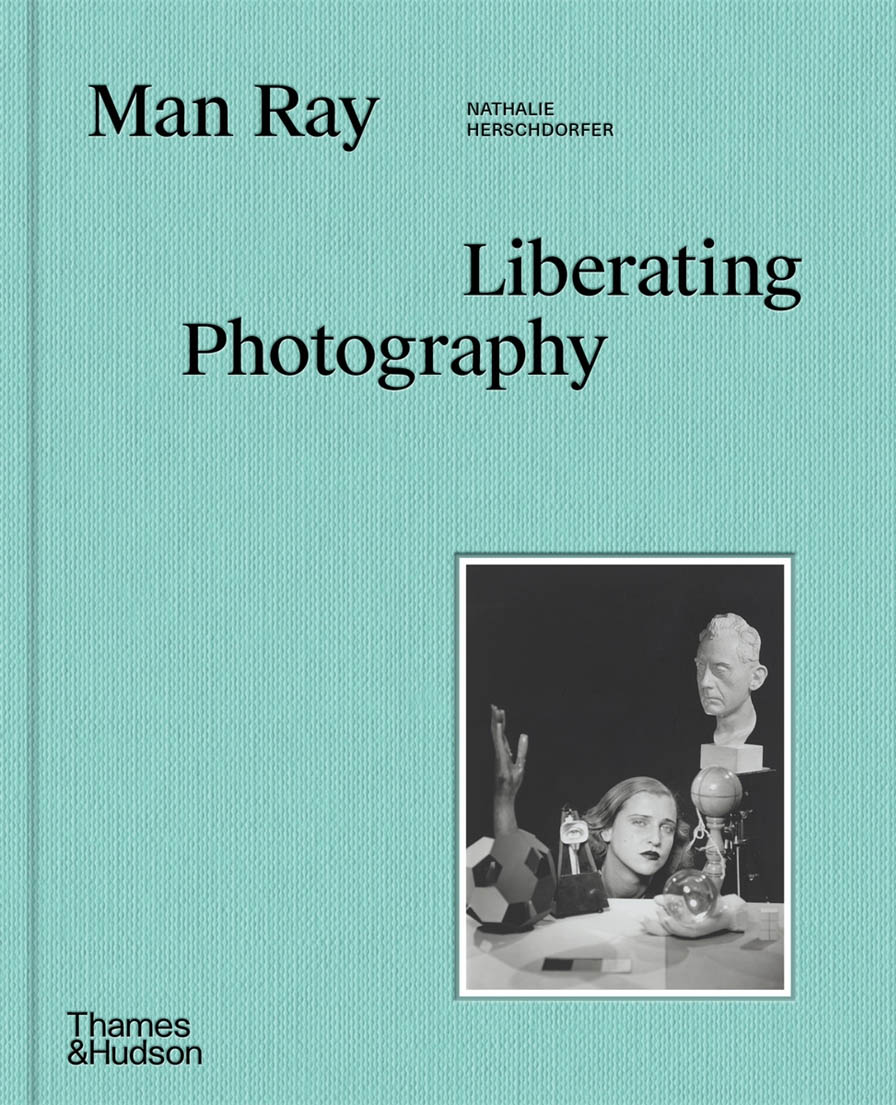
Exhibition: ‘Man Ray. Liberating Photography’ at the Photo Elysee, Lausanne

Exhibition dates: 29th March – 4th August 2024


Man Ray (American, 1890-1976) 'Dora Maar' 1936


Man Ray (American, 1890-1976)
Dora Maar
1936
Gelatin silver print
© Man Ray 2015 Trust / 2024, ProLitteris, Zurich. All rights reserved
Without permission from ProLitteris, the reproduction or any use of the individual and private consultation are prohibited


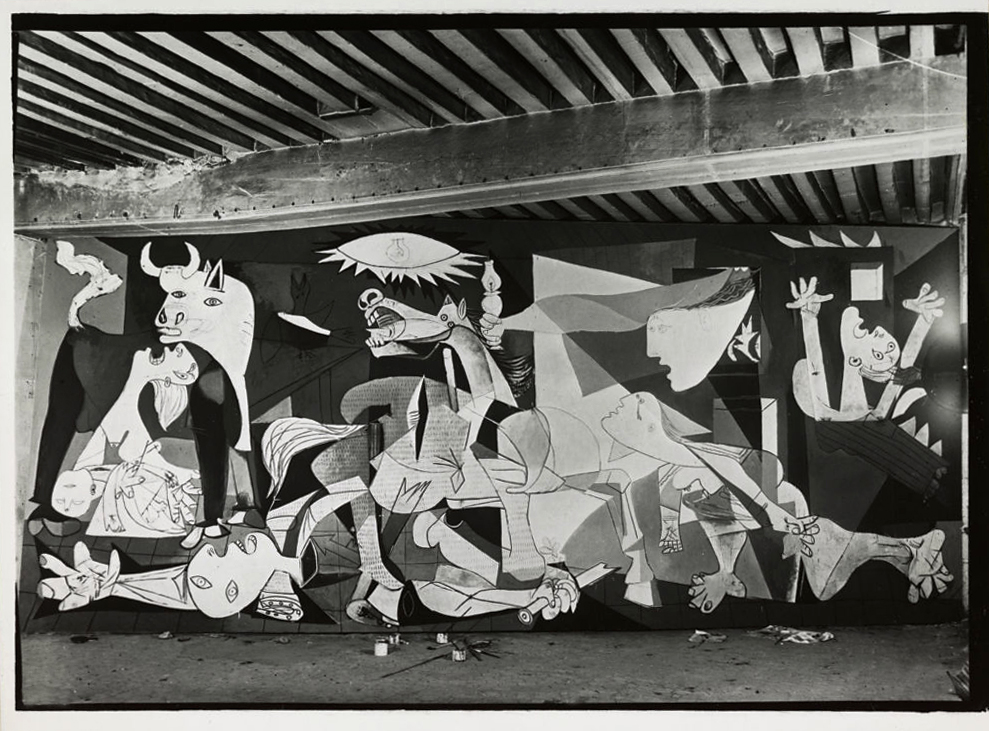
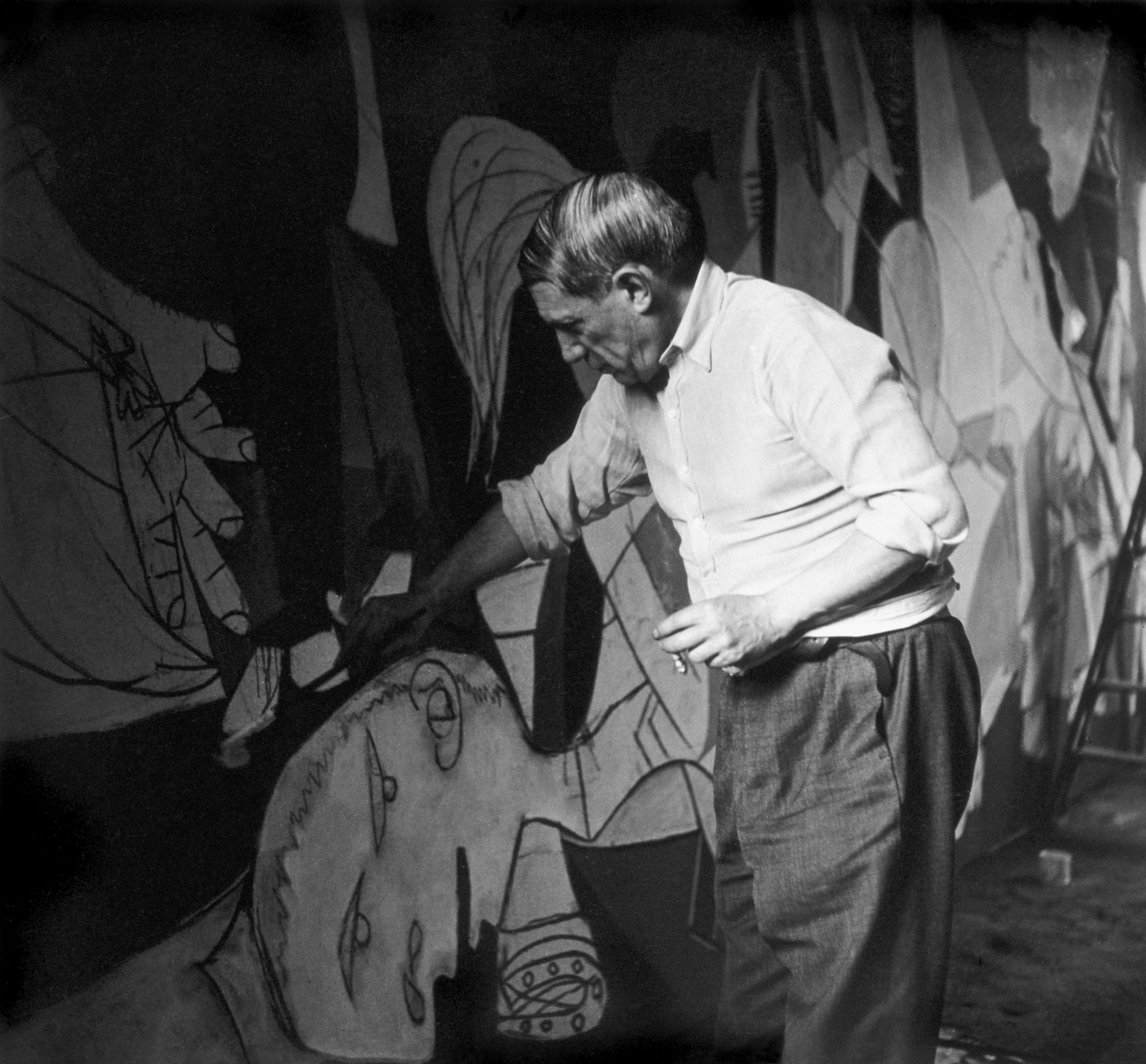
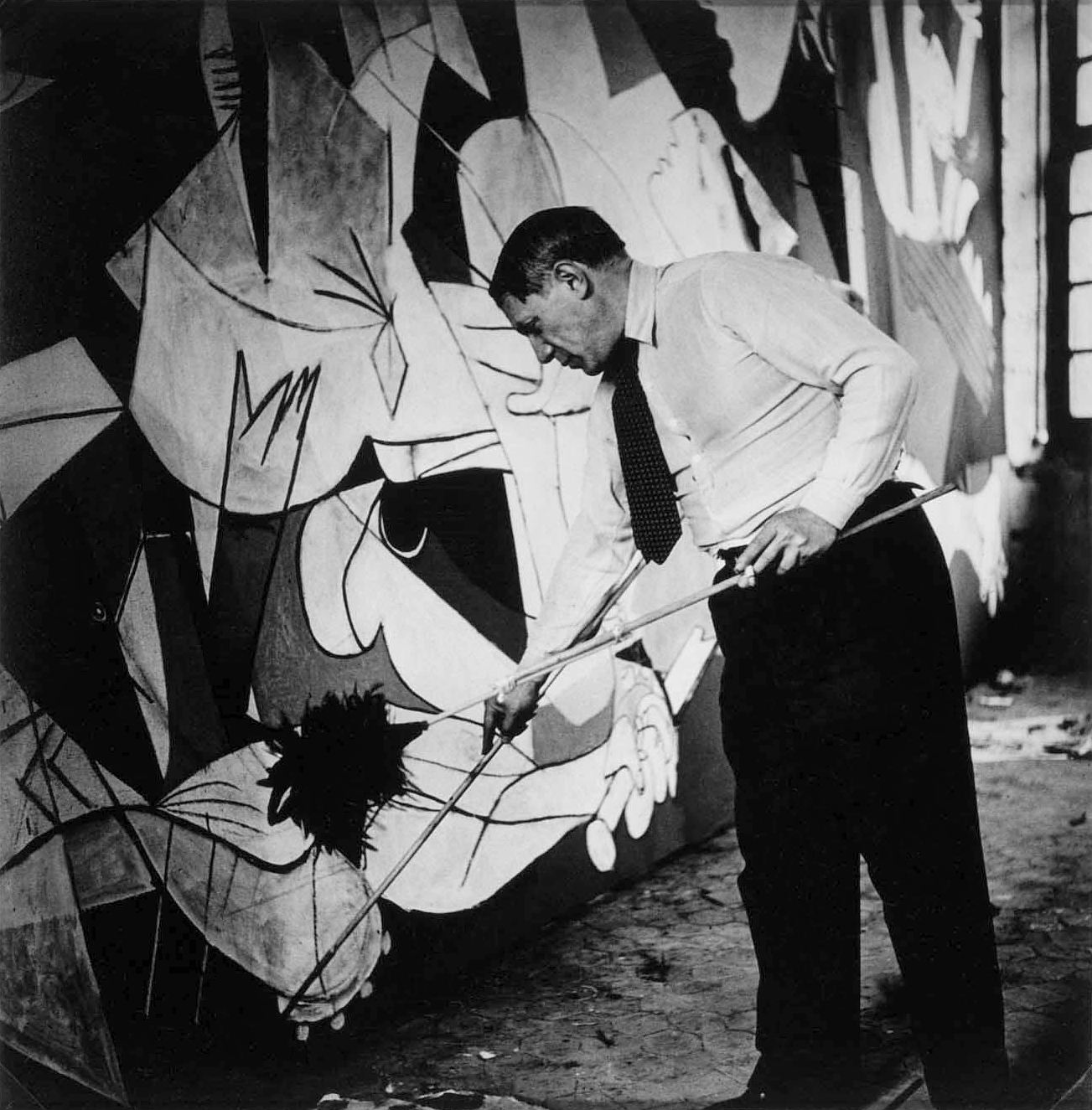
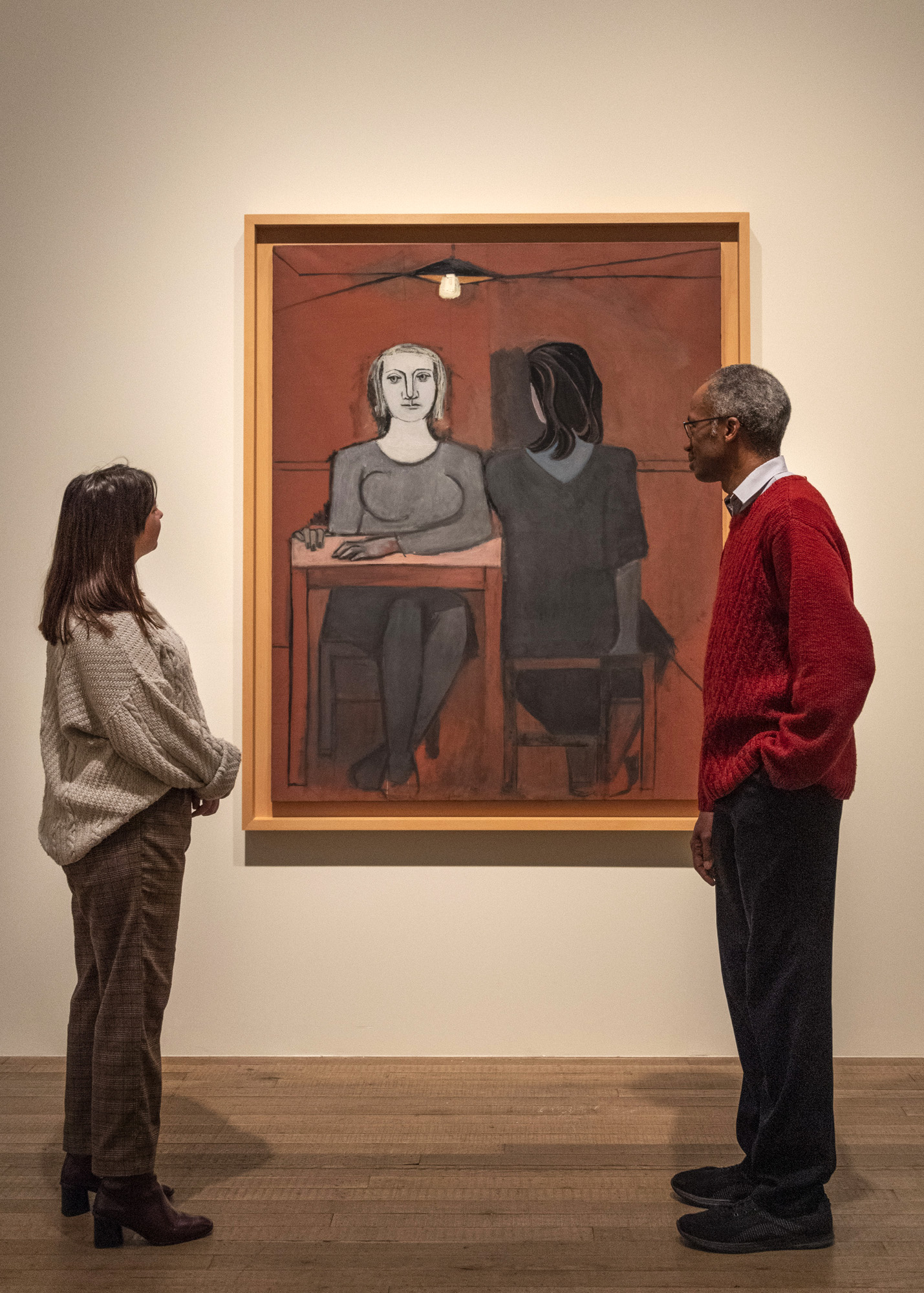
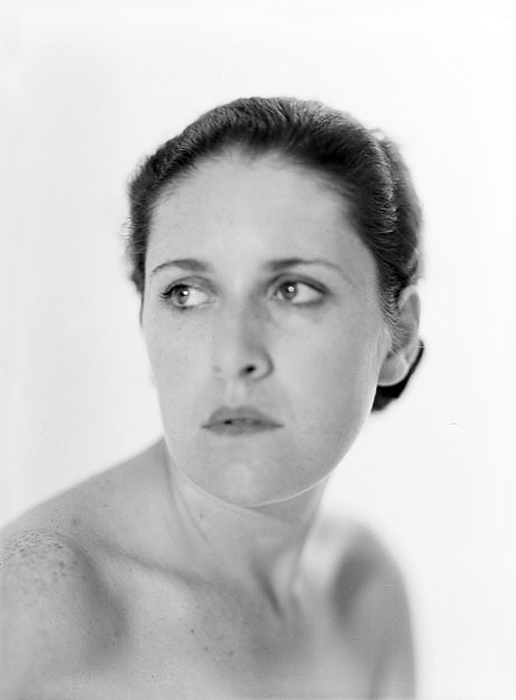
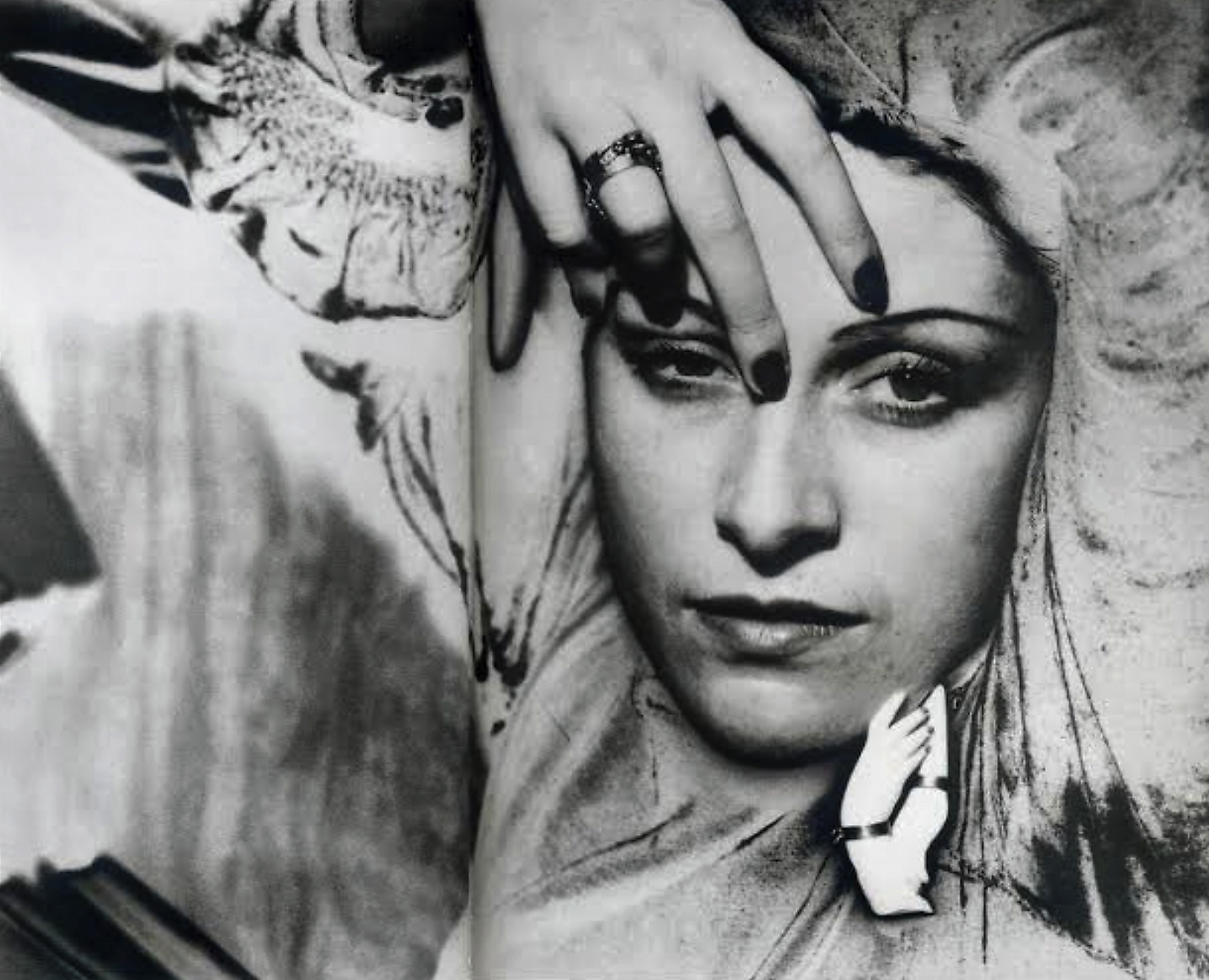
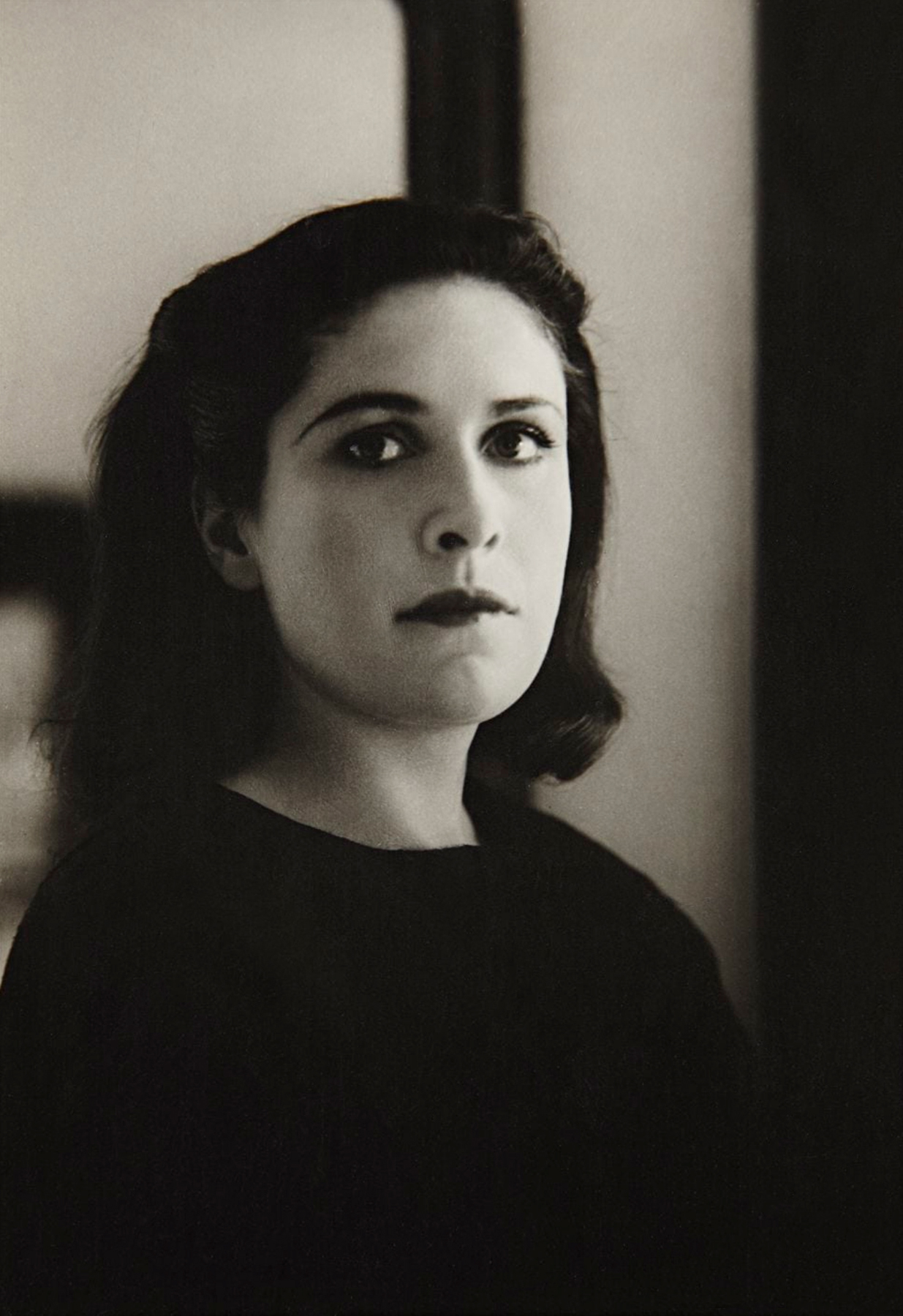
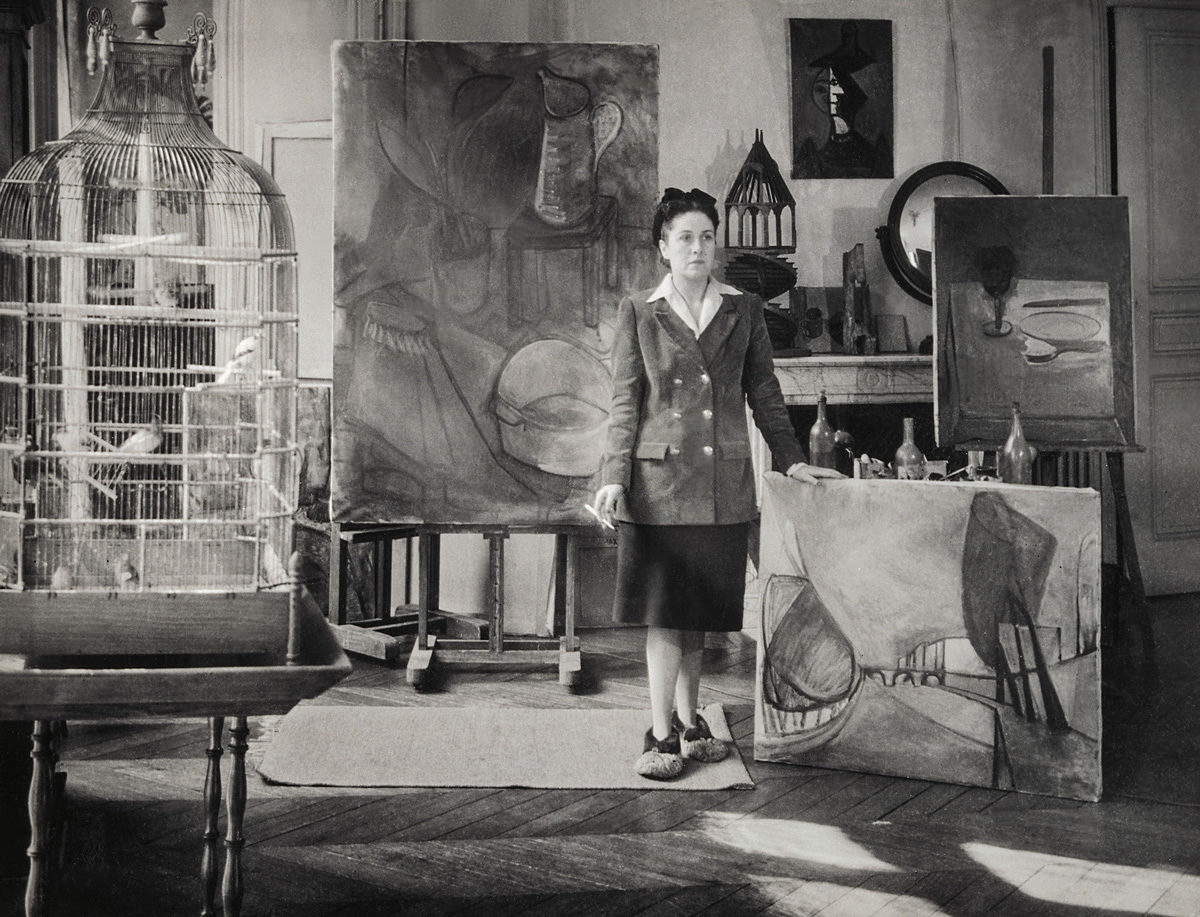
Henriette Theodora Markovitch (22 November 1907 – 16 July 1997), known as Dora Maar, was a French photographer, painter, and poet. Maar is very well known for her role as Picasso’s lover, subject, and muse. He abused her. Maar photographed the successive stages of the creation of Guernica. It is the gelatin silver works of the surrealist period that remain the most sought after by admirers: Portrait of Ubu (1936), 29 rue d’Astorg, black and white, collages, photomontages or superimpositions.


Man Ray is hailed as one of the greatest photographers of the 20th century, but I admit I have no real liking for most of his work.

I remember seeing the first large-scale exhibition of Man Ray’s photography to have been presented in Australia at the National Gallery of Victoria in 2004. In text about the exhibition the NGV states, “Man Ray produced some of the most iconic photographs of the 20th century: eloquent portraits, dreamy solarised nudes, divine fashion photography and enigmatic images that continue to delight and astonish… A superb technician and a highly inventive artist, Man Ray always denied that he had any ability with the camera or in the darkroom. However, as the exhibition reveals, this is clearly not the case. The exhibition emphasises Man Ray’s techniques of framing, cropping, solarising and use of the photogram to present a new ‘surreal’ way of seeing, which continues to fascinate audiences today.”1

I came away from that exhibition thinking what a great technician Man Ray was, almost like a photographic scientist, an alchemist from another world conjuring small, intense images of clinical focus, but where was the emotional power of the images, where was their … what am I trying to enunciate … where was their vibrational energy. They were ice cold.2

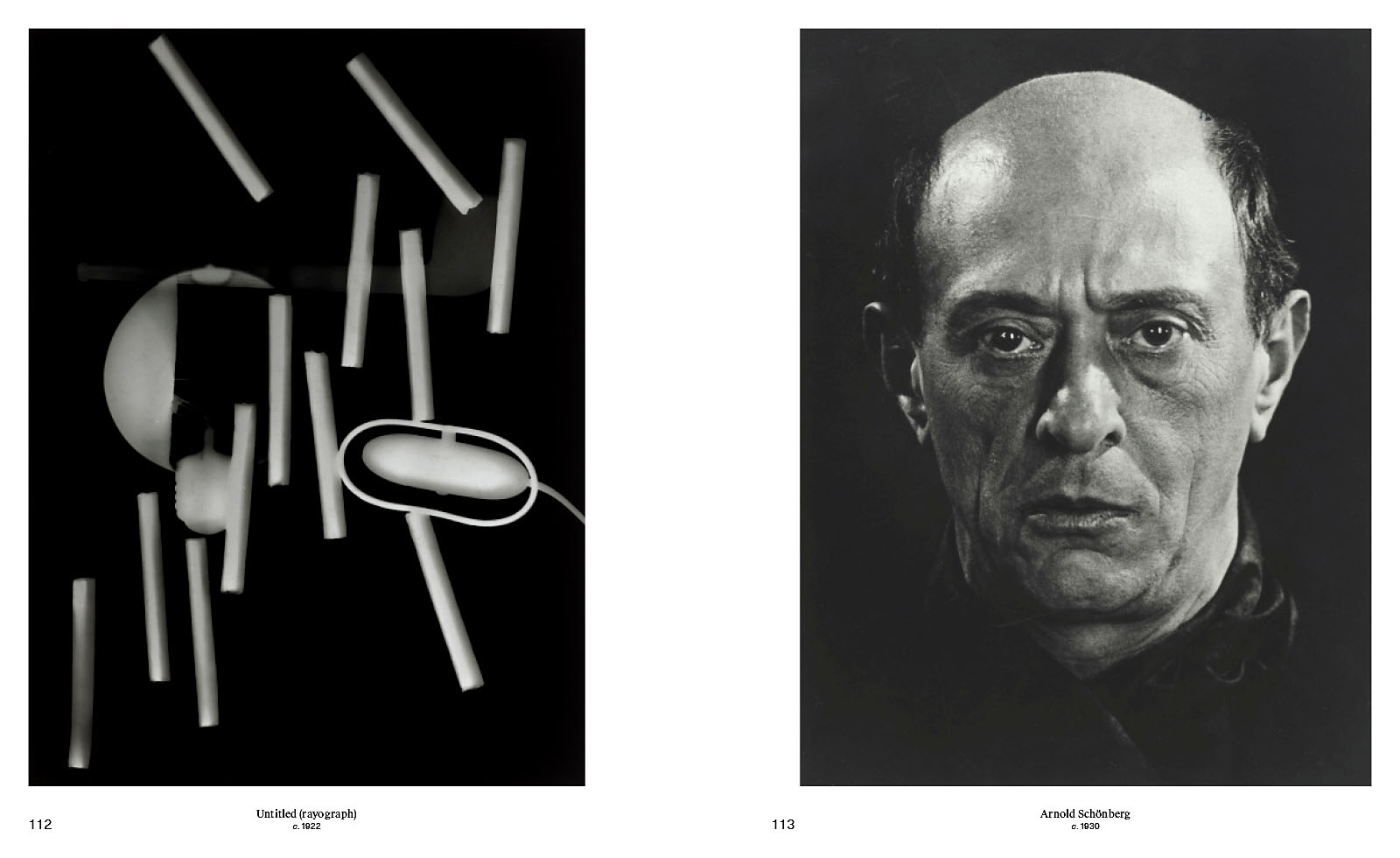
I feel that Man Ray’s greatest artistic expression, his greatest music, were his photograms, “which he coined “rayographs” after himself. He explained that working with light in the darkroom allowed him to free himself from painting.” (Press release) As Man Ray himself said of his rayographs, “Like the undisturbed ashes of an object consumed by flames these images are oxidised residues fixed by light and chemical elements of an experience, an adventure, not an experiment. They are the result of curiosity, inspiration, and these words do not pretend to convey any information.”3

“What the rayographs do not deny, however, is the subjectivity of the artist, his skill at placing the objects on the photographic paper, expressed in their dream-like nature, both a subjective ephemerality (because they could only be produced once) and an ephemeral subjectivity (because they were expressions of Man Ray’s fantasies, and therefore had little substance). Through an alchemical process the latent images emerge from the photographic paper, representations of Man Ray’s fantasies as embodied in the ‘presence’ of the objects themselves, in the surface of the paper.”4

(See a section of my paper “The Delicious Fields: Exploring Man Ray’s Rayographs in a Digital Future” (2004) below in the posting).


On a final note, while it is fantastic to see such a large group of Man Ray’s photographs together in one space I am amazed, flabbergasted even, at the blue and yellow colour scheme on the floor of the gallery. What were they thinking? How can you appreciate black and white images, which are never actually black and white but always have subtle colours of either brown and blue, warm and cool, which need to be appreciated in a neutral colour space … when throughout the gallery your eye is constantly overwhelmed (by reflection from the gallery lights or subconsciously, even) by a sea of blue and yellow tiles. It makes no sense aesthetically, empirically or emotionally.

Dr Marcus Bunyan


1/ Anonymous. “Man Ray,” on the National Gallery of Victoria website Nd [Online] Cited 18/07/2024

2/ This coldness can be seen in the photographs from the book at the bottom of the posting, where borders frame faces and are inverted, where objects in rayographs are paired opposite objective portraits, surface representations a human visage.

3/ Man Ray quoted in Janus (trans. Murtha Baca). Man Ray: The Photographic Image (London: Gordon Fraser, 1980), 213 quoted in Marcus Bunyan. “The Delicious Fields: Exploring Man Ray’s Rayographs in a Digital Future,” published in The University of Queensland Vanguard Magazine: ‘Man Ray: Life, Work and Themes’, 2004, Triad series #2, pp. 40-46. ISBN 0-9756043-0-9

4/ Bunyan, op cit.,


Many thankx to the Photo Elysee for allowing me to publish the photographs in the posting. Please click on the photographs for a larger version of the image.


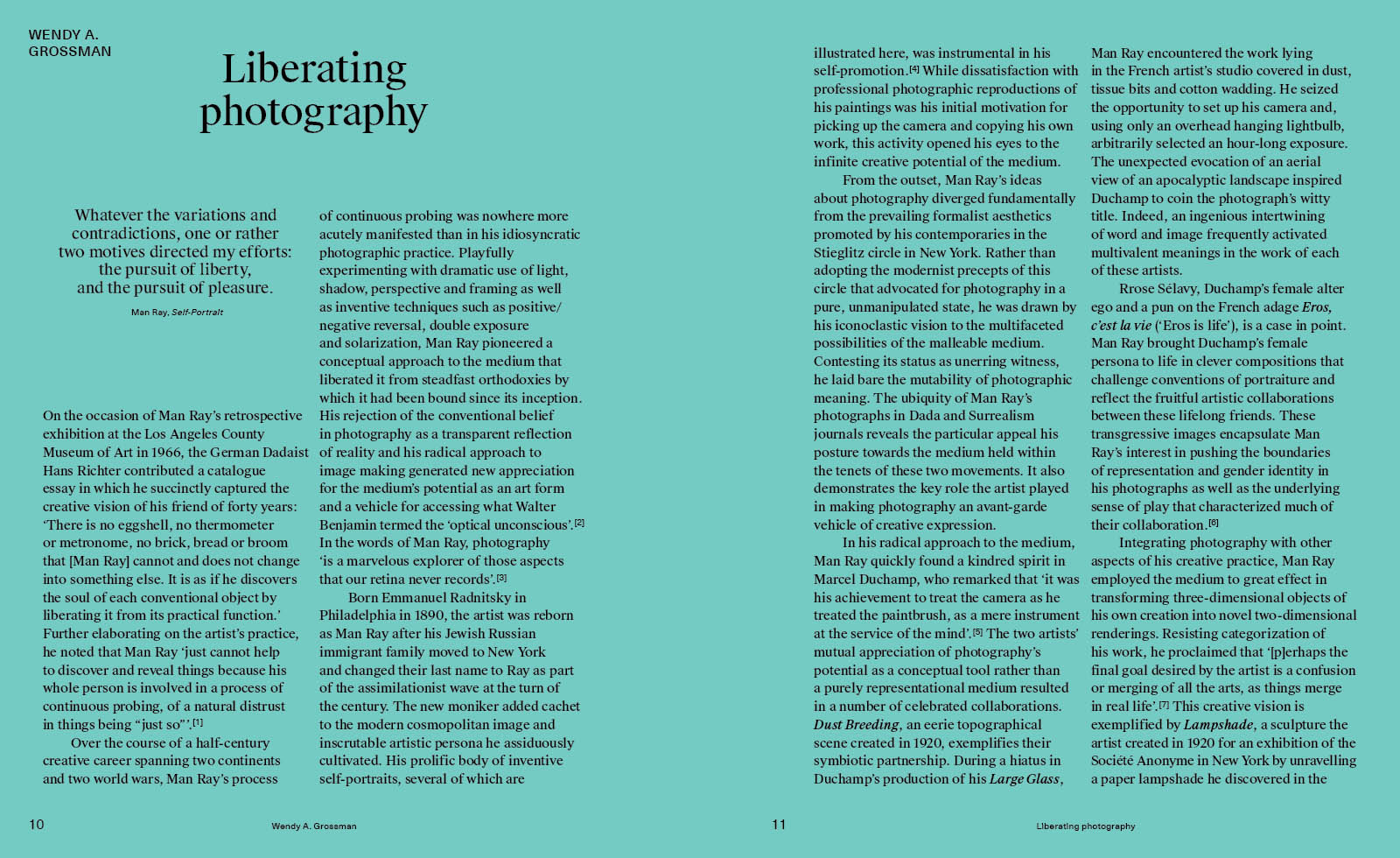
“There is no eggshell, no thermometer or metronome, no brick, bread or broom that [Man Ray] cannot and does not change into something else. It is as if he discovers the soul of each conventional object by liberating it from its practical function…. [Man Ray] just cannot help to discover and reveal things because his whole person is involved in a process of continuous probing, of a natural distrust in things being “just so”.”


Hans Richter 1966


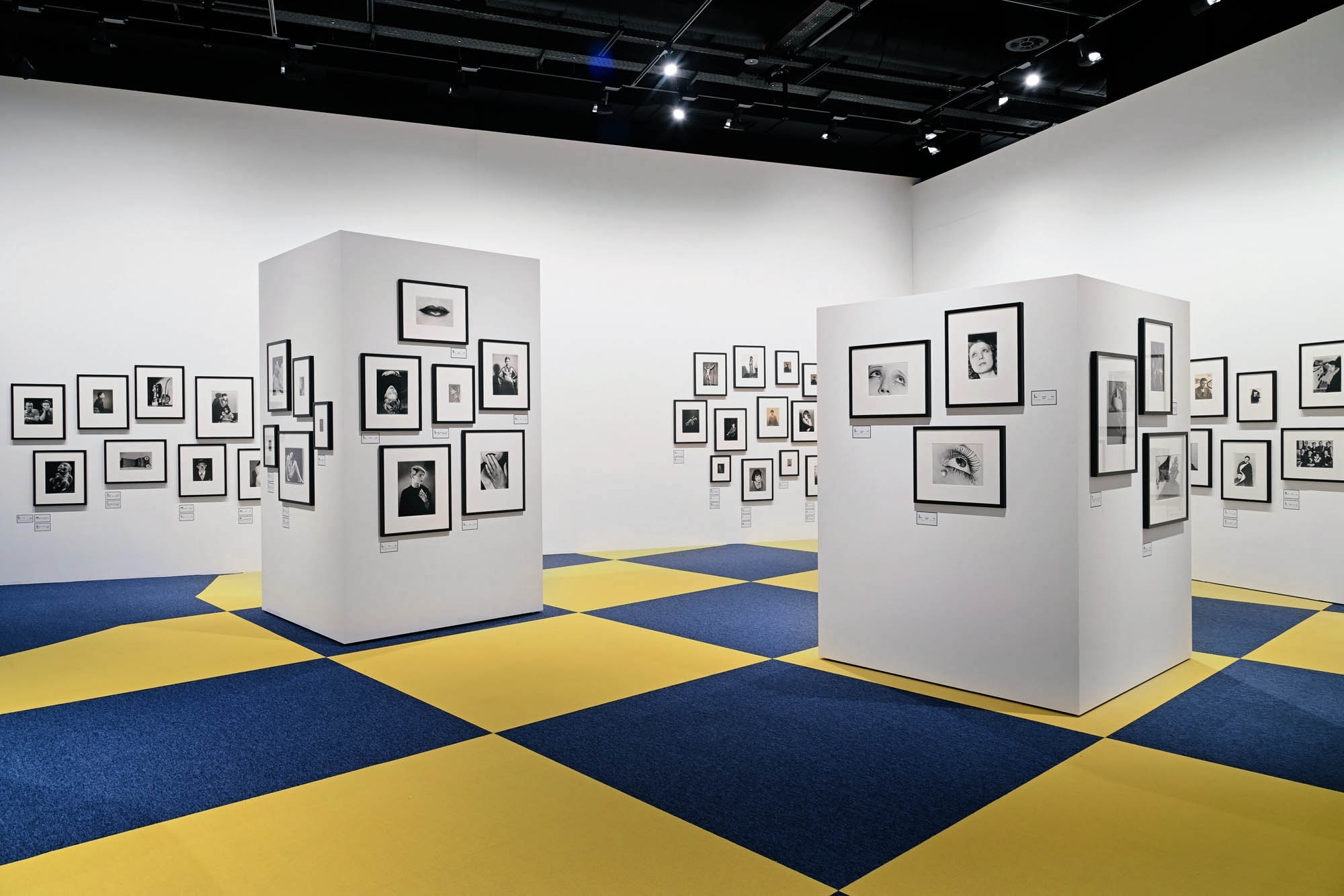
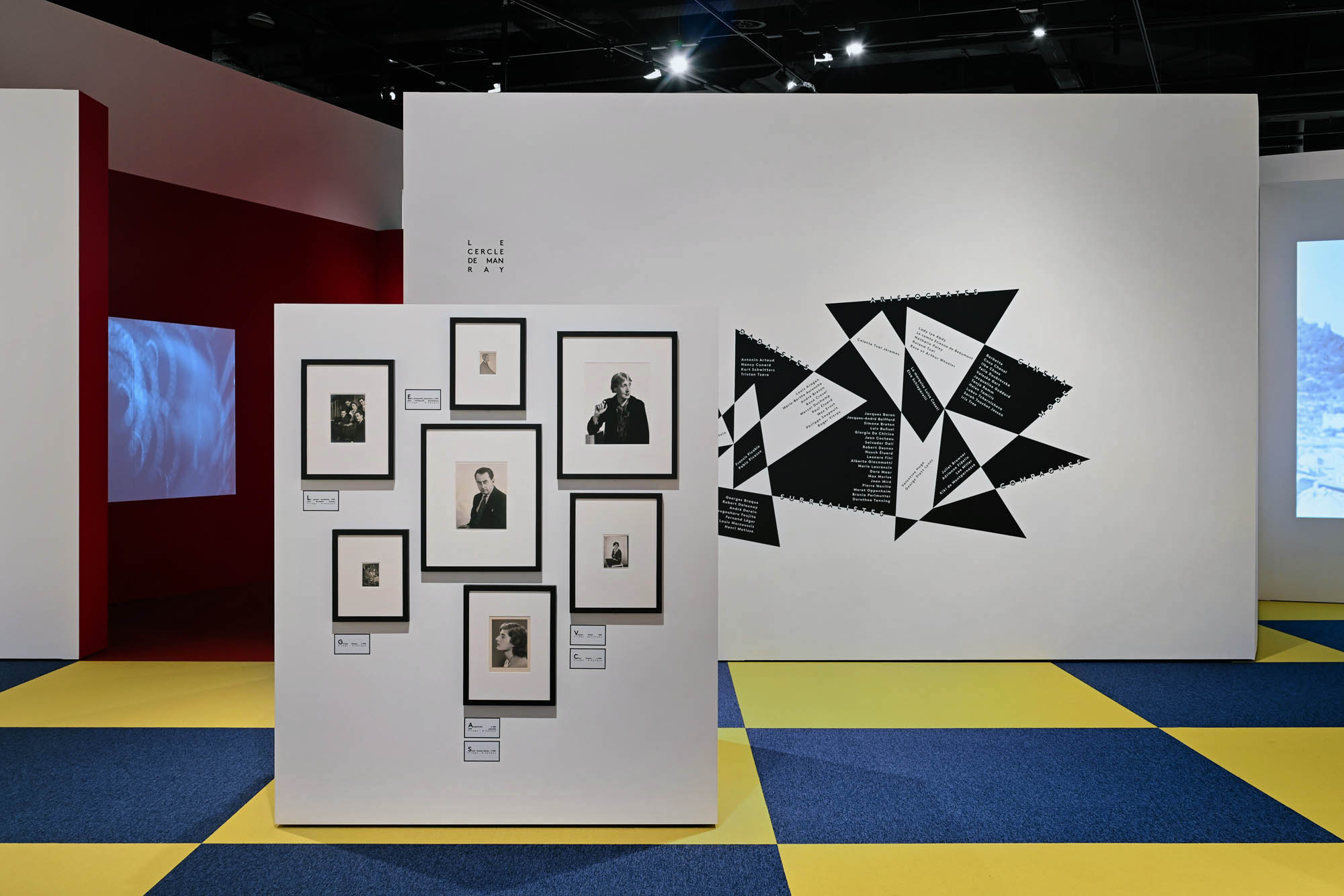
Installation view of the exhibition 'Man Ray. Liberating Photography' at the Photo Elysee, Lausanne

Installation view of the exhibition 'Man Ray. Liberating Photography' at the Photo Elysee, LausanneInstallation view of the exhibition 'Man Ray. Liberating Photography' at the Photo Elysee, LausanneInstallation view of the exhibition 'Man Ray. Liberating Photography' at the Photo Elysee, LausanneInstallation view of the exhibition 'Man Ray. Liberating Photography' at the Photo Elysee, LausanneInstallation view of the exhibition 'Man Ray. Liberating Photography' at the Photo Elysee, LausanneInstallation view of the exhibition 'Man Ray. Liberating Photography' at the Photo Elysee, Lausanne showing at right, Man Ray's 'Nude, Kiki de Montparnasse' 1927; 'Artichokes in Bloom' 1934; and 'Still life Plaster Venus with Fruit' c. 1936


Installation views of the exhibition Man Ray. Liberating Photography at the Photo Elysee, Lausanne, showing in the bottom image at right, Man Ray’s Nude, Kiki de Montparnasse 1927; Artichokes in Bloom 1934; and Still life Plaster Venus with Fruit c. 1936
© Khashayar Javanmardi and Photo Elyse Plateforme


“To be totally liberated from painting and its aesthetic implications” was the first avowed aim of Man Ray (United States, 1890-1976), who began his career as a painter. Photography was one of the major breakthroughs of modern art and led to a rethinking of notions of representation. In the 1920s and 30s, the photographic medium came to the forefront of the avant-garde movement, and Man Ray soon made a name for himself with his virtuosity. As a studio portraitist and fashion photographer, but also as an experimental artist who explored the potential of photography with the people around him, Man Ray was a multi-faceted figure. Considered one of the 20th century’s major artists, close to Dada and then Surrealism, he photographed Paris’ artistic milieu between the wars.

Exhibition

Curated from a private collection, the exhibition explores the artist’s extensive social contacts while presenting some of his most iconic works. In addition to providing a dazzling who’s who of the Parisian avant-garde, the works also highlight the innovations in photography made by Man Ray in Paris in the 1920s and 30s.

Artist

He took his first photographs in New York in the 1910s, but it was in Paris that his career took off. Even before opening his studio in Montparnasse in 1922, Man Ray worked for a year in his hotel room. The photographer’s reputation grew, and before long, the artist’s studio was flourishing. Fashion photographs alternated with portraits of the artistic figures of the day who had made Paris’ notoriety: Marcel Duchamp, whom he met in New York in 1915 and who introduced him to the Parisian artistic elite, as well as Robert Delaunay, Georges Braque, Alberto Giacometti and Pablo Picasso, among others, who posed for the photographer. His portraits also included Ballets Russes dancers and guests at the Count de Beaumont’s ball.

As soon as he arrived in Paris in the summer of 1921, Man Ray immediately became part of the Parisian intelligentsia of the Roaring Twenties. He met Jean Cocteau, who was himself a fixture of the Parisian art scene, André Breton, Francis Picabia, Joan Miró, Salvador Dalí, Henri Matisse and Max Ernst. He also met Gertrude Stein, Virginia Woolf, Igor Stravinsky, Ernest Hemingway, Arnold Schoenberg and James Joyce, whom he photographed for the Anglo-American bookshop Shakespeare and Company. But Man Ray was not merely content to have celebrities pose in his studio or to explore the female nude genre by working with those he considered his muses, such as Lee Miller, Kiki de Montparnasse, Meret Oppenheim and Adrienne Fidelin.

Creative Process

Man Ray also experimented in the darkroom, transforming the photographic medium into a powerful tool of artistic expression, even going so far as to do away with the camera when, in 1921-1922, he began creating photograms, which he coined “rayographs” after himself. He explained that working with light in the darkroom allowed him to free himself from painting, so convinced was he of the visual power of his experiments. Also in the 1920s, he experimented with the moving image and produced four films. The rhythm and freedom offered by the cinema complemented his photographic work, in which he saw a close relationship between film and poetry. This is why he gave his film Emak Bakia (1926) the subheading of “cinépoème”. Without ever abandoning portraiture, he experimented with other techniques in the 1930s: solarisation, overprinting and other distortions.

From the outset, photography has been more than a simple process of reproduction. For him, images were not taken fleetingly, but meticulously realised indoors. Unlike Henri Cartier-Bresson who opted for the spontaneous gesture and saw the street as a privileged playground, Man Ray composed and staged his photographs. The studio provided him with a space in which to explore his imagination. Some of the themes dear to the Surrealists can be found in his work: femininity, sexuality, strangeness, the boundary between dream and reality. His nude studies were part of his artistic research, which he developed in close collaboration with his companions who were part of the Parisian art scene. Kiki de Montparnasse – the woman with the f-holes of a violin on her back – whose real name was Alice Prin, was a dancer, singer, actress and painter who posed for artists such as Chaïm Soutine and Kees van Dongen. Lee Miller, a fellow New Yorker like him, had begun a modelling career in the United States but wanted to move to the other side of the camera. She met the photographer in Paris in 1929 when she was 22-years old, and became active in the Surrealist movement. More than a muse, she became his collaborator, learning photography at his side. Together, they discovered the technique of solarisation. Another artist with whom Man Ray had a professional and romantic relationship was the Swiss artist Meret Oppenheim, who was close to the Surrealist scene before pursuing an independent career as an artist.

Man Ray loved the freedom his photographic creations afforded him, and portraits and fashion photography enabled him to earn a living. It was in his studio that he embarked on a series of visual experiments. His portraits, which are relatively classical in style, testify not only to his commercial success, but also to his great sociability. Artists from Montparnasse, Surrealists, fashion and nightlife celebrities, patrons of the arts, Americans in Paris – the entire artistic elite – passed through his studio, as was the case with Nadar in the 19th century. Almost 50 years after Man Ray’s death, his photographs continue to fascinate us. His impact on the history of the medium is undeniable, and he served as an inspiration to photographers of the caliber of Berenice Abbott, Bill Brandt and Lee Miller. Man Ray remains one of the most famous photographers of the 20th century. He never stopped creating, without prejudice or constraint.

Press release from the Photo Elysee


Man Ray (American, 1890-1976) 'Noire et blanche' 1926


Man Ray (American, 1890-1976)
Black and White
1926
Gelatin silver print
© Man Ray 2015 Trust / 2024, ProLitteris, Zurich. All rights reserved
Without permission from ProLitteris, the reproduction or any use of the individual and private consultation are prohibited


Man Ray (American, 1890-1976) 'Larmes' (Tears) 1930


Man Ray (American, 1890-1976)
Larmes (Tears)
1930
Gelatin silver print
© Man Ray 2015 Trust / 2024, ProLitteris, Zurich. All rights reserved
Without permission from ProLitteris, the reproduction or any use of the individual and private consultation are prohibited


Man Ray (American, 1890-1976) 'Head, New York' 1920


Man Ray (American, 1890-1976)
Head, New York
1920
Gelatin silver print
© Man Ray 2015 Trust / 2024, ProLitteris, Zurich. All rights reserved
Without permission from ProLitteris, the reproduction or any use of the individual and private consultation are prohibited


Man Ray (American, 1890-1976) 'Alice Prin, known as Kiki de Montparnasse' Around 1925


Man Ray (American, 1890-1976)
Alice Prin, known as Kiki de Montparnasse
Around 1925
Gelatin silver print
© Man Ray 2015 Trust / 2024, ProLitteris, Zurich. All rights reserved
Without permission from ProLitteris, the reproduction or any use of the individual and private consultation are prohibited


Man Ray (American, 1890-1976) 'Nancy Cunard' c. 1925


Man Ray (American, 1890-1976)
Nancy Cunard
c. 1925
Gelatin silver print
© Man Ray 2015 Trust / 2024, ProLitteris, Zurich. All rights reserved
Without permission from ProLitteris, the reproduction or any use of the individual and private consultation are prohibited


Man Ray (American, 1890-1976) 'Jacqueline Goddard' c. 1932


Man Ray (American, 1890-1976)
Jacqueline Goddard
c. 1932
Solarised gelatin silver print
© Man Ray 2015 Trust / 2024, ProLitteris, Zurich. All rights reserved
Without permission from ProLitteris, the reproduction or any use of the individual and private consultation are prohibited


Man Ray (American, 1890-1976) 'Paul Eluard and André Breton' 1939


Man Ray (American, 1890-1976)
Paul Eluard and André Breton
1939
Gelatin silver print
© Man Ray 2015 Trust / 2024, ProLitteris, Zurich. All rights reserved
Without permission from ProLitteris, the reproduction or any use of the individual and private consultation are prohibited


Few names in the history of photography are as illustrious at that of Man Ray, born Emmanuel Radnitzsky (1890-1976) in the United States. Studio portraitist, fashion photographer and experimental artist, he explored the many potentialities of photography at a time when the medium was asserting itself as the very expression of modernity. Mingling with the Paris art scene of the early 20th century, and a close friend of Marcel Duchamp and André Breton, he was one of the few photographers to be mentioned among the Dada artists and Surrealists.

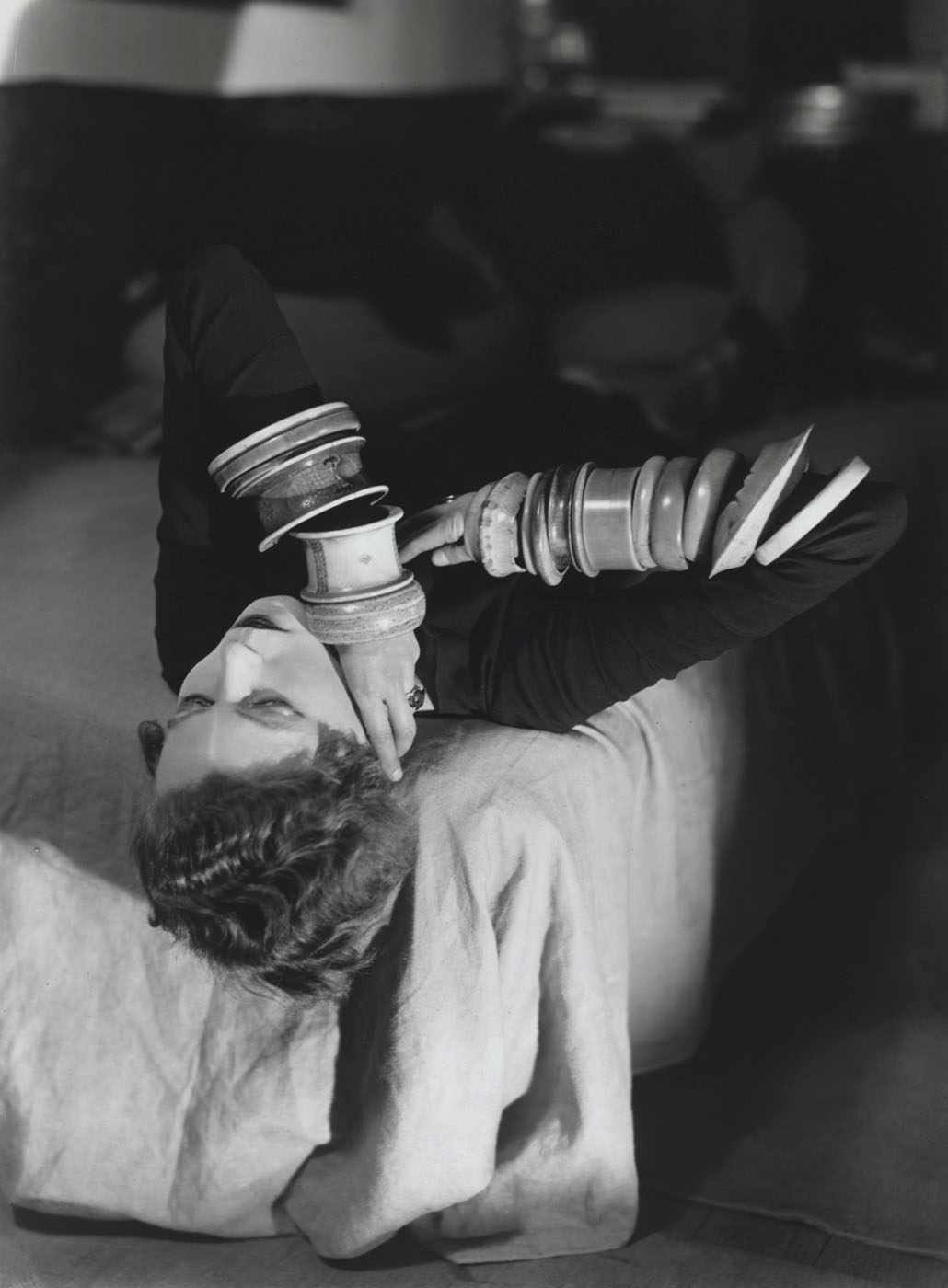
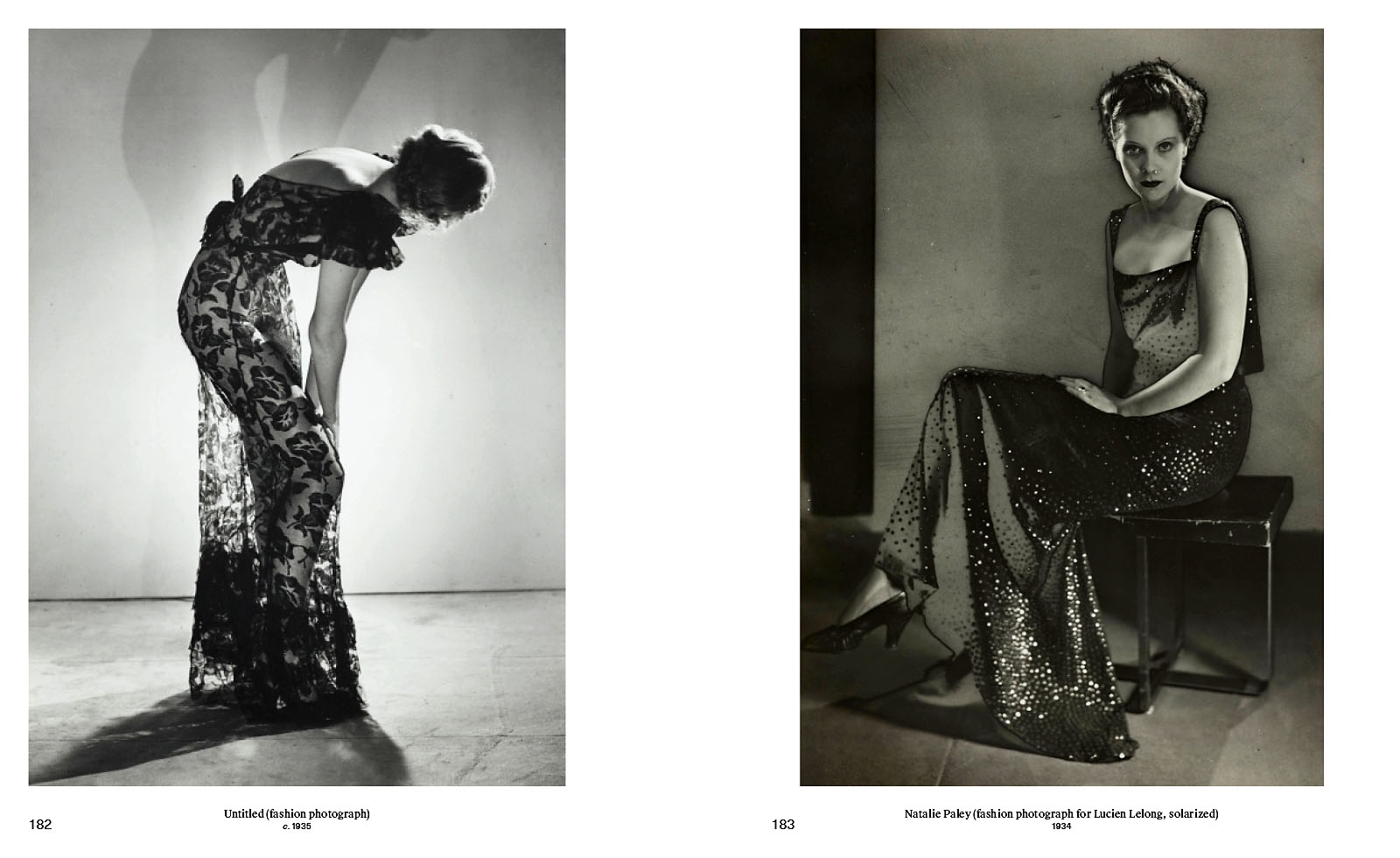
When Man Ray decided to become a professional photographer, it was primarily because he saw it as a way to earn a living. His studio rapidly became a gathering place for the entire Parisian art scene of its day: Henri Matisse, Pablo Picasso, Robert Delaunay, Alberto Giacometti, Salvador Dalí and Max Ernst, among others. His work includes portraits of the artists, writers and intellectuals in his circle, including Coco Chanel, Paul Éluard, James Joyce, Elsa Schiaparelli, Igor Stravinsky and Virginia Woolf. Not just content to have celebrities pose in his studio, he tried his hand at staging and photographing his female models – Lee Miller, Kiki de Montparnasse and Meret Oppenheim – in a variety of different settings. Following his encounter with the famous fashion designer Paul Poiret, Man Ray also worked as a fashion photographer for French and American Vogue, as well as for Harper’s Bazaar.

Man Ray, whose career spanned more than 60 years, saw the medium as a creative tool that would allow him to go beyond the representation of reality. While always exploring abstraction, he also made relatively traditional portraits of the artists who surrounded him – a circle to which he was introduced by Marcel Duchamp just after he arrived in Paris. He is the creator of Violon d’Ingres [Ingres’s Violin] – the iconic photograph taken in 1924 that can be found in every art history book published in the 20th century. Man Ray remains an important name in the worlds of art, fashion and pop culture, with so many artists referring to the photographs of this iconic figure of modern art.

Curated from a private collection, the exhibition explores the artist’s extensive social contacts while presenting some of his most iconic works.

1. PROOF AND PRINT, A QUESTION OF VOCABULARY

The question of Man Ray’s prints has remained a source of fascination throughout the history of photography. His work went through a series of successive generations of prints over the course of the 20th century, starting with prints made shortly after the photograph was taken: contact prints and more refined prints that highlight his artistic choices. From the 1950s onwards, Man Ray reinterpreted certain photographs to produce new prints, sometimes changing the framing. He also enlisted the services of various photographic laboratories such as Picto, and, in particular, the renowned printer Pierre Gassman, whose lab produced many posthumous prints.

The prolific nature of Man Ray’s work is reflected by some 12,000 negatives from his studio archive that were added to the collections of the Centre Pompidou in Paris. The experimental and pioneering nature of Man Ray’s work raises a number of particular questions, especially in relation to the photograms that he produced and reproduced, contradicting their primary characteristics as unique works. All these elements make it more difficult to determine the artist’s intention as well as the aesthetic and historical value of his works, compared to other, more linear authors. The way we refer to Man Ray’s photographs is therefore important, and the notions of proof, print and original are paramount.

Proof

A term from the world of printmaking and sculpture, it was adopted at the birth of photography by François Arago in his 1839 lecture. It designates the object obtained from a matrix, in photography, from a negative.

Original proof

Any copy made under the control of the artist or the holders of his or her moral rights and whose history can be traced. In the absence of this relationship, the object is considered a reproduction and not an original work.

Contact print

A print obtained by placing the negative directly on photosensitive paper. It is generally for the photographer’s use only and is used as a reference for an archiving system and as a tool to read newly printed photographs for the first time. A distinction must be made between contact prints, which are the same size as the negative and on which Man Ray generally cropped his photographs, and contact sheets, which allow the viewer to see the entire photographic film.

Vintage print

A print made during the period when the photograph was taken, and whose formal characteristics (format, tonality, contrast, inscriptions) reflect the artist’s intention. Sometimes, authors – as in the case of Man Ray – revisit their archives and produce new prints from an old negative, years after it was produced. This is known as a late print, or even a posthumous print when made by the artist’s beneficiaries after his or her death. All the posthumous prints in this exhibition are by Pierre Gassman.

Countertype

Countertype is obtained by re-photographing a photographic image. Man Ray often countertyped his original photograms for distribution and even sale.

2. STUDIO

‘To be totally liberated from painting and its aesthetic implications’ was the first avowed aim of Man Ray, who began his career as a painter.

Photography was one of the major breakthroughs of modern art and led to a rethinking of representation. In the 1920s and 30s, the photographic medium came to the forefront of the avant-garde movement, and Man Ray soon made a name for himself with his virtuosity. His photographs were not taken fleetingly, but rather meticulously produced in the studio. Unlike some photographers who see the street as a privileged playground, Man Ray composed and staged his photographs. The studio provided him with a space in which to explore his imagination.

3. ELITE

From the moment he arrived in Paris in the summer of 1921, Man Ray was part of the Parisian intelligentsia of the Roaring Twenties. Even before opening his studio in Montparnasse in 1922, he worked from his hotel room. His reputation as a photographer grew rapidly. He photographed Marcel Duchamp, whom he had met in New York in 1915, and who introduced him to the Parisian artistic elite and to many other painters such as Robert Delaunay, Georges Braque, Alberto Giacometti and Pablo Picasso. He met Jean Cocteau, who was himself a fixture of the Parisian art scene, as well as André Breton, Francis Picabia, Joan Miró, Salvador Dalí, Henri Matisse and Max Ernst, plus many intellectual figures of his day, including Gertrude Stein, Virginia Woolf, Igor Stravinsky, Ernest Hemingway, Arnold Schönberg and James Joyce.

4. MUSES

Through photography, a medium with multiple possibilities, the Surrealists sought not to reproduce reality, but to sublimate it. Love, as seen primarily by men, was an example of this idea of transformation. An essential notion for Luis Buñuel and Paul Éluard, love was a means of escaping reality and evoking the extraordinary. Femininity, sexuality and the fine line between dream and reality were dominant themes in Man Ray’s work when he was exploring the female nude, having those he considered to be his muses pose for his camera. He photographed Lee Miller, a fellow New Yorker who had begun a career as a model but wanted to move to the other side of the camera; Alice Prin, known as Kiki de Montparnasse, the woman with the fholes of a violin on her back, dancer, singer, actress and painter; and the Swiss artist Meret Oppenheim, who was close to the Surrealist scene before pursuing an independent career as an artist, and with whom he also had a professional and romantic relationship. In the late 1930s, Man Ray had his partner, Adrienne Fidelin, known as Ady, a dancer from Guadeloupe, pose for him.

5. EXPERIMENTATIONS

Man Ray also experimented in the darkroom, transforming the photographic medium into a powerful tool of artistic expression, even going so far as to do away with the camera when, in 1921-1922, he began creating photograms, which he coined ‘rayographs’ after himself. He described this darkroom work as a way of freeing himself from painting, so convinced was he of the visual power of his experiments. By placing objects directly onto photosensitive paper, he could play with shadows and light, fascinated by the abstractions created by this technique and that produced a unique work of art. He experimented with other techniques in the 1930s: solarisation, double exposures and different forms of distortion.

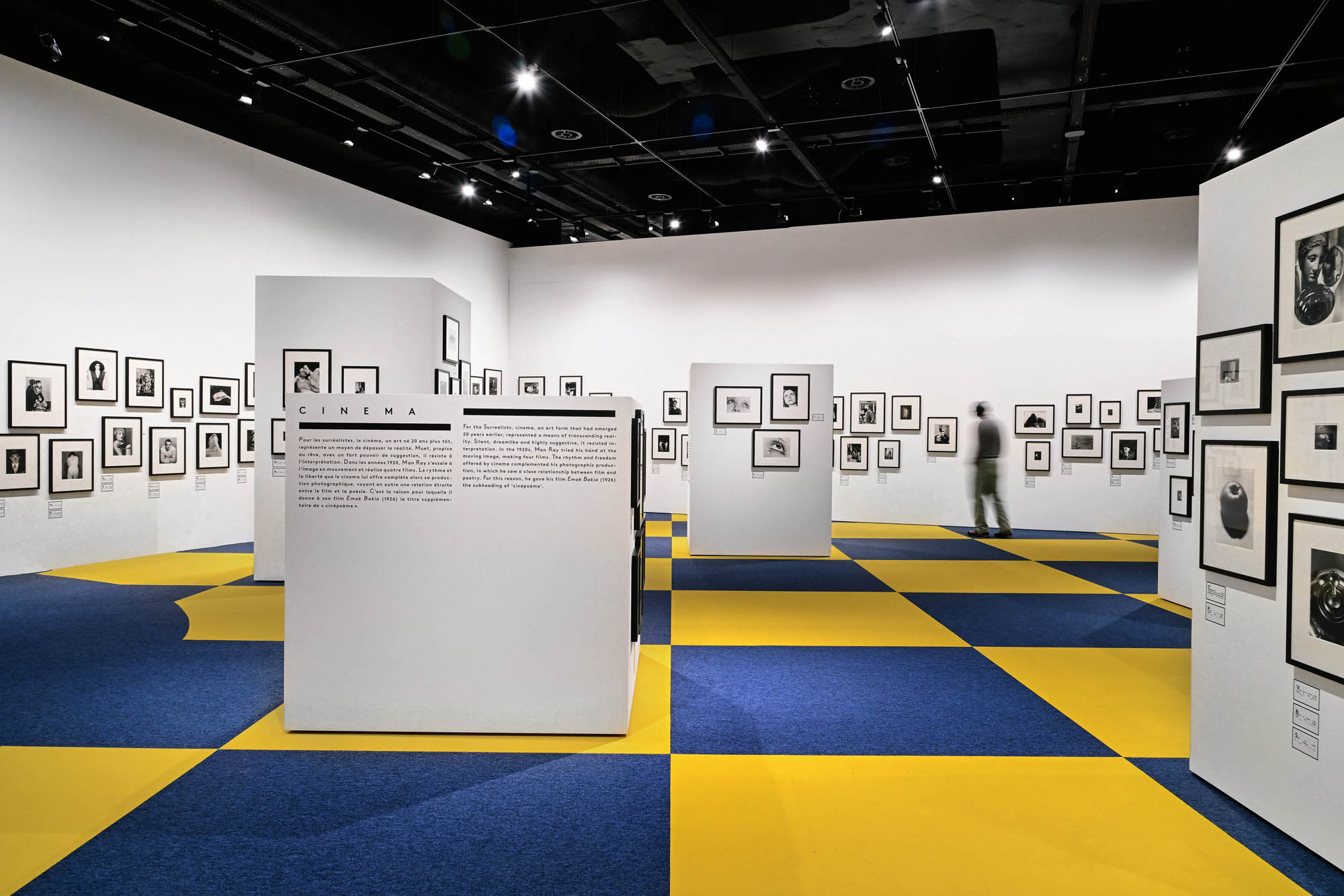
6. CINEMA

For the Surrealists, cinema, an art form that had emerged 20 years earlier, represented a means of transcending reality. Silent, dreamlike and highly suggestive, it resisted interpretation. In the 1920s, Man Ray tried his hand at the moving image, making four films. The rhythm and freedom offered by cinema complemented his photographic production, in which he saw a close relationship between film and poetry. For this reason, he gave his film Emak Bakia (1926) the subheading of ‘cinépoème’.

Texts: Nathalie Herschdorfer, Sarah Bourget and Wendy A. Grossman
English translation: Gail Wagman
Proofreading: Hannah Pröbsting

Exhibition texts from the Photo Elysee


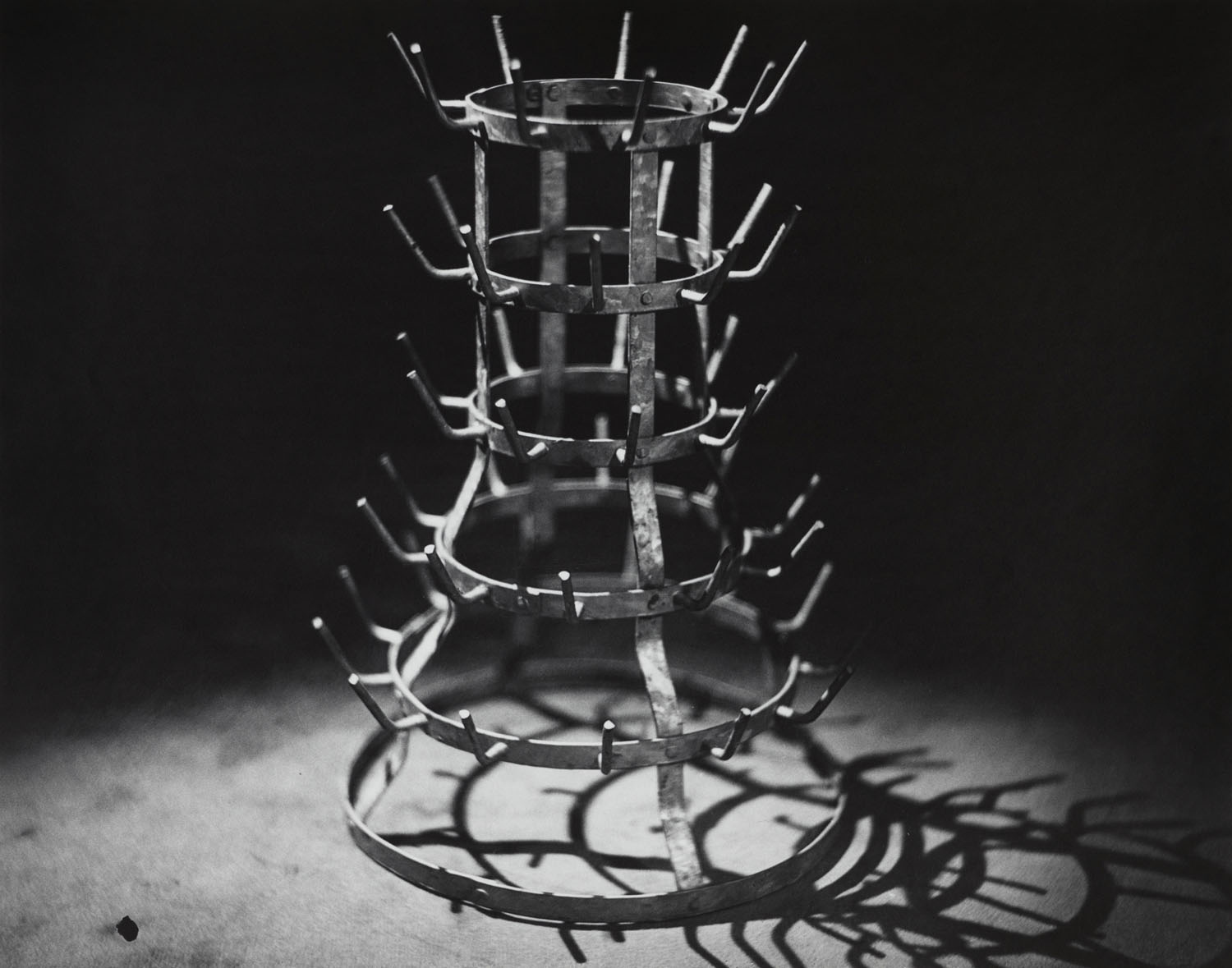
Man Ray (American, 1890-1976) 'Bottle-holder by Marcel Duchamp' c. 1920


Man Ray (American, 1890-1976)
Bottle-holder by Marcel Duchamp
c. 1920
Gelatin silver print
© Man Ray 2015 Trust / 2024, ProLitteris, Zurich. All rights reserved
Without permission from ProLitteris, the reproduction or any use of the individual and private consultation are prohibited


Man Ray (American, 1890-1976) 'Flowers' 1925


Man Ray (American, 1890-1976)
Flowers
1925
Gelatin silver print
© Man Ray 2015 Trust / 2024, ProLitteris, Zurich. All rights reserved
Without permission from ProLitteris, the reproduction or any use of the individual and private consultation are prohibited


In my early paper titled “The Delicious Fields: Exploring Man Ray’s ‘Rayographs’ in a Digital Future” published in The University of Queensland Vanguard magazine special edition ‘Man Ray: Life, Work & Themes’ (2004) I wrote:

The rayographs

After his arrival in Paris Man Ray started experimenting in his darkroom and discovered the technique for his rayographs by accident. With the help of his friend the Surrealist poet Tristan Tzara, he published a portfolio of twelve rayographs in 1922 called ‘Les champs délicieux’ (The delicious fields). “This title is a reference to ‘Les champs magnétiques’, a collection of writings by André Breton and Philippe Soupault composed from purportedly random thought fragments recorded by the two authors.”1 The rayographs are visual representations of random thought fragments, “photographic equivalents for the Surrealist sensibility that glorified randomness and disjunction.”2 Man Ray, “denied the camera its simplest joy: the ability to capture everything, all the distant details, all the ephemeral lights and shadows of the world”3 but, paradoxically, the rayographs are the most ephemeral of creatures, only being able to be created once, the result not being known until after the photographic paper has been developed. In fact, for Man Ray to create his portfolio ‘Les champs délicieux’ (The delicious fields), he had to rephotograph the rayographs in order to make multiple copies.4

Man Ray “insisted in nearly every interview that the rayograph was not a photogram in the traditional sense. He did something that a photogram didn’t; he introduced depth into the images,”5 which denied the images their photographic objectivity by depicting an internal landscape rather than an external one.6 What the rayographs do not deny, however, is the subjectivity of the artist, his skill at placing the objects on the photographic paper, expressed in their dream-like nature, both a subjective ephemerality (because they could only be produced once) and an ephemeral subjectivity (because they were expressions of Man Ray’s fantasies, and therefore had little substance). Through an alchemical process the latent images emerge from the photographic paper, representations of Man Ray’s fantasies as embodied in the ‘presence’ of the objects themselves, in the surface of the paper. …

Finally, within their depth of field the rayographs can be seen as both dangerous and delicious, for somehow they are both beautiful and unsettling at one and the same time. As Surrealism revels in randomness and chance these images enact the titles of other Man Ray photographs: ‘Danger-Dancer’, ‘Anxiety’, ‘Dust Raising’, ‘Distorted House’. The rayographs revel in chance and risk; Man Ray brings his fantasies to the surface, an interior landscape represented externally that can be (re)produced only once – those dangerous delicious fields.7

Marcus Bunyan. “The Delicious Fields: Exploring Man Ray’s Rayographs in a Digital Future,” in The University of Queensland Vanguard Magazine: ‘Man Ray: Life, Work and Themes’, 2004, Triad series #2, pp. 40-46. ISBN 0-9756043-0-9


Footnotes

1/ Greenberg, Mark (ed.,). In Focus: Man Ray: Photographs from the J. Paul Getty Museum. Los Angeles: The J. Paul Getty Museum, 1998, p. 28 quoted in Bunyan, op cit.,

2/ Perl, Jed (ed.,). Man Ray: Aperture Masters of Photography. New York: Aperture, 1997, pp. 11-12 quoted in Bunyan, op cit.,

3/ Ibid., pp. 5-6 quoted in Bunyan, op cit.,

4/ Greenberg, Mark (ed.,). In Focus: Man Ray: Photographs from the J. Paul Getty Museum. Los Angeles: The J. Paul Getty Museum, 1998, p. 28 quoted in Bunyan, op cit.,

5/ Ibid., p. 112 quoted in Bunyan, op cit.,

6/ Ibid., p. 28 quoted in Bunyan, op cit.,

7/ Marcus Bunyan. “The Delicious Fields: Exploring Man Ray’s Rayographs in a Digital Future,” in The University of Queensland Vanguard Magazine: ‘Man Ray: Life, Work and Themes’, 2004, Triad series #2, pp. 40-46. ISBN 0-9756043-0-9


Man Ray (American, 1890-1976) 'Fashion photograph' c. 1935


Man Ray (American, 1890-1976)
Fashion photograph
c. 1935
Gelatin silver print
© Man Ray 2015 Trust / 2024, ProLitteris, Zurich. All rights reserved
Without permission from ProLitteris, the reproduction or any use of the individual and private consultation are prohibited


'Man Ray. Liberating Photography' book cover


Man Ray. Liberating Photography book cover


Man Ray. Liberating Photography

Nathalie Herschdorfer, Wendy Grossman

Published in connection with an exhibition opening at Photo Elysée in spring 2024, this book presents more than one hundred and fifty of Man Ray’s portraits, primarily from the 1920s and ’30s.

Man Ray (1890-1976) was a man both of and ahead of his time. With his conceptual approach and innovative techniques, he liberated photography from previous constraints and opened the floodgates to new ways of thinking about the medium.

A close friend of Marcel Duchamp and André Breton, he was one of the few photographers to be mentioned among the Dada artists and surrealists. He also worked as a fashion photographer, first for Vogue and later for Harper’s Bazaar and Vanity Fair. Renowned as the creator of Ingres’s Violin – a photograph from 1924 that broke records when it was sold for $12.4 million in 2022 – Man Ray remains an influential figure in the worlds of art, fashion, and pop culture, with many other artists referencing his work.

Published in connection with an exhibition at Photo Elysée and in the centennial year of the publication of André Breton’s Surrealist Manifesto, Man Ray presents more than one hundred and fifty of Man Ray’s portraits, primarily from the 1920s and ’30s. It includes portraits of the leading lights of the Paris art scene, among them Marcel Duchamp, Robert Delaunay, Georges Braque, Alberto Giacometti, and Pablo Picasso, as well as a selection of his fashion work. As an innovator of photographic techniques and compositional form, Man Ray found the studio portrait – be it of the artists and writers with whom he had longstanding friendships or of the objects and sculptures he collected – to be the playground in which he could express the visual wit and experimentation for which he is renowned.

Format: Hardcover
Pages: 224
Artwork: 153 black-and-white illustrations
Size: 7.75 in x 9.5 in
Forthcoming: September 10th, 2024
ISBN-10: 0500028117
ISBN-13: 9780500028117

Buy the book now


'Man Ray. Liberating Photography'

'Man Ray. Liberating Photography'

'Man Ray. Liberating Photography'

'Man Ray. Liberating Photography'

'Man Ray. Liberating Photography'

'Man Ray. Liberating Photography'

'Man Ray. Liberating Photography'

'Man Ray. Liberating Photography'


Man Ray. Liberating Photography book pages


Photo Elysee
Place de la Gare 17
CH-1003 Lausanne
+41 21 318 44 00

Opening hours:
Monday : 10am – 6pm
Tuesday : closed (MCBA open)
Wednesday : 10am – 6pm
Thursday : 10am – 8pm
Friday : 10am – 6pm
Saturday : 10am – 6pm
Sunday : 10am – 6pm

Photo Elysee website

LIKE ART BLART ON FACEBOOK

Back to top

Exhibition: ‘Photography and the Performative’ at the Chau Chak Wing Museum at The University of Sydney

Exhibition dates: 29th April 2023 – 4th August 2024

Curator: Katrina Liberiou


Installation view of the exhibition Photography and the Performative at the Chau Chak Wing Museum at The University of Sydney showing at left, photographs by Michael Riley including at second left bottom, 'Moree women' (1991)


Installation view of the exhibition Photography and the Performative at the Chau Chak Wing Museum at The University of Sydney showing at left, photographs by Michael Riley including at second left bottom, Moree women (1991, below)


It’s great to see another Australian museum taking up the mantle of staging challenging photography exhibitions after the ball has been so gloriously dropped by both national and state galleries in recent years.

Of course, photography and performance have been associated with each other since the birth of photography. The very act of posing for the camera is a performative act. Indeed, one of the earliest self-portraits in the history of photography, Hippolyte Bayard’s famous Le Noyé [The Drowned Man] (1840) is a performance by the artist protesting against the lack of recognition for him as one of the inventors of photography. His humorous, yet biting text read:

“The corpse of the gentleman you see here…. is that of Monsieur Bayard, inventor of the process that you have just seen…. As far as I know this ingenious and indefatigable experimenter has been occupied for about three years with perfecting his discovery…. The Government, who gave much to Monsieur Daguerre, has said it can do nothing for Monsieur Bayard, and the poor wretch has drowned himself. Oh! The precariousness of human affairs!” (Text from the J. Paul Getty Museum website)


With interesting sections such as ‘Photography as witness’, ‘Performative document’ and ‘Performing spaces’ – any one of which could have provided the basis of a large exhibition in their own right – the only problem with this exhibition is that it’s too small, particularly in the limited number of works that illuminate each section. For example, having a small body of early Bill Henson Untitled crowd photographs (1980/82), a small body of Mark Ellen Mark’s photographs of Ward 81 (1979), and one Araya Rasdjarmrearnsook photograph to illustrate the section ‘Photography as witness’ is barely adequate to begin a conversation on the subject.

Even as the exhibition tries to cover too much ground with too little resources one must congratulate the museum for even attempting such an insightful examination of how photography records performative actions in fields such as visual, architectural, spatial, gestural and gendered. The problem is that it needed to be either a/ focused on one section, or b/ much larger with more resources in order to encompass the breadth of the subject being investigated.

Having said that, I wish other galleries around Australia had such get up and go, such inquisitiveness vis a vis the history of photography and its place and influence in the modern world. I’ve not heard of any recent photographic exhibitions in Australia which attempt such a complex visual and intellectual investigation into one subject, which says a lot about the state of photographic exhibitions in Australia.

I have added hopefully interesting referenced texts to provide information on some of the art works and artists in the posting.

The exhibition is held at the same time as the exhibition The Staged Photograph at Chau Chak Wing Museum at The University of Sydney (finishes 4th August 2024). A posting on this exhibition to follow soon.

Dr Marcus Bunyan


Many thankx to the Chau Chak Wing Museum for allowing me to publish the photographs in the posting. Please click on the photographs for a larger version of the image.


An exhibition exploring the intersection between photography and performance.

This exhibition examines recent ideas and theories that frame performance as a phenomenon that is everywhere. Performative actions may include the manifestation of ideas, whether literal, oral, spoken, or written. Such forms can be visual, architectural, spatial, gestural and gendered. This exhibition looks at how these different modes may be ‘recorded’ via the medium of photography.

Since the 1960s, photography and performance have experienced a shared history. Artists have embraced the possibilities of this time-based medium by deploying a documentary mode – capturing the fleeting, the happening, the ephemeral. The camera becomes an extension of the artist’s body, documenting their actions and interventions.

Text from the Chau Chak Wing Museum website


Installation view of the exhibition Photography and the Performative at the Chau Chak Wing Museum at The University of Sydney showing at front, Polaroids from Imants Tillers' 'If I close my eyes' (2021)


Installation view of the exhibition Photography and the Performative at the Chau Chak Wing Museum at The University of Sydney showing at front, Polaroids from Imants Tillers’ If I close my eyes (2021)


Installation view of the exhibition Photography and the Performative at the Chau Chak Wing Museum at The University of Sydney showing at left photographs from Bill Henson's 'Untitled 1980/82' (1980/82); at centre, photographs from Mary Ellen Mark's 'Ward 81' (1979); and at right, Araya Rasdjarmrearnsook's 'Village and Elsewhere: Artemisia Gentileschi's Judith Beheading Holofernes Jeff Koons's Untitled and Thai Villagers' (2011)


Installation view of the exhibition Photography and the Performative at the Chau Chak Wing Museum at The University of Sydney showing at left photographs from Bill Henson’s Untitled 1980/82 (1980/82, below); at centre, photographs from Mary Ellen Mark’s Ward 81 (1979, below); and at right, Araya Rasdjarmrearnsook’s Village and Elsewhere: Artemisia Gentileschi’s Judith Beheading Holofernes, Jeff Koons’s Untitled, and Thai Villagers (2011, below)


Installation view of the exhibition Photography and the Performative at the Chau Chak Wing Museum at The University of Sydney showing at back left, photographs from Bill Henson's 'Untitled 1980/82' (1980/82); at back centre, photographs from Mary Ellen Mark's 'Ward 81' (1979); at back right, Araya Rasdjarmrearnsook's 'Village and Elsewhere: Artemisia Gentileschi's Judith Beheading Holofernes Jeff Koons's Untitled and Thai Villagers' (2011); and at front, Polaroids from Imants Tillers' 'If I close my eyes' (2021)


Installation view of the exhibition Photography and the Performative at the Chau Chak Wing Museum at The University of Sydney showing at back left, photographs from Bill Henson’s Untitled 1980/82 (1980/82, below); at back centre, photographs from Mary Ellen Mark’s Ward 81 (1979, below); at back right, Araya Rasdjarmrearnsook’s Village and Elsewhere: Artemisia Gentileschi’s Judith Beheading Holofernes, Jeff Koons’s Untitled, and Thai Villagers (2011, below); and at front, Polaroids from Imants Tillers’ If I close my eyes (2021)


Installation view of the exhibition Photography and the Performative at the Chau Chak Wing Museum at The University of Sydney showing at back centre, photographs from Mary Ellen Mark's 'Ward 81' (1979); and at front, Polaroids from Imants Tillers' 'If I close my eyes' (2021)


Installation view of the exhibition Photography and the Performative at the Chau Chak Wing Museum at The University of Sydney showing at back centre, photographs from Mary Ellen Mark’s Ward 81 (1979, below); and at front, Polaroids from Imants Tillers’ If I close my eyes (2021)


Installation view of the exhibition Photography and the Performative at the Chau Chak Wing Museum at The University of Sydney showing at left, Hiroshi Sugimoto's 'State Theatre, Sydney' (1997); at second left, Hiroshi Sugimoto's 'Seagram Building – Ludwig Mies Van Der Rohe' (1997); at third left, Olive Cotton's 'Clarence Street, Sydney' (c. 1942); at third right, Christo and Jeanne-Claude’s 'Packed public building, project for Sydney' (1969); and at right, Grant Mudford's 'From Ocean boulevard, Long Beach' (1979-1980)


Installation view of the exhibition Photography and the Performative at the Chau Chak Wing Museum at The University of Sydney showing at left, Hiroshi Sugimoto’s State Theatre, Sydney (1997, below); at second left, Hiroshi Sugimoto’s Seagram Building – Ludwig Mies Van Der Rohe (1997, below); at third left, Olive Cotton’s Clarence Street, Sydney (c. 1942, below); at third right, Christo and Jeanne-Claude’s Packed public building, project for Sydney (1969, below); and at right, Grant Mudford’s From Ocean boulevard, Long Beach (1979-1980, below)


Installation view of the exhibition Photography and the Performative at the Chau Chak Wing Museum at The University of Sydney showing at left, Krzysztof Wodiczko's 'Eye to Eye' (c. 1973); at fourth left, Guilio Paolini's 'Incipit' (1975); at fourth right, Hiroshi Sugimoto's 'State Theatre, Sydney' (1997); at third right, Hiroshi Sugimoto's Seagram 'Building – Ludwig Mies Van Der Rohe' (1997); at second right, Olive Cotton's 'Clarence Street, Sydney' (c. 1942); and at right, Christo and Jeanne-Claude's 'Packed public building, project for Sydney' (1969)


Installation view of the exhibition Photography and the Performative at the Chau Chak Wing Museum at The University of Sydney showing at left, Krzysztof Wodiczko’s Eye to Eye (c. 1973, below); at fourth left, Guilio Paolini’s Incipit (1975, below); at fourth right, Hiroshi Sugimoto’s State Theatre, Sydney (1997, below); at third right, Hiroshi Sugimoto’s Seagram Building – Ludwig Mies Van Der Rohe (1997, below); at second right, Olive Cotton’s Clarence Street, Sydney (c. 1942, below); and at right, Christo and Jeanne-Claude’s Packed public building, project for Sydney (1969, below)


How photography captures performance

Some of photography’s best-known luminaries feature in a new Chau Chak Wing Museum exhibition examining the interaction between photography and performance.

From Olive Cotton’s Clarence Street, Sydney (c. 1942) to Imants Tillers’ If I Close My Eyes (2021), the images in Photography and the Performative capture performers, performance spaces and audiences over an 80-year period. The punk aesthetic of 1980s New York, Hollywood B-grade movies and generational discrimination faced by Aboriginal communities are among the diverse phenomena examined in this exhibition. Cindy Sherman, Hiroshi Sugimoto, Bill Henson, Barber Kruger and Araya Rasdjarmrearnsook are among the featured artists.

“Performance as a concept is everywhere,” said Chau Chak Wing curator Katrina Liberiou. “This exhibition conveys performative elements from the widest imaginable range of settings including streets, studios, villages, institutions and performance spaces.”

“Since the 1960s, photography and performance have experienced a shared history. The camera became an extension of the artist’s body, documenting their actions and interventions.”

Rather than record performances, works in Photography and the Performative look at the supporting roles of space, the human body and ideas in performance. International works include disturbing images from the hospital where Milos Forman’s One Flew Over the Cuckoo’s Nest was filmed. Mary Ellen Mark spent 36 days living at the Oregon State Hospital to document the lives of women incarcerated there, a year after she worked as the Oscar-winning film’s set photographer.

Closer to home, Christo’s Packed public building, project for Sydney (1969) imagines wrapping Sydney’s Australia Square, then a new skyscraper designed by architect Harry Seidler. This work was a precursor to the artists’ epic Wrapped Coast, created with support from Harry and Penelope Seidler. Hiroshi Sugimoto’s long exposures of the State Theatre and Seagram Building, also in Sydney, play homage to mid-twentieth century modernism. Imants Tillers If I close my eyes (2021, on display until August 2023) is a grid of Polaroid photographs interspersing portraits of Tillers’ friends, family and fellow artists with images of Sydney’s harbour. The latter depict the same view, from Tillers’ home in Mosman, captured over a three-year period.

The photographs in Photography and the Performative range from vintage black and white prints to alternative processes (including solarisation and photograms) to early colour photography and digital prints. All featured works have been selected from the University of Sydney Art Collection.

Photography and the Perfomative is one of two photographic exhibitions currently on show at the Chau Chak Wing Museum. The second, The Staged Photograph, presents a range of staged images taken in Australia between the mid-19th and early 20th centuries.

Anonymous. “From Henson to Christo,” on The University of Sydney website 24 April 2023 [Online] 12/06/2024


Olive Cotton (Australian, 1911-2003) 'Clarence Street, Sydney' c. 1942


Olive Cotton (Australian, 1911-2003)
Clarence Street, Sydney
c. 1942
Gelatin silver print
Chau Chak Wing Museum


Christo Vladimirov Javacheff (American born Bulgaria, 1935-2020) and Jeanne-Claude Denat de Guillebon (American born Bulgaria, 1935-2009) 'Packed public building, project for Sydney' 1969


Christo Vladimirov Javacheff (American born Bulgaria, 1935-2020) and Jeanne-Claude Denat de Guillebon (American born Bulgaria, 1935-2009)
Packed public building, project for Sydney
1969
Synthetic polymer paint, cotton fabric, cotton thread, pencil, coloured pencil, pressure-sensitive tape on photographs, synthetic polymer weave and staples on cardboard
72.0 x 76.9cm
Donated by Chandler Coventry, 1972
J W Power collection, Chau Chak Wing Museum


Optronic Kinetics (active c. 1970-72) 'Cubed Tree' 1971


Optronic Kinetics (active c. 1970-72)
Cubed Tree
1971
Black and white photograph
61 x 42cm
Donated by the artist 1973
J W Power collection, Chau Chak Wing Museum


Optronic Kinetics (active c. 1970-72) 'Feathered Office' c. 1973


Optronic Kinetics (active c. 1970-72)
Feathered Office
c. 1973
Black and white photograph
61 x 42cm
Donated by the artist 1973
J W Power collection, Chau Chak Wing Museum


Optronic Kinetics

Optronic Kinetics was an art collective that emerged from the University of Sydney’s infamous Tin Sheds Art Workshop in the early 1970s. At this time, the Tin Sheds was a hotbed for radical thought, student activism and a celebrated ‘alternate art space’, where ideas about conceptual and post-object art were explored and put into practice. From the late 1960s to the early 1980s, the Tin Sheds gave rise to some of Australia’s most progressive and political creative practitioners.

Renowned sculptor and artist Bert Flugelman (1923-2013) was the Tin Sheds’ coordinator from 1968 to 1973, and under his guidance encouraged students from across the University’s disciplines to explore the Art Workshop’s offerings. Combined with the enthusiasm of artist, critic and theorist Donald Brook (1927-2018), a University of Sydney academic at the time, a small cohort of medical and engineering students began to investigate and experiment with electronics and movement. Initially the students had wanted to create ‘very conservative paintings’, so in response Flugelman gave them an introduction to sculpture and convinced them to push the boundaries of their own studies and skills. Flugelman and Brook believed that you did not need to master a creative discipline in order to understand it, but you had to be familiar with its ideas and processes. It was this guiding principle that brought Optronic Kinetics into being.

Spurred by the desire to amalgamate science and technology with art, the collective’s founding members included Fine Arts student Julie Ewington, now a recognised writer and curator, and electrical engineering students David Smith and Jim McDonnell. Together with Flugelman they created conceptually ambitious and humorous works such as Cubed treeFeathered office and Flashing boob. Other works such as Electronic colour organ and Reflector employed cutting edge technological innovations and theories to bridge the perceived divide between art and science.

Madeline Reece. “Optronic Kinetics,” on the Take 5 Flinders University Museum of Art website 2020 [Online] Cited 21/06/2024 © Flinders University Museum of Art


Cecile Abish (American, b. 1930) 'Mail-Art: Field Coil' c. 1973 (detail)


Cecile Abish (American, b. 1930)
Mail-Art: Field Coil (detail)
c. 1973
Black and white photographs (template and typed documentation not exhibited)
25.5 x 20.4cm
Donated by the artist 1973
J W Power collection, Chau Chak Wing Museum


Cecile Abish (born 1930) is an American artist known primarily for her works in sculpture and photography.

“Field Coil was specifically made for the lower level space at 112, with its unobstructed linear run and uncluttered cement floor. The work consisted of 104 separate coiled kraft paper units that were placed one next to the other. Each section before being rolled measures 36 × 46″, the slits were 36″ long, cut at 1″ intervals and parallel to the 46″ length. The 104 separate units lost their intrinsic apartness as the coils were placed one next to the other, leaving only the uppermost part of each unit exposed to form an extended field. The dimensions of the entire work were 7″ high x 3′ wide x 49′ long.”

Excerpted from Brentano, R., & Savitt, M. (1981). 112 Workshop, 112 Greene Street: History, artists & artworks. New York: New York University Press cited on the White Columns website Nd [Online] Cited 21/06/2024


Petr Stembera (Czech, b. 1945) 'Mail-Art: (rolling a sleeve; 8 parts)' c. 1973 (detail)


Petr Stembera (Czech, b. 1945)
Mail-Art: (rolling a sleeve; 8 parts) (detail)
c. 1973
Black and white photographs
24.0 x 17.8 cm
Donated by the artist 1973
J W Power collection, Chau Chak Wing Museum


His [Stembera’s] Daily Activities, a series of performances for a camera from the early 1970s, dealing with routine actions, such as rolling up sleeves, typewriting, tying shoelaces, or fastening buttons are mainly found in collections outside Czechoslovakia and, thus, virtually absent from Czech collections, as the artist stopped displaying his photographic works after he turned to live performance in 1974. …

[Petr] Rezek wrote about photographic documentation as a basis for communication. Speaking about the Czech context and leaving aside the different financial and technical possibilities, Štembera’s use of photographic documentation was not especially innovative. Photography served for many as an easily reproducible medium, as the lingua franca of performance art. Its importance was rooted in its utility rather than its aesthetics. However, the specific form of the use of this almost universally understood language depended on many factors. If we look more closely at its uses and direct our focus towards the various dialects, idiolects, and sociolects it encompasses, we can also learn more about the nature of the art it transmitted.

The fact that the Daily Activities series was crucial for Štembera at the time is confirmed, for example, by a reproduction of a photograph showing him buttoning his shirt, which was used on the poster for his solo exhibition in Antwerp organized by D’Hondt in 1974. Such low-quality reproductions, which appeared in non-profit publications in the West as well as in unofficial and semi-official publications in the East were one of the typical outputs of these exchanges. In addition to gelatin silver prints, photomechanical reproductions played a crucial role in facilitating international transfers. Besides the posters and invitation cards, the reproductions in exhibition catalogues and in foreign magazines were seminal in distributing the original art piece to a wide audience. Through the catalogs, some of the exhibited works reached a secondary audience but also returned to the archives of the authors and to libraries, where they continue to serve as a source of information to this day.

Hanna Buddeus. “Photography: The Lingua Franca of Performance Art?” on the Art Margins website 14th March 2024 [Online] Cited 21/06/2024


Krzysztof Wodiczko (Polish, b. 1943) 'Eye to Eye' c. 1973


Krzysztof Wodiczko (Polish, b. 1943)
Eye to Eye
c. 1973
Gelatin silver photograph
47.6 x 59cm
Donated by the artist 1973
J W Power collection, Chau Chak Wing Museum


Giulio Paolini (Italian, b. 1940) 'Incipit' 1975


Giulio Paolini (Italian, b. 1940)
Incipit
1975
Torn photograph, canvas, wood, in Perspex frame
91.0 x 61.5cm
Purchased with funds from the J W Power Bequest 1976
J W Power collection


Mary Ellen Mark (American, 1940-2015) 'Untitled' 1976-1978


Mary Ellen Mark (American, 1940-2015)
Untitled
1976-1978
From the series Ward 81, Oregon State Hospital, Salem, Oregon
Silver gelatin photograph
20.3 x 30.5cm
Purchased with funds from the JW Power Bequest 1978
JW Power Collection, Chau Chak Wing Museum


In 1975, photographer Mary Ellen Mark was assigned by The Pennsylvania Gazette to produce a story on the making of Milos Forman’s film of Ken Kesey’s 1962 novel One Flew Over the Cuckoo’s Nest, shot on location at the Oregon State Hospital, a mental institution. While on set, Mark met the women of Ward 81, the only locked hospital security ward for women in the state: The inmates were considered dangerous to themselves or to others. In February of 1976, just before the ward closed (it ceased to exist in November of 1977, when it became the female section of a coeducational treatment ward), Mark and Karen Folger Jacobs, a writer and social scientist, were given permission to make a more extended stay, living on the ward in order to photograph and interview the women. They spent 36 days on Ward 81, photographing and documenting. Jacobs recalls their slow, inevitable assimilation: “We felt the degeneration of our own bodies and the erosion of our self-confidence. We were horrified at the thought of what we might become after a year or two of confinement and therapy on Ward 81.”

Text from the Google Books website


Mary Ellen Mark (American, 1940-2015) 'Untitled' 1976-1978


Mary Ellen Mark (American, 1940-2015)
Untitled
1976-1978
From the series Ward 81, Oregon State Hospital, Salem, Oregon
Silver gelatin photograph
20.3 x 30.5cm
Purchased with funds from the JW Power Bequest 1978
JW Power Collection, Chau Chak Wing Museum


Grant Mudford (Australian, b. 1944) 'From Ocean boulevard, Long Beach' 1979-1980


Grant Mudford (Australian, b. 1944)
From Ocean boulevard, Long Beach
1979-1980
Black and white photograph on paper
60.3 x 50.3cm
Purchased with funds from the J W Power Bequest 1980
J W Power collection, Chau Chak Wing Museum


Bill Henson (Australian, b. 1955) 'Untitled 1980/82' 1980-1982


Bill Henson (Australian, b. 1955)
Untitled 1980/82
1980-1982
Gelatin silver photograph
43.1 x 39cm
Donated by University of Sydney Union 2019
University Art Collection, Chau Chak Wing Museum


“A selection of photographs from the Crowd Series (1980-1982) by Bill Henson. Snapped in secret these black and white journalistic surveillance photographs (‘taken’ in an around Flinders Street railway station in Melbourne) have a brooding intensity and melancholic beauty. Henson uses a flattened perspective that is opposed to the principles of linear perspective in these photographs. Known as The Art of Describing6 and much used in Dutch still life painting of the 17th century to give equal weight to objects within the image plane, here Henson uses the technique to emphasise the mass and jostle of the crowd with their “waiting, solemn and compliant” people.

“When exhibiting the full series, Henson arranges the works into small groupings that create an overall effect of aberrant movement and fragmentation. From within these bustling clusters of images, individual faces emerge like spectres of humanity that will once again dissolve into the crowd … all apparently adrift in the flow of urban life. The people in these images have an anonymity that allows them to represent universal human experiences of alienation, mortality and fatigue.”7

Marcus Bunyan. “Un/aware and in re/pose: the self, the subject and the city,” review of the exhibition ‘In camera and in public’ at the Centre for Contemporary Photography, Melbourne on the Art Blart website October 16, 2011 [Online] Cited 12/06/2024

6/ See Alpers, Svetlana. The Art of Describing: Dutch Art in the Seventeenth Century. University Of Chicago Press, 1984

7/ Anon. BILL HENSON: early work from the MGA collection. Education Resource. A Monash Gallery of Art Travelling Exhibition [Online] Cited 14/10/2011. No longer available online


Todd Watts (American, b. 1949) 'On the 21st century' 1982


Todd Watts (American, b. 1949)
On the 21st century
1982
Silver gelatin photograph
49.0 x 59.2cm
Purchased with funds from the JW Power Bequest 1986
JW Power Collection, Chau Chak Wing Museum


Hiroshi Sugimoto (Japanese, b. 1948) 'State Theatre, Sydney' 1997


Hiroshi Sugimoto (Japanese, b. 1948)
State Theatre, Sydney
1997
Silver gelatin photograph
42.3 x 54.6cm
Purchased with funds from the Dr M J Morrissey Bequest Fund in memory of Professor A L Sadler 2017
University Art Collection, Chau Chak Wing Museum


I loved Sugimoto’s time lapse movie screens, where the exact length of a movie was captured by the open lens of the camera, the substance of time and space evidenced by a seemingly empty screen. There was something wonderfully poetic and transformational about that gesture, about the notion of compressing the narrative, reality and action of a movie into a single frame of light: “the ‘annihilation of time and space’ as a particular moment in a dynamic cycle of rupture and recuperation enables a deliberate focus on the process of transition.”1 The process of transition in the flow of space and time.

Marcus Bunyan on the exhibition “Hiroshi Sugimoto: Past Tense” at the J. Paul Getty Museum, Getty Center, Los Angeles on the Art Blart website June 3, 2014 [Online] Cited 21/06/2024


Hiroshi Sugimoto (Japanese, b. 1948) 'Seagram Building – Ludwig Mies Van Der Rohe' 1997


Hiroshi Sugimoto (Japanese, b. 1948)
Seagram Building – Ludwig Mies Van Der Rohe
1997
Silver gelatin photograph
University Art Collection, Chau Chak Wing Museum


Michael Riley (Australian / Wiradjuri/Kamilaroi, 1960-2004) 'Moree women' 1991


Michael Riley (Australian / Wiradjuri/Kamilaroi, 1960-2004)
Moree women
1991
Gelatin silver print
40.0 x 56.5cm
Donated by University of Sydney Union, 2019
University Art Collection, Chau Chak Wing Museum


Anne Ferran (Australian, b. 1949) 'Untitled (Bodice)' 1998


Anne Ferran (Australian, b. 1949)
Untitled (Bodice)
1998
Gelatin silver photogram
82.0 x 93.5cm
Donated by University of Sydney Union 2019
University Art Collection, Chau Chak Wing Museum


In 1998 Australian artist Anne Ferran was offered an artist-in-resident’s position at an historic homestead not far from Sydney that had been occupied by successive generations of the same family since 1813. Ferran spent six months systematically making contact prints using the dresses, bodices, skirts, petticoats, and collars still contained in the house. Hovering in a surrounding darkness, softly radiating an inner light, the ghostly traces of these translucent garments now act as residual filaments for a century of absorbed sunshine. Many of them have been patched over the years and their signs of wear and repair are made clear. This allows us to witness a history of the use of each piece of clothing, seeing inside them to those small and skilful acts of home economy – the labour of women – usually kept hidden from a public gaze.

Wall text from the exhibition “Emanations: The Art of the Cameraless Photograph” at the Govett-Brewster Art Gallery / Len Lye Centre, New Plymouth, New Zealand on the Art Blart website July 31, 2016 [Online] Cited 21/06/2024


Cindy Sherman (American, b. 1954) 'Untitled #131' 1983


Cindy Sherman (American, b. 1954)
Untitled #131
1983
C-type photograph
139.9 x 100cm
University Art Collection, Chau Chak Wing Museum
Purchased with funds from the J W Power Bequest 1984
JW Power Collection, Chau Chak Wing Museum


The Twilight Girls (active 1997 - present) 'The Power and the Glory i' 2004 (detail)


The Twilight Girls (Helen Hyatt-Johnston and Jane Polkinghorne) (active 1997 – present)
The Power and the Glory i (detail)
2004
Colour photographic print
75.9 x 50.5cm
Donated by University of Sydney Union 2019
University Art Collection, Chau Chak Wing Museum


Hyatt-Johnston and Polkinghorne’s work is a hilarious celebration of the endless potential to personalise Hollywood fantasy so as to enjoy the vicarious glamour and tack without foreclosing either individual expression or the subversion of mainstream codes. The artists confuse genres and disciplines, feminist aspirations and sacred cows, in a mad comic brew that speaks more of the pleasure of play and friendship than of the construction of sexed identities. And this is the point, to evade the strictures of accepted feminist strategies by putting inclusive play back on the map.

Jacqueline Millner. “Twilight Girls: Helen Hyatt-Johnston and Jane Polkinghorne,” on the Contemporary Art and Feminism website October 22, 2013 [Online] Cited 21/06/2024 © Jacqueline Millner, 2002


Polit-Sheer-Form Office (PSFO) (active 2005-2009) 'Mr Zhang' 2008


Polit-Sheer-Form Office (PSFO) (active 2005-2009)
Mr Zhang
2008
C-type print
170.4 x 135.5cm
Donated by Gene and Brian Sherman through the Australian Government’s Cultural Gifts Program 2021
University Art Collection, Chau Chak Wing Museum


Polit-Sheer-Form-Office (PSFO) is a China-based art group established in 2005 by artists Hong Hao, Xiao Yu, Song Dong, Liu Jianhua and curator / critic Leng Lin. Born in the mid-1960s, as children they all experienced the late Cultural Revolution, a period of Communist ideological orthodoxy that powerfully affected the preceding generation.

Drawing on this personal history, PSFO’s artistic practice strives to create a collective way of life while removing the political content historically associated with it. In its activities and artworks, PSFO attempts to create a framework – albeit tongue-in-cheek – for collective life in today’s consumer-oriented China. Within this framework, individuals may find the ties that bind them to others. At the same time, “sheer form” without content allows room for the individual to grow. By eating, drinking and playing together, the PSFO members revive a collective way of life associated with the Communist era of their youth, reawakening a long-lost state of being, by which they contend with contemporary China’s ideology of consumerism. But this is not nostalgia for one of the most controversial periods of Chinese history. The very emptiness of the political rhetoric of their childhood is what inspires the group’s name. Instead of political content, we have sheer, unadulterated political form – hence “Polit-Sheer-Form-Office.” The fact that the group calls itself an “Office” is another ironic reference to officialdom. …

Mr. Zheng is a digital amalgam of the faces of the five PSFO members in the form of a generic identification photo. This artwork straightforwardly embodies the union of the group’s five members, each sacrificing his individuality to become this new single entity. As a nod to the so-called “leader portraits” of Chairman Mao that were hung over buildings in China during the Socialist era… This virtual leader combines the characteristics of all five members, and is therefore not a portrait of authoritarianism, but of collectivism.

In American culture, individualism is a core value, yet a new understanding of the need for the collective has emerged. Similarly, while collectivism has been a core Chinese value, there has been increasing interest in individual pursuits. Is doing a good deed human nature’s need or a need for ideology? What is the real content and meaning of collectivism?

Ruijin Shen, curator, Guangdong Times Museum. “Polit-Sheer-Form-Office (PSFO) Polit-Sheer-Form!,” on the Queens Museum website 2014 [Online] Cited 07/07/2024


Araya Rasdjarmrearnsook (Thailand, b. 1957) 'The Two Planets: Van Gogh's The Midday Sleep 1889/90, and the Thai Villagers' 2008


Araya Rasdjarmrearnsook (Thailand, b. 1957)
The Two Planets: Van Gogh’s The Midday Sleep 1889/90, and the Thai Villagers
2008
Digital print
75.7 x 75.7cm
Purchased with funds from the Dr M J Morrissey Bequest Fund in memory of Professor A L Sadler 2014
University Art Collection, Chau Chak Wing Museum


Araya explores the relational potential of the tableau most fully in two video installation series: The Two Planets (2008) and Village and Elsewhere (2011), both of which are composed of short audiovisual vignettes that are usually exhibited as multichannel video and photographic installations. The individual works in each series are almost identical in terms of visual composition. Araya re-situates one or two large-scale, ostentatiously gold-framed reproductions of famous western paintings in outdoor or neighborhood spaces in the rural outskirts of the northern Thai city of Chiang Mai. The video camera frames these reproductions and their visually associative physical surroundings in a straight-on shot. On-screen, the framed reproductions are frontally displayed in the background. In the foreground, small groups of people are visible from the back, and their murmurings, chatter, gossip, speculations, and digressions as they look at the reproductions audible. …

In each of these audiovisual vignettes, the duration of the scene displayed approximates the duration of spectatorship by a figural group whose faces we do not see. The visualization of the group signifies “Thai Villagers,” or “Thai Farmers,” transfiguring people who, in everyday life, live in the same suburb as the artist. In each tableau, the group is sitting on the ground, their backs to us, facing the framed reproduction. The shortest of these videos are nearly ten minutes, and the longer ones about twenty-five. Someone comments on a detail that strikes them about the picture in the frame. Another person observes something about this face or that body, this plant, that tool, this hat, or that dish. The group amuses itself, speculating wildly on the backstory in the displayed scene. Sometimes they prod one another to dart up to the framed picture and point out a small detail – or to caress the image of a face, the skin, a body part. With the van Gogh reproduction, the group contemplates the placement of the sickle, the number of wheels on the wooden cart, the total number of oxen legs visible, and the casting of the sunlight on the haystack, all in order to decipher winning lottery numbers. Their conversation flows easily, often straying from the framed reproduction to random neighborhood gossip. Each video is unscripted and staged as a one-take piece using a static shot. The editing is minimal, involving discreet jump cuts to crop out of parts of the conversation without changing the visual composition, giving the impression that the vignettes are displaying spectatorial experiences in real time.

May Adadol Ingawanij. “Araya Rasdjarmrearnsook’s Relational Tableaux,” on the MoMA Post website August 9, 2023 [Online] Cited 21/06/2024


Araya Rasdjarmrearnsook (Thailand, b. 1957) 'Village and Elsewhere: Artemisia Gentileschi's Judith Beheading Holofernes, Jeff Koons's Untitled, and Thai Villagers' 2008


Araya Rasdjarmrearnsook (Thailand, b. 1957)
Village and Elsewhere: Artemisia Gentileschi’s Judith Beheading, Holofernes Jeff Koons’s Untitled, and Thai Villagers
2008
Purchased with funds from the Dr M J Morrissey Bequest Fund in memory of Professor A L Sadler 2014
University Art Collection, Chau Chak Wing Museum


The tableau display of the gold-framed reproductions references and aggrandizes museum conventions of hanging and presenting artworks on walls, an exhibition apparatus that lays claim to addressing everyone. Yet the spectators in The Two Planets and Village and Elsewhere exceed the boundary of that universalizing assertion with their actualization of what, following Elaine Castillo, we might call the spectatorship of the unintended.14 At the same time, their encounters with the reproductions take place in spaces that do not cohere with the museological value of suspending the time and space of daily life. The “Thai Villagers” and “Thai Farmers” in Araya’s tableaux are shown engaging with framed reproductions of art in neighborhood spaces – the local field, temple, and bamboo forest. The spectatorship of the unintended that they enact is a kind of unruly hosting, an extending of hospitality to the foreign, an unpredictable engagement with mobile artifacts from distant lands, cultures, and times.

May Adadol Ingawanij. “Araya Rasdjarmrearnsook’s Relational Tableaux,” on the MoMA Post website August 9, 2023 [Online] Cited 21/06/2024


Chau Chak Wing Museum – The University of Sydney
Level 1, University Place, Camperdown, NSW 2006
Phone: 02 9351 2812

Opening hours:
Monday to Friday (until 9pm Thursdays) 9am – 5pm
Saturday and Sunday 12 – 4pm
Closed public holidays

Chau Chak Wing Museum website

LIKE ART BLART ON FACEBOOK

Back to top

Exhibition: ‘Arresting Beauty: Julia Margaret Cameron’ at the Milwaukee Art Museum

Exhibition dates: 3rd May – 28th July, 2024


Julia Margaret Cameron (British born India, 1815-1879) 'Annie' 1864


Julia Margaret Cameron (British born India, 1815-1879)
Annie
1864
Albumen print
25.5cm x 21.3cm
© The Royal Photographic Society Collection at the V&A, acquired with the generous assistance of the National Lottery Heritage Fund and Art Fund


Julia Margaret Cameron made this portrait of Annie Philpot, the daughter of a family staying on the Isle of Wight, within a month of receiving her first camera. She inscribed some prints of it ‘My first success’. She later recounted, ‘I was in a transport of delight. I ran all over the house to search for gifts for the child. I felt as if she entirely had made the picture.’

Text from the V&A website


“Nothing is scared but beauty.”1


Since the establishment of Art Blart in November 2008, Julia Margaret Cameron appears in a select and esteemed group of photographic artists who each have over 6 postings in the archive: Eugène Atget, William Eggleston, Walker Evans, Robert Frank, Dorothea Lange, Robert Mapplethorpe, László Moholy-Nagy and August Sander.

I am always ecstatic when I see Cameron’s work. Nobody has ever taken portraits like JMC before or since.

As I have written on JMC in earlier exhibitions:

“When you think about it, here is one the world’s top ten photographers of all time – a woman, taking photographs within the first twenty five years of the birth of commercial photography, using rudimentary technology and chemicals – whose photographs are still up there with the greatest ever taken. Still recognisable as her own and no one else’s after all these years. That is a staggering achievement – and tells you something about the talent, tenacity and perspicacity of the women… that she possessed and illuminated such a penetrating discernment – a clarity of vision and intellect which provides a deep understanding and insight into the human condition.”2

“As with any genius (a person who possesses exceptional intellectual or creative power) who goes against the grain, full recognition did not come until later. But when it does arrive, it is undeniable. As soon as you see a JMC photograph… you know it is by her, it could be by no one else. Her “signature” – closely framed portraits and illustrative allegories based on religious and literary works; far-away looks, soft focus and lighting, low depth of field; strong men (“great thro’ genius”) and beautiful, sensual, heroic women (“great thro’ love”) – is her genius.

There is something so magical about how JMC can frame a face, emerging from darkness, side profile, filling the frame, top lit. Soft out of focus hair with one point of focus in the image. Beautiful light. Just the most sensitive capturing of a human being, I don’t know what it is… a glimpse into another world, a ghostly world of the spirit, the soul of the living seen before they are dead.

Love and emotion. Beauty, beautiful, beatified.”3

Dr Marcus Bunyan


1/ “The line runs from Winckelmann’s Thoughts on the Imitation of Greek Works of Art in Painting and Sculpture, first published in 1755, to the end of the 19th century and beyond; see Walter Pater’s “Winckelmann,” written in 1867 and published in The Renaissance.
Margaret Walters. “The Classical Nude,” in Margaret Walters. The Nude Male: A New Perspective. New York & London: Paddington Press, 1978, p. 34. Footnote 2.

2/ Marcus Bunyan on the exhibition Julia Margaret Cameron: from the Victoria and Albert Museum, London at the Art Gallery of New South Wales (AGNSW), Sydney on Art Blart 24th October 2015

3/ Marcus Bunyan on the exhibition Victorian Giants: The Birth of Art Photography at the National Portrait Gallery, London on Art Blart 13th May 2018

Julia Margaret Cameron exhibitions on Art Blart

~ Exhibition: ‘Francesca Woodman and Julia Margaret Cameron: Portraits to Dream In’ at the National Portrait Gallery, London, March – June 2024
~ Exhibition: ‘Victorian Giants: The Birth of Art Photography’ at the National Portrait Gallery, London Part 1, March – May 2018
~ Exhibition: ‘Julia Margaret Cameron’ at the Victoria and Albert Museum, London, November 2015 – February 2016
~ Exhibition: ‘Julia Margaret Cameron: from the Victoria and Albert Museum, London’ at the Art Gallery of New South Wales (AGNSW), Sydney Part 2, August – October 2015
~ Exhibition: ‘Julia Margaret Cameron: from the Victoria and Albert Museum, London’ at the Art Gallery of New South Wales (AGNSW), Sydney Part 1, August – October 2015
~ Exhibition: ‘Julia Margaret Cameron’ at The Metropolitan Museum of Art, New York, August 2013 – January 2014


Many thankx to the Milwaukee Art Museum for allowing me to publish the photographs in the posting. Please click on the photographs for a larger version of the image.


“I longed to arrest all beauty that came before me, and at length the longing has been satisfied.”


Julia Margaret Cameron


One of the most influential photographers in the medium’s history, Julia Margaret Cameron made portraits of transcendent beauty in close-up, soft-focus photographs. Arresting Beauty: Julia Margaret Cameron – a major traveling exhibition the Milwaukee Art Museum partnered with the Victoria and Albert Museum, London, to bring to the Midwest – highlights the renowned photographer’s pioneering style.

Cameron (English b. India, 1815-1879) received her first camera at the age of 48, making her career even more impressive for its brevity. Her portraits depict family and friends; contemporary scientists, scholars, and artists; and scenes staging allegorical, biblical, historical, and literary stories. For over a decade, she produced thousands of photographs and built a career, selling and exhibiting her work internationally. Her distinct style set her apart, and her legacy positions her as an artist who broke ground for future photographers.

The Museum’s unique presentation of this celebratory exhibition features more than 90 objects and includes works of art from its collection to provide historical context for the art that influenced, and was influenced by, Cameron.

A V&A Exhibition – Touring the World

Text from the Milwaukee Art Museum website


Julia Margaret Cameron (British born India, 1815-1879) 'A Sibyl after the manner of Michelangelo' 1864


Julia Margaret Cameron (British born India, 1815-1879)
A Sibyl after the manner of Michelangelo
1864
Albumen print
28.5cm x 22.5cm
© The Royal Photographic Society Collection at the V&A, acquired with the generous assistance of the National Lottery Heritage Fund and Art Fund


Just as she modelled her Madonna photographs on Renaissance art, Julia Margaret Cameron looked to painting and sculpture as inspiration for her allegorical and narrative subjects. Some works are photographic interpretations of specific paintings by artists such as Raphael and Michelangelo. Others aspired more generally to create ‘Pictorial Effect’.

This depiction of a sibyl, a prophetess from classical mythology, is based on Michelangelo’s fresco of the Erythraean Sibyl on the ceiling of the Sistine Chapel in Rome (1508-1510). The model’s braided hair, bare arms and profile pose with a large book are all copied from Michelangelo’s version. Cameron’s good friend and neighbour Tennyson had prints of the Sistine Chapel frescoes decorating his home.

Cameron’s friend and mentor, the painter G.F. Watts, wrote to Cameron, ‘Please do not send me valuable mounted copies … send me any … defective unmounted impressions, I shall be able to judge just as well & shall be just as much charmed with success & shall not feel that I am taking money from you.’ This photograph is one of approximately 67 in the V&A’s collection that was recently discovered to have belonged to him. Many are unique, which suggests that Cameron was not fully satisfied with them. Some may seem ‘defective’ but others are enhanced by their flaws. All of them contribute to our understanding of Cameron’s working process and the photographs that did meet her standards.

Text from the V&A website


Julia Margaret Cameron (British born India, 1815-1879) 'The Whisper of the Muse' 1865


Julia Margaret Cameron (British born India, 1815-1879)
The Whisper of the Muse
1865
Albumen print
25.5cm x 21.3cm
© The Royal Photographic Society Collection at the V&A, acquired with the generous assistance of the National Lottery Heritage Fund and Art Fund


Julia Margaret Cameron looked to painting and sculpture as inspiration for her allegorical and narrative subjects. Some works are photographic interpretations of specific paintings by artists such as Raphael and Michelangelo. Others aspired more generally to create ‘Pictorial Effect’.

Cameron’s harshest critics attacked her for using the supposedly truthful medium of photography to depict imaginary subject matter. Some suggested that at best her photographs could serve as studies for painters. The South Kensington Museum mainly acquired ‘Madonnas’ and ‘Fancy Subjects’, and exhibited them as pictures in their own right.

Cameron considered her close friend, the painter and sculptor G. F. Watts, to be her chief artistic advisor. She wrote of this period, ‘Mr. Watts gave me such encouragement that I felt as if I had wings to fly with.’ Here she transforms him into a musician, perhaps to symbolise the arts in general, rather than showing him specifically as a painter. Kate Keown, the girl on the right, whispers inspiration.

Text from the V&A website


Julia Margaret Cameron (British born India, 1815-1879) 'La Madonna Aspettante' 1865


Julia Margaret Cameron (British born India, 1815-1879)
La Madonna Aspettante
1865
Albumen print from wet collodion negative
25.5 x 21.3cm
© The Royal Photographic Society Collection at the V&A, acquired with the generous assistance of the National Lottery Heritage Fund and Art Fund


Many of the photographs purchased by the South Kensington Museum (now the Victoria and Albert Museum) from Julia Margaret Cameron were ‘Madonna Groups’ depicting the Virgin Mary and the infant Christ. Her housemaid Mary Hillier posed as the Virgin Mary so often she became known locally as ‘Mary Madonna’.

Like many of her contemporaries, Cameron was a devout Christian. As a mother of six, the motif of the Madonna and child held particular significance for her. In aspiring to make ‘High Art’, Cameron aimed to make photographs that could be uplifting and morally instructive.

Text from the V&A website


Julia Margaret Cameron (British, 1815-1879) 'My grand child aged 2 years & three months' 1865


Julia Margaret Cameron (British, 1815-1879)
My grand child aged 2 years & three months
1865
Albumen print from wet collodion negative
25.5 x 21.3cm
© The Royal Photographic Society Collection at the V&A, acquired with the generous assistance of the National Lottery Heritage Fund and Art Fund


Julia Margaret Cameron’s earliest photographic subjects were family and friends, many of whom were eminent literary figures. These early portraits reveal how she experimented with dramatic lighting and close-up compositions, features that would become her signature style.

Cameron made numerous studies of her grandson, both as himself and in the guise of the Christ child. He features in eight of the photographs the South Kensington Museum acquired in 1865.

Text from the V&A website


Julia Margaret Cameron (British, 1815-1879) 'The Mountain Nymph, Sweet Liberty' June 1866


Julia Margaret Cameron (British born India, 1815-1879)
The Mountain Nymph Sweet Liberty
1866
Albumen print
25.5cm x 21.3cm
© The Royal Photographic Society Collection at the V&A, acquired with the generous assistance of the National Lottery Heritage Fund and Art Fund


Julia Margaret Cameron (British born India, 1815-1879) 'Christabel' 1866


Julia Margaret Cameron (British born India, 1815-1879)
Christabel
1866
Albumen print from wet collodion negative
25.5 x 21.3cm
© The Royal Photographic Society Collection at the V&A, acquired with the generous assistance of the National Lottery Heritage Fund and Art Fund


In the poem by Samuel Taylor Coleridge, Christabel is a virtuous maiden who is put under a spell by an evil sorceress. Cameron wrote of photographs such as this, ‘When coming to something which, to my eye, was very beautiful, I stopped there instead of screwing on the lens to the more definite focus which all other photographers insist upon’.

Text from the V&A website


Julia Margaret Cameron (British born India, 1815-1879) 'Beatrice' March 1866


Julia Margaret Cameron (British born India, 1815-1879)
Beatrice
March 1866
Albumen print from wet collodion negative
35.3 x 28.1cm
© The Royal Photographic Society Collection at the V&A, acquired with the generous assistance of the National Lottery Heritage Fund and Art Fund


In late 1865, Julia Margaret Cameron began using a larger camera. It held a 15 x 12 inch glass negative, rather than the 12 x 10 inch negative of her first camera. Early the next year she wrote to Henry Cole with great enthusiasm – but little modesty – about the new turn she had taken in her work.

Cameron initiated a series of large-scale, closeup heads that fulfilled her photographic vision. She saw them as a rejection of ‘mere conventional topographic photography – map-making and skeleton rendering of feature and form’ in favour of a less precise but more emotionally penetrating form of portraiture. Cameron also continued to make narrative and allegorical tableaux, which were larger and bolder than her previous efforts.

Cameron based the model’s pose, drapery and sad expression on a painting attributed to Guido Reni that was famous at the time. The subject is the 16th-century Italian noblewoman Beatrice Cenci, executed for arranging the murder of her abusive father. One review admired Cameron’s soft rendering of ‘the pensive sweetness of the expression of the original picture’ while another mocked her for claiming to have photographed a historical figure ‘from the life’.

Text from the V&A website


Julia Margaret Cameron (British born India, 1815-1879) 'Call I Follow, I Follow, Let Me Die' 1867


Julia Margaret Cameron (British born India, 1815-1879)
Call I Follow, I Follow, Let Me Die
1867
Carbon print
35.1cm x 26.7cm
© The Royal Photographic Society Collection at the V&A, acquired with the generous assistance of the National Lottery Heritage Fund and Art Fund


In late 1865, Julia Margaret Cameron began using a larger camera. It held a 15 x 12 inch glass negative, rather than the 12 x 10 inch negative of her first camera. Early the next year she wrote to Henry Cole with great enthusiasm – but little modesty – about the new turn she had taken in her work.

Cameron initiated a series of large-scale, closeup heads that fulfilled her photographic vision. She saw them as a rejection of ‘mere conventional topographic photography – map-making and skeleton rendering of feature and form’ in favour of a less precise but more emotionally penetrating form of portraiture. Cameron also continued to make narrative and allegorical tableaux, which were larger and bolder than her previous efforts.

In this image, Cameron concentrates upon the head of her maid Mary Hillier by using a darkened background and draping her in simple dark cloth. The lack of surrounding detail or context obscures references to narrative, identity or historical context. The flowing hair, lightly parted lips and exposed neck suggest sensuality. The title, taken from a line in the poem ‘Lancelot and Elaine’ from Alfred Tennyson’s ‘Idylls of the King’, transforms the subject into a tragic heroine.

Text from the V&A website


Julia Margaret Cameron (British born India, 1815-1879) 'Sir John Herschel' 1867


Julia Margaret Cameron (British born India, 1815-1879)
Sir John Herschel
1867
Albumen print
25.5cm x 21.3cm
© The Royal Photographic Society Collection at the V&A, acquired with the generous assistance of the National Lottery Heritage Fund and Art Fund


When Julia Margaret Cameron photographed her intellectual heroes, such as Tennyson, her aim was to record ‘the greatness of the inner as well as the features of the outer man’. Another motive was to earn money from prints, since her family’s finances were precarious. Within her first year as a photographer she began exhibiting and selling through the London gallery Colnaghi’s. She used autographs to increase the value of some portraits.

In March 1868 Cameron used two rooms at the South Kensington Museum as a portrait studio. Her letter of thanks makes clear her commercial aspirations, mentioning photographs she had sold and asking for help securing more sitters, including, she wrote hopefully, any ‘Royal sitters you may obtain for me’.

Sir John Herschel was an eminent scientist who made important contributions to astronomy and photography. Cameron wrote of this sitting, ‘When I have such men before my camera my whole soul has endeavoured to do its duty towards them in recording faithfully the greatness of the inner as well as the features of the outer man. The photograph thus taken has been almost the embodiment of a prayer.’

Text from the V&A website


Milwaukee Art Museum Presents Major Exhibition of Renowned Photographer Julia Margaret Cameron’s Pioneering Portraits

The only Midwestern presentation of the internationally touring exhibition Arresting Beauty: Julia Margaret Cameron showcases the 19th-century artist’s explorations of transcendent beauty through portraiture.

The Milwaukee Art Museum partners with the Victoria and Albert Museum, London, to present Arresting Beauty: Julia Margaret Cameron, an exhibition illuminating the transcendent beauty of the renowned photographer’s pioneering style. Featuring more than 90 works, including photographs, paintings, and archival objects, the exhibition will be on view May 3 – July 28, 2024, in the Museum’s Herzfeld Center for Photography and Media Arts.

“We are honoured to bring this significant selection of Julia Margaret Cameron’s photographs from the V&A’s collection to the Milwaukee Art Museum,” said Marcelle Polednik, PhD, Donna and Donald Baumgartner Director. “As the only Midwest venue for Arresting Beauty, our visitors will have a unique opportunity to view these rare and groundbreaking prints that will likely not be brought back together again in our generation.”

Julia Margaret Cameron (English born India, 1815-1879) is distinguished as one of the most innovative and influential photographers in the medium’s history. In 1863, at 48 years old, she received her first camera as a gift from one of her children. Cameron refined her artistic practice, creating a distinct style that set her apart from other photographers: close-up, soft-focus portraits often with scratches and smudges she thought enhanced the images’ beauty. Though her style was criticised and considered aesthetically radical for her time, Cameron’s legacy positions her as an artist who broke ground for future photographers. For over a decade, she made photographs from her home in Freshwater on the Isle of Wight and her studio at the South Kensington Museum (now the V&A) in London. She is best known for sensitive, spiritual portraits of her contemporaries and scenes staging allegorical, biblical, historical, and literary stories. Sitters for Cameron’s photographs include Charles Darwin and Alfred Tennyson, as well as her family members, friends, neighbours, and domestic workers.

“Julia Margaret Cameron found beauty in the everyday – both in the people around her and in the photographic ‘mistakes’ she made,” said Kristen Gaylord, Herzfeld Curator of Photography and Media Arts at the Milwaukee Art Museum. “Her artistic pursuit of such beauty left an enduring impact on the field, and I’m thrilled we can bring this major internationally touring exhibition to our community.”

Arresting Beauty travels from Jeu de Paume, Paris, to the Milwaukee Art Museum and comprises three sections: Cameron’s early photography experiments, her portraits of her contemporaries, and her allegorical compositions and artistic tableaux.

Exhibition highlights include:

~ Annie, 1864, a portrait of Cameron’s neighbour, deemed by the artist as her “first success”;
~ The Whisper of the Muse, 1865, an early allegorical photograph featuring artist George Watts as a musician with two local girls as muses;
~ John Frederick William Herschel, 1867, a striking portrait of the prominent scientist and photographic inventor who was a friend of Cameron’s;
~ The Rosebud Garden of Girls, 1868, a composition featuring five women surrounded by flowers, its title inspired by a line from one of Alfred Tennyson’s poems.

Accompanying Cameron’s prints are archival treasures, such as rarely exhibited, handwritten pages from her influential memoir Annals of My Glass House; her camera lens; and a photograph of Cameron taken by her son, Henry Herschel Hay Cameron. To provide historical context for the art that influenced, and was influenced by, Cameron, the Milwaukee Art Museum will present pieces from its collection alongside those from the V&A, including its own photograph by Julia Margaret Cameron, three paintings from its European collection, and three prints never before exhibited.

Arresting Beauty: Julia Margaret Cameron was organised by Lisa Springer, Curator of Photography Touring Exhibitions, and Marta Weiss, Senior Curator of Photography, Victoria and Albert Museum, London. The Milwaukee Art Museum presentation was organised by Kristen Gaylord, Herzfeld Curator of Photography and Media Arts.

Press release from the Milwaukee Art Museum


Julia Margaret Cameron (British born India, 1815-1879) 'The Rosebud Garden of Girls' 1868


Julia Margaret Cameron (British born India, 1815-1879)
The Rosebud Garden of Girls
1868
Albumen print
25.5cm x 21.3cm
© The Royal Photographic Society Collection at the V&A, acquired with the generous assistance of the National Lottery Heritage Fund and Art Fund


Julia Margaret Cameron (British born India, 1815-1879) 'Charles Darwin' 1868 (photographed), 1875 (printed)


Julia Margaret Cameron (British born India, 1815-1879)
Charles Darwin
1868 (photographed), 1875 (printed)
Albumen print from wet collodion negative
25.5 x 21.3cm
© The Royal Photographic Society Collection at the V&A, acquired with the generous assistance of the National Lottery Heritage Fund and Art Fund


When Julia Margaret Cameron photographed her intellectual heroes such as Alfred Tennyson, Sir John Herschel and Henry Taylor, her aim was to record ‘the greatness of the inner as well as the features of the outer man.’ Another motive was to earn money from prints of the photographs, since her family’s finances were precarious. Within her first year as a photographer she began exhibiting and selling through the London gallery Colnaghi’s. She used autographs to increase the value of some portraits.

The naturalist Charles Darwin and his family rented a cottage on the Isle of Wight from the Camerons in the summer of 1868. By 27 July, Colnaghi’s was advertising, ‘We are glad to observe her gallery of great men enriched by a very fine portrait of Charles Darwin’. Due to the sitter’s celebrity, Cameron later had this portrait reprinted as a more stable carbon print.

Text from the V&A website


Julia Margaret Cameron (British born India, 1815-1879) 'Charles Hay Cameron' May 1868


Julia Margaret Cameron (British born India, 1815-1879)
Charles Hay Cameron
May 1868
Albumen print from wet collodion negative
25.5 x 21.3cm
© The Royal Photographic Society Collection at the V&A, acquired with the generous assistance of the National Lottery Heritage Fund and Art Fund


Her husband, Charles Hay Cameron, a retired reformer of Indian law and education, frequently posed for Cameron. Cameron’s husband, Charles, was two decades older than Julia.

Text from the V&A website


Julia Margaret Cameron (British born India, 1815-1879) 'I Wait' 1872


Julia Margaret Cameron (British born India, 1815-1879)
I Wait
1872
Albumen print
25.5cm x 21.3cm
© The Royal Photographic Society Collection at the V&A, acquired with the generous assistance of the National Lottery Heritage Fund and Art Fund


Julia Margaret Cameron (British born India, 1815-1879) 'St. Agnes' 1872


Julia Margaret Cameron (British born India, 1815-1879)
St. Agnes
1872
Albumen print
© The Royal Photographic Society Collection at the V&A, acquired with the generous assistance of the National Lottery Heritage Fund and Art Fund


Julia Margaret Cameron (British born India, 1815-1879) 'Mary Hillier' 1873


Julia Margaret Cameron (British born India, 1815-1879)
Mary Hillier
1873
Albumen print
25.5cm x 21.3cm
© The Royal Photographic Society Collection at the V&A, acquired with the generous assistance of the National Lottery Heritage Fund and Art Fund


In this image, Cameron concentrates upon the head of her maid Mary Hillier by using a darkened background and draping her in simple dark cloth. The lack of surrounding detail or context obscures references to narrative, identity or historical context. The flowing hair, lightly parted lips and exposed neck suggest sensuality.

Text from the V&A website


Julia Margaret Cameron (British born India, 1815-1879) 'A Group of Kalutara Peasants' 1878


Julia Margaret Cameron (British born India, 1815-1879)
A Group of Kalutara Peasants
1878
Albumen print
25.5cm x 21.3cm
© The Royal Photographic Society Collection at the V&A, acquired with the generous assistance of the National Lottery Heritage Fund and Art Fund


Milwaukee Art Museum
700 N Art Museum Dr, Milwaukee,
WI 53202, United States

Opening hours:
Monday – Tuesday: Closed
Wednesday: 10am – 5pm
Thursday: 10am – 8pm
Friday – Sunday: 10am – 5pm

Milwaukee Art Museum website

LIKE ART BLART ON FACEBOOK

Back to top

Exhibition: ‘Luces y Sombras: Images of Mexico | Photographs from the Bank of America Collection’ at the Tacoma Art Museum

Exhibition dates: 15th October 2022 – 5th February 2023


Manuel Álvarez Bravo (Mexican, 1902-2002) 'Mr. Municipal President' (Señor presidente municipal) 1947 from the exhibition 'Luces y Sombras: Images of Mexico | Photographs from the Bank of America Collection' at the Tacoma Art Museum, Oct 2022 - Feb 2023


Manuel Álvarez Bravo (Mexican, 1902-2002)
Mr. Municipal President (Señor presidente municipal)
1947 (negative); printed before 1975
Gelatin silver print
Image Overall: 7 3/8 x 9 1/8 inches (18.7 x 23.1cm)
Bank of America Collection
© Archivo Manuel Álvarez Bravo, S.C


After last week’s long piece of writing something more succinct this week…

Luces y Sombras translates as Lights and Shadows. The exhibition reflects many themes: the landscape, urban life, fantasy and, especially among younger generations, gender and invented situations infused with symbolism. It begins with works by photographers active at the conclusion of the Mexican Revolution (1910-1920), notably Manuel Álvarez Bravo, considered Mexico’s first truly modern photographer. It also includes visiting artists such as the Americans Paul Strand and Edward Weston.

Later works by such figures as Manuel Carrillo, Mariana Yampolsky, and Graciela Iturbide reveal the ongoing emphasis by Mexican photographers on everyday life and Mexico’s Indigenous communities. Recent generations of photographers have found new purpose in documenting how ways of life in Mexico continue to be changed by urbanisation, migration, and the pervasive influence of popular Western culture and mass media.” (Exhibition text from the TAM)

It is interesting to hear British photographer Chris Killip’s thoughts on Mexico through a foreign lens. This quote from an upcoming posting on Killip’s work:

He says he stayed [in Newcastle] because he liked it, and that he might never have left had the Harvard job not come along – but he was also inspired by the Magnum photographer Josef Koudelka, who came to visit him early on and “talked about the importance of being in one place, to get under the surface of things”. He was also interested in how differently Paul Strand and Manuel Alvarez Bravo photographed Mexico, he says, despite Strand’s sympathetic, card-carrying Communist credentials.

“Strand beautifies poverty and simplifies the Mexican people into ‘the poor Mexicans, but isn’t this wonderful visually’,” he says. “But Alvarez Bravo was Mexican, his pictures are very complicated because he was able to accept ambiguities and contradictions, which Strand couldn’t… I think because I lived in Newcastle for so long I was able to accept ambiguities and not worry about them, just accept them and show them. I wanted to be there and be more accepting.”1


As I have said in a previous posting on Mexican photography there is something so essential and grounded, so darkly soulful about Mexican photography. They never pull their punches, not just interested in the beauty of people and place but also the rituals, traditions and politics of Mexican society.

As ever, it is the work of Mexican artist Manuel Álvarez Bravo that steals my heart. His work exudes the spirit of the country through its sensitivity and connection to the earth from which he was born. The light and form in Bravo La Siesta de los Peregrinos; the light and form in Retrato de lo Eterno (1935, below). I have studied his work quite closely. He is the blessed one. Through his music, he captures the light and life of Mexico, the spirit of the eternal, “the sunlight [as] a discreet veil that turns the shadows into velvet.” His work is the art of the People.

Further,

“One of my early heroes in photography was Manuel Alvarez Bravo whom I rate as one of the best photographers that has ever lived, up there with Atget and Sudek. His photograph Parabola optica (Optical Parable, 1931, below) lays the foundation for an inherent language of Mexican photography: that of a parable, a short allegorical story designed to illustrate or teach some truth, religious principle, or moral lesson. Many Mexican photographs tell such stories based on the mythology of the country: there are elements of the absurd, surrealism, macabre, revolution, political and socio-economic issues, also of death, violence, beauty, youth, sexuality and religion to name but a few – a search for national identity that is balanced in the photographs of Bravo by a sense of inner peace and redemption. This potent mix of issues and emotions is what makes Mexican photography so powerful and substantive. In the “presence” (or present, the awareness of the here and now) of Mexican photography there is a definite calligraphy of the body in space in most of the work. This handwriting is idiosyncratic and emotive; it draws the viewer into an intimate narrative embrace.

Unlike most Australian documentary photography where there is an observational distance present in the photographs – a physical space between the camera/photographer and the subject – Mexican documentary photography is imbued with a revolutionary spirit and validated by the investment of the photographer in the subject itself, as though the image is the country is the photographer. There is an essence and energy to the Mexican photographs that seems to turn narrative on its head, unlike the closed loop present in the tradition of Australian story telling. The intimate, swirling narratives of Mexican photography could almost be termed lyrical socio-realist.”2


What is a revelation to me in this posting is work by two Mexican photographers who I have never heard of before and I should have because they are very good: Manuel Carrillo and Flor Garduño. Carillo joined the Club Fotográfico de México at the age of 49. As James McArdle observes the politics of Carrillo’s photographic work is anchored to his own cultural identity as a Mexican by birth and his time spent in America.

“He quickly found his voice by making images of everyday life throughout Mexico, celebrating local culture and the human spirit. His work is an extension of Mexicanidad, a movement begun in the 1920s to forge a Mexican national identity free of foreign influence… His interest in indigenous cultures and his use of bright sunlight to create compositions with dramatic shadows and bold geometric forms has roots in the photographic work of Edward Weston and Paul Strand, American modernist photographers active in Mexico in the 1920s and 1930s. Rather than idealising, aestheticising, or moralising, Carrillo portrays Mexico from the perspective of an affectionate observer, transforming ordinary moments into expressions of quiet eloquence.”3


A certain paradox can be noted here: the wish for a Mexican identity free of foreign influence and photographs forged in the American modernist tradition. Interesting. It doesn’t stop the visceral photographs being very “Mexican” for all that.

“Garduño’s photographs create a bridge between the present and the past by portraying natural elements such as water, trees, earth, animals, and atmosphere. Garduño worked for the Department of Public Education in her native Mexico, traveling to rural areas to work with indigenous communities. From this she developed her style and got to know what she has referred to as the “profound truth” of the countryside in the Americas. Her work was also influenced by artists Kati Horna, who worked in a surrealistic vein, and Manuel Álvarez Bravo, who attended carefully to the tonal qualities of his photographs. Garduño similarly uses compositional and darkroom techniques to achieve moody, evocative images.”4


In the work of Mexican photographers – Manuel Álvarez Bravo, Graciela Iturbide, Manuel Carrillo and Flor Garduño – you can palpably feel the essentialness of the Mexican people and begin to understand their connection to the land from which they come. Much as in the work of Chris Killip in England with his embeddedness5 with the people of North Yorkshire … there is an honesty, integrity and openness to their work which, in the case of Mexican photography, has continuous strands (like a river) running through it: that is, a synthesis of aesthetics, politics, land and spirit. Their work is of the people for the people offering a “profound truth” about the nature of their existence in the countryside in the Americas.

Dr Marcus Bunyan


Footnotes

1/ Diane Smyth. “Now Then: Chris Killip and the Making of In Flagrante, on the British Journal of Photography website 6 June 2017 [Online] Cited 26/01/2023

2/ Marcus Bunyan. “Photography in Mexico: Selected Works from the Collections of SFMOMA and Daniel Greenberg and Susan Steinhauser,” on the Art Blart website 4th July 2012 [Online] Cited 28/01/2023

3/ Anonymous. “Manuel Carrillo: Mexican Modernist,” on the New Mexico Museum of Art website Nd [Online] Cited 28/01/2023. No longer available online

4/ Anonymous. “Get to know the work of Flor Garduño,” on the Getty Twitter website Oct 6, 2021 [Online] Cited 28/01/2023

5/ Embeddedness: an exchange that takes place within and is regulated by society rather than being located in a social vacuum.


Many thankx to the Tacoma Art Museum, Mark I. Chester and Steven Miller for allowing me to publish the photographs in the posting. Please click on the photographs for a larger version of the image.


Manuel Álvarez Bravo (Mexican, 1902-2002) 'In the Temple of Red Tiger' (En el templo del tigre rojo) 1949 from the exhibition 'Luces y Sombras: Images of Mexico | Photographs from the Bank of America Collection' at the Tacoma Art Museum, Oct 2022 - Feb 2023


Manuel Álvarez Bravo (Mexican, 1902-2002)
In the Temple of Red Tiger (En el templo del tigre rojo)
1949 (negative); print before 1975
Gelatin silver print
Image overall: 9 3/4 × 6 3/4 in. (24.8 x 17.1cm)
Bank of America Collection
© Archivo Manuel Álvarez Bravo, S.C


Manuel Álvarez Bravo (Mexican, 1902-2002) 'Portrait of the Eternal' (Retrato de lo eterno) 1935 from the exhibition 'Luces y Sombras: Images of Mexico | Photographs from the Bank of America Collection' at the Tacoma Art Museum, Oct 2022 - Feb 2023


Manuel Álvarez Bravo (Mexican, 1902-2002)
Portrait of the Eternal (Retrato de lo eterno)
1935 (negative); print before 1975
Gelatin silver print
Image Overall: 9 5/8 × 7 3/8in. (24.4 x 18.7cm)
Bank of America Collection
© Archivo Manuel Álvarez Bravo, S.C


Manuel Álvarez Bravo (Mexican, 1902-2002) 'The Daydream' (El ensueño) 1931


Manuel Álvarez Bravo (Mexican, 1902-2002)
The Daydream (El ensueño)
1931 (negative); print before 1975
Gelatin silver print
Image Overall: 9 1/4 × 7 in. (23.5 x 17.8cm)
Bank of America Collection
© Archivo Manuel Álvarez Bravo, S.C


Manuel Álvarez Bravo (Mexican, 1902-2002) 'Optic Parable' (Parábola óptica) 1931


Manuel Álvarez Bravo (Mexican, 1902-2002)
Optic Parable (Parábola óptica)
1931 (negative); print before 1975
Gelatin silver print
Image Overall: 9 1/4 × 7 in. (23.5 x 17.8cm)
Bank of America Collection
© Archivo Manuel Álvarez Bravo, S.C


Manuel Álvarez Bravo (Mexican, 1902-2002) 'The Big Fish Eats the Little Ones' (El pez grande se come a los chicos) 1932


Manuel Álvarez Bravo (Mexican, 1902-2002)
The Big Fish Eats the Little Ones (El pez grande se come a los chicos)
1932 (negative); print before 1975
Gelatin silver print
Image Overall: 9 × 7 in. (22.9 x 17.8cm)
Bank of America Collection
© Archivo Manuel Álvarez Bravo, S.C


Graciela Iturbide on Manuel Álvarez Bravo

Graciela Iturbide, Hasselblad Award Winner in 2008, talks about her friend and teacher Manuel Álvarez Bravo who received the Hasselblad Award in 1984.


Manuel Alvarez Bravo (Mexican, 1902-2002) 'La Buena Fama Durmiendo (The Good Reputation Sleeping)' 1939, printed c. 1970s


Manuel Álvarez Bravo (Mexican, 1902-2002)
The Good Reputation, Sleeping (La buena fama, durmiendo)
1938 (negative); print before 1975
Gelatin silver print
Image Overall: 7 3/8 × 9 5/8 in. (18.7 x 24.4cm)
Bank of America Collection
© Archivo Manuel Álvarez Bravo, S.C


Manuel Álvarez Bravo (Mexican, 1902-2002) 'The Maria' (La María) 1972


Manuel Álvarez Bravo (Mexican, 1902-2002)
The Maria (La María)
1972
Gelatin silver print
Image Overall: 7 × 9 1/4 in. (17.8 x 23.5 cm)
Bank of America Collection
© Archivo Manuel Álvarez Bravo, S.C


Manuel Álvarez Bravo. 'Las lavanderas sobreentendidas / The Washerwomen Implied' 1932


Manuel Álvarez Bravo (Mexican, 1902-2002)
The Washerwomen Implied (Las lavanderas sobreentendidas)
1932 (negative); print before 1975
Gelatin silver print
Image Overall: 9 1/2 × 6 in. (24.1 x 15.2cm)
Bank of America Collection
© Archivo Manuel Álvarez Bravo, S.C


Manuel Álvarez Bravo (Mexican, 1902-2002) 'The Obstacles' (Los obstáculos) 1929


Manuel Álvarez Bravo (Mexican, 1902-2002)
The Obstacles (Los obstáculos)
1929 (negative); print before 1975
Gelatin silver print
Image Overall: 7 1/4 × 9 1/4 in. (18.4 x 23.5cm)
Bank of America Collection
© Archivo Manuel Álvarez Bravo, S.C


Manuel Álvarez Bravo (Mexican, 1902-2002) 'Frida Kahlo with Globe' (Frida Kahlo con globo) c. 1930s


Manuel Álvarez Bravo (Mexican, 1902-2002)
Frida Kahlo with Globe (Frida Kahlo con globo)
c. 1930s (negative); print before 1992
Gelatin silver print
Image Overall: 9 3/8 × 7 1/4 in. (23.8 x 18.4cm)
Bank of America Collection
© Archivo Manuel Álvarez Bravo, S.C


Manuel Álvarez Bravo (Mexican, 1902-2002) 'The Daughter of the Dancers' (La hija de los danzantes) 1933


Manuel Álvarez Bravo (Mexican, 1902-2002)
The Daughter of the Dancers (La hija de los danzantes)
1933
Gelatin silver print
Image Overall: 9 × 6 1/2 in. (22.9 x 16.5cm)
Bank of America Collection
© Archivo Manuel Álvarez Bravo, S.C


More than 100 photographs spanning more than 85 years of Mexican culture and history are coming to Tacoma Art Museum in the exhibition Luces y Sombras: Images of Mexico I Photographs from the Bank of America Collection.

Luces y Sombras reflects a broad span of Mexico’s modern history, beginning with work by photographers active in the 1920s, not long after the conclusion of the Mexican Revolution. A struggle for political power that began with the overthrow in 1911 of Mexico’s authoritarian president, Porfirio Díaz, became the catalyst for a popular uprising of campesinos, agrarian indigenous and mestizo (mixed race) people who fought for agrarian and social reform. Revolutionary leader Emiliano Zapata’s rallying cry, “Tierra y Libertad” (Land and Liberty), not only galvanised the hundreds of thousands of campesinos who joined the revolt but in its wake, came to represent the affirmation of rural people, whose lives were inextricably tied to the land.

Many images in this exhibition manifest the cultural values that came to the fore in the decades following the Revolution, when politicians and intellectuals alike endeavoured to reconstruct and, indeed, re-envision their nation. In the cultural sphere, Mexico’s new leadership sought to purge the nation of the European influence favoured by the Díaz regime. Nationalist ideals and a broad-based exploration of Mexicanidad (the quality of being Mexican) were accompanied by a new reverence for Mexico’s indigenous roots and for everyday men and women. Photographs made throughout the last century of indigenous and mestizo people reflect not only the survival of indigenous communities and traditions, but also the realities of poverty and social marginalisation that persist for a large lower class up to the present day.

Luces y Sombras reflects many other themes embraced by photographers in Mexico, both native and foreign-born – the landscape, urban life and, especially among younger generations, gender and invented situations infused with symbolism. The inclusion of such foreign photographers as Paul Strand, Elliott Erwitt, Aaron Siskind, Danny Lyon, and Nan Goldin speaks to another key component of the history of photography in Mexico – the significance of a nation seen through foreign eyes.

In gathering work by such a diversity of voices, Luces y Sombras provides vivid testimony to the character of life in a nation in the throes of reinvention, modernisation and continued change over the course of the last century.

Text from the TAM website


Ana Casas Broda (Mexican born Spain, b. 1965) 'Milk III (2)' (Leche III (2)) 2010


Ana Casas Broda (Mexican born Spain, b. 1965)
Milk III (2) (Leche III (2))
2010
from the series Kinderwunsch (The Desire to Have Children)(El deseo de tener hijos)
Inkjet print on cotton paper
Image Overall: 23 5/8 × 35 1/2 in. (60 x 90.2cm)
Bank of America Collection


Manuel Carrillo (Mexican, 1906-1989) 'Mendicant girl – close up, Guanajuato, Guanajuato' (Sin título (Pordiocerita – close up, Guanajuato, Guanajuato)) 1930


Manuel Carrillo (Mexican, 1906-1989)
Mendicant girl – close up, Guanajuato, Guanajuato (Sin título (Pordiocerita – close up, Guanajuato, Guanajuato))
1930
Gelatin silver print
Image Overall: 7 1/2 × 9 1/4 in. (19.1 x 23.5cm)
Bank of America Collection


Manuel Carrillo (Mexican, 1906-1989) 'Untitled (Man inside store, contrasted, baskets on the wall, Zacapoaxtla, Pueblo)' (Sin título (Hombre dentro tienda, contrastada, canastas, pared, Zacapoaxtla, Pueblo)) 1975


Manuel Carrillo (Mexican, 1906-1989)
Untitled (Man inside store, contrasted, baskets on the wall, Zacapoaxtla, Pueblo) (Sin título (Hombre dentro tienda, contrastada, canastas, pared, Zacapoaxtla, Pueblo))
1975
Gelatin silver print
Image Overall: 7 3/4 × 10 in. (19.7 x 25.4cm)
Bank of America Collection


Manuel Carrillo worked in Mexico in the middle of the 20th century, a time in Mexico that witnessed great political changes and social transformations and a moment in the country’s history when it was establishing its strong cultural identity.

Carrillo’s work, along with the well-known Manuel Alvarez Bravo, Tina Modotti and the American photographer Edward Weston, among others, was a contributing force as to how Mexico saw itself and how the rest of the world came to perceive that complex country. A bit of the understanding and empathy for the daily life of the Mexican people seen in Carrillo’s work would be of great help in how Mexico is perceived today.


Manuel Carrillo (Mexican, 1906-1989) 'Untitled (Seller of ropes and belts, Oaxaca, Oaxaca)' (Sin título (Vendedor reatas y cinturónes, Oaxaca, Oaxaca)) Nd


Manuel Carrillo (Mexican, 1906-1989)
Untitled (Seller of ropes and belts, Oaxaca, Oaxaca) (Sin título (Vendedor reatas y cinturónes, Oaxaca, Oaxaca))
Nd
Gelatin silver print
Image Overall: 7 3/8 × 9 5/8 in. (18.7 x 24.4cm)
Bank of America Collection


Manuel Carrillo (Mexican, 1906-1989) 'Untitled (Shawl in the air, Oaxaca, Oaxaca)' (Sin título (Rebozo al aire, Oaxaca, Oaxaca)) 1958


Manuel Carrillo (Mexican, 1906-1989)
Untitled (Shawl in the air, Oaxaca, Oaxaca) (Sin título (Rebozo al aire, Oaxaca, Oaxaca))
1958
Gelatin silver print
Image Overall: 9 1/2 × 8 5/8 in. (24.1 x 21.9cm)
Bank of America Collection


Manuel Carrillo (Mexican, 1906-1989) 'Untitled (Dog on grave, cemetery, Dolores, Mexico City)' (Sin título (Perro sobre tumba, panteon, Dolores, México D.F.) 1930


Manuel Carrillo (Mexican, 1906-1989)
Untitled (Dog on grave, cemetery, Dolores, Mexico City) (Sin título (Perro sobre tumba, panteon, Dolores, México D.F.)
1930
Gelatin silver print
Image Overall: 8 × 10 3/4 in. (20.3 x 27.3cm)
Bank of America Collection


Mexican photographer Manuel Carrillo (1906-1989) turned to the camera fairly late in life, joining the Club Fotográfico de México at the age of 49. He quickly found his voice by making images of everyday life throughout Mexico, celebrating local culture and the human spirit. His work is an extension of Mexicanidad, a movement begun in the 1920s to forge a Mexican national identity free of foreign influence. Stylistically, however, Carrillo was inspired by Mexican artists trained abroad and international artists who converged on Mexico during that fertile period. His interest in indigenous cultures and his use of bright sunlight to create compositions with dramatic shadows and bold geometric forms has roots in the photographic work of Edward Weston and Paul Strand, American modernist photographers active in Mexico in the 1920s and 1930s. Rather than idealising, aestheticising, or moralising, Carrillo portrays Mexico from the perspective of an affectionate observer, transforming ordinary moments into expressions of quiet eloquence.

Anonymous. “Manuel Carrillo: Mexican Modernist,” on the New Mexico Museum of Art website Nd [Online] Cited 28/01/2023. No longer available online


Manuel Carrillo (Mexican, 1906-1989) 'Untitled (Sick woman on bench, San Miguel Allende)' (Sin título (Enferma en banca, San Miguel Allende)) 1970


Manuel Carrillo (Mexican, 1906-1989)
Untitled (Sick woman on bench, San Miguel Allende) (Sin título (Enferma en banca, San Miguel Allende))
1970
Gelatin silver print
Image Overall: 8 × 10 3/4 in. (20.3 x 27.3cm)
Bank of America Collection


Manuel Carrillo (Mexican, 1906-1989) 'Untitled (Camila from above, two faces – close up), Mexico City' (Sin título (Camila desde arriba, dos cars – close up), México D.F.)) 1961


Manuel Carrillo (Mexican, 1906-1989)
Untitled (Camila from above, two faces – close up), Mexico City (Sin título (Camila desde arriba, dos cars – close up), México D.F.))
1961
Gelatin silver print
Image Overall: 7 3/4 × 7 in. (19.7 x 17.8cm)
Bank of America Collection


By contrast, one might consider the mobility of framing in the work of Mexican Manuel Carrillo (b. 1906) who died on this date in 1989. The influence of American Modernist photographers and artists of his time, and of his better-known compatriot and contemporary Manuel Álvarez Bravo (1902-2002), is evident in this extreme point of view.

The aerial angle presents the tops of subjects’ heads, but with sufficient offset to allow a reading of the faces; the curiosity of the young boy and the protectiveness of the mother, both enclosed within a continuous ribbon of cloth and embraced by the square camera frame. The top-down view gives privileged entrée into that intense maternal relationship, encompassed by the geometry of the tiled background that contrasts with the cloth, set at an angle that enhances the figures’ complementary emotional impulses.

Aside from aesthetics, the politics of Carrillo’s photographic work is anchored to his own cultural identity as a Mexican by birth and as an American through his crossing into that country at the age of 16, when in 1922 he left Mexico for New York, becoming an Arthur Murray waltz and tango champion. When in 1930 he returned to Mexico City, he remained until his retirement. Taking up photography in 1955, he joined, at age 49, the Club Fotografico de Mexico and the Photographic Society of America, and within 5 years held his first international exhibition titled, Mi Pueblo (“My People”) in 1960 at the Chicago Public Library. Like influential writers, photographers, and artists, such as Frida Kahlo and Diego Rivera, Carrillo identified with Mexicanidad, a nationalist and anti-colonial cultural movement that emerged in the 1920s after Mexico’s Revolution. He was inducted as an honorary citizen of EL Paso, Texas in 1980 by the Photographic Society of America.

James McArdle. “January 20: Angle,” on the On This Date in Photography website 20/01/2018 [Online] Cited 31/12/2022


Manuel Carrillo (Mexican, 1906-1989) 'Untitled (Cross, human shadow, Tepeapulco, Mexico)' (Sin título (Cruz, sombra humana, Tepeapulco, México)) 1973


Manuel Carrillo (Mexican, 1906-1989)
Untitled (Cross, human shadow, Tepeapulco, Mexico) (Sin título (Cruz, sombra humana, Tepeapulco, México))
1973
Gelatin silver print
Image Overall: 9 × 7 in. (22.9 x 17.8cm)
Bank of America Collection


Manuel Carrillo (Mexican, 1906-1989) 'Untitled (Old lady, alley, pyramidal shadows, Guanajuato)' (Sin título (Viejita, callejón, sombras piramidales, Guanajuato)) Nd


Manuel Carrillo (Mexican, 1906-1989)
Untitled (Old lady, alley, pyramidal shadows, Guanajuato) (Sin título (Viejita, callejón, sombras piramidales, Guanajuato))
Nd
Gelatin silver print
Image Overall: 9 × 7 in. (22.9 x 17.8cm)
Bank of America Collection


Manuel Carrillo (Mexican, 1906-1989) 'Untitled (Toluca pulque bar (Drunken Barrels)), Toluca, Mexico)' (Sin título (Pulquería de Toluca Barriles beodos)), Toluca, México)) 1970


Manuel Carrillo (Mexican, 1906-1989)
Untitled (Toluca pulque bar (Drunken Barrels)), Toluca, Mexico) (Sin título (Pulquería de Toluca Barriles beodos)), Toluca, México))
1970
Gelatin silver print
Image Overall: 7 3/4 × 9 3/4 in. (19.7 x 24.8cm)
Bank of America Collection


The photographs in Luces y Sombras span the post-Revolutionary era of the 1920s up until the present day. With work by 28 photographers, both Mexican and other nationalities, this exhibition provides vivid testimony to the character of life in a nation in the throes of reinvention, modernisation and continued change, over the course of the last century. …

Luces y Sombras reflects a wide range of modern Mexican history, beginning with the works of photographers active in the 1920s, shortly after the conclusion of the Mexican Revolution. A struggle for political power that began with the 1911 overthrow of Mexico’s authoritarian President Porfirio Díaz and became a catalyst for a popular uprising of peasants, agrarian Indians, and mestizos (of mixed race) who fought for land and social reform. The rallying cry of peasant leader Emiliano Zapata, “Land and Liberty,” not only galvanised the hundreds of thousands of peasants who joined the revolt, but became the affirmation of the rural people, whose lives were inextricably linked to the earth.

Many images in this exhibition manifest the cultural values ​​that emerged in the decades after the Revolution, as politicians and intellectuals strove to rebuild, and indeed, disimagine their nation. In the cultural sphere, Mexico’s new leadership sought to purge the nation of the European influence favored by the Díaz regime. Nationalist ideals and a broad exploration of mexicanidad (the quality of being Mexican), were accompanied by a new reverence for Mexico’s indigenous roots and for ordinary men and women. The photographs taken throughout the last century of indigenous and mestizo peoples reflect not only the survival of indigenous communities and traditions, but also the reality of poverty and social marginalisation that persist for a large lower class to this day.

Luces y Sombras translates as Lights and Shadows. The exhibition reflects many themes: the landscape, urban life, fantasy and, especially among younger generations, gender and invented situations infused with symbolism. It begins with works by photographers active at the conclusion of the Mexican Revolution (1910-1920), notably Manuel Álvarez Bravo, considered Mexico’s first truly modern photographer. It also includes visiting artists such as the Americans Paul Strand and Edward Weston.

Later works by such figures as Manuel Carrillo, Mariana Yampolsky, and Graciela Iturbide reveal the ongoing emphasis by Mexican photographers on everyday life and Mexico’s Indigenous communities. Recent generations of photographers have found new purpose in documenting how ways of life in Mexico continue to be changed by urbanisation, migration, and the pervasive influence of popular Western culture and mass media. Alongside these images, photographs by artists such as Alejandra Laviada, Karina Juárez, and Humberto Ríos explore contemporary issues or convey the artist’s personal reactions to the world around them.

This exhibition and gallery texts have been provided by the Bank of America Art in our Communities® program.


Luces y Sombras refleja una amplia gama de la historia moderna de México, comenzado con las obras de fotógrafos activos en la década de 1920, poco después de la conclusión de la Revolución Mexicana. Una lucha por el poder político que comenzó con el derrocamiento en 1911 del presidente autoritario de México, Porfirio Díaz, y que se convirtió en catalizador de un levantamiento popular de campesinos, indígenas agrarios y mestizos (de raza mixta) que lucharon por la reforma agraria y social. El grito de guerra del líder campesino Emiliano Zapata, “Tierra y Libertad“, no solo galvanizó a los cientos de miles de campesinos que se unieron a la revuelta, sino que se convirtió en la afirmación de la gente rural, cuyas vidas estaban inextricablemente vinculadas a la tierra.

Muchas imágenes en esta exposición manifiestan los valores culturales que surgieron en las décadas posteriores a la Revolución, cuando políticos e intelectuales se esforzaron por reconstruir, y de hecho, desimaginar su nación. En la esfera cultural, el nuevo liderazgo de México busco purgar la nación de la influencia europea favorecida por el régimen de Díaz. Los ideales nacionalistas y una amplia exploración de la mexicanidad (la cualidad de ser mexicano), fueron acompañados por una nueva reverencia por las raíces indígenas de México y por los hombres y mujeres comunes. Las fotografías realizadas a lo largo del último siglo de los pueblos indígenas y mestizos refleja no solo la supervivencia de las comunidades y tradiciones indígenas, sino también la realidad de la pobreza y marginación social que persisten para una gran clase baja hasta el presente día.

Luces y Sombras refleja muchos otros temas abarcados por los fotógrafos en México, tanto nativos como extranjeros: el paisaje, la vida urbana y, especialmente entre las generaciones mas jóvenes, el género y situaciones inventadas infundidas de simbolismo. La inclusión de fotógrafos extranjeros como Paul Strand, Elliot Erwitt, Aaron Siskind, Danny Lyon y Nan Goldin habla de otro componente clave de la historia de la fotografía en México: el significado de una nación vista a travéz de ojos extranjeros.

Al recopilar las obras de una diversidad de voces, Luces y Sombras brinda un testimonio vívido del carácter de la vida en una nación en pleno proceso de invención, modernización y cambio continuo a lo largo del siglo pasado.

Esta exhibición y los textos de esta galería fueron brindados por el programa Bank of America Art in our Communities®.


Mexico Through a Foreign Lens

Mexico became a magnet for American artists and photographers in the post-Revolutionary era, an idealistic period when artists, musicians, writers and other intellectuals sought to forge a cohesive nationalist identity through the arts. This cultural renaissance, led by such celebrated figures as Diego Rivera and Frida Kahlo, if not for the country’s sheer exoticism to foreigners, endowed Mexico with an allure similar to that of Paris for earlier generations of artists.

Mexico held great appeal for figures such as Edward Weston and his partner, the Italian Tina Modotti, who arrived in Mexico City in 1923 in search of bohemian freedom and new creative possibilities. During his few years in Mexico, Weston transformed his artistic vision, articulating a modernist aesthetic that veered away from the picturesque, soft-focus style of photography prevalent at the turn of the century, in favour of an approach that emphasised sharp resolution and form. the details, or as he once wrote, “the quintessence of the thing itself.” Both photographers had a lasting impact in Mexico – Weston by promoting an aesthetic that decisively influenced the course of modern photography, and Modotti, as a pioneering photographer and model of the socially and politically engaged artist.

Another key early figure in Mexico is Paul Strand, who took a deeply humanistic approach in photographing indigenous people and their environments while traveling around the country in the 1930s. This exhibition also contains work by American photographers active in the 1950s and 1960s. Mexico remained a destination for artists and free spirits in these years, including members of the Beat Generation, counter-culture writers and musicians active at mid-century who found in Mexico ample opportunity for both creative inspiration and debauchery. Such photographers who are now considered leading figures of this era, including Elliott Erwitt, Aaron Siskind, Harry Callahan and Danny Lyon, spent extended time in Mexico and created significant bodies of work.

México a travéz de una lente extranjera

México se convirtió en un imán para los artistas y fotógrafos americanos en la era posrevolucionaria, un período idealista en el que artistas, músicos, escritores y otros intelectuales buscaron forjar una identidad nacionalista cohesiva a través de las artes. Este renacimiento cultural, liderado por figuras tan célebres como Diego Rivera y Frida Kahlo – sino fuera por el exotismo del país para los extranjeros – dotó a México un atractivo similar al de París para los artistas de generaciones anteriores.

México tuvo un gran atractivo para figuras como Edward Weston y su compañera, la italiana Tina Modotti, que llegaron a la Ciudad de México en 1923 en busca de libertad bohemia y nuevas posibilidades creativas. Durante sus pocos años en México, Weston transformó su visión artística, articulando una estética modernista que se apartó del estilo pintoresco de enfoque suave de la fotografía que prevalecía a principios del siglo, en favor de un enfoque que enfatizaba la forma y la resolución nítida de los detalles, o como escribió una vez, “la quintaesencia de la cosa misma.” Ambos fotógrafos tuvieron un impacto duradero en México – Weston al promover una estética que influyó decisivamente en el curso de la fotografía moderna, y Modotti, como una fotógrafa pionera y modelo del artista social y políticamente comprometido.

Otra figura clave en México es Paul Strand, quien adoptó un enfoque profundamente humanista al fotografiar a los indígenas y sus entornos mientras viajaba por el país en la década de 1930. Esta exposición también contiene las obras de fotógrafos americanos activos en las décadas de 1950 y 1960. México siguió siendo un destino para artistas y espíritus libres en estos años, incluidos los miembros de Beat Generation, escritores de contracultura y músicos activos a mediados de siglo que encontraron en México una gran oportunidad tanto de inspiración creativa. Tales fotógrafos que ahora se consideran figuras destacadas de esta era como Elliott Erwitt, Aaron Siskind, Harry Callahan y Danny Lyon, pasaron mucho tiempo en México y crearon importantes obras.

Contemporary Voices

Photography made in Mexico over the last twenty years or so encompasses distinct tendencies. There exists, on the one hand, the continued vitality of an aesthetic that can be traced as far back as the 1920s, favouring sharp-focus black-and-white photography and a preoccupation with recording everyday life. But especially since the 1980s, photographers have approached the medium with a sense of freedom, embracing forms of image that radically depart from long-established modes. This kind of experimentation with the medium, although a lesser recognised aspect of photography in Mexico, is not new. As early as the 1920s, smaller numbers of photographers created images with unconventional approaches, whether through darkroom manipulation, photomontage or constructing scenes for the camera. Younger generations have extended this spirit of experimentation, deploying the medium in conceptual projects and elaborately staging images to craft pointed statements about race, gender and political issues. As a result, the current photography scene in Mexico is remarkably diverse. Its practitioners respect the medium’s remarkable history in their country while illuminating timely subject matter and devising new modes of working with the camera and with digital means.

This exhibition contains the work of younger photographers whose work examines the complex construction of identity in the millennial era, whether with Ana Casas Broda’s idiosyncratic explorations of childhood, or portrayals of gender by Luis Arturo Aguirre, Nelson Morales and Roberto Tondopó. Photographs by Alejandra Laviada and Humberto Ríos reflect another mode in contemporary photography: to stage scenes, whether with individuals or with objects, for the camera – often a means of evoking dreams, the subconscious and psychological states.

Voces contemporáneas

La fotografía realizada en México durante los últimos veinte años abarca distintas tendencias. Por un lado, existe le vitalidad continúa de una estética que se remonta a la década de 1920, favoreciendo la fotografía en blanco y negro con enfoque nítido y la preocupación por la grabación de la vida cotidiana. Pero especialmente desde la década de 1980, los fotógrafos se ha acercado al medio con un sentido de libertad, abrazando formas de imagen que se alejan radicalmente de los modos establecidos desde hace mucho tiempo. Este tipo de experimentación con el medio, aunque es un aspecto menos reconocido de la fotografía en México, no es nuevo. Ya en la década de 1920, un número menor de fotógrafos crearon imágenes con enfoques no convencionales, ya sea a través de la manipulación en el cuarto oscuro, el fotomontaje o la construcción de escenas para la cámara. Las generaciones más jóvenes han ampliado este espíritu de experimentación, desplegando el medio en proyectos conceptuales y elaborando imágenes para hacer declaraciones puntuales sobre cuestiones de raza, género y problemas políticos. Como resultado, la escena fotográfica actual en México es notablemente diversa. Sus profesionales respetan la extraordinaria historia del medio en su país al tiempo que ilustran temas oportunos y diseñan nuevos modos de trabajar con la cámara y con medios digitales.

Esta exposición contiene las obras de fotógrafos mas jóvenes, que examina la compleja construcción de la identidad en la era del milenio, ya sea con las idiosincrásicas exploraciones de la infancia de Ana Casas Broda, o representaciones del género de Luis Arturo Aguirre, Nelson Morales y Roberto Tondopó. Las fotografías de Alejandra Laviada y Humberto Ríos reflejan otro modo en la fotografía contemporánea: crear escenas, ya sea con individuos o con objetos, para la cámara, a menudo un medio de evocar sueños, estados subconscientes y psicológicos.

Before the Conquest, all art was of the people, and popular art has never ceased to exist in Mexico. The art called popular is fugitive in character, with less of the impersonal and intellectual characteristics of the schools. It is the work of talent nourished by personal experience and that of the community – rather than being taken from the experiences of painters in other times and other cultures. ~ Manuel Álvarez Bravo


The perspective of Mexicanidad, the quality of being Mexican, sought to remove colonial influences from Mexican art. After the Mexican Revolution of 1910–1920, artists and intellectuals came together to forge a new Mexican culture, one that placed new value on Mexico’s indigenous, working-class and agrarian roots as a repudiation of dictator Porfirio Díaz’s focus on wealthy, powerful and often white individuals. Known as the Mexican Cultural Renaissance, this movement gave rise to art that defined a new sense of Mexican identity. Manuel Álvarez Bravo, Latin America’s best-known photographer, made visually sophisticated photographs with a formally complex approach often including symbolic elements. He didn’t identify as such, but many viewers have seen surrealist aspects in his work. His work often looks at Mexico’s traditional cultures as they experience significant and rapid change.

Artists active in the decades after the Mexican Revolution, examined what it meant to be Mexican, without the colonial, European focus of the dictatorship. Manuel Carrillo documented street scenes, workers and children with empathy and care, seeking to record a cultural identity with attention to form and composition. Graciela Iturbide makes documentary photographs that are rich with metaphor and grace, finding spirituality and beauty in traditions and everyday life.

Antes de la Conquista, todo el arte era popular. El arte nunca ha dejado de existir en México. El arte llamado popular es de carácter fugitivo, con menos de las características impersonales e intelectuales de las escuelas. Son obras de talento alimentado por la experiencia personal y la de la comunidad – en lugar de ser tomado de las experiencias de los pintores en otros tiempos y otras culturas. ~ Manuel Álvarez Bravo


La perspectiva de la mexicanidad, la cualidad de ser mexicano, buscaba eliminar las influencias coloniales del arte mexicano. Después de la revolución mexicana de 1910-1920, los artistas e intelectuales se unieron creando una nueva cultura mexicana dieron un nuevo valor a las raíces indígenas, de la clase trabajadora y agrarias de México como un repudio al enfoque del dictador Porfirio Díaz en los individuos ricos, poderosos y a menudo blancos. Este movimiento, conocido como el Renacimiento Cultural Mexicano, dio lugar a un arte que le atribuyó un nuevo sentido a la identidad mexicana. Manuel Álvarez Bravo, el fotógrafo mas conocido de América Latina, hizo fotografías visualmente sofisticadas con un enfoque formalmente complejo que a menudo incluye elementos simbólicos. No se identificó como tal, pero muchos espectadores han visto elementos surrealistas en sus obras. Estas a menudo analizan las culturas tradicionales de México a medida que experimentan un cambio significativo y rápido.

Artistas activos en las décadas posteriores a la Revolución Mexicana, examinaron lo que significaba ser mexicano, sin el enfoque colonial y europeo de la dictadura. Manuel Carrillo documentó escenas callejeras, trabajadores y niños con empatía y cuidado, buscando registrar una identidad cultural con atención a la forma y composición. Graciela Iturbide hace fotografías documentales que son ricas en metáfora y gracia, encontrando espiritualidad y belleza en las tradiciones y en la vida cotidiana.

Exhibition text from the TAM


Elliott Erwitt (American, 1928-2023) 'Guanajuato, Mexico' 1957


Elliott Erwitt (American, 1928-2023)
Guanajuato, Mexico
1957
Gelatin silver print
Image Overall: 8 1/2 × 13 1/2 in. (21.6 x 34.3cm)
Bank of America Collection


Flor Garduño (Mexican, b.1957) 'Cloud, Mexico' (Nube, México) 1982


Flor Garduño (Mexican, b.1957)
Cloud, Mexico (Nube, México)
1982
Gelatin silver print
Image Overall: 13 × 17 in. (33 x 43.2cm)
Bank of America Collection


Flor Garduño (Mexican, b. 1957) 'Tree of Life, Mexico' (Arbol de la vida, México) 1982


Flor Garduño (Mexican, b. 1957)
Tree of Life, Mexico (Arbol de la vida, México)
1982
Gelatin silver print
Image Overall: 13 × 17 in. (33 x 43.2cm)
Bank of America Collection


Garduño’s photographs create a bridge between the present and the past by portraying natural elements such as water, trees, earth, animals, and atmosphere. Garduño worked for the Department of Public Education in her native Mexico, traveling to rural areas to work with indigenous communities. From this she developed her style and got to know what she has referred to as the “profound truth” of the countryside in the Americas. Her work was also influenced by artists Kati Horna, who worked in a surrealistic vein, and Manuel Álvarez Bravo, who attended carefully to the tonal qualities of his photographs. Garduño similarly uses compositional and darkroom techniques to achieve moody, evocative images.

Anonymous. “Get to know the work of Flor Garduño,” on the Getty Twitter website Oct 6, 2021 [Online] Cited 28/01/2023


Flor Garduño (Mexican, b. 1957) 'Zinacantec Wedding, Mexico' (Matrimonio Zinacanteco, México) 1987


Flor Garduño (Mexican, b. 1957)
Zinacantec Wedding, Mexico (Matrimonio Zinacanteco, México)
1987
Gelatin silver print
Image Overall: 17 5/8 × 13 1/2 in. (44.8 x 34.3cm)
Bank of America Collection


Graciela Iturbide’s Mexico

The photographs of Graciela Iturbide not only bear witness to Mexican society but express an intense personal and poetic lyricism about her native country. One of the most influential photographers active in Latin America today, Iturbide captures everyday life and its cultures, rituals, and religions, while also raising questions about paradoxes and social injustice in Mexican society. Her photographs tell a visual story of Mexico since the late 1970s – a country in constant transition, defined by the coexistence of the historical and modern as a result of the culture’s rich amalgamation of cultures. For Iturbide, photography is a way of life and a way of seeing and understanding Mexico and its beauty, challenges, and contradictions.

In the summer of 2018, Kristen Gresh, Estrellita and Yousuf Karsh Senior Curator of Photographs, and members of the exhibition team visited Graciela Iturbide at her home and studio in Mexico City. In this documentary, produced by the MFA, the artist discusses the different series and themes explored in this exhibition, as well as her creative process.


Graciela Iturbide (Mexican, b. 1942) 'Cemetery, Juchitán, Oaxaca' (Cementerio, Juchitán, Oaxaca) 1992


Graciela Iturbide (Mexican, b. 1942)
Cemetery, Juchitán, Oaxaca (Cementerio, Juchitán, Oaxaca)
1992
Gelatin silver print
Image Overall: 12 1/4 × 8 3/4 in. (31.1 x 22.2cm)
Bank of America Collection


Graciela Iturbide (Mexican, b. 1942) 'Los Pollos, Juchitán, México' (Chickens, Juchitán, Mexico) 1979


Graciela Iturbide (Mexican, b. 1942)
The Chickens, Juchitán, México (Los pollos, Juchitán, México)
1979 (negative); print c. 1992
Image Overall: 11 3/4 × 7 3/4 in. (29.8 x 19.7cm)
Bank of America Collection


Graciela Iturbide (Mexican, b. 1942) 'Sponge Vendor, Oaxaca' (Vendedora de zacate, Oaxaca) 1974


Graciela Iturbide (Mexican, b. 1942)
Sponge Vendor, Oaxaca (Vendedora de zacate, Oaxaca)
1974 (negative); print 1992
Gelatin silver print
Image Overall: 18 1/8 × 12 1/2 in. (46 x 31.8cm)
Bank of America Collection


Graciela Iturbide (Mexican, b. 1942) 'The Sacrifice, La Mixteca, Oaxaca' (El sacrificio, la Mixteca, Oaxaca) 1992


Graciela Iturbide (Mexican, b. 1942)
The Sacrifice, La Mixteca, Oaxaca (El sacrificio, la Mixteca, Oaxaca)
1992
Gelatin silver print
Image Overall: 16 7/8 × 12 1/4 in. (42.9 x 31.1cm)
Bank of America Collection


Graciela Iturbide (Mexican, b. 1942) 'Angel Woman, Sonora Desert, Mexico' (Mujer ángel, desierto de Sonora, México) 1979


Graciela Iturbide (Mexican, b. 1942)
Angel Woman, Sonora Desert, Mexico (Mujer ángel, desierto de Sonora, México)
1979 (negative); printed later
Gelatin silver print
Image Overall: 9 1/2 × 13 in. (24.1 x 33cm)
Bank of America Collection


Kenro Izu (Japanese, b. 1949) 'Tajín #13' 1987


Kenro Izu (Japanese, b. 1949)
Tajín #13
1987 (negative and print)
From the series Sacred Places
Platinum palladium print
Image Overall: 7 3/4 × 9 3/4 in. (19.7 x 24.8cm)
Bank of America Collection


Alejandra Laviada (Mexican, b. 1980) 'Stacking' (Apilado) 2007


Alejandra Laviada (Mexican, b. 1980)
Stacking (Apilado)
2007
From the series Juarez 56
Pigment print on lustre paper
24 x 20 inches (60.9 x 50.8cm)
Bank of America Collection
© 2022 Alejandra Laviada


Danny Lyon (American, b. 1942) 'Truck in Nueva Casas Grandes, Chihuahua, Mexico' (Camión en nuevas casas grandes, Chihuahua, México) 1975


Danny Lyon (American, b. 1942)
Truck in Nueva Casas Grandes, Chihuahua, Mexico (Camión en nuevas casas grandes, Chihuahua, México)
1975 (negative and print)
Gelatin silver print
Image Overall: 8 × 12 in. (20.3 x 30.5cm)
Bank of America Collection


Paul Strand (American, 1890-1976) 'Church, Cuapiaxtla, Mexico' (Iglesia, Cuapiaxtla, México) 1933


Paul Strand (American, 1890-1976)
Church, Cuapiaxtla, Mexico (Iglesia, Cuapiaxtla, México)
1933 (negative); print 1967
from The Mexican Portfolio
Photogravure
Image Overall: 6 1/4 × 4 7/8 in. (15.9 x 12.4cm)
Bank of America Collection


Paul Strand (American, 1890-1976) 'Woman, Pátzcuaro, Michoacán, Mexico' (Mujer, Pátzcuaro, Michoacán, México) 1933


Paul Strand (American, 1890-1976)
Woman, Pátzcuaro, Michoacán, Mexico (Mujer, Pátzcuaro, Michoacán, México)
1933 (negative); print 1967
from The Mexican Portfolio
Photogravure
Image Overall: 6 3/8 × 5 in. ( 16.2 x 12.7cm)
Bank of America Collection


Paul Strand (American, 1890-1976) 'Women of Santa Ana, Michoacán, Mexico' (Mujeres de Santa Ana, Michoacán, México) 1933


Paul Strand (American, 1890-1976)
Women of Santa Ana, Michoacán, Mexico (Mujeres de Santa Ana, Michoacán, México)
1933 (negative); print 1967
From The Mexican Portfolio
Photogravure
Image Overall: 5 5/8 × 6 1/8 in. (14.3 x 15.6cm)
Bank of America Collection


Paul Strand (American, 1890-1976) 'Woman and Baby, Hidalgo, Mexico' (Mujer y bebe, Hidalgo, México) 1933


Paul Strand (American, 1890-1976)
Woman and Baby, Hidalgo, Mexico (Mujer y bebe, Hidalgo, México)
1933 (negative); print 1967
from The Mexican Portfolio
Photogravure
Image Overall: 5 1/2 × 6 1/2 in. (14 x 16.5cm)
Bank of America Collection


Paul Strand (American, 1890-1976) 'Near Saltillo, Mexico' (Cerca de Saltillo, Mexico) 1933


Paul Strand (American, 1890-1976)
Near Saltillo, Mexico (Cerca de Saltillo, Mexico)
1933 (negative); print 1967
From The Mexican Portfolio
Photogravure
Image Overall: 5 3/8 × 6 3/4 in. (13.7 x 17.1cm)
Bank of America Collection


Paul Strand (American, 1890-1976) 'Young Woman and Boy, Toluca de Lerdo, Mexico' (Mujer joven y niño, Toluca de Lerdo, México) 1933


Paul Strand (American, 1890-1976)
Young Woman and Boy, Toluca de Lerdo, Mexico (Mujer joven y niño, Toluca de Lerdo, México)
1933 (negative); print 1967
from The Mexican Portfolio
Photogravure
Image Overall: 5 1/2 × 6 1/2 in. (14 x 16.5 cm)
Bank of America Collection


Paul Strand (American, 1890-1976) 'Men of Santa Ana, Lake Pátzcuaro, Michoacán' (Hombres de Santa Ana, Lake Pátzcuaro, Michoacá) 1933


Paul Strand (American, 1890-1976)
Men of Santa Ana, Lake Pátzcuaro, Michoacán (Hombres de Santa Ana, Lake Pátzcuaro, Michoacá)
1933 (negative); print 1967
from The Mexican Portfolio
Photogravure
Image Overall: 6 7/8 × 5 1/4 in. (17.5 x 13.3cm)
Bank of America Collection


Paul Strand (American, 1890-1976) 'White Plaza, Puebla, Mexico' (Plaza blanca, Puebla, México) 1933


Paul Strand (American, 1890-1976)
White Plaza, Puebla, Mexico (Plaza blanca, Puebla, México)
1933 (negative); print 1967
from The Mexican Portfolio
Photogravure
Image Overall: 5 1/2 × 6 1/2 in. (14 x 16.5cm)
Bank of America Collection


Paul Strand (American, 1890-1976) 'Boy, Uruapan, Michoacán, Mexico' (Niño, Uruapan, Michoacán, México) 1933


Paul Strand (American, 1890-1976)
Boy, Uruapan, Michoacán, Mexico (Niño, Uruapan, Michoacán, México)
1933 (negative); print 1967
From The Mexican Portfolio
Photogravure
Image Overall: 10 × 7 7/8 in. (25.4 x 20cm)
Bank of America Collection


Paul Strand. 'Man - Tenancingo' 1933 


Paul Strand (American, 1890-1976)
Man, Tenancingo de Degollado, Mexico (Hombre, Tenancingo de Degollado, México)
1933 (negative); print 1967
From The Mexican Portfolio
Photogravure
Image Overall: 6 3/8 × 5 in. (16.2 x 12.7cm)
Bank of America Collection


Paul Strand (American, 1890-1976) 'Boy, Uruapan, Michoacán, Mexico' (Niño, Uruapan, Michoacán, México) 1933 (negative); print 1967


Paul Strand (American, 1890-1976)
Boy, Uruapan, Michoacán, Mexico (Niño, Uruapan, Michoacán, México)
1933 (negative); print 1967
From The Mexican Portfolio
Photogravure
Image Overall: 6 1/2 × 5 1/4 in. (16.5 x 13.3cm)
Bank of America Collection


Paul Strand (American, 1890-1976) 'Virgin San Felipe, Oaxaca, Mexico' (Virgen San Felipe, Oaxaca, Mexico) 1933


Paul Strand (American, 1890-1976)
Virgin San Felipe, Oaxaca, Mexico (Virgen San Felipe, Oaxaca, Mexico)
1933 (negative); print 1967
From The Mexican Portfolio
Photogravure
Image Overall: 10 1/4 × 7 7/8 in. (26 x 20cm)
Bank of America Collection


Paul Strand (American, 1890-1976) 'Cristo, Oaxaca, Mexico' (Cristo, Oaxaca, México) 1933


Paul Strand (American, 1890-1976)
Cristo, Oaxaca, Mexico (Cristo, Oaxaca, México)
1933 (negative); print 1967
From The Mexican Portfolio
Photogravure
Image Overall: 11 × 8 1/2 in. (27.9 x 21.6cm)
Bank of America Collection


Paul Strand (American, 1890-1976) 'Church Gateway, Hidalgo, Mexico' (Puerta de iglesia, Hidalgo, México) 1933


Paul Strand (American, 1890-1976)
Church Gateway, Hidalgo, Mexico (Puerta de iglesia, Hidalgo, México)
1933 (negative); print 1967
From The Mexican Portfolio
Photogravure
Image Overall: 10 1/2 × 8 1/4 in. (26.7 x 21cm)
Bank of America Collection


Paul Strand. 'Cristo with Thorns - Huexotla' 1933


Paul Strand (American, 1890-1976)
Cristo with Thorns, Huexotla, Mexico (Cristo con espinas, Huexotla, México)
1933 (negative); print 1967
From The Mexican Portfolio
Photogravure
Image Overall: 10 1/8 × 7 7/8 in. (25.7 x 20cm)
Bank of America Collection


Andrés Juárez Troncoso (Mexicano, b. 1972) 'The Virgin of the Heights' (La virge n de las alturas) 2016


Andrés Juárez Troncoso (Mexicano, b. 1972)
The Virgin of the Heights (La virge n de las alturas)
2016
From the series The Spotless Others
Digital print
Image Overall: 20 1/8 × 29 1/2 in. (51.1 x 74.9cm)
Bank of America Collection


Edward Weston (American, 1886-1958) 'Pyramid of the Sun, Mexico' (Pirámide del Sol, México) 1923


Edward Weston (American, 1886-1958)
Pyramid of the Sun, Mexico (Pirámide del Sol, México)
1923
Gelatin silver print
Image Overall: 7 1/2 × 9 3/8 in. (19.1 x 23.8cm)
Bank of America Collection


Mariana Yampolsky (Mexican, 1925-2002) 'Stable' (Caballeriza) 1982


Mariana Yampolsky (Mexican, 1925-2002)
Stable (Caballeriza)
1982 (negative); print c. 1992
Gelatin silver print
Image Overall: 13 × 17 3/4 in. (33 x 45.1cm)
Bank of America Collection


Mariana Yampolsky (Mexican, 1925-2002) 'Caress, San Simón de la Laguna' (Caricia, San Simón de la Laguna) 1989


Mariana Yampolsky (Mexican, 1925-2002)
Caress, San Simón de la Laguna (Caricia, San Simón de la Laguna)
1989
Gelatin silver print
Image Overall: 9 × 12 1/4 in. (22.9 x 31.1cm)
Bank of America Collection


Mariana Yampolsky (Mexican, 1925-2002) 'Head Cover, Pinotepa Nacional, Oaxaca' (Huipil de tapar, Pinotepa Nacional, Oaxaca) 1989


Mariana Yampolsky (Mexican, 1925-2002)
Head Cover, Pinotepa Nacional, Oaxaca (Huipil de tapar, Pinotepa Nacional, Oaxaca)
1989
Gelatin silver print
Image Overall: 13 1/2 × 13/12 in. (34.3 x 34.3cm)
Bank of America Collection


Tacoma Art Museum
1701 Pacific Avenue
Tacoma, WA 98402

Opening hours:
Wednesday – Sunday 10am – 5pm
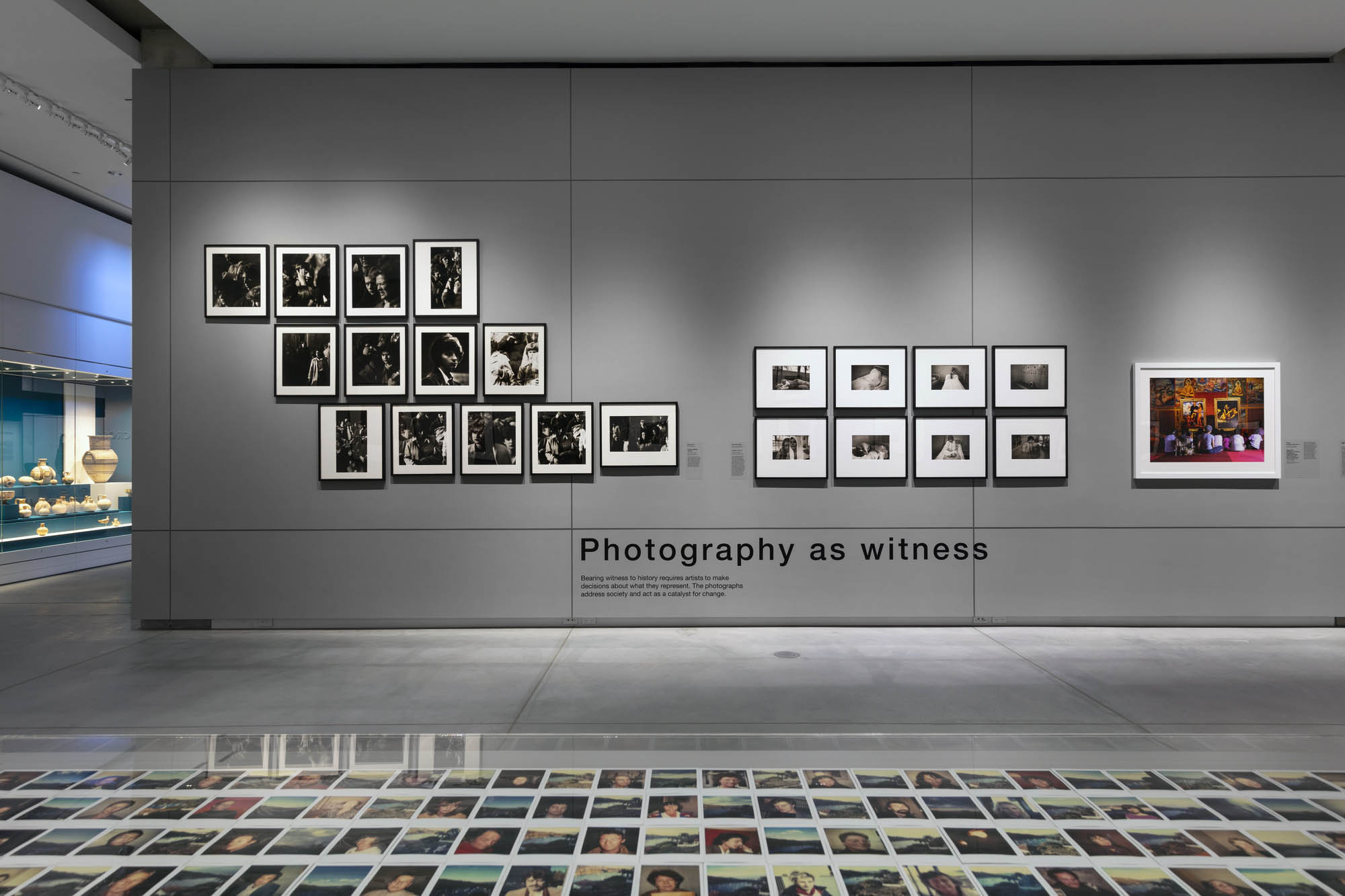
Tacoma Art Museum website

LIKE ART BLART ON FACEBOOK

Back to top

Exhibition: ‘American Silence: The Photographs of Robert Adams’ at the National Gallery of Art, Washington

Exhibition dates: 29th May – 2nd October, 2022

Curator: Sarah Greenough, senior curator and head of the department of photographs, National Gallery of Art


Robert Adams (American, b. 1937) 'Summer, Early Morning, Immigrant Cemetery, North of Bethune, Colorado' 1965 from the exhibition 'American Silence: The Photographs of Robert Adams' at the National Gallery of Art, Washington, May - Oct, 2022


Robert Adams (American, b. 1937)
Summer, Early Morning, Immigrant Cemetery, North of Bethune, Colorado
1965
Gelatin silver print
Image: 10.4 x 15.2 cm (4 1/8 x 6 in.)
National Gallery of Art, Washington, Pepita Milmore Memorial Fund and Gift of Robert and Kerstin Adams
© Robert Adams, Courtesy Fraenkel Gallery, San Francisco


The quiet of the great beyond

With gratitude, I admire the photographs of Robert Adams. I admire their perspicuous (“clear, lucid”, able to be seen through) and perspicacious (“keen, astute,” able to see through) nature.

They imbibe (“absorb, assimilate,” ideas or knowledge) in us “the wonder and fragility of the American landscape, its inherent beauty, and the inadequacy of our response to it… [they] capture the sense of peace and harmony that the beauty of nature can instill in us – “the silence of light,” as he calls it… [and they] question our silent complicity in the desecration of that beauty by consumerism, industrialisation, and lack of environmental stewardship… While these photographs lament the ravages that have been inflicted on the land, they also pay homage to what remains.”

Like so many photographers of the American landscape, Adams’ debt to the vision of Walker Evans can be seen in his early work, in images such as Movie Theater, Otis, Colorado (1965, below) and Catholic Church, Summer, Ramah, Colorado (1965, below) – but even in images such as Wheat Stubble, South of Thurman, Colorado (1965, below) we can begin to see the beginnings of Adams personal artistic signature, the quiet of “the great beyond” (both physically and spiritually).

In modernist photographs that step off from Walker Evans’ legacy, Adams quiet, still photographs require of the viewer contemplation and reflection… reflection on the isolation of tract housing seemingly dropped into the vast American landscape. In these photographs (such as the two photographs Newly Occupied Tract Houses, Colorado Springs, 1968 below) Adams’ use of near/far is exemplary, with the nearness of the new excavation, the new scarring of the earth, contrasting with the sublime majesty of the mountains beyond. Other more personal psychological scarring can be seen in the two photographs Colorado Springs (1968-1971, below) where single, isolated, anonymous human beings are occluded in silhouette or shadow, damned by the hot sun.

In other photographs houses become like fossilised dinosaur skeletons, their graves marked by ironic street names such as Darwin Pl. (Frame for a Tract House, Colorado Springs, 1969 below), or multiply across the landscape, breeding like some genetically identical sequence (Pikes Peak Park, Colorado Springs, 1969, below). Even petrol stations blare out the name “Frontier” as though to irrevocably define that here we live on the edge of nowhere. And so it goes in Adams’ work… isolated people living in a barren landscape being colonised and inhabited without much thought for the beauty or the destruction of the landscape.

From the mid-1970s onwards, Adams’ landscape photographs begin to eschew all but the smallest pointers to human habitation, but this makes these human marks on the landscape all the more intrusive because of it. For example, in the photograph of the vast landscape South of the Rocky Flats Nuclear Weapons Plant, Jefferson County, Colorado (1976, below) the only markings of human activity are the tyre marks in the foreground and the telegraph poles, road and cars at far right… and then the title hits you with a double-whammy, “Rocky Flats Nuclear Weapons Plant”, not present in the photograph but present in our consciousness (of the landscape). Even less evidence of human existence is signalled in the photograph Missouri River, Clay County, South Dakota (1977, below), but then we notice at bottom left a discarded tin can, just a discarded tin can, but this one tin can says so much about our use and abuse of our only habitable planet, earth.

In image after image, roads scar the landscape, planes fly overhead, industry and housing colonise the sublime, and human beings hug and are alienated amongst concrete jungles and car parks. New development erodes the earth leaving behind the detritus of human existence. Old growth trees are slaughtered in clearcut operations in which every tree has been cut down and removed. A dead albatross rots on an expanse of beach (The Sea Beach, Albatross, 2015 below) while in the distance the photographer picks out 4 ghosts of human beings (The Sea Beach, 2015 below).

Adams’ photographic vision is extra ordinary and I cannot fault his individual photographs. I become engrossed in them. I breathe their atmosphere. He has a resolution, both in terms of large format aesthetic, the aesthetic of beauty and of using materials, light and composition… that seems exactly right. He possesses that superlative skill of few great photographers, and by that I mean: sometimes he has true compassion** / parallel to a religious compassion, but not based on something higher / just perfect human. In some of his photographs (such as East from Flagstaff Mountain, Boulder County, Colorado 1975, below) he possesses real forgiveness, in others there is the perfection of cruel, the perfection of de/composition.

** achieved by Arbus, Atget and sometimes by Clift, Gowin.

And then, each image holds small clues vital to the overall conversation that is the accumulation of his work and it is in their collective accumulation of meaning that Adams’ photographs grow and build to shatter not just the American silence on environmental issues, but the deafening silence of the whole industrialised world. In their holistic nature, Adams’ body of work becomes punctum and because of this his work produces other “things”, things as great as anything the French literary theorist, essayist, philosopher, critic, and semiotician Roland Barthes wrote about. As in Barthes’ seminal work Camera Lucida, Adams’ work reminds us that the “photograph is evidence of ‘what has ceased to be’. Instead of making reality solid, it reminds us of the world’s ever changing nature.”1

Human beings can never leave anything as they find it, they always have to possess and change whatever they see in a form of desecration (the action of damaging or showing no respect toward something holy or very much respected). Except human beings do not respect the only place that have to live on, this earth. When will it change?

As Alain de Botton observes on the importance of the sublime places to the human psyche,

“If the world is unfair or beyond our understanding, sublime places suggest it is not surprising things should be thus. We are the playthings of the forces that laid out the oceans and chiselled the mountains. Sublime places acknowledge limitations that we might otherwise encounter with anxiety or anger in the ordinary flow of events. It is not just nature that defies us. Human life is as overwhelming, but it is the vast spaces of nature that perhaps provide us with the finest, the most respectful reminder of all that exceeds us. If we spend time with them, they may help us to accept more graciously the great unfathomable events that molest our lives and will inevitably return us to dust.”2


We loose these places at our peril and the peril of the entire human race.

Dr Marcus Bunyan


1/ Anonymous. “Roland Barthes,” on the Wikipedia website Nd [Online] Cited 23/09/2022

2/ Alain de Botton. The Art of Travel. London: Penguin, 2002, pp. 178-179.


Many thankx to the National Gallery of Art for allowing me to publish the photographs in the posting. Please click on the photographs for a larger version of the image.


“Robert Adams’s photographs often seem to demand that viewers do a double-take. Seemingly ordinary subjects like tree stumps, tract housing or the moon seen from a parking lot “require very careful looking and careful consideration,” says curator Sarah Greenough, before they reveal the photographer’s deeply personal visions of nature – and, sometimes, his despair at what humans have done with it.”


Peter Saenger. “Robert Adams Takes Photos That Face Facts,” on The Wall Street Journal website May 13, 2022 [Online] Cited 23/06/2022


Robert Adams (American, b. 1937) 'Wheat Stubble, South of Thurman, Colorado' 1965, printed 1988 from the exhibition 'American Silence: The Photographs of Robert Adams' at the National Gallery of Art, Washington, May - Oct, 2022


Robert Adams (American, b. 1937)
Wheat Stubble, South of Thurman, Colorado
1965, printed 1988
Gelatin silver print
Image: 22.9 x 27.9cm (9 x 11 in.)
Collection of Jeffrey Fraenkel and Alan Mark
© Robert Adams, Courtesy Fraenkel Gallery, San Francisco


For 50 years, Robert Adams (b. 1937) has made compelling, provocative, and highly influential photographs that show us the wonder and fragility of the American landscape, its inherent beauty, and the inadequacy of our response to it. This exhibition explores the reverential way he looks at the world around him and the almost palpable silence of his work.

Many of these photographs of the American West capture the sense of peace and harmony that the beauty of nature can instill in us – “the silence of light,” as he calls it, that he sees on the prairie, in the woods, and by the ocean. Other pictures question our silent complicity in the desecration of that beauty by consumerism, industrialisation, and lack of environmental stewardship. Divided into three sections – The Gift, Our Response, and Tenancy – the exhibition features some 175 works from the artist’s most important projects and includes pictures of suburban sprawl, strip malls, highways, homes, and stores, as well as rivers, skies, the prairie, and the ocean.

While these photographs lament the ravages that have been inflicted on the land, they also pay homage to what remains.


Robert Adams (American, b. 1937) 'Movie Theater, Otis, Colorado' 1965, printed c. 1977 from the exhibition 'American Silence: The Photographs of Robert Adams' at the National Gallery of Art, Washington, May - Oct, 2022


Robert Adams (American, b. 1937)
Movie Theater, Otis, Colorado
1965, printed c. 1977
Gelatin silver print
Image: 16.3 x 20.3cm (6 7/16 x 8 in.)
National Gallery of Art, Washington, Pepita Milmore Memorial Fund and Gift of Robert and Kerstin Adams
© Robert Adams, Courtesy Fraenkel Gallery, San Francisco


Robert Adams (American, b. 1937) 'Catholic Church, Winter, Ramah, Colorado' 1965, printed 1982


Robert Adams (American, b. 1937)
Catholic Church, Winter, Ramah, Colorado
1965, printed 1982
Gelatin silver print
Image: 22.3 x 16.4cm (8 3/4 x 6 7/16 in.)
National Gallery of Art, Washington, Pepita Milmore Memorial Fund and Gift of Robert and Kerstin Adams
© Robert Adams, Courtesy Fraenkel Gallery, San Francisco


Robert Adams (American, b. 1937) 'Catholic Church, Summer, Ramah, Colorado' 1965, printed 1981


Robert Adams (American, b. 1937)
Catholic Church, Summer, Ramah, Colorado
1965, printed 1981
Gelatin silver print
Image: 21.5 x 16.4cm (8 7/16 x 6 7/16 in.)
National Gallery of Art, Washington, Pepita Milmore Memorial Fund and Gift of Robert and Kerstin Adams
© Robert Adams, Courtesy Fraenkel Gallery, San Francisco


Robert Adams (American, b. 1937) 'Store, Elizabeth, Colorado' 1965, printed 1988


Robert Adams (American, b. 1937)
Store, Elizabeth, Colorado
1965, printed 1988
Gelatin silver print
Image: 26.9 x 22.8cm (10 9/16 x 9 in.)
National Gallery of Art, Washington, Pepita Milmore Memorial Fund and Gift of Robert and Kerstin Adams
© Robert Adams, Courtesy Fraenkel Gallery, San Francisco


Robert Adams (American, b. 1937) 'Arriba, Colorado' 1966, printed 1981


Robert Adams (American, b. 1937)
Arriba, Colorado
1966, printed 1981
Gelatin silver print
Image: 28.4 x 22.7cm (11 3/16 x 8 15/16 in.)
National Gallery of Art, Washington, Pepita Milmore Memorial Fund and Gift of Robert and Kerstin Adams
© Robert Adams, Courtesy Fraenkel Gallery, San Francisco


Robert Adams (American, b. 1937) 'Schoolyard, Ramah, Colorado' 1968


Robert Adams (American, b. 1937)
Schoolyard, Ramah, Colorado
1968
Gelatin silver print
Image: 15.2 x 15.2 cm (6 x 6 in.)
Private collection, San Francisco
© Robert Adams, Courtesy Fraenkel Gallery, San Francisco


Robert Adams (American, b. 1937) 'Newly Occupied Tract Houses, Colorado Springs' 1968


Robert Adams (American, b. 1937)
Newly Occupied Tract Houses, Colorado Springs
1968
Gelatin silver print
Image: 12.7 x 13.3cm (5 x 5 1/4 in.)
Private collection, San Francisco
© Robert Adams, Courtesy Fraenkel Gallery, San Francisco


Robert Adams (American, b. 1937) 'New Tract Housing, Colorado Springs' 1968, printed 1981


Robert Adams (American, b. 1937)
New Tract Housing, Colorado Springs
1968, printed 1981
Gelatin silver print
Image: 14.4 x 15cm (5 11/16 x 5 7/8 in.)
Philadelphia Museum of Art, Purchased with the Alice Newton Osborn Fund, 1982
Courtesy of the Philadelphia Museum of Art
© Robert Adams, Courtesy Fraenkel Gallery, San Francisco


Robert Adams (American, b. 1937) 'Colorado Springs' 1968, printed 1983


Robert Adams (American, b. 1937)
Colorado Springs
1968, printed 1983
Gelatin silver print
Image: 15.2 x 15.2cm (6 x 6 in.)
National Gallery of Art, Washington, Gift of Mary and Dan Solomon and Patrons’ Permanent Fund
© Robert Adams, Courtesy Fraenkel Gallery, San Francisco


Robert Adams (American, b. 1937) 'Colorado Springs' 1968-1971


Robert Adams (American, b. 1937)
Colorado Springs
1968-1971
Gelatin silver print
Image: 15.2 x 15.2cm (6 x 6 in.)
Private collection, San Francisco
© Robert Adams, Courtesy Fraenkel Gallery, San Francisco


Robert Adams (American, b. 1937) 'Alameda Avenue, Denver' 1968-1971


Robert Adams (American, b. 1937)
Alameda Avenue, Denver
1968-1971
Gelatin silver print
Image: 15.2 x 15.2cm (6 x 6 in.)
Private collection, San Francisco
© Robert Adams, Courtesy Fraenkel Gallery, San Francisco


Robert Adams (American, b. 1937) 'Northeast of Keota, Colorado' 1969, printed 1981


Robert Adams (American, b. 1937)
Northeast of Keota, Colorado
1969, printed 1981
Gelatin silver print
Image: 39.2 x 47.8cm (15 7/16 x 18 13/16 in.)
National Gallery of Art, Washington, Pepita Milmore Memorial Fund and Gift of Robert and Kerstin Adams
© Robert Adams, Courtesy Fraenkel Gallery, San Francisco


Robert Adams (American, b. 1937) 'Frame for a Tract House, Colorado Springs' 1969, printed 1984


Robert Adams (American, b. 1937)
Frame for a Tract House, Colorado Springs
1969, printed 1984
Gelatin silver print
Image: 15.1 x 15cm (5 15/16 x 5 7/8 in.)
National Gallery of Art, Washington, Gift of Mary and David Robinson
© Robert Adams, Courtesy Fraenkel Gallery, San Francisco


Robert Adams (American, b. 1937) 'Basement for a Tract House, Colorado Springs' 1969


Robert Adams (American, b. 1937)
Basement for a Tract House, Colorado Springs
1969
Gelatin silver print
Image: 26.6 x 27.6cm (10 1/2 x 10 7/8 in.)
National Gallery of Art, Washington, Gift of Robert and Kerstin Adams
© Robert Adams, Courtesy Fraenkel Gallery, San Francisco


Robert Adams (American, b. 1937) 'Colorado Springs' 1969


Robert Adams (American, b. 1937)
Colorado Springs
1969
Gelatin silver print
Image: 15.6 x 15.2cm (6 1/8 x 6 in.)
Private collection, San Francisco
© Robert Adams, Courtesy Fraenkel Gallery, San Francisco


Robert Adams (American, b. 1937) 'Pikes Peak Park, Colorado Springs' 1969


Robert Adams (American, b. 1937)
Pikes Peak Park, Colorado Springs
1969
Gelatin silver print
Image: 15.1 x 15.2cm (5 15/16 x 6 in.)
Yale University Art Gallery, Purchased with a gift from Saundra B. Lane, a grant from the Trellis Fund, and the Janet and Simeon Braguin Fund
© Robert Adams, Courtesy Fraenkel Gallery, San Francisco


Robert Adams (American, b. 1937) 'New Housing, Colorado Springs' 1969, printed 2005


Robert Adams (American, b. 1937)
New Housing, Colorado Springs
1969, printed 2005
Gelatin silver print
Image: 17.5 x 15.1cm (6 7/8 x 5 15/16 in.)
National Gallery of Art, Washington, Pepita Milmore Memorial Fund and Gift of Robert and Kerstin Adams
© Robert Adams, Courtesy Fraenkel Gallery, San Francisco


Robert Adams (American, b. 1937) 'Pikes Peak, Colorado Springs' 1969


Robert Adams (American, b. 1937)
Pikes Peak, Colorado Springs
1969
Gelatin silver print
Image: 14 x 14.9cm (5 1/2 x 5 7/8 in.)
Private collection, San Francisco
© Robert Adams, Courtesy Fraenkel Gallery, San Francisco


For 50 years, Robert Adams (b. 1937) has made compelling, provocative, and highly influential photographs that show the wonder and fragility of the American landscape, its inherent beauty, and the inadequacy of our response to it. American Silence: The Photographs of Robert Adams celebrates the art of this seminal American photographer and explores the reverential way he looks at the world around him and the almost palpable silence of his work. Organised in cooperation with the artist, the exhibition is accompanied by a fully illustrated catalog. American Silence: The Photographs of Robert Adams is on view from May 29 through October 2, 2022, in the West Building of the National Gallery of Art.

Capturing the sense of peace and harmony created through what Adams calls “the silence of light” that can be seen on the prairie, in the woods, and by the ocean, American Silence features some 175 pictures from 1965 to 2015. Other images on view question our moral silence to the desecration of that beauty by consumerism, industrialisation, and lack of environmental stewardship. Divided into three sections – The Gift, Our Response, and Tenancy – the exhibition includes works from not only the artist’s most important projects but also lesser-known ones that depict suburban sprawl, strip malls, highways, homes, and stores, as well as rivers, skies, the prairie, and the ocean. While these photographs lament the ravages that have been inflicted on the land, they also pay homage to what remains.

“The photographs in this exhibition encourage us to experience the sense of silence that the beauty of nature can inspire while asking us to question our own silent complicity in the face of its desecration,” said Kaywin Feldman, director of the National Gallery of Art. “We are deeply grateful to Robert Adams and his wife, Kerstin, for their steadfast commitment to this endeavour and for their many donations to the National Gallery. I would like to extend our thanks to the Trellis Fund, Jane P. Watkins, The Shared Earth Foundation, Randi and Bob Fisher, Wes and Kate Mitchell, Nion McEvoy, Greg and Aline Gooding, and the James D. and Kathryn K. Steele Fund for Photography whose generous support has made this exhibition possible as well as to all our lenders for their willingness to share their treasured works of art with our public.”

About the exhibition

The exhibition begins with The Gift, which presents selected works that reveal the silence, beauty, peace, and spiritual harmony found in the landscape itself. Spanning three decades, this section includes photographs from Prairie (1978), Perfect Times, Perfect Places (1988), Listening to the River (1994), Pine Valley (2005), and This Day (2011). These pictures demonstrate the artist’s exceptional ability to find the sublime in the vast vistas and quiet, often overlooked, corners of the sparse and fragile American West, particularly in Colorado and Oregon, two areas of the country that Adams knows intimately. Infused with a deep understanding of the way light articulates forms, these photographs illuminate the natural world and demonstrate how Adams seeks to illustrate, in his own words, “a quiet so absolute that it allows one to begin again, to love the future.”

The largest section of the exhibition, Our Response examines how Americans have dealt with both the potential and the vulnerability of the West. Divided into six thematic subjects arranged chronologically, this section begins with “Early Hispanic and Plains Communities,” including work from some of the artist’s earliest publications: White Churches of the Plains (1970), The Architecture and Art of Early Hispanic Colorado (1974), and Prairie (1978). These pictures portray the respectful nature of older settlements in the West and acknowledge the importance of the gravel roads, farmhouses, furrowed fields, stores, and churches. They also demonstrate how early settlers attempted to achieve a unity with nature, rather than dominate over it.

“Our Imprint on the Land” and “A New West” feature works from seminal early publications by Adams: The New West: Landscapes along the Colorado Front Range (1974), denver: A Photographic Survey of the Metropolitan Area (1977), From the Missouri West (1980), and What We Bought: The New World, Scenes from the Denver Metropolitan Area, 1970-1974 (1995). “Our Imprint on the Land” includes pictures made along the Missouri River around the time of the 1976 bicentennial of the United States, a moment of national reflection on the past and assessment of the present. The photographs in “A New West” address the construction of a new kind of American environment. Dominated by cars, highways, cheaply fabricated homes, and commercial developments, these pictures emphasise the lack of community and the great isolation that grew in these new suburban communities.

“Our Lives and Our Children” depicts the area near Rocky Flats, a nuclear weapons plant northwest of Denver, where Adams photographed the simple dignity of everyday people to illustrate what would be lost in a nuclear disaster. Our Response ends with “Southern California” and “A Mythic Forest,” drawing works from two of his sharpest critiques: Los Angeles Spring (1986), depicting the destruction of the fragile landscape around Los Angeles in the early 1980s, and Turning Back: A Photographic Journal of Re-exploration (2005), illustrating the American timber industry’s exploitation of the North­west forests.

American Silence concludes with a selection of works from one of the artist’s recent books, Tenancy: Between the River and the Sea; The Nehalem Spit, the Coast of Oregon (2017). Divided into three parts, this series of photographs was made between 2013 and 2015 along a two-mile promontory on the Oregon coast, the Nehalem Spit. The first examines the eastern edge of the spit where massive tree stumps washed up on the shore reveal the brutality of the clearcutting done farther up the Nehalem River. The second part looks at the spit itself, a sanctuary of small trees, meadows, and dunes resting near a large geologic fault, and the third depicts the ever-changing beauty and wonder of the ocean to the west, as well as the people who seek “to escape illusion and to be reconciled,” as Adams noted. Tenancy illustrates his belief that we are only temporary occupants of the land that nourishes and sustains us, and it reveals the strength of his convictions, his deep spirituality, and the eloquent power of his vision.

Exhibition Catalog

Published by the National Gallery of Art and Aperture, New York, American Silence: The Photographs of Robert Adams traces the evolution of his work, highlighting the importance of faith to his art and – through his elegant visual reckonings – how “what was” has become “what is.” It is richly illustrated, with over 200 compelling photographs that explore the profound questions of our responsibility to the land and the moral dilemmas of progress. This extensive 332-page monograph includes award-winning curator Sarah Greenough’s in-depth examination of the evolution of his art as well as personal reflections by the celebrated nonfiction author Terry Tempest Williams and writings by Adams himself, along with a timeline of the artist’s life.

Press release from the National Gallery of Art, Washington


Robert Adams (American, b. 1937) 'Genoa, Colorado' 1970


Robert Adams (American, b. 1937)
Genoa, Colorado
1970
Gelatin silver print
Image: 19.1 x 19.1cm (7 1/2 x 7 1/2 in.)
Private collection, San Francisco
© Robert Adams, Courtesy Fraenkel Gallery, San Francisco


Robert Adams (American, b. 1937) 'Boys in a Pickup, Simla, Colorado' 1970, printed 1991


Robert Adams (American, b. 1937)
Boys in a Pickup, Simla, Colorado
1970, printed 1991
Gelatin silver print
Image: 15.1 x 14.2cm (5 15/16 x 5 9/16 in.)
National Gallery of Art, Washington, Pepita Milmore Memorial Fund and Gift of Robert and Kerstin Adams
© Robert Adams, Courtesy Fraenkel Gallery, San Francisco


Robert Adams (American, b. 1937) 'Lakewood, Colorado' 1970, printed 1981


Robert Adams (American, b. 1937)
Lakewood, Colorado
1970, printed 1981
Gelatin silver print
Image: 15.1 x 15cm (5 15/16 x 5 7/8 in.)
Philadelphia Museum of Art, Purchased with the Alice Newton Osborn Fund, 1982
Courtesy of the Philadelphia Museum of Art
© Robert Adams, Courtesy Fraenkel Gallery, San Francisco


Robert Adams (American, b. 1937) 'Walking to a Shopping Center, North Edge of Denver' 1970-1974


Robert Adams (American, b. 1937)
Walking to a Shopping Center, North Edge of Denver
1970-1974
Gelatin silver print
Image: 15.1 x 19.2cm (5 15/16 x 7 9/16 in.)
Philadelphia Museum of Art, Purchased with the Alice Newton Osborn Fund, 1982
Courtesy of the Philadelphia Museum of Art
© Robert Adams, Courtesy Fraenkel Gallery, San Francisco


Robert Adams (American, b. 1937) 'Sandstone Grave Marker, Walsenburg, Colorado' 1972


Robert Adams (American, b. 1937)
Sandstone Grave Marker, Walsenburg, Colorado
1972
Gelatin silver print
Image: 15.2 x 15.2cm (6 x 6 in.)
National Gallery of Art, Washington, Pepita Milmore Memorial Fund and Gift of Robert and Kerstin Adams
© Robert Adams, Courtesy Fraenkel Gallery, San Francisco


Robert Adams (American, b. 1937) 'Clarkville, Colorado' 1972


Robert Adams (American, b. 1937)
Clarkville, Colorado
1972
Gelatin silver print
Image: 18.4 x 16.5cm (7 1/4 x 6 1/2 in.)
Private collection, San Francisco
© Robert Adams, Courtesy Fraenkel Gallery, San Francisco


Robert Adams (American, b. 1937) 'North of Keota, Colorado' 1973


Robert Adams (American, b. 1937)
North of Keota, Colorado
1973
Gelatin silver print
Image: 15.2 x 19cm (6 x 7 1/2 in.)
Private collection, San Francisco
© Robert Adams, Courtesy Fraenkel Gallery, San Francisco


Robert Adams (American, b. 1937) 'Longmont, Colorado' 1973, printed 1988


Robert Adams (American, b. 1937)
Longmont, Colorado
1973, printed 1988
Gelatin silver print
Image: 15.1 x 19.3cm (5 15/16 x 7 5/8 in.)
National Gallery of Art, Washington, Pepita Milmore Memorial Fund and Gift of Robert and Kerstin Adams
© Robert Adams, Courtesy Fraenkel Gallery, San Francisco


Robert Adams (American, b. 1937) 'Tract House, Longmont, Colorado' 1973


Robert Adams (American, b. 1937)
Tract House, Longmont, Colorado
1973
Gelatin silver print
Image: 15.6 x 19.4cm (6 1/8 x 7 5/8 in.)
Collection of Frish Brandt and August Fischer
© Robert Adams, Courtesy Fraenkel Gallery, San Francisco


Robert Adams (American, b. 1937) 'Longmont, Colorado' 1973, printed 1981


Robert Adams (American, b. 1937)
Longmont, Colorado
1973, printed 1981
Gelatin silver print
Image: 15.2 x 19.4cm (6 x 7 5/8 in.)
Philadelphia Museum of Art, Purchased with the Alice Newton Osborn Fund, 1982
Courtesy of the Philadelphia Museum of Art
© Robert Adams, Courtesy Fraenkel Gallery, San Francisco


Robert Adams (American, b. 1937) 'Lakewood, Colorado' 1973-1974, printed 2008


Robert Adams (American, b. 1937)
Lakewood, Colorado
1973-1974, printed 2008
Gelatin silver print
Image: 15.2 x 15.1cm (6 x 5 15/16 in.)
National Gallery of Art, Washington, Pepita Milmore Memorial Fund and Gift of Robert and Kerstin Adams
© Robert Adams, Courtesy Fraenkel Gallery, San Francisco


Robert Adams (American, b. 1937) 'From Interstate 25, North Edge of Denver' 1973


Robert Adams (American, b. 1937)
From Interstate 25, North Edge of Denver
1973
Gelatin silver print
Image: 15.2 x 19.1cm (6 x 7 1/2 in.)
National Gallery of Art, Washington, Pepita Milmore Memorial Fund and Gift of Robert and Kerstin Adams
© Robert Adams, Courtesy Fraenkel Gallery, San Francisco


Robert Adams (American, b. 1937) 'Mobile Home Park, North Edge of Denver' 1973, printed 2005


Robert Adams (American, b. 1937)
Mobile Home Park, North Edge of Denver
1973, printed 2005
Gelatin silver print
Image: 15.2 x 19.8cm (6 x 7 13/16 in.)
National Gallery of Art, Washington, Gift of Mary and Dan Solomon and Patrons’ Permanent Fund
© Robert Adams, Courtesy Fraenkel Gallery, San Francisco


Robert Adams (American, b. 1937) 'North Edge of Denver' 1973-1974, printed 2008


Robert Adams (American, b. 1937)
North Edge of Denver
1973-1974, printed 2008
Gelatin silver print
Image: 15.2 x 19.2cm (6 x 7 9/16 in.)
National Gallery of Art, Washington, Gift of Robert and Kerstin Adams
© Robert Adams, Courtesy Fraenkel Gallery, San Francisco


Robert Adams (American, b. 1937) 'Next to Interstate 25, Denver' 1973, printed 1991


Robert Adams (American, b. 1937)
Next to Interstate 25, Denver
1973, printed 1991
Gelatin silver print
Image: 15.2 x 19.3cm (6 x 7 5/8 in.)
National Gallery of Art, Washington, The Ahmanson Foundation and Gift of Robert and Kerstin Adams
© Robert Adams, Courtesy Fraenkel Gallery, San Francisco


Robert Adams (American, b. 1937) 'Outdoor Theater, North Edge of Denver' 1973-1974


Robert Adams (American, b. 1937)
Outdoor Theater, North Edge of Denver
1973-1974
Gelatin silver print
Image: 15.6 x 19.7cm (6 1/8 x 7 3/4 in.)
National Gallery of Art, Washington, Gift of Robert and Kerstin Adams
© Robert Adams, Courtesy Fraenkel Gallery, San Francisco


Robert Adams (American, b. 1937) 'Highway, Northeast Denver' 1973


Robert Adams (American, b. 1937)
Highway, Northeast Denver
1973
Gelatin silver print
Image: 15.1 x 19.1cm (5 15/16 x 7 1/2 in.)
Stephen G. Stein Employee Benefit Trust
© Robert Adams, Courtesy Fraenkel Gallery, San Francisco


Robert Adams (American, b. 1937) 'Longmont, Colorado' 1973-1974, printed 2001


Robert Adams (American, b. 1937)
Longmont, Colorado
1973-1974, printed 2001
gelatin silver print
Image: 16.8 x 17.2cm (6 5/8 x 6 3/4 in.)
Private collection
© Robert Adams, Courtesy Fraenkel Gallery, San Francisco


Robert Adams (American, b. 1937) 'Lakewood, Colorado' 1973


Robert Adams (American, b. 1937)
Lakewood, Colorado
1973
Gelatin silver print
Image: 14.3 x 15.1cm (5 5/8 x 5 15/16 in.)
National Gallery of Art, Washington, Pepita Milmore Memorial Fund and Gift of Robert and Kerstin Adams
© Robert Adams, Courtesy Fraenkel Gallery, San Francisco


Robert Adams (American, b. 1937) 'Lakewood, Colorado' 1973, printed 1979


Robert Adams (American, b. 1937)
Lakewood, Colorado
1973, printed 1979
gelatin silver print
Image: 15.2 x 15.2cm (6 x 6 in.)
National Gallery of Art, Washington, Pepita Milmore Memorial Fund and Gift of Robert and Kerstin Adams
© Robert Adams, Courtesy Fraenkel Gallery, San Francisco


Robert Adams (American, b. 1937) 'Longmont, Colorado' 1973


Robert Adams (American, b. 1937)
Longmont, Colorado
1973
Gelatin silver print
Image: 17.2 x 15.2cm (6 3/4 x 6 in.)
National Gallery of Art, Washington, Pepita Milmore Memorial Fund and Gift of Robert and Kerstin Adams
© Robert Adams, Courtesy Fraenkel Gallery, San Francisco


Robert Adams (American, b. 1937) 'Boulder County, Colorado' 1974


Robert Adams (American, b. 1937)
Boulder County, Colorado
1974
Gelatin silver print
Image and sheet: 15.2 x 19.2cm (6 x 7 9/16 in.)
Philadelphia Museum of Art, Purchased with the Alice Newton Osborn Fund, 1982
Courtesy of the Philadelphia Museum of Art
© Robert Adams, Courtesy Fraenkel Gallery, San Francisco


Robert Adams (American, b. 1937) 'Lakewood, Colorado' 1974, printed 1981


Robert Adams (American, b. 1937)
Lakewood, Colorado
1974, printed 1981
Gelatin silver print
Image: 22.8 x 29.2cm (9 x 11 1/2 in.)
Philadelphia Museum of Art, Purchased with the Alice Newton Osborn Fund, 1982
Courtesy of the Philadelphia Museum of Art
© Robert Adams, Courtesy Fraenkel Gallery, San Francisco


Robert Adams (American, b. 1937) 'Arvada, Colorado' 1974


Robert Adams (American, b. 1937)
Arvada, Colorado
1974
Gelatin silver print
Image: 15.2 x 19.7cm (6 x 7 3/4 in.)
National Gallery of Art, Washington, The Ahmanson Foundation and Gift of Robert and Kerstin Adams
© Robert Adams, Courtesy Fraenkel Gallery, San Francisco


Robert Adams (American, b. 1937) 'Shopping Mall and Parking Lot, Denver' 1974, printed 1980s


Robert Adams (American, b. 1937)
Shopping Mall and Parking Lot, Denver
1974, printed 1980s
Gelatin silver print
Image: 15.2 x 19.4cm (6 x 7 5/8 in.)
National Gallery of Art, Washington, Gift of Robert and Kerstin Adams
© Robert Adams, Courtesy Fraenkel Gallery, San Francisco


Robert Adams (American, b. 1937) 'Northeast from Flagstaff Mountain, Boulder County, Colorado' 1975


Robert Adams (American, b. 1937)
Northeast from Flagstaff Mountain, Boulder County, Colorado
1975
Gelatin silver print
Image: 38.1 x 47.9cm (15 x 18 7/8 in.)
National Gallery of Art, Washington, Gift of Robert and Kerstin Adams
© Robert Adams, Courtesy Fraenkel Gallery, San Francisco


Robert Adams (American, b. 1937) 'East from Flagstaff Mountain, Boulder County, Colorado' 1975


Robert Adams (American, b. 1937)
East from Flagstaff Mountain, Boulder County, Colorado
1975
Gelatin silver print
Image: 22.9 x 28.6cm (9 x 11 1/4 in.)
Fraenkel Gallery, San Francisco
© Robert Adams, Courtesy Fraenkel Gallery, San Francisco


Robert Adams (American, b. 1937) 'Garden of the Gods, El Paso County, Colorado' 1976


Robert Adams (American, b. 1937)
Garden of the Gods, El Paso County, Colorado
1976
Gelatin silver print
Image: 22.9 x 28.3cm (9 x 11 1/8 in.)
National Gallery of Art, Washington, Pepita Milmore Memorial Fund and Gift of Robert and Kerstin Adams
© Robert Adams, Courtesy Fraenkel Gallery, San Francisco


Robert Adams (American, b. 1937) 'South of the Rocky Flats Nuclear Weapons Plant, Jefferson County, Colorado' 1976


Robert Adams (American, b. 1937)
South of the Rocky Flats Nuclear Weapons Plant, Jefferson County, Colorado
1976
Gelatin silver print
Image: 17.4 x 21.8cm (6 7/8 x 8 9/16 in.)
National Gallery of Art, Washington, Pepita Milmore Memorial Fund and Gift of Robert and Kerstin Adams
© Robert Adams, Courtesy Fraenkel Gallery, San Francisco


Robert Adams (American, b. 1937) 'Lakewood, Jefferson County, Colorado' 1976


Robert Adams (American, b. 1937)
Lakewood, Jefferson County, Colorado
1976
Gelatin silver print
Image: 22.9 x 28.6cm (9 x 11 1/4 in.)
National Gallery of Art, Washington, Gift of Robert and Kerstin Adams
© Robert Adams, Courtesy Fraenkel Gallery, San Francisco


Robert Adams (American, b. 1937) 'Longmont, Colorado' 1976


Robert Adams (American, b. 1937)
Longmont, Colorado
1976
Gelatin silver print
Image: 17.8 x 17.8cm (7 x 7 in.)
Private collection, San Francisco
© Robert Adams, Courtesy Fraenkel Gallery, San Francisco


Robert Adams (American, b. 1937) 'Berthoud, Colorado' 1976


Robert Adams (American, b. 1937)
Berthoud, Colorado
1976
Gelatin silver print
Image: 12.7 x 12.7 cm (5 x 5 in.)
Philadelphia Museum of Art, Purchased with funds contributed by Marilyn L. Steinbright, 1985
Courtesy of the Philadelphia Museum of Art
© Robert Adams, Courtesy Fraenkel Gallery, San Francisco


Robert Adams (American, b. 1937) 'Missouri River, Clay County, South Dakota' 1977


Robert Adams (American, b. 1937)
Missouri River, Clay County, South Dakota
1977
Gelatin silver print
Image: 22.7 x 28.1cm (8 15/16 x 11 1/16 in.)
National Gallery of Art, Washington, Gift of Mary and Dan Solomon and Patrons’ Permanent Fund
© Robert Adams, Courtesy Fraenkel Gallery, San Francisco


Robert Adams (American, b. 1937) 'Concrete and Ice, Missouri River, Clay County, South Dakota' 1977


Robert Adams (American, b. 1937)
Concrete and Ice, Missouri River, Clay County, South Dakota
1977
Gelatin silver print
Image: 18 x 22.2cm (7 1/16 x 8 3/4 in.)
National Gallery of Art, Washington, Pepita Milmore Memorial Fund and Gift of Robert and Kerstin Adams
© Robert Adams, Courtesy Fraenkel Gallery, San Francisco


Robert Adams (American, b. 1937) 'Larimer County, Colorado' 1977


Robert Adams (American, b. 1937)
Larimer County, Colorado
1977
Gelatin silver print
Image: 22.5 x 28.1cm (8 7/8 x 11 1/16 in.)
National Gallery of Art, Washington, Gift of Jeffrey Fraenkel and Alan Mark
© Robert Adams, Courtesy Fraenkel Gallery, San Francisco


Robert Adams (American, b. 1937) 'Abandoned Car, Carbon County, Wyoming' 1977


Robert Adams (American, b. 1937)
Abandoned Car, Carbon County, Wyoming
1977
Gelatin silver print
Image: 22.8 x 28.5cm (9 x 11 1/4 in.)
National Gallery of Art, Washington, Pepita Milmore Memorial Fund and Gift of Robert and Kerstin Adams
© Robert Adams, Courtesy Fraenkel Gallery, San Francisco


Robert Adams (American, b. 1937) 'Arkansas River Canyon, Colorado' 1977


Robert Adams (American, b. 1937)
Arkansas River Canyon, Colorado
1977
Gelatin silver print
Image: 22.7 x 28.5cm (8 15/16 x 11 1/4 in.)
National Gallery of Art, Washington, Gift of Lou and Di Stovall
© Robert Adams, Courtesy Fraenkel Gallery, San Francisco


Robert Adams (American, b. 1937) 'Highway 287, Larimer County, Colorado' 1977


Robert Adams (American, b. 1937)
Highway 287, Larimer County, Colorado
1977
Gelatin silver print
Image: 22.3 x 28.5cm (8 3/4 x 11 1/4 in.)
National Gallery of Art, Washington, Pepita Milmore Memorial Fund and Gift of Robert and Kerstin Adams
© Robert Adams, Courtesy Fraenkel Gallery, San Francisco


Robert Adams (American, b. 1937) 'Longmont, Colorado' 1977


Robert Adams (American, b. 1937)
Longmont, Colorado
1977
Gelatin silver print
Image: 12.7 x 12.7cm (5 x 5 in.)
Philadelphia Museum of Art, Purchased with the Alice Newton Osborn Fund, 1982
Courtesy of the Philadelphia Museum of Art
© Robert Adams, Courtesy Fraenkel Gallery, San Francisco


Robert Adams (American, b. 1937) 'Fort Collins, Colorado' 1977, printed 1985


Robert Adams (American, b. 1937)
Fort Collins, Colorado
1977, printed 1985
Gelatin silver print
Image: 12.7 x 12.7cm (5 x 5 in.)
Philadelphia Museum of Art, Purchased with funds contributed by Marilyn L. Steinbright, 1985
Courtesy of the Philadelphia Museum of Art
© Robert Adams, Courtesy Fraenkel Gallery, San Francisco


Robert Adams (American, b. 1937) 'Development Road, San Timoteo Canyon, Redlands, California' 1977


Robert Adams (American, b. 1937)
Development Road, San Timoteo Canyon, Redlands, California
1977
Gelatin silver print
Image: 17.8 x 22.2cm (7 x 8 3/4 in.)
Philadelphia Museum of Art, Purchased with a grant from the National Endowment for the Arts and with matching funds contributed by Mr. and Mrs. Robert A. Hauslohner and Harvey S. Shipley Miller, 1980
Courtesy of the Philadelphia Museum of Art
© Robert Adams, Courtesy Fraenkel Gallery, San Francisco


Robert Adams (American, b. 1937) 'Edge of San Timoteo Canyon, Redlands, California' 1977-1978


Robert Adams (American, b. 1937)
Edge of San Timoteo Canyon, Redlands, California
1977-1978
Gelatin silver print
Image: 17.8 x 22.5cm (7 x 8 7/8 in.)
Philadelphia Museum of Art, Purchased with a grant from the National Endowment for the Arts and with matching funds contributed by Mr. and Mrs. Robert A. Hauslohner and Harvey S. Shipley Miller, 1980
Courtesy of the Philadelphia Museum of Art
© Robert Adams, Courtesy Fraenkel Gallery, San Francisco


Robert Adams (American, b. 1937) 'Santa Ana Wash, Norton Air Force Base, San Bernardino County, California' 1977-1978


Robert Adams (American, b. 1937)
Santa Ana Wash, Norton Air Force Base, San Bernardino County, California
1977-1978
Gelatin silver print
Image: 17.8 x 22.2cm (7 x 8 3/4 in.)
Philadelphia Museum of Art, Purchased with a grant from the National Endowment for the Arts and with matching funds contributed by Mr. and Mrs. Robert A. Hauslohner and Harvey S. Shipley Miller, 1980
Courtesy of the Philadelphia Museum of Art
© Robert Adams, Courtesy Fraenkel Gallery, San Francisco


Robert Adams (American, b. 1937) 'Nebraska State Highway 2, Box Butte County, Nebraska' 1978, printed 1991


Robert Adams (American, b. 1937)
Nebraska State Highway 2, Box Butte County, Nebraska
1978, printed 1991
Gelatin silver print
Image: 22.2 x 27.8cm (8 3/4 x 10 15/16 in.)
National Gallery of Art, Washington, The Ahmanson Foundation and Gift of Robert and Kerstin Adams
© Robert Adams, Courtesy Fraenkel Gallery, San Francisco


Robert Adams (American, b. 1937) 'Umatilla County, Oregon' 1978


Robert Adams (American, b. 1937)
Umatilla County, Oregon
1978
Gelatin silver print
Image: 38.2 x 47.6cm (15 1/16 x 18 3/4 in.)
National Gallery of Art, Washington, Patrons’ Permanent Fund
© Robert Adams, Courtesy Fraenkel Gallery, San Francisco


Robert Adams (American, b. 1937) 'Quarried Mesa Top, Pueblo County, Colorado' 1978


Robert Adams (American, b. 1937)
Quarried Mesa Top, Pueblo County, Colorado
1978
Gelatin silver print
Image: 38 x 47cm (14 15/16 x 18 1/2 in.)
National Gallery of Art, Washington, Patrons’ Permanent Fund
© Robert Adams, Courtesy Fraenkel Gallery, San Francisco


Robert Adams (American, b. 1937) 'Edge of San Timoteo Canyon, Redlands, California' 1978


Robert Adams (American, b. 1937)
Edge of San Timoteo Canyon, Redlands, California
1978
Gelatin silver print
Image: 22.7 x 28.3cm (8 15/16 x 11 1/8 in.)
National Gallery of Art, Washington, Gift of Mary and Dan Solomon and Patrons’ Permanent Fund
© Robert Adams, Courtesy Fraenkel Gallery, San Francisco


Robert Adams (American, b. 1937) 'Eucalyptus along Interstate 10, Redlands, California' 1978


Robert Adams (American, b. 1937)
Eucalyptus along Interstate 10, Redlands, California
1978
Gelatin silver print
Image: 22.9 x 28.3cm (9 x 11 1/8 in.)
Collection of Frish Brandt and August Fischer
© Robert Adams, Courtesy Fraenkel Gallery, San Francisco


Robert Adams (American, b. 1937) 'Longmont, Colorado' 1979, printed 1985


Robert Adams (American, b. 1937)
Longmont, Colorado
1979, printed 1985
Gelatin silver print
Image: 12.7 x 12.7cm (5 x 5 in.)
National Gallery of Art, Washington, Gift of Mary and David Robinson
© Robert Adams, Courtesy Fraenkel Gallery, San Francisco


Robert Adams (American, b. 1937) 'Longmont, Colorado' 1979


Robert Adams (American, b. 1937)
Longmont, Colorado
1979
Gelatin silver print
Image: 22.9 x 22.5cm (9 x 8 7/8 in.)
Robert and Kerstin Adams, Courtesy Fraenkel Gallery, San Francisco
© Robert Adams, Courtesy Fraenkel Gallery, San Francisco


Robert Adams is a man who walks with silences. I feel the pace of his stride in the quiet, acute considerations of his photographs of the American West. That he is drawn to sources of light in darkness, be it the moon, the shimmering light on poplar leaves, or the lonely lamp radiating on to the streets from a house in the suburbs, inspires me to pursue my own night walks in summer. In the embrace of the night, my own darkness is absorbed into an uncommon stillness that does not frighten me. I see the eye-shine of other creatures and it is a comfort to know we are not alone.

The stillness married to loneliness in Adams work is something I understand as a westerner born in the suburbs of 1955. Though we have never met, he photographed my mother on one of his walks in Colorado Springs (1968) even though she was sitting in a different living room on Moor Mont Drive in Salt Lake City, Utah. …

The silhouette of the woman I see in the window, facing the door that is closed, in a red brick house, with a putting-green lawn, where a gentle curve of concrete leads to the entrance, is the home I was raised in as a child. I write this long sentence intentionally, because those were the days of my childhood that felt languid and secure.

This was the New West that Robert Adams captured in the middle of construction. We lived inside the green square houses used in the game Monopoly. But what we always knew was that beyond the dust of development and the play money that became real, wildness awaited us – even if it was the empty lot next door or the dirt road nearby that led to the creek shaded by cottonwoods.

Cottonwoods were the guardians of our childhood. They were deemed safe by our parents. They sheltered us from the heat of summer and the claustrophobia of winter. We knew their secrets. Inside their tangled skirts of lower branches families of house wrens lived and in the upper branches, great horned owls could be heard. The cottonwoods’ massive fluted trunks were our hide-and-seek. And if we gave our siblings a hand-stirrup up, we could climb into the large embrace of the trees. Once in the cottonwood’s arms, we were camouflaged in its rustling leaves – we would simply listen. It’s where I learned to trust other species more than my own. My love of solitude was nurtured inside these cathedral groves of cottonwoods.

The cottonwoods that appear in Weld County, Colorado (1992) and reappear throughout Adams’ work are emblematic of his intimacy and understanding of the American West. Cottonwoods root themselves near water. They are the wanderer’s hope in arid country. Water is the difference between living and dying in the West. And when Adams speaks of his affection toward one particular cottonwood in a field in Colorado, photographing it over many years, only to return one day to see it cut down – he faced what remained of the beloved tree as grieving kin. The body of a man, the body of a tree, there is no separation in the shared reach of a relationship. …

Robert Adams has been led by Beauty on what could be seen as the spiritual path of the artist as he followed forms of light again and again through the depths of darkness, even his own. Never easy, but often, glorious. We are the beneficiaries of his focus. He is a trustworthy companion. I choose to walk with him. Perhaps, he learned something about tenacious love as a form of being on those solitary summer nights as he walked in moonlight with an eye toward stillness.

Terry Tempest Williams. “Terry Tempest Williams on Walking with Robert Adams,” on the National Gallery of Art website May 19, 2022 [Online] Cited 31/05/2022, excerpted from the afterword by Terry Tempest Williams in the book American Silence: The Photographs of Robert Adams.


Robert Adams (American, b. 1937) 'Denver' 1980


Robert Adams (American, b. 1937)
Denver
1980
Gelatin silver print
Image: 16.8 x 17.2cm (6 5/8 x 6 3/4 in.)
Robert and Kerstin Adams, Courtesy Fraenkel Gallery, San Francisco
© Robert Adams, Courtesy Fraenkel Gallery, San Francisco


Robert Adams (American, b. 1937) 'Denver' 1980


Robert Adams (American, b. 1937)
Denver
1980
Gelatin silver print
Image: 20.3 x 15.9cm (8 x 6 1/4 in.)
Robert and Kerstin Adams, Courtesy Fraenkel Gallery, San Francisco
© Robert Adams, Courtesy Fraenkel Gallery, San Francisco


Robert Adams (American, b. 1937) 'Denver' 1980


Robert Adams (American, b. 1937)
Denver
1980
Gelatin silver print
Image: 24.6 x 22.7cm (9 11/16 x 8 15/16 in.)
National Gallery of Art, Washington, Pepita Milmore Memorial Fund and Gift of Robert and Kerstin Adams
© Robert Adams, Courtesy Fraenkel Gallery, San Francisco


Robert Adams (American, b. 1937) 'Denver' 1980


Robert Adams (American, b. 1937)
Denver
1980
Gelatin silver print
Image: 26 x 22.6cm (10 1/4 x 8 7/8 in.)
National Gallery of Art, Washington, Pepita Milmore Memorial Fund and Gift of Robert and Kerstin Adams
© Robert Adams, Courtesy Fraenkel Gallery, San Francisco


Robert Adams (American, b. 1937) 'Longmont, Colorado' 1980


Robert Adams (American, b. 1937)
Longmont, Colorado
1980
Gelatin silver print
Image: 18.1 x 15.6cm (7 1/8 x 6 1/8 in.)
Robert and Kerstin Adams, Courtesy Fraenkel Gallery, San Francisco
© Robert Adams, Courtesy Fraenkel Gallery, San Francisco


Robert Adams (American, b. 1937) 'Denver' 1980


Robert Adams (American, b. 1937)
Denver
1980
Gelatin silver print
Image: 27.9 x 22.5cm (11 x 8 7/8 in.)
Robert and Kerstin Adams, Courtesy Fraenkel Gallery, San Francisco
© Robert Adams, Courtesy Fraenkel Gallery, San Francisco


Robert Adams (American, b. 1937) 'Weld County, Colorado' 1981, printed 1987


Robert Adams (American, b. 1937)
Weld County, Colorado
1981, printed 1987
Gelatin silver print
Image: 38 x 47.6cm (14 15/16 x 18 3/4 in.)
National Gallery of Art, Washington, Pepita Milmore Memorial Fund and Gift of Robert and Kerstin Adams
© Robert Adams, Courtesy Fraenkel Gallery, San Francisco


Robert Adams (American, b. 1937) 'Weld County, Colorado' 1981, printed 1988


Robert Adams (American, b. 1937)
Weld County, Colorado
1981, printed 1988
Gelatin silver print
Image: 37.8 x 47cm (14 7/8 x 18 1/2 in.)
National Gallery of Art, Washington, Pepita Milmore Memorial Fund and Gift of Robert and Kerstin Adams
© Robert Adams, Courtesy Fraenkel Gallery, San Francisco


Robert Adams (American, b. 1937) 'Denver' 1981


Robert Adams (American, b. 1937)
Denver
1981
Gelatin silver print
Image: 14.6 x 15.2cm (5 3/4 x 6 in.)
Robert and Kerstin Adams, Courtesy Fraenkel Gallery, San Francisco
© Robert Adams, Courtesy Fraenkel Gallery, San Francisco


Robert Adams (American, b. 1937) 'Denver' 1981


Robert Adams (American, b. 1937)
Denver
1981
Gelatin silver print
Image: 17.15 x 16.83cm (6 3/4 x 6 5/8 in.)
Robert and Kerstin Adams, Courtesy Fraenkel Gallery, San Francisco
© Robert Adams, Courtesy Fraenkel Gallery, San Francisco


Robert Adams (American, b. 1937) 'Denver' 1981


Robert Adams (American, b. 1937)
Denver
1981
Gelatin silver print
Image: 17.2 x 17.2cm (6 3/4 x 6 3/4 in.)
Robert and Kerstin Adams, Courtesy Fraenkel Gallery, San Francisco
© Robert Adams, Courtesy Fraenkel Gallery, San Francisco


Robert Adams (American, b. 1937) 'Denver' 1981


Robert Adams (American, b. 1937)
Denver
1981
Gelatin silver print
Image: 18.4 x 15.7cm (7 1/4 x 6 3/16 in.)
Yale University Art Gallery, Purchased with a gift from Saundra B. Lane, a grant from the Trellis Fund, and the Janet and Simeon Braguin Fund
© Robert Adams, Courtesy Fraenkel Gallery, San Francisco


Robert Adams (American, b. 1937) 'Denver' 1981


Robert Adams (American, b. 1937)
Denver
1981
Gelatin silver print
Image: 20.6 x 15.9cm (8 1/8 x 6 1/4 in.)
Robert and Kerstin Adams, Courtesy Fraenkel Gallery, San Francisco
© Robert Adams, Courtesy Fraenkel Gallery, San Francisco


Robert Adams (American, b. 1937) 'Denver' 1981


Robert Adams (American, b. 1937)
Denver
1981
Gelatin silver print
Image: 17.8 x 15.9cm (7 x 6 1/4 in.)
Fraenkel Gallery, San Francisco
© Robert Adams, Courtesy Fraenkel Gallery, San Francisco


Robert Adams (American, b. 1937) 'Remains of a Eucalyptus Windbreak, Redlands, California' 1982, printed 1990


Robert Adams (American, b. 1937)
Remains of a Eucalyptus Windbreak, Redlands, California
1982, printed 1990
Gelatin silver print
Image: 38.1 x 47.5cm (15 x 18 11/16 in.)
National Gallery of Art, Washington, Pepita Milmore Memorial Fund and Gift of Robert and Kerstin Adams
© Robert Adams, Courtesy Fraenkel Gallery, San Francisco


Robert Adams (American, b. 1937) 'Firebreak, above East Highland, California' 1982


Robert Adams (American, b. 1937)
Firebreak, above East Highland, California
1982
Gelatin silver print
Image: 27.4 x 22.8cm (10 13/16 x 9 in.)
National Gallery of Art, Washington, The Ahmanson Foundation and Gift of Robert and Kerstin Adams
© Robert Adams, Courtesy Fraenkel Gallery, San Francisco


Robert Adams (American, b. 1937) 'Santa Ana Wash, Redlands, California' 1982


Robert Adams (American, b. 1937)
Santa Ana Wash, Redlands, California
1982
Gelatin silver print
Image: 38 x 47.1cm (14 15/16 x 18 9/16 in.)
National Gallery of Art, Washington, Pepita Milmore Memorial Fund and Gift of Robert and Kerstin Adams
© Robert Adams, Courtesy Fraenkel Gallery, San Francisco


Robert Adams (American, b. 1937) 'Rialto, California' 1982


Robert Adams (American, b. 1937)
Rialto, California
1982
Gelatin silver print
Image: 22.8 x 28.6cm (9 x 11 1/4 in.)
National Gallery of Art, Washington, The Ahmanson Foundation and Gift of Robert and Kerstin Adams
© Robert Adams, Courtesy Fraenkel Gallery, San Francisco


Robert Adams (American, b. 1937) 'Looking toward the Mountains in Smog, Weld County, Colorado' 1983


Robert Adams (American, b. 1937)
Looking toward the Mountains in Smog, Weld County, Colorado
1983
Gelatin silver print
Image: 37.8 x 47cm (14 7/8 x 18 1/2 in.)
National Gallery of Art, Washington, Gift of Robert and Kerstin Adams
© Robert Adams, Courtesy Fraenkel Gallery, San Francisco


Robert Adams (American, b. 1937) 'Boulder County, Colorado' 1983


Robert Adams (American, b. 1937)
Boulder County, Colorado
1983
Gelatin silver print
Image: 37.8 x 47.5cm (14 7/8 x 18 11/16 in.)
National Gallery of Art, Washington, Pepita Milmore Memorial Fund and Gift of Robert and Kerstin Adams
© Robert Adams, Courtesy Fraenkel Gallery, San Francisco


Robert Adams (American, b. 1937) 'Old Estate Road, Redlands, California' 1983


Robert Adams (American, b. 1937)
Old Estate Road, Redlands, California
1983
Gelatin silver print
Image: 22.9 x 28.6cm (9 x 11 1/4 in.)
National Gallery of Art, Washington, Gift of Robert and Kerstin Adams
© Robert Adams, Courtesy Fraenkel Gallery, San Francisco


Robert Adams (American, b. 1937) 'Eucalyptus Branch, Redlands, California' 1983


Robert Adams (American, b. 1937)
Eucalyptus Branch, Redlands, California
1983
Gelatin silver print
Image: 37.9 x 47.1cm (14 15/16 x 18 9/16 in.)
Philadelphia Museum of Art, Gift of the Friends of the Philadelphia Museum of Art, 1986
Courtesy of the Philadelphia Museum of Art
© Robert Adams, Courtesy Fraenkel Gallery, San Francisco


Robert Adams (American, b. 1937) 'On Signal Hill, Overlooking Long Beach, California' 1983, printed 1990


Robert Adams (American, b. 1937)
On Signal Hill, Overlooking Long Beach, California
1983, printed 1990
Gelatin silver print
Image: 22.9 x 28.5cm (9 x 11 1/4 in.)
National Gallery of Art, Washington, Gift of Mary and Dan Solomon and Patrons’ Permanent Fund
© Robert Adams, Courtesy Fraenkel Gallery, San Francisco


Robert Adams (American, b. 1937) 'Broken Trees, East of Riverside, California' 1983


Robert Adams (American, b. 1937)
Broken Trees, East of Riverside, California
1983
Gelatin silver print
Image: 37.6 x 46.7cm (14 13/16 x 18 3/8 in.)
Philadelphia Museum of Art, Purchased with the Alice Newton Osborn Fund, 1986
Courtesy of the Philadelphia Museum of Art
© Robert Adams, Courtesy Fraenkel Gallery, San Francisco


Robert Adams (American, b. 1937) 'Eroding Edge of a Former Citrus-Growing Estate, Highland, California' 1983


Robert Adams (American, b. 1937)
Eroding Edge of a Former Citrus-Growing Estate, Highland, California
1983
Gelatin silver print
Image: 38 x 46.7cm (14 15/16 x 18 3/8 in.)
Philadelphia Museum of Art, Purchased with the Alice Newton Osborn Fund, 1986
Courtesy of the Philadelphia Museum of Art
© Robert Adams, Courtesy Fraenkel Gallery, San Francisco


Robert Adams (American, b. 1937) 'On Top of the La Loma Hills, Colton, California' 1983


Robert Adams (American, b. 1937)
On Top of the La Loma Hills, Colton, California
1983
Gelatin silver print
Image: 38 x 47cm (14 15/16 x 18 1/2 in.)
Philadelphia Museum of Art, Purchased with the Alice Newton Osborn Fund, 1986
Courtesy of the Philadelphia Museum of Art
© Robert Adams, Courtesy Fraenkel Gallery, San Francisco


Robert Adams (American, b. 1937) 'New Development on a Former Citrus-Growing Estate, Highland, California' 1983


Robert Adams (American, b. 1937)
New Development on a Former Citrus-Growing Estate, Highland, California
1983
Gelatin silver print
Image: 38.1 x 47cm (15 x 18 1/2 in.)
Andrew Szegedy-Maszak and Elizabeth Bobrick
© Robert Adams, Courtesy Fraenkel Gallery, San Francisco


Robert Adams (American, b. 1937) 'New Housing, Reche Canyon, San Bernardino County, California' 1983


Robert Adams (American, b. 1937)
New Housing, Reche Canyon, San Bernardino County, California
1983
Gelatin silver print
Image: 37.9 x 47.8cm (14 15/16 x 18 13/16 in.)
Philadelphia Museum of Art, Purchased with funds contributed by Ann and Donald W. McPhail and the Atlantic Richfield Foundation, 1986
Courtesy of the Philadelphia Museum of Art
© Robert Adams, Courtesy Fraenkel Gallery, San Francisco


Robert Adams (American, b. 1937) 'Interstate 10, West Edge of Redlands, California' 1983


Robert Adams (American, b. 1937)
Interstate 10, West Edge of Redlands, California
1983
Gelatin silver print
Image: 37.5 x 45.7cm (14 3/4 x 18 in.)
Christine and Michael J. Murray
© Robert Adams, Courtesy Fraenkel Gallery, San Francisco


Robert Adams (American, b. 1937) 'Fontana, California' 1983


Robert Adams (American, b. 1937)
Fontana, California
1983
Gelatin silver print
Image: 22.9 x 28.6cm (9 x 11 1/4 in.)
National Gallery of Art, Washington, Gift of Robert and Kerstin Adams
© Robert Adams, Courtesy Fraenkel Gallery, San Francisco


Robert Adams (American, b. 1937) 'Weld County, Colorado' 1984


Robert Adams (American, b. 1937)
Weld County, Colorado
1984
Gelatin silver print
Image: 38 x 47.7cm (14 15/16 x 18 3/4 in.)
National Gallery of Art, Washington, The Ahmanson Foundation and Gift of Robert and Kerstin Adams
© Robert Adams, Courtesy Fraenkel Gallery, San Francisco


Robert Adams (American, b. 1937) 'Weld County, Colorado' 1984


Robert Adams (American, b. 1937)
Weld County, Colorado
1984
Gelatin silver print
Image: 37.9 x 46.8cm (14 15/16 x 18 7/16 in.)
National Gallery of Art, Washington, The Ahmanson Foundation and Gift of Robert and Kerstin Adams
© Robert Adams, Courtesy Fraenkel Gallery, San Francisco


Robert Adams (American, b. 1937) 'Weld County, Colorado' 1984


Robert Adams (American, b. 1937)
Weld County, Colorado
1984
Gelatin silver print
Image: 38.1 x 47.3cm (15 x 18 5/8 in.)
National Gallery of Art, Washington, Gift of Robert and Kerstin Adams
© Robert Adams, Courtesy Fraenkel Gallery, San Francisco


Robert Adams (American, b. 1937) 'Sally, Weld County, Colorado' 1984, printed 1990


Robert Adams (American, b. 1937)
Sally, Weld County, Colorado
1984, printed 1990
Gelatin silver print
Image: 22.7 x 28.2cm (8 15/16 x 11 1/8 in.)
National Gallery of Art, Washington, Gift of Mary and David Robinson
© Robert Adams, Courtesy Fraenkel Gallery, San Francisco


Robert Adams (American, b. 1937) 'Weld County, Colorado' 1992


Robert Adams (American, b. 1937)
Weld County, Colorado
1992
Gelatin silver print
Image: 37 x 46cm (14 9/16 x 18 1/8 in.)
National Gallery of Art, Washington, Pepita Milmore Memorial Fund and Gift of Robert and Kerstin Adams
© Robert Adams, Courtesy Fraenkel Gallery, San Francisco


Robert Adams (American, b. 1937) 'Irrigation Canal, Larimer County, Colorado' 1995


Robert Adams (American, b. 1937)
Irrigation Canal, Larimer County, Colorado
1995
Gelatin silver print
Image: 29 x 22.8cm (11 7/16 x 9 in.)
National Gallery of Art, Washington, Pepita Milmore Memorial Fund and Gift of Robert and Kerstin Adams
© Robert Adams, Courtesy Fraenkel Gallery, San Francisco


Robert Adams (American, b. 1937) 'Poplars, Harney County, Oregon' 1999


Robert Adams (American, b. 1937)
Poplars, Harney County, Oregon
1999
Photogravure
Image: 50.5 x 40cm (19 7/8 x 15 3/4 in.)
National Gallery of Art, Washington, Linda Hackett and Russell Munson Fund and Alfred H. Moses and Fern M. Schad Fund
© Robert Adams, Courtesy Fraenkel Gallery, San Francisco


Robert Adams (American, b. 1937) 'Poplars, Harney County, Oregon' 1999


Robert Adams (American, b. 1937)
Poplars, Harney County, Oregon
1999
Photogravure
Image: 49.3 x 40cm (19 7/16 x 15 3/4 in.)
National Gallery of Art, Washington, Linda Hackett and Russell Munson Fund and Alfred H. Moses and Fern M. Schad Fund
© Robert Adams, Courtesy Fraenkel Gallery, San Francisco


Robert Adams (American, b. 1937) 'Poplars, Harney County, Oregon' 1999


Robert Adams (American, b. 1937)
Poplars, Harney County, Oregon
1999
Photogravure
Image: 50.5 x 40cm (19 7/8 x 15 3/4 in.)
National Gallery of Art, Washington, Linda Hackett and Russell Munson Fund and Alfred H. Moses and Fern M. Schad Fund
© Robert Adams, Courtesy Fraenkel Gallery, San Francisco


Robert Adams (American, b. 1937) 'Poplars, Harney County, Oregon' 1999


Robert Adams (American, b. 1937)
Poplars, Harney County, Oregon
1999
Photogravure
Image: 50 x 40cm (19 11/16 x 15 3/4 in.)
National Gallery of Art, Washington, Linda Hackett and Russell Munson Fund and Alfred H. Moses and Fern M. Schad Fund
© Robert Adams, Courtesy Fraenkel Gallery, San Francisco


Robert Adams (American, b. 1937) 'Clearcut, Coos County, Oregon' 1999


Robert Adams (American, b. 1937)
Clearcut, Coos County, Oregon
1999
Gelatin silver print
Image: 28.2 x 22.7cm (11 1/8 x 8 15/16 in.)
National Gallery of Art, Washington, Pepita Milmore Memorial Fund and Gift of Robert and Kerstin Adams
© Robert Adams, Courtesy Fraenkel Gallery, San Francisco


Robert Adams (American, b. 1937) 'Kerstin next to an Old-Growth Stump, Coos County, Oregon' 1999


Robert Adams (American, b. 1937)
Kerstin next to an Old-Growth Stump, Coos County, Oregon
1999
Gelatin silver print
Image: 27.9 x 22.9cm (11 x 9 in.)
San Francisco Museum of Modern Art, Gift of Daniel Greenberg and Susan Steinhauser
© Robert Adams, Courtesy Fraenkel Gallery, San Francisco
Photograph: Don Ross


Robert Adams (American, b. 1937) 'Clearcut, Coos County, Oregon' 1999


Robert Adams (American, b. 1937)
Clearcut, Coos County, Oregon
1999
Gelatin silver print
Image: 22.7 x 28.2cm (8 15/16 x 11 1/8 in.)
National Gallery of Art, Washington, Pepita Milmore Memorial Fund and Gift of Robert and Kerstin Adams
© Robert Adams, Courtesy Fraenkel Gallery, San Francisco


Robert Adams (American, b. 1937) 'Columbia County, Oregon' 1999-2001


Robert Adams (American, b. 1937)
Columbia County, Oregon
1999-2001
Gelatin silver print
Image: 31.3 x 39.7cm (12 5/16 x 15 5/8 in.)
San Francisco Museum of Modern Art, Purchase through a gift of an anonymous donor
© Robert Adams, Courtesy Fraenkel Gallery, San Francisco
Photograph: Don Ross


Robert Adams (American, b. 1937) 'Baker County, Oregon' 2000


Robert Adams (American, b. 1937)
Baker County, Oregon
2000
Gelatin silver print
Image: 20.6 x 26.1cm (8 1/8 x 10 1/4 in.)
National Gallery of Art, Washington, Gift of Robert and Kerstin Adams
© Robert Adams, Courtesy Fraenkel Gallery, San Francisco


Robert Adams (American, b. 1937) 'Clearcut, Coos County, Oregon' c. 2000


Robert Adams (American, b. 1937)
Clearcut, Coos County, Oregon
c. 2000
Gelatin silver print
Image: 39.4 x 31.3cm (15 1/2 x 12 5/16 in.)
San Francisco Museum of Modern Art, Gift of Daniel Greenberg and Susan Steinhauser
© Robert Adams, Courtesy Fraenkel Gallery, San Francisco
Photograph: Don Ross


Robert Adams (American, b. 1937) 'Clearcut, Clatsop County, Oregon' c. 2000


Robert Adams (American, b. 1937)
Clearcut, Clatsop County, Oregon
c. 2000
Gelatin silver print
Image: 22.8 x 28.6cm (9 x 11 1/4 in.)
National Gallery of Art, Washington, Gift of Robert and Kerstin Adams
© Robert Adams, Courtesy Fraenkel Gallery, San Francisco


Robert Adams (American, b. 1937) 'Clearcut, Clatsop County, Oregon' c. 2000


Robert Adams (American, b. 1937)
Clearcut, Clatsop County, Oregon
c. 2000
Gelatin silver print
Image: 22.5 x 28.6cm (8 7/8 x 11 1/4 in.)
San Francisco Museum of Modern Art, Purchase through a gift of an anonymous donor
© Robert Adams, Courtesy Fraenkel Gallery, San Francisco
Photograph: Don Ross


Robert Adams (American, b. 1937) 'Clearcut, Clatsop County, Oregon' 2001


Robert Adams (American, b. 1937)
Clearcut, Clatsop County, Oregon
2001
Gelatin silver print
Image: 22.8 x 28.9cm (9 x 11 3/8 in.)
National Gallery of Art, Washington, Pepita Milmore Memorial Fund and Gift of Robert and Kerstin Adams
© Robert Adams, Courtesy Fraenkel Gallery, San Francisco


Robert Adams (American, b. 1937) 'Kerstin, Old-Growth Stump, the Last Evidence of the Original Forest, Clatsop County, Oregon' c. 2001


Robert Adams (American, b. 1937)
Kerstin, Old-Growth Stump, the Last Evidence of the Original Forest, Clatsop County, Oregon
c. 2001
Gelatin silver print
Image: 22.8 x 28.7cm (9 x 11 5/16 in.)
National Gallery of Art, Washington, Pepita Milmore Memorial Fund and Gift of Robert and Kerstin Adams
© Robert Adams, Courtesy Fraenkel Gallery, San Francisco


These views of the American West evoke a wide range of memories, myths, and regrets associated with America’s final frontier. In the nineteenth century, that frontier began at the Missouri River. Beyond it lay a landscape of natural grandeur and purity, challenging the spirit and promising redemption. At the time the pictures were made, the hand of man had not so much disfigured as domesticated that paradise, leaving its mark of intrusion almost casually, with the assurance of absolute triumph. Adams recorded this intrusion with neither judgment nor irony; the land he shows has simply been changed, reduced, made ordinary. Yet a second look makes it apparent that the hand of man has, after all, its limitations. The simple natural facts imposed upon by civilization still exert a mysterious counterforce: they abide, in a kind of triumph of resignation. That counterforce is present in all of Adams’s images, recognizable as the same silence and stillness that once summoned pioneers into a wilderness, and now summon their descendants to remember.

~ from the book Robert Adams: From the Missouri West

9.5 x 11.5 in, Hardcover
First edition, 46 b&w photographs
Aperture
1980


denver and What We Bought, together with The New West, form a loose trilogy of Robert Adams’s work exploring the rapidly developing landscape of the Denver metropolitan area from 1968 through 1974. In the former two books, Adams created a comprehensive document that was resolute in its avoidance of romantic notions of the American West and dispassionately honest about man’s despoliation of the land. Both books demonstrate the artist at the height of his powers as a documentary photographer and a poetic sequencer of images.

The photographs featured in denver and What We Bought show tract housing with mountain ranges in the distance, trailer lots devoid of people, suburban streets through generic windows, shopping mall interiors, and parking lots: subjects distinctly unspectacular, familiar, and banal. Adams’s compositions are straightforward and democratic, and it is this precise turn from sentimentality that has made Adams one of the most influential figures in the history of American photography.

~ the publisher

8 x 9.25 in., Hardbound
136 pages, 117 tritone illustrations
Yale University Press
2009


Listening to the River is a celebration of anonymous places where we can still find nature’s beauty. Robert Adams first visited these particular locations as a boy, when the West seemed unchanging. Now in his fifties, he returns to them with the affection of a longtime acquaintance. The book records hushed walks when irrelevancies are forgotten, when sunlight makes the fields, hills, and roads new. Adams has chosen twelve poems by William Stafford to accompany the pictures. Both photographer and poet observe a practice of quiet in the out-of-doors, and both discover there a promise.

This is an optimistic book, though not a sentimental one: a number of the photographs record views of the suburban West. “Any tree in the path of development appears to have an uncertain future,” Adams observes. Listening to the River affirms, however, that trees and other elements of nature are ultimately protected. “Part of what their beauty means,” says the photographer, “is that they are safe.”

In 1989 Adams spoke at the Philadelphia Museum of Art about his enjoyment of the landscape, citing as an example his experiences at rural crossroads on the plains: “Sometimes there doesn’t seem to be anything there at all – just two roads, four fields, and sky. Small things, however, can become important – a lark or a mailbox or sunflowers. And if I wait I may see the architecture – the roads and the fields and the sky. Were you and I to drive the prairie together, and the day turned out to be a good one, we might not say much. We might get out of the truck at a crossroads, stretch, walk a little ways, and then walk back. Maybe the lark would sing. Maybe we would stand for a while, all views to the horizon, all roads interesting. We might find there a balance of form and openness, even of community and freedom. It would be the world as we had hoped, and we would recognize it together.”

~ the publisher

10 x 13 in, Hardcover
Featuring poems by William Stafford; 176 plates
Aperture
1994


Robert Adams (American, b. 1937) 'The River's Edge' 2015


Robert Adams (American, b. 1937)
The River’s Edge
2015
Gelatin silver print
Image: 19.8 x 29.9cm (7 13/16 x 11 3/4 in.)
National Gallery of Art, Washington, Gift of Stephen G. Stein
© Robert Adams, Courtesy Fraenkel Gallery, San Francisco


Robert Adams (American, b. 1937) 'The River's Edge' 2015


Robert Adams (American, b. 1937)
The River’s Edge
2015
Gelatin silver print
Image: 19.7 x 29.8cm (7 3/4 x 11 3/4 in.)
National Gallery of Art, Washington, Gift of Stephen G. Stein
© Robert Adams, Courtesy Fraenkel Gallery, San Francisco


Robert Adams (American, b. 1937) 'The River's Edge' 2015


Robert Adams (American, b. 1937)
The River’s Edge
2015
Gelatin silver print
Image: 19.9 x 29.9cm (7 13/16 x 11 3/4 in.)
National Gallery of Art, Washington, Gift of Stephen G. Stein
© Robert Adams, Courtesy Fraenkel Gallery, San Francisco


Robert Adams (American, b. 1937) 'The River's Edge' 2015


Robert Adams (American, b. 1937)
The River’s Edge
2015
Gelatin silver print
Image: 19.8 x 30cm (7 13/16 x 11 13/16 in.)
National Gallery of Art, Washington, Gift of Stephen G. Stein
© Robert Adams, Courtesy Fraenkel Gallery, San Francisco


Robert Adams (American, b. 1937) 'The River's Edge' 2015


Robert Adams (American, b. 1937)
The River’s Edge
2015
Gelatin silver print
Image: 19.8 x 29.8cm (7 13/16 x 11 3/4 in.)
National Gallery of Art, Washington, Gift of Stephen G. Stein
© Robert Adams, Courtesy Fraenkel Gallery, San Francisco


Robert Adams (American, b. 1937) 'The Interior of the Spit' 2015


Robert Adams (American, b. 1937)
The Interior of the Spit
2015
Gelatin silver print
Image: 22.5 x 28.7cm (8 7/8 x 11 5/16 in.)
National Gallery of Art, Washington, Gift of Stephen G. Stein
© Robert Adams, Courtesy Fraenkel Gallery, San Francisco


Robert Adams (American, b. 1937) 'The Interior of the Spit' 2015


Robert Adams (American, b. 1937)
The Interior of the Spit
2015
Gelatin silver print
Image: 22.6 x 28.8cm (8 7/8 x 11 5/16 in.)
National Gallery of Art, Washington, Gift of Stephen G. Stein
© Robert Adams, Courtesy Fraenkel Gallery, San Francisco


Robert Adams (American, b. 1937) 'The Interior of the Spit' 2015


Robert Adams (American, b. 1937)
The Interior of the Spit
2015
Gelatin silver print
Image: 22.6 x 28.8cm (8 7/8 x 11 5/16 in.)
National Gallery of Art, Washington, Gift of Stephen G. Stein
© Robert Adams, Courtesy Fraenkel Gallery, San Francisco


Robert Adams (American, b. 1937) 'The Sea Beach' 2015


Robert Adams (American, b. 1937)
The Sea Beach
2015
Gelatin silver print
Image: 22.6 x 28.2cm (8 7/8 x 11 1/8 in.)
National Gallery of Art, Washington, Gift of Stephen G. Stein
© Robert Adams, Courtesy Fraenkel Gallery, San Francisco


Robert Adams (American, b. 1937) 'The Sea Beach' 2015


Robert Adams (American, b. 1937)
The Sea Beach
2015
Gelatin silver print
Image: 22.7 x 28.8cm (8 15/16 x 11 5/16 in.)
National Gallery of Art, Washington, Gift of Stephen G. Stein
© Robert Adams, Courtesy Fraenkel Gallery, San Francisco


Robert Adams (American, b. 1937) 'The Sea Beach' 2015


Robert Adams (American, b. 1937)
The Sea Beach
2015
Gelatin silver print
Image: 22.5 x 28.5cm (8 7/8 x 11 1/4 in.)
National Gallery of Art, Washington, Gift of Stephen G. Stein
© Robert Adams, Courtesy Fraenkel Gallery, San Francisco


Robert Adams (American, b. 1937) 'The Sea Beach' 2015


Robert Adams (American, b. 1937)
The Sea Beach
2015
Gelatin silver print
Image: 22.5 x 28.3cm (8 7/8 x 11 1/8 in.)
National Gallery of Art, Washington, Gift of Stephen G. Stein
© Robert Adams, Courtesy Fraenkel Gallery, San Francisco


Robert Adams (American, b. 1937) 'The Sea Beach' 2015


Robert Adams (American, b. 1937)
The Sea Beach
2015
Gelatin silver print
Image: 22.6 x 28.2cm (8 7/8 x 11 1/8 in.)
National Gallery of Art, Washington, Gift of Stephen G. Stein
© Robert Adams, Courtesy Fraenkel Gallery, San Francisco


Robert Adams (American, b. 1937) 'The Sea Beach, Albatross' 2015


Robert Adams (American, b. 1937)
The Sea Beach, Albatross
2015
Gelatin silver print
Image: 22.5 x 28.2cm (8 7/8 x 11 1/8 in.)
National Gallery of Art, Washington, Gift of Stephen G. Stein
© Robert Adams, Courtesy Fraenkel Gallery, San Francisco


Robert Adams (American, b. 1937) 'The Sea Beach' 2015


Robert Adams (American, b. 1937)
The Sea Beach
2015
Gelatin silver print
Image: 22.5 x 28.5cm (8 7/8 x 11 1/4 in.)
National Gallery of Art, Washington, Gift of Stephen G. Stein
© Robert Adams, Courtesy Fraenkel Gallery, San Francisco


Robert Adams (American, b. 1937) 'The Sea Beach' 2015


Robert Adams (American, b. 1937)
The Sea Beach
2015
Gelatin silver print
Image: 22.8 x 28.8cm (9 x 11 5/16 in.)
National Gallery of Art, Washington, Gift of Stephen G. Stein
© Robert Adams, Courtesy Fraenkel Gallery, San Francisco


Robert Adams (American, b. 1937) 'The Sea Beach' 2015


Robert Adams (American, b. 1937)
The Sea Beach
2015
Gelatin silver print
Image: 22.5 x 28.4cm (8 7/8 x 11 3/16 in.)
National Gallery of Art, Washington, Gift of Stephen G. Stein
© Robert Adams, Courtesy Fraenkel Gallery, San Francisco


Robert Adams (American, b. 1937) 'The Sea Beach' 2015


Robert Adams (American, b. 1937)
The Sea Beach
2015
Gelatin silver print
Image: 22.7 x 28.9cm (8 15/16 x 11 3/8 in.)
National Gallery of Art, Washington, Gift of Stephen G. Stein
© Robert Adams, Courtesy Fraenkel Gallery, San Francisco


Robert Adams (American, b. 1937) 'The Sea Beach' 2015


Robert Adams (American, b. 1937)
The Sea Beach
2015
Gelatin silver print
Image: 22.5 x 28cm (8 7/8 x 11 in.)
National Gallery of Art, Washington, Gift of Stephen G. Stein
© Robert Adams, Courtesy Fraenkel Gallery, San Francisco


Robert Adams (American, b. 1937) 'The Sea Beach' 2015


Robert Adams (American, b. 1937)
The Sea Beach
2015
Gelatin silver print
Image: 22.8 x 28.9cm (9 x 11 3/8 in.)
National Gallery of Art, Washington, Gift of Stephen G. Stein
© Robert Adams, Courtesy Fraenkel Gallery, San Francisco


Robert Adams (American, b. 1937) 'The Sea Beach' 2015


Robert Adams (American, b. 1937)
The Sea Beach
2015
Gelatin silver print
Image: 22.7 x 28.9cm (8 15/16 x 11 3/8 in.)
National Gallery of Art, Washington, Gift of Stephen G. Stein
© Robert Adams, Courtesy Fraenkel Gallery, San Francisco


Robert Adams (American, b. 1937) 'The Sea Beach' 2015


Robert Adams (American, b. 1937)
The Sea Beach
2015
Gelatin silver print
Image: 22.6 x 28.3cm (8 7/8 x 11 1/8 in.)
National Gallery of Art, Washington, Gift of Stephen G. Stein
© Robert Adams, Courtesy Fraenkel Gallery, San Francisco


National Gallery of Art
National Mall between 3rd and 7th Streets
Constitution Avenue NW, Washington

Opening hours:
Daily 10am – 5pm

National Gallery of Art website

LIKE ART BLART ON FACEBOOK

Back to top

Photographs: ‘Gunner Andrew Rumann embarkation for Singapore, August 1941’ and other WW2 Australian photographs

October 2020


Andrew Rumann (Australian, 1905-1974) 'Untitled [Departure from Circular Quay, Sydney for Fremantle and Singapore]' 1941


Andrew Rumann (Australian, 1905-1974)
Untitled [Departure from Circular Quay, Sydney for Fremantle and Singapore]
1941
Silver gelatin photograph
5.5 x 5.3cm


These photographs were given to me in an envelope titled “Gunner Andrew Rumann embarkation for Singapore, August 1941”. I have carefully digitally scanned and cleaned them. The attribution seems correct for the first group of photographs in the posting, Departure from Circular Quay, Sydney for Fremantle and Singapore, but not for the rest. I have located Rumann’s POW record and found several pictures of the ship he would have taken to travel to Singapore.

The other photographs in the posting show Australian armed services personnel (none are American), but there are several anomalies that enable me to say that these are later photographs. Four Australian women personnel stand in front of an American Red Cross sign, and the ARC (or Amcross) did not arrive in Australia until 1942. And in the photograph Transportation Corps US Army BKC*23, the men an women are standing on a US Army transportation barge, unlikely to have been in Australian waters before 1942. Behind them Carley floats hang from their tethers.

As always, what interests me most about these photographs are the details contained within: the casualness of the men waiting at Post Exchange No. 2, with their sandals, singlets and slough hats; the man caught mid-clamber, climbing up into the truck in Taking out the rubbish; the women in dark glasses and hat sheltering her eyes from the sun in BKC*23; the men peering out of the portholes in the same photograph, one with a fag in his mouth.

We can feel the heat emanating from these photographs (it must be summer). All the men are in shorts and topless. In photographs such as Transportation Corps US Army BKC*23 and Embarkation we can admire their lithe bodies, and observe the ubiquitous 1940s mop of curly hair with short back and sides. They were already athletic before departure, but imagine fighting in the stinking hot forests of Burma on Army rations, or ending up in a Japanese prisoner of war camp, with so little meat on the bone to start with. You would be a skeleton before long. Finally, there is one personal sign that you can make out in the crowd seeing off the troops to Singapore from Circular Quay in 1941. “Jim Carr” it reads. Did he survive the war? Who knows.

More than 15,000 Australian soldiers were captured at the fall of Singapore. Of these, more than 7000 would die as prisoners of war, some in transport ships on their way to Japan, sadly torpedoed by Allied submarines. Andrew Rumann survived his trip to Japan as a POW and returned to Australia after the war. He died in 1974 aged 68 years old.

Dr Marcus Bunyan


All photographs have been digitally scanned and cleaned by Marcus Bunyan. Please click on the photographs for a larger version of the image.


Gunner Andrew Rumann

Headquarters, Royal Australian Artillery, 8th Division, Australian Imperial Force (AIF)

Service Number – NX26452
Date of birth – 13 Sep 1905
Place of birth – Hungary
Place of enlistment – Paddington NSW
Next of Kin – Rumann, Rena

Malaya, captured at Singapore

Camp: Osaka, Japan

Andrew died in 1974 in Toor, Australia at 68 years old


In January 1941 a large component of the Australian Army’s recently raised 8th Division was posted to Malaya. An element of some 6000 men departed Sydney in the liner Queen Mary as part of Convoy US9 on 4 February 1941, arriving in Singapore two weeks later on 18 February. A further 5000 troops in Convoy US11B arrived at Keppel Harbour on 15 August 1941. Under the command of Major General Gordon Bennett, the force initially established its headquarters at Kuala Lumpur. Bennett had urged for specific territorial responsibility for his Division, and this resulted in an area which included Johore and Malacca, coming within his responsibility.

The Australian Army 8th Division in Malaya eventually reached about 15,000 men. An apt description of the commander, Major General Henry (Gordon) Bennett, found in a Veterans’ Affairs publication, (Moremon & Reid 2002) reads:

“A prominent citizen soldier, he had proven himself in World War I to be a fierce fighter and leader, but he was well known for his prickly temperament, argumentative nature and proneness to quarrel. His relations with senior British commanders and staff in Malaya were, at times, strained, as he grappled to maintain control of the Australian troops.”

Bennett’s independent spirit did not fit into the Allied command structure, however his Division generally acquitted themselves well against a seasoned enemy.

Walter Burroughs. “The Naval Evacuation of Singapore – February 1942,” on the Naval Historical Society of Australia website. June 2019 edition of the Naval Historical Review  [Online] Cited 04/09/2020.

Convoy US11B

Convoy US11B

Departed Sydney 29/7/1941 – Arrived Fremantle 6/8/1941
Departed Fremantle 8/8/1941 – Arrived Singapore 15/8/1941

Ships: Johan Van Oldenbarnevelt, Katoomba, HMAS Sydney, Marnix Van St. Aldegonde, HMAS Canberra, Sibajak.

In late July 1941 a convoy was organised to transport 8th Division troops to Singapore. The convoy included three Dutch passenger ships, and escort ships from the Royal Australian Navy.

Summary of Embarkation for Johan van Oldenbarnevelt (HMT FF)

The following troops embarked Johan Van Oldenbarnevelt at Woolloomooloo, Sydney on 29/7/1941 for the voyage to Singapore.

61524 – 8 Division Artillery

29 men arrived including 3 officers, 1 warrant officer, 3 sergeants, 22 corporals and privates.

(Source: Australian Army War Diary 1/15/14 – District Records Office Eastern Command May – July 1941)

Troopship 32 – Voyage 4

She [JVO] departed Sydney on July 17 and headed for Auckland New Zealand where she arrived on July 21 and departed again on the 22nd. She returned to Sydney arriving on July 25 and departed again on the 29th, sailing via Fremantle to Singapore arriving on August 15. End of Troop voyage 4.


Johan van Oldenbarnevelt on the way to Fremantle, 1/8/1941


Johan van Oldenbarnevelt on the way to Fremantle, 1/8/1941
Aerial Starboard side view of the Dutch liner Johan van Oldenbarnevelt transporting Australian troops to the Middle East as part of convoy US11B. Note the 4.7 pound gun and 12 pounder AA gun aft
1st August 1941
Australian War Memorial Naval Historical Collection
Public domain


Trooper Johan van Oldenbarnevelt is seen departing Wellington New Zealand during Troop Voyage 6 on September 15, 1941


Trooper Johan van Oldenbarnevelt is seen departing Wellington New Zealand during Troop Voyage 6 on September 15, 1941 – Note the guns up on the aft section!


Andrew Rumann (Australian, 1905-1974) 'Untitled [Departure from Circular Quay, Sydney for Fremantle and Singapore]' 1941


Andrew Rumann (Australian, 1905-1974)
Untitled [Departure from Circular Quay, Sydney for Fremantle and Singapore]
1941
Silver gelatin photograph
5.5 x 5.3cm


Circular Quay with the Sydney Harbour Trust building at left in the background. The spire is the CQ Fire Station No. 3.


Andrew Rumann (Australian, 1905-1974) 'Untitled [Departure from Circular Quay, Sydney for Fremantle and Singapore]' 1941


Andrew Rumann (Australian, 1905-1974)
Untitled [Departure from Circular Quay, Sydney for Fremantle and Singapore]
1941
Silver gelatin photograph
5.5 x 5.3cm


Andrew Rumann (Australian, 1905-1974) 'Untitled [Departure from Circular Quay, Sydney for Fremantle and Singapore]' 1941 (detail)


Andrew Rumann (Australian, 1905-1974)
Untitled [Departure from Circular Quay, Sydney for Fremantle and Singapore] (detail)
1941
Silver gelatin photograph
5.5 x 5.3cm


Gunner Andrew Rumann POW entry


NX26452 Gunner Andrew Rumann POW entry


Anonymous photographer (Australian) 'Untitled [Encampment]' 1942-45


Anonymous photographer (Australian)
Untitled [Encampment]
1942-1945
Silver gelatin photograph
5.5 x 5.3cm


Anonymous photographer (Australian) 'Untitled [Women standing in front of an American Red Cross sign]' 1942-45


Anonymous photographer (Australian)
Untitled [Women standing in front of an American Red Cross sign]
1942-1945
Silver gelatin photograph
5.5 x 5.3cm


The American Red Cross (ARC or Amcross) in Australia during WW2 became the largest hotel and restaurant chain in Australia at the time. Amcross was headed by Norman H. Davis with its headquarters in Sydney, NSW. …

Four American women led by Miss Helen Hall arrived in Australia in about late August 1942 to take charge of American Red Cross Service Personnel and to establish new American Red Cross centres and to extend existing centres. Miss Hall was the administrative assistant to the delegate in charge of American Red Cross Service Clubs and Leave Areas in Australia. The other three women were Miss Hannah More Frazer, who was appointed Director of the American Red Cross Service Club in Melbourne in about September 1942; Miss Florice Langley who opened an ARC Service Club in Cairns, in far north Queensland; and Mrs. Anita Woodworth who opened an ARC Service Club in Charters Towers in north Queensland.


Anonymous photographer (Australian) 'Untitled [Post Exchange No. 2]' 1942-45


Anonymous photographer (Australian)
Untitled [Post Exchange No. 2]
1942-1945
Silver gelatin photograph
5.5 x 5.3cm


Anonymous photographer (Australian) 'Untitled [Post Exchange No. 2]' 1942-45 (detail)


Anonymous photographer (Australian)
Untitled [Post Exchange No. 2] (detail)
1942-1945
Silver gelatin photograph
5.5 x 5.3cm


Anonymous photographer (Australian) 'Untitled [Taking out the rubbish]' 1942-45


Anonymous photographer (Australian)
Untitled [Taking out the rubbish]
1942-1945
Silver gelatin photograph
5.5 x 5.3cm


Anonymous photographer (Australian) 'Untitled [BKC*23]' 1942-45


Anonymous photographer (Australian)
Untitled [BKC*23]
1942-1945
Silver gelatin photograph
5.5 x 5.3cm


Anonymous photographer (Australian) 'Untitled [BKC*23]' 1942-45 (detail)


Anonymous photographer (Australian)
Untitled [BKC*23] (detail)
1942-1945
Silver gelatin photograph
5.5 x 5.3cm


Anonymous photographer (Australian) 'Untitled [Transportation Corps US Army BKC*23]' 1942-45


Anonymous photographer (Australian)
Untitled [Transportation Corps US Army BKC*23]
1942-1945
Silver gelatin photograph
5.5 x 5.3cm


Mike Peel. 'Carley float' 2018


Mike Peel
Carley float
2018
CC-BY-SA-4.0


Carley float

The Carley float (sometimes Carley raft) was a form of invertible liferaft designed by American inventor Horace Carley (1838-1918). Supplied mainly to warships, it saw widespread use in a number of navies during peacetime and both World Wars until superseded by more modern rigid or inflatable designs. Carley was awarded a patent in 1903 after establishing the Carley Life Float Company of Philadelphia. …

Simply by casting it over the side, the lightweight Carley float could be launched more rapidly than traditional rigid lifeboat designs, and without the need for specialised hoists. It could be mounted on any convenient surface and survive the battering against the ship’s sides during heavy seas. Unlike the rubber inflatable rafts of the period, it was relatively immune to compromise of its buoyant chambers. Seafarers in it were however completely exposed to the elements, and would suffer accordingly. An inquiry of 1946 reported that many sailors who had succeeded in getting to the safety of Carley floats had nevertheless succumbed to exposure before rescue could be made. The crew of the Canadian minesweeper HMCS Esquimalt, sunk offshore of Nova Scotia in April 1945, lost at least 16 to hypothermia during the six hours in which they awaited rescue. Few of the survivors could still walk.

Despite these shortcomings many seamen did owe their lives to the Carley float. Chinese sailor Poon Lim survived for a record 133 days adrift in the South Atlantic aboard a Carley float after his freighter SS Benlomond was sunk on 23 November 1942. He fashioned fishing gear from components of the raft. He was close to death when discovered off the coast of Brazil on 5 April 1943, but was able to walk ashore unaided.

Though its occupant did not survive, a shrapnel-ridden Carley float carried the body of an unknown man to land on Christmas Island in February 1942. The sun-bleached corpse had evidently spent a lengthy period at sea, though to this day it remains unknown from where the sailor had come. It has long been suspected that the body was that of a sailor from HMAS Sydney, which was lost with all hands under mysterious circumstances off the coast of Australia on 19 November 1941. A second Carley float, more confidently believed to be from Sydney, was recovered drifting 300 km off the Australian coast one week after the ship sank. It had been badly damaged by shellfire, but was empty. The float is now displayed at the HMAS Sydney exhibit of the Australian War Memorial, Canberra.

Text from the Wikipedia website


Anonymous photographer (Australian) 'Untitled [Transportation Corps US Army BKC*23]' 1942-45 (detail)


Anonymous photographer (Australian)
Untitled [Transportation Corps US Army BKC*23] (detail)
1942-1945
Silver gelatin photograph
5.5 x 5.3cm


Anonymous photographer (Australian) 'Untitled [Embarkation]' 1942-45


Anonymous photographer (Australian)
Untitled [Embarkation]
1942-1945
Silver gelatin photograph
5.5 x 5.3cm


Anonymous photographer (Australian) 'Untitled [Embarkation]' 1942-45 (detail)


Anonymous photographer (Australian)
Untitled [Embarkation] (detail)
1942-1945
Silver gelatin photograph
5.5 x 5.3cm


LIKE ART BLART ON FACEBOOK

Back to top

Exhibition: ‘Dora Maar’ at Tate Modern, London

Exhibition dates: 20th November 2019 – 15th March 2020

Curators: Dora Maar is curated by Karolina Ziebinska-Lewandowska, Curator, Centre Pompidou, Paris, Damarice Amao, Assistant Curator, Centre Pompidou, Paris and Amanda Maddox, Associate Curator, the J. Paul Getty Museum, Los Angeles with Emma Lewis, Assistant Curator, Tate Modern. The Tate Modern presentation is curated by Emma Lewis, Assistant Curator with Emma Jones, Curatorial Assistant, Tate Modern.


Dora Maar (French, 1907-1997) 'Untitled (Hand-Shell)' 1934 from the exhibition 'Dora Maar' at Tate Modern, London, November 2019 - March 2020


Dora Maar (French, 1907-1997)
Untitled (Hand-Shell)
1934
Gelatin silver print on paper
401 x 289 mm
Centre Pompidou, Musée national d’art moderne, Paris
Photo © Centre Pompidou, MNAM-CCI, Dist. RMN-Grand Palais
Image Centre Pompidou, MNAM-CCI © ADAGP, Paris and DACS, London 2019


What a creative woman. But yet another abused by the ego of a male, that of her lover, Picasso.

Beth Gersh-Nesic observes, “Was Dora Maar’s brilliant career cut short by the typical conflicts facing professional women in the 1930s, and even today? Or was she a victim of Picasso’s psychological abuse, which chipped away at her original confidence? Was she compromised to the point that she only wanted to please the man she loved? According to art historian John Richardson, Dora Maar sacrificed her gifts on the altar of her art god, her idol, Picasso. Based on the early Surrealist photographs we see in her retrospective, one can only wish she hadn’t taken up with Picasso, for it seems she might have achieved far more in her lifetime without him.”

What we can say is that Maar left behind a strong body of photographic work – from fashion and commercial, to restrained, classical formalism with surrealist inflections; from street photography to “the stuff of delirium and nightmare, [which] taps into the unconscious, internalised sublime”, her Portrait of Ubu (1936, below) reminding me strongly of William Blake’s painting The Ghost of a Flea (c. 1819). Ubu is “a ghastly being of indeterminate origin and melancholy aspect… [an idea] something like l’informe, the concept Maar’s lover Georges Bataille coined to describe his fellow-Surrealists’ admiration for all things larval and grotesquely about-to-be.” Ubu is a her dark notion of a street “urchin”.

Her warped photomontages are technical marvels. “”She captures the mysterious,” Caws wrote, “in a combination of the unresolved and the sharply angled. This frequently creates a sense of ambiguity, even menace.” Caws notes that Dora Maar responded to Louis Aragon’s invocation “for each person there is one image to find that will disturb the whole universe.” Maar’s images managed to “disturb and reveal” with a bit of the macabre mixed in.”

But her images are more than a bit of this and a bit of that. They possess a utilitarian feeling in the enunciation of their menace, which makes them all the more effective when impinging on our waking dreams. Susan Sontag notes, “Photographs are perhaps the most mysterious of all the objects that make up, and thicken, the environment we recognise as modern” (Sontag, On Photography, p. 2). Thicken is the critical word. Maar’s photographs thicken our atmospheric (and mental) miasma, prescient of our modern world full of dark passages: pitch black sewers, fatbergs, drone strikes, bush fire skies, virus, murder and mayhem. In the back of my head. My eyes. Roll, roll, roll. Skewered. Roasted.

Dr Marcus Bunyan


Many thankx to the Tate Britain for allowing me to publish the photographs in the posting. Please click on the photographs for a larger version of the image.


The most accomplished examples of Maar’s art are the photomontages of 1935 and 1936. There were already many vaults and arches in her Mont-Saint-Michel pictures; now she took the cloistral galleries of the Orangerie at Versailles, upended them so that they looked like sewers, and populated them with cryptic beings engaged in arcane rituals or dramas. In “The Simulator,” [below] a boy from one of her street photographs is bent backward at an obscene angle; Maar has retouched his eyes so that they roll back in his head toward us, like one of those thrashing hysterics photographed in the nineteenth century. In “29 Rue d’Astorg” (below) – of which Maar made several versions, black-and-white and hand-coloured – a human figure with a curtailed, avian head is seated beneath arches that have been subtly warped in the darkroom.


Brian Dillon. “The Voraciousness and Oddity of Dora Maar’s Pictures,” on The New Yorker website May 21, 2019 [Online] Cited 23/11/2019


During the 1930s, Dora Maar’s provocative photomontages became celebrated icons of surrealism.

Her eye for the unusual also translated to her commercial photography, including fashion and advertising, as well as to her social documentary projects. In Europe’s increasingly fraught political climate, Maar signed her name to numerous left-wing manifestos – a radical gesture for a woman at that time.

Her relationship with Pablo Picasso had a profound effect on both their careers. She documented the creation of his most political work, Guernica 1937. He painted her many times, including Weeping Woman 1937. Together they made a series of portraits combining experimental photographic and printmaking techniques.

In middle and later life Maar withdrew from photography. She concentrated on painting and found stimulation and solace in poetry, religion, and philosophy, returning to her darkroom only in her seventies.

This exhibition will explore the breadth of Maar’s long career in the context of work by her contemporaries.

Text from the Tate Modern website


Dora Maar (French, 1907-1997) 'Woman sitting in profile, the bust dressed in a blouse made of tattoo patterns drawn on the photograph' c. 1930 from the exhibition 'Dora Maar' at Tate Modern, London, November 2019 - March 2020


Dora Maar (French, 1907-1997)
Woman sitting in profile, the bust dressed in a blouse made of tattoo patterns drawn on the photograph
c. 1930
Gelatin silver print
Private Collection
© Estate of Dora Maar / DACS 2019, All Rights Reserved


Dora Maar (French, 1907-1997) 'Child with a Beret' c. 1932


Dora Maar (French, 1907-1997)
Child with a Beret
c. 1932
Gelatin silver print
Courtesy VEGAP / Museo Nacional Centro de Arte Reina Sofia


Dora Maar (French, 1907-1997) 'Barcelona, Saleswomen in the Butcher Shop' 1933


Dora Maar (French, 1907-1997)
Barcelona, Saleswomen in the Butcher Shop
1933
Silver Gelatin Print
48.7 x 38.8cm
Private Collection
© Adagp, Paris 2019
Photo: © Fotogasull


Dora Maar (French, 1907-1997) 'Blind Street Peddler, Barcelona' 1933


Dora Maar (French, 1907-1997)
Blind Street Peddler, Barcelona
1933
Gelatin silver print
Image: 39.3 x 29.3cm (15 1/2 x 11 9/16 in.)
Gift of David Raymond
The Cleveland Museum of Art
© 2013 Artists Rights Society (ARS), New York / ADAGP, Paris


Dora Maar (French, 1907-1997) 'Street Boy on the Corner of the rue de Genets' 1933


Dora Maar (French, 1907-1997)
Street Boy on the Corner of the rue de Genets
1933
Gelatin silver print
Harvard Art Museums/ Fogg Museum, Richard and Ronay Menschel Fund for the Acquisition of Photographs
© ADAGP, Paris and DACS, London 2019


Dora Maar (French, 1907-1997) 'Repent for the Kingdom of Heaven is at Hand' 1934


Dora Maar (French, 1907-1997)
Repent for the Kingdom of Heaven is at Hand
1934
Gelatin silver print
Sheet: 24.3 × 18cm (9 9/16 × 7 1/16 in.)
© Dora Maar Estate/Artists Rights Society (ARS), New York/ADAGP, Paris
Gift of David and Marcia Raymond


Dora Maar (French, 1907-1997) 'Stairwell and Plants in Kew Gardens' 1934


Dora Maar (French, 1907-1997)
Stairwell and Plants in Kew Gardens
1934
Gelatin silver print, ferrotyped
Image: 28 x 24cm (11 x 9 7/16 in.)
John L. Severance Fund
The Cleveland Museum of Art
© 2013 Artists Rights Society (ARS), New York / ADAGP, Paris


Dora Maar (French, 1907-1997) 'Pearly King collecting money for the Empire Day' 1935


Dora Maar (French, 1907-1997)
Pearly King collecting money for the Empire Day
1935
Gelatin silver print
Tate
© Estate of Dora Maar / DACS 2019, All Rights Reserved


Dora Maar (French, 1907-1997) 'Carousel at Night' 1931-1936


Dora Maar (French, 1907-1997)
Carousel at Night
1931-1936
Gelatin silver print, ferrotyped
Image: 25 x 19.8cm (9 13/16 x 7 13/16 in.)
John L. Severance Fund
The Cleveland Museum of Art
© 2013 Artists Rights Society (ARS), New York / ADAGP, Paris


Installation view of the exhibition 'Dora Maar' at Tate Modern, 2019

Installation view of the exhibition 'Dora Maar' at Tate Modern, 2019 showing the photographs 'Untitled (Nude)' 1930s (left) and 'Untitled (Nude)' c. 1938 (right)


Installation views of the exhibition Dora Maar at Tate Modern, 2019 showing, in the bottom image, the photographs Untitled (Nude) 1930s (left) and Untitled (Nude) c. 1938 (right)


Dora Maar (French, 1907-1997) 'Assia' 1934


Dora Maar (French, 1907-1997)
Assia
1934
Gelatin silver print
26.4 x 19.5cm


This autumn, Tate Modern presents the first UK retrospective of the work of Dora Maar (1907-1997) whose provocative photographs and photomontages became celebrated icons of surrealism. Featuring over 200 works from a career spanning more than six decades, this exhibition shows how Maar’s eye for the unusual also translated to her commercial commissions, social documentary photographs, and paintings – key aspects of her practice which have, until now, remained little known.

Born Henriette Théodora Markovitch, Dora Maar grew up between Argentina and Paris and studied decorative arts and painting before switching her focus to photography. In doing so, Maar became part of a generation of women who seized the new professional opportunities offered by advertising and the illustrated press. Tate Modern’s exhibition will open with the most important examples of these commissioned works. Around 1931, Maar set up a studio with film set designer Pierre Kéfer specialising in portraiture, fashion photography and advertising. Works such as Untitled (Les années vous guettent) c. 1935 – believed to be an advertising project for face cream that Maar made by overlaying two negatives – will reveal Maar’s innovative approach to constructing images through staging, photomontage and collage. Striking nude studies such as that of famed model Assia Granatouroff will also reveal how women photographers like Maar were beginning to infiltrate relatively taboo genres such as erotica and nude photography.

During the 1930s, Maar was active in left-wing revolutionary groups led by artists and intellectuals. Reflecting this, her street photography from this time shot in Barcelona, Paris and London captured the reality of life during Europe’s economic depression. Maar shared these politics with the surrealists, becoming one of the few photographers to be included in the movement’s exhibitions and publications. A major highlight of the show will be outstanding examples of this area of Maar’s practice, including Portrait d’Ubu 1936, an enigmatic image thought to be an armadillo foetus, and the renowned photomontages 29, rue d’Astorg c. 1936 and Le Simulateur 1935. Collages and publications by André Breton, Georges Hugnet, Paul and Nusch Eluard, and Jacqueline Lamba will place Maar’s work in context with that of her inner circle.

In the winter of 1935-1936 Maar met Pablo Picasso and their relationship of around eight years had a profound effect on both their careers. She documented the creation of his most political work Guernica 1937, offering unprecedented insight into his working process. He in turn immortalised her in the motif of the ‘weeping woman’. Together they made a series of portraits that combined experimental photographic and printmaking techniques, anticipating her energetic return to painting in 1936. Featuring rarely seen, privately-owned canvases such as La Conversation 1937 and La Cage 1943, and never-before exhibited negatives from the Dora Maar collection at the Musée National d’art Moderne, the exhibition will shed new light on the dynamic between these two artists during the turbulent wartime years.

After the Second World War, Maar began dividing her time between Paris and the South of France. During this period, she explored diverse subject matter and styles before focusing on gestural, abstract paintings of the landscape surrounding her home. Though these works were exhibited to acclaim in London and Paris into the 1950s, Maar gradually withdrew from artistic circles. As a result, the second half of her life became shrouded in mystery and speculation. The exhibition will reunite over 20 works from this little-known – yet remarkably prolific – period. Dora Maar concludes with a substantial group of camera-less photographs that she made in the 1980s when, four decades after all but abandoning the medium, Maar returned to her darkroom.

Dora Maar is curated by Karolina Ziebinska-Lewandowska, Curator, Centre Pompidou, Paris, Damarice Amao, Assistant Curator, Centre Pompidou, Paris and Amanda Maddox, Associate Curator, the J. Paul Getty Museum, Los Angeles with Emma Lewis, Assistant Curator, Tate Modern. The Tate Modern presentation is curated by Emma Lewis, Assistant Curator with Emma Jones, Curatorial Assistant, Tate Modern.

The exhibition will be accompanied by a fully-illustrated catalogue jointly published by Tate and the J. Paul Getty Museum and a programme of talks and events in the gallery.

Press release from Tate Britain [Online] Cited 16/11/2019


Installation view of the exhibition 'Dora Maar' at Tate Modern, 2019 showing at second left, 'Untitled (Study of Beauty)' (c. 1931)


Installation views of the exhibition Dora Maar at Tate Modern, 2019 showing at second left, Untitled (Study of Beauty) (c. 1931, below)


Dora Maar. 'Untitled (Study of Beauty)' c. 1931


Dora Maar (French, 1907-1997)
Untitled (Study of Beauty)
c. 1931
Gelatin silver print
© 2013 Artists Rights Society (ARS), New York / ADAGP, Paris


Dora Maar (French, 1907-1997) 'Untitled (Lee Miller)' c. 1933


Dora Maar (French, 1907-1997)
Untitled (Lee Miller) (multiple exposure)
c. 1933
Gelatin silver print


Dora Maar (French, 1907-1997) 'Untitled (Mannequin sitting in profile in dress and evening jacket)' c. 1932-1935


Dora Maar (French, 1907-1997)
Untitled (Mannequin sitting in profile in dress and evening jacket)
c. 1932-1935
Gelatin silver print enhanced with colours
29.9 x 23.8cm
Collection Centre Pompidou, Paris, Musée national d’art moderne, Centre de création industrielle
© ADAGP, Paris, 2019


Dora Maar (French, 1907-1997) 'Untitled (Fashion photograph Model star)' c. 1935


Dora Maar (French, 1907-1997)
Untitled (Fashion photograph Model star)
c. 1935
Gelatin silver print
300 x 200 mm
Collection Therond
© ADAGP, Paris and DACS, London 2019


Dora Maar (French, 1907-1997) 'Model in Swimsuit' 1936


Dora Maar (French, 1907-1997)
Model in Swimsuit
1936
Gelatin silver on paper
197 x 167 mm
The J. Paul Getty Museum, Los Angeles
© ADAGP, Paris and DACS, London 2019


Dora Maar (French, 1907-1997) 'Portrait of Lise Deharme, at home in front of her birdcage' 1936


Dora Maar (French, 1907-1997)
Portrait of Lise Deharme, chez elle devant sa cage a oiseaux
Portrait of Lise Deharme, at home in front of her birdcage 
1936
Gelatin silver print


Dora Maar (French, 1907-1997) 'Publicity Study, Pétrole Hahn' 1934-1935


Dora Maar (French, 1907-1997)
Publicity Study, Pétrole Hahn
1934-1935
Silver gelatin print on a flexible support in cellulose nitrate
17.6 x 24cm
Collection Centre Pompidou, Paris, Musée national d’art moderne Centre de création industrielle
© Adagp, Paris 2019
Photo: © Centre Pompidou, MNAM-CCI / Dist. RMN-GP


Associated with Pierre Kéfer from 1930 to 1934, she collaborated in 1931 on the photographic illustration of the art historian Germain Bazin’s book Le Mont Saint-Michel (1935). She then shared a studio with Brassaï, after which Emmanuel Sougez, the spokesman for the New Photography movement, became her mentor. Her work met the aesthetic criteria of the time: close-ups of flowers and objects, and photograms in the style of Man Ray. She also took portraits, original publicity shots, and fashion and erotic photographs. In 1934, while traveling alone in Spain, Paris and London, she shot a vast number of urban views (posters, shop windows, ordinary people). Both a passionate lover and committed intellectual, she became the mistress of the filmmaker Louis Chavance and of the writer Georges Bataille, whom she met in a left-wing activist group. She signed the Contre-Attaque manifesto and rubbed shoulders with the agitprop artistic group Octobre. A close friend of Jacqueline Lamba, who became Breton’s wife, she was fully involved in the surrealist group, of whose members she made many portraits. At the height of her creativity in 1935-1936, she composed strange and bold photomontages, the most famous being 29, rue d’Astorg and The Simulator (both below). Some of her compositions verge on eroticism, like the photomontage showing fingers crawling out of a shell and sensually digging into the sand (Untitled, 1933-1934, top). She also used her city photographs as backdrops for unsettling scenes: her Portrait of Ubu (1936, below) – in fact the picture of an armadillo foetus – conforms to the surrealists’ fascination for macabre and deformity.

Anne Reverseau. “Dora Maar,” from the Dictionnaire universel des créatrices on the Archives of Women Artists Research & Exhibitions website [Online] Cited 16/11/2019


Dora Maar (French, 1907-1997) 'Les yeux' c. 1932-1935


Dora Maar (French, 1907-1997)
Les yeux (The eyes)
c. 1932-1935
Silver print on flexible media
29.5 x 23.5cm
© Centre Pompidou, MNAM-CCI, Dist. RMN-Grand Palais
Image Centre Pompidou, MNAM-CCI, © ADAGP, Paris


Dora Maar (French, 1907-1997) 'Untitled' 1935


Dora Maar (French, 1907-1997)
Untitled
1935
Photomontage
232 x 150 mm
Musée National d’Art Moderne – Centre Pompidou (Paris, France)
© Estate of Dora Maar / DACS 2019, All Rights Reserved


When Maar began her career, the illustrated press was expanding quickly. This created a growing market for experimental photography. Maar embraced this opportunity, exploring the creative potential of staged images, darkroom experiments, collage and photomontage.

Most of Maar’s work had one thing in common: an uncanny atmosphere. Her connection to the surrealists led her to create fantastical images. This included using photomontage to bring together contrasting images and reflect the workings of the unconscious mind.

Unlike many other photomontage creators of this time, Maar did not use photographs taken from illustrated newspapers or magazines. Instead the images often came from her own work, including both street and landscape photography. This experimentation and obvious construction became a defining feature of Maar’s work.

Anonymous text from “Seven Things to Know: Dora Maar,” on the Tate website [Online] Cited 16/11/2019


Installation view of the exhibition 'Dora Maar' at Tate Modern, 2019 showing at second left, 'Arcade' (1934)


Installation view of the exhibition Dora Maar at Tate Modern, 2019 showing at second left, Arcade (1934, see below)


Dora Maar. 'Arcade' 1934


Dora Maar (French, 1907-1997)
Arcade
1934
Photomontage


Dora Maar (French, 1907-1997) 'Danger' 1936


Dora Maar (French, 1907-1997)
Danger
1936
Gelatin silver print


Dora Maar (French, 1907-1997) '29 rue d'Astorg' c. 1936


Dora Maar (French, 1907-1997)
29 rue d’Astorg
c. 1936
Photograph, hand-coloured gelatin silver print on paper
294 x 244 mm
Collection Centre Pompidou, Paris. Musée national d’art moderne Centre de création industrielle
Photo: © Centre Pompidou, MNAM-CCI / P. Migeat / Dist. RMN-GP
© ADAGP, Paris and DACS, London 2019


Dora Maar (French, 1907-1997) 'The Simulator' 1936


Dora Maar (French, 1907-1997)
The Simulator
1936
Silver gelatin print printed on a carton
27 x 22.2cm (excluding the margin)
Gift from Marguerite Arp-Hagenbach in 1973
Collection Centre Pompidou, Paris Musée national d’art moderne, Centre de création industrielle
© Adagp, Paris 2019
Photo: © Centre Pompidou, MNAM-CCI / P. Migeat / Dist. RMN-GP


Maar’s early photomontages look almost as modish and styled as her fashion work. From a shell resting on sand, a dummy hand protrudes, with delicate fingers and painted nails, just like Maar’s own (see top image). In a way, the image could be by one of many photographers of the period – Cecil Beaton, say, or Angus McBean – who politely surrealised their pictures, as if the artistic movement were merely a visual style. Except: there is something ominously self-involved about this hybrid thing. The shell and hand recall Bataille’s obsessions with crustaceans, mollusks, and orphaned or butchered body parts. The hand rhymes with similar ones in the photographs of Claude Cahun, where they sometimes have masturbatory implications. And what are we to make of the storm-lit, gothic sky that looms over this auto-curious object?

The most accomplished examples of Maar’s art are the photomontages of 1935 and 1936. There were already many vaults and arches in her Mont-Saint-Michel pictures; now she took the cloistral galleries of the Orangerie at Versailles, upended them so that they looked like sewers, and populated them with cryptic beings engaged in arcane rituals or dramas. In “The Simulator,” (above) a boy from one of her street photographs is bent backward at an obscene angle; Maar has retouched his eyes so that they roll back in his head toward us, like one of those thrashing hysterics photographed in the nineteenth century. In “29 Rue d’Astorg” (above) – of which Maar made several versions, black-and-white and hand-coloured – a human figure with a curtailed, avian head is seated beneath arches that have been subtly warped in the darkroom.

Brian Dillon. “The Voraciousness and Oddity of Dora Maar’s Pictures,” on The New Yorker website May 21, 2019 [Online] Cited 23/11/2019


Dora Maar also participated in the Surrealists’ group exhibitions, such as the one at Charles Ratton’s Gallery in 1936, wherein her Portrait of Ubu became the “icon of Surrealism,” according to her biographer Mary Ann Caws in her exceptional book Picasso’s Weeping Woman: The Life and Art of Dora Maar (2000). “She captures the mysterious,” Caws wrote, “in a combination of the unresolved and the sharply angled. This frequently creates a sense of ambiguity, even menace.” (p. 20) Caws notes that Dora Maar responded to Louis Aragon’s invocation “for each person there is one image to find that will disturb the whole universe.” Maar’s images managed to “disturb and reveal” with a bit of the macabre mixed in. (p. 71)

Beth Gersh-Nesic. “Picasso’s Weeping Woman as Artist Instead of Muse: Dora Maar’s Retrospective at Centre Pompidou,” on the Bonjour Paris website July 24, 2019 [Online] Cited 23/11/2019


Installation view of the exhibition 'Dora Maar' at Tate Modern, 2019 showing Maar's photographs 'Portrait of Ubu' (1936, left), 'Untitled (Hand-Shell)' (1934, top middle) and 'Danger' (1936, bottom right)


Installation view of the exhibition Dora Maar at Tate Modern, 2019 showing Maar’s photographs Portrait of Ubu (1936, left), Untitled (Hand-Shell) (1934, top middle) and Danger (1936, bottom right) Photo: Tate (Andrew Dunkley)


Dora Maar (French, 1907-1997) 'Portrait of Ubu' 1936


Dora Maar (French, 1907-1997)
Portrait of Ubu
1936
Silver gelatin print
24 x 18cm
Collection Centre Pompidou, Paris, Musée national d’art moderne, Centre de création industrielle
© Adagp, Paris
Photo: © Centre Pompidou, MNAM-CCI / P. Migeat / Dist. RMN-GP


In 1936, at the summit of her celebrity as a photographic artist, Dora Maar showed her picture “Portrait of Ubu” in the International Surrealist Exhibition, at the New Burlington Galleries, London. Named after a scatological, ur-Surrealist play by Alfred Jarry, from 1896, the black-and-white photograph shows a ghastly being of indeterminate origin and melancholy aspect. Maar would never say what the clawed, scaly creature was, nor where she had come across it. Her Ubu has elements of Jarry’s porcine, louse-like original, and, with its doleful eye and drooping ears, it also resembles an ass or an elephant. Scholars generally agree that the monster is in fact an armadillo foetus, preserved in a specimen jar. It is also an idea: something like l’informe, the concept Maar’s lover Georges Bataille coined to describe his fellow-Surrealists’ admiration for all things larval and grotesquely about-to-be.

Brian Dillon. “The Voraciousness and Oddity of Dora Maar’s Pictures,” on The New Yorker website May 21, 2019 [Online] Cited 23/11/2019


Installation view of the exhibition 'Dora Maar' at Tate Modern, 2019 showing her series of portrait photomontages from the mid-1930s


Installation view of the exhibition Dora Maar at Tate Modern, 2019 showing her series of portrait photomontages from the mid-1930s (see below)


Dora Maar (French, 1907-1997) 'Double Portrait with Hat' c. 1936-1937


Dora Maar (French, 1907-1997)
Double Portrait with Hat
c. 1936-37
Gelatin silver print, montage with handwork on negative
Image: 29.8 x 23.8cm (11 3/4 x 9 3/8 in.)
Gift of David Raymond
The Cleveland Museum of Art
© Artists Rights Society (ARS), New York / ADAGP, Paris


To produce this complex image, Maar sandwiched together two negatives of the same model, one frontal and one profile, scavenged from a magazine assignment on springtime hats, and painted the background and hat (or decomposing halo?) onto the negative. Softening the emulsion, she scraped and lifted it off, techniques that involve destruction and suggest disintegration. The face evokes Picasso’s depictions of female faces, especially his 1938 paintings of weeping women for which Maar was the model. Although the divided face is not Maar’s, it is tempting to interpret it as a reflection of her emotional state at the time, torn between her career and independence and Picasso’s demands and potent personality. frontal and one profile, scavenged from a magazine assignment on springtime hats, and painted the background and hat (or decomposing halo?) onto the negative. Softening the emulsion, she scraped and lifted it off, techniques that involve destruction and suggest disintegration. The face evokes Picasso’s depictions of female faces, especially his 1938 paintings of weeping women for which Maar was the model. Although the divided face is not Maar’s, it is tempting to interpret it as a reflection of her emotional state at the time, torn between her career and independence and Picasso’s demands and potent personality.

Text from The Cleveland Museum of Art website [Online] Cited 16/11/2019


Dora Maar (French, 1907-1997) 'Profile portrait with glasses and hat' 1930-1935


Dora Maar (French, 1907-1997)
Profile portrait with glasses and hat
1930-1935
Gelatin silver print
© Dora Maar Estate/Artists Rights Society (ARS), New York/ADAGP, Paris


Dora Maar (French, 1907-1997) 'Man looking inside a sidewalk inspection door, London' c. 1935


Dora Maar (French, 1907-1997)
Man looking inside a sidewalk inspection door, London
c. 1935
Gelatin silver print
Collection of Michael Mattis and Judith Hochberg, New York
Courtesy art2art Circulating Exhibitions
© Estate of Dora Maar / DACS 2019, All Rights Reserved​


Maar became involved with the surrealists from 1933 and was one of the few artists – and even fewer women – to be included in the surrealists’ exhibitions. She became close to the group because of their shared left-wing politics at a time of social and civil unrest in France.

Maar’s photography and photomontages explore surrealist themes such as eroticism, sleep, the unconscious and the relationship between art and reality. Cropped frames, dramatic angles, unexpected juxtapositions and extreme close-ups are used to create surreal images. Contrasting with the idea of a photograph as a factual record, Maar’s scenes disorientate the viewer and create new worlds altogether.

Anonymous text from “Seven Things to Know: Dora Maar,” on the Tate website [Online] Cited 16/11/2019


Installation view of the exhibition 'Dora Maar' at Tate Modern, 2019 showing Maar's photographs 'Portrait of Nusch Éluard' (1935, left) and 'Les années vous guettent' (The Years are Waiting for You) (1932, right)


Installation view of the exhibition Dora Maar at Tate Modern, 2019 showing Maar’s photographs Portrait of Nusch Éluard (1935, left) and Les années vous guettent (The Years are Waiting for You) (1932, right)


Dora Maar (French, 1907-1997) 'Portrait of Nusch Éluard' 1935


Dora Maar (French, 1907-1997)
Portrait of Nusch Éluard
1935
Gelatin silver print


Dora Maar (French, 1907-1997) 'Les années vous guettent' (The Years are Waiting for You) 1932


Dora Maar (French, 1907-1997)
Les années vous guettent (The Years are Waiting for You)
1932
Gelatin silver print
© Dora Maar Estate/Artists Rights Society (ARS), New York/ADAGP, Paris


Dora Maar (French, 1907-1997) 'Untitled' c. 1940


Dora Maar (French, 1907-1997)
Untitled
c. 1940
Gelatin silver print


Eileen Agar (1899-1991) 'Photograph of Dora Maar and Pablo Picasso on the beach' September 1937


Eileen Agar (British-Argentinian, 1899-1991)
Photograph of Dora Maar and Pablo Picasso on the beach
September 1937
Gelatin silver print
68 x 60 mm
Taken in Juan-les-pins, France
Tate Archive
Presented to Tate Archive by Eileen Agar in 1989 and transferred from the photograph collection in 2012


Eileen Agar (1899-1991) 'Photograph of Dora Maar, Nusch Éluard, Pablo Picasso and Paul Éluard on the beach' September 1937


Eileen Agar (British-Argentinian, 1899-1991)
Photograph of Dora Maar, Nusch Éluard, Pablo Picasso and Paul Éluard on the beach
September 1937
Gelatin silver print
66 x 66 mm
Taken in Juan-les-pins, France
Tate Archive
Presented to Tate Archive by Eileen Agar in 1989 and transferred from the photograph collection in 2012


Dora Maar (French, 1907-1997) 'Portrait of Picasso, Paris, studio 29, rue d'Astorg' Winter, 1935


Dora Maar (French, 1907-1997)
Portrait of Picasso, Paris, studio 29, rue d’Astorg
Winter, 1935
Silver gelatin negative on flexible support in cellulose nitrate
12 x 9cm
Collection Centre Pompidou, Paris Musée national d’art moderne Centre de création industrielle
© Adagp, Paris 2019
Photo: © Centre Pompidou, MNAM-CCI / Dist. RMN-GP


Dora Maar (French, 1907-1997) 'Portrait of Pablo Picasso' 1936


Dora Maar (French, 1907-1997)
Portrait of Pablo Picasso
1936
Pastel on paper
57.5 x 45cm
Private collection, Yann Panier
Courtesy Galerie Brame and Lorenceau
© Adagp, Paris 2019
© The Museum of Fine Arts, Houston


Pablo Picasso (Spanish, 1881-1973) 'Portrait of Dora Maar' 1937


Pablo Picasso (Spanish, 1881-1973)
Portrait of Dora Maar
1937
Musée National Picasso-­Paris
Copyright RMN-Grand Palais, Mathieu Rabeau and Succession Picasso, 2018


Dora Maar (French, 1907-1997) 'Guernica' May-June, 1937


Dora Maar (French, 1907-1997)
Guernica
May-June, 1937
Gelatin silver print
Musée National Picasso-­Paris
Copyright RMN-Grand Palais, Mathieu Rabeau and Succession Picasso, 2018


Dora Maar. 'Picasso working on "Guernica"' 1937


Dora Maar (French, 1907-1997)
Picasso working on “Guernica”
1937
Gelatin silver print
Courtesy VEGAP / Museo Nacional Centro de Arte Reina Sofia


Dora Maar. 'Picasso working on "Guernica"' 1937


Dora Maar (French, 1907-1997)
Picasso working on “Guernica”
1937
Gelatin silver print
Courtesy VEGAP / Museo Nacional Centro de Arte Reina Sofia


Installation view of the exhibition 'Dora Maar' at Tate Modern, 2019 showing Maar's painting 'The Conversation' 1937


Installation view of the exhibition Dora Maar at Tate Modern, 2019 showing Maar’s painting The Conversation 1937
Photo: Tate (Andrew Dunkley)


Dora Maar (French, 1907-1997) 'The Conversation' 1937


Dora Maar (French, 1907-1997)
The Conversation
1937
Oil on canvas
162 x 130cm
Fundación Almine y Bernard Ruiz-Picasso para el Arte, Madrid
© FABA © ADAGP, Paris and DACS, London 2019
Photo: Marc Domage


“I must dwell apart in the desert,” the artist and surrealist photographer Dora Maar once said. “I want to create an aura of mystery about my work. People must long to see it.

“I’m still too famous as Picasso’s mistress to be accepted as a painter.”

These words form part of a conversation recorded by Maar’s friend, the art writer James Lord, in his memoir “Picasso and Dora.” During the exchange, the French artist also explains how she rationalised the work of her later years, given that she rarely exhibited and was not in demand. …

With its deliberate focus on their art, the exhibition doesn’t address certain troubling questions about the pair’s unequal personal relationship. In her memoirs, Picasso’s later lover, Françoise Gilot, recounted the brutal bullying to which the artist subjected Maar. Picasso once described the time that Maar and a previous lover, Marie-Thérèse Walter, came to blows in his studio as one of his “choicest memories.”

It’s a subject Maar didn’t shy away from in her art, painting herself alongside Walter in “The Conversation,” one of the works on show at the Tate Modern. Maar is depicted facing away while Walter looks directly at the viewer.

During the aforementioned exchange with James Lord, Maar told the writer that Picasso’s portraits of her were “lies.” But the struggle for recognition she went on to describe is more insightful – that she had to survive in the “desert” to be celebrated on her own terms.

Max Ramsay. “Dora Maar is no longer Picasso’s ‘Weeping Woman’,” on the CNN website 20th November 2019 [Online] Cited 23/11/2019


Pablo Picasso (Spanish, 1881-1973) 'Dora Maar seated' 1938


Pablo Picasso (Spanish, 1881-1973)
Dora Maar seated
1938
Ink, gouache and oil paint on paper on canvas
Support: 689 x 625 mm
Frame: 925 x 685 x 120 mm
Tate
Purchased 1960


In late 1935 or early 1936, Maar met Pablo Picasso. They became lovers soon afterwards. She was at the height of her career, while he was emerging from what he described as ‘the worst time of my life’. He had not sculpted or painted for months.

Their relationship had a huge affect on both their careers. Maar documented the creation of Picasso’s most political work, Guernica 1937, encouraged his political awareness and educated him in photography. Specifically, Maar taught Picasso the cliché verre technique – a complex method combining photography and printmaking.

Picasso painted Maar in numerous portraits, including Weeping Woman 1937. However, Maar explained that she felt this wasn’t a portrait of her. Instead it was a metaphor for the tragedy of the Spanish people. Picasso also encouraged Maar to return to painting. The flattened features and bold outlines of the cubist-style portraits Maar made at this time suggest Picasso’s influence. By 1940 her passport listed her profession as ‘photographer-painter’.

Anonymous text from “Seven Things to Know: Dora Maar,” on the Tate website [Online] Cited 16/11/2019


Installation view of the exhibition 'Dora Maar' at Tate Modern, 2019 showing portraits of the artist by numerous artists


Installation view of the exhibition Dora Maar at Tate Modern, 2019 showing portraits of the artist by numerous artists, some of which you can see below


Dora Maar (French, 1907-1997) 'Self-portrait with Fan' 1930


Dora Maar (French, 1907-1997)
Self-portrait with Fan
1930
Gelatin silver print


Emmanuel Sougez (French, 1889-1972) 'Dora Maar' Paris, 1934


Emmanuel Sougez (French, 1889-1972)
Dora Maar
Paris, 1934
Gelatin silver print


Dora Maar considered the French commercial photographer Emmanuel Sougez (1889-1972) her mentor. Her first commission was a book on Mont-Saint-Michel written by art critic Germain Bazin. She collaborated with the stage-set designer Pierre Kéfer in 1931. From that experience they formed a business partnership, set up at first in his parents’ garden in Neuilly and then moving to their own studio at 9 rue Campagne-Première, lent by the Polish photographer Harry Ossip Meerson (1910-1991), younger brother of the cinema art director Lazare Meerson (1900-1938), who had worked with Kéber at Film Albatros studio in the mid-1920s. Harry Meerson also lent out his darkroom to the Hungarian photographer Brassai (Gyula Halász, 1899-1984), who became Dora Maar’s close friend. Her contact with Brassai brought her into the Surrealist circle.

The Kéfer-Dora Maar studio produced glamorous, innovative images for advertising and portraits, becoming part of the booming industry of commercial photography in glossy magazines. It was a fertile context for Dora Maar’s imagination. Her perspective on the modern women of the 1930s produced models oozing with elegant sensuality. Cool, natural, sometimes athletic, sometimes aristocratic, the Kéfer-Dora Maar female gave off a whiff of eroticise insouciance that emanated from Dora’s own disposition. This conceptualisation of contemporary beauty fed the appetite for luxury and leisure time activities, despite the Great Depression. It was a fantasy for some, a reality for others. During this period of working intensely with Pierre Kéfer, Dora had affairs with the filmmaker Louis Chavance (c. 1932-1933) and the erotically transgressive writer Georges Bataille (late 1933-1934). The Kéfer-Dora Maar studio closed in 1934.

Beth Gersh-Nesic. “Picasso’s Weeping Woman as Artist Instead of Muse: Dora Maar’s Retrospective at Centre Pompidou,” on the Bonjour Paris website July 24, 2019 [Online] Cited 23/11/2019


Man Ray (American, 1890-1976) 'Portrait of Dora Maar' 1936


Man Ray (American, 1890-1976)
Portrait of Dora Maar
1936
Gelatin silver print


Rogi André (née Rosa Klein) 'Dora Maar, Paris' 1941


Rogi André (née Rosa Klein) (French born Hungary, 1900-1970)
Dora Maar, Paris
1941
Gelatin silver print
6 1/2 x 4 1/2 in. (16.5 x 11.4cm)


Brassaï (French-Hungarian, 1899-1984) 'Dora Maar in her workshop rue de Savoie' 1943


Brassaï (French-Hungarian, 1899-1984)
Dora Maar dans son atelier rue de Savoie (Dora Maar in her workshop rue de Savoie)
1943
Gelatin silver print
© Adagp, Paris 2019 / Estate Brassaï – RMN-Grand Palais


Izis (Israel Bidermanas) (Lithuanian-Jewish, 1911-1980) 'Dora Maar' 1946


Izis (Israel Bidermanas) (Lithuanian-Jewish, 1911-1980)
Dora Maar
1946
Gelatin silver print


Izis (Israel Bidermanas) (Lithuanian-Jewish, 1911-1980)

Israëlis Bidermanas (17 January 1911 in Marijampolė – 16 May 1980 in Paris), who worked under the name of Izis, was a Lithuanian-Jewish photographer who worked in France and is best known for his photographs of French circuses and of Paris.

Upon the liberation of France at the end of World War II, Izis had a series of portraits of maquisards (rural resistance fighters who operated mainly in southern France) published to considerable acclaim. He returned to Paris where he became friends with French poet Jacques Prévert and other artists. Izis became a major figure in the mid-century French movement of humanist photography – also exemplified by Brassaï, Cartier-Bresson, Doisneau, Sabine Weiss and Ronis – with “work that often displayed a wistfully poetic image of the city and its people.”

For his first book, Paris des rêves (Paris of Dreams), Izis asked writers and poets to contribute short texts to accompany his photographs, many of which showed Parisians and others apparently asleep or daydreaming. The book, which Izis designed, was a success. Izis joined Paris Match in 1950 and remained with it for twenty years, during which time he could choose his assignments.

Text from the Wikipedia website


Irving Penn (American, 1917-2009) 'Dora Maar' France 1948


Irving Penn (American, 1917-2009)
Dora Maar
France 1948
Gelatin silver print


Dora Maar (French, 1907-1997) 'Still life' 1941


Dora Maar (French, 1907-1997)
Still life
1941
Oil on canvas
© Adagp, Paris, 2019
Photo: © Centre Pompidou, MNAM-CCI / P. Migeat / Dist. RMN-GP


Dora Maar (French, 1907-1997) 'Still Life with Jar and Cup' 1945


Dora Maar (French, 1907-1997)
Still Life with Jar and Cup
1945
Oil on canvas
45.5 x 50cm
Private Collection
© Adagp, Paris, 2019
Photo: © Centre Pompidou, MNAM-CCI / P. Migeat / Dist. RMN-GP


Dora Maar (French, 1907-1997) 'Landscape in Lubéron' 1950's


Dora Maar (French, 1907-1997)
Landscape in Lubéron
1950’s
Private collection of Nancy B. Negley
© Adagp © Brice Toul


Although the late works are not as significant contributions to the history of art as her Surrealist photomontages, they inform our knowledge of this Parisian artist’s accomplishments in general and beg the question: Was Dora Maar’s brilliant career cut short by the typical conflicts facing professional women in the 1930s, and even today? Or was she a victim of Picasso’s psychological abuse, which chipped away at her original confidence? Was she compromised to the point that she only wanted to please the man she loved? According to art historian John Richardson, Dora Maar sacrificed her gifts on the altar of her art god, her idol, Picasso. Based on the early Surrealist photographs we see in her retrospective, one can only wish she hadn’t taken up with Picasso, for it seems she might have achieved far more in her lifetime without him.

Beth Gersh-Nesic. “Picasso’s Weeping Woman as Artist Instead of Muse: Dora Maar’s Retrospective at Centre Pompidou,” on the Bonjour Paris website July 24, 2019 [Online] Cited 23/11/2019


Installation view of the exhibition 'Dora Maar' at Tate Modern, 2019 showing Maar's paintings and photograms from the 1950s-1980s


Installation view of the exhibition Dora Maar at Tate Modern, 2019 showing Maar’s paintings and photograms from the 1950s-1980s (see below)


Dora Maar (French, 1907-1997) 'Untitled' c. 1957


Dora Maar (French, 1907-1997)
Untitled
c. 1957
Watercolour
© Adagp, Paris 2019
Photo: © Centre Pompidou


Dora Maar (French, 1907-1997) 'Untitled' 1980s


Dora Maar (French, 1907-1997)
Untitled
1980s
Gelatin silver print
23.5 × 17.4cm (9 1/4 × 6 7/8 in.)
© Dora Maar Estate/Artists Rights Society (ARS), New York/ADAGP, Paris

Abstract photogram


The 1940s brought a series of traumas. Maar’s father left Paris for Argentina, her mother and best friend Nusch Eluard both died suddenly, her relationship with Picasso ended, and friends went into exile. The difficulty of this time is reflected in some of her work from this period.

Maar was included in many group and solo exhibitions in the 1940s and 1950s. In the mid-1940s she began to spend more time in rural surroundings of Ménerbes in the south of France. Here she regained her confidence as a painter and developed her own style of abstract landscapes. Exhibited across Europe, this work received very positive reviews.

In the 1980s, Maar returned to photography. However, she was no longer interested in photographing life on the street. Instead, Maar was interested in what she could create in the darkroom and experimented with hundreds of photograms (camera-less photographs).

Dora Maar died on July 16, 1997, at 89 years old. Throughout her life she created a vast and varied range of work, much of which was only discovered after her death.

Anonymous text from “Seven Things to Know: Dora Maar,” on the Tate website [Online] Cited 16/11/2019


Dora Maar (French, 1907-1997) 'Untitled' c. 1980


Dora Maar (French, 1907-1997)
Untitled
c. 1980
Gelatin silver print
23.5 × 30cm (9 1/4 × 11 13/16 in.)
© Dora Maar Estate/Artists Rights Society (ARS), New York/ADAGP, Paris


Dora Maar (French, 1907-1997) 'Untitled' 1980s


Dora Maar (French, 1907-1997)
Untitled
1980s
Silver gelatin print
9 x 6cm
Collection Centre Pompidou, Paris. Musée national d’art moderne Centre de création industrielle
© Adagp, Paris
Photo: © Centre Pompidou, MNAM-CCI / P. Migeat / Dist. RMN-GP


Dora Maar (French, 1907-1997) 'Untitled' c. 1980


Dora Maar (French, 1907-1997)
Untitled
c. 1980
Silver gelatin print
9 x 6cm
Collection Centre Pompidou, Paris. Musée national d’art moderne Centre de création industrielle
© Adagp, Paris
Photo: © Centre Pompidou, MNAM-CCI / P. Migeat / Dist. RMN-GP


Tate Modern
Bankside
London SE1 9TG
United Kingdom

Opening hours:
Daily 10.00 – 18.00

Tate Modern website

LIKE ART BLART ON FACEBOOK

Back to top

Review: ‘Rosemary Laing’ at TarraWarra Museum of Art, Healesville, Victoria

Exhibition dates: 2nd December, 2017 – 11th February, 2018

Curator: Victoria Lynn


Rosemary Laing (Australian, 1959-2024) 'weather (Eden) #1' 2006 from the exhibition 'Rosemary Laing' at TarraWarra Museum of Art, Healesville, Victoria, Dec 2017 - Feb 2018


Rosemary Laing (Australian, 1959-2024)
weather (Eden) #1
2006
From the series weather
C Type photograph
110 x 221.5cm
Private Collection
© Rosemary Laing, Courtesy Tolarno Galleries, Melbourne


Disjunction and displacement in the Australian landscape

On a suitably apocalyptic day – in terms of our relationship to landscape, environment, elements and shelter – I drove up the Yarra Valley to the beautiful TarraWarra Museum of Art to see an exhibition of the works of Rosemary Laing. Through teeming rain, headlights gleaming, windshield wipers at full bore listening to Beethoven symphonies, I undertook an epic drive up to that most beautiful part of Victoria. The slightly surreal, disembodied experience of the drive continued once I stepped inside the gallery to view Laing’s work.

Laing’s work has always been a favourite, whether it be the floating brides, the carpet laid through the forest, or the melting newsprint after rain. I have always thought of her sensitive conceptual, performative work as evidenced through large, panoramic photographs as strong and focused, effective in challenging contemporary cultural cliché relating to the land, specifically the possession and inhabitation of it. As such, perhaps I was expecting too much of this exhibition but to put it bluntly, the presentation was a great disappointment.

There are various contributing factors that do not make this exhibition a good one.

Firstly, as the curator Victoria Lynn observes, “Laing’s photographs are conceived in series, so that each photograph is part of a larger cluster of images that are often arrange in specific sequences.” This exhibition, “includes 28 large-scale works selected from ten series over a thirty-year period” that focus on the themes of land and landscape in Laing’s oeuvre. The problem with this approach to Laing’s work is that the photographs from the different series sit uncomfortably together. The transitions between the photographs and different bodies of work as evidenced in this exhibition, simply do not work. Minor White’s ice / fire – that frisson of intensity between two disparate images that makes both images relevant to each other – is non-existent here. What might have more successful in displaying Laing’s work would have been a larger selection from a more limited number of series. It would have given the viewer a more holistic sense of belonging and investment in the work. This is the problem working in series and specific sequences… once the work leaves that cluster of energy, that magical place of nurture, nature and conceptualisation, how does it reintegrate itself into other states of being and display?

Secondly, the light levels in the gallery were so low the photographs seemed drained of all their energy. I understand that the “lux levels are quite particular according to museum requirements considering many works are lent from various institutions around Australia,” having done a conservation subject during my Master of Art Curatorship, but this is where the surreal experience from the drive continued: upon entering the gallery it was like navigating a stygian gloom, as can be seen in the installation photographs of the exhibition below. This is a museum of art situated in the most beautiful landscape and these are photographs, captured with light! that need light to bring them alive. I remember seeing Laing’s work leak at Tolarno galleries in Melbourne, and being amazed by their presence, their energy. Not here. Here the blues of the sky and the reds of the carpet seemed drained of energy, the vibrations of being of the forest and land victim to overzealous preservation.

Thirdly, and this relates to the first point, there was one work How we lost poor Flossie (fires) (1988, below) from Laing’s early series Natural Disasters. The work appeared out of nowhere at the end of the exhibition, had nothing that it related to around it, and had no explanation as to why it was there. I really would have liked to have known more about how Laing got from this work to the later series in the exhibition. What was her process of discovery, of change and experimentation. How did Laing go from Flossie – slicing together the spectacle and graphic imagery from media coverage of the Ash Wednesday fires – to the embeddedness [definition: the dependence of a phenomenon on its environment, which may be defined alternatively in institutional, social, cognitive, or cultural terms] of performances within the landscape of the later work? This would have been a more cogent, pungent and relevant investigation into the rigours of Laing’s art practice.

I emerged into the world and it was still pouring with rain. I rejoiced. It was as though I was alive again. Laing’s work is always strong and interesting. It was just such a pity that this iteration of it, specifically its closeted choreography, was not as restless as the landscape the works imagine.

Dr Marcus Bunyan


Many thankx to the TarraWarra Museum of Art for allowing me to publish the photographs in the posting. Please click on the photograph for a larger version of the image. All installation images © Dr Marcus Bunyan and TarraWarra Museum of Art.


Installation view of the exhibition 'Rosemary Laing' at the TarraWarra Museum of Art

Installation view of the exhibition 'Rosemary Laing' at the TarraWarra Museum of Art

Installation view of the exhibition 'Rosemary Laing' at the TarraWarra Museum of Art

Installation view of the exhibition 'Rosemary Laing' at the TarraWarra Museum of Art featuring the works 'welcome to Australia' (2004, C Type photograph, Collection of the University of Queensland) from the series 'to walk on a sea of salt'


Installation view of the exhibition Rosemary Laing at the TarraWarra Museum of Art featuring the works welcome to Australia (2004, C Type photograph, Collection of the University of Queensland) from the series to walk on a sea of salt
Photos: Marcus Bunyan


“… the detention centre images, so that you’ve got the Heysen, you know, trees that you want to belong to, and then you’ve got this endless vista – though it be a difficult journey across a horizon that never ends – and then you have the raised wire fence, completely closing off access to that land, and that place, and those images of belonging and heritage.”

Art Talk with Rosemary Laing


Installation view of the exhibition 'Rosemary Laing' at the TarraWarra Museum of Art featuring the works 'after Heysen' (2004) at left, and 'to walk on a sea of salt' (2004) at right, from the series 'to walk on a sea of salt'


Installation view of the exhibition Rosemary Laing at the TarraWarra Museum of Art featuring the works after Heysen (2004) at left, and to walk on a sea of salt (2004) at right, from the series to walk on a sea of salt
Photo: Marcus Bunyan


Installation view of Rosemary Laing's 'after Heysen' (2004, C Type photograph, Collection of Carey Lyon and Jo Crosby) from the series 'to walk on a sea of salt'


Installation view of Rosemary Laing’s after Heysen (2004, C Type photograph, Collection of Carey Lyon and Jo Crosby) from the series to walk on a sea of salt
Photo: Marcus Bunyan


The question of how to belong in Australia permeates Laing’s work. Australia has one of the highest immigrant populations in the world so that the question of arrival, and of making oneself at home, continues to be part of the everyday reality. We also have one of the world’s harshest policies for asylum seekers so that – in the political imaginary of contemporary Australia – land is conceived as a border that has to be protected.

The artist’s most potent response to the contested issue of being at home in Australia is the 2004 series to walk on a sea of salt, where images of Woomera detention centre, combined with photographs inspired by quintessential Australian imagery and stories, remind us that home does not travel with the asylum seeker. In after Heysen, Laing photographs the trees that Hans Heysen transformed into an Arcadian image of the Australian bush, but bleaches the image to invoke a sense of nationalistic nostalgia. By contrast, the spatial potential and magnitude of the Australian landscape is invoked by the image to walk on a sea of salt.

Wall text from the exhibition


Installation view of the exhibition 'Rosemary Laing' at the TarraWarra Museum of Art featuring works from the series 'The Paper' (2013)

Installation view of the exhibition 'Rosemary Laing' at the TarraWarra Museum of Art featuring works from the series 'The Paper' (2013)


Installation view of the exhibition Rosemary Laing at the TarraWarra Museum of Art featuring works from the series The Paper (2013)
Photos: Marcus Bunyan


Installation view of Rosemary Laing's work 'The Paper, Tuesday' (2013, C Type photograph, Monash University Collection) from the series 'The Paper' (2013)


Installation view of Rosemary Laing’s work The Paper, Tuesday (2013, C Type photograph, Monash University Collection) from the series The Paper (2013)
Photo: Marcus Bunyan


Installation view of Rosemary Laing's work 'The Paper, Thursday' (2013, C Type photograph, Monash University Collection) from the series 'The Paper' (2013)


Installation view of Rosemary Laing’s work The Paper, Thursday (2013, C Type photograph, Monash University Collection) from the series The Paper (2013)
Photo: Marcus Bunyan


Laing choreographs situations in the landscape, invoking a unique set of circumstances that reflect upon historic, social, environmental, economic and material conditions. Incongruous items are carefully positioned to flow with the compositional logic of a place.

On a hillside in Bundanon, New South Wales is a Casuarina forest sprinkled with Burrawang (cycads), an ancient plant that dates back to the Palaeozoic. The series The Paper was created on this hillside. The forest floor is covered in newspaper and photographed after the rains. The paper has literally been pressed into the forest floor by the torrent. It has been weathered. The sensationalism, headlines, imagery and opinion of the newspaper merge into a feathery ground cover of soft white, cream and beige hues. It is as if the area has flooded, not with water, but with paper. Words, colour and dates are dissolved into a tonal carpet. There is no light and shadow. This misalignment suggests the death of the daily paper, and here it inevitably returns to its natural habitat, its original ‘home’.

Wall text from the exhibition


Installation view of the exhibition 'Rosemary Laing' at the TarraWarra Museum of Art

Installation view of the exhibition 'Rosemary Laing' at the TarraWarra Museum of Art

Installation view of the exhibition 'Rosemary Laing' at the TarraWarra Museum of Art

Installation view of the exhibition 'Rosemary Laing' at the TarraWarra Museum of Art

Installation view of the exhibition 'Rosemary Laing' at the TarraWarra Museum of Art

Installation view of the exhibition 'Rosemary Laing' at the TarraWarra Museum of Art

Installation view of the exhibition 'Rosemary Laing' at the TarraWarra Museum of Art

Installation view of the exhibition 'Rosemary Laing' at the TarraWarra Museum of Art


Installation views of the exhibition Rosemary Laing at the TarraWarra Museum of Art
Photos: Marcus Bunyan


Installation view of Rosemary Laing's work 'weather (Eden) #1' (2006, C Type photograph, Collection of Peter and Anna Thomas) from the series 'weather'


Installation view of Rosemary Laing’s work weather (Eden) #1 (2006, C Type photograph, Collection of Peter and Anna Thomas) from the series weather
Photo: Marcus Bunyan


The idea of a natural disaster in the Australian landscape occupies the same intensity for Laing as the human or ‘unnatural’ disasters. The each speak of the endless transformation of the landscape, its unfolding stories and its capacity to conjure anxiety and fear.

the series weather, located on the south coast of New South Wales, was inspired by the impact of natural phenomena – coastal storms – on the area. The flash of red fish netting snagged unawares by the battered grey melaleucas in weather (Eden) #1 also signals the historic Indigenous and colonial whaling in the area and the more recent slow demise of the fishing industry. These images seem haunted.

Wall text from the exhibition


Installation view of the exhibition 'Rosemary Laing' at the TarraWarra Museum of Art showing 'The Flowering of the Strange Orchid' (2017) left, from the series 'Buddens', and at right 'weather (Eden) #2' from the series 'weather'


Installation view of Rosemary Laing’s works The Flowering of the Strange Orchid (2017) left, from the series Buddens, and at right weather (Eden) #2 from the series weather
Photo: Marcus Bunyan


Installation view of the exhibition 'Rosemary Laing' at the TarraWarra Museum of Art showing a detail of Rosemary Laing's work 'The Flowering of the Strange Orchid' (2017)


Detail of Rosemary Laing’s work The Flowering of the Strange Orchid (2017)
Photo: Marcus Bunyan


Installation view of the exhibition 'Rosemary Laing' at the TarraWarra Museum of Art showing the work 'Walter Hood' (2017) from the series 'Buddens'


Installation view of the exhibition Rosemary Laing at the TarraWarra Museum of Art showing the work Walter Hood (2017) from the series Buddens
Photo: Marcus Bunyan


In the most recent series Buddens, Laing turns again to the ‘unnatural disasters’ that impact ‘country’. The stream is covered in rolls of discarded clothing. It leads down to Wreck Bay, on the south coast of New South Wales, and is the site of multiple ship disasters. Historically these waters were used to transport convicts, goods, troops and settlers up and down the coast and they are littered with relics from shipwrecks including those of the vessels ‘Rose of Australia’ and ‘Walter Hood’.

The roof truss is like a piece of wreckage in amongst the trees, as if torn by the winds from an urban development on the outskirts of a city. Recalling the upside down house in the series leak (2010), it meets a natural A-frame in the foliage, yet the two don’t make a safe house.

The clothes seem to push through the landscape, like the rush of a river, perhaps in search of a safe haven. There is a mixture of metaphors in Buddens, highlighting the delicate balance between nature and culture required for survival.

Wall text from the exhibition


Installation view of Rosemary Laing's work 'brumby mound #5' (2003, C Type photograph, National Gallery of Victoria, Melbourne) from the series 'one dozen unnatural disasters in the Australian landscape'


Installation view of Rosemary Laing’s work brumby mound #5 (2003, C Type photograph, National Gallery of Victoria, Melbourne) from the series one dozen unnatural disasters in the Australian landscape
Photo: Marcus Bunyan


Installation view of Rosemary Laing's work 'brumby mound #6' (2003, C Type photograph, National Gallery of Victoria, Melbourne) from the series 'one dozen unnatural disasters in the Australian landscape'


Installation view of Rosemary Laing’s work brumby mound #6 (2003, C Type photograph, National Gallery of Victoria, Melbourne) from the series one dozen unnatural disasters in the Australian landscape
Photo: Marcus Bunyan


Landscape has a past, present an future; it is never the same as it used to be. In the face of wars, wrecks, and both natural and ‘unnatural’ destruction, we build shelters. We fence and furnish these landscape as we try to impose order on the precariousness and relative insignificance of life.  As can be seen in a number of Laing’s series, the introduction of elements from our ‘settled’ environment including carpet, clothing, architectural structures, newspapers and the like – creates a disjunction. Some thing is literally awry.

In the one dozen unnatural disasters in the Australian landscape series, red interior furniture occupies and unsuccessfully domesticates this landscape. Painted in red earth and glue, these items almost disappear in the desert landscape. they are both like relics of a lost civilisation, but also seem to have become attuned to the terrain.

In the series leak, Laing continues her poetic and political engagement with the Australian landscape whereby powerful and dynamic tensions are elicited through the construction and insertion of foreign objects in the natural environment. Although the land depicted has already been altered through years of cleating and grazing practices, these works metaphorically signal that the continued ‘leak’ of residential development into both remnant bushland and farmland owned by generations of families is an unwelcome accident or breach that threatens to overturn the ecological balance between nature and culture.

Wall text from the exhibition


Installation view of Rosemary Laing's work 'Aristide' (2010, C Type photograph, Collection of the University of Queensland) from the series 'leak'


Installation view of Rosemary Laing’s work Aristide (2010, C Type photograph, Collection of the University of Queensland) from the series leak
Photo: Marcus Bunyan


Landscape changes; its restless. It moves with the wind and rhymes with the seasons. It burns and floods. It is spatial, offering the visitor several perspectives that can be contradictory, paradoxical and durational. Landscape is also a ‘situation’, a complex interplay of historical and environmental conditions. Landscape has a past, present and future; it is never the same as it used to be. When we gaze out over a bay, or ponder and Indigenous site, we can’t help but wonder what it used to look like, how it used to be occupied, what tragedies and serendipities happened there. Landscape can be both a place of belonging and a destination, and depending on one’s perspective, it can embody the familiarity of home and the promise of adventure; the discomfort of displacement or the tragedy of invasion. Landscape is formed as much by natural forces as it is by human knowledge. …

Rosemary Laing introduces us to these histories by creating projects in the Australian landscape. These projects are sustained by her continuing search for understanding the multiple attitudes to belonging in the landscape. Miwon Kwon has argued that today ‘feeling out of place is the cultural symptom of late capitalism’s political and social reality’, so much so, that to be ‘situated’ is to be ‘displaced’. In Australia, the notion of displacement has a history that goes back to colonisation. Questions of who owns the land, how we inhabit it, and who feels displaced, are an intrinsic part of the Australian consciousness. Laing’s work also asks how we encounter the landscape; who or what is out of  place; who or what does not belong; are ‘we’ the alien? …

Laing choreographs situations in the landscape, invoking a unique set of circumstances that reflect upon historic, social, environmental and material conditions…

Doherty argues that rather than being site specific, art has shifted from a fixed location, to one that, in the words of Kwon, is ‘constituted through social, economic, cultural and economic processes’. Such artworks are not located in a single place, but rather take the form of interactive activities, collective actions, and spatial experiences. They are constitutive rather than absolute; propositional rather than conclusive. Rosemary Laing’s mise-en-scènes are not public, events or performances, but they forge a compositional dialogue with the natural environment that provokes a social, economic and environmental conscience.

Laing’s photographs are conceived in series, so that each photograph is part of a larger cluster of images that are often arrange in specific sequences. Moreover, the spatial tableaux and the photographic outcome have an intrinsic connection. The installations cannot be seen without the photographic apparatus and yet each mise-en-scène is presented from a variety of perspectives and angles, so that we cannot necessarily rely on the photographic outcome to be ‘truthful’. The photograph is not simply documentation. It is an activator. In many respects Laing places us in the landscape, so that we fell part of the image. She does this through both the size and relative height of the image, along with the point of view and our relation with the horizon line. Laing tests the limits of the photograph, and also provokes the viewer to rearticulate their connection to landscape, and re-energise it. She comes to be the interlocutor between the histories and meanings embedded in landscape, the installation, the photograph and the viewer.

Victoria Lynn. “Rosemary Laing – Co-belonging with the Landscape,” in Rosemary Laing exhibition catalogue, TarraWarra Art Museum, 2017, pp. 7-9.


Installation view of Rosemary Laing's work 'effort and rush #9 (swanfires)' (2013-2015, C Type photograph, Collection of Alex Cleary) from the series 'effort and rush'


Installation view of Rosemary Laing’s work effort and rush #9 (swanfires) (2013-2015, C Type photograph, Collection of Alex Cleary) from the series effort and rush
Photo: Marcus Bunyan


Detail of Rosemary Laing's work 'effort and rush #9 (swanfires)' (2013-2015)


Detail of Rosemary Laing’s work effort and rush #9 (swanfires) (2013-2015)
Photo: Marcus Bunyan


Installation view of Rosemary Laing's 'work burning Ayer #12' (2003, C Type photograph, Art Gallery of New South Wales, Sydney) from the series 'one dozen unnatural disasters in the Australian landscape'


Installation view of Rosemary Laing’s work burning Ayer #12 (2003, C Type photograph, Art Gallery of New South Wales, Sydney) from the series one dozen unnatural disasters in the Australian landscape
Photo: Marcus Bunyan


The fire in burning Ayer #12 gives us some clues to the relationship between fire and the artist’s quest to reimagine belonging in the Australian landscape. The earth-encrusted items of mass-produced domestic wooden furniture – a reference, once more, to the idea of ‘housing’, home and belonging. Their ashes fold back into the earth. The strength of the red desert plain holds its ground, as it were, as the stage for this enactment of both sacrifice and return. Fire comes to be a metaphor for the ways in which the Indigenous landscape refuses our presence and escapes from our control.

In effort and rush #9 (swanfires), the blur of movement across tall thin tree trunks, captured in a smoky black hue, considers both the rush of the fire, and the rush of escape. It is as if the camera has become a paintbrush.

Wall text from the exhibition


Installation view of Rosemary Laing's work 'swanfires, Chris's shed' (2002-2004, C Type photograph, Monash Gallery of Art) from the series 'swanfires'


Installation view of Rosemary Laing’s work swanfires, Chris’s shed (2002-2004, C Type photograph, Monash Gallery of Art) from the series swanfires
Photo: Marcus Bunyan


Detail of Rosemary Laing's work 'swanfires, Chris's shed' (2002-2004)


Detail of Rosemary Laing’s work swanfires, Chris’s shed (2002-2004)
Photo: Marcus Bunyan


Installation view of Rosemary Laing's work 'How we lost poor Flossie (fires)' (1988, Gelatin silver photograph, Art Gallery of South Australia, Adelaide) from the series 'Natural Disasters'


Installation view of Rosemary Laing’s work How we lost poor Flossie (fires) (1988, Gelatin silver photograph, Art Gallery of South Australia, Adelaide) from the series Natural Disasters
Photo: Marcus Bunyan


When Laing first tackled disasters in her 1988 Natural Disasters series, it was from the point of view of the media phenomenon. Slicing together imagery from media coverage of the Ash Wednesday fires, the series, including works such as How we lost poor Flossie (fires) was more to do with the slipstream of spectacle in the wake of the bicentennial of Australia. At the time, competing propositions about our cultural identity jostled for attention: 200 years of settlement, Aboriginal calls for recognition, the tourist panorama, and the sensationalism of fire in the landscape.

After every significant fire near her house in Swanhaven, on the south cost of New South Wales, Laing takes photographs in the aftermath of the blaze, like a marker of the irreconcilable yet continuing presence of natural and unnatural disasters.

In the series swanfires there is an overwhelming sense of loss. These two images speak of the abject disaster of fire, before the clean up. They depict situations that exceed our comprehension. In swanfires, John and Kathy’s auto services, the intersecting forms of corrugated iron – the quintessential material of rural Australia – are unexpectedly bathed in the softest of pink, their forms reflecting the tree line behind.

Wall text from the exhibition


Installation view of Rosemary Laing's work 'swanfires, John and Kathy's auto services' (2002-2004, C Type photograph,Courtesy of the artist and Tolarno Galleries, Melbourne) from the series 'swanfires'


Installation view of Rosemary Laing’s work swanfires, John and Kathy’s auto services (2002-2004, C Type photograph,Courtesy of the artist and Tolarno Galleries, Melbourne) from the series swanfires (see below)
Photo: Marcus Bunyan


Rosemary Laing (Australian, 1959-2024) 'swanfires, John and Kathy's auto services' 2002-2004


Rosemary Laing (Australian, b. 1959)
swanfires, John and Kathy’s auto services
2002-2004
From the series swanfires
C Type photograph
85 x 151cm
Courtesy the artist and Tolarno Galleries, Melbourne
© Rosemary Laing, Courtesy Tolarno Galleries, Melbourne


TarraWarra Museum of Art will stage an exhibition of the works of Rosemary Laing, one of Australia’s most significant and internationally-renowned photo-based artists, 2 December 2017 – 11 February 2018.

Focusing on the theme of land and landscape in Laing’s oeuvre, the Rosemary Laing exhibition includes 28 large scale works selected from 10 series over a thirty-year period. The exhibition, which is the first large-scale showing of Laing’s work in Victoria, will be accompanied by an exhibition of works by Fred Williams focusing on a single year of the artist’s oeuvre, Fred Williams – 1974. Curated by Anthony Fitzpatrick, the Williams exhibition reveals the ways in which colour and human intervention in the landscape became a focus for the artist.

Born in Brisbane and based in Sydney, Laing has worked with the photographic medium since the mid-1980s. Her projects have engaged with culturally and historically resonant sites in the Australian landscape, as well as choreographed performances. TarraWarra director, Victoria Lynn, curator of the exhibition, says Laing’s work is highly representative of the Museum’s central interest in the exchange between art, place and ideas.

“This exhibition reveals Laing’s compositional and technical ingenuity. It shows that Laing can create images of dazzling luminosity as well as solemnly subdued light. Flickers of bright red catch our eye, while passages of verdant greens create an all-over intensity. Her images take us to open and infinite plains as well as the depths of entangled forest trails.

“The artist builds structures and installations in coastal, farming, forest and desert landscapes from which she then creates photographic images. Whether it is papering the floor of a forest in the 2013 series The Paper, or creating a river of clothes displacing the water of a flowing creek in the new series Buddens 2017, Laing’s images reflect upon the historical and contemporary stories of human engagement with our continent. More specifically, the artist draws on colonisation and the impact of waves of asylum seekers, suggesting that the landscape is forever transformed both physically and metaphorically. The exhibition also includes works depicting the aftermath of fire, and the ways it too transforms what we thought we knew of the landscape,” Ms Lynn said.

Rosemary Laing comments: “The arrival of people, throughout history, shifts what happens in land, challenging those who have left their elsewhere, and disrupting the continuum of their destination-place. A disruption causes a reconfiguration. It elaborates both the beforehand and the afterward. The works are somewhere between – a narrative for the movement of people, the condition of landforms with a changing peopled condition, expectations of home and haven, flow and flooding, and the effect and affect of these passages.” The exhibition is supported by major exhibition partner the Balnaves Foundation, and will be accompanied by a catalogue authored by Judy Annear, funded by the Gordon Darling Foundation.

Annear, writes: “How to make sense of what humanity does in and to their environment regardless of whether that environment appears to be natural or made? What is the spectrum, the temperature of that activity? Laing is an artist who grapples with these questions and how to reflect and interpret the times in which she lives.”

Neil Balnaves AO, Founder The Balnaves Foundation said, “The exhibitions Rosemary Laing and Fred Williams – 1974 will be the third year that The Balnaves Foundation have supported the TarraWarra Museum of Art to deliver exhibitions of note by Australian artists. The Foundation is proud to partner in these major endeavours, providing vital opportunities for important Australian artists to be showcased, whilst providing art lovers – including inner-regional audiences – access to outstanding arts experiences.”

Laing has exhibited in Australia and abroad since the late 1980s. She has participated in various international biennials, including the Biennale of Sydney (2008), Venice Biennale (2007), Busan Biennale (2004), and Istanbul Biennial (1995). Her work is present in museums Australia-wide and international museums including: the Museo Nacional Centro De Arte Reina Sofia, Madrid; North Carolina Museum of Art, Raleigh; Modern Art Museum of Fort Worth, USA; 21st Century Museum of Contemporary Art, Kanazawa, Japan; Kunstmuseum Luzern, Lucerne, Switzerland; Wadsworth Atheneum Museum of Art, Hartford, Connecticut, USA.

Laing has presented solo exhibitions at several museums, including the Museum of Contemporary Art, Sydney; Kunsthallen Brandts Klædefabrik, Odense; Domus Artium 2002, Salamanca; Frist Center for the Visual Arts, Nashville; and National Museum of Art, Osaka. A monograph, written by Abigail Solomon-Godeau has been published by Prestel, New York (2012).

Press release from the TarraWarra Museum of Art


Rosemary Laing (Australian, 1959-2024) 'brumby mound #6' 2003 from the exhibition 'Rosemary Laing' at TarraWarra Museum of Art, Healesville, Victoria, Dec 2017 - Feb 2018


Rosemary Laing (Australian, 1959-2024)
brumby mound #6
2003
From the series one dozen unnatural disasters in the Australian landscape
C Type photograph
109.9 x 225cm
National Gallery of Victoria, Melbourne
Purchased with funds from the Victorian Foundation for Living Australian Artists, 2004
© Rosemary Laing, Courtesy Tolarno Galleries, Melbourne


Rosemary Laing (Australian, 1959-2024) 'The Paper, Tuesday' 2013


Rosemary Laing (Australian, b. 1959)
The Paper, Tuesday
2013
From the series The Paper
C Type photograph
90 x 189cm
Monash University Collection
Purchased by the Faculty of Science, 2015
Courtesy of Monash University Museum of Art
© Rosemary Laing, Courtesy Tolarno Galleries, Melbourne


Rosemary Laing (Australian, 1959-2024) 'Aristide' 2010


Rosemary Laing (Australian, b. 1959)
Aristide
2010
From the series leak
C Type photograph
110 x 223cm
The University of Queensland Art Museum, Brisbane
Collection of The University of Queensland, purchased 2011
© Rosemary Laing, Courtesy Tolarno Galleries, Melbourne


Rosemary Laing (Australian, 1959-2024) 'Walter Hood' 2017


Rosemary Laing (Australian, 1959-2024)
Walter Hood
2017
From the series Buddens
Archival pigment print
100 x 200.6cm
Courtesy the artist and Tolarno Galleries, Melbourne
© Rosemary Laing, Courtesy Tolarno Galleries, Melbourne


Rosemary Laing (Australian, 1959-2024) 'The Flowering of the Strange Orchid' 2017


Rosemary Laing (Australian, 1959-2024)
The Flowering of the Strange Orchid
2017
From the series Buddens
Archival pigment print
100 x 200cm
Ten Cubed Collection, Melbourne
© Rosemary Laing, Courtesy Tolarno Galleries, Melbourne


Rosemary Laing (Australian, 1959-2024) 'Drapery and wattle' 2017


Rosemary Laing (Australian, 1959-2024)
Drapery and wattle
2017
From the series Buddens
Archival pigment print
100 x 152.6cm
Collection of Sally Dan-Cuthbert Art Consultant
© Rosemary Laing, Courtesy Tolarno Galleries, Melbourne


TarraWarra Museum of Art
311 Healesville-Yarra Glen Road,
Healesville, Victoria, Australia
Melway reference: 277 B2
Phone: +61 (0)3 5957 3100

Opening hours:
Open Tuesday – Sunday, 11am – 5pm
Open all public holidays except Christmas day
Summer Season – open 7 days
Open 7 days per week from Boxing Day to the Australia Day public holiday
TarraWarra Museum of Art website

LIKE ART BLART ON FACEBOOK

Back to top

Display: ‘Stan Firm inna Inglan’ at Tate Britain, London

November 2017


James Barnor (Ghanaian based in London, b. 1929) 'Mike Eghan at the BBC Studios, London' 1967, printed 2010 (installation view) from the display 'Stan Firm inna Inglan' at Tate Britain, London, November 2017
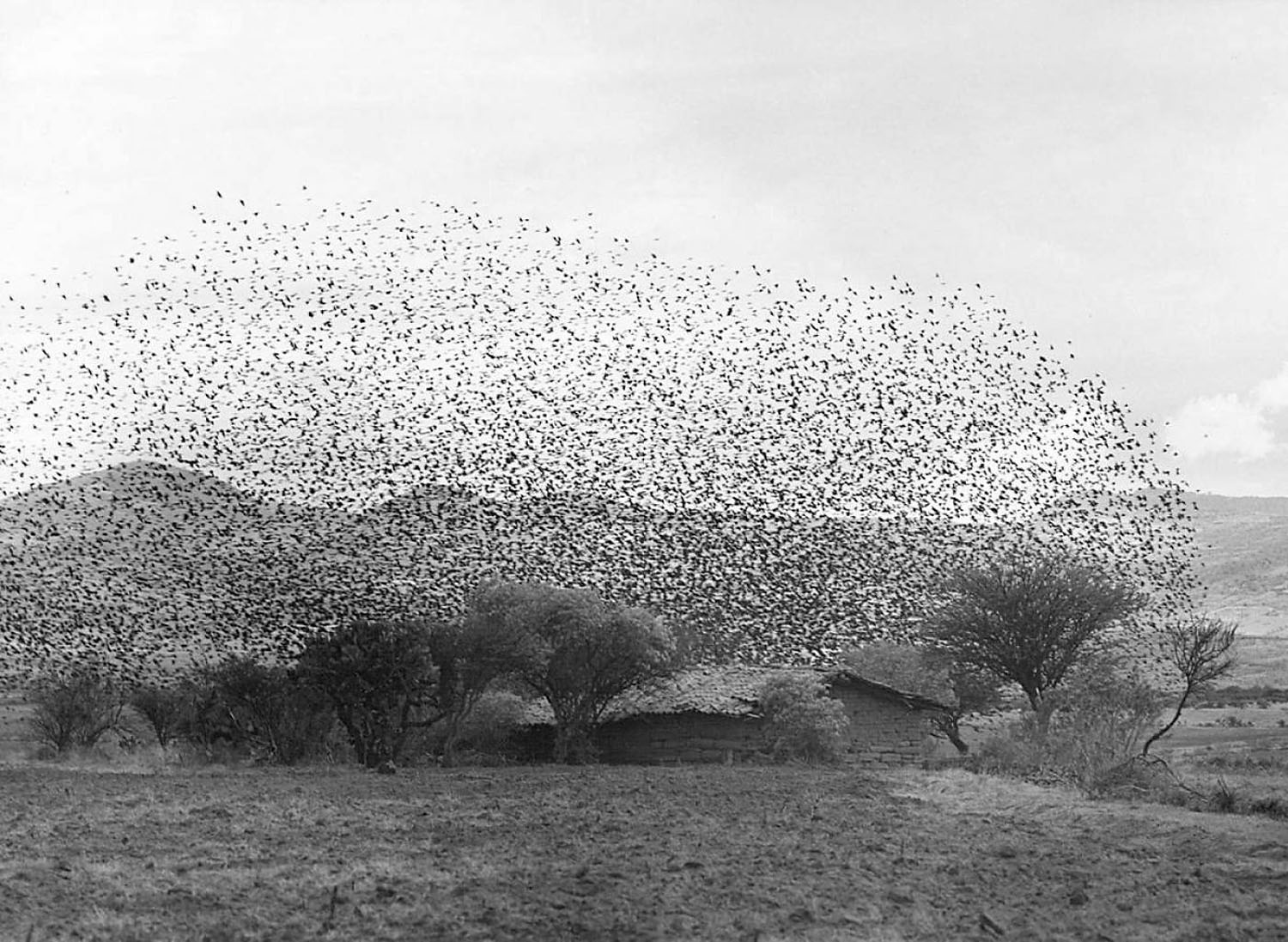
 

James Barnor (Ghanaian based in London, b. 1929)
Mike Eghan at the BBC Studios, London (installation view)
1967, printed 2010
Gelatin silver on paper
Gift of Eric and Louise Franck London Collection 2013
Photo: Marcus Bunyan


This was the best photography exhibition which wasn’t an exhibition – because it was a “display” – that I saw on my recent trip to Europe.

Why was it the best? Because this is what strong, insightful photography can do: it can capture life; it can document different cultures; and it can be a powerful agent for social change.

I remember London in the 1970s. I lived in Clapham (Claiff-ham Heights) and Stockwell (we called it St. Ockwell) near Brixton at the time. I remember the Brixton riot of 1981, as I was living in my little room down the road, as the cars burnt and the buildings were smashed. “Brixton in South London was an area with serious social and economic problems. The whole United Kingdom was affected by a recession by 1981, but the local African-Caribbean community was suffering particularly high unemployment, poor housing, and a higher than average crime rate.” (Wikipedia) People felt oppressed by recession, racism, the police, and by the establishment, for this was the era of Margaret Thatcher and her bullies. But as these photographs show, there was such a vibrant sense of community in these areas as they sought to ‘stand firm in England’ because it was their home.
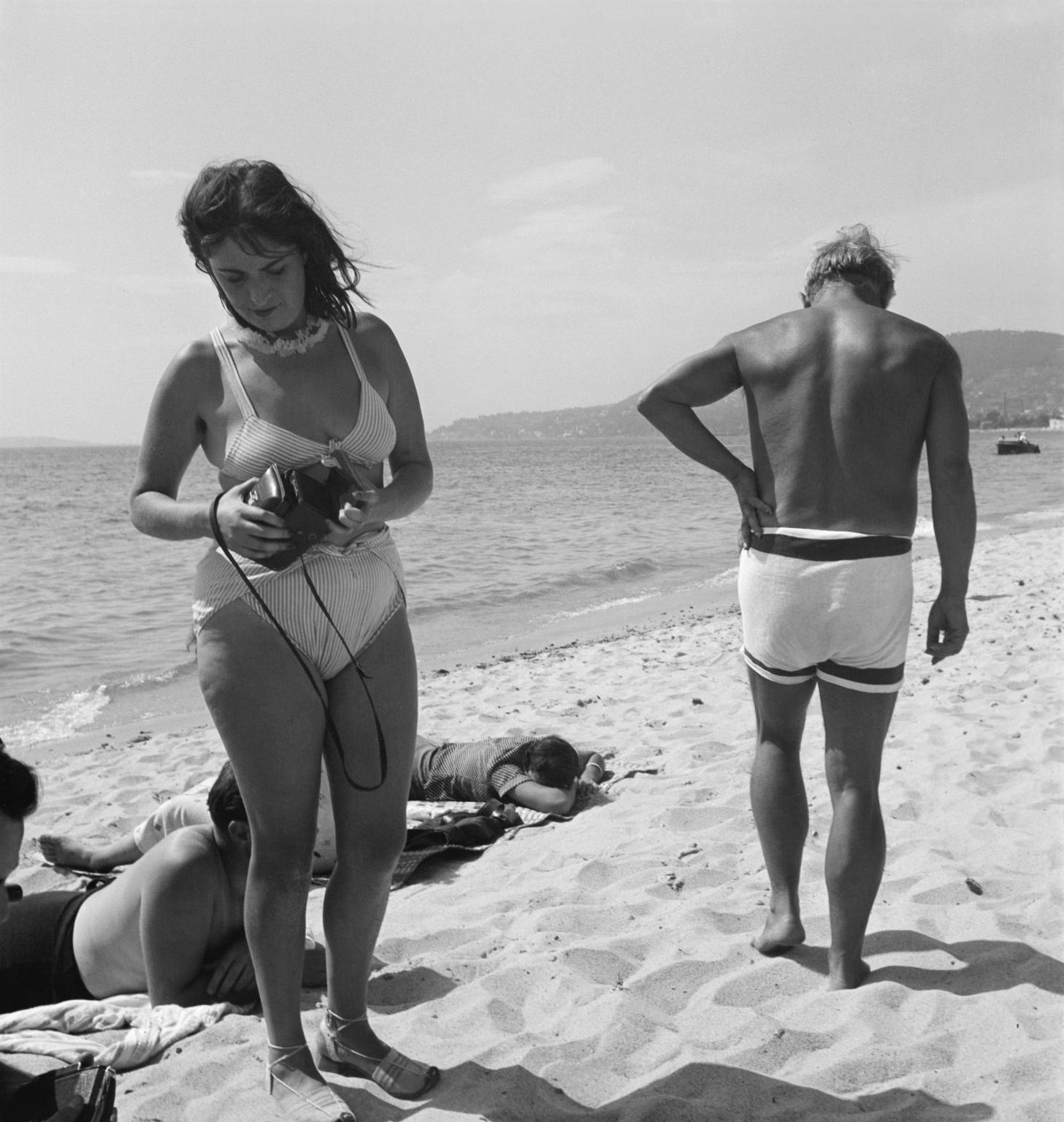
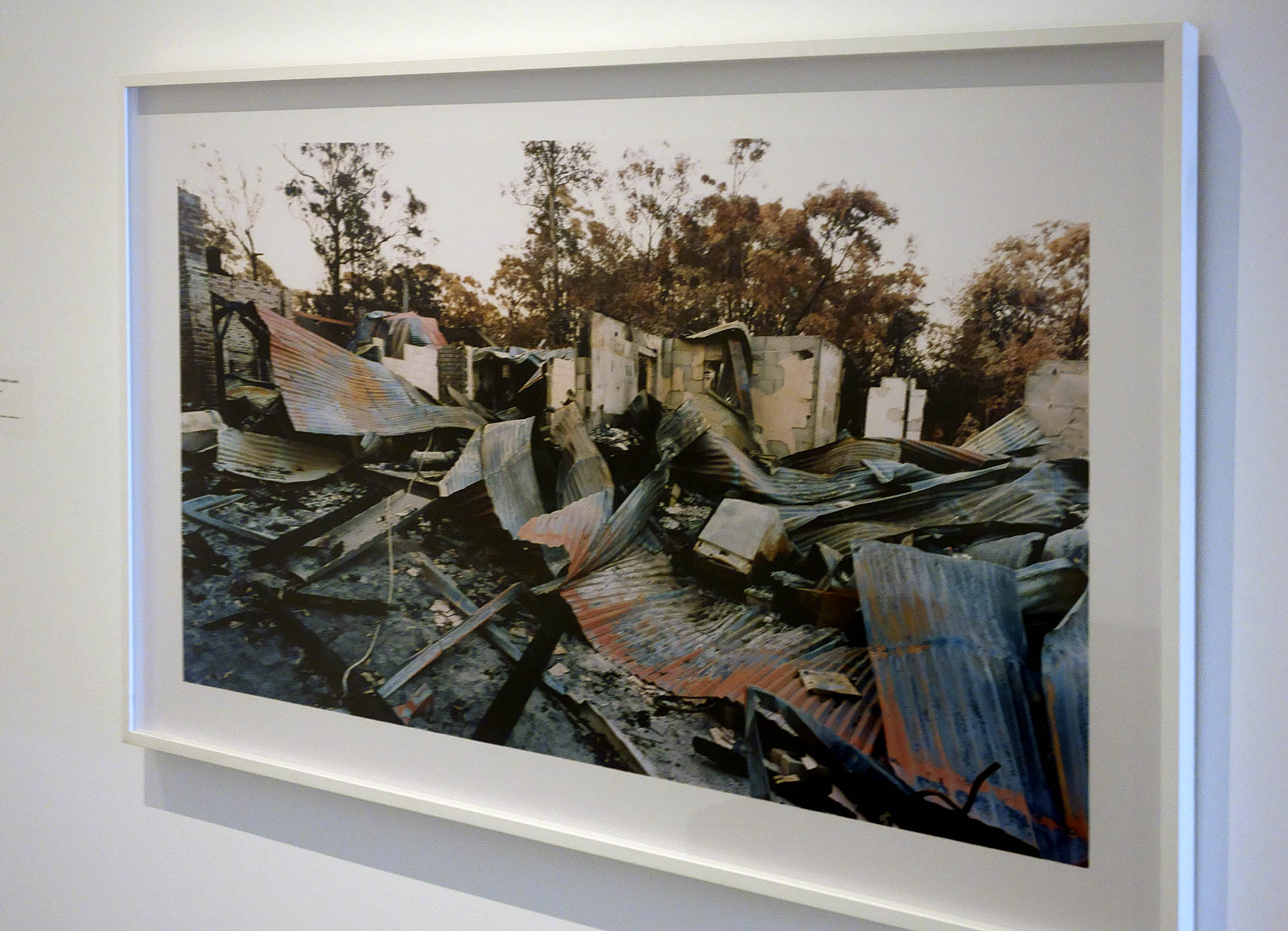
It is our great privilege that we have the images of this very talented group of photographers who documented Black communities in London during this time: Raphael Albert, Bandele ‘Tex’ Ajetunmobi, James Barnor, Colin Jones, Neil Kenlock, Dennis Morris, Syd Shelton and Al Vandenberg. And I find it heartening that all of these photographers were documenting their community at the same time. The African-Caribbean diaspora is part of the genetic makeup of the UK and multiculturalism, from where ever it emanates, should be valued in societies around the world. It enriches contemporary culture through an understanding and acceptance of difference.

Against racism; against fascism; against discrimination. For freedom from oppression and the right to be heard.

Dr Marcus Bunyan

PS. There were no media images so I took iPhone installation photographs of the display, so please excuse any reflection of the gallery in the images. I have cleaned and balanced them as much as possible.

All installation shots are © Dr Marcus Bunyan. Please click on the photographs for a larger version of the image.


James Barnor wall text from the display


James Barnor (Ghanaian based in London, b. 1929) 'Drum Cover Girl Erlin Ibreck, London' 1966, printed 2010 (installation view) from the display 'Stan Firm inna Inglan' at Tate Britain, London, November 2017


James Barnor (Ghanaian based in London, b. 1929)
Drum Cover Girl Erlin Ibreck, London (installation view)
1966, printed 2010
C-print on paper
Gift of Eric and Louise Franck London Collection 2013
Photo: Marcus Bunyan


“The picture of a young woman leaning against a shiny grey Jaguar was taken in Kilburn, north London, in 1966. The pastel minidress, heavy fringe and costume jewellery feel instantly familiar as belonging to the era, but while we’re used to seeing a pallid Twiggy or Penelope Tree striding about London in fashion shoots from the same time, we rarely see images in which the model is black.

The pictures shown here of young women with 1960s-style beehives and miniskirts were shot as fashion stories for Drum , an influential anti-apartheid magazine based in Johannesburg, and Africa’s first black lifestyle magazine. …

Erlin Ibreck, the model in the main photograph who was 19 at the time, remembers Barnor asking her to pose in Trafalgar Square while flocks of excited pigeons landed on her. ‘I was more nervous about the pigeons than people around us who were staring.’

Some of the models were professional, but Ibreck was someone Barnor spotted in a bus queue at Victoria station. Ibreck was living in Cheshire but visiting her sister, who lived in London. Barnor asked if she would like to be photographed for Drum magazine and eventually she agreed.

Encouraged by Barnor, Ibreck enrolled at the Lucie Clayton modelling school in Manchester, but finding work as a black model in the 1960s was not easy.

‘It was very tough as there were very few black models,’ she says. ‘I was selected by Lucie Clayton to model De Beers diamonds – a South African company, and this was during apartheid. When they discovered that I was black De Beers cancelled the booking and chose a white model.

‘That booking would have enhanced my career, so it was a very painful experience to have been rejected on the basis of my colour. This experience made me realise what I was up against.’ After two years Ibreck gave up modelling and moved to New York.”

Although Barnor says he wasn’t consciously attempting to chronicle ‘black culture’ in England, and was simply taking photographs of things that interested him and the readers of Drum, the effect was, none the less, an optimistic suggestion that these cosmopolitan young African women were part of the exciting new, multicultural society in London that people were talking about.

Barnor’s memories of the time seem to be largely positive, and he says he doesn’t remember experiencing any overt racism. ‘I moved in enlightened circles so I did not have to put up with most of what other black people had to go through, though I did notice when I sat on a bus many people didn’t want to sit next to me’.”

Kate Salter. “Colour me beautiful: James Barnor’s photographs for Drum magazine,” on the Telegraph website 07 December 2010 [Online] Cited 08/10/2017. No longer available online


James Barnor (Ghanaian based in London, b. 1929) 'Wedding Guests, London' 1960s, printed 2010 (installation view)


James Barnor (Ghanaian based in London, b. 1929)
Wedding Guests, London (installation view)
1960s, printed 2010
Gelatin silver on paper
Gift of Eric and Louise Franck London Collection 2013
Photo: Marcus Bunyan


James Barnor (Ghanaian based in London, b. 1929) 'Eva, London' 1960s, printed 2010


James Barnor (Ghanaian based in London, b. 1929)
Eva, London
1960s, printed 2010
Gelatin silver on paper
Gift of Eric and Louise Franck London Collection 2013


Stan Firm wall text from the display


This display brings together works from the 1960s and 1970s by eight photographers who documented Black communities in London: Raphael Albert, Bandele ‘Tex’ Ajetunmobi, James Barnor, Colin Jones, Neil Kenlock, Dennis Morris, Syd Shelton and Al Vandenberg.

The photographs reveal the many and varied experiences of individuals who travelled from the Caribbean region and West Africa to live in London, from everyday family life to political engagement. They show people as they respond to, react against and move beyond the racial tension and exclusion that were part of life for Black communities in the British capital. The title of the display, ‘Stan Firm inna Inglan’, is taken from the poem It Dread inna Inglan by Linton Kwesi Johnson, who in the 1970s gave a voice and poetic form to the Afro-Caribbean diaspora and its resistance in the face of racism. The poem expresses in Jamaican patois (creole) the resolve of African, Asian and Caribbean immigrants to ‘stand firm in England’, asserting the determination of Black British communities to remain in Britain and declare it as their rightful home.

The work of most of the photographers has gained prominence in recent years through the research and curatorial work of Autograph ABP, which was established in London in 1988 to advocate the inclusion of historically marginalised photographic practices. All works in the display have been gifted to the Tate collection and form part of the Eric and Louise Franck London Collection, an important collection of photography which was assembled over more than 20 years.

This display has been curated by Elena Crippa, Allison Thompson and Susana Vargas Cervantes. Alison and Susana worked at Tate as part of the Brooks International Fellowship programme for three months in 2016, fully funded by the Rory and Elizabeth Brooks Foundation and in partnership with the Delfina Foundation.

Text from the Tate Britain website


Dennis Morris wall text from the display


Dennis Morris (British, b. 1960) ''Mother's Pride', Hackney' 1976, printed 2012 (installation view)


Dennis Morris (British, b. 1960)
‘Mother’s Pride’, Hackney (installation view)
1976, printed 2012
Gelatin silver print on paper
Gift of Eric and Louise Franck London Collection 2016
Photo: Marcus Bunyan


Dennis Morris (British, b. 1960) 'Young Gun, Hackney' 1969, printed 2012 (installation view)


Dennis Morris (British, b. 1960)
Young Gun, Hackney (installation view)
1969, printed 2012
Gelatin silver print on paper
Gift of Eric and Louise Franck London Collection 2016
Photo: Marcus Bunyan


Bandele Ajetunmobi (British, 1921-1994) 'Couple Kissing, Whitechapel, London' 1960s, printed 2012 (installation view)


Bandele Ajetunmobi (British, 1921-1994)
Couple Kissing, Whitechapel, London (installation view)
1960s, printed 2012
Gelatin silver print on paper
Gift of Eric and Louise Franck London Collection 2016
Photo: Marcus Bunyan


“Bandele Ajetunmobi – widely known as Tex – took photographs in the East End for almost half a century, starting in the late forties. He recorded a tender vision of interracial camaraderie, notably as manifest in a glamorous underground nightlife culture yet sometimes underscored with melancholy too – creating poignant portraits that witness an almost-forgotten era of recent history.

In 1947, at twenty-six years old, he stowed away on a boat from Nigeria – where he found himself an outcast on account of the disability he acquired from polio as a child – and in East London he discovered the freedom to pursue his life’s passion for photography, not for money or reputation but for the love of it.

He was one of Britain’s first black photographers and he lived here in Commercial St, Spitalfields, yet most of his work was destroyed when he died in 1994 and, if his niece had not rescued a couple of hundred negatives from a skip, we should have no evidence of his breathtaking talent. …

“He did all this photography yet he didn’t do it to make money, he did it for pleasure and for artistic purposes. He was doing it for art’s sake.He had lots of books of photography and he studied it. He was doing it because those things needed to be recorded. You fall in love with a medium and that’s what happened to him. He spent all his money on photography. He had expensive cameras, Hasselblads and Leicas. My mother said, ‘If you sold one, you could make a visit to Nigeria.’ But he never went back, he was probably a bit of an outcast because of his polio as a child and it suited him to be somewhere people didn’t judge him for that. …

He used to do buying and selling from a stall in Brick Lane. When he died, they found so much stuff in his flat, art equipment, pens, old records and fountain pens. He had a very good eye for things. Everybody knew him, he was always with his camera and they stopped him in the street and asked him to take their picture. He was able to take photographs in clubs, so he must have been a trusted and respected figure. Even if the subjects are poor, they are strutting their stuff for the camera. He gave them their pride and I like that.” (Victoria Loughran)

The Gentle Author. “Bandele “Tex” Ajetunmobi, Photographer,” on the Spitalfields Life website December 2, 2013 [Online] Cited 08/10/2017


Bandele Ajetunmobi (British, 1921-1994) 'East End, London' c. 1975, printed 2012 (installation view)


Bandele Ajetunmobi (British, 1921-1994)
East End, London (installation view)
c. 1975, printed 2012
C-print on paper
Gift of Eric and Louise Franck London Collection 2016
Photo: Marcus Bunyan


Al Vandenberg wall text from the display


Al Vanbenberg (American, 1932-2012) 'Untitled' c. 1975-1980 (installation view)


Al Vanbenberg (American, 1932-2012)
Untitled (installation view)
c. 1975-1980
From the series On a Good Day
Gelatin silver print on paper
Gift of Eric and Louise Franck London Collection 2013
Photo: Marcus Bunyan


Al Vanbenberg (American, 1932-2012) 'Untitled' c. 1975-1980 (installation view)


Al Vanbenberg (American, 1932-2012)
Untitled
c. 1975-1980
From the series On a Good Day
Gelatin silver print on paper
Gift of Eric and Louise Franck London Collection 2013
Photo: Marcus Bunyan


Al Vanbenberg (American, 1932-2012) 'Untitled' c. 1975-1980 (installation view)


Al Vanbenberg (American, 1932-2012)
Untitled (installation view)
c. 1975-1980
From the series On a Good Day
Gelatin silver print on paper
Gift of Eric and Louise Franck London Collection 2013
Photo: Marcus Bunyan


Colin Jones wall text from the display


Colin Jones (English, 1936-2021) From the series 'The Black House, 571 Holloway Road, London' 1976, printed 2012 (installation view)

Colin Jones (English, 1936-2021) From the series 'The Black House, 571 Holloway Road, London' 1976, printed 2012 (installation view)

Colin Jones (English, 1936-2021) From the series 'The Black House, 571 Holloway Road, London' 1976, printed 2012 (installation view)

Colin Jones (English, 1936-2021) From the series 'The Black House, 571 Holloway Road, London' 1976, printed 2012 (installation view)

Colin Jones (English, 1936-2021) From the series 'The Black House, 571 Holloway Road, London' 1976, printed 2012 (installation view)

Colin Jones (English, 1936-2021) From the series 'The Black House, 571 Holloway Road, London' 1976, printed 2012 (installation view)


Colin Jones (English, 1936-2021)
From the series The Black House, 571 Holloway Road, London (installation views)
1976, printed 2012
Gelatin silver print on paper
Gift Eric and Louise Franck London Collection 2016
Photo: Marcus Bunyan


Syd Shelton wall text from the display


Syd Shelton (British, b. 1947) 'Southhall Carnival against the Nazis' 1979, printed 2012 (installation view)


Syd Shelton (British, b. 1947)
Southhall Carnival against the Nazis (installation view)
1979, printed 2012
Gelatin silver print on paper
Gift Eric and Louise Franck London Collection 2016
Photo: Marcus Bunyan


Syd Shelton (British, b. 1947) 'Jubilee Street, Stepney, London' 1977, printed 2012 (installation view)


Syd Shelton (British, b. 1947)
Jubilee Street, Stepney, London (installation view)
1977, printed 2012
Gelatin silver print on paper
Gift Eric and Louise Franck London Collection 2016
Photo: Marcus Bunyan


Syd Shelton (British, b. 1947) 'Bagga (Bevin Fagan), Hackney, East London' 1979, printed 2012 (installation view)


Syd Shelton (British, b. 1947)
Bagga (Bevin Fagan), Hackney, East London (installation view)
1979, printed 2012
Gelatin silver print on paper
Gift Eric and Louise Franck London Collection 2016
Photo: Marcus Bunyan


Syd Shelton (British, b. 1947) 'Skinheads, Petticoat Lane, East London' 1979, printed 2012 (installation view)


Syd Shelton (British, b. 1947)
Skinheads, Petticoat Lane, East London (installation view)
1979, printed 2012
Gelatin silver print on paper
Gift Eric and Louise Franck London Collection 2016
Photo: Marcus Bunyan


Syd Shelton (British, b. 1947) 'Anti racist Skinheads, Hackney, London' 1979, printed 2012 (installation view)


Syd Shelton (British, b. 1947)
Anti racist Skinheads, Hackney, London (installation view)
1979, printed 2012
Gelatin silver print on paper
Gift Eric and Louise Franck London Collection 2016


Neil Kenlock wall text from the display


Neil Kenlock (British born Jamaica, b. 1950) 'The Bailey Sisters in Clapham' c. 1970, printed 2010 (installation view)


Neil Kenlock (British born Jamaica, b. 1950)
The Bailey Sisters in Clapham (installation view)
c. 1970, printed 2010
Gelatin silver print on paper
Presented by Tate Members 2013 and forming part of the Eric and Louise Franck London Collection
Photo: Marcus Bunyan


Neil Kenlock (born 1950) 'Demonstration outside Brixton Library' 1972, printed 2010


Neil Kenlock (British born Jamaica, b. 1950)
Demonstration outside Brixton Library (installation view)
1972, printed 2010
Gelatin silver print on paper
Presented by Tate Members 2013 and forming part of the Eric and Louise Franck London Collection
Photo: Marcus Bunyan


Neil Kenlock (British born Jamaica, b. 1950) ''Keep Britain White' graffiti, Balham' 1972, printed 2010 (installation view)


Neil Kenlock (British born Jamaica, b. 1950)
‘Keep Britain White’ graffiti, Balham (installation view)
1972, printed 2010
Gelatin silver print on paper
Presented by Tate Members 2013 and forming part of the Eric and Louise Franck London Collection
Photo: Marcus Bunyan


Raphael Albert wall text from the display


Raphael Albert (British born Grenada, 1935-2009) 'The Golden Chip, Hammersmith, London' c. 1970, printed 2012 (installation view)


Raphael Albert (British born Grenada, 1935-2009)
The Golden Chip, Hammersmith, London (installation view)
c. 1970, printed 2012
Gelatin silver print on paper
Gift Eric and Louise Franck London Collection 2016
Photo: Marcus Bunyan


Raphael Albert (British born Grenada, 1935-2009) 'Hammersmith, London' 1960s, printed 2012


Raphael Albert (British born Grenada, 1935-2009)
Hammersmith, London (installation view)
1960s, printed 2012
Gelatin silver print on paper
Gift Eric and Louise Franck London Collection 2016


Raphael Albert (British born Grenada, 1935-2009) 'The Harder They Come, Hammersmith Apollo' c. 1972, printed 2012


Raphael Albert (British born Grenada, 1935-2009)
The Harder They Come, Hammersmith Apollo (installation view)
c. 1972, printed 2012
Gelatin silver print on paper
Gift Eric and Louise Franck London Collection 2016


Raphael Albert (British born Grenada, 1935-2009) 'Holley posing at Blythe Road, London' c. 1974, printed 2012 (installation view)


Raphael Albert (British born Grenada, 1935-2009)
Holley posing at Blythe Road, London (installation view)
c. 1974, printed 2012
Gelatin silver print on paper
Gift Eric and Louise Franck London Collection 2016
Photo: Marcus Bunyan


Tate Britain
Millbank, London SW1P 4RG
United Kingdom
Phone: +44 20 7887 8888

Opening hours:
10.00am – 18.00pm daily

Tate Britain website

LIKE ART BLART ON FACEBOOK

Back to top