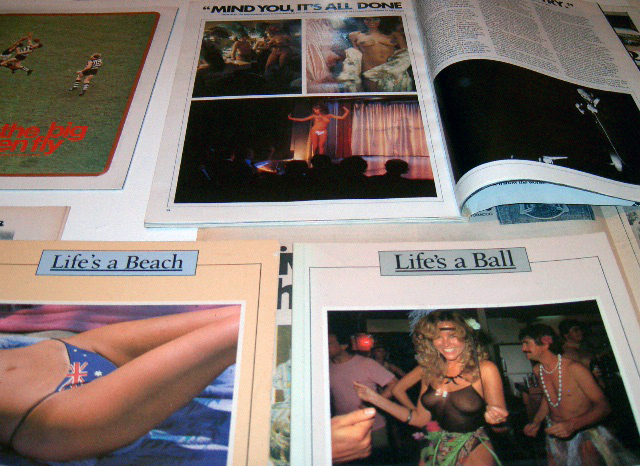
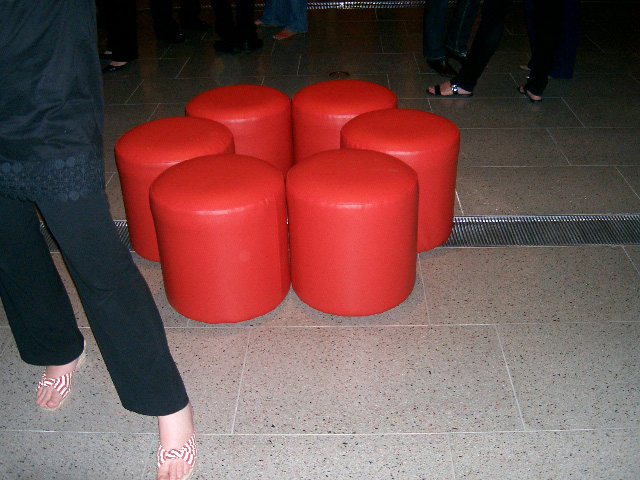
Exhibition: ‘Daidō Moriyama: Tokyo Photographs’ at Philadelphia Museum of Art

Exhibition dates: 28th February – 31st July, 2009

Curator: Peter Barberie, Curator of Photographs


Many thankx to Philadelphia Museum of Art for allowing me to publish the photographs in the posting. Please click on the photographs for a larger version of the image.


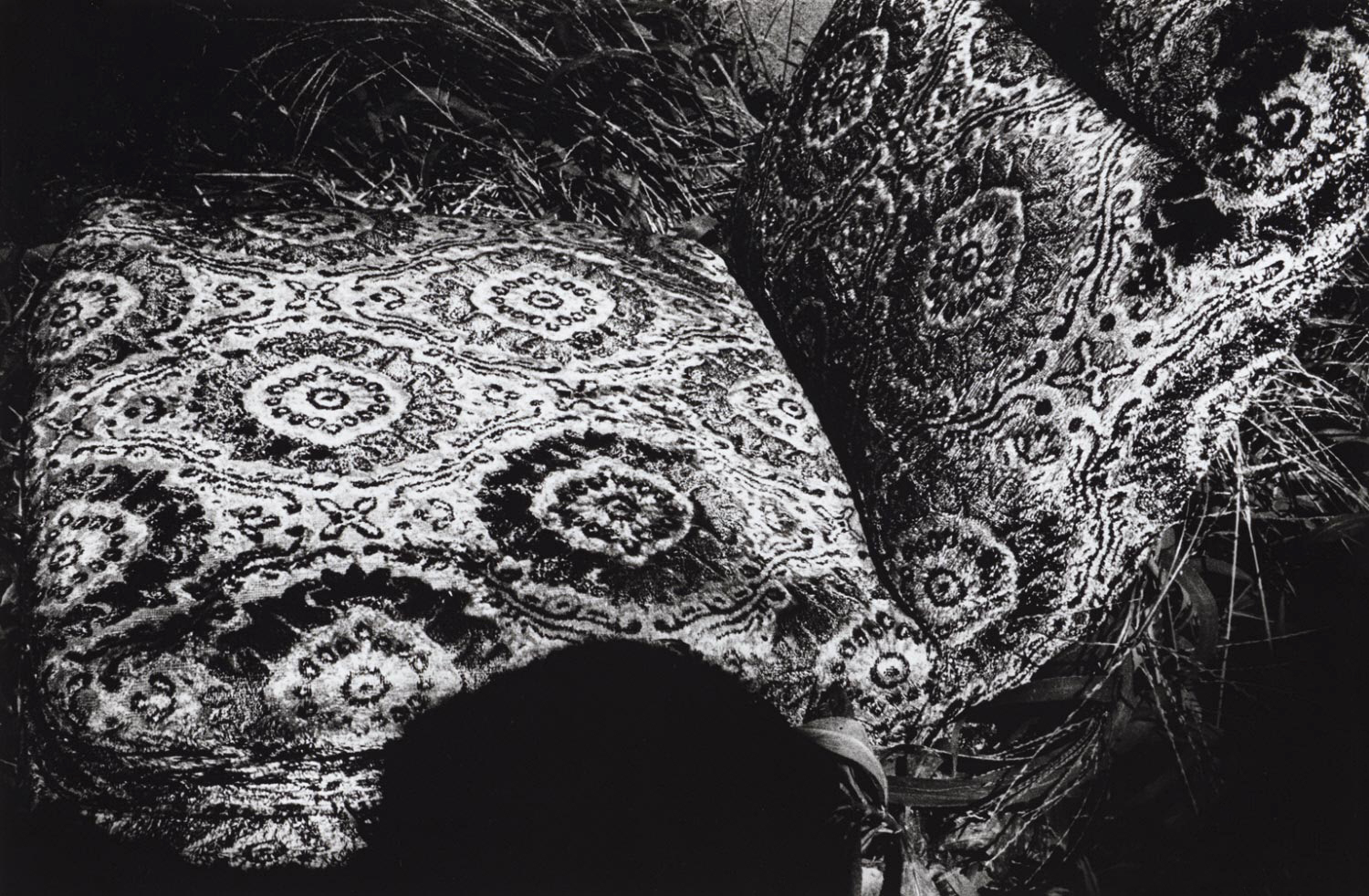
Daido Moriyama (Japanese, b. 1938) 'Untitled' from the series 'Memory of Dog' 1982 from the exhibition 'Daidō Moriyama: Tokyo Photographs' at Philadelphia Museum of Art, Feb - July, 2009


Daidō Moriyama (Japanese, b. 1938)
Untitled from the series Memory of Dog
1982
Gelatin silver print
Image: 8 1/16 × 11 13/16 inches (20.5 × 30cm)
Purchased with funds contributed by the E. Rhodes and Leona B. Carpenter Foundation, 1990
Philadelphia Museum of Art
© Daidō Moriyama


Daidō Moriyama often calls himself a “stray dog,” a reference to one of his iconic early pictures of a roaming mongrel, but also to his preferred incidental vantage points in relation to his subjects and his beguiled yet wary stance toward modernising Japanese society. In the series Memory of Dog, he revisited photographic scenarios and motifs from his previous two decades of work, overlaying his peripheral approach with another quality that he finds crucial to photography: its relationship to memory.


Daidō Moriyama (Japanese, born 1938) 'Untitled (Rose)' 1984 from the exhibition 'Daidō Moriyama: Tokyo Photographs' at Philadelphia Museum of Art, Feb - July, 2009


Daidō Moriyama (Japanese, b. 1938)
Untitled (Rose)
1984
Gelatin silver print
© Daidō Moriyama


Daidō Moriyama (Japanese, born 1938) 'Viaduct 1, Bunkyo-ku, Tokyo' 1981


Daidō Moriyama (Japanese, b. 1938)
Viaduct 1, Bunkyo-ku, Tokyo
1981
Gelatin silver print
© Daidō Moriyama


Daidō Moriyama (Japanese, born 1938) 'Untitled (Bottle)' from the series 'Light and Shadow' 1982


Daidō Moriyama (Japanese, b. 1938)
Untitled (Bottle) from the series Light and Shadow
1982
Gelatin silver print
Image: 7 13/16 x 11 13/16 inches (19.8 x 30cm)
Purchased with funds contributed by the E. Rhodes and Leona B. Carpenter Foundation, 1990
© Daidō Moriyama


Daidō Moriyama is one of the most important and exciting Japanese photographers of our time, having made prolific, often experimental pictures of modern urban life since the 1960s. This exhibition showcases a group of approximately 45 photographs made in and around Tokyo in the 1980s, when Moriyama focused his mature aesthetic on the city with renewed intensity.

Moriyama approaches the world with an equalising eye, capturing disparate peripheral details that in themselves account for little, but together add up to a powerful diagnosis of modern experience. In 1980s Japan such details encompassed the disorienting and sometimes brutal juxtaposition of traditional culture and modernisation, most visible in the glut of consumer goods and images. But in Moriyama’s photographs these subjects appear alongside the banal elements of any streetscape: a derelict patch of pavement and wall, a car with an aggressive key scratch running its full length, even a single rose blossom.

Moriyama’s urban imagery shares some of its qualities with other great street photography of the 20th century, and he has cited the photographs of William Klein as a major influence. But his work involves strong responses to a wide range of modern art and literature, including photographs and graphic designs by many of his Japanese contemporaries, Andy Warhol’s silkscreens, and the novels of Jack Kerouac and James Baldwin. Moriyama’s mix of international and Japanese trends to represent modern Tokyo is one source of his photography’s power, and the exhibition will include a small number of works by other artists to demonstrate his visual sensibility, including prints and photographs by Warhol, Klein, Shomei Tomatsu, and Tadanori Yokoo.

Text from the Philadelphia Museum of Art website [Online] Cited 23/03/2009


Daidō Moriyama (Japanese, born 1938) 'Memory of Dog 2' 1981


Daidō Moriyama (Japanese, b. 1938)
Memory of Dog 2
1981
Gelatin silver print
© Daidō Moriyama


Daidō Moriyama (Japanese, born 1938) 'Untitled' c. 1981-1985


Daidō Moriyama (Japanese, b. 1938)
Untitled
c. 1981-1985
Gelatin silver print
Image: 8 1/4 x 11 7/8 inches (21 x 30.2cm)
Purchased with funds contributed by the E. Rhodes and Leona B. Carpenter Foundation, 1990
© Daidō Moriyama


Daidō Moriyama (Japanese, born 1938) 'Untitled' from the series 'Light and Shadow' 1982


Daidō Moriyama (Japanese, b. 1938)
Untitled from the series Light and Shadow
1982
Gelatin silver print
Image: 7 3/4 x 11 13/16 inches (19.7 x 30cm)
Purchased with funds contributed by the E. Rhodes and Leona B. Carpenter Foundation, 1990
© Daidō Moriyama


Daidō Moriyama (Japanese, b. 1938) 'Untitled (Twin Chairs)' 1986


Daidō Moriyama (Japanese, b. 1938)
Untitled (Twin Chairs)
1986
Gelatin silver print
© Daidō Moriyama


Daidō Moriyama (Japanese, born 1938) 'On the Road (Chair)' from the series 'Light and Shadow' 1981


Daidō Moriyama (Japanese, b. 1938)
On the Road (Chair) from the series Light and Shadow
1981
Gelatin silver print
Image: 7 3/4 x 11 13/16 inches (19.7 x 30cm)
Purchased with funds contributed by the E. Rhodes and Leona B. Carpenter Foundation, 1990
© Daidō Moriyama


Since the 1960s Japanese photographer Daidō Moriyama (born 1938) has been making dynamic, often experimental images of modern urban life, establishing a reputation as one of the most important and exciting photographers of our time. The Philadelphia Museum of Art will present an exhibition of approximately 45 photographs by Moriyama, made in and around Tokyo in the 1980s, when the artist focused his mature aesthetic on the city with renewed intensity. The exhibition will be on view from February 28-June 30, 2009 in the Julien Levy Gallery at the Ruth and Raymond G. Perelman Building.

Born in 1938 in Ikeda-cho (now Ikeda-shi), Osaka, Moriyama witnessed the dramatic changes that swept over Japan in the decades following World War II. After his father’s death in a train accident, he began working as a freelance graphic designer at age 20. He was intrigued by the graphic possibilities of screenprinting, the cheapest and most prolific form for printed imagery, and by international trends in contemporary art. These interests, along with attention to the various forms of visual stimuli that populate the urban landscape have been a hallmark of Moriyama’s career.

In 1960 Moriyama took up the study of photography under Takeji Iwamiya and one year later moved to Tokyo hoping to join the eminent photographers’ group VIVO, a short-lived cooperative whose members were exploring and confronting the revolution in modern Japanese society in their work. Although VIVO disbanded a week after Moriyama’s arrival in the capital, the visual and existential turmoil they explored would become one of the core subjects in Moriyama’s photographs. His gritty, black and white images of streets and highways express the conflicting realities of contemporary Japan, the disorienting and sometimes brutal juxtaposition of traditional culture and modernisation. 
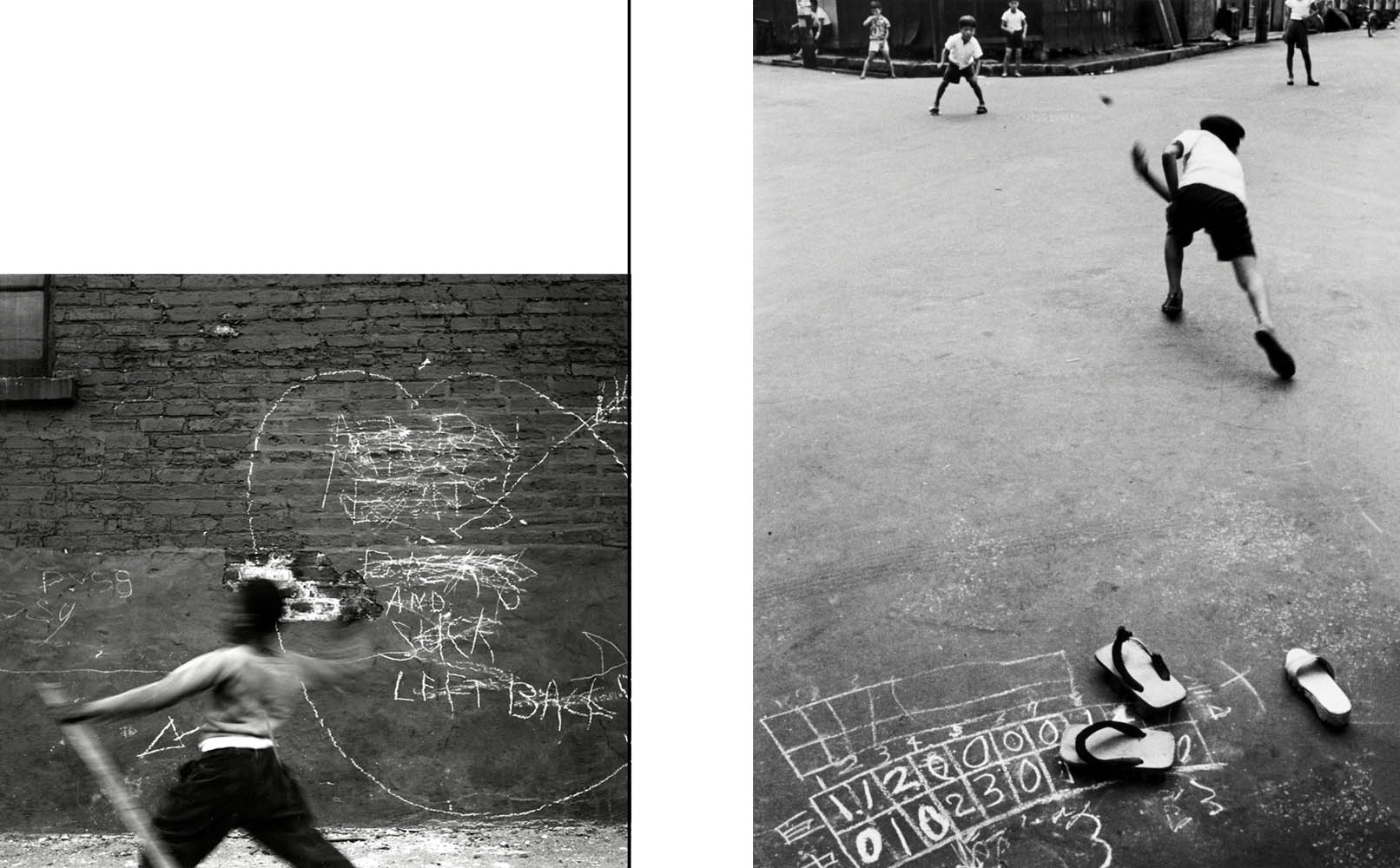
“It is a pleasure to present this group of photographs from the Museum’s collection reflecting the distinctive vision of Daidō Moriyama, who is undoubtedly among the great urban photographers of the 20th century,” Curator of Photographs Peter Barberie said. These particular images focus on the visual experience of modern-day Tokyo, but through them Moriyama is documenting broader global trends of modernisation, and at the same time exploring the unique aesthetic qualities of his medium.”

His early images from the 1960s and 70s tested the notion of photographic artistry in an extreme fashion. He chose seemingly arbitrary subjects, and experimented with motion and overexposure to create blurred or nearly blank images, adopting an anti-aesthetic position. Other Japanese photographers were also working in this vein, but Moriyama’s 1972 book Bye Bye Photography became the defining statement of this particular style. The later photographs presented in this exhibition are generally sharper in focus but maintain the peripheral vantage point that Moriyama so often employed, as well as the seemingly random content. His images capture with an equalising eye the kinds of disparate peripheral details that litter the modern urban experience: shadows, cars, and abandoned corners, as well as the glut of consumer goods and commodities. 

Profoundly influenced by Japanese photographers Eikoh Hosoe and Shomei Tomatsu, Moriyama’s vision was also enriched by his acquaintance with the work of American photographers William Klein and Robert Frank. Like them he practiced a new, more action-oriented street photography. His images are often out of focus, vertiginously tilted, or invasively cropped. 

His work also involves strong responses to a wide range of modern art and literature, including photographs and graphic designs by many of his Japanese contemporaries, Andy Warhol’s silkscreens, and the novels of Jack Kerouac and James Baldwin. The exhibition will include a small number of works by other artists to demonstrate his visual sensibility, including prints and photographs by Warhol, Klein, Shomei Tomatsu, and Tadanori Yokoo.

Press release from the Philadelphia Museum of Art


Daidō Moriyama (Japanese, born 1938) 'Tunnel' 1982


Daidō Moriyama (Japanese, b. 1938)
Tunnel
1982
Gelatin silver print
Image: 7 15/16 x 11 7/8 inches (20.2 x 30.2cm)
Purchased with funds contributed by the E. Rhodes and Leona B. Carpenter Foundation, 1990
© Daidō Moriyama


Daidō Moriyama (Japanese, born 1938) 'Untitled' from the series 'Light and Shadow' 1982


Daidō Moriyama (Japanese, b. 1938)
Untitled from the series Light and Shadow
1982
Gelatin silver print
Image: 7 3/4 × 11 3/4 inches (19.7 × 29.8cm)
Purchased with funds contributed by the E. Rhodes and Leona B. Carpenter Foundation, 1990
© Daidō Moriyama


Daidō Moriyama (Japanese, b. 1938) 'Untitled' c. 1981-1985


Daidō Moriyama (Japanese, b. 1938)
Untitled
c. 1981-1985
Gelatin silver print
Image: 8 3/8 × 11 5/8 inches (21.2 × 29.6cm)
Sheet: 10 × 11 15/16 inches (25.4 × 30.4cm)
Purchased with funds contributed by the E. Rhodes and Leona B. Carpenter Foundation, 1990
© Daidō Moriyama


Daidō Moriyama (Japanese, b. 1938) 'Untitled', from the series 'Light and Shadow' 1982


Daidō Moriyama (Japanese, b. 1938)
Untitled, from the series Light and Shadow
1982
Gelatin silver print
Image: 7 3/4 x 11 13/16 inches (19.7 x 30cm)
Sheet: 10 x 12 1/8 inches (25.4 x 30.8cm)
Purchased with funds contributed by the E. Rhodes and Leona B. Carpenter Foundation, 1990
© Daidō Moriyama


Daidō Moriyama (Japanese, b. 1938) 'Setagaya-ku, Tokyo, Midnight' 1986


Daidō Moriyama (Japanese, b. 1938)
Setagaya-ku, Tokyo, Midnight
1986
Gelatin silver print
© Daidō Moriyama


Philadelphia Museum of Art
26th Street and the Benjamin Franklin Parkway
Philadelphia, PA 19130

Opening hours:
Thursday – Monday, 10.00am – 5.00pm
Closed Tuesday and Wednesday

Daido Moriyama website

Philadelphia Museum of Art website

LIKE ART BLART ON FACEBOOK

Back to top

Exhibition: ‘Reading the modern photography book: changing perceptions’ at the National Gallery of Art, Washington

Exhibition dates: 18th January – 26th April, 2009


Looks a great exhibition for fans of photography books!

Many thankx to the National Gallery of Art, Washington for allowing me to publish the photographs in the posting. Please click on the photographs for a larger version of the image.


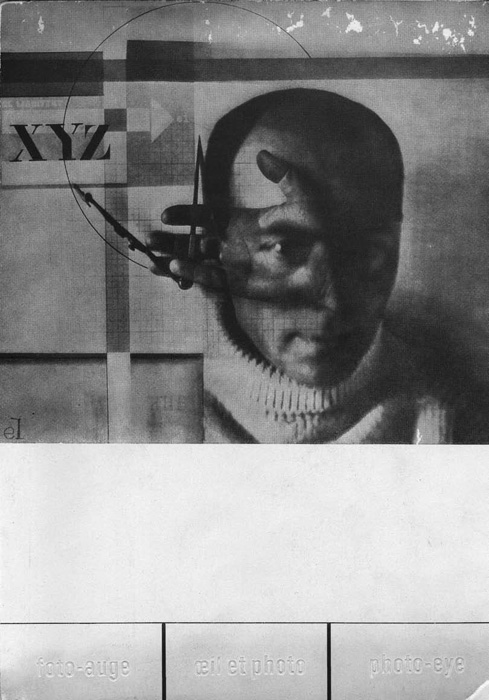
foto-auge (photo-eye), edited and with an introduction by Franz Roh, cover design by Jan Tschichold (Stuttgart: Akademischer Verlag, Dr. Fritz Wedekind & Co., 1929) from the exhibition 'Reading the modern photography book: changing perceptions' at the National Gallery of Art, Washington, Jan - April, 2009


foto-auge (photo-eye)
Edited and with an introduction by Franz Roh, cover design by Jan Tschichold
(Stuttgart: Akademischer Verlag, Dr. Fritz Wedekind & Co., 1929)


“Also produced in conjunction with Film und Foto, this book showcases a wide variety of photographic practices as a way of examining the social importance of the medium’s ability to construct visual knowledge.”


Held in conjunction with Looking In: Robert Frank’s “The Americans,” this exhibition examines a variety of artistic and thematic approaches to the modern photography book, displaying examples that span the period from the late 1920s to the early 1970s. The photography book, more than simply a book containing photographs, is a publication composed by the careful sequencing and editing of photographic material. Often produced by a photographer, they present visual narratives through creative page design that frequently integrates photographs with text and graphic elements.

This focus exhibition organises 21 books from the Gallery’s library into four themes: “New Visions,” “Documented Realities,” “Postwar Scenes,” and “Conceptual Practices.” It highlights diverse projects from individual photographers such as László Moholy-Nagy, Henri Cartier-Bresson, and Yasuhiro Ishimoto as well as collaborative projects from the Hungarian Work Circle (Munka Kör) and Andy Warhol’s Factory, revealing that the photography book is both a significant conveyer of contemporary experience and a witness to historical events.

The modern photography book, more than simply a book containing photographs, is a publication composed by the careful sequencing and editing of photographic material. Often produced by a photographer, these books present visual narratives through creative page design that frequently integrates photographs with text and graphic elements. Popular across the political spectrum, photography books have been published both as art objects and as documentary records. Through their organisation they foster a critical examination of the visual world, and as works of historical witness they have helped to construct cultural memories. Photography books have been a primary format for the arrangement and display of photographs, making them a vital but commonly overlooked component of the history of photography. Today they continue to provide an important forum for photographers to convey their work to a wide public audience.

Photographs have appeared in book format since their inception. For example, William Henry Fox Talbot’s commercially published The Pencil of Nature (1844) was one of the earliest explorations of photography’s narrative capabilities. Like all early photography books, Talbot’s photographs were printed separately from the letterpress text. It was not until the 1880s, with the development of the halftone plate and printing process, that mass-produced newspapers, magazines, and books regularly featured photographs. This invention, which allowed type and photographic images to be mechanically reproduced on the same press, dramatically changed the means by which the general public viewed and had access to photographs. By the 1920s the number of photographically illustrated publications had increased exponentially, and photographs regularly recounted events without explanatory text. As people began to see more and more photographs on a daily basis, they became far more visually literate. Set within this context, the modern mass-produced photography book challenged not only traditional narrative structures but also popular habits of reading and seeing.

Text from the National Gallery of Art website [Online] Cited 06/03/2009. No longer available online


Yasuhiro Ishimoto (Japanese-American, 1921-2012) 'Aruhi Arutokoro (Someday, Somewhere)' preface by Tsutomu Watanabe, design by Ryuuichi Yamashiro (Tokyo: Geibi Shuppan, 1958) from the exhibition 'Reading the modern photography book: changing perceptions' at the National Gallery of Art, Washington, Jan - April, 2009


Yasuhiro Ishimoto (Japanese-American, 1921-2012)
Aruhi Arutokoro (Someday, Somewhere)
Preface by Tsutomu Watanabe, design by Ryuuichi Yamashiro (Tokyo: Geibi Shuppan, 1958)


“This engaging publication juxtaposes photographs taken by Ishimoto in Chicago and Tokyo. Born in the United States, Ishimoto spent his childhood in Japan and later returned to the U.S. to attend school at the Institute of Design in Chicago. Finally settling in Tokyo, he influenced a new generation of postwar Japanese photographers interested in producing books.”


Henri Cartier-Bresson (French, 1908-2004) 'The Decisive Moment' (New York: Simon & Schuster, in collaboration with Éditions Verve, Paris, 1952)


Henri Cartier-Bresson (French, 1908-2004)
The Decisive Moment
(New York: Simon & Schuster, in collaboration with Éditions Verve, Paris, 1952)


“An important presentation of Cartier-Bresson’s photographs from the 1930s and 1940s, this large-format book helped to popularise his work, in which a distinctive documentary approach transforms ordinary moments into remarkable photographic visions.”


National Gallery of Art
National Mall between 3rd and 7th Streets
Constitution Avenue NW, Washington

Opening hours:
Daily 10.00am – 5.00pm

National Gallery of Art website

LIKE ART BLART ON FACEBOOK

Back to top

Exhibition: ‘The Photographs of Homer Page: The Guggenheim Year, New York, 1949-50’ at The Nelson-Atkins Museum of Art, Kansas City

Exhibition dates: 14th February – 7th June, 2009


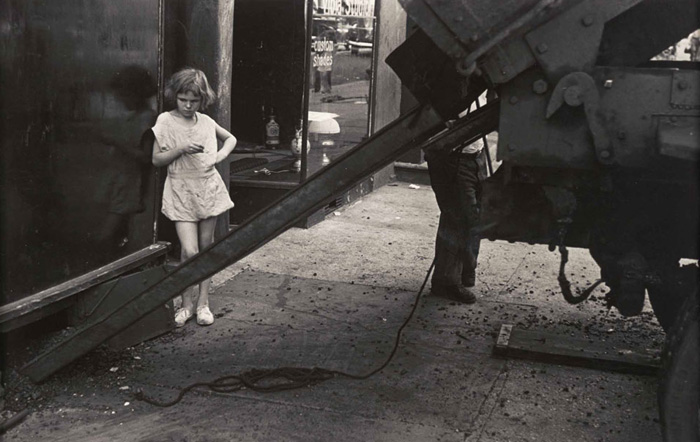
Homer Page (American, 1918-1985) 'New York, August 11, 1949 (girl and coal chute)' 1949 from the exhibition 'The Photographs of Homer Page: The Guggenheim Year, New York, 1949-50' at The Nelson-Atkins Museum of Art, Kansas City, Feb - June, 2009


Homer Page (American, 1918-1985)
New York, August 11, 1949 (girl and coal chute)
1949
Gelatin silver print


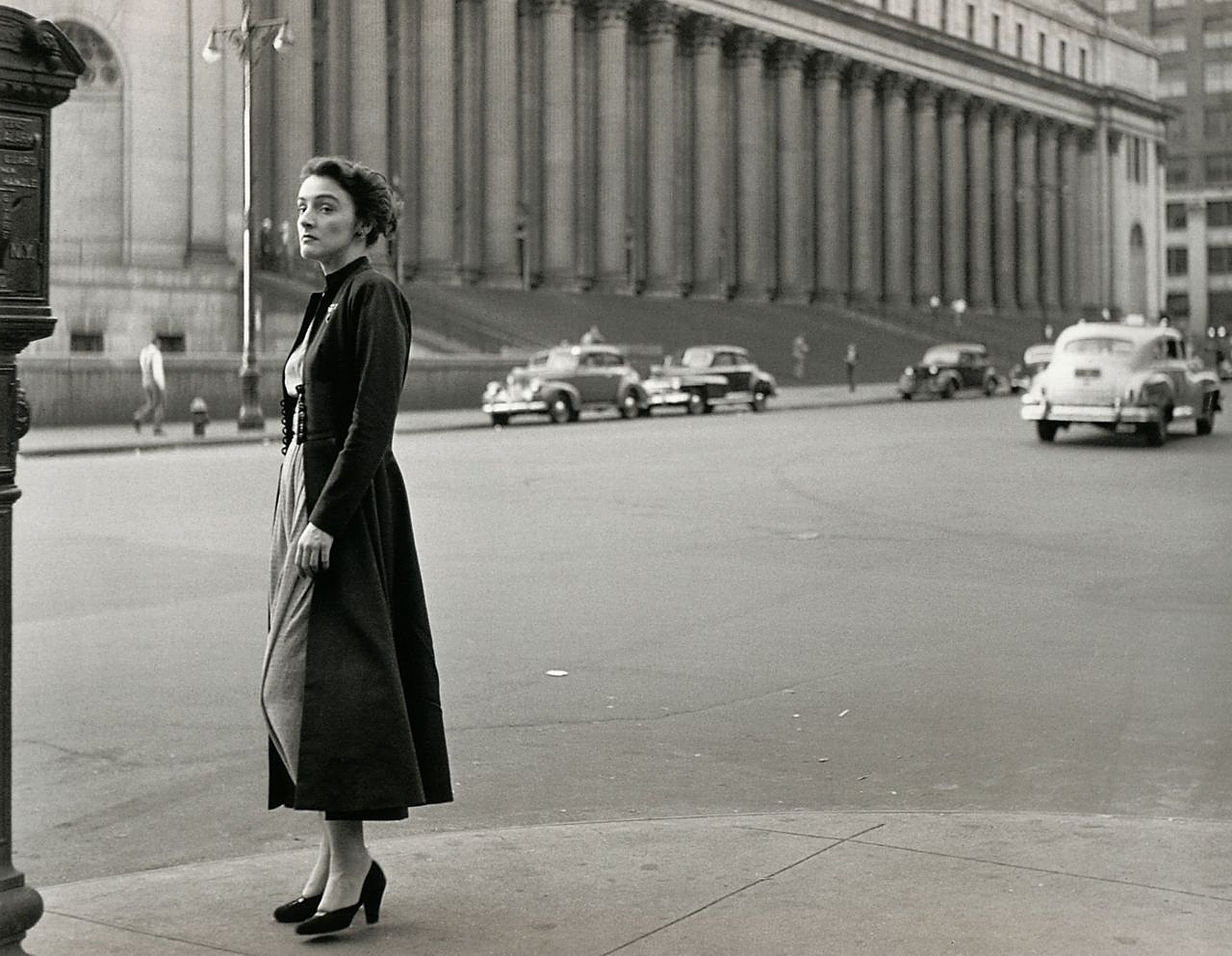
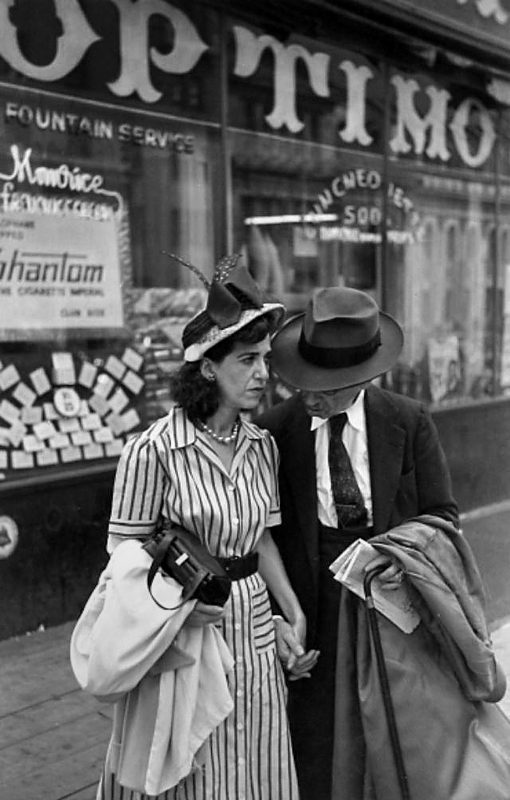
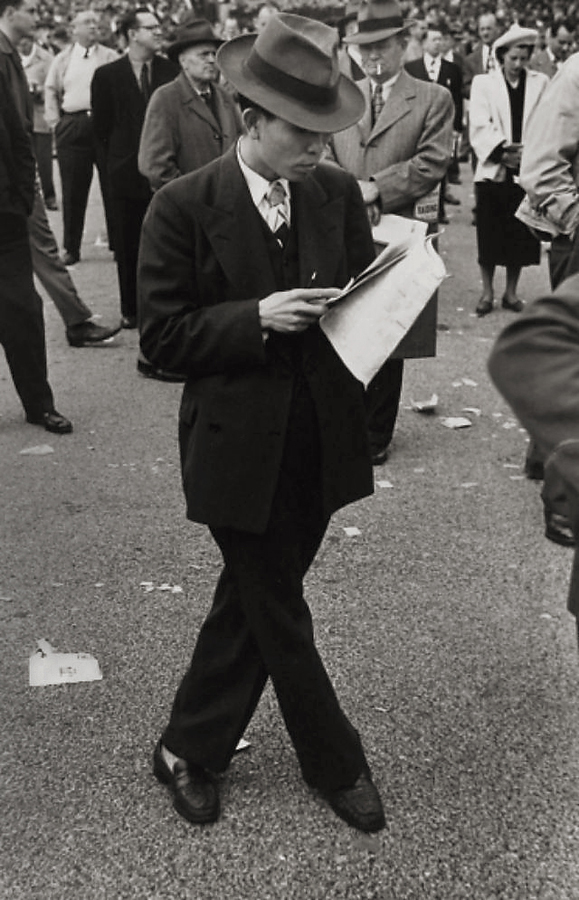
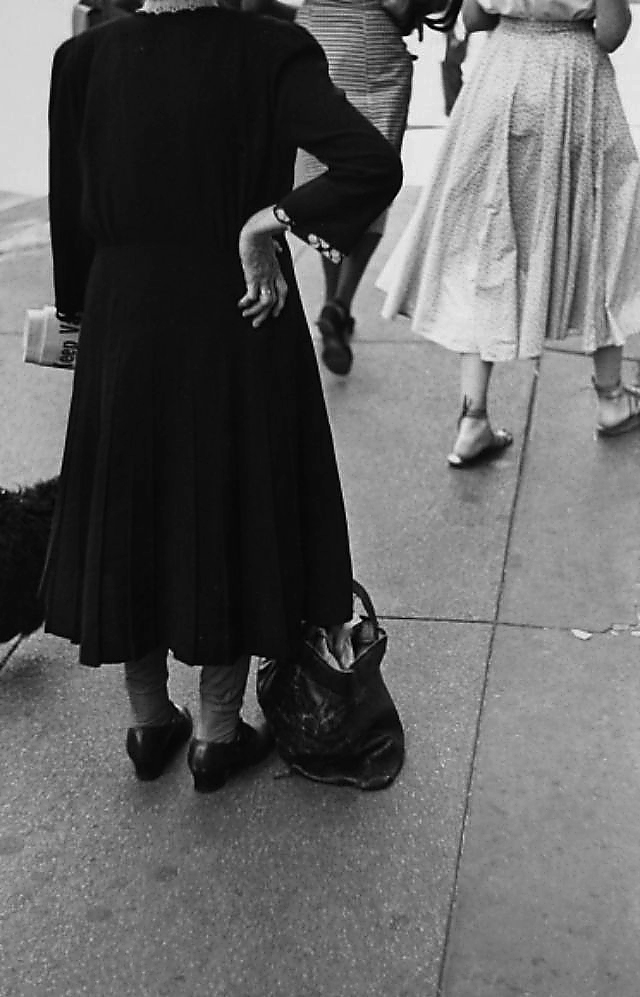
A brilliant but under appreciated American photographer, Homer Page used a Guggenheim fellowship in 1949-1950 to photograph New York City. Included in the 2006 Hallmark Photographic Collection gift to the Nelson-Atkins were some 100 of his vintage black-and-white prints. The Museum is thus in a unique position to celebrate his remarkable artistic achievement: his vision, at once gritty and lyrical, of the face of metropolitan America at mid-century. In recording the city so intently, Page had a larger goal in mind: to suggest nothing less than the emotional tenor of life at that time and place.

From an artistic standpoint, Page’s work represents a “missing link” between the warm, humanistic, and socially motivated documentary photographs of the 1930s and early 1940s in the works of Dorothea Lange, and the tougher, grittier and more existential work of the later 1950s as seen in the images of Robert Frank.

Text from The Nelson-Aitkens Museum of Art website


Many thankx to The Nelson-Atkins Museum of Art for allowing me to publish the photographs in the posting. Please click on the photographs for a larger version of the image.


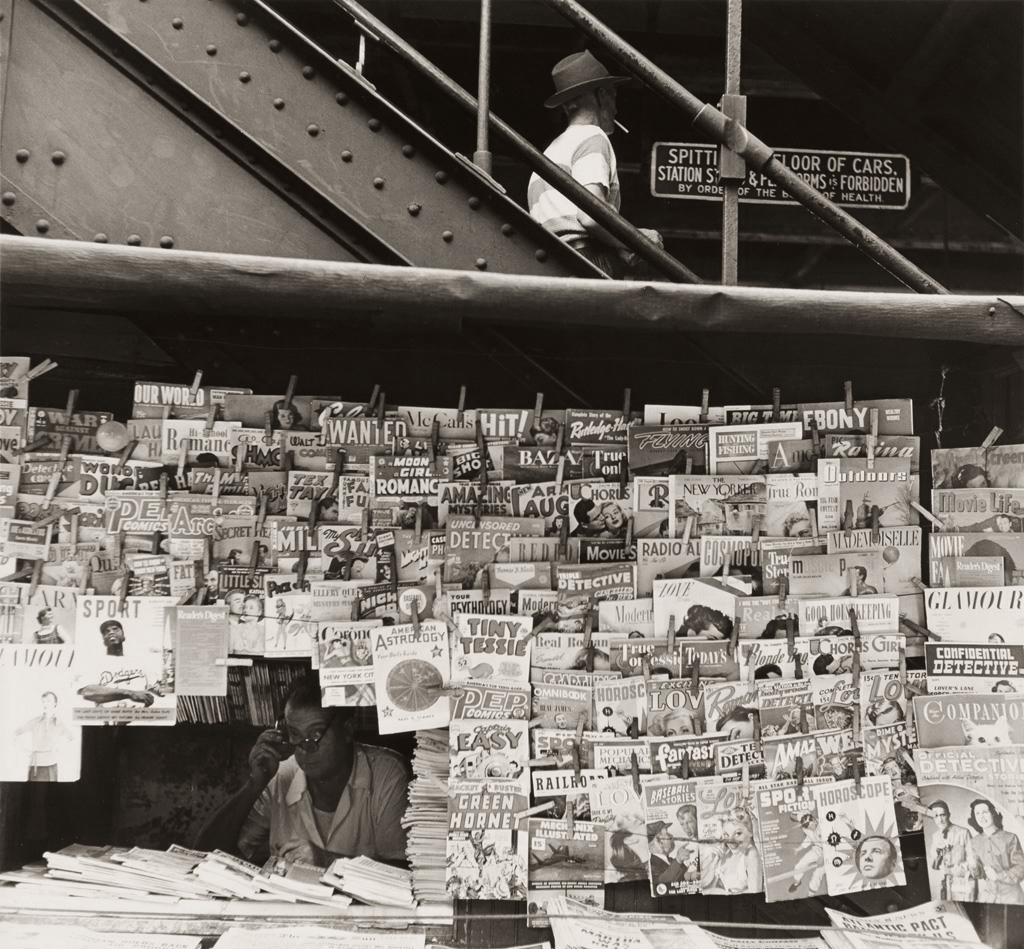
Homer Page (American, 1918-1985) 'The El at 86th, New York' 1949-1950 from the exhibition 'The Photographs of Homer Page: The Guggenheim Year, New York, 1949-50' at The Nelson-Atkins Museum of Art, Kansas City, Feb - June, 2009


Homer Page (American, 1918-1985)
The El at 86th, New York
1949-1950
Gelatin silver print


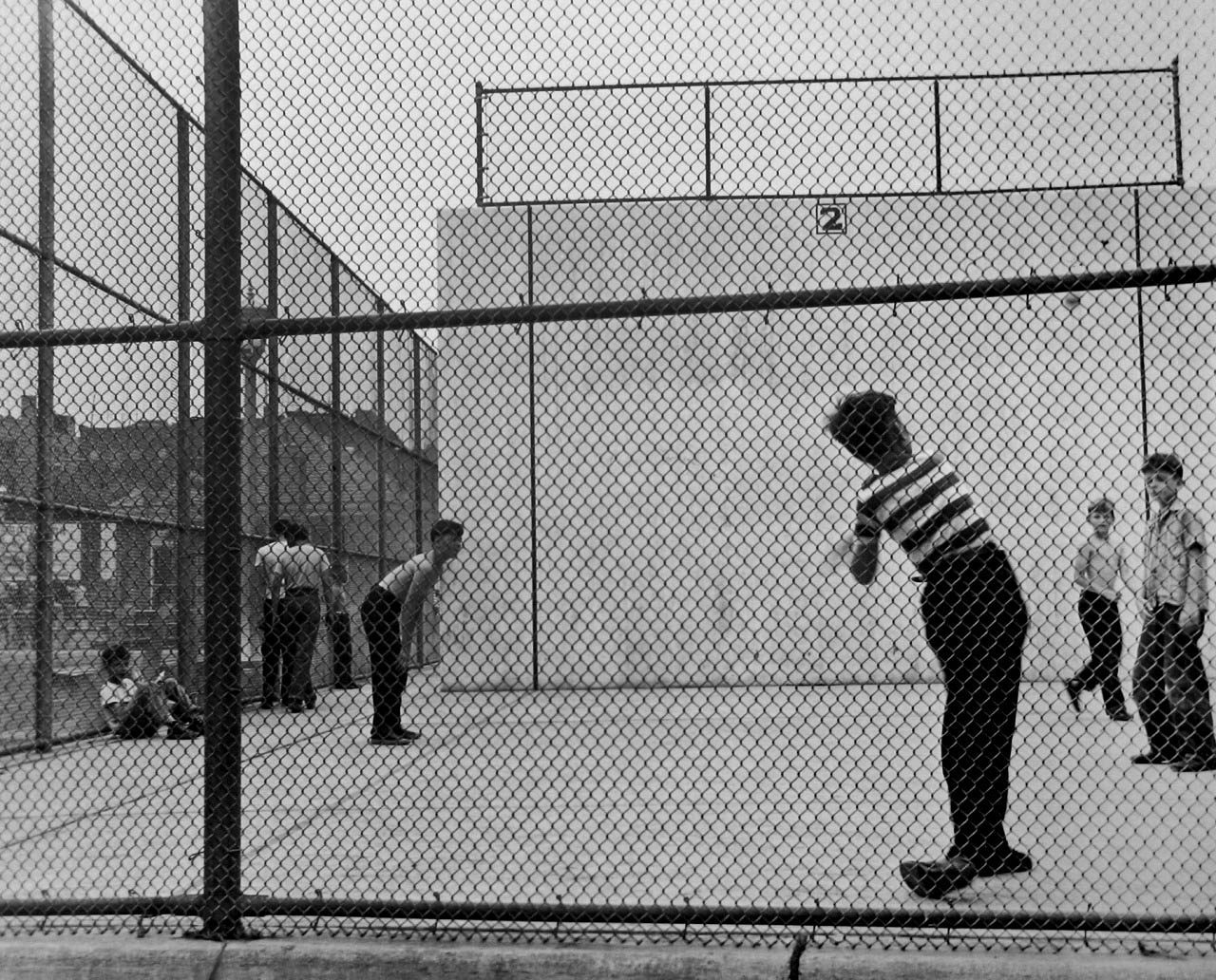
Homer Page (American, 1918-1985) 'New York (boys and manikin)' 1949


Homer Page (American, 1918-1985)
New York (boys and manikin)
1949
Gelatin silver print
Gift of Hallmark Cards, Inc.,


Homer Page (American, 1918-1985) 'New York City' 1949


Homer Page (American, 1918-1985)
New York City
1949
Gelatin silver print


Homer Page (American, 1918-1985) 'New York, June 19, 1949' 1949


Homer Page (American, 1918-1985)
New York, June 19, 1949
1949
Gelatin silver print


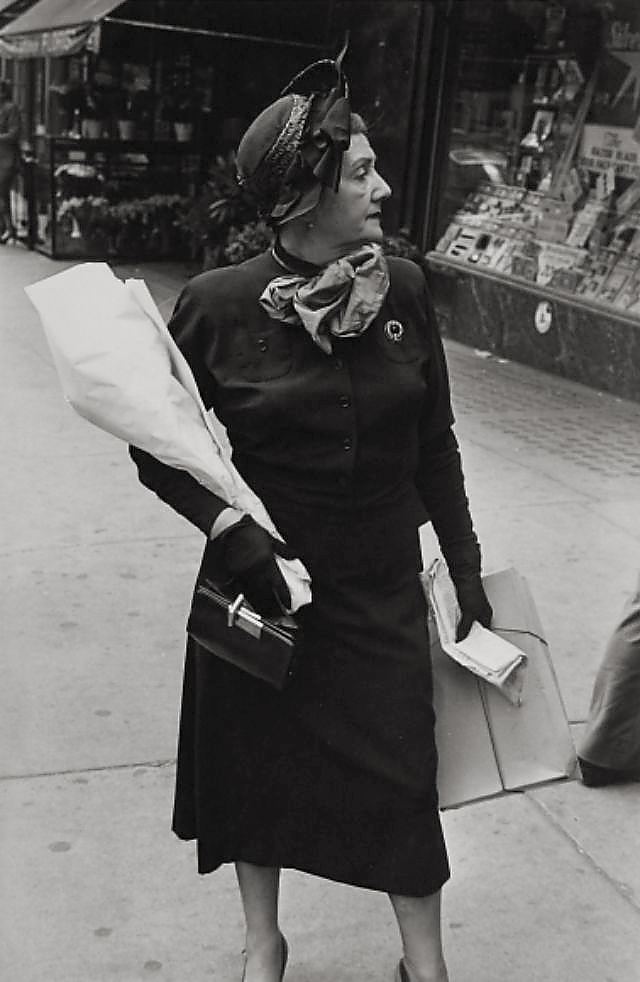
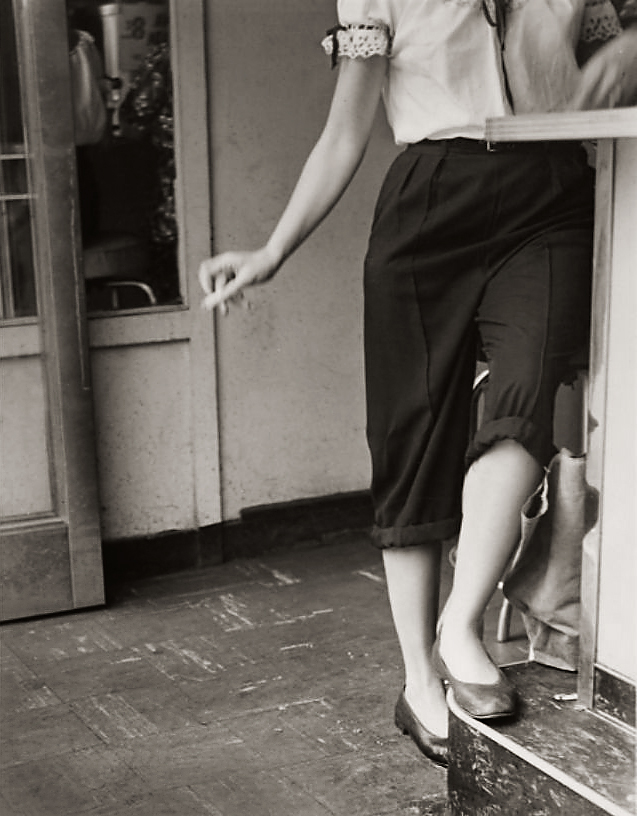
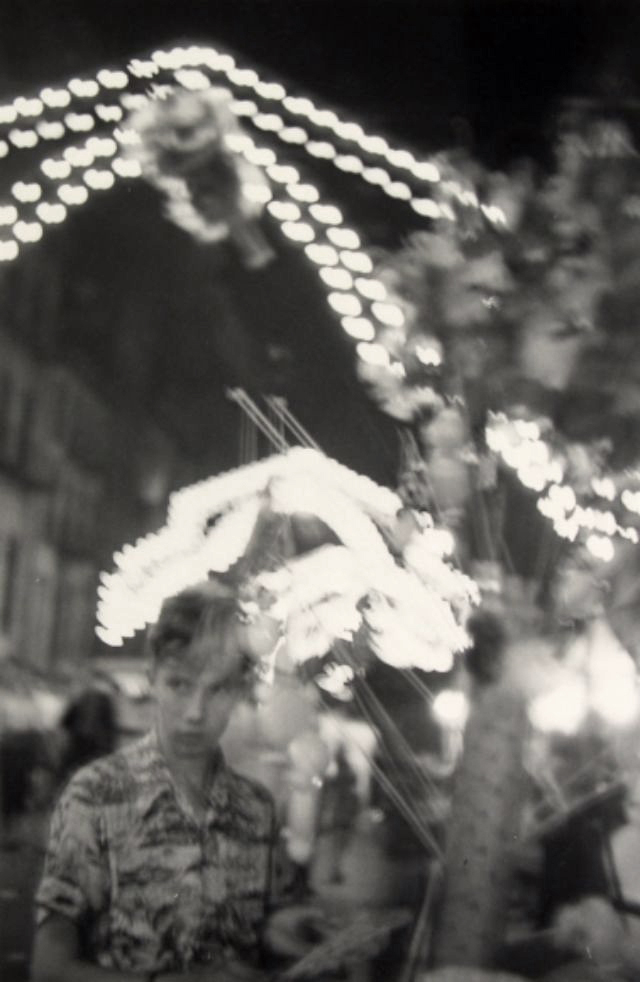
“Page captured both the facts and the feeling of life in post-war New York: commuters in transit to and from their offices, the signs of commercial and consumer culture, leisure pursuits and night life, psychological vignettes of the lonely and dispossessed. His work provides a rich and original vision of 1949 America.

Page was devoted to the visible facts of his world, but his real goal was something much deeper: the emotional tenor of life at that time and that place. This is a body of work of great passion, intelligence, and artistic integrity – one that is all the more important for having remained essentially unknown to the present day,” Davis (former Hallmark Fine Art Programs Director) said.

Text from the ArtDaily.org website


Homer Page (American, 1918-1985) 'New York City' 1949


Homer Page (American, 1918-1985)
New York City
1949
Gelatin silver print


Homer Page (American, 1918-1985) 'New York City' 1949


Homer Page (American, 1918-1985)
New York City
1949
Gelatin silver print


Homer Page (American, 1918-1985) 'New York City' 1949


Homer Page (American, 1918-1985)
New York City
1949
Gelatin silver print


Homer Page (American, 1918-1985) 'New York City' 1949


Homer Page (American, 1918-1985)
New York City
1949
Gelatin silver print


Homer Page (American, 1918-1985) 'New York City' 1949


Homer Page (American, 1918-1985)
New York City
1949
Gelatin silver print


Homer Page (American, 1918-1985) 'New York City' 1949


Homer Page (American, 1918-1985)
New York City
1949
Gelatin silver print


Homer Page (American, 1918-1985) 'New York City' 1949


Homer Page (American, 1918-1985)
New York City
1949
Gelatin silver print


Homer Page (American, 1918-1985) 'New York City' 1949


Homer Page (American, 1918-1985)
New York City
1949
Gelatin silver print


Homer Page (American, 1918-1985 'New York City' 1949


Homer Page (American, 1918-1985)
New York City
1949
Gelatin silver print


Homer Page (American, 1918-1985) 'New York City' 1949


Homer Page (American, 1918-1985)
New York City
1949
Gelatin silver print


Homer Page (American, 1918-1985) 'New York City' 1949


Homer Page (American, 1918-1985)
New York City
1949
Gelatin silver print


Homer Page (American, 1918-1985) 'New York, June 16, 1949' 1949


Homer Page (American, 1918-1985)
New York, June 16, 1949
1949
Gelatin silver print


The Nelson-Atkins Museum of Art
4525 Oak Street
Kansas City, MO 64111
Phone: 816-751-1278

Opening hours:
Monday: 10am – 5pm
Thursday: 10am – 5pm
Friday: 10am – 9pm
Saturday: 10am – 5pm
Sunday: 10am – 5pm
Tuesday – Wednesday: CLOSED

The Nelson-Atkins Museum of Art website

LIKE ART BLART ON FACEBOOK

Back to top

Exhibition: ‘Broken Glass: Photographs of the South Bronx by Ray Mortenson’ at the Museum of the City of New York

Exhibition dates: 14th November, 2008 – 12th April, 2009


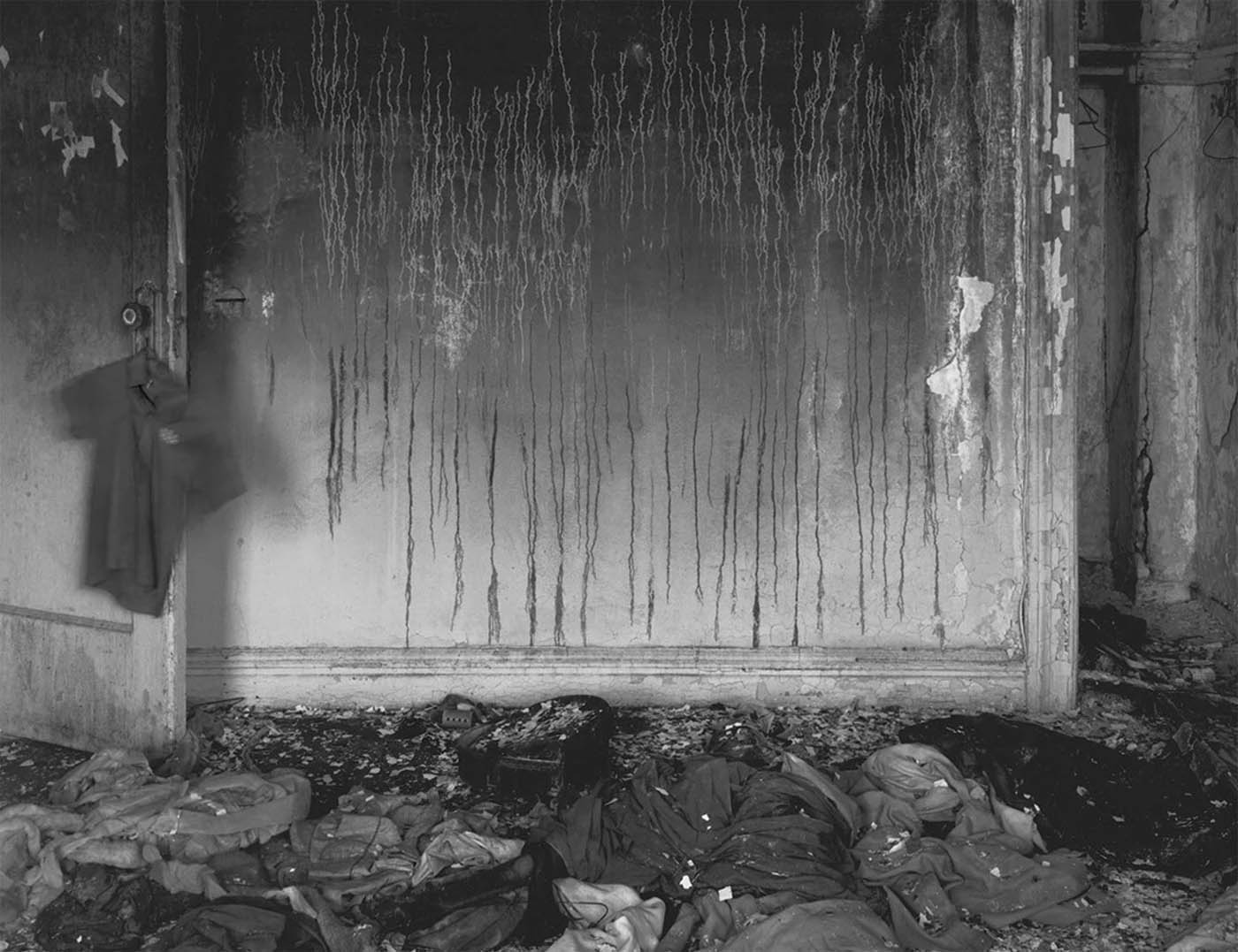
Ray Mortenson (American, b. 1944) 'Untitled (7-16-6)' 1984 from the exhibition 'Broken Glass: Photographs of the South Bronx by Ray Mortenson' at the Museum of the City of New York, Nov 2008 - April 2009


Ray Mortenson (American, b. 1944)
Untitled (7-16-6)
1984
Gelatin silver print
Courtesy of Janet Borden, Inc.


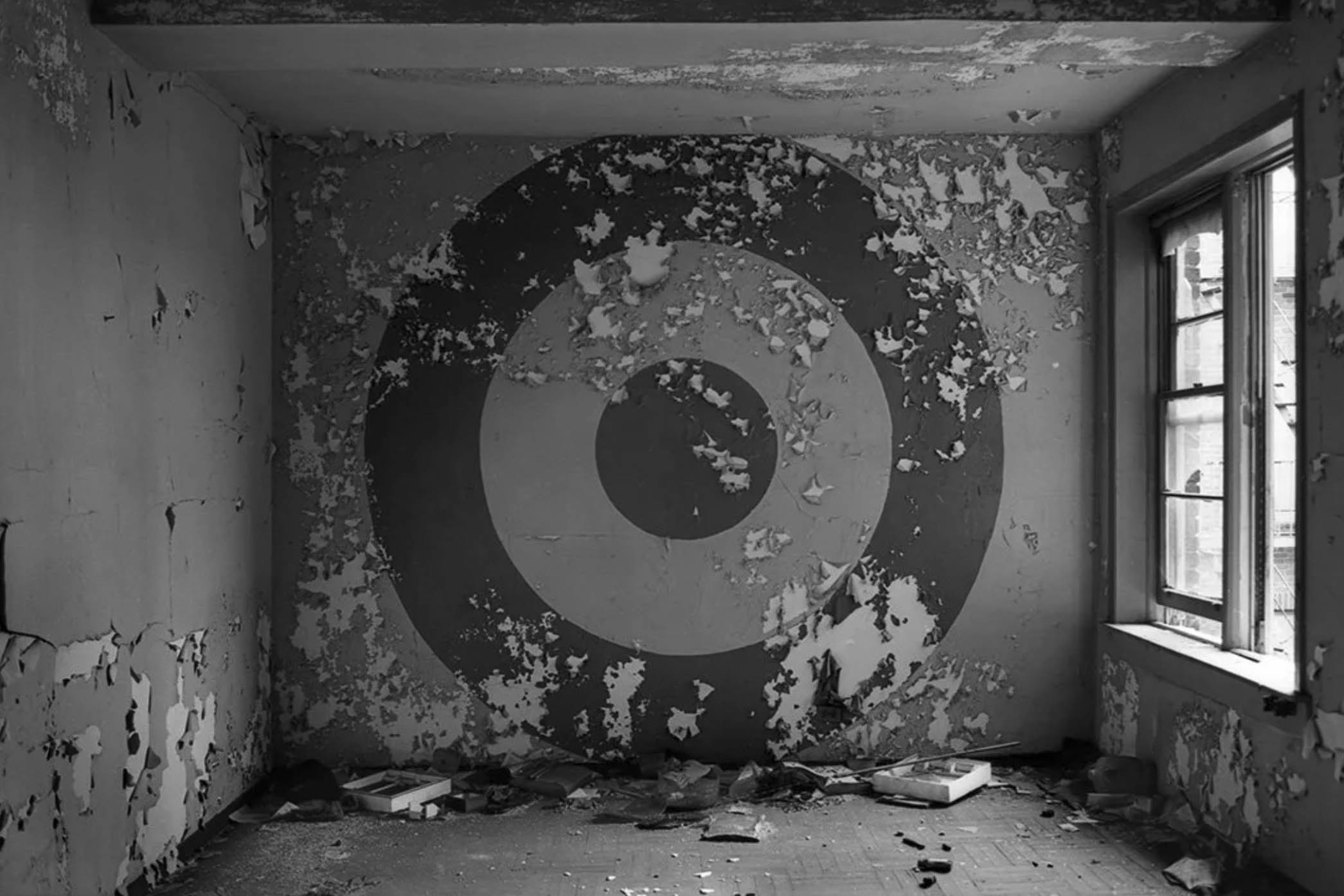
Documenting the abandoned, burnt out, and razed structures of entire city blocks in the South Bronx in the aftermath of the 1970s, during which this neighbourhood experienced dramatic decline, Broken Glass: Photographs of the South Bronx by Ray Mortenson will be on view at the Museum of the City of New York from November 14, 2008 through March 9, 2009. The 50 black and white cityscapes and interiors on view – five of which are large-scale – were taken between 1982 and 1984, and they vividly illustrate the results of a downslide that began in the Great Depression of the 1930s and accelerated with the construction of the Cross Bronx Expressway in the 1950s and the fiscal crisis of the 1970s. Broken Glass is Mortenson’s first museum exhibition in New York City, and it is the first presentation of the South Bronx photographs.

The 50 photographs on view, all black and white, range in size from the smallest at approximately 11″ by 14″, to the most monumental at 40″ by 60″. Each conveys a devastating silence, serving as a reminder that these city blocks were once the homes of individuals, families, and a large community. Mortenson has written, “The buildings were like tombs – sealed up, broken open and plundered. Inside, stairways with missing steps led up to abandoned apartments. Doors opened into rooms that were once bedrooms or kitchens. Small things left behind hint at who the occupants might have been – a hairbrush, photographs, or bits of clothing.” Ghostly remnants of the once prosperous and thriving neighbourhoods can be glimpsed in his images which document the extent and severity of the urban decline experienced in the South Bronx.

These photographs document an important chapter in the history of a New York City neighbourhood, augmenting their aesthetic power. The decline of the South Bronx began as early as the Great Depression when previously sustained development came to an abrupt halt. After World War II an exodus of New York’s middle class began and continued into the 1970s. This caused a population decline throughout the city, but the effects were particularly hard on the South Bronx as more than 200,000 residents left the community between 1970 and 1980. As entire communities left the city, Robert Moses’ road building and slum clearance, along with other urban renewal initiatives had dramatic effects on the lives of all who remained. In the 1970s New York City faced another economic crisis and virtual bankruptcy. City government was unable to maintain services in the South Bronx and “planned shrinkage” became an unofficial policy as services were slowly withdrawn. With little incentive for landlords to upgrade or even maintain their property, waves of arson and “insurance fires” decimated the by now largely minority community. Astonishingly, some 12,000 fires a year occurred through the 1970s, averaging more than 30 a day.

A successful resurrection of the South Bronx began in the mid-1980s, as grass roots organisations and community development corporations, along with financial reinvestment by the City, sparked its regeneration. The photographs on view stand in starkest contrast to today’s revitalised neighbourhood, which has been the result of the dedication of its citizens combined with government support. The photographs serve as a reminder of the ruins that once dominated the now-vibrant streets and that the balance between prosperity and urban decline can be fragile.

Brief Biography

Ray Mortenson was born in Wilmington, Delaware in 1944 and studied art at the Carnegie Institute of Technology and the San Francisco Art Institute. In the early 1970s, Mortenson moved to New York and began working with photography. His first significant photographic project was a comprehensive investigation of the industrial landscapes of New Jersey’s Meadowlands (1974-1982). Since then, Mortensen has continued to focus on landscape photography that is often interested in liminal places of transition, set apart from everyday life. His photographs have been accepted into the collections of The Metropolitan Museum of Art, New York; The Art Institute of Chicago, and the BibliothÚque Nationale, Paris.

Press release from the Museum of the City of New York website


Ray Mortenson (American, b. 1944) 'Untitled' 1983 from the exhibition 'Broken Glass: Photographs of the South Bronx by Ray Mortenson' at the Museum of the City of New York, Nov 2008 - April 2009


Ray Mortenson (American, b. 1944)
Untitled
1983
Gelatin silver print
Courtesy of Janet Borden, Inc.


Ray Mortenson (American, b. 1944) 'Untitled' 1984


Ray Mortenson (American, b. 1944)
Untitled
1984
Gelatin silver print
Courtesy of Janet Borden, Inc.


Ray Mortenson (American, b. 1944) 'Untitled' 1983


Ray Mortenson (American, b. 1944)
Untitled
1983
Gelatin silver print
Courtesy of Janet Borden, Inc.


Ray Mortenson (American, b. 1944) 'Untitled' 1984


Ray Mortenson (American, b. 1944)
Untitled
1984
Gelatin silver print
Courtesy of Janet Borden, Inc.


Ray Mortenson (American, b. 1944) 'Untitled' 1984


Ray Mortenson (American, b. 1944)
Untitled
1984
Gelatin silver print
Courtesy of Janet Borden, Inc.


Museum of the City of New York
1220 Fifth Avenue at 103rd Street
New York, NY 10029
Phone: 212-534-1672

Opening hours:
7 days a week 10.00am – 6.00pm

Museum of the City of New York website

LIKE ART BLART ON FACEBOOK

Back to top

Opening: Rennie Ellis ‘No standing only dancing’ at The Ian Potter Centre: NGV Australia

Exhibition dates: 31st October, 2008 – 22nd February, 2009

Opening: 30th October, 2008


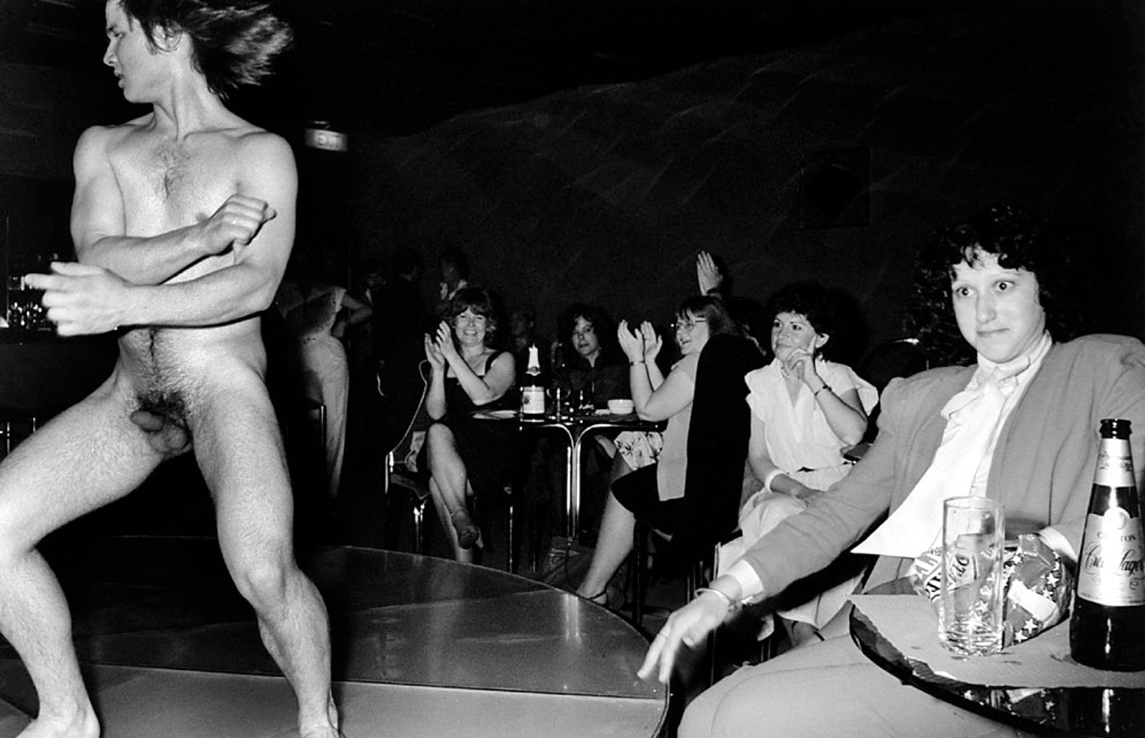
Rennie Ellis (Australian, 1940-2003) 'Girls' Night Out, Prahran' 1980 from the exhibition Rennie Ellis 'No standing only dancing' at The Ian Potter Centre: NGV Australia, Oct 2008 - Feb 2009


Rennie Ellis (Australian, 1940-2003)
Girls’ Night Out, Prahran
1980
Silver gelatin, selenium toned fibre based print


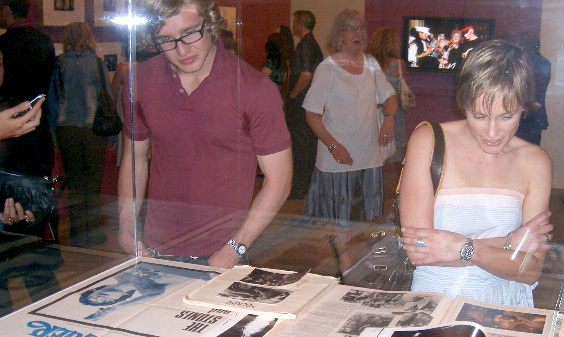
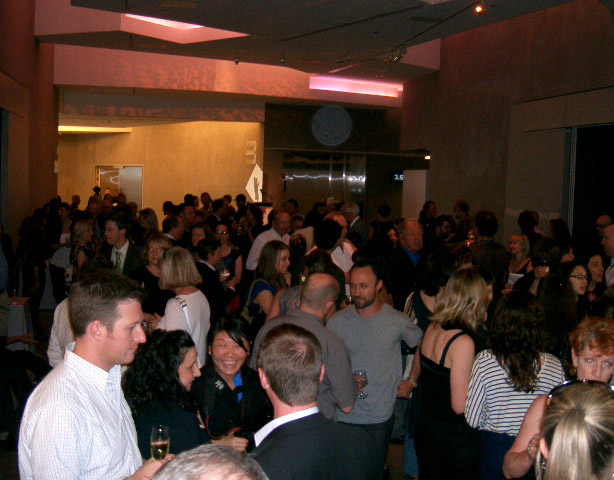
A very social and lively crowd gathered at The Ian Potter Centre: NGV Australia at Federation Square on the evening of 30th October to celebrate the life and work of the Australian social photographer Rennie Ellis.

After opening comments by the NGV Director Dr Gerard Vaughan there was a funny and erudite speech by Phillip Adams AO who had flown down from Sydney to open the exhibition. The crowd enjoyed the anecdotes about his relationship with Rennie and said he thought that dying was a good career move on Rennie’s behalf and that he would have loved the fact that he had a retrospective at the NGV. Adams observed that Ellis used to be everywhere, at every party and opening, using his astute eye to record and never to judge. Applause all round for a life well lived.

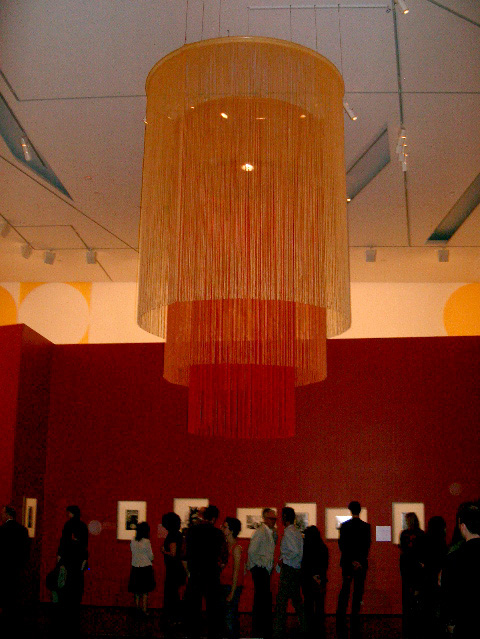
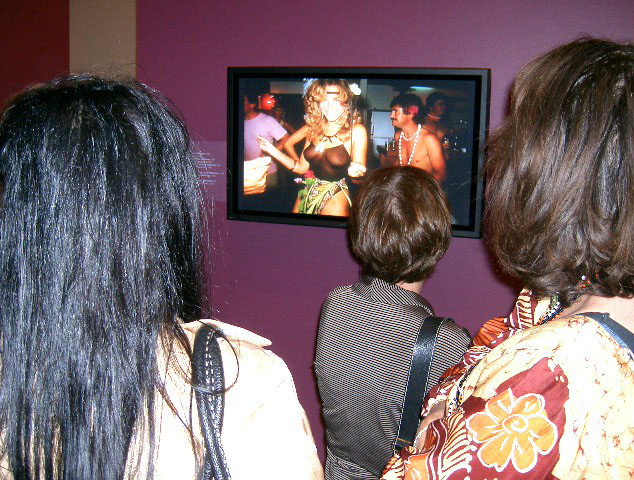
On entering the exhibition space viewers were treated to a simple but effective installation of his work, with overtones of the 1970’s-1980s interior decor with yellow and white circle graphics and hanging fabric chandelier. The curatorial staff at the NGV (notably Susan van Wyk) have chosen over 200 works from an archive of over half a million images for the exhibition in a process that has taken over two and a half years.

As an immigrant arriving in Australia in 1986 I remember 397 Club that used to be at 397 Swanston Street. After every other place had closed this club attracted people from every walk of life: pimps, prostitutes, drag queens, faggots, lesbians, straights and druggies. Rennie was probably there recording the scene. We were there just for a good time. It was fun and this is what Ellis’ photography is. Not burdened by overarching conceptual ideas Ellis recorded what he saw insightfully, balancing social commentary and spatial organisation in the construction of his images. The image Girls’ Night Out, Prahran 1980 (above) is a pearler (with the look on the woman’s face) and neatly encapsulates the magic of his image making.

Dr Marcus Bunyan


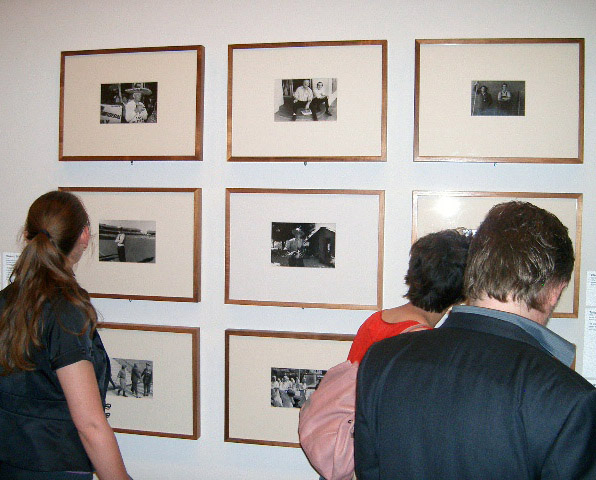
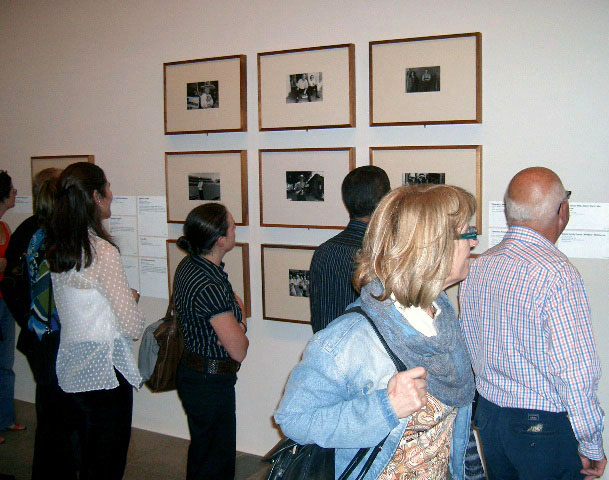
Opening of the exhibition 'No standing only dancing' by Rennie Ellis at The Ian Potter Centre: NGV Australia October 30th 2008

Opening of the exhibition 'No standing only dancing' by Rennie Ellis at The Ian Potter Centre: NGV Australia October 30th 2008

Opening of the exhibition 'No standing only dancing' by Rennie Ellis at The Ian Potter Centre: NGV Australia October 30th 2008

Opening of the exhibition 'No standing only dancing' by Rennie Ellis at The Ian Potter Centre: NGV Australia October 30th 2008

Opening of the exhibition 'No standing only dancing' by Rennie Ellis at The Ian Potter Centre: NGV Australia October 30th 2008

Opening of the exhibition 'No standing only dancing' by Rennie Ellis at The Ian Potter Centre: NGV Australia October 30th 2008

Opening of the exhibition 'No standing only dancing' by Rennie Ellis at The Ian Potter Centre: NGV Australia October 30th 2008

Opening of the exhibition 'No standing only dancing' by Rennie Ellis at The Ian Potter Centre: NGV Australia October 30th 2008


Opening of the exhibition No standing only dancing by Rennie Ellis at The Ian Potter Centre: NGV Australia October 30th 2008.
Photographs © Marcus Bunyan


The Ian Potter Centre: NGV Australia
Federation Square
Corner of Russell and ‹Flinders Streets, Melbourne

Opening hours:
Daily 10am – 5pm

National Gallery of Victoria website

Rennie Ellis Photographic Archive

LIKE ART BLART ON FACEBOOK

Back to top