My favourite era in the history of photography is the period between the wars.
The avant-garde photographers of the period were so inventive, challenging the act of looking through modern photographs featuring radical perspective, fragmentation, scale, concept, construction, colour, aesthetics, identity, gender, fashion, performance, photogram, photo collage, to name just a few.
Favourites include Germaine Krull (European, 1897-1985) and her magnificent book MÉTAL (1928) with its dissection of the Eiffel Tower; Florence Henri (Swiss born United States, 1893-1982) and her experimental compositions featuring mirrors and reflections; Claude Cahun (French, 1894-1954) and Marcel Moore (French, 1892-1972) and their subversion of gender norms; August Sander (German, 1876-1964) and his archetypal photographs from “People of the 20th Century”; Alexander Rodchenko (Russian, 1891-1956) and his revolutionary photographs; Walker Evans (American, 1903-1975) revealing photographs of New York subway passengers; Jakob Tuggener’s (Swiss, 1904-1988) alchemical photographs picturing the world or work and industry; Helmar Lerski‘s(Swiss, 1871-1956) metamorphosis of the human face; and Margaret Bourke-White‘s (American, 1906-1971) modern industrial America to name, again, just a few.
There are so many fantastic photographers from this period, pushing the boundaries of what was possible in photography without loosing sight of the stories they wanted to tell, and the immediacy and presence of the photograph.
Paul Outerbridge Jr. is another from the period, a much under appreciated artist in the vanguard of experimental photography, “a bold innovator, transforming ordinary objects, such as milk bottles, collars, eggs, into fractured Cubist constructions of light and form…
Throughout his career, Outerbridge pursued abstraction as both a visual language and an artistic philosophy. His still lifes, nudes, and commercial commissions all demonstrate his preoccupation with fractured planes, geometric tension, and the transformation of the commonplace into the extraordinary.” (Press release)
That’s what I like about this man’s photographs: their bold but radical simplicity, clear visualisation of the pictorial statement, and formal abstracted beauty.
His photographs are, and will remain, a joy to be/hold.
Dr Marcus Bunyan
Many thankx to the Fahey/Klein Gallery for allowing me to publish the photographs in the posting. Please click on the photographs for a larger version of the image.
Fahey/Klein Gallery is pleased to present Paul Outerbridge: Photographs, a landmark exhibition celebrating the visionary work of Paul Outerbridge (1896-1958), one of the most resourceful and provocative photographers of the twentieth century. This exhibition brings together a rare selection of Carbo prints, silver gelatin photographs, and platinum prints, tracing the evolution of a modernist whose daring vision helped redefine the possibilities of photography through Cubist experimentation and radical abstraction.
Outerbridge emerged in the 1920s as a bold innovator, transforming ordinary objects, such as milk bottles, collars, eggs, into fractured Cubist constructions of light and form. His platinum and silver gelatin prints reduced subjects to intersecting planes and geometric rhythms, revealing a structural beauty aligned with the avant-garde movements of his time. These works positioned him among artists and contemporaries such as Marcel Duchamp, Man Ray, and Edward Steichen, and demonstrate his embrace of Cubism’s challenge: to fracture reality and reassemble it as pure abstraction.
In the 1930s, Outerbridge turned to the technically demanding Carbo process, creating some of the most vibrant and enduring color photographs of the era. Here too, abstraction was his guiding principle. Color became a tool not just for description, but for reimagining form, flattening, faceting, and animating planes into startling compositions that rival the abstract canvases of Picasso and Kandinsky. His photographs were hailed as both artistic and technical sensations. As Outerbridge observed:
“One very important difference between monochromatic and color photography is this: in black and white you suggest; in color you state.”
Outerbridge’s practice blurred the boundaries between fine art and commercial photography. His Ide Collar (1922), published in Vanity Fair, was more than an advertisement. It was celebrated as both functional and formally radical. A chessboard of fractured black-and-white squares disrupted by the crisp curve of a collar. Duchamp himself hung the photograph in his Paris studio, recognising its affinity with the readymade and its radical modernist edge.
Throughout his career, Outerbridge pursued abstraction as both a visual language and an artistic philosophy. His still lifes, nudes, and commercial commissions all demonstrate his preoccupation with fractured planes, geometric tension, and the transformation of the commonplace into the extraordinary.
Paul Outerbridge’s work appeared in Vanity Fair, Harper’s Bazaar, House Beautiful, and McCall’s, and in exhibitions worldwide. After relocating to Southern California in 1943, he continued to write about and practice photography until his death in 1958. Today, his technical virtuosity, daring subject matter, and relentless pursuit of beauty secure his place as a pioneer who expanded the medium’s expressive range.
Gary Krueger (American, b. 1945) Los Angeles c. 1970s Vintage gelatin silver print 5 x 7 inches, 8 x 10 inch sheet
There’s a scene in one of my favourite movies, 1971’s American romantic black comedy-drama Harold and Maude directed by Hal Ashby, in which the glorious Ruth Gordon (in her best ever role) saves a tree from dying in the city by loading into the back of a ute, driving it at full speed through toll gates and out to the country to plant it in the forest, pursued by a motorcycle cop.
The joyful absurdity of her actions is mirrored in the terrific juxtapositions in life that are Gary Krueger’s considered photographs: for example, a “future tree” a circle with words in a lump of concrete surrounded by a constellation of fossil fuel oil stains.
As I said in a previous posting on the artist’s work, “Krueger’s street photography inverts the normal meaning of bathos… in that a silly or very ordinary subject suddenly changes to a beautiful or important one. There is black humour aplenty in these photographs as they picture the happenstance anachronisms of a major American city.”
Many thankx to the Joseph Bellows Gallery for allowing me to publish the photographs in the posting. Please click on the photographs for a larger version of the image.
Maude saves a Tree from the film Harold and Maude (1971) with Ruth Gordon and Bud Cort, directed by Hal Ashby
Gary Krueger (American, b. 1945) Los Angeles c. 1970s Vintage gelatin silver print 5 x 7 inches, 8 x 10 inch sheet
Gary Krueger (American, b. 1945) Los Angeles c. 1970s Vintage gelatin silver print 5 x 7 inches, 8 x 10 inch sheet
Gary Krueger (American, b. 1945) Los Angeles c. 1970s Vintage gelatin silver print 5 x 7 inches, 8 x 10 inch sheet
Gary Krueger (American, b. 1945) Los Angeles c. 1970s Vintage gelatin silver print 5 x 7 inches, 8 x 10 inch sheet
Gary Krueger (American, b. 1945) Los Angeles c. 1970s Vintage gelatin silver print 5 x 7 inches, 8 x 10 inch sheet
Gary Krueger (American, b. 1945) Los Angeles c. 1970s Vintage gelatin silver print 5 x 7 inches, 8 x 10 inch sheet
Gary Krueger (re)Discoveries presents a new collection of photographs from the artist’s archive. These vintage photographs display a sometimes frenetic and often bizarre and fragmented world. Taken mostly in Los Angeles, California in the mid to late 1970s, Krueger’s curiosity and instincts helped him to create a remarkable body of street photography, one that he describes as “split-second juxtapositions in life.”
After graduating High School in 1963, Gary Krueger (1945 – ) drove his 1954 Ford west from Cleveland, Ohio, to study graphic design and photography at the Chouinard Art Institute in Los Angeles from 1964 to 1967. Later Cal Arts, Chouinard was a professional art school founded in 1921 by Nelbert Murphy Chouinard. In 1961, Walt and Roy Disney guided the merger of Chouinard and the Los Angeles Conservatory of Music to establish the California Institute of the Arts. Notable alumni include Ed Ruscha, Larry Bell, Robert Irwin, Joe Goode, and Allen Ruppersberg, with whom Krueger collaborated on Ruppersberg’s narrative photo works, including 23 Pieces (1969) and 24 Pieces (1970). Upon graduation from Chouinard, Krueger was hired by WED, Disney’s “Imagineering” Division. to photograph the Park and its events. He eventually left WED to pursue a successful career as a commercial and editorial photographer.
“Gary Krueger’s plain ol’ photographs (unless I’m missing a point) – small, tough, and sharp – are good, granite reportage. Baldessari’s “Fables” and Krueger’s no-nonsense photos cut like a hot ripsaw through the cool, marshmallow quality of both exhibitions.” – Peter Plagens, from a 1973 ARTFORUM review of the exhibition, Southern California: Attitudes 1972, at the Pasadena Art Museum.
Gary Krueger’s work is represented in The Minneapolis Institute of Art, Museum of Fine Arts, Houston, Center for Creative Photography, Tucson, AZ, the Los Angeles County Museum of Art, and the Santa Barbara Museum of Art. His work has recently been feature in The Guardian, Creative Review, Huck and The Eye of Photography.
Press release from Joseph Bellows Gallery
Gary Krueger (American, b. 1945) Los Angeles c. 1970s Vintage gelatin silver print 5 x 7 inches, 8 x 10 inch sheet
Gary Krueger (American, b. 1945) Los Angeles c. 1970s Vintage gelatin silver print 5 x 7 inches, 8 x 10 inch sheet
Gary Krueger (American, b. 1945) Los Angeles c. 1970s Vintage gelatin silver print 5 x 7 inches, 8 x 10 inch sheet
Gary Krueger (American, b. 1945) Los Angeles c. 1970s Vintage gelatin silver print 5 x 7 inches, 8 x 10 inch sheet
Gary Krueger (American, b. 1945) Los Angeles c. 1970s Vintage gelatin silver print 5 x 7 inches, 8 x 10 inch sheet
Gary Krueger (American, b. 1945) Los Angeles c. 1970s Vintage gelatin silver print 5 x 7 inches, 8 x 10 inch sheet
Gary Krueger (American, b. 1945) Los Angeles c. 1970s Vintage gelatin silver print 5 x 7 inches, 8 x 10 inch sheet
Gary Krueger (American, b. 1945) Los Angeles c. 1970s Vintage gelatin silver print 5 x 7 inches, 8 x 10 inch sheet
Gary Krueger (American, b. 1945) Los Angeles c. 1970s Vintage gelatin silver print 5 x 7 inches, 8 x 10 inch sheet
Gary Krueger (American, b. 1945) Los Angeles c. 1970s Vintage gelatin silver print 5 x 7 inches, 8 x 10 inch sheet
Gary Krueger (American, b. 1945) Los Angeles c. 1970s Vintage gelatin silver print 5 x 7 inches, 8 x 10 inch sheet
Joseph Bellows Gallery 7661 Girrard Avenue La Jolla, California Phone: 858 456 5620
Opening hours: Tuesday – Saturday 11am – 5pm and by appointment
This is a magnificent exhibition of the 103 photographs that form American photographer Richard Avedon’s series and subsequent book of the same name, In The American West 1984.
“Avedon spent the next six years, from 1979 to 1984, traveling to 189 towns in 17 states – Arizona, California, Colorado, Idaho, Iowa, Kansas, Montana, Nebraska, Nevada, New Mexico, North Dakota, Oklahoma, Oregon, South Dakota, Texas, Utah, and Wyoming – and even up into Canada. He conducted 752 sittings, exposing 17,000 sheets of film through his large-format view camera.”1
“For five years, Avedon photographed miners, drovers, showmen, vendors, and vagabonds, alone or in small groups, in front of his view camera against a white background that enhanced their features, postures, and expressions. He thus created a striking portrait of this region and its residents, a departure from traditional representations and glorifications of the myth of the American West.”2
Using relatively small reference prints (40 x 50cm) not originally intended for exhibition made by the photographer at the time to produce the prints for his book, the hanging of this exhibition “on the line”, “follows the book, from the first to the last image… The blank pages are represented on the wall by a gap equivalent to the width of a frame, like a half-space. We have thus reproduced the rhythm of someone leafing through the book. We can see through this that Richard Avedon and Marvin Israel (1924-1984), artistic director, have constructed the rhythm of these images in a very precise manner”3, one which follows “the dynamics of the photograph on the page, and the inter-relationships, scaling and sequencing of groups of photographs.”
Breaking with the code of social documentary photography, Avedon brings to this project all his undoubted skill as a New York fashion photographer, reassigned to the artistic sphere: clarity of purpose, simplicity of representation, aesthetic beauty, clinical detail and contextless backgrounds.
While there is a long history of the use of plain backgrounds in portrait photography dating back to the infancy of the medium, Avedon was one of the first to employ such a technique in contemporary (I’d like to say postmodern) photo-portraits, where the subject is disassociated from their location, job, culture and is posed by the director of the theatrical show.
Over the five years of the project, Avedon worked closely with his subjects, often advertising for people to be photographed, street-casting his sitters, paying them for their time and providing prints of the resultant photographs. He or one of his assistants “took a Polaroid photograph of each of the models intended to pose. Clément Chéroux (curator of the exhibition) notes that, “Comparing these polaroids with Avedon’s portraits shows his ability to transcend the appearance of his models.”4
During the photographic sessions Avedon shot not from behind his camera but to the side, like the director of a play in rehearsal, front of stage. “He had a strong connection with his subjects, mimicking their position, and asking them to respond to a very small gesture by showing himself moving in one direction or another, and I think a lot of the work is in this relationship that he was establishing with the subject. Photographic literature usually focuses on the framing, the composition, but for me, this kind of interaction he was able to develop with the subject is where the work is, where he’s transforming the people that he met into a Richard Avedon photograph.”5
“A conductor of his own composition, Richard Avedon was able to weave an unparalleled fusional relationship with his models, while implacably directing them through his gaze, gestures or voice.”6
Thus, through his imagination, his direction and his creative experience Avedon conjured a subjective view of the American West every bit as much as myth as those cowboys in John Wayne movies, a kind of counter-mythology undercutting the eulogising of the American West, but a staged, fabricated, youthful, desolate, mysterious mythology none the less – a series which captures the ethos of the era (global recession, disease, dis/ease) counter to the one hoped for, “representing a sad, unsmiling America, which does not correspond to the one dreamed of.”7
Think that damned foreigner Robert Frank and his book The Americans, pointing the bone at the belly of the United States of America, holding a mirror up to their reflection8 and they certainly not liking what they saw. Indeed Avedon, while American and respectful of his subjects, could be seen as an interloper from New York exposing through his photographs the underbelly of this vast country colonised through divine providence and Manifest Destiny.
Avedon, while undercutting the myth of the American West through his storytelling, doesn’t seek to document, exploit or misrepresent his subjects, but to subjectively present them as on a theatrical set devoid of scenery – where their very appearance becomes scene / seen. As he himself said, “My concern is… the human predicament; only what I consider the human predicament may simply be my own.”
“Richard Avedon showed his own America, those we do not see, those we pass by without pausing, those who do the work, those who make America work.”9
Neither the series nor the exhibition are without fault, however.
While I believe that Avedon’s exceptional magnum opus In The American West has become one of the truly iconic photographic portrait series of the 20th century it can also be seen as problematic, not in the photographic sense, but in the sense that the photographs did not reflect the diverse reality of the West’s population. While the series may be Avedon’s subjective mythologising of the American West some people, myself included, find the lack of representation of Black Americans, Asian Americans and other ethnicities that have been integral to the development of the American West a point of contention. Are they not those that also do the work, those who also make America work, as much as those Avedon chose to photograph? Indeed there is a “significant demographic blind spot” in the whole series…
The other blind spot is the inability of commentators such as myself to publish some of the preparatory Polaroids that Avedon and his assistants took before posing his subjects. I asked the Fondation Henri Cartier-Bresson for some of the Polaroids to illustrate this posting and they said that none were available. Since the exhibition promotes the presence of these unpublished documents and the curator Clément Chéroux notes their importance for their ability to compare them with Avedon’s finished portraits, showing “his ability to transcend the appearance of his models,” they become vital to understanding Avedon’s creative process … and it would have been great to see the visualisation of his subjects from beginning to end.
Finally, in the juxtaposition of Polaroid and finished portrait we can begin to perceive the magical transformation and artistry and humanism of the man, Avedon, as he visualises his ode to the American West, composing his subjects so that they engage with the viewer directly from the photographic frame – the dynamics of the photographs creating iconic images of memorable characters, collectively constructing the rhythm of these images (from dark to light, from sublime to industrial) into an unforgettable sequence of photographs.
8/ Holding a mirror up to their reflection, i.e. to hold something up to scrutiny, to reveal an unpleasant truth, or to show something for what it truly is, often with the intent of providing insight or understanding.
9/ Nathalie Dassa, op.cit.,
Many thankx to the Fondation Henri Cartier-Bresson for allowing me to publish the photographs in the posting. Please click on the photographs for a larger version of the image.
“I don’t think the West in these portraits is any more accurate than John Wayne’s West.”
Richard Avedon at the exhibition opening in 1985
“Avedon’s most compelling photographs are about performance – his performance as well as his subjects’ – and depend on the engagement of their personalities. For this reason it is difficult to separate the photographer from the man. Indeed it is partly owing to the ineluctable presence of Avedon’s own psychology that his portraits transcend the mainstream of cultural history.”
Anonymous. “Body of Evidence,” on the Frieze website, 06 March 1994 [Online] Cited 23/09/2025
“Listen carefully to the stories of others and they may tell us something of ourselves. The story of any person exists first in the mind of its teller, perpetually renewing itself as, like smoke in wind, it is constantly shaped and reshaped in the flux of daily life. Narratives constructed from various facts, memories and rumours are added to, subtracted from, come together and fall apart in a continuous reassembling of experience and imagination. The human mind is a place where fact meets fiction, where reality and fantasy mingle easily and endlessly with fabrication, half-truths and invention. As they say, looking at something is no guarantee you will actually see it.”
To mark the 40th anniversary of Richard Avedon’s iconic work, In The American West, the Fondation Henri Cartier-Bresson presents, from April 30 to October 12, 2025, in collaboration with the Richard Avedon Foundation, an exceptional exhibition entirely dedicated to this iconic series.
Between 1979 and 1984, at the request of the Amon Carter Museum of American Art in Fort Worth, Texas, Richard Avedon traveled the American West and photographed more than 1,000 of its inhabitants. For five years, Avedon photographed miners, drovers, showmen, vendors, and vagabonds, alone or in small groups, in front of his view camera against a white background that enhanced their features, postures, and expressions.
He thus created a striking portrait of this region and its residents, a departure from traditional representations and glorifications of the myth of the American West. The sheer power of the 103 works that make up the final series and the book of the same name make In The American West a pivotal moment in Avedon’s work and a major milestone in the history of photographic portraiture.
The exhibition presented at the Fondation Henri Cartier-Bresson from April 30 to October 12, 2025, displays for the very first time in Europe all the images that appear in the original work, accompanied by previously unpublished documents.
Text from the YouTube website translated from the French by Google Translate [Online] Cited 23/09/2025
Richard Avedon photographing for In The American West
“We have some testimonies about the way that Avedon was working, and we know that he was not behind his camera, he was standing next to it. He had a strong connection with his subjects, mimicking their position, and asking them to respond to a very small gesture by showing himself moving in one direction or another, and I think a lot of the work is in this relationship that he was establishing with the subject. Photographic literature usually focuses on the framing, the composition, but for me, this kind of interaction he was able to develop with the subject is where the work is, where he’s transforming the people that he met into a Richard Avedon photograph.”
Installation view of the exhibition Richard Avedon ‘In the American West‘ at the Fondation Henri Cartier-Bresson, Paris, April – October 2025
“The hanging follows the book, from the first to the last image,” explains Clément Chéroux. “The blank pages are represented on the wall by a gap equivalent to the width of a frame, like a half-space. We have thus reproduced the rhythm of someone leafing through the book. We can see through this that Richard Avedon and Marvin Israel (1924-1984), artistic director, have constructed the rhythm of these images in a very precise manner.”
Nathalie Dassa. “Richard Avedon: The Living Forces of the American West,” on the Blind Magazine website, May 12, 2025 [Online] Cited 22/09/2025
“Here, the works are displayed throughout the building in classic fashion – in a single line – and in unusually small formats (40 × 50 centimetres). “These are the reference prints, made by the photographer at the time, to produce the prints for his book and the enlargements shown in his exhibitions,” explained Clément Chéroux, the foundation’s director. These prints were not intended for exhibition, but nonetheless their remarkable quality allows the public − for the first time in Europe − to discover this exceptional work in its entirety.”
Installation views of the exhibition Richard Avedon ‘In the American West‘ at the Fondation Henri Cartier-Bresson, Paris, April – October 2025
To mark the 40th anniversary of Richard Avedon’s iconic work In the American West, the Fondation Henri Cartier-Bresson, in collaboration with the Richard Avedon Foundation, presents an exclusive exhibition focused on this emblematic series.
Between 1979 and 1984, commissioned by the Amon Carter Museum of American Art in Fort Worth, Texas, Richard Avedon traveled across the American West to photograph over 1,000 of its inhabitants. For five years, Avedon photographed miners, herdsmen, showmen, salesmen and transient people, amongst others with rich histories, alone or in small groups, before his camera, against a white background that enhanced their features, postures and expressions, for a striking portrait of the territory and its residents, in stark contrast to traditional depictions and glorifications of the legend of the American West. The force of the 103 works that compose the book makes In the American West a pivotal event in Avedon’s career, and a milestone in the history of photographic portraits.
For the first time in Europe, the exhibition at the Fondation Henri Cartier-Bresson presents the whole series of images included in the original publication, while also showcasing the stages of its production and reception. The exhibition includes a full selection of engravers prints, which served as reference materials for both the exhibition and the 1985 book, as well as previously unpublished documents, such as preparatory Polaroids, test prints annotated by the photographer, and correspondence between the artist and his models.
To mark this anniversary, Abrams, the book’s original publisher, is reissuing the long out-of-print book.
Richard Avedon short biography
Richard Avedon was born to parents of Russian Jewish heritage in New York City. As a boy, he learned photography, joining the YMHA Camera Club at the age of twelve. Avedon joined the armed forces in 1942 during World War II, serving as Photographer’s Mate Second Class in the Merchant Marine. Making identification portraits of the crewmen with his Rolleiflex twin lens camera – a gift from his father – Avedon advanced his technical knowledge of the medium and began to develop a dynamic style. After two years of service he left the Merchant Marine to work as a photographer, making fashion images and studying with art director Alexey Brodovitch at the Design Laboratory of the New School for Social Research.
In 1945, Avedon set up his own studio and worked as a freelance photographer for various magazines. He quickly became the preeminent photographer used by Harper’s Bazaar.
From the beginning, Avedon made portraits for editorial publication as well: in the pages of Harper’s Bazaar, in Theater Arts, and in Life and Look magazines. From the outset, he was fascinated by photography’s capacity for suggesting the personality and evoking the life of his subjects. Only rarely did he idealize people; instead, he presented the face as a kind of landscape, with total clarity.
Avedon continued to make portraiture and fashion photography for magazine publications throughout his career. After parting ways with Harper’s Bazaar in 1965, he began a long-term relationship with Vogue that continued through 1988. In later years, he established formidable creative partnerships with the French publication Egoiste, and with The New Yorker. In the pages of these periodicals, Avedon reinvigorated his formalist style, investing his imagery with dynamism and theatricality. In addition, he supported his studio by making innovative advertising work for print and broadcast – defining the look of brands like Calvin Klein, Versace, and Revlon.
As his reputation grew and his signature aesthetic evolved, Avedon remained dedicated to extended portraiture projects as a means for exploring cultural, political, and personal concerns. In 1963-1964, he examined the civil rights movement in the American South. During the Vietnam War, he photographed students, countercultural artists and activists, and victims of the war, both in the United States and in Vietnam. In 1976, on a commission for Rolling Stone magazine, he produced The Family, a composite portrait of the American power elite at the time of the country’s Bicentennial election.
In 1985, Avedon created his magnum opus – In the American West. He portrayed members of the working class: butchers, coal miners, convicts, and waitresses, all photographed with precisionist detail, using the large format camera and plain white backdrop characteristic of his mature style. Despite their apparent minimalism and objectivism, however, Avedon emphasised that these portraits were not to be regarded as simple records of people; rather, he said, “the moment an emotion or a fact is transformed into a photograph it is no longer a fact but an opinion.”
Publication
Richard Avedon’s acclaimed work In the American West was first published in 1985 by American publishing house Abrams. For its 40th anniversary, Abrams is republishing the work in its original format.
“This was the beginning of his emblematic project “In the American West” that took him across 17 US states, where he photographed nearly 1,000 people from 1979 to 1984 and revealed a poor, hardworking America, far removed from the clichés and the myth of the glorious American West. He carried out this series with neither sociological intent nor a concern for objectivity. “This is a fictional West,” he said. “I don’t think the West of these portraits is any more conclusive than the West of John Wayne.””
“He needed to create disjunctions,” says Clément Chéroux. “The beekeeper remains a great image of the 20th century. After placing an ad, he chose this man suffering from alopecia, who no longer had any hair, no eyebrows. He took him to an entomologist who covered him with queen pheromones to attract bees. Through this staging, he wanted to make the audience understand that nothing is more complex than simplicity.”
Nathalie Dassa. “Richard Avedon: The Living Forces of the American West,” on the Blind Magazine website, May 12, 2025 [Online] Cited 22/09/2025
“The subjective part of the project is clear. And most of the photographs were from encounters where he photographed people he met as they were. He also stated very clearly that a few photographs were set up, and the photograph of the Bee Man is a good example of that. He first published an advertisement in the American Bee Journal to find the type of person he was interested in – we have the advertisement in the exhibition, we found the original magazine where it was published. So, he looked for that person and made some drawings in preparation for the shoot. He clearly had a dream of a specific image that he wanted to realize. And he made clear that he wanted to have this photograph to show the subjective part of the project, that it was not exclusively a documentary project. I think the Bee Man shows us that there isn’t truth on one side and fiction on the other. It’s much more complex.” …
“Just before the Bee Man, we have the coal miners, these very strong dark images and then suddenly you have the white body of Ronald Fisher with all these little bees. We wanted to respect this in the exhibition, the sense that it was not just a collection of twentieth-century photographs of Americans, but it was a group of images, a full sentence.”
“The year after [Glenn Busch’s] Working Menwas published came fashion photographer Richard Avedon‘s In the American West (New York: Abrams, 1985), the consistent theme of which, as Richard Bolton in Afterimage argues, sees “human experience as manifested in [no]thing but style,” a quality, less sombre, but equally arch, exoticising and stereotyping that is found also in the Small Trades studio series of 1950-51 by Irving Penn.”
James McArdle. “October 8: Prosopography,” on the On This Date In Photography website 08/10/2025 [Online] Cited 08/10/2025
“Avedon was aware of the subjectivity of what he presents. He was also very familiar with art history and pictorial references, such as those of Rembrandt. He made carcasses of sheep and cattle appear like hallucinations among the workers. His photography is therefore no more objective than that of John Wayne’s westerns. And that is what he had been criticised for: representing a sad, unsmiling America, which does not correspond to the one dreamed of. These are the people that Walker Evans and the traveling photographers sought out during the conquest of the West. He demonstrated this paradox. And this is the term Roland Barthes uses for him: the paradox of all great art. Richard Avedon showed his own America, those we do not see, those we pass by without pausing, those who do the work, those who make America work.”
Nathalie Dassa. “Richard Avedon: The Living Forces of the American West,” on the Blind Magazine website, May 12, 2025 [Online] Cited 22/09/2025
Avedon took this portrait in 1979 in Texas during the annual snake hunt in the small town of Sweetwater.
The portraits from In the American West may not be romantic images – no pomp and circumstance – but they are dignified. Coal miners, cotton farmers, and cowboys stand tall and proud. Avedon worked quickly, street-casting his subjects alongside his assistant Laura Wilson, setting up white paper backdrops and shooting instinctively. Post-production was another matter entirely: Chéroux’s exhibition showcases the meticulous care that went into each print, with Avedon’s instructions for dodging and burning scrawled across pictures.
I know and greatly admire the presence and directness of legendary American photographer Lee Friedlander’s photographs containing fractured planes within the image construction.
I know and appreciate (if not admire) the immediacy and in your face obstinacy (shoot at all costs!) of American photographer Garry Winogrand’s photographs.
What I didn’t know was the excellent 1980s social documentary and humanist work of the American photographer Joseph Rodríguez – for me, the unexpected hero of this exhibition.
Rodríguez’s moody, high contrast photographs of humanity and street scenes pictured from behind the wheel of his taxi in New York proffer an intuitive, empathetic and subjective view of the city and its people at a time of great economic and social upheaval.
“The photographs in the Taxi series are a significant document of the 1980s in New York, a period marked by economic and social upheaval and the AIDS crisis. On his journeys crisscrossing the city, Rodríguez does not depict despair, but rather shows people maintaining their dignity in the face of difficult and uncertain times.” (Text from Museum Ludwig)
Uncertain times, uncertain angles and perspectives, uncertain light give rise to a powerful body of work made certain by the talent of an impressive photographer. Glorious work.
Dr Marcus Bunyan
Many thankx to Museum Ludwig for allowing me to publish the photographs in the posting. Please click on the photographs for a larger version of the image.
(*1934 in Aberdeen, Washington, lives and works in New York City, New York)
Lee Friedlander began photographing at the age of fourteen and studied under Edward Kaminski at the Art Center School in Los Angeles until 1955. In 1956, he moved to New York, where he met Diane Arbus, Robert Frank, and Garry Winogrand. As early as the end of the 1950s, he made his first photographic forays into the streets of New York. His often humorous photographs reveal the complexity of American society, which he documented in thoughtful compositions.
In 1962, Friedlander photographed a parade in which American President John F. Kennedy also participated. His interest, however, was not in the event itself, but in the fleeting moments on the sidelines. One of the photographs taken that day shows a waiter and a boy attentively gazing out the window of a café. Upon closer inspection, it becomes clear that the crowd behind them is actually a reflection of the audience gathered outside for the parade. Due to the reflection, the café’s advertising signs also appear to be on the same plane as the signs on the opposite side of the street. Such interweaving of perspectives through reflections, as well as picture-in-picture constructions and unusual cropping, characterize Friedlander’s work of the 1960s. By focusing his camera on the often unnoticed details of daily life, capturing them with precise focus and exposure, he found a new way to depict contemporary America. His own presence, as a reflection or a shadow, in many of these images draws attention to the process of photography itself.
Friedlander does not create complete series. Each shot stands on its own as a “sharp and crudely amusing, bitterly comic observation” (Walker Evans). He initially used a Leica 35mm, whose wide angle he valued. In the early 1990s, he discovered the depth of field of the Hasselblad camera, which he also used to photograph the suburban towns of San Angelo, Texas. His subjects remained the same, only he continually reinvented them. In the 1990s, Friedlander created his photographs of flower stems trapped in glass containers and surrounded by a veil of condensation, transforming a sober detail of everyday life into a contemporary memento mori – a reminder of transience. The self-portraits, which unvarnishedly depict his ageing body, date from the same period.
Text from Museum Ludwig translated by Google Translate
The street life of cities has always been a fascinating subject for photographers, who have approached it in a variety of ways, from candid images documenting urban unrest to portraits that shine a spotlight on individuals. Since the nineteenth century, cities and photography have been directly linked through the idea of modernity. With the introduction of compact cameras such as the Leica, street photography developed into its own genre in the mid-twentieth century. Small-format cameras gave photographers greater flexibility and enabled them to respond quickly while remaining discrete. They explored public space without obtruding and, in contrast to staged photography, captured candid and spontaneous moments that had previously been considered unworthy photographic subjects. Influenced by Henri Cartier-Bresson’s concept of the “decisive moment,” these photographers sought to capture the fleeting instant when light, composition, and subject aligned to convey the significance of an event.
This exhibition in the Photography Rooms at the Museum Ludwig is dedicated to three protagonists from two generations of street photography: Garry Winogrand (b. 1928 in New York, d. 1984), Lee Friedlander (b. 1934 in Aberdeen, Washington, based in New York), and Joseph Rodríguez (b. 1951 in Brooklyn, based in New York). Despite all three photographers sharing the same subject matter, each one pursues a singular approach that produces distinct results. Iconic photographs from the 1960s to the 1980s are displayed alongside lesser-known examples from each photographer’s oeuvre. All of the works on display were included in donations made by the Bartenbach Family in 2015 and Volker Heinen in 2018, or have been acquired by the Museum Ludwig since 2001.
The landmark exhibition New Documents at the Museum of Modern Art in New York in 1967 helped launch the careers of Winogrand and Friedlander. Their striking photographs broke with visual conventions, such as a level horizon line or a centred main subject. Winogrand frequently tilted his viewfinder, producing skewed horizon lines that offer a new view of reality and make his images appear spontaneous, as does his purposeful use of blurriness, overexposure, underexposure, and backlighting. Friedlander, in turn, created compositions in which the viewer’s gaze is hindered by obstructions, such as shadows, signs, architectural elements, and streetlights, or is disoriented by reflections.
Winogrand and Friedlander, who are represented in the exhibition with twenty images each, both use photography in a self-reflective way that brings the formal aspects of photography to the fore. This encourages an analytical gaze, producing an emotional distance between the viewer and the subject, which often results in ambivalent images where the intention of the photographer remains unclear. Winogrand and Friedlander each developed their own distinct style, embracing originality and authorship by merging documentary photography and personal expression. While they attempted to distance themselves from photojournalism and social documentary photography, eschewing event-based, narrative-focused, and emotionally charged imagery, Rodriguez’s work deliberately engages with these genres. He aspires to give visibility to marginalised people by communicating with his subjects and attempting to tell their stories. Many of his photographs are accompanied by short commentaries that provide information about the context in which each image was created. Rodríguez’s pictures employ unusual perspectives and surprising compositions, and his use of reflections emphasises the subjectivity of the photographer’s empathic gaze beyond the momentariness of the shot. The exhibition features around twenty photographs from his Taxi series.
This is the first exhibition in the new Photography Rooms at the Museum Ludwig, centrally located on the second floor.
Text / press release from the Museum Ludwig website
Installation views of the exhibition Street Photography. Lee Friedlander, Joseph Rodríguez, Garry Winogrand at Museum Ludwig, Cologne, May – October, 2025 Photo: Historisches Archiv mit Rheinischem Bildarchiv/Vincent Quack
For many years, Garry Winogrand found his subjects right on his doorstep, on the streets of his birthplace and longtime home, New York. Whether they depict individuals or groups of people, his photographs are characterised by a special dynamism, which is also the result of the unusual perspectives of his shots. Often chaotic, sometimes surreal, the images tell stories from everyday life in the big city, but also from mass events such as sporting events or political demonstrations.
Winogrand distanced himself from both the social documentary photography popular in the 1930s and 1940s and from photojournalism, with which he himself earned his living for a long time. He was concerned with shifting the perspective from the object of the photograph to the camera: “I photograph to find out what things look like when photographed.” In his photographs, Winogrand found a formal equivalent for the diverging social forces of the 1960s. He captured passersby on the streets and public squares with a wide-angle lens in such a way that the horizons tilted and a clear center of gravity was missing. His photographs of women in public often deviated from this principle. He dedicated the book Women are Beautiful to this motif, which he returned to repeatedly throughout his career, in 1975. In another project, beginning in 1969, he focused on the media world in order to – as he put it – “study the events produced in the news.” With a distanced perspective, Winogrand captured press conferences, demonstrations, open-air festivals, and the hustle and bustle of the art world – the spectacles and pseudo-events of a society in transition.
Text from Museum Ludwig translated by Google Translate
“When I drove a cab, my taxi cab was a rolling psychology office. Everybody had something to say. Sometimes it’s just light conversation like the weather or kids. Baseball. But then you get all kinds of incredible stories. I was learning the foundations of humanism in my cab.”
Joseph Rodríguez
“To drive a cab back then, you either had to have a death wish or come to the job with a biography that inured you to the danger or graced you with such intuitive empathy/curiosity that to see and hear and sometimes engage with the cavalcade of humanity sliding in and out of your backseat trumped the nightly game of Russian roulette.”
Richard Price penned these poignant words that open photographer Joseph Rodríguez’s book, Taxi: Journey Through My Windows 1977-1987
Joseph Rodríguez
(*1951 in Brooklyn, New York City, New York, lives and works there)
Joseph Rodríguez was a teenager when street photography was celebrated in New York with exhibitions such as New Documents at the Museum of Modern Art, which also brought Friedlander and Winogrand to the fore. Rodríguez studied graphic design and photography at the School of Visual Arts in New York and the New York City Technical College. In 1985, he graduated with a degree in photojournalism and documentary photography from the International Center for Photography in New York. During his studies, he worked as a taxi driver, photographing his passengers and street scenes from behind the wheel. The exhibited works are from the Taxi series. They document, on the one hand, Rodríguez’s work as a taxi driver, who has to try to secure well-paid long-distance rides to earn a living and cover the costs of his hired taxi. During his twelve-hour shifts, Rodríguez captures city life in the various neighborhoods at different times of day, from nightlife to the busy hours of the day. His shots of passersby in the rearview mirror, of a sunrise, or of someone urinating in public who believes they are unobserved, testify to the fleeting nature of the moment. Rodríguez also engages directly with his passengers. His portraits convey the openness and respect with which he treats them. Rodríguez sees himself in the tradition of social documentary photography. He advocates the goal of giving visibility to those who are overlooked. He often adds short comments to his images that shed light on what is being photographed. He also uses unusual perspectives, surprising crops, and reflections. However, these emphasize the subjectivity of his empathetic gaze beyond the momentary nature of the moment.
The photographs in the Taxi series are a significant document of the 1980s in New York, a period marked by economic and social upheaval and the AIDS crisis. On his journeys crisscrossing the city, Rodríguez does not depict despair, but rather shows people maintaining their dignity in the face of difficult and uncertain times.
Text from Museum Ludwig translated by Google Translate
“14th Street & West Side Highway. That’s the back of the Anvil. These guys would come outside to take a leak. And of course they’re having a conversation, so who knows what happened after that.” ~ Joseph Rodríguez
The Anvil was a gay BDSM after-hours sex club located at 500 West 14th Street, Manhattan, New York City, that operated from 1974 to 1985.
Stephen Salmieri (American, b. 1945) Coney Island 1968 Vintage gelatin silver print
I love these photographs!
What’s not to like… generously sympathetic photographs that exhibit no pretension, containing interesting backgrounds and wonderful characters. The incongruity of a muscle man in leopard skin bathers in a snowy landscape at Coney Island … no worries!
“In the images, storefront booths, midway games, carnival architecture, and the shoreline provide the backdrop to Salmieri’s descriptive and engaging portraits.”
I particularly like the wonderful photograph of the large gentleman with tattoos in a white singlet sitting at a table surrounded by a halo of light bulbs. I also like how Salmieri gives some of his portraits context by including background information in his photographs.
The artist joins a rite of passage for many American photographers in taking photographs at Coney Island – that is, to capture the magic and mystique of this theatrical, carnivalesque place – one full of history, ceremony, community, tradition, fun, drama, people, sun and sand.1
Luminaries to have photographed there include Diane Arbus, Robert Frank, Weegee, Garry Winogrand, Bruce Davidson, Lisette Model, Walker Evans, Leon Levinstein, Arlene Gottfried, Harold Feinstein and Edward J. Kelty to name just a few.
Stephen Salmieri’s charismatic photographs are strong enough to join this pantheon of stars and the “vaunted tradition” of picturing Coney Island.
Dr Marcus Bunyan
1/ Bakhtin’s idea of the carnivalesque and the carnival paradigm accords to certain patterns of play where “the social hierarchies of everyday life… are profaned and overturned by normally suppressed voices and energies.”
“The carnival offers the chance to have a new outlook on the world, to realise the relative nature of all that exists, and to enter a completely new order of things.”
Bakhtin, Mikhail. Rabelais and his World (trans. Hélène Iswolsky). Bloomington: Indiana University Press, 1984, p. 34.
Many thankx to the Joseph Bellows Gallery for allowing me to publish the photographs in the posting. Please click on the photographs for a larger version of the image.
“These spare and emotional first images of a forgotten community, now lost in time, allowed me to forge a vision at a pivotal moment in my young life.”
Stephen Salmieri
Stephen Salmieri (American, b. 1945) Coney Island 1968 Vintage gelatin silver print
Stephen Salmieri (American, b. 1945) Coney Island 1971 Vintage gelatin silver print
Stephen Salmieri (American, b. 1945) Coney Island 1968 Vintage gelatin silver print
Stephen Salmieri (American, b. 1945) Coney Island 1969 Vintage gelatin silver print
Stephen Salmieri (American, b. 1945) Coney Island 1969 Vintage gelatin silver print
Stephen Salmieri (American, b. 1945) Coney Island 1969 Vintage gelatin silver print
Stephen Salmieri (American, b. 1945) Coney Island 1969 Vintage gelatin silver print
Stephen Salmieri (American, b. 1945) Coney Island 1969 Vintage gelatin silver print
Stephen Salmieri (American, b. 1945) Coney Island 1969 Vintage gelatin silver print
Stephen Salmieri (American, b. 1945) Coney Island 1969 Vintage gelatin silver print
Joseph Bellows Gallery is pleased to present an online exhibition of Stephen Salmieri’s photographs of Coney Island. Made between 1967 and 1972 with an array of cameras and black and white film, these images portray a cast of beachgoers and amusement park locals within the surrounding environment of one of America’s earliest and most illustrious seashore amusement parks.
The exhibition showcases Salmieri’s finely crafted vintage black and white prints. In the images, storefront booths, midway games, carnival architecture, and the shoreline provide the backdrop to Salmieri’s descriptive and engaging portraits. In a published statement on the photographs, the artist explains his process and motivation:
“The world of Coney Island has changed dramatically since I made these photographs. It was my first self-assigned project at twenty years of age, having just graduated from the School of Visual Arts. In choosing my subject I gravitated naturally to the familiar destination of my adolescent bike adventures.
I made the hour ride to Coney Island with all my cameras in tow all year round. I carried a 4 x 5 field camera, a 6 x 6 cm and a 35 mm format, and lots of Tri-X film.
In 1969, CAMERA magazine approached me at my first exhibition at the Underground Gallery. In my naivety, I did not realise that Coney Island was also the choice territory for such luminaries as Robert Frank, Lisette Model, Leon Levinstein, and Weegee. It wasn’t until the magazine published these photographs as part of their seminal Coney Island issue in 1971 that I realised I had become part of a vaunted tradition.
These spare and emotional first images of a forgotten community, now lost in time, allowed me to forge a vision at a pivotal moment in my young life.”
Salmieri’s photographs from this body of work were also featured in the exhibition Forever Coney: Photographs from the Brooklyn Museum Collection.
Salmieri’s work is included in the collections of the Museum of Modern Art, New York, Brooklyn Museum, New York, Smithsonian Institute, Washington D.C., Cooper-Hewitt National Design Museum, New York, Flint Institute, Michigan, the Museum of the City of New York, the Nelson-Atkins Museum, and the J. Paul Getty Museum. Publications include “American Grilles” (1978, Hartcourt-Brace) and “Cadillac: An American Icon” (1985, Rizzoli).
Text from the Joseph Bellows Gallery website
Stephen Salmieri (American, b. 1945) Coney Island 1970 Vintage gelatin silver print
Stephen Salmieri (American, b. 1945) Coney Island 1971 Vintage gelatin silver print
Stephen Salmieri (American, b. 1945) Coney Island 1971 Vintage gelatin silver print
Stephen Salmieri (American, b. 1945) Coney Island 1972 Vintage gelatin silver print
Stephen Salmieri (American, b. 1945) Coney Island 1967-1972 Vintage gelatin silver print
Robert Frank (American, 1924-2019) Coney Island 4th of July, 1958 Gelatin silver print
Edward J. Kelty (American, 1888-1967) Harlem Black Birds, Coney Island 1930
Walker Evans (American, 1903-1975) Couple at Coney Island, New York 1928 Gelatin silver print
Weegee (Arthur Fellig) (American born Ukraine, 1899-1968) Afternoon Crowd at Coney Island July 21st 1940
Garry Winogrand (American, 1928-1984) Coney Island, New York City, N.Y. 1952 Gelatin silver print
Leon Levinstein (American, 1910-1988) Coney Island 1955 Gelatin silver print
Diane Arbus (American, 1923-1971) Man in hat, trunks, socks and shoes, Coney Island, N.Y. 1960 1960 Gelatin silver print
Bruce Davidson (American, b. 1933) Two Youths, Coney Island 1958 From the series Brooklyn Gang
Joseph Bellows Gallery 7661 Girrard Avenue La Jolla, California Phone: 858 456 5620
Opening hours: Tuesday – Saturday 11am – 5pm and by appointment
Exhibition dates: 13th March – 28th September, 2025
Curator: Patricia Sorroche, Head of Exhibitions at the Museu Tàpies
Anna Malagrida (Spanish, b. 1970) Rue de Charenton 2008-2009 Photographic print on Dibond
Contradicting the hobgoblin of little minds
I love the conceptualisation of these photographs: interstitial spaces of the city, liminal spaces that ‘stand between’ one place and another.1
I love the abstract nature of these photographs, abstract paintings of the city which occlude symbols and signs, capture traces and gestures, where nothing is fixed and everything is fluid, up for interpretation through the imagination.
Unfortunately, the digital online reproductions make the spaces seem very flat and one-dimensional, in a liminal and spiritual sense.
I would have loved to have stood in the gallery to breathe in the presences of the photographs, their energy and spirit. Would they have held me? Is there enough for me to hang my hat on? Would they have reverberated in my soul. I don’t know. I can’t feel them through the digital reproductions.
I think of sitting in front of Monet’s massive curved paintings of Water Lillies at the Musée de l’Orangerie in Paris and being surrounded by these beautiful, shifting, elemental / alchemical abstract works of art. And being spell bound.
How would I feel surrounded by these representations, surfaces, depths of the city, these whitewashed absences (with all the connotations of race, power, money, and coverups that the name implies) that proffer different ways of seeing the world, places of the visible and the invisible.
“Her work forces us to confront our social and political condition of being, but from a poetic, liminal space, where contradiction is a symbol of the dualities of the human condition in the postmodern world.”2
Contradiction is NEVER a symbol for that would mean contradiction becomes a conventional representation of an object, function, or process. And the human condition in the postmodern world is far more than a duality … it is an intertextual multiplicity of points of view and nexus (the nexus between industry and political power, the nexus between business and government, the nexus between public space and private space, etc…)
“Do I contradict myself? Very well then I contradict myself, (I am large, I contain multitudes.)”
~ Walt Whitman from Leaves of Grass
Dr Marcus Bunyan
1/ A liminal space is a transitional place or state, like a hallway or adolescence, that is “in-between” two distinct stages or locations, creating a sense of unease or disorientation. The word comes from the Latin for “threshold,” and these spaces, often devoid of people and eerily familiar yet subtly wrong, can evoke feelings of nostalgia, anxiety, and the potential for creativity or personal growth during periods of uncertainty.
AI summary from Google
2/ Patricia Sorroche. Anna Malagrida. (Trans)gazes of the sensible. Curatorial statement, 2025
Many thankx to Colin Vickery for alerting me to this exhibition. Many thankx to Museu Tàpies for allowing me to publish the photographs in the posting. Please click on the photographs for a larger version of the image.
“I’m interested in the intuited spaces on the other side, what isn’t in the image, but is imagined. What lies beyond, outside the frame, is the place that activates the imagination, inventing a story or imagining a space. The things we intuit, which are on the other side, belong to the story or to the space itself. Through the metaphor of the window, I’m trying to create a space of in-betweenness and uncertainty.”
Anna Malagrida in Álvaro de la Rica, “Las fronteras transparentes. A propósito de las fotos de Anna Malagrida,” published in Revisiones, No. 7, 2011, p. 129.
Opacitas: Veiling Transparency takes us on a journey through the work of Anna Malagrida (Barcelona, 1970) and presents a project that explores photography, video and installation. Her gaze focuses on the liminal spaces that unite and separate, bringing opposites into conversation.
Malagrida mainly situates us in the city and in a few constructed natural spaces. Through a play of perspectives, from the interior to the exterior and vice versa, her photographs and video installations become windows that reveal and conceal the tensions that run through society. Her polysemic gaze escapes a univocal interpretation of images in order to inhabit certain entropic spaces that she invites us to discover through her work.
Malagrida’s images capture the remnants and the infralight traces, indexes, signs that refer to previous moments, social tensions or simple anonymous gestures. The visual ambiguity in her work is revealed through the texture of her images, which evoke pictorial references and dissolve the limits between appearance and reality. Images of closed shop windows painted with characteristic whitewash, an opaque veil that prevents us from looking inside and transforms these spaces into abstract surfaces, resembling large pictorial canvases. Poetic actions operate in her works with a multiplicity of meanings: the painter’s gesture is also that of the working body, and the city and the landscape are revealed from within. Said gestures are erased, cleansed or simply fixed by the passage of time, cyclical and mutable.
Her work, which transcends photography and painting, immerses the viewer in a visual experience with multiple meanings and invites them to look at the city and natural surroundings from a new perspective, one that reveals the vestiges of a landscape affected by social and economic change. Her practice is a space for reflecting on vulnerability, resistance and the possibility of reconstruction, both of the individual and the environment they inhabit.
Text from the Museu Tàpies website
Installation views of the exhibition Anna Malagrida. Opacitas: Veiling Transparency at Museu Tàpies, Barcelona, March – September, 2025
Installation view of the exhibition Anna Malagrida. Opacitas: Veiling Transparency at Museu Tàpies, Barcelona, March – September, 2025 showing La laveur du carreau 2010 (video still)
The Museu Tàpies presents Anna Malagrida’s exhibition Opacitas. Veiling Transparency. Curated by Patricia Sorroche, Head of Exhibitions at the Museu Tàpies, the exhibition offers a survey of the artist’s work through photography, video and installation.
This exhibition provides an opportunity to see, for the first time in Barcelona, the work of this artist, who was born in the city, but has spent most of her career in France.
Anna Malagrida’s project responds to the Museu Tàpies’ current aim of enabling discourses that institutions have left out and that have not found a space for representation in our most immediate reality.
Anna Malagrida (Barcelona, 1970) works with photography to navigate between that which is public and private, based on a play of perspectives and visions that shuns the realistic image to draw us into a game of collective imaginaries. The idea of the city and its significance as a social agent are present in her photographs, which function as archaeological vestiges of the social crises of contemporary city life.
The exhibition Opacitas. Veiling Transparency, curated by Patricia Sorroche, Head of Exhibitions at the Museu Tàpies, offers a survey of Anna Malagrida’s work through projects that explore photography, video and installation. Focusing on the liminal spaces that unite and separate, her gaze brings opposites into conversation.
Malagrida mainly situates us in the city and in a few constructed natural spaces. Through a play of perspectives, from the interior to the exterior and vice versa, her photographs and video installations become windows that reveal and conceal the tensions that run through society. Her gaze escapes a univocal interpretation of images, in order to inhabit certain spaces that she invites us to discover through her work.
Her images capture remnants and traces, signs that refer to previous moments, social tensions or simple anonymous gestures. The visual ambiguity in her work is revealed through the texture of her photographs and videos, which evoke pictorial references and dissolve the limits between appearance and reality. This can be seen, for example, in the images of closed shop windows painted with characteristic whitewash, an opaque veil that prevents us from looking inside and transforms these spaces into abstract surfaces, resembling large pictorial canvases. Poetic actions operate in her works with a multiplicity of meanings: the painter’s gesture is also that of the working body, and the city and the landscape are revealed from within. These gestures are erased, cleaned or simply fixed by the passage of time, cyclical and mutable.
Malagrida’s work, which transcends photography and painting, immerses the spectator in a visual experience with multiple meanings and invites us to look at the city and natural surroundings from a new perspective, one that reveals the vestiges of a landscape affected by social and economic change. Her practice is a space for reflecting on vulnerability, resistance and the possibility of reconstruction, both of the individual and the environment they inhabit.
The exhibition Opacitas. Veiling Transparency allows visitors to explore and delve into Anna Malagrida’s career through a selection of her works. The itinerary of the exhibition begins with the piece Vitrines (Shop Windows, 2008-2009), in which the artist photographs the windows of shops on the streets of Paris that had to close down due to the economic crisis and concealed their interiors by coating their windows with whitewash. The exercise of gazing through shop windows is also present in Le laveur du carreau (The Window Cleaner, 2010), an audiovisual piece that allows us to observe how a worker lathers and cleans the windows, in a visual play between opacity and transparency that also situates us in the intermediate zones.
In Danza de mujer (Woman Dance, 2017), filmed in the Jordanian desert, ‘Malagrida puts into question, through the movement of the veil, certain social policies in relation to specific groups, and how narrow perspectives promote ways of seeing the world that exclude a large part of it,’ in the words of the exhibition’s curator, Patricia Sorroche. Finally, Point de vue (2006), produced in the architectural complex that housed the Club Med tourist resort inaugurated in 1962 in the protected natural area of Cap de Creus, presents the traces of the economic systems that defied sustainability.
Sorroche concludes that ‘operating through opposites, through the decategorisation of traditional forms of representation and the overlapping of different languages, makes Anna Malagrida’s work move between textures, between the places of the visible and the invisible, to immerse us in a dialogue of opposites’. And she continues: ‘Her work multiplies our gazes, our ways of seeing the world, making it more porous, while at the same time enabling other ways of understanding, transmuting and transcending it. Her work forces us to confront our social and political condition of being, but from a poetic, liminal place, where contradiction is a symbol of the dualities of the human condition in a post-modern world. A space where we can come together to understand each other in possible societies of the common, based on a collective and communal view.’
The project Anna Malagrida. Opacitas. Veiling Transparency is completed with an exhibition booklet featuring texts by the curator and by art critic Marta Gili, as well as an interview with the artist. Malagrida and Gili will take part in the inaugural conversation of the exhibition, on 13 March at 6 pm, in an event that forms part of the project’s public programme, along with the talk by Morena Hanbury. Over the next few months, the Museu Tàpies’ Education Department will be offering a programme of tours and activities for all audiences.
Press release from Museu Tàpies
Anna Malagrida (Spanish, b. 1970) Rue Laffitte I 2008-2009 Photographic print on Dibond
Anna Malagrida (Spanish, b. 1970) Rue Laffitte II 2008-2009 Photographic print on Dibond
Anna Malagrida (Spanish, b. 1970) Vitrines. Boulevard Sébastopol. Aparadors. Boulevard Sébastopol 2008-2009 Photographic print on Dibond
Curatorial statement
Anna Malagrida. (Trans)gazes of the sensible
Patricia Sorroche
“Photography is, above all, a way of looking, it is not the same look. It is a way of seeing that has become conscious of itself, that has become reflexive.”
~ Susan Sontag, On Photography, 1977
What happens when we place ourselves in that intermediate space where the visible and the invisible intertwine? Anna Malagrida invites us to explore this question by delving into the dichotomy of opposites in her work, and by directing our gaze toward the space in-between, where our way of looking is amplified, expanded and transformed, blurring the boundaries between the perceptible and the imperceptible. Revisiting some of Malagrida’s works opens a path, a transmutation of our bodies and our drives as we move around her pieces. Like palimpsests, her works hold layers of memory for us to rewrite. Time, memory and narrative intertwine to confront us with a new perspective from which to observe the world.
Opacitas. Veiling Transparency takes as its starting point an apriorism where the poetic gesture reveals the political gesture. When Jacques Rancière speaks of the ‘distribution of the sensible’, what he offers us is the possibility of the gesture to modify and transform what is seen, felt or said within a society from a poetic space. Along the same lines, Martha Rosler maintains that poetry and art are spaces of resistance, as well as political and social reconfiguration. Based on this axiom, we can understand Malagrida’s photographs and works as a space where the poetic and the political intersect in a subtlety of visual nuances, allowing us to recodify ways of inhabiting space and time.
The journey begins with a hypallage, where the city is transformed into a text that is written and rewritten as we move forward. An accumulation of memories and desires, where each street, each wall, seems to tell a story waiting to be read. In the series Vitrines (Shop Windows, 2008-09), the city is highlighted as a place of tension, wherein Malagrida works on ‘the epidermal space of the city’.1 The financial crisis that devastated the economies of a global north during the early twenty-first century led to the bankruptcy of many businesses. The artist photographed and immortalised the shop windows of Parisian businesses forced to close as a consequence of the economic collapse. To conceal the view, the windows were painted or whitewashed, veiling the interior, creating absences. The photographs of these places, now hidden from view, place the postmodern subject in a liminal space, where the gaze is para-actional: we cannot see, but we can reinterpret the void. Here, the painted and erased surfaces invite us to draw upon the unconscious in order to activate these new visual paraphrases. Walking through those streets highlights the fragilities of being, the contemporary narratives marked by the strong tensions of a system alien to our daily lives.
An enormous pile of rubble in the middle of the gallery prevents the body from moving freely through the space. A ruin activated to challenge us directly, to make us reflect and think about our condition. It questions what remains as a memory of a past that projects us into the future; and it questions a present, as Andreas Huyssen recounted.2 In this way, the ruin takes on a double dimension: both of a past with its scars and wounds, and of a future that is being built, which rises and walks, opening up as a space that enables a society continually emerging and re-emerging.
Continuing with the idea of opposites and dualities, our path takes us to the next space, more intimate, more enclosed, darker. As if we were entering a camera obscura or a lens shutter, the viewer is immersed in darkness; but this is a darkness that reveals a transparency, opening windows and walls to the outside, and placing us in the active condition of looking out.
Danza de mujer (Woman Dance, 2007) invites us to enter into an experience where the body is exposed in its fragile condition, ‘reincorporating a sensitive look at that dialectical movement that, in part, the photographic device itself already deploys without imposing a reification of the world’.3 From a subtle artefact transporting us to a refuge in the Jordanian desert, a veil is swayed by the breeze entering through a small window. This simple poetic action condenses part of the characteristic axioms of Malagrida’s works. The darkness of the refuge, with the light filtering from the desert outside, the black veil fluttering synchronously and asynchronously. These opposites operate with determination, reminding us that what prevents us from looking transparently limits our ways of interpreting and thinking about the world.
The piece was made at a time of tension, when in France the veil was banned in all public places, and thus, Arab women were rendered invisible and blurred in a system that did not recognise the singularities of certain communities. Through the dance of the veil, Malagrida questions and puts into crisis the politics of the social in relation to certain specific groups, and how these narrow visions propose ways of seeing the world while excluding an important part of it.
From the symbolic and the poetic, Malagrida’s work opens up to the post-human condition of being, understood as a relational and concentric existence with its environment and communities. To understand this relational condition, Édouard Glissant referred to the poetics of relation, where the idea of time is cyclical, and societies can only be conceived in a structure of continuous relationships.
Another work encountered by the viewer is Le laveur de carreau (The Window Cleaner, 2010), where Malagrida draws a ‘parallel between the gesture of a sublimated painter and that of a worker carrying out an entrusted task’.4 Here, the idea permeating the artist’s work is established: the gesture becomes the subject of the action, the idea of genius as addressed by Walter Benjamin is made evident. The cleaner is a metaphor for the painter, who becomes blurred in his condition as a worker, in his social condition of being. In this video work, we find ourselves looking from inside a shop, while a worker lathers the window and then proceeds to remove the remains of water and soap with a squeegee. From the passive condition of the onlooker, we attend to the action happening before our eyes. In this way, we witness the moment of creation and also of destruction. The soapy water our cleaner spreads over the glass surface is a metonymy of the act of painting; a fleeting work, which disappearing shortly after, returns to the transparency of glass. As in previous works, Malagrida again operates from opposites, from the concepts of opacity and transparency. Just for an instant, she places us in an intermediate place, just as Marcel Broodthaers did in some of his most renowned films (for instance, in Abb. 1. Projection d’un film du Musée d’Art Moderne, 1971), where the camera was placed at the midpoint between the inside and the outside, in his case the gallery, but aiming at the same idea, at the place where art is conceived as a process in constant movement, a flow transcending the static to become transmutable.
Both the Vitrines series and Le laveur de carreau can be read as trompe l’oeil references to large Informalist canvases. As both John Berger and Antoni Tàpies remarked, art should allow us to discover the unknown, to enter into places where the tangible, the visible, cannot go. Art is the place of transformation, a place where the unknown emerges in its multiple and polysemic condition.
Although there is no set itinerary for the viewer to follow, the last of the pieces in this exhibition is Point de vue (2006), where new agents appear in dialogue with those we have encountered before. This installation was made in Cap de Creus, in the north of Catalonia, in a protected natural area, close to the border with France. Thanks to the Law of Natural Heritage and Biodiversity, after a few decades the tourist complex built here by Club Med was forced to close. Malagrida installed her camera inside this architectural complex, which remained standing as a vestige and trace of economic systems that try to evade certain norms and sustainability policies. In so doing, Malagrida returns us to the intermediate and intersectional space, since we encounter the traces people have left on the windows, full of dust and sand; scratched phrases proclaiming their condition as the poetics of social archaeology. The dust becomes a ‘residue’5 containing the possibility of the new, of what is to come, and of the passage of time.
The piece is also an allusion, a synecdoche where perspective plays a leading role. Composed of three large photographs, the piece reveals a landscape behind the dust, a perspective revealing our form of representation, whose signs are linked to society’s power and knowledge structures. A theory influenced by Erwin Panofsky,6 who studied Renaissance perspective as a structure for representing time, place and society at a certain moment in history: something which structures the worldview. In this way, perspective becomes a space for representing socio-political systems, while in the Renaissance it adopted a homogeneous, infinite and ordered character, in contrast to the medieval or Romanesque vision where space was hierarchical. The classical and orthodox perspective proposed by this work invites us to think about how the forms of representation are ways of making the world visible and reproducing it. This idea points to the manner in which the telling of history is based on a structure, on a certain perspective that determines what is to be highlighted and ignores other events or facts running counter to historical hegemonies. It is also interesting to notice how the different layers are discovered to the viewer: first the dust, then the inscriptions and finally the landscape. And how, returning to the notion of distance and horizon, by way of passing through the glass we are led to reimagine the possibilities of the outside.
In conclusion, operating from opposites, from the decategorisation of traditional forms of representation and the overlapping of different languages, makes Malagrida’s work move between textures, between places of the visible and the invisible, to immerse us in a dialogue of opposites. This dialogical premise with which we enter her works does not seek to block our view or interpretation, but rather opens up the multiplicity of discourse, of the image. Her work leads us to multiply our views, our ways of seeing the world, to make it more porous, while enabling other ways of understanding it, of transmuting it and traversing it. Her work forces us to confront our social and political condition of being, but from a poetic, liminal space, where contradiction is a symbol of the dualities of the human condition in the postmodern world. A place where we can meet and understand each other in possible societies of the common, from a collective and community-based place.
Footnotes
1/ Muriel Barthou, “Entretien à Anna Malagrida,” in L’invisible photographique ; pour une histoire de la photographie, Paris: La lettre volée, 2019.
2/ Andreas Huyssen, Present Pasts: Urban Palimpsests and the Politics of the Memory. Stanford: Stanford University Press, 2003.
3/ Marta Dahó, “Espacio de la continuidad. Lugares de la intersección. Algunas notas en torno a los trabajos de Anna Malagrida,” in (In)visibilidad (ex. cat.). La Coruña: Museo de Arte Contemporáneo Gas Natural Fenosa, 2016.
4/ Étienne Hat, “Entretien. Anna Malagrida,” in Anna Malagrida, Vitrines, Paris: Éditions Filigranes, 2025; Paris barricadé, Paris: Éditions Filigranes, 2025; and Los muros hablan, Paris: Éditions Filigranes, 2025. (Author’s translation.)
5/ Nicolas Bourriaud, Estética relacional. Buenos Aires: Adriana Hidalgo, 2006.
6/ Erwin Panofsky, La perspectiva como forma simbólica. Barcelona: Tusquets, 1999 (1927).
Anna Malagrida (Spanish, b. 1970) Rue Bleue 2008-2009 Photographic print on Dibond
Anna Malagrida (Spanish, b. 1970) Rue Lecourbe I 2008-2009 Photographic print on Dibond
Anna Malagrida (Spanish, b. 1970) Rue Riboutté 2008-2009 Photographic print on Dibond
Anna Malagrida (Spanish, b. 1970) Rue de Châteaudun 2008-2009 Photographic print on Dibond
I love artist’s that challenge your point of view, knowledge of the world, prejudices and biases – which we all have.
I love artist’s who make you think about the stories they tell, and how you relate to their intimate, constructed and memorable worlds.
Carrie Mae Weems is one such generational artist.
Weems blends the poetic and conceptual in photographs and bodies of work which investigate history, identity, racism, executive and patriarchal power from the perspectives of female / Black American.
What a fabulous artist, a guide into circumstances seldom seen, now revealed.
Dr Marcus Bunyan
Many thankx to Gallerie d’Italia, Turin for allowing me to publish the photographs in the posting. Please click on the photographs for a larger version of the image.
“I discovered that I was the reference point, and the point of view, pointing the viewer toward the likes of me in history. Later, I understood this photographic self to be a muse and a guide into the unknown.”
Carrie Mae Weems
“My work endlessly explodes the limits of tradition.”
“Weems was trained as both a dancer and a photographer before enrolling in the folklore studies program at the University of California, Berkeley, in the mid-1980s, where she became interested in the observation methods used in the social sciences. In the early 1990s, she began placing herself in her photographic compositions in an “attempt to create in the work the simultaneous feeling of being in it and of it.”2 She has since called this recurring figure an “alter-ego,” “muse,” and “witness to history” who can stand in for both the artist and audience. “I think it’s very important that as a Black woman she’s engaged with the world around her,” Weems has said, “she’s engaged with history, she’s engaged with looking, with being. She’s a guide into circumstances seldom seen.”3
Carrie Mae Weems: The Heart of the Matter at Gallerie d’Italia, Turin
Installation walk through of the exhibition 17th April – 7th September, 2025
Installation views of the exhibition Carrie Mae Weems: The Heart of the Matter at Gallerie d’Italia, Turin showing work from the series Roaming, 2006
Transcending medium, chronology, and geography, Carrie Mae Weems: The Heart of the Matter puts the artist – as well as her spiritual and philosophical journeys – at the center of the discourse. Weems is a touchstone artist, renowned for her work investigating history, identity, and power. A comprehensive survey, The Heart of the Matter features generous presentations of landmark bodies of work, from Family Pictures and Stories (1978-1984) to her most recent series on the Black church. Throughout the exhibition and accompanying book, the artist’s spiritual musings provide critical insight into the iconic artist’s mind and eye. Newly commissioned essays and additional contributions from esteemed thinkers and scholars across generations underscore the singular value of Weems’s vision in grappling with the complexities and injustices of the world around us.
Text from the Aperture website
Carrie Mae Weems (American, b. 1953) The Edge of Time – Ancient Rome 2006 From the series Roaming
Carrie Mae Weems’s “Rome Series,” titled ” Roaming” (2006), features photographs taken during her residency at the American Academy in Rome where she performed “photographic actions” contrasting her presence with grand architecture and monumental surroundings. In these works, Weems, often in her signature long black dress with her back to the camera, challenges viewers to confront power structures and historical contexts associated with the sites of Rome. The series explores themes of history, power, and the individual’s relationship to imposing edifices of authority.
AI generated text from Google
Installation views of the exhibition Carrie Mae Weems: The Heart of the Matter at Gallerie d’Italia, Turin showing work from the series Museums, 2006-ongoing
Installation views of the exhibition Carrie Mae Weems: The Heart of the Matter at Gallerie d’Italia, Turin
Gallerie d’Italia – Torino presents the exhibition by American artist Carrie Mae Weems, open to the public from April 17 to September 7, 2025. The exhibition is organised in collaboration with Aperture and curated by Sarah Meister, former curator of the photography department at MoMA in New York. It is part of the main program of the second edition of EXPOSED Torino Foto Festival, titled Beneath The Surface, curated by Menno Liauw and Salvatore Vitale.
A major new exhibition dedicated to the internationally renowned artist Carrie Mae Weems, known for her photographic explorations of cultural identity, sexism, and class belonging.
The exhibition will feature a world premiere of a project commissioned by Intesa Sanpaolo specifically for this occasion, integrated into a powerful retrospective showcasing works from Weems’ most famous photographic series. Visitors will be guided through the artist’s entire career, following a deeply personal and spiritual journey.
The selected works highlight Carrie Mae Weems’ unique ability to address the complexities and injustices of the world around us. Her photography is rooted in spaces often excluded from mainstream narratives: artists’ studios, Southern U.S. plantations, domestic interiors, and the “invisible institutions” that emerged as places of worship for Black communities during times of oppression, juxtaposed with images of monuments and museums that have historically been sites of exclusion.
At the heart of the exhibition is Preach, a new project created specifically for this event as an original commission. This ambitious and intense installation explores religion and spirituality among African American communities across generations. The series celebrates the profound, passionate, and joyful forms of worship that define Weems’ Black Church experience while simultaneously confronting the violence and oppression that are inseparable from this history. In the new poetic text accompanying the installation, Weems writes: “Through flames and bombs, pray wherever and whenever you can, in ports and cabins, in palaces and basements, in theaters and clubs. From your secret hiding place, you have discovered new forms of worship…”. Using herself as both muse and guide, Weems invites us to join in this spiritual awakening and to condemn the persecution that has turned these sacred spaces into sites of refuge and activism. Preach intertwines early images from Harlem, San Diego, and Sea Island, Georgia, with a vast collection of new works that evoke the transcendental and secular realities of Black religious expression today.
The retrospective also includes many of Weems’ early works, such as the historic Kitchen Table Series (1990) and Museums (2006-ongoing); a selection of more recent projects, such as Scenes and Takes (2016) and Painting the Town (2021); as well as significant video installations, including The Shape of Things (2021) and Leave Now! (2022). Together, these works take visitors on a journey spanning Weems’ entire career, showcasing the depth and diversity of her artistic language.
The exhibition also benefits from the collaboration of Fondazione Compagnia di San Paolo, which has developed activities inspired by the values of inclusion and the appreciation of diversity as a source of enrichment, themes that resonate with the exhibition’s content and align with the foundation’s strategic challenges. Photography serves as a tool for storytelling, documentation, and identity-building, contributing to inclusion and community formation. Through widespread urban communication campaigns and collaboration with the public program #Inside, the foundation’s initiatives aim to promote participation and extend the exhibition’s themes to increasingly diverse audiences, particularly in light of the simultaneous presence of the EXPOSED Torino Foto Festival 2025 in the city.
The exhibition Carrie Mae Weems: The Heart of the Matter will be accompanied by a catalogue co-published by Società Editrice Allemandi / Aperture. In addition to numerous images of the American artist’s works, the catalog will feature contributions from scholars of different generations, underscoring the unique value of Weems’ vision in addressing these themes.
Aperture
Aperture is a nonprofit publisher that leads conversations around photography worldwide. From its base in New York, Aperture connects global audiences and supports artists through the acclaimed quarterly magazine, books, exhibitions, digital platforms, public programs, limited-edition prints, and awards. Established in 1952 to advance “creative thinking, significantly expressed in words and photographs,” Aperture champions photography’s vital role in nurturing curiosity and encouraging a more just, tolerant society.
Carrie Mae Weems. Biography
Carrie Mae Weems, a conceptual artist, examines and challenges perceptions of race and femininity in search of new models of life. Rooted in the specificity of her experience as a Black woman yet universal in its exploration of family relationships, cultural identity, power structures, and social hierarchy, her artistic practice is primarily photographic but also incorporates text, textiles, audio, installations, and video.
Informed by storytelling, folklore traditions, and the observational methodologies of social sciences, her approach to image-making ranges from staged and serialised narratives to the appropriation and adaptation of archival and ethnographic imagery. Weems critically addresses photography’s complicity in perpetuating dehumanising representations and the historical omission of Black women from institutions and art canons.
Weems lives in Syracuse, New York, with her husband, Jeffrey Hoone. She is currently an Artist in Residence at Syracuse University.
Text from the Gallerie d’Italia website
Installation view of the exhibition Carrie Mae Weems: The Heart of the Matter at Gallerie d’Italia, Turin showing the work North Star, 2022
In 1936 Carrie Mae Weems’s grandfather Frank Weems traveled 550 miles to Chicago on foot from Earle, Arkansas, partly with the aid of the North Star, which appears in these seven oval photographs as a cold and abstract promise. Frank Weems had been beaten after organising a labour strike to protest abysmal wages and working conditions in the cotton fields. For the artist, the abstracted world holds a tremendous yet distant possibility that her grandfather seized step by step.
Text from the Art Institute of Chicago website
Installation view of the exhibition Carrie Mae Weems: The Heart of the Matter at Gallerie d’Italia, Turin showing at left, work from the series Family Pictures and Stories 1978-1984
Installation view of the exhibition Carrie Mae Weems: The Heart of the Matter at Gallerie d’Italia, Turin showing the installation Preach, 2025
At the heart of the exhibition is Preach… this ambitious and intense installation explores religion and spirituality among African American communities across generations. The series celebrates the profound, passionate, and joyful forms of worship that define Weems’ Black Church experience while simultaneously confronting the violence and oppression that are inseparable from this history.
In the new poetic text accompanying the installation, Weems writes: “Through flames and bombs, pray wherever and whenever you can, in ports and cabins, in palaces and basements, in theaters and clubs. From your secret hiding place, you have discovered new forms of worship…”. Using herself as both muse and guide, Weems invites us to join in this spiritual awakening and to condemn the persecution that has turned these sacred spaces into sites of refuge and activism.
Preach intertwines early images from Harlem, San Diego, and Sea Island, Georgia, with a vast collection of new works that evoke the transcendental and secular realities of Black religious expression today.
Text from the Gallerie d’Italia Instagram web page
Installation view of the exhibition Carrie Mae Weems: The Heart of the Matter at Gallerie d’Italia, Turin showing work from the Kitchen Table Series, 1990
Edward Weston (American, 1886-1958) Surf, Bodega 1937 19 x 24cm Gelatin silver print Center for Creative Photography, The University of Arizona. Edward Weston Archive
Three week’s to the day since my hip replacement operation and I’m still in pain. I know, slowly slowly but it’s very frustrating…
Thus, I just have two words for you about this exhibition –
GREAT WESTERN!
Dr Marcus Bunyan
Many thankx to the Fundación MAPFRE for allowing me to publish the photographs in the posting. Please click on the photographs for a larger version of the image.
“Not I, nor anyone else can travel that road for you, You must travel it for yourself.
It is not far, It is within reach, Perhaps you have been on it since you were born, and did not know, Perhaps it is every where on water and land.”
Walt Whitman. Part of Song of Myself from Leaves of Grass. 1855
“I never try to limit myself by theories, I do not question right or wrong approach when I am interested or amazed – impelled to work. I do not fear logic, I dare to be irrational, or really never consider whether I am or not. This keeps me fluid, open to fresh impulse, free from formulae; and precisely because I have no formulae – the public who know my work is often surprised, the critics, who all, or most of them, have their pet formulae are disturbed. And my friends distressed.
I would say to any artist – don’t be repressed in your work – dare to experiment – Consider any urge – if in a new direction all the better – as a gift from the Gods not to be lightly denied by convention or a priori concept. Our time is becoming more and more bound by logic, absolute rationalism; this is a straitjacket I – it is the boredom and narrowness which rises directly from mediocre mass thinking.
The great scientist dares to differ from accepted ‘facts’ -think irrationally – let the artist do likewise.”
Edward Weston 28 January, 1932 from The Daybooks of Edward Weston. Vol. ll Horizon Press, New York 1966
Edward Weston (American, 1886-1958) Guadalupe Marín de Rivera 1924 20.8 x 17.9cm Gelatin silver print Center for Creative Photography, The University of Arizona. Gift of Ansel and Virginia Adams
Strongly linked to the landscape and to North American cultural history, Edward Weston’s work, in its extreme simplicity and originality, allows us to appreciate a unique perspective on the process of consolidation of photography as an artistic medium and its relevant role in the context of modernity in the visual arts. The exhibition Edward Weston. La matèria de les formes (Edward Weston. The Matter of Forms) is conceived as an anthology that covers the different phases of the artist’s photographic production.
A pioneer in the use of a modern photographic style, his use of the large-format camera gives rise to richly detailed black and white images of extraordinary clarity. His technical expertise and his affection for nature and form led to the development of a body of work in which iconic images of still lifes, nudes, landscapes and portraits stand out. His images are essential for understanding the new aesthetic and new American lifestyle that emerged in the United States between the wars.
The exhibition, curated by Sergio Mah, consists of around two hundred photographs grouped into seven sections. The exhibition tour is completed with numerous documentary material and is conceived from a European perspective on the legacy of modern American photography. An aesthetic and conceptual counterpoint to the photographic modernism in Europe that emerged with the first avant-garde of the 20th century.
The emancipation of photography
Edward Weston was one of the pioneers, along with Alfred Stieglitz and Paul Strand, in defending the emancipation of photography from other artistic disciplines. In this sense, his work contributed decisively to demonstrating, in this early period of photography, the aesthetic and perceptual dimension of the medium, the capacity to express aesthetic qualities in the same way as painting or sculpture.
Figuration and abstraction
The technical mastery of the photographic medium leads Weston to a formalism in which framing becomes one of the most relevant elements of his work. Weston eliminates any anecdotal aspect and focuses on the motif that interests him, and does so with such realism and exaltation of the two-dimensional nature of photography, which often results in an abstract image. In this way, the artist shows that figuration and abstraction do not exempt one from the other, but are perfectly compatible.
Exhibition organised with the support of the Center for Creative Photography at the University of Arizona, Tucson.
Text from the Fundación MAPFRE website translated from the Spanish by Google Translate
Edward Weston (American, 1886-1958) Two Shells 1927, print about 1933 24.1 x 18.4cm Gelatin silver print The J. Paul Getty Museum, Los Angeles
Edward Weston (American, 1886-1958) Pepper No. 30 1930 22.8 x 17.7cm Gelatin silver print Courtesy by Trockmorton Fine Art
Highlights
Fundación MAPFRE presents the exhibition Edward Weston. The Matter of Forms, dedicated to the five decades of the career of this North American artist, one of the most important figures in modern photography. In addition, through the work of the artist himself, the exhibition aims to offer a pedagogical reflection on the history of the medium and its relevance as an aesthetic and perceptive discipline, apart from the more traditional plastic arts; specifically, painting.
Key points
The emancipation of photography
Edward Weston was one of the pioneers, along with Alfred Stieglitz and Paul Strand, in defending the emancipation of photography from other artistic disciplines. In this sense, his work is essential to understanding the aesthetic and perceptive capacity of the medium in its beginnings. This capacity allows photography to express aesthetic qualities such as beauty, pain or ugliness at the same level as painting or sculpture.
Figuration and abstraction
The technical mastery of the photographic medium leads Weston to a formalism where framing becomes one of the most relevant elements of his work. In this sense, he eliminates any anecdotal aspect and focuses on the motif that interests him, and he does so with such realism and with such exaltation of the two-dimensional character of photography that he ends up obtaining an abstract image as a result. In this way, the artist shows that figuration and abstraction do not exclude each other, but are perfectly compatible.
Pepper No. 30
Edward Weston took this photograph, one of the most representative of his entire career, at the beginning of August 1930. It was not the first time he had photographed a vegetable, nor a pepper. The artist himself spoke about this image: “It is a fully satisfactory classic: a pepper, but more than a pepper. It is abstract, in the sense that it exists completely outside the subject. It has no psychological attributes, it does not awaken human emotions: this new pepper takes us beyond the world we know in the conscious mind.” In the light of this photograph and the artist’s words, the innovative character of his work can be distinguished, which transcended not only modern American photography, but also European photography.
The exhibition
Weston’s work, strongly linked to the landscape and to North American cultural history, in its extreme simplicity and originality, reveals a unique perspective on the process of consolidation of photography as an artistic medium and its relevant role in the context of modernity in the visual arts. The exhibition Edward Weston. The Matter of Forms is conceived as an anthology that covers the different phases of the artist’s photographic production. From his initial interest in Pictorialist approaches to his consolidation as one of the central figures in the affirmation of the poetic and speculative value of direct photography. A pioneer in the use of a modern photographic style, his work is characterised by the use of a large-format camera, which allows him to offer richly detailed black and white images of extraordinary clarity. His mastery of technique, together with his love of nature and form, led him to develop a photographic production in which iconic images of still lifes, nudes, landscapes and portraits stand out. As a co-founder of the photography collective Group f/64, his images are key to understanding the new North American aesthetic and lifestyle that emerged in the United States between the wars.
The exhibition, grouped into seven sections and curated by Sérgio Mah, consists of around 200 photographs and a large amount of documentary material. The exhibition is conceived as a European look at the legacy of modern North American photography. An aesthetic and conceptual counterpoint to the modern photography that emerged in Europe with the first avant-garde of the 20th century.
Edward Weston (American, 1886-1958) Prologue to a Sad Spring 1920 23.8 x 18.7cm Platinum print Center for Creative Photography, The University of Arizona. Johan Hagemeyer Collection/Purchase
1 /
Edward Weston began photography very early, thanks to a Kodak Bulls-Eye No. 2 camera that his father gave him when he was just sixteen. Although he was practically self-taught, in 1911 he opened his first photographic establishment in a suburb of Los Angeles. His early works reveal the influence of the Pictorialist atmosphere of the time: impressionistic views and pastoral subjects with soft or slightly blurred focus, scenography and expressive poses.
Edward Weston (American, 1886-1958) Janitzio, Mexico 1926 20.4 x 25.2cm Gelatin silver print Center for Creative Photography, The University of Arizona. Edward Weston Archive/Gift of the Heirs of Edward Weston
2 /
Weston’s dissatisfaction with this artistic approach to photography, which sought to assimilate itself to painting, coincided with the appearance of other photographers with similar ideas, such as Alfred Stieglitz and Paul Strand, whom he met in New York in 1922. In 1923 he set sail for Mexico accompanied by one of his sons and the photographer Tina Modotti. There he found a true renaissance of the arts and culture, and he came into contact with artists such as Diego Rivera, Frida Kahlo and Rafael Sala. He expanded his visual horizon and tackled new themes, photographing objects, figures and motifs far from their original context, turning them into suggestive and extraordinary elements. It was then that he realised that true photographic art is intuitive and immediate, that the elimination of everything that is accessory constitutes the essence of his creative talent.
Edward Weston (American, 1886-1958) Excusado, Mexico October 1925 24.1 x 19.1cm Gelatin silver print Center for Creative Photography, The University of Arizona. Edward Weston Archive
3 /
From 1927, influenced by the humanism of Walt Whitman and his work Leaves of Grass, he felt attracted, in the words of Sérgio Mah, by “the extraordinariness of banality”. Fruits, shells and vegetables became the protagonists of his works, and he made one of his most famous photographs: a toilet, an unusual object as an artistic subject, with the title Excused. In these images, Weston accentuated the two-dimensionality of the motifs, since it was one of the characteristics of photography that interested him. He looked for details as a way of fragmenting, isolating and approximating the photographed object, eliminating the sense of depth, a technique particularly notable in still lifes with dark backgrounds, as is the case with his photographs of peppers.
Edward Weston (American, 1886-1958) Floating Nude 1939 19.3 x 24.2cm Gelatin silver print Center for Creative Photography, The University of Arizona. Edward Weston Archive
4 /
From 1926, after leaving Mexico, Weston photographed several sets of nudes. In these nudes, the photographer’s gaze varies depending on the model. In some cases, the frame is wide and even shows the face, while in others the gaze is more segmented and focuses on parts of the body as a way of cutting out and accentuating the shapes within the frame. It must be recognized that eroticism is a quality present in some of these photographs. However, it is incorrect to conclude that this type of gaze prevails in most of the nudes he photographed. Above all, Weston observes the body as a formal reality. The beauty and sensuality that these bodies suggest is reflected in the play of lines, shadows and contours they offer.
Edward Weston (American, 1886-1958) Clouds, Death Valley 1939 20.4 x 25.2cm Gelatin silver print Center for Creative Photography, The University of Arizona. Edward Weston Archive
5 /
From the late 1920s and into the following decades, landscape became a central element in Weston’s work. The artist photographed in the desert near Palm Springs, California, as well as in New Mexico, Arizona, and other Californian areas near his home in Carmel. In these works, the horizon and the depth of the background become a structural part of his works: the panoramic shots highlight the sublime character of the landscape. It was also during this period that Weston began to be interested in meteorological phenomena such as rain, the configuration of clouds, and the aridity of the territory.
Edward Weston (American, 1886-1958) Crescent Beach, North Coast 1939 24.3 x 19.2cm Silver print mounted on board The Huntington Library, Art Museum, and Botanical Gardens
6 /
Over the years, Weston’s work increasingly acquired a “dense and melancholic” patina, an aspect that is accentuated by the tones that the images acquire. This characteristic is particularly evident in the photographs he took in 1941 to illustrate Leaves of Grass, a project for which he traveled throughout much of the United States for nearly two years. The images he captured in cemeteries in Louisiana and Georgia stand out, as well as those of abandoned, destroyed and burned buildings where the interest in formal aspects predominates and in which a critical and disillusioned commentary on reality and American society can already be seen.
Edward Weston (American, 1886-1958) Drift Stump, Crescent Beach 1937 20.3 x 25.2cm Gelatin silver print Center for Creative Photography, The University of Arizona. Edward Weston Archive
7 /
In the vicinity of Point Lobos, California, was the log cabin built by his son Neil on Wildcat Hill, where Weston moved in 1938. In this area of California, the artist found the wild nature that he had sought in distant places. His images from this period denote less compositional and formal rigidity and show the cycles of nature in the territory, the wild beauty, the trees, stones and rocky landscapes that seem to arise and remain in a time that is stopped. These images express a certain melancholy and solitude, while allowing the viewer to rediscover nature in all its splendour.
Edward Weston (American, 1886-1958) Dunes, Death Valley 1938 20.4 x 25.1cm Gelatin silver print Center for Creative Photography, The University of Arizona. Edward Weston Archive
Catalogue
The catalogue accompanying this exhibition reproduces all the photographs on display. In addition, it includes essays by Sérgio Mah, its curator, by Rebecca Senf, who discusses the artist’s relationship with Mexico, and by Jason Weems, who focuses on Weston’s landscapes and vegetable photographs. It also includes a series of reflections by the artist himself on photography taken from his diaries.
The publication of the catalogue, published in Spanish and Catalan by Fundación MAPFRE, also has a co-edition in Italian published by Dario Cimorelli Editore.
Text from Fundación MAPFRE translated from the Spanish by Google Translate
Edward Weston (American, 1886-1958) Nude 1936 23.4 x 19.1cm Gelatin silver print Center for Creative Photography, The University of Arizona. Gift of the Estate of A.Richard Diebold, Jr.
Author of a vast and diverse body of work spanning five and a half decades, Edward Weston (1886-1958) is one of the great figures in the history of modern photography, partly because his work allows us to reflect on the distinctive qualities of photography as a technical, aesthetic and perceptual category.
His first creative experiments reveal a momentary adherence to the pictorialist tendencies of the time, but he would later stand out as one of the protagonists of a new generation of American photographers who sought to refocus the artistic axis of photography based on its exceptional capacity to represent the most diverse subjects in the world with rigor, clarity and sobriety.
With their extreme simplicity and originality, the exceptional quality of Weston’s images also lies in the way in which he was able to rethink and articulate the extraordinary realistic and objective capacity of photography with its aesthetic, poetic and phenomenological potential, contributing to expanding the horizon of the subjective experience of the image. In this way, Weston enunciated the unique role of photography in the panorama of the visual arts of his time.
Weston was an immensely prolific photographer and his work brings together a whole series of photographic themes, types and genres: portraits, nudes, still lifes, natural and urban landscapes, object photography, architecture… This anthological exhibition aims to cover the entirety of Weston’s photographic career, which began at the beginning of the 20th century and was uninterrupted until the end of the 1940s. The selection of works aims to go well beyond the period in which Weston took most of the images that gave him wide critical and institutional recognition. The truth is that a more complete and heterogeneous approach to his work allows us to summon other layers of aesthetic appreciation, broadening the understanding of the depth and articulations that Weston developed in the various fields he explored. Furthermore, it offers the opportunity to point out the aspects and affinities (in the gaze, in the construction of the image or in its peculiar relationship with certain themes) present throughout his career, emphasizing the coherence of his imagery, as well as the nuances and moments of transition that occurred in it.
Sérgio Mah Curator
Text from Fundación MAPFRE translated from the Spanish by Google Translate
Edward Weston (American, 1886-1958) Dunes, Oceano 1936 24.1 x 18.9cm Silver print mounted on board The Huntington Library, Art Museum, and Botanical Gardens
From an early age, Edward Weston showed an interest in developing a creative side of photography apart from his commercial work. His early experiments show the influence of painting and reveal his attention and attachment to the pictorialist atmosphere of the time. These photographs include impressionistic views, pastoral subjects with soft or slightly blurred focus, numerous staged portraits that explore expressive poses and combinations with shadows and graphic elements of the environment.
The two periods he spent in Mexico, between 1923 and 1924 and then between 1925 and 1926, were decisive in Edward Weston’s creative career. There he began to explore new themes and genres and his visual horizon expanded significantly. He covered a wide variety of subjects, types of places, figures and things, parts of things, appropriate objects, motifs taken from their original context and repositioned in another interpretative framework. At the same time, his visual style completely sheds any reminiscence of the Pictorialist phase. A photography of great technical, formal and compositional rigour was consolidated. Weston realised that he had the capacity to transform trivial things into suggestive and extraordinary. He was clear that the art of photography lies fundamentally in the moment of making the image, in the way in which the photographer contemplates the subject and makes decisions according to the variables inherent in the photographic device. For him, the process is instinctive. This way of seeing – intuitive, intense and immediate – which seeks to isolate the subject, eliminating the accessory, the unnecessary, anything that could divert or attenuate the intensity of the photographic vision, constitutes the essence of Weston’s creative talent.
From 1927, Weston began a series of still life photographs. In these images he fully reveals the principles and characteristics of his work: the desire to represent the timeless essence of a natural object and, correlatively, to emphasise the duplicative and perceptive capacities of the photographic medium.
The compositions are carefully conceived. In the space of the image, there is a calculated conformity between the dimension of the forms and the format of the image. Here it is important to reiterate the focus on detail as a defining aspect of Weston’s imagery, evident in these still lifes and also in other aspects of his work. Weston understands the vision of detail as a way of fragmenting, isolating and bringing our gaze closer to certain things, accentuating the two-dimensional character of the image, its closed and opaque nature, without depth or horizon, evident above all in still lifes with dark backgrounds, such as photographs of peppers, but also in the various images of plants, trees, rocks and stones that he has been making since the early 1930s.
Weston left Mexico in 1926. In the following years, he made several series of nudes. This is not a new subject. He had already made some important ones before, including one of Anita Brenner’s back and another of her son Neil, whose torso is cut out in an image that evokes ancient Greek statues. In the nudes, the photographer’s gaze varies depending on the model. In some cases, the framing is wide and even shows the face, while in others the gaze is more segmented and focuses on parts of the body as a way of cutting out and accentuating the shapes within the frame. We can recognise that eroticism is a quality present in some of these photographs. It is incorrect, however, to conclude that this gaze prevails in most of his nudes. Weston observes the body mainly as a formal reality. The beauty and sensuality that these bodies suggest are based above all on the play of lines, shadows and contours that they provide.
From the late 1920s, and with greater intensity in the following decades, the landscape genre occupies a central place in Weston’s photographic production. In 1927, the artist takes photos in the Californian desert near Palm Springs. In the following years, he travels through New Mexico, Arizona and other areas of California, such as Oceano, Death Valley, Yosemite, the Mojave Desert and Point Lobos, near his home in Carmel. In these various places, he captures wide views of inhospitable territories in which there are no signs of human presence or intervention. The horizon line and the breadth of the territory become structuring motifs in his work. The impetus for these images is a feeling of admiration for the epic and immeasurable nature of these natural landscapes. Beyond his choice of panoramic shots, the images reveal other aspects and elements of nature, such as meteorological phenomena, rain, cloud formations and variations in sunlight, often in conjunction with their visual effect on the arid land or the vegetation and unique morphology of these territories. It is a vision sensitive to the transformative nature of the landscape, subject to environmental and geological changes.
Gradually, and with greater intensity from the 1940s onwards, Edward Weston’s imagery became denser and more melancholic, not only in terms of the selection of subjects, but also in the tonalities of the images. This tendency is particularly evident in the photographs he takes for an edition of Leaves of Grass, the masterpiece of the poet Walt Whitman. He travels throughout the United States for two years. He revisits many of the recurring themes in his work, but the large number of images he takes of cemeteries in Louisiana and Georgia stand out. These are photographs in which his interest in formal aspects, texture and light predominates. All the subjects are seen as an integral part of a geography that is at once physical, social and mental. On the other hand, there are a lot of images of abandoned, destroyed and burnt buildings, of rubbish and things destined to disappear. We can identify that the themes of finitude and death contribute to an imagery increasingly characterised by loneliness, melancholy, and decadence. For the first time in his work, the images suggest a disillusioned and critical commentary on American reality, on the relationship between nature and culture, continuity and change, alienation and social tension.
In 1938, Weston moved with Charis Wilson to the wooden house built by his son Neil on Wildcat Hill, near Point Lobos, California. The artist spent long periods taking photos in this coastal region. He wandered through areas that he knew well. The images show a nature permeated with cycles, rhythms and forces, a macrocosm where Weston found the material to continue his work. At Point Lobos, Weston encountered a wild, dazzling and ineffable beauty that he had always sought in distant places. In the trees, forests, stones and rocky landscapes, the photographer found a vital energy that led perception towards a diffuse time, contrary to the linearity of history, alien to modernity. Nature then emerged as a theme and setting that allowed him to think and experience a renewed gaze (spontaneous, intuitive, aesthetic), a gaze that was both concrete and metaphysical that allowed him to rediscover nature.
Text from Fundación MAPFRE translated from the Spanish by Google Translate
Edward Weston (American, 1886-1958) Charis, Lake Ediza 1937 19.1 x 24.1cm Silver print mounted on board The Huntington Library, Art Museum, and Botanical Gardens
KBr Fundación MAPFRE Av. del Litoral, 30 08005 Barcelona Phone: +34 932 723 180
Curators: Catlin Langford with Christopher Sutherland and Jessie Norman (Metro Auto Photo)
Installation view of the exhibition Auto-Photo: A Life in Portraits at RMIT Gallery, Melbourne, June – August, 2025 Photo: Marcus Bunyan
Dream Maker
This is one of the most joyous photography exhibitions that I have seen in a very long time.
The exhibition “introduces us to Alan Adler (2932-2024), who while little known, was the oldest and longest serving photobooth technician in the world… For over 50 years, Adler maintained a fleet of photobooths across Melbourne / Narrm, most notably the site at Flinders Street Station.”
Through the strip self-portraits Adler took while servicing and then testing the photobooths that he operated in Melbourne, Australia we become immersed in an archive of his world, the exhibition becoming a joyous ode to a man who devoted his life to photography (not in the traditional sense): in turns humorous and historical, a travelogue, his travelogue, through time and space.
We see Adler growing older and ageing; we see historic events such as the COVID pandemic with him wearing a mask; we see him travelling the world to picture other photobooths in situ; we see him goofing and performing for the camera; and we see the people he met along the way. I particularly like the photograph of Adler having his photo taken on the “Photo Ride: Take “5” with Chuckie” where he imitates the smile of his fellow traveller (see below)
The exhibition is also historical – there is a short section on the history of the photobooth – contemporary – there are contemporary works by Australian artists who use the photobooth as the basis for their art – and lost and found – where “lost” photobooth strips that Adler diligently collected in the hope of one day reuniting them with their owner are displayed.
There is an absolutely wonderful video by Christopher Sutherland titled Alan (extract below) which gives you good insight into the man. He seems part magician, keeping those old photobooths going, and part artist – Adler’s workshop reminding me so much of the basement of the American artist Joseph Cornell (1903-1972, see photo below) where he used to keep all the treasures he scavenged from around New York that he used to make his magical boxes. Adler’s photobooths were his magical boxes kept going by his bits and pieces, booths of happiness and memories, tales of a life in portraits.
In this exhibition the spirit of this man shines through in gloriously irreverent black and white and colour self-portraits, and fun, adventurous photographs from overseas. One of the best pure photography exhibitions I have seen this year.
Installation views of the exhibition Auto-Photo: A Life in Portraits at RMIT Gallery, Melbourne, June – August, 2025 Photos: Marcus Bunyan
Gallery 2
Installation views of the exhibition Auto-Photo: A Life in Portraits at RMIT Gallery, Melbourne, June – August, 2025 Photos: Marcus Bunyan
Auto-Photo: A Life in Portraits introduces us to Alan Adler (1932-2024), who while little known, was the oldest and longest serving photobooth technician in the world.
For over 50 years, Adler maintained a fleet of photobooths across Melbourne / Narrm, most notably the site at Flinders Street Station. As part of his weekly service, he would take a strip of test shots, now forming an extraordinary visual archive of over a thousand self-portraits.
Adler’s story shows a fascinating dedication to repetitious image making and is supported by the artworks of Melbourne creatives who have passionately used his photobooths.
Marking 100 years of the photobooth, Auto-Photo is one of many worldwide events that celebrate the centenary and reflect on the significance of this analogue machine.
Auto-Photo: A Life in Portraits features Adler’s extensive archive, alongside additional exhibits and works of art from the collections of Katherine Griffiths, Mark Holsworth, Kyle Archie Knight, Ruth O’Leary, Nicky Makin, Jesse Marlow, Brian Meacham, Metro Auto Photo, Patrick Pound and Joshua Smith.
Auto-Photo: A Life in Portraits is a Centre for Contemporary Photography (CCP) exhibition, presented in partnership with RMIT Culture.
Text from the RMIT Gallery website
Gallery 3
A Selected Visual History (in vitrine)
Photobooth portraits with the same background (c. 1930-1950) (in vitrine)
Julie Mac Photobooth Portraits 1970s (in vitrine)
Mark S. Holsworthy Photo Booth – readymade in 3 minutes 1984-continuing (in vitrine)
Installation views of the exhibition Auto-Photo: A Life in Portraits at RMIT Gallery, Melbourne, June – August, 2025 Photos: Marcus Bunyan
Gallery 4
Joshua Smith Flinders Street Photobooth 2019
Installation views of the exhibition Auto-Photo: A Life in Portraits at RMIT Gallery, Melbourne, June – August, 2025 Photos: Marcus Bunyan
RMIT Gallery 344 Swanston St, Melbourne VIC 3000
Opening hours: 11am – 5pm Tuesday to Friday 12pm – 4pm Saturday Closed on public and University holidays
‘Remember Me. Postmortems from the M. G. Jacob Collection’ and ‘Through Light. The First 20 Years of Photography in the Photo Library Collections’
Postmortem curators: Monica Leoni, Elisabeth Sciarretta with Laura Gasparini and Michael G. Jacob
Attraverso la luce curators: Monica Leoni, Elisabeth Sciarretta with Laura Gasparini
Sleeping beauty
“When I am dead and in my grave
And all my bones are rotten.
When this you see remember me
Lest I should be forgotten.”
This is the first posting on Art Blart on the phenomenon of postmortem photography for exhibitions on this subject are few and far between.
Any photograph is a “little death” which “refers to the concept of “la petite mort” or “the little death,” a French idiom and euphemism for the momentary loss of consciousness or breath, often associated with orgasm, but also used to describe the act of freezing a moment in time through photography. This concept suggests that photography, by capturing a specific moment, essentially stops time and thus, in a way, creates a small, contained death of that moment.” (Google AI Overview)
All photographs (and especially postmortem photography where the deceased are memorialised through images) can be seen as “memento mori”, a Latin phrase meaning “remember you must die,” reminding us that of the impermanence of life – for photographs “capture a moment in time, forever preserving a fleeting instant and highlighting the passage of time and the inevitability of death.” (Google AI Overview)
As Susan Sontag observed, “All photographs are memento mori. To take a photograph is to participate in another person’s (or thing’s) mortality, vulnerability, mutability.” (On Photography)
Victorians were faced with the vicissitudes of fortune, and death at any age was a common occurrence due to illness with no antibiotics available to treat the many lethal diseases. They became stoic in the face of the impermanence of life, stoic in the face of death and through photography, sought to record into permanence the likenesses of the departed (the beloved), so that they could remember and honour them. Photographs thus became symbols of mortality which encouraged reflection on the meaning and fleetingness of life…
But unlike a photographic self-portrait, where a human looks at their image (in which they are dead) which reminds them about their physical death in the future, an anterior future of which death is the stake (and the prick of discovery of this equivalence)1 – in postmortem photography the little death and the actual death are as one for the anterior future can never be viewed by the subject of the photograph (they are dead), a separation only revived in the heart and mind of another.
Through postmortem photography the deceased live in an interstitial space, forever brought back to life in the eyes of the viewer as we reawaken and reactivate their spirit in the world. I was once here and I am again. Remember me.
Thus the euphemism “sleeping” is appropriate (sleeping beauty awakened once more with a kiss), as the viewer transcends time bringing past dead back into living world – where past, present and future coalesce into single point in time – their death and our death connected through the gaze and the knowledge of our discontinuity. Eons contracted into an eternal moment.2
In this expanded-specific moment in time, through an awareness of our own dis/continuity, what we are doing is talking about something that is remarkable. We are moving towards a language that defines the human condition…
Dr Marcus Bunyan
1/ Roland Barthes, Camera Lucida (La Chambre claire), Section 39, 1980
2/ Marcus Bunyan. “This is not my favourite photograph,” part of What makes a great photograph? at the Centre for Contemporary Photography (CCP), Fitzroy, Wednesday 5th December 2012 [Online] Cited 27/06/2025
Many thankx to the Biblioteca Panizzi and Michael G. Jacob for allowing me to publish the photographs in the posting. Please click on the photographs for a larger version of the image.
Unknown photographer (American) A sleeping man c. 1846 Daguerreotype Title given by the collector
Unknown photographer (American) A sleeping man (detail) c. 1846 Daguerreotype Title given by the collector
Ricordati di me
Una esposizione dedicata alla collezione di Michael G. Jacob, alla riscoperta della fotografia “post mortem”: la realizzazione di immagini commemorative di familiari defunti per genitori, amici e parenti era un aspetto significativo del lavoro quotidiano di molti studi fotografici vittoriani.
An exhibition dedicated to the collection of Michael G. Jacob, to the rediscovery of “post mortem” photography: the creation of commemorative images of deceased family members for parents, friends and relatives was a significant aspect of the daily work of many Victorian photographic studios.
Text translated by Google Translate from the Biblioteca Panizzi website
Unknown photographer (American) A sleeping girl c. 1846 Daguerreotype Title given by the collector
Unknown photographer (American) A woman with long fingernails, bured teeth & cut flowers c. 1846 Daguerreotype Title given by the collector
Unknown photographer (American) A woman with long fingernails, bured teeth & cut flowers (detail) c. 1846 Daguerreotype Title given by the collector
Unknown photographer (American) Young girl holding a daguerrotype c. 1846 Daguerreotype Title given by the collector
L’esposizione dedicata alla collezione di Michael G. Jacob alla riscoperta della fotografia “post mortem” nell’epoca vittoriana, ha l’intento di illustrare il legame di affezione e rispetto di quella cultura che indusse i vivi a ricordare i propri defunti, analizzando come, dopo gli anni Quaranta del XIX secolo, la fotografia sia diventata centrale anche nel modo di sentire e vivere il lutto.
La pratica di raffigurare il volto del defunto è antichissima e la fotografia si innesta in questa tradizione, modificando il modo di vivere e comunicare il lutto. Come tutte le tradizioni più o meno radicate, anche nella colta ed evoluta Europa le esequie e il lutto seguono consuetudini e usanze che si sono perdute o modificate nel tempo. Il galateo del lutto, in epoca vittoriana, è uno degli aspetti per noi meno comprensibili ma più affascinanti, i cui codici, nel tempo, sono andati perduti o si sono radicalmente trasformati.
I rituali funebri, così come venivano concepiti dai vittoriani, si manifestavano in comportamenti, abbigliamento e usanze che spesso appaiono eccessivi per la sensibilità moderna e hanno oggi bisogno di essere decodificati per comprenderne la vasta iconografia. L’antropologia e la sociologia ci hanno spiegato quali reazioni emotive e formali l’essere umano ha avuto nel corso del tempo di fronte alla morte e al corpo dei defunti, indotte dalla cultura a cui apparteniamo, mentre la fotografia contribuisce sostanzialmente a documentare questa cultura del lutto.
The exhibition dedicated to the Michael G. Jacob collection and the rediscovery of “post mortem” photography in the Victorian era, aims to illustrate the bond of affection and respect of that culture that induced the living to remember their dead, analysing how, after the 1840s, photography also became central to the way of feeling and experiencing mourning.
The practice of depicting the face of the deceased is very ancient and photography is grafted onto this tradition, modifying the way of experiencing and communicating mourning. Like all more or less rooted traditions, even in cultured and evolved Europe, funerals and mourning follow customs and habits that have been lost or modified over time. The etiquette of mourning, in the Victorian era, is one of the aspects that is least comprehensible to us but most fascinating, whose codes, over time, have been lost or have radically transformed.
Funeral rituals, as conceived by the Victorians, manifested themselves in behaviors, clothing and customs that often seem excessive for modern sensibilities and today need to be decoded to understand their vast iconography. Anthropology and sociology have explained to us what emotional and formal reactions human beings have had over time in front of death and the body of the deceased, induced by the culture to which we belong, while photography contributes substantially to documenting this culture of mourning.
Text translated by Google Translate from the Biblioteca Panizzi website
Unknown photographer (American) A mother, daughter and dead infant c. 1848 Daguerreotype retouched in colour Title given by the collector
Unknown photographer (American) A family group 1853 Daguerreotype Date in handwritten characters on the lower edge of the daguerreotype: “July 15 1853” Title given by the collector
Unknown photographer (American) A family group (detail) 1853 Daguerreotype Date in handwritten characters on the lower edge of the daguerreotype: “July 15 1853” Title given by the collector
Unknown photographer (American) Sleeping baby c. 1860 Ambrotype Title given by the collector
Unknown photographer (American) Sleeping baby (detail) c. 1860 Ambrotype Title given by the collector
Unknown photographer (American) A Sleeping child c. 1860 Ferrotype Title given by the collector
Attraverso la luce
In occasione di Fotografia Europea, la Biblioteca Panizzi propone una mostra dedicata ai primi 20 anni della fotografia nelle collezioni della Fototeca attraverso l’esposizione di fotografie su carta salata, albumine, e dagherrotipi, tra cui la prestigiosa collezione di Michael G. Jacob.
On the occasion of Fotografia Europea, the Panizzi Library presents an exhibition dedicated to the first 20 years of photography in the collections of the Photo Library through the display of photographs on salted paper, albumen, and daguerreotypes, including the prestigious collection of Michael G. Jacob.
Text translated by Google Translate from the Biblioteca Panizzi website
John Brown Portrait of a Young Man c. 1848 3 Daguerreotypes
John Brown Portrait of a Young Man c. 1848 Daguerreotype
John Brown Portrait of a Young Man c. 1848 Daguerreotype
John Brown Portrait of a Young Man c. 1848 Daguerreotype
La mostra presenta un percorso attraverso rari esempi di fotografie su carta salata e numerosi dagherrotipi, ambrotipi, ferrotipi e album delle collezioni della Fototeca della Bibliotecca Panizzi. Una narrazione, quindi, che ci portera indietro nel tempo, agli anni pionieristici della sperimentazione sceintifica attraverso la luce, la chimica e la trasformazione di materiali quali l’argento, per arrivare ali’arte del ritratto e del paesaggio e giungere a quel’oggetto di culto che e stata la fotografia delle origini.
The exhibition presents a journey through rare examples of photographs on salted paper and numerous daguerreotypes, ambrotypes, ferrotypes and albums from the collections of the Photo Library of the Panizzi Library. A narrative, therefore, that will take us back in time, to the pioneering years of scientific experimentation through light, chemistry and the transformation of materials such as silver, to arrive at the art of portraiture and landscape and reach that cult object that was the photography of the origins.
Text translated by Google Translate from the Biblioteca Panizzi website
Unknown photographer (American) Dead child in his mother’s arms c. 1850 Daguerreotype
Unknown photographer (American) Girl holding a flower c. 1850 Daguerreotype
Unknown photographer (American) Freckled girl with daguerreotype c. 1850 Daguerreotype retouched in colour
Unknown photographer (American) Tinted woman c. 1850 Daguerreotype retouched in colour
Unknown photographer (American) Portrait of mother with child c. 1850 Daguerreotype
La magia della luce è stata per secoli oggetto di importanti studi scientifici, ma ha affascinato anche e soprattutto il mondo dell’arte, oltre che la cultura popolare. La fotografia, attraverso i vari procedimenti storici, si inserisce in questo capitolo della storia visuale, intrecciandosi con arte, scienza e tecnologia, unite alla passione comune per la nascita di un nuovo e accattivante linguaggio. La mostra presenta un percorso attraverso gli esemplari che appartengono alla collezione di Michael G. Jacob, ultima acquisita grazie alla generosa donazione di questo importante collezionista e studioso, insieme a rari esempi di fotografie su carta salata e numerosi dagherrotipi, ambrotipi, ferrotipi e album delle collezioni della Fototeca della Biblioteca Panizzi. Una narrazione, quindi, che ci porterà indietro nel tempo, agli anni pionieristici della sperimentazione scientifica attraverso la luce, la chimica e la trasformazione di materiali quali l’argento, per arrivare all’arte del ritratto e del paesaggio e giungere a quell’oggetto di culto che è stata la fotografia delle origini.
The magic of light has been the subject of important scientific studies for centuries, but it has also fascinated the world of art, as well as popular culture. Photography, through its various historical processes, fits into this chapter of visual history, intertwining with art, science and technology, combined with a shared passion for the birth of a new and captivating language. The exhibition presents a journey through the specimens that belong to the collection of Michael G. Jacob, the last acquired thanks to the generous donation of this important collector and scholar, together with rare examples of photographs on salted paper and numerous daguerreotypes, ambrotypes, ferrotypes and albums from the collections of the Photo Library of the Panizzi Library. A narrative, therefore, that will take us back in time, to the pioneering years of scientific experimentation through light, chemistry and the transformation of materials such as silver, to arrive at the art of portraiture and landscape and reach that cult object that was early photography.
Text translated by Google Translate from the Biblioteca Panizzi website
Unknown photographer (American) Coach in park c. 1860 Ambrotype
Unknown photographer (American) Portrait of women c. 1860 Ferrotype
Unknown photographer (American) Double vignette friends c. 1860 Ferrotype
Unknown photographer (American) Well dressed lady c. 1880 Ambrotype
Biblioteca Panizzi Via Luigi Carlo Farini, 3, 42121 Reggio Emilia RE, Italy

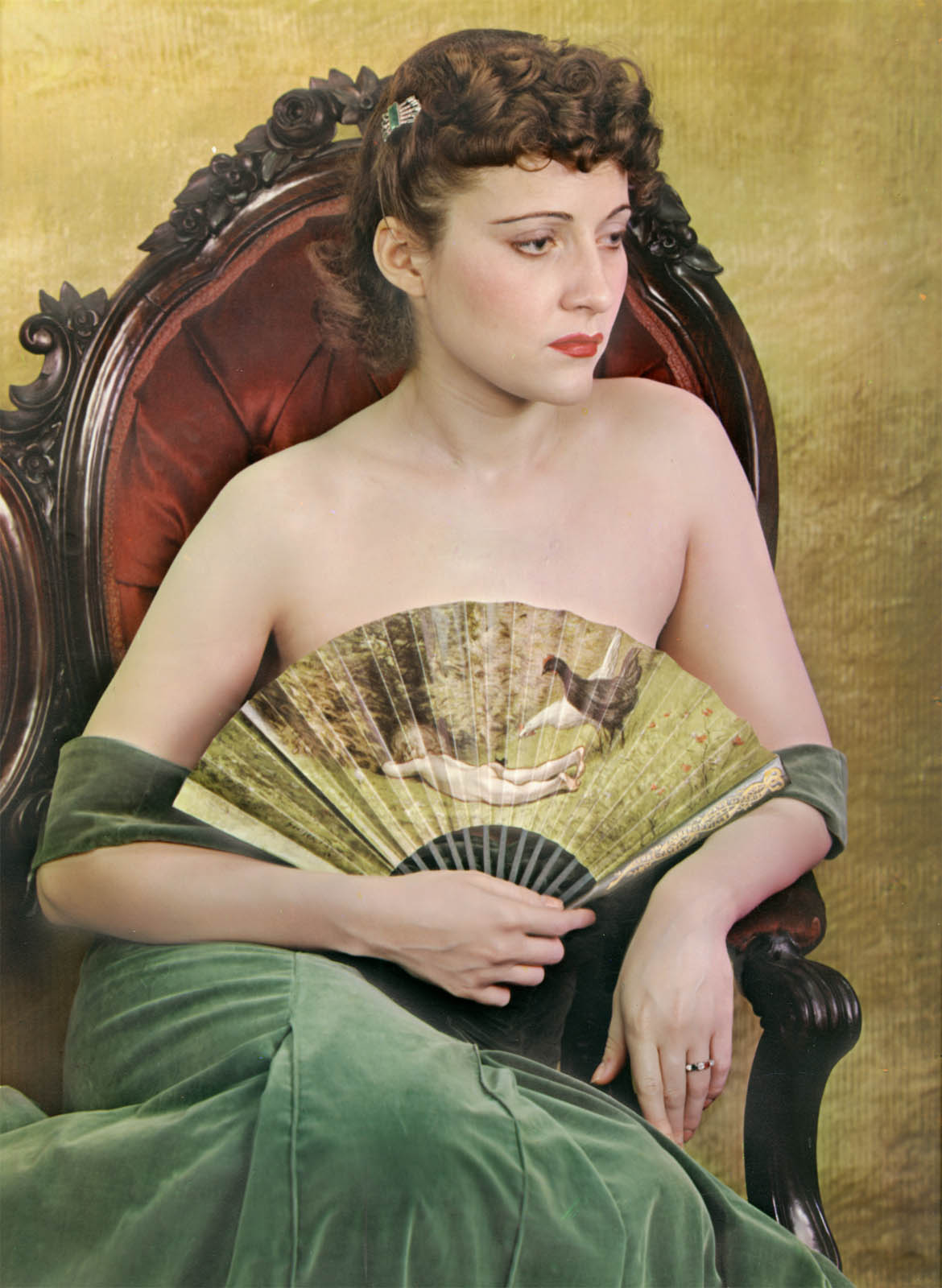
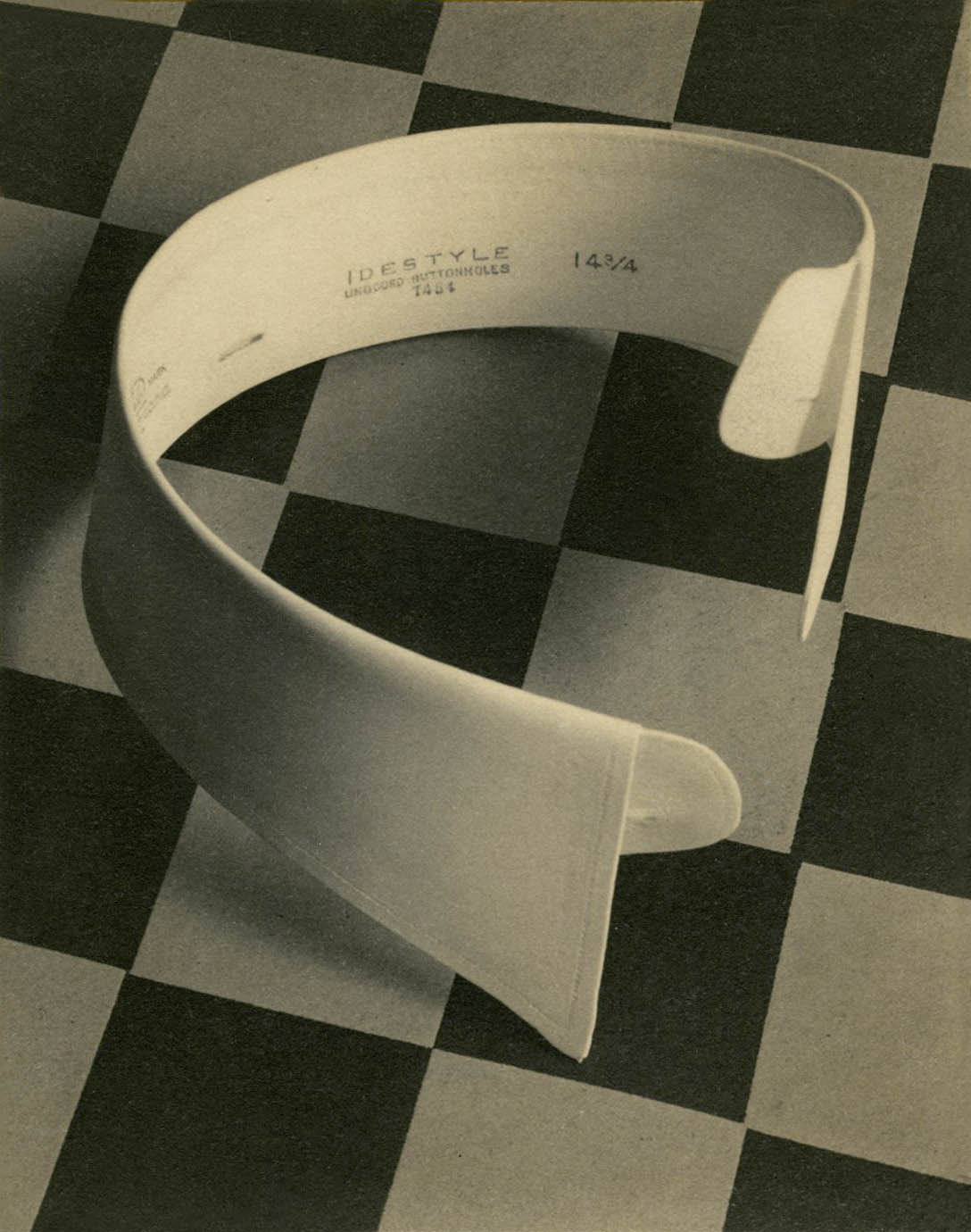
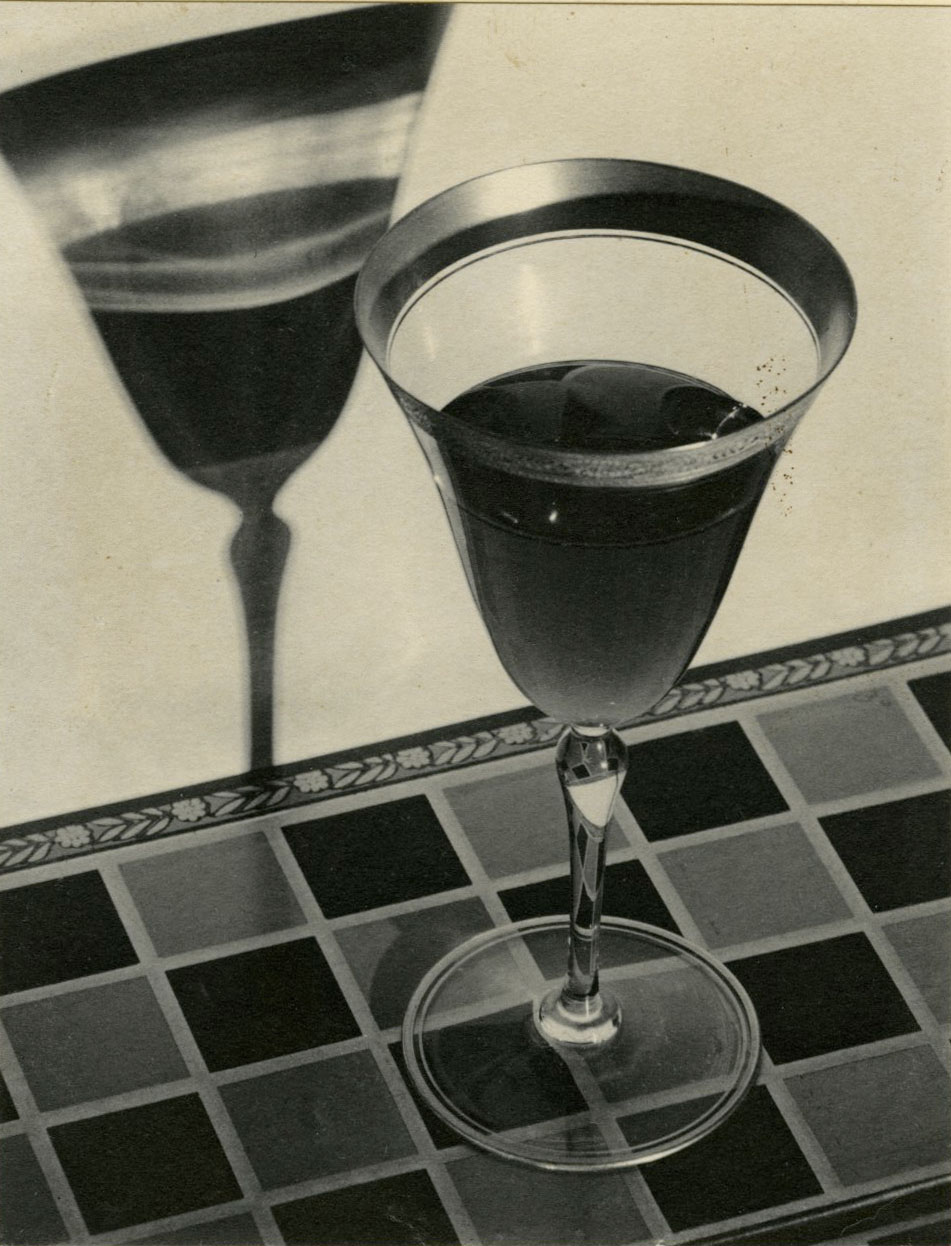
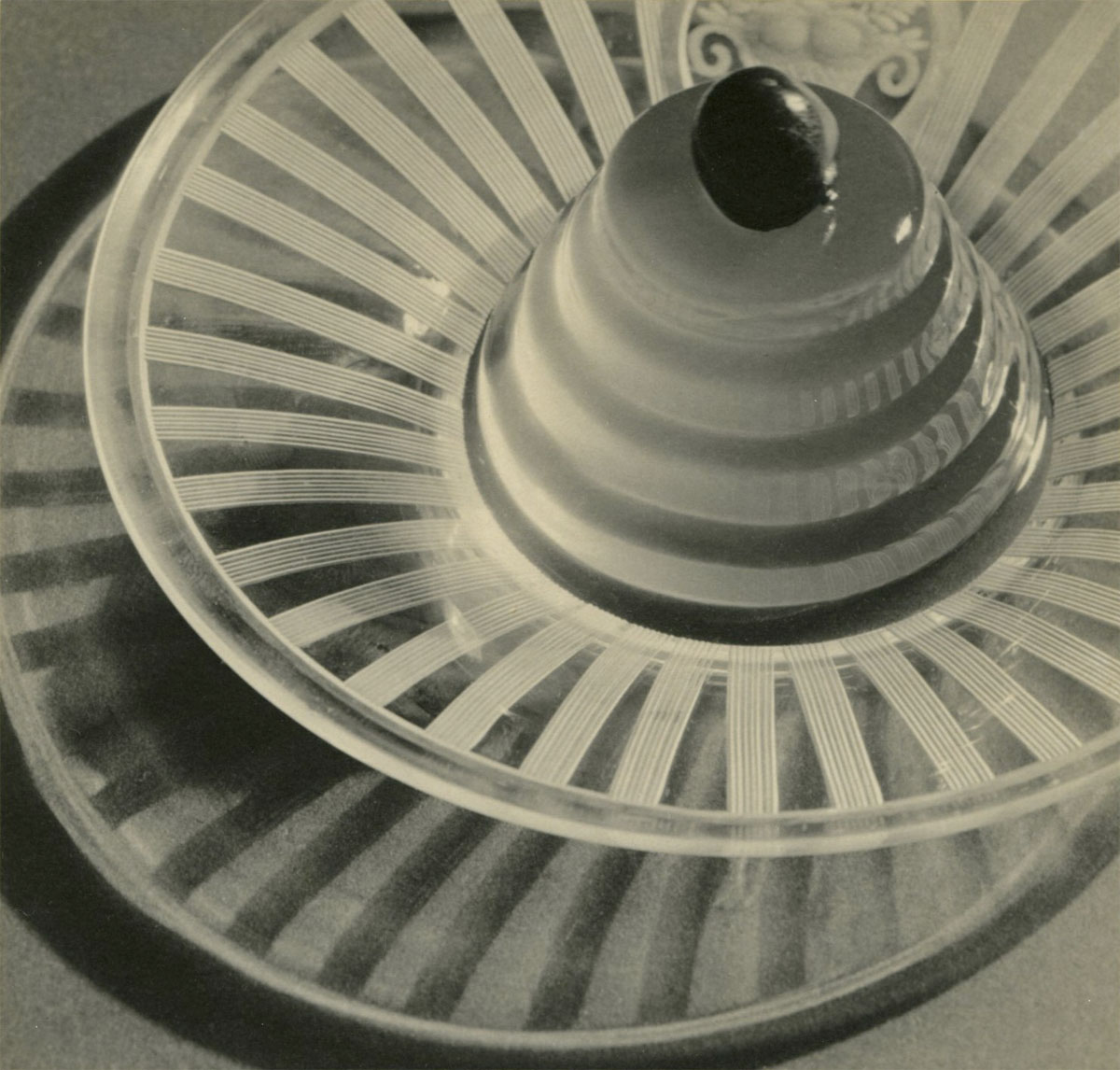
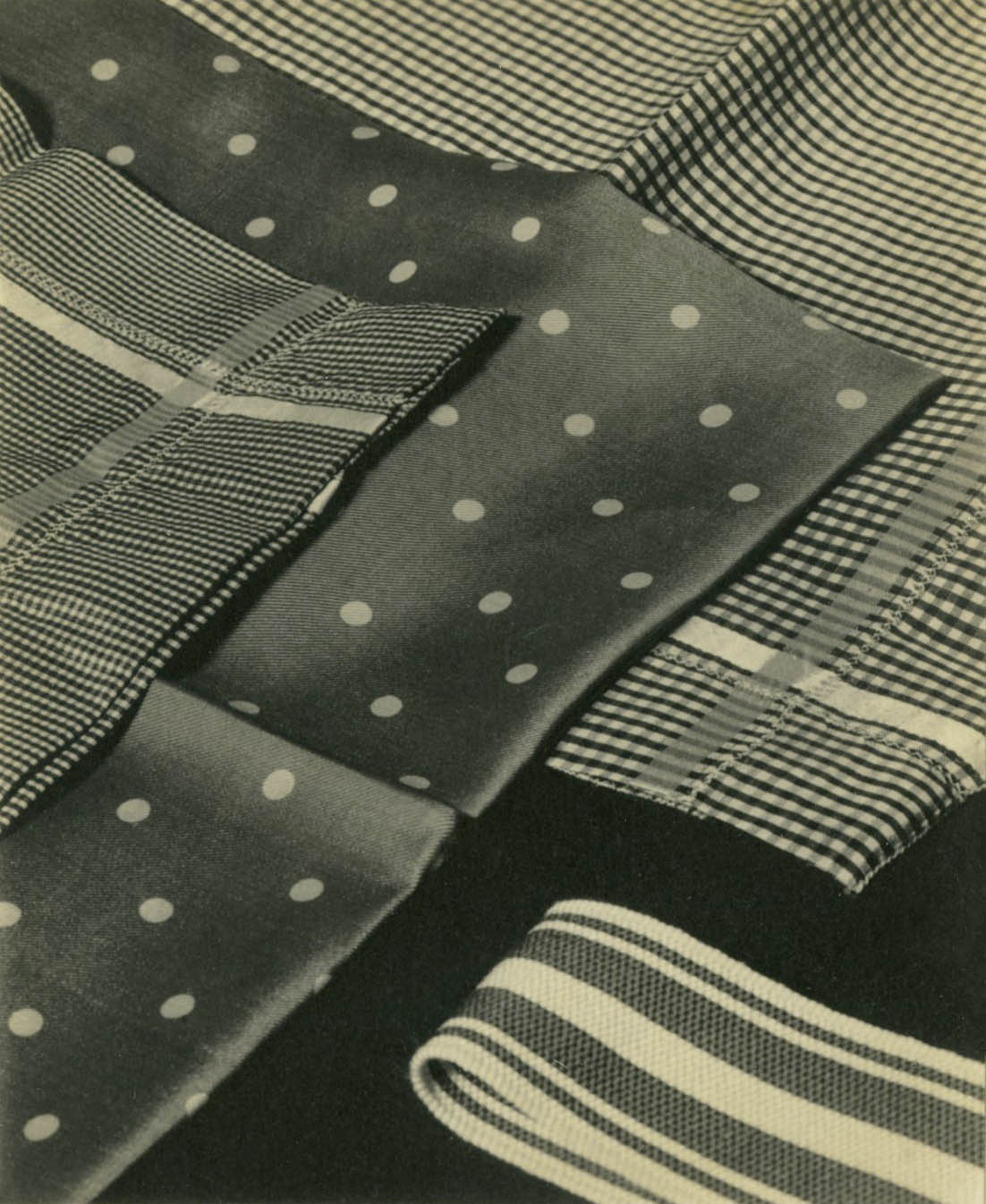
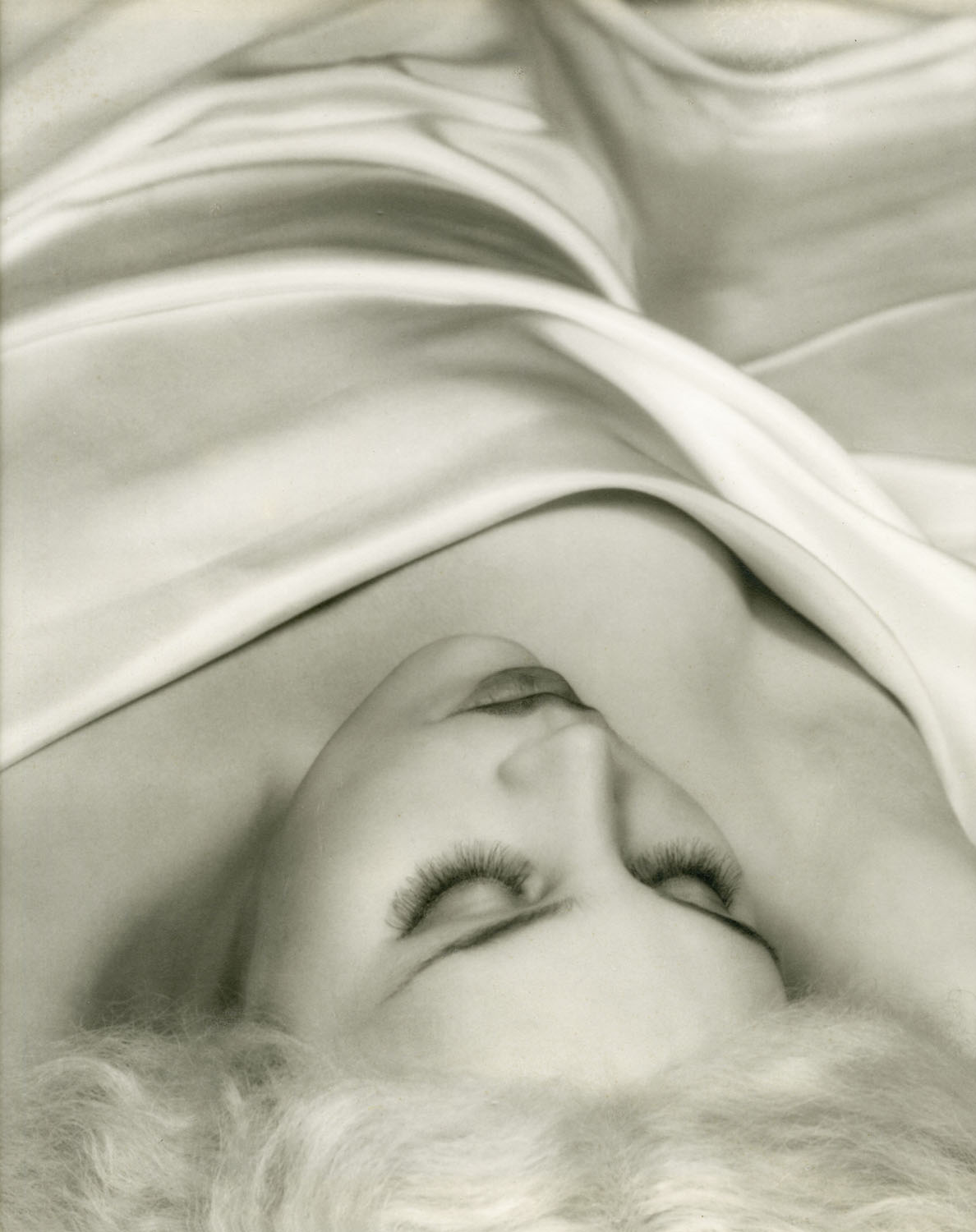
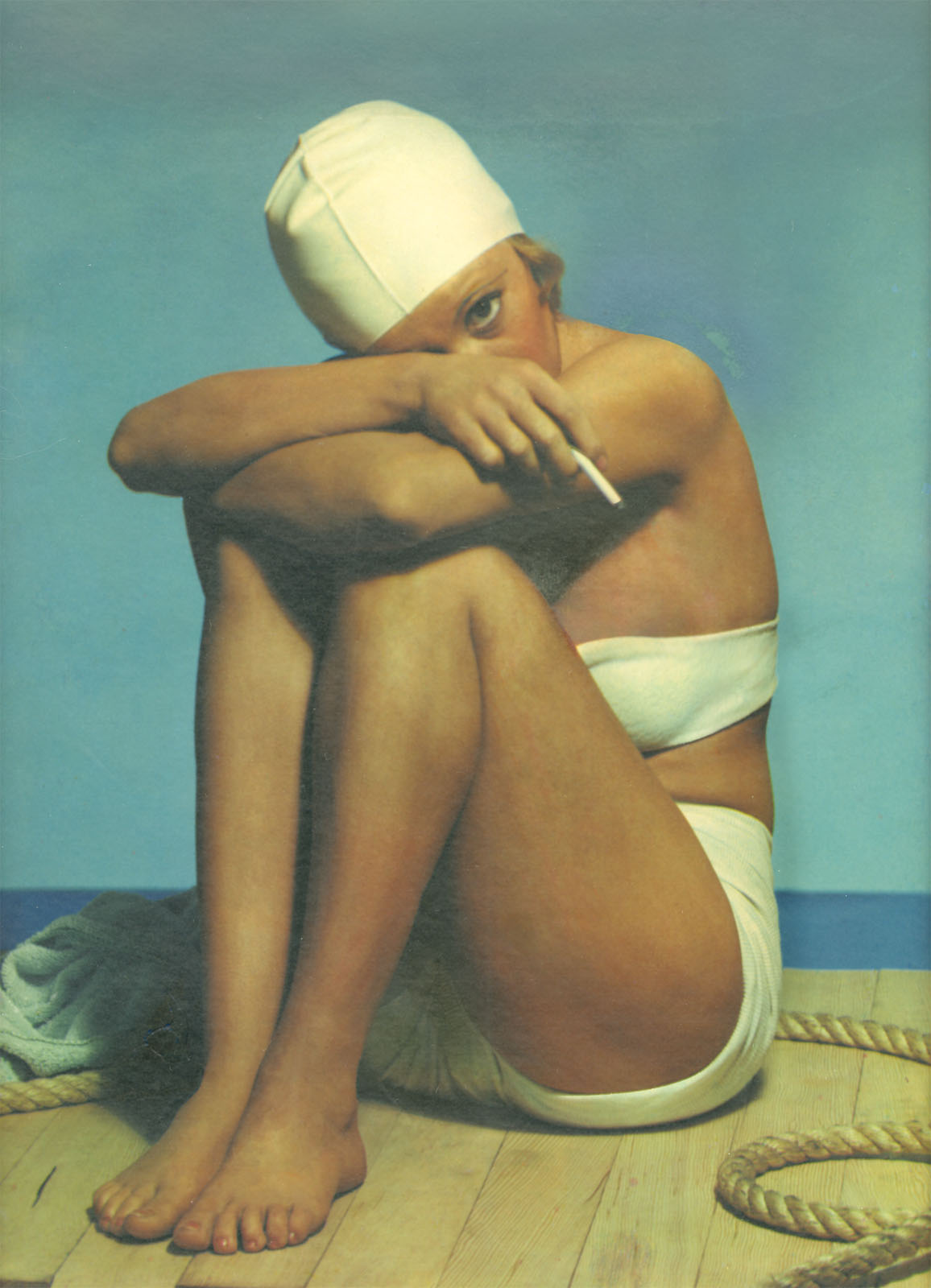
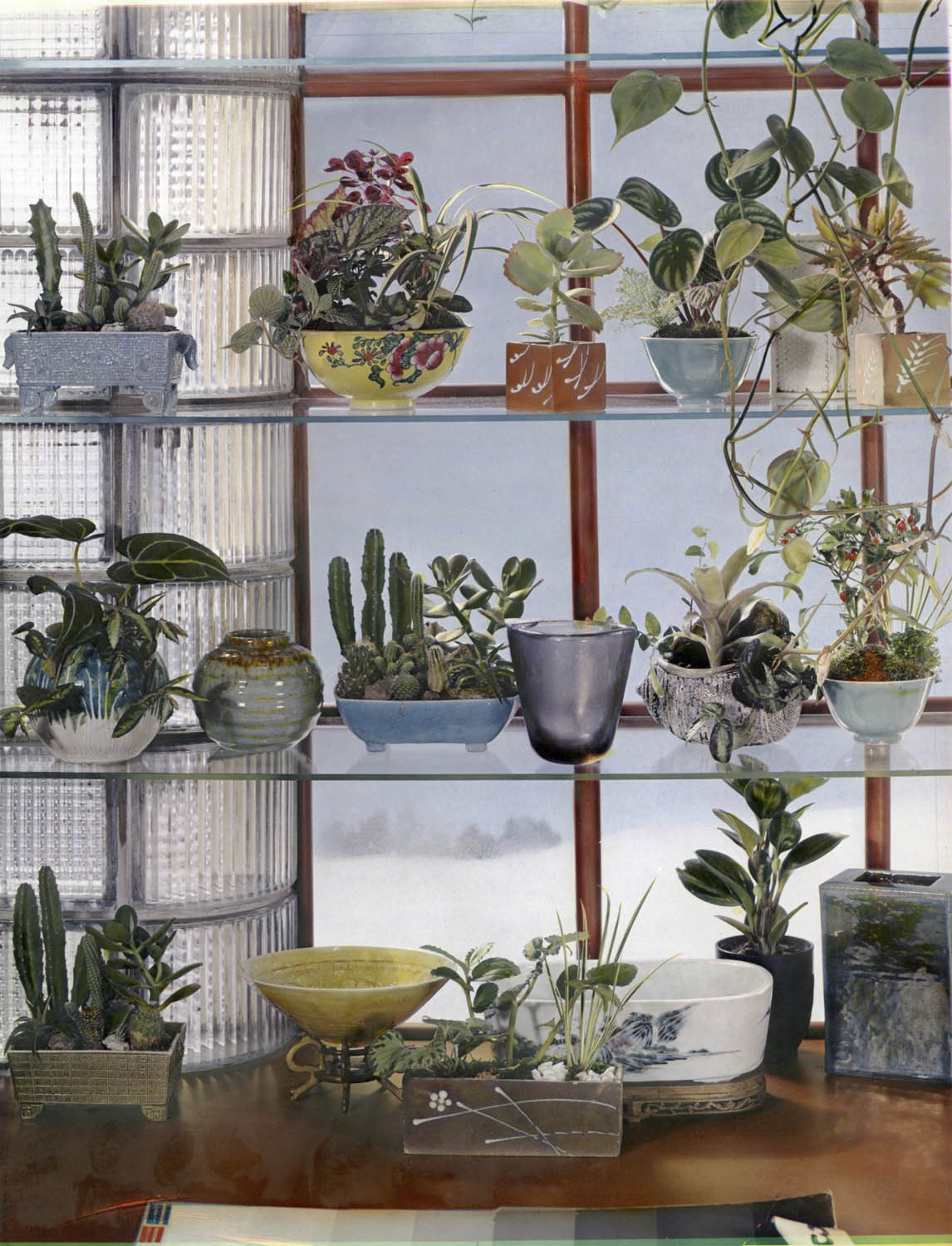
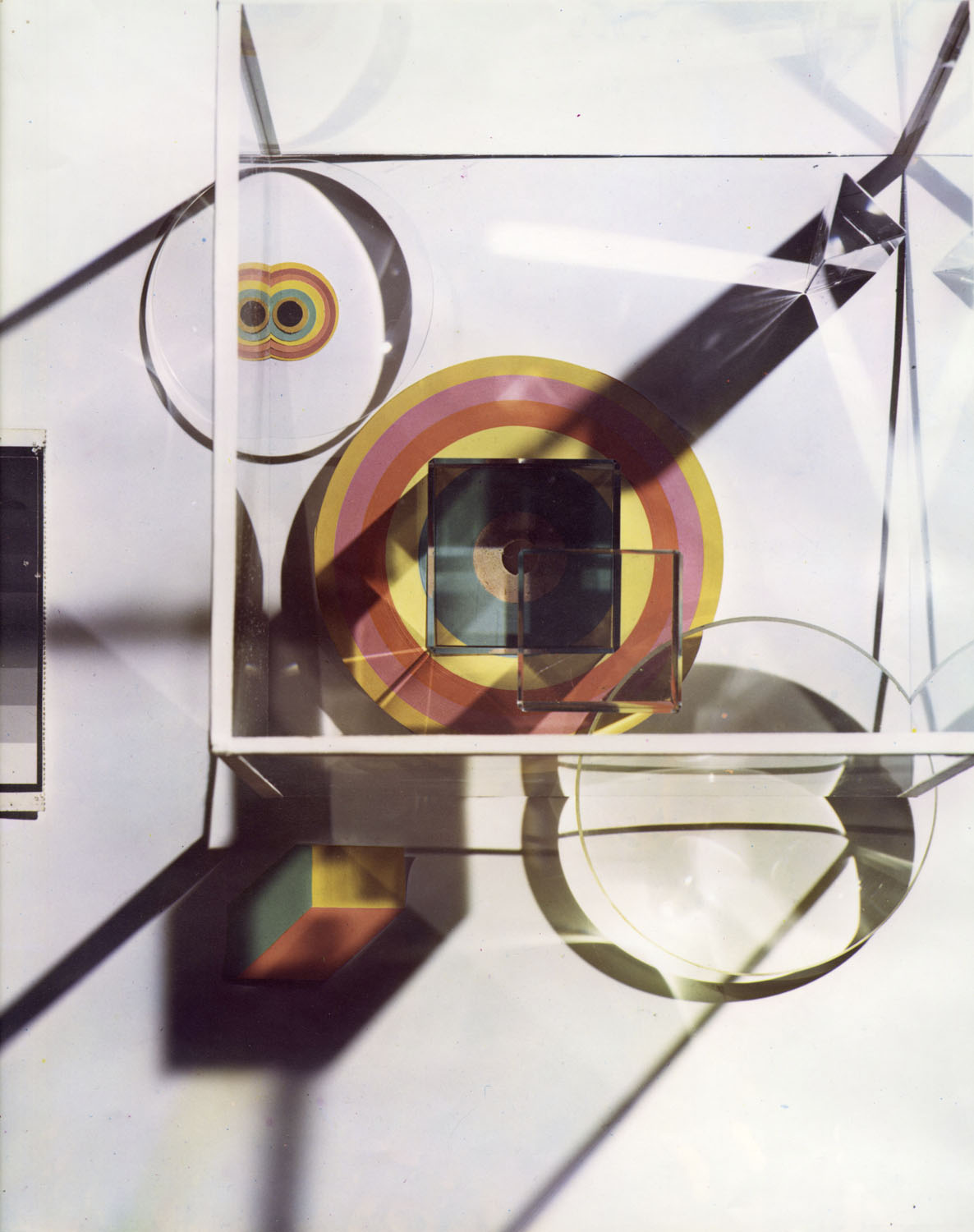
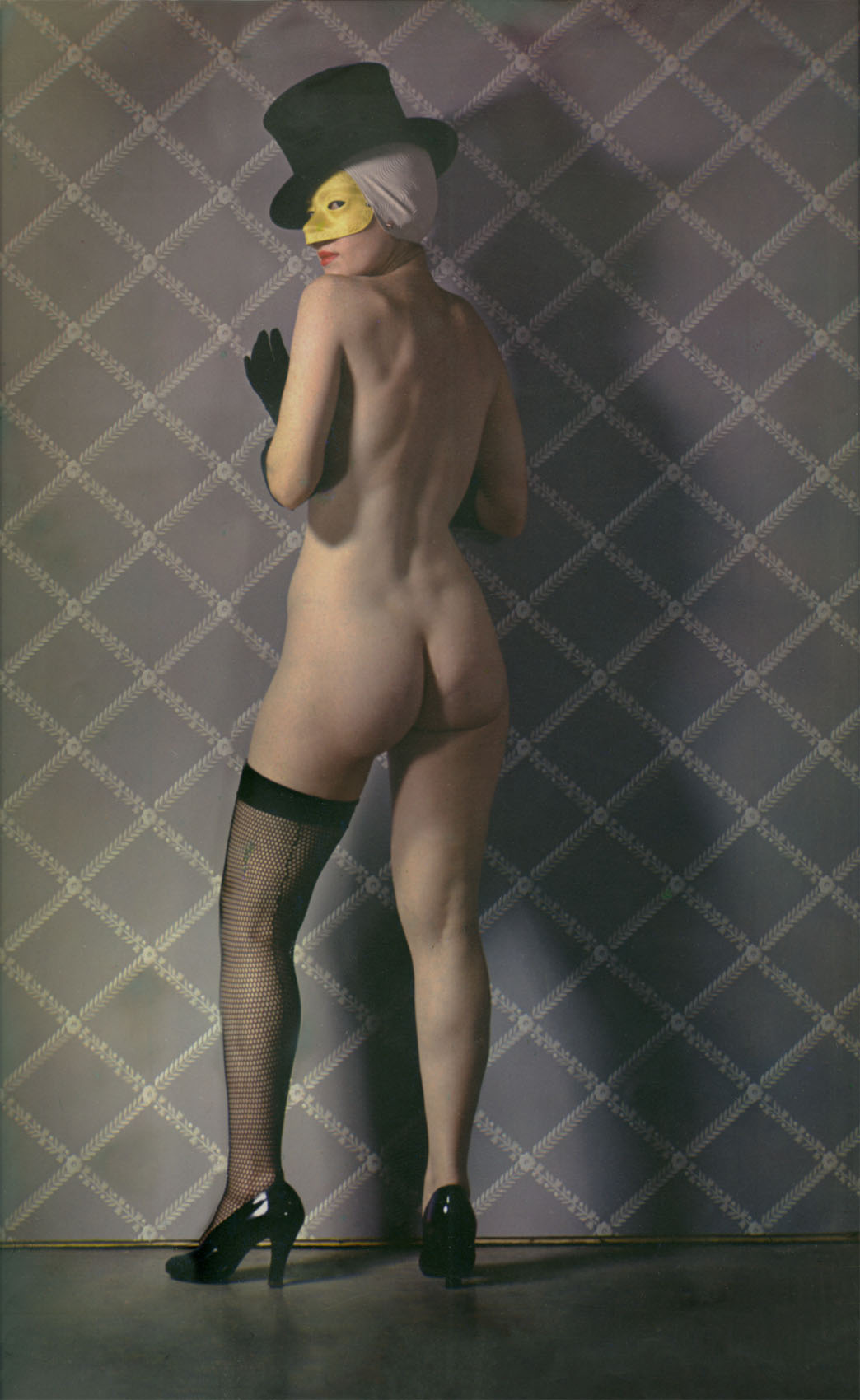
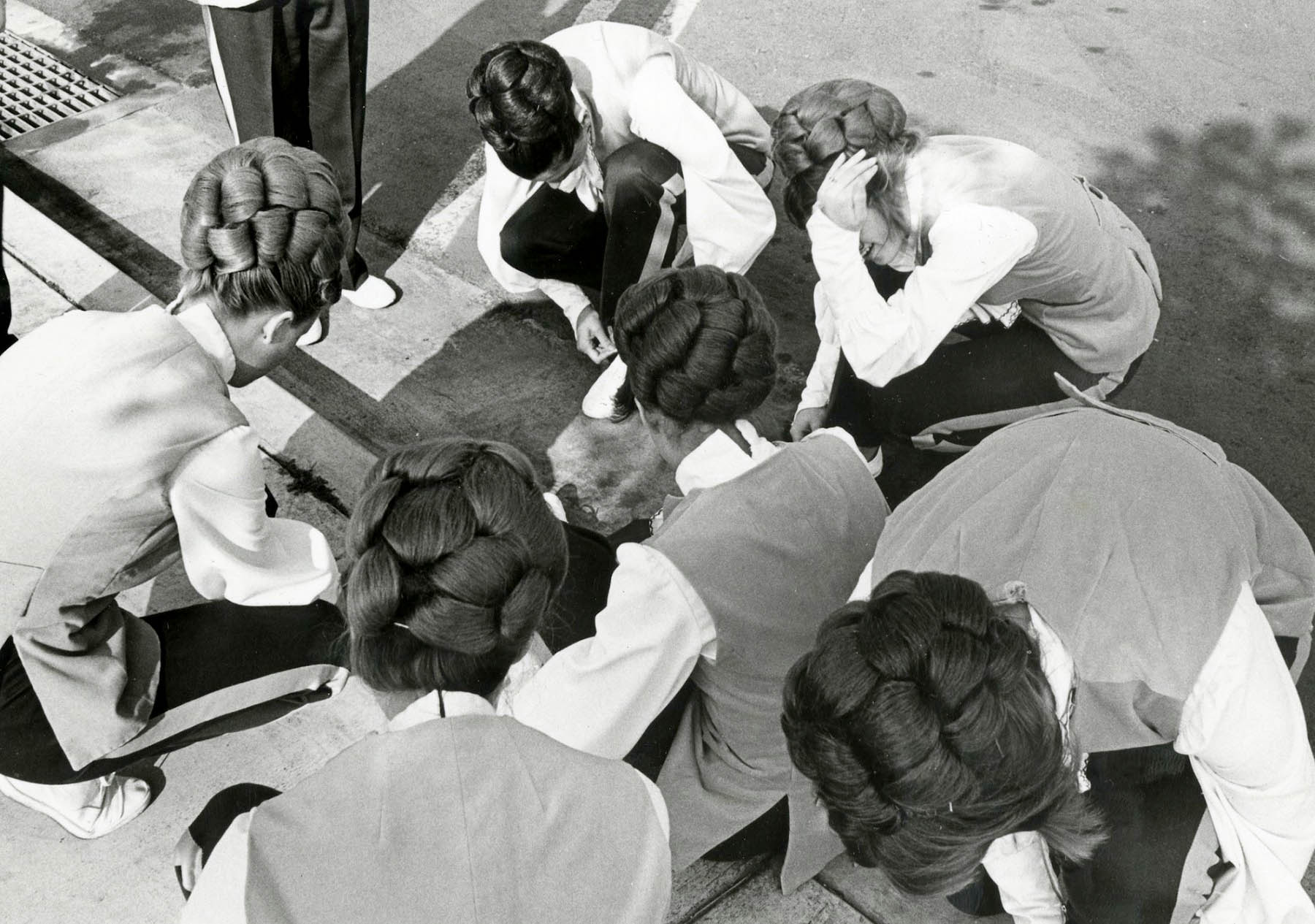
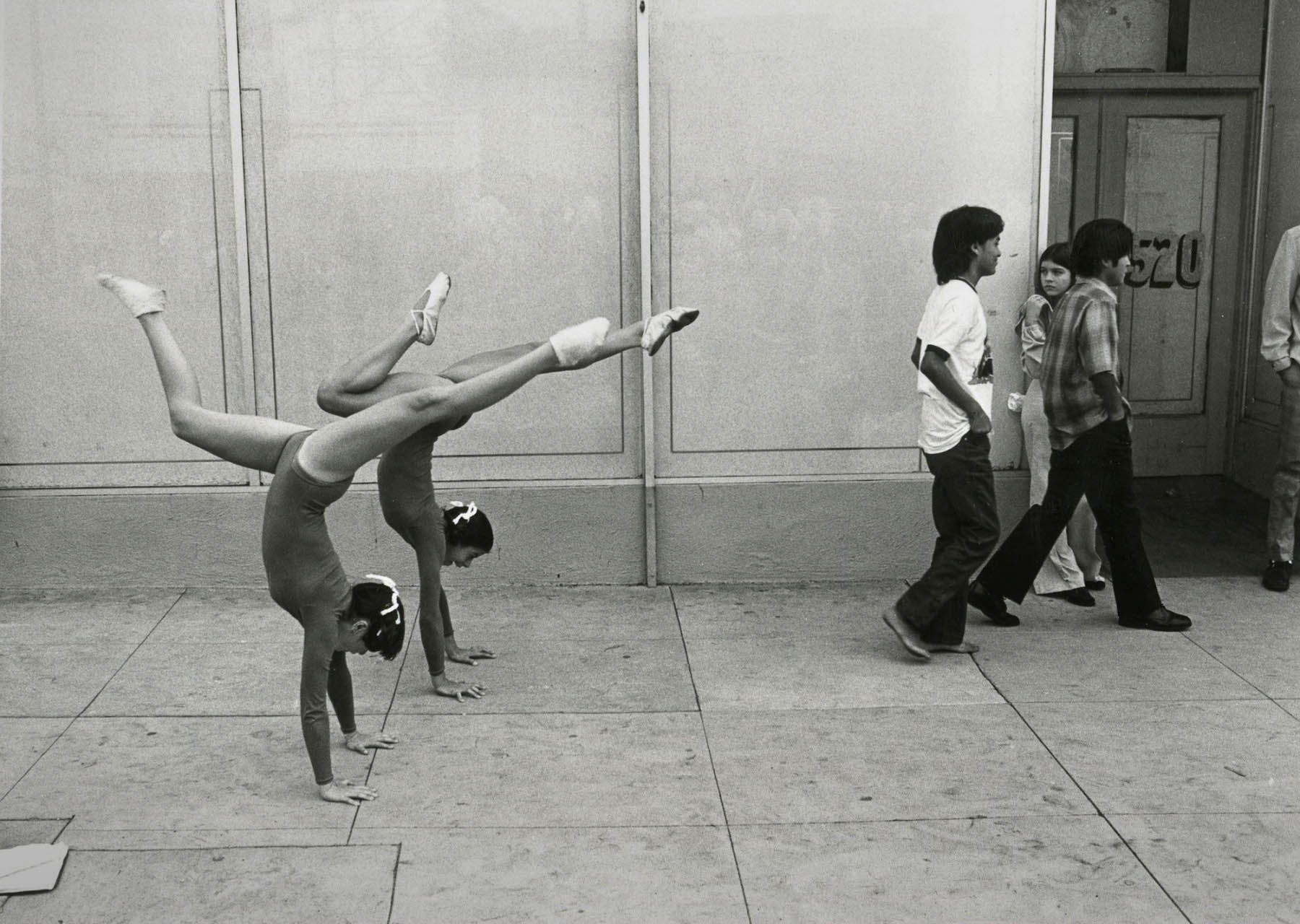
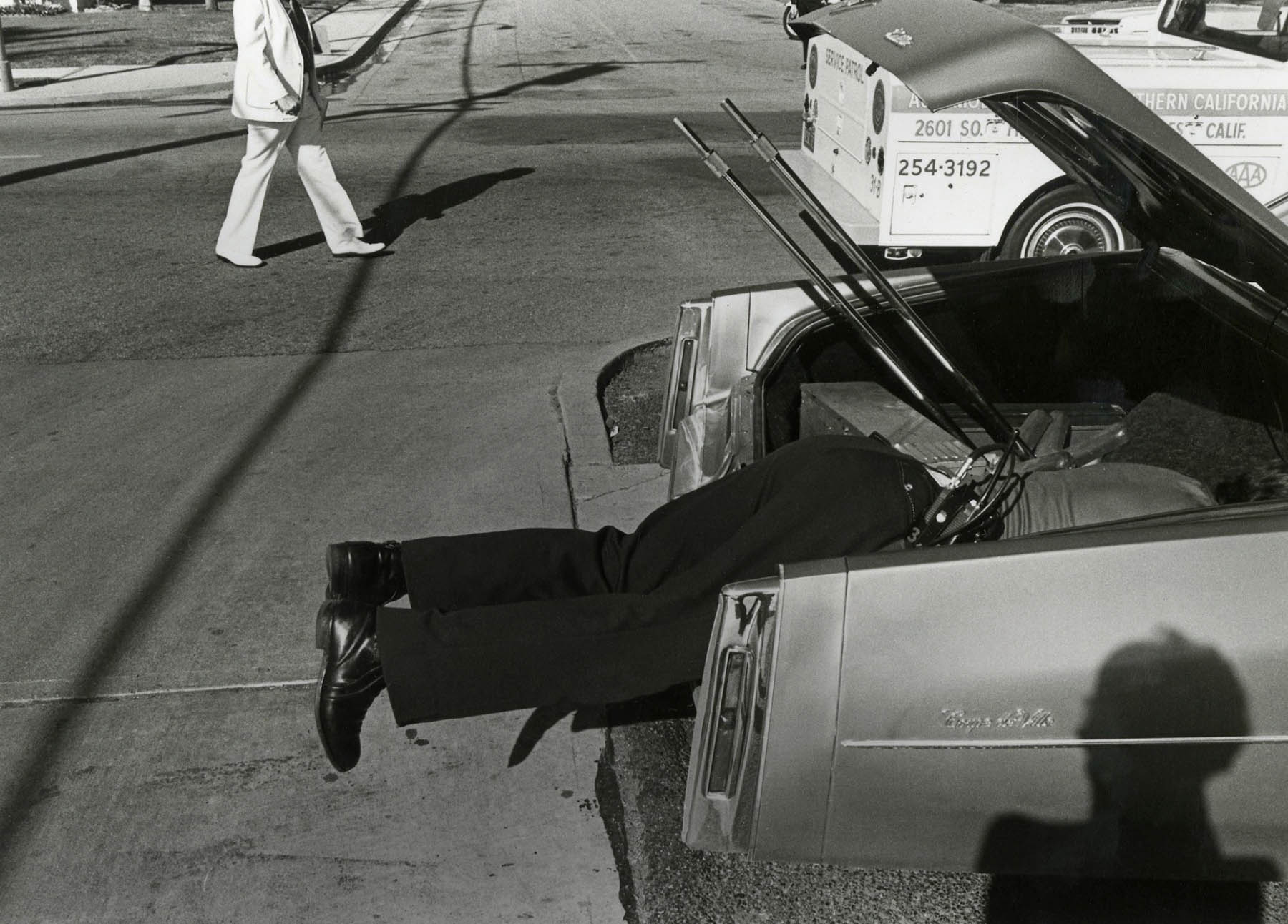
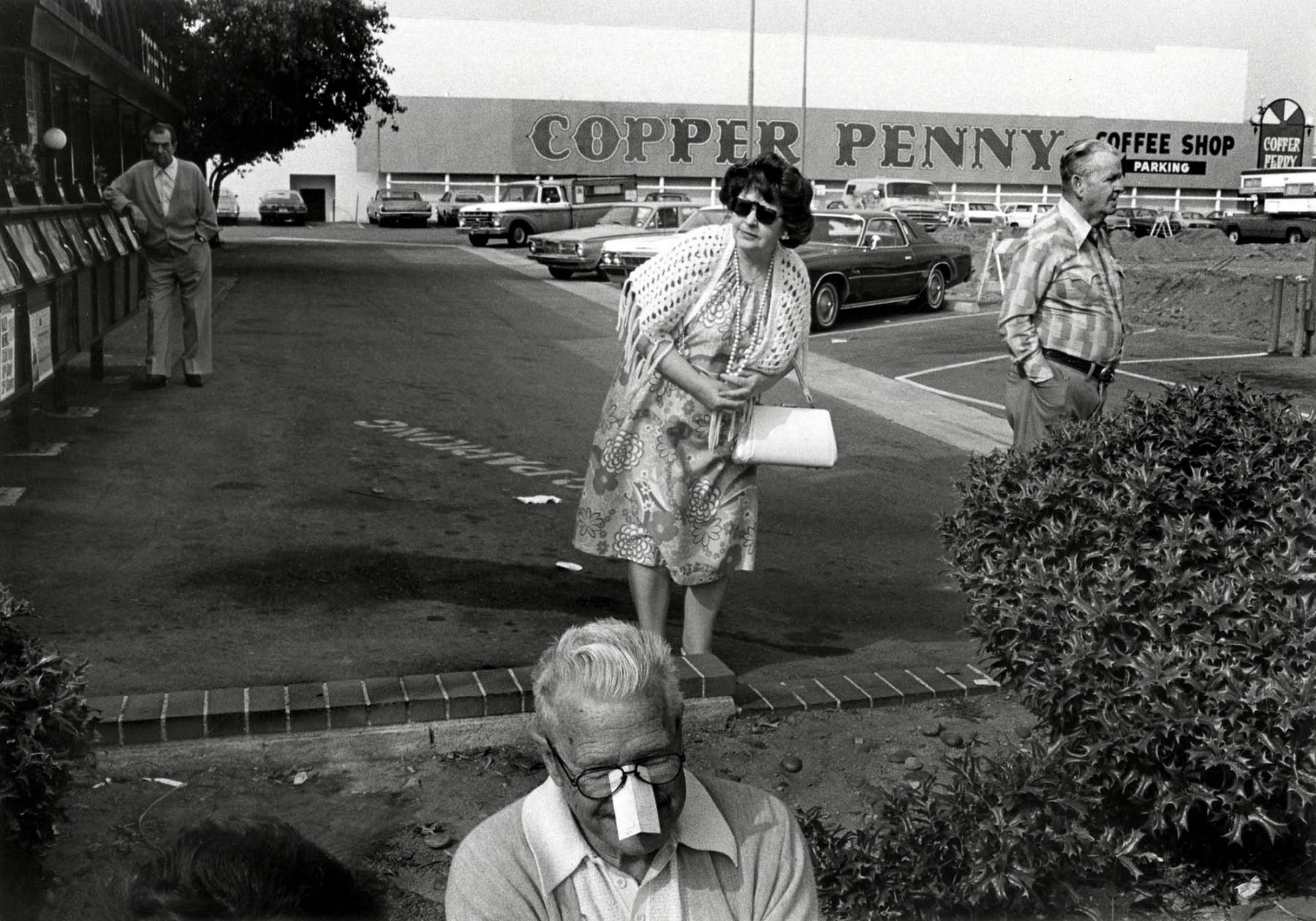
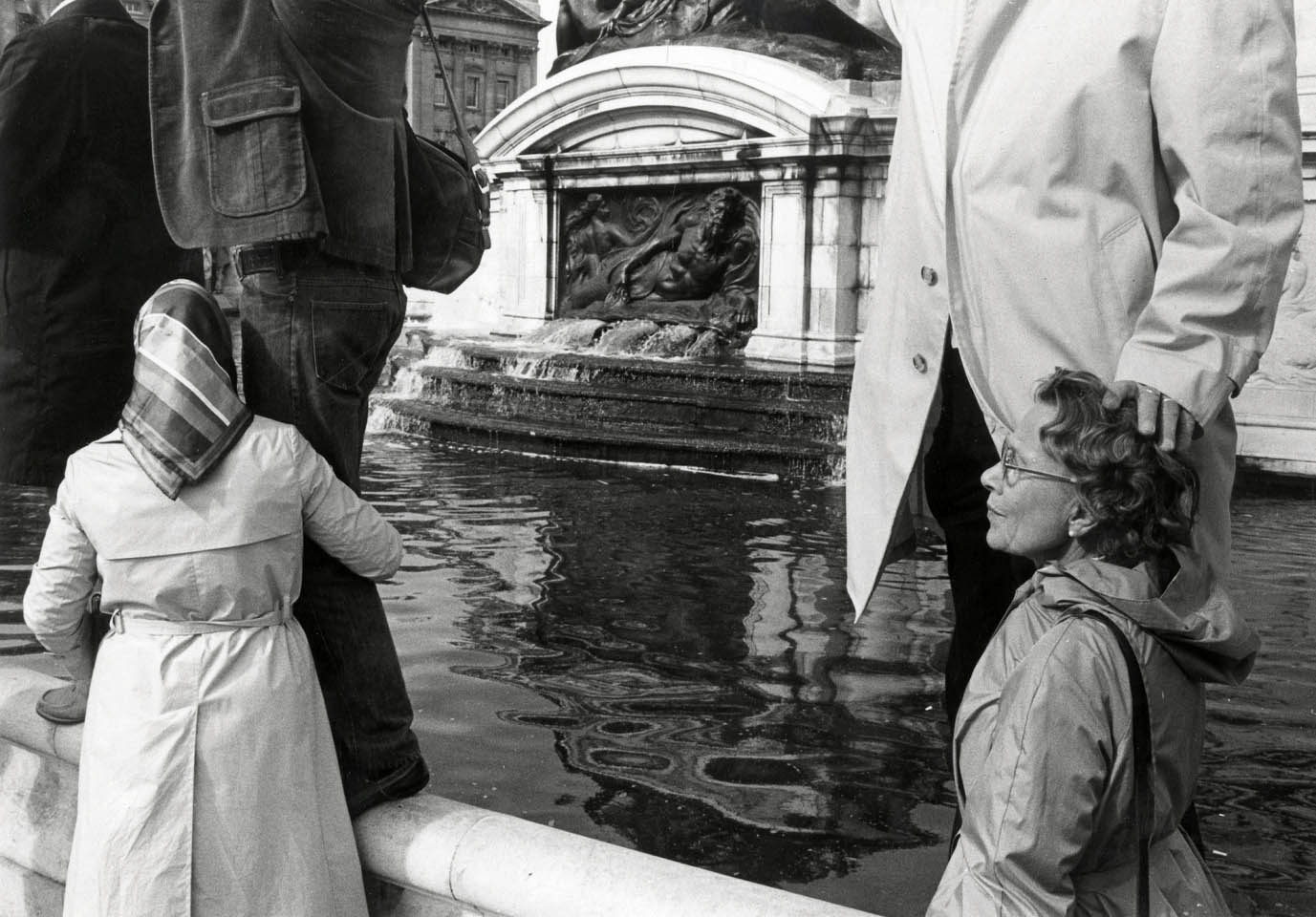
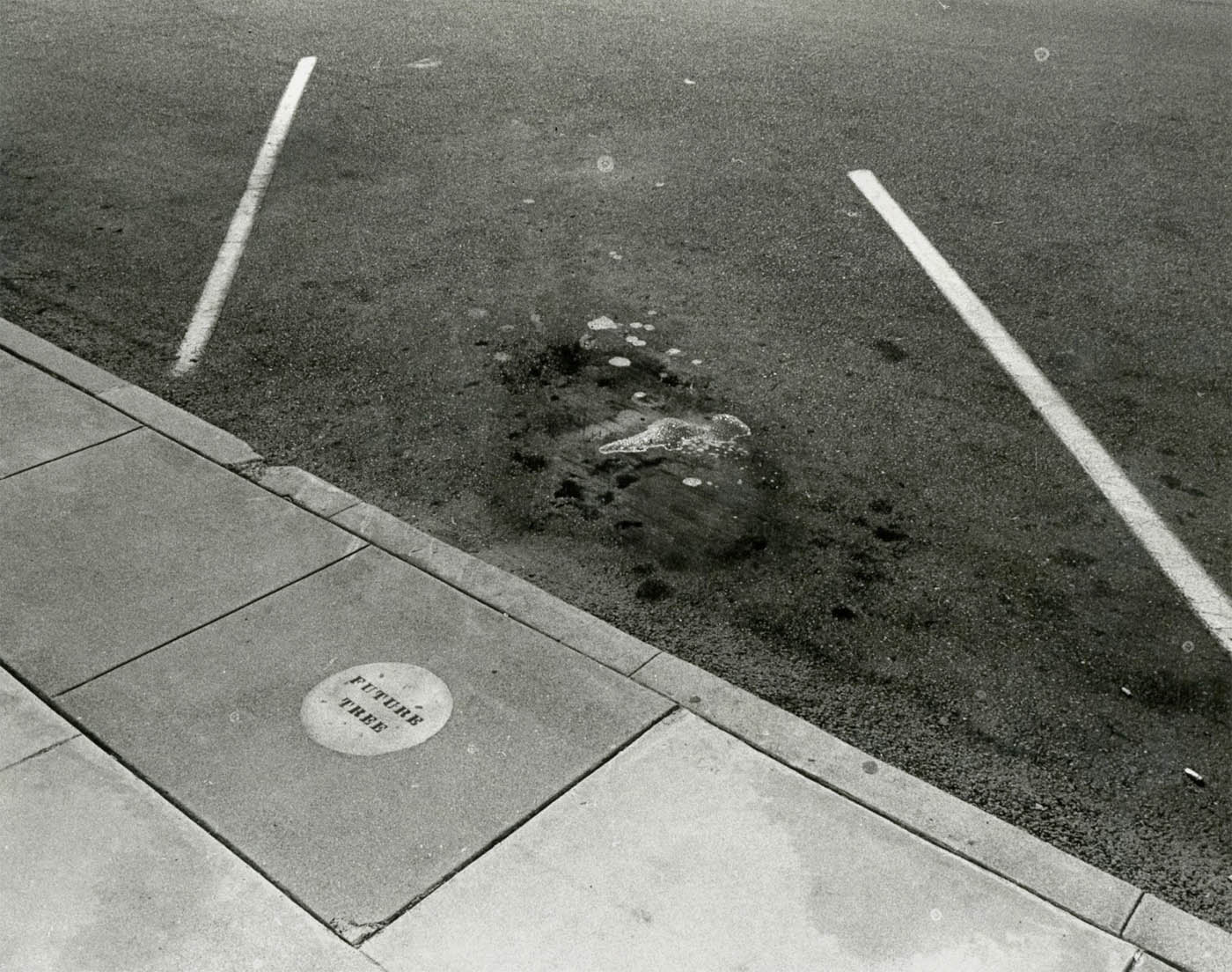
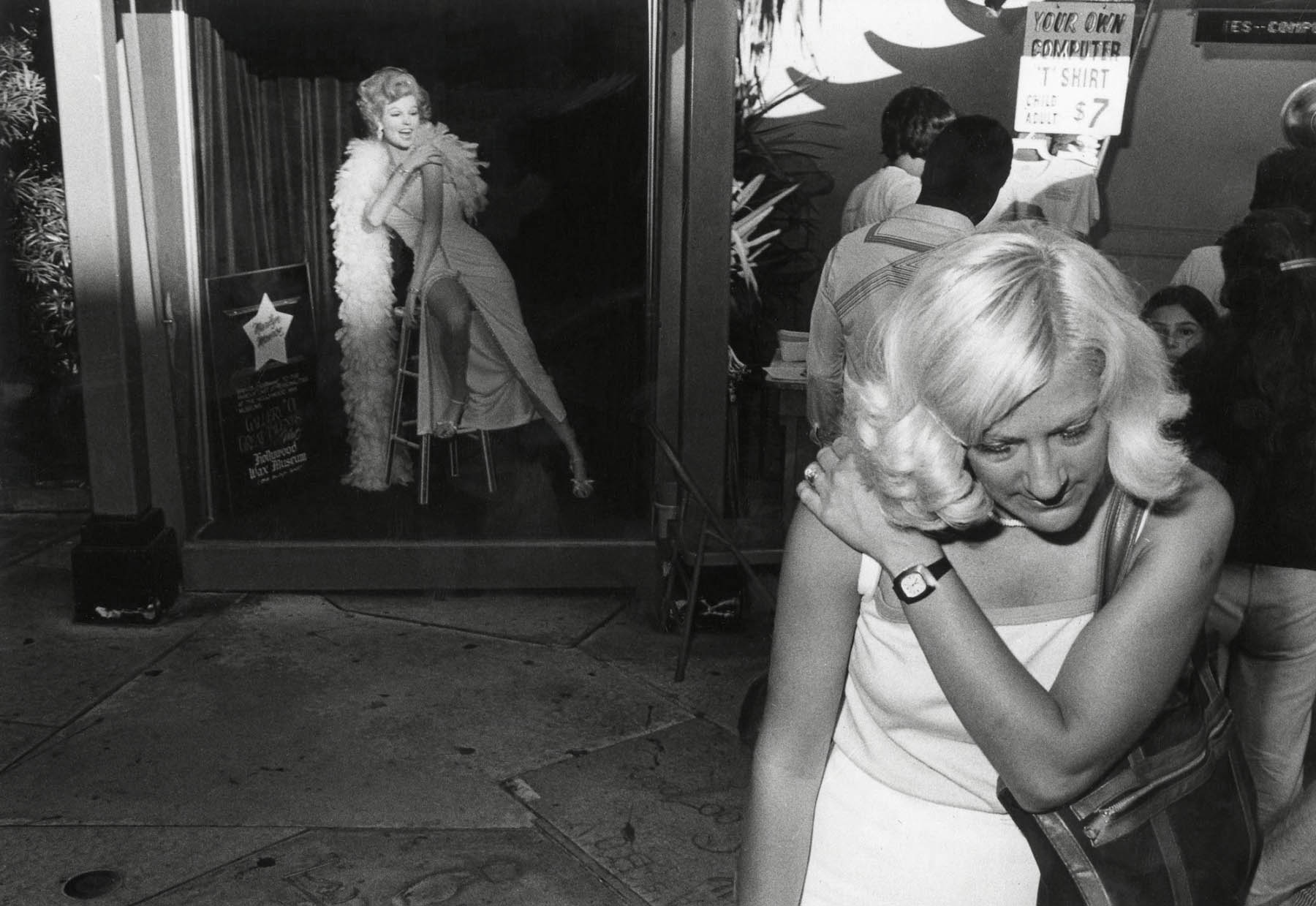
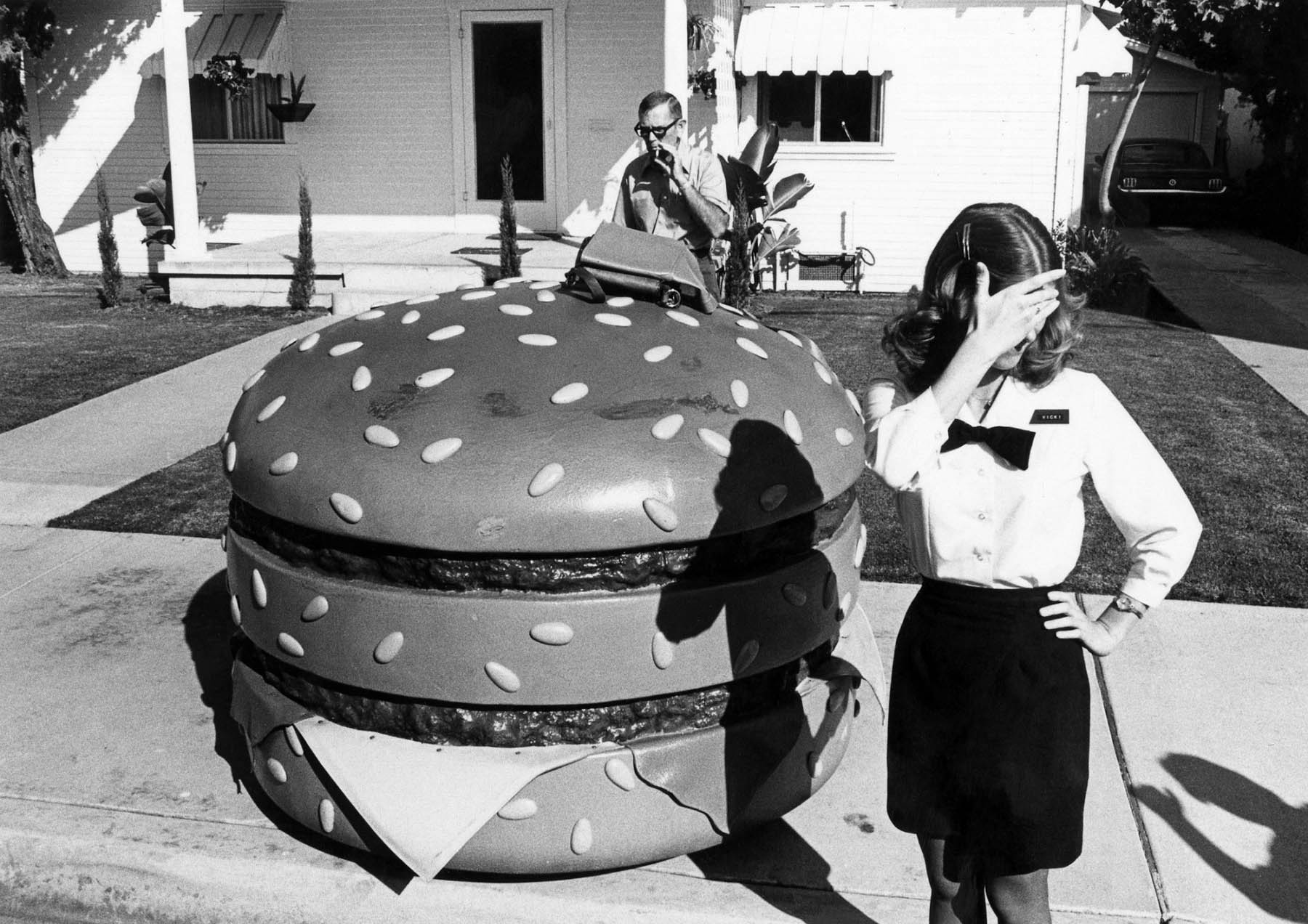
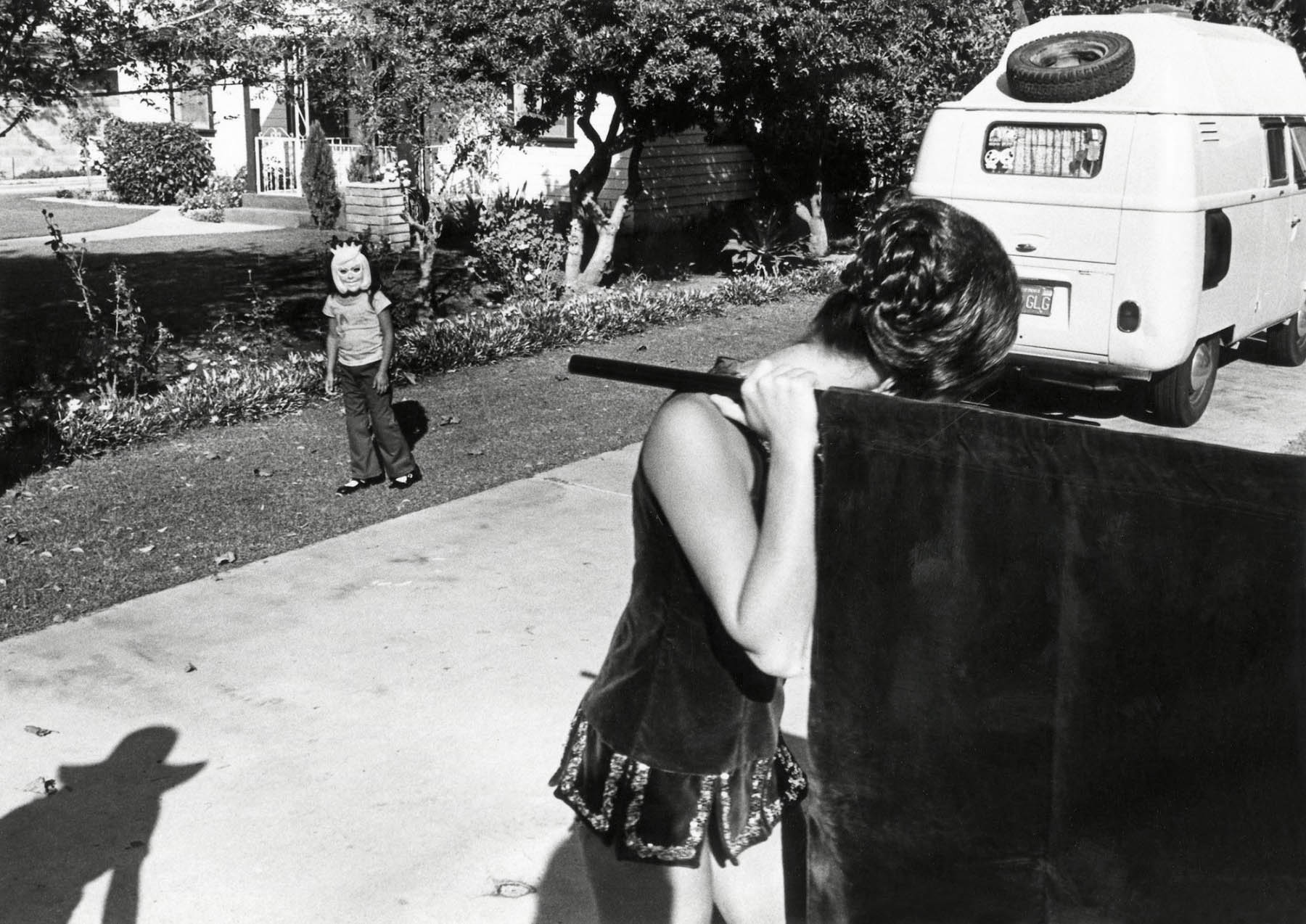
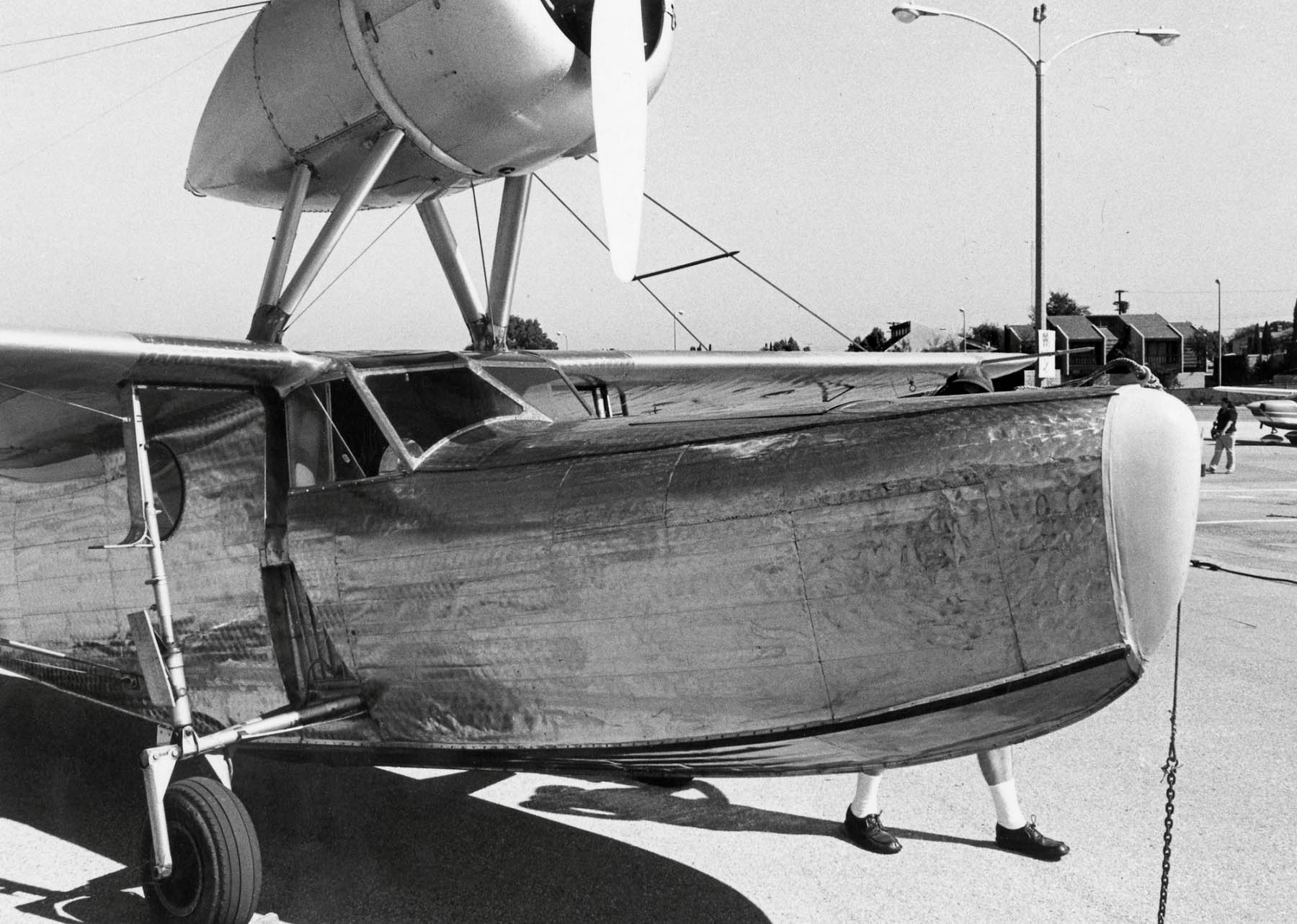
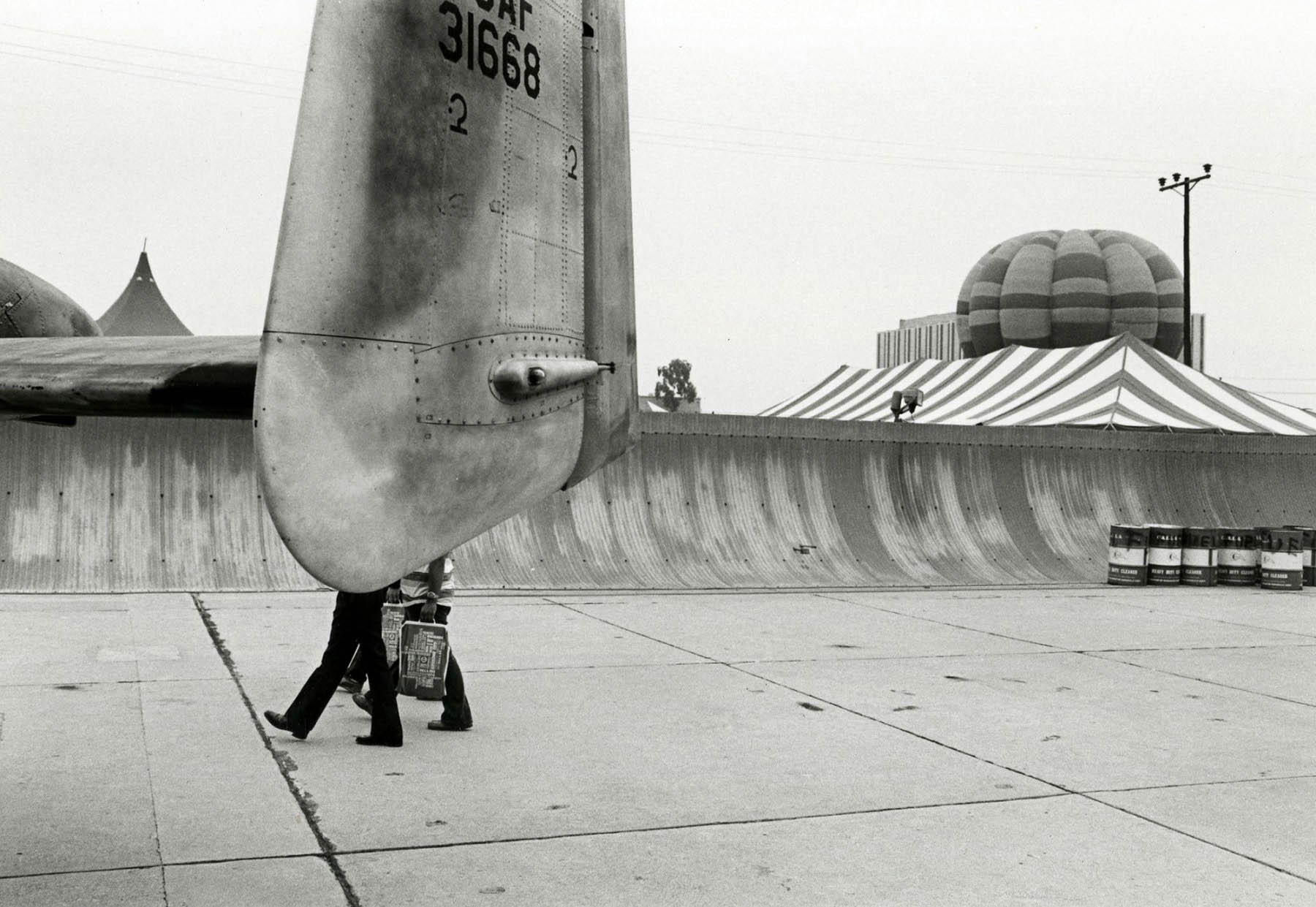
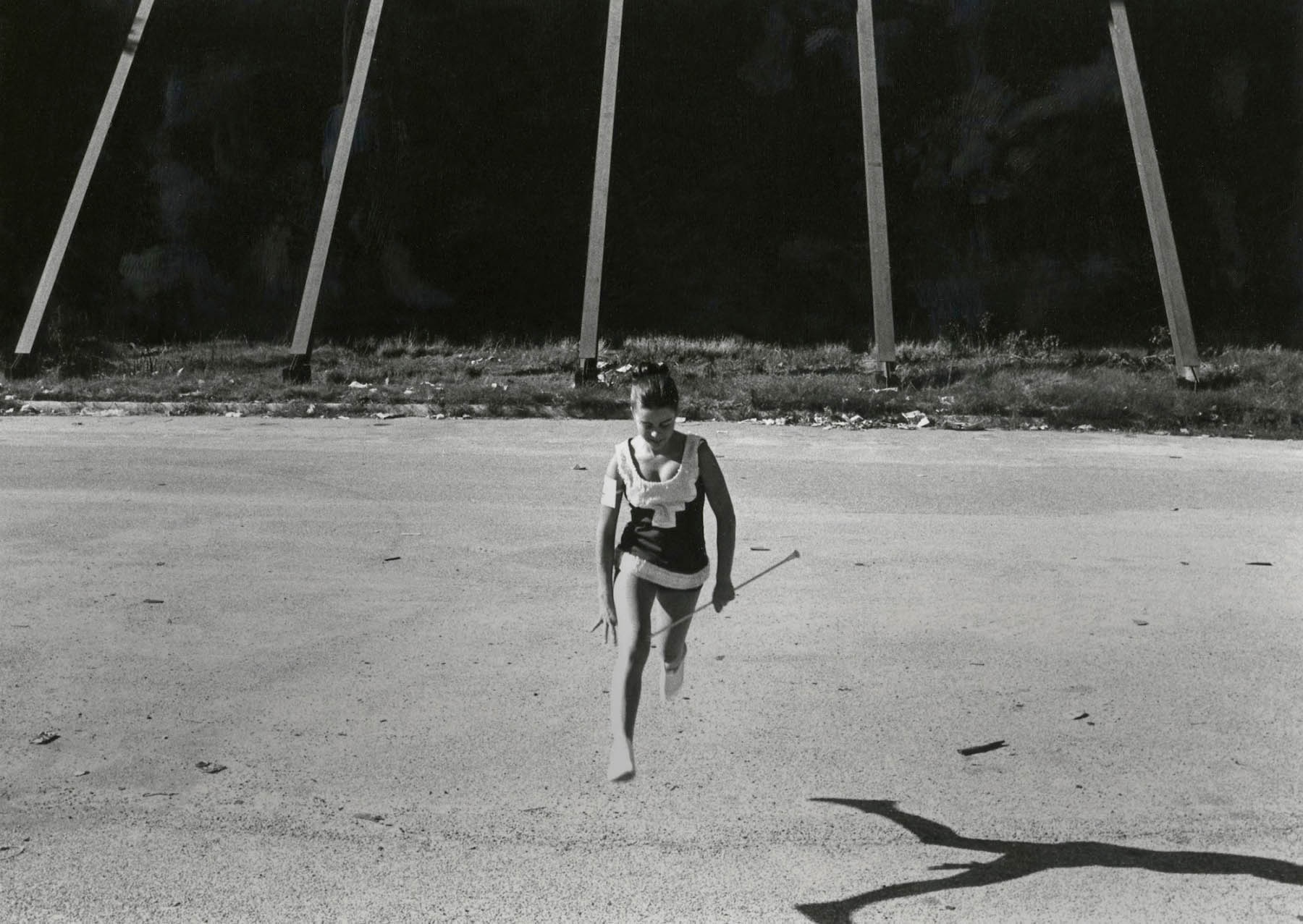
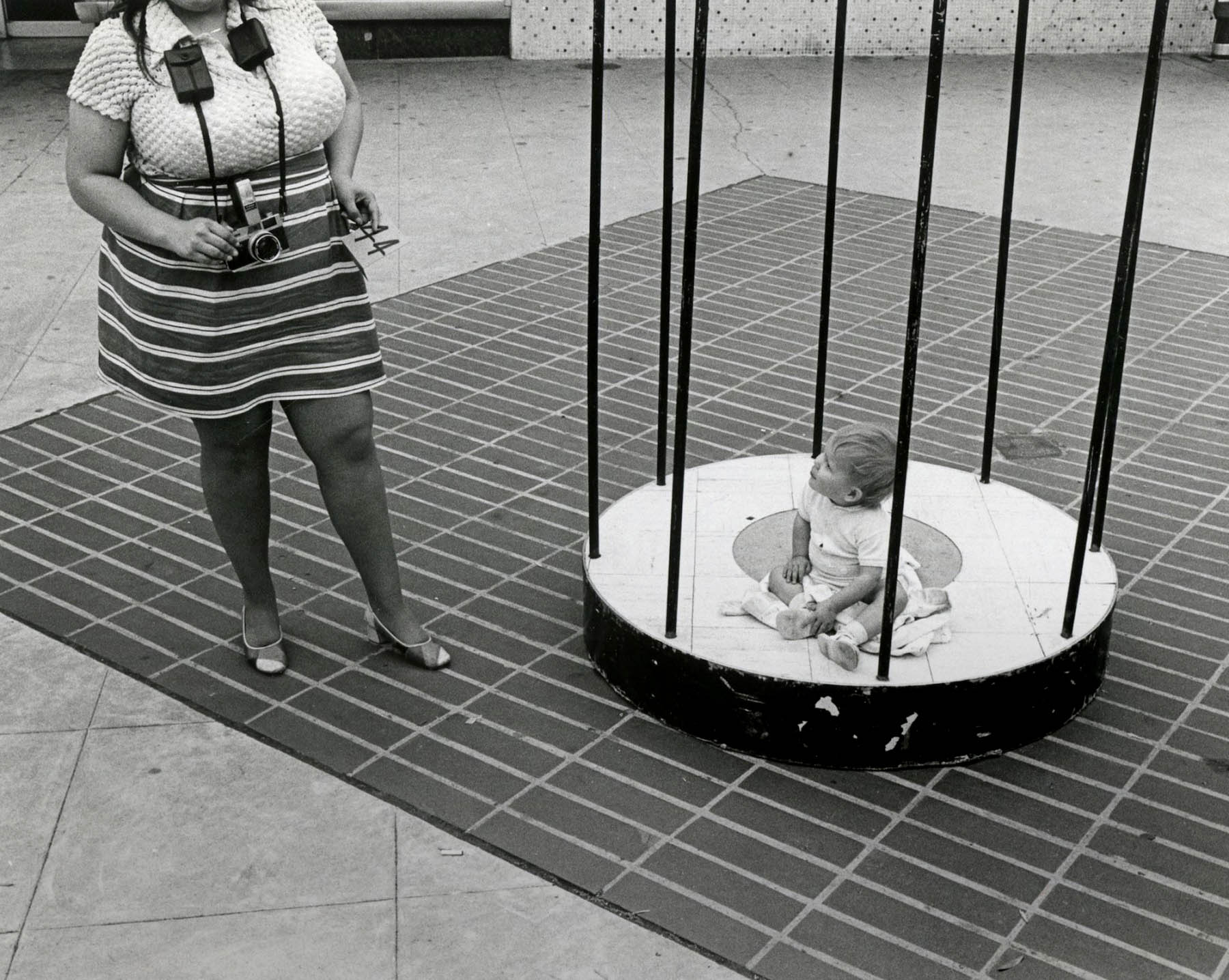
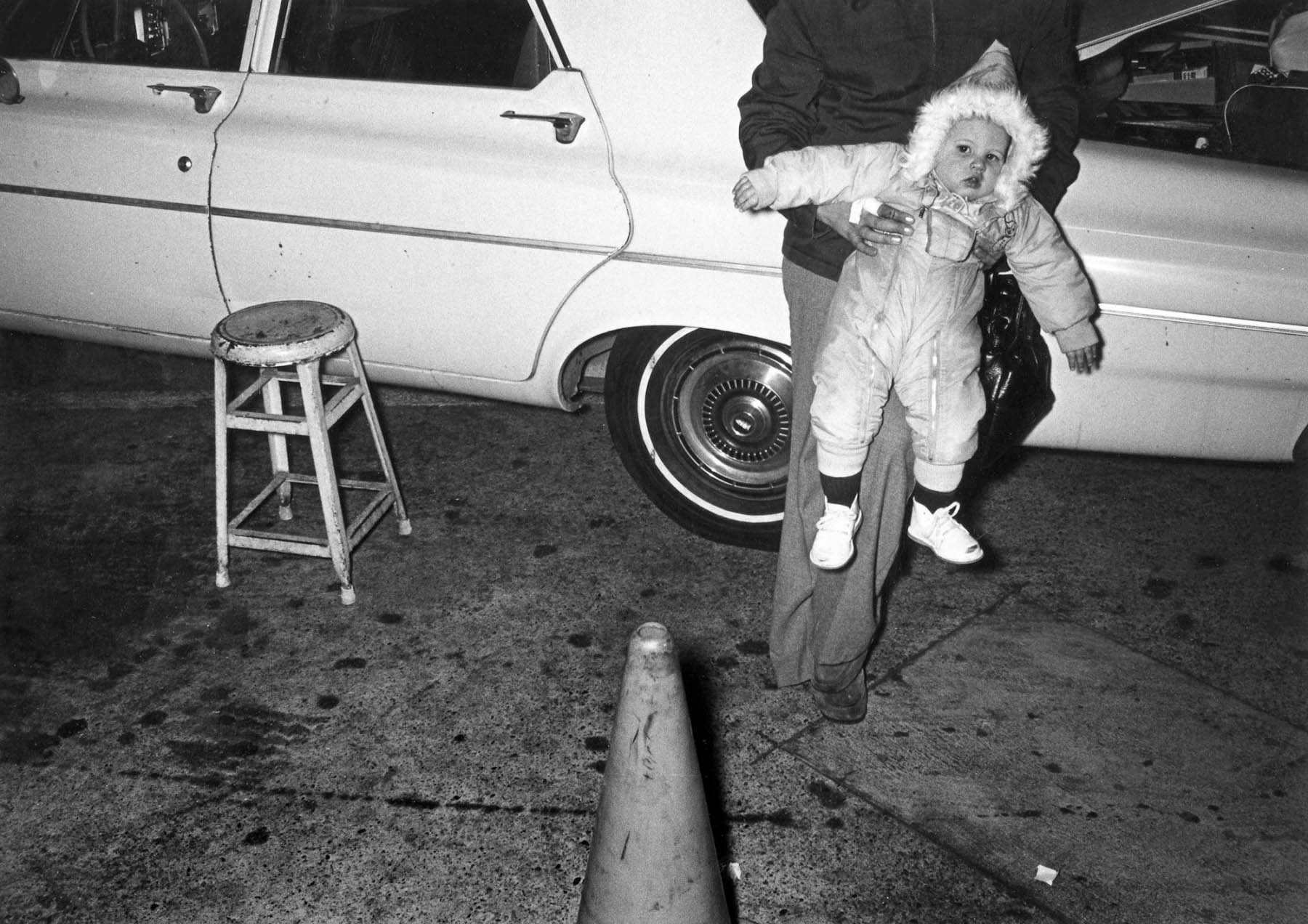
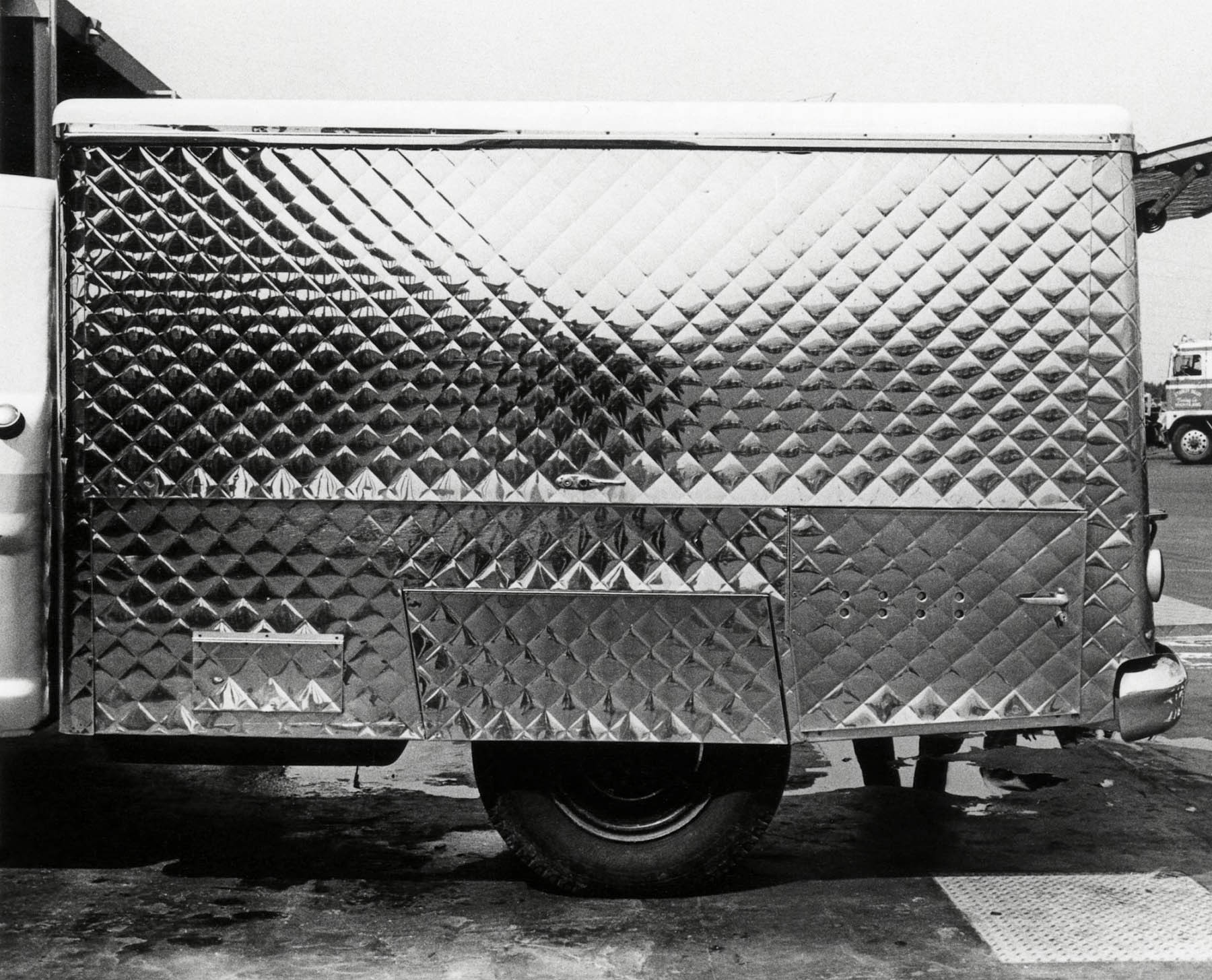
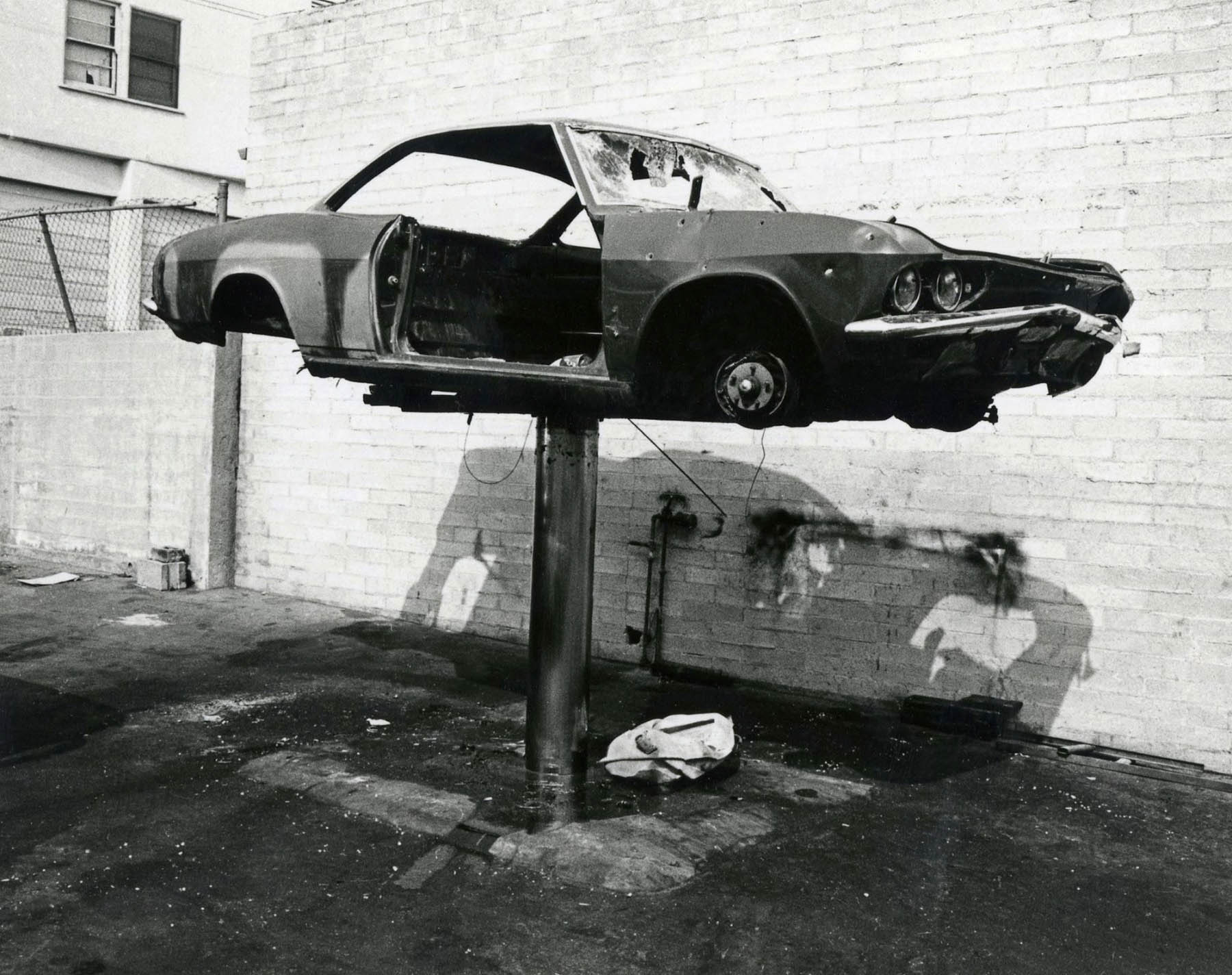
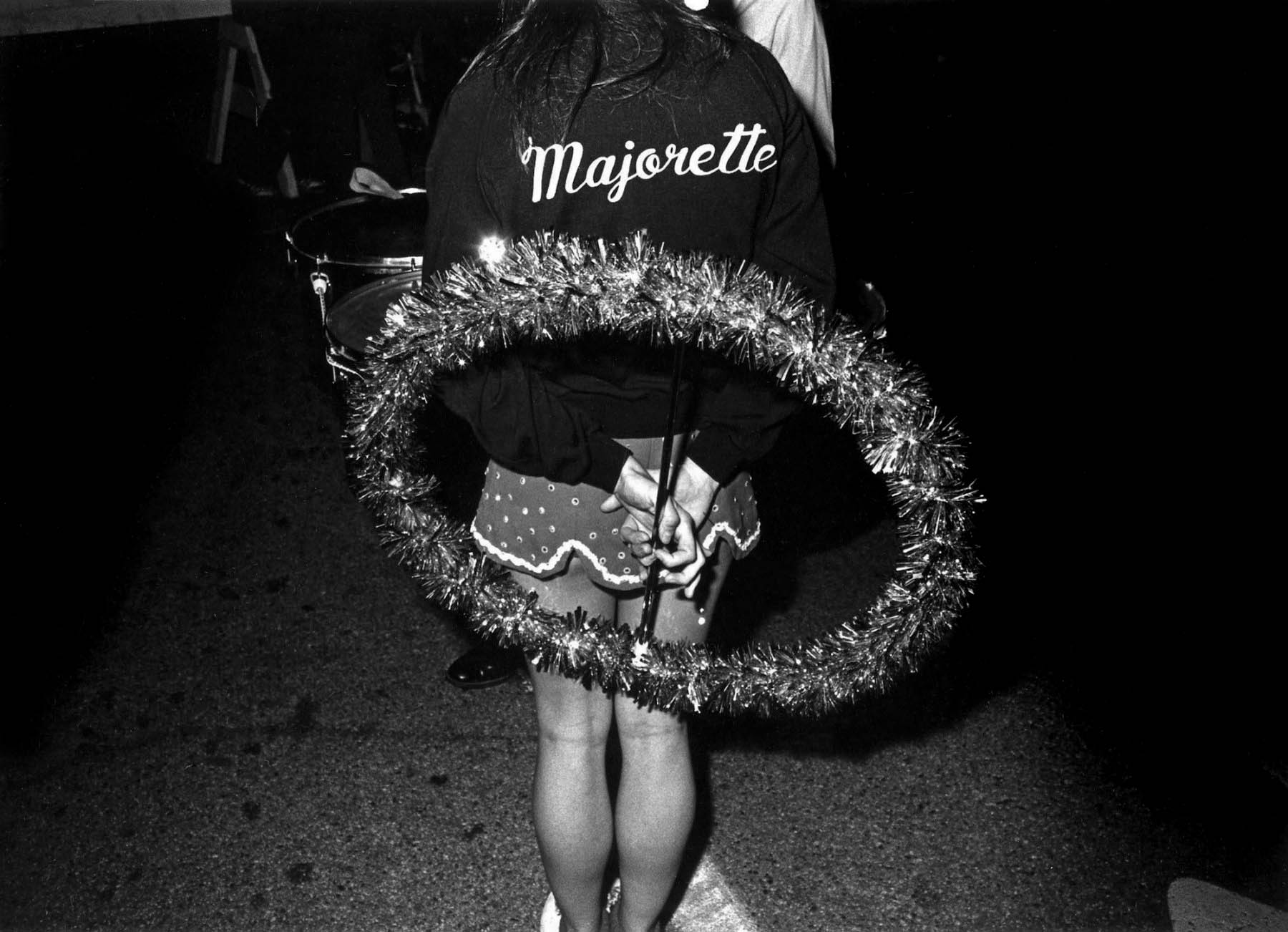
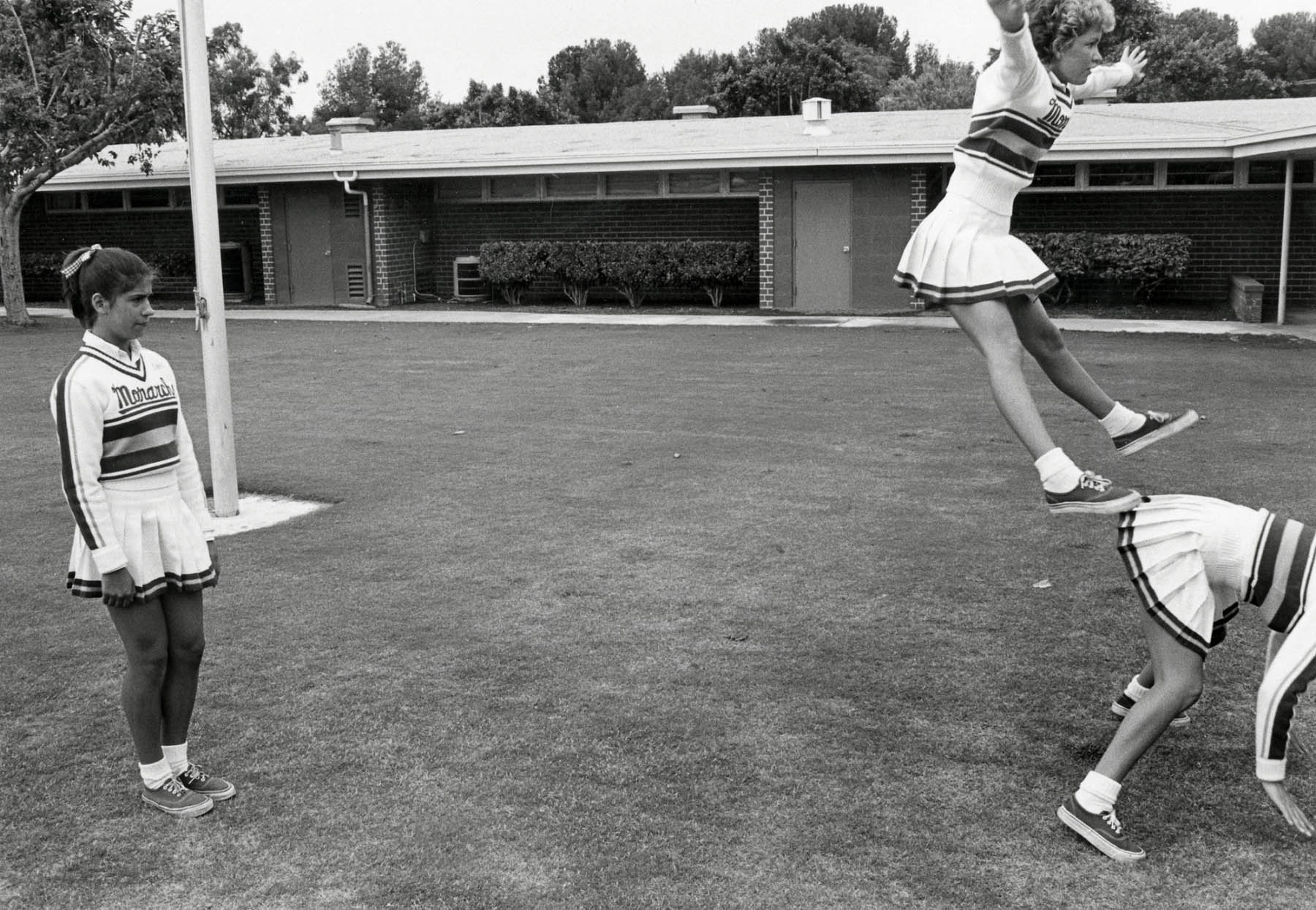

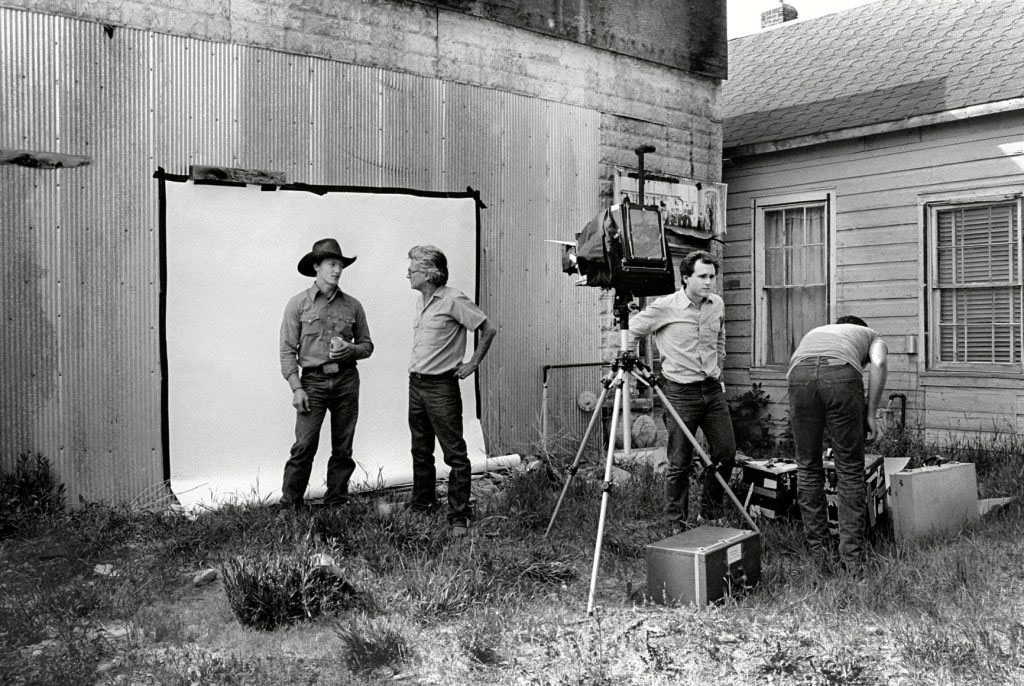
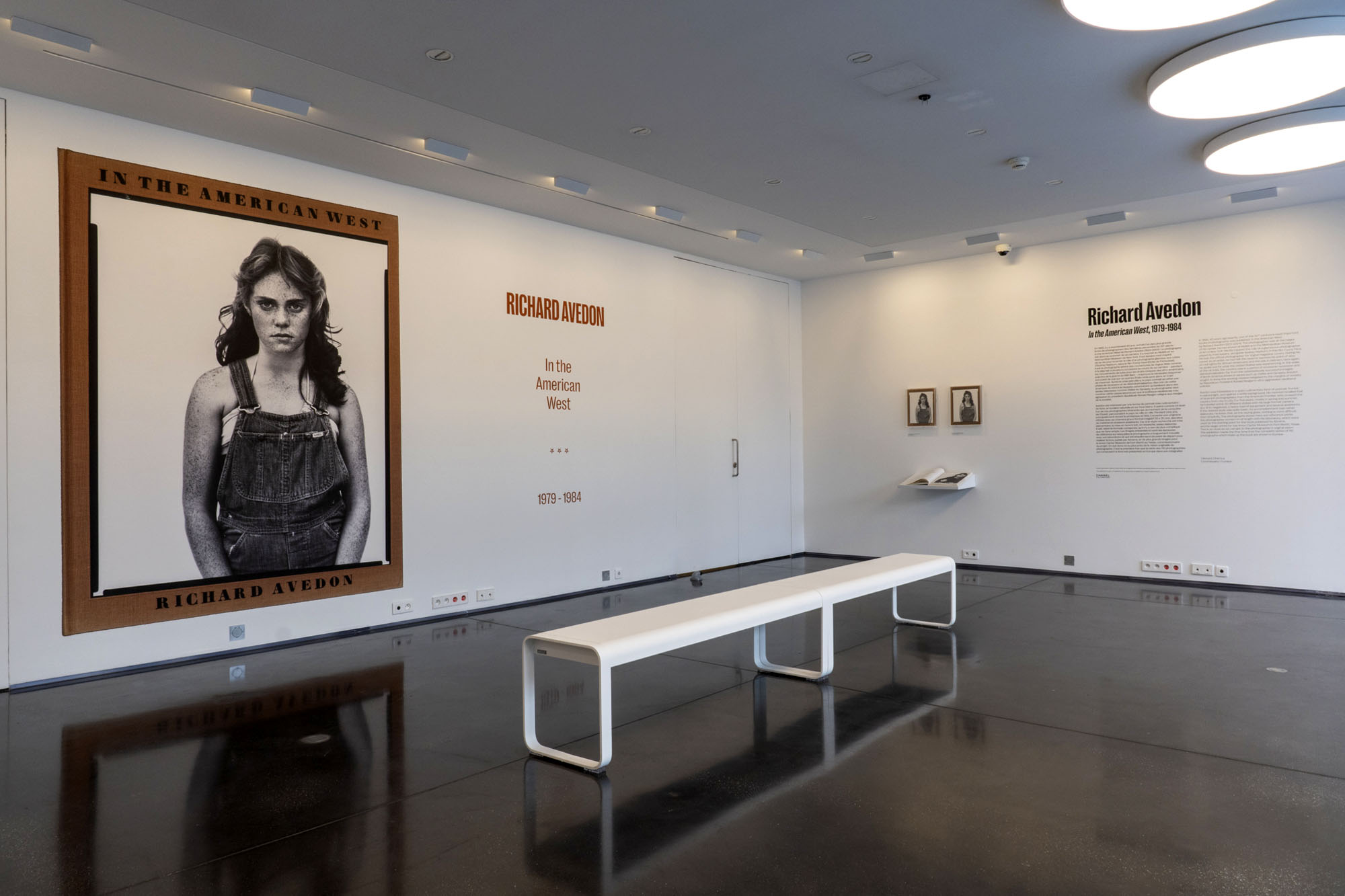
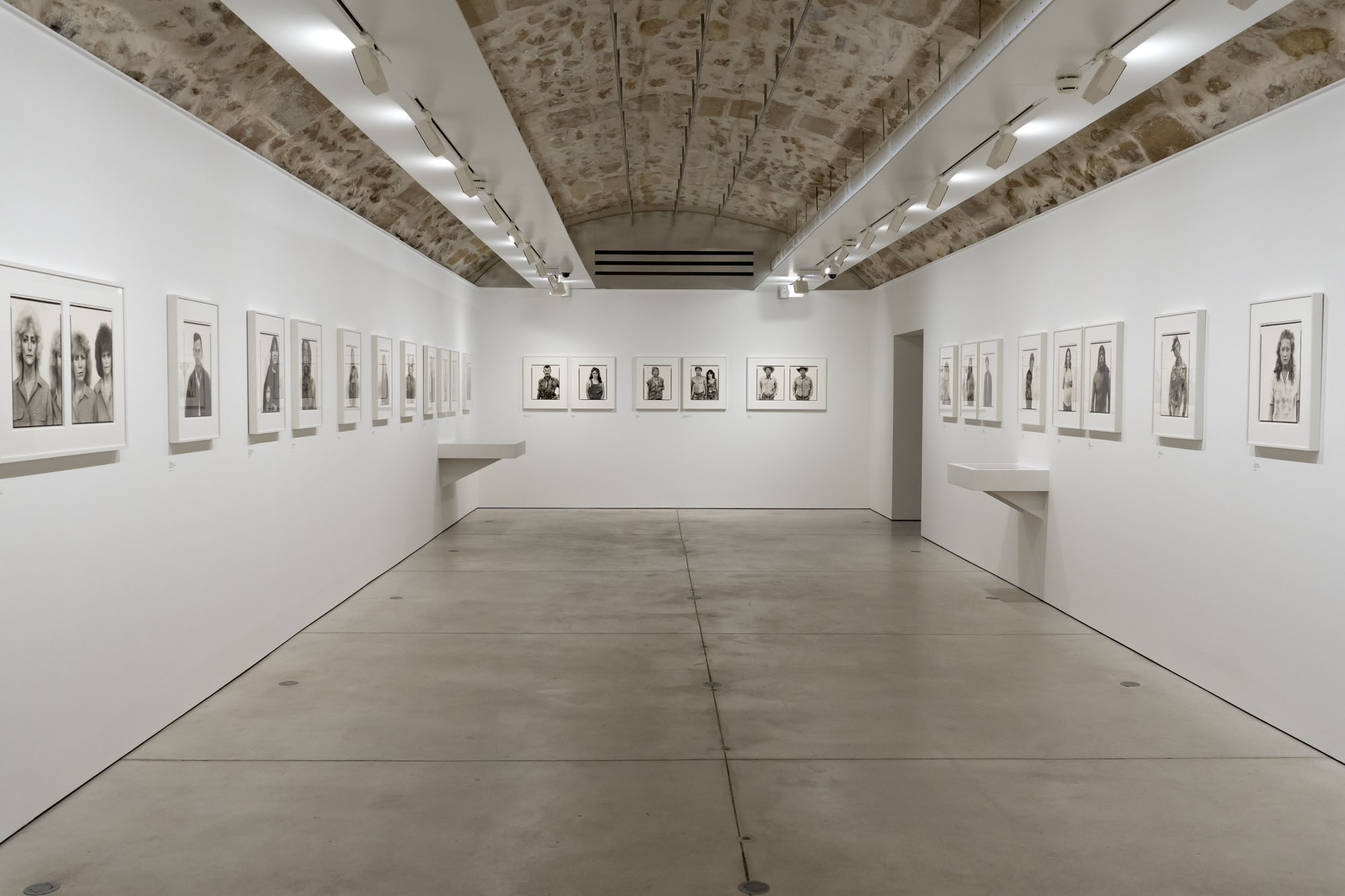
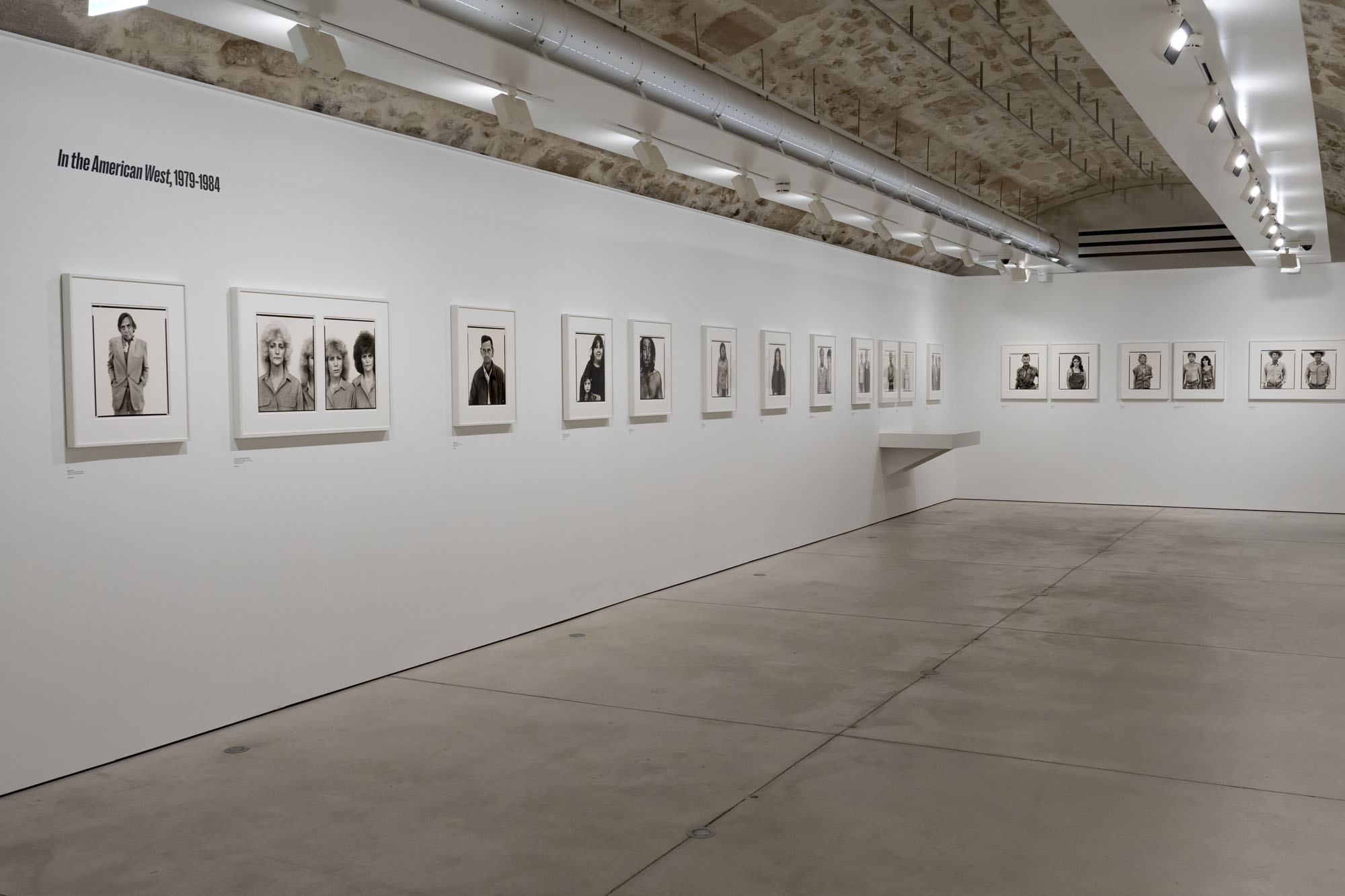
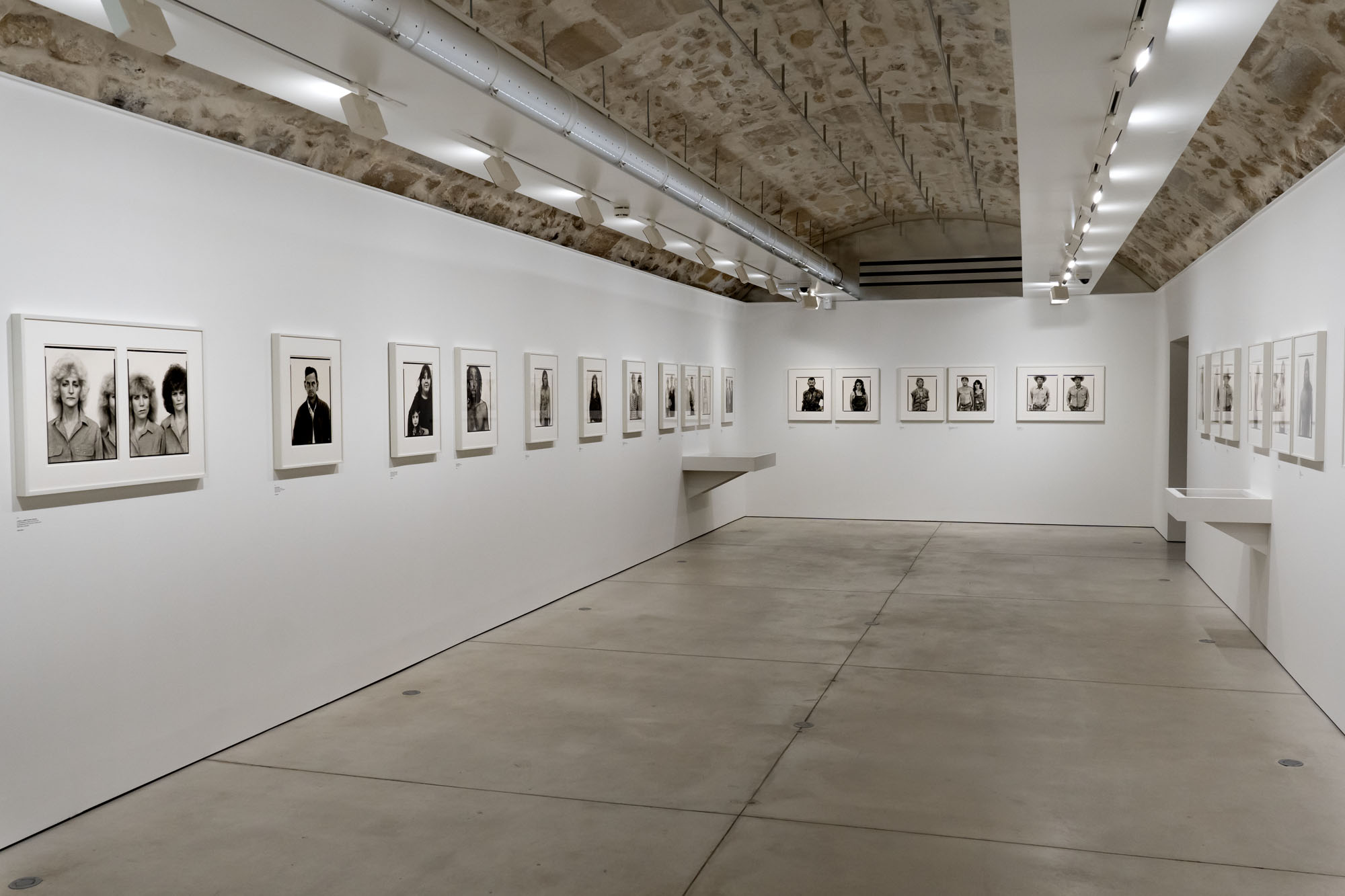

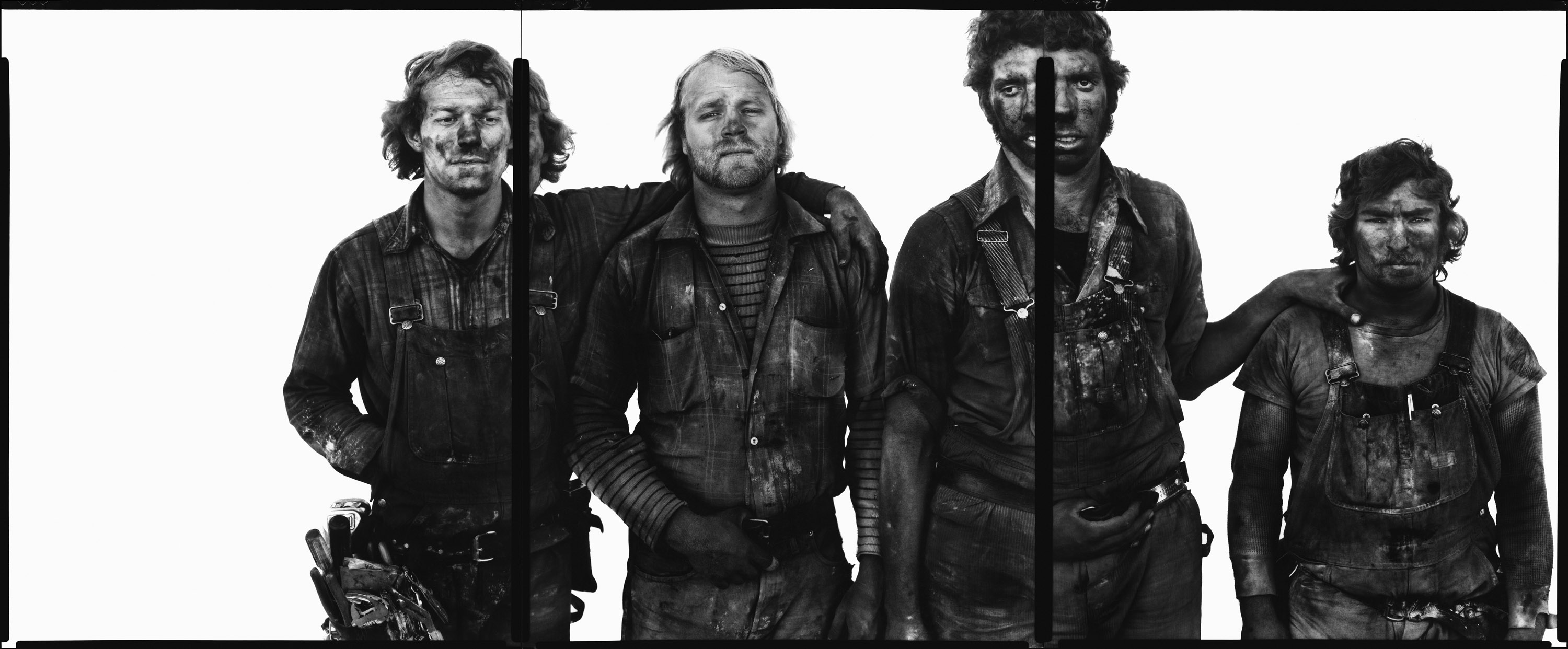


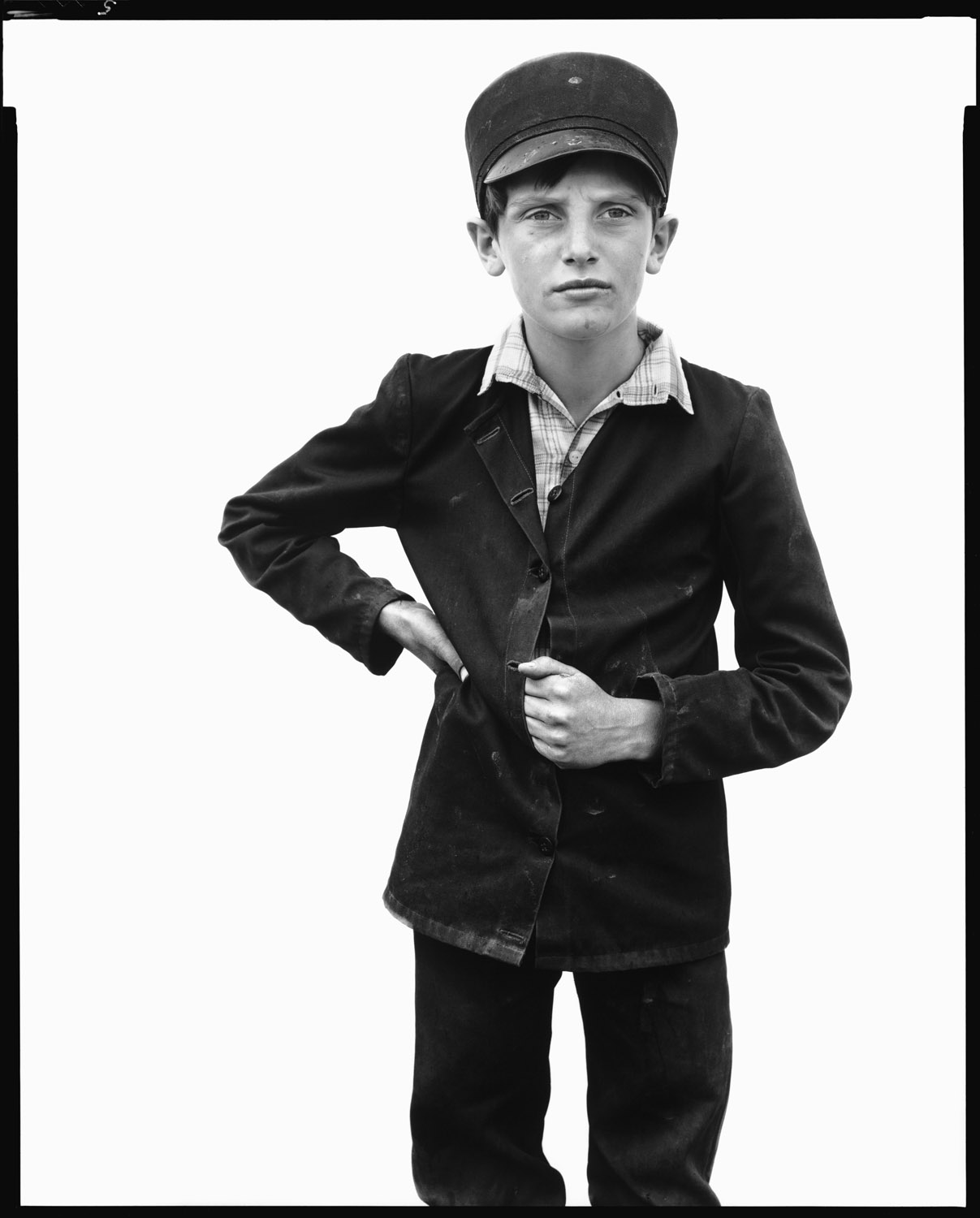
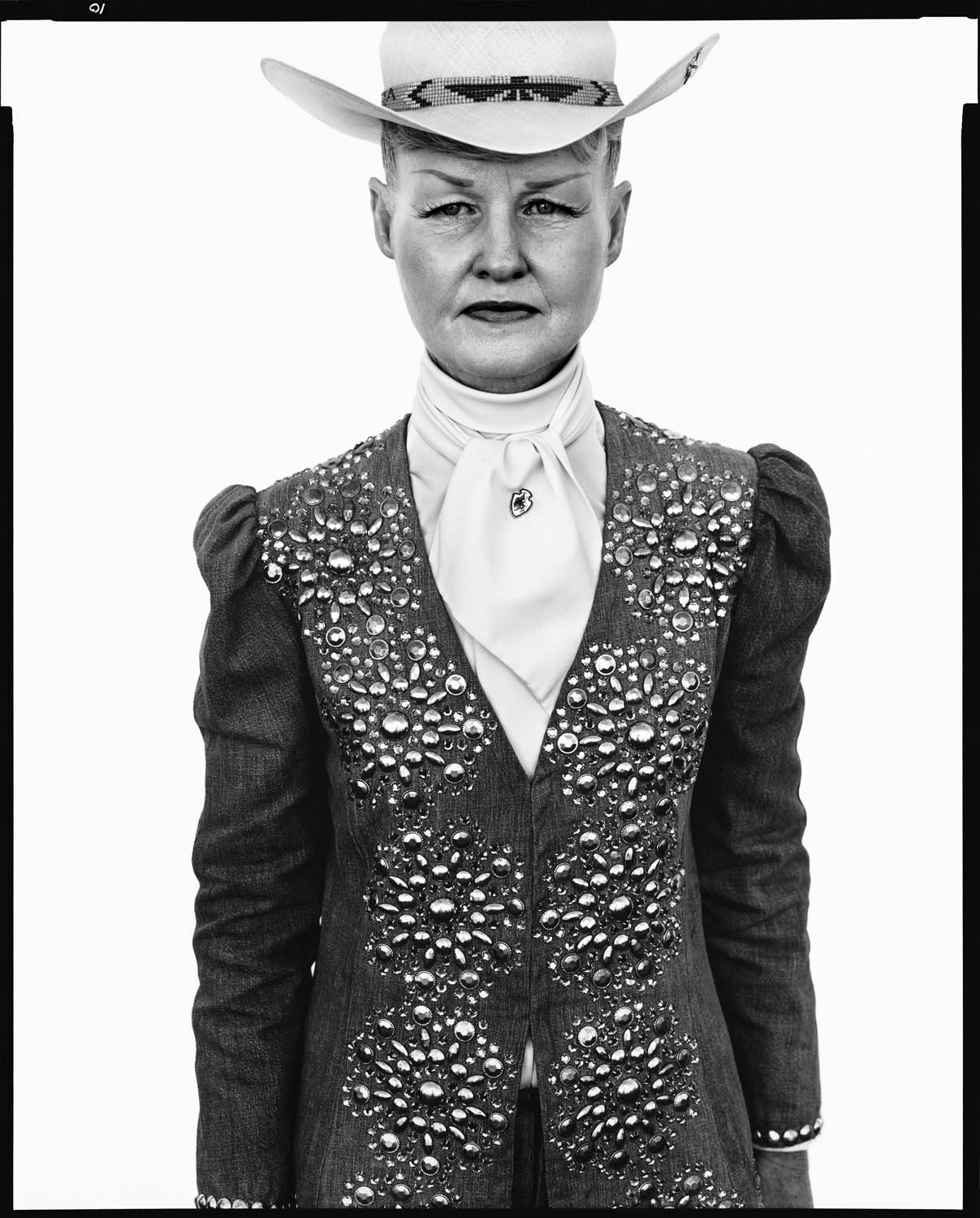
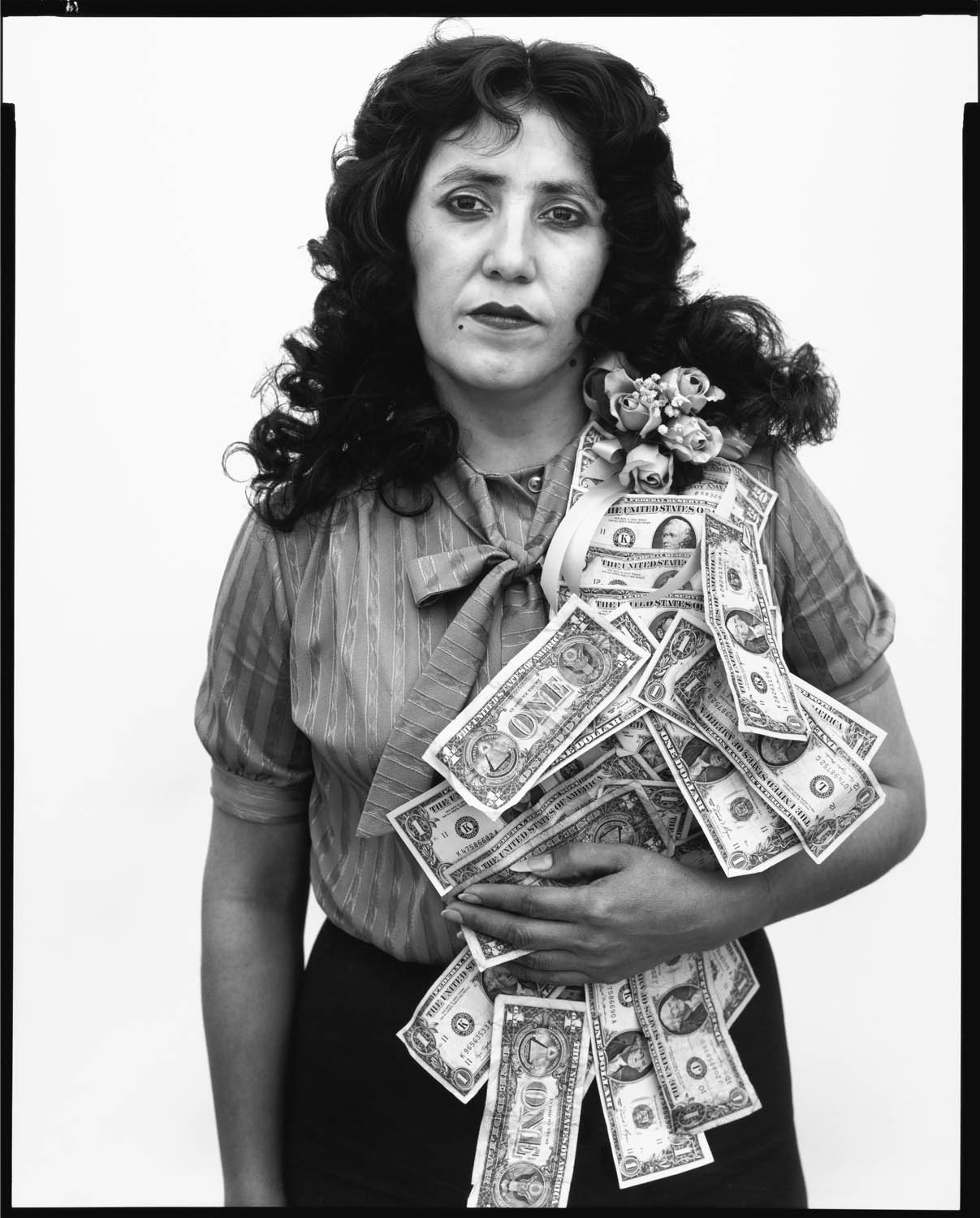


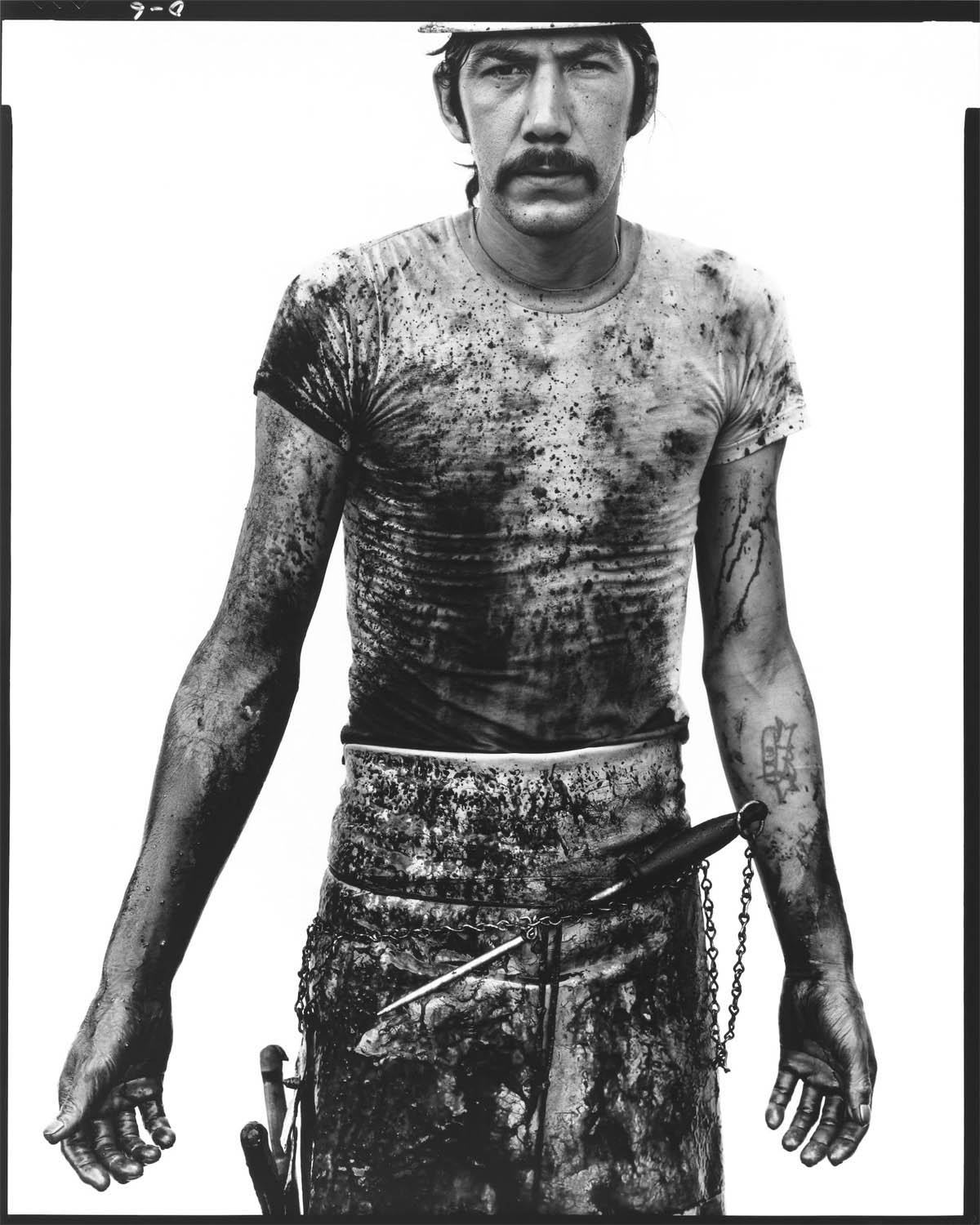


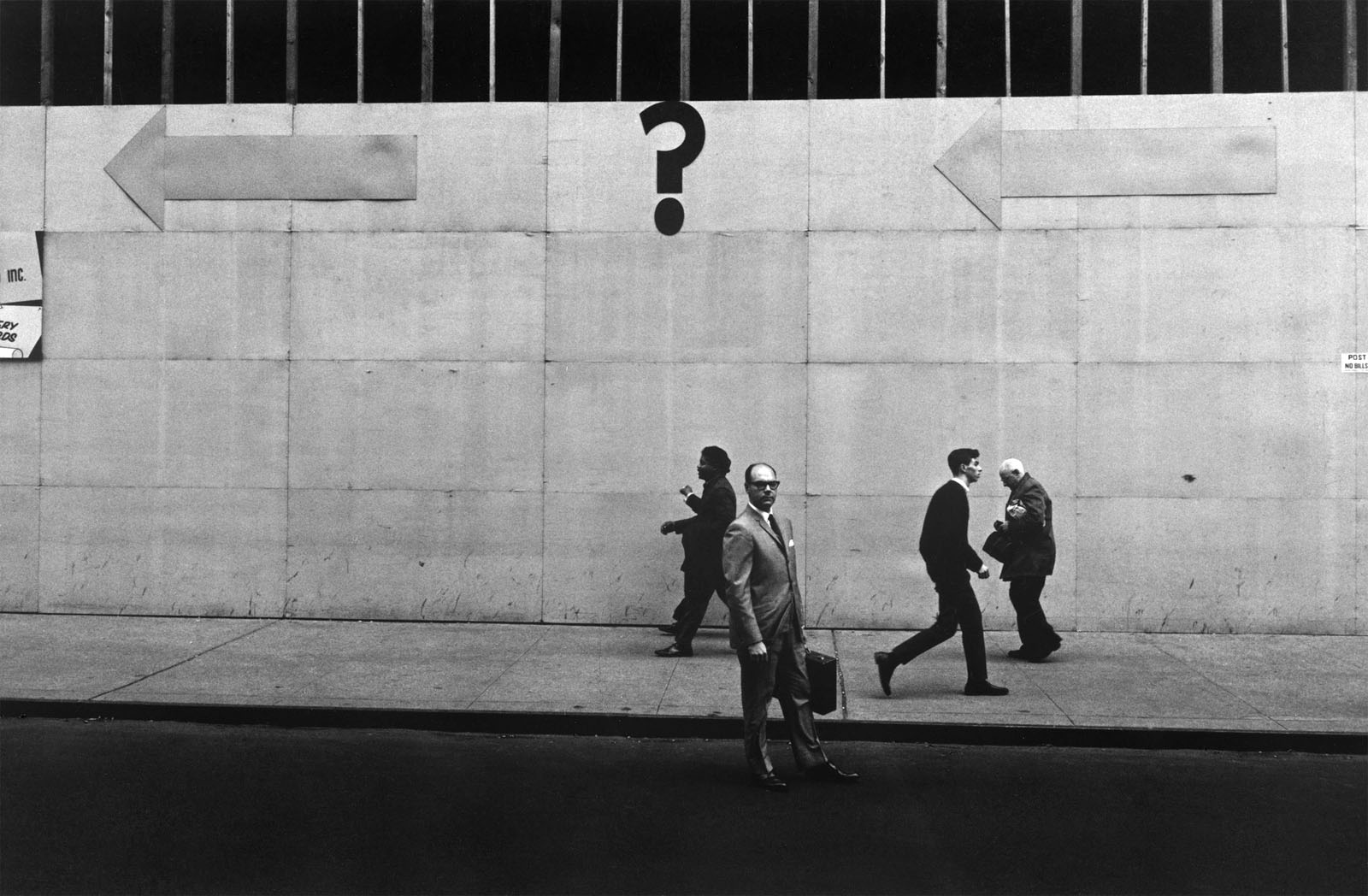

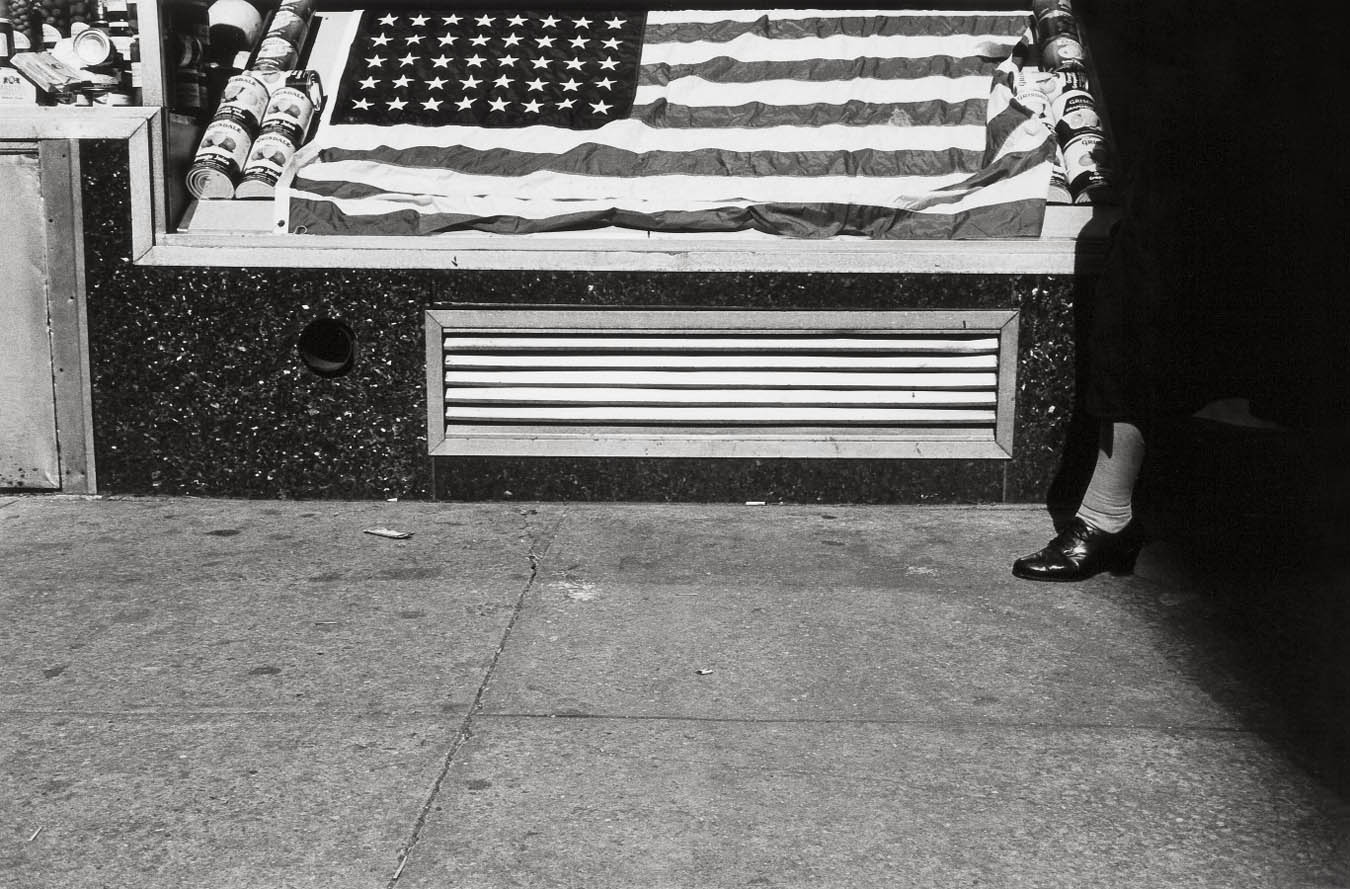

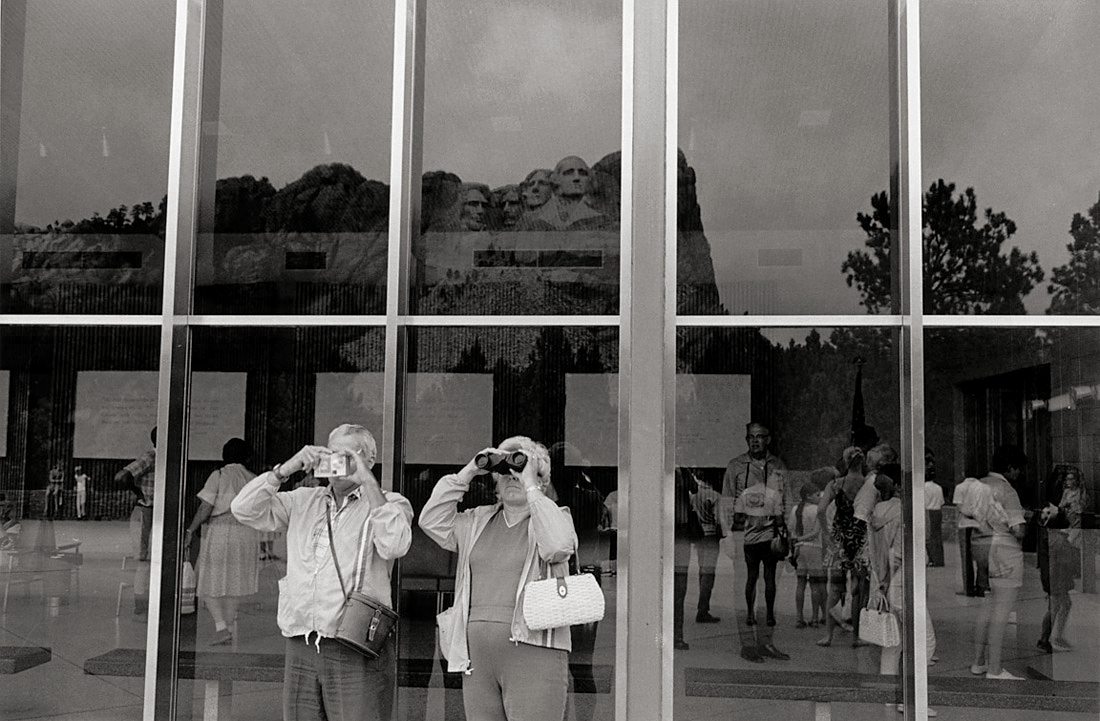
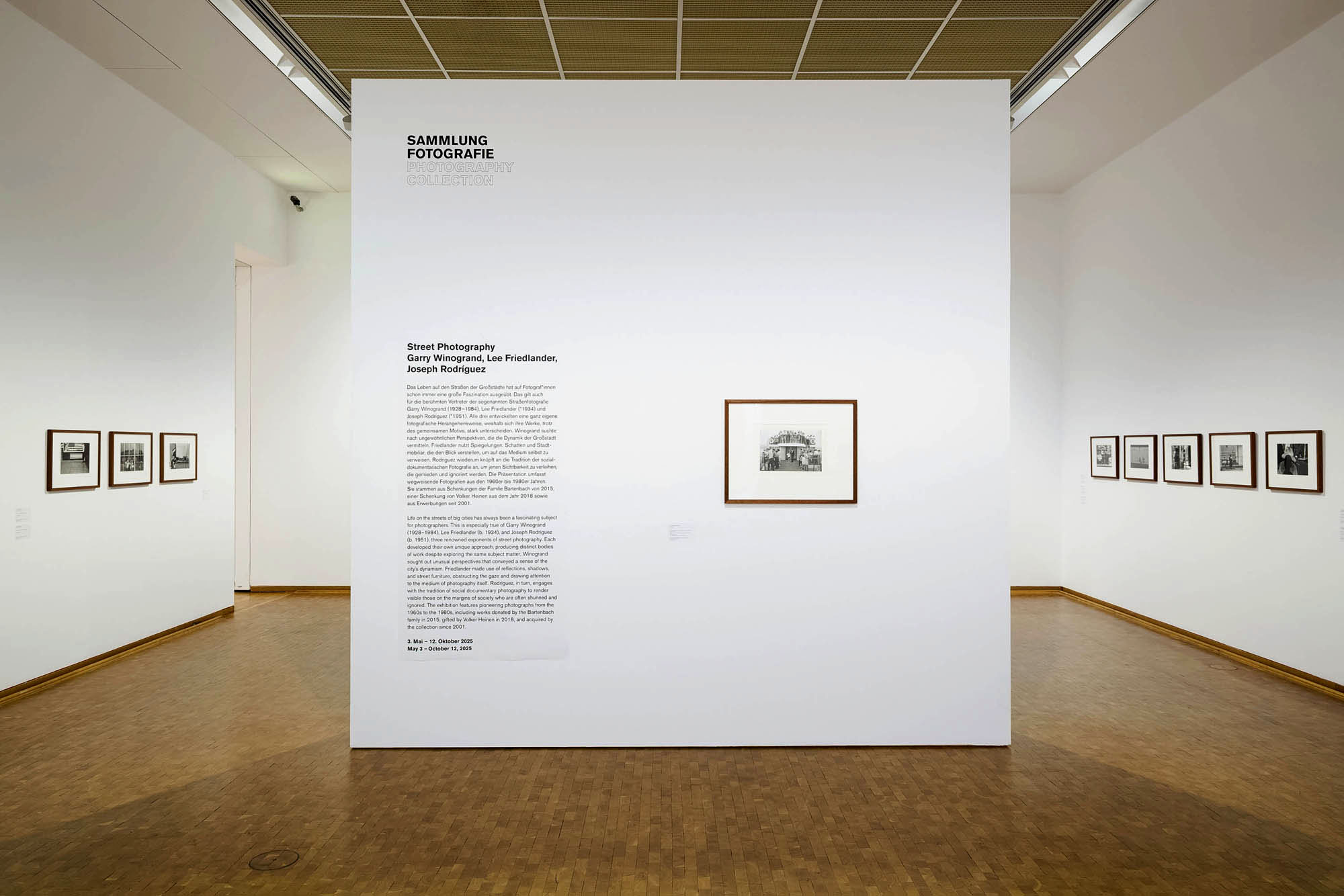
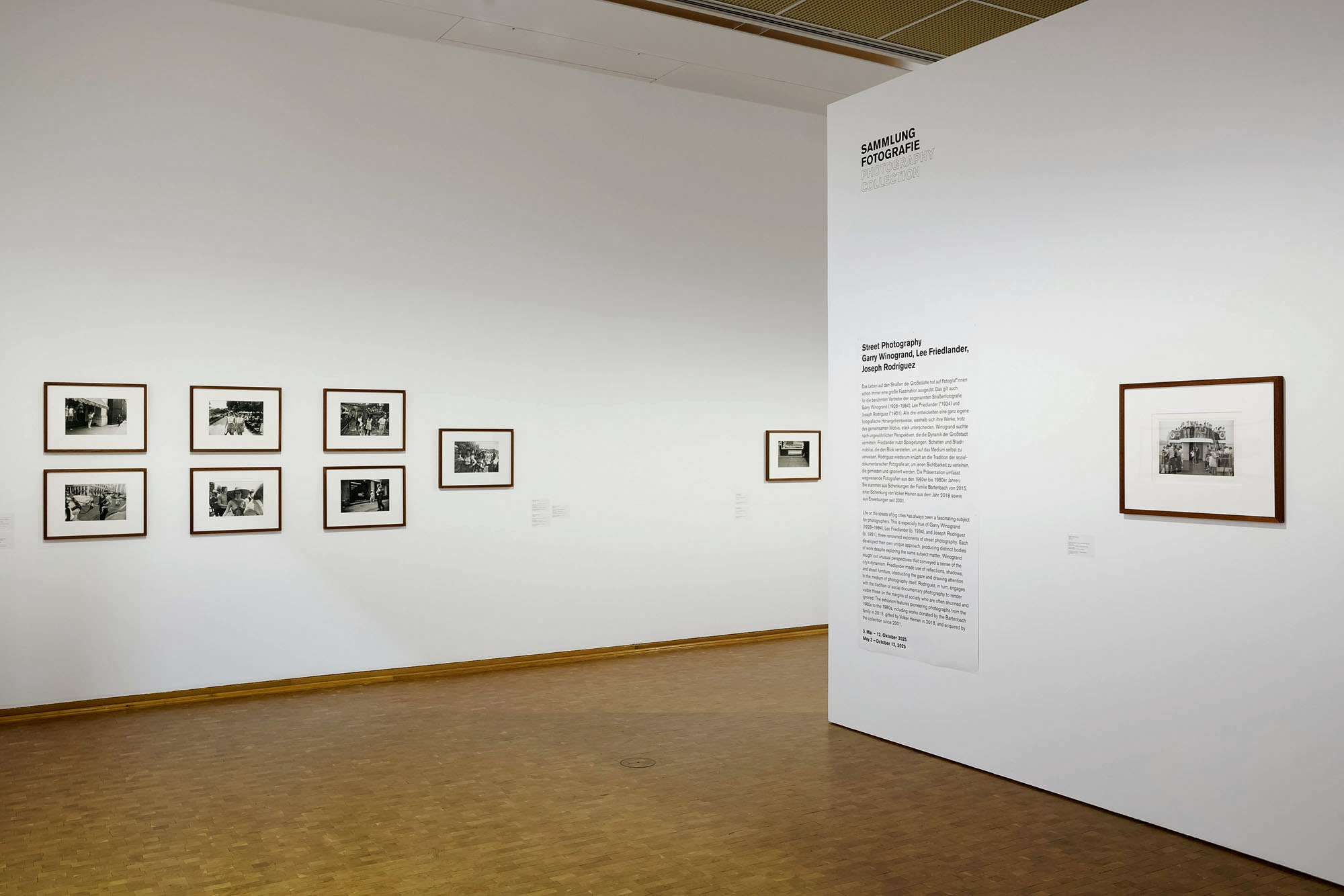
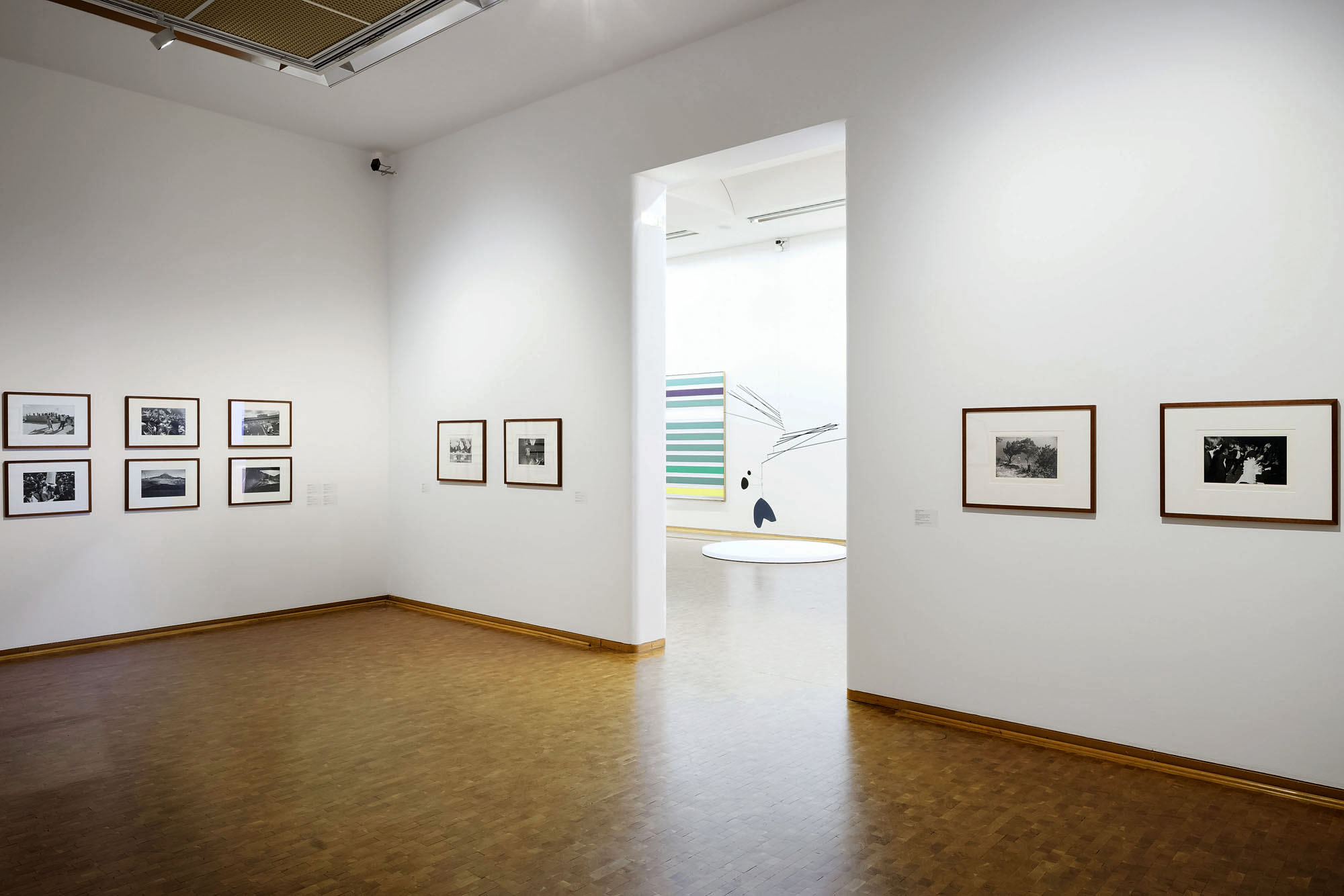
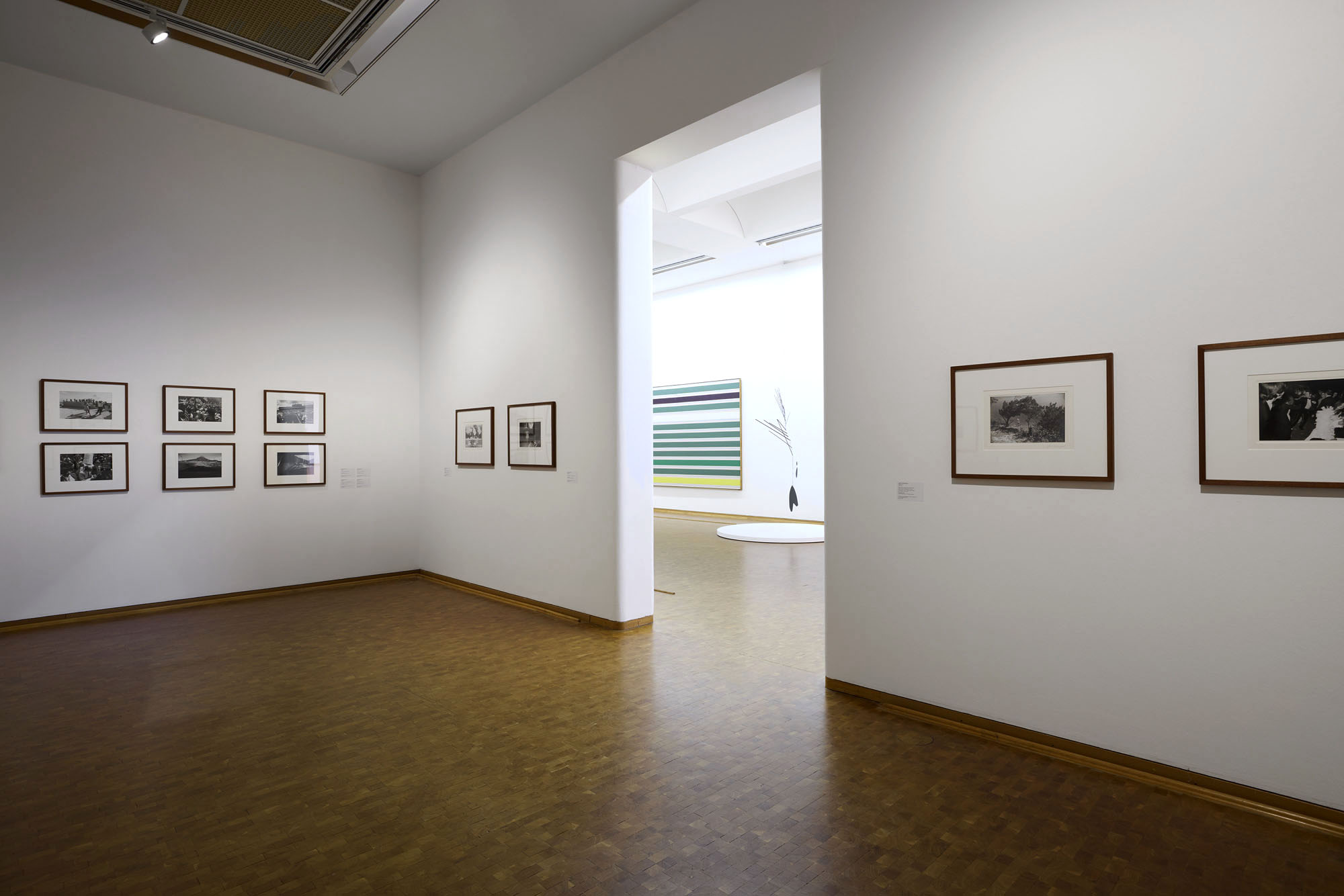
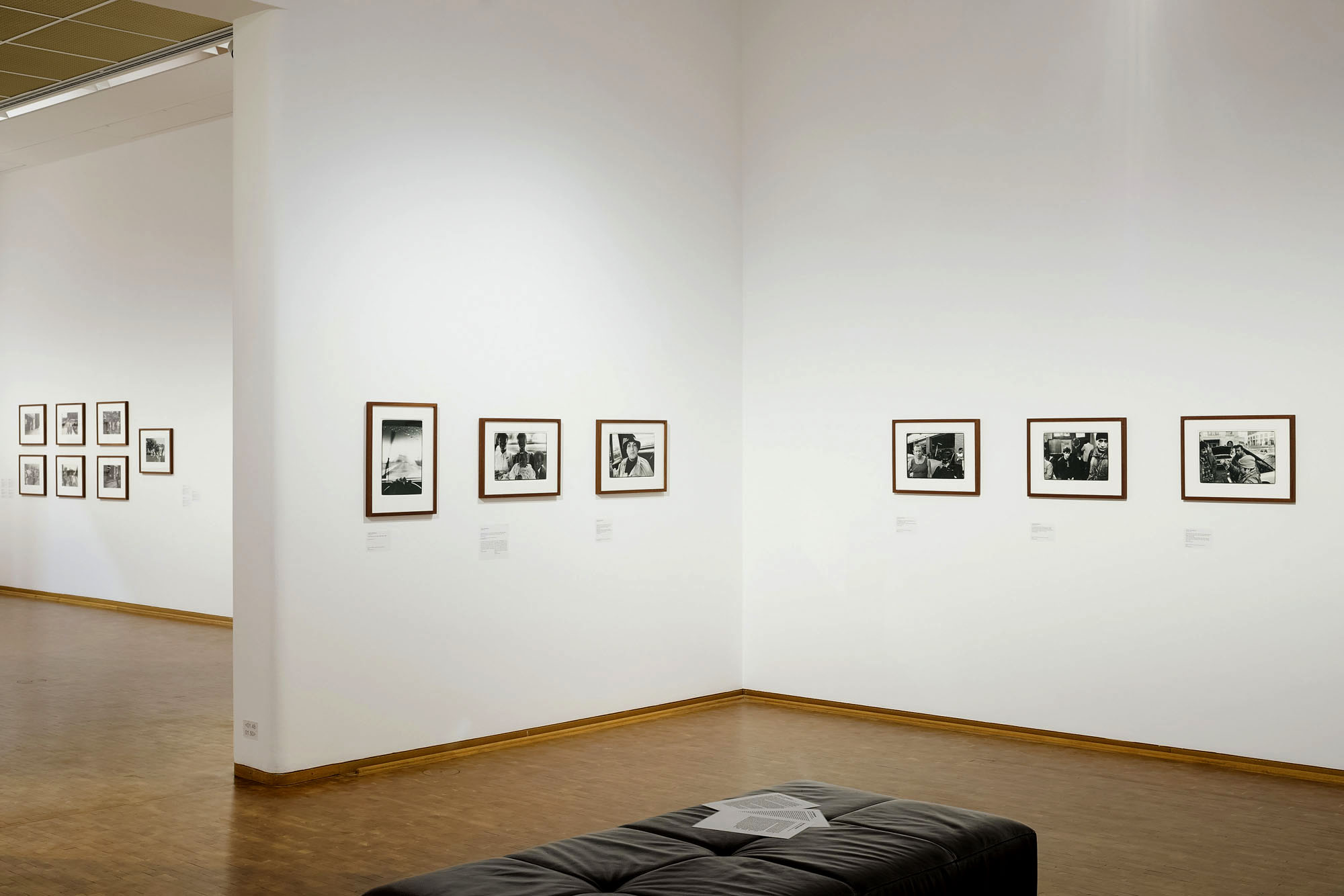
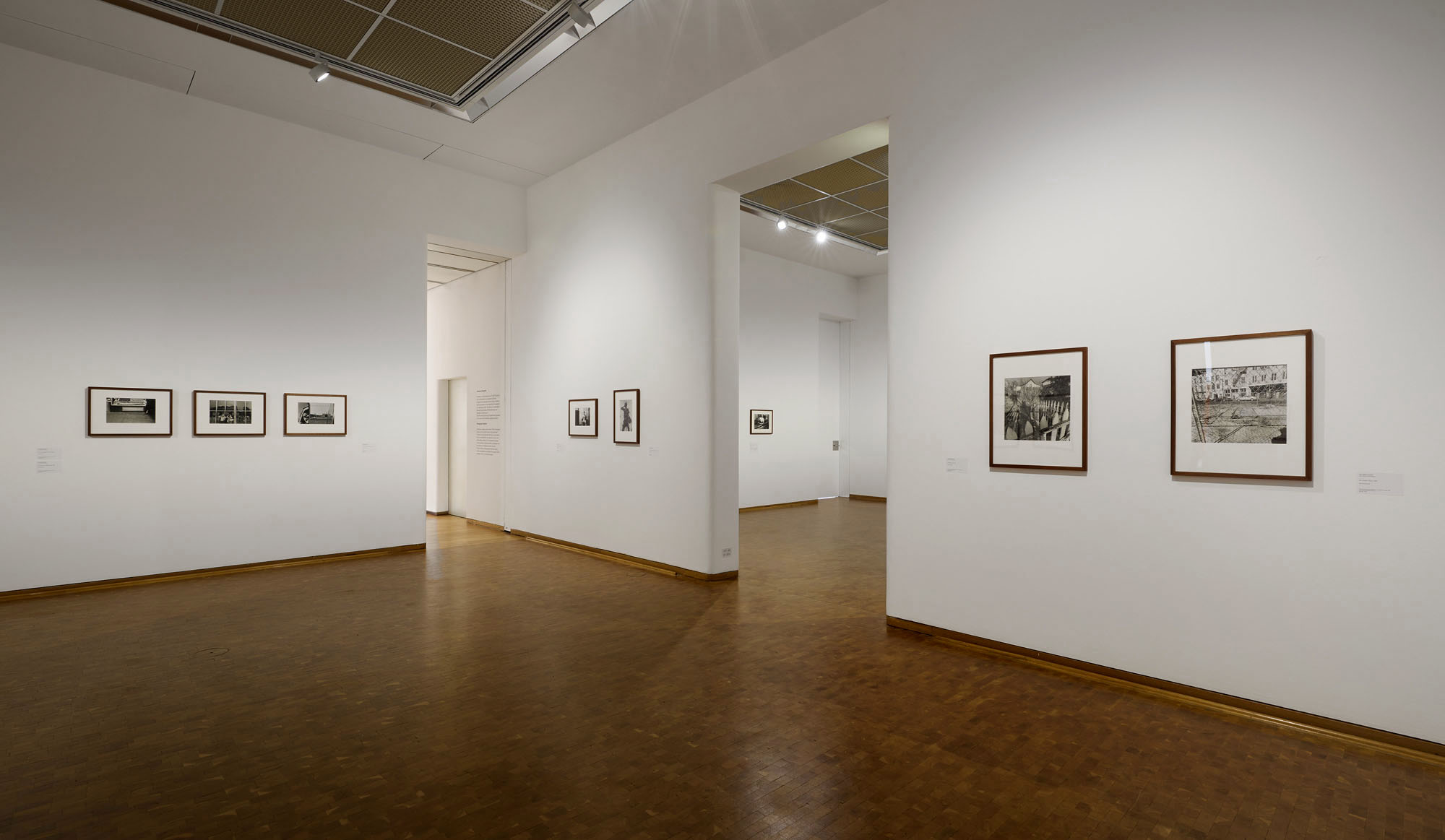
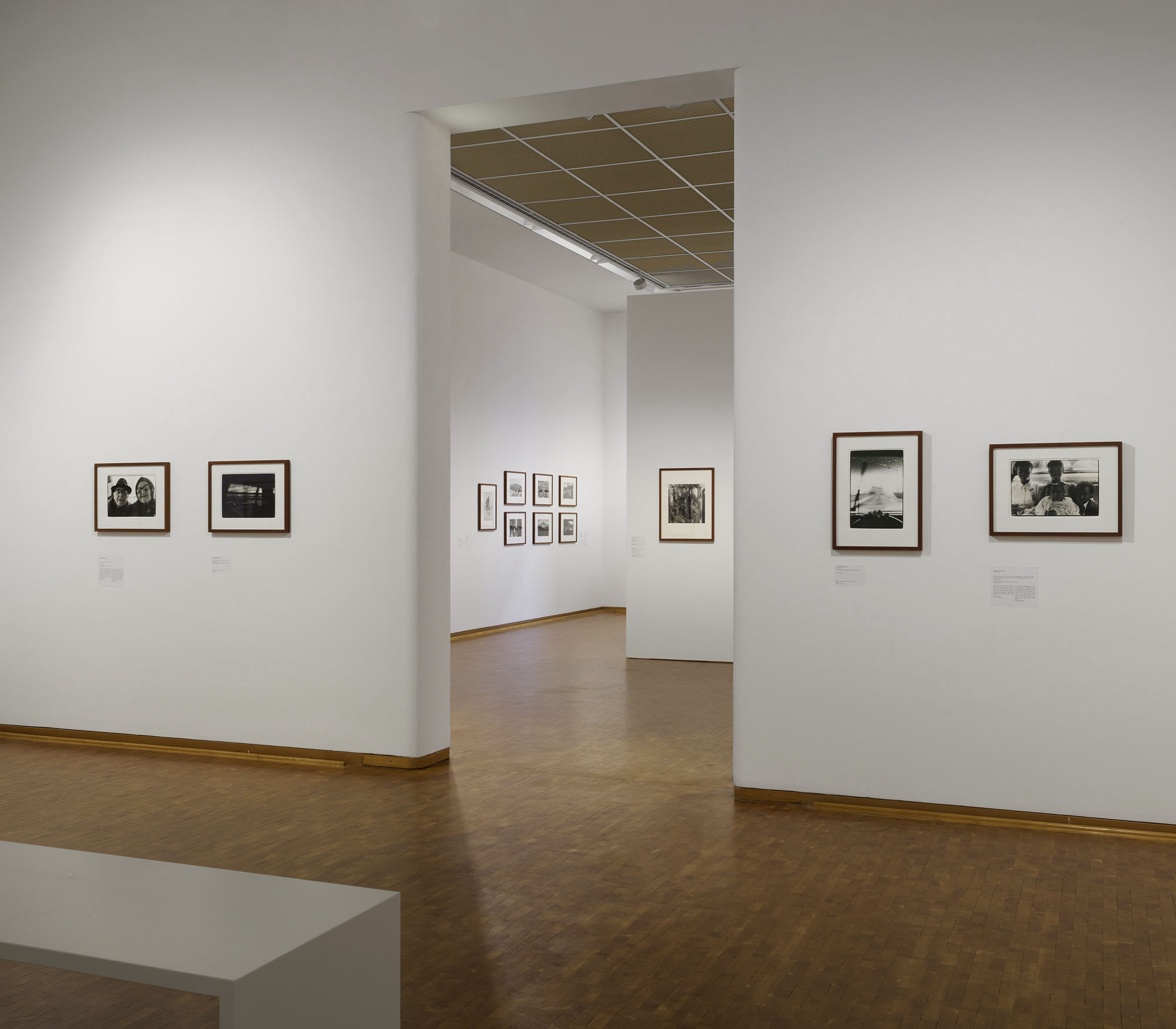
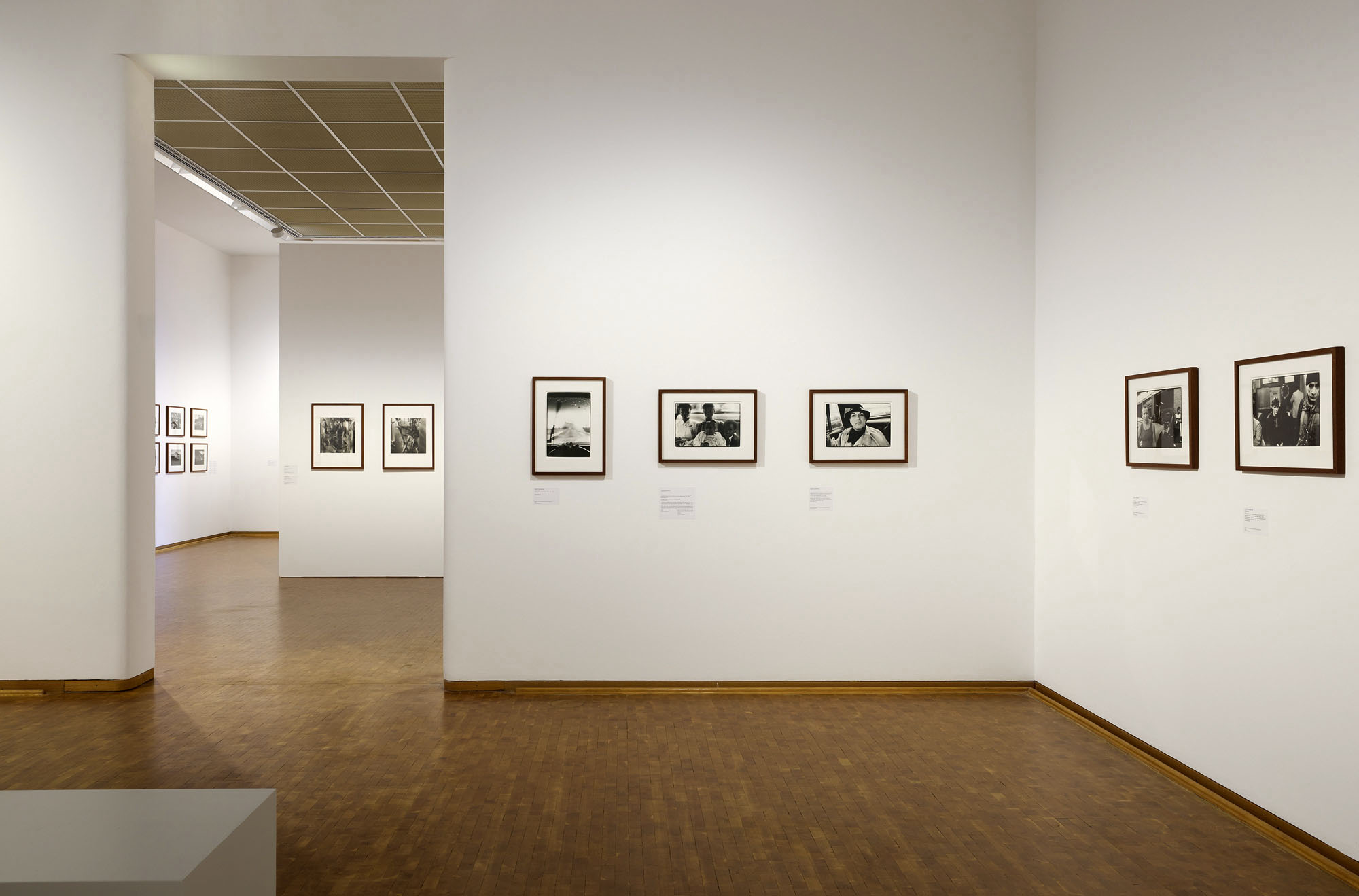
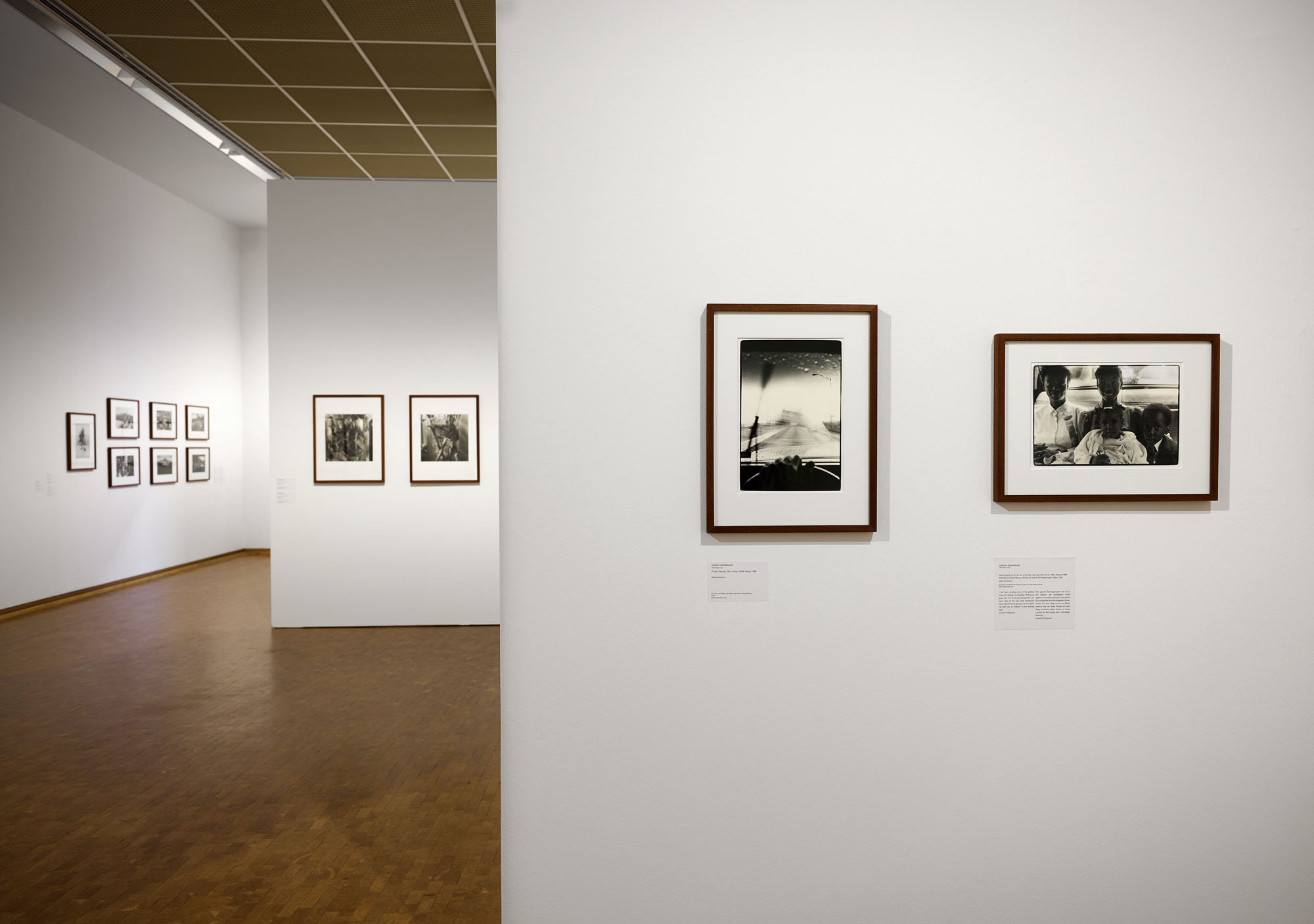
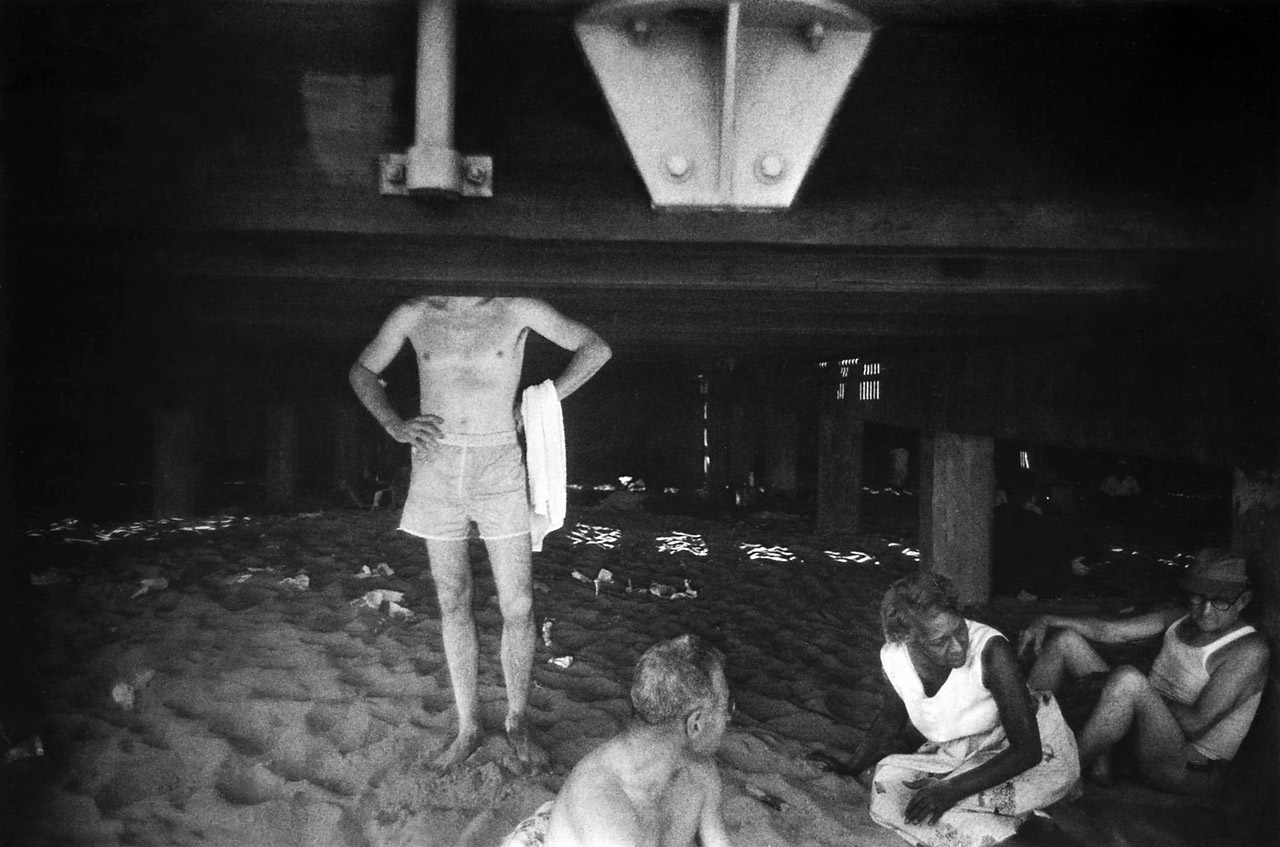

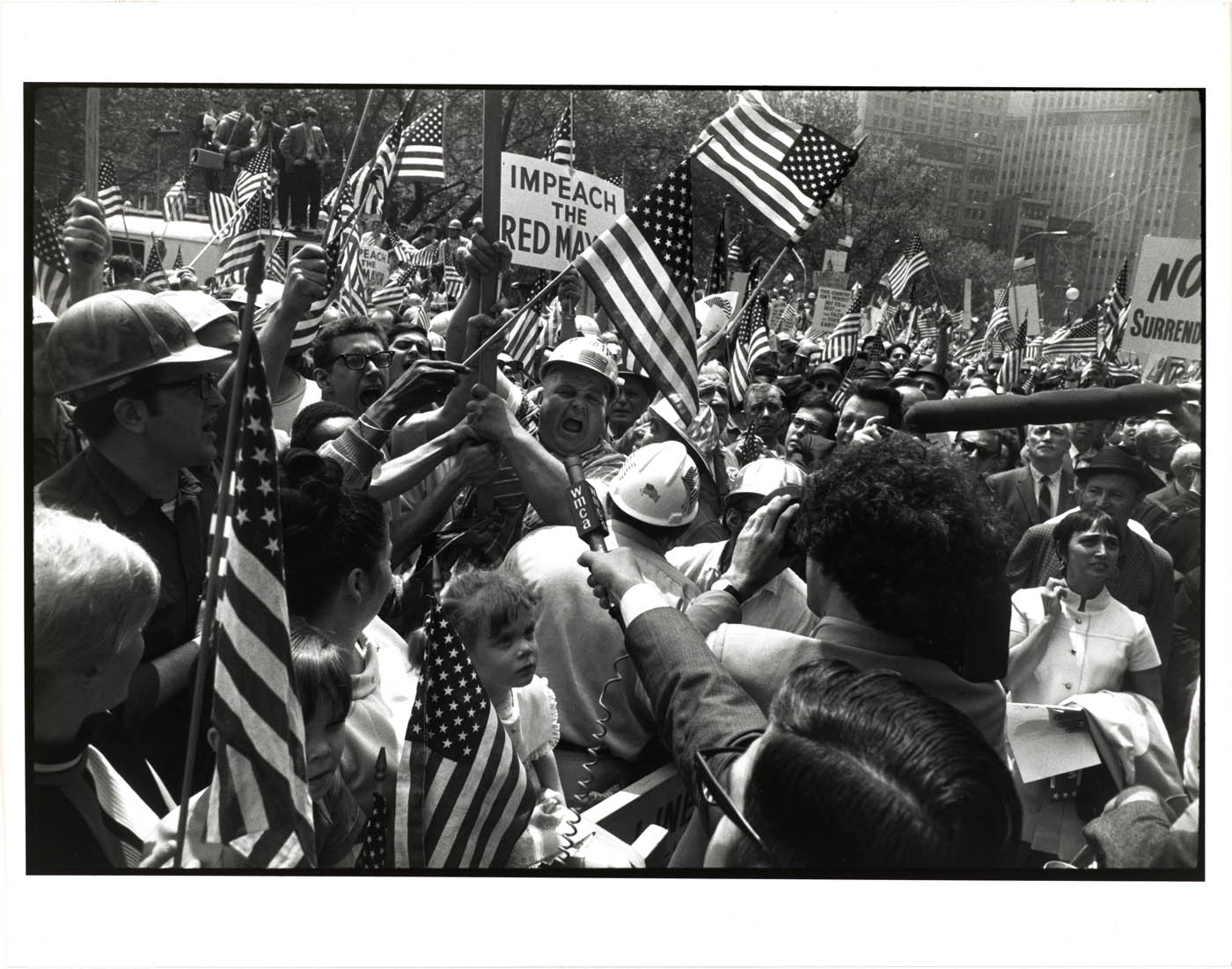
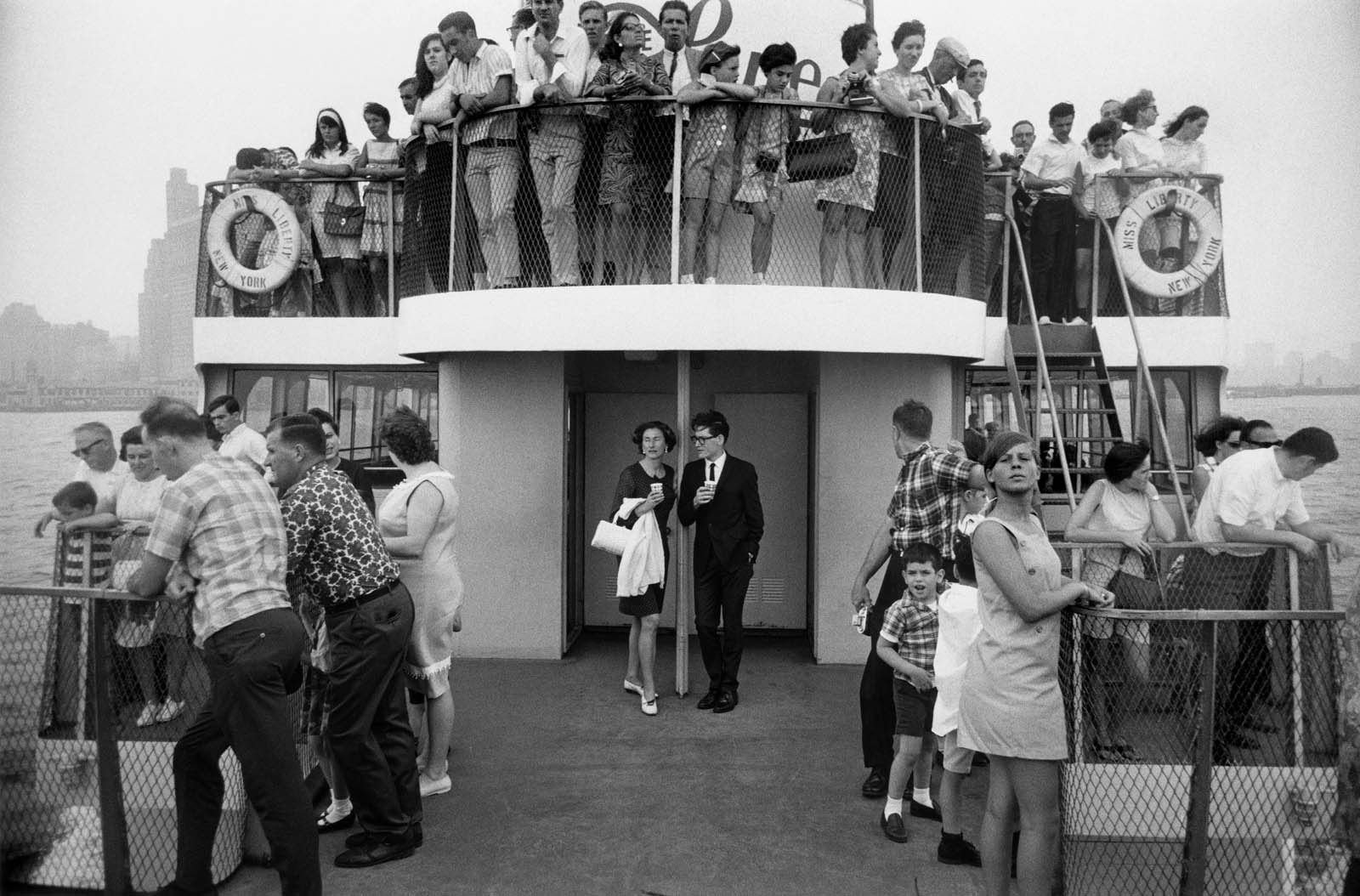
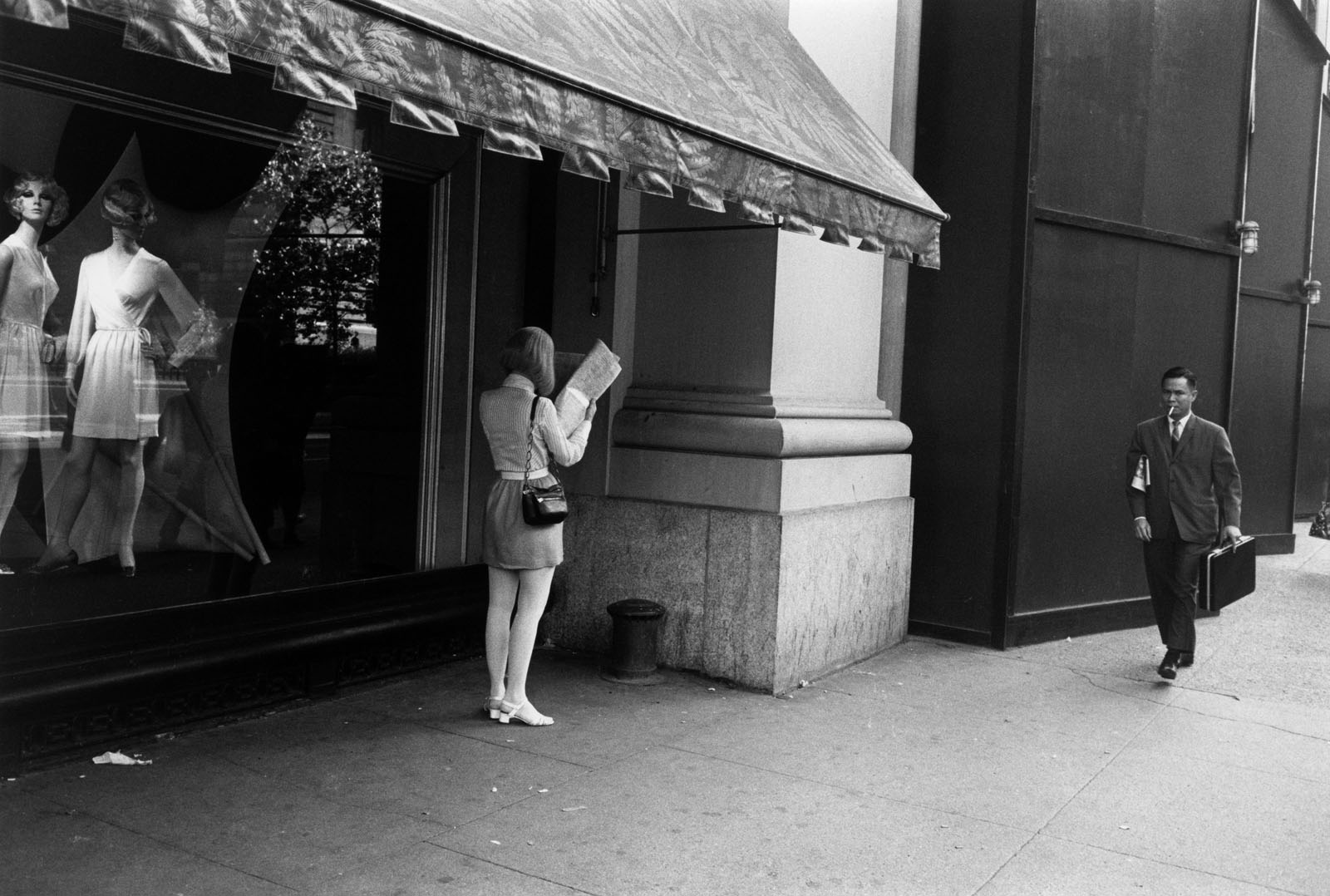
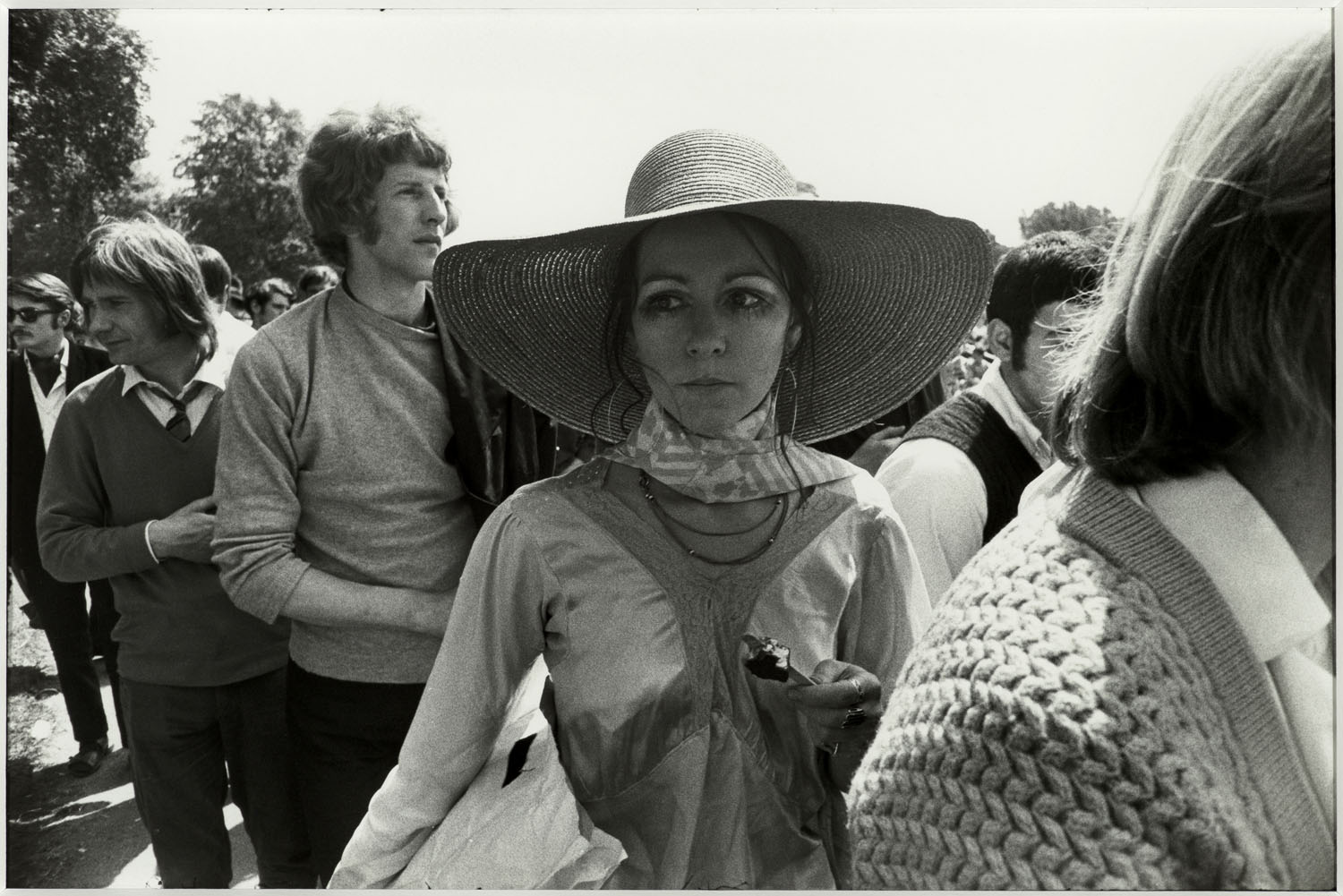
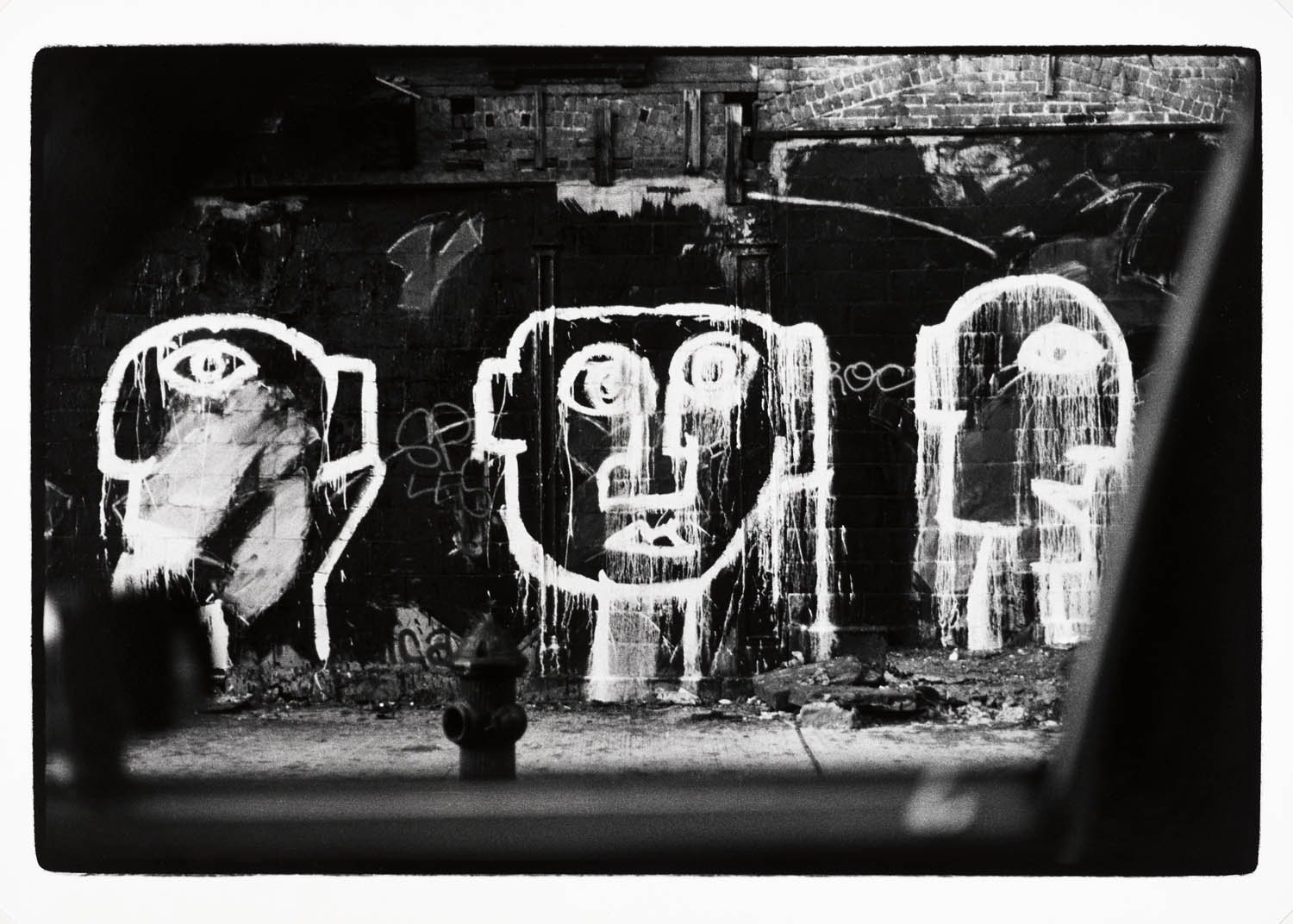
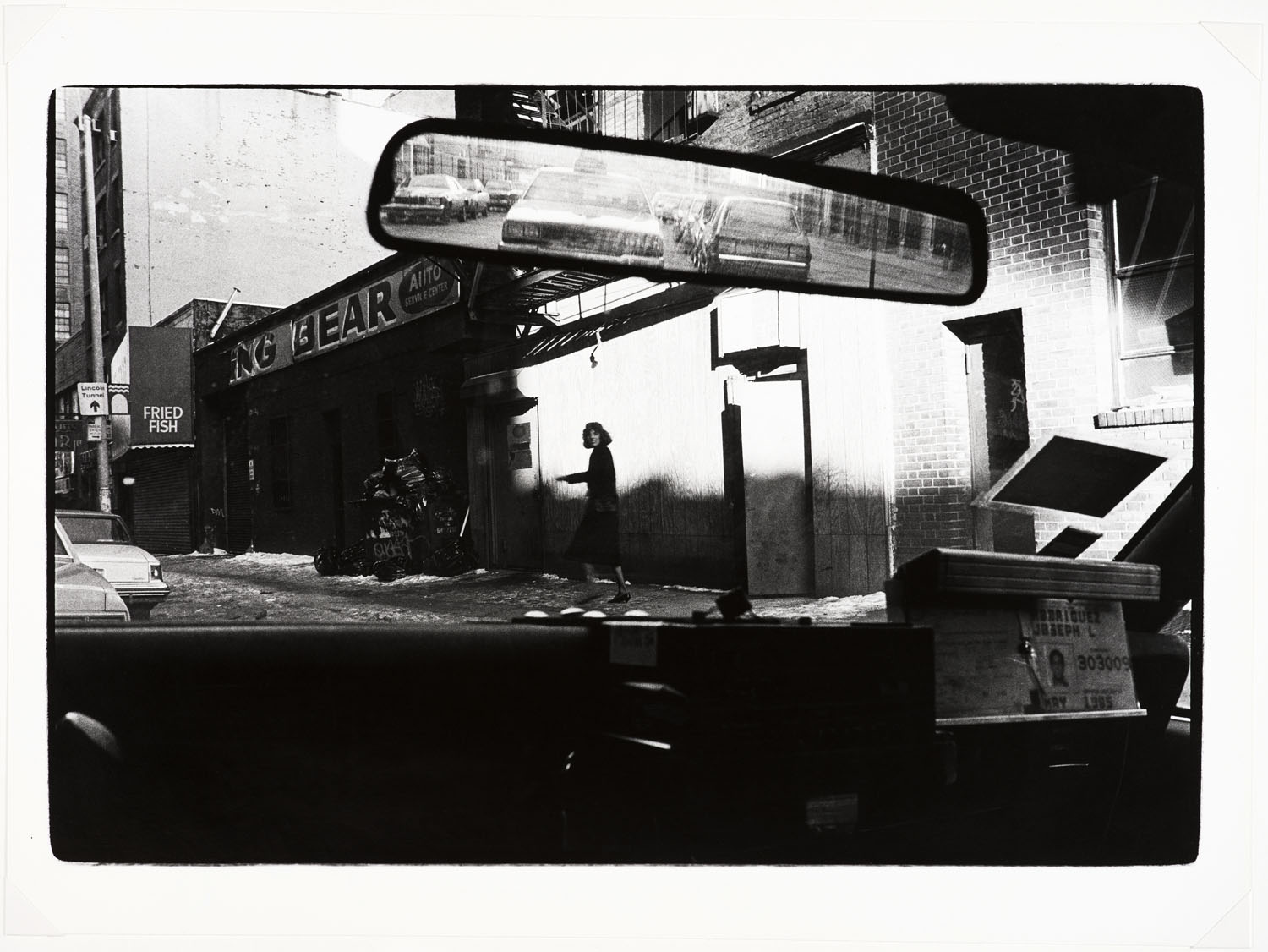
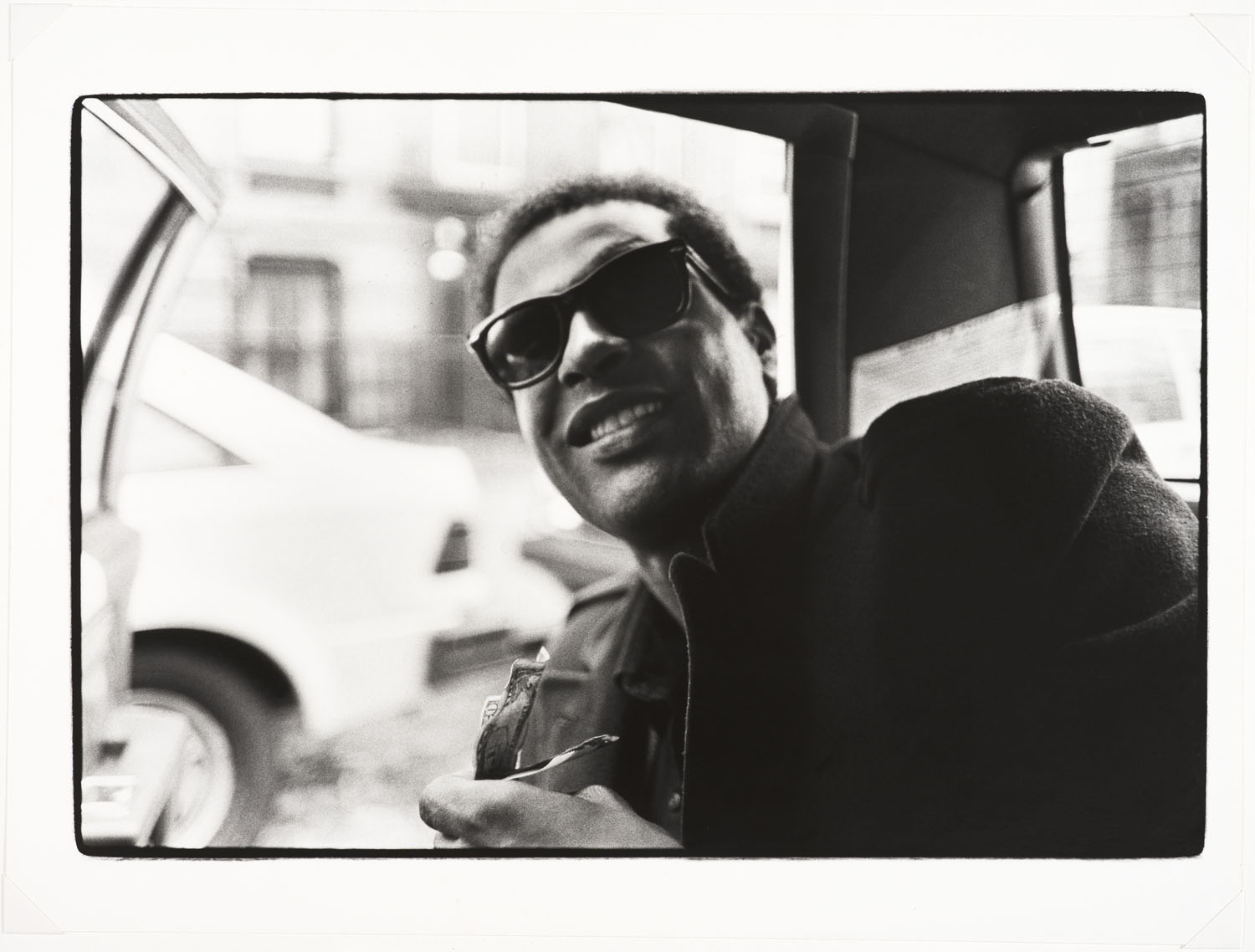

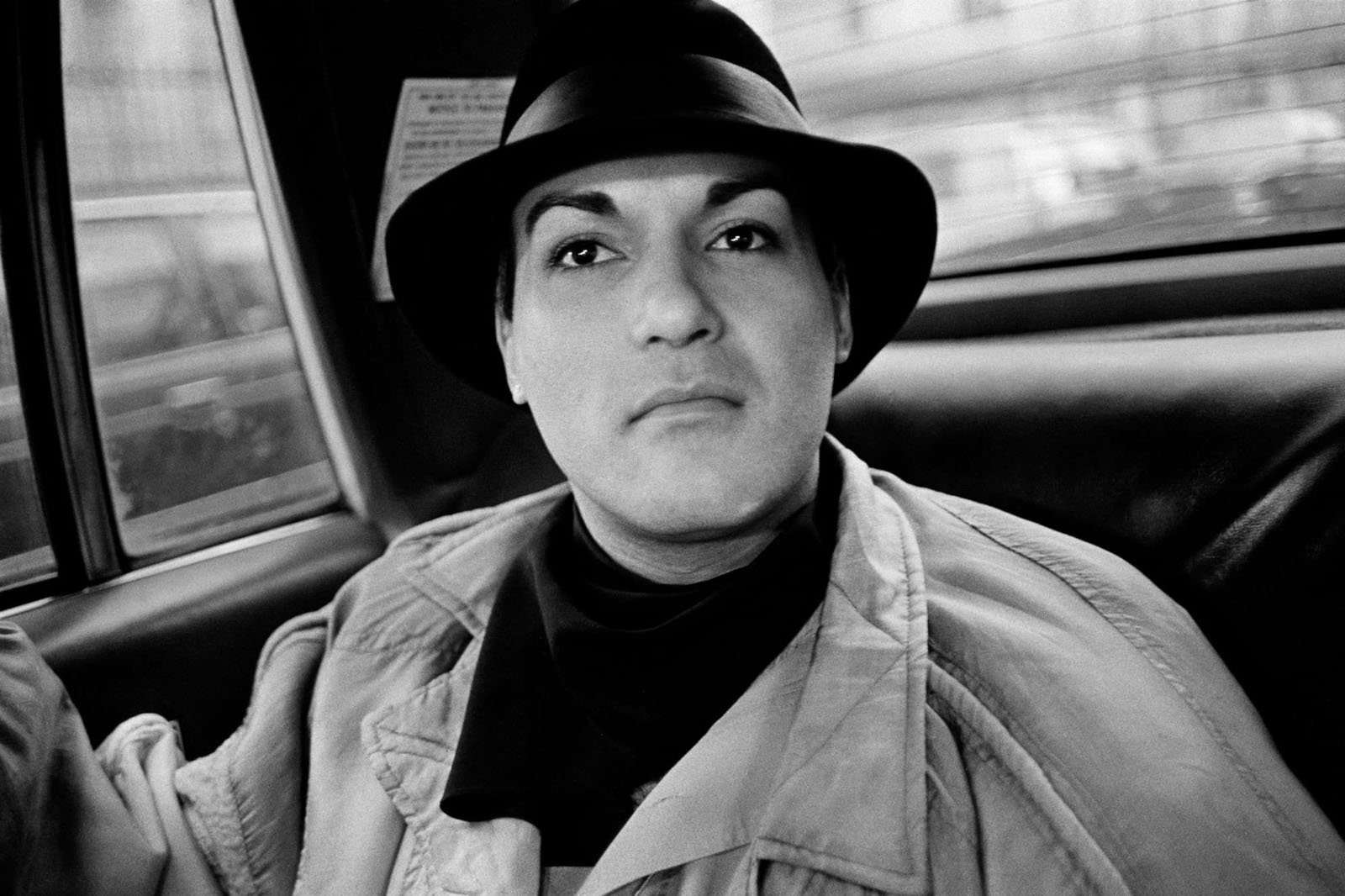
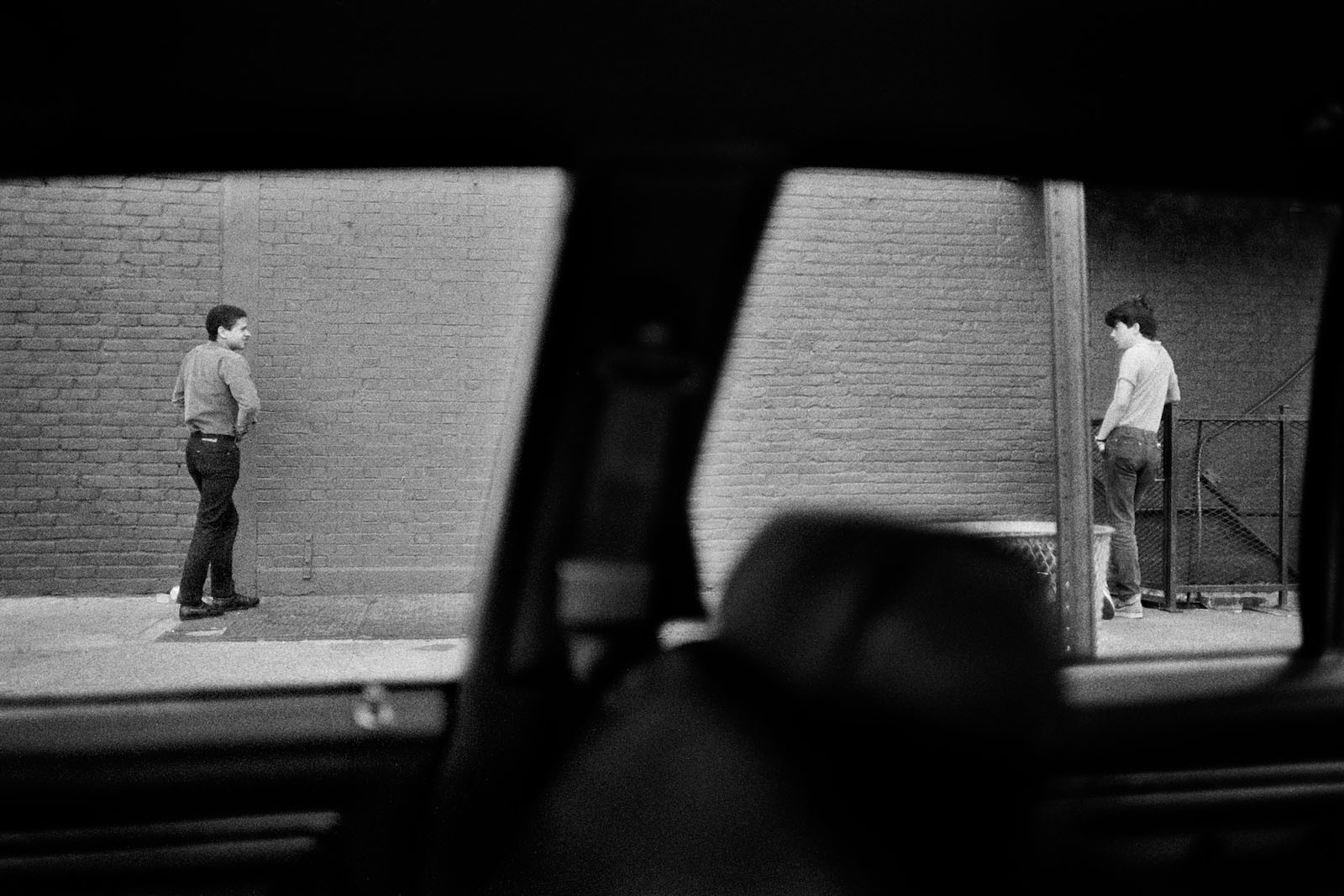


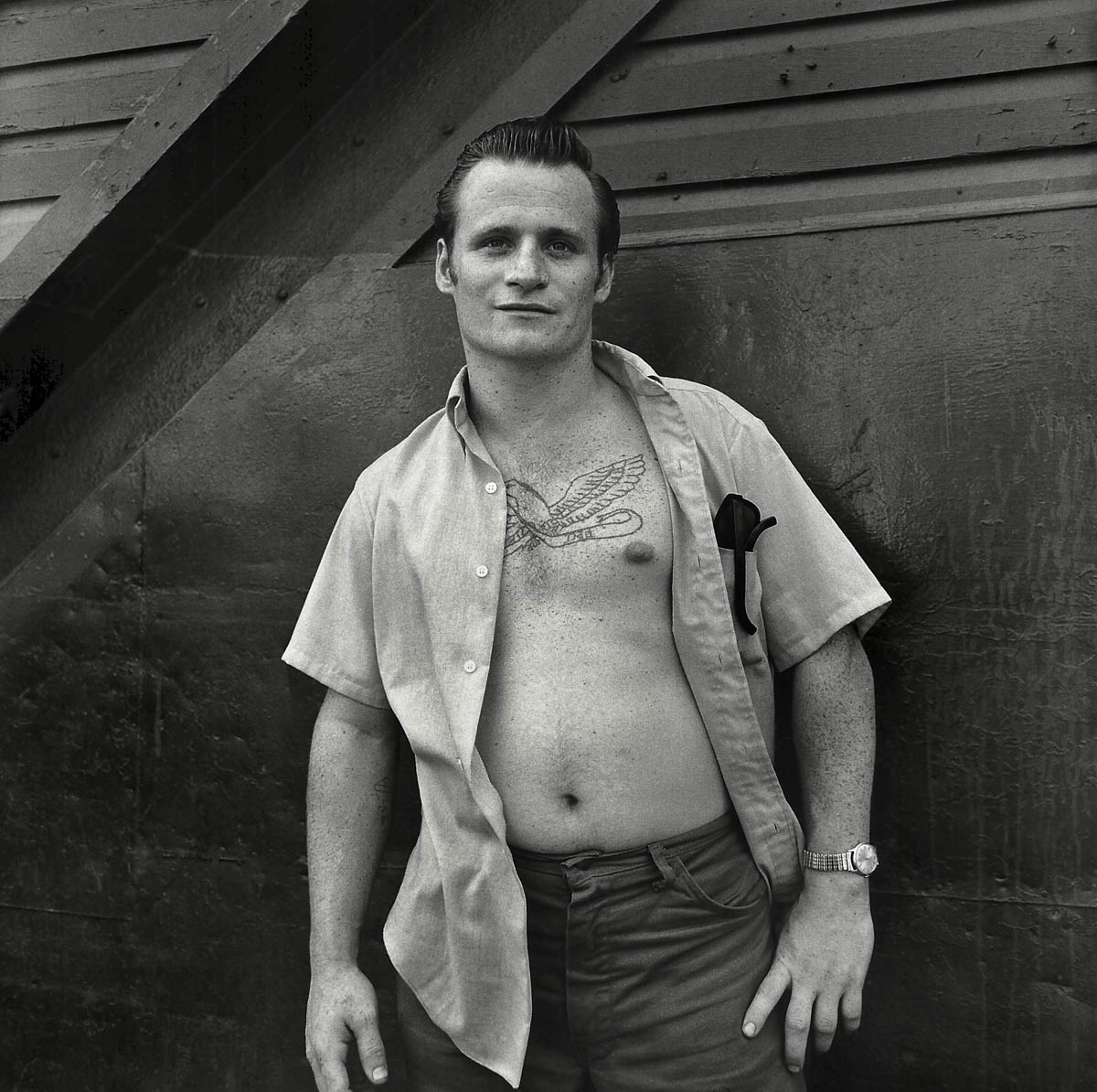


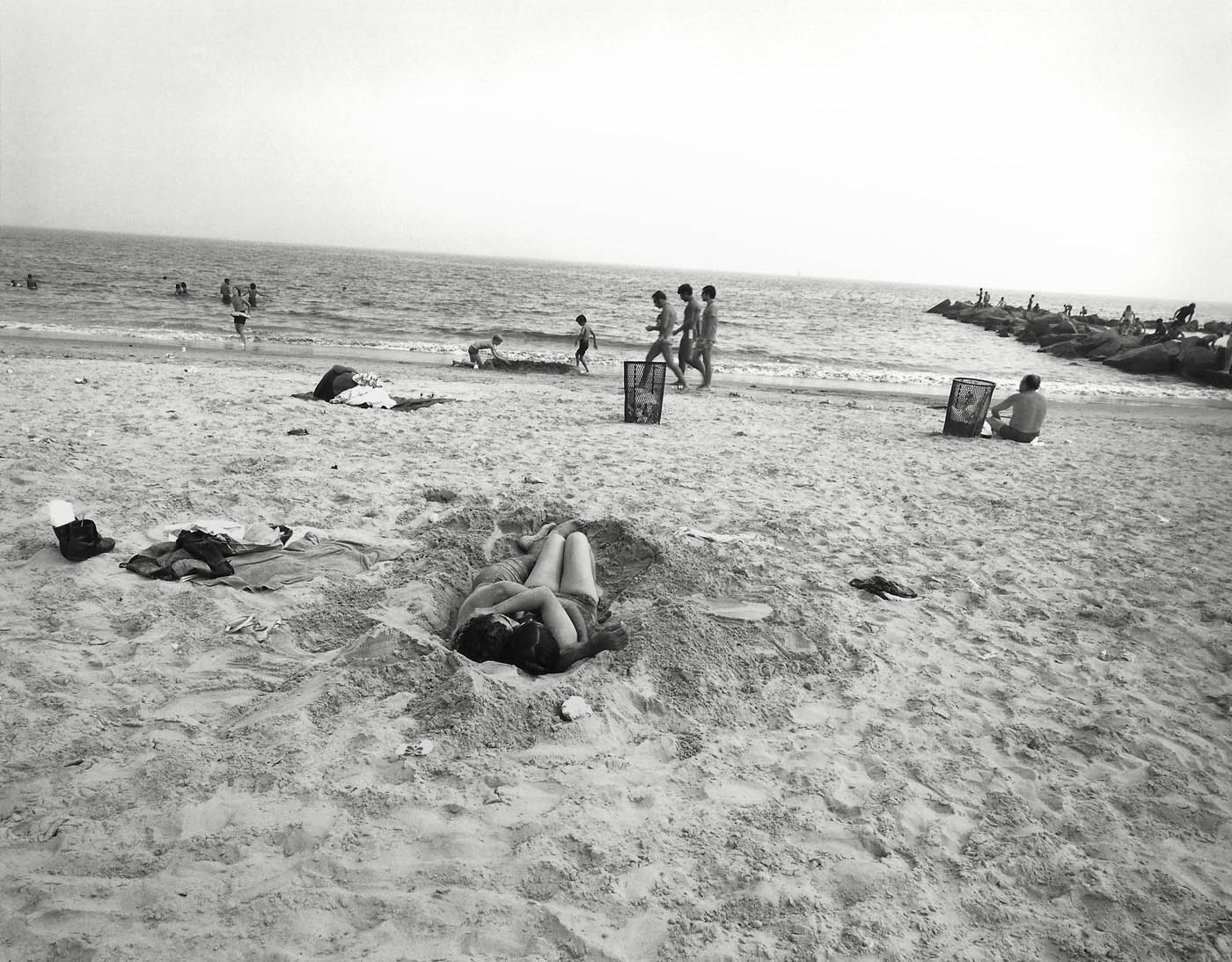


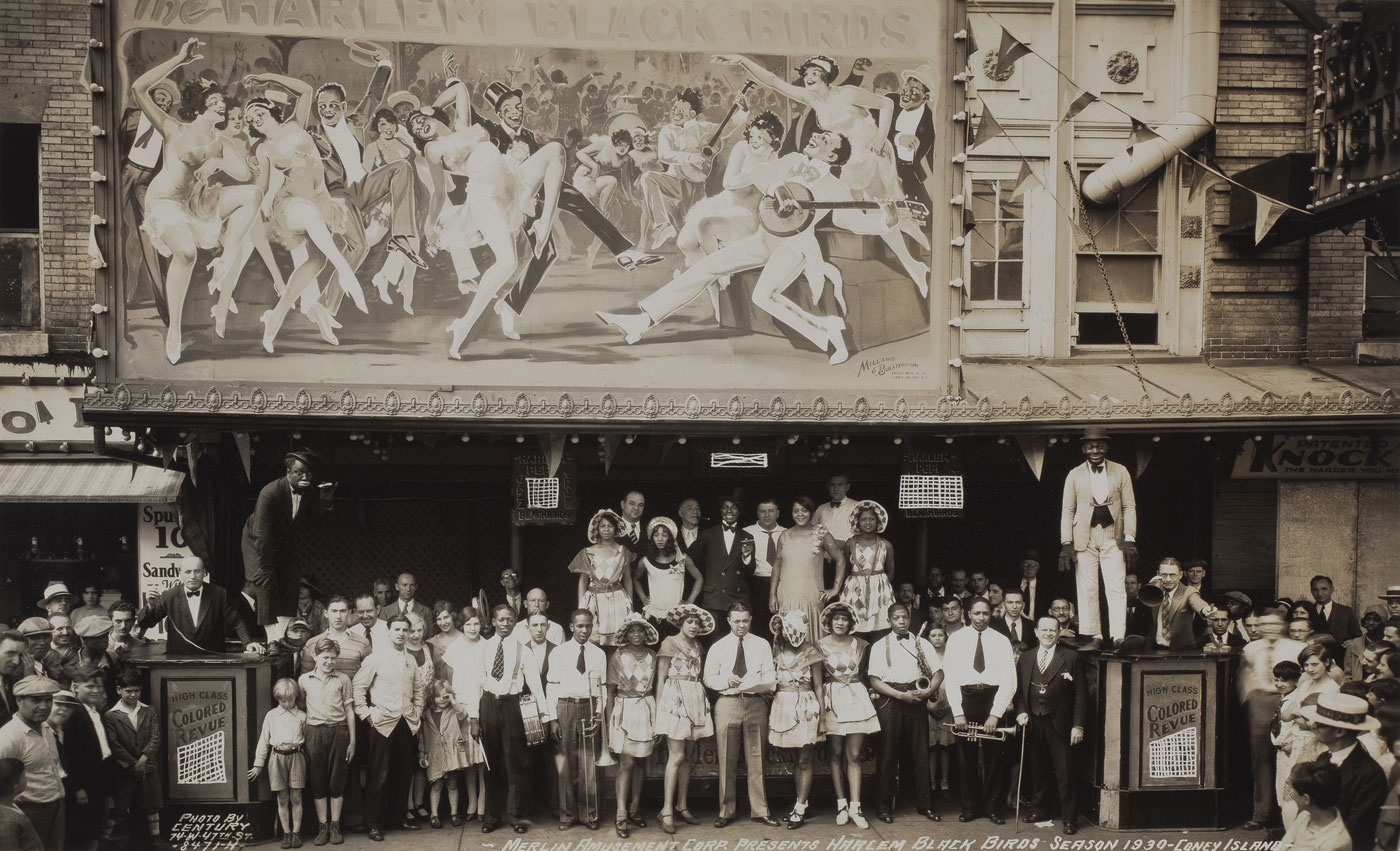
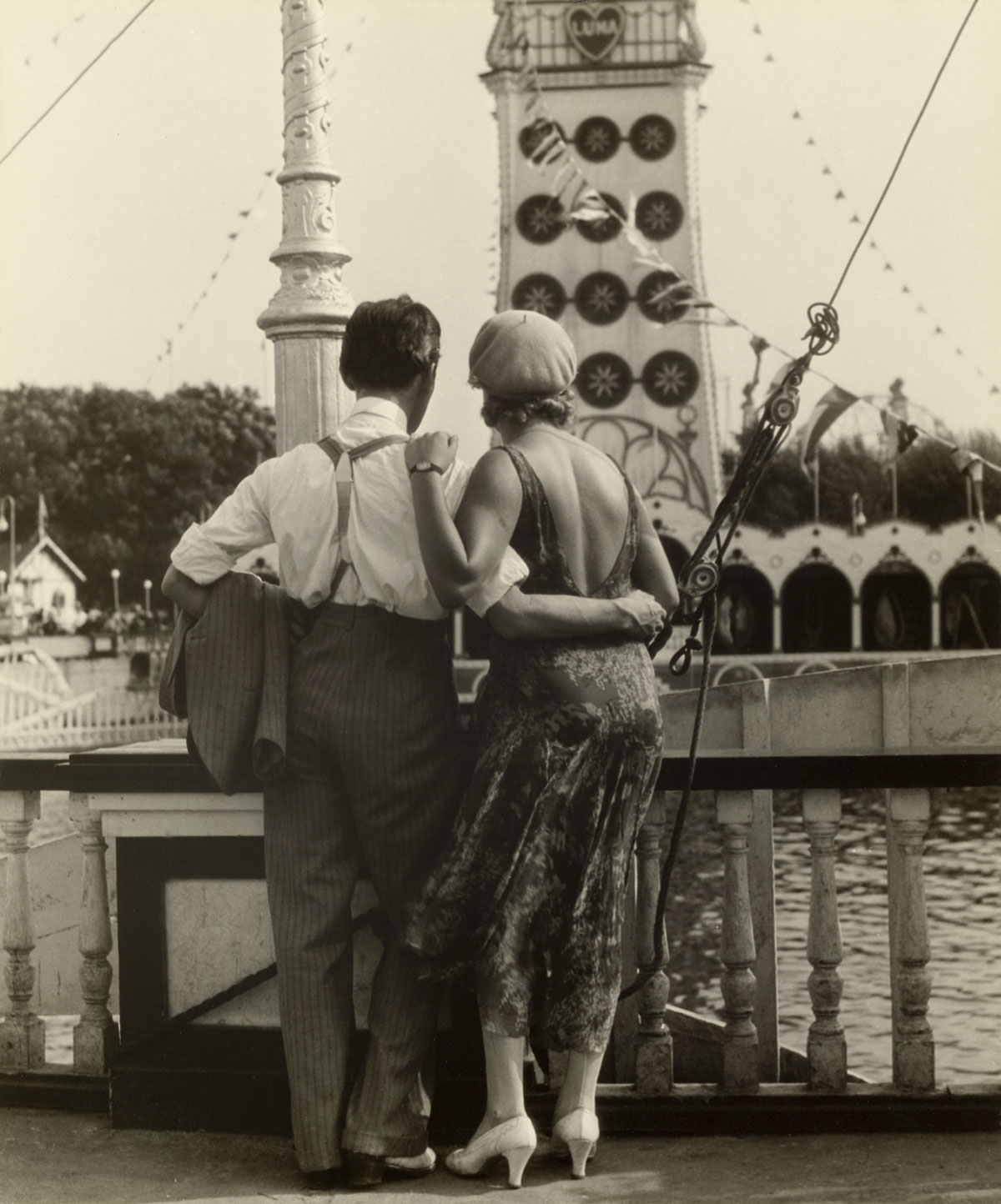

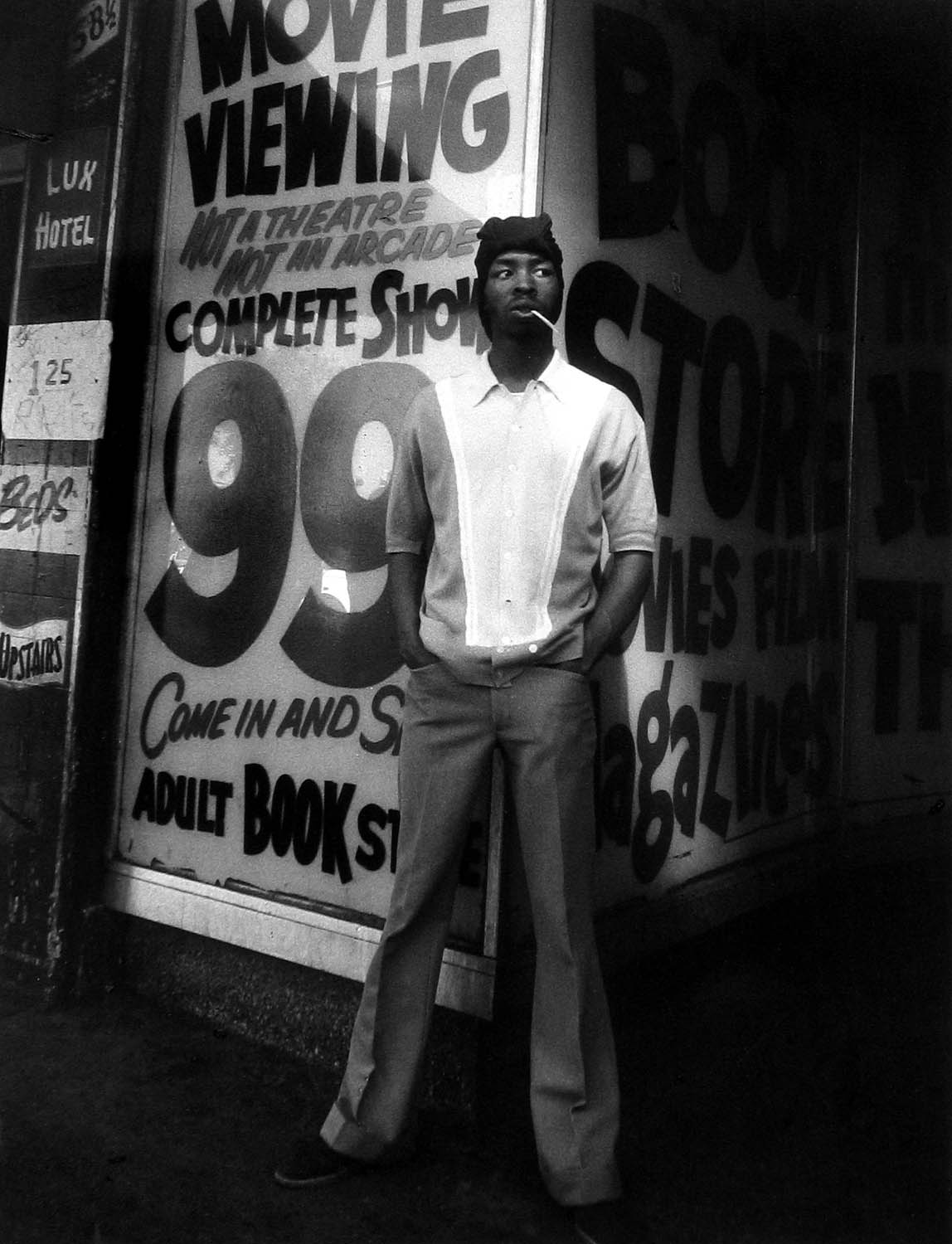
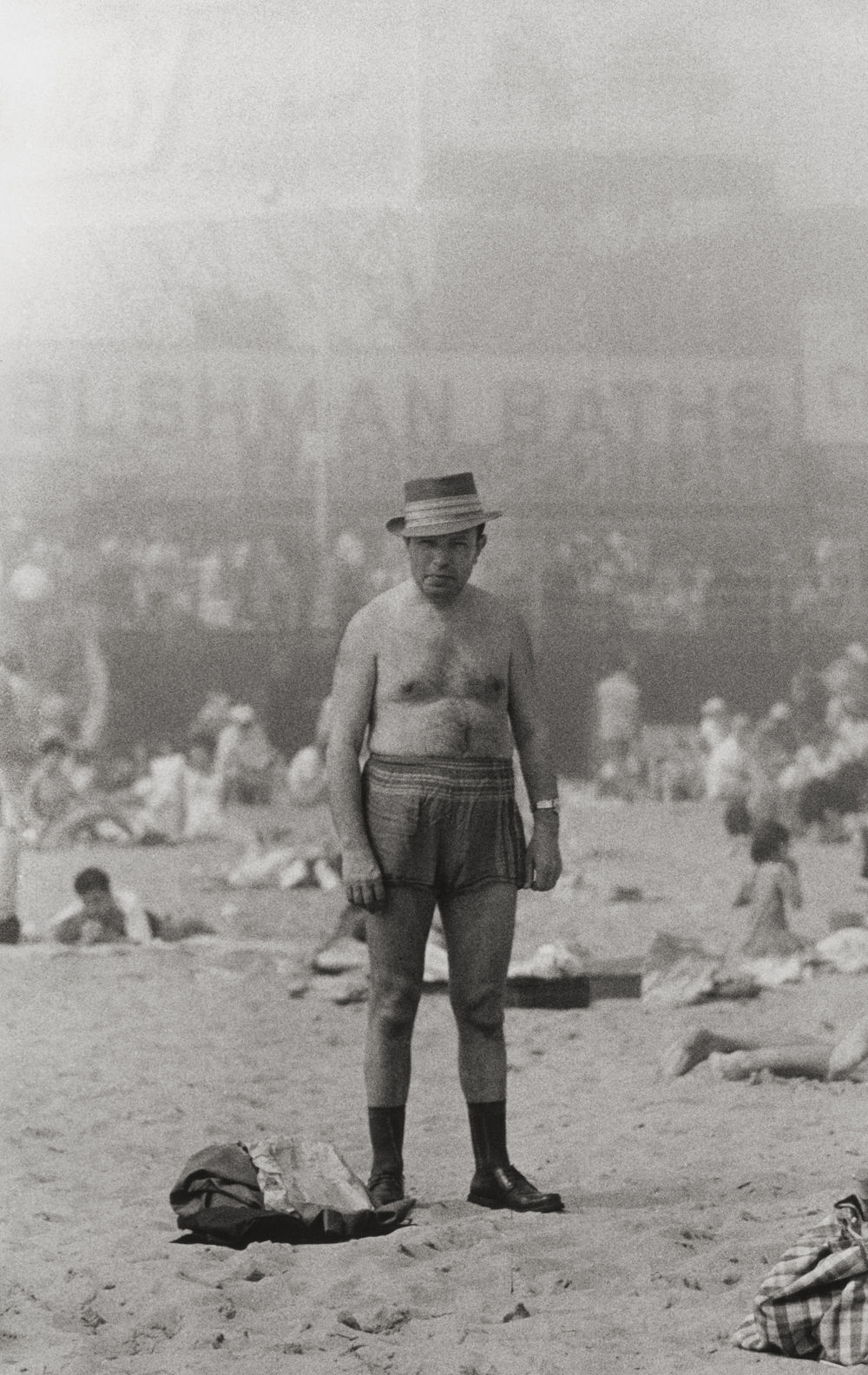
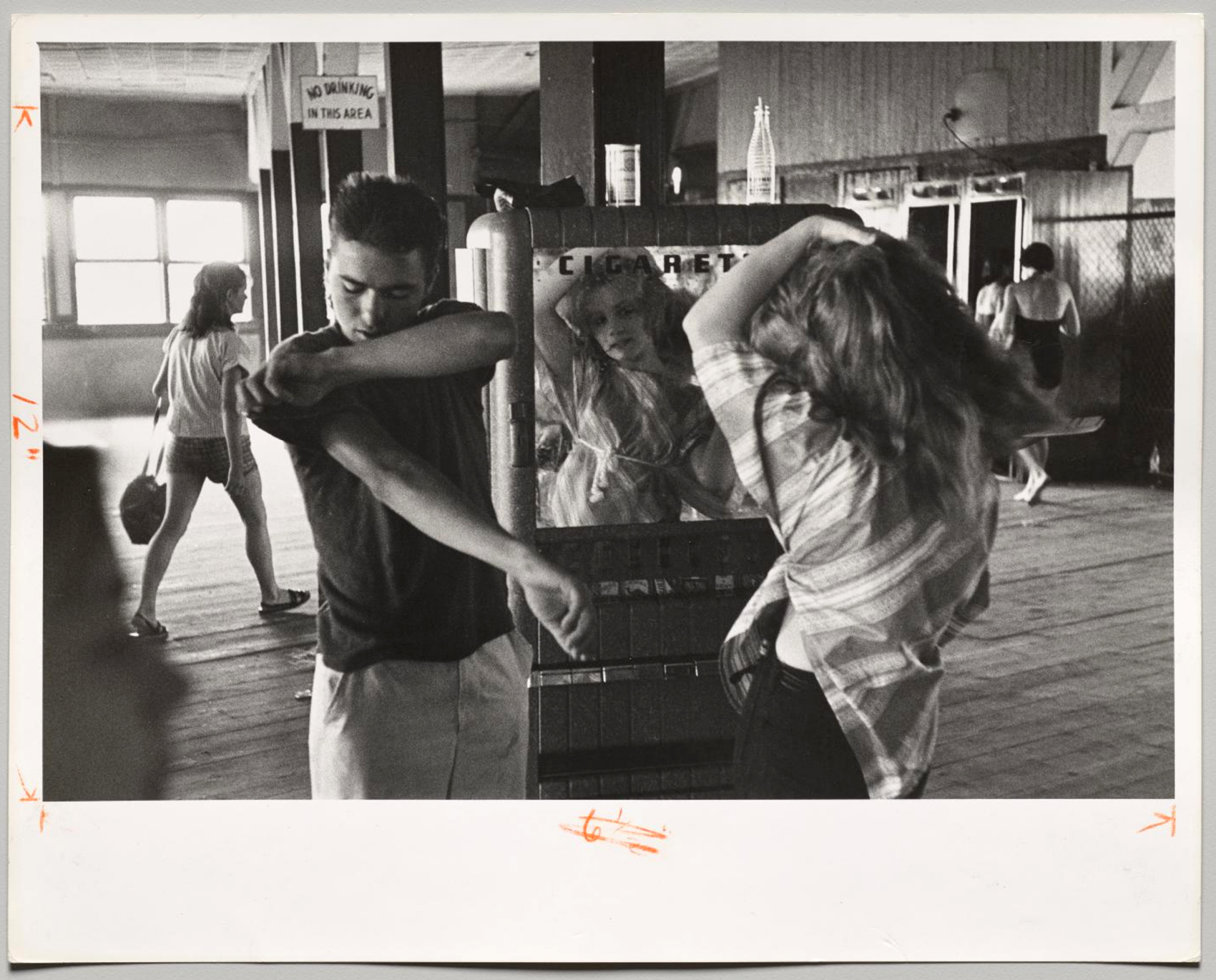

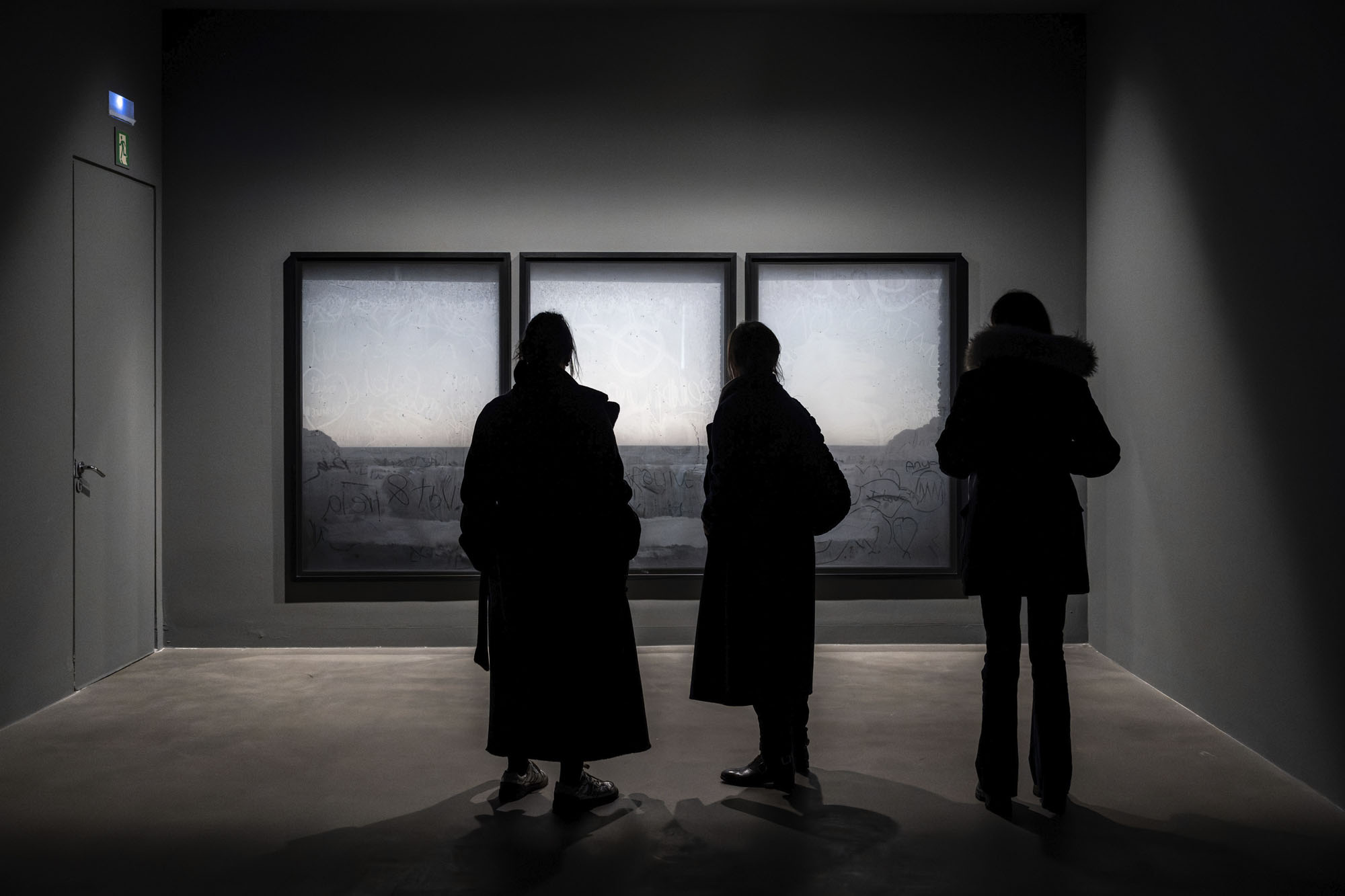
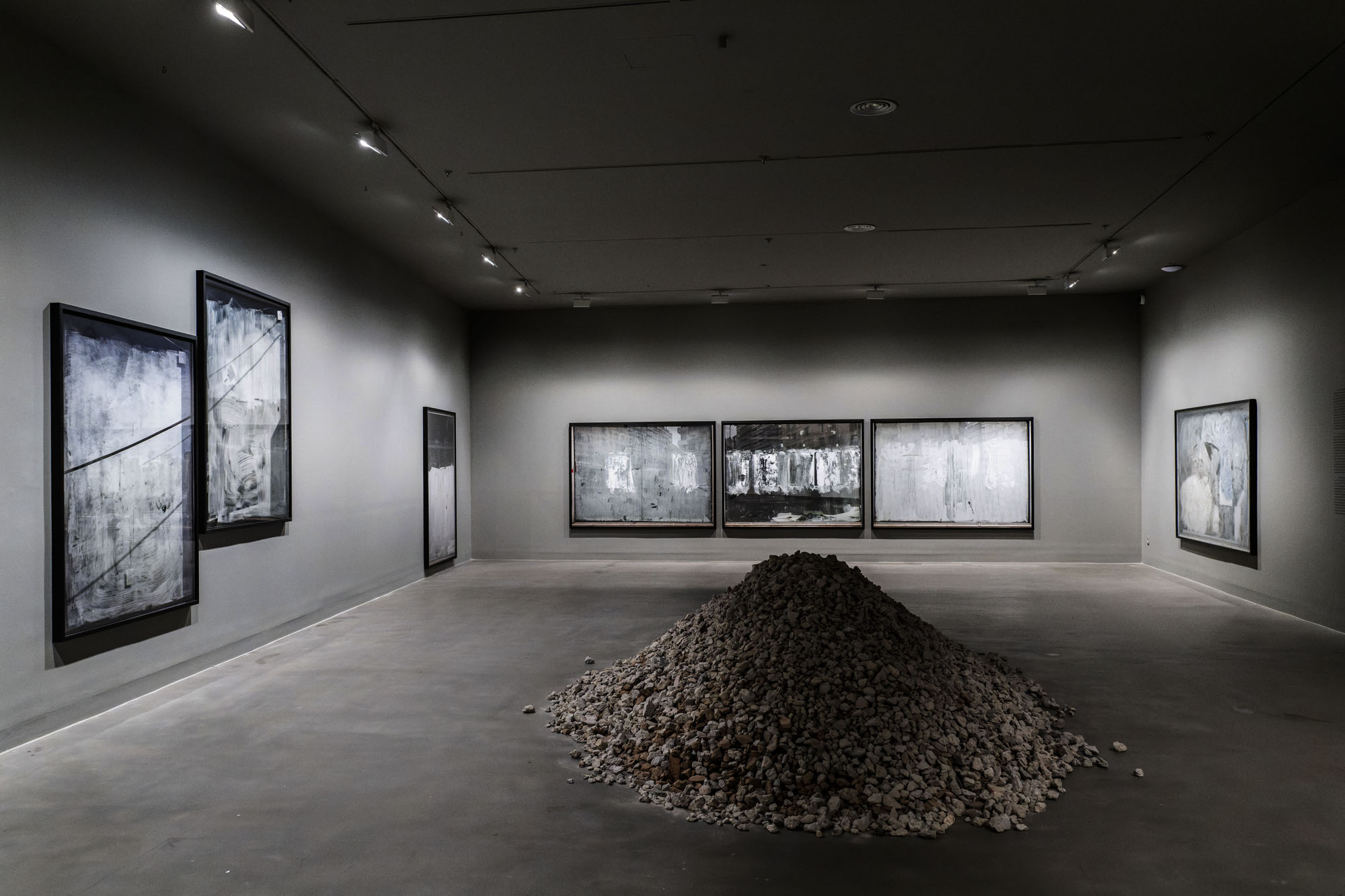
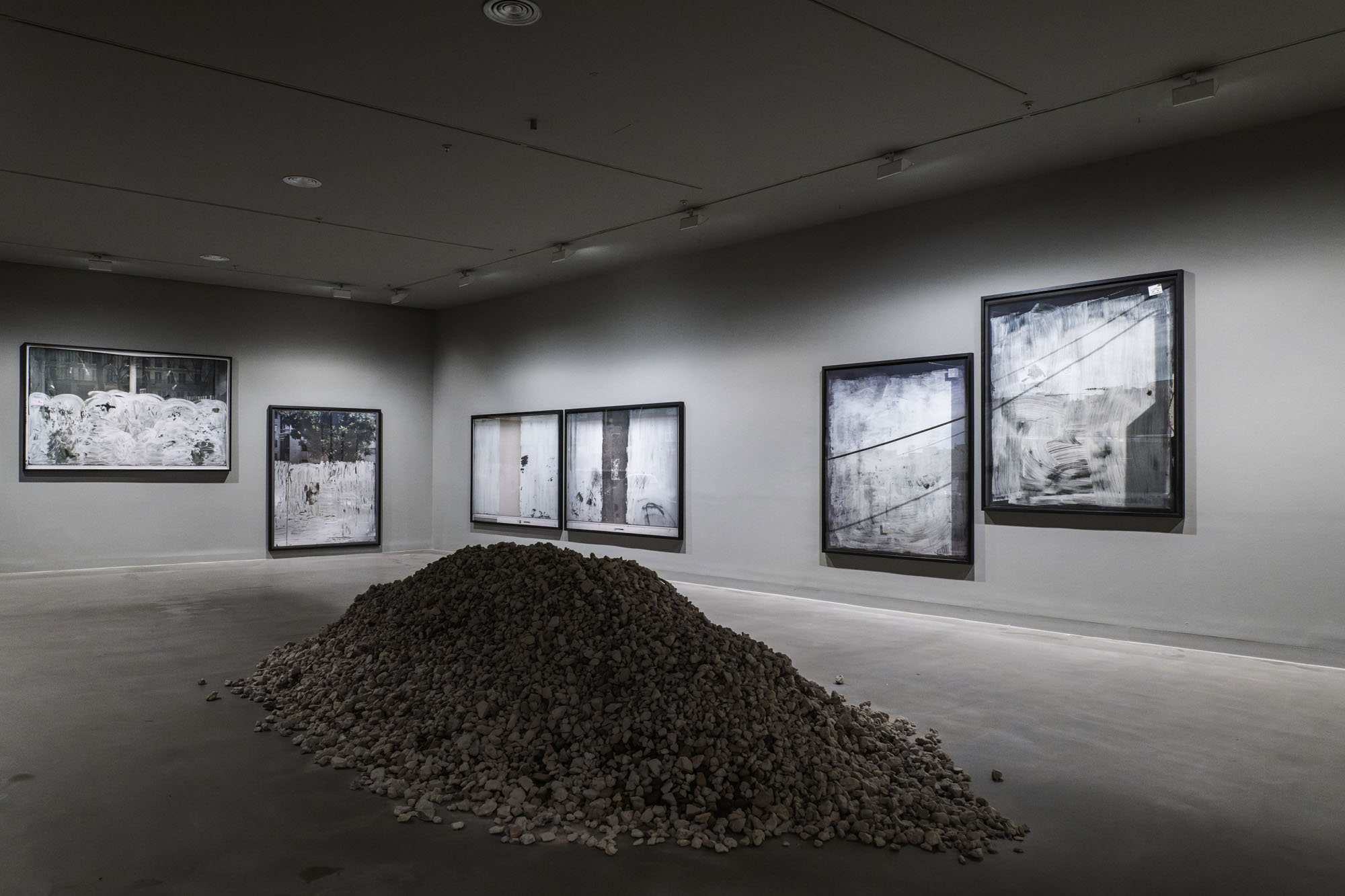
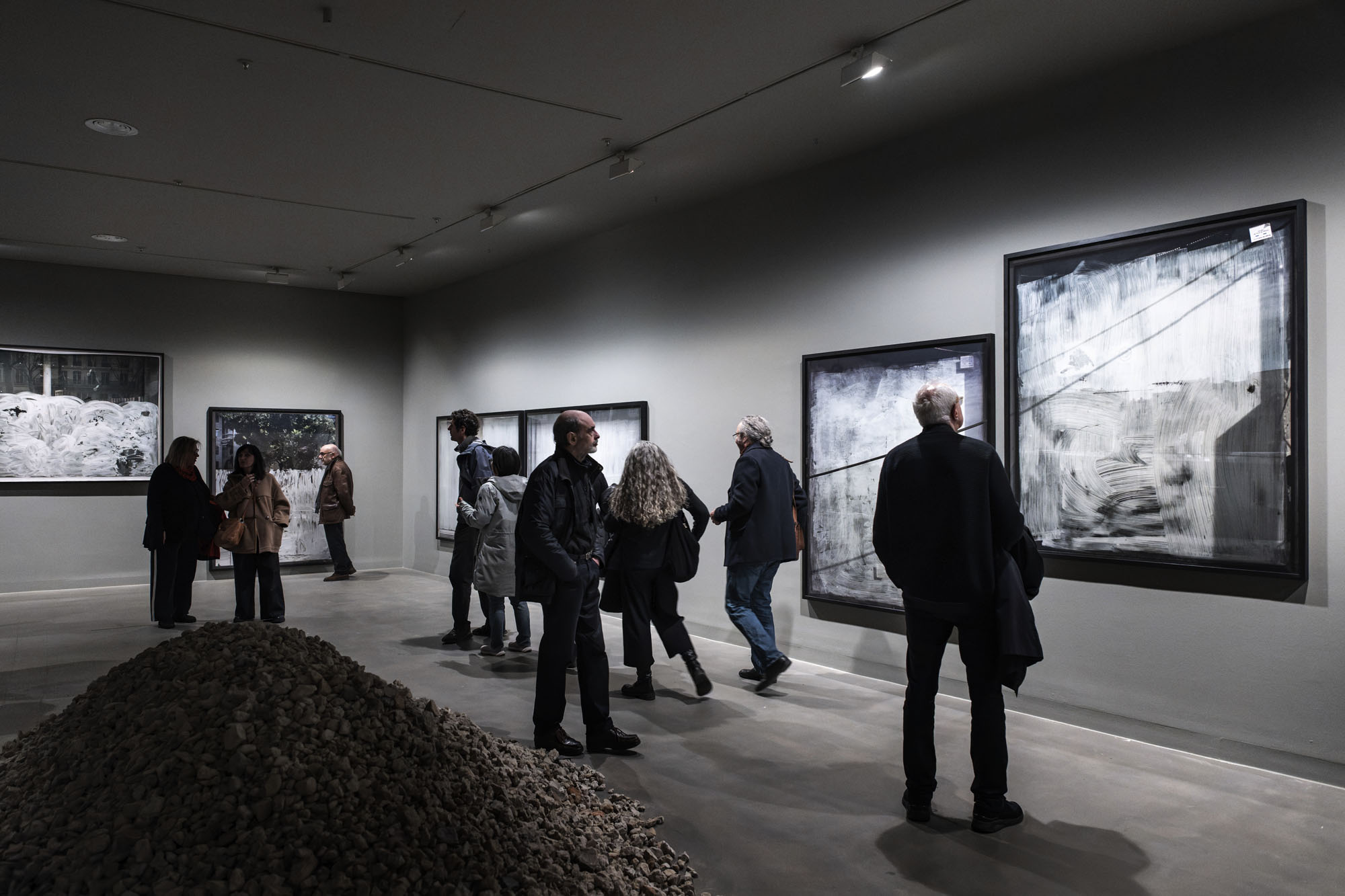
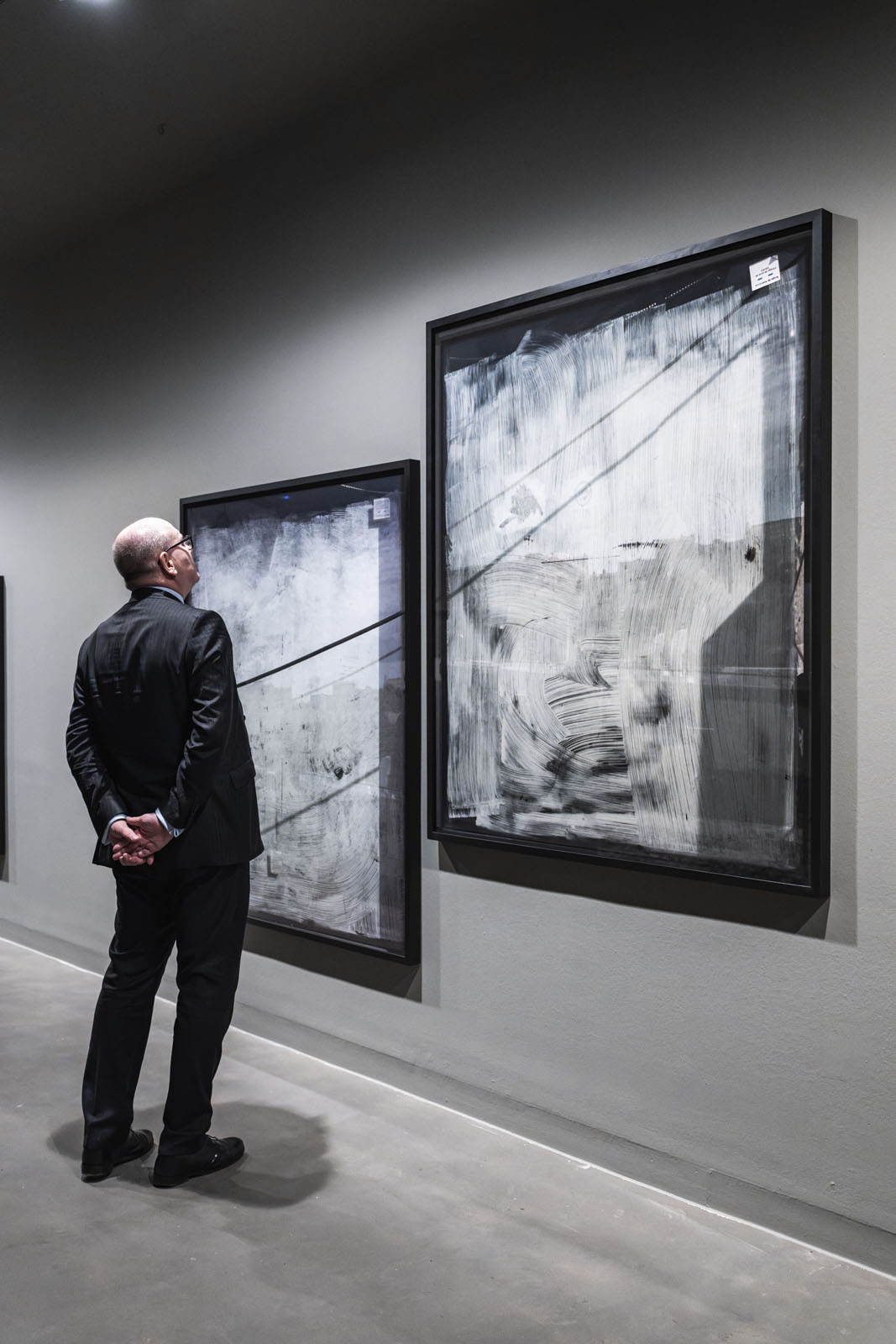
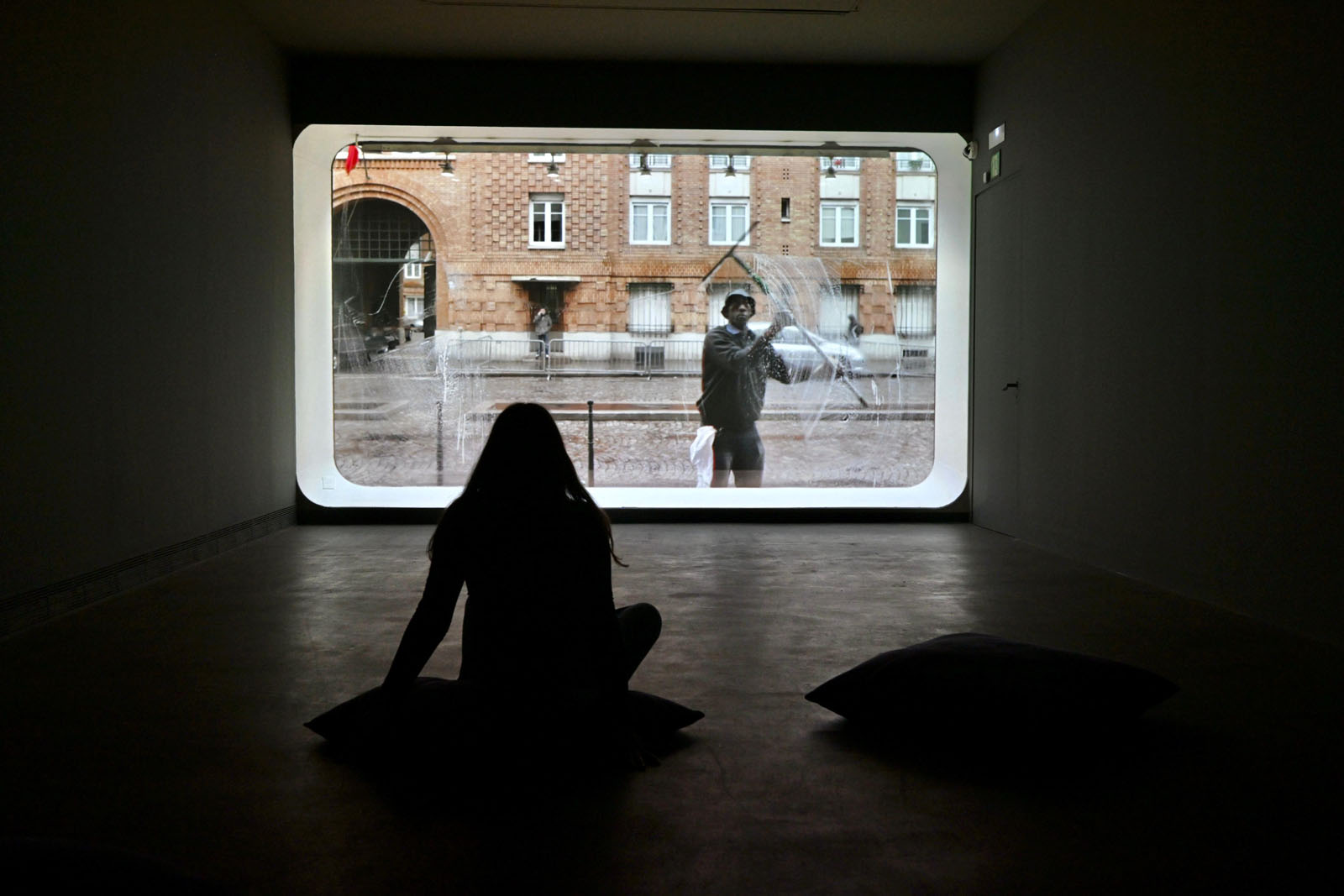
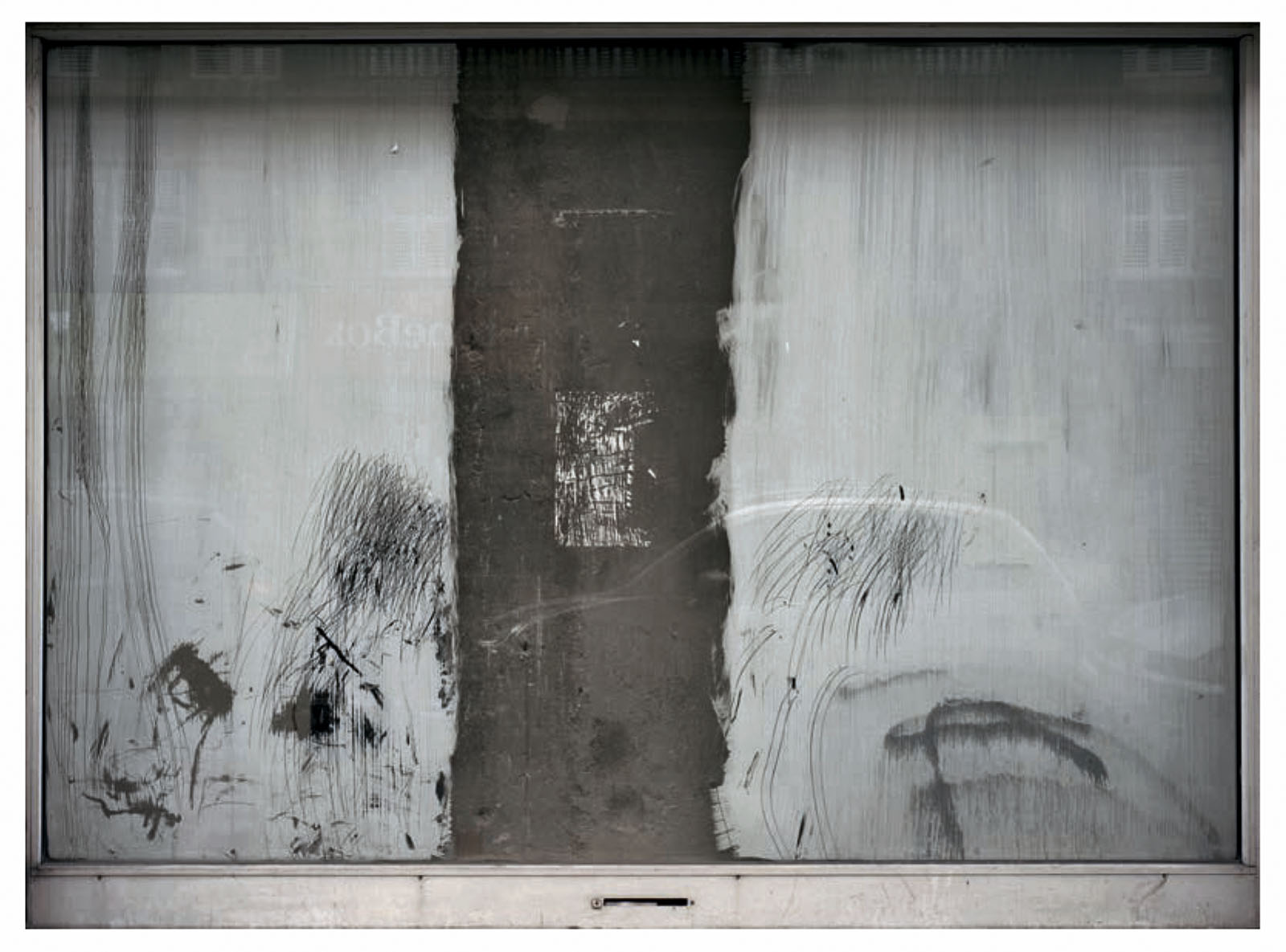
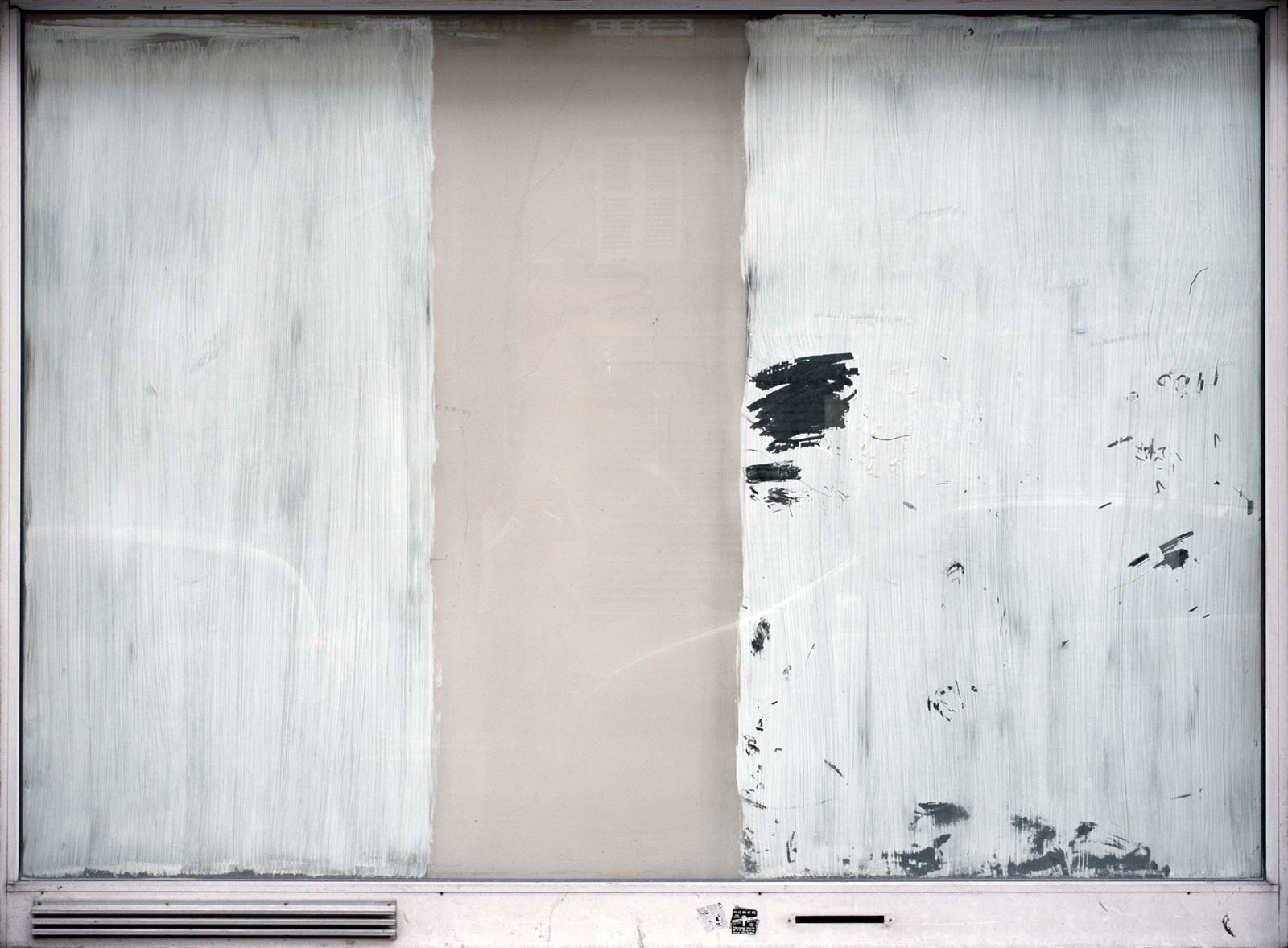
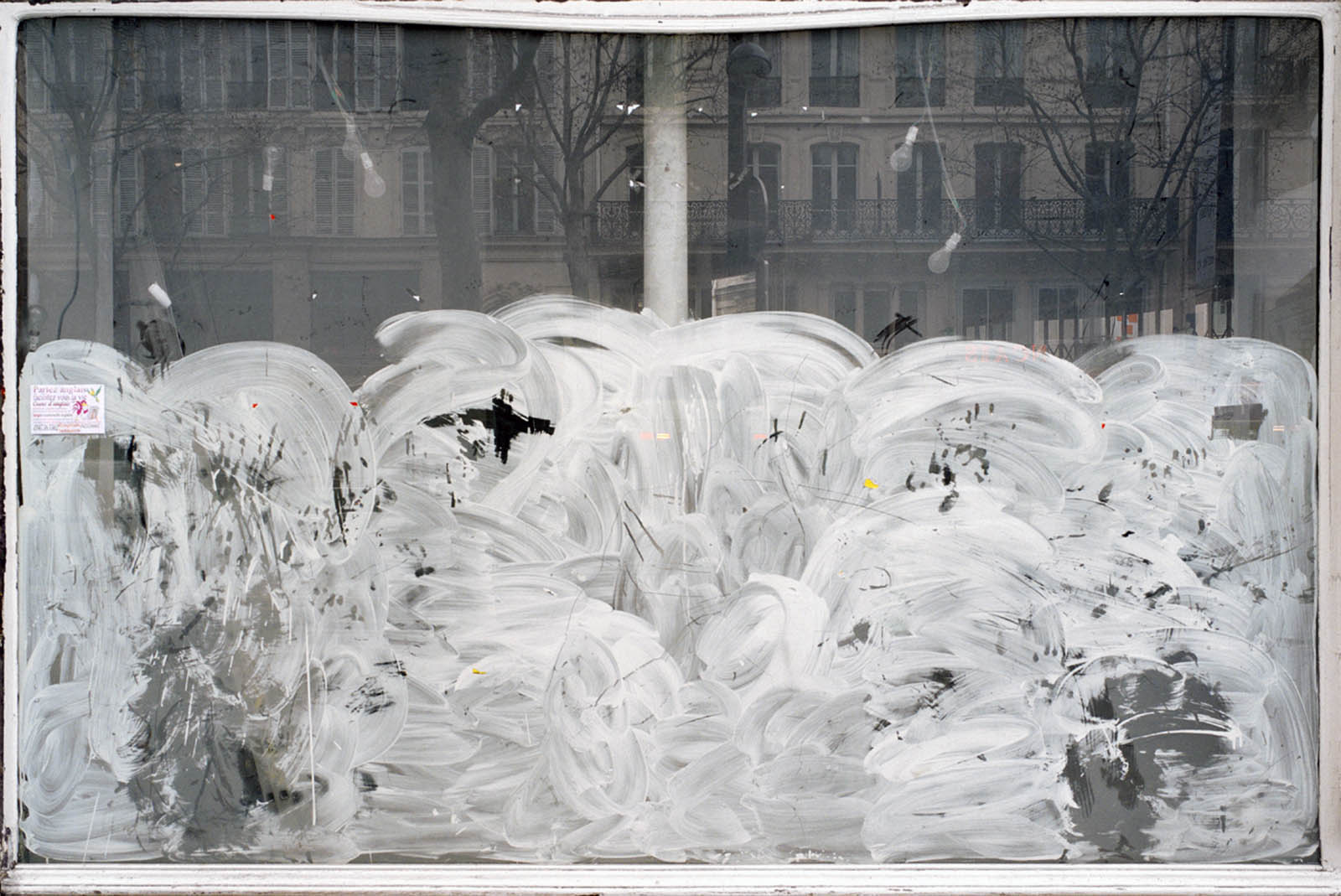
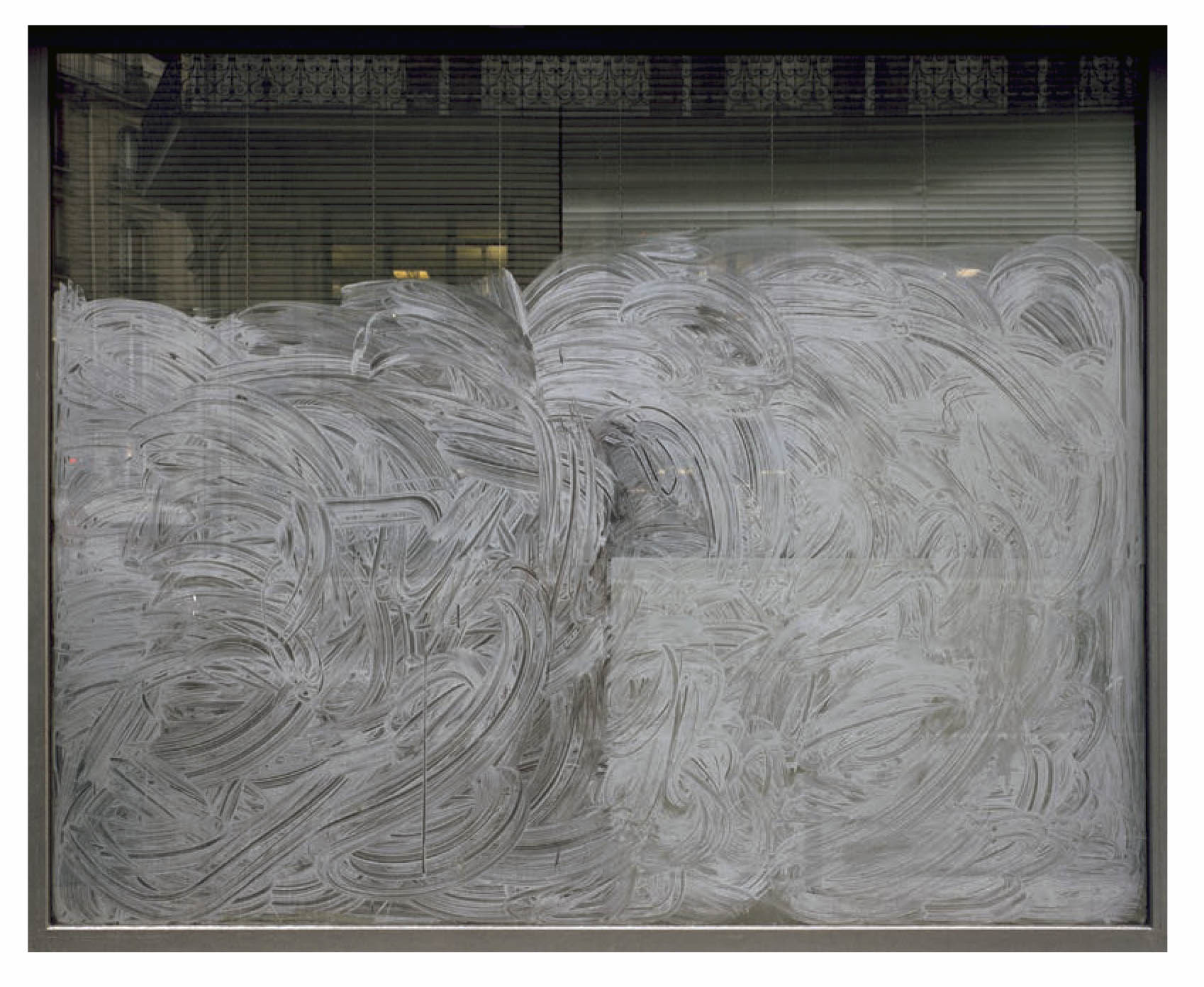
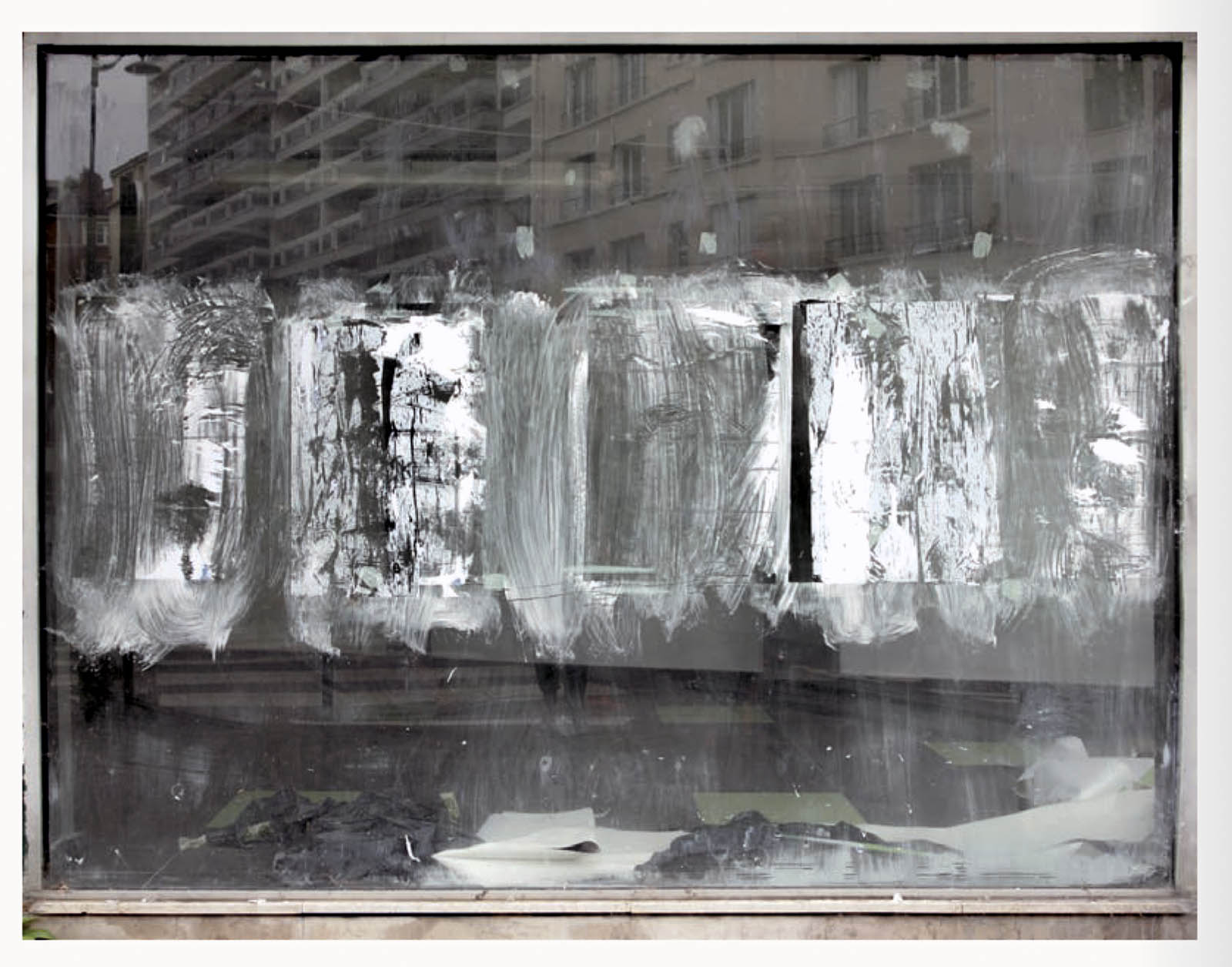
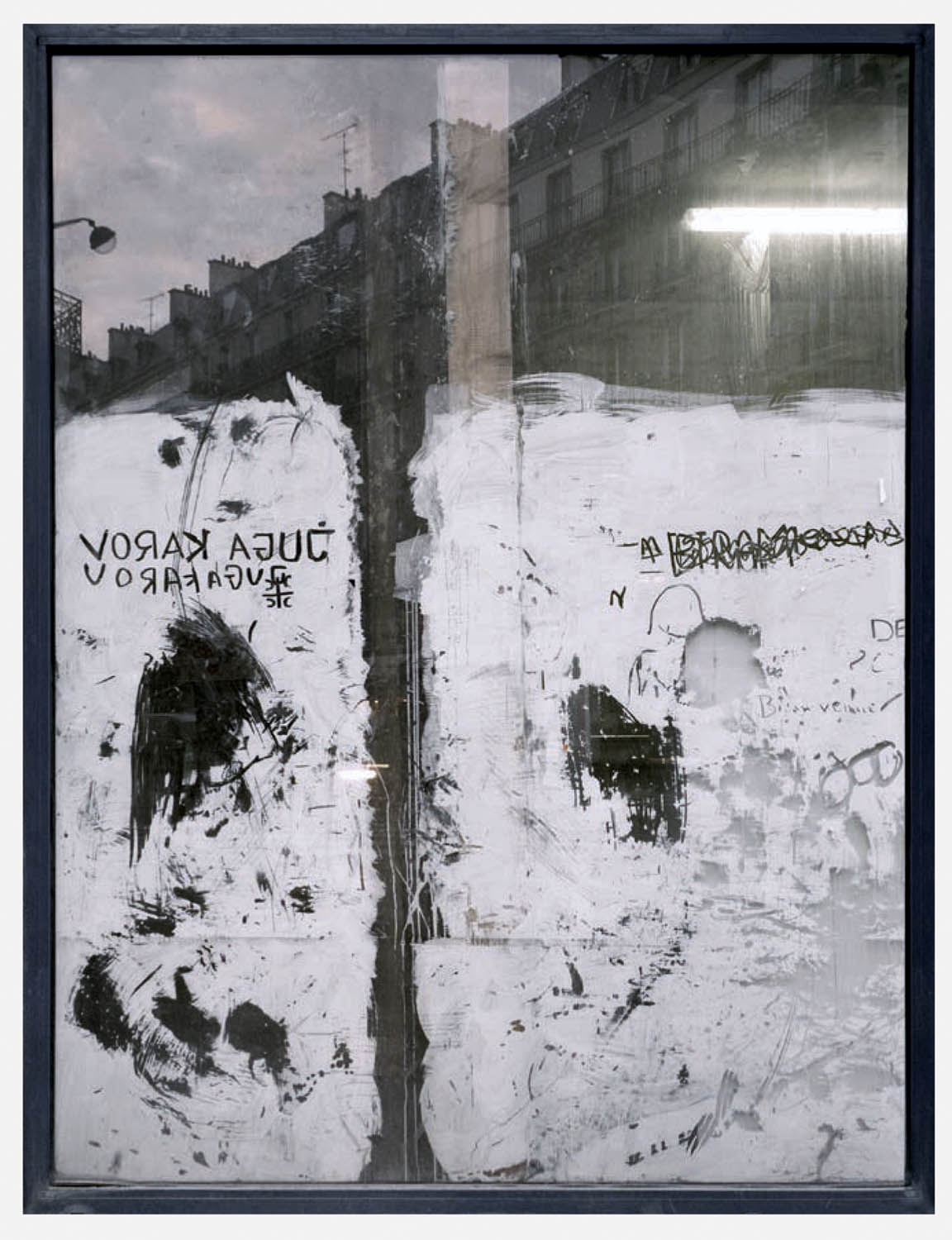
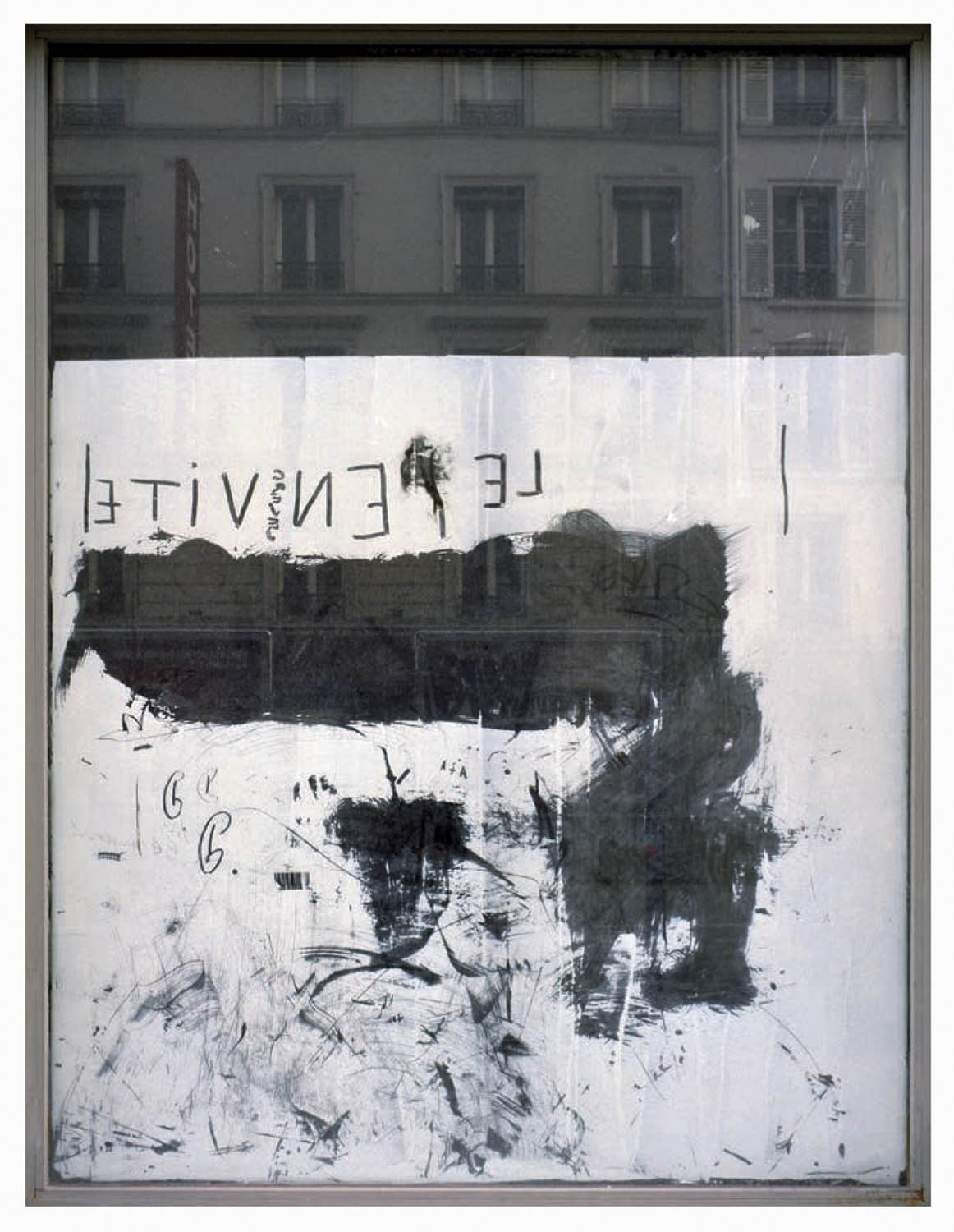
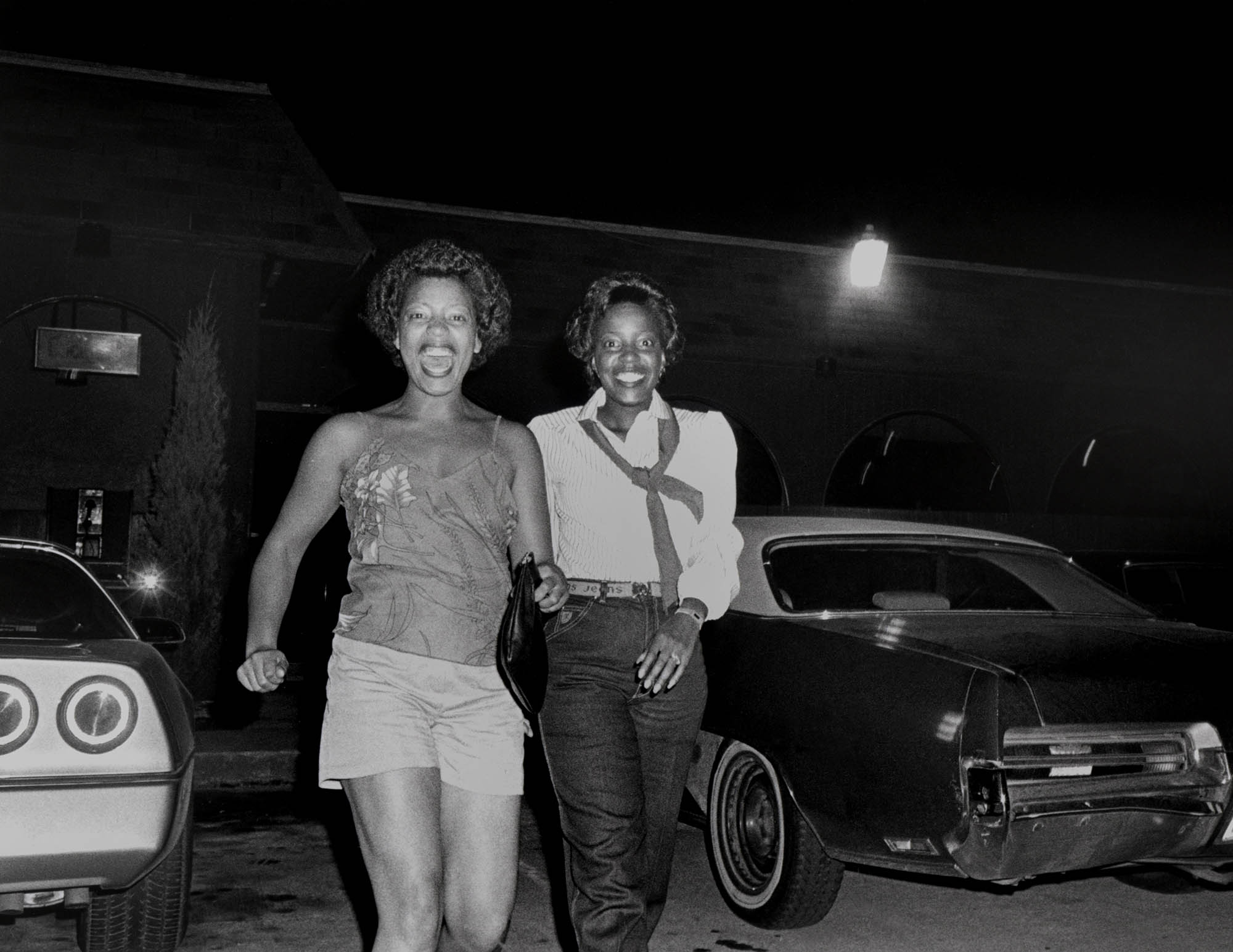


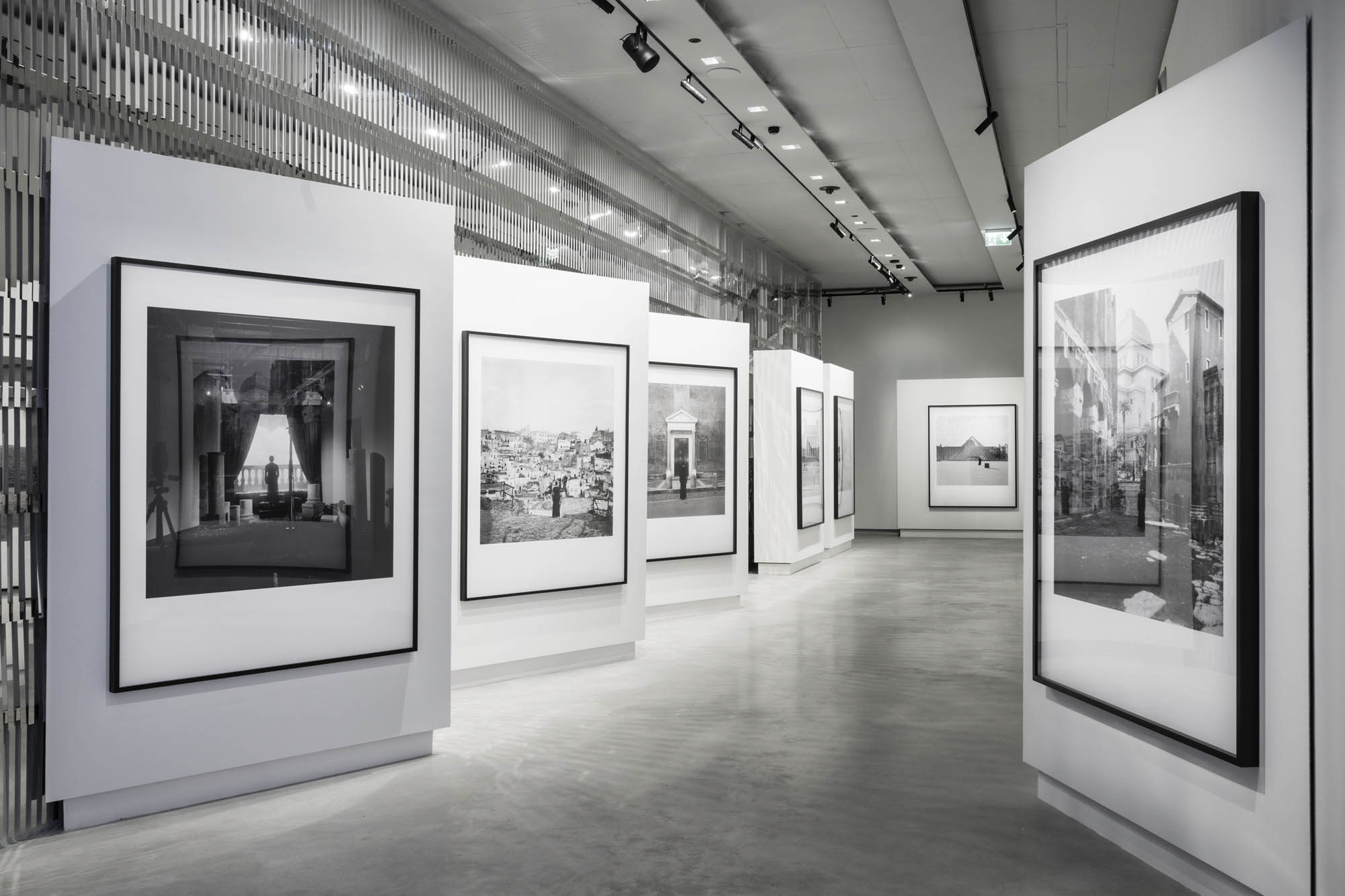


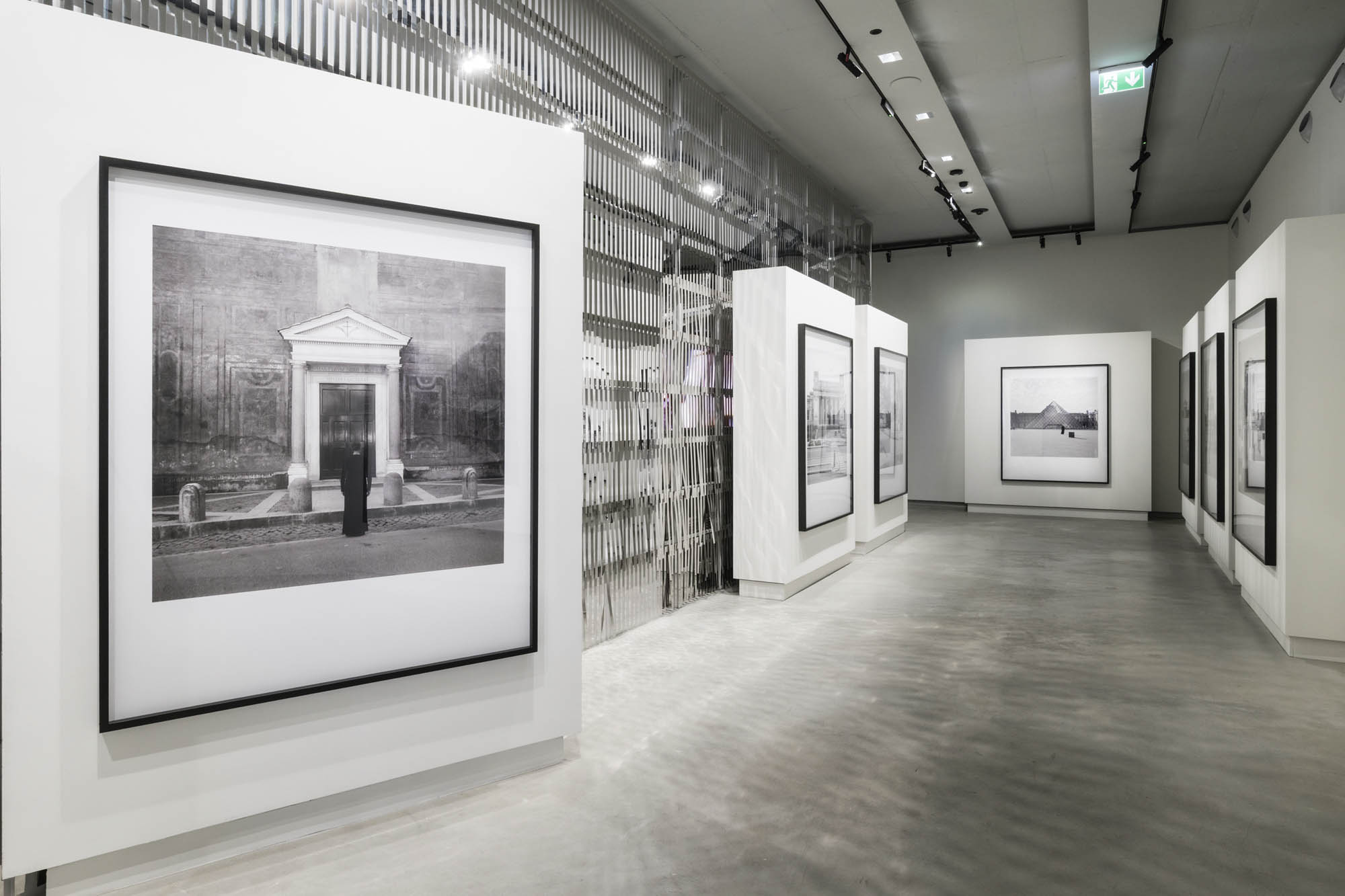
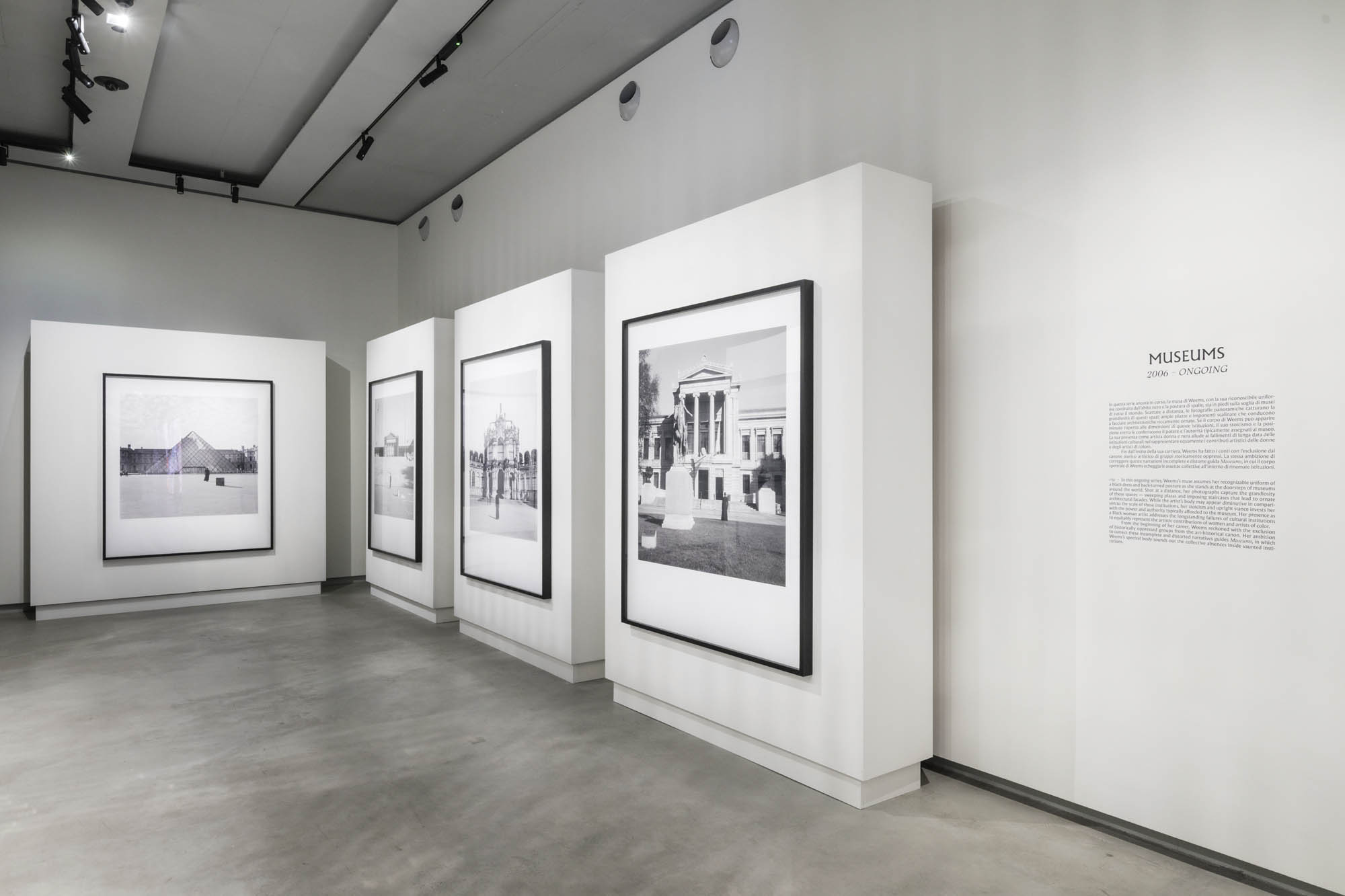
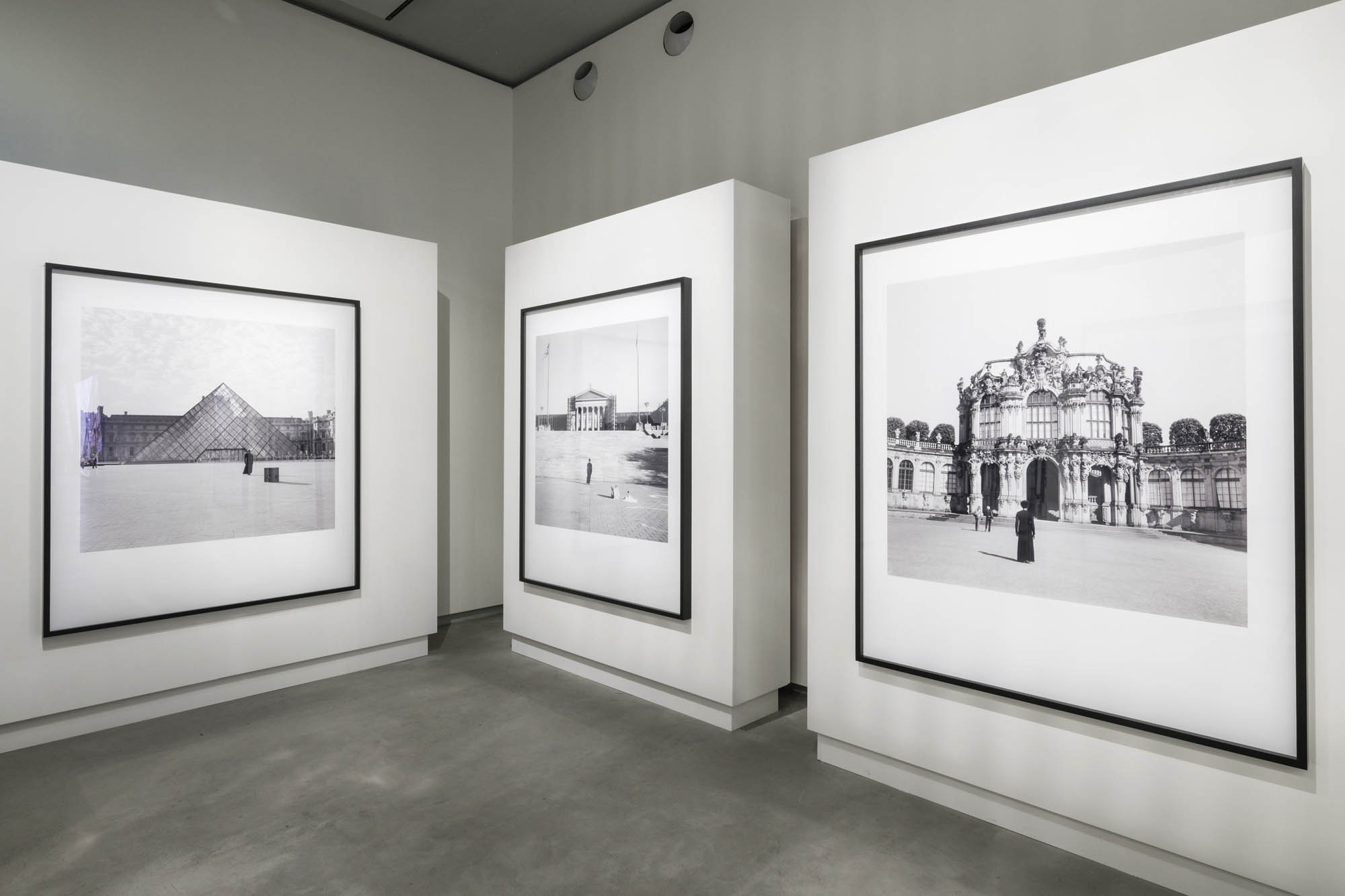
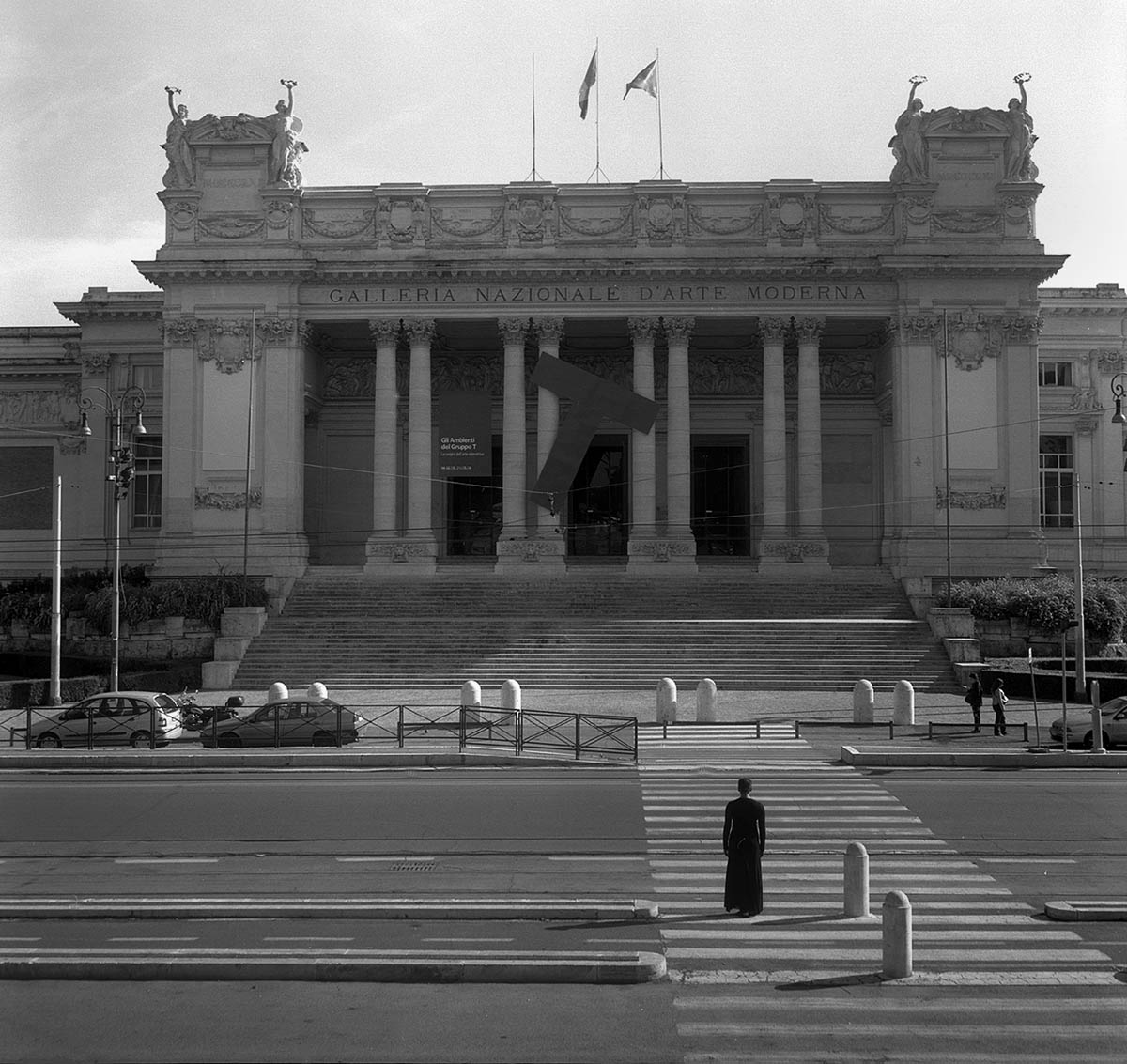
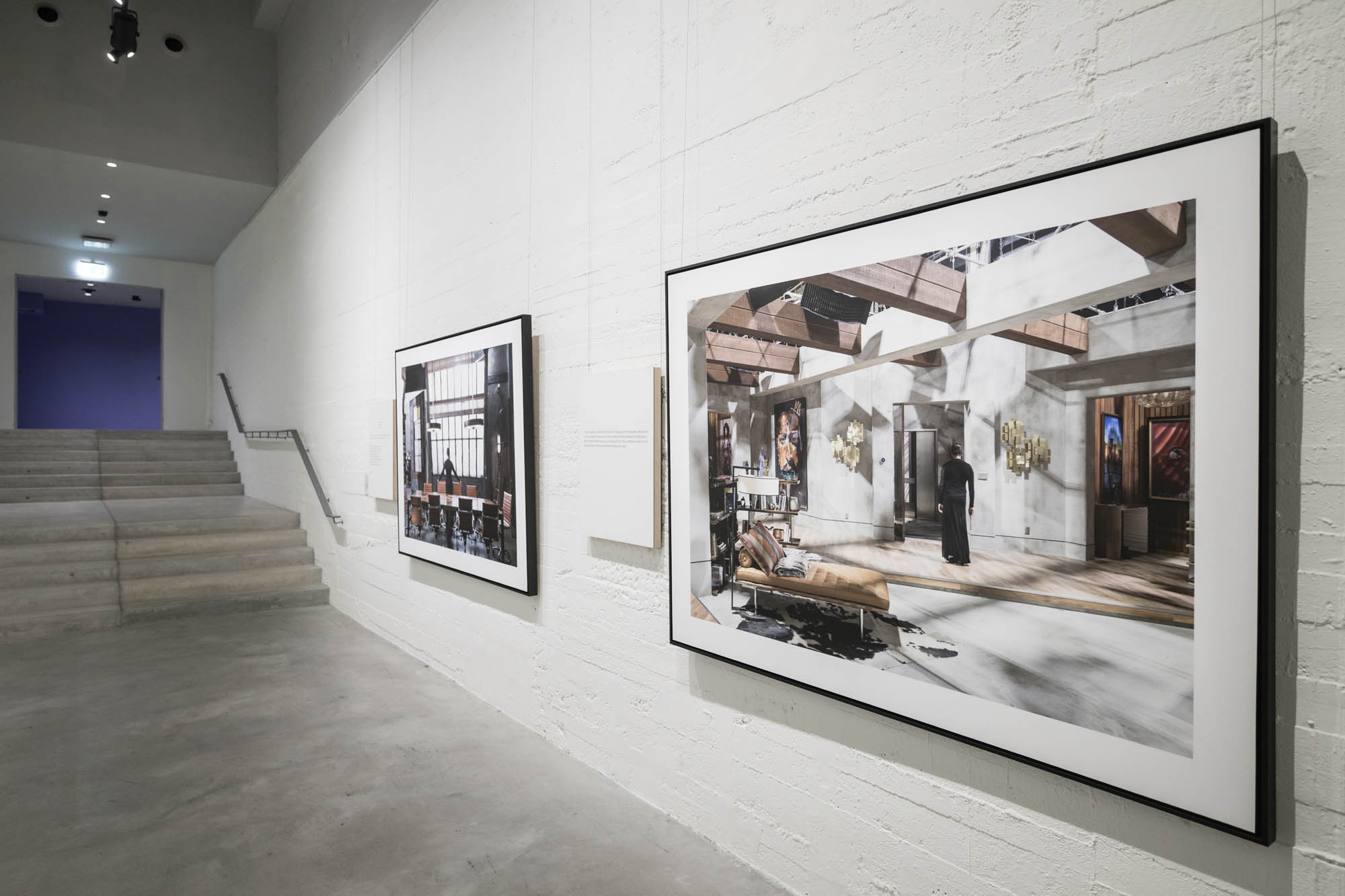
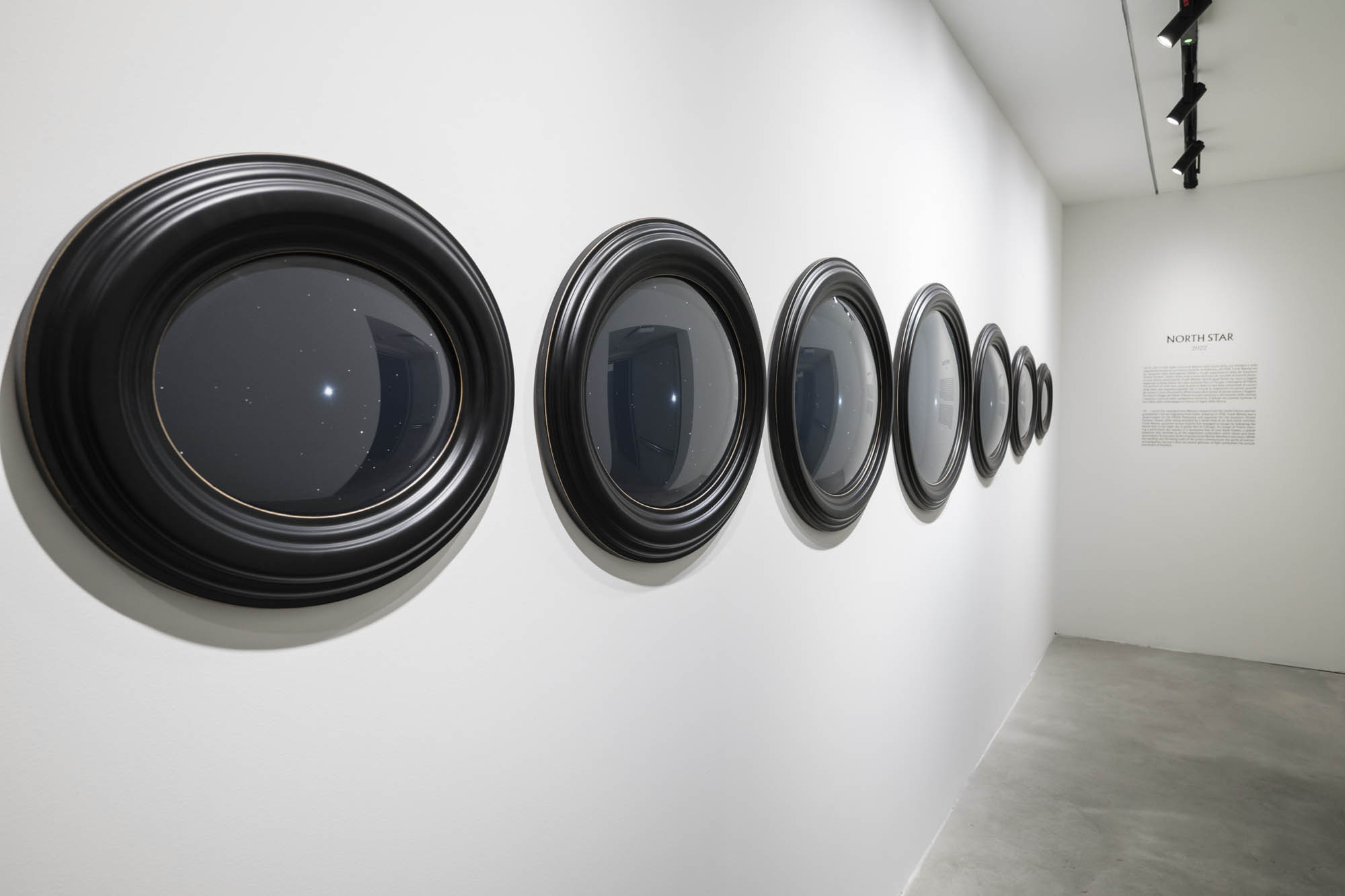

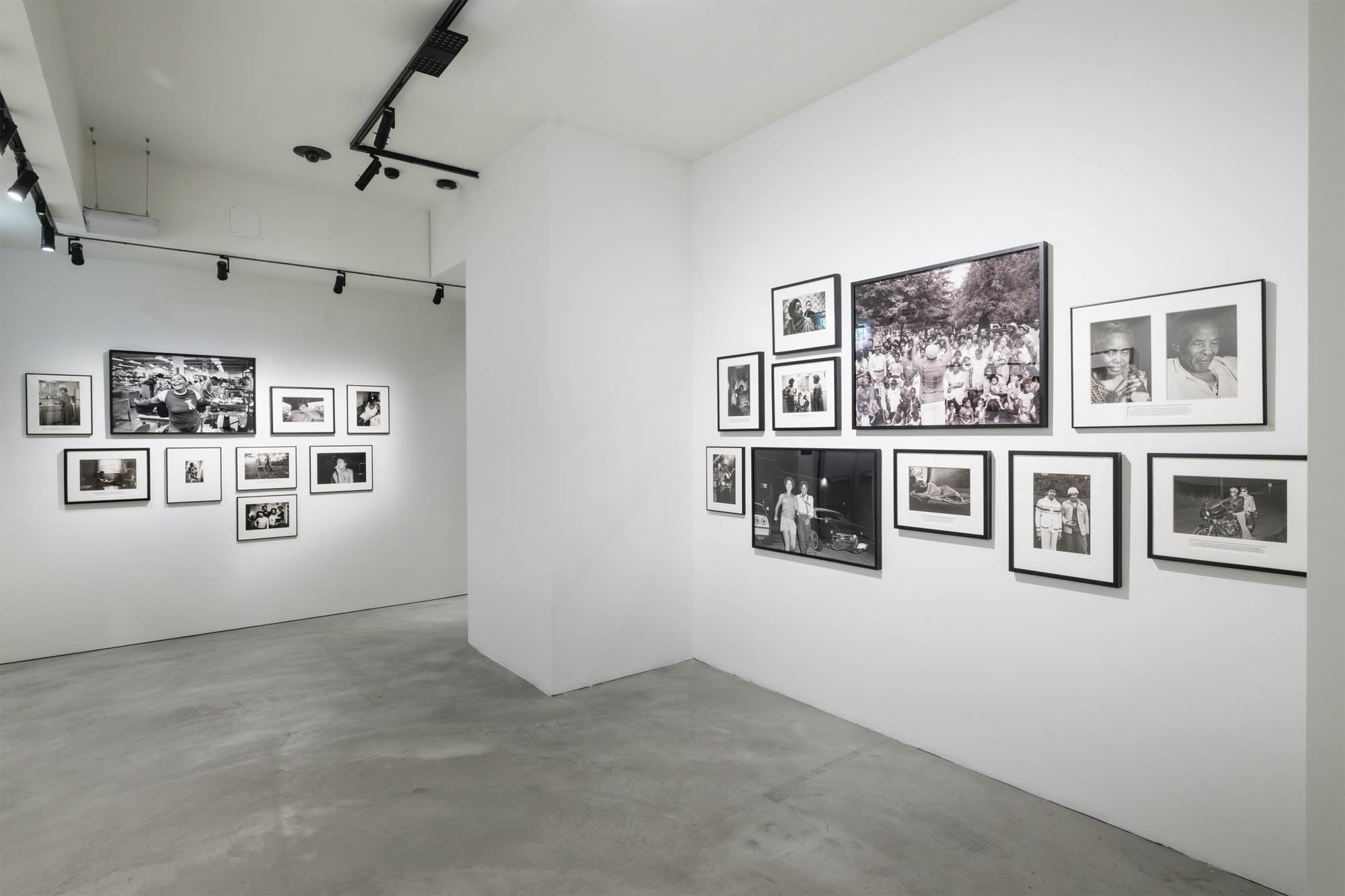
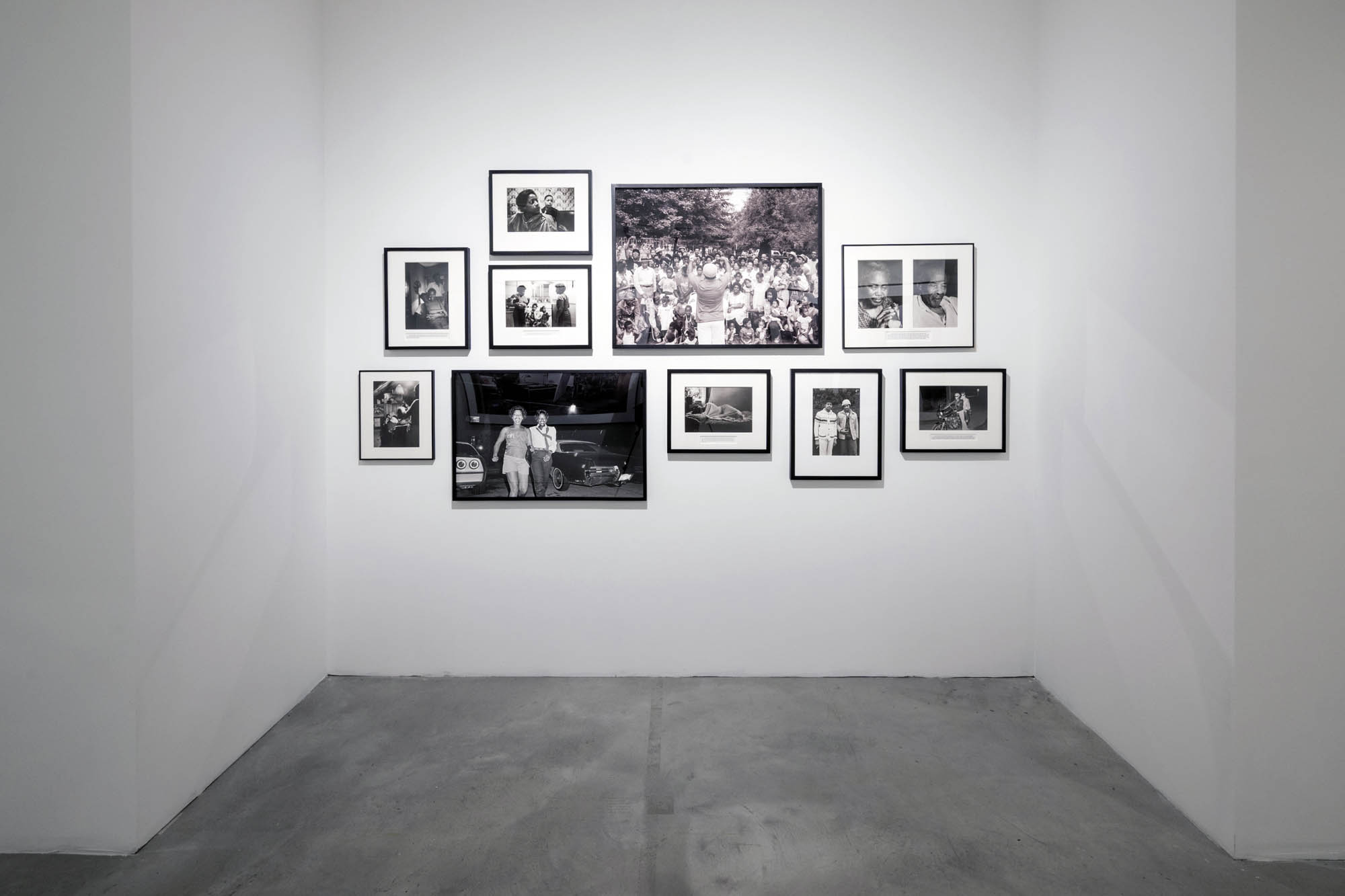

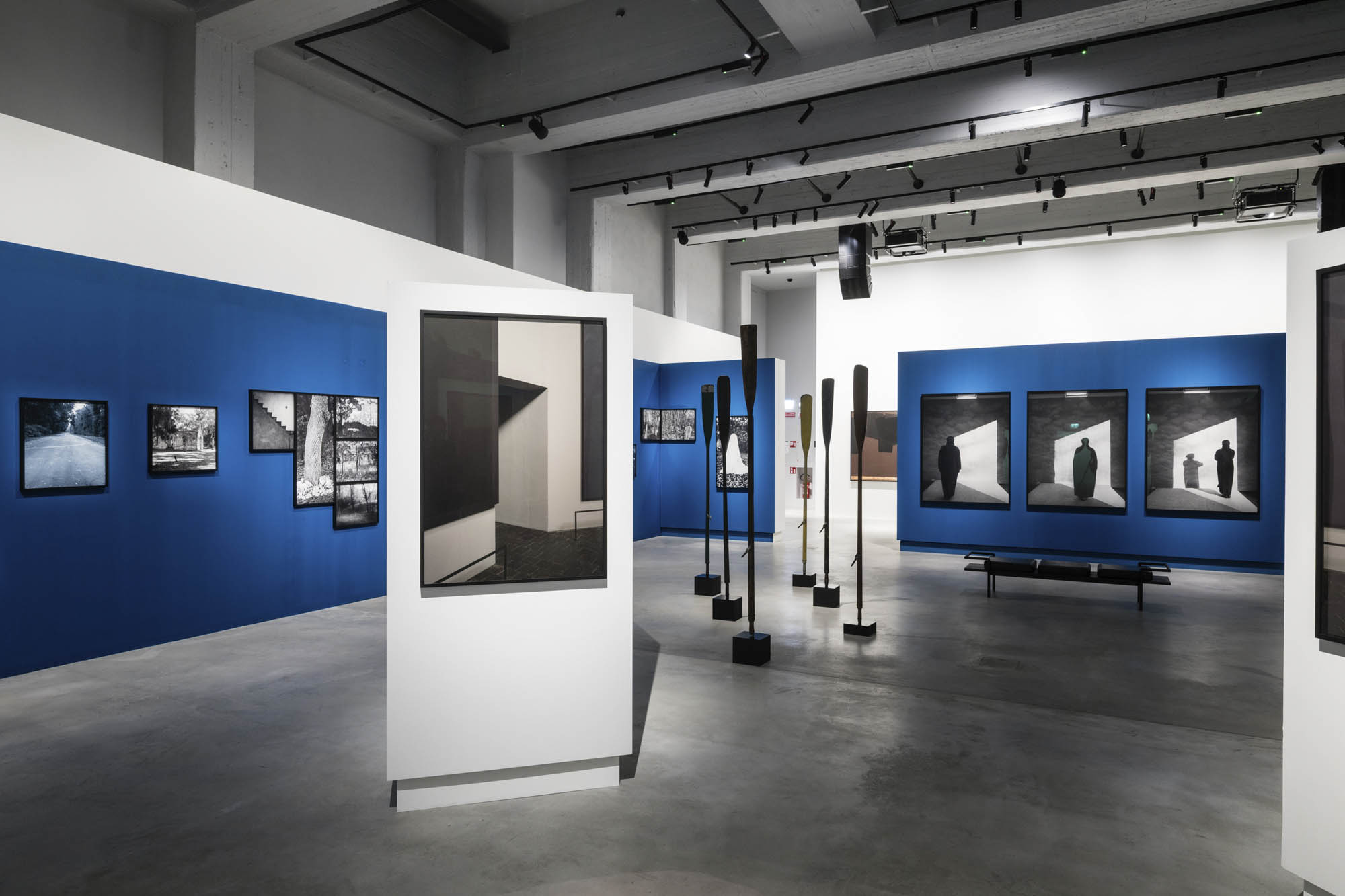
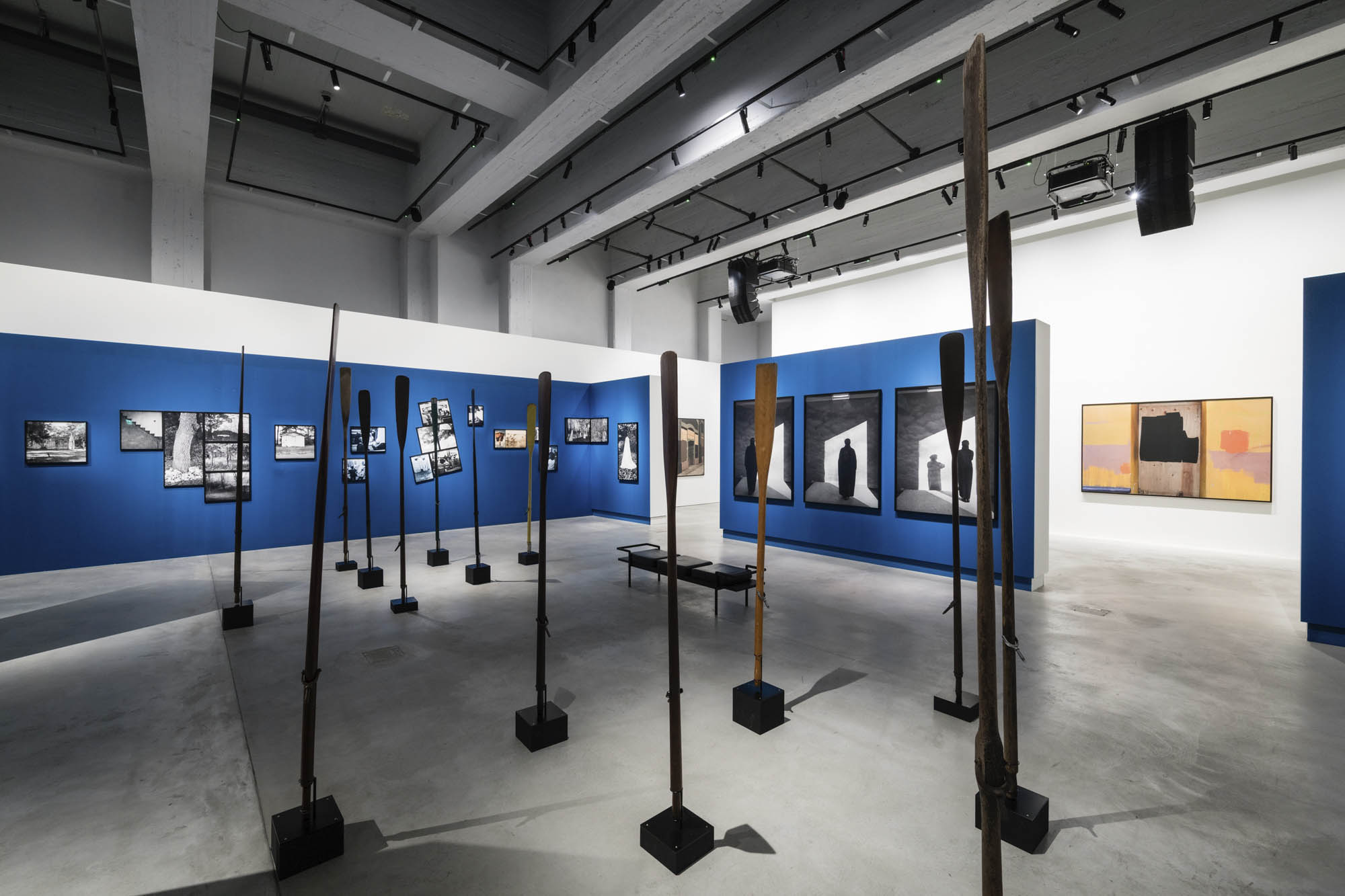

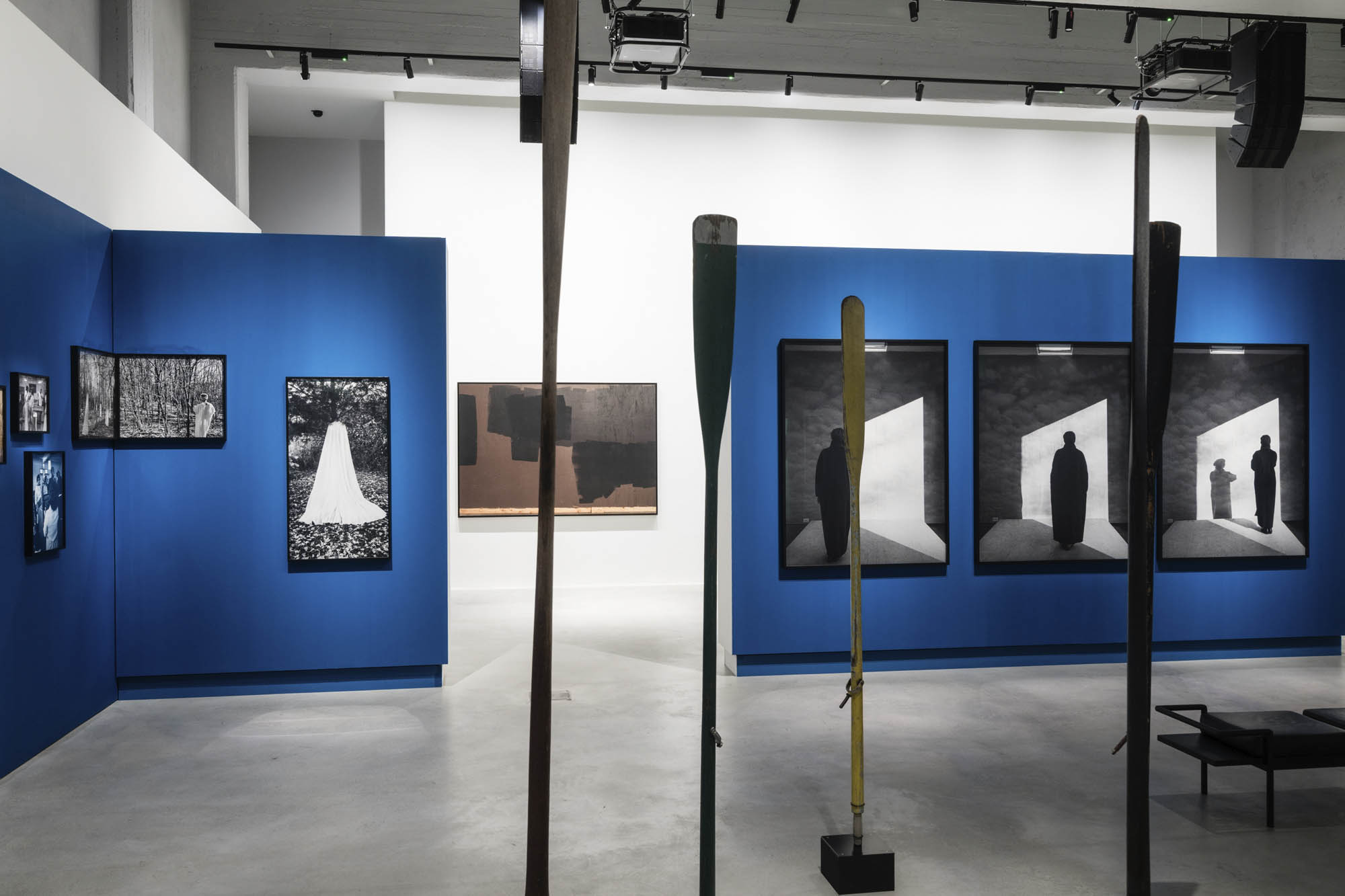
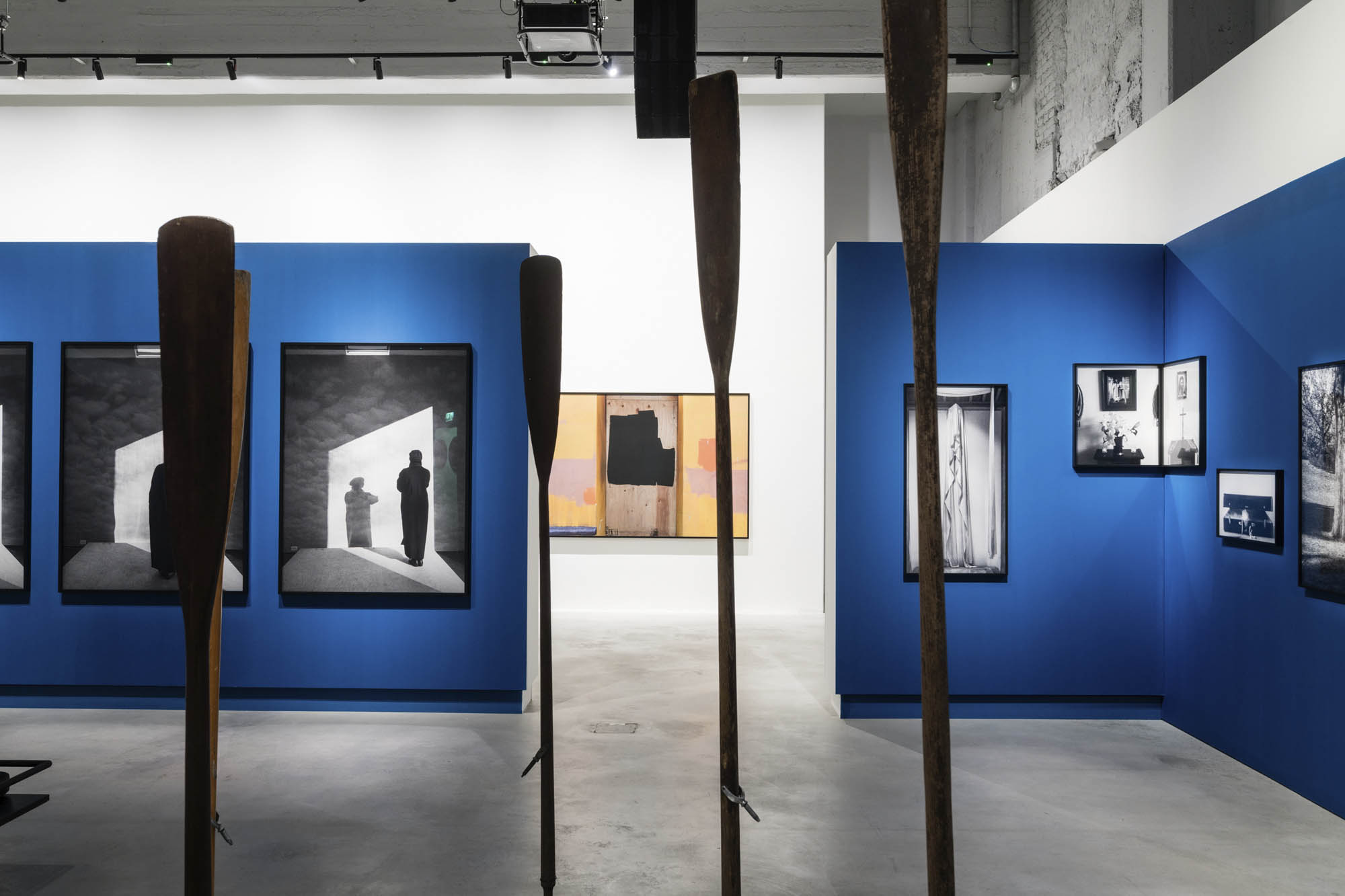
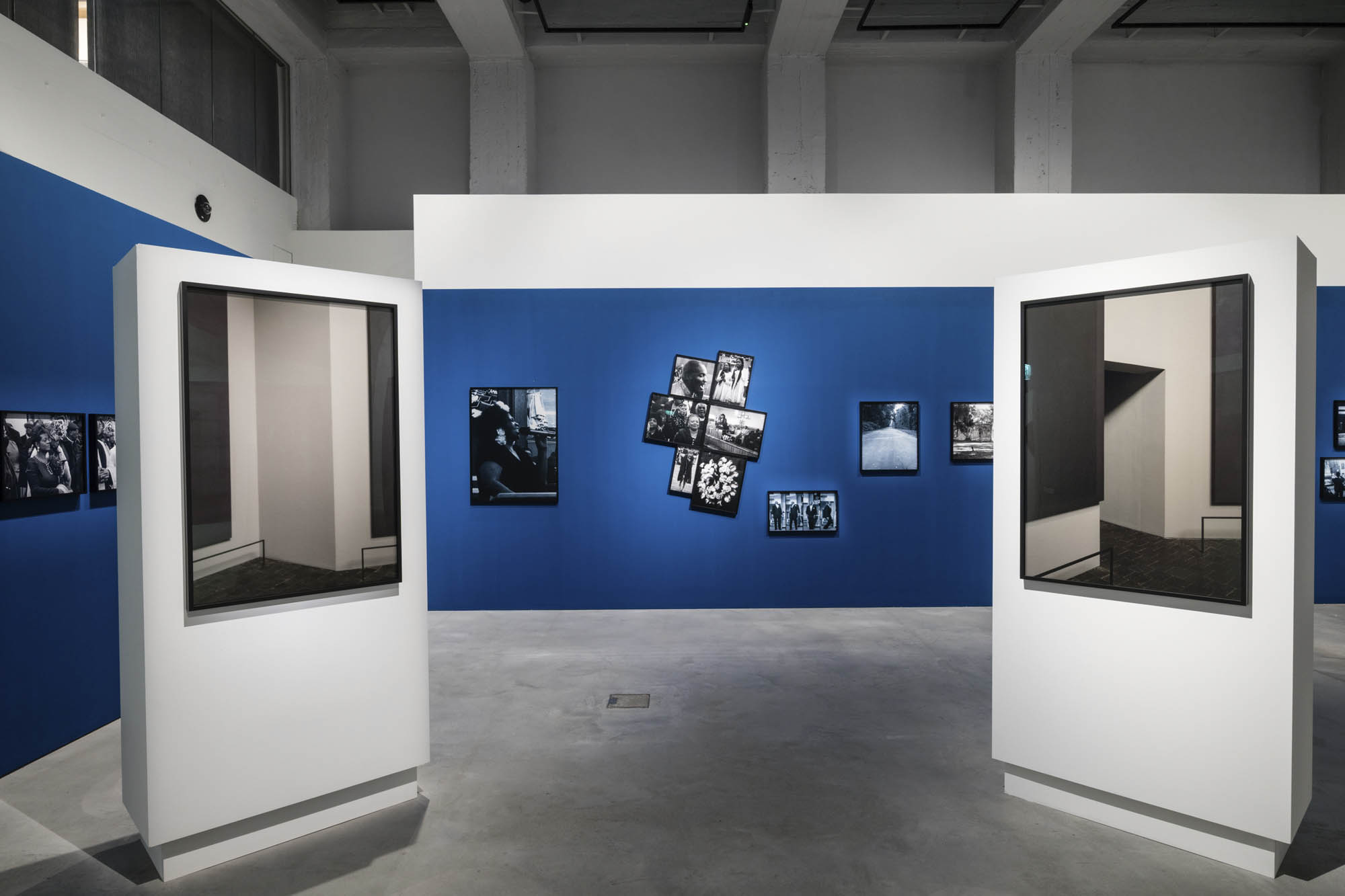
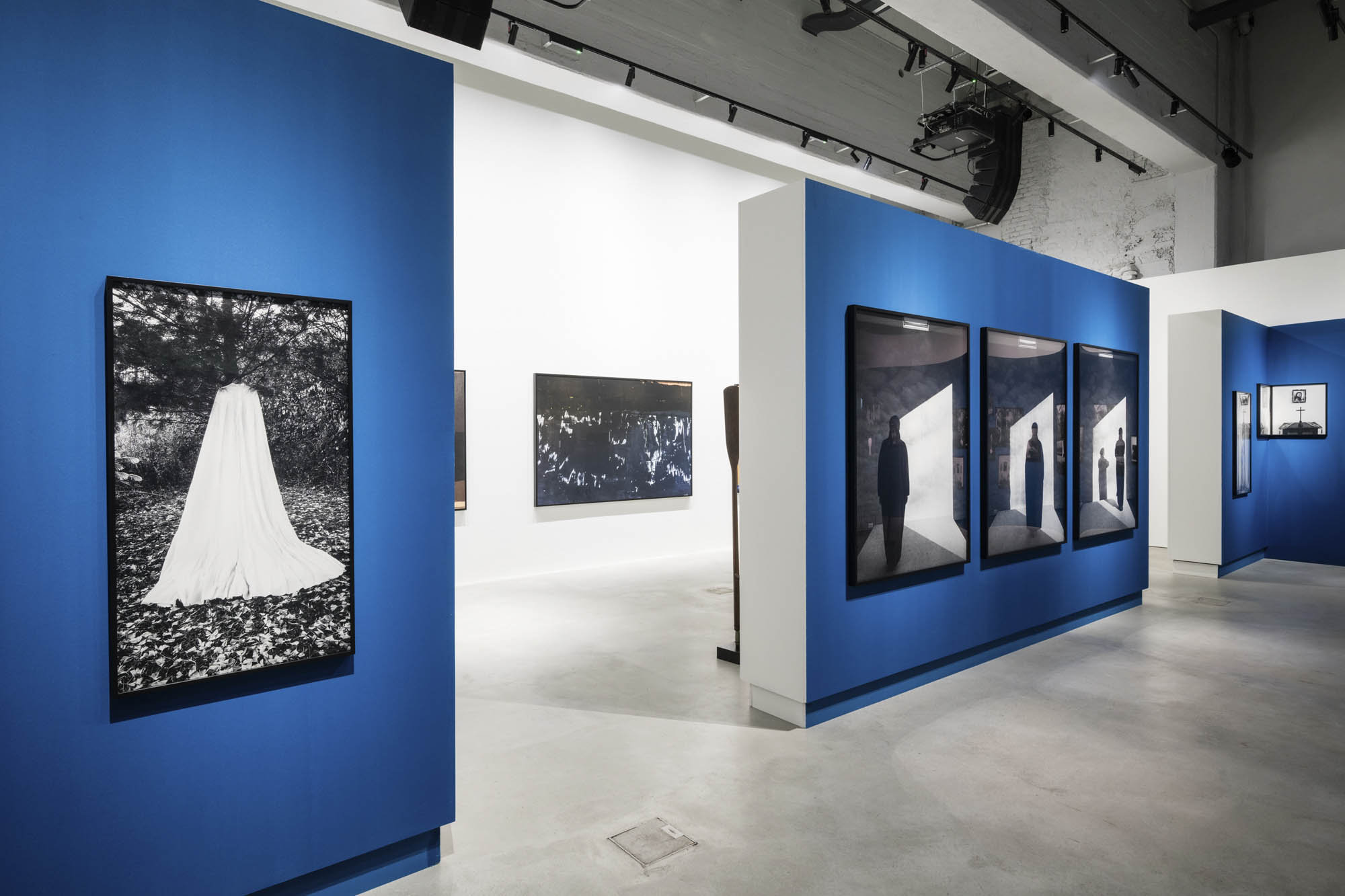
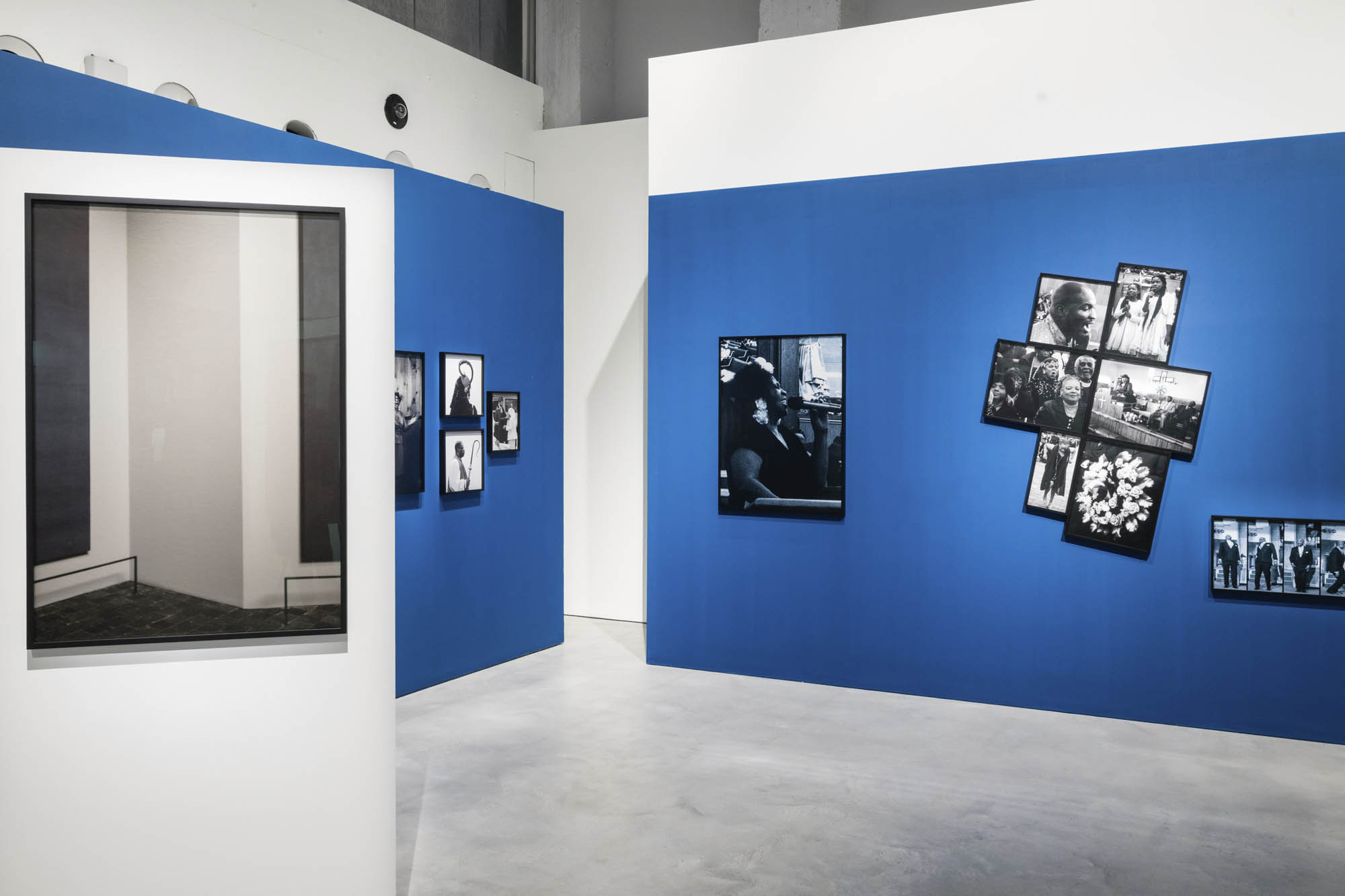
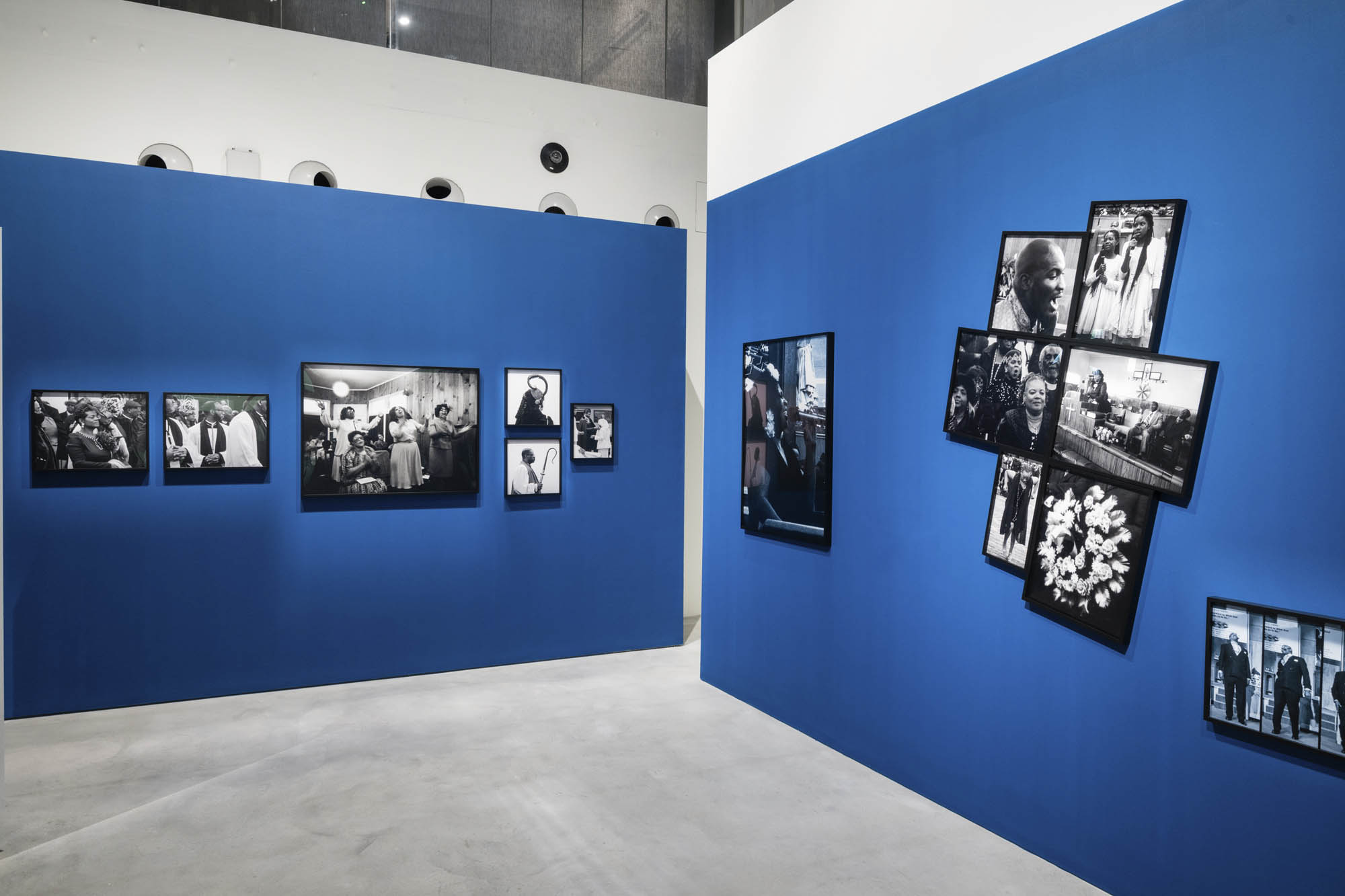
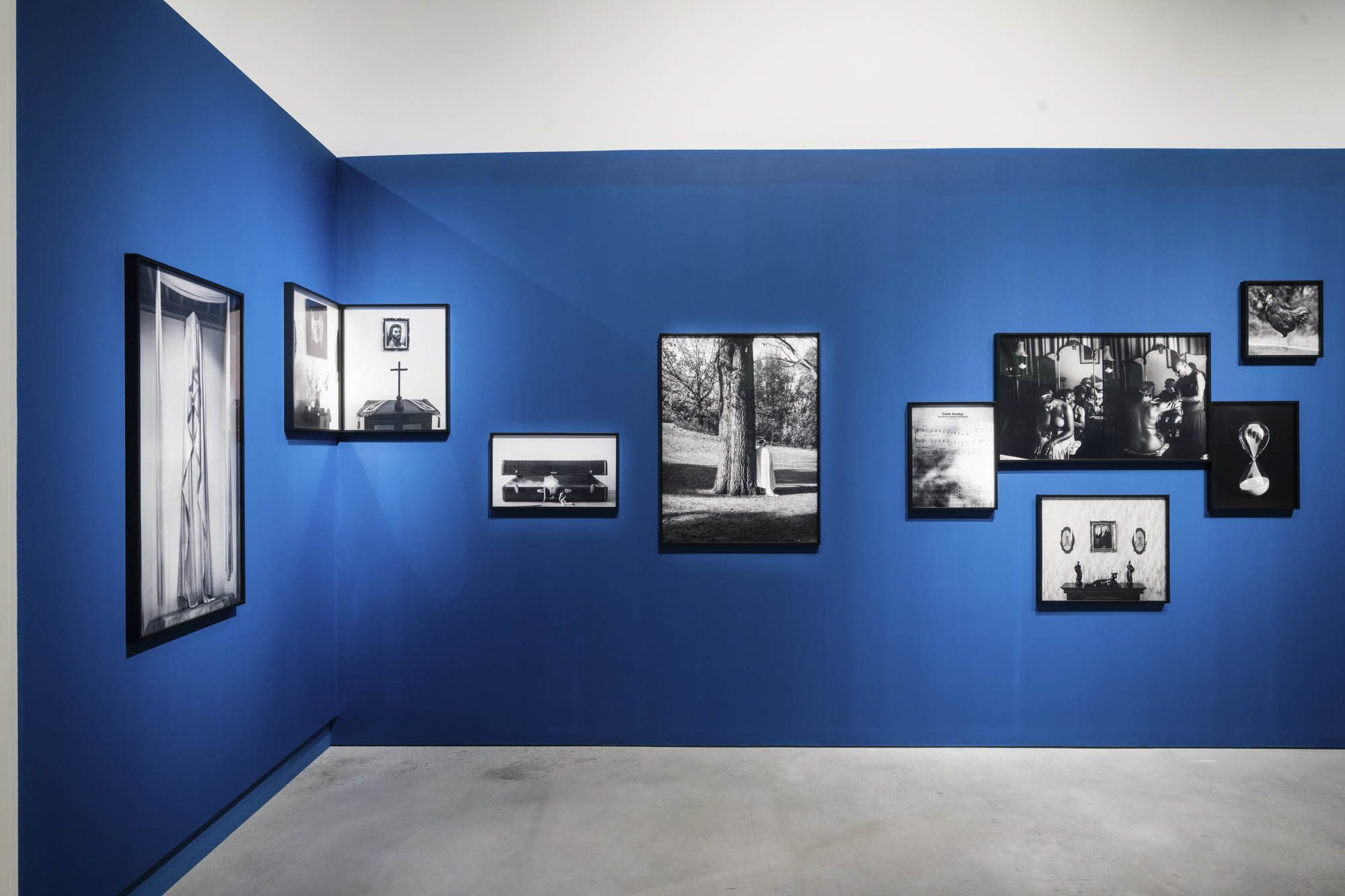

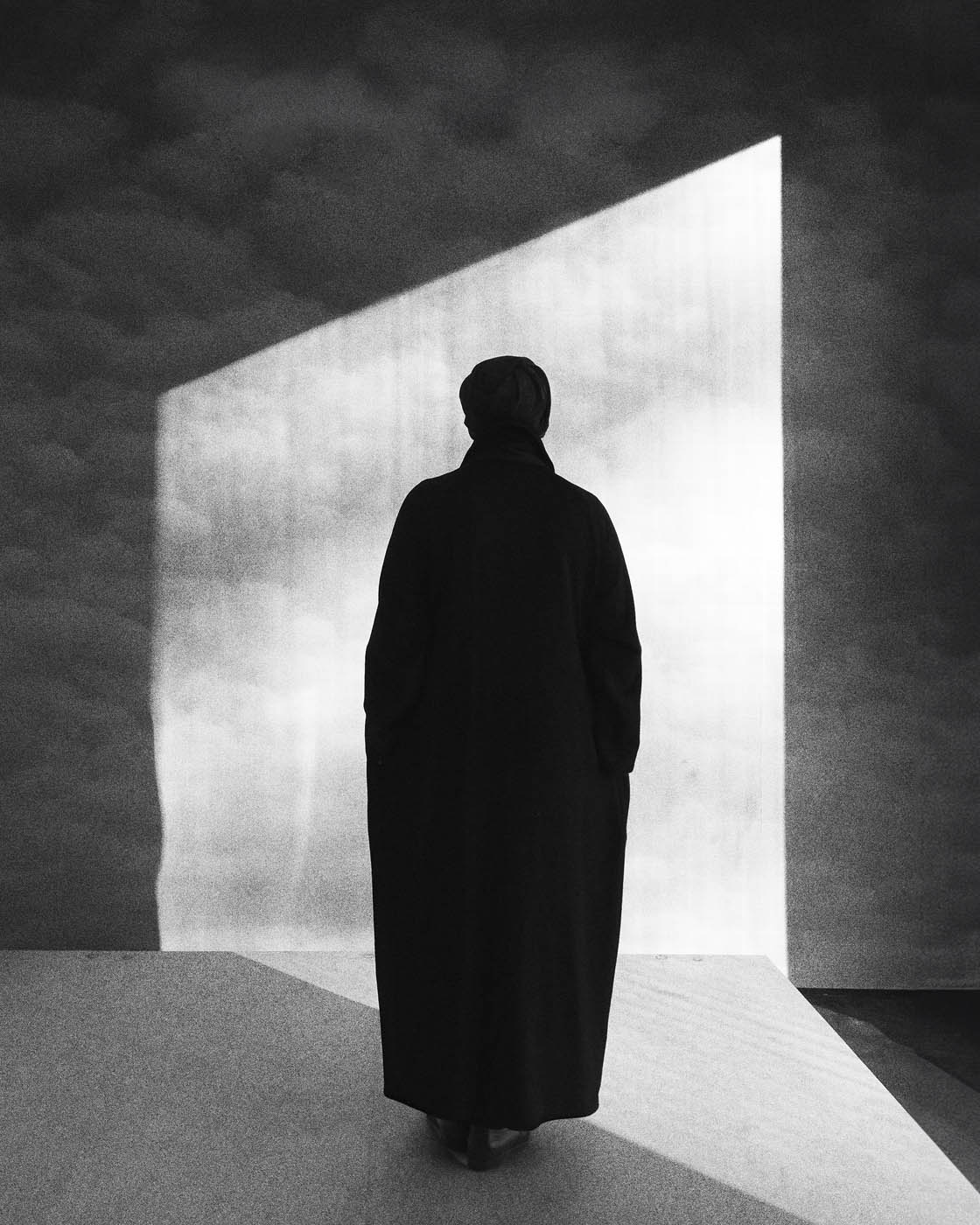

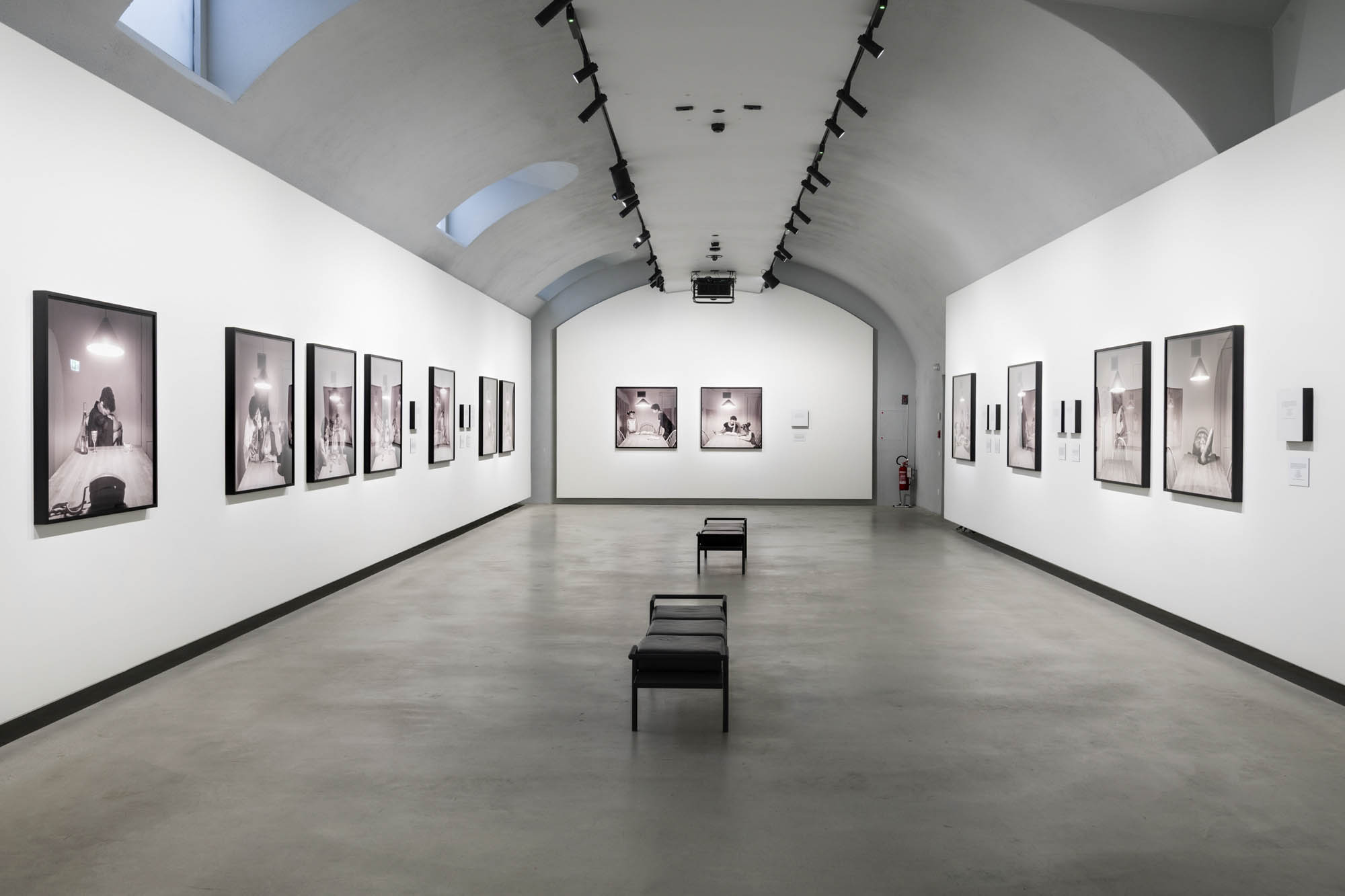
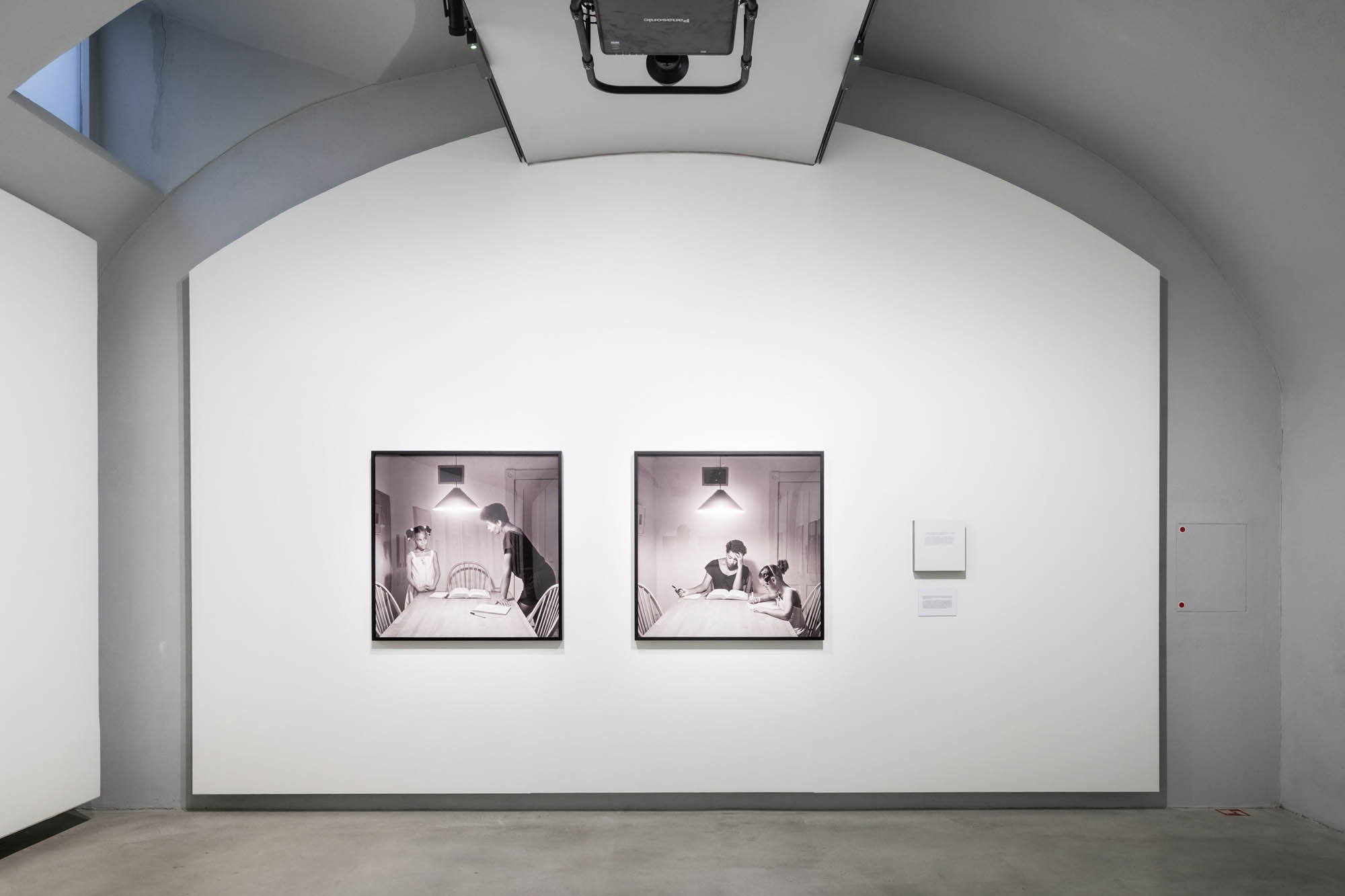
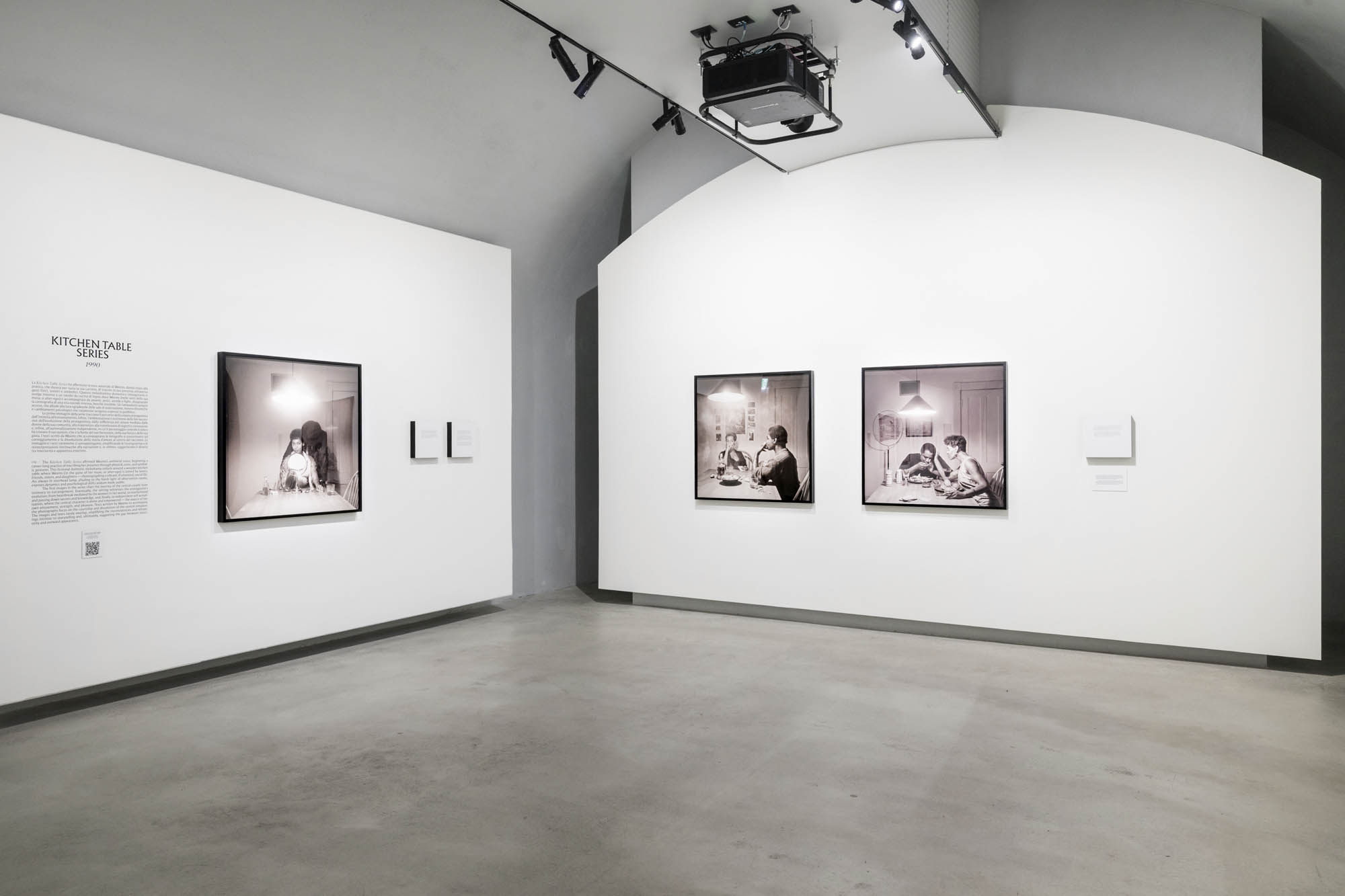
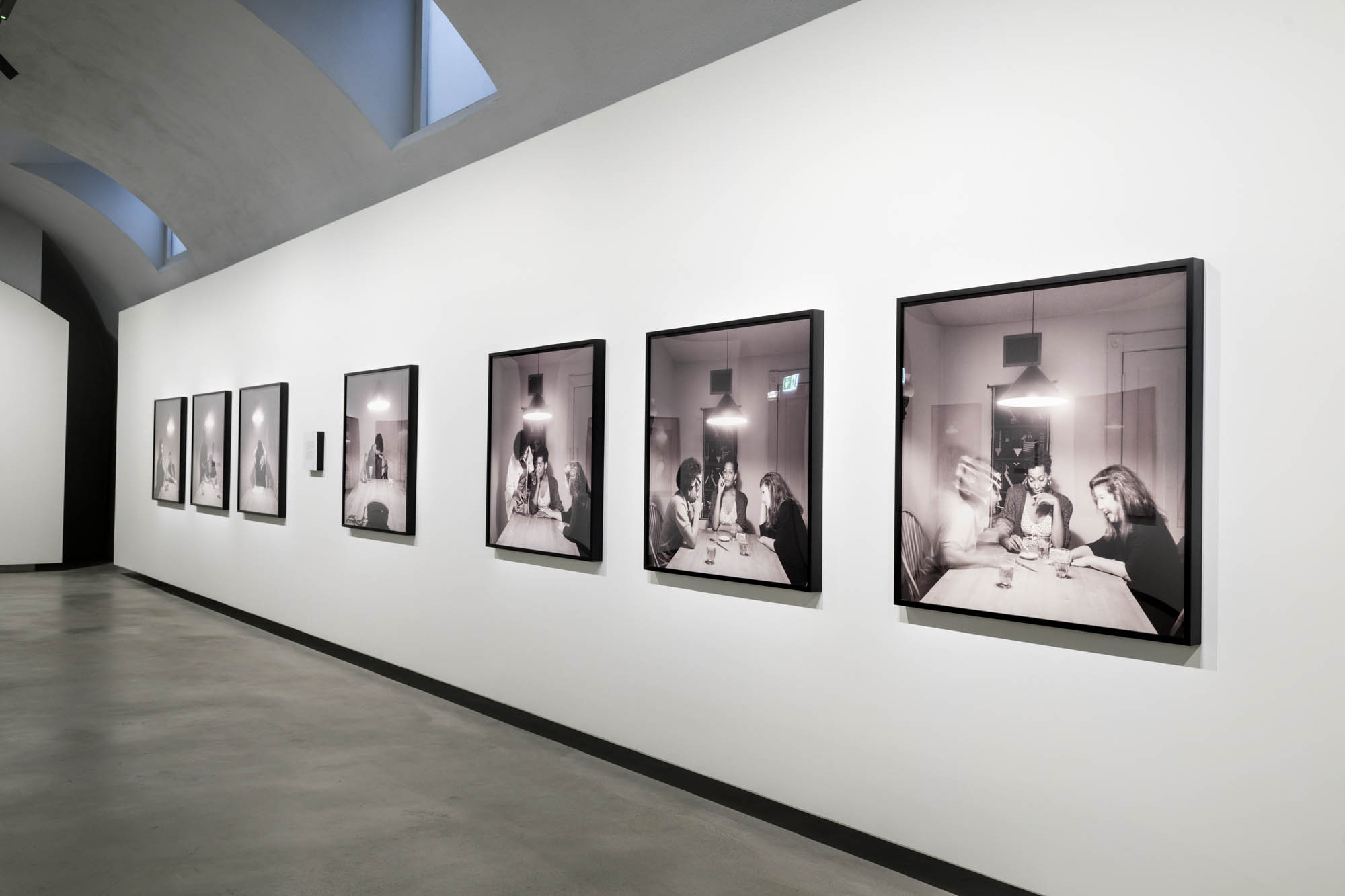
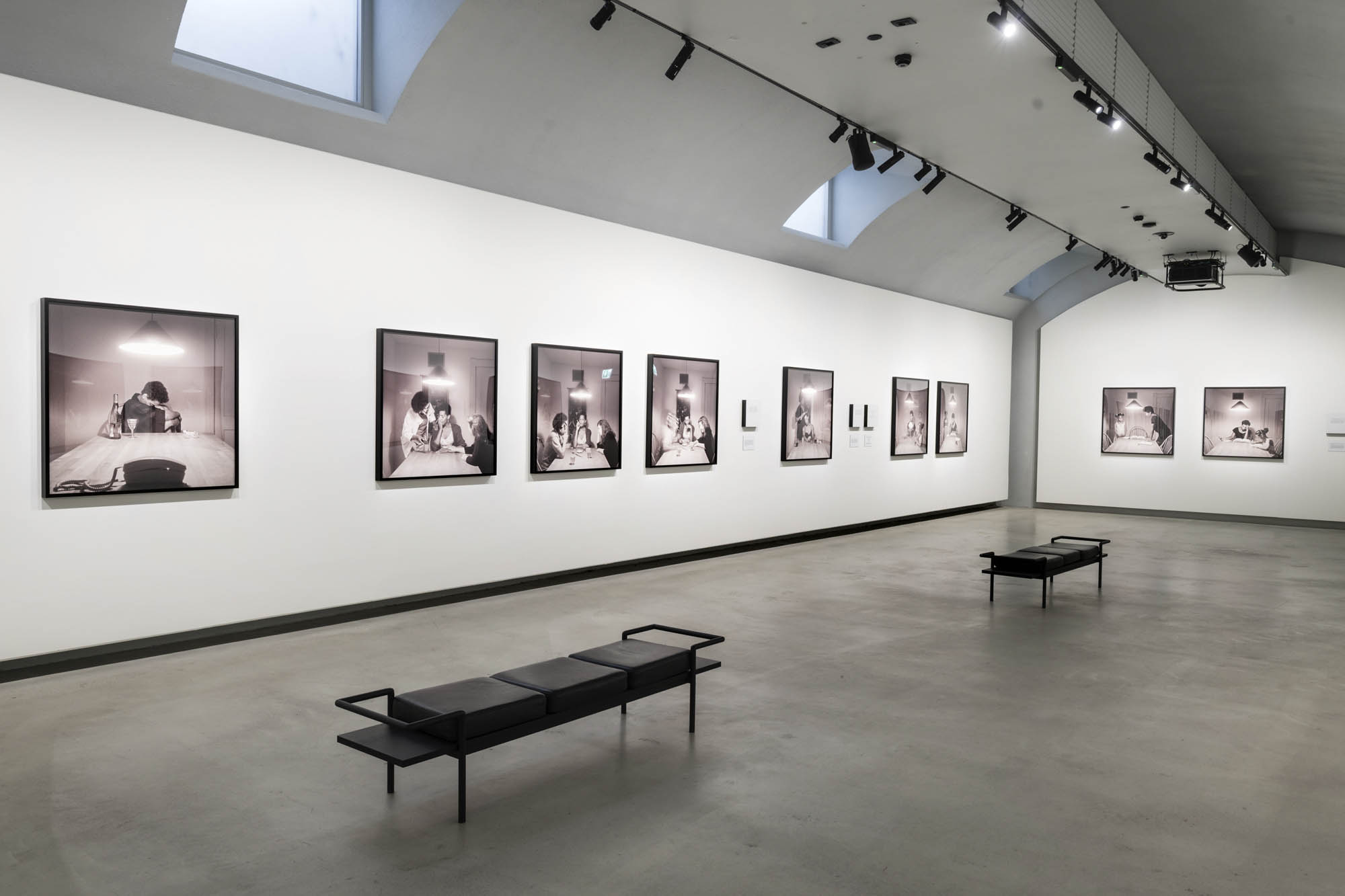
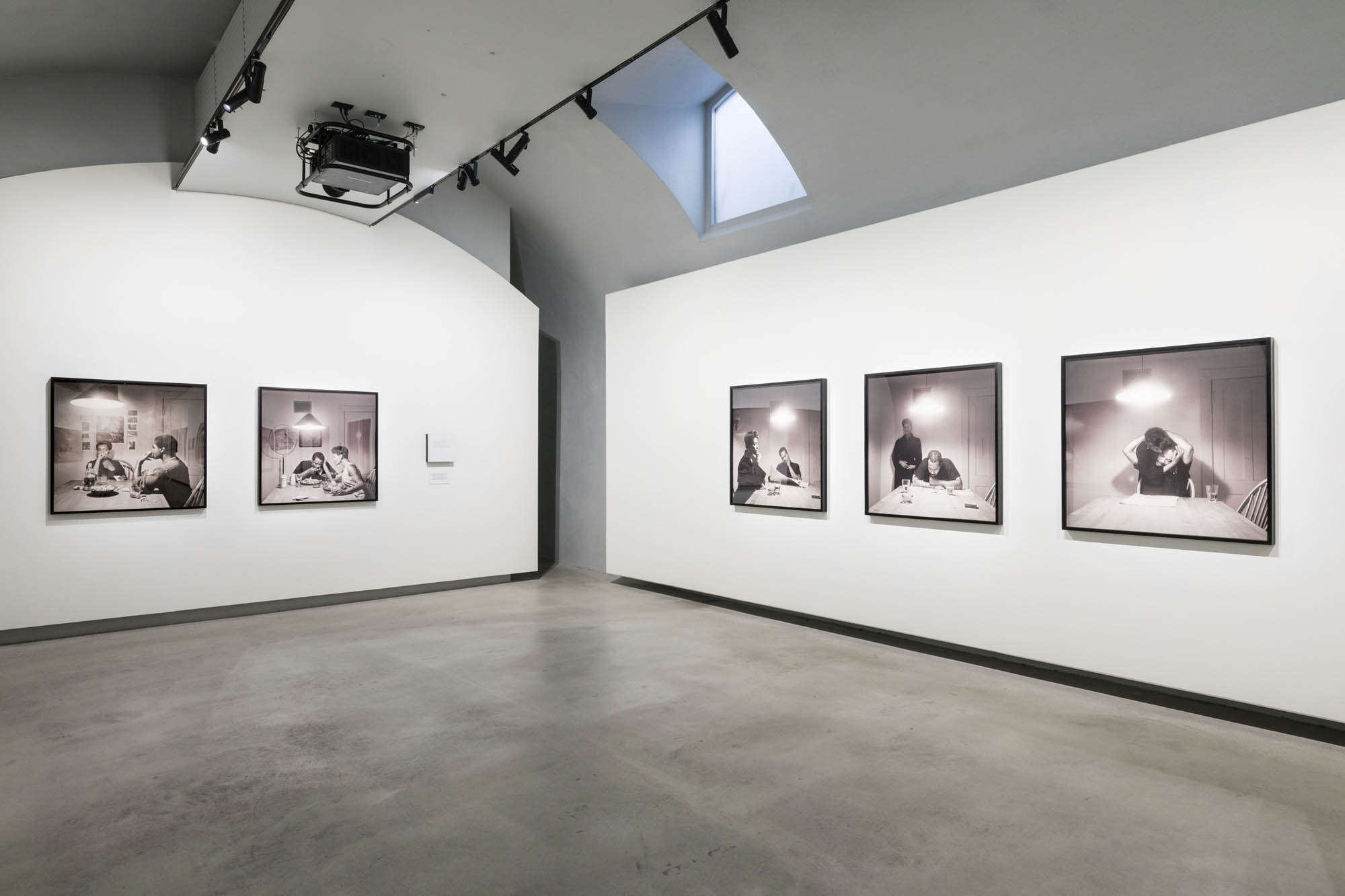
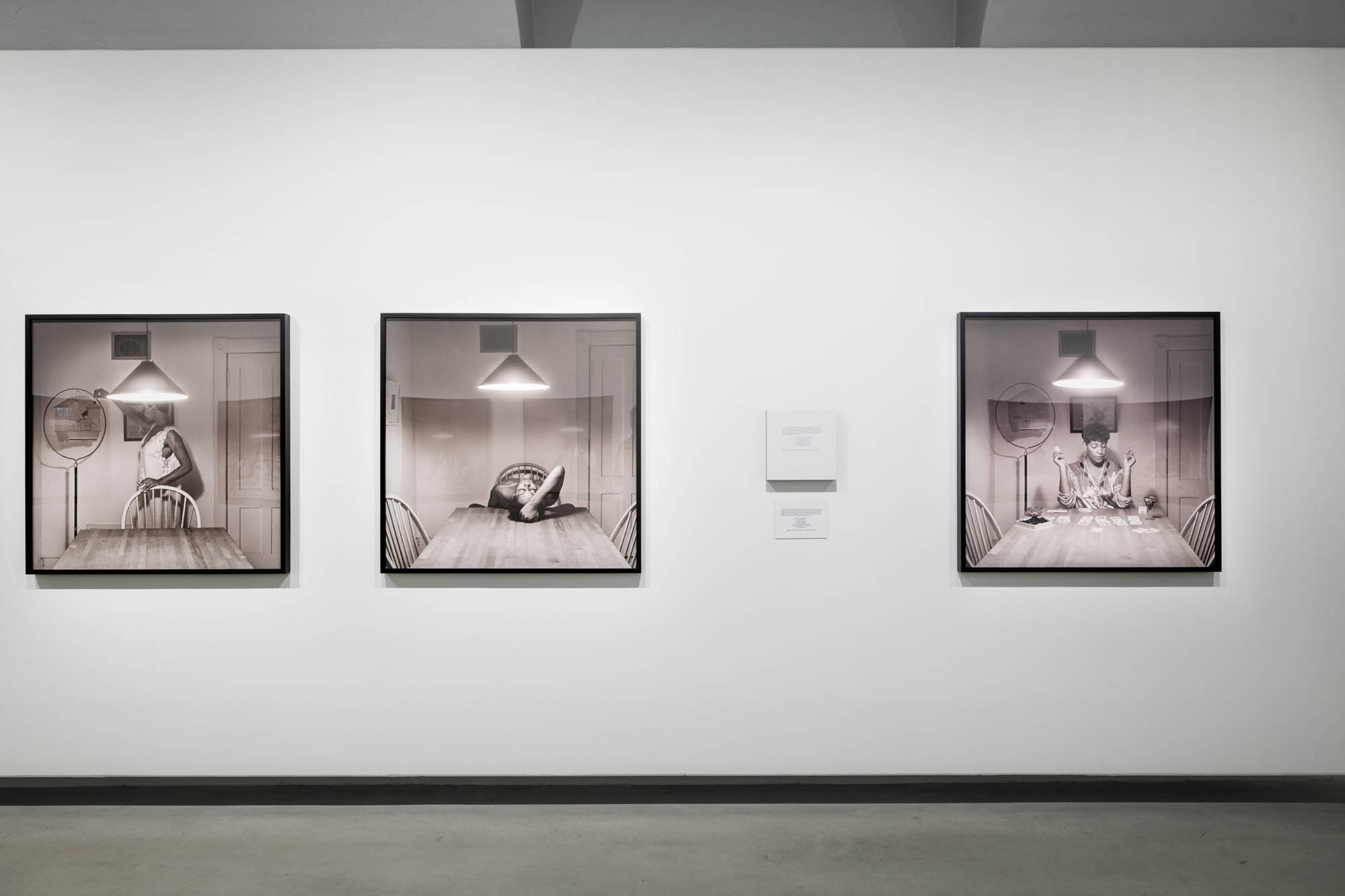
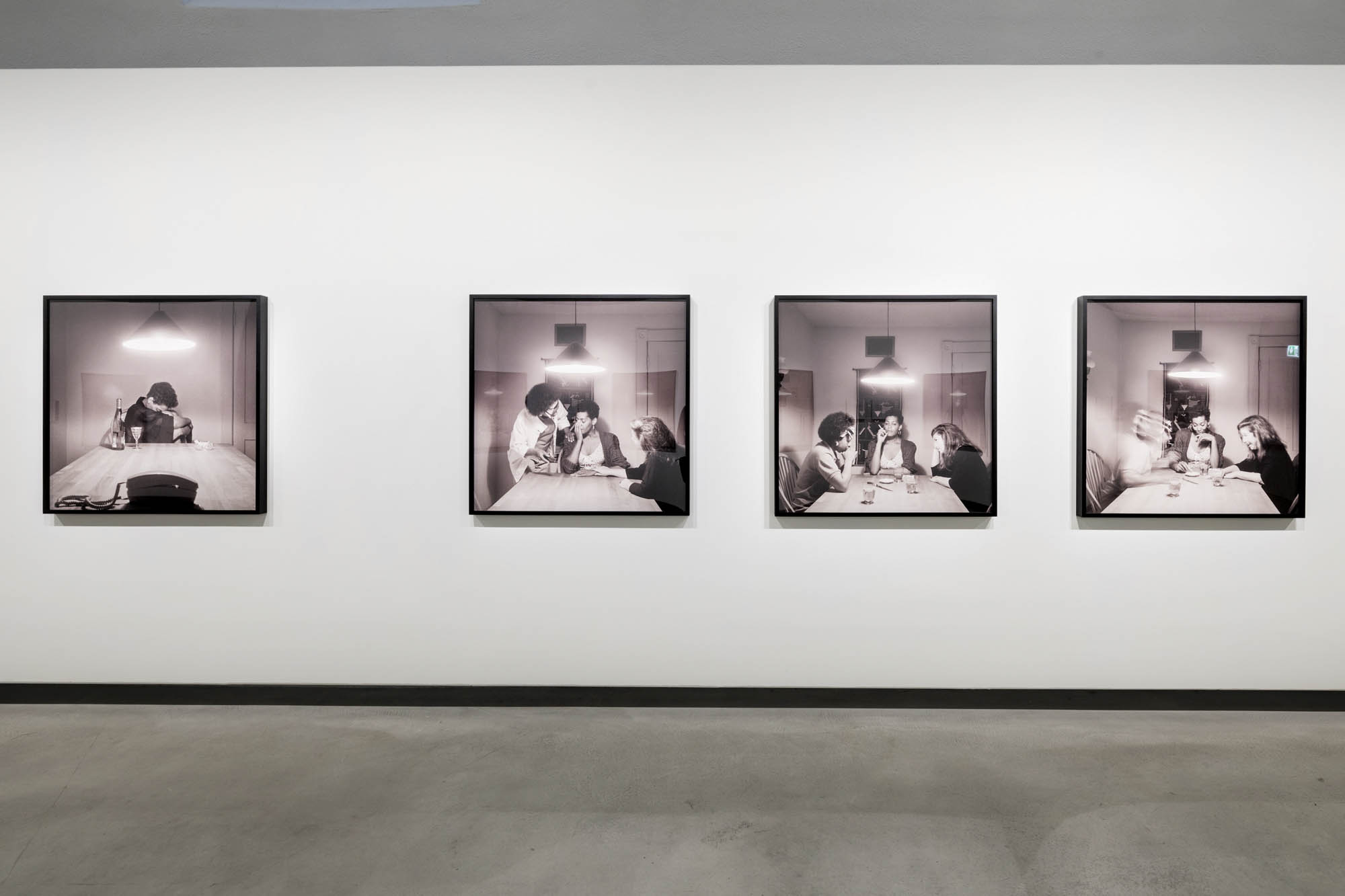
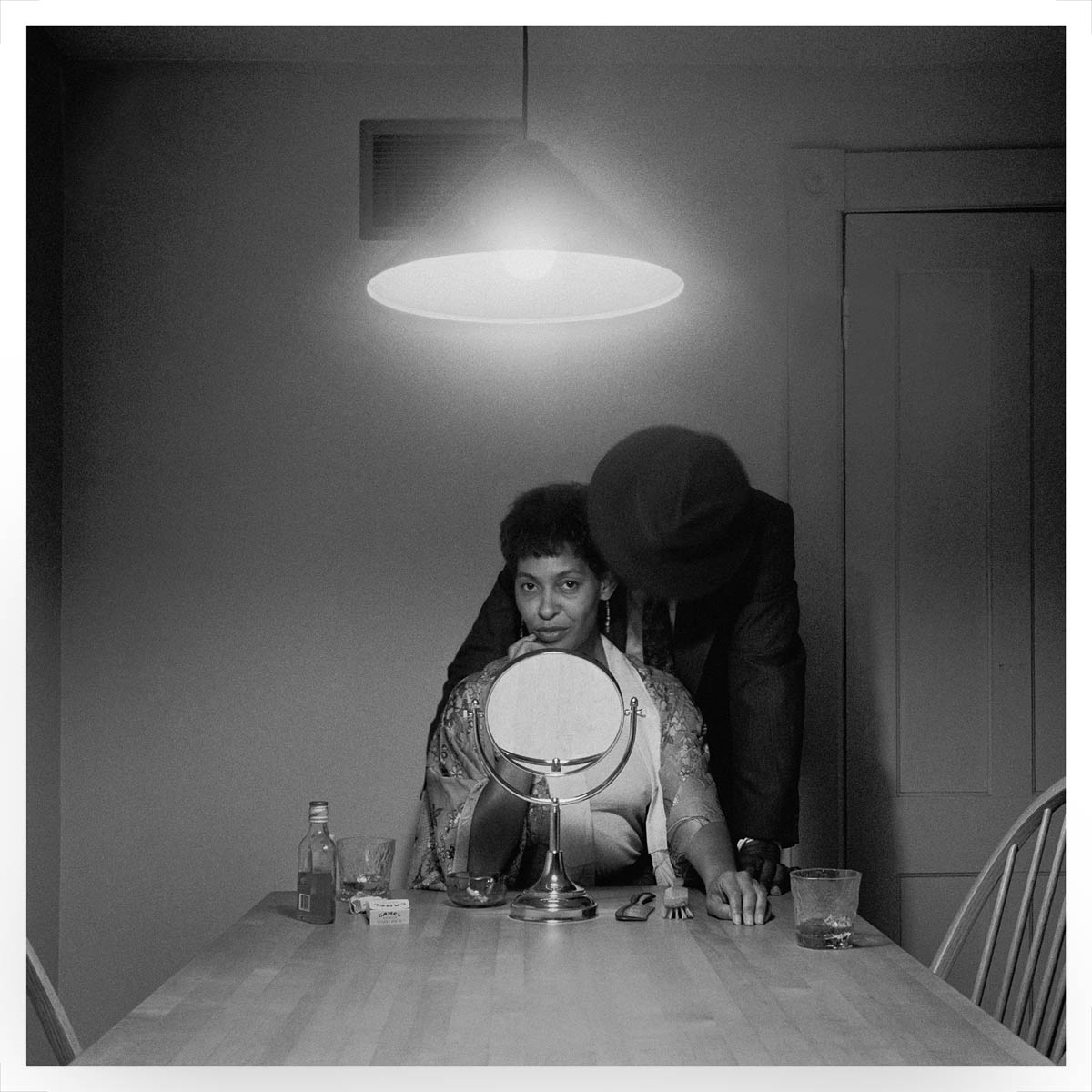


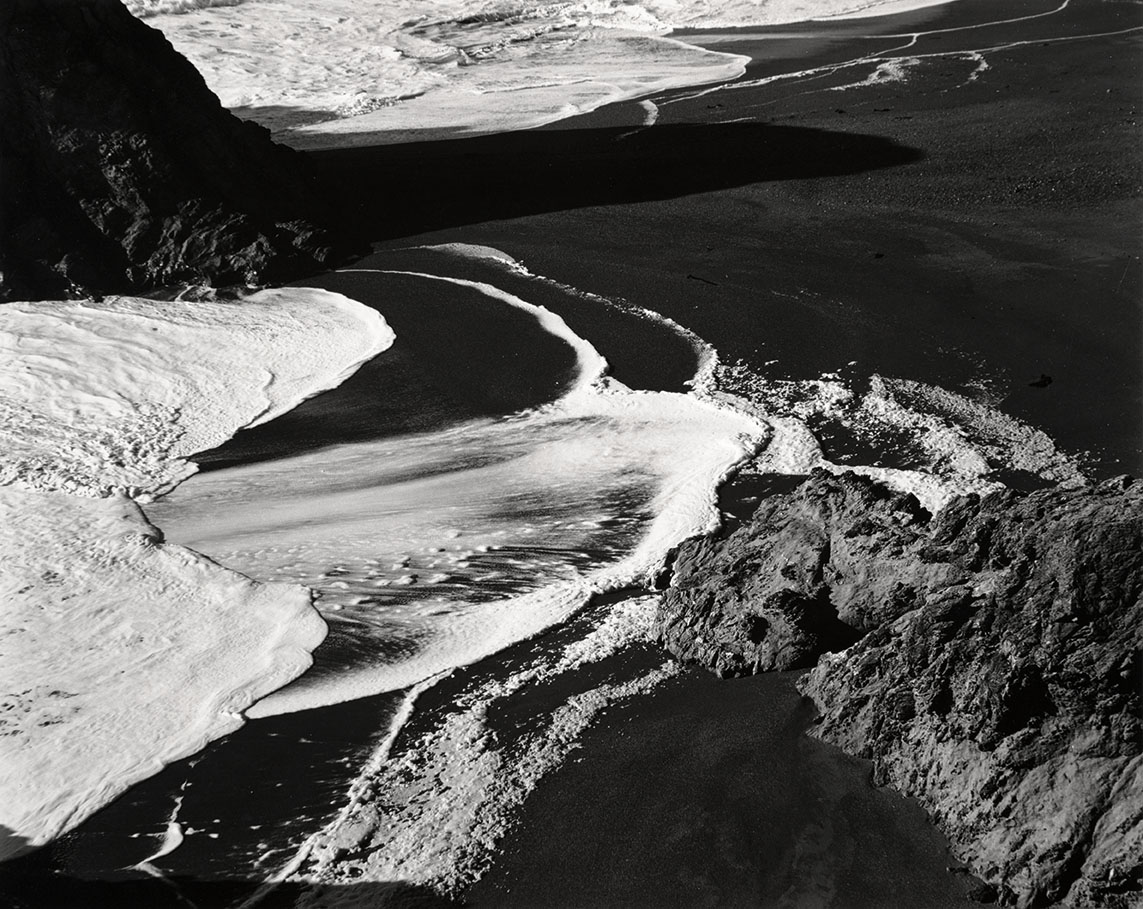
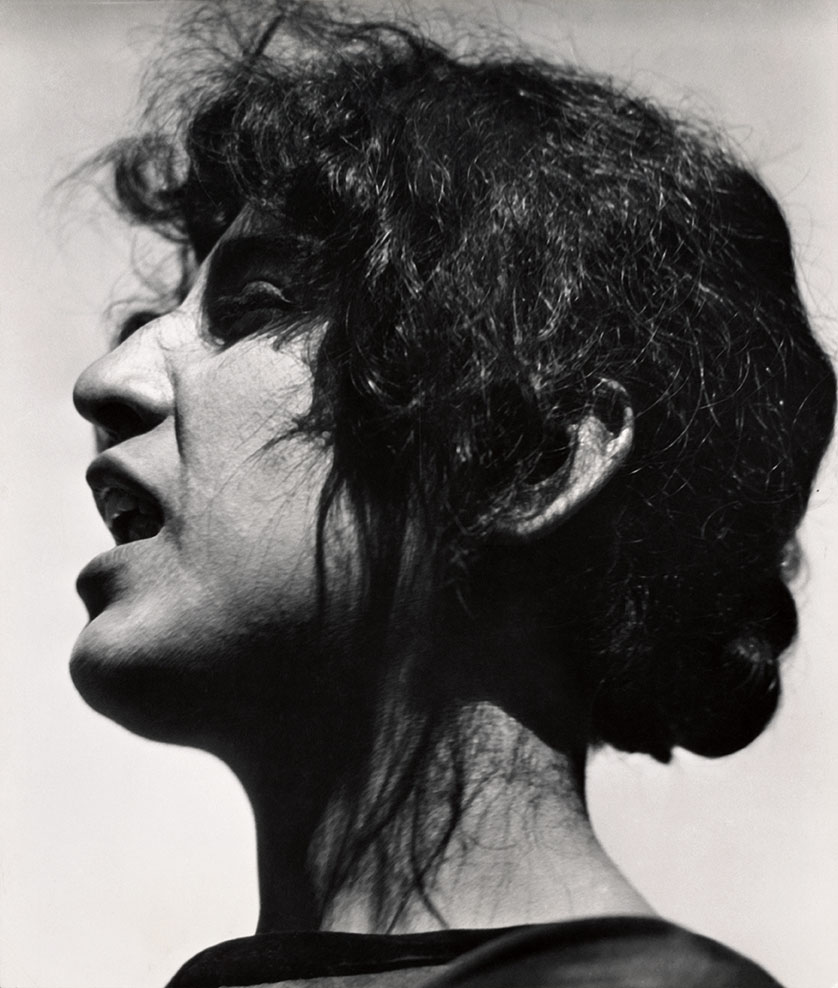
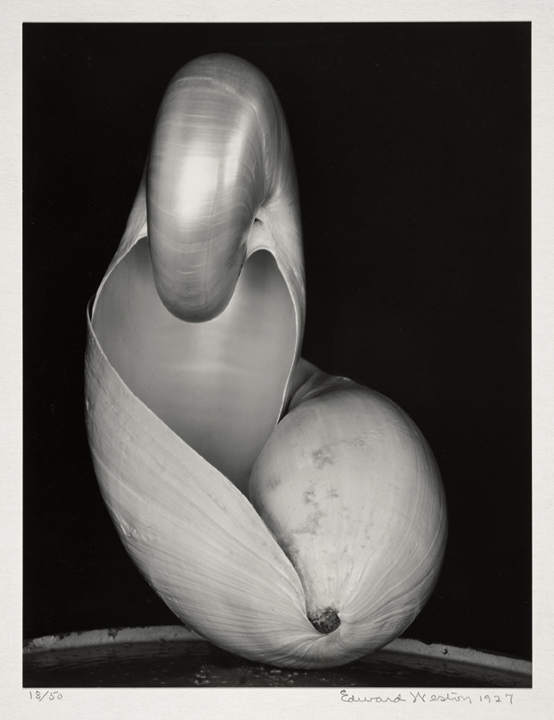

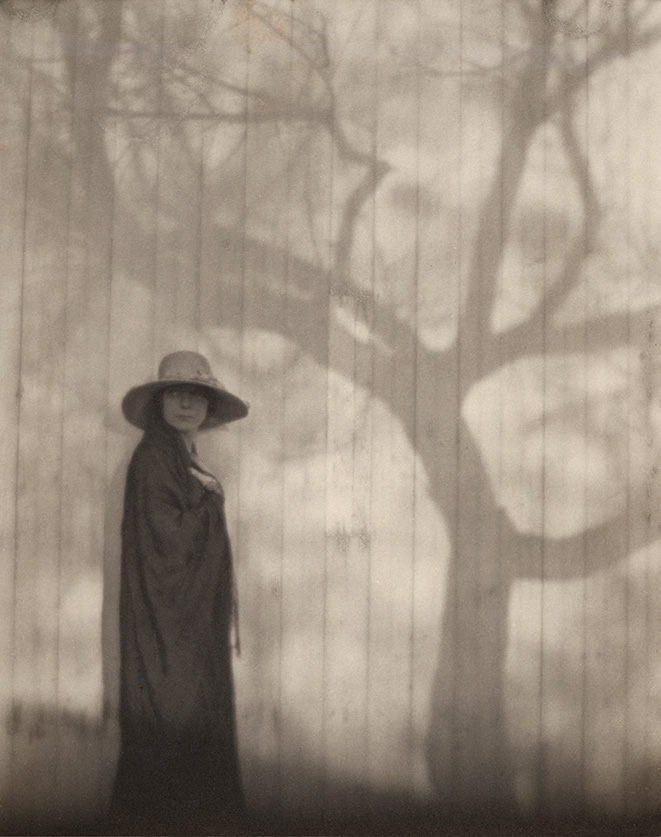
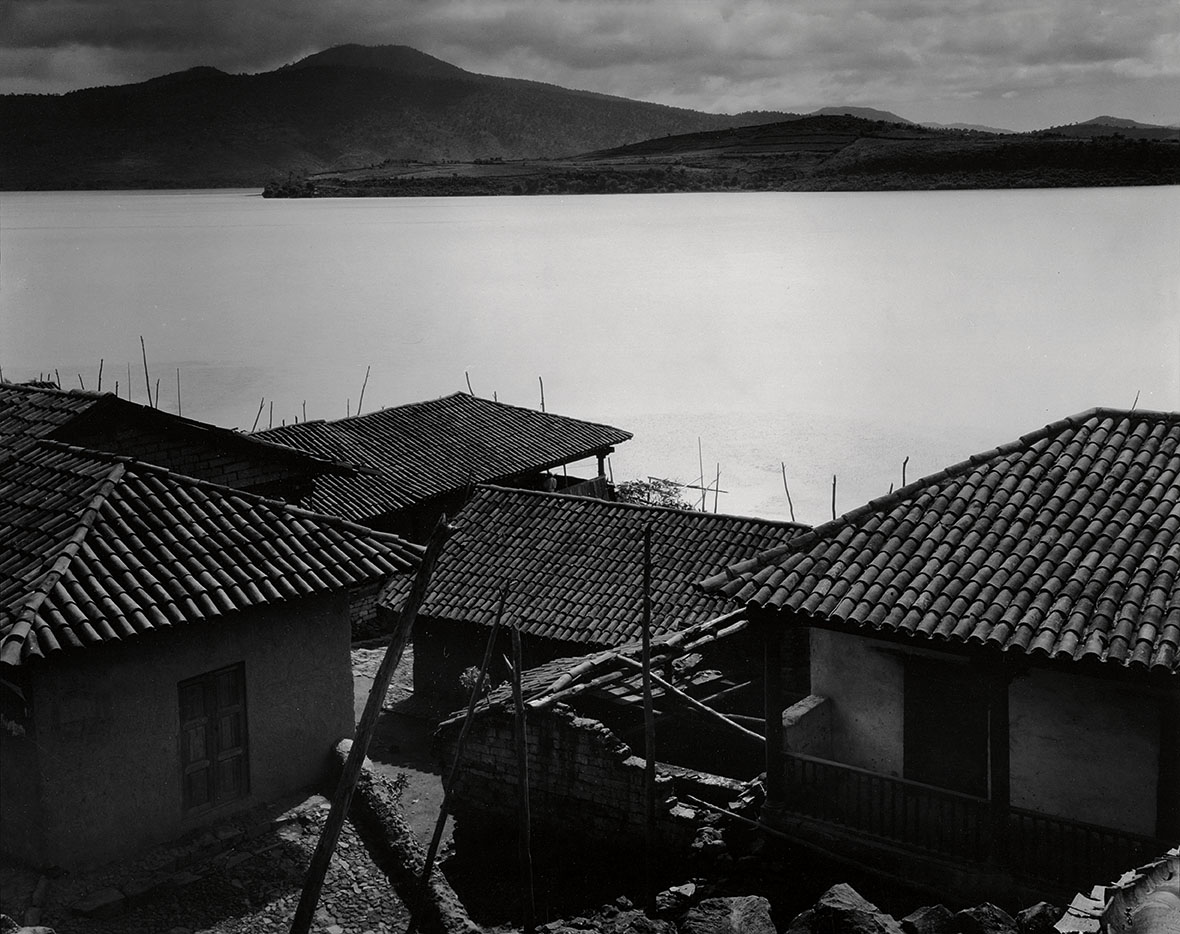
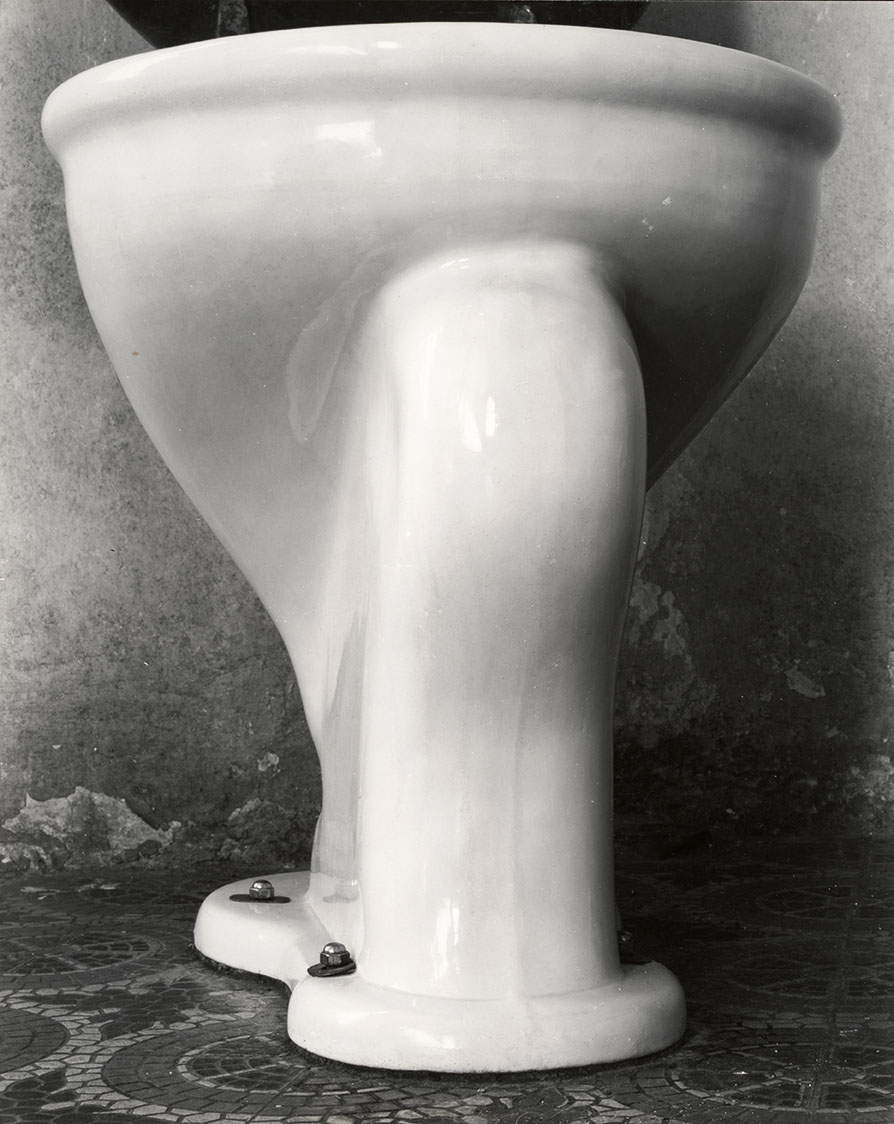
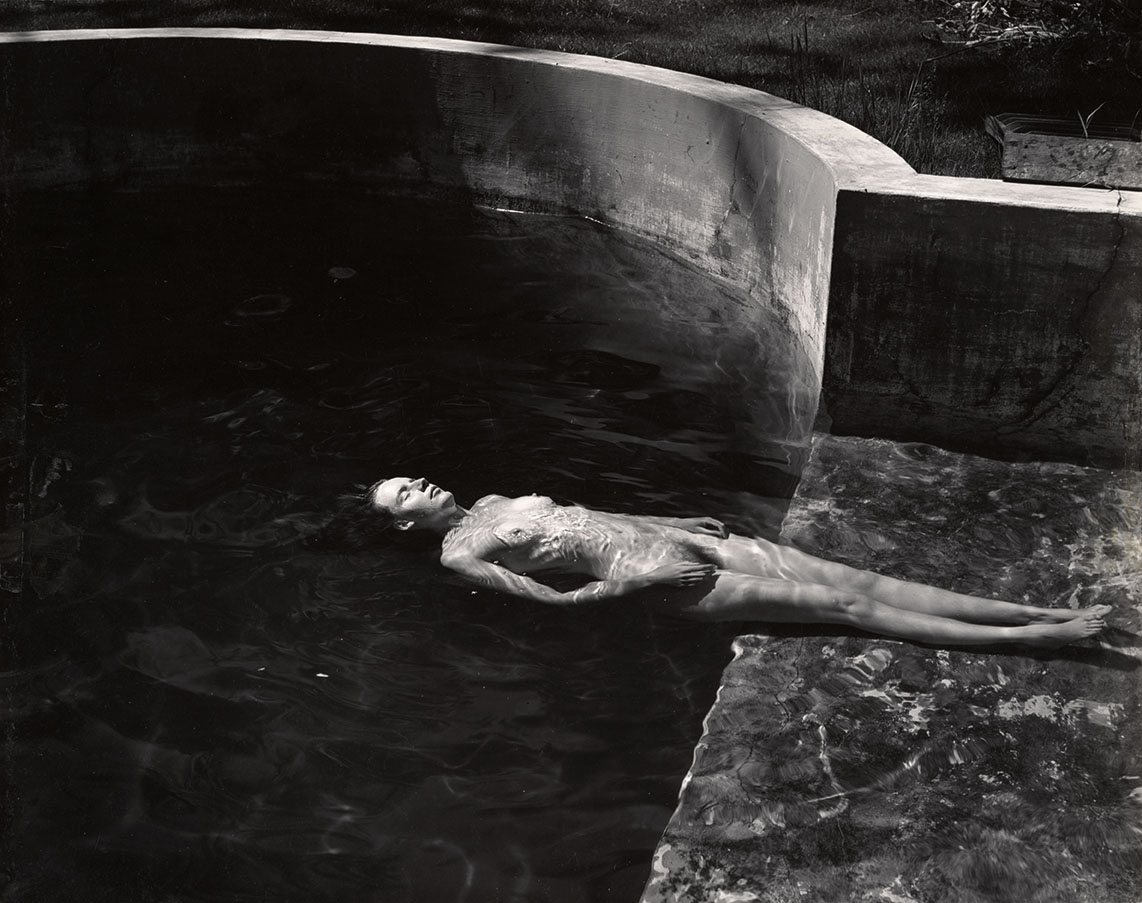
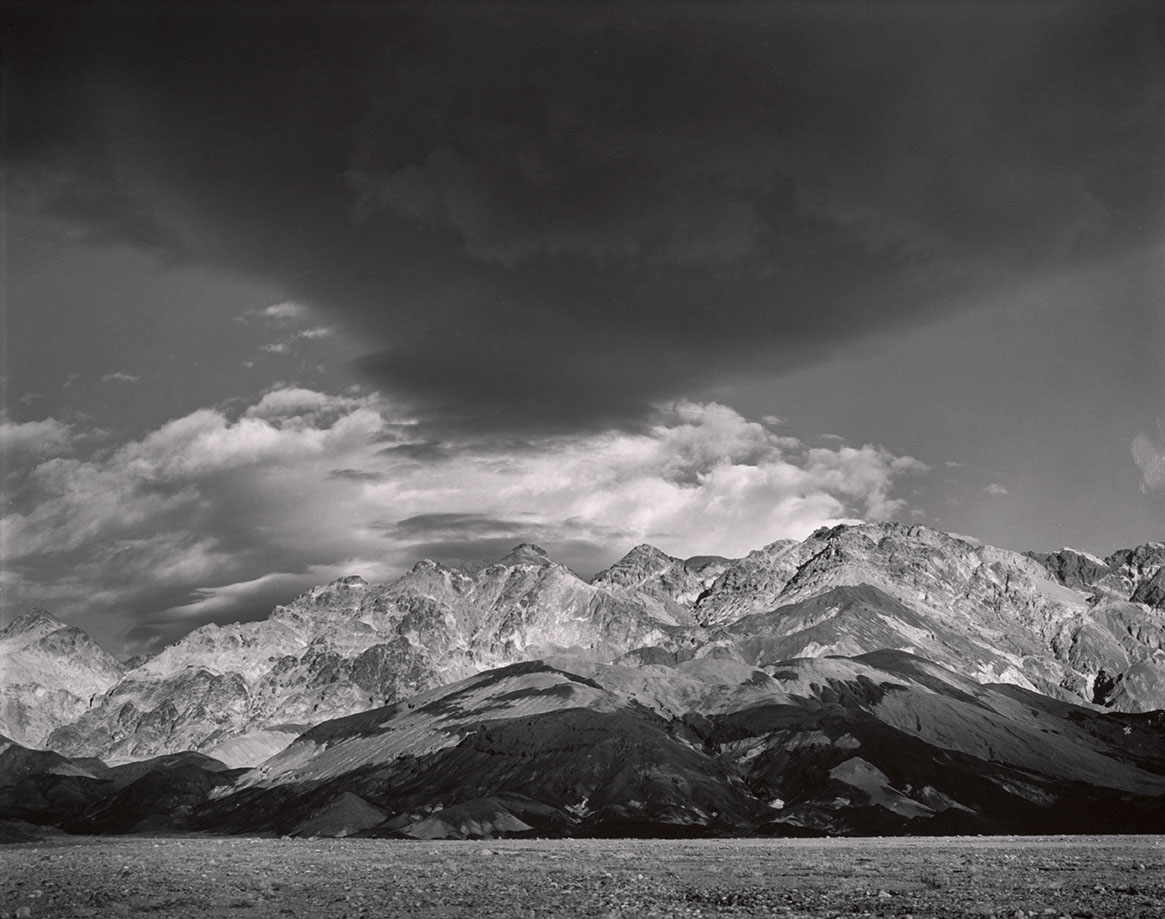
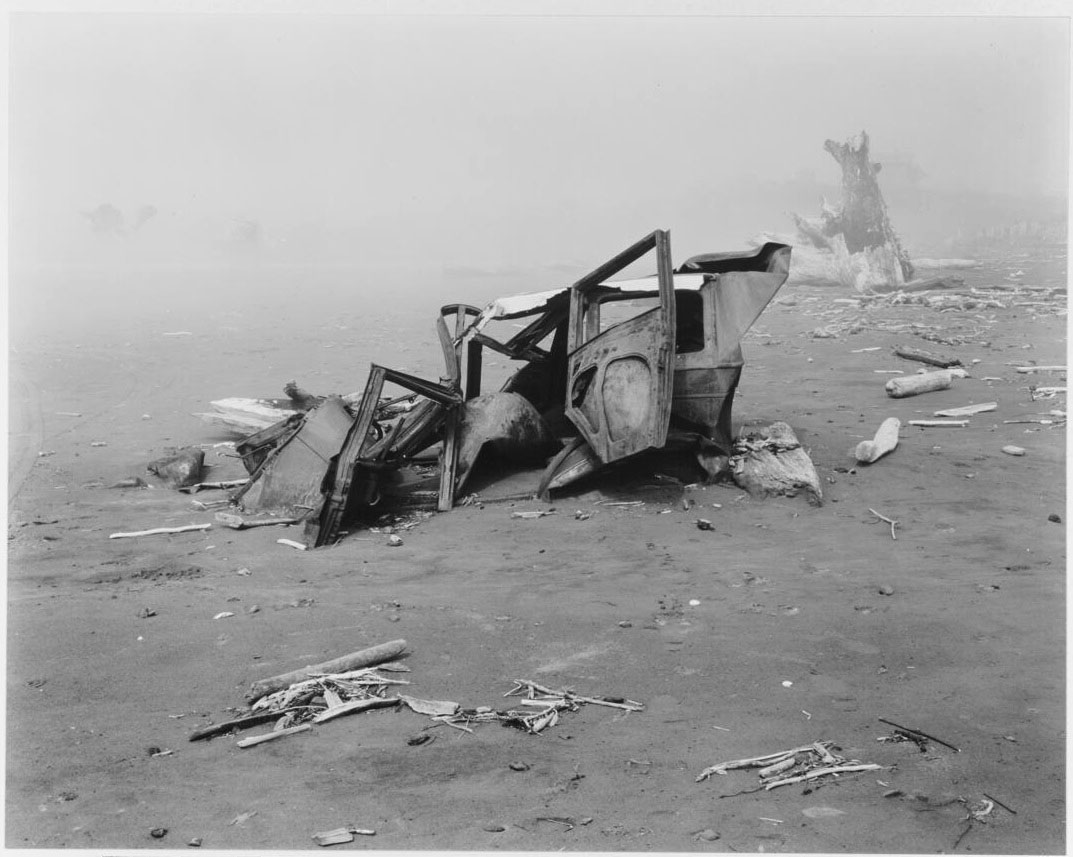
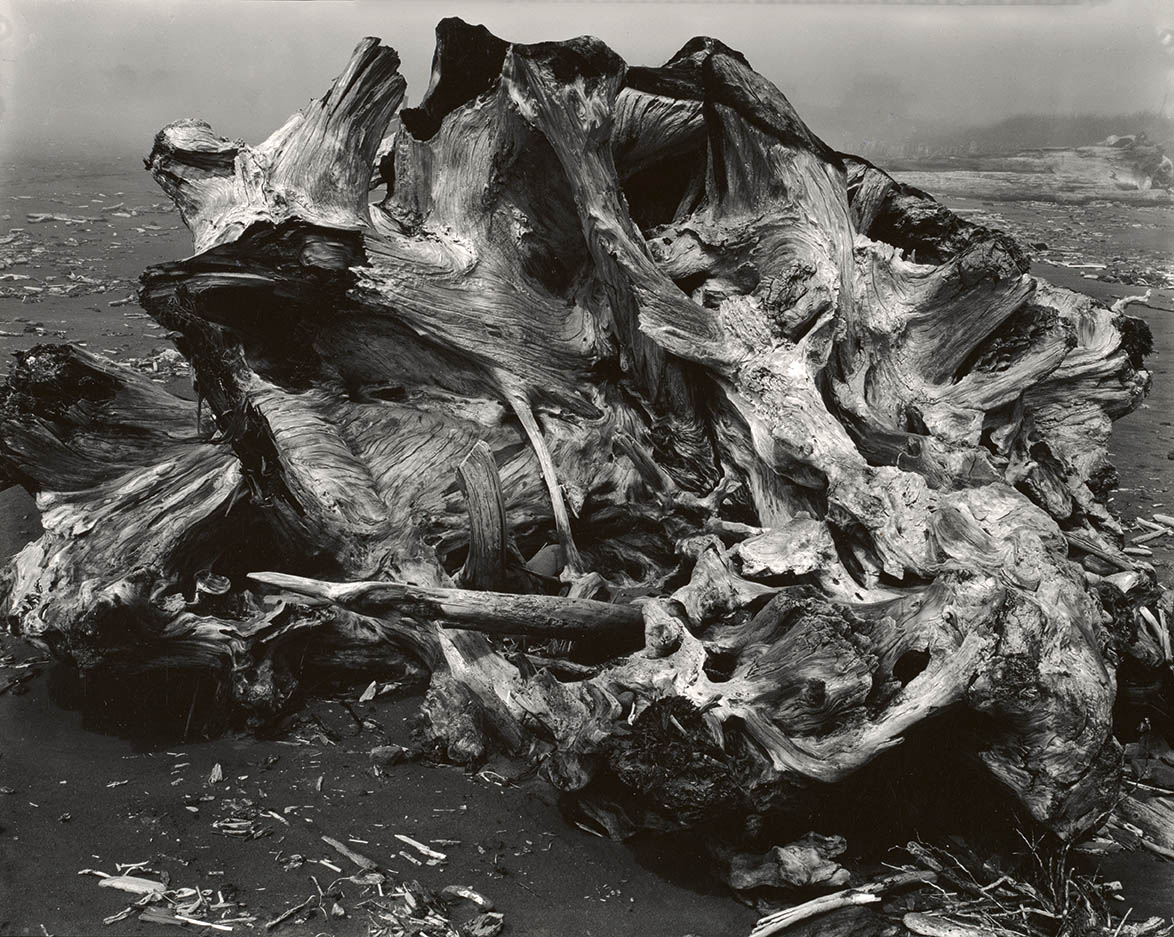

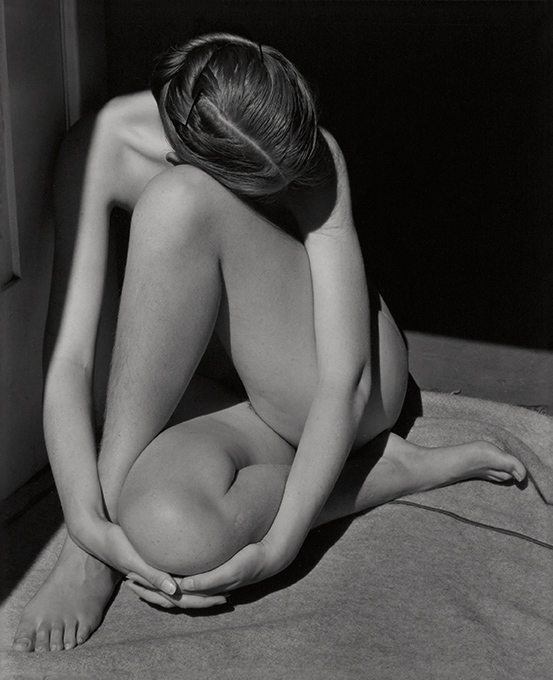
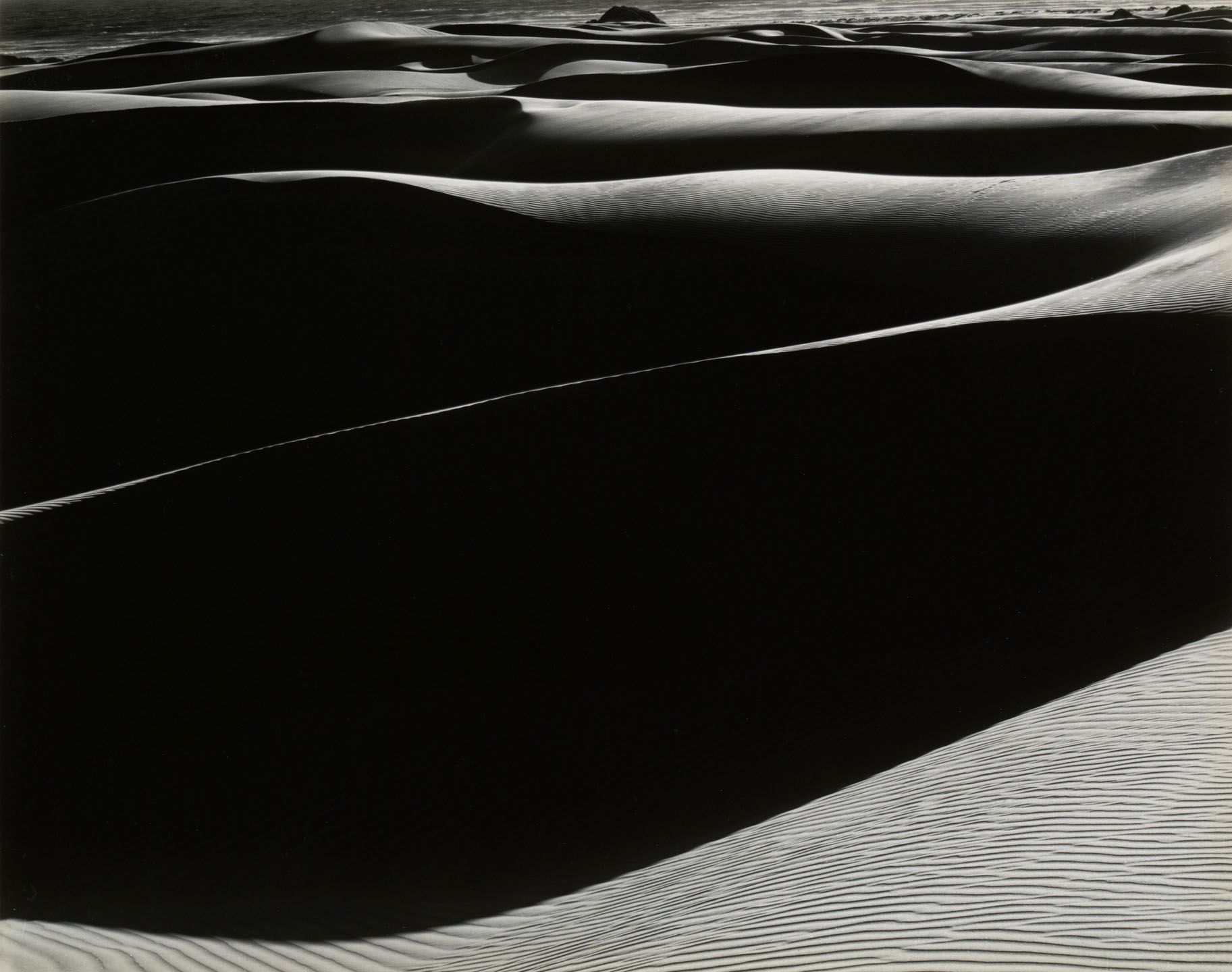

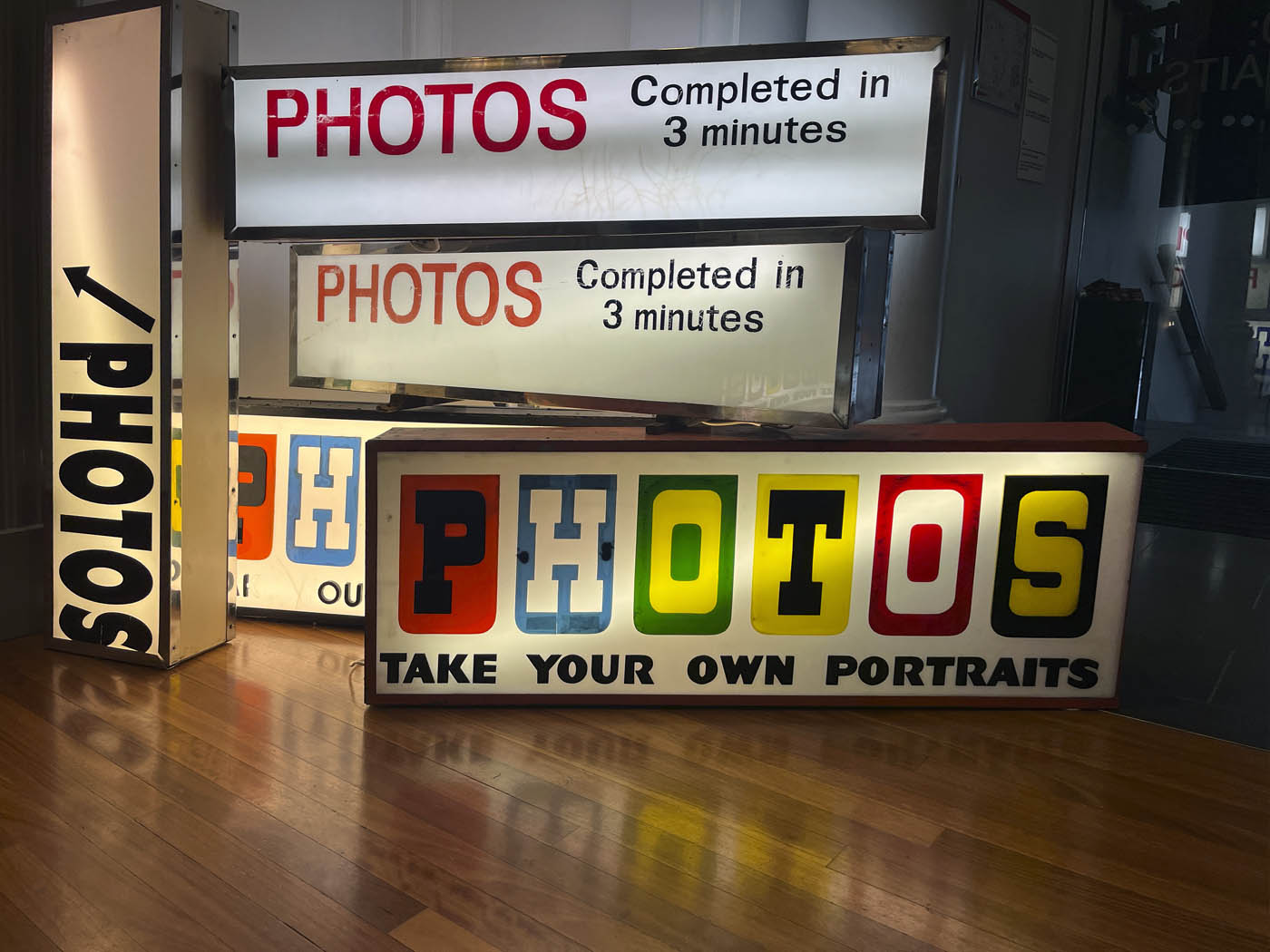
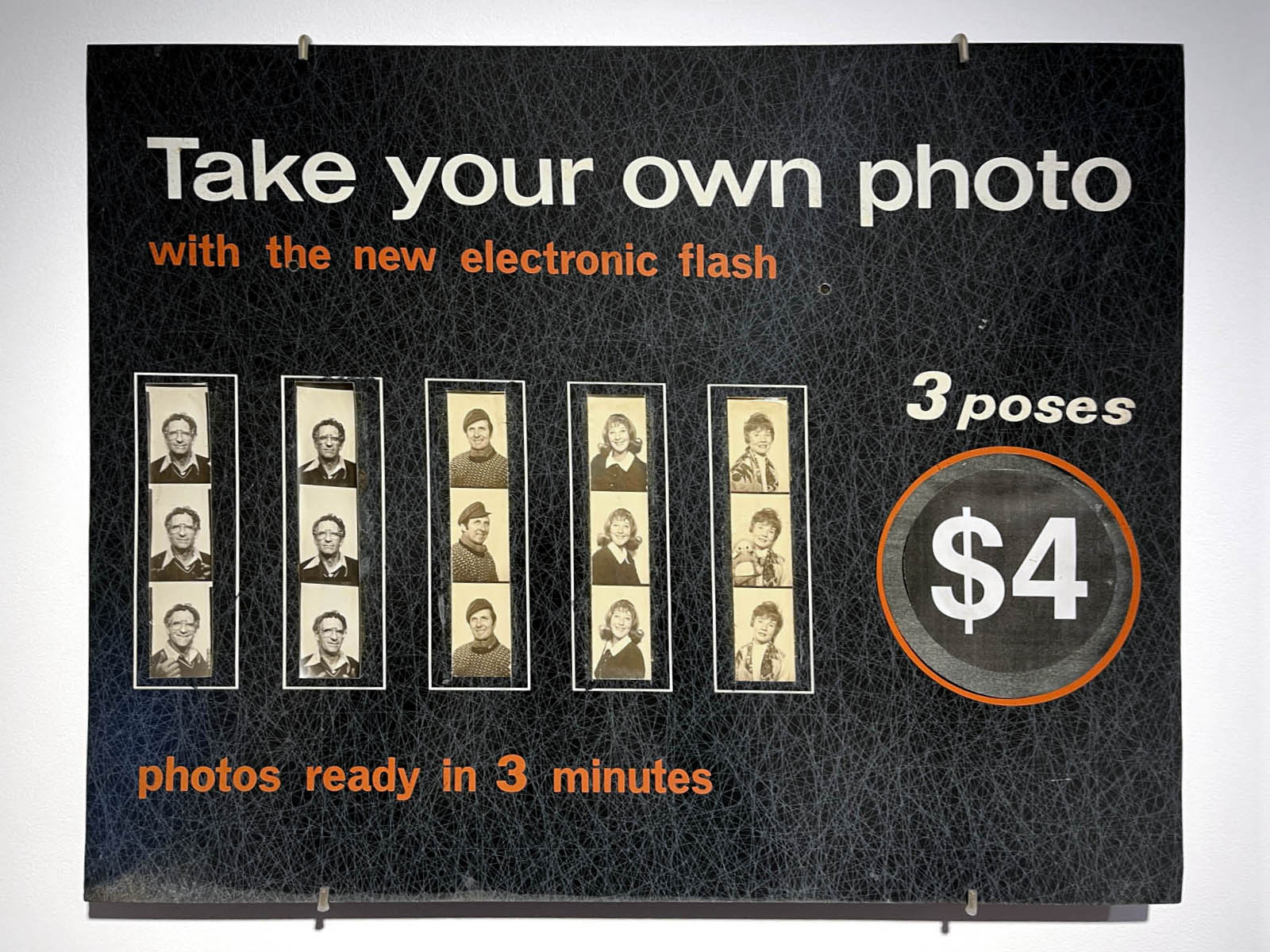
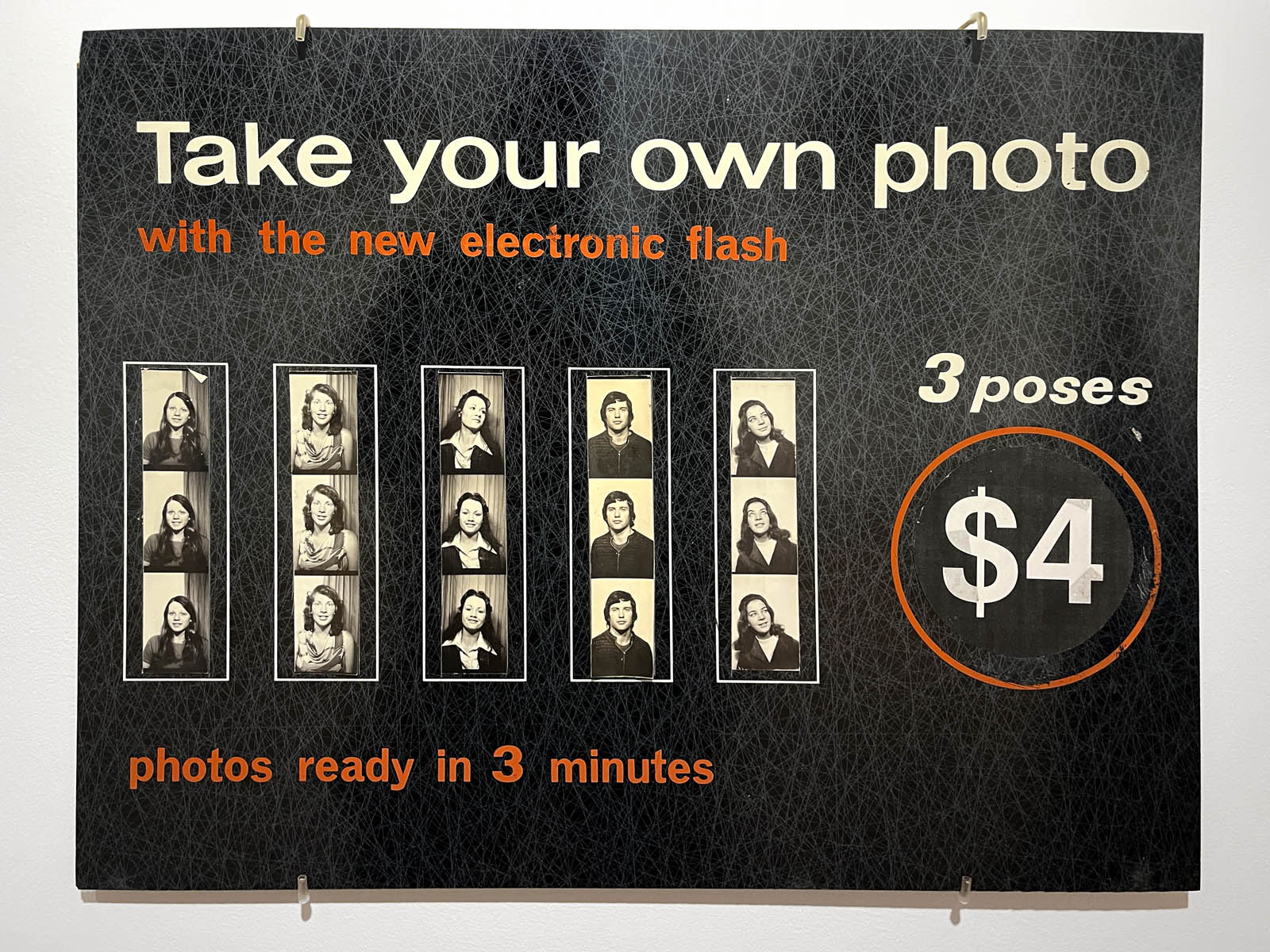
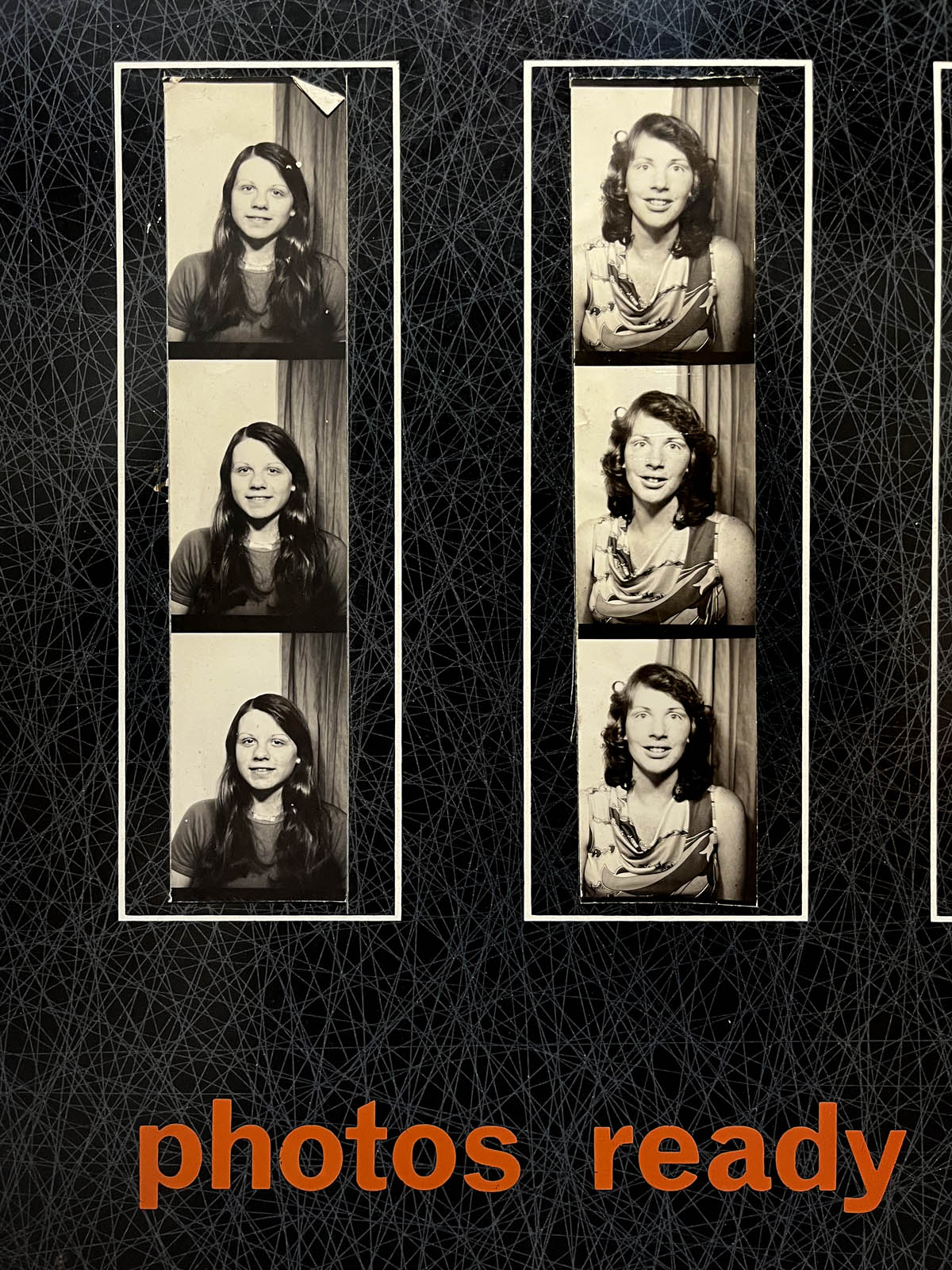
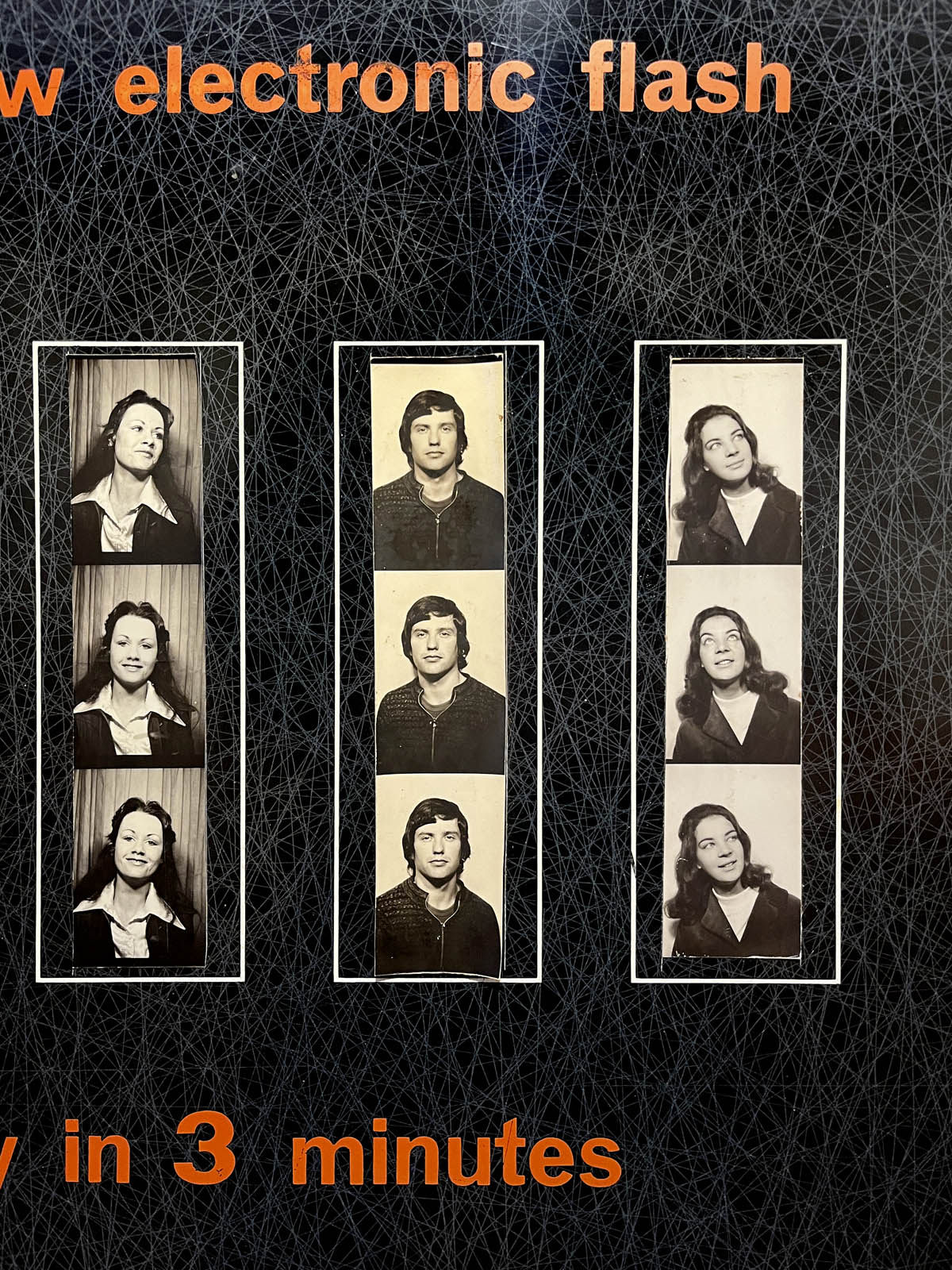
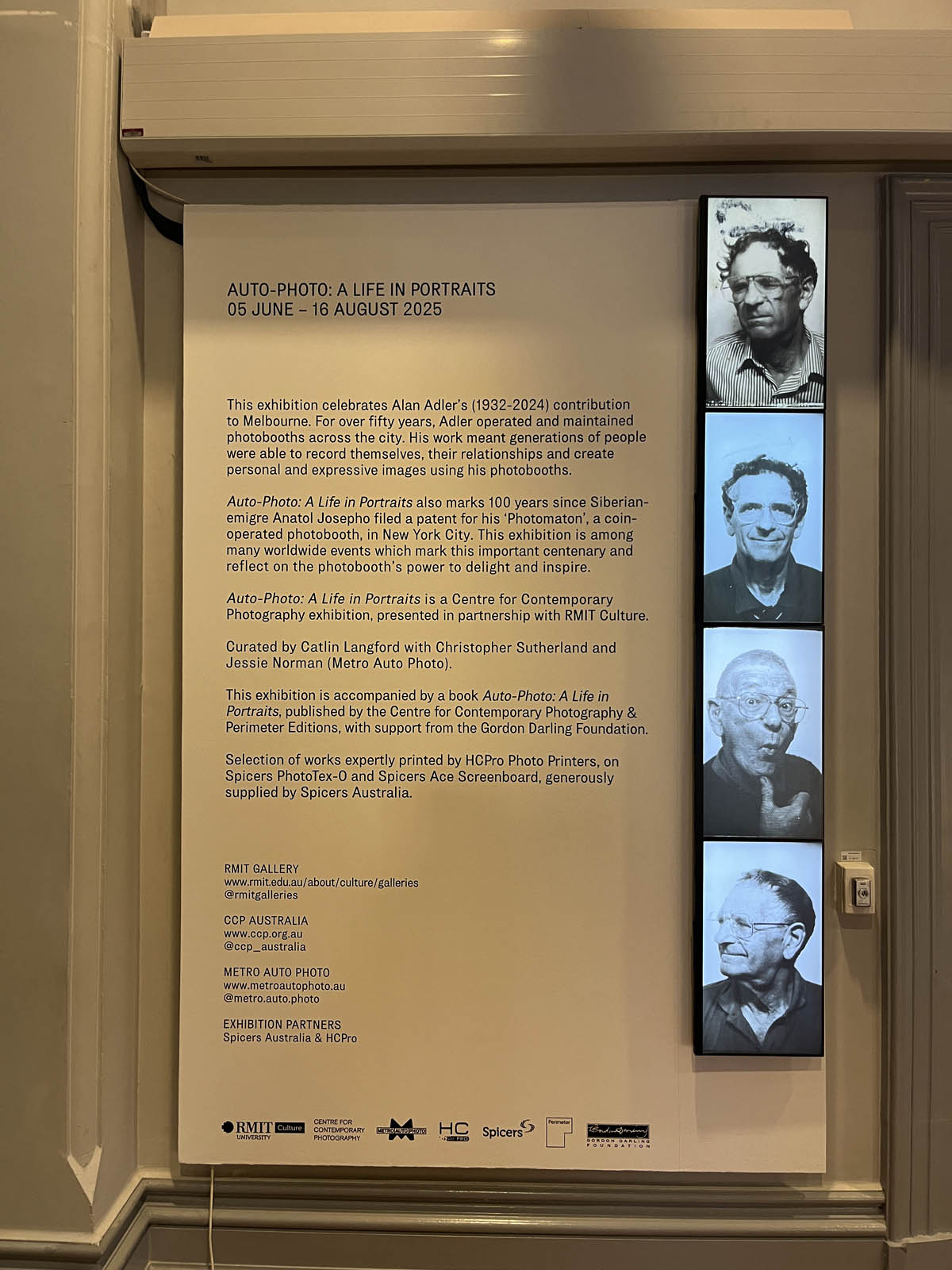
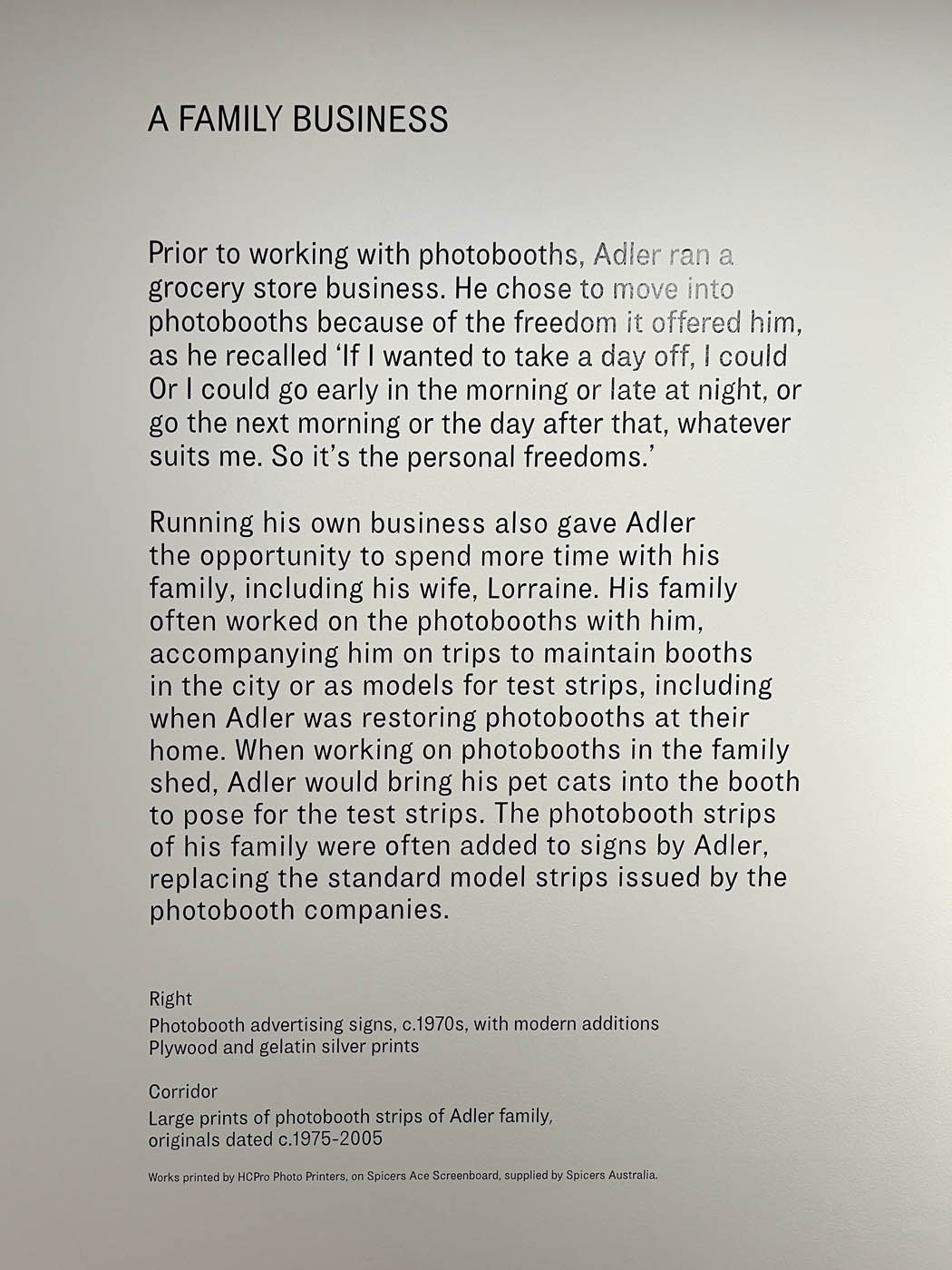

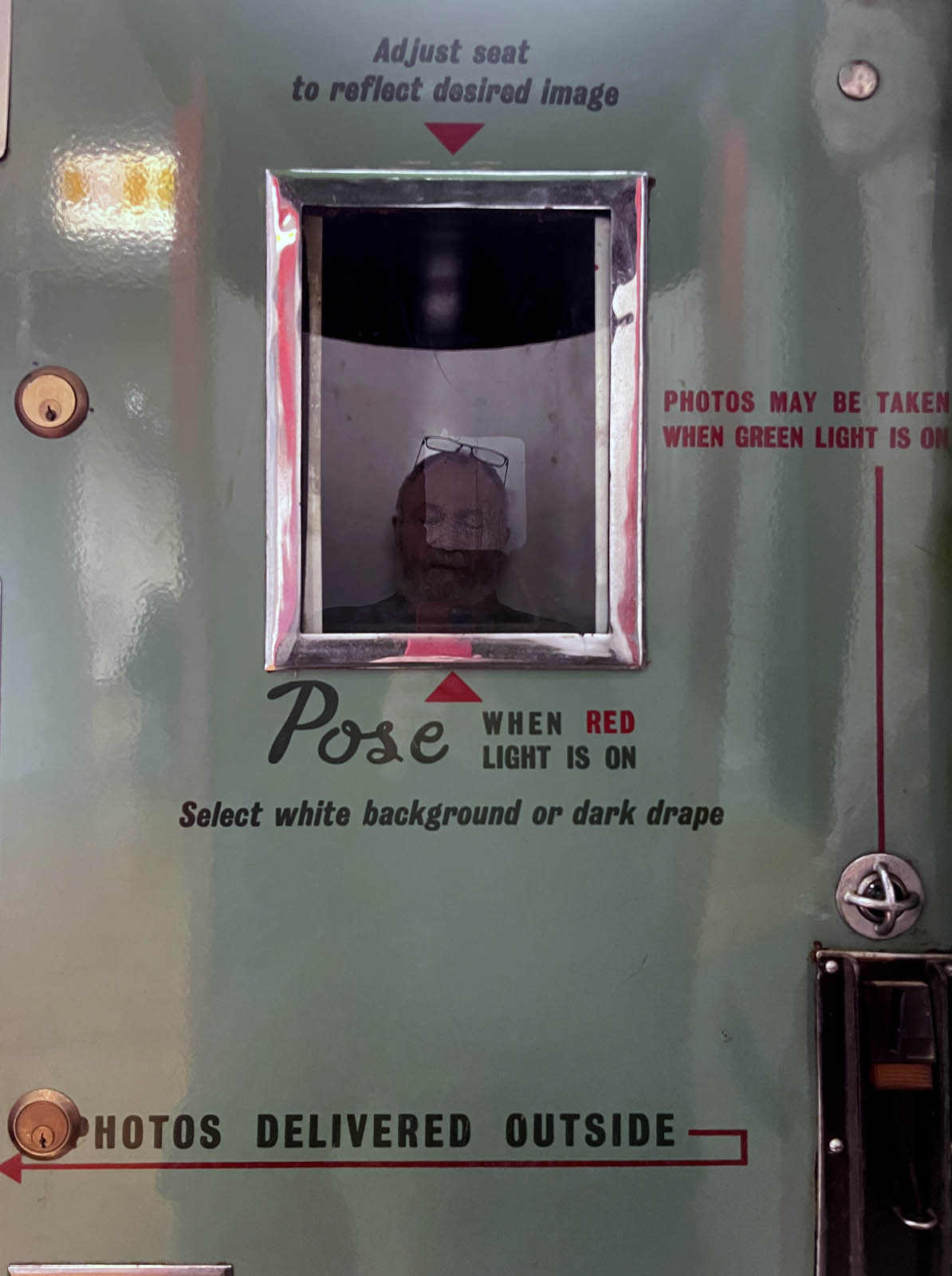
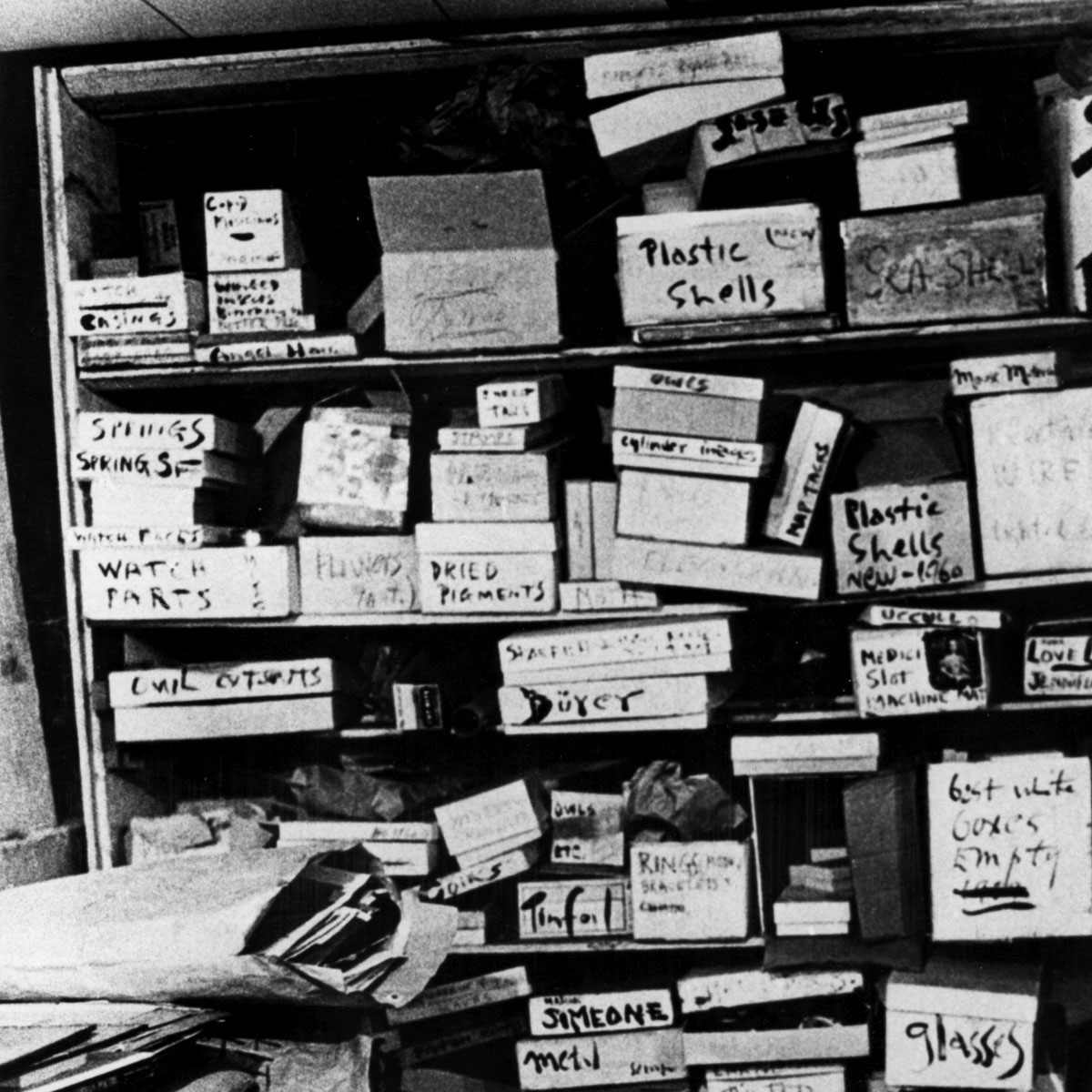


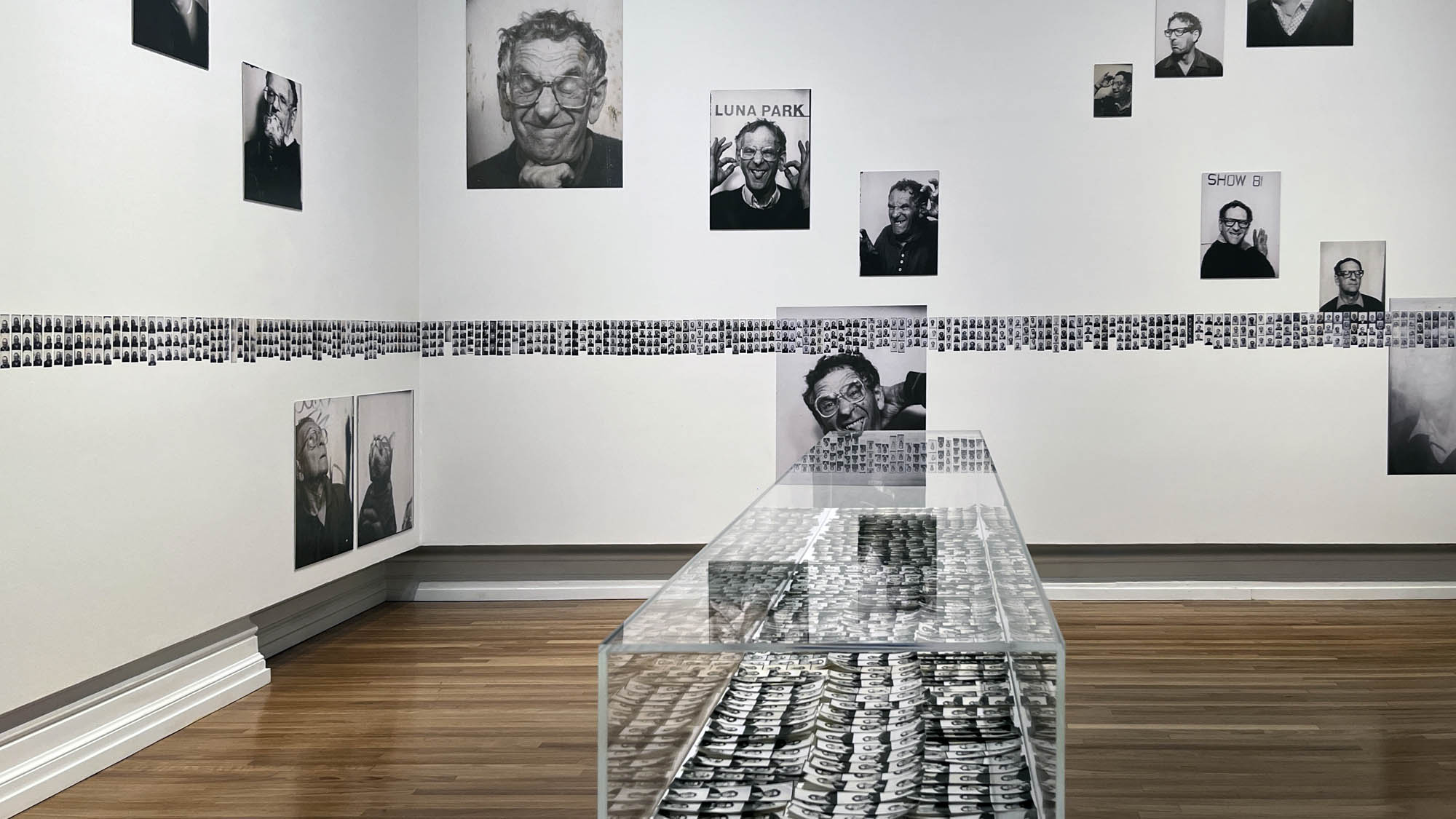
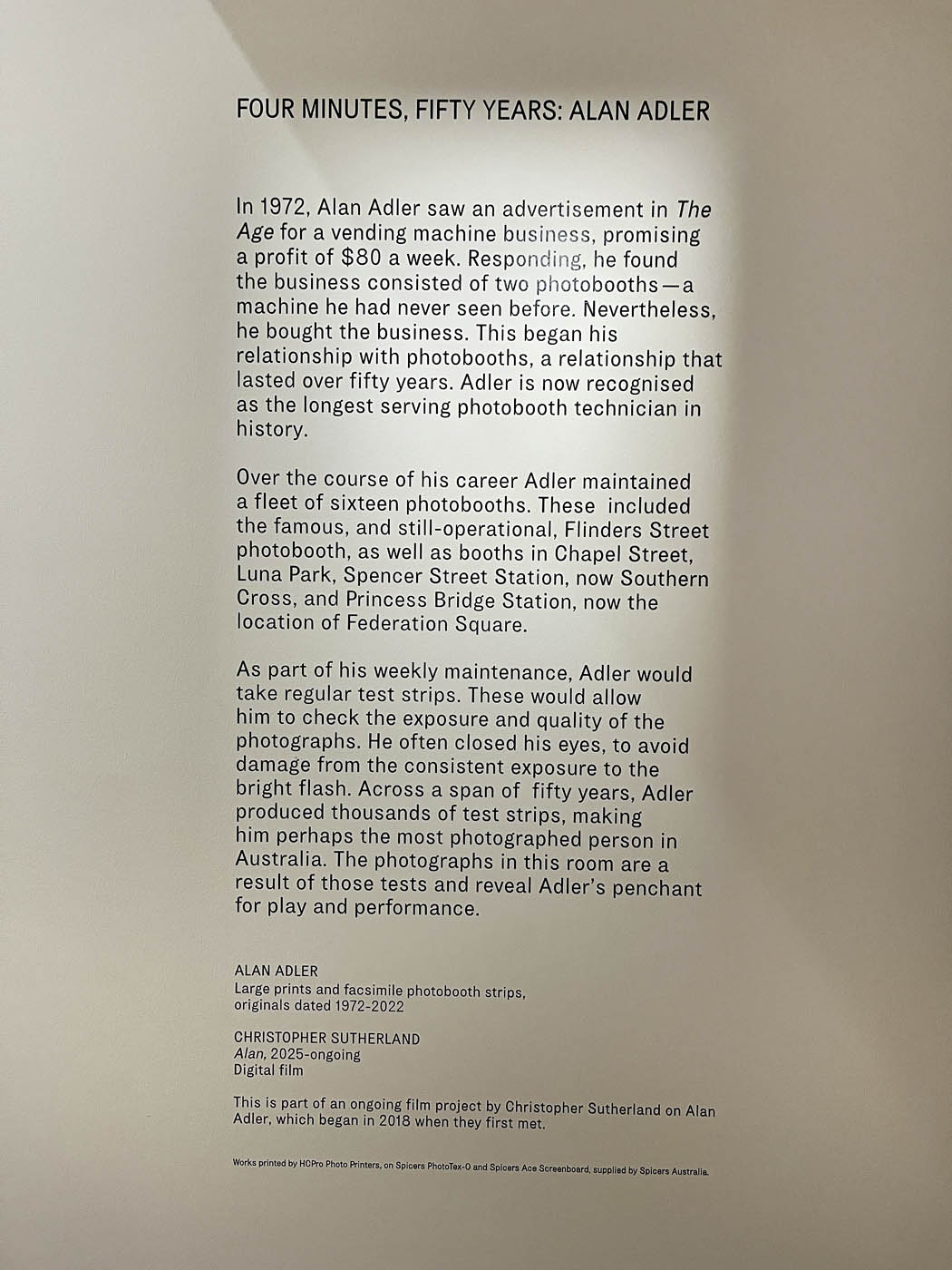
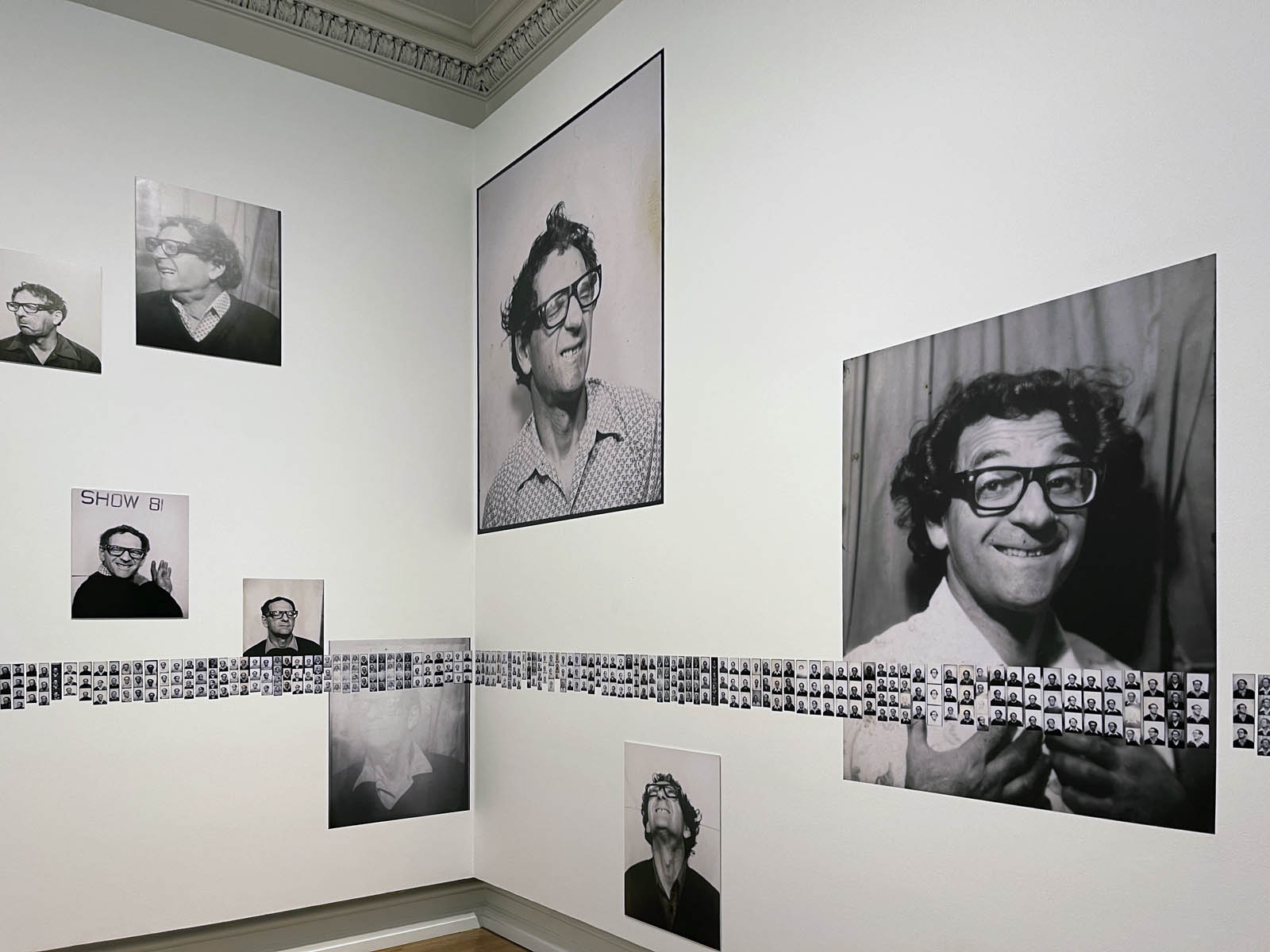
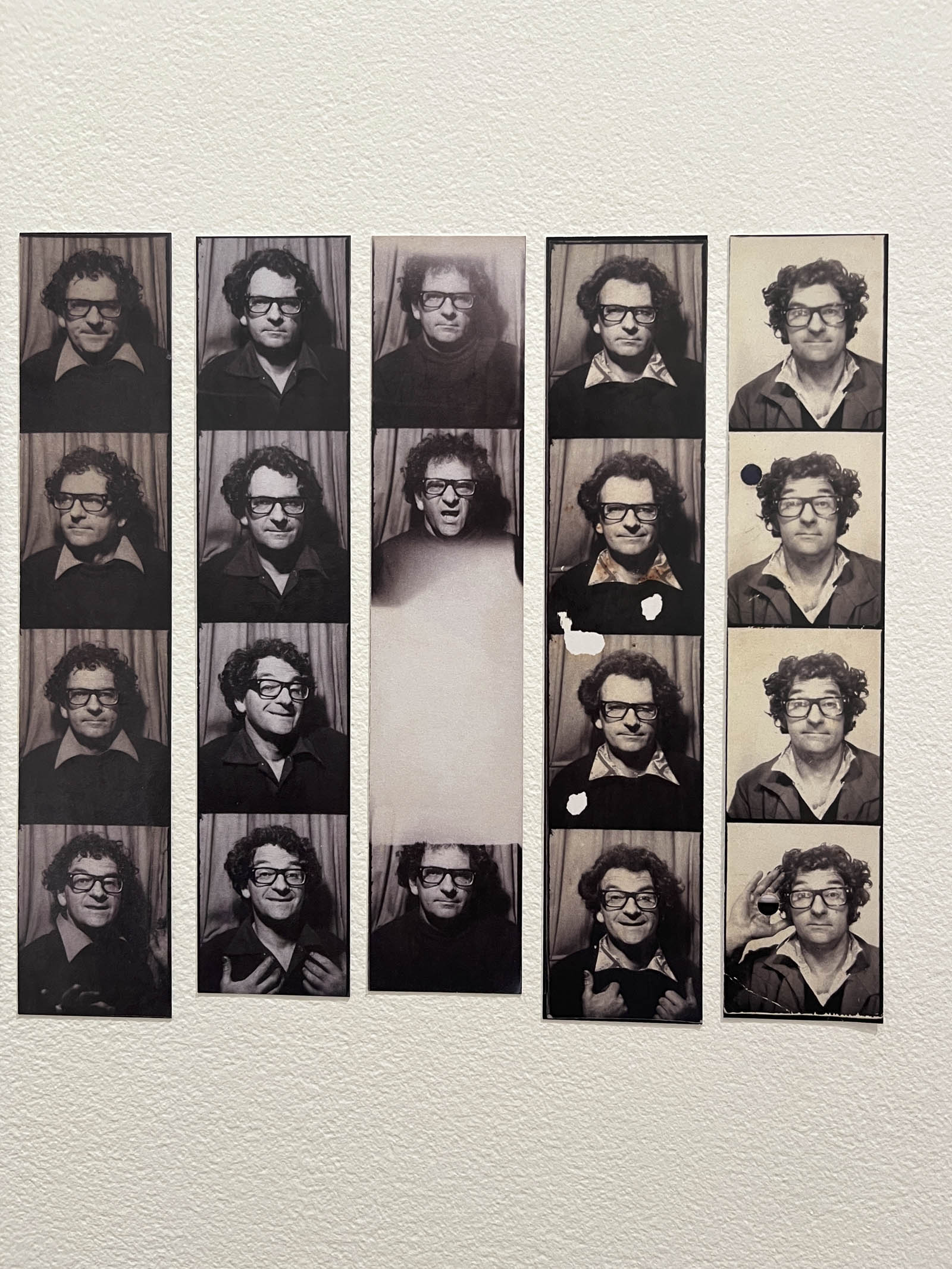
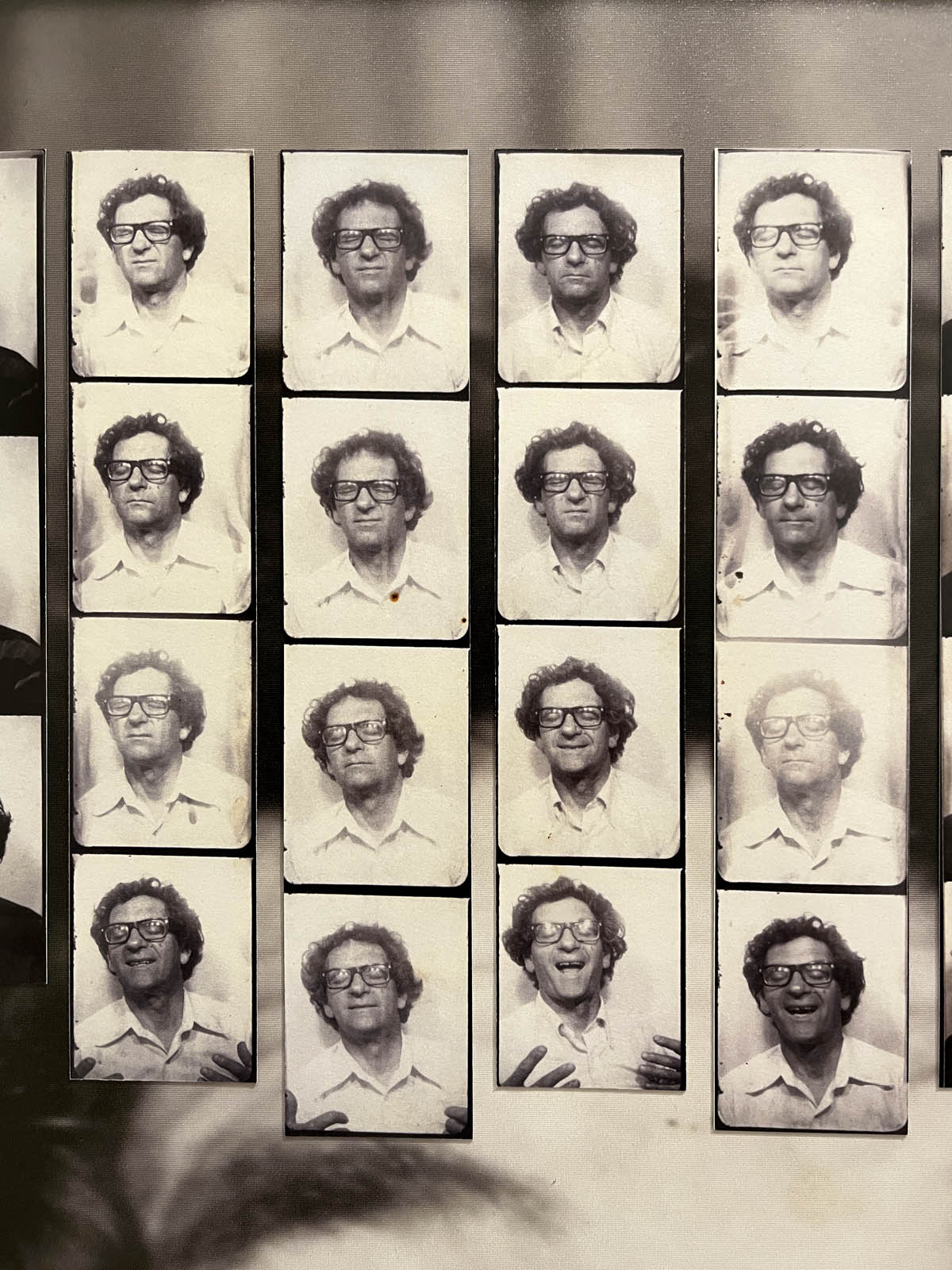


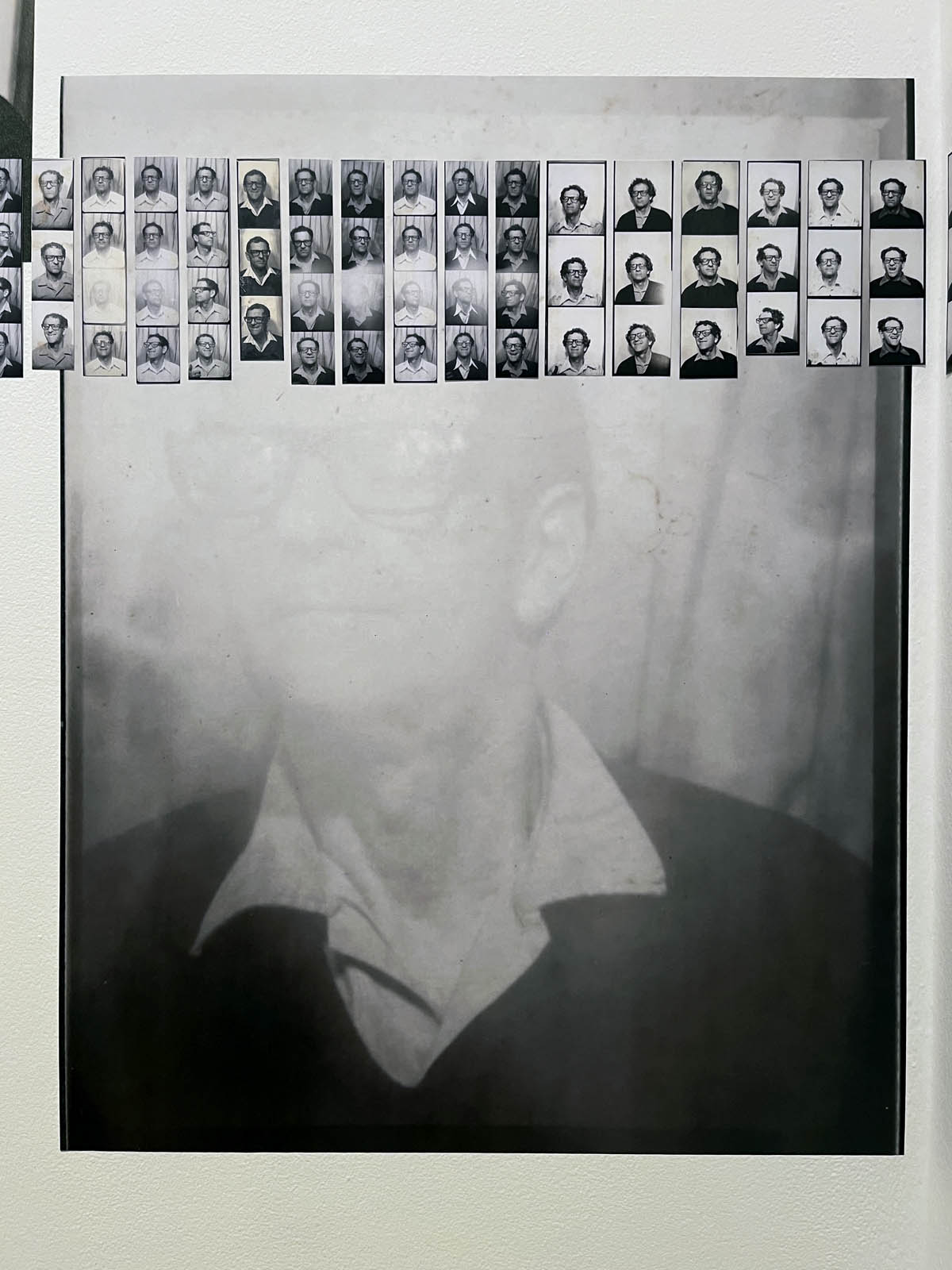
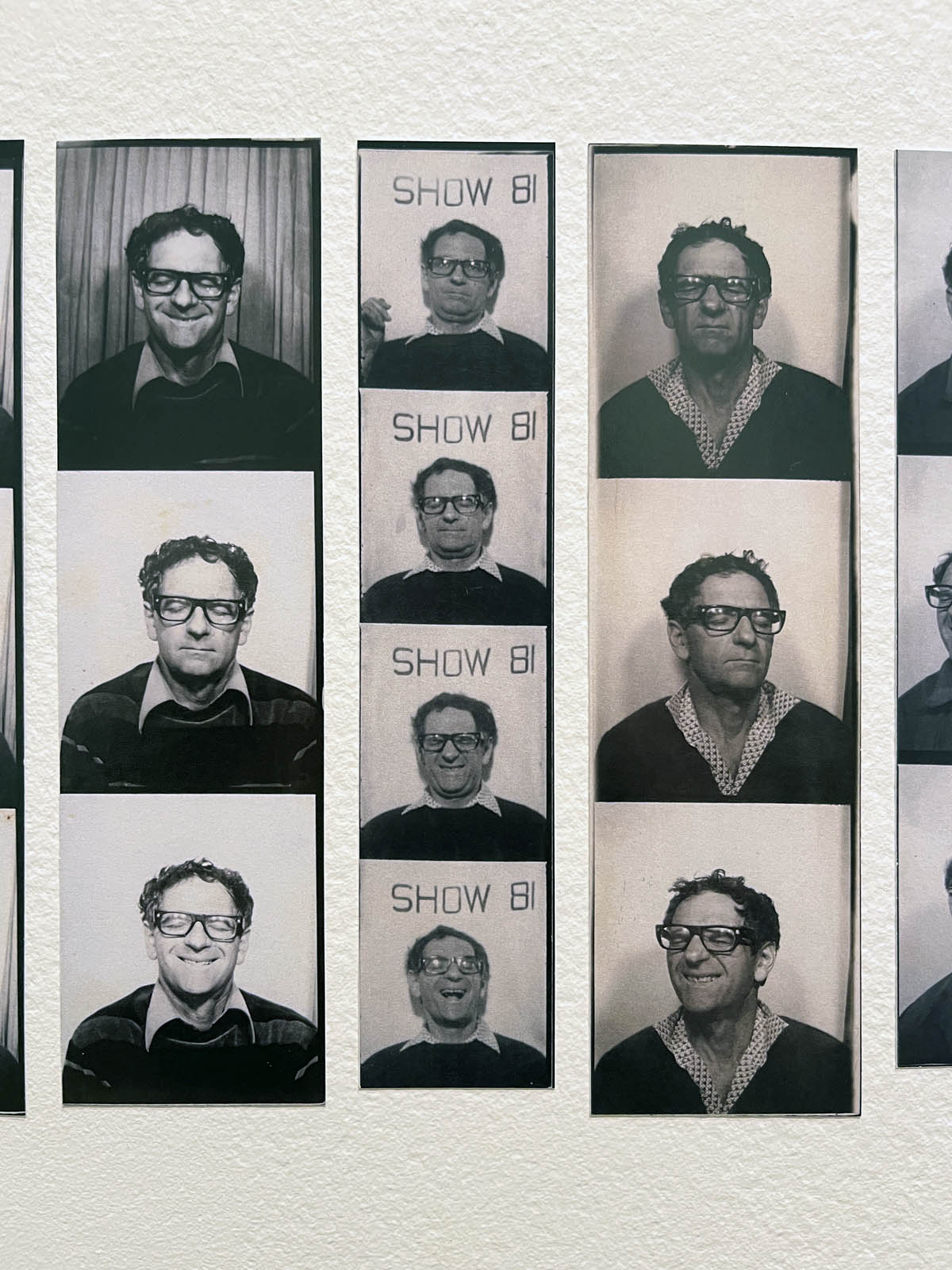
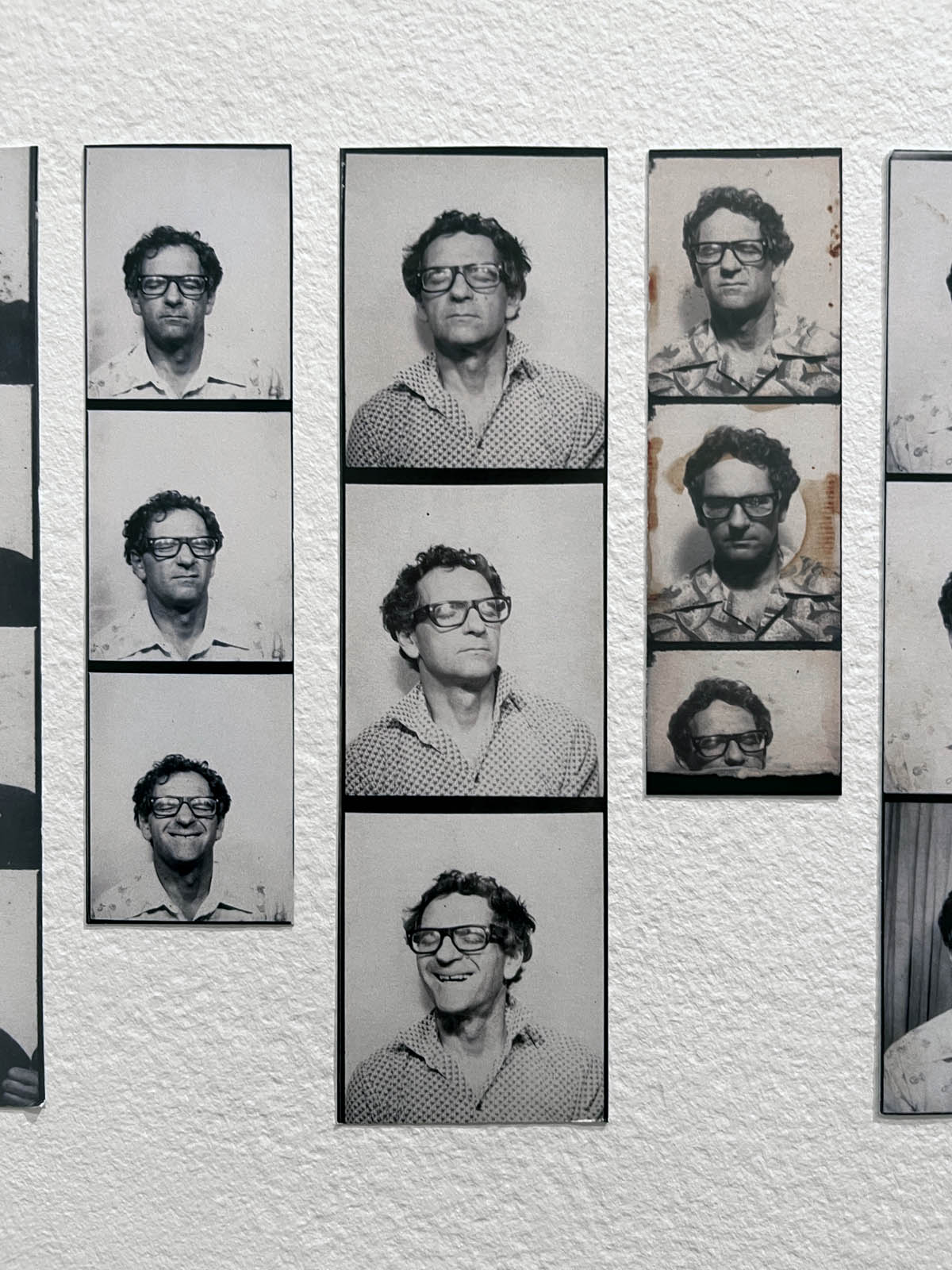
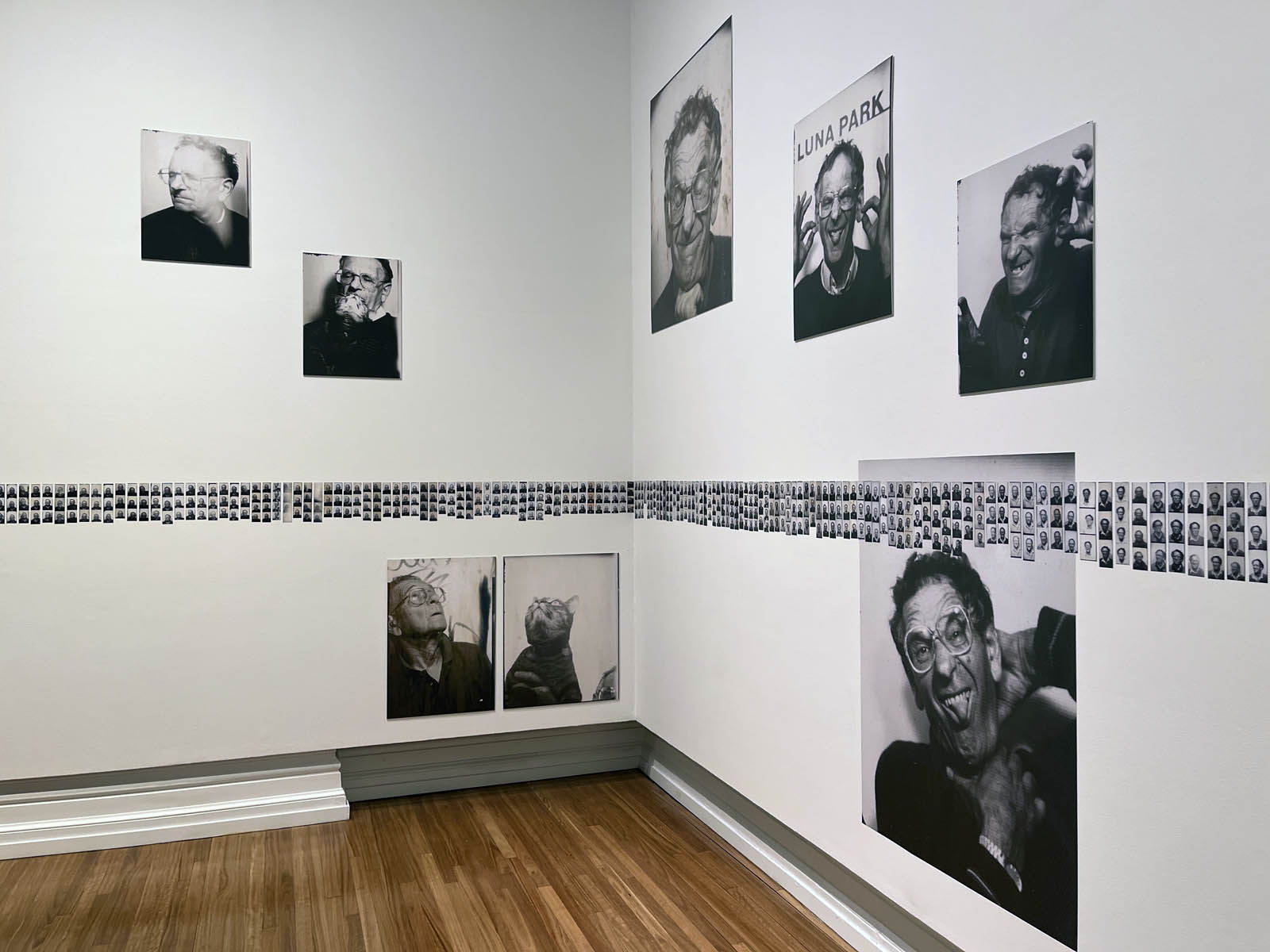

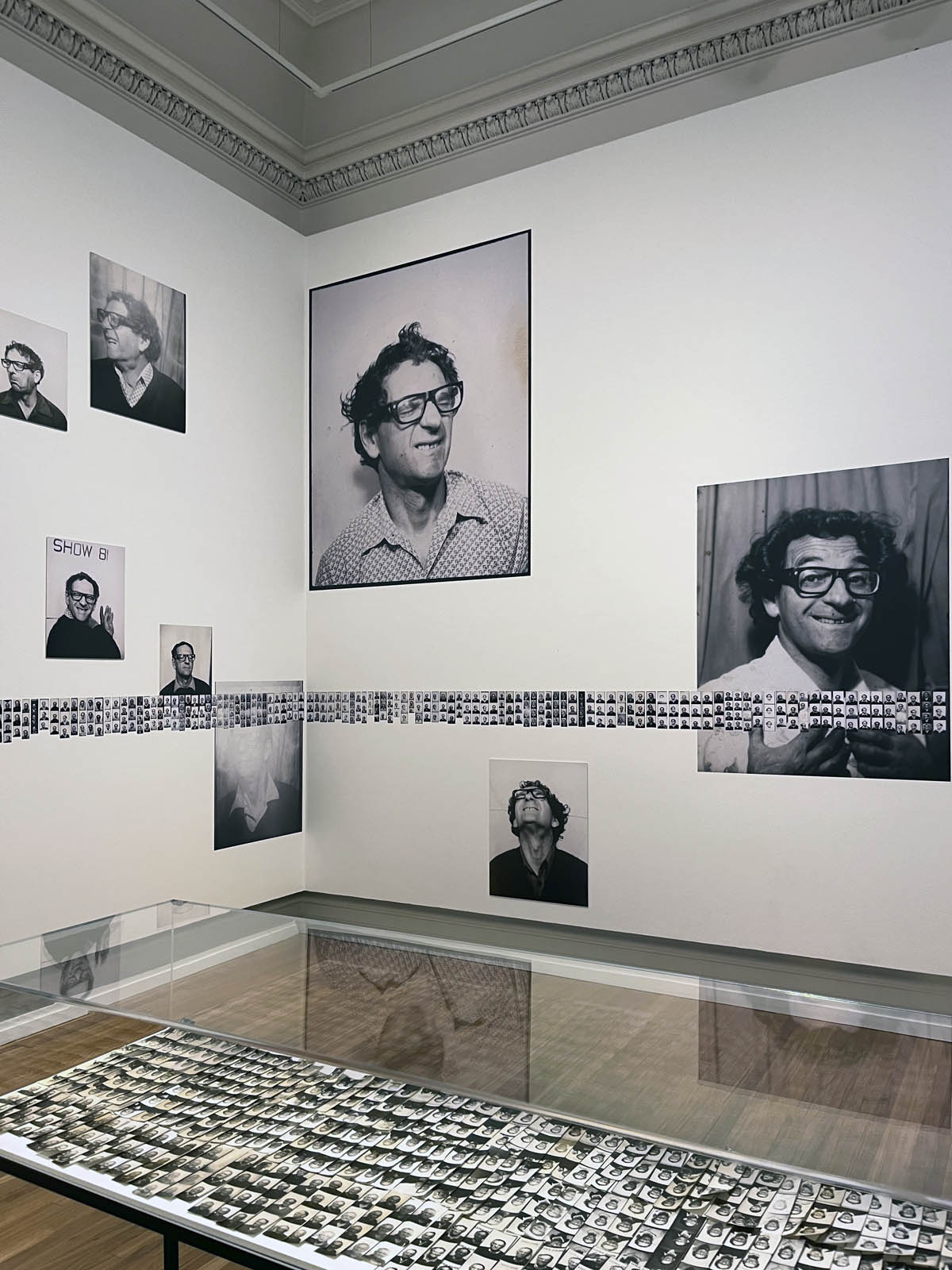
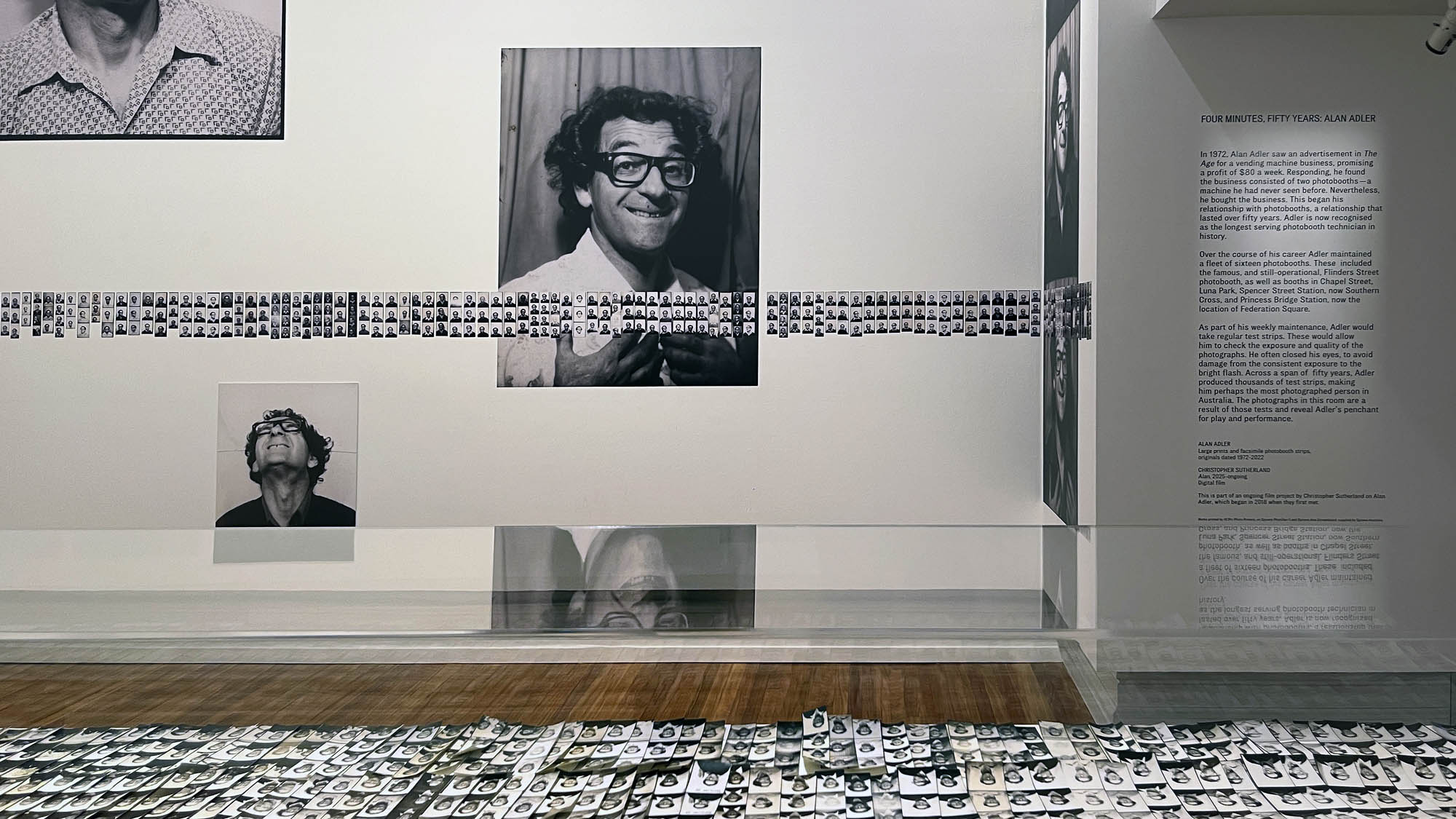

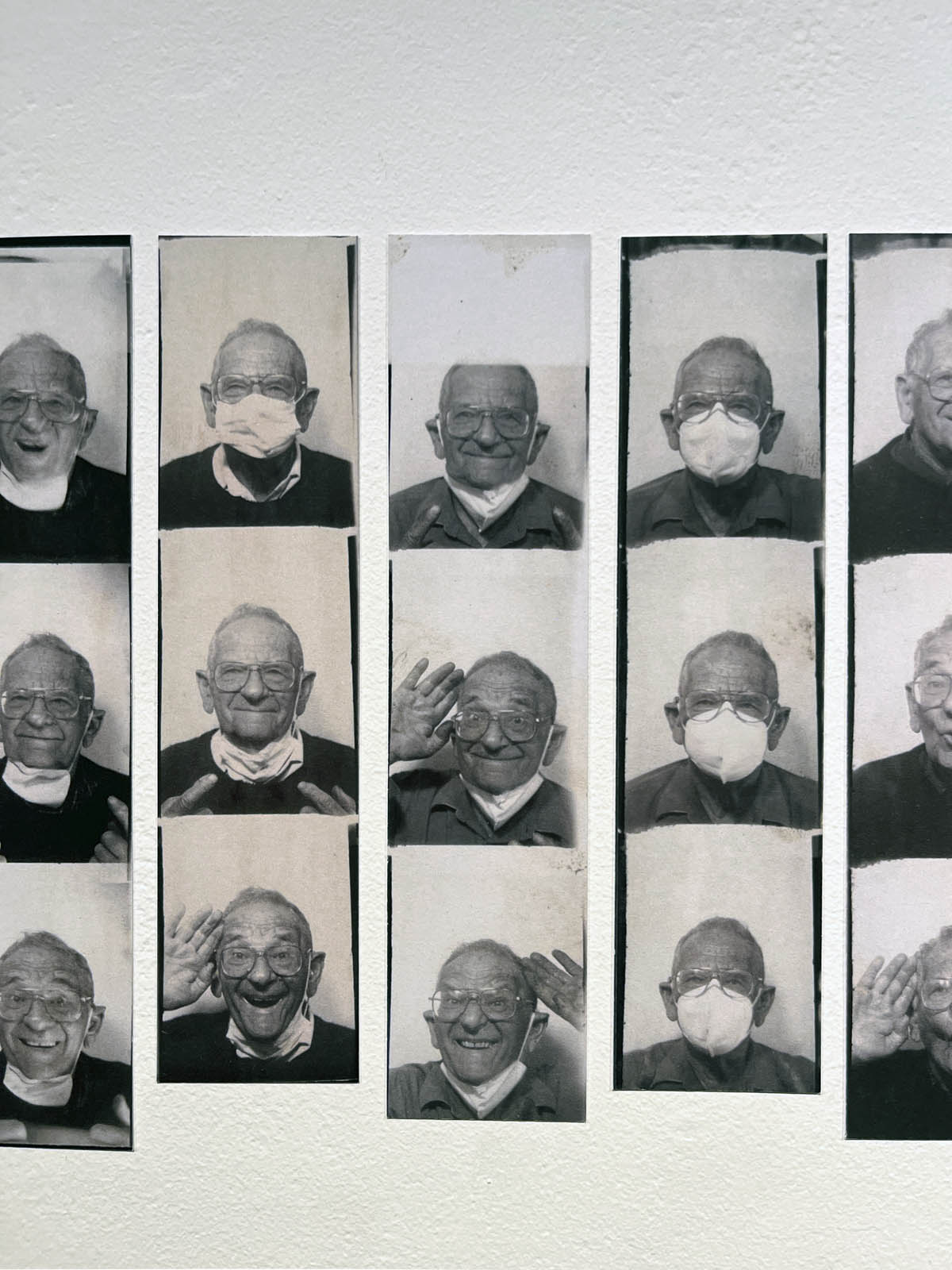
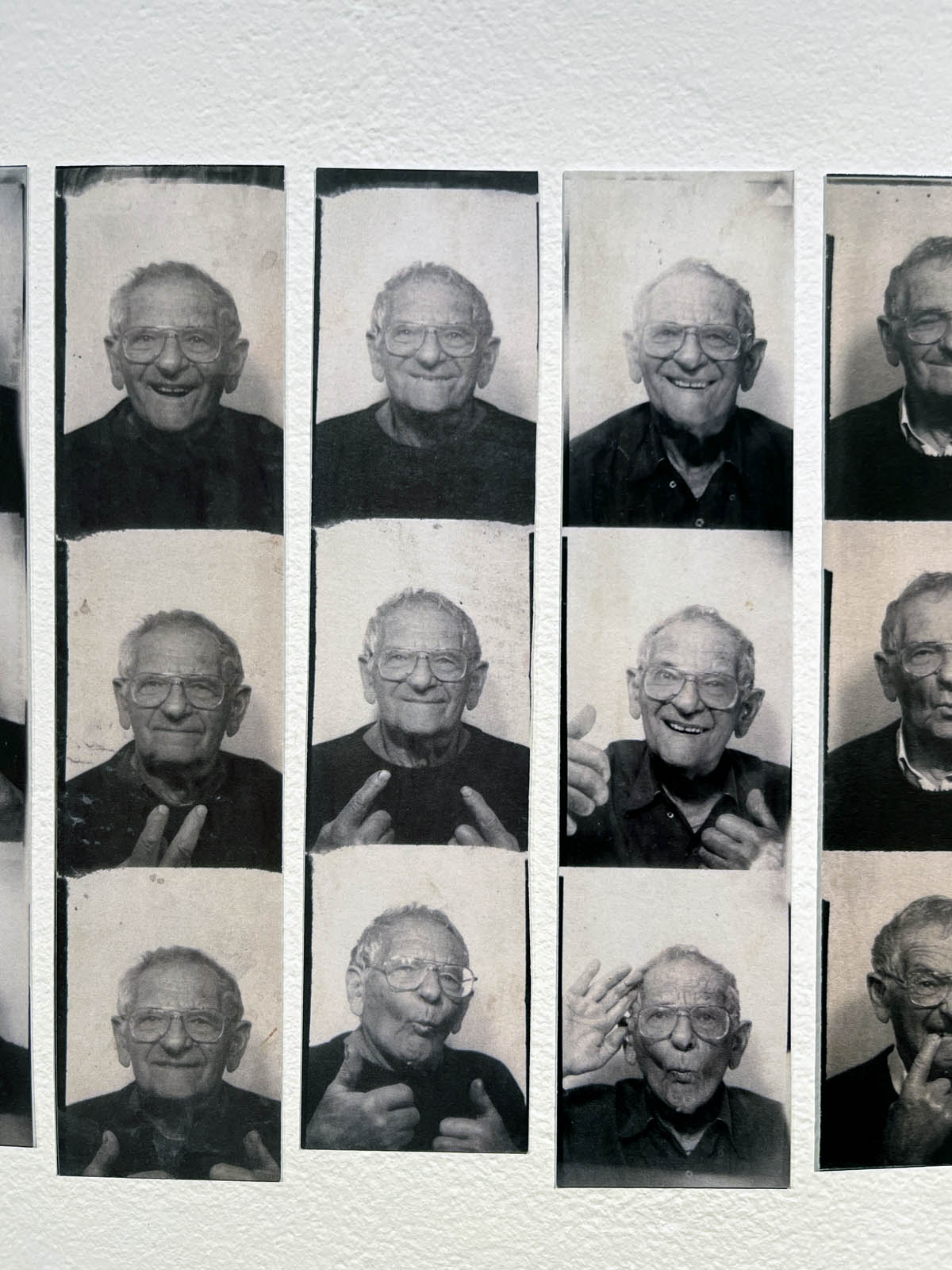
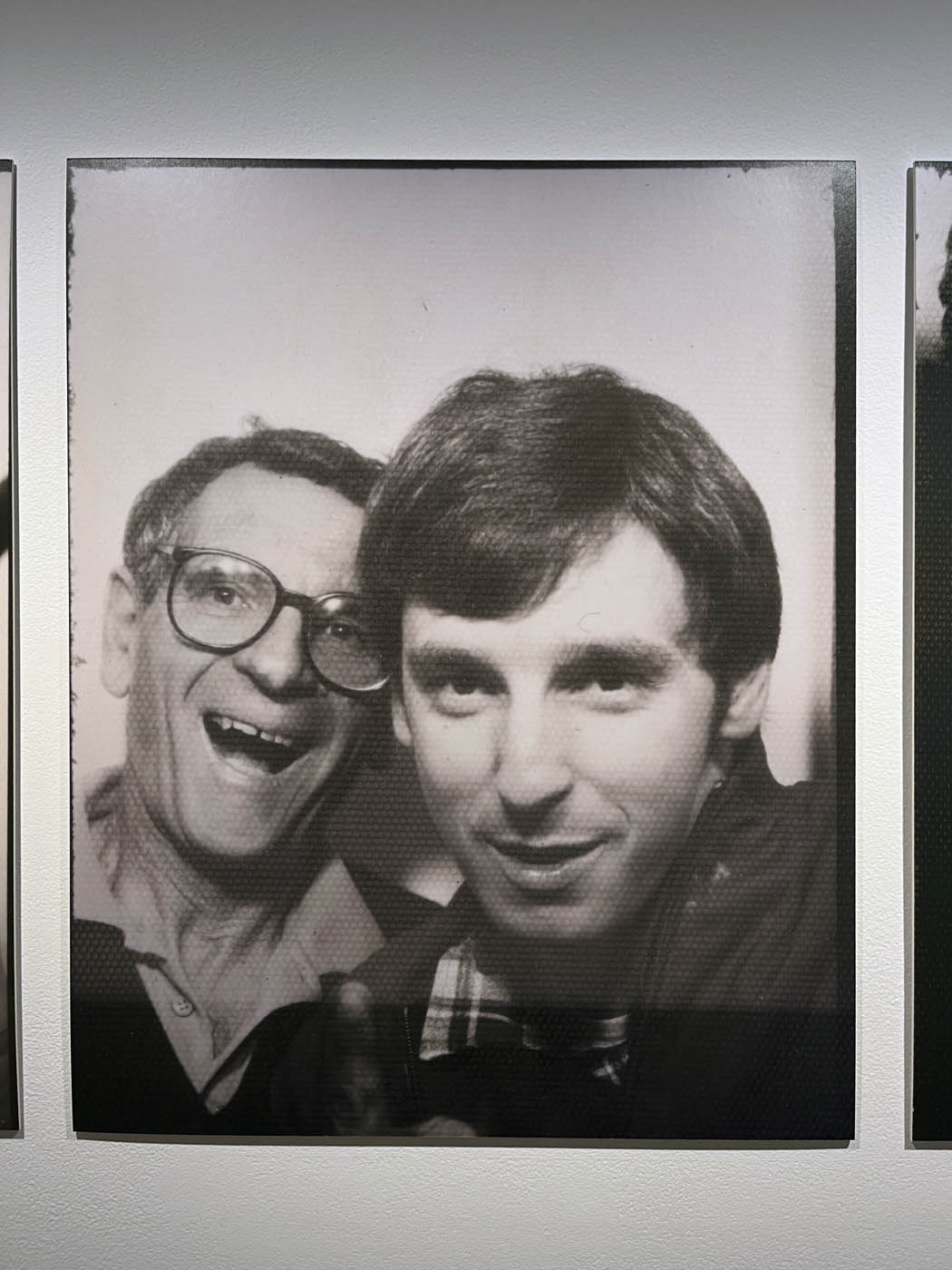
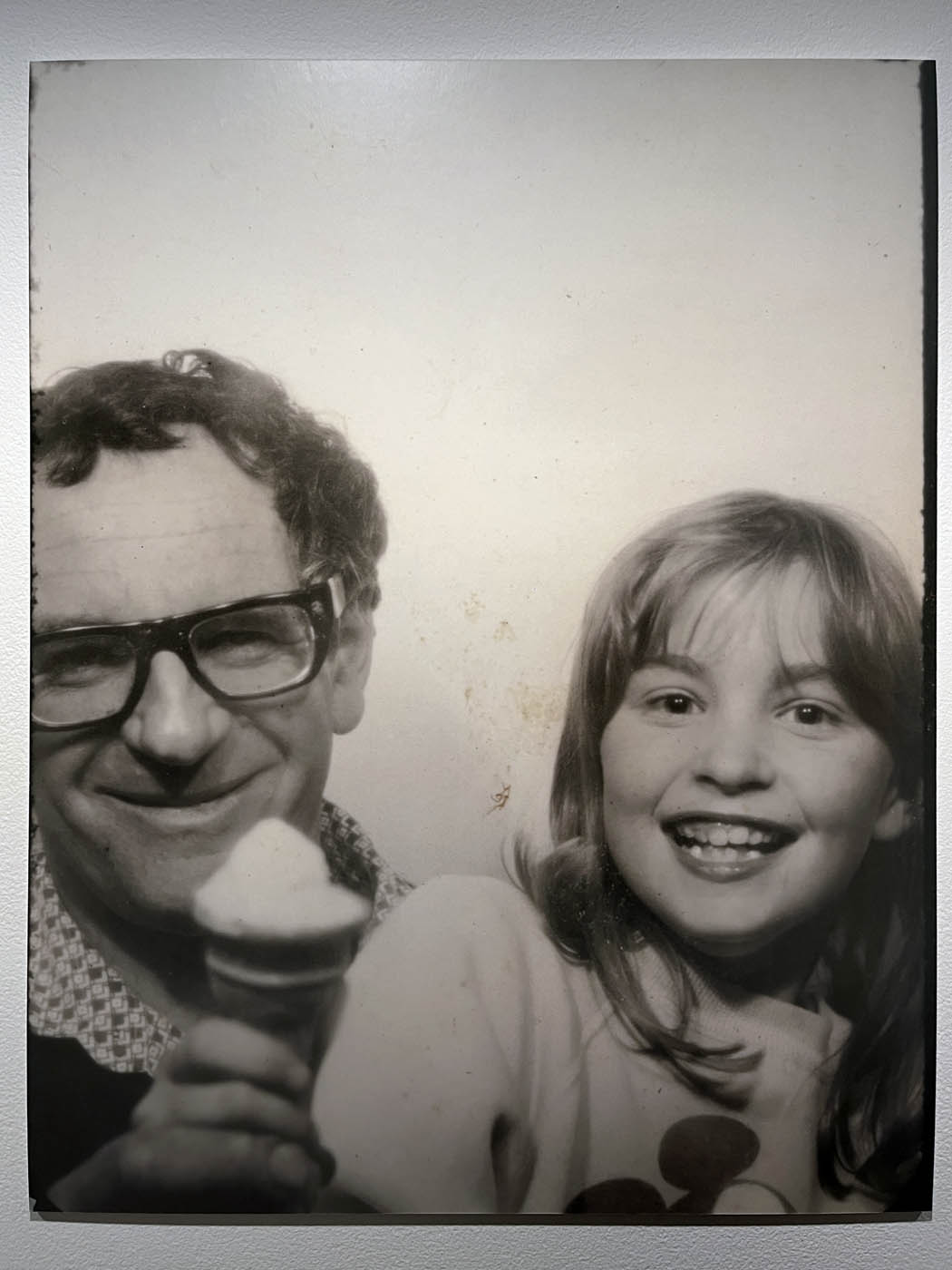
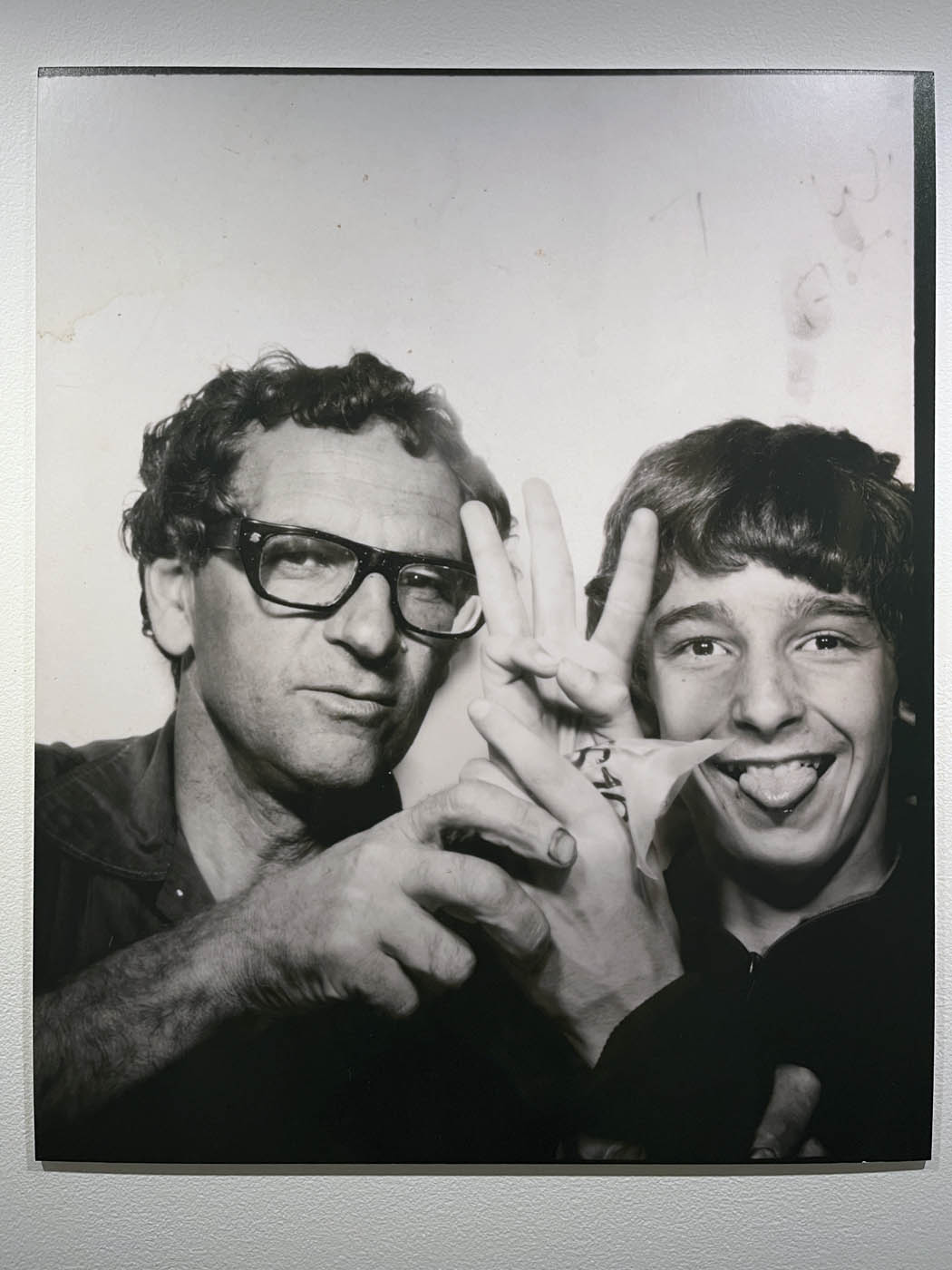
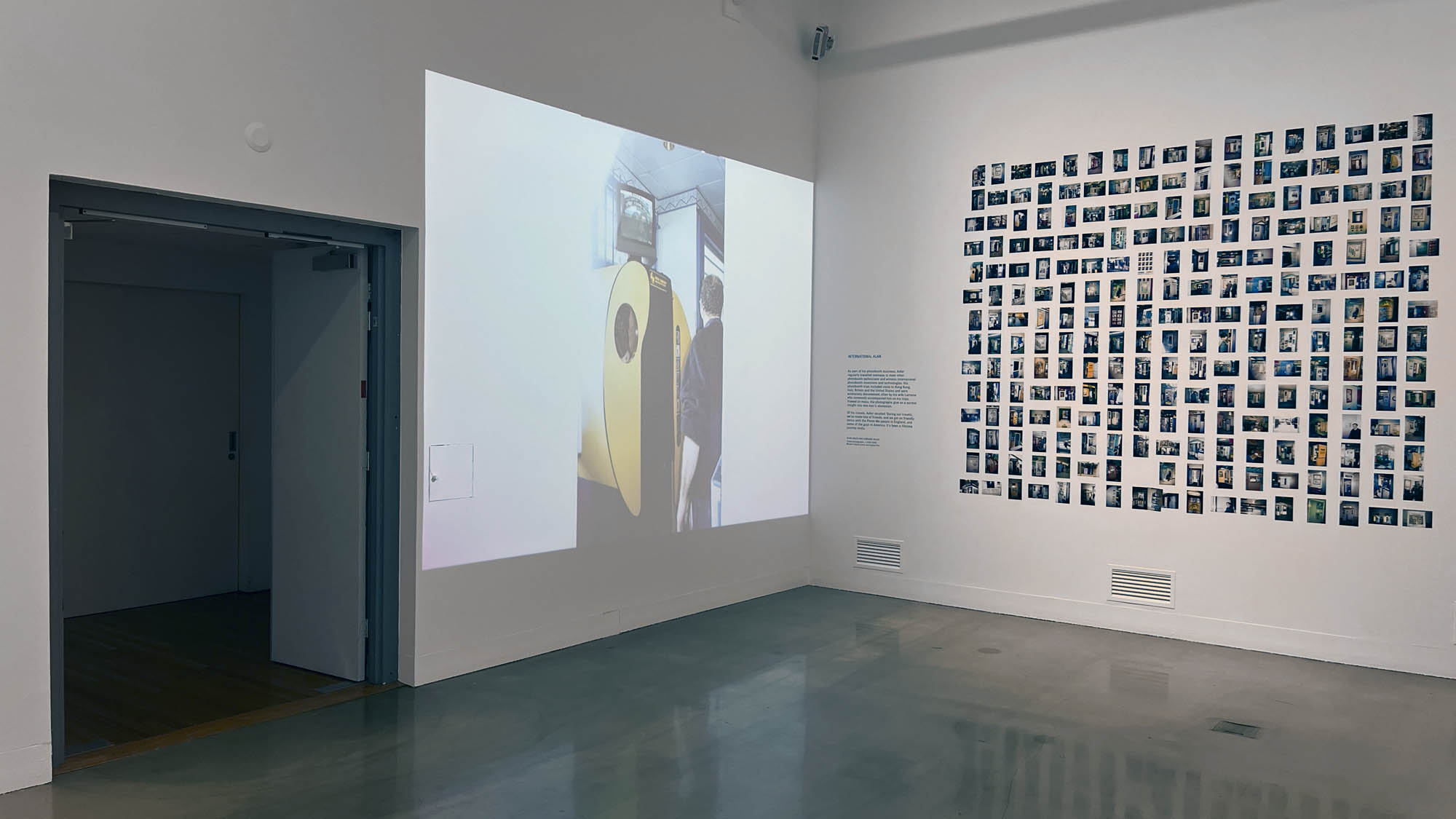

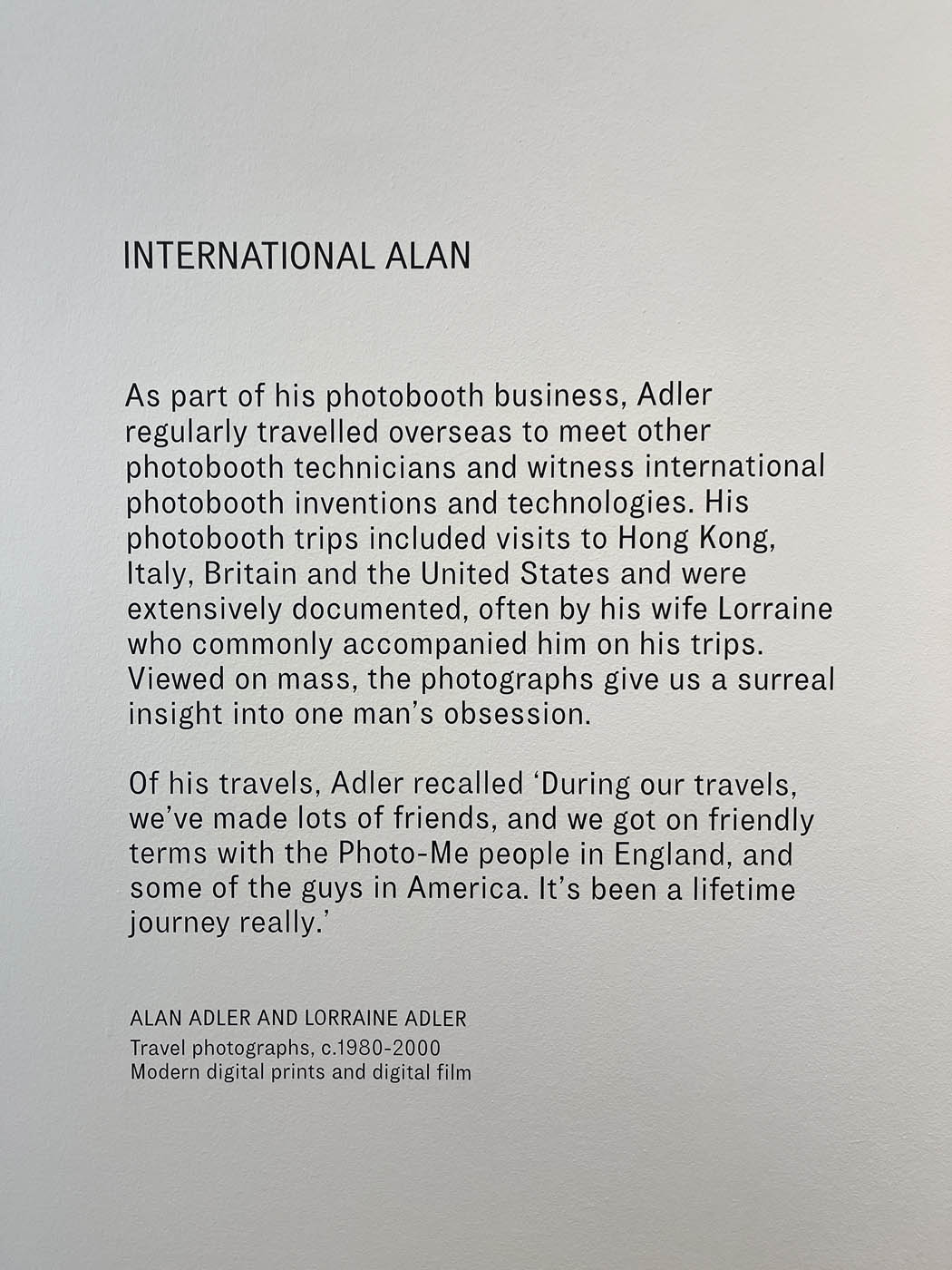
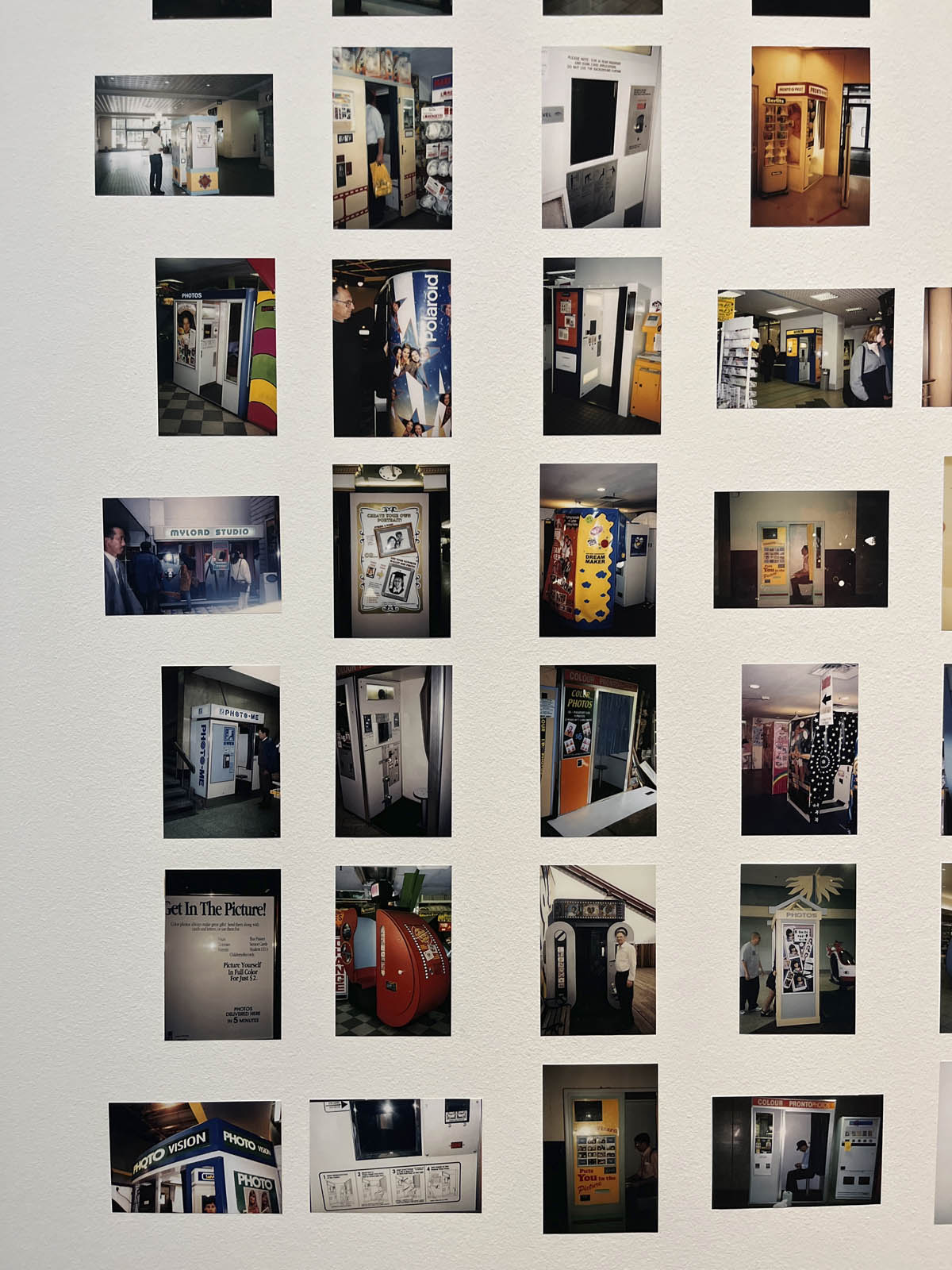
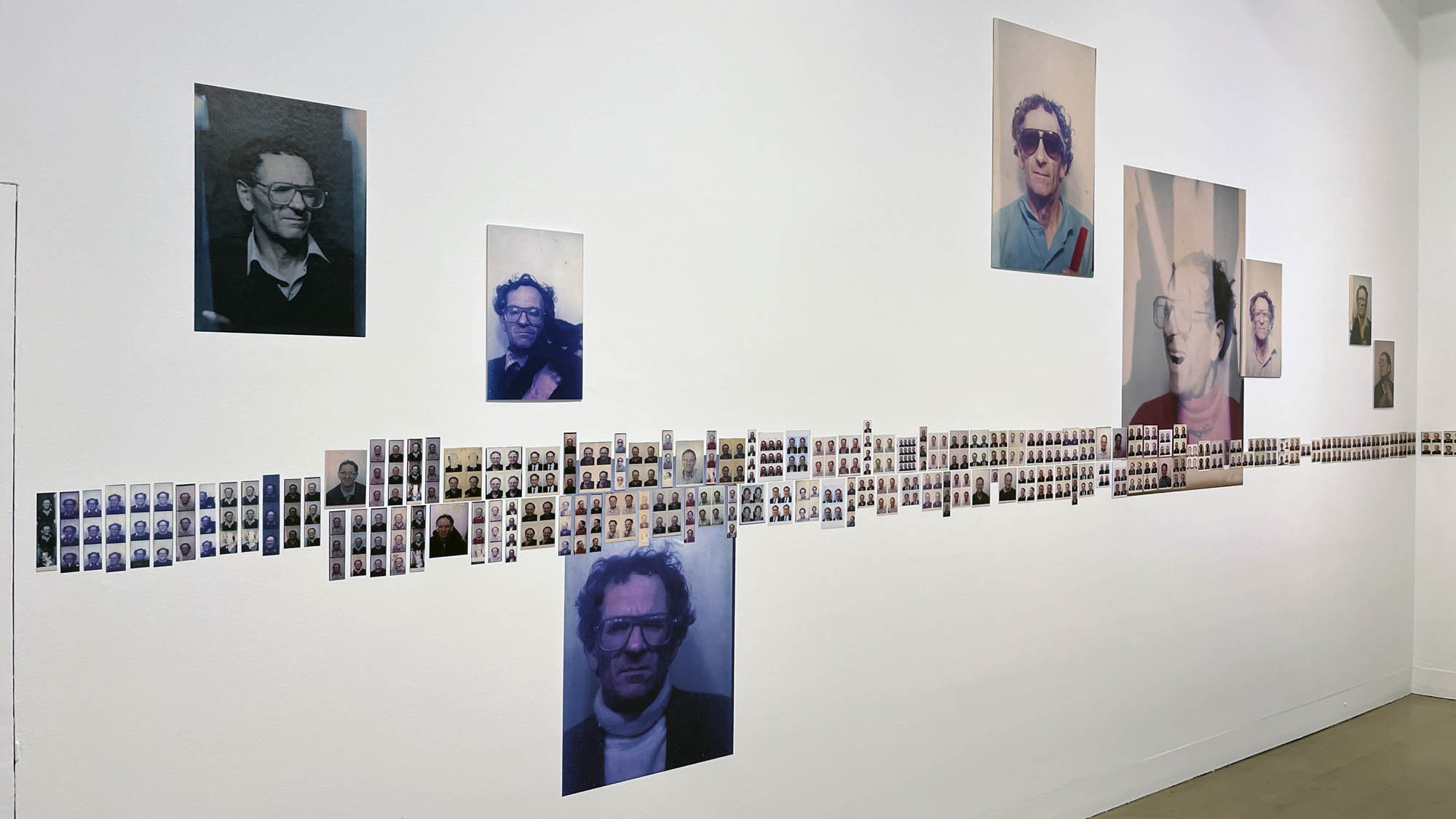
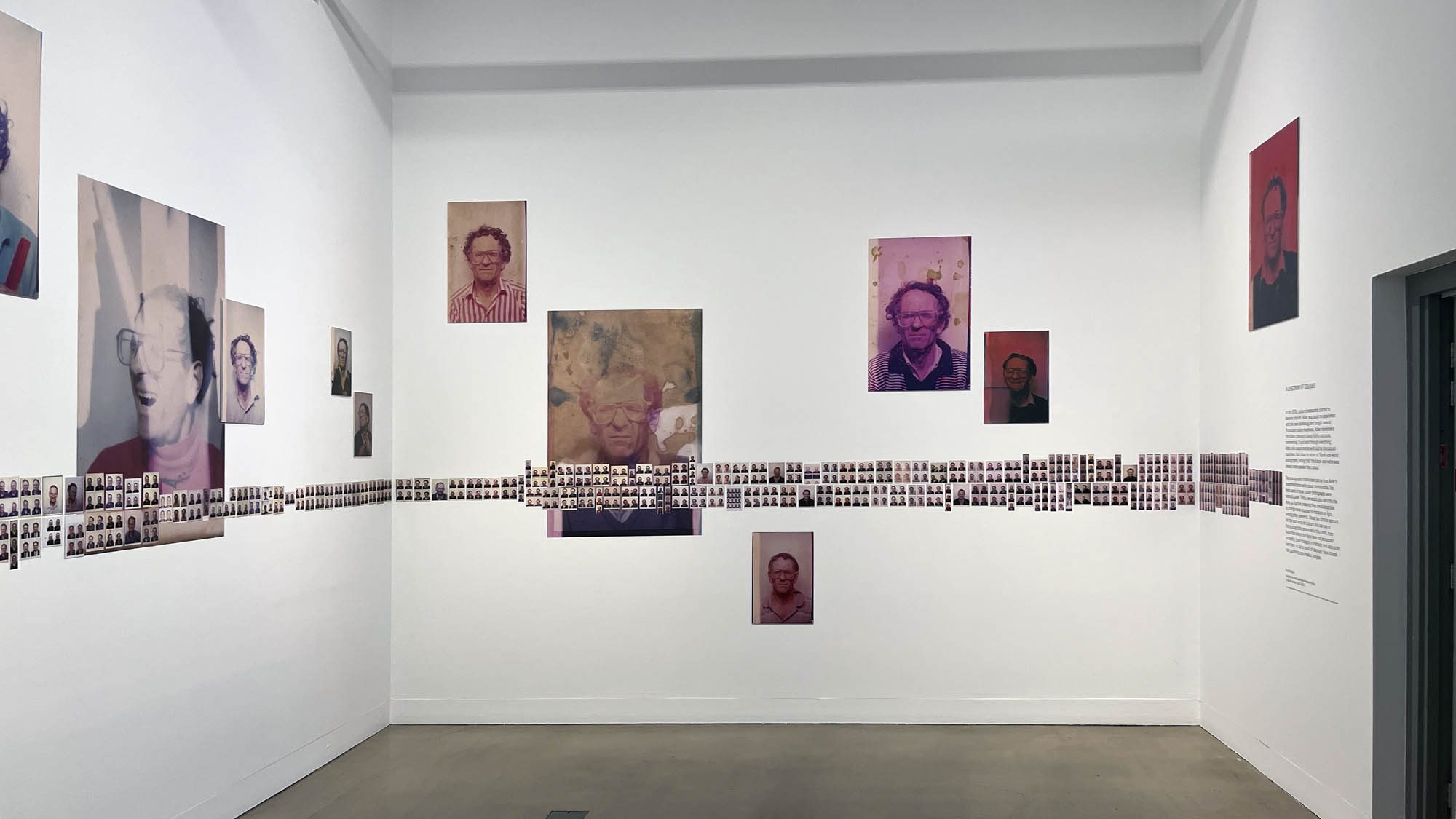


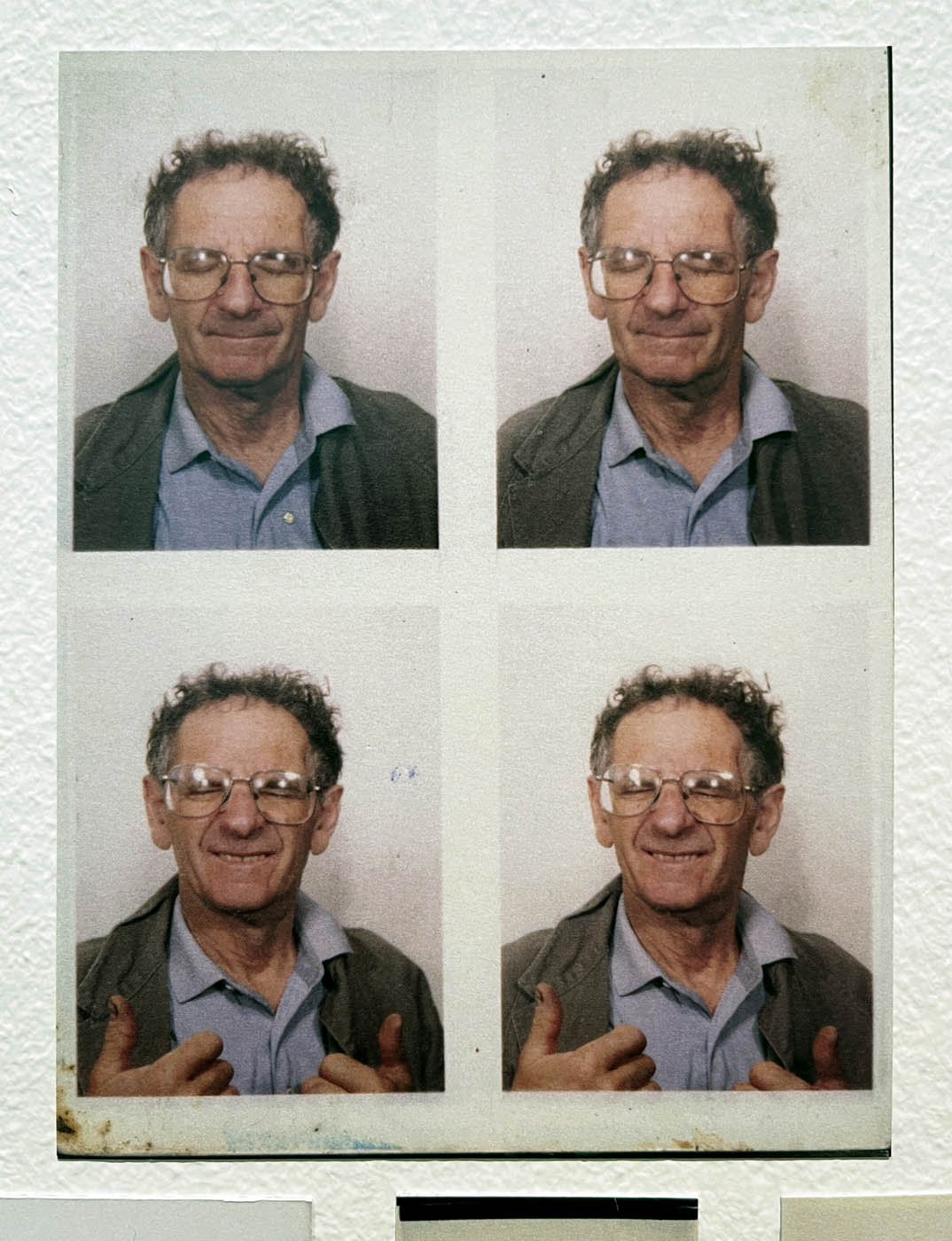
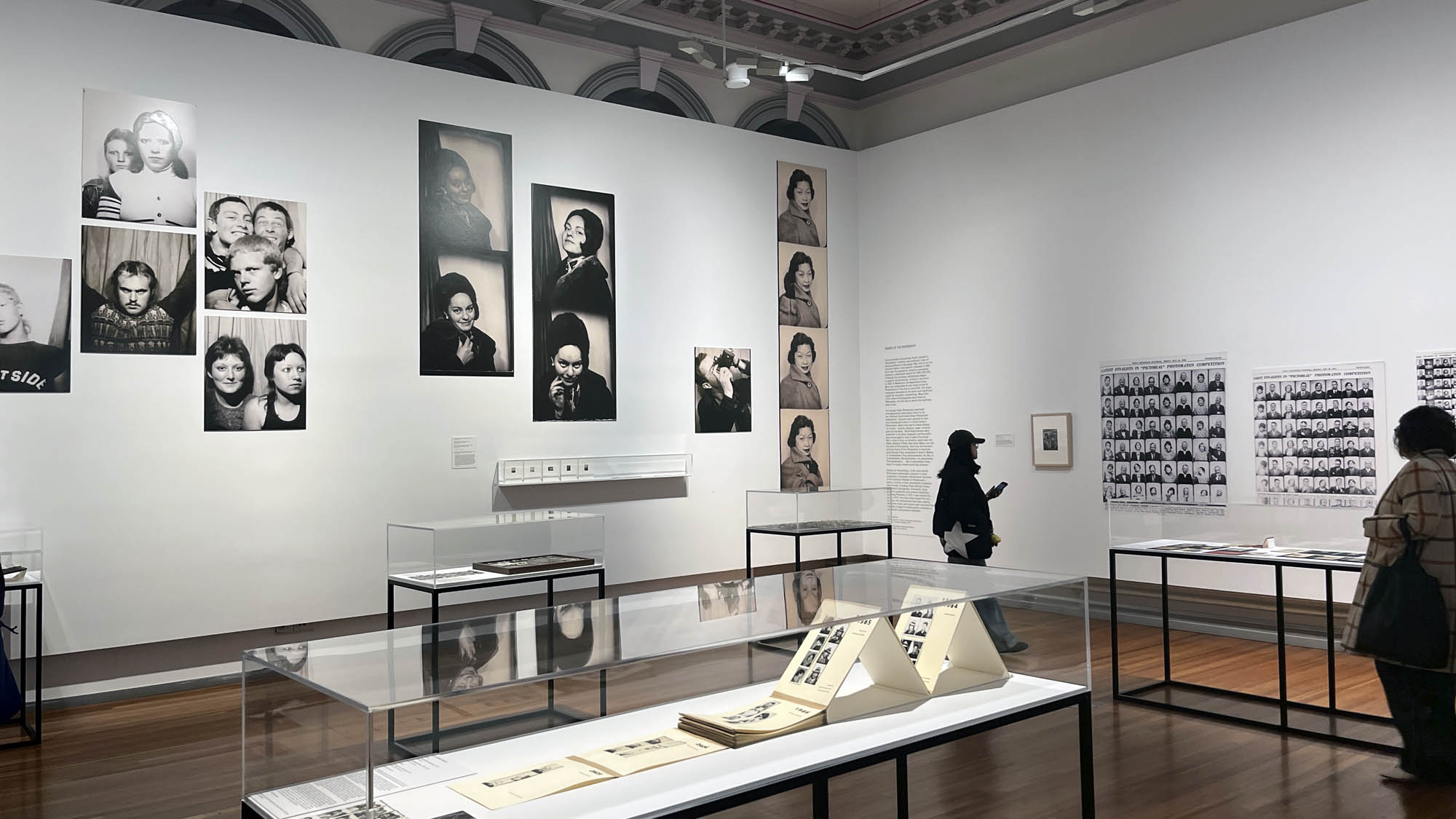
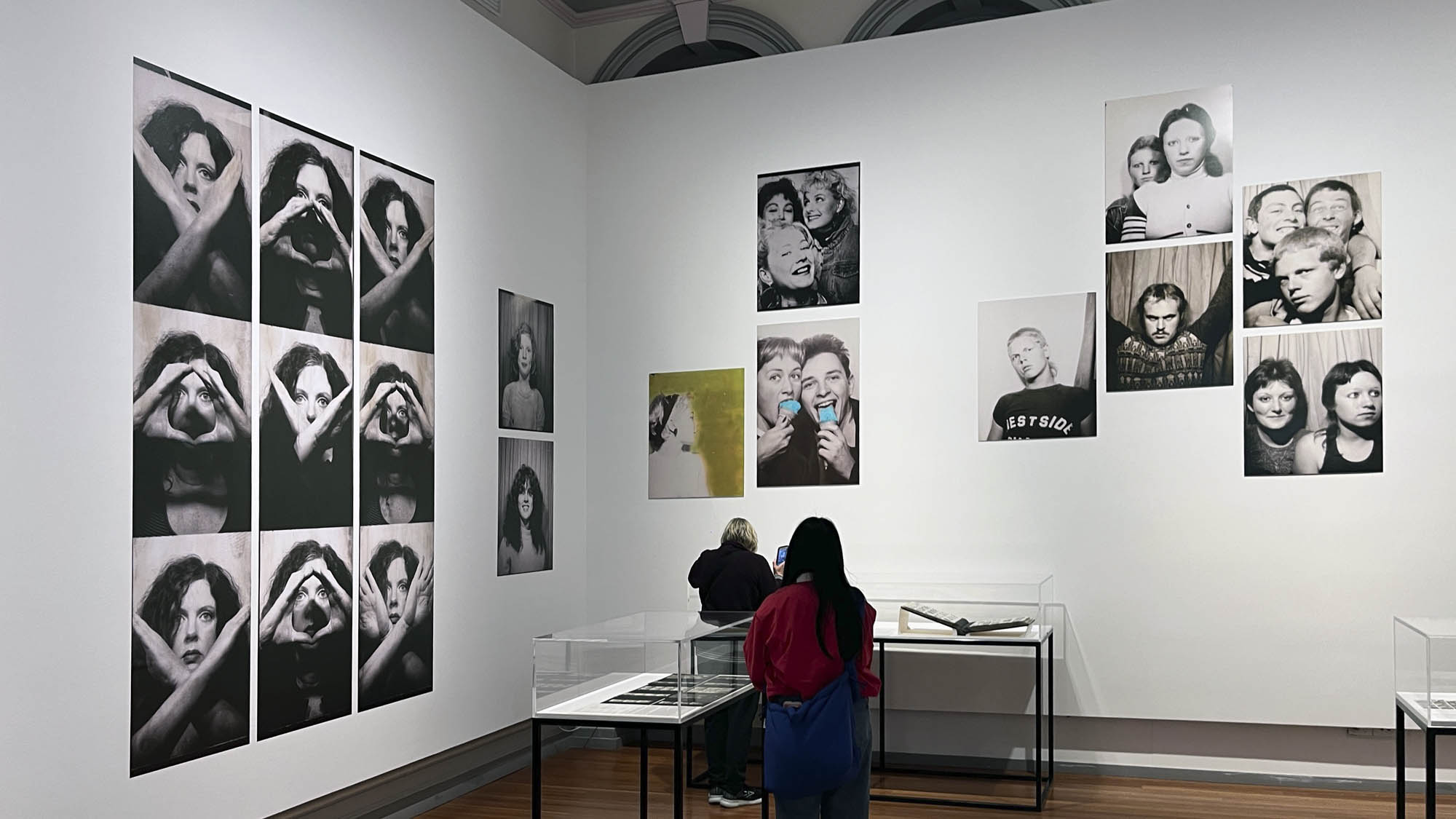
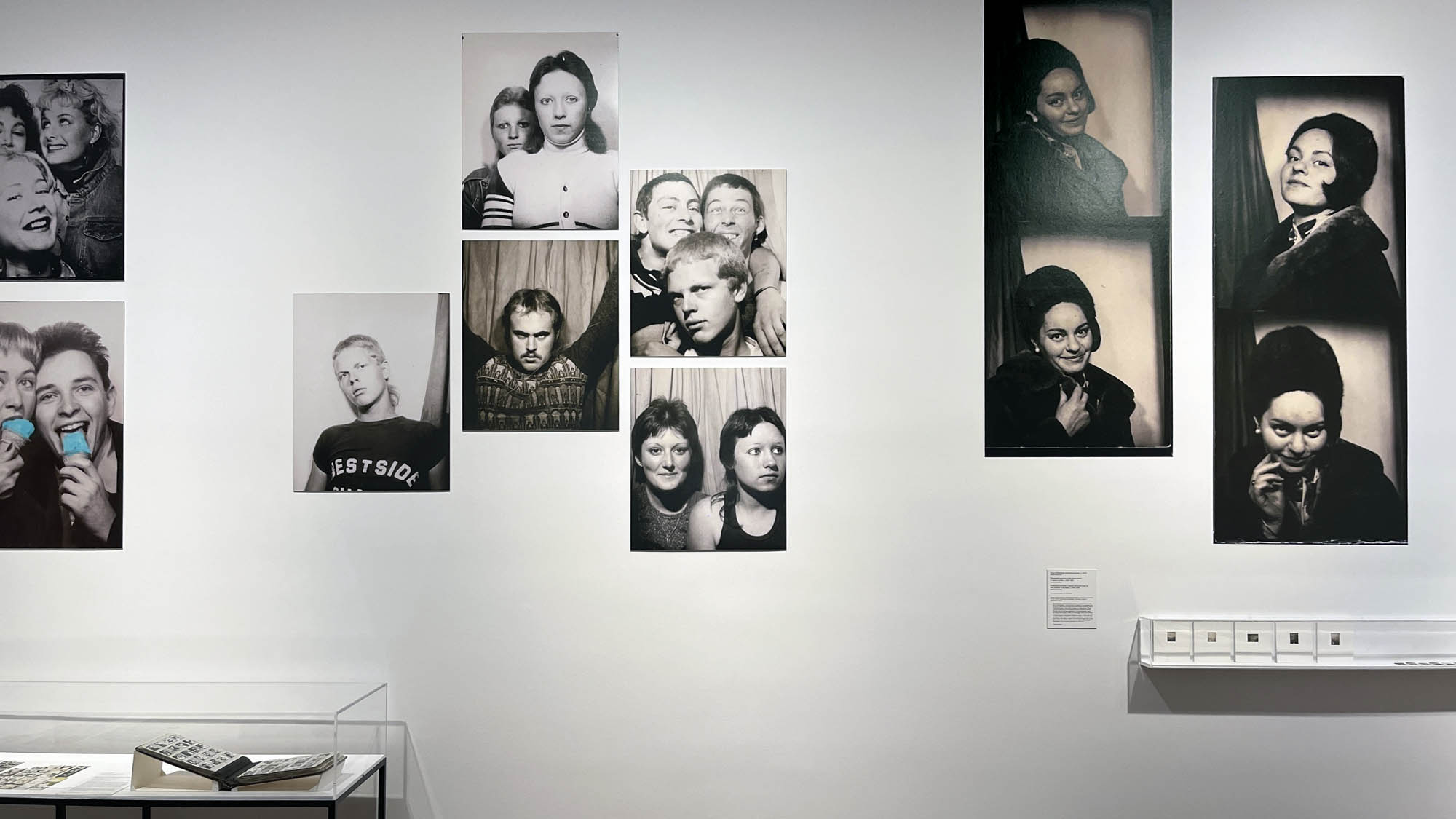
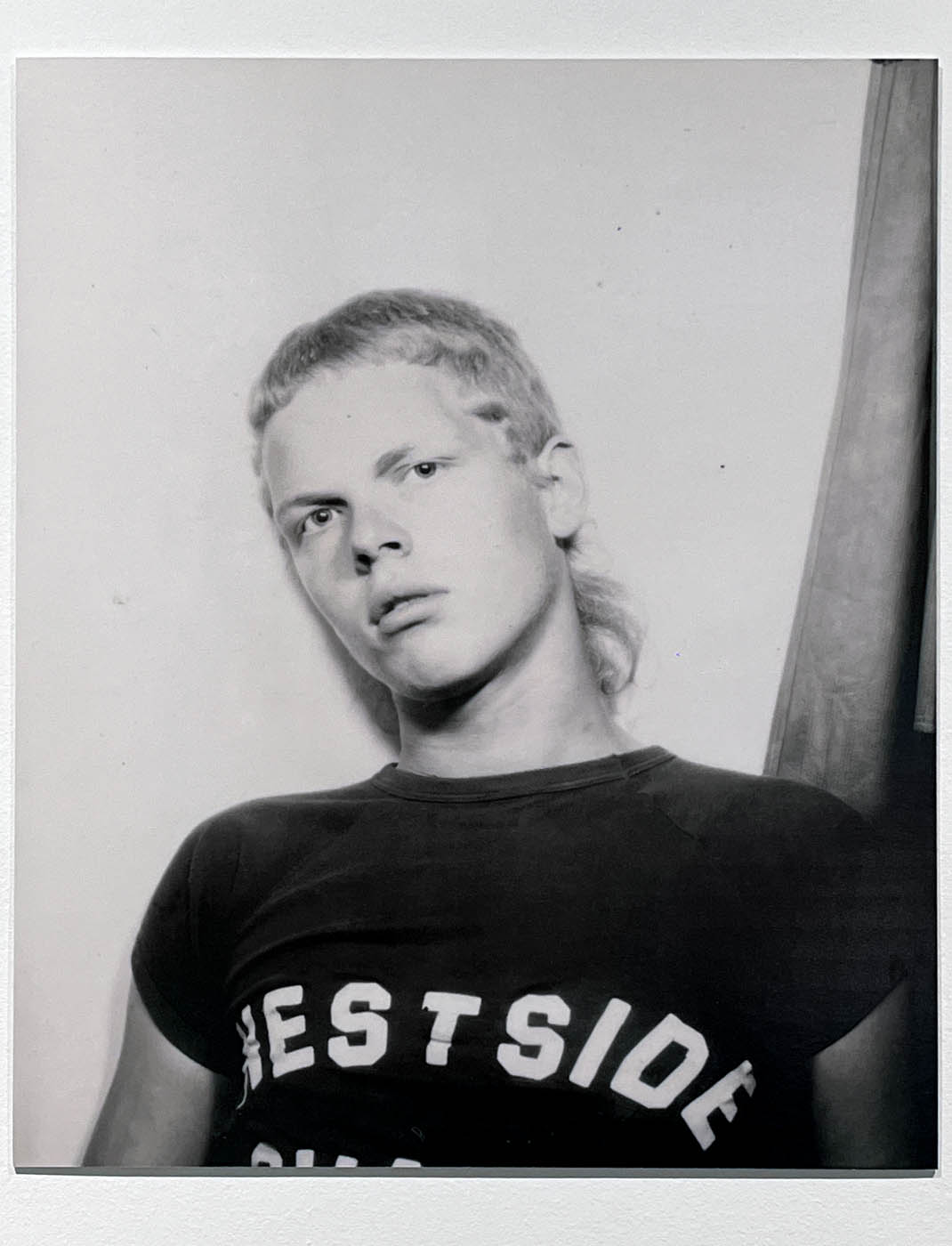

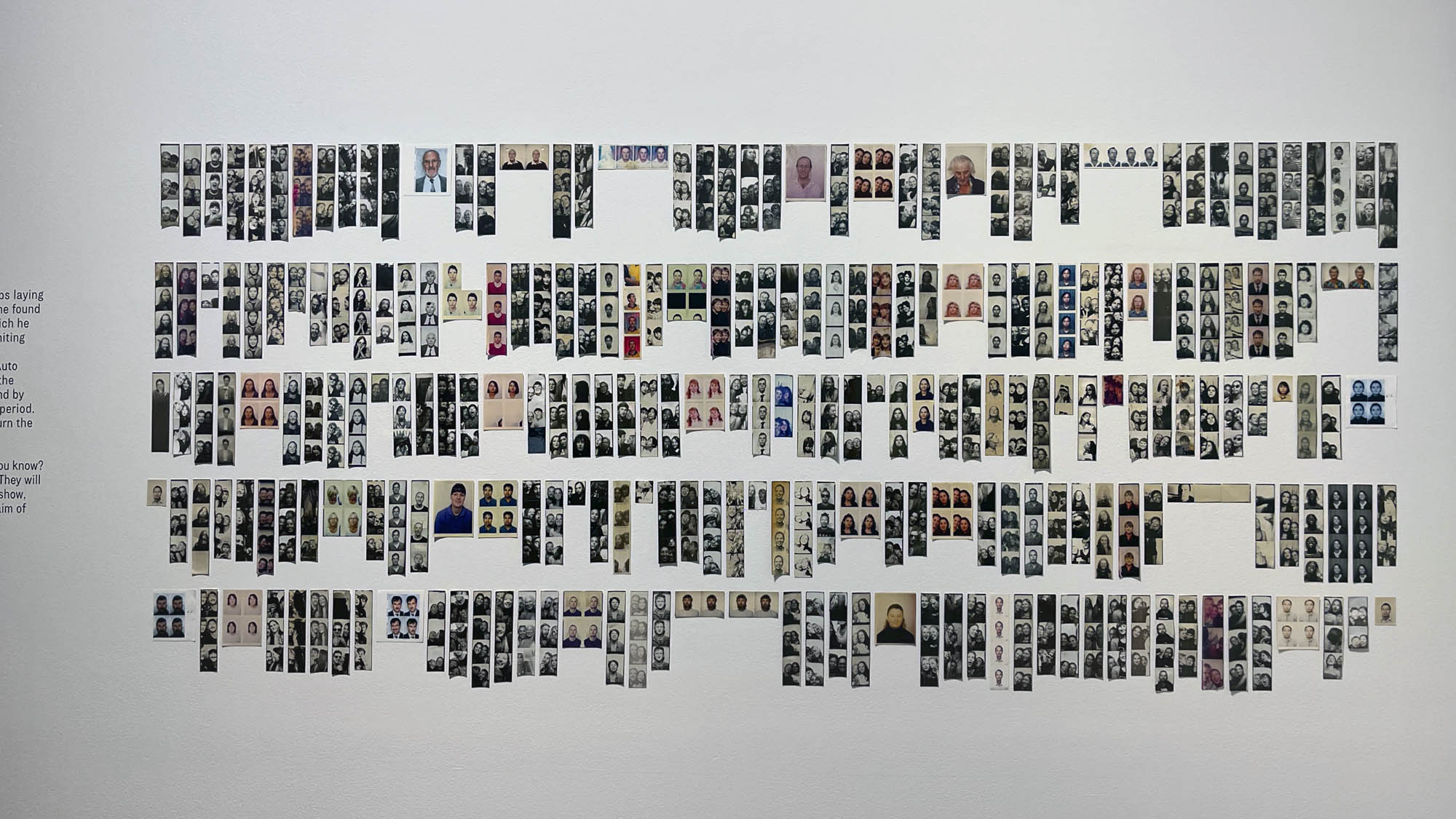
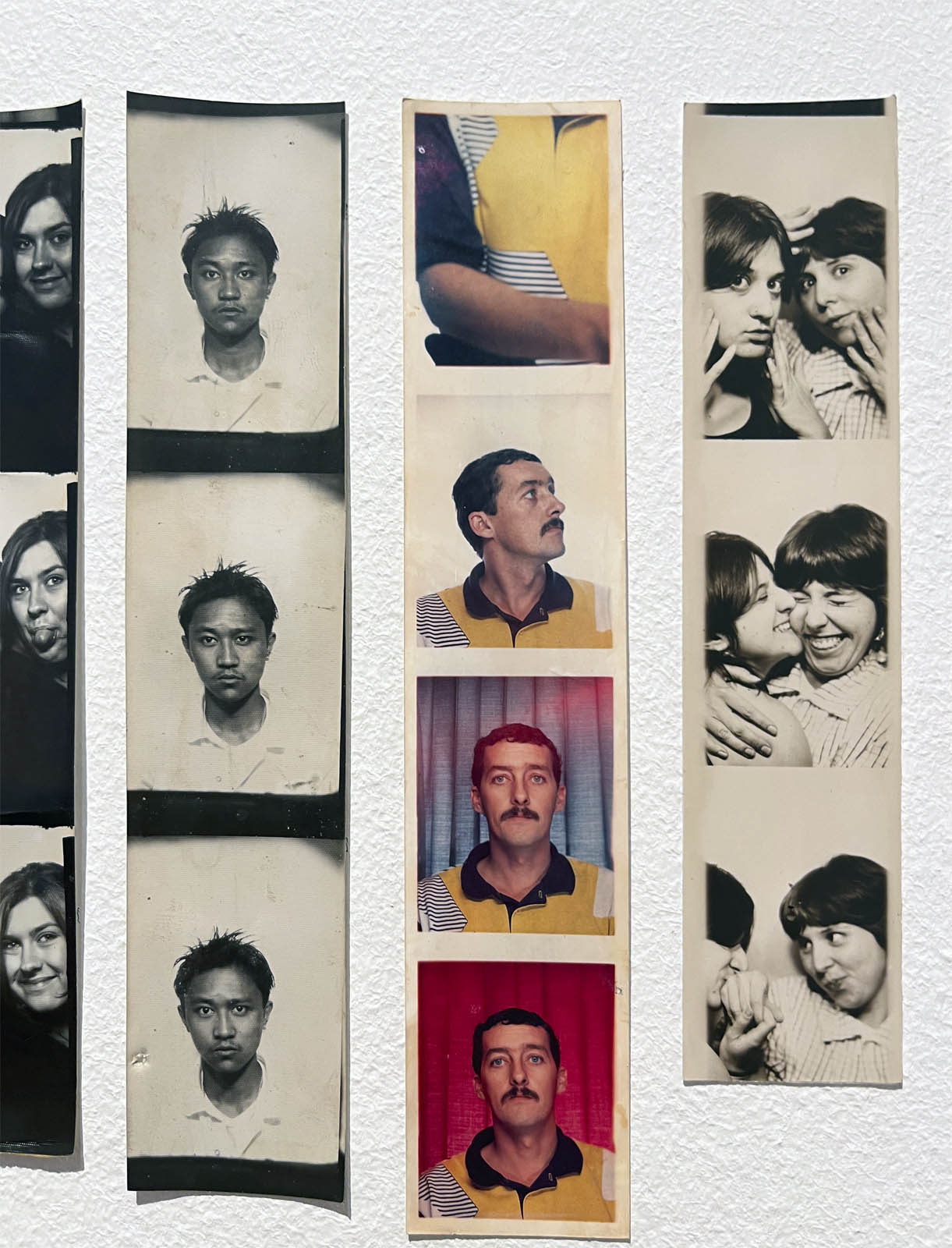
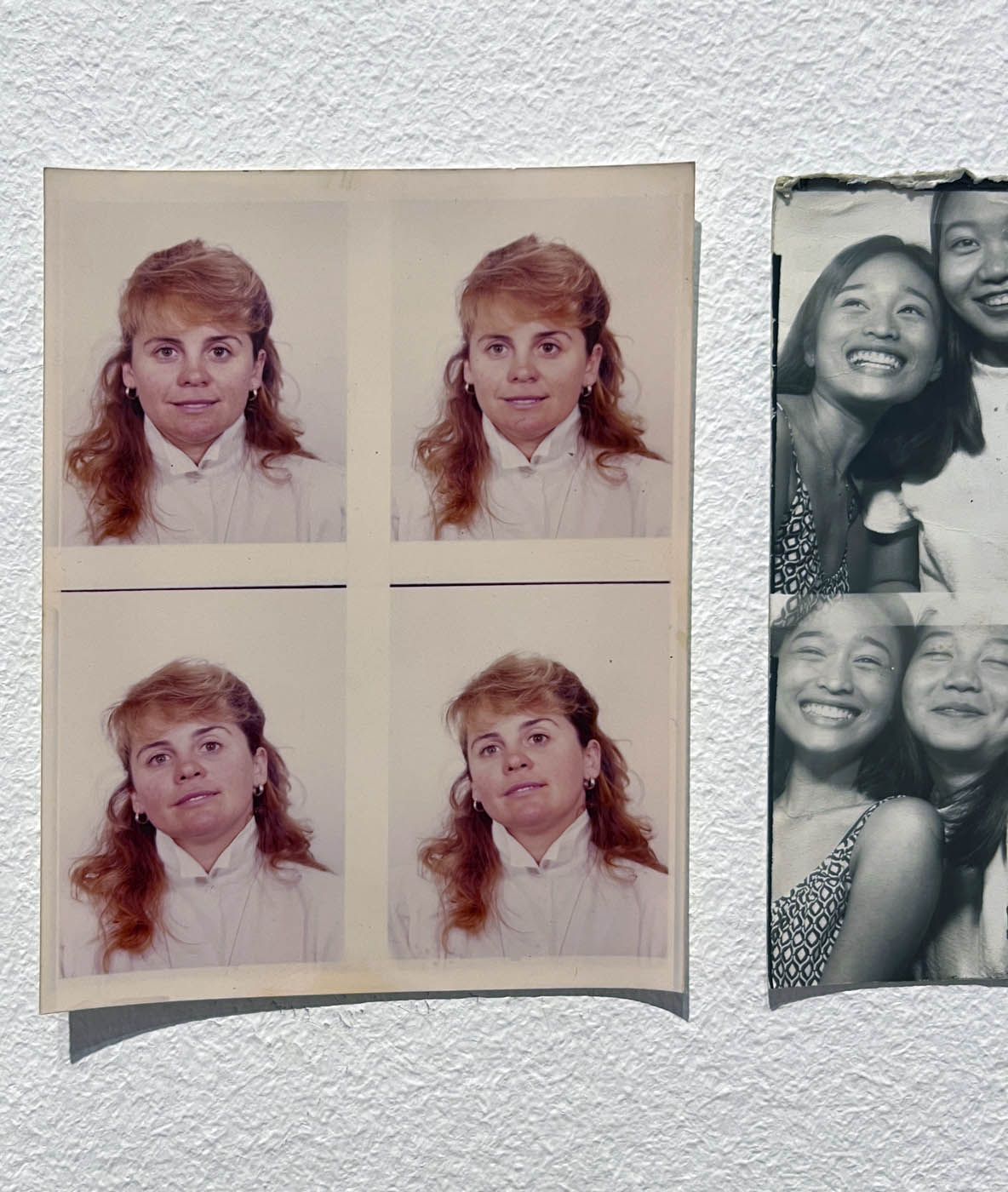

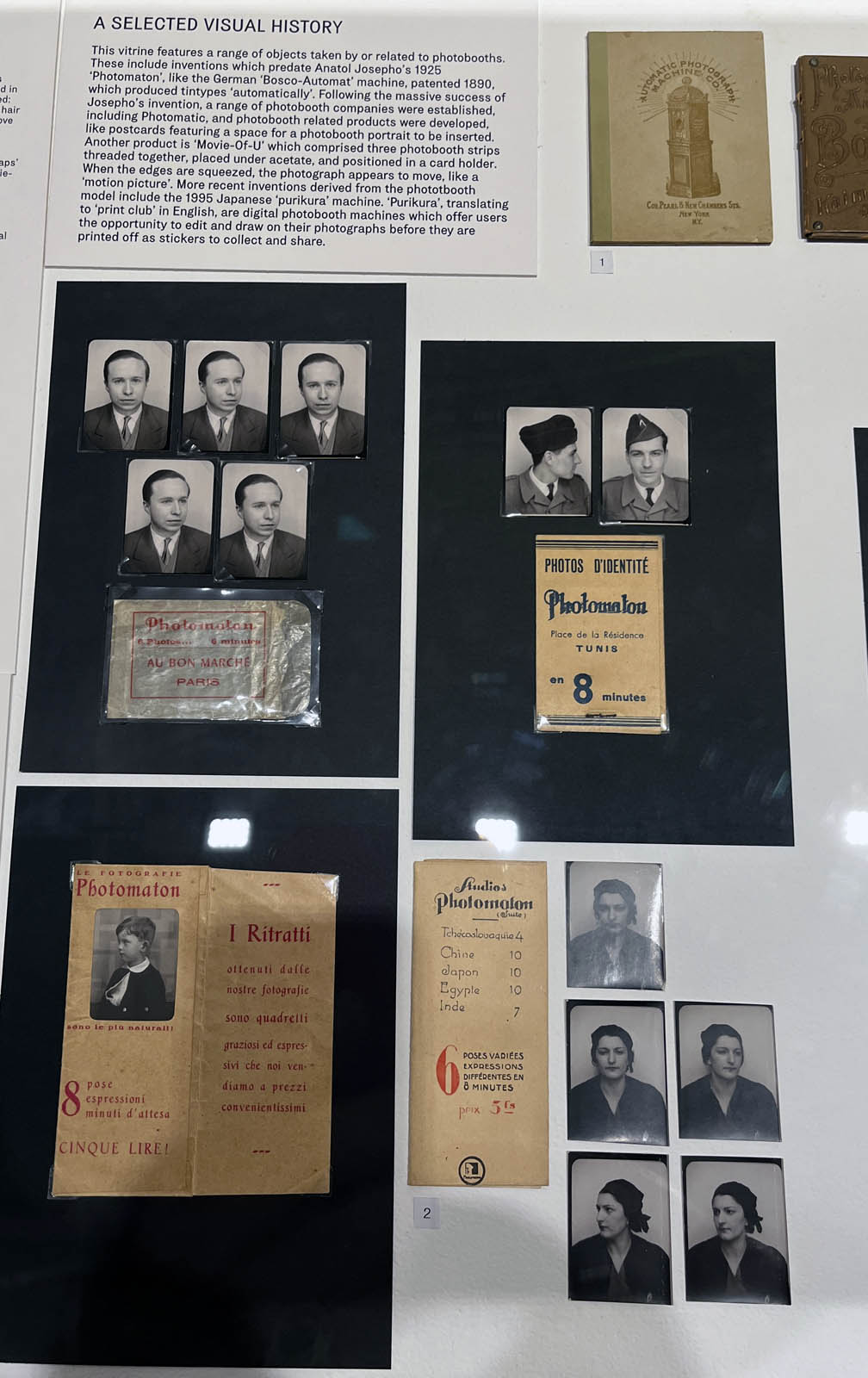
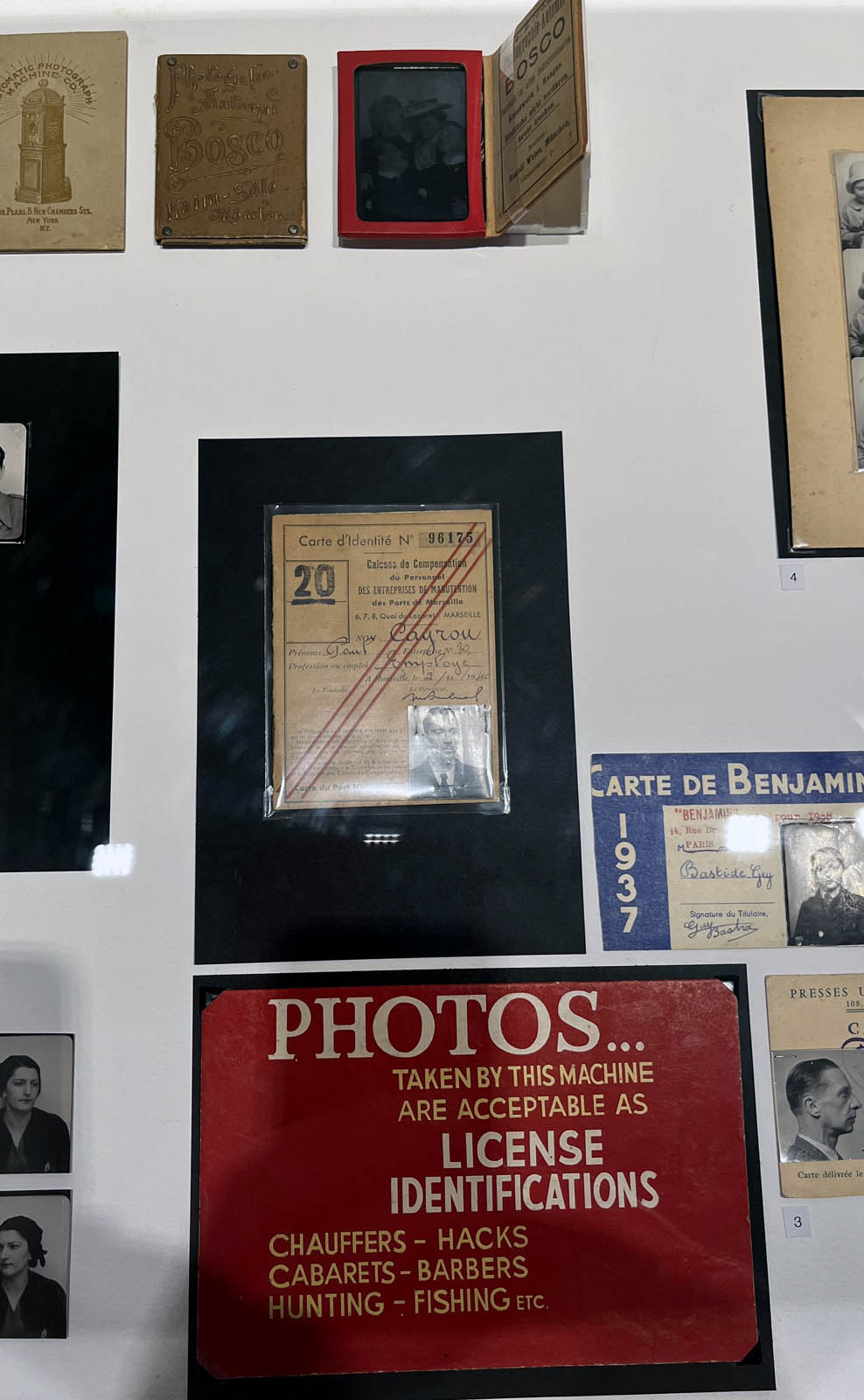
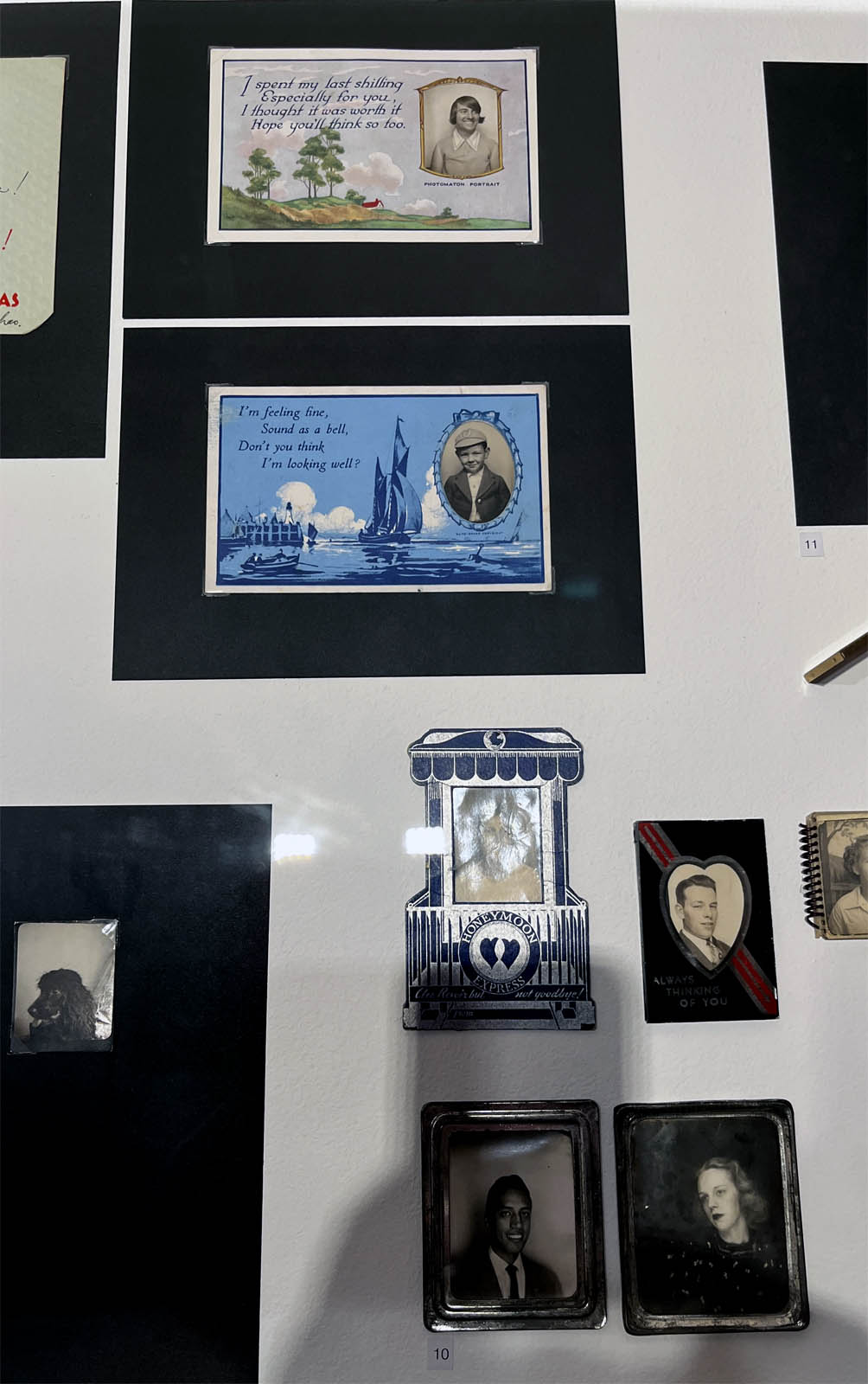
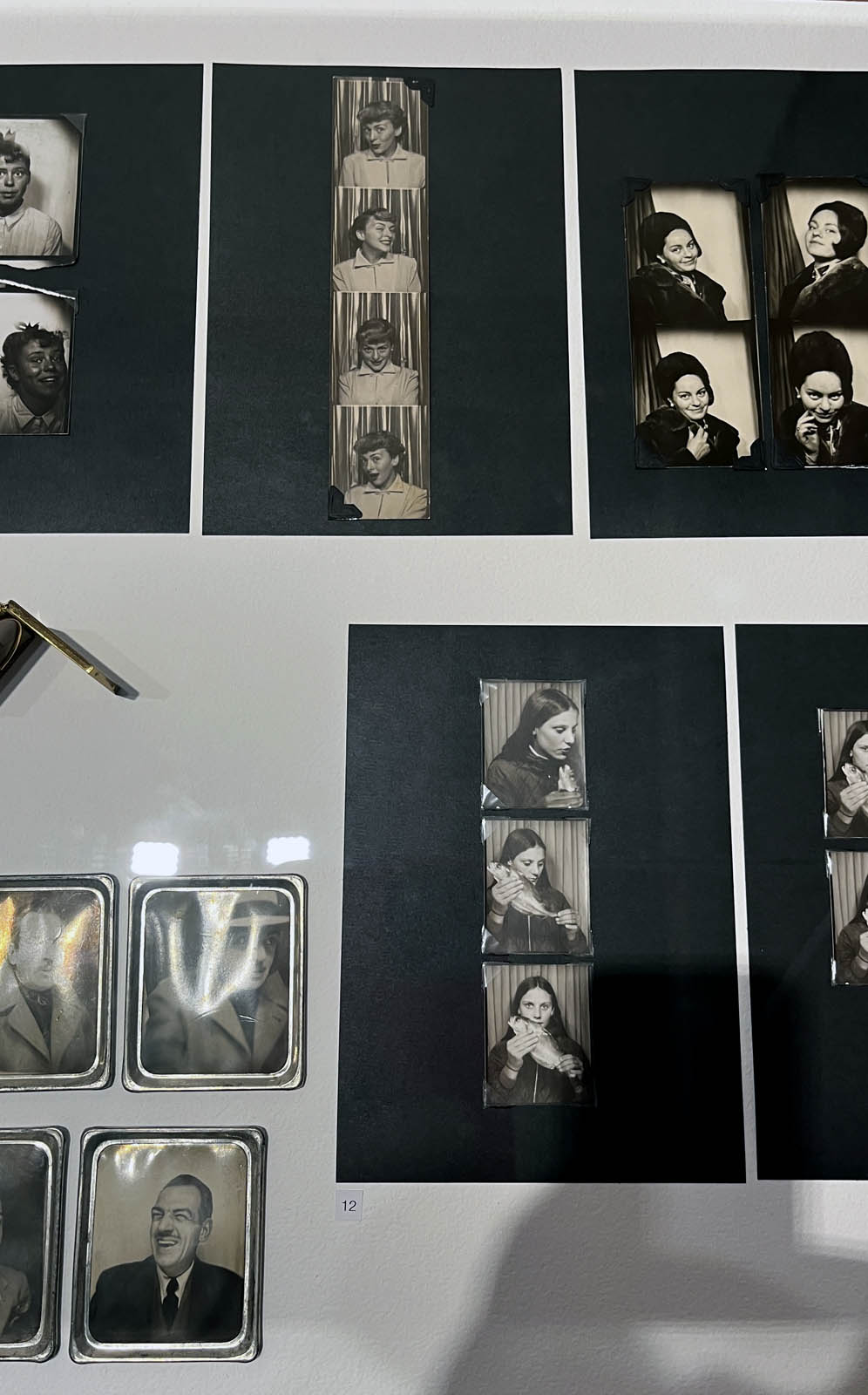
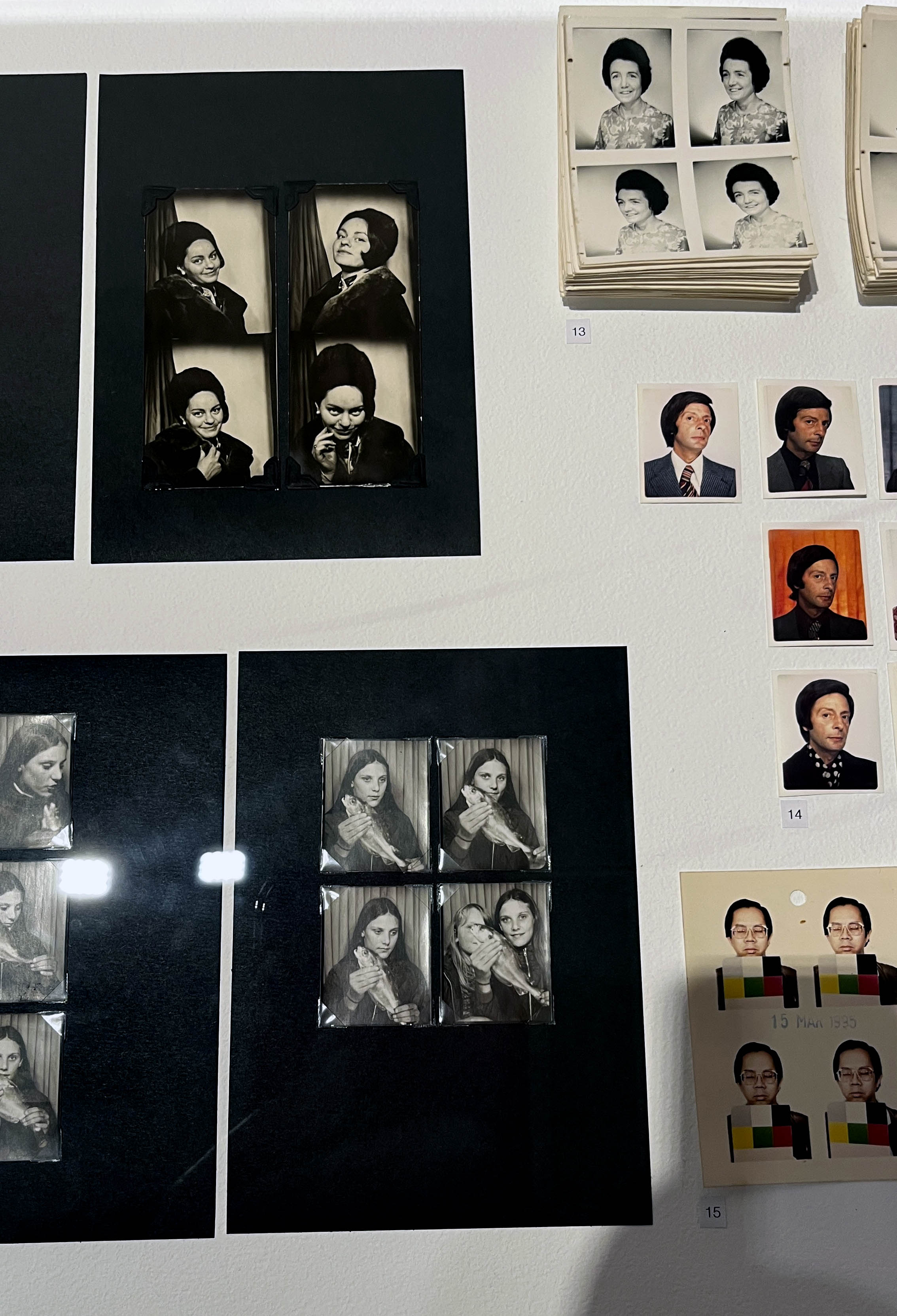
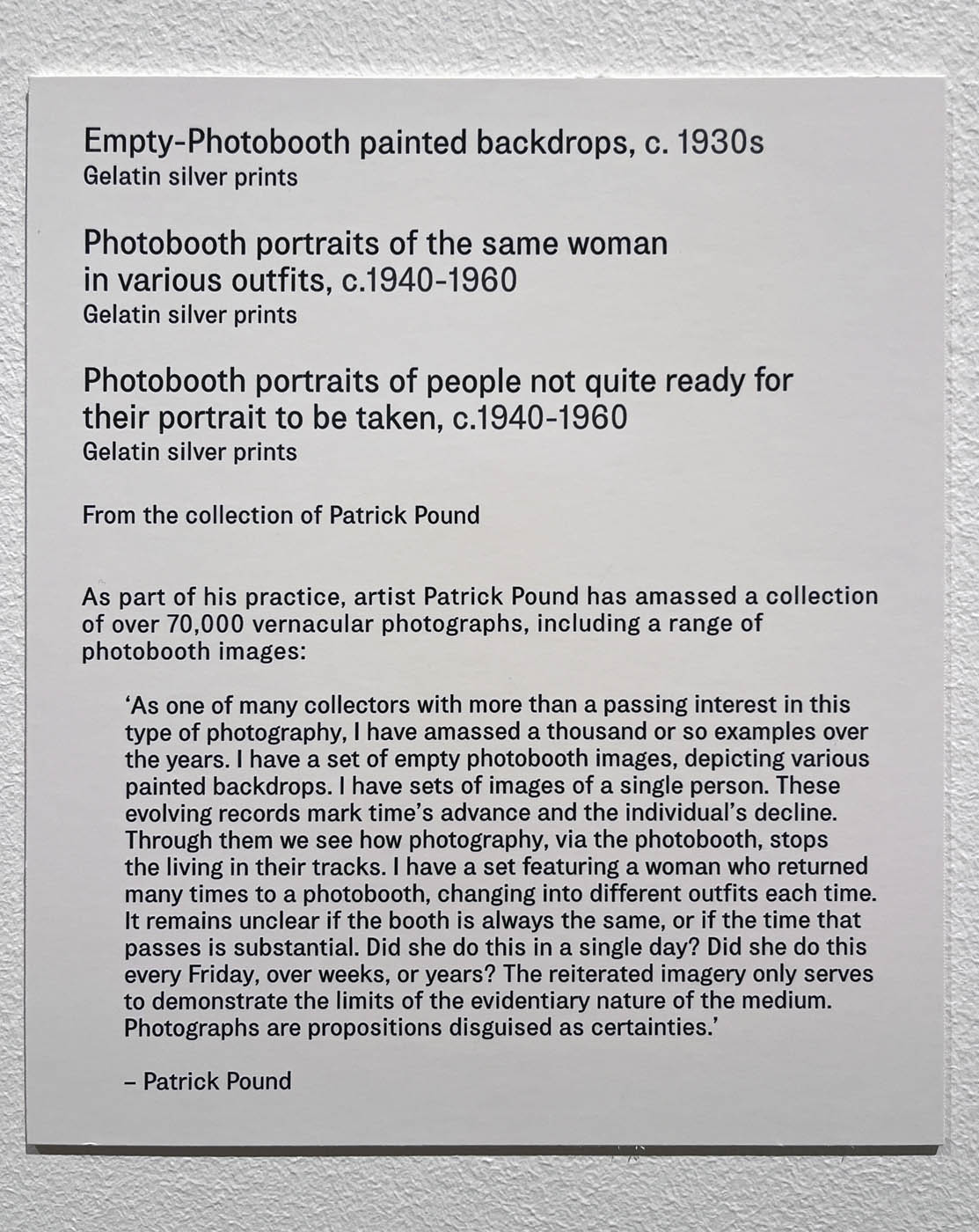
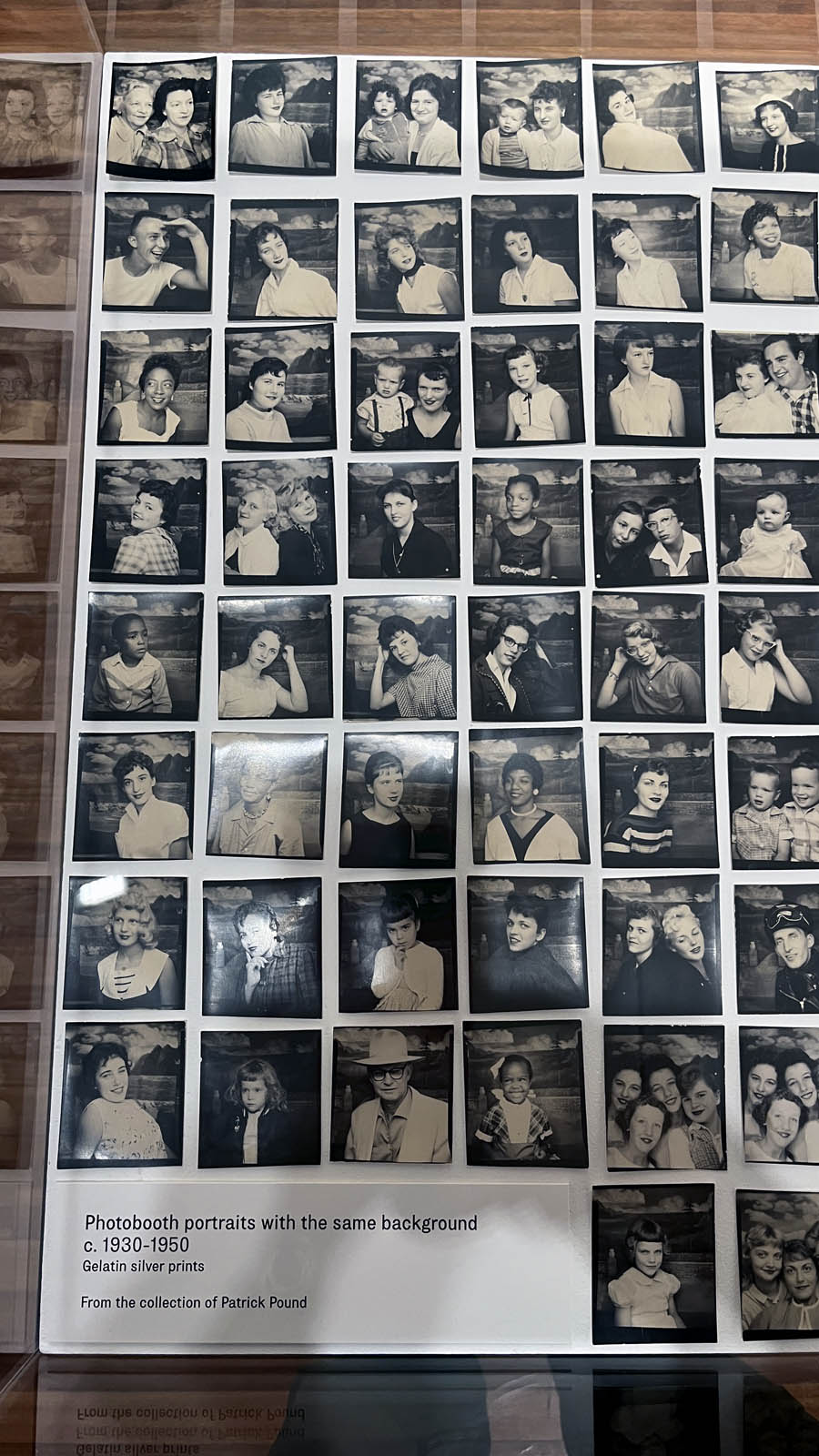
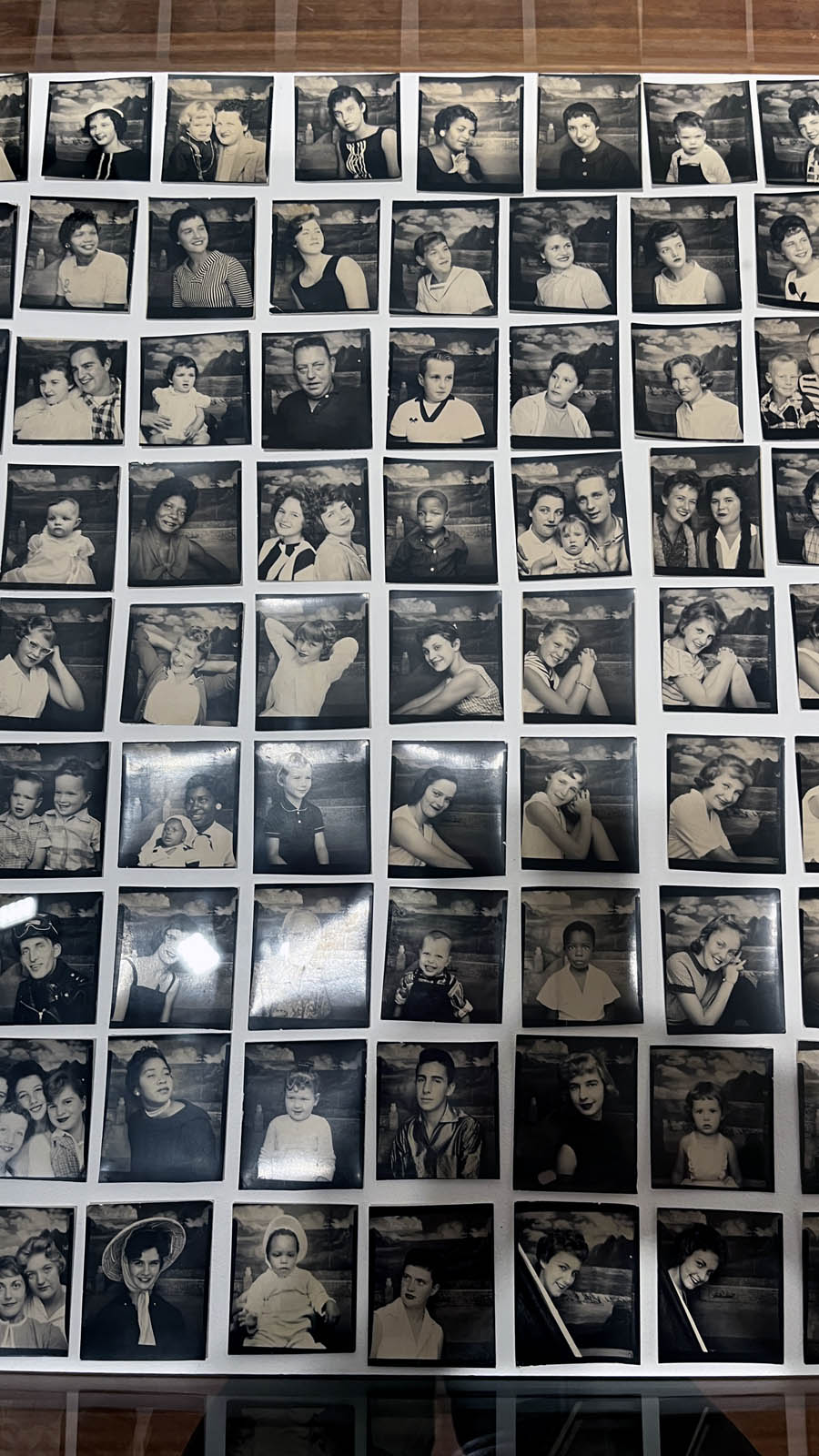
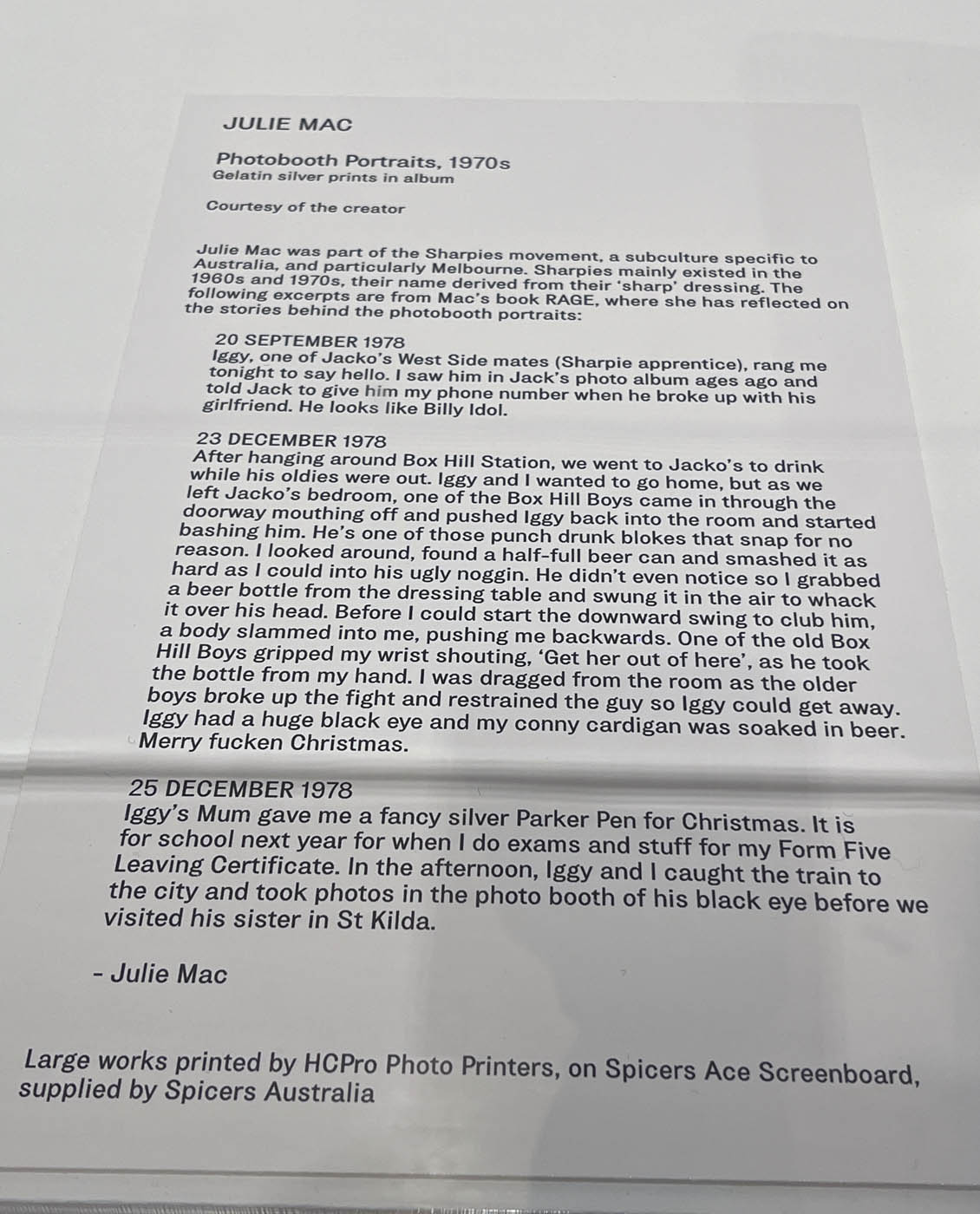
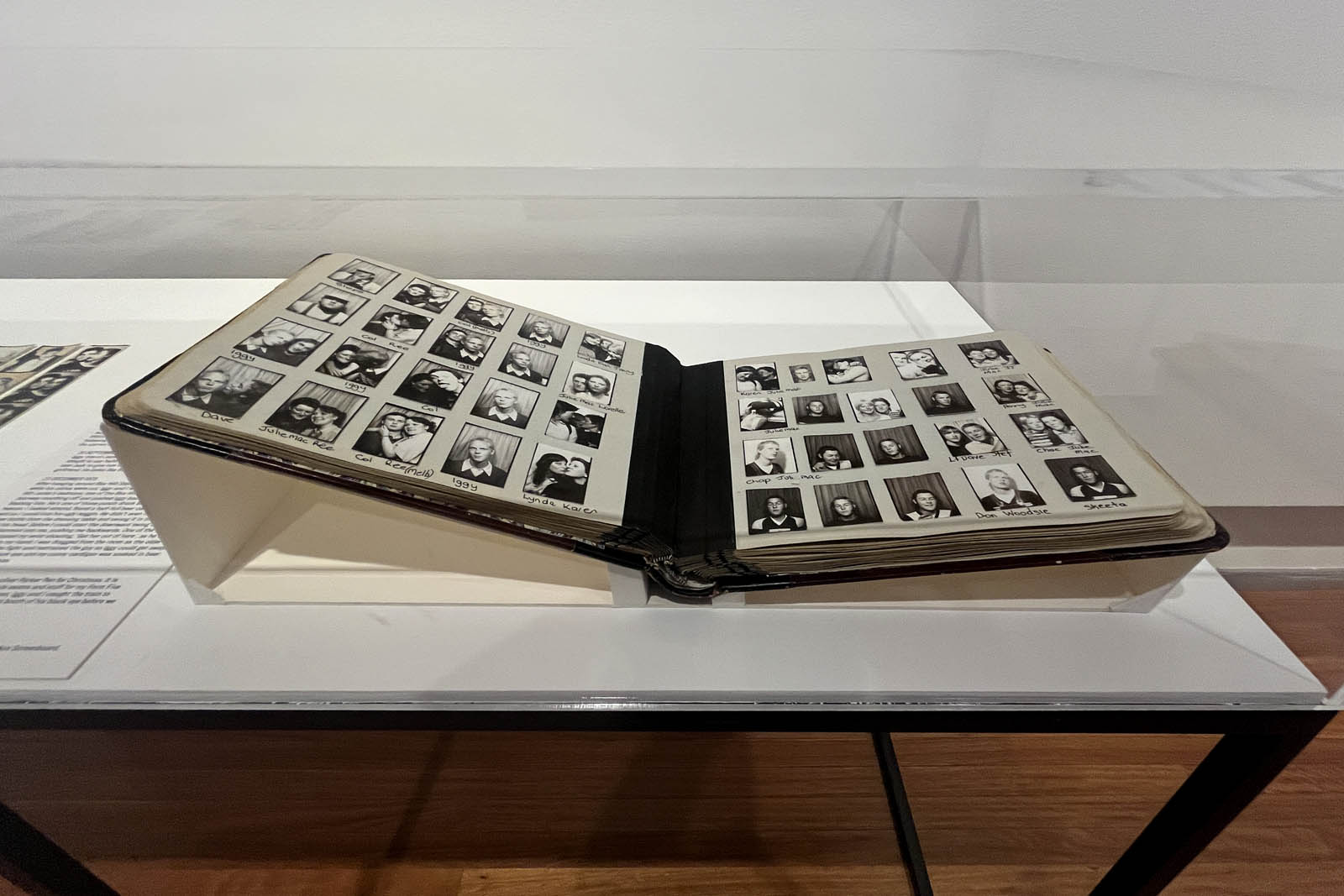
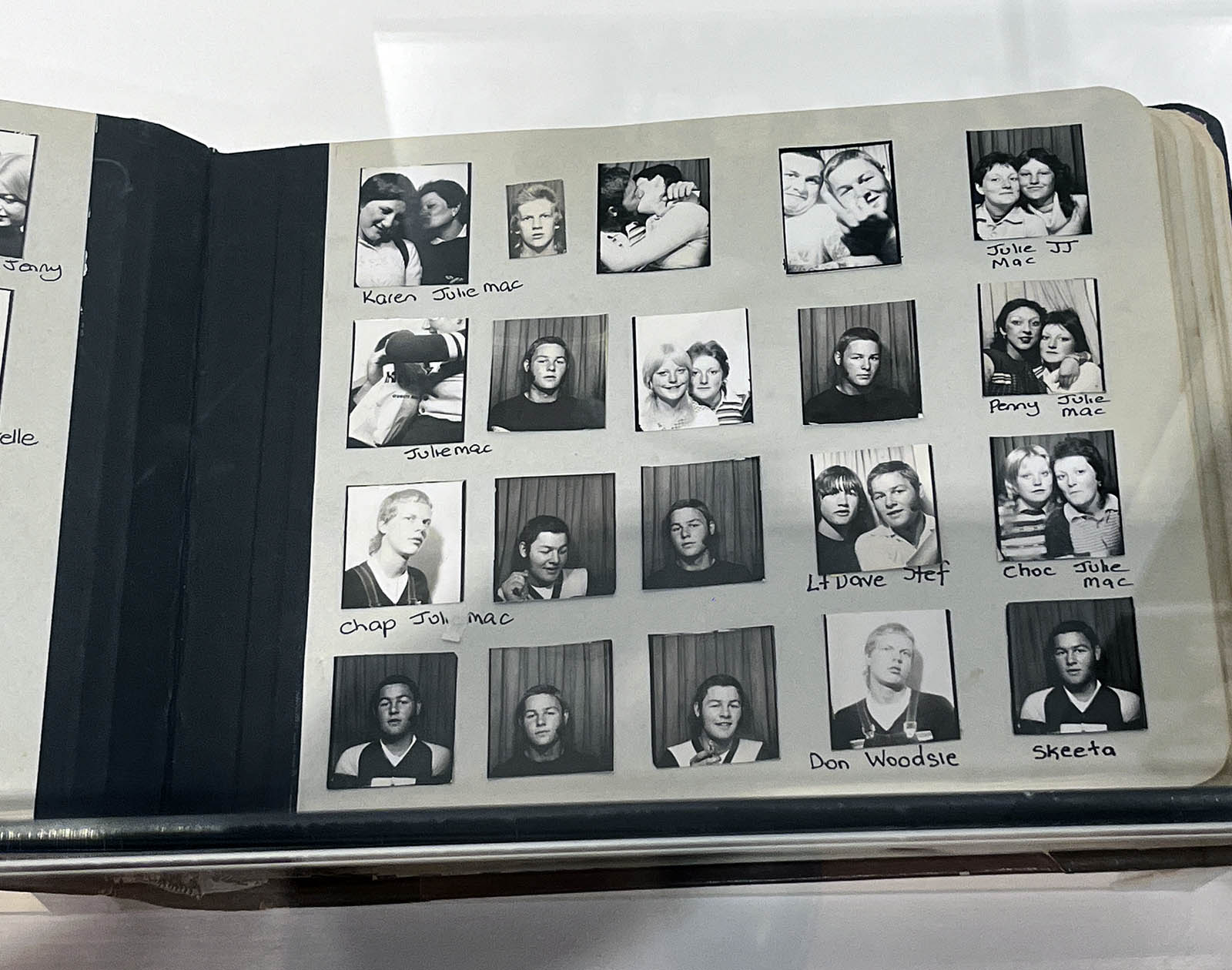
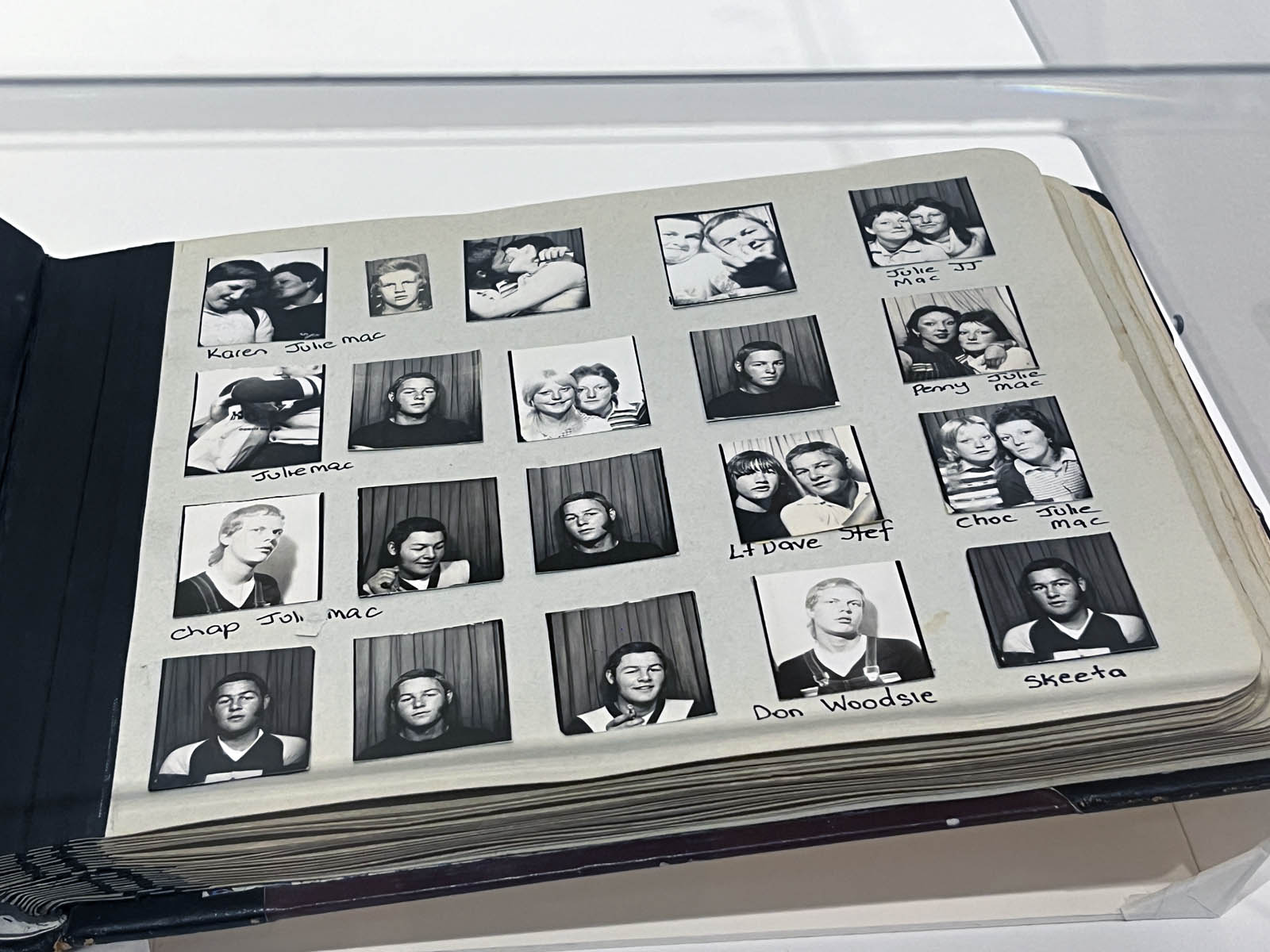
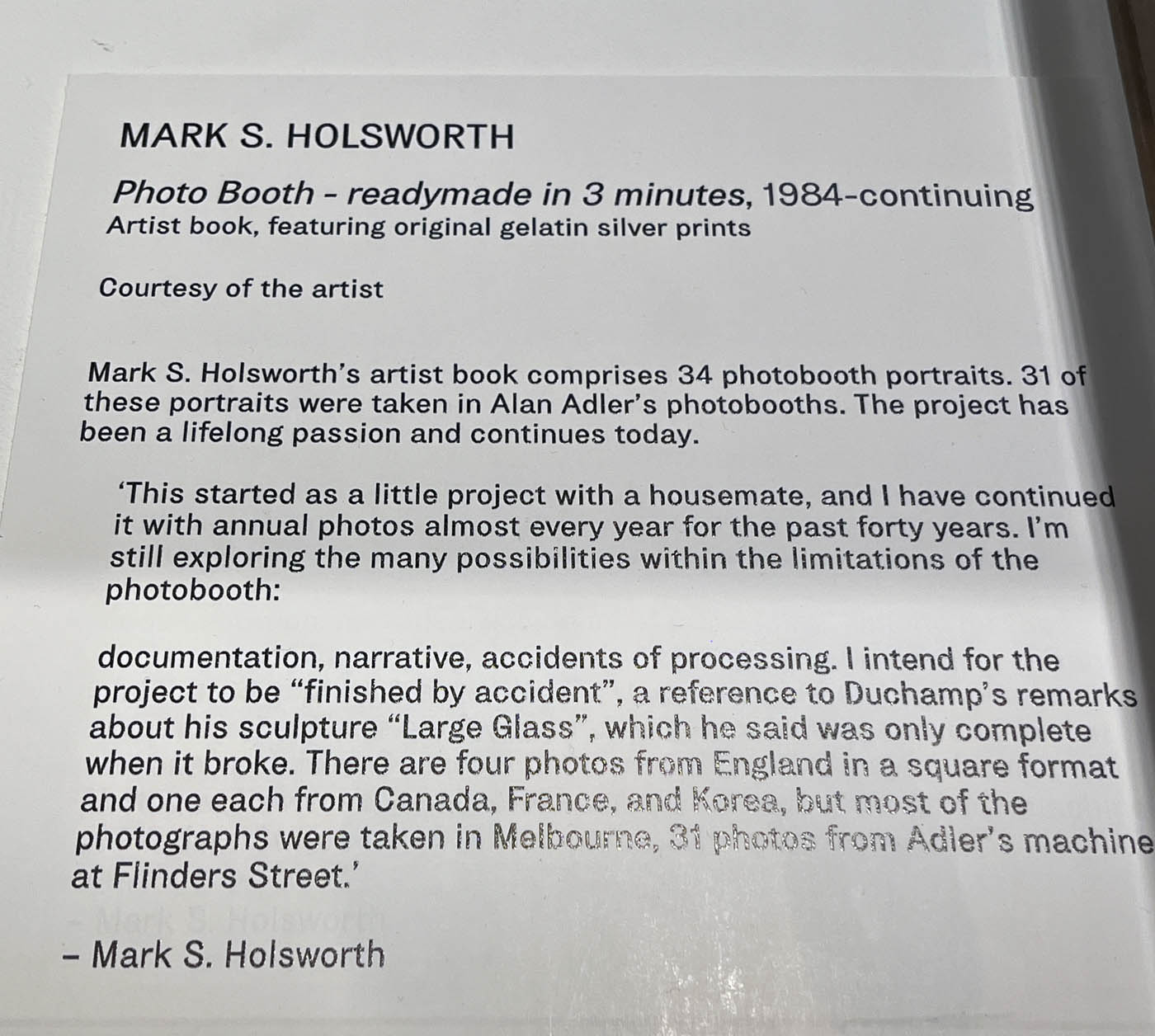

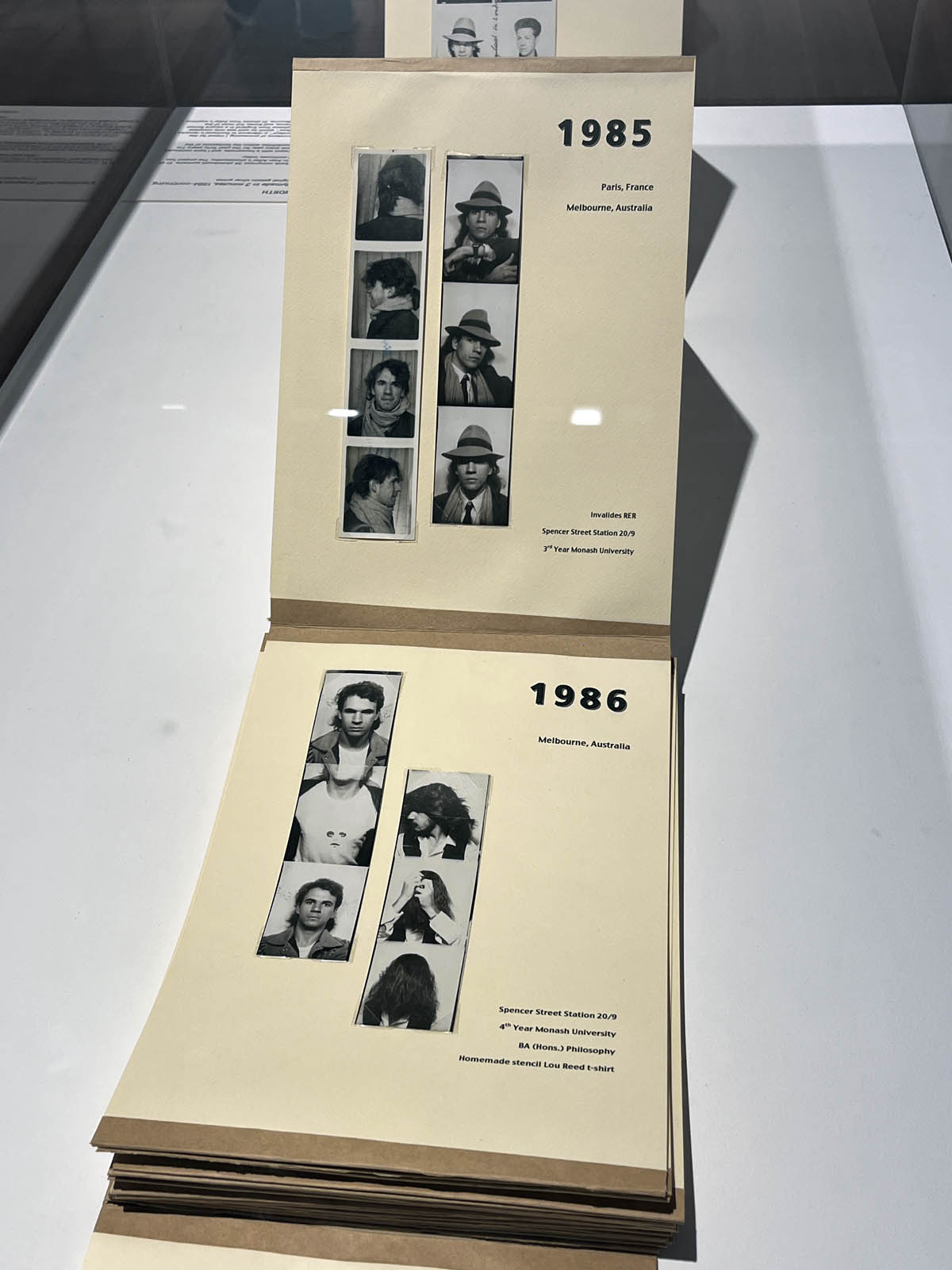

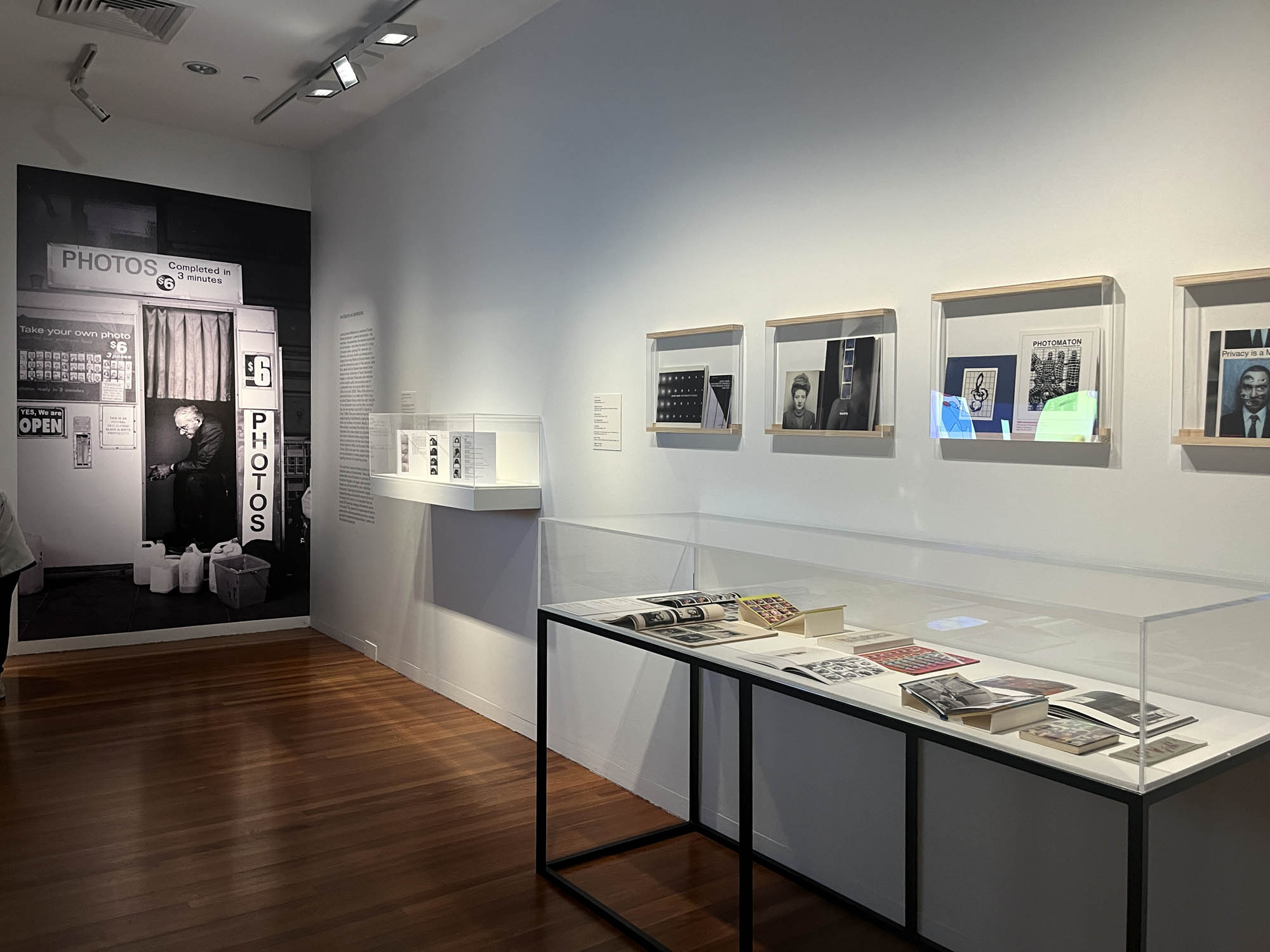
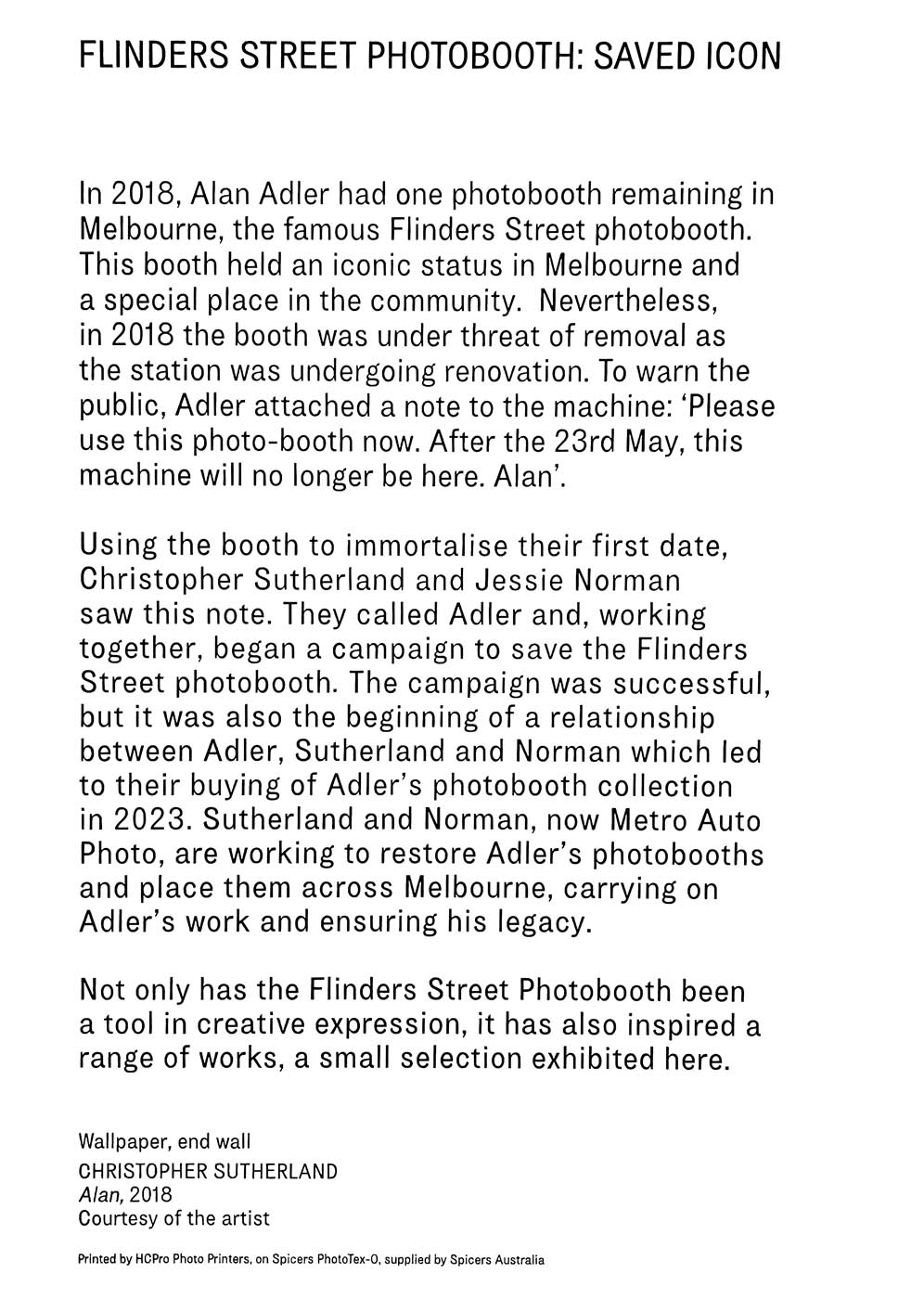
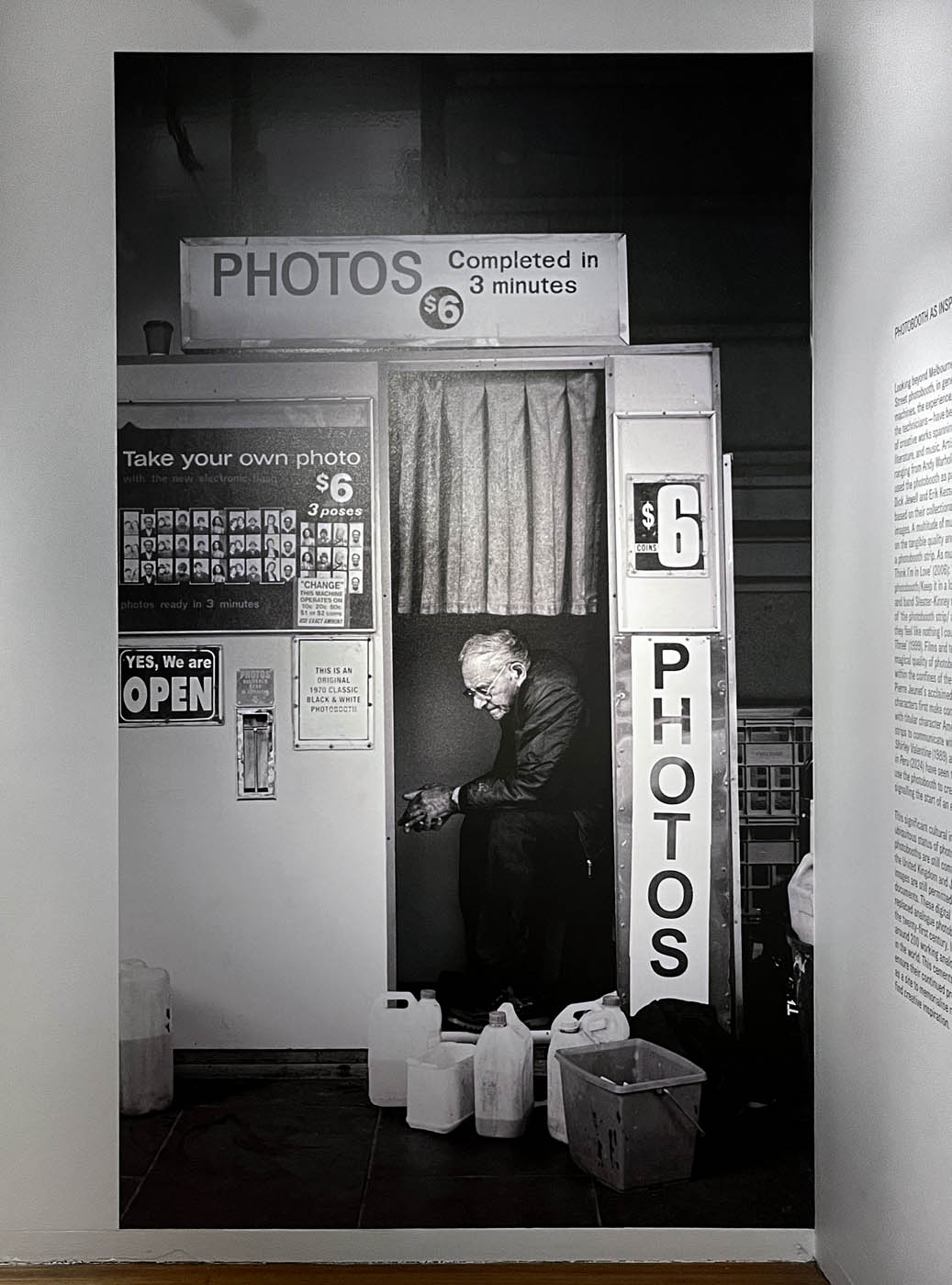
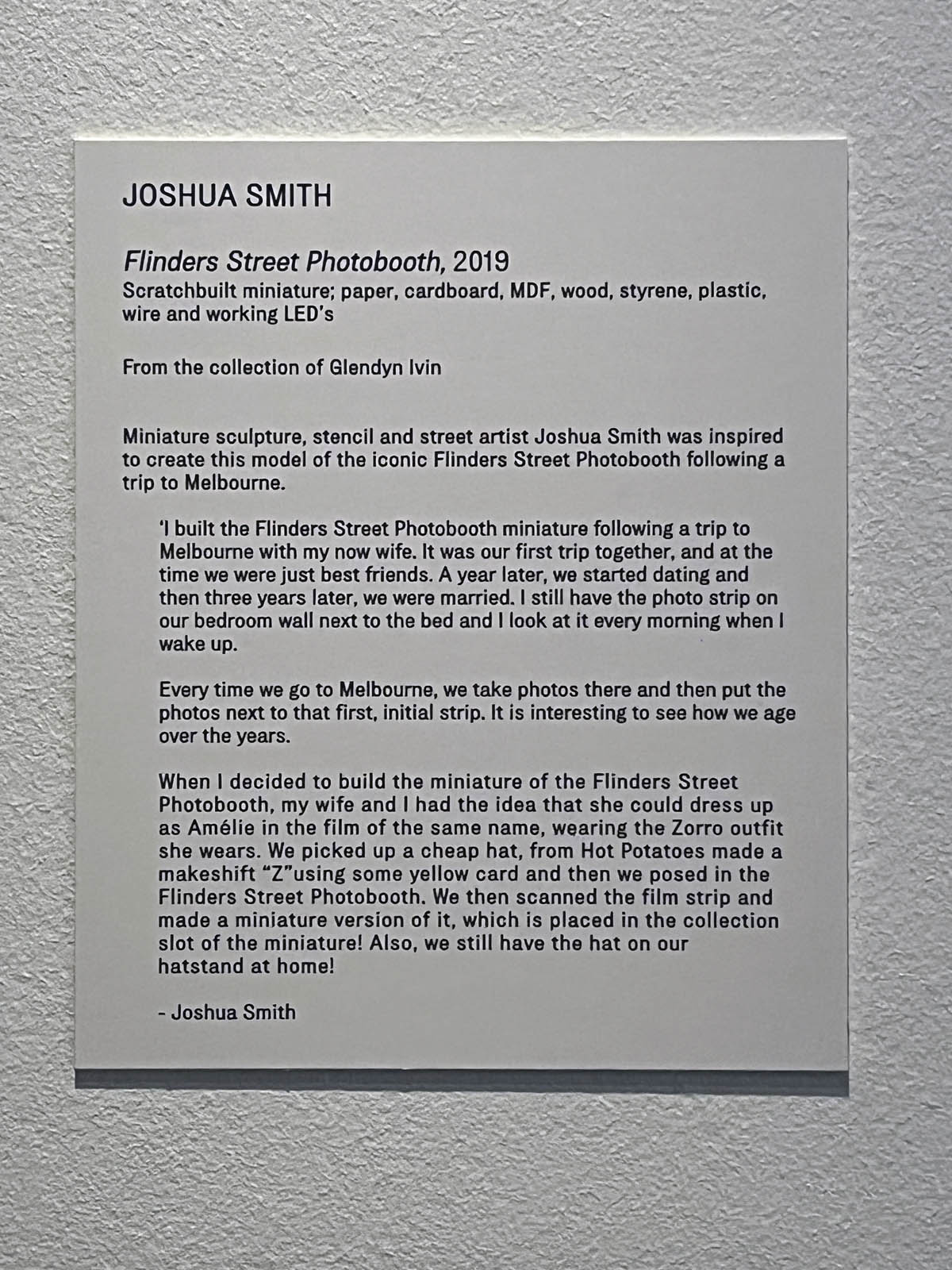







You must be logged in to post a comment.