Exhibition dates: 22nd October 2010 – 13th March 2011
Eugène Atget (French, 1857-1927) Coin de la rue Valette et Pantheon, 5e arrondissement, matinee de mars 1925, printed 1978 Gelatin silver photograph 17.8 x 23.7cm National Gallery of Victoria, Melbourne Purchased, 1980
A delightful exhibition of photographs of the built environment at the National Gallery of Victoria, Melbourne. The exhibition contains some interesting photographs from the collection including the outstanding Coin de la rue Valette et Pantheon, 5e arrondissement, matinee de mars by Eugene Atget taken two years before his death (1925, printed 1978, see below) that simply takes your breath away.
Atget was my hero when I started to study photography in the late 1980s and he remains my favourite photographer. His use of light coupled with his understanding of how to organise space within the pictorial frame is exemplary (note the darkness of the right-hand wall as it supports the integrity of the rest of the image, as it leads your eye to that wonderful space between the buildings, the shaft of light falling on the ground, the blank wall topped by an arrow leading the eye upwards to the misty dome!). The ability to place his large format camera and tripod in just the right position, the perfect height and angle, to allow the subject to reveal itself it all it’s glory is magical: “Atget’s interest in the variable play between nature and art through minute changes in the camera’s angle, or as functions of the effects of light and time of day, is underscored in his notations of the exact month and sometimes even the hour when the pictures were taken.”1 Two other immense works in the exhibition are New York at Night by Berenice Abbott (1932, printed c. 1975 below) and the incredible multiple exposure The Maypole, Empire State Building, New York by Edward Steichen (1932, below).
The only disappointment to the exhibition is the lack of vintage prints, a fair portion of the exhibition including the three prints mentioned above being later prints made from the original negatives. I wonder what vintage prints of these images would look like?
The purchasing of non-vintage prints was the paradigm for the collection of international photographs early in the history of the Department of Photography at the National Gallery of Victoria and was seen as quite acceptable at the time. The paradigm was set by Athol Shmith in 1973 on his visit to Paris and London.
“Typically for the times, Shmith did not choose to acquire vintage prints, that is, photographs made shortly after the negative was taken. While vintage prints are most favoured by collectors today, in the 1970s vintage prints supervised by the artists were considered perfectly acceptable and are still regarded as a viable, if less impressive option now.”2
Some museums including the NGV preferred to acquire portfolios of modern reprints as a speedy way of establishing a group of key images. As noted in the catalogue essay to 2nd Sight: Australian Photography at the National Gallery of Victoria by Dr Isobel Crombie, Senior Curator of Photography at the National Gallery of Victoria, the reason for preferring the vintage over the modern print “is evident when confronted with modern and original prints: differences in paper, scale and printing styles make the original preferable.”3 The text also notes that this sensibility, the consciousness of these differences slowly evolved in the photographic world and, for most, the distinctions were not a matter of concern even though the quality of the original photograph was not always maintained.
This is stating the case too strongly. Appreciation of the qualities of vintage prints was already high in the period of the mid-1970s – early 1980s most notably at institutions such as The Museum of Modern Art, a collection visited by photography curators of the NGV. Size and scale of the vintage prints tend to be much smaller than later prints making them closer to the artists original intentions, while the paper the prints are made on, the contrast and colour of the prints also varies remarkably. Other mundane but vitally important questions may include these: who printed the non-vintage photograph, who authorised the printing and how many non-vintage copies of the original negative were made, none of which are answered when the prints are displayed.
I vividly remember seeing a retrospective of Henri Cartier-Bresson’s work in Edinburgh at the Dean Gallery, National Gallery of Scotland in 2005, the largest retrospective of Cartier-Bresson’s work ever staged in Britain with over 200 photographs. Three large rooms were later 1970s reprints of some of his photographs, about 20″ x 24″ in size, on cold, blue photographic paper. One room, however, was full of his original prints from the 1920s and 30s. The contrast could not have been different: the vintage prints were very small, intense, subtle, printed on brown toned paper, everything that you would want those jewel-like images to be, the vision of the artist intensified; the larger prints diluted that vision until the images seemed to almost waste away despite their size.
Although never stated openly I believe that one of the reasons for the purchase of non-vintage prints was the matter of cost, the Department of Photography never being given the budget to buy the prints that it wanted to in the 1970s – early 1980s, the collection of photography not being a priority for the NGV at that time. In other words by buying non-vintage prints in the 1970s you got more “bang for your buck” even when the cost of vintage prints was relatively low. Unfortunately the price of vintage prints then skyrocketed in the 1980s putting them well outside the budget of the Department. While Dr Crombie acknowledges the preponderance of American works in the collection over European and Asian works she also notes that major 20th century photographers that you would expect to be in the collection are not and blames this lack “on the massive increases in prices for international photography that began in the 1980s and which largely excluded the NGV from the market at this critical time.”4
The policy of purchasing non-vintage prints has now ceased at the National Gallery of Victoria.
The purchasing of non-vintage prints and the paucity of purchasing vintage prints by master photographers during the formative decade of the collection of international photographs in the Department of Photography (1970-1980) is understandable in hindsight but today seems like a golden opportunity missed. While the collection contains many fine photographs due to the diligence of early photographic curators (notably Jennie Boddington), the minuscule nature of the budget of the department in those early years when vintage prints were relatively cheap and affordable (a Paul Caponigro print could be purchased for $200-300 for example) did not allow them to purchase the photographs that the collection desperately needed. With one vintage print by a master of photography now fetching many thousands of dollars the ability to fill gaps in the collection in the future is negligible (according to Dr Crombie) – so we must celebrate and enjoy the photographs that are in the collection such as those in Luminous Cities: Photographs of the Built Environment.
Dr Marcus Bunyan
2/ Crombie, Isobel. “Creating a Collection: International Photography at the National Gallery of Victoria,” in Re_View: 170 years of Photography. Melbourne: National Gallery of Victoria, 2009, p. 9
3/ Crombie, Isobel. Second sight: Australian photography in the National Gallery of Victoria. Melbourne: National Gallery of Victoria, 2002, p. 10
4/ Op.cit. p. 10
Many thankx to Jemma Altmeier for her help and to the National Gallery of Victoria for allowing me to publish the photographs in the posting. Please click on the photographs for a larger version of the image.
Stephen Thompson (active throughout Europe, 1850s-1880s) Grande Canale, Venice c. 1868 Albumen silver photograph 21.2 x 29.2cm National Gallery of Victoria, Melbourne Purchased from Admission Funds, 1988
England (active in England 1860s) Houses of Parliament, London 1860s Albumen silver photograph 18.5 x 24.1cm National Gallery of Victoria, Melbourne Purchased from Admission funds, 1988
On 22 October the National Gallery of Victoria will open Luminous Cities, a fascinating exhibition that examines the various ways photographers have viewed cities as historical sites, bustling modern hubs and architectural utopias since the nineteenth century.
The great cities of the world are vibrant creative centres in which the built environment is often as inspirational as the activities of its citizens, and, since the nineteenth century photographers have creatively explored the idea of the city.
This exhibition, drawn from the collection of the NGV, considers various ways in which photographers in the 19th and 20th centuries have viewed cities as historical sites, bustling modern metropolises and architectural utopias. These lyrical images describe the physical attributes of cities, offer insights into the creative imaginations of architects and photographers and embody the zeitgeist of their times.
Frances Lindsay, Deputy Director, NGV said: “Through the work of a range of photographers Luminous Cities will take viewers on a fascinating journey around the world, into the streets, buildings and former lives of great international cities.
“Drawn from the NGV collection, Luminous Cities includes works by renowned photographers Eugene Atget, Alfred Stieglitz, Edward Steichen, Berenice Abbott, Laszlo Moholy-Nagy, Bill Brandt, Lee Freidlander and Grant Mudford amongst many others.
The exhibition will also extend into our contemporary gallery space where an outstanding selection of works by celebrated contemporary artists such as Bill Henson, Andreas Gursky and Jon Cattapan will be on display,” said Ms Lindsay.
Through examples from the mid 19th century, Luminous Cities explores the relationship between photographer, architect and archaeologist with photos of Athens, Rome and Pompeii. This was also a time when great cities such as London and Paris underwent unprecedented renewal and expansion, photography served to document new constructions and also presented heroic, inspirational visions of new cities emerging from old.
Susan van Wyk, Curator, Photography, NGV said: “The works on display in Luminous Cities describe the physical attributes of cities, offer insights into the creative imaginations of architects and photographers, and embody the zeitgeist of their times.”
New York, one of the great 20th century cities, was a captivating subject for generations of photographers. Through the work of architects and the images photographers made of the city, New York became synonymous with its skyline. The images of renowned photographers including Alfred Stieglitz, Edward Steichen, Paul Strand and Berenice Abbott show the pictorial possibilities of the modern city in photographs that embody the dynamism of the city that never sleeps.
The contemporary art works included in Luminous Cities explore the creative ways in which artists imagine and represent the cityscape. Vast glittering panoramas taken from bustling urban communities, sprawling architectural structures and fictitious landscapes all combine to reveal fascinating insights into both physical and psychological geographies.
Ms van Wyk said: “At the end of the 20th century a much cooler, more abstracted strain of photography emerged. Photographs in the exhibition from this period range from the formalism of the 1970s to more recent cinematic visions of the nocturnal city.”
Press release from the National Gallery of Victoria website
In the decades following the Second World War the idea of ‘the city’, notably in work of American, European and Australian photographers, came to symbolise the modern condition, the best and worst of contemporary life. This ambiguous stance on the city is exemplified in the work of American photographer Lee Friedlander whose photographs of seemingly ordinary urban scenes are at once amusing and slightly disturbing. In his 1973 photograph Stamford, Connecticut, the banal vernacular architecture of suburban shopping street forms the backdrop to a peculiar scene where shoppers are ‘stalked’ by a statue of first world war sniper. Despite its witty elements, this image has a somewhat despairing tone. The women walking along this rather bleak street are isolated and anonymous, ciphers for the worst aspects of contemporary city life.
A more neutral view of the contemporary city can be seen in the work of Australian photographer Grant Mudford. After moving to the US in 1970s, Mudford continued to photograph the built environment. Familiar with the work of Lee Friedlander, and citing Walker Evans as an influence, Mudford’s photographs continue a tradition of photographing the city as an empty backdrop devoid of the bustle of human activity. In his 1975 Untitled photograph of a truck depot in New York, Mudford simplifies what could be a chaotic scene to the verge of abstraction.
Wolfgang Sievers (Australian born Germany, 1913-2007) Old Frankfurt before its total destruction in World War II, Germany 1933, printed 1986 gelatin silver photograph 28.9 x 26.2 cm National Gallery of Victoria, Melbourne Purchased, 1986
Exhibition dates: 10th December 2010 – 10th April 2011
Installation photograph of the exhibition Gustave Moreau and the Eternal Feminine at the National Gallery of Victoria showing a woman looking at Gustave Moreau’s Jupiter and Europa 1868 Photo: Marcus Bunyan
A small but perfectly formed exhibition of the works of the French Symbolist painter Gustave Moreau at the National Gallery of Victoria. The delight is in the detail: the dark, intense neo-classical paintings on biblical and mythological themes reward close scrutiny and contemplation. I purposefully chose to photograph the details at the media launch for the joys they reveal: the flashes of purple, red and turquoise paint to the right in Delilah (Nd, see below) and the almost etched quality of the columns and their symbols behind Salomé and John the Baptist’s head in The Apparition (1875, see below). Please ENLARGE the photographs by clicking on them to see the detail.
Other important events to celebrate the 150th anniversary of the National Gallery of Victoria next year include major exhibitions such as ManStyle (March – October / November 2011 at both St Kilda Road and Federation Square venues) that will feature an exploration of the dandy in men’s fashion from the 18th century to the present day. I have lent the NGV a 1940s suit and tie from my collection for the exhibition so I am excited to see how they display. Also feted for next year is the major Melbourne Winter Masterpieces exhibition Vienna: Arts & Design: Klimt, Schiele, Hoffmann, Loos (June – October 2011) as well as a large Eugene von Guérard: Nature Revealed exhibition (April – August 2011) and several photographic exhibitions including the intriguing Deep Water (April – September 2011) that will include photographs of water and its environment divided into fresh and saltwater sections.
The best news is the creation of two new contemporary exhibiting spaces – one in St Kilda Road (the old gallery that housed Grecian pottery on the ground floor) and the former restaurant next to the bookshop in the atrium of Federation Square. Both spaces will have their own entry, one off the atrium and the other off the space near the spire allowing them to be open late at night without the larger gallery being open and they will exhibition small contemporary exhibitions. An excellent proactive idea!
As always many thankx to Sue Coffey, Alison Murray, Jemma Altmeier and the media team at the NGV for their help and to the curator of the exhibition Dr Ted Gott for his friendship and erudite conversation.
Installation photograph of the exhibition Gustave Moreau and the Eternal Feminine at the National Gallery of Victoria showing a woman looking at Gustave Moreau’s Jupiter and Europa 1868 Photo: Marcus Bunyan
Gustave Moreau (French, 1826-1898) Jupiter and Europa (detail) 1868 Oil on canvas Musée National Gustave Moreau, Paris, France Photo: Marcus Bunyan
Gustave Moreau (French, 1826-1898) Jupiter and Europa (detail) 1868 Oil on canvas Musée National Gustave Moreau, Paris, France Photo: Marcus Bunyan
Gustave Moreau (French, 1826-1898) The Sirens (detail) 1885 Oil on canvas Musée National Gustave Moreau, Paris, France Photo: Marcus Bunyan
Gustave Moreau (French, 1826-1898) The Sirens (detail) 1885 Oil on canvas Musée National Gustave Moreau, Paris, France Photo: Marcus Bunyan
Gustave Moreau (French, 1826-1898) Helen on the Walls of Troy (detail) c. 1870 Oil on canvas Musée National Gustave Moreau, Paris, France Photo: Marcus Bunyan
Be seduced by femmes fatales, goddesses and temptresses of history and legend at the NGV this summer in Gustave Moreau and the Eternal Feminine, the first significant exhibition of Gustave Moreau (1826-1898) to be seen in Australia. The superb craftsmanship of Gustave Moreau will be celebrated with over 100 paintings, watercolours and drawings from the unique and acclaimed Musée Gustave Moreau in Paris. Gerard Vaughan, Director, NGV said this is a once-in-a-lifetime opportunity for Australians to see these captivating works by Moreau.
“Visitors will embrace Moreau’s portrayals of familiar historical and mythical characters. From famed femmes fatales including Salomé, Helen of Troy and Lady Macbeth to the rugged depictions of Hercules and the Cyclops, this spectacular exhibition will reveal the many faces of Gustave Moreau.
Moreau’s pictures are amongst the most haunting and mysterious of the entire 19th century, and ironically are incredibly modern. This is a must see exhibition!” said Dr Vaughan.
Gustave Moreau and the Eternal Feminine will explore the artist’s obsession with the female form, taking visitors on a voyage from classical antiquity and the ancient Far East, to Christianity’s more lurid escapades and epic narratives of the Middle Ages.
Ted Gott, Senior Curator, International Art, NGV said: “Throughout his life Moreau was both entranced by female beauty and captivated by the allure of powerful, even dangerous women from the pages of history and legend, making him a cult figure for today’s younger generation who are spellbound by gothic tales and imagery.
Moreau’s fascination with heroines and queens, goddesses and temptresses were screens through which he could filter his explorations of the key themes of the Eternal Feminine: obsession, dream, luxury, magic, the femme fatale, exoticism and the ideal,” said Dr Gott.
A highlight of the exhibition will be a section devoted to Moreau’s most celebrated and intriguing obsession – the story of Salomé and the beheading of John the Baptist. Salomé is often depicted as an icon of dangerous female seductiveness and in this famous tale, her stepfather Herod requests Salomé to dance for him on his birthday in exchange for anything she desires. Salomé dances and then orders the beheading of John the Baptist who was in prison at the time for criticising the marriage of her mother, Herodias and stepfather Herod.
During his youth, Moreau was obsessed with Italian art of the 14th and 15th centuries, and with narratives drawn from the classical past. This exhibition will feature the tales and tribulations of well known characters from history – both real and mythological – including Helen of Troy, Cleopatra, Messalina, Lady Macbeth, Samson and Delilah, Galatea, Sappho and Salomé.
Whilst many of Moreau’s works are filled with mythical female characters, in life he was surrounded by two key female figures: his mother and his girlfriend, Alexandrine Dureux. Moreau lived with his mother until her passing in 1884, while Dureux lived nearby. After Dureux’s death in 1890, Moreau transformed his family home into a museum, creating massive ateliers for the display of more than 5,000 of his own works of art, as well as dedicating rooms to his father, his mother and Alexandrine Dureux. Left to the French nation in Moreau’s will in 1898 and officially opened to the public in 1903, the Musée Gustave Moreau remains one of the world’s most unique and extraordinary single-artist museums.
Press release from the National Gallery of Victoria website [Online] Cited 07/12/2010 no longer available online
Gustave Moreau (French, 1826-1898) Delilah (detail) Nd Oil on canvas Musée National Gustave Moreau, Paris, France Photo: Marcus Bunyan
Installation photographs of the exhibition Gustave Moreau and the Eternal Feminine at the National Gallery of Victoria showing at right in the bottom image, Moreau’s The Apparition (1875, below) Photos: Marcus Bunyan
Gustave Moreau (French, 1826-1898) The Apparition 1875 Oil on canvas Musée National Gustave Moreau, Paris, France
Gustave Moreau (French, 1826-1898) The Apparition (detail) 1875 Oil on canvas Musée National Gustave Moreau, Paris, France Photo: Marcus Bunyan
Gustave Moreau (French, 1826-1898) The Apparition (detail) 1875 Oil on canvas Musée National Gustave Moreau, Paris, France Photo: Marcus Bunyan
Gustave Moreau (French, 1826-1898) Beheading of John the Baptist 1870 Oil on canvas Musée National Gustave Moreau, Paris, France
Gustave Moreau (French, 1826-1898) Beheading of John the Baptist (detail) 1870 Oil on canvas Musée National Gustave Moreau, Paris, France Photo: Marcus Bunyan
Installation photograph of the exhibition Gustave Moreau and the Eternal Feminine at the National Gallery of Victoria with at left, The Unicorns (c. 1885, below); at second right, Unicorn (1885, below); and at right, Fairy with Griffons (1875, below) Photo: Marcus Bunyan
Many thankx to the Museum of Modern Art for allowing me to publish the photographs in the posting. Please click on the photographs for a larger version of the image.
Eugène Atget (French, 1857-1927) Saint-Cloud 1923 Albumen silver print 6 7/8 x 8 3/8″ (17.5 x 21.3cm) The Museum of Modern Art, New York. Anonymous gift
Edward Steichen (American born Luxembourg, 1879-1973) Midnight – Rodin’s Balzac 1908 Pigment print 12 1/8 x 14 5/8″ (30.8 x 37.1cm) The Museum of Modern Art, New York. Gift of the photographer Permission of Joanna T. Steichen
The Original Copy: Photography of Sculpture, 1839 to Today presents a critical examination of the intersections between photography and sculpture, exploring how one medium informs the analysis and creative redefinition of the other. On view at The Museum of Modern Art from August 1 through November 1, 2010, the exhibition brings together over 300 photographs, magazines, and journals, by more than 100 artists, from the dawn of modernism to the present, to look at the ways in which photography at once informs and challenges the meaning of what sculpture is. The Original Copy is organised by Roxana Marcoci, Curator, Department of Photography, The Museum of Modern Art. Following the exhibition’s presentation at MoMA, it will travel to Kunsthaus Zürich, where it will be on view from February 25 through May 15, 2011.
When photography was introduced in 1839, aesthetic experience was firmly rooted in Romanticist tenets of originality. In a radical way, photography brought into focus the critical role that the copy plays in art and in its perception. While the reproducibility of the photograph challenged the aura attributed to the original, it also reflected a very personal form of study and offered a model of dissemination that would transform the entire nature of art.
“In his 1947 book Le Musée Imaginaire, the novelist and politician André Malraux famously advocated for a pancultural ‘museum without walls,’ postulating that art history, and the history of sculpture in particular, had become ‘the history of that which can be photographed,'” said Ms. Marcoci.
Sculpture was among the first subjects to be treated in photography. There were many reasons for this, including the desire to document, collect, publicise, and circulate objects that were not always portable. Through crop, focus, angle of view, degree of close-up, and lighting, as well as through ex post facto techniques of dark room manipulation, collage, montage, and assemblage, photographers have not only interpreted sculpture but have created stunning reinventions of it.
Conceived around ten conceptual modules, the exhibition examines the rich historical legacy of photography and the aesthetic shifts that have taken place in the medium over the last 170 years through a superb selection of pictures by key modern, avant-garde, and contemporary artists. Some, like Eugène Atget, Walker Evans, Lee Friedlander, and David Goldblatt, are best known as photographers; others, such as Auguste Rodin, Constantin Brancusi, and David Smith, are best known as sculptors; and others, from Hannah Höch and Sophie Taeuber-Arp to such contemporaries as Bruce Nauman, Fischli/Weiss, Rachel Harrison, and Cyprien Gaillard, are too various to categorise but exemplify how fruitfully and unpredictably photography and sculpture have combined.
The Original Copy begins with Sculpture in the Age of Photography, a section comprising early photographs of sculptures in French cathedrals by Charles Nègre and in the British Museum by Roger Fenton and Stephen Thompson; a selection of André Kertész’s photographs from the 1920s showing art amid common objects in the studios of artist friends; and pictures by Barbara Kruger and Louise Lawler that foreground issues of representation to underscore photography’s engagement in the analysis of virtually every aspect of art. Eugène Atget: The Marvelous in the Everyday presents an impressive selection of Atget’s photographs, dating from the early 1900s to the mid 1920s, of classical statues, reliefs, fountains, and other decorative fragments in Paris, Versailles, Saint-Cloud, and Sceaux, which together amount to a visual compendium of the heritage of French civilisation at the time.
Auguste Rodin: The Sculptor and the Photographic Enterprise includes some of the most memorable pictures of Rodin’s sculptures by various photographers, including Edward Steichen’s Rodin – The Thinker (1902), a work made by combining two negatives: one depicting Rodin in silhouetted profile, contemplating The Thinker (1880-82), his alter ego; and one of the artist’s luminous Monument to Victor Hugo (1901). Constantin Brancusi: The Studio as Groupe Mobile focuses on Brancusi’s uniquely nontraditional techniques in photographing his studio, which was articulated around hybrid, transitory configurations known as groupe mobiles (mobile groups), each comprising several pieces of sculpture, bases, and pedestals grouped in proximity. In search of transparency, kineticism, and infinity, Brancusi used photography to dematerialise the static, monolithic materiality of traditional sculpture. His so-called photos radieuses (radiant photos) are characterised by flashes of light that explode the sculptural gestalt.
Marcel Duchamp: The Readymade as Reproduction examines Box in a Valise (1935-41), a catalogue of his oeuvre featuring 69 reproductions, including minute replicas of several readymades and one original work that Duchamp “copyrighted” in the name of his female alter ego, Rrose Sélavy. Using collotype printing and pochoir – in which colour is applied by hand with the use of stencils – Duchamp produced “authorised ‘original’ copies” of his work, blurring the boundaries between unique object, readymade, and multiple. Cultural and Political Icons includes selections focusing on some of the most significant photographic essays of the twentieth century – Walker Evans’s American Photographs (1938), Robert Franks’s The Americans (1958), Lee Friedlander’s The American Monument (1976), and David Goldblatt’s The Structure of Things Then (1998) – many of which have never before been shown in a thematic context as they are here.
The Studio without Walls: Sculpture in the Expanded Field explores the radical changes that occurred in the definition of sculpture when a number of artists who did not consider themselves photographers in the traditional sense, such as Robert Smithson, Robert Barry, and Gordon Matta-Clark, began using the camera to document remote sites as sculpture rather than the traditional three-dimensional object. Daguerre’s Soup: What Is Sculpture? includes photographs of found objects or assemblages created specifically for the camera by artists, such as Brassaï’s Involuntary Sculptures (c. 1930s), Alina Szapocznikow’s Photosculptures (1970-1971), and Marcel Broodthaers’s Daguerre’s Soup (1974), the last work being a tongue-in-cheek picture which hints at the various fluid and chemical processes used by Louis Daguerre to invent photography in the nineteenth century, bringing into play experimental ideas about the realm of everyday objects.
The Pygmalion Complex: Animate and Inanimate Figures looks at Dada and Surrealist pictures and photo-collages by artists, including Man Ray, Herbert Bayer, Hans Bellmer, Hannah Höch, and Johannes Theodor Baargeld, who focused their lenses on mannequins, dummies, and automata to reveal the tension between living figure and sculpture. The Performing Body as Sculptural Object explores the key role of photography in the intersection of performance and sculpture. Bruce Nauman, Charles Ray, and Dennis Oppenheim, placing a premium on their training as sculptors, articulated the body as a sculptural prop to be picked up, bent, or deployed instead of traditional materials. Eleanor Antin, Ana Mendieta, VALIE EXPORT, and Hannah Wilke engaged with the “rhetoric of the pose,” using the camera as an agency that itself generates actions through its presence.
Press release from the Museum of Modern Art website
Man Ray (Emmanuel Radnitzky) (American, 1890-1976) Noire et blanche (Black and white) 1926 Gelatin silver print 6 3/4 x 8 7/8″ (17.1 x 22.5cm) The Museum of Modern Art, New York. Gift of James Thrall Soby 2010 Man Ray Trust/Artists Rights Society (ARS), New York/ADAGP, Paris
“The advent of photography in 1839, when aesthetic experience was firmly rooted in Romanticist tenets of originality, brought into focus the critical role that the copy plays in the perception of art. The medium’s reproducibility challenged the aura attributed to the original, but it also reflected a new way of looking and offered a model for dissemination that would transform the entire nature of art. The aesthetic singularity of the photograph, the archival value of a document bearing the trace of history, and the combinatory capacity of the image, open to be edited into sequences in which it mixes with others – all these contribute to the status of photography as both an art form and a medium of communication.
Sculpture was among the first subjects to be treated in photography. In his 1947 book Le Musée imaginaire, the novelist and politician André Malraux famously advocated for a pancultural “museum without walls,” postulating that art history, and the history of sculpture in particular, had become “the history of that which can be photographed.” There were many reasons for this, including the immobility of sculpture, which suited the long exposure times needed with the early photographic processes, and the desire to document, collect, publicise and circulate objects that were not always portable. Through crop, focus, angle of view, degree of close-up, and lighting, as well as through ex post facto techniques of dark room manipulation, collage, montage, and assemblage, photographers not only interpret sculpture but create stunning reinventions of it.
The Original Copy presents a critical examination of the intersections between photography and sculpture, exploring how the one medium has been implicated in the analysis and creative redefinition of the other. Bringing together 300 pictures, magazines and journals by more than 100 artists from the dawn of modernism to the present, this exhibition looks at the ways in which photography at once informs and challenges our understanding of what sculpture is within specific historic contexts.
Sculpture in the Age of Photography
If we consider photography a child of the industrial era – a medium that came of age alongside the steam engine and the railroad – it is not surprising that one of its critical functions was to bring physically inaccessible worlds closer by means of reproduction. Among its early practitioners, Charles Nègre photographed sculpture in the cathedrals of Chartres, Amiens, and, in Paris, Notre Dame, circling them at different levels to capture perspectives of rarely seen sculptural details, while in London Roger Fenton and Stephen Thompson documented the ancient statuary in the British Museum, making visible the new power of collecting institutions.
With the advent of the handheld portable camera in the early 1920s, photographers had the flexibility to capture contingent sculptural arrangements taken from elliptical viewpoints. André Kertész, for instance, recorded unexpected juxtapositions between art and common objects in the studios of artist friends, including Fernand Léger and Ossip Zadkine. His ability to forge heterogeneous materials and objects into visual unity inspired the novelist Pierre Mac Orlan to confer on him the title of “photographer-poet.”
Focusing on details in this way, photographers have interpreted not only sculpture itself, as an autonomous object, but also the context of its display. The results often show that the meaning of art is not fixed within the work but open to the beholder’s reception of it at any given moment. Taking a place in the tradition of institutional critique, Barbara Kruger’s and Louise Lawler’s pictures foreground issues of representation to underscore photography’s engagement in the analysis of virtually every aspect of art.
Eugène Atget The Marvelous in the Everyday
During the first quarter of the twentieth century, Atget took hundreds of photographs of sculptures – classical statues, reliefs, fountains, door knockers, and other finely wrought decorative fragments – in Paris and its outlying parks and gardens, especially at Versailles, Saint-Cloud, and Sceaux. These images amount to a visual compendium of the heritage of French civilisation at that time.
At Versailles, most intensely between 1901 and 1906 and again between 1921 and 1926, Atget photographed the gardens that André Le Nôtre, the landscape architect of King Louis XIV, had designed in the second half of the seventeenth century. In a series of pictures of allegorical statues punctuating the garden’s vistas, Atget focused on the scenic organisation of the sculptures, treating them as characters in a historical play. The pantomimic effect of the statues’ postures clearly appealed to Atget, who in 1880, before turning to photography, had taken acting classes at the Conservatory of the Théâtre national de France. Depicting the white marble statues from low viewpoints, in full length, and against the dark, unified tones of hedges and trees, Atget brought them into dramatic relief, highlighting the theatrical possibilities of sculpture.
Among the pictures taken at Saint-Cloud is a series centred on a melancholy pool surrounded by statues whose tiny silhouettes can be seen from a distance. Atget’s interest in the variable play between nature and art through minute changes in the camera’s angle, or as functions of the effects of light and time of day, is underscored in his notations of the exact month and sometimes even the hour when the pictures were taken.
Auguste Rodin The Sculptor and the Photographic Enterprise
Rodin never took pictures of his sculptures but reserved the creative act for himself, actively directing the enterprise of photographing his work. He controlled staging, lighting and background, and he was probably the first sculptor to enlist the camera to record the changing stages through which his work passed from conception to realisation. The photographers working with Rodin were diverse and their images of his work varied greatly, partly through each individual’s artistic sensibility and partly through changes in the photographic medium. The radical viewing angles that Eugène Druet, for instance, adopted in his pictures of hands, in around 1898, inspired the poet Rainer Maria Rilke to write: “There are among the works of Rodin hands, single small hands which without belonging to a body, are alive. Hands that rise, irritated and in wrath; hands whose five bristling fingers seem to bark like the five jaws of a dog of Hell.”
Among the most memorable pictures of Rodin’s sculptures is Edward Steichen’s Rodin – The Thinker (1902), a work made by combining two negatives: Rodin in dark silhouetted profile contemplating The Thinker (1880-1882), his alter ego, is set against the luminous Monument to Victor Hugo (1901), a source of poetic creativity. Steichen also photographed Rodin’s Balzac, installed outdoors in the sculptor’s garden at Meudon, spending a whole night taking varying exposures from fifteen minutes to an hour to secure a number of dramatic negatives. The three major pictures of the sculpture against the nocturnal landscape taken at 11 p.m., midnight, and 4 a.m. form a temporal series.
Constantin Brancusi The Studio as Groupe Mobile
“Why write?” Brancusi once queried. “Why not just show the photographs?” The sculptor included many great photographers among his friends – Edward Steichen was one of his early champions in the United States; Alfred Stieglitz organised in 1914 his first solo exhibition in New York; Man Ray helped him buy photographic equipment; Berenice Abbott studied sculpture under him; and he was on close terms with Brassaï, André Kertész, and László Moholy-Nagy. Yet he declined to have his work photographed by others, preferring instead to take, develop, and print his own pictures.
Pushing photography against its grain, Brancusi developed an aesthetic antithetical to the usual photographic standards. His so-called photos radieuses (radiant photos) are characterised by flashes of light that explode the sculptural gestalt. In search of transparency, kineticism, and infinity, Brancusi used photography and polishing techniques to dematerialise the static, monolithic materiality of traditional sculpture, visualising what Moholy-Nagy called “the new culture of light.”
Brancusi’s pictures of his studio underscore his scenographic approach. The artist articulated the studio around hybrid, transitory configurations known as groupes mobiles (mobile groups), each comprising several pieces of sculpture, bases, and pedestals grouped in proximity. Assembling and reassembling his sculptures for the camera, Brancusi used photography as a diary of his sculptural permutations. If, as it is often said, Brancusi “invented” modern sculpture, his use of photography belongs to a reevaluation of sculpture’s modernity.
Cultural and Political Icons
How do we remember the past? What role do photographs play in mediating history and memory? In an era resonating with the consequences of two world wars, the construction and then dismantling of the Berlin Wall, the Vietnam War, and the after effects of the colonialist legacy in South Africa, commemoration has provided a rich subject for photographic investigation.
Some of the most significant photographic essays of the twentieth century – Walker Evans’s American Photographs (1938), Robert Frank’s The Americans (1958), Lee Friedlander’s The American Monument (1976), and David Goldblatt’s The Structure of Things Then (1998) – articulate to different degrees the particular value of photography as a means of defining the cultural and political role of monuments.
Evans’s emblematic image of a crushed Ionic column made of cheap sheet metal; Frank’s picture of a statue of St. Francis preaching, cross and Bible in hands, to the bleak vista of a gas station; Friedlander’s photograph of World War I hero Father Duffy, engulfed in the cacophony of Times Square’s billboards and neon, which threaten to jeopardise the sculpture’s patriotic message; and Goldblatt’s pictures of monuments to some of the most potent symbols of Afrikaner triumphalism – all take a critical look at the world that public statues inhabit.
The Studio without Walls Sculpture in the Expanded Field
In the late 1960s a radical aesthetic change altered both the definition of the sculptural object and the ways in which that object was experienced. A number of artists who did not consider themselves photographers in the traditional sense began using the camera to rework the idea of what sculpture is, dispensing with the immobile object in favour of an altered site: the built environment, the remote landscape, or the studio or museum space in which the artist intervened.
This engagement with site and architecture – undoubtedly a function of early critiques of art’s institutional status – meant that sculpture no longer had to be a permanent three-dimensional object; it could, for instance, be a configuration of debris on the studio floor, a dematerialised vapour released into the landscape, a dissected home reconfigured as gravity-defying walk-through sculpture, or a wrapped-up building. Bruce Nauman, Robert Barry, Gordon Matta-Clark, and Christo respectively, as well as Michael Heizer, Richard Long, Dennis Oppenheim, and Robert Smithson made extensive use of photography, collecting and taking hundreds of pictures as raw material for other pieces, such as collages and photomontages.
In the first decade of the twenty-first century, artists such as Zhang Dali, Cyprien Gaillard, and Rachel Whiteread have continued this dialogue through photographs contemplating examples of architecture and sculpture in states of dilapidation and entropy, remnants of a society in demise.
Daguerre’s Soup What Is Sculpture?
In 1932, Brassaï challenged the established notions of what is or is not sculpture when he photographed a series of found objects – tiny castoff scraps of paper that had been unconsciously rolled, folded, or twisted by restless hands, strangely shaped bits of bread, smudged pieces of soap, and accidental blobs of toothpaste, which he titled Involuntary Sculptures. In the 1960s and ’70s artists engaging with various forms of reproduction, replication, and repetition used the camera to explore the limits of sculpture. The word “sculpture” itself was somewhat modified, no longer signifying something specific but rather indicating a polymorphous objecthood. For instance, in 1971 Alina Szapocznikow produced Photosculptures, pictures of a new kind of sculptural object made of stretched, formless and distended pieces of chewing gum.
At the same time, Marcel Broodthaers concocted absurdist taxonomies in photographic works. In Daguerre’s Soup (1975), Broothaers hinted at the various fluids and chemical processes used by Louis Daguerre to invent photography in the nineteenth century by bringing into play experimental ideas about language and the realm of everyday objects. A decade later, the duo Fischli/Weiss combined photography with wacky, ingeniously choreographed assemblages of objects. Their tongue-in-cheek pictures of assemblages shot on the verge of collapse convey a sense of animated suspension and deadpan comedy.
In 2007, Rachel Harrison drew on Broodthaers’s illogical systems of classification and parodic collections of objects to produce Voyage of the Beagle, a series of pictures that collectively raise the question “What is sculpture?” Ranging from images of prehistoric standing stones to mass-produced Pop mannequins, and from topiaries to sculptures made by modernist masters, Harrison’s work constitutes an oblique quest for the origins and contemporary manifestations of sculpture.
The Pygmalion Complex Animate and Inanimate Figures
The subject of the animated statue spans the history of avant-garde photography. Artists interested in Surrealist tactics used the camera to tap the uncanniness of puppets, wax dummies, mannequins, and automata, producing pictures that both transcribe and alter appearances. Laura Gilpin explored this perturbing mix of stillness and living, alluring lifelikeness in her mysterious portrait George William Eggers (1926), in which Eggers, the director of the Denver Art Museum, keeps company with a fifteenth-century bust whose polychrome charm is enhanced by the glow of the candle he holds next to her face. So does Edward Weston, in his whimsical Rubber Dummies, Metro Goldwyn Mayer Studios, Hollywood (1939), showing two elastic dolls caught in a pas de deux on a movie-studio storage lot; and Clarence John Laughlin, in his eerie photomontage The Eye That Never Sleeps (1946), in which the negative of an image taken in a New Orleans funeral parlour has been overlaid with an image of a mannequin – one of whose legs, however, is that of a flesh-and-blood model.
The tension between animate object and inanimate female form lies at the crux of many of Man Ray’s photographs, including Black and White (1926), which provocatively couples the head of the legendary model, artist, and cabaret singer Alice Prin, a.k.a. Kiki of Montparnasse, with an African ceremonial mask. Hans Bellmer’s photographs of dismembered dolls, and the critical photomontages of Herbert Bayer, Hannah Höch, and Johannes Theodor Baargeld, probe the relationship between living figure and sculpture by invoking the unstable subjectivity and breakdown of anatomic boundaries in the aftermath of the Great War.
The Performing Body as Sculptural Object
In 1969, Gilbert & George covered their heads and hands in metallic powders to sing Flanagan and Allen’s vaudeville number “Underneath the Arches” in live performance. Declaring themselves living sculptures, they claimed the status of an artwork, a role they used photography to express. Charles Ray and Dennis Oppenheim, placing a premium on their training as sculptors, articulated the body as a prop that could be picked up, bent, or deployed instead of more traditional materials as a system of weight, mass, and balance.
In the radicalised climate of the 1970s, artists such as Eleanor Antin, Ana Mendieta, VALIE EXPORT, and Hannah Wilke engaged with the “rhetoric of the pose,” underscoring the key role of photography in the intersection of performance, sculpture and portraiture.
Other artists as diverse as Robert Morris, Claes Oldenburg, Otto Muehl, Bas Jan Ader, and Bruce Nauman, experimented with the plasticity of the body as sculptural material. Several of Nauman’s pictures from his portfolio Eleven Color Photographs (1966-1967 / 1970) spoof the classic tradition of sculpture. Yet the signature image of the group – Self-Portrait as a Fountain, in which a stripped-to-the-waist Nauman spews water from his mouth like a medieval gargoyle – is a deadpan salute to Marcel Duchamp’s Fountain (1917). In this spirit, Erwin Wurm’s series of One Minute Sculptures (1997-98) evoke gestural articulations in which the artist’s body is turned into a sculptural form. Wurm, like the other artists presented in this exhibition, focuses attention on what one can do with and through photography, using the camera not to document actions that precede the impulse to record them but as an agency that itself generates actions through its own presence.
Johannes Theodor Baargeld (Alfred Emanuel Ferdinand Gruenwald) (German, 1892-1927) Typische Vertikalklitterung als Darstellung des Dada Baargeld (Typical vertical mess as depiction of the Dada Baargeld) 1920 Photomontage 14 5/8 x 12 3/16″ (37.1 x 31cm) Kunsthaus Zürich, Grafische Sammlung
Media opening of European Masters: Städel Museum 19th – 20th Century, Winter Masterpieces at the National Gallery of Victoria Photo: Marcus Bunyan
A huge posting – and another ‘you saw it here first’ on Art Blart!
A simple, spacious hang shows off some wonderfully vibrant paintings in the new Winter Masterpieces blockbuster at the NGV. The use of strong yellow and pale grey wall colour compliments the paintings. Conversely, other rooms have a dark brown and very dark grey wall colour. Some people will like the effect but I found the dark grey a little too sombre and heavy in the room dedicated to the work of Max Beckmann. Overall a fantastic range of paintings, especially those by the German Expressionists and a luminous painting by Odilon Redon. To see them in Australia is a joy to behold.
Note on the photographs: All the photographs were taken with a timed exposure with the camera on a tripod. While this leads to ghosting as people walk through the shot it also adds a sense of the exhibition as a living entity. I find it preferable to the use of flash photography as flash destroys any ambience that the rooms possess. The photographs are in chronological order, proceeding from the beginning of the exhibition to the end.
PS. Thankx to the many people who have emailed me saying that they love the photographs, especially to Sue Coffey who said the posting looked superb = it makes it all worthwhile!
Media opening of European Masters: Städel Museum 19th – 20th Century, Winter Masterpieces at the National Gallery of Victoria Photo: Marcus Bunyan
Installation views of Johann Heinrich Wilhelm Tischbei’s panting Goethe in the Roman countryside 1787 at the exhibition European Masters: Städel Museum 19th – 20th Century, Winter Masterpieces at the National Gallery of Victoria Photos: Marcus Bunyan
Johann Heinrich Wilhelm Tischbein (German, 1751-1829) Goethe in the Roman countryside (Goethe in der römischen Campagna) 1787 Oil on canvas 161.0 x 197.5cm Städel Museum, Frankfurt am Main Acquired in 1878 as a gift by Baroness Salomon von Rothschild
Installation view of the exhibition European Masters: Städel Museum 19th – 20th Century, Winter Masterpieces at the National Gallery of Victoria Photo: Marcus Bunyan
Installation views of Johann Heinrich Wilhelm Tischbei’s panting Goethe in the Roman countryside 1787 at the exhibition European Masters: Städel Museum 19th – 20th Century, Winter Masterpieces at the National Gallery of Victoria Photos: Marcus Bunyan
Installation views of the exhibition European Masters: Städel Museum 19th – 20th Century, Winter Masterpieces at the National Gallery of Victoria Photos: Marcus Bunyan
Alfred Sisley (English, 1839-1899) Banks of the Seine in Autumn (installation view) 1879 Oil on canvas Photo: Marcus Bunyan
Installation views of Charles-Francois Daubigny (French 1817-1878) French Orchard at Harvest Time (Le verger) 1876 at the exhibition European Masters: Städel Museum 19th – 20th Century, Winter Masterpieces at the National Gallery of Victoria Photos: Marcus Bunyan
Charles-Francois Daubigny (French, 1817-1878) French Orchard at Harvest Time (Le verger) (installation view) 1876 Oil on canvas Photo: Marcus Bunyan
Installation views of Pierre Auguste Renoir (French 1841-1919) After the luncheon (La fin du déjeuner) 1879 at the exhibition European Masters: Städel Museum 19th – 20th Century, Winter Masterpieces at the National Gallery of Victoria Photos: Marcus Bunyan
Pierre Auguste Renoir (French 1841-1919) After the luncheon (La fin du déjeuner) 1879 Oil on canvas 100.5 x 81.3cm Städel Museum, Frankfurt am Main Acquired in 1910
Installation view of Odilon Redon (French 1840-1916) Christ and the Samaritan Woman (Le Christ et la Samaritaine) c. 1895 at the exhibition European Masters: Städel Museum 19th – 20th Century, Winter Masterpieces at the National Gallery of Victoria Photo: Marcus Bunyan
Odilon Redon (French, 1840-1916) Christ and the Samaritan Woman (Le Christ et la Samaritaine) c. 1895 Oil on canvas 64.8 x 50.0cm Städel Museum, Frankfurt am Main Acquired in 1960
Installation view of the exhibition European Masters: Städel Museum 19th – 20th Century, Winter Masterpieces at the National Gallery of Victoria Photo: Marcus Bunyan
“The appeal of the Städel Institute lies in the tremendous energy filling that confined space. Virtually all of the great emotions that have lived in the souls of the peoples of Europe are there, and all in superb works.”
Alfred Lichtwark, Director the Hamburg Museum, 1905
One of the world’s finest collections of 19th and 20th century art is showing exclusively in Melbourne as the seventh exhibition in the hugely popular Melbourne Winter Masterpieces series at the National Gallery of Victoria.
European Masters: Städel Museum, 19th-20th Century brings together almost 100 works by 70 artists from one of Germany’s oldest and most respected museums, the Städel Museum in Frankfurt.
Dr Gerard Vaughan, NGV Director, said: “European Masters presents a comprehensive overview of the Städel Museum’s holdings of painting and sculpture from the last two centuries of European art. This blockbuster exhibition provides a superb survey of the key artistic movements of the time, including Realism, Impressionism and Post Impressionism, German Romanticism, Expressionism and Modernism, and French Symbolism.”
The exhibition opens with a series of large-scale romantic German paintings, including Johann H.W. Tischbein’s iconic Goethe in the Roman Campagna from 1787. Visitors will also be treated to magnificent examples of 19th century French art from Corot and Courbet’s Realist landscapes to well-known beautiful Impressionist works by Monet, Renoir, Degas and Cézanne.
European Masters then traces the development of German art, introducing audiences to rarely seen Realist and Symbolist masterpieces from artists such as Max Liebermann and Franz von Stuck.
A major highlight of the exhibition is a powerful selection of German Expressionist paintings, with ten poignant works by Max Beckmann, including The synagogue in Frankfurt am Main and his powerful Double Portrait, all of which have left the Städel for the first time to be shown outside of Europe.
The exhibition also includes a breathtaking selection of Swiss, Belgian and Dutch works by artists such as Arnold Böcklin, Fernand Khnopff and Vincent Van Gogh.
“Exclusive to Melbourne, European Masters provides an unprecedented opportunity to see a spectacular group of masterpieces spanning the dynamic and transformative years of the 19th and 20th centuries. There is something in this exhibition for everyone, from the beauty and immediacy of French Impressionism to the raw power of German Expressionism. This is a once-in-a-lifetime chance to see superb pictures that rarely travel outside of Europe,” said Dr. Vaughan.
Founded in 1816 by the Frankfurt financier Johann Friedrich Städel, the Städel Museum has one of the world’s finest art collections. The collection boasts 2700 paintings, 600 sculptures and over 100,000 prints and drawings documenting the development of European art and culture.
The Melbourne Winter Masterpieces series began in 2004 with The Impressionists: Masterpieces from the Musée d’Orsay, continued in 2005 with Dutch Masters from the Rijksmuseum, Amsterdam, followed by Picasso in 2006, Guggenheim Collection: 1940s to Now in 2007, Art Deco 1910-1939 in 2008 and Salvador Dalí: Liquid Desire in 2009.
This year Melbourne Winter Masterpieces includes European Masters: Städel Museum, 19th-20th Century at the NGV, and Tim Burton at the Australian Centre for the Moving Image.
Installation views of Max Liebermann (German 1847-1935, lived in France 1874-78) Samson and Delilah (Simson und Delila) 1901 at the exhibition European Masters: Städel Museum 19th – 20th Century, Winter Masterpieces at the National Gallery of Victoria Photos: Marcus Bunyan
Max Liebermann (German, 1847-1935, lived in France 1874-1878) Samson and Delilah (Simson und Delila) 1901 Oil on canvas 151.2 x 212.0cm Städel Museum, Frankfurt am Main Acquired in 1910
Max Klinger (German, 1857-1920) Portrait of a Roman woman on a flat roof (Bildnis einer Römerin auf einem Dach in Rom) 1891 Oil on canvas 182 x 182cm Städel Museum, Frankfurt am Main Acquired in 1926 as a gift in commemoration of Walther Rathenau
Installation view at left of Max Klinger (German 1857-1920) Portrait of a Roman woman on a flat roof (Bildnis einer Römerin auf einem Dach in Rom) 1891 at the exhibition European Masters: Städel Museum 19th – 20th Century, Winter Masterpieces at the National Gallery of Victoria Photo: Marcus Bunyan
Max Beckmann room, installation view of European Masters: Städel Museum 19th – 20th Century, Winter Masterpieces at the National Gallery of Victoria Photos: Marcus Bunyan
Max Beckmann (German 1884-1950, worked in the Netherlands 1937-1947, United States 1947-1950) Female dancer (Tanzerin) (installation view) c. 1935 Bronze Photo: Marcus Bunyan
Installation views of European Masters: Städel Museum 19th – 20th Century, Winter Masterpieces at the National Gallery of Victoria Photos: Marcus Bunyan
Ernst Ludwig Kirchner (German, 1880-1938) Reclining woman in a white chemise (Liegende Frau im weiβen Hemd) 1909 Oil on canvas 95.0 x 121.0cm Städel Museum, Frankfurt am Main Acquired in 1950
Atget, one of my all time favourite photographers; Paris, a city that stirs the heart – what more can one ask!
Many thankx to the Frist Museum of Art (formerly the Frist Center for the Visual Arts) for allowing me to publish the photographs in the posting. Please click on the photographs for a larger version of the image.
Ilse Bing (German, 1899-1998) French Can Can Dancers, Moulin Rouge 1931 Gelatin silver print
Andre Kertesz (Hungary, 1894-1985) Eiffel Tower, Paris 1929 Gelatin silver print
The Frist Center for the Visual Arts [now the Frist Museum of Art] will present Twilight Visions: Surrealism, Photography, and Paris, opening Sept. 10, 2009, in the Upper-Level Galleries. The show, which offers a unique perspective on Surrealism by examining the intersection of documentary photography, manipulated photography and film, will be on exhibition through Jan. 3, 2010, when it will travel to the International Center of Photography in New York followed by the Telfair Museum of Art in Savannah, Ga.
Guest Curator Therese Lichtenstein, Ph.D., New York-based art historian and photography scholar, has organised the exhibition, working with Frist Center Curator Katie Delmez.
The exhibition of more than 150 works, which features a preponderance of photographs but also includes films, books and period ephemera, explores the city of Paris as the literal and metaphoric base of Surrealism in the wake of the World War I. It was believed by the Surrealists that unconscious dreams, chance encounters and actions and automatism freed “pure thought,“ from all constraints imposed by conscious thought, reason or morals.
In conjunction with the exhibition, the Frist Center will partner with Nashville’s Belcourt Theatre and Vanderbilt University’s International Lens and the school’s French and film departments to present a Surrealism film series which will include the classic Un Chien Andalou (The Andalusian Dog) directed by Luis Buñuel and Salvador Dalí and several other rarely screened period films.
Paris was a hotbed of creative activity at the dawn of the 20th century, attracting artists and writers to its vibrant and wildly fertile art scene. Numerous galleries flourished during this period, fuelling the immigration of many of the world’s most talented artists. During the 1920s and 1930s, a number of photographers associated with Surrealism, including Man Ray, Brassaï, André Kertész, Ilse Bing and Germaine Krull, turned their lenses on the city of Paris with its dance halls, cafés and characters. These seemingly ordinary people and places not only had social histories but also became psychologically charged “found objects.“ In exploring the city’s commonplace as well as its monuments, these photographers used unusual viewpoints, manipulative lighting techniques and innovative technical processes to expose and examine “the marvellous“ in the everyday.
As Dr Lichtenstein writes, “The images in Twilight Visions form a collection of views of various urban spaces, filled with cultural artefacts. The viewer is invited to slowly contemplate the city – its architecture, its monuments, its public spaces and its denizens – as an ephemeral ruin, at once both of the past and the present.”
The Exhibition
Twilight Visions comprises five sections: images of the city at night and in the day, the transformation of well-known public monuments, the influence of Eugène Atget on the Surrealists; Parisian nightlife after hours and surreal figures.
The first section, “Marvellous Encounters”, includes photographs of city streets, shop windows, ordinary people and found objects that invite viewers to discover “the marvellous“ in common objects and familiar places. Many of the works in this section look both familiar and strange, as subjects were photographed from unexpected angles, using dim lighting, soft focus and abstracted views to create dreamlike images. Among the works in this section are photographs by Brassaï, Man Ray, Ilse Bing, André Kertész, Germaine Krull, Dora Maar and Joseph Breitenbach.
The second section of the exhibition, entitled “Photography’s Transformation of the Monument”, looks at the monuments of Paris, particularly the Eiffel Tower, to examine the ways they shape connections to past and future. Included in this section are works by André Kertész, Ilse Bing, Germaine Krull and Man Ray. The Eiffel Tower, constructed from 1887-1889, was designed to serve as the entry to the Paris World’s Fair commemorating the centennial anniversary of the French Revolution. The skeletal iron structure also was designed to be a radio transmitter and a beacon for commercial advertisements in the form of illuminated signs. In 1931 Man Ray created a series of photographs that were reproduced in a portfolio by the Paris Electric Company for an advertising booklet called Èlectricité, which was used to promote personal use of electricity. That same year, he photographed the tower at night and used the image as the basis for La Ville (The City, 1931 – see photograph below), a multiple-exposure print and one of the images used in Èlectricité. The Eiffel Tower, built as a utilitarian homage to the past, is transformed. The magic of electricity makes the tower visible at night, but in so doing, renders it unstable and non-architectural. Ray’s photograph turns the magnificent Eiffel Tower into indecipherable electrified text. In addition to Man Ray’s work, there are photographs by Ilse Bing, Georges Hugnet, André Kertész, Germaine Krull, Raoul Ubac and various postcards of the city that interrupt traditional heroic views of the monument.
Section three, entitled “Looking at Atget”, examines the powerful work of Eugène Atget, a photographer who was “discovered“ in the 1920s by Man Ray. Following a stint as a sailor, a brief career as an actor and an attempt at becoming a painter, he turned to photography. Working quietly and modestly, Atget documented the loss of “old“ Parisian culture after the turn of the 20th century. But in so doing, his “poetry of the everyday“ also became a personal expression of nostalgia for the world that was disappearing before his lens. His work was straightforward yet magical. Works include Pont Neuf (1902-1903), The Wine Seller, 15 Rue Boyer (c. 1910) and Boulevard de Strasbourg (1926) (see photographs above).
Section four, “Portraits After Hours”, explores the Bohemian avant-garde culture of Paris. In the 1920s and 1930s, the cafés and cabarets of Montparnasse and Montmartre were a part of the transition to modernity taking place in the city. The antibourgeois, often seedy places that were the comfortable haunts of Parisian artists and intellectuals were becoming tourist destinations … fetishised places of fantasy and desire. As these locales metamorphosed into tourist sites where “regular“ folk could rub elbows with Parisian characters, increasingly, these locales became stage sets where the “actors“ relived the past for the cameras of the tourists. Ilse Bing’s photographs of Cancan dancers at the famed Moulin-Rouge capture the colour, flourish, nostalgia and exhilaration of the dance (see photographs above). Photographers represented in section four include: James Abbe, Ilse Bing, Brassaï and Man Ray.
“Mutable Mirrors”, the fifth section of the exhibition, investigates the subject of shifting identities that was a part of the Surrealists’ desire to alter consciousness and transform concepts of personal, social and group identity. Issues of gender and sexuality and the roles of masquerade and play are examined in the works of Lee Miller, Nusch Eluard, Dora Maar, Claude Cahun, Raoul Ubac, Hans Bellmer, Georges Hugnet, André Kertész, Man Ray and Brassaï who experimented with techniques of doubling, distorting, multiplying and fragmenting their images. Included in this section are André Kertesz’s Distortions (1933) a series of photographs of nude women reflected in distorting mirrors that transform them into dreamlike creatures (see photographs below). The series was commissioned by the editor of the Parisian humour magazine, Le Sourire (The Smile).
Text from the Frist Museum of Art (formerly the Frist Center for the Visual Arts) website [Online] Cited 11/11/2009. No longer available online
Eugène Atget (French, 1857-1927) The Wine Seller, 15 Rue Boyer 1910-1911 Gelatin-silver print (printed by Berenice Abbott) Gift of Walter P. Chrysler, Jr., Chrysler Museum of Art, Norfolk, VA.
Eugène Atget (French, 1857-1927) Boulevard de Strasbourg 1926 Albumen print
Eugène Atget (French, 1857-1927) Rue du Figuier 1924 Albumen print 9 x 7 in. Gift of Walter P. Chrysler, Jr. by Exchange, Chrysler Museum of Art, Norfolk, VA.
Eugène Atget (French, 1857-1927) Pont-Neuf 1902-03 Albumen print 8 7/8 x 7″ (22.6 x 17.8cm)
Andre Kertesz (Hungary, 1894-1985) Distortion 144, Paris 1933 Gelatin silver print
Andre Kertesz (Hungary, 1894-1985) Distortion 147, Paris 1933 Gelatin silver print
The Distortions were made with a glass plate view camera and Kertesz used two particular female models for the series, Najinskaya Verackhatz and Nadia Kasine. Kertesz began this surrealist experimentation with mirrors in the late 1920’s with most of the exhibited images being attributed to 1932-33. The series was first exhibited in Paris in 1932 causing a sensation that helped catapult Kertesz to international fame in the art world. In 1936 they were exhibited in New York at the Museum Of Modern Art, again causing a furore. Kertesz had “fun house” mirrors installed in his studio to experiment and create the landmark series.
By the 1960’s the entire series of original glass plate negatives was thought to be permanently lost due to deterioration and oxidation. In the early 1970’s a highly trained restoration specialist was employed to salvage these innovative pieces of art history. Using a newly discovered technique for removing oxidation, he meticulously and painstakingly laboured on the plates until this masterpiece collection was perfectly restored to its original beauty…
Andre Kertesz (Hungary, 1894-1985) Distortion 38, Paris 1933 Gelatin silver print
Andre Kertesz (Hungary, 1894-1985) Distortion 40, Paris 1933 Gelatin silver print
Frist Art Museum 919 Broadway, Nashville, Tennessee, 37203
Until you are reminded by the photographs you sometimes forget what a fantastic auteur Cecil Beaton was.
Marcus
Many thankx to the Walker Art Gallery for allowing me to publish the photographs in the posting. Please click on the photographs for a larger version of the image.
A stunning exhibition of nearly 50 portraits by Cecil Beaton, one of the most famous photographers of the 20th century, captures the glamour and excitement of some of the world’s greatest celebrities.
Cecil Beaton: Portraits 26 June – 31 August 2009 brilliantly reflects the astonishing talents of the photographer who was also a writer, artist, designer, actor, caricaturist, illustrator and diarist.
He photographed a dazzling array of superstars and leading personalities ranging from the Queen to Mick Jagger, Marilyn Monroe to Audrey Hepburn and Winston Churchill to Lucian Freud.
Beaton (1904-1980) was himself a charismatic character who could charm and cajole, amuse and flirt, electrify and calm. He was known for his elegant sartorial style which exactly matched and reflected the circles he moved in. His long career covered an era of great change from the Roaring Twenties to the dawn of the New Romantics.
Jessica Feather, Walker curator, says:
“Cecil Beaton had a remarkable gift of bringing out the personalities and flair of his sitters so that he created some of the great iconic images of the age. The portraits still cast a spell with their timeless appeal, giving deep insights into the extraordinary people who came before his camera.”
Beaton’s career as a photographer began with his earliest portraits of his sister Baba taken in 1922, when he was a teenager.
After Cambridge, his early photographs were published in society magazines The Sketch, Tatler and Eve from 1925 onwards. In 1927, 23-year-old Beaton secured a contract with Vogue to provide portraits, caricatures and social commentary. His career – with the exception of two short breaks – continued with Vogue for the rest of his life.
In the 1930s he published books packed with glamorous portraits and artwork and photographed the wedding of the Prince of Wales to Wallis Simpson. Beaton also took a striking series of romantic studies of Queen Elizabeth (later the Queen Mother).
His work took on a grittier aspect during the war and post-war years when he worked for the Ministry of Information and as an official war photographer.
Beaton reached the height of his powers in the 1950s and 60s when he became a household name. As well as creating great portraits of a new generation of film actresses such as Audrey Hepburn and Marilyn Monroe, he won Oscars for his design work in the blockbuster films Gigi and My Fair Lady.
Knighted in 1972, Beaton had a stroke in 1974 but returned to photography three years later. Among his subjects in his final years were fashion designers and international celebrities.
Press release from the Walker Art Gallery website [Online] Cited 05/08/2009. No longer available online
Kyra Vaslavovna Nijinsky (19 June 1913 – 1 September 1998), was a ballet dancer of Polish and Hungarian ancestry, with a Russian dance and cultural heritage. She was the daughter of Vaslav Nijinsky and the niece of Bronislava Nijinska. In the 1930s she appeared in ballets mounted by Ida Rubinstein, Max Reinhardt, Marie Rambert, Frederick Ashton, Antony Tudor.
Her father Vaslav (1889-1950) was a truly world-famous dancer with Ballets Russes in Paris. Her aunt Bronia (1891-1972) also excelled in dance and was a leading choreographer, initially with Ballets Russes. Her mother Romola de Pulszky was a socialite and author. Romola’s mother, Kyra’s grandmother, was Emilia Márkus, a popular Hungarian actress. …
“We also met Nijinsky’s daughter, Kyra, who is fascinating. Sturdily built and full of exuberance, she has the most engaging smile and what must be her father’s eyes, of an unusual grey-green, or is it green-brown? She is an artist and uses bright colours. Her father is a frequent subject, but I noticed all her paintings show him in ballet roles, never as himself. When she was describing a Russian dance she made a momentary gesture of her right arm across her brow, and I could see Nijinsky exactly. There was something in her movement and her face that expressed all there is to say about dancing in that one instant, and I can never forget it.”
Dame Margot Fonteyn on meeting Kyra in San Franciso in 1951
This major retrospective exhibition brings together captivating images from Cecil Beaton, one of the most celebrated photographers of the 20th century. Renowned for his images of elegance, glamour and style, Beaton’s work has inspired many famous photographers including David Bailey and Mario Testino.
The exhibition reflects the astonishing talents of the photographer who was also a writer, artist, designer, actor, caricaturist, illustrator and diarist. There are four sections in the exhibition covering Beaton’s career and capturing 50 years of fashion, art and celebrity:
The Early Years: London to Hollywood, 1920s and 1930s
Photographs of Hollywood stars such as Marlene Dietrich and Fred Astaire and artists including John (Rex) Whistler, Pablo Picasso and Salvador Dali.
The Years Between: The War and Post-War Arts, 1940s
Featuring Greta Garbo, Vivian Leigh and Laurence Olivier as well as Princess Elizabeth and Sir Winston Churchill.
The Strenuous Years: Picturing the Arts, 1950s
Portraits of Queen Elizabeth II, Francis Bacon, Jackie Kennedy Onassis, Lucian Freud and Marilyn Monroe.
Partying and the Partying Years: Apotheosis and Retrospection, 1960s and 1970s
Includes images of Audrey Hepburn, Prince Charles, Harold Pinter, Katherine Hepburn, Mick Jagger, Barbara Streisand and Elizabeth Taylor.”
Text from the Walker Art Gallery website [Online] Cited 23/03/2019 no longer available online
Cecil Day-Lewis (or Day Lewis) CBE (27 April 1904 – 22 May 1972), often writing as C. Day-Lewis, was an Anglo-Irish poet and the Poet Laureate of the United Kingdom from 1968 until his death in 1972. He also wrote mystery stories under the pseudonym of Nicholas Blake.
During World War II, Day-Lewis worked as a publications editor in the Ministry of Information for the UK government, and also served in the Musbury branch of the British Home Guard. He is the father of Sir Daniel Day-Lewis, a noted actor, and Tamasin Day-Lewis, a documentary filmmaker and television chef.
Perhaps it’s just me, but I seem to have become a little jaded towards the recent photographs of William Eggleston.
Other than the green reflection of lights in rainwater (above) the photographs seem to have lost their unique voice, the social insight that gave his earlier work it’s zing – provocative images that challenged how we live through a meditation on subject matter, construction of space, and tone of “colour”. How the colour that surrounds us inflects our very being.
In these photographs it feels like there has been little development in his style over the years with a consequent lessening of their visual impact. Now Eggleston’s colour just feels like a party trick, performed by rote with little consequential meaning to either the colour or the image. Perhaps the way we look at the world (and how we picture it) has finally overtaken the director’s prescient creative vision – his auteurship, his authorship.
Dr Marcus Bunyan
Many thankx to the Fondation Cartier for allowing me to publish the photographs in the posting.
“In Eggleston’s best work, the work that made him famous, color is intrinsic to the meaning of the photograph. Its not simply a garnish to draw the eye. His best photographs are not ‘about’ the color; they are about larger issues that the color is used in the service of. This is whats missing in his Paris pictures. The color here is pure ornament, eye candy to seduce you into forgetting that the picture has nothing to say.”
Anonymous. “William Eggleston Mails It In From Paris,” on the Leicaphilia website April 21, 2014 [Online] Cited 06/02/2019
For the last three years, American photographer William Eggleston has photographed the city of Paris as part of a commission for the Fondation Cartier pour l’art contemporain. Taken throughout different seasons, these new images by one of the fathers of colour photography portray the local and the cosmopolitan, the glamorous and the gritty, the everyday and the extraordinary.
This exhibition also provides an exceptional occasion to bring together William Eggleston’s distinctive pictures and his recent paintings, an unknown aspect of his work that has never before been presented to the public.
William Eggleston’s recent book Paris, published by Steidl and commissioned by FoundationCartier, is a collective body of work that comprises his oeuvre of color drawings and recent Paris photographs. Similar to Ben Shahn, Charles Scheeler, Diego Rivera, Man Ray, Robert Rauschenberg and Ed Ruscha, Eggleston has reached out beyond photography to express his creative talents.
The photographs and drawings are intertwined throughout the book, creating an interesting visual cadence. The page spreads illustrate various layout designs, including a single image of either a photograph or drawing on a spread, pairs of drawings and photographs and pairs of drawing facing a photograph. All of the drawings and photographs are contained within the boundaries of the page. …
We know mostly of Eggleston’s photographs, but from the dating on one of the drawings included in this book, we can determine that Eggleston has been working with the drawing medium since 1968. It is interesting to speculate as to how one medium may have influenced the other for Eggleston. As an example, the earlier photographs by Shahn and Scheeler seem to have had an influence on how these two artists subsequently worked their framing, pictorial space, mass & line quality in their subsequent paintings.
The Paris photographs that Eggleston made of graffiti or his tight framing in conjunction with a longer lens to compress the pictorial space are visually similar in style to his drawings. The subjects he photographs are framed to create similar vibrant color masses and lines as his drawing, abstracting reality into basic graphic components. …
Eggleston’s photographs are constructed like spontaneous glances; partial views of what might be consider a traditional subject, creating color abstractions of lines, patterns and mass. Trees, pipes, people, walls, garbage, décor, wall paper, display windows are bisected and truncated, with edges and lines following out of the photographs borders. These images seem to be created by a restless and nervous energy.
With these drawings, paintings and photographs, Eggleston shows a interesting handling of these mediums and offers an insight as to how influential the period of Abstract Expressionism is to his photographic process.
Extract from Douglas Stockdale. “William Eggleston – Paris,” on The PhotoBook Journal website September 12, 2009 [Online] Cited 06/02/2019
Domenico de Clario (Australian born Italy, b. 1947) u (renoir’s garden) 2008/09 Oil on canvas
Based on the music of melancholy that inhabits the shadows of the paintings of Montmarte by the French artist Maurice Utrillo, Domenico de Clario’s exhibition of paintings at John Buckley Gallery in Melbourne is a major achievement. This is a superlative exhibition of focused, resonant work beautifully and serenely installed in the gallery space.
The exhibition features seven small and seven large oil and acrylic on canvas paintings that envelop the viewer in a velvety quietness, an intense stillness accompanied by ambient music composed by de Clario himself. All fourteen paintings are reinterpretations of works by Utrillo picked at random by de Clario that strip away surface matter to reveal the shadow substance that lays at the anxious heart of Utrillo’s meta/physical body of work (Utrillo was an alcoholic at fourteen and spent numerous periods in sanatoriums). When de Clario was fifteen he was fascinated by a small book on Utrillo and found that his paintings reminded him of his childhood, growing up in the town of Trieste. Recently he noticed that the word ‘triestement’ was used to mean, essentially, an investigation of sadness, of melancholy and started an investigation into the life and work of Utrillo. From this dialogue the paintings for the exhibition have emerged as de Clario found the ‘more is’ of Utrillo, the anima of his presence within the work.
The small abstract paintings (such as renoir’s garden, above) are dark and miasmic, vaporous emanations of atmosphere that contain traces of Utrillo’s lifelong battle with the black dog but it is the seven large paintings facing each other in the main gallery space that are at the heart of de Clario’s project. They are magnificent.
Painted in a limited colour palette of ochres, greys and blacks the works vibrate with energy. Cezanne-like spatial representations are abstracted and the paint bleeds across the canvas forming a maze of buildings. Walls and hedges loom darkly over roadways, emanations of heads and figures float in the picture plane and the highlight white of snow hovers like a spectral figure above buildings. These are elemental paintings where the shadow has become light and the light is shadow, meanderings of the soul in space. In the painting i (the house of hector berlioz – night) below, the single dark line of the house rises from the plain; the shadowy haze of recognition sits in the subconscious like the trace of our own mortality. My mind made an association with the modernist photograph by Paul Strand of the church at Taos (see photo at bottom of posting) with the looming bulk of the ramparts: it’s funny how things just click into place.
“The watergaw, the faint rainbow glimmering in chittering light, provides a sort of epiphany, and MacDiarmid connects the shimmer and weakness and possible revelation in the light behind the drizzle with the indecipherable look he received from his father on his deathbed … Each expression, each cadence, each rhyme is as surely and reliably in place as a stone on a hillside.” ~ Seamus Heaney1
To paint these works de Clario was open and receptive to the idea of the letting go. In the wonderfully erudite catalogue essay he says he felt like he was standing under a waterfall experiencing the joyful bliss of substance, material, surface, shadow, blandness, light, plenitude and triestement while acknowledging that he could never capture them and that their value could only be fully understood once he abandoned any thought of possessing them. Like Seamus Heaney in the quotation above, de Clario experienced the glimmering in chittering light, the possible revelation in the light behind the drizzle (of the shadow) and he then paints the trace of Utrillo’s subconscious anima, the indecipherable look of his triestement. de Clario feels the fluid relationship between substance and appearance; he understands that Utrillo is embedded in the position of each building and stone, in the cadences and rhymes of the paintings of Montmarte. de Clario interprets this knowledge in a Zen like rendition of shadow substance in his paintings. Everything has it’s place without possession of here and there, dark and light.
For my part it was my soul responding to the canvases. I was absorbed into their fabric. As in the dark night of the soul my outer shell gave way to an inner spirituality stripped of the distance between viewer and painting. I felt communion with this man, Utrillo, with this art, de Clario, that brought a sense of revelation in the immersion, like a baptism in the waters of dark light. For art this is a fantastic achievement. Highly recommended.
Dr Marcus Bunyan
1/ Heaney, Seamus. The Redress of Poetry. London: Faber and Faber, 1995, pp. 107-108.
Please click on the artwork for a larger version of the image.
Domenico de Clario (Australian born Italy, b. 1947) l (le lapin agile – snow coming) 2008/09 Oil on canvas
Maurice Utrillo (French, 1883-1955) Renoir’s Garden 1909-1910 Oil on canvas
Installation views of triestement (more-is u thrill-o) by Domenico De Clario at John Buckley Gallery
Maurice Utrillo (French, 1883-1955) Paris Street 1914 Oil on canvas
Domenico de Clario (Australian born Italy, b. 1947) r (rue ravignan – le bateau lavoir) 2008/09 Oil on canvas
Domenico de Clario (Australian born Italy, b. 1947) l (le lapin agile and rue du mont cenis – snow receding) 2008/09 Oil on canvas
Domenico de Clario (Australian born Italy, b. 1947) o (la grande maison blanche – snow clouds massing) 2008/09 Oil on canvas
Is there any limit, I thought, to the kinds of shadows that might be transmuted into light? And is this because the key component of the nature of shadow is its deep longing for a transmutation to light?
As a consequence of these thoughts I arrived at the question that animates the core of this current project; what, I asked myself, might the original shadow-substance Utrillo experienced and subsequently transmutes into the paintings we known, have looked like? What shadow images did Utrillo first see, or even imagine, before he transmuted them into colour? …
Utrillo must have believed that the outer world of coloured light belonged exclusively to others, for he never succeeded in releasing himself from the dark inner shadows that engulfed him. Though he struggled much to reach the light he accepted shadow as constituting his world and worked ceaselessly to offer us images that reflected this side’s plenitude.
Perhaps the luminous surfaces of his paintings functioned as the thin membrane that separates the outer world of cacophonously coloured light from the velvety grey inner world of the monotic anxiety he inhabited. Upon that thought the momentousness of his gift became apparent to me …
For the purposes of this present project I believe that the shadow substance laying beneath the architecture of Utrillo’s streetscapes existed within the artist long before his paintings came into being. This non-substance generated the appearance of matter on the paintings’ surfaces and more significantly it gradually came to contain the spirit of his Montmarte-body.
The process of removing matter results in an obvious absence of substance but paradoxically this leads me to feel that here, under all this discarded visible matter, an invisible substance that has always contained more than matter awaits to be revealed. This leads to the provisional conclusion that the primal trace of normally unseen shadow is far richer than any material constituting appearance, containing as it does infinitely more substance than appearance.
Astonishing paradox; infinite substance can only be discovered once all matter is removed.
Text from the catalogue essay by Domenico de Clario [Online] Cited 26/04/2009. No longer available online
Maurice Utrillo (French, 1883-1955) Berlioz House 1910 Oil on canvas
Anonymous Postcard of Hector Berlioz House Nd
Domenico de Clario (Australian born Italy, b. 1947) i (the house of hector berlioz – night) 2008/09 Oil on canvas
Paul Strand (American, 1890-1976) Inverted colour burn of his photograph Church, Ranchos de Taos New Mexico 1932
Man Ray (American, 1890-1976) Self-portrait 1924 Gelatin silver print
Man Ray (1890-1976) used his camera to turn photography into an art – no mean feat for a man who tried almost all his life to avoid being described as a ‘photographer’. He preferred to be identified with his work in other media: drawings, paintings and Dadaist ready-mades. The exhibition entitled Unconcerned, but not indifferent at the Hague Museum of Photography is a large-scale retrospective of Man Ray’s art and life. It links paintings, drawings and (of course) photographs to personal objects, images and documents drawn from his estate to paint a picture of a passionate artist and – whatever his own feelings about the description – a great photographer.
Unconcerned, but not indifferent is the first exhibition to reveal Man Ray’s complete creative process: from observations, ideas and sketches right through to the final works of art. By establishing the linkage between art and inspiration, it gives a new insight into the work of Man Ray. The three hundred plus items on display are drawn from the estate of the artist, which is managed by the Man Ray Trust. Some of them have never been exhibited since the artist’s death in 1976 while others are on show for the first time ever.
Man Ray’s real name was Emmanuel Radnitzky. He was born in Philadelphia (USA) in 1890. The family soon moved to New York, where his artistic talent became increasingly apparent. Photography was not yet his medium: Man Ray, as he would later call himself, concentrated on painting and became friendly with Dadaist artist Marcel Duchamp, who persuaded him to move to Paris (France). There, Man Ray moved in highly productive artistic circles full of Surrealists and Dadaists. He began taking photographs of his own (and other people’s) works of art and gradually became more interested in the photographic images than in the originals – which he regularly threw away or lost once he had photographed them.
By this time, commercial and art photography had become his main source of income and he was displaying an unbridled curiosity about the potential of the medium. This prompted a great urge to experiment and the discovery or rediscovery of various techniques, such as the famous ‘rayographs’ (photograms made without the use of a camera). Man Ray left Paris to escape the Nazi occupation of France and moved to Los Angeles, where he abandoned commercial photography to concentrate entirely on painting and photographic experimentation. However, his next real surge of creativity occurred only after he returned to Paris with his wife Juliet in 1951. In the last twenty-five years of his life, he regularly harked back to his earlier work and was not afraid to quote himself. In that sense, Man Ray can be seen as a true conceptual artist: the idea behind the work of art always interested him more than its eventual execution. Man Ray died in Paris in 1976 and is buried in Montparnasse. His widow, Juliet, summed up the artist’s life in the epitaph inscribed on his tombstone: Unconcerned, but not indifferent.
The exhibition examines the four separate creative phases in Man Ray’s life. Each is closely connected with the place where he was living (New York, Los Angeles or Paris), his friends at the time and the sources of inspiration around him. Using Man Ray’s artistic legacy and – perhaps more particularly – the everyday objects that were so important to him, Unconcerned, but not indifferent reveals the world as he saw it through the lens of his camera.
The exhibition is being held in cooperation with the Man Ray Trust in Long Island, New York, and La Fábrica in Madrid.
Text from the The Hague Museum of Photography
Many thankx to The Hague Museum of Photography for allowing me to publish the photographs in the posting. Please click on the photographs for a larger version of the image.
Man Ray (American, 1890-1976) Rayograph 1921 Gelatin silver print
Man Ray (American, 1890-1976) Noire et blanche 1926 Gelatin silver print
Man Ray (American, 1890-1976) La priere (Prayer) 1930 Gelatin silver print
Man Ray (American, 1890-1976) Larmes (Tears) 1930 Gelatin silver print
Man Ray (American, 1890-1976) Solarisation 1931 Gelatin silver print
Man Ray (American, 1890-1976) Juliet with Flower [Juliet Browner] 1950s Painted transparency
Many thankx to the Musée national Eugène Delacroix for allowing me to publish the artwork in the posting. Please click on the photographs for a larger version of the image.
Jean Louis Marie Eugène Durieu (1800-1874) was an early French amateur nude photographer, primarily known for his early nude photographs of men and women. A number of his male and female models were also painted by Eugène Delacroix, with whom he was friends.
Durieu was born in Nîmes, and became known for making studies of nudes for Delacroix. During his career Durieu was a lawyer. His last job was inspector for education and culture. In 1849 he went into early retirement and devoted himself to the newly developing technology of photography. In 1853, Durieu worked with Delacroix on a series of photographs of different male and female nude models.
In the early 1850s, Durieu, like many of his photographic peers, gravitated from the daguerreotype to the calotype. None of the works from his daguerreotypical oeuvre can be attributed to him with any certainty. Apart from the Delacroix album held at the Bibliothèque Nationale de Paris, another work on paper does exist, however, a more personal album preserved at the George Eastman House in Rochester, which was once part of the Gabriel Cromer collection. Its repertoire is more varied and includes female nudes in fairly elaborate settings, as well as portraits and reproductions of paintings and engravings. …
In 1851, along with Delacroix, Durieu became one of the founder members of the Société Heliographique, the first French institution to be created specifically for photographers. Above all, its brief was to encourage the development of photography on paper and in particular the calotype as opposed to the daguerreotype.
It was at precisely this time in the early 1850s that Delacroix’s interest in photography was at its height, coinciding with that of Durieu. In February 1850, he wrote in his journal: “ask Boissard for some daguerreotypes on paper,” and later, in September 1850: “Laurens tells me that Ziegler is producing a sizeable number of daguerreotypes, including portrayals of nude men. I intend to go and see him to ask if he can lend me a few.” In May 1853, he showed Pierret and his cousin Léon Riesener the prints given to him by Durieu. In November 1853, he discussed the topic of photography with Riesener, who in the 1840s had not only been a painter but an ‘author’ of daguerreotypes. Delacroix maintained that the term author was a misnomer for what he regarded as a mechanical recording process, a machine-led art: “He referred to the solemn account the good Durieu and his friend, who assists him in these operations, give of their time and trouble, whilst taking much of the credit for the success of the aforementioned operations, or more precisely their results.” He made fun of Riesener, who had asked them with great trepidation if he could use their pictures as models for his paintings without being accused of plagiarism. Finally, on two successive Sundays, 18 and 25 June 1854, he visited Durieu on the seventh floor of his home at 40 rue de Bourgogne to ask him to make a series of photographs of models under his guidance…
Extract from Sylvie Aubenas. “Eugène Durieu, senior civil servant, photographer and forger,” in No 32 Printemps 2015 (translation Caroline Bouché) on the Etudes photographiques website [Online] Cited 04/10/2018
“I look with passion and without fatigue at these photographs of naked men, this admirable poem, this human body on which I learn to read and whose sight tells me more than the inventions of scribblers.”
Delacroix, ‘Journal’, October 5, 1855
Delacroix was confronted, like his entire generation, with the emergence of photography. An intriguing tool fascinating for the painter, this medium occupies a place apart in all of his work. He is at the source of a deep reflection on artistic truth in the face of photographic realism.
Far from seeing photography as a potential rival to painting, Delacroix took a keen interest in the development of this new medium, following its technical progress with sufficient curiosity to become a founding member of the Heliographic Society in 1851. He amassed a considerable photographic collection-of frescoes by Raphael, paintings by Rubens, and cathedral sculptures. Moreover, although he did not use a camera himself, a series of male and female nude models were photographed at his request by Eugène Durieu, in 1854. We know from his diary and letters that he sometimes used these photographs to practice drawing when no live models were available. These shots, which he sometimes carries with him, are a valuable tool for practicing drawing during his stays in the province. They meet very personal criteria; Delacroix wanted to use images voluntarily a little blurry and mostly stripped of all the quaint accessories conveyed by commercial photographs to the attention of artists.
However, despite a deep fascination for photography, Delacroix keeps a critical eye on this new medium. He adopts an attitude sometimes skeptical about his proper use and mastery of the technique, refusing to award benefits beyond its instrumental value. His reluctance is particularly keen with regard to one’s own photographed image: he even goes so far as to demand the destruction of some negatives, fortunately in vain.
Almost all the photographs and the drawings done from them (together with a number of paintings) have been assembled for the first time at the Musée Delacroix, with the generous support of the Bibliothèque Nationale de France and other collections. The exhibition also features a surprising series of photographic portraits of Delacroix himself, ranging from the precious intimate daguerreotypes of the 1840s to the more posed and strikingly dignified pictures taken by Carjat or Nadar toward the end of his life-many of which images the great man himself would rather have had destroyed.
Press release from the Musée National Eugène Delacroix
The Durieu Album
The album of thirty-two photographs preserved in the department Prints and Photography of the National Library de France and commonly known as “Durieu Album”, by the name of the author of the photographs contains mainly photographs of two nude models, a man and a woman, taken by Eugene Durieu in the presence and on the indications of Delacroix during two sessions of successive poses, on Sunday 18 and 25 June 1854. The album was probably in lot 1532 of the sale after the painter’s death, bought by the critic Philippe Burty, who said on the front page: “All this sequence of photographs was bought by me at the posthumous sale of Eugène Delacroix’s workshop. He used it often and his cartons contained a considerable number of pencil studies from these photographs some of which were made expressly for him by one of his friends, and the models posed by him.” This album went on to the bibliographer and historian of the art Maurice Tourneux, who offered it in 1899 to the Cabinet des Prints.
The examination of the album, whose pages are all presented here in the order of the pages, shows that divides into four distinct sequences. Plate I represents a seated male nude model. His black beard and its abundant hair absolutely distinguishes him from the model with the better drawn musculature having posed in the following photographs. This test is undoubtedly part of a different set provided by Durieu to Delacroix.
The twenty-six photographs that follow in the album are, like the first, calotypes, that is to say prints from negative on paper. The calotype is characterised by a slight blur that Delacroix’s eyes found useful and tolerable photography, the grain of the negative paper producing, in the prints, less precise contours than in the daguerreotype or prints based on collodion glass. These twenty-six photographs of June 1854 form a very homogeneous series, with two models. The man that Delacroix calls “the Bohemian” appears by the development of his musculature and his ease to pose, as a professional model. He is present alone on seventeen views, and on the other nine in the company of a female model, probably an Italian, also a professional model, who posed again in 1855 for two other photographers.
After this series, the album contains two studies (plates XXVIII and XXIX) of the same young woman, of which one served as the model for Odalisque of 1857 (private collection). The model is Miss Hamély, a small actress who appeared in tableaux vivants and pantomimes at the Porte-Saint-Martin theater (1853) but who also posed for photographers. The freedom that Delacroix takes in the painting in relation to the photography confirms that, he only uses it as a support for the imagination, unlike a painter like Gérôme for whom the cliche really replaces the model. So photography is amalgamated, among other ingredients, in a personal universe, not to mention the colours of the painting.
The album ends with three prints, based on a glass negative, of the same model draped to the waist, sitting in front of a plain canvas background. The sharpness, due to the negative on glass, the rigorous composition and images, their “professional” aspect make them totally different from the previous ones, to such that we can hesitate to attribute them to Durieu. While the calotypes posed by Delacroix are very rare, these last three images are seen in more than one collection; they have been broadcast to a wider audience.
Text from the Delacroix et la photographie exhibition pdf (translated from the French by Google translate)
Louis Antoine Léon Riesener (21 January 1808 in Paris – 25 May 1878 in Paris) was a French Romantic painter.
Enchanted by the play of light and reflections which transformed the appearance of matter, Riesener began a new aesthetic that made him one of the precursors of impressionism. A passionate colourist, he researched all the nuances of colour and studied the techniques of ancient Greece and the Renaissance, including Titian, Veronese and Corregio. Impressed by his research into colour, he turned towards Rubens, which for him was the Shakespeare of painting. Very early in his career Riesener studied tonal divisions, well before the physician Chevreul discovered their scientific basis. His tactile taste led him to look for the most perfect expression of matter and particularly of skin. He put poetry into his painting by the play of shadow and he passionately admired nature, life and all the beauties they produced.
He researched the subject of life in the countryside and, liking to paint reality, said he wanted to express “the heat of the day, the melancholy of the evening, meadows, flowers as they are in nature”. His study of the elements caused him to paint a series of skies which varied according to the light and time of day – the subjects were ahead of their time and Riesener had to fight hard against the Salon juries and the Institut. Using pure colours, he excluded the blacks and whites which had been used for shadows and light before him. His material science of colour was the opposition which gave birth to contrasts from juxtaposed pigments. He did not portray faces by contours, but by shadows and modelling.
Relations with Delacroix
After his father’s return from Russia in 1823 Léon got to know Eugène Delacroix better. Ten years older than Riesener, Delacroix was his first-cousin – they shared a grandmother, Marguerite-Françoise Vandercruse, whose daughter by her first marriage was Delacroix’s mother and whose second husband Jean-Henri Riesener was Riesener’s grandfather. Delacroix quickly recognised Riesener’s talent and originality and he supported his early career by recommending him to civil servants he knew. On trips to the countryside they met at Valmont, near Fécamp, the home of their cousin Bataille, owner of the abbaye from 1822 onwards. Riesener devotedly attended Pierret’s salon (Pierret was a school friend of Delacroix), where he met Mérimée, Viel-Castel, Sauvageot, Feuillet de Conches, Viollet-le-Duc, Lasus and Guillemardet. Later, Riesener became friends with Fantin-Latour, Ernest Chausson and the Morisots (the Morisot family was very friendly with the Riesener family, with Rosalie Riesener’s friend Berthe Morisot researching Léon’s opinions, listening to his advice and copying out about 135 pages of his writings) – his friends were artists and he preferred a quiet life rather than the high life favoured by Delacroix.
From childhood, Riesener and Delacroix were friends and confidants. So different in life and character and so independent, they were preoccupied by the same artistic problems and enjoyed exchanging ideas, both having been formed by the 18th century and its neo-classical culture. They discussed their study of the classical world and they were both colourist painters searching for new techniques in tonal division. The difference in their temperaments expressed itself in their ways of looking at nature – Delacroix thought of drama, Riesener thought of sensuality. Delacroix bought Riesener’s painting Angélique as an exemplar for all painters and put it in his studio. On his death in 1863, Delacroix left Riesener his country house at Champrosay.

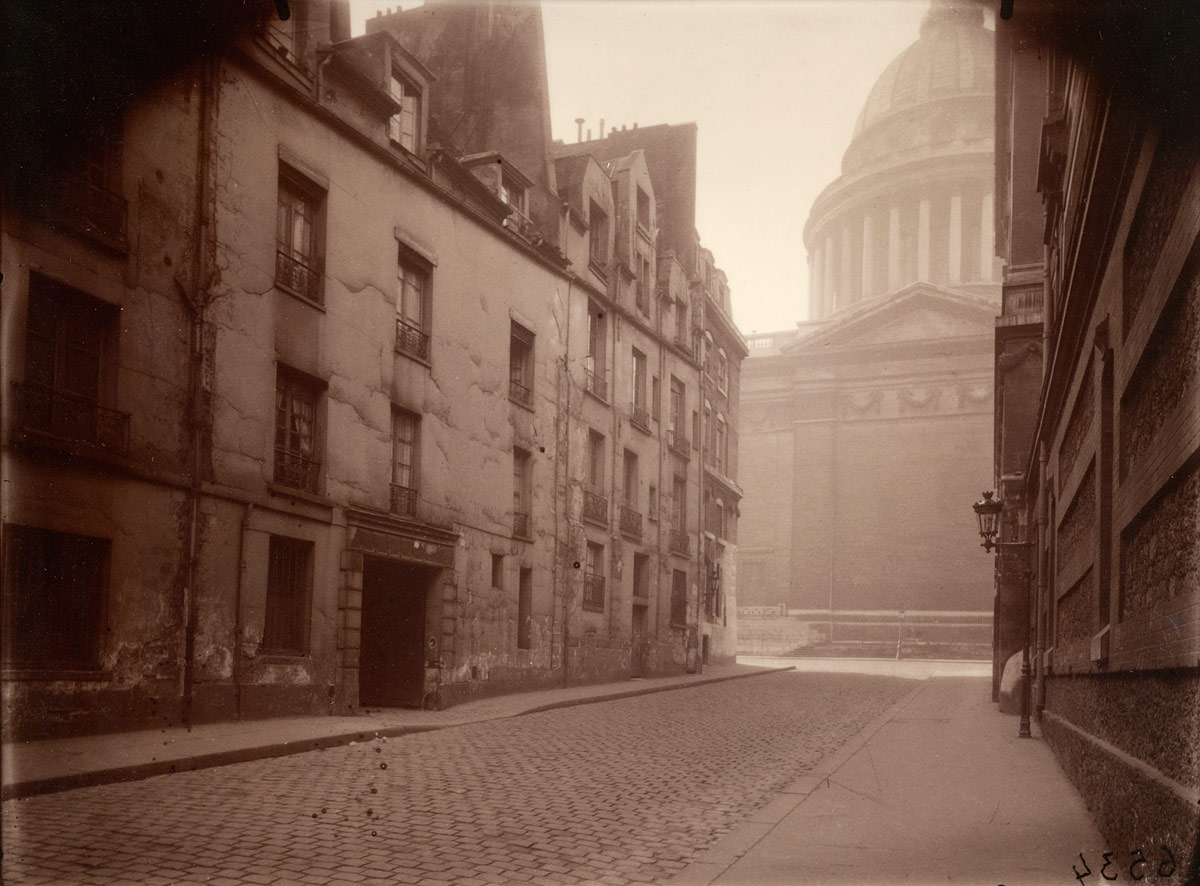
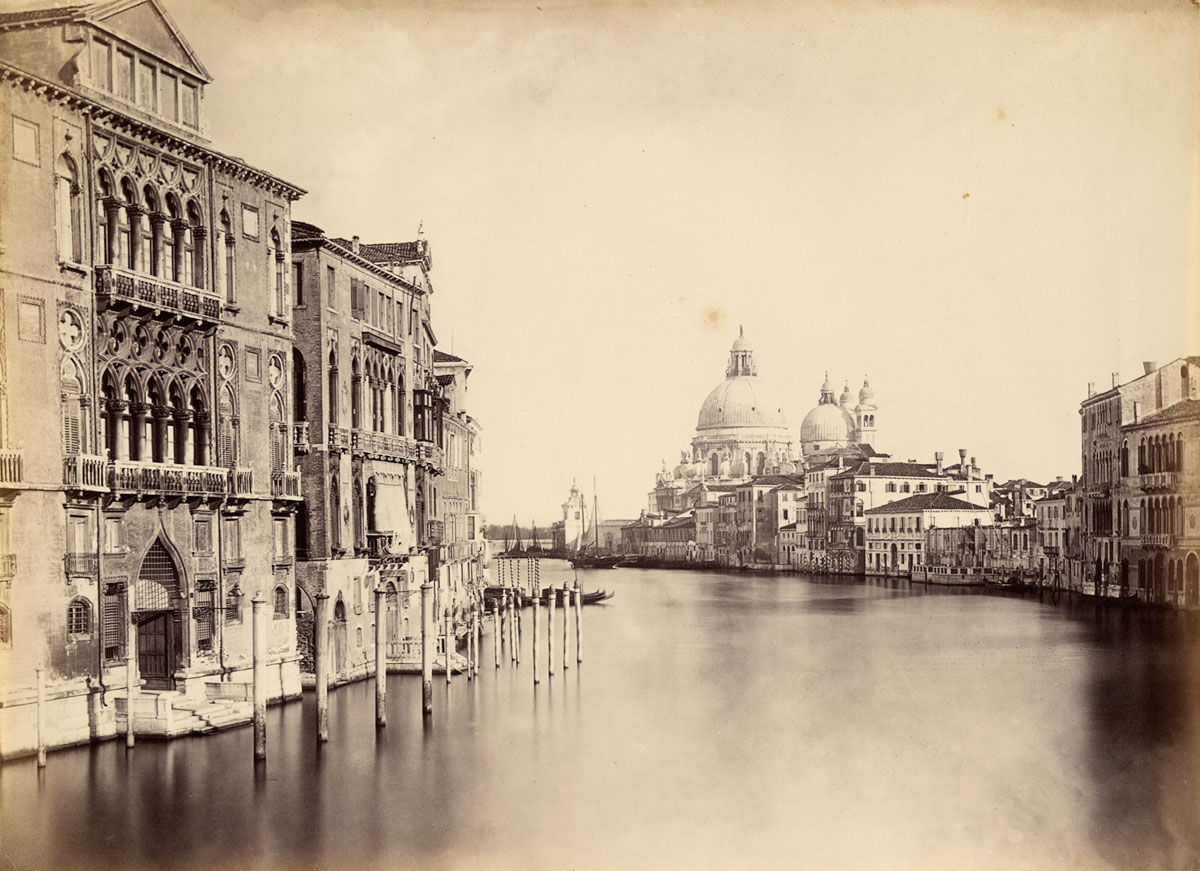
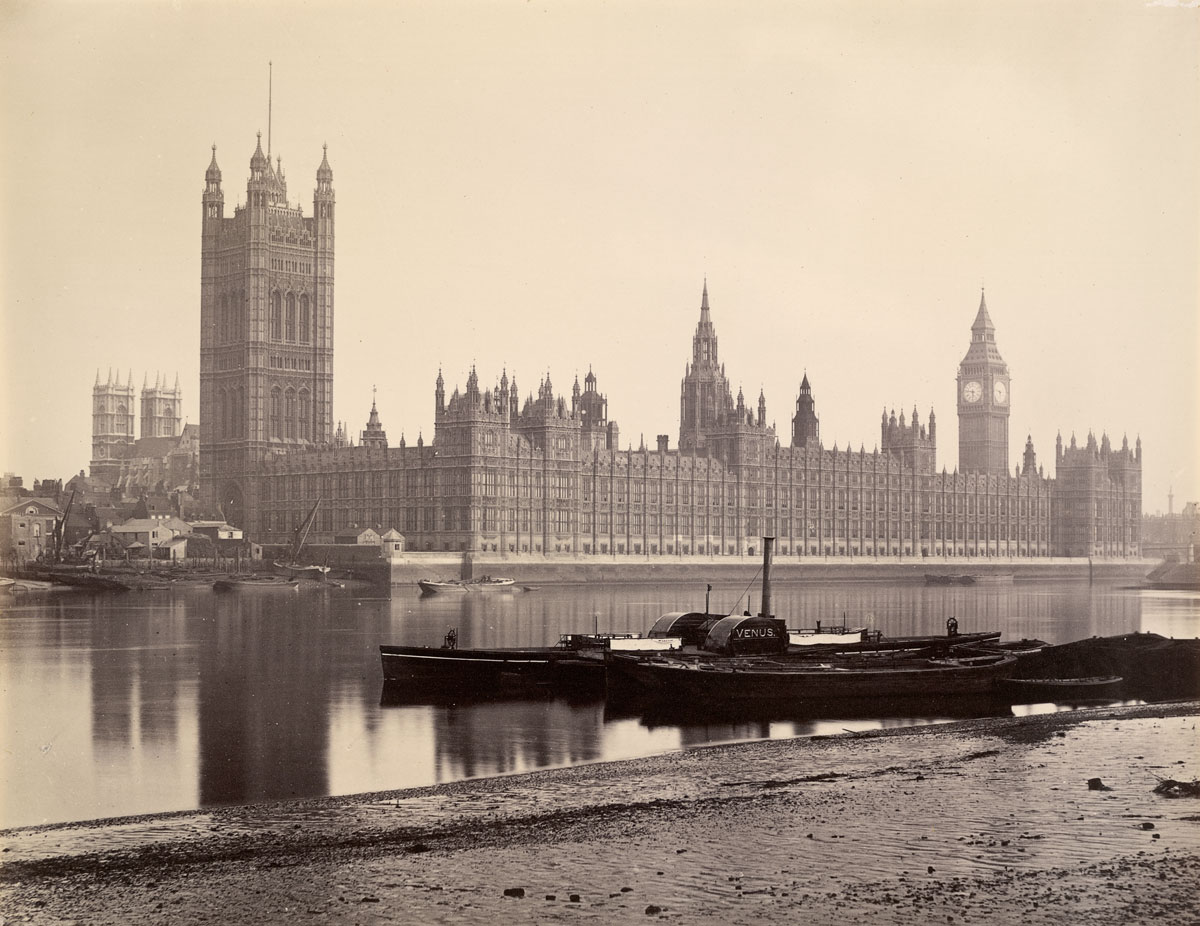
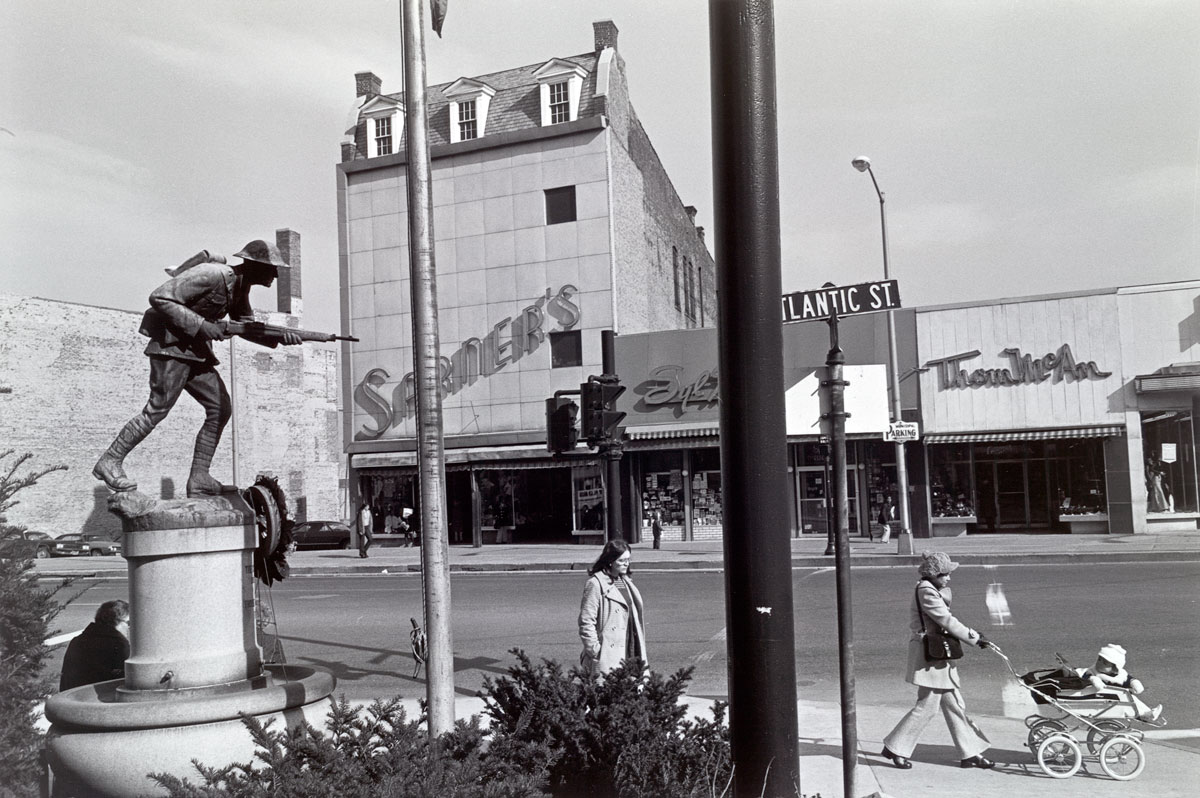
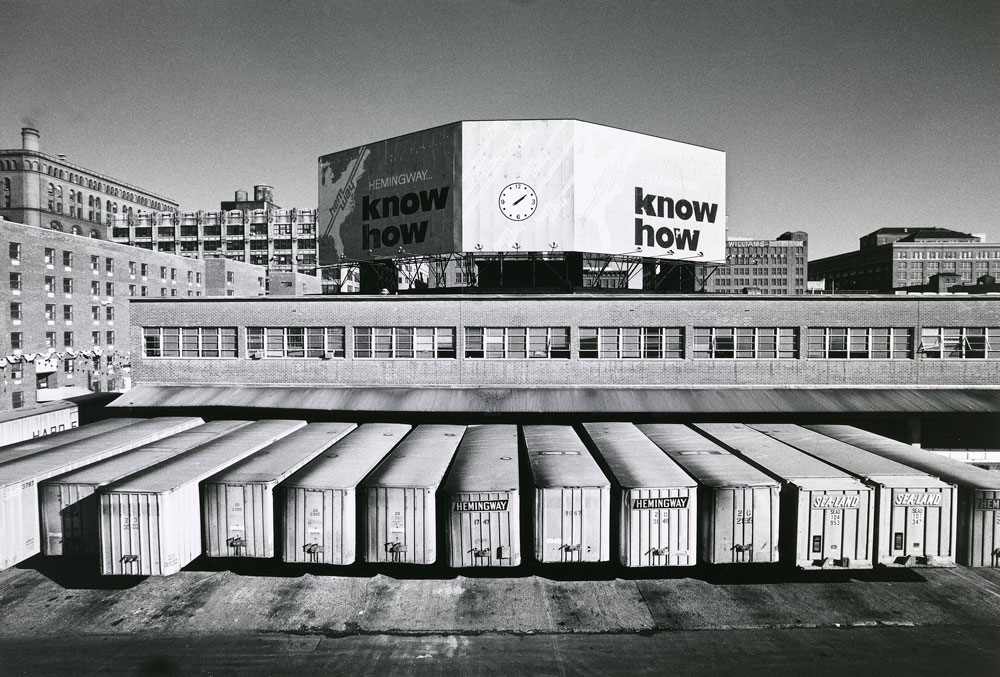

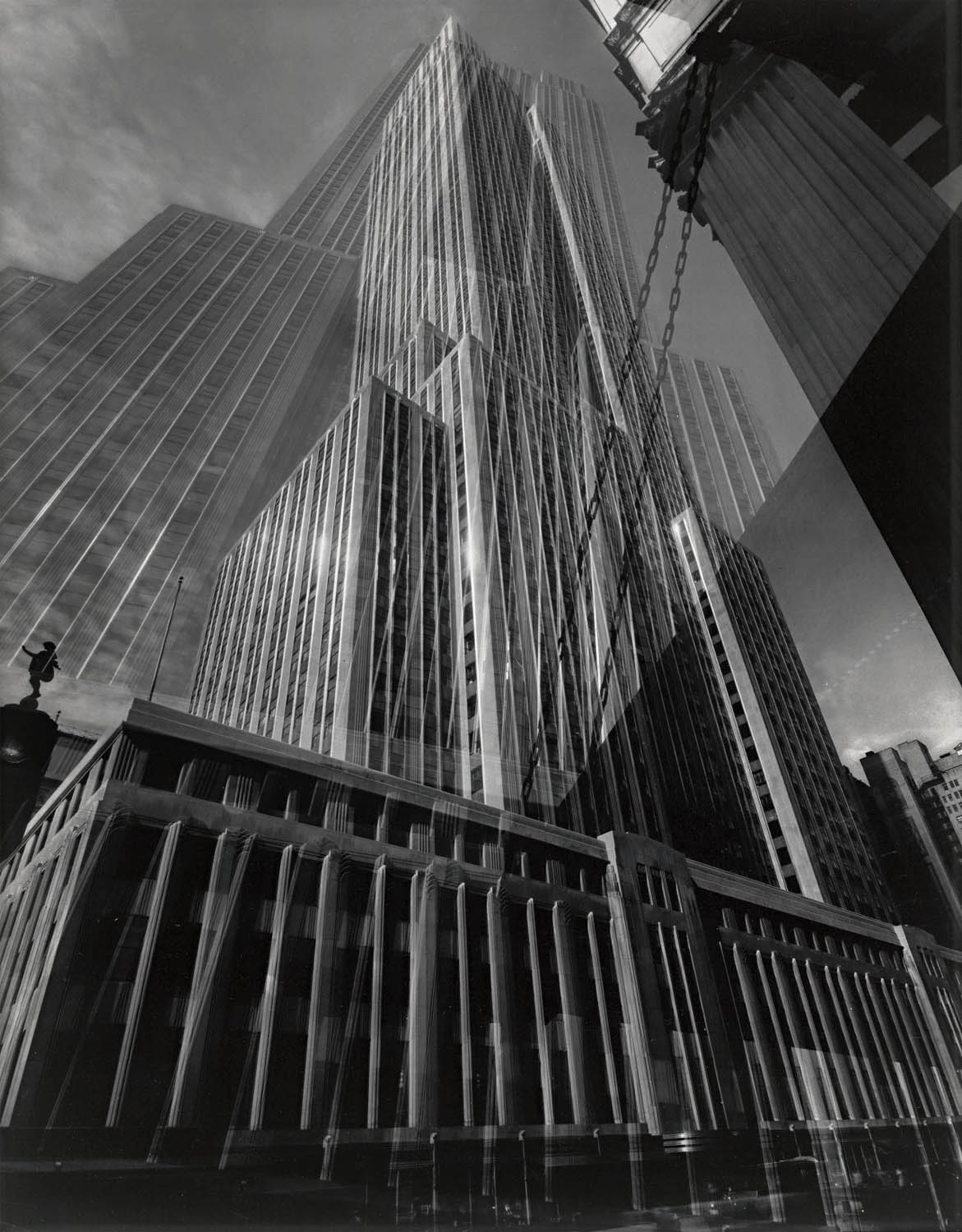
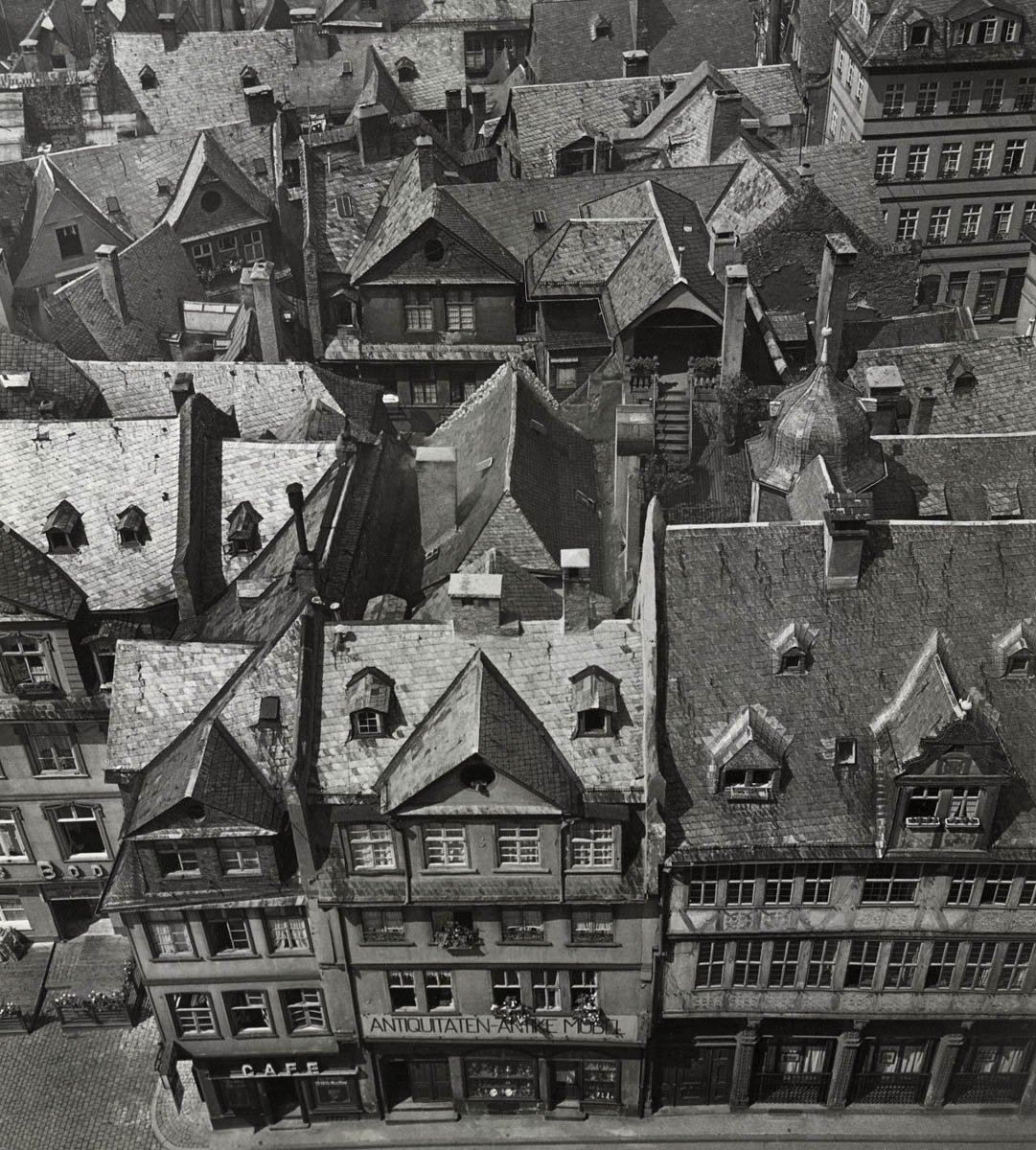


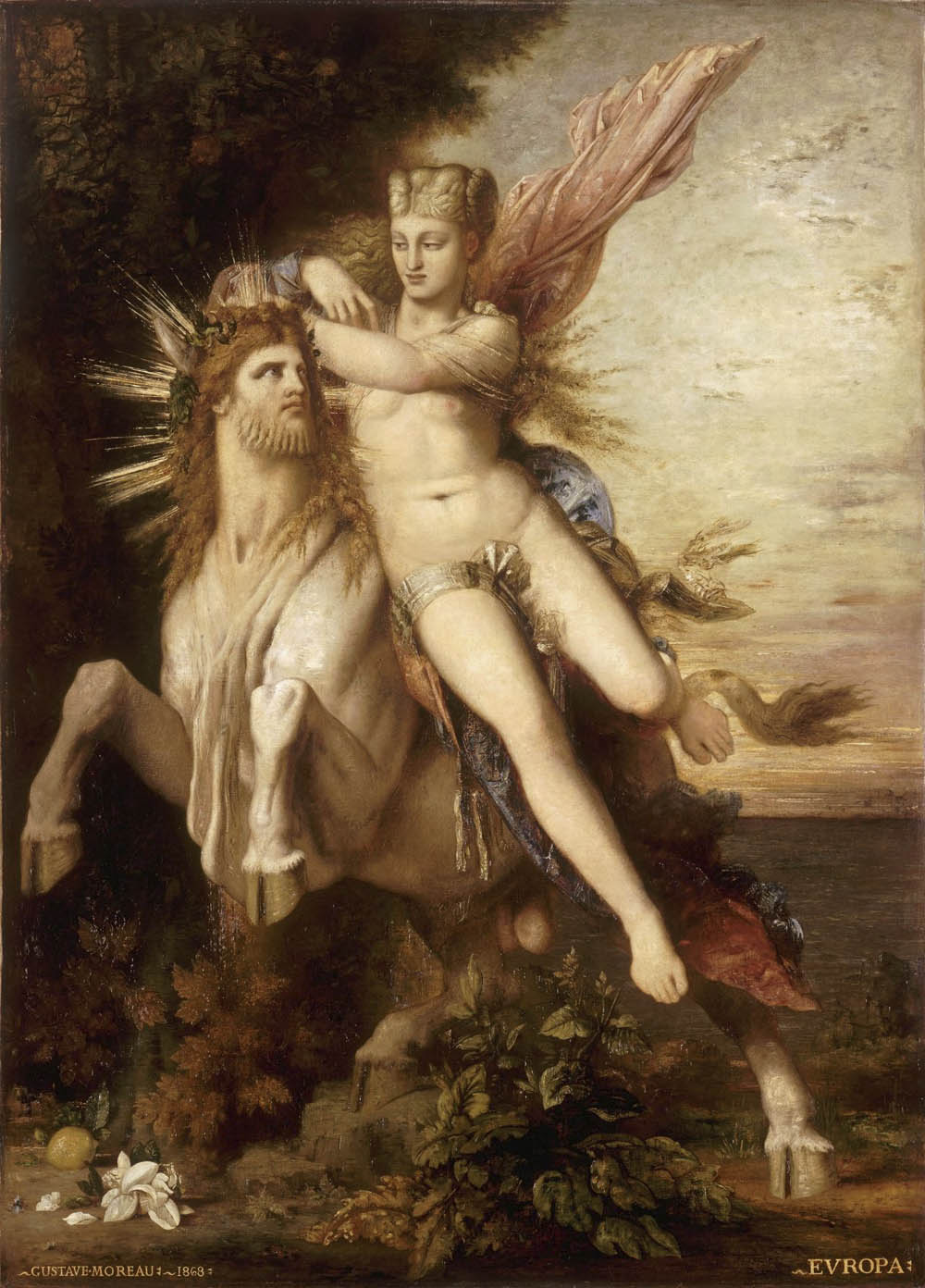
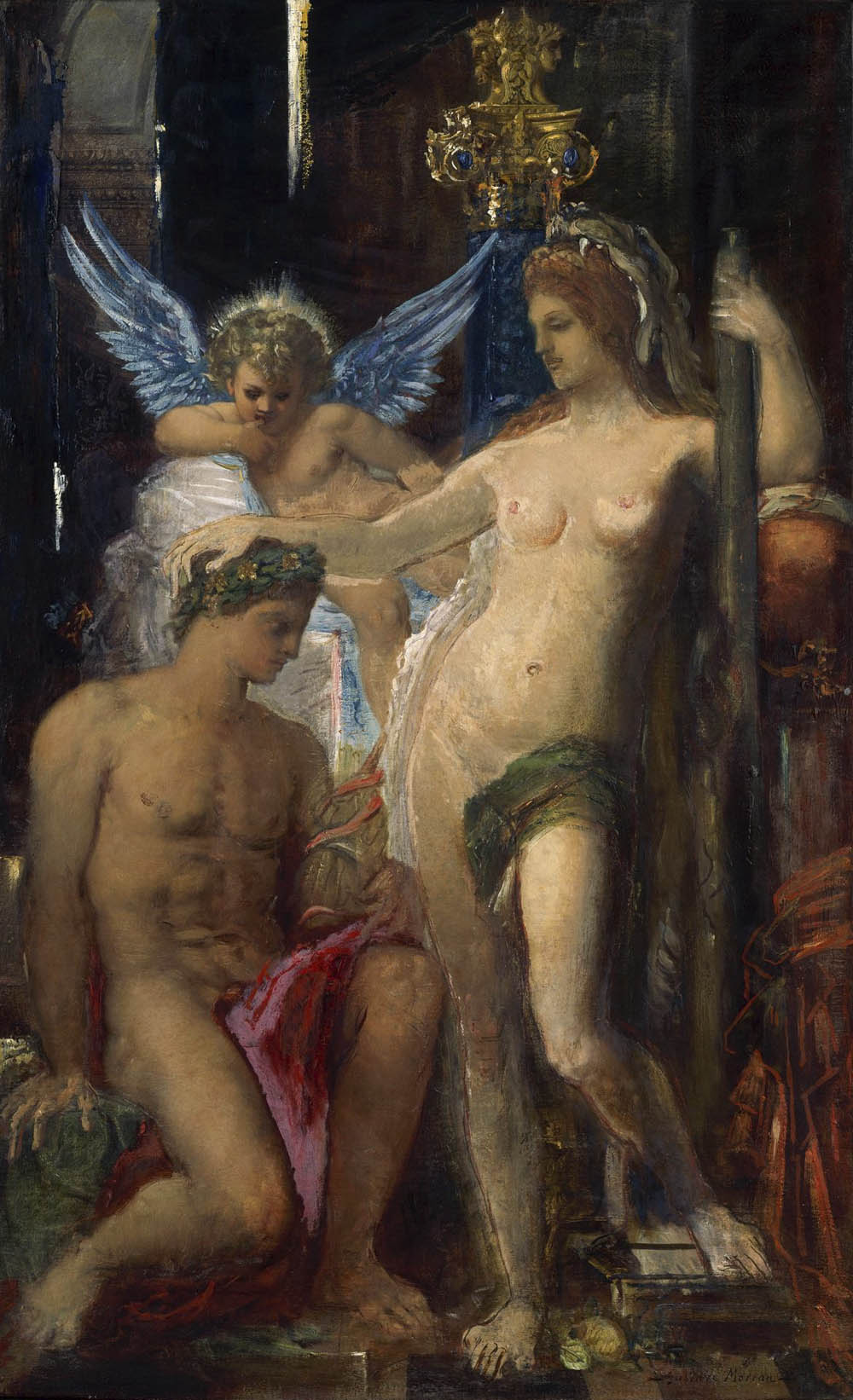


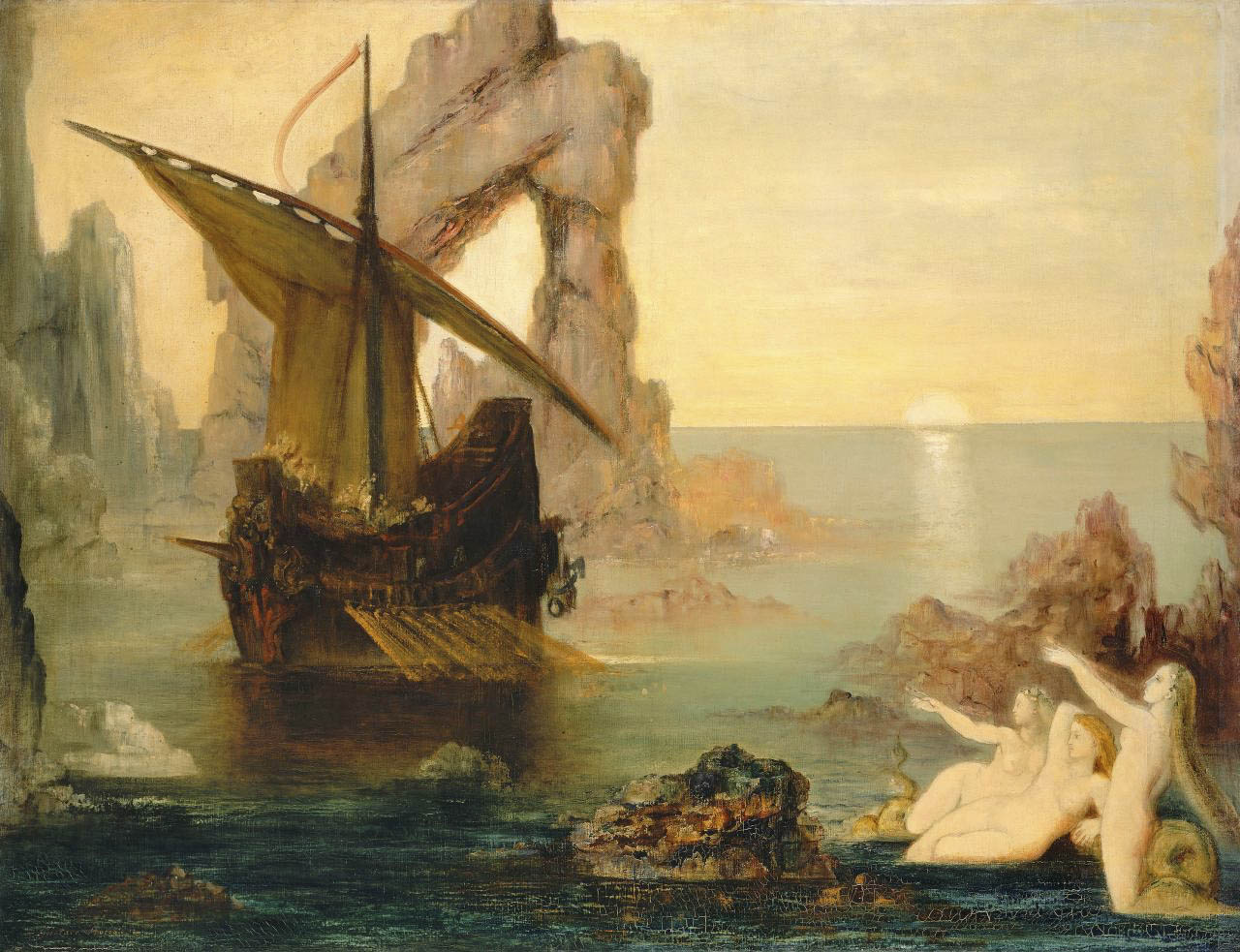


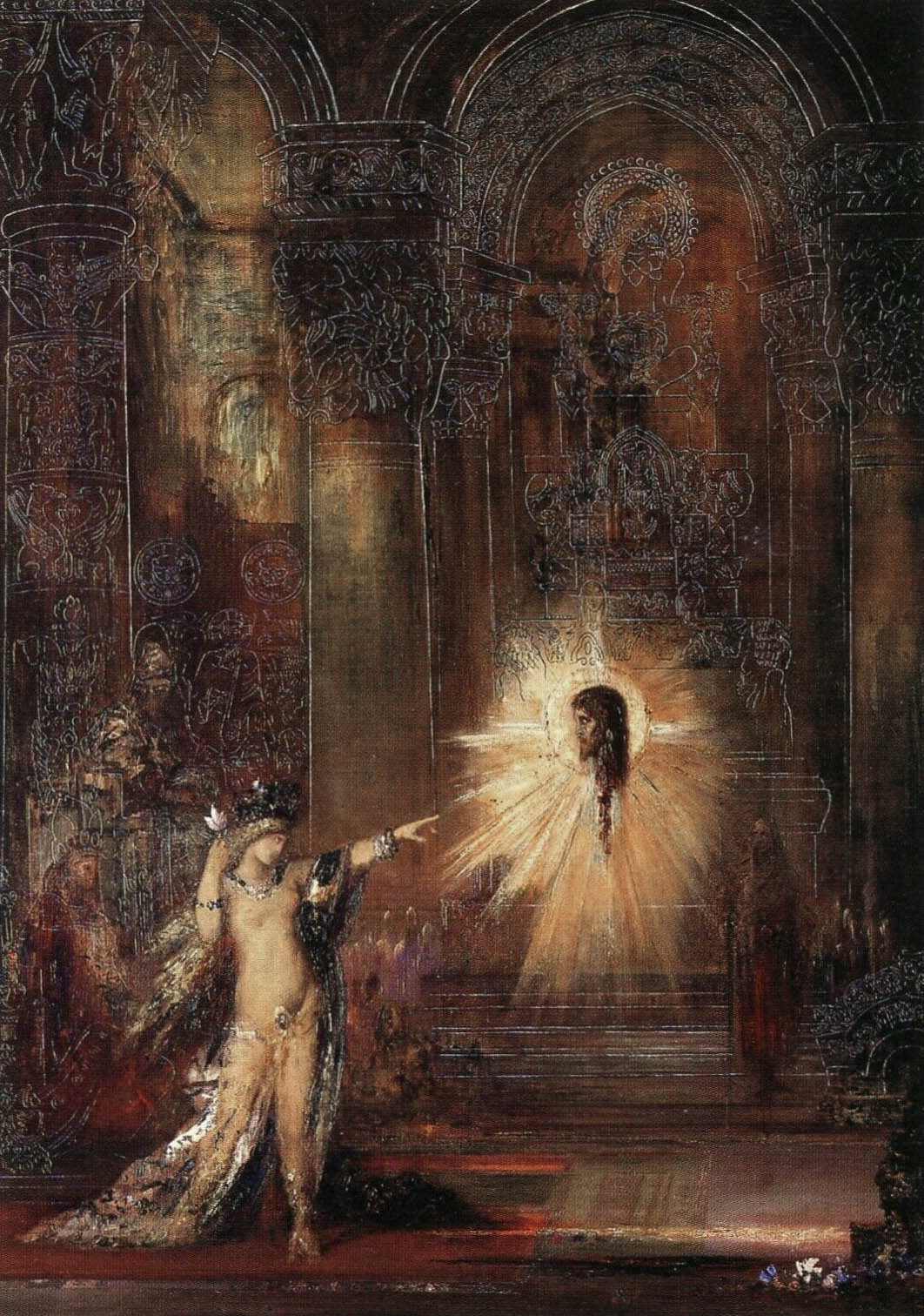


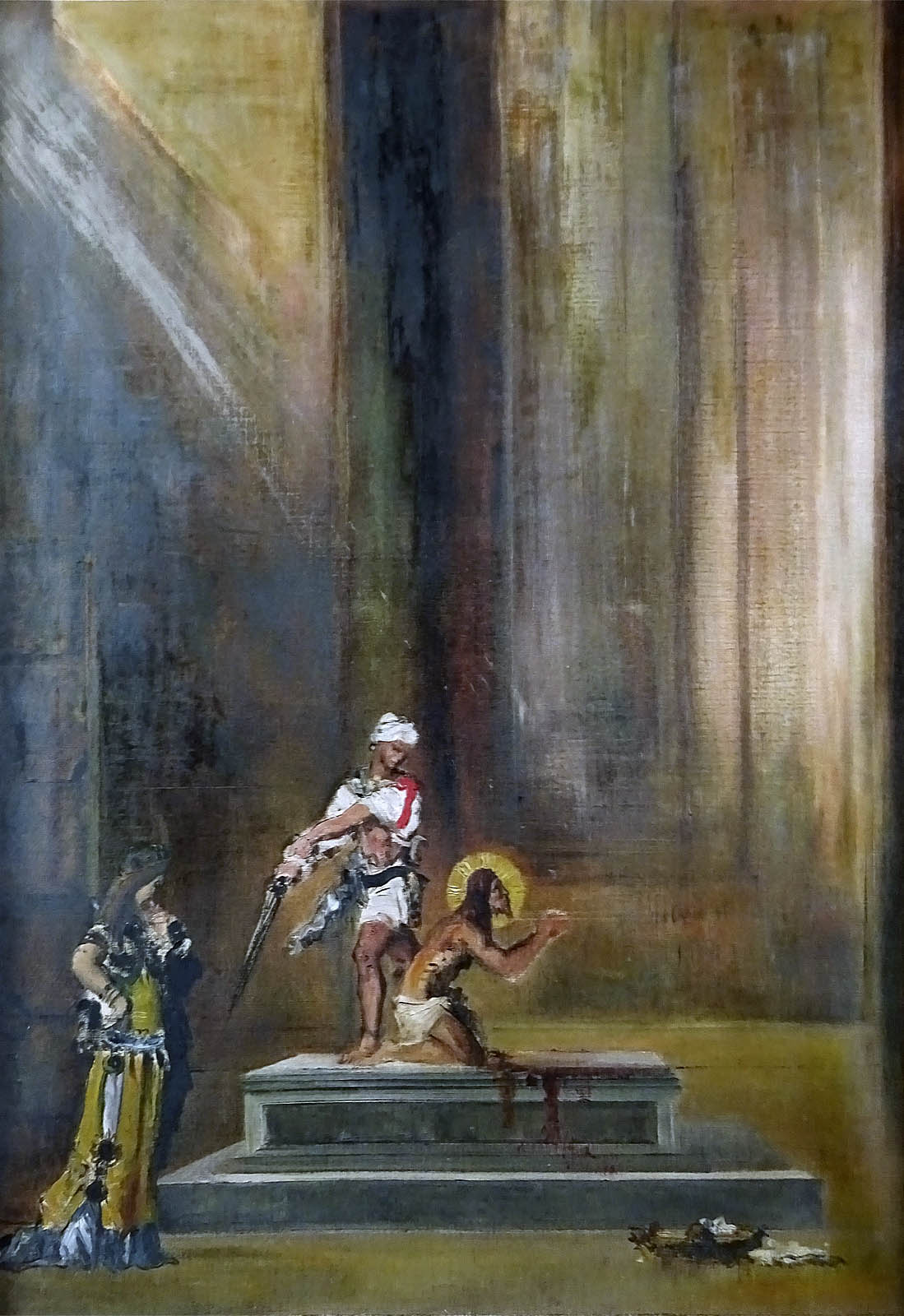


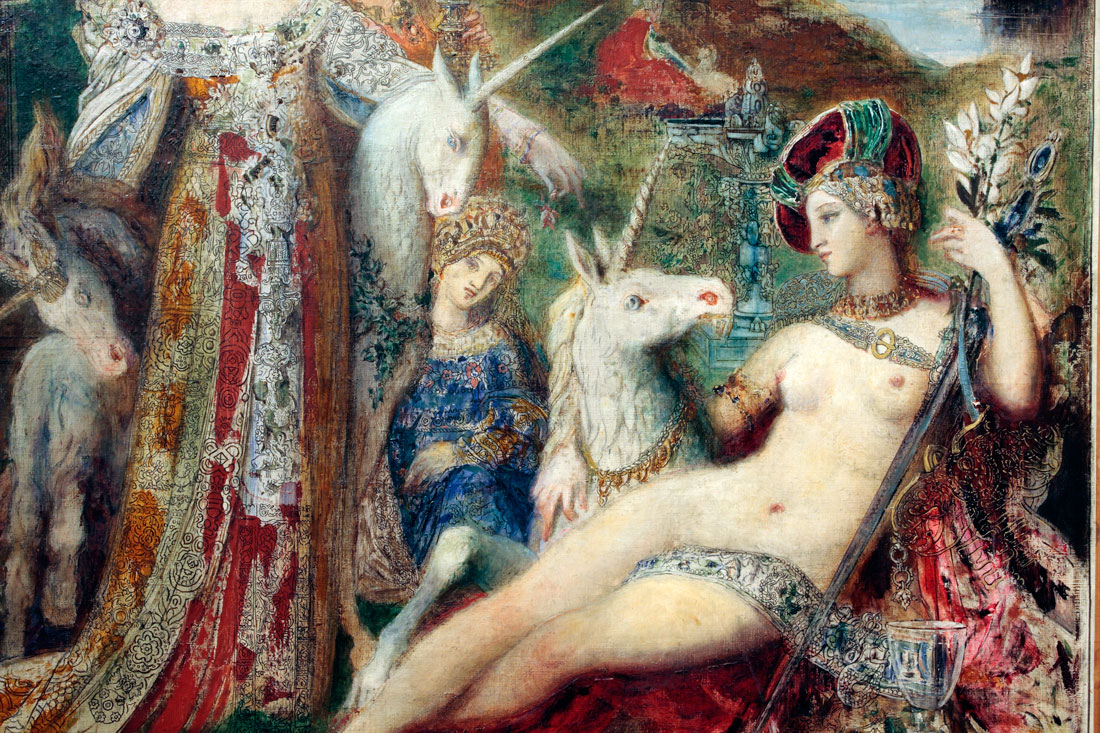
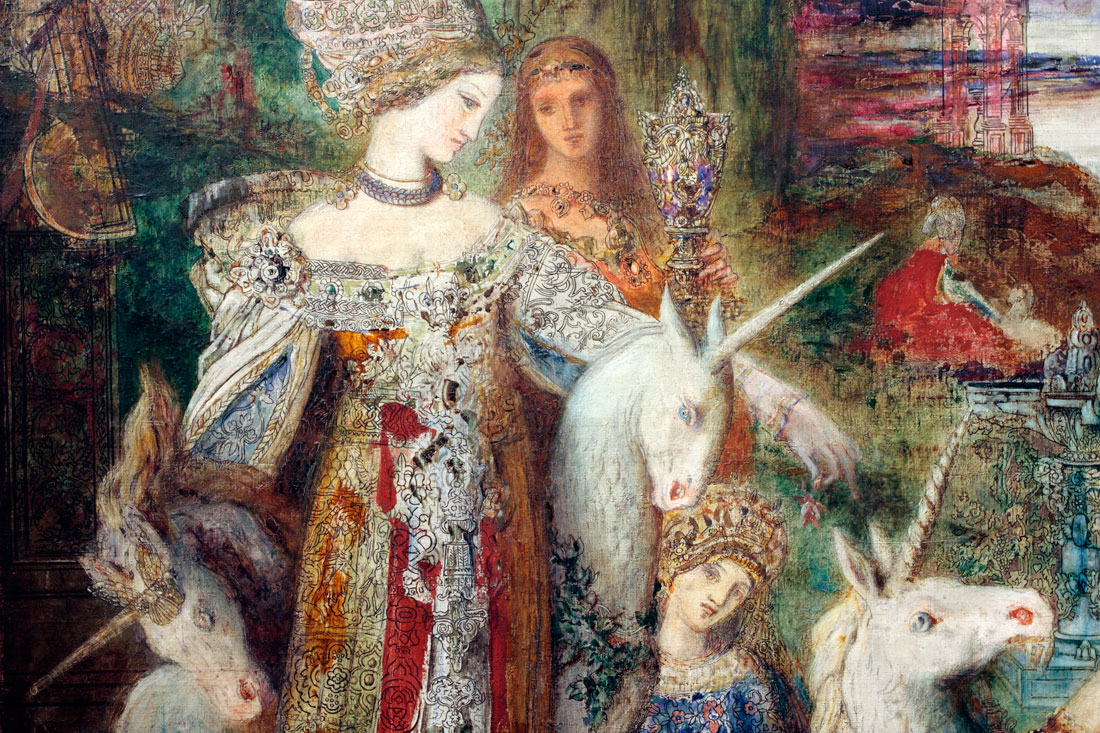

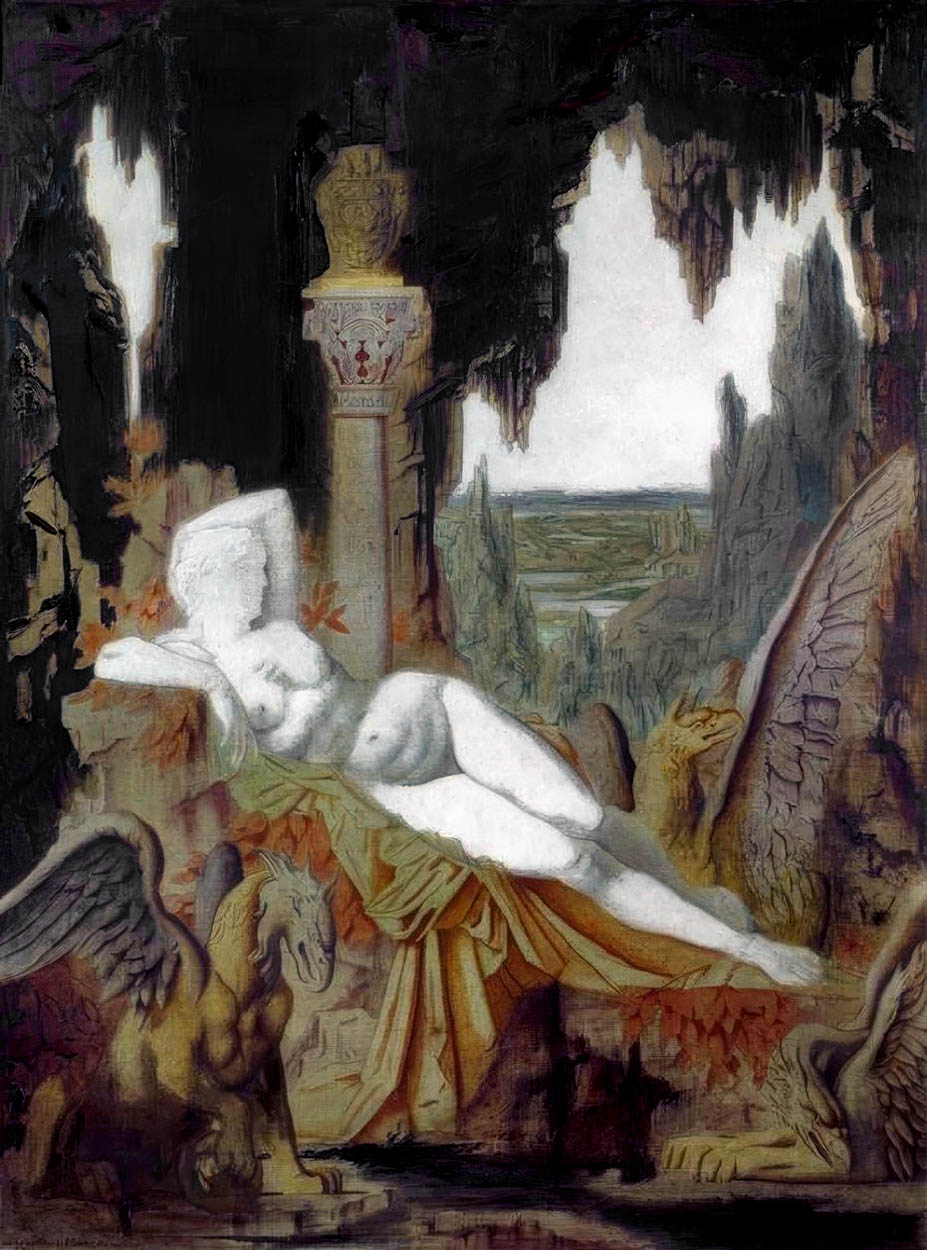

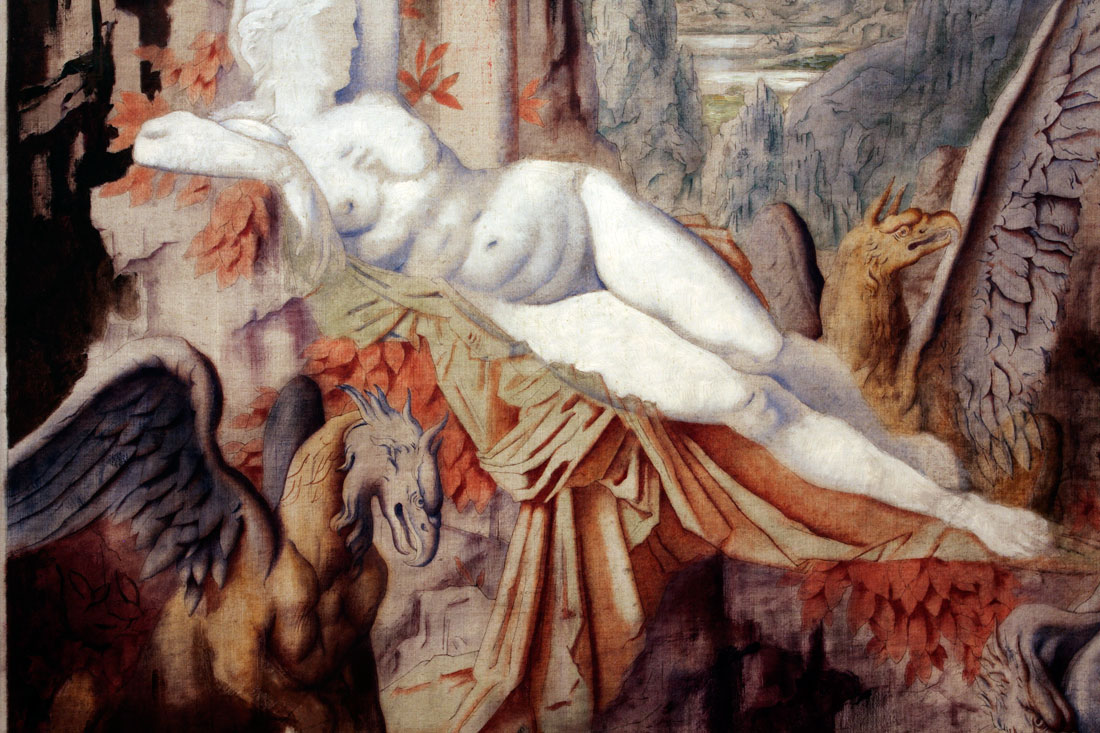
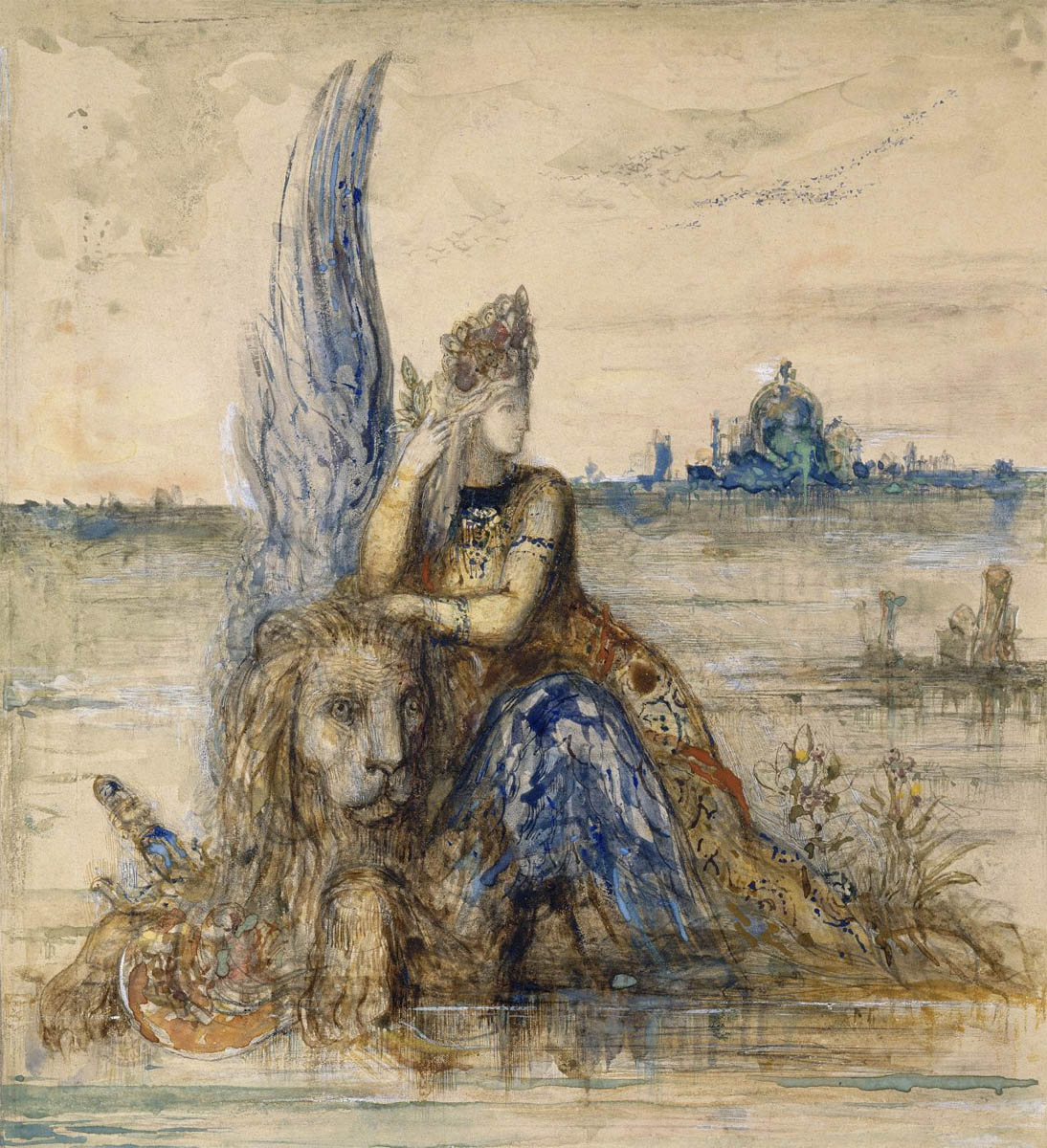
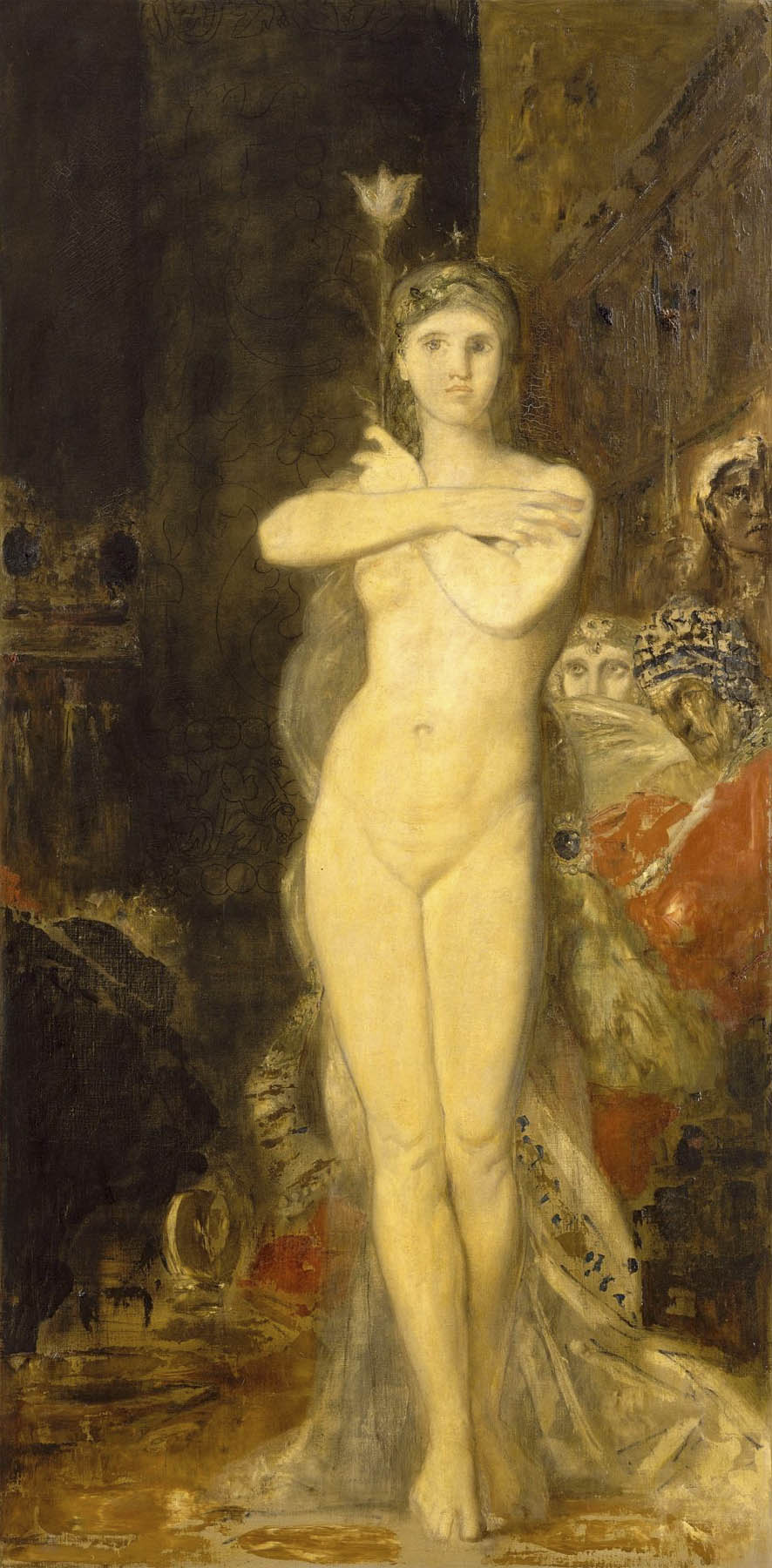

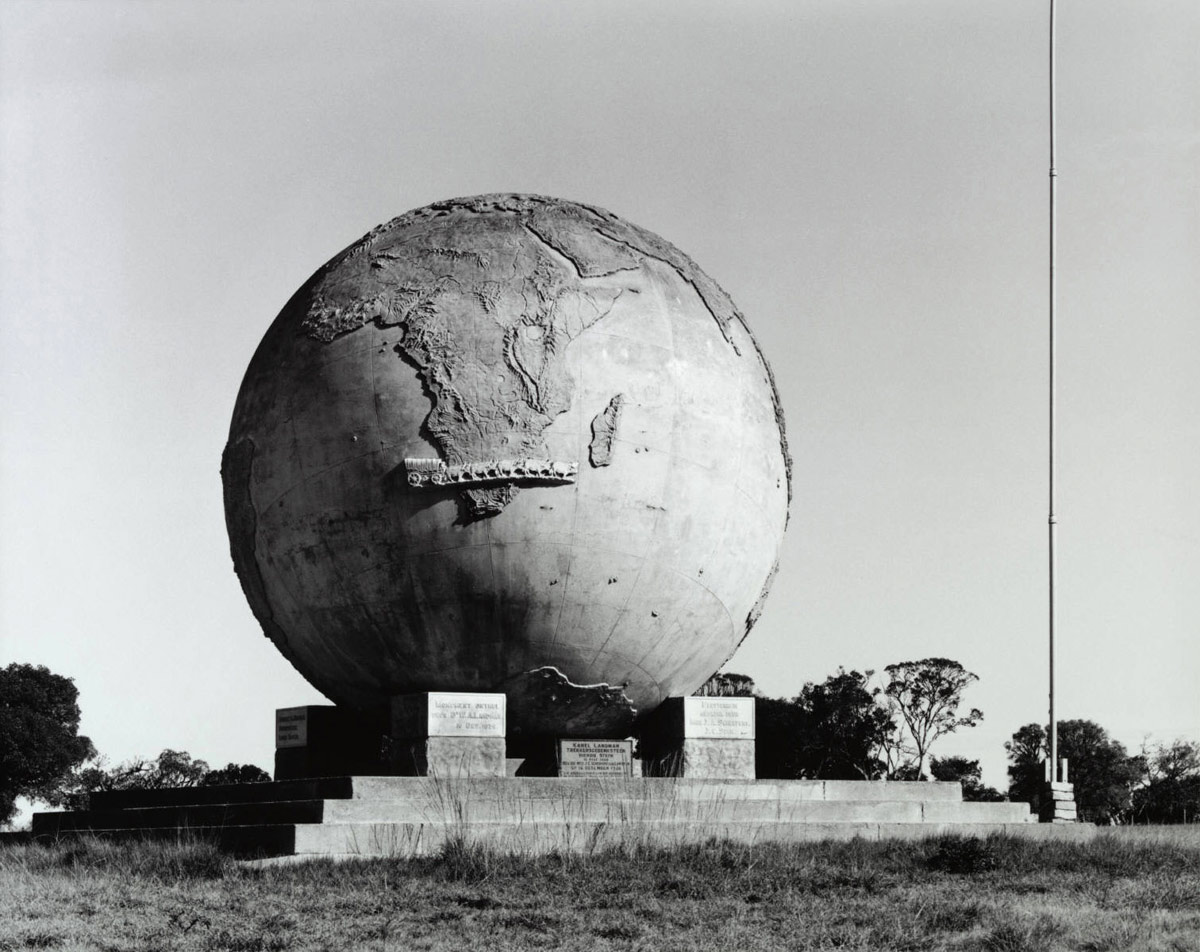
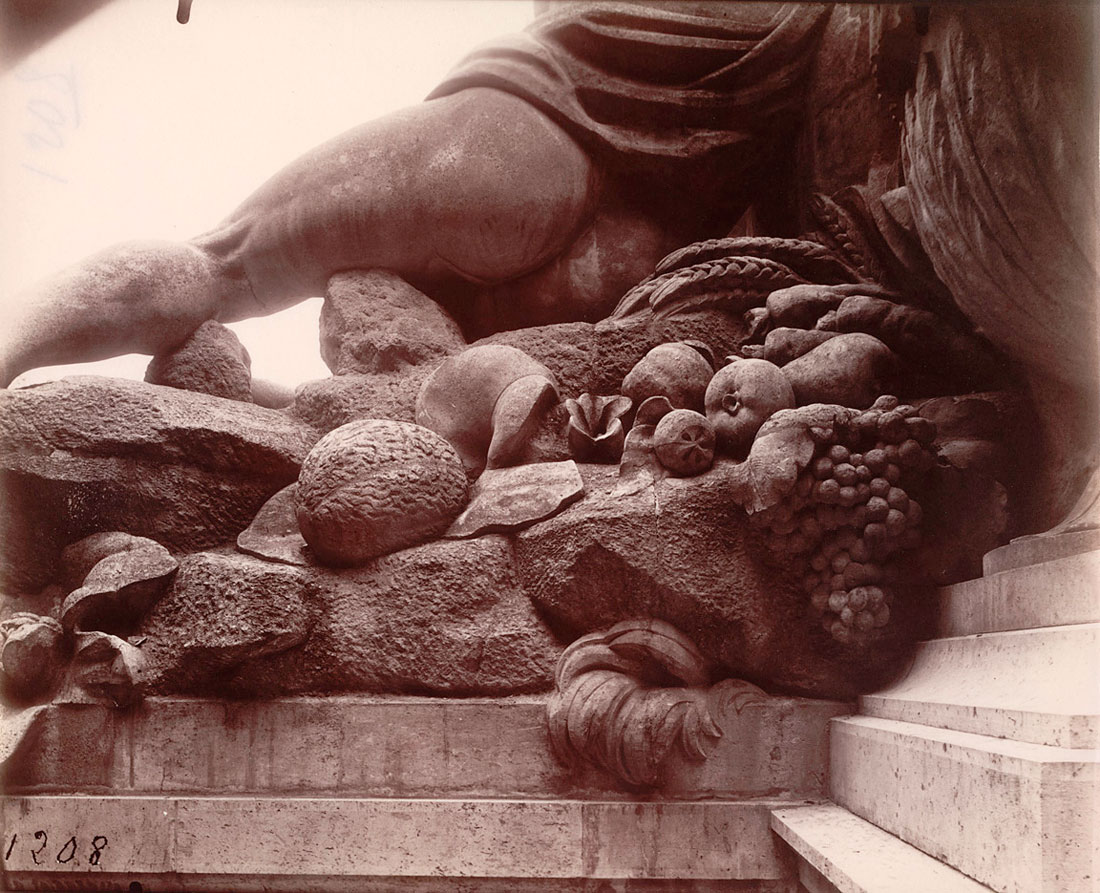

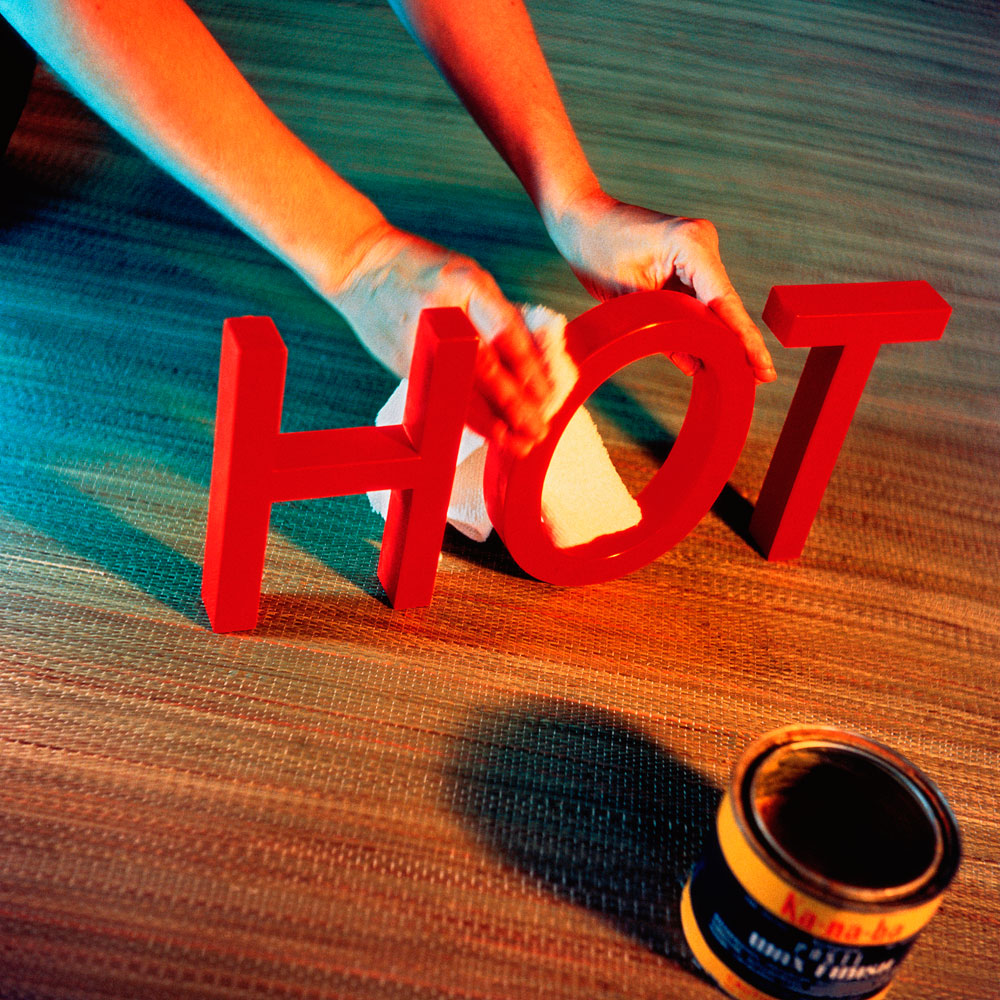

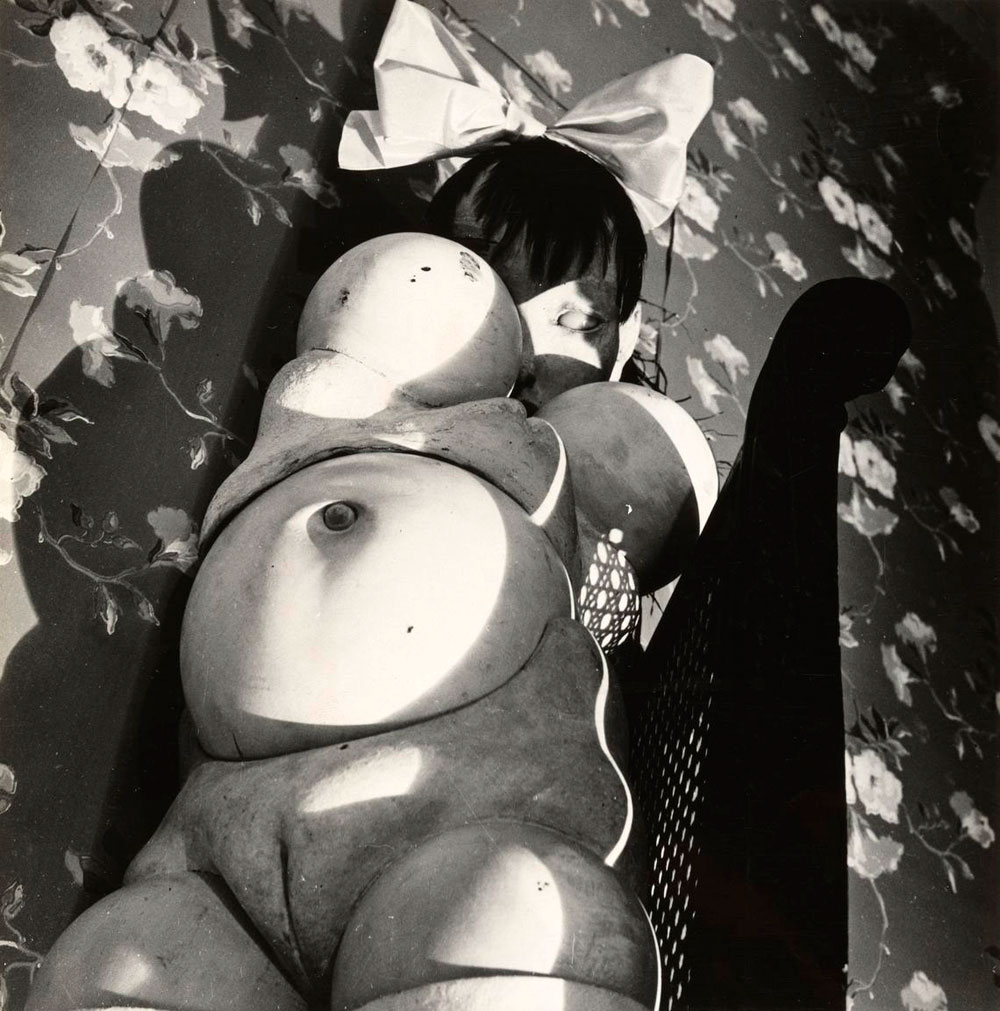

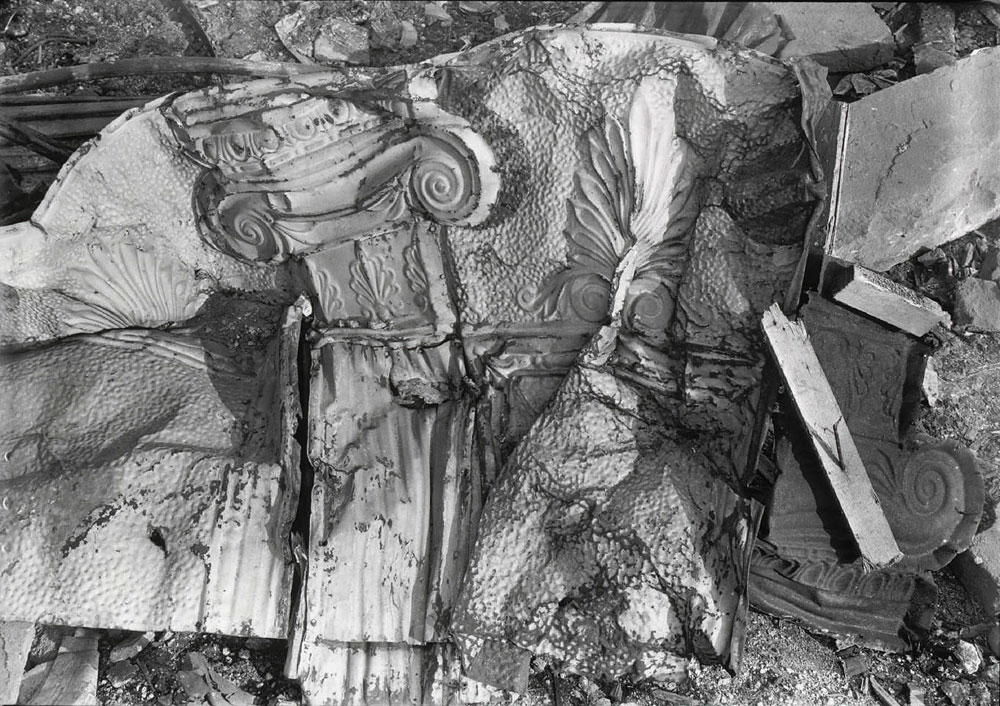
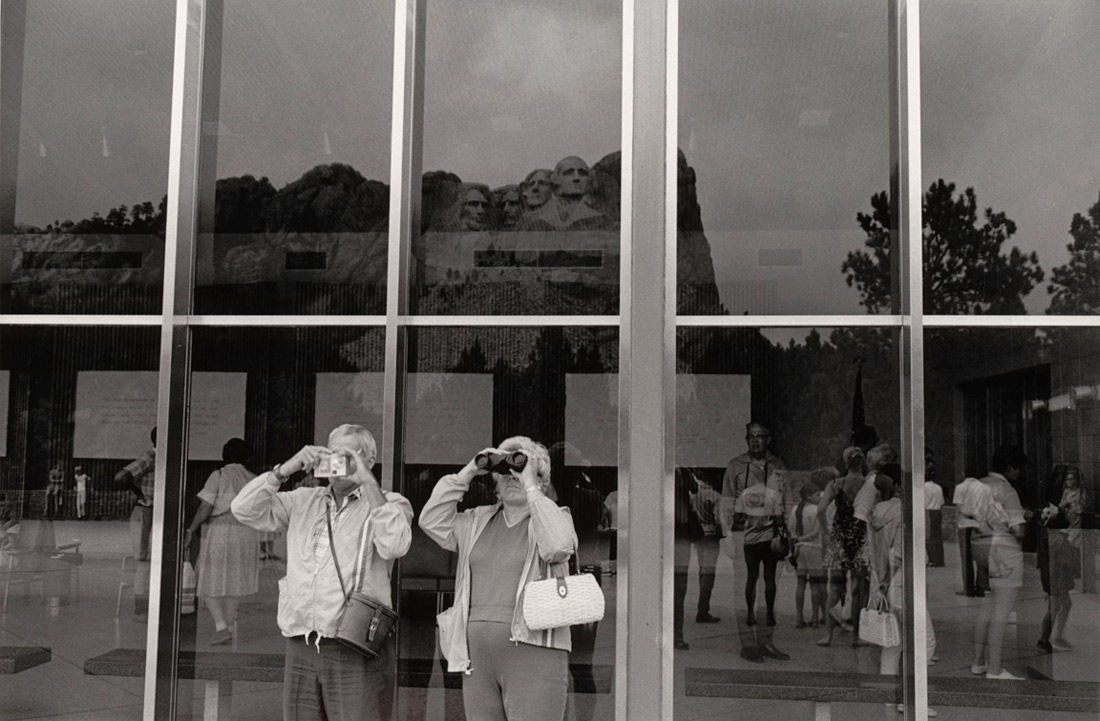
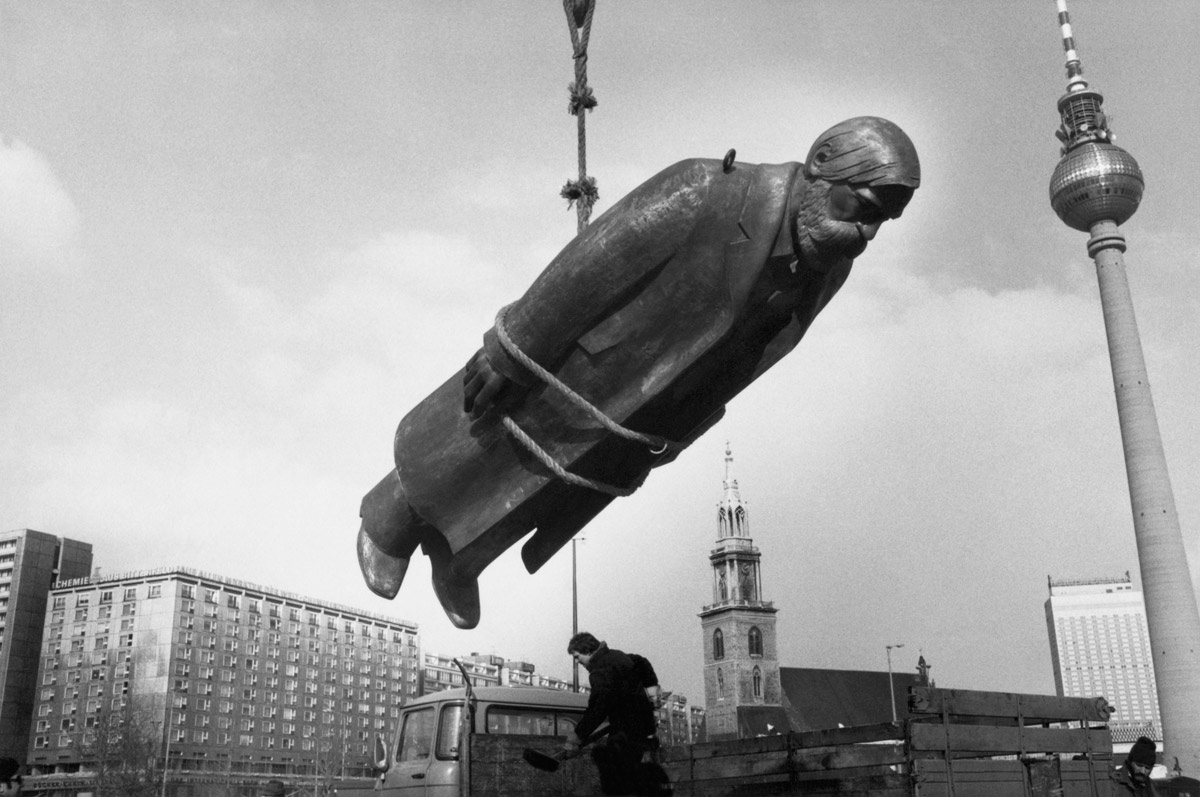
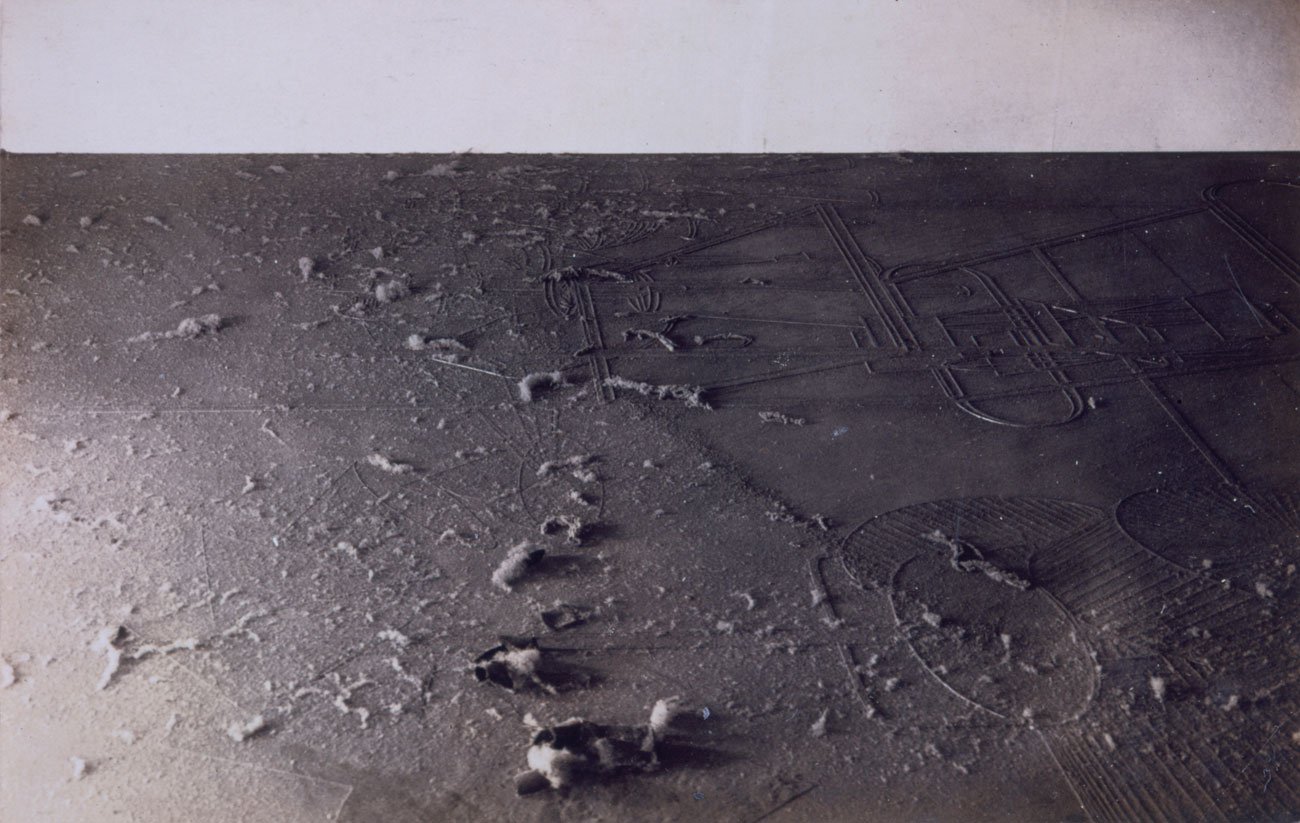

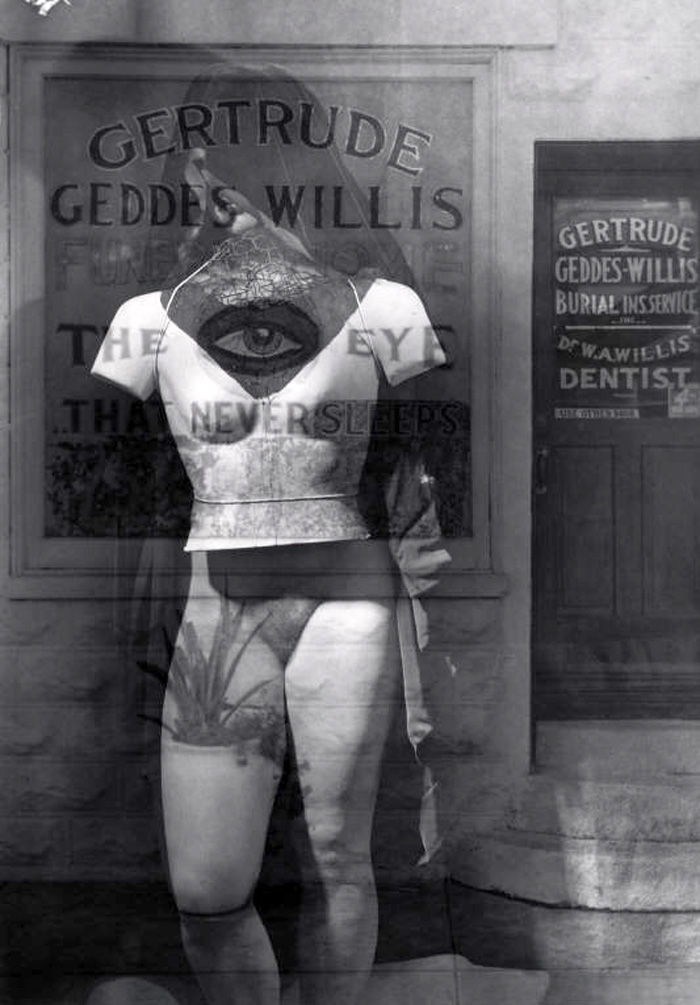
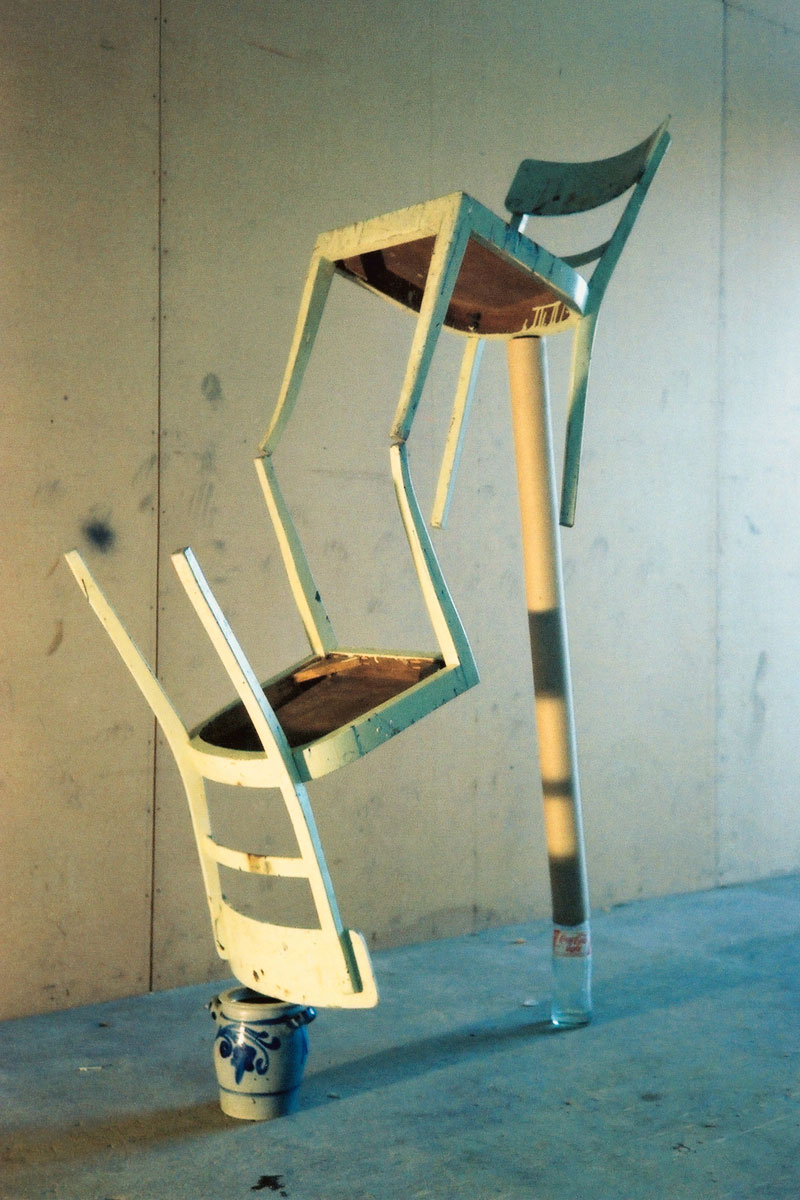

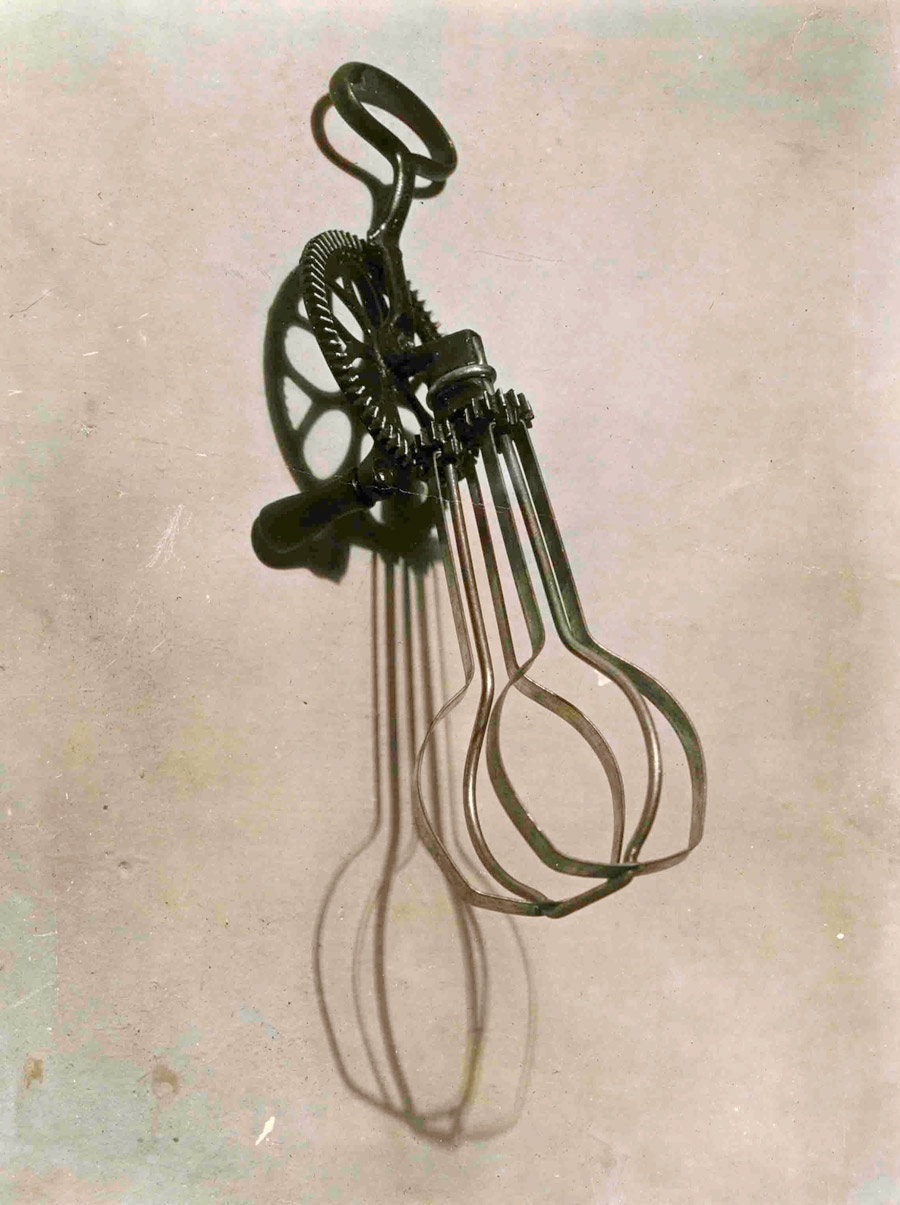


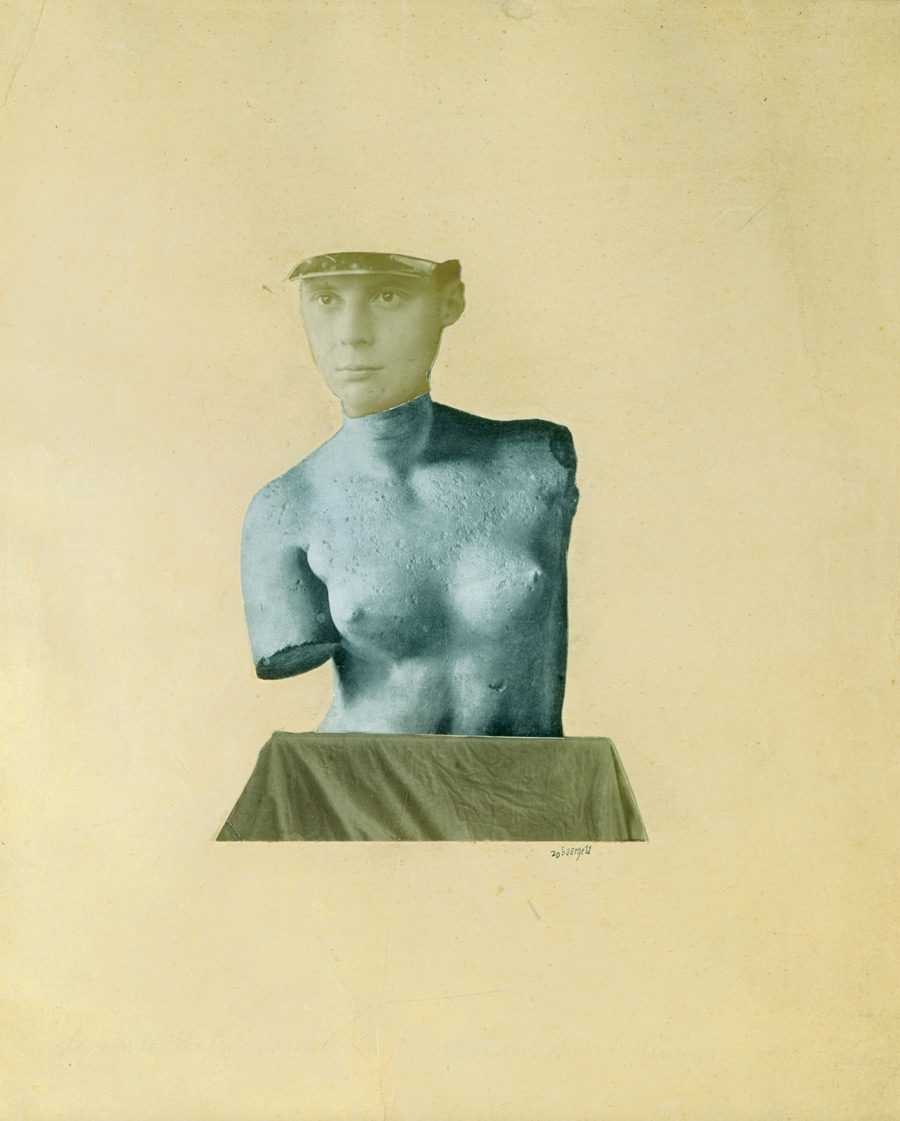
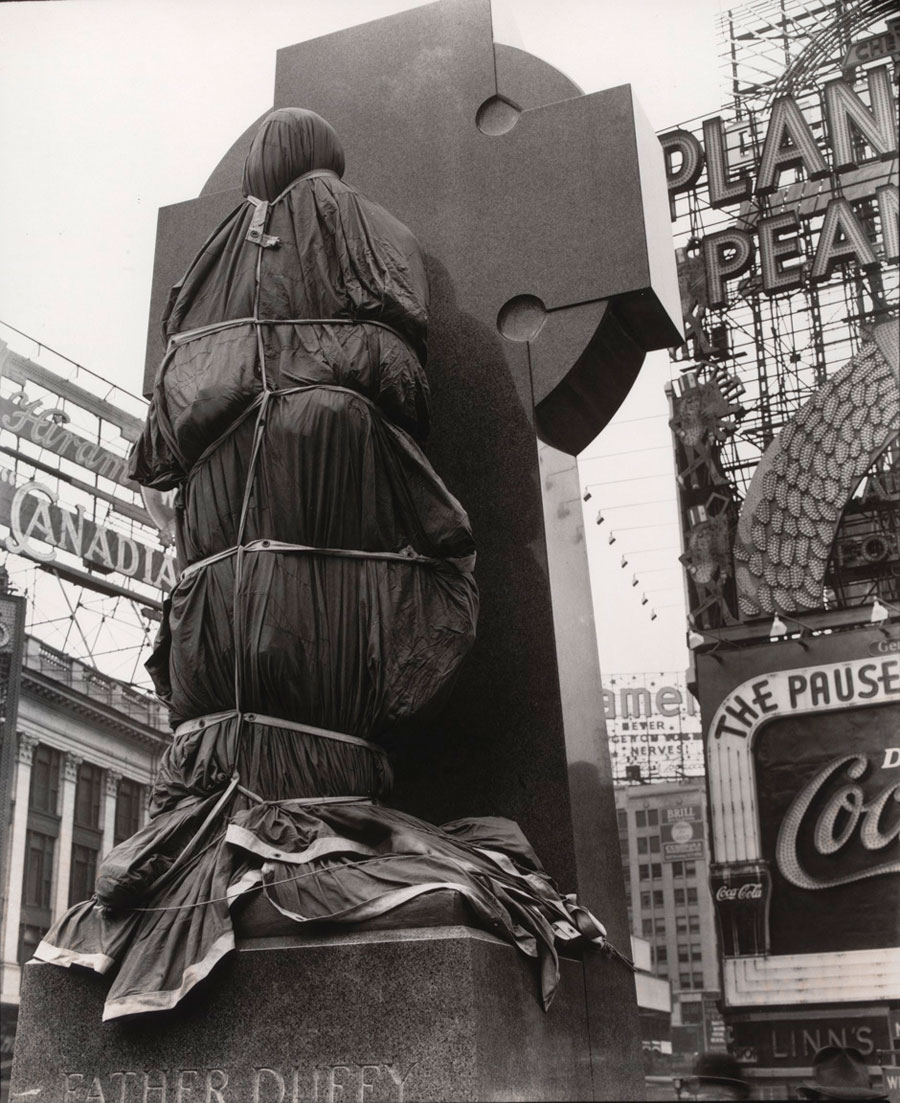
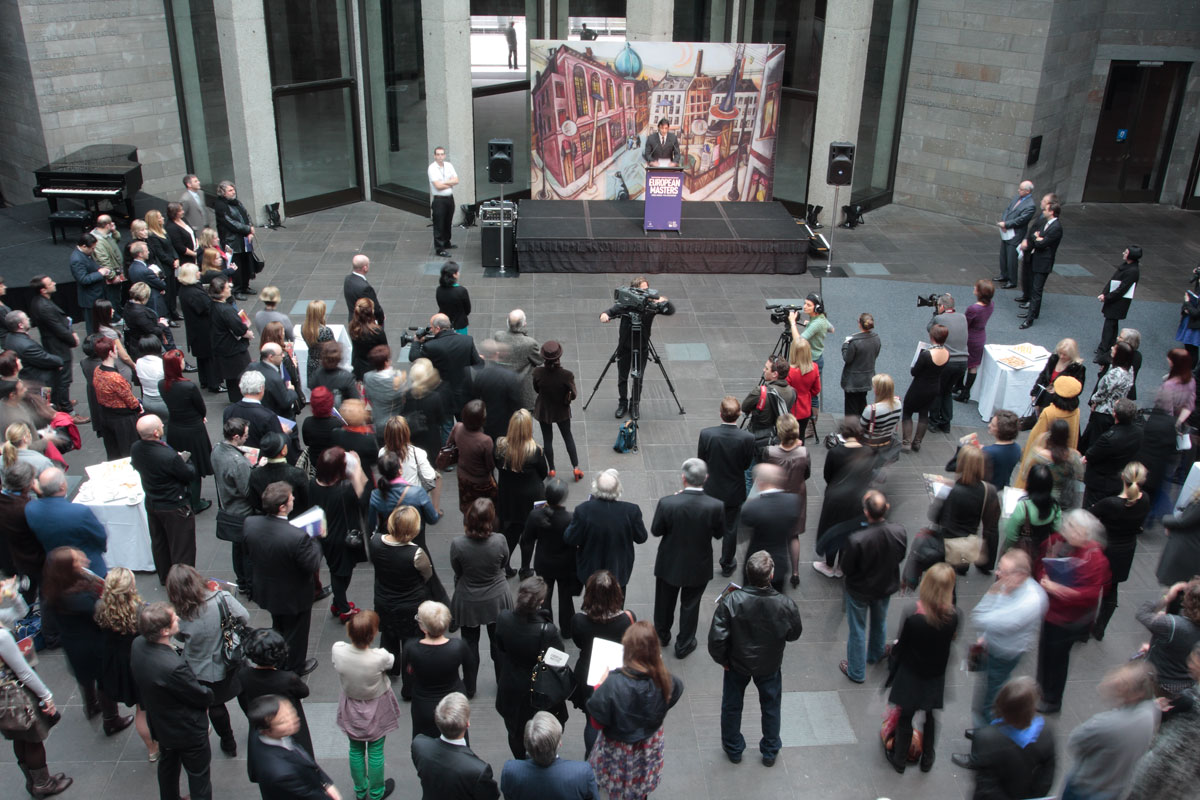


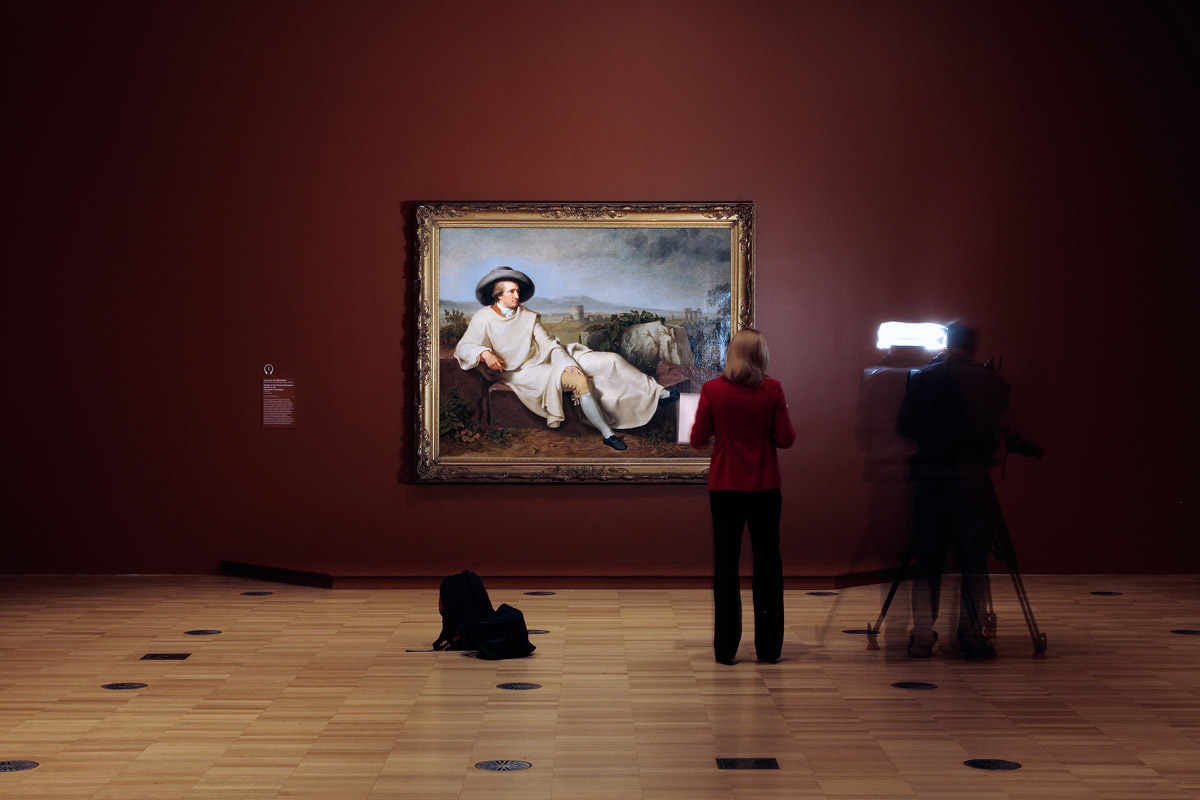
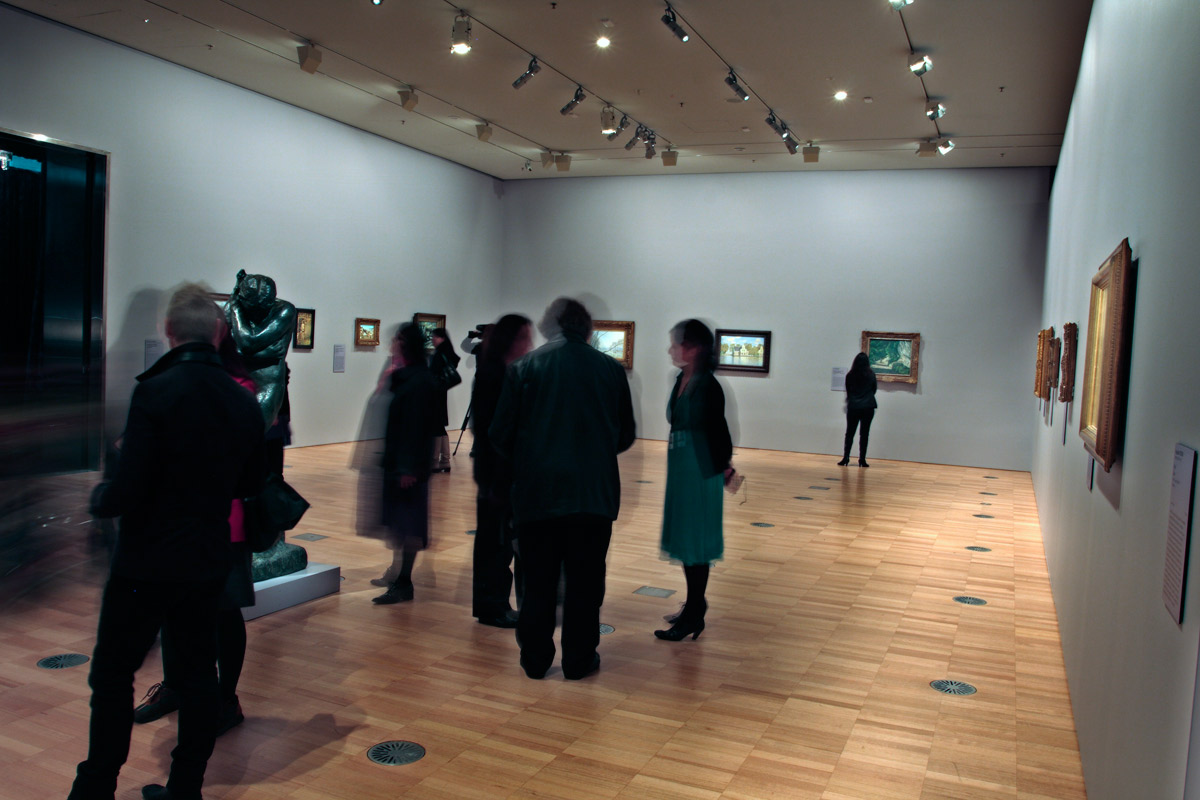

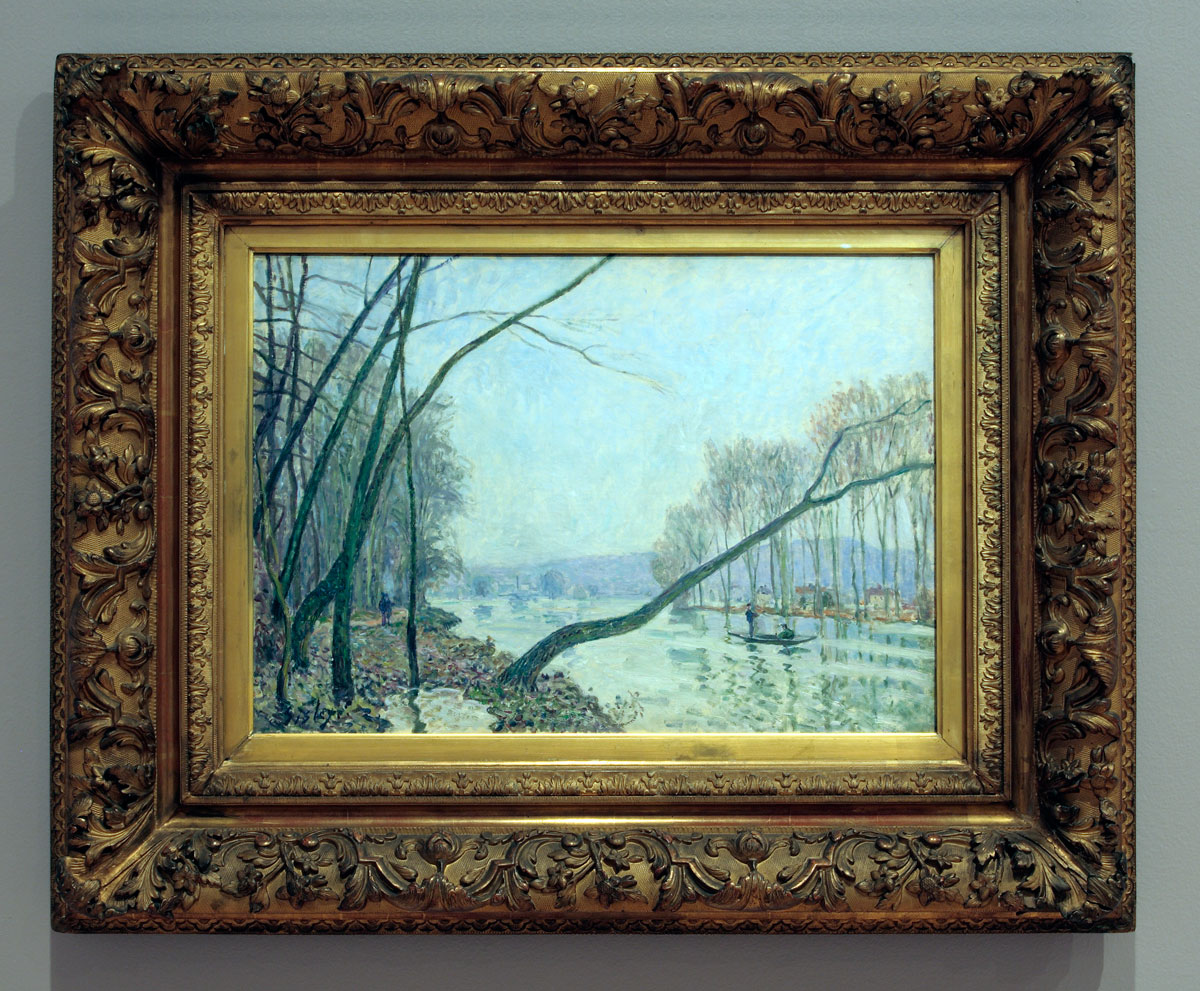
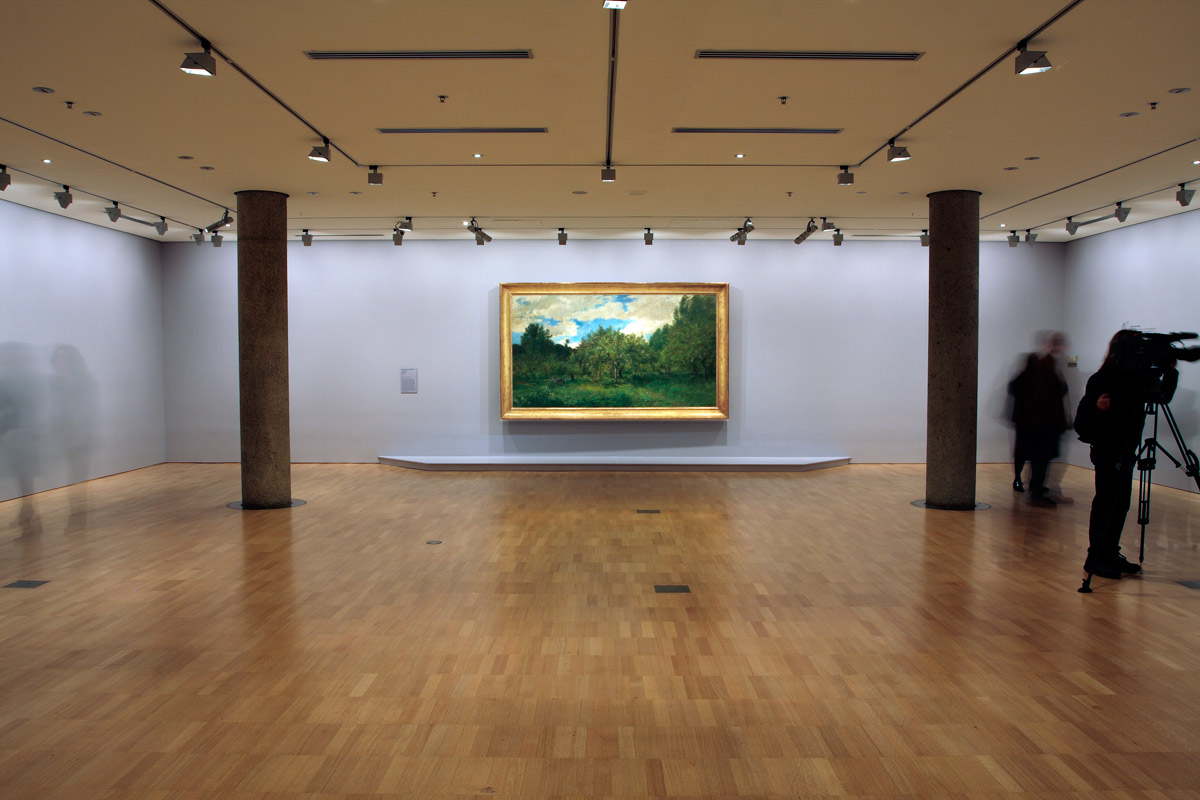
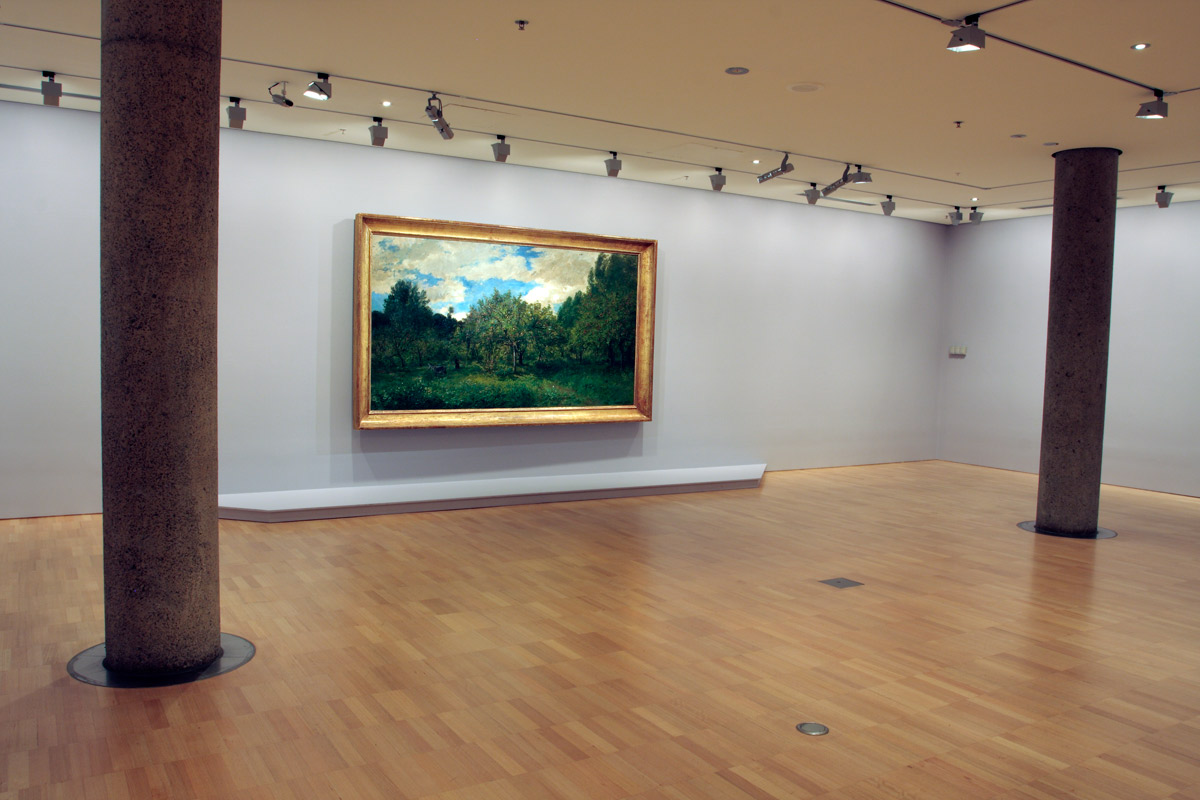
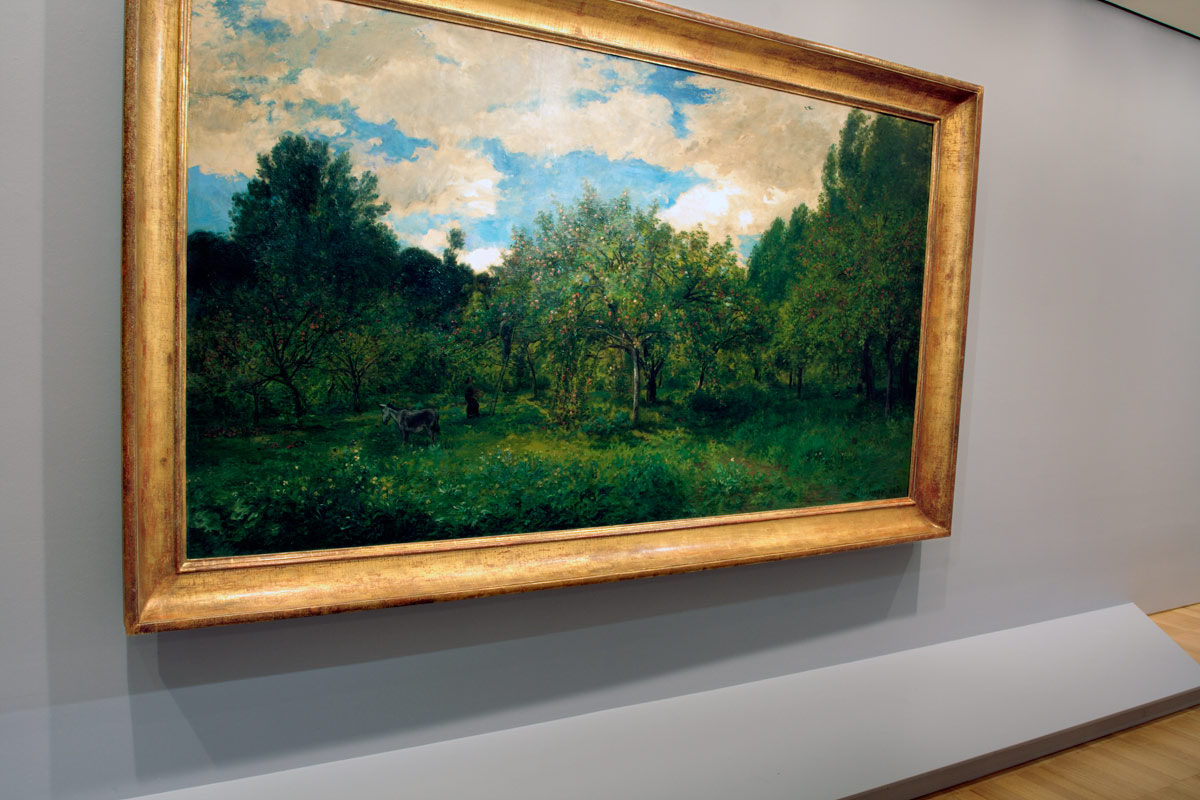


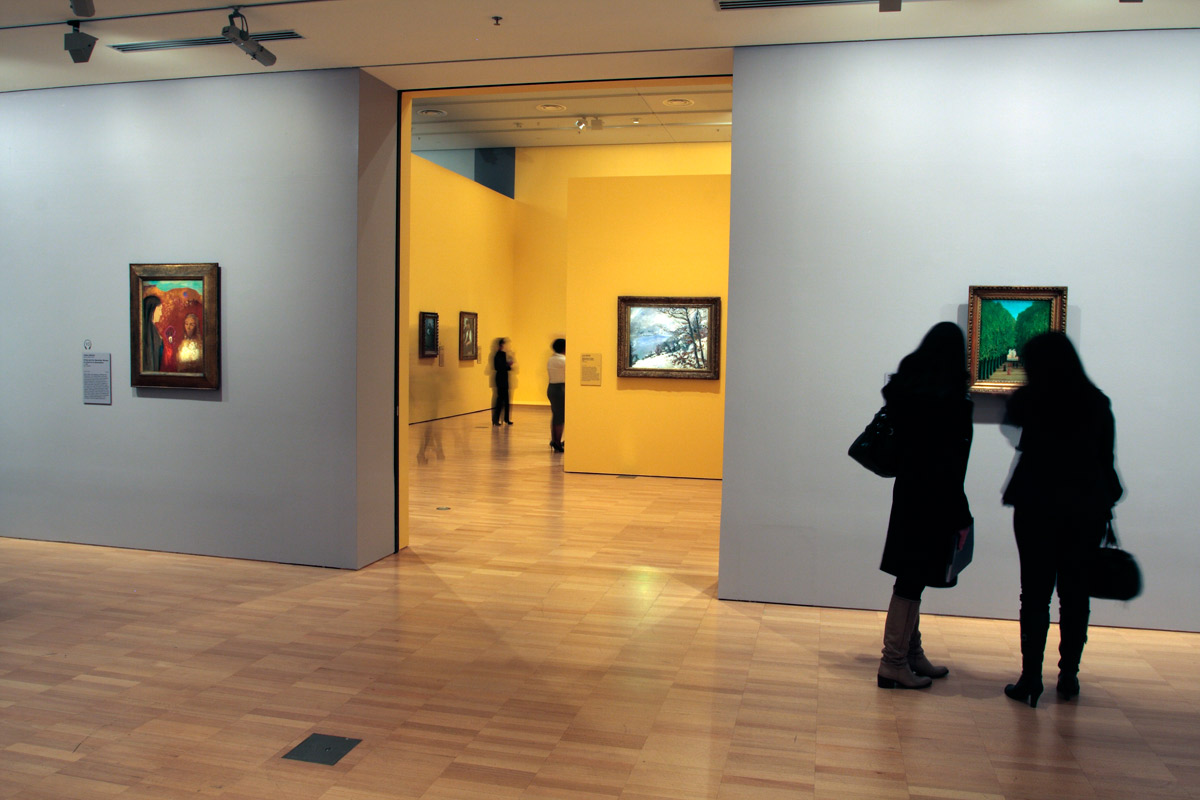
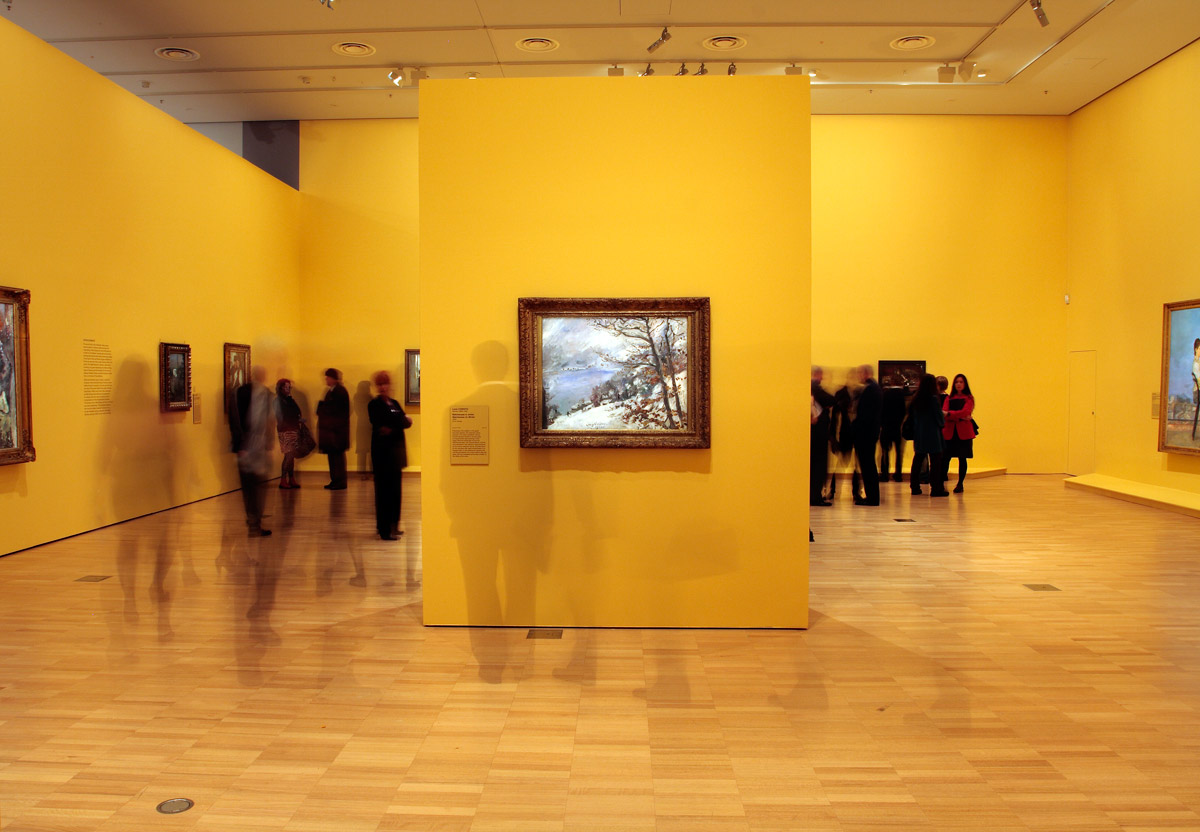
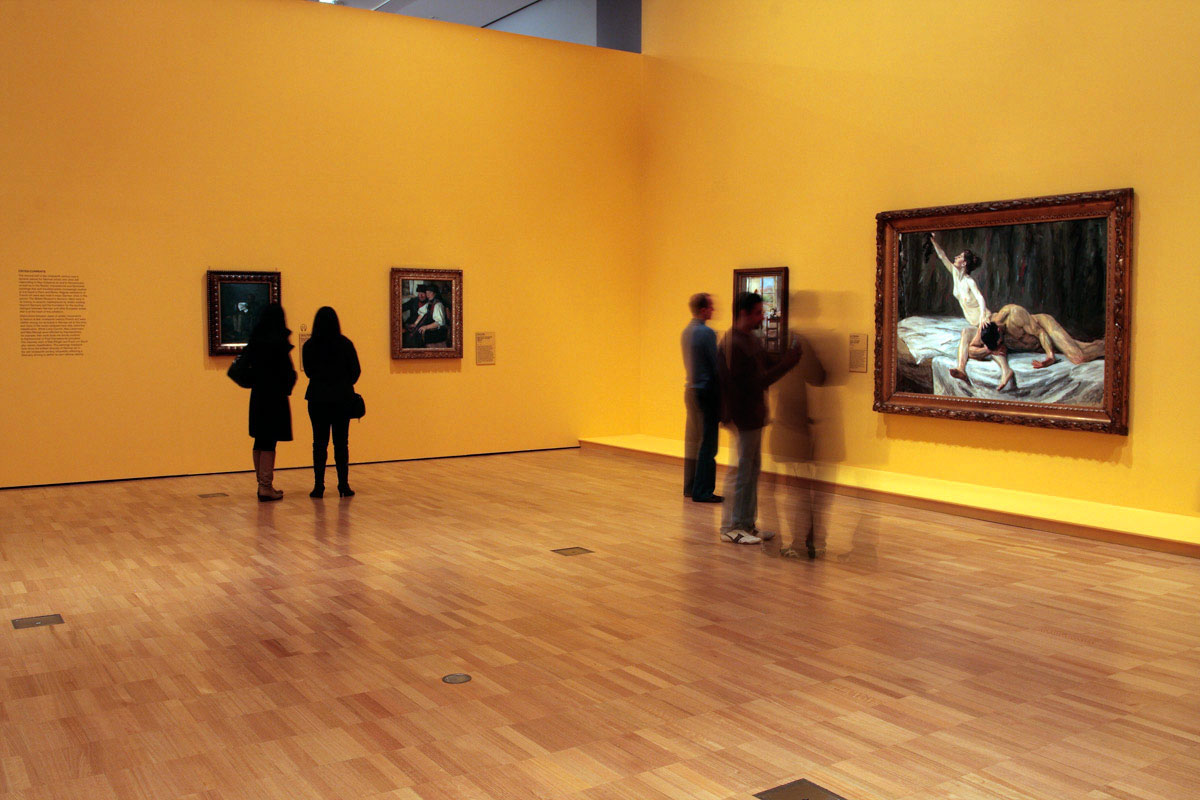
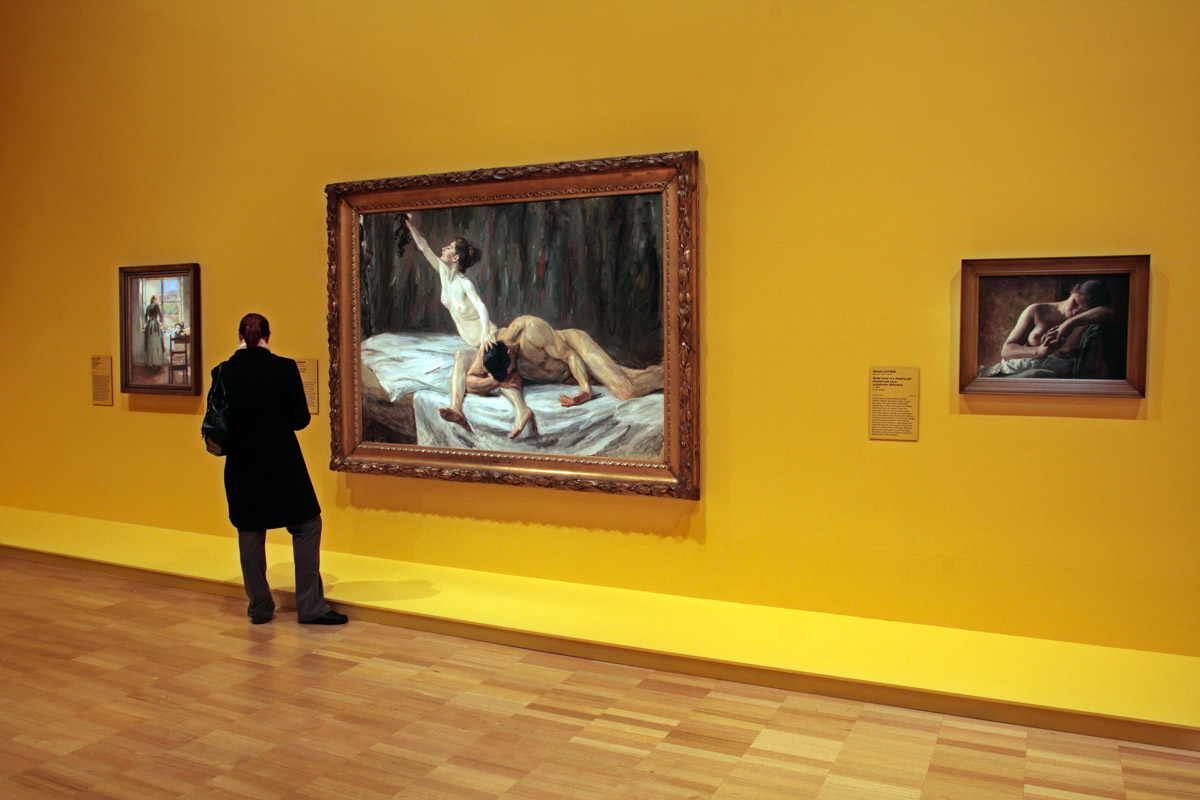


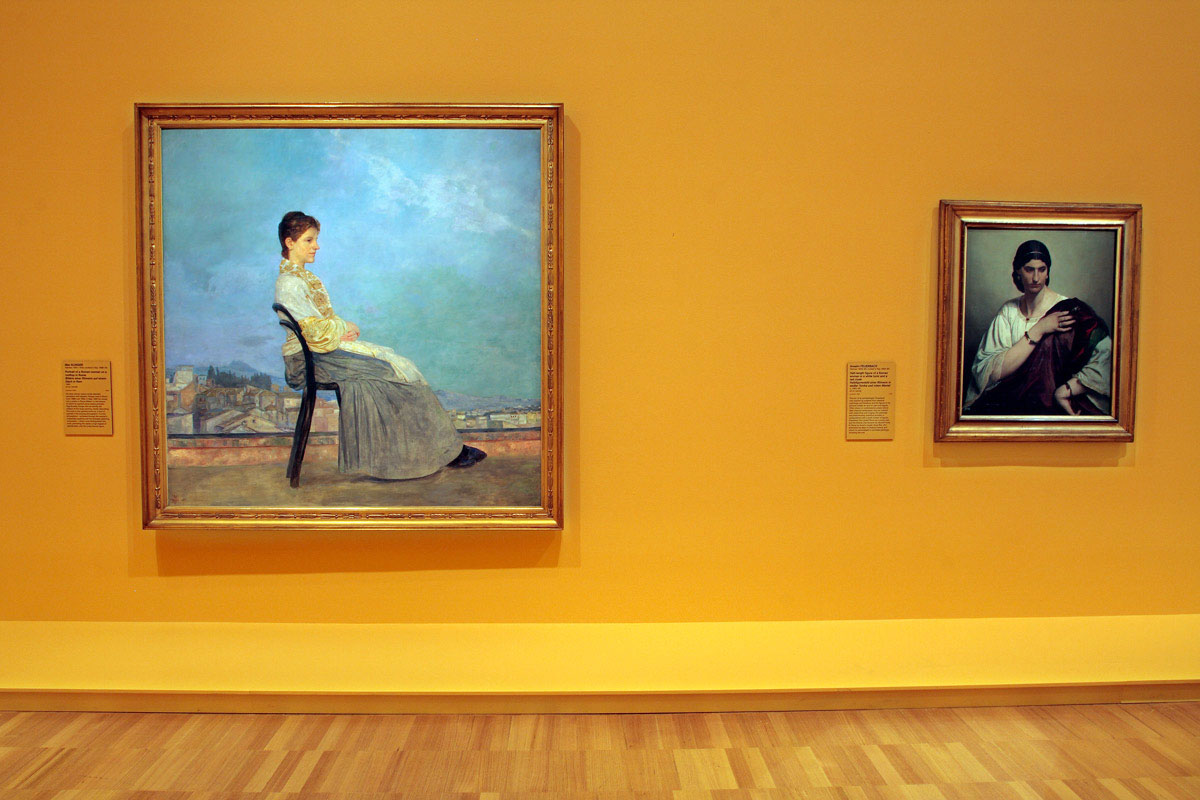


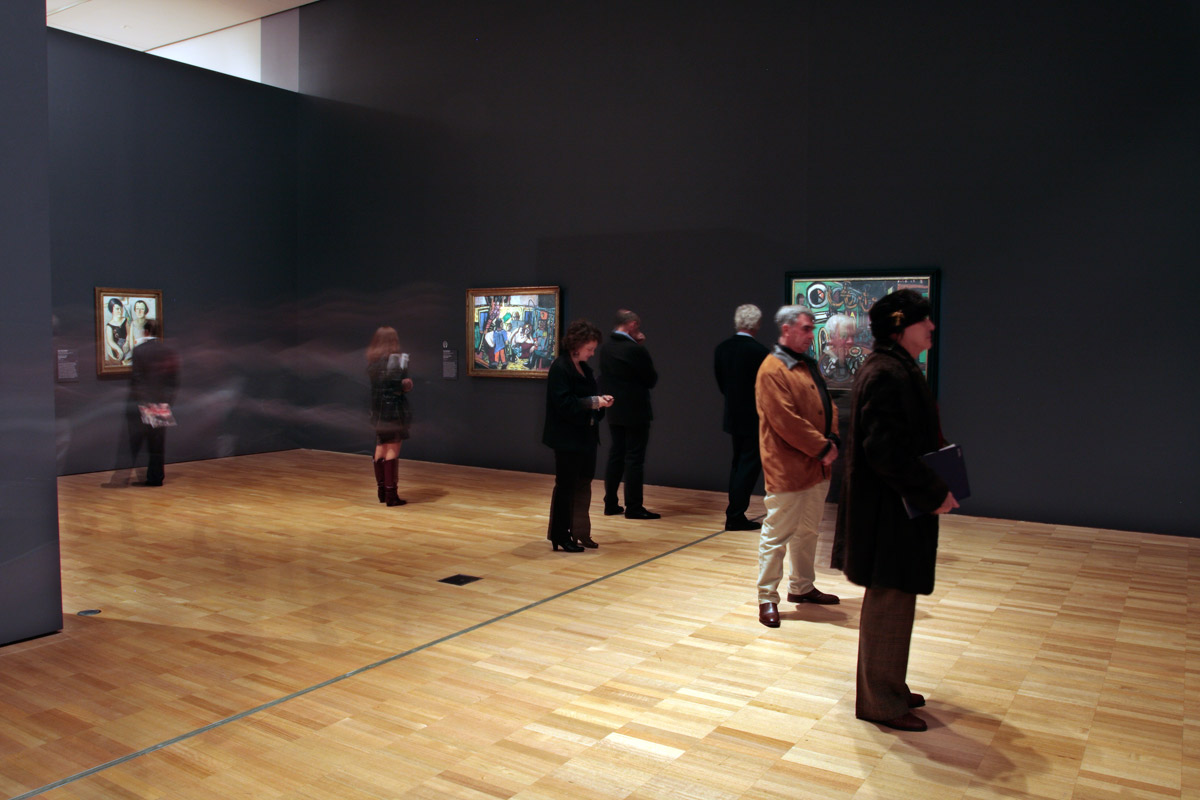

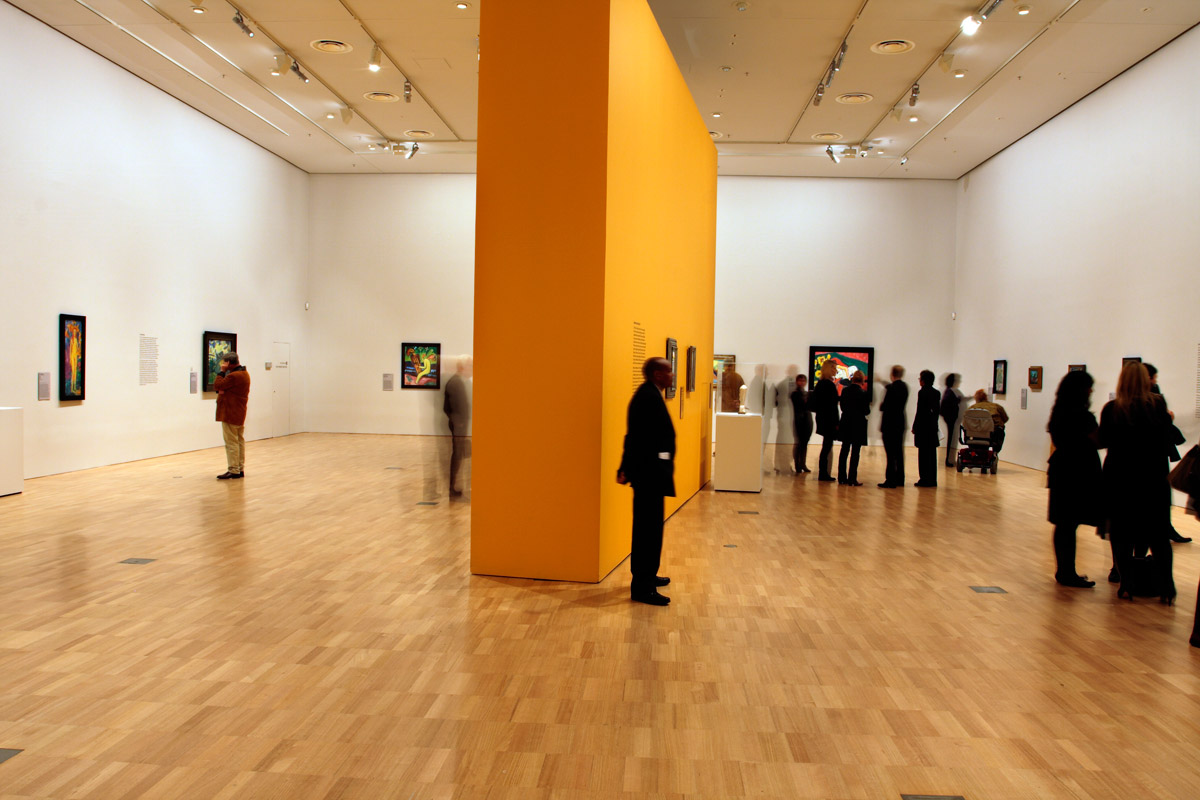
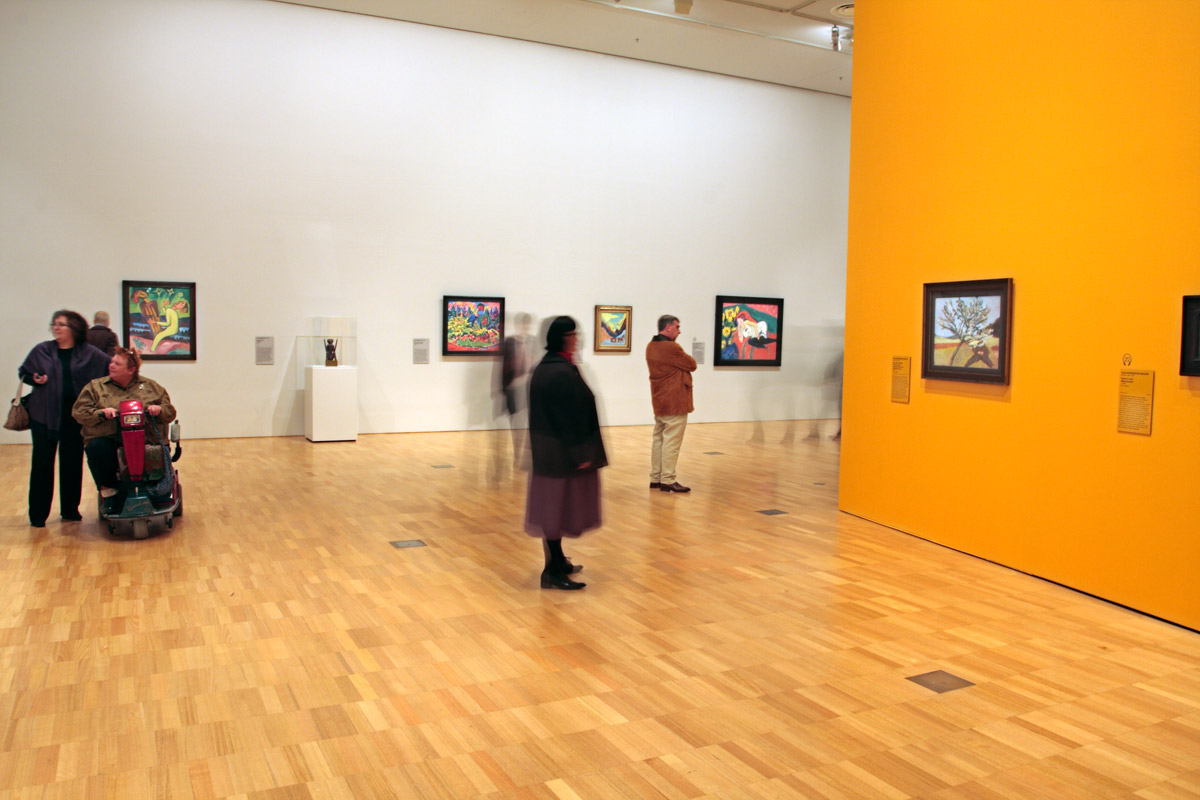

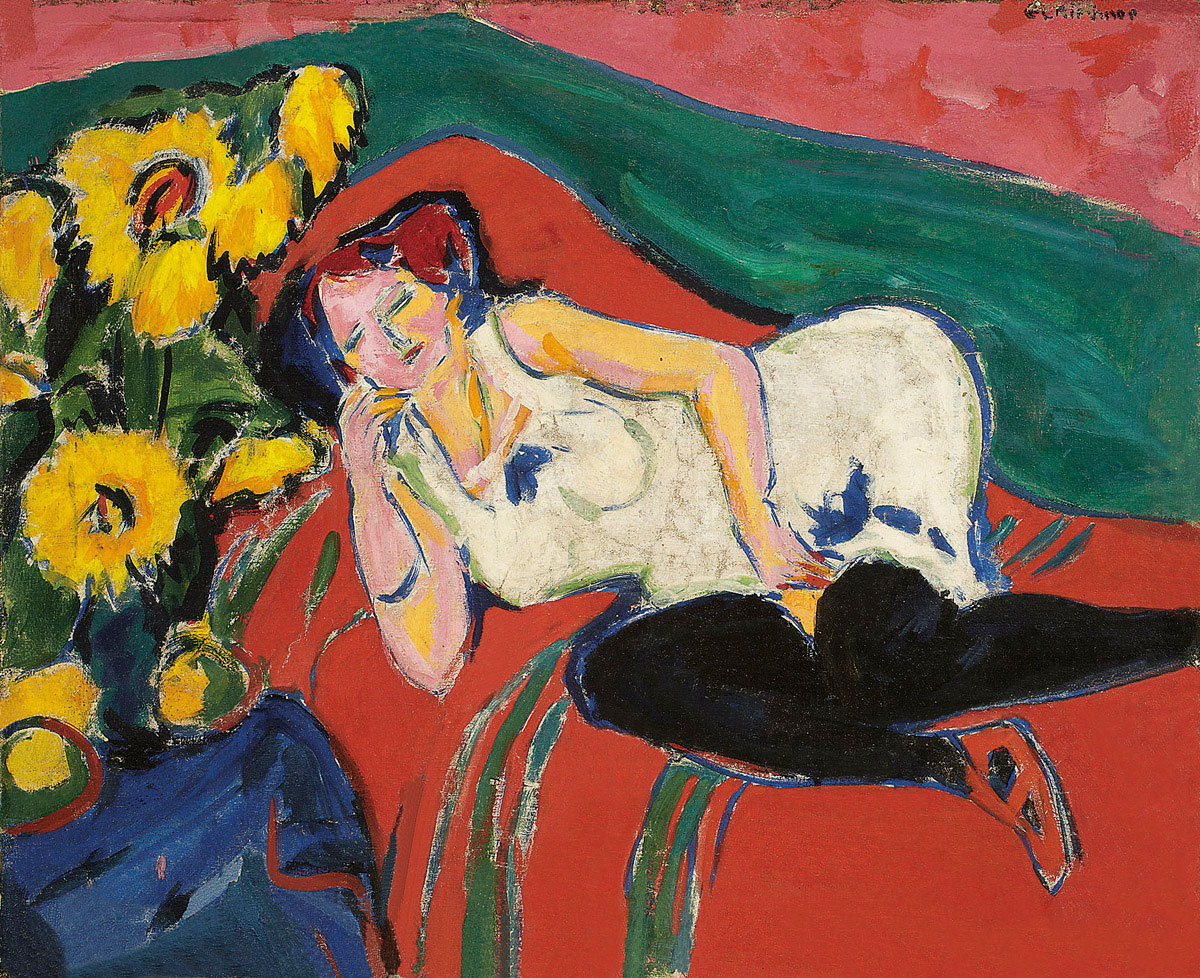

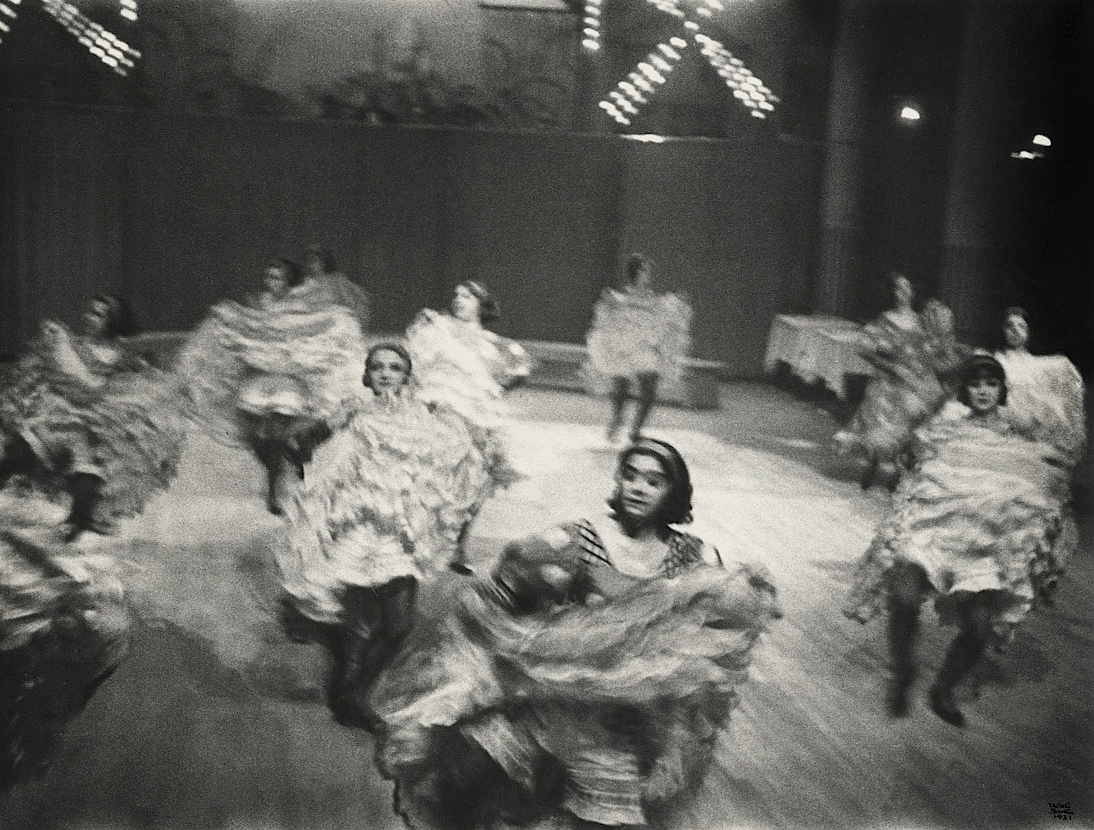
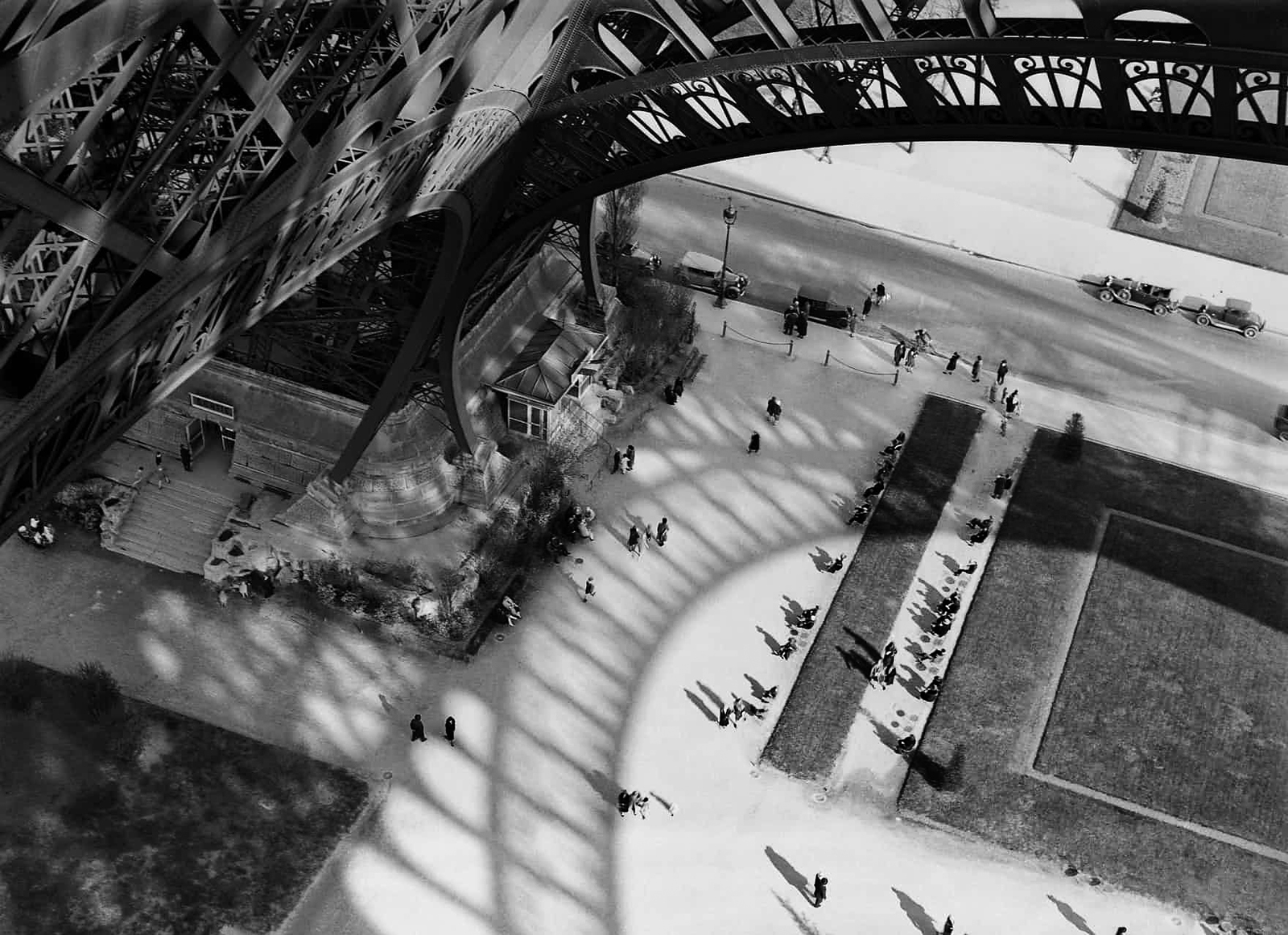
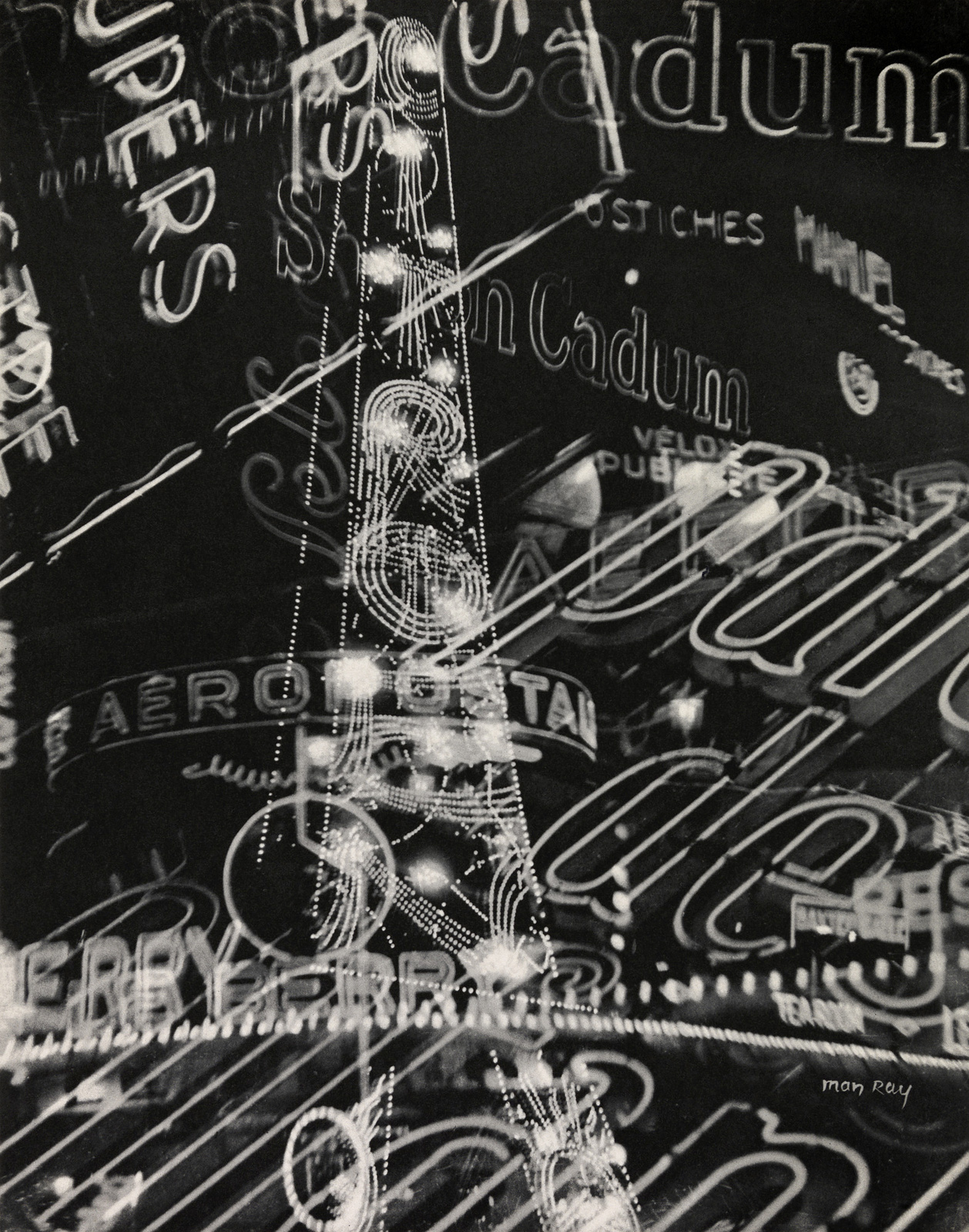

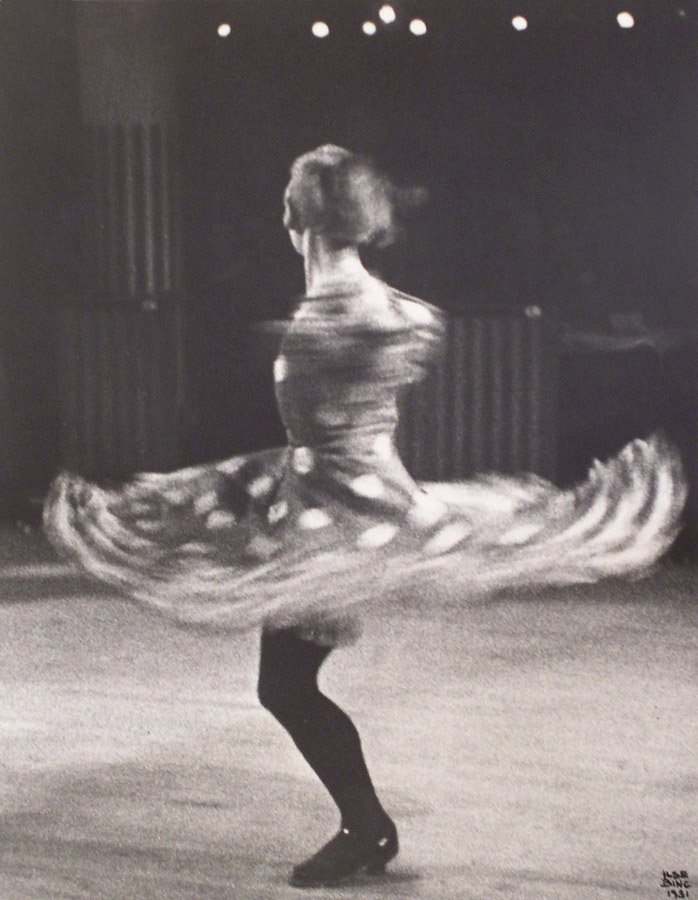
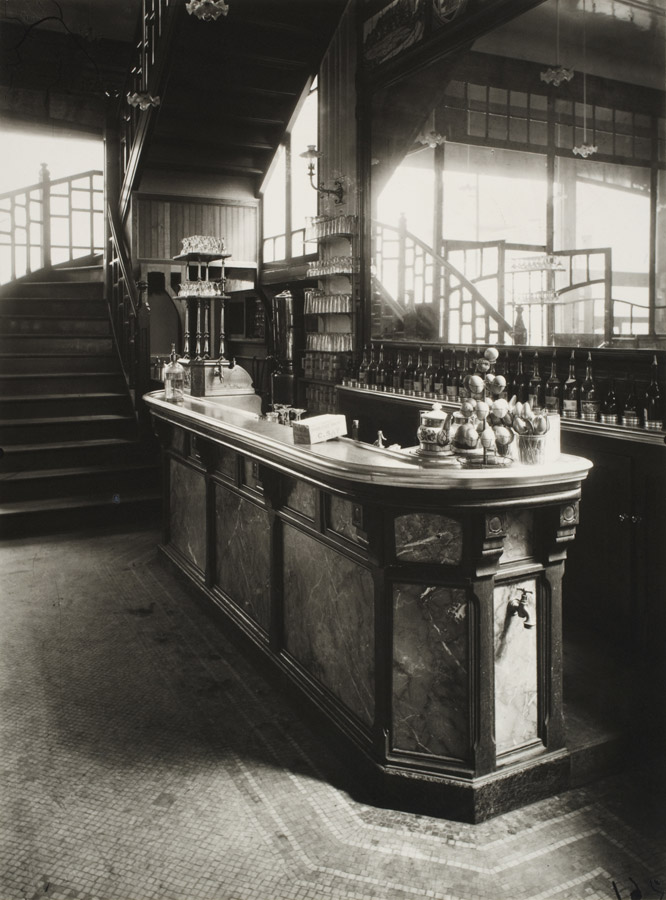


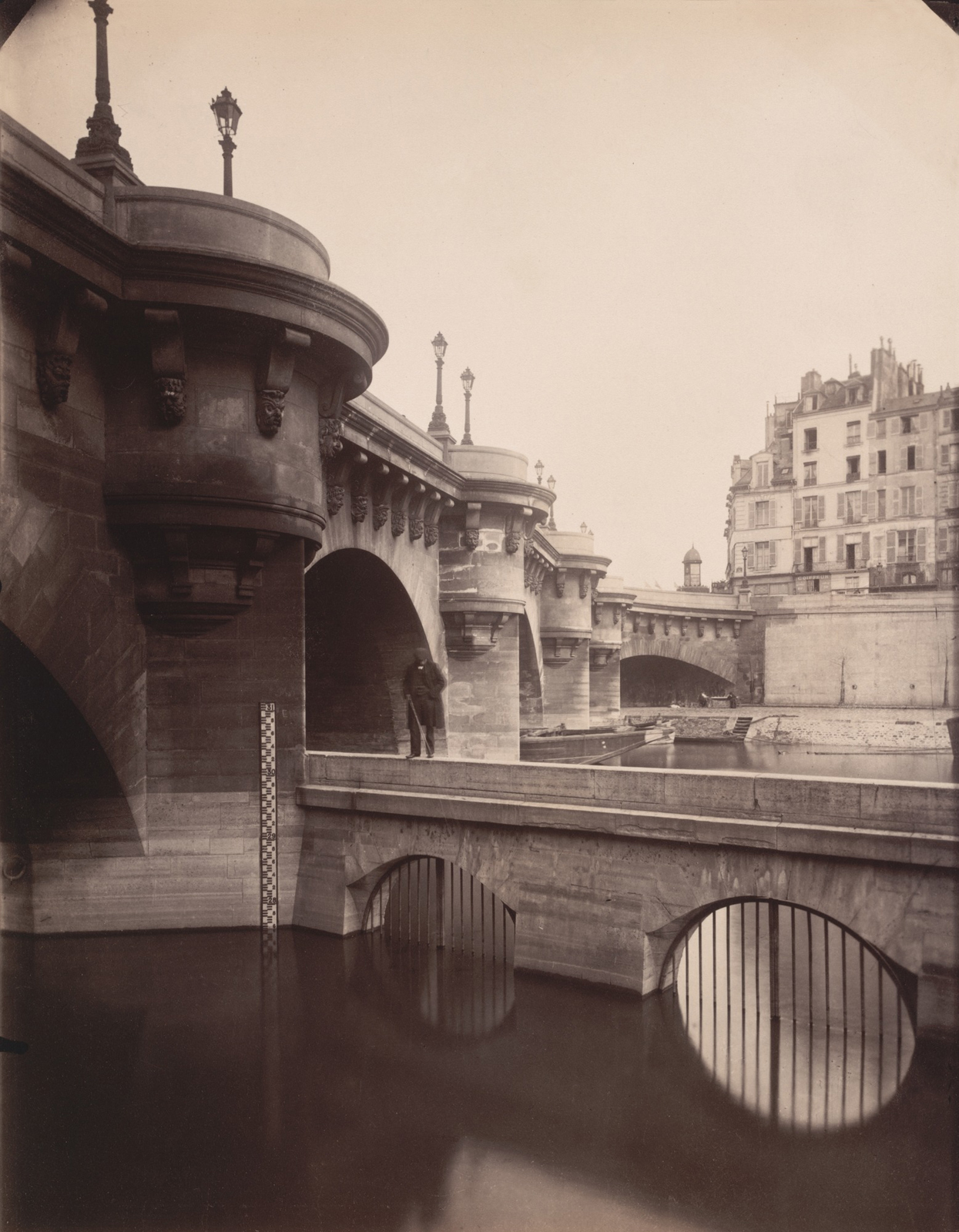
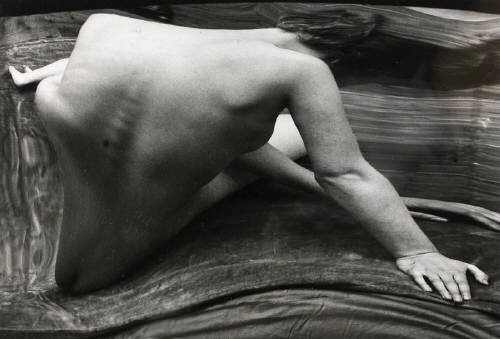


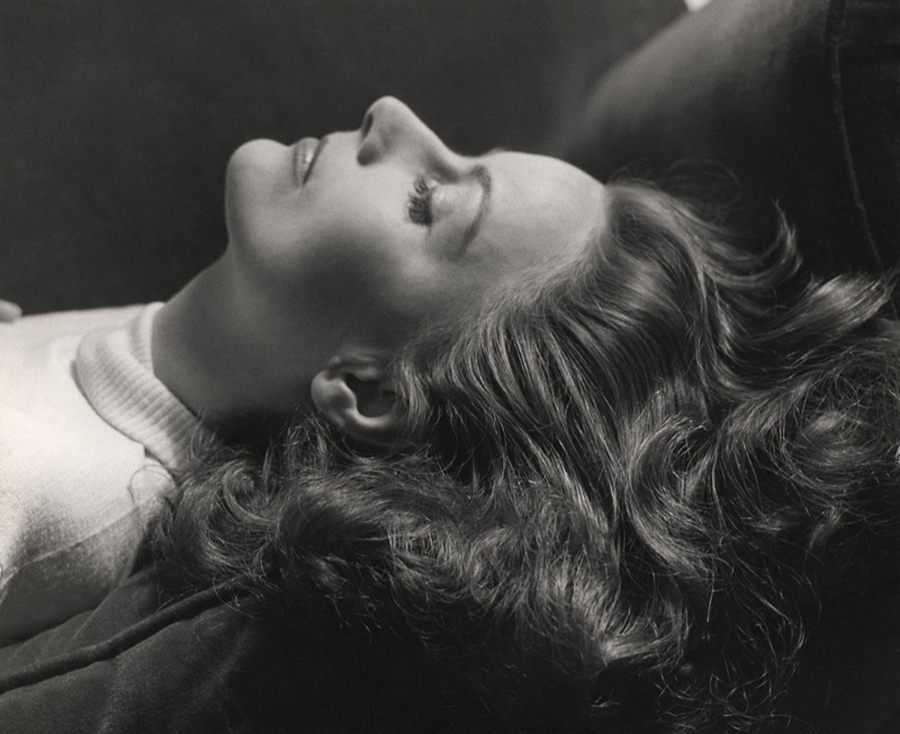

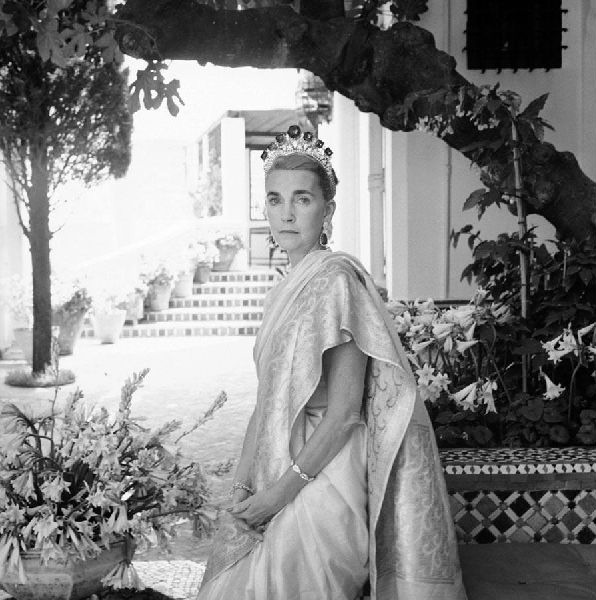
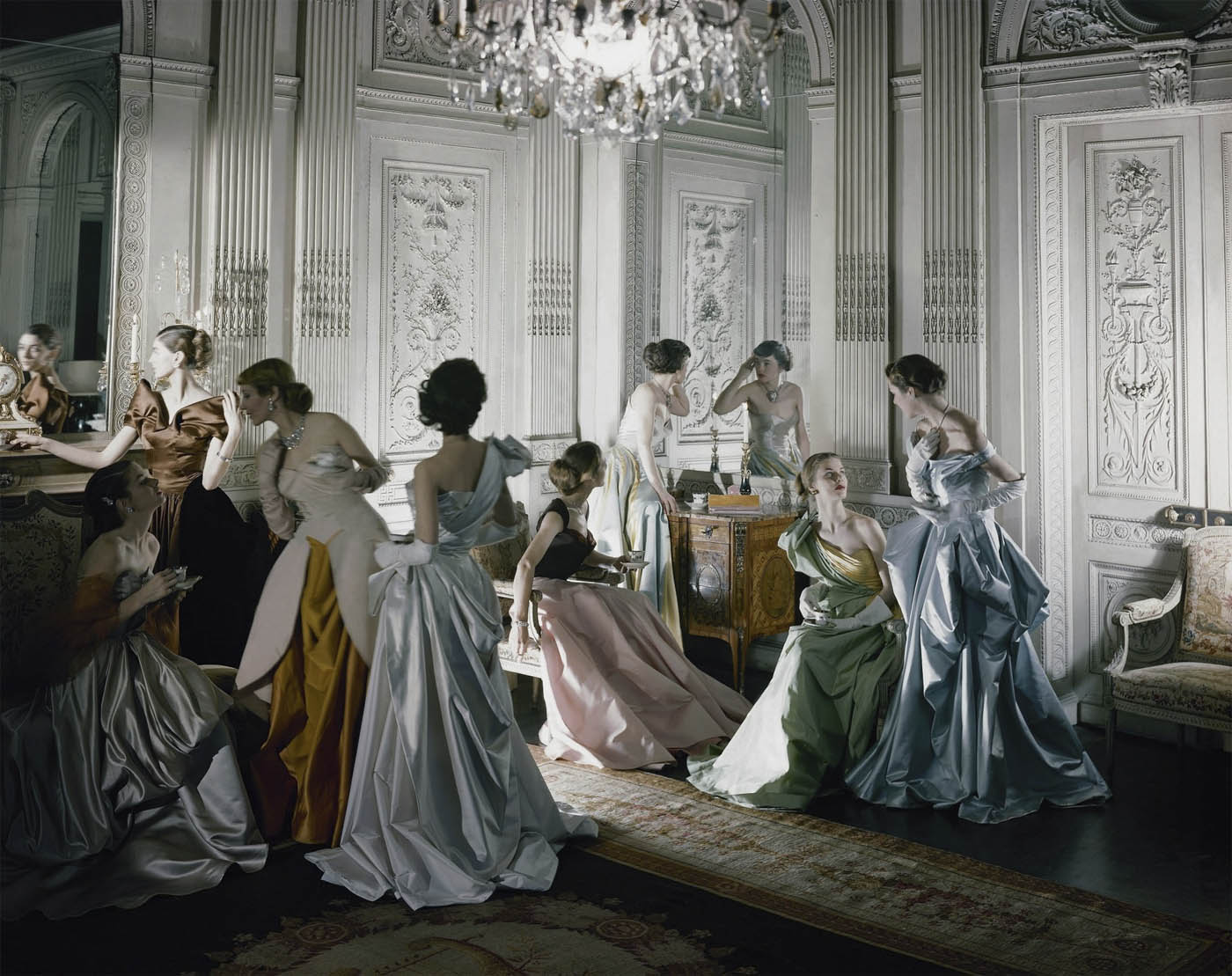
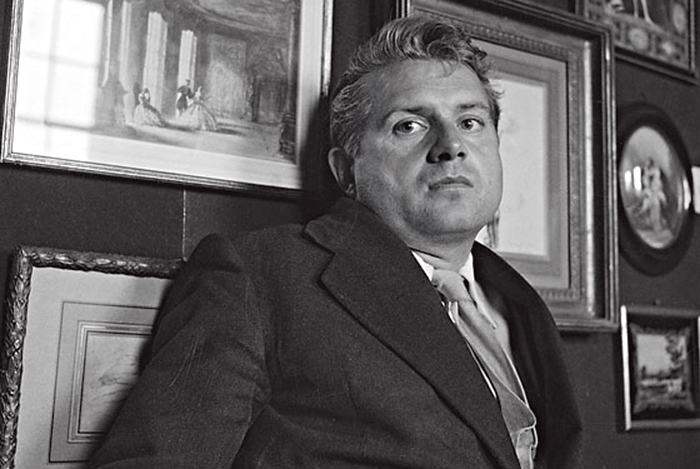
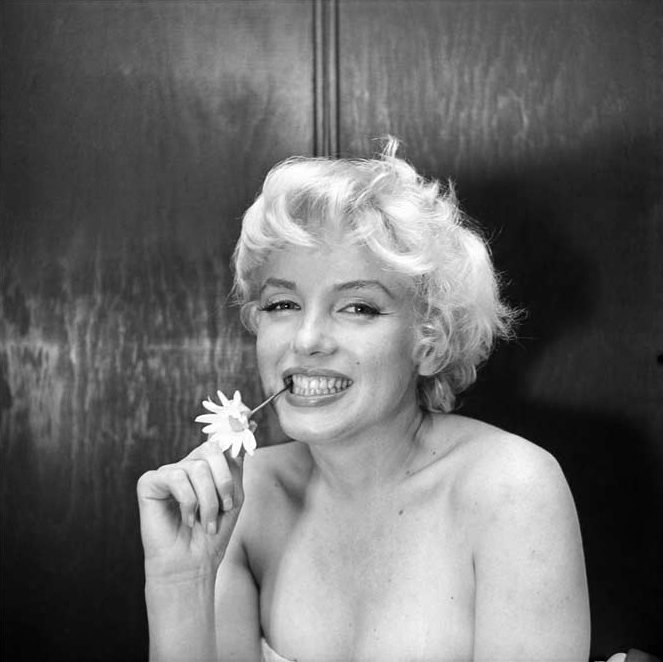

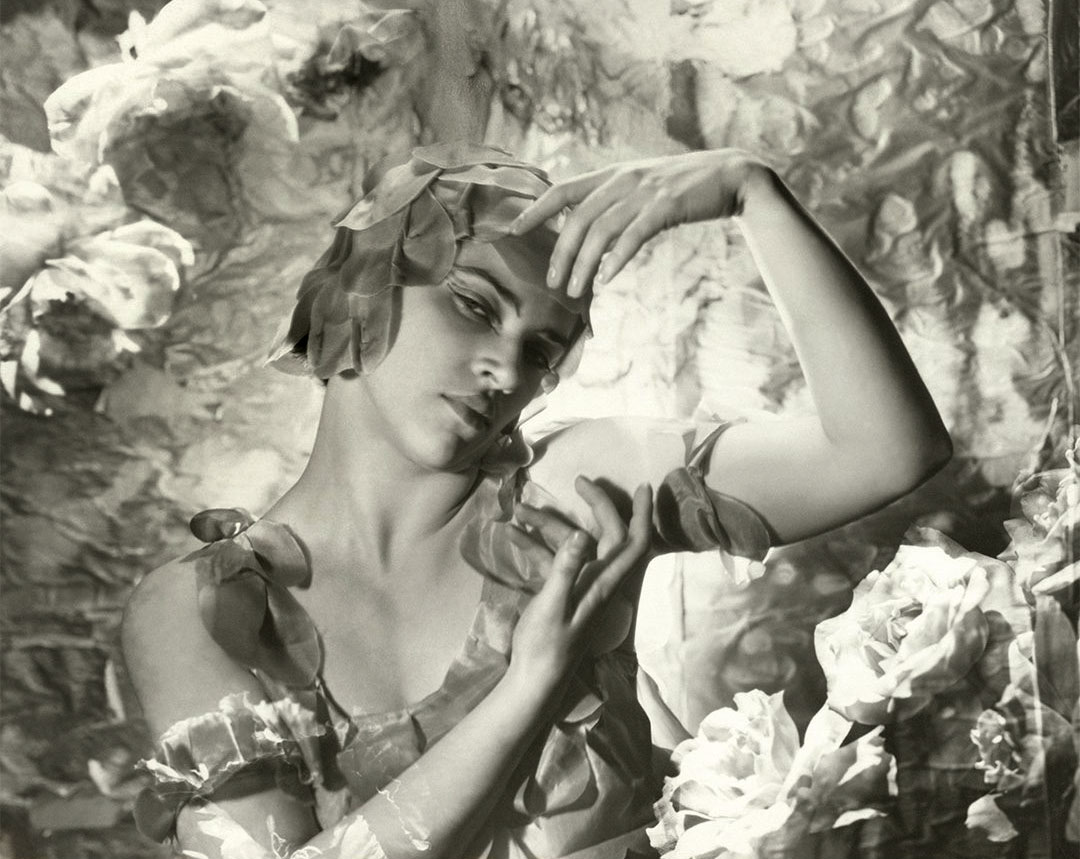


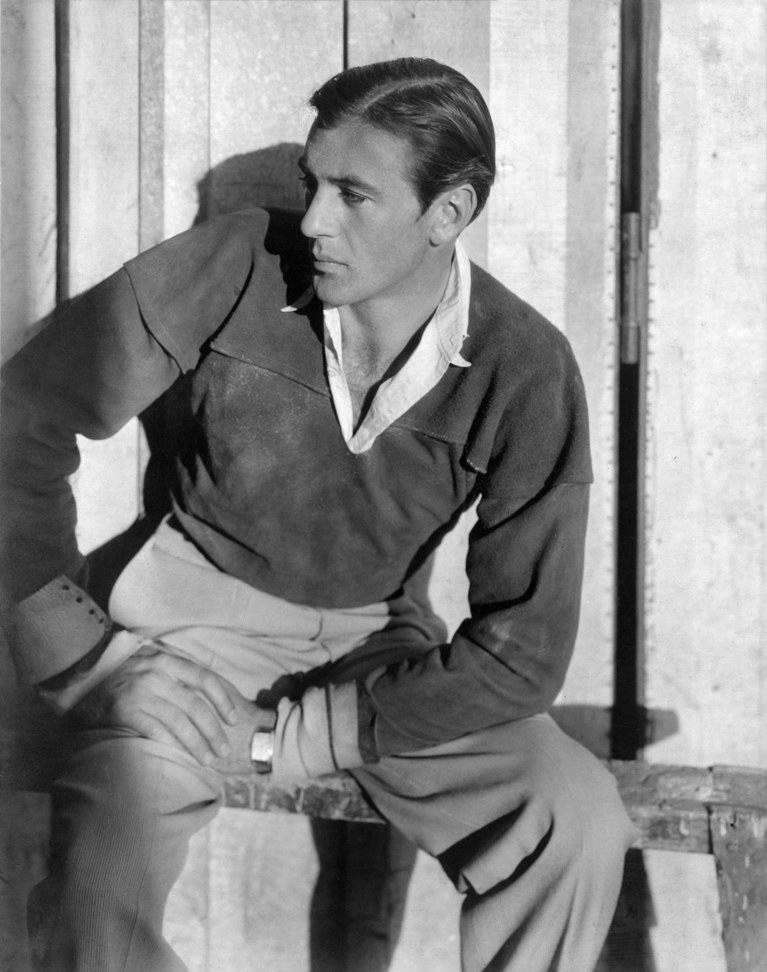

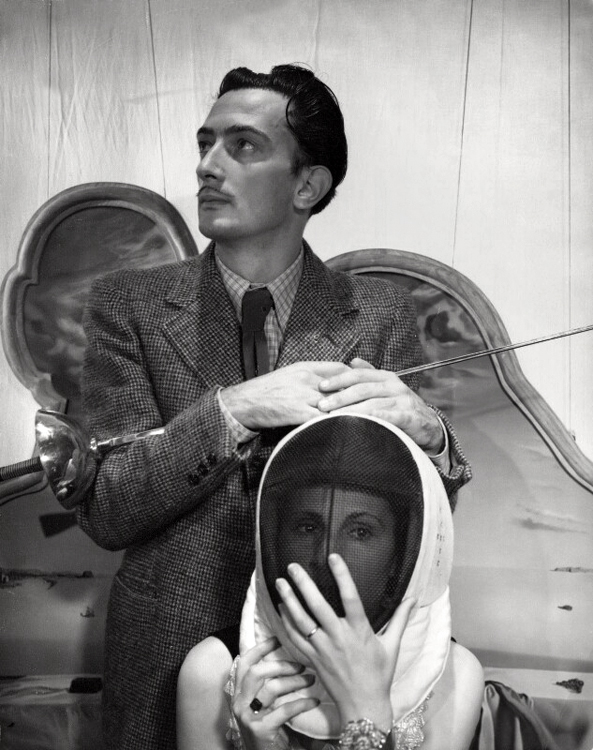


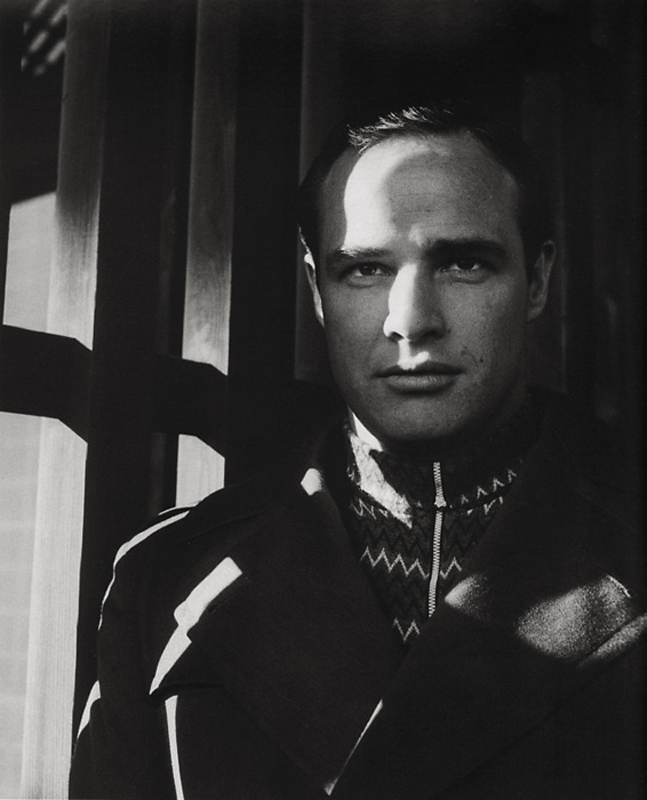


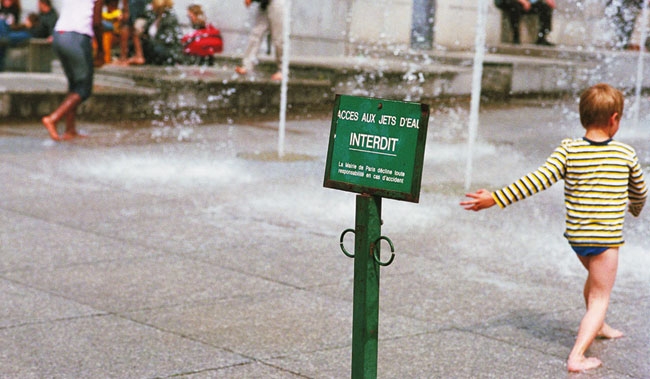




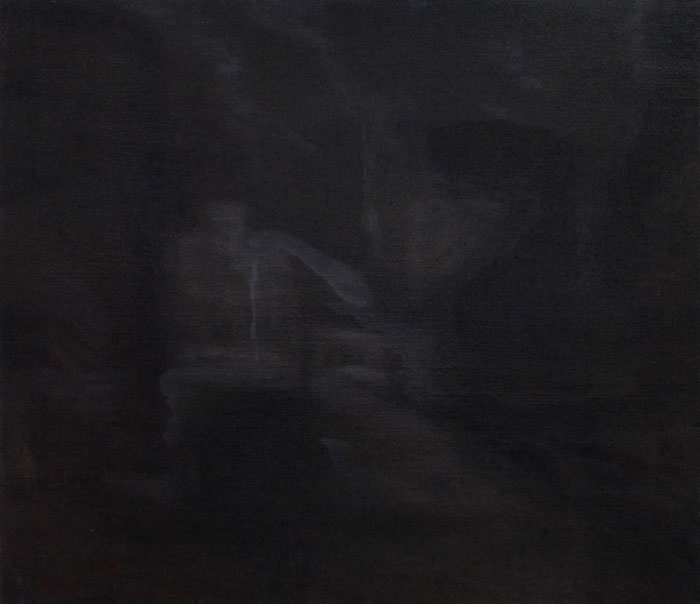

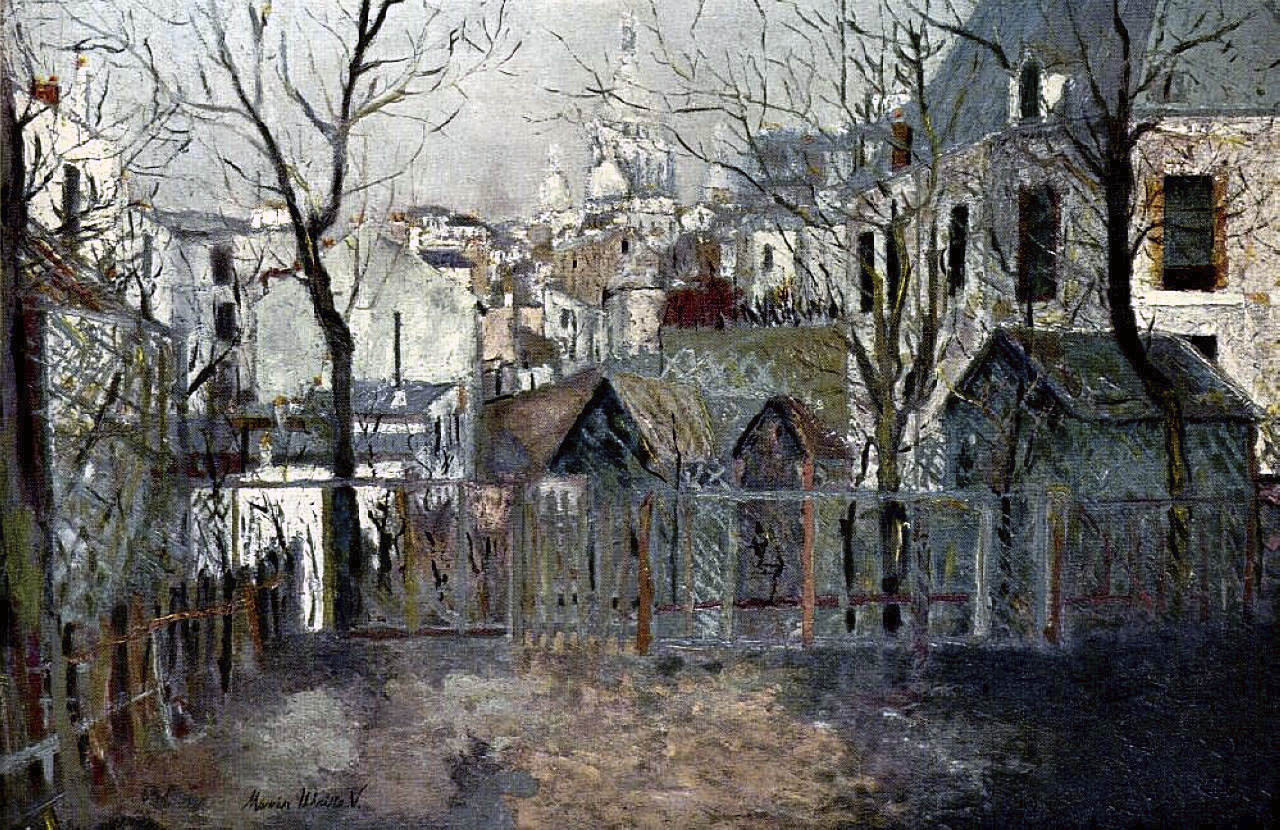
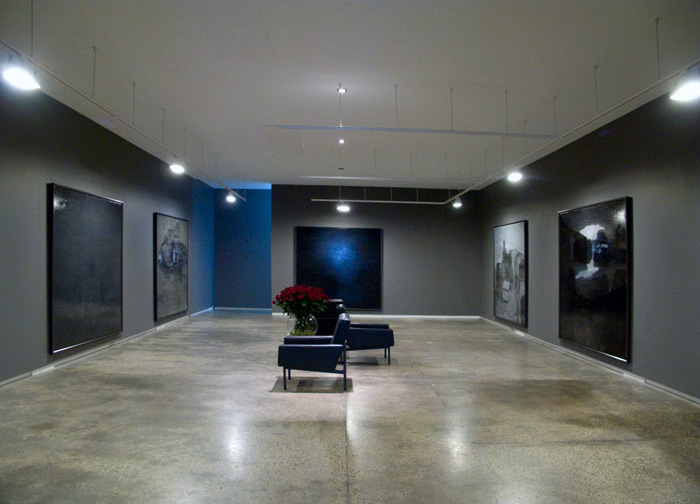

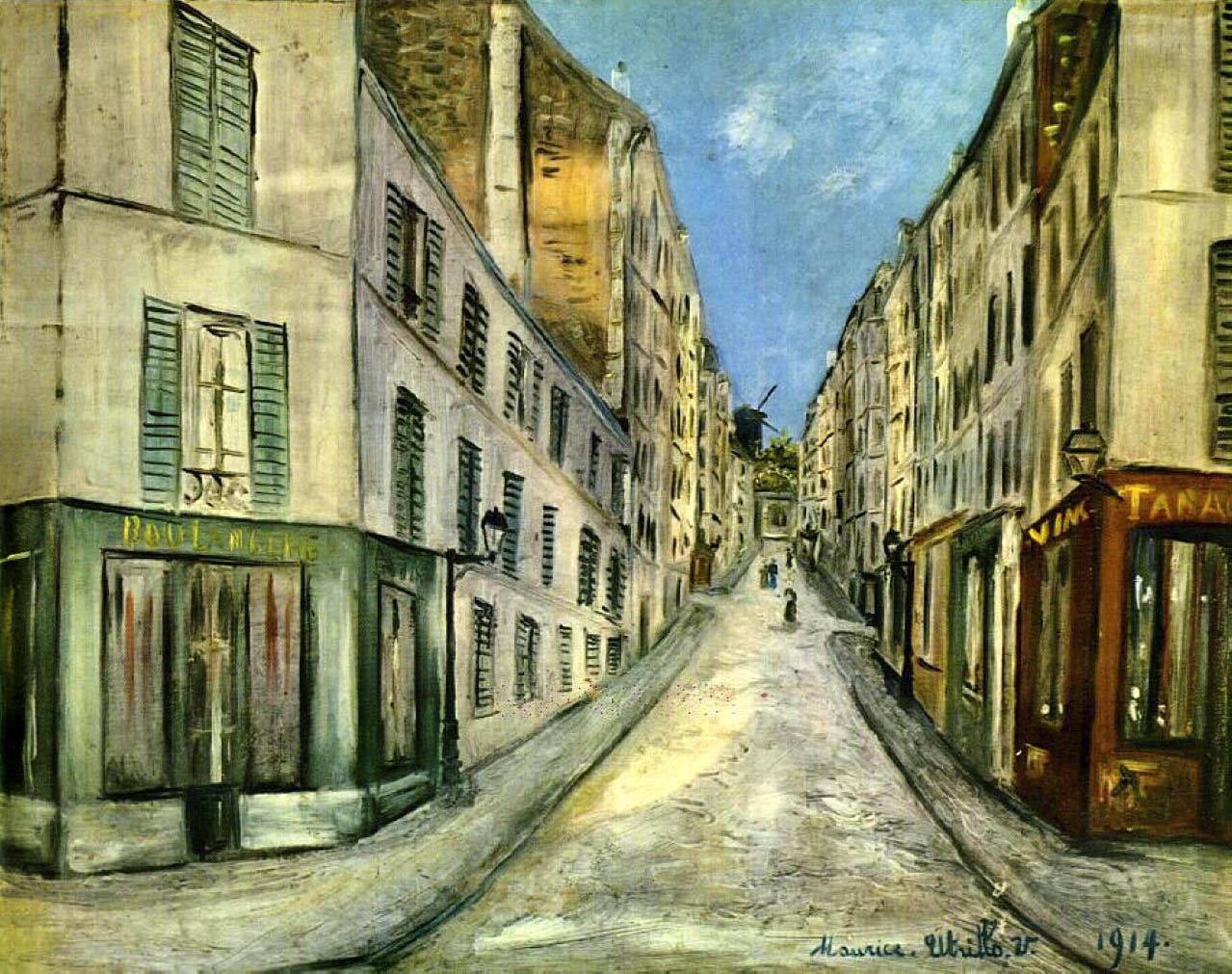
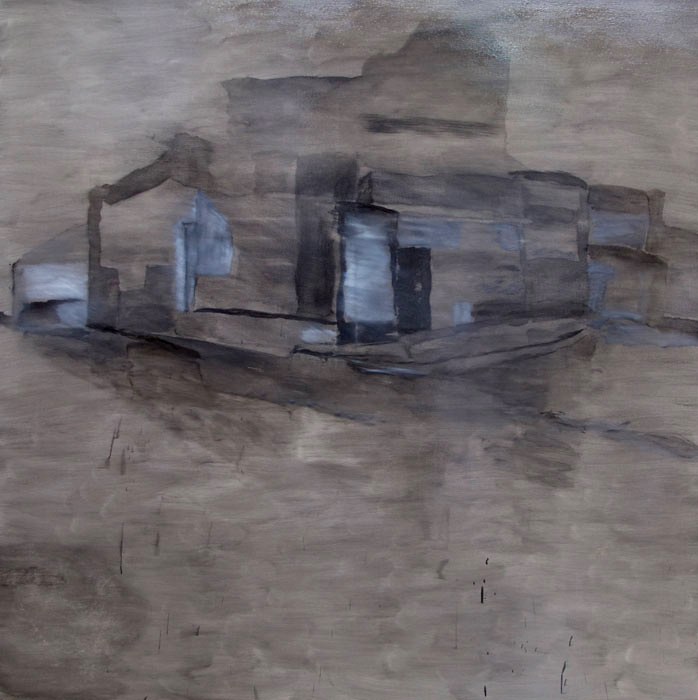

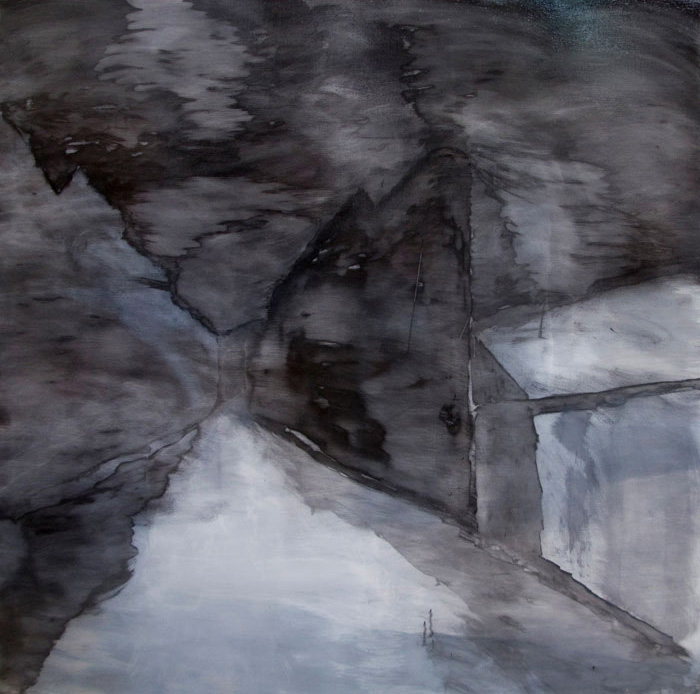

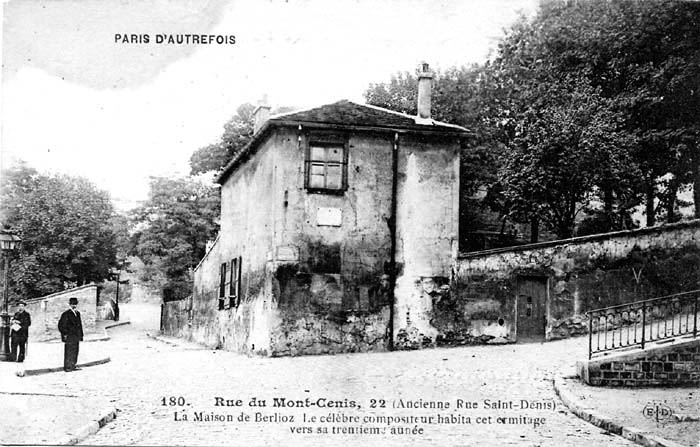
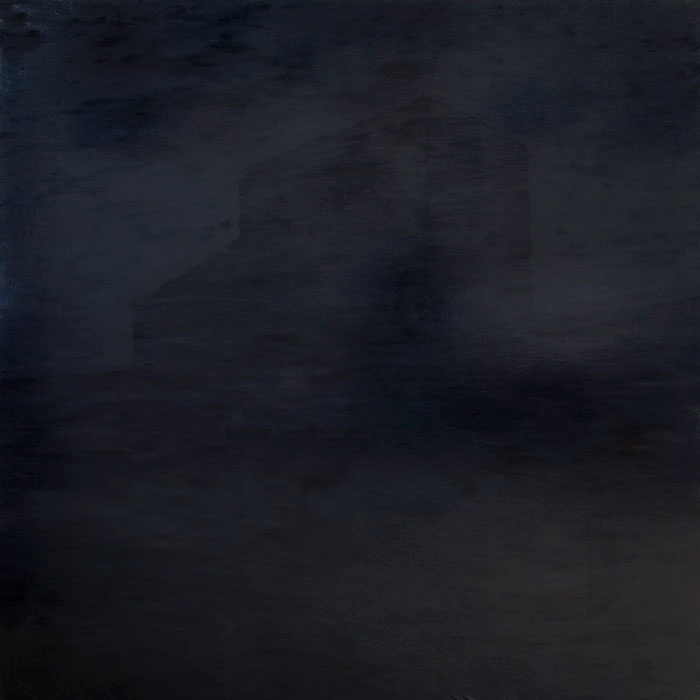


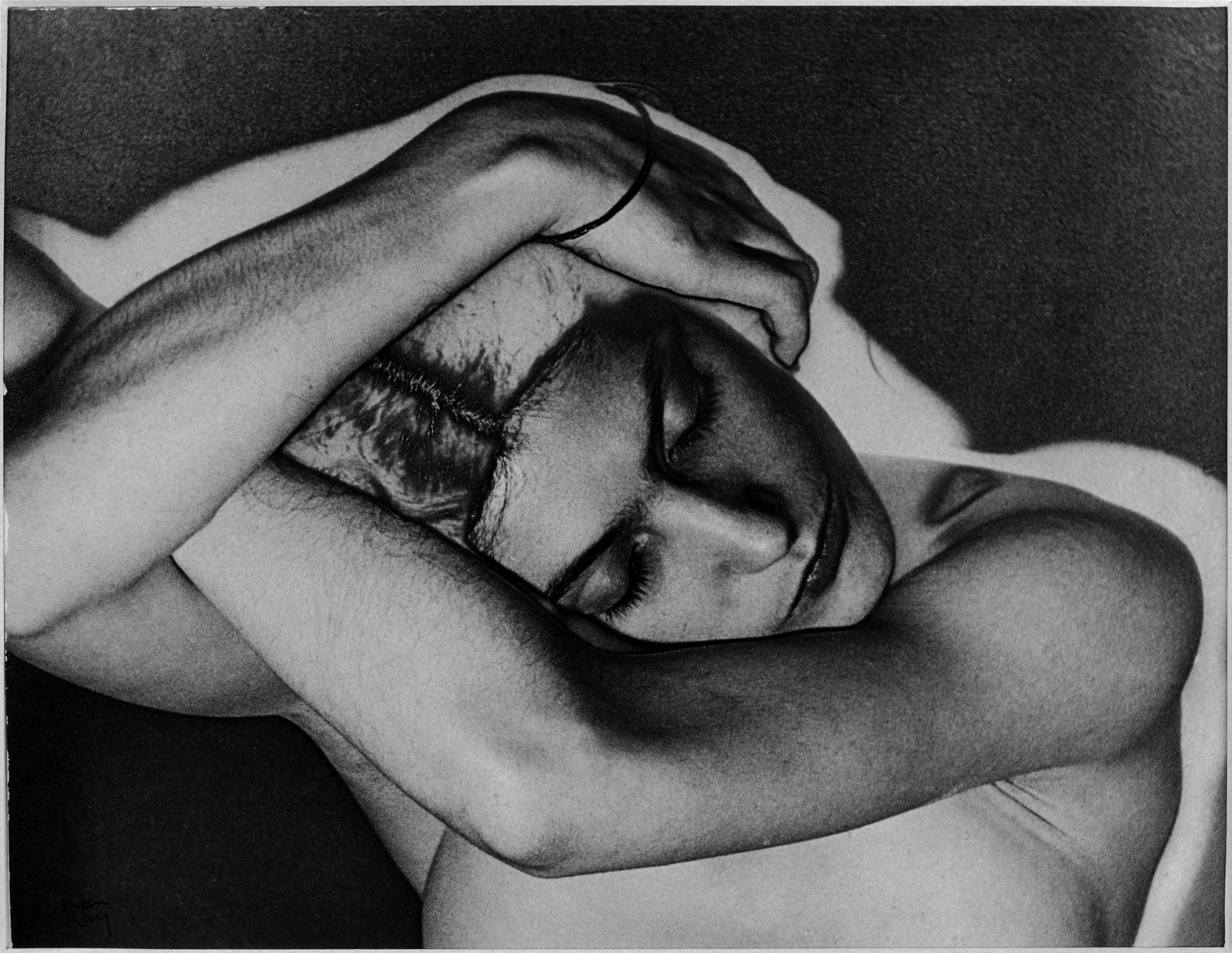
![Man Ray (American, 1890-1976) 'Juliet with Flower' [Juliet Browner] 1950s](https://artblart.com/wp-content/uploads/2009/01/man-ray-juliet-with-flower-1950s.jpg "Man Ray (American, 1890-1976) 'Juliet with Flower' [Juliet Browner] 1950s")
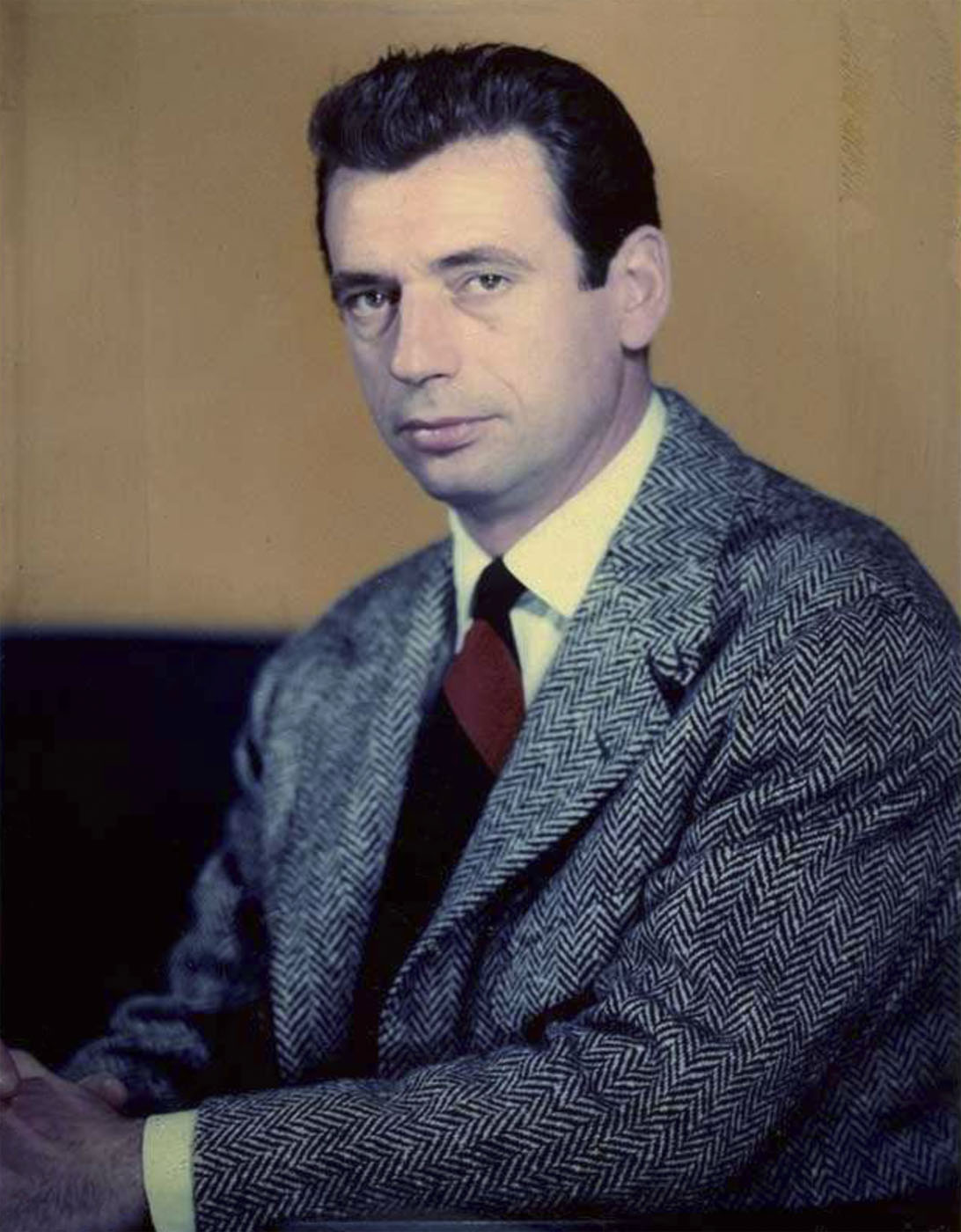


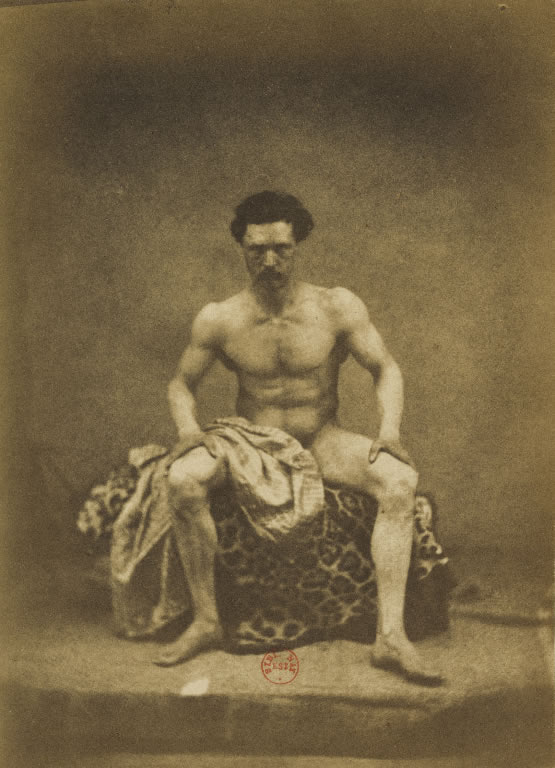


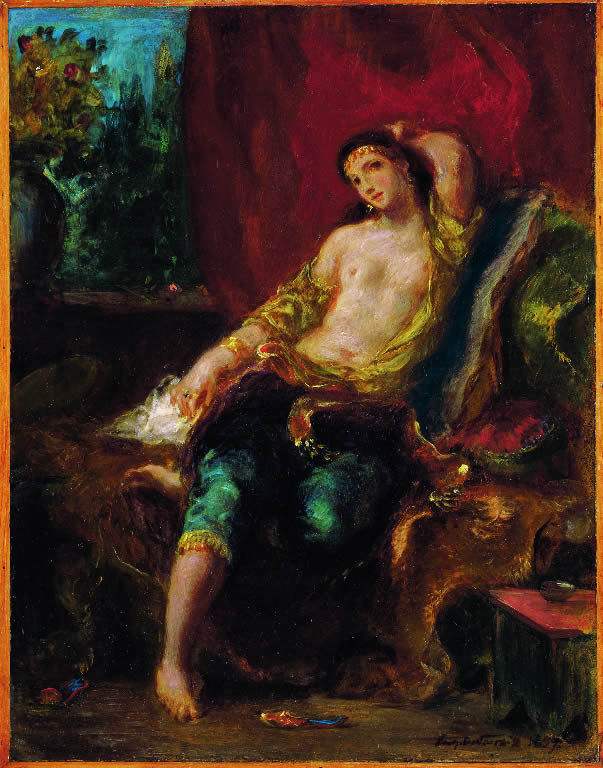


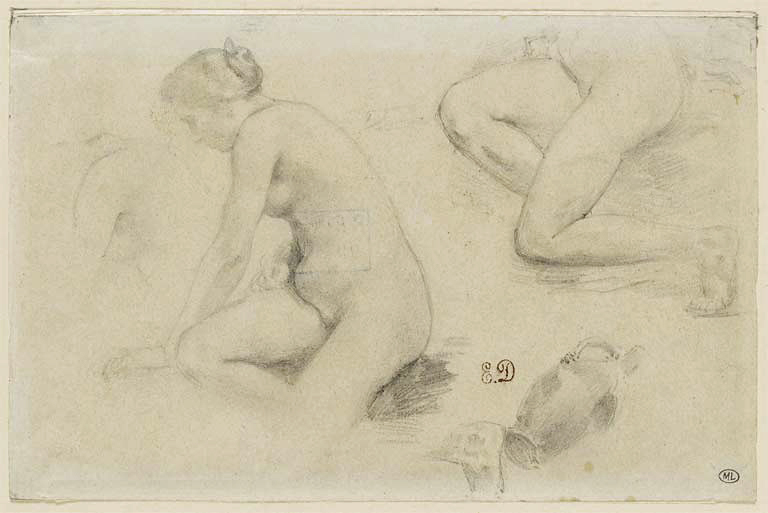


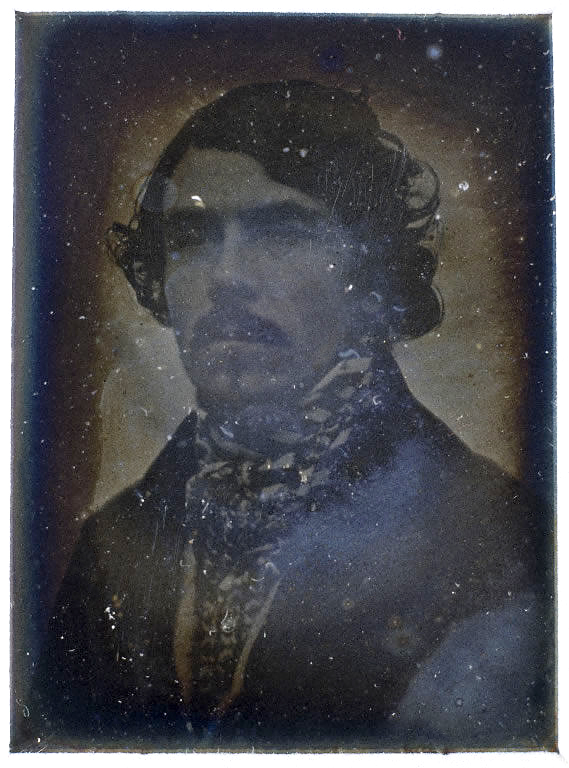

 Art Blart _ art and cultural memory archive
You must be logged in to post a comment.