Exhibition dates: 15th September – 23rd October 2010
Many thankx to Yvonne Gomez and the Bruce Silverstein Gallery for allowing me to publish the photographs in the posting. Please click on the photographs for a larger version of the image.
“If I had to do color and black and white simultaneously,” Morath recalled, “I’d finish one, then do [the other], trying not to think of both at the same time; the thinking is so different!”
Bruce Silverstein Gallery is pleased to present, Beyond COLOR: Color in American Photography, 1950-1970, a re-examination of a pivotal period in photography’s short history, when the artistic relevance of color in fine art photography had yet to be determined. The exhibition unites works for the first time by many of the “first generation” practitioners of color photography including artists Marie Cosindas, Arthur Seigel, Harry Callahan, Eliot Porter, Saul Leiter, Marvin E. Newman, Pete Turner, Ruth Orkin and Ernst Haas. Other highlights include images exhibited for the first time by Magnum’s first female member, Inge Morath, as well as a special slide projection of color images by Garry Winogrand, images that were never printed by the artist. Beyond COLOR attempts to reclaim this moment of photographic history that only today has begun to receive critical attention.
After the conclusion of World War II, innovations in technology combined with the public’s desire to “see the world as it is” resulted in an explosion in the usage of color imagery by the mass media. By 1951, commercial color television broadcasting had begun, and in 1954, half of all American films were made in color. In the early 1960’s color imagery was so prevalent that National Geographic magazine introduced a new era when it became the first major American periodical to print an all-color issue. While color photography during this period was widely embraced by mass culture – advertising and journalism – it continued to suffer from second-class status in the fine art world when compared with images in black & white. For most in the fine art establishment, black & white photography represented the medium of choice, steeped in a century-old tradition it was easily accessible and affordable to artists, and possessed known archival stability. For this reason, few artists chose to work in color and even fewer produced finished prints. Although color works had begun to selectively appear in museum exhibitions, most notably at the Museum of Modern Art, where single artist exhibitions of works by Eliot Porter (1943), Ernst Haas (1962) and Marie Cosindas (1966) were displayed, academic and institutional attention and support for this new technology was scant.
Over the past forty years, work in color created by artists during this formative period has received little attention. Most critical analysis through writings and exhibitions have focused on color work created during the 1970’s and 1980’s after the now famous Museum of Modern Art exhibition, Photographs by William Eggleston (1976), curated by John Szarkowski. This MoMA exhibition set the groundwork for defining a new purpose for color photography – one that focused more on the conceptual implications of the photograph and its creation, and away from the formalistic attributes of the image as well as the attention to color itself. The effects of Eggleston’s exhibition and Szarkowski’s essay reverberate to this day.
With a certain distance from this era when color photography was new – its place in the art world no longer a question – this exhibition offers a crucial consideration of works created during this period and encourages a new perspective on the significance of these artists’ contributions to the history of photography.
Pete Turner (American, 1934-2017) Texascape 1968, printed c. 1976-1980 Signed with artist stamp on recto Dye transfer print Edition of 50 (#28/50) 6 x 9 in (15.24 x 22.86cm)
Although taken in the same city at around the same period as the work of Helen Levitt, these photographs by Leon Levinstein have less formality in their composition and definitely possess a more eclectic style evidenced by the dissection and placement of bodies within the image frame. This is not to denigrate either artist but merely to observe how two great photographers can see the same city in totally different ways. In both previsualisation was strong, the camera freezing what is placed before the lens in a balletic display that captured “just what you see.”
Dr Marcus Bunyan
Many thankx to The Metropolitan Museum of Art, New York for allowing me to publish the photographs in the posting.
Leon Levinstein (American, 1910-1988) Untitled [Head of Man with Hat and Cigar] c. 1960 Gelatin silver print 27.8 x 33.3cm (10 15/16 x 13 1/8 in.) Stewart S. MacDermott Fund, 1986
A master of classic American street photography, Leon Levinstein (American, 1910-1988) is best known for his candid and unsentimental black-and-white figure studies made in New York City neighborhoods from Times Square and the Lower East Side to Coney Island. From June 8 through October 17, 2010, The Metropolitan Museum of Art presents Hipsters, Hustlers, and Handball Players: Leon Levinstein’s New York Photographs, 1950-1980. This exhibition, drawn exclusively from the Metropolitan’s collection, features 44 photographs that reflect Levinstein’s fearless approach to the medium. Levinstein’s graphic virtuosity – seen in raw, expressive gestures and seemingly monumental bodies – is balanced by an unusual compassion for his off-beat subjects from the demimonde.
Born in West Virginia in 1910, Levinstein moved to New York in 1946 and spent the next 35 years obsessively photographing strangers on the streets of his adopted home. Early in his career, Levinstein was quoted in Photography Annual 1955: “In my photographs I want to look at life – at the commonplace things as if I just turned a corner and ran into them for the first time.” With daring and dedication to his subject, Levinstein captured the denizens of New York City at extremely close range. He used his superb sense of composition to frame the faces, flesh, poses, and movements of his fellow city dwellers in their myriad guises: sunbathers, young couples, children, businessmen, beggars, prostitutes, proselytisers, society ladies, and characters of all stripes.
Although he was a life-long loner, Levinstein was mentored and supported by Alexey Brodovitch, artistic director of Harper’s Bazaar, and Edward Steichen, the eminent photographer and curator at The Museum of Modern Art in New York, both of whom recognised his unique talent in the medium of photography. He was also greatly influenced by workshops led by the distinguished photographer and teacher Sid Grossman.
In the 1950s and 1960s, Levinstein’s work appeared frequently in photography magazines and books alongside that of his peers, such as Robert Frank, Richard Avedon, and Diane Arbus. Nonetheless, he rarely worked on assignment, as they often did; nor did he ever produce his own book of photographs. Instead, he worked as a graphic designer and devoted his evenings and weekends to photography. In 1975, Levinstein received a grant from the Guggenheim Foundation to “photograph as wide a spectrum of the American scene as my experience and vision will allow… I want my photographs to be spontaneous rather than contrived.” Despite this recognition of his achievement, he never seemed able to fit into the commercial photography market that emerged in the 1970s and 1980s, and consequently, his powerful body of work continues to be known mainly by other photographers and by specialists in the field.
Press release from The Metropolitan Museum of Art website [Online] Cited 28/09/2010 no longer available online
That idea of authenticity, ineffably captured as a decisive instance on a strip of light-sensitive celluloid, was ridden out of town a long time ago by postmodern theorists and certainly seems quaint today, but its power, as fixed in black and white by Levinstein, is undeniable. His mtier was a kind of reductivist monumentality, in which he captured his subjects – ordinary New Yorkers going about their business – in close-up, a technique commonly associated with cinema, to create images that were at once abstract and pregnant with narrative.
Like Weegee and Diane Arbus, Levinstein had a taste for the offbeat and grotesque (he often zeroed in on corpulent pedestrians; midsections and backsides, absent any trace of individuality, were a frequent motif). Also like them, he could be accused of engaging in a form of slumming. But he was less interested in abjection than he was in grandeur, and in this respect, the people in his photos are imbued with a sculptural nobility that simply doesn’t exist in the work of either Weegee or Arbus. More often than not, the “hipsters, hustlers and handball players” of the show’s title loom into the lens, crowding out background details. We get only fragments of the metropolis around them: a bit of stoop or curbstone, or a patch of sand out at Coney Island. Yet the pictures themselves express a sense of velocity, of lives hurtling toward some destiny that’s as heroic as it is bleak. What’s remarkable about Levinstein is that his framing – both epic and destabilising – stands in for the pitiless dynamic of New York itself.
Howard Halle. “Hipsters, Hustlers, and Handball Players: Leon Levinstein’s New York Photographs, 1950-1980,” on the Time Out New York website, Monday June 14, 2010 [Online] Cited 26/12/2019 no longer available online
I think Levinstein’s gift lay in his ability to capture the essence of New York’s rough, funky cool (particularly in the 1960s and 1970s), without getting overly sentimental or kitchy. Nearly all of his images were taken at close range, often cropping out unneeded heads and body parts, focusing on overlooked subjects and elemental gestures found on the city’s streets and sidewalks. His compositions are often angled and dark, and he was particularly adept at capturing the nuances of clothing and fashion as worn by New York’s imperfect and eclectic masses, finding the hidden joy in a bold pattern, a wide collar or a tight fitting pair of shorts. The pictures are tough, edgy, sometimes harsh, and always refreshingly real.
As you look more closely at these candid pictures, Levinstein’s talent for making the common look uncommon shines through. He finds earthy wonder in a foot perched on a wire trash can, a sweat stained tank top, 70s-era moustaches, a grey pinstripe suit, bulging stomachs and belts, a man fluffing his afro in a window, eating corn on the cob on the beach, tattoos, an overcoat with shiny buttons, kissing on a stoop, and a groovy floral blouse paired with tight leggings. He seems to have been fond of backs and sides, abstracting his subjects into fragments of movement or pose, paring them down into types and moments that were representative of something larger in society.
David Goldblatt (South Africa, 1930-2018) Steven with Sight Seeing Bus, Doornfontein, Johannesburg, 1960 1960 Silver gelatin print on fiber-pressed paper Courtesy of David Goldblatt and the Goodman Gallery, Johannesburg
2019
Now that he has gone, these seem, if possible, more powerful, poignant and prescient / ancient than ever.
Marcus
Many thankx to the Jewish Museum in New York for allowing me to publish the photographs in the posting. Please click on the photographs for a larger version of the image.
David Goldblatt (South Africa, 1930-2018) Holdup in Hillbrow, Johannesburg, November 1963 1963 Silver gelatin print on fibre-pressed paper Courtesy of David Goldblatt and the Goodman Gallery, Johannesburg
David Goldblatt (South Africa, 1930-2018) A plot-holder with the daughter of a servant, Wheatlands, Randfontein, September 1962 1962 Silver gelatin print on fibre-pressed paper Courtesy of David Goldblatt and the Goodman Gallery, Johannesburg
David Goldblatt (South Africa, 1930-2018) The farmer’s wife, Fochville, 1965 1965 Silver gelatin print on fibre-pressed paper Courtesy of David Goldblatt and the Goodman Gallery, Johannesburg
David Goldblatt (South African, 1930-2018) “Boss Boy” detail, Battery Reef, Randfontein Estates Gold Mine 1966 Silver gelatin print on fibre-pressed paper Courtesy of David Goldblatt and the Goodman Gallery, Johannesburg
The Jewish Museum currently offers visitors an opportunity to see 150 black-and-white silver gelatin prints taken between 1948 and 2009 in South African Photographs: David Goldblatt. The photographs on display focus on South Africa’s human landscape in the apartheid and post-apartheid eras and are accompanied by Goldblatt’s own written commentary. Growing up in segregated South Africa, he witnessed the deep humiliation and discrimination suffered by blacks and experienced anti-Semitism personally.
Goldblatt’s photographs expose the complex and evolving nature of apartheid through the diversity and subtlety of his approach while instilling “… emotional complexity that rewards repeated viewing” (The New Yorker). Instead of documenting major political events or horrifying incidents of violence, he focuses on the details of daily life and the world of ordinary people, a world where the apartheid system penetrates every aspect of society. In his photographs you will find “great beauty and the most profound humanity” (The Wall Street Journal).
For more than half a century, David Goldblatt has been photographing his native South Africa, documenting the social, cultural and economic divides that characterise the country. Recipient of the 2009 Henri Cartier-Bresson Award and the prestigious 2006 Hasselblad Foundation International Award in Photography, David Goldblatt is his country’s most distinguished photographer.
Goldblatt’s photographs expose the complex and evolving nature of apartheid through the diversity and subtlety of his approach. He has not documented major political events or horrifying incidents of violence. Instead, he focuses on the details of daily life and the world of ordinary people, a world where the apartheid system penetrates every aspect of society. He is constantly searching for the substance beneath the surface of human situations. As Nadine Gordimer comments in the exhibition audio guide, Goldblatt captures “… these moments when everything that has happened to an individual is somehow in that image at that time. All the person has felt and known is contained, indeed, in the way he comports himself, the way he’s sitting, the way he looks, and the kind of setting in which he is.” Goldblatt frequently addresses a complex question in his work: how is it possible to be reasonable, decent, and law-abiding, and at the same time, complicit in and even actively supportive of a system that is fundamentally immoral and evil? Each photograph in this exhibition is an intimate portrayal of a culture living with racism and injustice.
David Goldblatt has used his camera to explore South Africa’s mines; the descendants of seventeenth-century Dutch settlers called Afrikaners who were the architects of apartheid; life in Boksburg, a small middle-class white community; the Bantustans or “puppet states” in which blacks were forced to live; structures built for purposes ranging from shelter to commemoration; and Johannesburg, the city in which Goldblatt lives.
The photographer once wrote, “I am neither an activist nor a missionary. Yet I had begun to realise an involvement with this place and the people among whom I lived that would not be stilled and that I needed to grasp and probe. I wanted to explore the specifics of our lives, not in theories but in the grit and taste and touch of things, and to bring those specifics into that particular coherence that the camera both enables and demands.”
David Goldblatt has been photographing the changing political landscape of his country for more than five decades. He is descended from Lithuanian Jews who fled Europe in the 1890s to escape religious persecution. His father passed on to him, the artist said, “a strong sense of outrage at anything that smacked of racism.” Growing up in segregated South Africa, he witnessed the deep humiliation and discrimination suffered by blacks and experienced anti-Semitism personally. These experiences have informed his work.
Goldblatt’s written commentary is an essential part of his work and is presented throughout the exhibition in the texts and labels that accompany the photographs. A context room in the exhibition features a timeline juxtaposing events in South African history and David Goldblatt’s life; books published by the photographer; photography magazines that inspired him; a large map of South Africa; and a 22-minute excerpt of David Goldblatt: In Black and White, a 1985 film originally aired on Channel 4 Television in Great Britain.
The exhibition has been organised by The Jewish Museum’s Senior Curator, Susan Tumarkin Goodman. All the works in the exhibition are silver gelatin prints on fibre-pressed paper.
About David Goldblatt
David Goldblatt was born in 1930, the youngest of the three sons of Eli and Olga Goldblatt. His grandparents arrived in South Africa from Lithuania around 1893, having fled the persecution of Jews in the Baltic countries. David’s paternal grandfather owned a general store in Randfontein, a gold-mining town near Johannesburg. Eli Goldblatt built the business into a respected men’s clothing store and for some years David assisted with the running of the shop when his father’s poor health necessitated it. But he was only biding his time. He had become interested in photography in high school, and after his father’s death in 1962, he sold the business to devote all of his time to being a photographer.
Press release from The Jewish Museum website [Online] Cited 13/09/2010 no longer available online
David Goldblatt (South Africa, 1930-2018) Farmers at a cattle auction, Vryburg, 1965 1965 Silver gelatin print on fibre-pressed paper Courtesy of David Goldblatt and the Goodman Gallery, Johannesburg
Screenshot
David Goldblatt (South Africa, 1930-2018) On an ostrich farm near Oudtshoorn, Cape Province (Western Cape) 1967 From the series Some Afrikaners Photographed Silver gelatin print on fibre-pressed paper Courtesy of David Goldblatt and the Goodman Gallery, Johannesburg
David Goldblatt (South Africa, 1930-2018) Baby with childminders and dogs in the Alexandra Street Park, Hillbrow, Johannesburg, 1972 1972 Silver gelatin print on fibre-pressed paper Courtesy of David Goldblatt and the Goodman Gallery, Johannesburg
David Goldblatt (South Africa, 1930-2018) Three women at 39 Soper Road, Berea, Johannesburg, May 1972 1972 Silver gelatin print on fibre-pressed paper Courtesy of David Goldblatt and the Goodman Gallery, Johannesburg
David Goldblatt (South Africa, 1930-2018) A farmer’s son with his nursemaid, Heimweeberg, Nietverdiend, 1964 1964 Silver gelatin print on fibre-pressed paper Courtesy of David Goldblatt and the Goodman Gallery, Johannesburg
David Goldblatt (South Africa, 1930-2018) Landscape with 1500 lavatories, Frankfort, Ciskei 12 July 1983 From the series Bantustans Silver gelatin print on fibre-pressed paper Courtesy of David Goldblatt and the Goodman Gallery, Johannesburg
David Goldblatt (South African, 1930-2018) 9:00 Going home: Marabastad-Waterval bus: For most of the people in this bus the cycle will start again tomorrow at between 2:00 and 3:00 a.m. 1983-1984 From the series The Transported of KwaNdebele. A South African Odyssey Silver gelatin print on fibre-pressed paper Courtesy of David Goldblatt and the Goodman Gallery, Johannesburg
David Goldblatt (South Africa, 1930-2018) Travellers from KwaNdebele buying their weekly tickets at the bus depot in Marabastad, Pretoria, February 1984 1984 Silver gelatin print on fibre-pressed paper Courtesy of David Goldblatt and the Goodman Gallery, Johannesburg
David Goldblatt (South Africa, 1930-2018) Luke Kgatitsoe at His House, Magopa, Ventersdorp District, Western Transvaal 21 October 1986 Silver gelatin print on fibre-pressed paper Courtesy of David Goldblatt and the Goodman Gallery, Johannesburg
The Jewish Museum 1109 5th Ave at 92nd St New York NY 10128
Exhibition dates: 26th June – 19th September, 2010
Installation view of the exhibition Wolfgang Tillmans at the Serpentine Gallery, London, June- September, 2010 Photograph: Gautier de Blonde
“In the constellations of pictures, I try to approximate the way I see the world, not in a linear order but as a multitude of parallel experiences… Multiple singularities, simultaneously accessible as they share the same space or room.”
Wolfgang Tillmans
Since I haven’t been to the exhibition I have tried to sequence the photographs of this wonderful artist in a small intimation of how he might have visualised them – I hope you get the idea. The installation photographs at the bottom give clues to the actual moments of what Minor White calls ‘ice/fire’ – the space between disparate images, the space that is just as important as the images themselves for the frisson that is evokes, the creation of that metaphorical leap into the void of meaning where malleable thoughts emerge; never linear, both singular and multiple at one and the same time.
Dr Marcus Bunyan
Many thankx to the Serpentine Gallery for allowing me to publish the photographs in the posting. Please click on the photographs for a larger version of the image.
Wolfgang Tillmans (German, b. 1968) Anders pulling splinter from his foot 2004 C-type print 61 × 50.8cm Courtesy the artist and Maureen Paley, London
Wolfgang Tillmans (German, b. 1968) Nanbei Hu 2009 Inkjet print 207 x 138cm Courtesy the artist and Maureen Paley, London
Wolfgang Tillmans (German, b. 1968) Roy 2009 C-type print 40.6 x 30.5cm Courtesy the artist and Maureen Paley, London
Wolfgang Tillmans (German, b. 1968) Venus, transit 2004 C-type print 40.6 × 30.5cm Courtesy the artist and Maureen Paley, London
Wolfgang Tillmans (German, b. 1968) Dan 2008 C-type print 61 × 50.8cm Courtesy the artist and Maureen Paley, London
Wolfgang Tillmans (German, b. 1968) Eierstapel 2009 C-type print 61 x 50.8cm Courtesy the artist and Maureen Paley, London
Wolfgang Tillmans (German, b. 1968) Muqarnas 2006 Framed C-type print 214 × 145cm Courtesy the artist and Maureen Paley, London
Wolfgang Tillmans (German, b. 1968) Urgency XXII 2006 Framed C-type print 238 × 181cm Courtesy the artist and Maureen Paley, London
Wolfgang Tillmans (German, b. 1968) Zimmerlinde (Michel) 2006 Framed C-type print 211 × 145cm Courtesy the artist and Maureen Paley, London
The Serpentine Gallery presents Wolfgang Tillmans’ first major exhibition in London since 2003. Conceived by the artist for the Serpentine Gallery, the exhibition will present both abstract and figurative work.
Over the past 20 years, Tillmans has redefined photography and the way it is shown. Known by the early 90s for the seemingly casual images of the world he inhabited, his work reassessed photographic conventions and reflected the identity politics of the time, capturing the fragility of human life and focusing on everyday objects. This early work then expanded to engage with portraiture, landscape, the still-life and, more recently, abstraction. Tillmans’ abstract work, greatly celebrated in the last decade, continues to push the boundaries and definitions of the photographic form, and will be a particular focus of this exhibition.
The wide-ranging themes in Tillmans’ photographs are combined in his reconfiguration of accumulated images, created in response to a given space. In this new exhibition, the explorations into abstraction sit alongside a new focus on the figurative – a focus that is increasingly informed by recent colour field works and experiments with process. Referring to his approach to installation making Tillmans said: “In the constellations of pictures, I try to approximate the way I see the world, not in a linear order but as a multitude of parallel experiences… Multiple singularities, simultaneously accessible as they share the same space or room.”
The Serpentine Gallery exhibition reflects the artist’s acute sensitivity to the politics of contemporary society, his ongoing fascination with colour, and his conceptual engagement with the technical processes of photography. These delicate yet challenging images capture the distinctive energetic balance between beauty and subversion that Tillmans has long embraced.
Tillmans was born in 1968 in Remscheid, Germany. He studied in Great Britain at the Bournemouth & Poole College of Art & Design, graduating in 1992. In the 1990s, his work was shown at the Museum of Modern Art, New York; the Kunsthalle Zurich; and Portikus, Frankfurt, amongst others. In 2000 he won the Tate’s Turner Prize. A large survey exhibition in 2001-2003 toured to Deichtorhallen, Hamburg; Castello di Rivoli, Turin; Palais de Tokyo, Paris; and Louisiana Museum of Modern Art in Humlebaek, Denmark. His show called Freedom from the Known at P.S.1, New York (2006) was followed by a major tour of North American museums. In 2008, Tillmans had an extensive solo exhibition at the Hamburger Bahnhof, Berlin entitled Lighter, and in 2009 was included in Making Worlds at the 53rd Venice Biennale. More than twenty monographic books on his work have been published to date and an exhibition catalogue will accompany the Serpentine Gallery exhibition.
The exhibition will run concurrently with the Serpentine Gallery Pavilion 2010, designed by Jean Nouvel and opening on 10 July. Housed in the Pavilion will be artist Christian Boltanski’s Les Archives du Coeur installation.
Press release from the Serpentine Gallery website [Online] Cited 11/09/2010 no longer available online
Wolfgang Tillmans (German, b. 1968) Silver Installation VII (installation view) 2009 Unique C-type prints Installation view Photograph: Gautier de Blonde
Installation views of the exhibition Wolfgang Tillmans at the Serpentine Gallery, London, June- September, 2010 Photograph: Gautier de Blonde
Exhibition dates: 26th March – 6th September, 2010
Looks like a great exhibition – wish I was there to see it!
Many thankx to Claire Laporte and the Solomon R. Guggenheim Museum for allowing me to publish the photographs in the posting. Please click on the photographs for a larger version of the image.
Adam Helms (American, b. 1974) Untitled Portrait (Santa Fe Trail) 2007 Double-sided screenprint on paper vellum edition 2/2 101.3 x 65.7cm Solomon R. Guggenheim Museum, New York, Purchased with funds contributed by the Photography Committee 2007.131
Idris Khan (British, b. 1978) Homage to Bernd Becher 2007 Bromide print edition 1/6 49.8 x 39.7cm Solomon R. Guggenheim Museum, New York, Purchased with funds contributed by the Photography Committee
Bernd Becher (German, 1931-2007) and Hilla Becher (German, 1934-2015) Water Towers 1980 Nine gelatin silver prints 155.6 x 125.1cm Solomon R. Guggenheim Museum, New York, Purchased with funds contributed by Mr. and Mrs. Donald Jonas
Andy Warhol (American, 1928-1987) Orange Disaster #5 1963 Acrylic and silkscreen enamel on canvas 269.2 x 207cm Solomon R. Guggenheim Museum, New York, Gift, Harry N. Abrams Family Collection 74.2118
Joan Jonas (American, b. 1936) Mirror Piece I 1969 Chromogenic print 101 x 55.6cm Solomon R. Guggenheim Museum, New York, Purchased with funds contributed by the Photography Committee
Zhang Huan (Chinese, b. 1965) 12 Square Meters 1994 Chromogenic print A.P. 3/5, edition of 15 149.9 x 99.7cm Solomon R. Guggenheim Museum, New York, Purchased with funds contributed by Manuel de Santaren and Jennifer and David Stockman
Much of contemporary photography and video seems haunted by the past, by the history of art, by apparitions that are reanimated in reproductive mediums, live performance, and the virtual world. By using dated, passé, or quasi-extinct stylistic devices, subject matter, and technologies, such art embodies a longing for an otherwise unrecuperable past.
From March 26 to September 6, 2010, the Solomon R. Guggenheim Museum presents Haunted: Contemporary Photography / Video / Performance, an exhibition that documents this obsession, examining myriad ways photographic imagery is incorporated into recent practice. Drawn largely from the Guggenheim’s extensive photography and video collections, Haunted features some 100 works by nearly 60 artists, including many recent acquisitions that will be on view at the museum for the first time. The exhibition is installed throughout the rotunda and its spiralling ramps, with two additional galleries on view from June 4 to September 1, featuring works by two pairs of artists to complete Haunted’s presentation.
The works in Haunted: Contemporary Photography / Video / Performance range from individual photographs and photographic series to sculptures and paintings that incorporate photographic elements; projected videos; films; performances; and site-specific installations, including a new sound work created by Susan Philips for the museum’s rotunda. While the show traces the extensive incorporation of photography into contemporary art since the 1960s, a significant part of the exhibition will be dedicated to work created since 2001 by younger artists.
Haunted is organised around a series of formal and conceptual threads that weave themselves through the artworks on view:
Appropriation and the Archive
In the early 1960s, Robert Rauschenberg and Andy Warhol began to incorporate photographic images into their paintings, establishing a new mode of visual production that relied not on the then-dominant tradition of gestural abstraction but rather on mechanical processes such as screenprinting. In so doing, they challenged the notion of art as the expression of a singular, heroic author, recasting their works as repositories for autobiographical, cultural, and historical information. This archival impulse revolutionised art production over the ensuing decades, paving the way for a conceptually driven use of photography as a means of absorbing the world at large into a new aesthetic realm. Since then, a number of artists, including Bernd and Hilla Becher, Sarah Charlesworth, Douglas Gordon, Luis Jacob, Sherrie Levine, Richard Prince, Cindy Sherman, and Sara VanDerBeek, have pursued this archival impulse, amassing fragments of reality either by creating new photographs or by appropriating existing ones.
Cindy Sherman (American, b. 1954) Untitled Film Still #58 1980 Gelatin silver print 20.3 x 25.4cm Solomon R. Guggenheim Museum, Gift, Ginny Williams
“I’ve always played with make-up to transform myself, but everything, including the lighting, was self taught. I just learned things as I needed to use them. I absorbed my ideas for the women in these photos from every cultural source that I’ve ever had access to, including film, TV, advertisements, magazines, as well as any adult role models from my youth.”1
Cindy Sherman (b. 1954, Glen Ridge, N.J.) emerged onto the New York art scene in the early 1980s as part of a new generation of artists concerned with the codes of representation in a media-saturated era. Along with many artists working in the 1980s, Sherman explored photography as a way to reveal and examine the cultural constructions we designate as truth. Confronting the belief that photographs are truthful documents, Sherman’s fictional narratives suggested that photographs, like all forms of representation, are ideologically motivated. She is aware that the camera is not a neutral device but rather a tool that frames a particular viewpoint.
Sherman’s reputation was established early on with her Untitled Film Stills, a series of 69 black-and-white photographs that she began making in 1977, when she was twenty-three. In this series, the artist depicted herself dressed in the various melodramatic guises of clichéd B-movie heroines presented in 8 x 10 publicity stills from the 1950s and 1960s. In photograph after photograph, Sherman both acts in and documents her own productions. Although Sherman is both model and photographer, these images are not autobiographical. Rather, they memorialise absence and leave us searching for a narrative and clues to what may exist beyond the frame of the camera.
By the time Sherman made the Untitled Film Stills, black-and-white photography was already recognised as belonging to the past, and the styles she replicated were taken not from her own generation but from that of her mother’s. Sherman used wigs and makeup as well as vintage clothing to create a range of female characters. She sets her photos in a variety of locations, including rural landscapes, cities, and her own apartment. Although many of the pictures are taken by Sherman herself using an extended shutter release, for others she required help, sometimes enlisting friends and family. The characters she created include an ingénue finding her way in the big city, a party girl, a housewife, a woman in distress, a dancer, and an actress. In 1980 she completed the series and has said that she stopped when she ran out of clichés to depict. Unlike the media images they refer to, Sherman’s stills have a deliberate artifice that is heightened by the often-visible camera cord, slightly eccentric props, unusual camera angles, and by the fact that each image includes the artist rather than a recognisable actress or model. Sherman remains an important figure, with works in major collections around the globe, and continues to create striking, imaginative art.
Text from the Teacher’s Guide to the exhibition
1/ Cindy Sherman, quoted in Monique Beudert and Sean Rainbird, eds., Contemporary Art: The Janet Wolfson de Botton Gift, p. 99.
Landscape, Architecture, and the Passage of Time
Historically, one of photography’s primary functions has been to document sites where significant, often traumatic events have taken place. During the Civil War, which erupted not long after the medium was invented, a new generation of reporters sought to photograph battles, but due to the long exposure times required by early cameras, they could only capture the aftermath of the conflicts. These landscapes, strewn with the dead, now seem doubly arresting, for they capture past spaces where something has already occurred. Their state of anteriority, witnessed at such an early stage in the medium’s development, speaks to the very nature of a photograph, which possesses physical and chemical bonds to a past that disappears as soon as it is taken. As viewers, we are left with only traces from which we hope to reconstruct the absent occurrences in the fields, forests, homes, and offices depicted in the works in the exhibition. With this condition in mind, many artists, among them James Casebere, Spencer Finch, Ori Gersht, Roni Horn, Luisa Lambri, An-My Lê, Sally Mann, and Hiroshi Sugimoto, have turned to empty spaces in landscape and architecture, creating poetic reflections on time’s inexorable passing and insisting on the importance of remembrance and memorialisation.
“A good work of art can never be read in one way. My work is full of contradictions. An artwork is open – it is the spectators looking at the work who make the piece, using their own background. A lamp in my work might make you think of a police interrogation, but it’s also religious, like a candle. At the same time it alludes to a precious painting, with a single light shining on it. There are many way of looking at the work. It has to be ‘unfocused’ somehow so that everyone can recognize something of their own self when viewing it.”1
The power of photography to recall the past has inspired many contemporary artists to use photographs to revisit the experience of historical events. In so doing, artists reconsider the photograph itself as an object imbued with history. They became aware that using the medium of photography would lend the elements of specificity and truth to their work.
Since the late 1960s, Christian Boltanski (b. 1944, Paris) has worked with photographs collected from ordinary and often ephemeral sources, endowing the commonplace with significance. Rather than taking original photographs to use in his installations, he often finds and rephotographs everyday documents – passport photographs, school portraits, newspaper pictures, and family albums – to memorialise everyday people. Boltanski seeks to create an art that is indistinguishable from life and has said, “The fascinating moment for me is when the spectator hasn’t registered the art connection, and the longer I can delay this association the better.”2 By appropriating mementos of other people’s lives and placing them in an art context, Boltanski explores the power of photography to transcend individual identity and to function instead as a witness to collective rituals and shared cultural memories.
In Boltanski’s 1986-1987 work Autel de Lycée Chases (which means “Altar to the Chases High School”) enlarged photographs of children are hung over a platform constructed from stacked tin biscuit boxes, which are rusted as if they have been ravaged by time. The black-and-white photographs look like artefacts from another era. An electric light illuminates each face while at the same time obscuring it. The arrangement gives no way to identify or connect the unnamed individuals.
The photos used in Autel de Lycée Chases were taken from a real-world source, the school photograph of the graduating class of 1931 from a Viennese high school for Jewish students. These students were coming of age in a world dominated by war and persecution, and it is likely that many perished over the next decade.
At once personal and universal in reference, Boltanski’s work serves as a monument to the dead, hinting at the Holocaust without naming it. Within this haunting environment, Boltanski intermingles emotion and history, sentimentality and profundity.
Text from the Teacher’s Guide to the exhibition
1/ Christian Boltanski, “Tamar Garb in conversation with Christian Boltanski,” in Christian Boltanski (London: Phaidon Press, 1997), p. 24. 2/ “Christian Boltanski: Lessons of Darkness”
Documentation and Reiteration
Since at least the early 1970s, photographic documentation, including film and video, has served as an important complement to the art of live performance, often setting the conditions by which performances are staged and sometimes obviating the need for a live audience altogether. Through an ironic reversal, artworks that revolved around singular moments in time have often come to rely on the permanence of images to transmit their meaning and sometimes even the very fact of their existence. For many artists, these documents take on the function of relics-objects whose meaning is deeply bound to an experience that is always already lost in the past. Works by artists such as Marina Abramović, Christian Boltanski, Sophie Calle, Tacita Dean, Joan Jonas, Christian Marclay, Robert Mapplethorpe, Ana Mendieta, and Gina Pane examine various aesthetic approaches inspired by the reiterative power of the photograph. Using photography not only to restage their own (and others’) performances but to revisit the bodily experience of past events, these artists have reconsidered the document itself as an object embedded in time, closely attending to its material specificity in their works.
James Casebere (American, b. 1953) Garage 2003 Chromogenic print, face-mounted to acrylic 181.6 x 223.5cm Solomon R. Guggenheim Museum, New York Anonymous gift
“Black and white had more to do with memory and the past. Color was too much about the present, I associated it with color TV, which was not a part of my past. I wanted the images to be related to a sense of history, let’s say, whether personal or social. And I think black and white adds a certain level of abstraction.”1
Since the mid-1970s James Casebere (b. 1953, Lansing, Michigan) has been carefully constructing architectural models and photographing them, yielding images somewhere between realism and obvious fabrication. His photographs are stripped of color and detail to evoke a sense of emotional place rather than the physicality of a place’s forms. Casebere is interested in the memories and feelings that are brought to mind by the architectural spaces he represents. The resulting works are dramatic, surreal, and remarkably true to life, embracing qualities of photography, architecture, and sculpture.
His tabletop models imitate the appearance of architectural institutions (home, school, library, prison) or common sites (tunnel, corridor, archway), representing the structures that occupy our everyday world. These models, made from such featureless materials as Foamcore, museum board, plaster, and Styrofoam, remain empty of detail and human figures. It is only when Casebere casts light on their bland surfaces and spartan interiors that the models are transformed. By eliminating the details, and taking advantage of dramatic lighting effects and the camera’s ability to flatten space, Casebere is able to transform familiar domestic spaces to find the extraordinary in the everyday. He asks viewers to rely on their memory to fill in the gaps and to create a context in which to understand his images.
Casebere stages his photographs to construct realities inspired by contemporary American visual culture that blur the line between fiction and fact. In this way, his images suggest psychologically charged spaces and have an otherworldly quality. The notion that these may be actual places seems plausible, but the lack of human presence leads us to wonder what has happened here. The viewer may imagine a human story within the abandoned spaces. Without people or colour, the photographs are about our own associations with these spaces and what they may represent.
When Andy Warhol created his silkscreen paintings of Marilyn Monroe in the wake of her death, he touched on the darker side of a burgeoning media culture that, during the Vietnam War, became an integral part of everyday life. Today, with vastly expanded channels for the propagation of images, events as varied as the terrorist attack on the World Trade Center and the deaths of celebrities such as Princess Diana and Michael Jackson have the ability to become traumatic on a global scale. Many artists, including Adam Helms, Nate Lowman, Adam McEwen, Cady Noland, and Anri Sala, have reexamined the strategy of image appropriation Warhol pioneered, attending closely to the ways political conflict can take on global significance. At the same time, photography has altered, or as some theorists argue, completely reconfigured our sense of personal memory. From birth to death, all aspects of our lives are reconstituted as images alongside our own experience of them. This repetition, which is mirrored in the very technology of the photographic medium, effectively produces an alternate reality in representation that, especially when coping with traumatic events, can take on the force of the uncanny. Artists such as Stan Douglas, Anthony Goicolea, Sarah Anne Johnson, Jeff Wall, and Gillian Wearing exploit this effect, constructing fictional scenarios in which the pains and pleasures of personal experience return with eerie and foreboding qualities.
Press release from the Solomon R. Guggenheim Museum website [Online] Cited 22/08/2010 no longer available online
Gillian Wearing (British, b. 1963) Self-Portrait at Three Years Old 2004 Chromogenic print 182 x 122cm Solomon R. Guggenheim Museum, New York Purchased with funds contributed by the International Directors Council and Executive Committee Members: Ruth Baum, Edythe Broad, Elaine Terner Cooper, Dimitris Daskalopoulos, Harry David, Gail May Engelberg, Shirley Fiterman, Nicki Harris, Dakis Joannou, Rachel Lehmann, Linda Macklowe, Peter Norton, Tonino Perna, Elizabeth Richebourg Rea, Mortim
“I taught myself to use a camera – it’s not very difficult to use a camera, but I never bothered looking at any textbooks on how to make a picture. I had a much more casual relation to it. For me at the time it was much more about the process rather than the results.”1
Photography has not only profoundly impacted our understanding of historical events, it has also changed the way we remember our personal histories. Beginning at birth, all aspects of our lives are recorded as images alongside our own experiences of them. These parallel recording devices, the camera and personal memory, produce alternate realities that may sometimes be synchronised but at other times are askew.
Gillian Wearing (b. 1963, Birmingham, England) uses masks as a central theme in her videos and photographs. The masks, which range from literal disguises to voice dubbing, conceal the identities of her subjects and free them to reveal intimate secrets. For her 2003 series of photographs Album, Wearing used this strategy to create an autobiographical work. Donning silicon prosthetics, she carefully reconstructed old family snapshots, transforming herself into her mother, father, uncle, and brother as young adults or adolescents. In one of the works, Wearing recreated her own self-portrait as a teenager – and in fact the artist considers all the photographs in this series as self-portraits. She explains: “I was interested in the idea of being genetically connected to someone but being very different. There is something of me, literally, in all those people – we are connected, but we are each very different.”2
To make the Album series, Wearing collaborated with a talented team (some of whom have worked for Madame Tussaud’s wax works) who sculpted, cast, painted, and applied hair to create the masks, wigs, and body suits used in these photographs. The elaborate disguises the artist wears, when combined with the snapshot “realism” of the original images on which they are based, create an eerie fascination that serves to reveal aspects of her identity rather than conceal it.
Self-Portrait at Three Years Old (2004) carries this role-playing further back in time. Confronting the viewer with her adult gaze through the eyeholes of the toddler’s mask, Wearing plays on the rift between interior and exterior and raises a multitude of provocative questions about identity, memory, and the truthfulness of the photographic medium. Wearing says, “What I love about photographs is that they give you a lot and also they withhold a lot.”3
Text from the Teacher’s Guide to the exhibition
1/ “Gillian Wearing,” interview by Leo Edelstein, Journal of Contemporary Art 2/ Quoted in Jennifer Bayles, “Acquisitions: Gillian Wearing,” Albright-Knox Art Gallery, Buffalo, NY (accessed January 25, 2010) 3/ Sebastian Smee, “Gillian Wearing: The art of the matter,” The Independent (London), October 18, 2003
Sophie Calle (French, b. 1953) Father Mother (The Graves, #17) 1990 Two gelatin silver prints in artist’s frames edition 2/2 181.0 x 111.1cm each Solomon R. Guggenheim Museum, New York, Gift, The Bohen Foundation
Ana Mendieta (Cuban American, 1948-1985) Untitled (Silueta series) 1978 Gelatin silver print 20.3 x 25.4cm Solomon R. Guggenheim Museum, New York, Purchased with funds contributed by the Photography Committee
Anne Collier (American, b. 1970) Crying 2005 Chromogenic print edition 1/5 99.1 x 134 x 0.6cm Solomon R. Guggenheim Museum, New York, Purchased with funds contributed by Mr. and Mrs. Aaron M. Tighe
Miranda Lichtenstein (American, b. 1969) Floater 2004 Chromogenic print edition 5/5 104.1 x 127cm Solomon R. Guggenheim Museum, New York, Purchased with funds contributed by the Photography Committee
Sarah Anne Johnson (Canadian, b. 1976) Morning Meeting (from Tree Planting) 2003 Chromogenic print edition 73.7 x 79.7cm Solomon R. Guggenheim Museum, New York, Purchased with funds contributed by Pamela and Arthur Sanders; the Harriett Ames Charitable Trust; Henry Buhl; the Heather and Tony Podesta Collection; Ann and Mel Schaffer; Shelley Harrison; and the Photography Committee
Sally Mann (American, b. 1951) Virginia from the Mother Land series 1992 Gelatin silver print 76.2 x 96.5cm Solomon R. Guggenheim Museum, New York, Gift, The Bohen Foundation
Solomon R. Guggenheim Museum 1071 5th Avenue (at 89th Street) New York
Artists: Justine Khamara, Lyndell Brown and Charles Green, Imants Tillers, Sam Shmith, Janet Laurence, Murray Fredericks and Huang Xu
Janet Laurence (Australian, b. 1947) Carbon Vein (installation view) 2008 Duraclear, oil pigment on acrylic 235 x 100cm Photo: Marcus Bunyan
This is an excellent group exhibition at Arc One Gallery, Melbourne. Together the works form a satisfying whole; individually there are some visually exciting works. There are two insightful paintings by Imants Tillers, Nature Speaks: BP (2009) and Blossoming 21 (2010), a digitally constructed landscape by Sam Shmith, Untitled (Passenger) (2010, below) that the online image doesn’t really do justice to, a large photographic landscape of a storm over Lake Eyre Salt 304 (2009, below) by Murray Fredericks and two layered transcapes by Janet Laurence (see image above) that just confirm the talent of this artist after the exciting installation of her work at the Melbourne Art Fair (I call them transcapes because they seem to inhabit a layered in-between space existing between dream and reality).
For me the three outstanding works were the large horizontal photograph Hair No.2 (2009, below) by Huang Xu, in which hair hangs like a delicate cloud on a dark background and his photograph Flower No. 1 (2008, below) in which the white petals of the chrysanthemum, symbol of death or lamentation and grief in some Western and Eastern countries in the world, seemingly turn to marble in the photographic print (you can see this online in the enlarged version of the image below). What a magnificent photograph this is – make sure that you don’t miss it because it is tucked away in the small gallery off the main gallery in the Arc One space. The third outstanding work is the sculpture you are a glorious, desolate prospect (2010) by Justine Khamara (see photographs below), a glorious magical mountain, twinkling in the light, all shards of reflectiveness, cool as ice. I would have loved to have seen this work without it’s protective case – in one sense the case works conceptually to trap the speaking of the mountain but in another it blocks access to the language of this work, the reflection of the light of the gallery, the light of the world bouncing off it’s surfaces.
This is not, of course, how nature speaks but how humans speak for nature – through image-ining and seeking to control and order the elemental forces that surround us. This construction of reality has a long tradition in the history of art, the mediation of the world through the hands, eyes and mind of the artist offering to the viewer, for however brief a moment, that sense of awakening to the possibilities of the world in which we all live.
Dr Marcus Bunyan
Many thankx to Angela and all at Arc One Gallery for allowing me to publish the photographs in the posting. Please click on the photographs for a larger version of the image.
Justine Khamara (Australian, b. 1971) you are a glorious, desolate prospect (installation view) 2010 Mirror, perspex, plinth 80 x 186cm Photo: Marcus Bunyan
Justine Khamara (Australian, b. 1971) you are a glorious, desolate prospect (installation view detail) 2010 Mirror, perspex, plinth 80 x 186cm Photo: Marcus Bunyan
Lyndell Brown (Australian, b. 1961) and Charles Green (Australian, b. 1961) Galatea Point 2005 Digital photograph on duraclear film edition of 5 112 x 112cm
Huang Xu (Chinese, b. 1968) Hair No.2 2009 Type C Photograph 120 x 245cm
Huang Xu (Chinese, b. 1968) Flower No.1 2008 Type C photograph 120 x 120cm
Huang Xu (Chinese, b. 1968) Flower No.2 2008 Type C Photograph 120 x 120cm
Murray Fredericks (Australian, b. 1970) Salt 304 2009 Pigment print on cotton rag 244 x 88cm
Sam Shmith (Australian, b. 1980) Untitled (Passenger) 2010 pigment print on archival rag 180 x 108cm
Arc One Gallery 45 Flinders Lane Melbourne, 3000 Phone: (03) 9650 0589
Robert Mapplethorpe was a classical photographer with a great eye for form and beauty, an artist who explored the worlds he knew and lived (homosexuality, sadomasochistic practices, desire for black men) with keen observations into the manifestations of their existence, insights that are only shocking to those who have never been exposed to these worlds. If we observe that our history is written as a series of interpretive shifts then perhaps we can further articulate that the development of an artist’s career is a series of interpretations, an “investigation into the events that have led us to constitute ourselves and to recognise ourselves as subjects of what we are doing, thinking, saying.”1 Mapplethorpe was such an artist.
The early work is gritty and raw, exposing audiences to sexuality and the body as catalyst for social change, photographs the “general public” had never seen before. Early photographs such as the sequence of photographs Charles and Jim (1974) feature ‘natural’ bodies – hairy, scrawny, thin – in close physical proximity with each other, engaged in gay sex. There is a tenderness and affection to the sequence as the couple undress, suck, kiss and embrace.
At the same time that Mapplethorpe was photographing the first of his black nudes (Mapplethorpe’s photographs of black men come from a lineage that can be traced back to Fred Holland Day who also photographed black men), he was also portraying acts of sexual progressiveness in his photographs of the gay S/M scene. In these photographs the bodies are usually shielded from scrutiny by leather and rubber but are revealing of the intentions and personalities of the people depicted in them, perhaps because Mapplethorpe was taking part in these activities himself as well as depicting them. There is a sense of connection with the people and the situations that occur before his lens in the S/M photographs.
As time progresses the work becomes more about surfaces and form, about the polished perfection of the body, about that exquisite corpse, the form of the flower. Later work is usually staged against a contextless background (see photographs below) as though the artefacts have no grounding in reality, only desire. Bodies are dissected, cut-up into manageable pieces – the objectified body. Mapplethorpe liked to view the body cut up into different libidinal zones much as in the reclaimed artefacts of classical sculpture. The viewer is seduced by the sensuous nature of the bodies surfaces, the body objectified for the viewers pleasure. The photographs reveal very little of the inner self of the person being photographed. The named body is placed on a pedestal (see photograph of Phillip Prioleau (1980) below) much as a trophy or a vase of flowers. I believe this isolation, this objectivity is one of the major criticisms of most of Mapplethorpe’s later photographs of the body – they reveal very little of the sitter only the clarity of perfect formalised beauty and aesthetic design.
While this criticism is pertinent it still does not deny the power of these images. Anyone who saw the retrospective of his work at the Museum of Contemporary Art in Sydney in 1995 can attest to the overwhelming presence of his work when seen in the flesh (so to speak!). Mapplethorpe’s body of work hangs from a single thread: an inquisitive mind undertaking an investigation in the condition of the world’s becoming. His last works, when he knew he was dying, are as moving for any gay man who has lost friends over the years to HIV/AIDS as anything on record, are as moving for any human being that faces the evidence of their own mortality. Fearless to the last, never afraid to express who he was, how he felt and what he saw, Mapplethorpe will long be remembered in the annals of visual art.
Dr Marcus Bunyan
1/ Foucault, Michel. “What is Enlightenment?,” trans. C. Porter in Rabinow, Paul (ed.,). The Essential Works of Michel Foucualt, 1954-1984. Vol.1. New York: New Press, 1997, p. 315.
Many thankx to NRW-Forum Dusseldorf for allowing me to publish the photographs in the posting. Please click on the photographs for a larger version of the image.
Robert Mapplethorpe, who was born in 1946 and passed away in 1989, is one of the few artists who truly deserve to be known far beyond the borders of the art world. Mapplethorpe dominated photography in the late twentieth century and paved the way for the recognition of photography as an art form in its own right; he firmly anchored the subject of homosexuality in mass culture and created a classic photographic image, mostly of male bodies, which found its way into commercial photography.
In 2010, the NRW-Forum in Düsseldorf will organise a major retrospective of Robert Mapplethorpe’s photographs. His work was first shown in Germany in 1977 as part of documenta 6 in Kassel and then in a European solo exhibition in 1981 with German venues in Frankfurt, Hamburg and Munich. In addition to various museum and gallery exhibitions the largest museum exhibition in Germany of Mapplethorpe’s work took place in 1997 when the worldwide Mapplethorpe retrospective, which opened at the Louisiana Museum of Modern Art in Denmark, traveled to the Staatsgalerie in Stuttgart. The last time Robert Mapplethorpe’s works were shown in Düsseldorf was in the exhibition ‘Mapplethorpe versus Rodin’ at the Kunsthalle in 1992.
Both during his life and since his death, Mapplethorpe’s work has been the subject of much controversial debate, particularly in the USA. Right up until the end of the twentieth century, exhibitions of his photographs were sometimes boycotted, censured, or in one case cancelled. His radical portrayals of nudity and sexual acts were always controversial; his photos of sadomasochistic practices in particular caused a stir and frequently resulted in protests outside exhibitions and in one instance, a lawsuits was brought against a museum director.
In 2008, the Supreme Court in Japan ruled that Mapplethorpe’s erotic images did not contravene the country’s ban on pornography and released a volume of his photographs that had been seized and held for over eight years. As far as the American critic Arthur C. Danto was concerned, Mapplethorpe created ‘some of the most shocking and indeed some of the most dangerous images in modern photography, or even in the history of art.’
In Germany, on the other hand, Mapplethorpe’s photographs were part of the ‘aesthetic socialisation’ of the generations that grew up in the 1980s and early 1990s. Lisa Ortgioes, the presenter of the German women’s television programme frau tv, notes that during this time, Mapplethorpe’s photos were sold as posters; his ‘black’ portraits in particular being a regular feature on the walls of student bedrooms at the time.
The curator of the exhibition, Werner Lippert, is quick to point out that ‘this exhibition needs no justification. Mapplethorpe was quite simply and unquestionably one of the most important photographers of the twentieth century. It is an artistic necessity.’
The exhibition in the NRW-Forum covers all areas of Mapplethorpe’s work, from portraits and self-portraits, homosexuality, nudes, flowers and the quintessence of his oeuvre the photographic images of sculptures, including early Polaroids. The photographs are arranged according to themes such as ‘self portraits’, which includes the infamous shot of him with a bullwhip inserted in his anus, as well as his almost poetic portraits of his muse, Patti Smith, the photographs of black men versus white women, the body builder Lisa Lyon, the juxtaposition of penises and flowers (which Mapplethorpe himself commented on in an interview: ‘… I’ve tried to juxtapose a flower, then a picture of a cock, then a portrait, so that you could see they were the same’), and finally those images of classical beauty based on renaissance sculptures, and impressive portraits of children and celebrities of the day.
Despite the obvious references to the Renaissance idea of what constitutes ideal beauty and the history of photography from Wilhelm von Gloeden to Man Ray, this exhibition shows Robert Mapplethorpe as an artist who is firmly anchored is his era; his contemporaries are Andy Warhol and Brice Marden; Polaroids were the medium of choice in the 1970s, and the focus on the body and sexuality was, at the time, for many artists like Vito Acconci or Bruce Nauman a theme that was key to social change. Above all, Robert Mapplethorpe developed his own photographic style that paid homage to the ideals of perfection and form. ‘I look for the perfection of form. I do this in portraits, in photographs of penises, in photographs of flowers.’ The fact that the photographs are displayed on snow-white walls underpins this view of his work and consciously moves away from the coy Boudoir-style presentation of his photographs on lilac and purple walls a dominant feature of exhibitions of Mapplethorpe’s work for many years and opens up the work to a more concept-based, minimalist view of things.
The selection of over 150 photographs covers early Polaroids from 1973 to his final self-portraits from the year 1988, which show how marked he was by illness and hint at his impending death, and also includes both many well-known, almost iconic images as well as some never-before seen or rarely shown works. The curators delved deep into the collection of the New York-based Robert Mapplethorpe Foundation to create this retrospective.
Press release from the NRW-Forum Dusseldorf website [Online] Cited 02/08/2010 no longer available online
As a follow up to my posting ‘How to Understand the Light on a Landscape’ by Pablo Helguera, my friend and photographer Ian Lobb sent me this text from the first few pages of the novel Across by Peter Handke (1986). In the novel the narrator, Andreas Loser, knocks down a stranger in the street, takes a leave of absence from his post as teacher of ancient languages and leaves his family to move to a drab flat in a housing development.
“Handke’s novel tells the story of a quiet, organised classics teacher named Andreas Loser. One night, on the way to his regularly scheduled card game, he passes a tree that has been defaced by a swastika. Impulsively yet deliberately, he tracks down the defacer and kills him. With this act, Loser has crossed an invisible threshold, and will be stuck in this secular purgatory until he can confess his crime.”
In this wonderful piece of text the first paragraph sets the scene before one of the most inspired pieces of writing, a meditation on story, on nothing, on light, joy and emptiness – a story of “Emptiness” that is fullness.
I have managed to track down the artist and author Pablo Helguera (after I quoted his words in the review on the work of Jill Orr) and obtain permission to publish his wonderful text How to Understand the light on a Landscape taken from a video work of 2005.
Many, many thankx to Pablo Helguera for allowing my to publish the text and photographs below. The permission is truly appreciated. The text is beautiful, insightful – a must for any artist who wishes to understand the condition of light on a landscape.
“‘How to Understand the Light on a Landscape’ (video, 15 min., 2005) is a work that simulates a scientific documentary about light to discuss the experiential aspects of light as triggered by memory. The images and text below, taken from the video, are part of the book published by the Institute of Cultural Inquiry, entitled Searching for Sebald: Photography After W.G. Sebald edited by Lise Patt, 2007, pp. 110-119.”
“To understand is to forget about loving.”
Fernando Pessoa
For Luis Ignacio Helguera Soiné (1926-2005)
LIGHT is understood as the electromagnetic radiation with a wavelength that is visible to the eye. Yet, the precise nature of light, and the way it affects matter, is one of the key questions of modern physics.
Due to wave-particle duality, light simultaneously exhibits properties of both waves and particles that affect a physical space. There are many sources of light. A body at a given temperature will emit a characteristic spectrum known as black body radiation. The conjunction of a body present in the landscape, along with the interaction of the light in the environment, produces an effect that in modern psychology we describe as experience.
The conjunction of a random site, the accumulated data in the body’s memory that is linked to emotion, and the general behaviour of light form experience. Experience is triggered by light, but not exclusively by the visible light of the electromagnetic spectrum. What the human eye is incapable to perceive is absorbed by other sensory parts of the body, which contribute to the perception that light causes an effect that goes beyond the merely visual.
In our life span, we witness only a few limited emission incidents of light that intersect with spontaneous receptivity of memory in specific places. They happen selectively and in rapid sequences, at night, when a door opens, when we are very young, when we drop off someone at the airport. They all, however, are inscribed by the behaviour of light. As we age and our receptivity declines, our eyes and body become denser material through which there is a reduction of the speed of light, known as a decline in the refractive index of memory.
The extent of the breeding behaviour of EXPERIENTIAL LIGHT is determined by the amount of cyclical phenomena we have experienced, such as the slight humidity that signals the transition of spring into summer. The refractive index of memory is mostly marked by the unusually happy or sad periods of our lives, and the slow decline that gradually dominates our perception. Forgetfulness gradually inhibits the experience of light, and cannot be reversed.
The glow of heaviness, commonly known as SOMBER LIGHT, appears in urban solitude and often towards the end of the day. It is a particularly cruel light to experience, as it stimulates attractive visions, like the singing of two women on a radiant evening but it then reveals hidden anxieties that we may have about the end of things, as Homer describes the fatal singing of the mermaids.
HOME LIGHT is too familiar to be seen. It is the kind of light that we first saw when we were born and we always recognize, but often take for granted. Home light is highly volatile light, and it often vanishes when it is named, as a dream that ends when we dream that we are dreaming. There is no point in explaining this light, because it is too familiar to the owner and too alien to all others. Yet a high experiential index is evident when it’s there, ready to envelop us when we encounter it again wherever we go. We can only know that we all have this kind of light in ourselves, as if in our pockets, ready to come out at a critical moment.
There is the shining of large breath, full of itself, that enters with grandeur into a landscape, uninvited, taking over the logic of everything, promoting the conjunction of belief and fragility. It creates mythologies, and the belief that there is something greater than us in a time that is ungraspable or far larger than our minuscule time in this world.
There is also a glow known as GHOST LIGHT that can only be seen, like some apparitions, in photographs, especially the snapshots taken by those who went through a long trip or extenuating circumstances in their lives, such as returning from a bloody war, escaping hunger and threat. It expresses an image of lonely liberty, where all is in order but there is little that can be enjoyed with that order, as if what happened before had affected the future of it all. It functions like a Swiss clock, harmonious but predictable.
There is the light of the deathbed, that lingers on for a long time after the incident, and often takes the appearance of a rainy day
There is the LIGHT OF THE DEATHBED, that lingers on for a long time after the incident, and often takes the appearance of a rainy day, even many years later, like the widow that will hold on to wearing black. It is a refracting light, the light of the permanent finality of the moment that often creates the impression of letting us know something that we didn’t know, just like an unopened letter found after many years. Its extremely old waves appear to have a cool breeze, as if ready to inspire a Flemish painting.
Those who once read long 19th century novels often recognize RAIN LIGHT. It is often seen from a train in motion, when it is arriving to a station that is not our destination, and yet we feel there is something we are leaving behind, as if we had indeed lived another life, or had developed a sense of belonging to those who we see getting off.
But there is also a tired glow on a cloudy summer afternoon right before or during lunchtime, one that emerges after strenuous work by others but that we see when we are doing nothing, or when we are resting. It is also similar to the light of the movie matinee that we see with the fascination of remembering that it is still daytime after we came from darkness. It also reminds us of food we ate a long time ago and the extinct products and fashions from the time when we were kids.
There is a PROTECTIVE LIGHT that reminds us of the womb, of the time where we were completely protected. This light inspires endless nostalgic yearning to attain that protection again. Our obsession with protective light prevents us from growing and makes us fear change. We wish we could be like that woman in a distant small city who was born, married, and died on the same street. It is true that no velocity and amount of experience can compare with the accumulated placement of experience in a single spot. But due to the impossibility of being able to replace protective light, these attempts derive in the light of the tourist, taking the same image all around the world, seeking comfort in every place when in reality there is no comfort to be had.
Another source of satisfaction is the working light that signals many events that take place on an everyday basis, like business lunches in city cafeterias, like going to the post office, like all the activity proper of the midday urban sprawl, a dynamic, powerful light, with the enthusiasm and perhaps strange mixture of happiness and melancholy we used to feel in school when we were finally off for vacations but we would not get to see our high school crush for the rest of the summer. We will know how to recognize this sunlight when we see it slowly crawl through the walls until it disappears completely.
There is of course the ARTIFICIAL LIGHT. It is a light for waiting, a transitory light that creates the impression that the actual moment doesn’t exist but rather a joining of procedures that take us from one place to another, which we call the obligations of life.
We wish we could be like that woman in a distant small city who was born, married, and died on the same street. It is true that no velocity and amount of experience can compare with the accumulated placement of experience in a single spot.
ARTIFICIAL LIGHT crawls into our lives, and we tend to also see it on the outdoors, sometimes exchanging it mentally for real sunlight. It makes us feel that every place is the same to us because we are the same. Under artificial light, the strangers that we see in the street soon start looking eerily familiar to us.
This is the LIGHT OF THE TRULY BLIND, where unreality is a perfectly kept lawn, an undisturbed peace, and an organized tour to an exotic location where nothing happens. This light constructed by official human communication is an empty airport, a constant waiting room full of scheduled departures with no one in the planes and plenty of flight simulations.
There is the LIGHT OF ADOLESCENCE, a blinding light that is similar to the one we feel when we are asleep facing the sun and we feel its warmth but don’t see it directly. Sometimes it marks the unplace, perhaps the commonality of all places or perhaps, for those who are pessimists, the unplaceness of every location.
There is a SUNDAY LIGHT, profoundly euphoric and unsettling, both because it reminds us of leisure but also of Monday’s obligations; it is the one we used to read comic strips with, while eating pancakes outdoors, or go to the store to buy coffee or watch the sports on TV, a trustworthy companion light that seems to last, creating clear shadows and warmth as well as a confident sense of the present – it is the only light that we enjoy regardless of our age and never want it to ever go away.
There is a HOTEL LIGHT, of transitory nature, that generates unexpected and intense responses especially to those whose happier memories have taken place at the garden or swimming pool of a hotel. It often talks of fantasy worlds that are real just because we let ourselves fall into the fantasy they offer, parentheses of light that can well be captured in a snapshot.
Sometimes we experience the LIGHT OF THE LAST DAY, a kind of light that takes form during farewells or moments of consciousness when we know that what we are looking at that moment shall never be repeated, and that years from now we will be recalling that moment. Moments of memory that are memories even in the moments when we live them.
There is USED LIGHT, light that has been lived by others, and we are always left with the impression that we missed something important, like listening only to the very end of a certain conversation, our constant expectation of a phone call that never arrived, or the obsessive possibilities of an unrequited love.
Or the NARRATED LIGHT, the one that we only know by description and think that we recognize it when we see it when it may always be an impossibility to get a glimpse of its wilderness. It is a light of induced learning, as when we inherit memories from others to the point of believing that they are memories of our own.
And it is in this light where that which is the farthest can suddenly appear very familiar, even if we are in a medieval museum entering into the least observed gallery, when we feel that we share a private life with the people from that time and we see them in our dreams as hybrid beings of flesh and the corroded wood of a sculpted saint.
Sometimes we experience the light of the last day … Moments of memory that are memories even in the moments when we live them.
With this light we can also recall the thousands of pictures taken by our grandparents during their honeymoon in Europe, landscapes and sunsets accumulated in tin boxes for half a century.
Few are able to perceive TRANSPARENT LIGHT, a light that hurts for unknown reasons, perhaps because it is so clear that it allows us to see too much or because it stings our consciousness, awakening images that we may prefer to forget.
And on the other end of the spectrum, there is the AFTER LIGHT, a light of the past, which are echoes from past experiences so intense that they sometimes appear in front of us in the form of unexpected shadows. They hide on clear days under the roofs of houses. It is believed to be the same light seen by people we knew many years ago that survives like a message in a bottle, but always in a precarious way and often vanishes into thin air.
Light likes to introduce trouble and ask questions, forcing us to reconcile our thoughts and decide how we feel – our mind makes photosynthesis out of its particles and we feel we grow or diminish with it, going to sleep when there is no light, waking up when the light comes back.
But ultimately, and given that our perception is generally faulty and dependent on random associations, it is useless to try to categorize the different species of light on the basis of personal experience as we do here, or to speak about a zoology of light that results from the conjunction of landscapes and moving observers.
There is no spirit, but rather a weak string of perceptions, a line of coded language that writes a book to be read only by ourselves, and be given meaning by ourselves and to ourselves.
The intersection of our body with the light and the landscape and the coded form of language that we have to construct by ourselves and explain to ourselves is our daily ordeal, and we are free to choose to ignore and live without it, because there is nothing we can do with this language other than talking to ourselves. There is no point in trying to explain it to others because it is not designed to be this way, other than remaining a remote, if equivalent, language.
Some for that reason prefer to construct empty spaces with nondescript imagery, and thus be free of the seductive and nostalgic undecipherability of the landscape and the light.
Or we may choose to openly embrace the darkness of light, and thus let ourselves through the great gates of placehood, where we can finally accept the unexplainable concreteness of our moments for what they are. There is no spirit, but rather a weak string of perceptions, a line of coded language that writes a book to be read only by ourselves, and be given meaning by ourselves and to ourselves.
When we know that we can’t truly speak about what we experience, we now arrive to the edge of our understanding and the edge of our meanings. While on the other side we may encounter others to talk to, they are much farther than we think, while we are firmly set in here, holding on perhaps to one single image of which we may only continue to hope to decode its meaning up to the very last day when our memory serves our mind, and our mind serves our feelings.
Peter Dreher (German, b. 1932) Schöne Tage im Hochschwarzwald 1999 Oil on canvas
Friederike Jokisch (German, b. 1981) Domizil 2009 Pastel
Josef Schulz (Polish, b. 1966) Felswand #3 2008 Type C print Diasec
Nature became landscape long ago. Since the Romantic period landscape has furthermore been an aesthetic position. But what is landscape for the modern human being? The thematic exhibition “Open Landscape” at the Galerie Wagner + Partner provides a juxtaposition of multigenerational photographic and pictorial approaches to this question. The reference point for all participating artists is the real landscape.
The works of Thomas Wrede and Joseph Schulz increase their charm through friction between photorealistic representation extended through staging and intervention. Wrede, in his series entitled “Real Landscapes” combines the natural beauty of landscape with constructed miniature models. The landscapes photographed in this way appear seductively plausible and exaggerate the romantic projection.
Schulz similarly aims for an aesthetic exaggeration and idealisation through digital intervention in his nature photographs of the series “Terraform”. Through the elimination of human traces he reconstructs the lost primordial state of nature and creates people’s “internal” images of the landscape.
Similarly originating from actual landscape, Peter Dreher’s “Schwarzwaldlandschaft” (Black Forest Landscape) appears idealistic. It almost appears to be based on the tradition of “Heimatmalerei” (patriotic landscape painting). Viewed in close proximity however, the picture’s elements are ordered according to days and time. Each single picture documents what the artist saw and captured at precisely this point in time. Only when viewed as a whole an abstract picture of landscape as space-time-construct appears.
The central theme of Neo Rauch-student Friederike Jokisch is the landscape beyond the established idyll. Her large format pastel paintings make the process of transformation from nature to landscape tangible. In striking pictures “landscape” is demystified and instead ruptures and alienations between culture and nature become central themes.
The exhibition consciously poses more questions, attempts to find fewer answers. At the same time it continues the theme of the previous exhibition “The Nightingale’s Secret Garden”.
Text from the Galerie Wagner + Partner website [Online] Cited 14/07/2010 no longer available online
Thomas Wrede (German, b. 1963) Drive In Theatre 2009 Lambda Print Diasec
Thomas Wrede (German, b. 1963) In the Tertiary Valley 2008 Lambda Print Diasec
Open Landscape exhibition view at Galerie Wagner + Partner, 2010

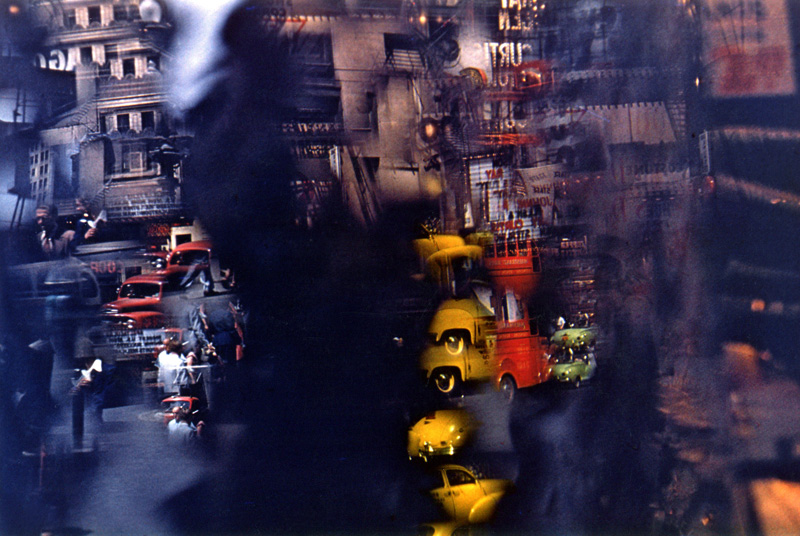
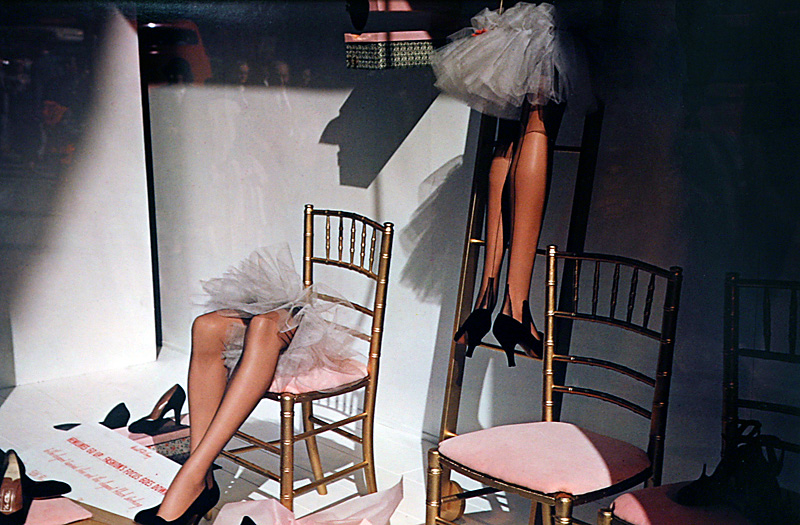

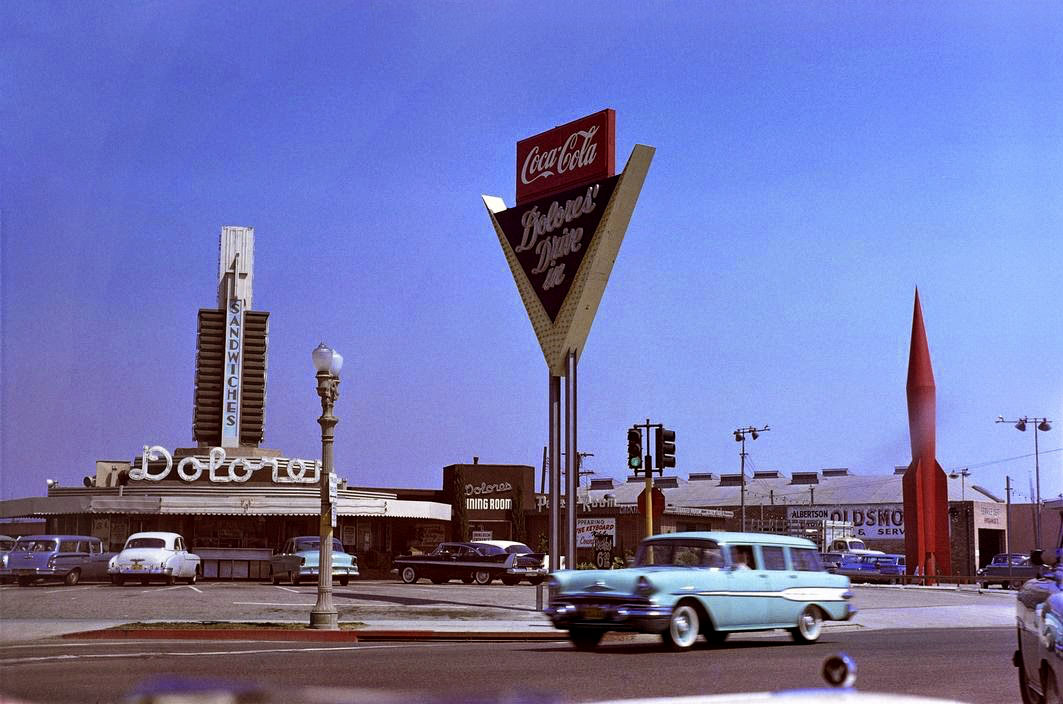
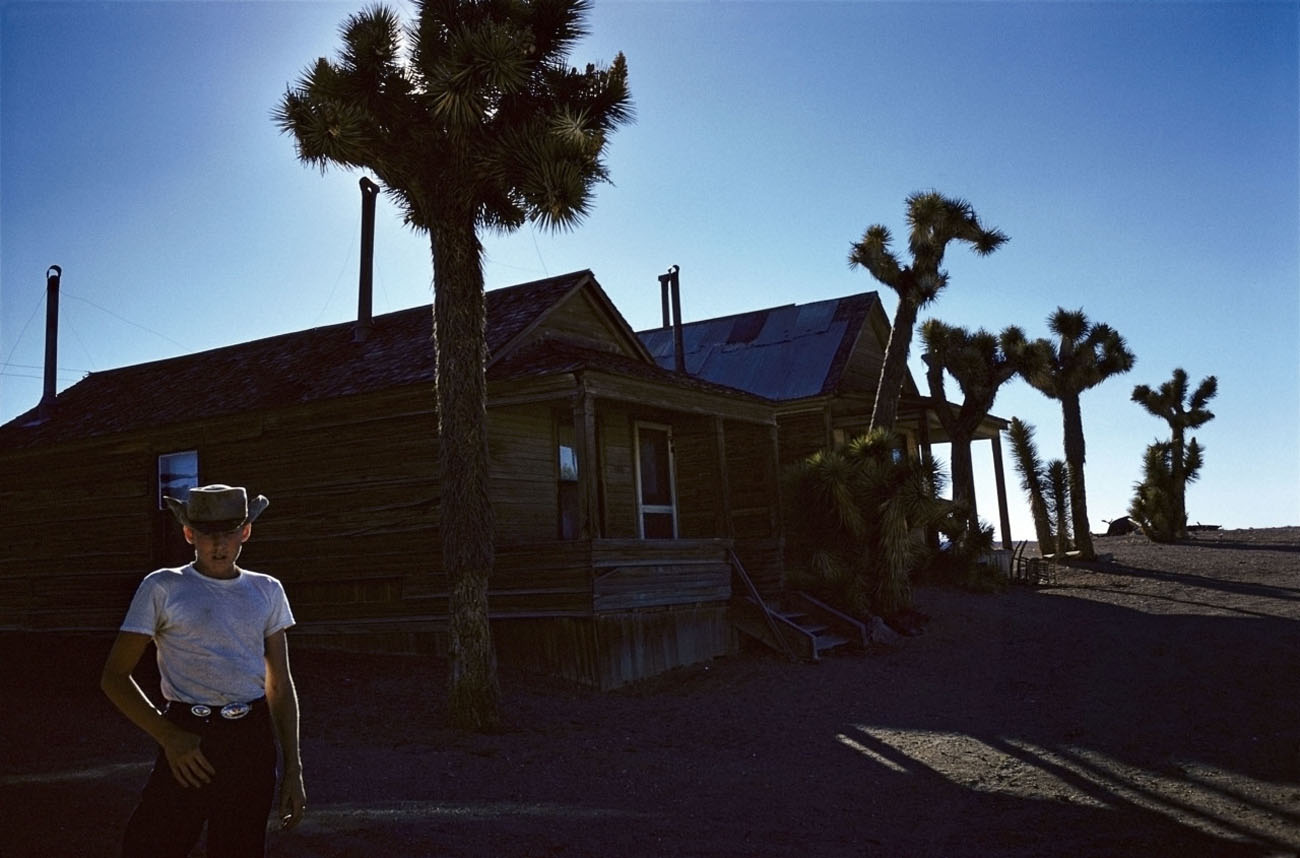
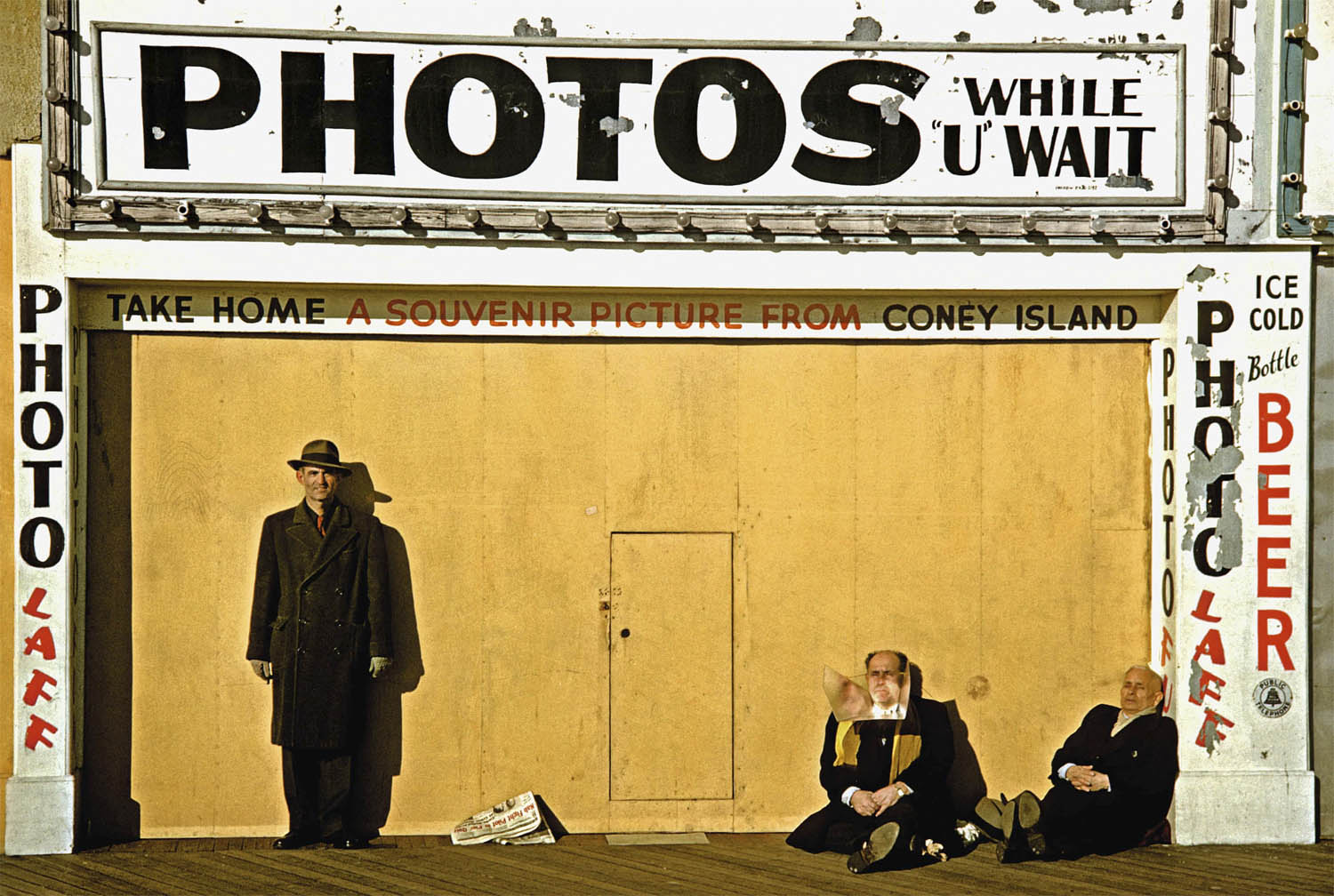

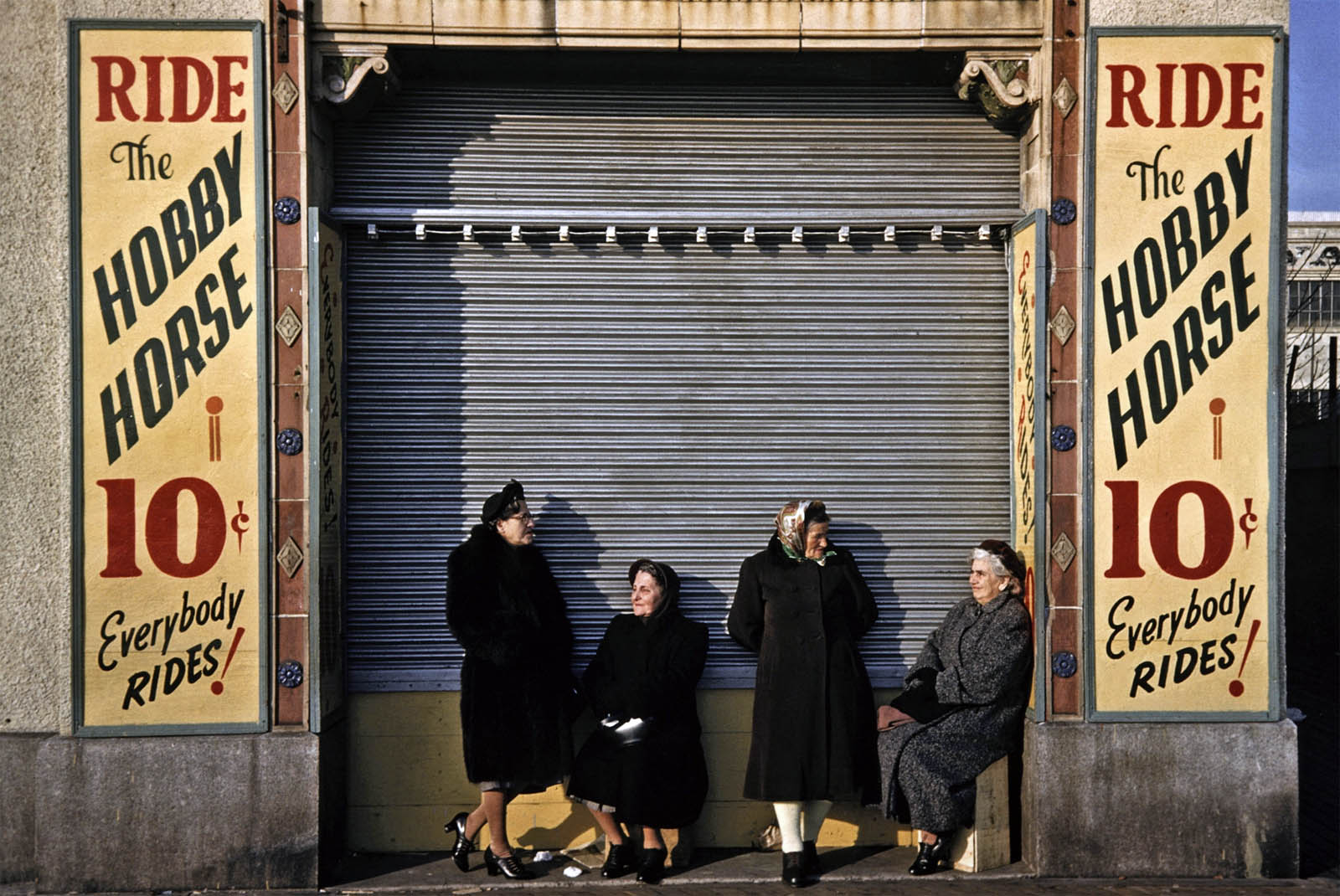
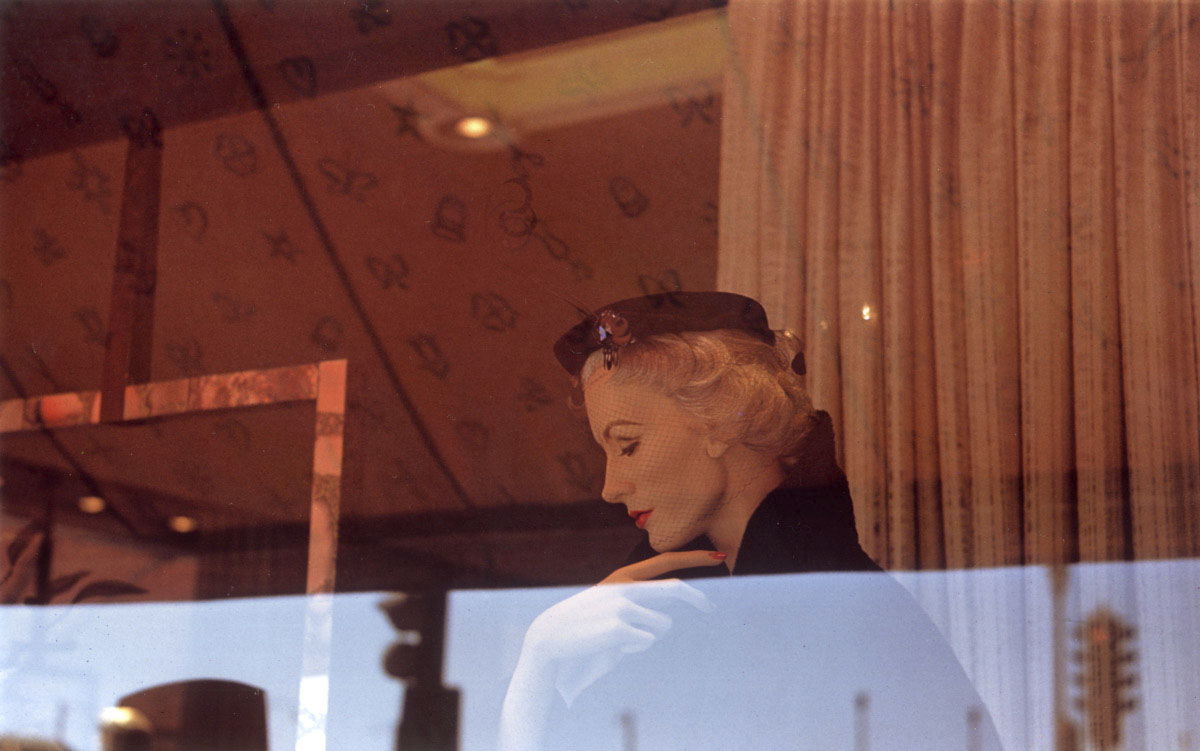
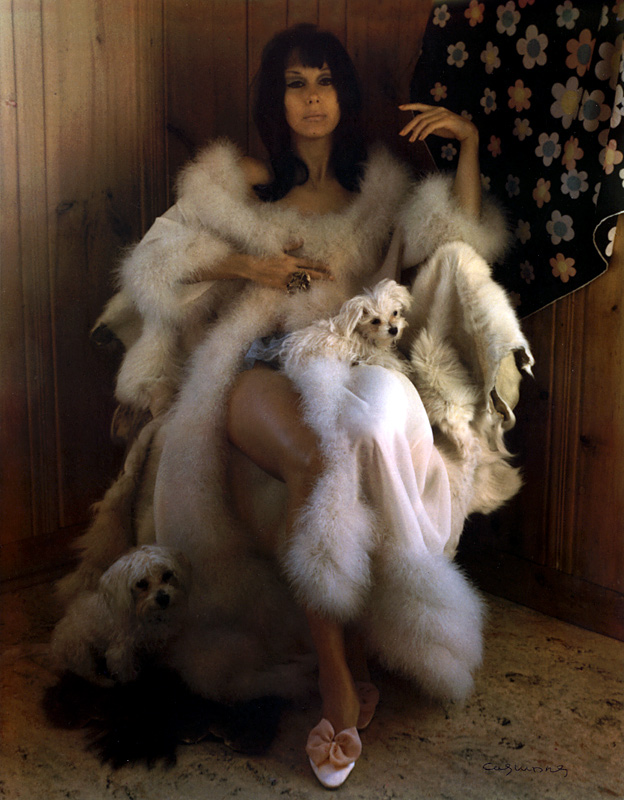

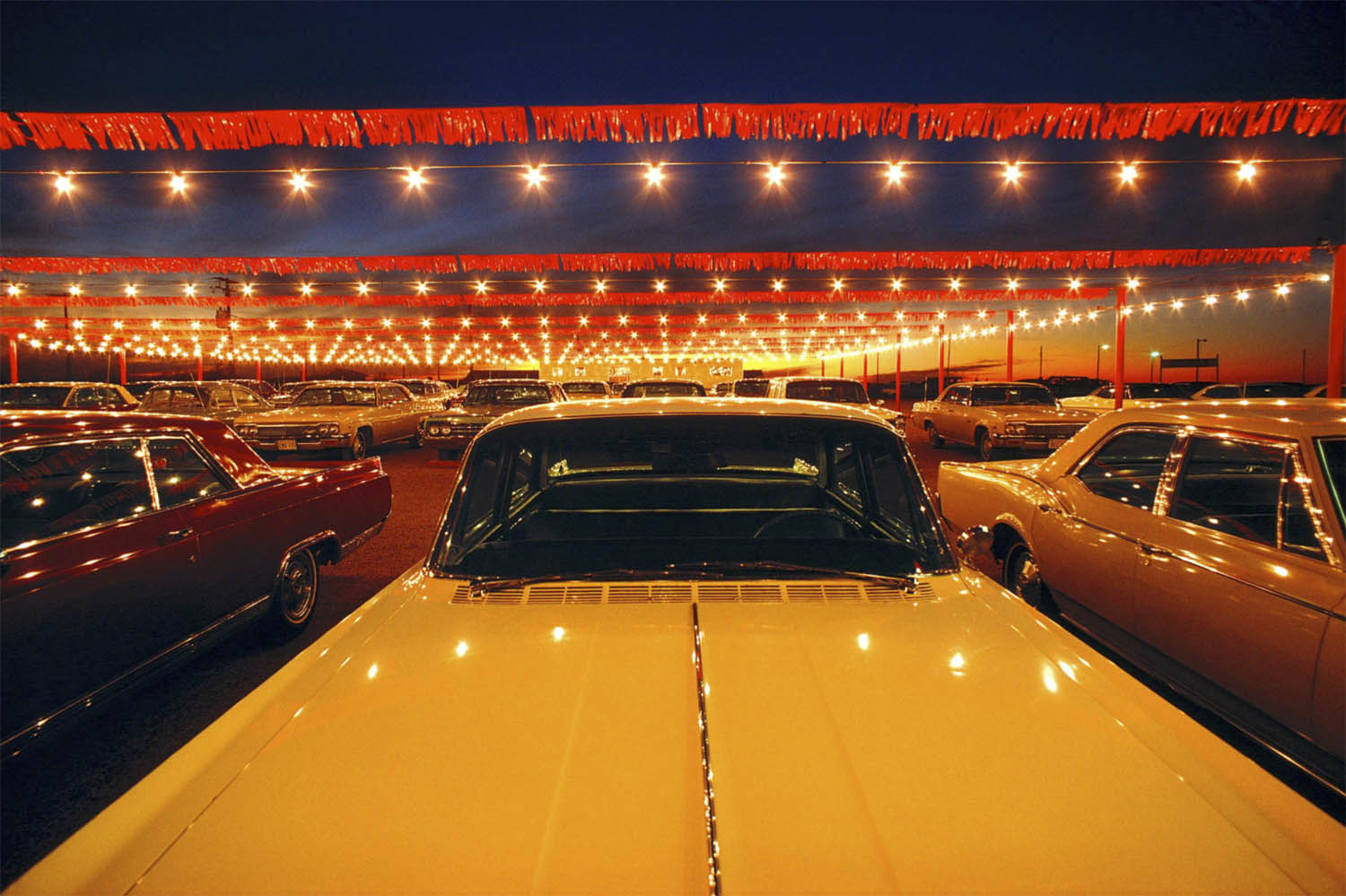
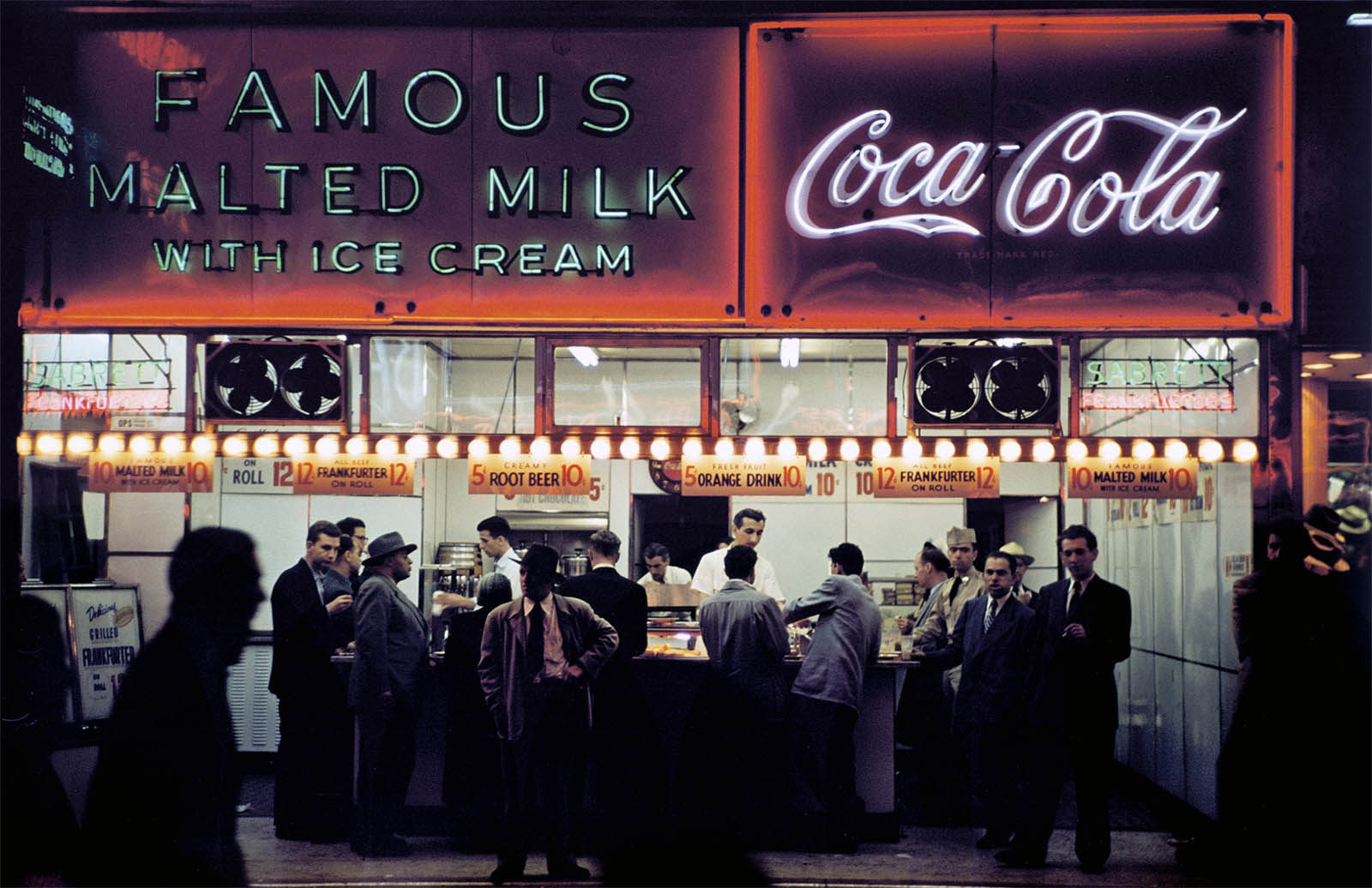
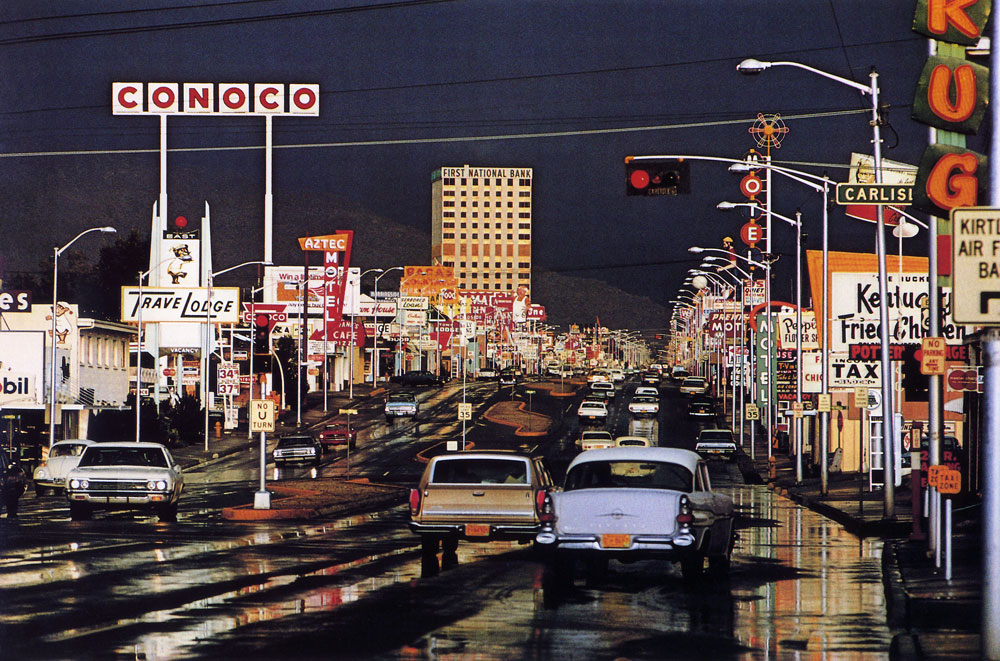
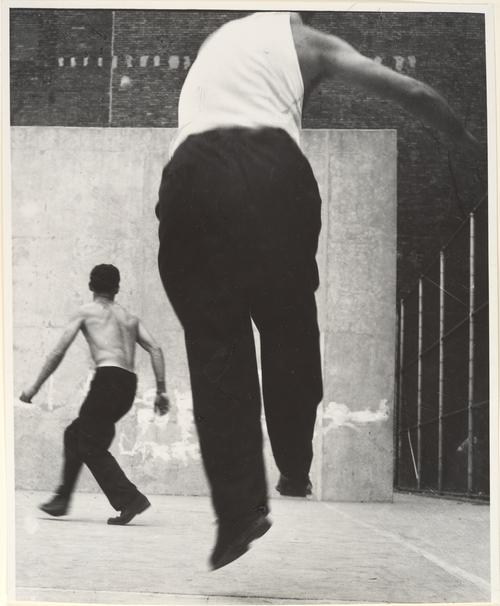


![Leon Levinstein (American, 1910-1988) 'Untitled [Head of Man with Hat and Cigar]' c. 1960 from the exhibition 'Hipsters, Hustlers, and Handball Players: Leon Levinstein's New York Photographs, 1950-1980' at The Metropolitan Museum of Art, New York, June - October, 2010](https://artblart.com/wp-content/uploads/2010/09/leon-levinstein-head-of-man-with-hat-and-cigar.jpg "Leon Levinstein (American, 1910-1988) 'Untitled [Head of Man with Hat and Cigar]' c. 1960 from the exhibition 'Hipsters, Hustlers, and Handball Players: Leon Levinstein's New York Photographs, 1950-1980' at The Metropolitan Museum of Art, New York, June - October, 2010")
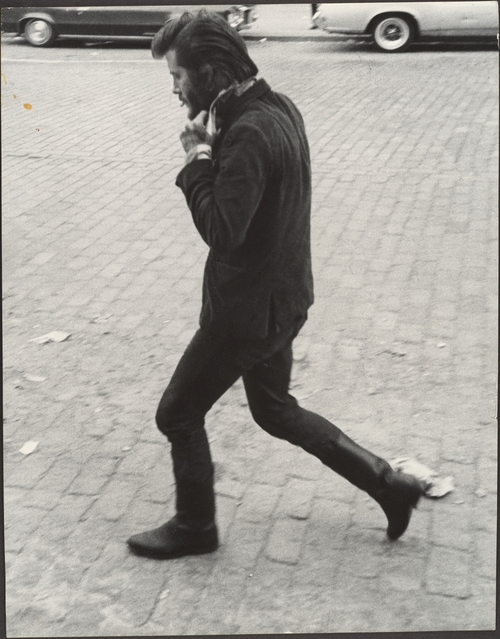
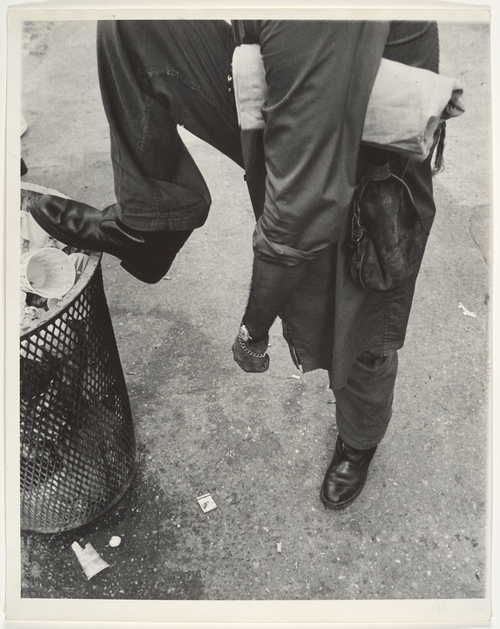

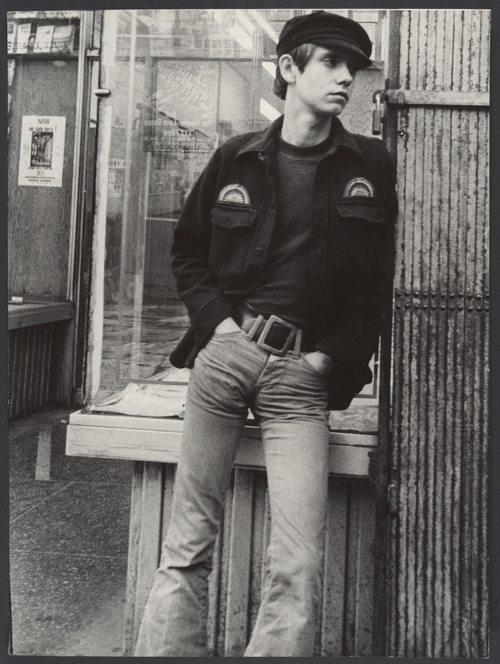

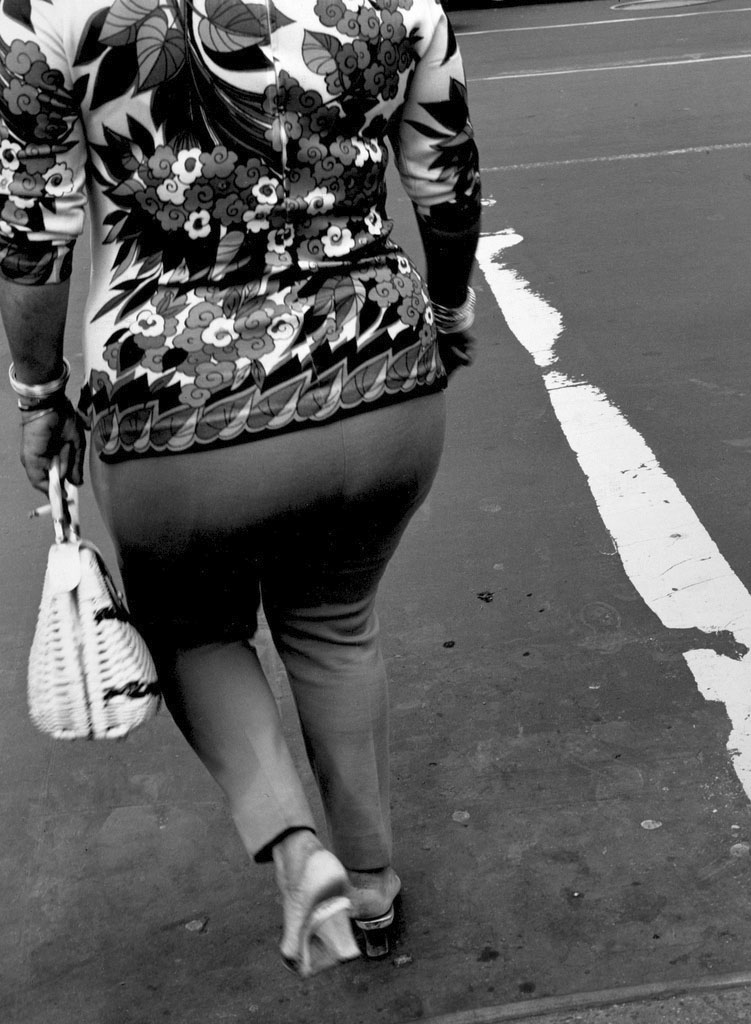
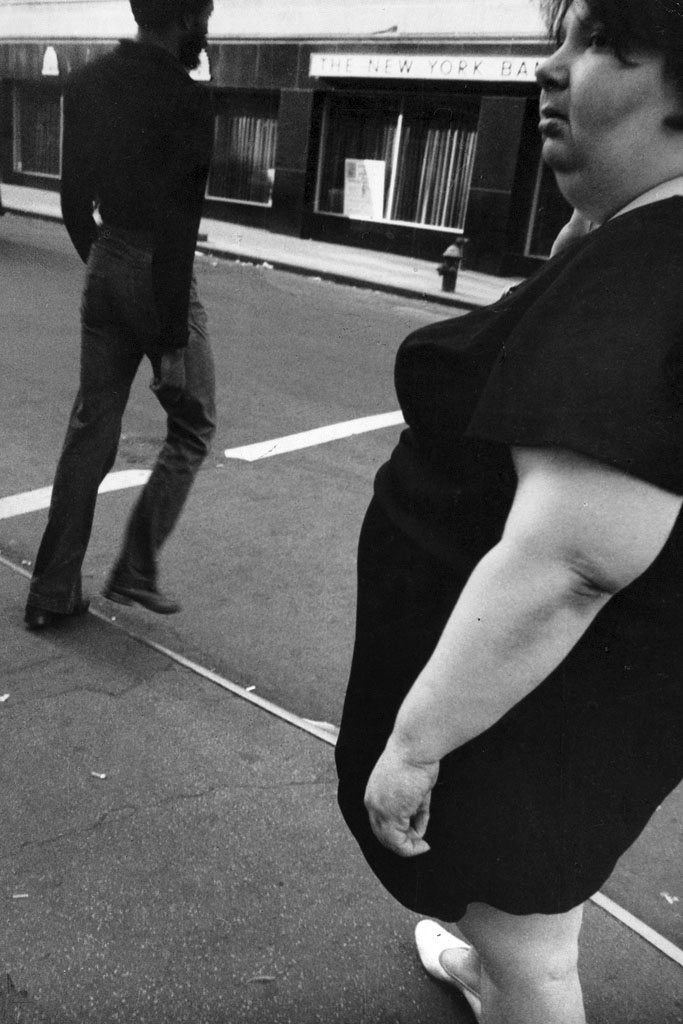
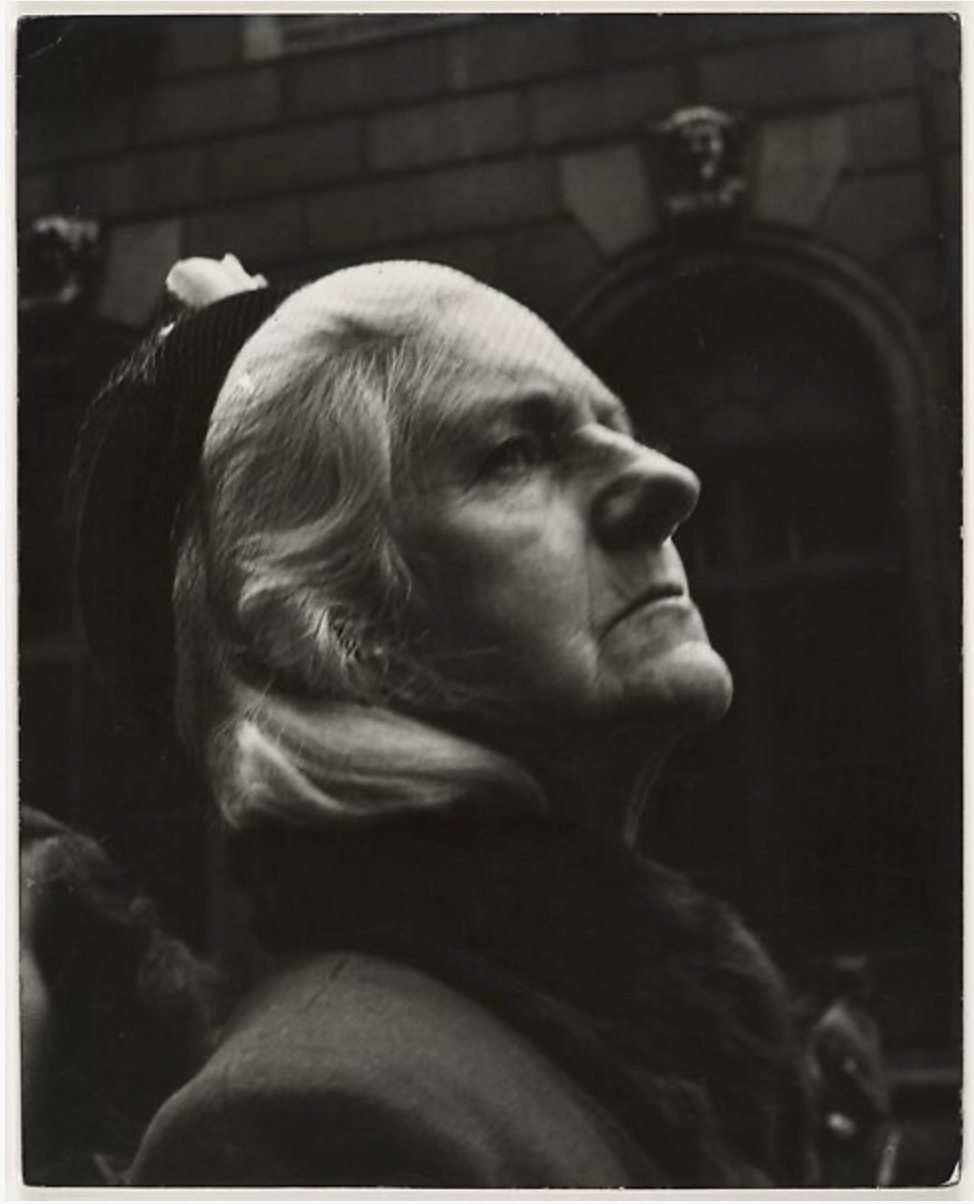
![Leon Levinstein (American, 1910-1988) 'Untitled [Beach Scene: Woman Wearing Paper Bag Hat, Coney Island, New York]' 1950s](https://artblart.com/wp-content/uploads/2010/09/leon-levinstein-beach-scene.jpg "Leon Levinstein (American, 1910-1988) 'Untitled [Beach Scene: Woman Wearing Paper Bag Hat, Coney Island, New York]' 1950s")
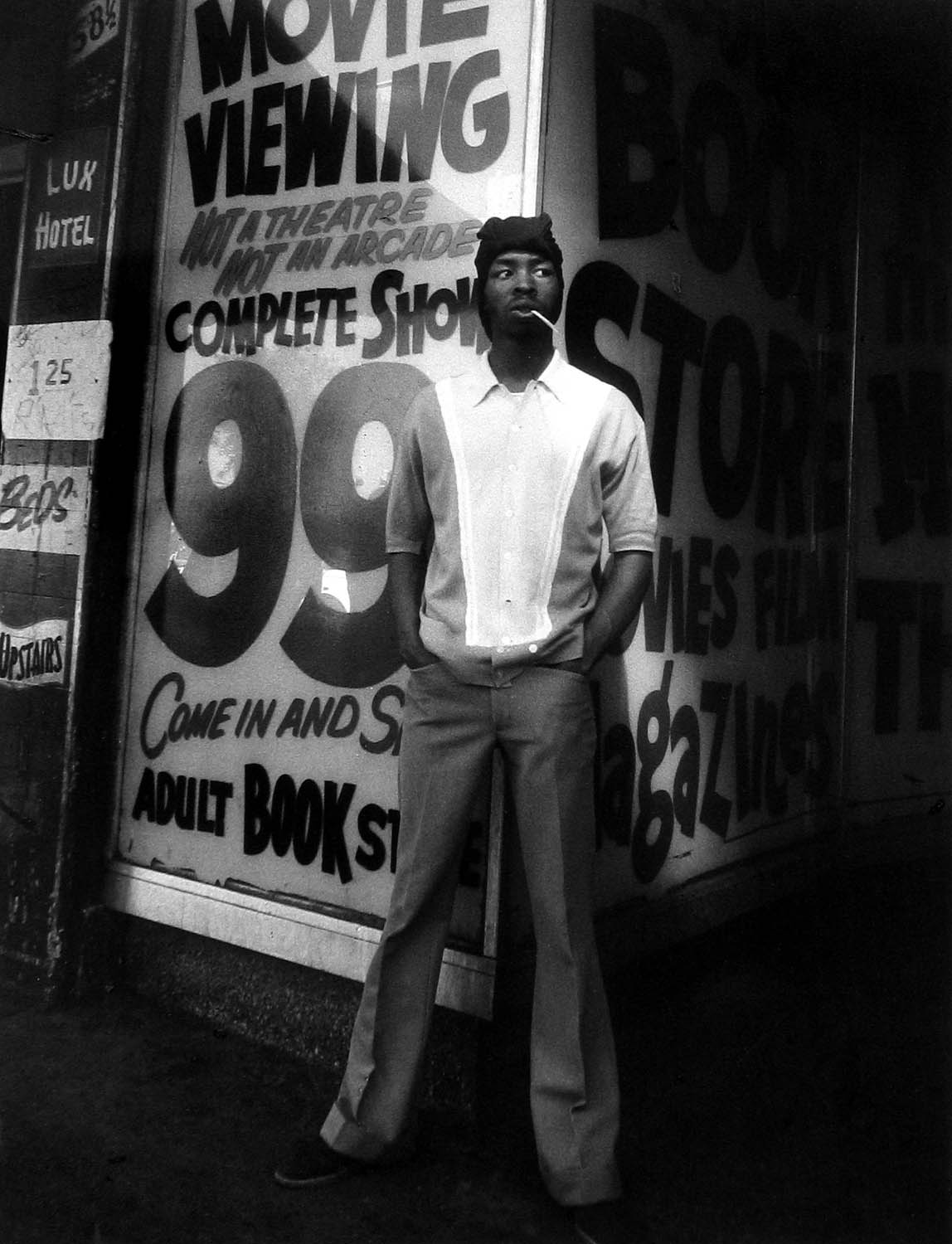
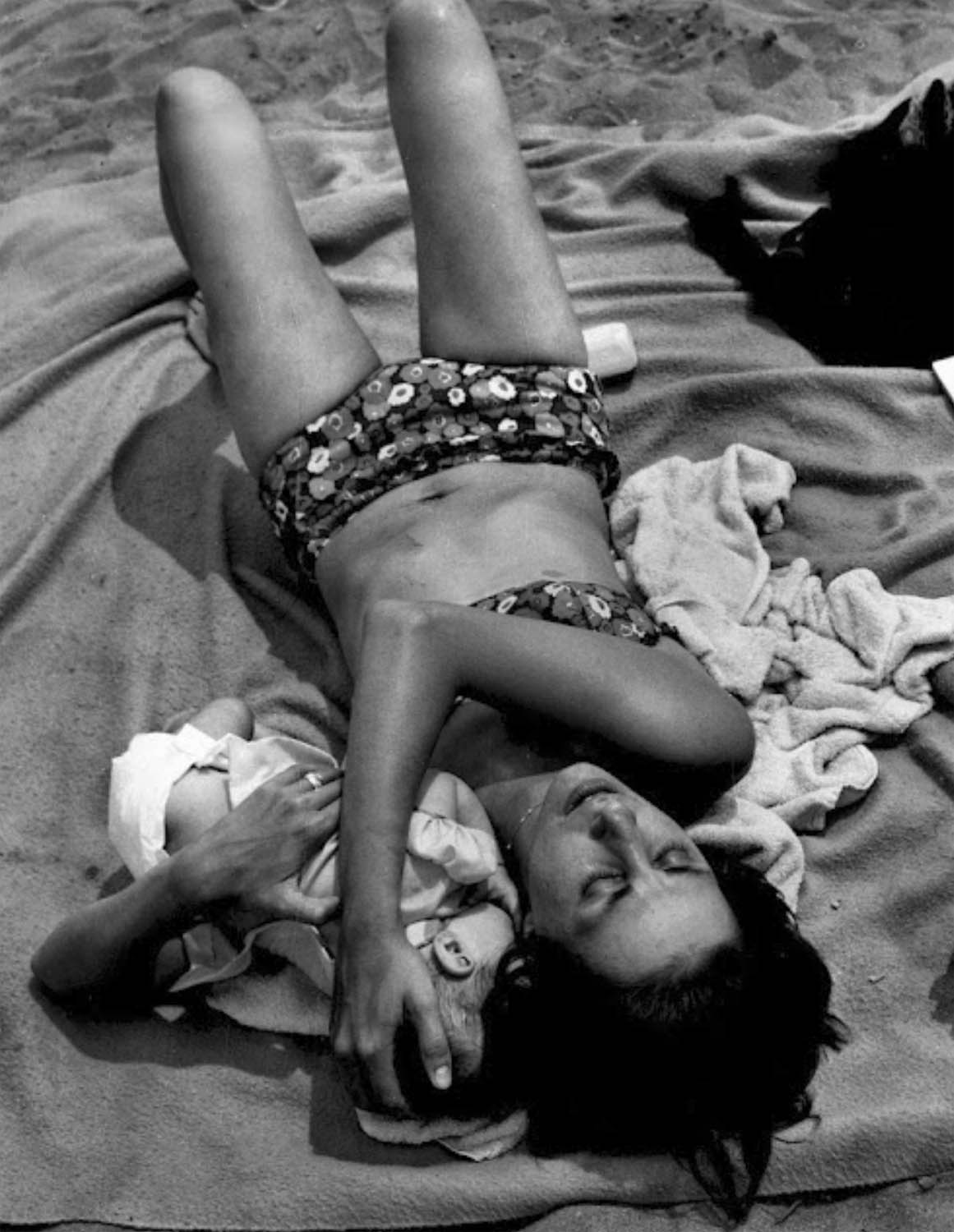
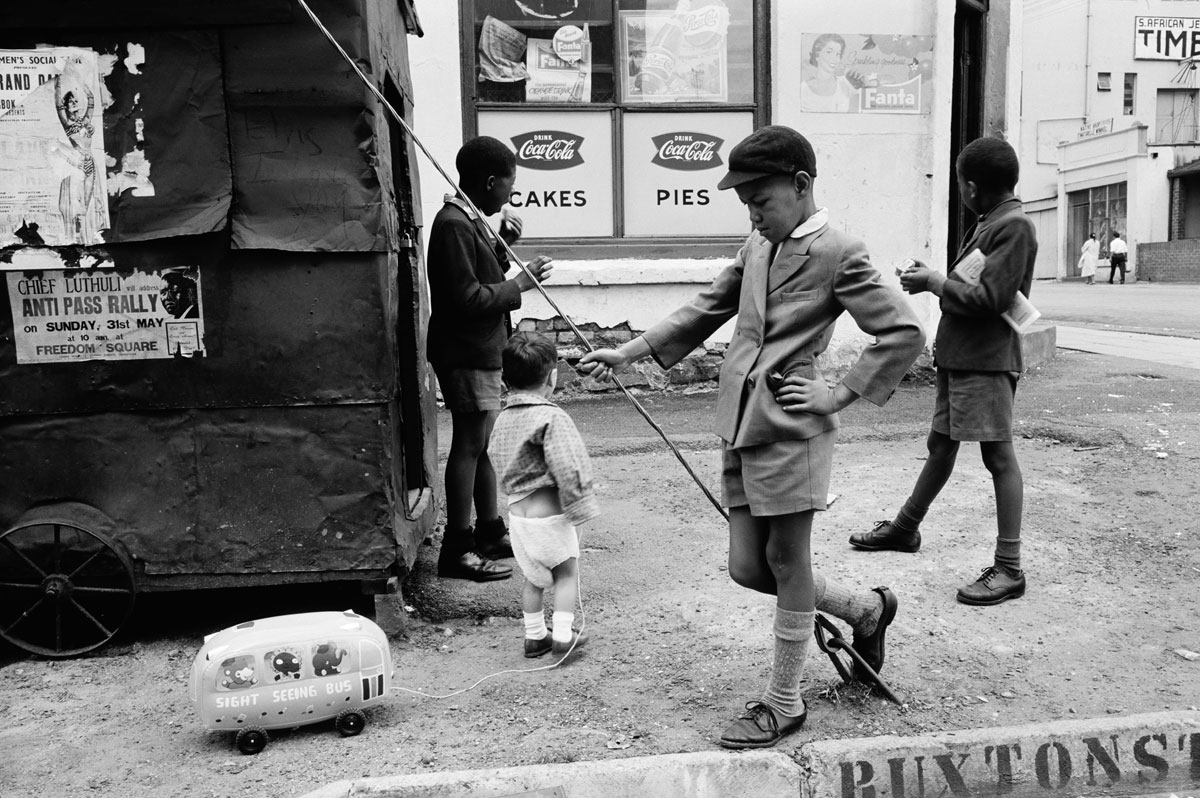
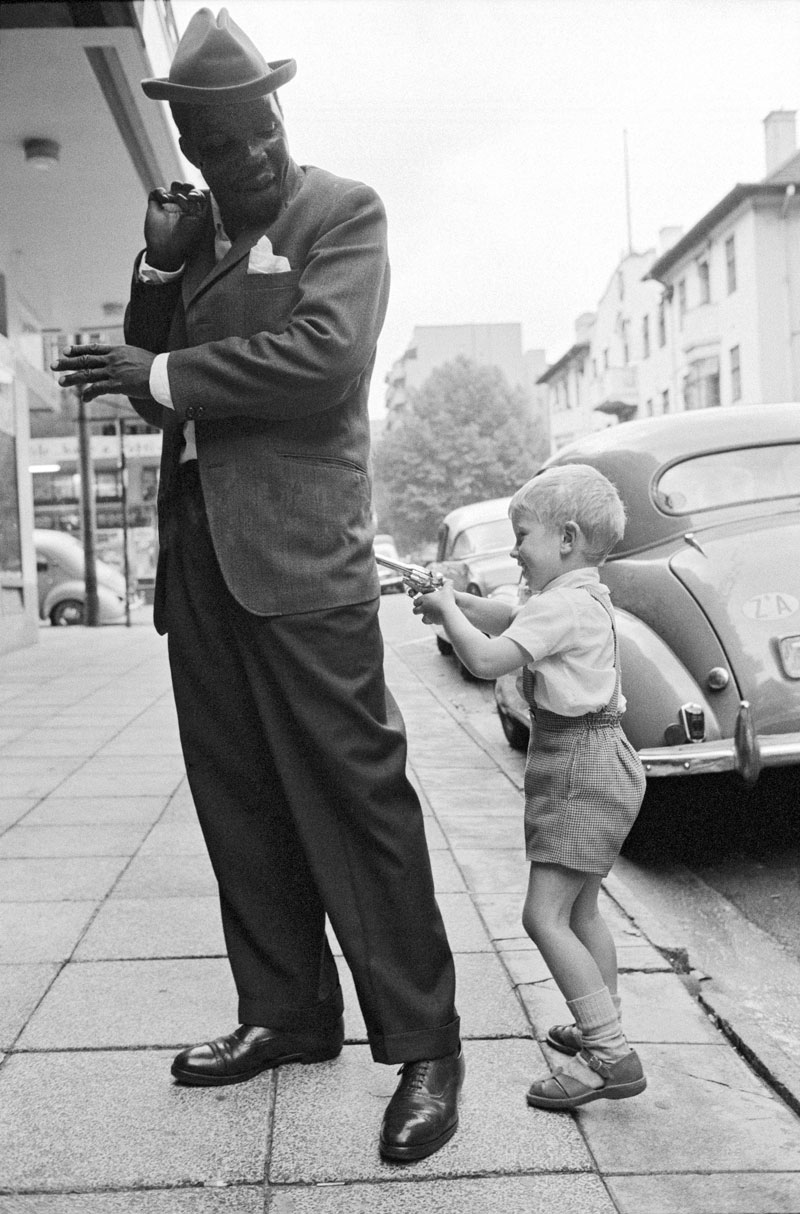
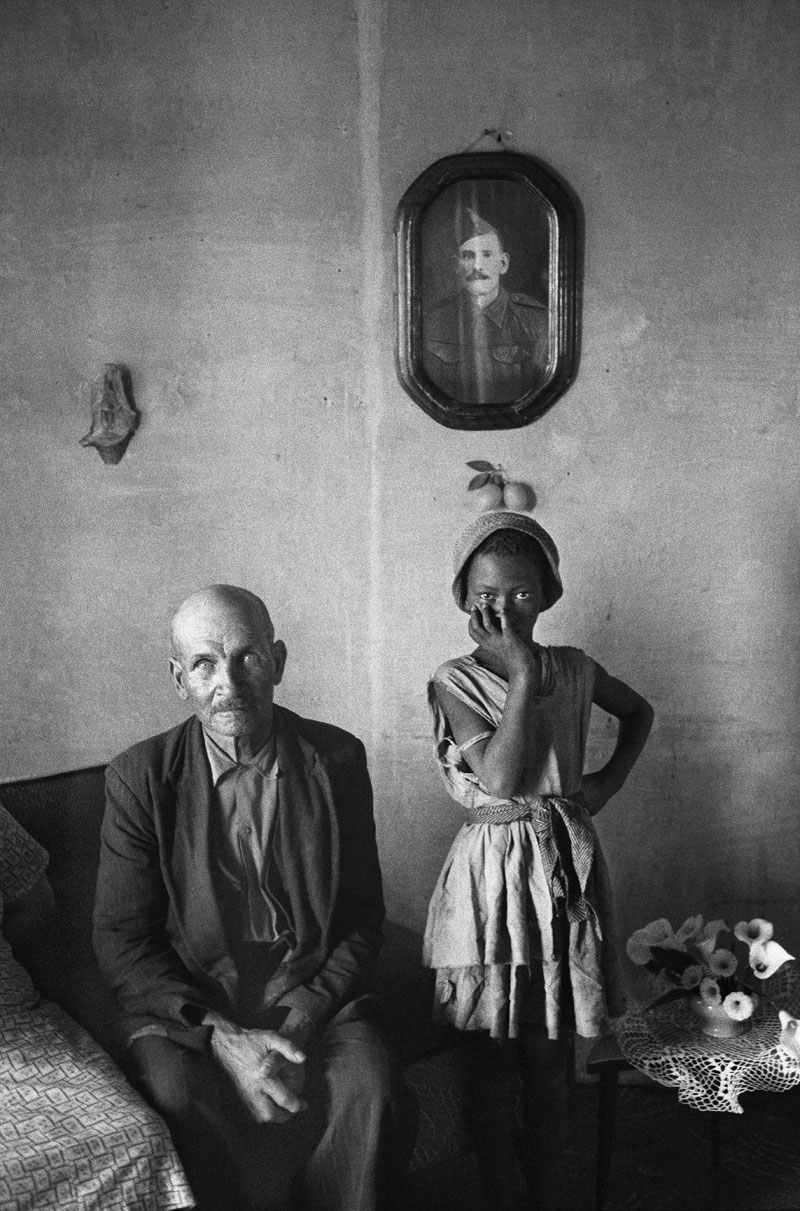
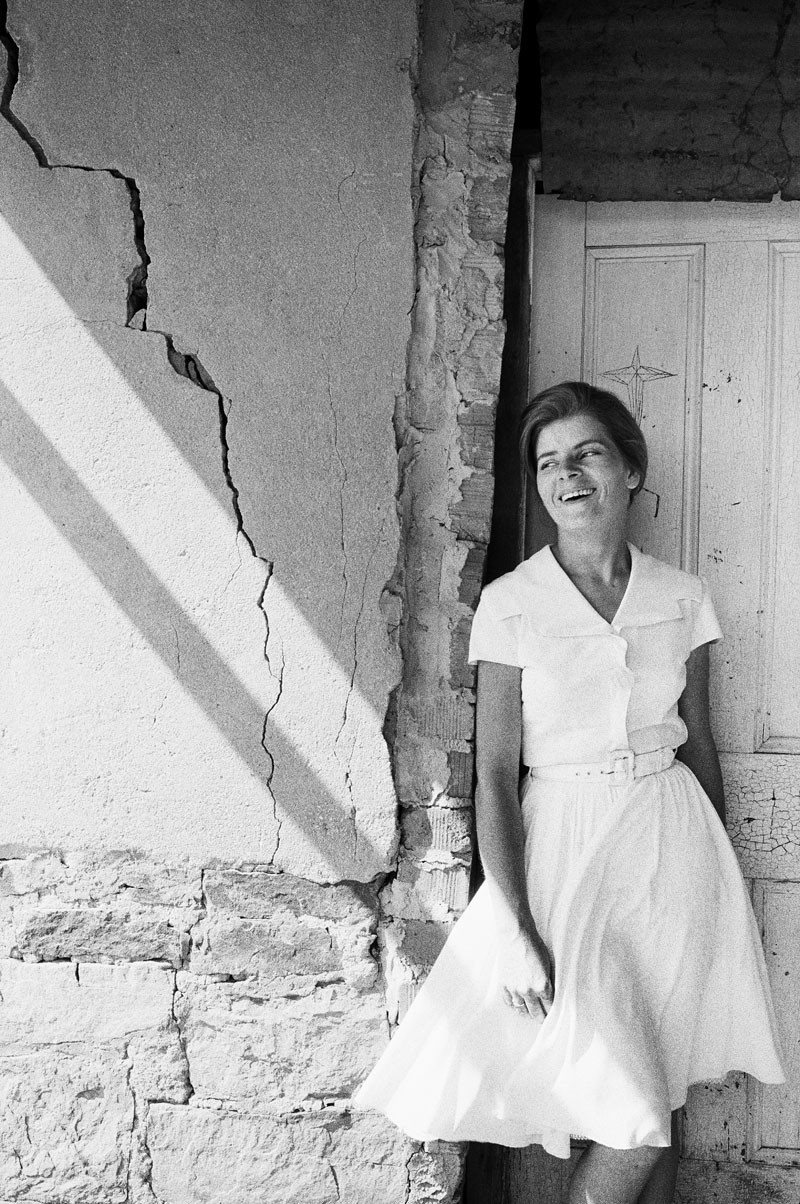

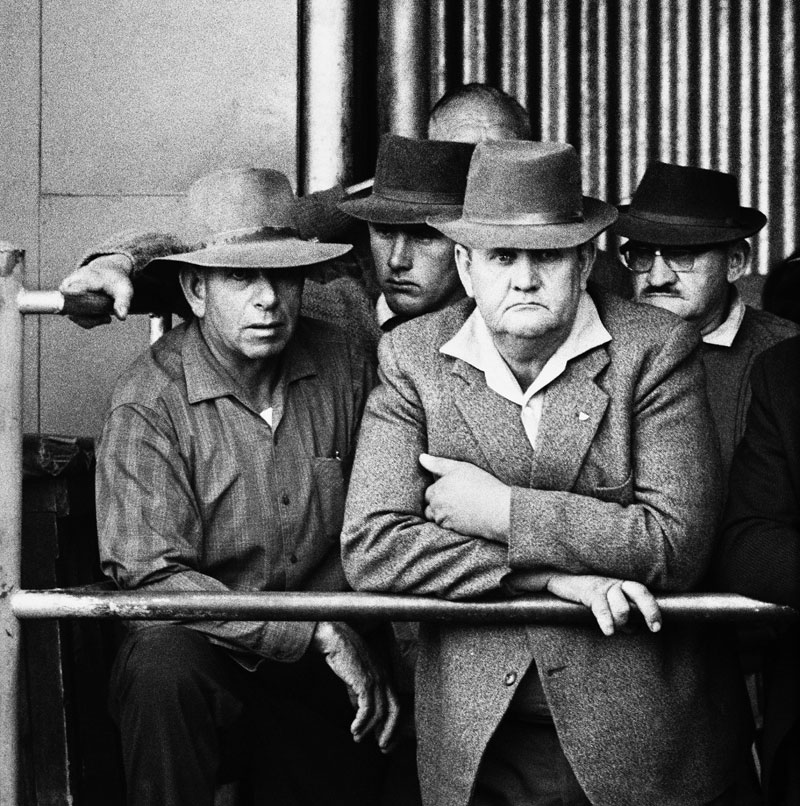
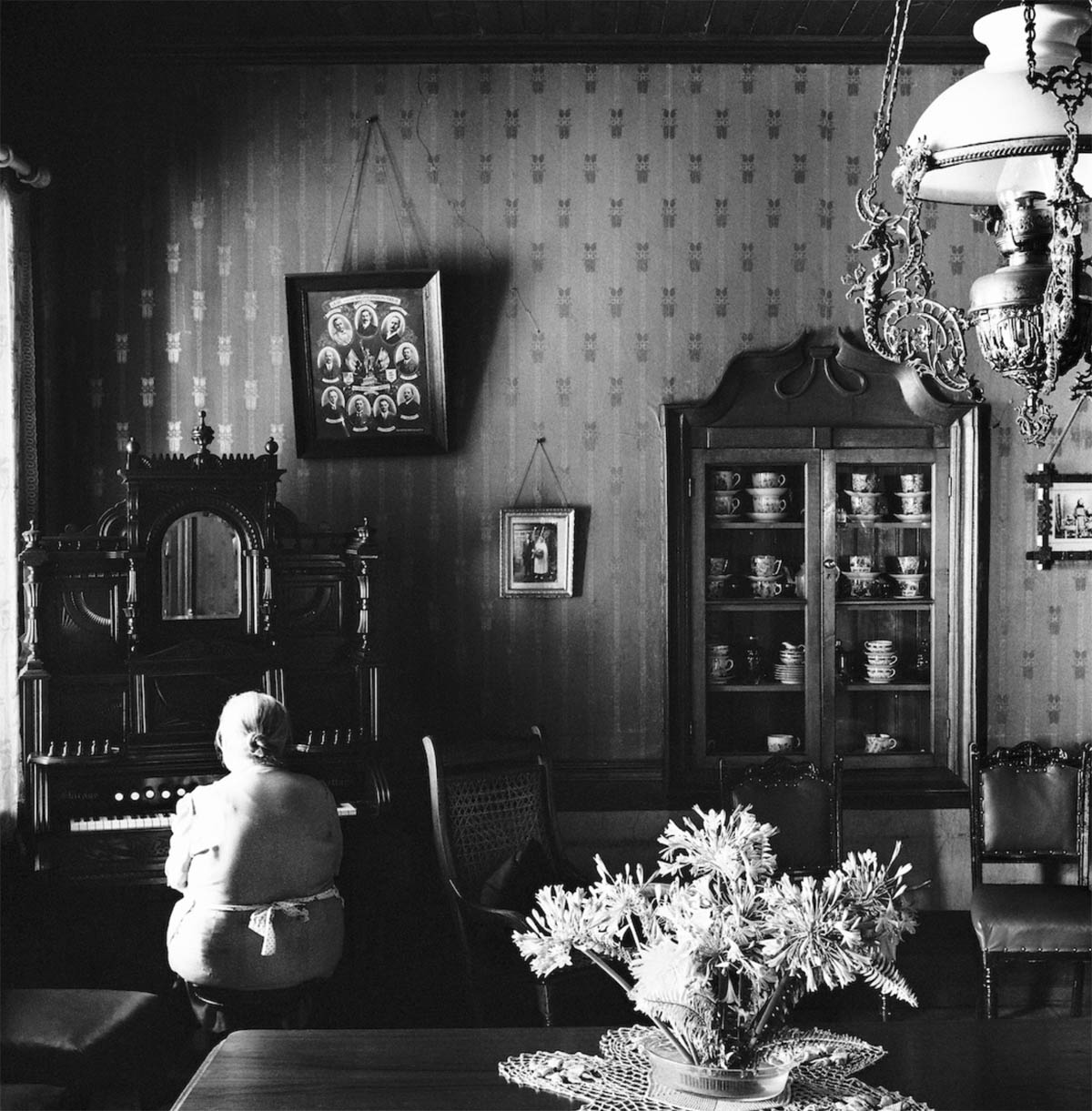
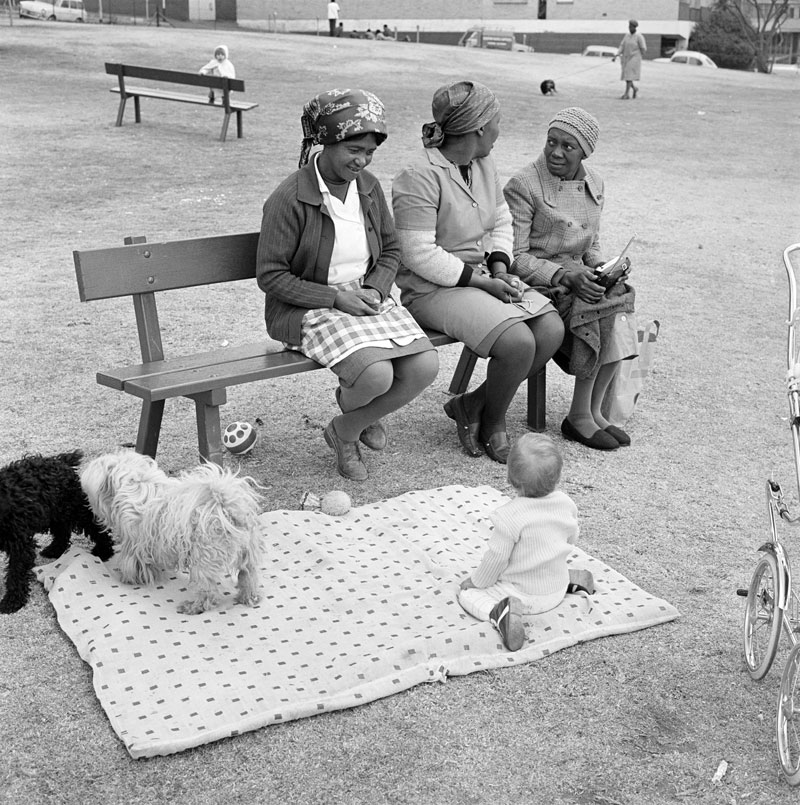
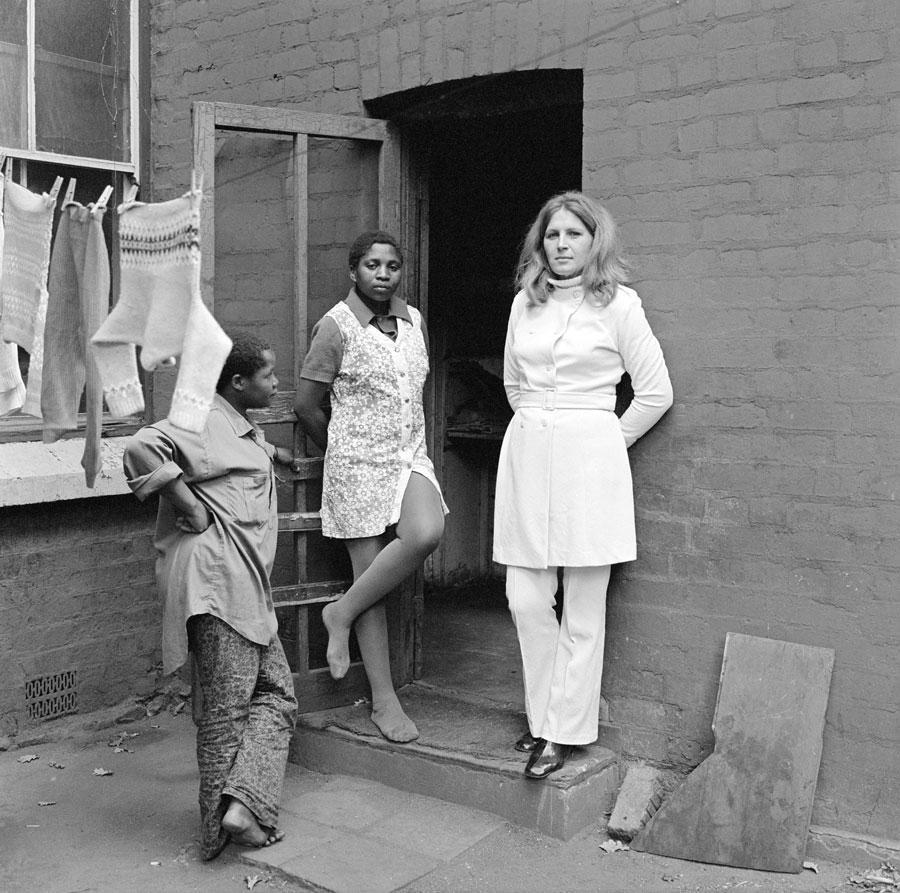
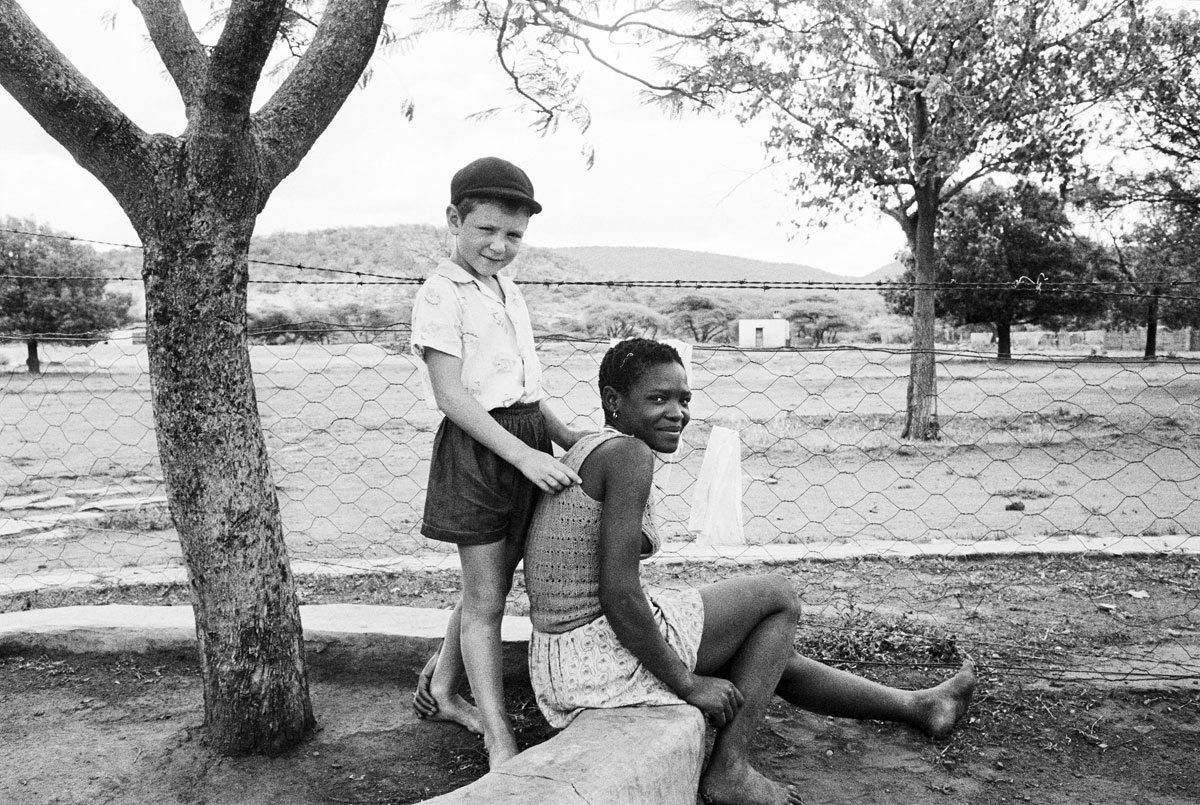
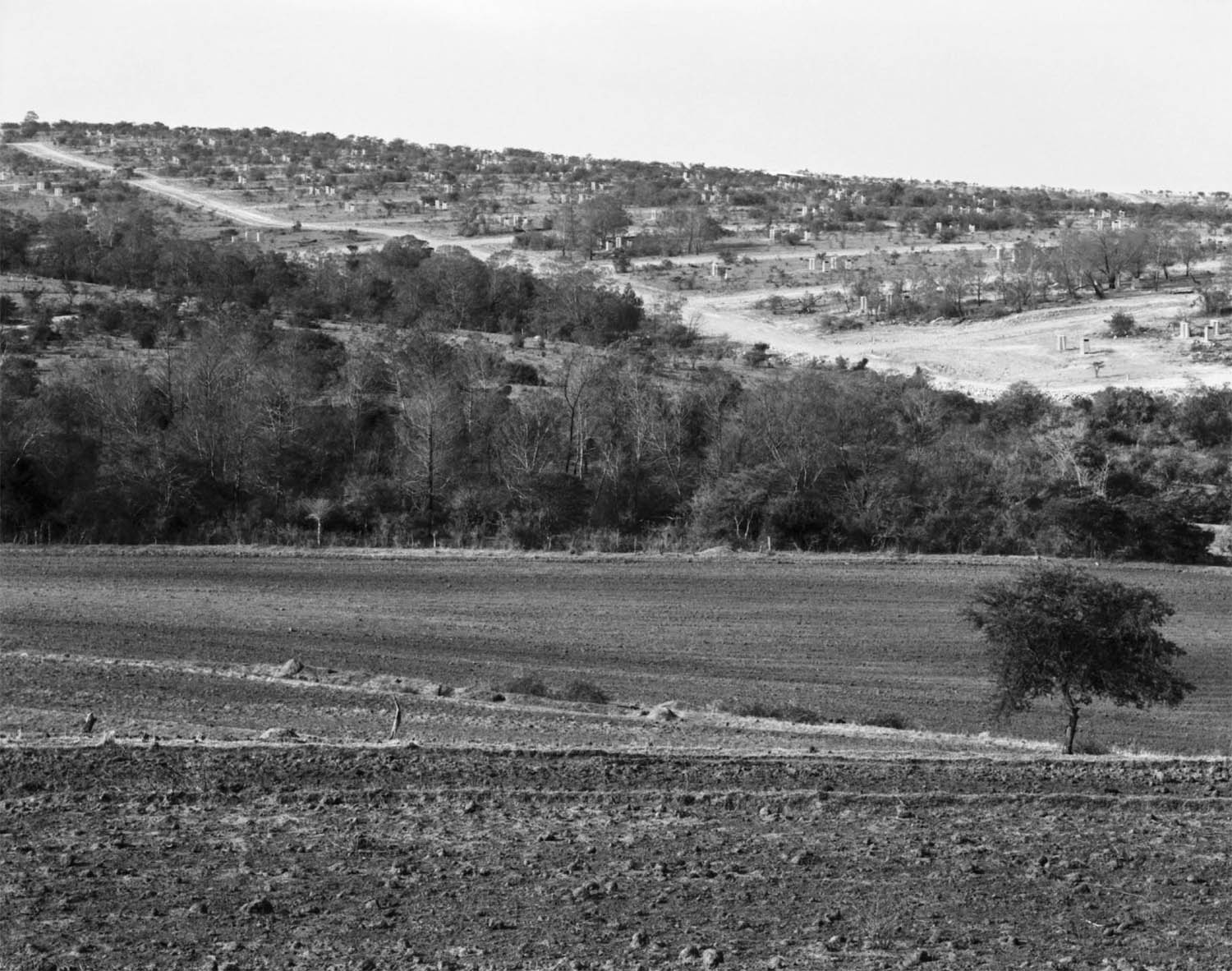

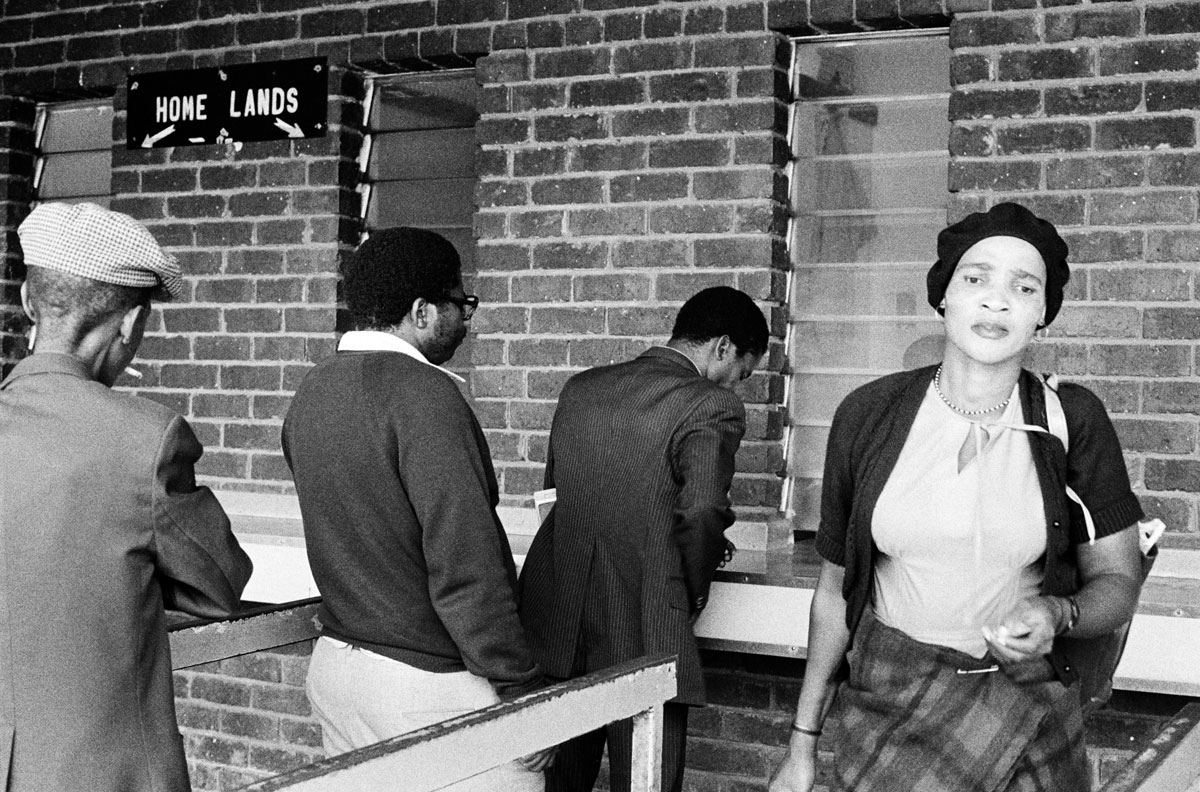
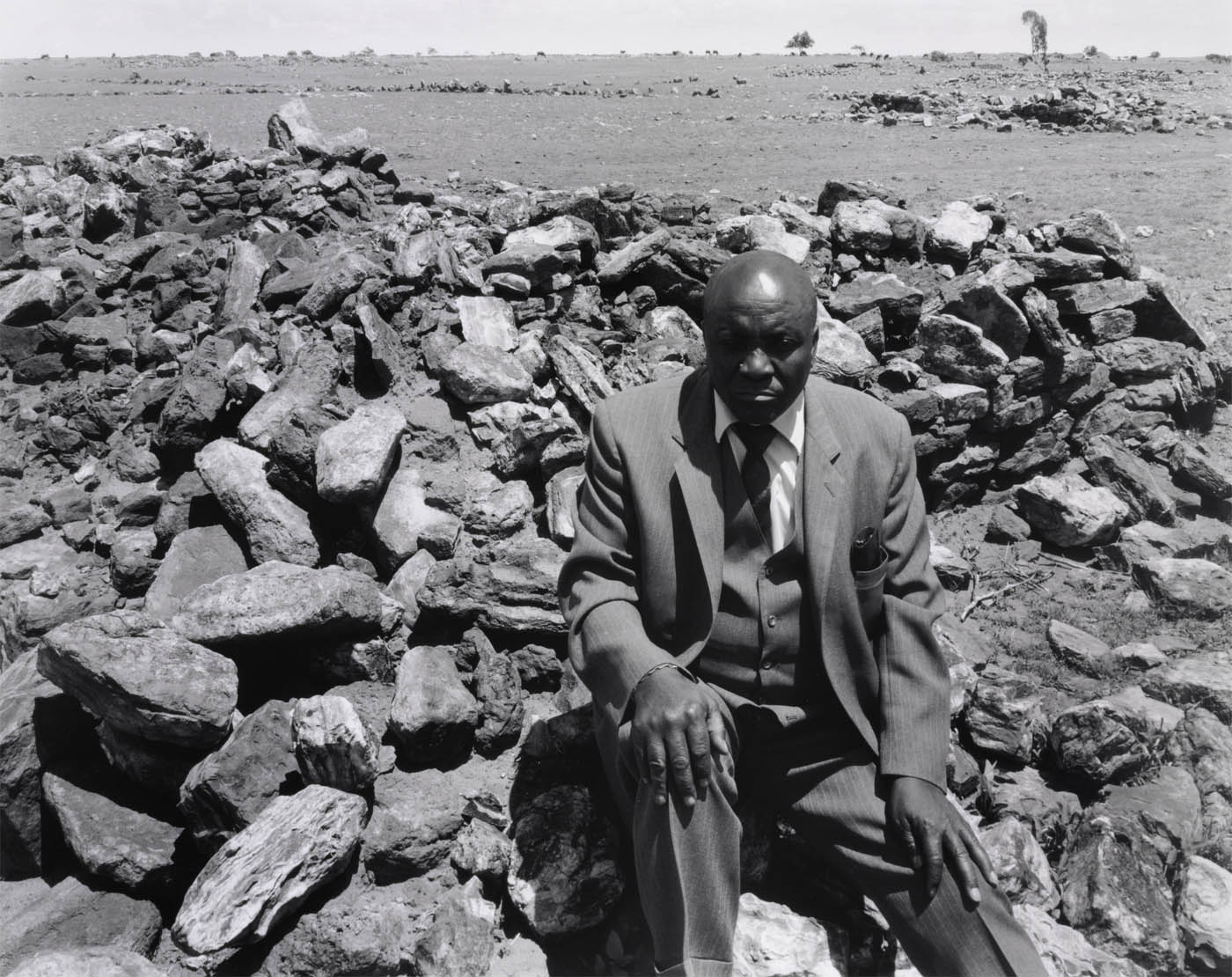

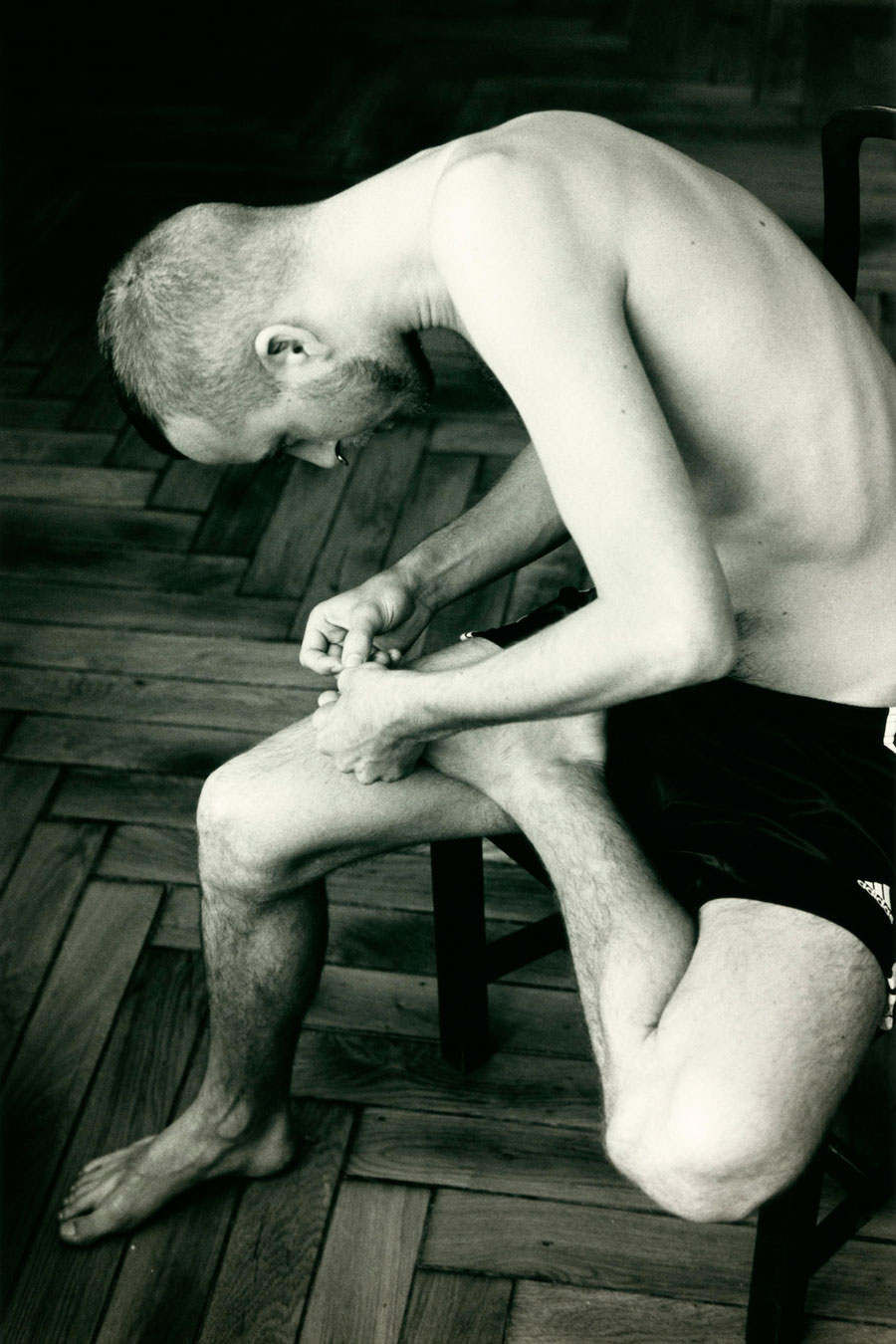
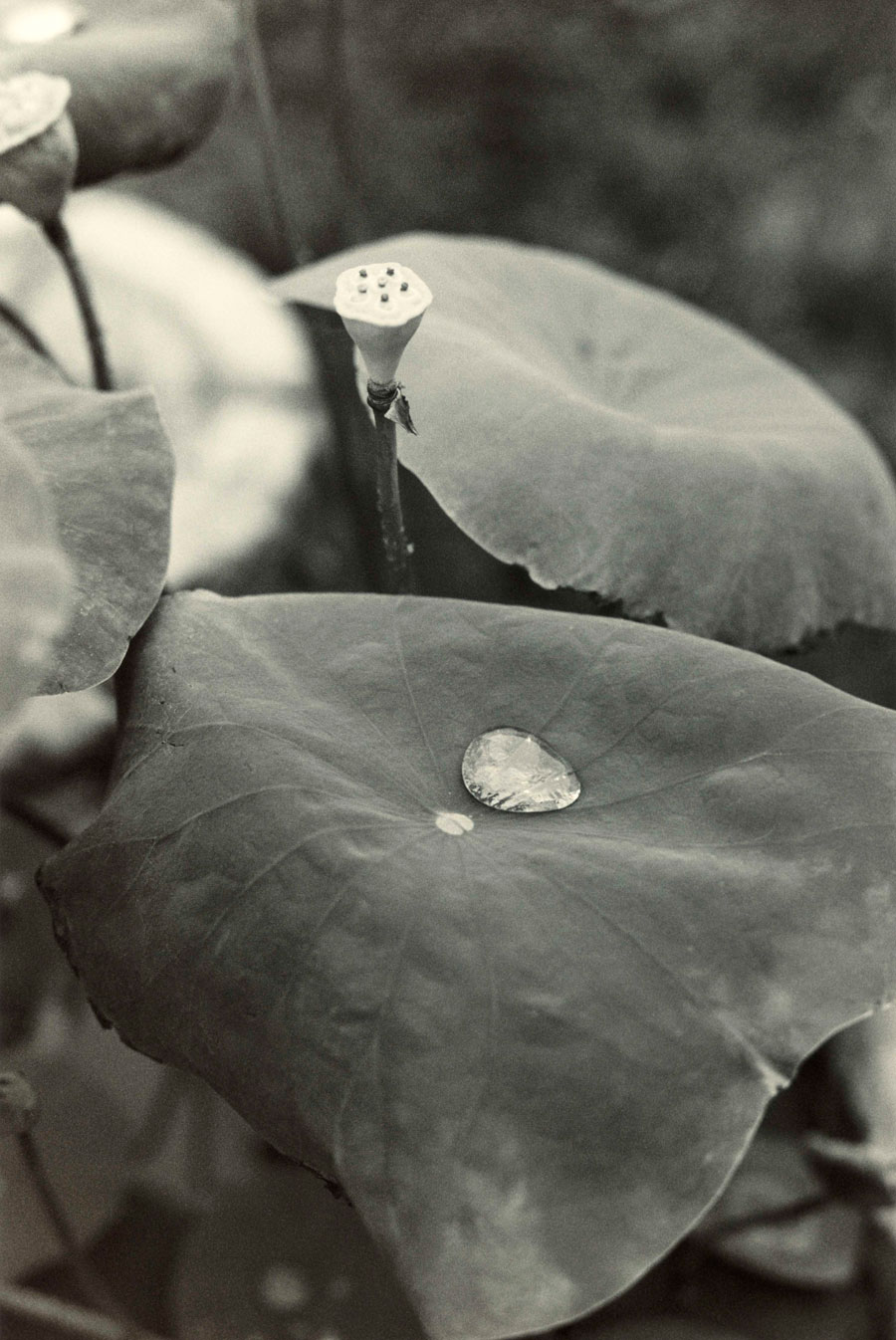
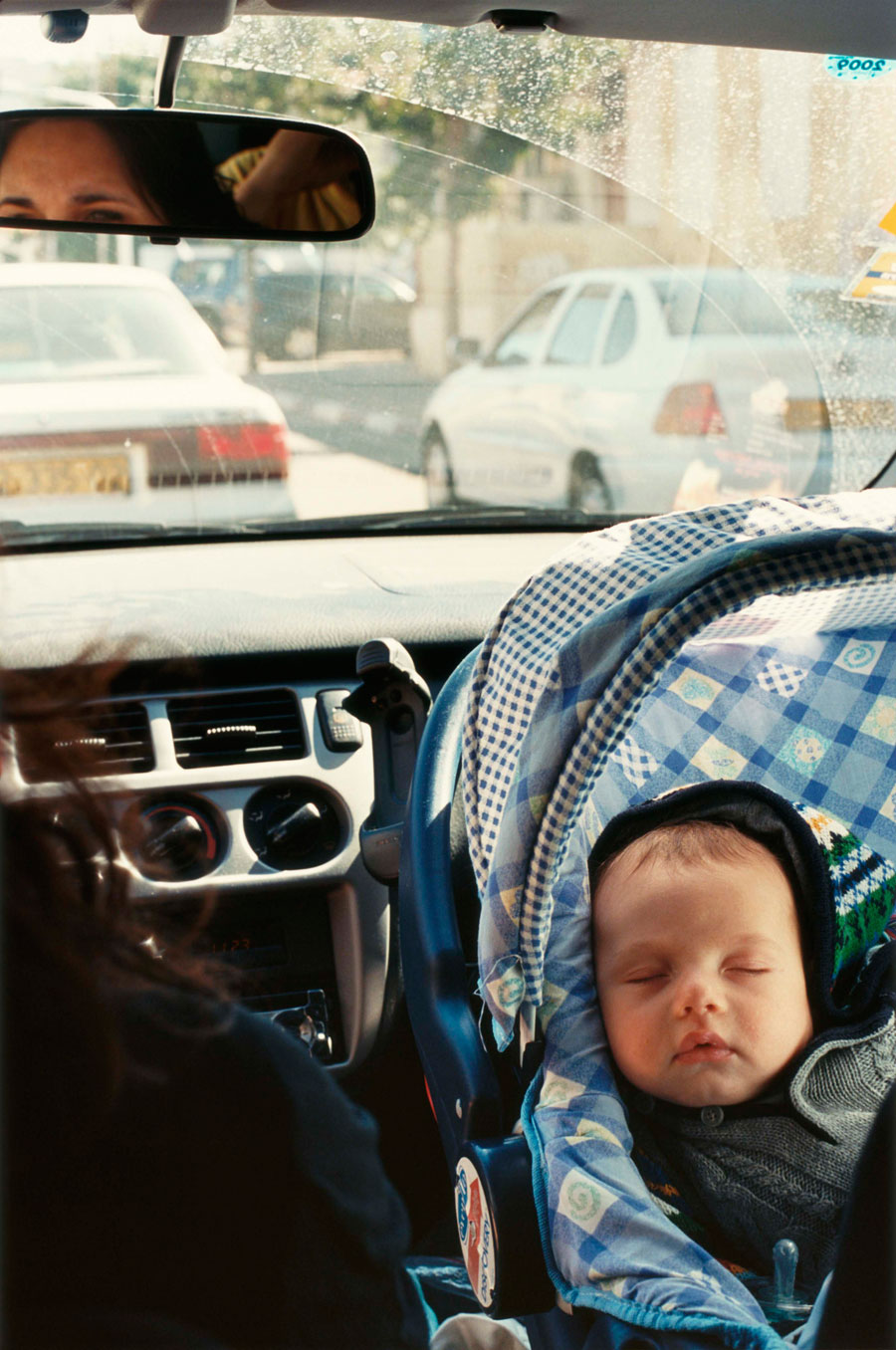

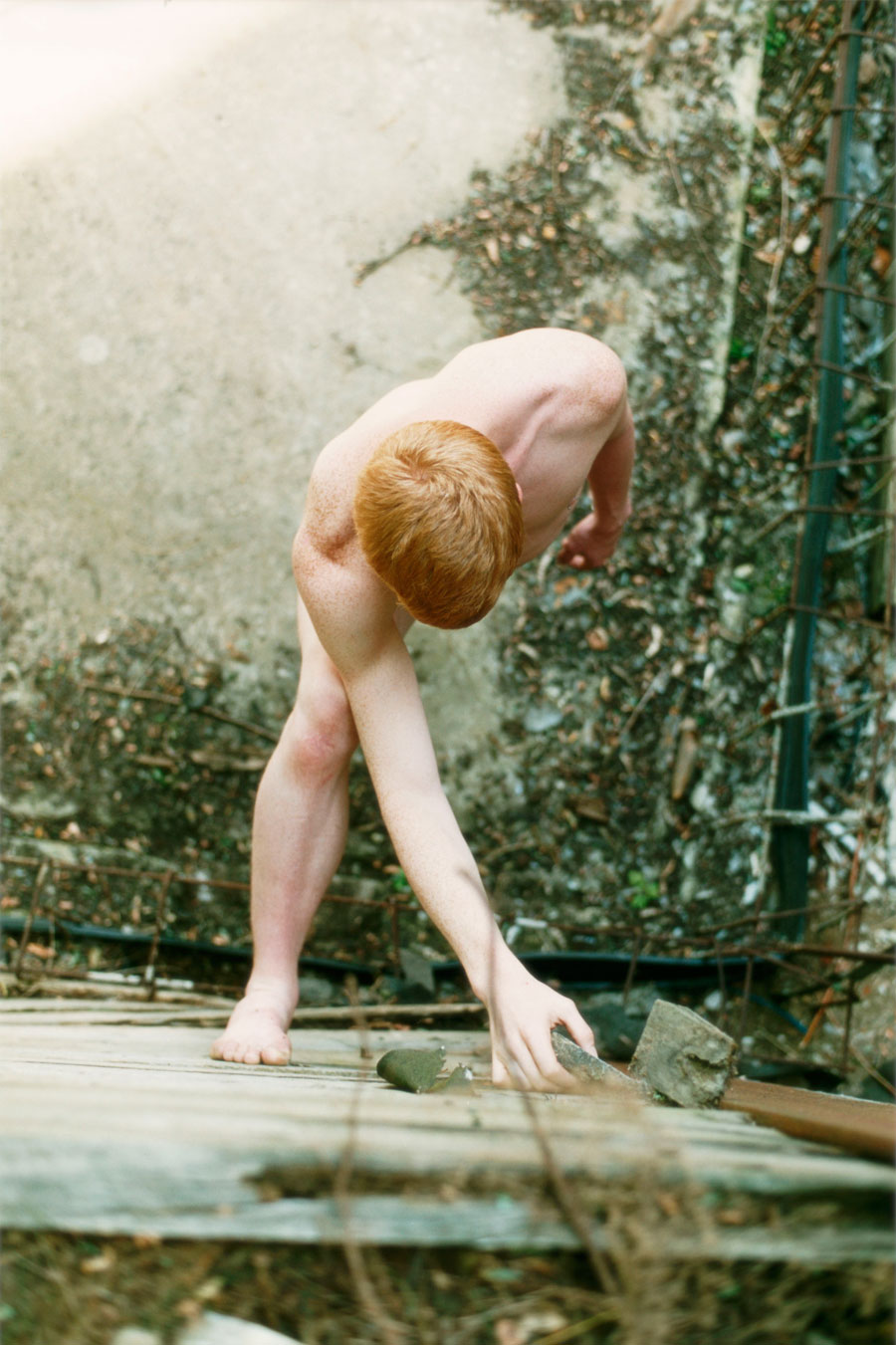
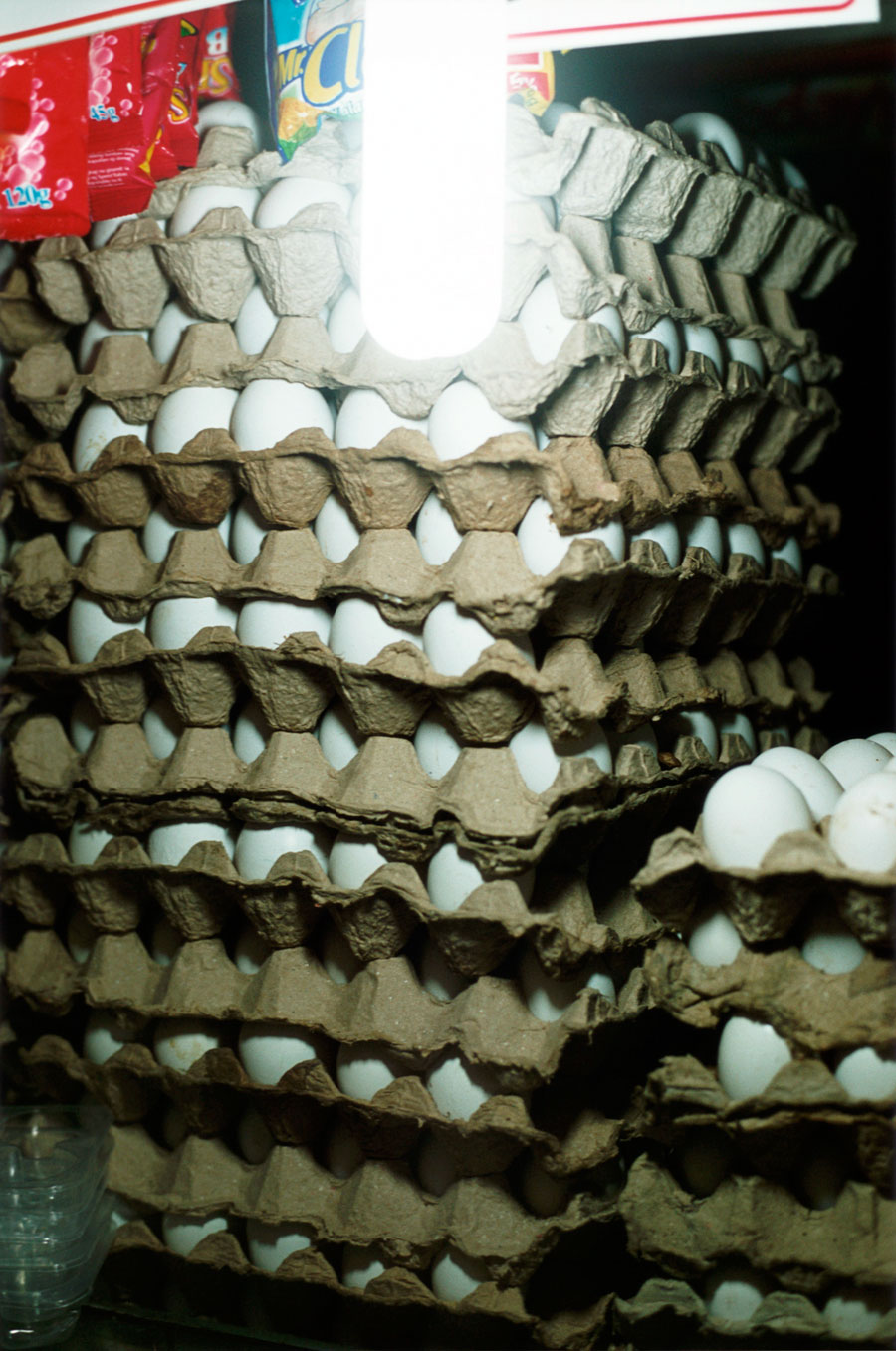

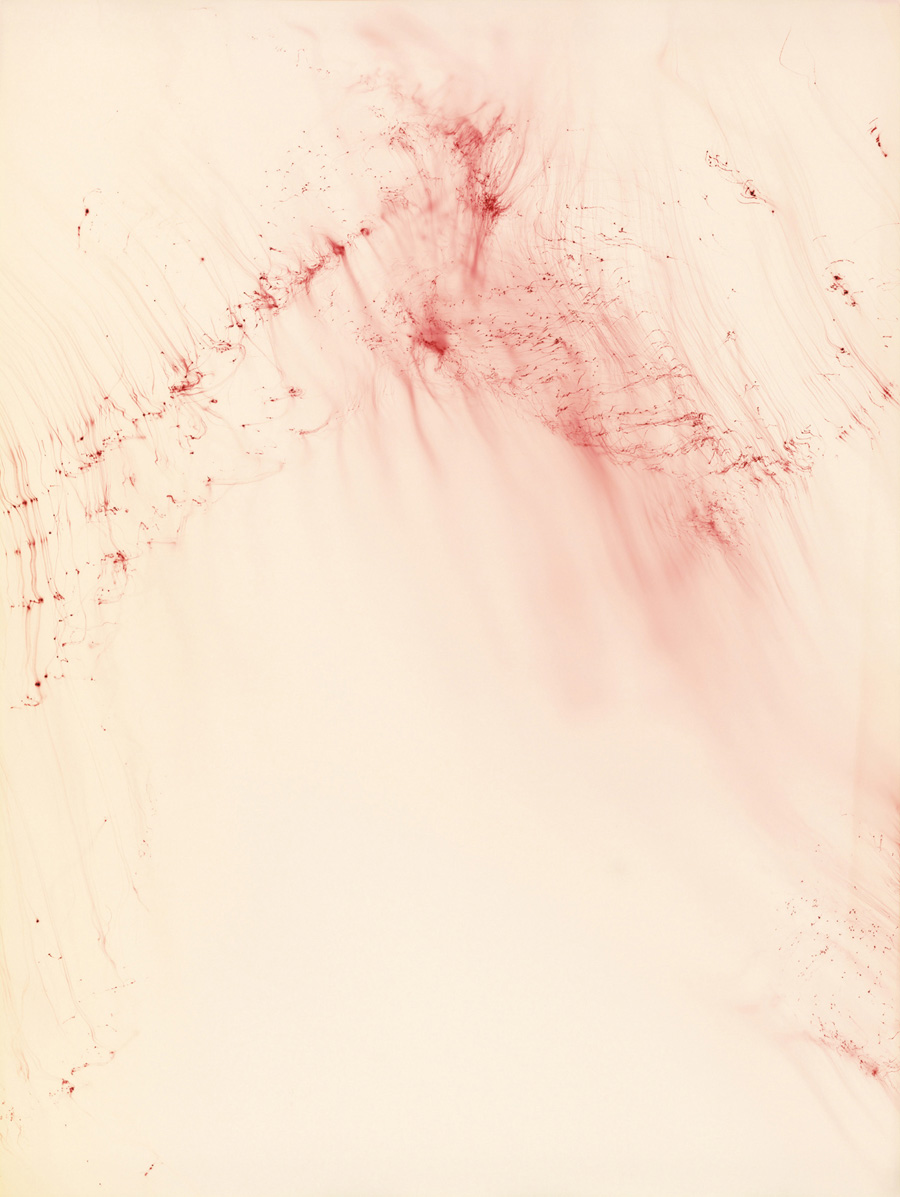


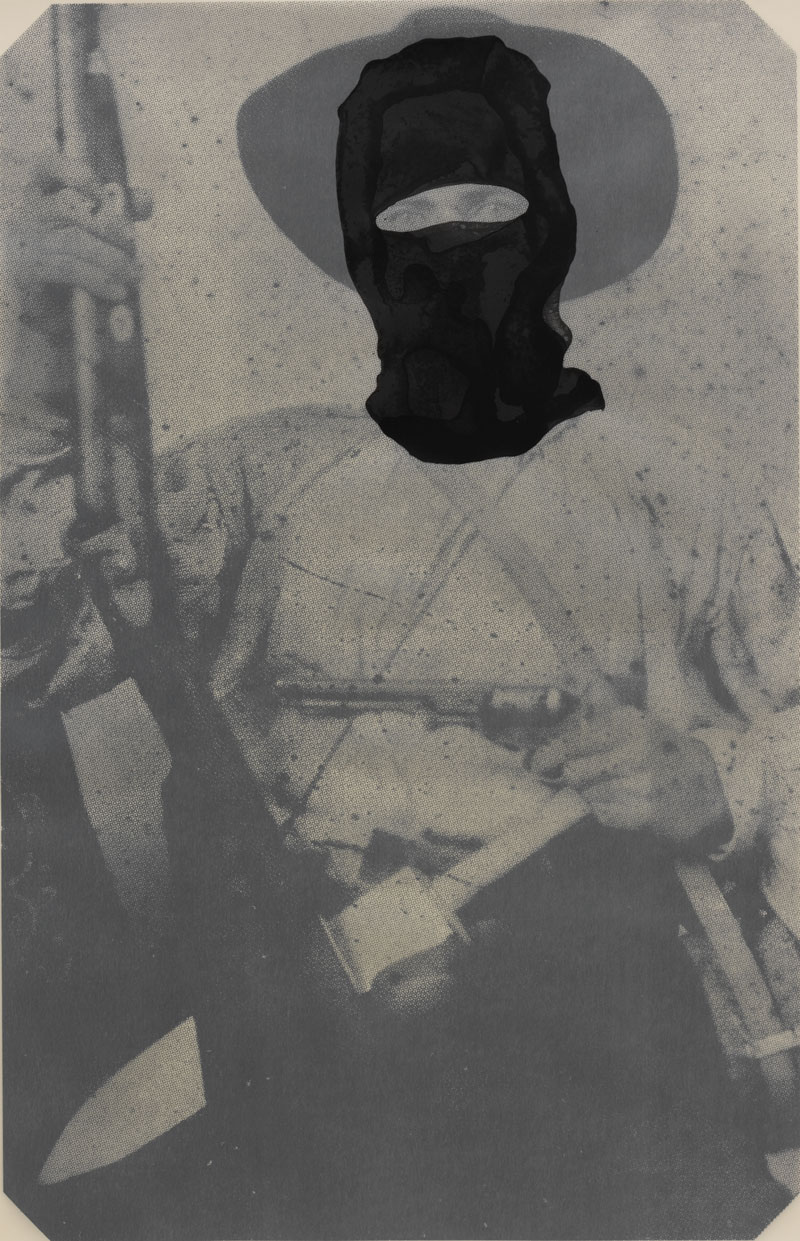


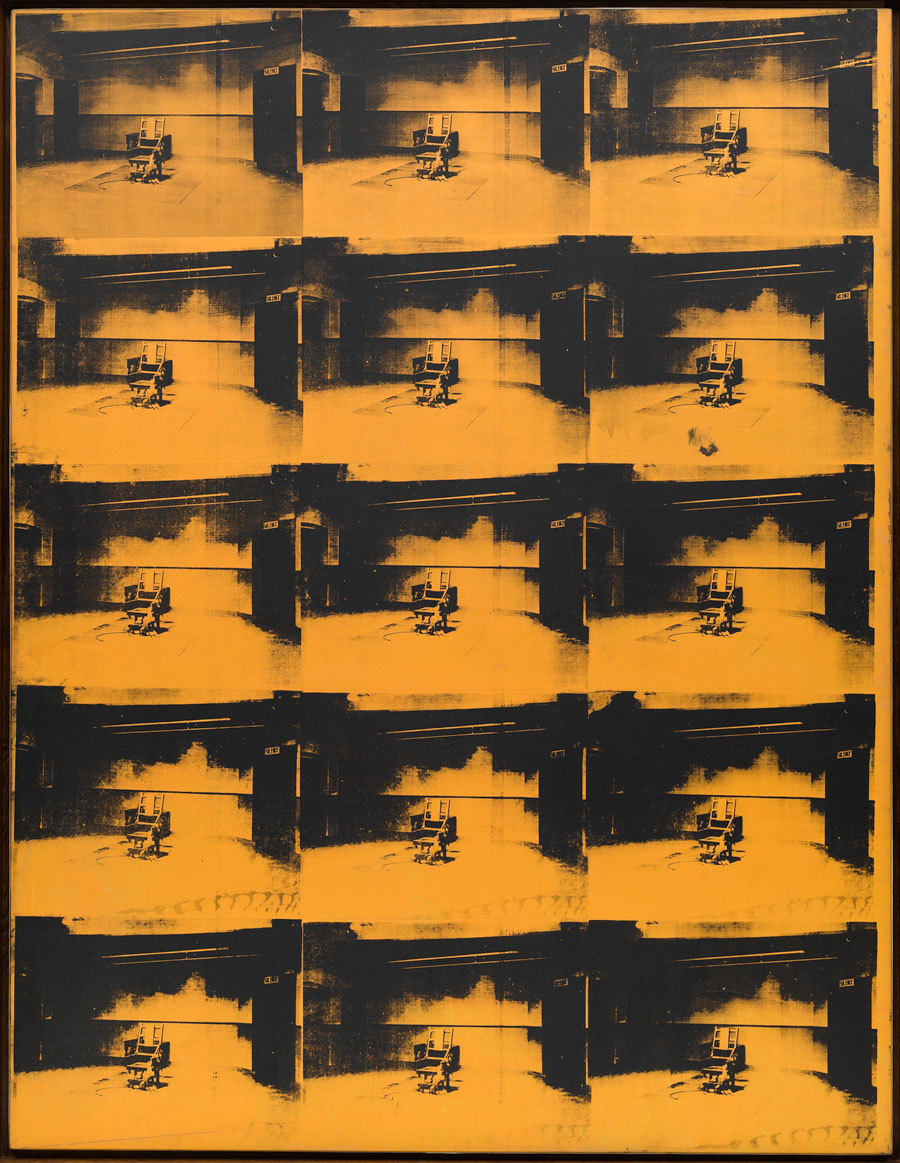
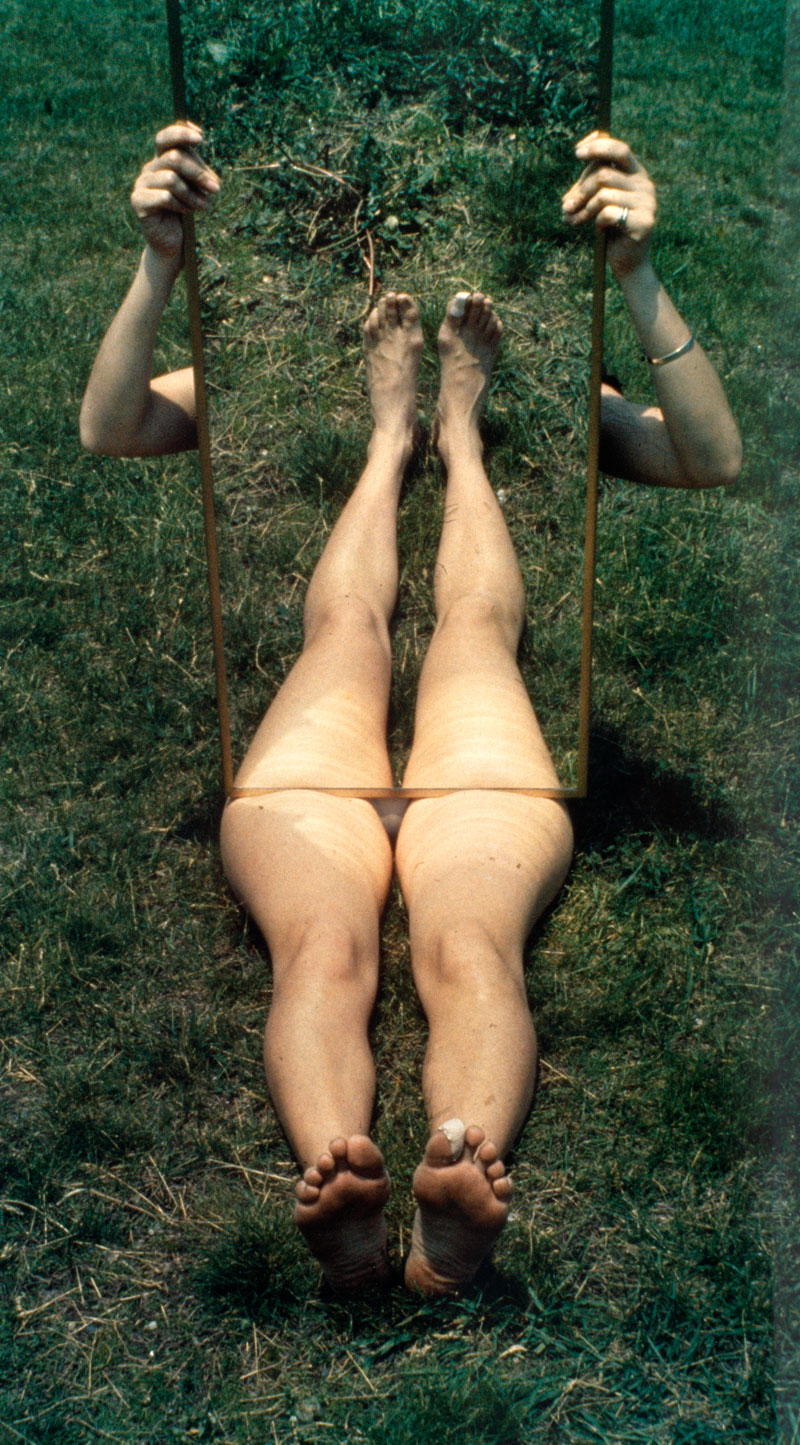
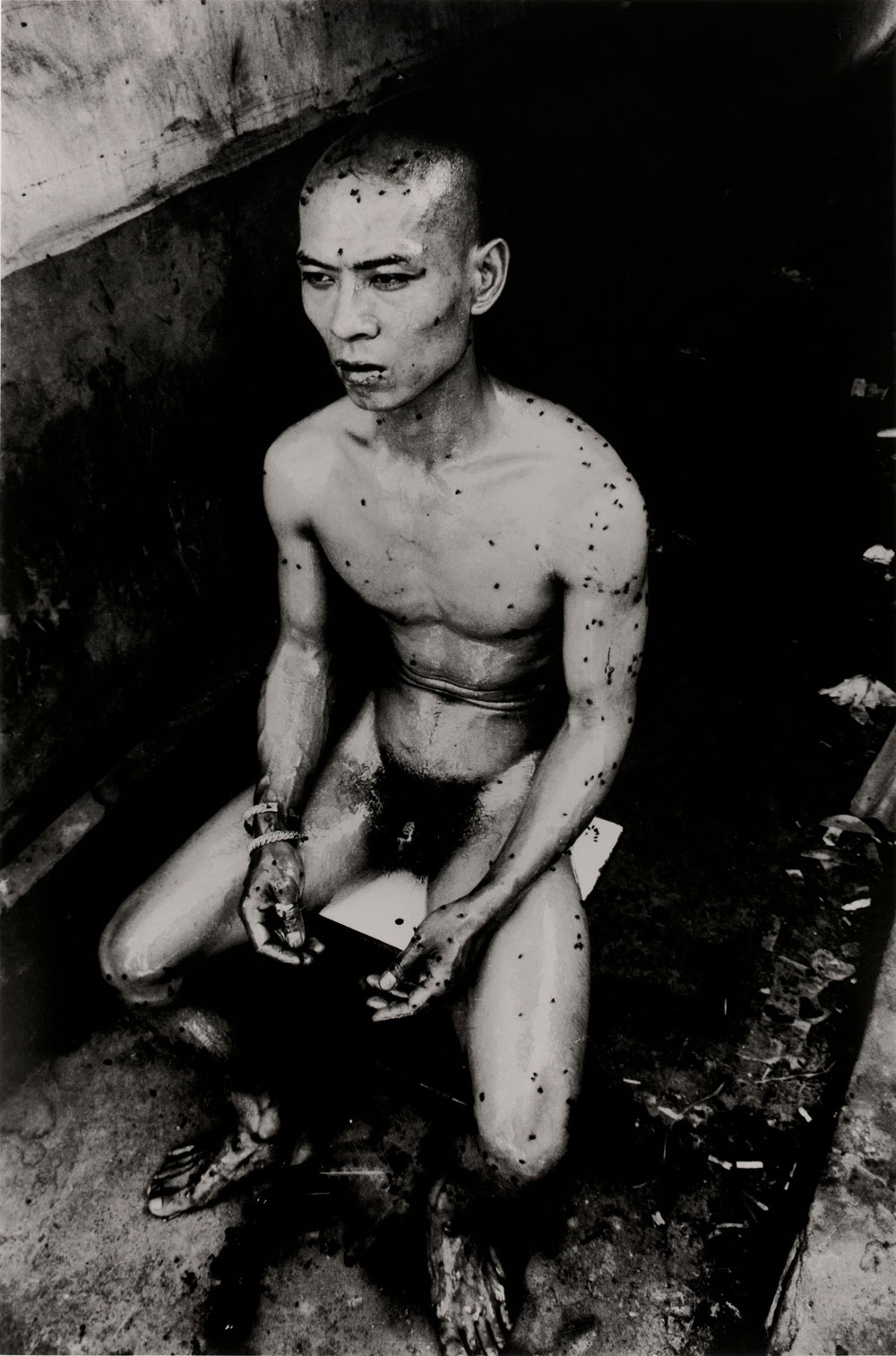
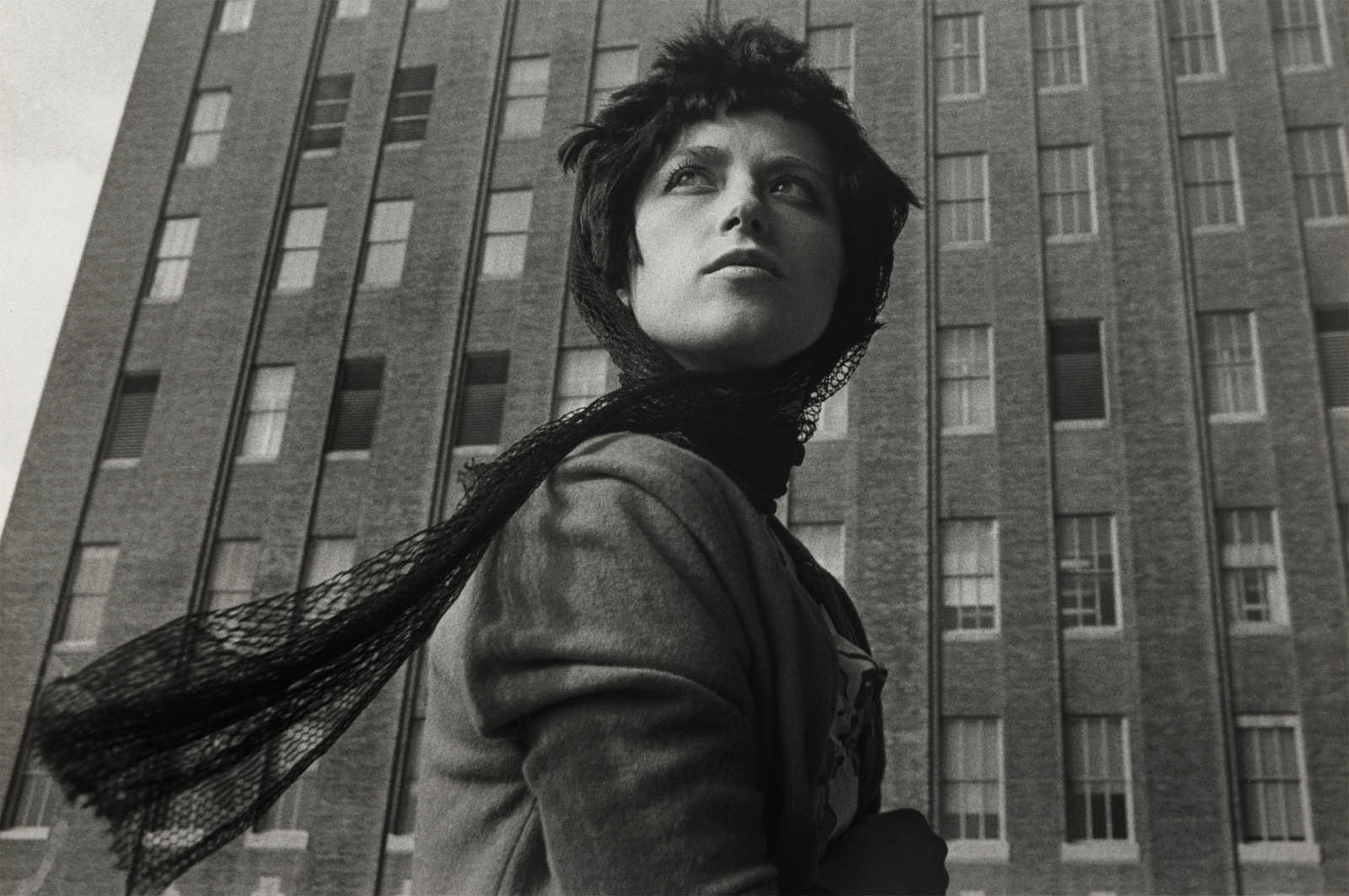
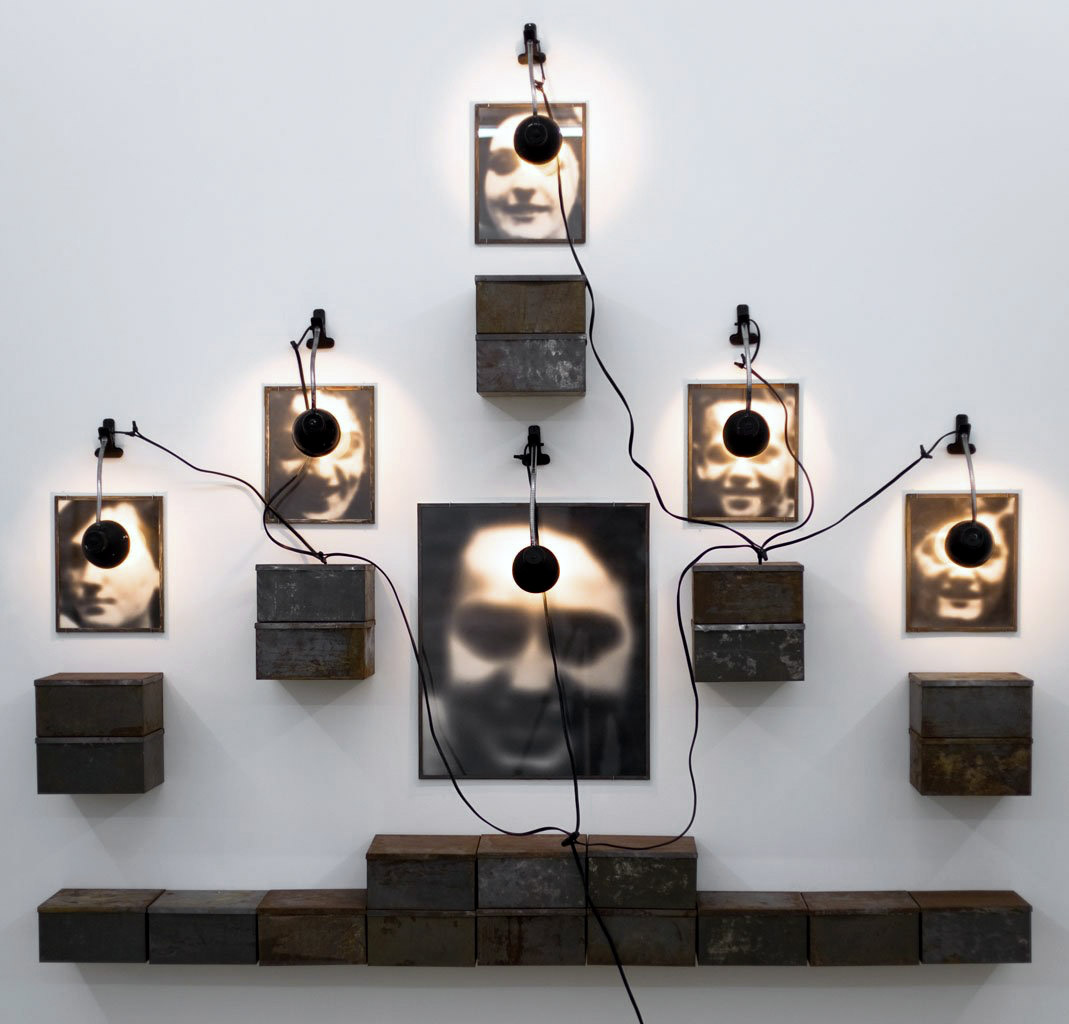
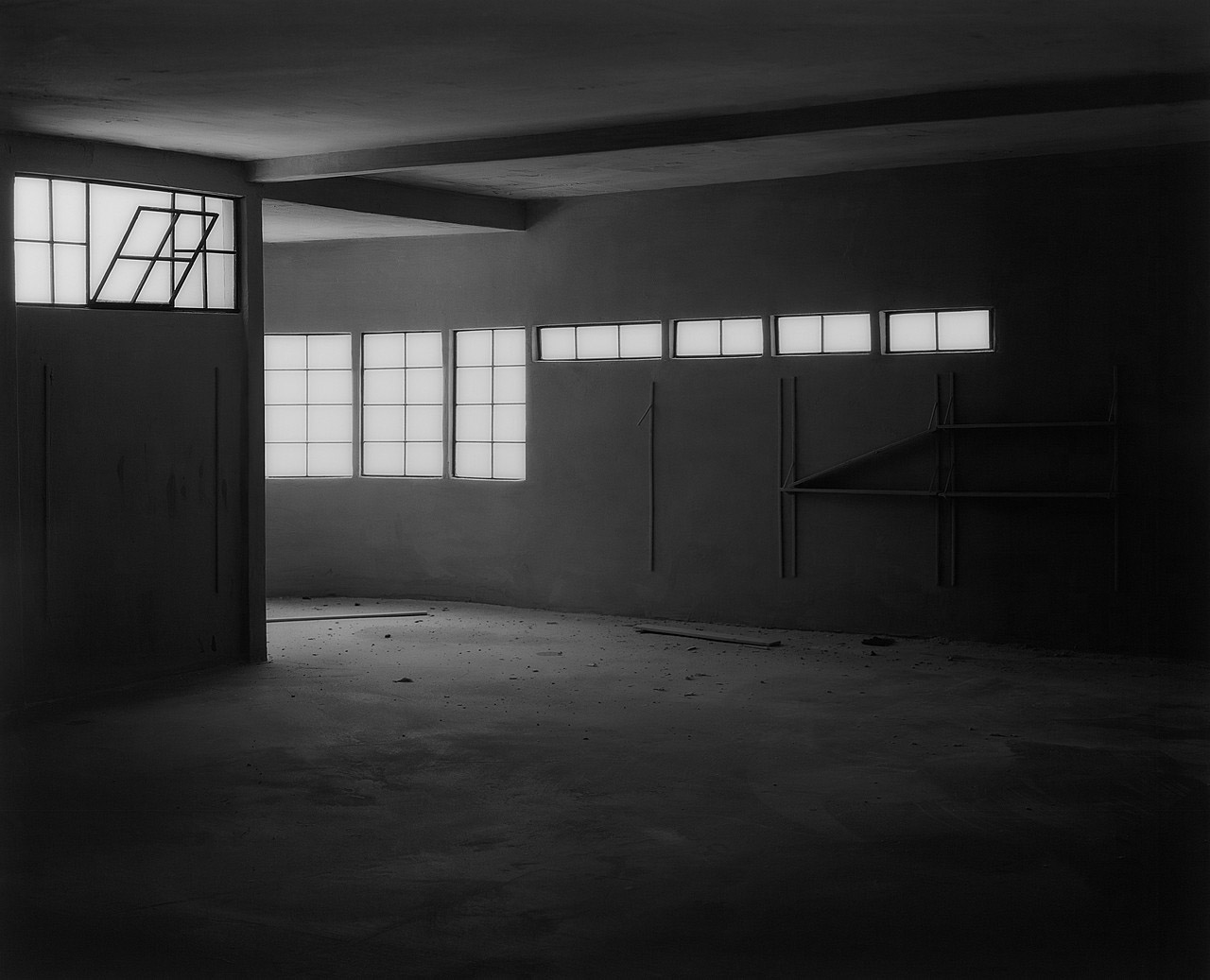
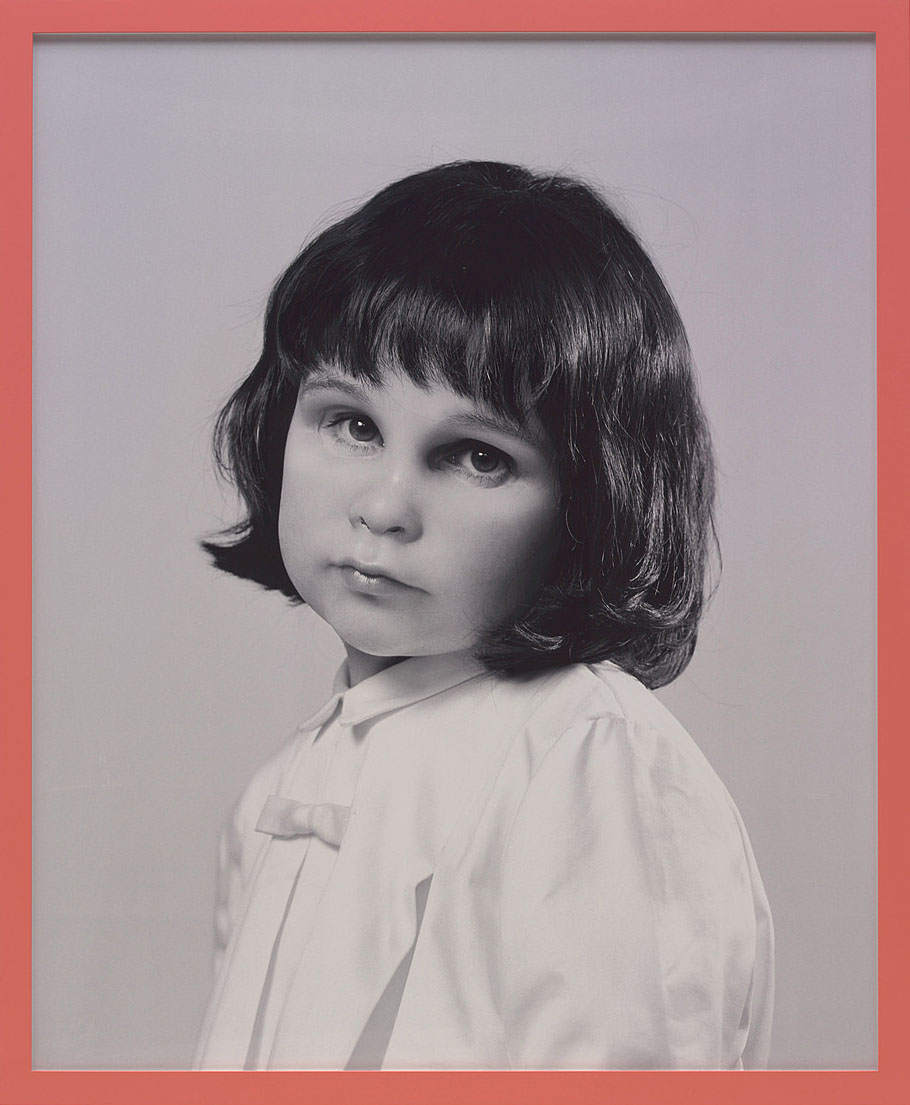
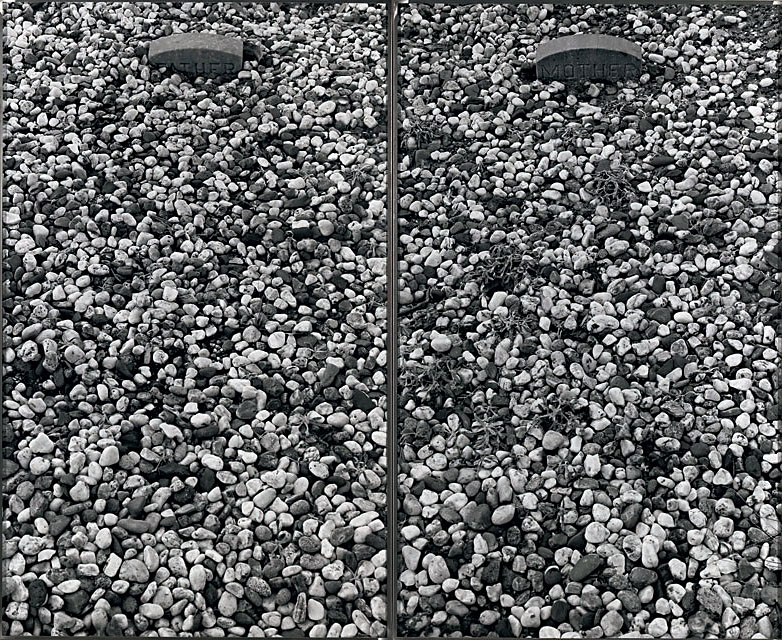

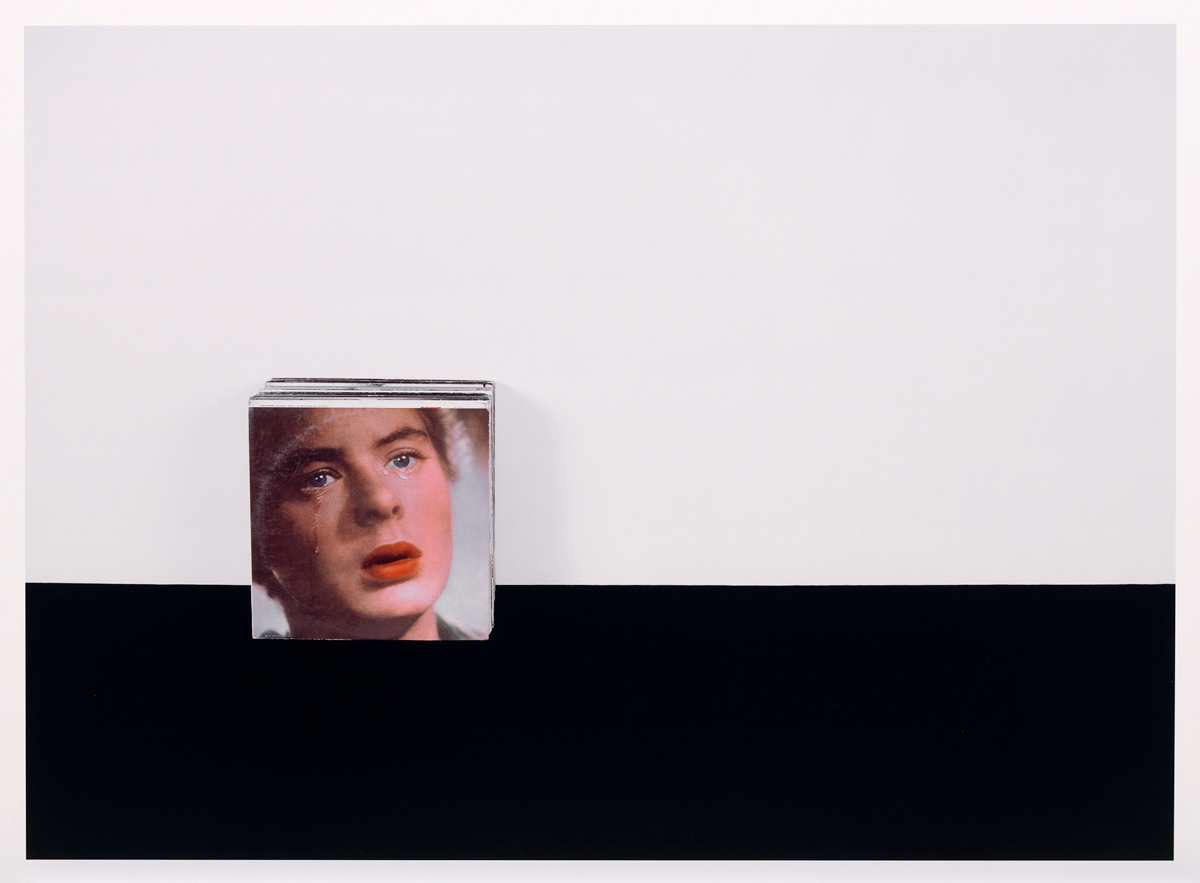
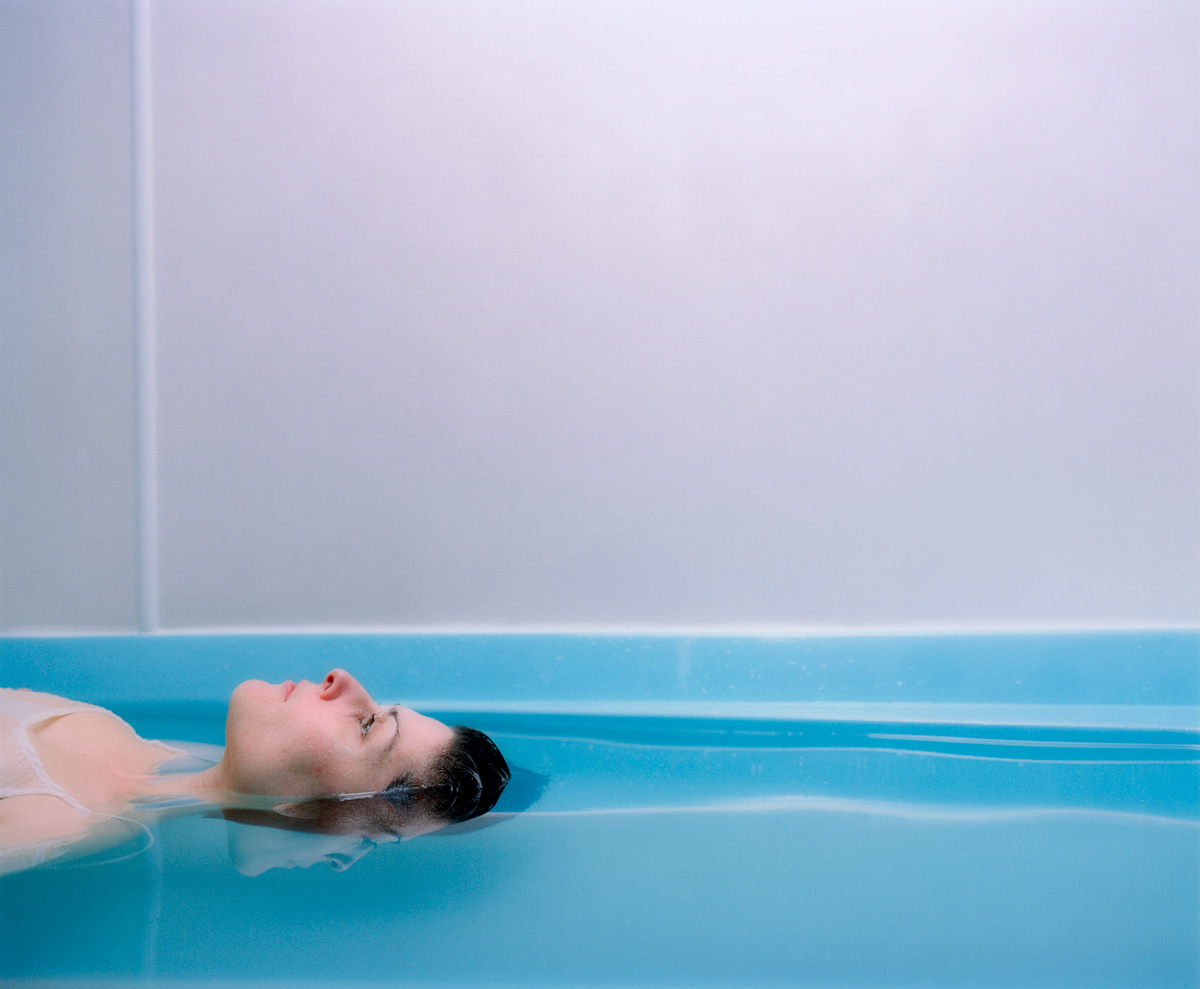


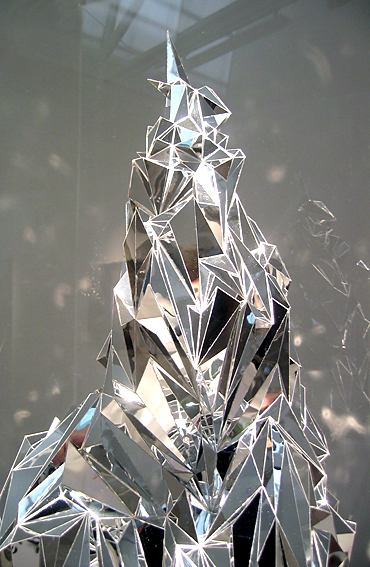

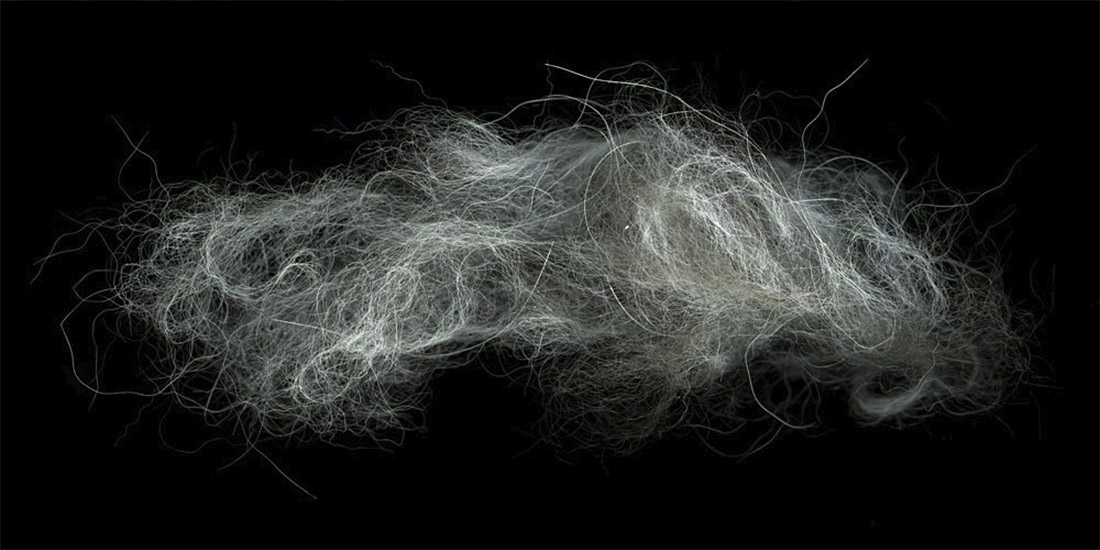

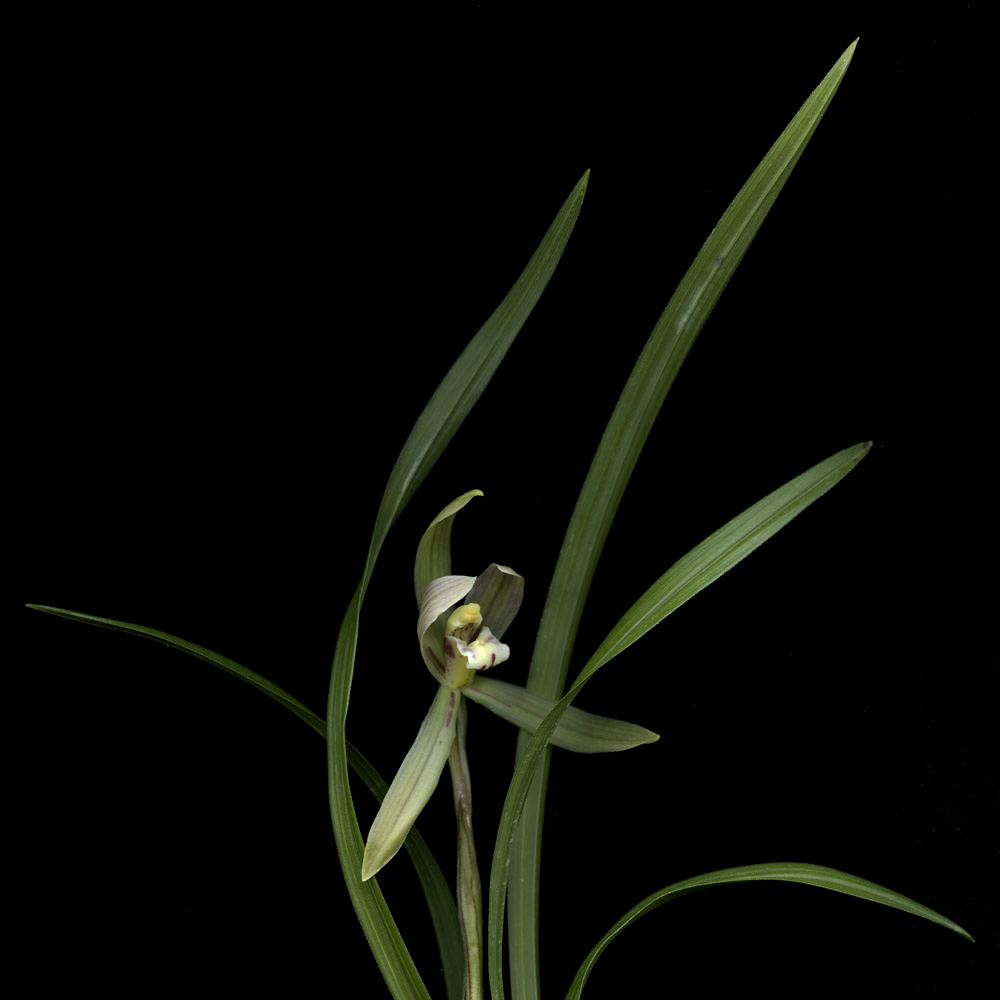


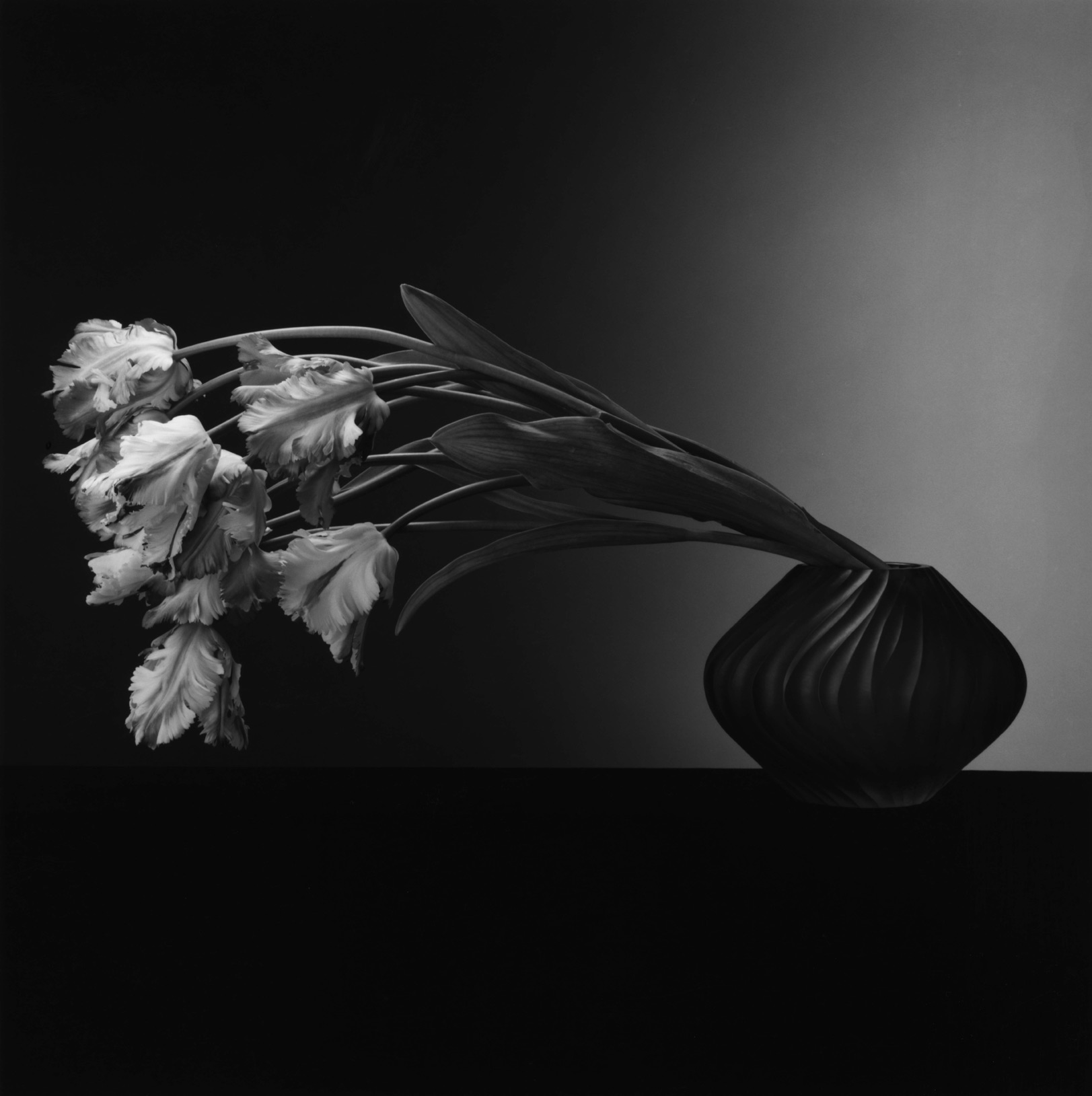


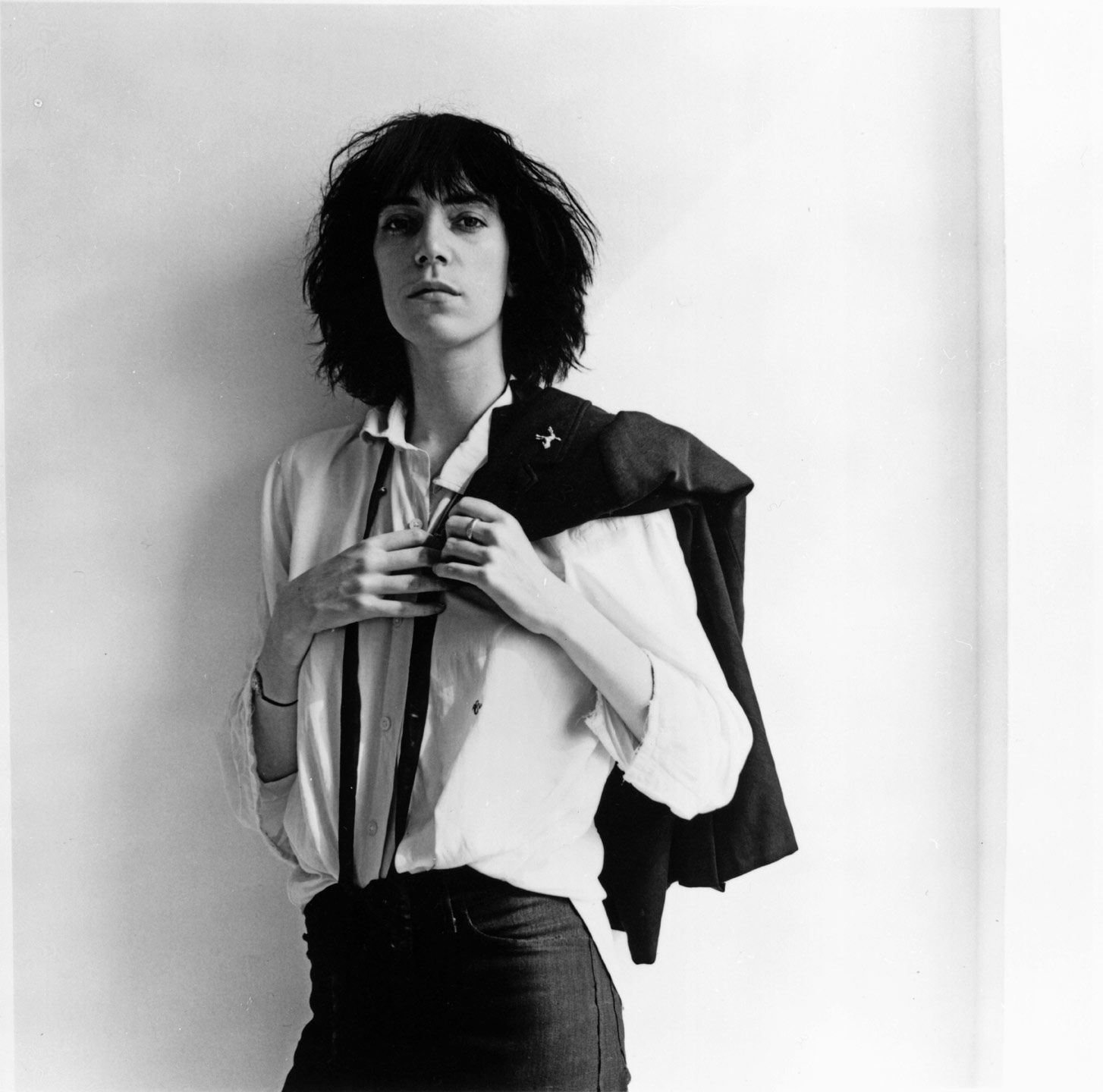

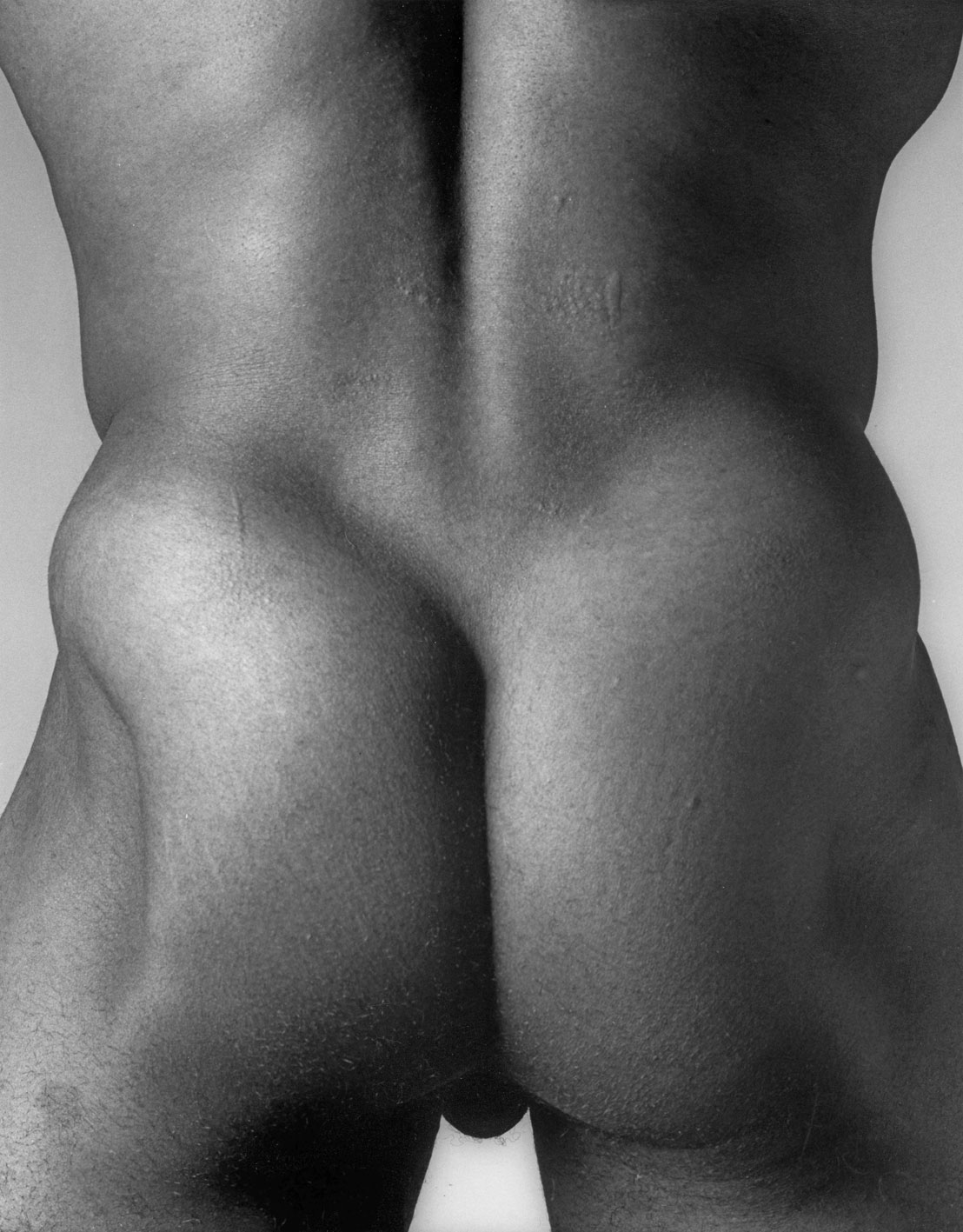
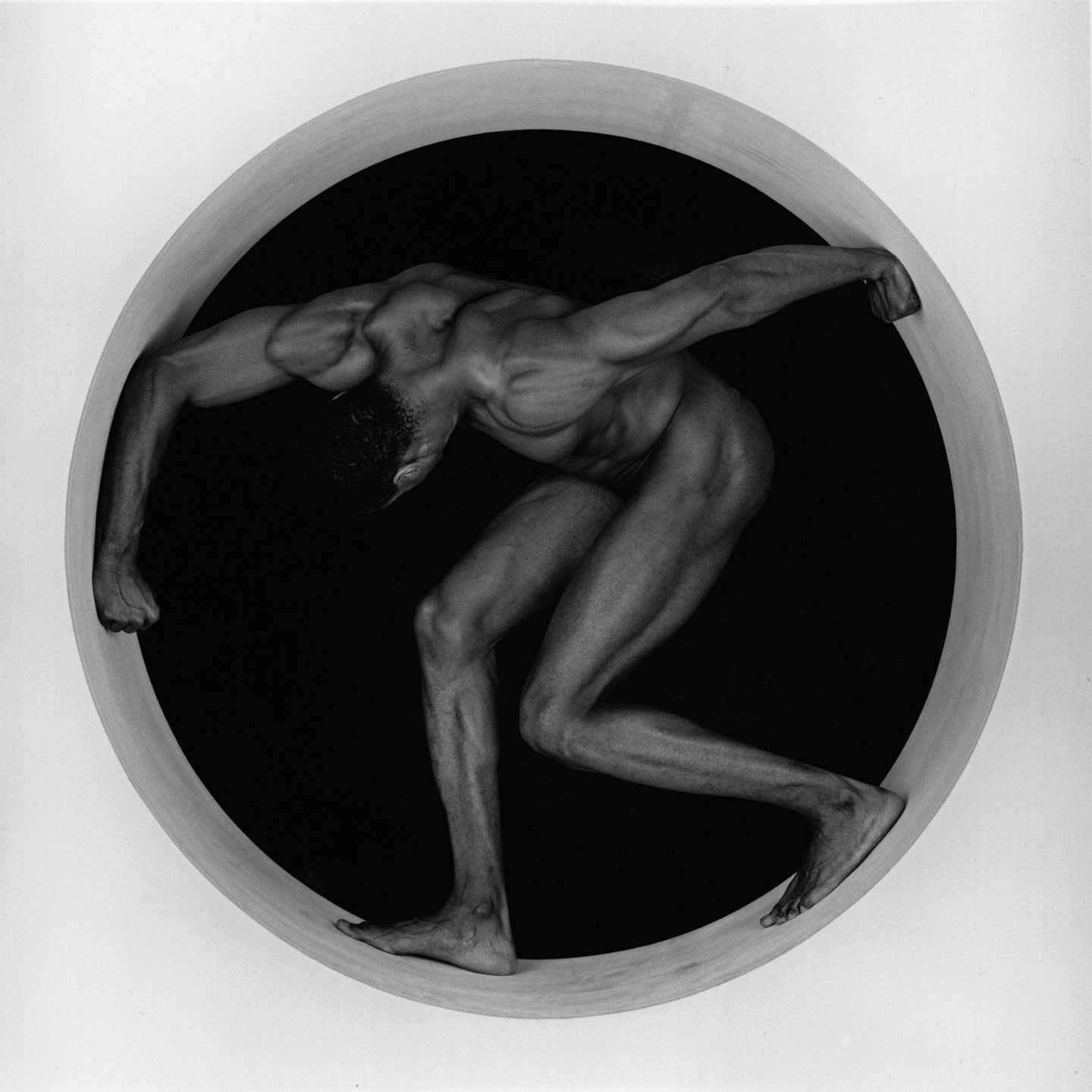



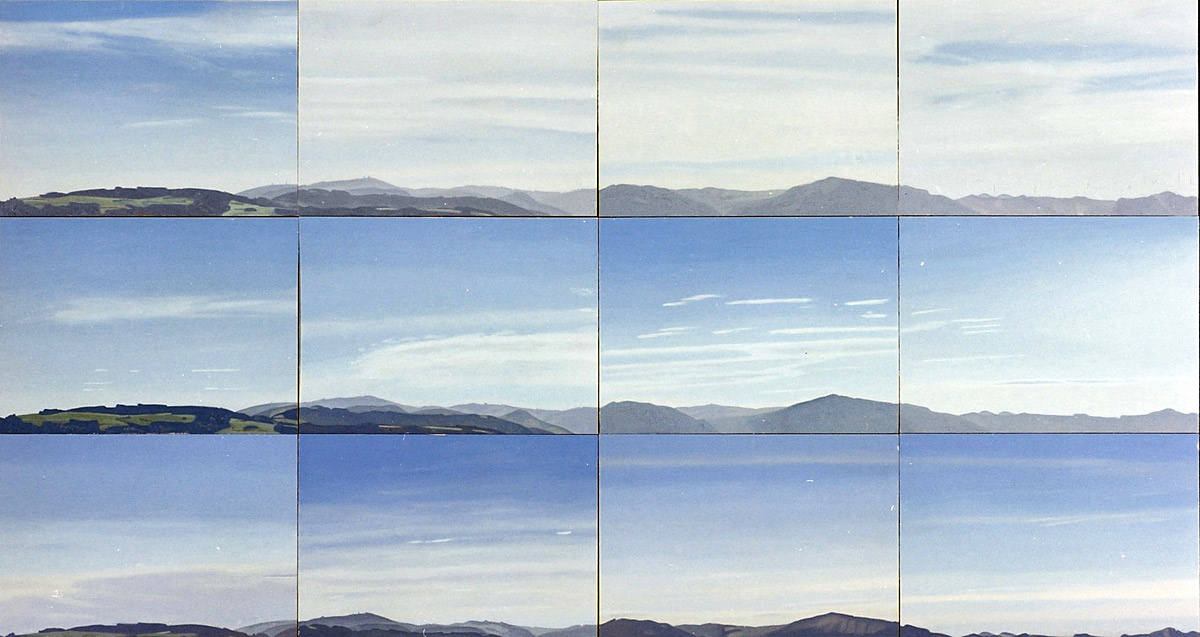
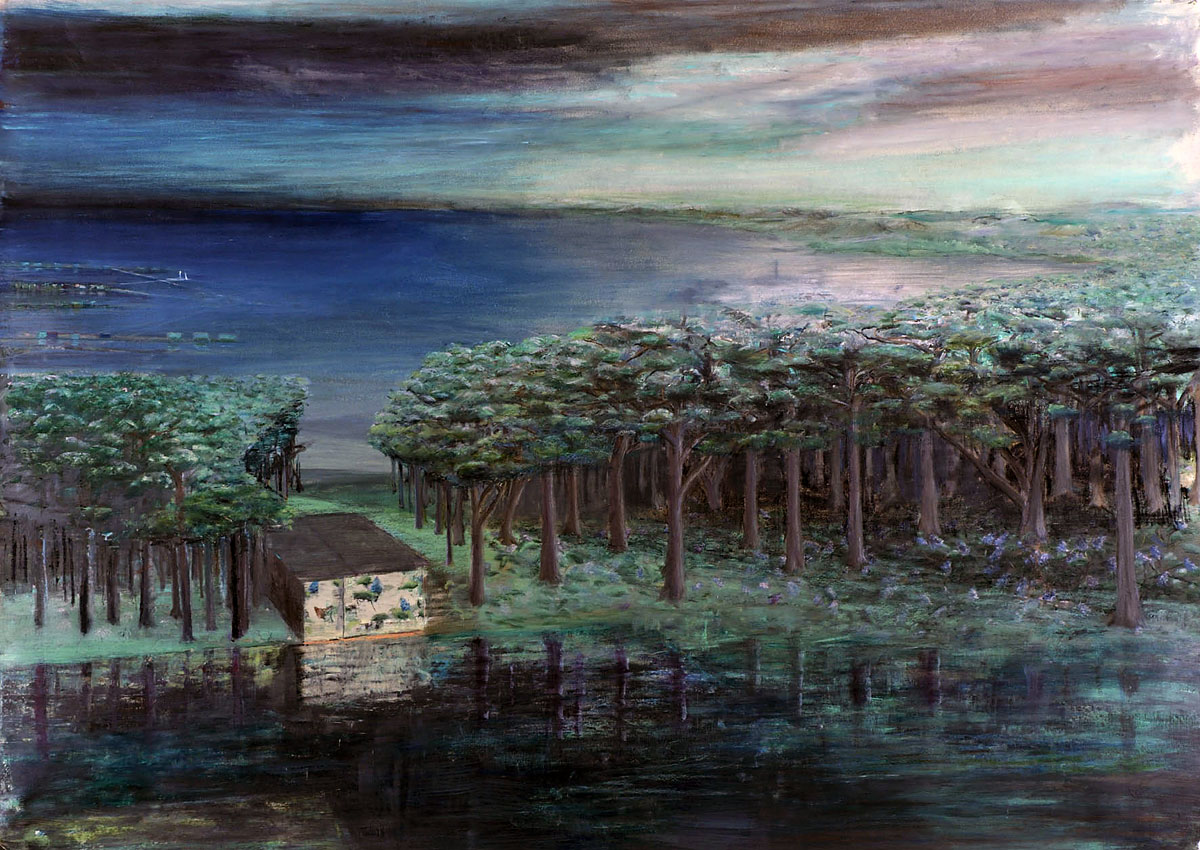
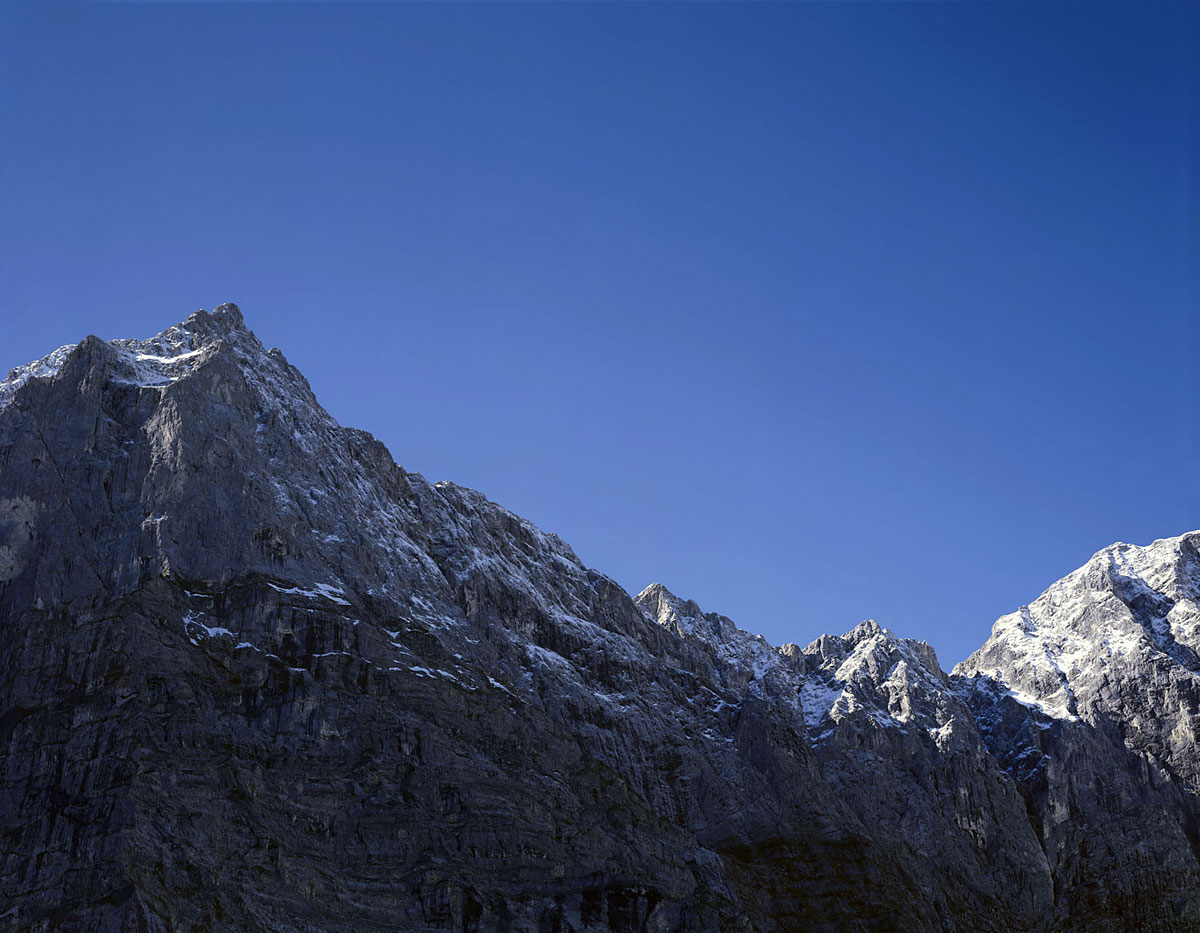


You must be logged in to post a comment.