Wishing all readers of Art Blart a Happy New Year … but first, a glorious posting to finish the year 2023!
What a joy it is to see a young seventeen-year-old artist spreading their wings and taking such accomplished photographs. “Her photographs of street scenes, of buildings cut by subtle lighting effects, her poetic and touching images” are remarkable for their pictorial construction – framing, understanding and use of light and shadow, perspective – and how they tell the story in a single, beautiful image.
Of particular interest is
1/ How Orkin uses the bicycle and its shadow to frame subject matter, showing an implicit understanding of modernist photography. Images such as Thru the wheels of Commerce, Frisco dockyards on the photo album page San Francisco 1939 (below) are almost Duchampian in their conceptualisation. The artist’s use of near / far, high / low and the reverse of that perspective is exceptional.
2/ How Orkin constructs the pages of the photo album, neatly gridded in either horizontal or vertical photographs (never mixed). Through collective images and text this girded visualisation formalises the journey in her mind, illuminating what a transformative experience it must have been – a rite of passage between youth and adulthood (I have no details on when or why the photo album was constructed). What adventures she must have had, shooting-the-streets at 6am in the morning before going to an Italian grocery store for breakfast!
Further, in the photo album page San Francisco 1939 No’s 33-39 (below) we can observe in the young artist an understanding of how to sequence photographs in their ebb and flow: the bicycle framing the vanishing point in 33 leads to its inversion in Orkin’s shadow in 34; this shadow is echoed in the positive in the sculpture of Voleenteer Firemen (complete with misspelling) in 35 which then leads into the thrusting Italian Church of 36 … but here it is the hanging vegetation which is of import, for the vertical drapery is then inverted in the perspective of the ground shadow in 37 Weeping willows; the opening of the light in that image is echoed in the vista between the bicycle frame in 38 Bay from Cort Tower, this negative space then itself inverted in the self-portrait in 39.
3/ How the addition of text can provide a different interpretation to the images for the viewer. The media images were shorn of the text from the photo album pages (being cropped without text) – lack of con/text which to my eyes denudes them of Orkin’s interpretation and feelings about her images.
For example, the photograph captioned in the press images These people are standing in the middle of Washington St & reading the blackboard wall bulletins, on a newspaper office, Boston, 1939 (below) – reminiscent of Atget’s photograph Pendant l’éclipse (During the eclipse) 1912 (below) – is actually inscribed, These people are standing in the middle of Washington St & reading the blackboard wall bulletins, on a newspaper office. Sept 1.
Some may wonder why the deletion of “Sept 1” is so important… until you realise that Sept 1, 1939 was the day that Hitler’s Nazi Germany invaded Poland leading to the official start of World War 2 (although war had been raging in Manchuria between China and Japan since 1931). Without that word and number all we have in that photograph is a varied group of people looking up at news bulletins. But with their addition, and Orkin knew this only too well, the photograph assimilates the significance of world events into its very being … and then reflects back to the viewer an understanding of how those events will subsequently affect every person in that photograph. If that word and number is not there (as in the press images title) we would have never known the import of the moment that Orkin captured.
Finally, I would acknowledge the precocious talent of Ruth Orkin and her perspicacious (from Latin perspicax, perspicac– ‘seeing clearly’) nature. On this road trip she was young and full of joys of taking photographs, perceptive and aware of the world around her. For me the photographs are more than sketches that map out the beginnings of her photographic style – they are her style, fully formed and eloquent in their subtle, formal beauty. What an accomplishment for any artist no matter their age.
Dr Marcus Bunyan
Many thankx to the Fondation Henri Cartier-Bresson for allowing me to publish the photographs in the posting. Please click on the photographs for a larger version of the image.
L’exposition Ruth Orkin – Bike Trip, USA, 1939
Curator: Clément Chéroux
In 1939, at the age of 17, Ruth Orkin crossed the United States alone with her bike, her camera and only $25 in her pocket. This “bike trip” across the United States took her from Los Angeles to New York, where she planned to visit the World’s Fair. Her journey and her audacity, exceptional for the time, aroused the curiosity of the local press, which devoted numerous reports to her while she was there. It was during this epic bicycle trip that Ruth Orkin sketched out the beginnings of her photographic style. Her photographs of street scenes, of buildings cut by subtle lighting effects, her poetic and touching images, in which she doesn’t hesitate to stage her metal steed, will be shown for the first time in France at an exhibition at the Henri Cartier-Bresson Foundation. In 1951, having become a professional photographer (after working as a courier for MGM studios), Ruth Orkin produced her most famous image, American Girl in Italy, showing a woman travelling alone, under the gaze of the men who surround her and occupy public space, as a nod to her personal experience.
Text from the Fondation Henri Cartier-Bresson website
Eugène Atget (French, 1857-1927) Pendant l’éclipse (During the eclipse) 1912 Albumen print
Although the moon is not visible in this photograph by Eugène Atget, its presence and appeal are implied. The crowd gathered in Paris’s Place de la Bastille on April 17, 1912, was observing a solar eclipse through viewing apparatuses. Atget, rather than recording the astronomical event itself, turned his attention to its spectators. Though Atget made more than 8,500 pictures of Paris and its environs in a career that spanned over thirty years – most documenting the built environment – this photograph is an unusual example that focuses on a crowd of people.
For the first time in France, the Fondation Henri Cartier-Bresson presents a solo exhibition on American photographer Ruth Orkin (1921-1985), internationally known for her photograph American Girl in Italy (1951), an iconic image of a women travelling alone. While still a teenager, Orkin undertook a pioneering journey across the United States from West to East.
In 1939, at 17 and still living with her parents in Los Angeles, Ruth Orkin decided to cross the United States solo, from the Pacific to the Atlantic. She travelled less by bicycle than with a bicycle, crossing long distances by car, train, and bus, using her bicycle to explore big cities: Chicago, Philadelphia, Washington, New York, Boston and San Francisco.
Over a four-month period, she took 350 photographs: urban scenes, numerous self-portraits and striking compositions framed by her bicycle. In each city she visited, local newspapers covered her story, interviewing and photographing her. With the unexpected publicity, she was invited everywhere, given tickets to shows, and even received a new two-wheeler.
Orkin’s stated aim upon departure was to visit the New York World’s Fair, but the transcontinental adventure proved far more decisive. It was a defining moment in her personal and artistic development, confirming the old adage: it’s not the destination, it’s the journey.
The exhibition brings together around forty photographs and archival documents, including Ruth Orkin’s manuscript on this adventure.
Biography
Born in Boston in 1921, Ruth Orkin grew up in Hollywood. At the age of 10, she received her first camera and began photographing her friends and teachers at school. In 1938, at 17 years old, she took a monumental bicycle trip across the United States from Los Angeles to New York City to see the 1939 World’s Fair, and she photographed along the way.
In 1943, the photographer moved to New York where worked for all the major magazines, including LIFE, which sent her to Israel in 1951. She then went to Italy, where she met Jinx Allen, an art student and fellow American, who became the subject of American Girl in Italy. The photograph was part of a series titled When You Travel Alone, about what they encountered as women traveling alone in Europe after the war.
On her return to New York, Orkin married the photographer and filmmaker Morris Engel. Together they produced two feature films, including Little Fugitive, which was nominated at the Oscar in 1953. From their New York apartment overlooking Central Park, Orkin photographed numerous events (marathons, parades, concerts) and the beauty of the changing seasons. Ruth Orkin passed away in 1985.
Text from the Fondation Henri Cartier-Bresson website
Long Island Sound is a marine sound and tidal estuary of the Atlantic Ocean. It lies predominantly between the U.S. state of Connecticut to the north and Long Island in New York to the south. From west to east, the sound stretches 110 mi (180 km) from the East River in New York City, along the North Shore of Long Island, to Block Island Sound. A mix of freshwater from tributaries, and saltwater from the Atlantic Ocean, Long Island Sound is 21 mi (34 km) at its widest point and varies in depth from 65 to 230 feet (20 to 70 m).
Exhibition dates: 11th October 2023 - 7th January 2024
Curators:Hiroshi Sugimoto: Time Machine is curated by Hayward Gallery Director Ralph Rugoff with Assistant Curators Thomas Sutton and Gilly Fox, and Curatorial Assistant Suzanna Petot.
Rachael Smith Hiroshi Sugimoto in the Hayward Gallery with his ‘Seascapes’ series 2023
The world is a reality, not because of the way it is, but because of the possibilities it presents
Frederick Sommer
Almost real
I have an ambivalent relationship with the work of Hiroshi Sugimoto.
On the one hand I truly admire the beauty and presence of Sugimoto’s photographs; how his images “contradict the medium’s conventional tasks – to record reality as precisely as possible”; and how his work, through an investigation of “fundamental questions of space and time, past and present, art and science, imagination and reality” push at the boundaries of what a photograph is and can be through an exploration of the very nature of photography.
Through this erudite, conceptual, scientific and creative investigation, Sugimoto’s staged images proffer a reorientation of the referent – of the world, in the world – unsettling the certainty of the truth of the photograph as a visual record of the world.
In my favourite series – such as the movie in a moment Theaters (1976 – ), the stuffed animal Dioramas (1974 – ), some of the wax works dead pan Portraits (1999 -) (particularly Oscar Wilde, Queen Victoria and Princess Diana), and the Seascapes (1980 -) – I feel released from the bounds of reality as we perceive it. The artist takes me out of myself and into a new plane of existence. He has reanimated the in/animate through an alchemical process, a mystery of mysteries, to create new life – a transubstantiation of the elements earth, air, water, fire.
On the other hand I am less impressed with bodies of work that simply do not work for me… that leave me feeling cold, lifeless. Series such as Revolution (1990/2012), Lightning Fields (2009), Photogenic Drawings (2009), Architecture (1997 – below) and the recent Opticks (2018 – below), while not derivative, owe a great debt to other artists that have already strode that golden path… and have done it better.
As I have observed in another review of Sugimoto’s work: “I’m not saying Sugimoto is derivative but because of these other works, they don’t have much room to move. Indeed, they hardly move at all. They are so frozen in attitude that all the daring transcendence of light, the light! of space time travel, the transition from one state to another, has been lost. The Flame of Recognition (Edward Weston) – has gone.”
Taking his work as a whole, we observe in Sugimoto’s work a slightly malevolent aura – follow my argument here – not in the sense of the work “showing a wish to do evil to others” but through the photographs unsettling ability to confound the reality of others. The artist’s work is very male/volent, very masculine and in the Latin etymology of the word “volent” (present participle of velle to will, wish) very much (reality) constructed at the will and wish of the artist.
While Sugimoto’s volition (from Latin volo ‘I wish’) creates beautiful and subversive images of true presence and power, it is the artist’s ability to will into existence images that engage with mystical forces beyond the apparent and the factual but which live as completely real and part of the total world of man and nature … that is his most impressive attribute as an artist. Through his photographs he brings to consciousness things only a small portion of which most of us experience directly.1
Dr Marcus Bunyan
1/ Adapted from Ansel Adams’ essay for The Flame of Recognition 1964 in “Edward Weston’s The Flame of Recognition” on the Aperture website August 12, 2015 [Online] Cited 22/12/2023
Many thankx to the Hayward Gallery for allowing me to publish the photographs in the posting. Please click on the photographs for a larger version of the image.
“All my life I have made a habit of never believing my eyes.”
Hiroshi Sugimoto
“Sugimoto’s unique accomplishments in his genre contradict the medium’s conventional tasks – to record reality as precisely as possible. In Sugimoto’s work, one is confronted with the formal reduction of conceptual images, in which he addresses fundamental questions of space and time, past and present, art and science, imagination and reality. “I was concerned,” noted the artist in 2002, “with revealing an ancient stage of human memory through the medium of photography. Whether it is individual memory or the cultural memory of mankind itself, my work is about returning to the past and remembering where we came from and how we came about.” His pictures, which leave a lasting impression through their beauty and their auratic effect, interweave Japanese traditions with Western ideas. This East-West dialogue remains characteristic of his work today, which is captivating in its exceptional craftsmanship and strong aesthetic presence, and can exercise an almost magical effect on viewers.”
Anonymous. “Hiroshi Sugimoto. Revolution,” on the Museum Brandhorst website February 8, 2013
Hiroshi Sugimoto | curator tour with Ralph Rugoff | Hayward Gallery
Hiroshi Sugimoto: ‘My camera works as a time machine’ | Hayward Gallery
‘A camera can be able to stop the world, in that we stop the world and then investigate what is there, carefully.’
~ Hiroshi Sugimoto
Ahead of the opening of Hiroshi Sugimoto: Time Machine at the Hayward Gallery – the largest survey to date of the Sugimoto’s works – we travelled to meet the photographer at the Enoura Observatory in Japan. Situated against the outer rim of the country’s Hakone Mountains, the observatory was designed by Sugimoto as a forum for disseminating art and culture.
In this short video interview Sugimoto considers the impact of the invention of the camera – with this new ability to pause the world around us – and explains how his own photography, such as his Seascapes series, draws on this idea of the camera’s ability to distort linear time.
Dioramas (1974 – )
Installation view of Hiroshi Sugimoto, Dioramas (1974 – ) Silver gelatin prints Photo: Mark Blower. Courtesy the artist and the Hayward Gallery
‘My life as an artist began the moment I saw that I had succeeded in bringing the bear back to life on film,’ said Sugimoto about his 1976 work Polar Bear. The image is of an Arctic diorama in the American Museum of Natural History in New York, but through clever use of framing and exposure, Sugimoto was able to make the scene appear real. As well as revisiting the museum, and others across the US, to expand his Dioramas series, Sugimoto later took a similar approach to the waxworks of Madame Tussauds in his Portraits. By removing the figures from their staged displays, and photographing them against a black backdrop with sympathetic lighting, the artist gave the impression that these famous faces had themselves modelled for his portraiture.
Installation view of Hiroshi Sugimoto, Polar Bear, 1976. Silver gelatin print Photo: Mark Blower. Courtesy the artist and the Hayward Gallery
“Polar Bear” (1976) shows the majestic white animal roaring over a fresh kill: the bloodied body of a seal whose inert form is bulky and dark against an Arctic white background that stretches into the distance. Look closely and behind the bear – with its luscious coat of fur, its big paws so heavy in the snow you can almost hear it crunch – the line between two and three dimensions is just visible: a jagged crevasse in the ice floe beneath the two animals merges almost seamlessly with a painted backdrop of receding icy peaks.
The eye judders between these realities. The dead bear, momentarily brought to life by the vividness of the photograph, dies again, and is preserved again, a copy of a copy, frozen between past and present. Similar fates await a pair of ostriches defending their new hatchlings against a family of wart hogs (“Ostrich-Wart Hog,” 1980) and a placidly floating mother manatee and her calf (“Manatee,” 1994).
Installation view of Hiroshi Sugimoto, Theaters series (1976 – ) Gelatin silver prints Photo: Mark Blower. Courtesy the artist and the Hayward Gallery
Installation view of Hiroshi Sugimoto, Goshen Indiana, 1980. Gelatin silver print Photo: Mark Blower. Courtesy the artist and the Hayward Gallery
Installation view of Hiroshi Sugimoto, Cabot Street Cinema, Beverly, Massachusetts 1978. Gelatin silver print
Installation view of Hiroshi Sugimoto, Abandoned Theaters series (2015 – ). Gelatin silver prints Photo: Mark Blower. Courtesy the artist and the Hayward Gallery
Installation view of Hiroshi Sugimoto, Union City Drive-in, Union City, 1993. Gelatin silver print Photo: Mark Blower. Courtesy the artist and the Hayward Gallery
The largest survey to date of Hiroshi Sugimoto, an artist renowned for creating some of the most alluringly enigmatic photographs of our time. Over the past 50 years, Sugimoto has created pictures which are meticulously crafted, deeply thought-provoking and quietly subversive.
Featuring key works from all of the artist’s major photographic series, this survey highlights Sugimoto’s philosophical yet playful inquiry into our understanding of time and memory, and photography’s ability to both document and invent.
The exhibition also includes lesser-known works that reveal the artist’s interest in the history of photography, as well as in mathematics and optical sciences.
Often employing a large-format wooden camera and mixing his own darkroom chemicals, Sugimoto has repeatedly re-explored ideas and practices from 19th century photography while capturing subjects including dioramas, wax figures and architecture. His work has stretched and rearranged concepts of time, space and light that are integral to the medium.
Born and raised in Tokyo, Japan, Hiroshi Sugimoto divides his time between Tokyo and New York City. Over the past five decades, his photographs have received international acclaim and have been presented in major institutions across the globe.
While best known as a photographer, Sugimoto has more recently added architecture and sculpture to his multidisciplinary practice, as well as being artistic director on performing arts productions.
Text from the Hayward Gallery website
Seascapes (1980 -)
Installation view of Hiroshi Sugimoto, Seascapes series. Gelatin silver prints Photo: Mark Blower. Courtesy the artist and the Hayward Gallery
Installation view of Hiroshi Sugimoto, Seascapes series. Gelatin silver prints Photo: Mark Blower. Courtesy the artist and the Hayward Gallery
Over the past 50 years, Hiroshi Sugimoto has created some of the most alluringly enigmatic photographs of our time: pictures that are precisely crafted and deeply thought-provoking, familiar yet tantalisingly ambiguous. Featuring key works from all of the artist’s major photographic series, this survey highlights the artist’s philosophical yet playful inquiry into our understanding of time and memory, and the ambiguous character of photography as a medium suited to both documentation and invention.
The exhibition also includes lesser-known works that illuminate the artist’s interest in the history of photography as well as in mathematics and optical sciences. Often employing a large-format wooden camera, mixing his own darkroom chemicals and developing his black-and-white prints by hand, Sugimoto has repeatedly re-explored ideas and practices from 19th century photography, including subjects such as dioramas, wax figures and architecture. In the process, his work has stretched and rearranged concepts of time, space and light that are integral to the medium.
Hiroshi Sugimoto says: “The camera is a time machine capable of representing the sense of time… The camera can capture more than a single moment, it can capture history, geological time, the concept of eternity, the essence of time itself… The more I think about that sense of time, the more I think this is probably one of the key factors of how humans became humans.”
Ralph Rugoff, Director of the Hayward Gallery, says: “Hiroshi Sugimoto is a brilliant visual poet of paradox, a polymath postmodern who embraces meticulous old school craftsmanship to produce exquisite, uncanny pictures that reference science and maths as well as abstract art and Renaissance portraits. Juggling different conceptions of time, and evoking visions ranging from primordial prehistory to the end of civilisation, his photographs ingeniously recalibrate our basic assumptions about the medium, and alter our sense of history, time and existence itself. Amidst all his peers, his work stands apart for its depth and striking originality of thought.”
Time Machine commences with a selection of Sugimoto’s black-and-white photographs of natural history dioramas, a series he began in the mid-1970s. The Dioramas photos draw attention less to the natural world than to its theatrical representation in museums, whilst at the same time conjuring what the artist has called the ‘fragility of existence’.
The subject of time is also explored in two subsequent bodies of work featured in the exhibition: shot in movie palaces as well as drive-ins, Sugimoto’s Theaters (1976 – ) capture entire films with a single long exposure, thus compressing all the dramatic action that appeared on screen into a single image of radiant whiteness. His renowned Seascapes (1980 -), which depict evenly divided expanses of sea and sky unmarked by any trace of human existence, are equally beguiling in their temporal reference, evoking the immediacy of abstract painting even as they speak to Sugimoto’s interest in focusing on vistas that, as he remarks, “are before human beings and after human beings.”
For Architecture (1997 – ), a series of deliberately out-of-focus studies of iconic modernist buildings – ranging from the Eiffel Tower to the Twin Towers – Sugimoto displays the expansive ambiguity that informs his art, at the same time conveying a sense of the visual germ of an idea in an architect’s imagination, as well as fashioning ghostly images of what he has described as “architecture after the end of the world.” For his subsequent Portraits (1999) series, meanwhile, the artist focused his camera on wax models of famous historical figures from Madame Tussauds; rendered more life-like in black-and-white, figures ranging from Queen Elizabeth II to Oscar Wilde and Salvador Dali take on a disarmingly lively appearance, underscoring the camera’s potential for altering our perception. As the artist has noted, “However fake the subject, once photographed, it’s as good as real.”
A final section of Hiroshi Sugimoto: Time Machine focuses on photographs that evoke different notions of timelessness, including his Sea of Buddha (1995) series, which portrays an installation in a 12th century Kyoto temple featuring 1001 gilded wooden statues of Buddha; and Lightning Fields (2006 – ), spectacular camera-less photographs created by exposing sensitised paper to electrical impulses produced by a Van der Graaf generator.
The exhibition comes to a stunning conclusion with a gallery dedicated to Sugimoto’s Opticks (2018 – ), intensely coloured photographs of prism-refracted light. Taking inspiration from Newton’s research into the properties of light whilst calling to mind colour field painting and artists like Mark Rothko, Opticks presents deeply immersive fields of subtly varying hues.
Alongside his photographs, two of Sugimoto’s elegantly contoured and polished aluminium sculptural models are presented, alluding to both mathematical equations and the abstract forms favoured by modernists such as Constantin Brâncuși.
The exhibition is accompanied by a fully-illustrated, 216pp catalogue with newly commissioned essays and an illustrated chronology, co-published with Hatje Cantz. Texts by Ralph Rugoff (on Dioramas), James Attlee (on Theaters), Mami Kataoka (on Seascapes), Lara Strongman (on Portraits), Geoffrey Batchen (on Lightning Fields), Edmund de Waal (on Sea of Buddha), Margaret Wertheim (on Conceptual Forms), Allie Biswas (on Opticks) and David Chipperfield (in conversation, on Architecture).
The show is set to tour internationally in 2024, at the UCCA Center for Contemporary Art (23 March – 23 June 2024) and The Museum of Contemporary Art Australia (2 August – 27 October 2024).
Press release from the Hayward Gallery
Sea of Buddha (1995)
Installation views of Hiroshi Sugimoto, Sea of Buddha series. Gelatin silver prints Photo: Mark Blower. Courtesy the artist and the Hayward Gallery
Installation view of Hiroshi Sugimoto, Sea of Buddha 049 (Triptych) 1995. Gelatin silver print Photo: Mark Blower. Courtesy the artist and the Hayward Gallery
Chamber of Horrors (1994 – ) and Portraits (1999 -)
Installation view of Hiroshi Sugimoto, Chamber of Horrors series. Gelatin silver prints Photo: Mark Blower. Courtesy the artist and the Hayward Gallery
Installation view of Hiroshi Sugimoto, The Garrote 1994. Gelatin silver print Photo: Mark Blower. Courtesy the artist and the Hayward Gallery
Installation view of Hiroshi Sugimoto, The Electric Chair 1994. Gelatin silver print Photo: Mark Blower. Courtesy the artist and the Hayward Gallery
Installation views of Hiroshi Sugimoto, Diana, Princess of Wales 1999. Gelatin silver print Photo: Mark Blower. Courtesy the artist and the Hayward Gallery
Hiroshi Sugimoto: formative years and significant works
For five decades the work of photographer Hiroshi Sugimoto has received international acclaim, whilst being presented in major galleries and institutions the world over.
Sugimoto’s photographs are meticulously crafted, often stretching and rearranging the concept of time, and our understanding of the world around us, and he has often re-explored ideas and practices from photography’s earliest exponents. Over the past 50 years, he has often revisited and expanded upon his own ideas, and series, which we take a closer look at, along with the artist’s formative years, here.
Hiroshi Sugimito: early years
Hiroshi Sugimoto was born in Tokyo in 1948 to a family of merchants. Among the young Sugimoto’s interests were trains, electronics, carpentry and photography, with his early fascination with the latter further enhanced by one of his elementary school science teachers, who showed Sugimoto and his classmates how to use photosensitive paper to make photograms. ‘He used spoons and forks and other items and he exposed the paper under the light for five or six minutes.’ explained Sugimoto, looking back. ‘When he removed it, the shapes of the spoons and forks remained on the paper. It was an amazing experience for me that left a lasting impression’.
At the age of 12 Sugimoto was given his first camera, a Mamiya 6 medium-format, by his father, which he would use to take photographs of trains and gather reference material for model-making. When he moved on to high school, Sugimoto joined the photography club and also began developing an interest in the cinema, which he would visit regularly. It wasn’t long before his love of film and photography combined, as he recalls, ‘Audrey Hepburn was beautiful and I fell in love with her on the screen. I wanted her portrait so I brought my Minolta SR7 camera into a movie theatre, and I studied how to stop the image on the screen. I found that one-fifteenth and one-thirteenth of a second stops the image’.
In 1970, after graduating in Economics from Tokyo’s Rikkyo University, Sugimoto backpacked across Russia and Europe. Influenced by communist ideology, and the writings of Karl Marx and Friedrich Engels as a student, he had wanted to experience Russian society, but disillusioned by what he found, he duly continued on to Europe. ‘I kept moving westwards. I stayed in Moscow for a few weeks and took another train to Poland, and then to Czechoslovakia, Bulgaria and other Eastern European countries. After several weeks I arrived in Vienna for my first taste of Western civilization’.
Hiroshi Sugimoto in America
Later in 1970 Sugimoto would get another taste of Western civilisation as he travelled to the US, and California. Here he studied at Los Angeles’ ArtCentre College of Design, specialising in photography. Speaking of his studies here, Sugimoto has said ‘ArtCenter College was more like a training school for technicians: car design and advertising. For photography you trained to be a commercial photographer, which is what I wanted. I wasn’t interested in academic study at all’.
After completing his study in Los Angeles Sugimoto moved to New York in 1974 in order to pursue a full-time career in photography. Here, Sugimoto soon became part of the city’s hippy counter-culture. ‘I got serious about using photography as a tool in my art after I moved to New York’, says Sugimoto. ‘I saw many good shows, mainly minimalist shows: Sol LeWitt, Dan Flavin, Donald Judd. When I moved to the East Coast I found so many interesting people that I decided to stay. I’d just finished my photographic studies and was hungry to work. Since photography was considered a second-class citizen in the art world then why not use photography? It was more interesting for me to start with something a step down and bring it up’.
Dioramas
In 1974, Sugimoto made his first visit to the American Museum of Natural History in New York, it was a visit that would inspire his first major breakthrough in photography. ‘I made a curious discovery while at the exhibition of animal dioramas,’ the artist explains. ‘The stuffed animals positioned before painted backdrops looked utterly fake, yet by taking a quick peek with one eye closed, all perspective vanished, and suddenly they looked very real. I had found a way to see the world as a camera does. However fake the subject, once photographed, it’s as good as real’.
Inspired by these taxidermy dioramas, he went on to commence his Dioramas series, which among its initial works included Polar Bear (1976) and Hyena – Jackal – Vulture (1976). Sugimoto would return to this idea two decades on, adding more works to Dioramas in the 1990s including 1994’s Earliest Human Relatives. In 1978 Polar Bear was acquired by The Museum of Modern Art, representing Sugimoto’s first photographic sale. The work was also exhibited in the museum’s Recent Acquisitions show, that same year.
Theaters
It was whilst working on his Dioramas series, that Sugimoto also found the inspiration for his next series, Theaters, as he would later detail. ‘I am a habitual self-interlocutor. One evening while taking photographs at the American Museum of Natural History, I had a near-hallucinatory vision. My internal question-and-answer session leading up to this vision went something like this: ‘Suppose you shoot a whole movie in a single frame?’ The answer: ‘You get a shining screen.’ Immediately I began experimenting in order to realise this vision’.
He began this series in 1976, by photographing St. Marks Cinema in Manhattan’s East Village, and the first group of works would also see Sugimoto capture other movie theatres and cinemas in the Northeast and Midwest of the US. It was an approach that the photographer has returned to again and again over the course of his career, firstly in 1993 when he broadened the Theaters series to include depictions of Drive-Ins across the US. The photographer later travelled to Europe, primarily Italy, to replicate the approach with Opera Houses in 2014, and then in 2015 began photographing Abandoned Theaters.
Seascapes
The seeds for Sugimoto’s Seascapes series were sown in 1980. ‘One New York night, during another of my internal question-and-answer sessions I pictured two great mountains’, the photographer has explained. ‘One, today’s Mount Fuji, and the other, Mount Hakone in the days before its summit collapsed, creating the Ashinoko crater lake. When hiking up from the foothills of Hakone, one would see a second freestanding peak as tall as Mount Fuji. Two rivals in height – what a magnificent sight that must have been! Unfortunately, the topography has changed. Although the land is forever changing its form, the sea, I thought, is immutable. Thus began my travels back through time to the ancient seas of the world’.
Sugimoto began the series that same year with a photograph of the Caribbean Sea, taken from a bluff in Jamaica while on a family holiday to the island. Seascapes would subsequently lead Sugimoto across the globe, photographing bodies of water from the Ligurian Sea viewed from Italy to the North Pacific Ocean viewed from Japan.
Chamber of Horrors and Portraits
In 1994 Sugimoto made his first visit to Madame Tussaud’s in London, where he photographed his Chamber of Horrors series on location. ‘I saw the blade that guillotined Louis XVI and Marie Antoinette, and the electric chair that executed the Lindbergh baby’s kidnapper, among other exhibits. They all looked very real to me’, Sugimoto said. ‘To corroborate these various murderous instruments invented by civilised men, I took the requisite eye-witness photographs: thus did people in times past face death head on’.
Sugimoto would return to the wax museum five years later to photograph his Portraits series, for which he was given special permission to remove selected figures from the display to photograph individually, among them Diana, Princess of Wales (1999), Fidel Castro (1999) and Anne of Cleeves (1999). However, he found that the exhibits he had previously captured for Chamber of Horrors had now been removed from the museum. ‘When I asked why,’ he said ‘I was told they’d been removed in a gesture to political correctness. Must we moderns be so sheltered from death?’
Opticks
In 2018 Sugimoto began printing his Opticks series, which was inspired by an 1704 work of the same name by Isaac Newton, in which Newton, through his experiments with prisms presented proof that natural light was not purely white. Drawing on Newton’s approach, Sugimoto used a batch of Polaroid film he had been gifted – one of the last batches of film Polaroid ever produced – along with a glass prism and a mirror to create condensed vivid compositions of pure colour. Sugimoto then enlarged these works into chromogenic prints. Opticks was presented for the first time in 2020 at the Kyoto City KYOCERA Museum of Art in Japan, and received its first UK presentation here at the Hayward Gallery.
Installation views of Hiroshi Sugimoto, Opticks series. Chromogenic prints Photo: Mark Blower. Courtesy the artist and the Hayward Gallery
Opticks isn’t the only series in which Sugimoto has experimented with historic techniques. In his 2006 series Lightning Fields, informed by the work of 19th century photography pioneer Henry Fox Talbot, Sugimoto captured the lightning-like shapes of electrical currents as they passed across a negatively-charged metal plate.
In his commitment to historic approaches the artist had initially attempted to supply the current to the plates using a hand-operated 18th century Wimshurst Electrostatic Machine, before switching to a more consistent Van de Graaff Generator.
In 2009, Sugimoto was gifted a batch of colour Polaroid film to see how a photographer who worked primarily in black and white might use it. This proved to be one of the last batches of the film ever produced (Polaroid went out of business in that same year) and would eventually find use in Sugimoto’s 2018 series, Opticks.
The images in Opticks – Sugimoto’s newest series, which has yet to be featured in any surveys of the artist’s work – are inspired by Isaac Newton’s seminal 1704 work of the same name, in which he presented proof that natural light was not purely white. Taking his cue from Newton’s experiments with prisms, Sugimoto used the Polaroid, along with glass and a mirror, to create condensed yet vivid compositions of colour in its purest form, before later enlarging these works into chromogenic prints.
Installation views of Hiroshi Sugimoto, Opticks series. Chromogenic print Photo: Mark Blower. Courtesy the artist and the Hayward Gallery
Installation views of Hiroshi Sugimoto, Opticks series. Chromogenic print Photo: Mark Blower. Courtesy the artist and the Hayward Gallery
Installation view of Hiroshi Sugimoto, Opticks series. Chromogenic print Photo: Mark Blower. Courtesy the artist and the Hayward Gallery
Installation view of Hiroshi Sugimoto, Opticks series. Chromogenic print Photo: Mark Blower. Courtesy the artist and the Hayward Gallery
Rachael Smith Hiroshi Sugimoto in the Hayward Gallery with his ‘Opticks’ series 2023
Installation view of Hiroshi Sugimoto, Conceptual Forms 0003 and Mathematical Model 002. Gelatin silver print, aluminium and steel Photo: Mark Blower. Courtesy the artist and the Hayward Gallery
Installation view of Hiroshi Sugimoto, Conceptual Forms 0003 2004. Gelatin silver print Photo: Mark Blower. Courtesy the artist and the Hayward Gallery
Installation view of Hiroshi Sugimoto, Conceptual Forms and Mathematical Model 006. Gelatin silver print, aluminium and steel Photo: Mark Blower. Courtesy the artist and the Hayward Gallery
Installation view of Hiroshi Sugimoto, Conceptual Form Surface 0001 Helicoid: Minimal Surface 2004. Gelatin silver print Photo: Mark Blower. Courtesy the artist and the Hayward Gallery
Please click on the photographs for a larger version of the image.
Again
Why are the waves,
Coming straight at me?
Fold upon fold
Waves in wind –
And why is the wind
Becoming my breath,
And my breath, the wind?
So now you
Beautiful friend
Breathe my friend
Jump the wave,
Jump up, laughing
The sun right above you,
Here on the coast
Among waves and trees.
Enter your home
Like a nest
Beautiful friend,
Dear friend,
Read till you sleep –
Your breath on the pages
That tell of the road and
On that road where you meet
Those twilight lit:
One, two,
Then three again.
Ian Lobb
“His prints are direct and emotionally clean records of a rare and subtle perception, and represent perhaps the earliest expression of true photographic art.”
Ansel Adams
“There is nothing I could ask for better than to roll myself between sheets of Atgets, each new one I find (and there are thousands) is a revelation.”
Julien Levy
“In looking at the work of Eugène Atget, a new world is opened up in the world of creative expression.”
Atget used a view camera with a bellows placed on a tripod, typical of the second half of the 19th century. He worked with 18 × 24 cm negative glass plates, oriented to obtain either a vertical or horizontal photograph. A tilt-shift technique was used to make perspective corrections. This resulted in vignetting (a circular shadow around the edges of the image), a phenomenon seen in a number of Atget’s photographs.
Atget always used gelatin-silver negative glass plates, 1.5mm thick. The plate was held in the camera in a wooden frame by clips that left characteristic marks on many of the prints. A long exposure time resulted in numerous blurs caused by the presence of moving people or objects. Atget developed the negatives himself and wrote the negative number directly onto the gelatin with a pointed stiletto.
Atget made all of his own photographic prints using a technique in which light-sensitive paper, in contact with the glass negative, was printed-out in natural light (never developed). The printing-out process proceeded until Atget determined that the image had the proper density. The photograph was then washed, gold toned, fixed and washed again. Atget’s prints are never black-and-white; their tone varies from deep sepia to violet-brown. Atget was capable of producing high-quality prints but there is great variation in these today depending on his printing and toning techniques and the way his photographs were preserved and exhibited. He never enlarged his photographs.
Atget’s paper
Atget used three types of paper:
Albumen
The light-sensitive emulsion was formed by silver chloride introduced into an albumen binder (beaten egg whites). The majority of Atget’s prints were on albumen paper. He turned to other processes after the First World War, when such paper could no longer be found on the market.
Matt albumen
After the war Atget used another kind of industrially produced printing-out paper with a matt surface.
Aristotype
Atget chose a commercially manufactured printing-out paper made with gelatin. Aesthetically similar to albumen prints, although thicker and with a glossier surface, the process was the same for toning and printing. Some of these prints have yellow stains from sulphuration due to poor processing of the image (such as the use of an exhausted fixing bath or insufficient washing).
Anonymous. “Atget’s technique,” on the Art Gallery of New South Wales website Nd [Online] Cited 03/10/2023
Eugène Atget (French, 1857-1927) Balcon, [15] rue du Petit Pont
1913
Albumen print
Eugène Atget (French, 1857-1927) Pavilion du Hanovre, boulevard des Capucines 33
1913
Albumen print
Eugène Atget (French, 1857-1927) Fête du Trône
1914
Albumen print
“My excitement at seeing these few photographs would not let me rest. Who was this man? I learned that Atget lived up the street from where I worked – at 17 bis rue Campagne Premiere, and that his prints were for sale. Perhaps I could own some. I wanted to see more, and lost no time in seeking him out. I mounted the four flights to his fifth floor apartment. On the door was a modest handmade sign, “Documents pour Artistes”. He ushered me into a room approximately fifteen feet long, the ordinary room of a small apartment, sparsely and simply furnished. Atget, slightly stooped, impressed me as being tired, sad, remote, appealing. He was not talkative. He did not try to “sell” anything. He showed me some albums, which he had made himself, and I selected as many prints as I could afford to pay for from my meager wages as a photographer’s assistant. I returned many times, and we became more friendly.” Several years passed and Berenice Abbott became a portrait photographer. “By that time I had become a portrait photographer on my own, and I persuaded Atget to come to my studio at 44 rue du Bac to sit for his portrait. To my surprise he arrived in a handsome overcoat. I had always seen him in his patched work clothes. It would have been desirable to photograph him in these too, since they were exquisitely photogenic, but time is a fickle unpredictable master and did not permit another sitting. After developing the portraits she took the images to show Atget. Abbott missed the sign and made one more flight of stairs to find the concierge.” She asked about Atget and was shocked to hear that he had died. “Youth is little equipped to accept or even anticipate the fact of death. And I had just finished his portraits.” Inquiring about his collection of photographs, she found that they had been left to Andre Calmette. It took months of correspondence and convincing, but she eventually acquired Atget’s entire collection. Abbott also wrote a book about Atget and published many of his prints. Many critics have attacked Atget’s work, saying Atget was merely a disappointed painter or actor, and a little ashamed of his medium. Claims have been made that Atget did not really know what he was doing, that reflections in his shop front windows were accidents which he did not even see. Berenice Abbott fiercely defended Atget and his work. Goethe had said, “there is no variety of Art that should be looked upon lightly. Each has delights which great talent can bring to fulfillment.” If Atget had not had this talent he would have been just another record producer of the travel guide variety – tourist fare. I believe the photographer’s eye develops to a more intense awareness than other people’s, as a dancer develops his muscles and limbs, and a musician his ear. The photographer’s act is to see the outside world precisely, with intelligence as well as sensuous insight. This act of seeing sharpens the eye to an unprecedented acuteness. He often sees swiftly an entire scene that most people would pass unnoticed. Capturing the city of Paris and its people was the photographic art of Atget. How one becomes a photographer, well-schooled or self-taught, does not matter. Ultimately, it is the test of time. As with many of the world’s great photographer’s, their images are timeless and still have the appeal as when first developed. Not only did Atget document a city; he also captured its essence.
Lori Oden. “Eugène Atget,” on the International Photography Hall of Fame and Museum website Nd [Online] Cited 03/10/2023
Curators: Maike Steinkamp and Joachim Jäger, Neue Nationalgalerie
Gerhard Richter (German, b. 1932) Skull 1983 Oil on canvas 55 x 50cm
Continuing our Gerhard Richter odyssey travelling through the bodies of his work, from ‘photo-paintings’ to huge abstract squeegee paintings (see the trailer from the excellent film Gerhard Richter Painting below) to different ‘overpainted photographs’ from last week’s posting on the subject.
“The works in this exhibition highlight the tension between abstraction and figuration, between photography and painting, which underlies Richter’s entire oeuvre.”
Enjoy!
Dr Marcus Bunyan
Many thankx to the Neue Nationalgalerie for allowing me to publish the art works in the posting. Please click on the photographs for a larger version of the image.
Gerhard Richter (German, b. 1932) Uncle Rudy 1965/2000 Photo-painting 87 x 50cm Edition 111
… One Always Paints One’s History Gerhard Richter
Richter’s ‘photo-paintings’ are based on photographs, images of celebrities and elements of consumer culture found in magazines and newspapers.
The mechanical process of copying photographic images is tempered by Richter’s characteristic ‘blurring’ of the painted image. Made by lightly brushing the wet pigment with a soft brush, this alteration of the painted surface parallels our actual perception of the world which is always passing, in flux and never fixed and still.
A family photograph album was one of the few items Richter took with him when he fled Dresden for the West and some of these family snapshots provided the basis for early photo-paintings whose muted blue, brown and grey tones, resemble historical photographs. Blurring and other treatments of the painted surface are Richter’s means of maintaining the emotional distance, stillness and banality of such photographs while communicating the weight of historical events and physical reality.
Works such as Aunt Marianne [below] and Uncle Rudi [above] sit at the intersection of personal and national histories yet are treated in a similar manner to found, anonymous images from the media. The truths behind the blurred veil of these family portraits were in some cases only explicit years after their making. For example, Richter was unaware of the tragic life story of his Aunt and her death in a Nazi sanatorium when he painted their double portrait, which includes the artist as a baby in the foreground.
Gerhard Richter (German, b. 1932) Tante Marianne (Aunt Marianne) 1965/2019 Photo-painting 100 x 115cm
Freedom
Freedom can often require leaving something or someone behind. It comes at a price.
When Gerhard Richter left East Germany in March 1961 he had to do it covertly. He travelled as a tourist alone, first to Moscow and then to Leningrad. On the return the train stopped at West Berlin where Richter stashed additional suitcases he had brought with him, before returning to Dresden to collect his wife, Marianne Eufinger, known as ‘Ema’.
The borders between the Communist, German Democratic Republic and West Germany were being sealed – just months away from the erection of the Berlin Wall that was to divide the two Germanys for 28 years until its demolition in 1989. Trains and subways were still operating between the Soviet-occupied East and West Berlin making it the last remaining link to the free west.
Richter had a friend drive himself and Ema from Dresden to East Berlin where they boarded a train (without suitcases, which drew suspicion) for the western sector of Berlin where they registered as refugees. Between 1958 and 1961, 700,000 people fled East Germany for the West. Richter’s parents were never allowed to leave East Germany or to visit their son. They died in 1967 and 1968.
Richter was nearly thirty years old when he left East Germany. In Dusseldorf, where he studied and eventually taught, he began to number his works and reject almost everything he had done that was associated with his previous life. But your past never leaves you.
Richter has never been defined by a specific style and has used a variety of materials, techniques and methodologies during his career, like many young artists today. This represented a creative freedom for Richter who had spent more than a decade as a student and young apprentice in East Germany painting murals and making art within the narrow socialist confines of the German Democratic Republic. His academic training in Dresden did however, equip him with skills and technical facility that found expression later in still life paintings, portraits and landscapes.
Memory
The late writer, critic and essayist, John Berger once asked the question,
‘What served in place of the photograph; before the camera’s invention? The expected answer is the engraving, the drawing, the painting. The more revealing answer might be: memory’.
Photographs have been central to the art of Gerhard Richter. One of the few things he took with him to West Germany was a family album of photographs – some of which became the basis for later paintings. After arriving in West Germany, Richter began to systematically collect photographs, clippings from magazines and books and eventually took many thousands of his own photographs. This accumulation of photographic and reproduced images became the basis for his vast life-long project called Atlas.
Richter’s Atlas includes an extraordinary range of imagery, from harrowing images of the Holocaust to tender images of his children. It was created at a time before digital photography became so common place – when photographs were understood to be a trace of something or some time. Like footprints, fossils, markings on a tree – traces of what has been. Digital technology has changed photography from something we once looked at and reflected upon to something we Send. Once they were an index of memory, now we distribute them in their millions, and forget them.
Gerhard Richter (German, b. 1932) Herr Heyde 1965/2001 Photo-painting 54.8 x 64cm Edition 119
A special exhibition by Nationalgalerie – Staatliche Museen zu Berlin
“Gerhard Richter. 100 Works for Berlin” shows for the first time the long-term loan of the Gerhard Richter Kunststiftung to the Nationalgalerie. The central work in the exhibition, held in the Grafisches Kabinett of the Neue Nationalgalerie, is the series “Birkenau” (2014), consisting of four large-format, abstract paintings. “Birkenau” is the result of Richter’s long and in-depth engagement with the Holocaust and the possibilities of representing it. Alongside the “Birkenau” series, other works from various phases of Richter’s career will be exhibited, among them “Squatters’ House” (1989), “4900 Colours” (2007), and “Strip” (2013/2016). There is also another large group of works from Richter’s striking series of overpainted photographs, in which he addresses the tension between photography and painting. The exhibition has been realised in close collaboration with the artist.
In an oeuvre spanning six decades, Richter (b. 1932 in Dresden) has repeatedly explored the possibilities and limits of painting. The works in this exhibition highlight the tension between abstraction and figuration, between photography and painting, which underlies Richter’s entire oeuvre. From the 1960s onwards, he addressed the question of whether or not art was still possible after the Holocaust and the terror regime of National Socialism. Since then, Richter, who moved from East Germany to West Germany in 1961, has repeatedly addressed the topic of German history and his own family history. In this exhibition we are displaying photo editions of the paintings “Aunt Marianne”, “Uncle Rudi”, and “Mr. Heyde”, which Richter painted based on photographs and rendered blurry by smudging the oil paints. For him this was a way to avoid direct depiction.
He is also concerned with the refusal of a direct image in his abstract paintings, which he has made since 1976. Richter now paints with intense colour and in several layers. The paint is applied with a squeegee, mixed and at the same time partially scraped off again. Layers of colour tear open and the lower surfaces shine through, which gives the image a pronounced, deep structure. The result is an interplay between chance and conscious decision in which the process of creating the work of art remains visible.
In 1999 Richter made “Black, Red, Gold” (1999) for the entrance hall of the Reichstag building, which houses the German Bundestag, a work made of enamelled glass plates that he intends as a sign of a new beginning. In this exhibition we show the small-format glass work “Black, Red, Gold” (1999), which refers to the Bundestag version. It is presented in combination with two mirror works, the photo editions, and the paintings “Skull” (1983) and “Squatters’ House” (1989).
In the work “4900 Colours”, which is composed of 196 individual square panels, each of which is subdivided into 25 colour squares, Richter returned to the investigation of colour fields that he first undertook from 1966 to 1974. At the time, he was fascinated by industrially produced colour sample cards, their smooth perfection, their accuracy of colour reproduction and the possibilities of variation. The squares were the exact opposite of emotional emphasis, sublimity or expressiveness – that is, of properties that until then had seemed to be characteristic for painting. In 2007 he returned to the topic with two paintings, in the context of his work on the south transept window for the Cologne Cathedral and “4900 Colours”. For “Strip”, Richter divided the “Abstract Picture” (724-4) from 1990 into ever smaller segments by means of a computer-controlled process, stretched them out by mirroring the axes and rearranged the sections. The result is a combination of seemingly randomly-found striped motifs and their deliberate ordering by the artist. Both “Strip” and “4900 Colours” are a radical evolution of abstract painting in which Richter tested the boundaries of the medium once again and took it to its logical conclusion.
The notion of painting’s possibilities and limits also plays a central role in the cycle “Birkenau” from 2014. Richter’s starting point was four photographs from the Auschwitz-Birkenau concentration camp, secretly taken in August 1944 by Jewish prisoners who risked their lives to do so. They are the only known photographs from the extermination camp that were taken by the victims themselves and they were only published after the Second World War. In 1967 Richter had already included one of these photos in his “Atlas”. But it was not until the publication of these images in Georges Didi-Huberman’s book Images Despite Everything (2008), in which the French philosopher used them to analyse how the Holocaust could be represented, that Richter felt the impetus to address the subject again.
Richter transferred the four motifs with charcoal and oil paint to individual canvases and then decided to paint over them abstractly. With each additional layer of paint, the painted photographic originals disappeared a little more until they were finally no longer visible to the viewer. Richter thus carried out a process of abstraction, born of the conviction that he could not do justice to the incomprehensible horror of the Holocaust with a direct depiction. His abstract painting offers moments of form and colour that create a melancholic, thoughtful mood, especially in the many black and grey surfaces. The abstract does not exclude the figurative; instead, the works create a space between showing and not showing, enabling a broad range of open-ended reflection. Opposite the four “Birkenau” paintings is a large, grey, four-part mirror. Almost since the beginning, Richter’s paintings were accompanied by sculptures made of glass and mirrors, with which he explores the boundary between “natural” and “artistic” images in a variety of ways. The mirrors refer to an external reality and enable personal reflection for everyone in the room.
The relationship between abstraction and figuration, photography and painting, appears on a new level in the series “Overpainted Photos”, begun in 1986. These are small-format photographic prints, often 10 x 15 centimetres, which the artist draws from his own private collection: photos of museum visits, trips, walks or his family. Despite their small dimensions, they play an important role in the artist’s development: they embody the interface between abstract painting and the representation of a photographic image as no other group of artworks does.
In 2021 the Gerhard Richter Art Foundation committed a total of 100 artworks to the collection of the Nationalgalerie (National Gallery) as a permanent loan that will be on display at the Museum of the 20th Century upon its completion. From March through October 2021 the “Birkenau” cycle was on display in the Alte Nationalgalerie (Old National Gallery). Beginning in April 2023, the exhibition “Gerhard Richter. 100 Works for Berlin” will be shown in the Neue Nationalgalerie (New National Gallery). In the future, it will be presented with curatorial or artistic interventions in ever-changing contexts. Exhibition catalogues will be available.
In the future, this group of works will be on display in a dedicated room on the upper levels of the Museum of the 20th Century (now under construction). The exhibition in the Grafisches Kabinett (prints and drawings room) of the New National Gallery contains 41 paintings and mirrors, 20 overpainted photographs, and 31 colour sketches in a 500-square-metre space. All are loans from the Gerhard Richter Art Foundation to the Nationalgalerie.
Biography
Gerhard Richter was born on 9 February 1932 in Dresden. Between 1949 and 1950 he worked as a sign and stage painter, and in 1951 he was accepted at the Hochschule für Bildende Künste (Academy of Fine Arts) in Dresden. In 1956 he completed his studies in mural painting. In 1961, Richter moved from the GDR to the Federal Republic of Germany, where he began a second course of study at the Staatliche Kunstakademie Düs-seldorf (Düsseldorf Art Academy). There he began his artistic work on the threshold between painting and photography. Beginning in 1963, he made paintings based on illustrations and private photo albums, the motifs of which he slightly blurred.
From 1971 to 1994 Richter taught painting at the Düsseldorf Art Academy. At the same time he expanded his own spectrum of painting. Various groups of works – paintings, colour panels, landscapes, monochrome grey pictures, objects, mirror and glass – emerged in rapid succession. For his intensely coloured abstract paintings, which he has made since 1976 and which form the most extensive group in his oeuvre, he has used home-made squeegees in addition to paintbrushes since the early 1980s. With these tools he creates completely independent compositions shaped by chance. In between, Richter repeatedly painted smaller groups of realistic landscapes, still lifes, portraits and also history paintings, such as the cycle “18. Oktober 1977” (1988), in which he addressed the death of the RAF terrorists Andreas Baader and Gudrun Ensslin. In the “Overpainted Photographs”, which he has been making since 1986, the artist combines painting and photography in another unique way.
In 1998 Richter was commissioned to design the foyer of the Reichstag building, for which he created the “Black, Red, Gold”, consisting of six large-format enamelled glass panels. In 2007, Richter’s south transept window in the Cologne Cathedral is finished. At the same time, he created the monumental painting “4900 Colours”. From then on Richter focused more on glass, though he had already begun to use it in 1967. He also began to work with digital images. It was not until 2014 that Richter re-turned to painting. He painted the cycle “Birkenau”, in which he revisited his decades-long preoccupation with the Holocaust. In 2019 the artist founded the Gerhard Richter Art Foundation. In 2021 the foundation gave the Nationalgalerie one hundred works, including the “Birkenau” cycle, as a long-term permanent loan.
Text from the Neue Nationalgalerie
Gerhard Richter (German, b. 1932) Besetztes Haus (695-3) (Occupied house (695-3)) 1989 Oil on canvas 82 x 112cm
Gerhard Richter (German, b. 1932) Schwarz, Rot, Gold (Black, Red, Gold) 1999 Resin paint on glass 99 x 99cm
Gerhard Richter (German, b. 1932) Birkenau 2014 Oil on canvas 260 x 200cm
Gerhard Richter (German, b. 1932) Birkenau 2014 Oil on canvas 260 x 200cm
“Birkenau” by Gerhard Richter
Gerhard Richter, one of today’s most important artists, created an abstract painting entitled Birkenau in 2014. In the four-part work, which consists of large-format paintings of equal size, Richter used as his models authentic photographs that were secretly taken in 1944 by the Sonderkommando (special task force) of the Jewish prisoners in the Auschwitz-Birkenau concentration camp. Among other things, the Sonderkommando was responsible for burning the bodies from the gas chambers.
A Polish resistance group smuggled a camera with a black and white film into the camp, and this was later used to take a total of seven photos. A Polish woman, Helena Datoń, then brought the film out of the camp in a toothpaste tube, thereby enabling the photographs to be published. These photos later became famous because they were used as vital evidence of the unspeakable crimes in Birkenau.
Through the discussion on the creation of Richter’s work Birkenau, these shocking photographs finally have become a special part of public memory. At the same time the artist has completely concealed them in his work, thus making them invisible. This makes his painting a remarkable place of remembrance.
…
In 2008 Gerhard Richter first saw four reproductions of the photographs taken at that time in the Frankfurter Allgemeine Zeitung, dated 11th February. Fascinated by the impact of the photographs he decided to include them in his collection of photographs and motifs (the famous Atlas), which constitute, as it were, a documentation of his iconographic memory. He finally completed painted copies of the four photographs and hung them in his studio. Soon after that, he decided to use them as models for a work that was to bear the title Birkenau. After numerous considerations and studies he produced the final version in 2014, consisting of four large-format abstract paintings (oil on canvas, each measuring 260 x 200 cm).
Richter, however, made the Birkenau originals completely invisible by painting over them. Birkenau thus became a purely abstract work. However, the title, the documentation provided by the artist and the museum presentation, in which the work was consequently exhibited along with the photographic originals, make the original templates present in a more than subtle way. The knowledge of the original photos is thus constantly present.
Since the first presentation of the work in the Museum Frieder Burda in Baden-Baden in 2016, the creation process, its impact and the manifold contexts of Richter’s Birkenau have been frequently and extensively described, reviewed and interpreted.[8] It is significant, however, “that the work, which is dedicated to the Holocaust, is also a remarkable memorial of the history of Poles in Germany, something that the artist has personally acknowledged.[9] Without the Polish resistance movement Richter’s Birkenau would not have existed.
By covering the visible source of this memory with a painterly gesture, Richter has constructed a place of remembrance and stimulated a debate on the subject.[10] He creates a balance between the memory and the aesthetics of the abstract, which allows a peculiar double existence of both areas. Out of respect for what happened in the Birkenau camp, Richter does not show the harrowing documents, but makes them tangible and tangible in his paintings through artistic means. The artistic work entitled Birkenau contains the camp Birkenau, “present but not visible”.[11]
The artist addresses what is probably the darkest chapter in human history and takes viewers on a tightrope walk between memory and aesthetics, cruelty and beauty, bewilderment and curiosity, leading them to the borderline between what is obvious and what is being repressed. However, in the end aesthetics win out: the painting is what Richter as an artist has to contribute to this theme. It is an “image in spite of everything,” which, as Richter observed, is primarily intended to provide us with solace.[12]
[8] See above all: Gerhard Richter, Birkenau, Museum Frieder Burda, Köln 2016 and Benjamin H.D. Buchloh, Gerhard Richters Birkenau-Bilder, Köln 2016
[9] Jacek Barski: Conversations with Gerhard Richter on 12. and 26. March 2018
[10] Paul Valéry (1871-1945) referred to the paradox of memory in his Cahiers (1921-1922): “Sensitivity is the instantaneous / incessant / phenomenon that charges the ‘memory’ in a certain direction – through quanta; and that discharges it again – again through quanta – in the same direction. If the charge ‘memory’ itself is felt, then we are dealing with the phenomenon of expectation. Waiting means perceiving an upgrowth. However, the discharge not only reduces the charge, but also allows it to grow or at least makes it more suitable for all dischargers… Memory is therefore not accumulation, but construction. The content of memory is an act – a current event”; Paul Valéry, Cahiers, Paris 1973-1974, quoted from the German edition: Frankfurt am Main, 1989, volume 3, p. 441.
[11] “Present but not visible” is part of the postmodern discourse as a dictum at the latest since 2006 (year of publication of Thomas Pynchon’s Against the Day, New York, 2006, German Edition Against the Day, see here p. 593).
Over decades of artistic production, Gerhard Richter has repeatedly explored the possibilities and limits of painting. His work constantly alternates between figuration and abstraction.
From the very beginning, Richter was concerned with the question of whether or not art was still possible after the Holocaust and the terror regime of National Socialism. Photo editions in the exhibition recall Richter’s early, significant works on this subject. He found a multi-layered and globally acclaimed artistic response in 2014 with the painting cycle “Birkenau.” The four paintings are the central work of this presentation. The starting point is photographs from the Auschwitz-Birkenau concentration camp. Richter transferred the motifs with charcoal onto four canvases and then decided to paint over them abstractly. With each layer of paint, the painted copies of the photographs disappeared a little more until finally they were no longer visible to the viewer. The “Birkenau” series is juxtaposed with a four-part grey mirror, which actively involves us, the viewers, in the work and invites us to reflect.
The exhibition also presents artworks from various creative phases. Above all, Richter’s colour-intensive, abstract pictures, such as the series “Aladdin” (2010), are on display. The monumental paintings “4900 Colours” (2007) and “Strip” (2013/2016) are also shown here. In the case of the latter, 2 x 10 metre work, Richter prepared it with the support of an image-generating computer programme. Two other groups of works created in recent years include the significant series “Overpainted Photographs” and the luminous colour sketches.
The presentation was developed in close collaboration with the artist. In the future, interventions by artists from in various fields will present Gerhard Richter’s art in ever-new contexts.
Text from the Neue Nationalgalerie
Gerhard Richter (German, b. 1932) 13.2.98 1998 Painted over photograph 10.0 x 14.8cm
Gerhard Richter (German, b. 1932) 25.2.98 1998 Painted over photograph 10.0 x 14.8cm
Gerhard Richter (German, b. 1932) 28.2.98 1998 Painted over photograph 10.0 x 14.8cm
When Gerhard Richter first started painting over photographs in the early 1990s he realised that these small works summarised much of what he was trying to achieve on a larger scale. By adding thick paint to the seamless ‘perfect’ surface of a photograph, the integrity of something we take for granted and habitually accept as representing reality, is compromised and thrown into question. Gerhard Richter’s abstract paintings often appear similar at first glance. Only when we have the opportunity to see several together, do we begin to see the subtle nuances and often radical differences between them. Gerhard Richter has said on many occasions that he distrusts the world as it is represented through photographs, the media, religion and ideologies. For him painting provides the means to apprehend the world through a language not made of words but of acts of looking, thinking, gestures, doubt and hope. Painting has a language of its own and can only be understood through resisting the temptation to describe it with words.
Gerhard Richter (German, b. 1932) 17. Nov 99 1999 Painted over photograph 10.0 x 14.8cm
Gerhard Richter (German, b. 1932) 20.6.05 2005 Painted over photograph 10.0 x 14.8cm
Gerhard Richter (German, b. 1932) Aladdin 2010 Lacquer behind glass on aluminium Dibond 40 x 50cm
Gerhard Richter (German, b. 1932) MV. 133 2011 Painted over photograph 10.1 x 15.1cm
Gerhard Richter (German, b. 1932) MV. 134 2011 Painted over photograph 10.1 x 15.1cm
Gerhard Richter (German, b. 1932) MV. 136 2011 Painted over photograph 10.1 x 15.1cm
Gerhard Richter (German, b. 1932) MV. 140 2011 Painted over photograph 10.1 x 15.1cm
Gerhard Richter (German, b. 1932) MV. 142 2011 Painted over photograph 10.1 x 15.1cm
Gerhard Richter (German, b. 1932) 19. März 2015 2015 Painted over photograph 10.0 x 14.8cm
A common response by many thousands of people following the attacks on the World Trade Centre on September 11 2001 was incomprehension. The ‘reality’ of the situation was almost impossible to accept or understand. The event was immediately and constantly compared to a movie. The French theorist, Jean Baudrillard commented that the repeated broadcasts of the footage served ‘to multiply it to infinity and, at the same time, they are a diversion and a “neutralisation” – the more we see the events, the less comprehensible they become’.
Baudrillard was interested in the way that photographic media affect our perception of reality and the world. He believed that the overwhelming amount of imagery that we consume in the forms of television, film and video, computer games and the internet results in a ‘hyperreality’, a simulation of the real.
Gerhard Richter said that, ‘Photography has almost no reality; it is almost a hundred per cent picture. And painting always has reality: you can touch the paint; it has presence; but it always yields a picture – no matter whether good or bad. … I once took some small photographs and then smeared them with paint. That partly resolved the problem, and it’s really good – better than anything I could ever say on the subject’.
Gerhard Richter (German, b. 1932) 22.6.16 2016 Painted over photograph 12.6 x 18.8cm
Gerhard Richter (German, b. 1932) 25.6.16 (1) 2016 Painted over photograph 12.6 x 18.7cm
Gerhard Richter (German, b. 1932) Abstract painting 2016 Oil on wood 200 x 250cm
Gerhard Richter (German, b. 1932) Abstract painting 2016 Oil on wood 175 x 250cm
Many of Richter’s large abstract paintings also derive from an observation of natural phenomena: ‘They do set up associations. They remind you of natural experiences, even rain if you like’.
In his abstract paintings, Richter uses a squeegee to rub and scrape the paint across his canvases to create a blurring of one area of colour into another. Often there’s a feeling that you’re looking at an out of focus photograph.
Gerhard Richter (German, b. 1932) Abstract painting 2016 Oil on wood 40 x 30cm
The first of two postings on the work of one of my favourite artists, the great Gerhard Richter – this time on his miraculous overpainted photographs, abstractions which hover between one medium and the next, thither and yon.
“Richter began these works in 1986. All of the formats exhibited are unusually small, each being about 10 x 15cm. The basis for his pictures was ordinary photographs, most of which he took himself and had developed in a conventional photo lab. The photos are not artistic in any way. They are snapshots of family celebrations and trips, people, landscape or architecture, including a view of Dresden. The Overpainted Photographs are intimately linked to Richter’s artistic works. Every day, after working on his large-format paintings in his studio, Richter dragged the photographs through the remaining wet paint on the squeegee. The result depended heavily on chance, and surprising new realities were formed.” (Press release from the Staatliche Kunstsammlungen Dresden)
Creative juxtapositions enlighten these new realities: the smeared stalagmite of green and yellow paint in 8. Juni 2016 (8)(2016, below) echoes the vertiginous mountainous landscape beyond; curtains of paint in 4. March 2003 (2003 ,below) hide sunbathing bodies whilst echoing the breaking waves in the background; and coloured skeins rain down on a tower in 29.1.2000 (Firenze) (2000, below) portending its destruction.
These active interventions, action photo-paintings, gestural abstractions are spontaneous in form and intelligent in conception. They combine elements of both mediums to create interstitial spaces, spaces that promote an evolution in the way in which we conceive of space,1 a world of liquid transformations realised through shifts between photo and picture, reality and presence, memory and awareness – a coexistence between a conscious and unconscious way of perceiving which sustains the mystery of the object… and the world.
Bravo!
Dr Marcus Bunyan
1/ Adapted from Kovac, Tom. “Curve Gallery,” in van Schaik, Leon (ed.,). Architectural Design. Vol. 72. No. 2. (‘Poetics in Architecture’). London: John Wiley and Sons, 2002, p. 60.
Many thankx to the Albertinum at the Staatliche Kunstsammlungen Dresden for allowing me to publish the photographs in the posting. Please click on the photographs for a larger version of the image.
In 1991 Gerhard Richter commented on the creation of these works:
“Photography has almost no reality; it is almost a hundred per cent picture. And painting always has reality: you can touch the paint; it has presence; but it always yields a picture – no matter whether good or bad. That’s all theory. It’s no good. I once took small photographs and then smeared them with paint. That partly resolved the problem, and it’s really good – better than anything I could ever say on the subject.”
Text from the Staatliche Kunstsammlungen Dresden website
“What works for me about the series is the balance between the paint and the photograph beneath it. There are works in the series where the two seem to work together and others where they fight for primacy. The act of adding paint is a simple gesture but somehow Richter uses it to add a layer of complexity to the image. We are left with hints about the photographs and can, to an extent, imagine the gestures used to obscure them – certainly the texture of the paint offers clues – but piecing together the evidence provides a tantalisingly incomplete picture. For me, the work is all the stronger for that.”
Ann Jones. “Veils of abstraction,” on the Image Object Text website 22/09/2012 [Online] Cited 12/10/2023
The exhibition at Albertinum shows a selection of Gerhard Richter’s Overpainted Photographs for the first time in Dresden. 36 of the selected works come from the holdings of the Gerhard Richter Kunststiftung, founded by the artist in 2019; 36 additional works are loans from private collections.
Gerhard Richter’s oeuvre from the past six decades is shaped by a dialogue and a confrontation between figurative and abstract visual strategies. In no other workseries by the artist do the two styles enter into a symbiosis like the one in the small-format Overpainted Photographs. Richter began these works in 1986. All the formats exhibited are unusually small, each approximately 10 × 15cm.
In 1991 Gerhard Richter commented on the creation of these works:
“Photography has almost no reality; it is almost a hundred per cent picture. And painting always has reality: you can touch the paint; it has presence; but it always yields a picture – no matter whether good or bad. That’s all theory. It’s no good. I once took small photographs and then smeared them with paint. That partly resolved the problem, and it’s really good – better than anything I could ever say on the subject.”
Standard photographs usually taken by the artist himself and developed at an ordinary photo lab serve as the foundation for these works. The shots themselves are entirely lacking in artistic quality. They are snapshot motifs of family celebrations and excursions, people, landscapes, or architectures, including a view of Dresden.
The Overpainted Photographs are closely linked to his painterly oeuvre. After his daily work on the large paintings in the studio, Richter pulled these photographs through the remaining wet paint on the squeegee. In this way, the result of this action is strongly determined by coincidence and surprising new realities emerge. With the declared end of his painterly work in 2017, Gerhard Richter also concluded work on the Overpainted Photographs.
Text from the Staatliche Kunstsammlungen Dresden website
As a Dresden first, the Gerhard Richter Archiv, run by Staatliche Kunstsammlungen Dresden is exhibiting a selection of Gerhard Richter’s Overpainted Photographs. Of the 72 works on show in the Albertinum, 36 are from the holdings of the Gerhard Richter Kunststiftung, a foundation established by the artist in 2019, and 36 from private collections.
Richter’s oeuvre of the past six decades is marked by interacting and opposing representational and abstract artistic strategies. In his small-format Overpainted Photographs, these two styles develop a symbiosis that is stronger than in any of the artist’s other groups of works.
In 1991, Gerhard Richter described how the works came about: “Photography has almost no reality; it is almost a hundred per cent picture. And painting always has reality: you can touch the paint; it has presence; but it always yields a picture – no matter whether good or bad. That’s all the theory. It’s no good. I once took some small photographs and then smeared them with paint. That partly resolved the problem, and it’s really good – better than anything I could ever say on the subject.”
Richter began these works in 1986. All of the formats exhibited are unusually small, each being about 10 x 15cm. The basis for his pictures was ordinary photographs, most of which he took himself and had developed in a conventional photo lab. The photos are not artistic in any way. They are snapshots of family celebrations and trips, people, landscape or architecture, including a view of Dresden.
The Overpainted Photographs are intimately linked to Richter’s artistic works. Every day, after working on his large-format paintings in his studio, Richter dragged the photographs through the wet paint left on his doctor blade. The result depended heavily on chance, and surprising new realities were formed. In 2017, Gerhard Richter announced his retirement from painting, and at the same time the end of his work on the Overpainted Photographs.
A catalogue is being published to accompany the exhibition. Dietmar Elger: Gerhard Richter. Overpainted Photos, published by Staatliche Kunstsammlungen Dresden, Buchhandlung Walther & Franz König, Cologne, 2023, 120 pages, 77 colour illustrations, 3 b&w illustrations. ISBN 978-3-7533-0538-7
Press release from the Staatliche Kunstsammlungen Dresden
This is a strange group of photographs with which to investigate the “long-intertwined relationship between fashion as a tool for self-expression and photography’s role in chronicling it,” for while the many historical portrait photographs depict a link between fashion and photography of the self (through the need to fit into a regimented cultural norm), many of the vernacular images are not about fashion, are a kind of non-fashion, where the people who “pose” for the photographs are just wearing whatever they are in at the time… thereby undermining the premise of the exhibition, that the performance of self becomes a visual language through the picturing of fashion.
Indeed, despite the assertion that historical genres such as street photography “inform contemporary evolutions, such as selfies and carefully crafted social-media platforms”, most selfies taken today through the ubiquity of the phone camera are not carefully crafted, are the very antithesis of the old purpose of a portrait: that is, to picture how we choose to dress, adorn, and re/present ourselves at a particular moment in time.
In today’s contemporary age self is more about the style and context of the individual (as pictured in a photograph) rather than about the fashion (the latest style; the manner of doing something) of the individual or the collective.
Today, style is casual, informal, ephemeral, temporary… which leads us to pose the questions, are historical photographs evidence of a self-expression of more substance, compared to the rapid self, the throw away self, the narcissistic self of today? Are selfies today just a shallow expression of self or are they intended to be more, can they be more?
Today, there is less a consciousness of fashionability than there is the ability to enact the self without resort to fashion. As Yves Saint Laurent once said, “Fashion fades, style is eternal.”
While visual representations of identity continue to shape our understandings of self and each other “with intimate details that alert viewers to who we are, as filtered through the photographic medium” this is no longer achieved through the definition of self as “fashionable” (as defined on a hierarchical scale of who is fashionable and who isn’t, who is beautiful and who isn’t) – rather, it is through the equivalence of a nonhierarchical expression of self where everything becomes valuable, every selfie and portrait of equal awareness and importance in a collective and individual consciousness of self.
The very non-fashion of contemporary self expression is a non-performance, an anti-ritual if you like (which destroys the ritual of production of consumable fashion), which negates fashion as defining the self, much as photography of the self does not define who we are but is only a very small facet of a multi-layered identity.
All of which makes the premise of this exhibition (that the performance of self becomes a visual language through the picturing of fashion) and the first part of its title – Fashioning Self – highly problematic.
Dr Marcus Bunyan
PS. Many thankx to my friend and artist Elizabeth Gertsakis for her help in providing thoughts and inspiration for this text.
Many thankx to the Phoenix Art Museum for allowing me to publish the photographs in the posting. Please click on the photographs for a larger version of the image.
Louis Carlos Bernal (1941-1993) was born in Douglas, Arizona, and grew up in Phoenix. After completing his M.F.A. at Arizona State University in 1972, he joined the faculty of Pima Community College in Tucson, where he remained for the duration of his career, developing and heading its photography program. In 1979, Bernal, along with four other photographers – Morrie Camhi, Abigail Heyman, Roger Minick, and Neal Slavin – received funding from the Mexican American Legal Defense and Educational Fund to photograph Chicano culture in the Southwest for an exhibition and a book project entitled ESPEJO: Reflections of the Mexican American. The commission brought him closer to his ethnic roots and fueled a passionate direction for his work that gained him international recognition for championing regional diversity while symbolizing his exploration of identity as a Mexican American.
Following a tradition of Latin American documentary street photography, Bernal photographed in the barrio – a young girl and her grandfather in a corner barber shop, a girl taking her quinceañera, or locals posing in front of colourful wall murals – images that captured the unique character of Chicano life. He wrote, “My images speak of the religious and family ties I have experienced as a Chicano. I have concerned myself with the mysticism of the Southwest and the strength of the spiritual and cultural values of the barrio.”
Bernal also centered on the family and the home, believing these two elements combined to form the most significant structure within the Mexican-American community. As he wandered streets from Texas to Los Angeles, and met people who were soon drawn to charismatic personality, he was often invited into their homes. He asked permission to photograph them surrounded by their treasured possessions, their family portraits and mementos, and their shrines decorated with saints, candles, and flowers. His subjects appear at ease and confident in front of his camera, a product of Bernal’s deep respect for them. Bernal’s interest in what people chose to surround themselves with led him to photograph the interiors of homes without people. These sensitive portraits of both prized and everyday items in living rooms, bedrooms and gardens were perhaps his most significant innovation.
Bernal’s interest in strong compositional design and technical expertise are evident in both his skilfully printed black-and-white images and his colour work that luminously captures the bright pinks, blues, and greens of interior painted adobe walls, window curtains, and religious icons. He felt a particular urgency to document the streets, people, homes, and artefacts in historic neighbourhoods, as many were undergoing rapid changes or being bulldozed to make way for urban renewal. In recording the Mexican- American experience of Southwest towns and barrios, Bernal created a visual document that preserves the specific iconography and reveals many aspects of this distinct culture.
The Louis Carlos Bernal Collection contains 98 fine prints, both black-and-white and colour, and research materials that include project records, correspondence, clippings, writings and publications.
Anonymous. “Louis Carlos Bernal,” on the Centre for Creative Photography website Nd [Online] Cited 28/09/2023
Kozo Miyoshi was born in Chiba, Japan in 1947. He graduated from the Department of Photography at Nihon University College of Art in 1971. He began his photographic career in the 1970s and started shooting an 8 × 10-inch large format camera in 1981. In 2009 he upgraded to an ultra large format 16 × 20-inch camera which he continues to use on his travels. Miyoshi’s photographs have received international acclaim for their unique and sincere approach to his fleeting subjects.
From the seedy streets of Los Angeles to empty living rooms and apartments across the United States, the photographs of Dennis Feldman (b. 1946) explore the ways popular entertainment seeps into American consciousness. Pictures from his most acclaimed series, Hollywood Boulevard, 1969-1972, invite subjects from social parade of Los Angeles’s famed sidewalk to animate their self-styled identities. His American Images series, published in 1977, pursues other disclosures, revealing tensions that have come to define the underside of the American dream. In some pictures, people relish the escape and freedom symbolised by cars and movieland, while others seem to search for more elusive horizons. Like Walker Evans, Robert Frank, and Frederick Sommer – pioneering photographers whom he considers mentors – Feldman carefully crafts compositions that do not judge their subjects. Instead, they pry apart the world of appearances to reflect on fantasy and desire as they intertwine with paths of everyday life.
Fashioning Self: The Photography of Everyday Expression examines the role of photography in shaping, sharing, and shifting identity.
About the exhibition
Whether for a selfie or formal portrait, we all craft our appearance and identity for a public audience. We consider cultural and social norms, the emotions we wish to express or hide away, where we’re going and with whom, and the purpose of the photograph when choosing how we dress, adorn, and present ourselves. The resulting images serve as a window into a particular moment of our life, with intimate details that alert viewers to who we are, as filtered through the photographic medium.
Organised by Phoenix Art Museum and the Center for Creative Photography (CCP), Fashioning Self: The Photography of Everyday Expression features 54 works of street, documentary, and self-portrait photography from 1912 to 2015 that explore this long-intertwined relationship between fashion as a tool for self-expression and photography’s role in chronicling it. Iconic views by Dennis Feldman, Laura Volkerding, Linda Rich, John Simmons, David Hume Kennerly, Teenie Harris, and more illuminate the dialogue that occurs between photographer and subject – the give-and-take between self-performance and art making.
Alongside these works drawn from CCP’s outstanding collection, Fashioning Self also features a rotating display of social media images reflecting community members and individuals from across the United States. Throughout the duration of the exhibition, the Museum and CCP will invite visitors, Arizona residents, and our collective social media followings to take their own selfies and portraits in the galleries or in their environments and share them via the hashtag #FashioningSelf for display in Norton Gallery. By placing these contemporary, real-time images in conversation with works by renowned photographers of the Americas, the exhibition interrogates what it means to be an artist or maker in a world where cameras are commonplace and everyone curates a feed.
Yasuo Kuniyoshi (国吉 康雄, Kuniyoshi Yasuo, September 1, 1889 – May 14, 1953) was an eminent 20th-century Japanese-American painter, photographer and printmaker.
Social documentary photographer Max Yavno (1911-1985) identified the odd charm that constitutes the identity of a place and people. Born in New York, Yavno was a social worker from 1932-1936; this background clearly informed his photographic career. His humanistic sensibility is revealed in his work, which includes street photographs made in New York, San Francisco, and Los Angeles. Yavno is best known for his depictions of these great American cities and the cultural and social detail of their inhabitants, many of which distinctively reflect their era.
In 1936, Yavno began photographing New York street life for the Works Progress Administration’s Federal Theater Project. As his interest in photography burgeoned, Yavno joined the Photo League and served as its President in the late 1930s. Through this organisation he met Aaron Siskind who became his roommate and lifelong friend. During World War II, Yavno served in the United States Army Air Force as a film and photography instructor. Following the war, he relocated to San Francisco and continued teaching. There, Yavno began a freelance career with clients including Vogue and Harper’s Bazaar. During this time Yavno achieved success both as a fine art and a commercial photographer.
Yavno was included in “Seventeen American Photographers,” a 1947 exhibition at the Los Angeles County Museum of Art. This placed him alongside established photographers Berenice Abbott, Ansel Adams, Man Ray, and Edward Weston. Following this pivotal exhibition, Yavno published The San Francisco Book in 1948 and The Los Angeles Book in 1950, both of which chronicled the urban landscape and its population. By 1952, Edward Steichen had purchased Yavno’s prints for The Museum of Modern Art, New York. With recommendations by Edward Weston and Steichen, he was awarded a Guggenheim Fellowship in 1953. From 1954-75, Yavno owned and operated a thriving commercial photography studio in Los Angeles.
In 1975, the sixty four year old photographer closed his studio to allow for more personal pursuits. Yavno continued to photograph California, but also worked in Mexico, Morocco, Israel, and Egypt, securing funds for the later trips from the National Endowment for the Arts. The Photography of Max Yavno was published by University of California press in 1981, to accompany a retrospective at Los Angeles Municipal Art Gallery. Yavno continued to make and exhibit photographic works until his death in 1985.
The Max Yavno Archive contains papers, records of commercial assignments, correspondence, information regarding the Photo League, memorabilia, photographic materials and over 800 fine photographs.
Anonymous. “Max Yavno,” on the Centre for Creative Photography website Nd [Online] Cited 28/09/2023
Marion Post Wolcott was born in Montclair, New Jersey, and educated at the New School for Social Research, New York University, and at the University of Vienna. Upon graduation in 1932, she returned to New York to pursue a career in photography and attended workshops with Ralph Steiner. By 1936, she was a freelance photographer for Life, Fortune, and other magazines. She became a staff photographer for the Philadelphia Evening Bulletin in 1937 and remained there until Paul Strand recommended her to Roy Stryker at the Farm Security Administration, where she worked from 1938 to 1942. Wolcott suspended her photographic career thereafter in order to raise her family, but continued to photograph periodically as she traveled and taught, in Iran, Pakistan, Egypt, and New Mexico. In 1968 she returned to freelance photography in California and concentrated on colour work, which she had been producing in the early 1940s. Wolcott’s photographs have been included in group and solo exhibitions at the Museum of Modern Art in 1962, ICP, and elsewhere. Among other honours she has received are the Dorothea Lange Award, and the 1991 Society of Photographic Education’s Lifetime Achievement Award. The several books on her life and career include Paul Henrickson’s Looking for the Light: The Hidden Life of Marion Post Wolcott (1992).
Wolcott’s documentary photographs for the FSA are notable for their variation in subject matter. Because she joined the organisation late in its existence, Stryker often gave her assignments intended to complete projects already begun by others. Wolcott’s photographs show wealthy and middle-class subjects in addition to the poor people and migrant workers who appeared in most FSA photographs. Her body of work provides a view into another side of the 1930s in America, among that small percentage of people who could afford to escape the damaging effects of the Depression.
Lisa Hostetler
Handy et al. Reflections in a Glass Eye: Works from the International Center of Photography Collection, New York: Bulfinch Press in association with the International Center of Photography, 1999, p. 232 “Marion Post Wolcott,” on the International Center of Photography website Nd [Online] Cited 28/09/2023
Francis J. Bruguière (American, 1879-1945) Self-portrait with Friend c. 1912 Gelatin silver print Center for Creative Photography, University of Arizona Gift of James Enyeart
This spring, Phoenix Art Museum (PhxArt) presents Fashioning Self: The Photography of Everyday Expression, a new major photography exhibition organised by PhxArt and the Center for Creative Photography (CCP) in Tucson. It will be on view from March 8 through November 12 in the Doris and John Norton Gallery for the Center for Creative Photography at Phoenix Art Museum.
Spanning the 1910s through the present, Fashioning Self explores the long-intertwined relationship between self-expression, fashion, and the photographic medium, with more than 50 works by Dennis Feldman, Laura Volkerding, Louis Carlos Bernal, Tseng Kwong Chi, David Hume Kennerly, Helen Levitt, Teenie Harris and others drawn from the CCP collection. These fine-art photographs are displayed alongside a social-media feed of community photos and selfies to spark reflection on the dynamic between photographer and subject, particularly as new technologies, self-styling, and the photographic medium continue to shape visual culture and personal and collective identities around the globe.
“Since the mid-1800s, photographers have captured our world and the captivating cast of characters who inhabit it, documenting all the varied and nuanced presentations of style and expression,” said the Sybil Harrington Director and CEO of Phoenix Art Museum, Jeremy Mikolajczak. “Fashioning Self: The Photography of Everyday Expression sparks fascinating conversations around historical photography genres, including street photography, and how they inform contemporary evolutions, such as selfies and carefully crafted social-media platforms, while also exploring the give-and-take between self-performance and art making.”
Fashioning Self showcases 54 works of street, documentary and self-portrait photography that present slices of everyday public life in the United States from 1912 through 2015. Featured works include those by Garry Winogrand, Marion Post Wolcott, Kozo Miyoshi, Laura Volkerding, Tseng Kwong Chi, Joan Liftin and Rosalind Solomon.
The exhibition’s fine-art images are complemented by a rotating display of social-media photos reflecting community members and individuals from across the United States. Throughout the duration of the exhibition, the museum and CCP will invite visitors, Arizona residents and the institutions’ collective social-media followings to snap their own selfies and portraits in the galleries or other environments and share them via the hashtag #FashioningSelf for display in Norton Gallery. By placing these contemporary, real-time images in conversation with works by renowned photographers of the Americas, the exhibition interrogates what it means to be an artist or maker when cameras are commonplace and everyone curates a feed.
“I am excited for visitors to contribute their own photos to Fashioning Self and engage with works from CCP’s collection in a fun and unique way,” said Rebecca A. Senf, chief curator at CCP and curator of Fashioning Self. “By participating in the gallery’s regularly updated social-media feed, they will be included in a century-long history of photographers who have fashioned, captured and distributed visual representations of identity, while considering how technology, digital platforms, and the ubiquity of the camera continue to shape our understandings of self and each other.”
Educator and photographer Laura Volkerding (1939-1996) began her artistic career making prints and drawings, and discovered her passion for photography in 1972, at age thirty-three. Volkerding studied fine arts at the University of Louisville and the Institute of Design at the Illinois Institute of Technology where she received a Master’s degree in graphic design. She taught at University of Chicago from 1970 to 1980, and then served as a senior lecturer in photography at Stanford University until her death in 1996.
Citing photographs by Walker Evans and Art Sinsabaugh, as well as Chicago’s modernist architecture as visual influences, Volkerding’s early photographic work depicts quirky vernacular architecture, campgrounds and suggestive landscapes. In the late 1970s, Laura Volkerding, Nicholas Nixon, Stephen Shore, Frank Gohlke, and Lewis Baltz were among twenty-four photographers chosen to participate in an intensive project entitled Court House that documented historic court house architecture across America. Published in 1979, the monograph Court House: A Photographic Document exhibits a diverse and inclusive examination of America’s architectural heritage. In 1980, Volkerding moved to California and embarked on a project documenting the development of the San Francisco and San Pablo Bay waterfronts creating panoramic images by joining continuous frames of 5 x 7 inch negatives into a more expansive view.
Volkerding experimented with multiple photographic formats before settling, in 1984, on the rich clarity of prints produced with a Deardorff 8 x 10 inch view camera. This same year, Volkerding discovered the subject that would drive her work for over a decade: Les Compagnons du Devoir, a French sculpture apprentice community founded in medieval times. Their history of sculptural practice and reverence for craftsmanship resonated for Volkerding. She was attracted to the figurative and architectural forms that populated their work space. Volkerding photographed classrooms and apprentice projects, foundries and workshops, and cathedral restoration projects. The images suggest the presence of the craftsmen, but are devoid of the actual artisans, thus alluding to the longer craft tradition rather than the contemporary individuals. In addition to making many photographs of Les Compagnons in France, Volkerding photographed other sculpture workshops in Quebec, Tunisia, Spain, Greece, Italy, and the United States. This body of work was exhibited at Stanford in 1986; in 1988 she was awarded her second Guggenheim fellowship. The Center for Creative Photography published a related monograph, Solomon’s Temple: the European Building-Crafts Legacy, shortly before Volkerding’s death.
The Laura Volkerding Endowment and the naming of the Laura Volkerding Reading Room at the Center for Creative Photography serve to perpetuate her important role in photography. The Laura Volkerding Archive contains photographic work prints, negatives, personal papers, and a substantial collection of multi-colour intaglio prints and one-colour lithographs, as well as 968 fine prints.
Anonymous. “Laura Volkerding,” on the Centre for Creative Photography Nd [Online] Cited 28/09/2023
“Our choices about clothing, makeup, hairstyles and accessories are a component of the way we communicate who we are, what we value, and what is important to us,” says Rebecca A. Senf, Chief Curator at the Center for Creative Photography …
“These prints are not just evidence of the photographer’s process; they are also evidence of the self presentation process of the people who appear in the pictures,” says Senf. “When you have your portrait made, there’s a process that goes behind thinking about what you’ll wear, how you’ll do your hair and what kind of sense of yourself are you trying to convey through the picture.”
Featuring works by Helen Levitt, Tseng Wong Chi, Charles “Teenie” Harris and Dennis Feldman, among others, Fashioning Self considers both the formal and informal ways in which people employ visual signifiers to transit their identities to the world. Whether donning ball gowns and fur wraps, cowboy hats and boots, bandana and chest tattoos, or unironic trucker hats, each subject conveys an intuitive sense of ease and authenticity that comes from being true to who they are.
Senf brings this integrity to the curation of the show, offering a broad array of images sparkling with individual expressions of character and poise that can resonate with the widest possible audience. “One of the most exciting things about photography is that it’s functioning as a visual language and people are using it to communicate ideas,” she says.
John Gutmann received his bachelor’s degree from the State Academy of Arts and Crafts in Breslau, Germany (now Wroclaw, Poland) and studied with master painter Otto Mueller, one of the founding members of the New Realist movement in Germany. Gutmann moved to Berlin in 1927 where he earned his master’s degree at the State Institute for Higher Education. The arts were flourishing in Berlin, and the city’s vibrant social scene provided inspiration for subject matter and aesthetic. Gutmann’s paintings were done in the vein of well-known German painter Otto Dix, who represented Berlin nightlife as both dizzily exciting and darkly isolating. In 1933, due to the rise of the Nazi regime, Gutmann was no longer able to exhibit his paintings or teach and began to experiment with photography as a means of supporting himself. He bought a Rolleiflex camera, shot three rolls of film, and immediately secured a contract with a German agency, Presse-Foto, to photograph in America and send pictures back for German publications. That same year he arrived in San Francisco and started to document America from the detached eye of an anthropologist. By 1936 he had secured a teaching position at San Francisco State College, where a decade later he founded its creative photography program, one of the first in the country. By the end of the thirties, Gutmann switched agencies to Pix, Inc., a New York-based agency, which promoted his work for publication in magazines such as Time, The Saturday Evening Post, Life, and Look. During World War II, he studied at the Signal Corps Motion Picture School in Queens and made still and motion pictures for the United States Army Signal Corps. He focused much of his work during this time on China, Burma, and India. Gutmann retired from teaching in 1973 and began to print and edit his earlier work for exhibition and publication. The San Francisco Museum of Modern Art held a two-man exhibition in 1976 of John Gutmann and Walker Evan’s work focusing on images of the Great Depression and the American culture that emerged from it. Two years later he was awarded a Guggenheim fellowship. In 1984 his first publication titled The Restless Decade was published by Harry N. Abrams, showcasing his work from the 1930s. Beginning in 1989 a major retrospective, Beyond the Document, traveled from San Francisco Museum of Modern Art to the Museum of Modern Art in New York and then to the Los Angeles County Museum of Art. Gutmann died on June 12, 1998 in San Francisco.
Gutmann brings a strong modernist sensibility to his black-and-white documentary photographs. Using a Rolleiflex camera and shooting from the waist, he combines unusual angles, close cropping, and careful – almost classical – framing to create works that are as poetic as they are impactful. Like Walker Evans, he finds beauty in ordinary and everyday subjects such as advertisements, street scenes, and automobiles–subjects he would return to throughout his career. His straight-style depictions of Depression-era America often include an element of humour, capturing quiet moments of human drama, charged with anxiety, but also hope.
Anonymous. “John Gutmann,” on the International Center of Photography website Nd [Online] Cited 28/09/2023
David Noyes Jackson (September 16, 1922 – July 13, 2001) was the life partner of poet James Merrill (1926-1995).
A writer and artist, Jackson is remembered today primarily for his literary collaboration with Merrill. The two men met in May 1953 in New York City, after a performance of Merrill’s play, “The Bait.” They shared homes in Stonington, Connecticut, Key West, Florida, and Athens, Greece. “It was, I often thought, the happiest marriage I knew,” wrote Alison Lurie, who got to know both men in the 1950s and thought enough of the relationship to write a memoir about it more than forty years later, Familiar Spirits (2001).
Over the course of decades conducting séances with a Ouija board, Merrill and Jackson took down supernatural transcriptions and messages from otherworldly entities. Merrill’s and Jackson’s ouija transcriptions were first published in verse form in The Book of Ephraim (printed for the first time in Divine Comedies, 1976, which was awarded the Pulitzer Prize in 1977).
Jackson collaborated with James Merrill on much of his most significant poetic output. The Book of Ephraim (1976), Mirabell: Books of Number (1978), and Scripts for the Pageant (1980) were all written with Jackson’s assistance. Together, they constitute the epic trilogy The Changing Light at Sandover, a 560-page apocalyptic poem published in its entirety in 1982.
He and James Merrill are buried side by side at Evergreen Cemetery, Stonington. Jackson’s former wife and Merrill’s friend, Doris Sewell Jackson is buried behind them.
Rosalie Thorne “Rollie” McKenna (November 15, 1918 – June 14, 2003) was an American photographer. Writers photographed by McKenna include Sylvia Plath, Robert Frost, Dylan Thomas, and Truman Capote. McKenna had a long-term friendship with John Malcolm Brinnin, who helped her come in contact with many of the people she photographed. In addition to portraiture, McKenna also had an interest in architecture, particularly the architecture of Stonington, Connecticut.
John Yang (1933-2009) was an American architect and photographer. Born in China, he settled in the United States with his family in 1939. His interest in photography began as a child and was later developed when he was a student at The Putney School in Vermont where he was classmates with other future photographers such as Tim Asch. In the summer of 1951, he studied with Minor White at The California School of the Fine Arts. He graduated from Harvard College majoring in Philosophy, and in 1957 he earned a MA in Architecture from the University of Pennsylvania studying under Louis Kahn. Before becoming a photographer full-time, Yang worked as an architect and continued in that practice until 1978.
Yang photographed the architecture and streets of New York as well as the surrounding landscape and gardens. Using traditional equipment and alternative darkroom techniques, he produced exquisite large format contact prints, often toned rich magentas: 11″ x 14″, 8″ x 10″, 5″ x 7″ and 10″ x 78″ panoramas. All work was printed by Yang himself.
Harold Jones (born 1940) has contributed to photography as an artist, educator, curator and arts administrator. Born in Morristown, New Jersey in 1940, he graduated from the Maryland Institute with a BFA in Painting and Photography, and from the University of New Mexico with an MFA in Art History and Photography. After graduation Jones worked as an assistant curator at the George Eastman House and in 1971 became the first director of LIGHT Gallery in New York City, the first gallery to exclusively represent contemporary photographers, such as Harry Callahan, Aaron Siskind, and Frederick Sommer. In 1975 Jones became the founding director of the Center for Creative Photography and then went on to start the photography program at the University of Arizona where he taught for the next 30 years. Presently he is professor emeritus and volunteer coordinator of the Voices of Photography oral history project at the Center. Jones continues to be a constant student and practitioner of photography.
Harold Jones’s photography is difficult to categorise, and there are no generalisations that satisfactorily describe his varied body of work. His original training in painting and photography led to a practice that Jones referred to as “photodrawings” – gelatin silver prints worked with a variety of hand-coloured surfaces. Over the years, Jones used ink, food colouring, and oil paints as well as a variety of chemical toners to produce effects that range from subtle to direct. The resulting images are unique and cannot be duplicated. Initially he was ambivalent about altering the surfaces of his prints, feeling that it was an impure practice, but ultimately concluded that creating the photograph was the first phase of drawing, and surface treatments and colouring constituted the second phase. Jones’ approach has varied even within his unaltered prints. He has worked with both multiple and long-duration exposures to capture motion. Jones’s subjects are everyday objects arranged in compositions that require viewing and re-viewing. The photographer has described his delight in the process in which a person moves beyond a superficial reading of his work for closer inspection. His images reinforce the idea that a world continues beyond the picture plane; that one is seeing a fragment of a larger whole. Although he often photographs mundane objects, such as a water tower or laundry hanging, his unusual vantage points or unexpected cropping, produce a range of effects from humour to mystery.
The Harold Jones Archive contains over 150 prints, including a number of unique photodrawings, correspondence, biographical materials, teaching and exhibition files, records of the Society for Photographic Education, publications and clippings, and ephemera covering his career. Correspondents include Robert Heinecken, Jim Alinder, Robert Fichter, Beaumont Newhall, Jerry Uelsmann, and many others. An archive highlight is: University: A Photographic Inquiry, 1984-85: a 2-volume maquette from a project titled Universe City, containing 44 gelatin silver prints and 3 colour prints. Jones’s career can also be studied at the Center for Creative Photography through the LIGHT Gallery archive.
Anonymous. “Harold Jones,” on the International Center of Photography website Nd [Online] Cited 28/09/2023
David Hume Kennerly (born March 9, 1947) is an American photographer. He won the 1972 Pulitzer Prize for Feature Photography for his portfolio of photographs of the Vietnam War, Cambodia, East Pakistani refugees near Calcutta, and the Ali-Frazier fight in Madison Square Garden. He has photographed every American president since Lyndon B Johnson. He is the first presidential scholar at the University of Arizona.
The photographer Rosalind Fox Solomon turned her camera on Washington, D.C., between 1977 and 1979. With access to spaces ranging from artist studios to the White House, Solomon made probing portraits, such as this one of First Lady Rosalynn Carter aboard Air Force 2. During her years as first lady, Carter (born in Plains, Georgia, in 1927) expanded the role of the presidential spouse, regularly attending cabinet meetings and representing her husband, Jimmy Carter, in an official capacity at home and abroad.
Carter continues to devote her life to public service. For more than four decades, she has championed the needs of people with mental illness while also advocating on behalf of numerous other causes, including the Equal Rights Amendment, early childhood immunisation, the Cambodian refugee crisis, and homelessness. In 1982, she and her husband co-founded the Carter Center to promote peace and human rights worldwide. They jointly received the Presidential Medal of Freedom in 1999.
Text from the Smithsonian National Portrait Gallery website
Curators: Dr Grace Blakeley-Carroll and Shelly McGuire
Joyce Evans (Australian, 1929-2019) Students Protesting during a May Day March on Flinders Street, Melbourne 1951 Photograph Joyce Evans Archive National Library of Australia
At far-left, John Clendenin, philosopher and president of University of Melbourne SRC. Banner-bearer Jill Warwick, later a TV Producer, vice-president UniMelb SRC. The Forum Theatre on Flinders Street in the background.
That bohemian force of nature who was Australian artist, curator, teacher, writer, philanthropist, poet, gallery owner and collector Joyce Evans OAM (1929-2019) would have been the first to admit that she was not the most naturally gifted photographer the world has ever known. But Joyce worked assiduously at her craft for over 70 years and became a very fine image maker, picturing her beloved Australia through landscape, documentary and portrait photographs for many a decade.
Joyce had an innate knack of putting people at their ease when having their photograph taken. Never without a camera close at hand, she would approach complete strangers anywhere and ask them whether she could take their portrait… and she was never refused. She had the most gracious way about her, as though she was speaking in communion with her subject: whether that be the contemplation of the Australian landscape, Indigenous Australians, or up close and personal portraits of the ordinary or famous. As author Professor Sasha Grishin observes in his book Joyce Evans (National Library of Australia, 2022) she “was an artist who possessed a definite photographic personality… [who] pursued an agenda that shone a light on racism, social inequality and environmental degradation.”
Joyce worked hard at her craft and it rewarded her soul in so many unconditional ways. Her energy for life and photography was full of unbridled enthusiasm. It is therefore a blessing that this passion has now found a permanent home: her complete photographic archive, the Joyce Evans Archive, is now housed at the National Library of Australia in Canberra, an institution for which she did much work over the years. And it is wonderful that they have staged this small exhibition of 27 of her photographs. My only quibble would be the lack of photographs of Indigenous Australians in the exhibition. Other than the portrait of Aboriginal activist Faith Bandler (1951, below) there are no other photographs of her immense engagement with Aboriginal communities and peoples in this exhibition – which is a great shame. Joyce was very proud of her photography of and relationship with remote Aboriginal communities and their people and it would have been nice to see that energy reflected in the photographs in this exhibition.
Dr Marcus Bunyan
Joyce Evans was a cherished friend of Marcus Bunyan.
Many thankx to the National Library of Australia for allowing me to publish the photographs in the posting. Please click on the photographs for a larger version of the image.
The career of Joyce Evans OAM (1929-2019) spans more than six decades of landscape, documentary, and portrait photography. Her work is preserved through the Library’s Joyce Evans Archive, one of our largest collections of images by a contemporary Australian photographer, and contains images which capture essential aspects of Australian life.
“We believed we had an obligation, neither social nor political, to make a difference. We were brought up as children to believe that we had an obligation to make that difference.
If we can find out what we are… that is the artist. This goes to the core element of your being, and the core element of your enquiry remains the same.
If the core part of your life is the search for the truth then that becomes a core part of your identity for the rest of your life. It becomes embedded in your soul.”
Joyce Evans
Joyce Evans (Australian, 1929-2019) Richard Woolcott AC at NUAUS Conference, Largs Bay, S.A. 1951, printed by David Chisolm and Joyce Evans, 2013 Photograph Joyce Evans Archive National Library of Australia
Richard Arthur WoolcottAC (11 June 1927 – 2 February 2023) was an Australian public servant, diplomat, author, and commentator.
The [photographic] form that Joyce found so early in her life was the music and poetry of humanist photographs, images that are subjective, lyrical, and reveal a state-of-mind. Here is passion and belief in the life of human beings, and the exquisiteness, beauty (and death) of the lived moment. You could label them “social documentary photography” if you were so inclined, but labels don’t capture the frisson of the creative process nor the joyous outcome of Joyce’s portraits. It’s as though Joyce, in a mixture of consciousness and unconsciousness, is making love to the world through her images: neither rational nor cerebral they evoke sensations and feelings, of being here and there, in that past space and time, now, all these years later. These were epic days of change and transformation – of nations, of continents, of cultures and of people. There was death and destruction but there was also such happiness, hope and joy.
Further, what her photographs also depict is the rise of an informed Australian social consciousness after the Second World War. Her important historical and personal photographs shine a light on forgotten people, times, places and actions, such as the broad based youth movements opposition to the atomic bomb, associations and friendships which eventually form the basis for the progressive social and political protest movements of the 1960s. The voices raised later in support of feminism, gay liberation, free love and Vietnam anti-war protests did not appear fully formed, for there was a history of activism… a slow build, a groundswell of public opinion that was the basis for such emerging actions. Nothing ever emerges from nothing.
Marcus Bunyan. “Nothing emerges from nothing,” foreword from the book We Had Such High Hopes: Student Activism and the Peace Movement 1949-1952, A Photographic Memoir by Joyce Evans. Melbourne: Australian Scholarly Publishing, 2019
Joyce Evans (Australian, 1929-2019) Faith Bandler 1951, printed 2012 Photograph Joyce Evans Archive National Library of Australia
Faith Bandler AC MBE (27 September 1918 – 13 February 2015; née Ida Lessing Faith Mussing) was an Australian civil rights activist of South Sea Islander and Scottish-Indian heritage. A campaigner for the rights of Indigenous Australians and South Sea Islanders, she was best known for her leadership in the campaign for the 1967 referendum on Aboriginal Australians.
‘I don’t know what sort of photographer I am, but I try to be an honest one.’ ~ Joyce Evans.
The career of Joyce Evans OAM (1929-2019) spans more than six decades of landscape, documentary, and portrait photography. Her work is preserved through the Library’s Joyce Evans Archive, one of our largest collections of images by a contemporary Australian photographer, and contains images which capture essential aspects of Australian life.
This collection-in-focus display contains highlights from the Library’s Joyce Evans Archive, and can be seen in our Treasures Gallery from Tuesday 4 April 2023. Entry to the Gallery is free and no bookings are required.
You can read more about Evans’ life in the NLA Publishing title, Joyce Evans by Sasha Grishin.
Text from the National Library of Australia website.
Joyce Evans (Australian, 1929-2019) Cotswold Farm, Menzies Creek, Victoria 1982 Colour photograph Joyce Evans Archive National Library of Australia
Joyce Evans (Australian, 1929-2019) Moon over Coober Pedy, South Australia 1988, printed by David Chisolm and Joyce Evans, 2013 Colour photograph 35.2 x 35cm Joyce Evans Archive National Library of Australia
Joyce Evans (Australian, 1929-2019) Windmill on Weerewa/Lake George, New South Wales c. 1983-2012 Colour photograph 35.6 x 37.2cm Joyce Evans Archive National Library of Australia
Joyce Evans (Australian, 1929-2019) Desert Car on Gunbarrel Highway, Northern Territory 1991 Colour photograph 21 x 50.6cm Joyce Evans Archive National Library of Australia
Joyce Evans (Australian, 1929-2019) Mud Football, Derby, Western Australia 2000, printed 2012 Inkjet on Hahnemuhle photo rag paper 34.3 x 41cm Joyce Evans Archive National Library of Australia
Joyce Evans (Australian, 1929-2019) The Big Galah and Tourist Gift Shop, Kimba, South Australia c. 2006-2012 Colour photograph 33.6 x 50.7cm Joyce Evans Archive National Library of Australia
Joyce Evans (Australian, 1929-2019) Gertrude, Boola Boolka Station, New South Wales 2006 Colour photograph 33.9 x 50.7cm Joyce Evans Archive National Library of Australia
Joyce Evans (Australian, 1929-2019) Evidence of Severe Drought at Menindee Dam, Menindee, New South Wales 2006 Colour photograph Joyce Evans Archive National Library of Australia
Joyce Evans (Australian, 1929-2019) Uluru, Northern Territory 1987 Colour photograph Joyce Evans Archive National Library of Australia
Joyce Evans was an unusual phenomenon in the Australian photography scene. Her conversion to photography did not occur until she was already in her 40s, while her engagement in professional photography had to wait until she was 50. She never developed a signature style, nor had she become a template photographer, but she possessed a definite photographic personality. …
As a documentary photographer, Evans considered herself a hunter and gatherer waiting to find the image. She remarked, “as an artist, you channel the energy of the place – the image comes to you as a gift.”
Her oeuvre is remarkable for its diversity and includes landscapes, roadkill, portraiture, social documentation, brothels and erotica – all brought together through a unifying sensibility, the Evans photographic moment. She was also an artist with a social conscience and pursued an agenda that shone a light on racism, social inequality and environmental degradation.
Many of Evans’s photographs demand slow viewing and open up gradually. Uluru, Northern Territory, 1987 (above), shows the rock as if carved by nature. In one sense, it is a very simple photograph in which two colours meet – the brilliant red ochre of the rock and the fathomless blue of the sky. It is also an immensely complex photograph with the mysterious slit – like the womb of the earth – in the centre of the composition and galvanising the viewer’s attention.
Gradually, as you focus into the image, there are signs of human presence at the top of the rock: two climbers on the chain pathway, contrasted with organic shapes created through centuries of erosion – a contrast between the temporal and the eternal. Despite the sense of stillness and silence, there is also considerable movement as the light plays over the textured surfaces.
The photograph is rare in that it defines a space but also distils the spiritual essence of the place and asserts an atmosphere of mystery and contemplative presence.
In 2016, when I was working on a monograph on Evans’s work, she noted: “As a photographer – I have a voice – it is an Australian voice, as I do not know intimately any other culture. It comes at a time when you say: ‘This is my country’. One of the sub-texts, when I pick up a camera, is that I always try to identify the stereotypical that is always defined by that which is on the edge.”
Joyce Evans (Australian, 1929-2019) Barbara Blackman 1989 Photograph 30 x 40.7cm Joyce Evans Archive National Library of Australia
Barbara Blackman AO (née Patterson; born 22 December 1928) is an Australian writer, poet, librettist, broadcaster, model and patron of the arts. In 2004, she donated $1 million to a number of Australian music organisations, including Pro Musica, the Australian Chamber Orchestra, the Australian National University’s School of Music and the Stopera Chamber Opera Company. In 2006, she was awarded the Australian Contemporary Music Award for Patronage. Barbara Blackman was married for 27 years to renowned Australian artist Charles Blackman.
Joyce Evans (Australian, 1929-2019) Philanthropist Dame Elisabeth Murdoch, Langwarrin, Victoria 1995 Photograph 24.9 x 37.0cm Joyce Evans Archive National Library of Australia
Dame Elisabeth Joy Murdoch, Lady Murdoch AC DBE (née Greene; 8 February 1909 – 5 December 2012), also known as Elisabeth, Lady Murdoch, was an Australian philanthropist and matriarch of the Murdoch family. She was the wife of Australian newspaper publisher Sir Keith Murdoch and the mother of international media proprietor Rupert Murdoch. She was appointed a Dame Commander of the Order of the British Empire (DBE) in 1963 for her charity work in Australia and overseas.
Joyce Evans (Australian, 1929-2019) Bernard Smith, Victoria 2004, printed 2013 Colour photograph 47.5 x 37.5cm Joyce Evans Archive National Library of Australia
Bernard William Smith (3 October 1916 – 2 September 2011) was an Australian art historian, art critic and academic, considered the founding father of Australian art history, and one of the country’s most important thinkers. His book Place, Taste and Tradition: a Study of Australian Art Since 1788 (1945) is a key text in Australian art history, and influence on Robert Hughes. Smith was associated with the Communist Party of Australia, and after leaving the party remained a prominent left-wing intellectual and Marxist thinker.
Joyce Evans (Australian, 1929-2019) Stephen Dupont 2009, printed by David Chisolm and Joyce Evans, 2013 Photograph 35.6 x 35.6cm Joyce Evans Archive National Library of Australia
Stephen Dupont (b. 1967) is an Australian photographer and director working on films, commercials, magazine and newspaper assignments and long term personal projects.
Joyce Evans (Australian, 1929-2019) William Yang 1996 Photograph Joyce Evans Archive National Library of Australia
“William Yang [Aust., b.1943] belongs to a generation of artists who used photography to document alternative lifestyles and celebrate social diversity during the latter decades of the 20th century…Yang is the type of social documentary photographer who carries a camera around his neck, ready to capture things with a certain immediacy, as they happen around him.” ~ Museum of Contemporary Art
Joyce Evans was an unusual phenomenon in the Australian photography scene. Her conversion to photography did not occur until she was already in her forties, while her engagement in professional photography had to wait until she was fifty. She never developed a signature style, nor did she become a template photographer, but she possessed a sensibility that has become characteristic of her work, so that you can quickly recognise a Joyce Evans photograph. She was an artist who possessed a definite photographic personality.
Evans combined documentary photography, social photography, landscape photography and studio practice. She also had a social conscience. Although avoiding didactic images or illustrative propaganda, in her documentary work and in her choice of subjects, she had pursued an agenda that shone a light on racism, social inequality and environmental degradation.
This stylish and generously-illustrated monograph shows how Evans’ photography was about capturing not only the surface appearances, but ultimately the essences, of her subjects. It illustrates the Evans’ belief that in silence and stillness you come to feel the spirit of the subject, and that capturing this spirit was the photographer’s goal.
About the author
Professor Sasha Grishin AM, FAHA established the academic discipline of Art History at the ANU and was the Sir William Dobell Professor of Art History and Head of Art History and Curatorship at the ANU until December 2013. He works internationally as an art historian, art critic and curator. In 2005 he was awarded the Order of Australia (AM) for services to Australian art and art history. He has published over 25 books and over 2,000 articles and catalogue essays dealing with various aspects of art.
Text from the National Library of Australia website.
Unknown photographer Oud Batavia / Ancient Batavia April 1938 T.S.S. Nieuw Holland menu. Tuesday October 4th, 1938 K.P.M. line Rotogravure De Unie Bifold pamphlet recto
T.S.S. Nieuw Holland luncheon menu. Tuesday October 4th, 1938 Commander P.M. Verstelle K.P.M. line Bifold pamphlet interior
ephemeran. things that exist or are used or enjoyed for only a short time.
It is incredible that these ephemera(l) menus with their attendant rotogravures (a form of gravure printing of superb contrast and quality) have lasted 85 years, probably stored away in someone’s bookcase, only to be purchased by me in an op shop (charity shop) in Melbourne, Australia just recently.
This is probably the first time these images have seen the light of day and been published for decades… most likely since they were given to the passengers aboard the K.P.M. ships T.S.S. Nieuw Holland, T.S.S. Nieuw Zeeland and T.S.S. Op Ten Noort in 1938-1939.
Information and details on the ships construction are detailed in the posting but I could ascertain nothing about who took the photographs for the menus. In all likelihood the photographs were either a) taken by a (most likely) Dutch photographer employed by the shipping line or b) taken by a Western photographer living in Asia under brief from the shipping line or c) taken by a local photographer under similar direction. Whoever took the photographs (and I believe these images to be the eye of one person) displayed a magnificent understanding of portrait and landscape photography in the Western tradition… whilst also exoticising the Indigenous people and places (with their “heathen tombs”) for consumption – pardon the pun, as the images are on menus – by a Western clientele. Nevertheless the photographs are incredibly beautiful and direct. There is no flim flam here. And in that sense these images remain constant, constant in their historical link to cultures which they depict and valuable as such.
Just imagine being a first class passenger literally only a few months before the outbreak of the Second World War traversing the Java Sea in absolute luxury, wearing black tie, and dining on “stuffed eggs with caviar,” “veal cutlets a la Richelieu,” “larded Calfsliver,” and “Coupe Peche Melba” while being attended to by uniformed waiters! And then on the front cover of your menu (note different photographs on menus from the same day) photographs of barefoot Indigenous people from the various stops that the liner will make on its journey.
However, the status of humans will matter very little in the maelstrom that will engulf the region after the attack by the Japanese on Pearl Harbour in December 1941, for people from Burma through Thailand, Singapore, Malaya, Indonesia, Dutch East Indies, Philippines, and New Guinea and more, and those defending those countries, will all suffer under the yoke of Japanese aggression and brutality. The very waters that these glamorous liners sailed would become the scene of sea battles, death and destruction.
If anybody has any information on the photographer(s) if you could please contact me at bunyanth@netspace.net.au I would be most grateful. Thank you.
Dr Marcus Bunyan
. Please click on the photographs for a larger version of the image.
Unknown photographer Krugdansers op Nias / War Dancers at Nias April 1938 T.S.S. Nieuw Holland menu. Friday September 23rd, 1938 K.P.M. line Rotogravure De Unie Bifold pamphlet recto
Nias (Indonesian: Pulau Nias, Nias language: Tanö Niha) (sometimes called Little Sumatra in English) is an island located off the western coast of Sumatra, Indonesia. Nias is also the name of the archipelago (Kepulauan Nias) of which the island is the centre, but also includes the Batu Islands to the south-east and the small Hinako Islands to the west.
Location of Nias, Indonesia Public domain
T.S.S. Nieuw Holland luncheon menu. Friday September 23rd, 1938 Commander P.M. Verstelle K.P.M. line Bifold pamphlet interior
Unknown photographer Chineezenwuk in Oud-Batavia / Ancient Batavia – Chinatown April 1938 T.S.S. Nieuw Holland menu. Friday September 23rd, 1938 K.P.M. line Rotogravure De Unie Bifold pamphlet recto
Old Batavia, the Jewel of Asia
In its heydays in the 16th century, Batavia was known as “The Queen of the East” and “the Jewel of Asia”. Its Sunda Kelapa harbour was abuzz with merchant vessels from Europe, China, India and from throughout the Indonesian archipelago, loading in and sailing away with precious nutmegs, pepper, tea, coffee, ceramics, cloths and other exotic products of the time. The warehouses were stacked with spices, tin and copper. The successful trade in Batavia filled the coffers of the Netherland’s Treasury.
Center of the VOC Dutch East India Company’s administration was the Stadthuis with its wide front plaza, around which were the Court of Justice, banks and other important buildings. Later the city expanded to the west bank of the Ciliwung river, where the Dutch built a fortress, a city wall and canals, outside which was Chinatown and the homes of the indigenous people.
This entire area, covering 1.3 square kilometers is today called the Old Batavia, present day part of North and West Jakarta.
T.S.S. Nieuw Holland luncheon menu. Friday September 23rd, 1938 Commander P.M. Verstelle K.P.M. line Bifold pamphlet interior
Unknown photographer Rustschuren in de Toradjalanden / Rice Barns in the Toradja Country April 1938 T.S.S. Nieuw Holland menu. Friday September 23rd, 1938 K.P.M. line Rotogravure De Unie Bifold pamphlet recto
The Torajans are an ethnic group indigenous to a mountainous region of South Sulawesi, Indonesia. Their population is approximately 1,100,000, of whom 450,000 live in the regency of Tana Toraja (“Land of Toraja”). Most of the population is Christian, and others are Muslim or have local animist beliefs known as aluk (“the way”). The Indonesian government has recognised this animistic belief as Aluk To Dolo (“Way of the Ancestors”).
The word Toraja comes from the Buginese language term to riaja, meaning “people of the uplands”. The Dutch colonial government named the people Toraja in 1909. Torajans are renowned for their elaborate funeral rites, burial sites carved into rocky cliffs, massive peaked-roof traditional houses known as tongkonan, and colourful wood carvings. Toraja funeral rites are important social events, usually attended by hundreds of people and lasting for several days.
T.S.S. Nieuw Holland luncheon menu. Friday September 23rd, 1938 Commander P.M. Verstelle K.P.M. line Bifold pamphlet interior
Unknown photographer Type van Timor Koepang / Timor Koepang Type April 1938 T.S.S. Nieuw Holland menu. Friday September 23rd, 1938 K.P.M. line Rotogravure De Unie Bifold pamphlet recto
Kupang (Indonesian: Kota Kupang, Indonesian pronunciation: [ˈkupaŋ]), formerly known as Koepang, is the capital of the Indonesian province of East Nusa Tenggara. At the 2020 Census, it had a population of 442,758; the official estimate as at mid 2022 was 468,913. It is the largest city and port on the island of Timor, and is a part of the Timor Leste – Indonesia – Australia Growth Triangle free trade zone. Geographically, Kupang is the southernmost city in Indonesia.
T.S.S. Nieuw Holland luncheon menu. Friday September 23rd, 1938 Commander P.M. Verstelle K.P.M. line Bifold pamphlet interior
Rotogravure
A printing system using a rotary press with intaglio (a design incised or engraved into a material) cylinders, typically running at high speed and used for long print runs of magazines and stamps.
The rotogravure printing process (commonly shortened to gravure) is a method of intaglio printing. Gravure printing works by applying ink to a substrate with the use of a metal plate that is typically mounted onto a cylinder. This plate is often made of copper or chrome.
Diagram of rotogravure process CC BY-SA 3.0
Unknown photographer Heidengraf Te Samosir (Toba Meer – Sumatra) / Heathen Tomb at Samosir (Lake Toba – Sumatra) April 1938 T.S.S. Nieuw Holland menu. Sunday September 25th, 1938 K.P.M. line Rotogravure De Unie Bifold pamphlet recto
Samosir, or Samosir Island, is a large volcanic island in Lake Toba, located in the north of the island of Sumatra in Indonesia. Administratively, Samosir Island is governed as six of the nine districts within Samosir Regency. The lake and island were formed after the eruption of a super volcano some 75,000 years ago.
Lake Toba (Indonesian: Danau Toba, Toba Batak; romanized: Tao Toba) is a large natural lake in North Sumatra, Indonesia, occupying the caldera of a super volcano. The lake is located in the middle of the northern part of the island of Sumatra, with a surface elevation of about 900 metres (2,953 ft), the lake stretches from 2.88°N 98.52°E to 2.35°N 99.1°E. The lake is about 100 kilometres (62 miles) long, 30 kilometres (19 mi) wide, and up to 505 metres (1,657 ft) deep. It is the largest lake in Indonesia and the largest volcanic lake in the world. Toba Caldera is one of twenty geoparks in Indonesia, and was recognised in July 2020 as one of the UNESCO Global Geoparks.
Bisajunisa Lake Toba, Samosir Island and the surrounding hills taken from Tele Samosir 17 February 2019
T.S.S. Nieuw Holland luncheon menu. Sunday September 25th, 1938 Commander P.M. Verstelle K.P.M. line Bifold pamphlet interior
Unknown photographer Passer Te Fort de Kock (Sumatra) / Market at Fort De Kock (Sumatra) April 1938 T.S.S. Nieuw Holland menu. Thursday September 29th, 1938 K.P.M. line Rotogravure De Unie Bifold pamphlet recto
Fort de Kock was a 19th-century Dutch sconce fortification established over a hill in Bukittinggi, West Sumatra, Indonesia. Around the fortification, a new settlement grew, which eventually grew into the city of Bukittinggi, the second largest city in West Sumatra. Although the remnants of the mound and some cannons can still be seen, the original buildings on top of the sconce have been demolished.
T.S.S. Nieuw Holland luncheon menu. Thursday September 29th, 1938 Commander P.M. Verstelle K.P.M. line Bifold pamphlet interior
Unknown photographer Vrouwen van Nias / Women of Nias Nd T.S.S. Nieuw Holland menu. Friday September 30th, 1938 K.P.M. line Rotogravure De Unie Single sheet recto
The Great Barrier Reef. T.S.S. “Nieuw Holland” September 30th, 1938 K.P.M. line Single sheet verso
Unknown photographer Early photograph of the newly built T.S.S. Nieuw Holland c. 1927-1928 Courtesy of Dr Reuben Goossens
T.S.S. Nieuw Holland, K.P.M. Line
T.S.S. Nieuw Holland was built for KPM (Koninklijke Paketvaart Mij) by the Nederlandsche Scheepsbouw Co (Netherlands Shipbuilding Co) in Amsterdam. She was launched on December 1, 1927. After her completion on April 20 1928, she headed for Asia and commenced regular services from Malaya, via Singapore, Dutch East Indies (today’s Indonesia), to Brisbane, Sydney and Melbourne. Nieuw Holland and her newer sister, T.S.S. Nieuw Zealand, maintained a regular service between Australia and Asia until the outbreak of the war. These two KPM sisters were regarded as two of the most graceful pre-war liners to operate between Australia and Asia, with their magnificently decorated lounges clad with fine timbers featuring elaborate carvings. Their external appearance gave them a casual tropical feel being pained all white and buff to yellow funnels.
In 1940, Nieuw Holland headed for Melbourne where she was modified to become a troop transport ship for up to 1,000 troops. Upon completion she joined the Royal Navy, but she continued to be operated by her Dutch crew. She and T.S.S. Nieuw Zeeland joined regular convoys between Europe and the Middle East, although Nieuw Holland did operate in the Mediterranean and Indian Ocean for a short time. Late in 1941, she received yet another modification but his time in the UK increasing her capacity up to 2,000 troops. Both T.S.S. Nieuw Holland and her sister T.S.S. Nieuw Zealand were part of the November 1942 invasion of North Africa.
Specifications
Built: 1928 by Nederlandsche Scheepsbouw Co, Amsterdam – Yard 187 Engines: 2 Stork steam turbines – 7.500 SHP Propeller: One Speed: 15.5 knots Length: 160.60m – 527ft Width: 19.00m – 62.30ft Tonnage: 10.903 GRT – 1958 11.215 GRT Passengers: 123 First class – 50 Third class passengers 1958 – 155 all first class passengers Crew: 200 Troops: 1940 – 1,000. 1941 – 2,000
Unknown photographer Bataksche Vrouw / Batak Woman April 1938 T.S.S. Nieuw Holland menu. Saturday October 1st, 1938 K.P.M. line Rotogravure De Unie Bifold pamphlet recto
Batak is a collective term used to identify a number of closely related Austronesian ethnic groups predominantly found in North Sumatra, Indonesia, who speak Batak languages. The term is used to include the Karo, Pakpak, Simalungun, Toba, Angkola, and Mandailing ethnic groups. Which are related groups with distinct languages and traditional customs (adat).
T.S.S. Nieuw Holland luncheon menu. Saturday October 1st, 1938 Commander P.M. Verstelle K.P.M. line Bifold pamphlet interior
Unknown photographer Danser van Tanimbar / Dancer from Tanimbar April 1938 T.S.S. Nieuw Holland menu. Sunday October 2nd, 1938 K.P.M. line Rotogravure De Unie Bifold pamphlet recto
The Tanimbar Islands, also called Timur Laut, are a group of about 65 islands in the Maluku province of Indonesia. The largest and most central of the islands is Yamdena; others include Selaru to the southwest of Yamdena, Larat and Fordata to the northeast, Maru and Molu to the north, and Seira, Wuliaru, Selu, Wotap and Makasar to the west. The Indonesian phrase timur laut means “east of the sea” or “northeast”.
Tanimbar Islands in the south of Maluku Islands
T.S.S. Nieuw Holland luncheon menu. Sunday October 2nd, 1938 Commander P.M. Verstelle K.P.M. line Bifold pamphlet interior
Unknown photographer Prauwen in Oud Batavia / Praos in Ancient Batavia April 1938 T.S.S. Nieuw Holland menu. Tuesday October 4th, 1938 K.P.M. line Rotogravure De Unie Bifold pamphlet recto
T.S.S. Nieuw Holland dinner menu. Tuesday October 4th, 1938 Commander P.M. Verstelle K.P.M. line Bifold pamphlet interior
Unknown photographer Prauwen in Oud Batavia / Fishing Craft in Ancient Batavia April 1938 T.S.S. Nieuw Holland menu. Wednesday October 5th, 1938 K.P.M. line Rotogravure De Unie Bifold pamphlet recto
T.S.S. Nieuw Holland luncheon menu. Wednesday October 5th, 1938 Commander P.M. Verstelle K.P.M. line Bifold pamphlet interior
T.S.S. Nieuw Zeeland
Unknown photographer Tempel Te Koeboetambahan (Bali) / Temple at Koeboetambahan (Bali) December 1938 T.S.S. Nieuw Zeeland. Monday 2nd May, 1939 K.P.M. line Rotogravure De Unie Bifold pamphlet recto
Kubutambahan is a district in the regency of Buleleng Timur in northern Bali, Indonesia. It contains a number of notable temples such as Pura Meduwe Karang which have been painted in recent years.
T.S.S. Nieuw Zeeland luncheon menu. Monday 2nd May, 1939 Commander C.L. Van Dierendonck K.P.M. line Bifold pamphlet interior
Unknown photographer KPM postcard of the T.S.S. Nieuw Zeeland 1928-1939 Courtesy of Dr Reuben Goossens
T.S.S. Nieuw Zeeland, KPM Line
T.S.S. Nieuw Zeeland was launched on January 6 1928 and was completed on April 12 1928. She departed Rotterdam and headed for Asia where she commenced regular services from Malaya, via Singapore, Dutch East Indies (today’s Indonesia), to Brisbane, Sydney and Melbourne. Like her sister the T.S.S. Nieuw Holland, she maintained a regular service between Australia and Asia until the outbreak of the war. Her external appearance had that tropical look which was unusual for that time being pained all white and with her twin buff to yellow funnels. In 1935 due to engine problems, she was fitted with a new set of more efficient turbines at Mij Fijenoord in Rotterdam.
In 1940, with the war having commenced the SS Nieuw Zeeland was stripped of her passenger fittings and refitted into a troop ship in Singapore to accommodate up to 1000 troops and just a small number of passengers. She, like her sister the Nieuw Holland was handed over to the British Royal Navy, but the Dutch crew continued to serve onboard with an additional 43 members. She joined convoys sailing to the Middle East and Europe. Then in 1942 SS Nieuw Zealand was involved in “Operation Torch” being the invasion of North Africa, however, after she had disembarked her troops successfully and was heading homeward and sailing in the Mediterranean, she was suddenly tragically torpedoed by a German U-Boat, number U407, on November 11, 1942, in position 3557′ N-03° E.. With the damage being severe she sunk reasonably fast, but most on board were able to get off the ship, although there were 15 lives lost due to the torpedo explosions and subsequent fires.
Specifications
Built: 1927 by Rotterdamsche DD Mij. Rotterdam – Yard 142c Engines: 2 x Geared Steam Turbines by Mij Fijennoord – 8,000 SHP Propeller: One Speed: 15.5 knots Length: 160.60m – 527ft Width: 19.00m – 62.30ft Tonnage: 10.906 GRT Passengers: 123 First class – 50 Third class passengers Crew: 200 As a Troop ship in 1940 Troops: 1,000 Passengers: 14 Crew: 243
Unknown photographer Raksassa Te Sanoer (Bali) / Temple Guard at Sanoer (Bali) December 1938 T.S.S. Nieuw Zeeland. Friday 26th May, 1939 K.P.M. line Rotogravure De Unie Bifold pamphlet recto
Sanur is a seaside town in the southeast of the island of Bali, in Indonesia. Its long stretch of beach offers shallow waters. Colourful jukung fishing boats rest on the sand, backed by a paved cycling path. The Pura Blanjong temple is built from coral and has inscriptions dating from the 10th century. Sanoer is a popular tourist destination thanks to its monuments and memorials.
T.S.S. Nieuw Zeeland luncheon menu. Friday 26th May, 1939 Commander C.L. Van Dierendonck K.P.M. line Bifold pamphlet interior
Unknown photographer Lègong-Meisje (Bali) / Lègong Girl (Bali) December 1938 T.S.S. Nieuw Zeeland. Sunday 26th May, 1939 K.P.M. line Rotogravure De Unie Bifold pamphlet recto
T.S.S. Nieuw Zeeland luncheon menu. Friday 26th May, 1939 Commander C.L. Van Dierendonck K.P.M. line Bifold pamphlet interior
Unknown photographer Tempel Te Koeboetambahan (Bali) / Temple at Koeboetambahan (Bali) December 1938 T.S.S. Nieuw Zeeland. Sunday 28th May, 1939 K.P.M. line Rotogravure De Unie Bifold pamphlet recto
T.S.S. Nieuw Zeeland luncheon menu. Sunday 28th May, 1939 Commander C.L. Van Dierendonck K.P.M. line Bifold pamphlet interior
Unknown photographer Nias-Kruger / Nias’ Warrior December 1938 T.S.S. Nieuw Zeeland. Wednesday 31st May, 1939 K.P.M. line Rotogravure De Unie Bifold pamphlet recto
T.S.S. Nieuw Zeeland luncheon menu. Wednesday 31st May, 1939 Commander C.L. Van Dierendonck K.P.M. line Bifold pamphlet interior
T.S.S. Op Ten Noort
Unknown photographer Oude Balinees / Old Type of Bali December 1938 ss. “op ten NOORT”. Thursday 8th June 1939 K.P.M. line Rotogravure De Unie Bifold pamphlet recto
ss. “op ten NOORT” DINNER a la Carte menu. Thursday 8th June 1939 K.P.M.. line Bifold pamphlet interior
Unknown photographer T.S.S. Op Ten Noort at Circular Quay, Sydney Nd Australian National Maritime Museum Object no. ANMS0047[155]
T.S.S. Op Ten Noort was a 6,076 ton Dutch merchant ship built in 1927 for the Dutch Royal Packet Steam Navigation Company (KPM). It was based in Batavia, Java. The vessel arrived in Sydney on 4 January 1936 and berthed at West Circular Quay, departing just over two weeks later on 20 January.
In 1941, during World War II, Op Ten Noort was taken over by the Royal Netherlands Navy and was refitted as a hospital ship. The vessel was bombed by Japanese aircraft in 1942 and soon after being repaired it came under Japanese control and was renamed Tenno Maru, operating for the Kawasaki Kisen Kaisha Company. In 1944, it was yet again renamed Hikawa Maru and was still used as a hospital ship.
The vessel was scuttled in August 1945 at Wakasa Bay. In 1953, the Dutch Government lodged a claim against the Japanese Government for 700 million yen as compensation. The Japanese Government paid about 100 million yen in compensation to the Dutch Government in 1978.
Text from the Australian National Maritime Museum Flickr website
KPM registered the ship at Batavia, Dutch East Indies, where the company was headquartered. Her code letters were TFCQ. She began her maiden voyage on November 9, 1927. She joined Plancius on the route from Singapore to Tanjung Priok via Bangkok, Saigon, Manila, the Maluku Islands, and Bali. In later years, KPM transferred Plancius and Op Ten Noort to serve the east coast of Java, from Batavia to Deli Serdang Regency via Muntok, Singapore and Belawan.
Her first class cabins each had one or two berths. Her first class public areas included lounges, bars, a smoking room, and a tropical verandah. In 1933 part of her first class accommodation was converted into two two-person de luxe suites with lounge, bedroom, two bathrooms, and private deck (veranda). She had 18 second class cabins, which had either two or four berths. Deck passengers were accommodated on her tween deck, which had a lounge and a cafeteria. In 1934 the call sign PKEA superseded her code letters.
Unknown photographer T.S.S. “Op ten Noort” of the KPM as a passenger ship Nd Public Domain
Unknown photographer T.S.S. Op Ten Noort, photo taken late twenties early thirties(?), probably in port of Belawan (Medan), Dutch East Indies c. late 1920s-1930s Creative Commons Attribution-Share Alike 4.0 International
Felice Beato (Italian-British, 1832-1909) Shiba Temple, Japan c. 1870 Albumen silver print from wet collodion glass-plate negative
After the latest burst of exhibition postings there seems to be a paucity of exhibitions that I would like to post on until the end of the year… and as I have been pushing it pretty hard lately and not feeling so well (needing a hip replacement), now is the time to take things a little easier.
While the photographs taken by Felice Beato and Baron Raimund von Stillfried of Japanese culture and landscape portray a Western, romanticised, exoticised, staged and persistently Eurocentric view of Japan (linked to Edward Said’s concept of “Orientalism” which denotes the exaggeration of difference, the presumption of Western superiority, and the application of clichéd analytical models for perceiving the “Oriental”, namely those societies and peoples who inhabit the places of Asia, North Africa, and the Middle East world) … there is no doubting the sheer beauty of some of the photographs and the dignity of the sitters.
As such the photographs remain valuable documents of a time far removed from present day Japan but linking Japanese culture to long past ancestors and ways of life.
Dr Marcus Bunyan
Please click on the photographs for a larger version of the image.
Felice Beato (Italian-British, 1832-1909) The Ford at Sakawa Nagawa, Japan c. 1870 Hand-coloured albumen silver print from wet collodion glass-plate negative
Felice Beato (Italian-British, 1832-1909) Ferry boat, Japan c. 1870 Hand coloured albumen silver print from wet collodion glass-plate negative
Felice Beato (Italian-British, 1832-1909) Miyanoshita Onsen, Japan c. 1870 Albumen silver print from wet collodion glass-plate negative
Felice Beato (Italian-British, 1832-1909) Garden, Japan c. 1870 Albumen silver print from wet collodion glass-plate negative
Felice Beato (Italian-British, 1832-1909) Single-storied Pagoda, Hachiman Shrine, Kamakura 1867-1868 Albumen silver print from wet collodion glass-plate negative Getty Center Public domain
Felice Beato (Italian-British, 1832-1909) Samurai of the Satsuma Clan, during the Boshin War period (1868-1869) 1860s Hand-coloured albumen silver print from wet collodion glass-plate negative Public domain
Felice Beato (Italian-British, 1832-1909) Noble in dress, Japan c. 1870 Hand-coloured albumen silver print from wet collodion glass-plate negative
Felice Beato (Italian-British, 1832-1909) Koboto Santaro, a Japanese military commander, wearing traditional armour c. 1868 Hand-coloured albumen silver print from wet collodion glass-plate negative Wellcome Library Public domain
Felice Beato (Italian-British, 1832-1909) Samurai, Yokohama 1864-1865 Albumen silver print from wet collodion glass-plate negative Gilman Collection, Metropolitan Museum of Art Purchase, Robert Rosenkranz Gift 2005
Felice Beato (Italian-British, 1832-1909) Buddhist Priests 1870s Hand-coloured albumen silver print from wet collodion glass-plate negative
Felice Beato (Italian-British, 1832-1909) Barbers 1868 Hand-coloured albumen silver print from wet collodion glass-plate negative Getty Center Public domain
Felice Beato (Italian-British, 1832-1909) Mukojima, Tokyo 1870s Hand-coloured albumen silver print from wet collodion glass-plate negative
Felice Beato (Italian-British, 1832-1909) Mukojima, Tokyo 1870s Hand-coloured albumen silver print from wet collodion glass-plate negative
Felice Beato (Italian-British, 1832-1909) Uyeno Park, Tokyo 1870s Hand-coloured albumen silver print from wet collodion glass-plate negative
Felice Beato
Felice Beato (1832-1909), also known as Felix Beato, was an Italian-British photographer. He was one of the first people to take photographs in East Asia and one of the first war photographers. He is noted for his genre works, portraits, and views and panoramas of the architecture and landscapes of Asia and the Mediterranean region. Beato’s travels gave him the opportunity to create images of countries, people, and events that were unfamiliar and remote to most people in Europe and North America. His work provides images of such events as the Indian Rebellion of 1857 and the Second Opium War, and represents the first substantial body of photojournalism. He influenced other photographers, and his influence in Japan, where he taught and worked with numerous other photographers and artists, was particularly deep and lasting.
Early life and identity
A death certificate discovered in 2009 shows that Beato was born in Venice in 1832 and died on 29 January 1909 in Florence. The death certificate also indicates that he was a British subject and a bachelor. It is likely that early in his life Beato and his family moved to Corfu, at the time part of the British protectorate of the Ionian Islands, and so Beato was a British subject.
Because of the existence of a number of photographs signed “Felice Antonio Beato” and “Felice A. Beato”, it was long assumed that there was one photographer who somehow photographed at the same time in places as distant as Egypt and Japan. In 1983 it was shown by Chantal Edel that “Felice Antonio Beato” represented two brothers, Felice Beato and Antonio Beato, who sometimes worked together, sharing a signature. The confusion arising from the signatures continues to cause problems in identifying which of the two photographers was the creator of a given image.
Japan
By 1863 Beato had moved to Yokohama, Japan, joining Charles Wirgman, with whom he had travelled from Bombay to Hong Kong. The two formed and maintained a partnership called “Beato & Wirgman, Artists and Photographers” during the years 1864-1867, one of the earliest and most important commercial studios in Japan. Wirgman again produced illustrations derived from Beato’s photographs, while Beato photographed some of Wirgman’s sketches and other works. (Beato’s photographs were also used for engravings within Aimé Humbert’s Le Japon illustré and other works.) Beato’s Japanese photographs include portraits, genre works, landscapes, cityscapes, and a series of photographs documenting the scenery and sites along the Tōkaidō Road, the latter series recalling the ukiyo-e [17th-19th century woodblock prints and paintings] of Hiroshige and Hokusai. During this period, foreign access to (and within) the country was greatly restricted by the Tokugawa shogunate. Accompanying ambassadorial delegations and taking any other opportunities created by his personal popularity and close relationship with the British military, Beato reached areas of Japan where few westerners had ventured, and in addition to conventionally pleasing subjects sought sensational and macabre subject matter such as heads on display after decapitation. His images are remarkable not only for their quality, but also for their rarity as photographic views of Edo period Japan.
The greater part of Beato’s work in Japan contrasted strongly with his earlier work in India and China, which “had underlined and even celebrated conflict and the triumph of British imperial might”. Aside from the Portrait of Prince Kung, any appearances of Chinese people in Beato’s earlier work had been peripheral (minor, blurred, or both) or as corpses. With the exception of his work in September 1864 as an official photographer on the British military expedition to Shimonoseki, Beato was eager to portray Japanese people, and did so uncondescendingly, even showing them as defiant in the face of the elevated status of westerners.
Beato was very active while in Japan. In 1865 he produced a number of dated views of Nagasaki and its surroundings. From 1866 he was often caricatured in Japan Punch, which was founded and edited by Wirgman. In an October 1866 fire that destroyed much of Yokohama, Beato lost his studio and many, perhaps all, of his negatives.
While Beato was the first photographer in Japan to sell albums of his works, he quickly recognised their full commercial potential. By around 1870 their sale had become the mainstay of his business. Although the customer would select the content of earlier albums, Beato moved towards albums of his own selection. It was probably Beato who introduced to photography in Japan the double concept of views and costumes / manners, an approach common in photography of the Mediterranean. By 1868 Beato had readied two volumes of photographs, “Native Types”, containing 100 portraits and genre works, and “Views of Japan”, containing 98 landscapes and cityscapes.
Many of the photographs in Beato’s albums were hand-coloured, a technique that in his studio successfully applied the refined skills of Japanese watercolourists and woodblock printmakers to European photography.
Since about the time of the ending of his partnership with Wirgman in 1869, Beato attempted to retire from the work of a photographer, instead attempting other ventures and delegating photographic work to others within his own studio in Yokohama, “F. Beato & Co., Photographers”, which he ran with an assistant named H. Woollett and four Japanese photographers and four Japanese artists. Kusakabe Kimbei was probably one of Beato’s artist-assistants before becoming a photographer in his own right. These other ventures failed, but Beato’s photographic skills and personal popularity ensured that he could successfully return to work as a photographer.
In 1871 Beato served as official photographer with the United States naval expedition of Admiral Rodgers to Korea. Although it is possible that an unidentified Frenchman photographed Korea during the 1866 invasion of Ganghwa Island, Beato’s photographs are the earliest of Korea whose provenance is clear.
Beato’s business ventures in Japan were numerous. He owned land and several studios, was a property consultant, had a financial interest in the Grand Hotel of Yokohama, and was a dealer in imported carpets and women’s bags, among other things. He also appeared in court on several occasions, variously as plaintiff, defendant, and witness. On 6 August 1873 Beato was appointed Consul General for Greece in Japan.
In 1877 Beato sold most of his stock to the firm Stillfried & Andersen, who then moved into his studio. In turn, Stillfried & Andersen sold the stock to Adolfo Farsari in 1885. Following the sale to Stillfried & Andersen, Beato apparently retired for some years from photography, concentrating on his parallel career as a financial speculator and trader. On 29 November 1884 he left Japan, ultimately landing in Port Said, Egypt. It was reported in a Japanese newspaper that he had lost all his money on the Yokohama silver exchange.
Death and legacy
Although Beato was previously believed to have died in Rangoon or Mandalay in 1905 or 1906, his death certificate, discovered in 2009, indicates that he died on 29 January 1909 in Florence, Italy.
Whether acknowledged as his own work, sold as Stillfried & Andersen’s, or encountered as anonymous engravings, Beato’s work had a major impact:
For over fifty years into the early twentieth century, Beato’s photographs of Asia constituted the standard imagery of travel diaries, illustrated newspapers, and other published accounts, and thus helped shape “Western” notions of several Asian societies.
Photographic techniques
Photographs of the 19th century often now show the limitations of the technology used, yet Beato managed to successfully work within and even transcend those limitations. He predominantly produced albumen silver prints from wet collodion glass-plate negatives.
Beato pioneered and refined the techniques of hand-colouring photographs and making panoramas. He may have started hand-colouring photographs at the suggestion of Wirgman, or he may have seen the hand-coloured photographs made by partners Charles Parker and William Parke Andrew. Whatever the inspiration, Beato’s coloured landscapes are delicate and naturalistic and his coloured portraits, more strongly coloured than the landscapes, are appraised as excellent.
Baron Raimund von Stillfried (Austrian, 1839-1911) Akindo, Japan c. 1870 Hand coloured albumen silver print from wet collodion glass-plate negative
Baron Raimund von Stillfried (Austrian, 1839-1911) Middle-class Woman, Japan c-1870 Hand coloured albumen silver print from wet collodion glass-plate negative
Baron Raimund von Stillfried (Austrian, 1839-1911) Obasan, Japan c. 1870 Hand coloured albumen silver print from wet collodion glass-plate negative
Baron Raimund von Stillfried (Austrian, 1839-1911) Japanese man in armour 1881 Hand coloured albumen silver print from wet collodion glass-plate negative Art and Design Library Public domain
A portrait of a Japanese soldier from the waist up. He is standing facing his left whilst wearing ornate armour consisting of a chest plate and chainmail undershirt. His hair is swept back and is dressed in a topknot.
This item is part of a collection of prints from the studio of Baron Franz von Stillfried-Ratenicz, an Austrian photographer practising in Japan in the late 1870’s. Von Stillfried ran a studio in Yokohama at the same time as his brother Raimund, who was also known as ‘Baron Stillfried’. This caused a great deal of confusion with the local residents and visitors to Japan in the Meiji Period, and with art historians today.
This album, which dates from 1879-1883, comprises 67 separate mounted prints presented in a lacquerware box. Albums of this kind were popular among foreign tourists, who frequently selected the individual prints they wished to include from the studio’s collection. Many of these albumen prints were hand tinted. This was a laborious process for which von Stillfried employed, at the height of his success, a substantial number of Japanese workers.
Baron Raimund von Stillfried (Austrian, 1839-1911) Woman, Japan c. 1870 Hand coloured albumen silver print from wet collodion glass-plate negative
Baron Raimund von Stillfried, also known as Baron Raimund von Stillfried-Rathenitz (6 August 1839, in Komotau – 12 August 1911, in Vienna), was an Austrian photographer.
He was son of Baron (Freiherr) August Wilhelm Stillfried von Rathenitz (d. 1806) and Countess Maria Anna Johanna Theresia Walburge Clam-Martinitz (1802-1874).
After leaving his military career, Stillfried moved to Yokohama, Japan and opened a photographic studio called Stillfried & Co. which operated until 1875. In 1875, Stillfried formed a partnership with Hermann Andersen and the studio was renamed, Stillfried & Andersen (also known as the Japan Photographic Association). This studio operated until 1885. In 1877, Stillfried & Andersen bought the studio and stock of Felice Beato. In the late 1870s, Stillfried visited and photographed in Dalmatia, Bosnia, and Greece. In addition to his own photographic endeavours, Stillfried trained many Japanese photographers. In 1886, Stillfried sold the majority of his stock to his protégé, the Japanese photographer Kusakabe Kimbei, he then left Japan.
He left Japan forever in 1881. After travelling to Vladivostock, Hong Kong and Bangkok, he eventually settled in Vienna in 1883. He also received an Imperial and Royal Warrant of Appointment as photographer (k.u.k. Hof-Photograph).
Baron Raimund von Stillfried (Austrian, 1839-1911) Hodo Falls at Nikko, Tochigi between 1871 and 1885 Hand coloured albumen silver print from wet collodion glass-plate negative Rijksmuseum Public domain
Baron Raimund von Stillfried (Austrian, 1839-1911) Group of men, Japan c. 1870 Hand coloured albumen silver print from wet collodion glass-plate negative
Baron Raimund von Stillfried (Austrian, 1839-1911) Minzoku, Japan c. 1870 Hand coloured albumen silver print from wet collodion glass-plate negative
Baron Raimund von Stillfried (Austrian, 1839-1911) Umbrella maker, Japan c. 1870 Hand coloured albumen silver print from wet collodion glass-plate negative
Baron Raimund von Stillfried (Austrian, 1839-1911) Pipe maker, Japan c. 1870 Hand coloured albumen silver print from wet collodion glass-plate negative
Baron Raimund von Stillfried (Austrian, 1839-1911) Japanese woman on her head between 1871 and 1885 Hand coloured albumen silver print from wet collodion glass-plate negative Rijksmuseum Public domain
Baron Raimund von Stillfried (Austrian, 1839-1911) Portrait of two Buddhist monks with rosary, bell and slit drum c. 1875 Hand coloured albumen silver print from wet collodion glass-plate negative Rijksmuseum Public domain
Kusakabe Kimbei (Japanese, 1841-1934) and Baron Raimund von Stillfried (Austrian, 1839-1911) Japanese Tattoo between 1870 and 1899 Height: 26cm (10.2 in) Width: 20cm (7.8 in) Getty Center Public domain
Baron Raimund von Stillfried (Austrian, 1839-1911) Fille de Sootchow (Suzhou Girl) 1870s Albumen silver print from glass negative with applied colour Metropolitan Museum of Art, Gilman Collection Museum Purchase 2005
Baron Raimund von Stillfried (Austrian, 1839-1911) Portrait of an Old Chinese Woman 1870s Albumen silver print from glass negative with applied colour Metropolitan Museum of Art, Gilman Collection Museum Purchase 2005
Baron Raimund von Stillfried (Austrian, 1839-1911) Courios Shop c. 1875 Hand-coloured albumen silver print from glass negative Pictures Collection, State Library of Victoria
Baron Raimund von Stillfried (Austrian, 1839-1911) Old beggar 1870s Albumen silver print from glass negative with applied colour Metropolitan Museum of Art, Gilman Collection Museum Purchase 2005
Baron Raimund von Stillfried (Austrian, 1839-1911) Double portrait c. 1880 Albumen silver print from glass negative with applied colour
Baron Raimund von Stillfried (Austrian, 1839-1911) Untitled (Accountant with newspaper and his servant with folding fan) 1870s Albumen silver print from glass negative with applied colour
Baron Raimund von Stillfried (Austrian, 1839-1911) Portrait of Irezumi Tattooed man – Post Runner 1880-1890 Albumen silver print from glass negative with applied colour
Baron Raimund von Stillfried (Austrian, 1839-1911) Young Lady c. 1875 From Views and Costumes of Japan, c. 1876 Hand-coloured albumen silver photograph 23.8 × 19.1cm La Trobe Picture Collection, State Library of Victoria
Baron Raimund von Stillfried (Austrian, 1839-1911) and Uchida Kuichi (Japanese, 1844-1875) Untitled [The Fishmonger] 1870s Hand-coloured albumen silver photograph
Baron Raimund von Stillfried (Austrian, 1839-1911) Sleeping beauties 1876 From Views and Costumes of Japan, c. 1876 Hand-coloured albumen silver print from glass negative Pictures Collection, State Library of Victoria
Baron Raimund von Stillfried (Austrian, 1839-1911) Hairdressing 1876 From Views and Costumes of Japan, c. 1876 Hand-coloured albumen silver print from glass negative Pictures Collection, State Library of Victoria
Baron Raimund von Stillfried (Austrian, 1839-1911) Tomiyoka 1876 From Views and Costumes of Japan, c. 1876 Albumen silver print from glass negative Pictures Collection, State Library of Victoria
Baron Raimund von Stillfried (Austrian, 1839-1911) Komagatake Volcano 1876 From Views and Costumes of Japan, c. 1876 Albumen silver print from glass negative Pictures Collection, State Library of Victoria
Baron Raimund von Stillfried (Austrian, 1839-1911) Ainu Village 1876 From Views and Costumes of Japan, c. 1876 Albumen silver print from glass negative Pictures Collection, State Library of Victoria
Baron Raimund von Stillfried (Austrian, 1839-1911) Odji Teahouse 1876 From Views and Costumes of Japan, c. 1876 Albumen silver print from glass negative Pictures Collection, State Library of Victoria
Baron Raimund von Stillfried (Austrian, 1839-1911) Views of Nagasaki, Japan 1876 From Views and Costumes of Japan, c. 1876 Albumen silver print from glass negative Pictures Collection, State Library of Victoria
Baron Raimund von Stillfried (Austrian, 1839-1911) Views of Tokyo, Japan 1876 From Views and Costumes of Japan, c. 1876 Albumen silver print from glass negative Pictures Collection, State Library of Victoria
Exhibition dates: 23rd February – 3rd September 2023
Curator: Dr Kristina Lemke (Head of Photography, Städel Museum)
Giorgio Sommer (Italian born Germany, 1834-1914) Pompeii: The Oil Merchant’s Shop After 1873 Albumen print mounted on cardboard 20.5 x 25.3cm Städel Museum, Frankfurt am Main Acquired in the 19th century
Perhaps I was born in the wrong age for the more I view the wonders of 19th century photography the more disappointed I am at the vacuousness of a large proportion of contemporary photography.
In these photographs there seems to be a secret language of the photograph … where a certain piece of paper has a certain aesthetics of the image inherently buried in its structure which is then revealed. This is the place I long to be.
Thinking of the exhibition listings and texts for a recent major photographic biennale, the vacuousness of the concepts/themes and the resulting photographs was astounding. This, given the utter tsunami of the photo-digital and primacy of the visual in every day life, and every other aspect of our existence, is not a good situation. As my friend and artist Elizabeth Gertsakis observed, “‘Vacuousness’ is like a mirror without a capacity for reflection.” Or too much (self) reflection.
‘Self’ alone lacks both knowledge and authenticity.
Contemporary conceptual photography is full of false prophecies.
Perhaps the photographers need to ask: what really matters? What are the things in my life that I will not negotiate on. That I hold onto at the core of my being. Then perhaps the images that emerge from that investigation will again begin to mean something to them… and to others.
Dr Marcus Bunyan
Many thankx to the Städel Museum for allowing me to publish the photographs in the posting. Please click on the photographs for a larger version of the image.
Gondoliers on the Grand Canal, the Leaning Tower of Pisa, and the antiquities of Rome: numerous photographs by Giorgio Sommer, the Alinari brothers, Carlo Naya, and Robert Macpherson, among others, shaped the image of Italy as a place of longing. The Städel Museum is presenting a selection of early photographs of Italy. The exhibition unites altogether ninety major photos of the years 1850 to 1880 from the museum’s own collection.
About the exhibition
People have been dreaming their way to Italy for generations: the Mediterranean climate, multifaceted natural environment, and wealth of culture and art treasures have long since made the country a favourite travel destination. When the development of the railway system led to a boom in tourism in the second half of the nineteenth century, photography studios opened in the vicinity of the most popular sights. Even before the invention of the picture postcard, the photographic views on sale there were a prized souvenir for travellers, and also sold internationally by mail order. Johann David Passavant, then director of the Städel, began purchasing photos for the museum’s collection as far back as the 1850s. From these prints, both the art-interested public and students of the affiliated art academy were able to get an idea of southern Europe and its artistic and natural treasures. This brought distant countries closer while, simultaneously, the motifs in circulation determined what was considered worth seeing. To this day, the sceneries captured in photographs at that time continue to have an impact.
Text from the Städel Museum, Frankfurt
Installation views of the exhibition Images of Italy: Places of Longing in Early Photography at the Städel Museum, Frankfurt showing in the bottom image at left, Venice, Ca’ d’Oro (c. 1870-1880, below); and at centre, Carla Naya’s Venice: View of the Marciana Library, the Campanile and the Doge’s Palace (c. 1875, below)
Carlo Ponti (Italian 1823-1893) Venice, Ca’ d’Oro c. 1870-1880 Albumen print mounted on cardboard 24.9 x 33.1cm Städel Museum, Frankfurt am Main Acquired in 2012 as a gift from Alexander Rasor
The Ca’ d’Oro is the most famous of the more than 200 palaces lining the Canal Grande on both sides. Even today, a ride down the main waterway is one of the most popular tourist attractions in Venice. Captured in a frontal view from the canal and for the part isolated from its surroundings, the facade offers an opportunity for in-depth study of the architectural details. The rich decoration, complete with colonnades, tracery, and reliefs, is distinct down to the tiniest detail. The objective character of the view is underscored by the text on the back, which provides basic information on the building and its owners in a few sentences. By accompanying his prints with remarks of this kind in at least two languages, Carlo Ponti catered to a broad public – not only tourists but also exponents fo the young discipline of art history.
Wall text from the exhibition
Carlo Naya (Italian, 1816-1882) Venice: View of the Marciana Library, the Campanile and the Doge’s Palace c. 1875 Albumen print mounted on cardboard 41.3 x 54.1cm Städel Museum, Frankfurt am Main
Against the backdrop of the Doge’s Palace on the Piazza San Marco, the gondola glides across the surface of the water, seemingly without a sound. At first sight, what we have before us is a snapshot bearing close resemblance to those taken by present-day visitors to Venice in their effort to capture the special charm of the onetime maritime republic. However, closer inspection reveals that there is nothing at all spontaneous about this image. The two gondoliers merely stage the poses required to propel the vessel forwards. In fact, they are using their oars to hold the gondola in place so that the shot of it will be in focus. Over the course of his long career, Carlo Naya photographed nearly eery one of Venice’s architectural landmarks – and thus advanced to become the city’s most prominent chronicler in the second half of the nineteenth century
Wall text from the exhibition
Installation views of the exhibition Images of Italy: Places of Longing in Early Photography at the Städel Museum, Frankfurt showing in the bottom image at centre, Robert Macpherson’s Tivoli: Waterfall (c. 1860-1865, below); and at right, Adolphe Braun’s Rome: Detail of Michelangelo’s Moses (c. 1875, below)
Robert Macpherson (Scottish lived Italy, 1814-1872) Tivoli: Waterfall c. 1860-1865 Albumen print mounted on cardboard 40 x 30.5cm Städel Museum, Frankfurt am Main, property of the Städelscher Museums-Verein e.V.
Adolphe Braun (French, 1811-1877) Rome: Detail of Michelangelo’s Moses c. 1875 Carbon print 48.6 x 36.1cm Acquired in 2011 with support from the Kulturstiftung der Länder and the Hessischer Kulturstiftung, property of the Städelscher Museums-Verein e.V.
Owing to their immovability, sculptures were gratifying motifs for photographers. Every shot nevertheless posed many challenges. Meticulous calculations of the light were necessary to capture the plasticity of the three-dimensional works in the best way possible. Depending on the surface structure, various reflections might appear, and they were to be avoided. In the case of Michelangelo’s famous Moses from the tomb of Pope Julius II in Rome, Adolphe Braun concentrated on the upper body. The indeterminate dark background sets off the silhouette and three-dimensional forms of the white marble to particularly striking effect. To conceal the niche behind the sculpture, the photographer applied an asphalt solution to the negative. He moreover retraced certain details – for example the prophet’s left eye and the tip of his beard – with grey ink to heighten the contrasts.
Text from the Städel Museum website
Adolphe Braun (French, 1811-1877) Rome: Detail of Michelangelo’s Moses (detail) c. 1875 Carbon print 48.6 x 36.1cm Acquired in 2011 with support from the Kulturstiftung der Länder and the Hessischer Kulturstiftung, property of the Städelscher Museums-Verein e.V.
Installation view of the exhibition Images of Italy: Places of Longing in Early Photography at the Städel Museum, Frankfurt showing Giorgio Sommer’s Gulf of Naples: View of Sorrento (c. 1880-1890, below)
Giorgio Sommer (Italian born Germany, 1834-1914) Sorrento: View of the City from the West [Gulf of Naples: View of Sorrento] c. 1880-1890 Albumen print mounted on cardboard 20.9 x 25.5cm Städel Museum, Frankfurt am Main Acquired in the 19th century
Giorgio Sommer (Italian born Germany, 1834-1914) Sorrento: View of the City from the West [Gulf of Naples: View of Sorrento] c. 1880-1890 Albumen print mounted on cardboard 20.9 x 25.5cm Städel Museum, Frankfurt am Main Acquired in the 19th century
Installation view of the exhibition Images of Italy: Places of Longing in Early Photography at the Städel Museum, Frankfurt showing at top left, Carlo Naya’s Venice. Cavalli Palace and the Grand Canal looking towards the Santa Maria della Salute church (c. 1877, below); and at bottom left, Carlo Naya’s Venice: View of the Canal Grande and Santa Maria della Salute from the Ponte della Carità (Moonlight Effect) (c. 1870, below)
Carlo Naya (Italian, 1816-1882) Venice. Cavalli Palace and the Grand Canal looking towards the Santa Maria della Salute church c. 1877 Albumen print mounted on cardboard Städel Museum, Frankfurt am Main
Carlo Naya (Italian, 1816-1882) Venice: View of the Canal Grande and Santa Maria della Salute from the Ponte della Carità (Moonlight Effect) c. 1870 Albumen print mounted on cardboard Städel Museum, Frankfurt am Main Acquired in the 19th century
The mysterious aura of the “Floating City” in the silvery light of the moon had already been discovered in painting. The painter Friedrich Nerly, for example, had made a name for himself with nocturnal views of Venice. In the photography medium, it was Carlo Naya who specialised in this area. He had to go to tremendous pains, however, to achieve comparable effects. He shot the buildings and the cloudy sky separately during the day, strongly underexposing the film, and then assembled the negatives. When the print was developed on bluish prepared photo paper, the lighter zones took on the appearance of reflected moonlight. The scenes were extremely popular with tourists because they intensified the myth of Venice conveyed by romantic literature – as a place of intrigues and secret love affairs. Naya and Nerly were acquainted, and the photographer reproduced the works of the painter from 1865 onwards.
Text from the Städel Museum website
Giorgio Sommer (Italian born Germany, 1834-1914) (attributed) Venice: View of the Canal Grande and Santa Maria della Salute from the Ponte della Carità c. 1860-1870 Albumen print mounted on cardboard 18.0 x 23.9cm Städel Museum, Frankfurt am Main Acquired in the 19th century
Early photographers took orientation from veduta painting, which owed its development to eighteenth-century tourism. As in Nerly’s composition, the dome of Santa Maria della Salute also dominates the scene in the shot by Carlo Naya. Here, however, it does not mark the centre of the composition but has been shifted to the right, drawing the viewer’s gaze somewhat further into the depths towards the Adriatic Sea. Owing to technical limitations, photographers had to do without the reproduction of atmospheric phenomena. The long exposure times transformed the waves into a smooth surface. To prevent the movement of the clouds in the sky from causing streaks, the photographer covered that area of the negative with black or red ink before exposure. The result was an evenly bright background that sets off the minute details of the pin-sharp architecture to especially good effect.
Text from the Städel Museum website
Installation views of the exhibition Images of Italy: Places of Longing in Early Photography at the Städel Museum, Frankfurt showing various photographers’ views (including Carlo Naya, Giovanni Battista Brusa and Carlo Ponti) of the Bridge of Sighs (see below) Photo: Städel Museum – Norbert Miguletz
Giovanni Battista Brusa (Italian, active in Italy c. 1860-1880) Venice, Bridge of Sighs c. 1860 Albumen print mounted on cardboard 26.4 x 19.7cm Städel Museum, Frankfurt am Main Acquired in the 19th century
The so-called Bridge of Sighs led from the Doge’s Palace to the Prigioni Nuove, the “New Prison”. On their way across, convicts are said to have issued a sigh at the brief glimpse of freedom. The famous Venice landmark is one of the world’s most photographed bridges – and that was already the case in the nineteenth century. Countless photographers have adopted the same slightly oblique angle of view from the pedestrian bridge Ponte della Paglia opposite the south façade of the Bridge of Sighs. Their photos differ in the play of shadows – as determined by the respective position of the sun – the tonal richness, and the number of gondolas. This perspective on the bridge has etched itself in the collective visual memory and is still encountered in the social media today as the ideal angle for holiday pics.
Text from the Städel Museum website
Carlo Ponti (Italian, 1823-1893) Venice, Bridge of Sighs c. 1860-1870 Albumen print mounted on cardboard 35.2 x 25.5cm Städel Museum, Frankfurt am Main Acquired in the 19th century
Travel routes to art: owing to its ancient past and wealth of art treasures, Italy had already long been a favourite destination for artists, scholars, and affluent citizens. In the mid-nineteenth century, the new medium of photography further inflamed the yearning for Italy. In the years that followed,thanks to the invention of the railway, more people than ever were able to set off for the South and the land of their dreams. Photographic views of the most popular destinations were sold as souvenirs right on site or marketed all over Europe by way of mail-order trade. The spread and technical refinement of photography moreover offered art scholars a means of studying artworks in faithful reproductions independently of location. It was in the 1850s that then director Johann David Passavant acquired the first photographs for the Städel collection. In the German art-historical perception, Italy and its art were outstanding and exemplary. Photographic views of the same accordingly account for a large proportion of the Städel Museum’s photography holdings. They have lost nothing of their appeal to this day.
Text from the Städel Museum website
Enrico Van Lint (Italian, 1808-1884) Pisa: The Leaning Tower c. 1855 Albumen print mounted on cardboard 14.5 x 10.9cm Städel Museum, Frankfurt am Main
To this day, the Leaning Tower of Pisa is one of the most photographed sights in Italy. In the 1850s, the trained sculptor Enrico Van Lint repeatedly photographed the tower and the other buildings on the Cathedral Square from different perspectives. Under good weather conditions, the exposure times ranged between 20 seconds and 7 minutes, on overcast days up to 18 minutes. In the second half of the nineteenth century – long before the invention of the picture postcard – travellers to Italy could purchase the small-scale prints as souvenirs. This view by Enrico Van Lint is one of the oldest objects in the Städel Museum’s ancient photography collection which, like the photo itself, dates back to around 1850.
Text from the Städel Museum website
Jakob August Lorent (American lived Italy, 1813-1884) Venice: View of Santa Maria della Salute from the Molo c. 1853 Albumen print from wax-paper negative 38.4 x 47.7cm Städel Museum, Frankfurt am Main Acquired in 2011 with support from the Kulturstiftung der Länder and the Hessische Kulturstiftung, property of the Städelscher Museums-Verein e.V.
Gondoliers on the Grand Canal, the Leaning Tower of Pisa, and the antiquities of Rome: Numerous photographs by Giorgio Sommer, the Alinari brothers, Carlo Naya, and Robert Macpherson, among others, shaped the image of Italy as a place of longing. From 23 February to 3 September 2023, the Städel Museum is presenting a selection of early photographs of Italy. The exhibition unites altogether ninety major photos of the years 1850 to 1880 from the museum’s own collection, taking visitors on a photographic tour along the best-known routes with stops in Milan, Venice, Florence, Rome, and Naples.
People have been dreaming their way to Italy for generations: the Mediterranean climate, multifaceted natural environment, and wealth of culture and art treasures have long since made the country a favourite travel destination. When the development of the railway system led to a boom in tourism in the second half of the nineteenth century, photography studios opened in the vicinity of the most popular sights. Even before the invention of the picture postcard, the photographic views on sale there were a prized souvenir for travellers, and also sold internationally by mail order. Johann David Passavant, then director of the Städel, began purchasing photos for the museum’s collection as far back as the 1850s. From these prints, both the art interested public and students of the affiliated art academy were able to get an idea of southern Europe and its artistic and natural treasures. This brought distant countries closer while, simultaneously, the motifs in circulation determined what was considered worth seeing. To this day, the sceneries captured in photographs at that time continue to have an impact.
Philipp Demandt, director of the Städel Museum, on the exhibition: “‘Images of Italy’ invites visitors along on a photographic journey: from Milan, Venice, and Florence to Rome and Naples. At the same time, the show offers insights into the history of the Städel Museum’s photography collection. Johann David Passavant, the museum’s director at the time, recognised the possibility of providing unlimited access to artworks and cultural treasures with the help of the photography medium early on – thus upholding our founder Johann Friedrich Städel’s guiding principle in splendid manner.”
The beginnings of the photography collection
With reproductions of artworks, photography also created new possibilities for the developing discipline of art history. It was in the 1850s that Johann David Passavant (1787-1861), then director of the Städelsches Kunstinstitut, acquired the first photographs for the museum. Amassed from a range of different sources, the prints convey the wealth of motifs and forms distinguishing a cultural region appreciated at the time as one of Europe’s most important. In the German art-historical perception, Italy and its art were outstanding and exemplary. Photographic views of them accordingly account for a large proportion of the Städel Museum’s photography holdings. They served visitors and students alike as study objects and a means of exploring proportions, light conditions, and perspectives.
“The exhibition retraces the unique history of the development of photography in nineteenth-century Italy. The first section looks at how the medium entered the Städel Museum in the form of collection items and took on ever greater importance in connection with the emerging tourist industry. From there the show proceeds to images of Italy’s most important destinations, thus presenting a comprehensive – and singularly striking – stocktaking of its cultural landscape in the period in question. The sights of those days still attract the photographic eye today. The views are often the same ones we travel to now,” comments exhibition curator Kristina Lemke.
A tour of Italy in pictures
After crossing the Alps, the classical route of a trip to Italy for purposes of education and enjoyment took travellers through the North to Milan, Genoa, and Venice, onwards from there to Florence and Rome, and finally to Naples and Pompeii. Starting in the 1850s, photographers recorded the main architectural and natural attractions in pictures. In terms of visual language, the photographs exhibit a close similarity to paintings, drawings, and prints. To lend images an idyllic mood, the photographers chose their vantage points with care, waited for a time of day that would produce a finely gradated play of light and shade, and integrated models to enliven their compositions. Many of them, such as Pompeo Pozzi (1817-1880), Gioacchino Altobelli (1814-1878), and Enrico Van Lint (1808-1884) had initially trained as artists. The rapidly growing photography trade also offered numerous emigrants a source of income: Robert Macpherson (1814-1872), Eugène Constant (active in Rome 1848-1852), Jakob August Lorent (1813-1884), Alfred August Noack (1833-1895), and Giorgio Sommer (1834-1914), for example, came to Italy from the United Kingdom, France, and Germany. The widely circulating motifs shaped the travel canon.
The photographic views popular back then convey an image of Italy as a timeless place of longing. Only to an extent can they be understood as mirrors of reality. The region was shaped above all by a national unification movement that got underway after 1815: the Risorgimento, which – punctuated by frequent military disputes – would only end in 1870 with the capture of Rome. Yet the political conflicts did little to discourage the development of tourism and photography taking place in the same decades.
Photographers and motifs – a selection
To this day, the Leaning Tower of Pisa is one of the most photographed sights in Italy. In the 1850s, the trained sculptor Enrico Van Lint (Pisa 1808-1884) repeatedly photographed the tower and the other buildings on the Cathedral Square from different perspectives. Under good light conditions, the exposure times ranged between 20 seconds and 7 minutes, on overcast days between 8 and 18 minutes. Dating from around 1855, the view by Van Lint on display in the show is one of the oldest objects in the Städel Museum’s photography collection.
Alfred Noack (Dresden 1833 – Genoa 1895) completed artistic training in Dresden before emigrating to Italy in the late 1850s. After four years in Rome, he opened a photo studio in Genoa that served him as a base for explorations of the Ligurian Riviera. Here he captured the Sestri Levante section of the coast, a popular holiday destination, in photos he composed in painting-like manner. By reducing the depth of field after the manner of traditional landscape painting, Noack was able to create suggestive atmospheric images.
In 1856, the photographer Georg Sommer (1834 – Naples 1914) moved to Italy and, under the name Giorgio Sommer, became one of Naples’s most successful entrepreneurs. The exhibition presents, among others, his views of the Galleria Vittorio Emanuele II (c. 1868-1873) in Milan, the island of Capri, and a spectacular series of shots capturing the eruption of Mount Vesuvius in April 1872. Sommer photographed the rare natural spectacle at half-hour intervals from a boat lying at anchor a safe distance away in the Gulf of Naples. The Leipzig Illustrierte Zeitung featured woodcut reproductions of these images that can be regarded as forerunners of the later emerging field of photojournalism.
Carlo Naya (Tronzano Vercellese 1816 – Venice 1882) advanced to become the most prominent chronicler of Venice in the second half of the nineteenth century. At first sight, his photo of a gondola against the backdrop of the Library of Saint Mark, Campanile, and Doge’s Palace (c. 1875) looks like a snapshot, but nothing about it is spontaneous. Over the course of his long career, Naya captured nearly every one of Venice’s architectural landmarks, among them the so-called Bridge of Sighs. In the nineteenth century, the famous sight was one of the world’s most photographed bridges. Countless photographers have set up their camera on the same spot. The resulting view of the bridge has etched itself in the collective visual memory and is still encountered in the social media today as the ideal angle for holiday pics.
Carlo Ponti (Sagno 1823 – Venice 1893) produced views of popular architectural sights in Venice. Among the photos by Ponti on display in the exhibition is one of the Ca’ d’Oro (c. 1870-1880) providing information about the edifice in two languages on the back. With this souvenir, the photographer catered not only to tourists, but also to persons interested or specialising in the history of art and culture. In the image, the building’s rich decoration – with colonnades, tracery, and reliefs – is distinct down to the tiniest detail.
Leopoldo Alinari, who had trained as an engraver, went into business for himself as a photographer in 1852. Two years later he founded a studio with his brothers Romualdo and Giuseppe. In addition to portraits, the Fratelli Alinari offered views of the city’s famous monuments. In 1859, they came to international fame with reproductions of drawings by Raphael. From that time forward, photographic reproductions of artworks, for example from the Uffizi, were a permanent feature of the family company’s product range – and likewise among the Städelsches Kunstinstitut’s purchases.
The exhibition also presents the remarkable photographic composition entitled Rome: Fishermen on the Tiber near the Castel Sant’Angelo (c. 1860) by Gioacchino Altobelli (Terni 1814 – Rome 1878), who had previously been active as a history and portrait painter. Altobelli was one of Rome’s most successful photographers. The Ponte Sant’Angelo with its Baroque sculptures by Gian Lorenzo Bernini divides the pictorial field about halfway between top and bottom, leaving plenty of space for the reflections of St Peter’s Basilica and the Castel Sant’Angelo in the smooth surface of the Tiber. The photographer was judicious in his choice of staffage in the foreground: the figures serve to point the viewer’s gaze to the main monuments.
Meticulous calculations of the light were necessary to capture the plasticity of sculptures in the best way possible. That is because, depending on the surface structure, various reflections might appear, and they were to be avoided. In the case of Michelangelo’s figure of Moses from the tomb of Pope Julius II in Rome, Adolphe Braun (Besançon 1811 – Dornach 1877) concentrated on the upper body. To conceal the niche behind the sculpture, the photographer applied an asphalt solution to the negative. He moreover retraced certain details – for example the prophet’s left eye and the tip of his beard – with grey ink to heighten the contrasts.
In the shot of the Pantheon (c. 1870) by the Fratelli D’Alessandri, the building still boasts a feature today no longer extant – the bell towers by the great Roman Baroque artist Gian Lorenzo Bernini. Thanks to the angle of view, the photograph captures not only the temple façade with its rectangular outline, but also the domed rotunda. At the same time it portrays the urban setting, complete with cafés, shops, and pedestrians, creating a suspenseful contrast between the permanence of the structure and the fugacity of the moment.
For nineteenth-century travellers to Rome, an excursion to the surrounding region was a must. In Tivoli, the great waterfall in the park of the Villa Gregoriana had already been attracting artists since the eighteenth century. They usually concentrated on staging the spectacular natural scenery in interplay with the remains of ancient culture. In Tivoli: Waterfall (c. 1860-1865), Robert Macpherson (Edinburgh 1814 – Rome 1872) – a surgeon by training – focussed solely on the plunging water and the bright reflections off the mist it causes. The oval shape heightens the image’s poetic effect and draws all the more attention to the motif.
Press release from the Städel Museum
A. De Bonis (Italian, active 1850-1870) (attributed) Rome: Man Reading in the Garden of the Cloister of San Giovanni in Laterano c. 1855-1860 Albumen print mounted on cardboard 25.5 x 19.6cm Städel Museum, Frankfurt am Main Acquired in 2011 with support from the Kulturstiftung der Länder and the Hessischer Kulturstiftung, property of the Städelscher Museums-Verein e.V.
Fratelli D’Alessandri (Italian, 1858-1930) Antonio D’Alessandri (Italian, 1818-1893) Paolo Francesco D’Alessandri (Italian, 1827-1889) Rome: Pantheon c. 1870 Albumen print mounted on cardboard 17.1 x 21.9cm Städel Museum, Frankfurt am Main Acquired in the 19th century
No other metropolis offered a comparable rich and closely interwoven legacy of built monuments and art treasures from antiquity to the modern age. The Pantheon is a prime manifestation of Rome’s special status as the “Eternal City”. The best-preserved edifice of Roman antiquity, it was converted into a Christian church in AD 609. Since the Renaissance it has moreover served as the final resting place of prominent personages, among them Raphael. In this shot, the building still boasts a feature today no longer extant – the bell towers by the great Roman Baroque artist Gian Lorenzo Bernini. Thanks to the angle of view, the photograph by the D’Alessandri brothers captures not only the temple façade with its rectangular outline, but also the domed rotunda. At the same time it portrays the urban setting, complete with cafés, shops, and pedestrians, creating a suspenseful contrast between the permanence of the structure and the fugacity of the moment.
Text from the Städel Museum website
Jakob August Lorent (American lived Italy, 1813-1884) Venice: The Horses of San Marco c. 1853 Salt print mounted on cardboard 33.6 x 46.4cm Städel Museum, Frankfurt am Main Acquired in 2011 with support from the Kulturstiftung der Länder and the Hessische Kulturstiftung, property of the Städelscher Museums-Verein e.V.
Robert Macpherson (Scottish lived Italy, 1814-1872) Rome: The Fountain of the Dioscuri on Quirinal Hill 1860 39.6 x 30.9cm Albumen print mounted on cardboard Städel Museum, Frankfurt am Main Acquired in 2011 with support from the Kulturstiftung der Länder and the Hessischer Kulturstiftung, property of the Städelscher Museums-Verein e.V.
Carlo Naya (Italian, 1816-1882) Venice: Riva degli Schiavoni (with Carlo Naya’s studio in the left foreground) c. 1865-1875 Albumen print mounted on cardboard 43.7 x 53.9cm Städel Museum, Frankfurt am Main Acquired in 2011 with support from the Kulturstiftung der Länder and the Hessischer Kulturstiftung, property of the Städelscher Museums-Verein e.V.
August Alfred Noack (Italian, 1833-1895) Genoa: Fishing Boat on the Beach of Nervi, View of Torre Gropallo and Monte Fasce c. 1870 Albumen print mounted on cardboard 20.5 x 28.0cm Städel Museum, Frankfurt am Main Acquired in the 19th century
In the 1850s Alfred Noack immigrated to Italy, like Giorgio Sommer. After four years in Rome he opened a photographic studio in Genoa and intensely studied the landscapes of the coast of Liguria. His photographs of the beach of Nervi, with rocky bits of land reaching diagonally into the picture plane, appear exceptionally modern. The angle he chose draws the viewer into the picture, an effect heightened by the abandoned boat. The careful tinting makes the single elements of the landscape melt into monotone areas, clearly distinguished by sharp contours.
Text from the Städel Museum website
August Alfred Noack (Italian, 1833-1895) Riviera di Levante: The Coast near Sestri Levante c. 1870 Albumen print mounted on cardboard 21.6 x 27.8cm Städel Museum, Frankfurt am Main
Alfred Noack completed artistic training in Dresden before emigrating to Italy in the late 1850s. After four years in Rome, he opened a photo studio in Genoa which served him as a base for explorations of the Ligurian Riviera. Here he captured the Sestri Levante section of the coast, a popular holiday destination, in a photo composed in painting-like manner. The splendid agave blossom in the foreground leads the gaze from lower left to upper right, close up to far away. By reducing the depth of field after the manner of traditional landscape painting, Noack has achieved a suggestive atmospheric image. This effect is further enhanced by the path alluded to at the lower left, which prompts the viewers to stroll through the Mediterranean landscape themselves – at least in their imaginations.
Text from the Städel Museum website
Gioacchino Altobelli (Italian, 1814-1878?) Rome: Fishermen on the Tiber near the Castel Sant’Angelo c. 1860 Albumen print mounted on cardboard 27.7 x 38.0cm Städel Museum, Frankfurt am Main Acquired in the 19th century
Gioacchino Altobelli had previously been active as a history and portrait painter. Here he staged Christian Rome in a photographic composition distinguished by the utmost harmony. The Ponte Sant’Angelo with its Baroque sculptures by Gian Lorenzo Bernini divides the pictorial field about halfway between top and bottom, leaving plenty of space for the reflections of St Peter’s Basilica and the Castel Sant’Angelo in the smooth surface of the Tiber. The photographer was judicious in his choice of staffage in the foreground. The pipe smoker’s fishing rod and the long stick leaning against the shoulder of the man on the bank point the viewer’s gaze to the main monuments, which appear all the more imposing as a result. At the same time, with the fishing motif Altobelli was alluding to symbolic imagery widespread in the Christian pictorial tradition. He was one of the city’s most successful photographers.
Text from the Städel Museum website
Edizioni Brogi (Italian, active 1860s-1920s publisher) Giacomo Brogi (Italian, 1822-1881) Carlo Brogi (Italian, 1850-1925) son of Giacomo Brogi Naples: Macaroni Maker c. 1880-1890 Albumen print mounted on cardboard 19.9 x 25.2cm Städel Museum, Frankfurt am Main Acquired in the 19th century
Naples held great appeal for tourists not only because of its charming coastal scenery and awe-inspiring Mount Vesuvius, but also thanks to its customs and traditions. Particularly from the 1880s onwards, Italian-based photographers increasingly marketed studies of human beings that shaped and continually fuelled the cliché of the poor but carefree population of Southern Italy. The Edizioni Brogi company staged its native performers against the backdrop of an osteria. In the foreground, a scruffy-looking man and two barefoot boys stand side by side, grinning cheerfully into the camera while eating macaroni with their hands as if it was the most natural thing in the world. To lend the artificial arrangement a connection to reality, Brogi claims in the printed text above that the photograph had been made “from life”.
Text from the Städel Museum website
Fratelli Alinari (founded 1852) Leopoldo Alinari (Italian, 1832-1865) Romualdo Alinari (Italian, 1830-1891) Giuseppe Alinari (Italian, 1836-1890) Florence: Loggia dei Lanzi c. 1870 Albumen print mounted on cardboard 41.2 x 32.5cm Städel Museum, Frankfurt am Main Acquired in the 19th century
Along with Venice, Rome, and Naples, Florence also made a name for itself as an important centre for photography in Italy. It was there that Leopoldo Alinari, who had trained as an engraver, set up his own business in 1852. Two years later his brothers Romualdo and Giuseppe founded a photo studio. In addition to portraits, the Alinari offered views of the city’s famous monuments which they sold primarily to tourists. In 1859, they came to international fame with reproductions of drawings by Raphael in photographs of “high artistic value”, as the Photographisches Journal reported. From that time forward, photographic reproductions of artworks, for example from the Uffizi, were a permanent feature of the family company’s product range. Still in existence today, the Alinari Archive is a unique document of Italian art and architecture.
Text from the Städel Museum website
Giorgio Sommer
Giorgio Sommer (Italian born Germany, 1834-1914) Florence: Fountain of Neptune c. 1860-1870 Albumen print mounted on cardboard 18.1 x 24.5cm Städel Museum, Frankfurt am Main
Giorgio Sommer (Italian born Germany, 1834-1914) Rome: The Market on Piazza Navona c. 1862 Albumen print mounted on cardboard 27.4 x 37.4cm Städel Museum, Frankfurt am Main Acquired in 2011 with support from the Kulturstiftung der Länder and the Hessischer Kulturstiftung, property of the Städelscher Museums-Verein e.V.
Giorgio Sommer (Italian born Germany, 1834-1914) Amalfi: Valle dei Mulini c. 1860-1870 Albumen print mounted on cardboard 17.6 x 23.5cm Städel Museum, Frankfurt am Main Acquired in the 19th century
Giorgio Sommer (Italian born Germany, 1834-1914) Amalfi: View from the Coast c. 1860-1870 Albumen print mounted on cardboard 18.4 x 24.3cm Städel Museum, Frankfurt am Main Acquired in the 19th century
The area on the Gulf of Salerno figured prominently in Giorgio Sommer’s product range. By photographing striking sites from different perspectives, he amassed a large repertoire of multifarious views. Here we see the harbour of the once-powerful maritime republic Amalfi from a slightly elevated vantage point. On the beach, nets have been spread out between the boats for patching. The long masts of the sailing vessels point our gaze to the characteristic steep cliffs. According to the Baedeker travel guide of 1867, the region offers “a charming new landscape scene at almost every turn”. The intricately interleaved and overlapping houses have carved out a place for themselves at the foot of the rugged slopes.
Text from the Städel Museum website
Giorgio Sommer (Italian born Germany, 1834-1914) (attributed) Amalfi: Seaside Promenade c. 1860-1870 Albumen print mounted on cardboard 17.8 x 24.1cm Städel Museum, Frankfurt am Main Acquired in the 19th century
The area on the Gulf of Salerno figured prominently in Giorgio Sommer’s product range. By photographing striking sites from different perspectives, he amassed a large repertoire of multifarious views. Here we see the harbour of the once-powerful maritime republic Amalfi from a slightly elevated vantage point. On the beach, nets have been spread out between the boats for patching. The long masts of the sailing vessels point our gaze to the characteristic steep cliffs. According to the Baedeker travel guide of 1867, the region offers “a charming new landscape scene at almost every turn”. The intricately interleaved and overlapping houses have carved out a place for themselves at the foot of the rugged slopes.
Wall text from the exhibition
Giorgio Sommer (Italian born Germany, 1834-1914) Milan: Galleria Vittorio Emanuele II c. 1868-1873 Albumen print mounted on cardboard 24.0 x 18.2cm Städel Museum, Frankfurt am Main Acquired in the 19th century
The shopping mall erected in Milan between 1865 and 1867 inspired praise from the author of Baedeker’s Handbook for Travellers (1870): “Among Europe’s glass arcades, this is the most beautiful and magnificent by far.” Giorgio Sommer captured the prestigious edifice in a single shot. On the one hand the angle of view emphasises the longitudinal axis connecting the Piazza della Scala and the Piazza del Duomo. On the other hand, the choice of a vantage point to the left of the centre enables the onlooker to appreciate the richly ornamented arcades. Sommer moreover made use of the light entering from above to bring out the delicate structure of the architecture.
Wall text
Giorgio Sommer (Italian born Germany, 1834-1914) Milan: Galleria Vittorio Emanuele II c. 1868-1873 Albumen print mounted on cardboard 24.0 x 18.2cm Städel Museum, Frankfurt am Main Acquired in the 19th century
Giorgio Sommer (Italian born Germany, 1834-1914) Naples: The Eruption of Mount Vesuvius on 26 April 1872, 3.00 pm, 1872 1872 Albumen print mounted on cardboard 18.1 x 24.1cm Städel Museum, Frankfurt am Main, property of the Städelscher Museums-Verein e.V.
When Mount Vesuvius began emitting masses of lava in April 1872, Giorgio Sommer photographed the rare natural spectacle at half-hour intervals from a boat lying at anchor a safe distance away in the Gulf of Naples. In the end he had created a series of shots documenting the volcanic emission. A display of the omnipotence of natural forces, the tower of ash several kilometres high sends shivers down the viewer’s spine. The photographs met with keen interest not only from tourists. In the Illustrierte Zeitung (Leipzig) they were also reproduced as woodcuts that can be regarded as forerunners of photojournalism. Unlike the relatively matter-of-fact photos that served as their basis, the printed reproductions turn the scene into an emotionally charged landscape veduta. The gulf and the city of Naples fill the foreground; the fire-spewing mountain looms up behind them like a mighty omen.
Text from the Städel Museum website
Giorgio Sommer (Italian born Germany, 1834-1914) (attributed) Naples: View of Capri from Massa Lubrense c. 1860-1865 Albumen print mounted on cardboard 18.0 x 23.8cm Städel Museum, Frankfurt am Main Acquired in the 19th century
On his wanderings in Southern Italy, Giorgio Sommer concentrated more than most of his photographer colleagues on the beauty of the landscape. He had the help of natural circumstances to arrive at this especially striking shot of Capri, an island in the Gulf of Naples that is still as popular with tourists as ever. The olive trees at the left and right frame it in such a way as to create a picture within a picture. The use of treetops for this purpose is a classical element of landscape painting. The two barefoot boys at the left not only enliven the composition but also serve as scale figures and underscore the vastness of natural setting. At the same time, they point to another area of Sommer’s repertoire: genre scenes from what was imagined to be typical everyday life in Southern Italy.
Text from the Städel Museum website
Giorgio Sommer (Italian born Germany, 1834-1914) (attributed) Naples: Largo del Municipio c. 1860-1870 Albumen print mounted on cardboard 18.1 x 23.9cm Städel Museum, Frankfurt am Main Acquired in the 19th century
Giorgio Sommer (Italian born Germany, 1834-1914) Pompeii: Panoramic View c. 1860-1870 Albumen print mounted on cardboard 18.2 x 24.1cm Städel Museum, Frankfurt am Main Acquired in the 19th century
Giorgio Sommer (Italian born Germany, 1834-1914) Monreale: Panoramic View Before 1886 Albumen print mounted on cardboard 20.2 x 25.6cm Städel Museum, Frankfurt am Main Acquired in the 19th century



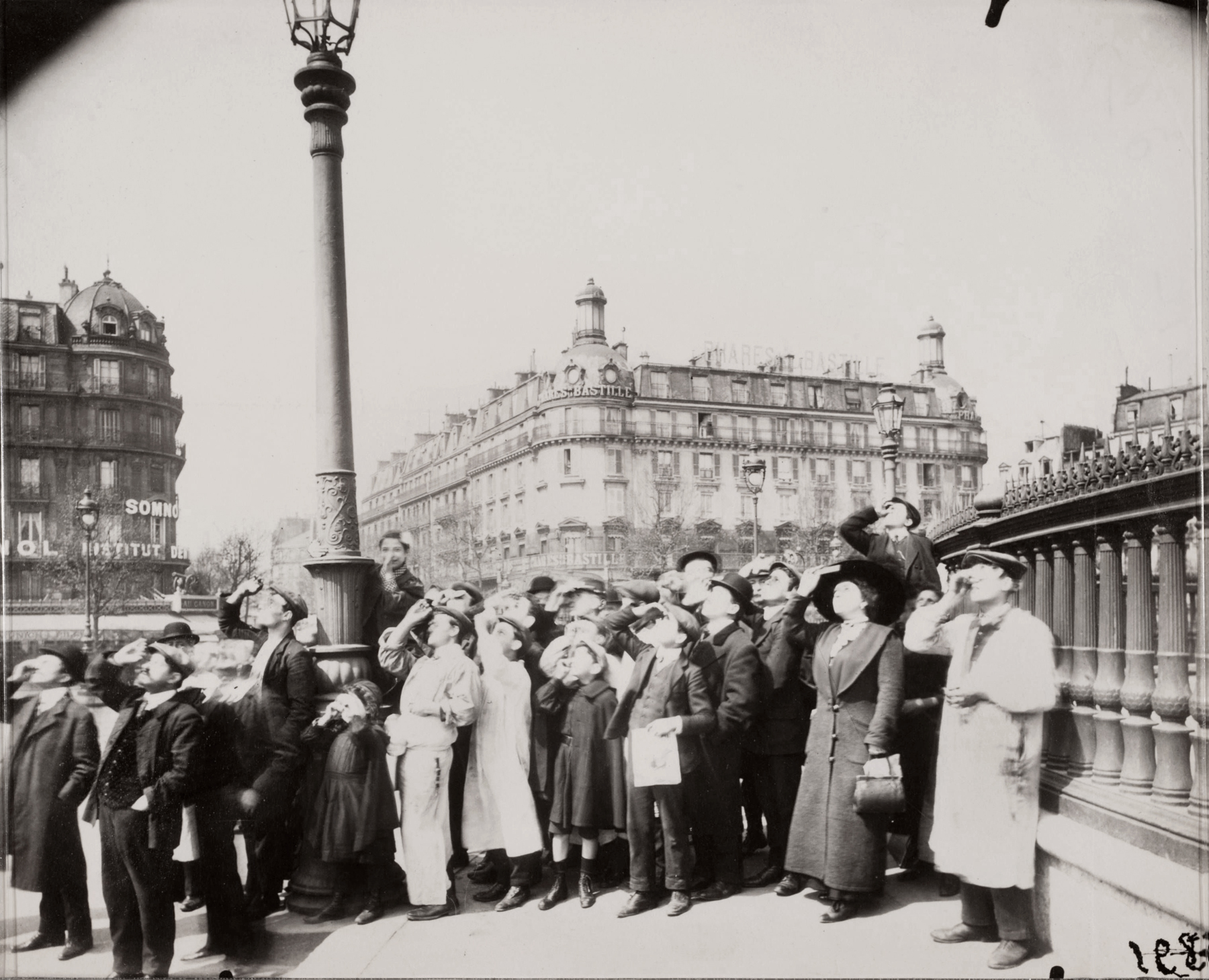


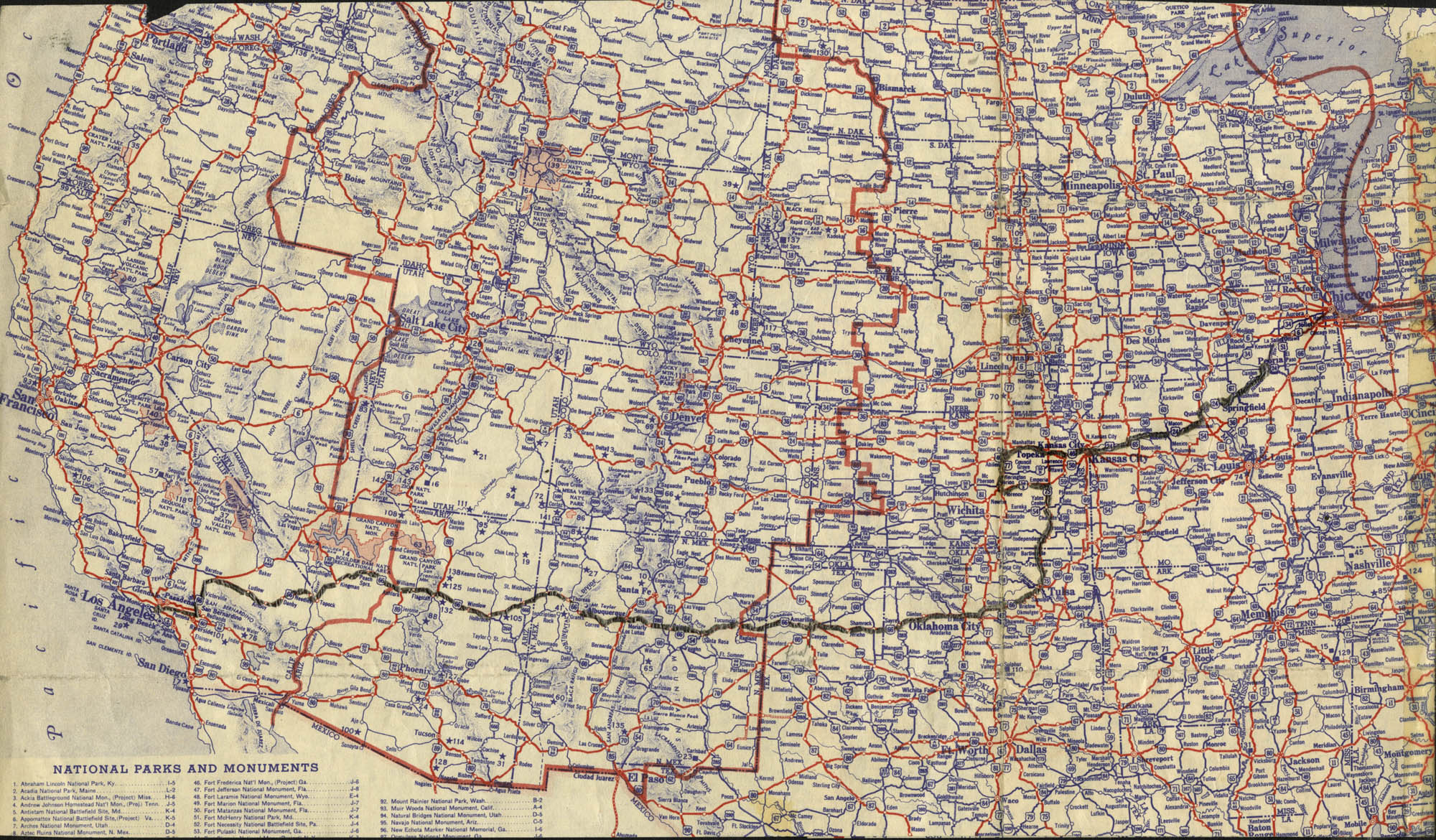


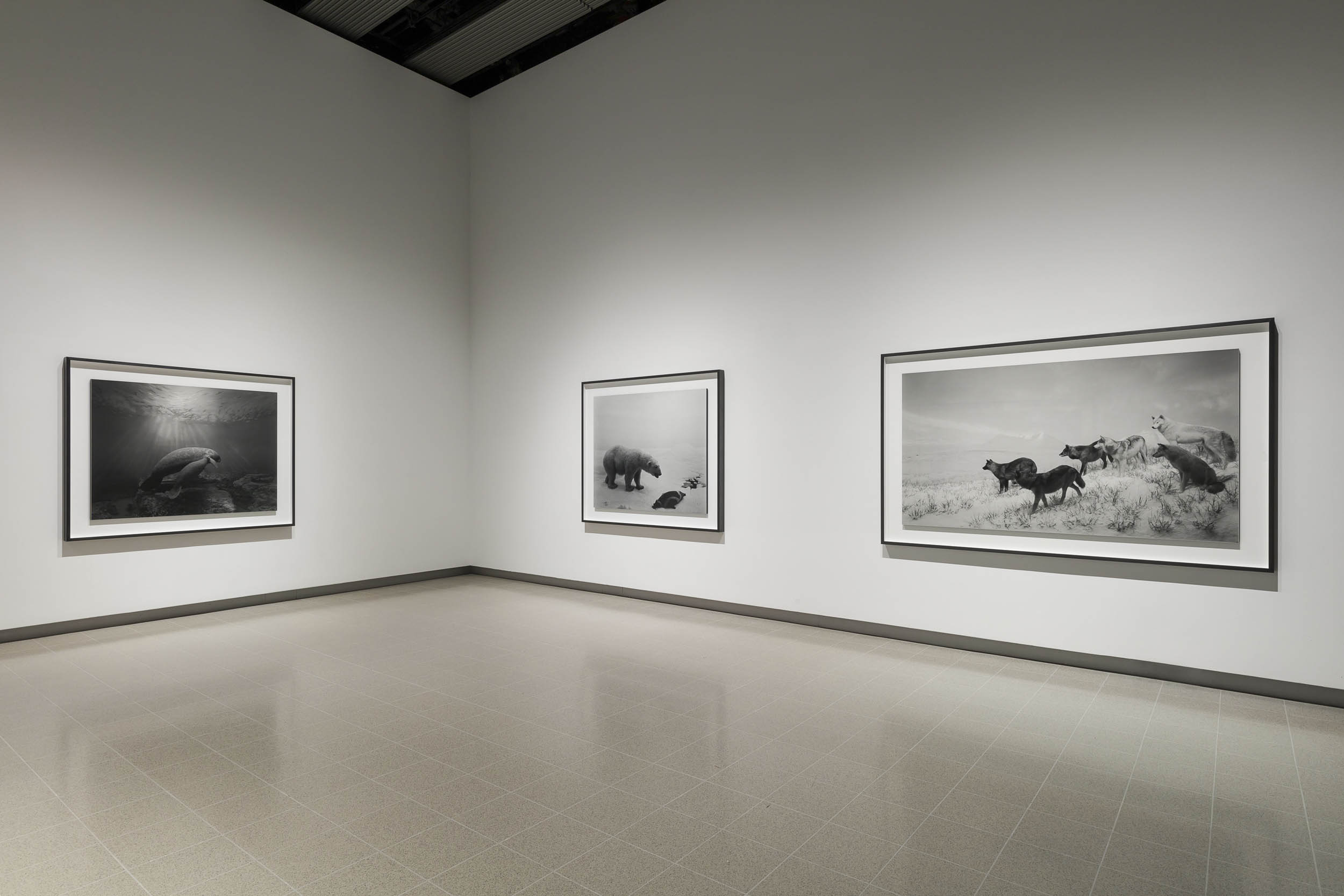

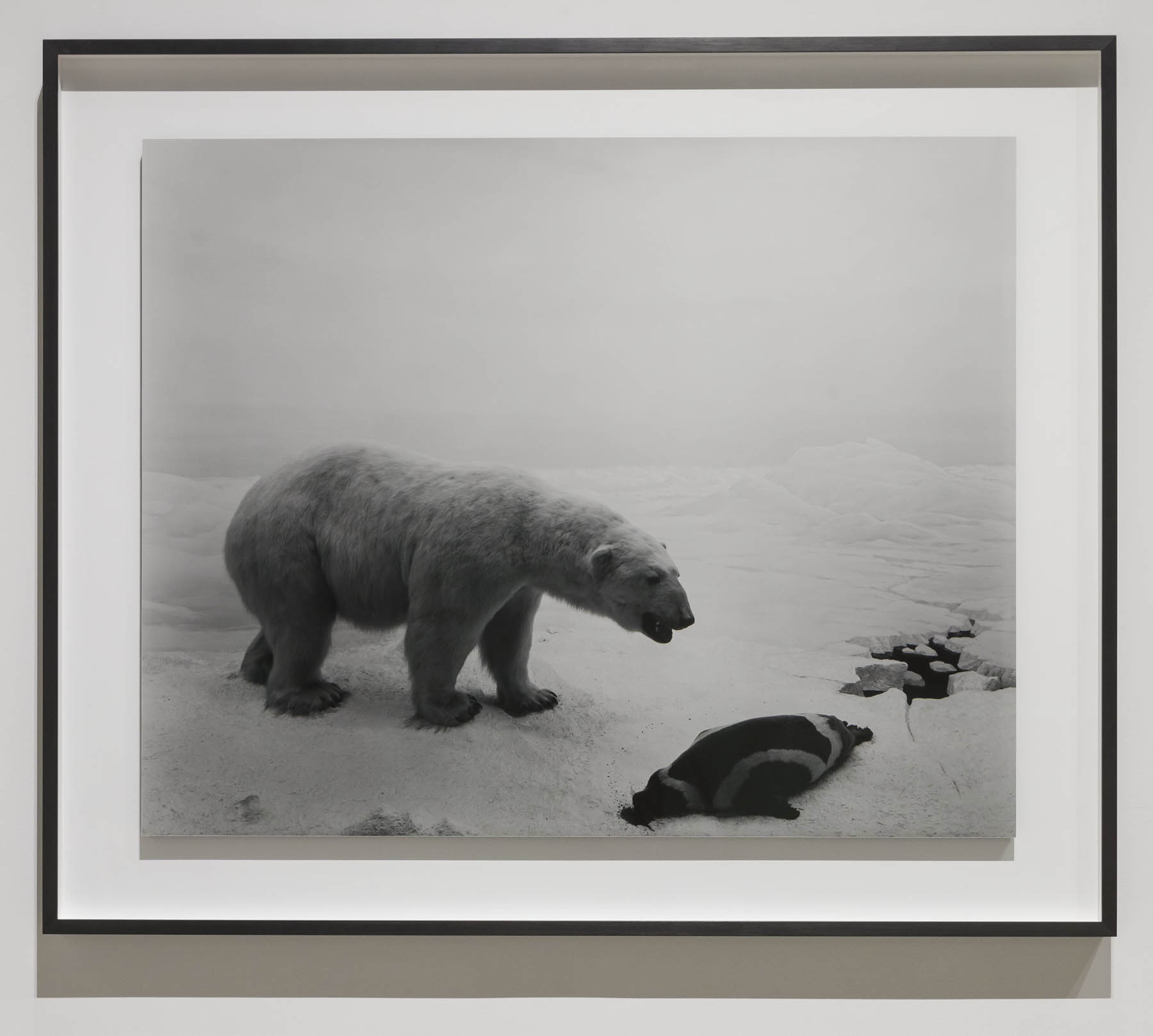
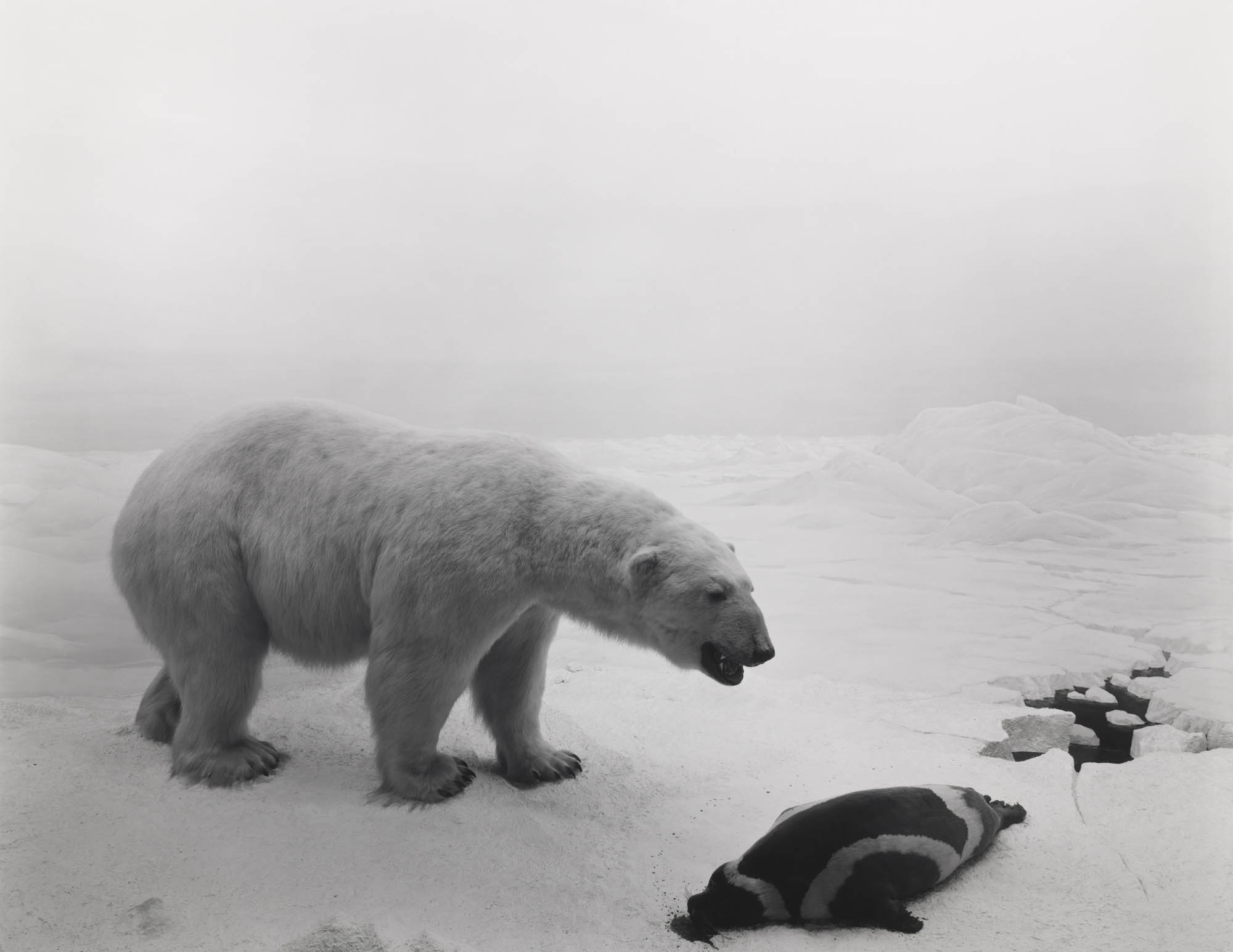
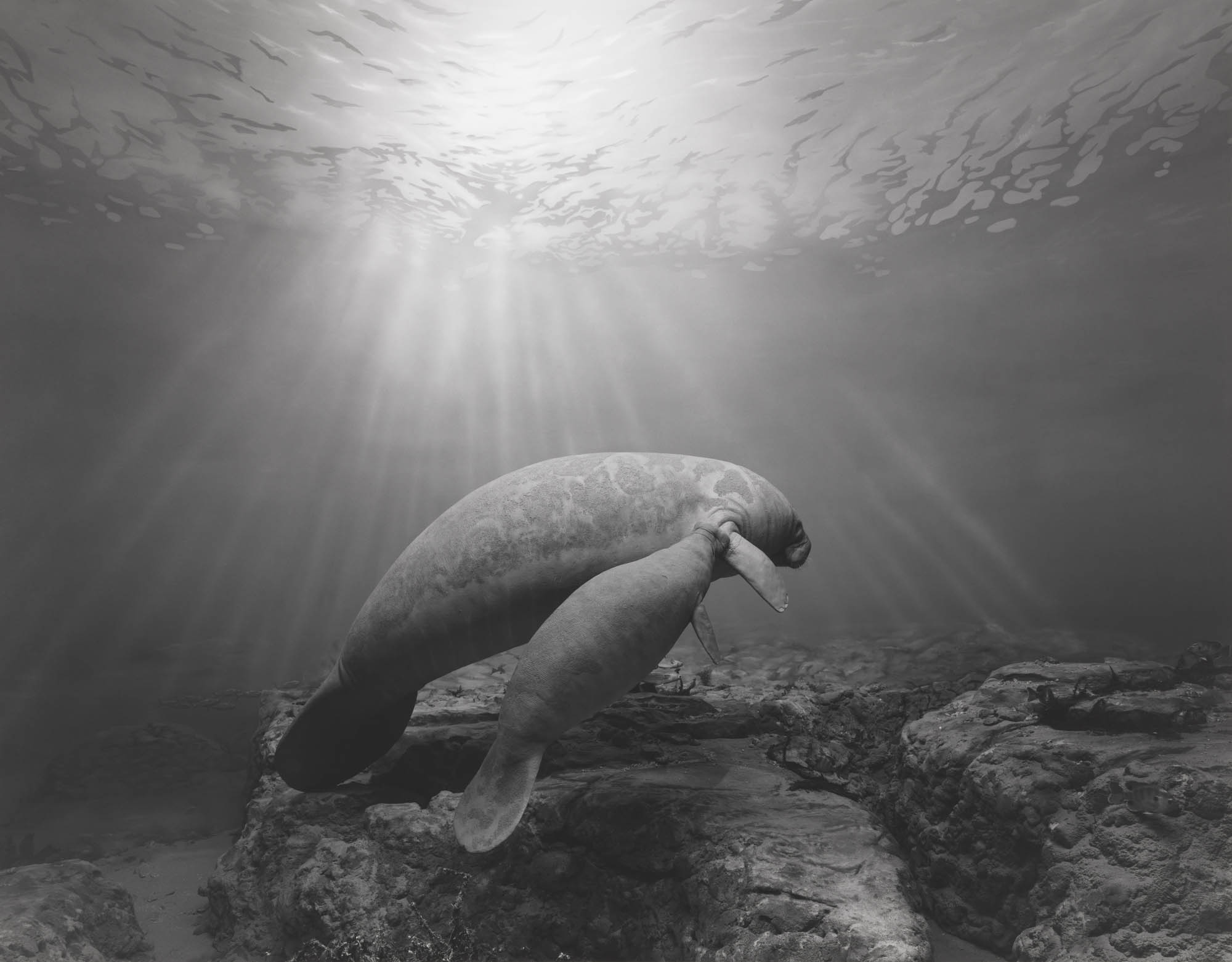


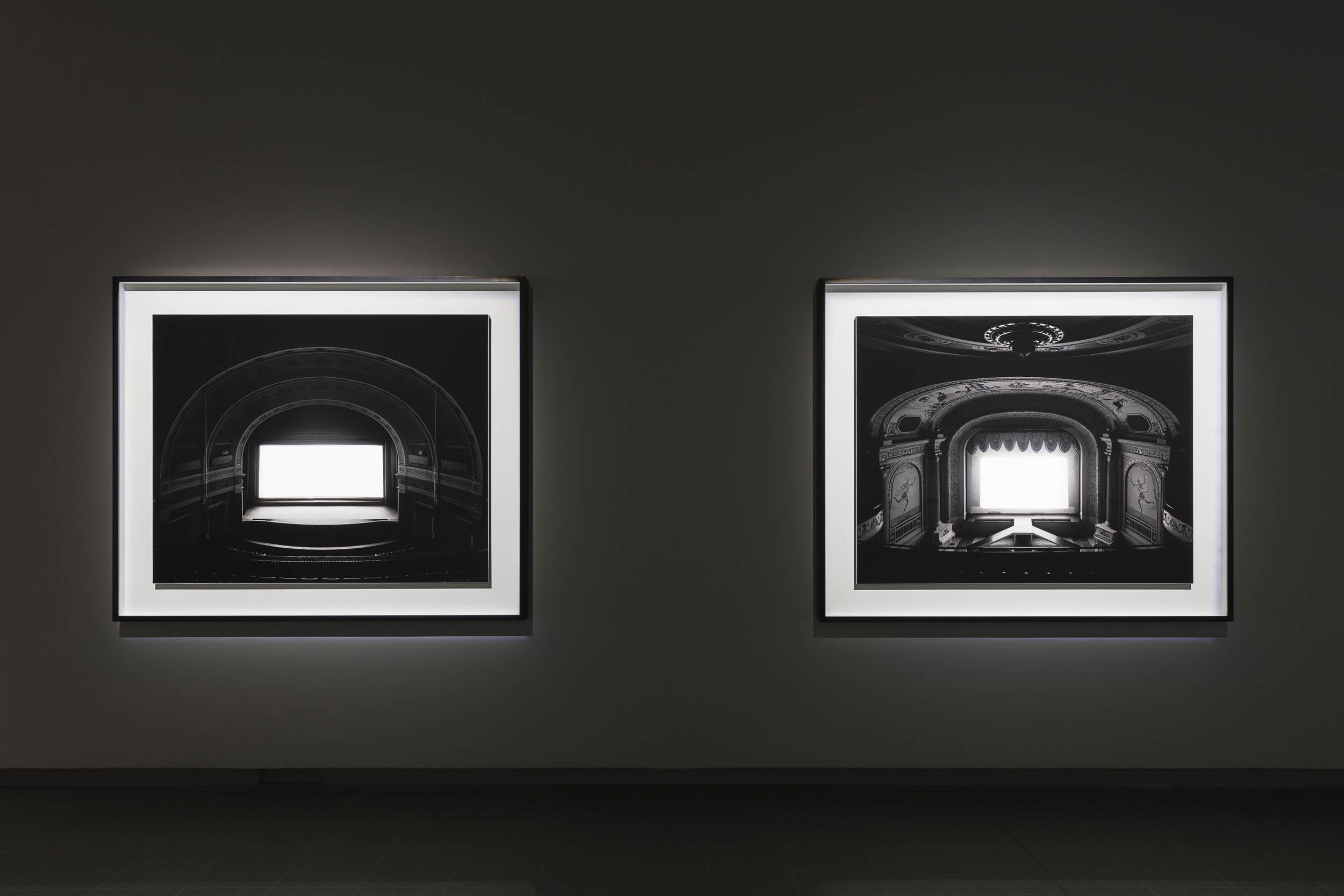
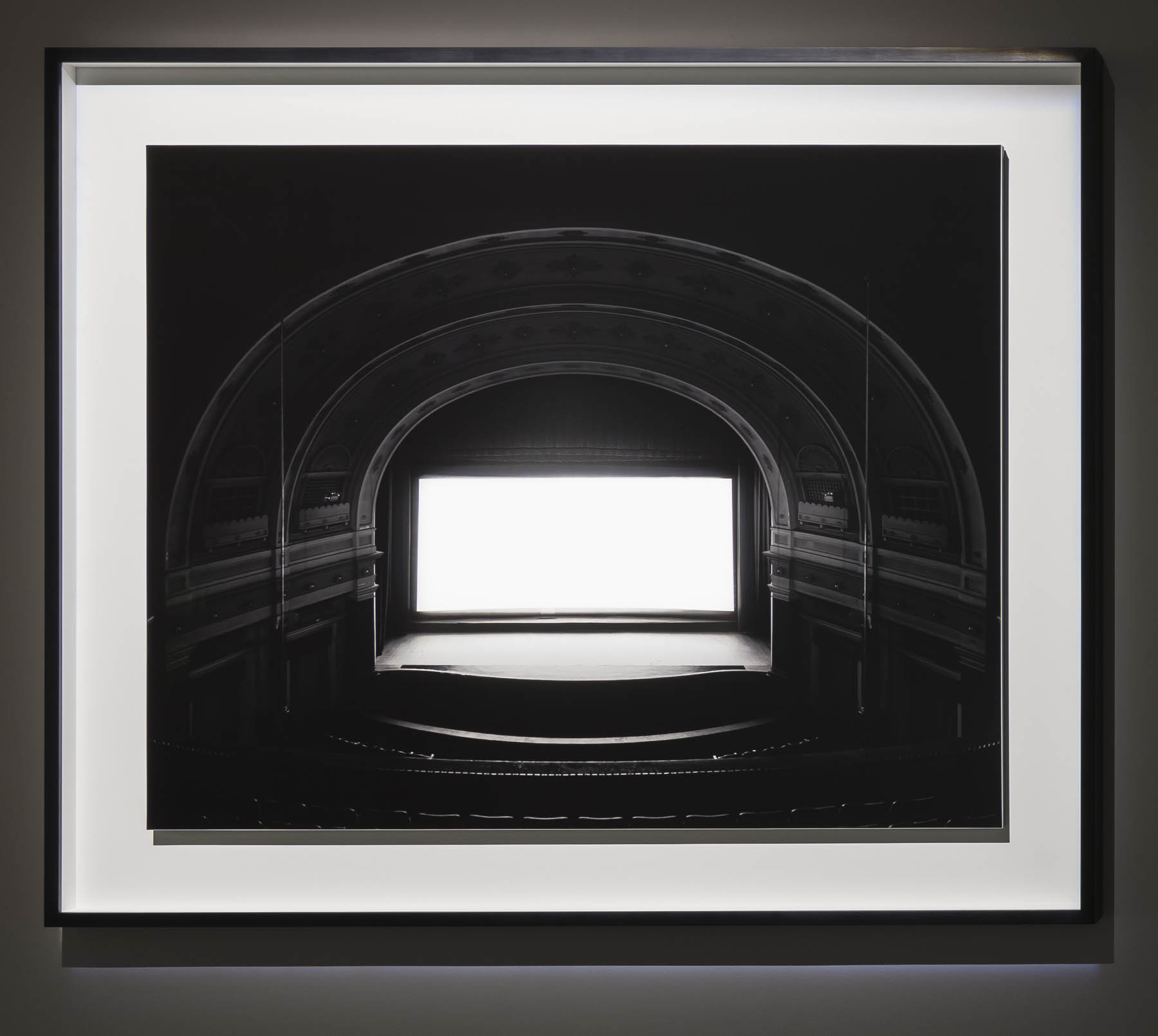


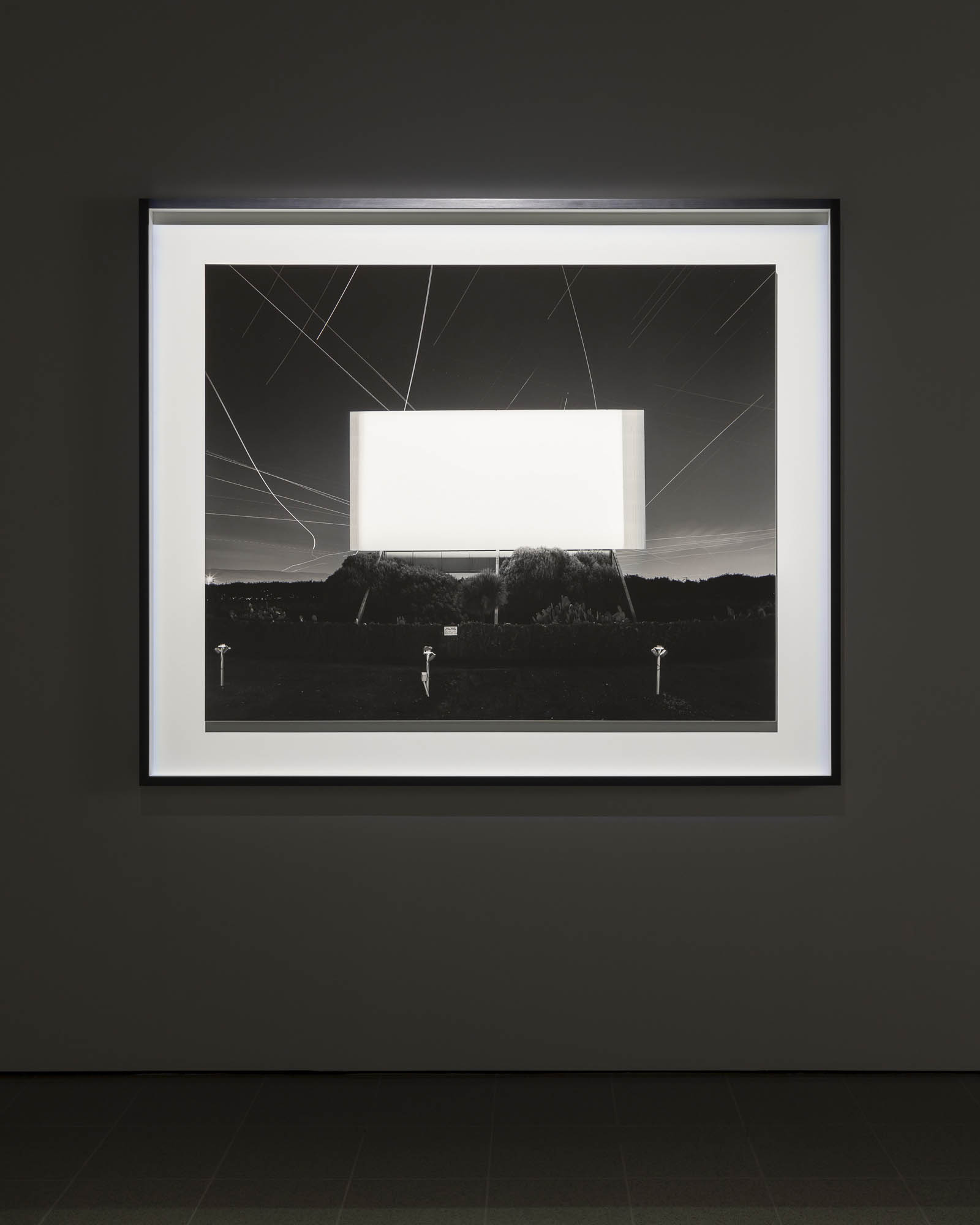
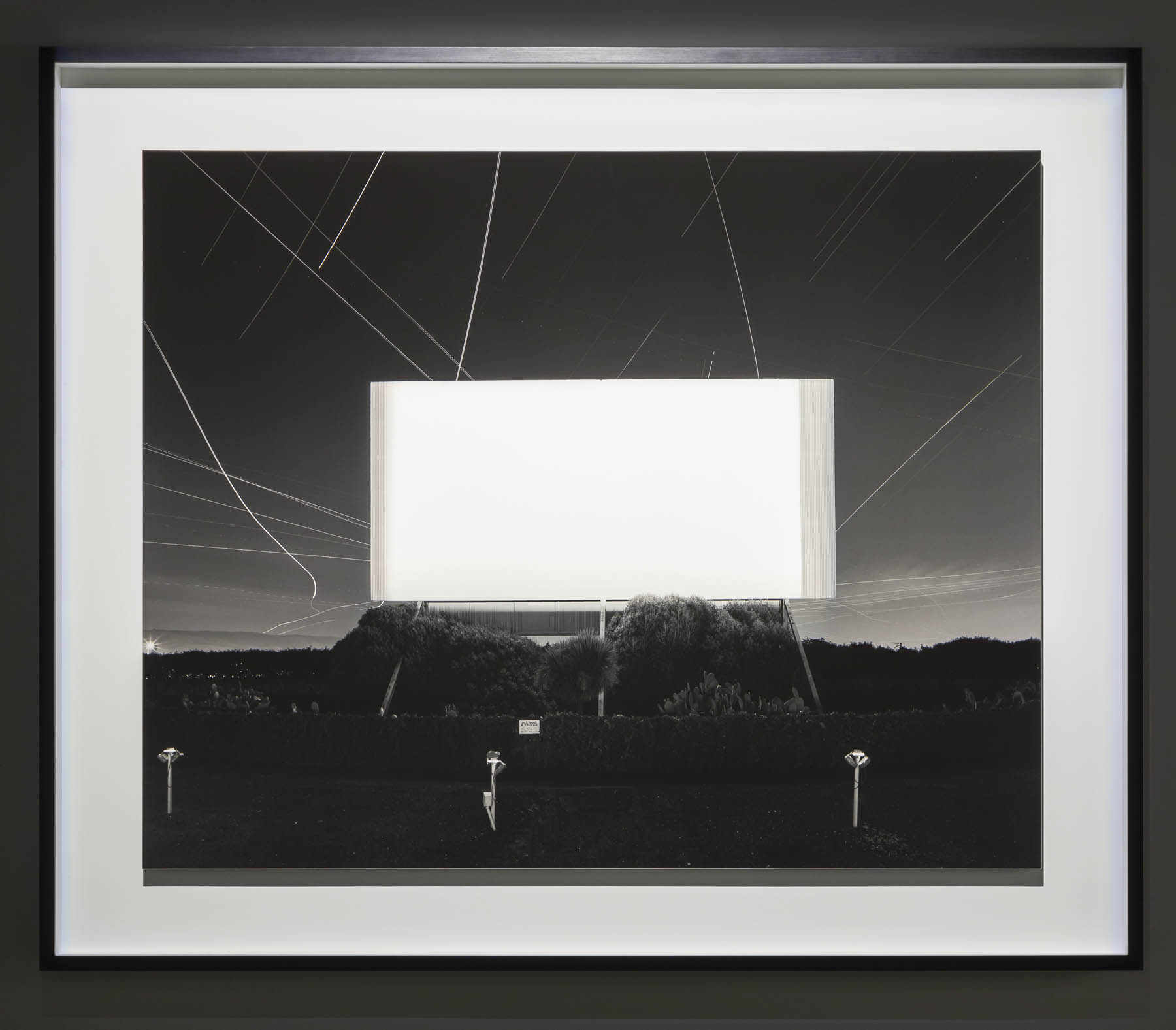
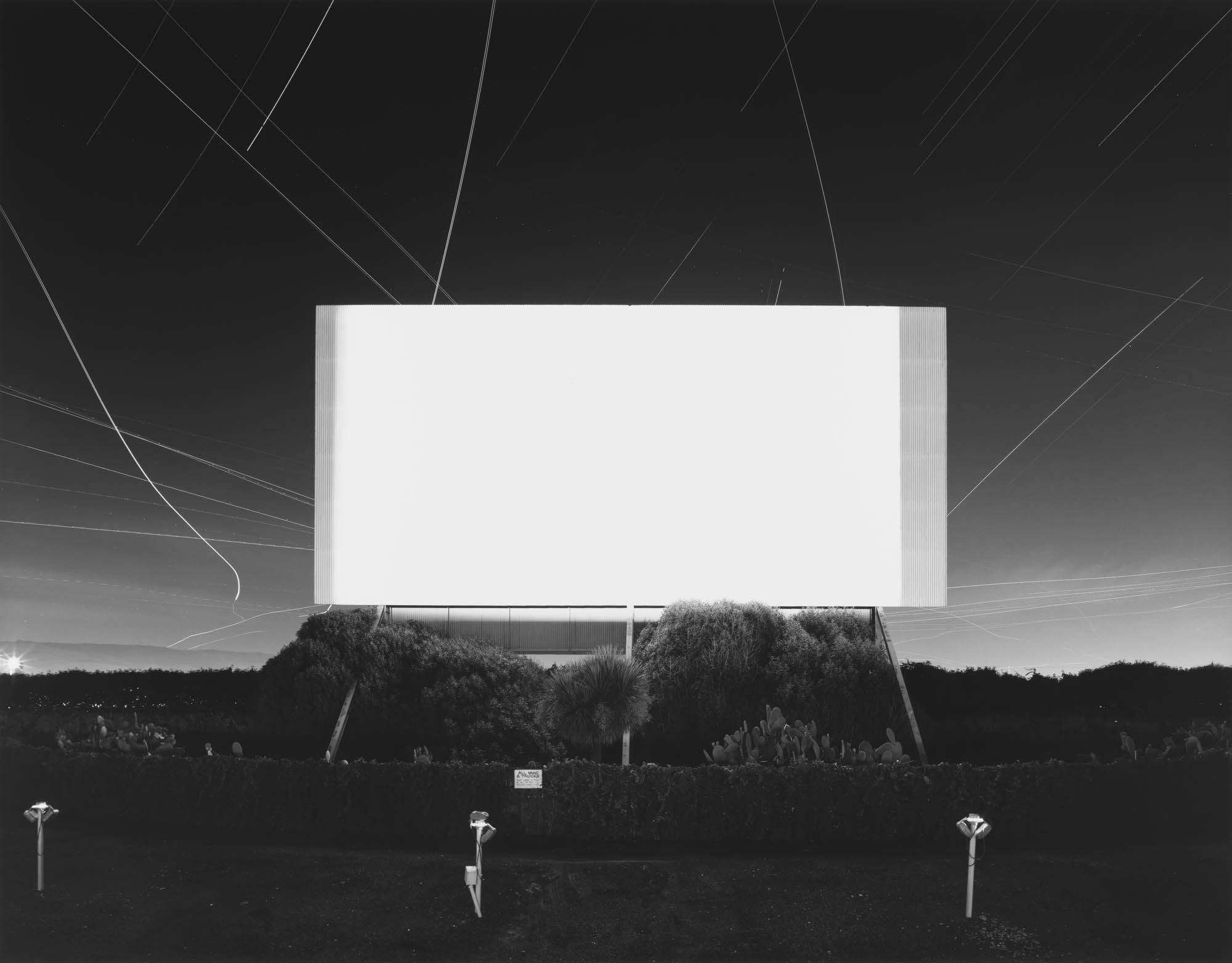


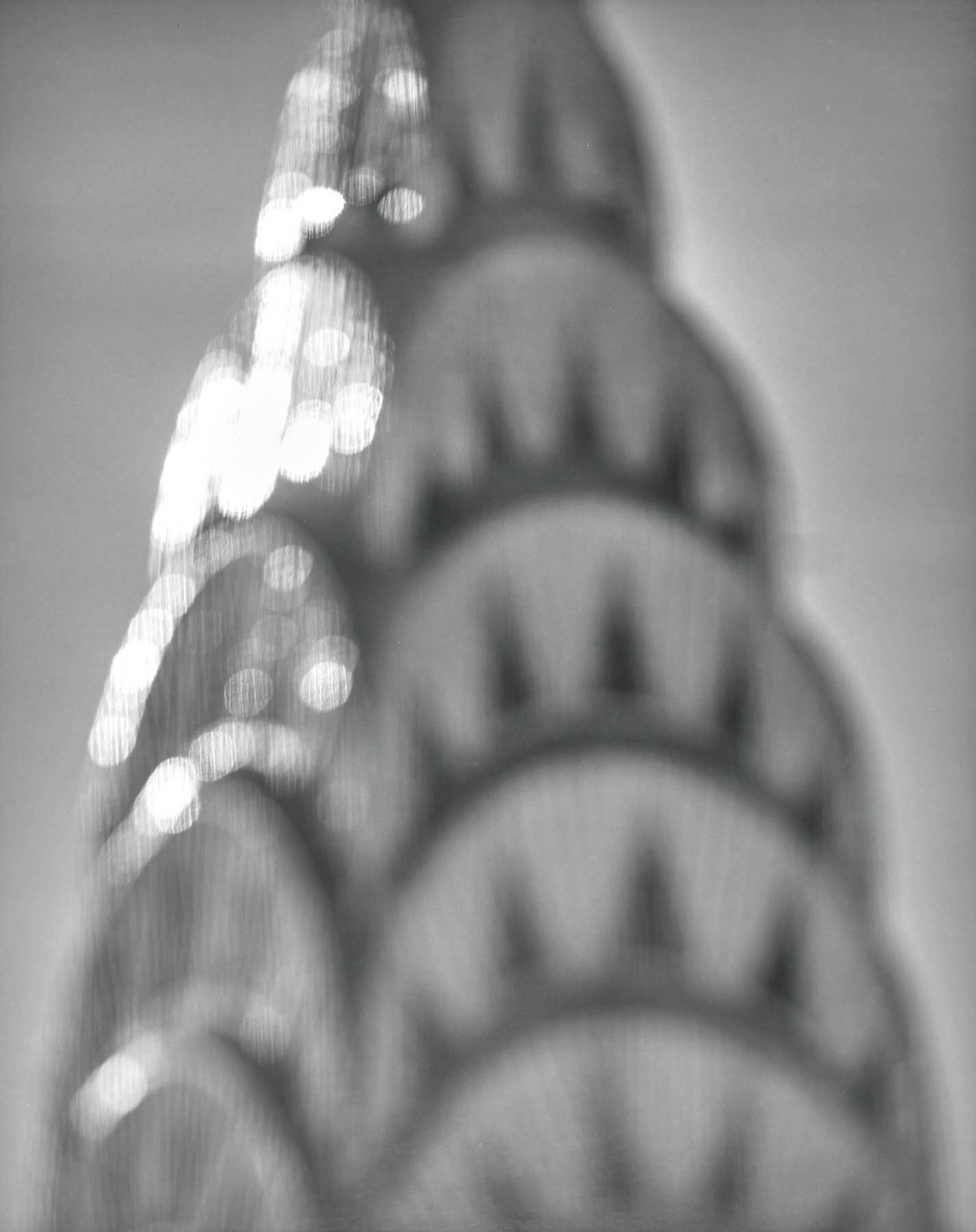

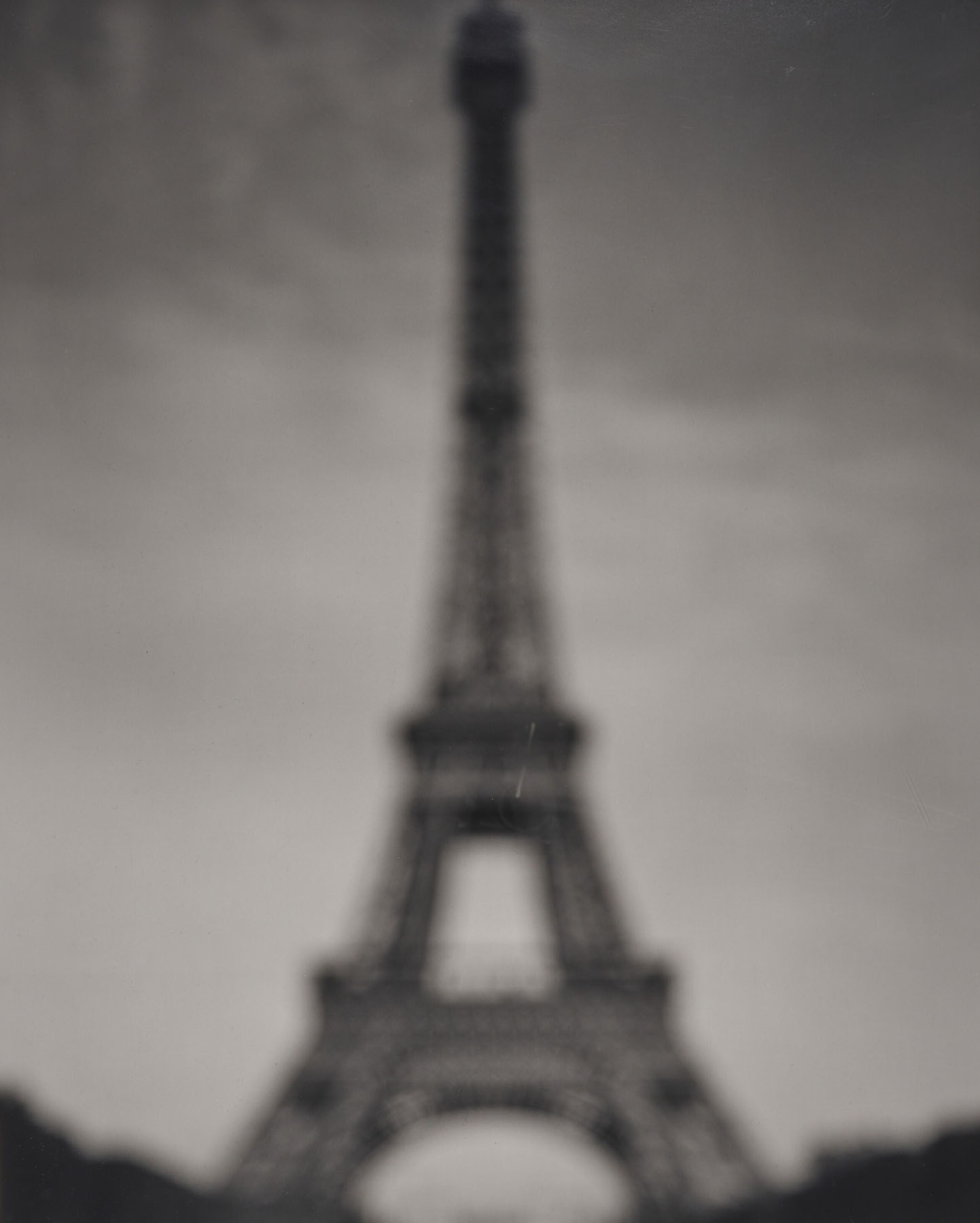


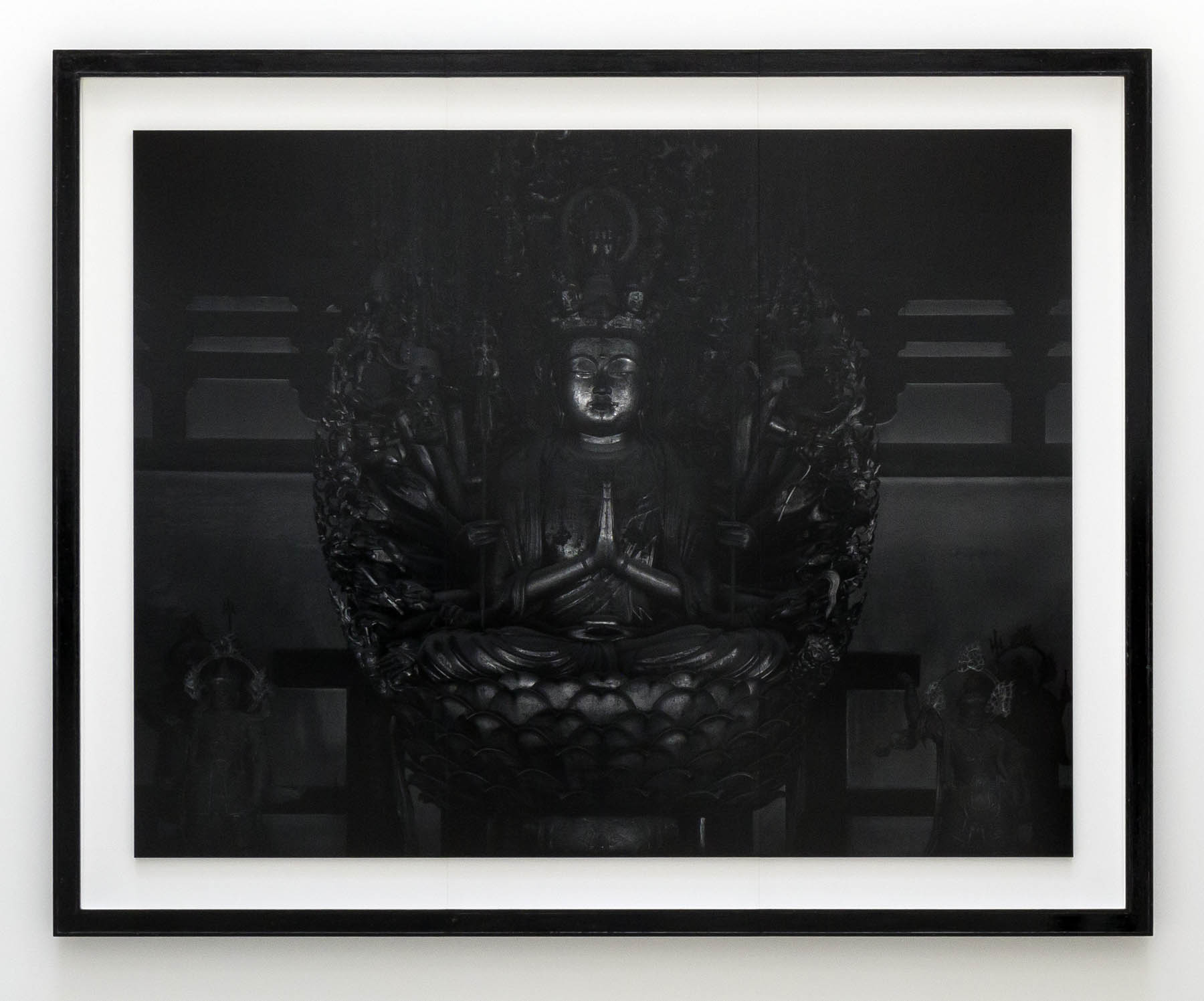
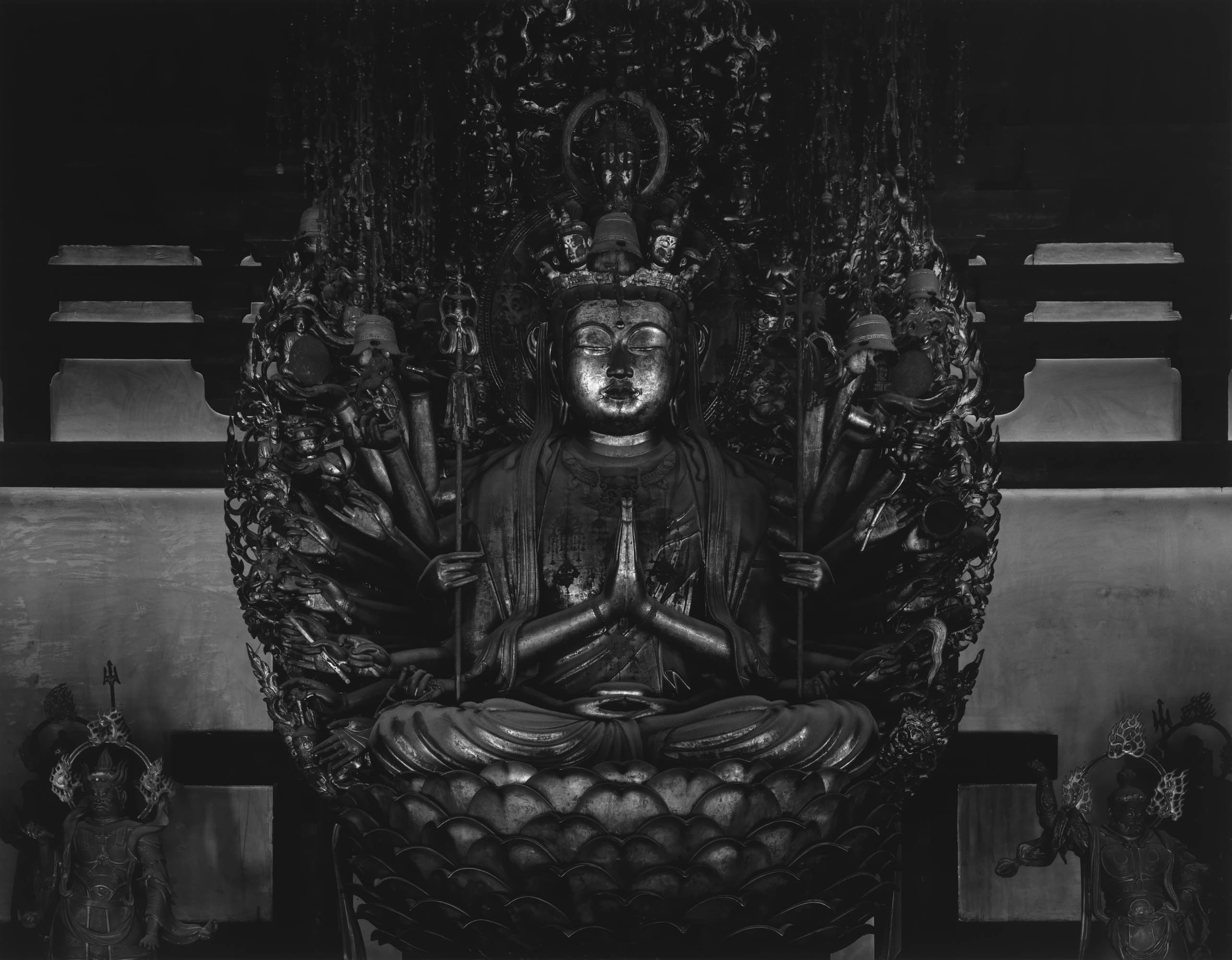
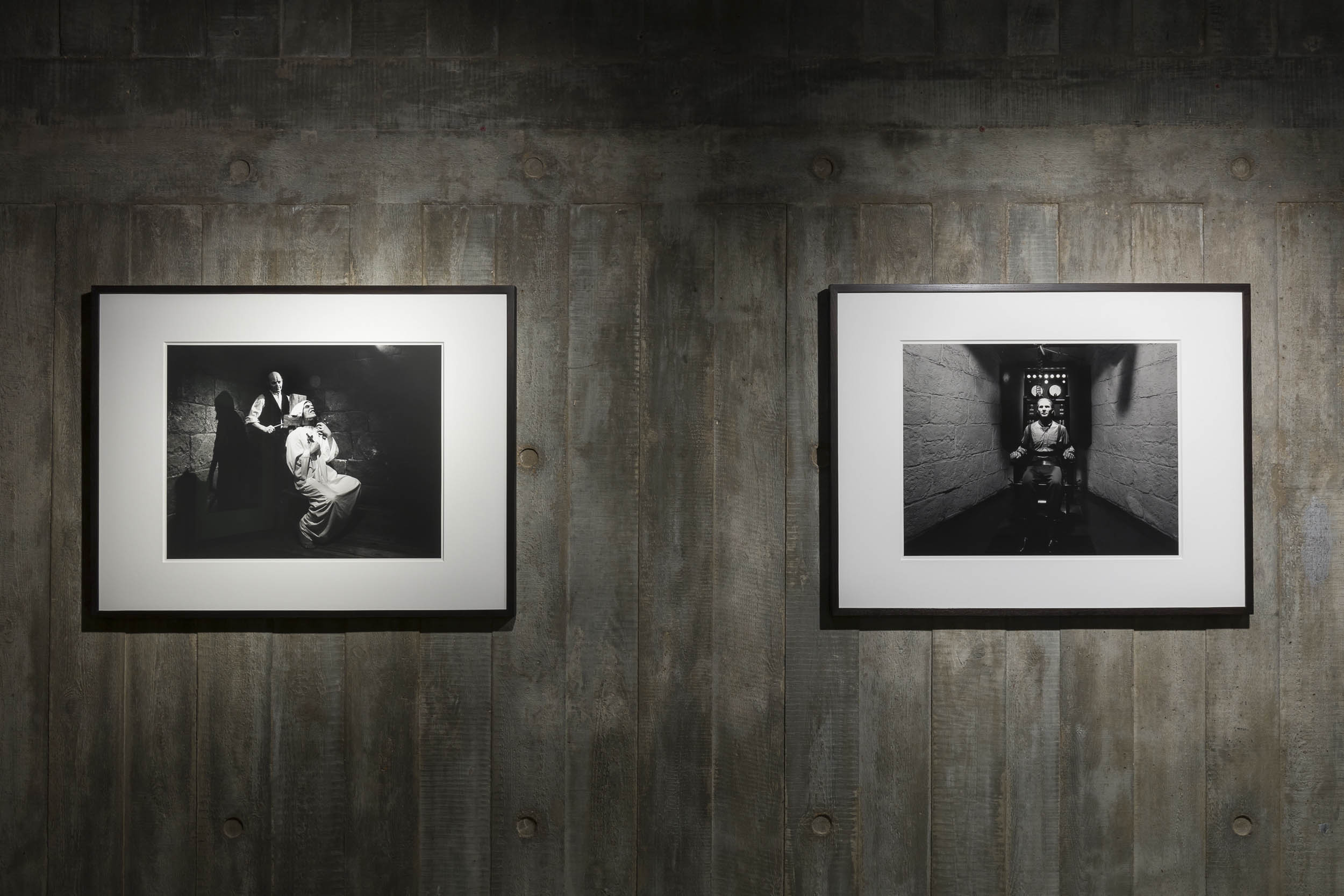

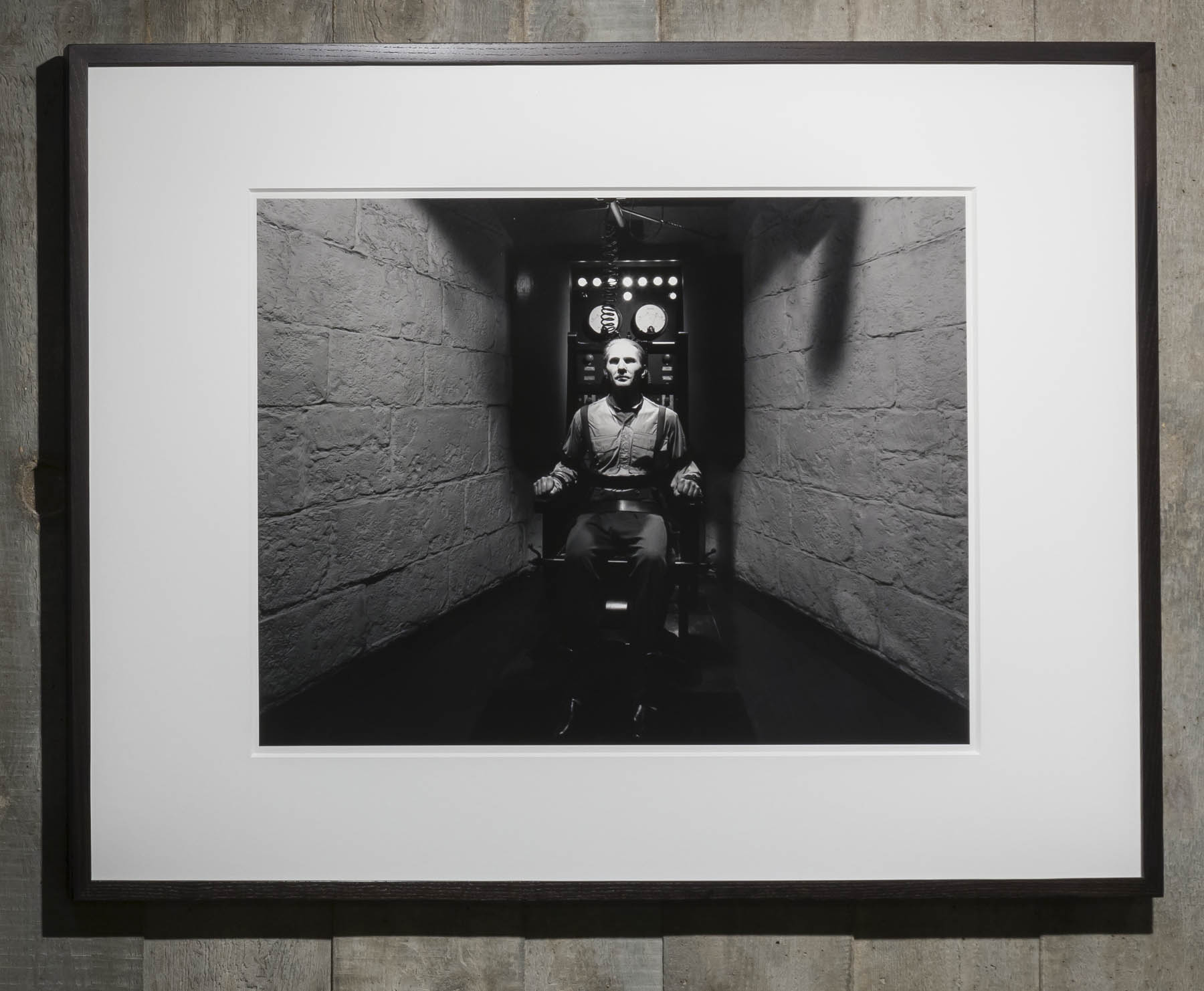


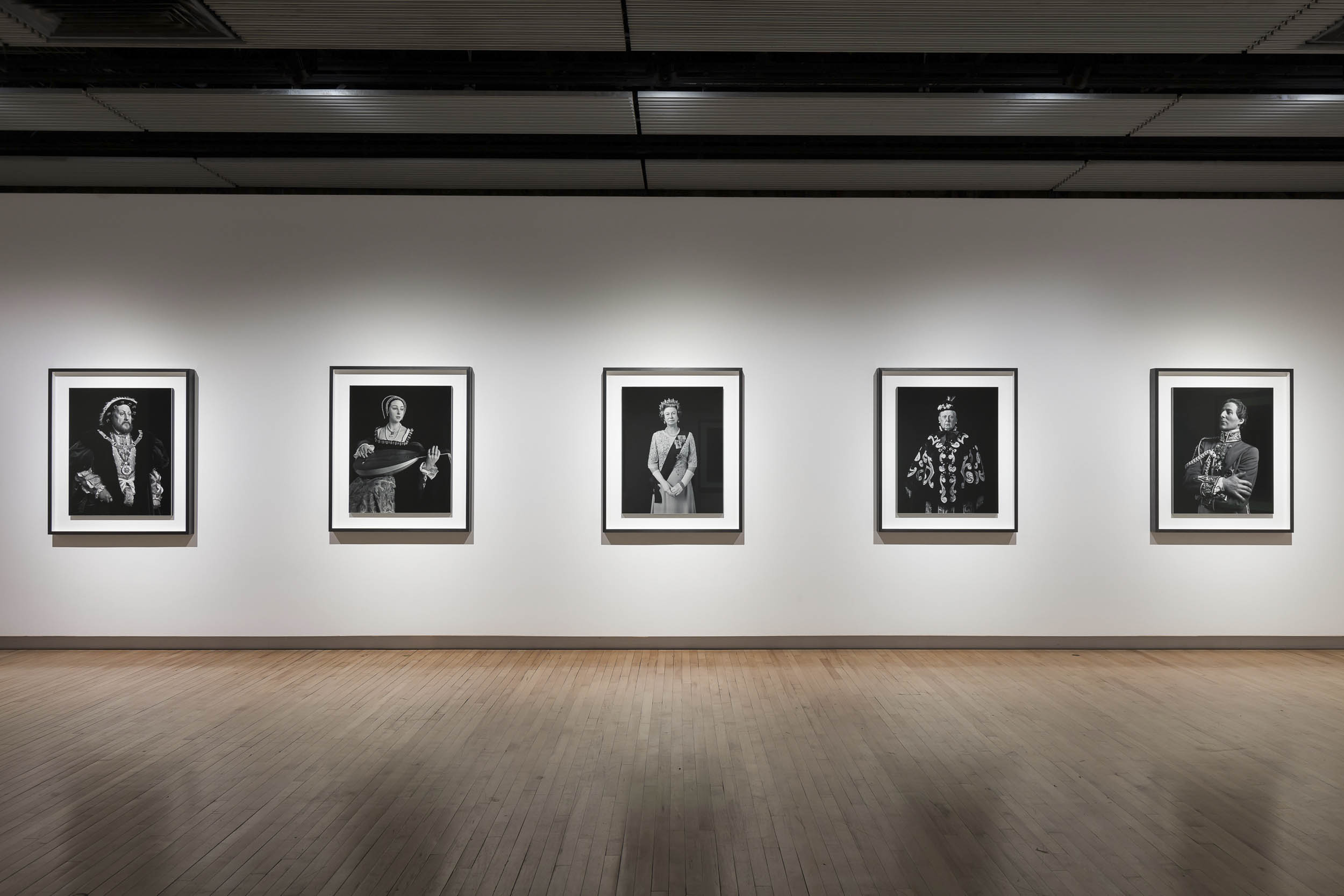

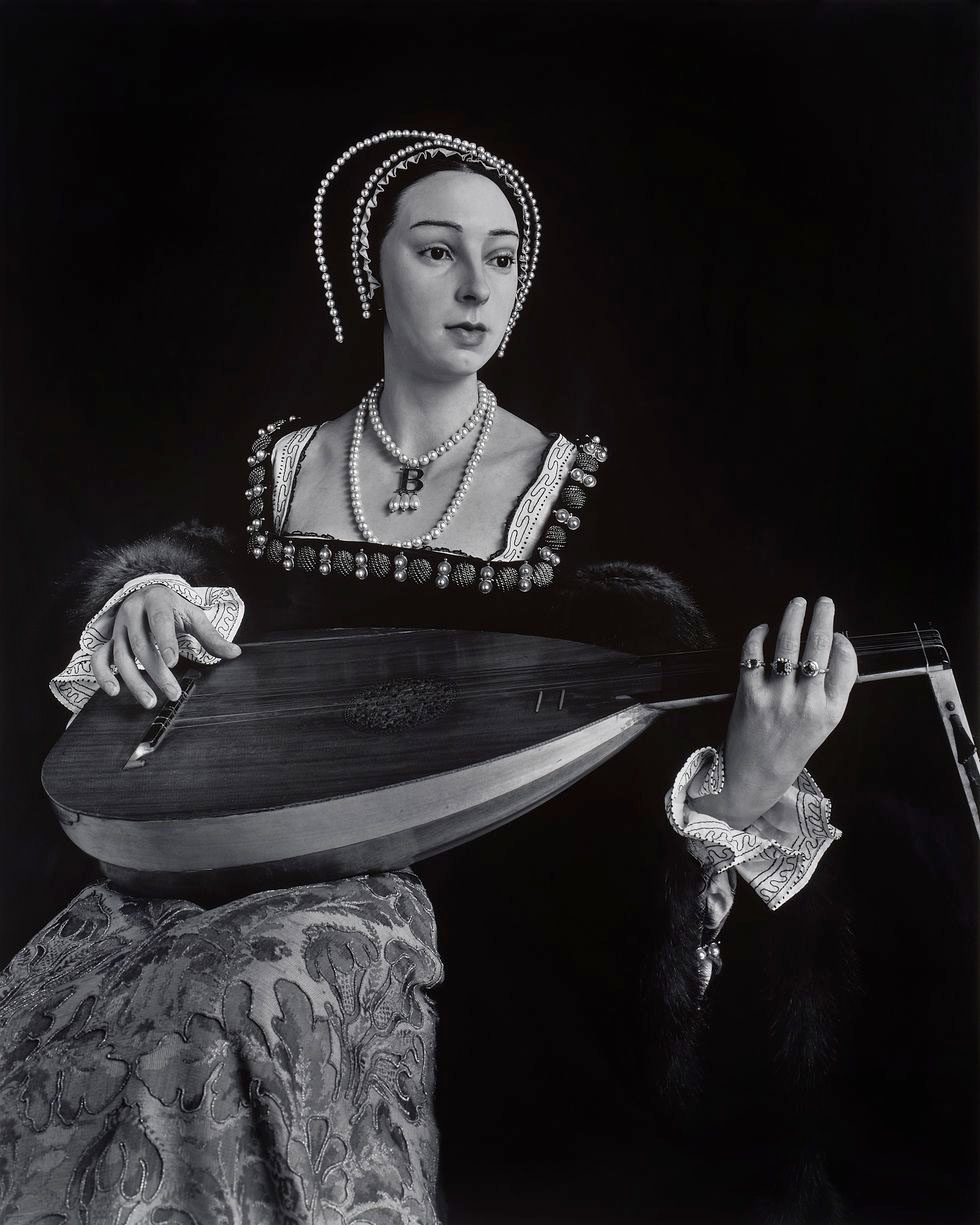

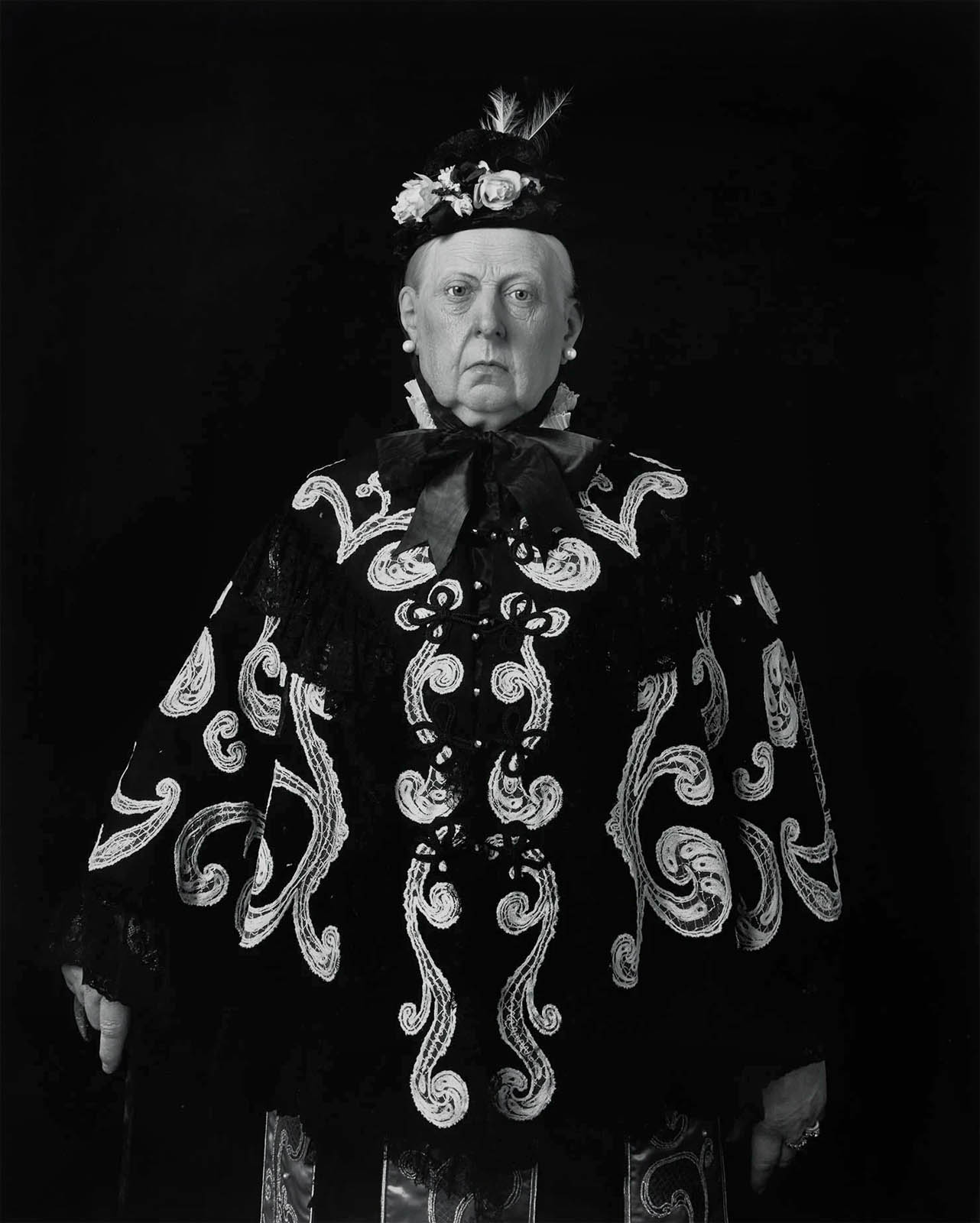


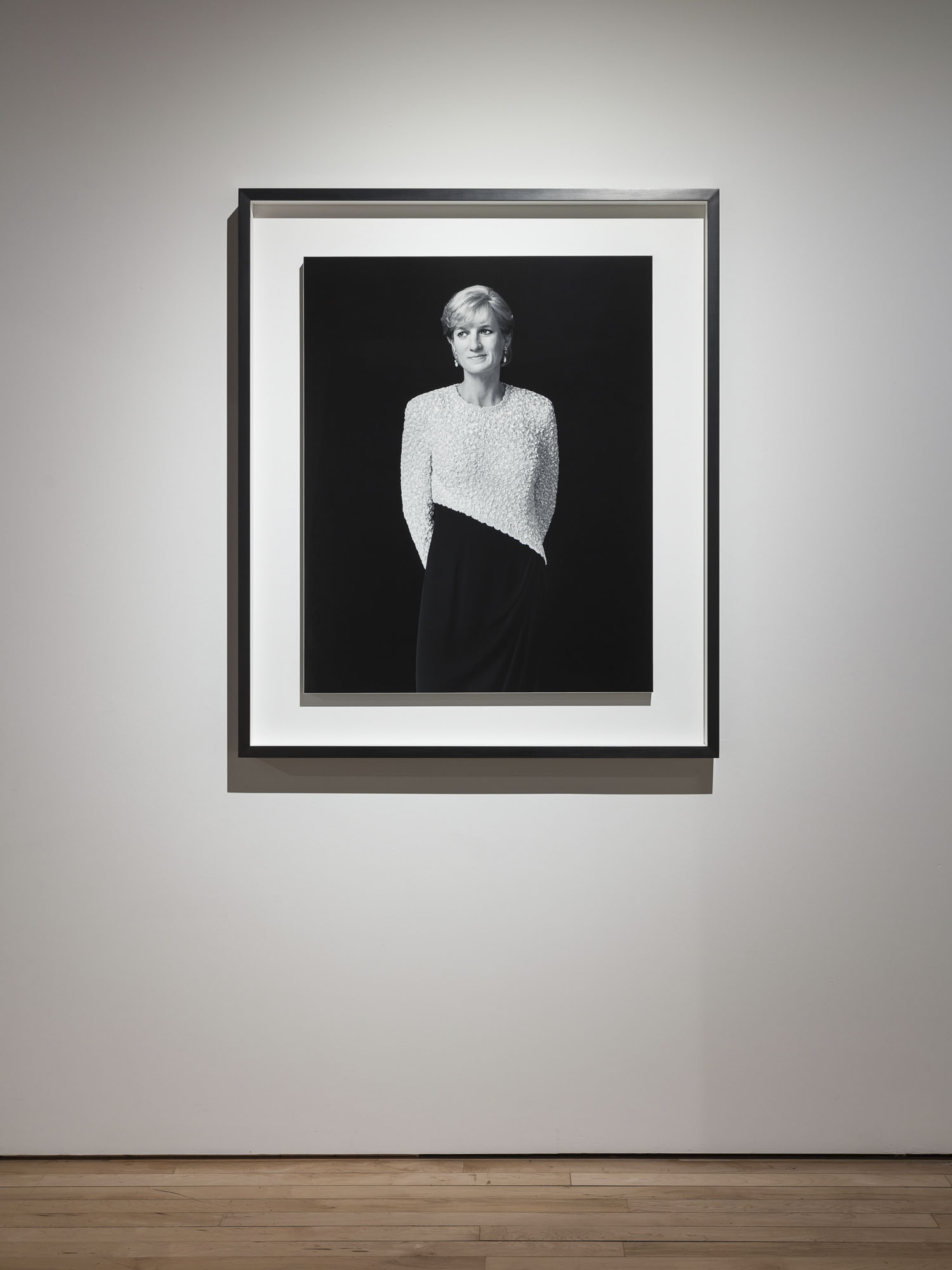
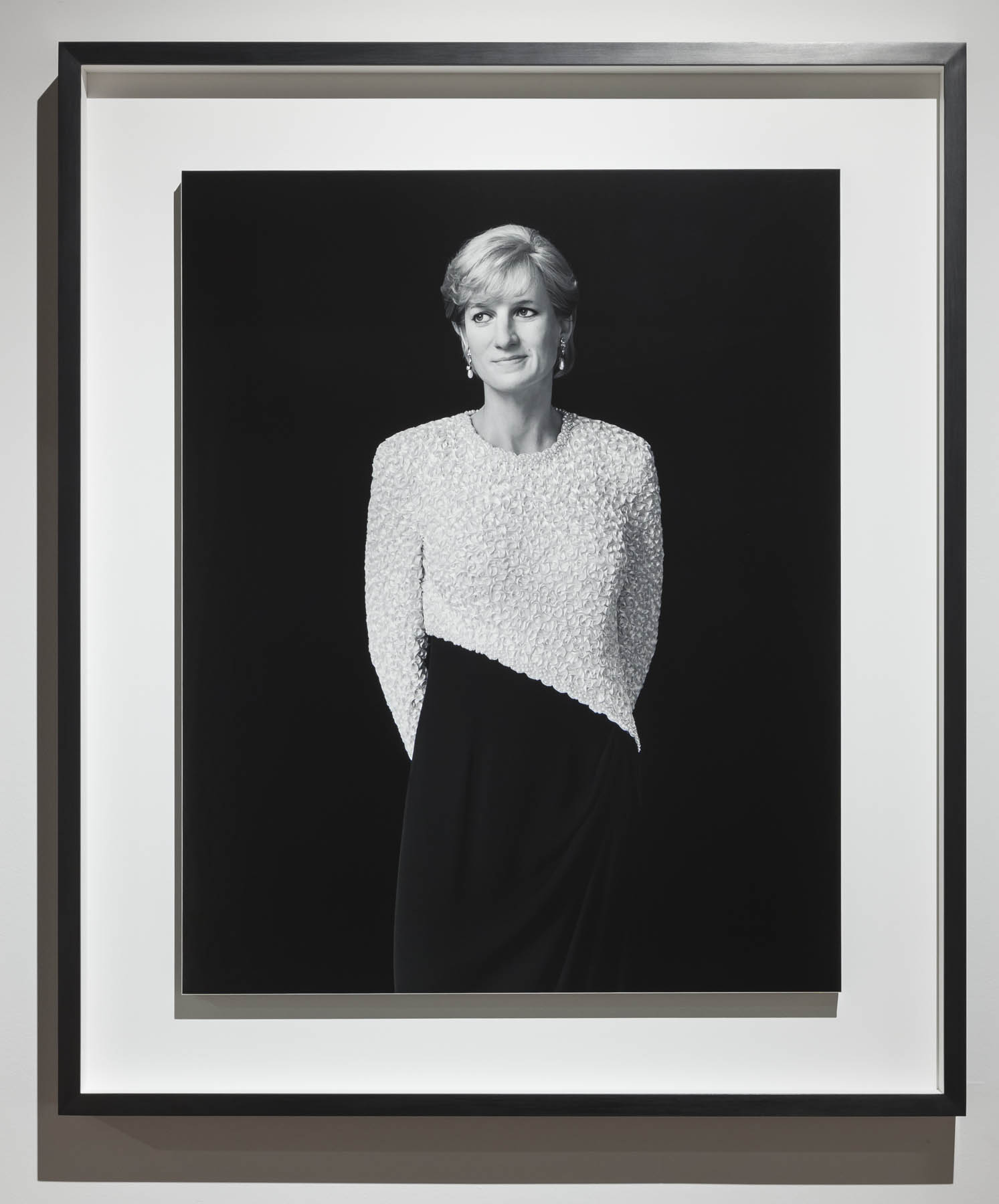
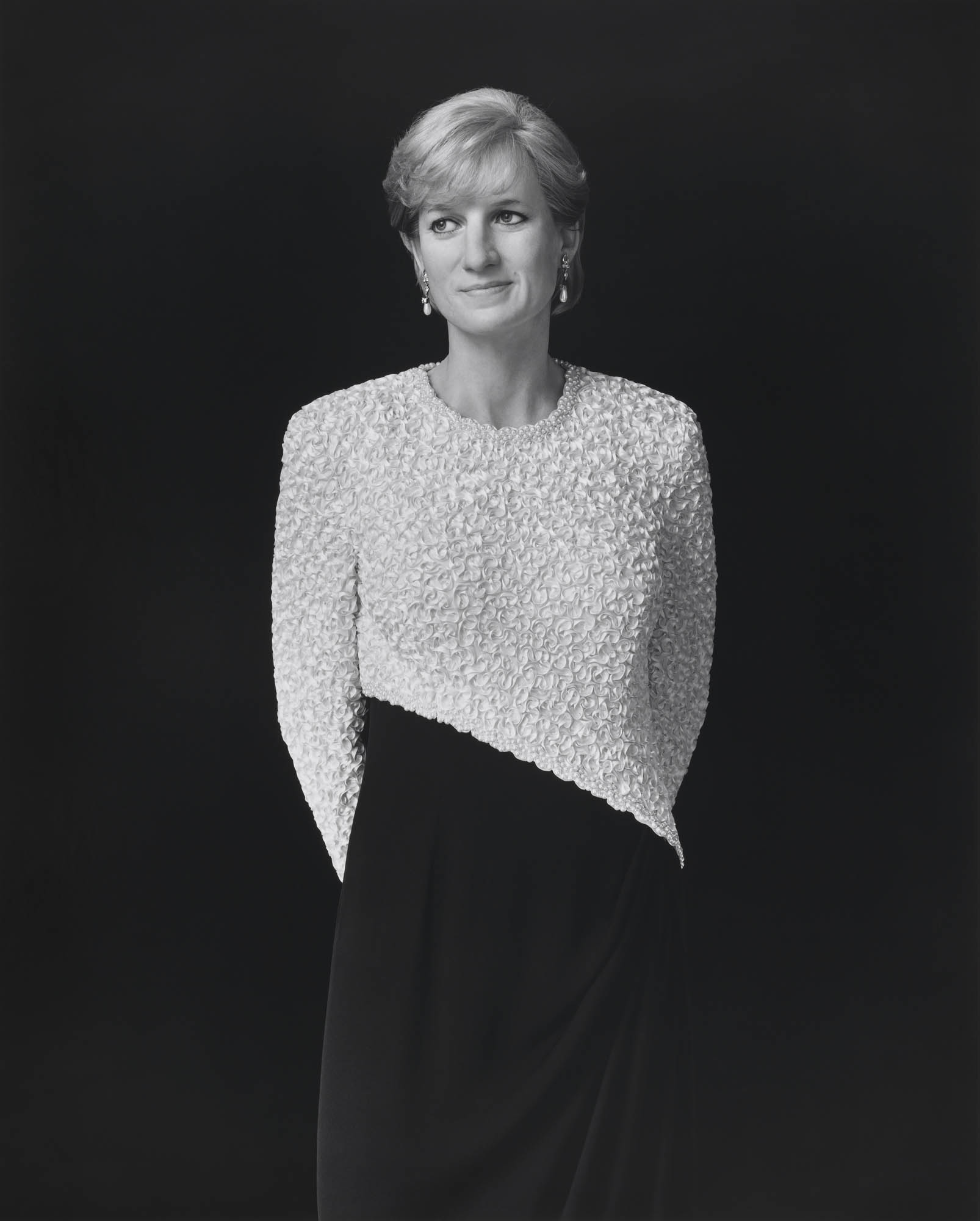
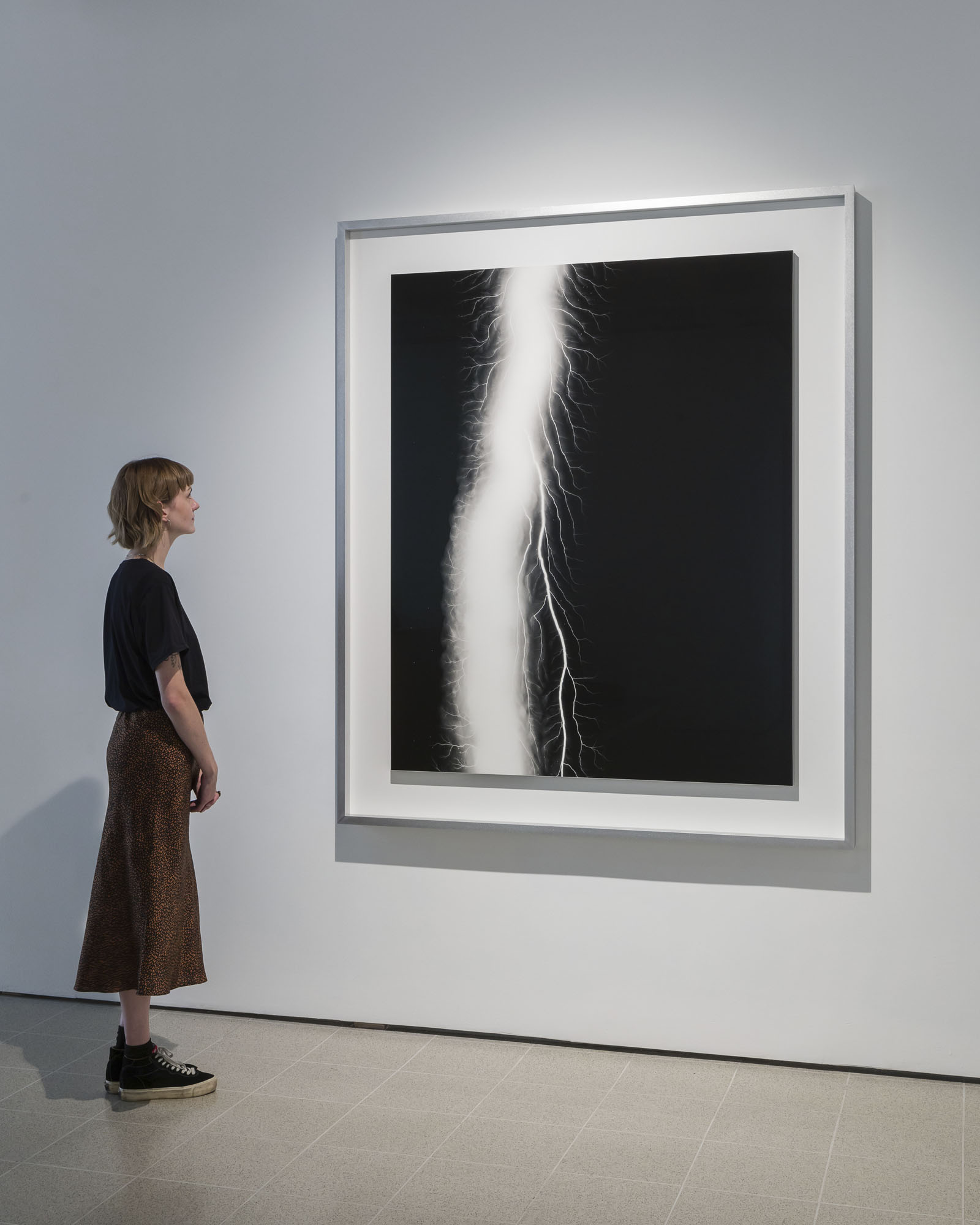
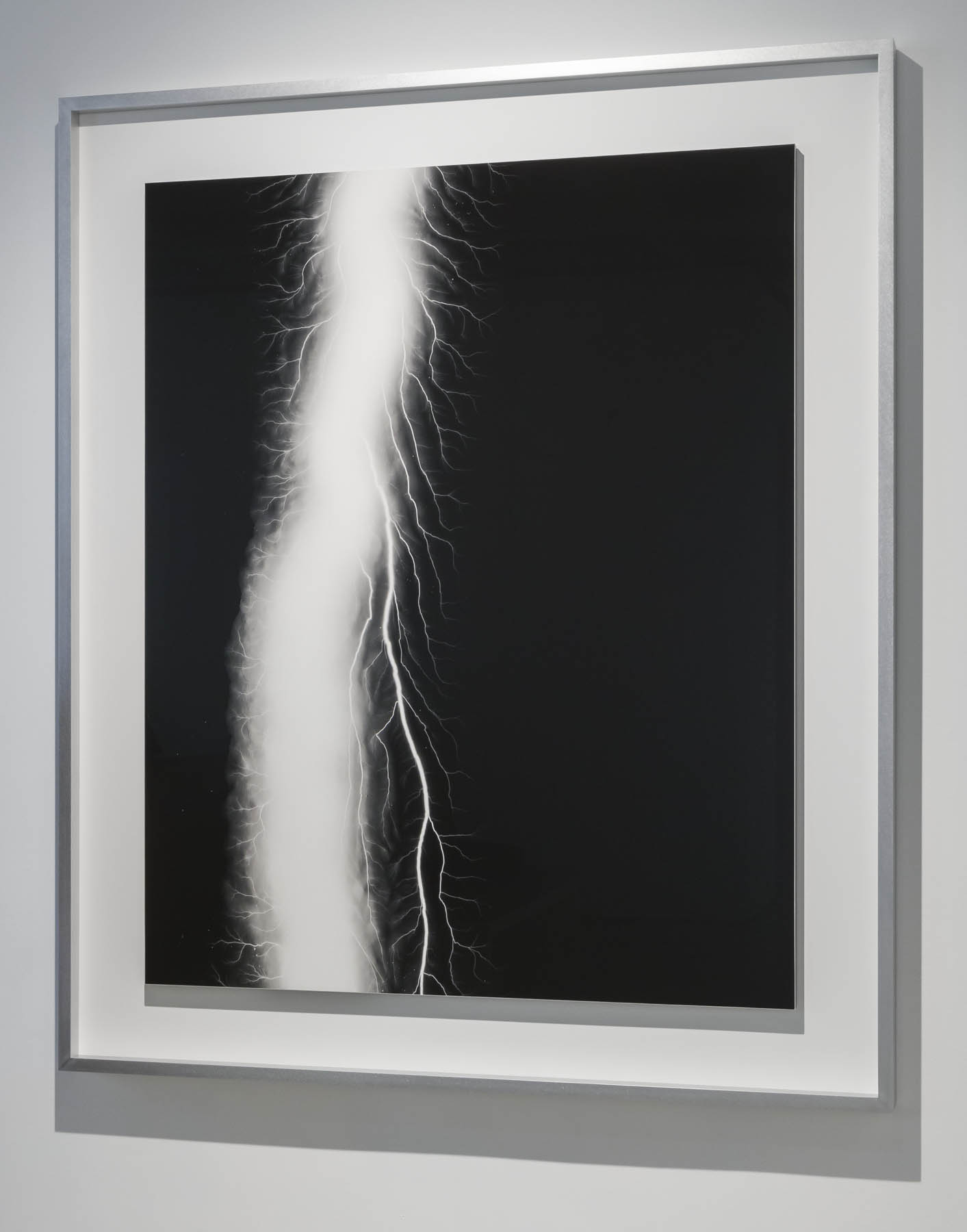

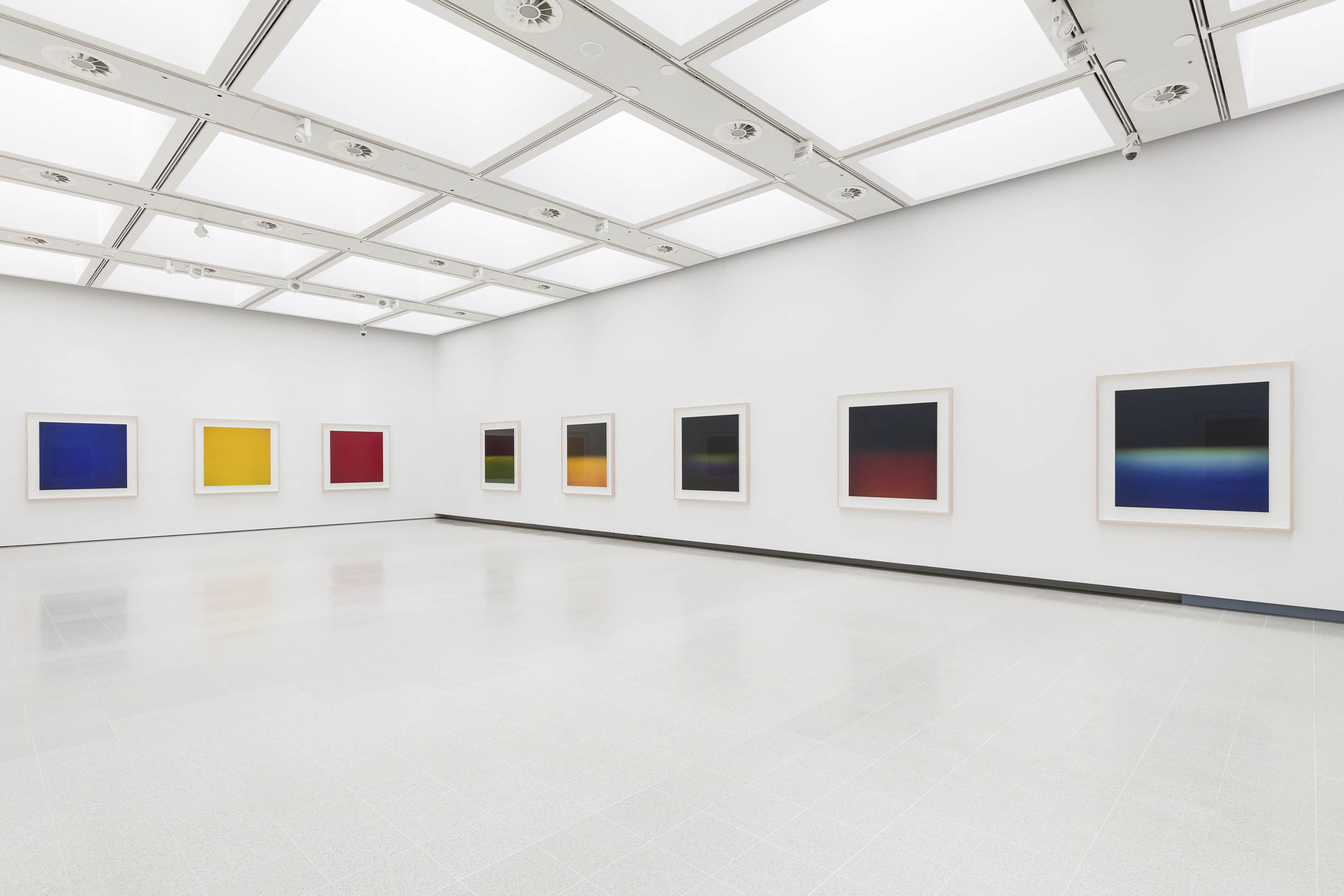
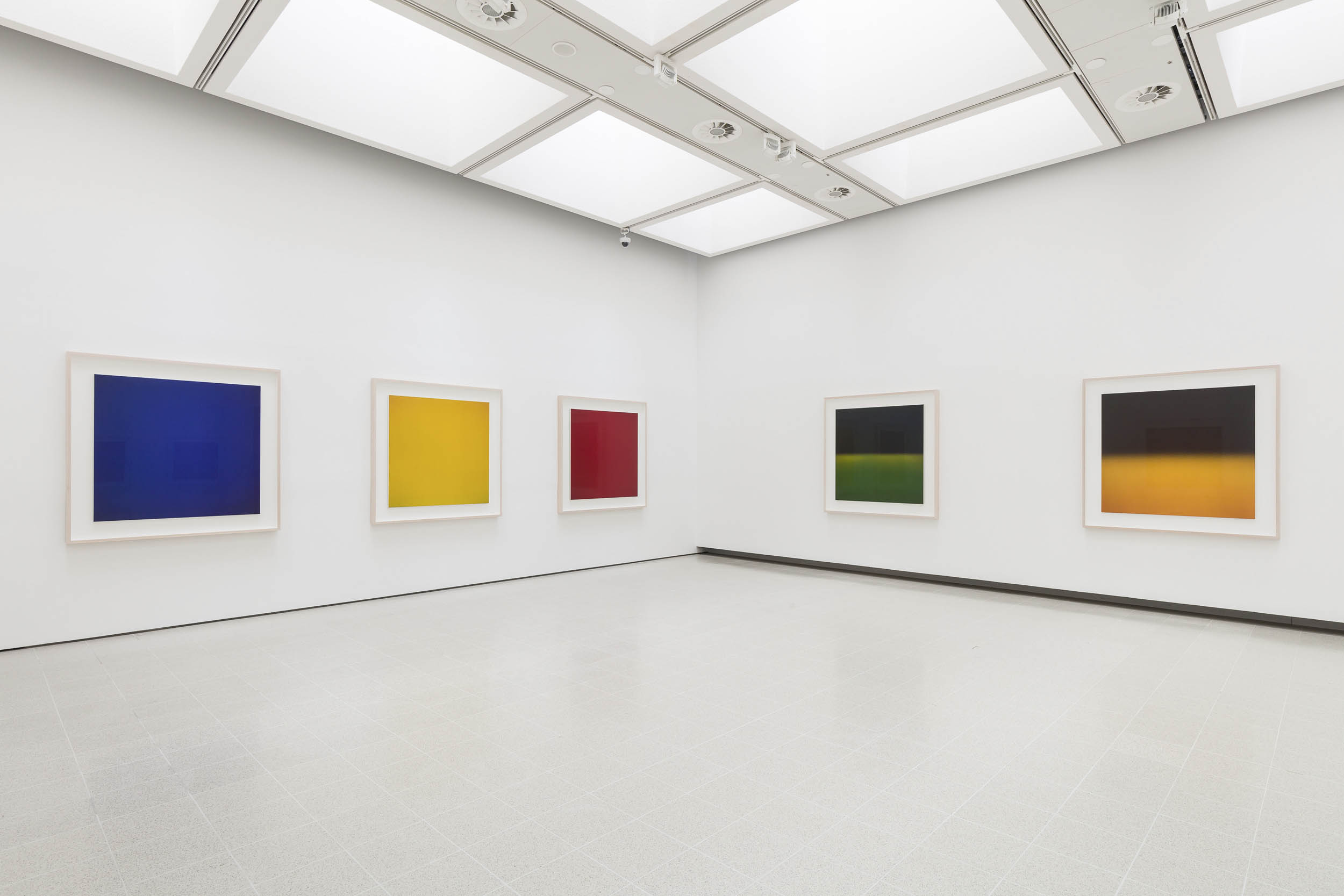
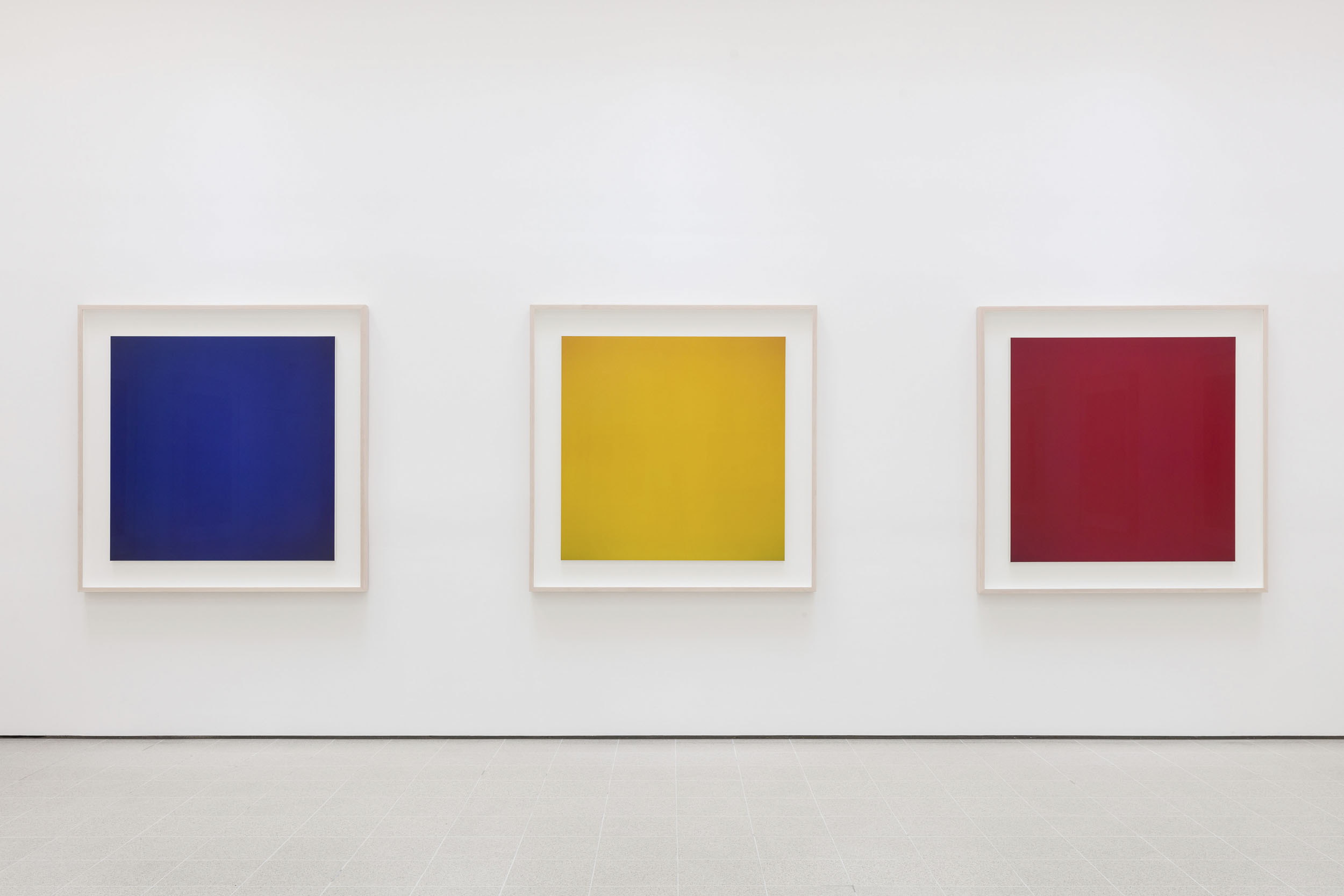

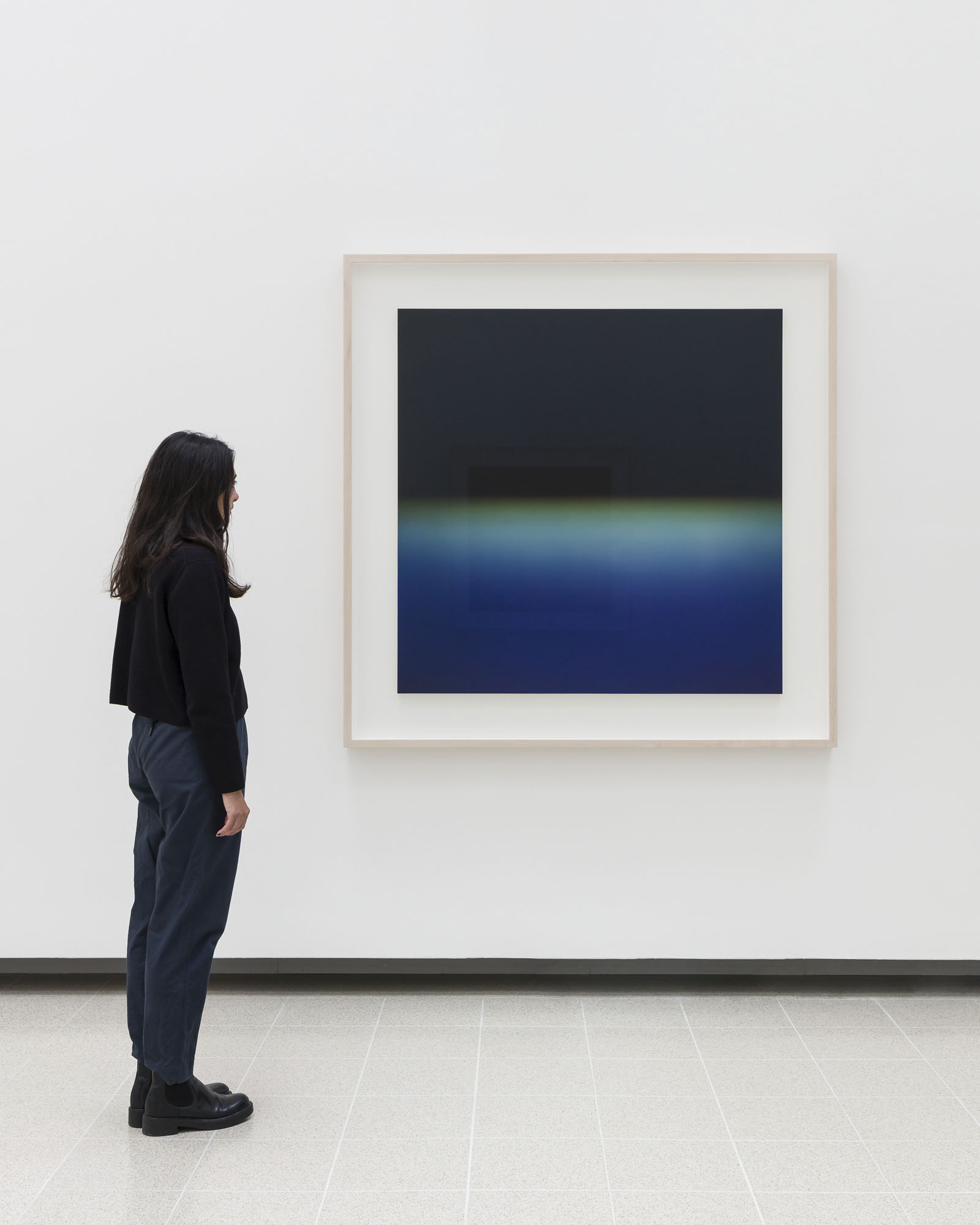
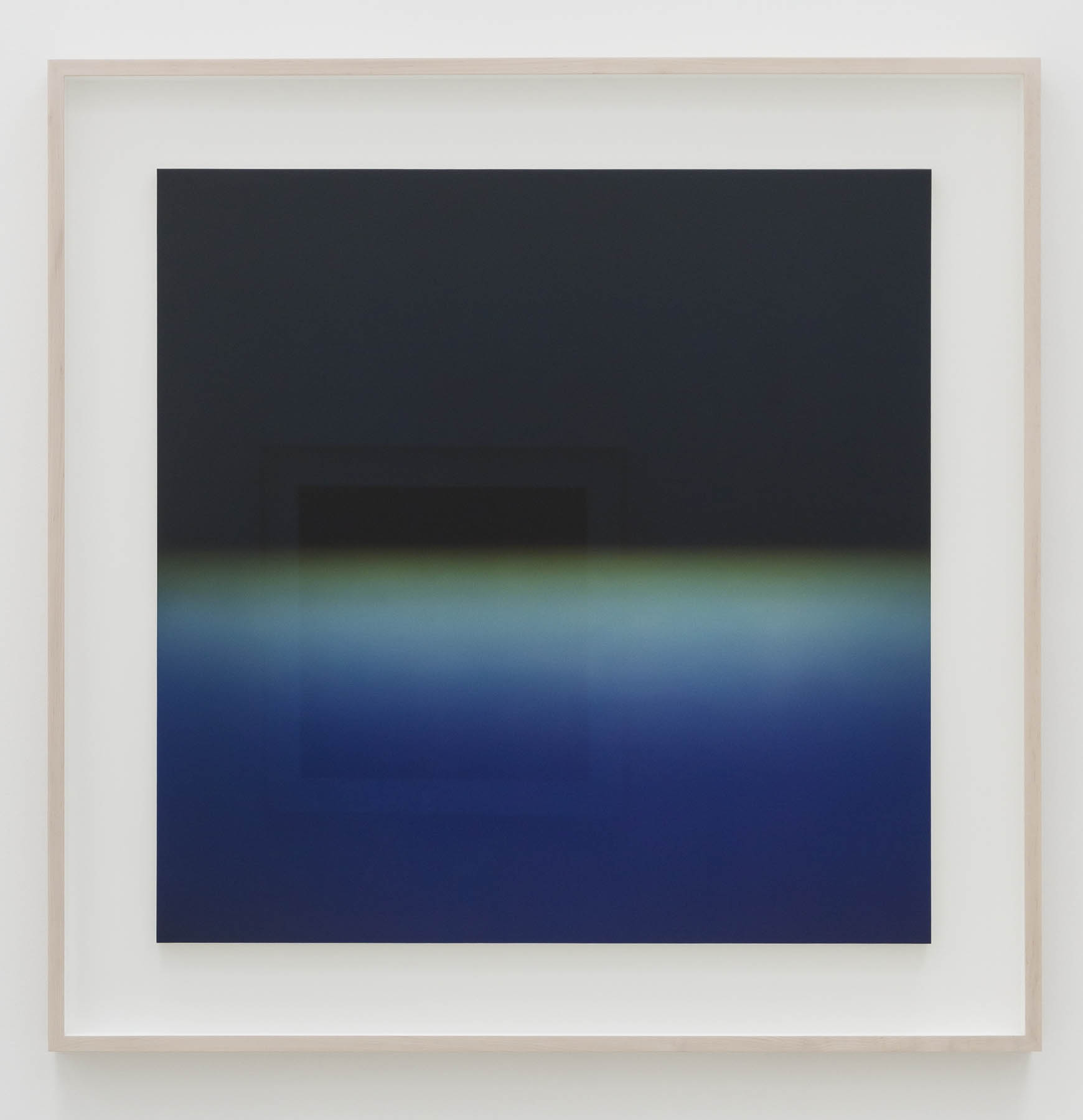
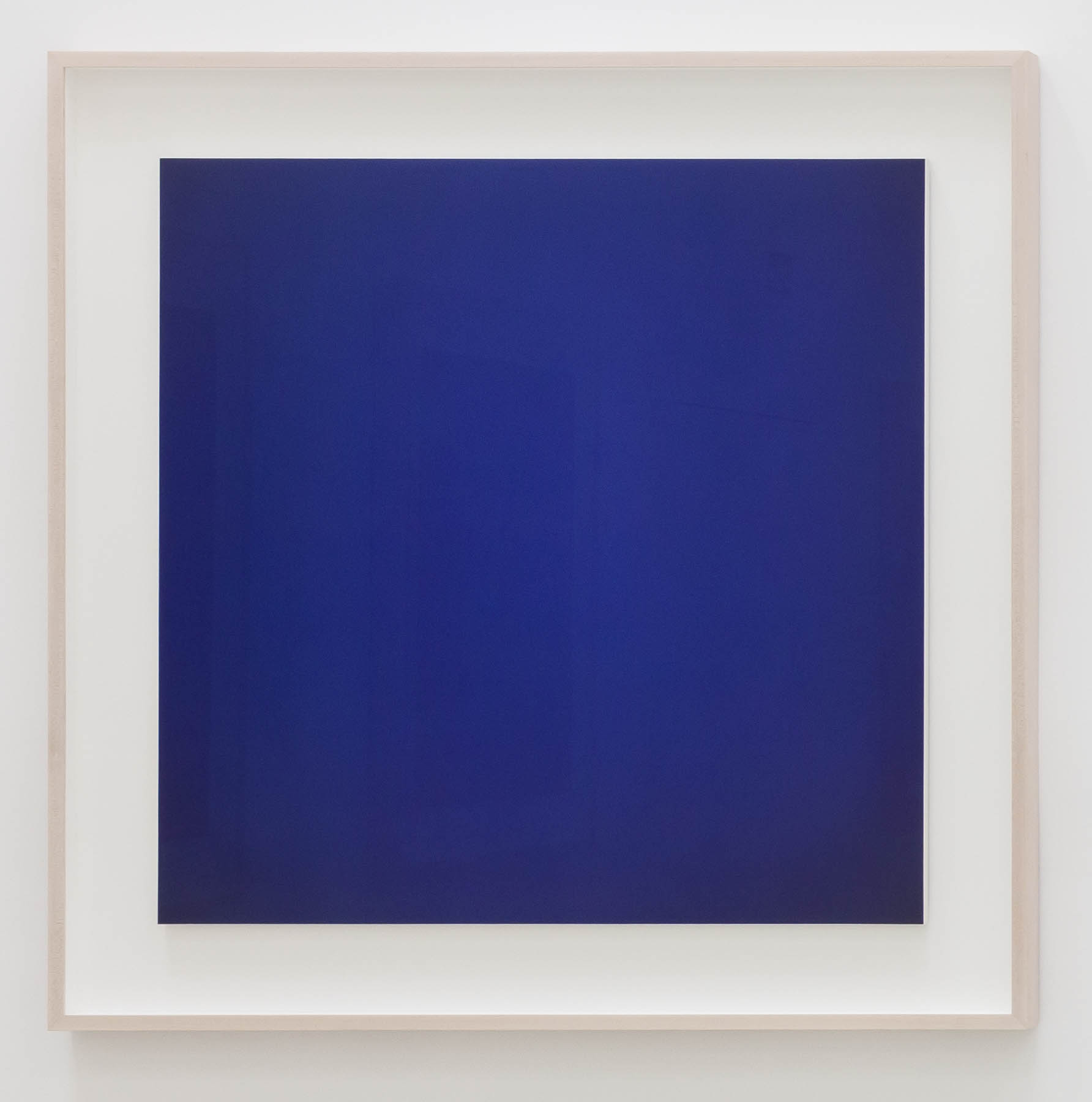


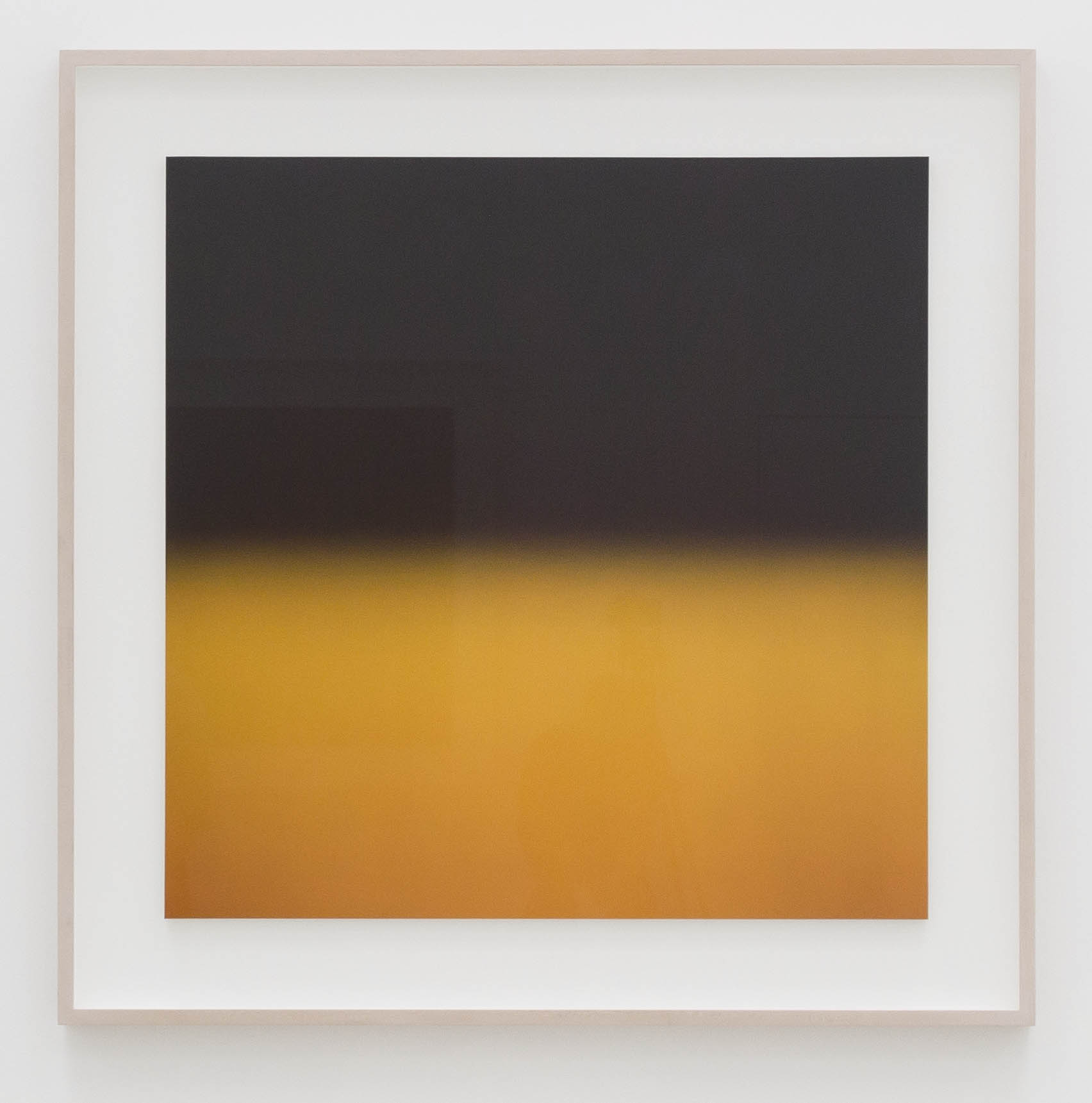

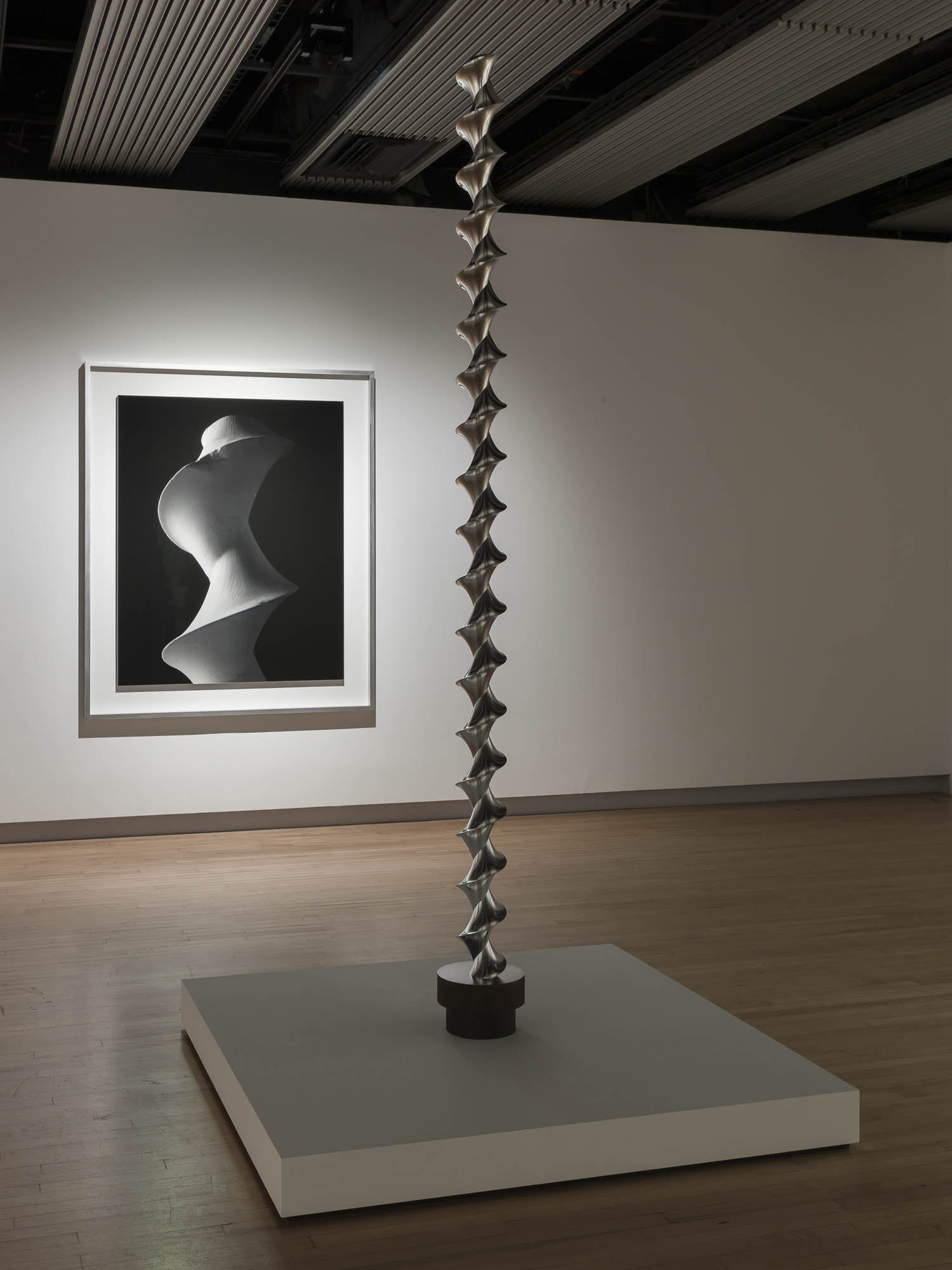
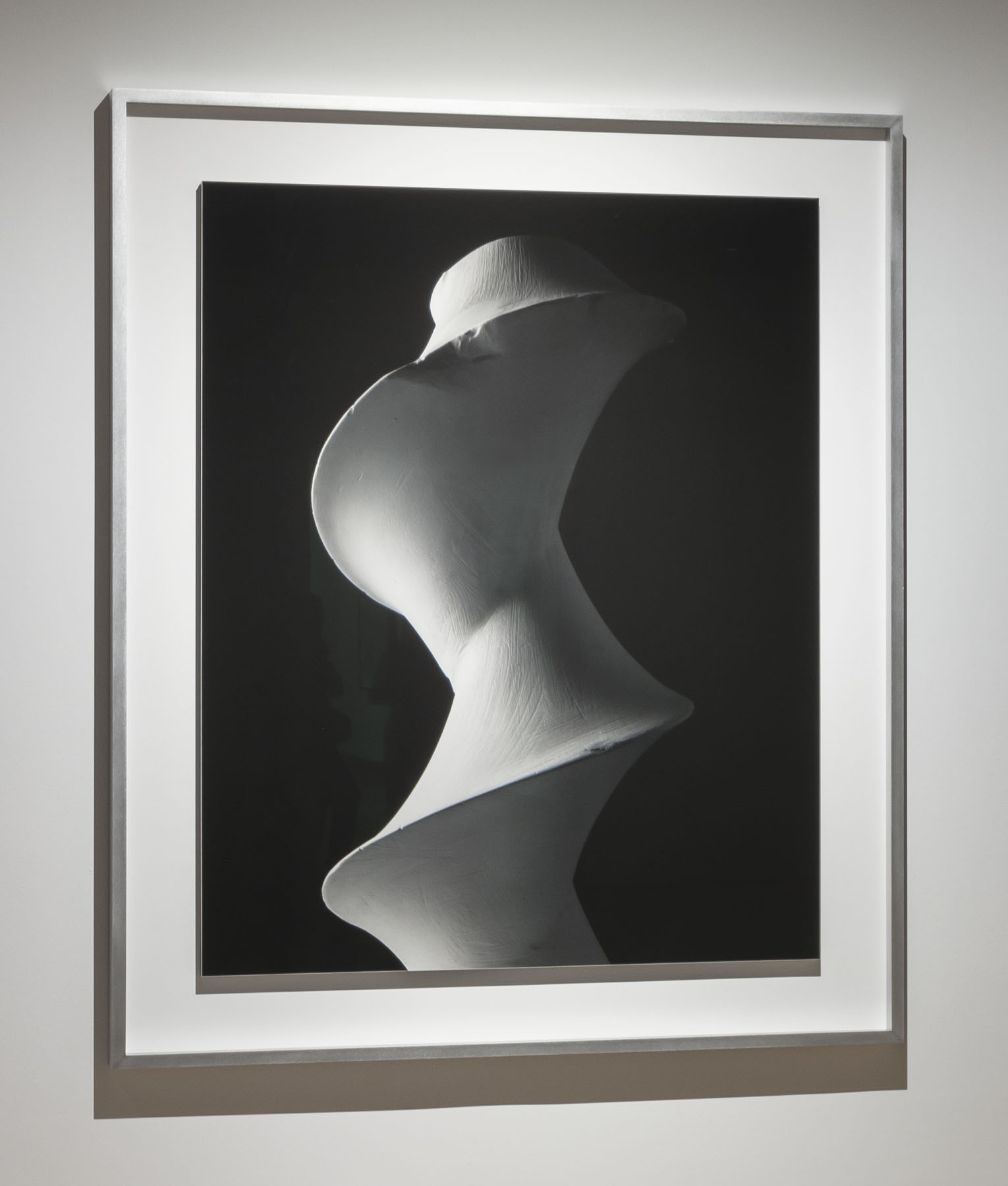
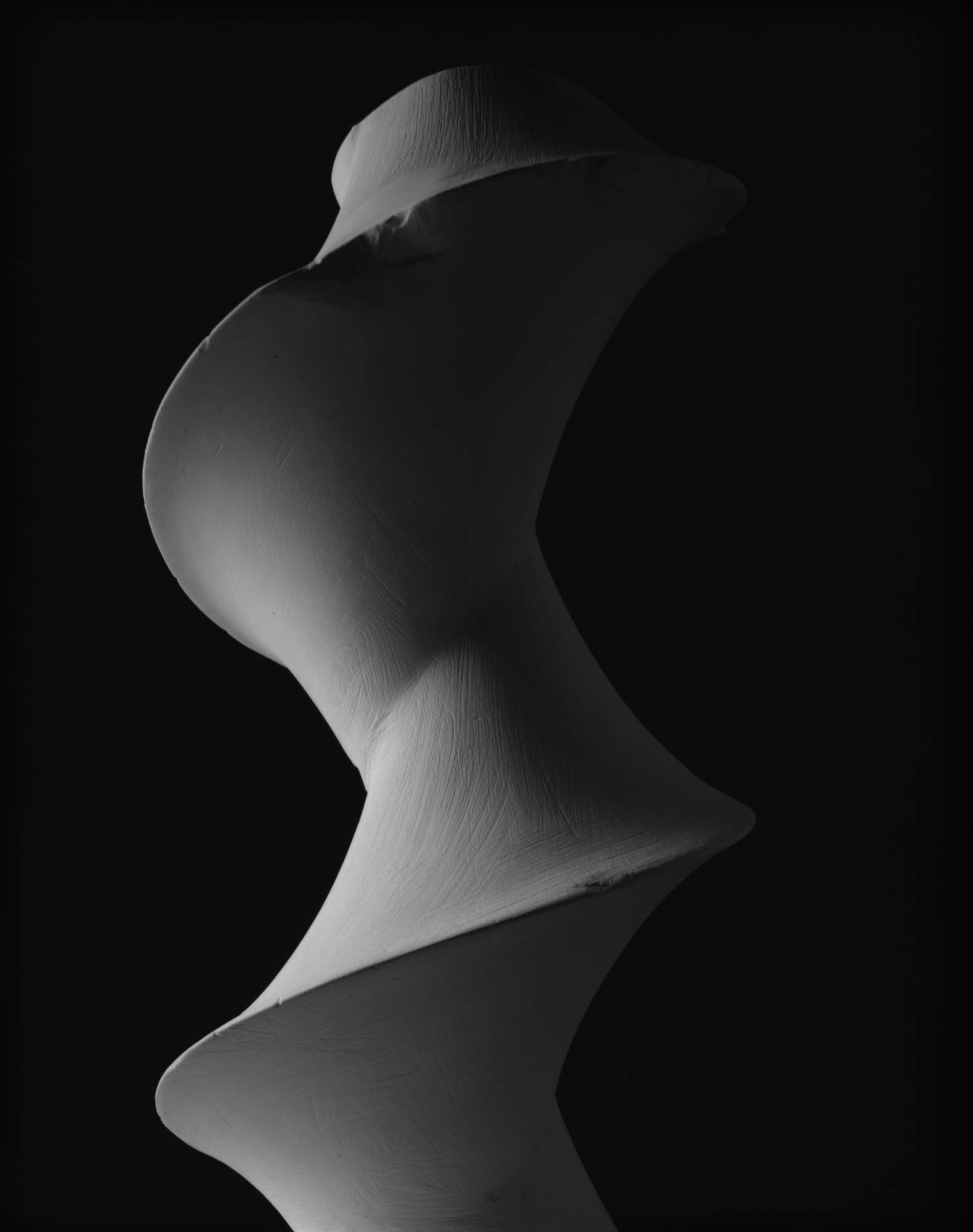
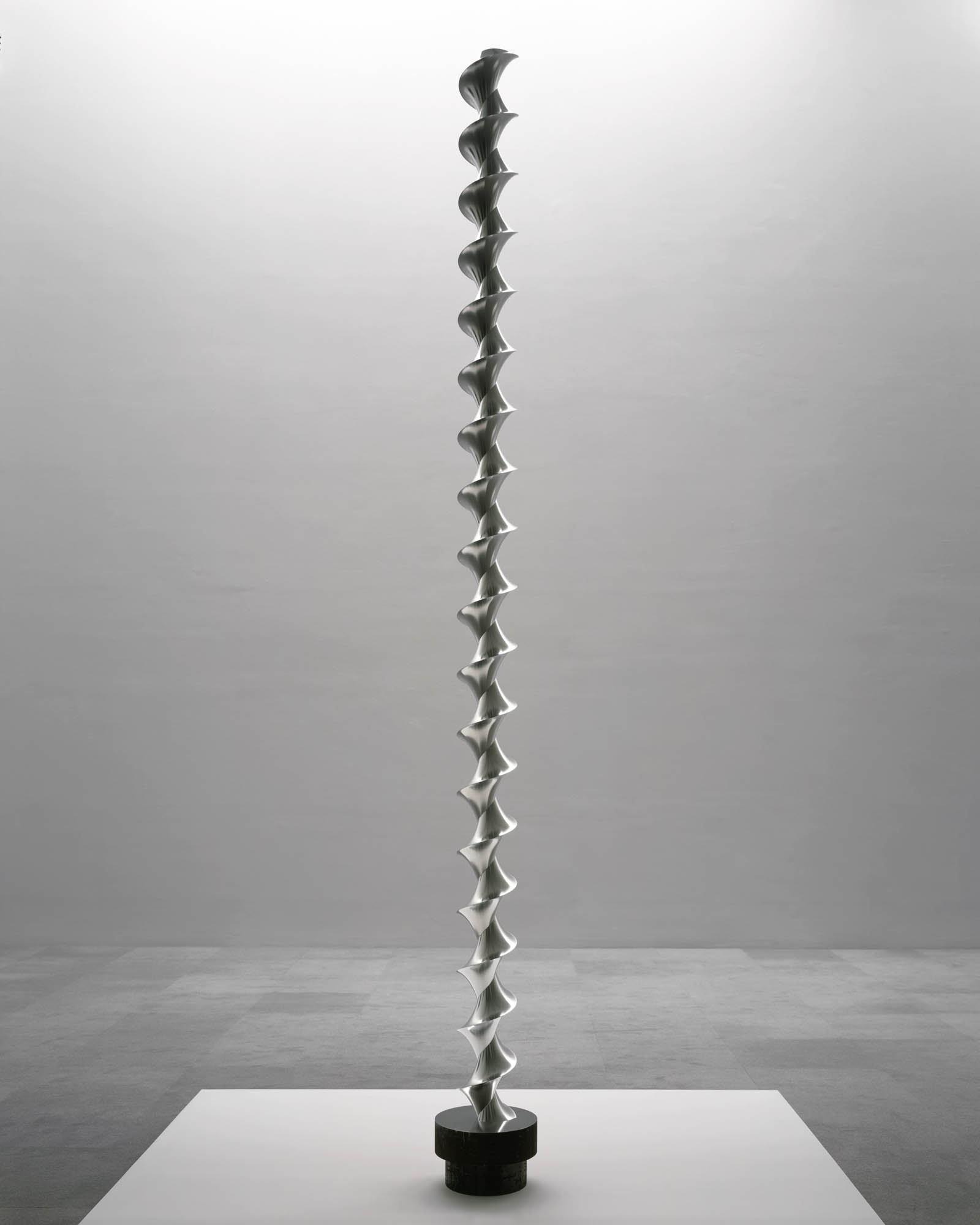


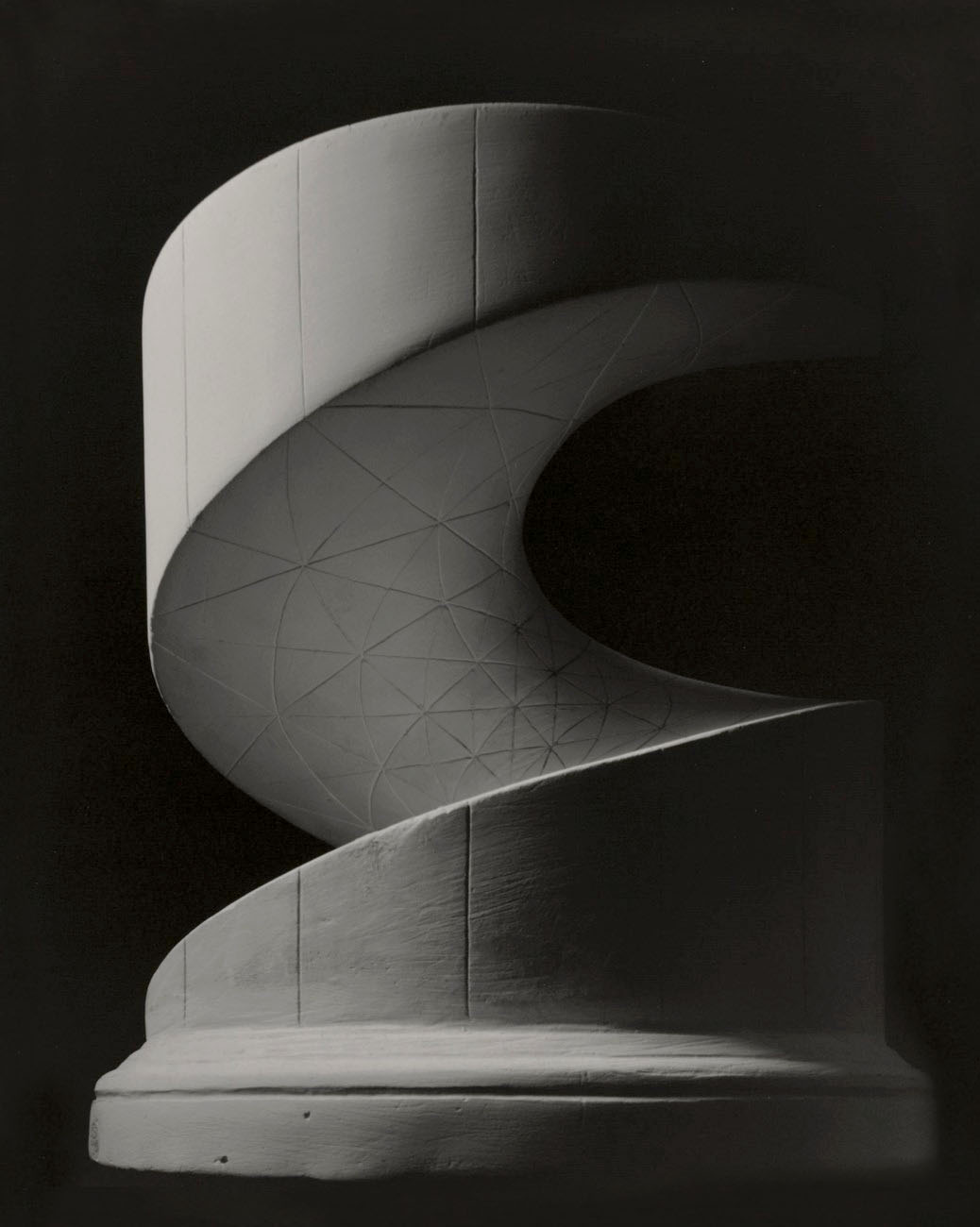
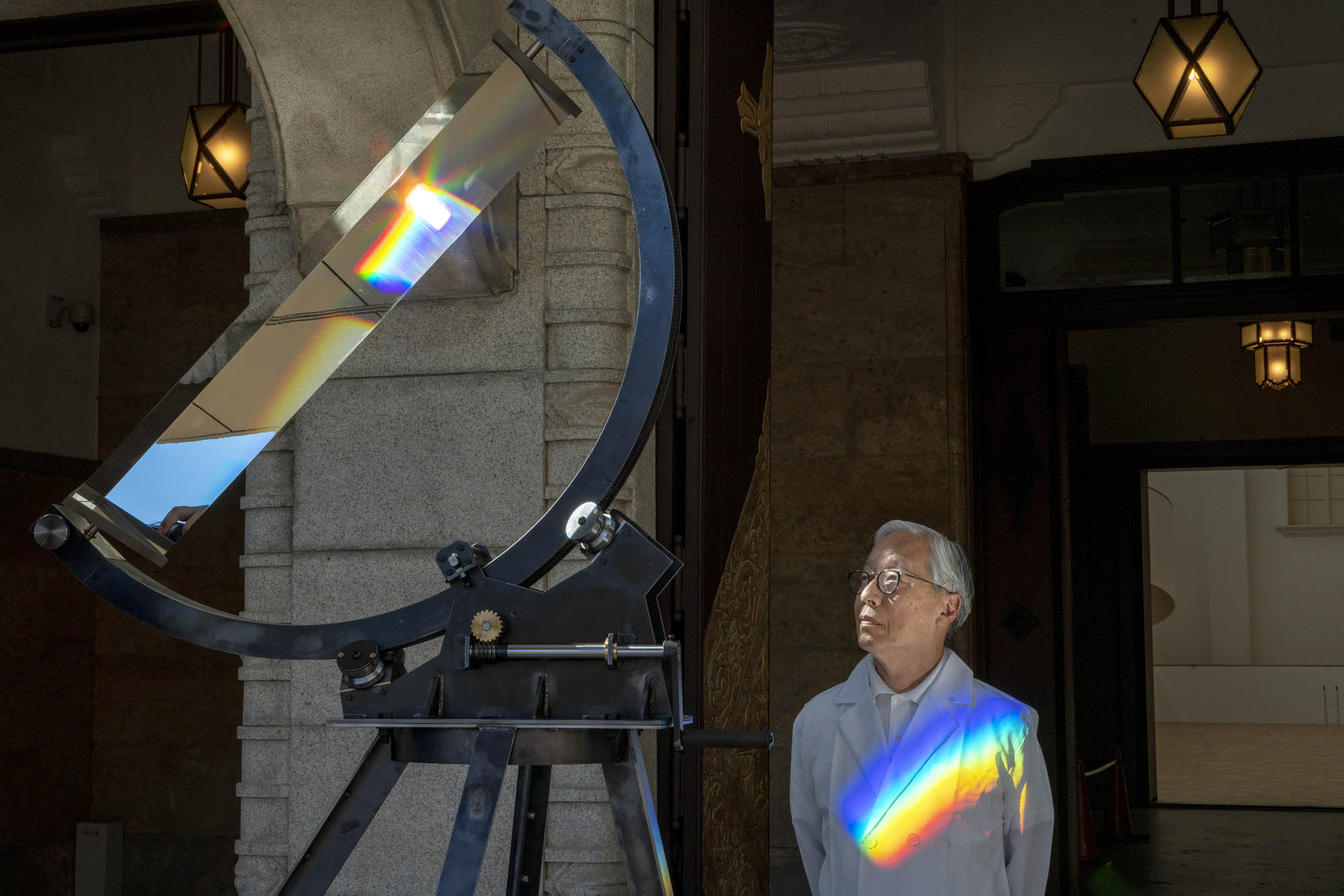
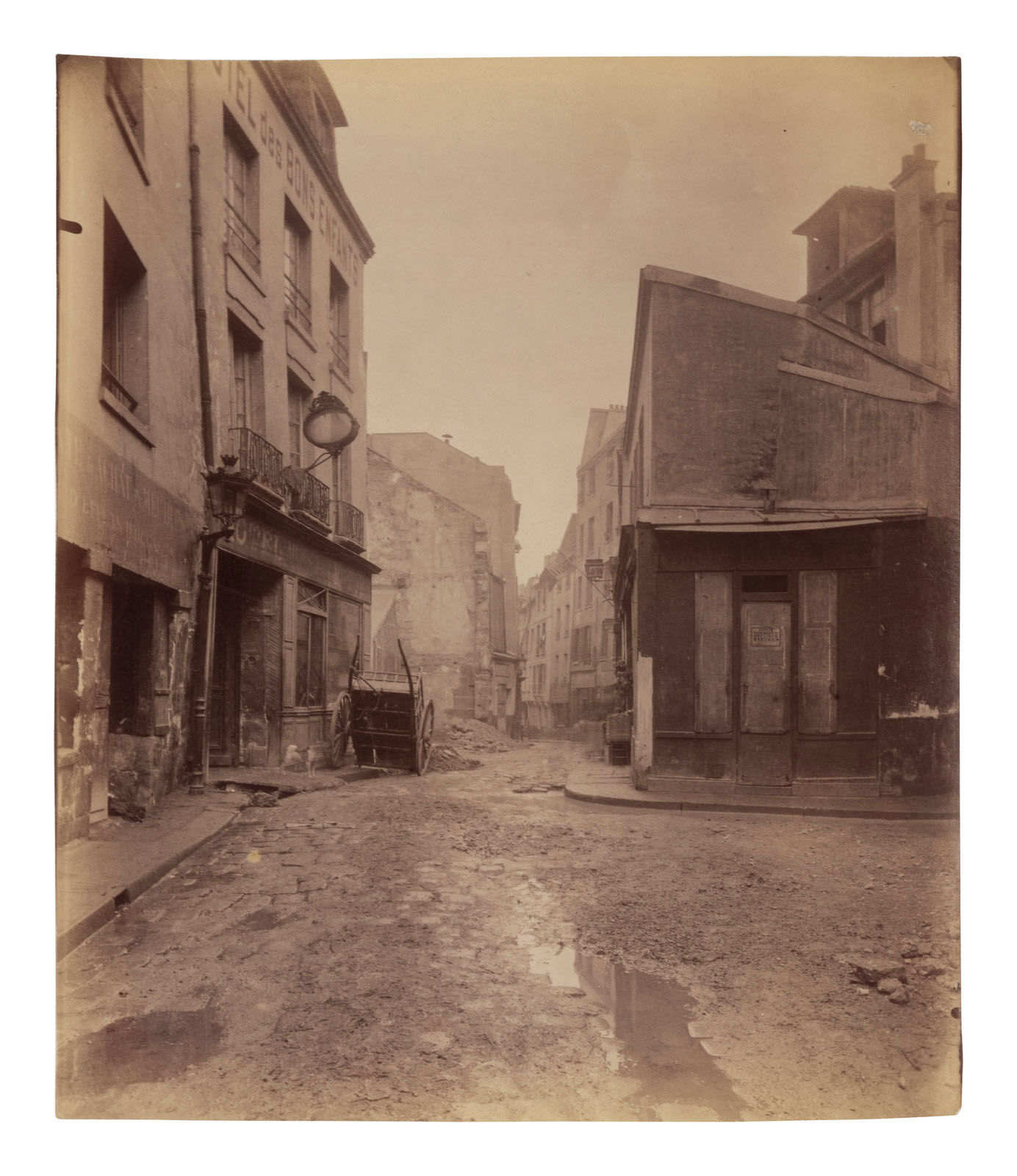


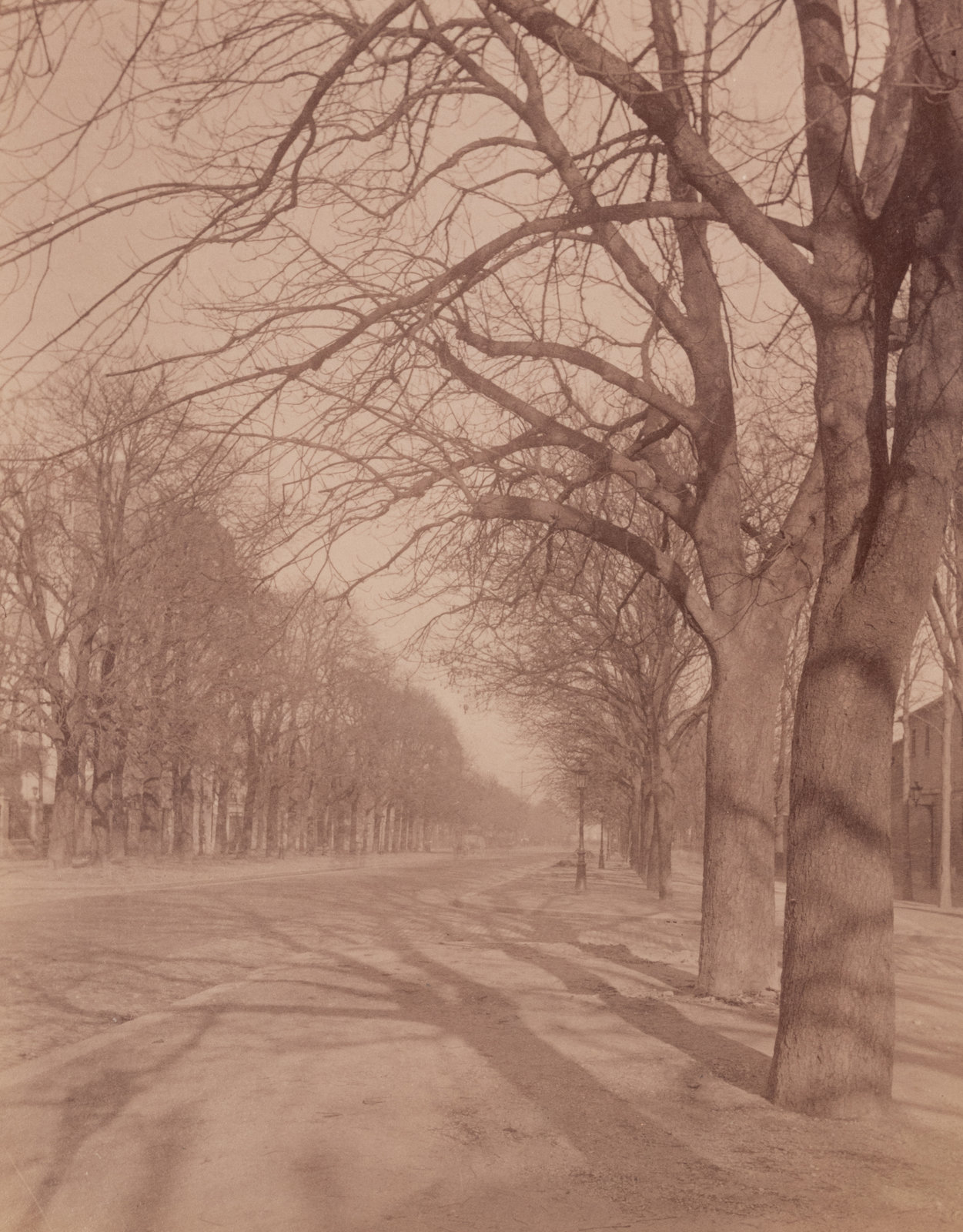
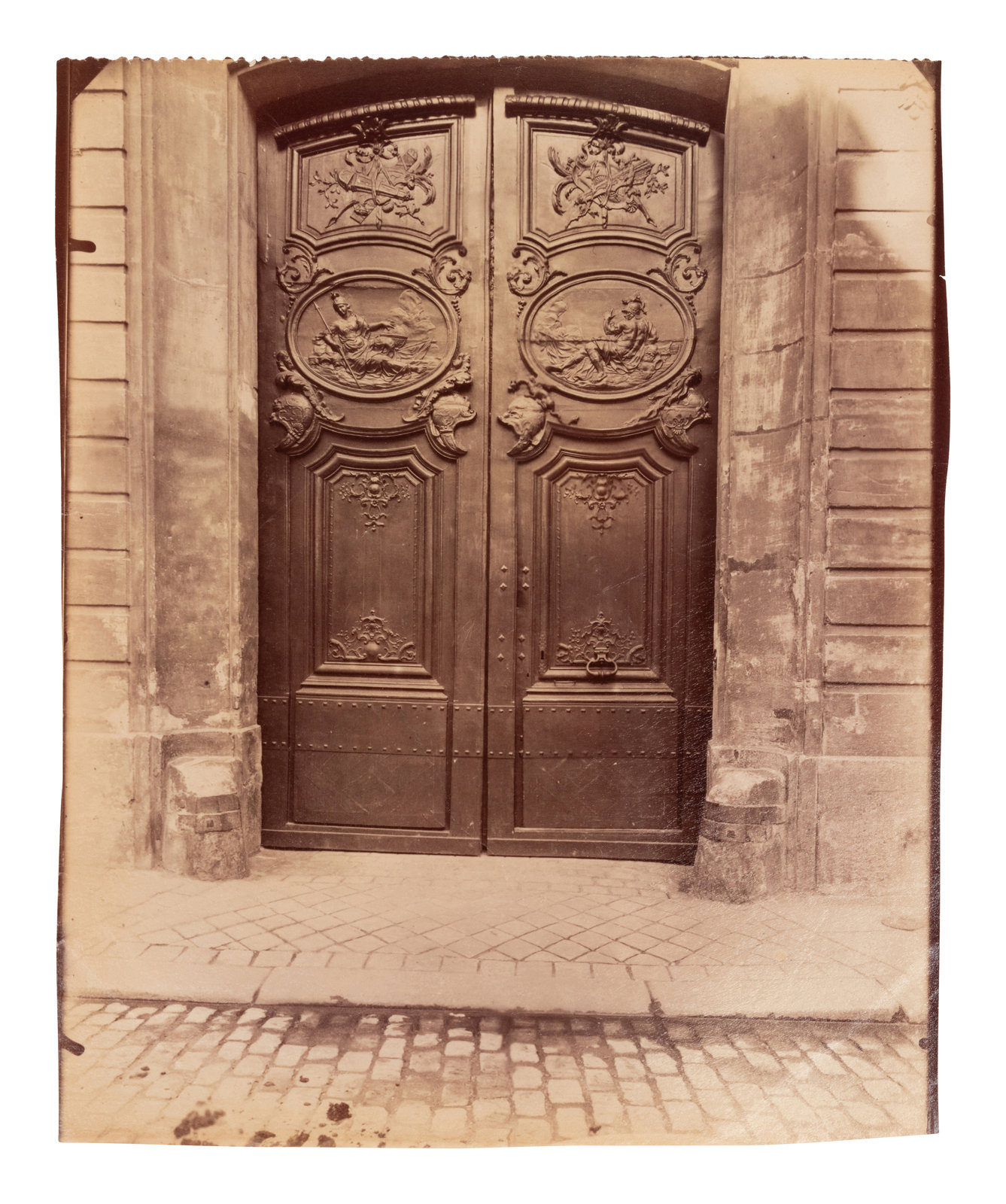
![Eugène Atget (French, 1857-1927) 'Cactus [Nice]' before 1900](https://artblart.com/wp-content/uploads/2023/10/atget-cactus-nice-before-1900.jpg "Eugène Atget (French, 1857-1927) 'Cactus [Nice]' before 1900")
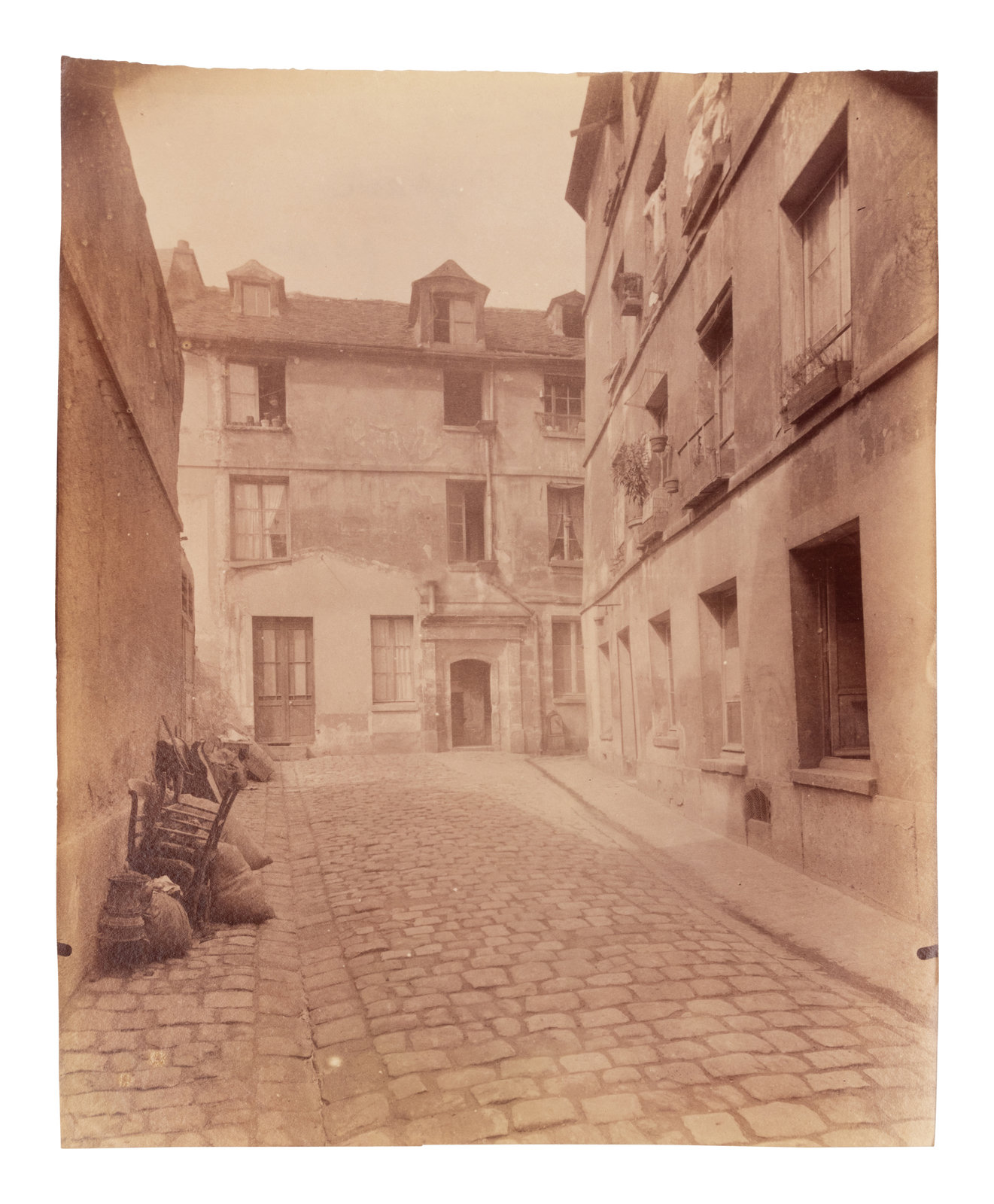


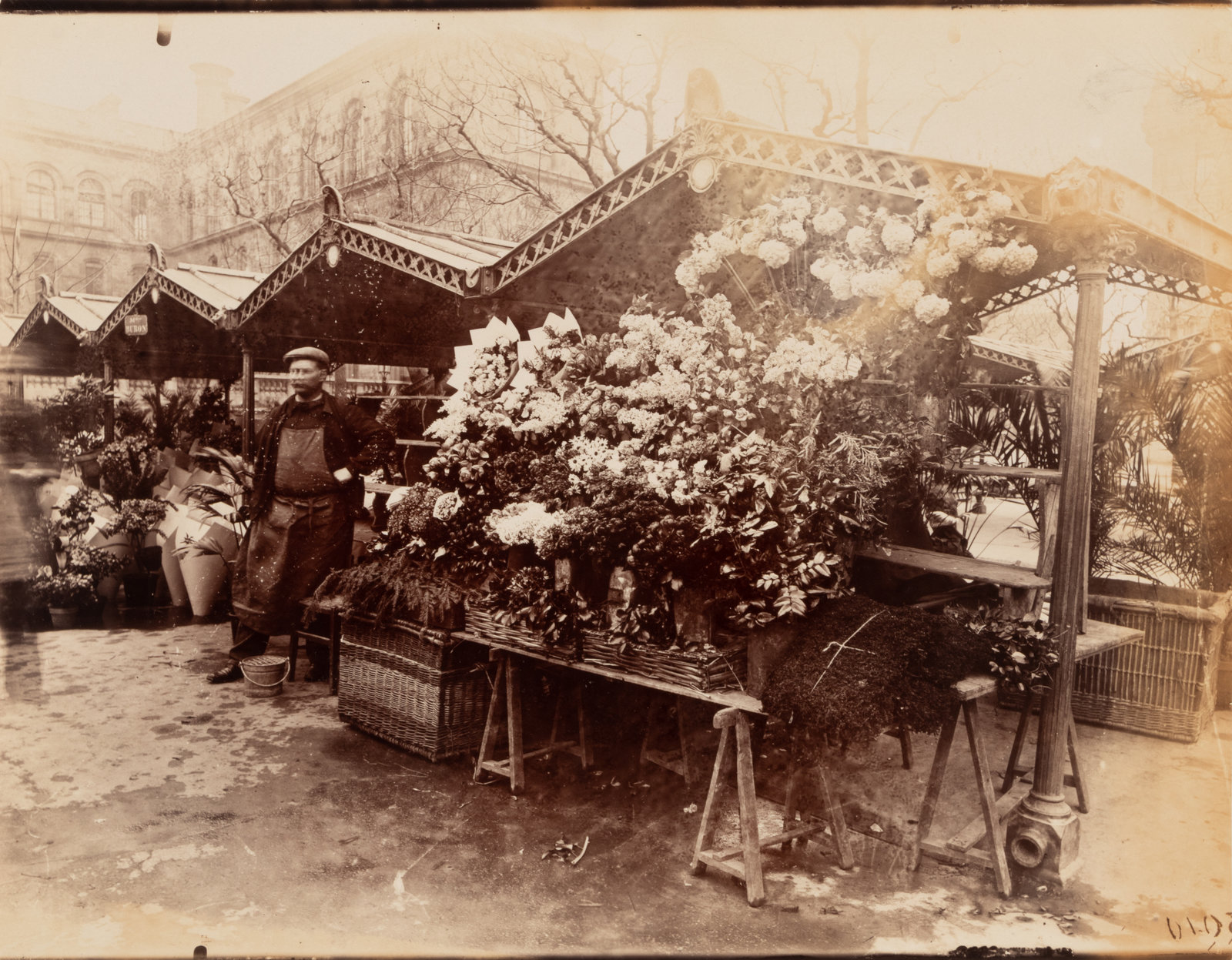


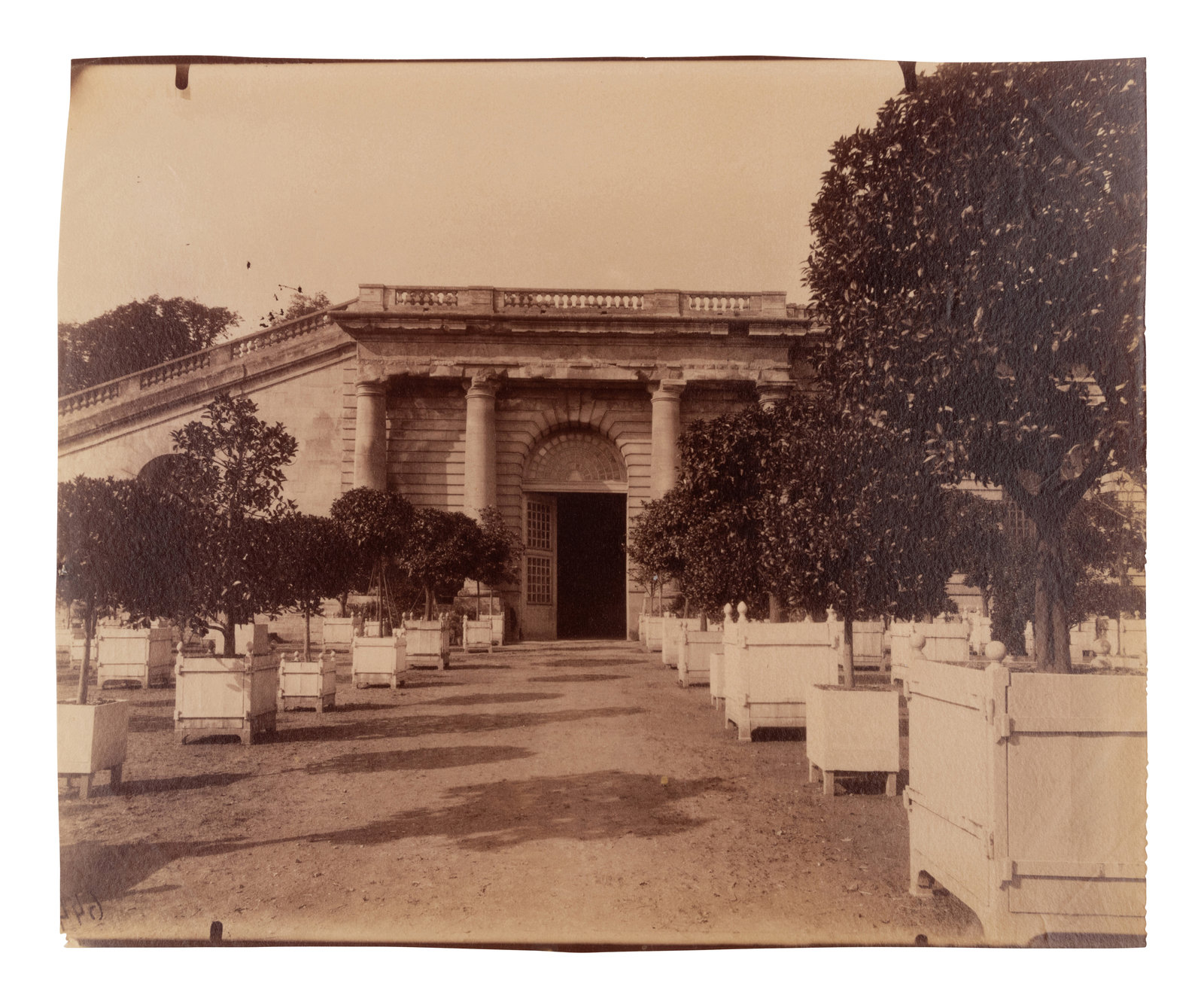


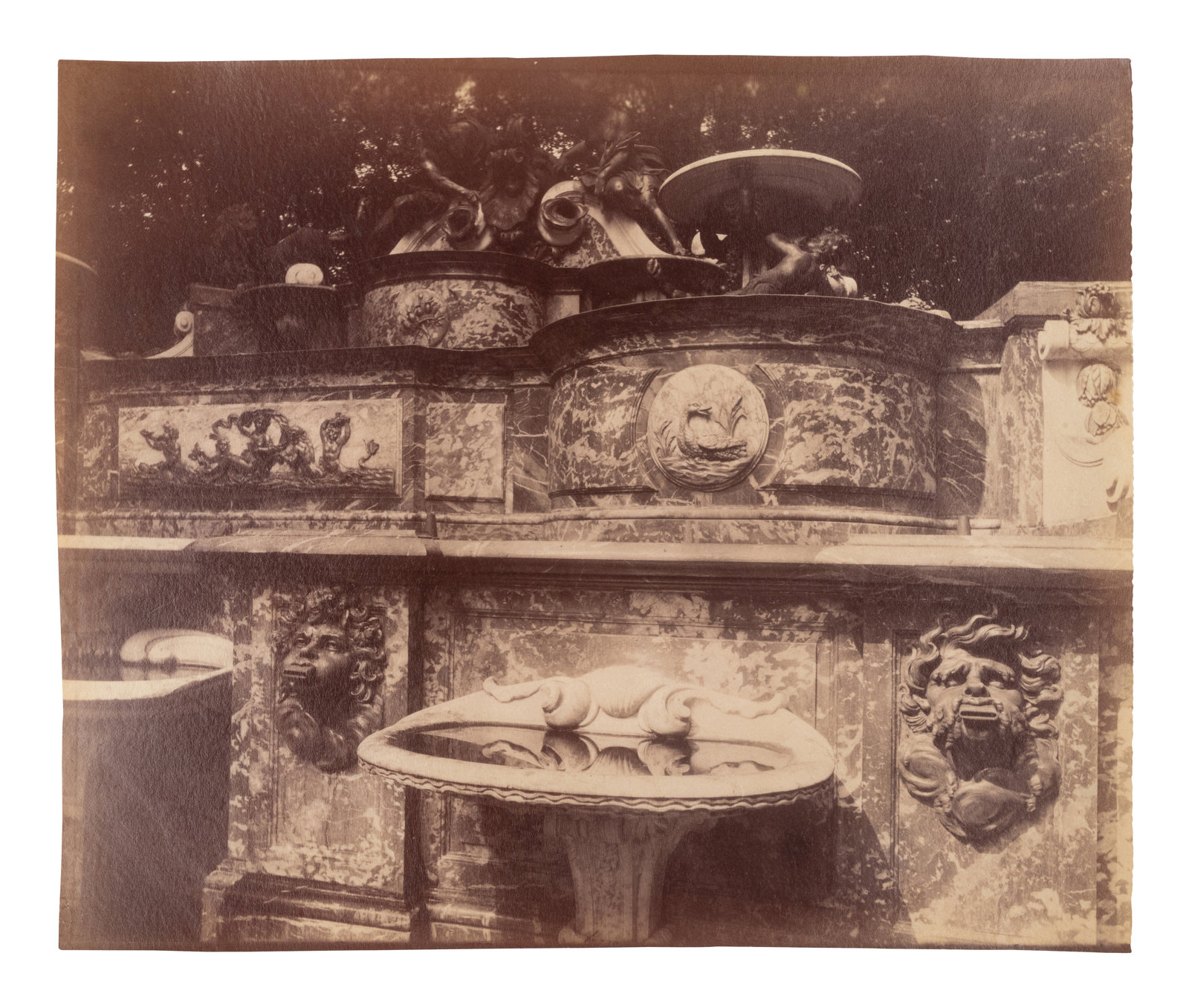
![Eugène Atget (French, 1857-1927) 'Maison, rue Saint-Romain [Rouen]' 1907](https://artblart.com/wp-content/uploads/2023/10/atget-maison-rue-saint-romain-rouen-1907.jpg "Eugène Atget (French, 1857-1927) 'Maison, rue Saint-Romain [Rouen]' 1907")


![Eugène Atget (French, 1857-1927) 'Pommiers [et blés]' 1910 or earlier](https://artblart.com/wp-content/uploads/2023/10/atget-pommiers-et-bles-1910-or-earlier.jpg "Eugène Atget (French, 1857-1927) 'Pommiers [et blés]' 1910 or earlier")
![Eugène Atget (French, 1857-1927) 'Sapin ([Petit] Trianon)' 1910 or earlier](https://artblart.com/wp-content/uploads/2023/10/atget-sapin-petit-trianon-1910-or-earlier.jpg "Eugène Atget (French, 1857-1927) 'Sapin ([Petit] Trianon)' 1910 or earlier")


![Eugène Atget (French, 1857-1927) 'Balcon, [15] rue du Petit Pont' 1913](https://artblart.com/wp-content/uploads/2023/10/atget-balcon-15-rue-du-petit-pont-1913.jpg "Eugène Atget (French, 1857-1927) 'Balcon, [15] rue du Petit Pont' 1913")


![Eugène Atget (French, 1857-1927) 'Plessis Piquet [Entrée pittoresque, Châtillon]' 1921](https://artblart.com/wp-content/uploads/2023/10/atget-plessis-piquet-entree-pittoresque-chatillon-1921.jpg "Eugène Atget (French, 1857-1927) 'Plessis Piquet [Entrée pittoresque, Châtillon]' 1921")

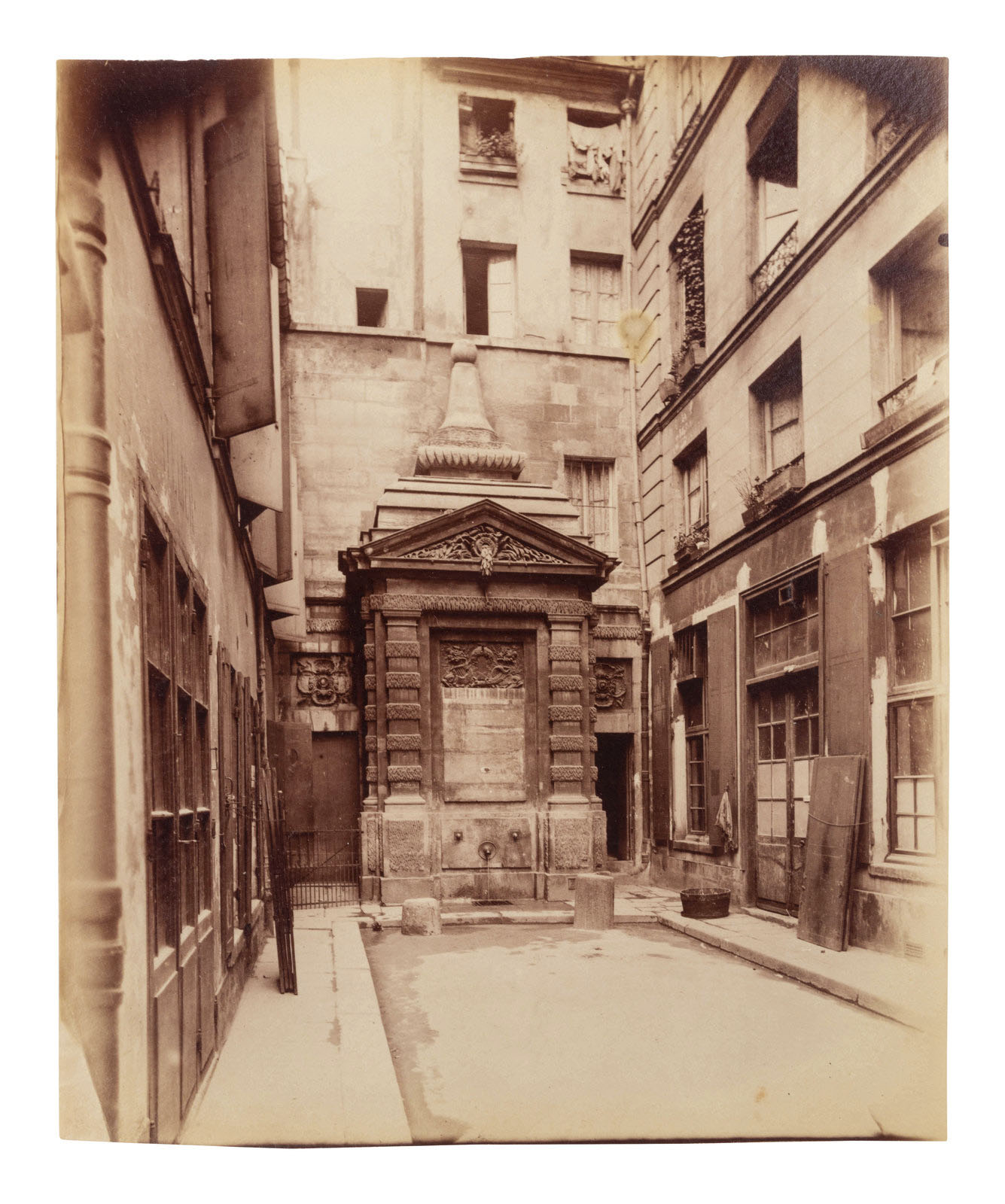


![Eugène Atget (French, 1857-1927) 'Moulin Rouge [86 boulevard de Clichy]' 1926](https://artblart.com/wp-content/uploads/2023/10/atget-moulin-rouge-86-boulevard-de-clichy-1926.jpg "Eugène Atget (French, 1857-1927) 'Moulin Rouge [86 boulevard de Clichy]' 1926")


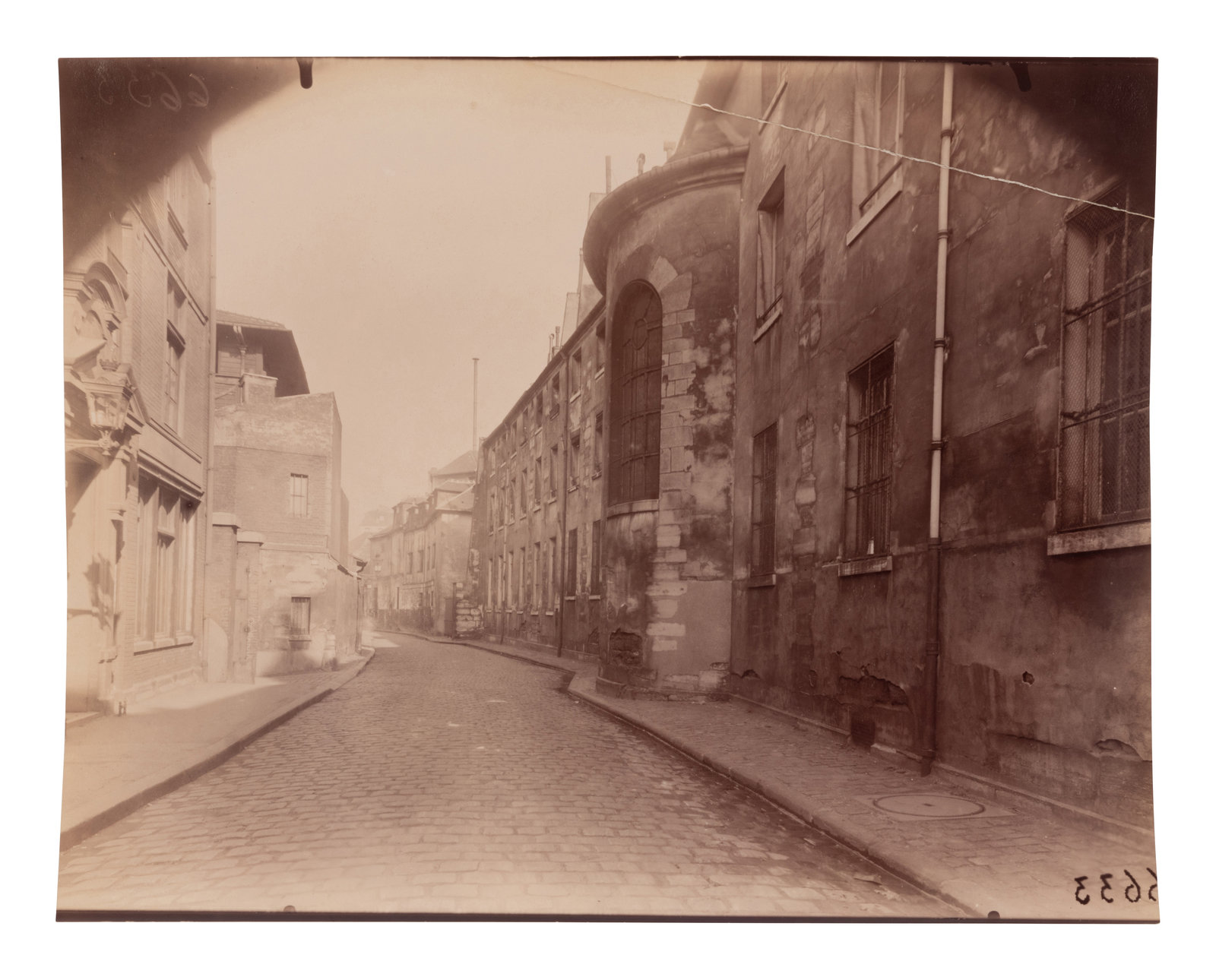

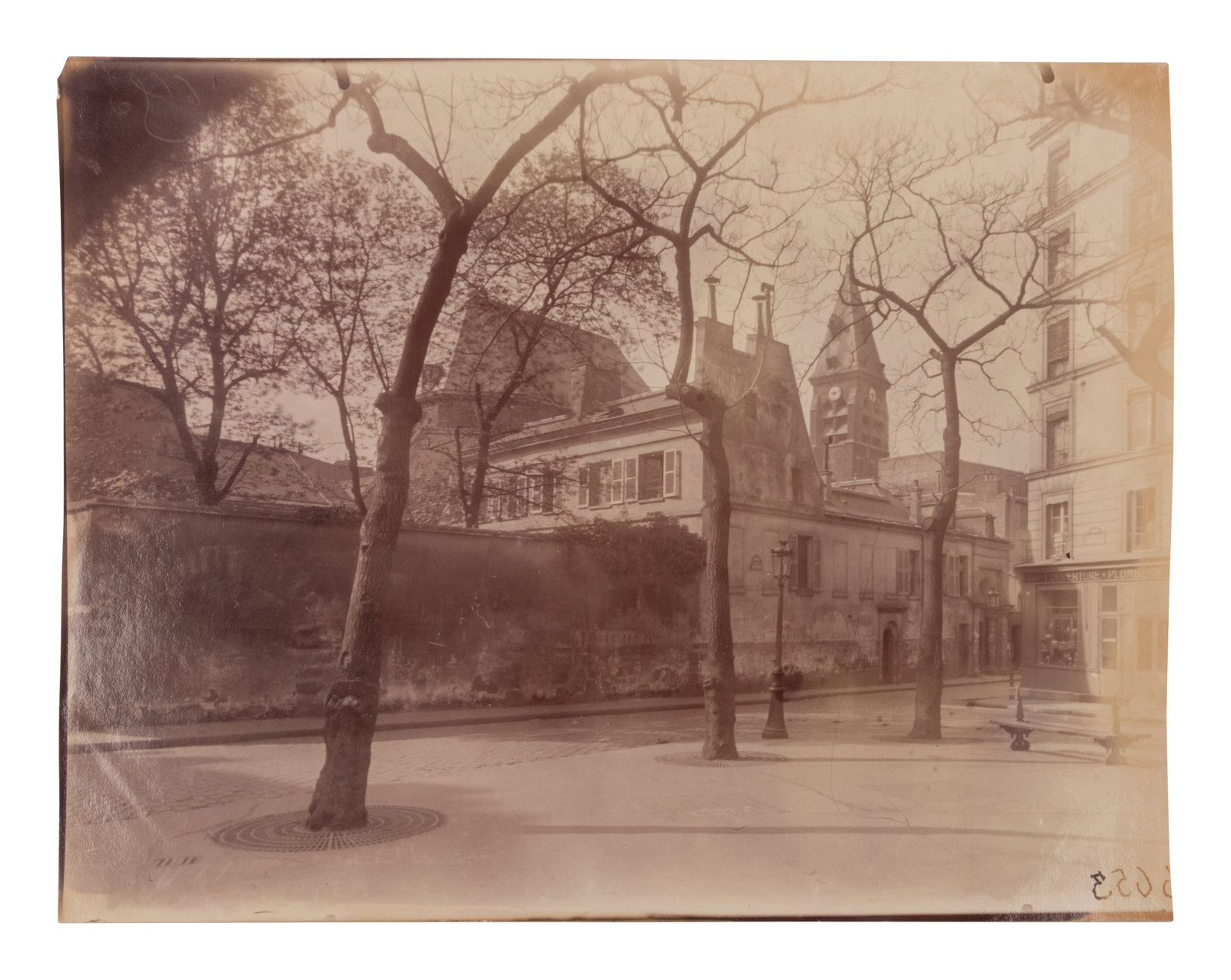
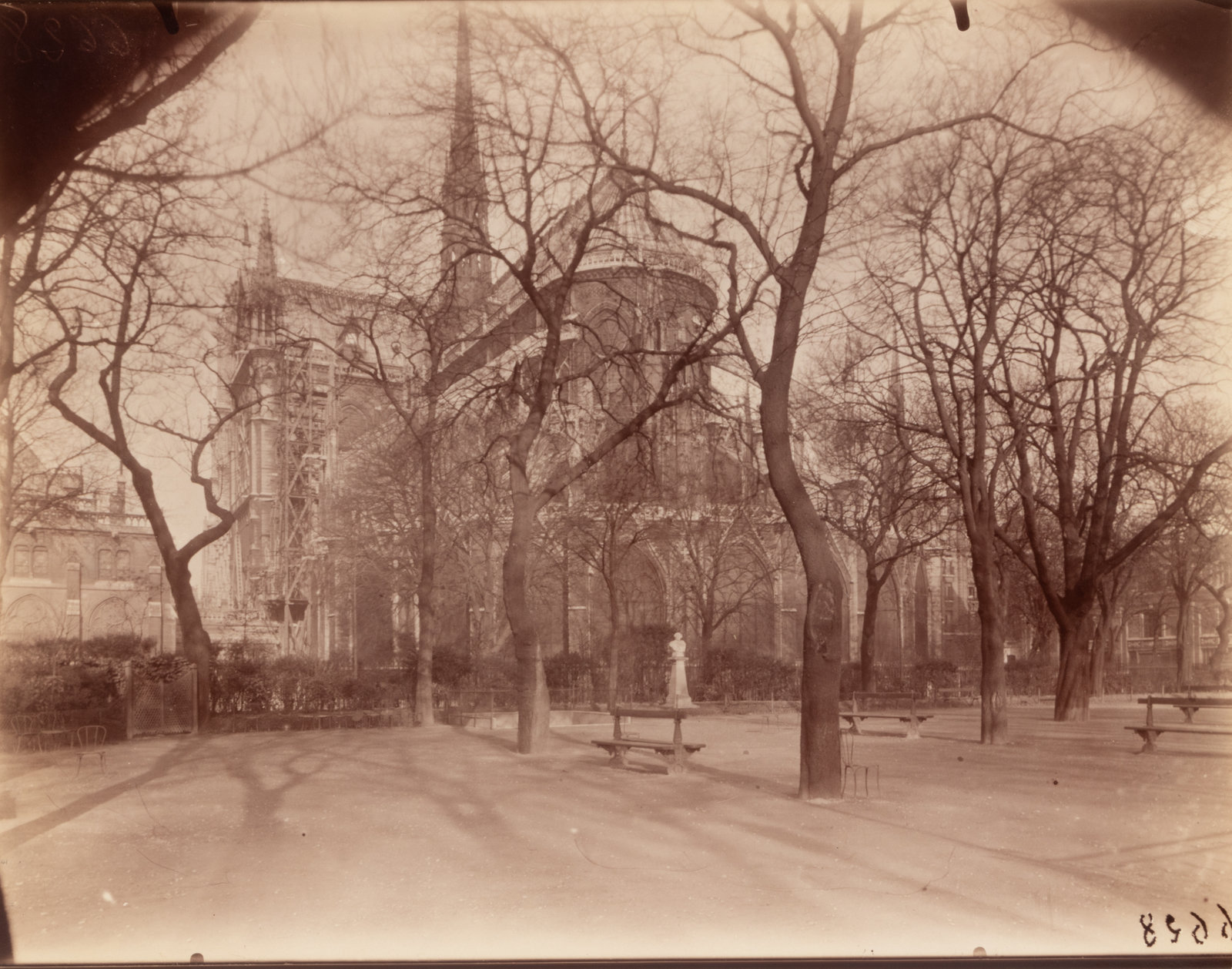

![Eugène Atget (French, 1857-1927) 'Saint-Cloud [19h matin, mars 1926]' 1926](https://artblart.com/wp-content/uploads/2023/10/atget-saint-cloud-19h-matin-mars-1926-1926.jpg "Eugène Atget (French, 1857-1927) 'Saint-Cloud [19h matin, mars 1926]' 1926")


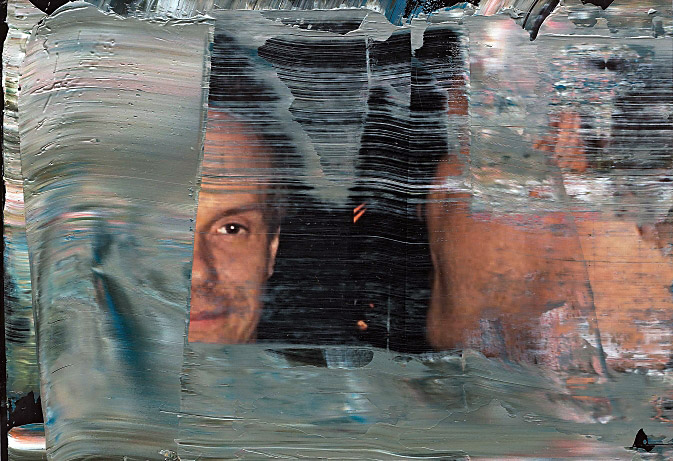


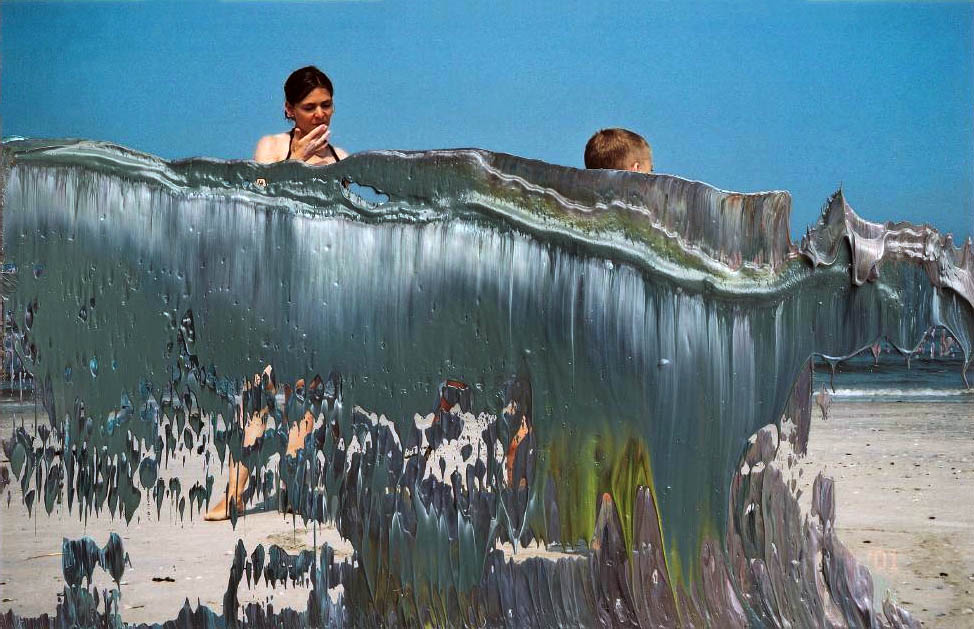


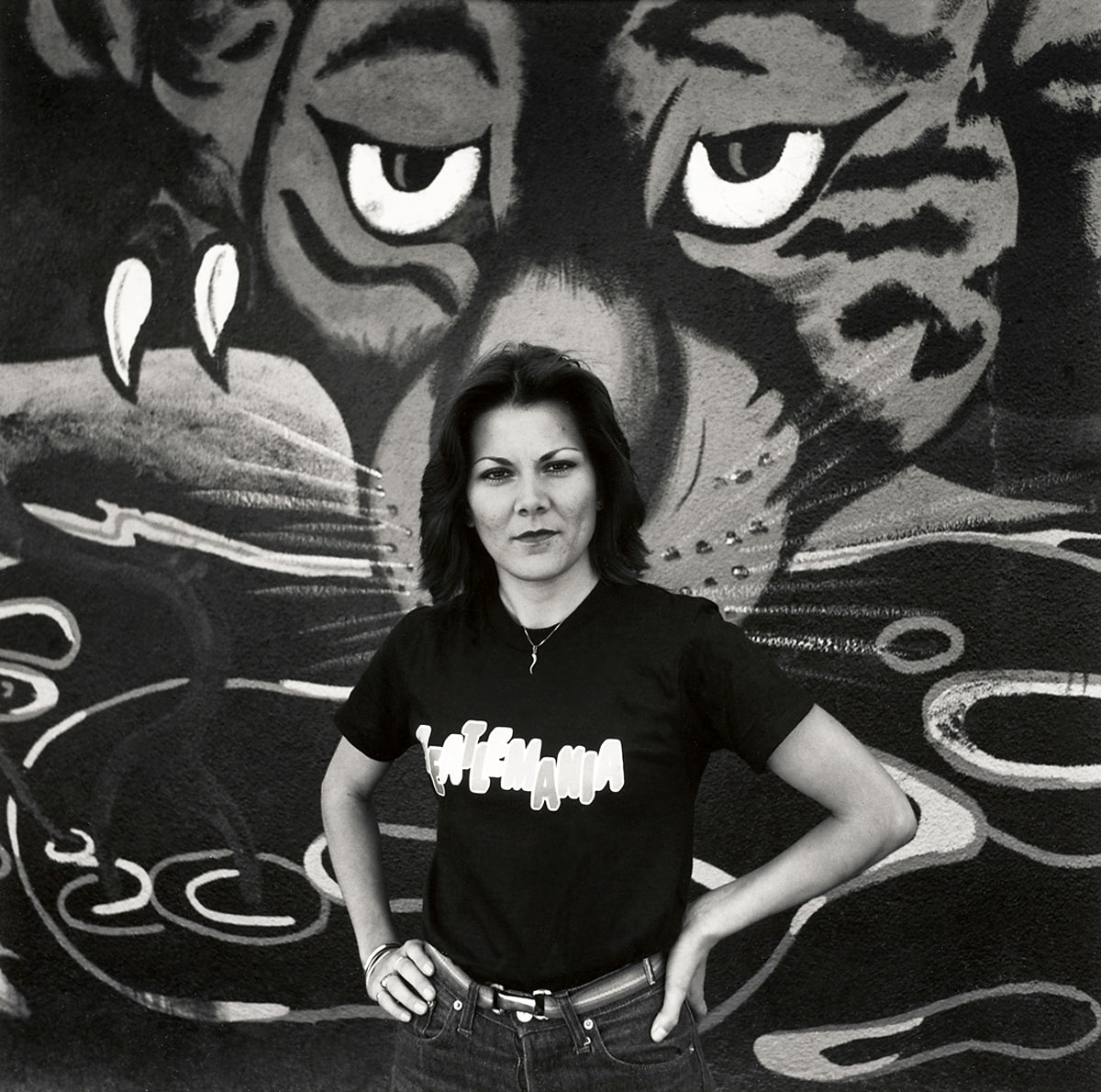


![Garry Winogrand (American, 1928-1984) 'Untitled [Liberace with his mother]' New York, 1954](https://artblart.com/wp-content/uploads/2023/09/83204a.jpg "Garry Winogrand (American, 1928-1984) 'Untitled [Liberace with his mother]' New York, 1954")
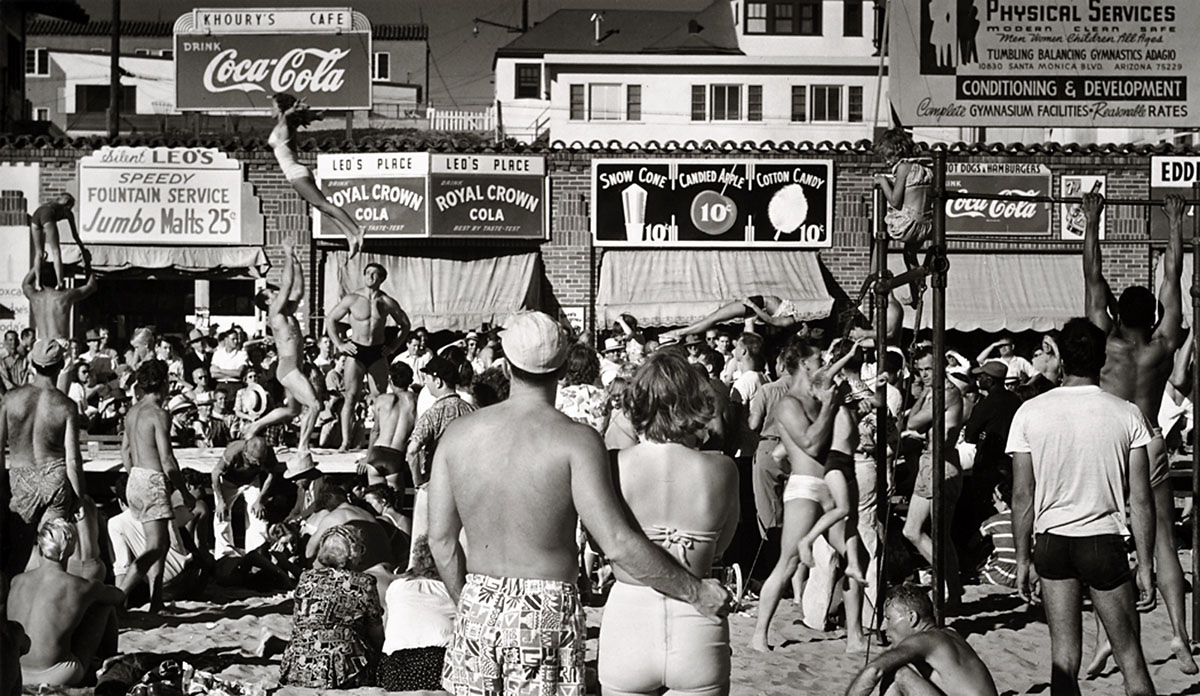
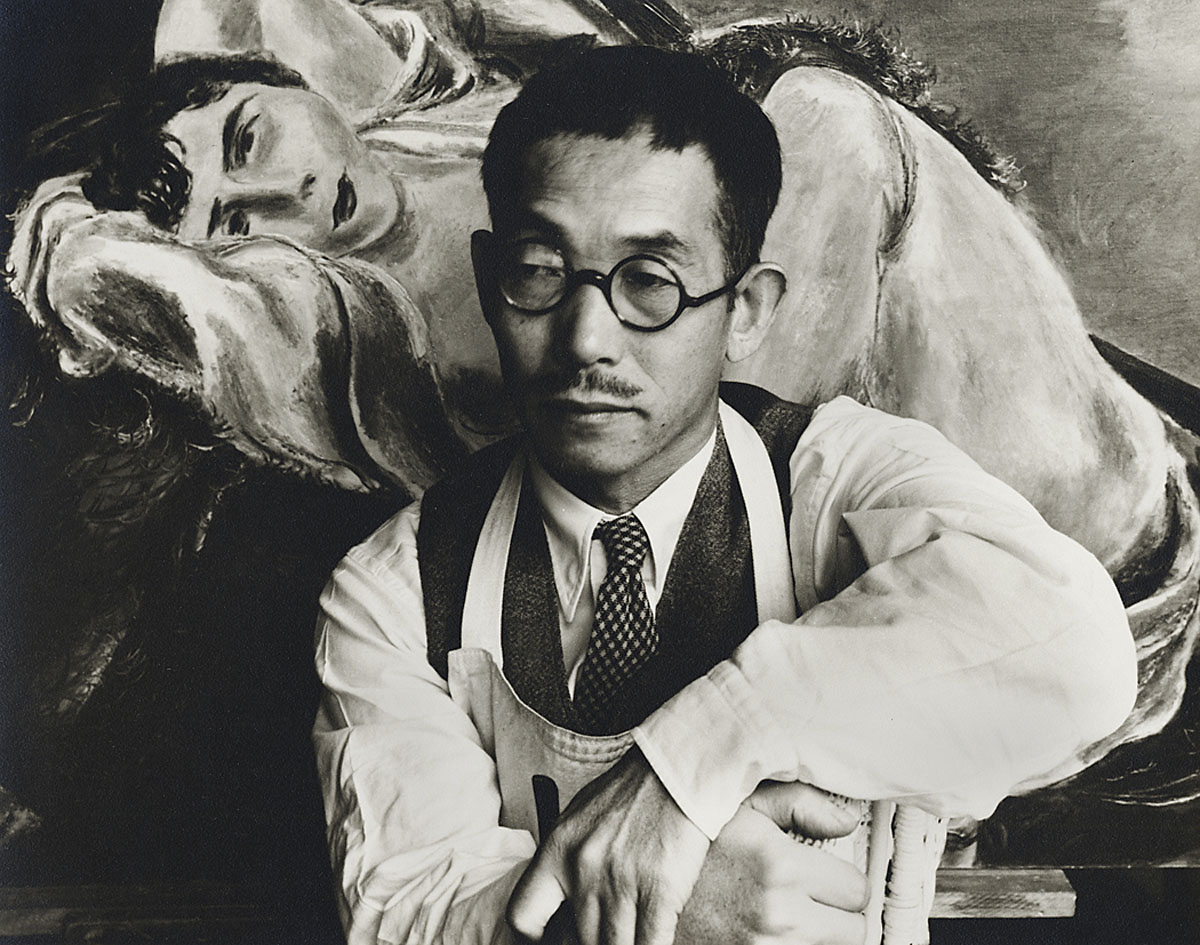
![Max Yavno (American, 1911-1985) 'Untitled [Opening Night at the San Francisco Opera]' 1947](https://artblart.com/wp-content/uploads/2023/09/92143117.jpg "Max Yavno (American, 1911-1985) 'Untitled [Opening Night at the San Francisco Opera]' 1947")


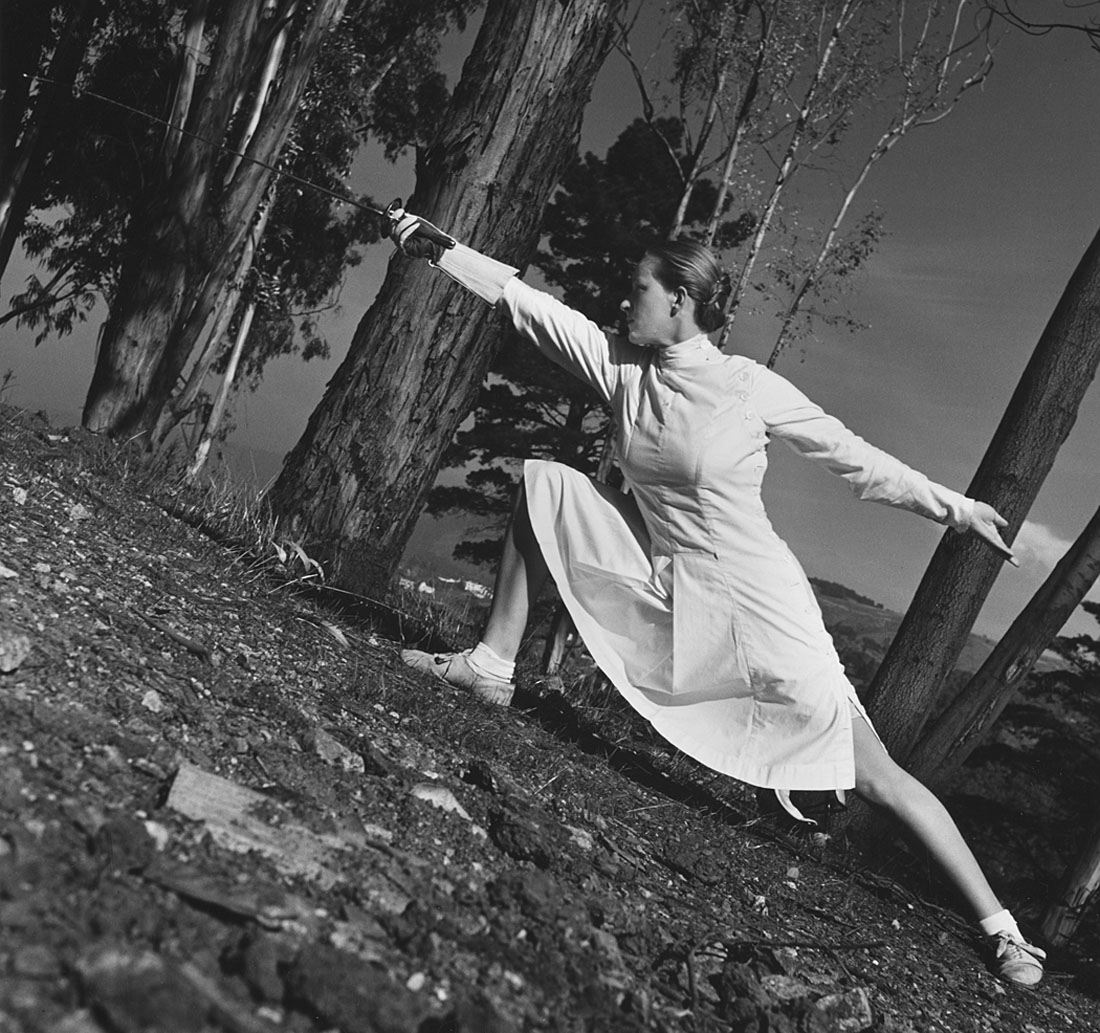


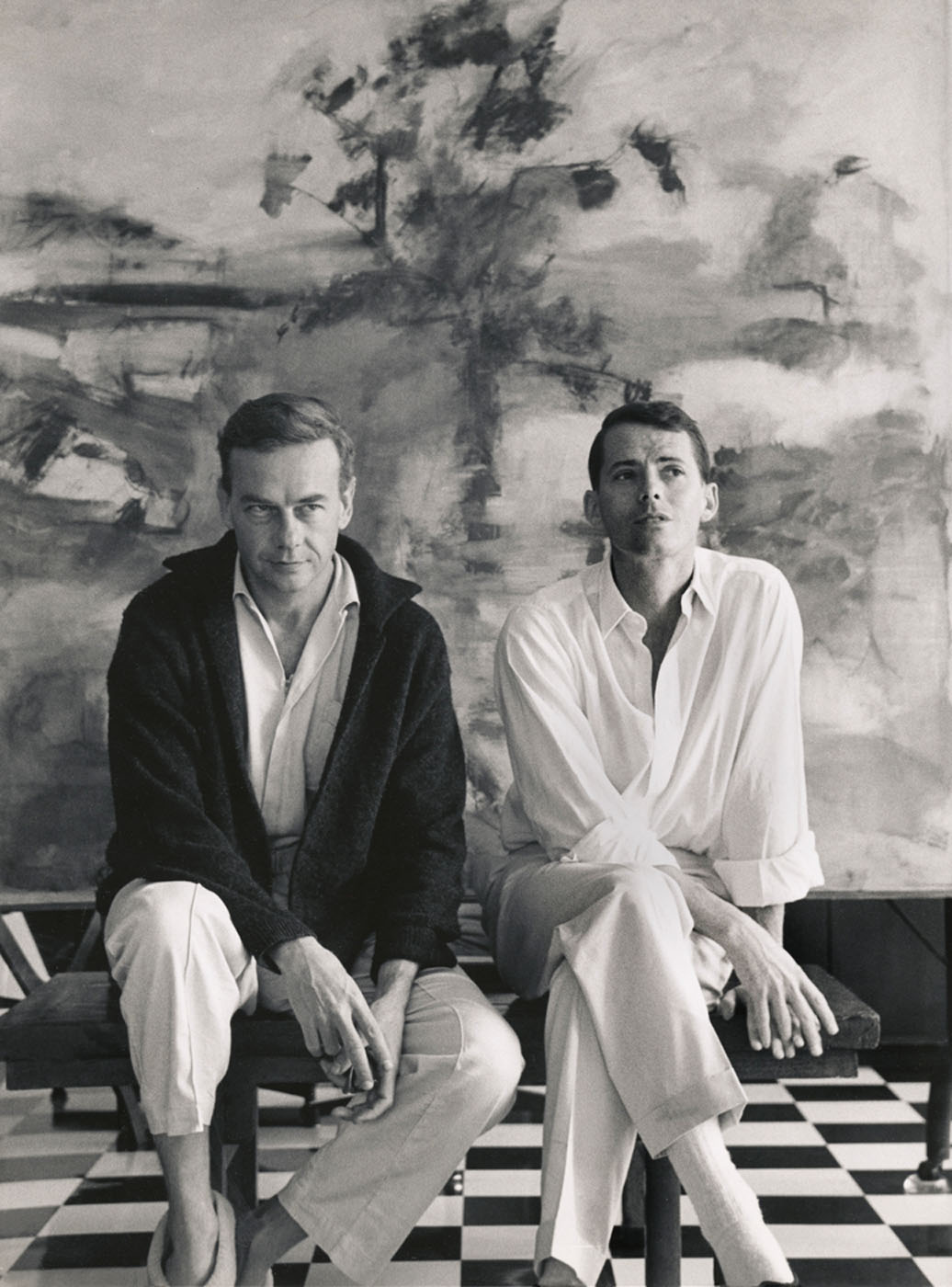





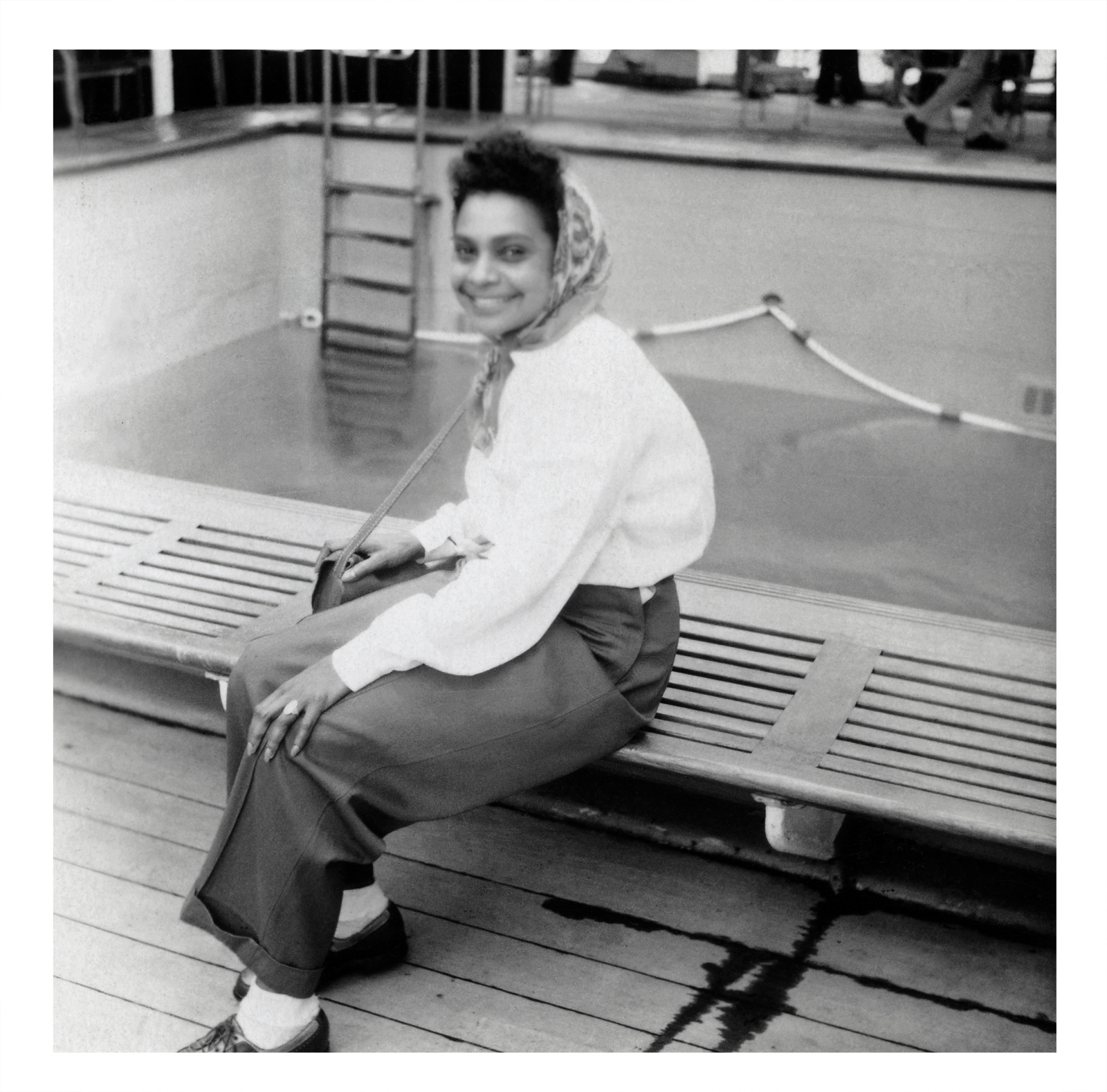
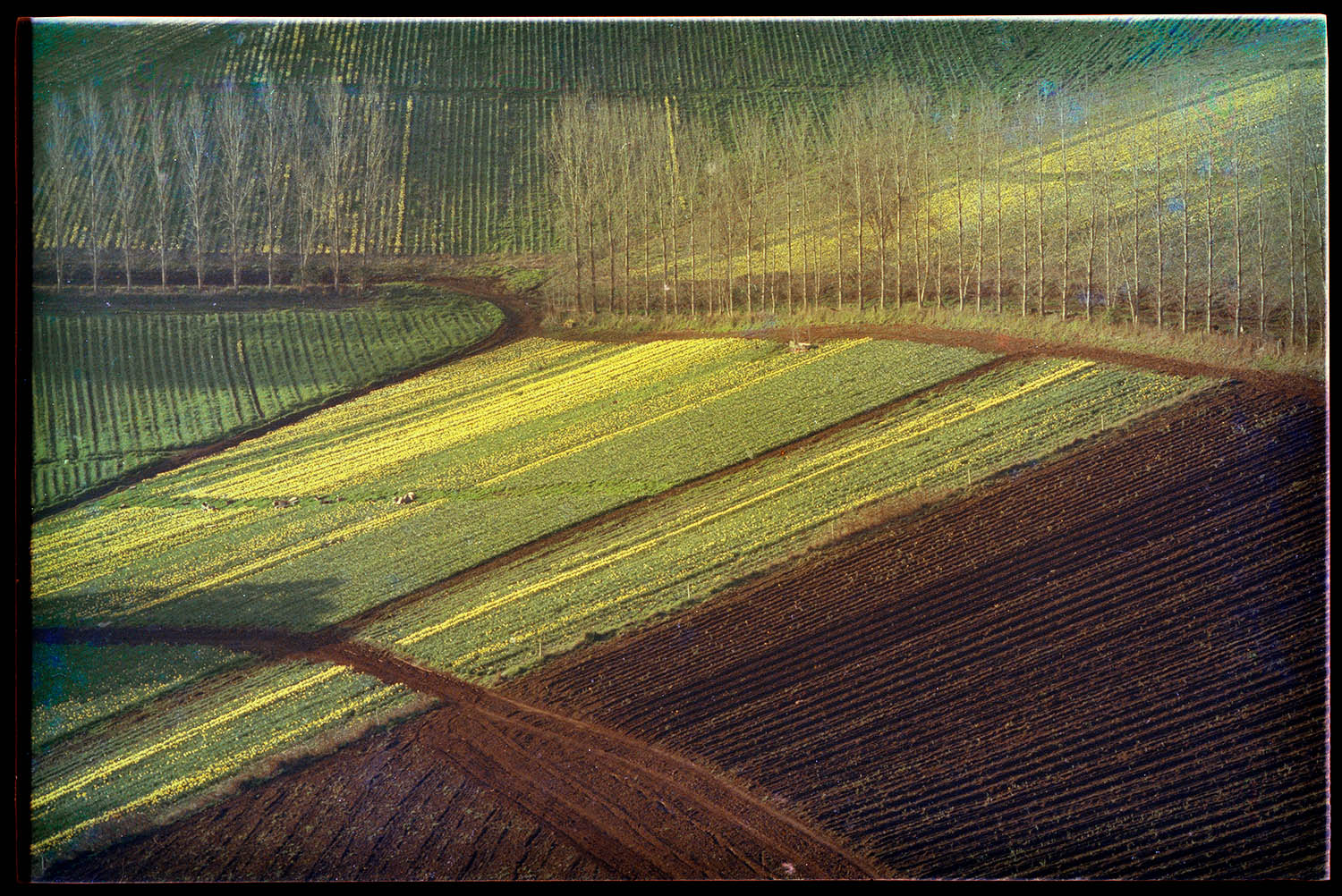
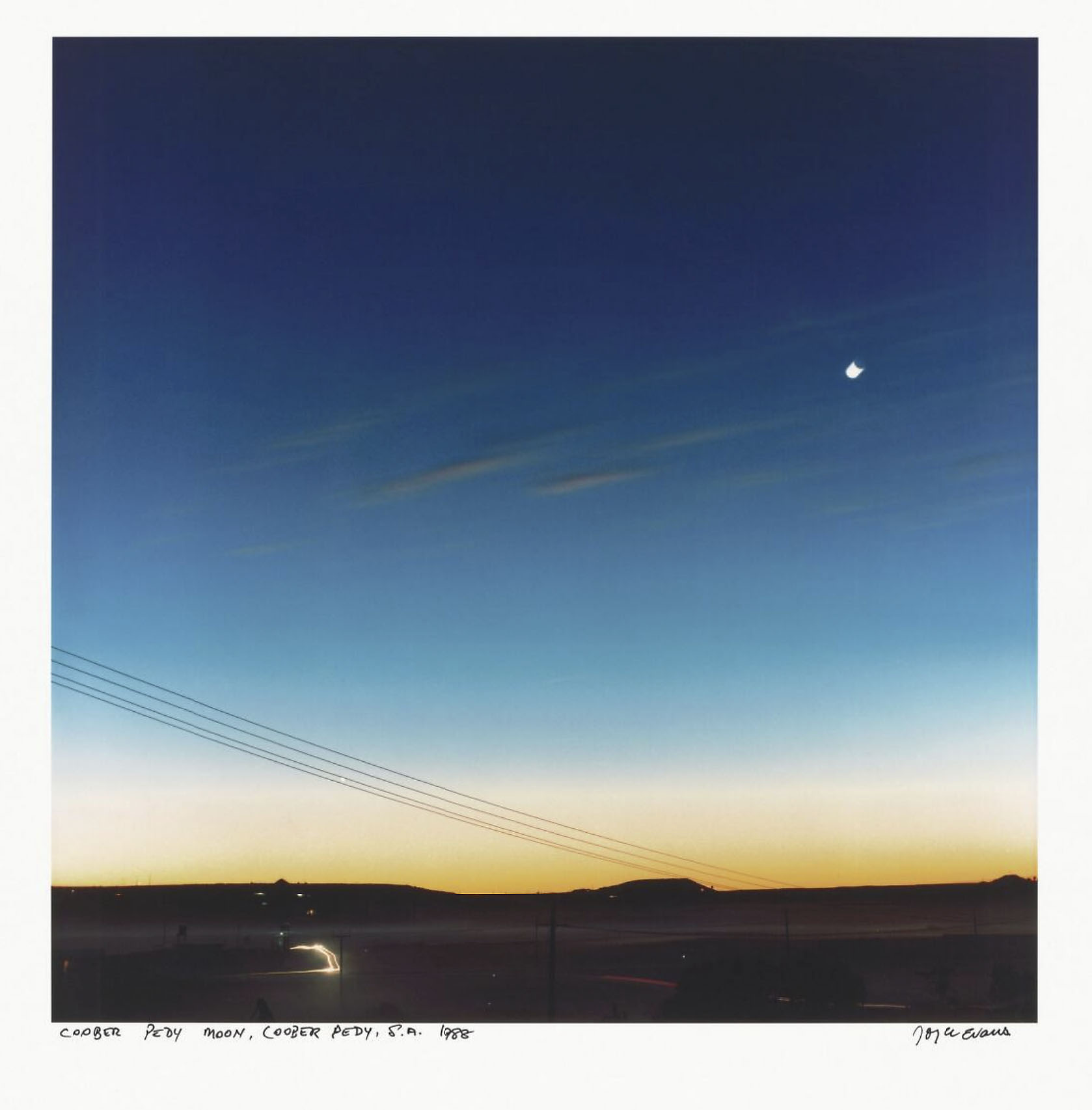
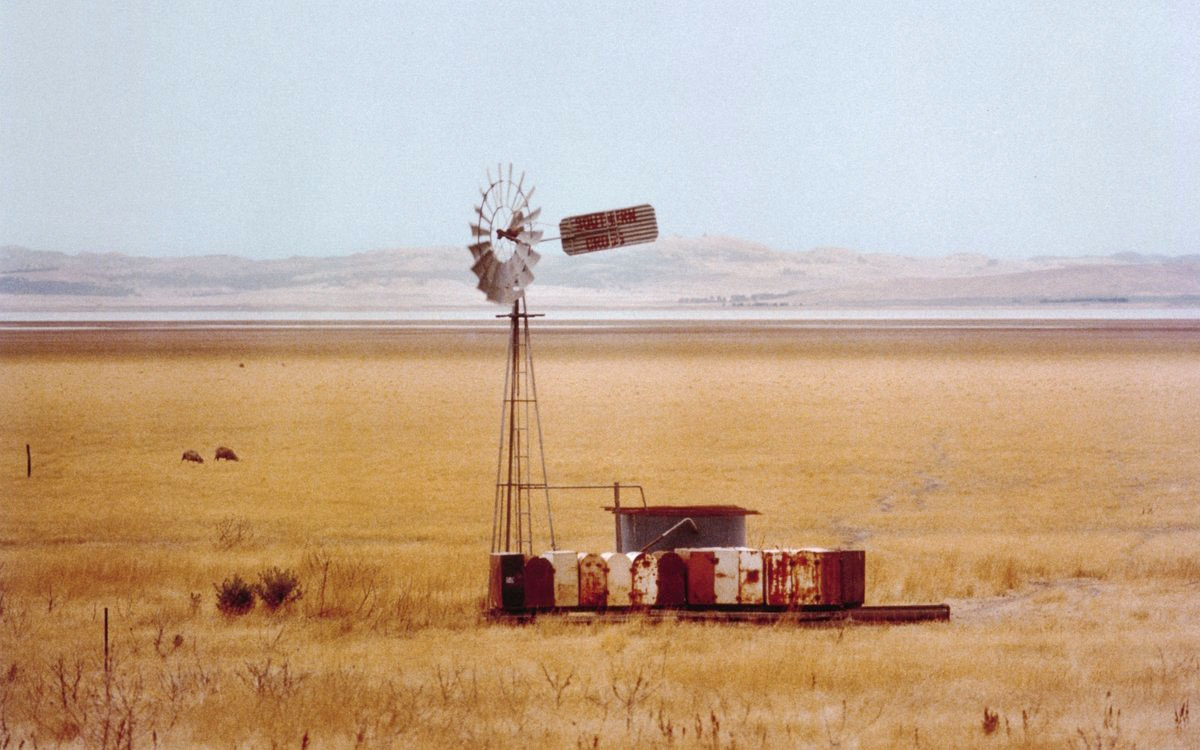
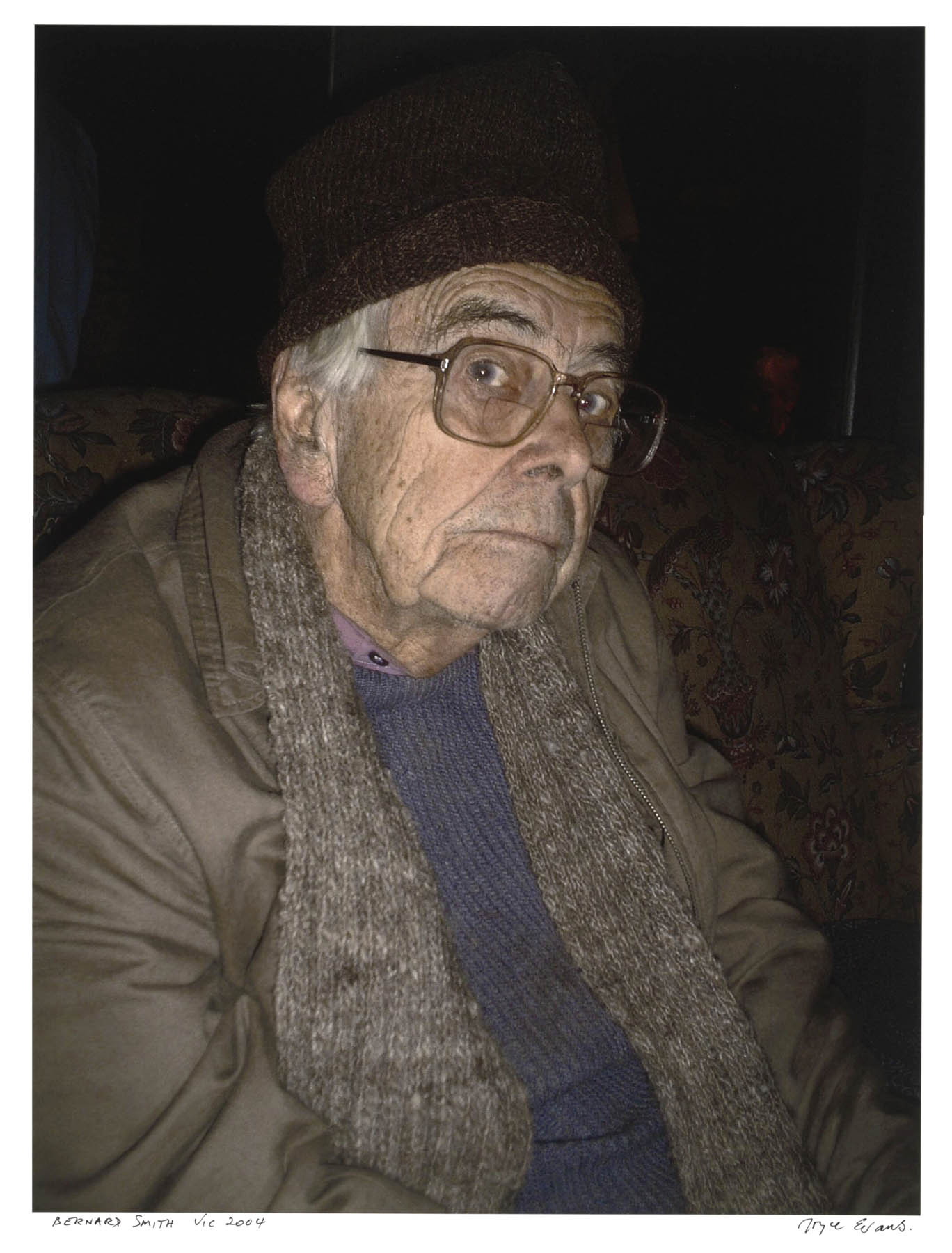
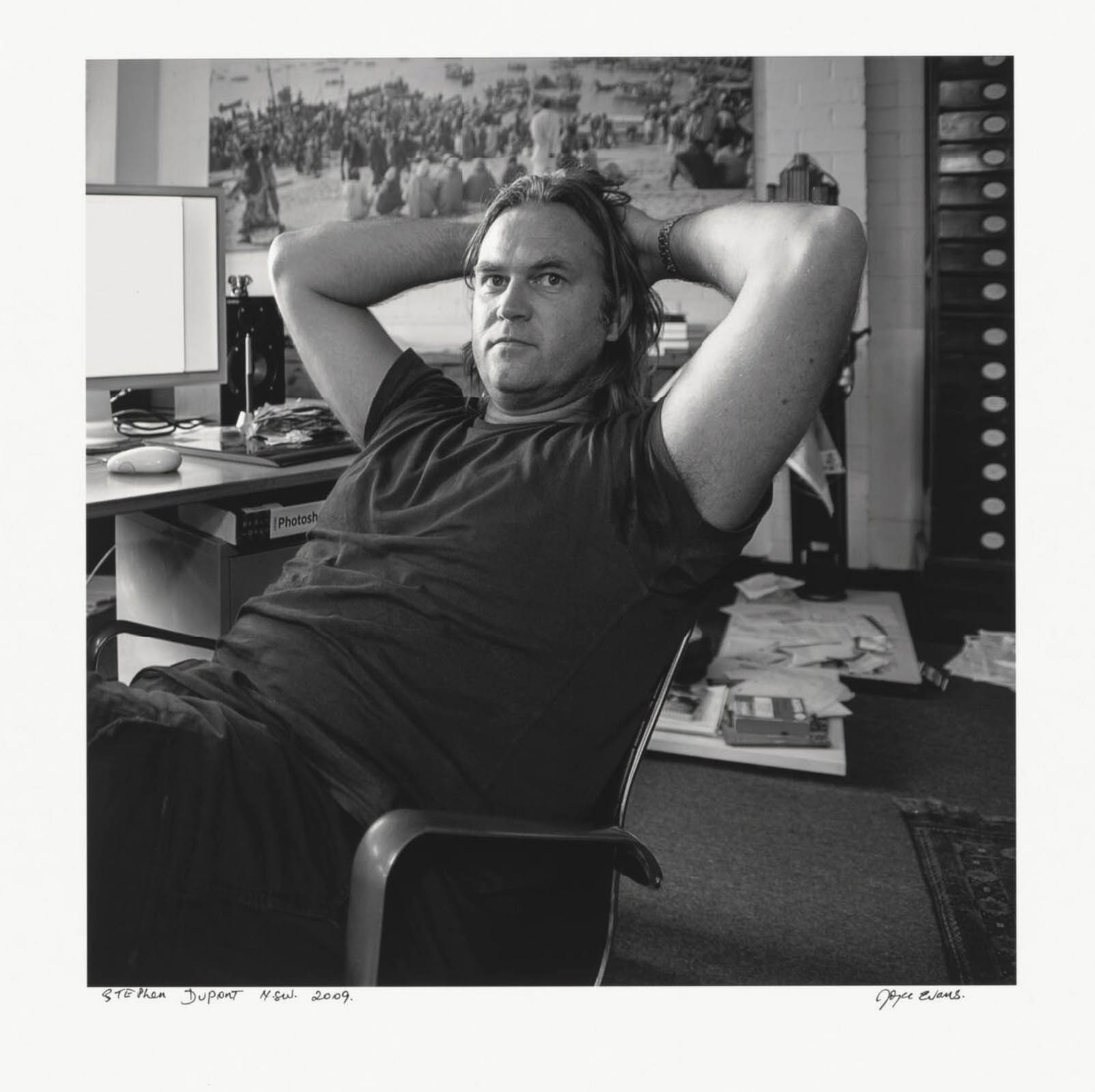


![Baron Raimund von Stillfried (Austrian, 1839-1911) and Uchida Kuichi (Japanese, 1844-1875) 'Untitled [The Fishmonger]' 1870s](https://artblart.com/wp-content/uploads/2023/09/stillfried-and-kuichi-the-fishmonger.jpg "Baron Raimund von Stillfried (Austrian, 1839-1911) and Uchida Kuichi (Japanese, 1844-1875) 'Untitled [The Fishmonger]' 1870s")















 Art Blart _ art and cultural memory archive
You must be logged in to post a comment.