Roger Vail (American, b. 1945) SkyDiver 2 1996 Platinum/palladium print
For the length of each ride
I just love these photographs. They are thrilling, like the rides themselves.
The photographer Roger Vail comments,
“There was no initial inspiration, just an experiment. I had already been making photographs at night with a 4 x 5 (later 8 x 10) camera which involved time exposures. I went to a carnival to shoot the facades. While there I decided to see what would happen it I made a time exposure of the ferris wheel in question. First sight of the negative was thrilling so I decided to make more. Most of the fun was in not knowing what the end result would look like. I made these into large silver prints throughout the seventies. In the nineties I learned to make platinum-palladium prints and after printing one of the older negatives decided to do them again specifically for that medium. Finally in 2001, at the suggestion of my wife Carol, I did them for a third time shooting 8×10 transparencies.”
All the light is ambient light, with the exposures usually around 3 minutes (hence the ghostly shadows of people moving in the foregrounds of some of the photographs). Vail observes, “Carnival grounds are often flooded with fairly bright light, so balancing the exposures is not that difficult. I found out early on that virtually all carnival rides last around 3 minutes. So I would adjust the F stop accordingly to get the maximum rotation and therefore pattern.”
I am in awe of this extended investigation. What a passion for what is coming on 45 years working on one idea.
Just as Hiroshi Sugimoto’s time lapse movie screens (where the exact length of a movie was captured by the open lens of the camera, the substance of time and space evidenced by a seemingly empty screen) were wonderfully poetic and transformational – the gesture of compressing the narrative, reality and action of a movie into a single frame of light – so Vail’s photographs focus on the process of transition, the process of transition in the flow of time and space. Whereas Sugimoto captures the exact length of a movie, Vail’s photographs, ‘for the length of each ride’, could be a metaphor for the length of a life, for these rides contain the body of human beings, their embodiment, even though we can’t see them.
All the signs are there. The concentric circles with no beginning and no end. The YoYo circus of circuits or Wave Swinger with atomic cloud remind me of Fritz Lang’s seminal film Metropolis (1927). And then the colour work – Inverter with its Möbius strip non-orientable boundary, giving life a half-twist, SpinOut‘s nuclear intensity, and Evolution‘s DNA-like strands. And all of this done through serendipity, a fortunate happenstance, with the artist not knowing exactly what each negative will bring, but ultimately thrilling when (exposure) time – overseer of all things – is right. No wonder Vail was excited when he saw his first negative.
A total surprise, these photographs proffer a liminal space, one beyond our usual realm of understanding. Our cycle of life. The process of transition in the flow of space and time.
Dr Marcus Bunyan
Many thankx to Joseph Bellows Gallery for allowing me to publish the photographs in the posting. Please click on the photographs for a larger version of the image.
Roger Vail (American, b. 1945) Spinning Carnival Ride 1971 Gelatin silver print
“I started making urban night photographs at the end of graduate school in 1969. I used a 4×5 and later an 8×10 view camera which required time exposures of 30 seconds or more. At a carnival in 1971 I decided to set up in front of a ferris wheel, clueless about what the result would look like. I was greatly excited by what I saw when I looked at the first negative and print – a total surprise. The later color images are exposed for the length of each ride cycle.”
Roger Vail
In 1970, Vail began photographing carnivals and their thrill rides with his 8 x 10 inch view camera. His pictures were made in the evening hours with long exposure times, resulting in images that track the momentum of the ride with a sense wonderment that is both tangible and otherworldly. Carnival will feature Vail’s extraordinary, large-scale photographs of carnival rides in full motion; tracing the kaleidoscopic light play seen only through an extended moment that photography permits. In addition to the large-scale colour and black and white images, his smaller, more intimate platinum/palladium prints will be featured in the atrium gallery.
Vail’s carnival rides are described and transformed through the act of photography. He allows the viewer to experience the flux of the ride in a single scene, rendering both the atmosphere of the night and the energy of his subject, against the recognisable background of the state fair.
Roger Vail earned his BFA and MFA degrees from the Art Institute of Chicago. His photographs are in the collection of numerous institutions, including: Art Institute of Chicago, Museum of Contemporary Photography, Nelson-Atkins Museum of Art, Museum of Modern Art, NY, San Francisco Museum of Modern Art, and the Princeton University Art Museum.
Roger Vail (American, b. 1945) Untitled 1996 Platinum/palladium print
Roger Vail (American, b. 1945) YoYo 1996 Gelatin silver print 18 x 23.5 inches
Roger Vail (American, b. 1945) YoYo #2 1996 Platinum/palladium print
Roger Vail (American, b. 1945) Wave Swinger 1996 Gelatin silver print
Roger Vail (American, b. 1945) Kamikaze #3 1996 Platinum/palladium print 10 x 8 inches
Joseph Bellows Gallery is pleased to announce its upcoming exhibition, Carnival: Photographs by Roger Vail. This solo shows will open on July 11th, with a reception for the artist from 6-8 p.m., and will continue through the 22nd of August. The exhibition will feature Vail’s extraordinary large-scale photographs of carnival rides in full motion; tracing the kaleidoscopic light play seen only through the extended moment that photography permits. In addition to the large-scale colour and black and white images, his smaller, more intimate platinum/palladium prints will be featured in the atrium gallery.
In 1970, Vail began photographing carnivals and their thrill rides with his 8 x 10 inch view camera. His pictures were made in the evening hours with long exposure times, resulting in extended moments which track the momentum of the ride with a sense wonderment that is both tangible and otherworldly.
One such image graced the cover of Life magazine, introducing a picture essay with an accompanying text by Garrison Keilor titled, A Magical Spin on a Summer Night (2006). Vail’s carnival rides are described and transformed through the act of photography. He allows the viewer to experience the flux of the ride in a single scene, rendering both the atmosphere of the night and the energy of his subject, against the recognisable background of the state fair.
Press release from the Joseph Bellows Gallery
Roger Vail (American, b. 1945) Evolution 3 2001 Chromogenic print mounted to aluminium
Roger Vail (American, b. 1945) Giant Wheel 2001 Chromogenic print mounted to aluminium
Roger Vail (American, b. 1945) Inverter 2001 Chromogenic print mounted to aluminium 30 x 37.5 inches
Roger Vail (American, b. 1945) Kamakazi 2002 Chromogenic print mounted to aluminium
Roger Vail (American, b. 1945) SpinOut 2001 Chromogenic print mounted to aluminium
Roger Vail (American, b. 1945) Wave Swinger 2001 Chromogenic print mounted to aluminium
Roger Vail (American, b. 1945) Evolution 2001 Chromogenic print mounted to aluminium
Joseph Bellows Gallery 7661 Girrard Avenue La Jolla, California Phone: 858 456 5620
Opening hours: Tuesday – Saturday 11am – 5pm and by appointment
Exhibition dates: 26th June – 13th September, 2015
Hugo Gellert (Hungarian-American, 1892-1985) Daily Worker c. 1935 Lithograph on paper Collection of Merrill C. Berman Courtesy Mary Ryan Gallery, New York
It has given me greater insight after researching the artists and the issues for this posting. Strong graphics for just social causes. Words and images are powerful tools against bigotry, racism and extremism of any form.
The older I get the more fiercely liberal and socially conscious I become.
Dr Marcus Bunyan
Many thankx to the New-York Historical Society Museum and Library for allowing me to publish the photographs in the posting. Please click on the photographs for a larger version of the image.
Great Depression to World War II
Featuring three main sections, Art as Activism opens with works dating from the Great Depression to World War II. The posters and broadsides from the era focus on the American labor movement, Communism, racism in the South, housing in the North, and the legacy of the Harlem Renaissance.
The Scottsboro Boys
The Scottsboro Boys were a group of nine black teenagers accused of rape in the 1930s South. The blatant injustice given to them during their trial lead to several legal reforms. Watch as Emory’s Associate Professor of African American Studies, Carol Anderson, discusses what happened to these boys both during and after their trial.
J. Louis Engdahl (American, 1884-1932) Labor Defender June 1931 Lithograph on paper Collection of Merrill C. Berman
Scottsboro Boys
The Scottsboro Boys were nine African-American teenagers accused in Alabama of raping two White American women on a train in 1931. The landmark set of legal cases from this incident dealt with racism and the right to a fair trial. The cases included a lynch mob before the suspects had been indicted, a frameup, all-white juries, rushed trials, and disruptive mobs. It is frequently cited as an example of an overall miscarriage of justice in the United States legal system.
On March 25, 1931, several people were hoboing on a freight train traveling between Chattanooga and Memphis, Tennessee. Several white teenagers jumped off the train and reported to the sheriff that they had been attacked by a group of African-American teenagers. The sheriff deputised a posse comitatus, stopped and searched the train at Paint Rock, Alabama and arrested the African Americans. Two young white women also got off the train and accused the African-American teenagers of rape. The case was first heard in Scottsboro, Alabama, in three rushed trials, in which the defendants received poor legal representation. All but 12-year-old Roy Wright were convicted of rape and sentenced to death, the common sentence in Alabama at the time for black men convicted of raping white women, even though there was medical evidence to suggest that they had not committed the crime.
With help from the Communist Party USA (CPUSA), the case was appealed. The Alabama Supreme Court affirmed seven of the eight convictions, and granted 13-year-old Eugene Williams a new trial because he was a minor. Chief Justice John C. Anderson dissented, ruling that the defendants had been denied an impartial jury, fair trial, fair sentencing, and effective counsel. While waiting for their trials, eight of the nine defendants were held in Kilby Prison. The cases were twice appealed to the United States Supreme Court, which led to landmark decisions on the conduct of trials. In Powell v. Alabama (1932), it ordered new trials.
The case was returned to the lower court and the judge allowed a change of venue, moving the retrials to Decatur, Alabama. Judge Horton was appointed. During the retrials, one of the alleged victims admitted fabricating the rape story and asserted that none of the Scottsboro Boys touched either of the white women. The jury found the defendants guilty, but the judge set aside the verdict and granted a new trial.
The judge was replaced and the case tried under a more biased judge, whose rulings went against the defence. For the third time a jury – now with one African-American member – returned a third guilty verdict. The case returned to the US Supreme Court on appeal. It ruled that African Americans had to be included on juries, and ordered retrials. Charges were finally dropped for four of the nine defendants. Sentences for the rest ranged from 75 years to death. All but two served prison sentences. One was shot in prison by a guard and permanently disabled. Two escaped, were later charged with other crimes, convicted, and sent back to prison. Clarence Norris, the oldest defendant and the only one sentenced to death, “jumped parole” in 1946 and went into hiding. He was found in 1976 and pardoned by Governor George Wallace, by which time the case had been thoroughly analysed and shown to be an injustice. Norris later wrote a book about his experiences. The last surviving defendant died in 1989.
“The Scottsboro Boys,” as they became known, were defended by many in the North and attacked by many in the South. The case is now widely considered a miscarriage of justice, particularly highlighted by use of all-white juries. African Americans in Alabama had been disenfranchised since the turn of the century and thus were generally disqualified from jury duty. The case has been explored in many works of literature, music, theatre, film and television. On November 21, 2013, Alabama’s parole board voted to grant posthumous pardons to the three Scottsboro Boys who had not been pardoned or had their convictions overturned.
Not the usual version of this song by Billie Holiday, but a different rendition by the great Nina Simone (no date to the recording). White southerners lynched nearly 4,000 black men, women and children between the years 1877 and 1950.
This song, written by white teacher Abel Meeropol as a poem and published in 1937, was performed by many artists (but most notably, Billie Holiday and Nina Simone,) is a dark and profound song about the lynching of African Americans in the Southern United States during the Jim Crow Era. In the lyrics, black victims are portrayed as “strange fruit,” as they hang from trees, rotting in the sun, blowing in the wind, and becoming food for crows upon being burned.
Southern trees Bearing strange fruit Blood on the leaves And blood at the roots Black bodies Swinging in the southern breeze Strange fruit hangin’ From the poplar trees Pastoral scene Of the gallant south Them big bulging eyes And the twisted mouth Scent of magnolia Clean and fresh Then the sudden smell Of burnin’ flesh Here is a fruit For the crows to pluck For the rain to gather For the wind to suck For the sun to rot For the leaves to drop Here is strange and bitter crop
Vera Bock (American born Russia, 1905-1973) Haiti; A Drama of the Black Napoleon by William Du Bois at Lafayette Theatre 1938 Screenprint on board Collection of Merrill C. Berman
François-Dominique Toussaint Louverture (20 May 1743 – 7 April 1803), also known as Toussaint L’Ouverture, Toussaint-Louverture, Toussaint Bréda, and nicknamed the “Napoléon Noir” (Black Napoleon), was the leader of the Haitian Revolution. His military genius and political acumen transformed an entire society of slaves into the independent state of Haiti. The success of the Haitian Revolution shook the institution of slavery throughout the New World.
Toussaint Louverture began his military career as a leader of the 1791 slave rebellion in the French colony of Saint-Domingue; he was by then a free black man. Initially allied with the Spaniards of neighbouring Santo Domingo, Toussaint switched allegiance to the French when they abolished slavery. He gradually established control over the whole island and used political and military tactics to gain dominance over his rivals. Throughout his years in power, he worked to improve the economy and security of Saint-Domingue. He restored the plantation system using paid labour, negotiated trade treaties with Britain and the United States, and maintained a large and well-disciplined army.
In 1801 he promulgated an autonomist constitution for the colony, with himself as governor for life. In 1802 he was forced to resign by forces sent by Napoleon Bonaparte to restore French authority in the former colony. He was deported to France, where he died in 1803. The Haitian Revolution continued under his lieutenant, Jean-Jacques Dessalines, who declared independence in early 1804. The French had lost two-thirds of forces sent to the island in an attempt to suppress the revolution; most died of yellow fever.
Unidentified artist Negro Peoples Theatre Presents: Langston Hughes’ Great Play, “Don’t You Want to be Free?” Directed by Fanny McConnell, Lincoln Centre 1938 Screenprint on paper mounted on board Collection of Merrill C. Berman
James Mercer Langston Hughes (American, 1902-1967)
James Mercer Langston Hughes (February 1, 1902 – May 22, 1967) was an American poet, social activist, novelist, playwright, and columnist from Joplin, Missouri. He was one of the earliest innovators of the then-new literary art form called jazz poetry. Hughes is best known as a leader of the Harlem Renaissance. He famously wrote about the period that “the negro was in vogue”, which was later paraphrased as “when Harlem was in vogue”.
When Langston Hughes returned from his assignment in Spain as a war correspondent, he told Louise Patterson of his idea for establishing a people’s theatre. She suggested the hall of the International Workers Order (a leftist labor-cultural group) above Frank’s Restaurant on 125th Street. This was the first home of the Harlem Suitcase Theatre, in 1937.
Named for its arena staging and lack of scenic properties, Suitcase Theatre was a peoples’ theatre composed of amateur actors. The audiences were seventy-five per cent black; admission was thirty-five cents. The program was usually two or three short pieces; The Slave, or The Man Who Died at Twelve O’Clock, or several skits written by Mr. Hughes lampooning white caricatures of blacks: Em-Fueher Jones, Limitations of Life, and Little Eva’s End. The piece de resistance was always Don’t You Want To Be Free? We had no play so the suggestion came up one evening as we were sitting there plotting the theatre, that Langston should do a play and why not a play of music-drama of many of his folk poems? So that he went home that night after we had had that discussion and sat up all night writing it and came back the next night with Don’t You Want To Be Free? (from an interview with Louise Patterson by Norma Markman, 1969)
Although Suitcase Theater lasted only two years (it did not survive its transplant to the library basement on 135th Street) the idea of a Negro People’s Theater spread to other cities. In March 1939, Mr. Hughes founded the New Negro Theater in Los Angeles.
The success of Don’t You Want To Be Free?, which opened in February 1937 and ran for 135 performances, may be found in three factors: (1) the direct appeal to the problems of the audience (most businesses in Harlem were owned by whites and only one of every six employees of the businesses were black), (2) the simplicity and beauty of the poetry and songs, (3) the appeal to unite poor whites and blacks in a fight against exploitation by the rich.
Text from The University Theatre website Cited [Online] Cited 20/07/2015. No longer available online
Lester Beall (1903-1969) was an American graphic designer notable as a leading proponent of modernist graphic design in the United States.
His clear and concise use of typography was highly praised both in the United States and abroad. Throughout his career he used bold primary colours and illustrative arrows and lines in a graphic style that became easily recognisable as his own. He eventually moved to rural New York and set up an office, and home, at a premises that he and his family called “Dumbarton Farm”. He remained at the farm until his death in 1969.
Lester Thomas Beall was born in Kansas City, Missouri. His family soon moved to St. Louis, Missouri, and later to Chicago, Illinois. Beall studied at the University of Chicago and was active on the varsity track team coached by Amos Alonzo Stagg. Beall also took classes at the Art Institute of Chicago. After a short period of experimentation and professional work in Chicago, Beall moved to New York in 1935. The following year he established his home / office in Wilton, Connecticut.
According to his online AIGA biography by R. Roger Remington: “Through the 1930s and 1940s Beall produced innovative and highly regarded work for clients including the Chicago Tribune, Sterling Engraving, The Art Directors Club of New York, Hiram Walker, Abbott Laboratories and Time magazine. Of particular interest was his work for the Crowell Publishing Company which produced Colliers magazine. The promotional covers “Will There Be War?” and “Hitler’s Nightmare” are powerful designs which distill messages of the time. In these works he utilises angled elements, iconic arrows, silhouetted photographs and dynamic shapes, all of which captures the essence of his personal style of the late 1930s. Also of interest in this period are the remarkable poster series for the United States Government’s Rural Electrification Administration.”
Unidentified artist Vote American Labor Party; Roosevelt and Lehman 1936 Lithograph on paper Collection of Merrill C. Berman
Long before digital technology made worldwide communication possible, political protests and calls for action reached the public through posters. Posted on walls and bulletin boards, slapped up on store windows and church doors, these works often featured bright colours and modernist art-inspired graphics, and were quickly mass-produced to inform communities, stir audiences, and call attention to injustice. This summer, the New-York Historical Society will present 72 posters dating from the early 1930s through the 1970s, drawn from one of the world’s finest collections of American protest art in Art as Activism: Graphic Art from the Merrill C. Berman Collection, on view June 26 through September 13, 2015.
“These seemingly ephemeral activist artefacts are of tremendous historical and artistic importance, with deep roots in the past and a lasting influence,” said Dr. Louise Mirrer, President and CEO of the New-York Historical Society. “Merrill Berman’s collection rivals the graphic design holdings of the Museum of Modern Art in New York and the Stedelijk Museum in Amsterdam, and we are thrilled to be able to share some highlights with the public this summer.”
Art as Activism presents a wide selection of posters addressing movements that arose in reaction to the Great Depression, World War II, racial inequality, the Vietnam War, and environmental concerns. Featured posters include works by artists such as Emory Douglas, Hugo Gellert, James Rosenquist and Tomi Ungerer, as well as numerous unidentified designers.
“Art as Activism will showcase imagery that served as the wallpaper of public discontent,” said New-York Historical’s Chief Curator Stephen Edidin. “Posters shaped the visual language of protest for generations, “going viral” decades before the term was born, until they were replaced by other forms of social media, including street art and ultimately the Internet.”
Exhibition highlights
Featuring three main sections, Art as Activism opens with works dating from the Great Depression to World War II, with themes that include electoral politics, workers’ marches and the political, social, and economic inequalities endured by African Americans. Featured works include a poster for Langston Hughes’ political play Don’t You Want to be Free?: From Slavery Through the Blues to Now – and then some! (1938), with bright red and yellow graphics of a whip in a raised fist. A colourful 1941 poster Cross Out Slums promoted the U.S. Housing Authority, which cleared slums and built new low-income housing. Using photomontage and European modernist design, graphic artist Lester Beall shows a bucolic neighbourhood in the form of a hand, crossing out substandard accommodations with a large “X.”
The second section of the exhibition explores the Black Panther organisation, beginning with its founding in California in 1966 and tracing its rise to national prominence. The Panthers used posters and the press to spread their message, leveraging advertising techniques and celebrity culture to compose and disseminate powerful imagery. One of the most defining photographs of this era is the iconic image Huey Newton seated in a wicker chair (1967), featuring the Panthers’ Minister of Defense enthroned in a wicker chair, holding a rife and a spear. Another highlight is the poster An Attack Against One is An Attack Against All, The Slaughter of Black People Must be Stopped by Any Means Necessary! (circa 1970), featuring the image of a black panther with massive claws and a sinuous body, poised to attack.
The final section of Art as Activism focuses on the anti-Vietnam War movement and other protest movements of the era, such as the American Indian movement and the nascent Environmentalist effort. To cut costs and distribute the message by any means available, activists printed posters on computer paper. In 1970, U.C. Berkeley students protested President Nixon’s bombing of Cambodia with the poster Amerika is Devouring Its Children, making a powerful anti-war statement by appropriating Francisco Goya’s terrifying image of the god Saturn fiendishly eating his own son. Another highlight on view is a poster from the 1975 Central Park rally celebrating the end of the Vietnam War, featuring a photograph of a Hanoi circus performer with doves balanced on her outstretched arms, offering an uplifting image and global message.
Press release from the New-York Historical Society Museum and Library
Black Panther Party
The second section of the exhibition explores the Black Panther Party, beginning with its founding in California in 1966 and traces its rise to international prominence. Their policies of self-defense and anti-imperialism prompted FBI Director J. Edgar Hoover to notoriously condemn them as “the greatest threat to internal security.” Their legacy of lesser-known initiatives to aid impoverished black communities, including a breakfast program that at its height served 10,000 kids in need every day was overshadowed as a result.
Unidentified artist Free Angela Davis c. 1970-72 Lithograph on paper Collection of Merrill C. Berman
Angela Yvonne Davis (American, b. 1944)
Angela Yvonne Davis (born January 26, 1944) is an American political activist, scholar, and author. She emerged as a prominent counterculture activist and radical in the 1960s as a leader of the Communist Party USA, and had close relations with the Black Panther Party through her involvement in the Civil Rights Movement, although she was never a party member. Her interests included prisoner rights; she founded Critical Resistance, an organisation working to abolish the prison-industrial complex. She is a retired professor with the History of Consciousness Department at the University of California, Santa Cruz, and a former director of the university’s Feminist Studies department.
Davis was arrested, charged, tried, and acquitted of conspiracy in the 1970 armed take-over of a Marin County courtroom, in which four persons died.
On August 7, 1970, Jonathan Jackson, a heavily armed 17-year-old African-American high-school student, gained control over a courtroom in Marin County, California. Once in the courtroom, Jackson armed the black defendants and took Judge Harold Haley, the prosecutor, and three female jurors as hostages.
As Jackson transported the hostages and two black convicts away from the courtroom, the police began shooting at the vehicle. The judge and the three black men were killed in the melee; one of the jurors and the prosecutor were injured. The firearms used in the attack, including the shotgun used to kill Haley, had been purchased by Davis two days prior and the barrel of the shotgun had been sawed off. Davis was also corresponding with one of the inmates involved. Since California considers “all persons concerned in the commission of a crime, whether they directly commit the act constituting the offence… principals in any crime so committed”, Marin County Superior Judge Peter Allen Smith charged Davis with “aggravated kidnapping and first degree murder in the death of Judge Harold Haley” and issued a warrant for her arrest. Hours after the judge issued the warrant on August 14, 1970, a massive attempt to arrest Angela Davis began. On August 18, 1970, four days after the initial warrant was issued, the FBI director J. Edgar Hoover made Angela Davis the third woman and the 309th person to appear on the FBI’s Ten Most Wanted Fugitive List.
Soon after, Davis became a fugitive and fled California. According to her autobiography, during this time she hid in friends’ homes and moved from place to place at night. On October 13, 1970, FBI agents found her at the Howard Johnson Motor Lodge in New York City. President Richard M. Nixon congratulated the FBI on its “capture of the dangerous terrorist, Angela Davis”.
On January 5, 1971, after several months in jail, Davis appeared at the Marin County Superior Court and declared her innocence before the court and nation: “I now declare publicly before the court, before the people of this country that I am innocent of all charges which have been levelled against me by the state of California.” John Abt, general counsel of the Communist Party USA, was one of the first attorneys to represent Davis for her alleged involvement in the shootings. While being held in the Women’s Detention Center there, she was initially segregated from the general population, but with the help of her legal team soon obtained a federal court order to get out of the segregated area.
Across the nation, thousands of people who agreed with her declaration began organising a liberation movement. In New York City, black writers formed a committee called the Black People in Defense of Angela Davis. By February 1971 more than 200 local committees in the United States, and 67 in foreign countries worked to liberate Angela Davis from prison. Thanks, in part, to this support, in 1972 the state released her from county jail. On February 23, 1972, Rodger McAfee, a dairy farmer from Fresno, California, paid her $100,000 bail with the help of Steve Sparacino, a wealthy business owner. Portions of her legal defence expenses were paid for by the United Presbyterian Church.
Davis was tried, and the all-white jury returned a verdict of not guilty. The fact that she owned the guns used in the crime was judged not sufficient to establish her responsibility for the plot. She was represented by Leo Branton Jr., who hired psychologists to help the defence determine who in the jury pool might favour their arguments, a technique that was uncommon at the time, and also hired experts to undermine the reliability of eyewitness accounts.
Her research interests are feminism, African-American studies, critical theory, Marxism, popular music, social consciousness, and the philosophy and history of punishment and prisons. Her membership in the Communist Party led to Ronald Reagan’s request in 1969 to have her barred from teaching at any university in the State of California. She was twice a candidate for Vice President on the Communist Party USA ticket during the 1980s.
Photography attributed to Blair Stapp Composition by Eldridge Cleaver Huey Newton seated in wicker chair 1967 Lithograph on paper Collection of Merrill C. Berman
Huey Percy Newton (American, 1942-1989)
Huey Percy Newton (February 17, 1942 – August 22, 1989) was an African-American political and urban activist who, along with Bobby Seale, co-founded the Black Panther Party in 1966. Newton had a long series of confrontations with law enforcement, including several convictions, while he participated in political activism. He continued to pursue an education, eventually earning a Ph.D. in Social Science. Newton spent time in prison for manslaughter and was involved in a shooting that killed a police officer, for which he was later acquitted. In 1989 he was shot and killed in Oakland, California by Tyrone “Double R” Robinson, a member of the Black Guerrilla Family.
Emory Douglas (born May 24, 1943) was born in Grand Rapids, Michigan and grew up in the San Francisco Bay Area. As a teenager, Douglas was incarcerated at the Youth Training School in Ontario, California; during his time there he worked in the prison’s printing shop. He later studied commercial art, taking graphic design classes, at San Francisco City College. As Erika Doss wrote, “He also joined the college’s Black Students Union and was drawn to political activism.”
In 1967 Douglas became Minister of Culture for the Black Panther Party. In 2007, The San Francisco Chronicle reporter Jessica Werner Zack reported that he “branded the militant-chic Panther image decades before the concept became commonplace. He used the newspaper’s popularity to incite the disenfranchised to action, portraying the poor with genuine empathy, not as victims but as outraged, unapologetic and ready for a fight.”
Douglas worked at the black community-oriented San Francisco Sun Reporter newspaper for over 30 years after The Black Panther newspaper was no longer published. He continued to create activist artwork. According to Greg Morozumi, of the Bay Area EastSide Arts Alliance, his artwork stayed relevant. “Rather than reinforcing the cultural dead end of “post-modern” nostalgia, the inspiration of his art raises the possibility of rebellion and the creation of new revolutionary culture.”
In 2006, artist and curator Sam Durant edited a comprehensive monograph of Black Panther artist Emory Douglas’ work, Black Panther: The Revolutionary Art of Emory Douglas, with contributors including Danny Glover, Kathleen Cleaver, St. Clair Bourne, Colette Gaiter (associate professor at the University of Delaware), Greg Morozumi (artistic director of the EastSide Arts Alliance in Oakland, California), and Sonia Sanchez.
“Douglas was the most prolific and persistent graphic agitator in the American Black Power movements. Douglas profoundly understood the power of images in communicating ideas…. Inexpensive printing technologies – including photostats and presstype, textures and patterns – made publishing a two-colour heavily illustrated, weekly tabloid newspaper possible. Graphic production values associated with seductive advertising and waste in a decadent society became weapons of the revolution. Technically, Douglas collaged and re-collaged drawings and photographs, performing graphic tricks with little budget and even less time. His distinctive illustration style featured thick black outlines (easier to trap) and resourceful tint and texture combinations. Conceptually, Douglas’s images served two purposes: first, illustrating conditions that made revolution seem necessary; and second, constructing a visual mythology of power for people who felt powerless and victimised. Most popular media represents middle to upper class people as “normal.” Douglas was the Norman Rockwell of the ghetto, concentrating on the poor and oppressed. Departing from the WPA / social realist style of portraying poor people, which can be perceived as voyeuristic and patronising, Douglas’s energetic drawings showed respect and affection. He maintained poor people’s dignity while graphically illustrating harsh situations.”
Colette Gaiter quoted in the Wikipedia entry for Emory Douglas.
Distributed by the Robert Brown Elliott League An Attack Against One is An Attack Against All c. 1970 Lithograph on paper Collection of Merrill C. Berman
Art as Activism
The final section of Art as Activism focuses on the anti-Vietnam War movement and other protest movements of the 1960s and 1970s. The mass protest movements varied greatly in their demands and their activist style. Some were violent, others peaceful. Some pushed for reform, others revolution. Regardless of their messages, these movements brought millions to the streets and forever changed American society; they helped end the Vietnam War and gave rise to watershed legislation and fundamental social change.
Jay Belloli (American, 1944-2021) Berkeley, California Amerika is Devouring Its Children 1970 Screenprint on computer paper Collection of Merrill C. Berman
Decade of Dissent – Jay Belloli
Jay Belloli is an independent contemporary art curator and writer who created an iconic political poster while a student at UC Berkeley during the strike to oppose Nixon’s bombing of Cambodia in 1970. In this video, Jay discusses his developing politicisation during the Vietnam War era and describes the urgent activity of students across the country to use political posters to define the pressing issues of the day.
This interview is part of a video series in which poster artists share stories about art and activism. The interviews accompany Decade of Dissent: Democracy in Action 1965-1975, a traveling political poster art exhibition that premiered at the West Hollywood Library, February – April 2012. Both the exhibition and interviews were produced by the Center for the Study of Political Graphics.
1965-1975 – years that span the U.S. war in Viet Nam – was a watershed decade for California and the country as a whole. Through legislation and demonstrations, democracy was both advanced and challenged at the ballot box, in the classroom and in the streets. U.S. democracy embraces free speech, yet California’s students fought for the right to engage in free speech in high schools and college campuses. Our democracy ensures freedom of assembly, yet the police often attacked peaceful demonstrators. The Constitution protects civil liberties and civil rights regardless of race, gender, class or ethnicity, yet African Americans, Asians, Latinos, women, lesbians, gays and others fought – and continue to fight – for their equality.
Whenever people organise and protest, artists are in the forefront of the struggles for greater democracy and justice. This exhibition documents the importance of poster art for developing and promoting the ideas and ideals of democracy in California during a very turbulent decade – not unlike the present. The posters forcefully and graphically demonstrate that democracy includes the obligation to speak-out and struggle for justice. Dissent is patriotic. The exhibition also shows the power of art to recall historical events and views of the world that can create a deeper context for understanding contemporary society.
Text from the YouTube website
Unidentified artist Red Power 1970 Lithograph on paper Collection of Merrill C. Berman
Phil Ochs (American, 1940-1976), Cora Weiss (American, b. 1934) and Dan Luce The War is Over! 1975 Lithograph on paper Collection of Merrill C. Berman
New-York Historical Society 170 Central Park West at Richard Gilder Way (77th Street) New York, NY 10024 Phone: (212) 873-3400
Mario Giacomelli (Italian, 1925-2000) From the series Presa di coscienza sulla natura / Awareness of Nature Italy, Senigallia 1980
Mario Gaicomelli has a unique signature as an artist. His photographs could never be anyone else’s work.
The press release states, “His works, all of them conceived as series, combine elements of reportage with lyrical subjectivity and a symbolic aesthetic which seems almost calligraphic in its harsh contrasts between black and white… On the one hand, they express a personal feeling; on the other, they embody a clear, courageous and conceptually groundbreaking attitude.” It continues, “His singular style caused him to remain beyond photographic fashions. In the five decades of his work, he created a body of work that is unparalleled in its aesthetic and thematic consistency.”
To remain beyond photographic fashions. In other words, he didn’t fit in, he was an outsider, he was Other. He did not conform.
He crafted, and I use the word deliberately, a conceptual response to life and landscape, to memory and existence – his symbolic aesthetic – that also expresses an enormous respect for personal feeling, for the stuff of life. There is a consistency to his enquiry, both aesthetically and thematically, that marks him out from the pack.
The calligraphic nature of his work has links back to his training as a printer. The aerial photographs of the landscape from the series Presa di coscienza sulla natura / Awareness of Nature (below) possess the quality of an etching. Mix in an dash of surrealism, such as in the series Verrà la morte e avrà i Tuoi Occhi / Death will come and have your eyes (below)1 and the macabre, as in the series Slaughterhouse, and you have a potent mix of portrayal of the irreality of everyday life. Some photographs, such as an image below from the series Scanno Italy, Scanno even posses the 3D quality of stereoscopic cards.
Above all, there is a sense of the mysteries of life contained within the spaces of his work. Is the white cat flying in mid-air or is clinging to someone that we can’t see, who has been printed out by the photographer because of his previsualisation of the work. What is that shape hovering next to his mother? I think it looks like a moth, and the mother is a Japanese mother after Hiroshima with a withered hand. She almost looks like she is dressed in a kimono as well. We’re not supposed to know what that is – actually it’s Agfa paper, hardest possible grade, and skilled use of bleach by the artist – and that is the mystery. Its an interesting print because it is printed so that it could be any gender.
I do love artists who push the boundaries of the sensual and the symbolic. Praise be to traces of differences.
Dr Marcus Bunyan
1/ See the case of Christine Papin and Léa Papin who were two French maids who murdered their employer’s wife and daughter in Le Mans, France, on 2 February 1933. They had both been beaten to the point of being unrecognisable, and one of the daughter’s eyes was on the floor nearby. Madame Lancelin’s eyes had been gouged out and were found in the folds of the scarf around her neck.
Many thankx to Fotomuseum WestLicht for allowing me to publish the photographs in the posting. Please click on the photographs for a larger version of the image.
Mario Giacomelli (Italian, 1925-2000) From the series Presa di coscienza sulla natura / Awareness of Nature Italy, Senigallia c. 1987
Italian Neorealism (Neorealismo)
Italian Neorealism came about as World War II ended and Benito Mussolini’s government fell, causing the Italian film industry to lose its center. Neorealism was a sign of cultural change and social progress inItaly. Its films presented contemporary stories and ideas, and were often shot in the streets because the Cinecittà film studios had been damaged significantly during the war.
The neorealist style was developed by a circle of film critics that revolved around the magazine Cinema, including Luchino Visconti, Gianni Puccini, Cesare Zavattini, Giuseppe De Santis and Pietro Ingrao. Largely prevented from writing about politics (the editor-in-chief of the magazine was Vittorio Mussolini, son of Benito Mussolini), the critics attacked the white telephone films that dominated the industry at the time. As a counter to the popular mainstream films some critics felt that Italian cinema should turn to the realist writers from the turn of the 20th century.
Both Antonioni and Visconti had worked closely with Jean Renoir. In addition, many of the filmmakers involved in neorealism developed their skills working on calligraphist films (though the short-lived movement was markedly different from neorealism). Elements of neorealism are also found in the films of Alessandro Blasetti and the documentary-style films of Francesco De Robertis. Two of the most significant precursors of neorealism are Toni (Renoir, 1935) and 1860 (Blasetti, 1934). In the Spring of 1945, Mussolini was executed and Italy was liberated from German occupation. This period, known as the “Italian Spring,” was a break from old ways and an entrance to a more realistic approach when making films. Italian cinema went from utilising elaborate studio sets to shooting on location in the countryside and city streets in the realist style.
The first neorealist film is generally thought to be Ossessione by Luchino Visconti (1943). Neorealism became famous globally in 1946 with Roberto Rossellini’s Rome, Open City, when it won the Grand Prize at the Cannes Film Festival as the first major film produced in Italy after the war…
The films are generally filmed with nonprofessional actors – although, in a number of cases, well known actors were cast in leading roles, playing strongly against their normal character types in front of a background populated by local people rather than extras brought in for the film. They are shot almost exclusively on location, mostly in run-down cities as well as rural areas due to its forming during the post-war era.
The topic involves the idea of what it is like to live among the poor and the lower working class. The focus is on a simple social order of survival in rural, everyday life. Performances are mostly constructed from scenes of people performing fairly mundane and quotidian activities, devoid of the self-consciousness that amateur acting usually entails. Neorealist films often feature children in major roles, though their characters are frequently more observational than participatory…
The period between 1943 and 1950 in the history of Italian cinema is dominated by the impact of neorealism, which is properly defined as a moment or a trend in Italian film, rather than an actual school or group of theoretically motivated and like-minded directors and scriptwriters. Its impact nevertheless has been enormous, not only on Italian film but also on French New Wave cinema, the Polish Film School and ultimately on films all over the world.
Mario Giacomelli (Italian, 1925-2000) From the series The Good Earth, Italy c. 1965
Mario Giacomelli (Italian, 1925-2000) From the series Presa di coscienza sulla natura / Awareness of Nature Italy, Senigallia 1982-1992
The images by Mario Giacomelli (1925-2000), one of the most well-known Italian photographers of the post-war period, are distinctive and possessed of an almost painful intensity. Inspired by Neorealismo cinema, Giacomelli, a typesetter and printer by training who had been experimenting with painting and literature, turned to photography during the 1950s, developing a highly individual visual idiom characterised by graphic abstraction. His works, all of them conceived as series, combine elements of reportage with lyrical subjectivity and a symbolic aesthetic which seems almost calligraphic in its harsh contrasts between black and white.
Starting with the people and landscape of his native central Italy, Giacomelli’s pictures always deal with the fundamental questions of existence: life and death, faith and love, the relationship of man and his roots, the traces of time. One of his most well-known images shows a group of young priests in their cassocks dancing a round in the snow – a moment of innocence already inscribed with loss. Giacomelli’s images of the farm land around his native town of Senigallia, taken from an airplane, dissolve the fields into picturesque networks of lines, showing the landscape as a product of human toil and the passing of time. On the one hand, they express a personal feeling; on the other, they embody a clear, courageous and conceptually groundbreaking attitude.
The photographs on display are part of the Photography Collection OstLicht, curated by Rebekka Reuter and Fabian Knierim.
Text from the Fotomuseum WestLicht website
Mario Giacomelli (Italian, 1925-2000) From the series Puglia Italy, Puglia 1958
Mario Giacomelli (Italian, 1925-2000) From the series Scanno Italy, Scanno 1959
Mario Giacomelli (Italian, 1925-2000) From the series Lourdes France, Lourdes 1966
Mario Giacomelli (Italian, 1925-2000) From the series Io non ho mani che mi accarezzino il volto / I have no Hands to caress my face Italy, Senigallia 1961-1963
Among his most famous designs include the photographs of the series Io non ho mani che mi accarezzino il Volto (I have no hands that caress my face, after a poem by David Maria Turoldo), 1961-63. Giacomelli observed in a group of priest candidates at their boisterous games and silliness between the seriousness of the lessons. An image showing the young clergy, as they dance in their cassocks a dance in the snow – a moment of innocence, the loss already acknowledged. The soil is so that the seminarians seem to float as black silhouettes on nothing in the recording of a pure white surface without any drawing.
At the end of the 1950s Giacomelli photographed the street scenes of Puglia and Scanno. Both series show a largely untouched by modernity village community. The archaic rural life that still has a clearly vital undertone in Puglia (1958), turns into the black-clad figures of Scanno (1957-1959), an image of gloomy Providence.
Over several years, from 1954 to 1983, Giacomelli returned to the nursing home where his mother had worked in the days of his childhood, to photograph there. As in all his series he took, even with Verrà la morte e avrà i Tuoi Occhi (Death will come and will have your eyes on a poem by Cesare Pavese), Giacomelli builds a relationship to the place and its people. The recordings are marked by a harsh realism of human decay, the white of the deductions seem to exhaust the fragile body which possesses an almost existential quality. Simultaneously Giacomelli’s identification with the residents and his silent anger at the suffering is obvious and so the ancients always remain hidden in his eyes.
Giacomelli’s shots from the plane of farmland of his birthplace Senigallia, finally resolve the fields in picturesque interwoven lines and show the landscape as a drawn from the people and time. On one hand, an expression of a personal feeling, these images embody at the same time a clear, bold and pioneering conceptual attitude. Giacomelli’s art is always a rebellion against the impositions of human existence. The bitter irony of the transience of life, he meets by means of photography. His singular style caused him to remain beyond photographic fashions. In the five decades of his work, he created a body of work that is unparalleled in its aesthetic and thematic consistency.”
Mario Giacomelli
Mario Giacomelli was born in 1925 in Senigallia. The small town on the Italian Adriatic coast in the province of Ancona remained until his death in 2000, the centre of his life. Giacomelli grew up in poverty. His father he lost before he was nine years old, his mother worked as a laundress in a retirement home. At thirteen, he left school and began an apprenticeship as a printer. With a partner, he opened after the war in Senigallia his own printing business. Inspired by photography magazines and the neo-realist film, he discovered at the beginning of the 1950s photography for himself and bought his first camera. He successfully participated in a number of photo contests and regional exhibitions. He received an important impetus in this period by Giuseppe Cavalli, with whom he founded the Photo Group Misa in 1954. In the same year he began his work on Verrà la morte. In 1957 he undertook trips to Scanno and Lourdes, from which emerged the first images of the same series. International presentations of his photographs – the Subjective Photography 3 exhibition, 1959 organised by Otto Steinert in Brussels, at Photokina in Cologne, or the George Eastman House, Rochester (both 1963) – made Giacomelli known beyond Italy. An exhibition curated by John Szarkowski at MoMA in New York meant an international breakthrough for Giacomelli 1964.
It takes some time to form an opinion as to the merit of Lee Miller’s work, given the amount of photographs available online, including the ones available on the Lee Miller Archives website. It is also difficult to separate the muse / socialite from the artist, the icon from the person.
Certainly there are unforgettable photographs, such as the haunting SS Guard in Canal, Dachau, Germany (1945, below). Once seen, never forgotten. But then there are the usual fashion photographs for Vogue that are no different from anyone else, a lot of pretty average social documentary photographs, some excellent and not so excellent portraits of friends and artists, and some surreal offerings that sometimes hit the mark.
Only occasionally do her photographs raise themselves above the mundane. This is not the fault of Lee Miller, but the fault of people claiming that someone is more than they are. The fault of people in control of her image. And that all comes down to money and power.
Instead of limiting access to her photographs, if her work was just left to breathe – just letting Lee Miller be nothing, in a Zenian sense – just let the work be what it is … then she and the work might attain more credibility than it has at the moment.
If Lee Miller was not set up as this icon, if she just is, then the work would be all the better for it. Icon and artist need to be separated. Let’s see more of the work freely available, for only then can we truly understand, believe.
Dr Marcus Bunyan
Many thankx to the Albertina for allowing me to publish the photographs in the posting. Please click on the photographs for a larger version of the image.
Lee Miller (1907-1977) is considered one of the most fascinating artists of the 20th century. In only 16 years, she produced a body of photographic work of a range that remains unparalleled, and that unites the most divergent genres. Miller’s oeuvre extends from surrealistic images to photography in the fields of fashion, travelling, portraiture and even war correspondence; the Albertina presents a survey of the work in its breadth and depth, with the aid of 100 selected pieces.
Lee Miller began her artistic career as a surrealist photographer in the Paris of 1929. She alienated motifs by using narrow image frames and applying experimental techniques like solarisation, so that it would be possible to see paradox reality. Travel photography, in which she translated the landscape into modernistic and ambiguous shapes, originated in Egypt in 1934.
As one of just a handful of female photojournalists, she began to photograph the disastrous consequences of the Second World War back in 1940. Lee Miller photographed the attack on London by the German Luftwaffe (“the Blitz”), as well as the eventual liberation of Paris. Her reporting led her to Vienna via Salzburg in 1945 where she photographed a cityscape destroyed by war, as well as the hardships in the children’s hospitals. In this exhibit, the focus is specifically placed on the vast bulk of this unpublished group of works.
Irmgard Seefried (9 October 1919 – 24 November 1988) was a distinguished German soprano who sang opera, sacred music, and lieder.
One of the outstanding singers to emerge immediately after the Second World War, she was noted for her Mozart and Richard Strauss roles. But she also sang in other composers’ operas; the title role in Puccini’s Madama Butterfly, Marie in Alban Berg’s Wozzeck, Eva in Meistersinger, Blanche in Poulenc’s Dialogues des Carmélites, and the title role in Janáček’s Káťa Kabanová. She was also a noted lieder singer, and a number of her Salzburg Festival recitals were recorded. She left many recordings of oratorio and sacred music by Bach, Mozart, Haydn (including at least four different renditions of the Archangel Gabriel in Die Schöpfung), Brahms, Fauré, Beethoven, Dvořák, Verdi and Stravinsky.
Although she was a high soprano, she performed, and recorded, both the trouser roles of the Composer and Octavian in Richard Strauss’s Ariadne auf Naxos and Der Rosenkavalier, respectively. These roles are usually associated with weightier voices, and today are usually sung by mezzo-sopranos.
She often sang with Elisabeth Schwarzkopf, who said in interview that Seefried was naturally able to achieve results effortlessly which other singers, including Schwarzkopf herself, had to work hard to produce.
Je l’adore cette femme. Je pense que je suis en amour.
I absolutely love this women’s art. Everything she touches is inventive, vibrant, made with panache. The light, the hands, the angles, the objects – cranes and barges, brooding ancient architecture hanging in time – and then, to top it all off, the sensuality!
Left-wing convictions, lesbian love affairs, “the love of cars and road trips, the interest in women (whether writers or workers), the fascination with hands, and the free, maverick spirit that drove her work and kept her outside schools and sects.”
How can an artist make two piles of cauliflowers seem so enigmatic, so surreal and wondrous – like so many excised eyes of dead creatures staring at you, coming at you from out of the darkness. Les Halles de nuit (en toute amitié à Van Ecke) (around 1920, below) amazes me every time I look at it.
If I had to name one period above all others that I enjoy looking at most in the history of photography, the avant-garde period of the 1920s-30s would be up there near the very top. Especially the female photographers.
Dr Marcus Bunyan
Many thankx to Jeu de Paume for allowing me to publish the photographs in the posting. Please click on the photographs for a larger version of the image.
Germaine Krull: A Photographer’s Journey
Michel Frizot, curator of the exhibition, talks about Germaine Krull, her life, her works and her publications.
Germaine Krull (Wilda-Poznań, East Prussia [after 1919: Poland], 1897 – Wetzlar, Germany, 1985) is at once one of the best-known figures in the history of photography, by virtue of her role in the avant-garde’s from 1920 to 1940, and a pioneer of modern photojournalism. She was also the first to publish in book form as an end in itself.
Germaine Krull (Wilda-Poznań, East Prussia [after 1919: Poland], 1897 – Wetzlar, Germany, 1985) is at once one of the best-known figures in the history of photography, by virtue of her role in the avant-garde’s from 1920 to 1940, and a pioneer of modern photojournalism. She was also the first to publish in book form as an end in itself.
The exhibition at Jeu de Paume revisits Germaine Krull’s work in a new way, based on collections that have only recently been made available, in order to show the balance between a modernist artistic vision and an innovative role in print media, illustration and documentation. As she herself put it – paradoxically, in the introduction to her Études de nu (1930) –, ‘The true photographer is the witness of each day’s events, a reporter.’
If Krull is one of the most famous women photographers, her work has been little studied in comparison to that of her contemporaries Man Ray, László Moholy-Nagy and André Kertész. Nor has she had many exhibitions: in 1967, a first evocation was put on at the Musée du Cinéma in Paris, then came the Rheinisches Landesmuseum, Bonn, in 1977, the Musée Réattu, Arles, in 1988, and the 1999 retrospective based on the archives placed at the Folkwang Museum, Essen.
The exhibition at Jeu de Paume focuses on the Parisian period, 1926-1935, and more precisely on the years of intensive activity between 1928 and 1933, by relating 130 vintage prints to period documents, including the magazines and books in which Krull played such a unique and prominent role. This presentation gives an idea of the constants that run through her work while also bringing out her aesthetic innovations. The show features many singular but also representative images from her prolific output, putting them in their original context.
Born in East Prussia (later Poland) to German parents, Krull had a chaotic childhood, as her hapless father, an engineer, travelled in search of work. This included a spell in Paris in 1906. After studying photography in Munich, Krull became involved in the political upheavals of post-war Germany in 1919, her role in the communist movement leading to a close shave with the Bolsheviks in Moscow. Having made some remarkable photographs of nudes during her early career, noteworthy for their freedom of tone and subject, in 1925 she was in the Netherlands, where she was fascinated by the metal structures and cranes in the docks, and embarked on a series of photographs that, following her move to Paris, would bear fruit in the portfolio Métal, publication of which placed her at the forefront of the avant-garde, the Nouvelle Vision in photography. Her new-found status earned her a prominent position on the new photographic magazine VU, created in 1928, where, along with André Kertész and Eli Lotar, she developed a new form of reportage that was particularly congenial to her, affording freedom of expression and freedom from taboos as well as closeness to the subject – all facilitated by her small-format (6 x 9cm) Icarette camera.
This exhibition shows the extraordinary blossoming of Krull’s unique vision in around 1930, a vision that is hard to define because it adapted to its subjects with a mixture of charisma and empathy, while remaining constantly innovative in terms of its aesthetic. It is essential, here, to show that Krull always worked for publication: apart from the modernist VU, where she was a contributor from 1928 to 1933, she produced reportage for many other magazines, such as Jazz, Variétés, Art et Médecine and L’Art vivant. Most importantly, and unlike any other photographer of her generation, she published a number of books and portfolios as sole author: Métal (1928), 100 x Paris (1929), Études de nu (1930), Le Valois (1930), La Route Paris-Biarritz (1931), Marseille (1935). She also created the first photo-novel, La Folle d’Itteville (1931), in collaboration with Georges Simenon. These various publications represent a total of some five hundred photographs. Krull also contributed to some important collective books, particularly on the subject of Paris: Paris, 1928; Visages de Paris, 1930; Paris under 4 Arstider, 1930; La Route Paris-Méditerranée, 1931. Her images are often disconcerting, atypical and utterly free of standardisation.
An energetic figure with strong left-wing convictions and a great traveller, Krull’s approach to photography was antithetical to the aesthetically led, interpretative practice of the Bauhaus or Surrealists. During the Second World War, she joined the Free French (1941) and served the cause with her camera, later following the Battle of Alsace (her photographs of which were made into a book). Shortly afterwards she left Europe for Southeast Asia, becoming director of the Oriental Hotel in Bangkok, which she helped turn into a renowned establishment, and then moving on to India where, having converted to Buddhism, she served the community of Tibetan exiles near Dehra-Dun.
During all her years in Asia, Krull continued to take photographs. Her thousands of images included Buddhist sites and monuments, some of them taken as illustrations for a book planned by her friend André Malraux. The conception of the books she published throughout her life was unfailingly original: Ballets de Monte-Carlo (1937); Uma Cidade Antiga do Brasil; Ouro Preto (1943); Chieng Mai (c. 1960); Tibetans in India (1968).
In her photojournalism, Krull began by focusing on the lower reaches of Parisian life, its modest, working population, the outcasts and marginal of the “Zone,” the tramps (subject of a hugely successful piece in VU), Les Halles and the markets, the fairgrounds evoked by Francis Carco and Pierre Mac Orlan (her greatest champion). The exhibition also explores unchanging aspects of her tastes and attachments: the love of cars and road trips, the interest in women (whether writers or workers), the fascination with hands, and the free, maverick spirit that drove her work and kept her outside schools and sects.
The works come from a public and private collections including the Folkwang Museum, Essen; Amsab, Institute for Social History, Ghent; the Ann and Jürgen Wilde Foundation, Pinakothek der Moderne, Munich; The Museum of Modern Art (MoMA), New York; the Centre Pompidou, Musée National d’Art Moderne, Paris; the Bibliothèque Nationale de France, Paris; the Collection Bouqueret-Rémy; the Dietmar Siegert Collection.
Germaine Krull (1897-1985) A Photographer’s Journey
A famous figure of the avant-garde in the 1920-1940s, Germaine Krull (Wilda, Poland, 1897 – Wetzlar, Germany, 1985) was a pioneer of modern photojournalism and of the photographic book. Produced mainly between 1928 and 1931, her innovative work cannot be understood outside the context of her chaotic and poorly educated childhood and her activist youth, which saw her become involved in the Spartacist uprising in Germany in 1919.
After Berlin, where she produced some ambiguous nude photographs in 1923, Paris was where her career as a photographer took off. She won acclaim for her fers, the photographs of metal structures, bridges and cranes that featured in her portfolio Métal (1928), their unusual angles and framing typical of the New Vision in photography. In March 1928 she began producing innovative reportage for the newly created photographic magazine VU, focusing particularly on Parisian life, the marginal world of humble folk and popular neighbourhoods, and the “Zone.”
Often disconcerting and seemingly casual, these images taken with a hand-held Icarette were nevertheless well received by a number of illustrated magazines. Krull innovated even more as sole author of books and portfolios, which were a novelty at this time: 100 x Paris (1929), Études de nu (1930), Le Valois (1930), La Route Paris-Biarritz (1931), Marseille (1935), and the first photo-novel (phototexte) with Georges Simenon, La Folle d’Itteville (1931). Taken together, these publications represent some five hundred photos.
A woman of action and initiative, Krull had a great love of cars and road travel (which inspired several books), and was particularly interested in behaviour, gesture and the work of women, as well as in the expressiveness of hands. Her free, maverick spirit was always in evidence, as if taking a fresh look at the world also meant constantly rising to new challenges in her photography. “Germaine Krull,” noted Pierre Mac Orlan, “does not create easy anecdotes, but she makes visible the secret details that people do not always see.”
Berlin and Paris: early days
After a free adolescence, Germaine Krull studied photography in Munich, later contributing to a portfolio of female nudes. Her involvement with the Spartacist uprising of 1919 led all the way to prisons in Moscow in 1921. Returning to photography in 1923, she produced more female nudes, with strong erotic connotations (one series shows two women “friends”). Moving to Paris in 1926, she worked as a fashion photographer, mainly for Sonia Delaunay’s textile studio.
1928: “My fers” and VU
In 1928 Krull became known for her fers, dramatically framed photographs of cranes, bridges and silos, and of the Eiffel Tower. Often low-angle shots, these established her as an “avant-garde” photographer. At the end of the year her portfolio Métal (64 plates) had a tremendous impact in modernist photographic circles and in progressive artistic magazines (L’Art vivant, Jazz).
Reportage and magazines
Krull’s greatest contribution was in the field of reportage, which she pioneered in March 1928 for the magazine VU. Her favourite subject was Parisian popular culture – fairgrounds and flea markets, bars and dance halls, tramps. Her approach was free and spontaneous, favouring closeness to the subject, photographed at eye height (as enabled by her 6 x 9 Icarette), rather than elegance and balance of composition. Her idiosyncratic and highly evocative images were appreciated by the bolder magazines, which published some six hundred of them between 1928 and 1934.
Paris, Paris!
For a determined photographer like Krull, the big city represented a unique set of opportunities with real potential: department stores, shop window mannequins, effects of lighting at night and the banks of the Seine were among the subjects. Enthusiastic about the book format, she published 100 x Paris, a book of a hundred unusual views of Paris, in 1929, and contributed to Visages de Paris by Warnod (1930), and Paris by Adolf Hallman (1930). Her images gave visual expression to the “social fantastic” explored by her friend, writer Pierre Mac Orlan (Quai des Brumes, 1927).
Cars, the open road
Krull was fascinated by cars, speed and machines. In Paris she photographed the teeming traffic. After a commission to take advertising photos for the Peugeot 201 in 1929, she developed a strong enthusiasm for road trips, the great novelty of the day, and photographed sites glimpsed from inside the vehicle. This daring work bore fruit in a new kind of photography book, Le Valois de Gérard de Nerval (1930), La Route Paris-Biarritz (1931), La Route de Paris à la Méditerranée (1931) and Marseille (1935), an aesthetic and mental as well as geographical journey to the south.
Women
As a woman photographer, Krull took an interest in artistic women such as Colette, the actress Berthe Bovy who played in La Voix humaine by Cocteau, and the singer Damia. She was especially keen to do social reportage on women’s themes, a notable example being her series on working women in Paris, published by VU in 1931-1932. Her Études de nu (1930) was an aesthetic manifesto by virtue of its fragmented and unstructured vision of the female body. Another innovation was her photography for La Folle d’Itteville, a ground-breaking photographic version of a Simenon story, featuring an enigmatic Mrs Hubbell.
“My collection of hands”
Krull was fascinated by hands, which she photographed with a blend of imagination and invention. Her “collection” included Cocteau with his hand in front of his eyes or mouth, and Malraux with his cigarette. In her reportage, she homed in on gestures and postures in which the hands were signally expressive. Shown on their own, they became portraits, intriguing the viewer.
Le Courrier littéraire, 1930
The second issue (April-May-June 1930) of this ephemeral magazine contained an astonishing portfolio of Krull’s work, with 24 photos over 17 pages. The rather emphatic presentation showed her as a true artist, and as part of the avant-garde of the day. A letter from Cocteau was reprinted by way of an introduction. In it, the poet, Krull’s friend, expresses his surprise at her striking photos, both of Berthe Bovy in La Voix humaine and of his own hands.
Free spirit
Krull liked to concentrate on “the visual side of things” and escape from the documentary imperatives of reportage. Her bold framing, details and situations, her use of cast shadow and touch of fantasy stimulate the imagination and create surprise. Her series on superstitions, published in VU and Variétés, was conceived with the enthusiasm of an amateur photographer exclusively intent on the narrative power of the images. Without ever entering the world of Surrealism, her very individual vision brought out an unexpected strangeness in apparently ordinary things.
War
In 1940 Krull took the boat to Brazil, aiming to work for Free France. In 1942 she was sent to Brazzaville to set up a propaganda photography service. She also produced reportage around French Equatorial Africa. In 1943 she travelled to Algiers as a reporter, then sailed with the troops of De Lattre, arriving in the South of France and heading up to Alsace, where she witnessed the Battle of Alsace and the liberation of the Vaihingen concentration camp.
Asia
Keen to continue working as a reporter in Southeast Asia, in 1946 Krull settled in Bangkok. Not long after, she became manager of the Oriental Hotel there, which she turned into a highly renowned establishment. Drawn to Buddhism, she photographed its temples and statues in Thailand and Burma. Leaving her position at the hotel, she travelled to India, where she took up the cause of the Tibetan exiles (Tibetans in India, 1968). Ill, impecunious, and having lost most of her prints, Krull returned to Germany, where she died on 30 July 1985.
The films
Through Joris Ivens, Krull was in touch with many of the avant-garde filmmakers of the day, including René Clair, Georges Lacombe and Alberto Cavalcanti. Although she claimed to dislike cinema’s complicated interdependence of machines, script and actors, she did make two short films, both in 1931: Six pour dix francs (9 min) and Il partit pour un long voyage (11 min 20 s). The second, about a young boy who dreams of travel and distant lands and hides on a barge on the Seine at Bercy, allowed her to take some “photographically” meticulous shots of activities along the river.
Curators: Sarah Greenough, Senior Curator and Head of the Department of Photographs, and Diane Waggoner, Associate Curator, Department of Photographs, National Gallery of Art
Charles Nègre (French, 1820-1880) Market Scene at the Port of the Hotel de Ville, Paris before February 1852 Salted paper print 14.7 x 19.9cm National Gallery of Art, Washington, Patrons’ Permanent Fund, 2003
What a great title for an exhibition. Photography always evidences light of the past, we live in light of the past (the light of the Sun takes just over 8 minutes to reach Earth) and, for whatever reason, human beings never seem to learn from mistakes, in light of the past history of the human race.
My favourites in this postings are the 19th century photographs, to which I am becoming further attuned the more I look at them. There is almost a point when you become psychologically enmeshed with their light, with the serenity of the images, a quality that most contemporary photographs seem to have lost. There is a quietness to their presence, a contemplation on the nature of the world through the pencil of nature that is captivating. You only have to look at Gustave Le Gray’s The Pont du Carrousel, Paris: View to the West from the Pont des Arts (1856-1858, below) to understand the everlasting, transcendent charisma of these images. Light, space, time, eternity.
Dr Marcus Bunyan
Many thankx to the National Gallery of Art for allowing me to publish the photographs in the posting. Please click on the photographs for a larger version of the image.
William Henry Fox Talbot (English, 1800-1877) A Scene in York: York Minster from Lop Lane 1845 Salted paper print 16.2 x 20.4cm National Gallery of Art, Washington, Edward J. Lenkin Fund, Melvin and Thelma Lenkin Fund and Stephen G. Stein Fund, 2011
A British polymath equally adept in astronomy, chemistry, Egyptology, physics, and philosophy, Talbot spent years inventing a photographic process that created paper negatives, which were then used to make positive prints – the conceptual basis of nearly all photography until the digital age. Calotypes, as he came to call them, are softer in effect than daguerreotypes, the other process announced in 1839. Though steeped in the sciences, Talbot understood the ability of his invention to make striking works of art. Here the partially obstructed view of the cathedral rising from the confines of the city gives a sense of discovery, of having just turned the corner and encountered this scene.
Carleton E. Watkins (American, 1829-1916) Piwac, Vernal Falls, 300 feet, Yosemite 1861 Albumen print 39.9 x 52.3cm National Gallery of Art, Washington, Gift of Mary and David Robinson, 1995
The westward expansion of America opened up new opportunities for photographers such as Watkins and William Bell. Joining government survey expeditions, hired by railroad companies, or catering to tourists and the growing demand for grand views of nature, they created photographic landscapes that reached a broad audience of scientists, businessmen, and engineers, as well as curious members of the middle class. Watkins’s photographs of the sublime Yosemite Valley, which often recall landscape paintings of similar majestic subjects, helped convince Congress to pass a bill in 1864 protecting the area from development and commercial exploitation.
Eugène Cuvelier (French, 1837-1900) Belle-Croix 1860s Albumen print 25.4 x 34.3cm National Gallery of Art, Washington, Gail and Benjamin Jacobs for the Millennium Fund, 2007
In the second half of the nineteenth century, some photographers in France, hired by governmental agencies to make photographic inventories or simply catering to the growing demand for pictures of Paris, drew on the medium’s documentary abilities to record the nation’s architectural patrimony and the modernisation of Paris. Others explored the camera’s artistic potential by capturing the ephemeral moods of nature in the French countryside. Though photographers faced difficulties in carting around heavy equipment and operating in the field, they learned how to master the elements that directly affected their pictures, from securing the right vantage point to dealing with movement, light, and changing atmospheric conditions during long exposure times.
Gustave Le Gray (French, 1820-1884) The Pont du Carrousel, Paris: View to the West from the Pont des Arts 1856-1858 Albumen print 37.8 x 48.8cm National Gallery of Art, Washington, Patrons’ Permanent Fund, 1995
Édouard-Denis Baldus (French, 1813-1889) Toulon, Train Station c. 1861 Albumen print 27.4 x 43.1cm National Gallery of Art, Washington, Patrons’ Permanent Fund, 1995
In Light of the Past: Celebrating 25 Years of Photography at the National Gallery of Art, on view in the West Building from May 3 through July 26, 2015, will commemorate more than two decades of the Gallery’s robust photography program. Some 175 of the collection’s most exemplary holdings will reveal the evolution of the art of photography, from its birth in 1839 to the late 1970s. In Light of the Past is one of three stellar exhibitions that will commemorate the 25th anniversary of the National Gallery of Art’s commitment to photography acquisitions, exhibitions, scholarly catalogues, and programs.
“In Light of the Past includes some of the rarest and most compelling photographs ever created,” said Earl A. Powell III, director, National Gallery of Art, Washington. “It also honours the generous support of our donors who have enabled us to achieve this new place of prominence for photography at the Gallery.
About the exhibition
In Light of the Past begins with exceptional 19th-century salted paper prints, daguerreotypes, and albumen prints by acclaimed early practitioners such as William Henry Fox Talbot (1800-1877), Gustave Le Gray (1820-1884), Roger Fenton (1819-1869), Julia Margaret Cameron (1815-1879), Albert Sands Southworth (1811-1894), and Josiah Johnson Hawes (1808-1901). It also displays works by American expeditionary photographers, including William Bell (1830-1910) and Carleton E. Watkins (1829-1916).
The exhibition continues with late 19th- and early 20th-century American Pictorialist photographs by Alfred Stieglitz (1864-1946), Clarence H. White (1871-1925), Gertrude Käsebier (1852-1934), and Alvin Langdon Coburn (1882-1966), among others, as well as European masters such as Eugène Atget (1857-1927). The exhibition also examines the international photographic modernism of artists such as Paul Strand (1890-1976), André Kertész (1894-1985), Marianne Brandt (1893-1983), László Moholy-Nagy (1895-1946), and Ilse Bing (1899-1998) before turning to the mid-20th century, where exceptional work by Walker Evans (1903-1975), Robert Frank (b. 1924), Harry Callahan (1912-1999), Irving Penn (1917-2009), Lee Friedlander (b. 1934), and Diane Arbus (1923-1971) will be on view.
The exhibition concludes with pictures from the 1960s and 1970s, showcasing works by photographers such as Robert Adams (b. 1937), Lewis Baltz (1945-2014), and William Eggleston (b. 1939), as well as Mel Bochner (b. 1940) and Sol LeWitt (1928-2007), which demonstrate the diverse practices that invigorated photography during these decades.
Press release from the National Gallery of Art
Albert Sands Southworth (American, 1811-1894) and Josiah Johnson Hawes (American, 1808-1901) The Letter c. 1850 Daguerreotype Plate: 20.3 x 15.2cm National Gallery of Art, Washington, Patrons’ Permanent Fund, 1999
Working together in Boston, the portrait photographers Southworth and Hawes aimed to capture the character of their subjects using the daguerreotype process. Invented in France and one of the two photographic processes introduced to the public in early 1839, the daguerreotype is made by exposing a silver-coated copper plate to light and then treating it with chemicals to bring out the image. The heyday of the technique was the 1840s and 1850s, when it was used primarily for making portraits. The daguerreotype’s long exposure time usually resulted in frontal, frozen postures and stern facial expressions; this picture’s pyramidal composition and strong sentiments of friendship and companionship are characteristic of Southworth and Hawes’s innovative approach.
Clarence H. White (American, 1871-1925) The Hillside c. 1898 Gum dichromate print 20.8 x 15.88cm National Gallery of Art, Washington, Patrons’ Permanent Fund, 2008
The Photo-Secession
At the turn of the century in America, Alfred Stieglitz and his colleague Edward Steichen led the movement to establish photography’s status as a fine art. In 1902 Stieglitz founded an organisation called the Photo-Secession, consisting of young artists who shared his belief in the creative potential of the medium. Many of the photographers featured here were members of the group, including Gertrude Käsebier, Clarence White, and Alvin Langdon Coburn. Through the exhibitions Stieglitz organised in his New York gallery, called 291, and the essays he published in his influential quarterly, Camera Work, he and the Photo-Secession promoted the Pictorialist aesthetic of softly textured, painterly pictures that elicit emotion and appeal to the imagination. Occasionally the photographers’ compositions refer to other works of art, such as Steichen’s portrait of his friend Auguste Rodin, whose pose recalls one of the sculptor’s most famous works, The Thinker. Influenced by the modern European and American painting, sculpture, and drawing he exhibited at 291, Stieglitz lost interest in the Photo-Secession in the early 1910s and began to explore a more straightforward expression.
Eugène Atget (French, 1857-1927) Saint-Cloud 1926 Albumen print 22.2 x 18.1cm National Gallery of Art, Washington, Gift of Mary and Dan Solomon and Patrons’ Permanent Fund, 2006
Using a cumbersome camera mounted on a tripod, Atget recorded the myriad facets of Paris and its environs at the turn of the century. Transforming ordinary scenes into poetic evocations, he created a visual compendium of the objects, architecture, and landscapes that were expressive of French culture and its history. He sold his photographs to artists, architects, and craftsmen, as well as to libraries and museums interested in the vanishing old city. Throughout his career he returned repeatedly to certain subjects and discovered that the variations caused by changing light, atmosphere, and season provided inexhaustible subjects for the perceptive photographer.
Julia Margaret Cameron (British, 1815-1879) The Mountain Nymph, Sweet Liberty June 1866 Albumen print 36.1 x 26.7cm National Gallery of Art, Washington, New Century Fund, 1997
Ensconced in the intellectual and artistic circles of midcentury England, Cameron manipulated focus and light to create poetic pictures rich in references to literature, mythology, and history. Her monumental views of life-sized heads were unprecedented, and with them she hoped to define a new mode of photography that would rival the expressive power of painting and sculpture. The title of this work alludes to John Milton’s mid-seventeenth-century poem L’Allegro. Describing the happy life of one who finds pleasure and beauty in the countryside, the poem includes the lines:
Come, and trip it as ye go On the light fantastic toe; And in thy right hand lead with thee, The mountain nymph, sweet Liberty.
Dr Guillaume-Benjamin-Amant Duchenne (de Boulogne) (French, 1806-1875) Figure 63, “Fright” from “Mécanisme de la physionomie humaine (Mechanism of human physiognomy)” (1862) 1854-1855 Albumen print 21.5 × 16cm National Gallery of Art, Washington, Pepita Milmore Memorial Fund, 2015
A neurologist, physiologist, and photographer, Duchenne de Boulogne conducted a series of experiments in the mid-1850s in which he applied electrical currents to various facial muscles to study how they produce expressions of emotion. Convinced that these electrically-induced expressions accurately rendered internal feelings, he then photographed his subjects to establish a precise visual lexicon of human emotions, such as pain, surprise, fear, and sadness. In 1862 he included this photograph representing fright in a treatise on physiognomy (a pseudoscience that assumes a relationship between external appearance and internal character), which enjoyed broad popularity among artists and scientists.
Lewis Hine (American, 1874-1940) An Anaemic Little Spinner in a New England Cotton Mill (North Pownal, Vermont) 1910 Gelatin silver print 24.1 × 19.2cm National Gallery of Art, Washington, Pepita Milmore Memorial Fund, 2015
Trained as a sociologist and initially employed as a teacher, Hine used the camera both as a research tool and an instrument of social reform. One of the earliest and most influential social documentary photographers of his time, he made many pictures under the auspices of the National Child Labor Committee, an organisation formed in 1904 to promote better working conditions for children. Hine’s focus on the thin, frail body of this barefoot twelve-year-old spinner, who stands before rows of bobbins in the mill where she worked, was meant to illustrate the unhealthy effects of her employment. Photographs like this one were crucial to the campaign to change American child labor laws in the early twentieth century.
In Light of the Past: Twenty-Five Years of Photography at the National Gallery of Art
Georgia O’Keeffe and the Alfred Stieglitz Estate laid the foundation of the photography collection of the National Gallery of Art in 1949 with their donation of 1,650 Stieglitz photographs, an unparalleled group known as the Key Set. Yet the Gallery did not start actively acquiring photographs until 1990, when it launched an initiative to build a collection of works by European and American photographers from throughout the history of the medium and mount major exhibitions with scholarly publications. Now including nearly fifteen thousand prints, the collection encompasses the rich diversity of photographic practice from fine art to scientific and amateur photography, as well as photojournalism. It is distinguished by its large holdings of works by many of the medium’s most acclaimed masters, such as Paul Strand, Walker Evans, André Kertész, Ilse Bing, Robert Frank, Harry Callahan, Lee Friedlander, Gordon Parks, Irving Penn, and Robert Adams, among others.
In Light of the Past celebrates the twenty-fifth anniversary of the 1990 initiative by presenting some of the Gallery’s finest photographs made from the early 1840s to the late 1970s. It is divided into four sections arranged chronologically. The first traces the evolution of the art of photography during its first decades in the work of early British, French, and American practitioners. The second looks at the contributions of late nineteenth and early twentieth-century photographers, from Stieglitz and the American Pictorialists to European masters such as Eugène Atget. The third section examines the international photographic modernism of the 1920s and 1930s, and the fourth features seminal mid-twentieth-century photographers. The exhibition concludes with pictures representing the varied practices of those working in the late 1960s and 1970s.
The Nineteenth Century: The Invention of Photography
In 1839 a new means of visual representation was announced to a startled world: photography. Although the medium was immediately and enthusiastically embraced by the public at large, photographers themselves spent the ensuing decades experimenting with techniques and debating the nature of this new invention. The works in this section suggest the range of questions addressed by these earliest practitioners. Was photography best understood as an art or a science? What subjects should photographs depict, what purpose should they serve, and what should they look like? Should photographers work within the aesthetics established in other arts, such as painting, or explore characteristics that seemed unique to the medium? This first generation of photographers became part scientists as they mastered a baffling array of new processes and learned how to handle their equipment and material. Yet they also grappled with aesthetic issues, such as how to convey the tone, texture, and detail of multicoloured reality in a monochrome medium. They often explored the same subjects that had fascinated artists for centuries – portraits, landscapes, genre scenes, and still lifes – but they also discovered and exploited the distinctive ways in which the camera frames and presents the world.
Photography at the Turn of the Twentieth Century
In the late nineteenth century, improvements in technology and processing, along with the invention of small handheld cameras such as the Kodak, suddenly made it possible for anyone of middle-class means to take photographs. Many amateurs took up the camera to commemorate family, friends, and special events. Others, such as the sociologist Lewis Hine, used it as a tool for social and political change. Partially in response to the new ease of photography, more serious practitioners in America and Europe banded together to assert the artistic merit of the medium. Called Pictorialists, they sought to prove that photography was just as capable of poetic, subjective expression as painting. They freely manipulated their prints to reveal their authorial control, often resulting in painterly effects, and consciously separated themselves from amateur photographers and mechanised processes.
Photography Between the Wars
In the aftermath of World War I – the first modern, mechanised conflict – sweeping changes transformed photography. Avant-garde painters, graphic designers, and journalists turned to the medium, seeing it as the most effective tool to express the fractured, fast-paced nature of modernity and the new technological culture of the twentieth century. A wide variety of new approaches and techniques flourished during these years, especially in Europe. Photographers adopted radical cropping, unusual angles, disorienting vantage points, abstraction, collage, and darkroom alchemy to achieve what the influential Hungarian teacher László Moholy-Nagy celebrated as the “new vision.” Other photographers, such as the German August Sander or the Americans Alfred Stieglitz, Edward Weston, and Walker Evans, sought a more rigorous objectivity grounded in a precise examination of the world.
Postwar Photography
Photography thrived in the decades after World War II, invigorated by new ideas, practices, and expanding venues for circulating and displaying pictures. Immediately after the war, many photographers sought to publish their pictures in illustrated magazines, which prospered during these years. Some, such as Gordon Parks, made photographs highlighting racial, economic, and social disparities. Others, such as Louis Faurer, Sid Grossman, and Robert Frank, turned to the street to address the conditions of modern life in pictures that expose both its beauty and brutality. Using handheld cameras and available light, they focused on the random choreography of sidewalks, making pictures that are often blurred, out of focus, or off-kilter.
In the later 1950s and 1960s a number of photographers pushed these ideas further, mining the intricate social interactions of urban environments. Unlike photographers from the 1930s, these practitioners, such as Garry Winogrand, Lee Friedlander, and Diane Arbus, sought not to reform American society but to record it in all its complexity, absurdity, and chaos. By the late 1960s and 1970s, other photographers, such as Robert Adams and Lewis Baltz, looked beyond conventional notions of natural beauty to explore the despoliation of the urban and suburban landscape. Their pictures of tract houses, highways, and motels are stripped of any artistic frills, yet they are exquisitely rendered and replete with telling details. Also starting in the 1960s, many conceptual or performance artists working in a variety of media embraced what they perceived to be photography’s neutrality and turned to it as an essential part of their experiments to expand traditional notions of art. In the late 1960s, improvements in colour printing techniques led others, such as William Eggleston, to explore the artistic potential of colour photography.
Edward Steichen (American, 1879-1973) An Apple, A Boulder, A Mountain 1921 Platinum print National Gallery of Art, Washington, Patrons’ Permanent Fund, 2014
After World War I, Steichen became disillusioned with the painterly aesthetic of his earlier work and embarked on a series of experiments to study light, form, and texture. Inverting an apple, he demonstrated how a small object, when seen in a new way, can assume the monumentality and significance of a much larger one. His close-up scrutiny of a natural form closely links this photograph with works by other American modernists of the 1920s, such as Edward Weston, Paul Strand, and Georgia O’Keeffe.
Paul Strand (American, 1890-1976) People, Streets of New York, 83rd and West End Avenue 1916 Platinum print 24.2 x 33cm National Gallery of Art, Washington, Patrons’ Permanent Fund, 1990
Strand was introduced to photography in high school by his teacher Lewis Hine, who instilled in him a strong interest in social issues. In 1907, Hine took his pupil to Alfred Stieglitz’s 291 gallery in New York, which launched Strand’s desire to become a fine art photographer. By the early 1910s, influenced by Stieglitz, he began to make clearly delineated portraits, pictures of New York, and nearly abstract still lifes. Strand came to believe that photography was a gift of science to the arts, that it was an art of selection, not translation, and that objectivity was its very essence.
American 20th Century Untitled c. 1930 Gelatin silver print 5.7 x 10cm National Gallery of Art, Washington, Gift of Robert E. Jackson, 2007
Snapshots
After World War I, a parade of technological improvements transformed the practice of photography. With smaller cameras, faster shutter speeds, and more sensitive film emulsions, both amateurs and more serious practitioners could now easily record motion, investigate unexpected angles and points of view, and work in dim light and inclement weather. The amateur’s less staid, more casual approach began to play an important role in the work of modernist photographers as they explored spontaneity and instantaneity, seeking to capture the cacophony and energy of modern life. Blurriness, distorted perspectives, and seemingly haphazard cropping-once considered typical amateur mistakes-were increasingly embraced as part of the modern, vibrant way of picturing the world.
Robert Frank (Swiss, 1924-2019) City of London 1951 Gelatin silver print 23 x 33.6cm National Gallery of Art, Washington, Robert Frank Collection, Purchased as a Gift of The Howard Gilman Foundation, in Honor of the 50th Anniversary of the National Gallery of Art, 1991
Robert Frank (Swiss, 1924-2019) Woman/Paris 1952 Gelatin silver print in bound volume Image: 35.1 x 25.4cm National Gallery of Art, Washington, Robert Frank Collection, Gift (Partial and Promised) of Robert Frank, in Honor of the 50th Anniversary of the National Gallery of Art, 1990
In the late 1940s and early 1950s, Frank made several handbound volumes of photographs, exploring different ways to link his pictures through non-narrative sequences. While in Zurich in October 1952, he assembled pictures taken in Europe, South America, and the United States in a book called Black White and Things. With a brief introductory quote from Antoine de Saint-Exupéry – “it is only with the heart that one can see rightly; what is essential is invisible to the eye” – the photographs are arranged in a sophisticated sequence that uses formal repetition, conceptual contrasts, and, as here, witty juxtapositions to evoke a range of ideas …
While in Zurich in October of 1952, Frank assembled photographs taken in Europe, South America, and the United States in the preceding years into a bound book called Black White and Things. Designed by Frank’s friend Werner Zryd, and with only a brief introductory statement describing the three sections, the photographs appear in a sophisticated sequence that relies on subtle, witty juxtapositions and powerful visual formal arrangements to evoke a wide range of emotions.
Frank made three copies of this book, all identical in size, construction, and sequence. He gave one copy to his father, gave one to Edward Steichen, and kept one. The book that belonged to his father is now in a private collection; Steichen’s copy resides at the Museum of Modern Art, New York; and in 1990 Frank gave his copy to the Robert Frank Collection at the National Gallery of Art.
Robert Frank (Swiss, 1924-2019) Trolley – New Orleans 1955 Gelatin silver print Sheet: 21 x 31.6cm National Gallery of Art, Washington, Gift of Maria and Lee Friedlander, 2001
Roy DeCarava (American, 1919-2009) Mississippi Freedom Marcher, Washington, D.C. 1963 Gelatin silver print 25.5 x 33cm National Gallery of Art, Washington, Horace W. Goldsmith Foundation through Robert and Joyce Menschel, 1999
Lee Friedlander (American, b. 1934) New York City 1966 Gelatin silver print Image: 13.3 x 20.6 cm National Gallery of Art, Washington, Trellis Fund, 2001
Heir to the tradition of documentary photography established by Eugène Atget, Walker Evans, and Robert Frank, Friedlander focuses on the American social landscape in photographs that can seem absurd, comical, and even bleak. In dense, complex compositions, he frequently depicts surprising juxtapositions that make the viewer look twice. He has made numerous self-portraits, yet he appears in these pictures in oblique and unexpected ways, for example reflected in a mirror or window. The startling intrusion of Friedlander’s shadow onto the back of a pedestrian’s coat, at once threatening and humorous, slyly exposes the predatory nature of street photography.
Giovanni Anselmo (Italian, 1934-2023) Entering the Work 1971 Photographic emulsion on canvas 49 x 63.5cm National Gallery of Art, Washington, Glenstone in honor of Eileen and Michael Cohen, 2008
Conceptual Photography
In the 1960s, many painters and sculptors questioned the traditional emphasis on aesthetics and turned to creating art driven by ideas. Photography’s association with mechanical reproduction appealed to them as they sought to downplay the hand of the artist while promoting his or her role as idea maker. Some conceptual artists, such as Sol Lewitt and Mel Bochner, used photographs to explore an interest in perspective, scale, and mathematics. Others turned to photography as a tool to record performances and artistic undertakings, the resulting pictures acting as an integral part of those projects.
Anselmo was a member of the Italian Arte Povera group, which sought to break down the separation of art and life through experimental performances and the use of natural materials such as trees and leaves. To make this work, Anselmo set his camera up with a timed shutter release, and raced into view so that his running figure creates a modest yet heroic impression on the landscape.
Robert Adams (American, b. 1937) Colorado Springs, Colorado 1974 Gelatin silver print, printed 1983 15.2 x 15.2cm National Gallery of Art, Washington, Gift of Mary and Dan Solomon and Patrons’ Permanent Fund, 2006
For more than forty years, Adams has recorded the changing American landscape, especially the ongoing settlement of the West. Although he has photographed roads, tract houses, and strip malls that have utterly transformed the landscape, he has also captured the beauty that remains and indeed, that refuses to die, as in his poetic picture of morning fog over California hills. He is convinced, as he wrote in 1974, that “all land, no matter what has happened to it, has over it a grace, an absolutely persistent beauty.”
Margaret Bourke-White (American, 1904-1971) Fort Peck Dam, Montana 1936 Gelatin silver print 33.02 × 27.31cm National Gallery of Art, Washington, Patrons’ Permanent Fund, 2014
One of the most iconic photographs by the pioneering photojournalist Bourke-White, Fort Peck Dam, Montana was published on the cover of the inaugural issue of Life magazine on November 23, 1936. A striking representation of the machine age, the photograph depicts the stark, massive piers for an elevated highway over the spillway near the dam. The two men at the bottom of the print indicate the piers’ massive scale while revealing the vulnerable position of the worker in the modern industrial landscape.
György Kepes (American born Hungary, 1906-2001) Juliet with Peacock Feather and Red Leaf 1937-1938 Gelatin silver print with gouache 15.7 × 11.6cm National Gallery of Art, Washington, Pepita Milmore Memorial Fund, 2014
Trained as a painter at the Academy of Fine Arts in Budapest, Kepes was an influential designer, educator, aesthetic theorist, and photographer. In 1930 he moved to Berlin, where he worked with László Moholy-Nagy, but eventually settled in Chicago and later Cambridge, Massachusetts. Created soon after his arrival in America, this startling photograph is both an intimate depiction of Kepes’s wife and a study of visual perception. Like the red leaf that seems to float above the image, the peacock feather – its eye carefully lined up with Juliet’s – obscures not only her vision but also the viewer’s ability to see her clearly.
Irving Penn (American, 1917-2009) Woman with Roses (Lisa Fonssagrives-Penn in Lafaurie Dress), Paris 1950 Platinum/palladium print, 1977 55.1 x 37cm National Gallery of Art, Washington, Gift of Irving Penn, 2002
One of the most influential fashion and portrait photographers of his time, Penn made pictures marked by refinement, elegance, and clarity. Trained as a painter and designer, he began to photograph in the early 1940s while working at Vogue; more than 150 of his photographs appeared on the cover of the magazine during his long career. A perfectionist, Penn explored earlier printing techniques, such as a late nineteenth-century process that used paper coated with solutions of platinum or palladium rather than silver, to achieve the subtle tonal range he desired.
National Gallery of Art National Mall between 3rd and 7th Streets Constitution Avenue NW, Washington
Curators: Barry Bergdoll, Curator, and Patricio del Real, Curatorial Assistant, Department of Architecture and Design, MoMA; Jorge Francisco Liernur, Universidad Torcuato di Tella, Buenos Aires, Argentina; and Carlos Eduardo Comas, Universidade Federal do Rio Grande do Sul, Porto Alegre, Brazil; with the assistance of an advisory committee from across Latin America
Mario Gandelsonas (American born Argentina, b. 1938) Marta Minujín (Argentine, b. 1943) Project for Transformador de cuerpos, Buenos Aires 1966 Pencil and ink on paper 28 1/2 × 42″ (72.4 × 106.7cm) The Museum of Modern Art, New York. Gift of the architects
Dynamic. Evocative. Essential. Surreal. Modern. Beautiful. Intelligent. Futuristic. Transitional. Vernacular (as in architecture concerned with domestic and functional rather than public or monumental buildings). Elitist. Monumental.
Cities in Transition. Urban Laboratories. Utopia. Here’s a posting as visual spectacle.
Dr Marcus Bunyan
Many thankx to MoMA for allowing me to publish the photographs in the posting. Please click on the photographs for a larger version of the image.
The unprecedented urbanisation of Latin America after World War II became the catalyst for exceptional architectural innovation. Countries in the region dealt with the challenges of modernisation – from housing rapidly growing city populations to increasing production in the inland territories – even as many were rocked by struggles between democratic and authoritarian regimes. Whole cities, from Brasilia, the new capital of Latin America’s largest country, to Ciudad Guayana, in the Venezuelan interior, were realised with breathtaking speed and became showcases for modernist architectural design. As the Cold War divided the globe into hotly contested zones of influence and the idea of a “third world” emerged, the region became key to the concept of the developing world.
As early as the 1940s, spectacular architectural designs in Brazil had captured attention worldwide. From the mid-1950s on, experimental architectural cultures appeared in a broad range of countries, from Argentina and Chile in the south to Venezuela and Mexico in the north. After the revolution in 1959, Cuba offered a countermodel to capitalist development. New attitudes toward public space, the relationship of building to landscape, and the role of the nation-state led to bold new architectural forms and solutions. Throughout the period architects in Latin America were deeply entwined with developmentalism, the doctrine that the state should promote modernisation and industrialisation in all aspects of life.
Latin America in Construction is itself a construction site of histories of modern architecture in Latin America. Over the last four years the curatorial team has culled archives and architectural offices throughout the region to gather original documents – design and construction drawings, models, photographs, and films – to open for reconsideration the achievements and legacy of this era. New materials have been created for the show: anthologies of period documentary films researched and edited by filmmaker Joey Forsyte, photographs by Leonardo Finotti, and large-scale interpretive models made by student teams at the University of Miami and, under the direction of the group Constructo, at the Pontificia Universidad Católica in Santiago, Chile. The exhibition is intended to challenge the notion of Latin America as a testing ground for ideas and methods devised in Europe and the United States. It brings to light the radical originality of architecture and urban planning in the vast region during a complex quarter century.
Amancio Williams (Argentinian, 1913-1989) Hospital, Corrientes, Argentina 1948-1953 Perspective view, 1948 Oil on paper Unframed: 25 9/16 × 37 5/8″ (65 × 95.5cm) Amancio Williams Archive
Brasilia under construction, 1957. Geofoto. Arquivo Publico do Distrito Federal
Amancio Williams (Argentine, 1913-1989) Hall for visual spectacle and sound in space Buenos Aires, Argentina 1942-1953 Photomontage Unframed: 9 7/16 × 7 1/16″ (24 × 18cm) Amancio Williams Archive
On the 60th anniversary of its last major survey of modern architecture in Latin America, The Museum of Modern Art returns its focus to the region with Latin America in Construction: Architecture 1955-1980, a complex overview of the positions, debates, and architectural creativity from the Rio Grande to Tierra del Fuego, from Mexico to Cuba to the Southern Cone, between 1955 and 1980. On view March 29 through July 19, 2015, Latin America in Construction is organised by Barry Bergdoll, Curator, and Patricio del Real, Curatorial Assistant, Department of Architecture and Design, MoMA; Jorge Francisco Liernur, Universidad Torcuato di Tella, Buenos Aires, Argentina; and Carlos Eduardo Comas, Universidade Federal do Rio Grande do Sul, Porto Alegre, Brazil; with the assistance of an advisory committee from across Latin America.
In 1955 MoMA staged Latin American Architecture since 1945, a landmark exhibition highlighting a decade of architectural achievements across Latin America. Latin America in Construction focuses on the subsequent quarter-century, a period of self-questioning, exploration, and complex political shifts in all the countries included: Chile, Argentina, Uruguay, Brazil, Peru, Colombia, Venezuela, Mexico, Cuba, the Dominican Republic, and Puerto Rico. During these years Latin American countries created startling works that have never been fully granted their place in accounts of the history of modern architecture. Latin America in Construction brings together, for the first time, more than 500 original works that have largely never been exhibited, even in their home countries. These include architectural drawings and models, vintage photographs, and films from the period collected from architecture and film archives, universities, and architecture offices throughout the region. Highlighting the extent to which the exhibition contributes to new interpretations of Latin American architecture of the period, several research teams – in addition to the invited curators – have worked over the last five years to develop analytical models and compilations of rarely seen film footage. These historical materials will be displayed alongside newly commissioned models intended to highlight the spatial invention of some of the period’s masterworks of architecture, and to underscore the exploration of new forms of public space. Large-scale models of key structures have been commissioned for this exhibition from Constructo, a cultural organisation working with the workshops of the Catholic University of Chile, along with models of buildings and their landscapes fabricated by the University of Miami, and both the exhibition and the catalogue feature a group of new photographs by the Brazilian photographer Leonardo Finotti.
Latin America in Construction begins with some of the most telling architectural projects of the years leading up to 1955 in drawings, models, and photographs, as well as an evocation in period films of the rapidly changing rhythm and physiognomy of urban life in major cities such as Montevideo, Buenos Aires, São Paulo, Rio de Janeiro, Caracas, Mexico City, and Havana. These attest to the region’s breathtaking pace of change, modernisation, and shift toward the metropolis. The exhibition is bookended by these historical films in the first gallery and, in the final gallery, a dynamic display of present-day snapshots of sites in the exhibition, submitted by Instagram users.
Urban Laboratories
Beginning in the late 1940s, planning for new campuses for the national universities of Mexico and Venezuela announced radical new thinking in which a modernist campus became not only a laboratory for new educational ideals, but also a fragment of an ideal future city that would explore themes related to local traditions and climate. The term “Cuidad Universitaria” was born, changing the relationship between university and city. Projects in Latin America in Construction range from the universities at Concepción, in Chile, and Tucámen, in Argentina, to Rio de Janeiro, Brasília, and the National University in Bogotá. From the campus laboratory to the fully realised new city, a section of the exhibition is devoted to one seminal example of modern urban planning in Latin America: Brasília. From 1956 to 1960, Oscar Niemeyer led the newly created Companhia de Urbanização da Nova Capital (NOVACAP) to move the Brazilian capital from Rio de Janeiro to the savanna of the central plateau. In a national competition to plan a city for a half-million inhabitants, the jury selected Lucio Costa’s plan, which is exhibited in Latin America in Construction alongside very different visions from Brazilian architects Villanova Artigas and Rino Levi. Costa’s design was structured around two main axes: one of civic representation, focused on the Plaza of the Three Powers, which would come to feature Niemeyer’s Congress building; the other a bowed axis centered on a complex transportation spine connecting the horizontal spread of the superquadras (urban residential superblocks). The bus terminal was placed at the intersection of the two axes, to be surrounded by the commercial, recreational, and cultural sectors, realising a long-held modernist dream of a city centred on infrastructure and movement.
Cities in Transition
While the spectacular development of Brasília was heralded, transformations of older cities were just as dramatic. The exhibition looks at examples such as Rio de Janeiro, where new relations between monumental public buildings, landscape design, and natural settings were forged in a spectacular redesign recasting the image of the city and its fabled landscape; the creation of a new civic centre at Santa Rosa de la Pampa in Argentina, where architecture helped restructure the administration and the experience of the country’s vast interior; and the recasting of portions of the Chilean coastline at Valparaíso to accommodate an expanded Naval Academy.
Also surveyed are buildings in the late 1950s and early 1960s that created a new permeability between interior and exterior space, eroding traditional boundaries of the public realm. Many of these buildings also have complex incorporation of diverse functions within a great urban block, notably Lucio Costa’s Jockey Club in Rio de Janeiro and the Teatro San Martín in Buenos Aires, which grew to pierce through a block in the city’s grid and incorporate a range of cultural functions. Clorindo Testa’s great Bank of London in Buenos Aires, one of the masterpieces of the period, created an entirely new type of urban building block with its theatrical linking of interior spaces to the public realm of the street and sidewalk. Compelling new ideas for cultural buildings as complex structures – not set apart from the city, but interwoven within it – are also featured, from Lina Bo Bardi’s art museum in São Paulo and Clorindo Testa and Francisco Bullrich’s National Library in Buenos Aires, to Abraham Zabludovsky and Teodoro González de León’s Tamayo Museum in Mexico City.
A look at innovations in architecture for schools throughout Latin America includes Juan O’Gorman’s projects for radically modern elementary schools across Mexico in the early 1930s, new educational buildings and programs built in the early years of the Cuban Revolution, the great open hall of João Batista Vilanova Artigas’s Architectural Faculty in São Paulo, and the intertwining of classroom spaces and a great protected playground in the Belgrano school in Córdoba, Argentina. Latin America in Construction also explores the inventive flourishing of new models of church architecture in many Latin American countries, notably those of Uruguay’s Eladio Dieste; public investment in major stadiums, leading to some of the most impressive structural achievements of advanced engineering; and the development of the coastline of every country in this exhibition, particularly as the rapid expansion of airplane travel transformed spatial relations among and within countries and fuelled the development of tourism.
Housing
After World War II, Latin America emerged as one of the most sustained and innovative regions in terms of state investment and new thinking in housing design. One wall of the exhibition comprises a timeline of important housing initiatives intermixing state sponsored (public) housing with middle-class housing built by the private market. A major example is the United Nations-supported Proyecto Experimental de Vivienda (PREVI; Experimental Housing Project) in Lima, Peru, a neighbourhood of low-cost experimental housing conceived in 1966 by the British architect and planner Peter Land. In contrast to the superblock model, PREVI proposed the development of projects that could be partially built at the outset and then extended over time by the inhabitants as they gained greater resources or changed needs. Rather than a single master plan, Land chose an array of projects, resulting in a neighbourhood with units designed by emerging international talents in middle-income housing, including Christopher Alexander (USA), Kikutaki, Kurokawa, Maki (Japan), Oskar Hansen (Poland), Candilis, Josic, Woods (France), and many others. Land’s original slides are included in the exhibition.
The growing prosperity of the middle class in many Latin American countries ushered in a golden period of design for the individual family house, often combined with innovative garden design. While the emphasis of the exhibition is on public architecture and collective housing, it also includes an array of some of the most innovative and accomplished of the countless examples of architects designing houses for themselves or their family members, with examples by Agustín Hernández Navarro, Paulo Mendes da Rocha, Juan O’Gorman, and Amancio Williams.
Export
While Latin American architectural history has largely been written in terms of the importation of styles and techniques developed in Europe and the United States, Latin America in Construction seeks to bring attention to the internationalisation of many Latin American practices. Beginning with the New York World’s Fair of 1939, exhibitions have played a major role in showcasing the innovative forms and attitudes embodied in much Latin American work. Several examples of Latin American pavilions are featured in the exhibition, including Carlos Raúl Villanueva’s Venezuelan Pavilion for the 1967 Montreal Expo and Eduardo Terrazas’s Mexican Pavilion for the 1968 Triennale di Milano. More permanent and sustained exportations of Latin American architectural expertise are also examined. As countries studied new trade relationships in the realms of economy and politics, architecture in Latin America developed a more international set of practices. Seen as part of the Third World after World War II, Latin America was also an exporter of aid in the form of expertise, buildings, and plans, from Mexico providing schools to countries throughout the world (including Yugoslavia, India, and Indonesia) to Lucio Costa’s design for a new city in Nigeria.
Utopia
As in the rest of the world, in Latin America 20th-century utopian thinking often involved a radical embrace or rejection of the accelerating pace of industrialisation and the national embrace of technology. For some, technologies offered the possibility of conceiving entirely new spatial relations – even the occupation of Antarctica, as seen in a 1981 perspective for Amancio Williams’s Project for La primera ciudad en la Antarida (The first city in Antarctica). For others, technology contained an intrinsic dystopian failure, to be addressed with sharp criticism – as seen in eight collages from the series Collages Sobre la Cuidad, (1966-1970) by the Venezuelan architect Jorge Rigamonti, which reflect on the dark underside of his country’s obsession with the development of its oil economy. A number of archival photographs and materials from the School of Architecture at Valparaíso are also on view, illustrating the school’s radical refusal of the prevailing values of a technological future in the search for an architecture of poetics.
Jorge Rigamonti (Venezuelan, 1940-2008) Caracas Transfer Node 2 1970 Photocollage 9 1/4 × 15″ (23.5 × 38.1cm) The Museum of Modern Art, New York. Latin American and Caribbean Fund
Augusto H. Álvarez (Mexican, 1914-1995) Banco del Valle de Mexico, Mexico City, Mexico 1958 Gelatin silver photograph Unframed: 8 1/4 × 11 11/16″ (21 × 29.7cm) Archivo de Arquitectos Mexicanos, Facultad de Arquitectura, Universidad Nil Ató d Méi
Enrique de la Mora (Mexican, 1907-1978) Elite Building Office and Commercial Building Mexico City, Mexico Nd Drawing, pencil and sanguine on sketch paper Unframed: 18 × 24″ (45.7 × 61cm) Archivo de Arquitectos Mexicanos, Fondo: Enrique de la Mora y Palomar, Ftd d Aitt Uiidd Nil Ató d Méi
Lucio Costa (Brazilian born France, 1902-1998) Oscar Niemeyer (Brazilian, 1907-2012) Joaquim Cardozo (Brazilian, 1897-1978) Project Brasilia, Brasilia, Brazil 1958-1961 c. 1958 Gelatin silver photograph Unframed: 39 3/8 × 39 3/8″ (100 × 100cm) Marcel Gautherot / Instituto Moreira Salles Collection
Marcel André Félix Gautherot (Brazilian, 1910-1996) Ministries under construction Brasilia, Brazil c. 1958 Gelatin silver photograph Unframed: 39 3/8 × 39 3/8″ (100 × 100cm) Marcel Gautherot / Instituto Moreira Salles Collection
Unknown photographer Oscar Niemeyer. Cathedral Under Construction, Brasilia, Brazil Nd Gelatin silver photograph
Marcel André Félix Gautherot (Brazilian, 1910-1996) Congresso Nacional, Brasília National Congress Building 1958-1960 View of the inverted dome structure during construction c. 1958 Gelatin silver photograph Unframed: 39 3/8 × 39 3/8″ (100 × 100cm) Marcel Gautherot / Instituto Moreira Salles Collection
Brasília
The idea of moving Brazil’s capital from Rio de Janeiro to the central plateau was born in colonial times and a federal district was declared shortly after independence in 1889, but a site for the new city was chosen only in 1955. The following year the newly elected president, Juscelino Kubitschek, declared his intent to have Brazil advance fifty years in five. Oscar Niemeyer was named director of architecture and urbanism for the new city. He built the presidential palace and announced a national competition for an urban plan for a city of half a million inhabitants. From twenty-six entries, the international jury selected Lucio Costa’s plan. Costa’s design was structured around two main axes, one of civic symbolism, terminating in the Praça dos Três Poderes (Plaza of the three powers), the other – with a gentle curve to it – an axis of the daily functions of the city, a highway spine flanked by housing organised in verdant neighbourhood blocks (superquadras). The main bus terminal was placed at the intersection of the two axes, to be surrounded by the commercial, recreational, and cultural sectors, realising a long-held modernist dream of a city centred on infrastructure and movement. Niemeyer’s designs developed along the lines set out by Costa – a great esplanade lined with nearly identical buildings for the ministries and exceptionally sculptural designs for a cathedral, museum, and library. Although far from complete, Brasília was an irreversible reality at its inauguration in 1960.
Emilio Duhart (Chilean, 1917-2006) The United Nations Economic Commission for Latin America and the Caribbean (CEPAL), Santiago, Chile 1962-1966 Courtesy PUC Archivo de Originales
Juan Sordo Madaleno (Mexican, 1916-1985) Edificio Palmas 555, Mexico City, Mexico 1975 Gelatin silver photograph Photograph: Guillermo Zamora Museum of Modern Art, New York. Gift of Sordo Madaleno Arquitectos
Gorgeous catalogue with luscious plates, insightful text by Bill Henson (below) and evocative poetry by John Kinsella. Stars on the front cover and silver edged pages. No expense spared in production, with money literally thrown at the project, or so it would seem.
The curator, Helen Carroll, talking about ‘wonder’: “It is a capacity for wonder that makes us human”. Henson talking about ‘wonder’ and ‘love’ – about moments that change your life when looking at and breathing in great art.
Then why does this exhibition feel so… well, needless?
Despite some fascinating individual works of art, collectively there is little wonder on show here.
Perhaps it is because this exhibition looks to be a cut down version of the one first shown at the Art Gallery of Western Australia in 2012, with many works missing from what are listed in the catalogue. Or perhaps it is the hang which at the Ian Potter Museum of Art consists of two rooms on the ground floor of the museum, one housing lighter works, the other dark works. Too dichotomous for my tastes. Nothing is ever so cut and dried.
Perhaps it’s the fact that the concept of the exhibition – light in its many guises – seems to have been tagged onto a groups of art works which are anything but about light. Or are about light in a roundabout, merry-go-round kind of way. The wall text states, “Rather than a chronological or stylistically ordered presentation, the exhibition follows a loosely intuitive flow of ideas and imagery, moving through night to day. The artists in this exhibition explore light from the perspective of the optical experience, the connection between the starts and the cycles of life on earth; and from diverse cultural, mythic and spiritual points of departure.” Apparently the works are more about the phenomena of light than about light itself.
While the art works are interesting in their own right they don’t really work together cohesively as a group to investigate the theme of the exhibition. Trying to burden a collection of art bought for investment purposes with a concept not “natural” to the work, or just a curator’s idea of what seems implicit in the work but is just a cerebral construction, simply does not work in this case. As I looked around the exhibition, I felt the works were more about the physicality of time and space (of history and place), about links in the existential chain, than they were about light. For me, this evinced Mikhail Bakhtin’s notion of the ‘chronotype’ – meaning ‘the connectedness of temporal and spatial relationships that are artistically expressed’ (in literature). Perhaps the intuitive flow of ideas and imagery and the multiple points of departure work against the very idea the exhibition seeks to investigate. This is so broadly thematic (the effects of light on the world) that it needed to be more focused in its conceptualisation.
It’s also a real worry when text panels in the exhibition quote Richard Goyder, Managing Director, Wesfarmers Limited, as saying that this is the first time that Wesfarmers has showcased the contemporary art of the collection, “and the works selected for Luminous World illustrate some of the ways in which the collection has grown in recent years. For instance, the inclusion of art from New Zealand, where Wesfarmers has a significant business presence, and the heightened emphasis on representing the great diversity of contemporary Indigenous art.”
The inclusion of New Zealand art because Wesfarmers has a significant business presence – not the quality or wonder of the art work – but a business presence. And only now are they collecting contemporary Indigenous art, after the collection has been in existence for more than three decades, 1977 being the first acquisition date. At least he is being refreshingly honest about why the art work has been added to the collection, but it does not give you confidence in the choice of the art work being displayed here.
Goyder, Carroll and Kinsella also proselytise about the benefits of employee’s living with this art in their daily working lives and that may be the case. But for the casual visitor to the gallery this collection of art left me feeling cold and clammy – like a fish out of water.
As the add for Reflex copy paper says with more humour than any of this work can muster, I didn’t find “enwhitenment”, or wonder, within the gallery walls. Oh, the luminosity of it all.
‘What is the night?’ Macbeth enquires in the banquet scene, once the ghost of Banquo has departed and his wide has dismissed their mystified guests. Deprived of sleep, and half-psychotic, he urgently needs to know the time. But this is also, implicitly, a philosophical question that hints at the ontological meaning of the night…
Macbeth, Shakespeare’s most elaborate meditation on the night, is a sustained, if not obsessive, exploration of the nocturnal as a realm of alternative values – ones that contradict and threaten to undermine those of the diurnal regime that is ostensibly the domain of politics in the early modern period. In this violent, vengeful tragedy, the language and culture of the medieval night, incarnated above all in the witches, irrupts into the more enlightened languages and culture of a purportedly post-medieval epoch. An apocalyptic night, in Macbeth’s barbaric court, is one of the forces that shape realpolitik. In the Renaissance, a period in which daily life encroaches more and more on the night, especially in public settings, in the form of elaborately lit masques at court, Macbeth thus stages the limits of enlightenment.
At a time when more systematic, socially centralized modes of illumination are increasingly disrupting older patterns of rest, including biphasic sleep – so that, for the early modern ruling class at least, night starts to feel like an extension of the day, its observe rather than its inverse – Shakespeare dramatises the tyrannical attraction, the absolutism, of darkness. Macbeth describes a process of nocturnalisation whereby the night irresistibly colonises the day, fatally infiltrating both the state and the protagonist’s consciousness. To use a word that has some currency in the seventeenth century, but has long since fallen out of use, Shakespeare’s drama is a study of ‘benightment’.”
Matthew Beaumont. “What is the Night?” in Matthew Beaumont. Nightwalking: A Nocturnal History of London, Chaucer to Dickens. London and New York: Verso, 2015, pp. 86-87.
Luminous World brings together a selection of contemporary paintings, objects and photographs from the Wesfarmers Collection in a conversation about light. Through works of scale and conceptual invention that chart the range and depth of the collection, this exhibition presents significant contemporary paintings, photographs and objects by leading Australian and New Zealand artists acquired by Wesfarmers over three decades and shared together for the first time with the Australian public.
The Potter is the fifth venue for this touring exhibition which to date has travelled to Charles Darwin University Art Gallery, Darwin; National Library of Australia, Canberra; Samstag Museum of Art, Adelaide; and The Academy Gallery, University of Tasmania.
Brook Andrew (1970- ) is a Sydney born / Melbourne based interdisciplinary artist of Wiradjuri and Scottish heritage. Andrew’s conceptual based practice incorporates, sculpture, photography, installation, video and performance. The Replicant 2006 series reflects (literally) upon the act of looking, and consequent interchanges between nature and culture, subject and object, real and represented. These dualities fit broadly within the artist’s addressing of Australian identity, polemics and the politics of difference.
For the Replicant 2006 series Andrew borrowed taxidermied specimens from the education department at the Australian Museum, Sydney. These included native species of indigenous significance such as an owl, possum, flying fox and parrot. He shot each animal – artificially propped in their natural poses – and digitally manipulated each image so as to appear duplicated, a process that evolved out of the Kalar midday 2004 series.
” … And yet certain things – particular experiences that we have are exceptional. They stand apart from the rest of the general activity.
What causes this apprehension of significance – of something in face powerfully apprehended yet not always fully understood?
And why is it that all of us, at some time or other, with have this ‘epiphany’ – Christian or otherwise – in the presence of some work of art, in the experiencing of a performance piece or some unexpected encounter with the true magic of a particular piece of sculpture?
When it happens, I always think of it as being as if one’s life – and everything that it contains – had just been ever so slightly changed, forever. Nothing, if you will, is ever quite the same again.
What happens, I think, is simply that we fall in love – and it’s the apprehension of unexpected beauty that causes us to fall in love.
The sheer force of such beauty can affect us as if it were an act of nature – and of course it is, for despite the arrogance of some theoreticians, culture is never outside nature.
I think that it is this intense, if often quite subtle, love for the subject, and the resultant emotional and intellectual interdependence within that relationship – be it in musical form, something in the visual arts, theatre of dance – that is responsible for – and in fact makes possible at all – these great and fortunate encounters in the arts. …
Stare back into time and all kinds of very ‘personal’ things return your gaze. This has always, to me, seemed to a large extent to be what art is about. Sure, it’s personal, but it’s also millennial. …
The best art always heightens our sense of mortality. This is not morbidity that I am talking about – rather, we feel more alive in the presence of great art and this is because of a profound sense of continuity – our sense of being inside nature – is expanded.
If you like, art suggests the immortal in all of us.
When we listen to Michelangeli – or, say, Jörg Demus playing Kinderszenen – and we sense that simultaneously proximate and intimate yet utterly abstract presence (was that someone? Schumann perhaps?) and at the same time sense the unbridgeable gulf that exists between ourselves and that distant past – we know that we are in the presence of something magical.
In the end I think that it is love that fuels this activity – that animates the speculative capacity in all of us – and heightens this sense of wonder.
Excerpts from Bill Henson’s speech “Reflections,” in Luminous World catalogue. Perth: Wesfarmers Limited, 2012, pp. 23-24.
Installation views of the exhibition Luminous World: Contemporary Art from the Wesfarmers Collection at The Ian Potter Museum of Art, The University of Melbourne Photos: Marcus Bunyan
While the subject of my photographs has shifted from the landscape of the American Southwest and Tasmania, and the minimal horizons of the Southern ocean, and the icy wastes of Antarctica, to sacred architecture and the sky at both day and night, my art has remained essentially spiritual – for more than two decades I have been exploring a contemporary expression of the sublime – a transcendental experience of awe with the vast space and time of existence.
David Stephenson, 1998
Bill Henson (Australian, b. 1955) Untitled 39/139 1990-91 Paris Opera Project Type C photograph 127 × 127cm Series of 50 Edition of 10 + 2 A/Ps
Works focusing on light and darkness, and how light creates and reveals our world, from one of Australia’s pre-eminent corporate art collections compiled by Wesfarmers over the past 30 years, will be exhibited at the Ian Potter Museum of Art at The University of Melbourne.
The exhibition, Luminous World: Contemporary art from the Wesfarmers Collection, presents a diverse selection of contemporary paintings, photography and works of sculpture. The works traverse a diversity of cultural, aesthetic and philosophical perspectives, with the curatorial premise of how contemporary artists explore the phenomenon of light in their work.
Some 50 artists from Australia and New Zealand are featured in the exhibition including: Susan Norrie, Rosemary Laing, Howard Taylor, Dale Frank, Paddy Bedford, Bill Henson, Fiona Pardington (NZ), Brian Blanchflower, Brook Andrew, Timothy Cook and Nyapanyapa Yunupingu. Included alongside the art is a major new body of poetry by John Kinsella, written in response to works in the exhibition. These are published for the first time under the imprint of Fremantle Press in the book Luminous World, with new writing by artist Bill Henson and composer Richard Mills.
Ian Potter Museum of Art Director, Ms Kelly Gellatly said, “Luminous World highlights the strengths of the Wesfarmers Collection, which has generously been shared, through the tour of the exhibition, with the wider community.
“In bringing together works across a range of media by Indigenous and non-Indigenous artists, Luminous World successfully showcases both the depth and continuing resonance of contemporary Australian practice in a rich, open-ended and exploratory conversation about light.
“To know and experience light and its effects however, one must equally understand its other – darkness. Together, these concerns create an exhibition experience that is at once intellectual, emotional and experiential,” Ms Gellatly said.
The Wesfarmers Collection was started in 1977, and is housed in the Wesfarmers offices around Australia and shared with the community through a loan and exhibition program. A Wesfarmers and Art Gallery of Western Australia touring exhibition.
Press release from The Ian Potter Museum of Art website
Installation views of the exhibition Luminous World: Contemporary Art from the Wesfarmers Collection at The Ian Potter Museum of Art, The University of Melbourne Photos: Marcus Bunyan
“For more than three decades Wesfarmers has been collecting Australian art. From General Manager John Bennison’s first acquisition in 1977 of a pastoral scene by the Australian impressionist Elioth Gruner, Wesfarmers’ purpose was to accentuate the value of art in the workplace and encourage and understanding of the importance to society of supporting creative thinking and artistic vision. The company has always been committed to sharing its collection with the community through exhibitions and loans and by opening our workplaces for groups to view the art in our offices.
This is the first time Wesfarmers has showcased the contemporary art in the collection, and the works selected for Luminous World illustrate some of the ways in which the collection has grown in recent years. For instance, the inclusion of art from New Zealand, where Wesfarmers now has a significant business presence, and the heightened emphasis on representing the great diversity of contemporary indigenous art.
We thank the artists whose resonant and timeless works form part of Australia’s rich cultural heritage and hope that the Australian public will enjoy these works and marvel at the ingenuity and artistic vision they represent, as Wesfarmers does, surround by inspirational art in our daily lives.”
Richard Goyder Managing Director, Wesfarmers Limited
The visual world is defined by light; everything we see is processed by the eye as patterns of brightness and colour. Monumental formations in the landscape as well as the most subtle nuances of atmosphere are made real to us by the action of light, transmitted in wavelengths as an infinitely varied register of colour that combine within the eye to shape our sense of space and form.
It is the action of light reflecting off, refracting through and being absorbed by the substance of the world that enables the eye to perceive contours, hues, and textures and mark the passing of time from day to night and season to season.
Luminous World presents a diverse selection of contemporary paintings, photography and works of sculpture, acquired by the Wesfarmers Collection over thirty years and considered through the lens of how contemporary artists variously utilise the phenomenon of light in their work.
Rather than a chronological or stylistically ordered presentation, it follows a loosely intuitive flow of ideas and imagery moving through night to day. The artists in this exhibition explore light from the perspective of the optical experience, the connection between the stars and the cycles of life on earth; and from diverse cultural, mythic and spiritual point of departure.
Published for the first time in the Luminous World catalogue are recent poems by John Kinsella, written in response to selected works in the exhibition, together with new writing by artist Bill Henson and composer Richard Mills that extend an artistic dialogue in which all can share.
This painting depicts the country known as Parwalla, which is Nyumi’s father’s country. This country is far to the south of Balgo in the Great Sandy Desert, west of Kiwirrkurra, and is dominated by tali (sand hills). Parwalla is a large swampy area, which fills with water after the wet season rain and consequently produces an abundance of bush foods. The majority of Nyumi’s painting shows the different bush foods, including kantjilyi (bush raisin), pura (bush tomato) and minyili (seed). The whiteish colours, which dominate the painting, represent the spinifex that grows strong and seeds after the wet season rains. These seeds are white in colour, and grow so thickly they obscure the ground and other plants below.
Biography
When Nyumi was only a very young child her mother died at Kanari soakwater close to Jupiter Well. As a young girl, Nyumi lived with her family group in their country. As a teenager she walked along the Canning Stock Route into the old mission with her father and family group. There she was given clothes and taken to Billiluna Station to be trained as a domestic worker and to work for the wives of the station managers around the region.
Nyumi commenced painting in 1987 and emerged as a leading artist in the late 1990s. She is married to the artist Palmer Gordon and has four daughters, three of whom are still living and beginning to paint with strong encouragement from Nyumi. Her elder brothers Brandy Tjungurrayi and Patrick Olodoodi are both senior lawmen and recognised artists. Nyumi is a very strong culture woman and dancer and an enthusiastic teacher of culture to children, ensuring the traditional dances and songs are kept alive.
Nyumi’s paintings are mainly concerned with the abundant bush food in the country belonging to her family. Initially, she worked with a thick brush, covering the canvas with fluent lines in tones of yellow, green and red. She has now developed a strong personal style of thick impasto dotting, to build up fields of texture heavily laden with white, in which motifs of camp sites, coolamons, digging sticks and bush tucker stand out.
Brumby mound #5 2003 is one of a series of photographs by Rosemary Laing that explores the way European culture has often been uncomfortably imposed on an ancient land. Laing chooses a desert-scape that many identify as quintessentially Australian as the setting for her interventions. The location is the Wirrimanu community lands around Balgo in north-east Western Australia. Onto these traditional lands Laing has incongruously placed items of mass-produced furniture painted to mimic the surroundings.
The words ‘brumby mound’ in her title are a reference to the introduced horses (or brumbies) that are feral and roam uncontrolled, much like the spread of furniture. The seductive beauty of these panoramic images shows the vast spectacle of the Australian bush and makes the disjunction of the natural and the unnatural all the more apparent.
Feather – a Wiradjuri word for feather and wing are the same, Gawuurra. Probably Cowra, the name of a town to the south, comes from this. In contemporary Aboriginal practices of other groups, feather-appendage is extended in meaning to string tassel, sacred string marking a journey, connecting landscapes, people, family lineages, and, importantly, the embryo cord linking child and mother.
A wing of the eagle hawk, Malyan, a skin name, a scary dream-being overhead. Is it guardian angel or assassin? In the south-east, a feather left behind is often evidence of such a spiritual visit.
At the funeral of actor and activist Bob Maza in 2000, his son held his father’s Bible and recollected his words, ‘to dare to dream your dreams’. It’s interesting that Michael Riley chose to avoid the word ‘dream’ in naming his final photographic work cloud (2000), avoiding glib connections to ‘Dreamtime’. What rolls past our eyes and through our senses is the culmination of self-examination. In a series of poetic photographic texts made increasingly poignant through events in his personal life, these are dreams of childhood memories in Dubbo, New South Wales: dreams of floating, of release…
cloud appears as more personal and free. A floating feather; a sweeping wing; a vigilant angel; the cows from ‘the mission’ farm; a single Australian Plague Locust in flight, referring to the cyclical swarms of locusts; a comforting Bible; and a graceful emblematic returning boomerang. The boomerang is really the only overtly Aboriginal image in the series and the locust is one of the few native species left that is visible and cannot be swept aside. It persists…
Through the large, simply superimposed images of cloud, Michael was trying to minimalise things, to distil his ideas about physical reality and spirit. All are dichotomously connected to Dubbo and Riley and are also universal. They are not about a place but a state, the surrealistic cow with mud and manure on its hoofs floating by. In contrast to Empire’s scenes of a decayed, overworked and desolated landscape, there is no physical land in the cloud imagery.
Aboriginal creation stories begin with a sunrise and follow the journeys of an original being across a physical, seasonal and emotional landscape – seeing, experiencing, and naming this and that plant, animal, climatic occurrence and emotional feelings. Religious song cycles follow this progression. Michael’s set of large, single-subject memories can almost be thought of as a Wiradjuri song cycle of his land and his life.”
Extract from Djon Mundine. “Wungguli – Shadow: Photographing the spirit and Michael Riley” on the “Michael Riley: sights unseen” National Gallery of Australia website Nd [Online] Cited 10/08/2021. No longer available online
“Paddy Bedford was a senior Gija lawman born at Bedford Downs Station in the East Kimberly region. Like many indigenous artists, he lived a long life as a stockman before he looked upon the Turkey Creek elders – Rover Thomas and Paddy Jiminji – to begin painting. Bedford’s first works were made with the inception of the Jirrawun Aboriginal Art Cooperative in 1997.
The distinctive minimalist style of his work is but a mask to the multifarious layers of meaning. Bedford’s paintings are inspired by the distinctive landscape and stories of his country in the East Kimberly region of Western Australia, as he depicts from an aerial perspective the traditional dreamings of the Cockatoo, Emu and Turkey; the massacres of local Aboriginal people during the colonial period; as well as episodes from his own life as a stockman and as a senior elder of his community.
Merrmerrji-Queensland Creek, 2005 is characteristically sparse in composition with bold forms, a rhythmic application of dotted fluid lines and a powerfully imposing colour palate, which is gained from a wet-on-wet mixture of white and ochre pigments suspended in a fast drying acrylic medium. The effect is a pearly radiant luminosity, an ambience of the sacred.”
Text from the Annette Larkin Fine Art website. No longer available online.
The Ian Potter Museum of Art The University of Melbourne, Corner Swanston Street and Masson Road Parkville, Victoria 3010
Even after nearly six years of making this website, I still get a thrill bringing you the next posting.
And what a posting it is.
Even as their countrymen lay starving in the cities and dying on the fields of battle in World War One, the Romanov’s still kept spending. Oh how the once mighty fell in a heap of their own making. But sometimes you just need a bit of dynastic, debauched (and beautiful) bling to brighten your capitalist day … and to remind you that nothing lasts forever and karma will always have its way.
As a t-shirt in an op-shop that I saw today said, “Workers … possess the power.” And that is why governments, tyrants and despotic royalty will always be afraid of them.
Marcus
Many thankx to the Oklahoma City Museum of Art for allowing me to publish the photographs in the posting. Please click on the photographs for a larger version of the image.
Pavel Ovchinnikov (Russian, 1830-1888), Russian jeweller, silversmith, goldsmith, enameller, merchant, industrialist. Hallmark: П.О. or П.Овчинниковъ in a rectangle. Trained in his brother’s workshop and opened a factory in Moscow, where he revived the art of enamelling and worked in the Neo-Russian style. Official purveyor to Tsar Alexander III, Grand Duke Mikhail Nikolaevich, King Victor Emmanuel II of Italy and King Christian IX of Denmark. Awarded the Légion d’honneur and the Order of the Iron Crown. Member of the Moscow City Duma.
Alexander Yaroslavich Nevsky (Russian: Алекса́ндр Яросла́вич Не́вский; pronounced [ɐlʲɪˈksandr jɪrɐˈslavʲɪtɕ ˈnʲɛfskʲɪj] Ukrainian: Олександр Ярославович Не́вський); 13 May 1221 – 14 November 1263) served as Prince of Novgorod, Grand Prince of Kiev and Grand Prince of Vladimir during some of the most difficult times in Kievan Rus’ history.
Commonly regarded as a key figure of medieval Rus’, Alexander – the grandson of Vsevolod the Big Nest – rose to legendary status on account of his military victories over German and Swedish invaders while agreeing to pay tribute to the powerful Golden Horde. He was proclaimed as a saint of the Russian Orthodox Church by Metropolite Macarius in 1547. Popular polls rank Alexander Nevsky as the greatest Russian hero in history.
Upon the death of Hiskias Pendin in 1882, Carl Fabergé took sole responsibility for running the company. Carl was awarded the title Master Goldsmith, which permitted him to use his own hallmark in addition to that of the firm. Carl Fabergé’s reputation was so high that the normal three-day examination was waived. For several years, Carl Faberge’s main assistant in the designing of jewellery was his younger brother, Agathon Faberge (1862-1895), who had also trained in Dresden.
Carl and Agathon were a sensation at the Pan-Russian Exhibition held in Moscow in 1882. Carl was awarded a gold medal and the St. Stanisias Medal. One of the Fabergé pieces displayed was a replica of a 4th-century BC gold bangle from the Scythian Treasure in the Hermitage. The Tsar declared that he could not distinguish the Fabergé’s work from the original and ordered that objects by the House of Fabergé should be displayed in the Hermitage as examples of superb contemporary Russian craftsmanship. The House of Fabergé with its range of jewels was now within the focus of Russia’s Imperial Court.
When Peter Carl took over the House, there was a move from producing jewellery in the then fashionable French 18th century style, to becoming artist-jewellers. Having acquired the title of Supplier to the Court from Tsar Alexander III on May 1, 1885, Fabergé had full access to the important Hermitage Collection, where he was able not only to study but also to find inspiration for developing his unique style. Influenced by the jewelled bouquets created by the eighteenth century goldsmiths, Jean-Jacques Duval and Jérémie Pauzié, Fabergé re-worked their ideas, combining them with his accurate observations and fascination for Japanese art. This resulted in reviving the lost art of enamelling and concentrating on setting every single stone in a piece to its best advantage. Indeed, it was not unusual for Agathon to make ten or more wax models so that all possibilities could be exhausted before deciding on a final design. Shortly after Agathon joined the firm, the House introduced objects deluxe: gold bejewelled items embellished with enamel ranging from electric bell pushes to cigarette cases, including objects de fantaisie.
In 1885, Tsar Alexander III gave the House of Fabergé the title; ‘Goldsmith by special appointment to the Imperial Crown’.
The Kovsh is a traditional drinking vessel or ladle from Russia. It was oval-shaped like a boat with a single handle and may be shaped like a water bird or a norse longship. Originally the Kovsh made from wood and used to serve and drink mead, with specimens excavated from as early as the tenth century. Metal Kovsh began to appear around the 14th century, although it also continued to be carved out of wood and was frequently brightly painted in peasant motifs. By the 17th century, the Kovsh was often an ornament rather than a practical vessel, and in the 19th century it was elaborately cast in precious metals for presentation as an official gift of the tsarist government.
Feodor Ivanovich Rückert, Russian silver- and goldsmith of German origin, Fabergé workmaster. Born in Moscow in 1840. Worked with Carl Fabergé from 1887. His mark Ф.Р. (F.R. in Russian Cyrillic) can be found on cloisonné enamel objects made in Moscow, sold independently or by Fabergé.
More than 230 rare and storied treasures created by the House of Fabergé will be celebrated in a new exhibition at the Oklahoma City Museum of Art. Fabergé: Jeweler to the Tsars will be on view from June 20 through September 27, 2015. The exhibition, drawn from the Collection of the Virginia Museum of Fine Arts, Richmond, will showcase Karl Fabergé’s fine craftsmanship in pieces of jewellery and adornments once belonging to the Russian Imperial family.
“This exhibition represents a double honour for the Oklahoma City Museum of Art – the opportunity to collaborate with the Virginia Museum of Fine Arts and to showcase the largest Fabergé collection outside of Russia,” said E. Michael Whittington, OKCMOA President and CEO. “The technical and artistic virtuosity of the Fabergé workshop is without parallel. Individually, these objects are breathtaking. Collectively, they represent a unique window into an empire and subsequent revolution that dramatically altered 20th century history. We are proud to present such an extraordinary collection of treasures to our community.”
From dazzling Imperial Easter eggs to delicate flower ornaments and from enchanting animal sculptures to cigarette cases, photograph frames and desk clocks, Fabergé often turned the most mundane objects into miniature works of art. The vast majority of his designs were never repeated, and most pieces were made entirely by hand. The success of his business was inextricably linked to the patronage of the Romanov dynasty and the close ties among the British, Danish and Russian royal families, who often exchanged works by Fabergé as personal gifts.
The Imperial Tsesarevich Easter Egg of 1912, which will be on view at OKCMOA, was a gift to Empress Alexandra from her husband, Emperor Nicholas II. The egg commemorates their son, Alexsei, who nearly died the previous year of haemophilia. For the shell, craftsmen joined six wedges of highly prized lapis lazuli and hid the seams with an elaborate gold filigree encasement. Inside the egg, a diamond encrusted Romanov family crest frames a two-sided portrait of the young child.
These objects were associated with refinement and luxury because the House of Fabergé was known for accepting nothing less than perfection as well as for being business savvy. Beyond the elegant showrooms in Moscow and Saint Petersburg, hundreds of the country’s finest goldsmiths, enamellers, stone carvers, gem cutters and jewellers were at work creating innovative and complex designs that could not be readily imitated.
The presence of the Romanov family – Emperor Nicholas II, Empress Alexandra and their five children – is most intimately felt in the exhibition through the display of more than 40 family photographs held in enamelled Fabergé frames. These family photographs and jewels were some of the only possessions the Romanovs took with them when they were forced out of St. Petersburg during the Revolution. In an effort to preserve their wealth, the Romanov daughters are said to have sewn Fabergé jewels into their undergarments. In the end, their diamond-lined corsets managed to prolong their execution and sealed the fate for the inevitable fall of the dynasty.
Press release from the Oklahoma City Museum of Art
In Christian iconography, Christ Pantocrator refers to a specific depiction of Christ. Pantocrator or Pantokrator (Greek: Παντοκράτωρ) is, used in this context, a translation of one of many names of God in Judaism. When the Hebrew Bible was translated into Greek as the Septuagint, Pantokrator was used both for YHWH Sabaoth “Lord of Hosts” and for El Shaddai “God Almighty”. In the New Testament, Pantokrator is used once by Paul (2 Cor 6:18). Aside from that one occurrence, the author of the Book of Revelation is the only New Testament author to use the word Pantokrator. The author of Revelation uses the word nine times, and while the references to God and Christ in Revelation are at times interchangeable, Pantokrator appears to be reserved for God alone.
Peter the Great Egg, is a jewelled Easter egg made under the supervision of the Russian jeweller Peter Carl Fabergé in 1903, for the last Tsar of Russia, Nicholas II. Tsar Nicholas presented the egg to his wife, the Czarina Alexandra Fyodorovna. Made in the Rococo style, the Peter the Great Egg celebrated the two-hundredth anniversary of the founding of St. Petersburg in 1703.
Executed in gold, the curves are set with diamonds and rubies. The body of the egg is covered in laurel leaves and bulrushes that are chased in 14-carat green gold. These symbolise the source of the “living waters”. The spiky heads are set with square rubies. White enamel ribbons inscribed with historical details encircle the egg. On the top of the egg is an enamelled wreath which encircles Nicholas II’s monogram. The bottom of the egg is adorned with the double-headed imperial eagle, made of black enamel and crowned with two diamonds.
The paintings representing the “before” and “after” of St. Petersburg in 1703 and 1903. The front painting features the extravagant Winter Palace, the official residence of Nicholas II two hundred years after the founding of St. Petersburg. Opposite this, on the back of the egg, is a painting of the log cabin believed to be built by Peter the Great himself, representative of the founding of St. Petersburg on the banks of the Neva River. On the sides of the egg are portraits of Peter the Great in 1703 and Nicholas II in 1903. Each of the miniatures is covered by rock crystal. The dates 1703 and 1903, worked in diamonds, appear on either side of the lid above the paintings of the log cabin and Winter Palace, respectively.
Below each painting are fluttering enamel ribbons with inscriptions in black Cyrillic letters. The inscriptions include: “The Emperor Peter the Great, born in 1672, founding St. Petersburg in 1703”, “The first little house of the Emperor Peter the Great in 1703”, “The Emperor Nicholas II born in the 1868 ascended the throne in 1894” and “The Winter Palace of His Imperial Majesty in 1903.”
The surprise is that when the egg is opened, a mechanism within raises a miniature gold model of Peter the Great’s monument on the Neva, resting on a base of sapphire. The model was made by Gerogii Malychevin. The reason for this choice of surprise is the story of a legend from the 19th century that says enemy forces will never take St. Petersburg while the “Bronze Horseman” stands in the middle of the city.
The Imperial Tsesarevich Easter Egg, created by workmaster Henrik Wigström, has six lapis lazuli segments with double-headed eagles, winged caryatids, hanging canopies, scrolls, flower baskets, and sprays that conceal the joints. It is set with a large solitaire diamond at the base, and a table diamond (a thin, flat diamond) on top over the Cyrillic monogram AF (for Alexandra Feodorovna) and the date 1912. The surprise found inside is a portrait painted on ivory, front and back, of the tsesarevich in a diamond-set, double-headed eagle standing on a lapis lazuli pedestal. In addition to assisting Perkhin with 26 imperial eggs, Henrik Wigström produced 20 to 21 additional eggs between 1906 and 1916, including this masterpiece.
Henrik Immanuel Wigström (1862-1923) was one of the most important Fabergé workmasters along with Michael Perchin. Perchin was the head workmaster from 1886 until his death in 1903, when he was succeeded by his chief assistant Henrik Wigstrom. These two workmasters were responsible for almost all the imperial Easter eggs.
Once in Madsén’s employment, his master’s trade with Russia, as well as his numerous business contacts here, brought him to work in St. Petersburg. It is unknown who employed Wigström on his arrival in the capital, but Wigström became assistant in 1884, at the age of 22, to Perchin, whose shop at that time was already working exclusively for Fabergé. Wigström became head workmaster at Fabergé after Perchin’s death in 1903. The number of craftsmen in Wigström’s workshop diminished drastically with the outbreak of World War I. By 1918, the Revolution forced the complete closing of the House of Fabergé. Aged 56, Wigström retreated almost empty-handed to his summer house, on Finnish territory, and died there in 1923.
His art is similar to Perchin’s but tends to be in the Louis XVI, Empire, or neo-classical style. Nearly all the Fabergé hardstone animals, figures and flowers from that time period were produced under his supervision.
Michael Evlampievich Perchin (Russian: Михаил Евлампьевич Перхин) (1860-1903) was born in Okulovskaya in Olonets Governorate (now Republic of Karelia) and died in St. Petersburg. He was one of the most important Fabergé workmasters along with Henrik Wigström. Perchin became the leading workmaster in the House of Fabergé in 1886 and supervised production of the eggs until his death in 1903. The eggs he was responsible for were marked with his initials.
He worked initially as a journeyman in the workshop of Erik August Kollin. In 1884 he qualified as a master craftsman and his artistic potential must have been obvious to Fabergé who appointed him head workmaster in 1886. His workshop produced all types of objets de fantasie in gold, enamel and hard stones. All the important commissions of the time, including some of the Imperial Easter Eggs, the renowned “Fabergé eggs”, were made in his workshop. His period as head Fabergé workmaster is generally acknowledged to be the most artistically innovative, with a huge range of styles from neo-Rococo to Renaissance.
Johannes Zehngraf (born April 18, 1857 in Nykøbing Falster, Denmark; † February 7, 1908 in Berlin) was a Danish painter of miniatures and chief miniaturist in the house of Carl Peter Fabergé in St. Petersburg. He was the son of painter and photographer Christian Antoni Zehngraf and Rebecca de Lemos and married on January 27, 1880 in Aalborg Caroline Ludovica Lund (* June 30, 1856; † after 1908), the daughter of Carl Ludvig Lund and Pouline Elisabeth Poulsen.
Zehngraf learned in Aalborg with his father the art of photography and worked at first as a photographer, later in Aarhus, Odense and Malmö (1886-1889). The small-scale retouching his photographs led him then to miniature painting. As a miniaturist he settled down in 1889 in Berlin and counted the European royal houses to its customers. He led the photographic realism with their richness of detail in his painting. Portraits of the Russian Emperor Alexander III., His wife, the Empress Maria Feodorovna, the Danish Princess Thyra and a series of portraits of eleven miniature effigies of the Danish King Christian IX family testify to his skill. He painted, among others, the thumbnails on the Lily of the Valley Faberge Egg (1898)
The tapering, pentagonal parasol handle has panels of pink guilloché enamel painted with dendritic motifs within opaque-white enamel borders. A diamond is centered on each panel and Louis XVI-style floral decorations are set between the panels. Atop the handle is a brilliant-cut diamond finial in a rose-cut diamond surround with diamond-set fillets.
Marks: Early initials of workmaster Mikhail Perkhin, assay mark of St. Petersburg before 1899, 56 zolotnik
Curators: Antonio Pinto Ribeiro, Ludger Derenthal and Samuel Titan Jr.
Thomaz Farkas (Hungarian-Brazilian, 1924-2011) Monumental steps of the gallery Prestes Maia, São Paulo Escalier monumental de la Galerie Prestes Maia, São Paulo 1946 Gelatin Silver photograph Courtesy of the artist and the Instituto Moreira Salles
Another exhibition on an unusual subject that this website likes supporting: this time Brazilian photography, of which I know very little.
The feeling I get from the photographs in this posting is of an overwhelming interest in avant-garde, urban photography and humanist photography. The standout is the work of José Medeiros (1921-1990), especially the two photographs of an initiation ritual in Salvador. Their force majeure, their irresistible compulsion (presence, ritual), composition and complexity stand them head and shoulders above any of the other works in the posting.
Dr Marcus Bunyan
Many thankx to the Fondation Calouste Gulbenkian for allowing me to publish the photographs in the posting. Please click on the photographs for a larger version of the image.
Thomaz Farkas (Hungarian-Brazilian, 1924-2011) Copacabana Beach, Rio de Janeiro Plage de Copacabana, Rio de Janeiro 1947 Gelatin Silver photograph Courtesy of the artist and the Instituto Moreira Salles
Thomaz Farkas (Hungarian-Brazilian, 1924-2011) Tiles, São Paulo Tuiles, São Paulo 1945 Gelatin Silver photograph Courtesy of the artist and the Instituto Moreira Salles
Thomaz Farkas (Hungarian-Brazilian, 1924-2011) Interior façade of the building São Borja, Rio de Janeiro Façade intérieure du bâtiment São Borja, Rio de Janeiro c. 1945 Gelatin Silver photograph Courtesy of the artist and the Instituto Moreira Salles
Thomaz Farkas (Hungarian-Brazilian, 1924-2011) Construction Site, Brasília Chantier de construction, Brasília c. 1958 Gelatin Silver photograph Courtesy of the artist and the Instituto Moreira Salles
Hans Gunter Flieg (Brazilian, b. 1923) Construction engines in Villares plant, São Caetano do Sul, São Paulo Construction de moteurs à l’usine Villares, São Caetano do Sul, São Paulo 1960 Contemporary digital print Courtesy of the artist and the Instituto Moreira Salles
Hans Gunter Flieg (Brazilian, b. 1923) Brown Boveri Electric Industry S / A Osasco, São Paulo Industrie Electrique Brown Boveri S/A Osasco, São Paulo c. 1960 Contemporary silver gelatin print Courtesy of the artist and the Instituto Moreira Salles
Hans Gunter Flieg (Brazilian, b. 1923) Mercedes Benz booth at the International Exhibition of Industry and Commerce São Cristóvão (project Henri Maluf), Rio de Janeiro Stand de Mercedes Benz lors de l’Exposition internationale d’industrie et de commerce de São Cristovão (projet de Henri Maluf), Rio de Janeiro 1960 Contemporary silver gelatin print Courtesy of the artist and the Instituto Moreira Salles
Hans Gunter Flieg (Brazilian, b. 1923) Eletroradiobras Store (architectural project Majer Botkowski), São Paulo Magasin Eletroradiobras (projet architectural de Majer Botkowski), São Paulo c. 1956 Contemporary silver gelatin print Courtesy of the artist and the Instituto Moreira Salles
History has taught us that cosmopolitism, people’s mobility and globalised artistic movements are not necessarily recent phenomenons. The exhibition titled Modernités. Photographie brésilienne (1940-1964) aims to demonstrate how contemporaneity does not emerge from a void but is built via continuities and ruptures. At the beginning of the 1940s, during the Second World War, Brazil was a destination of choice for thousands of emigrants. The country went through a unique modernisation process affecting all sectors of Brazilian society.
The exhibition explores this extraordinary transformation through the eyes of four photographers with very different styles and sensibilities. Marcel Gautherot (1910-1996) was a Parisian from a working class background who greatly admired Le Corbusier and Mies van der Rohe’s work; he had access to Brasília as early as 1958, thanks to his friendship with Oscar Niemeyer. Hans Gunter Flieg (1923) fled nazism as a German Jew and came to Brazil in 1939 where he specialised in photographing industries. Thomas Farkas (1924-2011), a Hungarian who emigrated to Brazil, is probably the most well-known of these four photographers, and the most avant-garde of this group since he was interested in photography as a work of art from a very young age. Finally, José Medeiros (1921-1990), a photojournalist who was born in a poor State with very little cultural tradition, had learnt photography by working with the Carioca newspapers. He was attentive to the changes and ruptures in all the social classes.
This exhibition allows the perception of a moment in history: the untouched Amazonia, the beaches and daily life in Rio de Janeiro, as well as the carnival, football, African religions and their initiation rituals, river ports and the Northern fishermen, industries and factories, baroque churches, Indian tribes, mechanical machinery, popular festivals, modernist buildings and Brasília, the new capital. These wide ranging themes sketch a portrait of Brazil during a particular era that ended with the beginning of the military dictatorship in 1964. Through the lens of these four artists whose practices and origins were so diverse, we can also anticipate notions of alterity and cosmopolitism that define our world today.”
Press release from the Fondation Calouste Gulbenkian website
Modernités. Photographie brésilienne (1940-1964)
Marcel Gautherot (Brazilian born France, 1910-1996) Maracanã Stadium, Rio de Janeiro Stade du Maracanã, Rio de Janeiro c. 1967 Contemporary silver gelatin print Courtesy of the artist and the Instituto Moreira Salles
“Photographs by Marcel Gautherot present with pungent and sharp clarity the contrast between the apparent purity of geometric shapes and the modes of rustic and manual labour… “
Luiz Renato Martina
Marcel Gautherot (Brazilian born France, 1910-1996)
Marcel Gautherot (1910-96) was a great master of twentieth-century photography, best known for his documentation in some three-thousand images of the construction of the Brazilian capital city Brasilia from 1958 to 1960. Nevertheless, his work remains relatively little known. Even those who are familiar with his beautiful photographs of the construction of Oscar Niemeyer’s Brasilia may be surprised to learn that he produced such a large and strikingly diverse body of work.
The first book to look back on Gautherot’s entire career, Marcel Gautherot: The Monograph takes readers through the architect and photographer’s time as an apprentice in Paris, where he attended evening classes and took an ardent interest in Esprit Nouveau and the Bauhaus, as well as their proponents, including Walter Gropius, Ludwig Mies van der Rohe, and Le Corbusier. In the 1930s, Gautherot abandoned his studies in architecture to follow his passion for photography. This led him to travel extensively, and he eventually came to live and work in the city of Rio de Janeiro, where he was welcomed by a circle of artists and intellectuals who became important figures in Brazilian culture, including the architects Oscar Niemeyer and Roberto Burle Marx.
Marcel Gautherot (Brazilian born France, 1910-1996) Palace of the National Congress, Brasília Palais du Congrès National, Brasília 1960 Contemporary silver gelatin print Courtesy of the artist and the Instituto Moreira Salles
Marcel Gautherot (Brazilian born France, 1910-1996) Palace of the National Congress, Brasília Palais du Congrès National, Brasília 1960 Contemporary silver gelatin print Courtesy of the artist and the Instituto Moreira Salles
Marcel Gautherot (Brazilian born France, 1910-1996) Jangadeiro, Aquiraz Ceará Jangadeiro, Aquiraz Etat du Ceará 1950 Contemporary silver gelatin print Courtesy of the artist and the Instituto Moreira Salles
Marcel Gautherot (Brazilian born France, 1910-1996) Indian México, 1936-1937 Contemporary silver gelatin print Courtesy of the artist and the Instituto Moreira Salles
Marcel Gautherot (Brazilian born France, 1910-1996) Fishermen at Ilha Mexiana, Chaves, PA. Brazil c. 1943 Contemporary silver gelatin print Courtesy of the artist and the Instituto Moreira Salles
Marcel Gautherot (Brazilian born France, 1910-1996) Festivities in the Ribeira district, Salvador c. 1958 Contemporary silver gelatin print Courtesy of the artist and the Instituto Moreira Salles
José Medeiros (Brazilian, 1921-1990) Man sitting in a cafe, probably in Northeast Brazil Homme assis dans un café, probablement dans le Nordeste Nd Contemporary silver gelatin print Courtesy of the artist and the Instituto Moreira Salles
José Medeiros (Brazilian, 1921-1990)
José Medeiros was a Brazilian reporter-photographer and director of photography, born in 1921 in Teresina, in the Sertão of Northeastern Brazil, and died in 1990 in L’Aquila, Italy. He is considered a master of photojournalism in his country.
He was born in 1921, and was the oldest of five children. He had a brother and three sisters. He was twelve years old when his father, an art enthusiast and amateur photographer, taught him photographic development and printing. He began to photograph family friends using a Fox Kodak donated by his godfather. With the money he earned, he bought a German camera in 9 x 12 format from his father. His first commission was to photograph a local politician, but the mission was cut short.
His family moved to Rio in 1939. He was eighteen and enrolled in a preparatory course to enter university and study architecture. He was not received at the university, so he continued to do photography and set up a shooting studio in his apartment in parallel with a job in the postal service and then in the national coffee department. He began to make portraits of important artists of the time and became known for this work. He was quickly offered contracts for the reviews Tabu, Rio and Sombra. He resigned from public service and married in 1948.
He is one of the first photographers to have met, in 1949, the populations of Xavantes Indians, most of whom had never been in contact with the rest of Brazil. In 1956, he met the French photographer Jean Manzon who integrated him into the team of the illustrated newspaper O Cruzeiro for which he would collaborate for fifteen years. This magazine is innovative in the place given to photography, like its colleagues Life and Paris Match.
His work reflects the many facets and transformations of Brazilian society in the 1940s and 1950s.
In 1962, he left O Cruzeiro to found a photographic agency with photographer Flávio Damm. From the 1960s, José Medeiros also had an important cinematographic career as director of photography and worked for the most prestigious filmmakers of the Brazilian Cinema Novo. Director Glauber Rocha considers that “he is the only one who has known how to translate Brazilian light.”
While participating in a 1990 Brazilian culture festival in the Italian city of L’Aquila, José Medeiros died of a heart attack at the age of 69.
The photographic work of José Medeiros, which has more than 20,000 photos, is kept at the Instituto Moreira Salles in Rio de Janeiro.
José Medeiros (Brazilian, 1921-1990) Carnival in the nightclub Au Bon Gourmet, Rio de Janeiro Carnaval dans la boîte Au Bon Gourmet, Rio de Janeiro 1952 Contemporary silver gelatin print Courtesy of the artist and the Instituto Moreira Salles
José Medeiros (Brazilian, 1921-1990) Novice during the initiation ritual of the holy daughters, Salvador Novice pendant le rituel d’initiation des filles-de-saint, Salvador 1951 Contemporary silver gelatin print Courtesy of the artist and the Instituto Moreira Salles
José Medeiros (Brazilian, 1921-1990) Oscar Niemeyer, Vinicius de Moraes, his wife Lila and Tom Jobim Bôscoli (background), behind the scenes of the first performance of Orfeu da Conceição, Rio de Janeiro Oscar Niemeyer, Vinicius de Moraes, son épouse Lila Bôscoli et Tom Jobim (au fond), dans les coulisses de la première représentation de Orfeu da Conceição , Rio de Janeiro 1956 Contemporary silver gelatin print Courtesy of the artist and the Instituto Moreira Salles
José Medeiros (Brazilian, 1921-1990) Novice painted with white dots that allude to Oxalá, the god of creation, and with red feathers (ekodidé), the initiation ritual, Salvador Novice peinte de points blancs qui font référence à Oxalá, dieu de la création, elle porte la plume rouge (ekodidé) du rituel d’initiation, Salavador 1951 Contemporary silver gelatin print Courtesy of the artist and the Instituto Moreira Salles
José Medeiros (Brazilian, 1921-1990) Pedra da Gávea, Morro dos Dois Irmãos and the beaches of Ipanema and of Leblon, Rio de Janeiro c. 1955 Contemporary silver gelatin print Courtesy of the artist and the Instituto Moreira Salles
José Medeiros (Brazilian, 1921-1990) Woman on a bicycle crossing the railroad tracks, Rio de Janeiro Femme à vélo traversant les rails du tramway, Rio de Janeiro 1942 Contemporary silver gelatin print Courtesy of the artist and the Instituto Moreira Salles
Fondation Calouste Gulbenkian – Délégation en France 54, Bd Raspail 75006 Paris
Opening hours: Monday, Wednesday, Thursday and Friday from 9am – 6pm Saturday and Sunday from 11am – 6pm Closed Tuesday

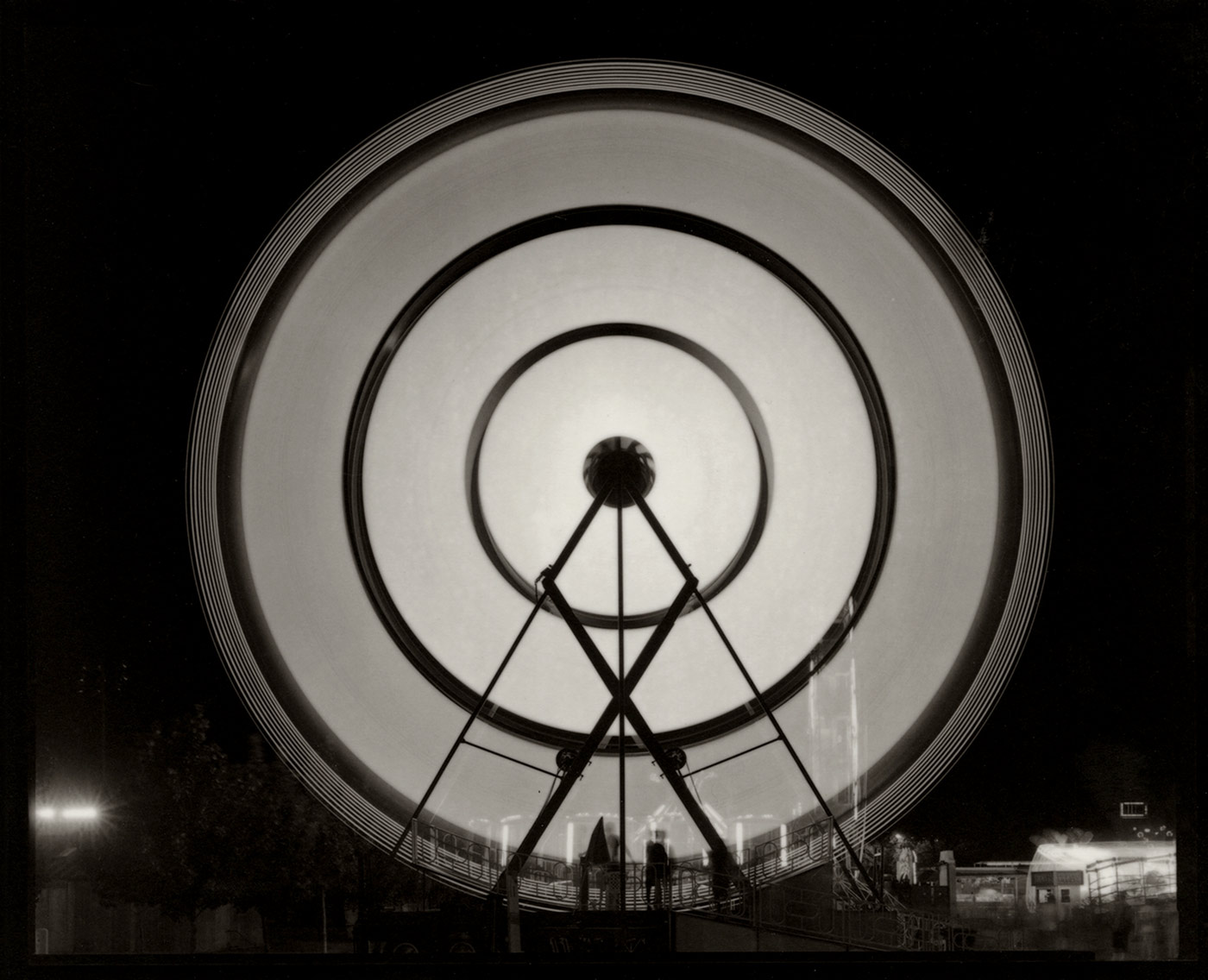

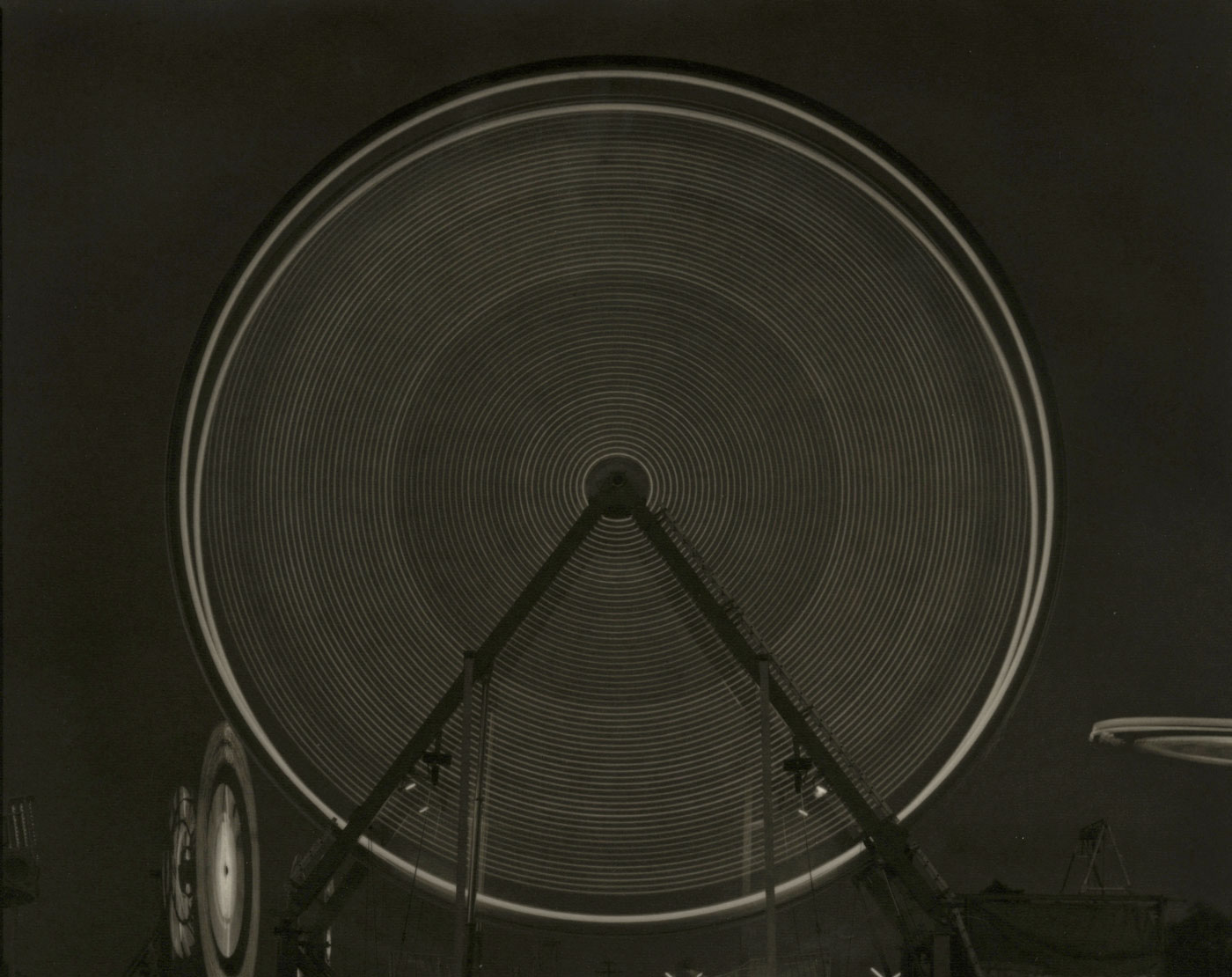


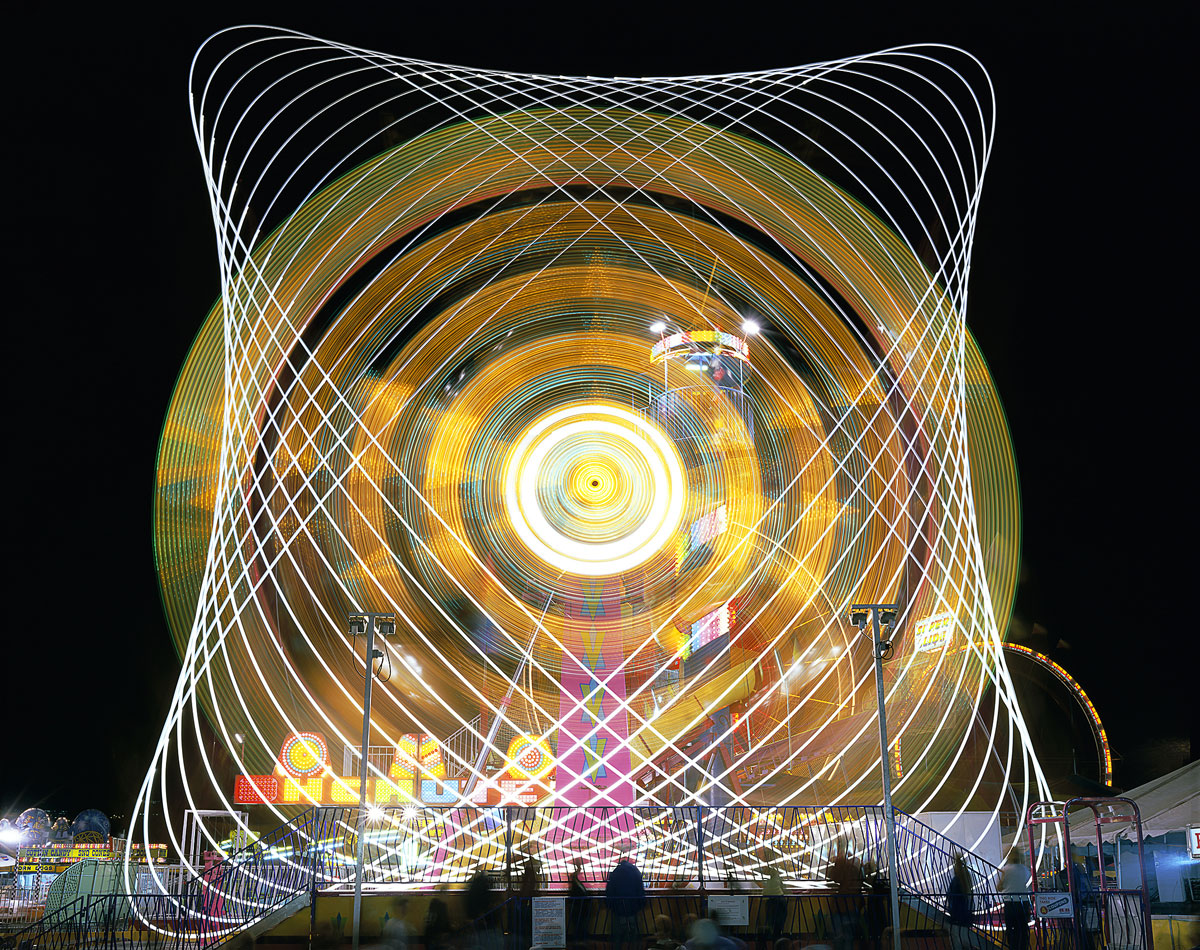
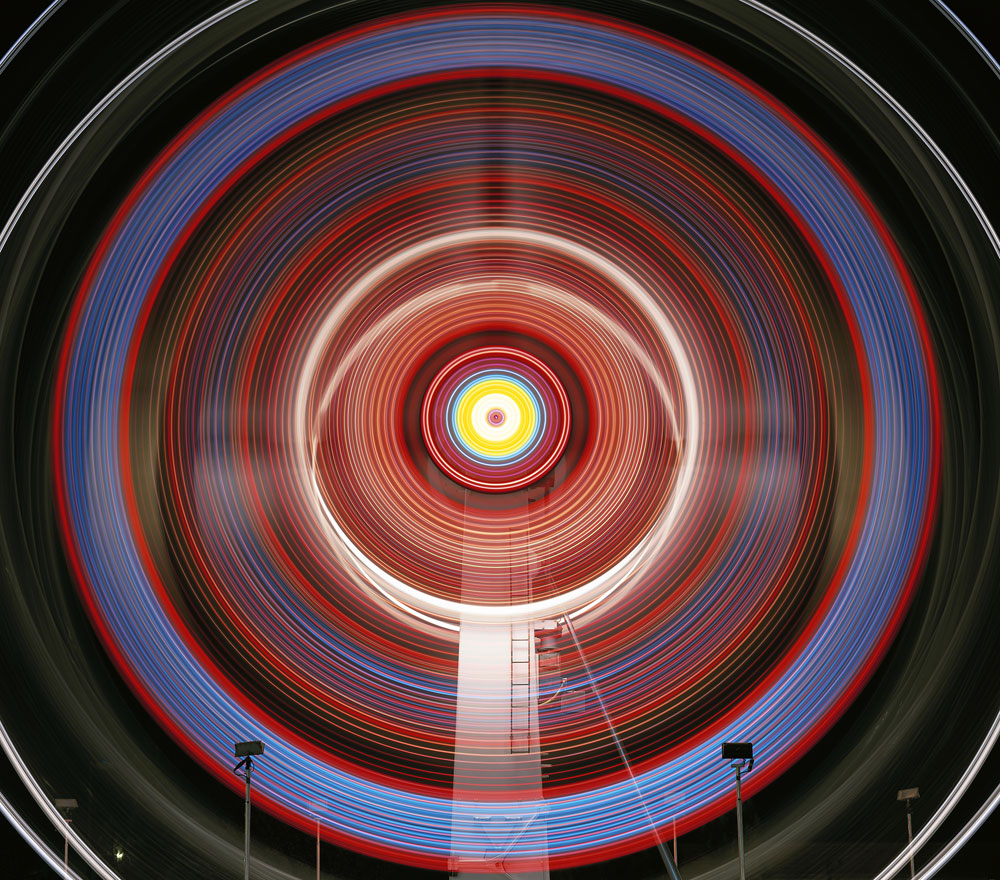


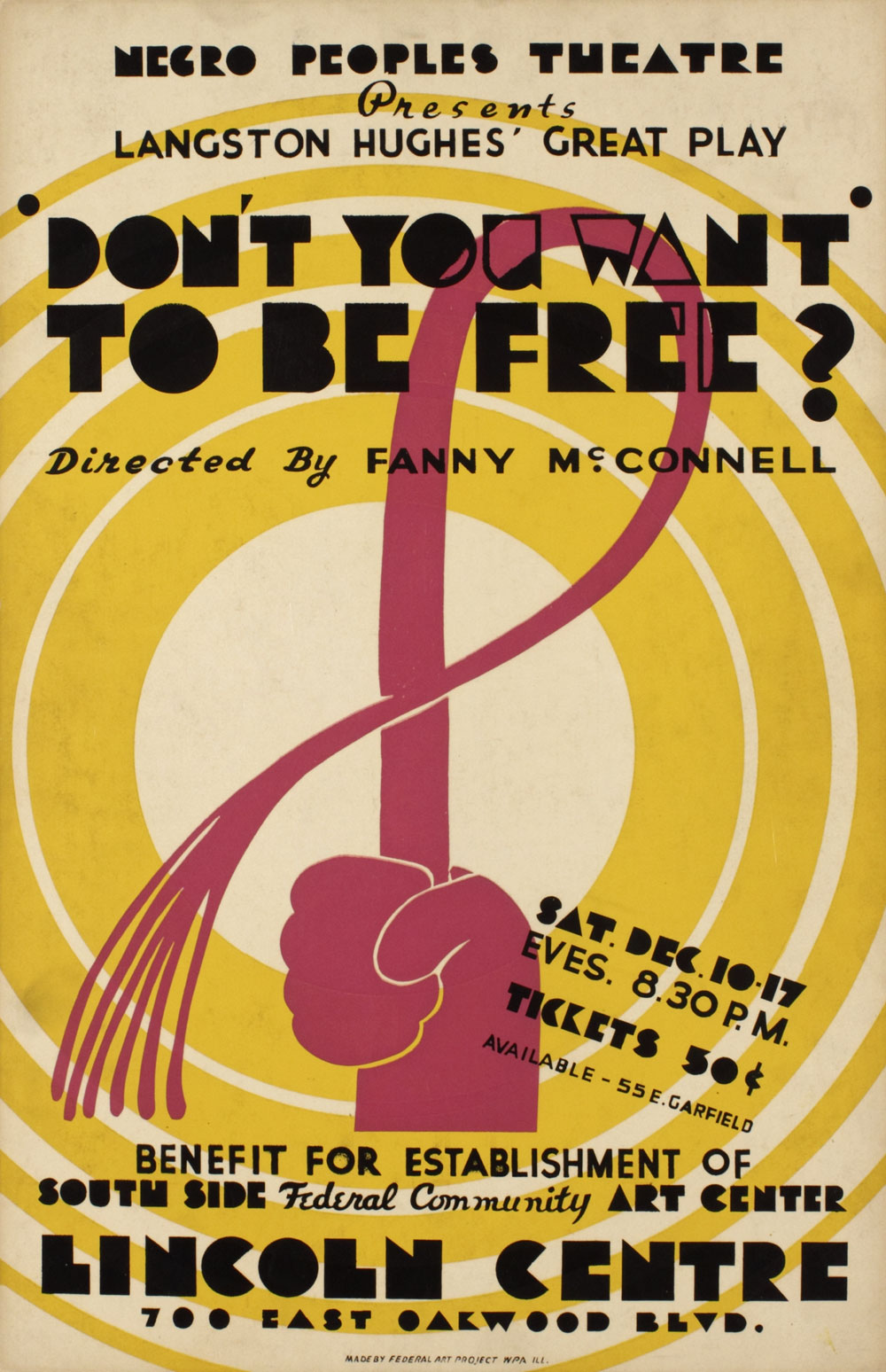


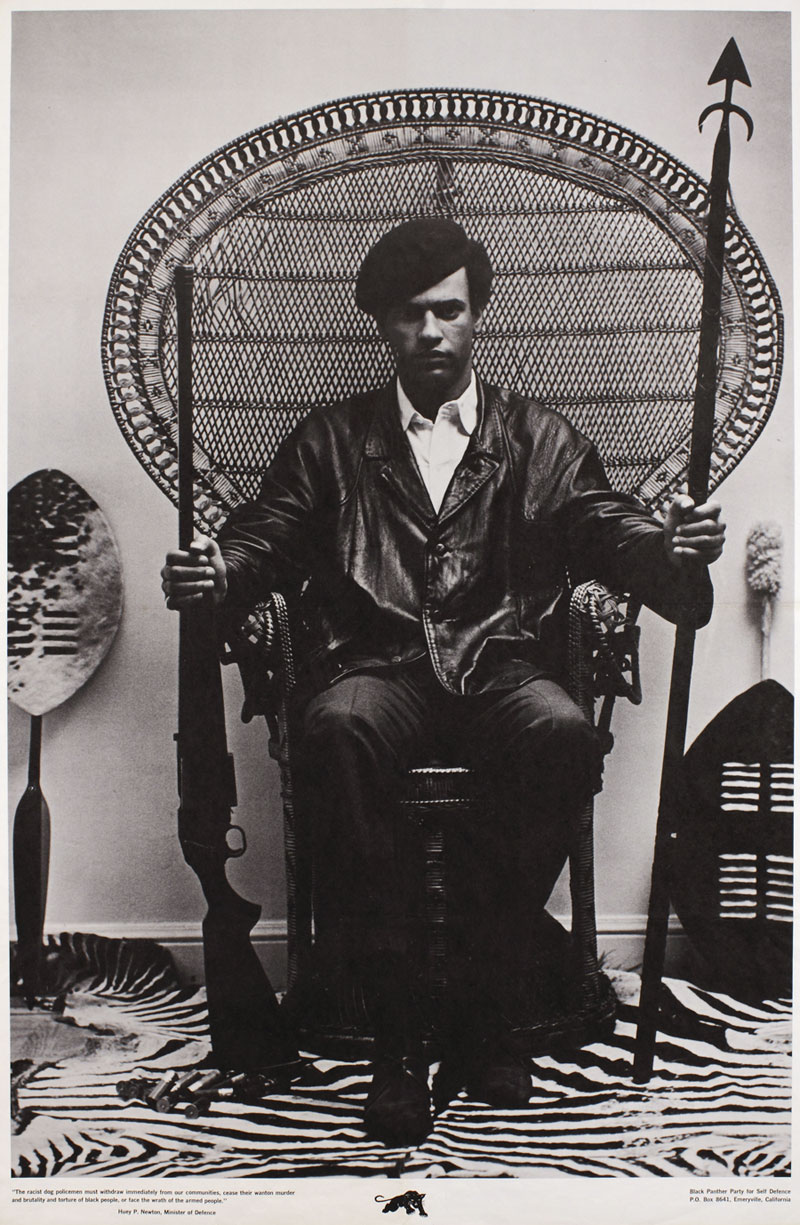


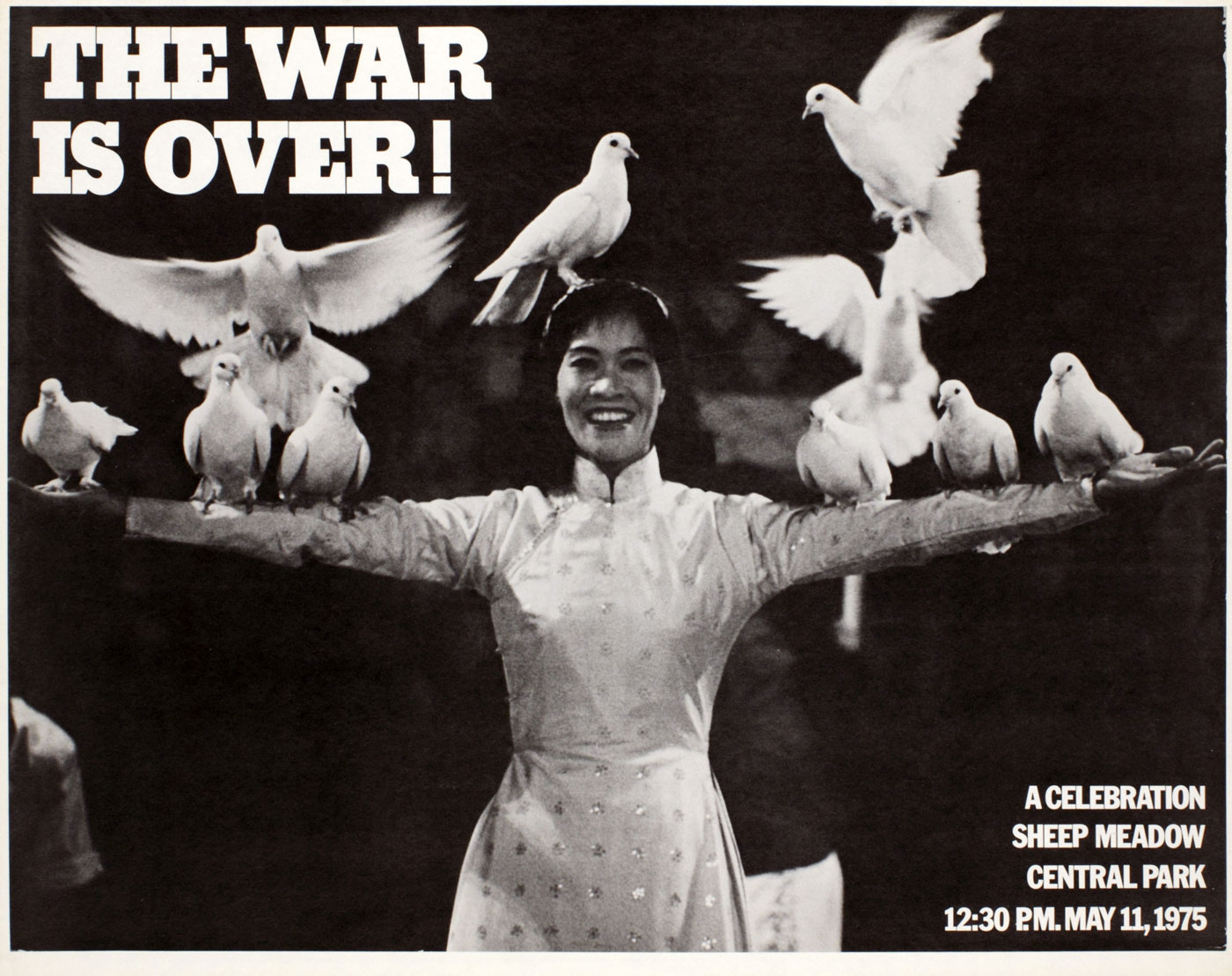


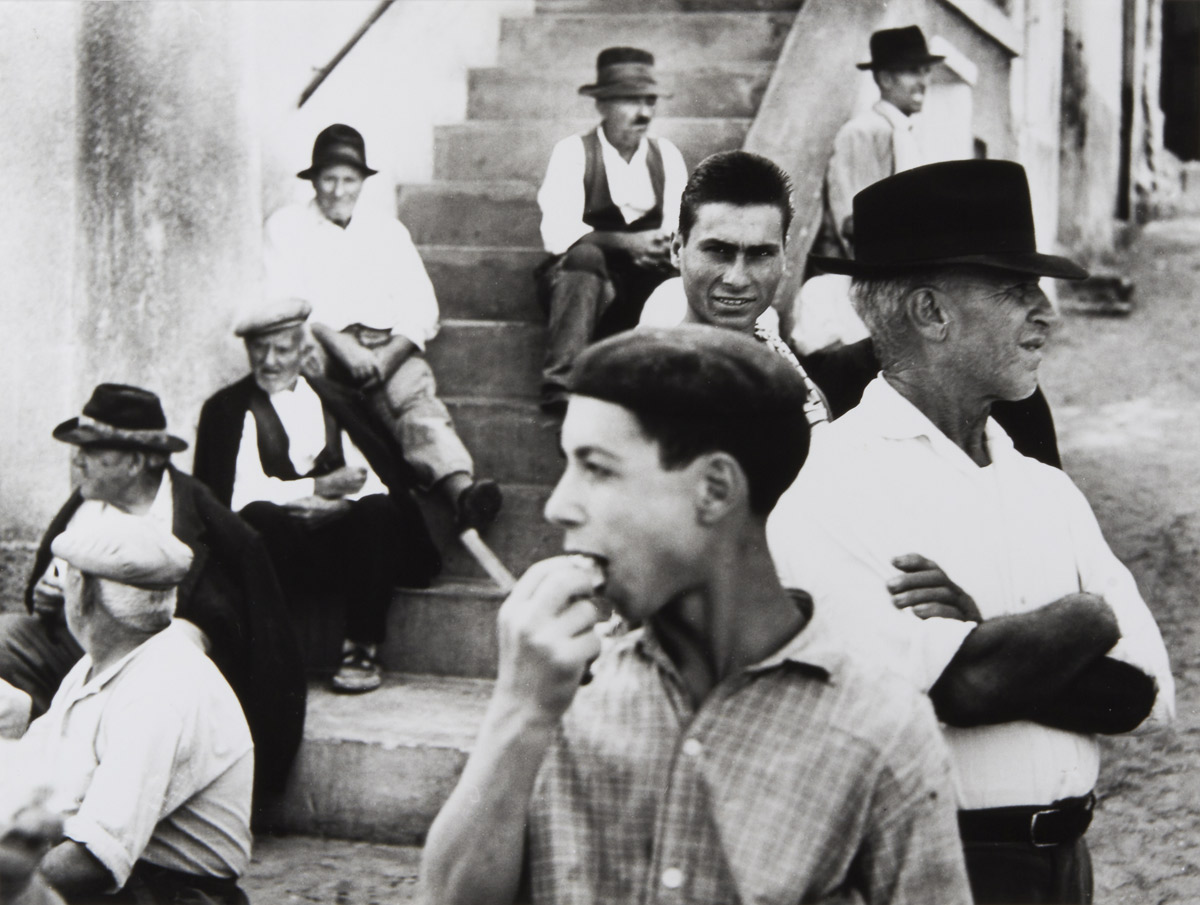


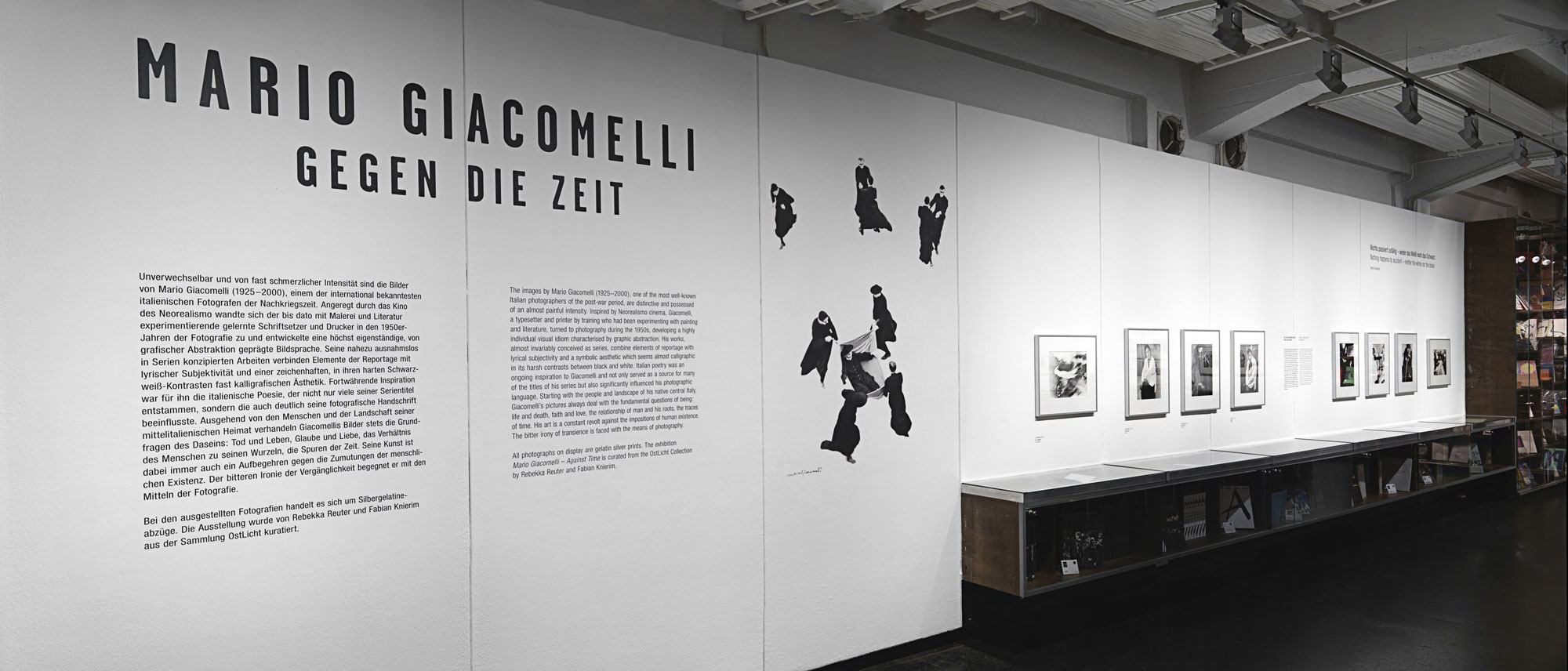


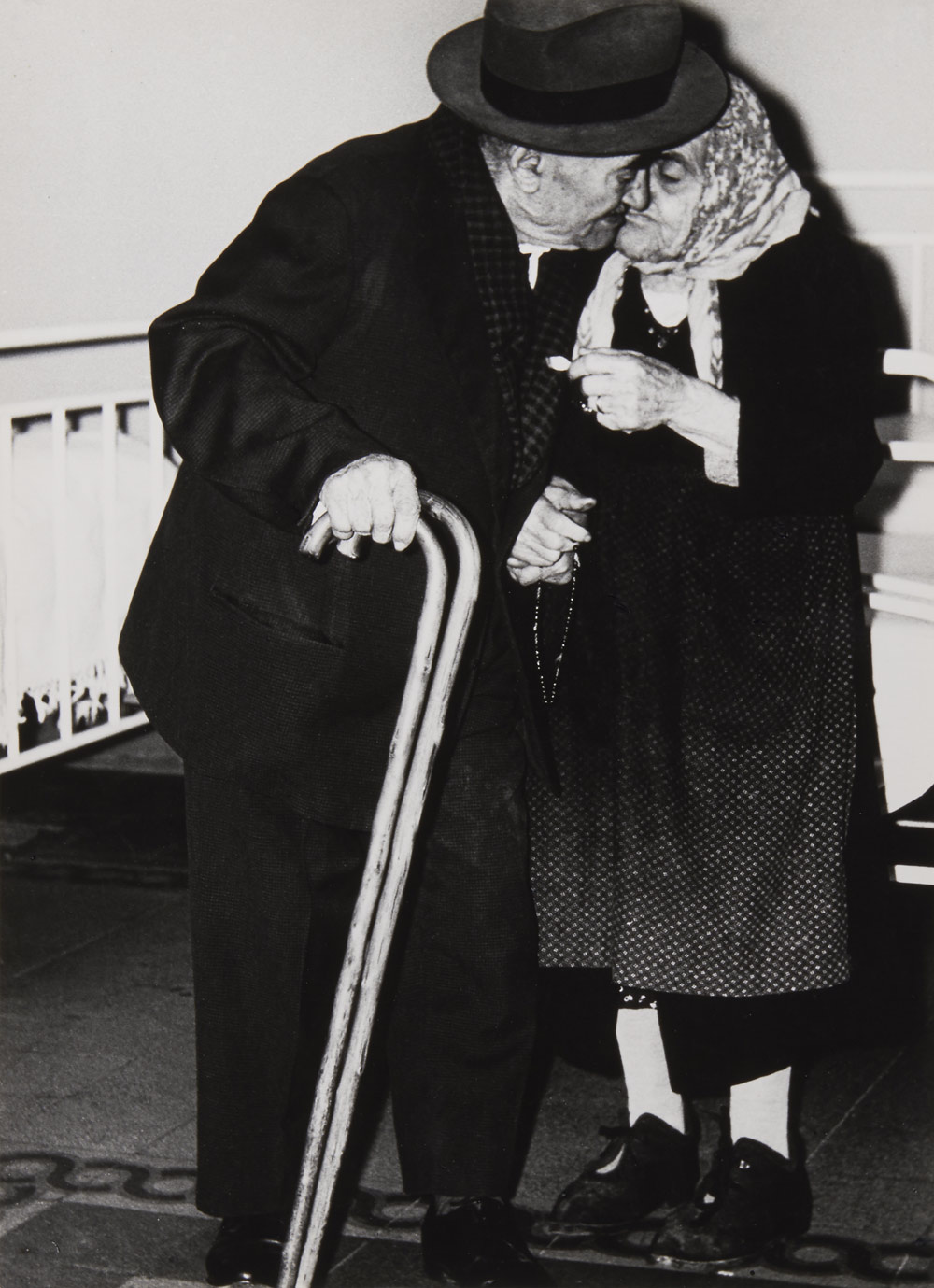


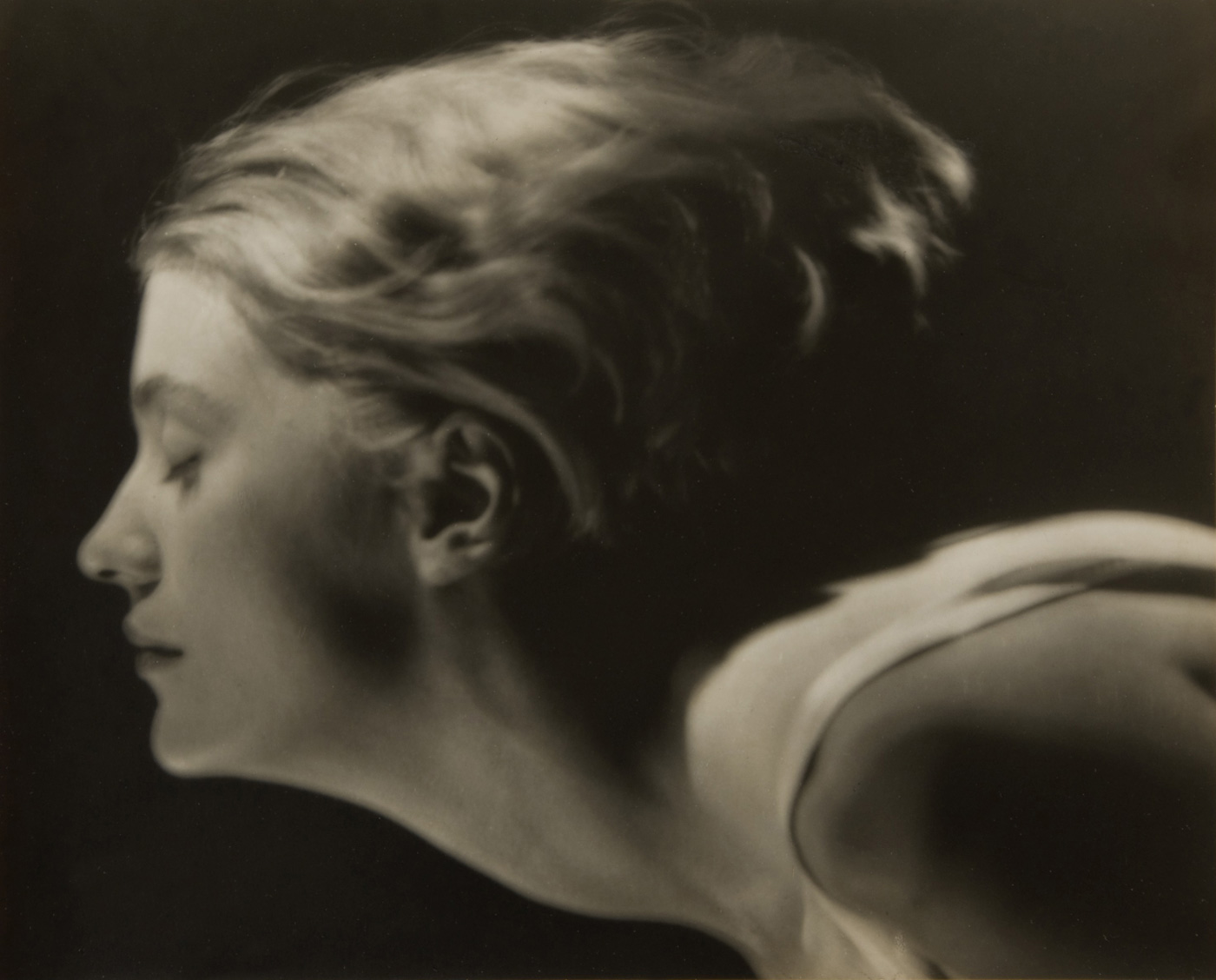
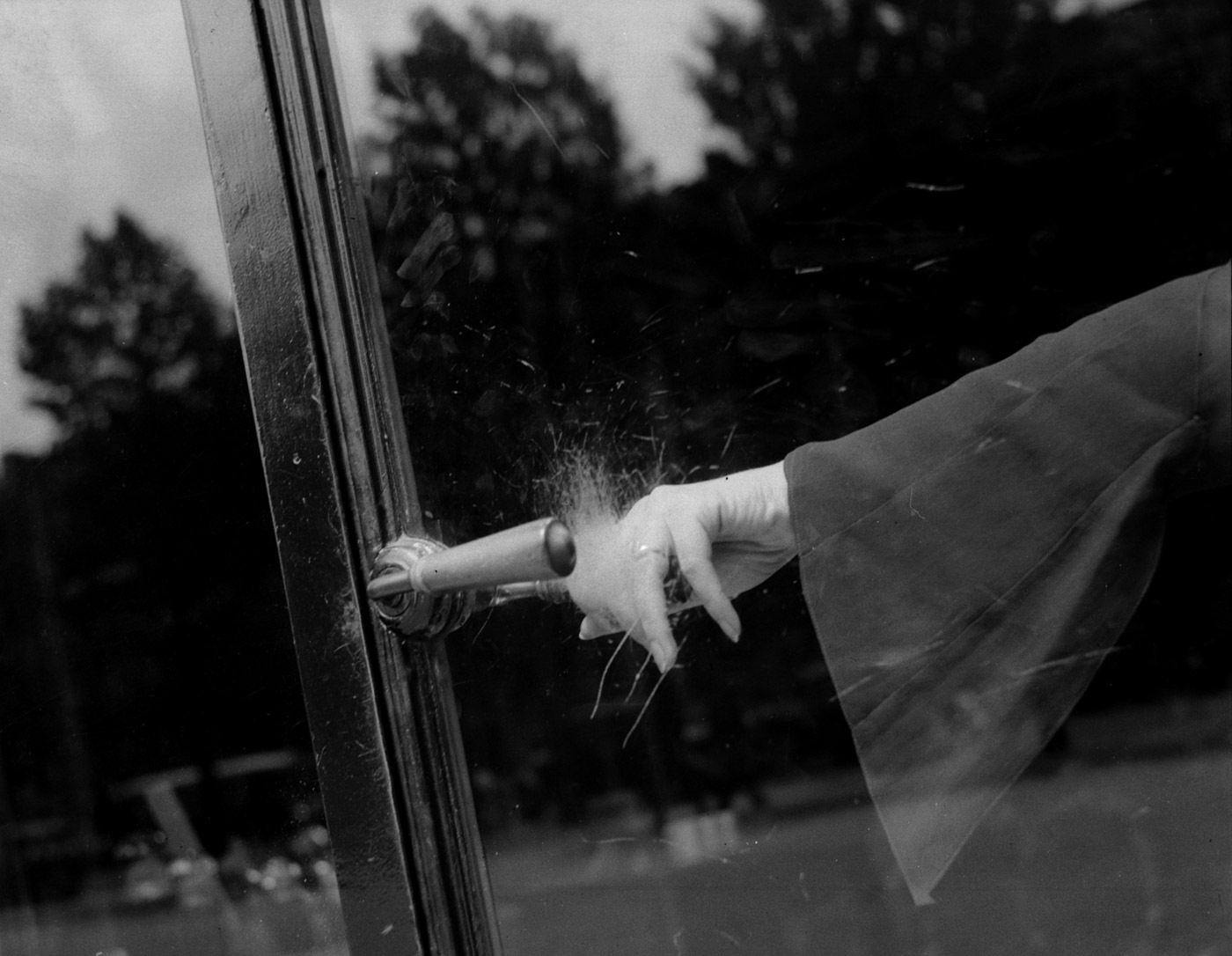

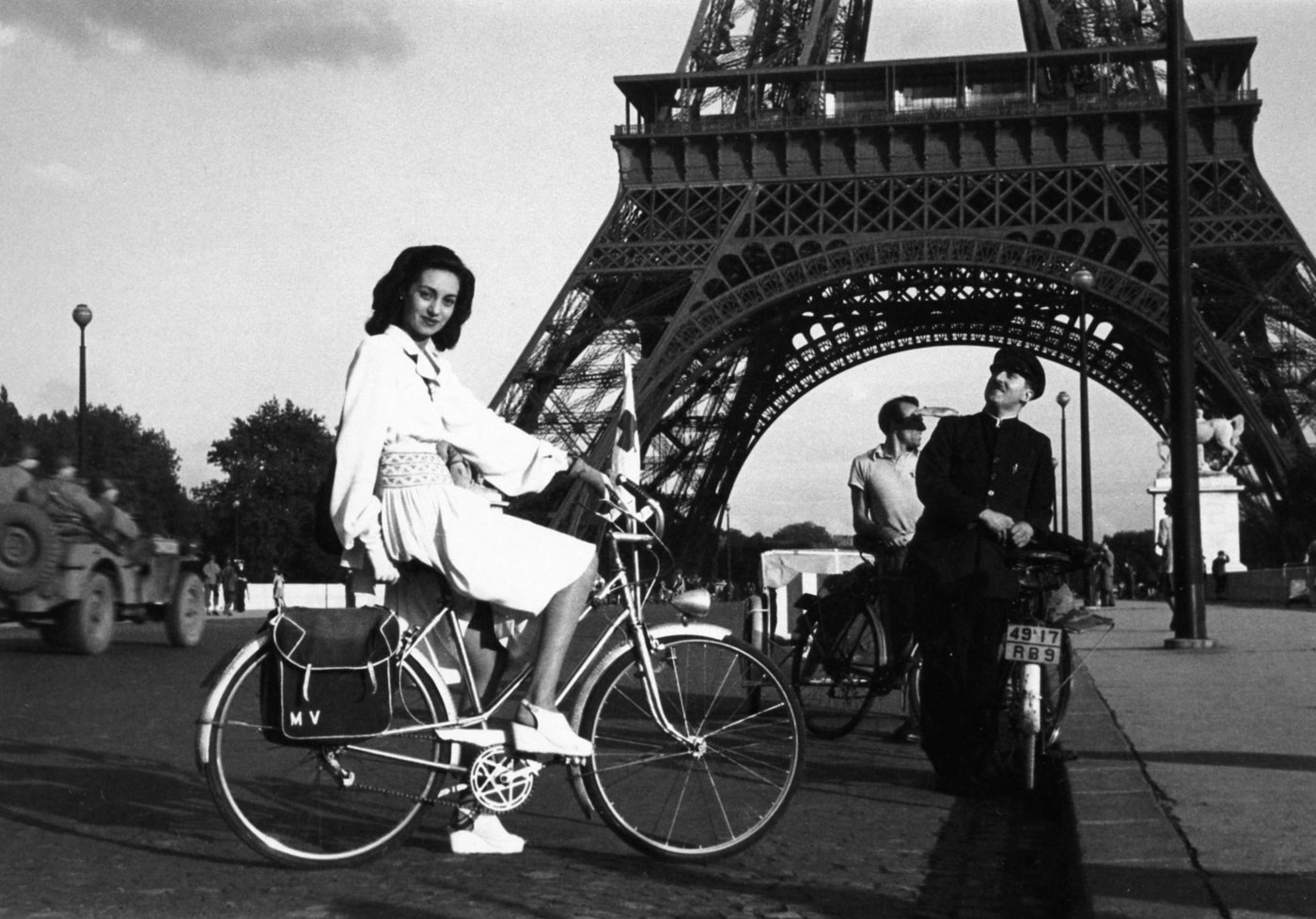

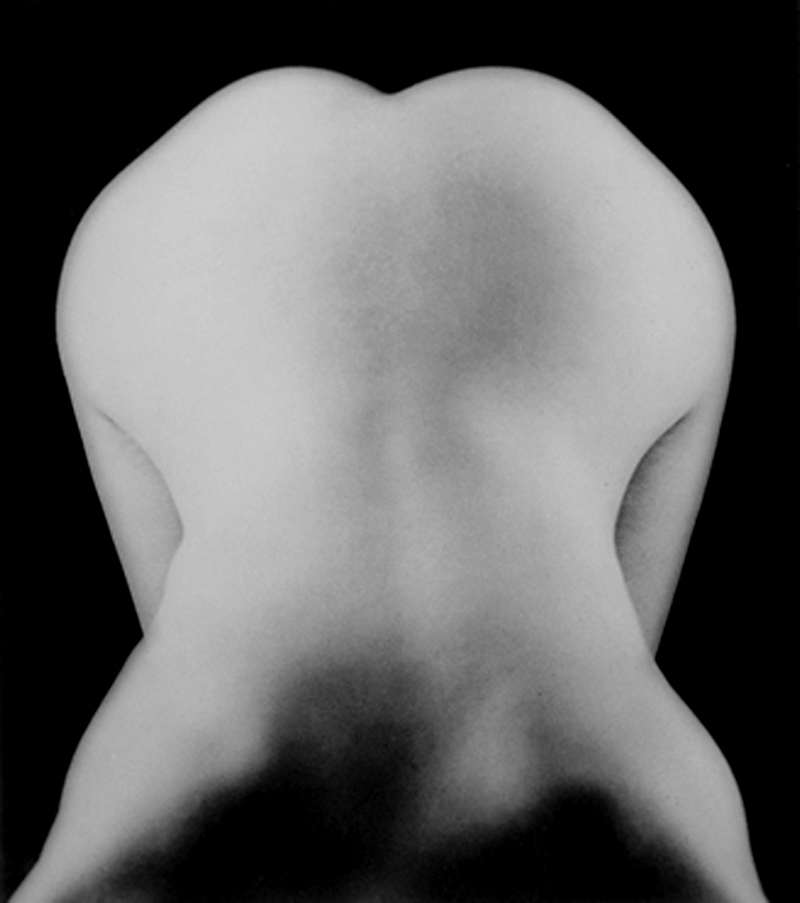



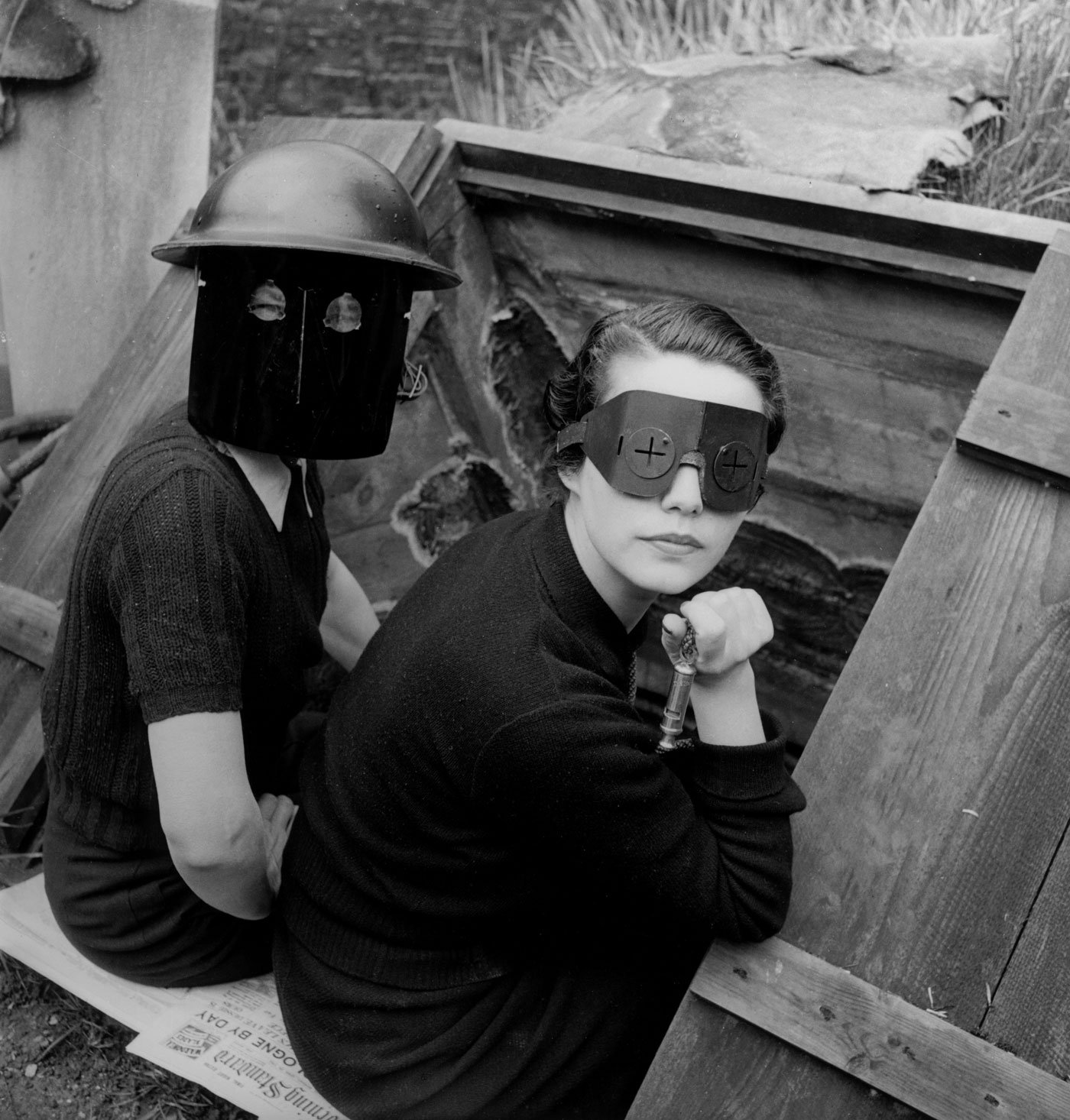


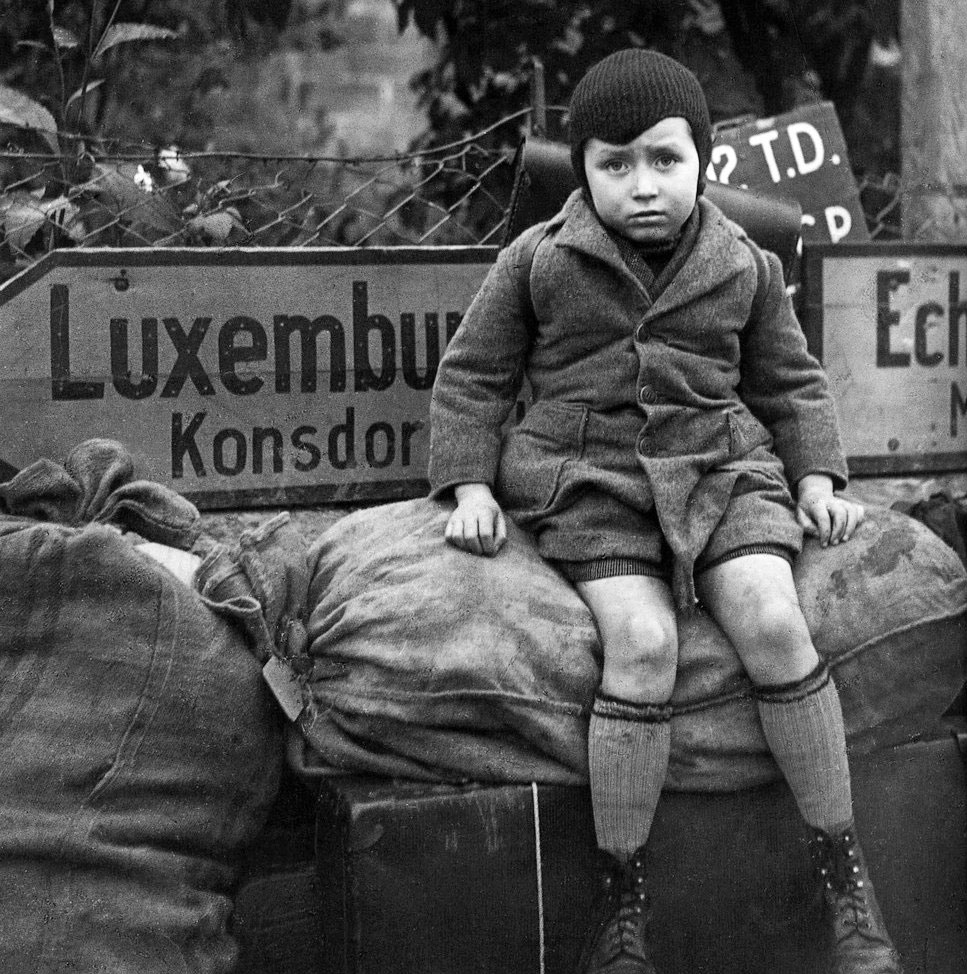


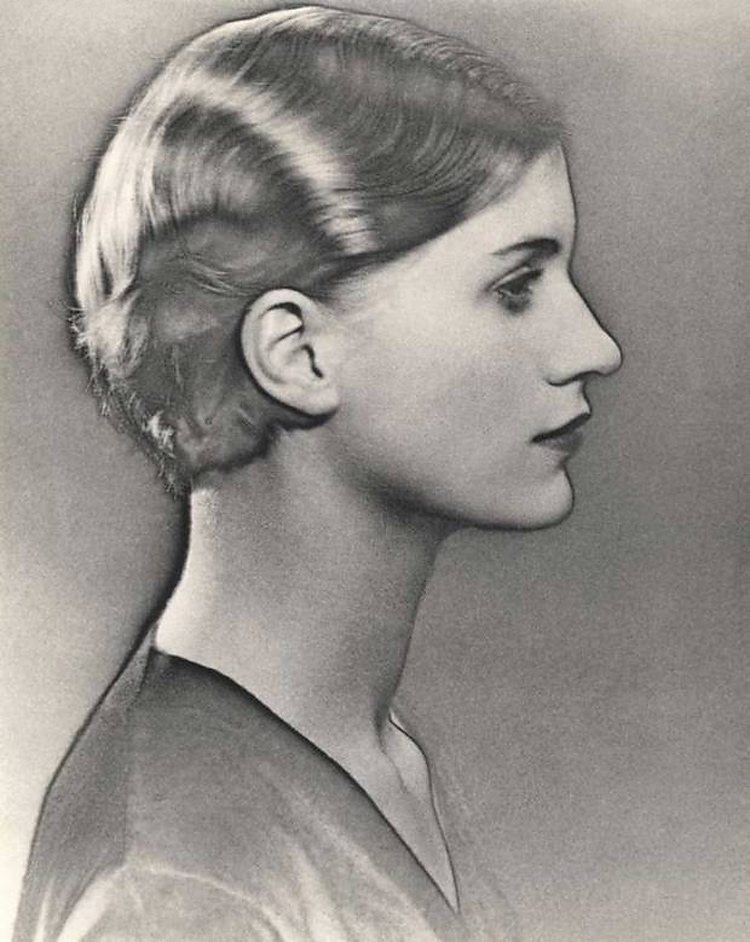


![Germaine Krull (European, 1897-1985) 'Étalage: les mannequins [Display: mannequins]' 1928 from the exhibition 'Germaine Krull (1897-1985) A Photographer's Journey' at Jeu de Paume, Paris, June - September, 2015](https://artblart.com/wp-content/uploads/2015/07/gkrull_09-web.jpg "Germaine Krull (European, 1897-1985) 'Étalage: les mannequins [Display: mannequins]' 1928 from the exhibition 'Germaine Krull (1897-1985) A Photographer's Journey' at Jeu de Paume, Paris, June - September, 2015")


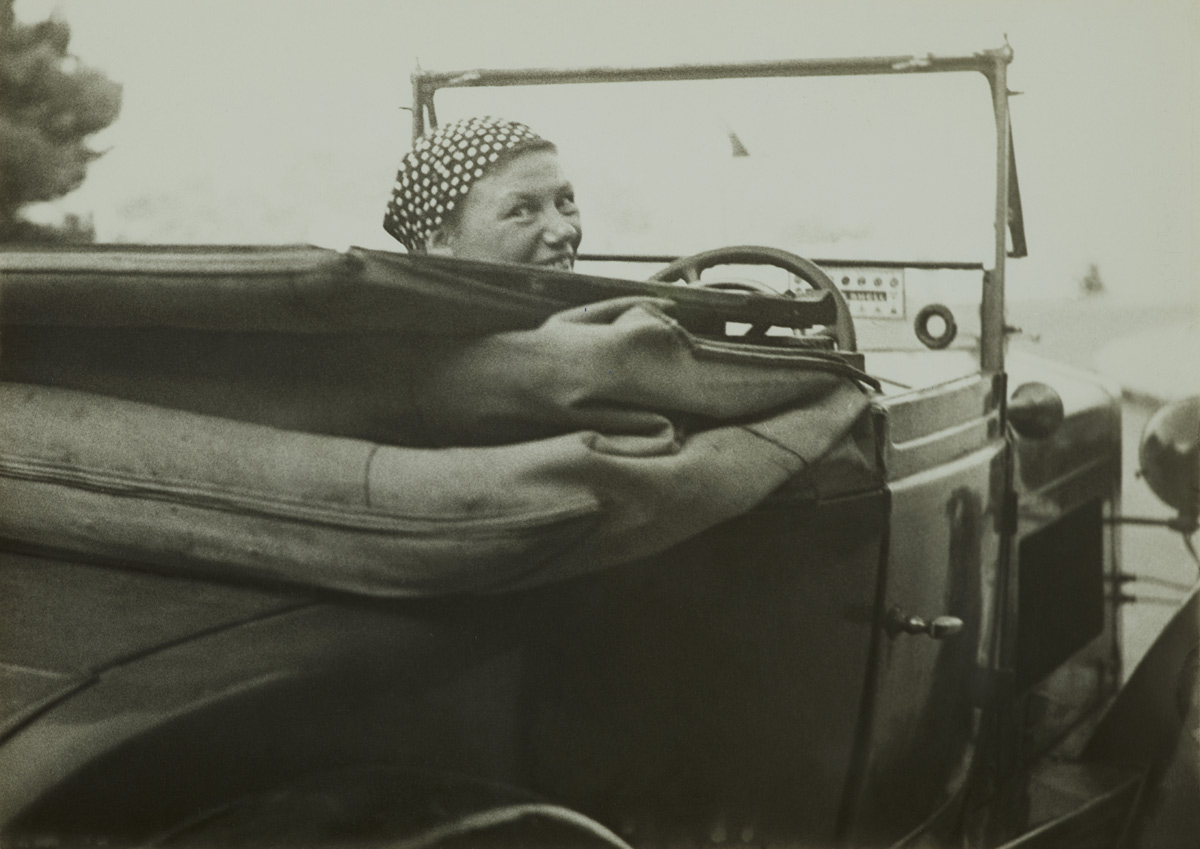


![Germaine Krull (European, 1897-1985) 'Étude pour La Folle d’Itteville [Study for The Madwoman of Itteville]' 1931](https://artblart.com/wp-content/uploads/2015/07/gkrull_14-web.jpg "Germaine Krull (European, 1897-1985) 'Étude pour La Folle d’Itteville [Study for The Madwoman of Itteville]' 1931")


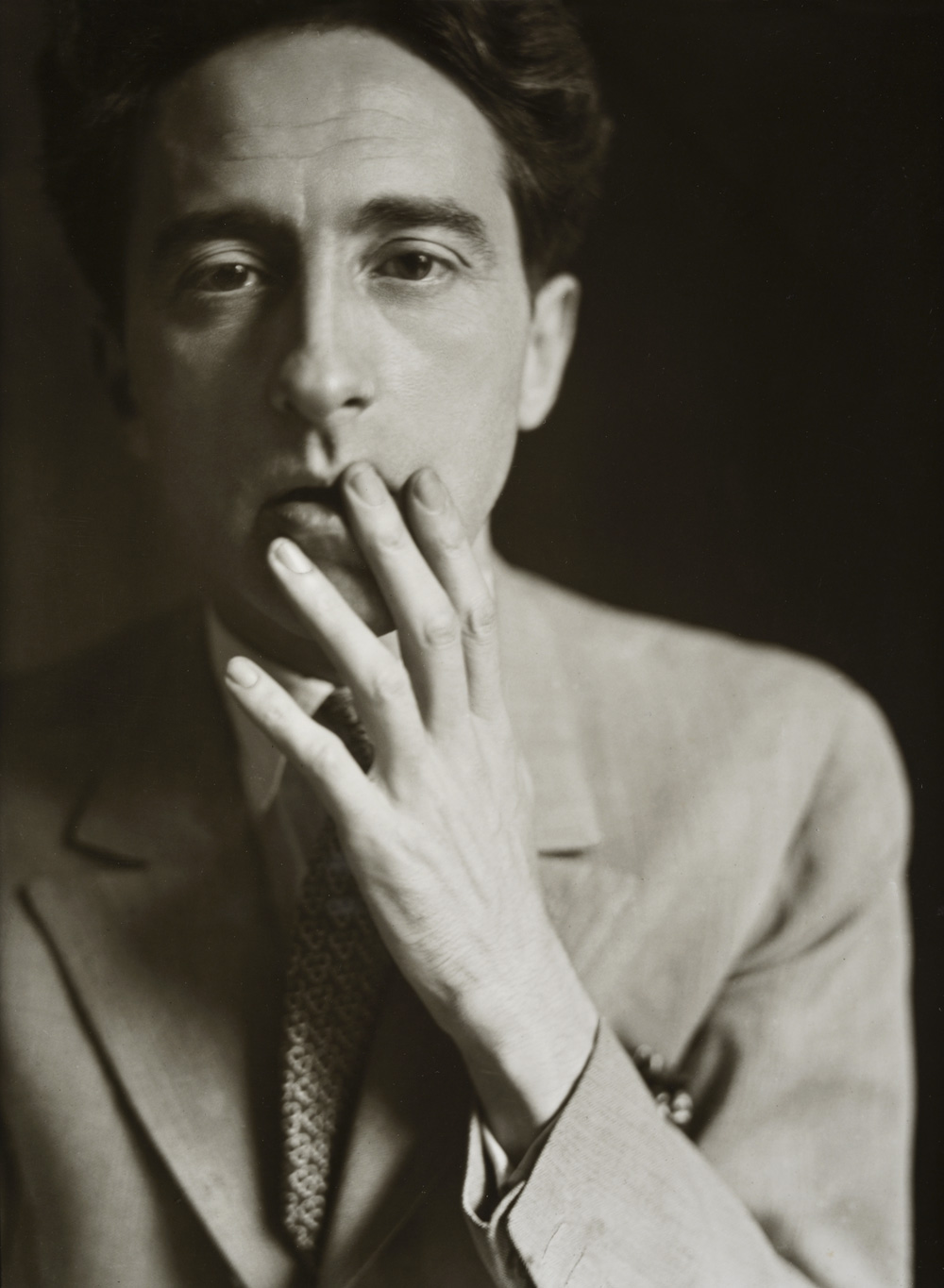
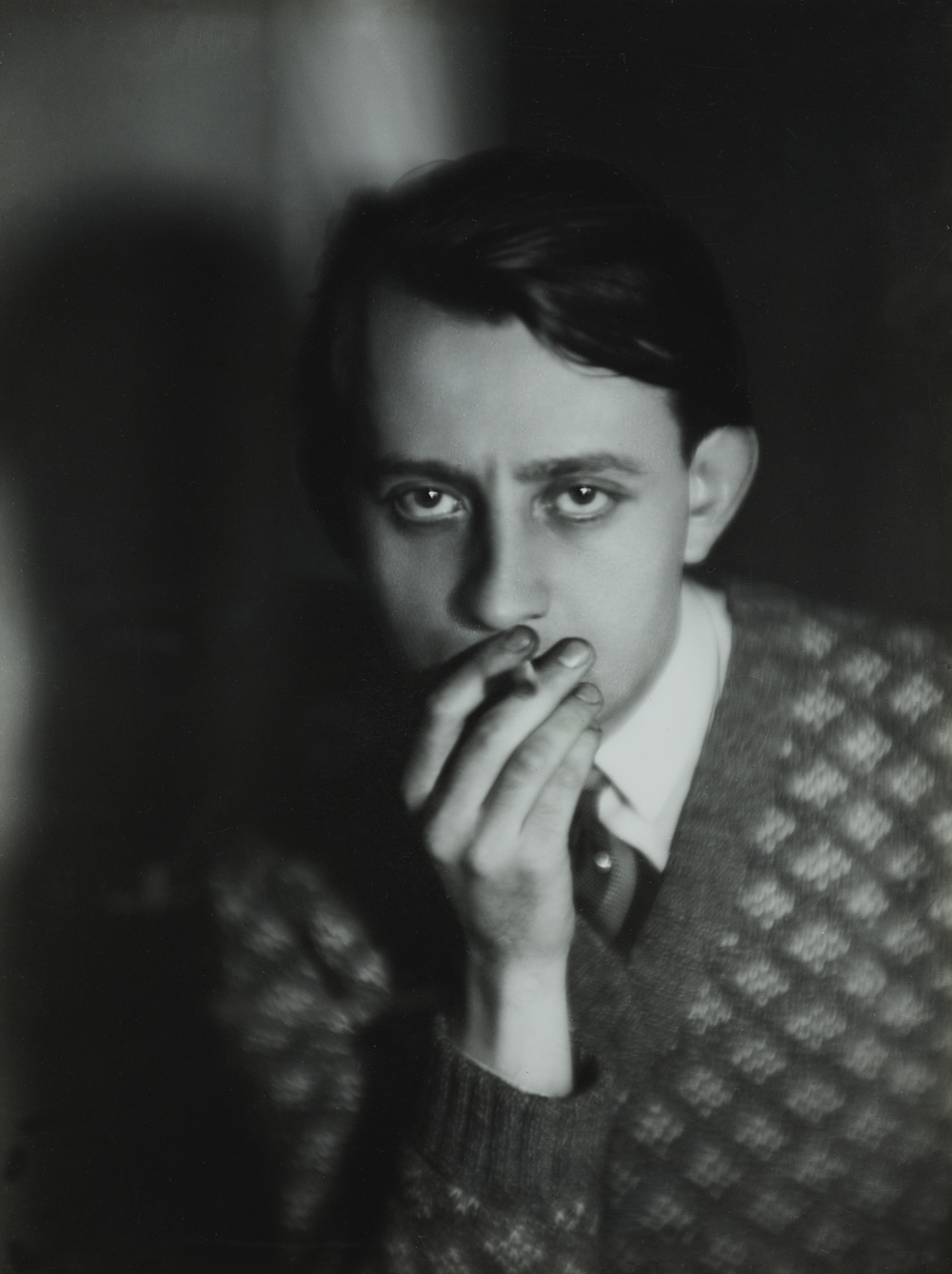

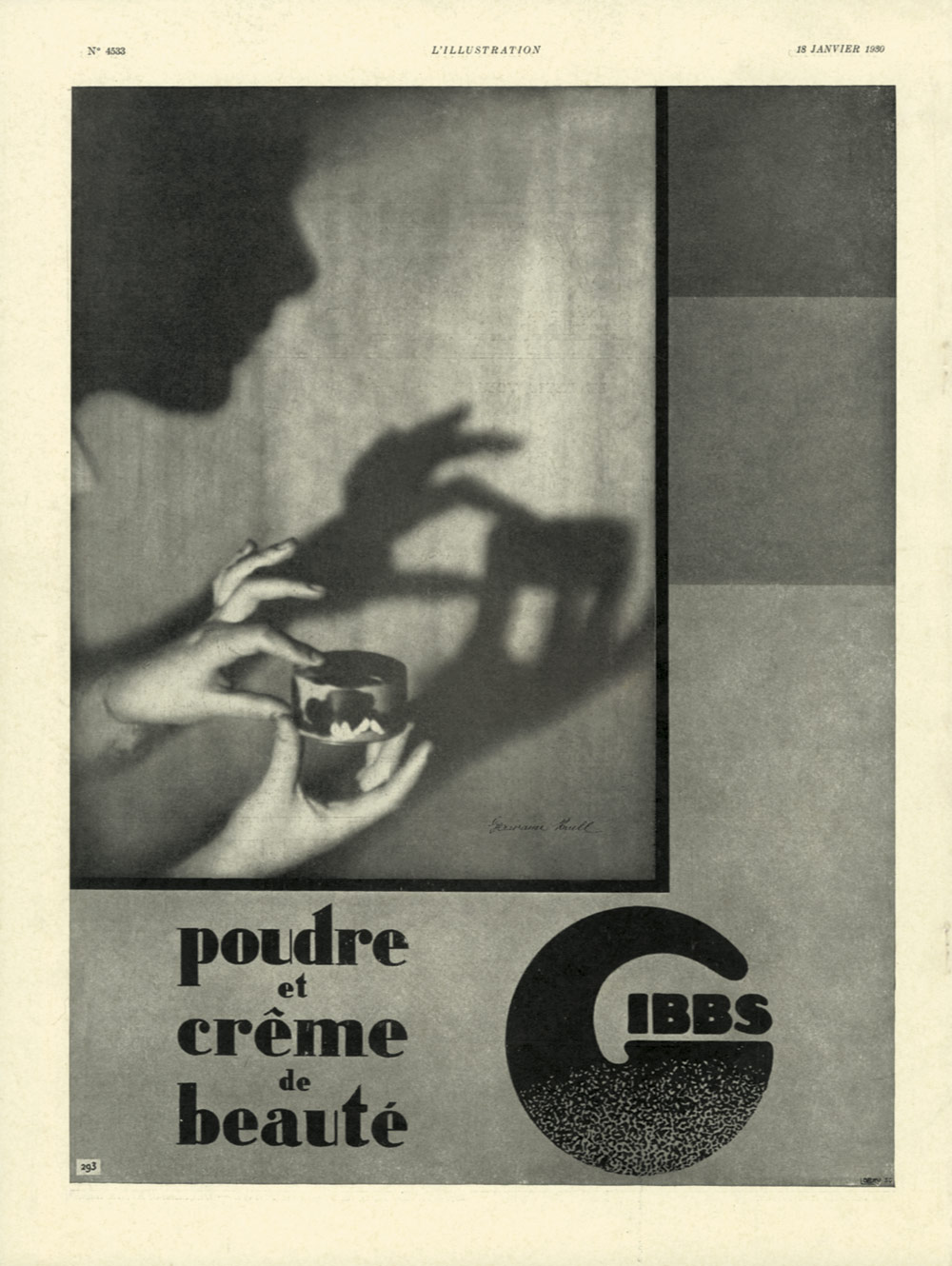


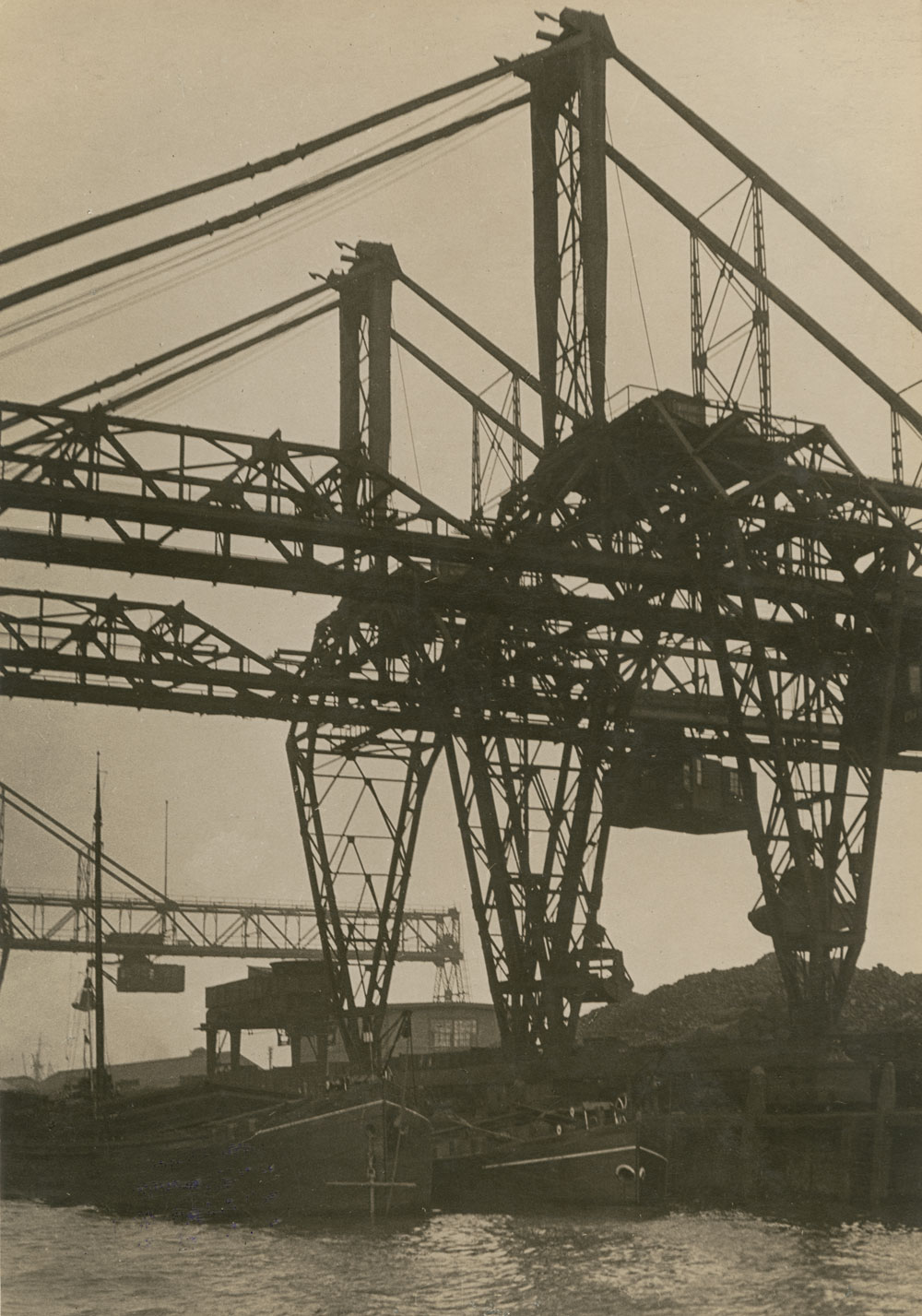
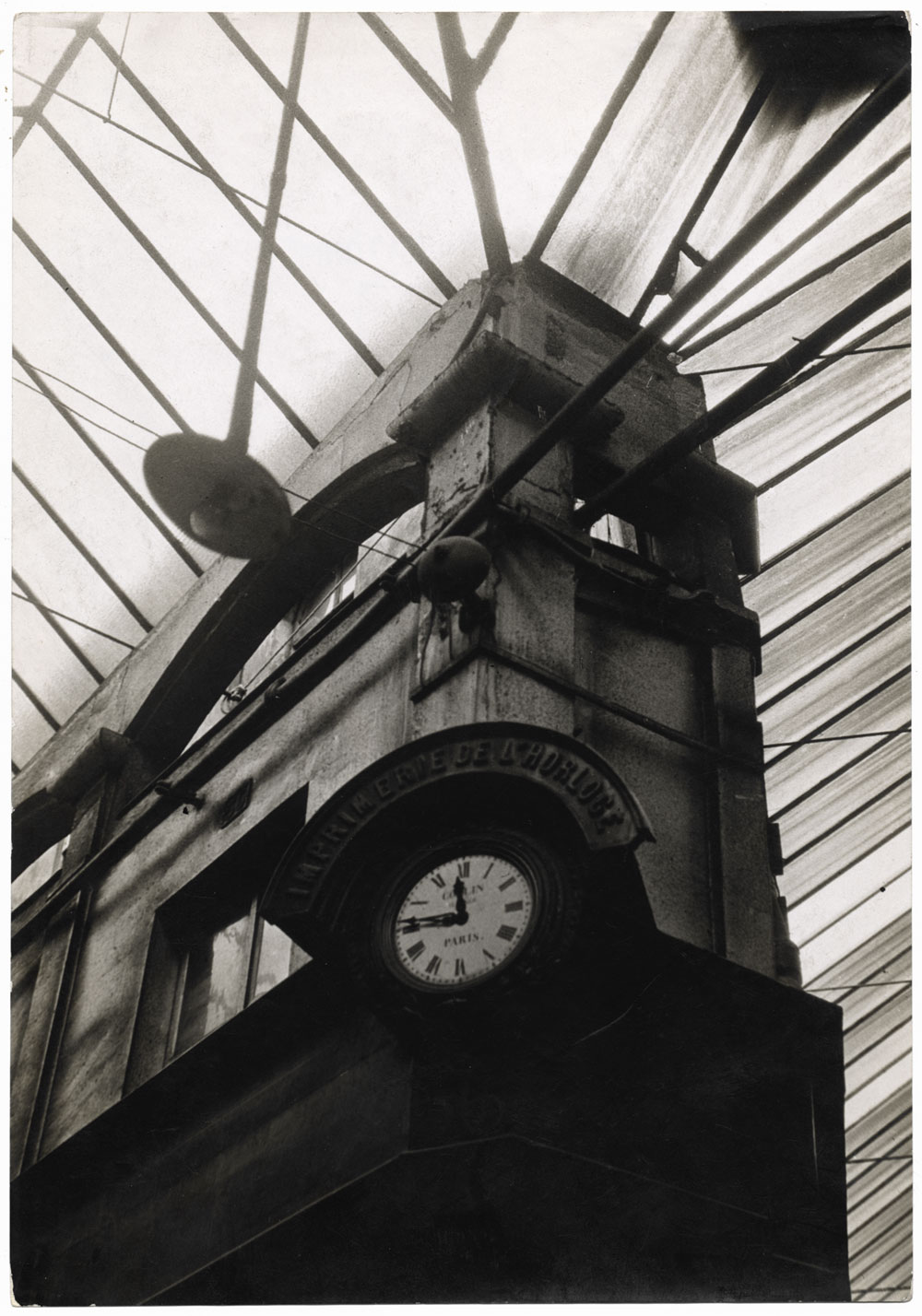


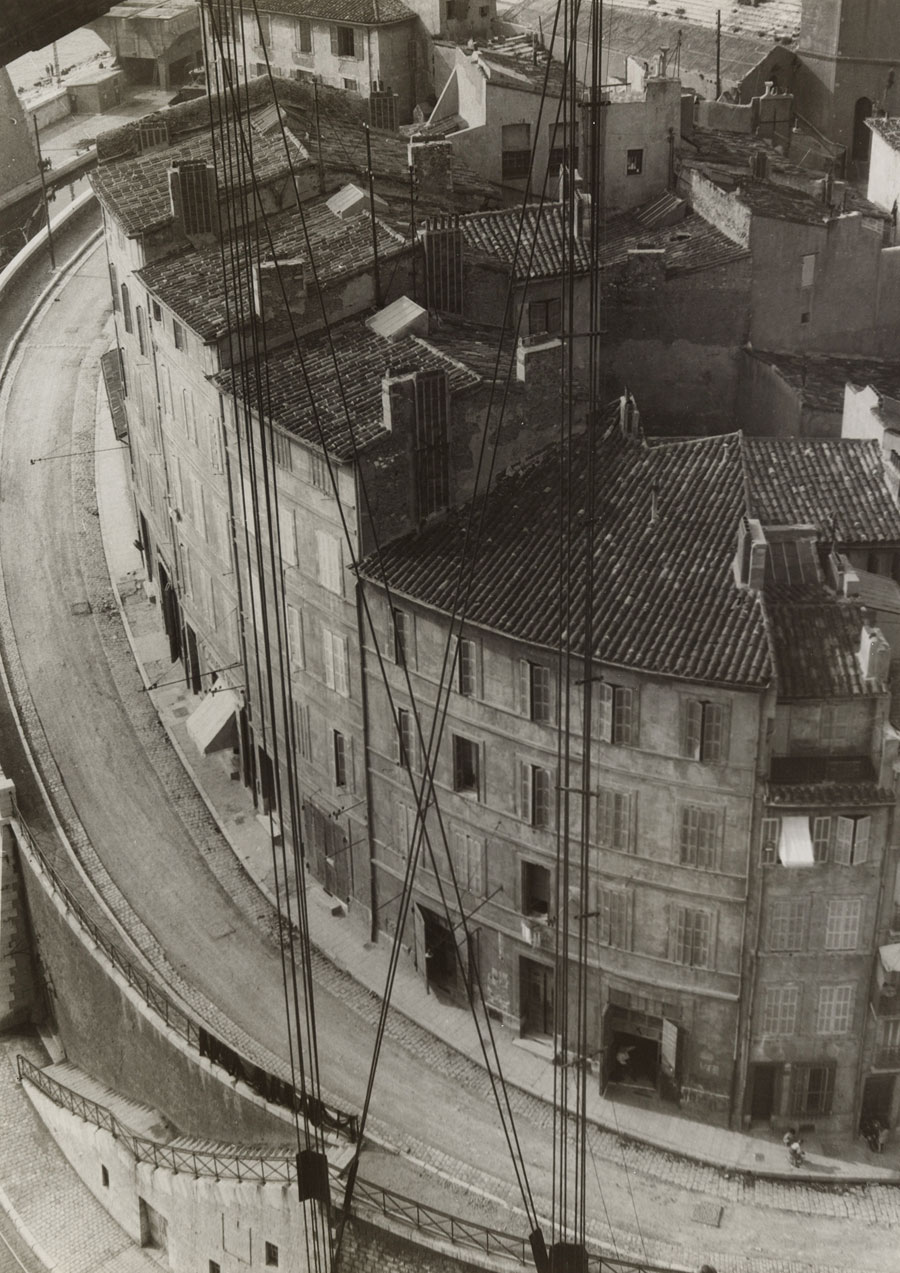


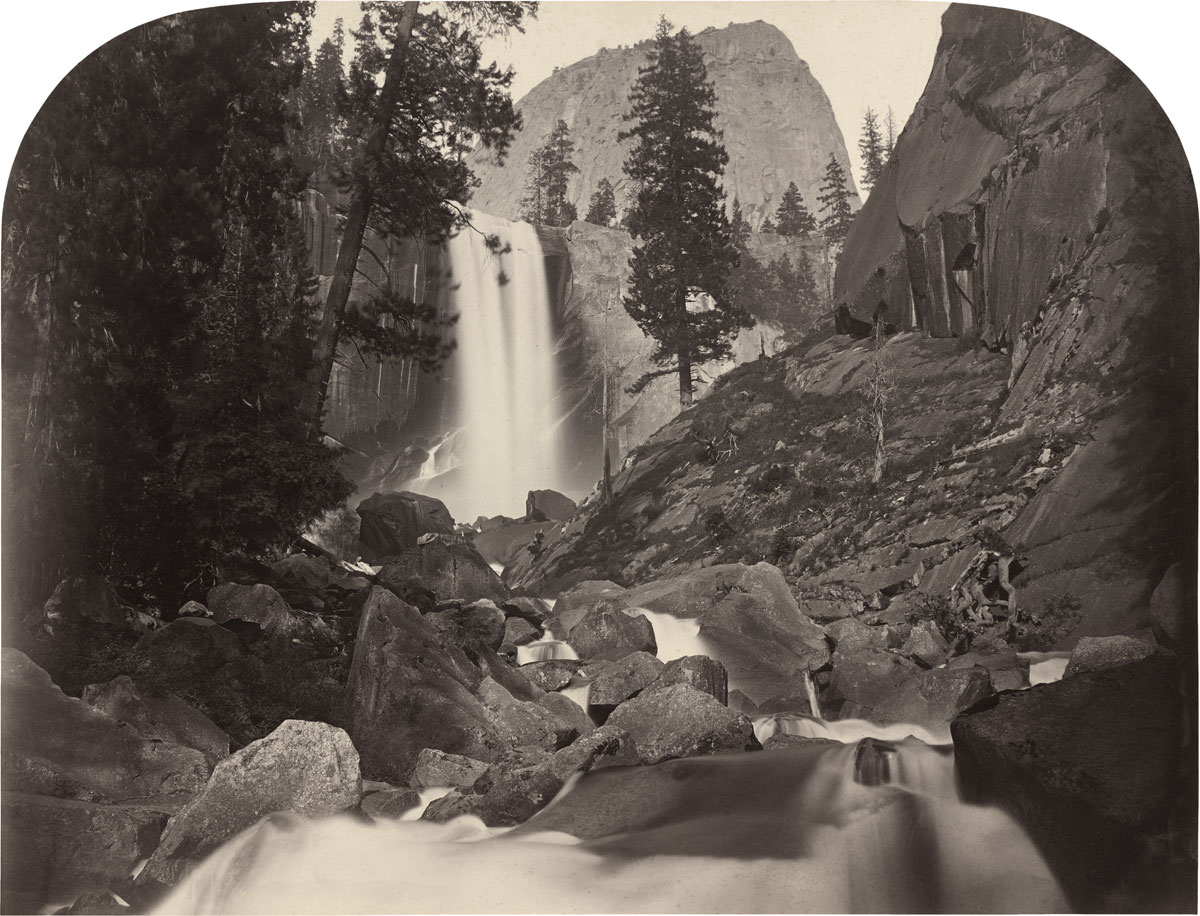
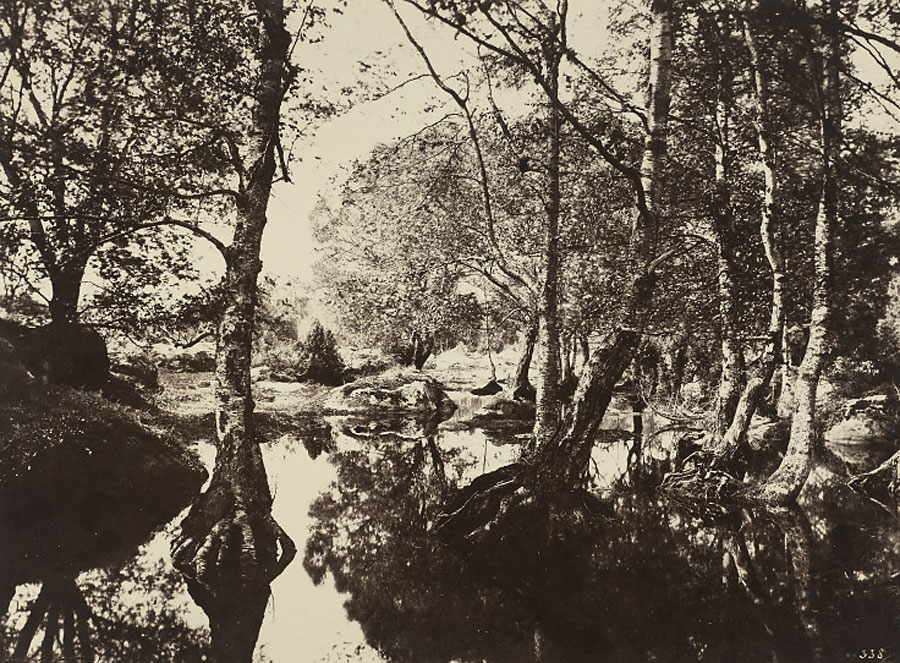


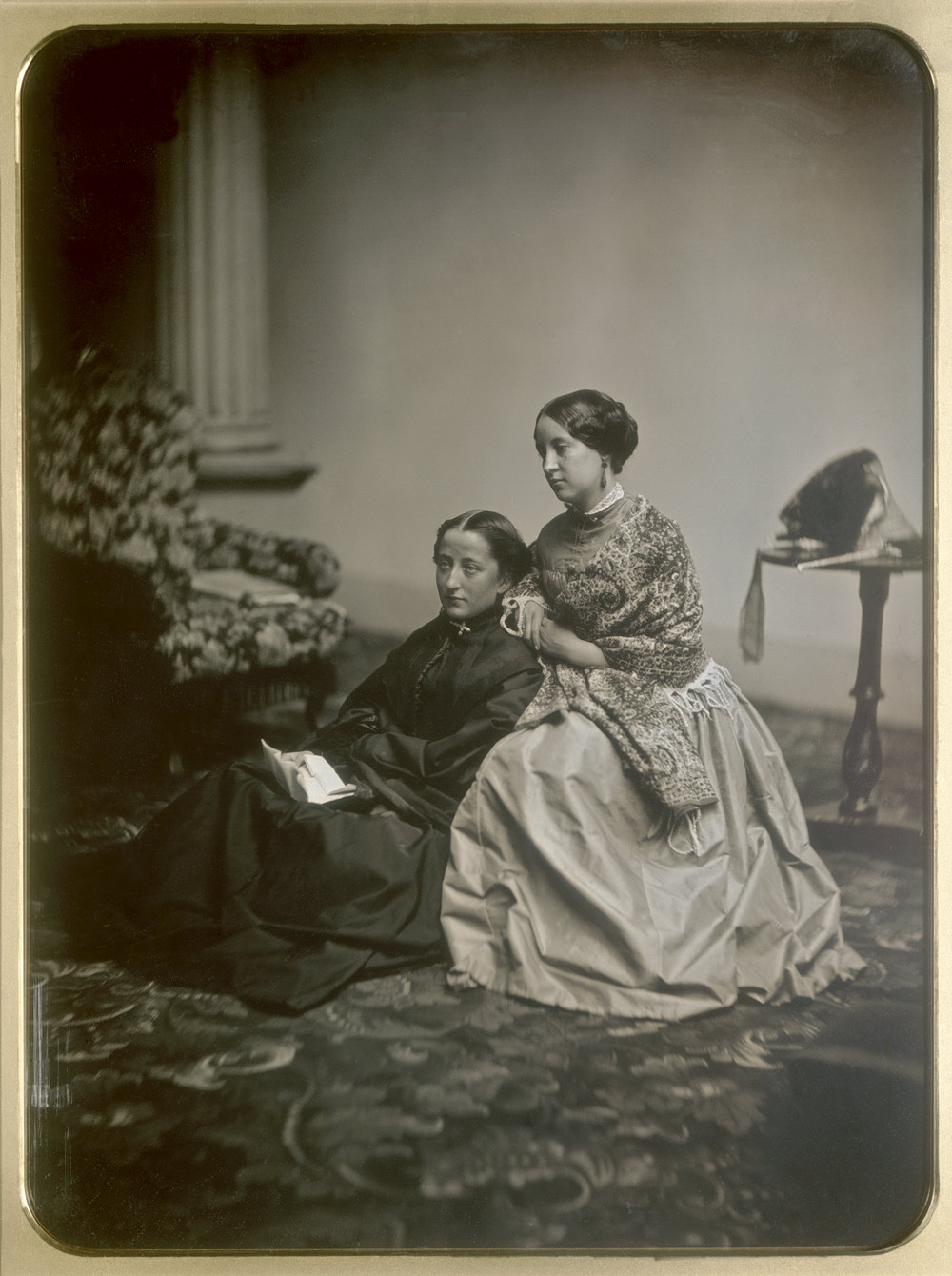

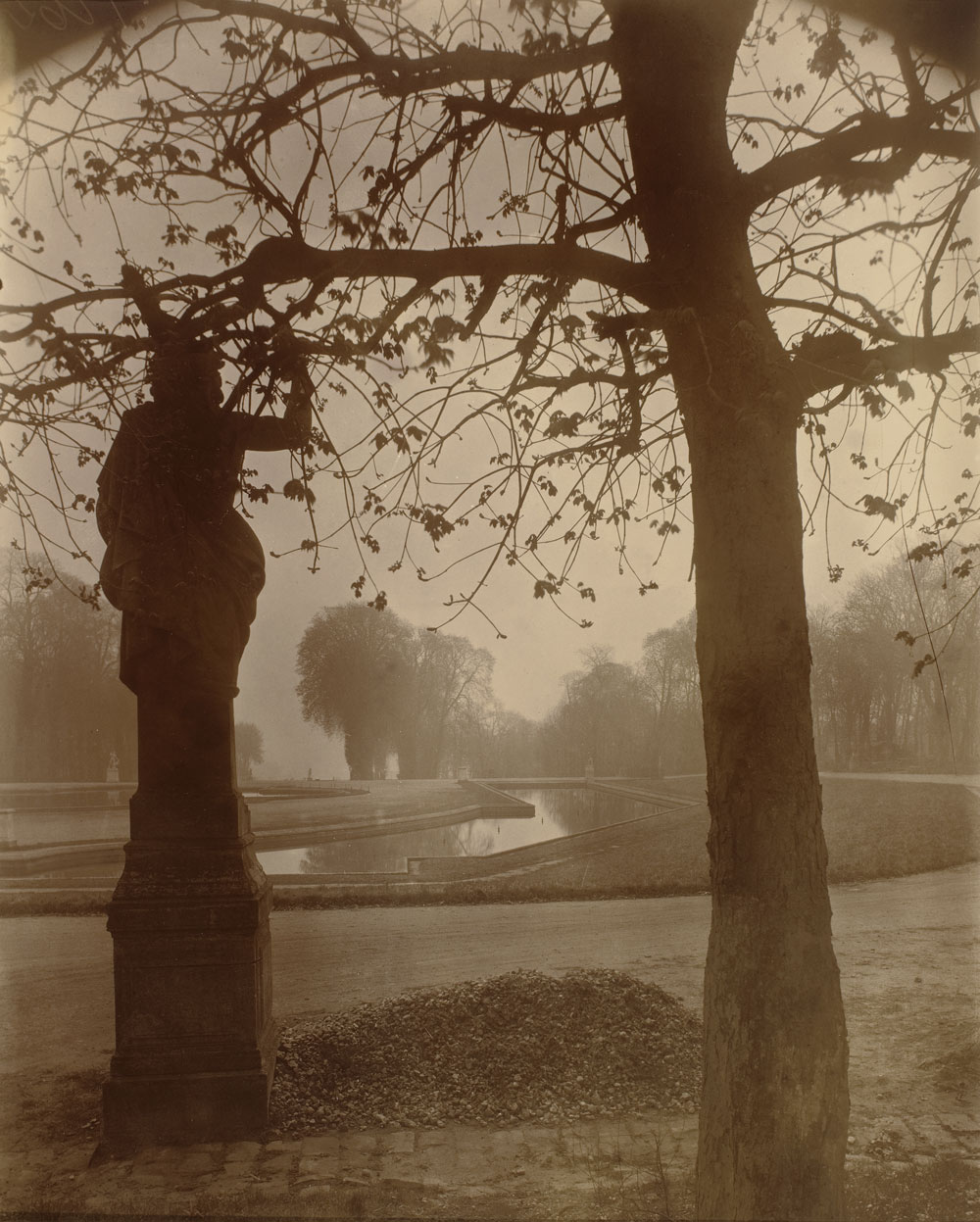
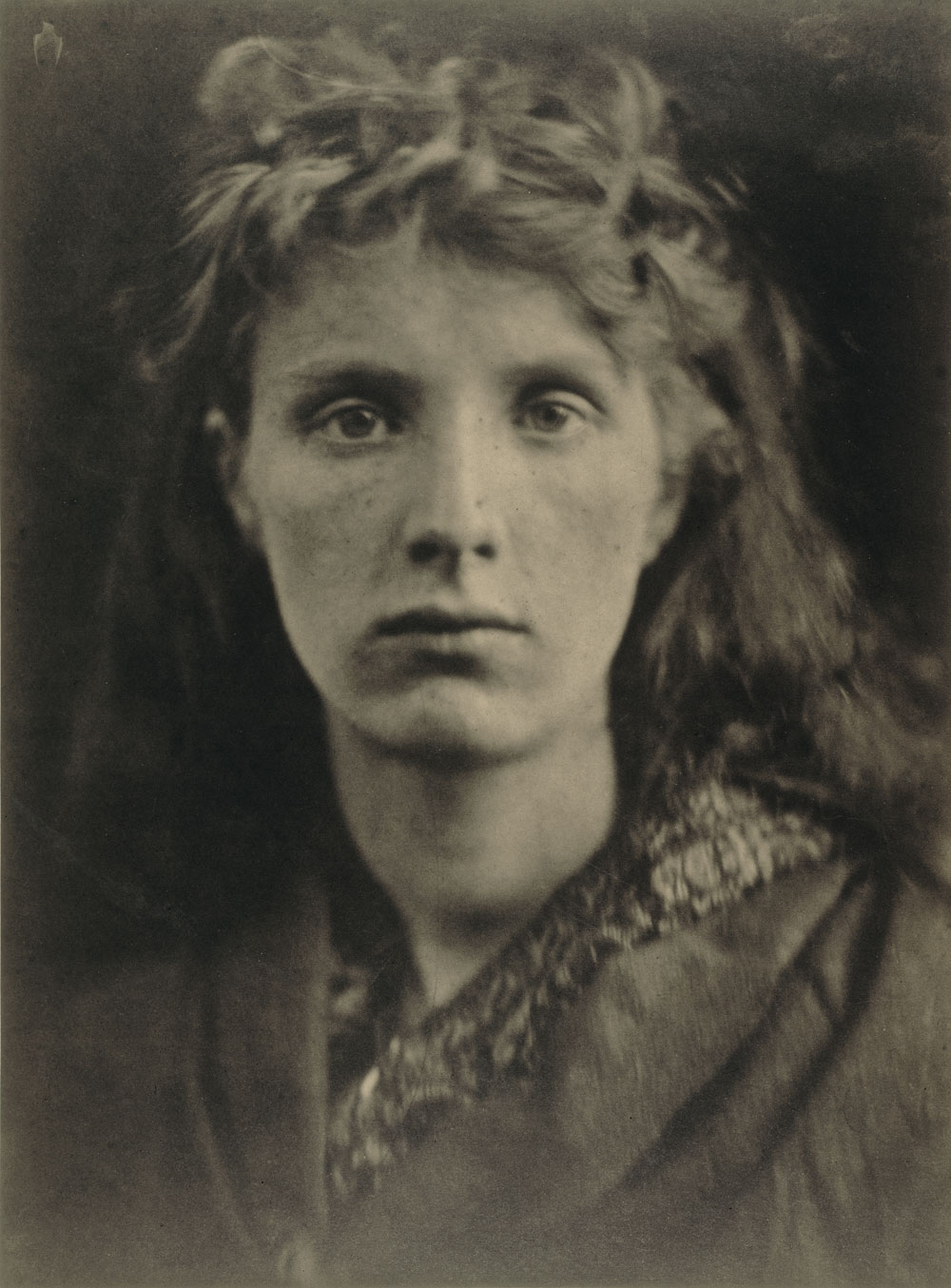
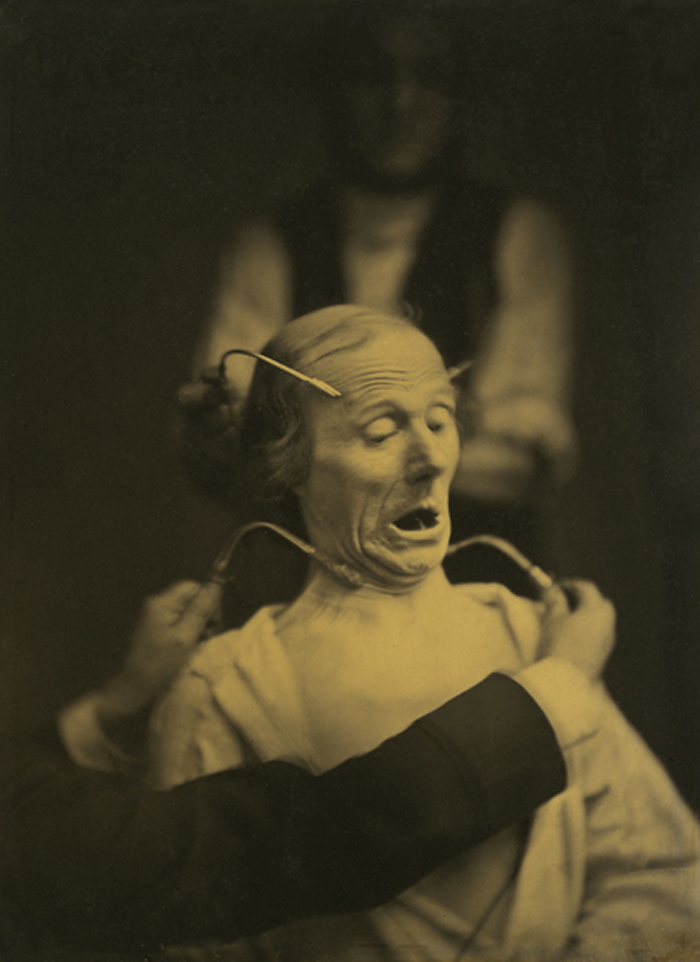
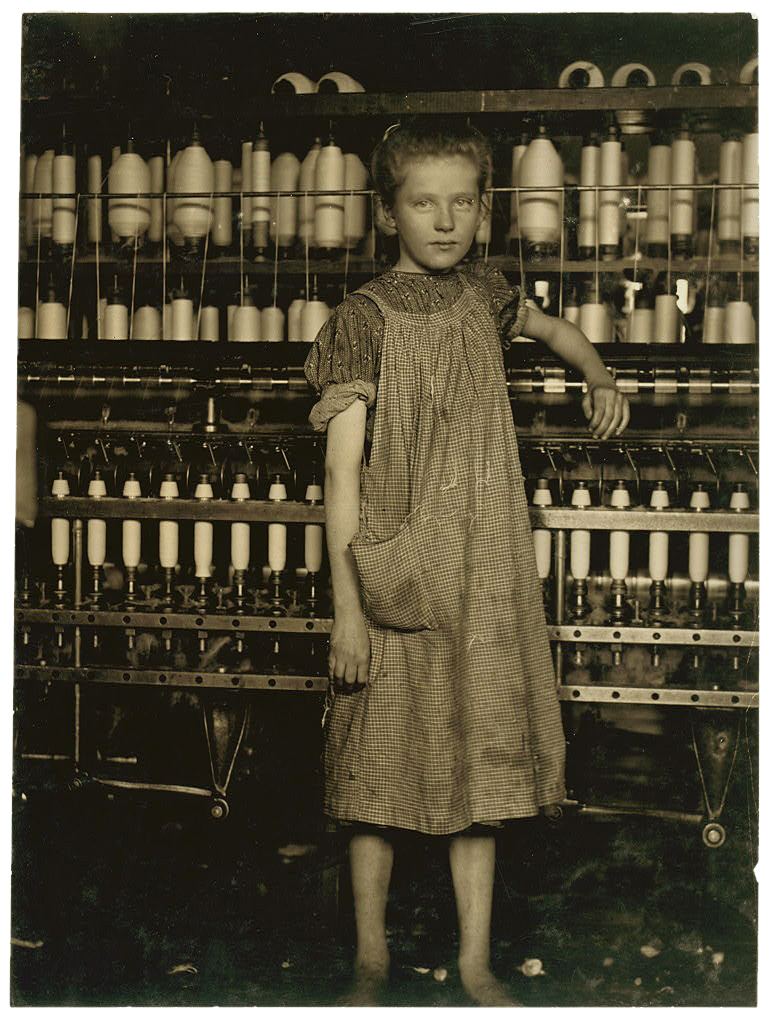

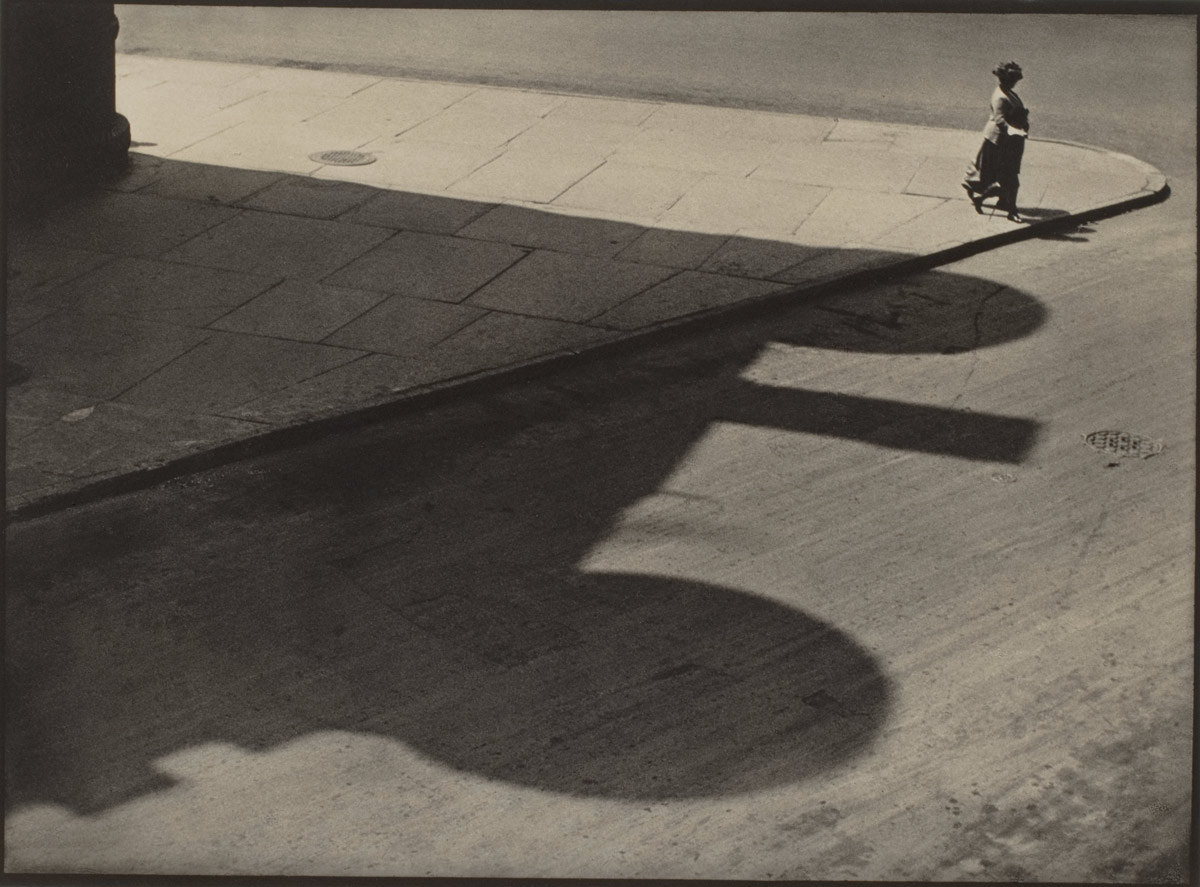
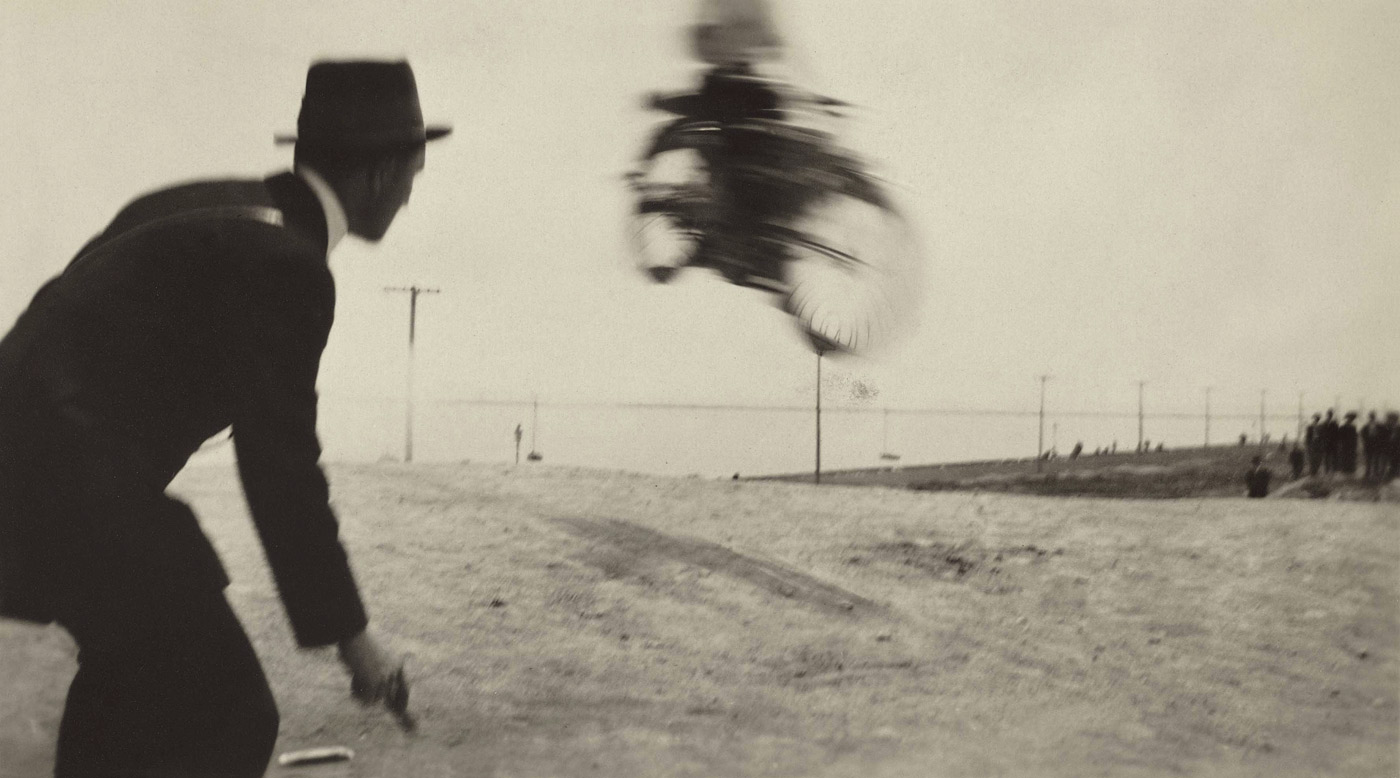
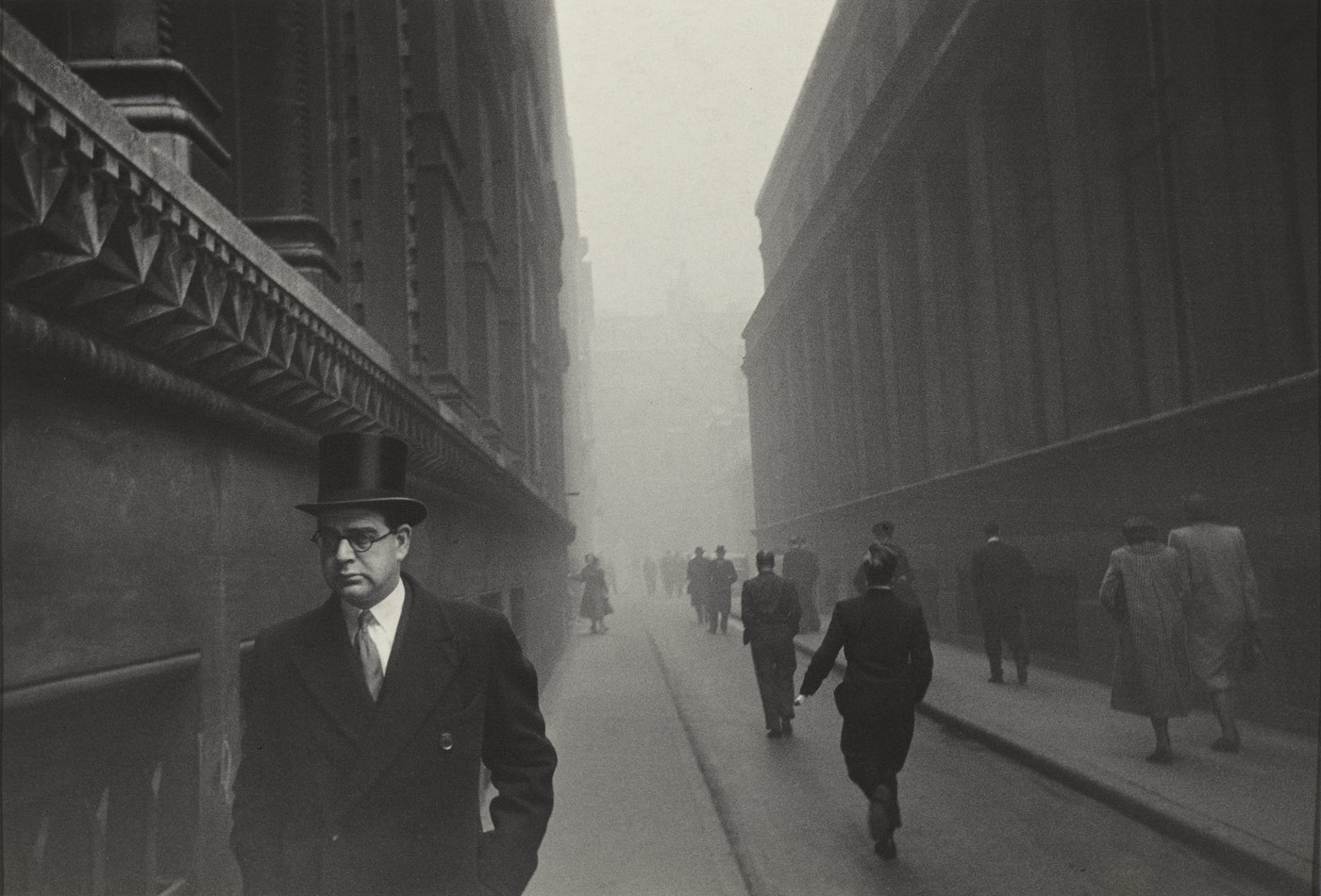
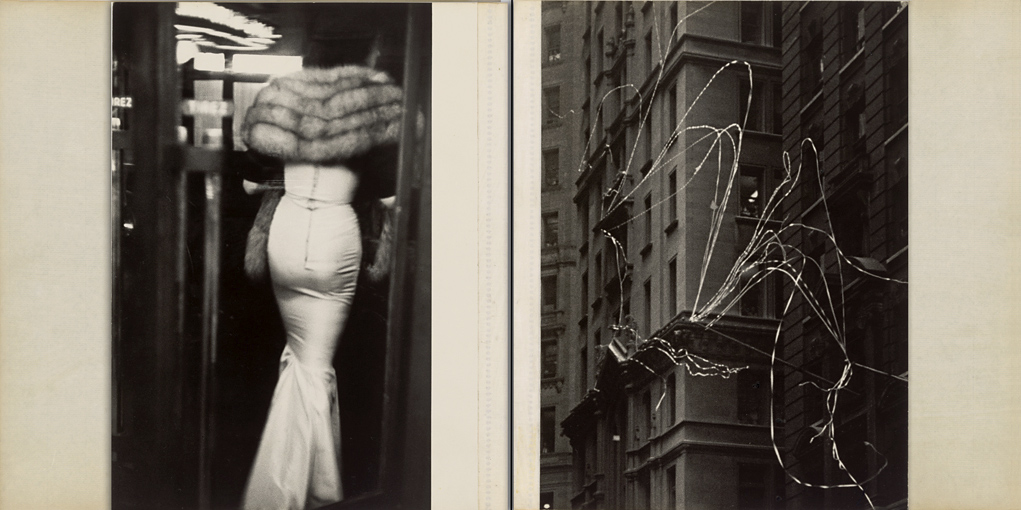
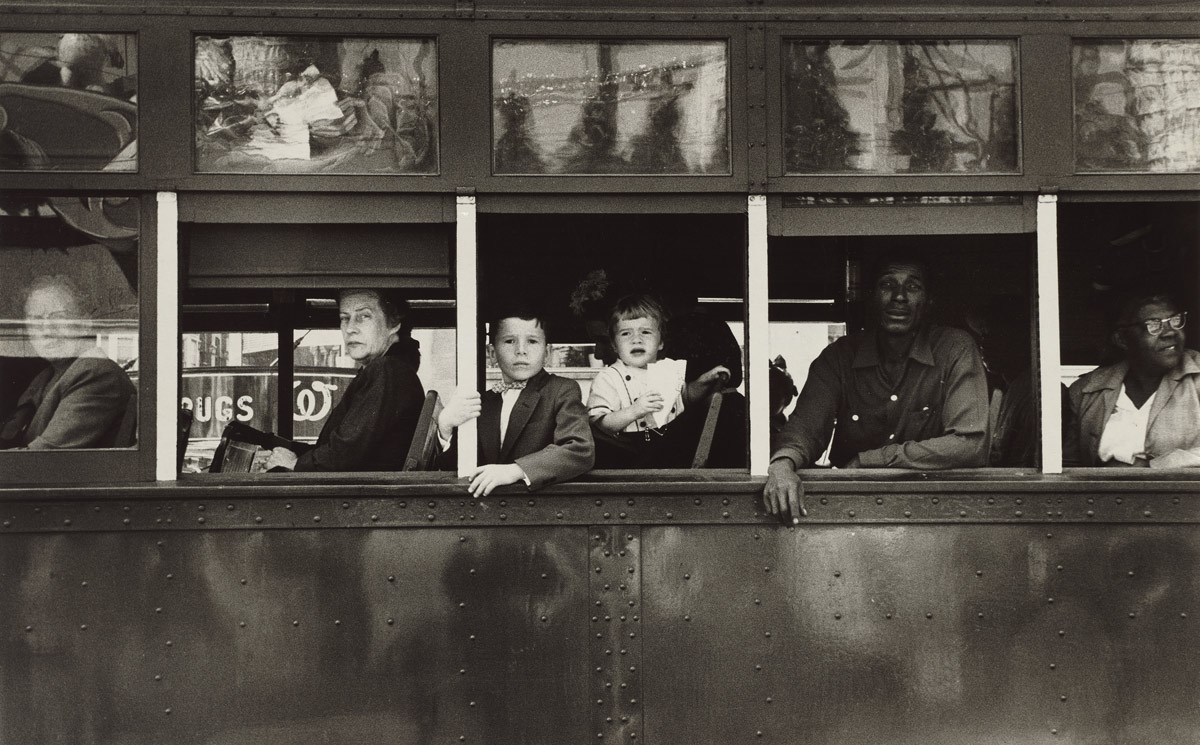
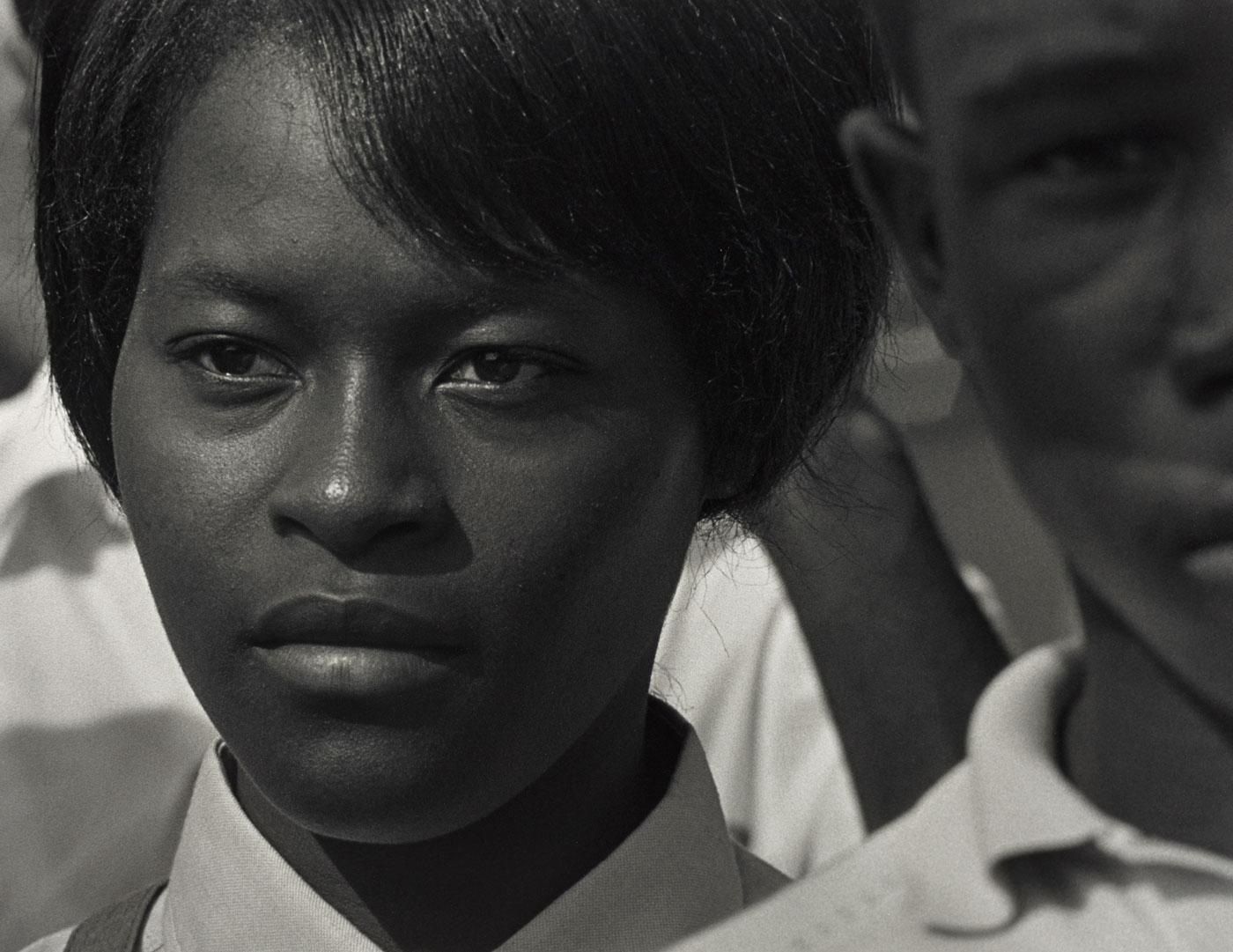


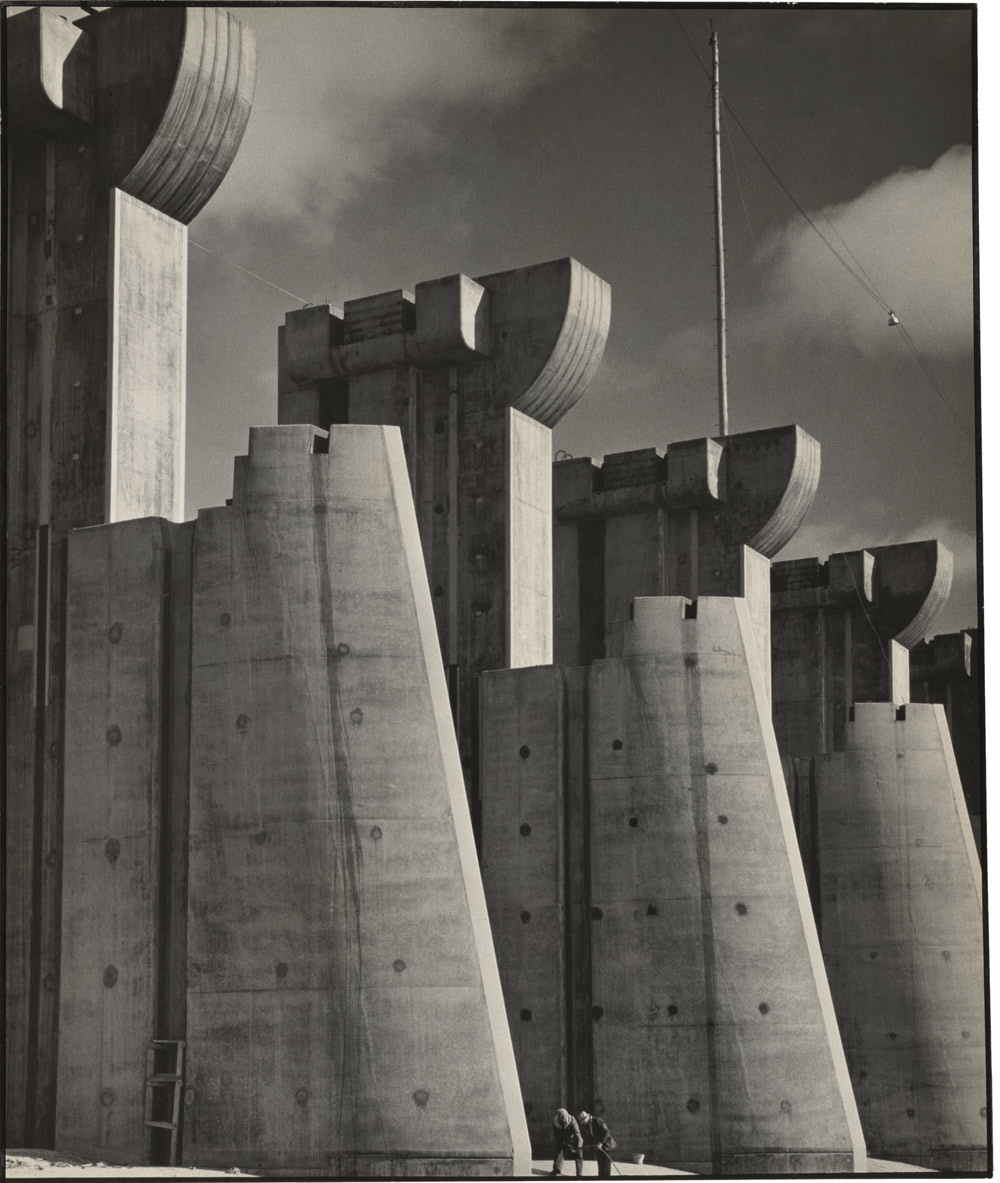
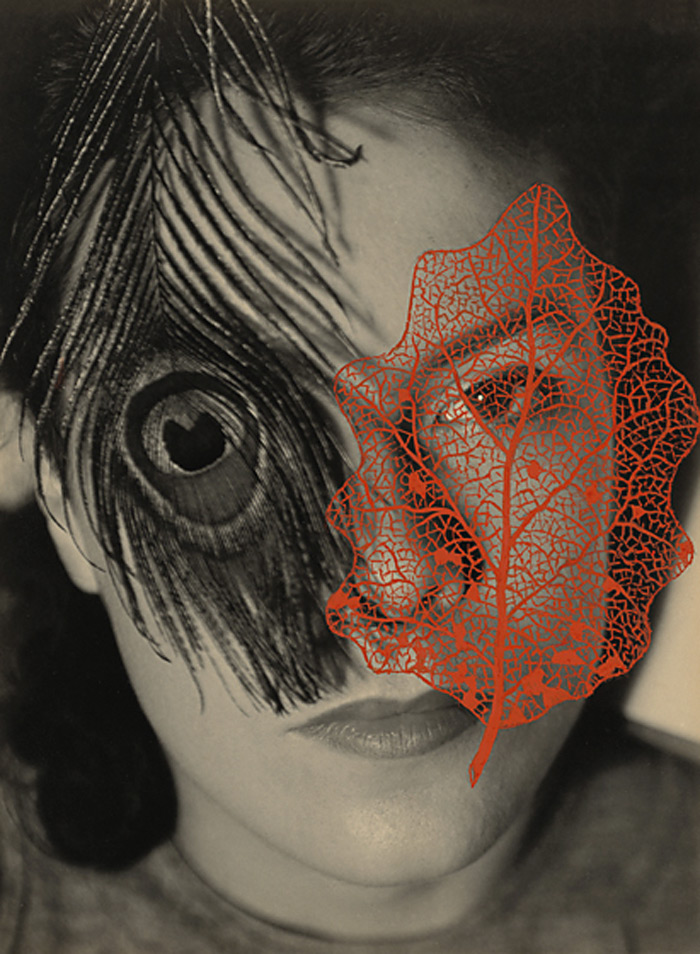
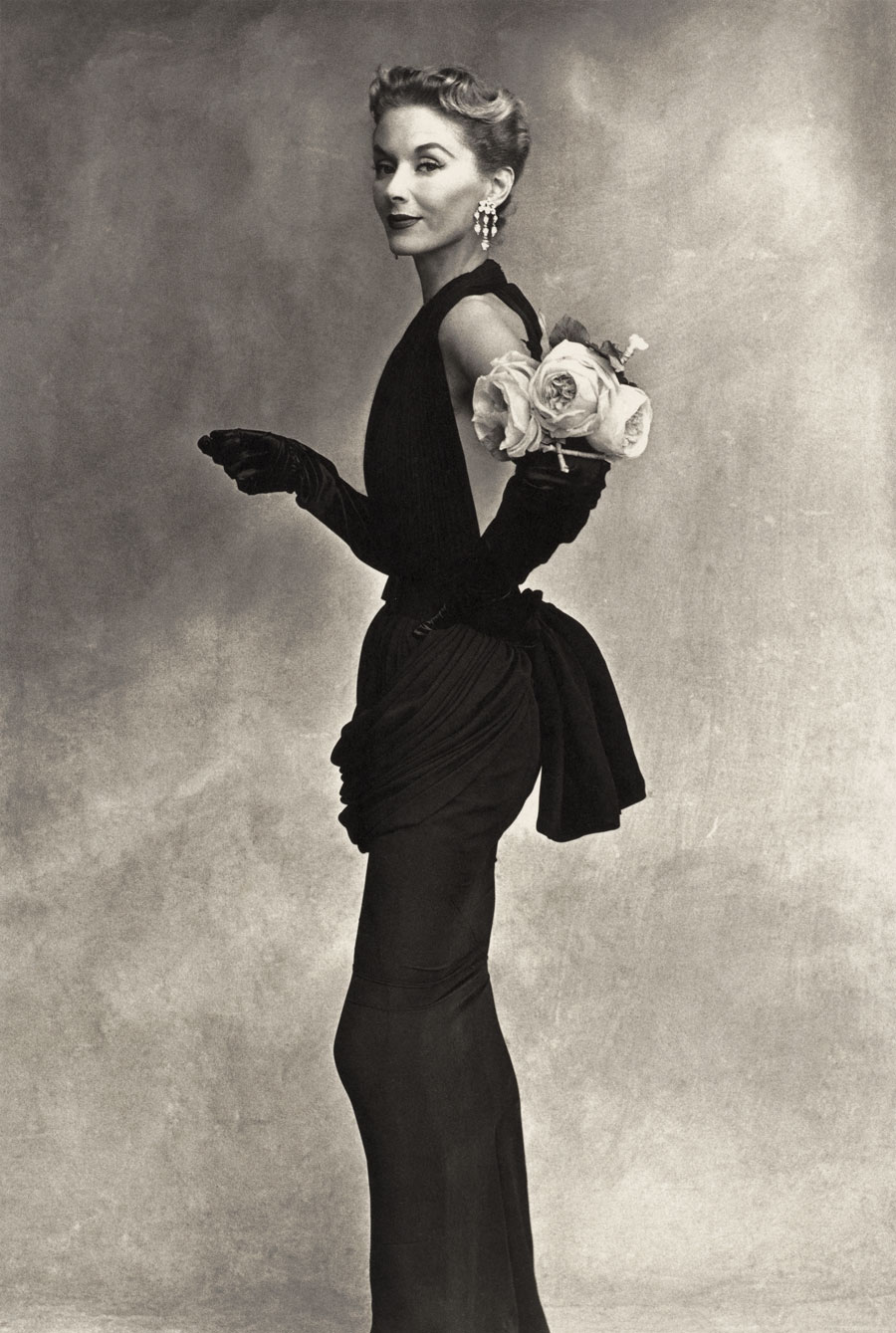

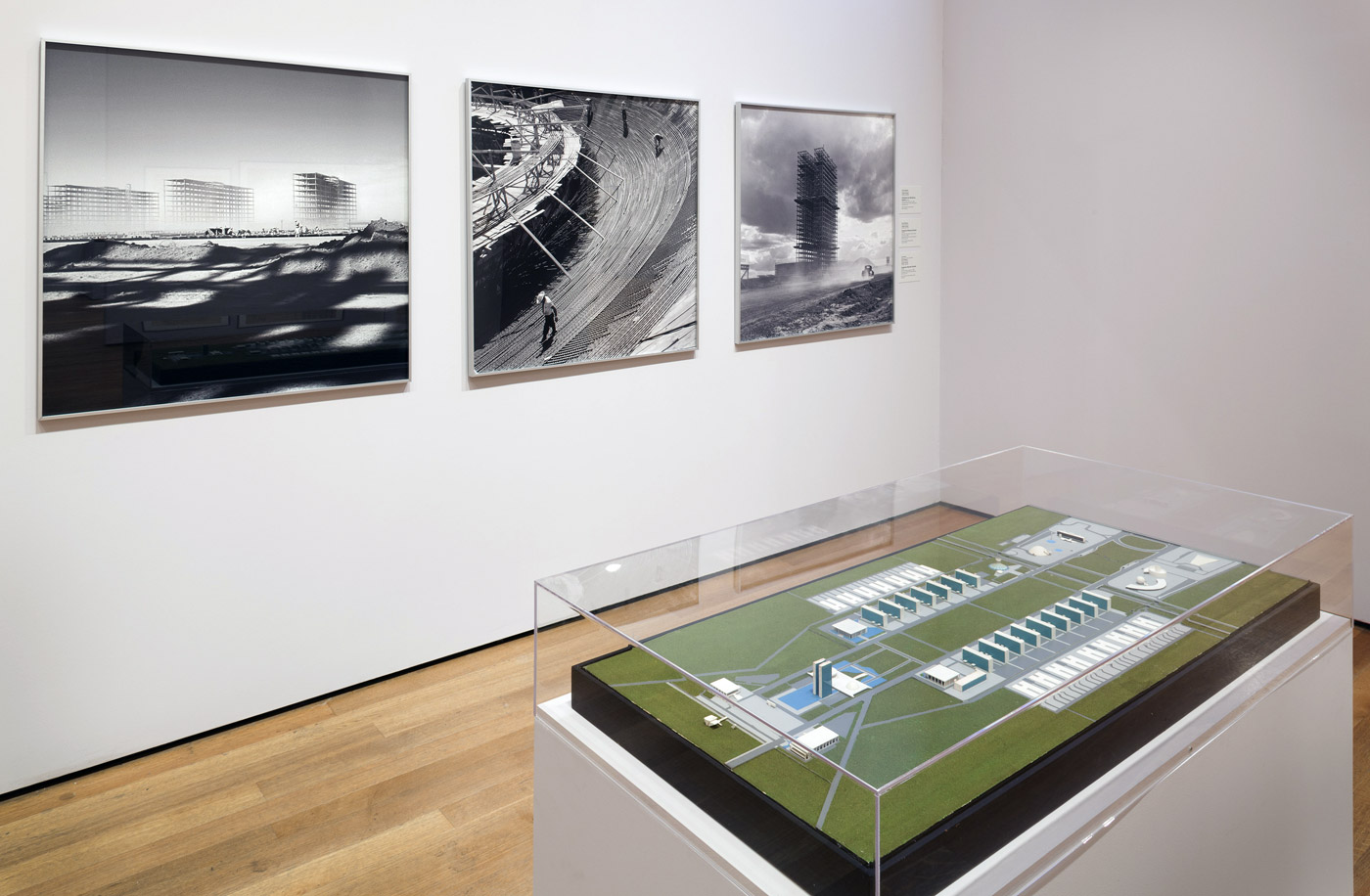
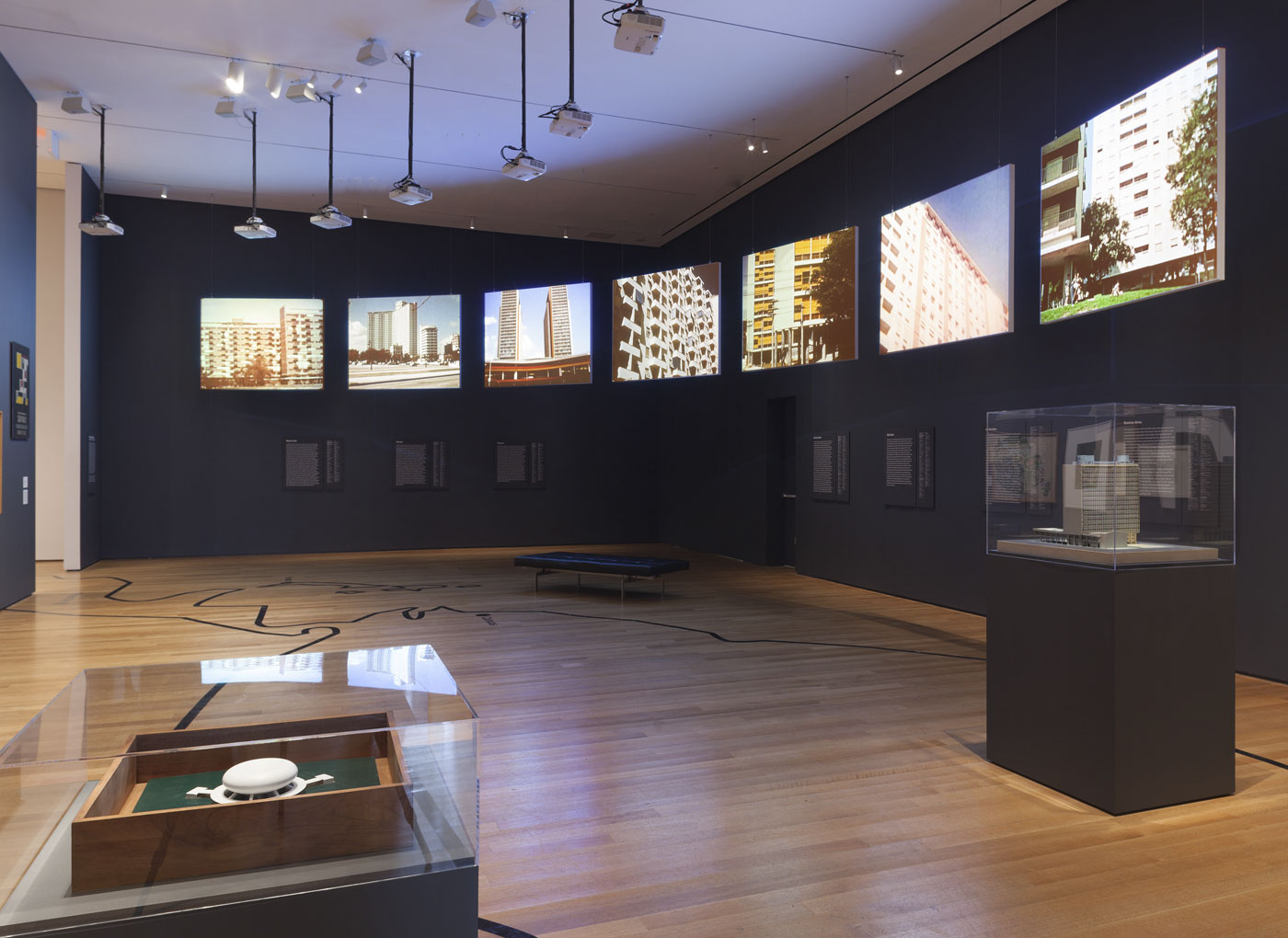
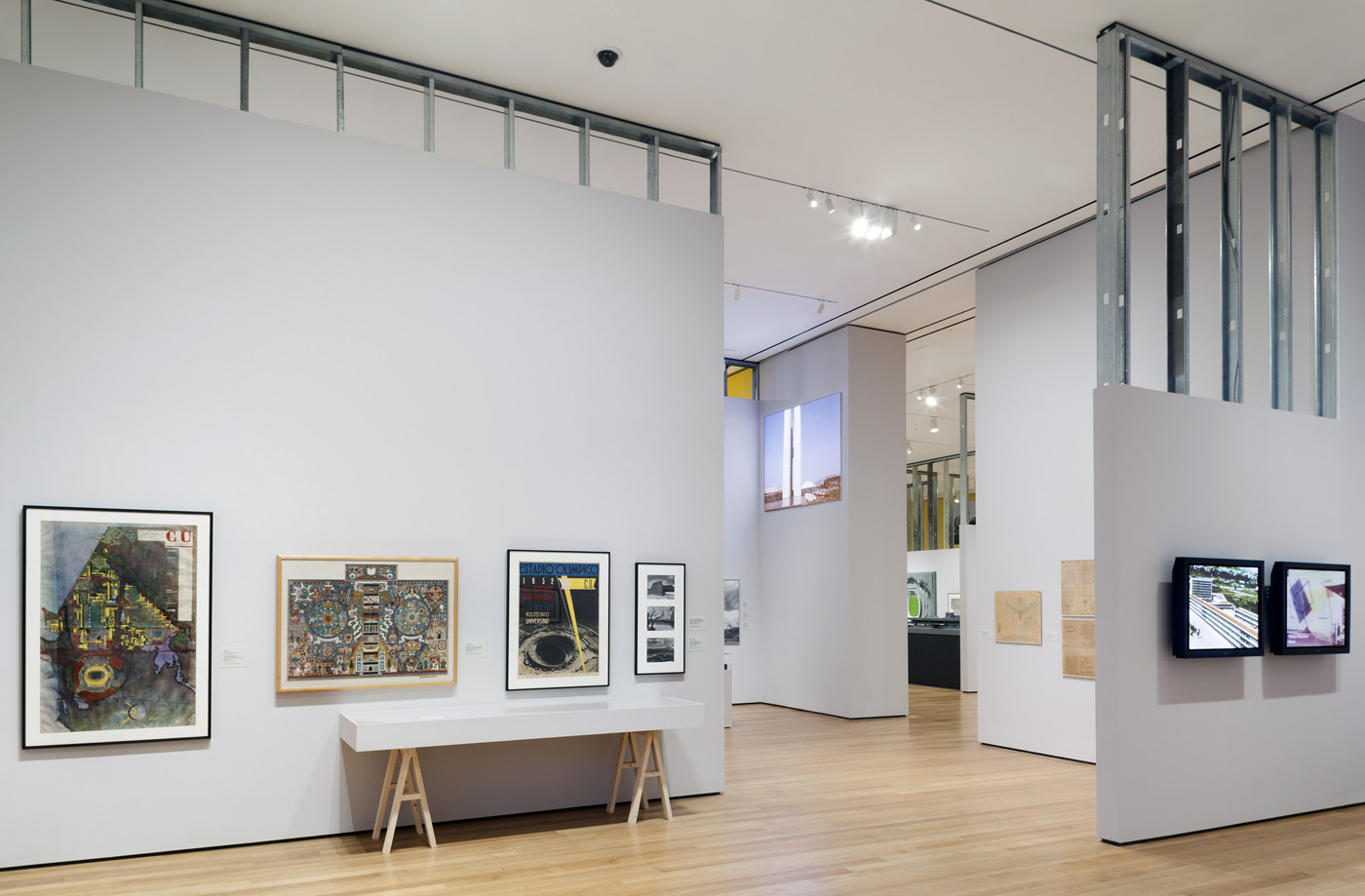








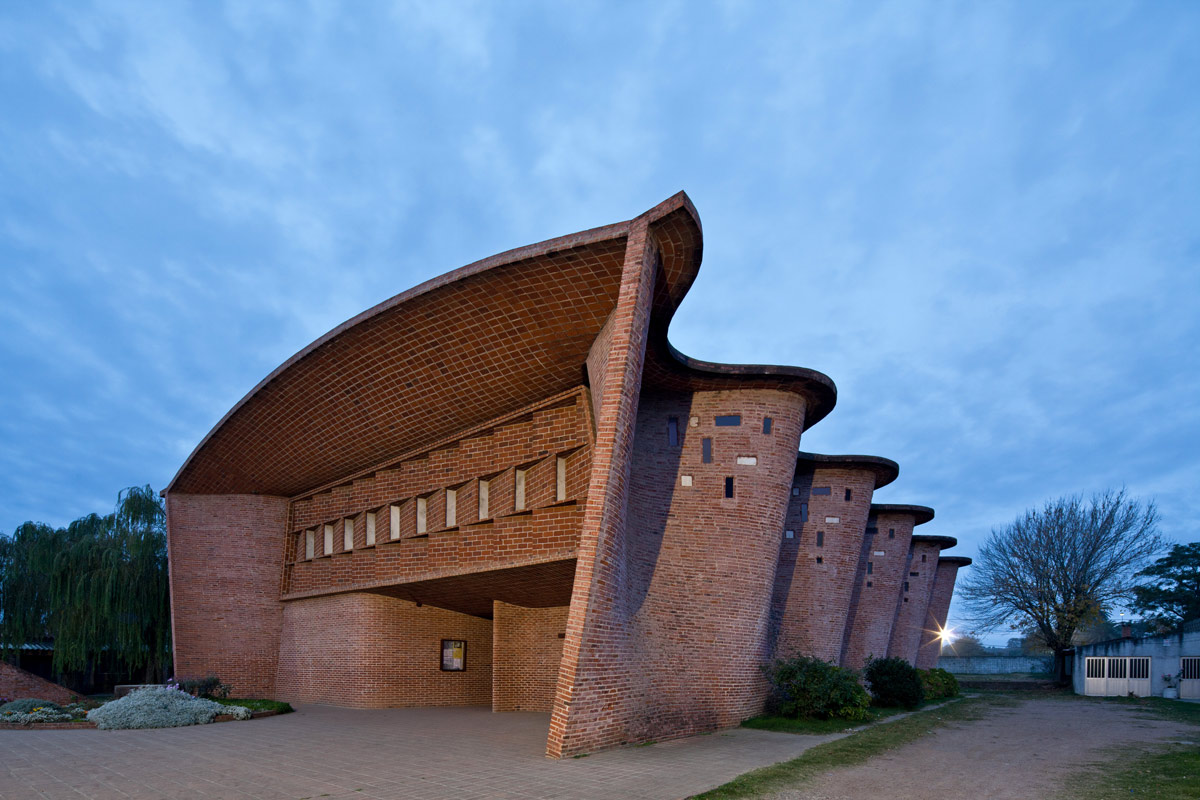


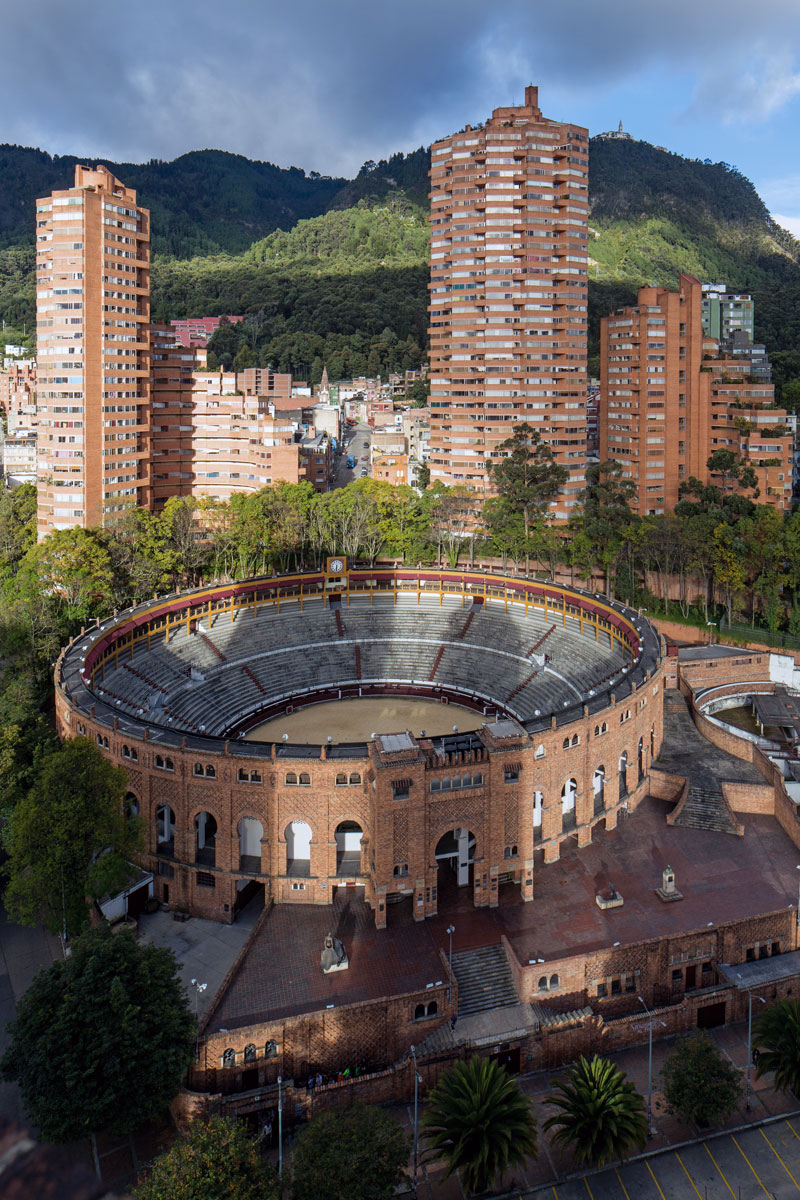
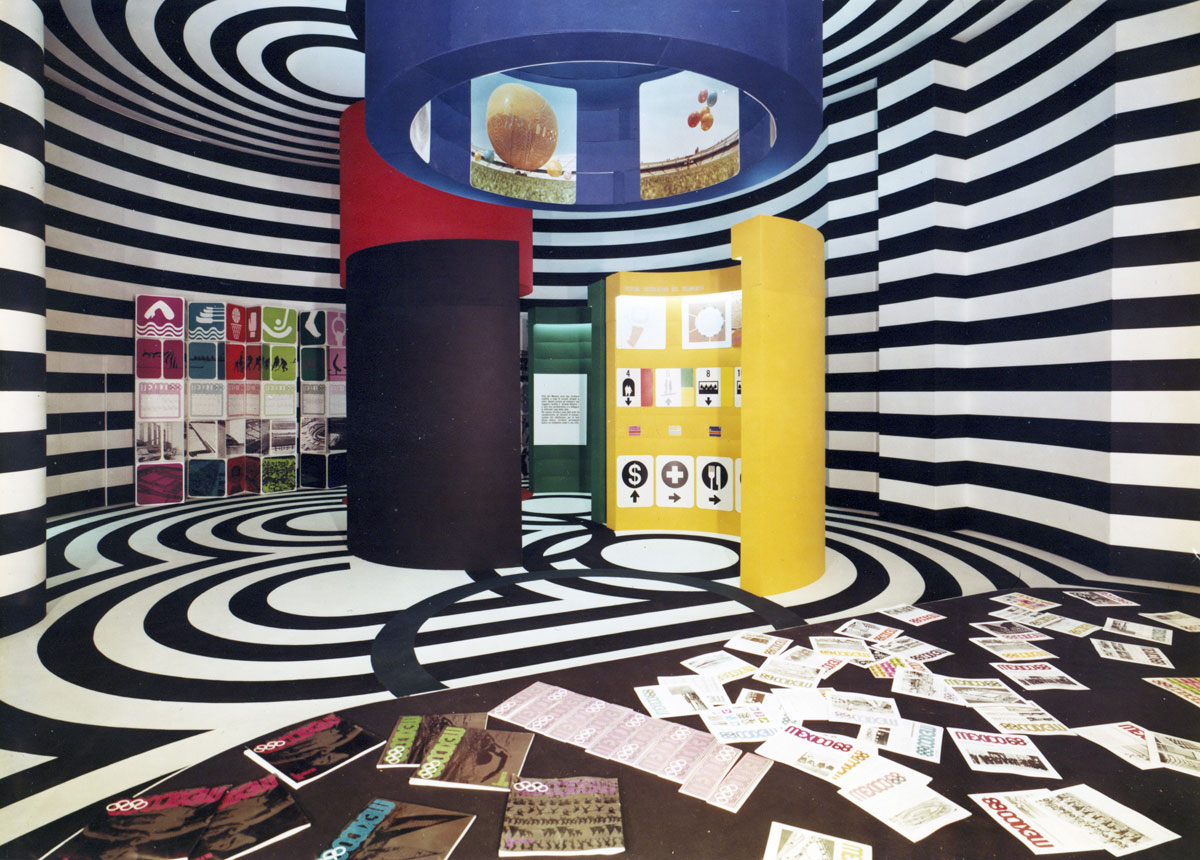


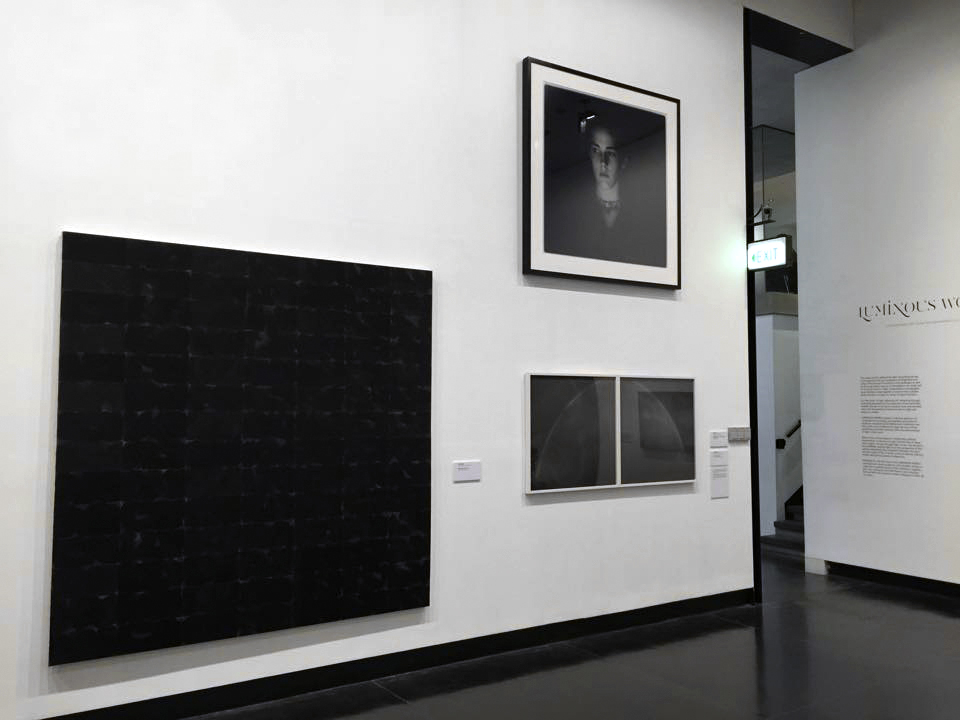




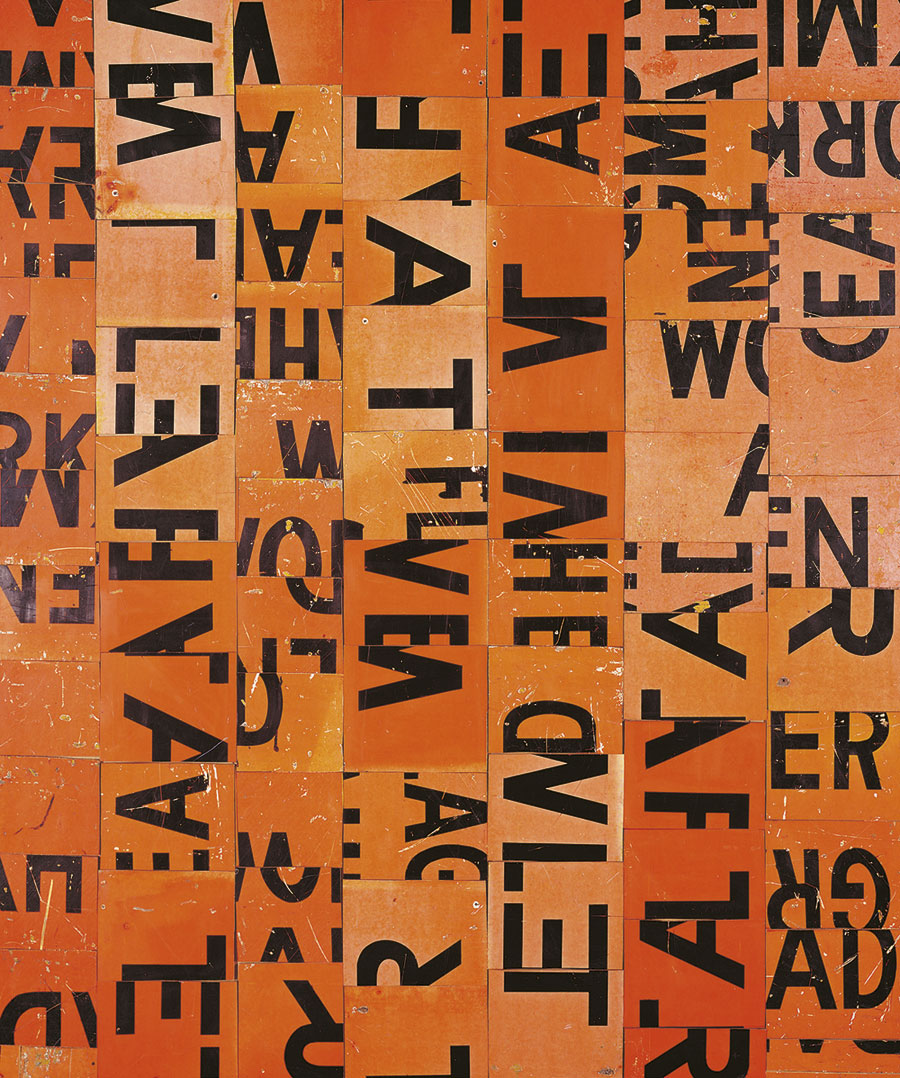


![Michael Riley (Australian, 1960-2004) 'Untitled' from the series 'Cloud [Feather]' 2000](https://artblart.com/wp-content/uploads/2015/05/riley-web.jpg "Michael Riley (Australian, 1960-2004) 'Untitled' from the series 'Cloud [Feather]' 2000")
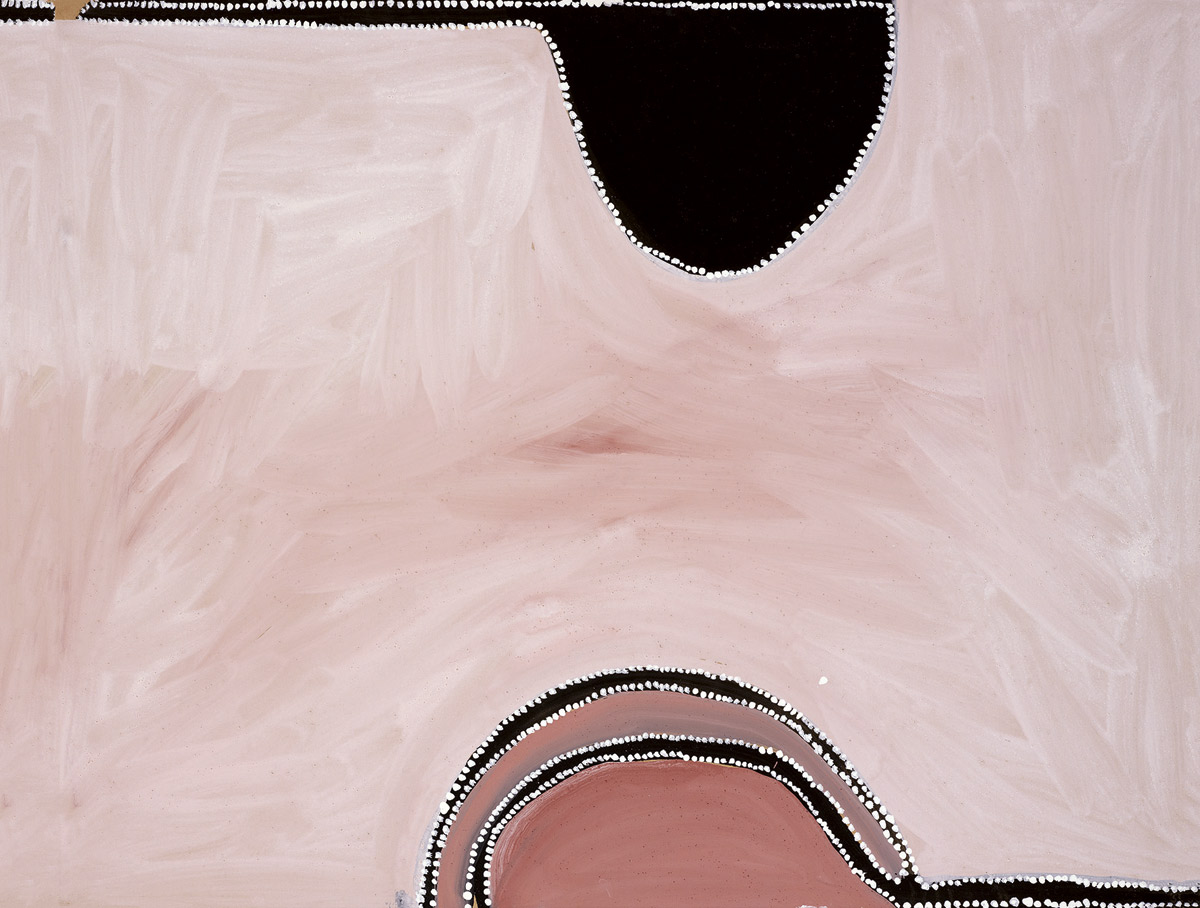


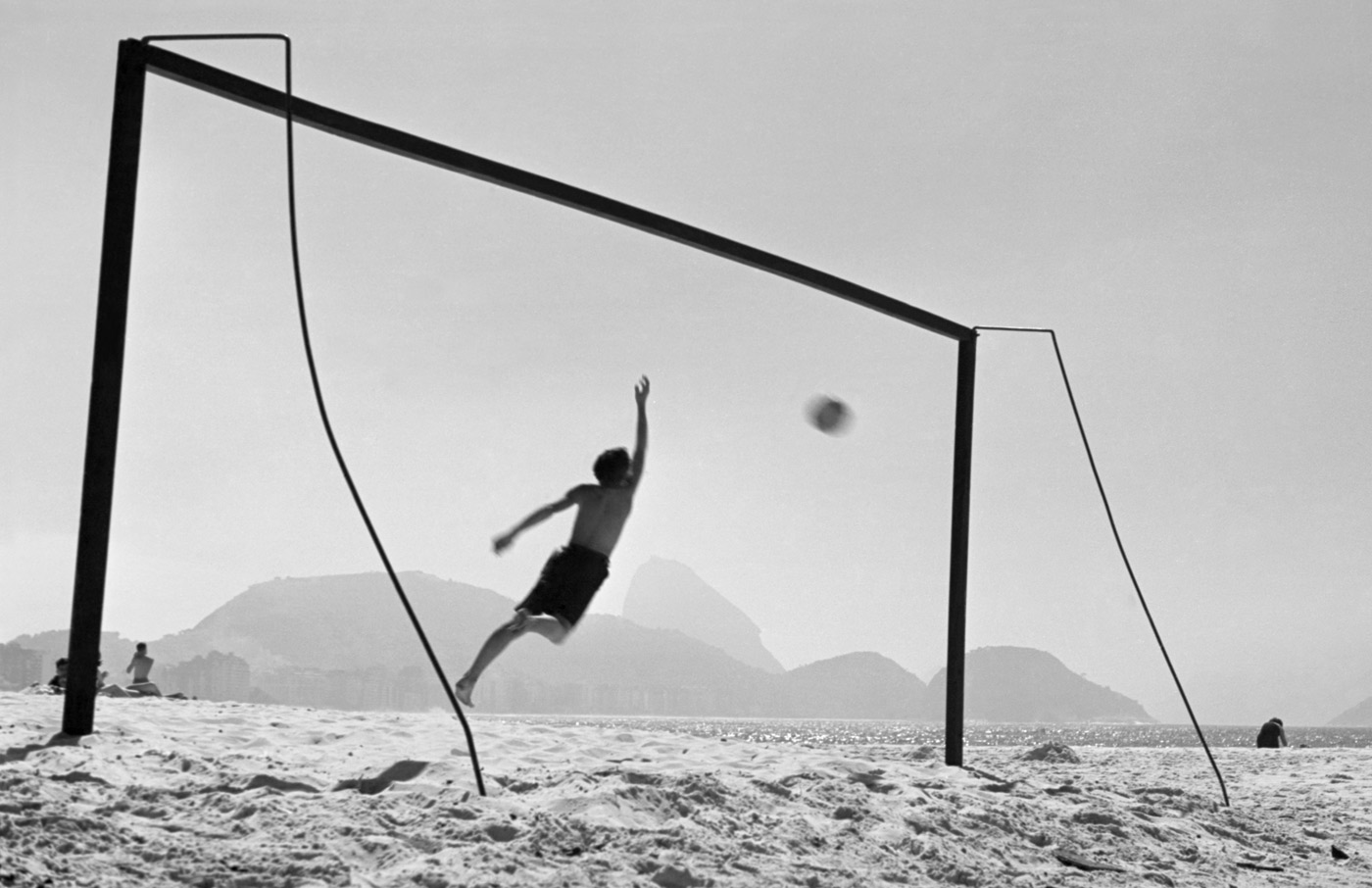
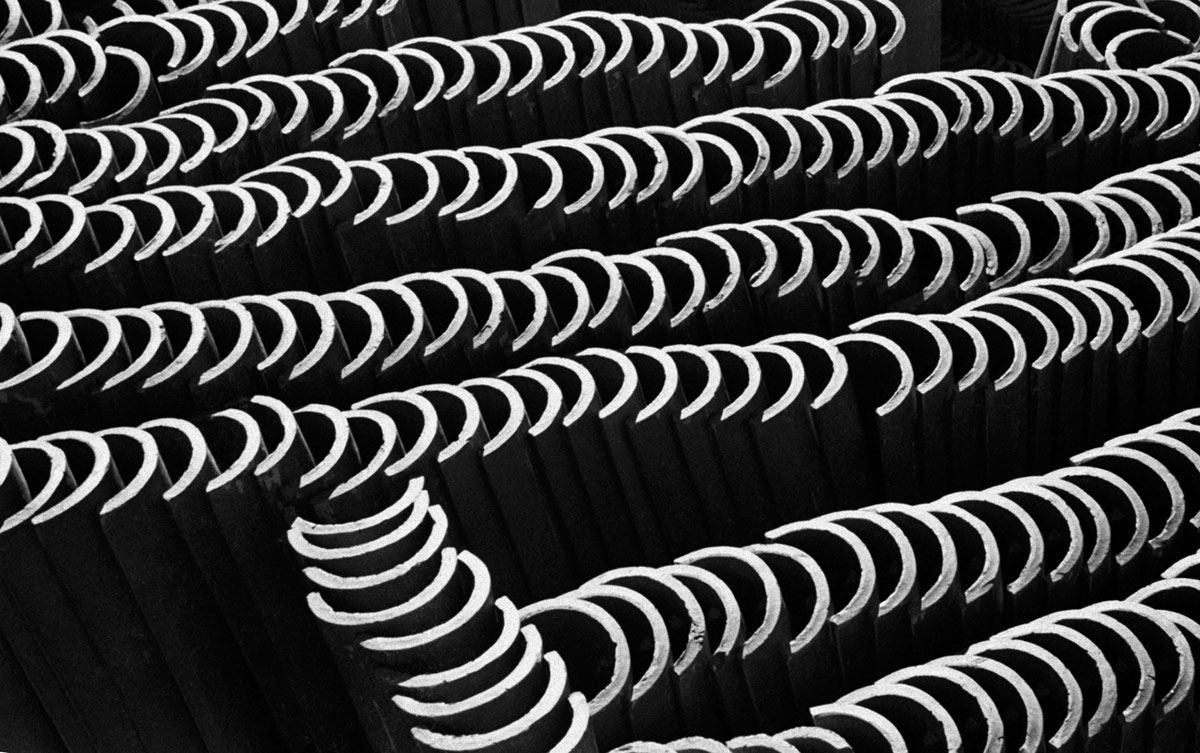
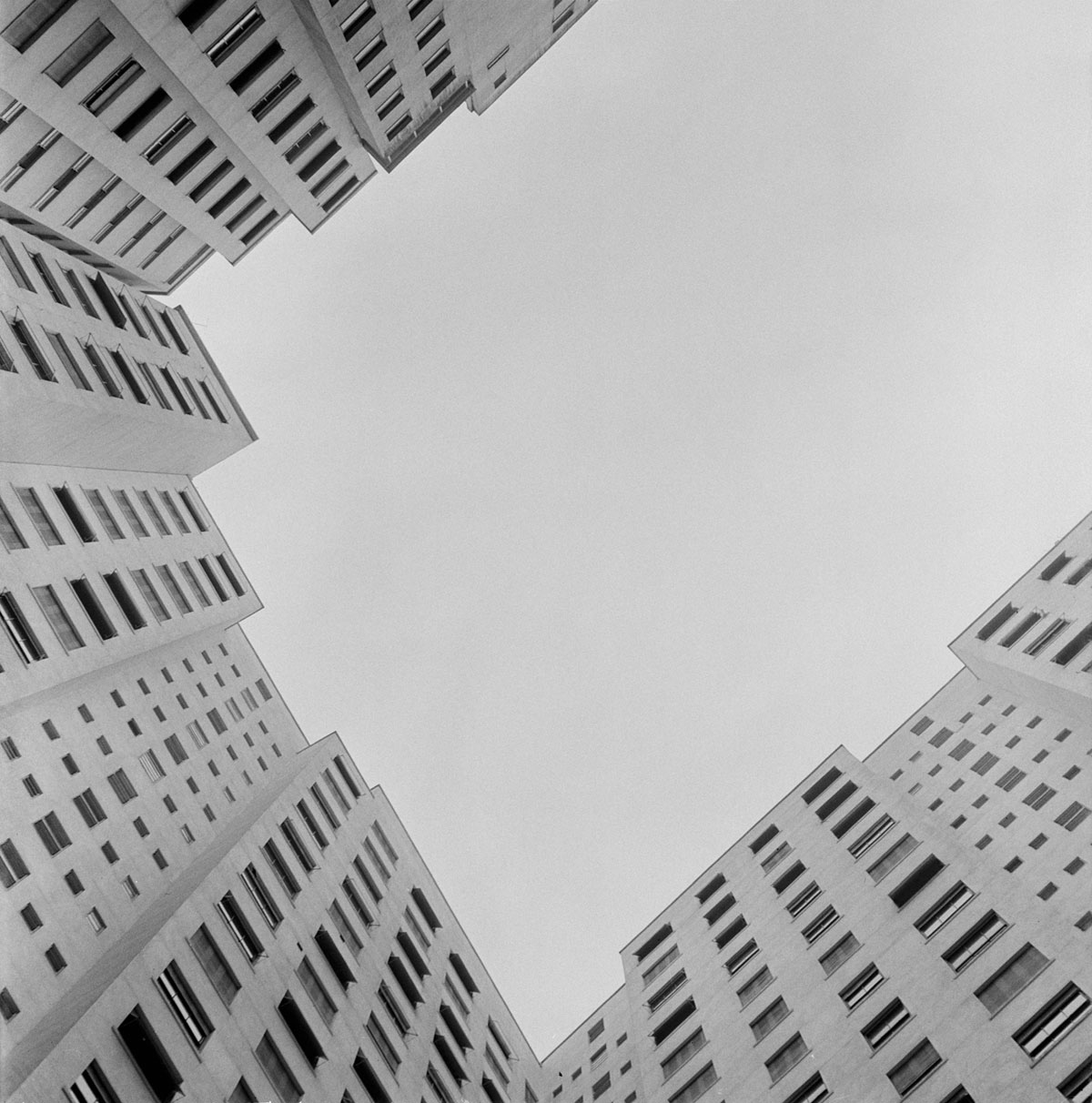
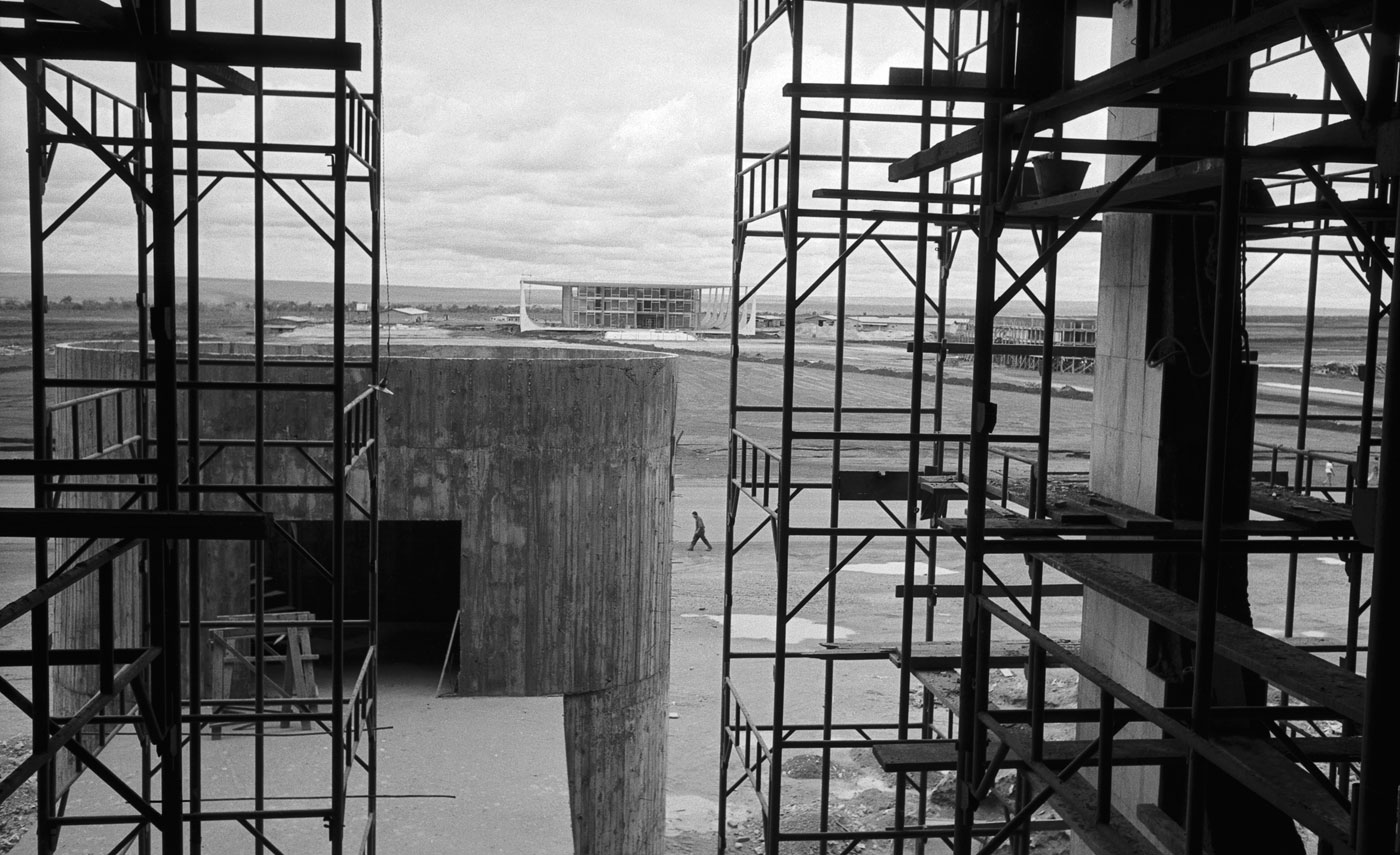
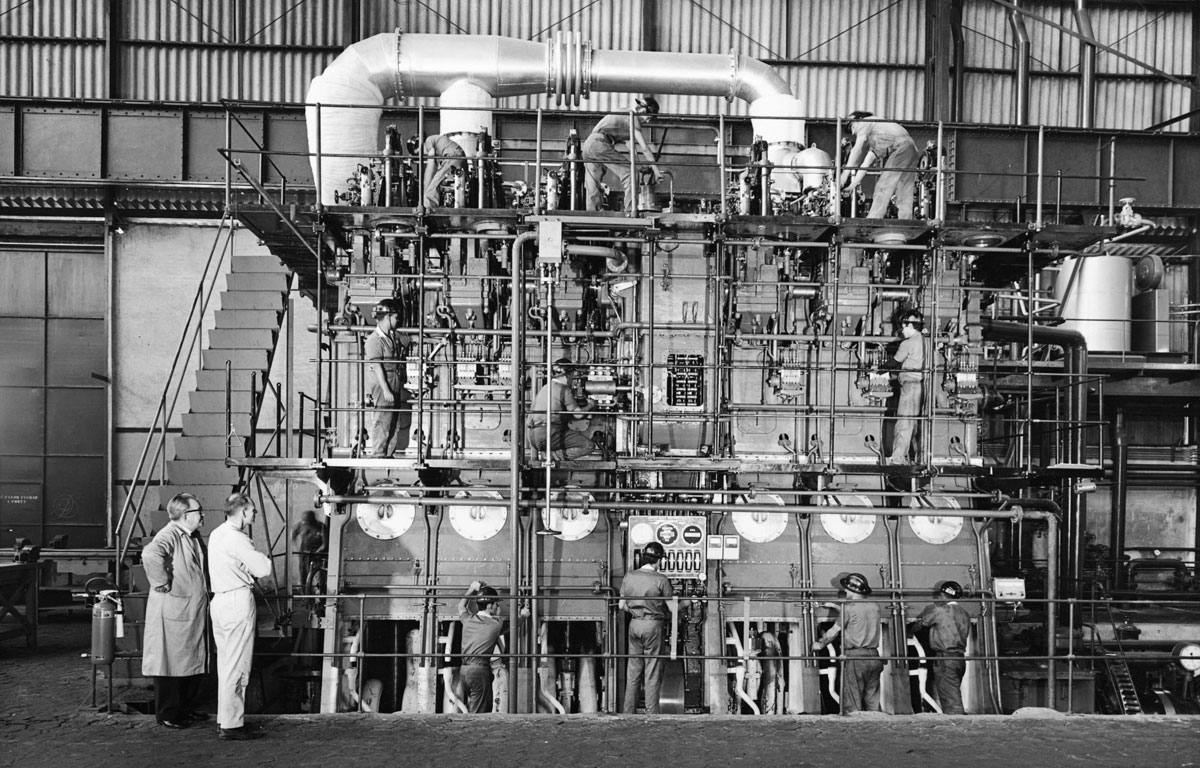
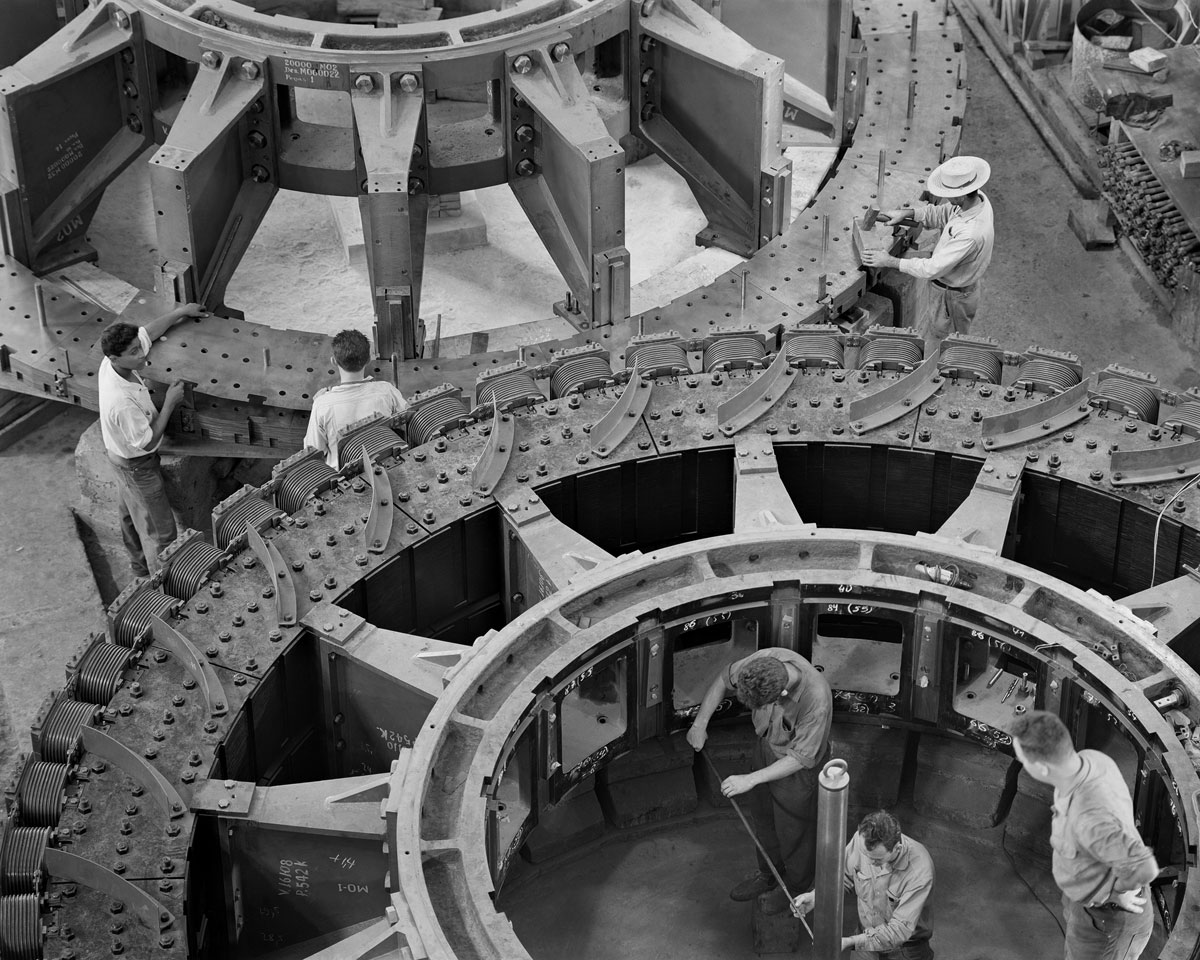


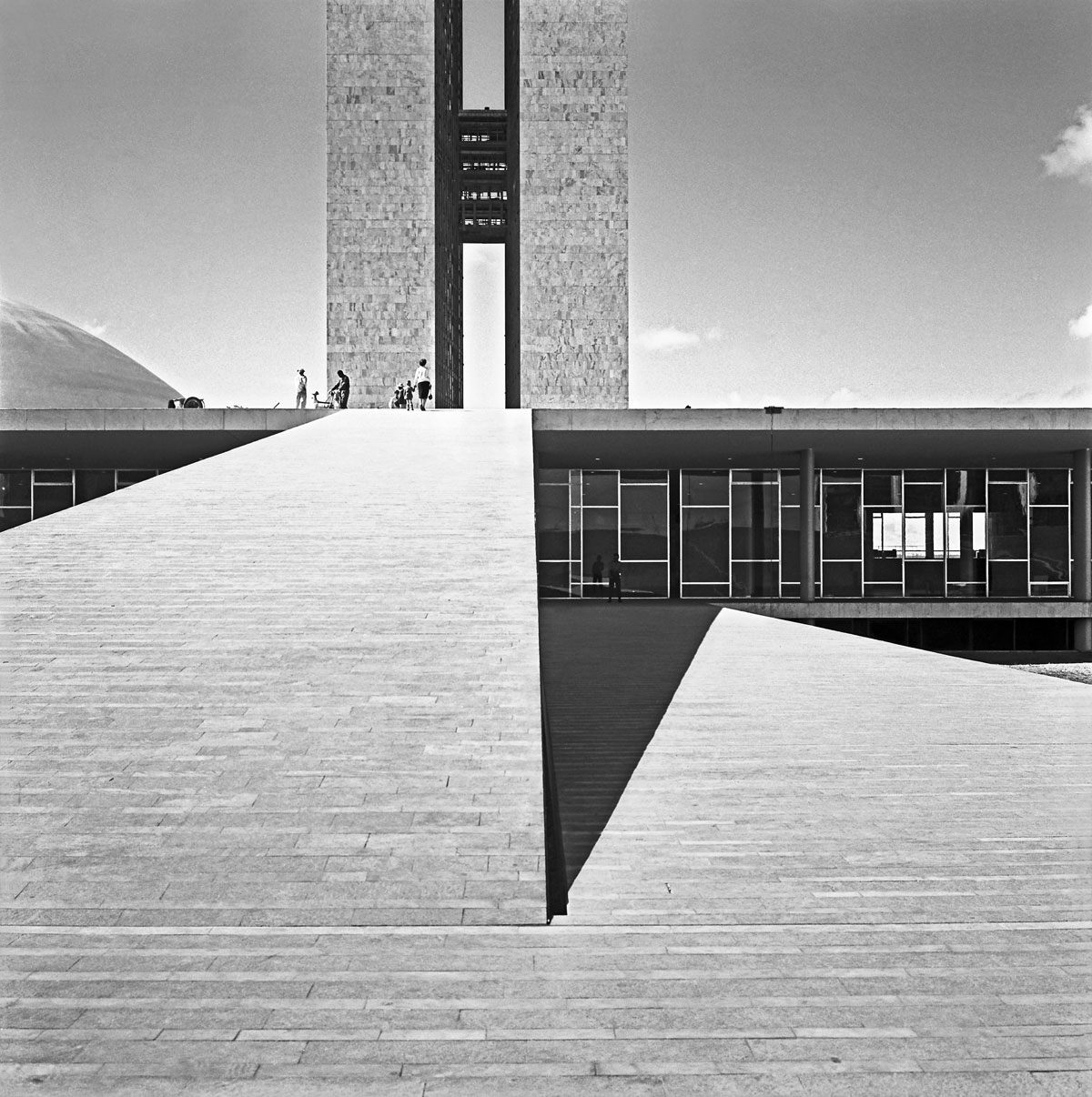
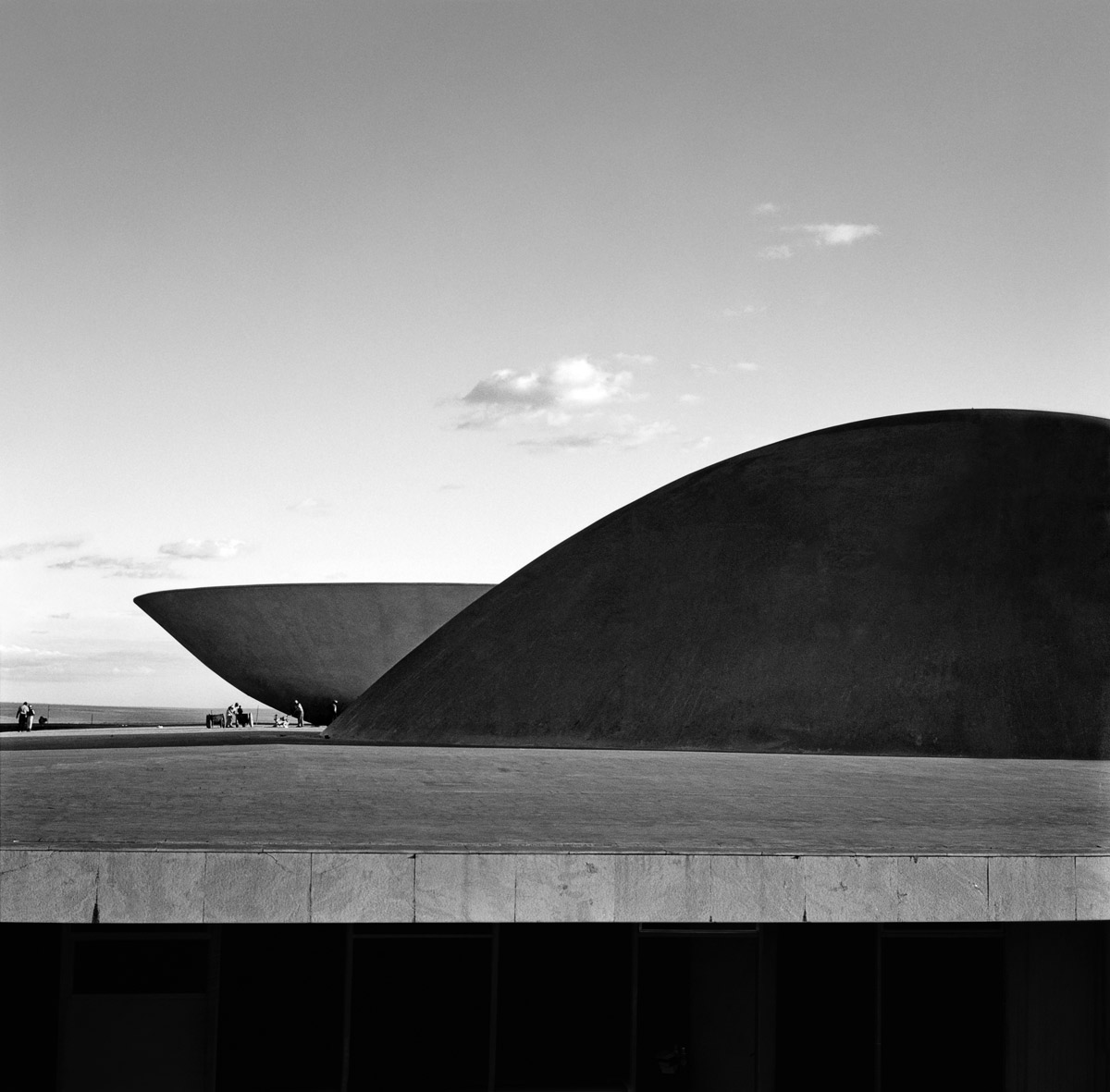
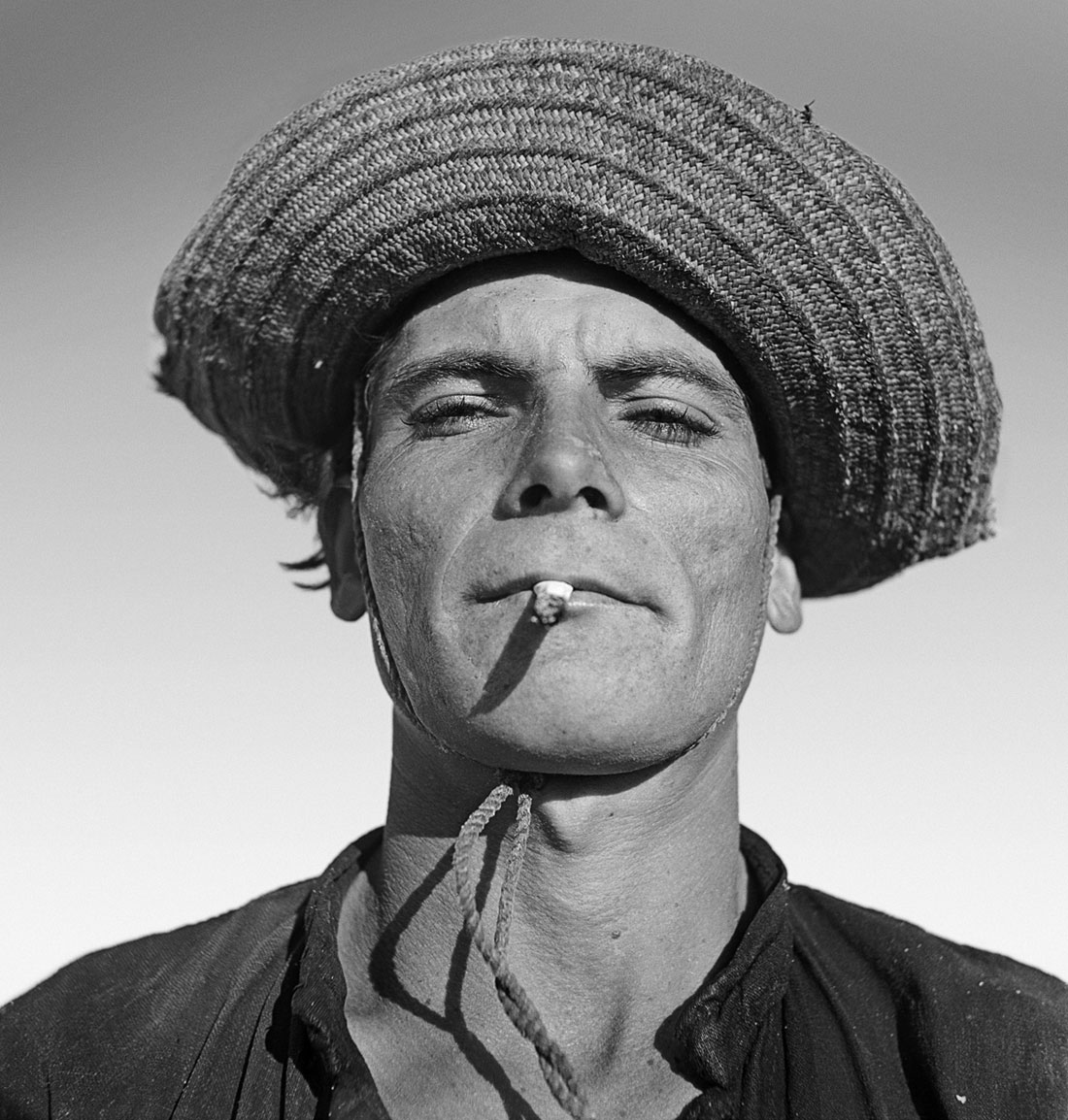
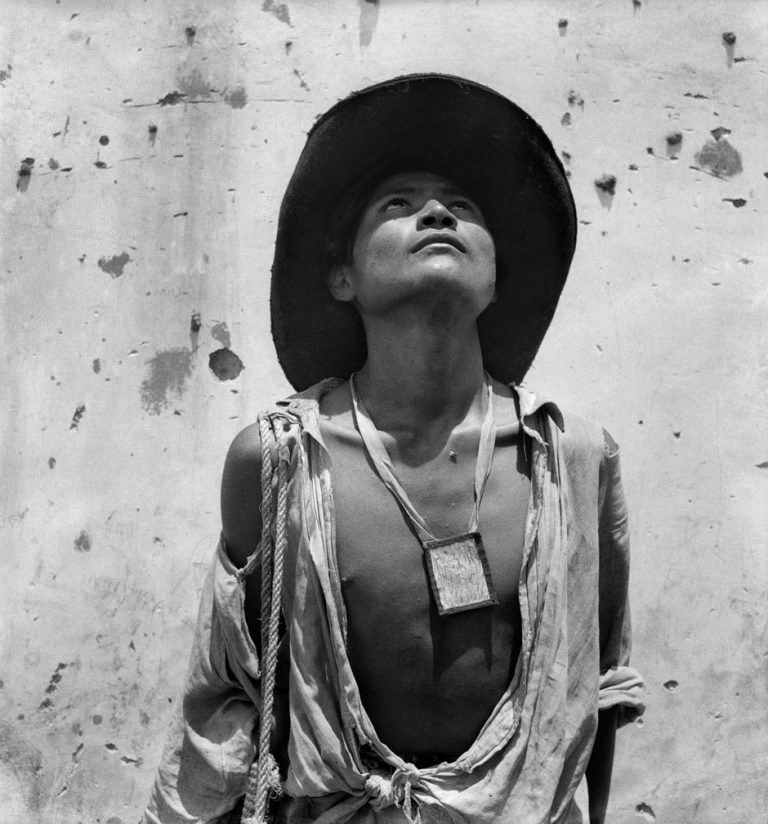
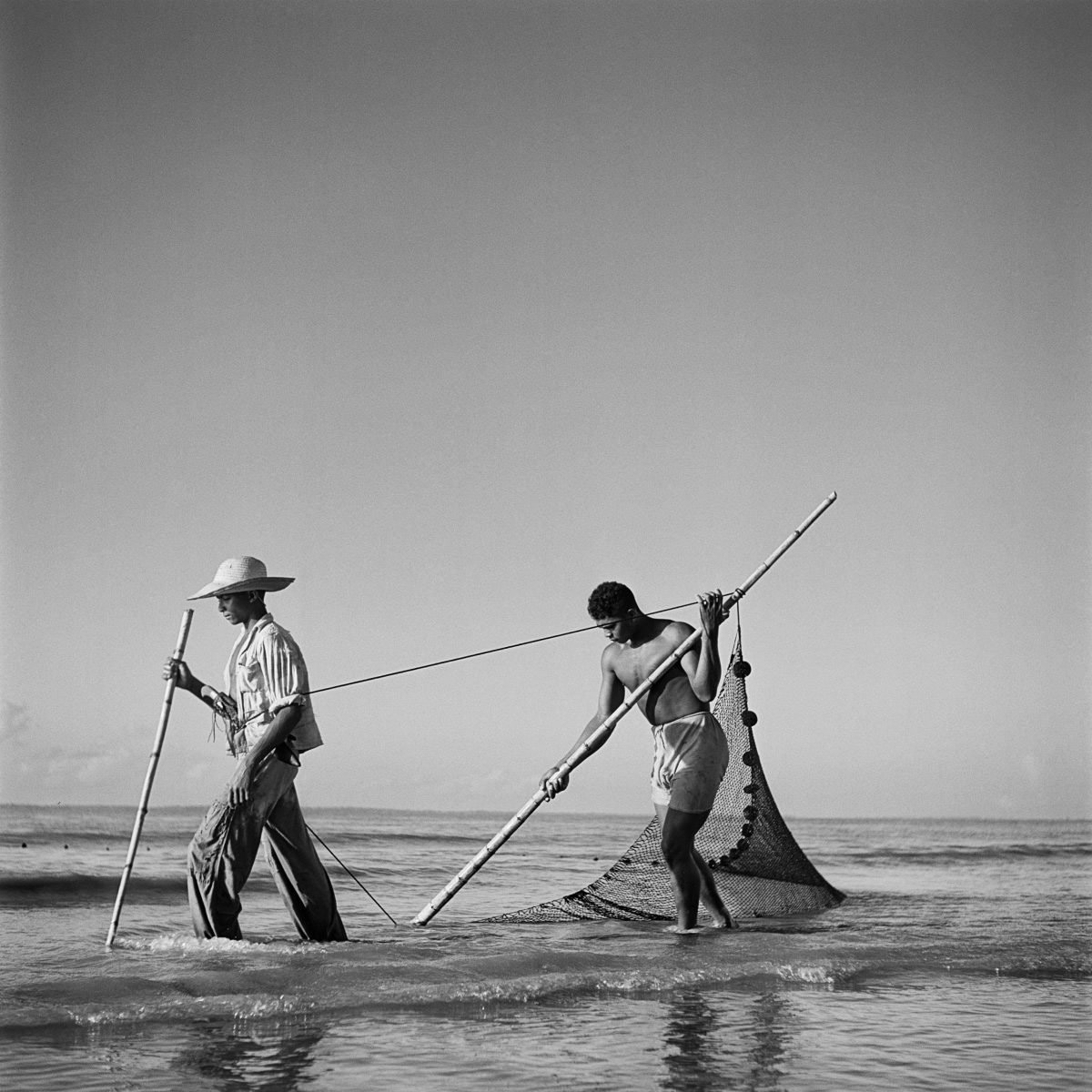
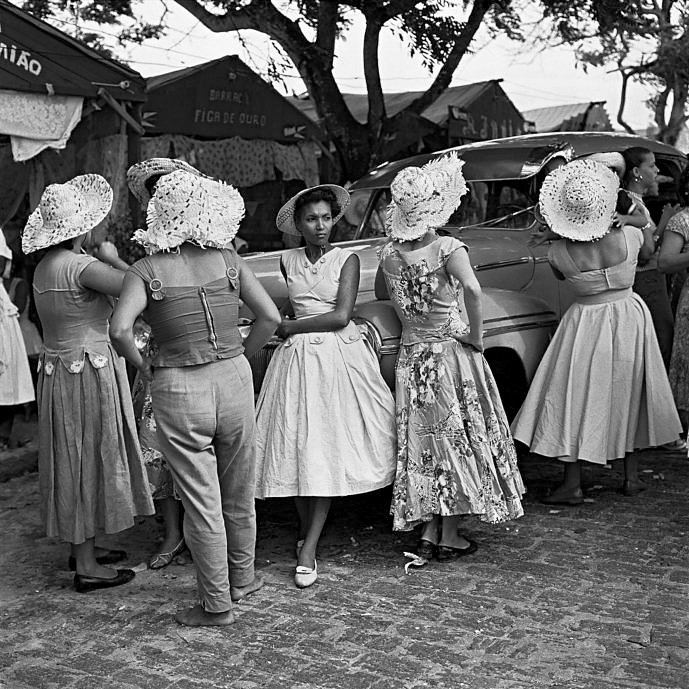
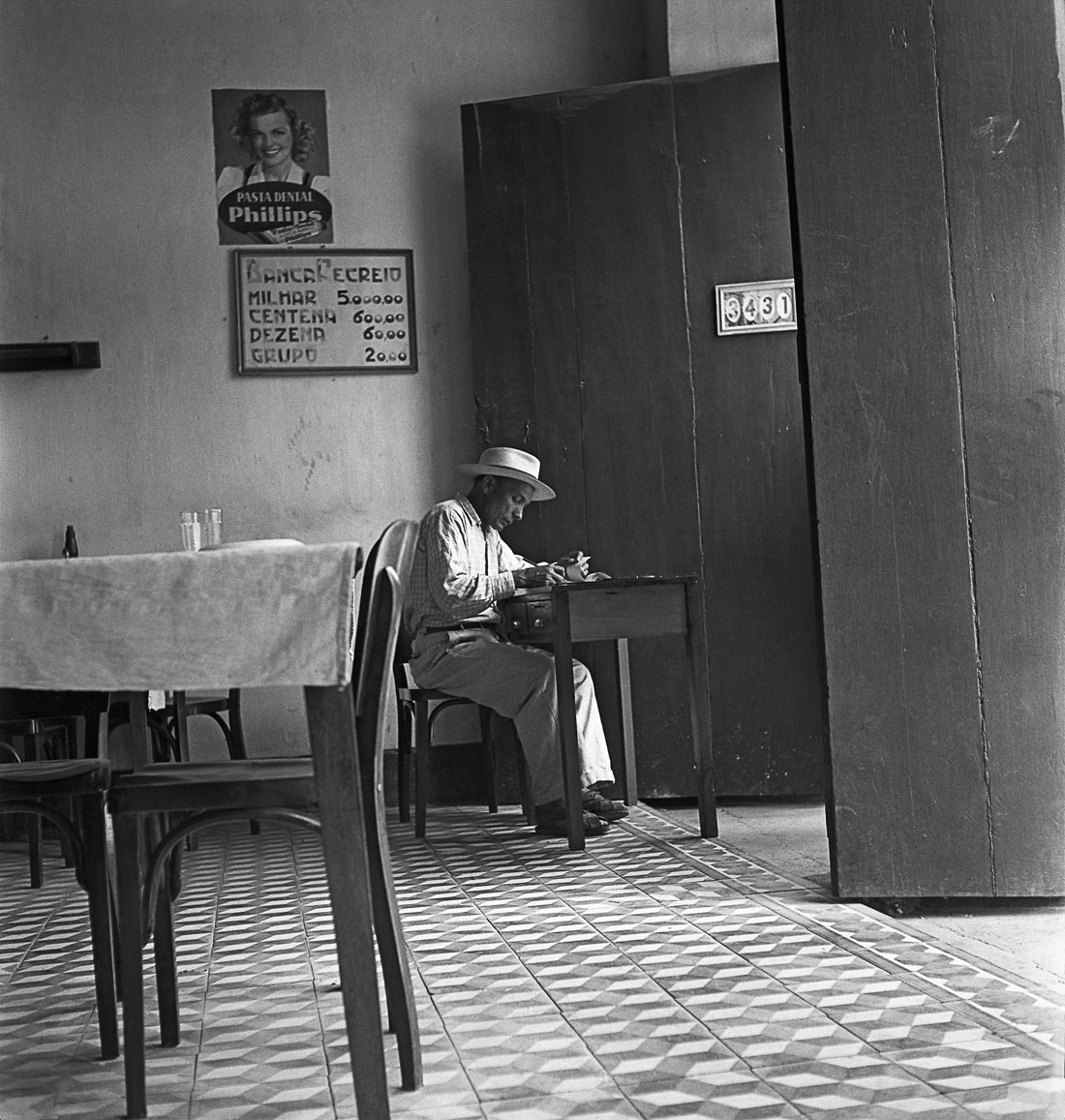
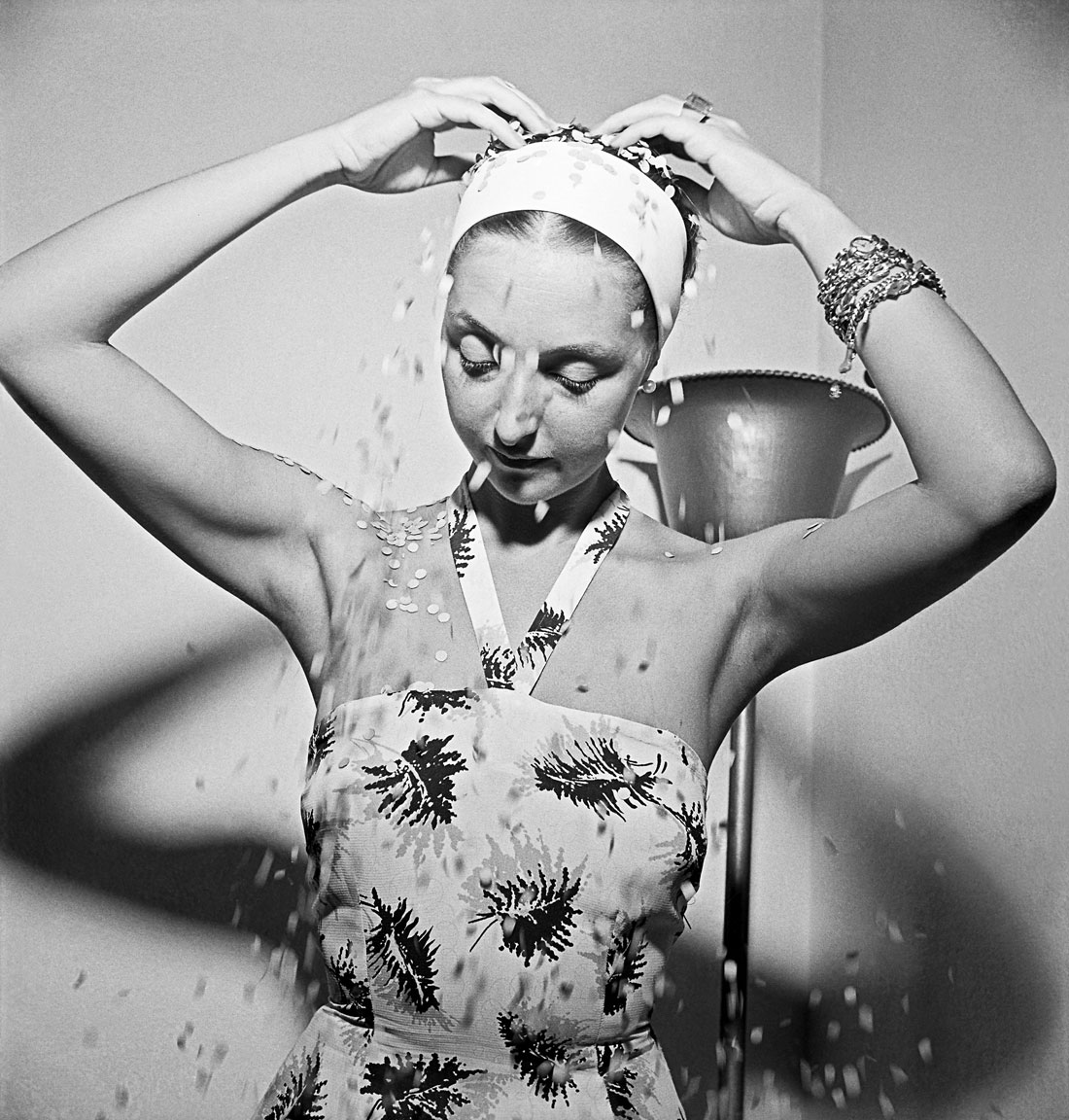
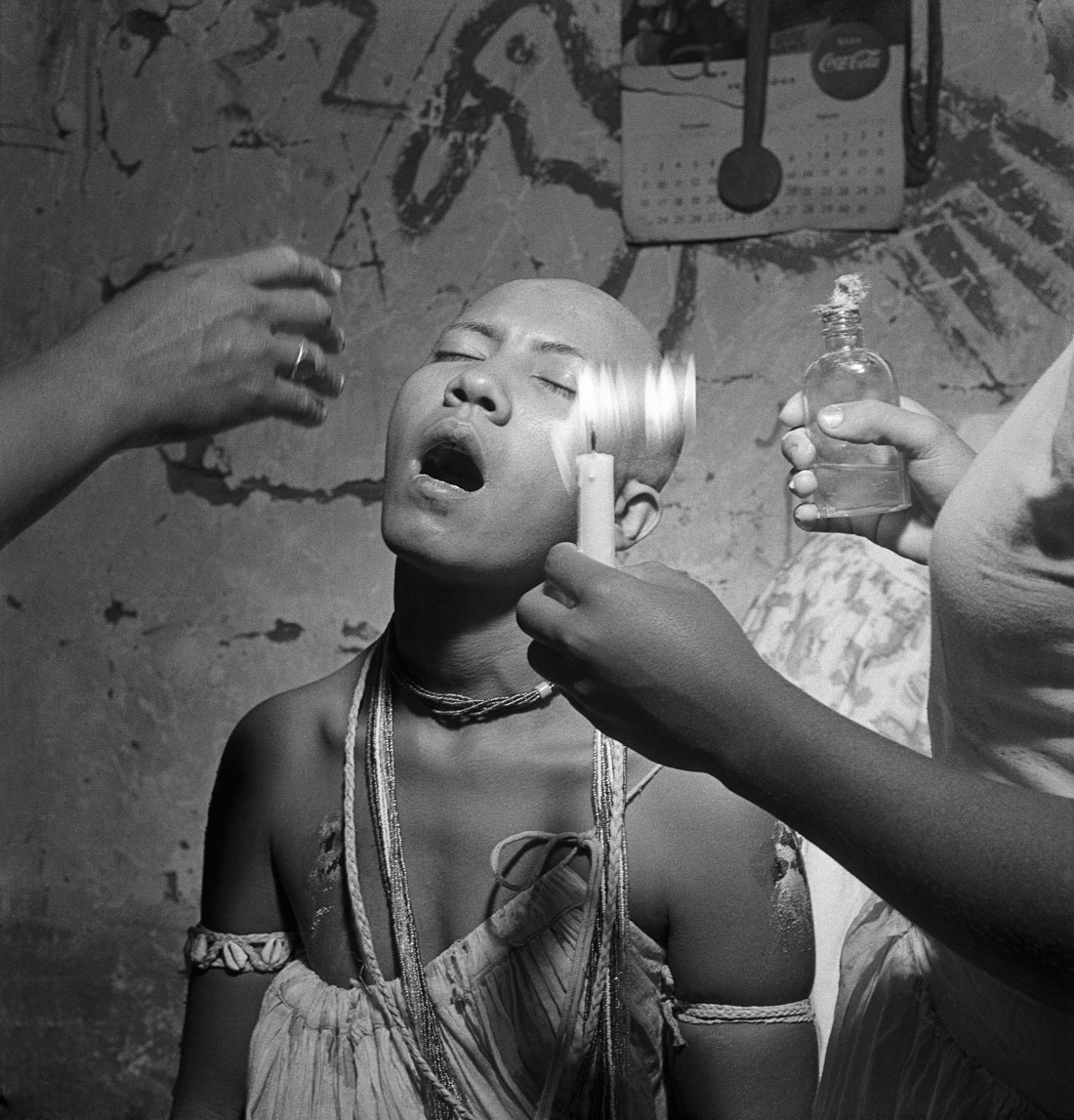
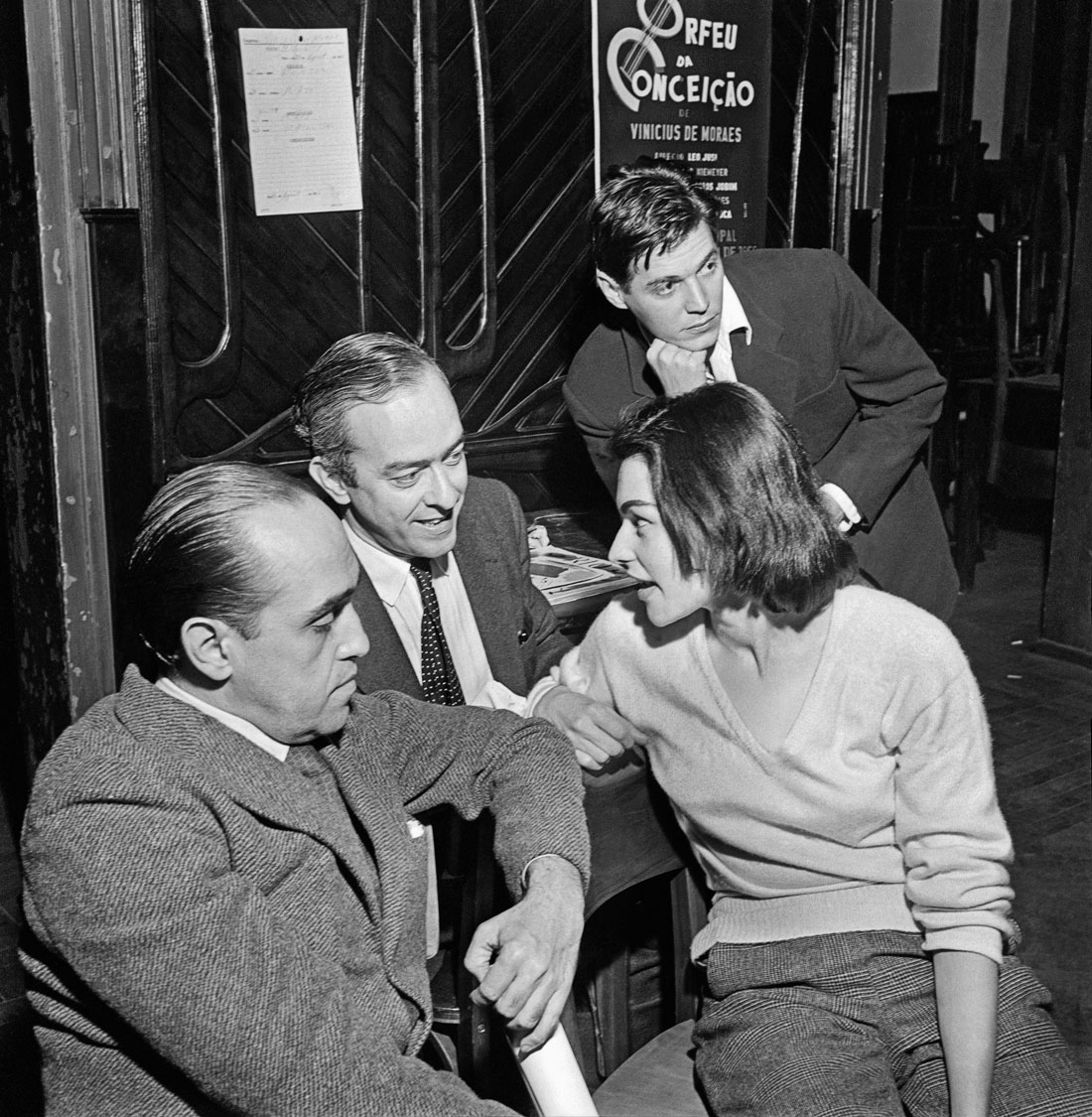
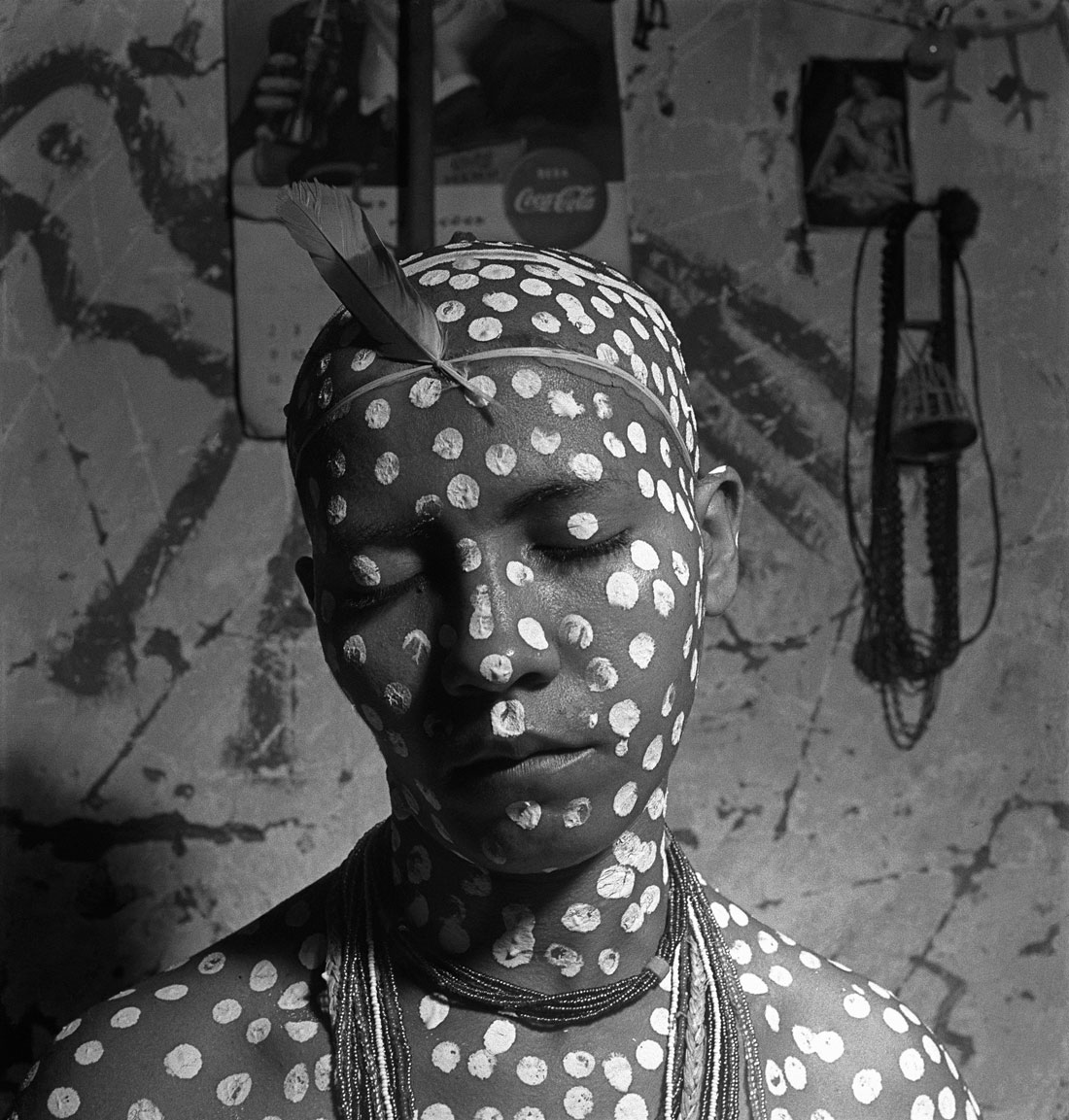
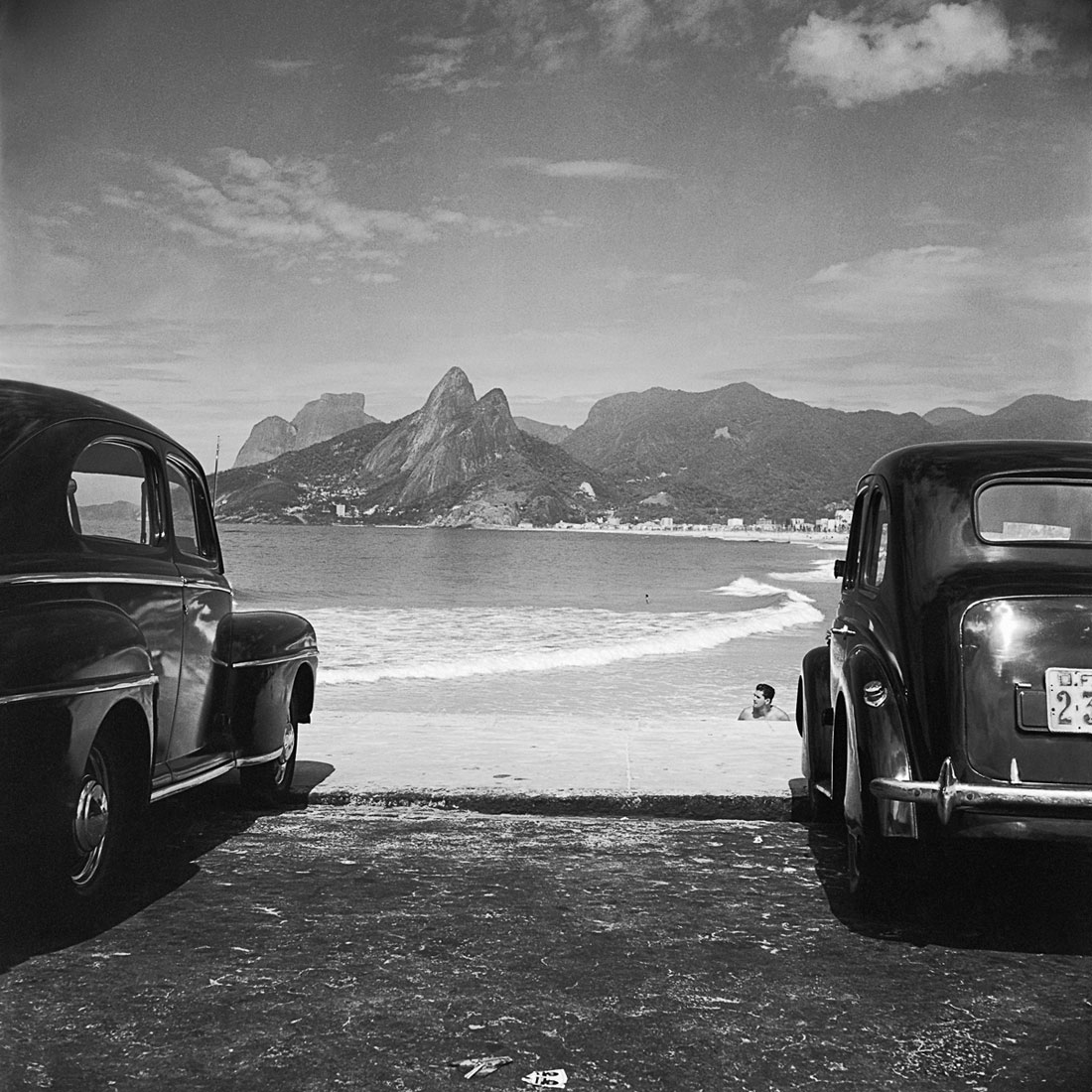
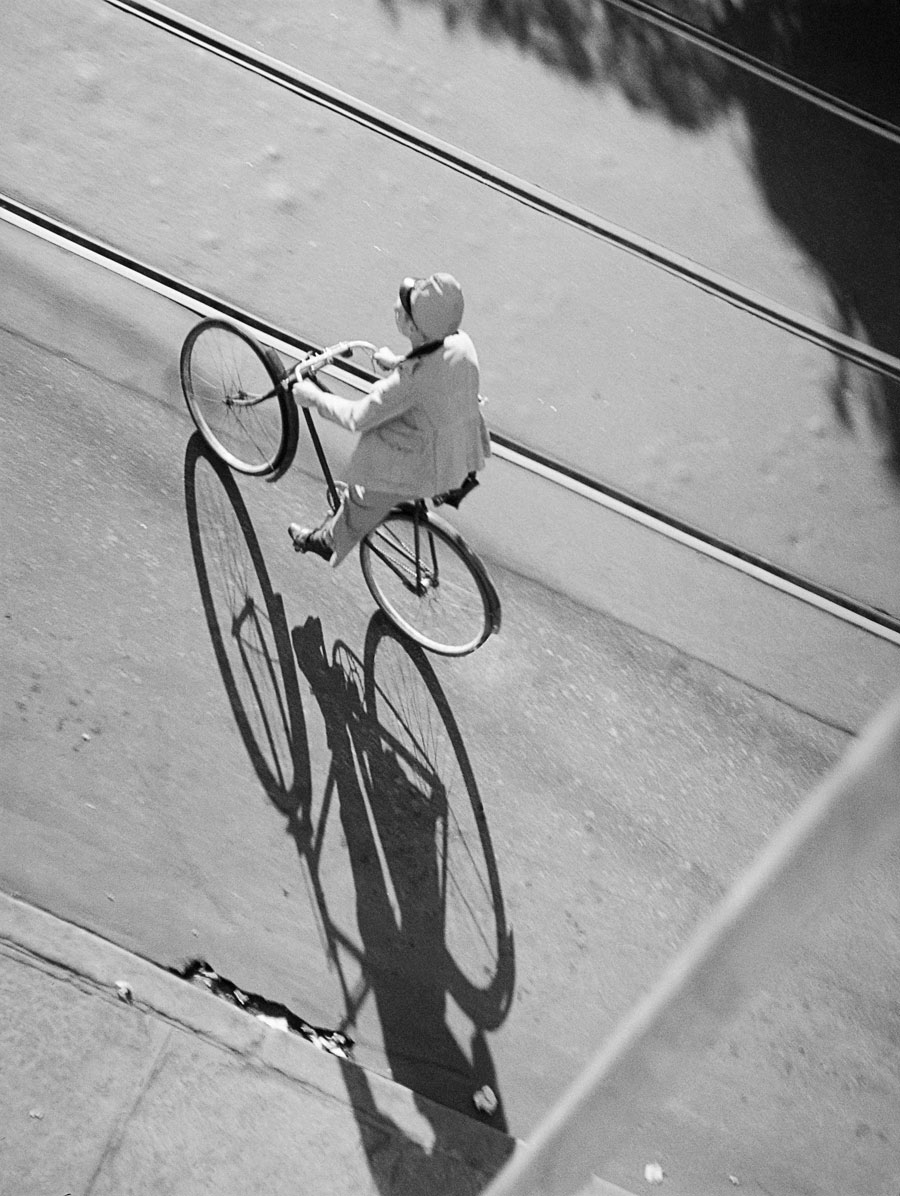
 Art Blart _ art and cultural memory archive
You must be logged in to post a comment.