Andrew Follows (Australian, d. 2019) Elements of Focus 2019 Photos used: 12
Vale Andrew Follows: A life in focus
It is with great sadness that I found out today that artist Andrew Follows passed away yesterday, December 11th, 2019.
If anybody could say that he lived and breathed photography it was Andrew. It was his passion, his reason for being. And he was good at it, very good at it.
With his Retinitis Pigmentosa (RP) – a condition which rendered one eye completely blind with ever diminishing tunnel vision in the other – he saw the world like nobody else could. Not because of this, but because he was Andrew, he was just born to be the great enabler. There was no dis/abled with Andrew. He got on with life. He got on with being an artist, being the best he could possibly be with a passion and enthusiasm which I was totally in awe of.
I still remember our trips together to photograph for his solo exhibition Density at Anita Traverso Gallery in 2013 with his beloved guide dog Eamon sitting in the footwell of my car. I mentored Andrew for a year before the exhibition and believe me, he knew what he wanted and how to get the shot. I drove him to the locations we had chosen and helped him set up the camera and tripod. He opened the lens and looked at the screen on the back of the digital camera… and saw the world! He saw things that were only blurs to him before on the screen of that digital camera. That line of light that hovers above the judges chair in the courtroom at Beechworth, where Ned Kelly was sentenced to death, lingers long in the memory. Only Andrew could get permission to photograph, at night, in the old Beechworth Courthouse.
As I have written in an earlier piece, “His is not the vision of im(pair)ment as the rest of us see the world, through two eyes, but the holistic vision of a monocular eye that becomes the root of his photography. The lens of the camera becomes an extension of Self, the shutter his very existence and the digital screen on the back of the camera his tabula rasa, a “blank slate” upon which he writes his experience and perception, his knowledge of the world. His experience of vision and the evidence of his photographs become both the beginning and the end of the work, a place in which his fundamental nature resides.”
Andrew speaks truth to photography, for that was his nature. In so doing he speaks truth to life itself.
He had such a passion for photography. Two postings I did for him earlier, Andrew Follows: Carmania (February 2016) and Andrew Follows: Carmania 2 (June 2016) express what I most loved about Andrew as a person and as a photographer… how he just got so much out of life, and how he saw the world with crystal clear focus and clarity – in these two postings combining his two great passions, cars and photography. I still think these are some of the best art car photographs I have ever seen. There is an immediacy and directness to them, a time and space of great perception. Again, in his new exhibition we feel his love in seeing the world through the camera, offering his unique and fragmented perspective to the viewer, which comes together in the final, holistic image.
Above all Andrew brought people together to enable his projects through his charisma, cheekiness and charm, his get up and go for what he was doing and what he wanted to achieve. He brought everyone along for the ride. Andrew Andrew Andrew what a spirit young man… what energy, love, passion, commitment and talent. We had some fabulous times together. I loved how you taught me as much as I taught you. About life, about photography, and looking and seeing the world. I’m so glad I got to see you at the opening on Saturday and give you a kiss and a hug.
Andrew speaks truth to photography, for that was his nature. In so doing he speaks truth to life itself.
With thanks to Dishan Marikar, Magnet Galleries Melbourne, Fiona Cook and everyone who helped with the exhibition and book. Condolences to all family and friends.
Dr Marcus Bunyan xx
Many thankx to Andrew Follows, Magnet Galleries Melbourne and Dishan Marikar for allowing me to publish the photographs in the posting. Please click on the photographs for a larger version of the image. The book from the exhibition is available to buy from the gallery as are prints, and funds raised from this show will benefit artists with disability in the future with a biennial prize to be awarded from the Andrew Follows Trust. For more information about the book please see the Magnet Galleries Melbourne website.
Andrew Follows (Australian, d. 2019) Mercedes-Benz 230SL 2019 Photos used: 11 Year of manufacture: 1964
Elements of Focus exhibition book cover
Elements of Focus exhibition book cover and postcards
Elements of Focus exhibition postcards
Crowd at the opening of Andrew Follows’ Elements of Focus exhibition at Magnet Galleries Melbourne Photo: Michael Silver
Andrew Follows (Australian, d. 2019) Ferrari F12tdf 2019 Photos used: 12 Year of manufacture: 2017
Andrew Follows (Australian, d. 2019) Ferrari F12tdf (details) 2019 Photos used: 12 Year of manufacture: 2017
Andrew Follows (Australian, d. 2019) Lamborghini Murcielago R-GT (unrestored) 2019 Photos used: 5 Year of manufacture: 2004
Andrew Follows (Australian, d. 2019) Lamborghini Murcielago R-GT (restored) 2019 Photos used: 13 Year of manufacture: 2004
Andrew Follows (Australian, d. 2019) Ferrari Enzo 2019 Photos used: 10 Year of manufacture: 2003
Andrew Follows with his guide dog Leo and his mentor Dishan Marikar at the opening of the exhibition Elements of Focus at Magnet Galleries Melbourne
Elements of Focus is a very important project that brings together my two passions – motor cars and photography. The cars in this project range from some of the rarest to even a few more common examples, but they are being photographed and presented in a way that has never been seen before.
Being a legally blind photographer, who has tunnel vision, my images offer the viewer a different perspective through my lens and take them on a visual journey. I have an eye condition called Retinitis Pigmentosa (RP), a condition which has rendered one eye completely blind with ever diminishing tunnel vision in the other. I can see three metres to most people’s seventy metres, and that through a foggy haze.
My tunnel vision means that I can’t see the object as a whole when I’m photographing a car, I take shots of each individual element of the car, and then piece the final image together like a jigsaw puzzle.
For this very exciting photographic project, I have been mentored by Dishan Marikar, one of the best car photographers in Melbourne. I am very honoured and proud to have Dishan teach me new skills in the area of photography he is so well known for.
For those of you may not know, I have been diagnosed with cancer of the oesophagus and Elements of Focus may be the last exhibition that I will be able to celebrate with you as I am not well. I’d love to share this important exhibition with my friends, peers and colleagues. Thank you for being part of my journey in photography and life.
Andrew Follows
Text from the Andrew Follows website November 7, 2019 [Online] Cited Saturday 07/12/2019
Andrew Follows (Australian, d. 2019) Porsche 991 911 GT2 RS 2019 Photos used: 16 Year of manufacture: 2018
Andrew Follows (Australian, d. 2019) Lamborghini Diablo Roadster 2019 Photos used: 21 Year of manufacture: 1999
Andrew Follows (Australian, d. 2019) Frazer Nash TT 2019 Photos used: 11 Year of manufacture: 1932
Elements Of Focus is a very important project that brings together the two passions of Andrew Follows: motor cars and photography. The cars in this project range from some of the rarest in Australia to even a few common examples, but they are being photographed and presented in a way that has never been seen before. Being a legally blind photographer with tunnel vision, Andrew’s images offer viewers a different perspective through his lens as he takes them on a visual journey.
“My tunnel vision means that I can’t see the object as a whole. When I’m photographing a car, I take shots of each individual element of the car, and then piece the final image together like a jigsaw puzzle.”
For this very exciting photographic project, Andrew has been mentored by Dishan Marikar, one of the best car photographers in Melbourne.
The exhibition is being held in December at Magnet Gallery in Docklands, a highly respected photography gallery in Melbourne.
“I am very honoured and proud to have Dishan teach me new skills in the area of photography he is so well known for. The team at Magnet has been great to work with and I am very excited to showcase my Elements Of Focus project there.”
Text from the Magnet Galleries Melbourne website [Online] Cited Saturday 07/12/2019
Andrew Follows (Australian, d. 2019) Citroën DS21 Safari 2019 Photos used: 10 Year of manufacture: 1971
Andrew Follows (Australian, d. 2019) Citroën DS21 Safari (details) 2019 Photos used: 10 Year of manufacture: 1971
Installation views of Andrew Follows Citroën DS21 Safari 2019 at the exhibition Elements of Focus at Magnet Galleries Melbourne
Pages from the Elements of Focus book showing photographic fragmentation and stitching process
Andrew Follows (Australian, d. 2019) Porsche 964 991 Turbo 3.6 2019 Photos used: 9 Year of manufacture: 1994
Andrew Follows (Australian, d. 2019) Maserati Merak SS 2019 Photos used: 9 Year of manufacture: 1978
Marcus Bunyan with his friend Andrew Follows at the opening of his exhibition Elements of Focus at Magnet Galleries Melbourne
Magnet Galleries Melbourne SC G19 Wharf St, The District, Docklands, Victoria, 3008 Australia Phone: +61 (0) 3 8589 0371
A couple of years ago I was in Paris, searching for French peasant work clothes of the 1950s in the trendy secondhand shops of the Marais. It took me forever but I eventually found one blue shirt that fitted me… only one. Battered, patched up, but still present after all these years – hard wearing, practical, and tough. But also soft and pliable like a second skin, with its own look and feel, its own distinctive aesthetic. I knew what I wanted, I found it… or it found me. A treasure.
The same could be said of the photographs of Helga Paris. Her photographs picture the tough, hard existence of life in postwar East Germany but there is a fond affection for subject matter in the cameras engagement. Paris approaches her subjects, whether city or people, with directness but it is also a dialogue between the artist and her subjects which “give the viewer an insight into a moment of the everyday lives of an East German resident.”
“Paris opened herself to the worker’s world she found in Prenzlauer Berg, and often took photographs in the immediate surroundings – of friends and neighbours, the area’s old and run-down streets, and the melancholic vitality of the regulars in Berlin’s bars and cafés. The people in her photographs look deeply rooted, as if they had moved to the area with the intention of never going away.”
Misty cobbled corners, people in bars, in clubs, at work, on the street. Much as Ara Güler did for Istanbul (in a more romantic way), Paris captures the essence of an ecosystem, the culture and survival that was the living, behind the Iron Curtain. There is melancholy aplenty, the brooding streets with swooping pigeons and ubiquitous Trabant, all dark in their small sulkiness. There are beautiful boys with Anarchy stencilled on their jumper desiring liberated life, and reflective women deep in their own thoughts. Naira! Naira! Smoking a fag, with drunk-eyed pictures of a child on dirty wall, behind. Oh Naira, of what were you thinking! What brought you to this place?
There is sullenness, compassion, bohemians, students and countercultural intellectuals all pictured with her probing mind. If you could say that a subject finds an artist then this is that aphorism in full technicolor. Engaged and engaging, these essential images stand the test of time – as relevant now in an era of neo-liberal fascism as they ever were in the past.
Dr Marcus Bunyan
Many thankx to the Akademie der Künste for allowing me to publish the photographs in the posting. Please click on the photographs for a larger version of the image.
Helga Paris (born in 1938 in Goleniów, Poland) occupies an outstanding position in German photography. Her oeuvre exhibits the poetry of a Henri Cartier-Bresson as well as the austerity of an August Sander or Renger-Patzsch. Paris, who has lived in Prenzlauer Berg in Berlin since 1966, has chronicled the long history of postwar East Germany. For more than three decades she has directed her gentle yet precise gaze toward the people who live it. Her photographs tell of the melancholy vitality of East Berlin corner pubs and the poetic tristesse of the old streetcars of the seventies. We encounter garbage truck drivers, stubbornly furious or calm teenagers, and proud female textile mill workers. We travel through Georgia and Siebenbürgen, and meander through the central German industrial city of Halle, a “diva in gray.” But these photographs also tell of the end of the postwar era, of the search for images of childhood and their retrieval.
Fotografie is a retrospective look at the work of German photographer, Helga Paris. Exhibiting a collection of photos taken in East Germany in the postwar period, Paris’s work is considered to be one of the most revealing and compassionate bodies of work reflecting life in Germany at that time. Going beyond a simple ‘social study’, Paris’s technique was simply to engage with her subjects, rather than take on the role of the distant street photographer. In making this connection, the result has been a collection of photos that give the viewer an insight into a moment of the everyday lives of an East German resident.
Starting in the 60s, Helga Paris took an interest in photography and began teaching herself the basics. Paris came from a fashion and art background, but it was her interest in the everyday lives of the East Berlin people, during the postwar period that made her want to capture that on film.
Since 1966 Helga Paris has lived in Berlin’s Prenzlauer Berg, a traditionally working class district that in the DDR days had become a refuge for bohemians, students and countercultural intellectuals, condoned by the authorities. Here she became a chronicler of post-war East Germany. Paris opened herself to the worker’s world she found in Prenzlauer Berg, and often took photographs in the immediate surroundings – of friends and neighbours, the area’s old and run-down streets, and the melancholic vitality of the regulars in Berlin’s bars and cafés. The people in her photographs look deeply rooted, as if they had moved to the area with the intention of never going away. Their faces express both their exhaustion and their lust for life.
From 8 November 2019 to 12 January 2020 at its exhibition halls at Pariser Platz, the Akademie der Künste will present the photographic work of Helga Paris from 1968 to 2011. Featuring 275 works, including many individual images and series that are to be shown for the first time, this will be her most comprehensive exhibition to date and the first retrospective of the artist in her home city of Berlin in 25 years. Excerpts from the extensive Leipzig, Hauptbahnhof (1981), Moskau (1991/1992) and Mein Alex (2011) series will be seen for the first time, among others.
In addition to the photographer’s special ability to make ever-changing compressed contemporary history tangible in her images and series over the course of decades, it is her tender, graceful and heavily nuanced black-and-white modulations expressing social empathy that make her work unmistakable.
Helga Paris was born in 1938 in Gollnow, Pomerania (today Polish town of Goleniów), and grew up in Zossen near Berlin. She began her work as a self-taught photographer in the 1960s. She became one of the key chroniclers of life in East Berlin with images of her neighbourhood in the Berlin district of Prenzlauer Berg, pictures of pub-goers, sanitation workers, the women from the VEB Treffmodelle clothing factory, artists, punks, children from Hellersdorf and passers-by from Alexanderplatz. Helga Paris also took photographs in Transylvania (1980), Georgia (1982) and the city of Halle (1983-1985), where she produced her Diva in Grau series that was banned from being shown until 1989/1990, as well as in Volgograd (1990), New York (1995) and Poland (1996/1997), among others. Helga Paris has been a member of the Film and Media Art Section of the Akademie der Künste since 1996.
The curator of the exhibition is art historian Inka Schube, who has worked with Helga Paris on numerous occasions. Filmmaker Helke Misselwitz will present an installation involving interviews with Helga Paris on the topics of origin, the changing city and her work as a photographer in East Germany and up into the early 21st century.
On the occasion of the exhibition, the Spector Books publishing house, Leipzig has released the photography book Helga Paris. Leipzig Hauptbahnhof, 1981.
An exhibition by the Akademie der Künste in cooperation with the ifa (Institut für Auslandsbeziehungen), with the kind support of the Alfried Krupp von Bohlen und Halbach-Stiftung that allowed the living legacy to be indexed and new prints of three previously unpublished series to be made, as well as the DEFA-Foundation.
Press release from the Akademie der Künste website [Online] Cited 11/11/2019
In the early 1980s the DDR’s Gesellschaft für Fotografie im Kulturbund gave professional photographers commissions that allowed them to work on projects of their own choosing. These commissions not only gave photographers financial security, but also opened doors to places where, under normal circumstances, only media loyal to the regime had been allowed to work. Helga Paris chose to photograph a clothing factory, Treff-Modelle VEB in Berlin, where she herself had had some work experience during her fashion design studies. There she portrayed the factory’s female workers, eliciting a wide variety of subtle reactions from them: from self-confident and open to confrontational and defensive.
With around 275 photographs from the period of 1968 till 2011 – including numerous single frames and series shown for the first time – the exhibition of Helga Paris at the Akademie der Künste on Pariser Platz is the photographer’s most comprehensive to date. It is the first retrospective of Paris’ work in her home city of Berlin in 25 years.
Having lived in Berlin’s Prenzlauer Berg district since 1966, Helga Paris (born 1938) began taking photos of people in her neighbourhood in the early 1970s. She found her photographic motifs in flats, pubs, break rooms and factory halls, or on the streets and in train stations. With a background in modernist painting, theatre and poetry as well as early Soviet, Italian and French cinema, the autodidact photographer has spent the last four and a half decades developing an extensive oeuvre of delicate, nuanced black-and-white photography.
But she is not only a chronicler of Prenzlauer Berg. Helga Paris also has taken photos in Halle, Leipzig, Transylvania, Georgia, Moscow, Volgograd and New York. There, as in her local neighbourhood, she constantly explores how it feels “to be in history”, and how the respective circumstances are reflected at the most private level. Helga Paris’s imagery has a particular poetic approachability, in part because it forgoes all ideological interpretations; her gaze suggests profound solidarity.
For the exhibition, the director Helke Misselwitz has designed a documentary film triptych, in which she makes it possible to experience how the life and work of Helga Paris are both interwoven and interdependent. Misselwitz traces a wide arc from the photographer’s childhood to the present; from Prenzlauer Berg to sites around the world; and from Paris’ close-ups to her farsighted vision.
Text from the Akademie der Künste website [Online] Cited 11/11/2019
As a result of the Cold War, the remarkable oeuvre of the German photographer Helga Paris (1938) was long almost unknown west of the Iron Curtain. While Paris enjoyed widespread popularity in East Germany, her photographs rarely reached a public in the West. Although her work, with its quite intimate glimpses of daily life in East Germany, is strongly linked to the course of her own life, its expressiveness is universal. The empathy of her gaze makes it easy for us to imagine ourselves in the people and places she photographed.
Resilience
On one hand Helga Paris’ photographs are about life in the German Democratic Republic (DDR), where the Second World War and the country’s communist regime brought restriction, loss, destruction and decline in their wake. On the other they show the gaze of a photographer who had been born in Pommeren (now in Poland), who grew up close to postwar Berlin, and who faced the world with resilience, curiosity and compassion. In 1966 Paris moved for good to Prenzlauer Berg in East Berlin, a traditionally working-class district that had become a refuge for bohemians, students and countercultural intellectuals, closely watched but condoned by the authorities. Here she became a chronicler of postwar East Germany. She often worked in the immediate surroundings – taking photographs of friends and neighbours, on the street, and in bars and cafés.
Hidden tensions
Although in the 1970s and 1980s Helga Paris also photographed in Romania, Poland and Georgia, the accent in the Huis Marseille exhibition is on East Germany before and after the Wende (1989-1990). She created the series Berliner Jugendliche (Berlin Youth) in 1980-1981, when her own children were teenagers, portraying youngsters who believed in an alternative way of life and who went to the concerts given by independent bands – a sort of East German variant of the Western punk scene. Their anarchic lifestyle did not go unnoticed by the regime, and many of those she portrayed also spent some time in prison. Paris subtly but revealingly captures the hidden tensions of the time in the teenagers’ postures, gestures, and facial expressions. She elicited a similar scale of reactions in the workers she photographed for the series Frauen im Bekleidungswerk VEB Treffmodelle Berlin (Women at the textile factory VEB Models, 1984): from self-confident and open to confrontational and defensive.
Run-down
In the same period Helga Paris documented the decline of the old city centre of Halle, interspersing photos of the city’s long-neglected buildings and streets with portraits of its residents – who only allowed themselves to be photographed if they had a say in how their portraits were taken. The impoverishment of Halle was only partly the result of the faltering East German economy; the government was also deliberately allowing the historic centre of Halle and other East German cities to become rundown in order to compel their populations to move into modern flats on urban peripheries. The exhibition Häuser und Gesichter: Halle 1983-85 was banned by the regime in 1987; it was 1990 before the people of Halle could see the photographs for themselves.
Helga Paris was born Helga Steffens in 1938 in Gollnow, Pommeren, now known as Goleniów in Poland. At the end of the war she fled with her family to Zossen, her father’s native city. She first came into contact with photography through an aunt who worked in a photographic laboratory. Between 1956 and 1960 she studied fashion design at the Fachschule für Bekleidung in Berlin. There she met the artist Ronald Paris, to whom she was married between 1961 and 1974, and with whom she had two children.
Via the Arbeiter- und Studententheater in Berlin, for which she made costumes, Paris came into contact with the later documentary maker Peter Voigt, who encouraged her to take more photographs. To improve her techniques, from 1967 to 1968 she worked in the Deutsche Werbeund Anzeigengesellschaft DEWAG photographic laboratory. She took many photographs in the theatre, such as productions of the Volksbühne, as her husband was also its set designer. In later years she would say that this experience had given her a solid foundation for her attitude to space as a street photographer.
Paris’s work was first exhibited in 1978, in the Hochschule für Bildende Künste in Dresden. In 1996 she became a member of the Akademie der Künste in Berlin. Her self-portraits were a great success at the Kunst in der DDR exhibition in the Neue Nationalgalerie in Berlin (2003), and in 2004 Helga Paris was awarded the prestigious Hannah-Höch-Preis for a lifetime of achievement in the arts.
Press release from Huis Marseille for the exhibition Helga Paris / East Germany 1974-1998 Cited 26/11/2019
Exhibition dates: 7th June – 1st September, 2019 Visited September 2019 posted November, 2019
Curators: Martine Ravache and Gabriella Csizek
Installation view of the exhibition Lartigue: Life in Color at the Robert Capa Contemporary Photography Center, Budapest Photo: Marcus Bunyan
A posting on this exhibition with some iPhone images I took in Budapest. I was lucky enough to see the exhibition the day before it closed.
What struck me most was Lartigue’s restrained use of colour. Mainly family portraits and landscapes, these photographs integrate a reduced colour palette with the line and form of the image. Subtle yet dynamic, the whimsical and poetic Ektachrome photographs were a revelation. You could say that there is seemingly nothing unusual about any of these photographs but just look – look at the light that radiates across Florette in Venice, the donkey and the washing, the green umbrella and tree laden with snow or the boys looking around to stare at the camera – and there is, indeed, something uncanny in the everyday. Just to see those two birds flying towards you in The Appian Way, Rome, Italy, January 1960 and to raise your camera to capture them mid-flight perfectly framed between the trees – what a moment!
While the original transparencies have faded, digital technology and restoration allows us to see them in all their glory: sometimes low depth of field, but always with a strong visual structure, these photographs form a holistic feeling as a body of images, a portrait of life in colour. Lartigue’s sense of fun is also evident in many images. There is no sense of the ego of the photographer in any of these images… they are, just so. Considered, concise and in colour (which is unusual for this time period) they possess an inimitable joie de vivre. This posting also features Lartigue’s early Autochromes which were interesting but nowhere as important as his later Ektachromes.
With a careful eye for composition, colour, and geometry, Lartigue’s background (in which he saw everything with his painter’s eye) is clearly translated in the pictorial construction of these sublime photographs.
Jacques Henri Lartigue (1894-1986) was the best-known “amateur” in the history of photography, famously discovered by the art world and given an exhibition at MoMA in New York when he was in his late sixties. He began by recording the pastimes and customs of his wealthy Parisian milieu, indulging his fascination with sports and aviation, and throughout his long life he was never without his camera. His friendships extended to the superstars of French culture, but he also made thousands of photographs of his family, wives, and lovers. His work was irresistibly warm and engaging.
Although known for his black-and-white work, Lartigue loved colour film, experimenting with the Autochrome process in the teens and twenties and embracing Ektachrome in the late 1940s. His colour work, reproduced here for the first time, is astonishingly fresh: the French countryside, the women in his life, famous friends (Picasso, Fellini), and glimpses from his travels all come alive in this delightful book.
Installation views of the exhibition Lartigue: Life in Color at the Robert Capa Contemporary Photography Center, Budapest Photos: Marcus Bunyan
Jacques Henri Lartigue (French, 1894-1986) Around Pau (installation view) France, December 1912 Autochrome 6 x 13cm Photo: Marcus Bunyan
Jacques Henri Lartigue (French, 1894-1986) Mrs Folletête, Rico, me, Sim, Manik and Mummy (installation view) Rouzat, France, September 16, 1913 Automchrome, triggered 6 x 13cm Photo: Marcus Bunyan
Jacques Henri Lartigue (French, 1894-1986) M. Folletête and Henry Lartigue (installation view) La Baule, France, May 1915 Autochrome 6 x 13cm Photo: Marcus Bunyan
Jacques Henri Lartigue (French, 1894-1986) Bibi at the Château de la Garoupe (installation view) Cap d’Antibes, France, 1920 Autochrome 6 x 13cm Photo: Marcus Bunyan
Jacques Henri Lartigue (French, 1894-1986) Bibi (installation view) Cap d’Antibes, France, May 1920 Autochrome 6 x 13cm Photo: Marcus Bunyan
Jacques Henri Lartigue (French, 1894-1986) Bibi (installation view) Rouzat, France, 1920 Autochrome 6 x 13cm Photo: Marcus Bunyan
Jacques Henri Lartigue (French, 1894-1986) Bibi and Germaine Chalom (installation view) Cannes, France, 1927 Autochrome 6 x 13cm Photo: Marcus Bunyan
Lartigue’s autochromes comprise a colourful reunion with all our favourite characters. We recognise Lartigue’s older brother Zissou with his glider (1914), and his beloved cousin Simone in her (blue!) bobsled wearing a stylish green ensemble (1913). But the plane is no longer airborne. And Simone is keeping still not to ruin the picture, instead of crashing down a gravel road with her tongue out, like she would in sepia. Due to the long exposure time dictated by the autochrome, Lartigue’s relatives are stalled in their playful banter to accommodate the sluggishness of the early color process.
“Is this still Lartigue? Are we disfiguring an artist?” curator Martine Ravache asks in the accompanying exhibition catalogue Lartigue: Life in Color, recently published by Abrams. Apart from the occasional leaping dog or bobsled, the subject matter is often quaint, even sentimental. The colour prints display exactly the pictorial quality for which Lartigue’s black-and-white work had been deemed antithetical. This realisation, which is as fascinating as it is uncomfortable, is downplayed by presenting Lartigue as a painter at heart who proclaimed to “see everything with my painter’s eye.”
Yet the picturesque subject matter is not enough to undermine his status as the lovechild of modernity – on the contrary. From the pink pastel of Bibi’s dainty hands (1921) to the fiery red nails of Florette and her glossy magazine (1961), the prints testify to Lartigue’s eagerness to experiment with any new photographic process he could get his hands on. The colour work constitutes more than the diaristic musings of a man in love. Marcelle “Coco” Paolucci is conspicuous by her absence, a hiatus that speaks more to the stalled development of colour photography than disaffection for his second wife. Discouraged by the sluggishness of the autochrome process, Lartigue stopped photographing in colour in 1927. He did not start again until 1949, after two world wars and the development of Ektachrome film. …
Tracing the incremental disclosure of Lartigue’s albums since Szarkowski reveals the making of an artist through careful curation. And so the exhibition texts about Lartigue’s love for the seasons or his relationship with God sidestep the more uneasy subtext: the jerky trajectory of Lartigue’s colour photographs from the amateur album to the museum wall.
Hinde Haest is a photography curator based in Amsterdam.
Hinde Haest. “Lartigue: Life in Color,” on the Aperture website February 3rd, 2016 [Online] Cited 08/11/2019
Installation view of the exhibition Lartigue: Life in Color at the Robert Capa Contemporary Photography Center, Budapest showing original Ektachrome transparencies Photo: Marcus Bunyan
Jacques Henri Lartigue (French, 1894-1986) Cycling race between Nice-La Turbie (installation view) France, March 1954 Ektachrome 6 x 6cm Photo: Marcus Bunyan
Jacques Henri Lartigue (French, 1894-1986) Florette, Venice, May 1954 Ektachrome 6 x 6cm
Jacques Henri Lartigue (French, 1894-1986) Havanna, Cuba, 1957 Ektachrome 6 x 6cm
Jacques Henri Lartigue (French, 1894-1986) Cádiz, Spain, 1957 (during his trip to Cuba) (installation view) Ektachrome 6 x 6cm Photo: Marcus Bunyan
Jacques Henri Lartigue (French, 1894-1986) Saint-Dalmas de Tende, France, 1958 (installation view) Ektachrome 6 x 6cm Photo: Marcus Bunyan
Jacques Henri Lartigue (French, 1894-1986) Manfredonia, Italy, February 1958 (installation view) Ektachrome 6 x 6cm Photo: Marcus Bunyan
Jacques Henri Lartigue (French, 1894-1986) Via del Mandrione, Rome, Italy 1958 (installation view) Ektachrome 6 x 6cm Photo: Marcus Bunyan
Jacques Henri Lartigue (French, 1894-1986) Ascoli Piceno, Italy 1958 (installation view) Ektachrome 6 x 6cm Photo: Marcus Bunyan
Jacques Henri Lartigue (French, 1894-1986) Ascoli Piceno, Italy 1958 Ektachrome 6 x 6cm
Jacques Henri Lartigue (French, 1894-1986) Vendeé, France 1958 (installation view) Ektachrome 6 x 6cm Photo: Marcus Bunyan
Jacques Henri Lartigue (French, 1894-1986) San Sebastian, Spain, 1958 (installation view) Ektachrome 6 x 6cm Photo: Marcus Bunyan
One of the surprise-oeuvres of photography is that of the French painter Jacques Henri Lartigue (1894-1986), who was born 125 years ago. He became a world-renowned photographer at the age of 69, following his extremely successful solo exhibition showcased at the Museum of Modern Art (MoMA) in New York, immediately becoming unavoidable in the history of photography.
He was documenting his life from the age of 6, keeping an “optical notebook.” He is interested in everything, his curiosity knows no limits. He is mesmerised by the possibility of capturing the one-time, unreproducible experiences, situations, and the observed visual interrelations in his photographs. He is not only seized by the joy of seeing, or the creation of images, but also by using the technical device itself, the camera, and the vast repository of possibilities it offers.
His main subjects were the achievements of technical innovation, flying, car races, speed, social life, women, beauty, and traveling. He magically turned the small miracles of everyday life, the enchanting conjunctions of objects and lights into a common memory for all of us. He disregarded photographic conventions; he followed his heart when taking photographs, he enjoyed observation, photography, and life itself.
Lartigue is a photographer of the bright side of life, whose visual diary reveals a history of the 20th century filled with beauty and joyful moments.
His full photographic oeuvre consists of 120,000 negatives, glass plates, slides, moving pictures, and 126 photo albums with the accompanying texts.
The Life in Color exhibition showcases a selection of the colour images making up about one-third of the oeuvre, providing an overview of not only the most determining relationships he had, his journeys and his everyday life, but also his experimentation with the various techniques of colour photography.
Gabriella Csizek, curator
Text from the Robert Capa Contemporary Photography Center website [Online] Cited 09/11/2019
Jacques Henri Lartigue (French, 1894-1986) The Appian Way, Rome, Italy, January 1960 (installation view) Ektachrome 6 x 6cm Photo: Marcus Bunyan
Jacques Henri Lartigue (French, 1894-1986) Florette (installation view) Piozzo, Italy, 1960 Ektachrome 6 x 6cm Photo: Marcus Bunyan
Jacques Henri Lartigue (French, 1894-1986) Park Bagatelle, Paris, France, June 1960 (installation view) Ektachrome 6 x 6cm Photo: Marcus Bunyan
Jacques Henri Lartigue (French, 1894-1986) Étretat, France, June 1960 (installation view) Ektachrome 6 x 6cm Photo: Marcus Bunyan
Jacques Henri Lartigue (French, 1894-1986) Sylvana Empain, Juan-les-Pins France, 1960 Ektachrome 6 x 6cm
Jacques Henri Lartigue (French, 1894-1986) Brittany, 1960 Ektachrome 6 x 6cm
Driven by his curiosity and his perpetual search for innovation, Lartigue adopts colour processes shortly after their commercialisation. The Kodachromes (24 x 36) and the Ektachromes (6 x 6) followed the autochromes of its beginnings (dated 1912), which delighted 20th century photographers, both amateurs and professionals. Colour therefore adds a new dimension to the speed and immediacy that are at the heart of Lartigue’s work. His painter’s eye finds in this practice, which allows him to take visual “notes” to rework afterwards, a formidable transcription of his pictorial research.
His predilection goes to the subjects of his immediate environment: his life within his family, his games at the castle of Rouzat, sports of all kinds. Fascinated by nature as a whole, and particularly by flowers, the artist continually fixes its changing nuances, both on canvas and on film. This obsession is also found in the repetition of the views from his window in Opio (Alpes-Maritimes), and in the many images of Florette, his wife for forty years.
Little by little, Lartigue opens himself to other subjects, applying himself to testify to the daily life of the privileged and the more popular classes. This coincided with a period of openness to the world: from 1955, Lartigue multiplied his travels, discovering new landscapes and confronting the unknown. Leaving the seaside resorts where he used to spend his holidays (Basque Country, French Riviera or Normandy), it is Italy, Venezuela, Mexico and Cuba which are photographed in turn in black and white and in colors by Jacques Henri Lartigue.
Extract from the press release from the Musée de l’Elysée
Jacques Henri Lartigue (French, 1894-1986) Florette’s hands, Brie-le-Néflier France, June 1961 Ektachrome 6 x 6cm
Jacques Henri Lartigue (French, 1894-1986) Puerto Cabello, Venezuela, February 1962 (installation view) Ektachrome 6 x 6cm Photo: Marcus Bunyan
Jacques Henri Lartigue (French, 1894-1986) On board the Christoforo Colombo during the New York-Cannes trip (installation view) May 1962 Ektachrome 6 x 6cm Photo: Marcus Bunyan
Jacques Henri Lartigue (French, 1894-1986) Opio, France, 1963 (installation view) Ektachrome 6 x 6cm Photo: Marcus Bunyan
Jacques Henri Lartigue (French, 1894-1986) Florette (installation view) 1964 Ektachrome 6 x 6cm Photo: Marcus Bunyan
Jacques Henri Lartigue (French, 1894-1986) Parma, Italy 1965 (installation view) Ektachrome 6 x 6cm Photo: Marcus Bunyan
Jacques Henri Lartigue (French, 1894-1986) Bretagne, France, 1965 (installation view) Ektachrome 6 x 6cm Photo: Marcus Bunyan
Jacques Henri Lartigue (French, 1894-1986) Florette and Stéphanie (installation view) Opio, France, Spring 1964 Ektachrome 6 x 6cm Photo: Marcus Bunyan
Jacques Henri Lartigue (French, 1894-1986) Florette, Megève, March 1965 Ektachrome 6 x 6cm
Jacques Henri Lartigue (French, 1894-1986) Brittany, 1965 Ektachrome 6 x 6cm
Jacques Henri Lartigue (French, 1894-1986) Brittany, 1970 Ektachrome 6 x 6cm
Robert Capa Contemporary Photography Center, Budapest 8 Nagymező Street, 1065 Budapest, Hungary Phone: +36 1 413 1310
Permanet exhibition Visited September 2019 posted November 2019
First gallery
Installation view of the exhibition The Photojournalist Robert Capa II at the Robert Capa Contemporary Photography Center, Budapest Photo: Marcus Bunyan
I didn’t have time on my European photographic research tour to post about this exhibition at the Robert Capa Contemporary Photography Center, Budapest.
Let me say right off bat, that I’m not a great fan of Capa’s work and the larger, 1990s non-vintage prints presented in this exhibition were unimpressive.
I admire Capa’s courage in order to get the shot (“If your photographs aren’t good enough, you’re not close enough”), but his photographs leave me cold. I can’t quite put my finger on it, but his objectivity, his reportage, is just that. Looking back 80 years later, we must remember how raw, how radical and confronting these photographs would have been when viewed in Life magazine and Picture Post at the time: authentic representations of war and death straight from the front. But in terms of the image, what you see is what you get. The framing is not particularly good, the angles are pretty conventional and front on, the occurrences direct and focused. The immediacy of the image, that is their strength.
For me they don’t leave a lasting impression, never have done. Yes, the D-Day landings because he was there; The death of a Loyalist militiaman because it is so famous; the shaving of the women collaborators heads because they are so vile … but you wonder, does his greatness come from the fact that, time and time again, he got the job done and produced the goods (as in a saleable image). That and the reality that he was a great self promoter: labelled the ‘Greatest War Photographer in the World’ by Picture Post in 1938. But was he a good image maker?
They are what they are. That’s really all you can say.
Installation views of the exhibition The Photojournalist Robert Capa II at the Robert Capa Contemporary Photography Center, Budapest Photos: Marcus Bunyan
“La Guerre Civile en Espagne,’ in Vu Magazine No. 445 September 23, 1936
Caption: “Le jarret vif, la poitrine au vent, fusil au poing, il dévalaient la pente couverte d’un chaume raide… Soudain l’essor est brisé, une balle a siffle – une balle fratricide – et leur sang est bu par la terre natale … “
“His step quick, his chest to the wind, his rifle in his hand, he hurtled down the steep slope. Suddenly the boom was broken, a bullet whistled – a fratricidal bullet – and their blood is drunk by the homeland … “
The caption as published in LIFE magazine: “Robert Capa’s camera catches a Spanish soldier the instant he is dropped by a bullet through the head in front of Cordoba.”
Installation views of the exhibition The Photojournalist Robert Capa II at the Robert Capa Contemporary Photography Center, Budapest Photos: Marcus Bunyan
Robert Capa (American-Hungarian, 1913-1954) September 5, 1936. The death of a Loyalist militaman 1936 Gelatin silver print
“The Spanish War Kills Its First Woman Photographer,” in LIFE magazine (Gerda Taro, July 1937) Photo: Marcus Bunyan
Gerda Taro (1910-1937)
Gerta Pohorylle (1 August 1910 – 26 July 1937), known professionally as Gerda Taro, was a German Jewish war photographer active during the Spanish Civil War. She is regarded as the first woman photojournalist to have died while covering the frontline in a war.
Taro was the companion and professional partner of photographer Robert Capa. The name “Robert Capa” was originally an alias that Taro and Capa (born Endre Friedmann) shared, an invention meant to mitigate the increasing political intolerance in Europe and to attract the lucrative American market. A significant amount of what is credited as Robert Capa’s early work was actually made by Taro.
Coverage of the Spanish Civil War
When the Spanish Civil War broke out in 1936, Taro travelled to Barcelona, Spain, to cover the events with Capa and David “Chim” Seymour. Taro acquired the nickname of La pequeña rubia (“The little blonde”). They covered the war together in northeastern Aragon and in the southern Córdoba province. Always together under the common and using the bogus signature of Robert Capa, they succeeded in publishing through important publications (the Swiss Zürcher Illustrierte, the French Vu). Their early war photographs are distinguishable since Taro used a Rollei camera which rendered squared photographs while Capa produced rectangular pictures using a Contax camera[citation needed] or a Leica camera. However, for some time in 1937 they each produced similar 35 mm pictures under the label of Capa&Taro.
Subsequently, Taro attained some independence. She refused Capa’s marriage proposal. Also, she became publicly related to the circle of anti-fascist European and intellectuals (such as Ernest Hemingway and George Orwell) who crusaded particularly for the Spanish Republic. fr:Ce Soir, a communist newspaper of France, signed her for publishing Taro’s works only. Then, she began to commercialise her production under the Photo Taro label. Regards, Life, Illustrated London News and Volks-Illustrierte (the exile edition of Arbeiter-Illustrierte-Zeitung) were amongst the publications that used her work.
Reporting the Valencia bombing alone, Taro obtained the photographs which are her most celebrated. Also, in July 1937, Taro’s photographs were in demand by the international press when, alone, she was covering the Brunete region near Madrid for Ce Soir. Although the Nationalist propaganda claimed that the region was under its control, the Republican forces had in fact forced that faction out. Taro’s photographs were the only testimony of the actual situation.
“So nobody will forget your unconditional struggle for a better world” (epitaph in French and Catalan on her tomb in Père Lachaise Cemetery, Paris)
“The Spanish War Kills Its First Woman Photographer,” in LIFE Magazine (Gerda Taro, July 1937) Photos: Marcus Bunyan
Robert Capa
(Endre Ernő Friedmann) 22 October 1913, Budapest, Hungary – 25 May 1954, Thái Bình, Vietnam
He never avoided challenges – he brought his restless, adventurous spirit and toughness from Hungary. He hardly had anything else in his luggage when he left his native country in 1931. He made photo-history with his war reportage on the Spanish Civil War, WWII, China, and Vietnam. His stories and, in particular, his slogan – “if your photographs aren’t good enough, you’re not close enough” – made him a legendary person. But he made a mistake in Thái Bình. He went too close.
His brother wrote about him: “He lived a lot and suffered a lot during his short life. He was born poor and died poor. He bequeathed us the chronicle of his unique career along with the visual proof of his conviction: not only can mankind endure a lot but it is able to win every now and then.”
His parents – Júlia Berkovits and Dezső Friedmann – were tailors, who ran a prosperous show-room in Budapest. Their first child was László, followed by Endre and five years later by Kornél. After a Lutheran elementary school, Robert Capa went to study at Madách Secondary School. Inspierd by Lajos Kassák, he became interested in journalism in 1929, one year before his matriculation. After 1930, he was a photographer.
He was a good friend of Suzanne Szász, i.e. Székely Zsuzsa, already in Budapest. He lived at the same house as Éva Besnyő, who was his first childhood love.
He was shortly imprisoned because of his leftist connections and his participation in a leftist demonstration on 1 September 1930. In prison, he learnt the methods of the infamous investigator Péter Hain, who beat him so hard that he lost consciousness. He was released through his parents’ connections and he almost immediately left the country.
According to one of the legends, he only had a stick of salami in his luggage when he left. His train ticket to Vienna was paid by the Jewish Community of Pest, from there he went on to Prague through Brno and somehow he eventually arrived in Berlin. He left in July 1931 and it took him two or three weeks to get to the German capital. He studied journalism at the German Political College (Deutsche Hochschule für Politik). Since his parents were becoming poor and were not able to support him, he went to work as a photo lab assistant at the photo agency Dephot (Deutscher Photodienst). In the beginning, almost everybody spoke Hungarian at Dephot. No wonder since it was founded by Simon Guttmann and its financial manager was László Fekete, known as Ladislaus Glück at that time.
There were László Czigány (Taci) and György Markos among his fellow-workers and friends. He received his first camera at this time, a Voigtländer 6×9 from György Kepes. Later he got a Leica from Guttmann to carry out smaller assignments.
In 1932, he was sent by Guttmann to make the report which made him famous: he took the photo of Leon Trotsky at the Socialist Congress in Copenhagen. He was the only one to succeed in taking a photo of Trotsky, since photography was strictly forbidden at the meeting. The photo was published by Weltspiegel on a full page.
He was assisted in adapting himself to the foreign city and culture by his friends from Budapest, György Kepes and Éva Besnyő. They often invited him for dinner at their home, actively contributing to his subsistence besides his spiritual development. (At this time he stealthily ate the everyday roast-meat chop of his landlady’s dachshund.) He had to leave Berlin in 1933, which became more and more dangerous for left-wing Jewish intellectual immigrants. He went to Vienna and from there to Budapest by boat. He went to court schoolgirls at Lajos Pécsi’s studio in Dorottya Street almost everyday with his friends from the Munka-kör (Work Circle), among them Lajos Kassák. He worked for photographer Ferenc Veres in Budapest, taking photos of Budapest for touristic leaflets and publications. But he did not do it just howsoever! He did it by the metre. The photographer bought the exposed and developed Leica-films by 26 frames, i.e. by the metre from Endre Friedmann. We do not know what happened to these pictures or those he made in 1933 at the World Scout Jamboree in Gödöllő. Some of them were certainly taken to Paris, where a photographer friend of his tried to sell them to French photo agencies – without any success.
He moved to Paris in September 1933, still not as Capa, but neither as Bandi Friedmann any more; he tried to sell his photos under his new name André Friedman – with little success. He was starving more often than eating well. The young Hungarian with many names yet being actually an unknown photographer was helped by André Kertész with work, connections, his friendship and – knowing Capa – certainly with some money, too. (Later – already in America – he designed Capa’s book titled Death in the Making (Így készül a halál) from Gerda Taro’s and Capa’s photos taken in Spain.) He came into contact with Gisèle Freund, Hans Namuth and Chim at this time. Soon after he made friends with Henri Cartier-Bresson.
His first photo report was published in 1934 in Vu Magazine. He changed his name to Capa around this time almost together with his girlfriend Gerda Pohorylle, whose name became Gerda Taro. Foreign literature wrongly put together the name of Robert Capa from those of Robert Taylor and Frank Capra, but, to our knowledge, he was called Cápa (shark) because of his big mouth and pushy behaviour already at secondary school in Budapest. All he did abroad was to make it sound English by dropping the accent. The change of his name was also motivated by financial interests, since Gerda was able to sell the photos of a successful American photographer at a price three times higher than those of André. His appearance was also significantly transformed together with the change of his name. He had his long hair cut and he began to wear well-ironed suits, believing that it would be the seal of his success. However, it was difficult for him to work up the change of his name and the radical transformation of his appearance mentally.
He went to record the Spanish Civil War in 1936/37 together with Gerda Taro (whom he taught photography), assigned by Regards, a leftist French weekly magazine. And why should he not have received accreditation when his commissioner, Regards had a Hungarian editor, Pál Aranyossy writing under the name of Falus? Dezső Hoffmann was also working here at this time. Gerda died during an air-raid, but Spain became the springboard to world-wide fame for Capa since his photo titled “The Falling Soldier” irrevocably became a classic.
He worked in London, Paris and returned to Spain to take photos at the fall of Barcelona. He was everywhere where the sky was resounding. Besides the weekly magazine Regards, his photos were also published in LIFE. A countless number of his photos were published by Stefan Lorant in his journals, in Weekly Illustrated and in Picture Post. Lorant coined the slogan “The Greatest War Photographer in the World: Robert Capa,” which accompanied him all through his life.
He spent six months in China with film director Joris Ivens and cameraman John Fernhout during the Japanese occupation. He learnt English from the Dutch in the middle of China and he taught them songs of Hungarian highwaymen in exchange. By the way, Fernhout was Éva Besnyő’s first husband, whom she met earlier in the Spanish Civil War.
Capa returned to Paris, then went back to Spain again to take the series of photos published on 11 pages in Picture Post, two pages in LIFE and five pages in Regards.
After his father died in Budapest, he had nothing else binding him to Europe, so he moved to the United States in 1939 following his mother and his younger brother. Not only his photography, but also the typical Hungarian “lecho” (lecsó) dish cooked by Júlia Friedmann became a legend in the larger group of their friends. He preserved his Hungarian bonds: in his writing “Why have I left home?” he wrote about the conspiracy with his secondary schoolmates under the pillars of the Chain Bridge in Budapest. At the time, he mostly made reportage for LIFE, for example about the presidential elections in Mexico, where he met Kati Deutsch again, a former pupil of Hungarian photographer Lajos Pécsi.
He authored a book in 1941 together with writer Diana Forbes-Robertson about the air battle of London, entitled The Battle of Waterloo Road. After Hungary’s declaration of war, for being a citizen of an enemy state, he was not allowed to leave a ten-mile range of New York and he was also forbidden to take photos. However, in a rather short time, as perhaps the only alien enemy, he achieved to be accredited by the U. S. Army. He only had these personal documents at that time: U. S. residence permit, a Hungarian passport and letters of assignment from various journals. It did not pose an unsolvable problem to him, since he already succeeded in crossing international borders with an expired passport and a nicely decorated Hungarian restaurant menu – and with his big talk – already ten years earlier.
He took photos in England, North Africa, Sicily and in other parts of Italy. He landed with the first American troops on D-Day. He covered the last German offensive in Belgium and took photos about the fall of Leipzig. In the last day of the war he was asked by the Paris correspondent of the American Army’s radio to read an appeal in Hungarian on the air to persuade the population of besieged Budapest to turn against the Germans. Capa accepted to do it; however, by this time his Hungarian had become so rusty that he had to give it up in disgrace. After this incident, his friends were teasing him unmercifully about being a fake Hungarian. At this time Hemingway’s saying became a classic: “Capa speaks seven languages, but all of them poorly.”
At the end of the war, he was about to have a business-card printed with the title “Robert Capa, war photographer, unemployed.” Being aware of the course of world history since that time and Capa’s life story, he could hardly have distributed a lot of these cards. He received U. S. citizenship after the war, officially under the name of Robert Capa.
He went to the Soviet Union in 1947 with John Steinbeck, who wrote about him: “Capa was able to see and use what he had discovered. He was able to show the whole population’s hatred on a child’s face… Capa’s work is the proof of his great heart and his exuberant compassion… I frequently travelled and worked with Capa. He may have had much closer friends but nobody liked him as much as I did. He liked to seem to be easy and carefree in his work. But he was not. His photos are not accidental.”
In the same year, he founded Magnum in New York with Henri Cartier-Bresson, David Seymour, George Rodger, Maria Eisner, William Vandivert and his wife. Organising the agency, getting clients and making money took much of his time. He wrote to Maria Eisner around 1950: “I enjoy so much to be able to take photos again that I think I will get into to the habit.” After his death, Magnum was taken on and managed by his younger brother, Kornél Friedmann – or as he is better known: Cornell Capa.
In 1947, Robert Capa went to Turkey with a 16 mm film camera. A little bit later he covered the birth of the State of Israel. In Tel Aviv he met a lot of Hungarian acquaintances and then, guided by Paul Goldmann, a photographer of Hungarian origins, he took pictures of the heroic defence at the Kibbutz Negba in the Negev Desert. He also recorded the immigrant Hungarian battalion fighting for the liberation of Jerusalem.
In 1948, he spent six weeks in Hungary, taking photos of the war-torn country with the more and more evident signs of communist influence. At this time reconstruction works were implemented under the first three-year plan. He was accompanied by György Markos, his friend in Berlin and then in Paris. He took photos at the Ganz Shipyard, he recorded the first rice harvest in Békés County and the city of Budapest reviving from the ruins. “The day before I left, I went to get my exit visa. The sergeant who handled foreigners studied my passport very thoroughly. After stamping my exit visa, he asked me which school I went to. I told him the name of my secondary school in Budapest and he promptly listed my teachers and found out the year of my matriculation. He attended the same school, which he finished two years later than me. He gave back my passport and said: “If you had been born two years later with your talent, you either would not be alive today or you would be a secretary of a minister. This way, however, you are only a troubled Western liberal. This is historical materialism.”” This story, entitled “Conversation in Budapest” was published a year later in Holiday Magazine.
Until 1952, he mostly reported about his travels on assignment by Holiday Magazine, often writing the articles as well. Although he never grew rich, he was always full of ideas hiding opportunities to make a lot of money. Once he said: “I will never make millions. You make millions if you have one good idea. When you have twenty a day, you have to share them.” He was proud of his shrewdness that he attributed to being Hungarian. He reversed the well-known slogan from Hollywood, quoted earlier. In his version he said: “It is not enough to have talent, you also have to be Hungarian.”
In 1954, he was sent to Indochina by LIFE to cover the French colonies. On 25 May, he stepped on a land-mine and died. He was honoured with a posthumous Croix de Guerre by General René Cogny.
Capa’s memory has not faded – neither in Hungary, nor abroad. This is, not the least, due to his younger brother who, after the deaths of Capa, Bischof and Chim, felt that he did not have a more important task in his life than ensuring eternal life for these geniuses of photography. His zeal is attested by several exhibitions and books. His work was not without success: almost thirty years after Capa’s death, one of the best Hungarian writers, Ferenc Karinthy wrote about the photographer in his book The End of the World (Vége a világnak). Also András Simor wrote a poem as an homage to the photographer and to the soldier he made immortal. Film director Miklós Jancsó wrote an essay for the fortieth anniversary of Thái Bình. And above all: there is no photographic history or textbook without mentioning both of their names with Robert Capa on the top.
Károly Kincses (2005) “Robert Capa,” on the Robert Capa Contemporary Photography Center website [Online] Cited 03/11/2019
Please note: according to Capa’s birth entry his fathers name was Dávid Friedman (one n) and he was named Endre Ernő Friedman (one n). According to my friend György Németh whom this information came from, he later used his name with two N. As György says, it’s a bit of a mess as he used all kind of spelling throughout his life. Thank you György!
Robert Capa’s birth entry
Second gallery
Installation view of the exhibition The Photojournalist Robert Capa II at the Robert Capa Contemporary Photography Center, Budapest Photo: Marcus Bunyan
Robert Capa (American-Hungarian, 1913-1954) Fountain rubble in city square, Stalingrad, USSR (installation view) August 1-31, 1947 Gelatin silver print, printed 1990s 50 x 40cm Photo: Marcus Bunyan
Robert Capa (American-Hungarian, 1913-1954) Student civil-defense volunteers assisting the wounded, Guangzhou, China (installation view) July-September 1938 Gelatin silver print, printed 1990s 40 x 50cm Photo: Marcus Bunyan
Installation views of the exhibition The Photojournalist Robert Capa II at the Robert Capa Contemporary Photography Center, Budapest Photos: Marcus Bunyan
Robert Capa (American-Hungarian, 1913-1954) Funeral procession for victim killed on the day of the presidential elections, Mexico City, Mexico (installation view) July 9, 1940 Gelatin silver print, printed 1990s 40 x 50cm Photo: Marcus Bunyan
Robert Capa (American-Hungarian, 1913-1954) Man and cat outside an air-raid shelter, London, UK June-July 1941 Gelatin silver print, printed 1990s 40 x 50cm
Installation views of the exhibition The Photojournalist Robert Capa II at the Robert Capa Contemporary Photography Center, Budapest Photos: Marcus Bunyan
Robert Capa (American-Hungarian, 1913-1954) Medical transport craft for men wounded in the first wave of American troops landing on D-Day, off Omaha Beach, near Colelville-sur-Mer, Omaha Beach, Normandy, France (installation view) June 6, 1944 Gelatin silver print, printed 1990s 50 x 40cm Photo: Marcus Bunyan
Robert Capa (American-Hungarian, 1913-1954) German soldiers captured by American forces burying some of the men killed during the D-Day landings, near Colelville-sur-Mer, Omaha Beach, Normandy, France June 1944 Gelatin silver print, printed 1990s 50 x 40cm
Robert Capa (American-Hungarian, 1913-1954) American soldiers guard a group of captured Germans, southwest of Saint-Lð, Normandy, France July 26-30, 1944 Gelatin silver print, printed 1990s 40 x 50cm
Robert Capa (American-Hungarian, 1913-1954) Cow in the middle of a street lined with ruined buildings, Normandy, France (installation view) June-July 1944 Gelatin silver print, printed 1990s 40 x 50cm Photo: Marcus Bunyan
Robert Capa (American-Hungarian, 1913-1954) Soldiers leading a French woman who had collaborated with the Germans to the Préfecture de Police to have her head shaved, Chartres, France (installation view) August 18, 1944 Gelatin silver print, printed 1990s 40 x 50cm Photo: Marcus Bunyan
Installation view of the exhibition The Photojournalist Robert Capa II at the Robert Capa Contemporary Photography Center, Budapest Photos: Marcus Bunyan
Robert Capa (American-Hungarian, 1913-1954) German soldiers captured by American forces during the Battle of the Bulge, south of Bastogne, Belgium (installation view) December 23-26, 1944 Gelatin silver print, printed 1990s 50 x 40cm Photo: Marcus Bunyan
Robert Capa Contemporary Photography Center, Budapest 8 Nagymező Street, 1065 Budapest, Hungary Phone: +36 1 413 1310
There are some heartbreaking images (in particular by French/Brazilian photographer Henri Ballot), but in Parks photographs we never seem to hear Flavio’s voice – just his representation through the image. Despite Parks coming from a similar background of poverty and disenfranchisement and wanting the best for the boy, one can only wonder about the psychological effects of showing him the promised land and then having it all taken away.
The only time we come close to hearing Flavio’s wishes and his voice is in a snippet: “In spite of his wish to remain in the United States, Flávio was sent back to Brazil in 1963. Now 70 years old, he has never returned to the United States.”
Dr Marcus Bunyan
Many thankx to the J. Paul Getty Museum for allowing me to publish the photographs in the posting. Please click on the photographs for a larger version of the image.
On assignment to document poverty in Brazil for Life magazine, American photographer Gordon Parks encountered one of the most important subjects of his career: Flávio da Silva. Parks featured the resourceful, ailing boy from an impoverished Rio favela (Portuguese for shantytown) and his family in the heart-rending 1961 photo essay “Freedom’s Fearful Foe.” It resulted in donations from Life readers but sparked controversy in Brazil. This exhibition explores the celebrated photo essay, tracing the extraordinary chain of events it triggered and Parks’ representation of Flávio over several decades.
Paulo Muniz (Brazilian, 1918-1994) Untitled (Gordon Parks and Flávio da Silva at Airport, Soon to Fly to United States), Rio de Janeiro, Brazil Negative July 5, 1961, printed later Gelatin silver print Framed: 72.9 × 57.6cm (28 11/16 × 22 11/16 in.) The Gordon Parks Foundation Courtesy of the artist’s estate/IMS
The J. Paul Getty Museum announced today an exhibition of photographs by celebrated artist Gordon Parks (American, 1912-2006). On view July 9-November 10, 2019 at the J. Paul Getty Museum, Getty Center, Gordon Parks: The Flávio Story explores one of the most important photo essays Parks produced for Life magazine and traces how its publication prompted an extraordinary sequence of events over several decades. The exhibition is co-organised by the Getty and the Ryerson Image Centre in Toronto, Canada in partnership with Instituto Moreira Salles, Brazil, and The Gordon Parks Foundation, New York.
“Gordon Parks’ photographs chronicling social justice, civil rights, and the African-American experience in the United States are both a vital historical document and a compelling body of artistic work,” says Timothy Potts, director of the J. Paul Getty Museum. “And, of all his varied projects, Parks considered the photographs of Flávio among his most important achievements. The great impact that it had, and still has today, can only be appreciated by presenting these photographs in their full socio-political context, which is what this exhibition does for the first time.”
An accomplished filmmaker, composer, writer and poet, Parks is best remembered for his prolific career as a photographer. He became the first African-American photographer on staff at Life magazine, where he covered subjects ranging from fashion to social injustice. In 1961 the magazine sent him to Brazil with a specific assignment: to document poverty in Rio de Janeiro for a special series on Latin America. Told to photograph the hardworking father of a large, impoverished household, Parks all but disregarded these instructions and turned his attention instead to one resident in particular – an industrious, severely asthmatic twelve-year-old boy named Flávio da Silva who lived in Catacumba, one of Rio’s working class neighbourhoods known as favelas.
Over the course of several weeks Parks photographed Flávio as he performed household chores and entertained his seven brothers and sisters – daily activities that were often interrupted by debilitating asthma attacks. Having himself grown up in abject poverty in Kansas, Parks felt deep sympathy for his subject and forged an emotional bond with him. Ultimately Parks advocated for a comprehensive photo essay dedicated to Flávio’s story in the pages of Life; editors responded by publishing a twelve-page piece, titled “Freedom’s Fearful Foe: Poverty,” in June 1961. The exhibition will include images from this spread, as well as outtakes from the assignment.
Within days of its publication in the magazine, Flávio’s story emerged as a blockbuster. Moved by Parks’ heartbreaking coverage, Life‘s readers wrote thousands of letters and spontaneously donated money to support the da Silva family and the revitalisation of the favela. Upon seeing the images, the president of the Children’s Asthma Research Institute and Hospital (CARIH) in Denver, Colorado offered to treat Flávio as a patient, free of charge. In July 1961, Life sent Parks back to Rio as part of the magazine’s follow-up efforts. After helping to move the da Silva family from Catacumba, Parks accompanied Flávio from Rio to the United States. For the next two years Flávio lived and received treatment at CARIH but spent most weekends with a Portugeuse-speaking host family who introduced him to various aspects of American culture.
Anticipating a compelling story about Flávio’s medical progress and experience in the U.S., Life assigned a local photographer, Hikaru “Carl” Iwasaki, to document the boy’s arrival in Denver, admission to the hospital, and acclimation at school. A selection of these images will be on view in the exhibition, including some that Life never published, alongside snapshots made by Flávio’s host father in Denver, José Gonçalves. In spite of his wish to remain in the United States, Flávio was sent back to Brazil in 1963. Now 70 years old, he has never returned to the United States.
When published in 1961, “Freedom’s Fearful Foe: Poverty” was also met with criticism, particularly within the Brazilian press. Outraged and determined to retaliate against Life‘s negative portrayal of the Catacumba favela and its residents, the Brazilian magazine O Cruzeiro sent staff photographer Henri Ballot to report on poverty in New York, where Life was headquartered. While exploring the Lower East Side in Manhattan, Ballot documented an immigrant family from Puerto Rico – Felix and Esther Gonzalez and their children – who lived in a derelict one-bedroom apartment. Arguing that poverty was equally endemic in the United States, O Cruzeiro published Ballot’s photographs in October 1961 in the photo essay “Nôvo recorde americano: Miséria” (New American Record: Misery). Photographs from this story, as well as from an investigative exposé on Parks’ reportage also published in O Cruzeiro in 1961, will be on view in the exhibition.
Over the years Parks periodically returned to Flávio as a subject. In 1976 he published Flávio, which recounted and updated the story through words and pictures. In the book’s introduction, Parks provided insight into his own conflicted engagement with certain photographic assignments that focused on people like the da Silva family, acknowledging that he “was perhaps playing God” by digging “deeper and deeper into the privacy of these lives, hoping … to reshape their destinies into something much better.” Following this admission, Parks returned to Brazil only once in the 1990s; it marked the last time Parks and Flávio saw each other prior to Parks’ death in 2006.
“Parks regarded poverty as ‘the most savage of all human afflictions,’ in no small part because he was born into destitution,” says Amanda Maddox, co-curator of the exhibition and an associate curator at the Getty Museum. “As a photographer he consciously wielded his camera as a weapon – his chosen term – in an attempt to combat economic and racial inequality. Viewed in this context, his documentation of Flávio da Silva – for Life and beyond – reveals the complexity of his empathetic approach and the inherent difficulties of representing someone else’s personal story – a story that resonated with many people over many years – in any form.”
In addition to more than 100 photographs, the exhibition will also include original issues of Life that featured Flávio’s story, previously unseen ephemera related to Flávio’s time in Denver, and private memos, correspondence, and records held by Life and Parks.
Gordon Parks: The Flávio Story is on view July 9-November 10, 2019 at the J. Paul Getty Museum, Getty Center. The exhibition is co-curated by Amanda Maddox, associate curator of photographs at the J. Paul Getty Museum, and Paul Roth, director of the Ryerson Image Centre. An accompanying book is available, published by Steidl Verlag, with essays by Maddox and Roth, as well as Sergio Burgi, curator at Instituto Moreira Salles; Beatriz Jaguaribe, professor of comparative communications, School of Communications, Universidade Federal do Rio de Janeiro; and Maria Alice Rezende de Carvalho, professor of sociology, Catholic University of Rio de Janeiro.
Press release from the J. Paul Getty Museum Cited 27/10/2019
Henri Ballot (French / Brazilian, 1921-1997) Ely-Samuel Gonzalez on His Bed, Manhattan, New York 1961 Gelatin silver print Image: 23.5 × 15.8cm (9 1/4 × 6 1/4 in.) Henri Ballot/Instituto Moreira Salles Collection
Henri Ballot (French/Brazilian, 1921-1997) Apartment Building Where the Gonzalez Family lives, Manhattan, New York 1961 Gelatin silver print Image: 16 × 23.9cm (6 5/16 × 9 7/16 in.) Henri Ballot/Instituto Moreira Salles Collection
Henri Ballot (French/Brazilian, 1921-1997) Child Playing Surrounded by Trash, Manhattan, New York 1961 Gelatin silver print Image: 16 × 24cm (6 5/16 × 9 7/16 in.) Henri Ballot/Instituto Moreira Salles Collection
Henri Ballot (French/Brazilian, 1921-1997) Bedroom in the Gonzalez Family Apartment, Manhattan, New York 1961 Gelatin silver print Image: 18.3 × 24cm (7 3/16 × 9 7/16 in.) Henri Ballot/Instituto Moreira Salles Collection
Henri Ballot (French/Brazilian, 1921-1997) Child Crying at the Window, Manhattan, New York 1961 Gelatin silver print Image: 24.2 × 18cm (9 1/2 × 7 1/16 in.) Henri Ballot/Instituto Moreira Salles Collection
Henri Ballot (French/Brazilian, 1921-1997) Photographer Henri Ballot with Ely-Samuel (on the Left) and His Brothers, Manhattan, New York 1961 Gelatin silver print Image: 17.8 × 24.4cm (7 × 9 5/8 in.) Henri Ballot/Instituto Moreira Salles Collection
Henri Ballot (French/Brazilian, 1921-1997) Maria Penha da Silva, Flávio’s Grandmother, and Her Other Grandchildren, Reading ‘Life’, Guadalupe, Rio de Janeiro, Brazil 1961 Gelatin silver print Image: 16 × 24cm (6 5/16 × 9 7/16 in.) Henri Ballot/Instituto Moreira Salles Collection
Henri Ballot (French/Brazilian, 1921-1997) Aracy, a Neighbour of the da Silva Family, Pointing out Where the Photographs for Gordon Parks’s Reportage Were Taken in the da Silvas’ Former Home, Catacumba Hill, Rio de Janeiro, Brazil 1961 Gelatin silver print Image: 23.8 × 15.9cm (9 3/8 × 6 1/4 in.) Henri Ballot/Instituto Moreira Salles Collection
Featured photographers: Wolfgang Schulz, Hans Christian Adam, Dörte Eißfeldt, Verena von Gagern, André Gelpke, Dagmar Hartig, Andreas Horlitz, Reinhard Matz, Angela Neuke, Heinrich Riebesehl, Wilhelm Schürmann, Holger Stumpf, Petra Wittmar, and Miron Zownir
I love this gritty, inventive, subversive German photography from the late 1970s – early 1980s. Challenge me. Take me bleak places. Tell it like it is, baby…
Marcus
Many thankx to the Museum für Kunst und Gewerbe Hamburg for allowing me to publish the photographs in the posting. Please click on the photographs for a larger version of the image.
As part of its exhibition series Reconsidering Photography, the Museum für Kunst und Gewerbe Hamburg is undertaking a survey of the German photography scene around the year 1980. The springboard for the examination is the journal Fotografie. Zeitschrift internationaler Fotokunst, published by Wolfgang Schulz (b. 1944) between 1977 and 1985. On the occasion of the exhibition, MKG is inviting photography experts Reinhard Matz (Cologne), Steffen Siegel (Folkwang University Essen), and Bernd Stiegler (University of Konstanz) to relate their research project on the 1980s to the historical photographs in the MKG collection. The aim of the collaboration is to create a historical archaeology of German photography around 1980 based on the example of the journal Fotografie and its protagonists. The exhibition will show some 150 photos by Wolfgang Schulz, Hans Christian Adam, Dörte Eißfeldt, Verena von Gagern, André Gelpke, Dagmar Hartig, Andreas Horlitz, Reinhard Matz, Angela Neuke, Heinrich Riebesehl, Wilhelm Schürmann, Holger Stumpf, Petra Wittmar, and Miron Zownir, together with the journal itself, accompanied by a series of interviews conducted with contemporary witnesses expressly for the exhibition.
Something remarkable happened in the field of photography between 1975 and 1985: important galleries were established and photography increasingly became a coveted item on the art market. Suddenly, collecting and exhibiting photographs in museums was no longer the exception. Photography really stepped into the limelight in style at the so-called Mediendocumenta in 1977. Basic academic reference books were published and a large number of journals were founded. These include both periodicals that since that time have dominated the scholarly discourse, such as History of Photography and Fotogeschichte, as well as magazines designed for the broader public with an interest in photography, including Camera Austria, European Photography, Volksfoto, and Fotokritik.
Among this second group was a journal that was published between 1977 and 1985 with a total of 40 issues, for which its editor, Wolfgang Schulz, who had studied physics and then taught himself photography, chose a name that was as concise as it was ambitious: Fotografie. Zeitschrift internationaler Fotokunst (later Fotografie: Kultur jetzt). Today, this journal seems to have been almost completely forgotten. And yet the achievements of the editor and the contributing authors and photographers surely deserve a closer look. The mix of images and texts they came up with is an important resource for exploring a photography scene that, around 1980, was working hard to establish the medium as an independent art form. At the same time, the 40 issues of Fotografie exude the charm of the open-ended and were shaped by the personal predilections of their editor. An in-depth study of the journal lets us return to the origins of recent photographic history in Germany, which today – surprisingly enough – seem largely to have been buried in the dust of the past.
The exhibition is divided into four sections. It pays tribute to the photographic work of Wolfgang Schulz from the period around 1980, presents works by photographers that for the most part found their way into the MKG collection during that era, displays all 40 issues of the journal Fotografie (unfurling an impressive creative panorama), and lets contemporary witnesses have their say in video interviews as a kind of “oral history.”
Wolfgang Schulz was not merely one of the first journal editors to set himself the task of presenting “a complete overview of contemporary photography with a focus on German photography” but also a notable photographer in his own right. In his photography, as in his editorial work, Schulz tried to evade established norms, while also trying his hand at different styles and subjects. In his Ireland pictures, for example, he followed the narrative tradition of pictorial reportage but simultaneously created a strictly documentary-seeming typology of barns and their various manifestations. With a series of shots of undergrowth, he turned his attention to the unspectacular, and he also portrayed the protagonists on the photography scene who crossed his threshold. For the first time ever, the exhibition is showing his photographic works from the period around 1980.
The images in the MKG collection give an idea of the broad scope covered by art photography in the 1980s. The selection is based on the photo spreads published in Fotografie and thus undoubtedly reveals the preferences of its editor, who seems to have been interested neither in the circle around Bernd and Hilla Becher nor in Michael Schmidt, and who deliberately set out to provoke his readers. Heinrich Riebesehl (1938-2010) explored the North German landscape in his documentary series Agrarlandschaften (Agricultural Landscapes). In a similarly factual style, Wilhelm Schürmann (b. 1946) devoted himself to a highly subjective theme: his childhood surroundings on Steinhammerstrasse in Dortmund. These images are supplemented by his photographs of urban landscapes and residential architecture. Riebesehl and Schürmann both sought their motifs in the realities of life in West Germany that confronted them everywhere they looked. André Gelpke (b. 1947) for his part explored Hamburg’s St. Pauli entertainment district for an independent series he called Sex Theater. He conveys here his view of erotic theatre as a mirror of society that tellingly reveals the audience’s double standards. Wolfgang Schulz also printed Miron Zownir’s pictures of New York’s underground SM, queer, and transsexual scene. These photo spreads reflect the editor’s interest in non-establishment subcultures and in people living on the margins of society.
The photography scene around 1980 was predominantly male: of 147 portfolios published in Fotografie, only 24 presented female photographers. One of the privileged few, Dörte Eißfeldt (b. 1950), combined in her work Große Liebe (True Love, 1980) photographic montage techniques with the serial principle, creating in the darkroom photograms with motifs from her own daily life. Her approach might be dubbed “poetic photography,” the term used by photographer Verena von Gagern (b. 1946) to describe the “representation of private realities.” Von Gagern made pictures in the late 1970s within the “emotional realm” of her own family, among them the image Barbara (1978). Petra Wittmar (b. 1955) pursued by contrast a stricter documentary concept. In her series Spielplätze (Playgrounds, 1979), she takes a critical look at the dreary world of the modern metropolis.
Press release from the Museum für Kunst und Gewerbe Hamburg
Alfred Stieglitz (American, 1864-1946) Georgia O’Keeffe: A Portrait 1918 Gelatin silver print Image: 11.4 × 8.6cm (4 1/2 × 3 3/8 in.) The J. Paul Getty Museum, Los Angeles
Some fabulous photographs in series in this posting, which document transformations in landscapes or intimate portraits of people at different times in their lives… and some challenging ones as well. My favourite photographs in series are not represented: Duane Michals narrative fairytales; Cindy Sherman’s Untitled Film Stills; and Nicholas Nixon’s The Brown Sisters.
Dr Marcus Bunyan
Many thanks to the J. Paul Getty Museum for allowing me to publish the photographs in the posting. Please click on the photographs for a larger version of the image.
Photographers often record change through images in series, registering transformations in the world around them. Artists featured in the exhibition photographed faces and places over minutes, months, or years. Historical and contemporary photographs prompt reflection on the ways the passage of time impacts how we see people and spaces.
Alfred Stieglitz (American, 1864-1946) Georgia O’Keeffe: A Portrait 1923 Gelatin silver print Image: 8.9 × 11.7cm (3 1/2 × 4 5/8 in.) The J. Paul Getty Museum, Los Angeles
Alfred Stieglitz (American, 1864-1946) Georgia O’Keeffe: A Portrait 1933 Gelatin silver print Image: 8.9 × 11.4cm (3 1/2 × 4 1/2 in.) The J. Paul Getty Museum, Los Angeles
Artists have long used cameras to record change, documenting transformations in landscapes or intimate portraits of people at different times in their lives. Once. Again. Photographs in Series, on view July 9 – November 10, 2019 at the J. Paul Getty Museum, Getty Center, features historical and contemporary artists who have revisited people and places to make extended photographic series, prompting reflection on the impact of the passage of time – on photographers as well as their subjects.
The exhibition, drawn primarily from the collection of the Getty Museum, takes its cue from artist Gordon Parks’ trips to Brazil over several decades to document the life of Flávio da Silva. Parks’ photographs are on view in Gordon Parks: The Flávio Story, installed in the adjacent galleries of the Center for Photographs.
Photographing friends and family is a familiar pastime for many, and the exhibition includes the work of several artists who made masterful portraits of loved ones over the course of many years. Alfred Stieglitz photographed artist Georgia O’Keeffe frequently during their tumultuous 30 year relationship, and the photographs on view expose shifts in their rapport as well as changes in Stieglitz’s photographic style over time. Series by Harry Callahan of his wife Eleanor, Paul Strand of his wife, artist Rebecca Salsbury, and Julia Margaret Cameron of her niece Julia Jackson similarly offer fascinating reflections on the changes in relationships over time.
The exhibition also includes compelling contemporary portraits, including photojournalist Seamus Murphy’s record of the physical and emotional toll inflicted upon a family living in Afghanistan under rule of the Taliban, and Donna Ferrato’s documentation of a woman who fled an abusive relationship. Both series register the struggles as well as triumphs.
A number of artists in the exhibition document seasonal and man-made changes in the landscape. In a 1953 series by William A. Garnett, aerial photography is used to capture a walnut grove before and after the trees were felled to make way for a housing development. The startling perspective of Garnett’s images came to play an important role in the burgeoning environmental movement. Richard Misrach used his move to a new home in the hills above Berkeley, California, as an opportunity to take hundreds of photographs of the astonishing range of colours and atmospheric conditions surrounding the Golden Gate Bridge at sunset each evening. Several of his richly saturated sunset images are featured in the exhibition. Works by Roni Horn, Jem Southam, and Josef Sudek also trace changes in the natural world, to both political and poetic effect.
Transformations in the built environment also reveal the profound effects of the passage of time. LaToya Ruby Frazier documented the painful process of clearing the rooms of her family home in a series of self-portraits in which she cloaked herself in the familiar belongings of her loved ones. In order to spotlight socioeconomic changes in American neighbourhoods, Camilo José Vergara photographed the dramatic transformation of a single Harlem storefront over 40 years, as it changed hands, changed facades, and split into two establishments. Other artists in the exhibition, including John Divola and William Christenberry, chronicle the disintegration of architecture over time, creating evocative meditations on deterioration.
“‘Once again’ is a phrase repeated in a poem by William Wordsworth,” says Mazie Harris, assistant curator of photographs at the Getty Museum and curator of the exhibition. “He was fascinated by the powerful feeling that arises when revisiting a familiar place. He’s experiencing his surroundings in real time and yet is constantly aware of his memories of being there before. The photographers in this exhibition conjure that same sensation. They offer us the opportunity to see people and places afresh, even as we track the powerful changes wrought by time.”
Once. Again. Photographs in Series, is on view July 9-November 10, 2019 at the J. Paul Getty Museum, Getty Center. The exhibition is curated by Mazie Harris, assistant curator of photographs at the Getty Museum.
Press release from the J. Paul Getty Museum website [Online] Cited 11/08/2019
Exhibition curators: Dr Simone Förster together with Anna Volz
Aenne Biermann (German, 1898-1933) Self-Portrait with Silver Ball 1931 Gelatin silver print Museum für Kunst und Gewerbe, Hamburg
Another strong woman, another inspirational female avant-garde 1930s photographer. Just look at the darkness of the pear in her photograph Fruit Basket (1931, below). The photographer proclaims the beauty and decay of nature. Magnificent.
Marcus
Many thankx to the Pinakothek der Moderne for allowing me to publish the photographs in the posting. Please click on thep hotographs for a larger version of the image.
For the autodidact Aenne Biermann (1898-1933) the camera was a means of closing in on things and situations in her immediate environment. From the mid 1920s onwards she found great pleasure in capturing unfamiliar and unexpected views of everyday experiences and events in her photographs. Although Aenne Biermann worked in relative isolation with regard to the avant-garde developments in larger cities, comprehensive displays of her work were shown at all major modern photographic exhibitions from 1929 onwards. Her oeuvre, created within just a few years – Aenne Biermann died in 1933 following an illness – is now regarded as one of the most important within the Neues Sehen (New Vision) movement in photography and New Objectivity.
The exhibition comprises some 100 original photographs from the holdings of the Ann and Jürgen Wilde Foundation that boasts one of the most extensive collections of Aenne Biermann’s work. Selected works from public and private collections, together with records and archival documents, illuminate the artist’s work and career.
Aenne Biermann (German, 1898-1933) Ficus elastica 1926-1928 Silver gelatine print 46.7 x 35cm Ann and Jürgen Wilde Foundation, Pinakothek der Moderne, Munich Photo: Sibylle Forster
An avid amateur mineralogist, it was through her collection of rocks that in 1926 she met the geologist Rudolf Hundt, who commissioned her to photograph his specimens the following year for his scientific work. Her photographs of minerals transformed her practice from the early personal views of her children to the close-up, direct studies of form that would define her photographs of plants and people that followed and make her a central figure in New Objectivity photography. Thus 1926 began a period of intense productivity for Biermann that lasted until her untimely death, from liver disease, at the age of thirty-five, in 1933.
Mitra Abbaspour on the Museum of Modern Art website Nd [Online] Cited 03/08/2019
Aenne Biermann (German, 1898-1933) Finale before October 1928 Silver gelatine print 47.4 x 34.8cm Ann and Jürgen Wilde Foundation, Pinakothek der Moderne, Munich Photo: Sibylle Forster
Aenne Biermann (German, 1898-1933) A Child’s Hands 1928 Silver gelatine print 12.3 x 16.6cm Ann and Jürgen Wilde Foundation, Pinakothek der Moderne, Munich Photo: Sibylle Forster
Aenne Biermann (German, 1898-1933) Lady with Monocle 1928/1929 Silver gelatine print 17 x 12.6 cm Ann and Jürgen Wilde Foundation, Pinakothek der Moderne, Munich Photo: Sibylle Forster
Aenne Biermann (German, 1898-1933) View from my Studio Window 1929 Silver gelatine print 23.6 x 17.3cm Ann and Jürgen Wilde Foundation, Pinakothek der Moderne, Munich Photo: Sibylle Forster
Today, Aenne Biermann (1898-1933) is considered one of the major proponents of ‘New Photography’. Although she was only active as a photographer for a few years and, unlike her female colleagues Florence Henri, Germaine Krull and Lucia Moholy, for example, had neither an artistic training nor moved within the avant-garde circles of major urban centres, Aenne Biermann developed her own markedly modern pictorial style that established her position as a representative of contemporary avant-garde photography within a very short time. Clear structures, precise compositions with light and shadow, as well as cropped images focussing on specific details are characteristic of Aenne Biermann’s photography. They elicit a unique poetry from the people and objects in her everyday surroundings and establish an ‘intimacy with things’, as Aenne Biermann wrote in 1930.
Growing up in a Jewish factory owner’s family on the Lower Rhine, Aenne Biermann did not move on to higher education; instead, her musical skills were furthered and she was given piano lessons. Following her marriage to the merchant Herbert Biermann in 1920, she moved to Gera / Thuringia and became part of an upper-middle class, intellectual society that was extremely open to modern movements in art and culture and cultivated these within its own local radius. For Aenne Biermann, the starting point for her close involvement with photography was the birth of her children Helga (1920) and Gerd (1923). Initially used merely as a medium to document her children’s progress, from the mid 1920s Aenne Biermann developed her own, creative sphere in her photographic work. She focussed her camera on plants, objects, people and everyday situations and used the medium as an artistic means to access her own personal surroundings.
In 1928 the art critic Franz Roh arranged for the photographer’s first solo exhibition to be held at the Graphisches Kabinett Günther Franke in Munich and presented her work in Das Kunstblatt, a trend-setting monthly magazine for contemporary art in Germany. This led to her participation in numerous major exhibitions of modern photography, such as Film und Foto (1929), and solo exhibitions in Oldenburg, Jena and Gera. Aenne Biermann’s pictures received awards in photographic competitions and were published in books, art magazines and illustrated journals. In 1930 her photographs appeared in Franz Roh’s Fototek series of books: Aenne Biermann. 60 Fotos is one of the rare monographs of a photographer’s work of the time.
As a result of the artist’s early death and the family’s forced emigration in the 1930s, a large part of the photographer’s archive was lost. Its whereabouts remains unknown to this day. In more than forty years of extensive and intense research Ann and Jürgen succeeded in assembling a large number of images that give a representative picture of Aenne Biermann’s œuvre and now form one of the largest collections of the photographer’s work.
The presentation comprises more than 100 original photographs, 73 of which are, in part, large-format exhibition prints from the holdings of the Ann and Jürgen Wilde Foundation. Loans from the Museum Folkwang, Essen, the Museum für Angewandte Kunst Gera, the Museum Ludwig, Cologne, the Staatliche Museen zu Berlin / Kunstbibliothek, the Münchner Stadtmuseum, the Galerie Berinson, Berlin, the Franz Roh Estate and the Dietmar Siegert Collection, Munich, as well as the Ann and Jürgen Wilde Archive, Zülpich, complement the exhibition.
Press release from the Pinakothek der Moderne [Online] Cited 28/07/2019
Aenne Biermann (German, 1898-1933) Contemplation 1930 Silver gelatine print 58 × 42cm Ann and Jürgen Wilde Foundation, Pinakothek der Moderne, Munich Photo: Sibylle Forster
Aenne Biermann (German, 1898-1933) Repair 1930/31 Silver gelatine print 24.8 x 18cm Ann and Jürgen Wilde Foundation, Pinakothek der Moderne, Munich Photo: Sibylle Forster
Aenne Biermann (German, 1898-1933) Rail Tracks 1932 Silver gelatine print 24.1 x 17.5cm Ann and Jürgen Wilde Foundation, Pinakothek der Moderne, Munich Photo: Sibylle Forster
Aenne Biermann (German, 1898-1933) Fruit Basket 1931 Silver gelatin print 16.6 x 23.6 cm Ann and Jürgen Wilde Foundation, Pinakothek der Moderne, Munich Photo: Sibylle Forster
Aenne Biermann (German, 1898-1933) Eggs 1931 Silver gelatin print 17 x 23.9cm Ann and Jürgen Wilde Foundation, Pinakothek der Moderne, Munich Photo: Sibylle Forster
The best thing about this exhibition were the beautiful lidded containers, flasks, everyday vessels and censers; cows, sows, goats, mythical creatures and smaller soldiers. The female attendant was divine.
Other than that I refrain from comment for fear of incriminating myself!
Epic accounts of China’s ruling dynasties, philosophies, inventions and social customs during ancient times have been passed down through the centuries in the writings of philosophers, imperial scribes and military strategists. However, it was not until archaeologists in the twentieth century unearthed evidence – masterful bronzes, delicately crafted jades and boldly decorated ceramics – that the advanced levels of civilisation, artistry and refined aesthetics that existed in the past were more fully revealed. This provided a greater understanding of the rituals, social customs, preparation for the afterlife and quest for immortality that remained central to Chinese culture.
The greatest discovery of all was in 1974, when local farmers digging an irrigation well in Lintong district, Xi’an, unearthed fragments of the terracotta warriors. With this astounding discovery the legends of ancient China’s first emperor, Qin Shihuang, were confirmed. In their size and number, the terracotta warriors are unique in world history and signify Qin Shihuang’s quest for immortality, his affiliation with China’s mythical rulers, and his supreme imperial mandate as the son of heaven.
Text from the National Gallery of Victoria website
Lacquered vessel, Ding 陶胎漆鼎 Warring States period, 475 – 221 BCE Lacquer on earthenware Shangluo City Museum, Shangluo Photo: Marcus Bunyan
Lidded container, He (left) 彩绘陶盒 Han dynasty, 207 BCE – 220 CE Earthenware, pigments Ganquan County Museum, Yan’an
Lidded container, He (right) 彩绘陶盒 Han dynasty, 207 BCE – 220 CE Earthenware, pigments Ganquan County Museum, Yan’an Photo: Marcus Bunyan
Jar for storing grain (left) 彩绘陶仓 Han dynasty, 207 BCE – 220 CE Earthenware, pigments Ganquan County Museum, Yan’an
Jar for storing grain (right) 彩绘陶仓 Han dynasty, 207 BCE – 220 CE Earthenware, pigments Ganquan County Museum, Yan’an Photo: Marcus Bunyan
Ceramic ware with boldly painted decoration became widely used as substitutes for bronze vessels during the Qin (221 – 207 BCE) and Han (207 BCE – 220 CE) dynasties. The spontaneous and energetic decoration indicates they were produced in large numbers and therefore affordable to the general public. Vessels like these were used as utensils in daily life as well as modest tomb ware to contain provisions for the afterlife, like grain, wine and other foods. Ceramic ware like water pourers or incense burners also served as affordable utensils used in ceremonies and rituals.
Wall text from the exhibition
Flask, Hu 彩绘陶壶 Spring and Autumn period, 771 – 475 BCE Earthenware, pigments Longxian County Museum, Baoji Photo: Marcus Bunyan
These Han dynasty ceramic vessels maintain the elegant shapes and decorative features of Zhou dynasty bronze vessels produced 1000 years earlier. Free-flowing painted designs reference nature motifs and auspicious subjects like clouds and dragons. The Four-sided flask displays ringed handles in solid relief on either side in a direct reference to identically shaped bronze vessels from the Zhou dynasty.
Wall text from the exhibition
Hollow brick with snake and tortoise 玄武纹空心砖 Western Han dynasty, 207 BCE – 9 CE Earthenware Maoling Museum, Xingping Photo: Marcus Bunyan
The Qin state capital city changed location on numerous occasions before establishing its grandest city and ultimate capital at Xianyang in 350 BCE. Vast palaces were constructed with wooden structures and clay-tiled roofs. Palaces were decorated with magnificent murals that featured geometric and floral designs as well as figures and animals. At the fall of the Qin empire in 207 BCE, the palaces were destroyed, with the grandest of them, Epang Palace, so large it reportedly burned for more than three months. Today, nothing but foundations remain; however, an idea of their grandeur and decoration can be gained from bricks and roof tiles. Four of the bricks display the four protective spirits representing each of the cardinal directions: the turtle (north), dragon (east), vermilion bird (south) and tiger (west).
Wall text from the exhibition
Flask, Hu 彩绘陶壶 Spring and Autumn period, 771 – 475 BCE Earthenware, pigments Longxian County Museum, Baoji Photo: Marcus Bunyan
Ritual objects and ancestral treasures
Before the establishment of a nationally unified state by Emperor Qin Shihuang in 221 BCE, China had a long history of opposing kingdoms, self-governing territories and dynasties whose customs, beliefs and refined artisanship influenced the Qin dynasty and its creativity. Family prestige, social harmony and a belief in immortality and the afterlife were central to the creation of auspicious and ceremonial objects used for burial rituals, ancestor worship and encouraging good fortune. This gallery displays some of the most exquisitely crafted of these objects, produced from the beginning of the Zhou dynasty to the end of the Han dynasty (1046 BCE – 220 CE).
Jade was believed to possess magical powers that could maintain the human life force of air or breath after death, and beautifully carved jade objects would often accompany bodies in burial to help purify the deceased’s soul for its journey to the afterlife. Bronze objects with decorative motifs and inscriptions were created to represent a symbolic connection to China’s earliest dynasties and a ‘mandate from heaven’ to rule. Gold is thought to have been introduced to China from Central Asia and was mostly used for decoration on clasps, buckles and ceremonial objects.
Wall text from the exhibition
Belt plaque 金牌饰 Western Han dynasty, 207 BCE – 9 CE Gold, jade, agate, turquoise Shaanxi Provincial Institute of Archaeology, Xi’an Photo: Marcus Bunyan
In contrast to jade, which symbolised wealth and spiritual purity, and bronze, used to produce ritual objects, gold was used to a lesser extent and served a primarily decorative purpose. The tradition of using gold for personal adornment is believed to have come to China from Central Asia, and gold became a favoured material from the Spring and Autumn period (771-475 BCE) onwards. Objects that represented personal status, such as belt hooks, belt plaques and personal adornments, were usually cast in solid gold and often featured stylised geometric dragon motifs and inlaid semiprecious stones like turquoise and agate.
Wall text from the exhibition
Door ring holder in the form of a mythological beast, Pushou 四神兽面纹玉铺首 Han dynasty, 207 BCE – 220 CE Jade Maoling Museum, Xingping Photos: Marcus Bunyan
This impressive door ring holder (pushou) in the form of a taotie mythological beast mask would support a large ring from its lower section and be positioned in the centre of doors or gateways. Its size is evidence of the grandeur of the palace or mausoleum building it once adorned. Its fierce appearance, with bulging eyes, was believed to ward off evil spirits, and its curling motifs ingeniously incorporate the four protective spirits in each corner. The four holy creatures are (clockwise from top left) the white tiger, the azure dragon, the vermilion bird and the black tortoise.
Wall text from the exhibition
In a dual presentation of Chinese art and culture past and present, the Melbourne Winter Masterpieces series at the National Gallery of Victoria will present China’s ancient Terracotta Warriors alongside a parallel display of new works by one of the world’s most exciting contemporary artists, Cai Guo-Qiang, at NGV International, May 2019.
Terracotta Warriors: Guardians of Immortality is a large-scale presentation of the Qin Emperor’s Terracotta Warriors, which, discovered in 1974 in China’s Shaanxi province, are regarded as one of the greatest archaeological finds of the twentieth century and widely described as the eighth wonder of the world. The exhibition will feature eight warrior figures and two life-size horses from the Imperial Army, as well as two half-size replica bronze chariots, each drawn by four horses.
These sculptures will be contextualised by an unprecedented Australian presentation of more than 150 exquisite ancient treasures of Chinese historic art and design lent by leading museums and archaeological sites from across Shaanxi province. These include priceless gold, jade and bronze artefacts that date from the Western Zhou through to the Han dynasties (1046 BC – 220AD). Illuminating more than a millennium of Chinese history, the exhibition will showcase the magnificence and authority of the once-entombed figures and reveal, through the intricate display of accompanying objects and artefacts, the sophistication that characterised the formative years of Chinese civilisation.
Presented in parallel, Cai Guo-Qiang: The Transient Landscape, will see contemporary artist, Cai Guo-Qiang, create all new art works inspired by his home country’s culture and its enduring philosophical traditions, including a monumental installation of 10,000 suspended porcelain birds. Spiralling over visitors’ heads, the birds create a three-dimensional impression of a calligraphic drawing of the sacred Mount Li, the site of the ancient tomb of China’s first emperor, Qin Shihuang, and his warriors. Cai will collaborate on the exhibition’s design, creating breathtaking immersive environments for the presentation of both his work and the Terracotta Warriors.
Drawing on Cai’s understanding of ancient Chinese culture and his belief that a dialogue with tradition and history can invigorate contemporary art, he will also create a monumental porcelain sculpture of peonies, placed at the centre of a 360-degree gunpowder drawing.
Tony Ellwood AM, Director, NGV said: ‘Thirty-six years ago, in 1982, the National Gallery of Victoria presented the first international exhibition of China’s ancient Terracotta Warriors only several years after their discovery. History will be made again in 2019, when the Qin Emperor’s Terracotta Army will return to the NGV for the 2019 Melbourne Winter Masterpieces exhibition series – this time in a sophisticated dialogue with the work one of China’s most celebrated contemporary artists, Cai Guo-Qiang.’
Of the parallel presentation, Cai said: ‘They are two rivers of time separated by two millennia, each creating a course at their own individual speed across a series of shared galleries. The ancient and the contemporary – two surges of energy that crisscross, pull, interact and complement each other, generating a powerful tension and contrast, each attracting and resisting the other.’
Jeff Xu, Founder and Managing Director, Golden Age Group said: ‘This exhibition will inspire Australian and international audiences to delve deeper into the many rich and diverse facets of China’s heritage. As Principal Partner, Golden Age is pleased to support such an ambitious world-exclusive showing in Victoria, demonstrating our commitment to Melbourne as the cultural capital. We believe this exhibition will leave a lasting impression on this city for decades to come.’
This exhibition was organised by the National Gallery of Victoria, Melbourne, in partnership with Shaanxi Provincial Cultural Relics Bureau, Shaanxi History Museum, Shaanxi Cultural Heritage Promotion Centre, and Emperor Qin Shihuang’s Mausoleum Site Museum of the People’s Republic of China.
Press release from the National Gallery of Victoria [Online] Cited 14/07/2019
Armoured general 铠甲将军俑 Qin dynasty, 221 – 207 BCE Earthenware Emperor Qin Shihuang’s Mausoleum Site Museum, Xi’an Photos: Marcus Bunyan
This general, the largest of the terracotta warriors in the exhibition, has a distinguished beard and moustache and displays a stance of importance. His position of authority is indicated by his headdress, which is the same style as that of the adjacent unarmoured general, and is further enforced by decorative tassels on his chest and back that act as insignias of rank. Generals and other high-ranking officers wore long armoured tunics that tapered from the waist to a triangular shape at the front, protecting their vital organs.
Wall text from the exhibition
Armoured military officer 中级铠甲军吏俑 Qin dynasty, 221 – 207 BCE Earthenware Emperor Qin Shihuang’s Mausoleum Site Museum, Xi’an Photos: Marcus Bunyan
Standing warriors weigh between 150 and 300 kilograms and usually consist of seven different parts: a plinth, feet, legs, torso, arms, hands and head. Clay was kneaded by foot, and the torso section was built up with a coil layering technique. Other parts were created by pressing soft clay into moulds, in a process similar to making roof tiles or drainage pipes. To give each warrior a unique appearance, different moulds were used and the position of fingers and arms was manipulated while the clay was soft. Folds of clothing or armour plates were added to the torso, and head features were developed with additional small pieces of clay to define the cheekbones, chin, ears, nose and hair.
Wall text from the exhibition
Standing archer 立射俑 Qin dynasty, 221 – 207 BCE Earthenware Emperor Qin Shihuang’s Mausoleum Site Museum, Xi’an Photos: Marcus Bunyan
The release of energy and sense of movement at the moment of firing an arrow results in archers displaying the most elegant and dramatic stances of all the terracotta warriors. The standing archer’s feet are slightly parted for balance, and he stares intently into the distance as if following the flight of an arrow just released from his bow. Displaying the topknot and braiding of a warrior, he wears a simple gown that allows freedom of movement. When created, the warriors were painted in bright colours and coated with lacquer, but this colouring had mostly been lost by the time of their excavation. New techniques of colour preservation are currently being developed at the terracotta warriors site.
Wall text from the exhibition
Unarmoured infantryman 战袍武士俑 Qin dynasty, 221 – 207 BCE Earthenware Emperor Qin Shihuang’s Mausoleum Site Museum, Xi’an Photo: Marcus Bunyan
Unarmoured or light infantrymen are distinguished by their hair gathered in a top knot and their absence of armour. Their simple robes and low-slung belts give them a less military appearance; however, their half-closed right hand would have originally held a sword. We can clearly see that this figure has been reconstructed from many small broken parts. Of more than 2000 warriors unearthed to date, none have been discovered intact. It is speculated that shortly after their completion at the fall of the Qin dynasty, the victorious Han entered the terracotta warriors’ underground passages, smashed the contents and set the wooden passages on fire.
Wall text from the exhibition
Terracotta warriors
The discovery of the terracotta warriors, one of the most significant archaeological finds of the twentieth century, was made by chance. In March 1974, seeking water during a period of drought, local farmers began digging an irrigation well in Lintong district, Xi’an. Little more than a metre below ground, they unearthed fragments of the terracotta army, including a warrior’s head and a group of bronze arrowheads. Had the farmers commenced their digging a metre to the east, the warriors may have remained undetected.
The enormous tomb mound of China’s first emperor, Qin Shihuang, is located 1.5 kilometres from the terracotta warriors. While this has been the Qin emperor’s recognised tomb site over the centuries, astoundingly the creation of the warriors who guarded it was never recorded and knowledge of their existence was lost over time. It was recorded that the emperor employed and conscripted up to 700,000 workers to construct his mausoleum, the terracotta army and other buried items, making it the largest and most ambitious mausoleum construction in China’s history. To date, approximately 2000 of an estimated 8000 warriors have been excavated, and the pieces on display here represent the variety of individuals created, their positions within the army and their styles of apparel.
The first emperor’s mausoleum, according to the grand historian
Han dynasty historian and scribe Sima Qian (145 – 86 BCE) wrote a detailed account of the construction and interior of Qin Shihuang’s mausoleum in his text Records of the Grand Historian – Basic Annals of Qin:
‘In the ninth month, the First Emperor was interred at Mount Li. When he first came to the throne, the digging and preparation work began. Later, when he had unified China, 700,000 men were sent there from all over the empire. They dug through three layers of groundwater, and poured in bronze for the outer coffin. Palaces and scenic towers for a hundred officials were constructed, and the tomb was filled with rare artefacts and wonderful treasure. Craftsmen were ordered to make crossbows and arrows primed to shoot at anyone who entered the tomb. Mercury was used to simulate the hundred rivers, the Yangtze and Yellow River, and the great sea, and set to flow mechanically. Above were representations of the heavenly constellations, below were the features of the land. Candles were made from fat of “man-fish”, calculated to burn and not extinguish for a long time. The Second Emperor said: “It would be inappropriate for the concubines of the late emperor who have no sons to be out free”, [and] ordered that they should accompany the dead, and a great many died. After the burial, it was suggested that it would be a serious breach if the craftsmen who constructed the mechanical devices and knew of its treasures were to divulge those secrets.
Therefore after the funeral ceremonies had completed and the treasures [had been] hidden away, the inner passageway was blocked, and the outer gate lowered, immediately trapping all the workers and craftsmen inside. None could escape. Trees and vegetation were then planted on the tomb mound such that it resembles a hill.’
Wall text from the exhibition
Armoured military officer 中级铠甲军吏俑 Qin dynasty, 221 – 207 BCE Earthenware Emperor Qin Shihuang’s Mausoleum Site Museum, Xi’an Photo: Marcus Bunyan
Civil official 文官俑 Qin dynasty, 221 – 207 BCE Earthenware Emperor Qin Shihuang’s Mausoleum Site Museum, Xi’an Photos: Marcus Bunyan
In preparation for the afterlife, Emperor Qin Shihuang not only produced a terracotta army for his protection, but also ceramic administrators to look after government and civil affairs. This terracotta figure was discovered at a site adjacent to the emperor’s tomb, more than a kilometre from the terracotta army. Twelve civil officials were discovered, as well as the bones of twenty actual horses, one chariot and one charioteer. The officials all feature moustaches and a small tuft of chin hair and wear small hats believed to symbolise their status as officials or public conveyances. The attire of some civil officials includes baggy robes and a belt from which a pouch (presumably carrying a sharpening stone) and knife (to inscribe bamboo slats used for record keeping) hang.
Wall text from the exhibition
Chariot horse 车马 Qin dynasty, 221 – 207 BCE Earthenware Emperor Qin Shihuang’s Mausoleum Site Museum, Xi’an Photos: Marcus Bunyan
Horses were fundamental to the strength of Chinese rulers and sacrificial horse burials had been practised since the Shang dynasty (c. 1600 – 1046 BCE). This is particularly notable at the tomb of Duke Jing of Qi (reigned 547 – 490 BCE), which contained a pit with the remains of over 600 horses. At several separate excavation sites in the vicinity of Emperor Qin Shihuang’s tomb, the remains of real horses and chariots have been discovered. However, the first emperor is significantly noted as the first to create life-sized horse replicas as an integral part of the terracotta army’s military formation. While the adjacent horse features a hole on each side to prevent cracking during firing, this example was ventilated through its detachable tail.
Wall text from the exhibition
Tomb gate 画像石 Eastern Han dynasty, 25 – 220 CE Stone, pigments Suide County Museum Photos: Marcus Bunyan
This graphically decorated tomb gate depicts animated events and scenes of daily life typical of the Qin (221 – 207 BCE) and Han (207 BCE – 220 CE) dynasties. The lintel displays a hunting scene with men on horseback galloping at full speed – some with lances and others shooting arrows – in pursuit of wild animals. The inner left and right supports feature images of people wrestling, playing instruments, nursing children, performing acrobatics, walking with a horse, carrying goods or climbing stairs. Mythical birds, creatures and people are pictured on the rooftops and on the curling vines of the outer supports.
Wall text from the exhibition
Mythical creatures 石兽 Eastern Han dynasty, 25 – 220 CE Stone Xi’an Beilin Museum, Xi’an Photos: Marcus Bunyan
Large stone beasts lined ‘spirit paths’ leading to the tombs of emperors, royals and aristocrats to protect them in the afterlife. These two magnificent Han dynasty examples stride forward with teeth displayed and powerful tails gracefully balanced behind. The female rests her front paw on a playful infant beast, representing natural harmony, and the male beast places his paw on a ball, representing his supremacy.
Wall text from the exhibition
Female attendant 粉彩女俑 Western Han dynasty, 207 BCE – 9 CE Earthenware, pigments Shaanxi Provincial Institute of Archaeology, Xi’an Photos: Marcus Bunyan
Excavated from the Yangling tomb of the fourth Han emperor, Jing, this female attendant displays the rounded shoulders typical of a Han dynasty beauty. She wears multi-layered robes with wide sleeves and the splayed lower section fashionable among women of the time. The position of her hands, concealed in her sleeves, elegant stance and gentle expression suggest that she is waiting to attend the imperial household members.
Wall text from the exhibition
Standing soldiers 彩绘步兵俑 Western Han dynasty, 207 BCE – 9 CE Earthenware, pigments Xianyang Museum, Xianyang Photo: Marcus Bunyan
Large cavalrymen 彩绘骑马俑 Western Han dynasty, 207 BCE – 9 CE Earthenware, pigments Xianyang Museum, Xianyang Photos: Marcus Bunyan
A terracotta army of more than 2400 horses with riders and standing figures was discovered in 1965 by villagers levelling land at Yangjiawan, approximately twenty-two kilometres north-east of Xi’an. Due to the large number of military objects found, the site is believed to be a satellite tomb in the burial complex of the first Han emperor, Gaozu, associated with the military generals Zhou Bo and his son Zhou Yafu. Each standing warrior carries a shield and wears a loose rove, and one has painted armour. Colour remains visible on these figures and provides a good indication of their original appearance.
Label text from the exhibition
Goat 陶山羊 Western Han dynasty, 207 BCE – 9 CE Earthenware Han Yangling Museum, Xianyang Photos: Marcus Bunyan
Cow 陶牛 Western Han dynasty, 207 BCE – 9 CE Earthenware Han Yangling Museum, Xianyang Photos: Marcus Bunyan
Wild male dog 陶狼犬(公) Western Han dynasty, 207 BCE – 9 CE Earthenware Han Yangling Museum, Xianyang
Domestic female dog 陶家犬(母) Western Han dynasty, 207 BCE – 9 CE Earthenware Han Yangling Museum, Xianyang Photo: Marcus Bunyan
Sow 陶母猪 Western Han dynasty, 207 BCE – 9 CE Earthenware Shaanxi Provincial Institute of Archaeology, Xi’an Photo: Marcus Bunyan
Group of ten soldiers 男武士俑–十人组 Western Han dynasty, 207 BCE – 9 CE Earthenware Han Yangling Museum, Xianyang Photos: Marcus Bunyan
More than 40,000 small-scale terracotta warriors were discovered and excavated during the 1990s from pits adjacent to the Han Yangling tomb of Emperor Jing. Created seventy years after Qin Shihuang’s life-sized terracotta warriors, they served the same purpose as tomb guardians but were of a scale that could be more practically produced. The torsos, legs and heads were moulded separately then joined with moist clay before firing. Arms, made from wood, clothing, made from cloth, and armour, made from leather, have all perished during their 2000 years underground. The variety of faces produced from different moulds suggest a multicultural nation and the many regions and ethnicities present in the Han dynasty army.
Label text from the exhibition
Wellhead 绿釉陶井 Han dynasty, 207 BCE – 220 CE Glazed earthenware Xi’an Museum, Xi’an Photo: Marcus Bunyan
Exhibition dates: 28th June – 22nd September, 2019
Martin Gerlach (Austro-German, 1846-1918) Mikroskopische Aufnahmen, Aus: Formenwelt aus dem Naturreiche (Die Quelle, Bd. V) Microscopic Images, From: Form world from the natural kingdom (Die Quelle, Vol. V) 1902-1904 Vienna: Gerlach u. Wiedling Albertina Vienna, on permanent loan from the Federal Department of Education and Research Fotografien von Hugo Hinterberger
A fascinating posting on early photo books, photographic book printing, luxury volumes and advertising brochures.
Dr Marcus Bunyan
Many thankx to the Albertina for allowing me to publish the photographs in the posting. Please click on the photographs for a larger version of the image.
It is now such a given for photography to be the dominant medium of illustration in all types of publications that the beginnings of its involvement have faded into oblivion. But the process by which photography came to books was lengthy and accompanied by myriad technical difficulties. While impressive volumes with mounted originals featuring motifs such as butterfly wings magnified 1,000 times, Emperor Maximilian’s ceremonial armour, military exercises, and aristocratic theatrical performances reached enthusiastic audiences as early as 1860, few people could afford to purchase such publications.
Only when it became possible to reproduce photographs in print, which permitted book editions of practically unlimited copies, did photography grow into a mass medium that would go on to visually dominate the 20th century. But even so, the combination of convincing photography, refined book design, and artisanal perfectionism did produce a broad spectrum of those earliest photo volumes in Austria – of which this is the first-ever public exhibition.
While photography now dominates nearly every type of publishing genre, the origins of its interplay with publishing have increasingly been forgotten – but the path by which photography entered books was long and littered with numerous technical hurdles, a fact that makes the various creative solutions fielded by pioneers in this area all the more intriguing. Original photographs, test prints, and book maquettes (original book designs) from the collections of the Albertina Museum open up a new perspective on a previously overlooked aspect of Austrian cultural history, which is characterised by diverse interrelationships between scientific curiosity, industrial interests, artistic experimentation, and an educational policy beholden to the Enlightenment.
This exhibition, which includes around 300 items from between 1840 and 1940, sheds light on an extraordinary panorama of innovative achievements manifested as luxury volumes and advertising brochures, travelogues and scientific atlases, artists’ designs and industrial documentation. And a broad spectrum of early photo books from Austria – of which this is the first-ever exhibition – presents fascinating combinations of convincing photography, refined book design, and artisanal perfection. The publication produced for this exhibition traces photography’s path to books in even more depth: on over 200 pages, comprehensive texts and full-scale facsimiles reveal fascinating historical relationships between text, image, and book object.
The advent of photography in 1839 inspired even its earliest commentators to express promising visions of the future, visions that associated this medium with that of books from the very beginning. They compared the innovation of photography with that of book printing long before it became possible to duplicate photographs in large numbers. Photography’s revolutionary potential was recognised not only in its ability to depict details authentically without human intervention but also in its mechanical reproducibility – the development of which, however, was still in its nascence.
Even so, photographic depiction’s aura of authenticity and infallibility was so strong that this new medium quickly came to be considered indispensable in printed books. So at first, publishers made do with illustrations after photographs – realised as lithographs or wood engravings. 1857 saw the appearance of books with photographs glued in to illustrate the text. The demand for such productions was to be found above all in innovative areas of scientific research and in that era’s expanding industry, but there were also volumes produced privately as luxurious mementos. The print runs involved here were to remain far smaller than those that had been made possible by the revolutionary invention of the printing press, which had first facilitated the widespread dissemination of written works.
There followed decades of institutionally led attempts to render photography printable, with such a technology being viewed as something of an “Egg of Columbus” (Ludwig Schrank, 1864). This phase witnessed the development of refined printing techniques that made possible high-quality image reproduction, thus satisfying a universal desire among scientists to publish comprehensive pictorial atlases with detailed photographic depictions that could serve as authentic comparative material suitable for use in research.
The definitive “professionalisation” of photographic printing in Austria occurred at the Graphische Lehr- und Versuchsanstalt (photographic and graphic art school) under its director Josef Maria Eder, and the present exhibition’s main focus is devoted to this institution. Photographic images were then quick to find their way into the sophisticatedly designed books of the Viennese art nouveau.
1914 witnessed the International Exhibition of the Book Industry and Graphic Arts in Leipzig, an event for which Josef Hoffmann designed an Austrian pavilion as a contemporary setting in which to celebrate the significance of the Austrian Empire’s book industry. While the outbreak of World War I – which brought this event to a premature conclusion – did produce its own genre of illustrated volumes, it simultaneously marked the end of the era of luxury editions.
The interwar period brought with it further improvements in methods of printing photographs that finally allowed the production of inexpensive illustrated volumes. And for the first time, colourful book jackets were designed with photographic motifs – thus ringing in a whole new era on the book market. In the process, photography was liberated from its functions of illustrating text and storing “authentic” factual information. It indeed took on an entirely new character in avant-garde “photo books”: such books contained photographic images printed in deliberate sequences or juxtaposed, and it is as part of a clear interplay between images and text that the photos in books such as the the Wiener Werkstätte’s jubilee volume of 1929 or Stefan Kruckenhauser’s Snow Canvas (1937) appear in a quality that had never been seen before.
Press release from the Albertina website [Online] Cited 02/08/2019
Ernst Heeger (Austrian, 1783-1866) Album microscopisch-photographischer Darstellungen aus dem Gebiete der Zoologie Album of microscopic-photographic representations from the field of zoology 1860 Wien: Carl Gerold’s Sohn, 4, 1860 Fotograf: k. k. Hof- und Staatsdruckerei
Martin Gerlach (Austro-German, 1846-1918) Mikroskopische Aufnahmen, Aus: Formenwelt aus dem Naturreiche (Die Quelle, Bd. V) Microscopic Images, From: Form world from the natural kingdom (Die Quelle, Vol. V) 1902-1904 Vienna: Gerlach u. Wiedling Albertina Vienna, on permanent loan from the Federal Department of Education and Research Fotografien von Hugo Hinterberger
Österreichische Staatsdruckerei “Der Eisbär” und “Der Schimpanse”, Aus: Die neue Arche. Dreißig Tierbilder nach photographischen Naturaufnahmen Austrian State Printing House “The Polar Bear” and “The Chimpanzee”, From: The New Ark. Thirty animal pictures after photographs of nature 1923 Vienna: Austrian State Printing House Photoinstitut Bonartes
Die Wiener Werkstätte 1903-1928: Modernes Kunstgewerbe und sein Weg. Festschrift zu 25jährigen Bestehen der Wiener Werkstätte The Wiener Werkstätte 1903-1928: Modern arts and crafts and its way. Commemoration on the 25th anniversary of the Wiener Werkstätte 1929 Vienna: Krystall-Verlag Photoinstitut BONARTES
Bucheinband zu Roger Ginsburger: Frankreich. Die Entwicklung der neuen Ideen nach Konstruktion und Form Book cover to Roger Ginsburger: France. The development of new ideas according to design and form 1930 Vienna: Anton Schroll & Co Cover design el Lissitzky Private collection
Umschlag von C. Angerer & Göschl Wien Sechzig Jahre Cover by C. Angerer & Göschl Vienna Sixty years 1932 Fotograf: Angerer & Göschl
Wall texts
Photo. Book. Art 1840-1940
The production of systematic knowledge and its dissemination were the key driving forces behind nineteenth-century enlightenment, with a flourishing book industry serving as mediator. From the moment it became known in 1839, photography, a guarantor of images true to detail made without human intervention, seemed to be cut out for not only supporting but speeding up this project.
The ambition to reproduce technically generated pictures unlimited in number like texts would only be fulfilled several decades later thanks to the invention of inexpensive printing techniques. This exhibition is dedicated to the period spanning from the first “vision” of such a feat with its aspiring scientific experiments to manually produced splendid volumes, to the high print-runs of popular illustrated books of the 1930s.
The definitive professionalisation of photo printing in Austria took place at Vienna’s Graphische Lehr- und Versuchsanstalt, whose historical library, preserved as a permanent loan at the Albertina, has provided the starting point for this presentation thanks to its cataloguing supported by Photoinstitut Bonartes.
“A fortunate thought …”: Photo Publications 1850-1870
Almost twenty years after the invention of the new medium, a few enthusiasts began to illustrate mainly scientific works with original photographs, which were glued in. Although their publications were hailed by the critics, it soon became apparent that high costs and long production times curbed the number of printed copies. As documented by surviving subscriber lists, books illustrated with photographs were expensive prestige objects. Nonetheless, the suggestion of the photographic image as being authentic and infallible had such a strong impact that one did not want to completely do without the new medium: prints after photographs served as substitutes ensuring credibility. “
“Gradually delivering the whole world in pictures”: The Imperial and Royal Court and Government Printing Office
When Alois Auer was appointed director of the Imperial and Royal Court and Government Printing Office in 1841, he found himself faced with a run-down enterprise whose business consisted in printing legal texts and official forms. Being able to rely on almost unlimited funds from the responsible ministry, he succeeded in turning this printing office into a media company in the modern sense committed to a variety of fields. Auer was the first man in the history of (analog) media to regard writing and images of every kind as a potential unit for the reproduction and distribution of human knowledge.
Pursuing ideas that were far ahead of his time, Auer foundered on the huge scope of his plans: he intended to use photography and nature printing to compile material collections of encyclopaedic dimensions in laboratories or on expeditions that would not only provide reliable information but were also affordable.
A State-Run Educational Institution for Photography and Reproduction Techniques
The first pivotal invention on photography’s way into books was that of the collotype method in 1868 (a planographic printing process like lithography), which made the first printed photo books possible. Heliogravure (an elaborate intaglio technique in the manner of etching, which achieved particularly brilliant results) followed in 1878, the pioneering autotype method as a relief printing process (woodblock printing being a much simpler form) in 1883. It was no coincidence that these inventions were directly followed by the founding phase of the state-run “Lehr- und Versuchsanstalt für Photographie und Reproduktionsverfahren” (Educational and Experimental Institute for Photography and Reproduction Techniques) in Vienna, which from 1895 onward also included departments for book design and production. It was this institution that, under the direction of Josef Maria Eder, a photochemist, made all these new processes usable for the printing trade and industry: it not only trained the relevant specialists but also initiated or supported innovative photography and book projects.
From Luxury Volumes to Small-Format Books
World War I ushered in a radical transformation in book production. Whereas a few large volumes of plates adhering to the style of the prewar period were published, the now-common cheaper production of small-format books also brought about a change in the presentation of traditional themes. This shift manifested itself in illustrated books on foreign cultures, among others, which had already been popular in the nineteenth century. The result was a separation between scientific and popular books, of which, like in the case of Hugo Bernatzik, as many as 250,000 copies were printed.
Industry and Architecture
Since the sporadic pioneering feats of the 1860s, the brand management of big industrial companies in the form of photographic documentations and illustrated publications had increased considerably. Jubilee works and advertising brochures of all kinds offered a not to be underestimated new market for the professionalized and thus cheaper producing reproduction and printing industries. Among the most innovative users of photography were architects who – a rare case in Austria – were also open to new types of book design in the vein of the Bauhaus.
Specialised Publishers and Their Subjects
The improvement of printing techniques allowed some publishers to specialise in publications illustrated with photographs. Extensive compilations of pictures in a wide variety of fields, from ophthalmology to the holdings of museums and contemporary architecture, testify to the widespread desire to make visual information available in encyclopaedic form.
On the other hand, it was necessary to cater to new, only recently developed subject areas that emerged directly from the possibilities of technical image production. Elaborately designed and manufactured in small editions, these works ranged from volumes of wealthy amateur photographers flaunting their craftsmanship to promotionally effective illustrated books of the municipality of Vienna, which were intended to introduce the achievements of Mayor Karl Lueger to a broad public.
Bucheinband zu Alexander Niklitschek: Ratschläge für Amateurphotographen Book cover to Alexander Niklitschek: Advice for amateur photographers 1934 Leipzig, Vienna, Berlin: Steyrermühl Albertina Wien, Dauerleihgabe der Höheren Graphischen Bundes-Lehr- und Versuchsanstalt Albertina Vienna, on permanent loan from the Federal Department of Education and Research
Harald Lechenper Das Rätsel Indien [The Indian Puzzle] 1935 Verlag Ullstein Autotypie auf Karton nach Fotografie von Harald Lechenperg Autotype on cardboard with photography by Harald Lechenperg
Stefan Kruckenhauser (Austro-German, 1904-1988) In großen Linien zeichnet der Schnee, Aus: Du schöner Winter in Tirol. Ski- und Hochgebirgs-Erlebnisse mit der Leica In big lines the snow draws, From: You beautiful winter in Tyrol. Ski and high mountain experiences with the Leica 1937 Berlin: Photokino-Verlag, Otto Elsner The Albertina Museum, Vienna
Otto Croy: Es liegt auf der Hand, Aus: Fotomontage. Der Weg zu den Grenzen der Fotografie Otto Croy: It is obvious, From: photomontage. The Road to the Limits of Photography 1937 Halle (Saale): Wilhelm Knapp The Albertina, Vienna
Stefan Kruckenhauser (Austro-German, 1904-1988) Das Meisterwerk von Kefermarkt, Salzburg The masterpiece of Kefermarkt, Salzburg 1941 Leipzig: Otto Müller Fotograf: Stefan Kruckenhauser

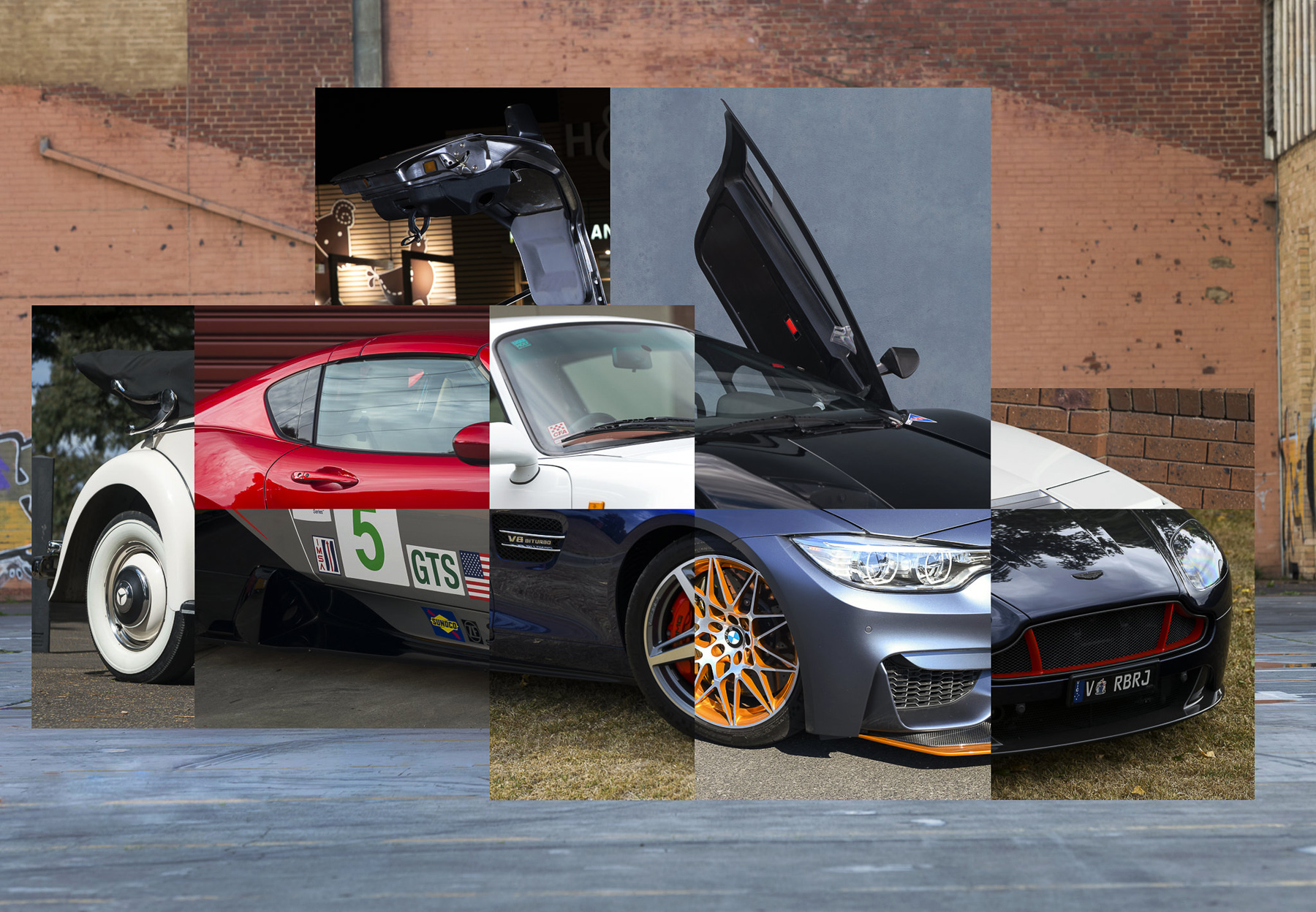
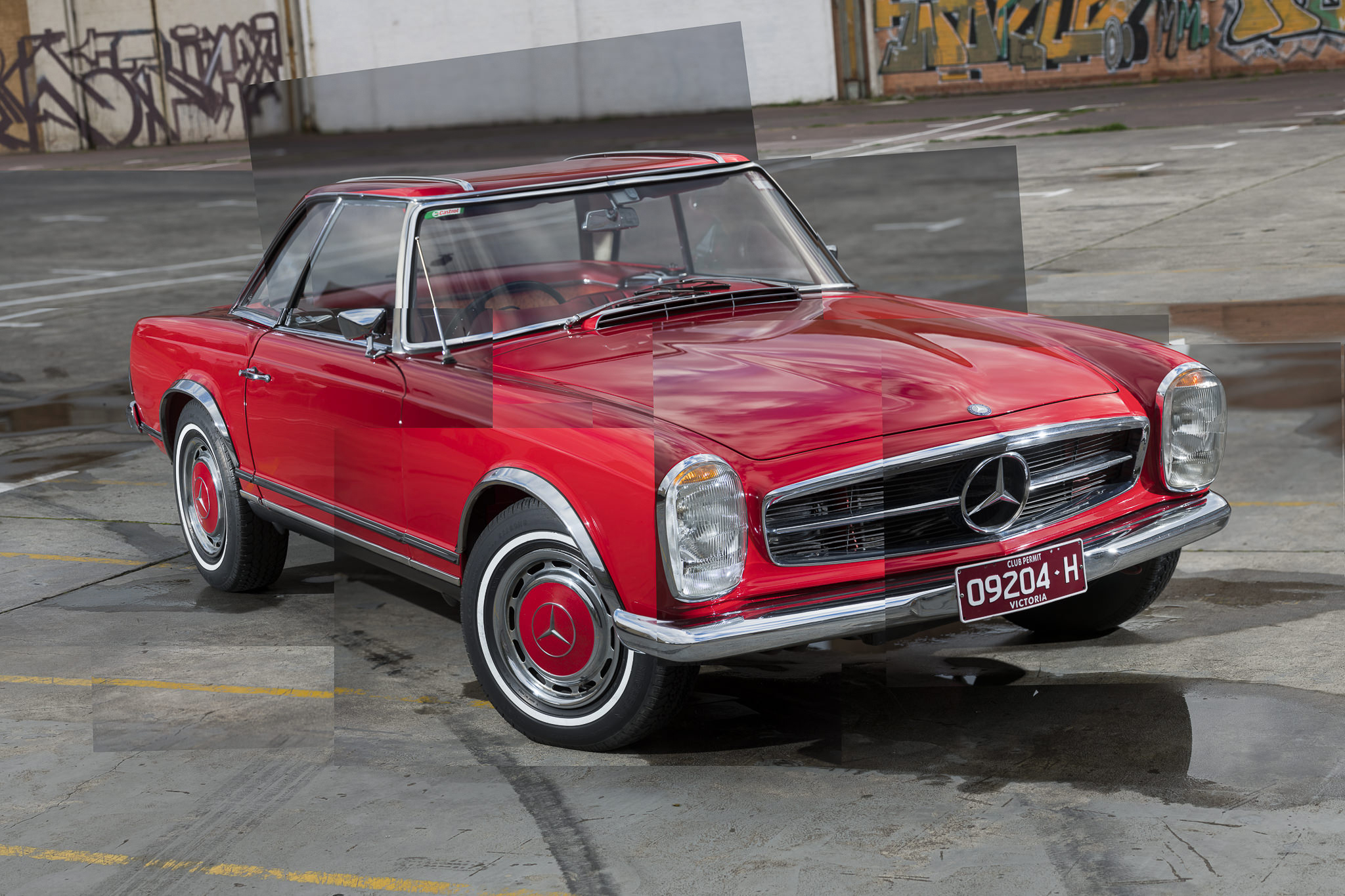
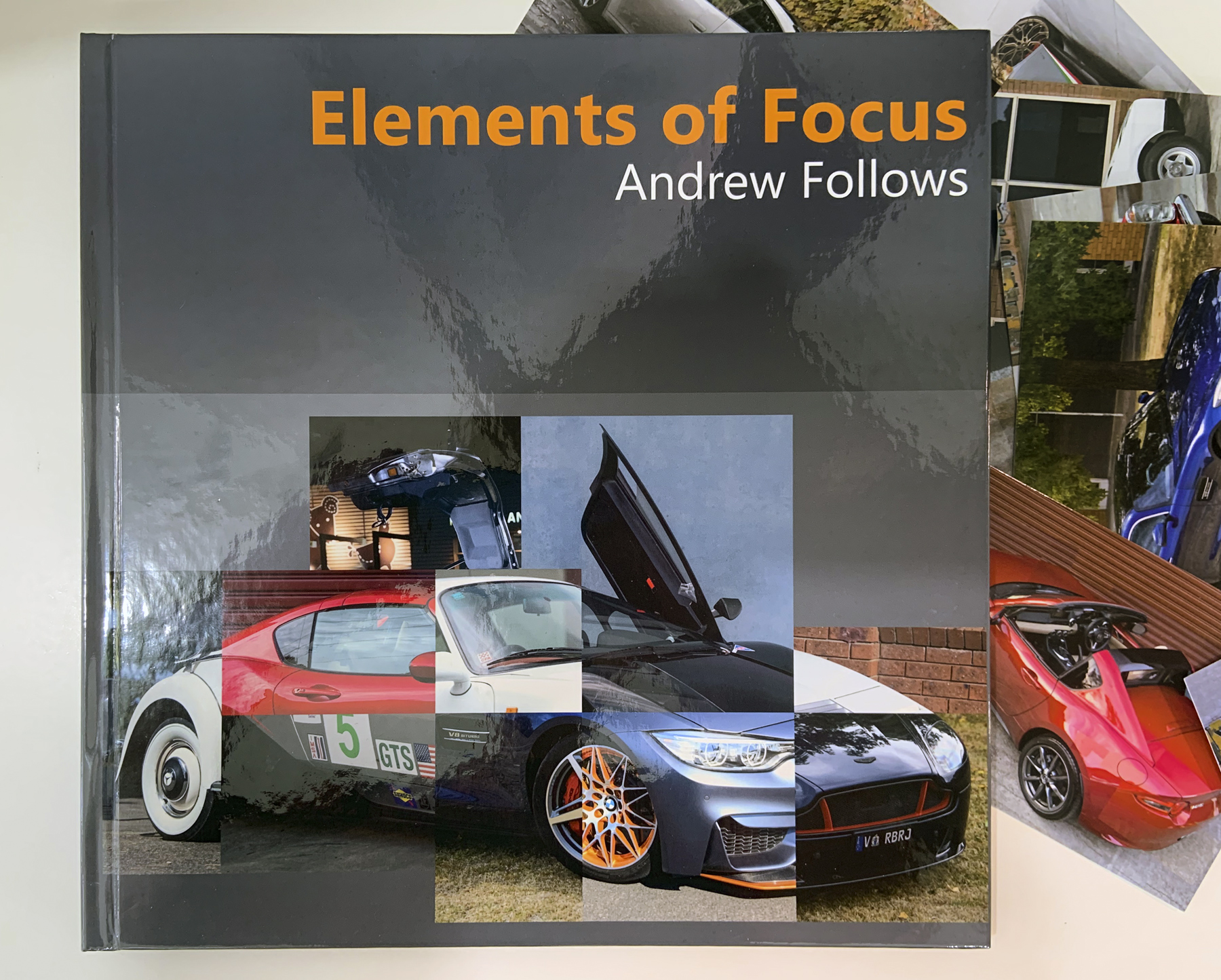
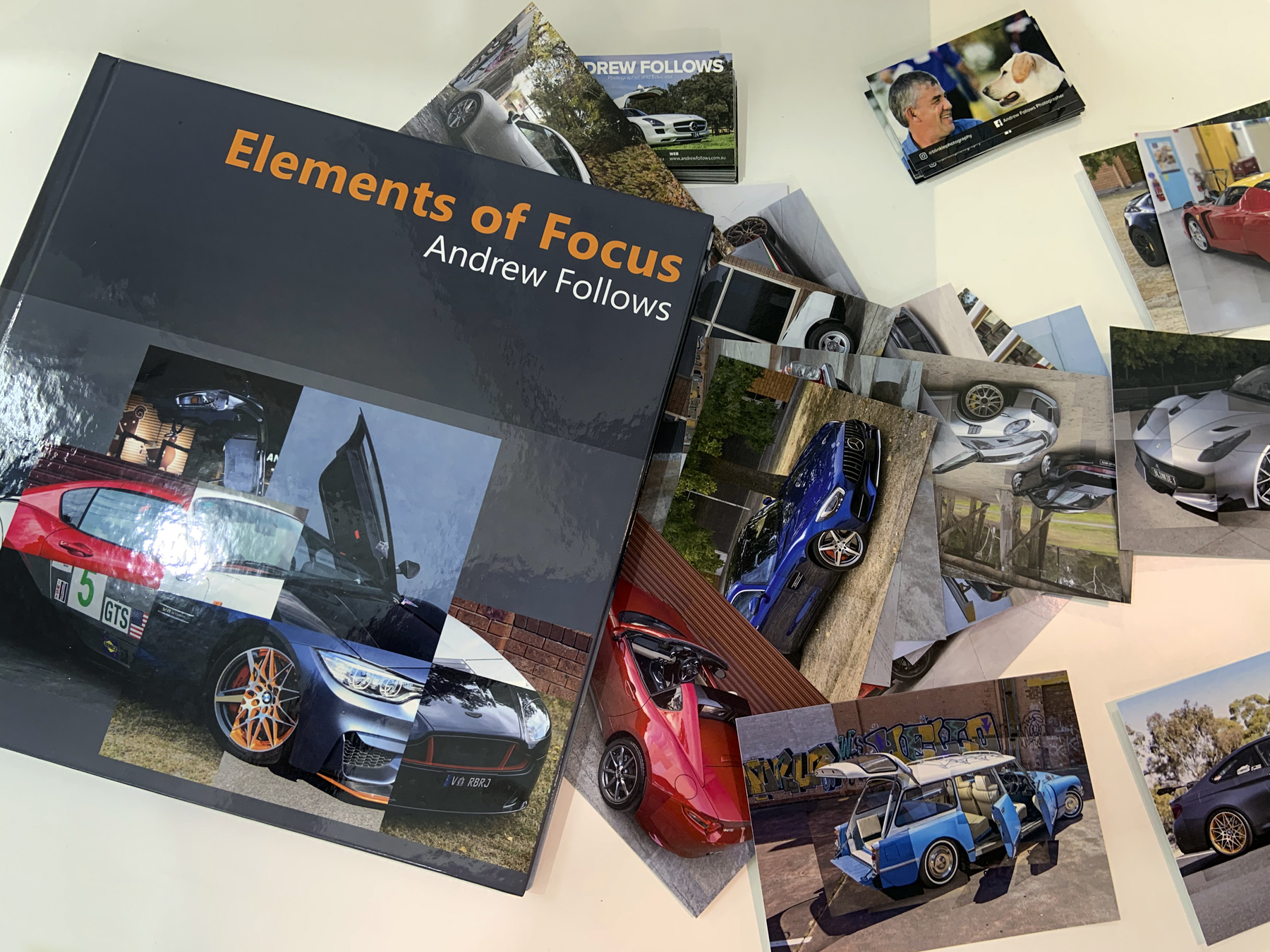
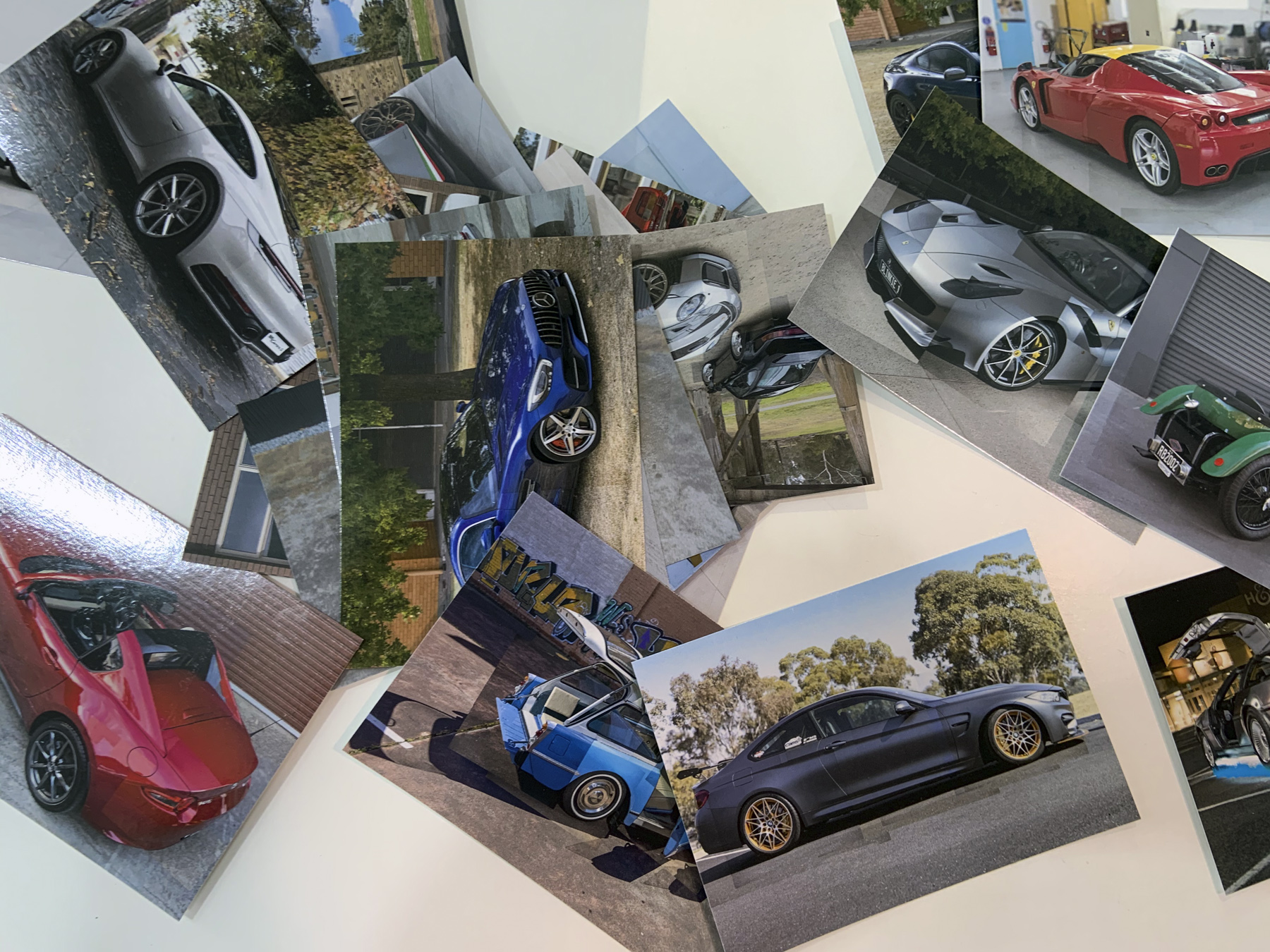
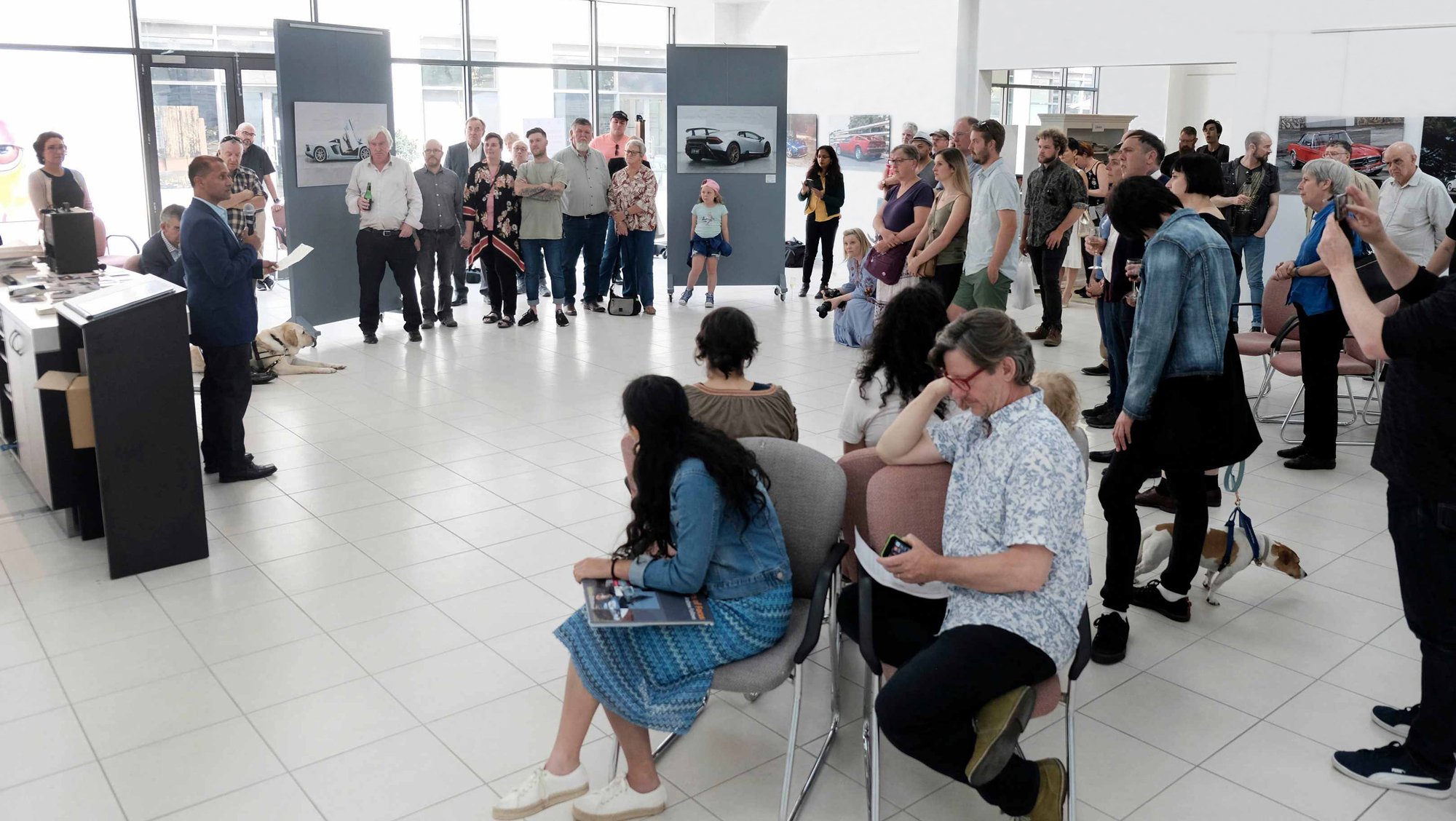
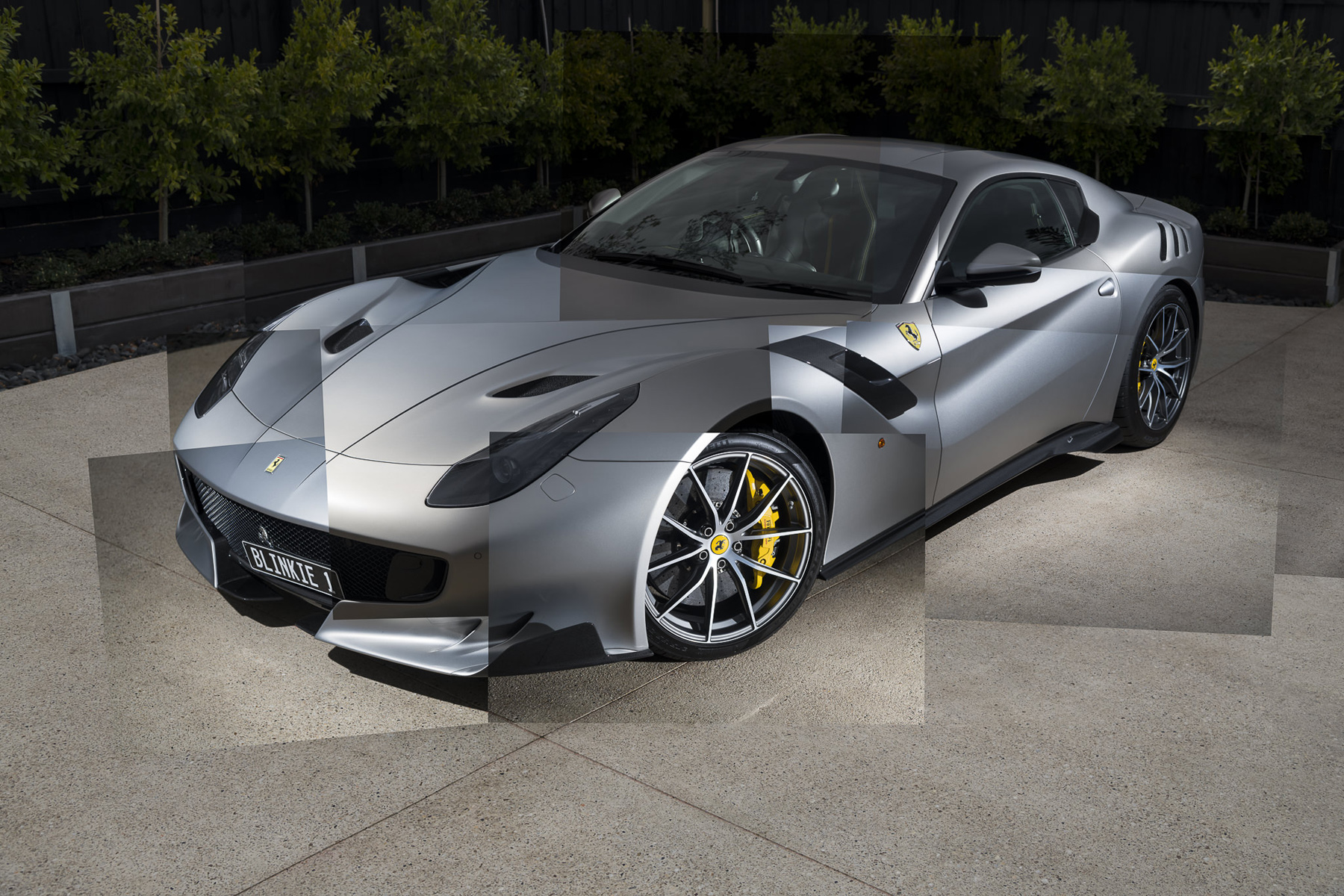
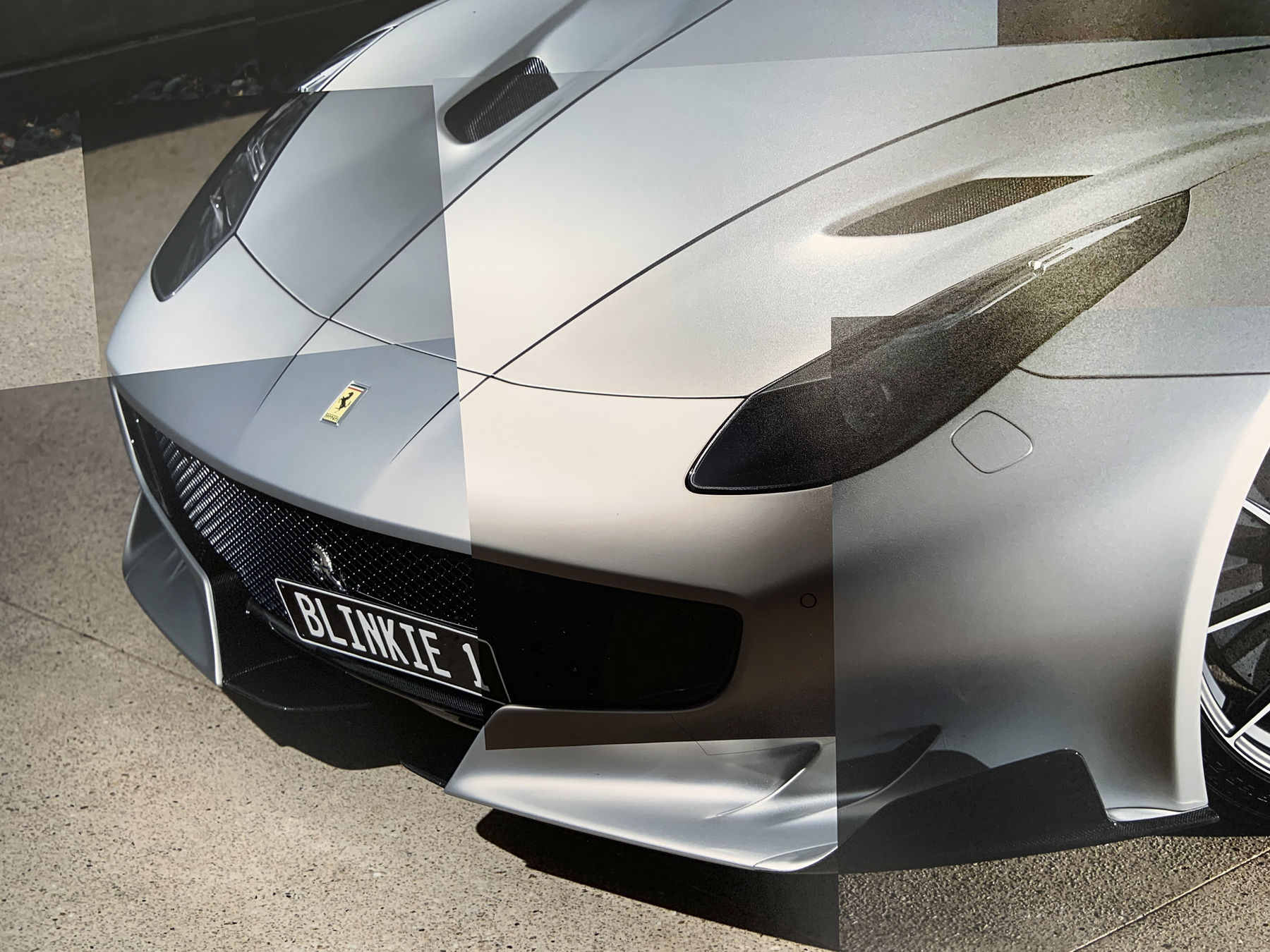
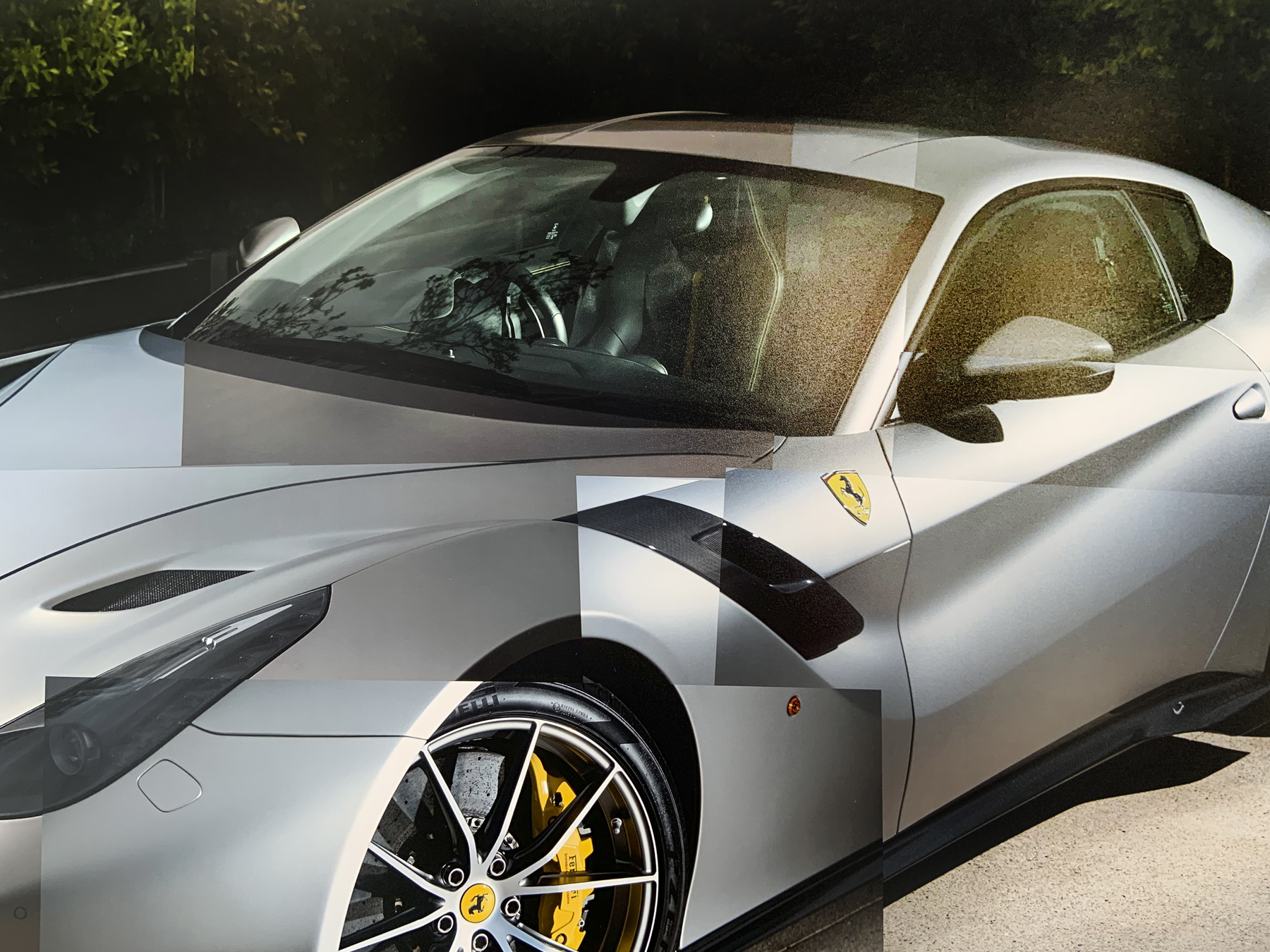
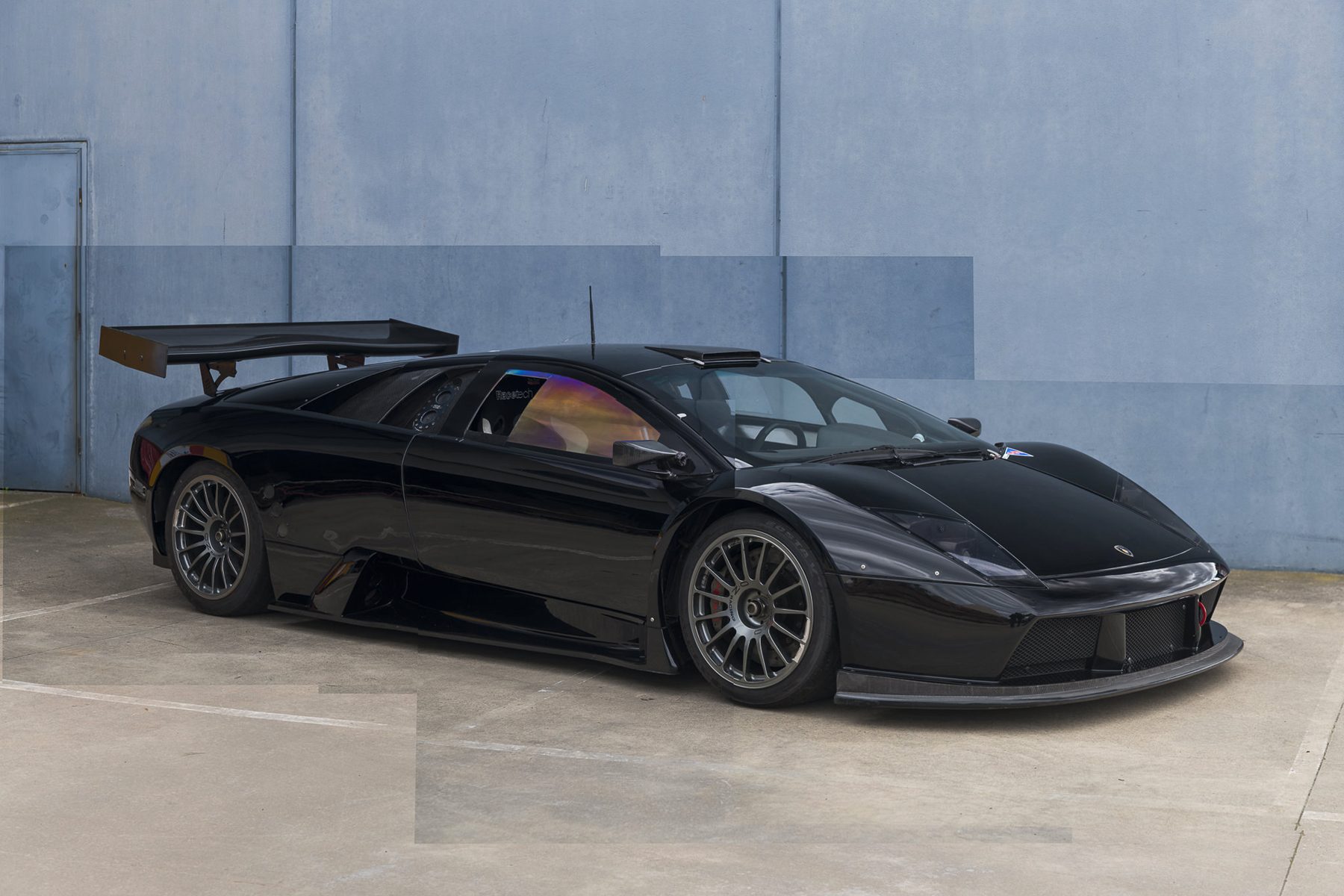

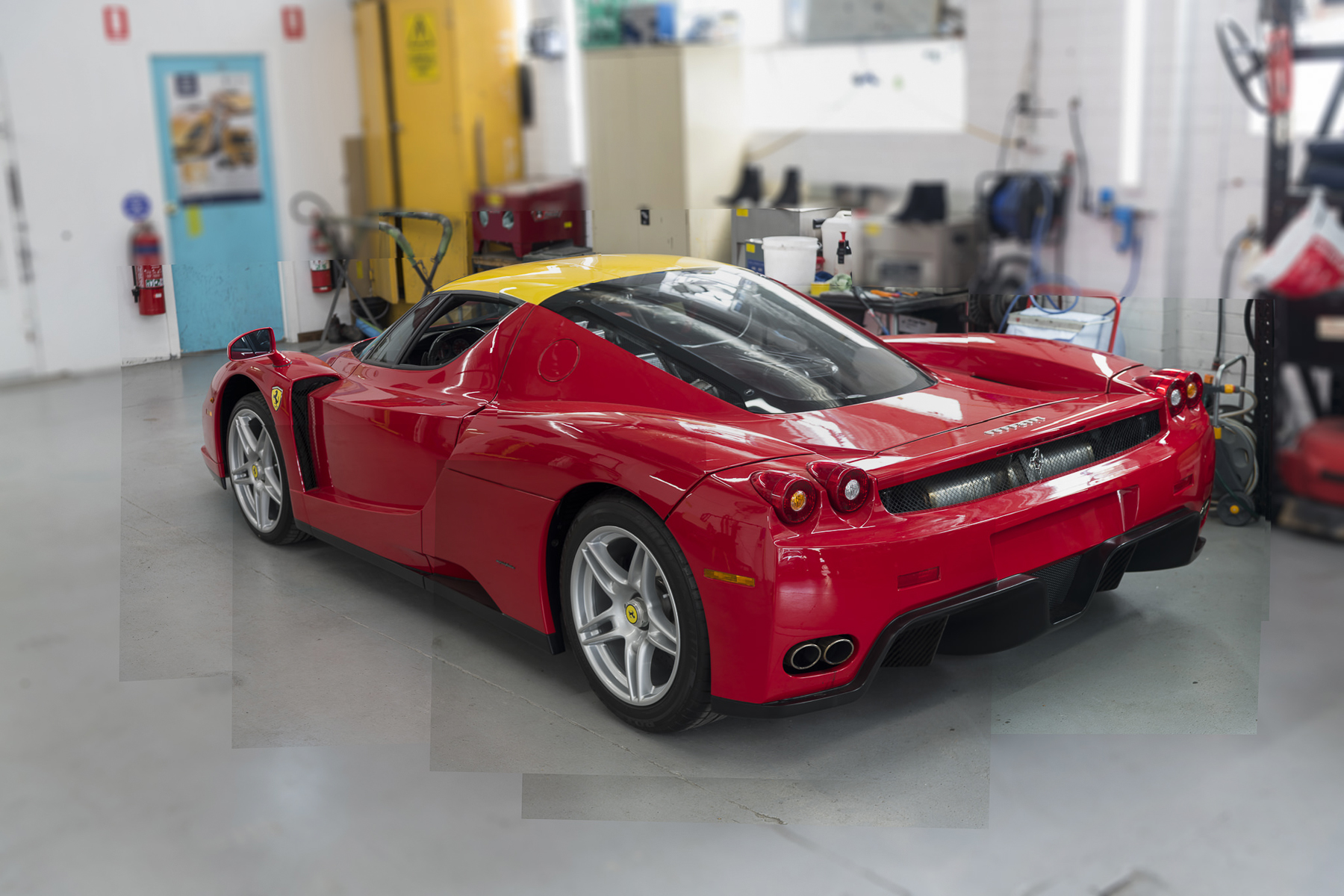
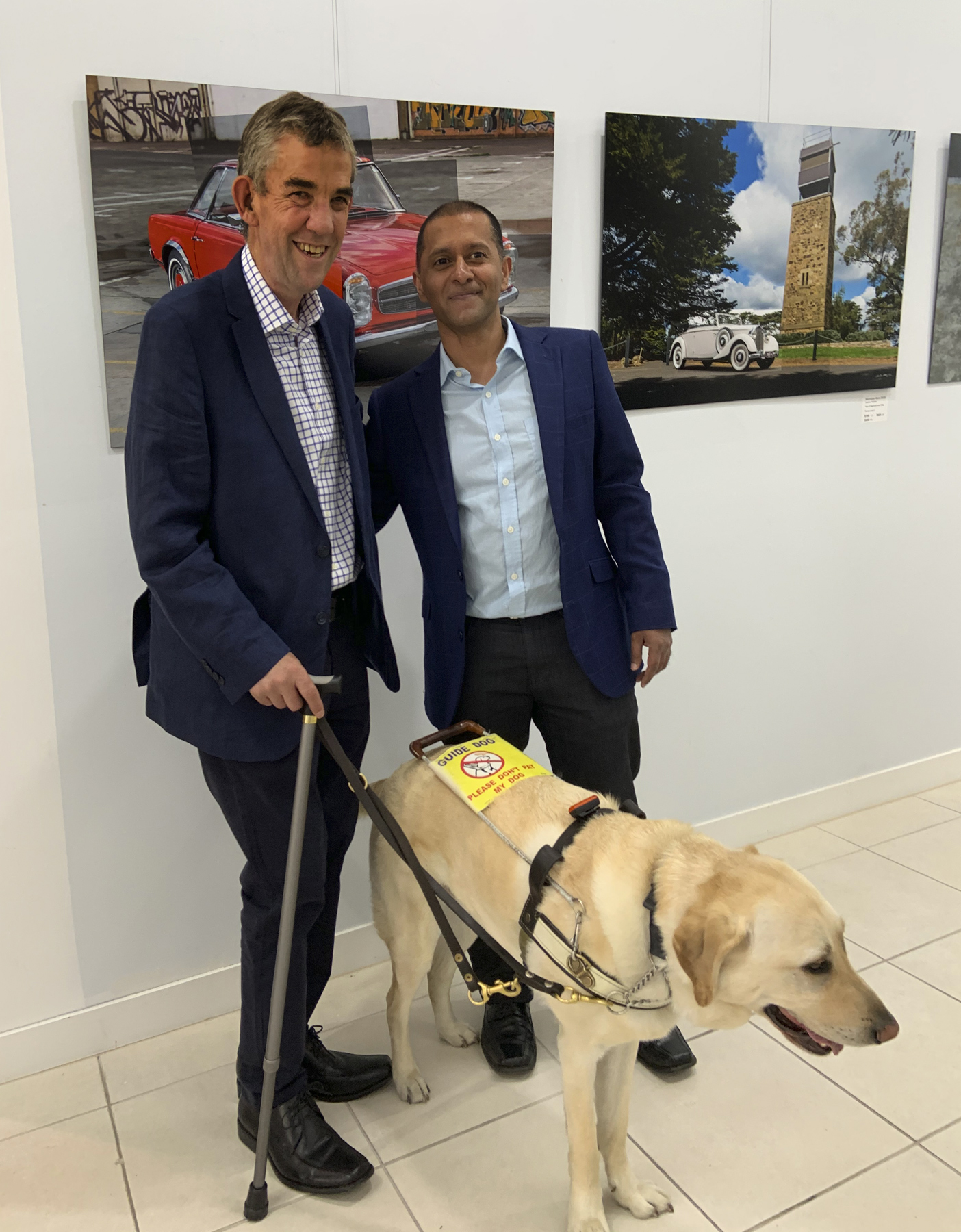
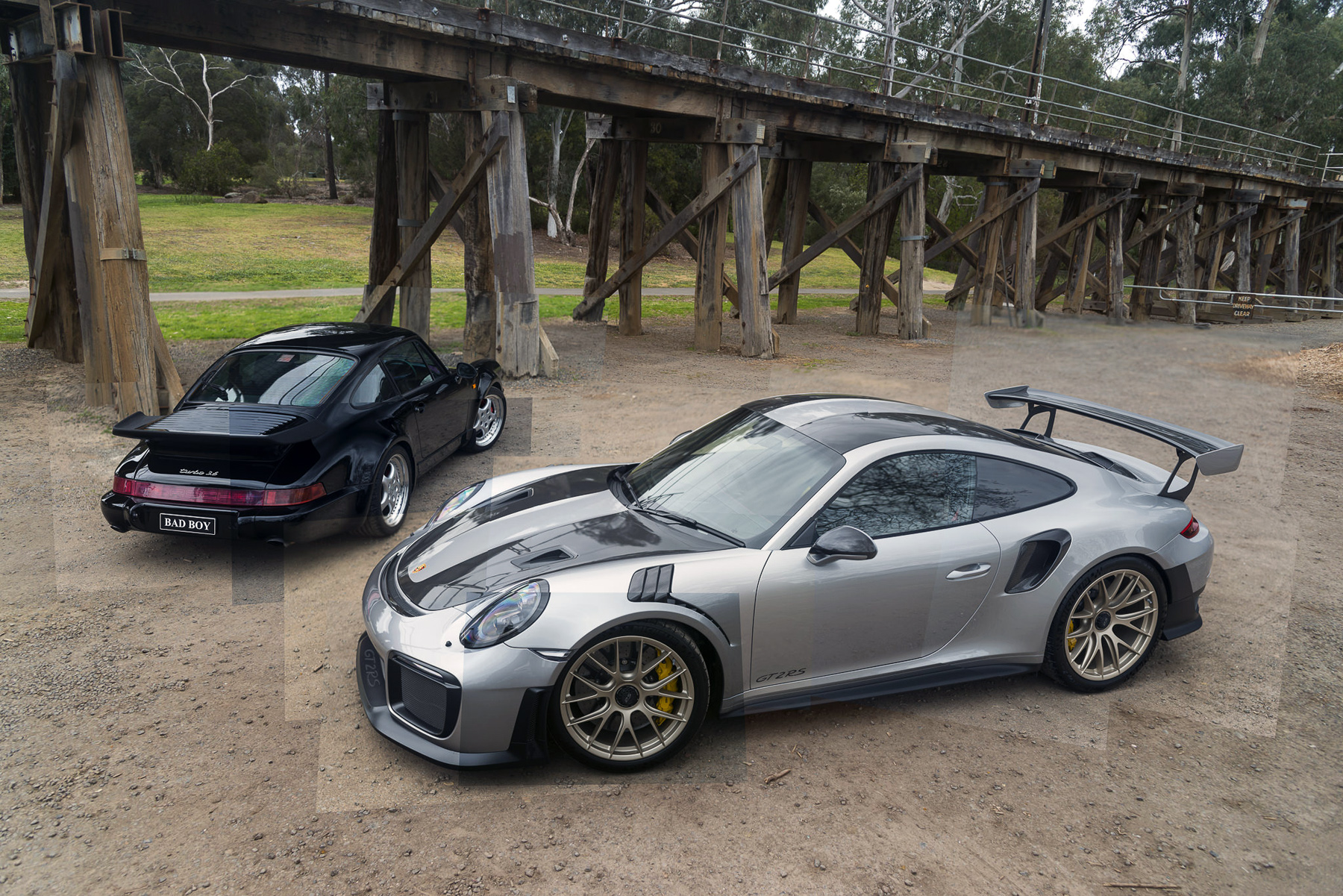
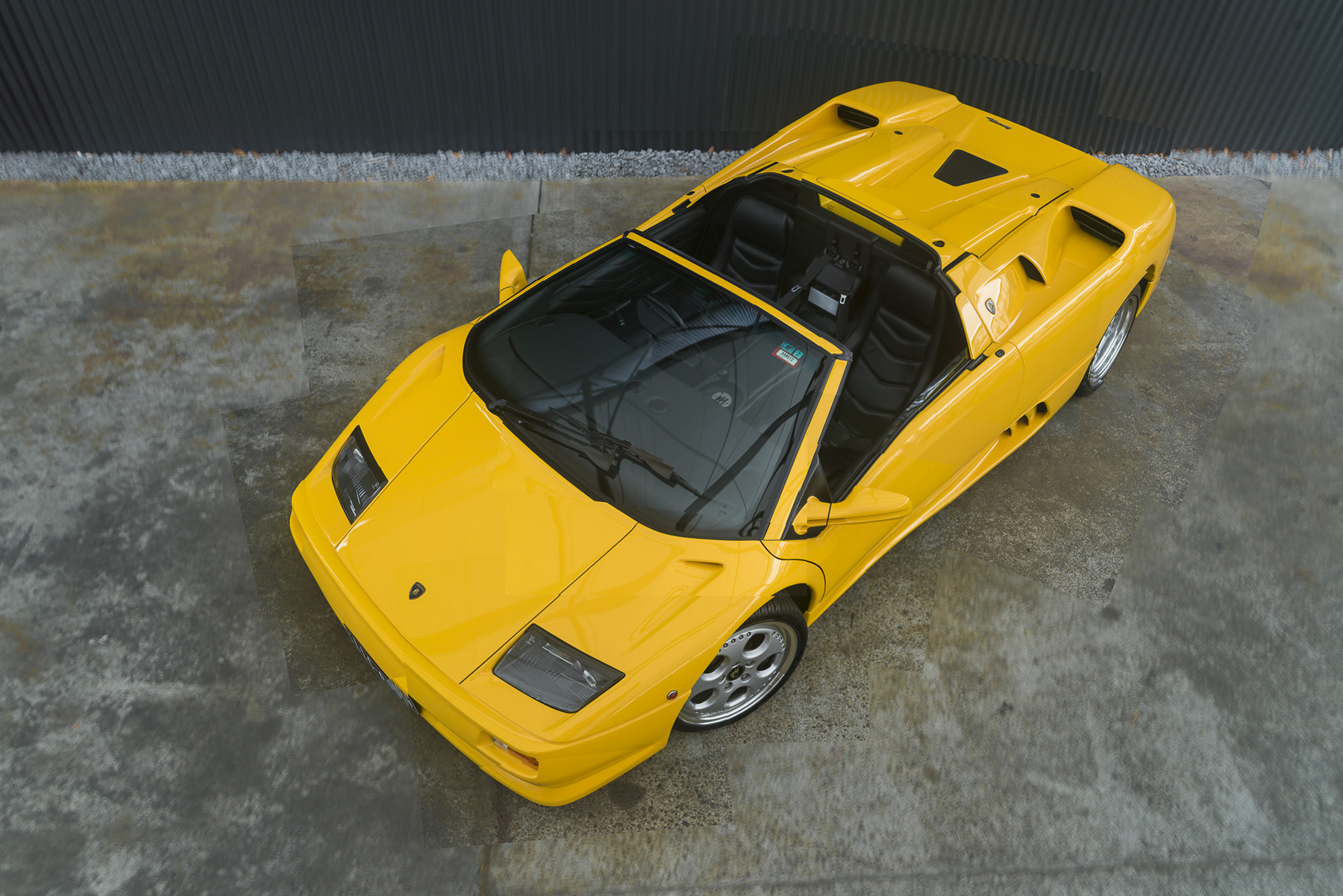
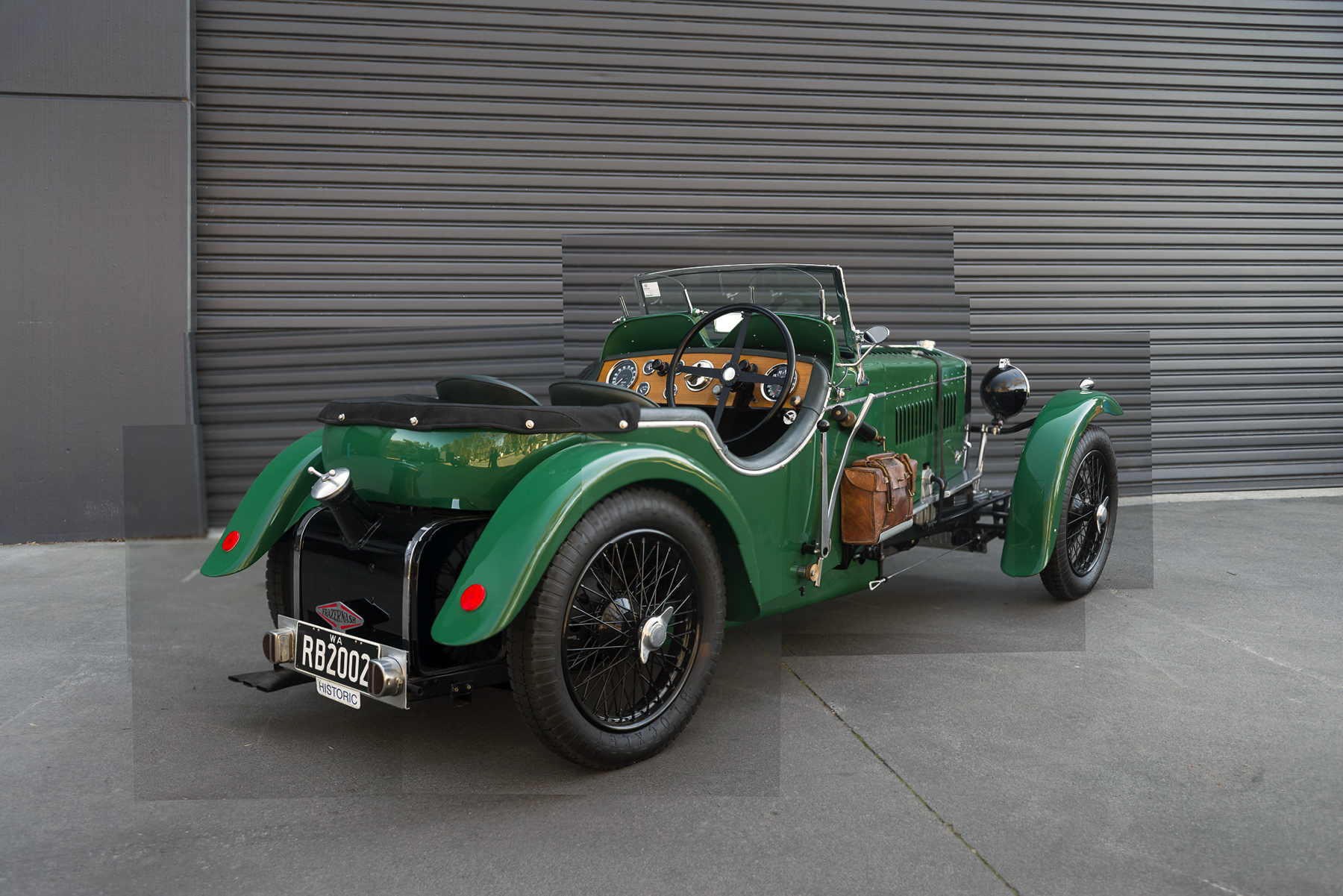
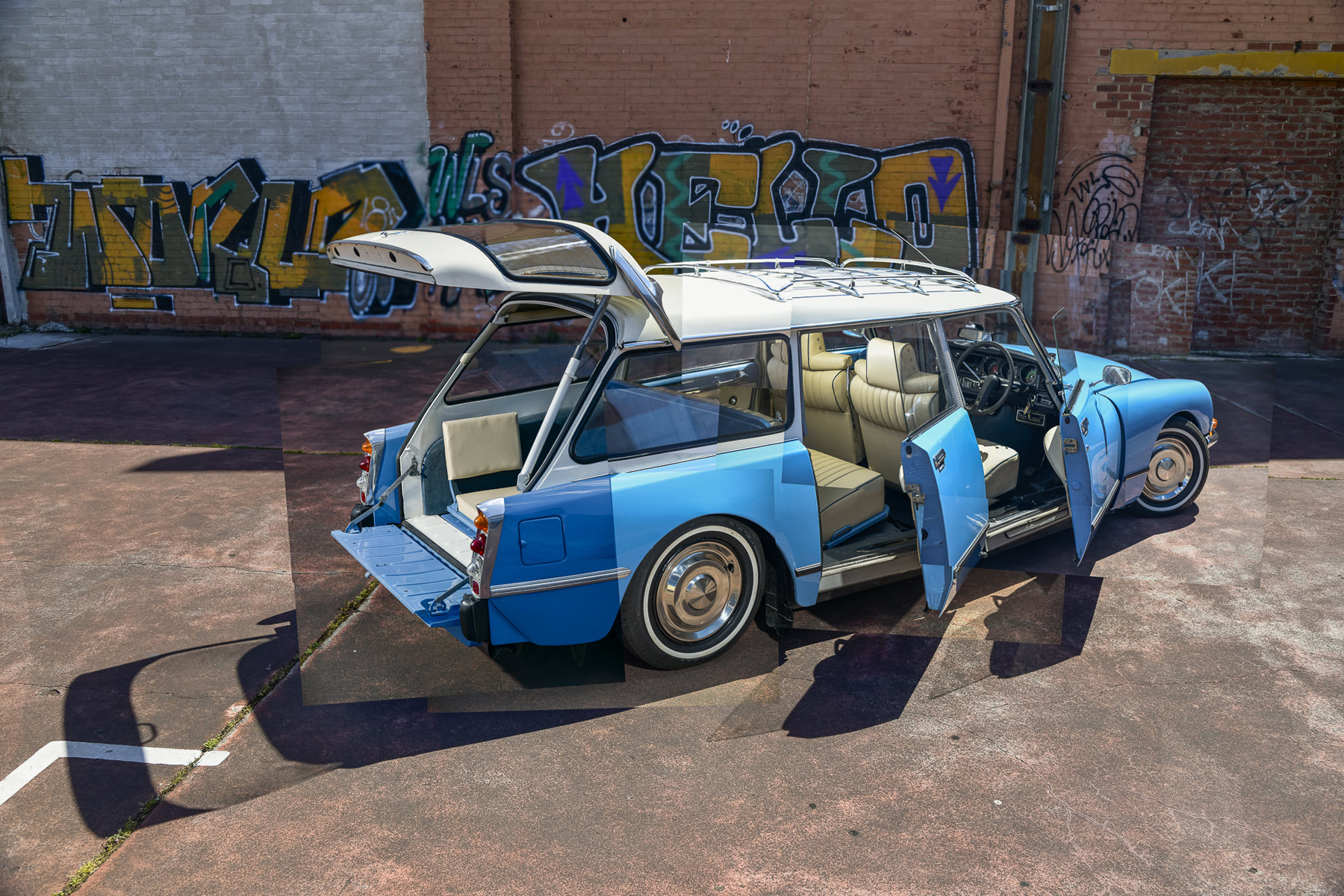
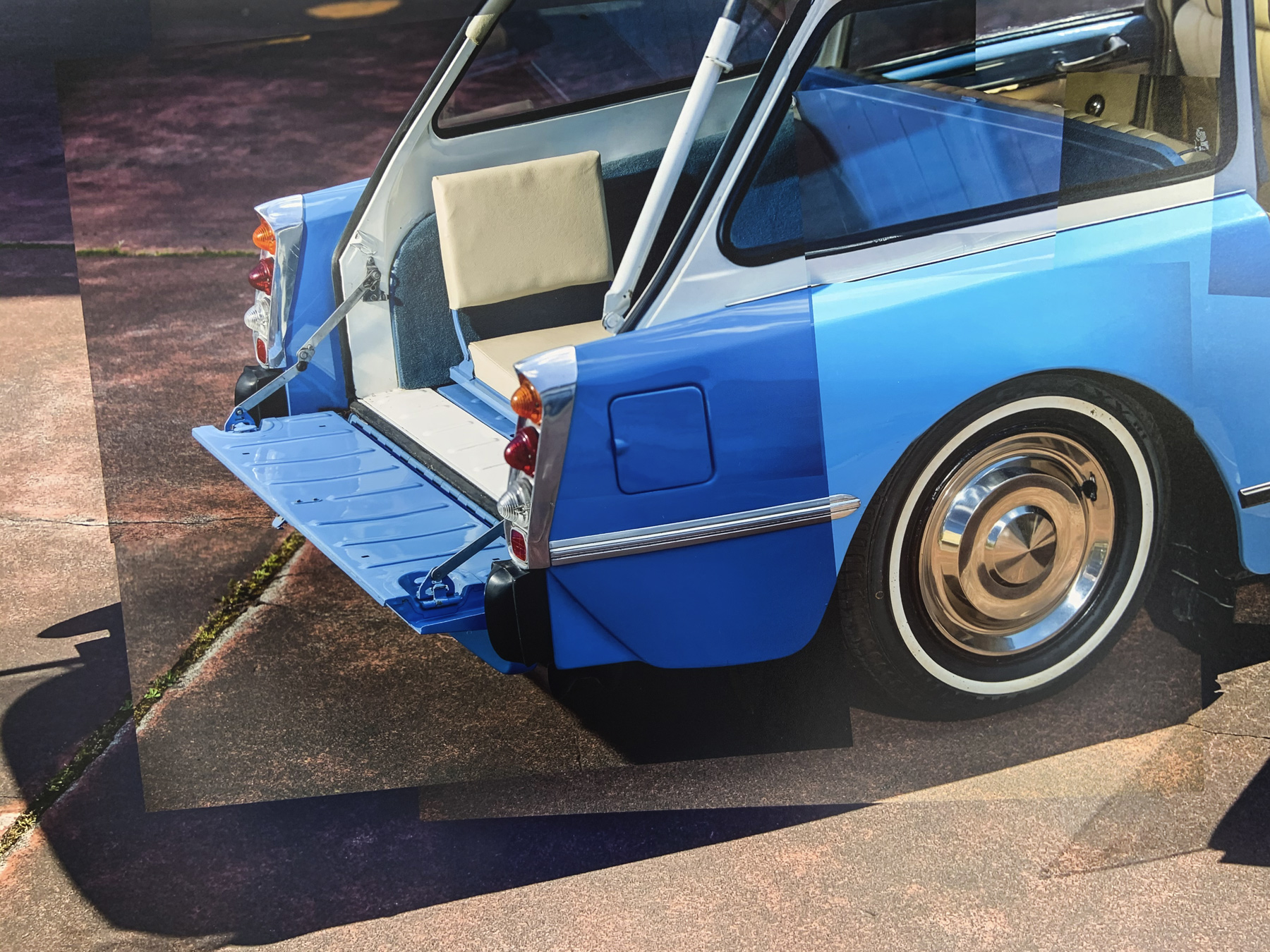
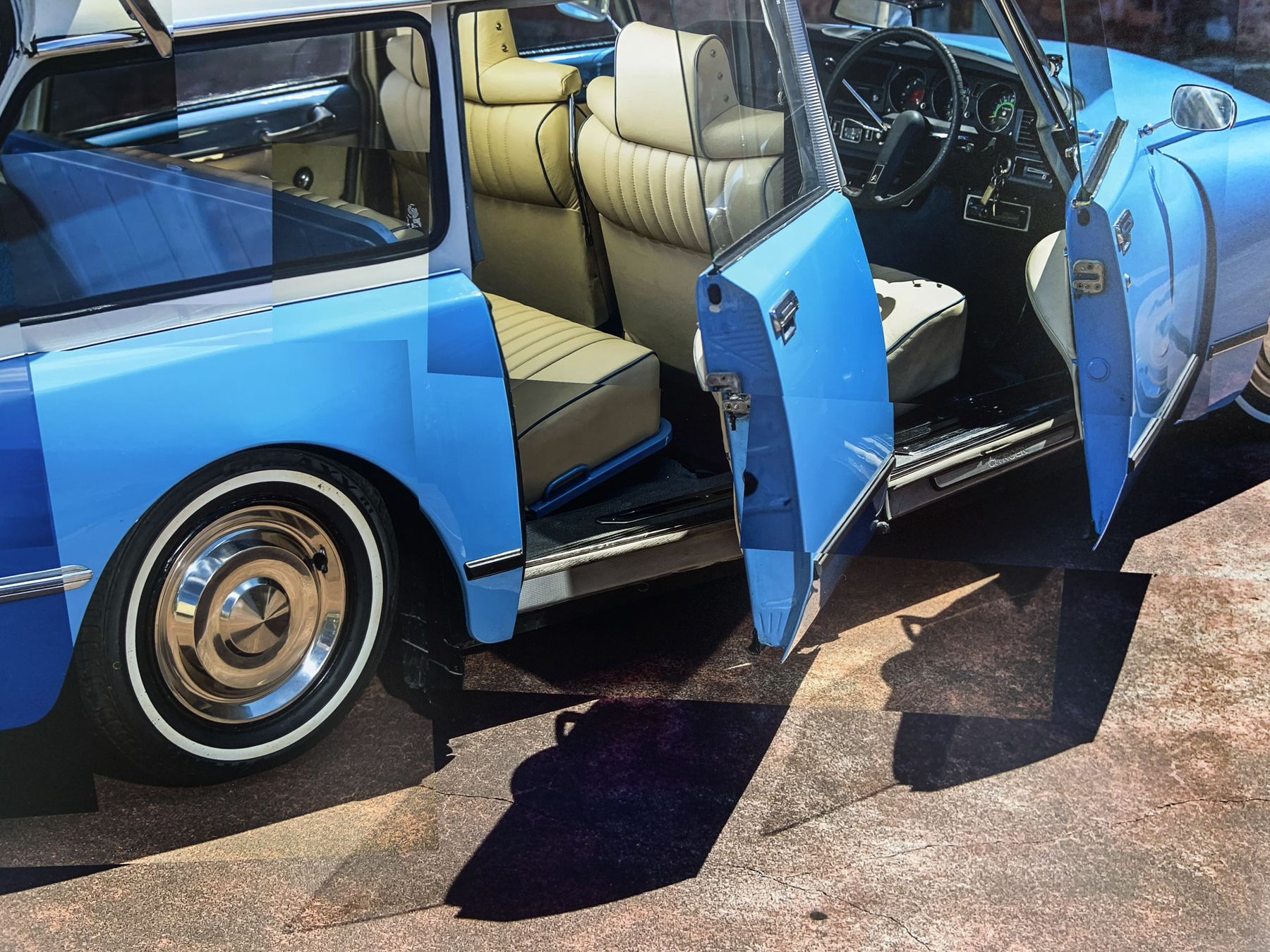
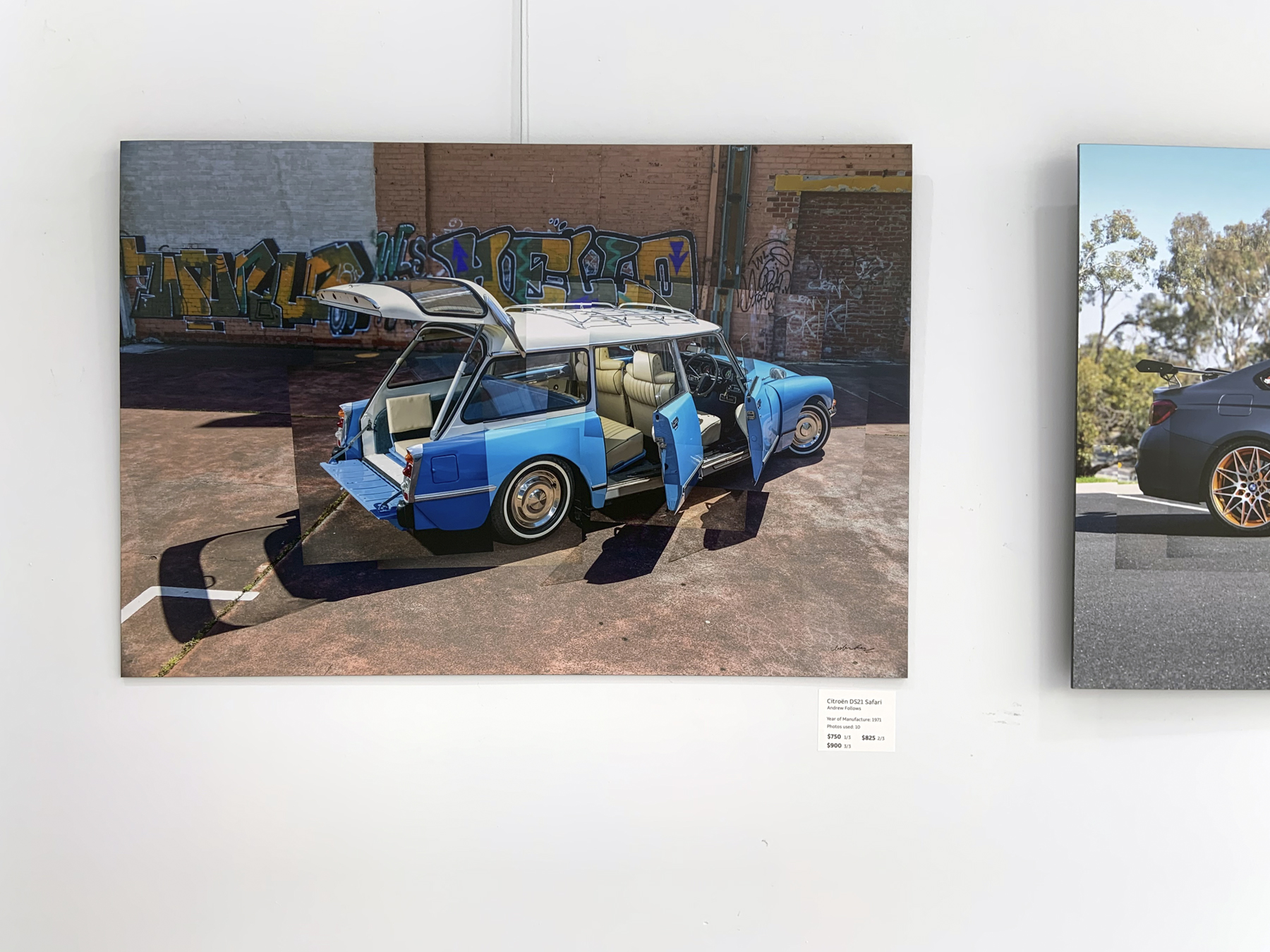
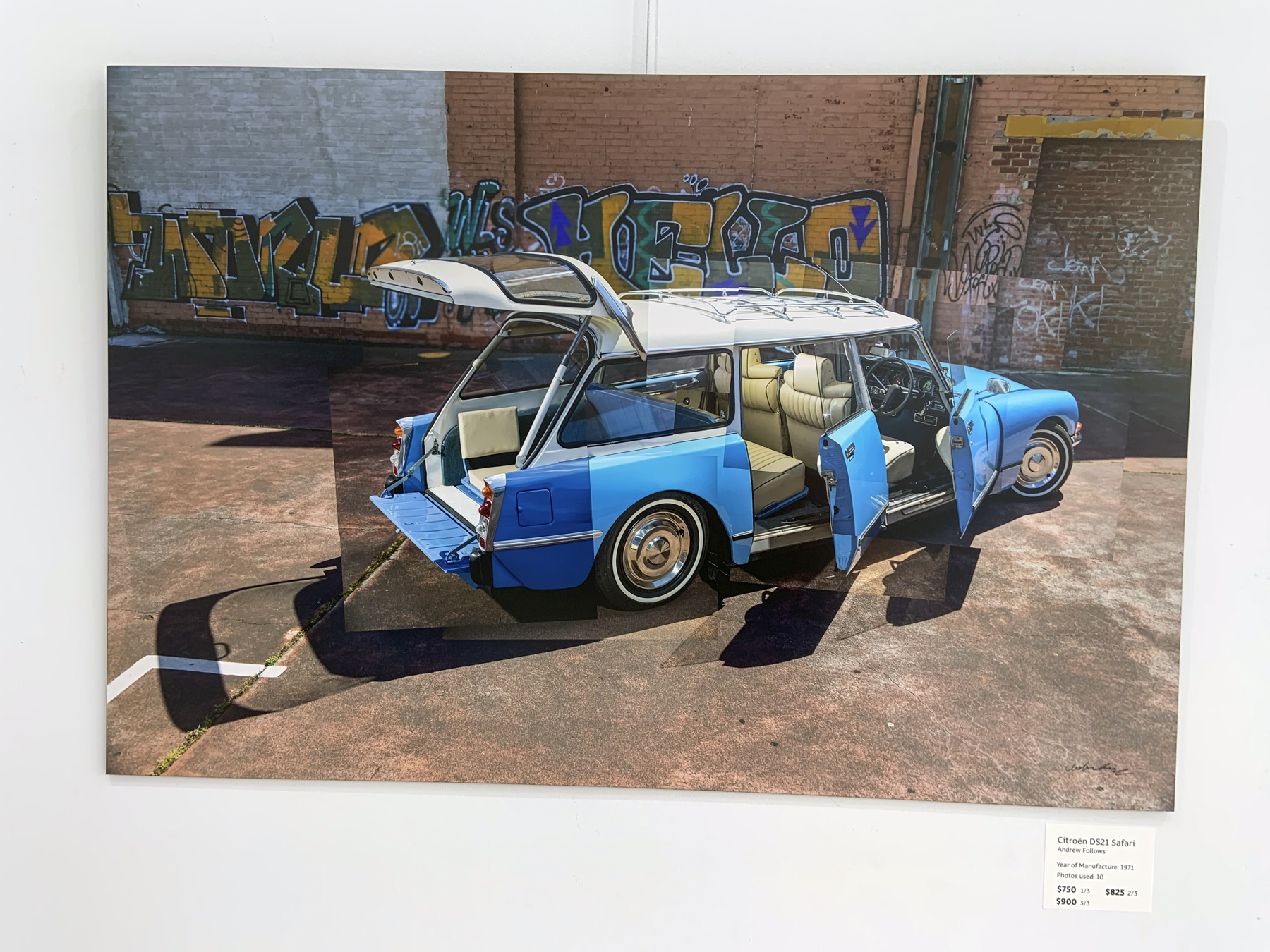
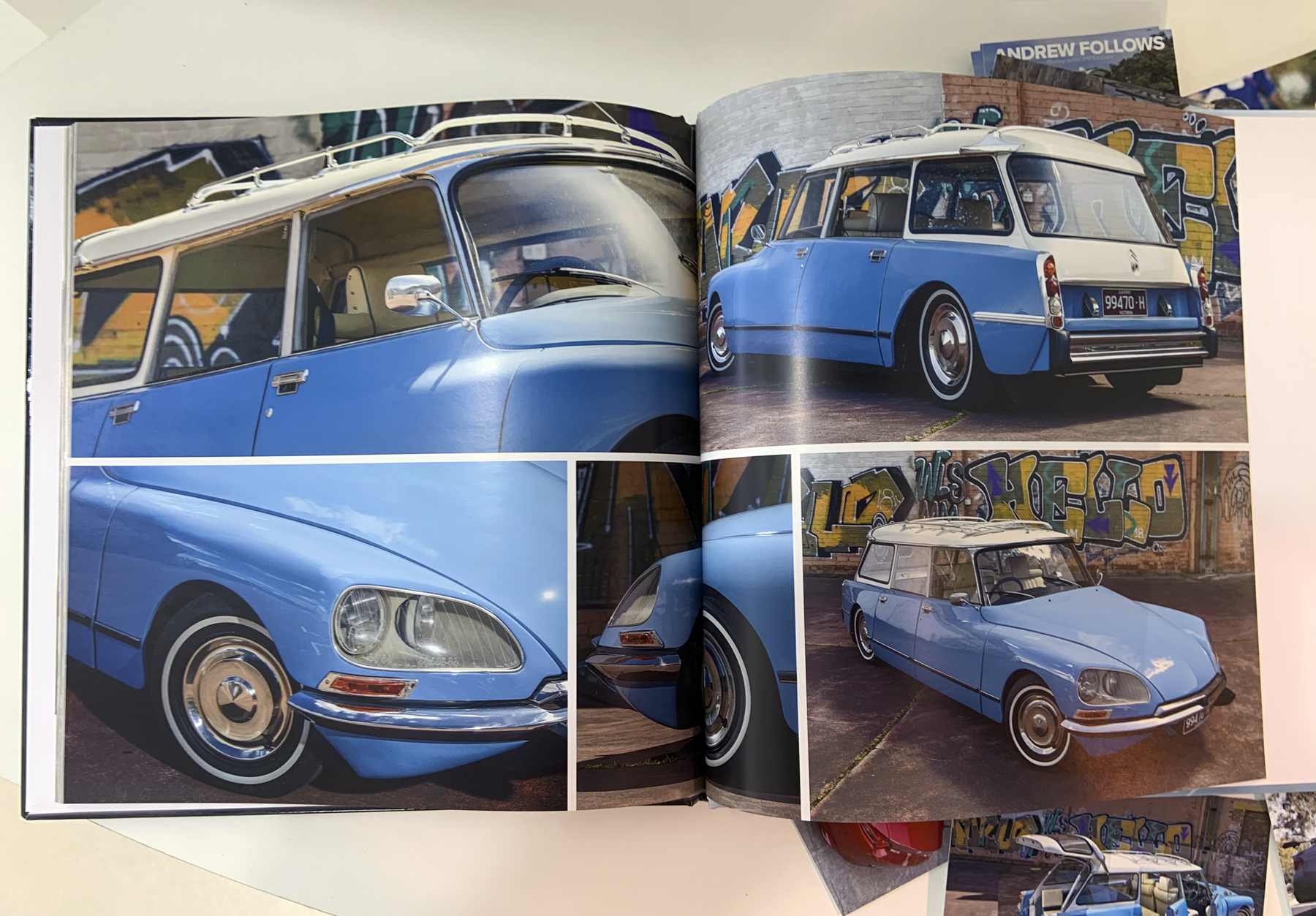
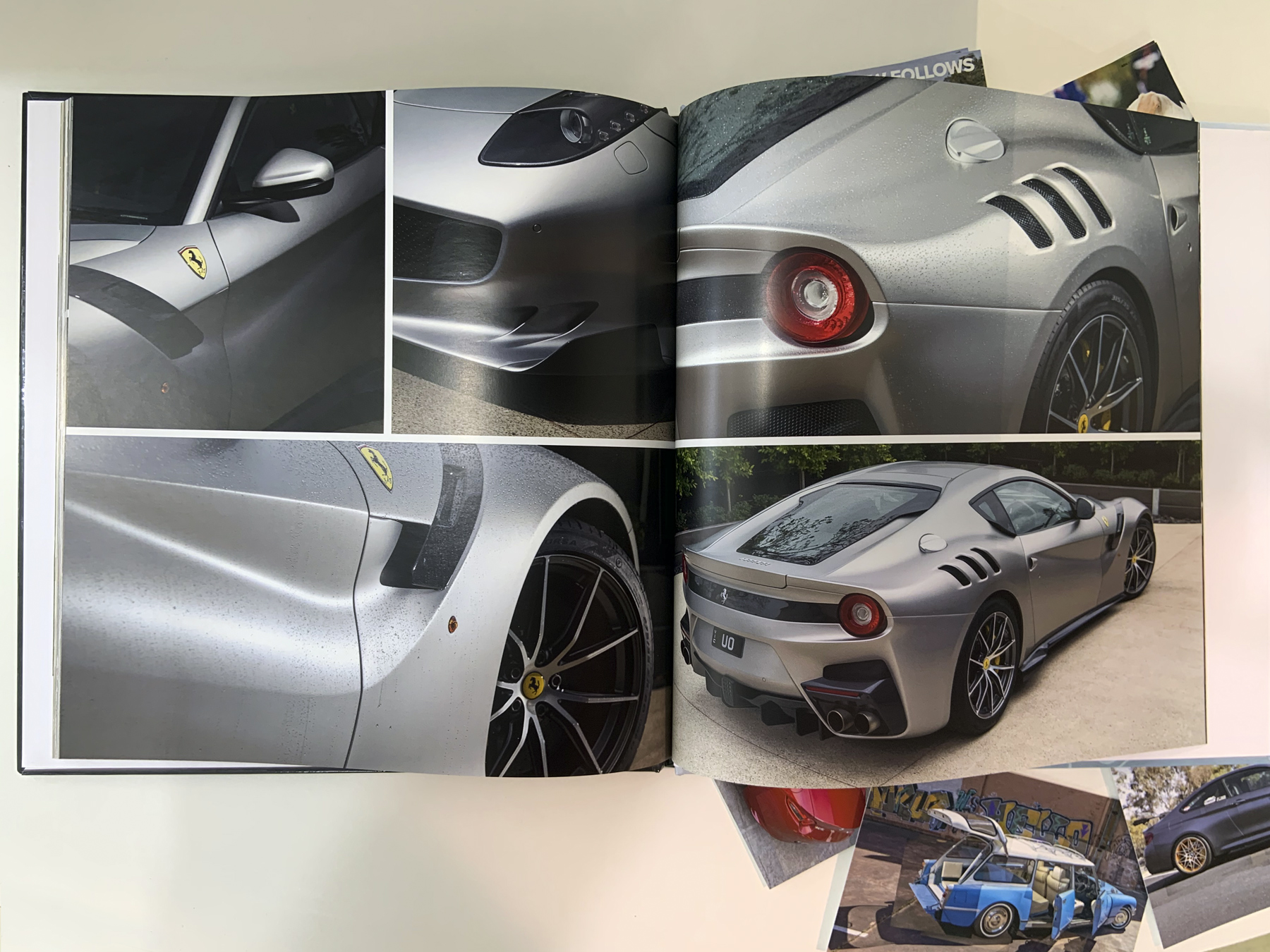
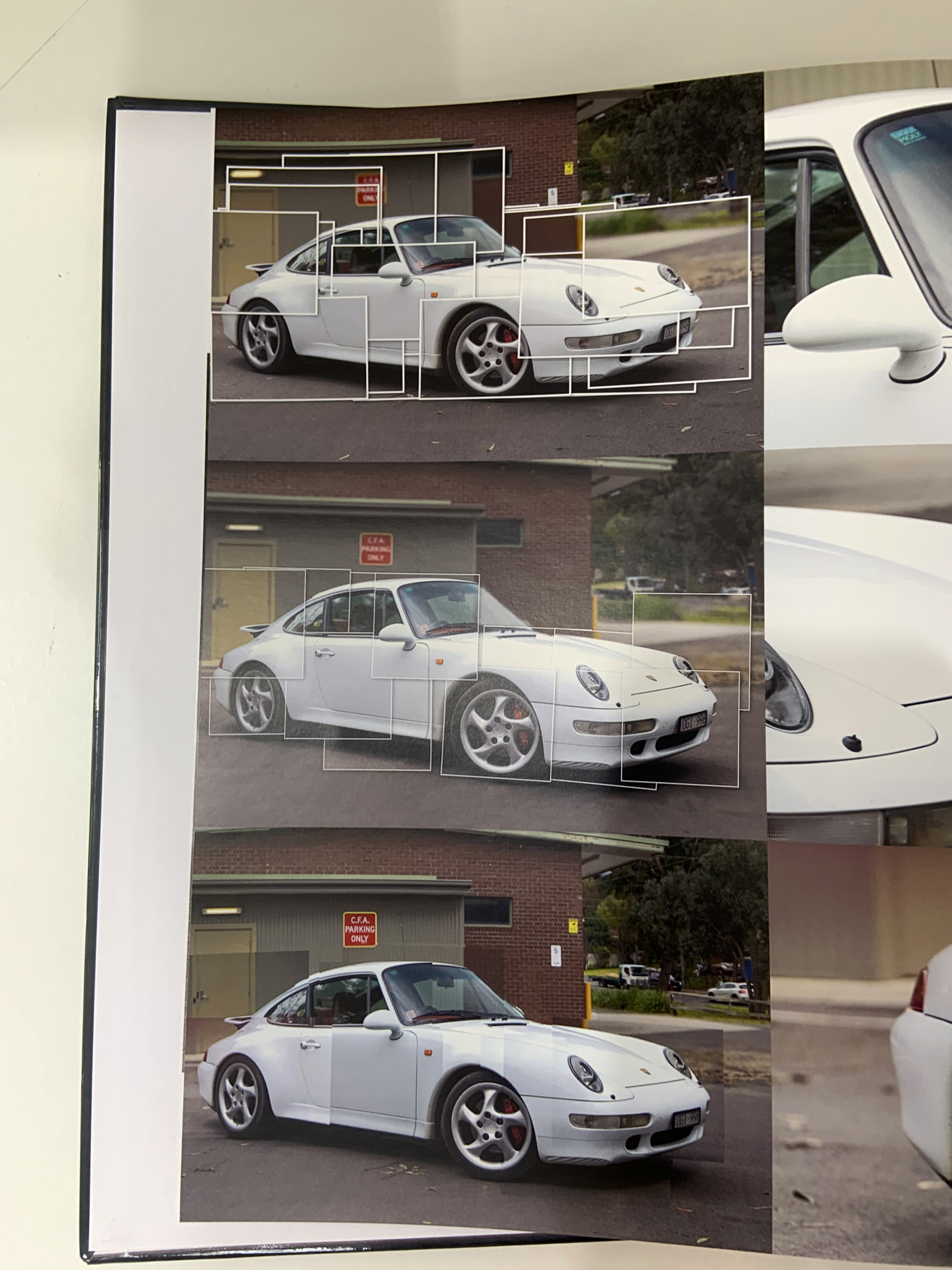
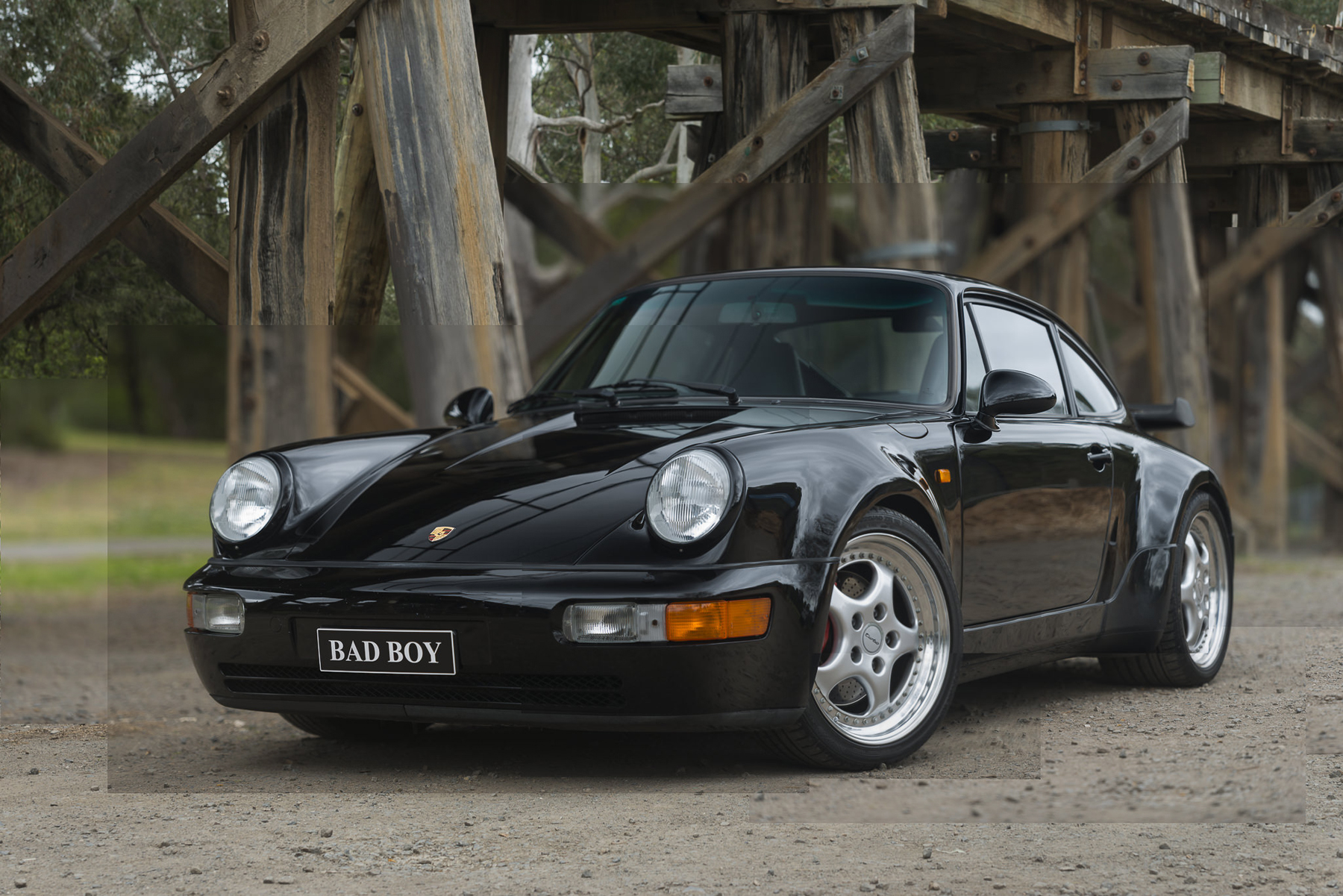
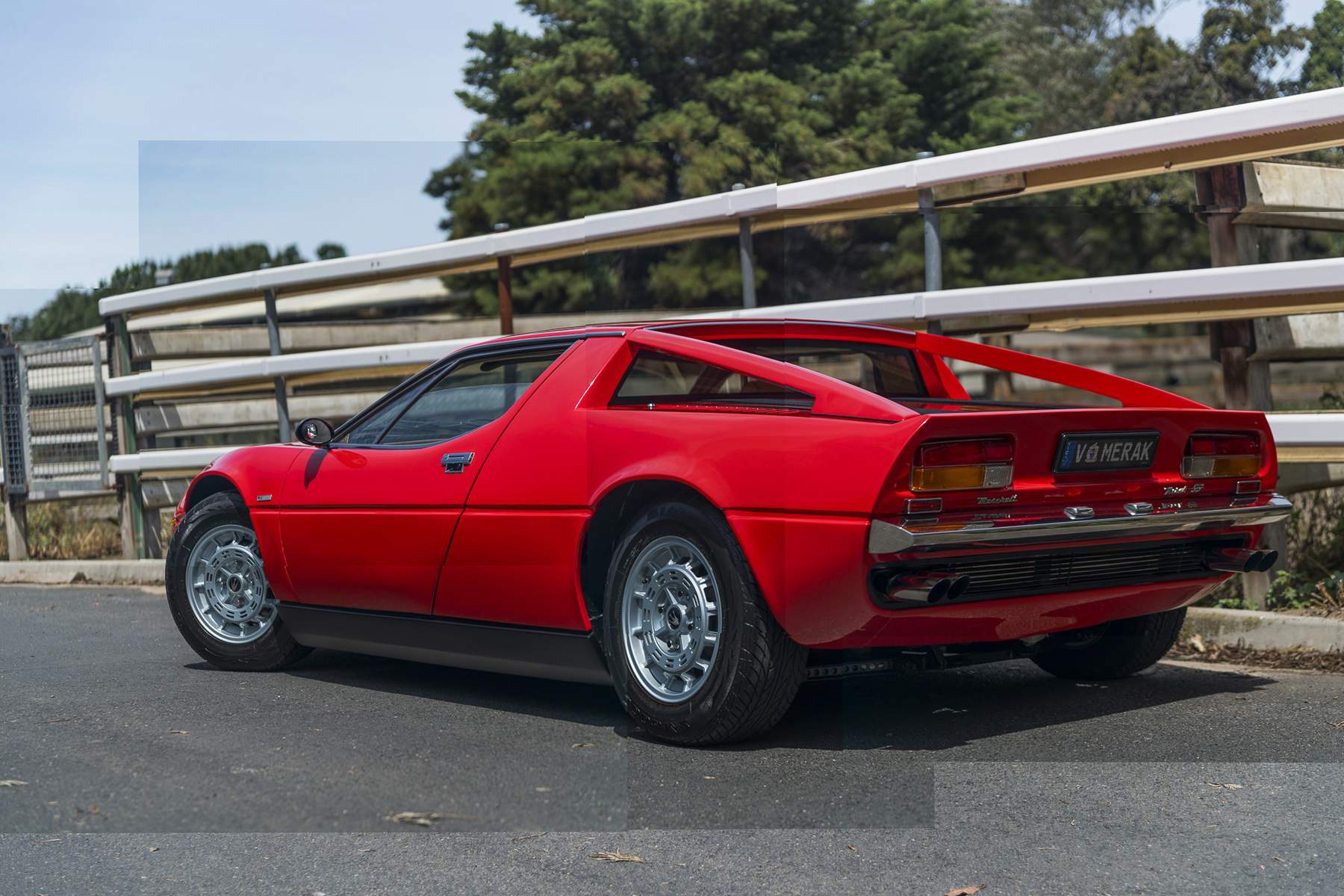
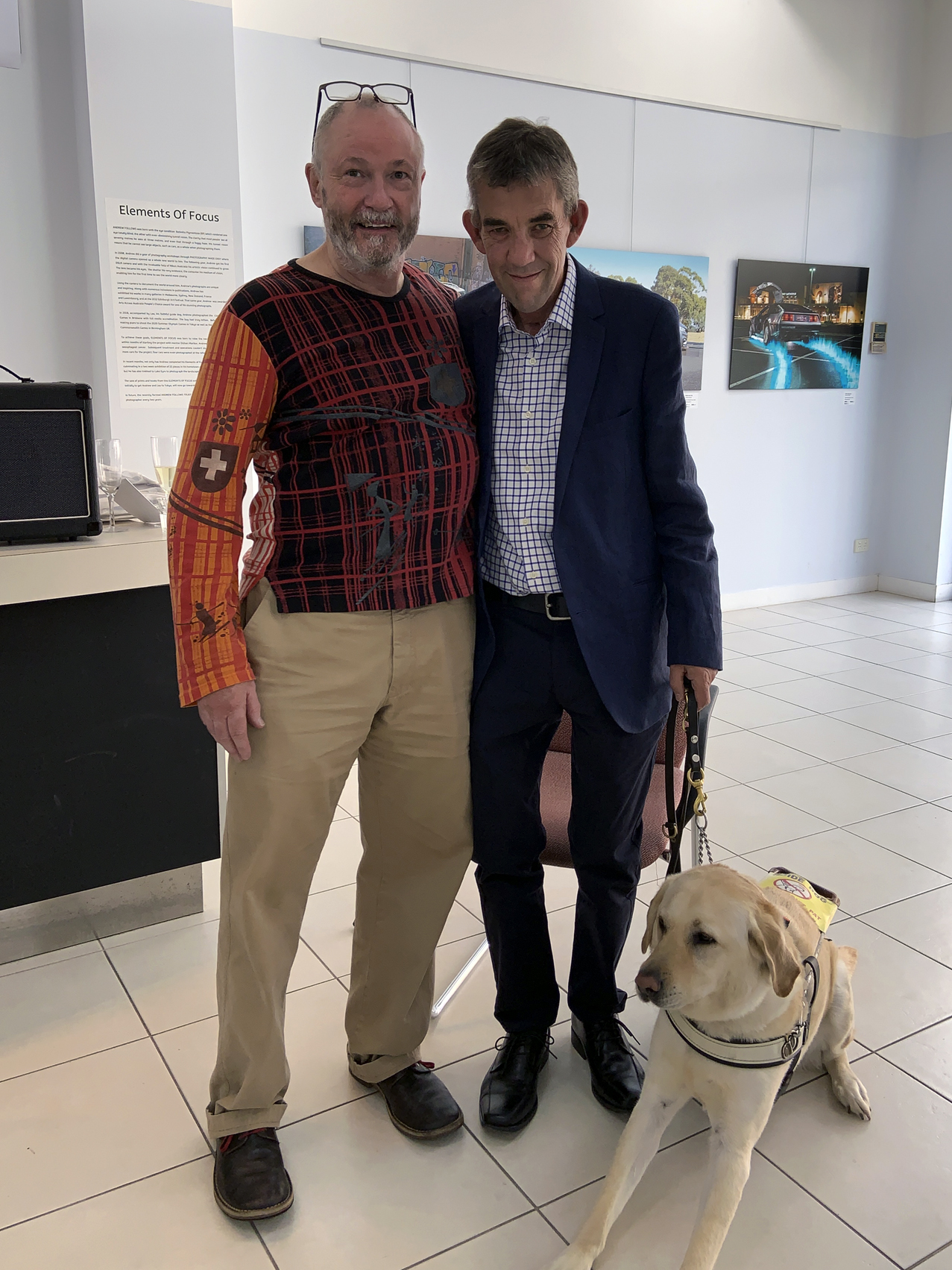


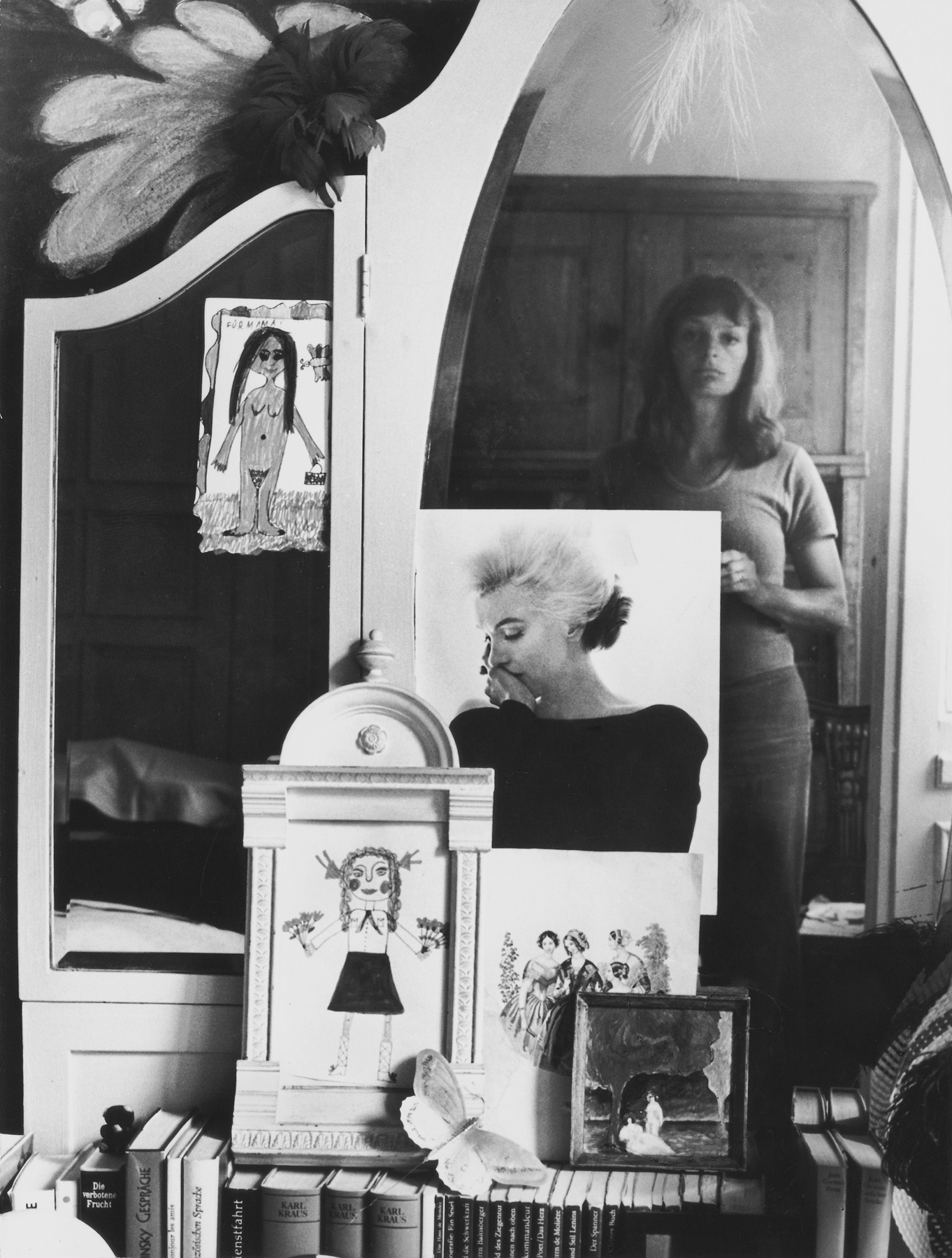
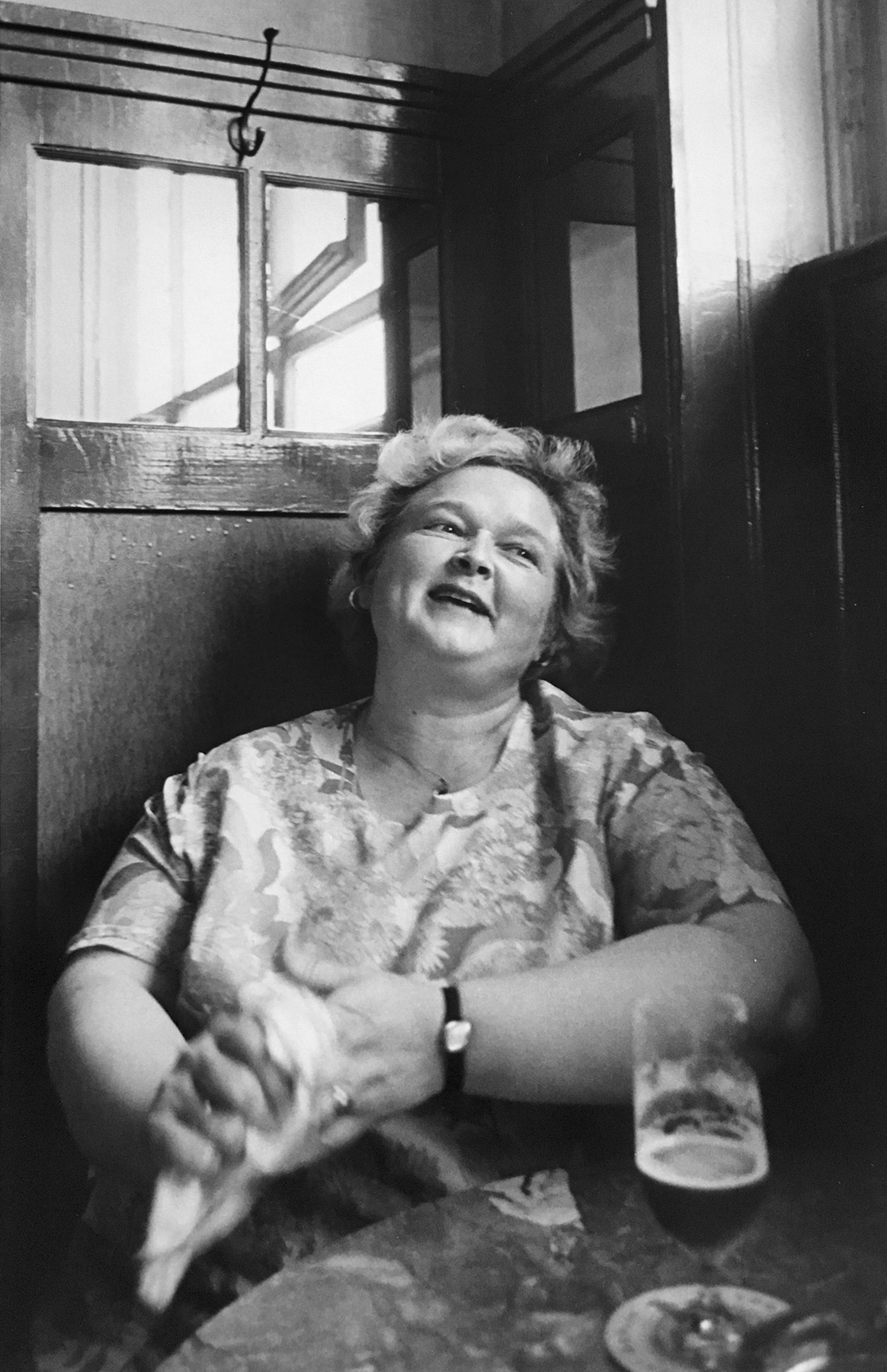
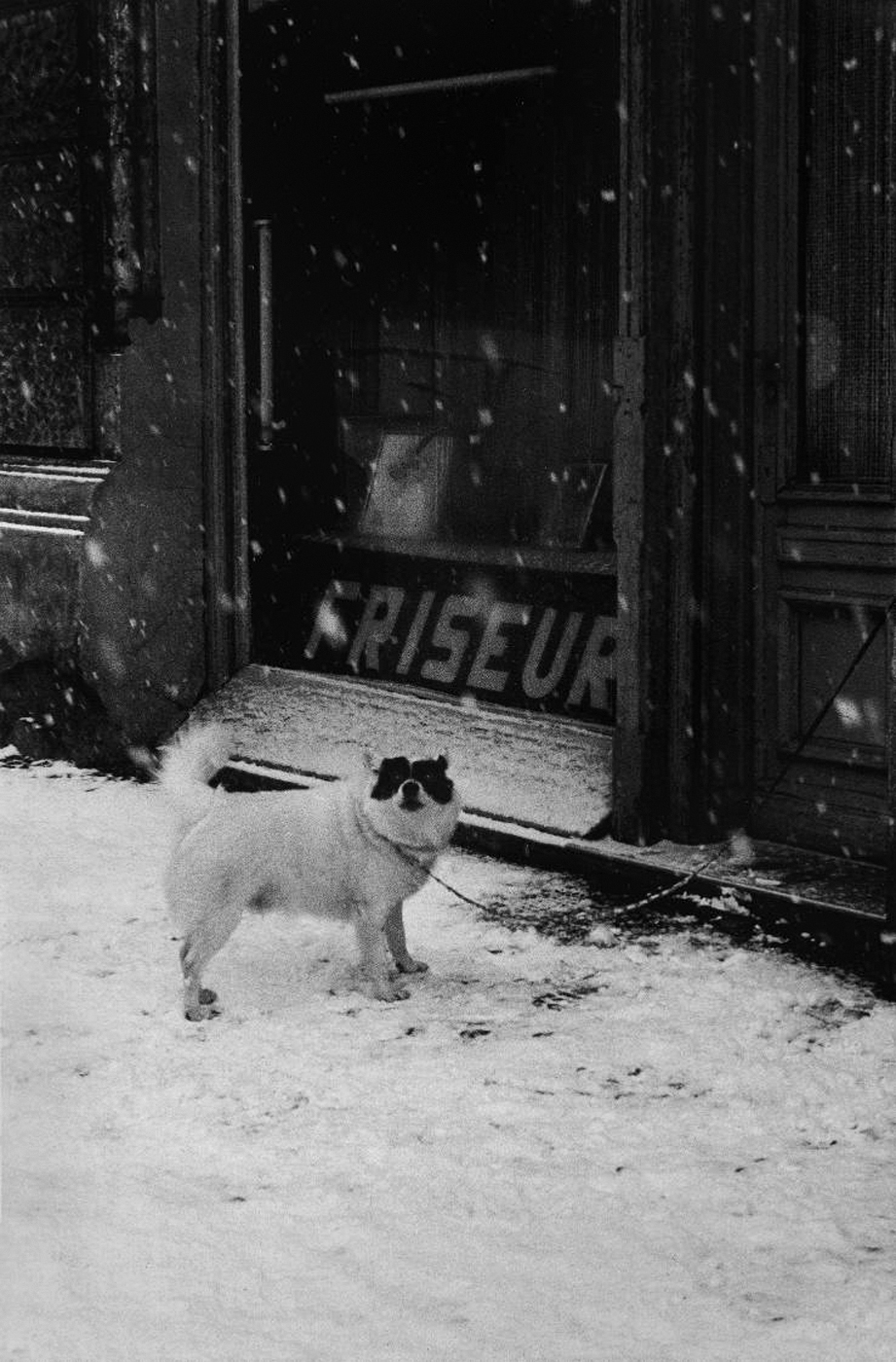


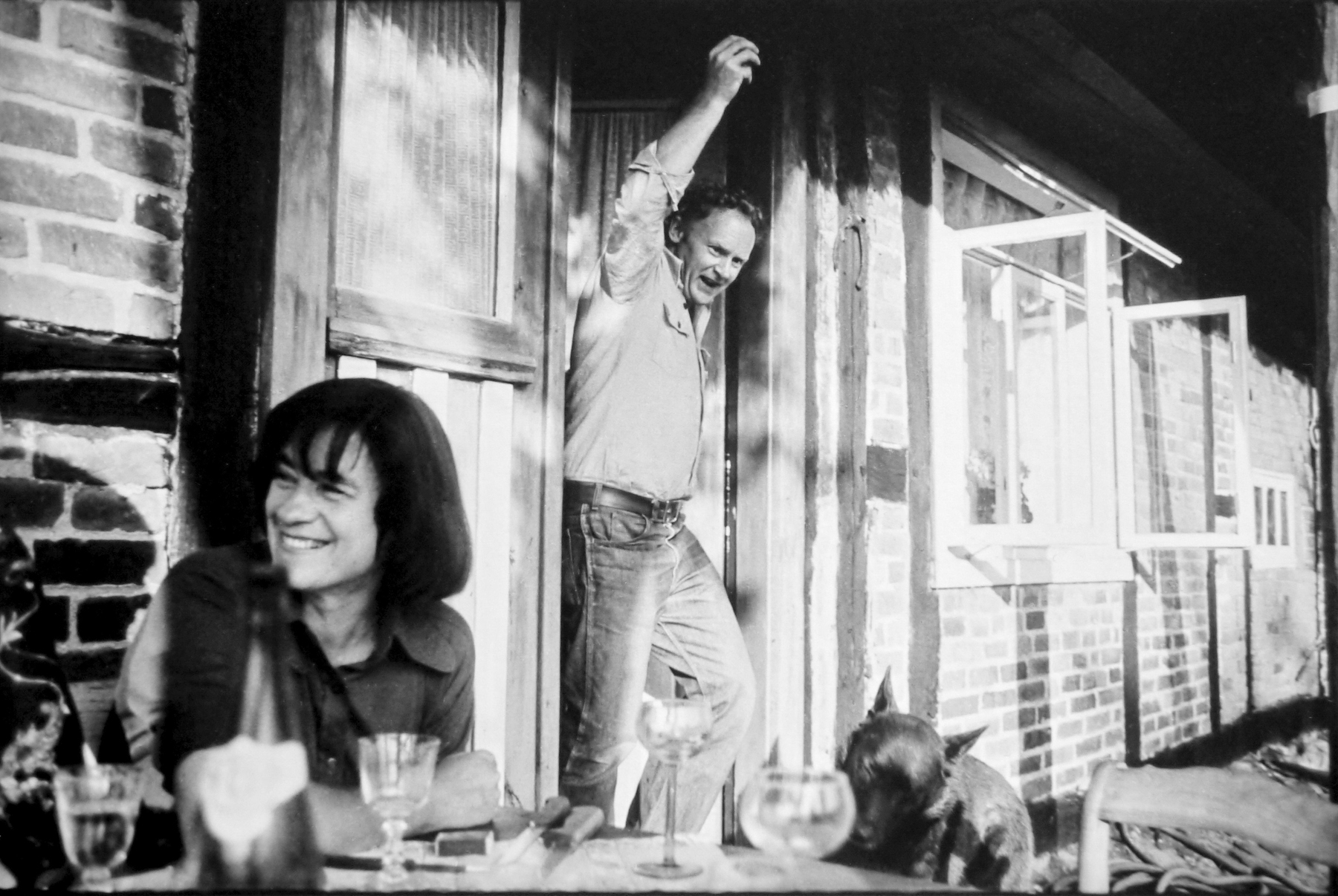
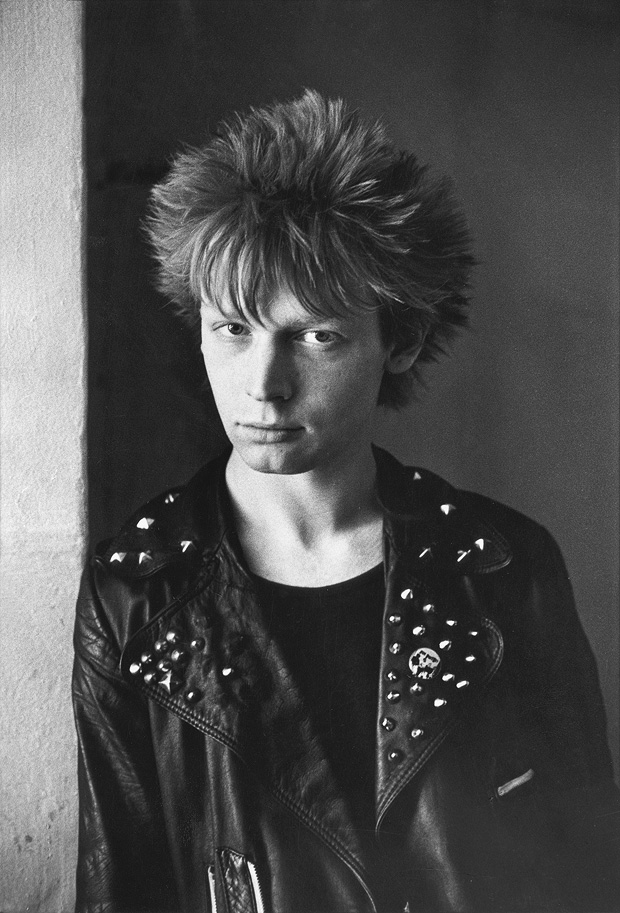
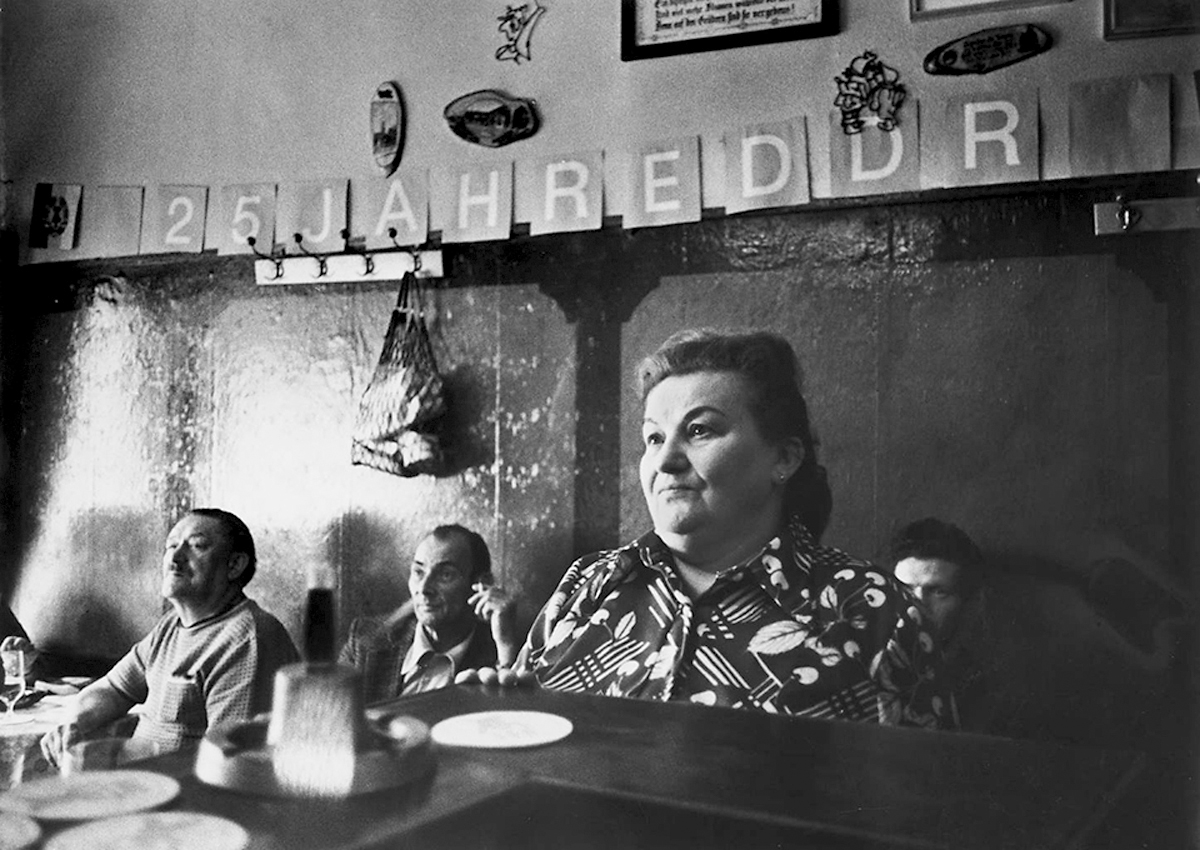

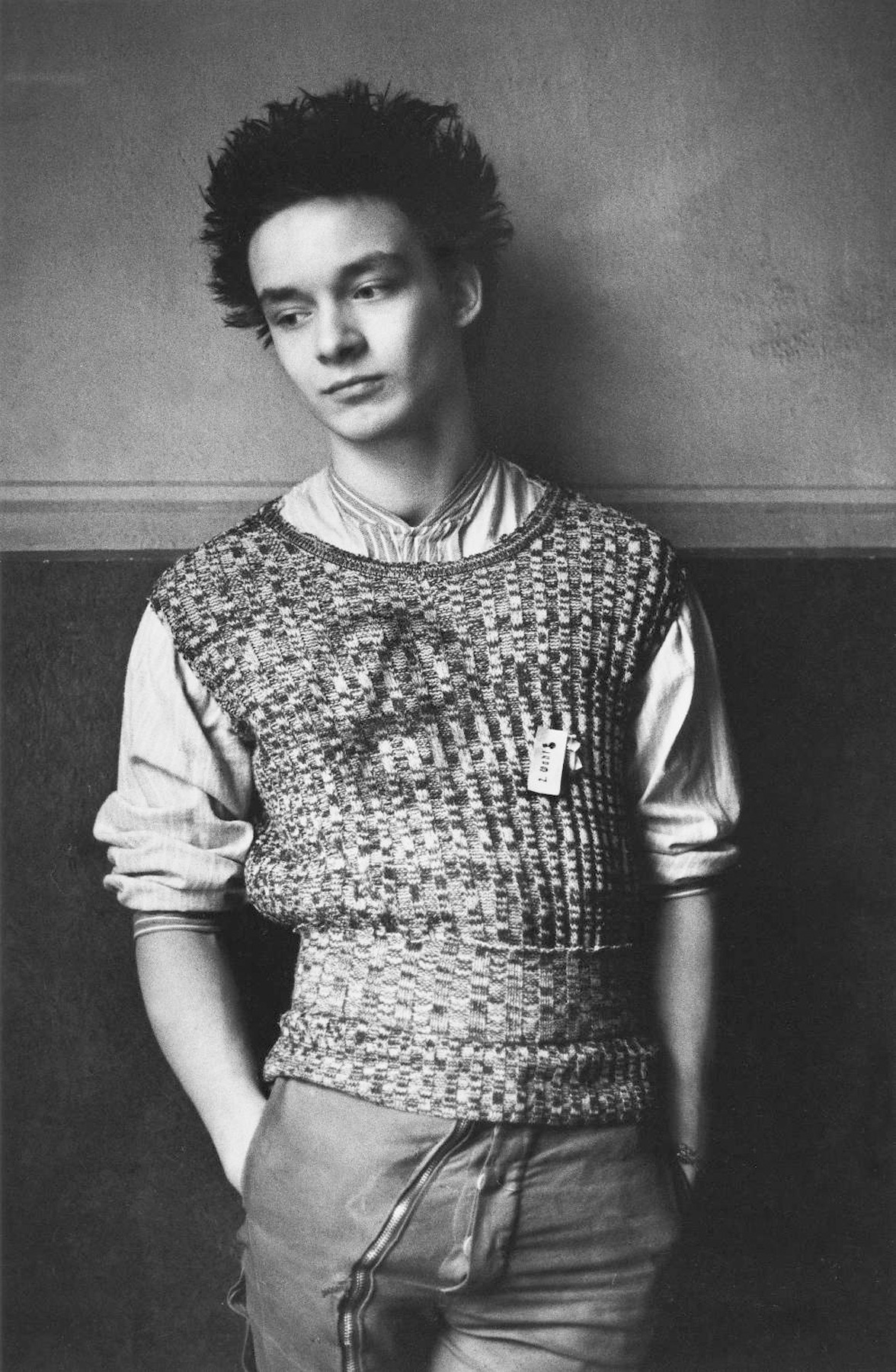
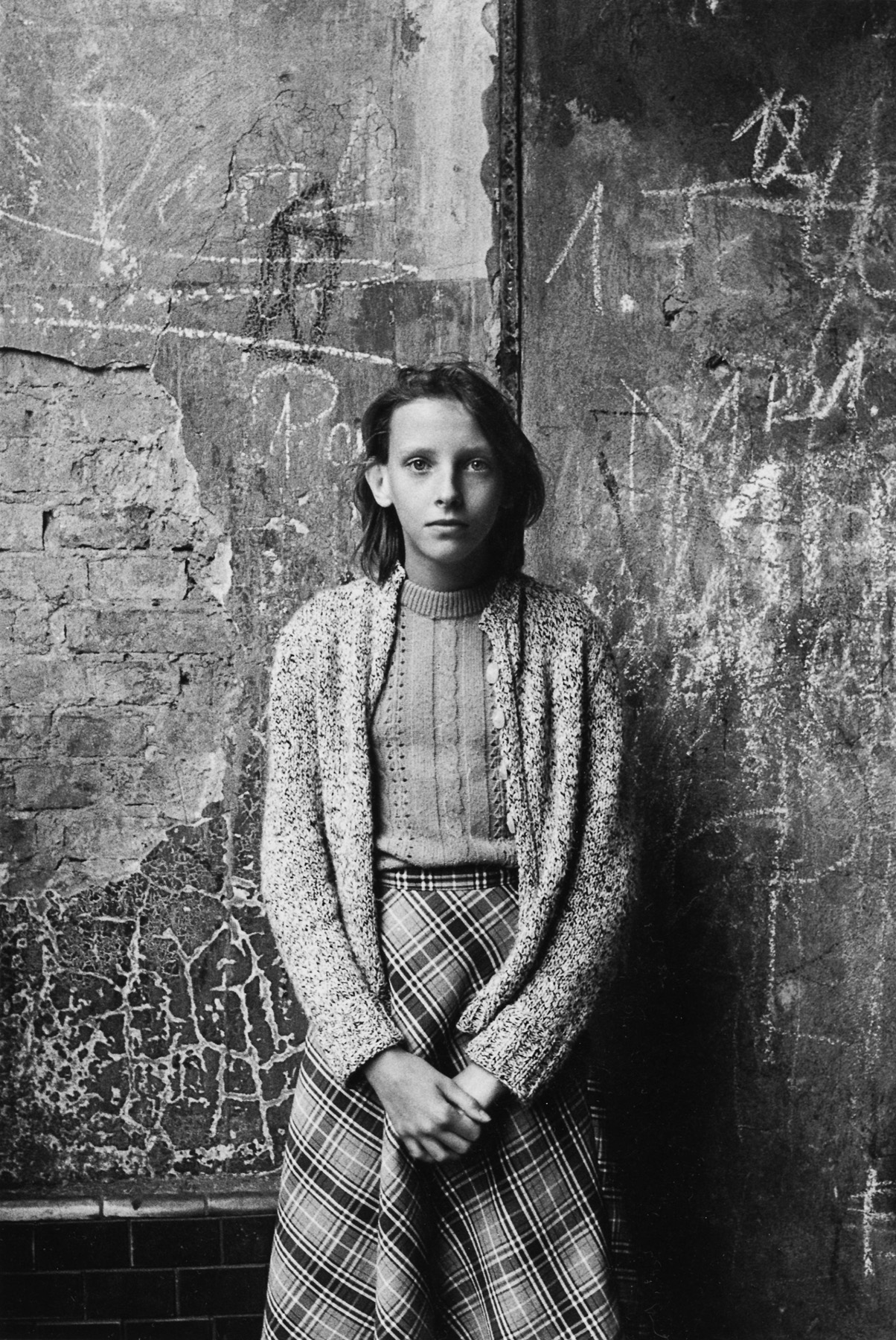
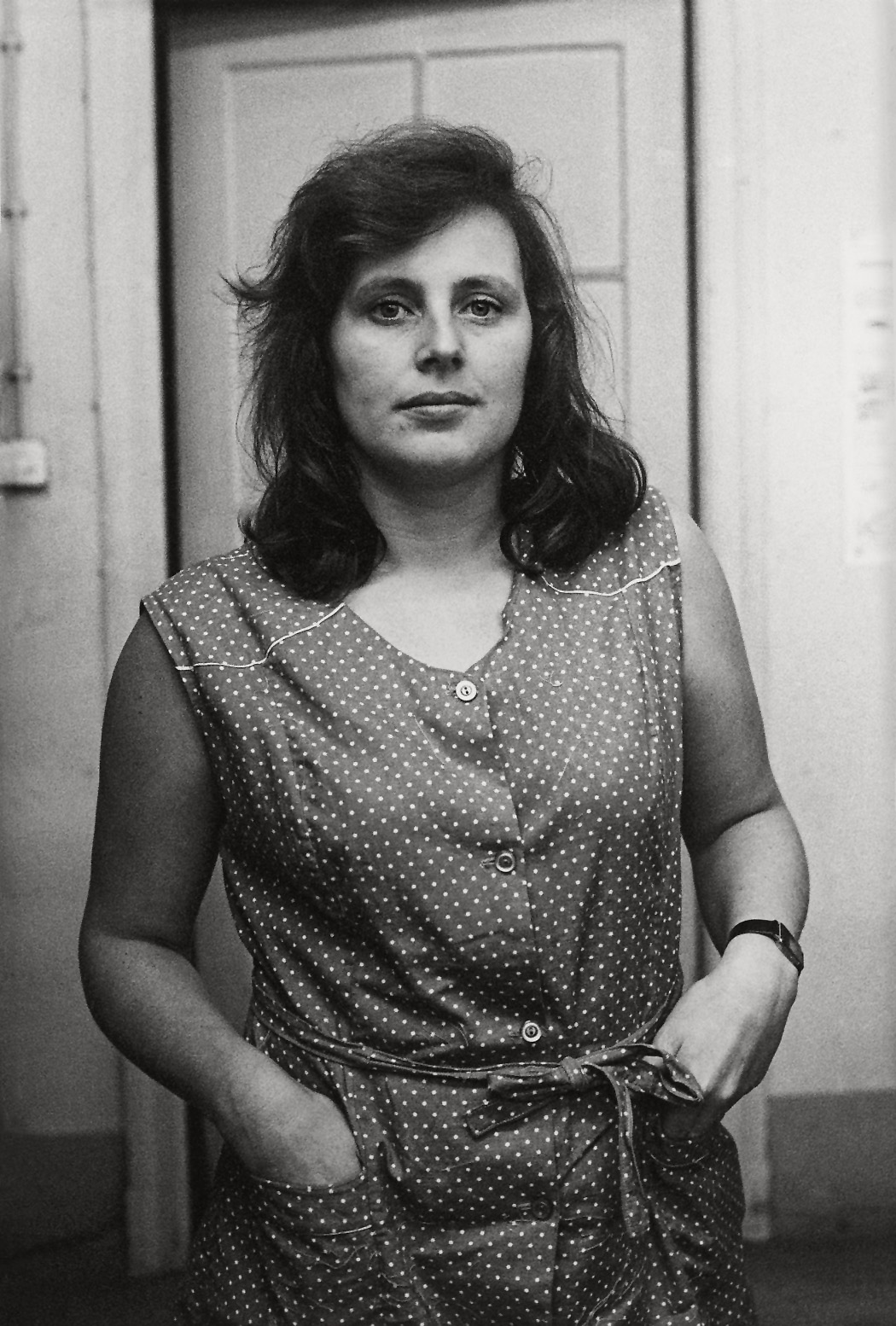
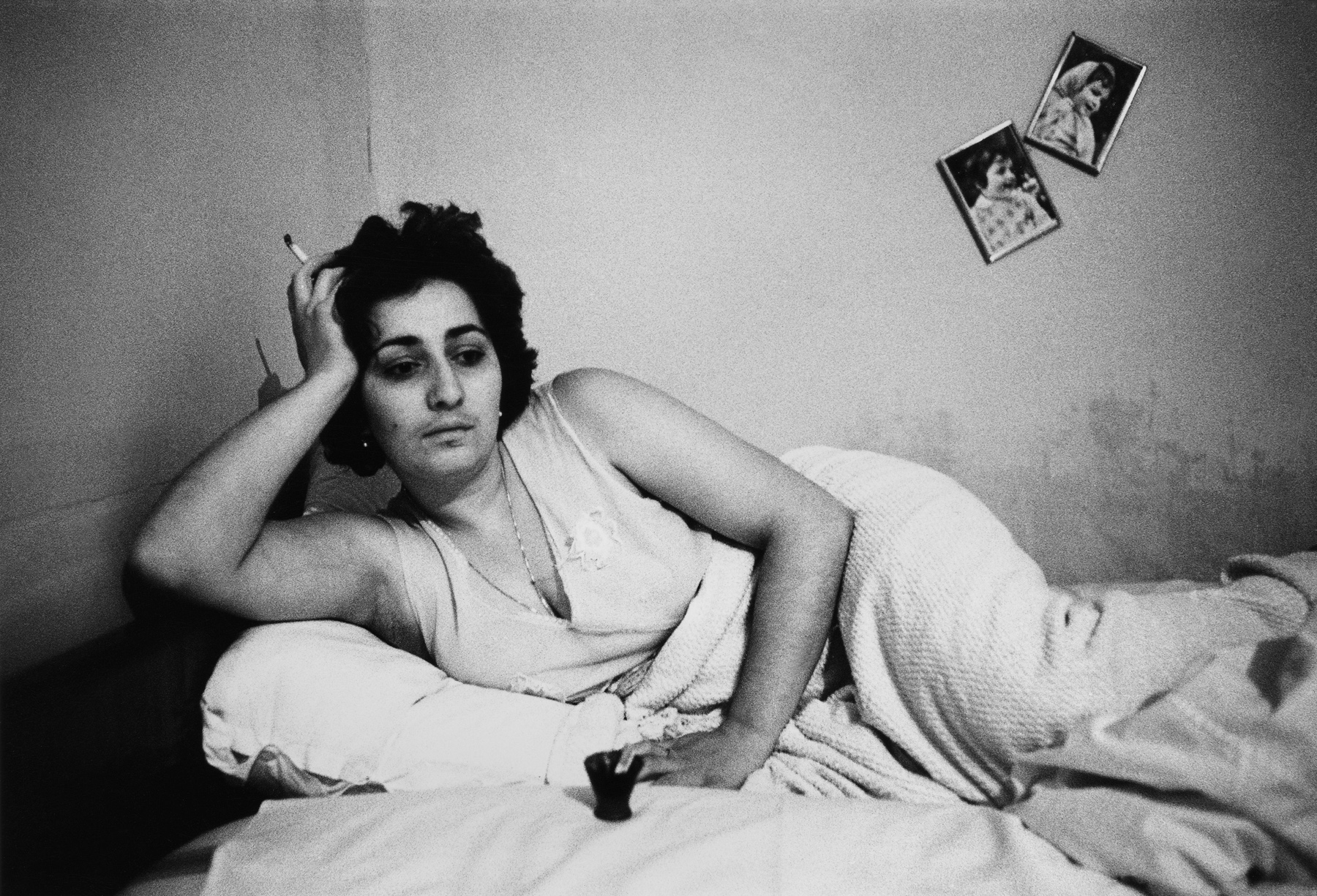

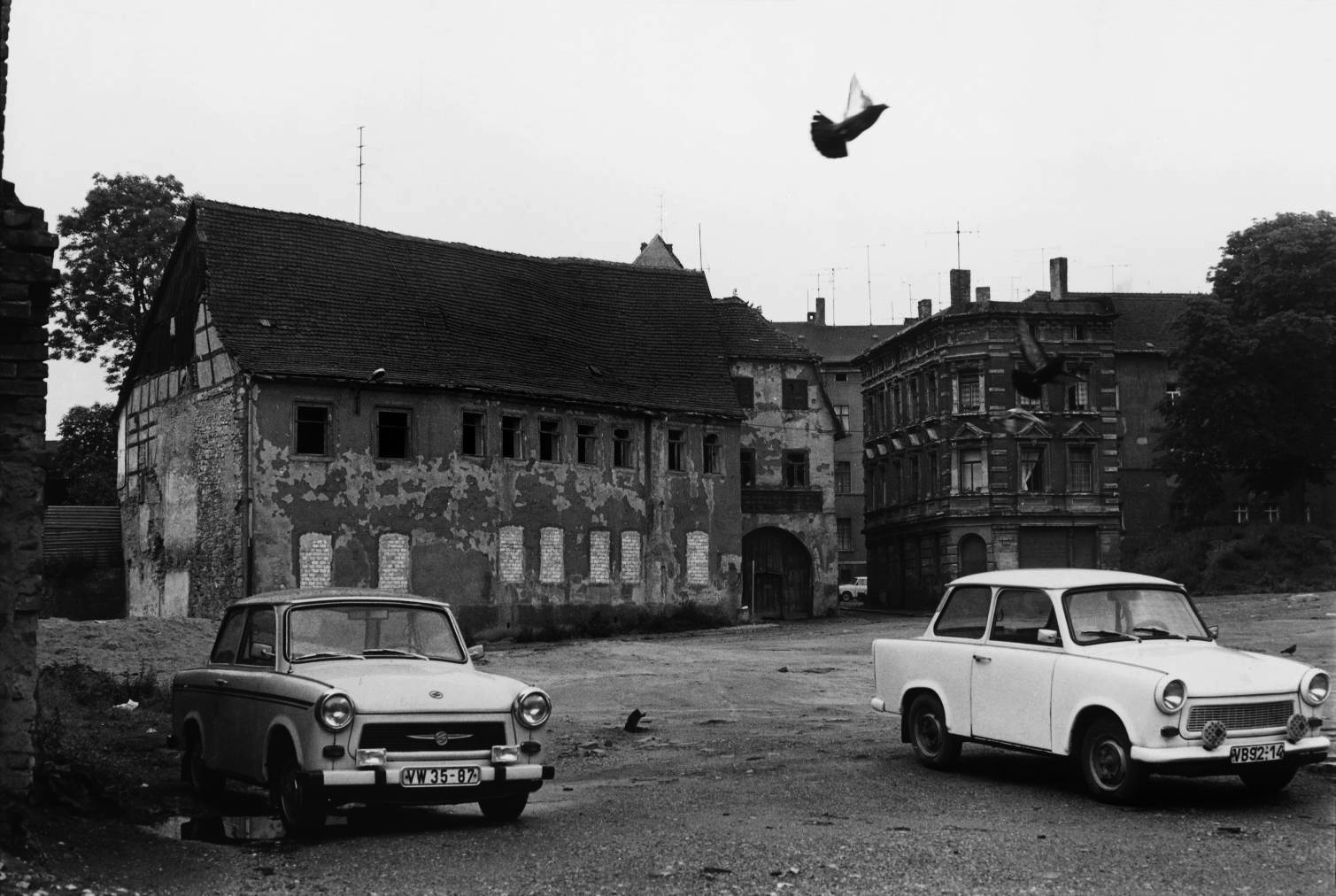


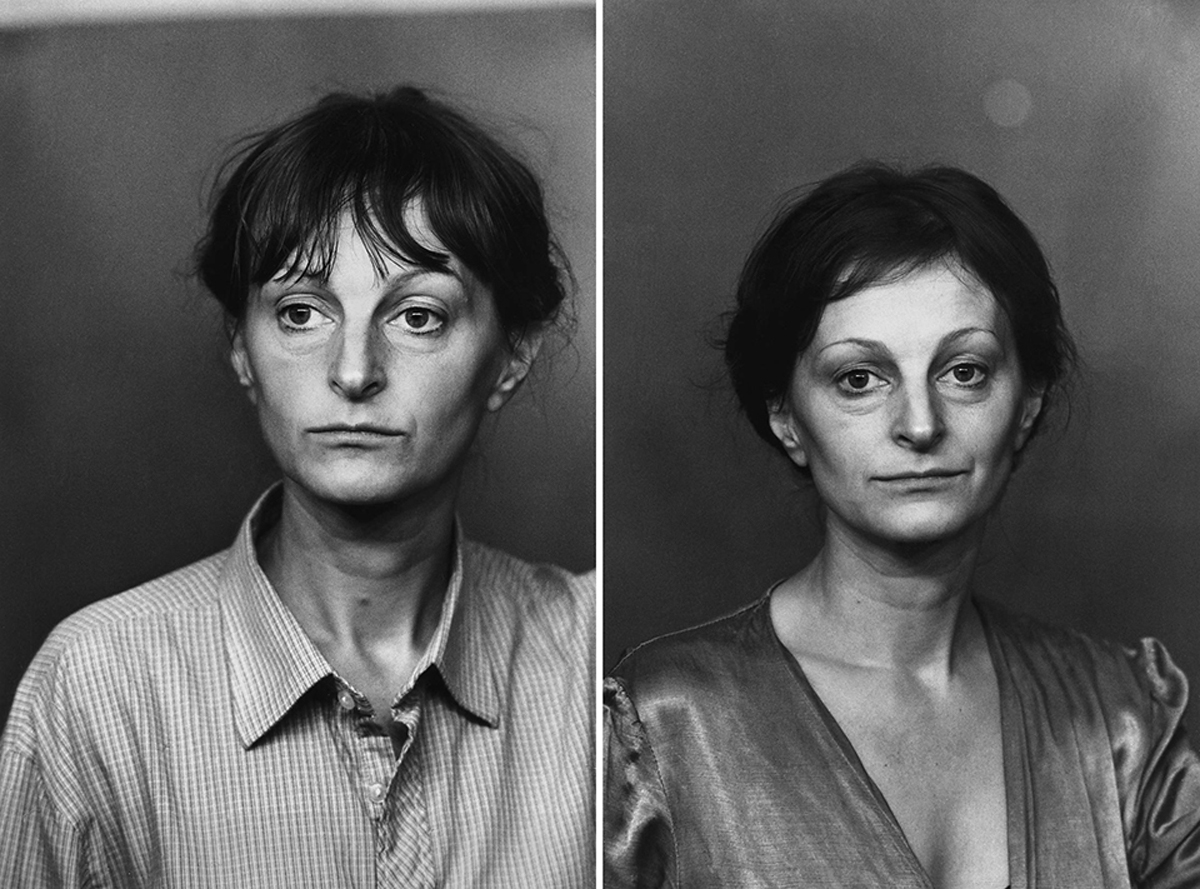
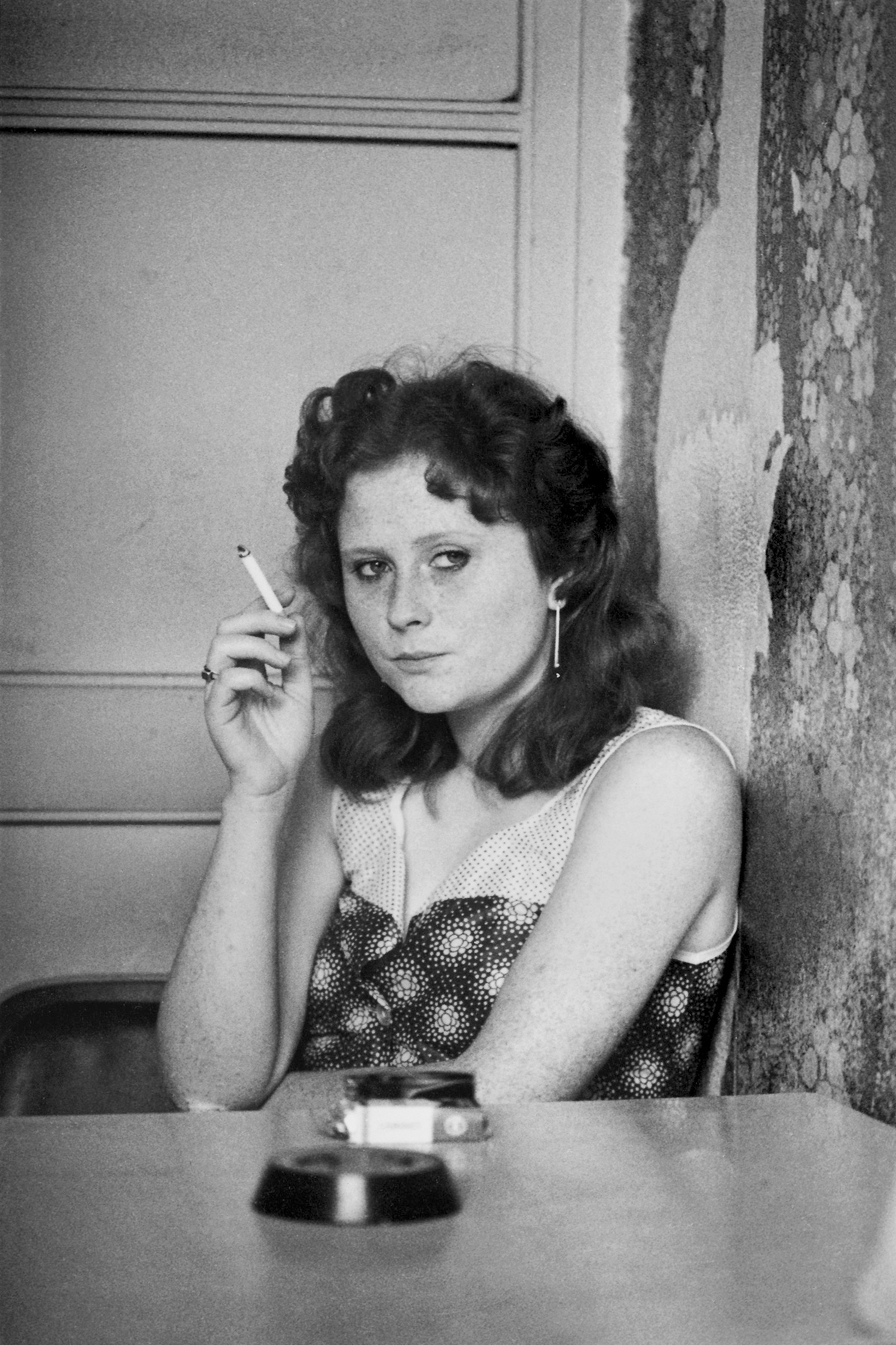
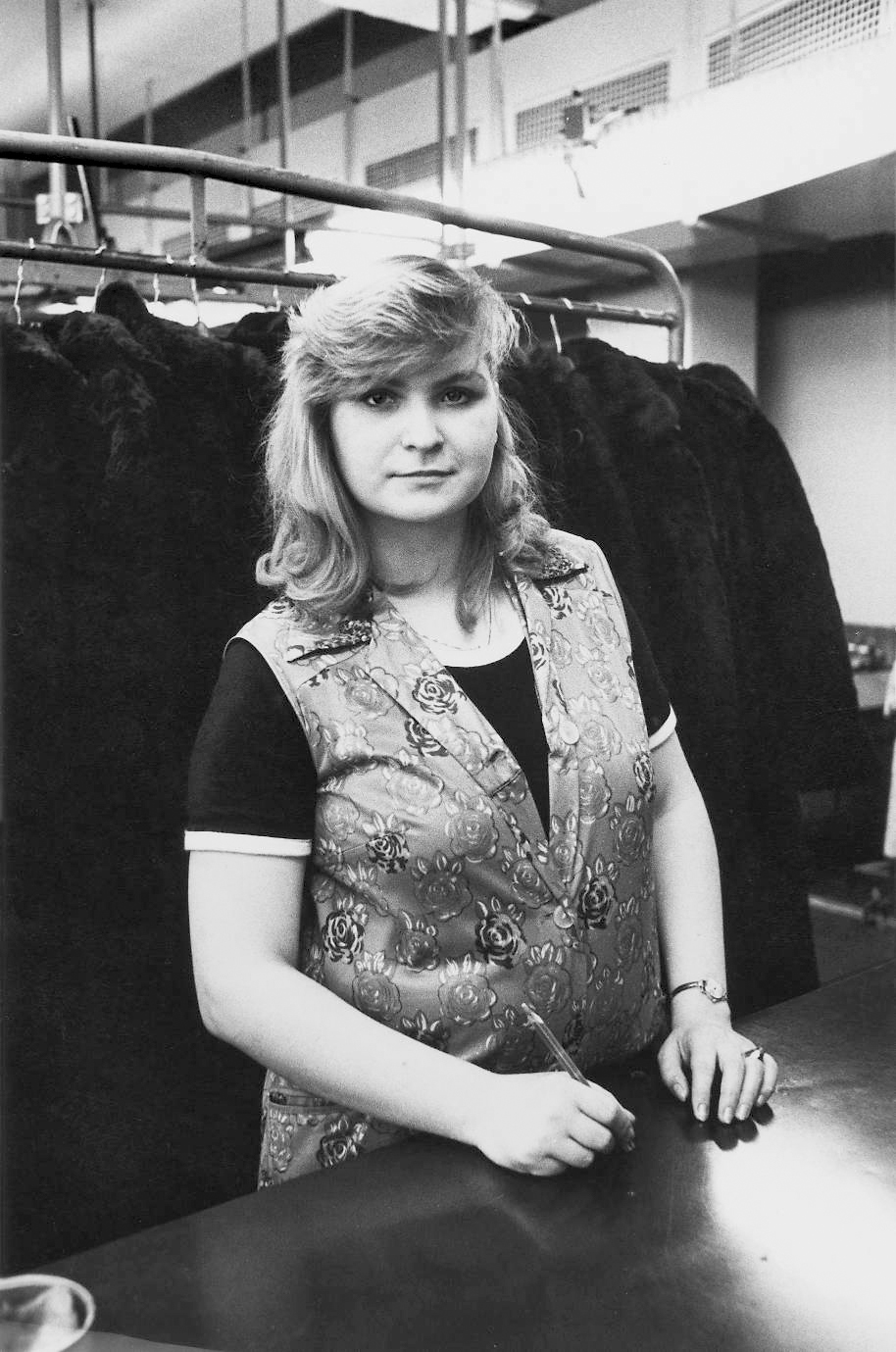
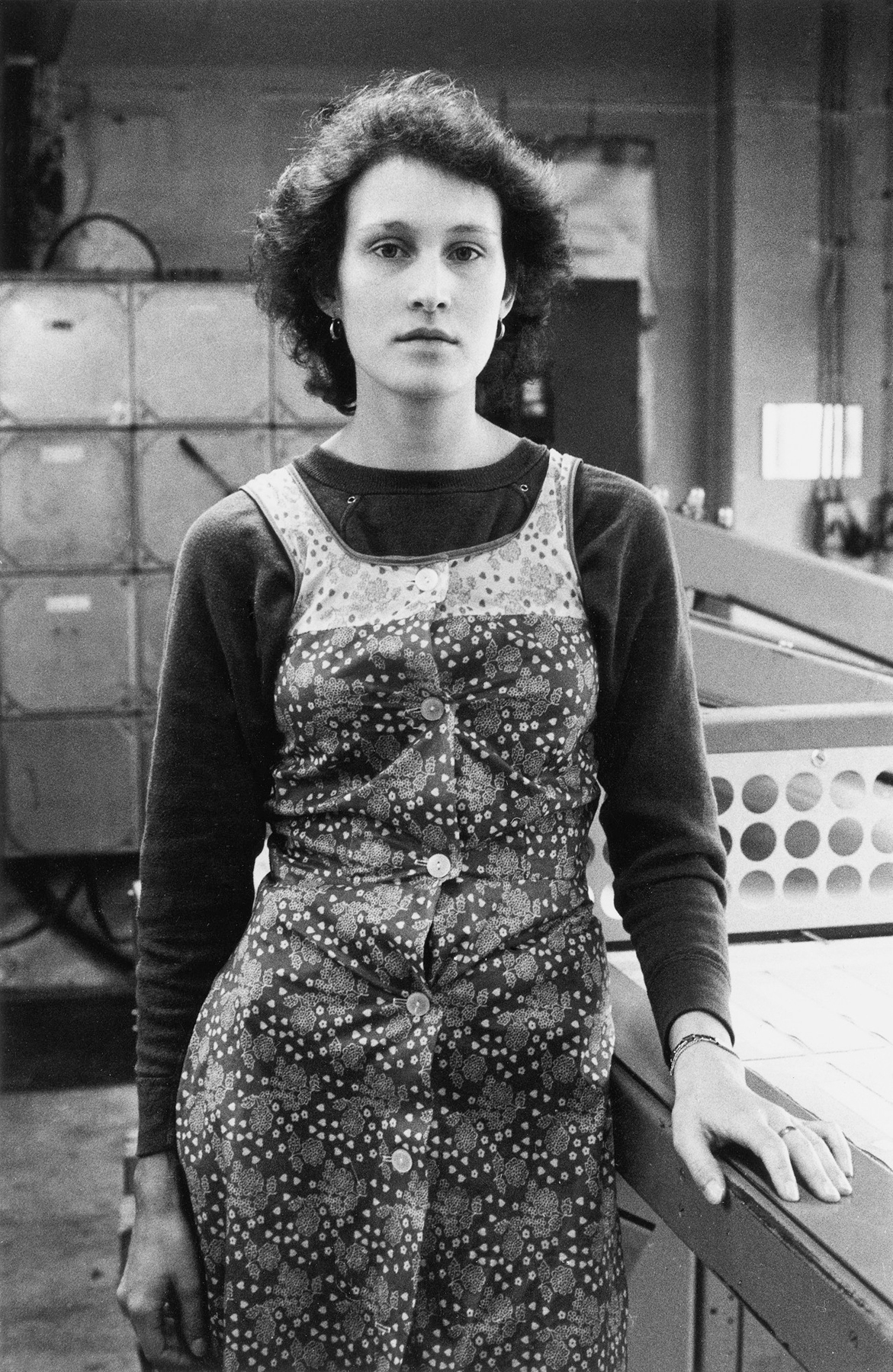

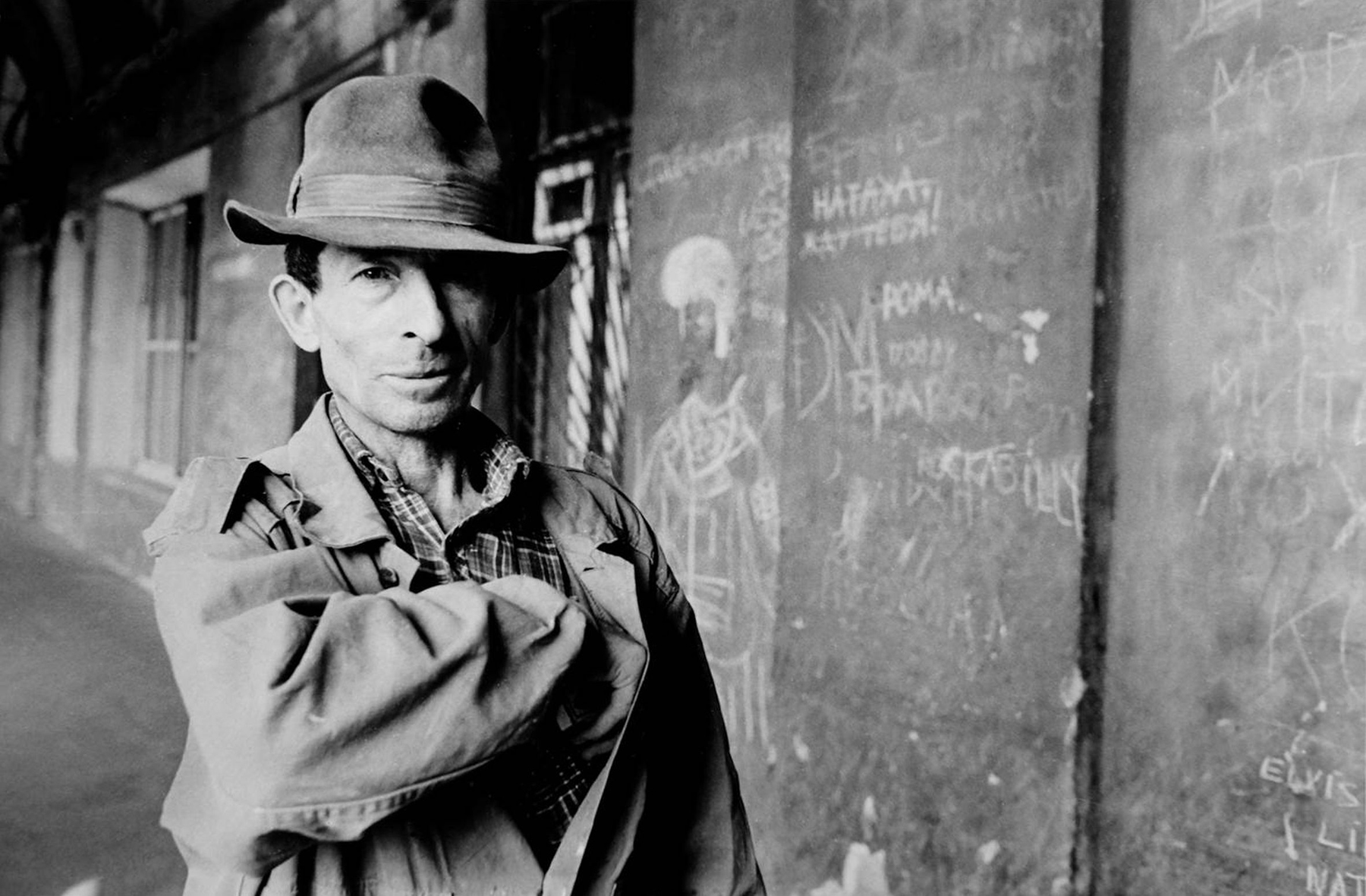
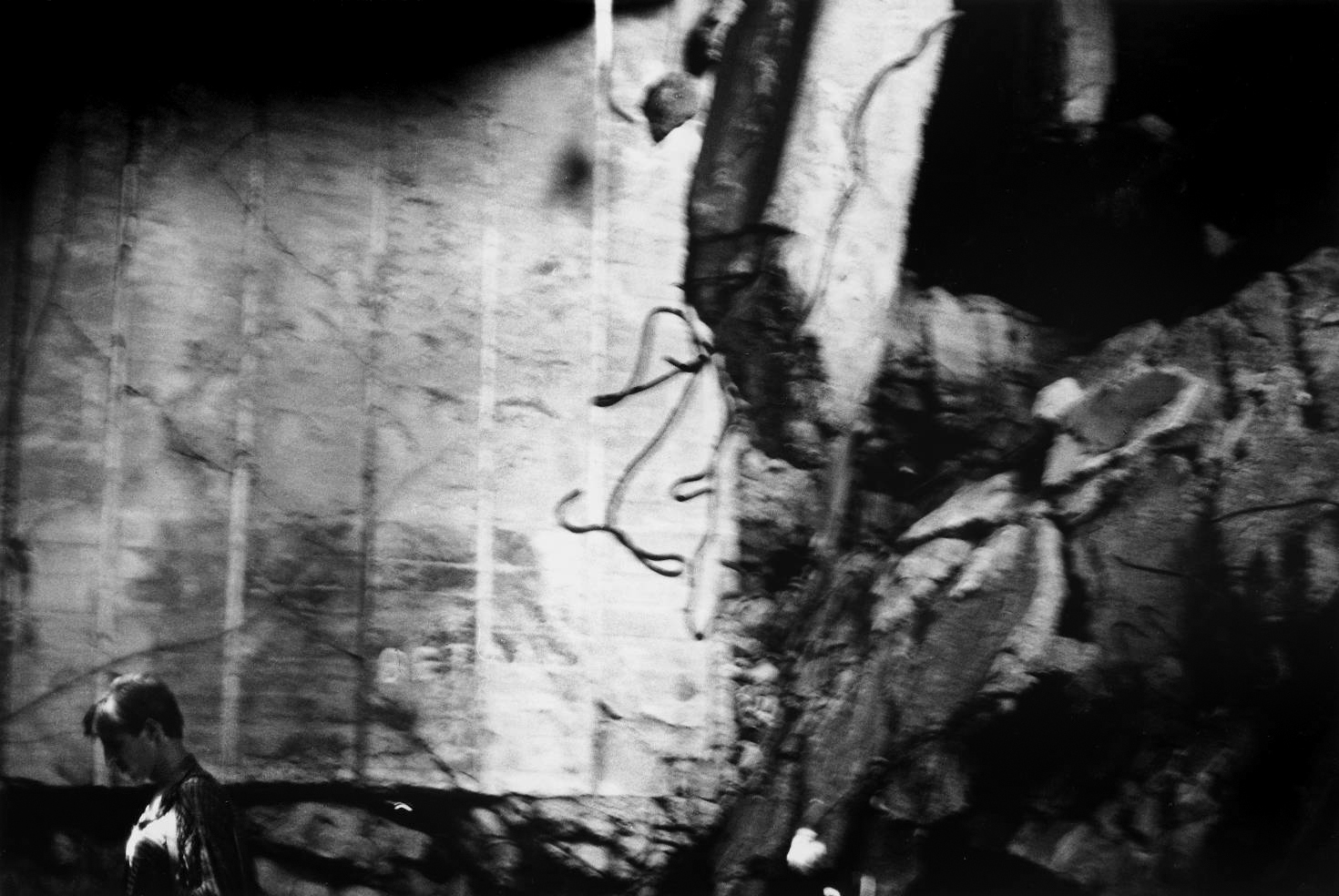
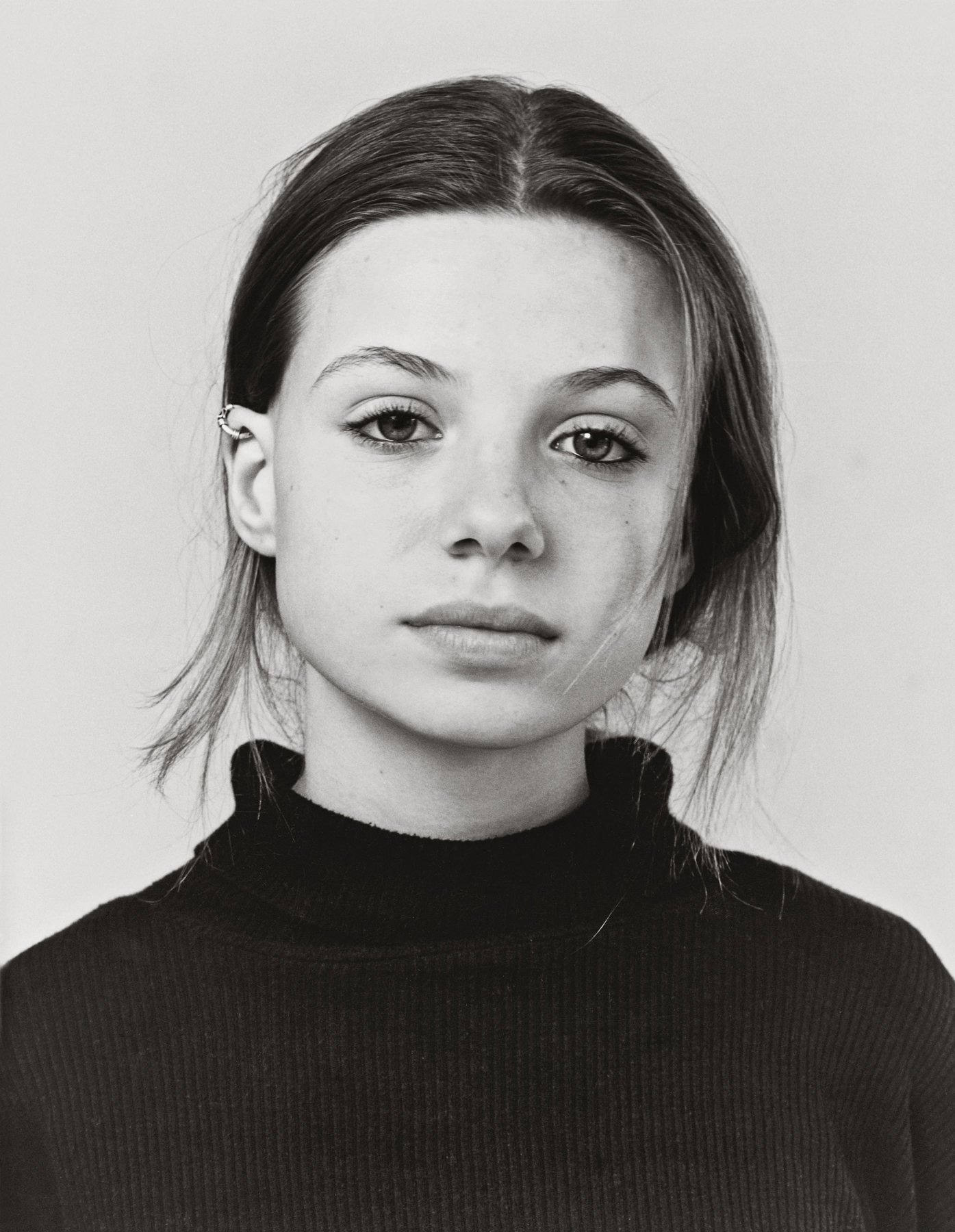

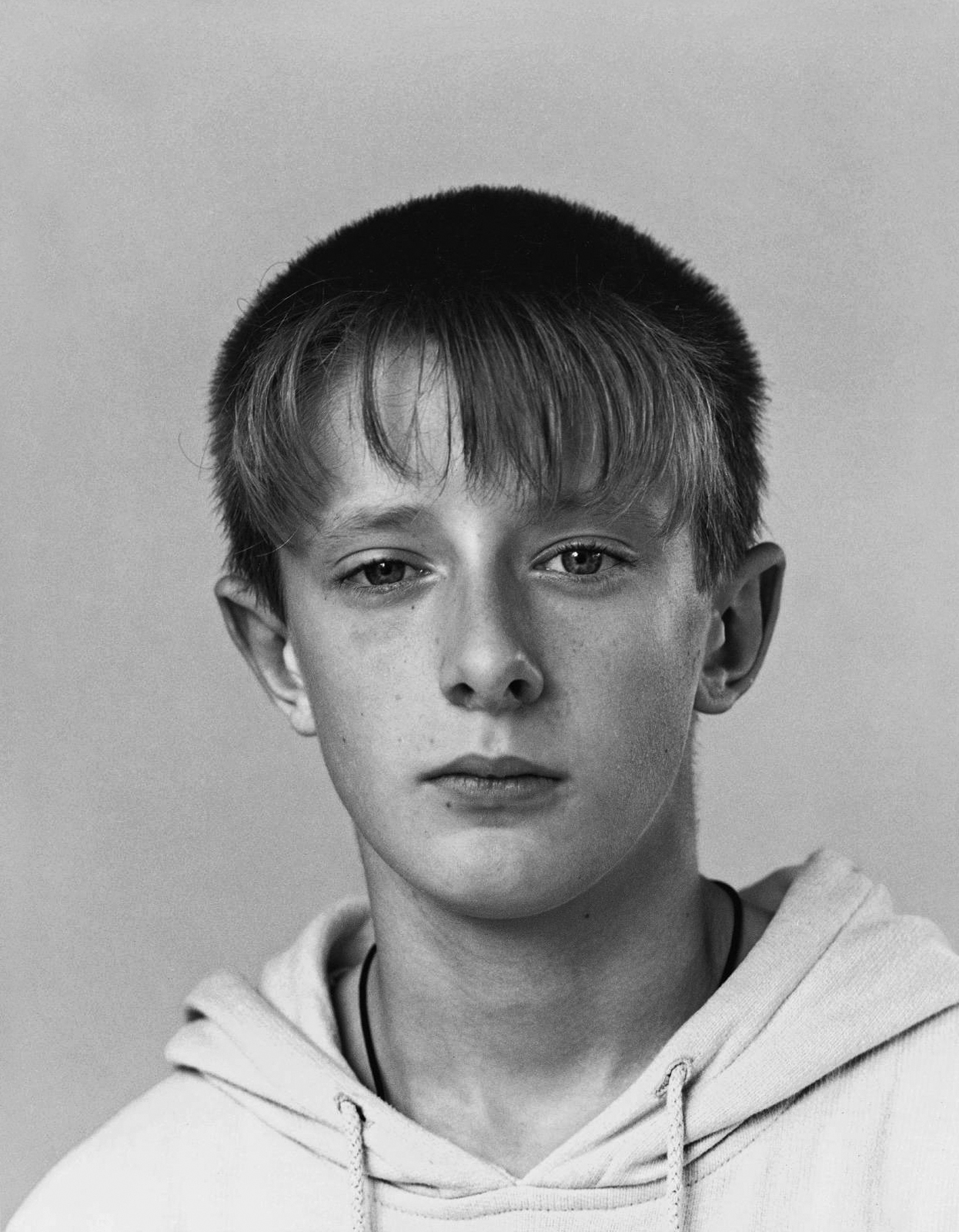
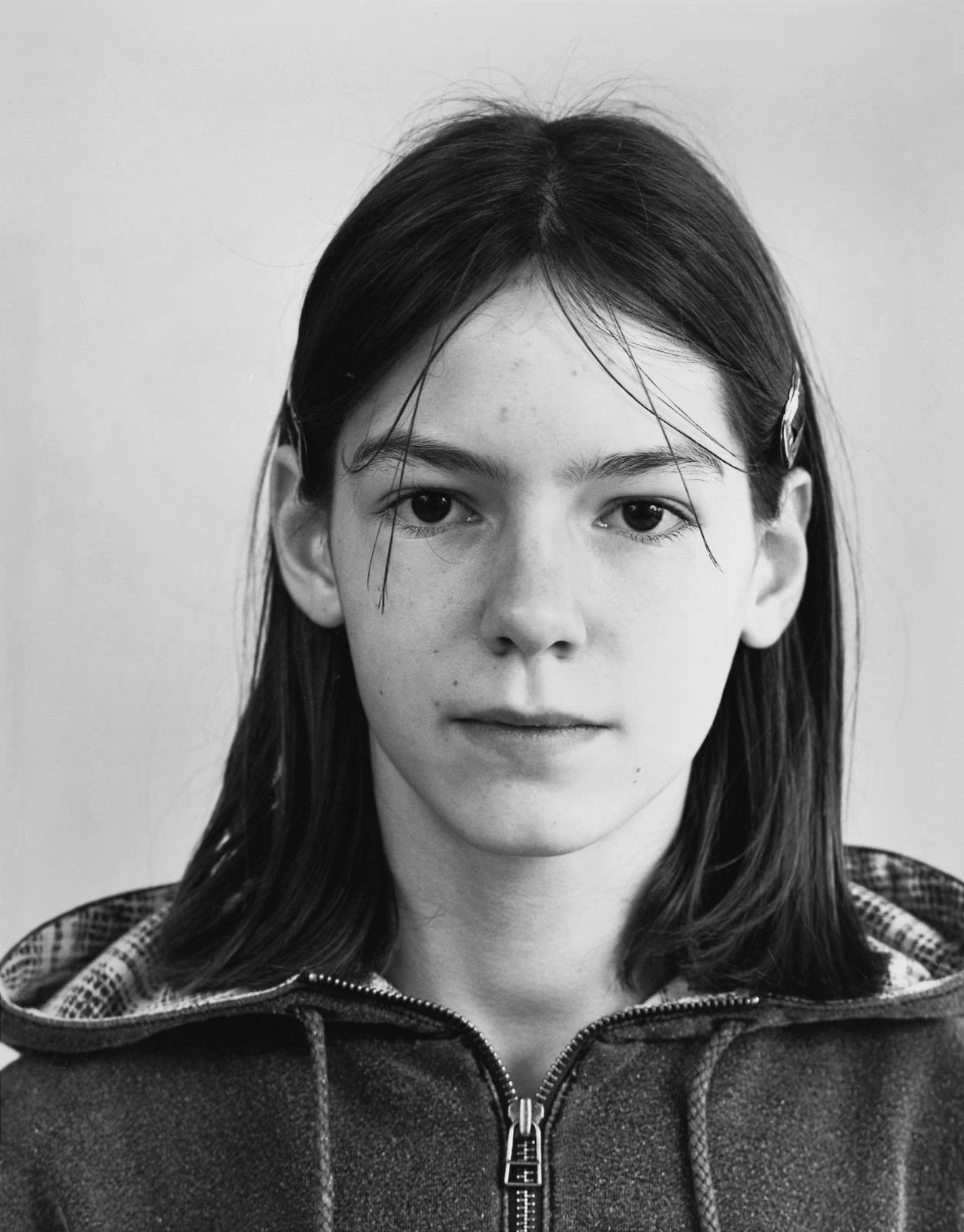
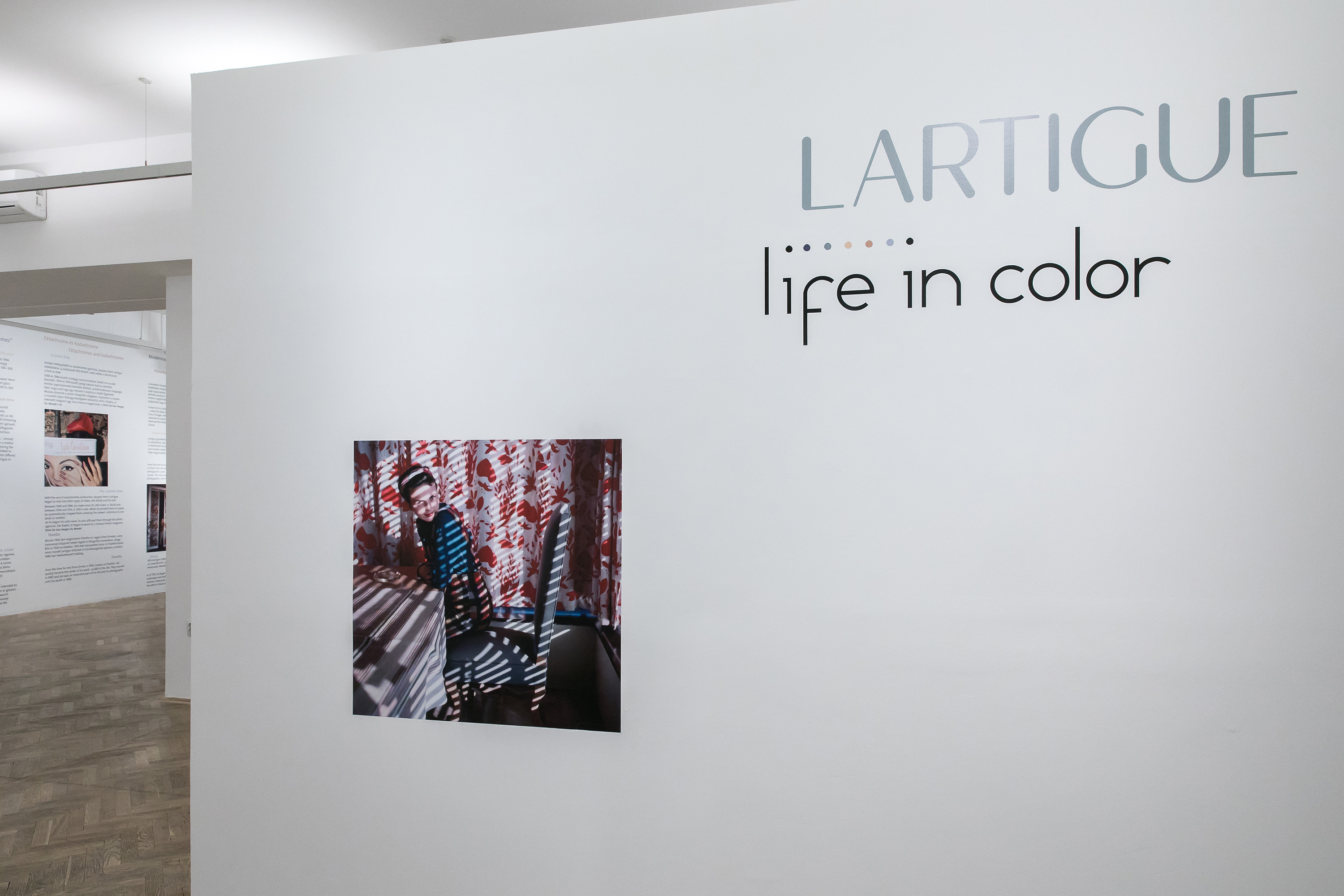
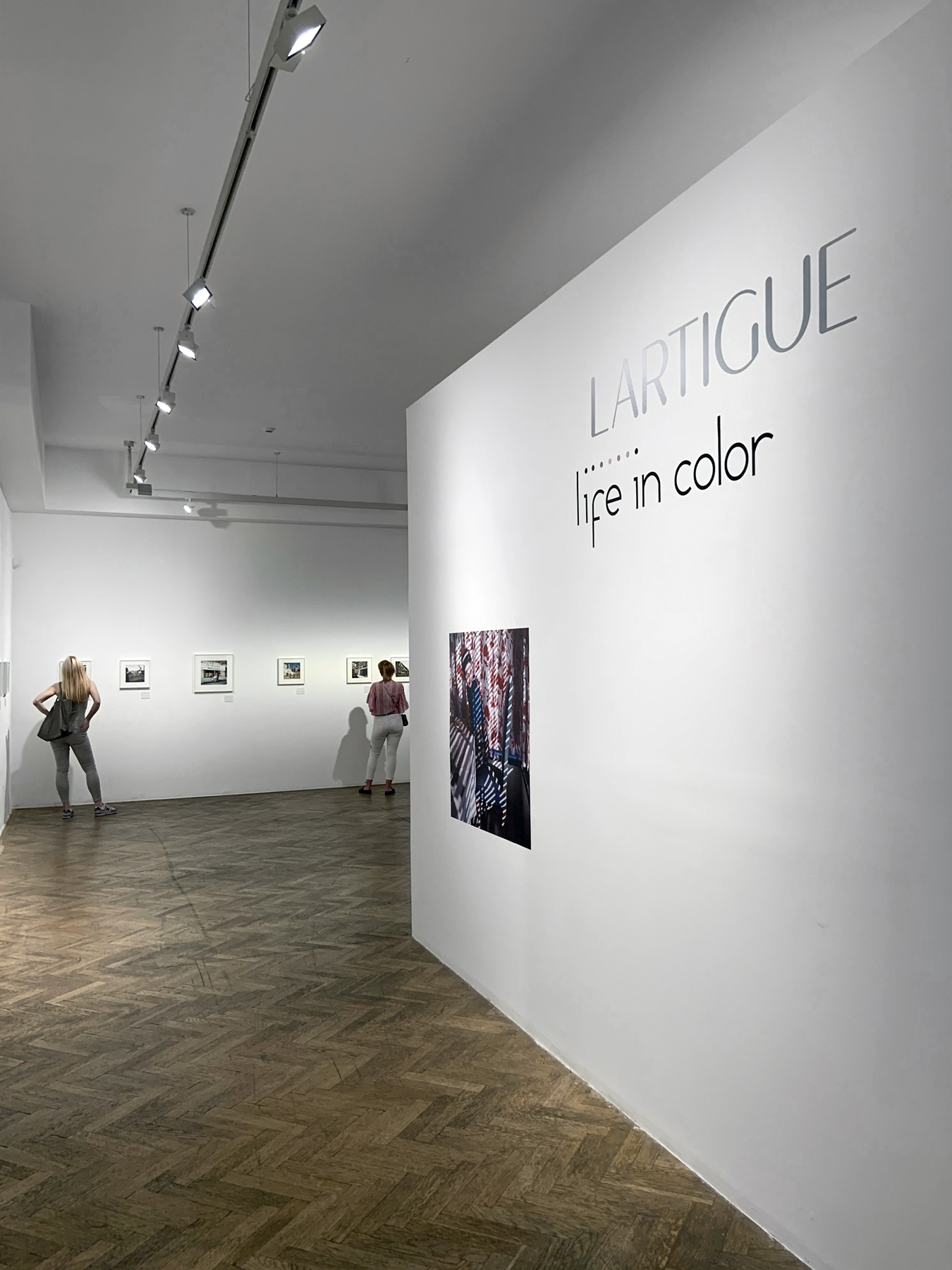
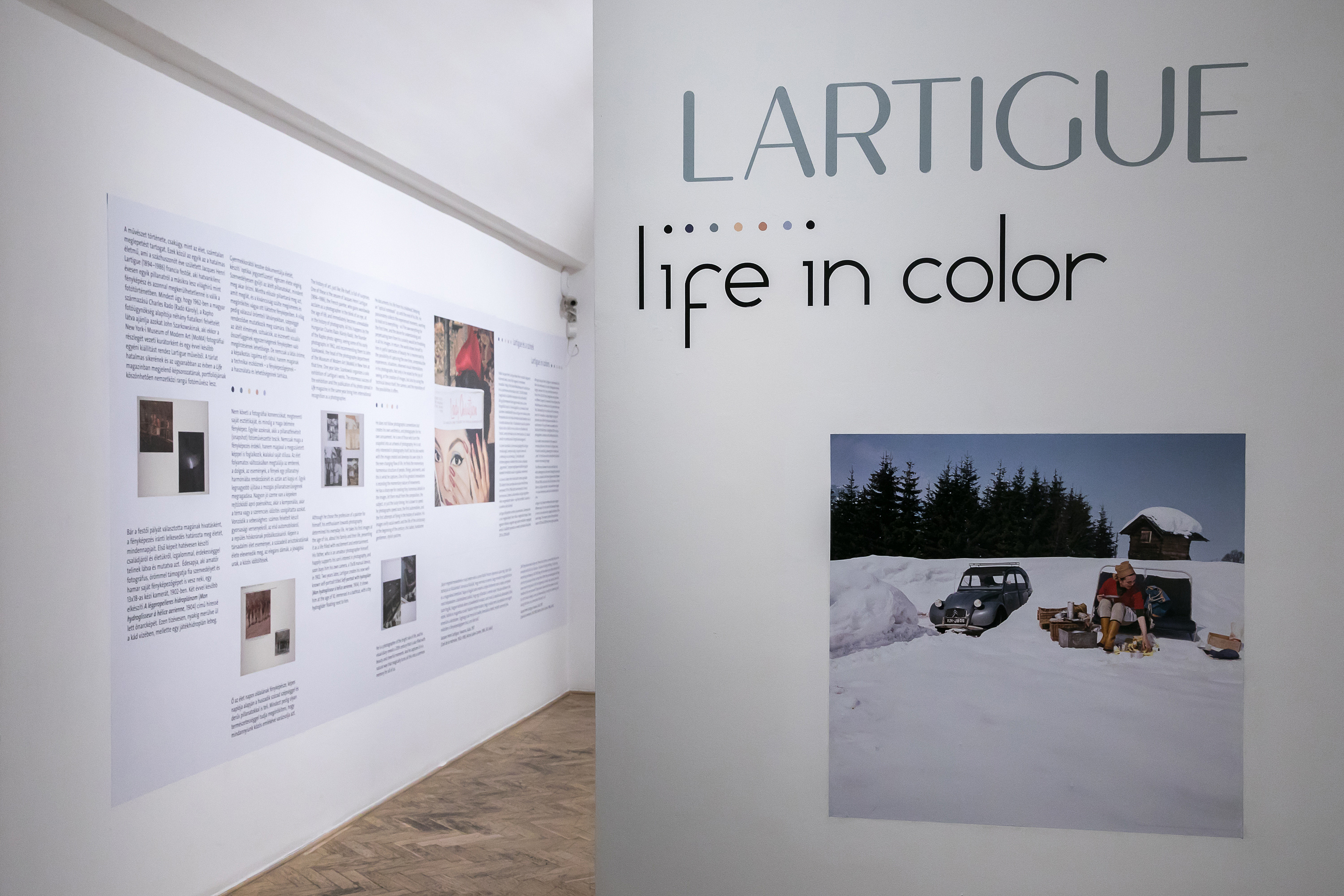
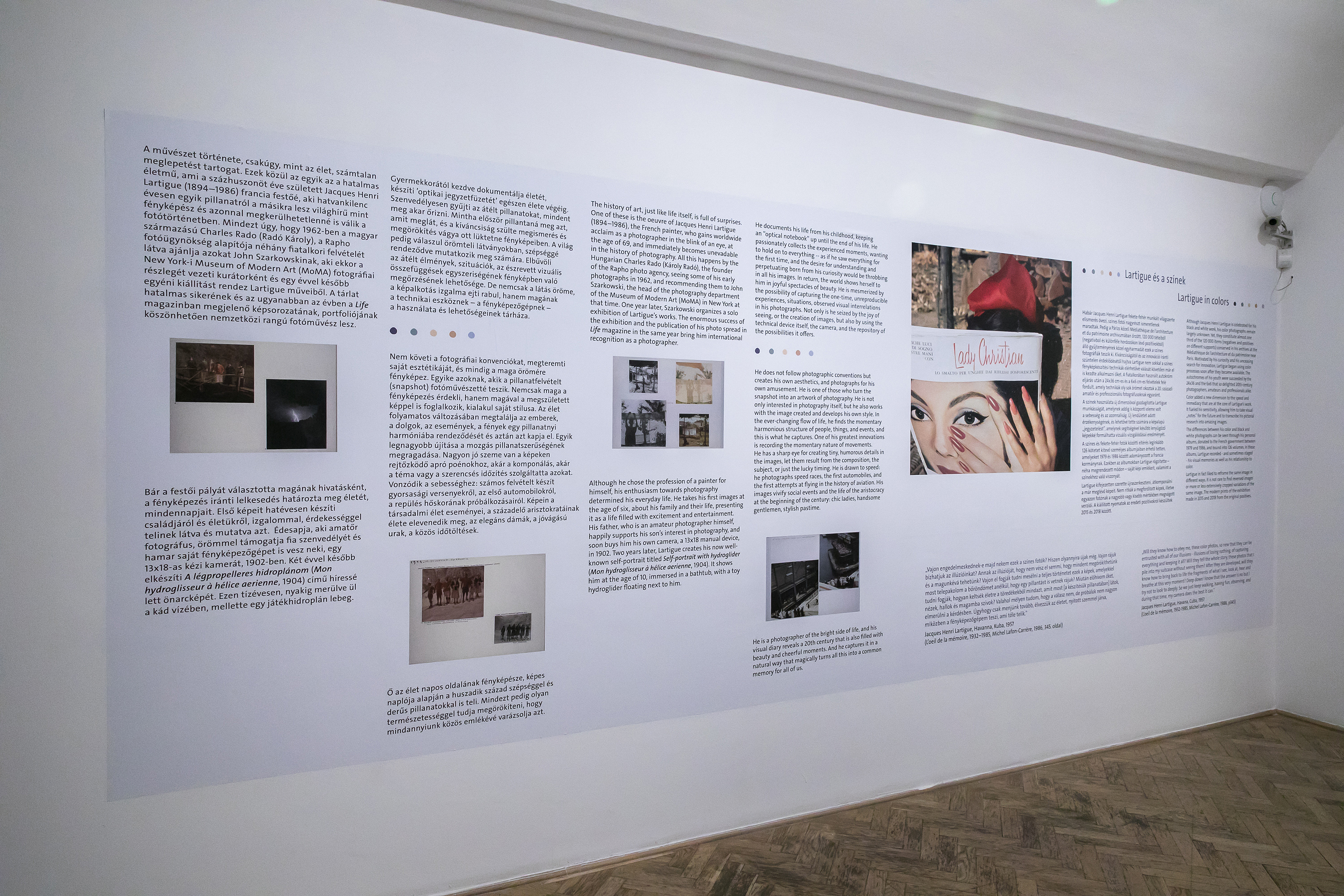
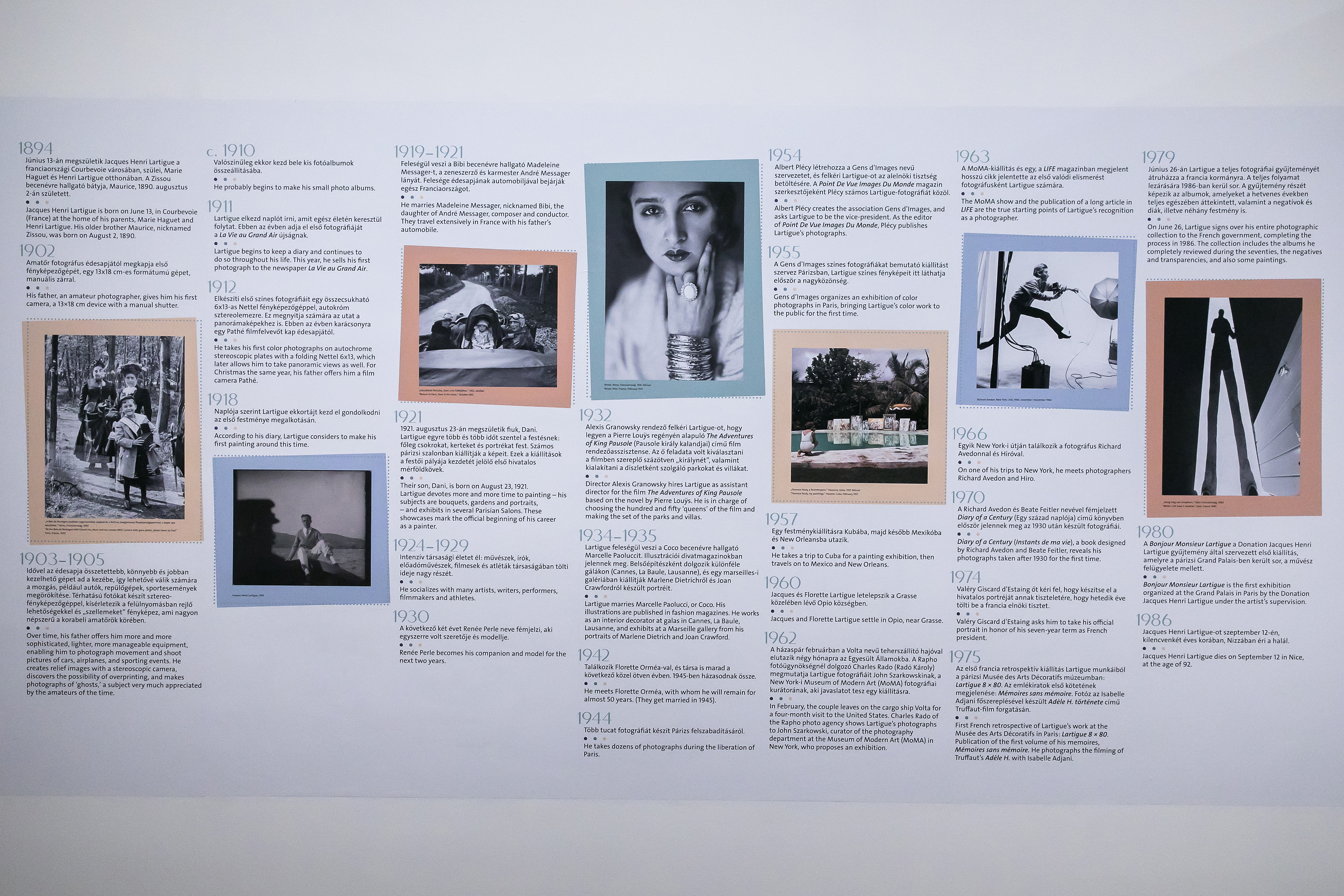
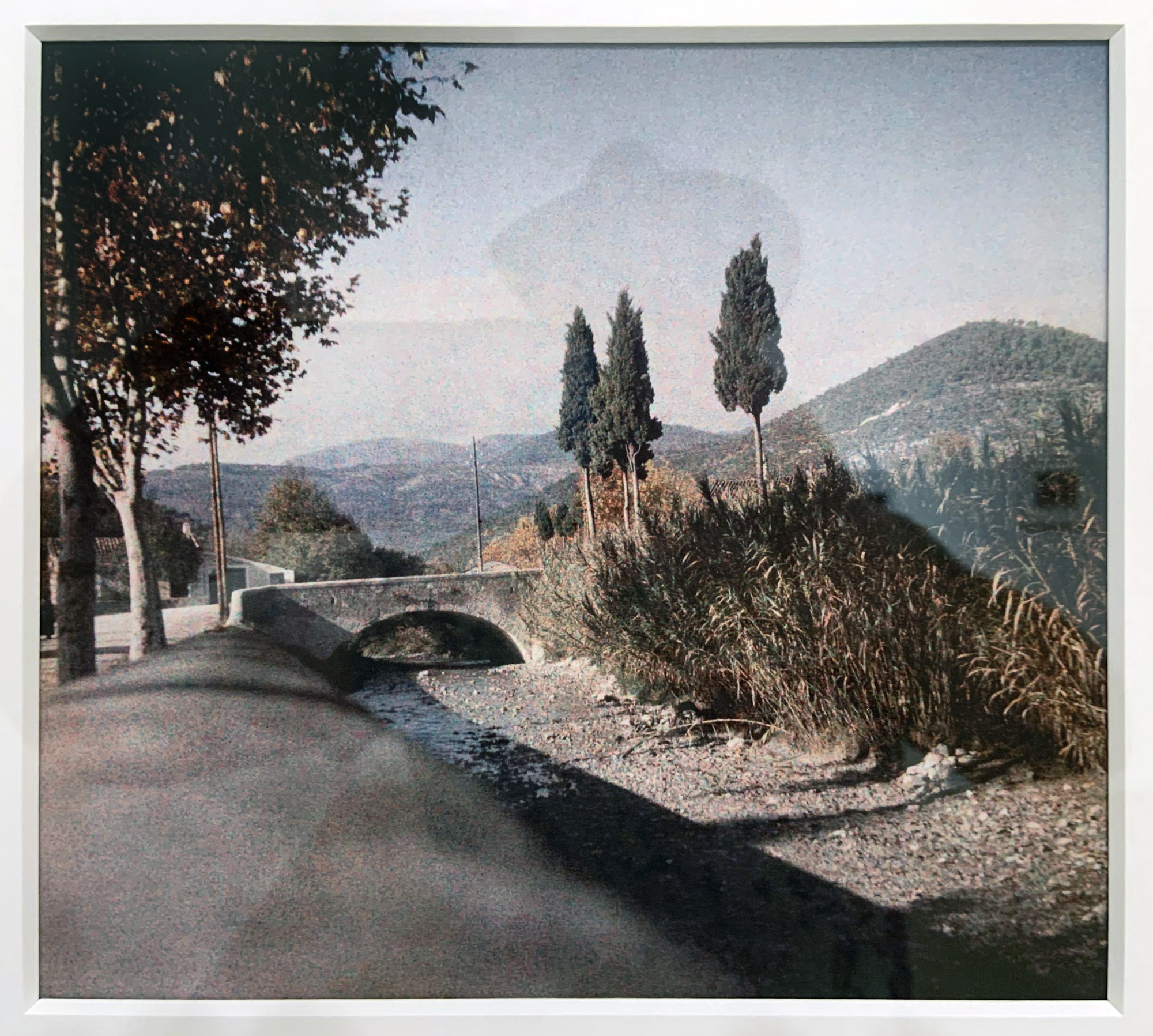
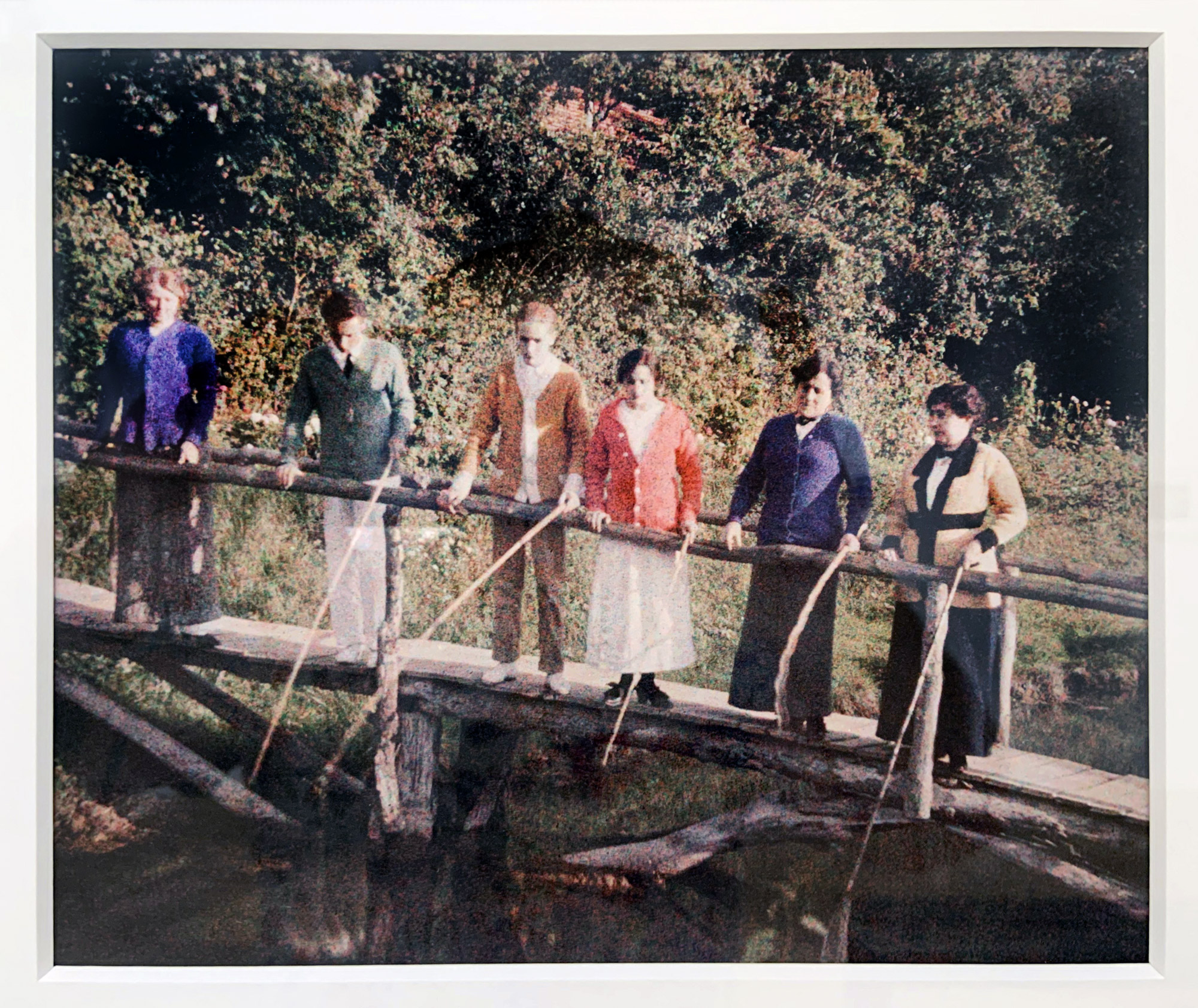
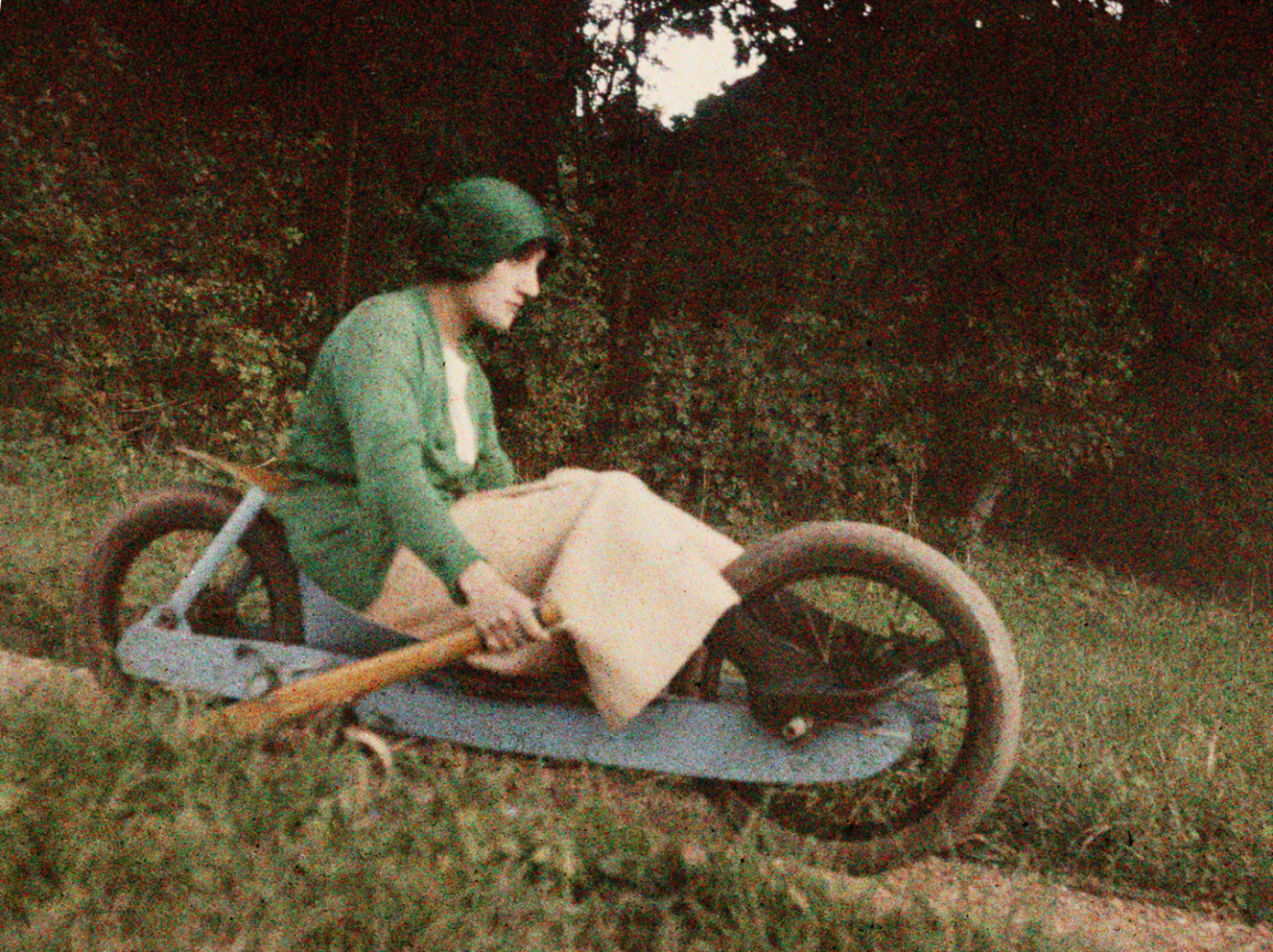
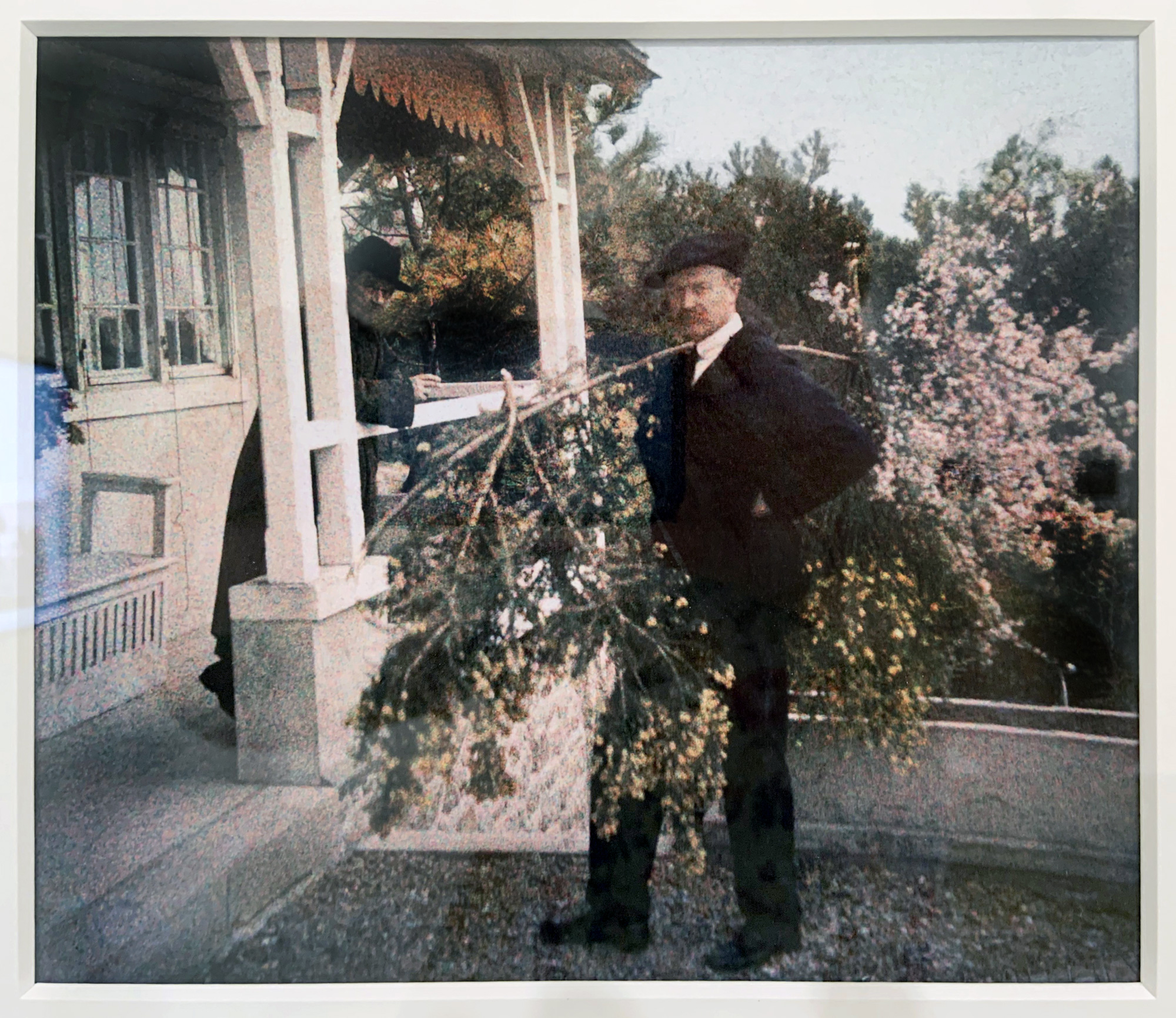
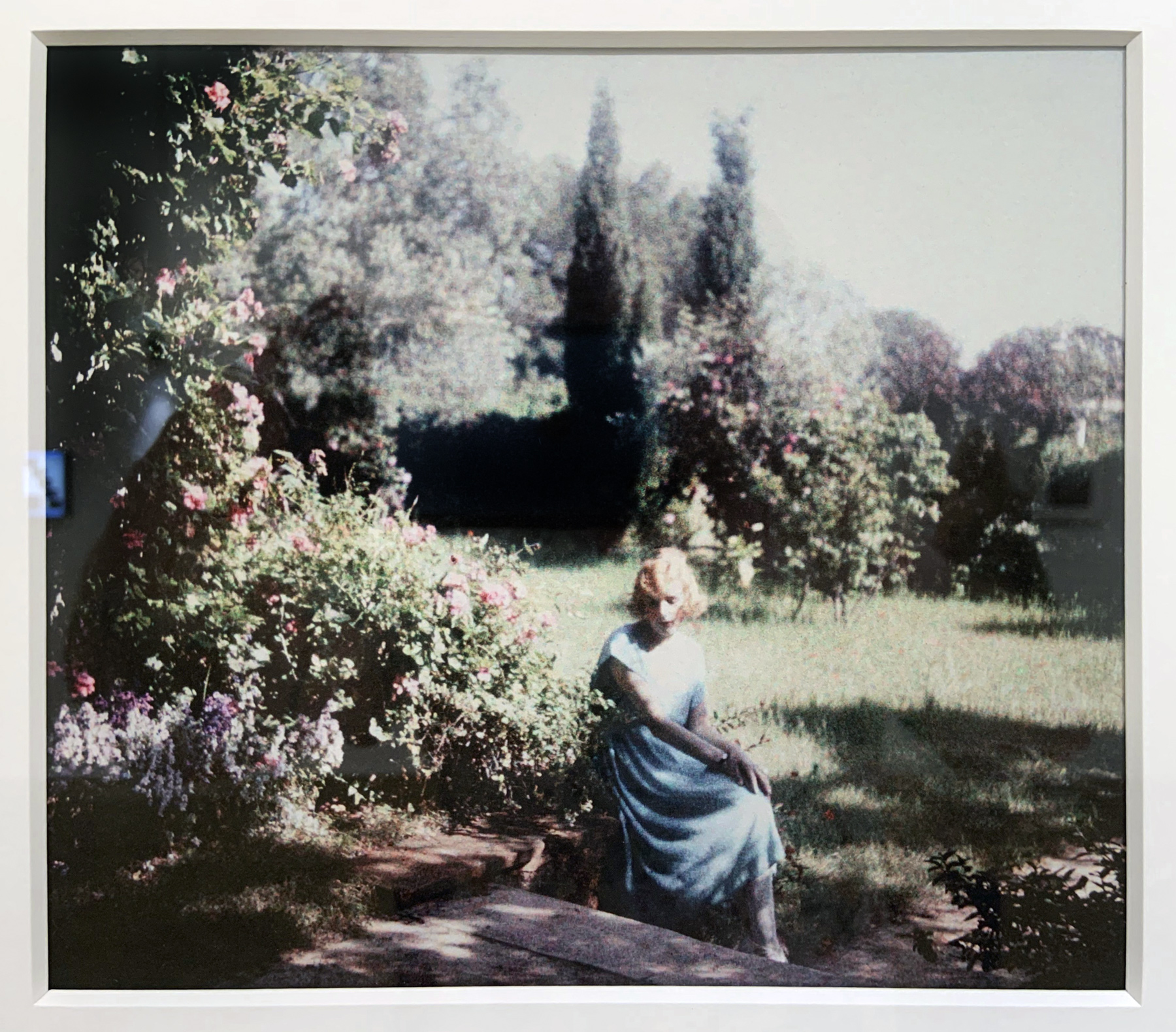
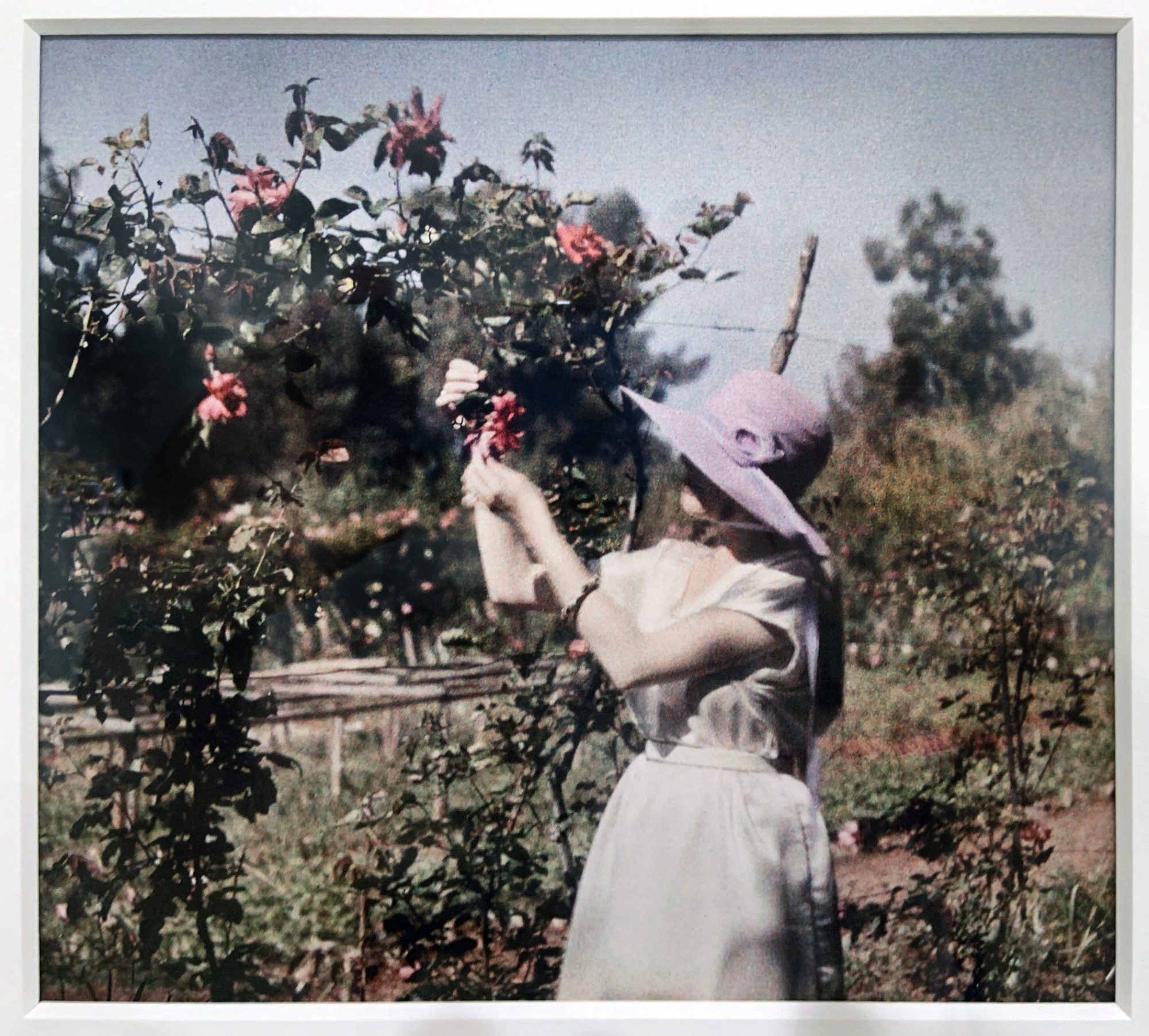
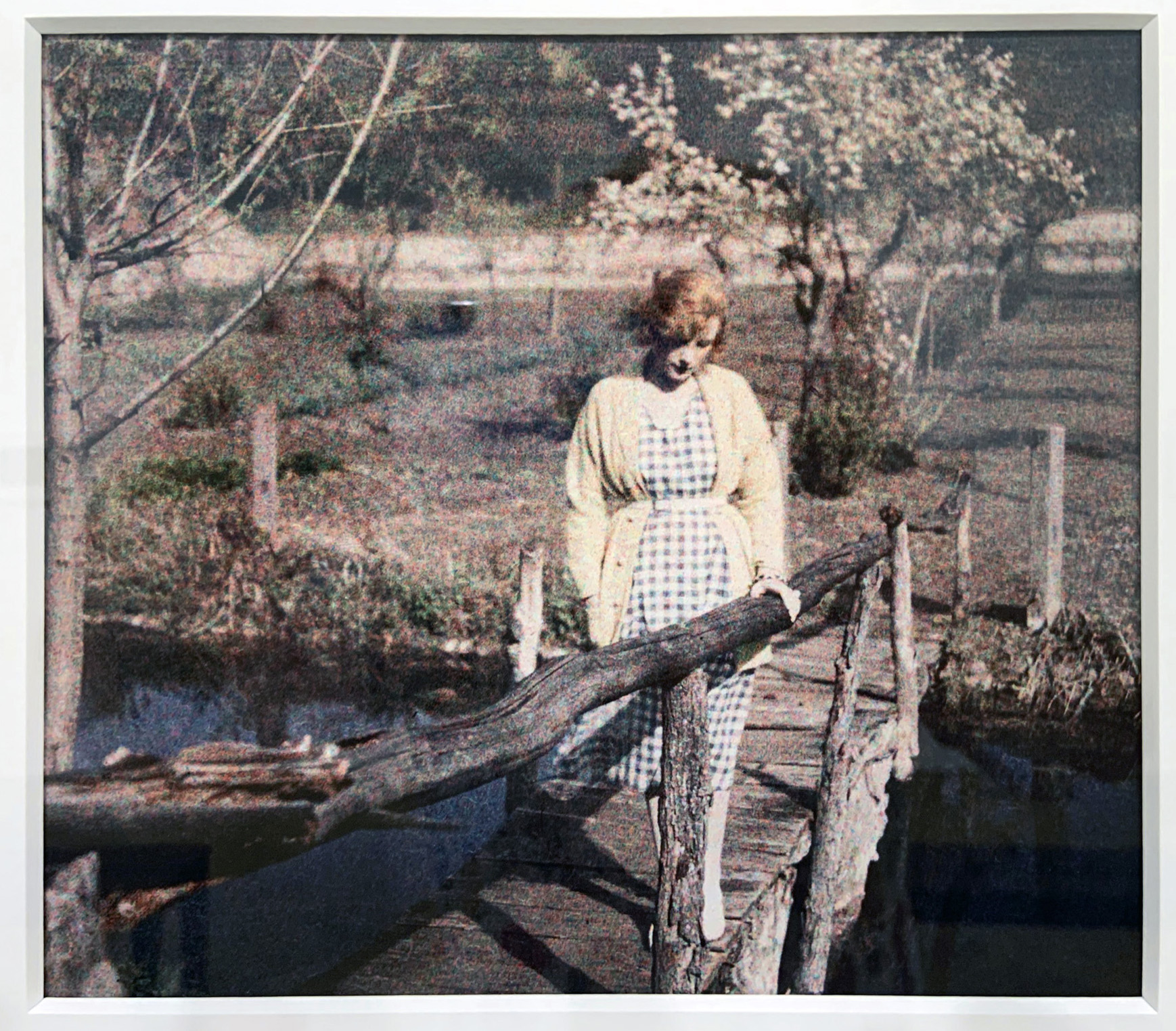
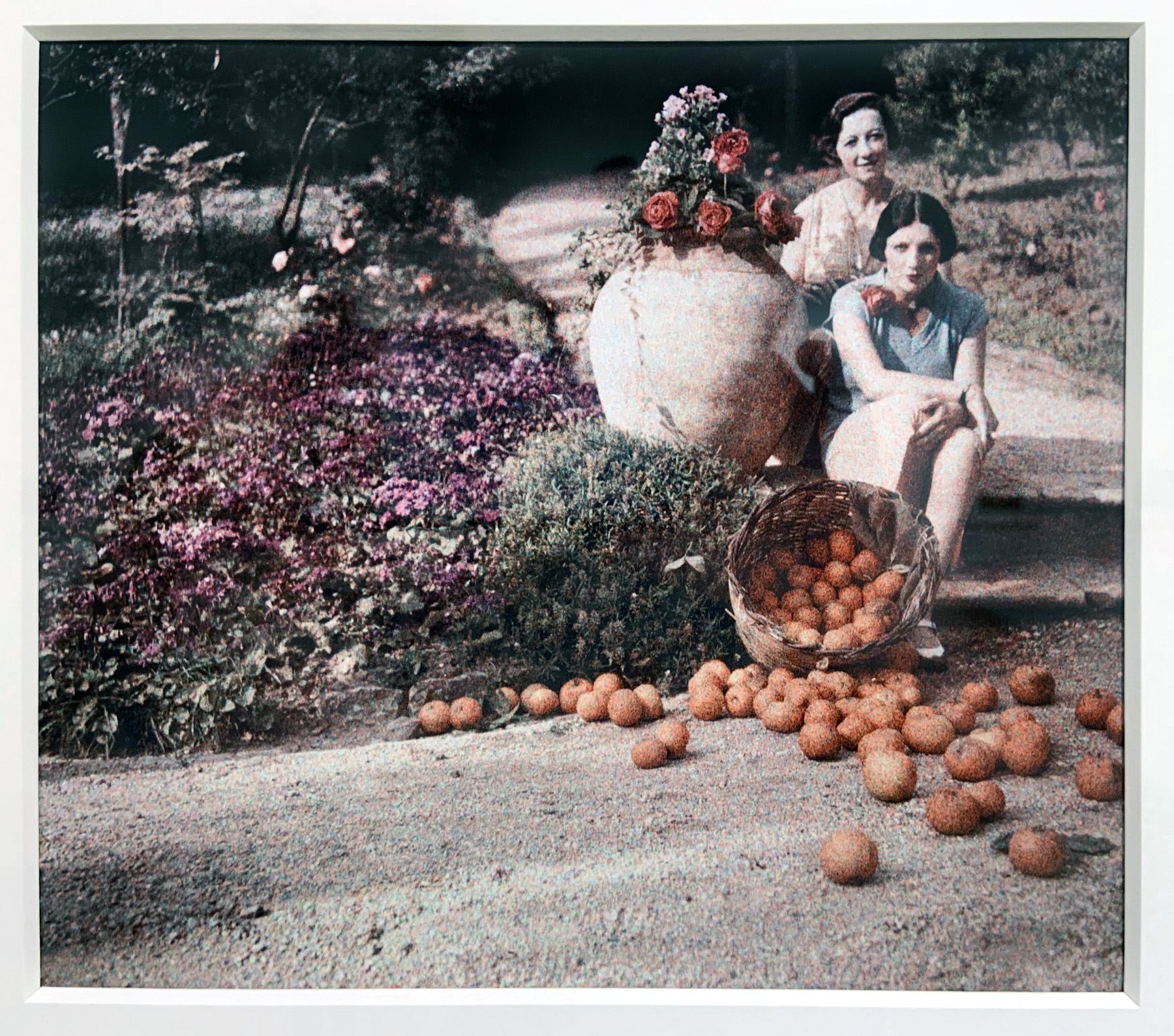
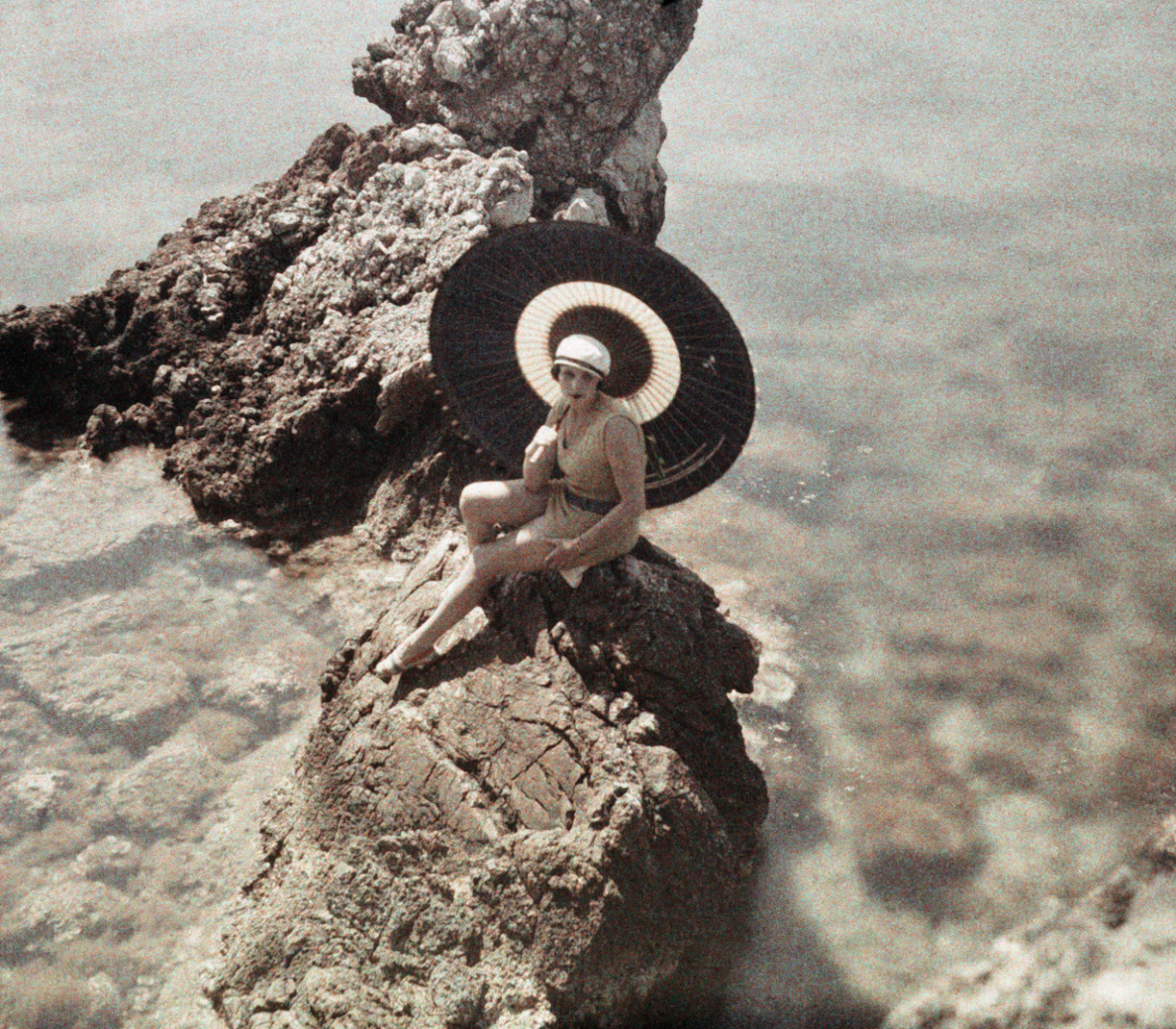
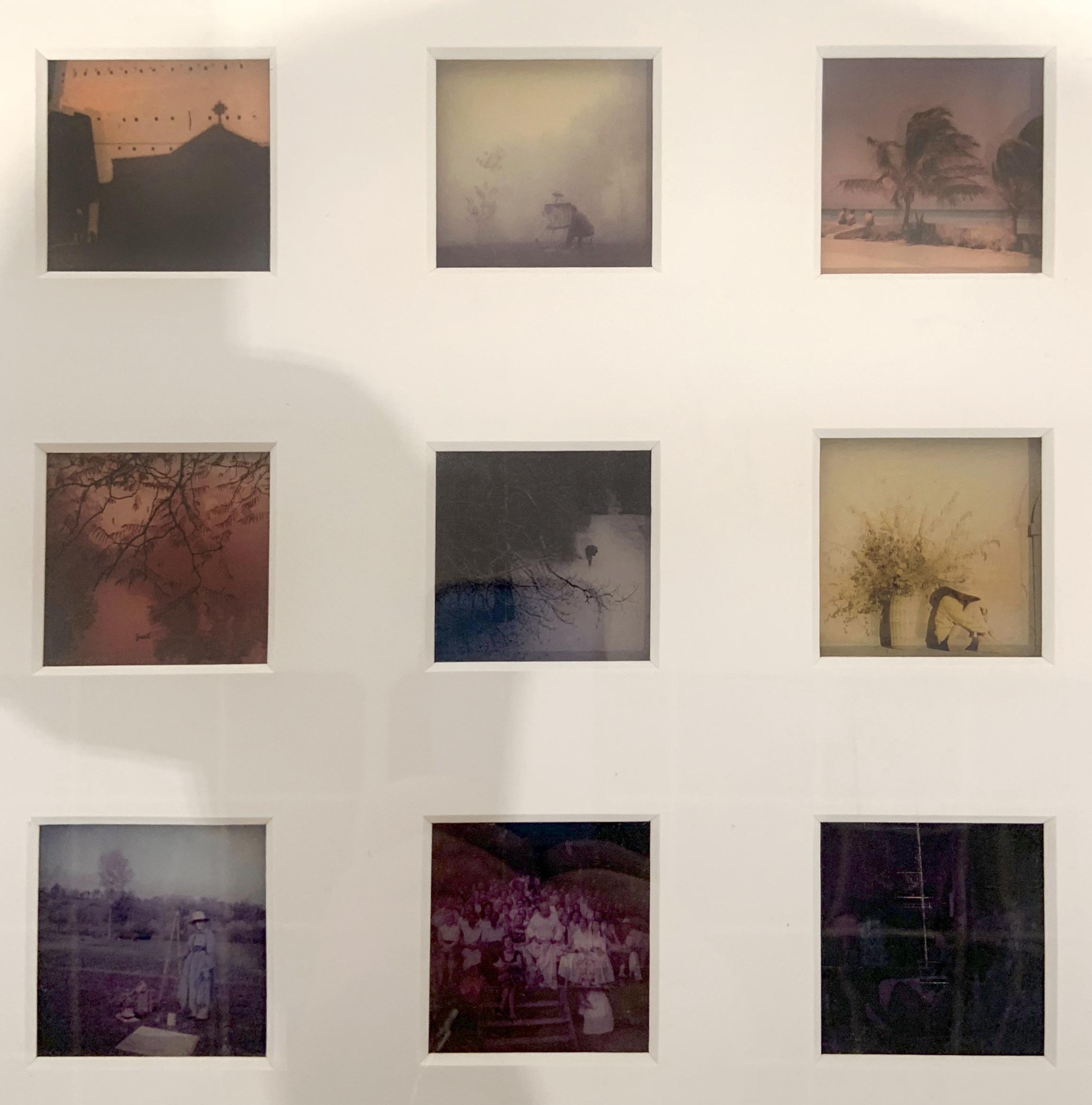
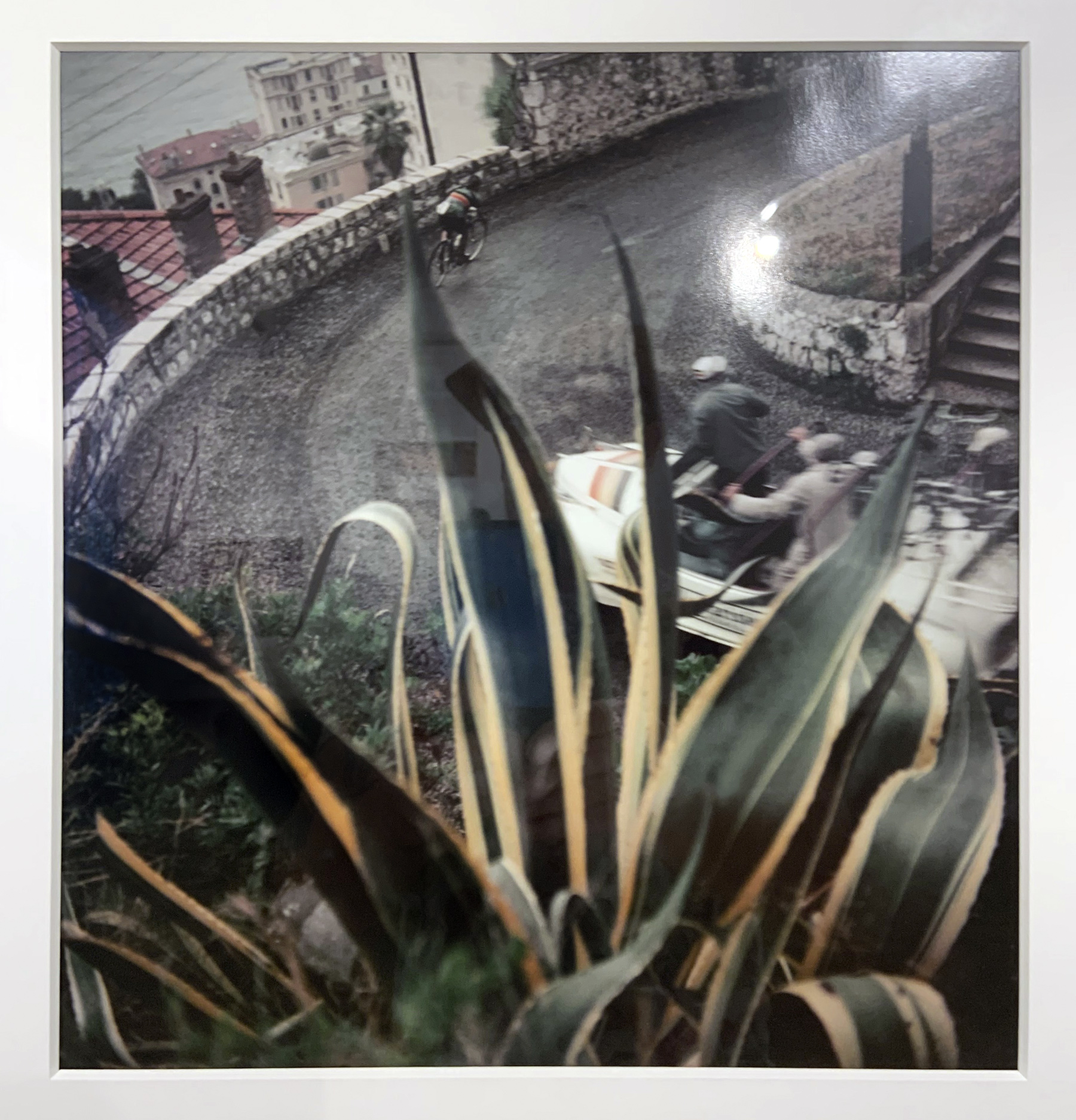
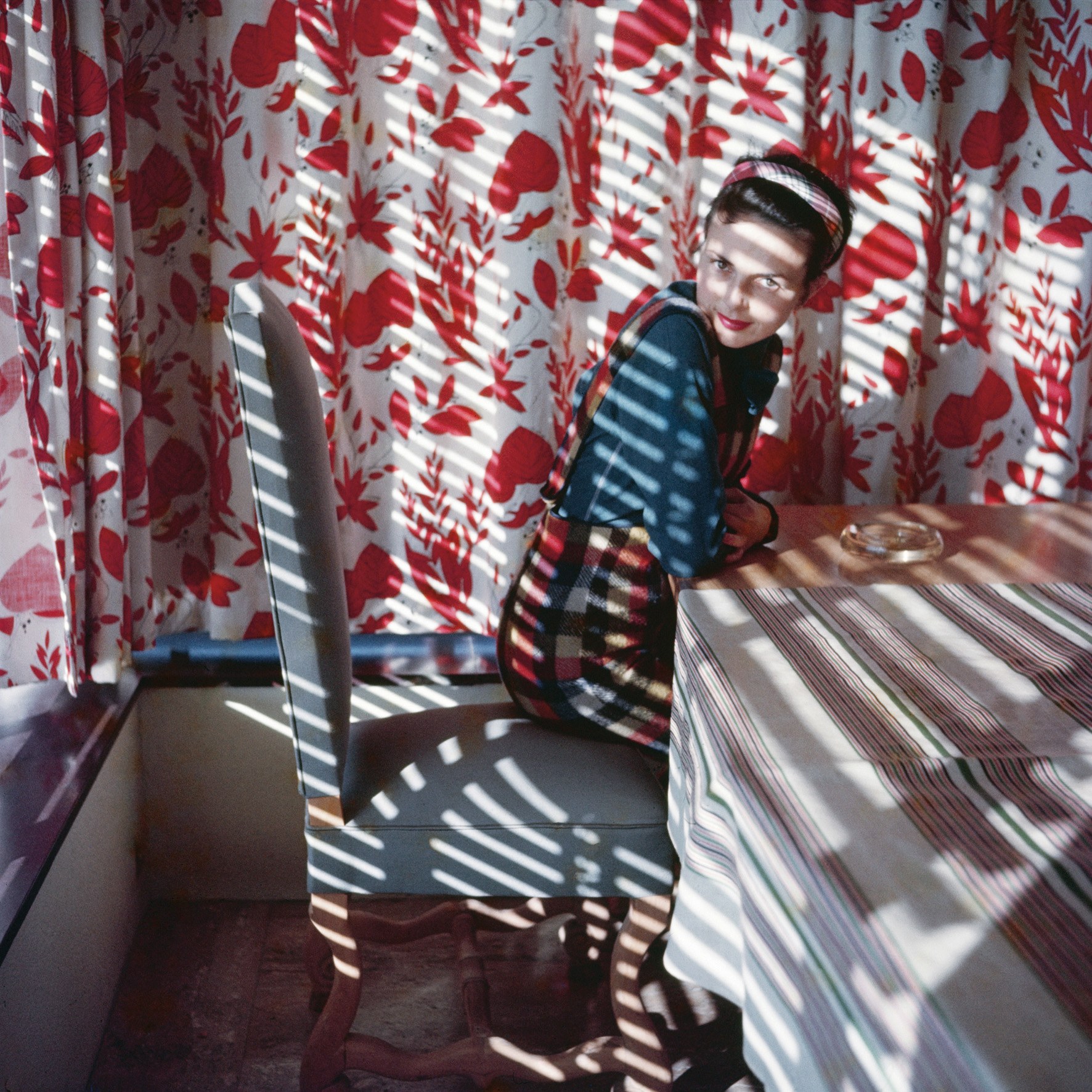
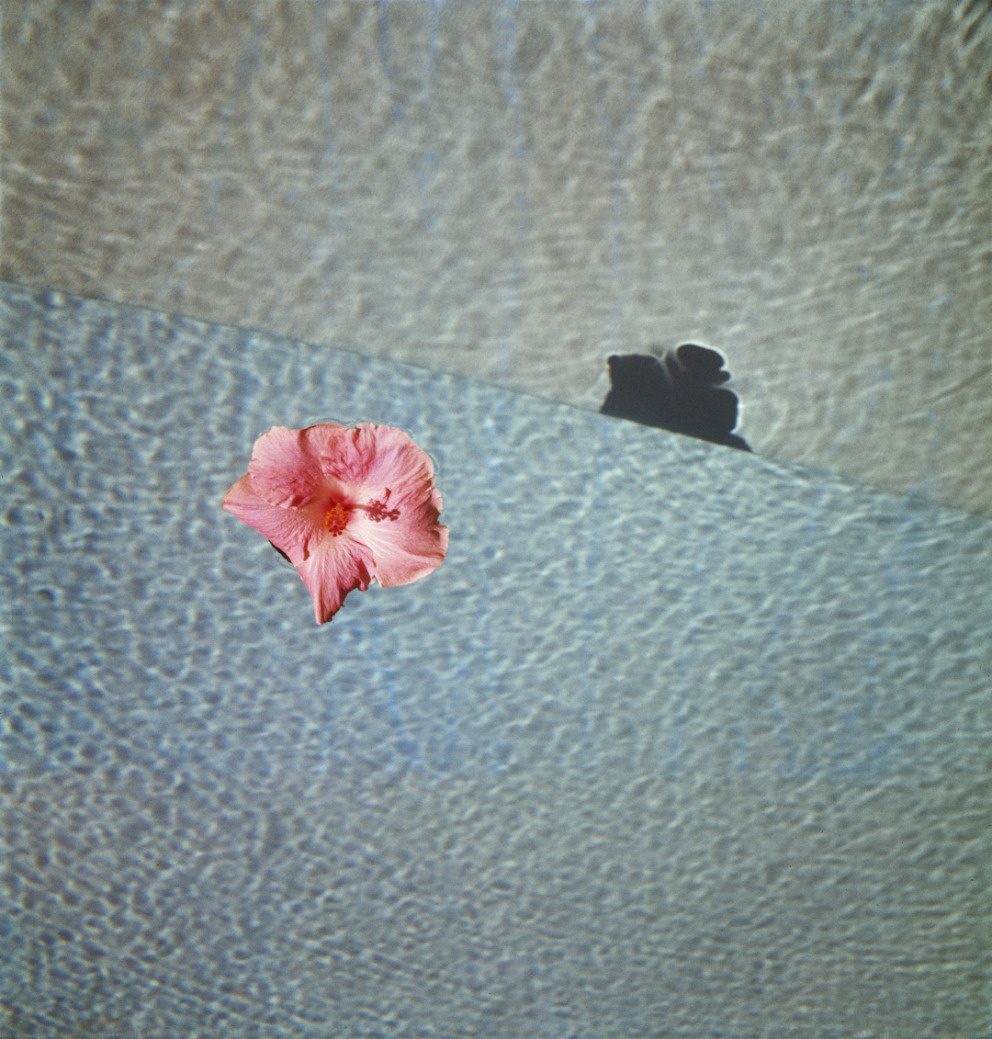
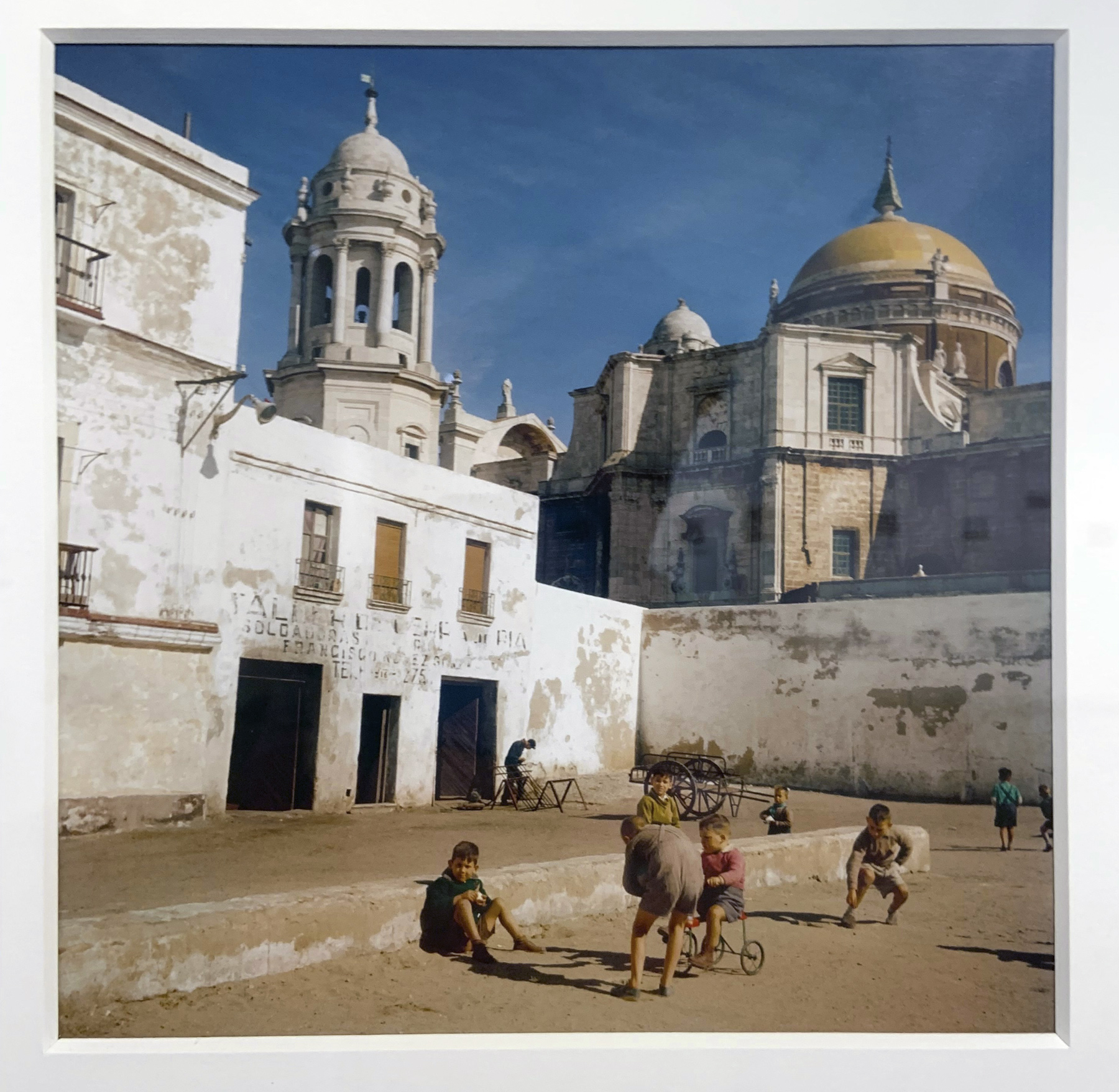
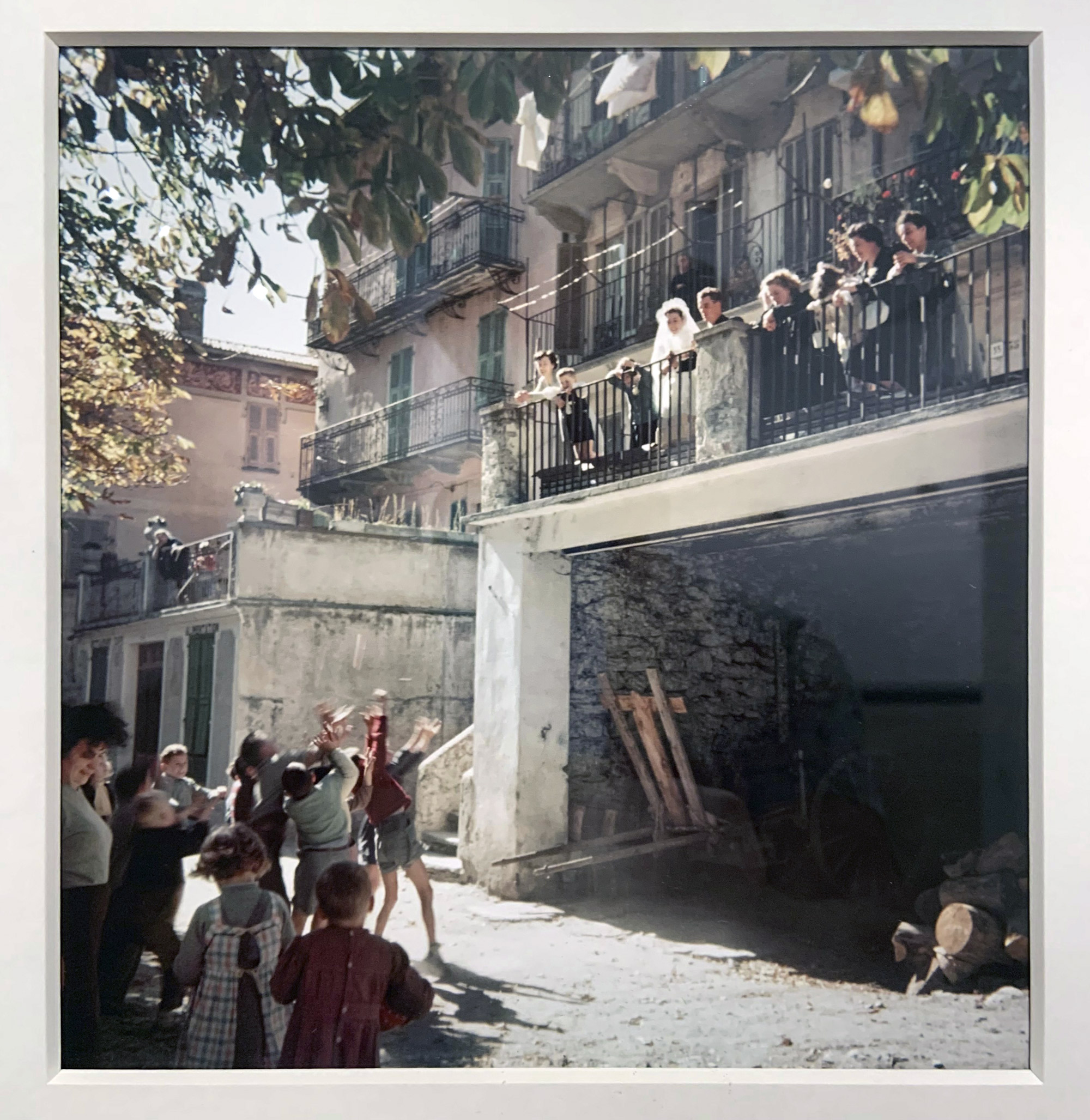
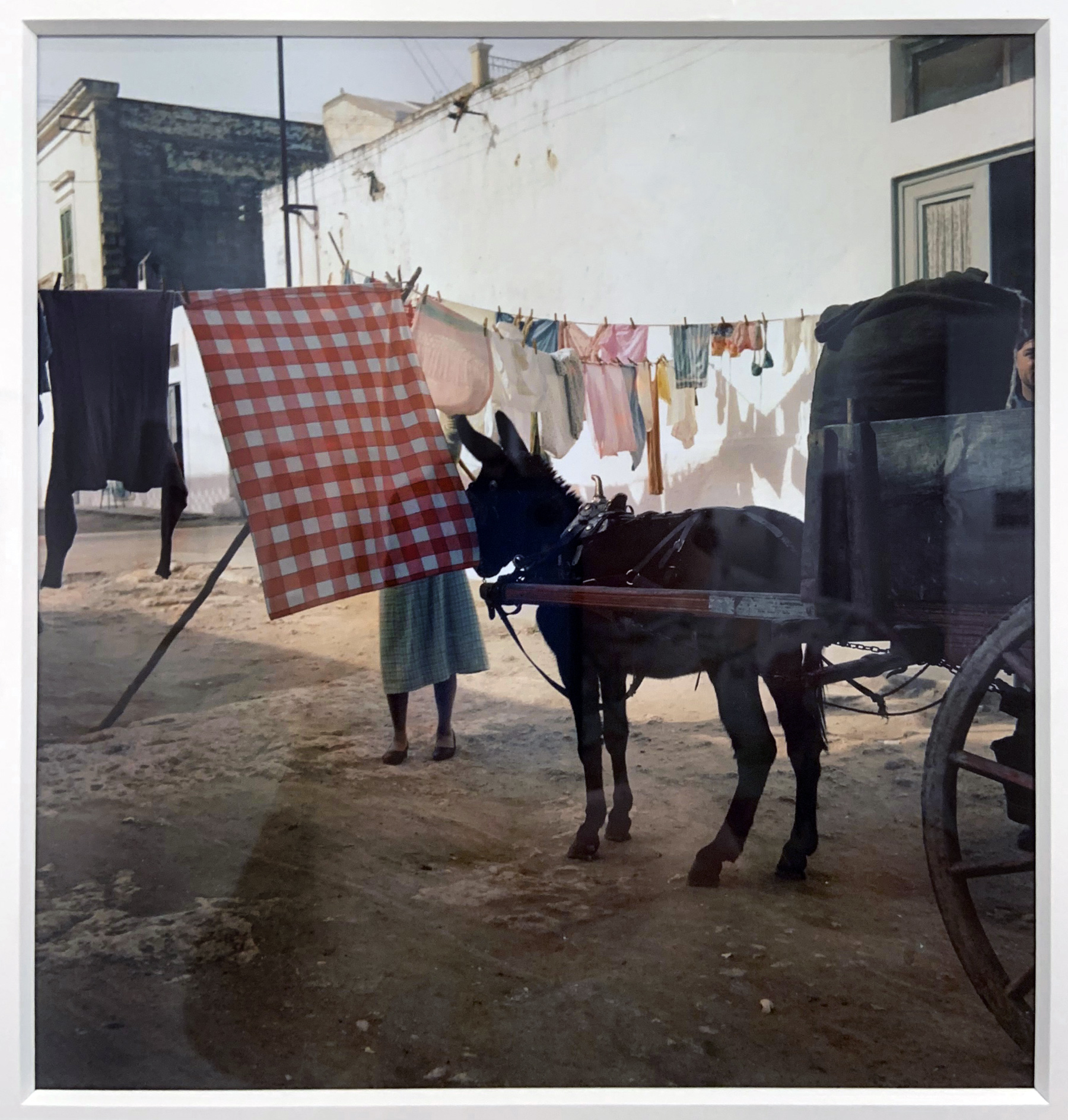
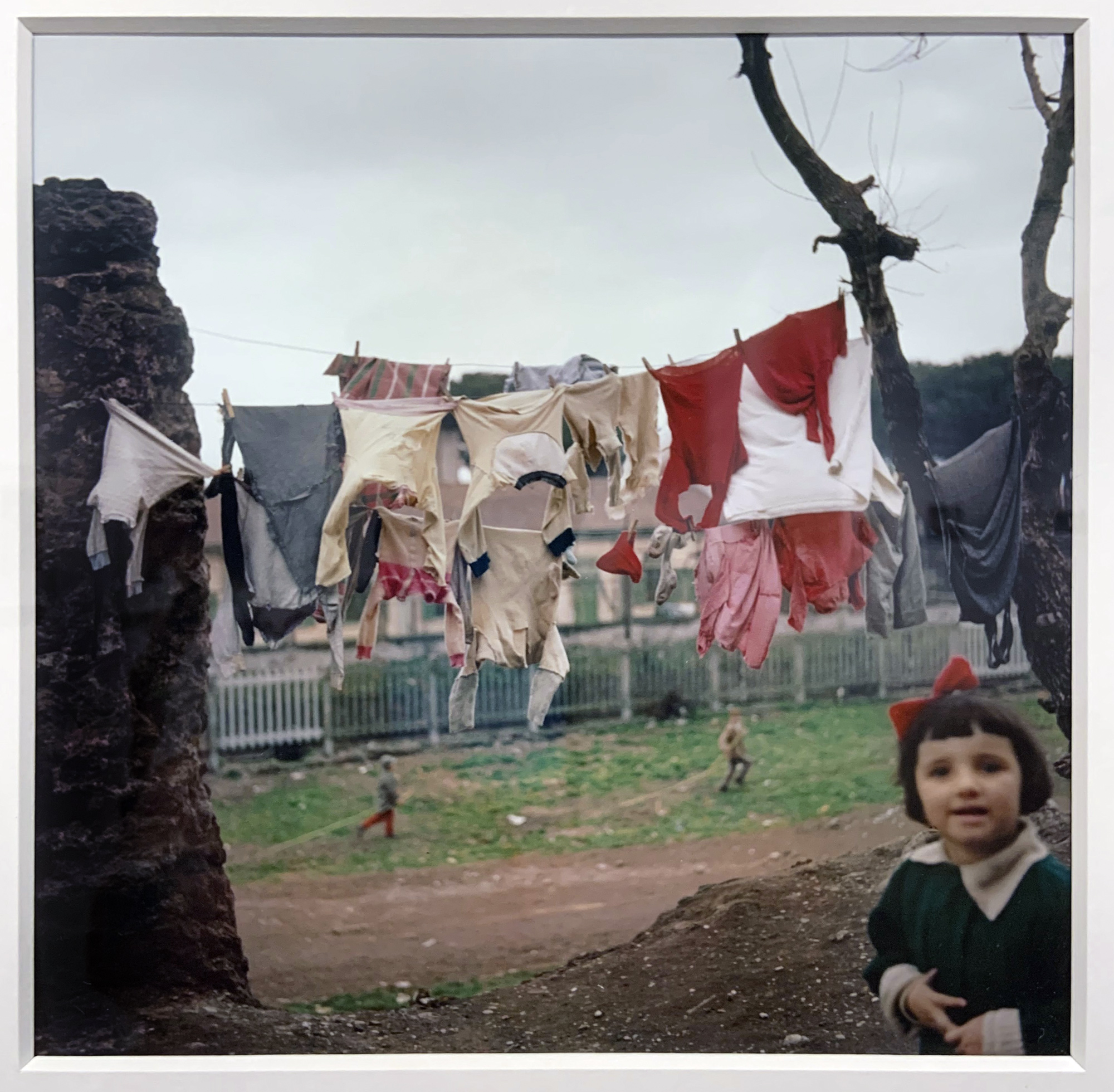
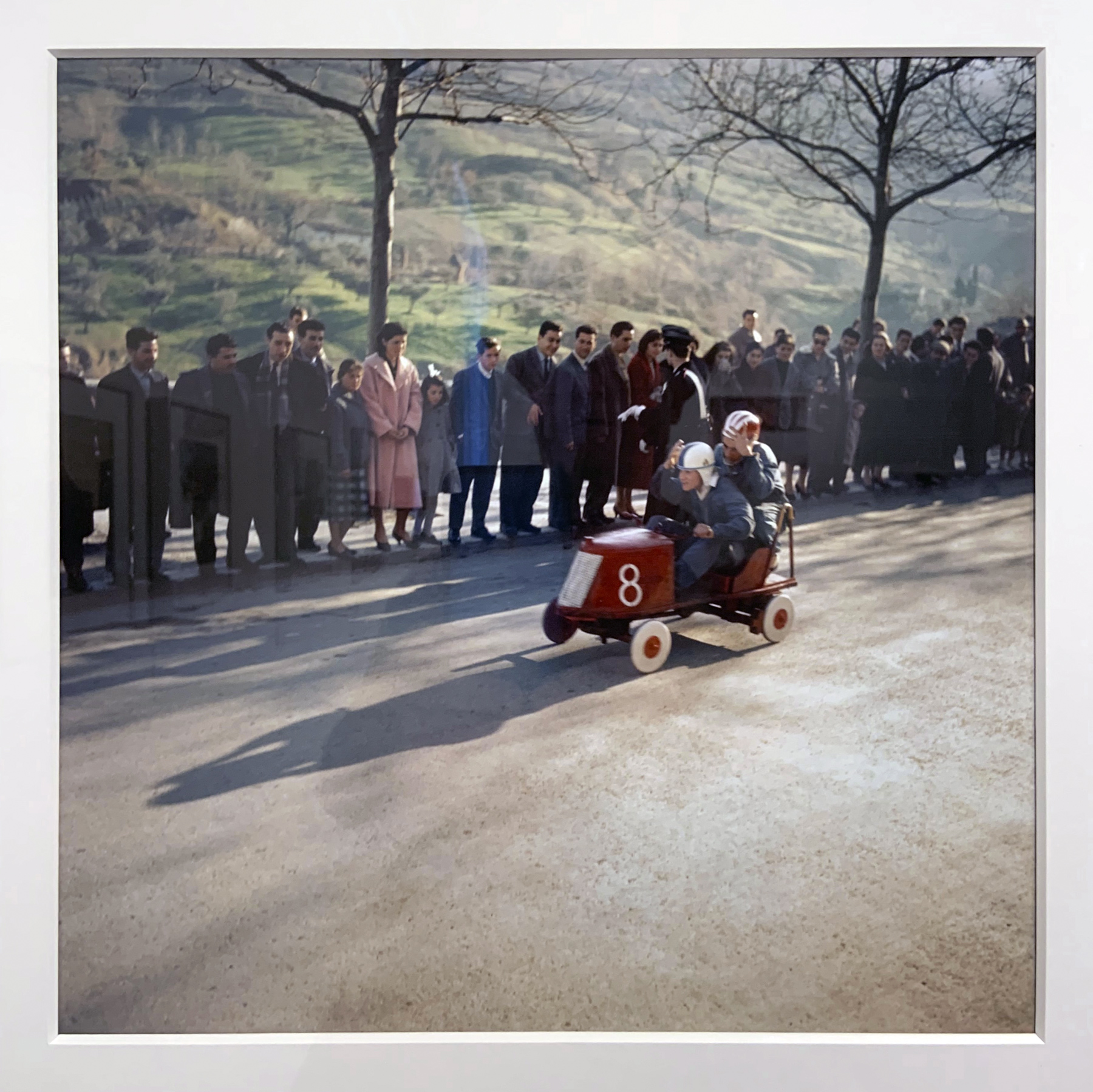
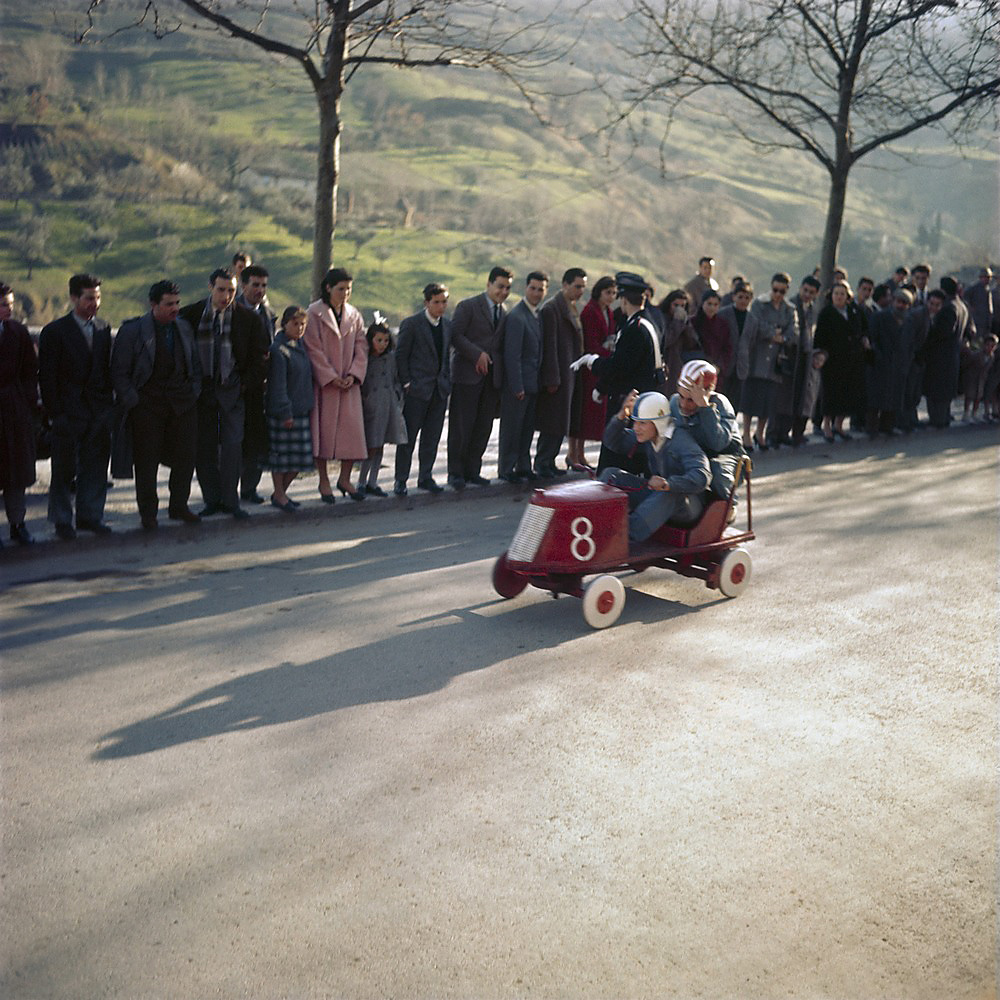
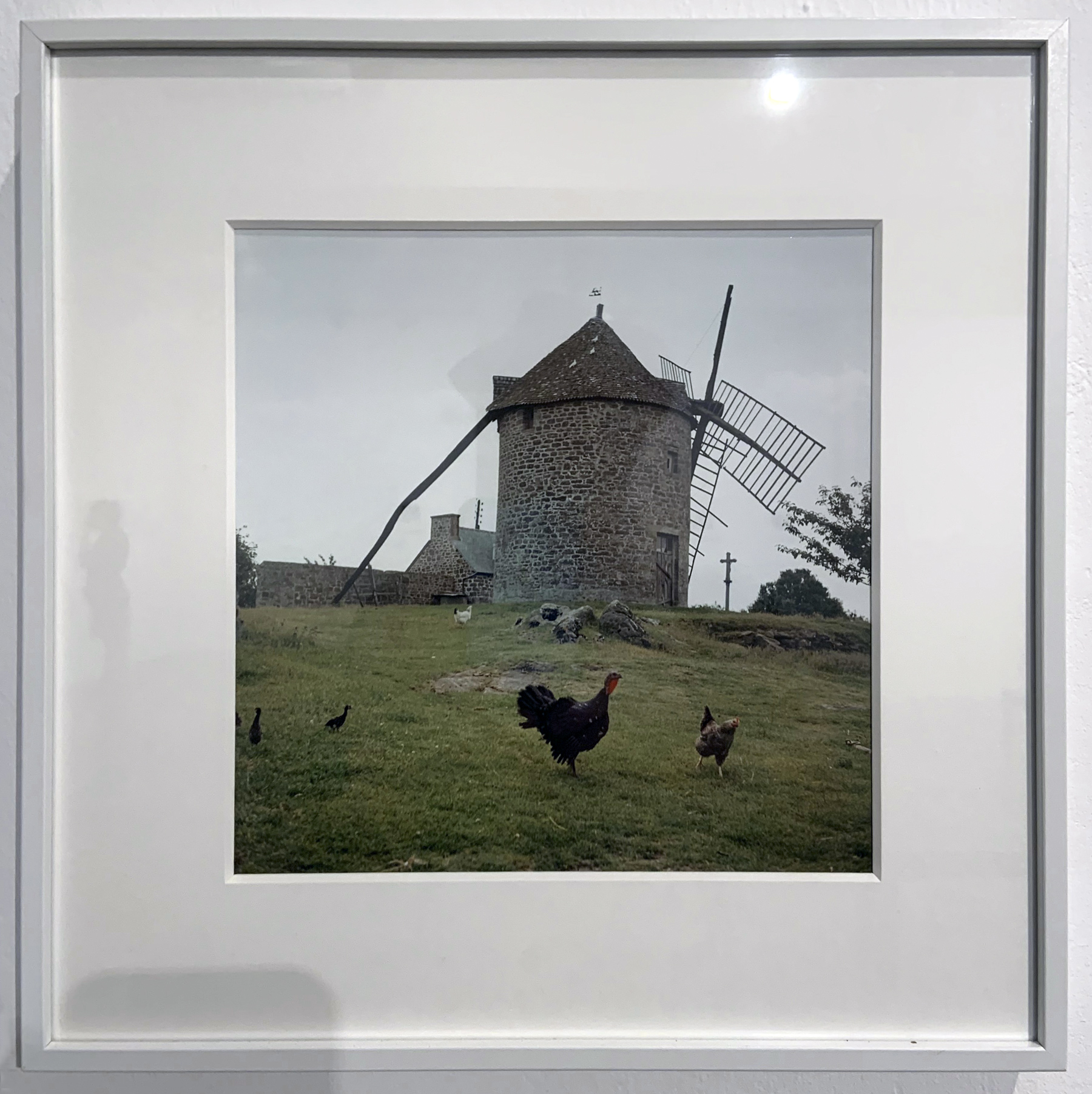
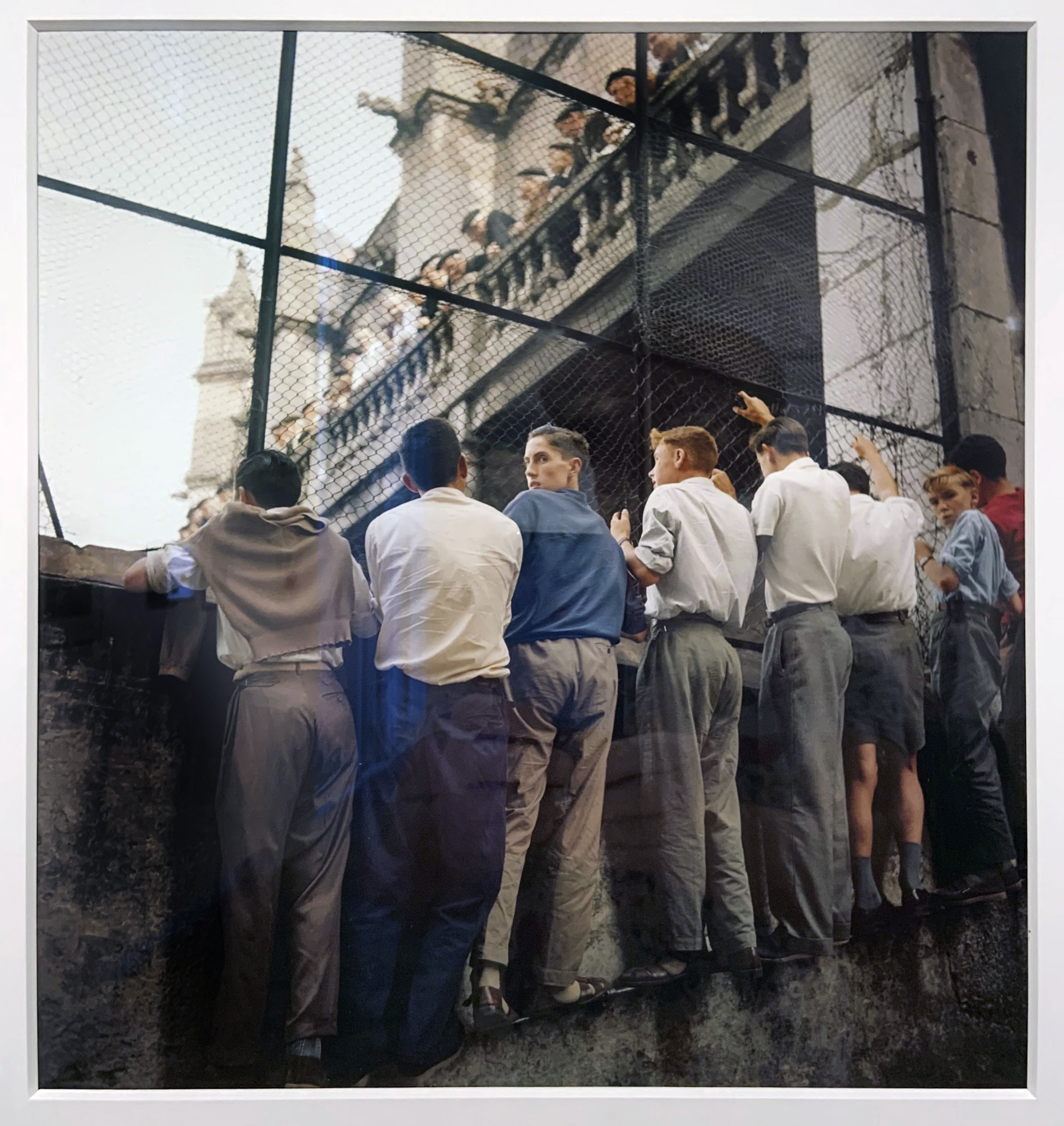
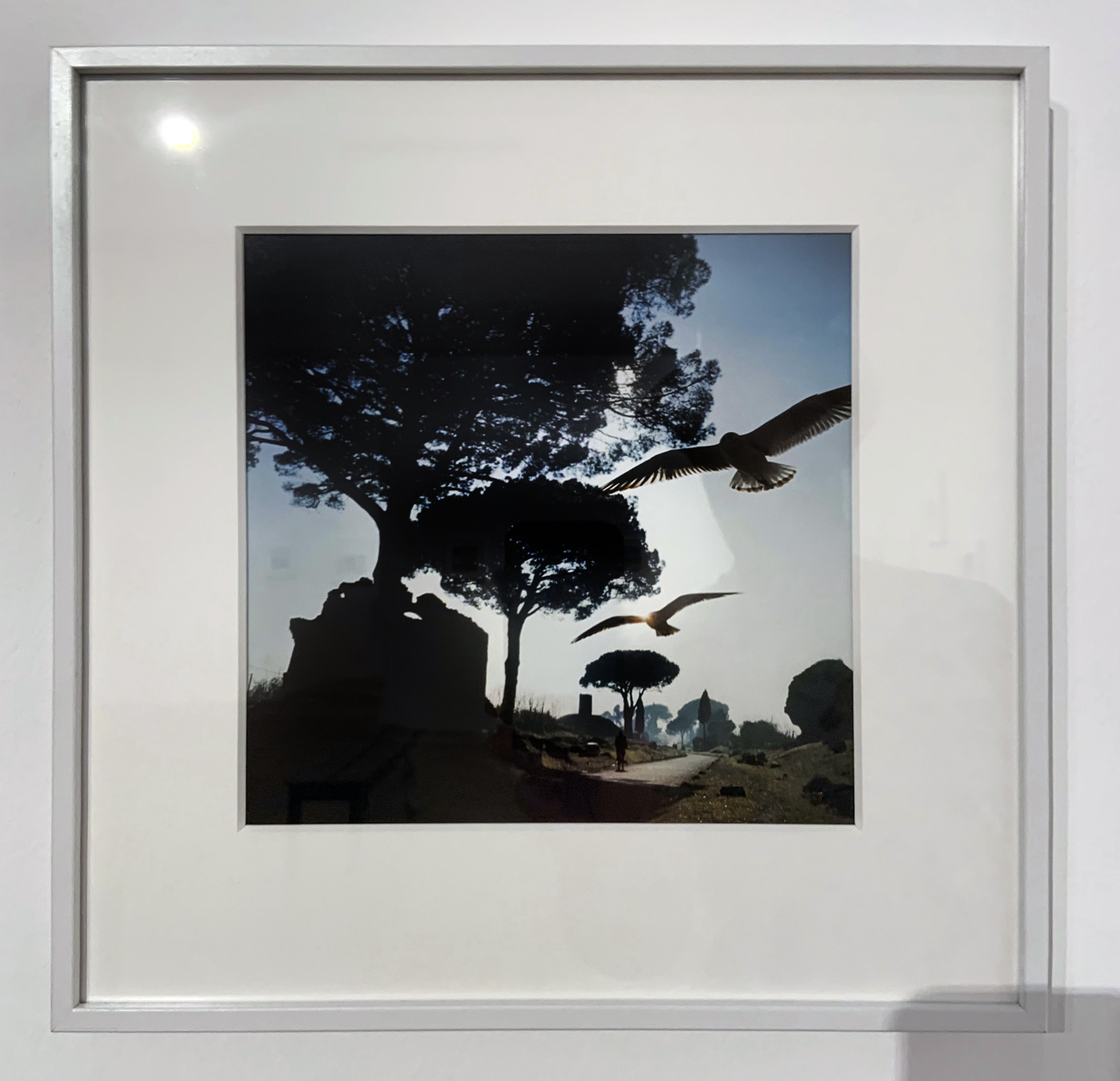
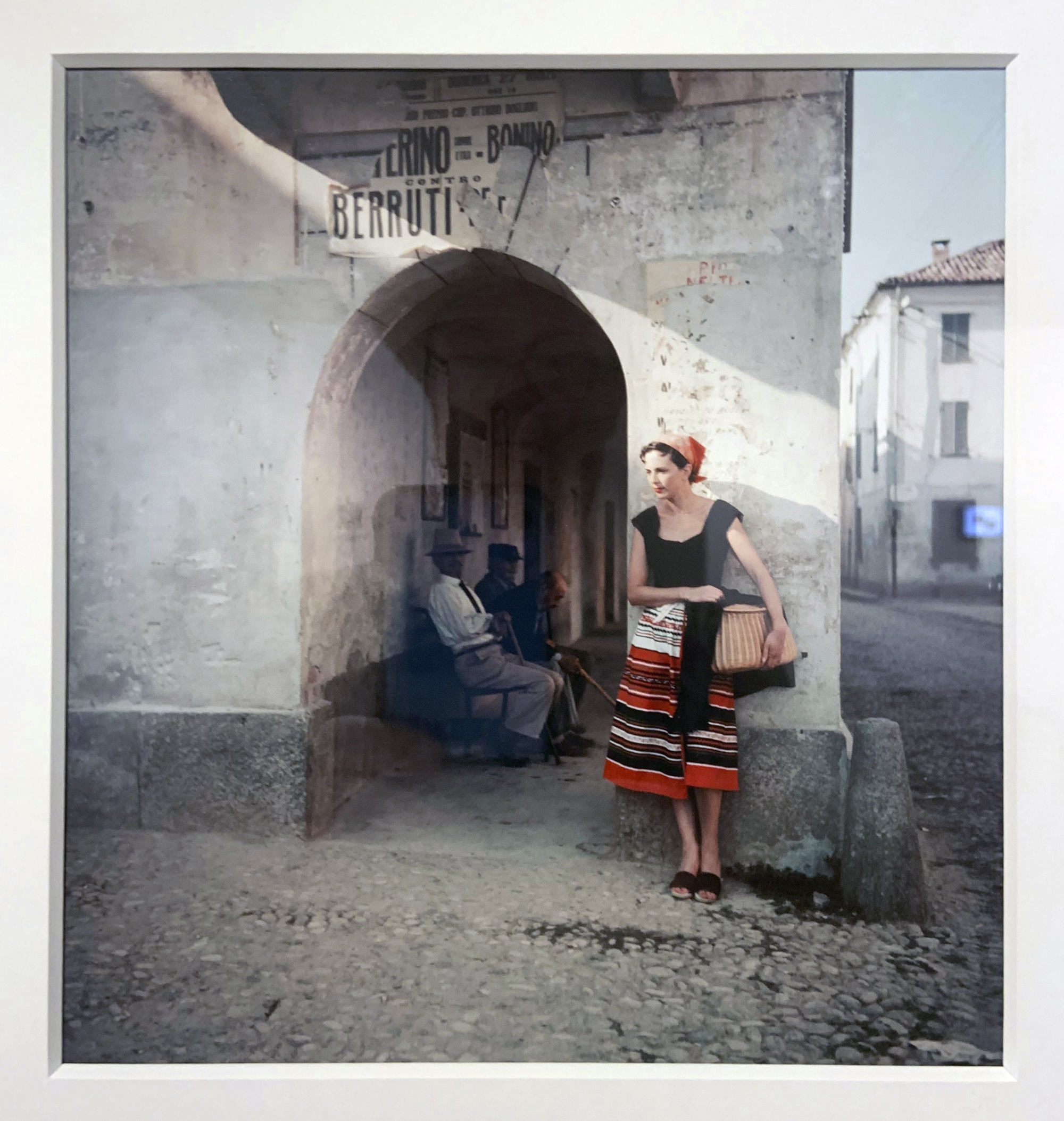
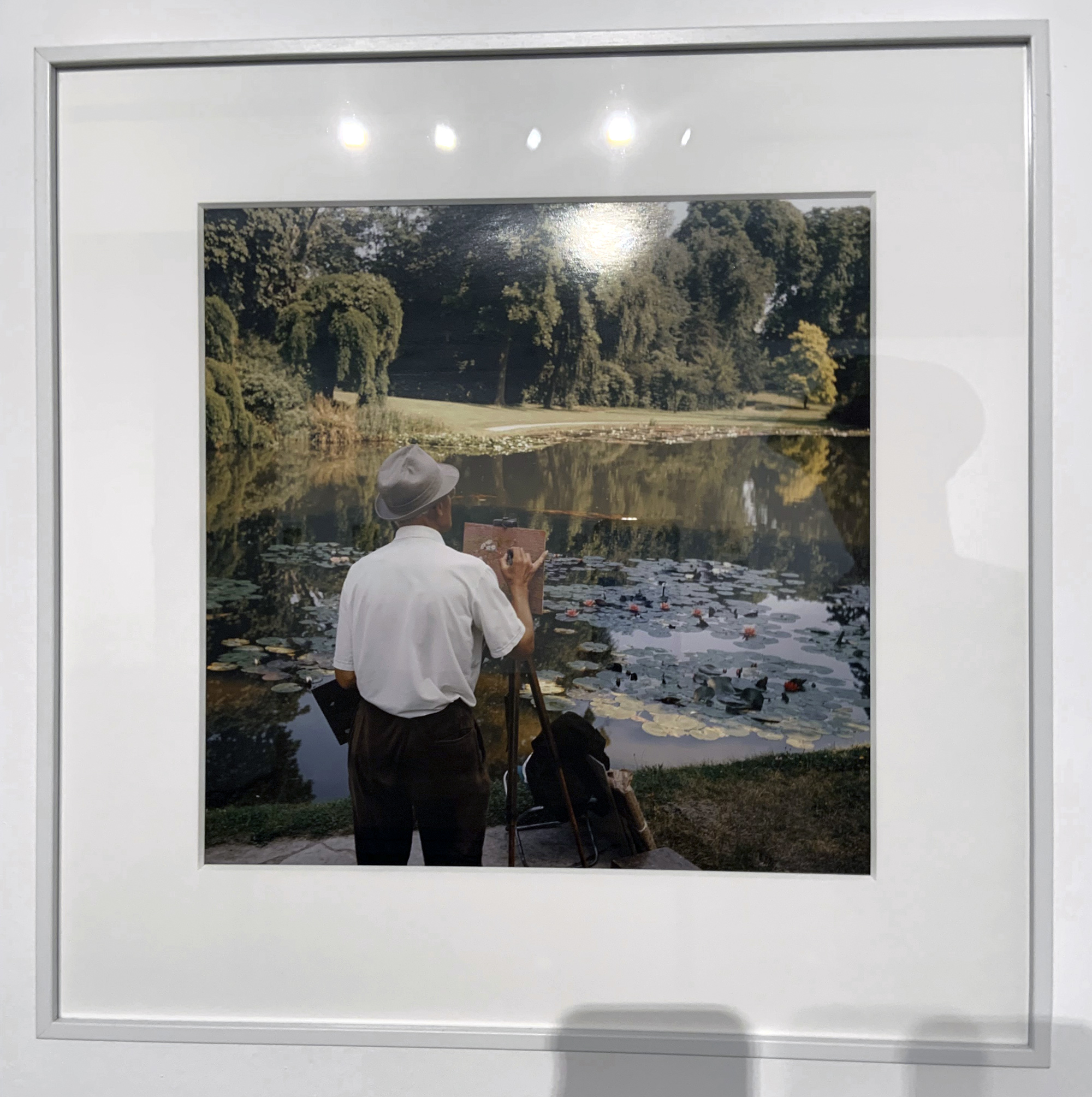
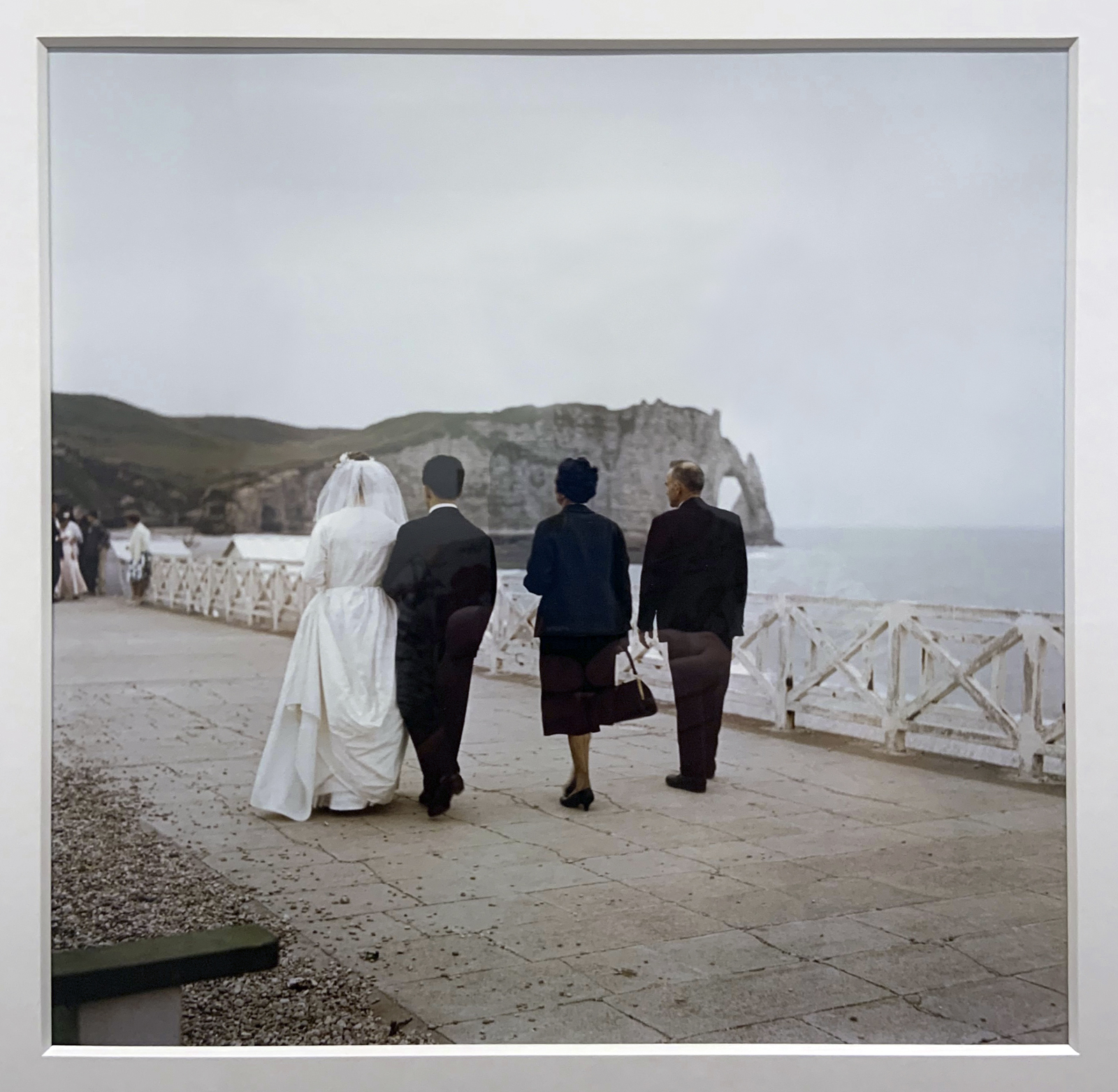
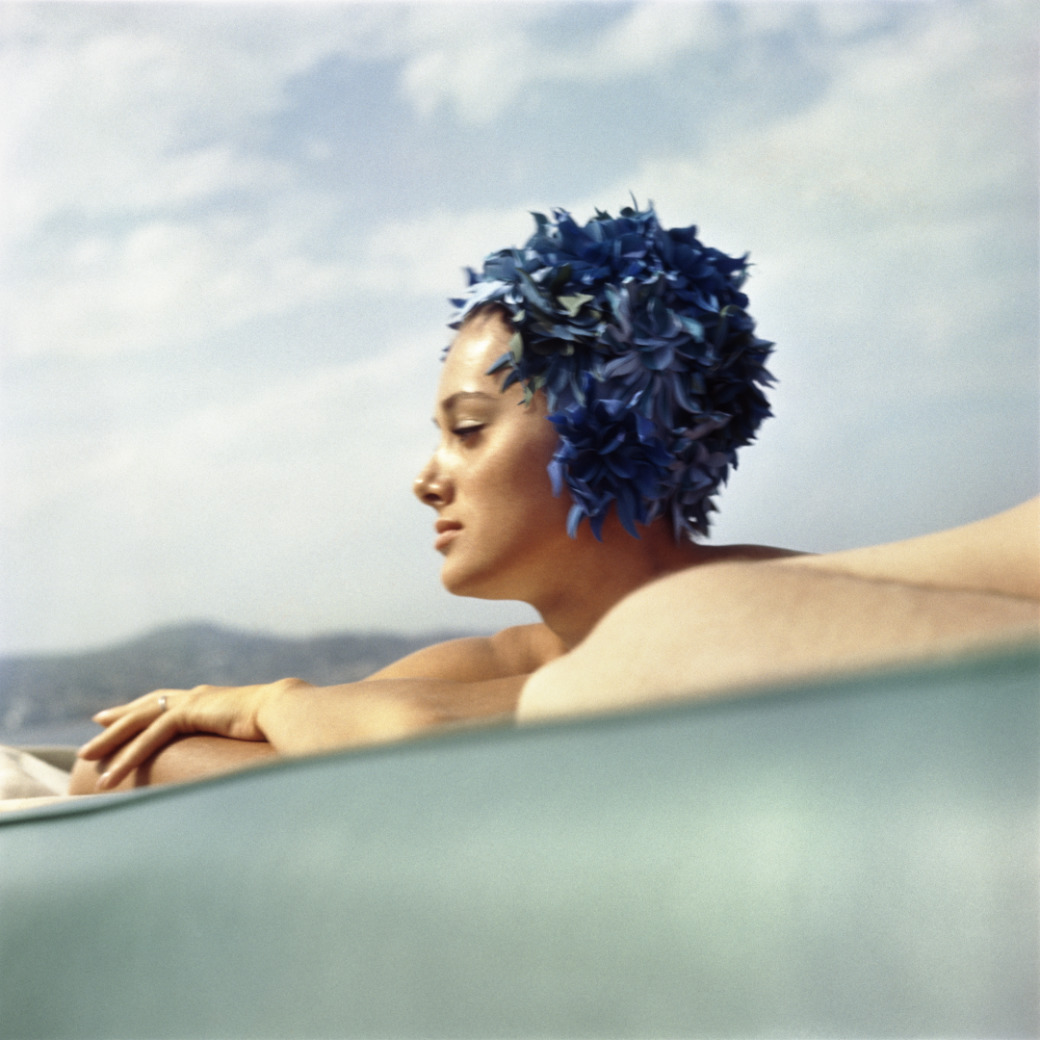
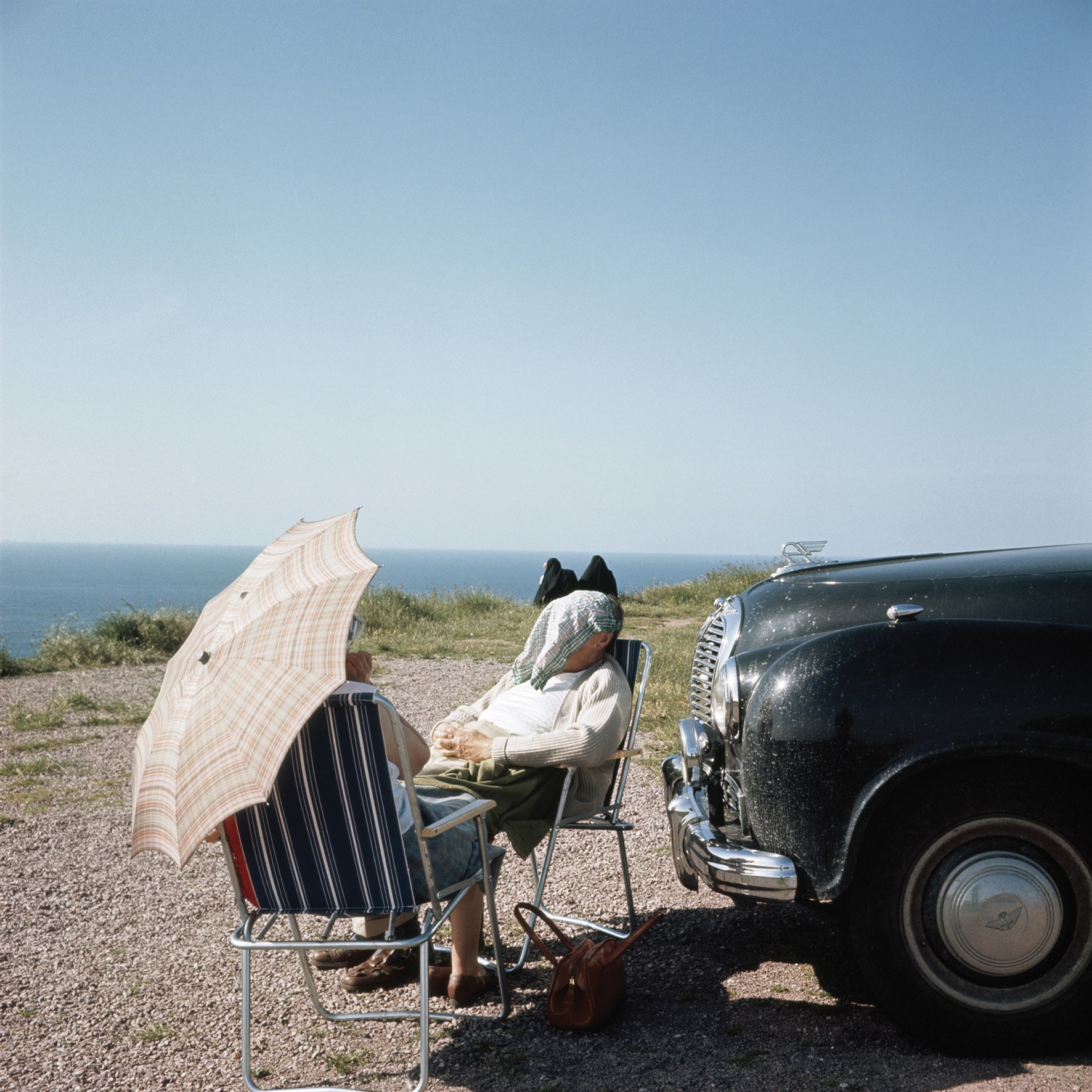
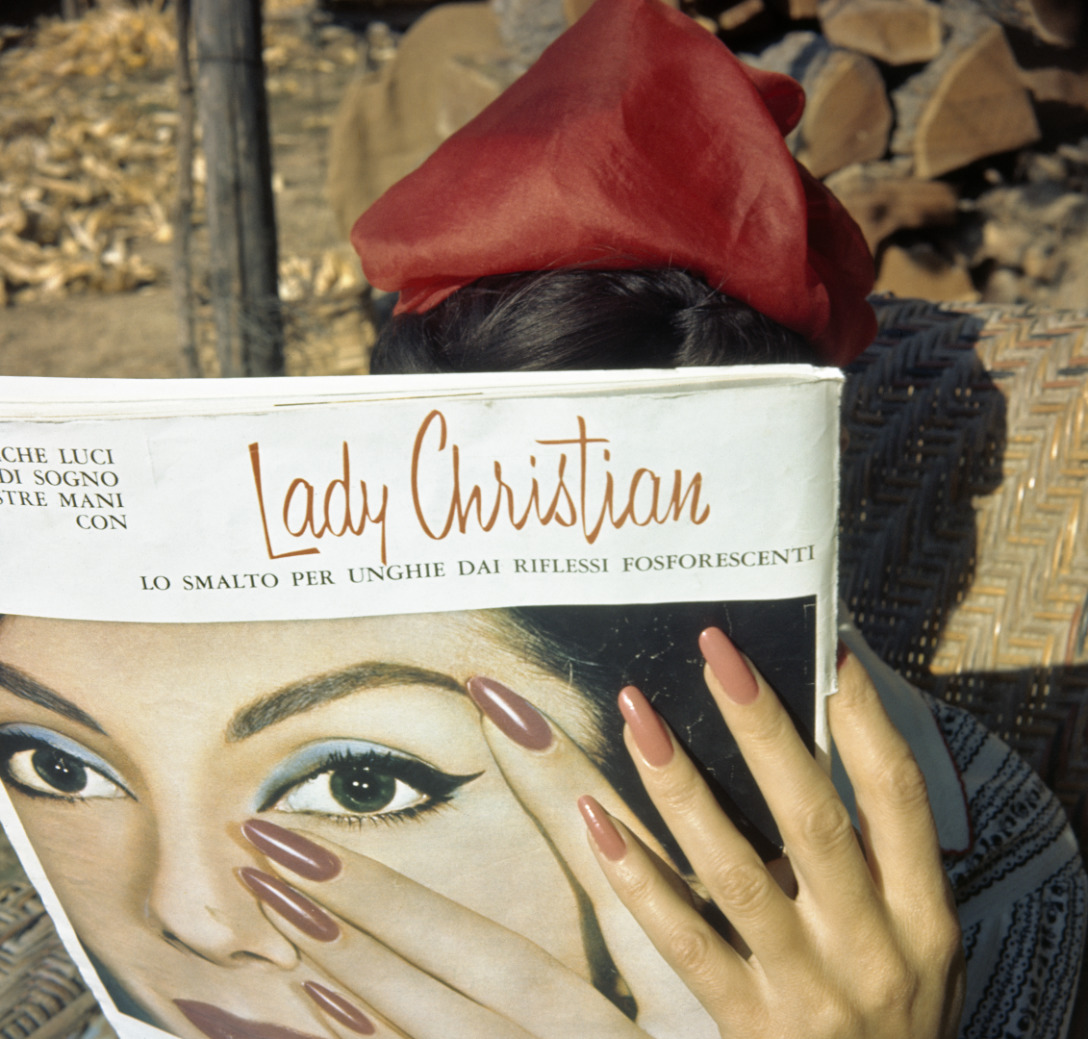
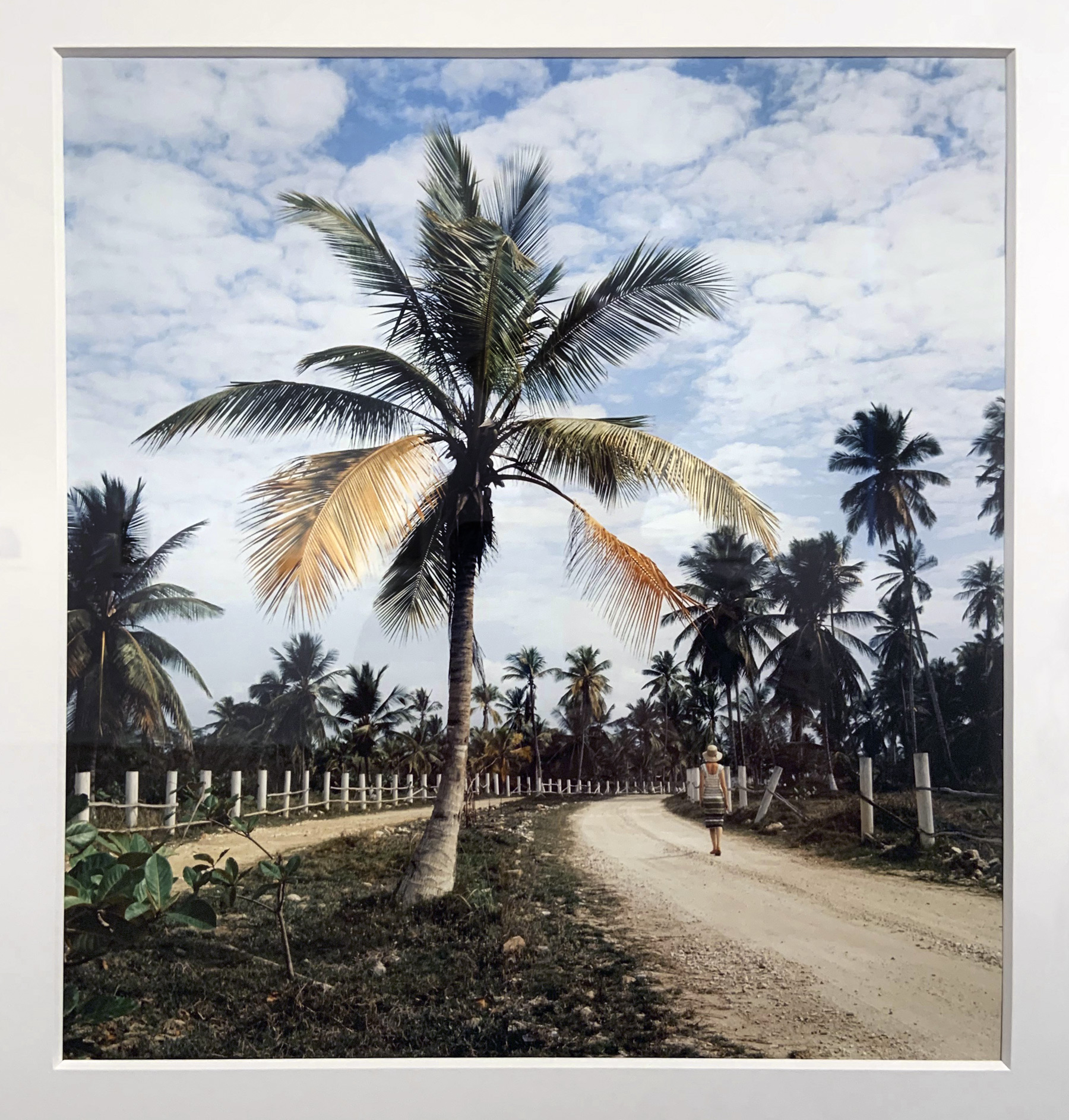
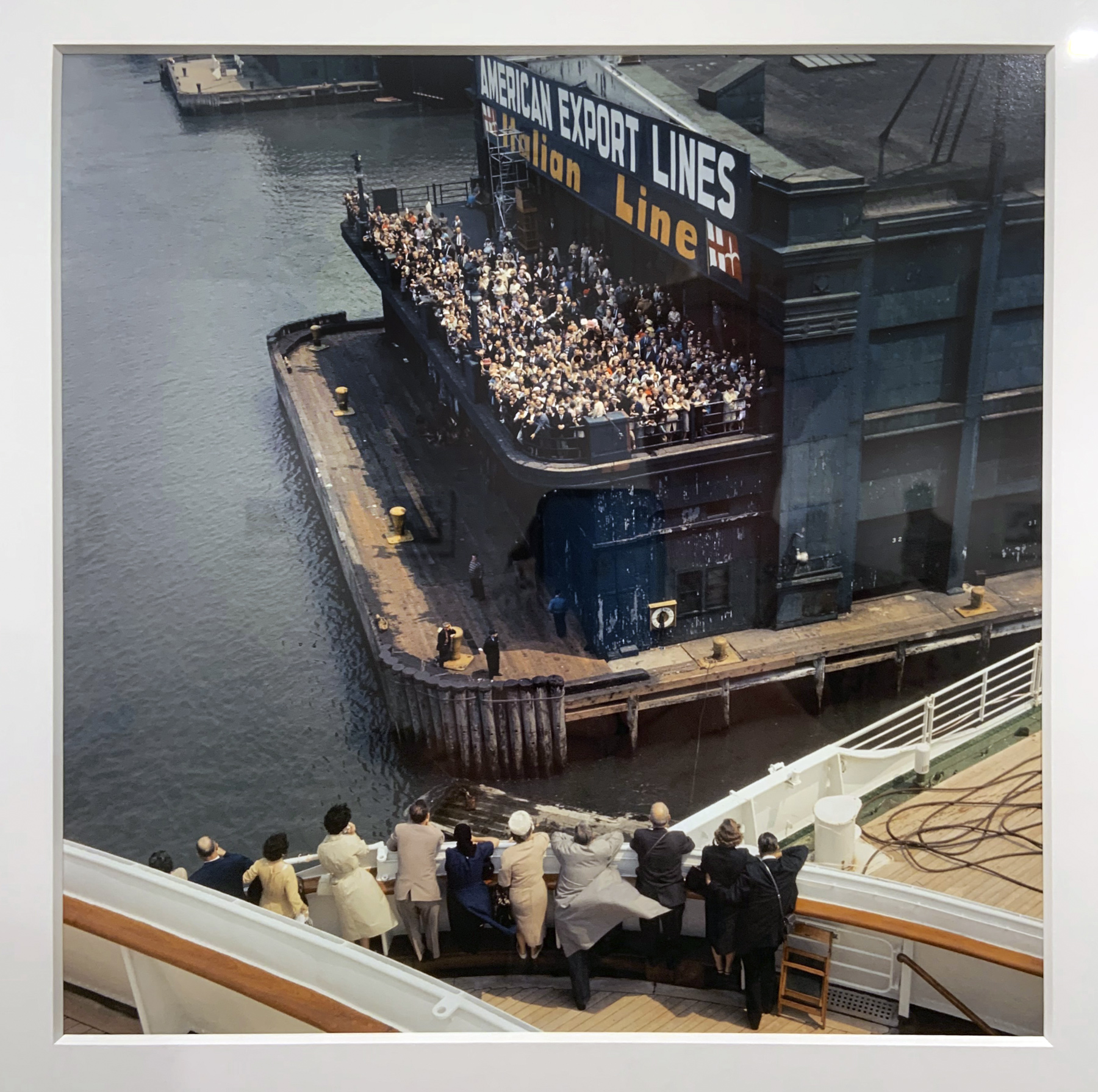
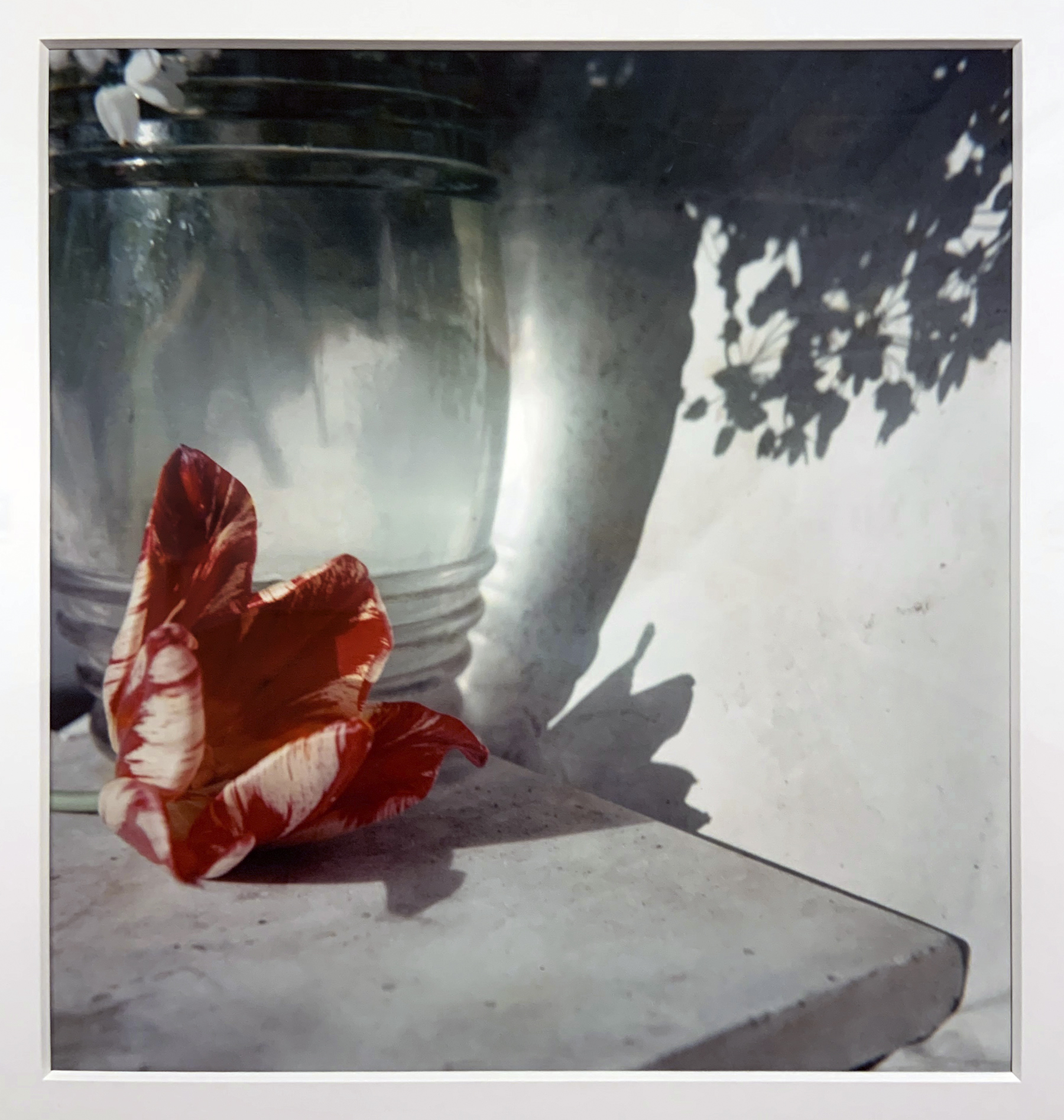
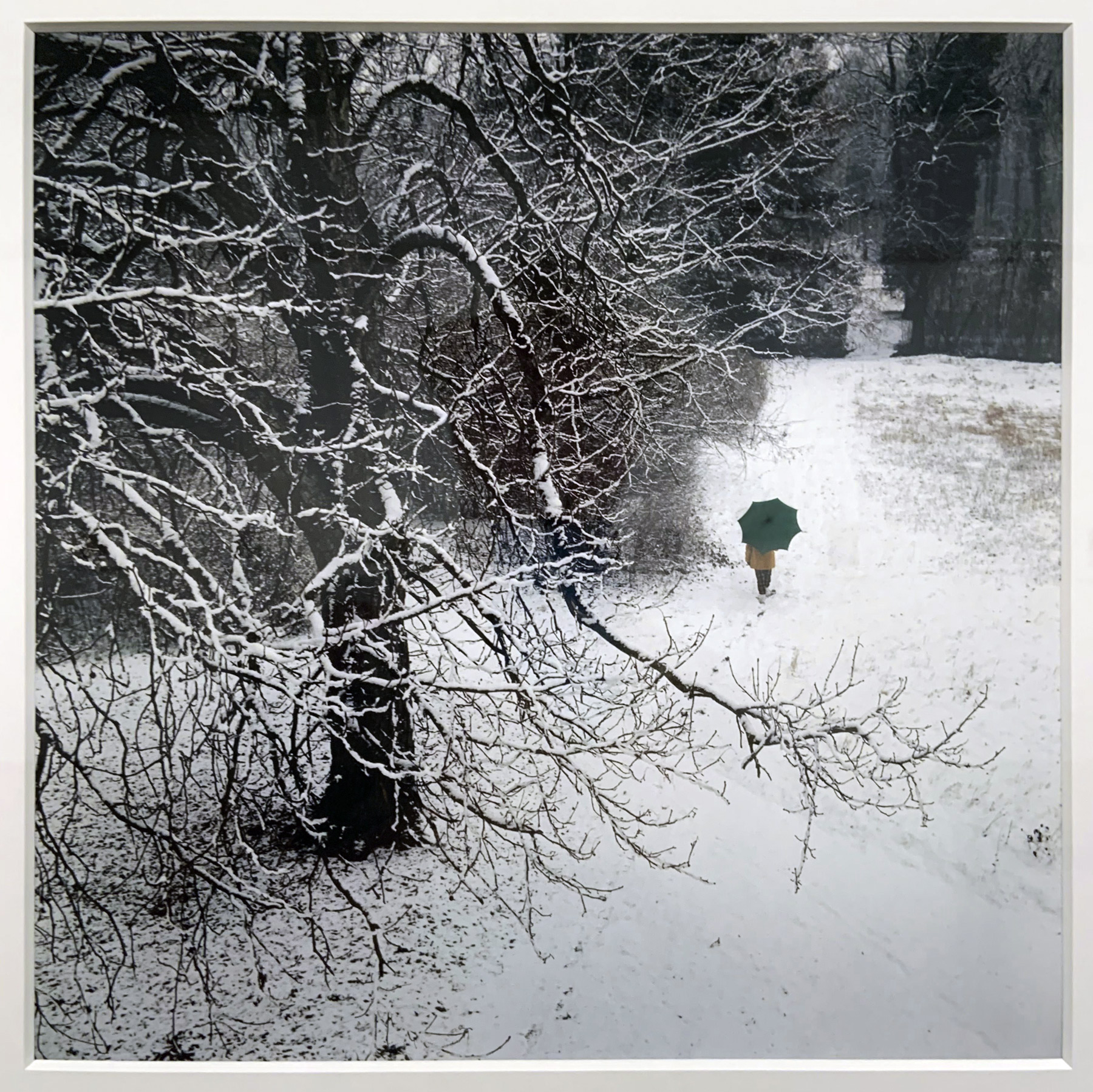
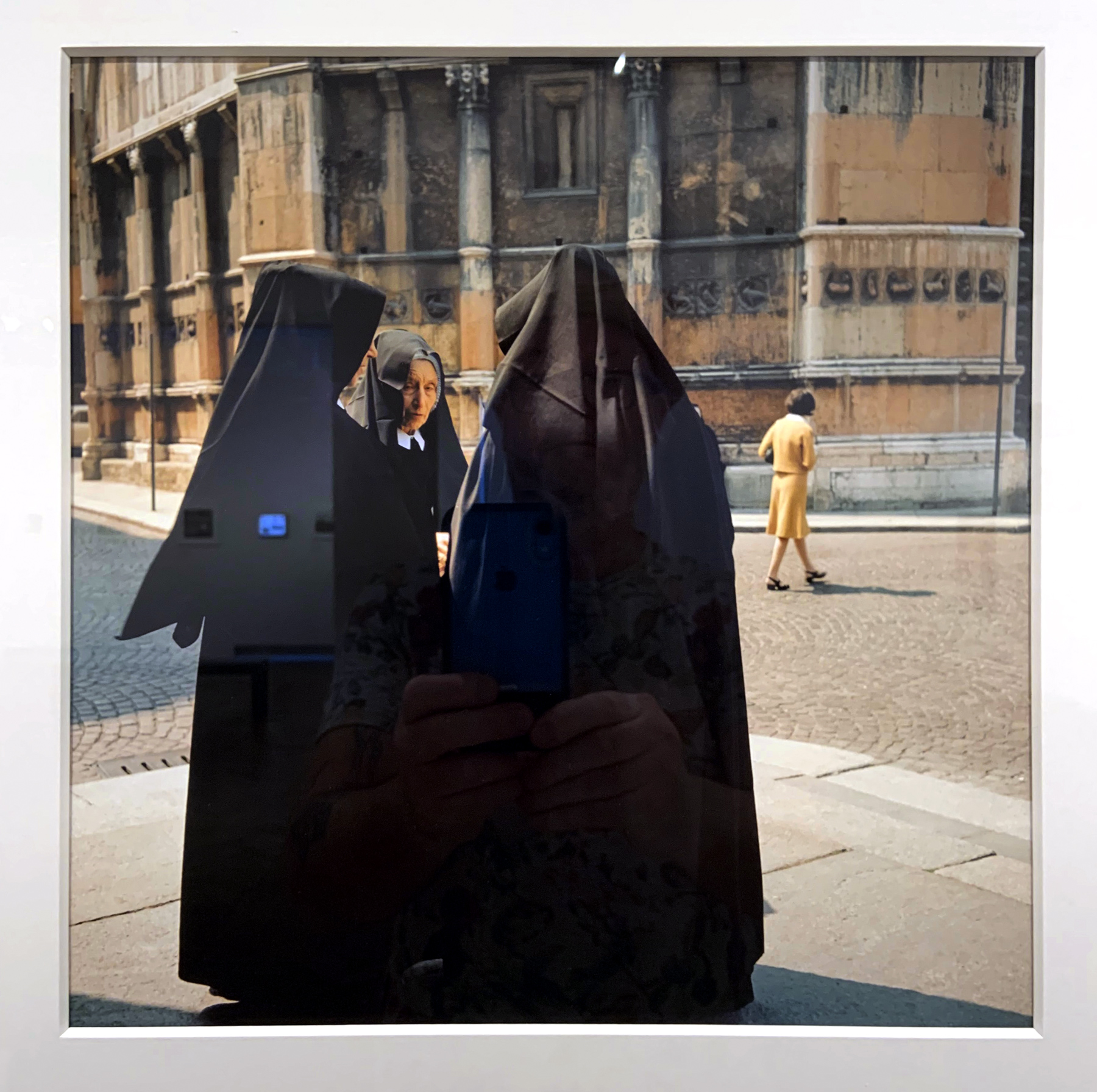
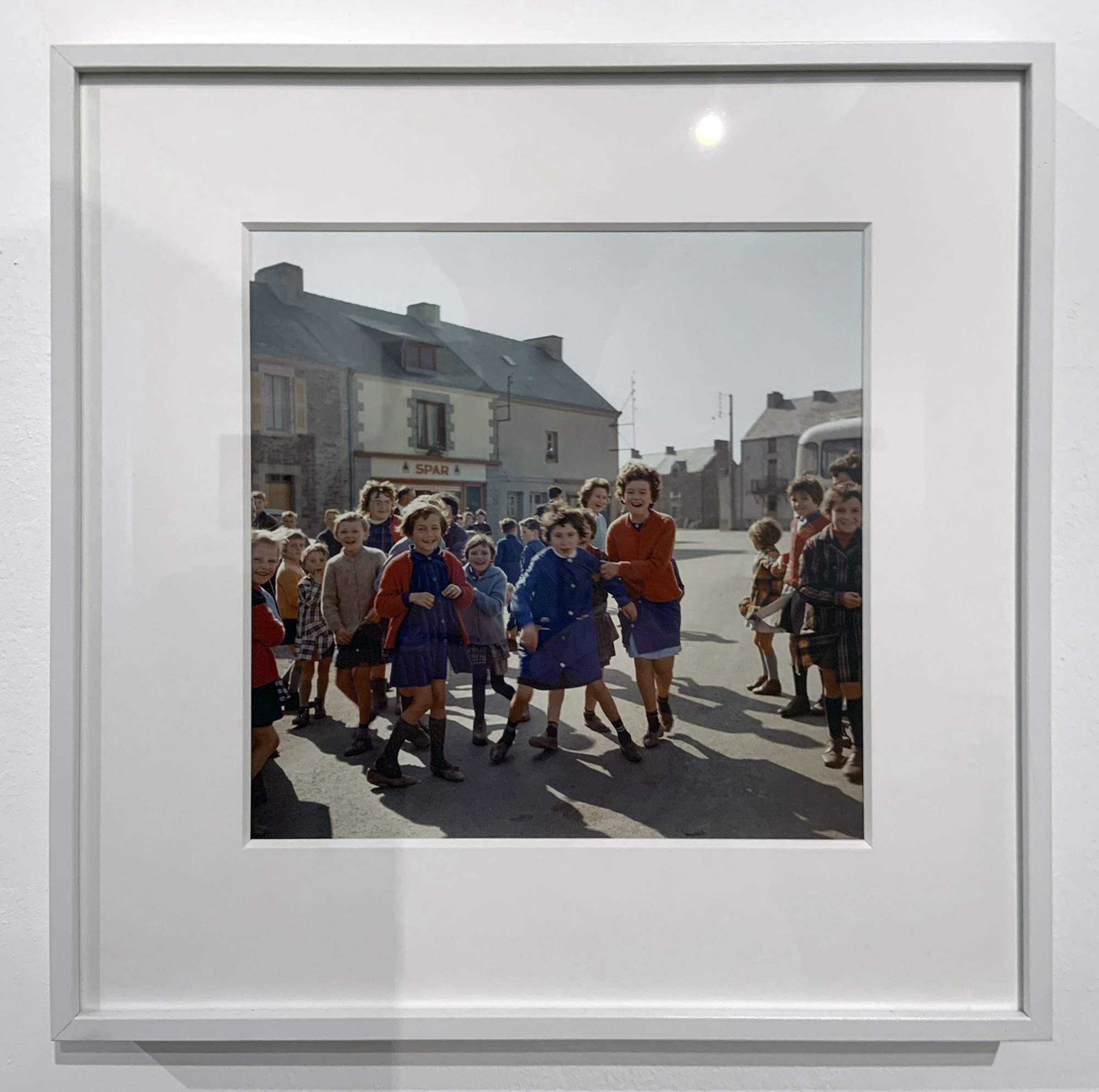
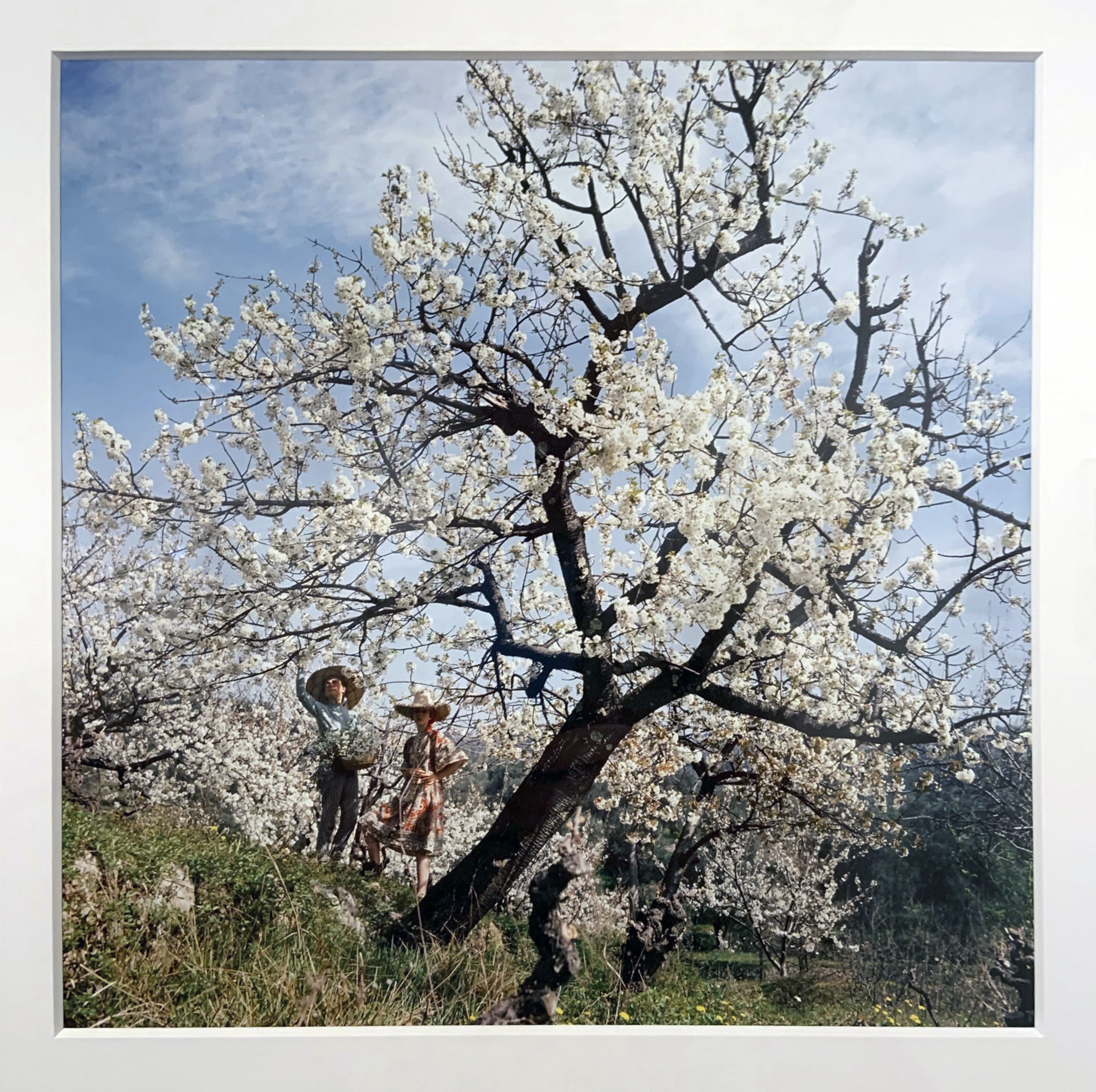
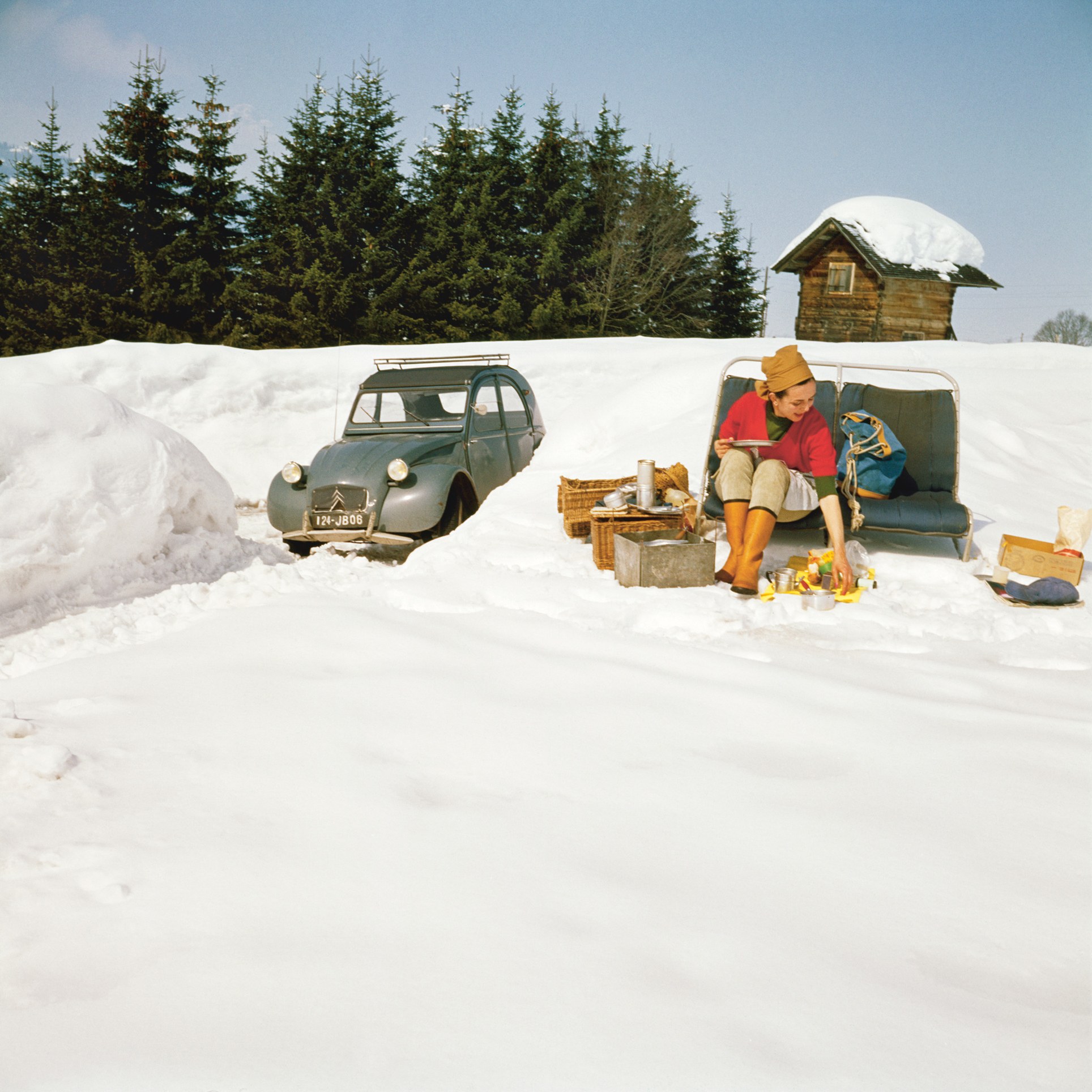
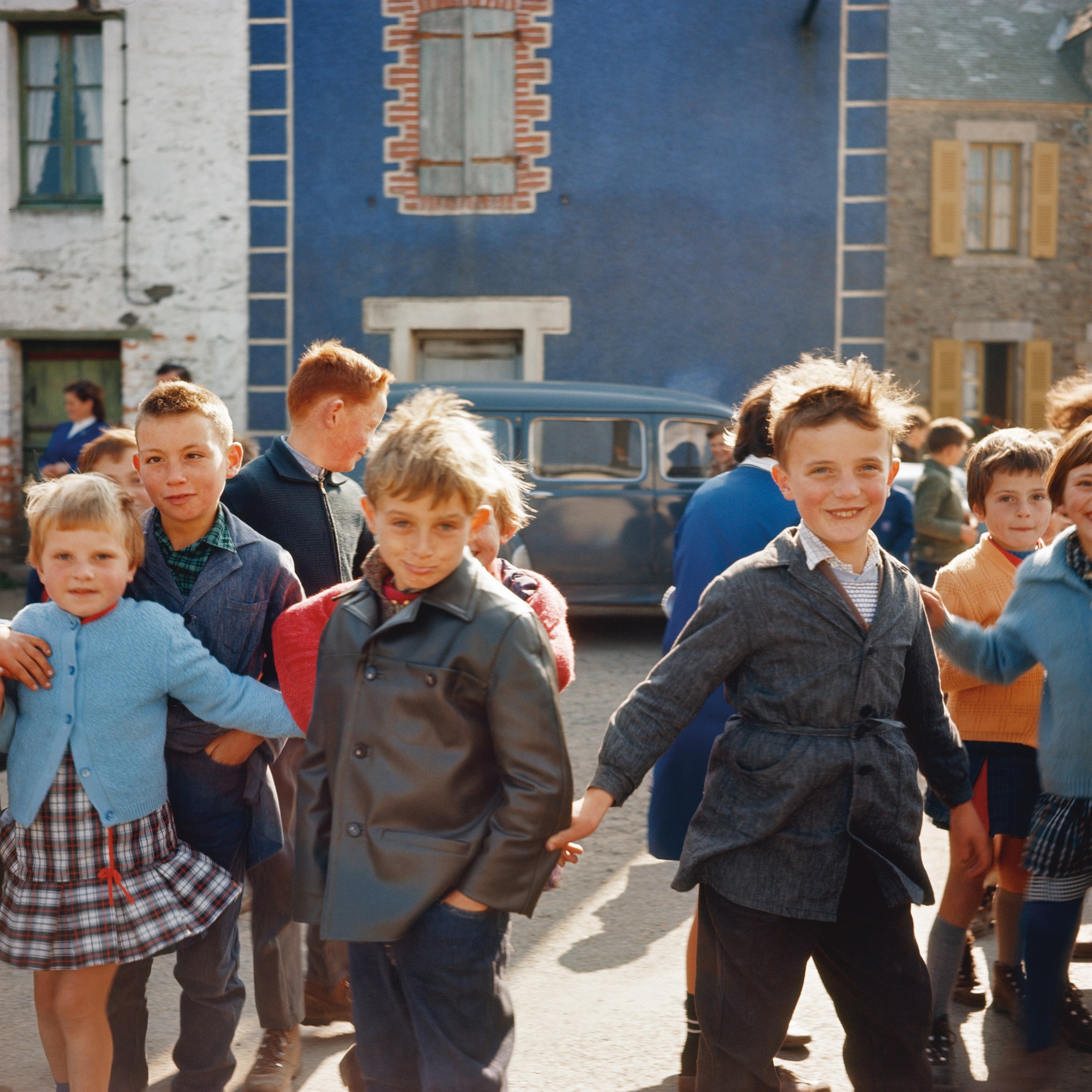
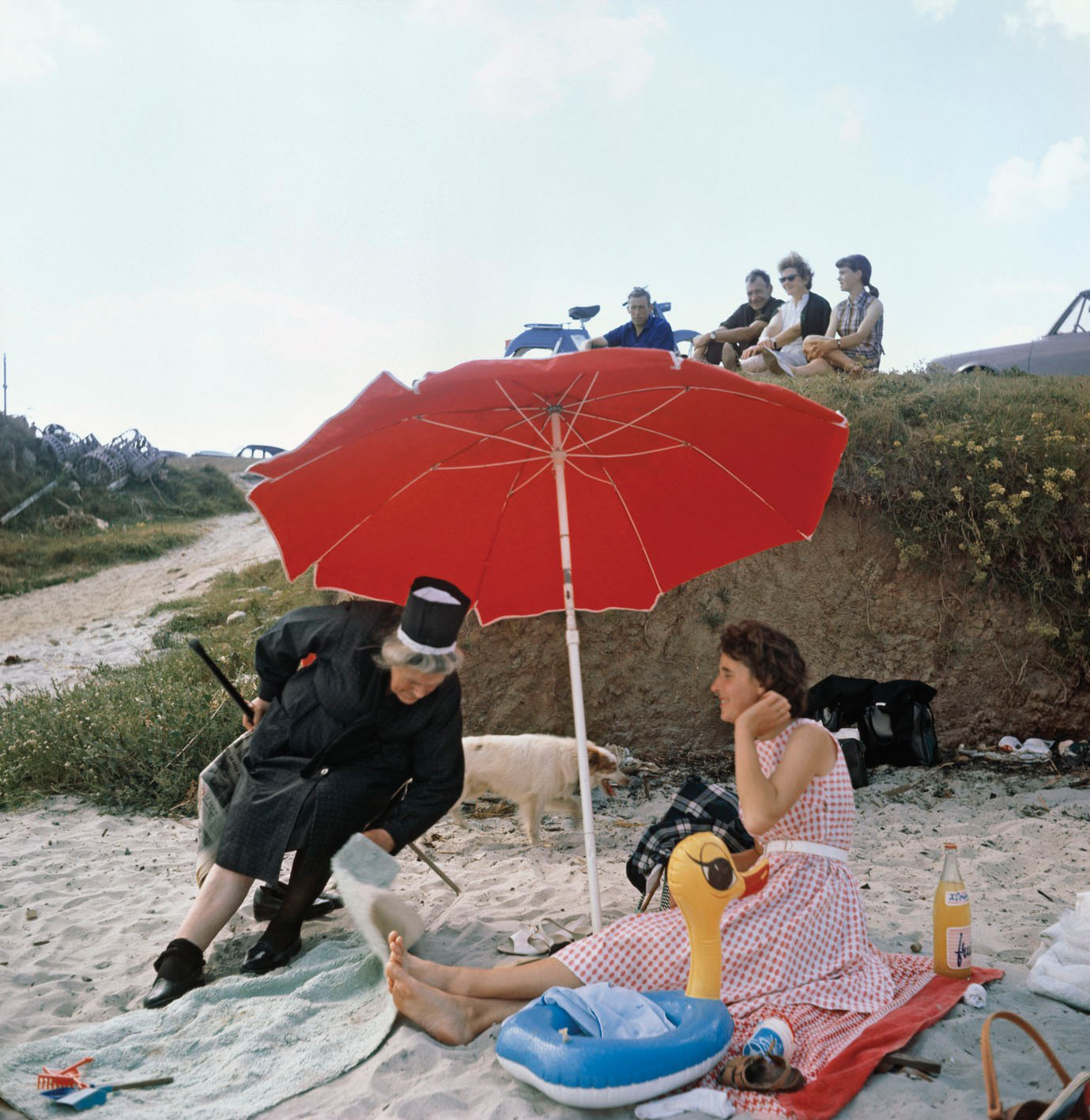

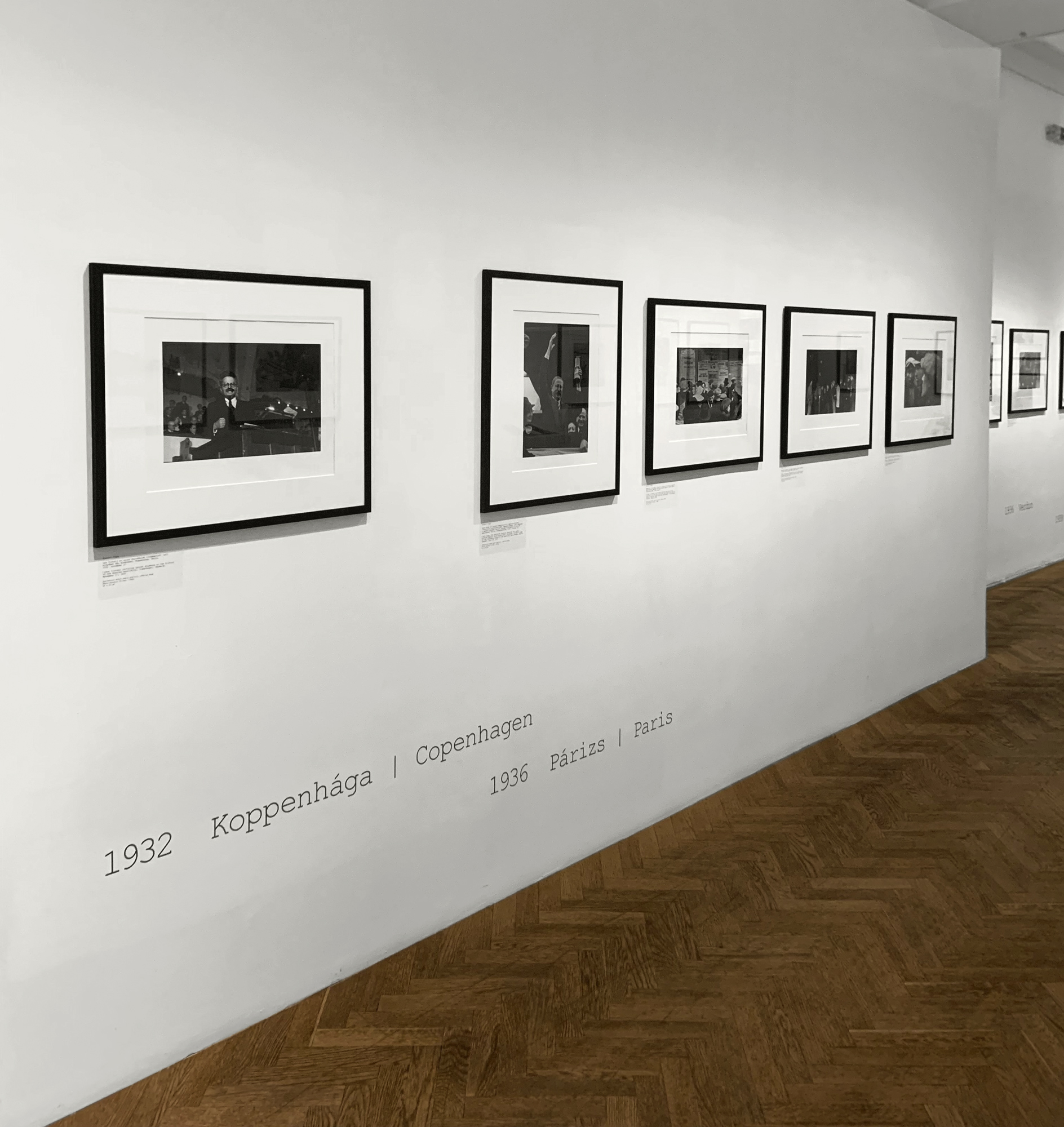


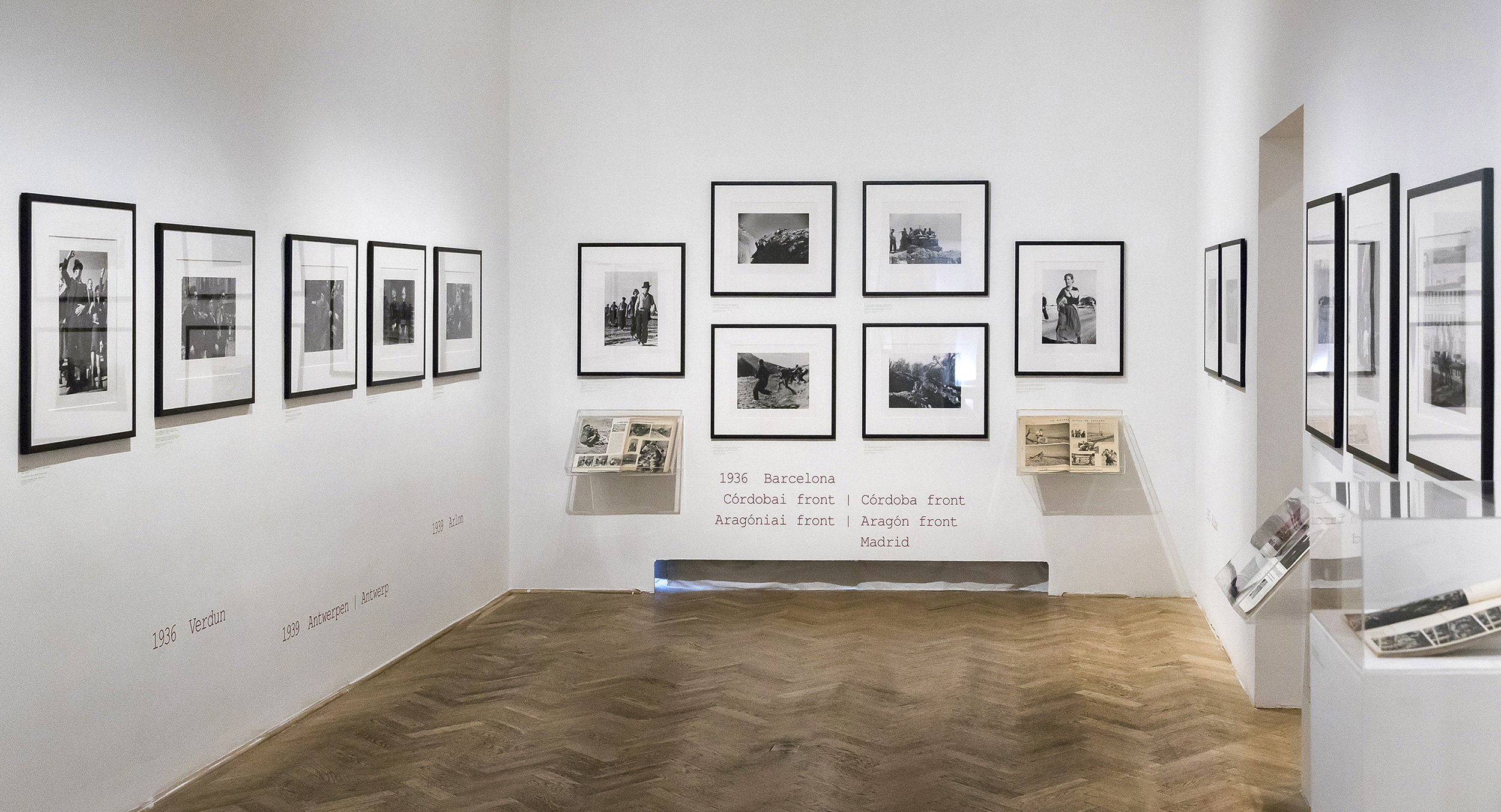
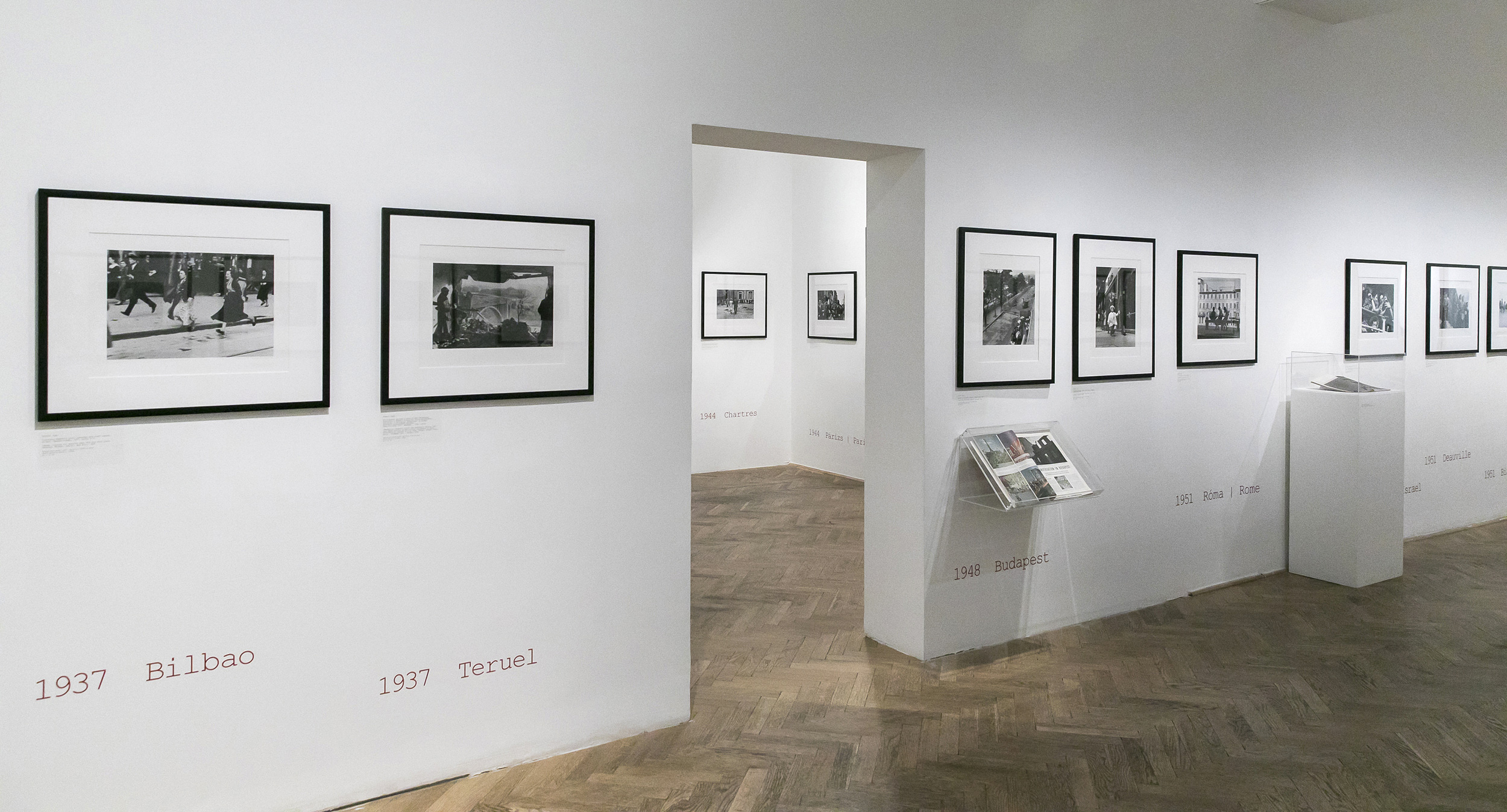


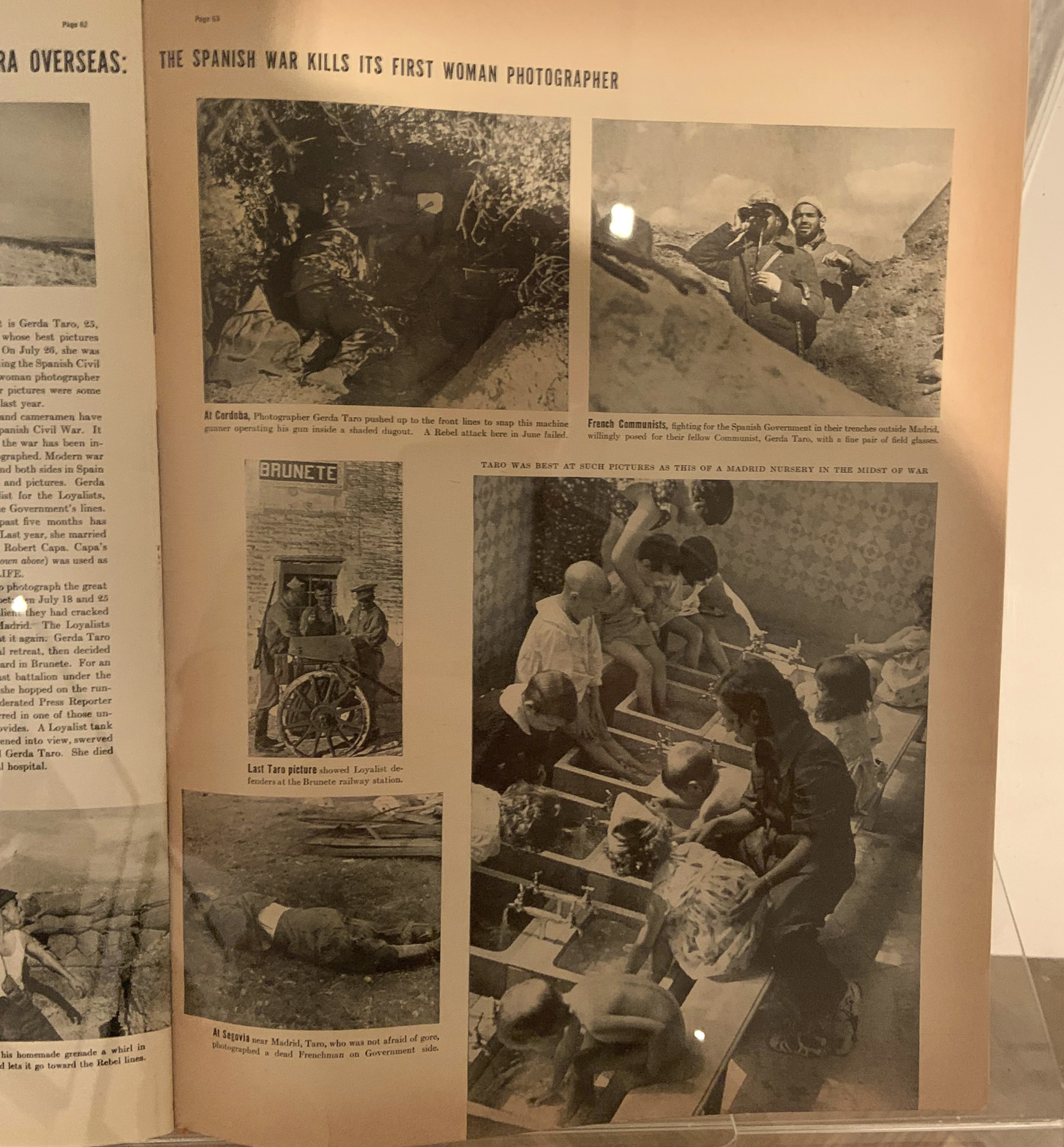
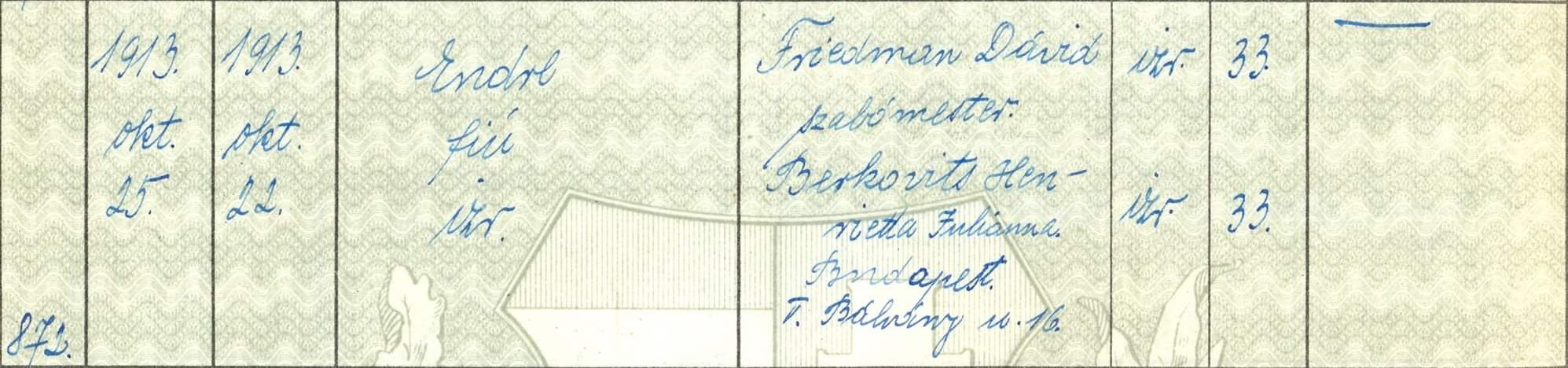
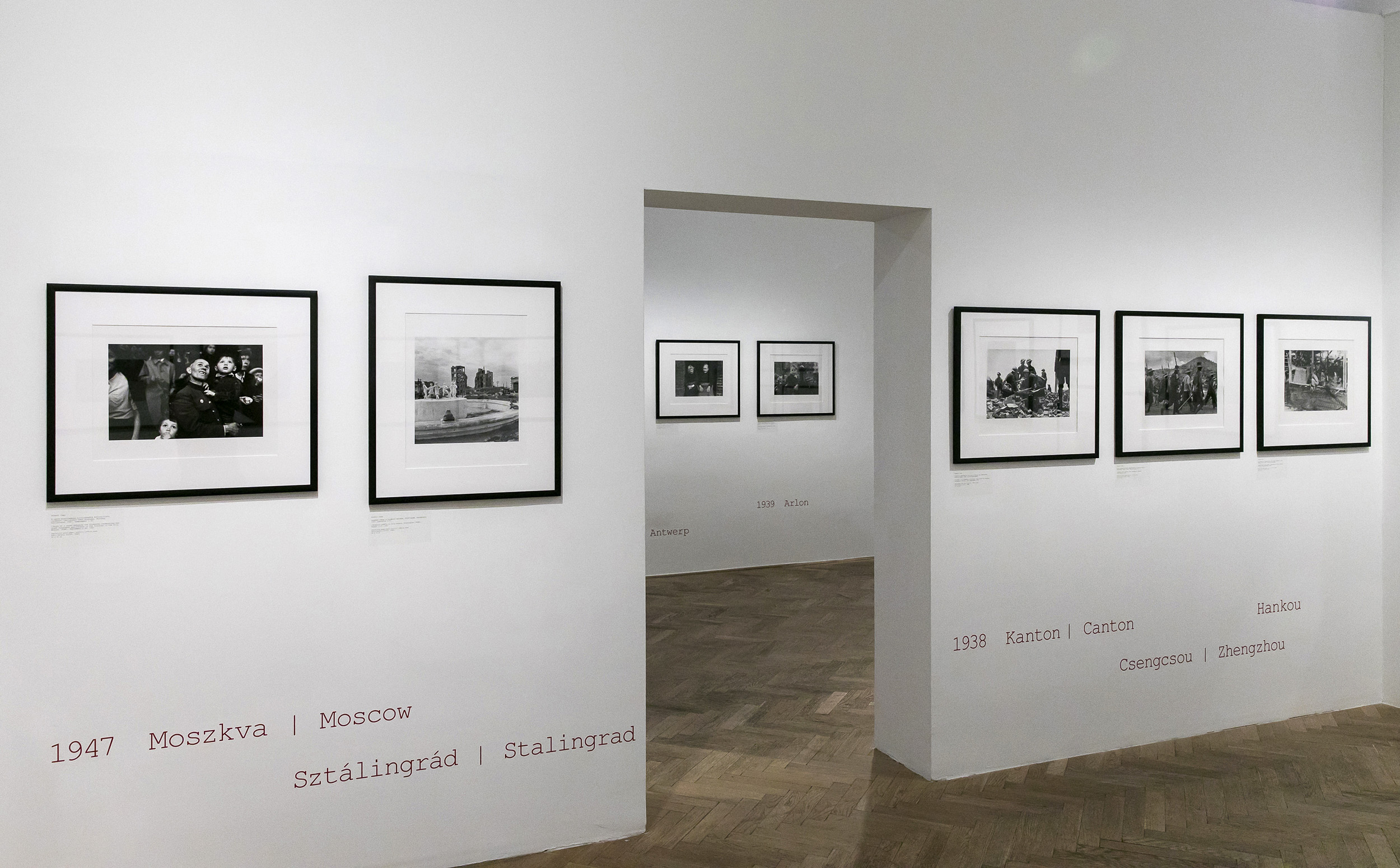


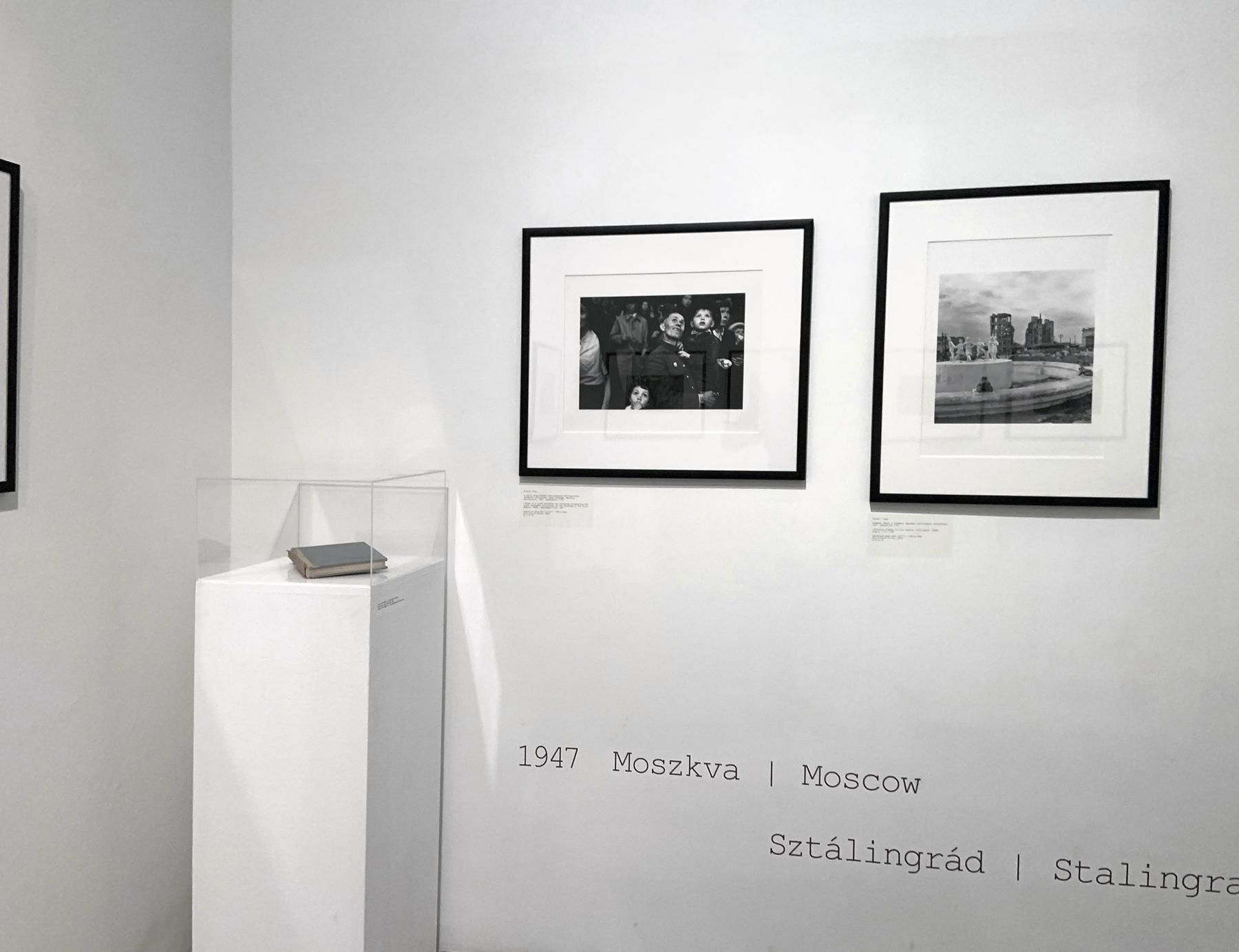

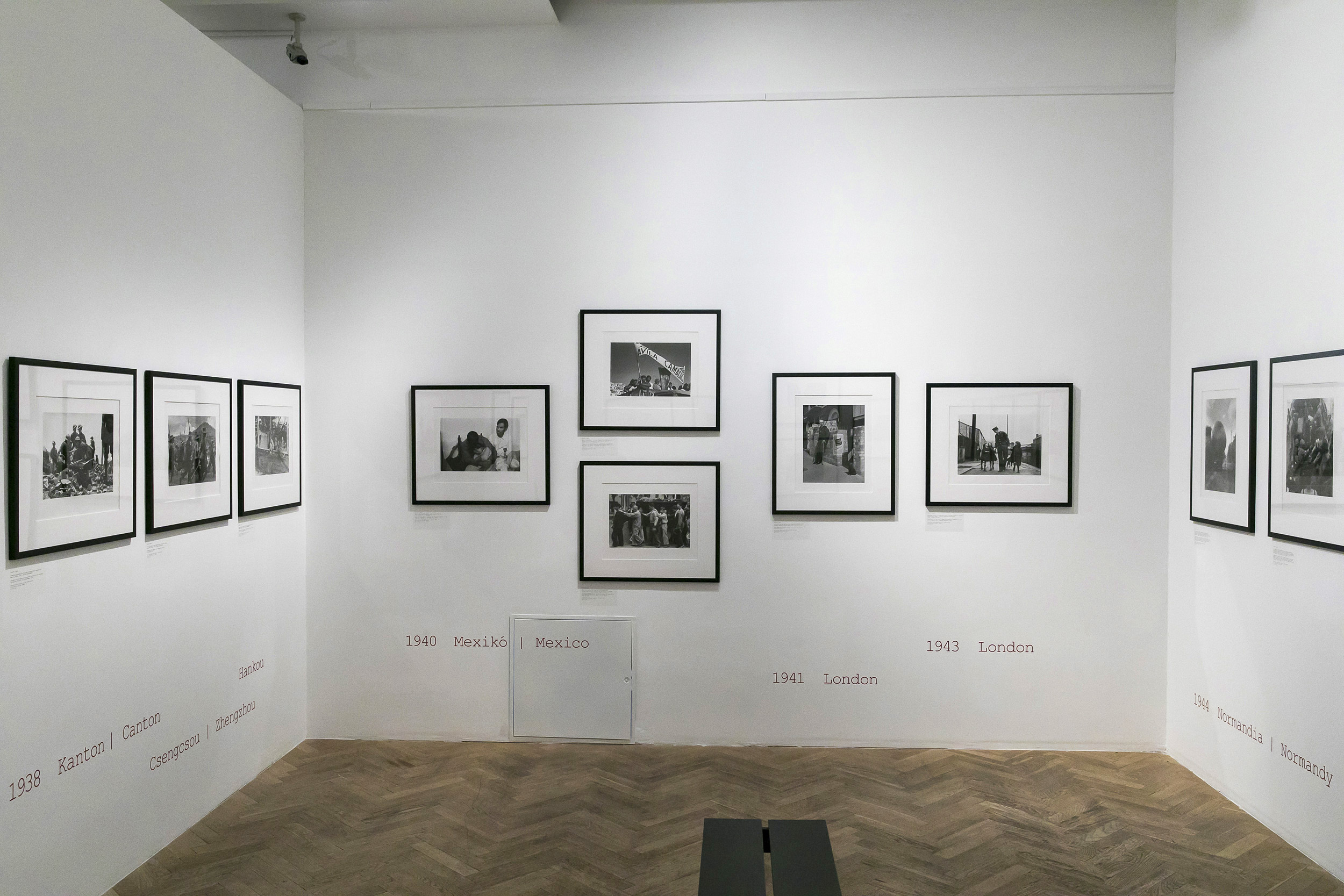

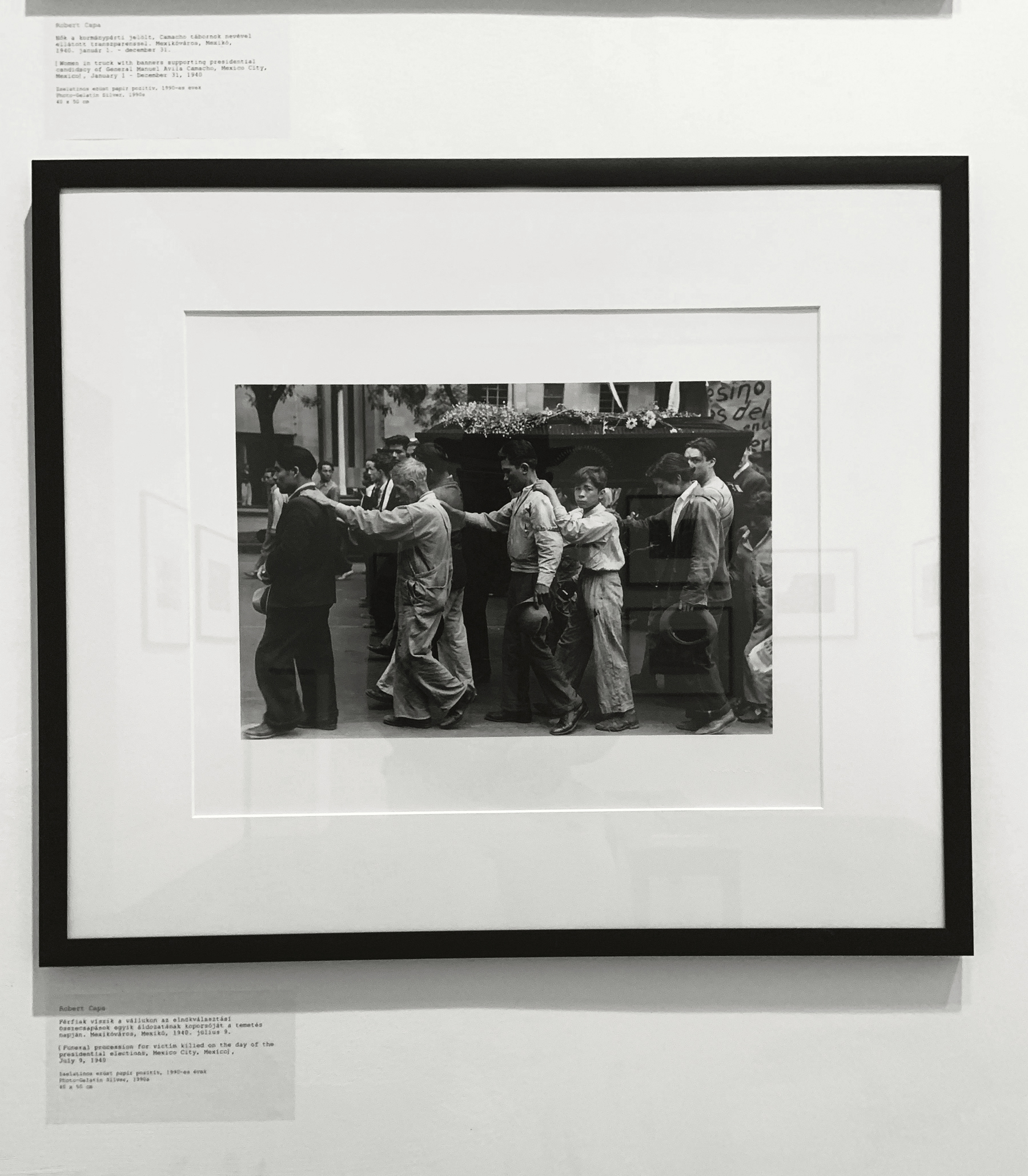
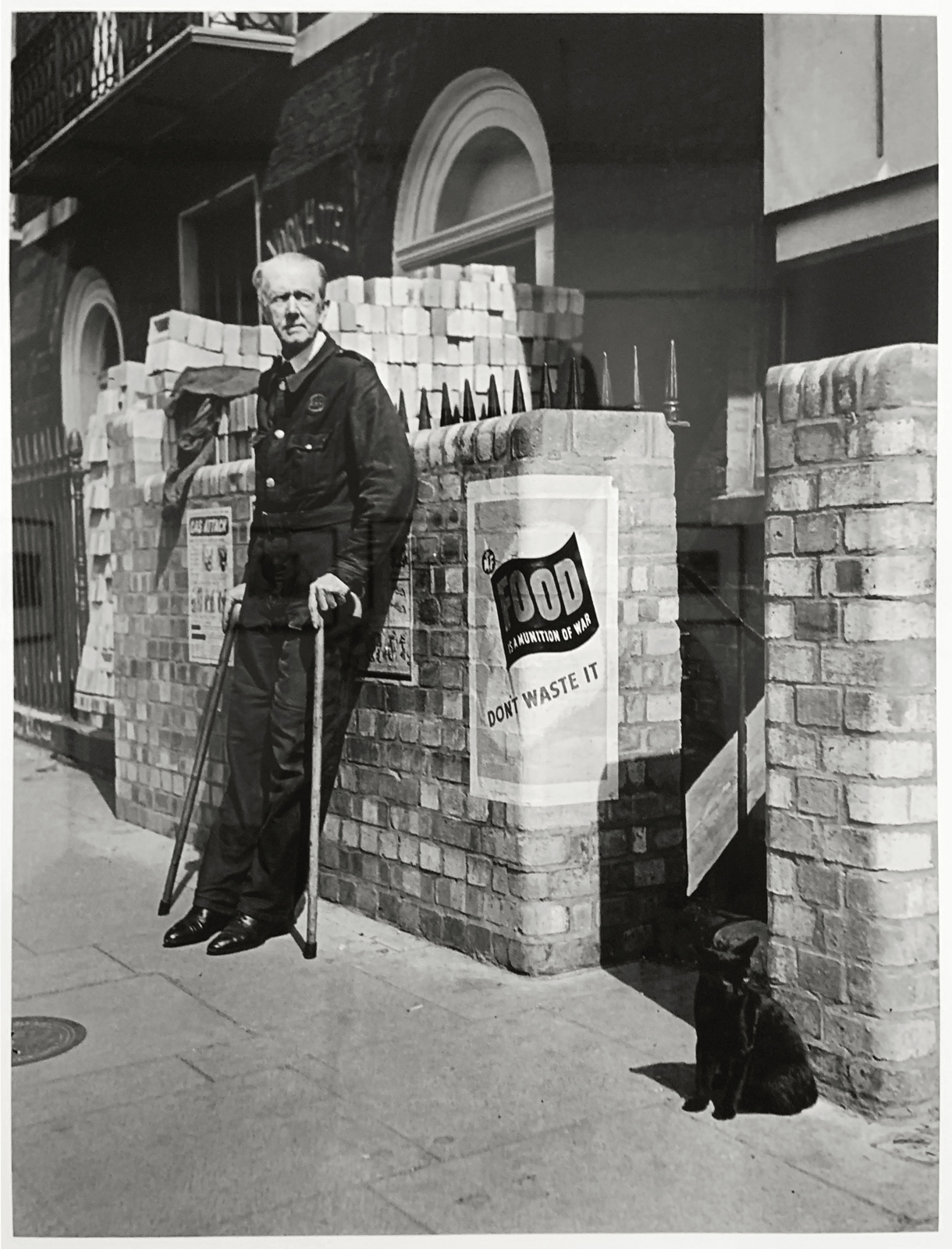


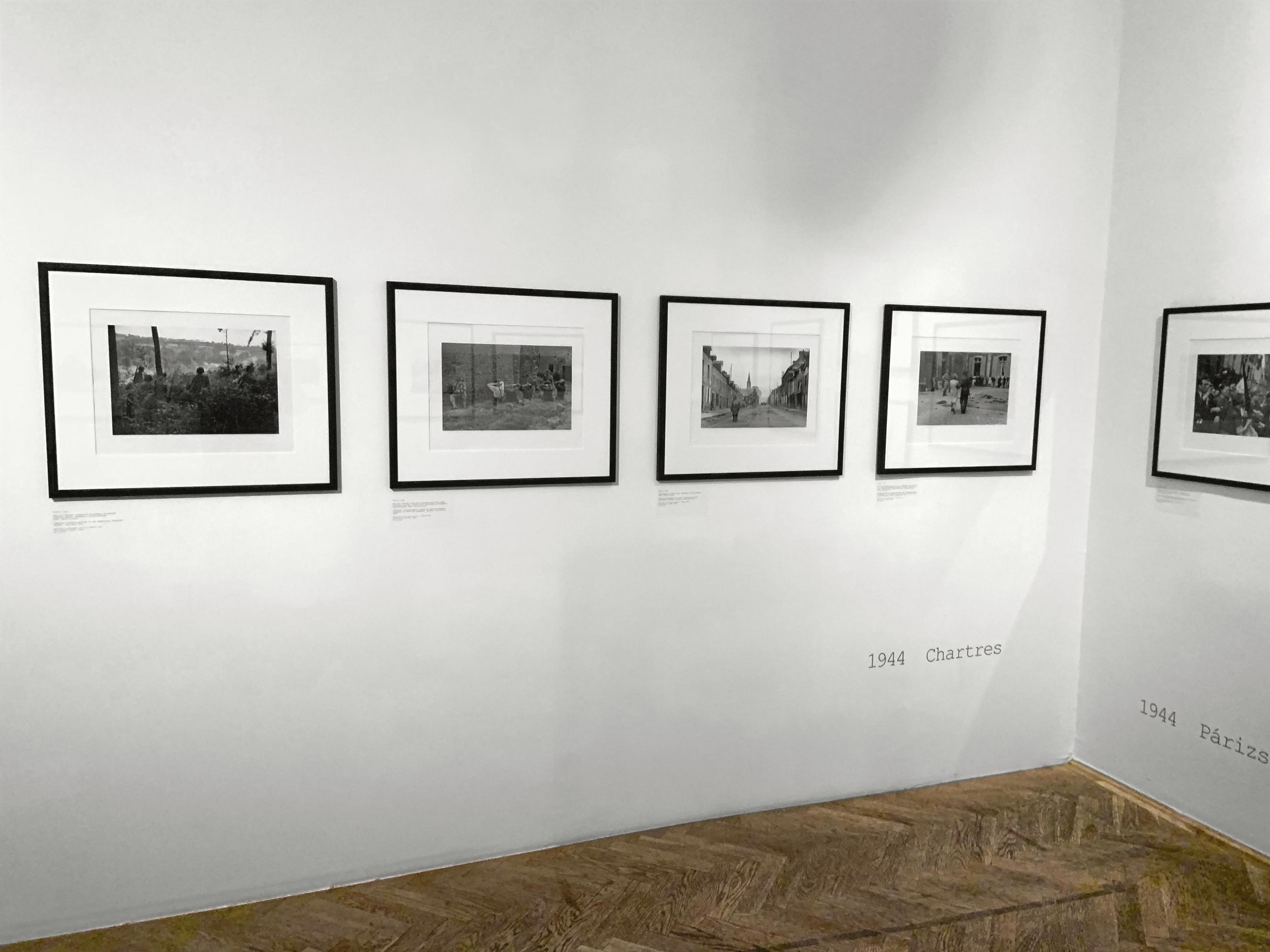

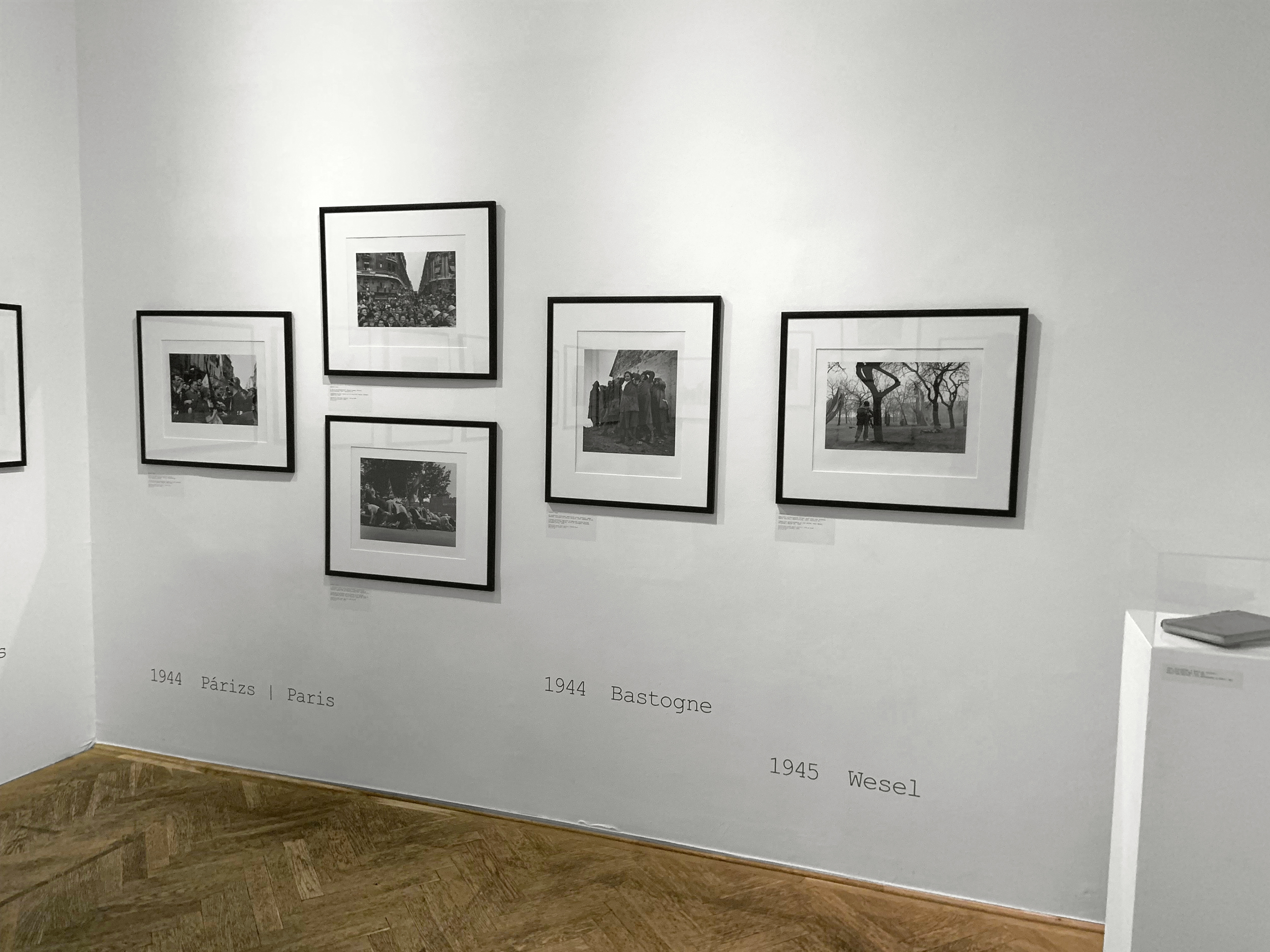


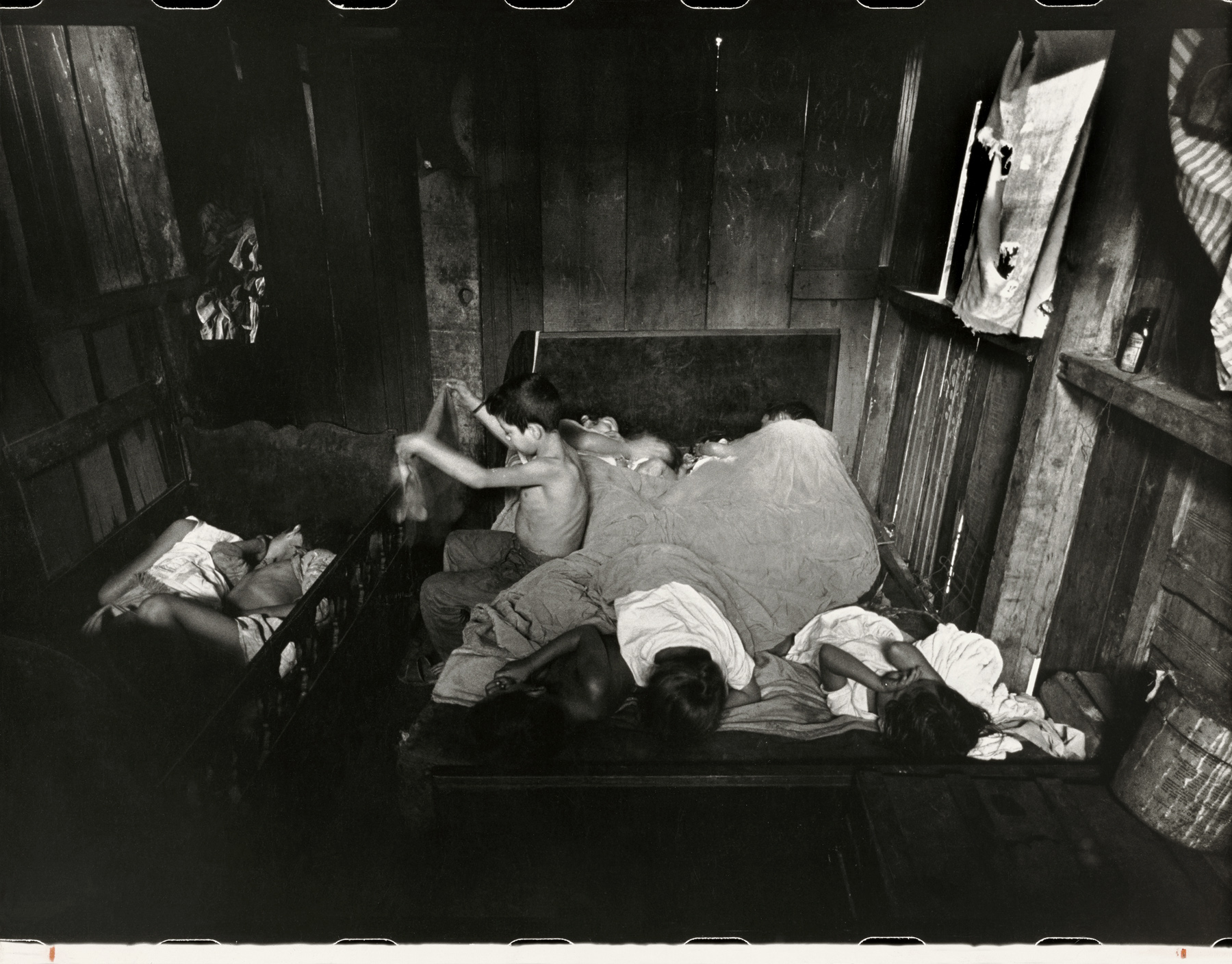


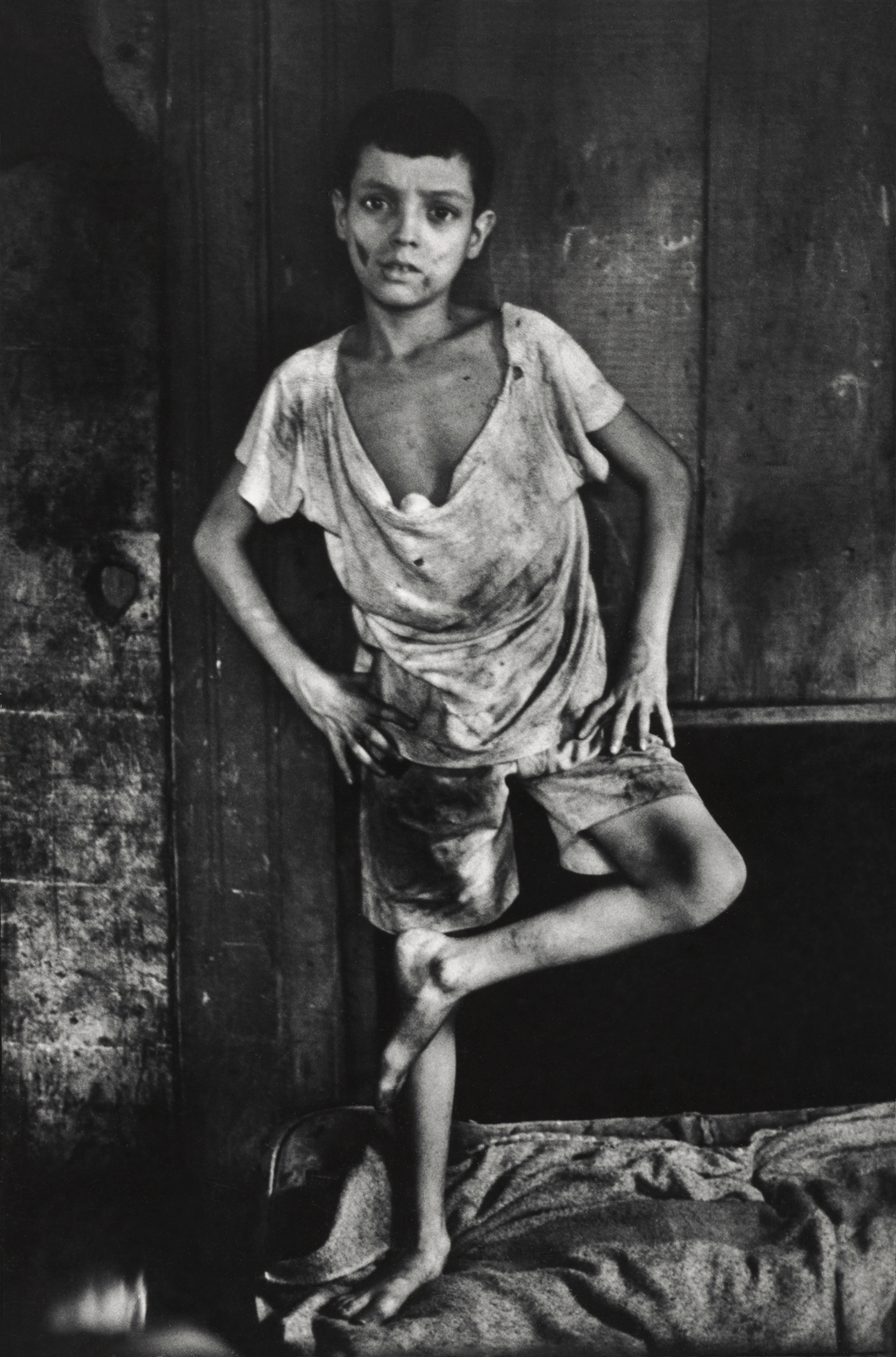


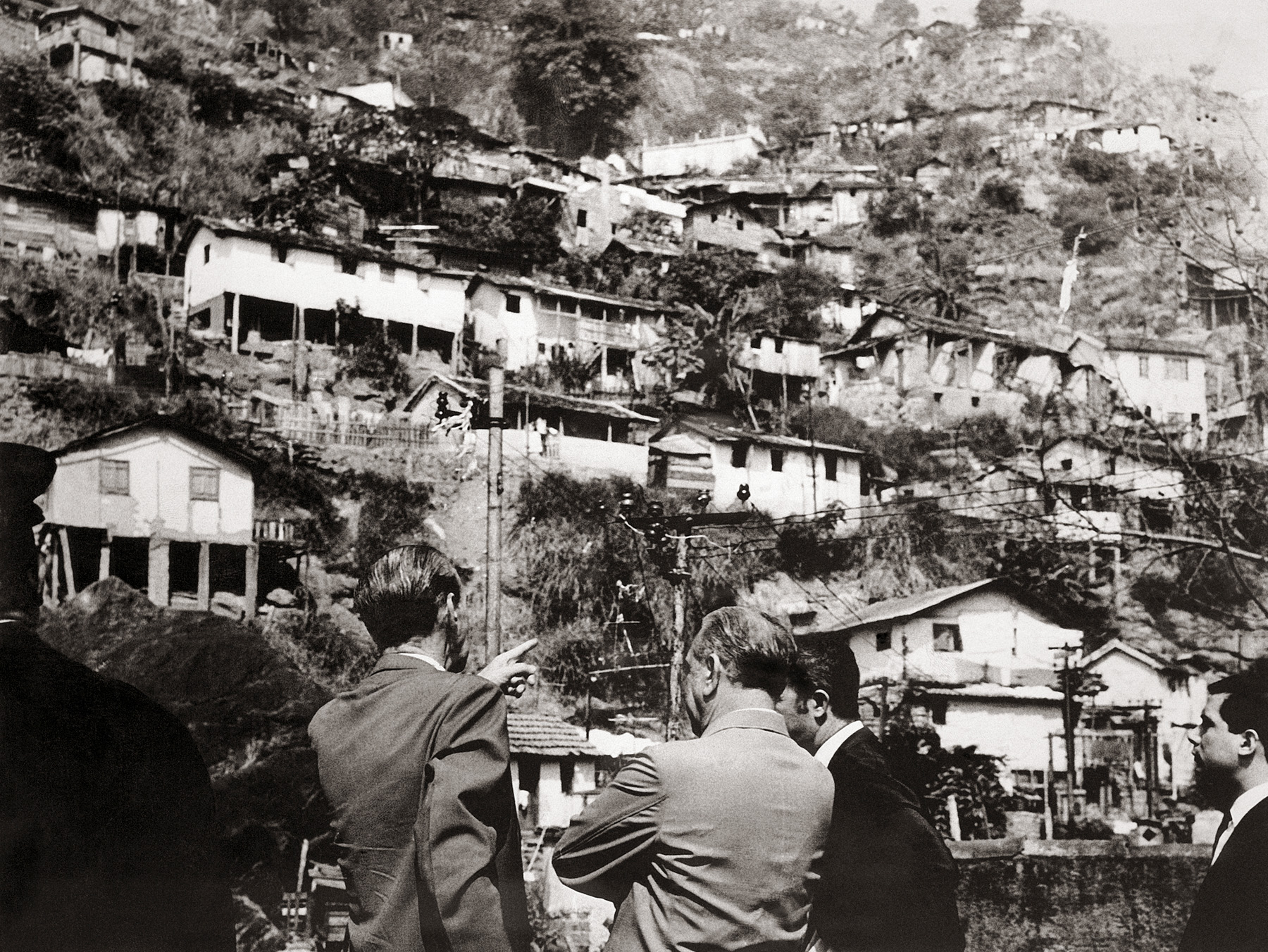


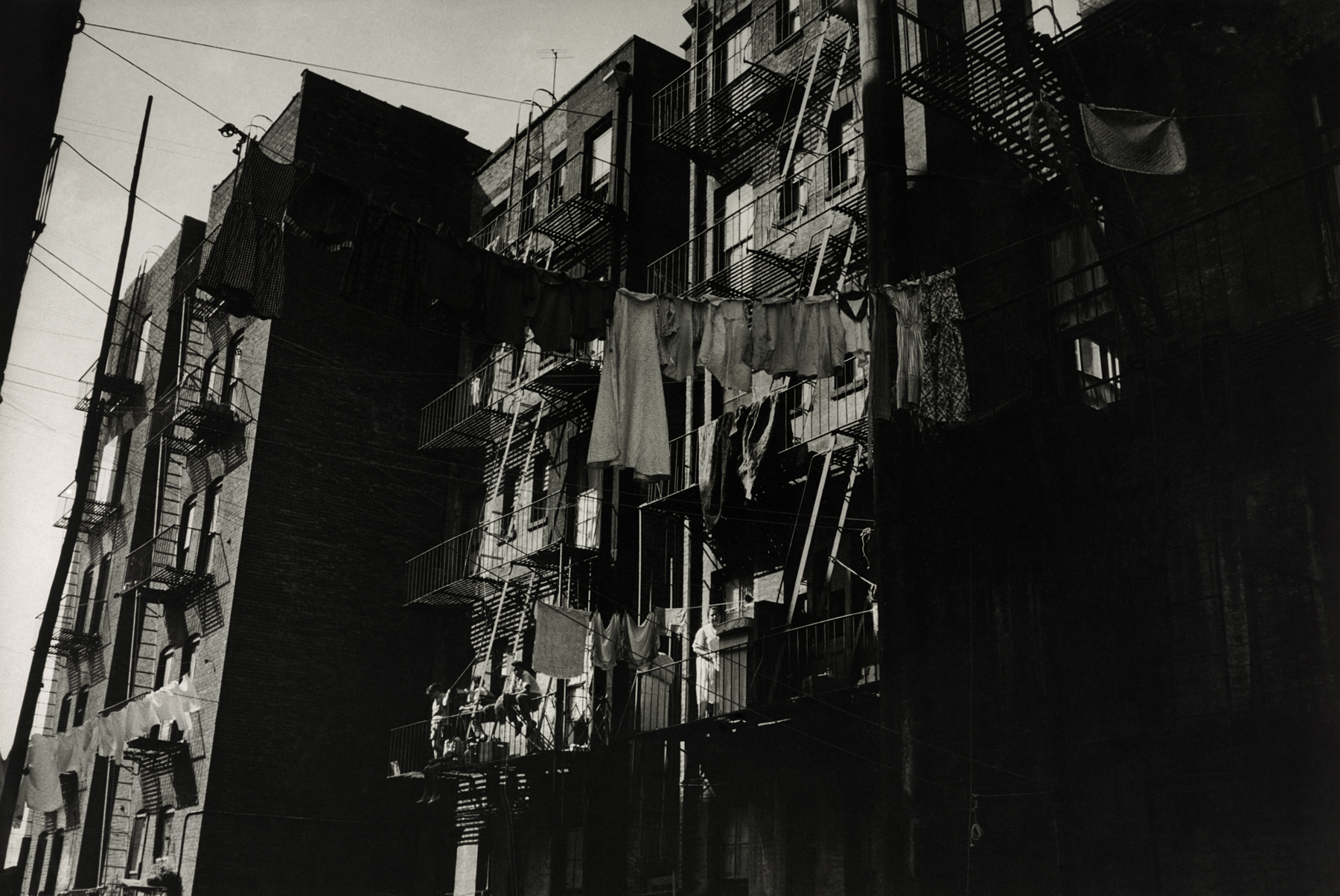


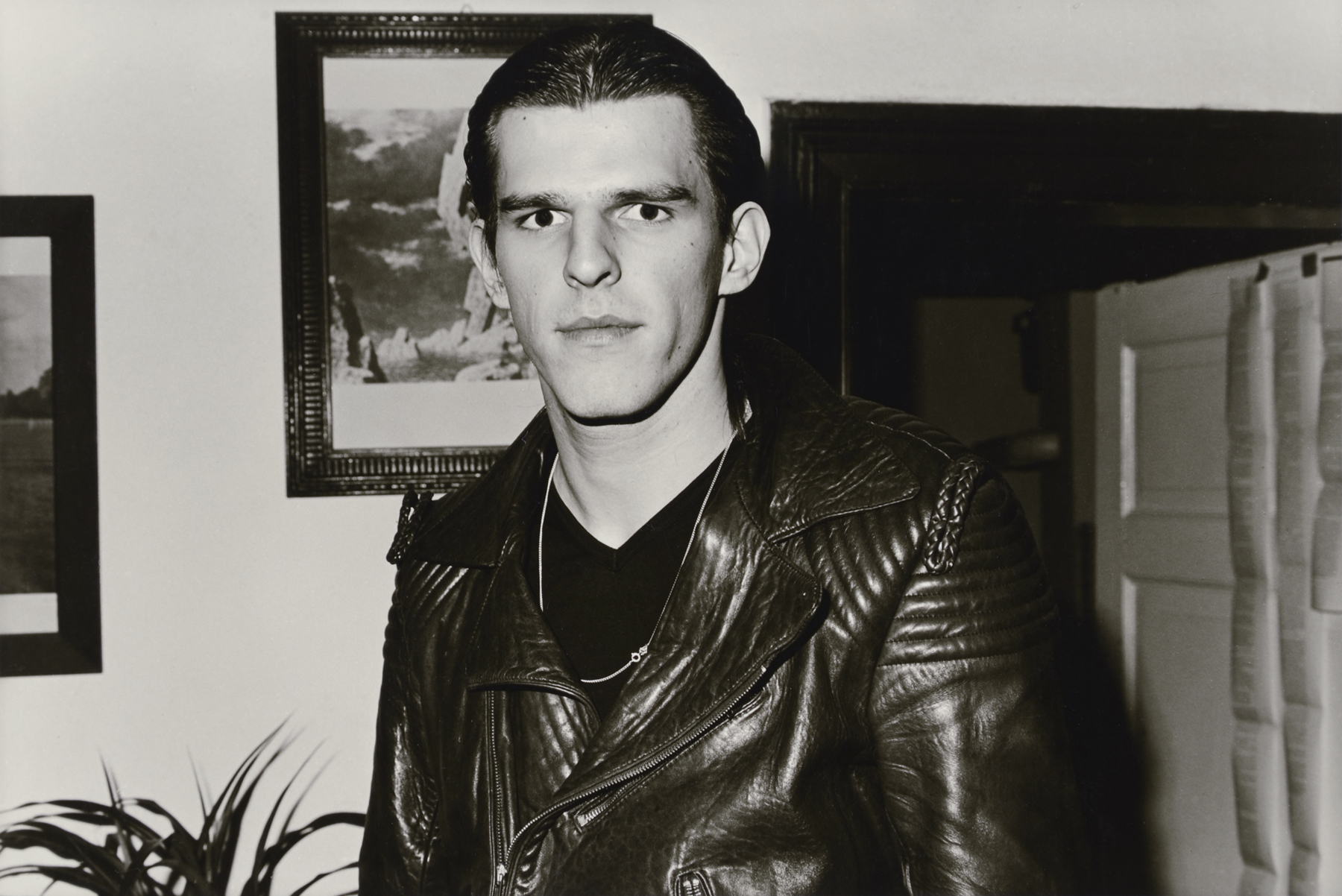
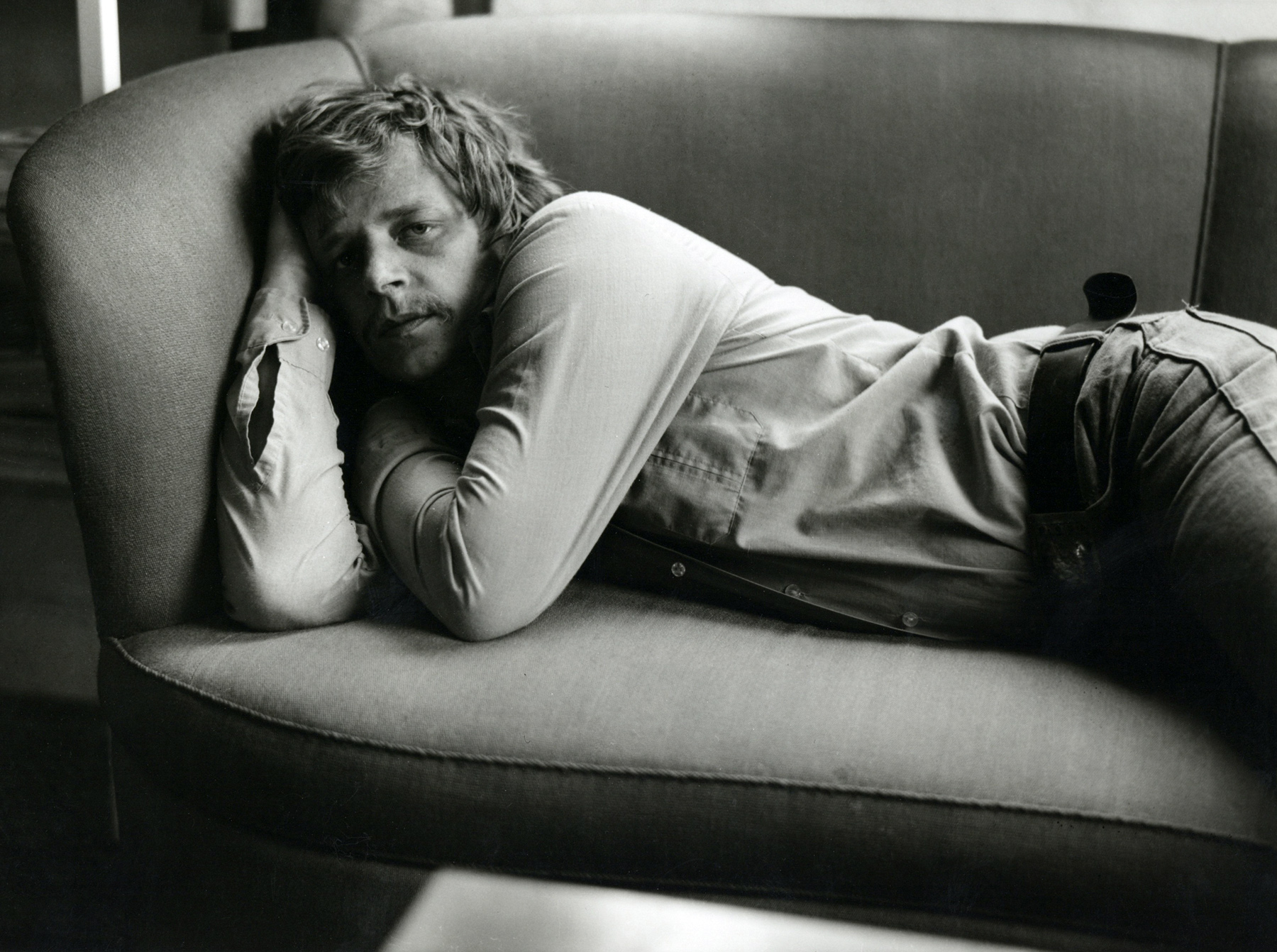
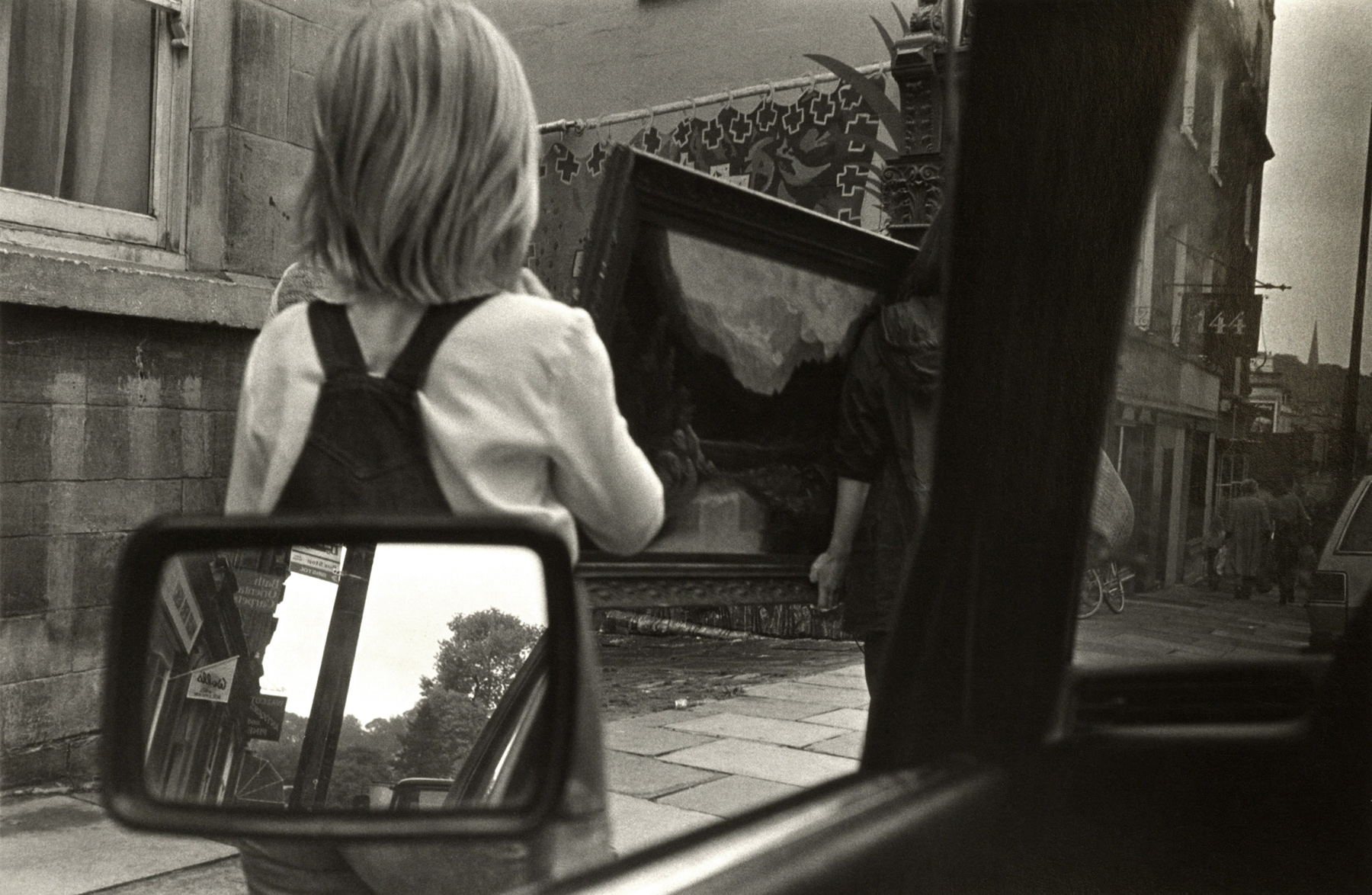
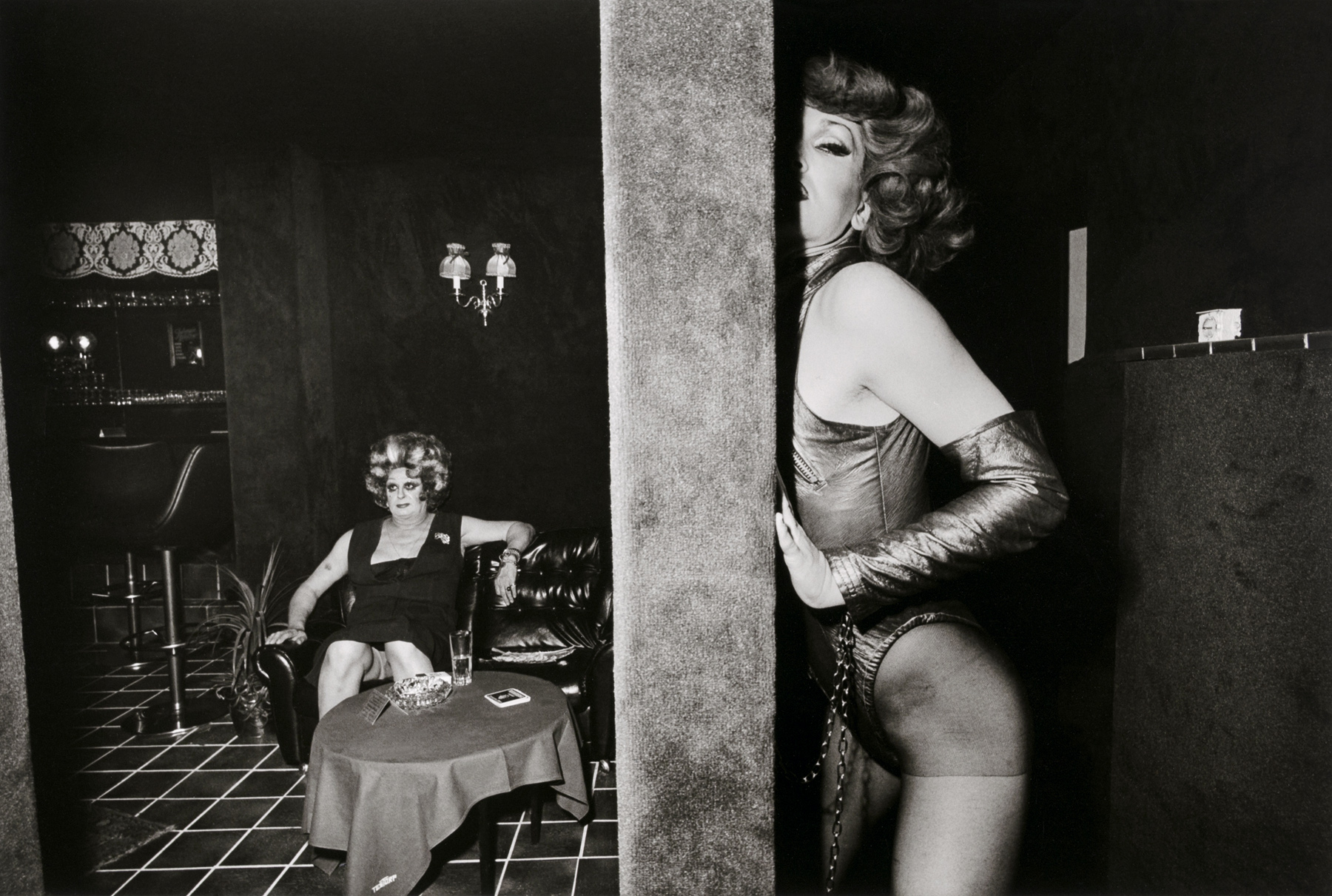
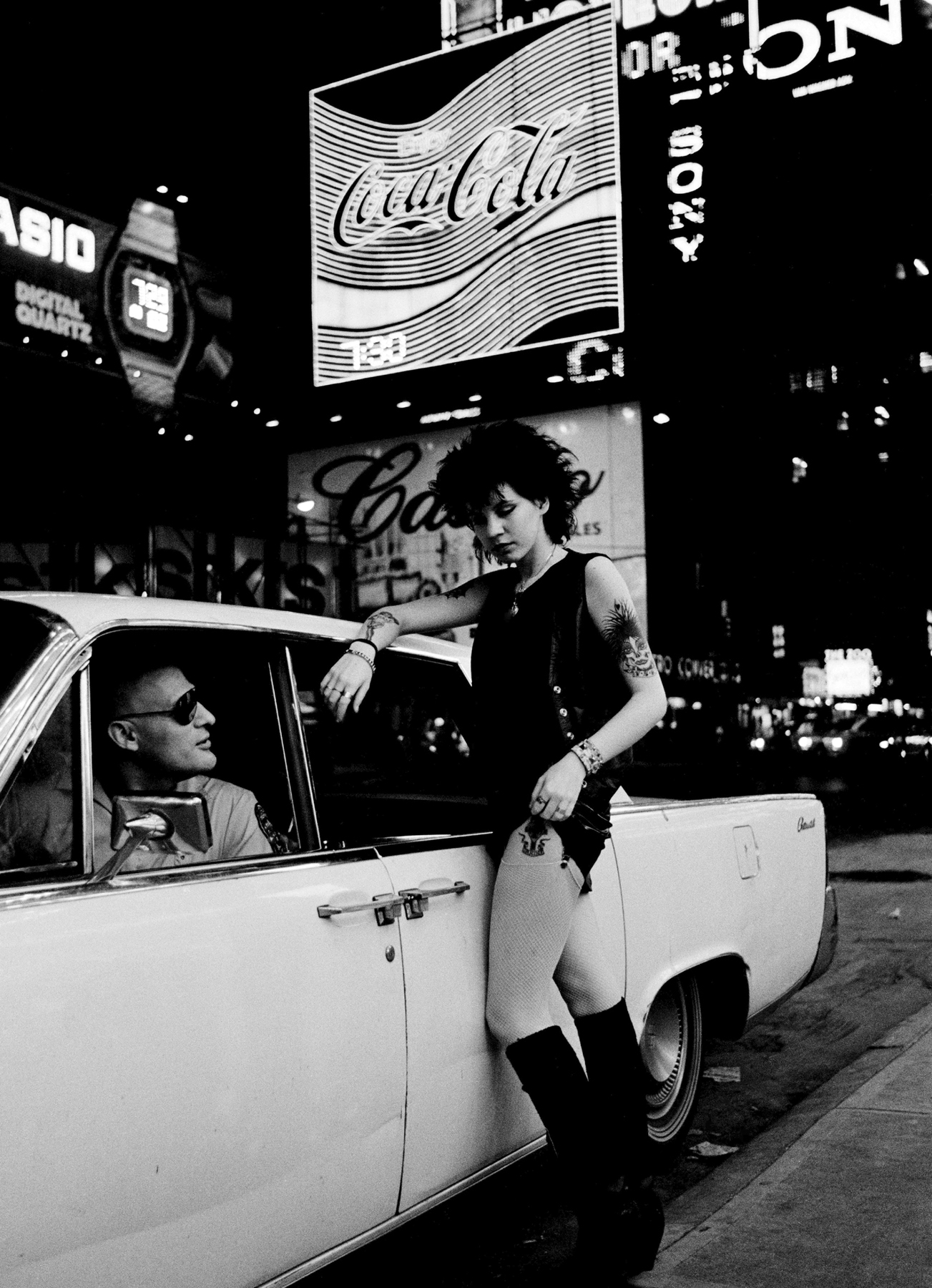
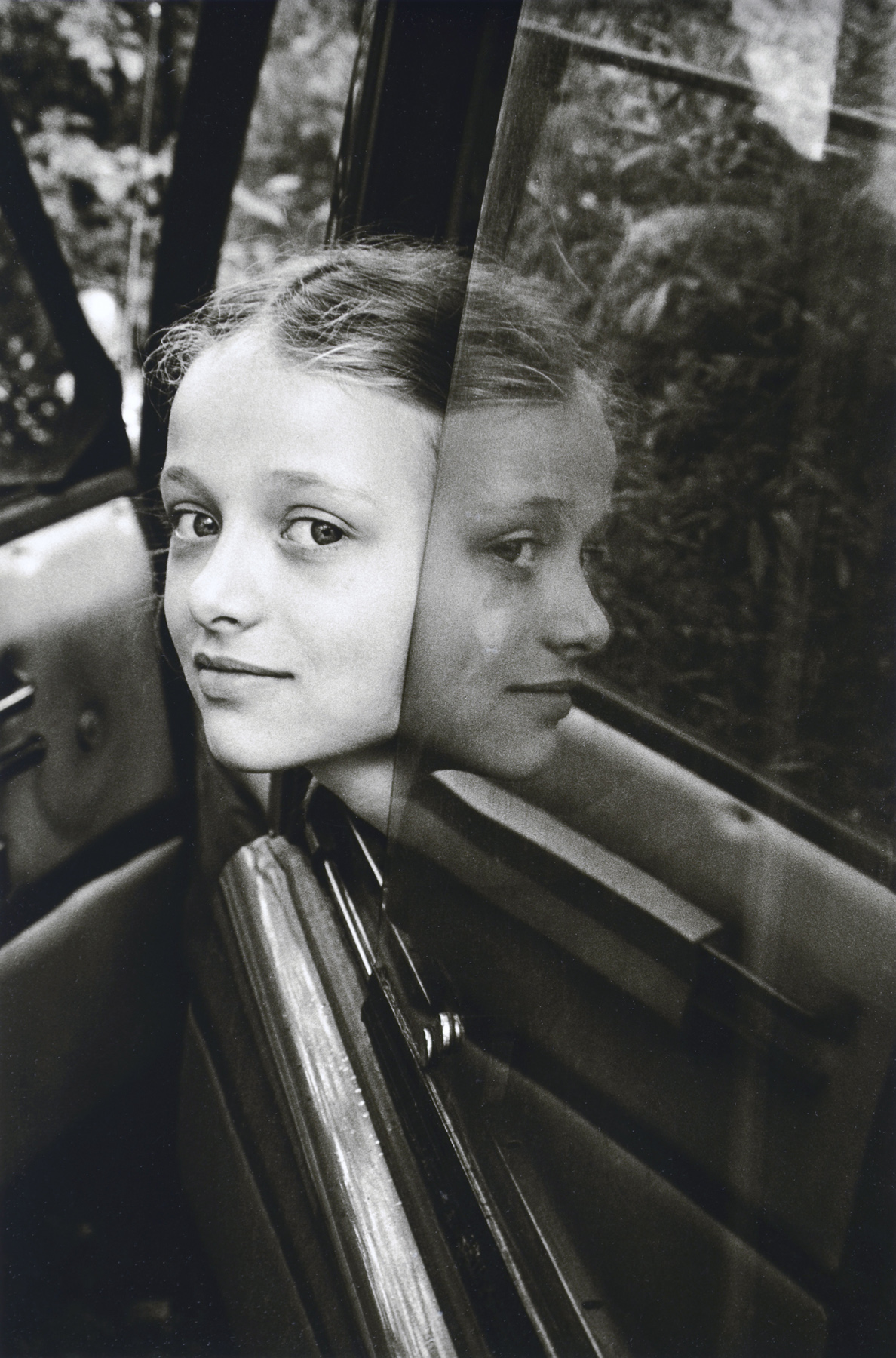
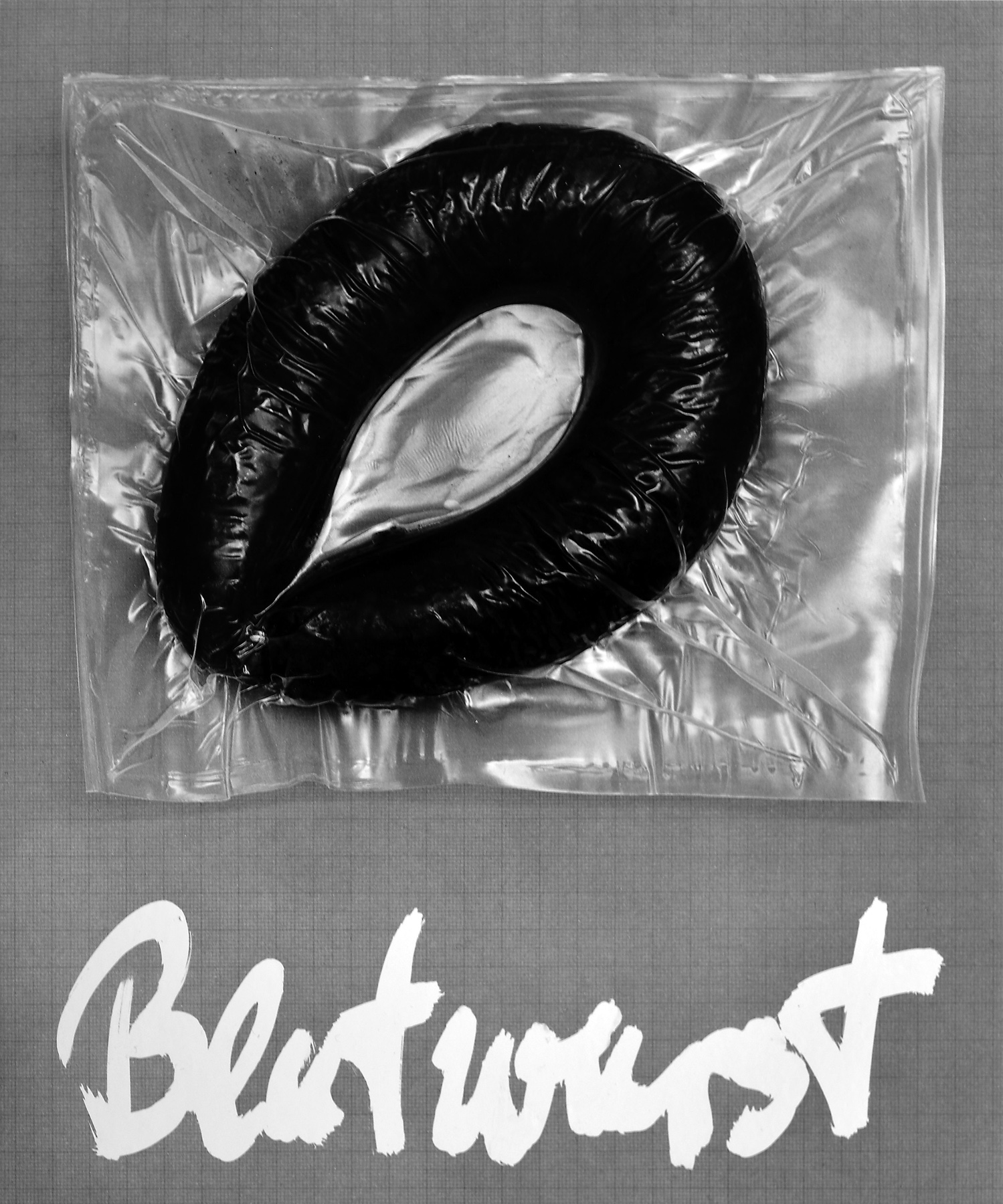
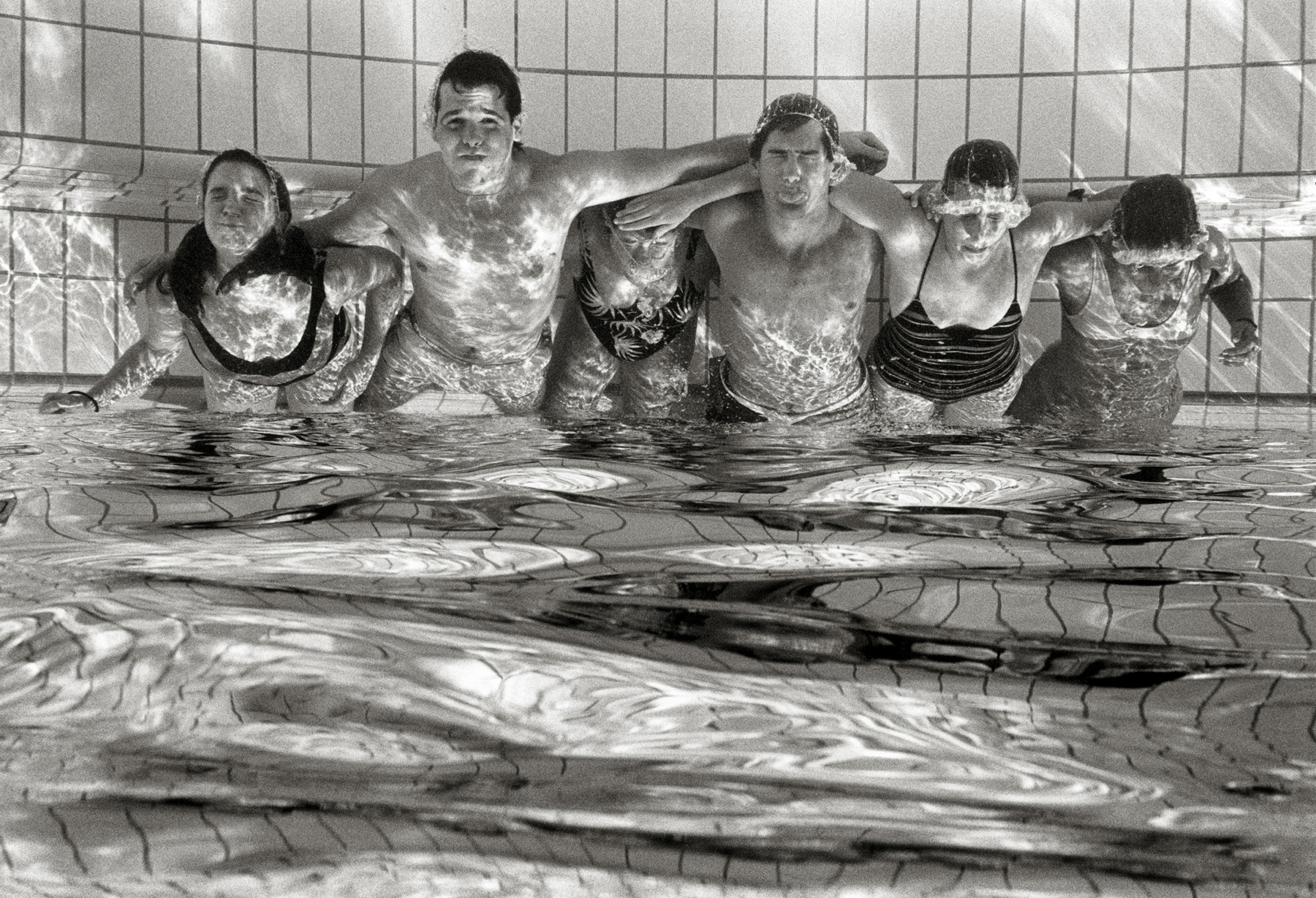
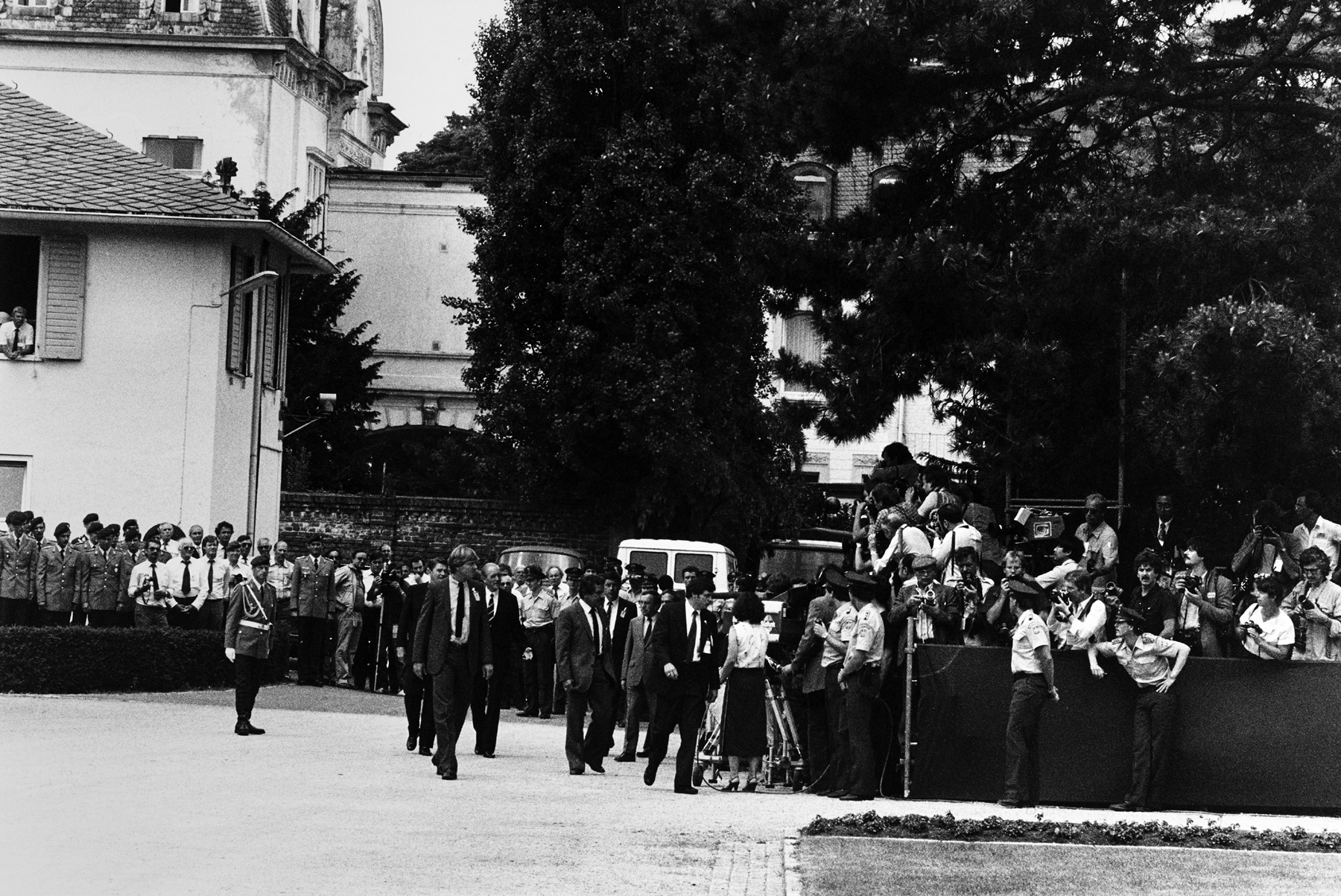
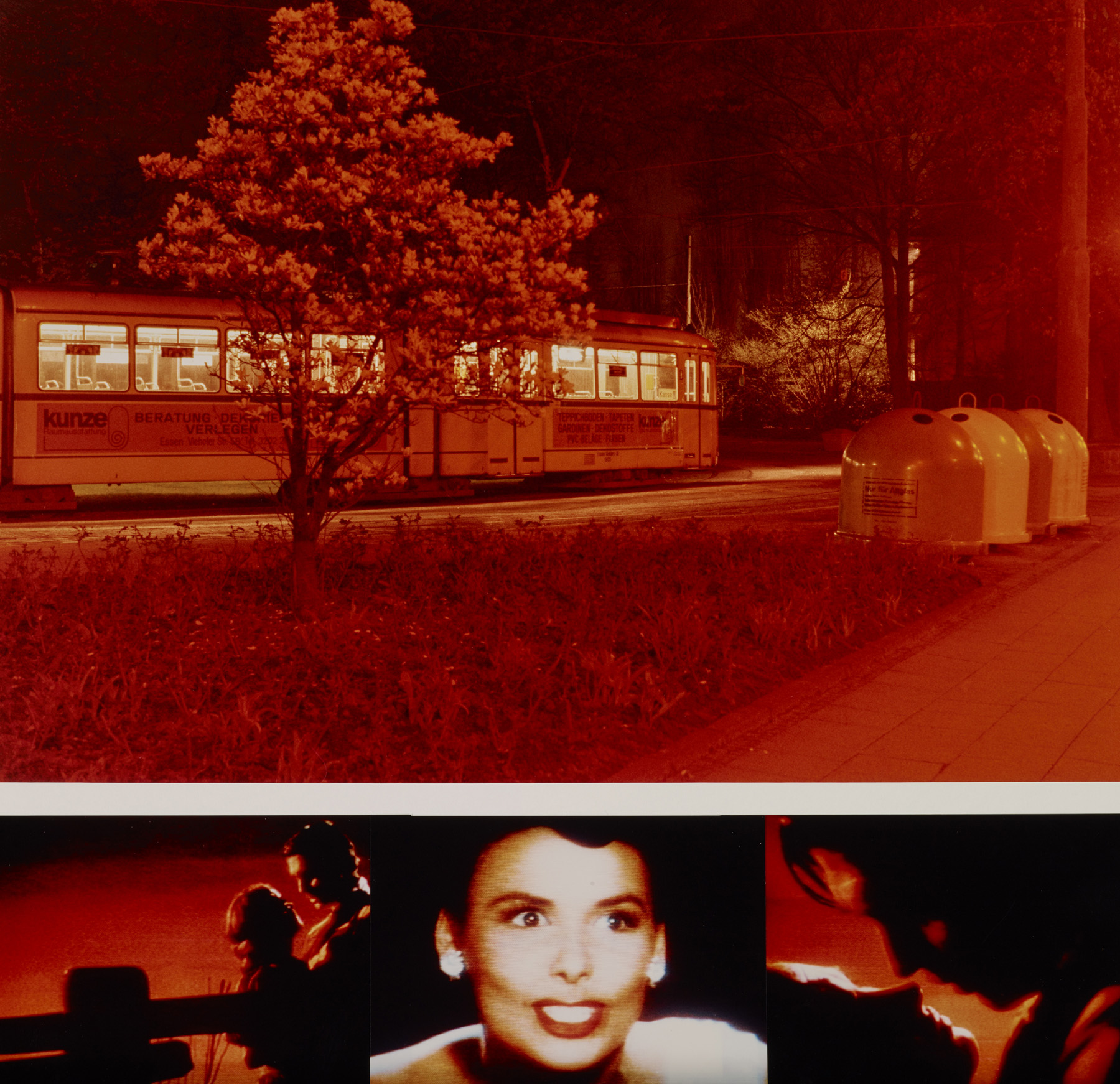
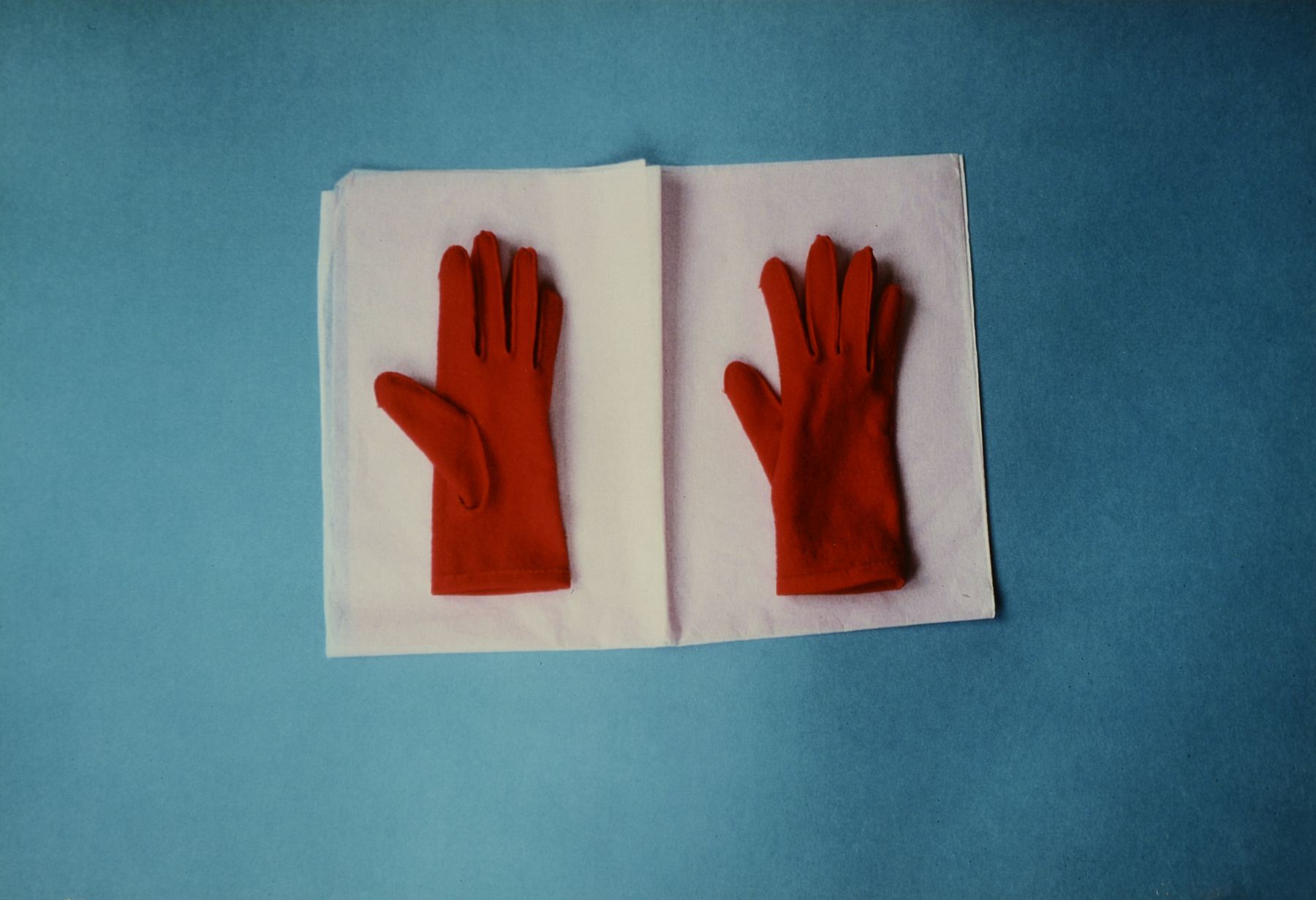
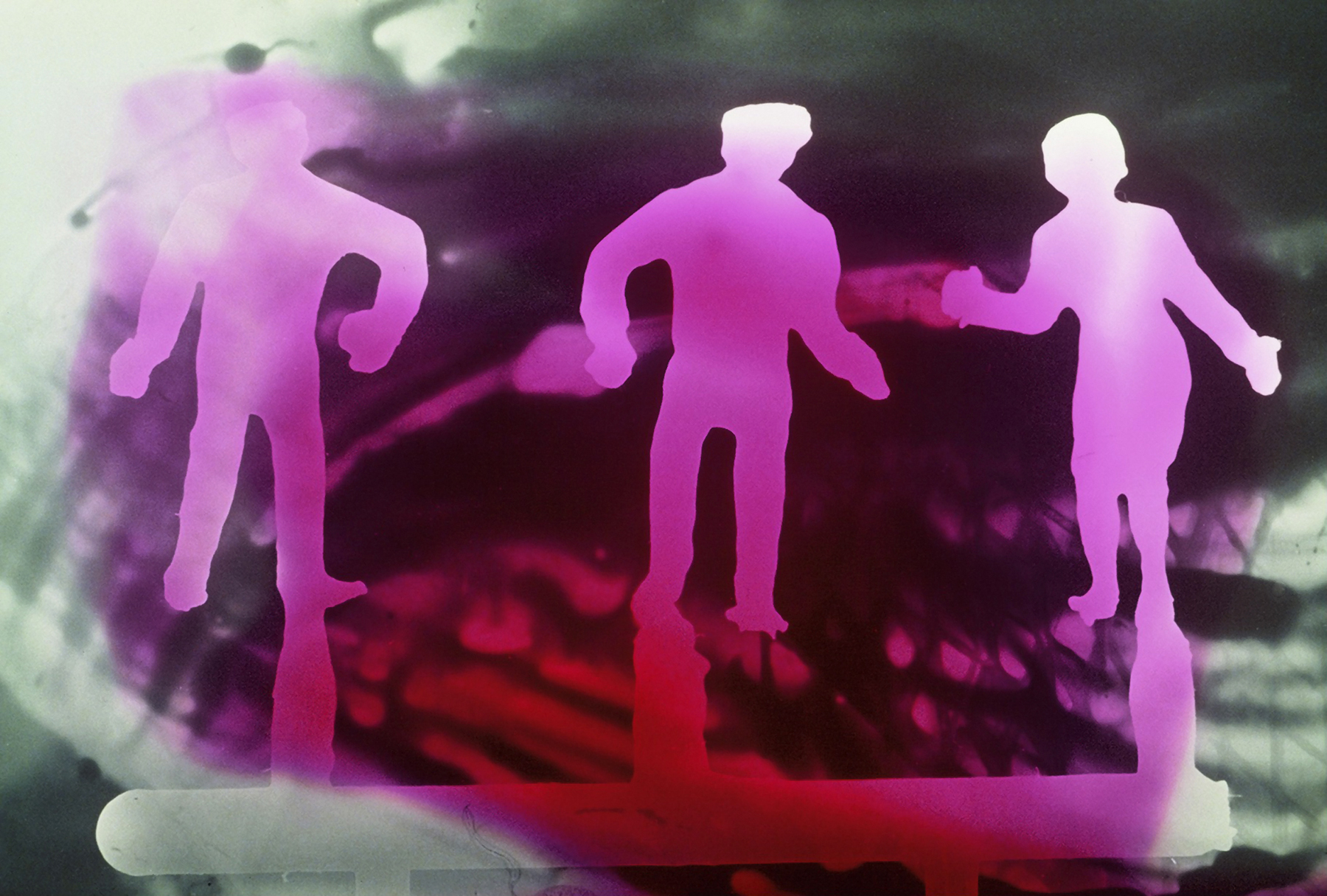
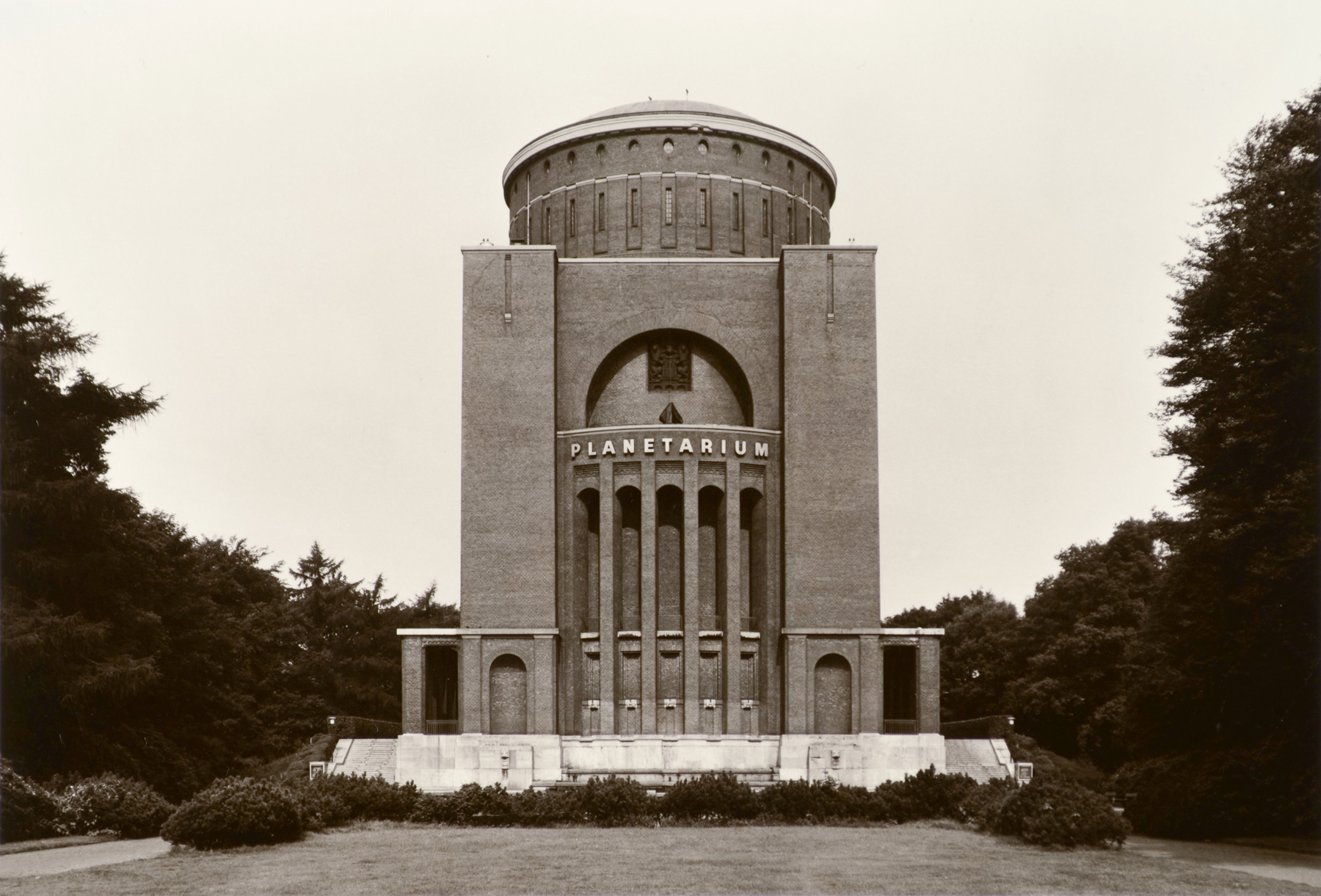
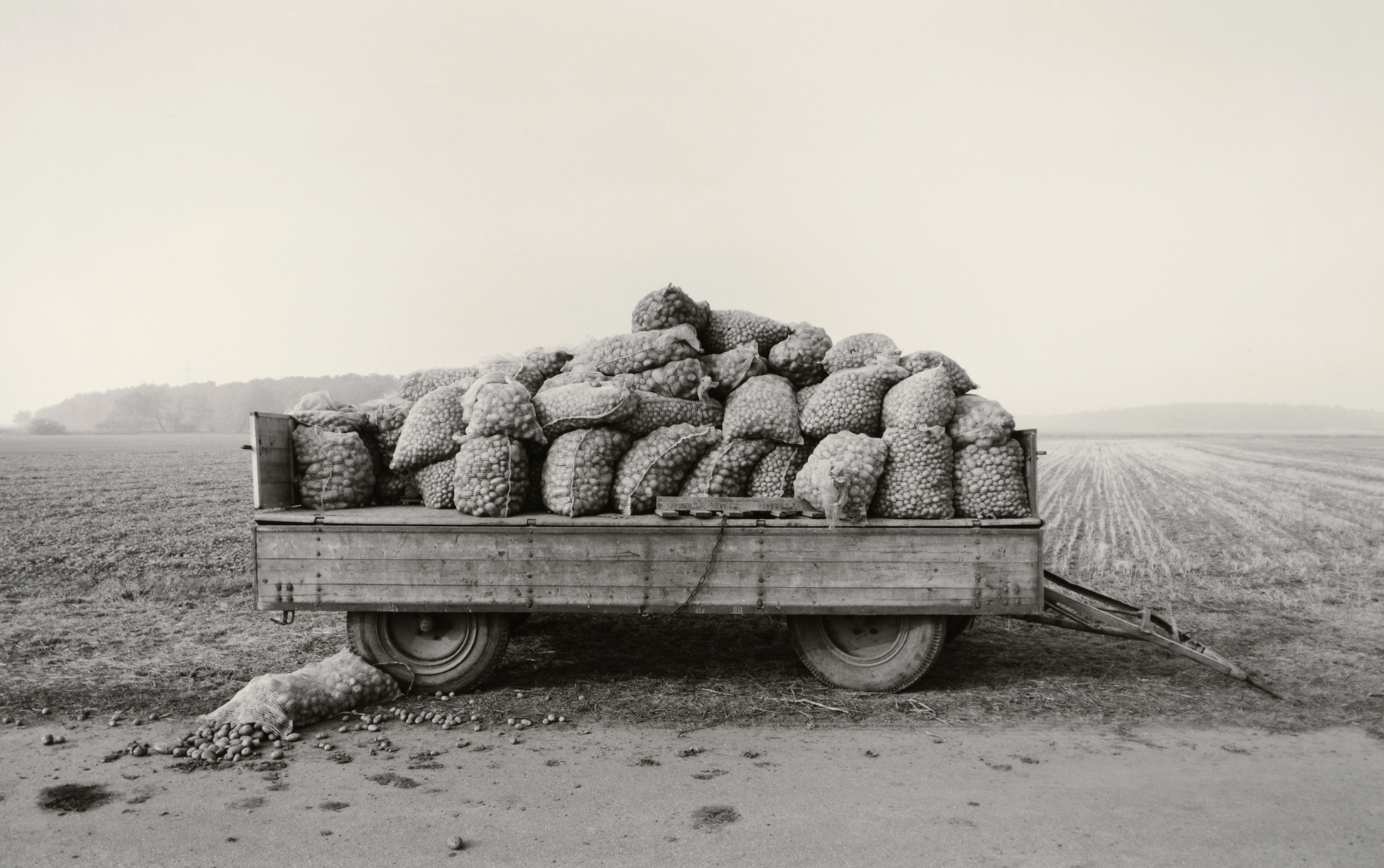
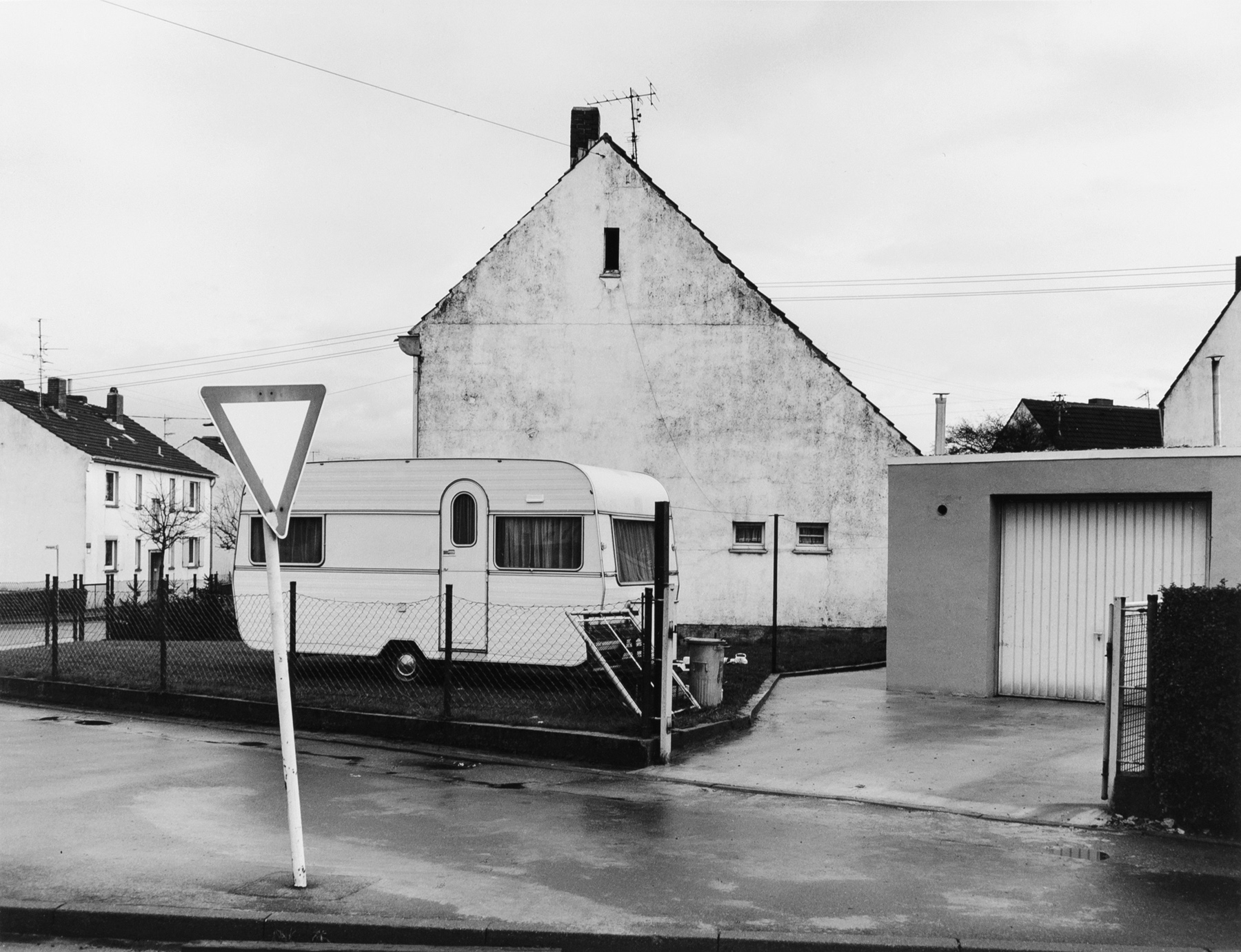
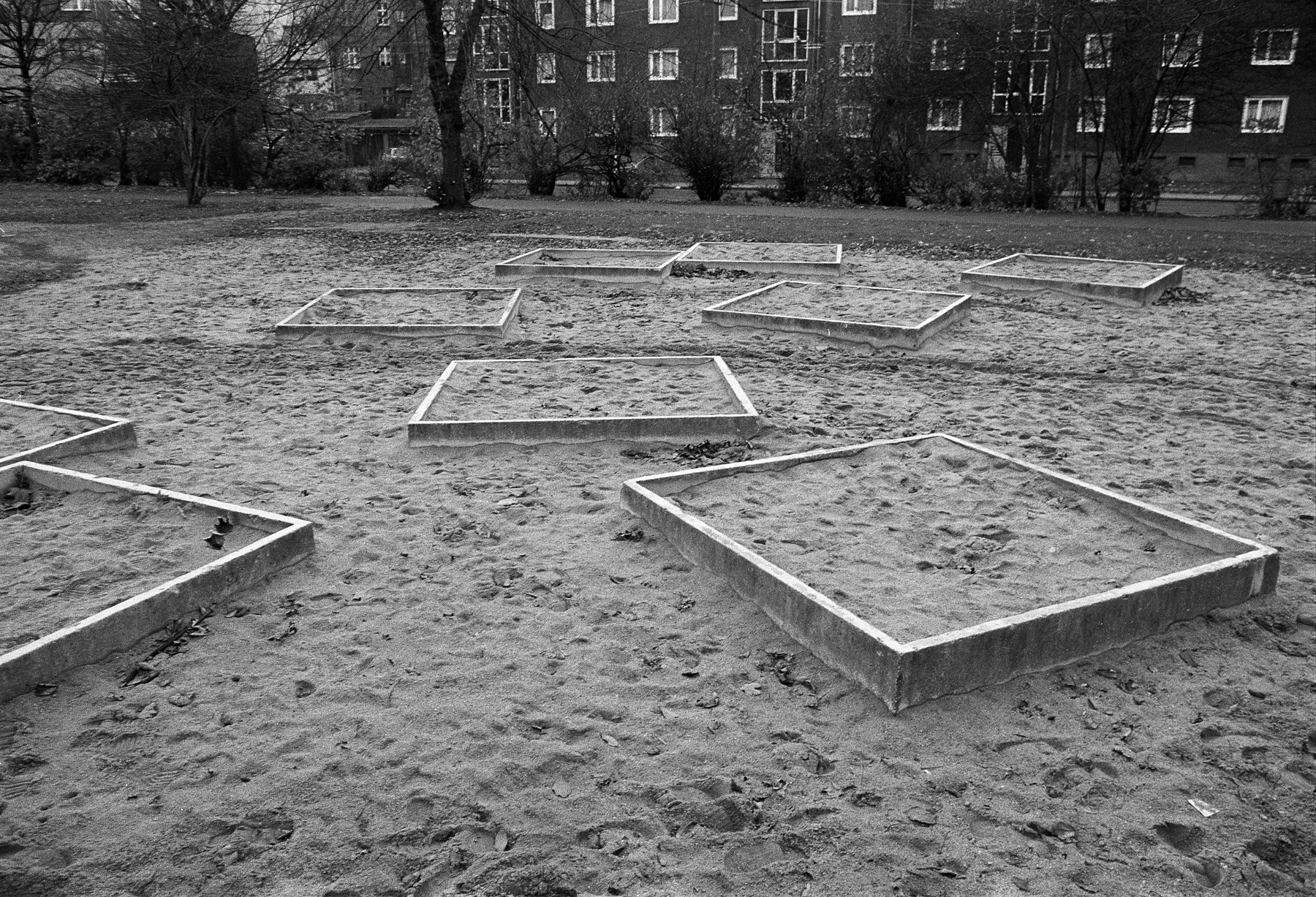

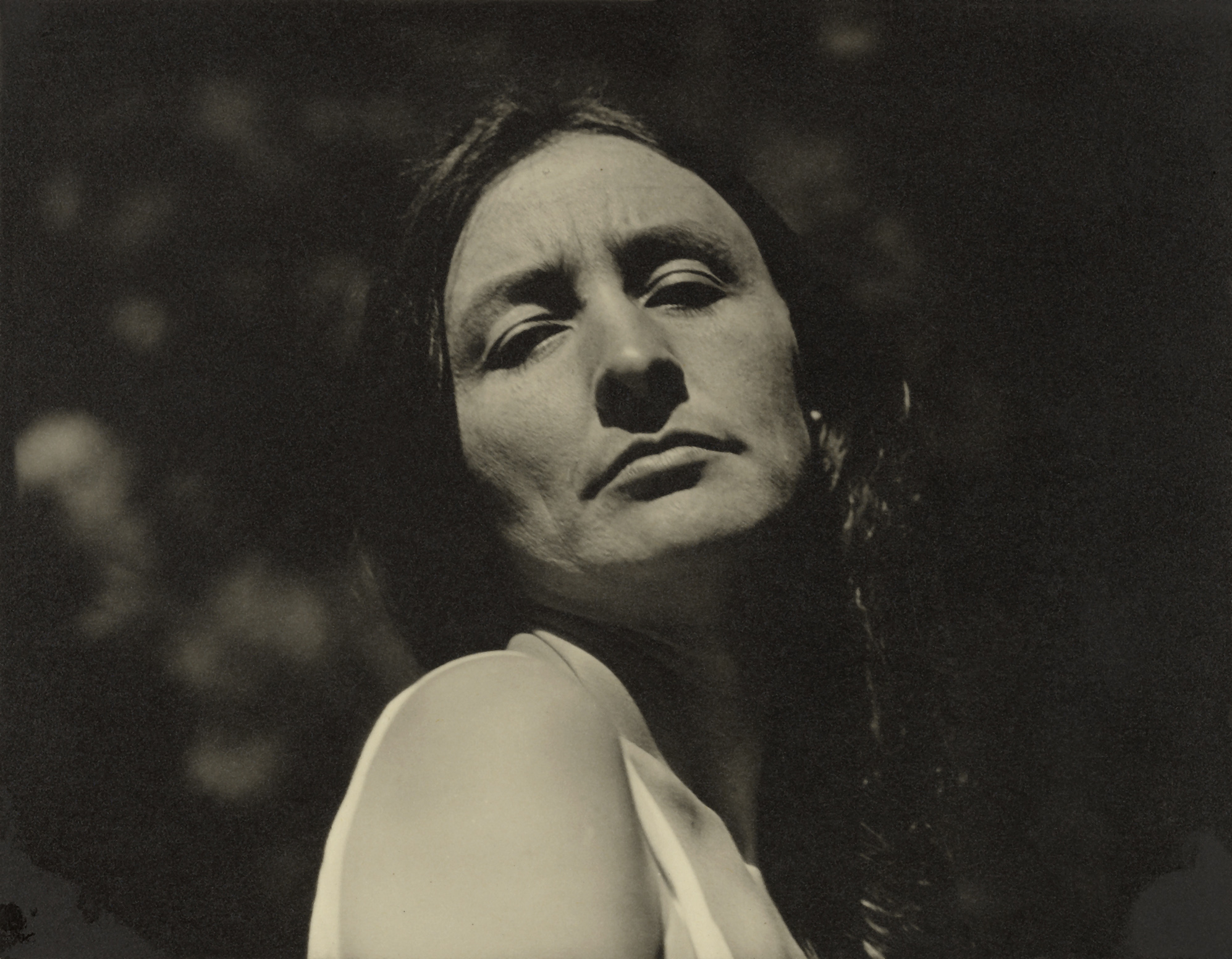


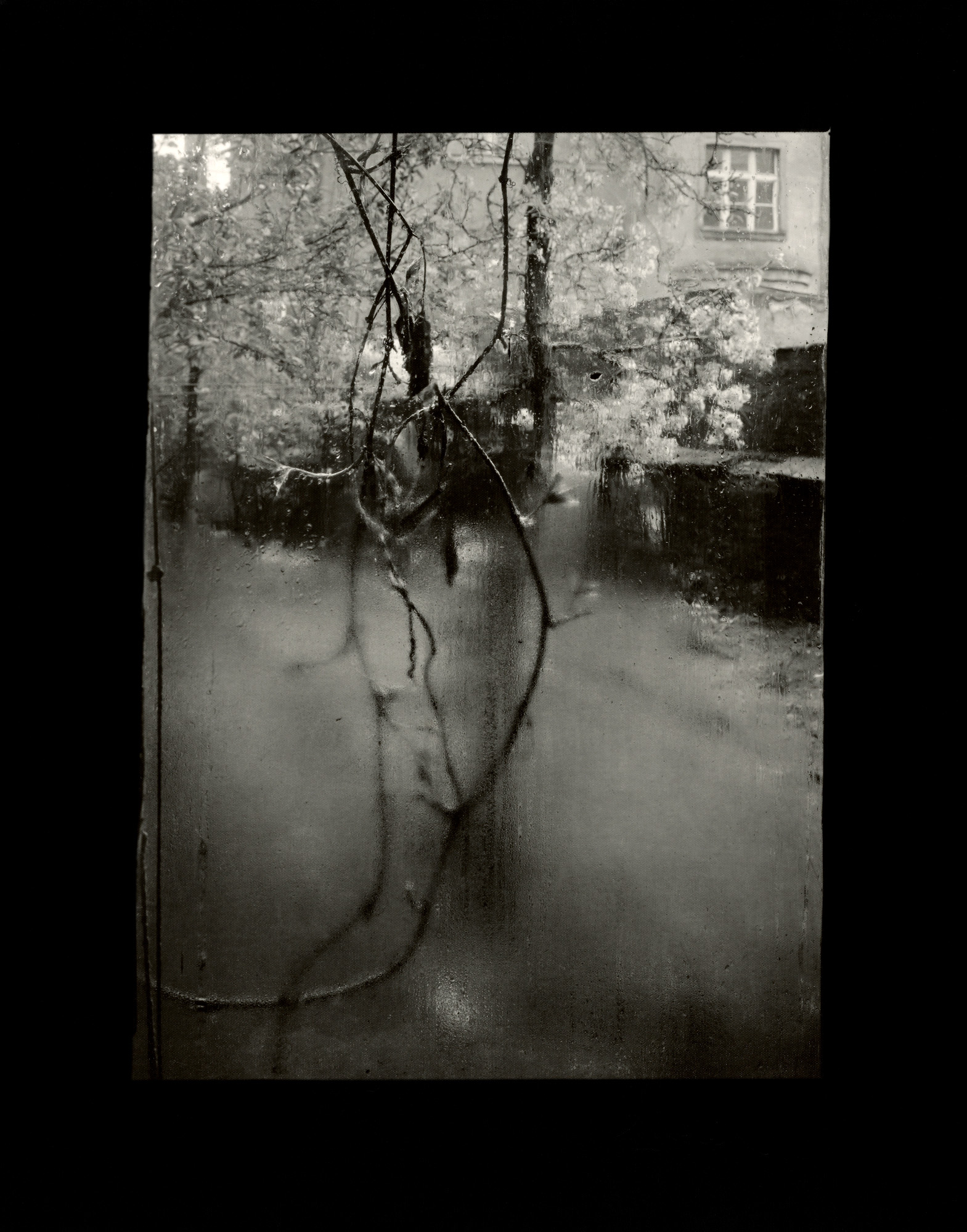


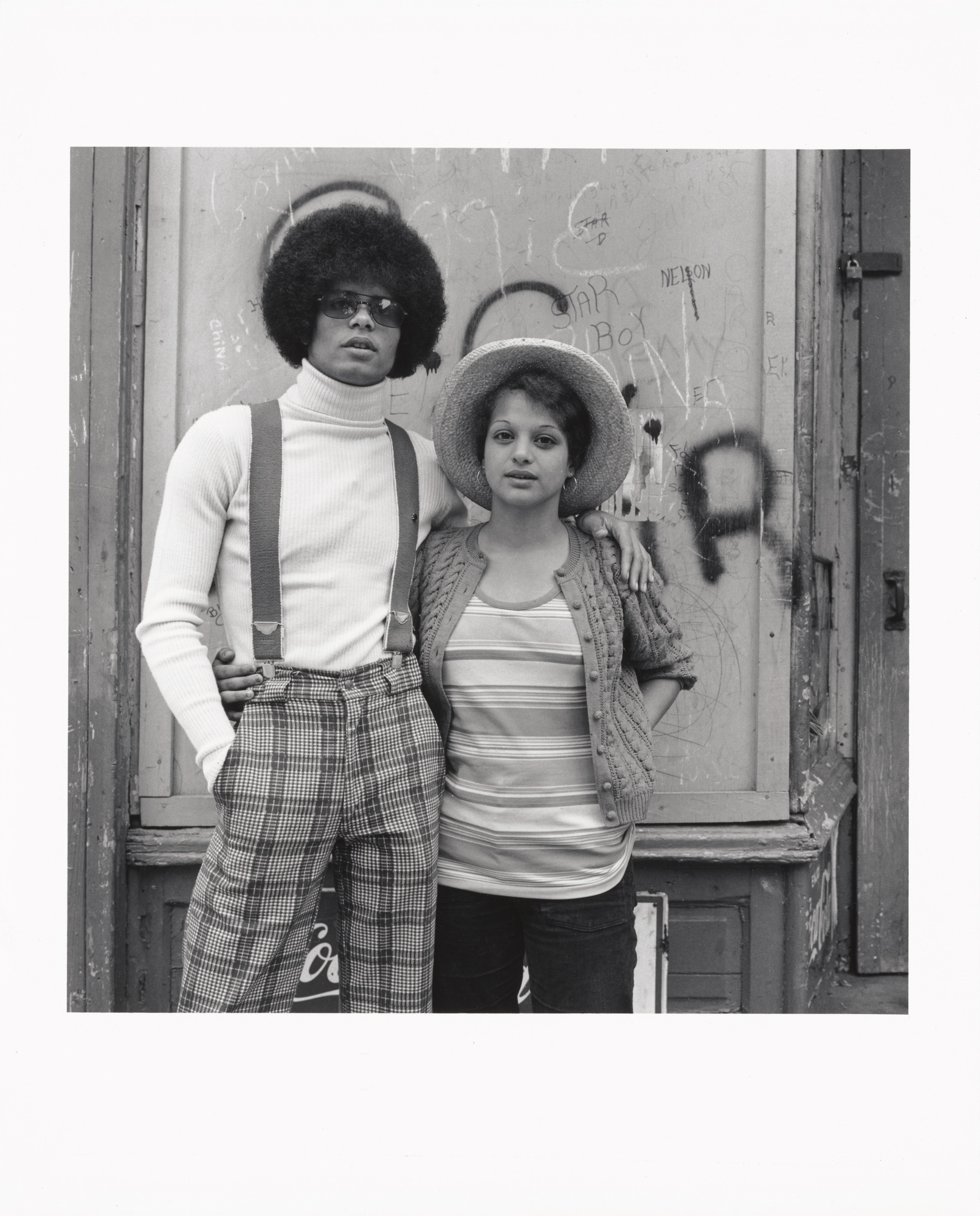

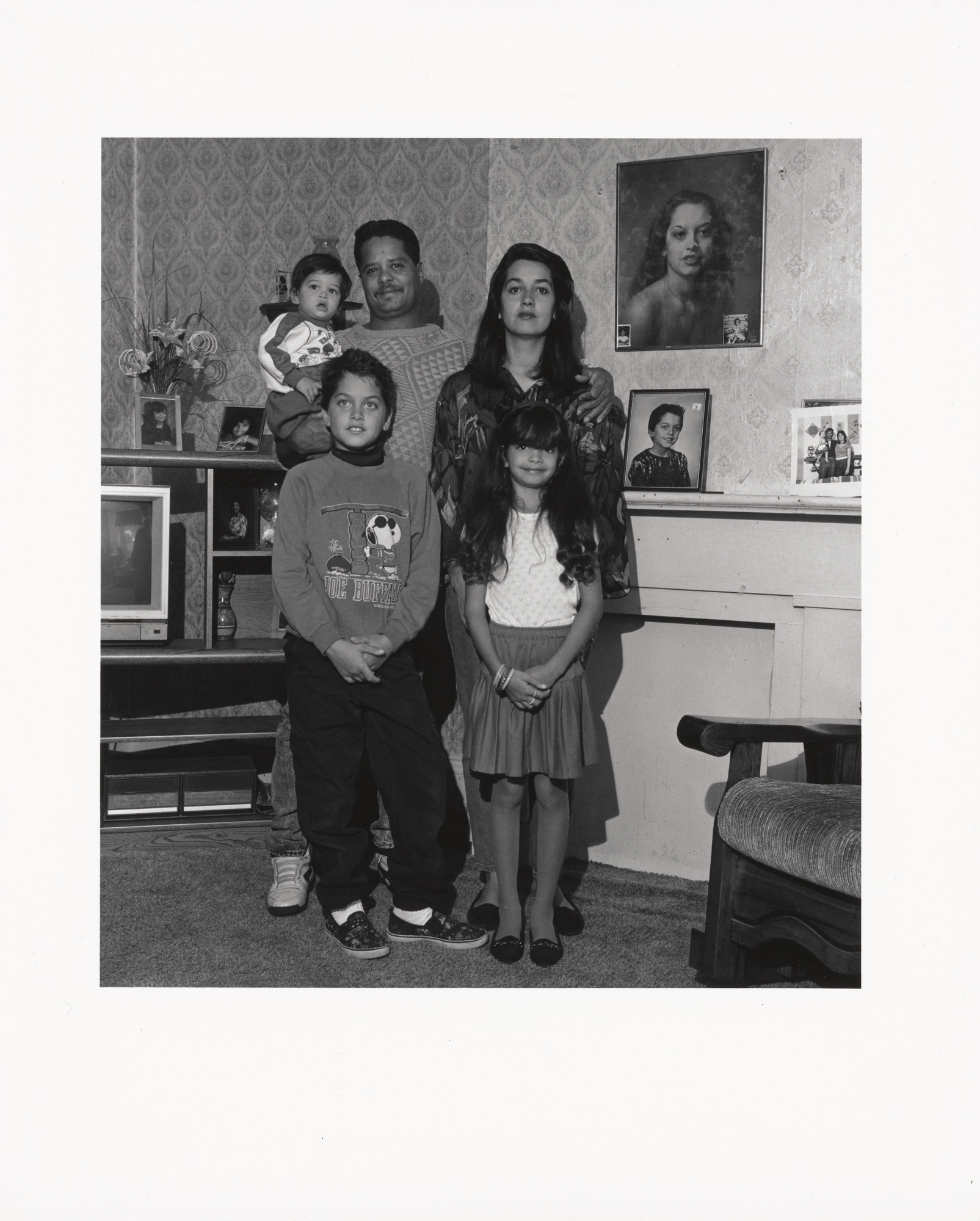


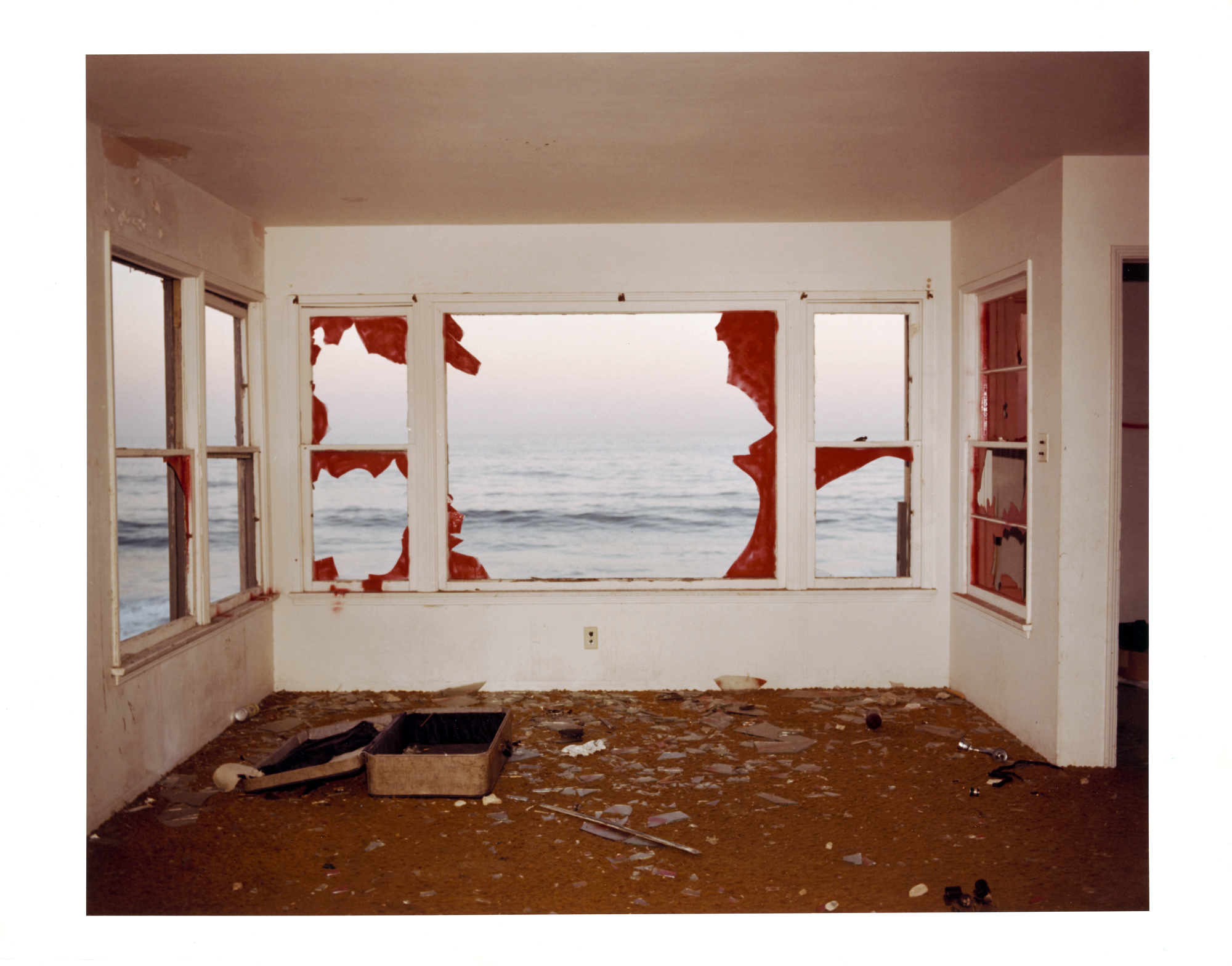
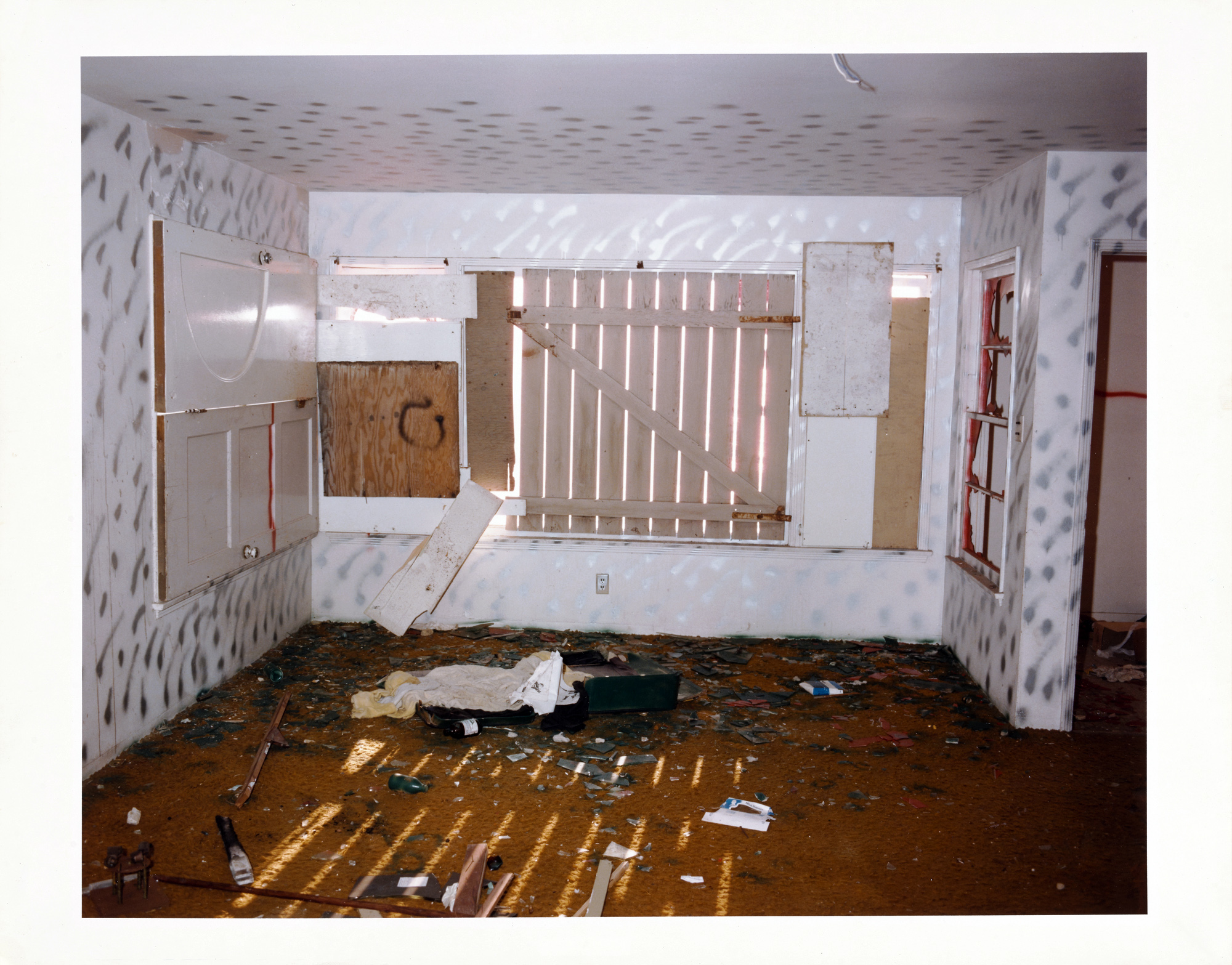


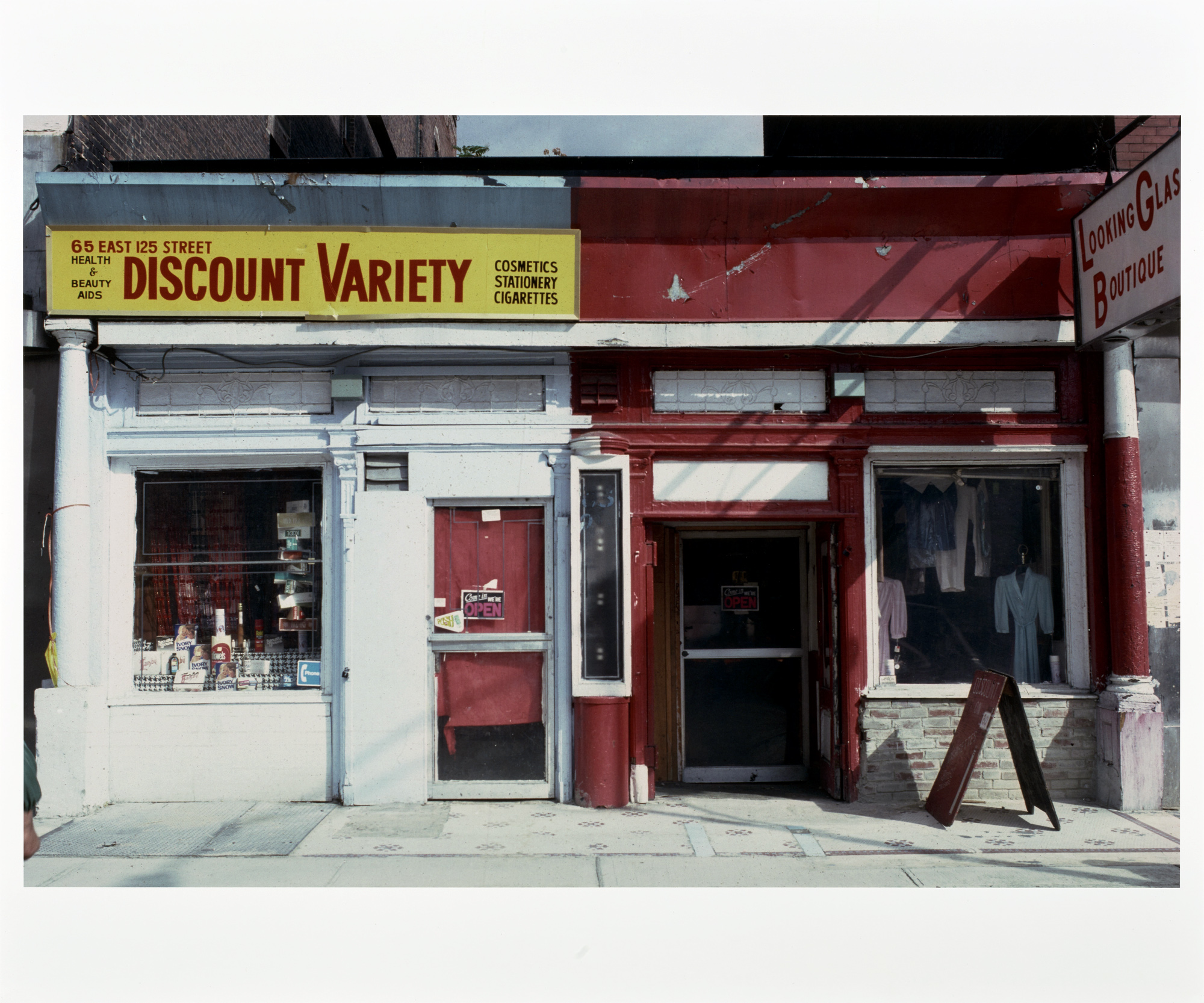

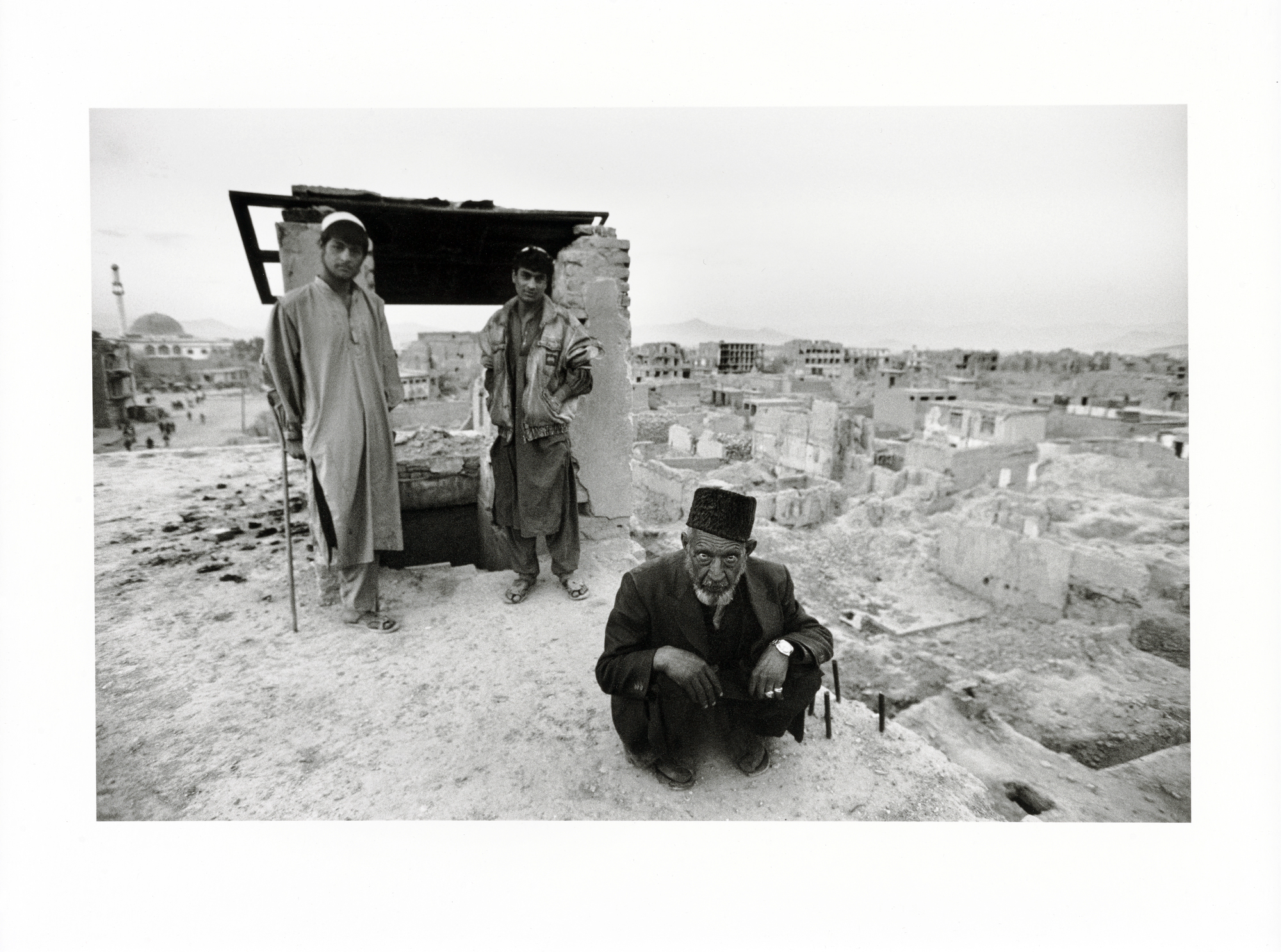

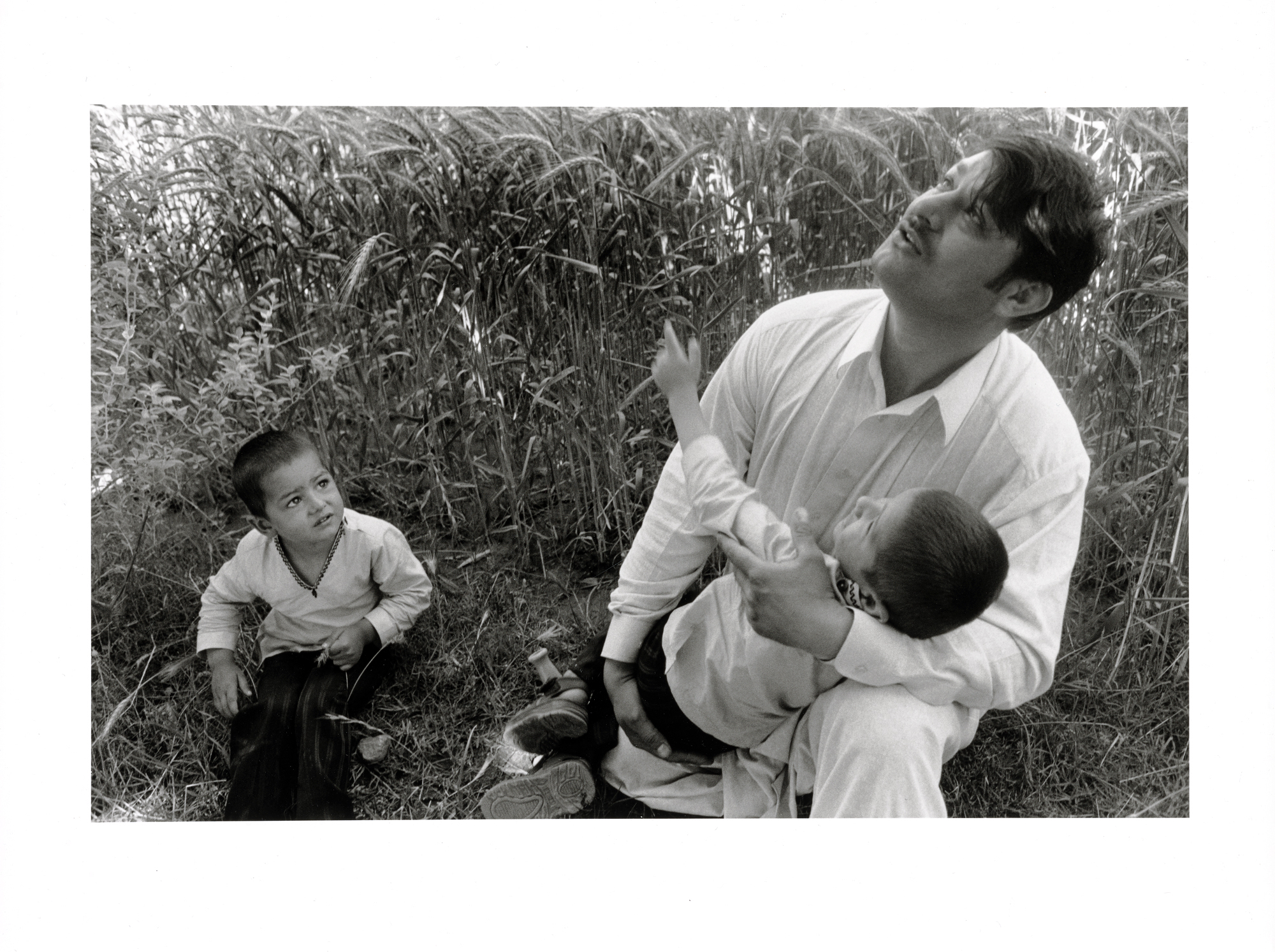

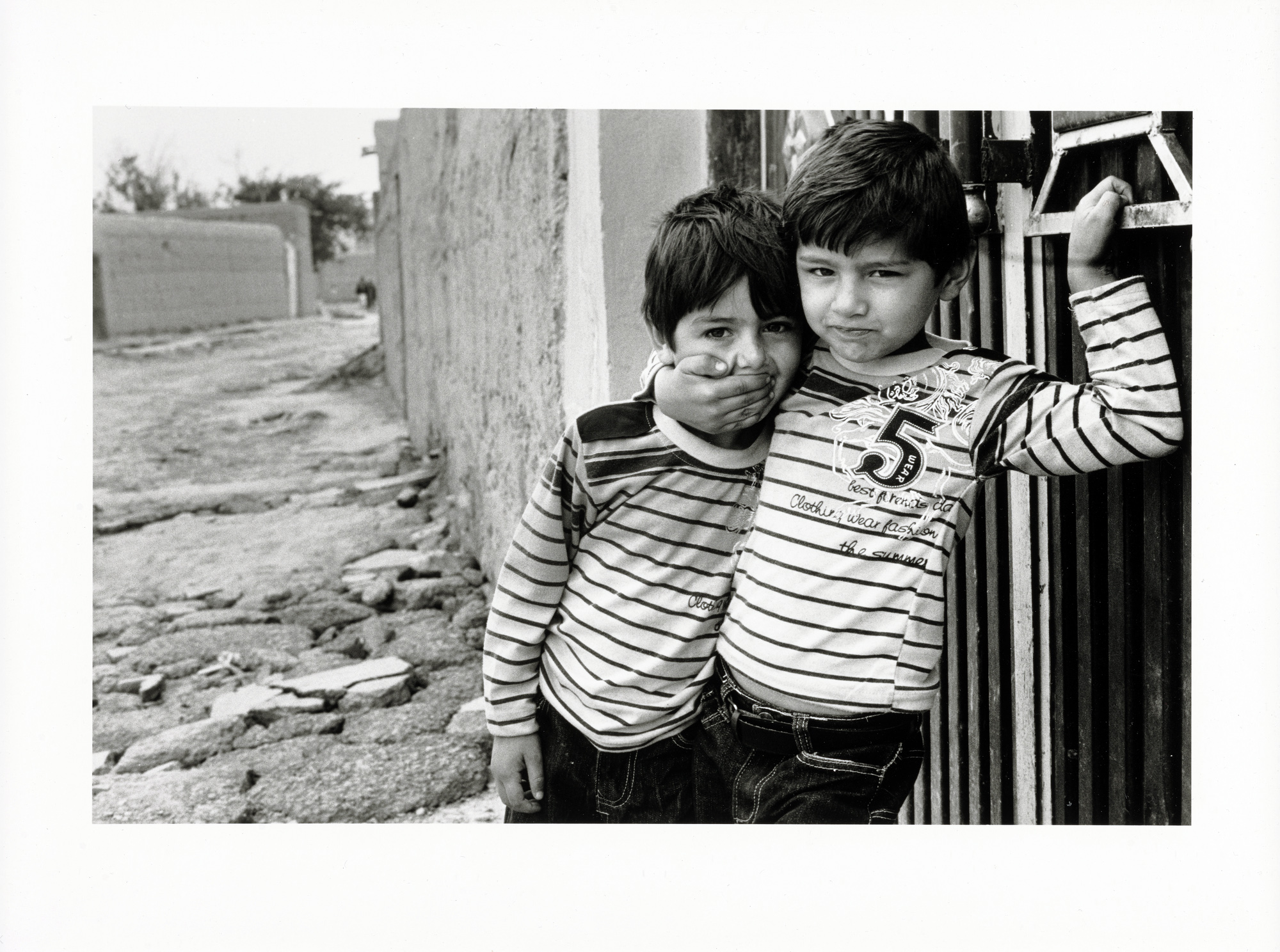
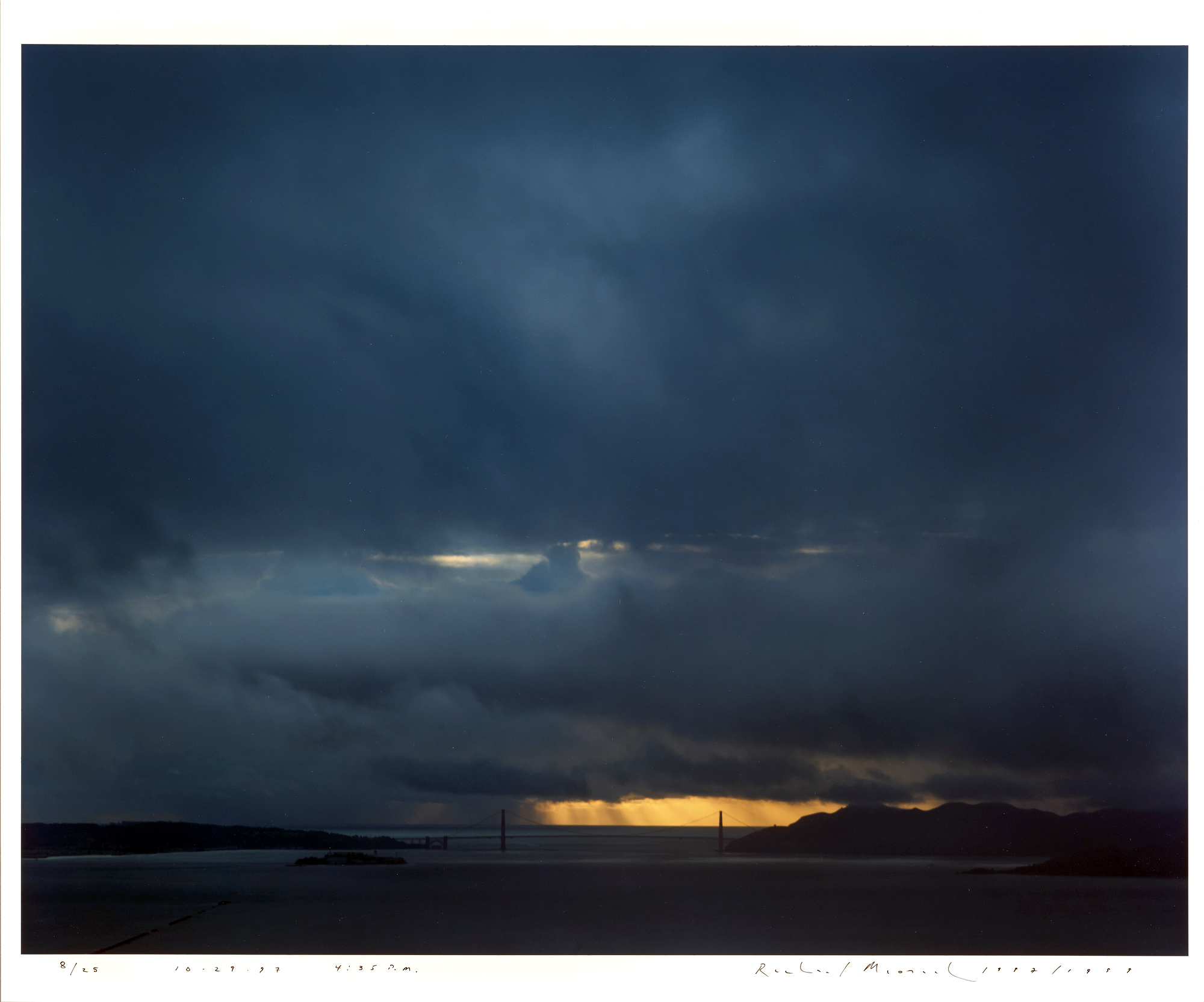

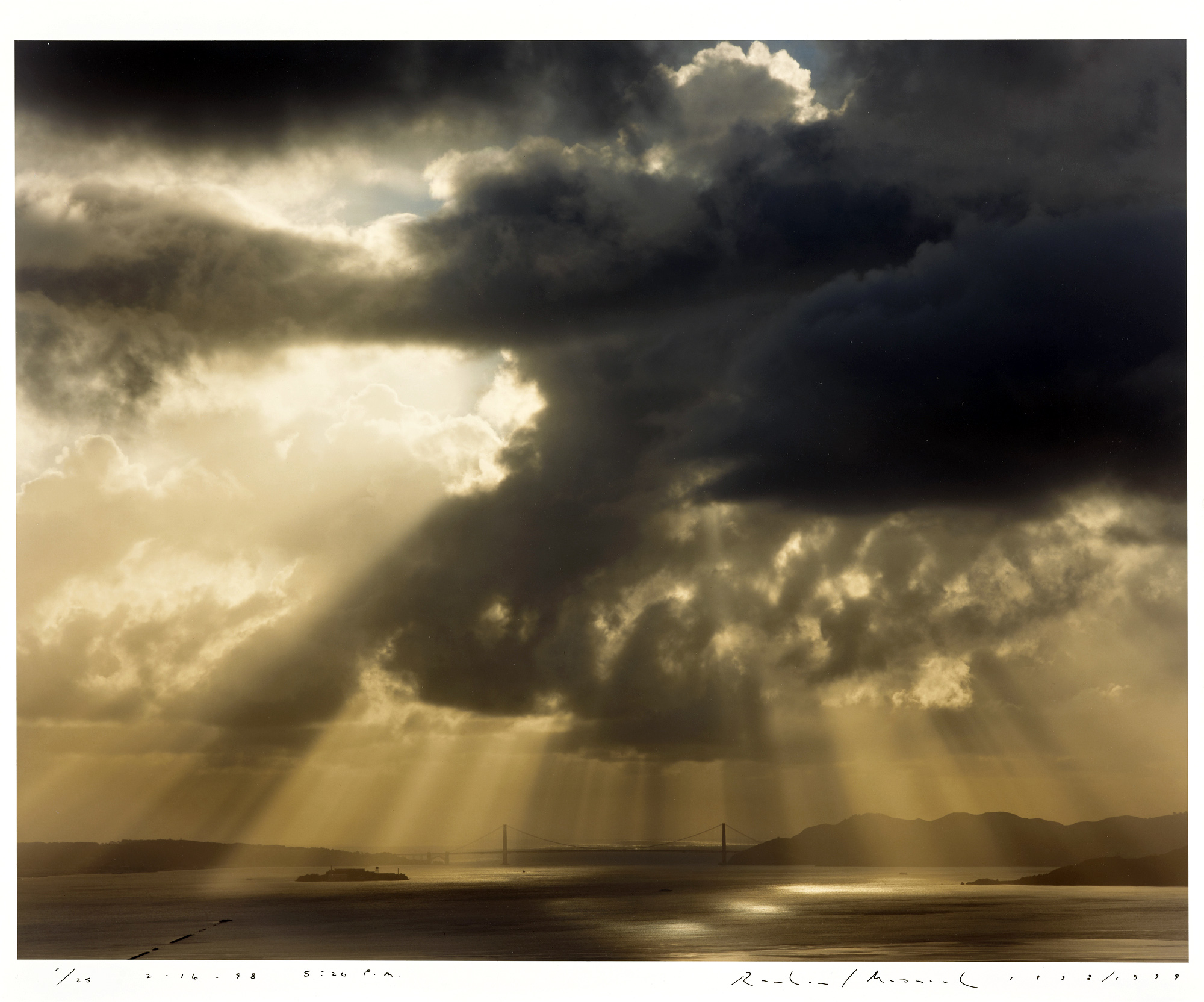
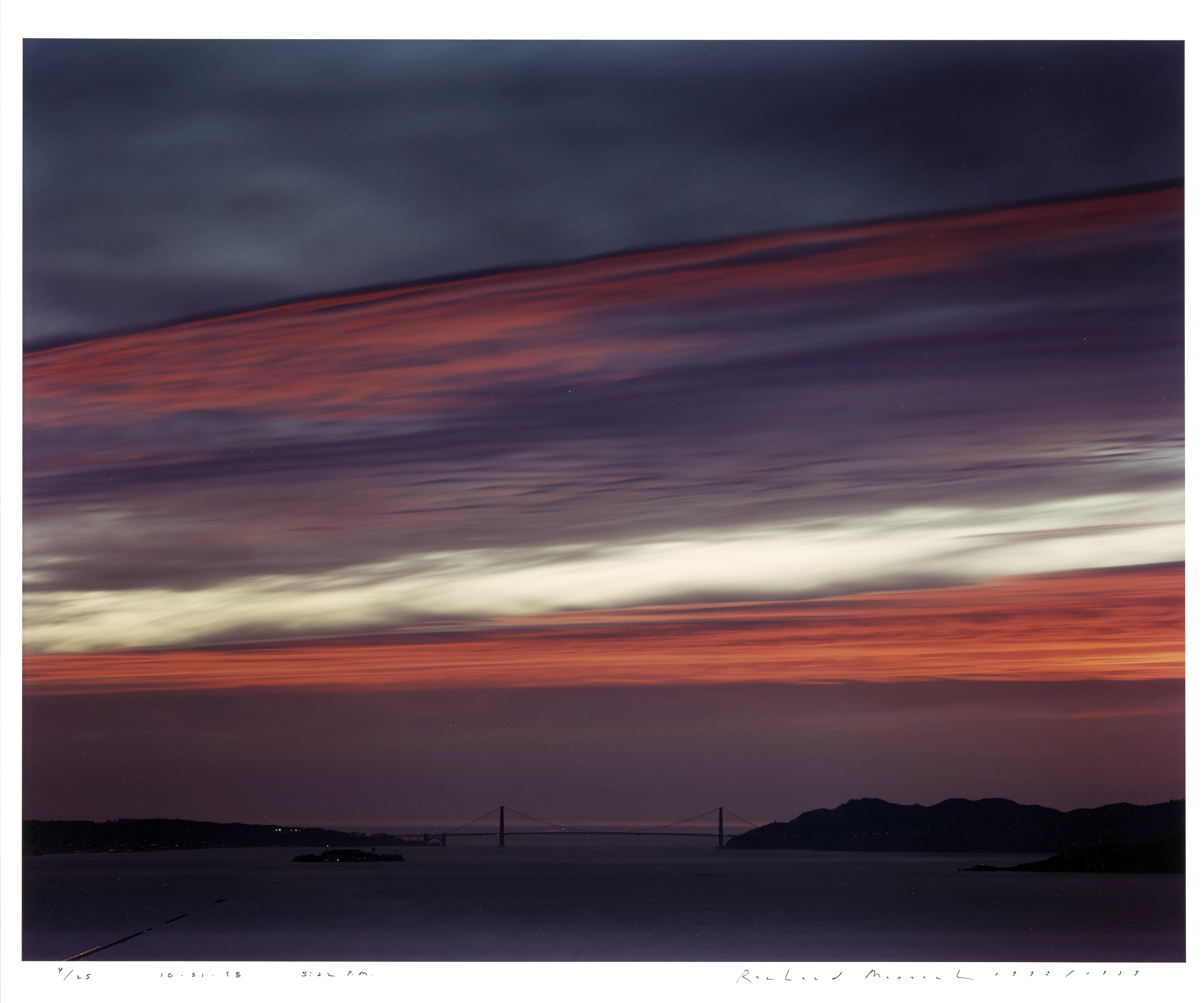
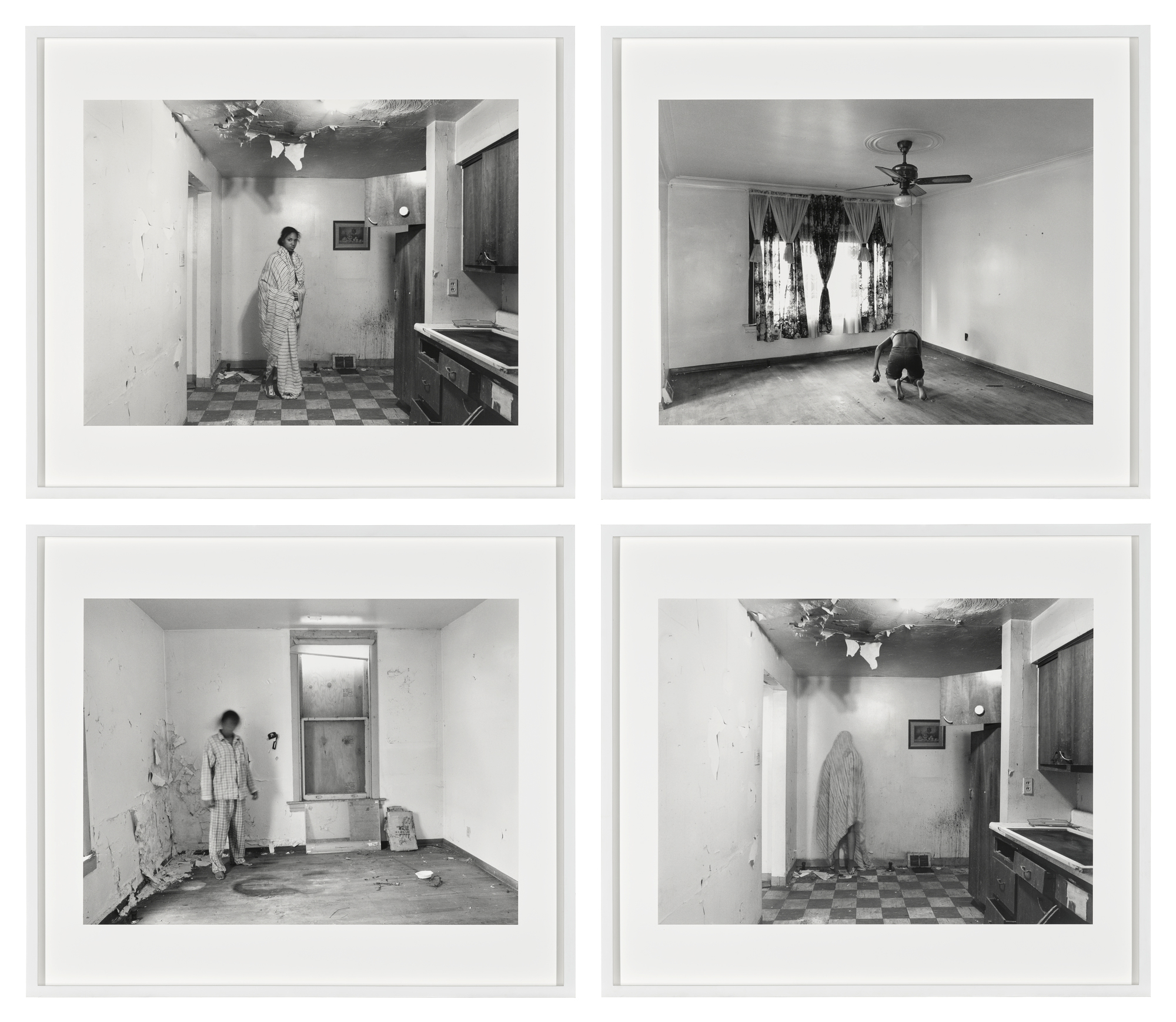


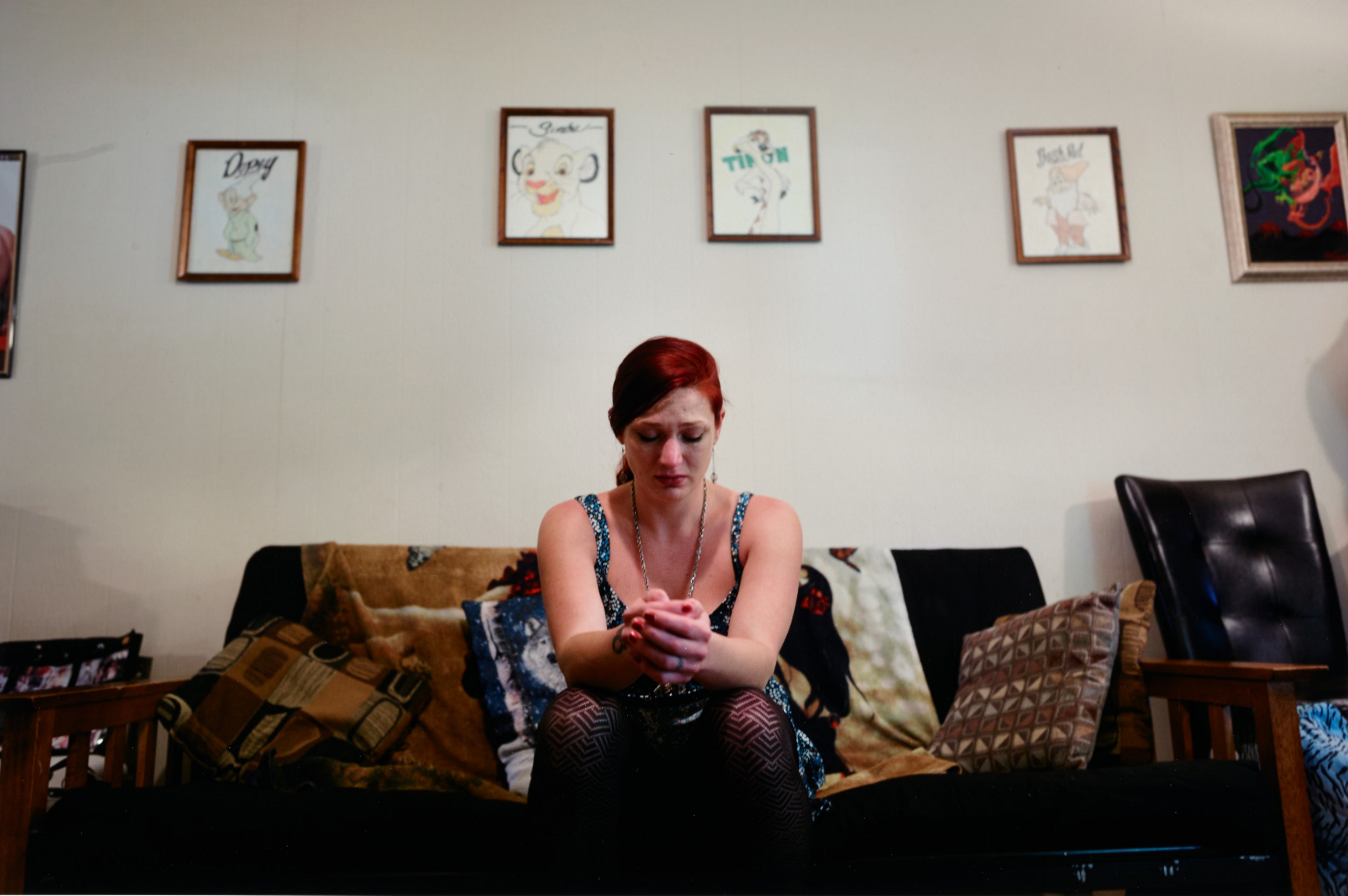
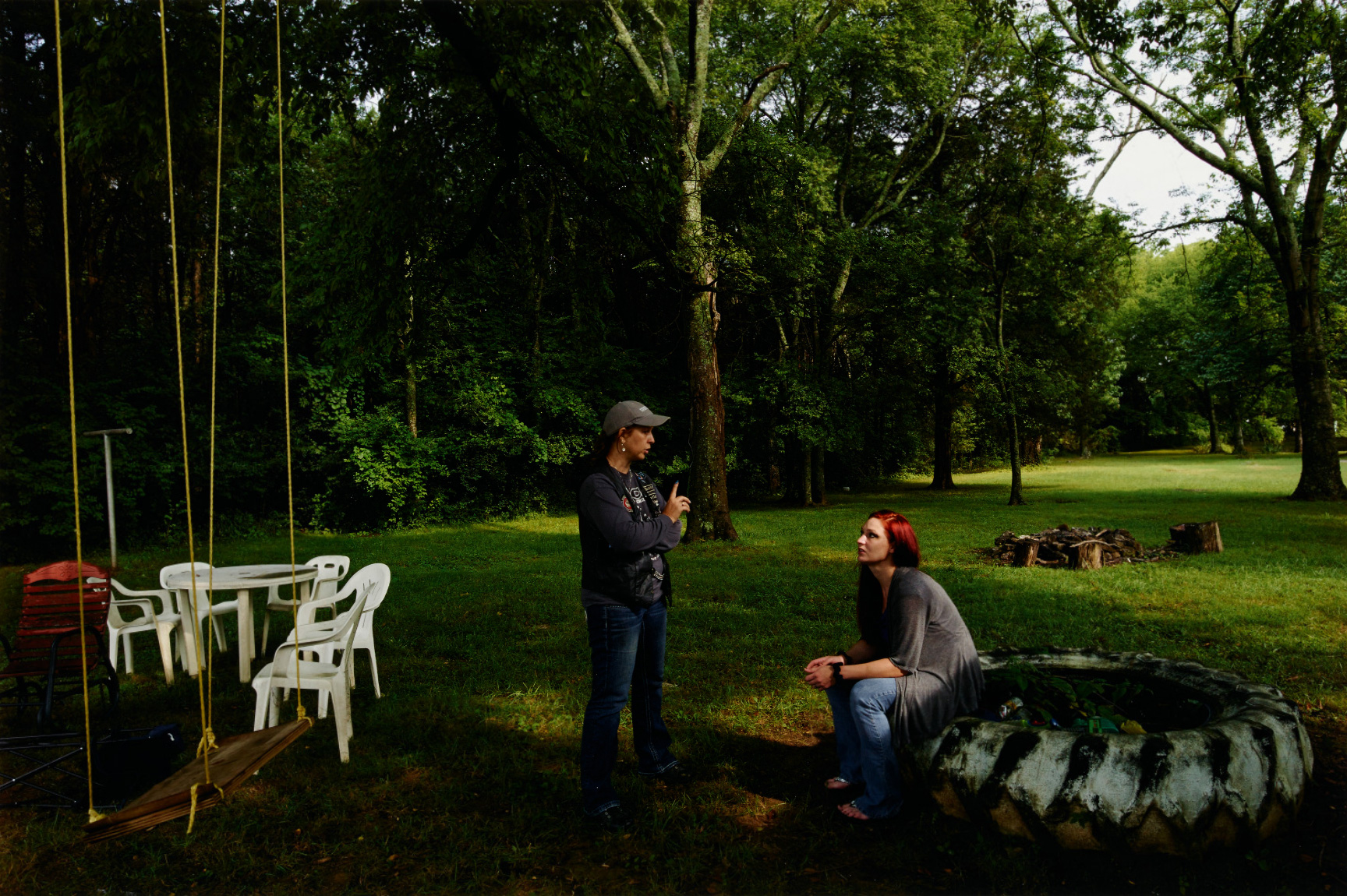


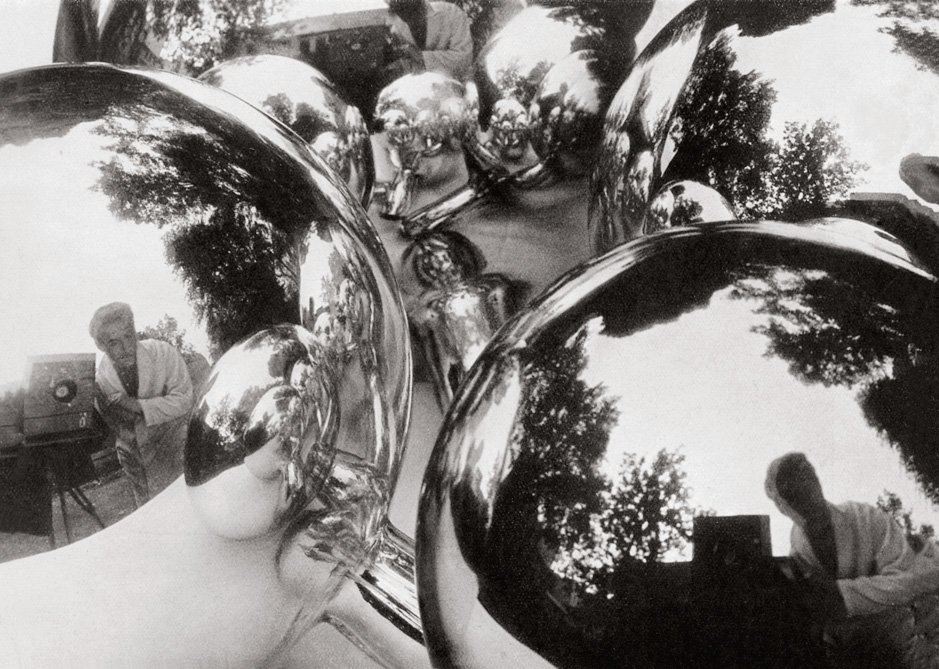
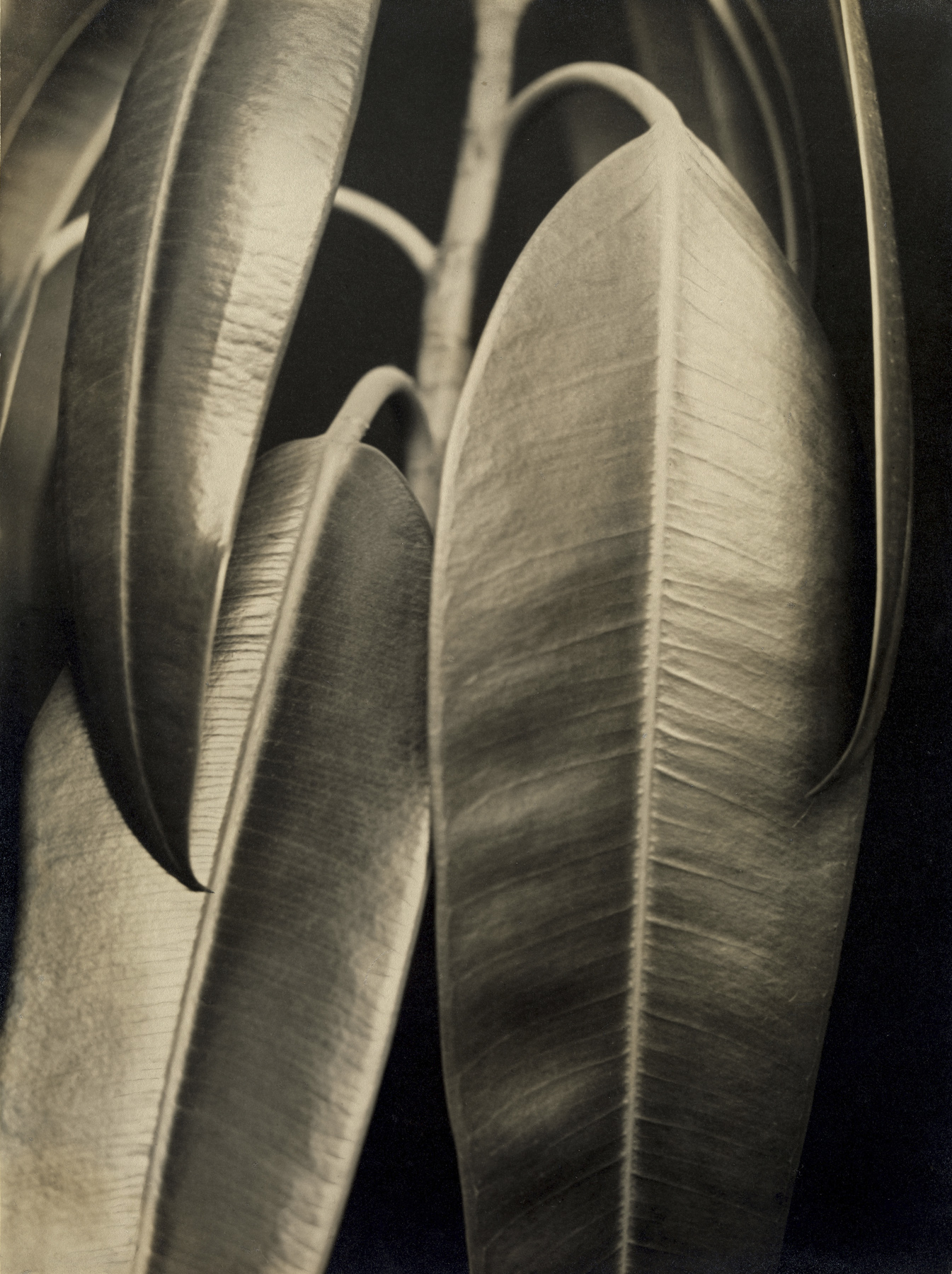

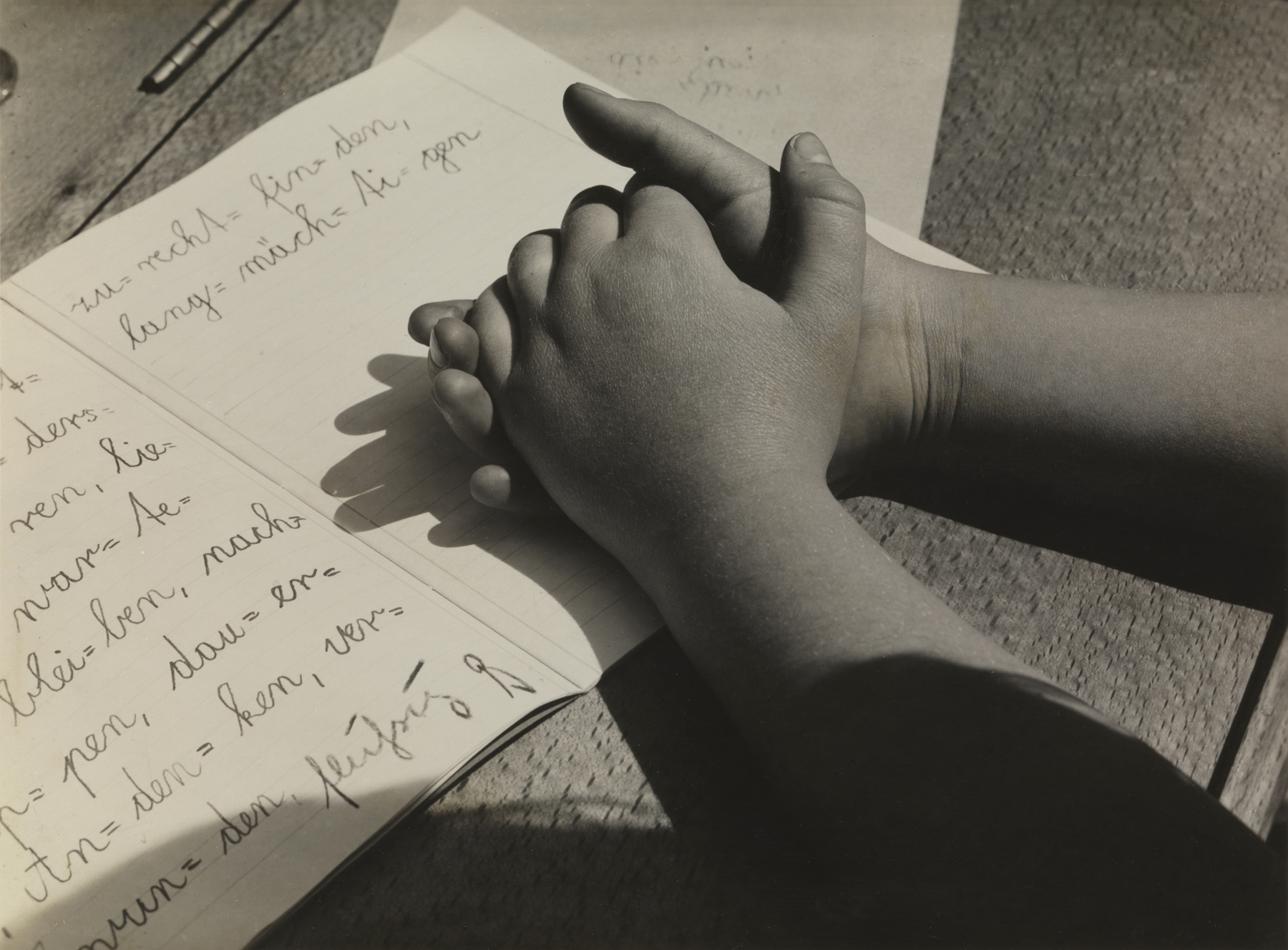
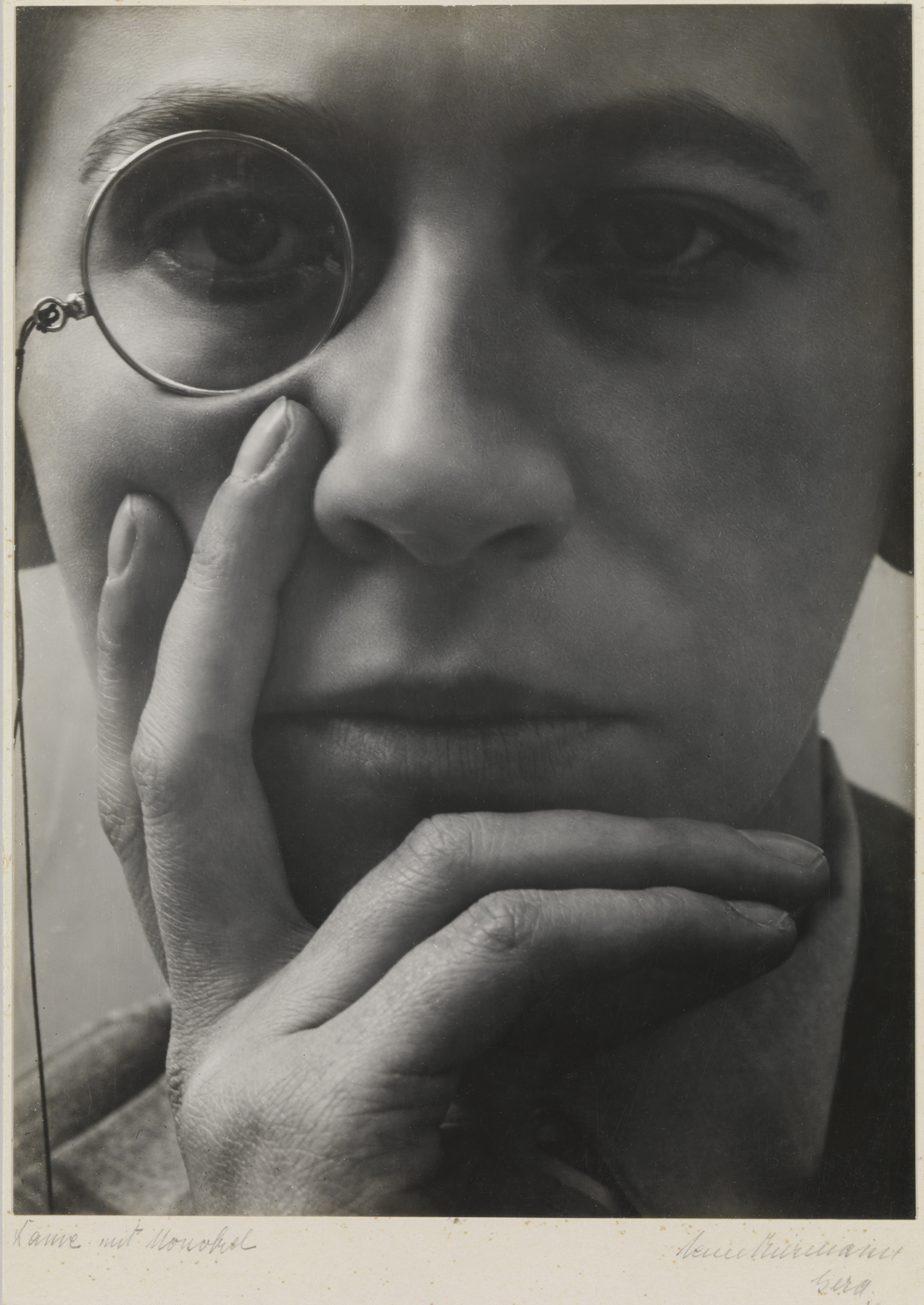


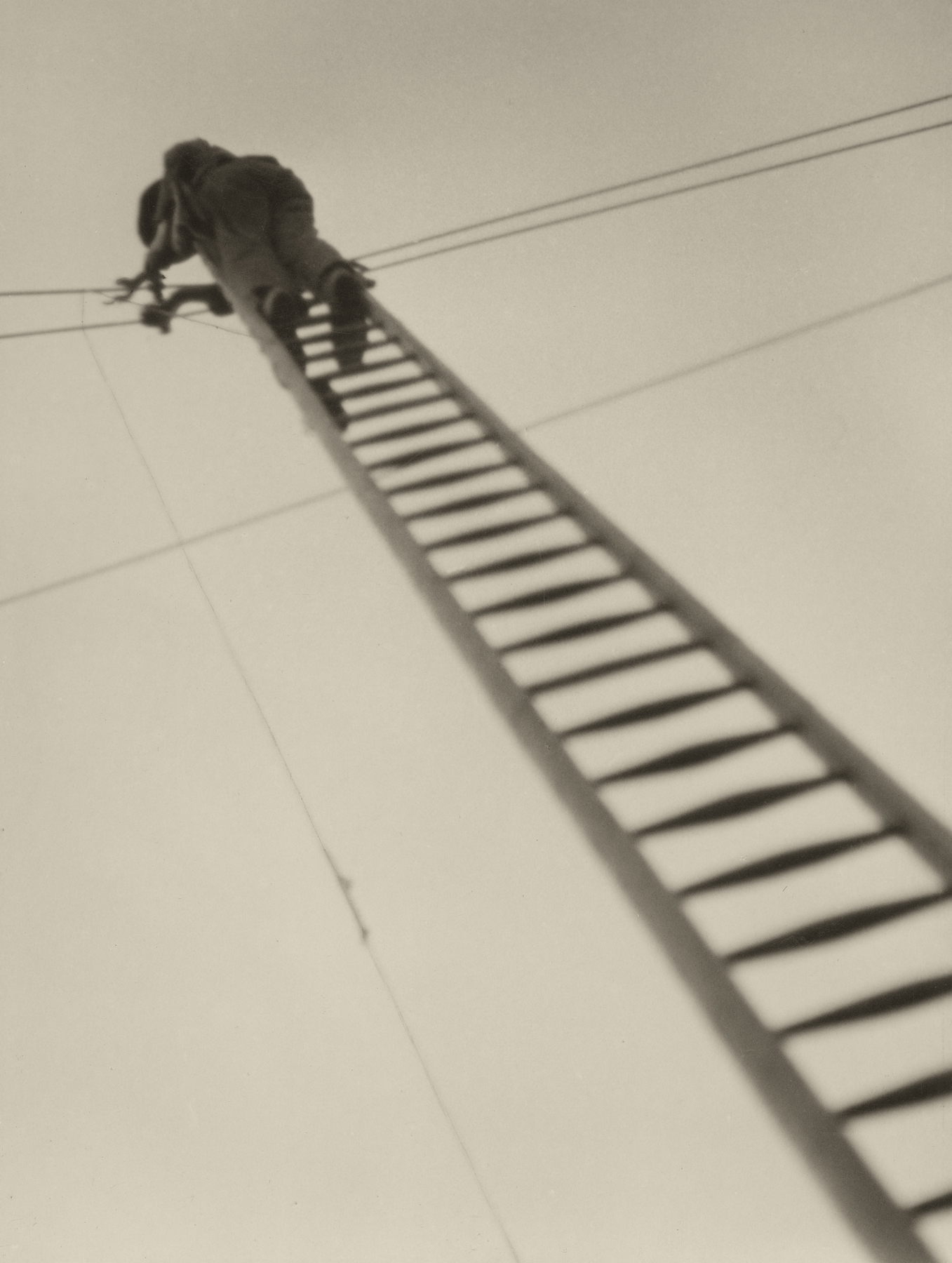

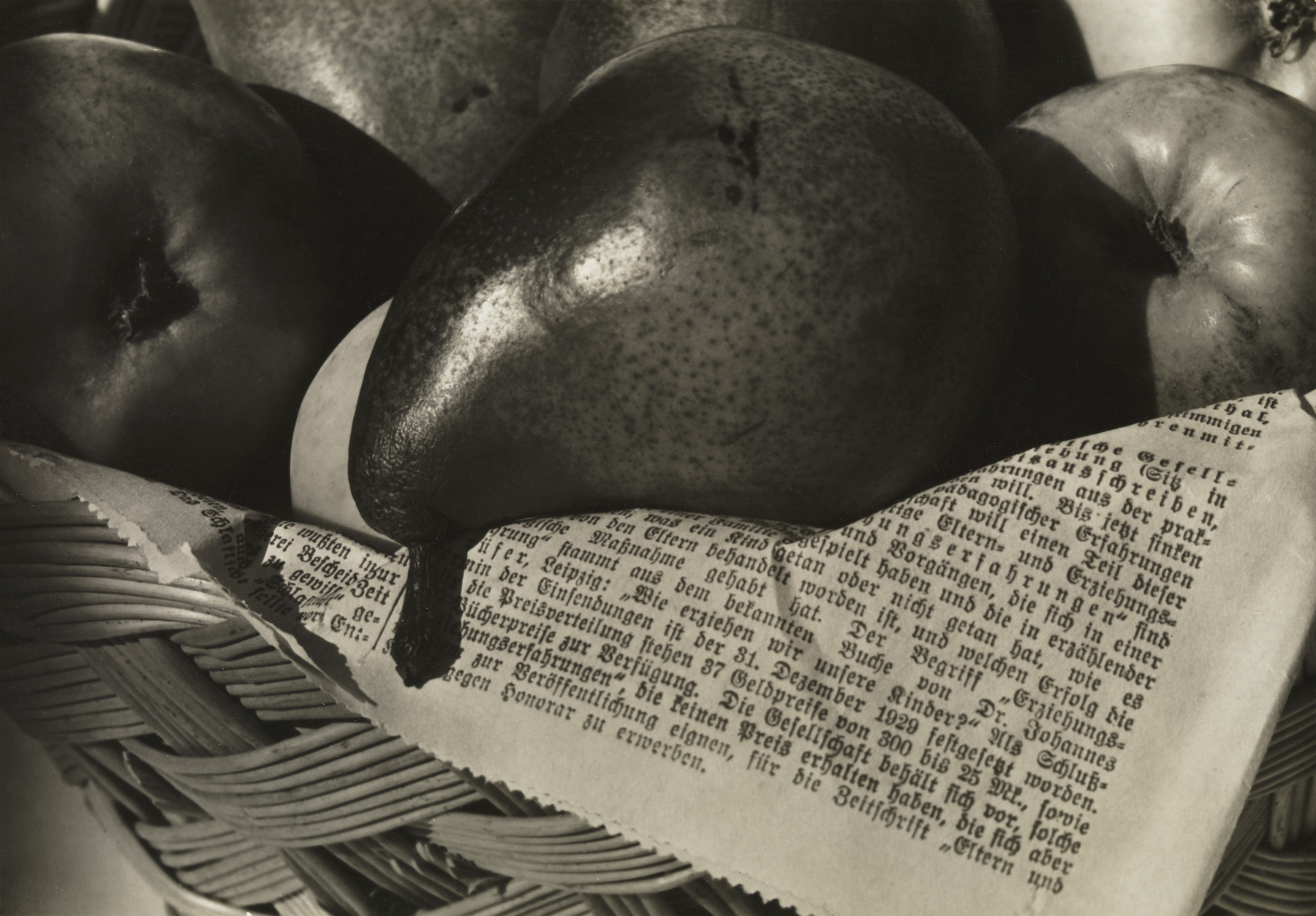
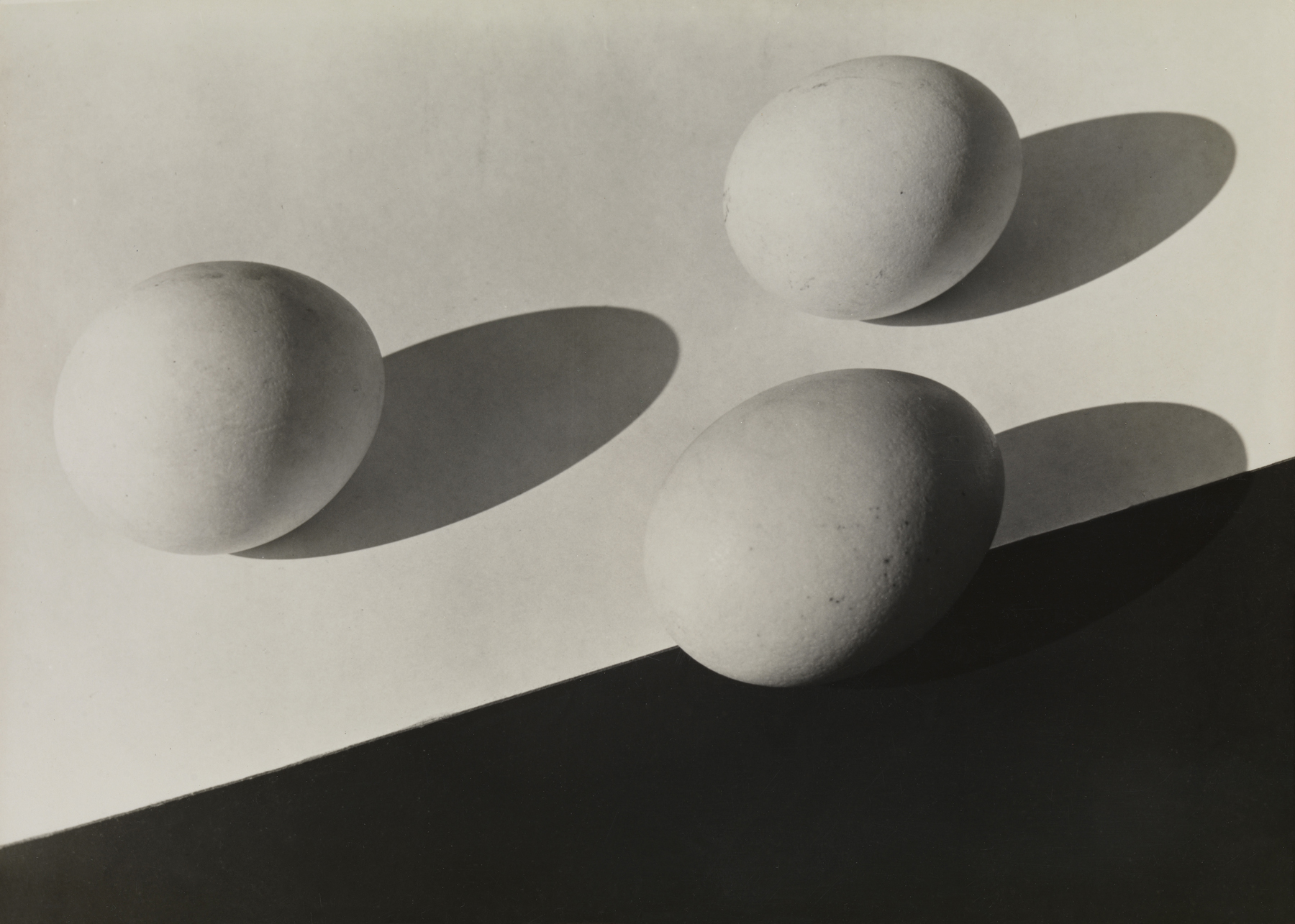




















![Harald Lechenper. 'Das Rätsel Indien' [The Indian Puzzle] 1935](https://artblart.com/wp-content/uploads/2019/08/harald_lechenperg_1935.jpg "Harald Lechenper. 'Das Rätsel Indien' [The Indian Puzzle] 1935")


 Art Blart _ art and cultural memory archive
You must be logged in to post a comment.