Exhibition dates: 13th February – 11th April, 2010
Josef Albers (German, 1888-1976) 6 and 3 1931
One of my favourite artists – what a genius!
His exploration of colour and form is exquisite, sensitive and very moving – despite his belief that colours have no inherent emotional associations.
Marcus
Many thankx to the Hirshhorn Museum for allowing me to publish the images in the posting. Please click on the photographs for a larger version of the image.
Josef Albers (German, 1888-1976) Rolling After 1925-28
Josef Albers (German, 1888-1976) Piano Keys 1932
Josef Albers (German, 1888-1976) Steps 1932
Josef Albers (German, 1888-1976) Untitled (Leaf Study) c. 1940
Josef Albers (German, 1888-1976) Structural Constellation, Transformation of a Scheme No.12 1950 Machine engraving on black vinylite mounted on board
Josef Albers (German, 1888-1976) Structural Constellation, Transformation of a Scheme No.23 1951 Machine engraving on black vinylite mounted on board
Josef Albers (German, 1888-1976) Structural Constellation, Transformation of a Scheme No.10 1950-51 Machine engraving on black vinylite mounted on board
Exhibition Illustrates Albers’ Sphere of Influence
The Hirshhorn possesses one of the world’s largest and most comprehensive collections of work by Josef Albers (b. Bottrop, Germany, 1888; d. New Haven, Connecticut, 1976). “Josef Albers: Innovation and Inspiration” presents nearly 70 works spanning the artist’s 55-year career, many on view for the first time. Supplementing pieces from the museum’s holdings are key objects on loan from the Josef and Anni Albers Foundation. Organised by senior curator Valerie Fletcher, the exhibition also includes documentary photographs and examples of Albers’ teaching aids, and concludes with a display of works by artists who knew, worked with, studied under or openly admired Albers. The exhibition opens on February 11 and runs through April 11, 2010.
Josef Albers: Innovation and Inspiration encompasses the artist’s distinguished career from 1917 to 1973. The exhibition begins with four early self-portrait prints dating from the years of World War I, followed by a group of boldly abstract compositions from Albers’ tenure at Germany’s revolutionary Bauhaus, where he taught alongside such remarkable modernists as Wassily Kandinsky, Paul Klee, László Moholy-Nagy, Walter Gropius and Mies van der Rohe. Albers participated in the school’s utopian aspiration to improve modern life through manufacturing and design-ideas that resonated throughout Albers’ career. The Hirshhorn’s show includes a series of black-and-white designs intended for mass production in glass, such as “6 and 3” (1931, see above), and an illuminated display of eight glass panels, in which the artist modernised and transformed the medieval tradition of stained-glass windows, best characterised by “Fugue (B)” (1925-1928).
Following the Nazi party’s rise to power, the Bauhaus was forced to close in 1933. Albers fled to the United States, where he was recruited to head the art program at the new Black Mountain College in North Carolina. There, Albers introduced a modified Bauhaus curriculum and hired vanguard modernists as teachers. He enthusiastically taught his students how art could be made from virtually any material, which he demonstrated in some of his own works, such as three “Leaf Study” collages (c. 1940, see above). Albers continued to advocate the clear structures of geometric abstraction, still mostly in black, white and primary colours, but was open to different stylistic approaches. He also briefly adopted the biomorphic forms associated with surrealism, as seen in the work “Proto-Form (B)” (1938).
In 1949, at the age of 62, Albers became chairman of the art school at Yale University, with a mandate to transform it from a conservative academic program to a proponent of modern concepts and applications. Believing firmly that colours have no inherent emotional associations, he meticulously explored their nuances and combinations in his work. He eventually limited the shape and number of his forms, which resulted in a standardised format that he called “Homage to the Square,” for which he is best known. Two dozen “Homage to the Square” compositions fill the central gallery in the exhibition, inviting viewers to examine the subtle complexities of their perceptions. The vivid yellow-orange-reds of “Glow” (1966, see below) startle the eye, while the pale grays of “Nacre” (1965, see below) suggest cool neutrality. These images create optical illusions, challenging viewers’ visual acuity. This series concludes with the artist’s vivid red-print duo, “In Honor of the Hirshhorn Museum,” on view for the first time since the museum opened in 1974.
In addition, this exhibition includes examples from Albers’ “Structural Constellation” series of reliefs (1954-1964, see above), which anticipated op art with their linear patterns. The reliefs’ commonplace material-laminated plastic-also fulfils the utopian goal of making art affordable to everyone. The two largest paintings on view, both titled “Variant” (1973), were donated by the artist’s wife and foundation in 1979.
Albers remained active and influential until his death in 1976, and many of his pedagogical innovations have become standard methodology in art schools across the country. His explorations of abstract form and colour also inspired and stimulated generations of artists and designers. Shortly after his arrival in America, he became a co-founder of the American Abstract Artists group and participated in exhibitions across the country, from New York to Michigan and beyond. The Hirshhorn’s exhibition ends with an array of works by colleagues, students and admirers, among them: weavings by the artist’s wife, Anni Albers; abstract constructions by Burgoyne Diller; streamlined images of labor by Jacob Lawrence; a large op art painting by Richard Anuskiewicz; textured creations by Eva Hesse and Robert Rauschenberg; and a minimalist stacked wall sculpture by Donald Judd.”
Tom Moore Pondlurking installation photographs at Helen Gory Galerie, Prahran Photo: Marcus Bunyan
My apologies to readers for the paucity of reviews of exhibitions in Melbourne recently. It is not that I haven’t been circulating around town to lots of exhibitions, far from it. The fact is that nothing has really rocked my boat, including my visit to a disappointing New 010 exhibition at ACCA, an exhibition redeemed only by the marvellous magnetic levitations of Susan Jacobs installation titled Being under no illusion (2010). Compared to the wealth of interesting work in New 09, work that still resides in my consciousness, the art in the current exhibition seems bland, the work ultimately and easily forgettable (a case of conceptual constipation?). Even though the exhibition lauds the collaboration between artists, designers, curators, architects, trades people and the kitchen sink in the production of the work, nothing substantive or lasting emerges.
No such problem exists with the exhibition Pondlurking by Tom Moore at Helen Gory Galerie in Prahran. Wow, this show is good!
It produced in me an elation, a sense of exalted happiness, a smile on my dial that was with me the rest of the day. The installation features elegantly naive cardboard cityscape dioramas teeming with wondrous, whimsical mythological animals that traverse pond and undulating road. This bestiary of animals, minerals and vegetables (bestiaries were made popular in the Middle Ages in illustrated volumes that described various animals, birds and even rocks) is totally delightful. In the text Moving Right Along the curator Julie Ewington notes connections in Moore’s work to the Garden of Earthly Delights by Hieronymus Bosch, the porcelain monkey orchestras of Miessen, parti-coloured hose of Medieval costume, the animals from Dr Suess’s books for children and Venetian glass figurines to name but a few. Another curator Geoffrey Edwards notes Moore’s accomplished technical skill in glass making, his use of lattice and trellis work in the figures themselves, namely the use of vetro a fili (broadly spaced) and vetro a retorti (twisted spiral) glass cane patterns.
While all of this is true what really stands out is the presence of these objects, their joyousness. The technical and conceptual never get in the way of good art. The Surrealist imagining of a new world order (the destruction of traditional taxonomies) takes place while balanced on one foot (see the installation image at the top of the page). The morphogenesis of these creatures, as they build one upon another, turns the world upside down (as in Web Feet Duck Bum below). Multi-eyed potato cars, ducks with eyes wearing high heeled boots and three-legged devouring creatures segue from one state, condition, situation or element to another in a fluid condition of becoming. This morphogenesis is aided and abetted by the inherent fluidity of the glass medium itself skilfully used by Moore in the construction of his creatures. While the photographs below isolate the creatures within a contextless environment it is when the creatures are placed within the constructed environment so skilfully created by Moore that they come alive.
The interconnectedness of this fantastical world (the intertextual relationship of earth, water, air, life) seeks to break down the binaries of existence – good / bad, normal / mutation, presence / absence – until something else (e)merges. Through their metamorphosed presence in a carnivalesque world that is both weird and the wonderful, Moore’s creatures invite us to look at ourselves and our landscape more kindly, more openly and with a greater generosity of spirit.
Tom Moore Pondlurking installation photographs at Helen Gory Galerie, Prahran Photos: Marcus Bunyan
Tom Moore (Australian) Stylish Car 2008
Tom Moore (Australian) Birdboat with passenger with a vengeance (left) and Robot Island (right) 2010 and 2009
A candy striped fish pokes its head up, all lipstick-pink kissable lips as a voyaging duck sprouts tree-masts and becomes duck-ship-island captained by a lone gherkin boy. Delinquent birds rampage while a crested birdcar peacefully unfurls sweet green shoots. A cardboard city burns and there’s something odd lurking in the pond, metallic and curiously tuberous, it regards it all with a wary eye.
There’s a whole world at play here. Growing, flying and always moving, this isn’t ours turned upside down but something other, a unique universe bound together with a logic entirely its own. Tubers take to the air, birds grow wheels and everything overflows with energy, pushing out green tendrils toward each other.
Tom Moore’s gloriously appealing glass creatures spring from his own fantastical imagination and the rich seabeds of the mythical, imaginary and grotesque. From mediaeval bestiaries with their camel leopards and manticores, to misericord creatures through Lear and Seuss to Moore’s reimagining of an Colonial Australian epergne as a verdantly plumed robot bird with resplendent palm tree, his creatures reuse, recycle and recombine in their never ending metamorphoses.
There’s an irrepressible joyousness in these creatures constant flux as they burst the boundaries of animal / vegetable / mineral and do away with taxonomies and rationality, reinventing themselves in happy disregard of all humanity’s rules.
While lurking seems antithetical to all this busy-ness, to skylarking fatbirds and peripatetic potatoes, the will to knowledge at the core of all lurking is what propels this endless becoming. This insatiable urge to simply find out is the engine of this prolific universe. As duck becomes island and man becomes bird, Moore’s creatures ask an eternal ‘what if?’ and an insouciant ‘why not?’
This transformative energy inheres in the material itself, in the mutable and alchemical nature of glass, in the fusing and melding of forms as light is captured within and bounces off lustrous surfaces. As glass flows through its changeable states, like water, like rain, so do Moore’s folk transform and evolve.
It’s this continuous moving through forms that hints at other meanings. Sharing forms, being made as it were, of each other and sharing an essential nature, each creature reaches out to every other in a net of relations in an intricately connected universe. These deep bonds, seen in their loving regard for each other speak of the delicate structures and balance of ecosystems and an absolutely necessary attention to and care for the world.
For there are no humans here and it seems that it’s this carelessness, this lack of attention to the fragile connections between the world and its creatures that’s the reason. The cities burn and cars rightfully become compost.
This riotous parade has pulled the artist too into their exuberant tumble. Becoming man-bird and greeting the day with a drumming bird song he is the harbinger perhaps of a new order, one bright green and sparkling.
Jemima Kemp, 2010
Press release from the Helen Gory Galerie website [Online] 20/03/2010 no longer available online
Tom Moore (Australian) Web Feet Duck Bum 2009
Tom Moore (Australian) Tasty Eyes With Five Friends 2007
Tom Moore (Australian) Snarsenvorg the Devourer 2008
Georgia O’Keeffe (American, 1887-1986) Grey Blue & Black – Pink Circle 1929 Oil on canvas 36 x 48 in. (91.4 x 121.9cm) Dallas Museum of Art Gift of The Georgia O’Keeffe Foundation
Many thankx to Shira Pinsker and The Phillips Collection for allowing me to reproduce the images in the posting. Please click on the photographs for a larger version of the image.
“It is surprising to me to see how many people separate the objective from the abstract. Objective painting is not good painting unless it is good in the abstract sense. A hill or tree cannot make a good painting just because it is a hill or a tree. It is lines and colours put together so that they say something. For me that is the very basis of painting. The abstraction is often the most definite form for the intangible thing in myself that I can only clarify in paint.”
“I long ago came to the conclusion that even if I could put down accurately the thing that I saw and enjoyed, it would not give the observer the kind of feeling it gave me. I had to create an equivalent for what I felt about what I was looking at – not copy it.”
Georgia O’Keeffe (American, 1887-1986) Jack-in-the-Pulpit No. IV 1930 Oil on canvas 40 x 30 in. National Gallery of Art, Washington, D.C. Alfred Stieglitz Collection, Bequest of Georgia O’Keeffe Image courtesy of the Board of Trustees, National Gallery of Art, Washington
Georgia O’Keeffe (1887-1986) is fixed in the public imagination as a painter of places and things. She has long been recognised for her still lifes of flowers, leaves, animal bones and shells, her images of Manhattan skyscrapers, and her Lake George and New Mexico landscapes. Yet it was with abstraction that O’Keeffe entered the art world and first became celebrated as an artist. In the spring of 1916, she burst onto the New York art scene with a group of abstract charcoal drawings that were among the most radical works produced in the United States in the early twentieth century. As she expanded her repertoire in the years that followed to include watercolour and oil, she retained the fluid space and dynamic, organic motifs of these early charcoals.
Abstraction dominated O’Keeffe’s output in the early part of her career and remained a fundamental language for her thereafter. Some of her abstractions have no recognisable source in the natural world; others distill visible reality into elemental, simplified forms. For O’Keeffe, abstraction offered a way to portray what she called the “unknown” – intense thoughts and feelings she could not express in words and did not rationally understand. Her abstractions recorded an array of emotions and responses to people and places. At the heart of her practice was an affinity for the flux and sinuous rhythms of nature. Through swelling forms and sumptuous colour, O’Keeffe depicted the experience of being in nature – so enveloped by its sublime mystery and beauty that awareness of all else is suspended.
The artistic achievement of Georgia O’Keeffe is examined from a fresh perspective in Georgia O’Keeffe: Abstraction, a landmark exhibition debuting this winter at The Phillips Collection. While O’Keeffe (1887-1986) has long been recognised as one of the central figures in 20th-century art, the radical abstract work she created throughout her long career has remained less well-known than her representational art. By surveying her abstractions, Georgia O’Keeffe: Abstraction repositions O’Keeffe as one of America’s first and most daring abstract artists. The exhibition, one of the largest of O’Keeffe’s work ever assembled, goes on view February 6 – May 9, 2010.
Including more than 125 paintings, drawings, watercolours, and sculptures by O’Keeffe as well as selected examples of Alfred Stieglitz’s famous photographic portrait series of O’Keeffe, the exhibition has been many years in the making.
While it is true that O’Keeffe has entered the public imagination as a painter of sensual, feminine subjects, she is nevertheless viewed first and foremost as a painter of places and things. When one thinks of her work it is usually of her magnified images of open flowers and her iconic depictions of animal bones, her Lake George landscapes, her images of stark New Mexican cliffs, and her still lifes of fruit, leaves, shells, rocks, and bones. Even O’Keeffe’s canvasses of architecture, from the skyscrapers of Manhattan to the adobe structures of Abiquiu, come to mind more readily than the numerous works – made throughout her career – that she termed abstract.
This exhibition is the first to examine O’Keeffe’s achievement as an abstract artist. In 1915, O’Keeffe leaped into the forefront of American modernism with a group of abstract charcoal drawings that were among the most radical creations produced in the United States at that time. A year later, she added colour to her repertoire; by 1918, she was expressing the union of abstract form and colour in paint. First exhibited in 1923, O’Keeffe’s psychologically charged, brilliantly coloured abstract oils garnered immediate critical and public acclaim. For the next decade, abstraction would dominate her attention. Even after 1930, when O’Keeffe’s focus turned increasingly to representational subjects, she never abandoned abstraction, which remained the guiding principle of her art. She returned to abstraction in the mid 1940s with a new, planar vocabulary that provided a precedent for a younger generation of abstractionists.
Abstraction and representation for O’Keeffe were neither binary nor oppositional. She moved freely from one to the other, cognisant that all art is rooted in an underlying abstract formal invention. For O’Keeffe, abstraction offered a way to communicate ineffable thoughts and sensations. As she said in 1976, “The abstraction is often the most definite form for the intangible thing in myself that I can only clarify in paint.” Through her personal language of abstraction, she sought to give visual form (as she confided in a 1916 letter to Alfred Stieglitz) to “things I feel and want to say – [but] havent [sic] words for.” Abstraction allowed her to express intangible experience – be it a quality of light, colour, sound, or response to a person or place. As O’Keeffe defined it in 1923, her goal as a painter was to “make the unknown – known. By unknown I mean the thing that means so much to the person that he wants to put it down – clarify something he feels but does not clearly understand.”
This exhibition and catalogue chronicle the trajectory of O’Keeffe’s career as an abstract artist and examine the forces impacting the changes in her subject matter and style. From the beginning of her career, she was, as critic Henry McBride remarked, “a newspaper personality.” Interpretations of her art were shaped almost exclusively by Alfred Stieglitz, artist, charismatic impresario, dealer, editor, and O’Keeffe’s eventual husband, who presented her work from 1916 to 1946 at the groundbreaking galleries “291”, the Anderson Galleries, the Intimate Gallery, and An American Place. Stieglitz’s public and private statements about O’Keeffe’s early abstractions and the photographs he took of her, partially clothed or nude, led critics to interpret her work – to her great dismay – as Freudian-tinged, psychological expressions of her sexuality.
Cognisant of the public’s lack of sympathy for abstraction and seeking to direct the critics away from sexualised readings of her work, O’Keeffe self-consciously began to introduce more recognisable images into her repertoire in the mid-1920s. As she wrote to the writer Sherwood Anderson in 1924, “I suppose the reason I got down to an effort to be objective is that I didn’t like the interpretations of my other things [abstractions].” O’Keeffe’s increasing shift to representational subjects, coupled with Stieglitz’s penchant for favouring the exhibition of new, previously unseen work, meant that O’Keeffe’s abstractions rarely figured in the exhibitions Stieglitz mounted of her work after 1930, with the result that her first forays into abstraction virtually disappeared from public view.”
Georgia O’Keeffe (American, 1887-1986) Series I, No. 4 1918 Oil on canvas 20 x 16 in. (50.8 x 40.6cm) Städtische Galerie im Lenbachhaus, Munich Gift of The Georgia O’Keeffe Foundation
Camilla Tadich: Slabalong and Mark Hislop: Drawing at Sophie Gannon Gallery; Simon Obarzanek at Karen Woodbury Gallery; Kent Wilson Higher Breeds and Alice Wormald Wayside and Hedgerow at Shifted
Camilla Tadich: Slabalong and Mark Hislop: Drawing at Sophie Gannon Gallery, 2 Albert Street, Richmond March 2nd – March 27th 2010 Sophie Gannon Gallery website
Simon Obarzanek at Karen Woodbury Gallery, 4 Albert Street, Richmond March 3rd – March 27th 2010 This gallery is now closed
Kent Wilson Higher Breeds and Alice Wormald Wayside and Hedgerow at Shifted, Level 1, 15 Albert Street, Richmond This gallery is now closed
All photos by Marcus Bunyan
Sophie Gannon Gallery opening Photo: Marcus Bunyan
Sophie Gannon Gallery opening – Mark Hislop Drawing Photos: Marcus Bunyan
Camilla Tadich (Australian, b. 1982) Bordertown 2010 Photo: Marcus Bunyan
Sophie Gannon Gallery opening – Camila Tadich Slabalong Photo: Marcus Bunyan
Karen Woodbury Gallery opening – Simon Obarzanek Photo: Marcus Bunyan
Simon’s photographs come from observing the physical movements of people pushing through the space around them in a city. He senses a universal language through movement and is drawn to this rather than their faces, as he normally is.
He noted that the “strained movements against gravity struck me with force… When I see a person creating a shape with their body in the street I do not sense the individual but a part, a piece of a larger performance. Each individual connects with others to create a visual language. I did not want faces to interrupt this larger work.”
Simon collects the movements on his camera, as photographic sketches, then he rephotographs the movement using friends and family as models. Removed from the busy streets, dislocated, his subject is isolated and framed against a dark background. Some twist away from the camera, or stagger against an unseen wind, sheltering their face from rain that is not falling. Simon does not show their faces, which emphasises the movement and makes the figures anonymous. These photographs are theatrical and mysterious, emphasising the loneliness and alienation that can be encountered living in a big city.
Exhibition dates: 24th November, 2009 – 8th April, 2010
Jean Appleton (Australian, 1911-2003) Painting IX 1937 Whitworth/Bruce Collection
Perfect summer fare out at Heide at the moment – relax with a lunch at the new Cafe Vue followed by some vibrantly fresh art in the galleries. In a nicely paced exhibition, Cubism & Australian Art takes you on a journey from the 1920s to the present day, the art revealing itself as you move through the galleries.
There are too many individual works to critique but some thoughts and ideas do stand out.
Cezanne’s use of passage (A French term (pronounced “pahsazh”) for a painting technique characterised by small, intersecting planes of patch-like brushwork that blend together to create an image), the transition between adjacent shapes, where solid forms are fused with the surrounding space was an important starting point for the beginnings of Cubism. Simultaneity – movement, space and the dynamism of modern life – was matched to Cubism’s new forms of pictorial organisation. The geometries of the Section d’Or (or the Gold Mean), that magical ratio found in all forms, also sounds an important note as it flows through the rhythmic movement and the sensations of temporal reality.
In the work from the 1920s/30s presented in the exhibition the palette of most of the works is subdued, the form of circles and geometrics. There are some beautiful paintings by one of my favourite Australian artists Roy de Maistre and others by Eric Wilson, Sam Atyeo and Jean Appleton (see image above). The feeling of these works is quiet and intense.
Following
There are some evocative works from the 1940s/50s including Godfrey Miller’s Still Life with Musical Instruments (1958, below), Graham King’s Industrial Landscape (1959) and Ralph Balson’s Constructive painting (1951). The Charcoal Burner (1959) by Fred Williams (see image below) is the Australian landscape seen through Cubist eyes, surface and space perfectly commingled in reserved palette, delineated planes. Grace Crowley’s Abstract Painting (1947, see image below) is a symphony of colour, plane and form that I would willingly take home any day of the week!
Now
It is the contemporary work that is of most interest in this exhibition. Spatio-temporal reality is distorted as artists push the boundaries of dimensionality. The parameters of reality are blurred and extended through the use of multiple viewpoints and lines of sight. Fresh and spatially aware (like an in joke because everyone recognises the fragmented ‘nature’ of contemporary existence) we have the sublime Milky Way (1995, see image below) by Rosalie Gascoigne and for me the two standout pieces in the exhibition, Bicycles (2007, below) by James Angus and Static No.9 (a small section of something larger) (2005, below) by Daniel Crooks.
Though difficult to see in the photograph of the work (below), Bicycles fuses three bicycles into one. “A photo finish made actual, a series of frames at the conclusion of a race transferred permanently into three dimensions.” You look and then look again: three frames into one, three tyres into one, three stands into one, three chains the only singular – like a freeze frame of a motor drive on a camera
Snap Snap Snap
or the slight difference of the two images of a Victorian stereoscope made triumvirate (the 3D world of Avatar comes to mind). Static, the bicycle can never work, is redundant, but paradoxically moves at the same time.
Even more mesmerising is the video work Static No.9 (a small section of something larger) by Daniel Crooks. Unfortunately I cannot show you the video but a still from the video can be seen below as well as a link to a trailer of the work. Imagine this animated like swirling DNA (in actual fact it is people walking across an intersection at different distances and speeds to the camera – and then sections taken out of the video and layered). Swirling striations through time and space fragment identity so that people almost become code, the sound track the distorted beep beep beep of the buzzer at the crossing. I could have sat there for hours watching the performance as it crackles with energy and flow – with my oohs and aahs! The effect is magical, beautiful, hypnotic.
A great summer show – fresh, alive and well worth the journey if only to see that static in all its forms has never looked so good.
Dr Marcus Bunyan
Many thankx to the Heide Museum of Modern Art for allowing me to publish the art work in the posting. Please click on the photographs for a larger version of the image.
Alfred Barr’s Cubism diagram – original cover of Cubism and Abstract Art, Museum of Modern Art, New York, exhibition catalogue, 1936
Ralph Balson (Australian, 1890-1964) Painting no. 17 1941 Oil and metallic paint on cardboard 91.7 x 64.8cm Hassall Collection
By 1941 Ralph Balson had abandoned the figure for a completely abstract style. He announced this breakthrough in a solo exhibition at the Fine Art Galleries at Anthony Hordern and Sons in Sydney with paintings that evolved in part out of Albert Gleizes’s style of Cubism: uninflected surfaces, essential forms, respect for the two-dimensionality of the picture surface and the sense of a search for a deeper, universal truth.
Though at the time unusual for Australian art, such developments were concurrent with advancements in abstraction in the UK and US. This new mode of painting was to preoccupy Balson and Crowley, and to a lesser extent Frank Hinder, for the rest of the decade.
Balson’s ‘constructive’ pictures became sophisticated and intricate, characterised by Constructive painting (1945), with its overlapping translucent planes and array of discs, squares and rectilinear shapes in an animated state of flux, and perhaps culminating in Constructive painting (1951). This work has a different kind of luminosity, as if the picture has an inner light. As Balson himself said of such images, they are ‘abstract from the surface, but more truly real with life’.
Heide Education Resource p. 15.
Dorrit Black (Australian, 1891-1951) The bridge 1930 Oil on canvas on board 60 x 81cm Art Gallery of South Australia, Adelaide Bequest of Dorrit Black, 1951
Roy de Maistre (Australian, 1894-1968) The football match 1938 Oil on canvas 71.5 x 92cm The Janet Holmes à Court Collection
Eric Wilson (Australian, 1911-1946) Theme for a mural 1941 Oil on plywood on corrugated iron 53.2 x 106.8cm National Gallery of Victoria, purchased 1958
Sidney Nolan (Australian, 1917-1992) Rimbaud royalty 1942 Synthetic polymer paint on composition board 59.5 x 90cm Heide Museum of Modern Art Bequest of John and Sunday Reed
Grahame King (Australian 1915-2008) Industrial Landscape 1960 Oil on board 91.00 x 122.00cm Charles Nodrum Gallery
Daniel Crooks (New Zealand, b. 1973) Portrait #2 (Chris) 2007 Lambda photographic print 102 cm x 102cm Heide Museum of Modern Art Purchased with funds from the Robert Salzer Foundation 2012
“With these portraits I’m attempting to make large detailed images of people in their own surroundings, images of people very much in and of their time that are both intriguing and beautiful. As with a lot of my work the portraits also seek to render the experience of time in a more tangible material form, blurring the line between still and moving images and looking to new post-camera models of spatiotemporal representation.”
Daniel Crooks
Portrait #2 (Chris) forms part of Daniel Crooks’s Scanlines, a series of moving image works and prints made using digital collage techniques. This involves digitally slicing images then reassembling them sequentially, across the screen or picture plane, to create rhythmic and spatial effects through which Crooks seeks to explore ideas and themes related to our understandings of time and motion.
Elizabeth Gower found a new relevance for Cubism in her abstract series Shaped works (1978-1984) … Cubist collage combined with feminist ideas to inspire her use of everyday materials such as newsprint and garment patterns. Transparent rice paper adds a delicacy and lightness to the work. The dynamic overlap of flat planes and juxtaposition of contrasting shapes, textures and patterns relates directly to the legacy of Synthetic Cubism. The work of Sonia Delaunay was also a particular inspiration for Gower.
Cubism & Australian Art, one of the most ambitious and extensive exhibitions Heide has undertaken, shows the impact of the revolutionary and transformative movement of Cubism on Australian art from the early twentieth century to the present day. It uncovers a little-known yet compelling history through works by over eighty artists, including key examples of international Cubism drawn from Australian collections – by André Lhote, Albert Gleizes, Fernand Léger, Alexander Archipenko, Ben Nicholson and others – and nine decades of Australian modern and contemporary art that demonstrate a local evolution of cubist ideas.
The exhibition documents the earliest incorporation of cubist principles in Australian art practice in the 1920s, when artists such as Grace Crowley and Anne Dangar, who studied overseas under leading cubist artists, began to transform their art in accordance with late cubist thinking. It examines the influence of Cubism on artists associated with the George Bell School in Melbourne and the Crowley-Fizelle School in Sydney; and on those who participated in the cubist movement abroad including James Cant and John Power.
While its distortions and unconventional perspectives served individual styles such as the expressionism of Albert Tucker or the experimental landscapes of Sidney Nolan and Fred Williams, Cubism’s most enduring influence on postwar Australian art has been in abstraction. This exhibition traces its reverberations in 1950s abstract art by Roger Kemp, Robert Klippel and Ron Robertson-Swann and others, through to works by younger artists such as Stephen Bram, Gemma Smith and Justin Andrews.
Cubism’s formal and conceptual innovations and its investigations into the representation of time, space and motion have continuing relevance for artists today, who variously adapt, develop, quote and critique aspects of cubist practice. In this exhibition, Cubism’s shifting, multi-perspectival view of reality takes on new form in moving-image works by John Dunkley-Smith and Daniel Crooks, in paintings by Melinda Harper and sculptures by James Angus. The use of found objects and recycled materials by Madonna Staunton, Rosalie Gascoigne and Masato Takasaka extends ideas originating in cubist sculpture and collage. Other artists are critical of Cubism, bringing Indigenous and non-european perspectives to bear on its modernist history, particularly its appropriation of so-called ‘primitive art’.
Text from the Heide Museum of Modern Art website [Online] Cited 10/01/2010 no longer available online
Grace Crowley (Australian, 1890-1979) Abstract painting 1947 Oil on board 63.2 x 79.0cm Private Collection, Sydney
Cubism & Australian Art considers the impact of the revolutionary and transformative movement of Cubism on Australian art from the early twentieth century to the present day. Cubism was a movement that changed fundamentally the course of twentieth-century art, and its innovations – the shattering of the traditional mimetic relationship between art and reality and investigations into the representation of time, space and motion – have continuing relevance for artists today. Works by over eighty artists, including key examples of international Cubism drawn from Australian collections, are displayed in the exhibition.
The exhibition examines not only the period contemporaneous with Cubism’s influence within Europe, but also the decades from then until the present day, when its reverberations continue to be felt. In the first part of the century, Cubism appeared through a series of encounters and dialogues between individuals and groups resulting in a range of fascinating adaptations, translations and versions alongside other more programmatic or prescriptive adoptions of cubist ideas. The exhibition traces the first manifestations of Cubism in Australian art in the 1920s, when artists studying overseas under leading cubist artists began to transform their art in accordance with such approaches. It examines the transmission of cubist thinking and its influence on artists associated with the George Bell School in Melbourne and the Crowley-Fizelle School in Sydney. By the 1940s, artists working within the canon of modernism elaborated on Cubism as part of their evolutionary process, and following World War II Cubism’s reverberations were being felt as its ideas were revisited by artists working with abstraction.
In the postwar years and through to the 1960s, the influence of Cubism became more diffuse, but remained significant. In painting, cubist ideas provided an underlying point of reference in the development of abstract pictorial structures, though they merged with other ideas current at the time, relating in the 1950s, for example, to colour, form, musicality and the metaphysical. For many artists during this decade, Cubism provided the geometric basis from which to seek an inner meaning beneath surface appearances, to explore the spiritual dimension of painting and to understand modernism.
The shift from a Cubist derived abstraction in Australia in the 1950s to a mild reaction against Cubism in the Colour field and hard-edged painting of the mid to latter 1960s reflected a new recognition of New York as the centre of the avant-garde. Cubism’s shallow pictorial space, use of trompe l’oeil and fragmentation of parts continued to inform the work of certain individuals who adapted them in ways relevant to the new abstraction. Cubist ideas and precepts also found some resonance in an emphasis on the flatness of the canvas, particularly as articulated in the formalist criticism of Clement Greenberg.
The influence of Cubism on Australian art from 1980s to 2000s is subtle, varied and diffuse as contemporary artists variously quote, adapt, develop and critique aspects of cubist practice. Cubism’s decentred, shifting, multi-perspectival view of reality takes on new form, in moving-image works and installations, as well as being further developed in painting and sculpture. Post-cubist collage is used both as a method of constructing artworks – paintings, sculptures, assemblages – and as an intellectual strategy, that of the postmodern bricoleur. Several artists imagine alternative cubist histories and lineages, revisiting cubist art from an Indigenous or non-European perspective and drawing out the implications of its primitivism. Others pay homage to local versions of Cubism, or look through its lens at art from elsewhere.
Cubism played a fundamental role in Fred Williams’s pictorial rethinking of the Australian landscape and through him, Cubism has affected the way Australians view their natural surroundings.
Patrick McCaughey writes in the catalogue for this exhibition:
The charcoal burner, with its reserved palette and briskly delineated planes, is one of his most accomplished essays in seeing the Australian landscape through cubist eyes. Already looking for the ‘bones’ of the landscape, Williams was drawn to the early phase of Cubism, as it gave structure to the unspectacular landscape – the bush in the Dandenongs; the coastal plain around the You Yangs.
Just as Braque in his cubist landscapes of 1908-1909 eschewed ‘view’ painting and disdained the picturesque, so Williams in turn generalised the landscape, constructing it and rendering it taut, modern and vivid. In his landscapes Braque made the important pictorial discovery of passage, fusing solid forms with the surrounding space. Williams exploits this innovation in The charcoal burner, where surface and space are perfectly commingled.
Heide Education Resource p. 1.
Robert Rooney (Australian, 1937-2017) After Colonial Cubism 1993 Synthetic polymer paint on canvas 122 x 198.3cm Heide Museum of Modern Art Purchased through the Heide Foundation with the assistance of the Heide Foundation Collectors’ Group and the Robert Salzer Fund 2008. Courtesy of the artist
Robert Rooney’s painting After Colonial Cubism (1993) shows a vibrant streetscape rendered in deliberate and self-conscious cubist style that declares itself to be a second-hand quotation of Cubism, rather than an example of the original style. The streetscape has not been drawn from life but is a faithfully scaled-up version of a much earlier gouache sketch Buildings (1953) that Rooney did as a young student in Melbourne. The sketchbook page is indicated in the painting by the vertical bands on either side of the image which effectively serve as quotation marks.
In highlighting the second-hand nature of the image in his painting, Rooney more broadly comments on the dispersal of cubist ideas from Paris, Cubism’s place of origin, to more local contexts such as Australia. The painting carries with it the artist’s memories of his student days, of learning about Cubism through magazines and books. Rooney remembers visiting exhibitions of cubist works by Australian artists and being fascinated by how these ideas were translated locally. Further meaning in the work derives from its title which refers to the painting Colonial Cubism 1954, by Stuart Davis, an American artist whose cubist works are a further instance of the dispersal of the style to localities outside of France.
Heide Education Resource p. 29.
Rosalie Gascoigne (Australian, born New Zealand 1917-1999) Milky Way (detail) 1995 Mixed media
Rosalie Gascoigne is renowned for her sculptural assemblages of great clarity, simplicity and poetic power. Using natural or manufactured objects, sourced from collecting forays, that evoke the lyrical beauty of the Monaro region of New South Wales, her work radically reformulated the ways in which the Australian landscape is perceived. …
“My country is the eastern seaboard. Lake George and the Highlands. Land that is clean scoured by the sun and frost. The record is on the roadside grass. I love to roam around, to look and hear … I look for things that have been somewhere, done something. Second hand materials aren’t deliberate; they have had sun and wind on them. Simple things. From simplicity you get profundity. The weathered grey look of the country gives me a great emotional upsurge. I am not making pictures, I make feelings.”
Rosalie Gascoigne
Extract from Anonymous. “Biography (Roaslie Gascoigne),” on the Art Gallery of New South Wales website [Online] Cited 21/05/2019
Daniel Crooks (New Zealand, b. 1973) Static No.9 (a small section of something larger) (still) 2005 Single channel digital video, colour, sound Duration: 00:13:29 min, aspect ratio: 16:9
James Angus (Australian, b. 1970) Bicycles 2007 Chromed steel, aluminium, polyeurethane, enamel paint
“An object which is entirely solid yet blurry; a sculpture-in-motion that vibrates between plural and singular.” ~ James Angus
For this handcrafted sculpture, Angus melded the frames of three bicycles into one, creating a kind of platonic ideal of bike design which resolves slight differences in thickness of truss, angles of frame and fork, shape of saddle and handlebar position into an ideal form – one that seems to shift between the plural and the singular. Traces of all three bikes inhabit this final rendition, with its tripled wheel spokes and chain drive, contoured saddle and ridged handlebars.
Hovering between three sets of dimensions and proportions, the sculpture presents a visual experience akin to looking at lenticular imagery or to a stereoscopic gaze, in which two sets of slightly disparate visual information are resolved into the one three-dimensional image. These subtle differences, inhabiting the one object, speak of the slight variations between not only bikes but individual riders, for whom the bike is an extension of their body shape, size and movement. In keeping with his other works, which have distorted, shifted and played with elements of design from architecture to automobiles, Angus disrupts our expectations of an everyday object. By making us look again he reminds us that a bicycle, like a racing car, is a moving sculpture.
Text from the Museum of Contemporary Art website [Online] Cited 21 May 2019
Justin Andrews (Australian, b. 1973) Acid yellow 3 2008 Acrylic and enamel on composition board 75 x 60cm Courtesy of the artist and Charles Nodrum Gallery, Melbourne
Masato Takasaka (Australian, b. 1977) Return to forever (productopia) 2009 Cardboard, wood, plastic, mdf, acrylic, paint, paper, soft-drink cans, tape and discarded product packaging installation Dimensions variable Courtesy of the artist
Heide Museum of Modern Art 7 Templestowe Road, Bulleen, Victoria 3105
Opening hours: (Heide II & Heide III) Tuesday – Sunday, Public holidays 10am – 5pm
Here’s my pick of the twelve best exhibitions in Melbourne for 2009 that featured on Art Blart (in no particular order) – and a few honourable mentions that very nearly made the list!
1. The Water Hole by Gerda Steiner and Jorg Lenzlinger at ACCA (Australian Centre for Contemporary Art)
Gerda Steiner (Swiss, b. 1967) and Jorg Lenzlinger (Swiss, b. 1964) The Water Hole 2009
“The most effective bed has a small meteorite suspended in a net bag above it. The viewer slides underneath the ‘rock’ placing the meteorite about a foot or so above your face. The meteorite is brown, dark and heavy, swinging slightly above your ‘third eye’. You feel its weight pressing down on your energy, on your life force and you feel how old this object is, how far it has traveled, how fragile and mortal you are. It is a sobering and enlightening experience but what an experience it is!”
This was a magical and poignant exhibition that was a joy for children and adults alike. Children love it running around exploring the environments. Adults love it for it’s magical, witty and intelligent response to the problems facing our planet and our lives. A truly enjoyable interplanetary collision.
2. Ocean Without A Shore video installation by Bill Viola at The National Gallery of Victoria
Installation photograph of Ocean Without A Shore at the National Gallery of Victoria, Melbourne
The resurrected are pensive, some wringing the hands, some staring into the light. One offers their hands to the viewer in supplication before the tips of the fingers touch the wall of water – the ends turning bright white as they push through the penumbrae of the interface. As they move forward the hands take on a stricken anguish, stretched out in rigour. Slowly the resurrected turn and return to the other side. We watch them as we watch our own mortality, life slipping away one day after another. Here is not the distraction of a commodified society, here is the fact of every human life: that we all pass.
The effect on the viewer is both sad but paradoxically uplifting. I cried …
These series of encounters at the intersection of life and death are worthy of the best work of this brilliant artist. He continues to astound with his prescience, addressing what is undeniable in the human condition. Long may he continue.
Rosalie Gascoigne (Australian born New Zealand, 1917-1999) Sweet lovers 1990
This was a wonderful exhibition. Gascoigne rightly commands a place in the pantheon of Australian stars. She has left us with a legacy of music that evokes the rhythms, the air, the spaces and colours of our country. As she herself said,
“Look at what we have: Space, skies. You can never have too much of nothing.”
Dale Frank (Australian, b. 1959) Ryan Gosling 2008/2009
The artist offered the viewer the ability to generate their own resonances with the painting, to use the imagination of ‘equivalence’ to suggest what these paintings stand for – and also what else they stand for. States of being, of transformation, wonder and joy emerged in the playfulness of these works.
Ryan Gosling was a tour de force. With the poetic structure of an oil spill, the varnish forms intricate slick upon slick contours that are almost topographical in their mapping. The black oozes light, becomes ‘plastic’ black before your eyes, like the black of Rembrandt’s backgrounds, illusive, illuminative and hard to pin down – perpetually hanging there in two dripping rows, fixed but fluid at one and the same time (you can just see the suspensions in the photograph above).
This painting was one of the most overwhelming syntheses of art and nature, of universal forces that I have seen in recent contemporary art. This exhibition was an electric pulsating universe of life, landscape and transformation. Magnificent!
5. So It Goes by Laith McGregor at Helen Gory Galerie
Laith McGregor (Australian, b. 1977) The Last Bastion (detail) 2009
Simply spectacular!
I had never seen such art made using a biro before: truly inspiring. Inventive, funny, poignant and outrageous this was a must see show of 2009.
Domenico de Clario (Australian born Italy, b. 1947) o (la grande maison blanche – snow clouds massing) 2008/09
Painted in a limited colour palette of ochres, greys and blacks the works vibrate with energy. Cezanne like spatial representations are abstracted and the paint bleeds across the canvas forming a maze of buildings. Walls and hedges loom darkly over roadways, emanations of heads and figures float in the picture plane and the highlight white of snow hovers like a spectral figure above buildings. These are elemental paintings where the shadow has become light and the light is shadow, meanderings of the soul in space.
de Clario feels the fluid relationship between substance and appearance; he understands that Utrillo is embedded in the position of each building and stone, in the cadences and rhymes of the paintings of Montmarte. de Clario interprets this knowledge in a Zen like rendition of shadow substance in his paintings. Everything has it’s place without possession of here and there, dark and light.
For my part it was my soul responding to the canvases. I was absorbed into their fabric. As in the dark night of the soul my outer shell gave way to an inner spirituality stripped of the distance between viewer and painting. I felt communion with this man, Utrillo, with this art, de Clario, that brought a sense of revelation in the immersion, like a baptism in the waters of dark light. For art this is a fantastic achievement.
These heterogeneous paintings were a knockout with their wonderful, layered presence – they really command the viewer to look at them and celebrate the characters within them. Whimsical, ironic and full of humour these phantasmagorical images of creatures cast adrift with the night sky as background are fabulous assemblages of colour, form and storytelling.
My friend and I really enjoyed this exhibition. We were captivated by these songs, going back to the work again and again to tease out the details, to feel connection to the work. These are not lonely isolated figures but sublime emanations of inner states of being expertly rendered in glorious colour. And they made us laugh – what more could you ask for!
8. Tacita Dean at Australian Centre for Contemporary Art (ACCA)
Tacita Dean (English, b. 1965) Michael Hamburger [Still] 16mm colour anamorphic, optical sound 28 minutes 2007
“One can see echoes of Sebald’s work in that of Tacita Dean – the personal narratives accompanied by mythical and historical stories and pictures. The tactility of Hamburger’s voice and hands, his caressing of the apples with the summary justice of the tossing away of rotten apples to stop them ruining the rest of the crop is arresting and holds you transfixed. Old varieties and old hands mixed with the old technology of film make for a nostalgic combination … Dean implicitly understands how objects can be elegies for fleeting lives.”
Tacita Dean is a fantastic artist whose work examines the measure of things, the vibrations of spirit in the FLUX of experience. Her work has a trance-like quality that is heavy with nostalgia and memory and reflects the machine-ations of contemporary life. In her languorous and dense work Dean teases out the significance of insignificant actions/events and imparts meaning and life to them. This is no small achievement!
As an exhibition this was an intense and moving experience.
9. Ivy photographs by Jane Burton at Karen Woodbury Gallery
Jane Burton (Australian, b. 1966) Ivy #2 2009
I feel that in these photographs with their facelessness and the non-reflection of the mirror investigate notions of ‘Theoria’ – a Greek emphasis on the vision or contemplation of God where theoria is the lifting up of the individual out of time and space and created being and through contemplative prayer into the presence of God. In fact the whole series of photographs can be understood through this conceptualisation – not just remembrances of past time, not a blind contemplation on existence but a lifting up out of time and space into the an’other’ dark but enlightening presence.
The greatest wonder of this series is that the photographs magically reveal themselves again and again over time. Despite (or because of) the references to other artists, the beauty of Burton’s work is that she has made it her own. The photographs have her signature, her voice as an artist and it is an informed voice; this just makes the resonances, the vibrations of energy within the work all the more potent and absorbing. I loved them.
eX de Medici (Australia, b. 1959) Tooth and claw (detail) 2009
In other less skilled artist’s hands the subject matter could become cliched and trite but here de Medici balances the disparate elements in her compositions and brings the subject matter alive – sinuously jumping off the paper, entwining the viewer in their delicious ironies, all of us sweetly complicit in the terror war (send more meat, send more meat!), fighting tooth and nail to keep urban realities at arm’s length. The dark desires that these works contain possess an aesthetic beauty that swallows us up so that we, too, become ‘Barbarians All’.
The paintings were painted horizontally (like the painter Jackson Pollock who intuitively accessed the spiritual realm) and evidence a horizontal consciousness not a hierarchical one. Knowledge is not privileged over wisdom. There is a balance between knowledge and wisdom – the knowledge gained through a life well lived and the wisdom of ancient stories that represent the intimacy of living on this world. The patterns and diversities of life compliment each other, are in balance.
Wisdom comes from the Indo-European root verb weid, “to see,” the same root from which words like vision come. In this sense these are “Vedic” paintings in that they are ancient, sacred teachings, Veda meaning literally “I have seen.”
Patricia Piccinini (Australian, b. 1965) Doubting Thomas (detail) 2008
Patricia Piccinini (Australian, b. 1965) Doubting Thomas Silicone, fibreglass, human hair, clothing, chair 2008
The terrains the Piccinini interrogates (nature and artifice, biogenetics, cloning, stem cell research, consumer culture) are a rematerialisation of the actual world through morphological ‘mapping’ onto the genomes of the future. Morphogenetic fields seem to surround the work with an intense aura; surrounded by this aura the animals and children become more spiritual in their silence. Experiencing this new world promotes an evolution in the way in which we conceive the future possibilities of life on this earth, this brave but mutably surreal new world.
This was truly one of the best exhibitions of the year in Melbourne.
Honorable mentions
~ Climbing the Walls and Other Actions by Clare Rae at the Centre for Contemporary Photography In these photographs action is opposed with stillness, danger opposed with suspension; the boundaries of space, both of the body and the environment, the interior and the exterior, memory and dream, are changed.
~ Johannes Kuhnen: a survey of innovation at RMIT Gallery We stood transfixed before this work, peering closely at it and gasping in appreciation of the beauty, technical proficiency and pure poetry of the pieces.
~ Double Infinitives by Marco Fusinato at Anna Schwartz Gallery The images are literally ripped from the matrix of time and space and become the dot dot dot of the addendum. What Fusinato does so excellently is to make us pause and stare, to recognize the flatness of these figures and the quietness of violence that surrounds us.
~ all about … blooming by JUNKO GO at Gallery 101 Go’s musings on the existential nature of our being are both full and empty at one and the same time and help us contemplate the link to the breath of the sublime.
~ Mood Bomb by Louise Paramor at Nellie Castan Gallery They are dream states that allow the viewer to create their own narrative with the title of the works offering gentle guides along the way. These are wonderfully evocative paintings.
~ New 09 at Australian Centre for Contemporary Art (ACCA) Finally you sit on the aluminium benches and contemplate in silence all that has come before and wonder what just hit you in a tidal wave of feelings, immediacies and emotions. The Doing and Undoing of Things.
~ My Jesus Lets Me Rub His Belly by Martin Smith at Sophie Gannon Gallery At the end of days, when all is said and done, the funny diatribes with their ambiguous photographs are homily and heretic and together form a more inclusive body of bliss: ‘And also with you and you and you and you’.
Exhibition dates: 22nd October – 21st November 2009
Patricia Piccinini (Australian, b. 1965) The Strength of one Hand (With Canadian Mountain Goat) 2009 Silicone, fibreglass, human hair, clothing, Canadian Mountain Goat
We are the clouds that veil the midnight moon; How restlessly they speed, and gleam, and quiver, Streaking the darkness radiantly! – yet soon Night closes round, and they are lost forever:
Or like forgotten lyres, whose dissonant strings Give various response to each varying blast, To whose frail frame no second motion brings One mood or modulation like the last.
We rest. – A dream has power to poison sleep; We rise. – One wandering thought pollutes the day; We feel, conceive or reason, laugh or weep; Embrace fond foe, or cast our cares away:
It is the same! – For, be it joy or sorrow, The path of its departure still is free: Man’s yesterday may ne’er be like his morrow; Nought may endure but Mutability.
Mutability by Percy Bysshe Shelley
When human imagination takes flight, as it does in this exhibition, the results are superlative. Piccinini is at the height of her powers as an artist, in full control of the conceptual ideas, their presentation and the effect that they have on the viewer. Witty, funny, thought-provoking and at times a little scary Piccinini’s exhibition (paradoxically entitled Unforced Intimacies) is an act of revelatio: the pulling aside of the genetic curtain to see what lies beneath.
Featuring hyperrealist genetically modified creatures and human child figures Piccinini’s sculptures, drawings and video seem passionately alive in their verisimilitude (unlike Ricky Swallow’s resplendently dead relics at the NGV). In The Strength of one Hand (With Canadian Mountain Goat), the title perhaps a play on the traditional Zen koan The Sound of One Hand Clapping, a meditation on the nature of inner compassion, a walrus-child balances on one hand on the back of a Canadian Mountain Goat. The walrus-child has extended eyes, a voluminous lower lip with whiskers under the nose; the hyperreality of the hand on the back of the goat makes it seem like the hand will come alive! A mane of hair flows down the walrus-child’s back to feet that are conjoined – like an articulated merman – ending not in flippers but in toes complete with dirty, cracked and broken nails. Here the natural athleticism of the mountain goat, now dead and stuffed, is surmounted by the mutated walrus-child’s natural athleticism, poignantly suspended like an exclamation mark above the in-animate pommel horse.
In Balasana (The Child’s Pose) a child reposes in the yoga position on a tribal rug. Balanced on top of the child is a stuffed Red-necked Wallaby that perfectly inverts the concave of the child’s back, it’s front feet curled over while it’s rear feet are splayed. The luminosity of the skin of the child is incredible – such a technical feat to achieve this realism – that you are drawn to intimately examine the child’s face and hands. The purpose of The Child’s Pose in yoga is that it literally reminds us of our time as an infant and revives in us rather vivid memories of lying in this position. It also reminds us to cultivate our inner innocence so that we in turn may see the world without judgement or criticism. The paradoxes of the ‘unforced’ intimacy between the child and the wallaby can be read with this conceptualisation ‘in mind’.
With The Bottom Feeder (2009) Piccinini’s imagination soars to new heights. With the shoulders of a human, the legs and forearms of what seems like a marsupial, the lowered head of a newt with intense staring blue eye (see photograph above), luminescent freckled skin covered in hair and a rear end that consists of both male and female genitalia that forms a ‘face’, the hermaphroditic bottom feeder is a frighteningly surreal visage. Inevitably the viewer is drawn to the exposed rump through a seemingly unforced interactivity, examining the folds and flaps of the labia and the hanging scrotum of this succulent feeder. Here Piccinini draws on psychoanalysis and Lacan’s theory of the mirror stage in a child’s development – where the child wants to merge with the mother to erase the self / other split by fulfilling the mother’s desire by having sex with her – thus erasing the mother’s lack, the idea of lack represented by the lack of a penis.1
As Jean Baudrillard notes of the mass of bodies on Brazil’s Copacabana beach, “Thousands of bodies everywhere. In fact, just one body, a single immense ramified mass of flesh, all sexes merged. A single, shameless expanded human polyp, a single organism, in which all collude like the sperm in seminal fluid … The sexual act is permanent, but not in the sense of Nordic eroticism: it is the epidermal promiscuity, the confusion of bodies, lips, buttocks, hips – a single fractal entity disseminated beneath the membrane of the sun.”2
An so it is here, all sexes merged within the anthropomorphised body of The Bottom Feeder, a body that challenges and subverts human perceptions of the form and sexuality of animals (including ourselves) that inhabit the world.
In Doubting Thomas (2008), my favourite piece in the exhibition, a skeptical child with pale and luminous skin is about to put his hand inside the mouth of a genetically modified mole like creature that has reared it’s hairy snout to reveal a luscious, fluid-filled mouth replete with suckers and teeth. You want to shout ‘No, don’t go there!’ as the child’s absent mother has probably already warned him – to no avail. Children only learn through experience, I suspect in this case a nasty one.
The terrains the Piccinini interrogates (nature and artifice, biogenetics, cloning, stem cell research, consumer culture) are a rematerialisation of the actual world through morphological ‘mapping’ onto the genomes of the future. Morphogenetic fields3 seem to surround the work with an intense aura; surrounded by this aura the animals and children become more spiritual in their silence. Experiencing this new world promotes an evolution in the way in which we conceive the future possibilities of life on this earth, this brave but mutably surreal new world.
This is truly one of the best exhibitions of the year in Melbourne.
Dr Marcus Bunyan
1/ Klages, M. Jacques Lacan. Boulder: University of Colorado, 2001 [Online] Cited 09/10/2009 no longer available online
2/ Baudrillard, Jean. Fragments: Cool Memories III, 1990-1995. London: Verso, 1997, p. 74
3/ “A morphogenetic field is a group of cells able to respond to discrete, localised biochemical signals leading to the development of specific morphological structures or organs.” Morphogenetic field definition on Wikipedia [Online] Cited 05/05/2019
Patricia Piccinini (Australian, b. 1965) The Strength of one Hand (With Canadian Mountain Goat) 2009 Silicone, fibreglass, human hair, clothing, Canadian Mountain Goat
Patricia Piccinini (Australian, b. 1965) The Strength of one Hand (With Canadian Mountain Goat) (detail) 2009 Silicone, fibreglass, human hair, clothing, Canadian Mountain Goat
Patricia Piccinini (Australian, b. 1965) The Bottom Feeder 2009 Silicone, fibreglass, steel, fox fur
Patricia Piccinini (Australian, b. 1965) The Bottom Feeder (detail) 2009 Silicone, fibreglass, steel, fox fur
Exploring concepts of what is “natural” in the digital age, Patricia Piccinini brings a deeply personal perspective to her work.
Rachel Kent notes: “Since the early 1990s, Piccinini has pursued an interest in the human form and its potential for manipulation and enhancement through bio-technical intervention. From the mapping of the human genome to the growth of human tissue and organs from stem cells, Piccinini’s art charts a terrain in which scientific progress and ethical questions are intertwined.”
Text from the Tolarno Galleries website [Online] Cited 05/05/2019 no longer available online
Patricia Piccinini (Australian, b. 1965) Doubting Thomas 2008 Silicone, fibreglass, human hair, clothing, chair
Patricia Piccinini (Australian, b. 1965) Doubting Thomas (detail) 2008
Patricia Piccinini (Australian, b. 1965) Doubting Thomas (detail) 2008
“Time and again my work returns to children, and their ambiguous relationships with the (only just) imaginary animals that I create. Children embody a number of the key issues in my work. Obviously they directly express the idea of genetics – both natural and artificial – but beyond that they also imply the responsibilities that a creator has to their creations. The innocence and vulnerability of children is powerfully emotive and evokes empathy – their presence softens the hardness of some of the more difficult ideas, but it can also elevate the anxiety level.”
Patricia Piccinini quoted on the Kaldor Public Art Projects website [Online] Cited 05/11/2009 no longer available online
“I am interested in the way that contemporary biotechnology and even philosophy erode the traditional boundaries between the artificial and the natural, as well as between species and even the basic distinctions between animal and human.”
Patricia Piccinini quoted in Sarah Hetherington. “Patricia Piccinini: Related Individuals,” on the Artlink website [Online] Cited 05/05/2019. No longer available online
Patricia Piccinini (Australian, b. 1965) Balasana Silicone, fibreglass, human hair, clothing, Red-necked Wallaby, rug 2009
David Wojnarowicz (American, 1954-1992) Untitled 1988 Synthetic polymer on two chromogenic prints 11 x 13 1/4 in. (27.9 x 33.7cm) Whitney Museum of American Art, New York Purchase with funds from the Photography Committee Courtesy of The Estate of David Wojnarowicz and P.P.O.W. Gallery, New York, NY
I gently massaged more photographs of the work in the exhibition from the Whitney press office after initially only being able to download one press image! Many thankx to the Whitney for supplying more images.
As the press release mentions them by name, presumably there will be some of the Robert Frank contact sheets which you can see at the posting Looking In: Robert Frank’s The Americans and the water towers of Bernd and Hilla Becher two photographs of which can be seen at the posting Notes on a conversation with Mari Funaki.
In case you don’t know the work of artist David Wojnarowicz he was a gay man who died of HIV/AIDS aged 37 in 1992: I believe he was one of the most talented and subversive artists of his generation and his powerful images of identity, sexuality, power and death remain seared in my memory. Unfortunately there are not many good images to be found online but there is an excellent Aperture book, Aperture 137 Fall 1994 (David Wojnarowicz: Brush Fires in the Social Landscape) available from Amazon.
Dr Marcus Bunyan
Many thankx to the Whitney Museum of American Art for allowing me to publish the photographs in the posting. Please click on the photographs in the posting for a larger version of the image.
In this selection of works drawn principally from the Whitney’s permanent collection, the repetitive image of the proof sheet is the leitmotif in a variety of works spanning the range of the museum’s photography collection, including the works of Paul McCarthy, Robert Frank, Ed Ruscha, and Andy Warhol. The exhibition is co-curated by Elisabeth Sussman, Whitney Curator and Sondra Gilman Curator of Photography, and Tina Kukielski, Senior Curatorial Assistant. A Few Frames opens on September 25, 2009 in the Sondra Gilman Gallery and runs through January 3, 2010.
Decisions about which photograph to exhibit or print are frequently the end result of an editing process in which the artist views all of the exposures he or she has made on a contact sheet – a photographic proof showing strips or series of film negatives – and then selects individual frames to print or enlarge. Repetition, seriality, and sequencing – inherited from the contact sheet – are evident in all of the works on view. As co-curator Tina Kukielski notes, “this presentation includes a variety of photographs that build on the formal, thematic, and technical logic of the editing process.”
The exhibition includes photo-based works from sixteen featured artists in the Whitney’s collection. The work of David Wojnarowicz and Paul McCarthy present the contact sheet as a work of art, while those of artists such as Andy Warhol, Harold Edgerton, and Robert Frank play with its repeating forms. Other works call to mind the format of the contact sheet, such as Bernd and Hilla Becher’s typological study of industrial water towers and Silvia Kolbowski’s grid of appropriated images of female fashion models.
Works by contemporary artists such as Rachel Harrison and Collier Schorr in their continued interest in the contact sheet, despite perhaps growing trends toward digital photography, reveal the residual and sustained effects of this process.
Press release from the Whitney Museum of American Art website [Online] Cited 01/11/2009 no longer available online
Collier Schorr (American, b. 1963) Day Dream (Sky) 2007 Collage 48 x 43 in. (121.9 x 109.2cm) Courtesy 303 Gallery, New York
Ellen Gallagher (American, b. 1965) Bouffant Pride 2003 Layered photogravure, cut-outs, collage, acrylic, plasticine, and toy eyes Overall: 13 1/2 × 10 1/2 × 3/16in. (34.3 × 26.7 × 0.5cm) Sheet: 13 1/2 × 10 1/2in. (34.3 × 26.7cm) Whitney Museum of American Art, New York; purchase, with funds from the Print Committee
Duane Michals (American, b. 1932) Things are Queer 1973 Nine silver gelatin prints Whitney Museum of American Art, New York; gift of David Kezur
Exhibition dates: 30th September – 24th October, 2009
eX de Medici (Australia, b. 1959) Tooth and claw 2009 Pen, ink and mica on archival paper 114.0 x 521.0cm
Is it sinful to say that an Armalite rifle can be voluptuously seductive? Not in the hands of artist eX de Medici!
Taking a variety of contemporary military high-powered weapons (Armalite AR30 Tactical .308 Sniper, Modified AK 47, Blackwater AR15, Patriot Ordinance P45 .223 for example) eX de Medici’s armaments have a steely presence softened and consumed by multitudinous garlands of traditional tattoo ‘flash’ iconography (flowers, skulls, bows, stars, Chinese dragons, waves and swallows repeated in Escher-like patterns) and contorted skeletons. Using individual colour palettes for each of the three large pen, ink and mica on paper works in the exhibition, eX subverts the masculine symbology of gun culture and decomposes it within an ornamentation of deathly desire – new compositions in the dance of death: ‘U hurt me Baby, U Fkd me up gd, the hole tht u made (cross) me Ded …’
In other less skilled artist’s hands the subject matter could become cliched and trite but here de Medici balances the disparate elements in her compositions and brings the subject matter alive – sinuously jumping off the paper, entwining the viewer in their delicious ironies, all of us sweetly complicit in the terror war (send more meat, send more meat!), fighting tooth and nail to keep urban realities at arm’s length. The dark desires that these works contain possess an aesthetic beauty that swallows us up so that we, too, become ‘Barbarians All’. Highly recommended!
Dr Marcus Bunyan
Many thankx to Karen Woodbury Gallery for allowing me to publish the art work in the posting. Please click on some of the photographs for a larger version of the image.
eX de Medici (Australia, b. 1959) Tooth and claw (detail) 2009 Pen, ink and mica on archival paper 114.0 x 521.0cm
eX de Medici (Australia, b. 1959) Tooth and claw (details) 2009 Pen, ink and mica on archival paper 114.0 x 521.0cm
Installation view of Sweet Complicity by eX de Medici at Karen Woodbury Gallery, Melbourne showing at left, Send more meat (2009) and at right, Tooth and claw (2009) Photo: Marcus Bunyan
eX de Medici (Australia, b. 1959) Send more meat 2009 Pen, ink and mica on archival paper
eX de Medici (Australia, b. 1959) Send more meat (detail) 2009 Pen, ink and mica on archival paper
Sweet complicity is eX de Medici’s first and much anticipated exhibition at Karen Woodbury Gallery. The exhibition will comprise of three monumental pen, ink and mica works on archival paper. These works examine recurring themes in her practice such as power, war, death and violence via a decorative feminine veneer and aesthetic.
The recurrent use of symbolism in the form of weapons, skulls and garlands in her work re-appear with the addition of Chinese imagery (Imperial golden dragons, China’s five-pointed star, and the use of chrysanthemums). These potent works display a latent interest in scientific illustration and allude to de Medici’s characteristic stylised tattoo motifs that stems from her work as a tattooist. The almost obsessive repetition of pattern and immense detailing display eX’s dedication to her practice through the strong mental and physical commitment required to complete such awe-inspiring artworks that seduce the viewer.
There is an unmistaken polemic tone in de Medici’s practice that cannot be ignored. Different cultures, identities, actions and consequences are represented and centred on objects of warfare, allowing for disguised and layered political and moral statements.
de Medici lives and produces much of her work in the nation’s capital Canberra. Streams of influences inform the work; Canberra’s political and physical agendas, research resourced from various national institutions such as the CSIRO Entomological and Taxonomy Division, the National Library of Australia and the Australian War Memorial. She has recently returned from the Solomon Islands where she was chosen as an official war artist.
Text from the Karen Woodbury Gallery website [Online] Cited 05/10/2009. No longer available online
The defining theme in eX de Medici’s paintings is a consistent interrogation of power. The notion of ‘the personal’ doesn’t interest the artist. Instead she investigates authority and dissent through paintings of guns, surveillance devices and gas masks.
eX de Medici (Australia, b. 1959) American Sex/Funky Beat Machine 2009 Pen, ink and mica on archival paper Diptych, 114.0 x 249.0cm
eX de Medici (Australia, b. 1959) American Sex/Funky Beat Machine (detail) 2009 Pen, ink and mica on archival paper Diptych, 114.0 x 249.0cm
Exhibition dates: 3rd September – 3rd October, 2009
Many thankx to the Gagosian Gallery for allowing me to publish the photographs in the posting.
Florian Maier-Aichen (German, b. 1973) Der Watzmann 2009
Florian Maier-Aichen brings a contemporary sensibility to bear on a range of historical references, from German Romantic painting to 19th-century photographs of the American West. The German-born photographer shoots images with a large-format camera then alters them digitally by combining negatives, adding computer-drawn elements or otherwise changing the originals. The effects are painterly and the works large-scale (the biggest one in this show, all but one of them C-prints, was around 8 by 71⁄3 feet). In one untitled print (2009), a digitally created brushstroke cuts diagonally across a snowy mountainside. Alluding to the trails ploughed across mountains to prevent avalanches, the photograph also suggests the black-and-white paintings of Abstract Expressionist Franz Kline. The sky above a dark mountainous outcropping in Der Watzmann (2009) references the Caspar David Friedrich painting of the same name (Maier-Aichen appropriated the image of the peak from the painting itself), while the sky suggests an airbrush version of the aurora borealis in red-orange and blue-green.
Der Watzmann may be the most direct reference to 19th-century German Romanticism and the sublime, but these are themes that Maier-Aichen frequently evokes, only to upend them.
Jean Dykstra. “Florian Maier-Aichen,” on the Art in America website May 4, 2009 [Online] Cited 24/09/2019
Florian Maier-Aichen (German, b. 1973) Untitled 2008
Snow Machine by Florian Maier-Aichen installation views at Gagosian Gallery, Britannia Street, London
“Florian Maier-Aichen’s images reinterpret landscape photography for the 21st century. Often shot at obscure angles or from aerial views, his estranged vantage points are both alien and familiar; a sensation enhanced by his subtle manipulation of the images. Conceiving the representation of sites with a sense of dislocation, Maier-Aichen’s work addresses issues of globalisation and virtual perception. In Untitled, Maier-Aichen’s coastline is far from postcard perfect: a virgin beach lined with superhighway and luxury homes expanding into the misty distance. Tinting the surrounding forest in an unnatural shade of red, he casts an apocalyptic glow over the seascape, framing wilderness and human intervention as a scene of science fiction portent.”
Florian Maier-Aichen (German, b. 1973) Untitled 2009
“I have always been interested in the making of things. Most products and materials conceal their process of manufacture. It’s the same with photography, which turned from a discipline that was subject to the mastery of the few (alchemists) into a readily available industrial mass product, too transparent and too technical.”
Florian Maier-Aichen
Gagosian Gallery is pleased to present an exhibition of recent photographs by Florian Maier-Aichen. This is the artist’s first solo exhibition in London.
A photographer schooled on both sides of the Atlantic, Maier-Aichen’s work reflects on the dual influences of the history of photography and the history of painting, whether drawing on such dichotomies as German Romantic painting and the pioneers of German “objective” photography, or applying his post-factum experience of American frontier art – from the Hudson River School and Abstract Expressionism to Land Art and West Coast conceptualism – to his own topographical depictions of landscape subjects. He focuses on the camera’s consummate power to establish typologies of thought, perception, and feeling, producing images that, in mining the past, come to embody a matrix of issues salient to recent photographic practice.
Approaching the photographic field like a painter approaches a canvas, Maier-Aichen does for the contemporary image-world what pictorial photographers attempted in the nineteenth and early twentieth centuries, using the strategies and motifs of Romantic and Luminist painting. Unnaturally high-keyed or delicately tinted images of soaring mountain ranges, moody seas, and the industrial architecture of bridges, waterways, and dams carving through the natural landscape are all emanations of a rich and diverse imagination where a keen and critical grasp of art history coexists with more pronounced literary and cinematic conceits.
In a creative process that is as intensive as it is subtle and opaque, Maier-Aichen combines an exhaustive range of staged effects and traditional photographic techniques – albumen, silver-gelatin, and c-printing – with drawing and current computer-imaging processes. Weaving together often disparate elements from distinct sources, he applies myriad creative adjustments to each in order to produce seamless photographs that do not betray their intricate and layered compositions. Multiple negatives, digital manipulation, and elaborate studio techniques are employed to produce seemingly straightforward photographic landscape subjects while other images that engage the most conventional photographic techniques may themselves be subjects of pure fabrication.”
Text from the Gagosian Gallery website [Online] Cited 20/09/2009. No longer available online
Florian Maier-Aichen (German, b. 1973) Untitled 2009
Florian Maier-Aichen (German, b. 1973) Untitled 2009
Florian Maier-Aichen (German, b. 1973) Untitled (St. Francis Dam) 2009
Gagosian Gallery 6-24 Britannia Street London WC1X 9JD Phone: 44.207.841.9960

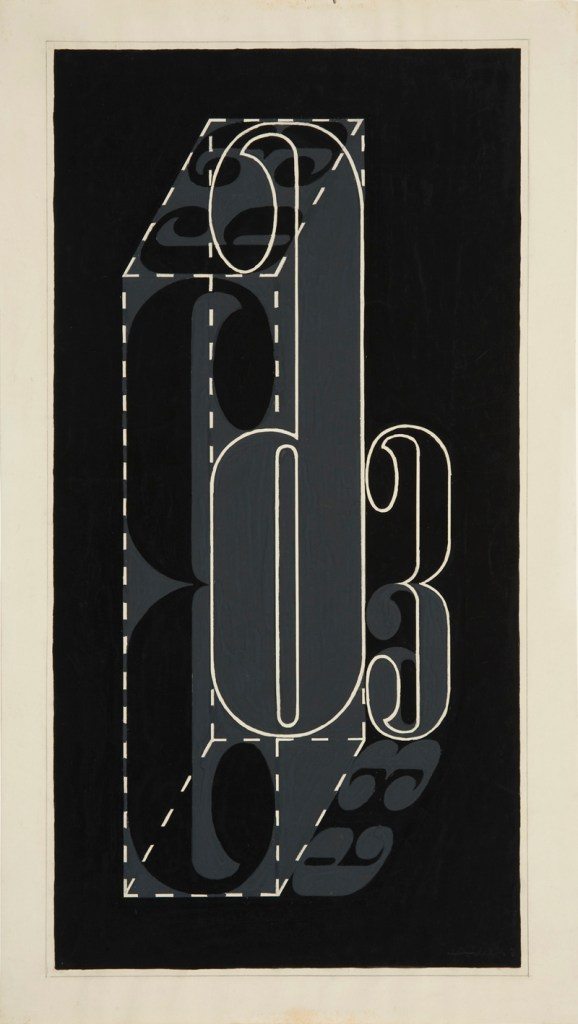
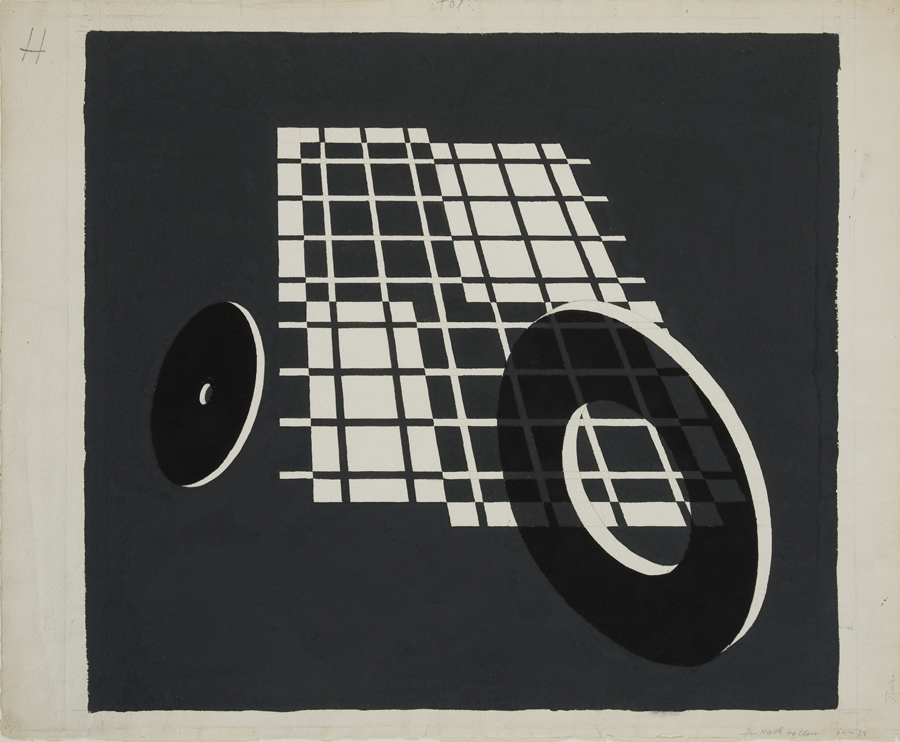
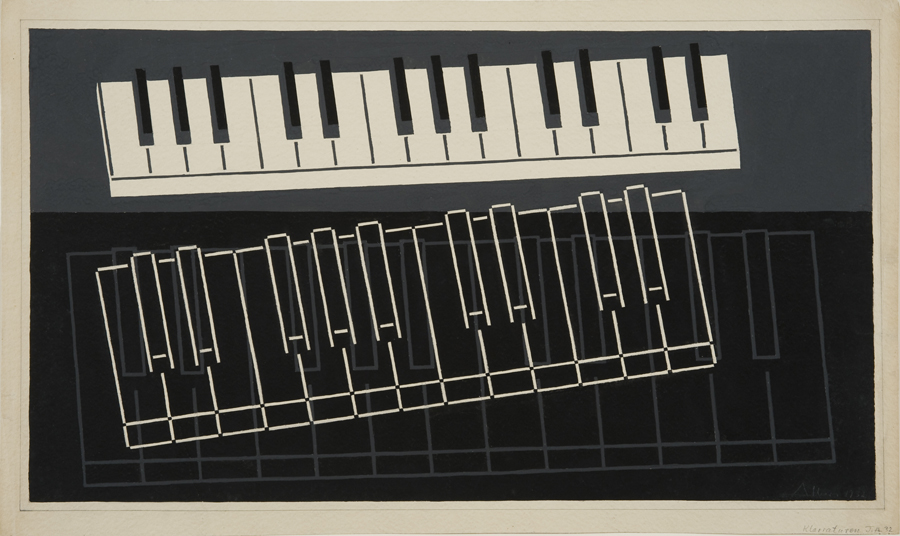
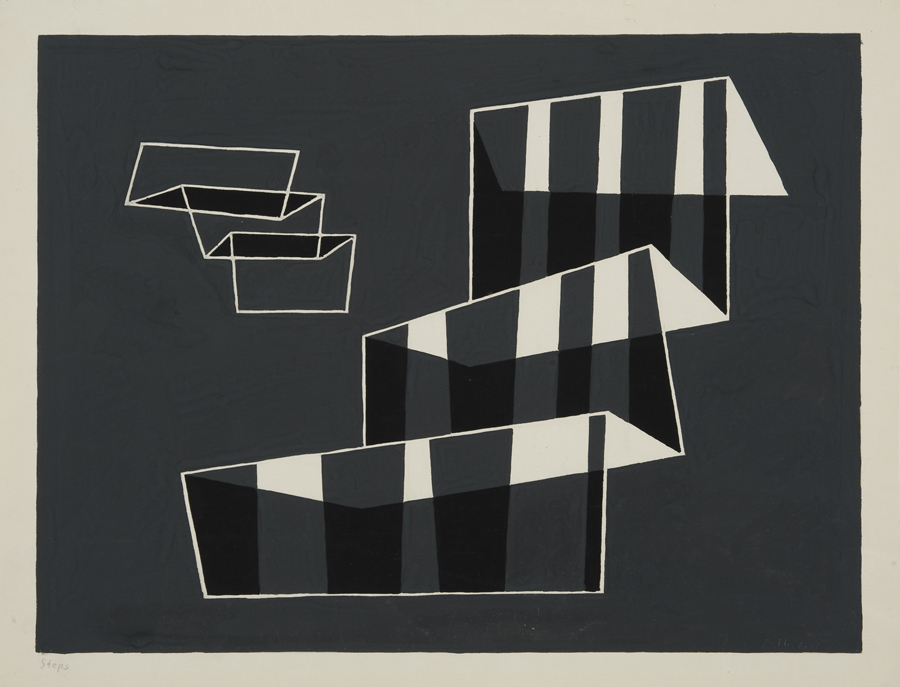
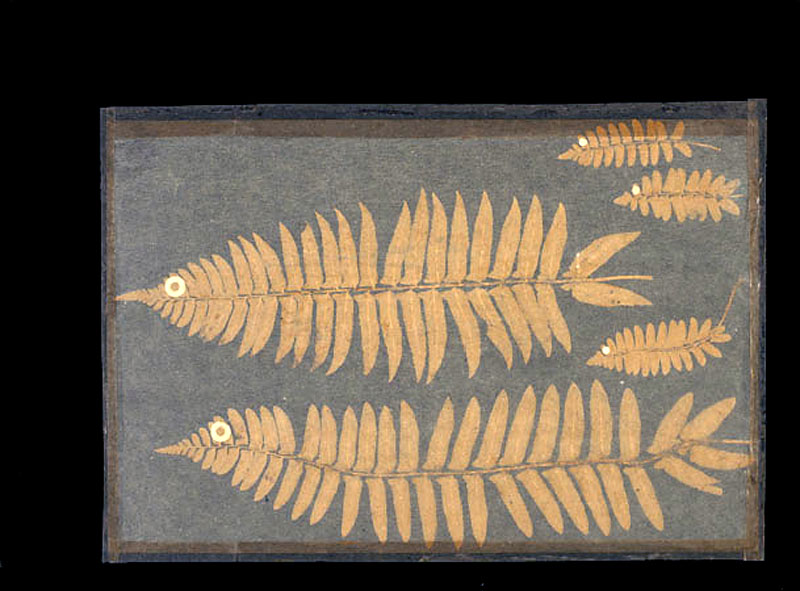
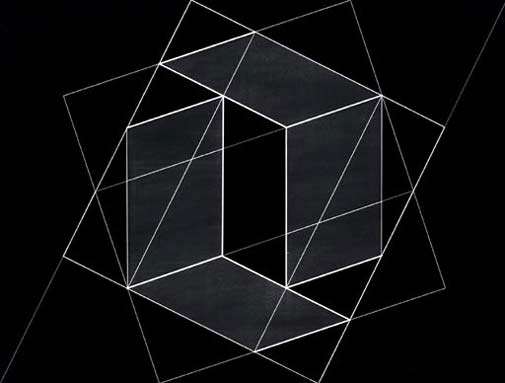
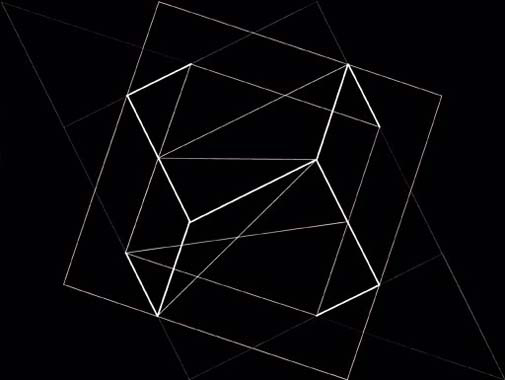
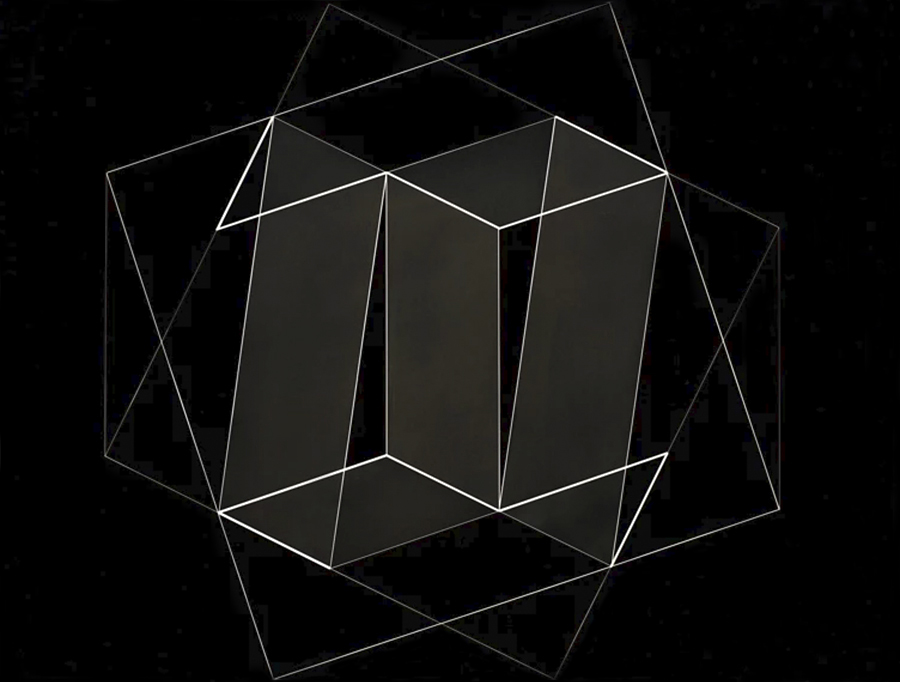
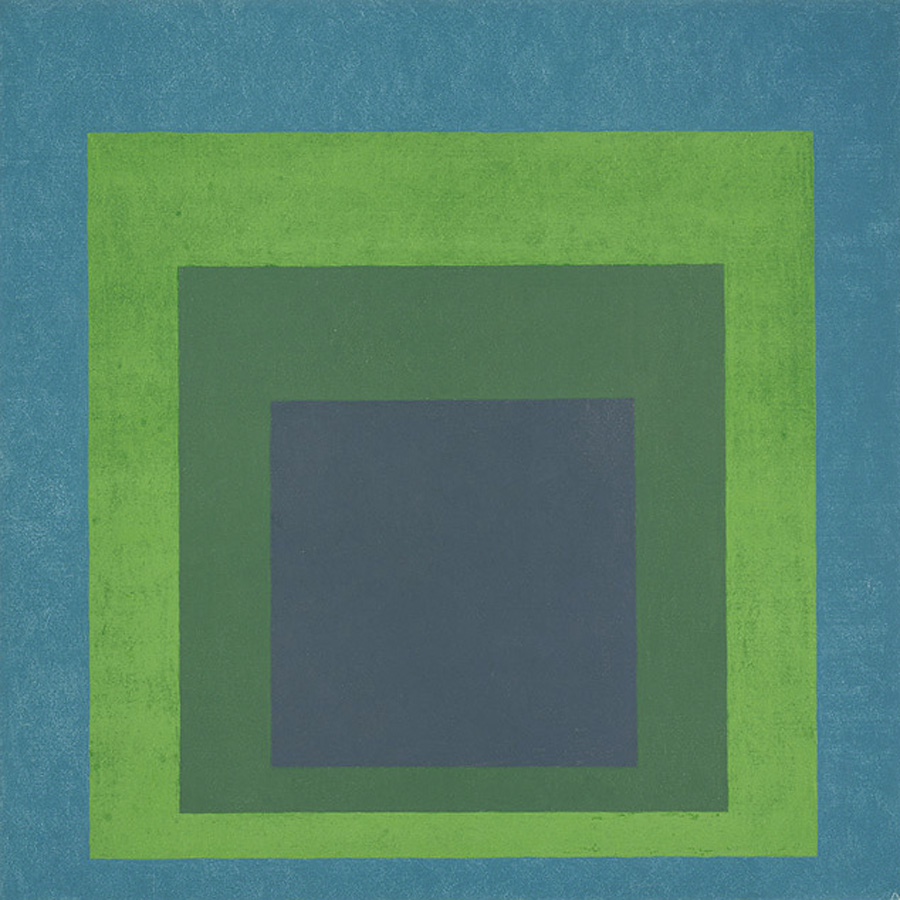
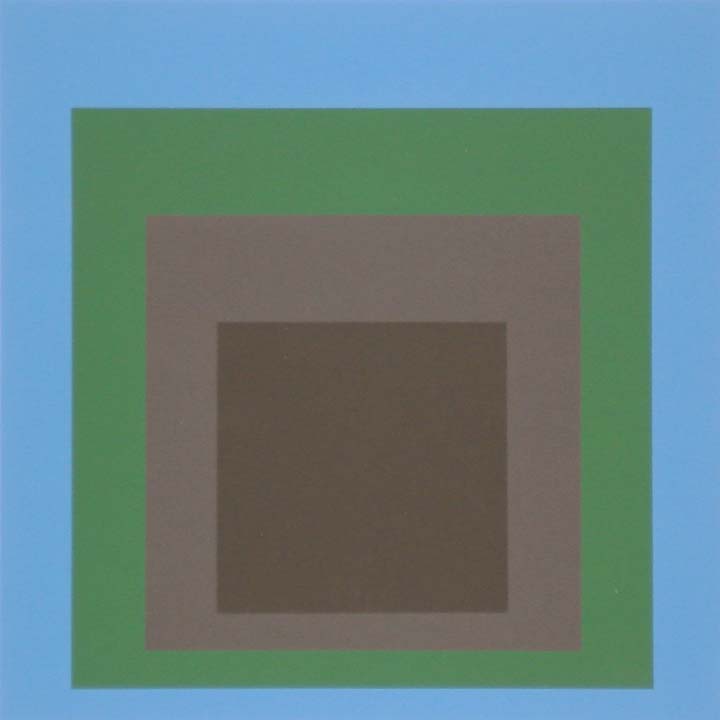
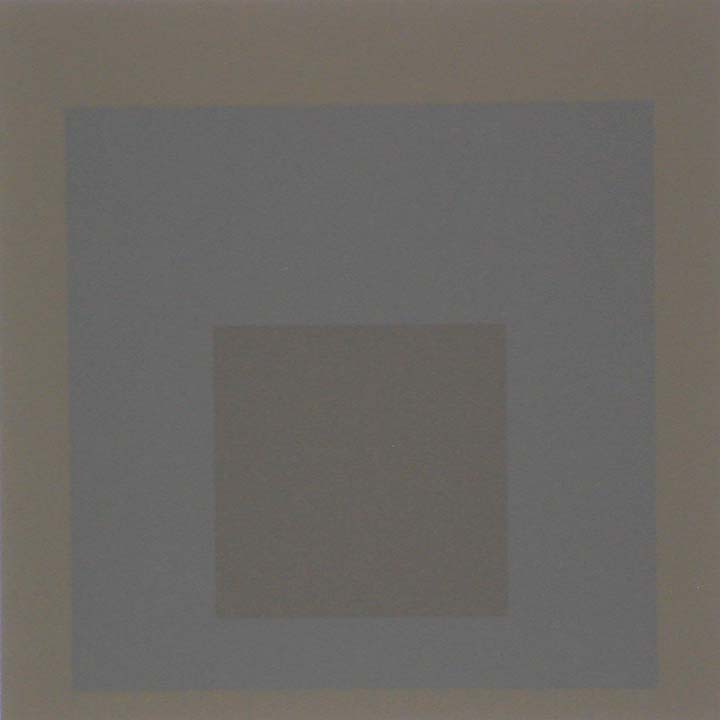
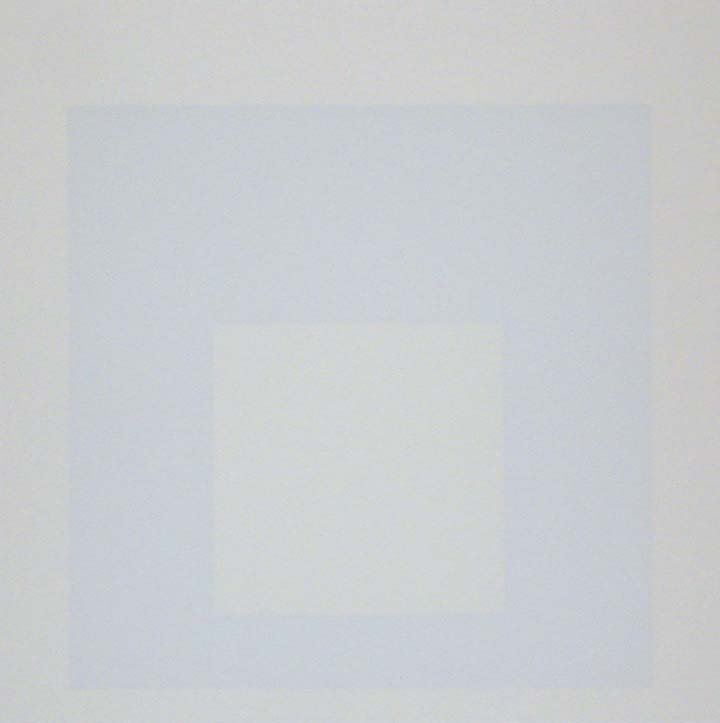
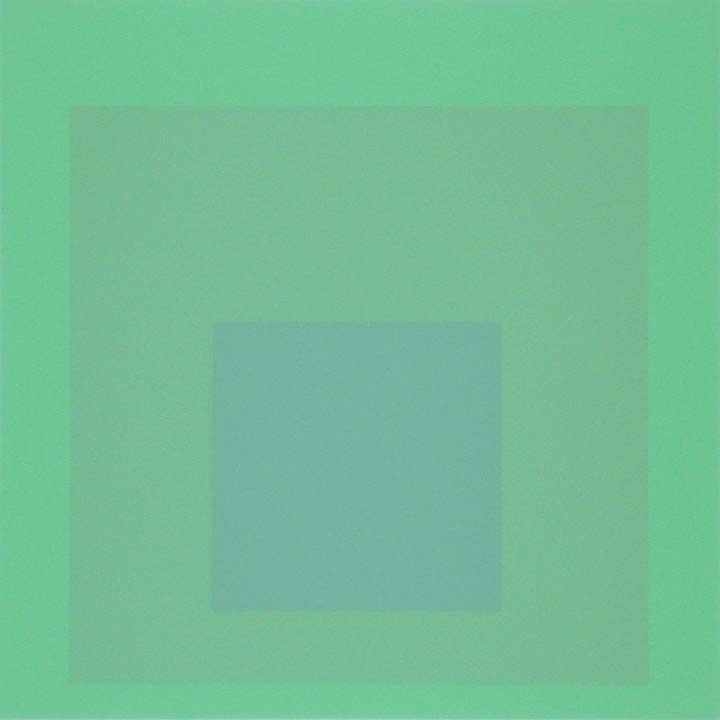
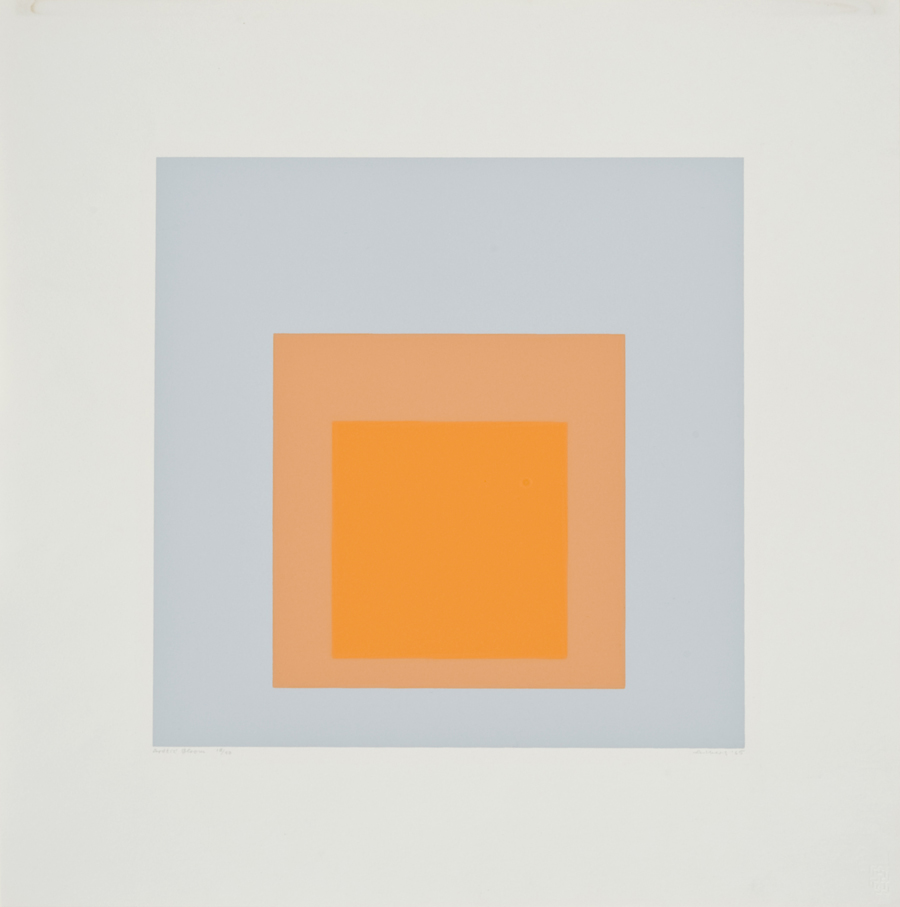
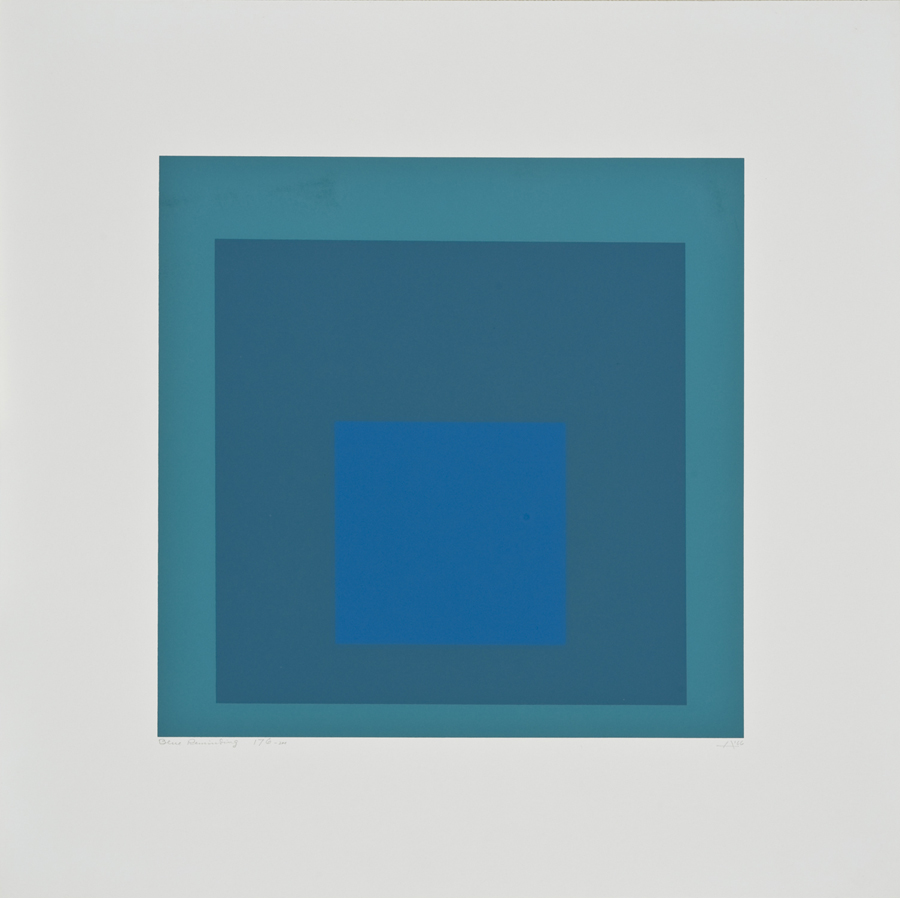
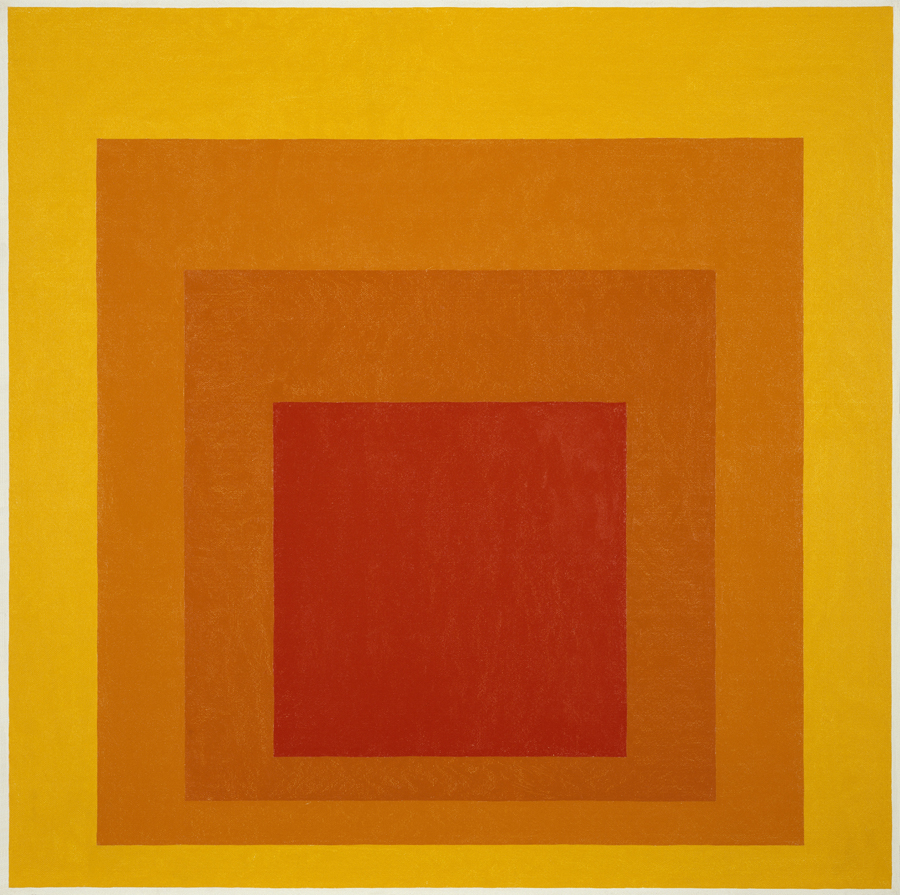

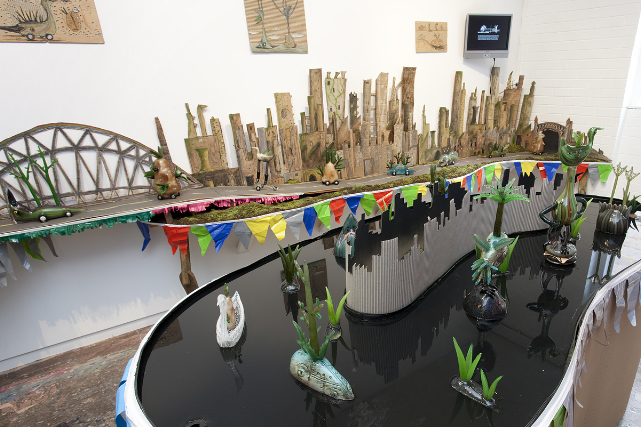
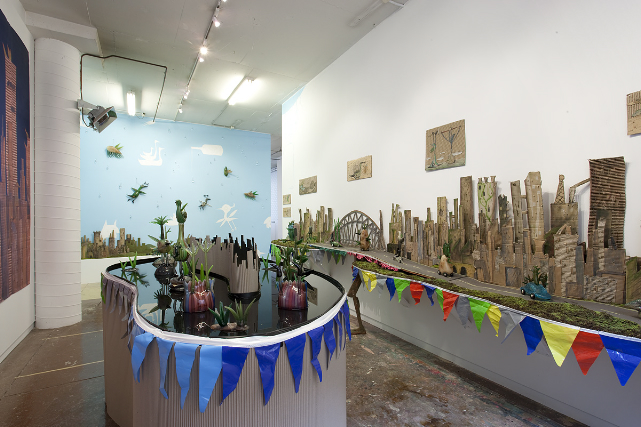
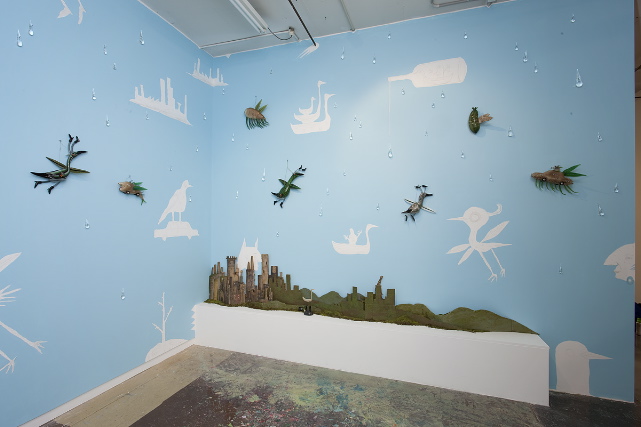
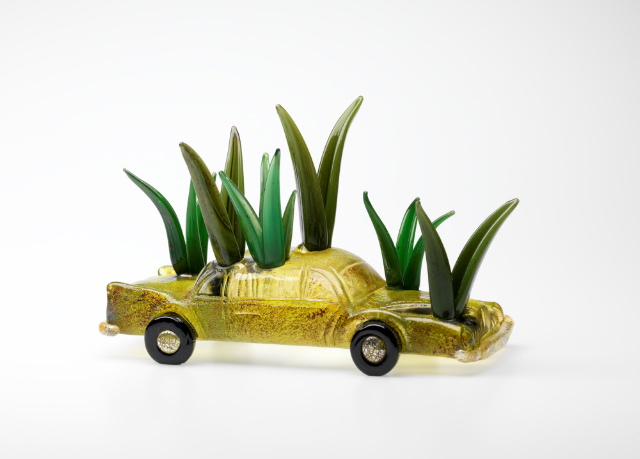
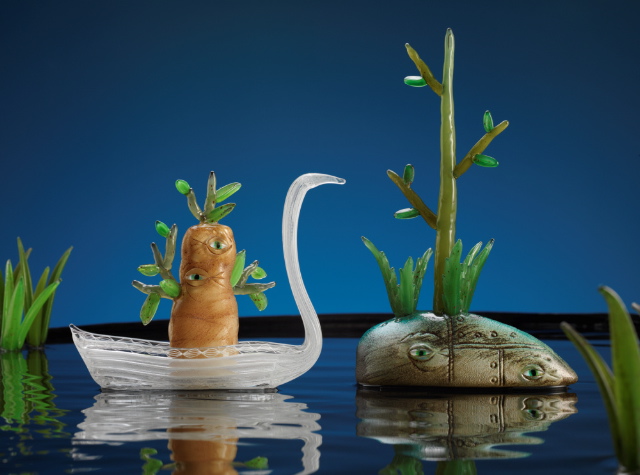
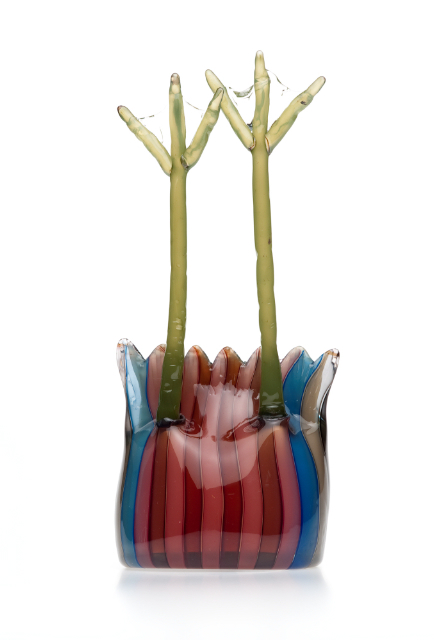
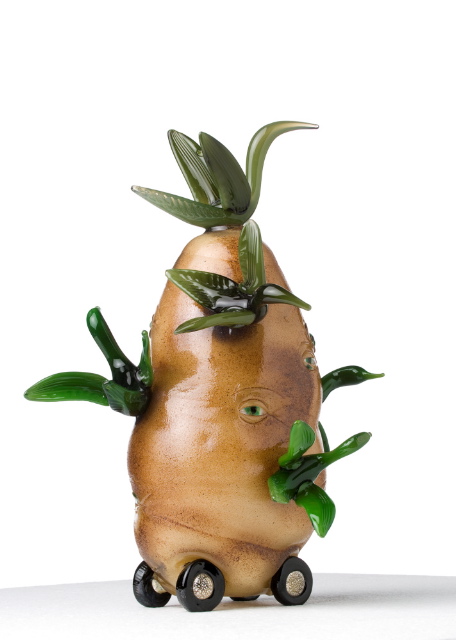
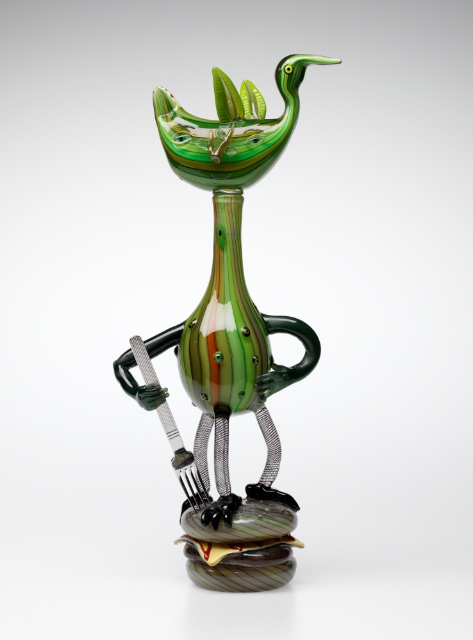
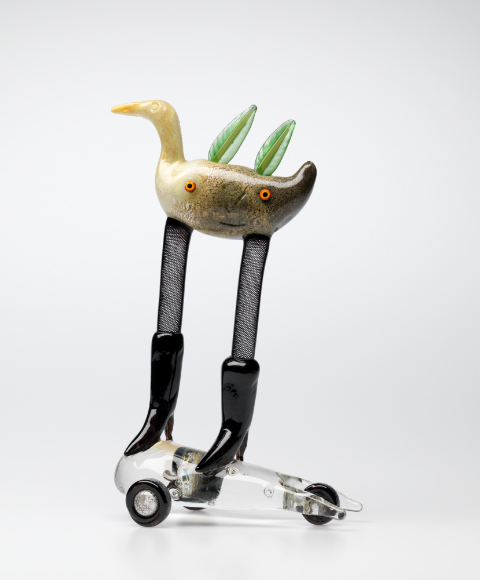
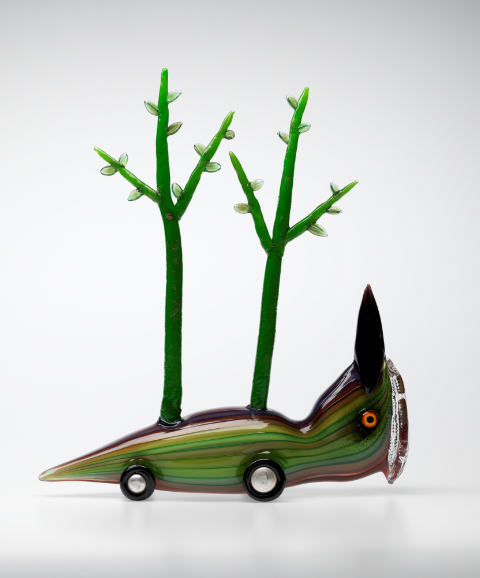
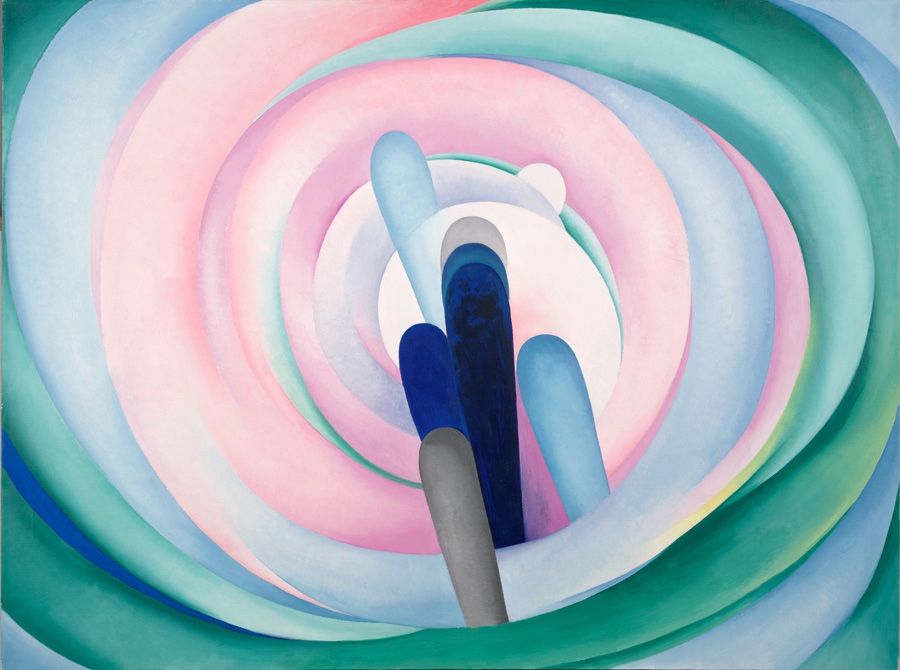

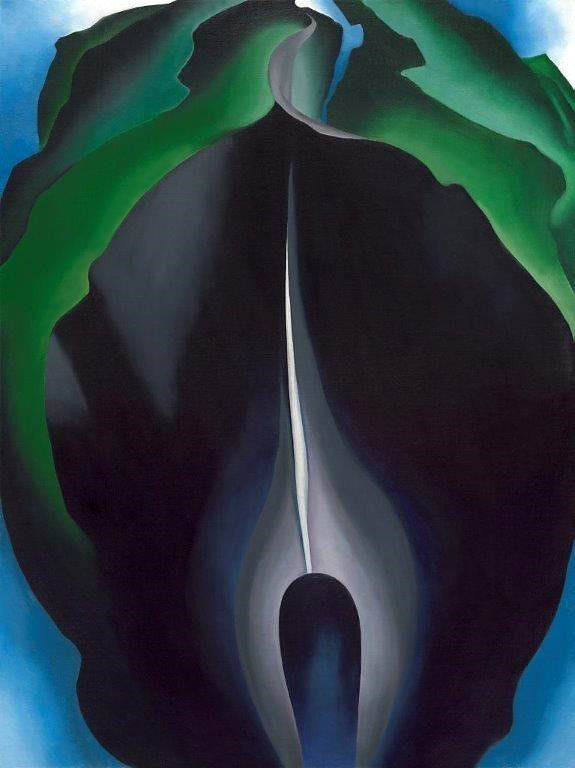
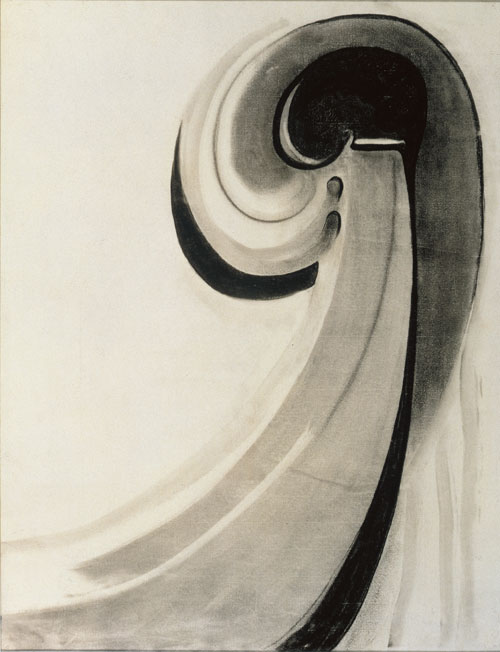

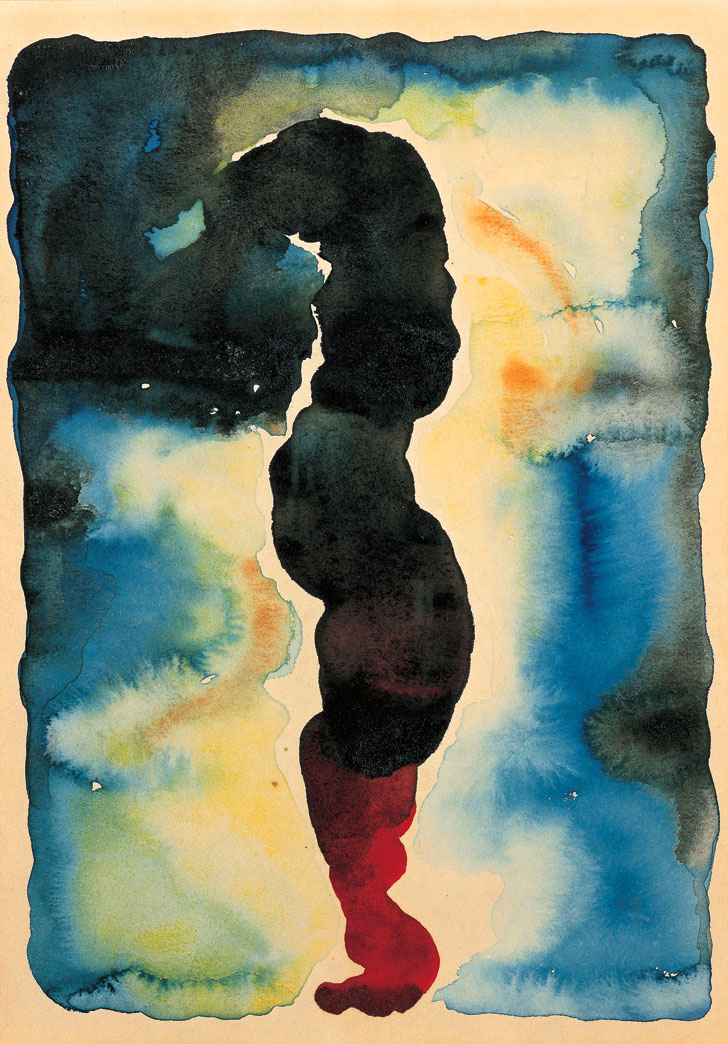
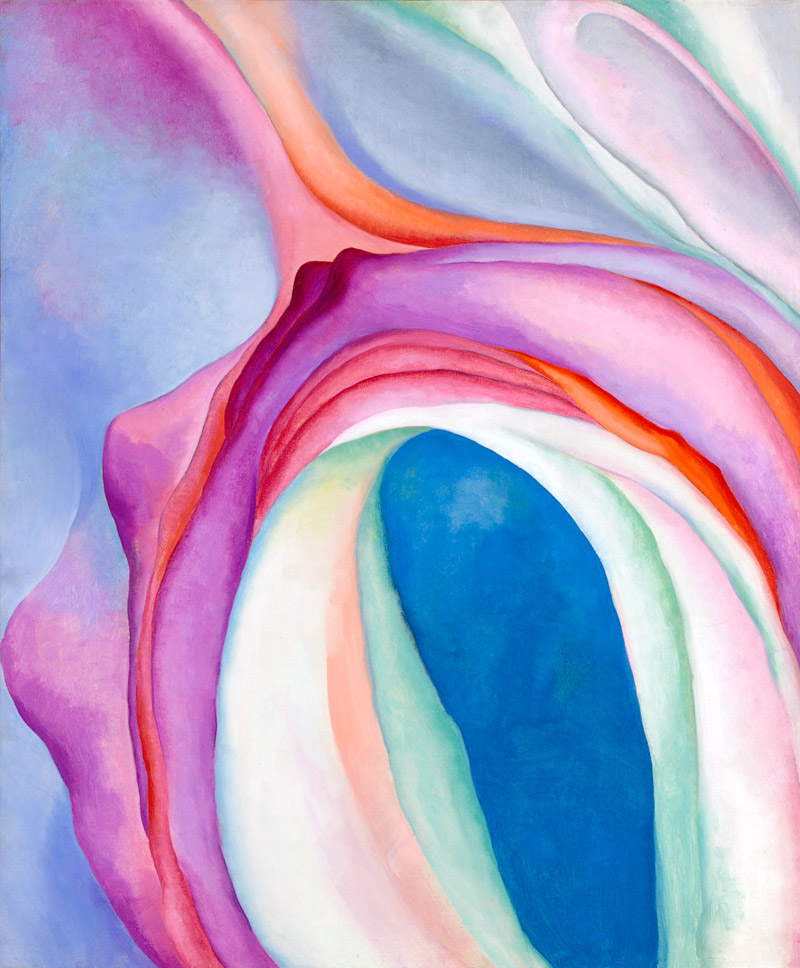
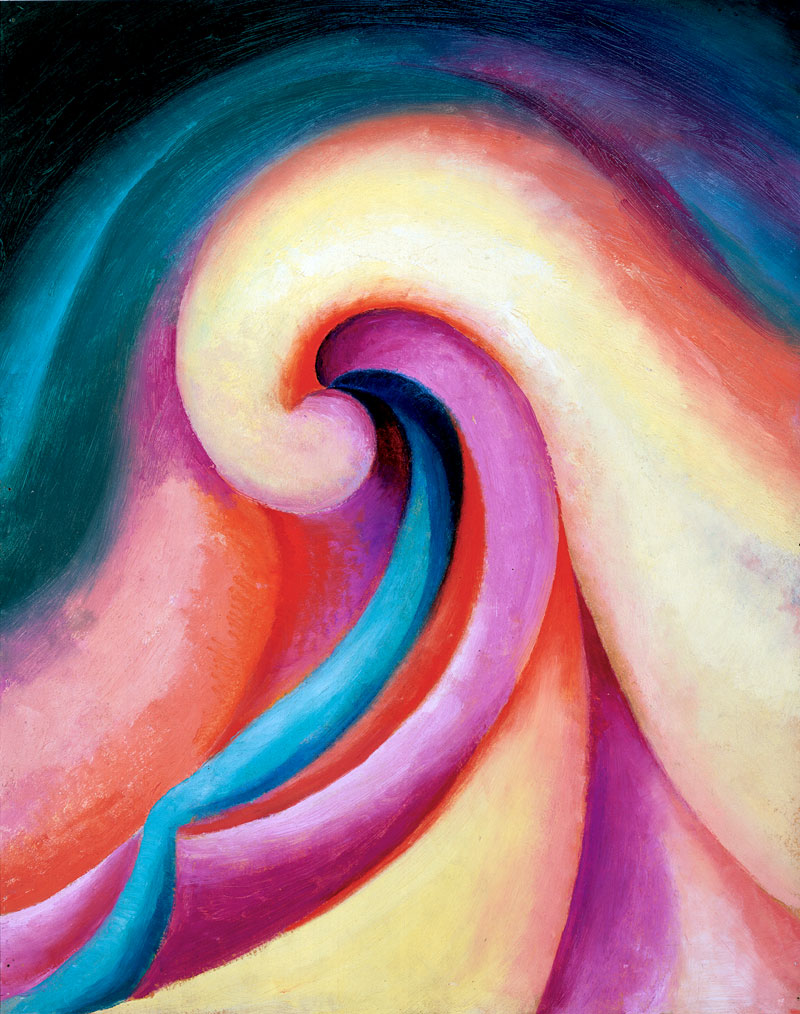


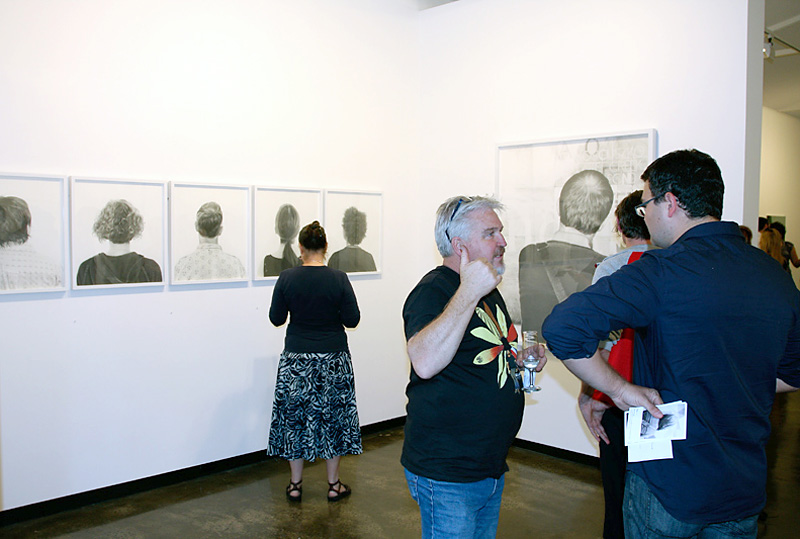


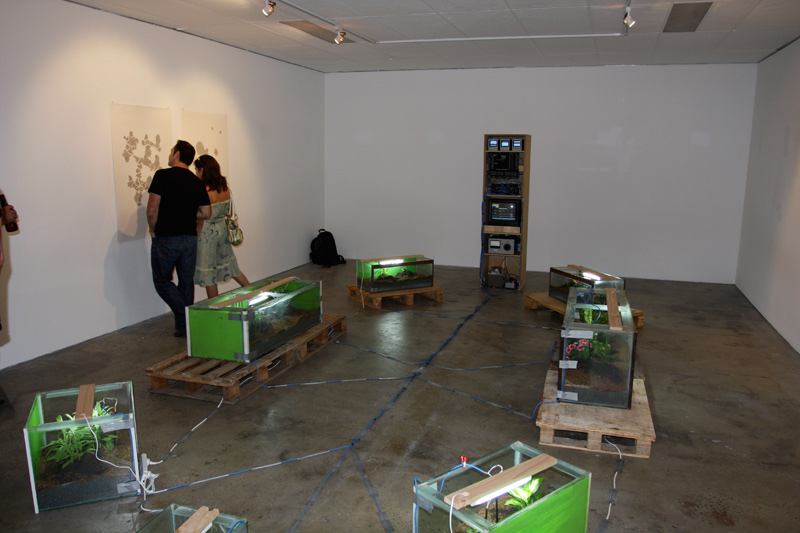


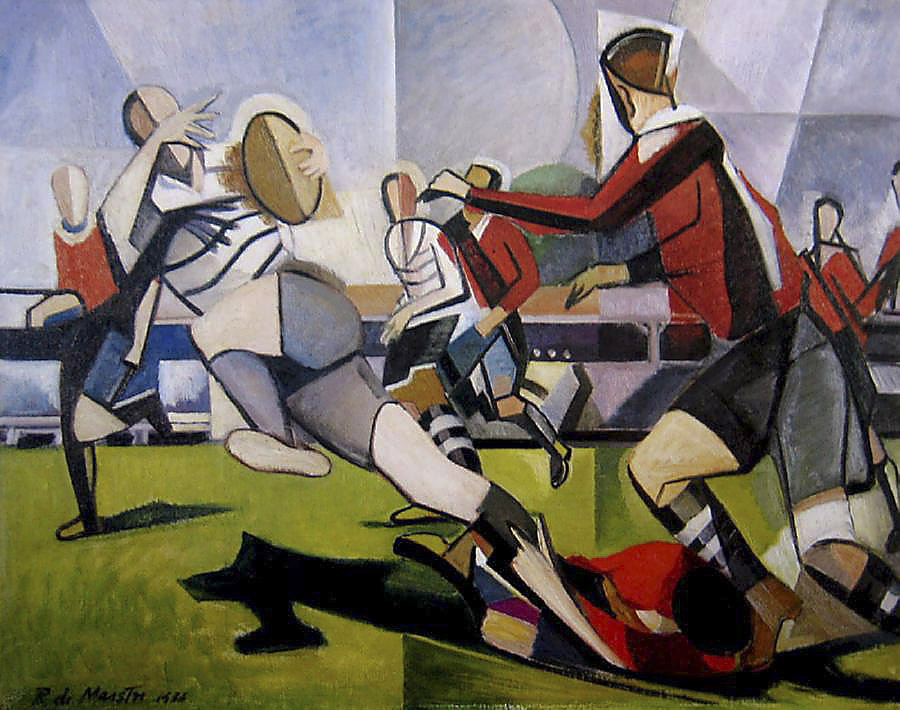


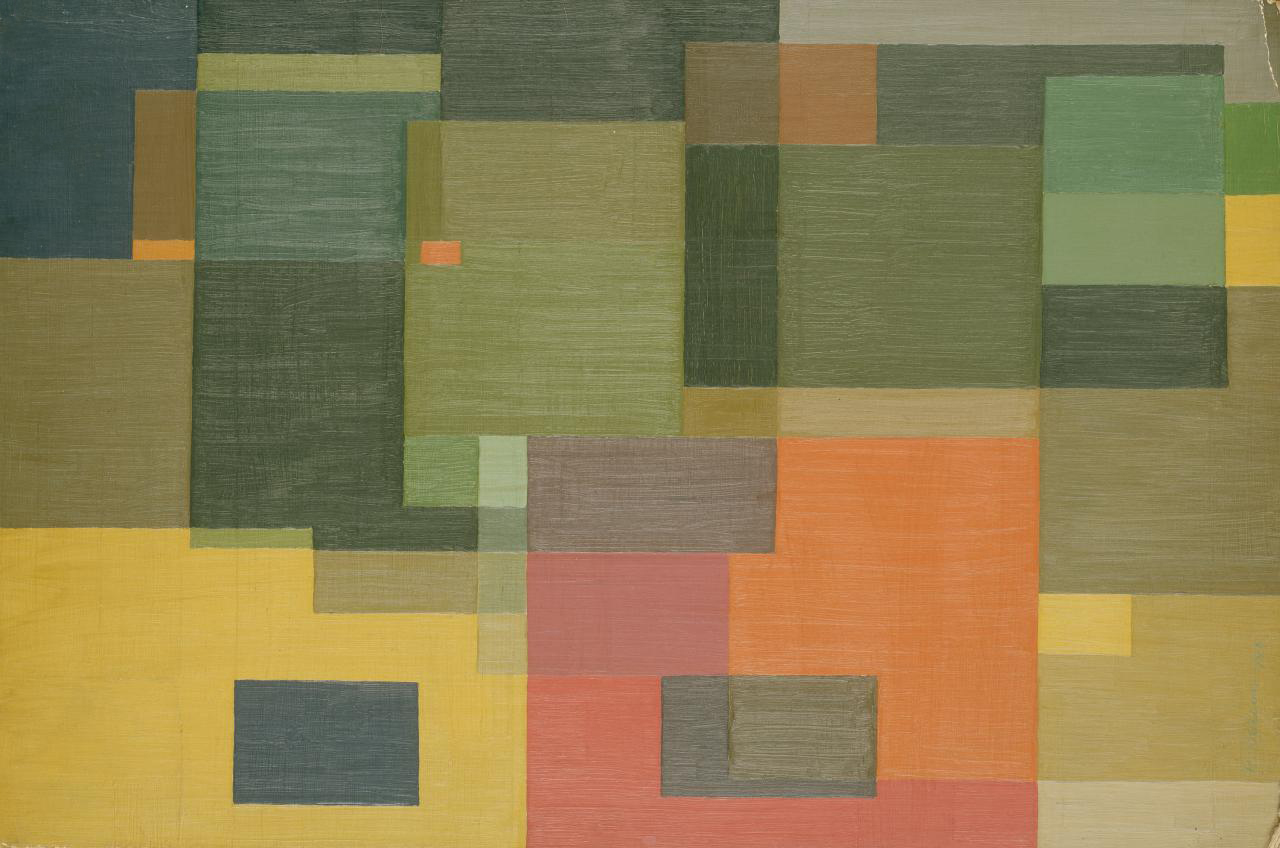


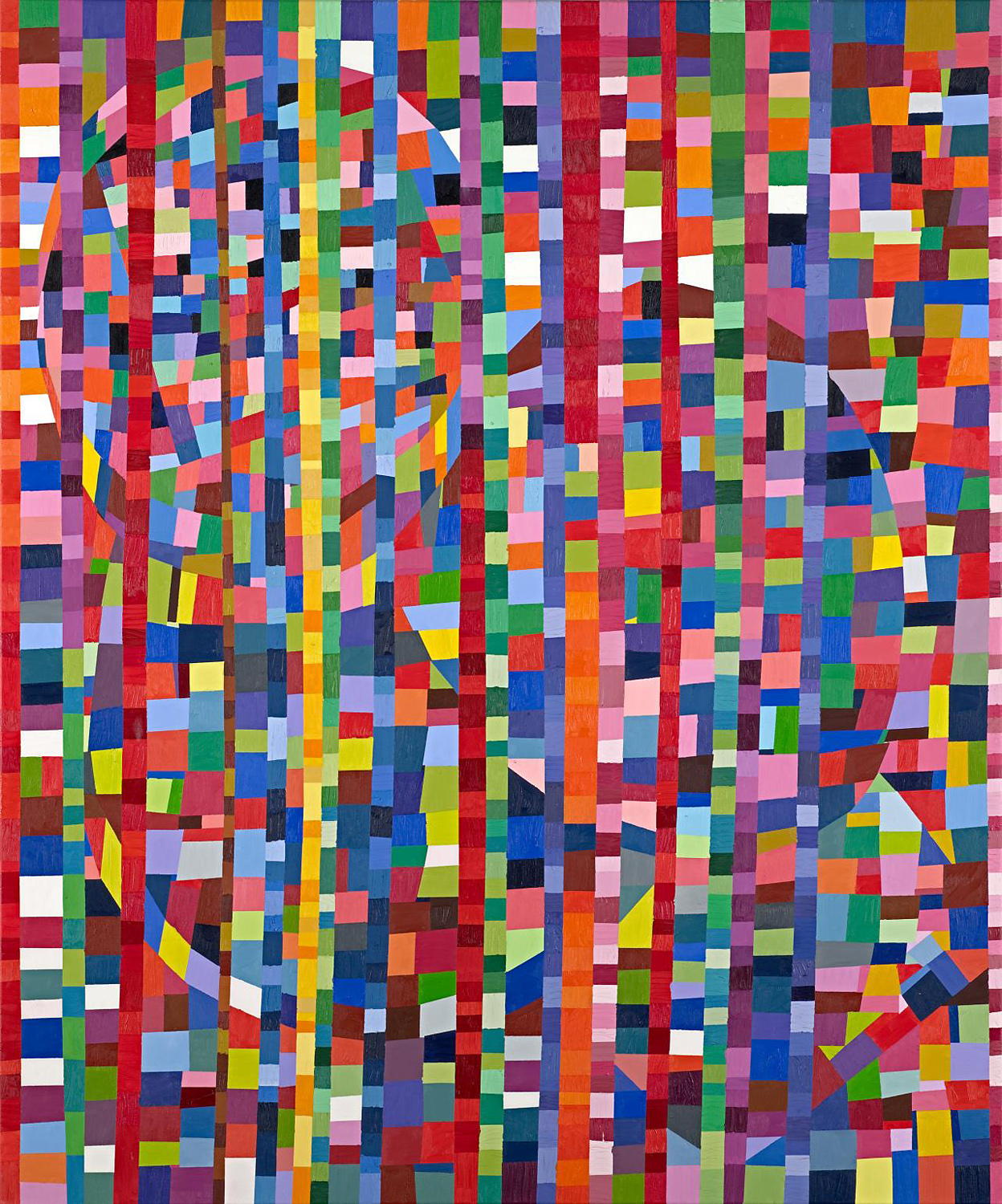
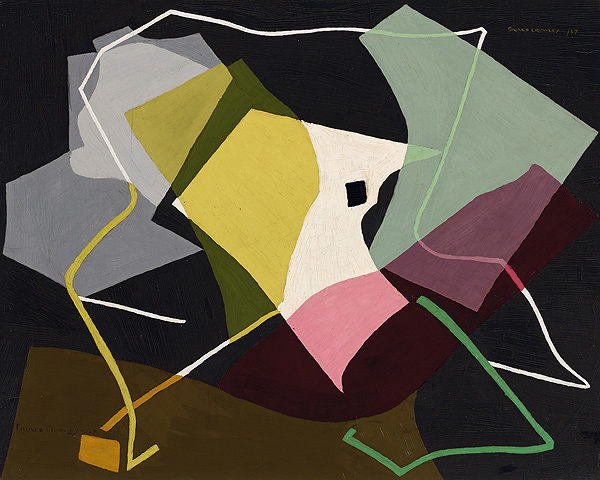
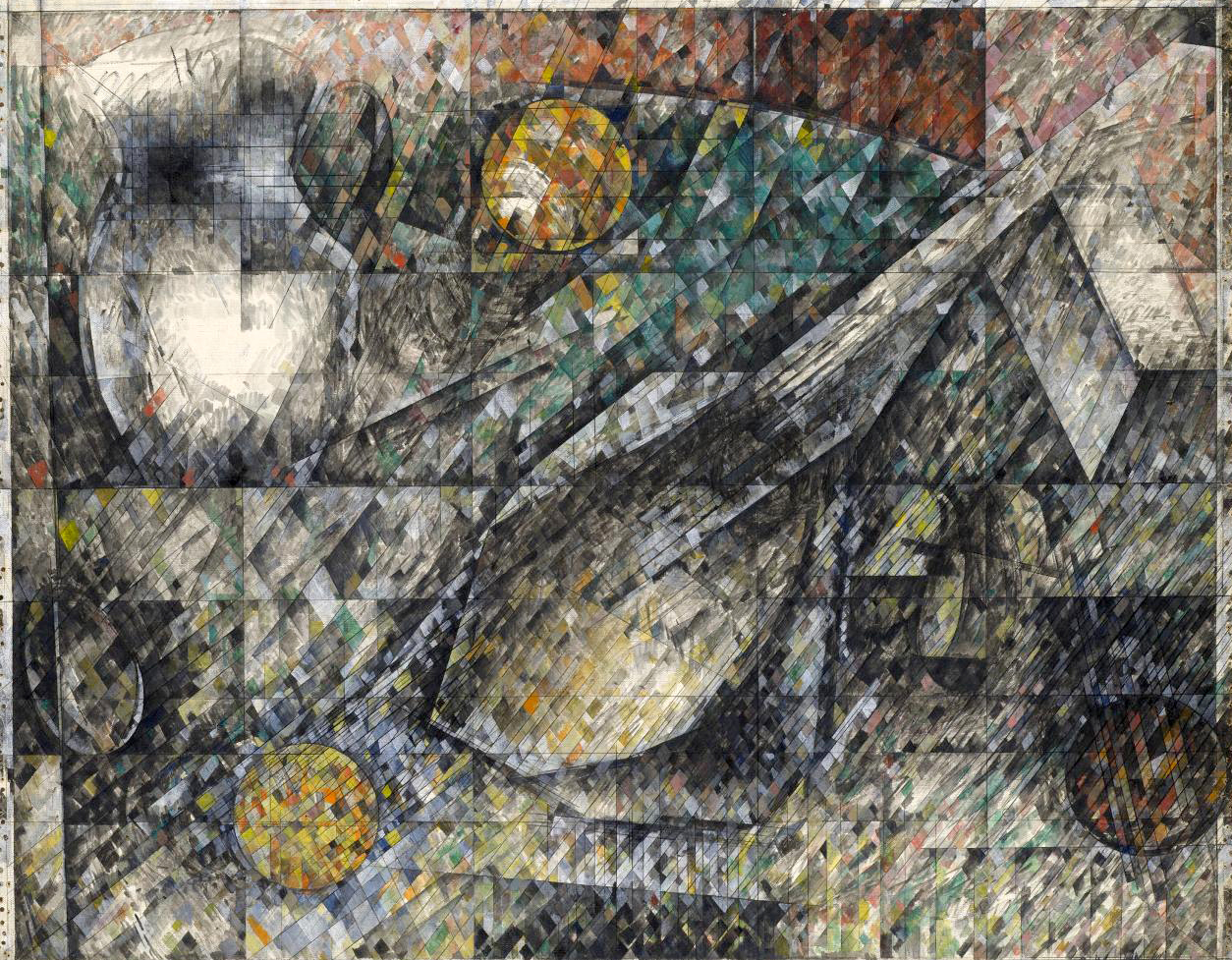


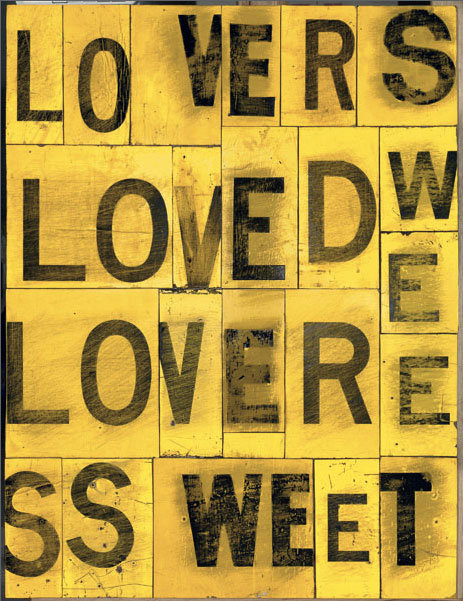


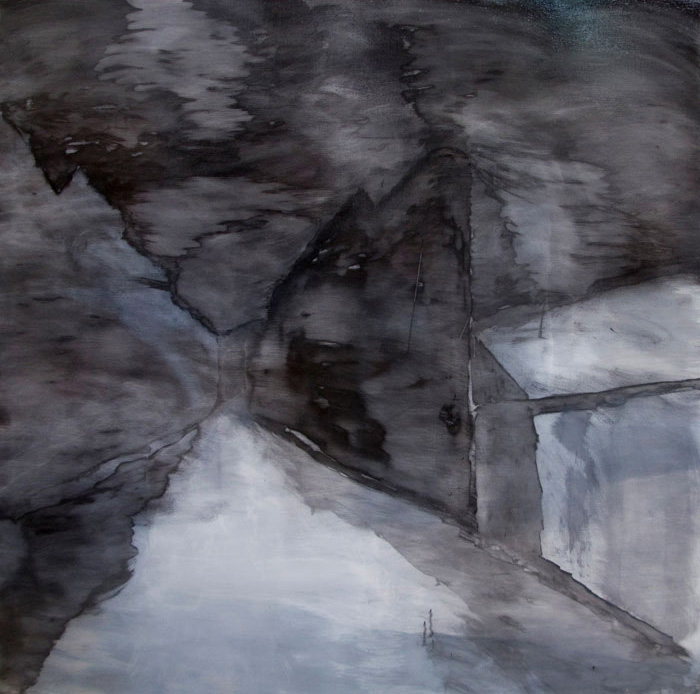


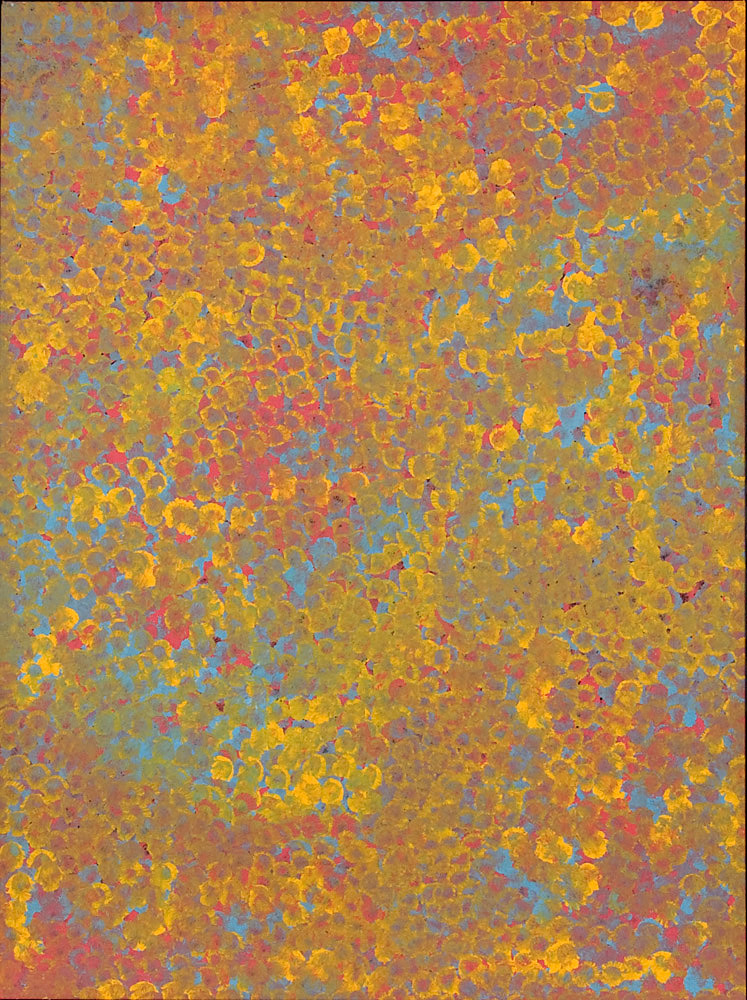
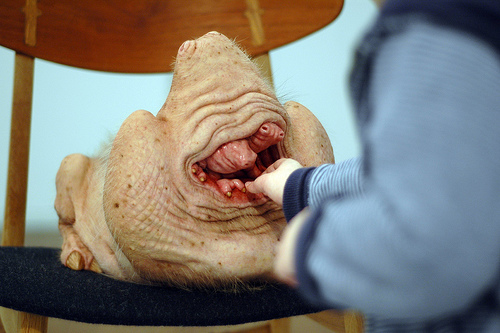
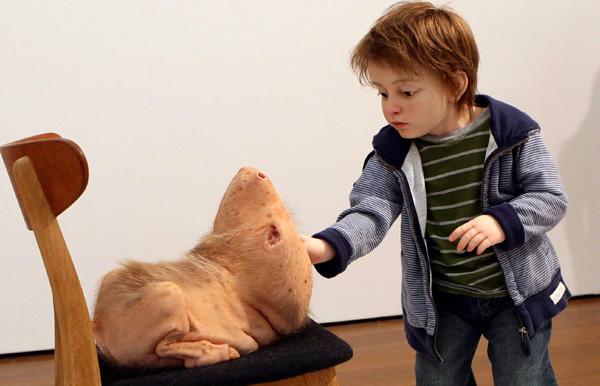

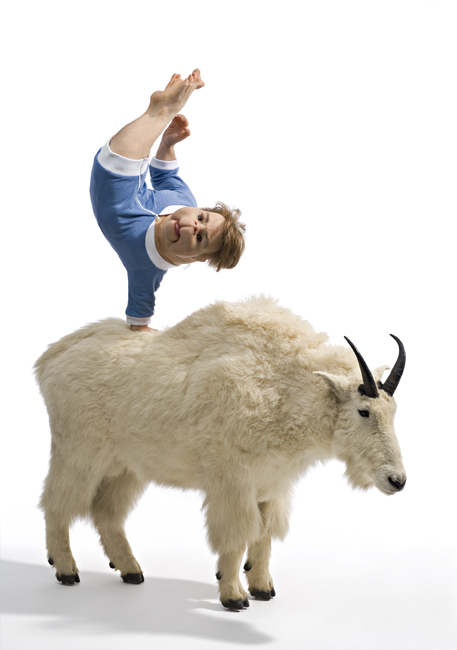
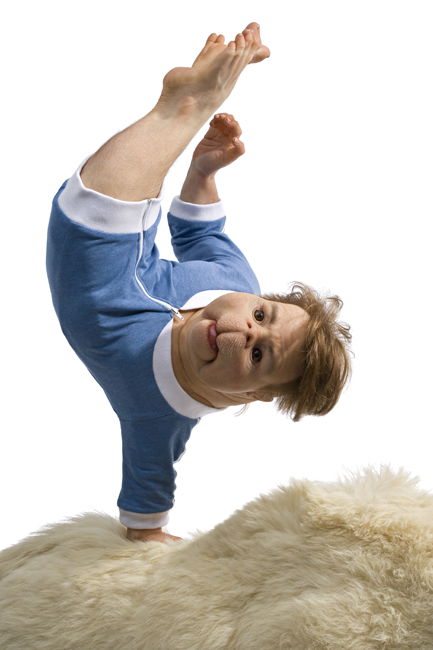


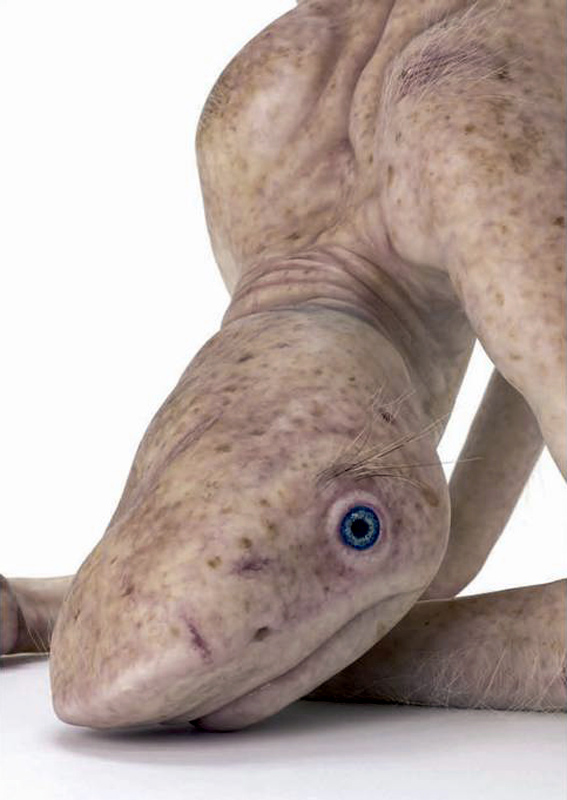

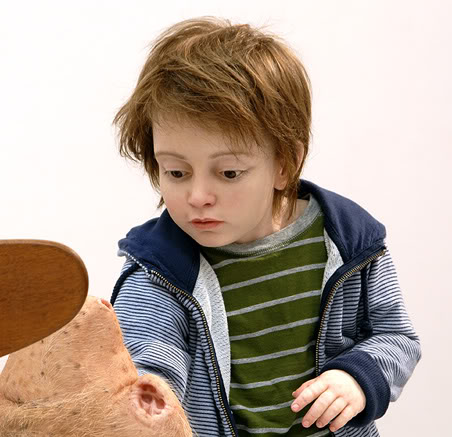


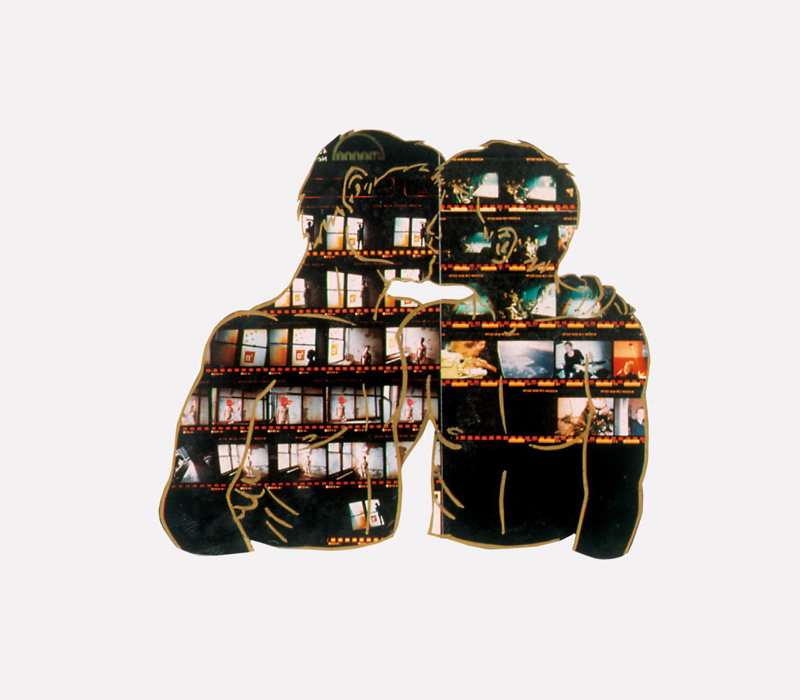

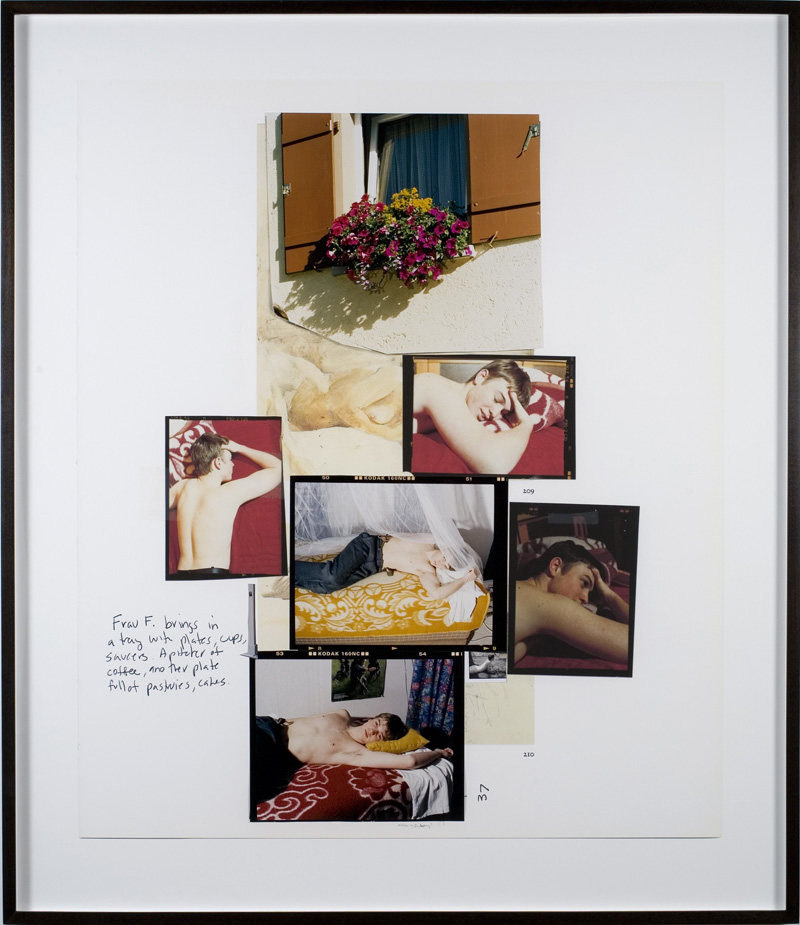
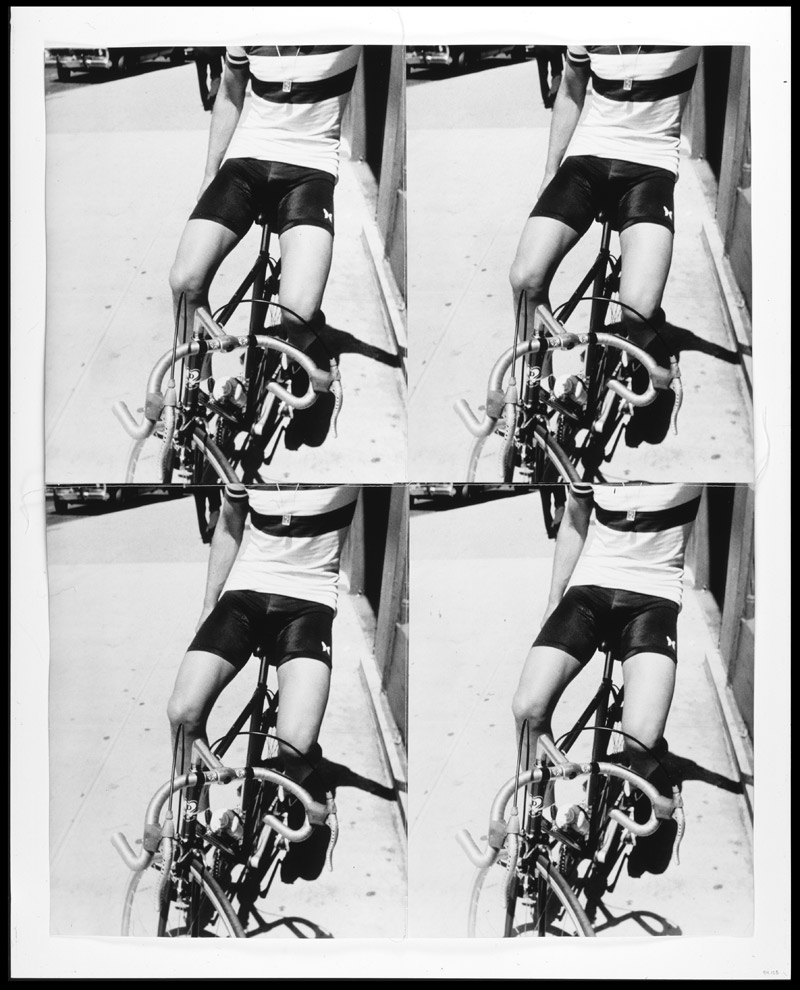


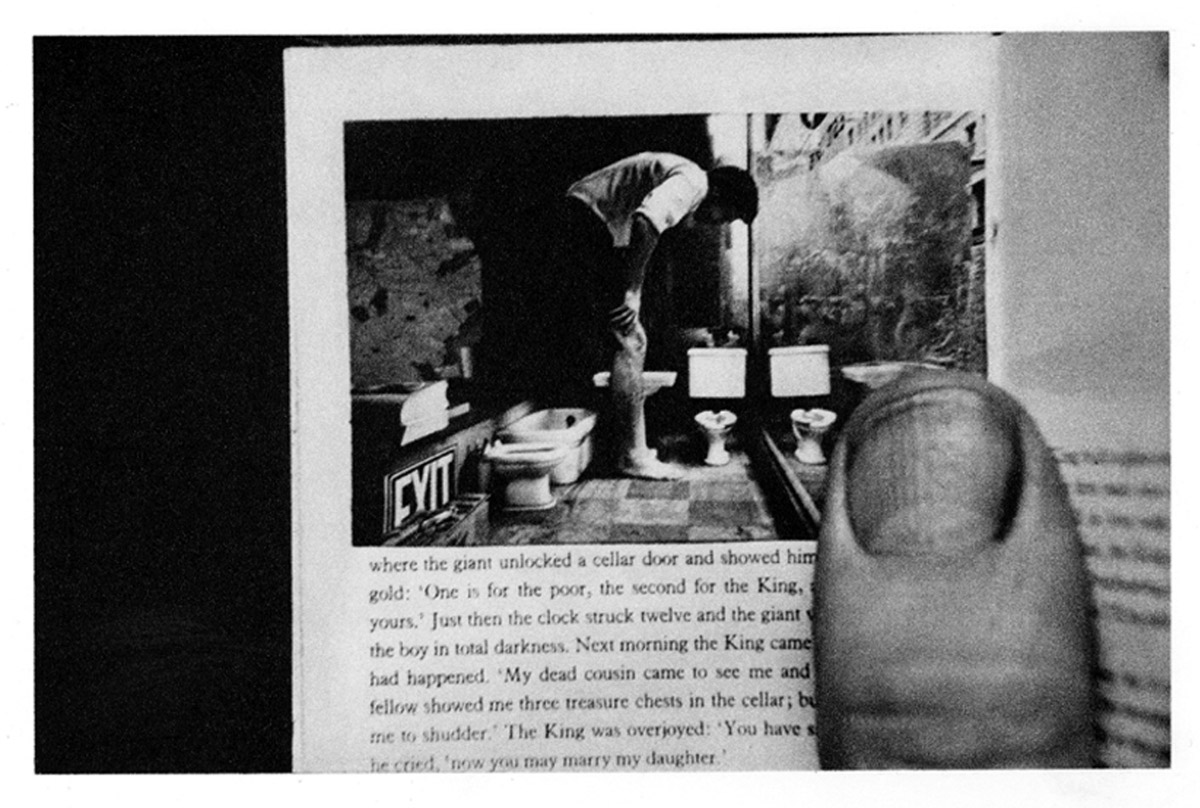


![Edward Ruscha (American, b. 1937)
'[A Few Palm Trees Contact Sheet]'
1971](https://artblart.com/wp-content/uploads/2009/11/ruscha-a-few-palm-trees-contact-sheet.jpg "Edward Ruscha (American, b. 1937) '[A Few Palm Trees Contact Sheet]' 1971")
![Edward Ruscha (American, b. 1937)
'[A Few Palm Trees Contact Sheet]'
1971](https://artblart.com/wp-content/uploads/2009/11/ruscha-a-few-palm-trees-contact-sheet-a.jpg "Edward Ruscha (American, b. 1937) '[A Few Palm Trees Contact Sheet]' 1971")


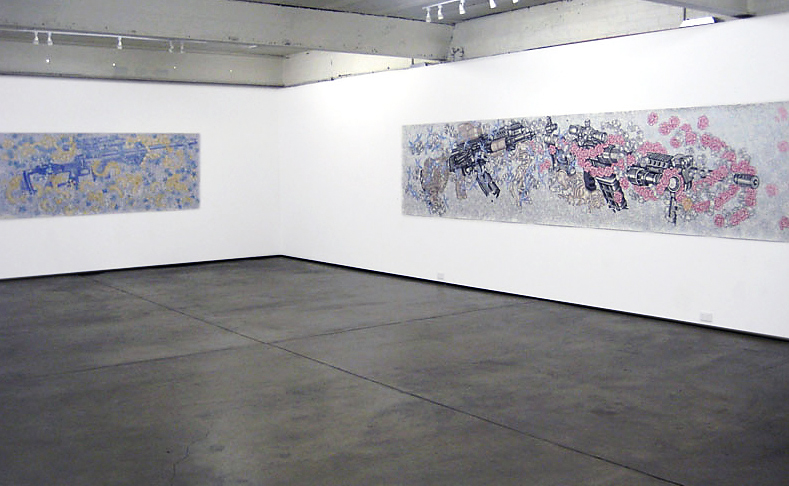


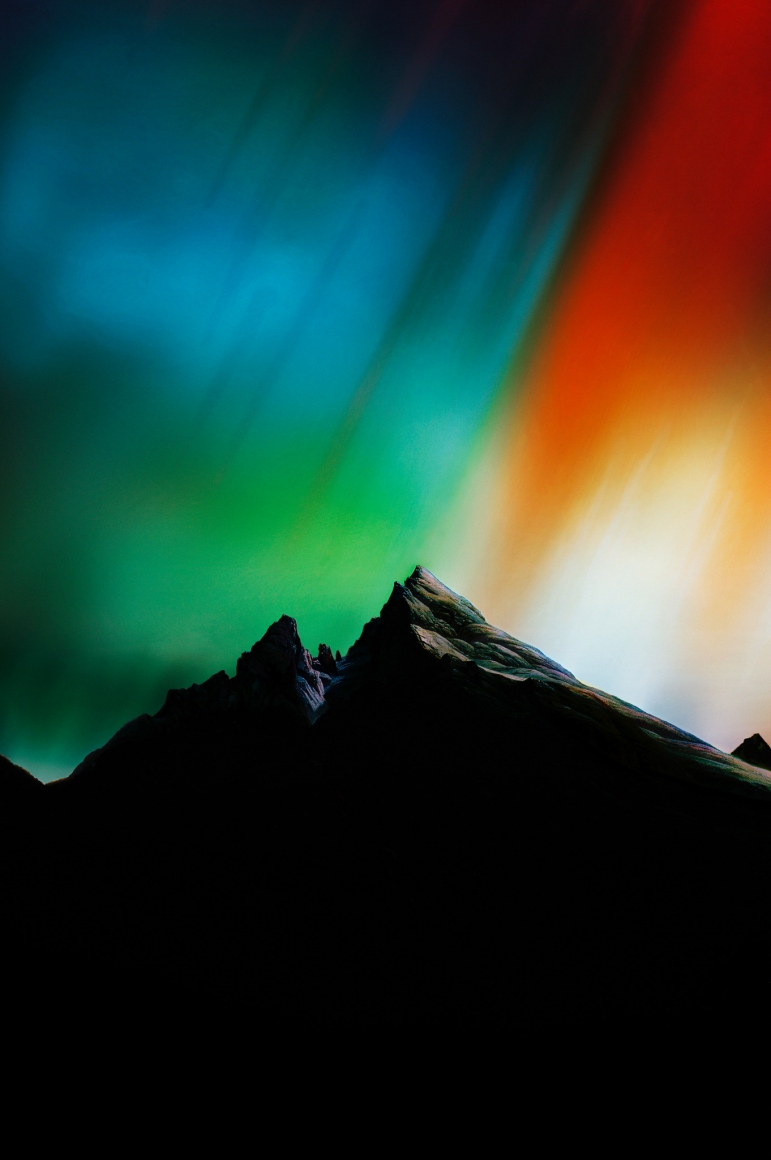
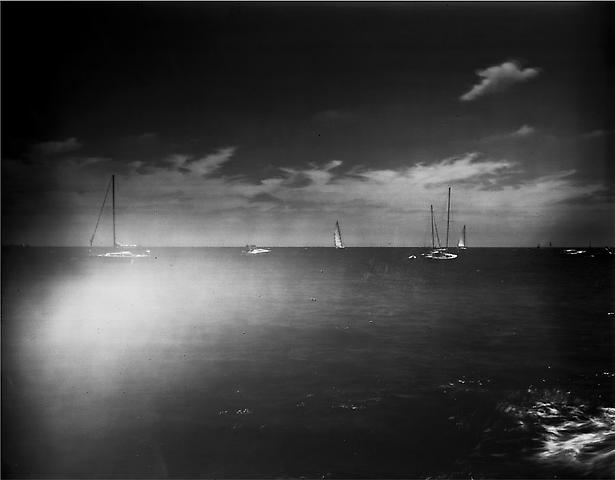
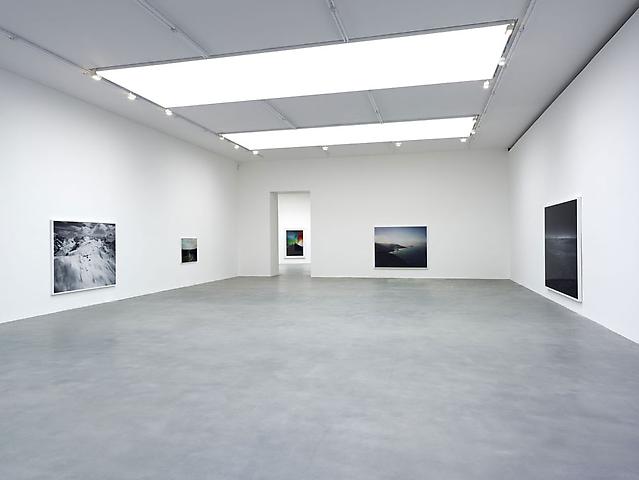
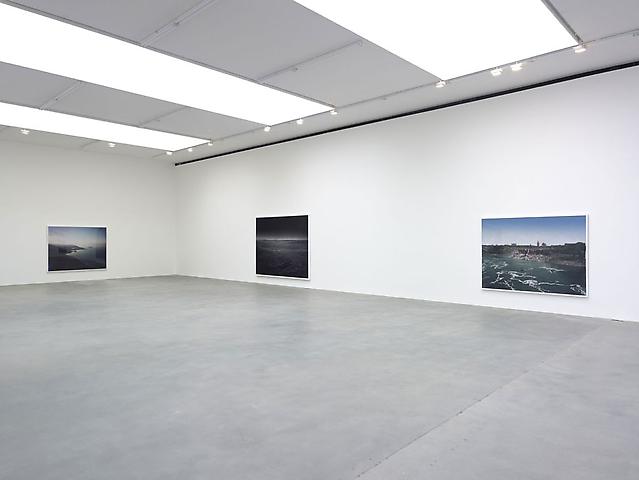
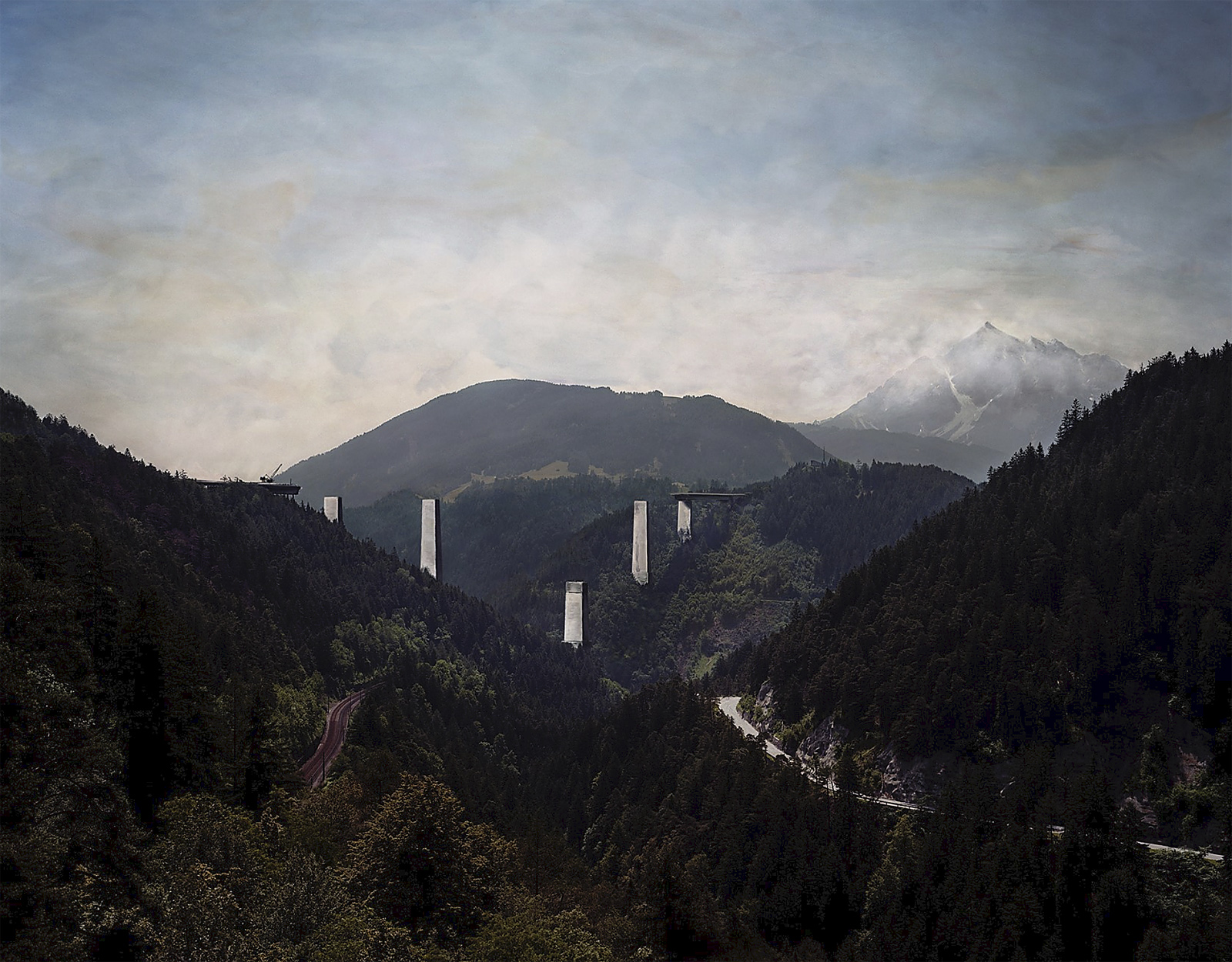
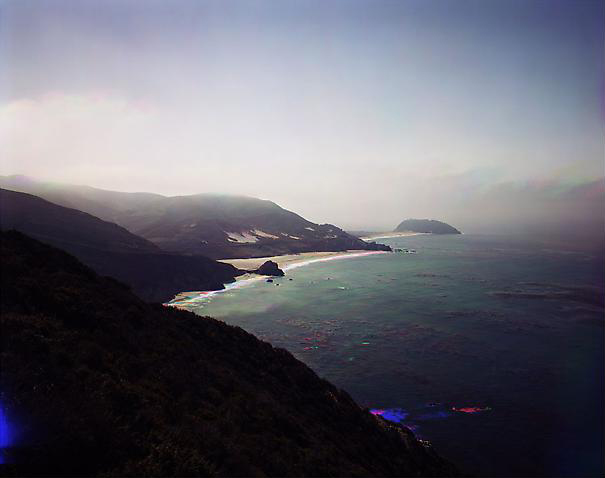
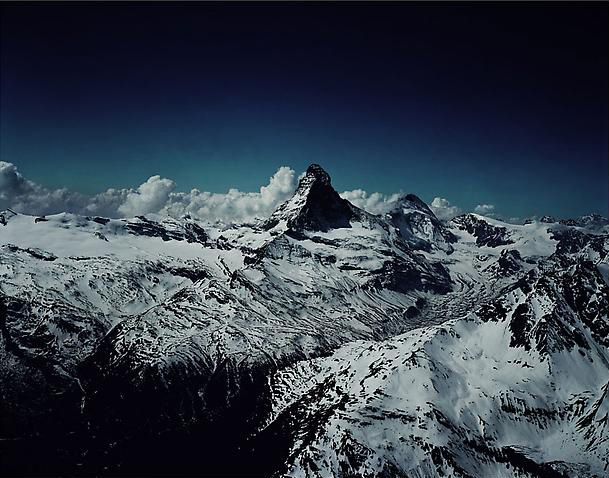
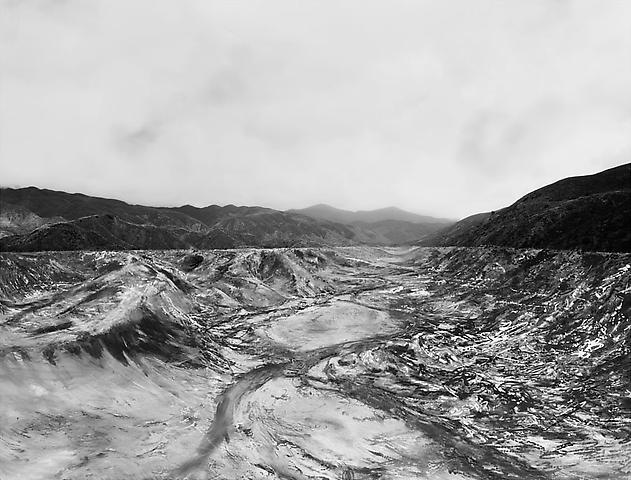
 Art Blart _ art and cultural memory archive
You must be logged in to post a comment.