Families – of whatever flavour, construction, empathy, vitriol, love, kindness, dis/affection – are depicted in photographs that shine light on photography’s treatment of the (elective) family and its representation of it as a social and cultural construct.
Today, there are so many alternatives to the “nuclear” family (what an irony that term is, although “nuclear” has links to the word “nucleus” ie, essential, long before the advent of nuclear energy) – that is a couple and their dependent children, regarded as a basic social unit – that it is a joy to celebrate the diversity of “family”, much to the annoyance and distaste of conservative, religious fundamentalists. Family can be anything that we would like to make it!
Personally, I envy those that had a blissful family childhood without the violence and abuse. I really can’t imagine what that would have been like, to have a mother and father that openly expressed love and kindness to their children. I am thankful I had a brother that I was close with, but even that was split asunder, not to be rekindled for many a year. But that upbringing has shaped who I am today. And now I surround myself with my straight and gay family.
As I say, families smamlies!
Can’t live with ’em, can’t live without them.
Dr Marcus Bunyan
Many thankx to the Fotomuseum Winterthur, Zurich for allowing me to publish the photographs in the posting. Please click on the photographs for a larger version of the image.
Family means (chosen) kinship, blood ties and sometimes lifelong bonds – and the perpetual renegotiation of boundaries, regardless of how much fondness and affection are involved. Kinship has at once nothing and everything to do with points of similarity and common ground in day-to-day life and with the ideas we have about everyday realities. We are part of a family – sometimes only on paper and sometimes as a community that is made up of friends who are devoted to one another over the course of their lives. Communities play a key role in today’s world: they are crucial to our decision-making and help to mould us and shape the way we think, feel and act.
The (chosen) family is depicted in different ways in photography and art: photographers document everyday family life and use the camera to capture moments of heightened emotion. Family members can also become partners in the photographic process, contributing to the act of image-making. This finds its way into the exhibition as well as genealogical projects in which artists set out to explore their own personal histories on the basis of the lives their ancestors lived.
Just like the photographic testimony we have of them, family stories speak of diversity, individuality and collectivity, intimacy and distance. Family and chosen family imply chaos and happiness, quirky habits and the sharing of everyday banalities and powerful feelings. At best, family and community represent a familiar slice of home.
The exhibition Chosen Family – Less Alone Together draws on international positions and works from the collection of Fotomuseum Winterthur to shed light on photography’s treatment of the (elective) family and its representation of it as a social and cultural construct. The artistic approaches on display are as varied as the different family stories they depict. In addition to the works of professional photographers and artists, the museum also presents personal photo albums, showing the family stories of people from Winterthur and from all over Switzerland.
The exhibition Chosen Family – Less Alone Together presents works by contemporary photographers who delve into their own family history, examining and exploring their past. Alba Zari‘s work involves a reappraisal of her own family history mediated by pictures from her family archive and contemporary photographic documents. The artist – who was born into a fundamentalist Christian sect – uses scraps of text and image fragments to investigate the history of her family and explore her own identity in the process. The photographer Lindokuhle Sobekwa also uses pictures to reconstruct events from the past. When he was just seven, his sister, who was six years older than him, disappeared without a trace and did not return until ten years later. With the help of a documentary photo book, Sobekwa attempts to create a picture – quite literally – of this formative point in his life, a time he knows very little about and which no one has spoken about for ages. Richard Billingham, meanwhile, grapples with his own history and biography by making a loving yet unsparing record of his parents’ life and day-to-day reality, in the process showing a domestic world shaped by poverty and addiction. Diana Markosian processes her family history in a short film featuring actors she cast in their roles and clever set photography. Her narrative video sequences re-enact her own childhood memories, which she stages as cinematic imagery. The film’s perspective is shaped by the experience of migration undergone by her mother, who left her husband after the break-up of the Soviet Union and moved with her children to the US to marry an American.
Other artists present themselves and members of their family in sometimes elaborately staged settings. By breaking open and re-enacting the family structures, their work reflects on the roles played by the individual family members and the photographers’ own position within this constellation. This way of exploring family dynamics turns members of the family into collaborative partners in the image-making process. Charlie Engman, for example, presents his ‘mom’ in settings that have little in common with our conception of a mother’s everyday reality: we may see her posing in a hydrogen-blonde wig, with blue eyeshadow and a fierce, challenging look, or climbing up a rope ladder fixed to a tree, wearing white knickers. Engman’s work playfully calls into question the one-dimensional image of the caring mother. Pixie Liao also takes a playful approach as she bucks classic role models: her portraits of herself together with her partner subtly subvert stereotypical ideas of men and women. The photographs show her partner resting his head on her shoulder or being held in her arms. Photographer Leonard Suryajaya, meanwhile, stages his parents and extended family using symbolically charged props in elaborately arranged environments fitted out with rugs and fabrics. The at times quirky interactions between individual members of the family are at odds with our idea of a conventional family portrait.
Other artistic explorations focus on the fact that family can be defined by much more than just (blood) kinship and is experienced via community constellations with deep bonds. These works show how photography can be a means of creating new ‘images of family’ that offer an alternative to middle-class notions of it. Their depictions of communities that exist outside traditional constellations challenge our concept of how a conventional family looks. Dayanita Singh, for example, took pictures of Mona Ahmed and her adopted daughter Ayesha during the 1990s. Ahmed identifies as a hijra, as part, that is, of a community that rejects a binary view of gender and the norms it imposes. Members of the community, which has existed for thousands of years, were criminalised under British colonial rule and they are still exposed to discrimination and violence today. As viewers of Singh’s work, we are confronted with images that challenge our idea of traditional families and communities. Photographer Mark Morrisroe also depicts a sense of cohesiveness apart from kinship in portraits of his friends and lovers – his gang – who were the hub of his daily activities and a pivotal element in his life. The pictures reveal the deep emotional connection between the protagonists, expressing complicity and a sense of belonging, an embodiment of the idea of elective family.
In addition to the works of international artists, Fotomuseum Winterthur is also exhibiting photo albums and presenting the stories of families from Winterthur and Switzerland in association with the pictures. As part of an open call, the museum is offering people the opportunity to share their personal family stories with visitors and to display their family photos in one of the exhibition spaces.
An exhibition of international loans and items from the collection of Fotomuseum Winterthur, curated by Nadine Wietlisbach with the support of Katrin Bauer. With works by Aarati Akkapeddi, Richard Billingham, Larry Clark, Charlie Engman, Seiichi Furuya, Nan Goldin, Pixy Liao, Diana Markosian, Anne Morgenstern, Mark Morrisroe, Dayanita Singh, Lindokuhle Sobekwa, Annelies Štrba, Leonard Suryajaya and Alba Zari. Christoph Merian Verlag will publish the book ChosenFamily – Less alone together as an adjunct to the exhibition.
Selection of Artists
Alba Zari (b. 1987) embarks on a forensic photographic search in her ongoing work Occult, which sets out to explore her family history. The Italian artist was born into the fundamentalist Christian sect The Children of God (now known as The Family International) after her grandmother and mother fell into its clutches at the ages of 33 and 13 respectively. The cult was discredited because it encouraged sex with minors and forced women into prostitution as a way to ‘recruit’ new members. Using her family archive as well as texts and visuals of the sect, archive images of other members and found material from the internet, Zari explores her own family history, while also reflecting on the propaganda tools and mechanisms deployed by the Children of God. The photographs in Zari’s work function both as source materials and as a medium in themselves. Her compilation of these different images not only indicates how photographs are used to spread untruths but also helps to reveal and expose them to critical view. The artist’s multimedia research thus renders an overall sense of the categories and symbols we use to define and represent family, yielding a picture that is at once self-reflexive and charged with social criticism.
Seiichi Furuya (b. 1950) took portrait pictures of his wife Christine Gössler over a period of several years. Furuya was fascinated by his partner from the moment they met and was deeply attached to her. For him, photography was a way to capture the numerous facets of the woman who was both his wife and the mother of his child. What was key here was not so much the finished picture but rather the brief, rapt moment of being face to face with one another. His photographs were not just an observation of his subject but also an act of self-discovery. The relationship between the couple came to a tragic end when Christine took her own life in 1985. Furuya’s hundreds of photographs of her are still an important element in his work today and, over the decades, he has repeatedly made new compilations of them. His preoccupation with them entails grief work. As he puts it, it is a way for him to pursue the ‘truth’, even if, in the end, he only ever finds himself back with his own version of the story.
What does a modern romantic relationship look like? How is its shape determined by the expectations of the individuals involved and by social preconceptions? Pixy Liao (b. 1979) focuses on these questions in her long-term photographic project Experimental Relationship, in which the artist presents herself with her partner in a range of staged situations. The couple switch between different modes at different times and may be serious or humorous, vulnerable or self-assured. When Liao met her partner in 2005, she quickly realised that he did not fit in with the conservative ideas that had informed her socialisation, and her received sense of gender roles began to unravel. Liao used this as an opportunity to examine their relationship – along with the cultural and social dynamics inscribed in it. In her photographs, it is Liao, then, who supports her partner as he lies across her shoulders or shows him stripped down to his underpants as she – herself fully clothed, it should be noted – tweaks his nipple. It is Liao who lays the man’s naked body across a table, using it as a serving dish from which to eat a papaya. Not only are gender stereotypes and clichés inverted in Liao’s work but their power dynamics are questioned and probed in a shared performative act in front of the camera.
Lindokuhle Sobekwa‘s (b. 1995) handmade photo book I Carry Her Photo with Me, is an attempt on the part of the South African documentary photographer to reconstruct the life of his sister Ziyanda, who disappeared in 2002 at the age of 13. She did not return to her family until ten years later, by which time she was seriously ill and died shortly afterwards. Sobekwa’s documentary research of places where his sister stayed allows him to make artistic assumptions about her life. It is not uncommon for people in South African townships to disappear. Sobekwa’s work thus not only deals with his very personal family history but also focuses on questions affecting society as a whole. The title of the book documents Sobekwa’s desire to preserve the memory of his sister, while also standing for the effort to enshrine in the collective memory the fates of other people who have disappeared.
For all the colourful patterned wallpaper and kitschy interior decorations they show, the photographs by British artist Richard Billingham (b. 1970) are not images of a stable family in a sheltered environment. Growing up in a precarious household, affected by alcoholism, violence and his parents’ lack of prospects, Billingham began working in 1989 – at the age of 19 – on a complex photographic portrait of a dysfunctional family constellation, a project that he would continue over a period of seven years. In a bid to productively confront his day-to-day sense of powerlessness, the young artist makes his own parents’ lack of agency the tragicomic subject of his photographs. The domestic poverty in the images, which is at once tragic and sensitively portrayed, was seen by art critics as a sociopolitical comment on the upheavals of the Thatcher era. However, Billingham’s Family Album should not simply be viewed as a metaphor representing a sociopolitical crisis – it is first and foremost autobiographical in form and a means of coping with the present.
Diana Markosian (born 1989) is an American artist of Armenian descent, working as a documentary photographer, writer, and filmmaker.
Markosian is known for her photo essays, including Inventing My Father, (2013-2014) about her relationship with her father, and 1915, (2015) about the lives of those who survived the Armenian genocide and the land from which they were expelled. Her most recent project, Santa Barbara, published by Aperture, reconstructs her mother’s journey from post-Soviet Russia to America, inspired by a 1980s American soap opera. Through a series of staged photographs and a narrative video, the artist reconsiders her family history from her mother’s perspective, relating to her for the first time as a woman rather than a parent, and coming to terms with the profound sacrifices her mother made to become an American.
Mark Morrisroe (American, 1959-1989) Untitled (Lynelle) c. 1985
Mark Morrisroe (American, 1959-1989)
Mark Morrisroe (January 10, 1959 – July 24, 1989) was an American performance artist and photographer. He is known for his performances and photographs, which were germane in the development of the punk scene in Boston in the 1970s and the art world boom of the mid- to late 1980s in New York City. By the time of his death he had created some 2,000 pieces of work…
His career as a photographer began when he was given a Polaroid Model 195 Land Camera. He experimented with unusual development techniques, receiving generous support of supplies, film, and chemicals from the Polaroid Corporation. Within his close circle of friends he soon laid claim to the “invention” of what are called “sandwich” prints – enlargements of double negatives of the same subject mounted on top of one another – which yielded an elaborate pictorial quality, producing a very iconic painterly impression in the final result, which over time he learned to use in an increasingly controlled way.
Early on, the artist recognised the intrinsic value of prints – irrespective of the medium used to produce them – as pictorial objects that he could manipulate, colour, paint and write on at will. Thus, Morrisroe scrawled comments, biographical notes and dedications on the side of his pictures, which made them very personal pieces of art. His photographs were mostly portraits, and his subjects included lovers, friends, hustlers, and people who visited his apartment. He also often incorporated stills from Super 8 films. There are a few photographs which incorporate landscapes and external shots.
Morrisroe died on July 24, 1989, aged 30, in Jersey City, New Jersey from complications of AIDS. His ashes are scattered in McMinnville, Oregon on the farm of his last boyfriend, Ramsey McPhillips. He is considered a member of the Boston School of Photography and his work is found in many important collections including that of the Whitney and MOCA of Los Angeles. The estate of Mark Morrisroe (Collection Ringier) is currently located at the Fotomuseum Winterthur.
Mark Morrisroe (American, 1959-1989) Ramsey (Lake Oswego) 1986 Chromogenic print
What’s most amazing about this work is that much of it was executed in impromptu darkrooms the artist rigged up in his hospital bathrooms. Morrisroe’s courageous, unrelenting drive to keep making art is inspiring. The catalogue essayists clarify a body of work done in considerable isolation; there were no longer cute friends around to get naked with (except, perhaps, the artist’s last partner, Ramsey McPhillips). Very often Morrisroe was by himself. The black-and-white Polaroids of the artist nude, lying in the sunlight, his body wasted to a bony apparition of his former saturnine self, are among the most moving in the show.
Morrisroe died, but his spirit lives on – not only in the additional prints that will no doubt now come on the market in increasing numbers, but as the avatar of young video and performance artists, like Kalup Linzy and Ryan Trecartin, who wreak havoc with gender and identity. There’s also a renewed fervor over ’80s homoerotic work and its role in the American culture wars. The recent censorship of David Wojnarowicz’s video A Fire in My Belly (1986), removed from the exhibition “Hide/Seek: Difference and Desire in American Portraiture” at the National Portrait Gallery in Washington, D.C. (then screened at a dozen museums and acquired by New York’s Museum of Modern Art), provoked memories of the first fracas over Wojnarowicz’s work and NEA funding. Back then, in 1989, the controversial show was “Against Our Vanishing,” curated by Nan Goldin for Artists Space, and it included, posthumously, photographs by Morrisroe.
Dayanita Singh (born 18 March 1961) is an Indian photographer whose primary format is the book. She has published fourteen books.
Singh’s art reflects and expands on the ways in which people relate to photographic images. Her later works, drawn from her extensive photographic oeuvre, are a series of mobile museums allowing her images to be endlessly edited, sequenced, archived and displayed. Stemming from her interest in the archive, the museums present her photographs as interconnected bodies of work that are full of both poetic and narrative possibilities.
Publishing is also a significant part of Singh’s practice. She has created multiple “book-objects” – works that are concurrently books, art objects, exhibitions, and catalogues – often with the publisher Steidl. Museum Bhavan has been shown at the Hayward Gallery, London (2013), the Museum für Moderne Kunst, Frankfurt (2014), the Art Institute of Chicago, Chicago (2014) and the Kiran Nadar Museum of Art, New Delhi (2016).
Annelies Štrba is a Swiss multimedia artist, who lives in the Zurich metropolitan area. She works with video, photography, and digital media to approach her subjects, which range from domestically themed images, portraiture, and both urban and natural landscapes.
Štrba combines photography, digital media, and film to chronicle her physical and emotional life. A mother of three, she has been documenting her family environment through her work for over four decades. Her best-known bodies of work, Shades of Time, AYA, NYIMA, and her most recent publication, Noonday, depict her immediate family including her three children, and five grandchildren. Although she is working with subject matter that is very personal and quite literally close to home, Štrba constructs a quality of fantastical narrative in her pictures, utilising combinations of the different mediums in her repertoire. While creating images that evoke fantastical emotion using technological processes, she simultaneously embraces a sense from 19th-century romanticism while addressing themes of domesticity and nature.
Štrba uses a digital camera to capture moments and figures in film and still, which she then colours with the aid of computer programs. This digital manipulation provides Štrba’s images with a sense of painterliness and allows her to abandon naturalism and realist details in favour of complex visual textures. She often photographs around the family homes just outside of Zurich or in the Swiss mountains, where they spend many weekends and holidays. The product is a personal and poetically abstract documentation of the life around her, capturing her subjects at the dining room table, grooming, in the chaos of untidy rooms, or surrounded by nature. Overall, a personal story is told of the intertwined lives and relationships, speaking to memories, reactions, and nostalgic realisation.
This exhibition finishes tomorrow, Friday 7th October 2022.
I adore the small intimacies and dark German noir of the early 1970s – 1980s photographs of East Berlin and New York – papier-mâché models dancing, shop windows, desolate buildings, bound statues, ballroom encounters and alienated human beings. The photographs have a very pared back aesthetic, a very cool hands off, socialist feel to them.
Masks upon masks upon masks and hostile glances. People lonely, unhappy and isolated, rushing for work with nary a thought for each other. And then the ecstasy and fear of Mauerpark, Berlin (1996, below).
Taking the position of a slightly aloof observer, Bergemann’s urban landscapes and street scenes bare melancholy and beauty. The poetics of the everyday.
Dr Marcus Bunyan
Many thankx to Kicken Berlin for allowing me to publish the photographs in this post. Please click on the photographs for a larger version of the image.
Katharina Thalbach (German, actually Katharina Joachim genannt Thalbach, born 19 January 1954) is a German actress and stage director. She played theatre at the Berliner Ensemble and at the Volksbühne Berlin, and was actress in the film The Tin Drum. She worked as a theatre and opera director.
Installation view of the exhibition Sheroes of Photography Part IV: Sibylle Bergemann at Kicken Berlin showing at left, Bergemann’s Kirsten, Hoppenrade (1975, below)
Installation view of the exhibition Sheroes of Photography Part IV: Sibylle Bergemann at Kicken Berlin showing photographs from Sibylle Bergemann’s Clärchens Ballhaus (1976, some photographs below)
Fritz Bühler (1862-1929) and his wife Clara Bühler (1886-1971) opened Bühler’s Ballhaus on September 13, 1913, in the rear building at Auguststrasse 24/25. The house was built around 1895 with two halls: the dance hall on the ground floor and the hall of mirrors on the upper floor. After Fritz Bühler’s death, Clara initially continued to run the dance hall, popularly known as Clärchens Ballhaus after its owner, on her own. In 1932 she married Arthur Habermann (1885-1967), who supported her in her work. The front building was in World War IIdestroyed, but operations resumed after the end of the war. Clärchens Ballhaus always remained a private company during the GDR era. In 1965, after much pressure, the ruins of the former front building were removed, the area is still undeveloped today. From 1967 to 1989 the management of the ballroom went to Clärchen’s stepdaughter Elfriede Wolff (daughter of Arthur Habermann). Then their son Stefan took over the business. After German reunification, Clara Habermann’s biological daughter was granted the property, whose son in turn sold the building in 2003 as the next heir. The new owner, Hans-Joachim Sander, left the family business, which then ceased operations after 91 years.
After the previous operators left the Ballhaus on New Year’s Eve 2004, Christian Schulz and David Regehr took over the location and left it largely unchanged. Since then, the space in front of the Ballhaus has also been managed, where the front building stood before the Second World War. The hall of mirrors on the upper floor, which was only used as a storage room for years, has since been used as an event room.
In the summer of 2018 the house was bought by Yoram Roth. He chose the Berlin catering company Berlin Cuisine Jensen GmbH as a partner for the construction of a new restaurant and as the operator of the location, with which Clärchens Ballhaus reopened in July 2020.
Importance
Clärchen’s ball house is one of the last remaining ball houses from around 1900 in Berlin. During the GDR era, it was known to both East and West Germans as a meeting place. In the media it was repeatedly represented in reports, for example in the film by Wilma Pradetto about the cloakroom operator Günter Schmidtke, in the documentary Edith bei Clärchen ( Andreas Kleinert 1985) or on ZDF . It also served as a filming location for movies Stauffenberg (2004), Inglourious Basterds (2009) and We Do It For Money (2014). In 2019 Max Raabe’s MTV Unplugged concert was recorded in the Ballhaus .
In addition to evening events, dance courses also take place in the Ballhaus.
Installation view of the exhibition Sheroes of Photography Part IV: Sibylle Bergemann at Kicken Berlin showing Bergemann’s Das Denkmal, Gummlin, Usedom, Dezember 1980 (1980, below)
Installation view of the exhibition Sheroes of Photography Part IV: Sibylle Bergemann at Kicken Berlin showing at right, Bergemann’s Berlin (Frieda) (1982, below)
Installation view of the exhibition Sheroes of Photography Part IV: Sibylle Bergemann at Kicken Berlin showing photographs from Bergemann’s New York series (1984, some photographs from the series below)
Installation view of the exhibition Sheroes of Photography Part IV: Sibylle Bergemann at Kicken Berlin showing photographs from Bergemann’s New York series (1984, some photographs from the series below)
Installation view of the exhibition Sheroes of Photography Part IV: Sibylle Bergemann at Kicken Berlin showing a photograph from Bergemann’s New York series (1984, below)
As the fourth part of the exhibition series ‘Sheroes of Photography’ started last year and on the occasion of the artist’s comprehensive exhibition this summer at the Berlinische Galerie, Kicken Berlin will be showing a selection of rarely seen series from Sibylle Bergemann’s extensive oeuvre in a cooperation with her estate.
Sibylle Bergemann is considered one of the most important German photographers since the 1970s. Together with her husband, Arno Fischer, she assumed a key position in the GDR’s photo scene and published her works in renowned art and culture journals such as Sibylle, Sonntag and Das Magazin and in book publications. After reunification, she extended her radius to include West German and international commissions. A cofounder of Agentur Ostkreuz in 1990, she helped shape a responsible form of visual journalism. Her photographic essays reflected societal reality without whitewashing it and often moved symbolically beyond. Fashion and portrait photography were on equal footing among her central themes alongside urban landscapes and situative street scenes, just as was the poetics of the everyday. Sibylle Bergemann’s works are held by international museums and collections, including the Museum of Modern Art, New York; Tate Modern, London; Pinakothek der Moderne, Munich; and the Berlinische Galerie.
People and places significantly influenced and inspired Bergemann’s work. In Berlin, her home base, the photographer sought out the quiet places on the city’s edge, rather than the representative center, for both private and commissioned works. Travels to “non-socialist places abroad” were strictly regimented and nearly impossible. “I always had Fernweh,” or a longing for the faraway, Bergemann said reminiscing during a conversation with the Deutsche Börse Photography Foundation. Already in 1984, however, long before the fall of the Wall, she was able to travel to New York and Los Angeles as a member of the Verband Bildender Künstler (Association of Fine Artists).
From the early 1970s, Sibylle Bergemann assumed a position of observer in Berlin, participating in the situation, yet reserved. She had an eye for particular places and people, for unexpected encounters, for the particularities of foreign quotidian scenes, for melancholy and beauty. The transformations and transitory moments of the everyday never failed to draw the photographer’s attention, be it in the GDR, during the transition of reunification, or thereafter. She exposed a poetic and even visionary potential, such as in the series Das Denkmal (The Monument) about the Marx-Engels monument by sculptor Ludwig Engelhardt.
Her sense of nuance within a milieu, a social microcosm, is made visible in the series Clärchens Ballhaus from the 1970s. Another series about women in the working world in the early 1990s will be shown with several select examples for the first time publicly in Kicken Berlin’s exhibition. Women in a large variety of fields – offices, businesses, workshops, in both urban and rural settings, in primary and secondary sectors – stand before the camera to state their position, quite literally. They retain their own space and their own dignity, even when possibly in a state of upheaval.
Observing her foreign and uncertain but also intriguing and new surroundings, Bergemann moved first through the US and later Western Europe and Africa. In Manhattan she adopted a flaneur’s perspective, drifting through the concrete canyons, falling in step with the flow of people. Her images show her affinity to American masters of street photography like Walker Evans and Garry Winogrand and yet retain their own identity. The photographer turns her marvelling, roaming gaze to this Verwunderte Wirklichkeit (Astonished Reality, the title of a book by Bergemann from 1992).
With the faraway travels in the 1990s and new commissions, colour entered Bergemann’s work as a foundational element. In West Africa and on the edges of Western Europe, in Portugal, the photographer explored the feel and shape of local colours, eventually making them into a constitutive feature of her fashion photography. Strong contrasts were as crucial as finely graduated colour scales, both of which sensitively conveyed the genius loci of each place.
Text from the Kicken Berlin website
Biography
Sibylle Bergmann (German, 1941-2010) received a clerical training in East Berlin between 1958 and 1960. She subsequently held a white-collar job. From 1965 to 1967 she worked on the editorial staff of the monthly Das Magazin (The Magazine), where she developed an interest in photography. At this job she first met photographer Arno Fischer in 1966, with whom she lived until her death. He influenced her eventual decision to be an independent photographer, commencing her photographic training with Fischer in 1966. The apartment they shared in Berlin became an intellectual center for the alternative photography community in the GDR. From 1967 on, she worked as a freelance photographer for various magazines, such as for legendary fashion magazine Sibylle, and she became a member of the DIREKT group. In 1990 she became a founding member of Ostkreuz – Agentur der Fotografen (Agency of Photographers) in Berlin, and in 1994 a member of the Academy of the Arts in Berlin. In the 1990s she traveled extensively around the globe to take photos for internationally renowned magazines. Bergemann’s photographs focus on quiet, atmospheric moments, not on strong symbols or grand gestures. She sidestepped the prohibited ideas by opting for fashion photography and everyday shots of her immediate surroundings.
Installation view of the exhibition Sheroes of Photography Part IV: Sibylle Bergemann at Kicken Berlin showing Bergemann’s Das Denkmal (Berlin, Februar 1986) (1986, below)
Installation view of the exhibition Sheroes of Photography Part IV: Sibylle Bergemann at Kicken Berlin showing at left, photographs from Bergemann’s Workplace series (various dates, see below); and at right, Bergemann’s Berlin (Frieda) (1982, above)
Installation view of the exhibition Sheroes of Photography Part IV: Sibylle Bergemann at Kicken Berlin showing photographs from Bergemann’s Workplace series (various dates, see below)
Installation view of the exhibition Sheroes of Photography Part IV: Sibylle Bergemann at Kicken Berlin showing Bergemann’s Frieda, New York (1991, below)
Installation view of the exhibition Sheroes of Photography Part IV: Sibylle Bergemann at Kicken Berlin showing at left, Bergemann’s Dakar (2001, below); at centre, Bergemann’s Raky, Dakar (2001, below); and at right, Bergemann’s Shibam, Jemen (1999, below)
With gratitude, I admire the photographs of Robert Adams. I admire their perspicuous (“clear, lucid”, able to be seen through) and perspicacious (“keen, astute,” able to see through) nature.
They imbibe (“absorb, assimilate,” ideas or knowledge) in us “the wonder and fragility of the American landscape, its inherent beauty, and the inadequacy of our response to it… [they] capture the sense of peace and harmony that the beauty of nature can instill in us – “the silence of light,” as he calls it… [and they] question our silent complicity in the desecration of that beauty by consumerism, industrialisation, and lack of environmental stewardship… While these photographs lament the ravages that have been inflicted on the land, they also pay homage to what remains.”
Like so many photographers of the American landscape, Adams’ debt to the vision of Walker Evans can be seen in his early work, in images such as Movie Theater, Otis, Colorado (1965, below) and Catholic Church, Summer, Ramah, Colorado (1965, below) – but even in images such as Wheat Stubble, South of Thurman, Colorado (1965, below) we can begin to see the beginnings of Adams personal artistic signature, the quiet of “the great beyond” (both physically and spiritually).
In modernist photographs that step off from Walker Evans’ legacy, Adams quiet, still photographs require of the viewer contemplation and reflection… reflection on the isolation of tract housing seemingly dropped into the vast American landscape. In these photographs (such as the two photographs Newly Occupied Tract Houses, Colorado Springs, 1968 below) Adams’ use of near/far is exemplary, with the nearness of the new excavation, the new scarring of the earth, contrasting with the sublime majesty of the mountains beyond. Other more personal psychological scarring can be seen in the two photographs Colorado Springs (1968-1971, below) where single, isolated, anonymous human beings are occluded in silhouette or shadow, damned by the hot sun.
In other photographs houses become like fossilised dinosaur skeletons, their graves marked by ironic street names such as Darwin Pl. (Frame for a Tract House, Colorado Springs, 1969 below), or multiply across the landscape, breeding like some genetically identical sequence (Pikes Peak Park, Colorado Springs, 1969, below). Even petrol stations blare out the name “Frontier” as though to irrevocably define that here we live on the edge of nowhere. And so it goes in Adams’ work… isolated people living in a barren landscape being colonised and inhabited without much thought for the beauty or the destruction of the landscape.
From the mid-1970s onwards, Adams’ landscape photographs begin to eschew all but the smallest pointers to human habitation, but this makes these human marks on the landscape all the more intrusive because of it. For example, in the photograph of the vast landscape South of the Rocky Flats Nuclear Weapons Plant, Jefferson County, Colorado (1976, below) the only markings of human activity are the tyre marks in the foreground and the telegraph poles, road and cars at far right… and then the title hits you with a double-whammy, “Rocky Flats Nuclear Weapons Plant”, not present in the photograph but present in our consciousness (of the landscape). Even less evidence of human existence is signalled in the photograph Missouri River, Clay County, South Dakota (1977, below), but then we notice at bottom left a discarded tin can, just a discarded tin can, but this one tin can says so much about our use and abuse of our only habitable planet, earth.
In image after image, roads scar the landscape, planes fly overhead, industry and housing colonise the sublime, and human beings hug and are alienated amongst concrete jungles and car parks. New development erodes the earth leaving behind the detritus of human existence. Old growth trees are slaughtered in clearcut operations in which every tree has been cut down and removed. A dead albatross rots on an expanse of beach (The Sea Beach, Albatross, 2015 below) while in the distance the photographer picks out 4 ghosts of human beings (The Sea Beach, 2015 below).
Adams’ photographic vision is extra ordinary and I cannot fault his individual photographs. I become engrossed in them. I breathe their atmosphere. He has a resolution, both in terms of large format aesthetic, the aesthetic of beauty and of using materials, light and composition… that seems exactly right. He possesses that superlative skill of few great photographers, and by that I mean: sometimes he has true compassion** / parallel to a religious compassion, but not based on something higher / just perfect human. In some of his photographs (such as East from Flagstaff Mountain, Boulder County, Colorado 1975, below) he possesses real forgiveness, in others there is the perfection of cruel, the perfection of de/composition.
** achieved by Arbus, Atget and sometimes by Clift, Gowin.
And then, each image holds small clues vital to the overall conversation that is the accumulation of his work and it is in their collective accumulation of meaning that Adams’ photographs grow and build to shatter not just the American silence on environmental issues, but the deafening silence of the whole industrialised world. In their holistic nature, Adams’ body of work becomes punctum and because of this his work produces other “things”, things as great as anything the French literary theorist, essayist, philosopher, critic, and semiotician Roland Barthes wrote about. As in Barthes’ seminal work Camera Lucida, Adams’ work reminds us that the “photograph is evidence of ‘what has ceased to be’. Instead of making reality solid, it reminds us of the world’s ever changing nature.”1
Human beings can never leave anything as they find it, they always have to possess and change whatever they see in a form of desecration (the action of damaging or showing no respect toward something holy or very much respected). Except human beings do not respect the only place that have to live on, this earth. When will it change?
As Alain de Botton observes on the importance of the sublime places to the human psyche,
“If the world is unfair or beyond our understanding, sublime places suggest it is not surprising things should be thus. We are the playthings of the forces that laid out the oceans and chiselled the mountains. Sublime places acknowledge limitations that we might otherwise encounter with anxiety or anger in the ordinary flow of events. It is not just nature that defies us. Human life is as overwhelming, but it is the vast spaces of nature that perhaps provide us with the finest, the most respectful reminder of all that exceeds us. If we spend time with them, they may help us to accept more graciously the great unfathomable events that molest our lives and will inevitably return us to dust.”2
We loose these places at our peril and the peril of the entire human race.
Dr Marcus Bunyan
1/ Anonymous. “Roland Barthes,” on the Wikipedia website Nd [Online] Cited 23/09/2022
2/ Alain de Botton. The Art of Travel. London: Penguin, 2002, pp. 178-179.
Many thankx to the National Gallery of Art for allowing me to publish the photographs in the posting. Please click on the photographs for a larger version of the image.
“Robert Adams’s photographs often seem to demand that viewers do a double-take. Seemingly ordinary subjects like tree stumps, tract housing or the moon seen from a parking lot “require very careful looking and careful consideration,” says curator Sarah Greenough, before they reveal the photographer’s deeply personal visions of nature – and, sometimes, his despair at what humans have done with it.”
For 50 years, Robert Adams (b. 1937) has made compelling, provocative, and highly influential photographs that show us the wonder and fragility of the American landscape, its inherent beauty, and the inadequacy of our response to it. This exhibition explores the reverential way he looks at the world around him and the almost palpable silence of his work.
Many of these photographs of the American West capture the sense of peace and harmony that the beauty of nature can instill in us – “the silence of light,” as he calls it, that he sees on the prairie, in the woods, and by the ocean. Other pictures question our silent complicity in the desecration of that beauty by consumerism, industrialisation, and lack of environmental stewardship. Divided into three sections – The Gift, Our Response, and Tenancy – the exhibition features some 175 works from the artist’s most important projects and includes pictures of suburban sprawl, strip malls, highways, homes, and stores, as well as rivers, skies, the prairie, and the ocean.
While these photographs lament the ravages that have been inflicted on the land, they also pay homage to what remains.
For 50 years, Robert Adams (b. 1937) has made compelling, provocative, and highly influential photographs that show the wonder and fragility of the American landscape, its inherent beauty, and the inadequacy of our response to it. American Silence: The Photographs of Robert Adams celebrates the art of this seminal American photographer and explores the reverential way he looks at the world around him and the almost palpable silence of his work. Organised in cooperation with the artist, the exhibition is accompanied by a fully illustrated catalog. American Silence: The Photographs of Robert Adams is on view from May 29 through October 2, 2022, in the West Building of the National Gallery of Art.
Capturing the sense of peace and harmony created through what Adams calls “the silence of light” that can be seen on the prairie, in the woods, and by the ocean, American Silence features some 175 pictures from 1965 to 2015. Other images on view question our moral silence to the desecration of that beauty by consumerism, industrialisation, and lack of environmental stewardship. Divided into three sections – The Gift, Our Response, and Tenancy – the exhibition includes works from not only the artist’s most important projects but also lesser-known ones that depict suburban sprawl, strip malls, highways, homes, and stores, as well as rivers, skies, the prairie, and the ocean. While these photographs lament the ravages that have been inflicted on the land, they also pay homage to what remains.
“The photographs in this exhibition encourage us to experience the sense of silence that the beauty of nature can inspire while asking us to question our own silent complicity in the face of its desecration,” said Kaywin Feldman, director of the National Gallery of Art. “We are deeply grateful to Robert Adams and his wife, Kerstin, for their steadfast commitment to this endeavour and for their many donations to the National Gallery. I would like to extend our thanks to the Trellis Fund, Jane P. Watkins, The Shared Earth Foundation, Randi and Bob Fisher, Wes and Kate Mitchell, Nion McEvoy, Greg and Aline Gooding, and the James D. and Kathryn K. Steele Fund for Photography whose generous support has made this exhibition possible as well as to all our lenders for their willingness to share their treasured works of art with our public.”
About the exhibition
The exhibition begins with The Gift, which presents selected works that reveal the silence, beauty, peace, and spiritual harmony found in the landscape itself. Spanning three decades, this section includes photographs from Prairie (1978), Perfect Times, Perfect Places (1988), Listening to the River (1994), Pine Valley (2005), and This Day (2011). These pictures demonstrate the artist’s exceptional ability to find the sublime in the vast vistas and quiet, often overlooked, corners of the sparse and fragile American West, particularly in Colorado and Oregon, two areas of the country that Adams knows intimately. Infused with a deep understanding of the way light articulates forms, these photographs illuminate the natural world and demonstrate how Adams seeks to illustrate, in his own words, “a quiet so absolute that it allows one to begin again, to love the future.”
The largest section of the exhibition, Our Response examines how Americans have dealt with both the potential and the vulnerability of the West. Divided into six thematic subjects arranged chronologically, this section begins with “Early Hispanic and Plains Communities,” including work from some of the artist’s earliest publications: White Churches of the Plains (1970), The Architecture and Art of Early Hispanic Colorado (1974), and Prairie (1978). These pictures portray the respectful nature of older settlements in the West and acknowledge the importance of the gravel roads, farmhouses, furrowed fields, stores, and churches. They also demonstrate how early settlers attempted to achieve a unity with nature, rather than dominate over it.
“Our Imprint on the Land” and “A New West” feature works from seminal early publications by Adams: The New West: Landscapes along the Colorado Front Range (1974), denver: A Photographic Survey of the Metropolitan Area (1977), From the Missouri West (1980), and What We Bought: The New World, Scenes from the Denver Metropolitan Area, 1970-1974 (1995). “Our Imprint on the Land” includes pictures made along the Missouri River around the time of the 1976 bicentennial of the United States, a moment of national reflection on the past and assessment of the present. The photographs in “A New West” address the construction of a new kind of American environment. Dominated by cars, highways, cheaply fabricated homes, and commercial developments, these pictures emphasise the lack of community and the great isolation that grew in these new suburban communities.
“Our Lives and Our Children” depicts the area near Rocky Flats, a nuclear weapons plant northwest of Denver, where Adams photographed the simple dignity of everyday people to illustrate what would be lost in a nuclear disaster. Our Response ends with “Southern California” and “A Mythic Forest,” drawing works from two of his sharpest critiques: Los Angeles Spring (1986), depicting the destruction of the fragile landscape around Los Angeles in the early 1980s, and Turning Back: A Photographic Journal of Re-exploration (2005), illustrating the American timber industry’s exploitation of the Northwest forests.
American Silence concludes with a selection of works from one of the artist’s recent books, Tenancy: Between the River and the Sea; The Nehalem Spit, the Coast of Oregon (2017). Divided into three parts, this series of photographs was made between 2013 and 2015 along a two-mile promontory on the Oregon coast, the Nehalem Spit. The first examines the eastern edge of the spit where massive tree stumps washed up on the shore reveal the brutality of the clearcutting done farther up the Nehalem River. The second part looks at the spit itself, a sanctuary of small trees, meadows, and dunes resting near a large geologic fault, and the third depicts the ever-changing beauty and wonder of the ocean to the west, as well as the people who seek “to escape illusion and to be reconciled,” as Adams noted. Tenancy illustrates his belief that we are only temporary occupants of the land that nourishes and sustains us, and it reveals the strength of his convictions, his deep spirituality, and the eloquent power of his vision.
Exhibition Catalog
Published by the National Gallery of Art and Aperture, New York, American Silence: The Photographs of Robert Adams traces the evolution of his work, highlighting the importance of faith to his art and – through his elegant visual reckonings – how “what was” has become “what is.” It is richly illustrated, with over 200 compelling photographs that explore the profound questions of our responsibility to the land and the moral dilemmas of progress. This extensive 332-page monograph includes award-winning curator Sarah Greenough’s in-depth examination of the evolution of his art as well as personal reflections by the celebrated nonfiction author Terry Tempest Williams and writings by Adams himself, along with a timeline of the artist’s life.
Press release from the National Gallery of Art, Washington
Robert Adams is a man who walks with silences. I feel the pace of his stride in the quiet, acute considerations of his photographs of the American West. That he is drawn to sources of light in darkness, be it the moon, the shimmering light on poplar leaves, or the lonely lamp radiating on to the streets from a house in the suburbs, inspires me to pursue my own night walks in summer. In the embrace of the night, my own darkness is absorbed into an uncommon stillness that does not frighten me. I see the eye-shine of other creatures and it is a comfort to know we are not alone.
The stillness married to loneliness in Adams work is something I understand as a westerner born in the suburbs of 1955. Though we have never met, he photographed my mother on one of his walks in Colorado Springs (1968) even though she was sitting in a different living room on Moor Mont Drive in Salt Lake City, Utah. …
The silhouette of the woman I see in the window, facing the door that is closed, in a red brick house, with a putting-green lawn, where a gentle curve of concrete leads to the entrance, is the home I was raised in as a child. I write this long sentence intentionally, because those were the days of my childhood that felt languid and secure.
This was the New West that Robert Adams captured in the middle of construction. We lived inside the green square houses used in the game Monopoly. But what we always knew was that beyond the dust of development and the play money that became real, wildness awaited us – even if it was the empty lot next door or the dirt road nearby that led to the creek shaded by cottonwoods.
Cottonwoods were the guardians of our childhood. They were deemed safe by our parents. They sheltered us from the heat of summer and the claustrophobia of winter. We knew their secrets. Inside their tangled skirts of lower branches families of house wrens lived and in the upper branches, great horned owls could be heard. The cottonwoods’ massive fluted trunks were our hide-and-seek. And if we gave our siblings a hand-stirrup up, we could climb into the large embrace of the trees. Once in the cottonwood’s arms, we were camouflaged in its rustling leaves – we would simply listen. It’s where I learned to trust other species more than my own. My love of solitude was nurtured inside these cathedral groves of cottonwoods.
The cottonwoods that appear in Weld County, Colorado (1992) and reappear throughout Adams’ work are emblematic of his intimacy and understanding of the American West. Cottonwoods root themselves near water. They are the wanderer’s hope in arid country. Water is the difference between living and dying in the West. And when Adams speaks of his affection toward one particular cottonwood in a field in Colorado, photographing it over many years, only to return one day to see it cut down – he faced what remained of the beloved tree as grieving kin. The body of a man, the body of a tree, there is no separation in the shared reach of a relationship. …
Robert Adams has been led by Beauty on what could be seen as the spiritual path of the artist as he followed forms of light again and again through the depths of darkness, even his own. Never easy, but often, glorious. We are the beneficiaries of his focus. He is a trustworthy companion. I choose to walk with him. Perhaps, he learned something about tenacious love as a form of being on those solitary summer nights as he walked in moonlight with an eye toward stillness.
Terry Tempest Williams. “Terry Tempest Williams on Walking with Robert Adams,” on the National Gallery of Art website May 19, 2022 [Online] Cited 31/05/2022, excerpted from the afterword by Terry Tempest Williams in the book American Silence: The Photographs of Robert Adams.
These views of the American West evoke a wide range of memories, myths, and regrets associated with America’s final frontier. In the nineteenth century, that frontier began at the Missouri River. Beyond it lay a landscape of natural grandeur and purity, challenging the spirit and promising redemption. At the time the pictures were made, the hand of man had not so much disfigured as domesticated that paradise, leaving its mark of intrusion almost casually, with the assurance of absolute triumph. Adams recorded this intrusion with neither judgment nor irony; the land he shows has simply been changed, reduced, made ordinary. Yet a second look makes it apparent that the hand of man has, after all, its limitations. The simple natural facts imposed upon by civilization still exert a mysterious counterforce: they abide, in a kind of triumph of resignation. That counterforce is present in all of Adams’s images, recognizable as the same silence and stillness that once summoned pioneers into a wilderness, and now summon their descendants to remember.
~ from the book Robert Adams: From the Missouri West
9.5 x 11.5 in, Hardcover First edition, 46 b&w photographs Aperture 1980
denver and What We Bought, together with The New West, form a loose trilogy of Robert Adams’s work exploring the rapidly developing landscape of the Denver metropolitan area from 1968 through 1974. In the former two books, Adams created a comprehensive document that was resolute in its avoidance of romantic notions of the American West and dispassionately honest about man’s despoliation of the land. Both books demonstrate the artist at the height of his powers as a documentary photographer and a poetic sequencer of images.
The photographs featured in denver and What We Bought show tract housing with mountain ranges in the distance, trailer lots devoid of people, suburban streets through generic windows, shopping mall interiors, and parking lots: subjects distinctly unspectacular, familiar, and banal. Adams’s compositions are straightforward and democratic, and it is this precise turn from sentimentality that has made Adams one of the most influential figures in the history of American photography.
~ the publisher
8 x 9.25 in., Hardbound 136 pages, 117 tritone illustrations Yale University Press 2009
Listening to the River is a celebration of anonymous places where we can still find nature’s beauty. Robert Adams first visited these particular locations as a boy, when the West seemed unchanging. Now in his fifties, he returns to them with the affection of a longtime acquaintance. The book records hushed walks when irrelevancies are forgotten, when sunlight makes the fields, hills, and roads new. Adams has chosen twelve poems by William Stafford to accompany the pictures. Both photographer and poet observe a practice of quiet in the out-of-doors, and both discover there a promise.
This is an optimistic book, though not a sentimental one: a number of the photographs record views of the suburban West. “Any tree in the path of development appears to have an uncertain future,” Adams observes. Listening to the River affirms, however, that trees and other elements of nature are ultimately protected. “Part of what their beauty means,” says the photographer, “is that they are safe.”
In 1989 Adams spoke at the Philadelphia Museum of Art about his enjoyment of the landscape, citing as an example his experiences at rural crossroads on the plains: “Sometimes there doesn’t seem to be anything there at all – just two roads, four fields, and sky. Small things, however, can become important – a lark or a mailbox or sunflowers. And if I wait I may see the architecture – the roads and the fields and the sky. Were you and I to drive the prairie together, and the day turned out to be a good one, we might not say much. We might get out of the truck at a crossroads, stretch, walk a little ways, and then walk back. Maybe the lark would sing. Maybe we would stand for a while, all views to the horizon, all roads interesting. We might find there a balance of form and openness, even of community and freedom. It would be the world as we had hoped, and we would recognize it together.”
~ the publisher
10 x 13 in, Hardcover Featuring poems by William Stafford; 176 plates Aperture 1994
Jim Dow (American, b. 1942) “Fortune Teller” Sign. US 79 & 80, Greenwood, Louisiana 1975 Gelatin silver print 15 5/8 × 19 9/16 inches (39.7 × 49.68cm) The Nelson-Atkins Museum of Art Gift of the Hall Family Foundation
These photographs build on the lexicon of existing photographs of this type (Americurbana) from photographers such as Dorothea Lange, Berenice Abbott, Walker Evans, Margaret Bourke-White, Minor White and Harry Callahan. As such they add to the pantheon of known images on a subject. Dow studied with not just Harry Callahan, but also Walker Evans and Minor White, and these are early images in the development of the artist, when he was starting to find his artistic signature.
In some of the first images such as Lott’s Grocery Store. US 11, Bessemer, Alabama (1968, below) we can see Dow’s indebtedness to his teacher, Walker Evans’ vision; in other later photographs (1972 onwards) we see Dow’s concentration on detail, so that the sign fills the frame. In these contextless, groundless photographs the signs become floating signs, floating signifiers, where interpretation is left wholly up to the viewer.
In this sense, Dow is developing a different artistic and visual language to describe the American vernacular… graphic, isolated, strong and more than slightly surreal images that creep into the imagination as if in a bad dream. The robotic head covered in neon; the bowling ball struck through with an arrow; the diver like a swooping fighter plane; the skeletal horse and rider; and the look of fear on the child’s face as he gets inoculated. Weird tales and gothic fiction.
Dr Marcus Bunyan
Many thankx to The Nelson-Atkins Museum of Art for allowing me to publish the photographs in the posting. Please click on the photographs for a larger version of the image.
“Late in the fall of 1965, I met Walker Evans. I had no idea who he was or anything about his work. But his book ‘American Photographs’ completely changed the way I thought about photography. The pictures were descriptive, literate and distinct. They could be read slowly; information was packed into every square inch. They were intense but not dramatic. Rigorous in their making, they demanded attentive scrutiny. It was clear that I had a template for my education through a classic method: at first emulate, then lease the space and ultimately own the process, until taking pictures was no longer a re-enactment. …
I never travelled around the US to find myself. I went to find people, places and things I didn’t know about. Leaving familiar confines is an outward-facing process best done by car on older two- or three-lane roads, stopping, looking and listening every step of the way.”
Jim Dow in the book Signs: Photographs by Jim Dow
Vivid, clear-sighted images of American vernacular signage and architecture encountered along old US highways showcase the early black-and-white work of the acclaimed photographer Jim Dow.
The American photographer Jim Dow (b. 1942) is renowned for photographs that depict the built environment – he first gained attention for his panoramic triptychs of baseball stadiums – and for his skill at conveying the “human ingenuity and spirit” that suffuse the spaces. This book is the first to focus on Dow’s early black-and-white pictures, featuring more than 60 photographs made between 1967 and 1977, a majority of which have never before been published. Indebted to the work of Walker Evans, a key mentor of Dow’s, these photographs depict time-worn signage taken from billboards, diners, gas stations, drive-ins, and other small businesses. While still recognisable as icons of commercial Americana, without their context Dow’s signs impart ambiguous messages, often situated between documentation and abstraction. Including a new essay by Dow that reveals his own perspective on the development of the work, Signs suggests how these formative years honed the artist’s sensibility and conceptual approach.
Signs: Photographs by Jim Dow, with essays by Jim Dow and April M. Watson Distributed for The Nelson-Atkins Museum of Art
Jim Dow (American, b. 1942) Lott’s Grocery Store. US 11, Bessemer, Alabama 1968 Gelatin silver print 3 3/4 × 4 3/4 inches (9.53 × 12.07cm) The Nelson-Atkins Museum of Art Gift of the Hall Family Foundation
Jim Dow (American, b. 1942) Abandoned Truck Stop. US 61/AR 150, near Number Nine, Arkansas 1970 Gelatin silver print 7 15/16 × 9 11/16 inches (20.14 × 24.61cm) The Nelson-Atkins Museum of Art Gift of the Hall Family Foundation
Jim Dow (American, b. 1942) Bowling Pin with Arrow. US 1, Branford, Connecticut 1971 Gelatin silver print 7 7/8 x 9 11/16 inches (19.99 × 24.61cm) The Nelson-Atkins Museum of Art Gift of Jim and Jacquie Dow
Jim Dow (American, b. 1942) Horse Painting on Sign, Ranch Entrance. US 87, Billings, Montana 1972 Gelatin silver print 15 7/8 × 20 1/16 inches (40.31 × 50.95cm) The Nelson-Atkins Museum of Art Gift of the Hall Family Foundation
Jim Dow (American, b. 1942) Curlicue Arrow Sign. US 2, near Wenatchee, Washington 1972 Gelatin silver print 7 15/16 × 9 5/8 inches (20.14 × 24.46cm) The Nelson-Atkins Museum of Art Gift of the Hall Family Foundation
Jim Dow (American, b. 1942) Rear of Screen, Van Nuys Drive-In Theatre. Old US 101, Van Nuys, California 1973 Gelatin silver print 15 9/16 x 19 ½ inches (39.52 × 49.53cm) The Nelson-Atkins Museum of Art Gift of the Hall Family Foundation
Jim Dow (American, b. 1942) Detail, Diving Lady Sign. Near US 19, Blairsville, Georgia 1973 Gelatin silver print 7 15/16 x 9 11/16 inches (20.14 × 24.61cm) The Nelson-Atkins Museum of Art Gift of the Hall Family Foundation
For American photographer Jim Dow, a road trip was not just an excuse to travel from one place to another; it provided an opportunity to find inspiration in the unique structures lining old U. S. highways. Between 1967 and 1977, a decade marking the first ten years of his career, Dow traveled over 150,000 miles on multiple cross-country road trips, photographing vernacular architecture, signage, and commercial billboards that conveyed a unique sense of human spirit and industry. A new, free exhibition at The Nelson-Atkins Museum of Art in Kansas City, Signs: Photographs by Jim Dow, draws visitors into Dow’s fascination with the everyday structures that constitute the landscapes we inhabit.
“Although most of Dow’s subjects have long since disappeared, the impetus to make one’s mark on the land through an assertion of livelihood, values, and aspiration remains,” said Julián Zugazagoitia, Menefee D. and Mary Louise Blackwell CEO & Director of the Nelson-Atkins. “There will always be a desire to express individual agency and creativity, and Dow’s photographs remind us that as difficult as that may be, it remains vital for understanding ourselves and our community.”
Signs: Photographs by Jim Dow opens May 7 and features 62 black-and-white photographs from the early part of Dow’s career, as well as a small selection of recent colour photographs that extend the themes forged during his formative years.
“Dow travelled on back roads rather than the interstate system,” said April M. Watson, Senior Curator of Photography. “He always sought unusual or unique subjects that stood apart from the corporate chains that had begun to dominate the social landscape, often isolating specific details so they appear unmoored from their immediate surroundings.”
Born in 1942, Dow grew up in Belmont, Massachusetts and attended the Rhode Island School of Design. As an undergraduate, he majored in graphic design, and in his senior year, had the good fortune to take his introductory photography classes with renowned photographer Harry Callahan. Thanks to Callahan’s influence, Dow was able to continue graduate studies at RISD, completing his MFA in photography in 1968.
A meeting with Walker Evans while Dow was in graduate school made a profound impact on him. Dow found Evans’s sophisticated embrace of vernacular American subject matter and straightforward, descriptive application of the medium to be revelatory. Between 1969 and 1971, he worked closely with Evans when printing Evans’s work for a career retrospective at the Museum of Modern Art in New York. In the late 1960s, Dow began searching for his own subject matter, taking numerous road trips. Roadside diners, drive-in movie theatres, ice cream stands, burger joints, billboards, gas stations, and small-town, storefront murals all became part of Dow’s regular roster of subjects, as he refined his own artistic vision. Grants from the National Endowment for the Arts in 1973, and a Guggenheim Fellowship in 1974 allowed Dow to continue his project.
This exhibition is accompanied by a fully illustrated catalogue with essays by Dow and Watson, distributed by Yale University Press. Signs: Photographs by Jim Dow runs through Oct. 9, 2022.
Jim Dow (American, b. 1942) Trailer Park Sign. US 27, Red Bank, Tennessee 1973 Gelatin silver print 7 7/8 × 9 11/16 inches (19.99 × 24.61cm) The Nelson-Atkins Museum of Art Gift of the Hall Family Foundation
Jim Dow (American, b. 1942) Neon Cowboy Sign. US 66, Duarte, California 1973 Gelatin silver print 8 × 9 15/16 inches (20.32 × 25.22cm) The Nelson-Atkins Museum of Art Gift of the Hall Family Foundation
Jim Dow (American, b. 1942) Lady Reclining on La-Z-Boy Sign. PA 61, Shamokin, Pennsylvania 1973 Gelatin silver print 8 × 9 15/16 inches (20.32 × 25.22cm) The Nelson-Atkins Museum of Art Gift of the Hall Family Foundation
Jim Dow (American, b. 1942) Coffee At It’s Best Sign. US 11, Pittston, Pennsylvania 1973 Gelatin silver print 8 x 9 15/16 inches The Nelson-Atkins Museum of Art Gift of the Hall Family Foundation
Jim Dow (American, b. 1942) “Heated Pool” Sign at Motel. US 99, Bakersfield, California 1975 Gelatin silver print 7 11/16 × 9 11/16 inches (19.53 × 24.61cm) The Nelson-Atkins Museum of Art Gift of the Hall Family Foundation
Jim Dow (American, b. 1942) Detail, Coy Getting on Inoculation Sign. US 20, Idaho Falls, Idaho 1975 Gelatin silver print 15 7/8 × 19 7/8 inches (40.31 × 50.47cm) The Nelson-Atkins Museum of Art Gift of the Hall Family Foundation
“Jim was extremely fortunate to study with not just Harry Callahan, but also Walker Evans and Minor White; three of the most outstanding figures in photographic history, and all masters of black and white. His formal approach to his work obviously stems from their teaching, and in some ways, his love of “collecting culture” with his 8 x 10 view camera does as well. Like Evans and to some degree, Minor White, Jim is attracted to aspects of material culture which often speak to a fading history – that of small town America. He doesn’t seek out majestic or sublime subject matter, rather, he simply elevates the everyday. This characteristic of his work aligns him with other photographers working in colour in the 1970s and 80s, such as Stephen Shore, William Eggleston, and Joel Sternfeld who were all similarly enchanted with revealing the true textures of the world immediately around us and feeding our popular imaginations. And like his peers, Jim is indelibly part of the tried and true American tradition of hitting the road and traveling extensively to make his work. His wanderlust has led him throughout the country and he has amassed an impressive archive of the American vernacular in the process.”
Jim Dow (American, b. 1942) Detail, School Crossing Sign. Albany, Georgia 1975 Gelatin silver print 7 11/16 x 9 5/8 inches The Nelson-Atkins Museum of Art Gift of the Hall Family Foundation
When Dow took to the road, he always sought unusual or unique subjects that stood apart from the ever-increasing presence of corporate chains. Rather than focusing on the entirety of his subjects, he often isolated specific details of image and text so that they appear unmoored from their immediate surroundings. Roadside diners, drive-in movie theatres, ice cream stands, burger joints, billboards, gas stations and small-town, storefront murals all became part of Dow’s regular roster, as he refined his own artistic vision and organically developed categories of subject matter. …
More often than not, Dow’s subjects bear the marks of time’s passage, evident in the weather-worn surfaces, outdated clichés, and stereotyped imagery that prevailed in mid-20th-century American consumer culture but had begun to deteriorate in the shifting socioeconomic and political landscape of the early 1970s. It is this sense of things passing out of one time period and into another that permeates Dow’s photographs, which are less of a particular time than about the passage of time itself. Though most of the subjects Dow photographed have long since disappeared, the impetus to make one’s mark on the land through an assertion of livelihood, values and aspiration remains. In a nation where economic prosperity relies on a perpetual renewal of tastes, trends and styles, there will always be a desire to express individual agency and creativity. Dow’s photographs remind us that as difficult as that endeavour may be in an era of monopolised, corporate consumption, it remains vital for understanding our sense of self and community.
April M. Watson, Senior Curator, Photography. “Signs: Photographs by Jim Dow,” on the K C Studio website March 11, 2022 [Online] Cited 31/08/2022
Jim Dow (American, b. 1942) Papier-mâché Elephant. US 202, Gwynedd, Pennsylvania 1977 Gelatin silver print 7 15/16 × 9 7/8 inches (20.14 × 25.07cm) The Nelson-Atkins Museum of Art Gift of the Hall Family Foundation
Jim Dow (American, b. 1942) Hardware Store Painting on Wall. Nashville, Tennessee 1977 Gelatin silver print 15 15/16 × 19 7/8 inches (40.46 × 50.47cm) The Nelson-Atkins Museum of Art Gift of the Hall Family Foundation
Jim Dow Trailer
Signs: Photographs by Jim Dow book cover
The Nelson-Atkins Museum of Art 4525 Oak Street Kansas City, MO 64111
1977-1978 were tumultuous years in Britain. In 1977 Queen Elizabeth II celebrated her Silver Jubilee but the disaffection and alienation of large sections of society were evidenced in the numerous riots, strikes and protests that spread across the country. There were many “youth cultural movements in the late 1970s in the UK – namely skinheads, punks, and soulboys – along with the social, political, and cultural tensions between them.” Racism and homophobia were rife in both West Indian and white British communities.
Punk ruled the airwaves and the streets, the “Yorkshire Ripper” was running amok and undertakers went on strike in London, leaving more than 800 corpses unburied. “On 7 June, Sex Pistols manager Malcolm McLaren and the record label Virgin arranged to charter a private boat and have the Sex Pistols perform while sailing down the River Thames, passing Westminster Pier and the Houses of Parliament. The event, a mockery of the Queen’s river procession planned for two days later, ended in chaos. Police launches forced the boat to dock, and constabulary surrounded the gangplanks at the pier. While the band members and their equipment were hustled down a side stairwell, McLaren, Vivienne Westwood, and many of the band’s entourage were arrested.”1
On the 13th August 1977, the Battle of Lewisham took place took place, “when 500 members of the far-right National Front (NF) attempted to march from New Cross to Lewisham in southeast London and various counter-demonstrations by approximately 4,000 people led to violent clashes between the two groups and between the anti-NF demonstrators and police.”1 On the 30th January 1978, then opposition leader Margaret Thatcher says that many Britons fear being “swamped by people with a different culture”.
And on the 4th May 24-year-old Bengali leather garments worker Altab Ali is murdered in East London in a racially motivated attack which mobilises the British Bangladeshi community to protest. These photographs pay tribute to the activists who mobilised around the rallying cry of justice that followed.
Socio-documentary photographers like Paul Trevor are vital in recording the roiling emotions and feelings of people during periods of great stress, protest and change. What is striking about his documentary photographs of the local Bengali community’s mobilisation against racist violence and institutional police racism is their power and directness – the grim determination of the people and their anger against what was and had been happening to them for a very long time comes across in the photographs with visceral force, perhaps even their anger against being photographed as well. The looks of defiance aimed at the camera lens is an act of defiance toward racism itself – no more they are saying. Never again!
We can see it in they eyes of the elderly gentleman in shirt and tie (with the protective, open hand across his chest) and the women at right in the photograph Adler Street, London E1, 14 May 1978. The start of the march behind Altab Ali’s coffin from Whitechapel to Hyde Park, organised by the Action Committee Against Racial Attack (ACARA) (1978, above); we can observe it in the stare of the man underneath the placard at left in the photograph Hyde Park, London W2, 14 May 1978. Rally following the march behind Altab Ali’s coffin from Whitechapel, organised by the Action Committee Against Racial Attacks (ACARA) (1978, below); and we can feel it in the gaze of the man at right in the photograph Leadenhall Street, London, 14 May 1978. Thousands of Bengalis follow the coffin of Altab Ali from Whitechapel to Hyde Park, organised by the Action Committee Against Racial Attacks (ACARA) (1978, below). We can feel the emotion, outrage, and passion in all of these photographs. We are human beings and we don’t deserve to be treated like animals…
Today, arm in arm, we still need to march to protect our freedoms and rights as human beings. And we still need photographs to document our resistance toward right wing ideology, discrimination and racism. Which reminds me – in the recent Commonwealth Games, “In 35 out of the 56 Commonwealth nations homosexuality is considered a crime, with some countries still punishing it with the death penalty… Seven Commonwealth nations have a maximum penalty of life imprisonment for being gay.”3 Still this, in the 21st century. It’s barbaric. And none of this hiding behind the cloak of religion and religious dogma … for religion is just a salve to the conscience of the unconscionable.
Brothers, we need to protest against discrimination and racism of any form around the world.
2/ Anonymous. “Battle of Lewisham,” on the Wikipedia website Nd [Online] Cited 21/08/2022
3/ Benjamin Butterworth. “Commonwealth Games 2022: Tom Daley and protesters criticise anti-gay laws in 35 Commonwealth countries,” on the iNews website, July 28, 2022 [Online] Cited 21/08/2022
Many thankx to Four Corners for allowing me to publish the photographs in the posting. Please click on the photographs for a larger version of the image.
“I refuse to accept the view that mankind is so tragically bound to the starless midnight of racism and war that the bright daybreak of peace and brotherhood can never become a reality… I believe that unarmed truth and unconditional love will have the final word.”
Martin Luther King Jr.
“Tolerance, inter-cultural dialogue and respect for diversity are more essential than ever in a world where peoples are becoming more and more closely interconnected.”
Kofi Annan
“In a racist society, it is not enough to be non-racist. We must be anti-racist.”
Angela Davis
“Freedom is never given; it is won.”
A. Philip Randolph
On display at Four Corners: an exhibition of photographs by Paul Trevor, celebrating east London’s Bengali activists of 1978.
This exhibition reveals the dramatic events which were sparked by the racist murder of Altab Ali, a 24-year-old Bengali leather garments worker, and pays tribute to the activists who mobilised around the rallying cry of justice that followed.
Local East End photographer Paul Trevor documented how members of the local Bengali community endured racial abuse as a constant factor of everyday life, and the moment at which they mobilised against racist violence and institutional police racism. The exhibition brings together 75 of Trevor’s photographs for the first time, alongside oral history recordings by original activists.
The show marks the culmination of a major heritage project led by Four Corners and Swadhinata Trust, in partnership with Paul Trevor. With the help of volunteers and original activists, the project is creating a record of this watershed moment as told by local people. The exhibition, alongside project oral history interviews, short films and podcasts, will be available as a touring show, and will be lodged at the Bishopsgate Institute Archives.
Text from the Four Corners website
Altab Ali Day is held each year on 4 May. It commemorates the racist murder of a young Bengali man in 1978 and the transformative events that followed. East London’s Bengali community mobilised with mass demonstrations, meetings and sit-down protests. Their actions were a turning point in resistance against racism and discrimination in Britain.
Photographer Paul Trevor captured the dramatic events of that year. Guided by these photographs, Four Corners and Swadhinata Trust are working with local volunteers to record the memories of people involved at the time, creating a vital record of this watershed moment.
“On the week after that murder had taken place, maybe … six or 7,000 people, all different backgrounds, came to the park. And we walked behind his coffin in a black… van… We walked to Downing Street to protest and appeal for help. That was an extraordinary gathering of people from different backgrounds, from the mosque, from the churches, all sorts of people, different politics, Anti-Nazi League then joined us, but it was done at no notice, very just quickly from the heart. And it was yes, an important turning point I think.”
~ Dan Jones
“It was cold and wet and horrible, and a lot of people went home before we left Altab Ali Park as it is now… it was you know predominantly Bangladeshis that went, a lot of the men who’d normally be working but would have Sunday off were on it. It was quite remarkable like that… there was a great sense of solidarity in that.”
The hard facts about the resistance movement of the 1970s in East London are that different umbrella organisations at different periods of time were formed to mount the resistance movement in the 1970s in East London. It was never ever a national organisation and certainly not an individual, but the local community groups who mobilised the Bangladeshi community to mount the resistance movement. When the community was under attack by the far-right National Front (NF), we looked to the authority to protect us from the vicious racist attacks. However, the police turned a blind eye to the situation. Various local Bangladeshi organisations and the anti-racist individuals felt the necessity of forming an umbrella organisation to protect the community from racist attacks. The first such umbrella organisation was the ‘Anti Racist Committee of Asians in East London’ (ARCAEL). The ARCAEL organised a mass meeting at the Naaz cinema Hall in the middle of Brick Lane on 12th June 1976 and convinced the Bangladeshi community that we could not rely on the authorities to protect us and we had to fight back and defend ourselves. ARCAEL organised vigilante groups and confronted the NF thugs who would run their stall at the corner of Bethnal Green Road and Brick Lane every Sunday to sell their filthy propaganda literature and to recruit new members. The police took notice of these confrontations. However, this resulted in increasing numbers of arrests of the Asians. At one point the police told us that whichever group went to the spot first would be allowed to have their presence. We started mobilising ourselves early in the morning and the NF tried to be there before us. We then decided to start gathering at the corner of Brick Lane and Bethnal Green Road on Saturday evenings and kept on occupying the spot overnight.
It was the entire community under the leadership of ARCAEL engineered the resistance movement in East London in the 1970s.
After Altab Ali was brutally murdered on 4th May 1978, the Bangladeshi community vowed to stamp out racist attacks once and for all. We took to the street and we shouted slogans, “Enough is Enough” “Come What May, We Are Here to Stay.” “Here to Stay, Here to Fight” “Black and White Unite and Fight”. Immediately, after the death of Altab Ali, another umbrella organisation, “Action Committee Against Racial Attacks” (ACARA), was formed for the specific purpose of organising a national demonstration. In just 10 days preparation, ACARA successfully organised a National Demonstration to highlight the lack of police action to protect the victims of racial attacks in East London. We marched from Brick Lane to Hyde Park for a rally and then went to Downing Street to give a petition to the Prime Minister demanding a full investigation into the police handling of racist attacks in East London and more protection of immigrants. The petition was given by the chair of the ACARA, Mr Taibur Rahman who was accompanied by the General Secretary, Jamal Hasan and five other committee members, namely Shiraz Uddin, Shoeb Chowdhury, Gulam Mustafa, Akikur Rahman and Zia Uddin Lala.
One can see the news coverage with a photograph in front of 10 Downing Street in the East London Advertiser, dated 19th May 1978. This is available in the Tower Hamlets Local History Library and Archives, 277 Bancroft Rd, London E1 4DQ (near the Queen Mary University). Two days before the national demonstration, ACARA issued a press release which appeared in the East London Advertiser on 12 May 1978, “… In a joint statement, committee members Taibur Rahman, Jamal Hasan and Shiraz Uddin told the Advertiser: ‘This march condemns the death of Altab Ali. It has been called to publicise what is happening to Asians in East London so that everyone can learn of the attacks which make us daily victims…'”
From these two newspaper articles, it is obvious that it was the umbrella organisation ACARA which mobilised the community and organised the national demonstration. There were a few more umbrella organisations since 1978. Hackney and Tower Hamlets Defence Committee was another important umbrella organisation which organised a one day strike by the Asian and black workers in East London and had a sit-in protest in front of the Bethnal Green Police station demanding the release of some of our members who were arrested in the demonstration. The police had to give in to our demand and released the three of our members arrested earlier.
Jamal Hasan. “The big lie,” on the Altab Ali Foundation website May 2019 [Online] Cited 05/08/2022
Exhibition reveals a dramatic struggle for justice in east London. A major exhibition of photographs by Paul Trevor documents a dramatic struggle for justice.
Following the racist murder of Altab Ali in May 1978, east London’s young Bengali community took to the streets in protest. Four Corners’ new exhibition, Brick Lane 1978: The Turning Point, brings together seventy of Paul Trevor’s images alongside accounts of pioneering activists, to produce a powerful narrative of the time.
The show marks the culmination of a major heritage project led by Four Corners and Swadhinata Trust with a dedicated group of volunteers, and who have interviewed many people involved in these momentous events. The exhibition pays tribute to a generation whose actions changed the course of civil rights in the UK.
Julie Begum, Chair of Swadhinata Trust, said, “It is important to commemorate Altab Ali Day to remember the racist violence the Bengali community faced in the East End of London, and to celebrate the community’s united defence to defeat the evils of racism.” Paul Trevor said: “They say a photo is worth a thousand words. But sometimes, as in this case, words are essential. This project is an opportunity to add the voices of those who made history to the images of that story.” Carla Mitchell, Artistic Development Director at Four Corners said: “This history is highly relevant today, with an increase of racist attacks and violence making the headlines. Thanks to National Lottery players we will be able to ensure that this powerful heritage is made publicly accessible for a wide audience of current & future generations.”
Historical background
1978 began with opposition leader Margaret Thatcher on ‘World in Action’ television programme saying that many Britons feared being “rather swamped by people with a different culture.” Her comments were seen as a direct appeal to would-be National Front voters in working class neighbourhoods. Racist violence was endemic in east London, and particularly around Brick Lane recently arrived Bengali migrants worked in the local rag trade, as had the Jews before them.
The National Front’s newspaper pitch at Brick Lane’s Sunday morning market attracted skinheads who harassed the local Bengali community. They were a target for far-right groups, who wrongly blamed them for high unemployment and bad housing. East London has always been a haven for migrants, from the French Huguenots fleeing 17th century religious persecution, to the Irish poor of the 19th century, and Jews escaping Cossack pogroms in Russia and Poland. It also has an equally long history of racist violence and resistance to it. Oswald Mosley’s British Union of Fascists tried to march east to the docks in 1936, but were stopped by Jews, Irish dockers and communists in the famous ‘Battle of Cable Street’.
Altab Ali’s murder on the night of the May 1978 local elections in which 41 National Front candidates stood, marked a turning point for the Bengali community. 7,000 people marched behind his coffin to a rally in Hyde Park, then to Downing Street where they handed in a petition demanding police protection. That year young Bengali people mobilised in a community-led, anti-racist struggle which brought about a radical social transformation both locally and far beyond.
Anti-racist protests against the electoral threat of the far right National Front party were supported by a grass-roots, multi-cultural movement – Rock against Racism – which held open-air concerts in nearby Victoria Park, headlined by The Clash, Steel Pulse and Tom Robinson. Community protest and music radicalised a generation, and helped destroy National Front support.
Local photographer Paul Trevor documented the dramatic events of the era in over 400 photographs, many of which will be on show for the first time in this exhibition. His photographs show how the local Bengali community endured racial abuse as a constant factor of everyday life, and how they united to end violence and institutional racism. Trevor was also a member of the Half Moon Photography Workshop collective, whose work focused on socially-committed photography. Some of his images were covered in their Camerawork magazine: Exhibition Poster for Brick Lane 1978 A Community Under Attack; Review of the exhibition Brick Lane 1978. A community under attack.
By the end of 1978, the National Front was forced to leave its headquarters near Brick Lane, though far-right racist attacks in east London persisted into the 1990s. To this day the name Altab Ali remains linked with the struggle against racism and for human rights in London’s East End.
Press release from Four Corners, London
Paul Trevor
Trevor was born in London (b. 1947) and grew up on a kibbutz in Israel. He studied at the National Film & Television School, and was a founder member of Camerawork, the UK’s first radical photo magazine. In 1973, together with the photographers Chris Steele-Perkins and Nicholas Battye, he formed the Exit Photography Group. Their largest project, Survival Programmes documented life in the inner cities, both in photographs and recorded interviews over a period of six years. Works from the project were shown at the Side Gallery, Newcastle in 1982 and brought together in a book; the photographs here are drawn from this project. The works were as much about documenting the squalor of the inner cities, as they were about recording the process of poverty – inadequate housing, unemployment, overcrowding, illness and old age. The Exit archive is now housed and administered by the LSE.
“… the Bangladeshi workers who used to work in sweatshops by and large in the East End, experienced a lot of what they called Paki bashing… People would just for fun… they would beat isolated people walking on the streets.”
“And there was of course, the death of Altab Ali which caused the huge huge meeting, which of course we went to the community centre and we said we ought to call a protest and get the government to see that this stops because the police are not paying any attention… So from the Altab Ali meeting from the meeting of Anti-Racist Committee of Asians in East London, we called it ARCAEL… huge meeting in a cinema in Brick Lane. And when we called the meeting, we thought we’d get you know fifty people – thousands of people turned up, the cinema was full, and the entire Brick Lane was packed with people listening through loudspeakers outside… and the emotion poured out, the determination to do something poured out.”
The banner at left refers to Enoch Powell (British, 1912-1998), “politician, classical scholar, author, linguist, soldier, philologist, and poet. He served as a Conservative Member of Parliament (1950-1974) and was Minister of Health (1960-1963) then Ulster Unionist Party (UUP) MP (1974-1987)…
Powell attracted widespread attention for his “Rivers of Blood” speech, delivered on 20 April 1968 to the General Meeting of the West Midlands Area Conservative Political Centre. In it, Powell criticised the rates of immigration into the UK, especially from the New Commonwealth, and opposed the anti-discrimination legislation Race Relations Bill. The speech drew sharp criticism from Powell’s own party members and the press, and Conservative Party leader Edward Heath removed Powell from his position as Shadow Defence Secretary…
Polls in the 1960s and 1970s showed that Powell’s views were popular among the British population at the time.[35] A Gallup poll, for example, showed that 75% of the population were sympathetic to Powell’s views. An NOP poll showed that approximately 75% of the British population agreed with Powell’s demand for non-white immigration to be halted completely, and about 60% agreed with his call for the repatriation of non-whites already resident in Britain.
The Rivers of Blood speech has been blamed for leading to violent attacks against British Pakistanis and other British Asians, which became frequent after the speech in 1968; however, there is “little agreement on the extent to which Powell was responsible for racial attacks”. These “Paki-bashing” attacks later peaked during the 1970s and 1980s.
Powell was mentioned in early versions of the 1969 song “Get Back” by the Beatles. This early version of the song, known as the “No Pakistanis” version, parodied the anti-immigrant views of Enoch Powell.
On 5 August 1976, Eric Clapton provoked an uproar and lingering controversy when he spoke out against increasing immigration during a concert in Birmingham. Visibly intoxicated, Clapton voiced his support of the controversial speech, and announced on stage that Britain was in danger of becoming a “black colony”. Among other things, Clapton said “Keep Britain white!” which was at the time a National Front (NF) slogan.
In November 2010, the actor and comedian Sanjeev Bhaskar recalled the fear which the speech instilled in Britons of Indian origin: “At the end of the 1960s, Enoch Powell was quite a frightening figure to us. He was the one person who represented an enforced ticket out, so we always had suitcases that were ready and packed. My parents held the notion that we may have to leave.”
Whilst a section of the white population appeared to warm to Powell over the speech, the author Mike Phillips recalls that it legitimised hostility, and even violence, towards black Britons like himself.
In his book The British Dream (2013), David Goodhart claims that Powell’s speech in effect “put back by more than a generation a robust debate about the successes and failures of immigration”.
“Just when a discussion should have been starting about integration, racial justice, and distinguishing the reasonable from the racist complaints of the white people whose communities were being transformed, he polarised the argument and closed it down.”
“I thought Britain would love us. But in fact it was the opposite, they hated us. So the reason I never had my childhood teenage I was frightened. I was living in fear. We never had a place to go to apart from Brick Lane.”
“… people got beaten up in streets, people used to get mugged… after work coming home by racists. Then we came into the realisation that we… have to fight back. Then all some of the young teenager we named we set up an organisation called Bangladesh Youth Front.”
“… 1978, I was 18 or 19 at the time… Then I came to know the name of Altab Ali… We organised a demonstration to march from Whitechapel St Mary’s Churchyard to Hyde Park Corner… And that was the day gave us the strength after seeing all these people supported us. All these people was chanting. ‘Here to stay. We are here, here to stay’… and there was… slogans saying ‘black and white, unite and fight. We are black, we are white, we are united.'”
“We wanted to defend our community. We wanted to show the world that Altab Ali was a very simple and innocent garments worker who was murdered by racists for no reason. He was simply working in rag trade, and on his way from work to home he was murdered.”
“We marched from Brick Lane to Hyde Park corner, we marched to House of Commons, we marched to major roads in London protesting the murder of Altab Ali.”
“… there were a huge number of people that needs to be recognised by the community, by the next generation, by the future generations, by the history that you are involved. I think these people need some recognition.”
Entrance of the exhibition WHO ARE YOU: Australian Portraiture at NGV Australia, Federation Square, Melbourne Photo: Marcus Bunyan
The black and white show
This is a challenging and stimulating exhibition at NGV Australia, Federation Square that attempts to answer the question: “who are you” when coming to terms with what it is to be an Australian.
“WHO ARE YOU: Australian Portraiture is one of the most comprehensive explorations of portraiture ever mounted in Australia and the first exhibition to bring together the collections of the National Gallery of Victoria (NGV) and the National Portrait Gallery, Canberra… [it] considers portraiture in Australia across time and media, as well as the role of the portraiture genre in the development of a sense of Australian national identity… The exhibition also questions what actually constitutes portraiture by examining the surprising and sometimes unconventional ways of representing likeness… Presented across five thematic sections, the exhibition raises challenging and provocative questions about who we are and how we view others – historically, today and into the future…
The exhibition opens by considering the connection between people and place, reflecting on the relationship between artists, sitters and the environment, as well as the personification of the natural world… A further section explores the artistic tradition of the self-portrait and portraits of artists, as well as how this convention has been subverted or challenged by contemporary artists working today… Ideas of intimacy and alienation are juxtaposed through images of family and community presented alongside those of vulnerability and isolation… The exhibition also explores portraiture’s surprising capacity to reveal the inner worlds and mindsets of both the sitter and the artist… The final section of the exhibition interrogates Australian icons, identities and how we construct them.” (Press release)
This is an ambitious agenda for several large exhibitions, let alone cram so many ideas into one exhibition. And in the end the central question “who are you” is unknowable, unanswerable in any definitive way… for it all depends on your ancestry, and from what point of view you are looking and in what context – and these conditions can change from minute to minute, day to day, and era to era. Identity is always partially fixed and fluid at one and the same time. It is always a construction, a work in progress, governed by social and cultural relations.
“Identity is formed by social processes. Once crystallized, it is maintained, modified, or even reshaped by social relations. The social processes involved in both the formation and the maintenance of identity are determined by the social structure. Conversely, the identities produced by the interplay of the organism, individual consciousness and social structure react upon the given social structure, maintaining it, modifying it, or even reshaping it.”1
Identity construction is a self-referential system where identities are produced out of social systems. They (identities) then act upon those very systems to alter them, and then those systems re-act again forming anew, an ever changing identity. “The task of identity formation is to develop a stable, coherent picture of oneself that includes an integration of one’s past and present experiences and a sense of where one is headed in the future.”2 But that identity formation, while seeking to be stable, is both multiple and contestatory. It is through those contests that a future sense of self can challenge hegemonic power differentials. As Judith Butler observes,
“Thus every insistence on identity must at some point lead to a taking stock of the constitutive exclusions that reconsolidate hegemonic power differentials, exclusions that each articulation was forced to make in order to proceed. This critical reflection will be important in order not to replicate at the level of identity politics the very exclusionary moves that initiated the turn to specific identities in the first place … It will be a matter of tracing the ways in which identification is implicated in what it excludes, and to follow the lines of that implication for the map of future community that it might yield.”3
In other words, learn from the mistakes of the past and don’t let them repeat themselves in future identities! Do not exclude others in order to reconsolidate the hegemonic status quo. But people always form identities based on the “norm” – how can you change that? As A. David Napier states, “We rely, sometimes almost exclusively it seems, upon the construction and reconstruction of an evolutionary(?) sequence of events that simultaneously excludes outsiders and provides some basis for justifying our social rules and actions. Thus, we minimize diversity by reflecting on who we are, by achieving, that is, a self-conscious state that is not only accepted but considered desirable…”4
Critical reflection is thus so important in challenging who we are, both individually and collectively. In this sense, an exhibition like WHO ARE YOU is important in helping to reshape social relations, helping to challenge hegemonic power differentials, which in turn affects our personal identity construction by reflecting on who we are and changing our point of view, so that we become more informed, and more empathetic, towards different cultures and different people. So that we do not exclude other people and other points of view.
But all is not roses and light in this exhibition with regard to exclusion.
Whilst a lot of people acknowledge and empathise with First Nations people we can have NO IDEA of the ongoing pain and hurt centuries of invasion, disenfranchisement, genocide, massacres, Stolen Generation, lack of health care, massive incarceration, suicide rates and shorter life expectancy, land loss, cultural loss that the violence of the white Anglo gaze has inflicted on the oldest living culture on Earth. While there are moves afoot (as there have been for years) for Aboriginal constitutional recognition through a Voice to Parliament, a permanent body representing First Nations people that would advise government on Indigenous policy; and a treaty that would help secure sovereignty and self-determination, enabling First Nations people make their own decisions and control their own lives, economy and land, free from the effects of changing governments – personally I believe until there is a complete acknowledgement of the pain invasion has caused Aboriginal people by the whole of Australia, nothing will ever change.
Having said that, contemporary Australia is now the most multicultural country it as ever been. According to the Australian Bureau of Statistics 2021 Census, 27.6 per cent of the population were born overseas and the top 5 countries of birth (excluding Australia) were, in order, England, India, China, New Zealand and the Philippines.5 In Australia, 812,000 people identified as Aboriginal and/or Torres Strait Islander in the 2021 Census of Population and Housing. Aboriginal and Torres Strait Islander people represented 3.2% of the population.6
It is interesting to note that when looking through the art works in this exhibition – nearly all of which can be seen in this posting – how much of it is (historical) white art and how much of it is contemporary Aboriginal art, with a sop being made to art made by, or mentioning, other people including Chinese, Afghan, Muslim and Sudanese. Chinese people have been living in Australia for centuries, Afghan people similarly. Greek and Italian people arrived in droves in the 1950s-1960s, Vietnamese boat people in the 1970s, Sudanese, Indian and Sri Lankan people in the late 20th century. More (historical and contemporary) work from these people was needed in this exhibition because they inform the construction of modern Australian identities.
Obviously the inclusion of so much contemporary Aboriginal work is a deliberate curatorial decision, but its disproportionate representation in this exhibition makes it feel like a “catch all”. Why do the curators feel the need to include so much Indigenous work? Is that how they truly see Australian identity? Also, does the inclusion of this art mean it is the best contemporary art that is available in Australia at the moment, or does its inclusion simply exclude other voices from different nationalities and ethnic and religious backgrounds that are just as important in the construction of contemporary Australian identities? While there is no denying the historical significance of invasion there needs to be a balance in such representation, especially in an exhibition purporting to investigate “who are you” over a broad range of references. As it stands the inclusion of so much Indigenous work feels like an agenda, a set point of departure, perhaps even an apologia for white guilt. As the critic John McDonald noted recently, we are living “at a time when museums and commercial galleries have gone completely gaga for such [that is, Aboriginal] work.”
Personally, I would have liked to have seen a greater range of voices expressing themselves in this exhibition. It struck me that the inclusion of so much (historical) white art and so much contemporary Aboriginal art formed a rather limited framework in which to examine “who are you”. Rather, I would have liked a more balanced representation through art of the many voices that contribute to the formation of evolving Australian identities, which ultimately could lead to a greater insight into the construction of our own self-portrait. That is the truly important aspect of any navel gazing exercise.
Dr Marcus Bunyan
Word count: 1,450
1/ Peter Berger and Thomas Luckmann. The Social Construction of Reality: A Treatise in the Sociology of Knowledge. Allen Lane, London, 1967, p. 194.
2/ Erickson, E. Identity: Youth in Crisis. Norton, New York, 1968
3/ Judith Butler. Bodies That Matter. Routledge, New York, 1993, pp. 118-119
4/ A. David Napier. Foreign Bodies: Performance Art, and Symbolic Anthropology. University of California press, Berkeley, 1992, p.143
5/ “Cultural diversity: Census” 2021 on the Australian Bureau of Statistics website 28/06/2022 [Online] Cited 12/08/2022
Installation view of the exhibition WHO ARE YOU: Australian Portraiture at NGV Australia, Federation Square, Melbourne showing from left to right, Polixeni Papapetrou’s Magma Man (2012, below); Karla Dickens’ Mrs Woods and ‘Ere (2013, below); and Kaylene Whiskey’s Seven Sisters Song (2021, below) Photo: Marcus Bunyan
Polixeni Papapetrou’s series The Ghillies shows the artist’s son wearing extreme camouflage costumes that are used by the defence forces to blend in with their environment. The photographs reflect on the passing of childhood, and the journey out of a maternally centred world into a wider existence. Papapetrou proposes that this is a significant moment for many young men as they seek to separate themselves from their mothers, and assume the costumes and identities of masculine stereotypes, often hiding themselves in the process. Papapetrou photographed her children fro most of her career, and explored a range of stereotypes that surround childhood. These works examine the placement of children and adolescents in a society which is determined and defined by adults.
Tjayanka Woods (c. 1935-2014) was a senior Pitjantjatjara artist, born near Kalaya Pirti (Emu Water) near Mimili and Wataru, South Australia. She was a cultural custodian, leader and held significant knowledges regarding cultural law and medicine. As an artist, Woods often referred to the Kungkarrangkalpa Tjurkurpa (Seven Sisters) within her artworks. The Kungkarrangkalpa Tjurkurpa is an epic and ancient creation story revolving around the start cluster, also known as Pleiades. In 2013, Wiradjuri artist Karla Dickens, spent several weeks with Woods and other senior Pitjantjatjara artists research the creation story. During her time in Pitjantjatjara Country, Dickens photographed Woods as the aware and intelligent cultural leader she was, with dignity and strength.
Kaylene Whiskey seamlessly combines references to daily life in Indulkana with popular culture. Painted on an old road sign, Seven Sisters Song celebrates Whiskey’s witty sense of humour and personal reflection of Kungkarangkalpa Tjukurpa, the Seven Sisters creation story. Imbued within the work themes of sisterhood and kinship bonds, Whiskey brings together two vastly different worlds. Strong female characters including Wonder Woman, Whoopi Goldberg and Dolly Parton are situated within a desert landscape and seen interacting with native plants and wildlife, including traditional Anangu activities like hunting, collecting bush tucker, and cultivating mingkulpa (a native tobacco plant).
Wall text from the exhibition
Johannes Heyer (Australian, 1872-1945) William Barak at work on the drawing ‘Ceremony’ at Coranderrk 1902 Gelatin silver photograph, sepia toned on paper 8.7 x 8.7cm National Portrait Gallery, Canberra Purchased with the assistance of the Australian Decorative and Fine Arts Society 2000
Wurundjeri artist and ngurungaeta (Head Man) William Barak was an important cultural leader, diplomat and activist. Barak lived near Coranderrk Aboriginal Station, near Healesville, from 1863 until 1903, becoming an influential spokesman for the rights of his people and an informant on Wurundjeri cultural lore. The people of Coranderrk, however, were officially forbidden from observing traditional practices, so Barak began recording them in drawings, often using ochre and charcoals to depict ceremonies and aspects of Wurundjeri culture before colonisation. His artworks are significant expressions of cultural practice, and he is regarded as an important figure int he history of Indigenous Australian art.
Wall text from the exhibition
Beruk (William Barak) (1824-1903), an elder of the Wurundjeri clan of the Woi-worung, was the most famous Aboriginal person in Victoria in the 1890s. After attending the Reverend George Langhorne’s mission school, Barak joined the Native Police in 1844 and remained there until at least 1851. From 1863 until his death he lived at the government reserve at Coranderrk, at a site near the Yarra River in Victoria. The history of the reserve is one of official interference and mismanagement, and Barak played a significant part in representing the wishes of his community to the government. In the decade of the 1880s he made many paintings and artefacts, mostly of Aboriginal ceremonial subjects.
Beruk (1824-1903), artist, activist, leader and educator, was a Wurundjeri man of the Woiwurrung people, one of the five Kulin Nations whose Country encompasses Narrm (Melbourne). It is said that Beruk was present at the signing of the so-called treaty with which John Batman reckoned he’d acquired 240,000 hectares of Wurundjeri land in 1835. In reality, the men with whom Batman negotiated, including one of Beruk’s uncles, had not transferred ownership, but merely given Batman permission to stay temporarily. Beruk was given the name William Barak (a European mispronunciation) in 1844 when he joined the Native Police. He was among the group of people from across Victoria who were the first to join the settlement at Coranderrk, near Healesville, established by the Aboriginal Protection Board in 1863 following several years of petitioning by community leaders. Beruk emerged as a leader at Coranderrk, which developed into a self-sufficient agricultural settlement. Following the passing of his cousin Simon Wonga in 1874, Beruk became Ngurungaeta (head man) of the Wurundjeri people. During the same period, when European pastoral interests started lobbying for Coranderrk to be broken up and sold off, Beruk led the campaign to prevent the settlement’s closure. It was gazetted as a ‘permanent reservation’ in 1881.
By this time, Beruk was recognised as a leader of his people and as a revered custodian of language and cultural knowledge. As the people at Coranderrk were officially forbidden from observing their traditional ceremonies, including corroborees, Beruk began recording his knowledge in drawings, utilising introduced methods and materials including paper, cardboard, and watercolour to preserve and communicate important stories and aspects of culture and spirituality. On the one hand, his drawings and the artefacts he made functioned as a commodity and were sold as souvenirs to increasing numbers of tourists. Museums in Europe began acquiring examples of his work in the late nineteenth century. On the other hand, and more significantly, Beruk’s drawings represent a profound assertion of pride in his heritage and identity, and the survival of a rich and complex culture in the face of concerted attempts to diminish it. As Wurundjeri elder and Beruk’s great-great niece Aunty Joy Wandin Murphy says: “We believe that what he wanted was for people to remember those ceremonies, so that if he painted them … then people would always know about the ceremonies on Coranderrk and of Wurundjeri people.”
This photograph of Beruk was taken by Johannes Heyer, a Presbyterian clergyman called to the parish of Yarra Glen and Healesville in 1900. The drawing that Beruk is shown working on in the photograph is now in the collection of the Art Gallery of South Australia, Adelaide.
David Moore (Australia 1927-2003) Migrants arriving in Sydney 1966 Gelatin silver print National Gallery of Victoria, Melbourne Purchased, 1961
WHO ARE YOU: Australian Portraiture is the first exhibition to comprehensively bring together the rich portrait holdings of both the National Gallery of Victoria, Melbourne, and the National Portrait Gallery, Canberra. Revealing the artistic synergies and contrasts between the two institutions’ collections, this co-curated exhibition considers portraiture in Australia across time and media.
Through the examination of diverse and sometimes unconventional ways of representing likeness, WHO ARE YOU will question what actually constitutes portraiture – historically, today and into the future. Examples of some of the more abstract notions of portraits in the exhibition include John Nixon’s Self-portrait, (1990), and Boris Cipusev’s typographic portrait of Jeff from The Wiggles, titled Jeff the wiggle, 2009-2013. Polixeni Papapetrou’s Magma man, 2013, a photograph that merges sitter and landscape until the two are almost indecipherable, and Shirley Purdie’s multi-panelled evocation of biography and Country, Ngalim-Ngalimbooroo Ngagenybe, 2018, further challenge the conventions of the genre and touch upon the intimate connection between artist, sitter and land. NGV Collection highlights include new acquisitions: Kaylene Whiskey’s Seven Sisters Song, 2021 – a playful take on portraiture by a living artist and Joy Hester’s Pauline McCarthy,1945, a rare example of Hester producing a portrait in oil.
WHO ARE YOU is the largest exhibition of Australian portraiture ever mounted by either the NGV or NPG, and is the first time the two galleries have worked collaboratively on such a large-scale project.
Text from the NGV International website
Installation view of the exhibition WHO ARE YOU: Australian Portraiture at NGV Australia, Federation Square, Melbourne showing Lloyd Rees’ Portrait of some rocks (1948, below) Photo: Marcus Bunyan
One of Australia’s leading landscape artists of the mid-twentieth century, Lloyd Rees studied at Brisbane Technical College before moving to Sydney in 1917, where he worked as a commercial illustrator. In the early 1930s he concentrated solely on drawing, particularly the rocky landscapes around Sydney, but by the late 1930s he began painting in an increasingly romantic manner. Rocks were a meaningful subject for Rees because they evoked permanency and represented the constitution of the earth. Rees humanises his subject matter by using the word ‘portrait’ in the title, which suggests the rocks have shifted from inorganic to animate objects.
Wall text from the exhibition
Installation view of the exhibition WHO ARE YOU: Australian Portraiture at NGV Australia, Federation Square, Melbourne showing at right, Marshall Claxton’s An emigrant’s thoughts of home (1859, below) Photo: Marcus Bunyan
Installation view of the exhibition WHO ARE YOU: Australian Portraiture at NGV Australia, Federation Square, Melbourne showing at right, Marshall Claxton’s An emigrant’s thoughts of home (1859, below) Photo: Marcus Bunyan
Marshall Claxton (English, 1813-1881, worked in Australia 1850-1854) An emigrant’s thoughts of home 1859 Oil on cardboard 60.7 × 47.0cm National Gallery of Victoria, Melbourne Presented by the National Gallery Women’s Association, 1974
Immigration underlies the European history of Australia. Between 1815 and 1840, more than 58,000 people, predominately from the British Isles, came to Australia in search of a better life. Women migrants were also assisted to curb a gender imbalance in the colonies, to work as domestic servants and to foster marriages and childbirth.
Text from the National Gallery of Victoria website
Immigration is central to the history of Australia. The wistful tilt of this young woman’s head and her thoughtful expression are powerful symbols of the intense nostalgia and fear of the unknown experienced by those in search of a new homeland. Despite its apparent simplicity and sentimentality, the painting captures the issues of poverty, deprivation and emigration that people, especially women, faced in the middle decades of the nineteenth century.
Monga Khan was a hawker, and one of the thousands of people who applied for an exemption to the White Australia Policy, a law which came into effect in 1901. Exemptions were considered for cameleers, hawkers and other traders who were considered essential workers. Drew created this poster and others in the Aussie series using photographs from the National Archives of Australia, and pasted them around Australia’s cities.
He explains: ‘When you address the public through the street you’re entering into a tradition that emphasises our fundamental freedom of expression, over the value of property. I enjoy examining our collective identities and my aim is always to emphasise the connections that bind us, rather than the fractures that divide us’.
Wall text from the exhibition
Installation view of the exhibition WHO ARE YOU: Australian Portraiture at NGV Australia, Federation Square, Melbourne showing at left, Maree Clarke’s Walert – gum barerarerungar (2020-2021, below); and at right, Uta Uta Tjangala’s Ngurrapalangu (1989, below) Photo: Marcus Bunyan
Uta Uta Tjangala (Australian / Puntupi, c. 1926-1990) Ngurrapalangu (installation view) 1989 Synthetic polymer paint on canvas National Gallery of Victoria, Melbourne Presented through the NGV Foundation by Elizabeth and Colin Laverty, Governors, 2001 Photo: Marcus Bunyan
Uta Uta Tjangala forged a new art form at Papunya during 1971-1972 with startling works such as this one. Working for the first time on a discarded scrap of composition board, artists at Papunya rendered visible and permanent ephemeral designs, formerly made only for use in closed and secret ceremonial contexts on bodies, objects or the ground. The painted designs are closely connected to the artist’s cultural identity, his understanding of Country, and of sacred men’s business, unknowable to uninitiated members of the community.
Wall text from the exhibition
Maree Clarke (Australian / Mutti Mutti/Wamba Wamba/Yorta Yorta/Boonwurrung, b. 1961) Walert – gum barerarerungar: Tipperary, Ireland Dunstable, Britain Yorta Yorta Trawlwoolway Boonwurrung, Muttu Mutti, Wamba Wamba (installation view) 2020-2021 Possum pelts National Gallery of Victoria, Melbourne Purchase, Victorian Foundation for Living Australian Artists, 2021 Photo: Marcus Bunyan
Maree Clarke is recognised as one of the most respected possum skin cloak makers and teachers in the world. This work represents the first time Clarke produced a cloak to represent her own ancestral identity. Depicted on the cloak are seven important places, which her ancestors come from: Yorta Yorta Country, Trawlwoolway Country, Boonwurrung Country, Muttu Mutti Country and Wamba Wamba Country, as well as Tiperrary in Ideland, and Dunstable in Britain. Clarke has used a rare green ochre to represent her European ancestors. Together, these seven ancestral sites of significance inform Clarke’s identity.
Wall text from the exhibition
Maree Clarke (Australian / Mutti Mutti/Wamba Wamba/Yorta Yorta/Boonwurrung, b. 1961) Walert – gum barerarerungar: Tipperary, Ireland Dunstable, Britain Yorta Yorta Trawlwoolway Boonwurrung, Muttu Mutti, Wamba Wamba (installation view detail) 2020-2021 Possum pelts National Gallery of Victoria, Melbourne Purchase, Victorian Foundation for Living Australian Artists, 2021 Photo: Marcus Bunyan
Portraiture
In its uniting of artist and sitter, the self-portrait is an intriguing facet of portraiture. The self-reflection is a format that appears to grant the viewer the assurance of revelation and intimate access to the artist’s psyche. However, what the artist intends to communicate to their audience through portraiture is highly varied, and the message each artist conveys is as individual as the artist themselves. Additionally, there is room for the viewer to question how the artist has chosen to depict their image.
Self-portraiture is a diverse genre: there are myriad ways an artist can present themselves. A typical way for the artist to portray themselves is in the role of ‘the artist’, including in the work a visual clue to their profession – for instance holding a brush or paint palette – or showing themselves at work in the studio. As part of an investigation of self, these representations can also communicate the complexities of status and gender. This selection of works explores what the artists intend to reveal or exclude about themselves through their self-representations, considering he environment in which the artists are placed, and the props and imagery they choose to include in the works.
Wall text from the exhibition
Pamela See (Australian, b. 1979) Making Chinese Shadows (sixteen silhouette portraits) (installation view) 2018 Twelve of sixteen papercut silhouette drawings National Portrait Gallery, Canberra Purchased 2019 Photo: Marcus Bunyan
Brisbane-born Pamela See (Xue Mei-Ling) studied at the Queensland College of Art from 1997 to 1999. She began papercutting during a period when she was without access to a studio, and was subsequently awarded grants that enabled her to study the technique in several centres throughout China. Her method and style resemble Foshan papercutting, which is widely practices in the home of her maternal grandparents, in Guangdong province. These papercuts are from a series investigating the lives of Chinese-Australians who flourished prior to the introduction of the White Australia policy. The works connect and juxtapose European silhouette portraiture and Chinese papercutting traditions, exploring the notion that a silhouette profile provides a means of ‘measuring’ a sitter’s character with the totemic and floral symbols evoking personal narratives, identity and professions.
Wall text from the exhibition
Pamela See (Australian, b. 1979) Making Chinese Shadows (sixteen silhouette portraits) (installation view detail) 2018 Twelve of sixteen papercut silhouette drawings National Portrait Gallery, Canberra Purchased 2019 Photo: Marcus Bunyan
Various unknown photographers (Australian) William and Martha Mary Robertson and their children (installation views) 1860s-1870s Eight cartes de visite, hand-coloured, contained in red leather presentation case National Portrait Gallery, Canberra Gift of Malcolm Robertson in memory of William Thomas Robertson 2018 Donated through the Australian Government’s Cultural Gifts Program Photos: Marcus Bunyan
Popular in nineteenth-century Australia, stereographs gave the illusion of three dimensions when placed in a handheld viewer. In this work, Liu Xiao Xian enlarges a typical example of this historical form of photographic portraiture and replaces the sitter’s face with his own on one side. Through this double-take, and the playful invitation to imagine an ‘other life’ for this sitter, this work is both a subtle self-portrait and a pointed reminder of the invisibility of the Chinese migrant experience in mainstream conceptions of Australian history and identity.
Brush in hand, there is no mistaking A. D. Colquhoun’s occupation or the studio setting. The young, glamorous model is an essential part of this carefully orchestrated self-portrayal. By also including his painting of the model on the easel, Colquhoun presents himself in the company of not one, but two women whose presence asserts his own dominant masculinity. The artist’s gaze meets the viewer, placing them as the subject of the painter’s attention, creating a complex network of visual relationships between the artist, model and viewer.
Wall text from the exhibition
Installation view of the exhibition WHO ARE YOU: Australian Portraiture at NGV Australia, Federation Square, Melbourne showing at right, Shirley Purdie’s Ngalim-Ngalimbooroo Ngagenybe (2018, below) Photo: Marcus Bunyan
Shirley Purdie (b. 1947) is a senior Gija artist at the Warmun Art Centre who has been painting for more than twenty years. Purdie has lived on her Country, Western Australia’s East Kimberley, all her life. Inspired by senior Warmun artists, including her late mother, Madigan Thomas, she began to paint sites and narratives associated with her Country in the early 1990s. A prominent leader in the Warmun community, her cultural knowledge and artistic skill allow her to pass on Gija stories and language to the younger generations.
In 2018, Purdie was selected to contribute to the National Portrait Gallery’s 20th anniversary exhibition, So Fine: Contemporary Women Artists Make Australian History. Composed of 36 paintings, Purdie’s self-portrait Ngalim-Ngalimbooroo Ngaginbe is an eloquent and stunning visualisation of personal history, identity and connection to Country. ‘It’s good to learn from old people. They keep saying when you paint you can remember that Country, just like to take a photo … When the old people die, young people can read the stories from the paintings. They can learn from the paintings and maybe they want to start painting too.’ Using richly textured ochres collected on her Country, Purdie’s work is a kaleidoscope of traditional Gija stories and Ngarranggarni passed down to her.
Shirley Purdie is senior Gija woman and a prominent leader within the Warmup Community in Western Australia’s East Kimberley. Combining her cultural knowledge with her art, Purdie creates visual depictions of Gija life and culture. Ngalim-Ngalimbooroo Ngagenybe, meaning ‘from my women’, is informed by Aboriginal ways of seeing, knowing and understanding oneself within the world. Each of the thirty-six panels shares a story about personal history, identity and Country to produce a non-representational self-portrait of the artist and her ongoing connection to women’s stories. By drawing on the significant women in her life, their relationships and histories, Purdie describes herself through these cultural connections and stories.
Wall text from the exhibition
Installation view of the exhibition WHO ARE YOU: Australian Portraiture at NGV Australia, Federation Square, Melbourne showing Sam Jink’s Divide (Self portrait) (2011, below) Photo: Marcus Bunyan
Sam Jinks developed a talent for drawing and constructing his ideas alongside his father, a Melbourne cabinetmaker. Jinks worked as an illustrator before turning to sculpture. He worked in film and television special effects before becoming a fabricator for artist Patricia Piccinini. For the last ten years he has sculpted independently, working in silicone, fibreglass, resin and hair – human, animal and synthetic.
Herbert Badham was an artist, writer and teacher who specialised in figures, urban life and beach scenes. Having studied for many years at the Julian Ashton School in the 1920s and 1930s, he produced a body of painting that typified the gentle, realist aspect of Sydney modernism of the prewar years. Head of the intermediate art department at East Sydney Tech from 1938 to 1961, he published the populist Study of Australian Art in 1949, and A Gallery of Australian Art in 1954. Badham’s work underwent a minor revival in the late 1980s, with a retrospective show held in Wollongong and Sydney, and three of his urban scenes were selected for the National Gallery’s Federation exhibition of 2001. Arguably the most interesting of several self-portraits of the artist, this painting was featured on the cover of the catalogue of the 1987 retrospective.
Janet Dawson (b. 1935) is best known for her contribution to abstract art in Australia. Following her family’s relocation from Forbes to Melbourne in the early 1940s, Dawson attended the private art school run by Harold Septimus Power. In 1951, aged sixteen, she enrolled at the National Gallery School and attended night classes with Sir William Dargie. Five years later, Dawson won a National Gallery of Victoria Travelling Scholarship and went to London, where she studied at the Slade School and the Central School. Returning to Melbourne in 1961, she held her first solo exhibition the same year and in 1963 set up an art school and workshop. Dawson was one of only three women included in the influential exhibition of Australian abstraction, The Field, at the National Gallery of Victoria in 1968. Her work is represented in all major public collections in Australia, and has been the subject of exhibitions at the NGV and the National Gallery of Australia.
Outside of her lyrical abstract work, Dawson always practised portraiture and won the Archibald Prize in 1973 with a portrait of her husband, the late writer, actor and playwright Michael Boddy. Painted during an evening class at the National Gallery School, this self portrait shows Dawson wearing an artist’s work shirt over her elegant day clothes, gazing confidently at the viewer.
Installation view of the exhibition WHO ARE YOU: Australian Portraiture at NGV Australia, Federation Square, Melbourne showing at left, Lina Bryans’ The babe is wise (1940, below); at middle, Janet Cumbrae Stewart’s Portrait of Jessie C. A. Traill (1920, below); and at right, Evelyn Chapman’s Self portrait (1911, below) Photo: Marcus Bunyan
Lina Bryans (Australian born Germany, 1909-2000) The babe is wise (installation view) 1940 Oil on cardboard National Gallery of Victoria, Melbourne Gift of Miss Jean Campbell, 1962 Photo: Marcus Bunyan
Lina Bryans was an important part of the modern movement and a member of literary and artistic circles in Melbourne during the late 1930s and 1940s. Her vibrant paintings are characterised by bold brushwork and the expressive use of colour. In 1937, Bryans began painting portraits of her friends. Her most famous work, The babe is wise, is a portrait of the writer Jean Campbell, who had recently published a novel of the same name.
Wall text from the exhibition
Lina Bryans (Australian born Germany, 1909-2000) The babe is wise 1940 Oil on cardboard National Gallery of Victoria, Melbourne Gift of Miss Jean Campbell, 1962
Chiefly known for her use of pastel, Janet Cumbrae Stewart devoted the most significant part of her career to producing sensuous studies of the female nude and portraits of women. Her portrait of fellow artist Jessie Traill shows Traill in the dress uniform of a Queen Alexandra Imperial Nurse. Nursing was one of the few options open to women wanting to serve in the First World War. Traill, who was living in France, volunteered and was stationed in Rouen in Northern France for three and a half years. Cumbrae Stewart and Traill were friends, both having grown up in Brighton, Victoria, and attended the National Gallery School alongside one another in the early 1900s.
Evelyn Chapman, artist, studied with Antonio Dattilo Rubbo in Sydney and travelled overseas to paint in Paris, where she exhibited at the Salon. A few weeks after the end of World War 1 she took up the opportunity to visit the battlefields of France with her father, who was attached to the New Zealand War Graves Commission. Thus, she became the first Australian female artist to depict the devastated battlefields, towns and churches of the western front. Chapman remained overseas with her father, an organist who played in Dieppe, Venice and elsewhere, and married a brilliant organist, George Thalben-Ball, herself. After she married, she gave up painting, but she encouraged her daughter, Pamela, to pursue art. For the rest of her life, Chapman lived in England, only returning to Australia for a visit in 1960. The Art Gallery of New South Wales has her 1911 portrait of Dattilo Rubbo and a number of her paintings of France, Belgium and England. The Australian War Memorial, too, has several of her evocative French scenes.
Installation view of the exhibition WHO ARE YOU: Australian Portraiture at NGV Australia, Federation Square, Melbourne showing at left, William Yang’s Self Portrait #2 (2007, below); and at centre in case, Alan Constable’s earthenware cameras (see below) Photo: Marcus Bunyan
William Yang shares childhood memories in this self-portrait. He recently reflected: ‘… I cal myself Australian, but I claim my Chinese heritage because that’s the way I look. Central to my art practice is my own story, which I tell in performances with projected images and music in theatres. My story is told against a backdrop of the times. This keys into my documentary-style photography. I have done a series of self-portraits of the same stories for exhibition in galleries. So my art and my life have become entwined and they both feed into each other. And I’ve come to terms with the way I look … It’s a great relief to feel comfortable in your own skin’.
Wall text from the exhibition
Installation view of the exhibition WHO ARE YOU: Australian Portraiture at NGV Australia, Federation Square, Melbourne showing at left, Alan Constable’s Green large format camera (2013, below); and at right Alan Constable’s Not titled (Black Mamiya large format camera) (2013, below) Photo: Marcus Bunyan
Alan Constable’s lifelong fascination with cameras began when he was just eight years old, as he sculpted the objects picture on cereal boxes. Legally blind, Constable’s sculptural practice sometimes extends to other optical objects, such as binoculars and video recorders. Constable’s method involves holding the camera millimetres from his eyes, as he scans and feels the object, before quickly rendering his impressions in clay. Constable has worked at Arts Project Australia since 1991 and held his first solo show in 2011. His works speak to the processes of seeing and looking, and self-reflexively capture the objects that capture the image.
Display case text from the exhibition
Christian Thompson (Australian / Bidjara, b. 1978) Authoring the explorer, James Cook 2015, printed 2016 From the Museum of Others series 2015-2016 Type C photograph on metallic paper National Gallery of Victoria, Melbourne Gift of an anonymous donor through the Australian Government’s Cultural Gifts Program, 2017
‘Today, we are still conditioned by historical tropes such as the bust-style portraits of colonial men who had roles in furthering the position of colonial Britain at the height of the imperial pursuit for claiming new frontiers, at the expense of the Indigenous custodians of countries including Australia. However, as famous as these colonial figures still are, I try to demonstrate that it is never too late to pierce, subvert and re-stage the spectres of history to gain agency from the position of the other. Through the work, I am proposing: let us scrutinise your history, your identities, your flaws.’ ~ Christian Thompson, 2017
Wall text from the exhibition
WHO ARE YOU: Australian Portraiture is one of the most comprehensive explorations of portraiture ever mounted in Australia and the first exhibition to bring together the collections of the National Gallery of Victoria (NGV) and the National Portrait Gallery, Canberra. The exhibition will be on display in Melbourne from 25 March to 21 August 2022 and Canberra from 1 October 2022 to 29 January 2023.
Revealing the rich artistic synergies and contrasts between the two institutions’ collections, this co-curated exhibition considers portraiture in Australia across time and media, as well as the role of the portraiture genre in the development of a sense of Australian national identity.
Featuring more than two-hundred works by Australian artists including Patricia Piccinini, Atong Atem, Howard Arkley, Vincent Namatjira and Tracey Moffatt, and featuring sitters including Cate Blanchett, Albert Namatjira, Queen Elizabeth II, Eddie Mabo and David Gulpilil, the exhibition explores our inner worlds and outer selves, as well as issues of sociability, intimacy, isolation, celebrity and ordinariness.
The exhibition also questions what actually constitutes portraiture by examining the surprising and sometimes unconventional ways of representing likeness, such as the abstract self-portrait by John Nixon and Boris Cipusev’s typographic portrait of Jeff from The Wiggles. Polixeni Papapetrou’s Magma Man, a photograph which merges sitter and landscape until the two are almost indecipherable, and Shirley Purdie’s multi-panelled evocation of biography and Country further challenge the conventions of the genre and touch upon the intimate connection between artist, sitter and land. Alongside these works, iconic self-portraits will also be displayed by artists including John Brack, Nora Heysen and William Yang.
Tony Ellwood AM, Director, NGV, said: “This exhibition marks the first major partnership between the NGV and the National Portrait Gallery in Canberra. By combining our respective portraiture collections and curatorial expertise in this area, we have been able to stage the largest thematic portraiture exhibition in the history of either institution. This presentation will no doubt offer audiences an unprecedented insight into the genre and its place in Australian art history.”
Karen Quinlan AM, Director, National Portrait Gallery, said: “The NPG is thrilled to work with the NGV on this extensive exploration of Australian portraiture. The exhibition comes at a time when, in the current global COVID environment, stories from home, about home, and the artists and identities who have shaped and continue to shape our nation are more compelling and important than ever. It is a privilege to be able to present our collection in conversation with the NGV’s and to explore the idea of Australian identity and its many layers and facets through the lens of portraiture.”
Presented across five thematic sections, the exhibition raises challenging and provocative questions about who we are and how we view others – historically, today and into the future. The exhibition opens by considering the connection between people and place, reflecting on the relationship between artists, sitters and the environment, as well as the personification of the natural world. Highlight works include a conceptual map depicting self and Country by Wawiriya Burton, Ngayaku Ngura (My Country) 2009, as well as the NGV’s recent acquisition Seven Sisters Song 2021 by Kaylene Whiskey, a painted road sign that is filled with personally significant, autobiographical references to pop culture.
A further section explores the artistic tradition of the self-portrait and portraits of artists, as well as how this convention has been subverted or challenged by contemporary artists working today. Works include Hari Ho’s Dadang Christanto 2005, which depicts the artist buried to the neck in sand, referencing the brutal killings of Indonesians in the failed military coup of September 1965, and Alan Constable’s Not titled (Green large format camera) 2013, personifying the act of photography with a hand modelled, ceramic camera.
Ideas of intimacy and alienation are juxtaposed through images of family and community presented alongside those of vulnerability and isolation. Works include Pat Larter’s Marty 1995, a graphic collage depicting a male sex worker, challenging the ease with which society consumes images of female nudity, and Naomi Hobson’s Warrior without a weapon 2019, a photographic series in which the artist challenges stereotypes about Indigenous men from her home community in Coen, by using flowers as a metaphor for male vulnerability.
The exhibition also explores portraiture’s surprising capacity to reveal the inner worlds and mindsets of both the sitter and the artist, as exemplified by Eric Thake’s satirical vignettes of figures in dream-like settings, and Hoda Afshar’s Remain 2018, a video exploring Australia’s controversial border protection policy and the human rights of those seeking asylum.
The final section of the exhibition interrogates Australian icons, identities and how we construct them. Works featured in this section include Michael Riley’s Maria 1986 and Polly Borland’s HM Queen Elizabeth II 2002, two works displayed side by side, drawing connections between archetypal imagery of royalty, with negative renderings of ‘otherness’ found in historical ethnographic portraiture.
WHO ARE YOU: Australian Portraiture is presented by the NGV and the National Portrait Gallery and will be on display at The Ian Potter Centre: NGV Australia at Fed Square from 25 March to 21 August 2022 and the National Portrait Gallery, Canberra from 1 October 2022 to 29 January 2023.
WHO ARE YOU: Australian Portraiture is generously supported by Major Partner, Deakin University.
Press release from the National Gallery of Victoria International
Installation view of the exhibition WHO ARE YOU: Australian Portraiture at NGV Australia, Federation Square, Melbourne showing at centre left, Bert Flugelman’s self portrait (1985, below). The legend of the artworks on the wall is below… Photo: Marcus Bunyan
Installation view of the exhibition WHO ARE YOU: Australian Portraiture at NGV Australia, Federation Square, Melbourne Photo: Marcus Bunyan
Herbert ‘Bert’ Flugelman, sculptor, painter and lecturer, came to Australia from his native Vienna in 1938, aged fifteen. In the late 1940s he trained at the National Art School; he travelled and studied overseas through the first half of the 1950s. In 1967 he won first prize at the Mildura Sculpture Triennial with a large cast-iron equestrian piece. His subsequent public commissions include the untitled copper and ceramic mosaic fountain at Bruce Hall at the Australian National University; Spheres 1977 (known locally as Bert’s Balls) for the Rundle Street Mall, Adelaide; and the Dobell Memorial 1978 for Martin Place, Sydney. Controversially, Tumbling cubes (Dice) (Untitled) 1978/1979, originally made for Cameron Offices in Belconnen ACT, was some years ago moved to a nearby park, according to the artist a ‘hopelessly inappropriate site’. Cones 1982 dominates the Sculpture Garden at the National Gallery of Australia, and the Winged figure (Lawrence Hargrave memorial) 1988 towers 6m high at Mt Keira, near Wollongong. Flugelman taught from 1973 to 1983 at the South Australian School of Art, and from 1984 to 1990 at the University of Wollongong, from which he received an honorary doctorate. There was a retrospective exhibition of his five decades’ work at the Drill Hall Gallery, Australian National University in 2009.
Lewis Morley (Hong Kong 125 – Australia 2013, England 1945-1971, Australia from 1971) Self portrait in reflection (installation view) 1973 Gelatin silver photograph National Portrait Gallery, Canberra Gift of the artist 2003 Donated through the Australian Government’s Cultural Gifts Program Photo: Marcus Bunyan
Lewis Morley OAM (1925-2013), photographer, was born in Hong Kong and went to the United Kingdom with his family at the end of World War 2. He studied commercial art in London and spent time in Paris before taking up photography in 1954, initially working for magazines like Tatler, London Life and She. In 1961, he founded Lewis Morley Studios in Peter Cook’s London club, The Establishment. Here, he built his reputation with photographs of the celebrities that defined the hip spirit of London in the 1960s, among them Cook, Dudley Moore, Charlotte Rampling, Twiggy, Vanessa Redgrave and Jean Shrimpton. In 1963, Morley took one of the world’s most famous photographic portraits – that of Christine Keeler, short-term shared mistress of a British politician and a Soviet diplomat, naked on a Scandinavian chair. By 1971, Morley’s magazine and theatre work in London was petering out, and he emigrated to Australia, where, he said, ‘bingo! there was the sixties all over again’. Shooting increasingly in colour, Morley took many photographs for Dolly, POL, Belle and other publications that now afford an evocative record of changing Australian culture through the 1970s and 1980s. Many of Morley’s portraits from this era were shown in the National Portrait Gallery’s retrospective exhibition Lewis Morley: Myself and Eye in 2003. His work was also the subject of a major exhibitions staged by the National Portrait Gallery, London, in 1989-1990; and the Art Gallery of New South Wales in 2006.
William Dargie (Australian, 1912-2003) Albert Namatjira (installation view) 1958 Oil on canvas laid on composition board National Portrait Gallery, Canberra Purchased with funds donated by Marilyn Darling AC and the assistance of Philip Bacon Galleries 2000 Photo: Marcus Bunyan
Albert Namatjira was a descendant of the Western Arrant people of the Northern Territory. Inspired by the spectacular landforms and vivid colours around his home at the Hermannsuburg Mission in the 1930s, Namatjira fused Western-influenced style of watercolour with unique expressions of traditional sites and sacred knowledge. Sir William Dargie CBE described Namatjira as having ‘tremendous inner dignity’ and within this portrait, he located Namatjira in his country in the MacDonnell Ranges. Holding one of his own landscapes, the portrait represents the intrinsic connection between the artist’s painting and identity. Namatjira was, and still is, an important presence in Australian art and a leading figure in the development of Aboriginal rights.
Wall text from the exhibition
William Dargie (Australian, 1912-2003) Albert Namatjira (installation view detail) 1958 Oil on canvas laid on composition board National Portrait Gallery, Canberra Purchased with funds donated by Marilyn Darling AC and the assistance of Philip Bacon Galleries 2000 Photo: Marcus Bunyan
Rennie Ellis (Australian, 1940-2003) Sharpies, Melbourne 1973, printed c. 1977-1978 Gelatin silver print National Gallery of Victoria, Melbourne Purchased NGV Foundation, 2006
‘Rather than capturing the subjects unawares I have encouraged them to pause, and even pose, from the camera. In this way they have an opportunity to communicate directly with me and to project whatever image they believe suits them best.’ ~ Rennie Ellis
Wall text from the exhibition
Max Dupain (Australian, 1911-1992) Hera Roberts (installation view) 1936 Gelatin silver photograph 23.6 cm x 21.4cm Gift of Rex Dupain 2003 Donated through the Australian Government’s Cultural Gifts Program Photo: Marcus Bunyan
Max Dupain (Australian, 1911-1992) Hera Roberts 1936 Gelatin silver photograph 23.6 cm x 21.4cm Gift of Rex Dupain 2003 Donated through the Australian Government’s Cultural Gifts Program
Hera Roberts (life dates unknown) was a painter, illustrator, designer, commercial artist and milliner. During the 1920s and 30s she produced many covers for the Home magazine, and arranged photo spreads for the magazine promoting fashionable interiors and furniture. She designed a complete room for the Burdekin House exhibition of 1929, including furniture, and also designed furniture for her companion Sydney Ure Smith. Roberts was regarded as an authoritative commentator on matters of style. She was the student and cousin of the artist Thea Proctor, who was also part of the network of ‘lady artists’ who were able to make their careers in interior decorating and taste arbitration. Co-owner of a millinery shop in Pitt Street called ‘June’, Roberts was also one of the finest female fencers in the Southern Hemisphere, operating out of the Sydney Swords Club.
Trevor Turbo Brown (Australian / Latje Latje, 1967-2017) Self-portrait, ‘I am the Dingo Spirit’ (installation view) 2015 Synthetic polymer paint on canvas National Gallery of Victoria, Melbourne Photo: Marcus Bunyan
Trevor Turbo Brown, or ‘Turbo’ as he was known, was born in Mildura and grew up on Latje Latje Country. In 1981, Turbo moved to Melbourne were he became a celebrity in the Koori community. He trained as a boxer at the Fitzroy Stars Gym from 1986 to 1991 and would do breakdance street performances throughout Melbourne during the 1980s and 1990s. It was here that he got his nickname. Turbo was a regular character on the streets of Brunswick before he passed away in 2017. In this self-portrait Turbo impinges himself as a dingo, wild and free in the night.
John Brack (Australian, 1920-1999) Self-portrait 1955 Oil on canvas National Gallery of Victoria, Melbourne Purchased with the assistance of the National Gallery Women’s Association, 2000
John Brack created images that explore the social rituals and realities of everyday living. Rendered in a subtle but complex colour scheme, with its subject stripped of vanity and dressed in early-morning attire, Self-portrait is a piercing study of a man engaged in the intimacy of shaving. Although images of women at their toilette have been recently depicted by both male and female Australian artists, it is unusual for men to be shown or to show themselves in this context.
Wall text from the exhibition
Installation view of the exhibition WHO ARE YOU: Australian Portraiture at NGV Australia, Federation Square, Melbourne with second from left, Michael Cook’s Tunnel No. 2 (2014, below); at third from left, Ron Mueck’s Two Women (2005, below) Photo: Marcus Bunyan
Michael Cook (Australian / Bidjara, b. 1968) Tunnel No. 2 (installation view) 2014 From the series Majority Rule Inkjet print National Gallery of Victoria, Melbourne Ybonne Pettengell Bequest, 2014 Photo: Marcus Bunyan
‘In Majority Rule I created staged scenarios that question Australian history and the dominance of those in power. The series features the same anonymous Indigenous Man, multiplied over and over in each image. Australia’s Indigenous population comprises around three or four percent of our total population. My images seek to defy this reality and ask the viewer to speculate about an Australia where Aboriginal people constitute the majority of the country’s population; they paint a picture of a societal structure reversed … The works also serve as reminders fo the lack of Indigenous representation within Parliament, the judicial system and the business world.’ ~ Michael Cook, 2017
Ron Mueck (Australian born England, b. 1958) Two women 2005 Polyester resin, fibreglass, silicone, polyurethane, aluminium, wire, steel, cotton, nylon, synthetic hair, plastic, metal National Gallery of Victoria, Melbourne Purchased, Victorian Foundation for Living Australian Artists, 2007
Ron Mueck (Australian born England, b. 1958) Two women (detail) 2005 Polyester resin, fibreglass, silicone, polyurethane, aluminium, wire, steel, cotton, nylon, synthetic hair, plastic, metal National Gallery of Victoria, Melbourne Purchased, Victorian Foundation for Living Australian Artists, 2007
Installation view of the exhibition WHO ARE YOU: Australian Portraiture at NGV Australia, Federation Square, Melbourne showing at left, Pierre Mukeba’s Impartiality (2018, below); at second right, William Frater’s Reclining nude (c. 1933, below); and at right, Pat Larter’s Marty (1995, below) Photo: Marcus Bunyan
Pierre Mukeba was a child when he fled with his family from the Democratic Republic of the Congo to Zambia, where they lived in a refugee camp before joining family in Zimbabwe. Following the Mugabe regime’s arrest order for non-nationals, the family applied for asylum through the Australian Embassy and relocated to Adelaide in 2006. In this work, Mukeba uses patterned Dutch wax print fabrics commonly perceived as being ‘African’, while in reality, they were appropriated from traditional Javanese bark by Dutch colonisers in the nineteenth century, mass produced in Europe and exported to Africa. This painting is part of a group of works by Mukeba, in which he draws on sociocultural standards of beauty and representations of his community.
Wall text rom the exhibition
William Frater (Australian born Scotland, 1890-1974, Australia from 1913) Reclining nude (installation view) c. 1933 Oil on canvas on cardboard National Gallery of Victoria, Melbourne Purchased, 1950 Photo: Marcus Bunyan
William Frater (Australian born Scotland, 1890-1974, Australia from 1913) Reclining nude (installation view detail) c. 1933 Oil on canvas on cardboard National Gallery of Victoria, Melbourne Purchased, 1950 Photo: Marcus Bunyan
William Frater (Australian born Scotland, 1890-1974) The artist’s wife 1915 Oil on canvas on plywood 47.0 x 32.9cm National Gallery of Victoria, Melbourne The Joseph Brown Collection Presented through the NGV Foundation by Dr Joseph Brown AO OBE, Honorary Life Benefactor, 2004
Pat Larter (Australian born England, 1936-1996, Australia from 1962) Marty (installation view) 1995 Coloured inks, synthetic polymer paint, plastic, glitter and self-adhesive plastic collage on canvas National Gallery of Victoria, Melbourne Purchased, 1997 Photo: Marcus Bunyan
Throughout her career, Pat Larter produced performance art, photography and multimedia images that focus on the consumption of the naked body throughout the media. Often adapting pornographic images to encourage debate on art, the body and censorship, Larter actively looked to challenge society’s ideas of the nude by producing striking, and sometimes humorous images. Marty is part of a series for which Larter visited Sydney’s brothels to photograph male sex workers. By showing the model in a full frontal, active position, Larter reflects on the double standards of how society consumes nudity in art. Images of naked women are viewed with ease, while depictions of naked men cause shock and often outrage.
Wall text from the exhibition
Installation view of the exhibition WHO ARE YOU: Australian Portraiture at NGV Australia, Federation Square, Melbourne showing at left, John Longstaff’s The young mother (1891, below); at centre Patricia Piccinini’s Nest (2006); at second right, a group of four photographs one by each of Jack Cato, Virginie Grange, Olive Cotton and Athol Shmith (see below); and at right Pierre Mukeba’s Impartiality (2018, above) Photo: Marcus Bunyan
John Longstaff (Australian, 1861-1941, France and England 1887-1895, England 1901-1920) The young mother (installation view) 1891 Oil on canvas National Gallery of Victoria, Melbourne Purchased with funds donated by the NGV Women’s Association, Alan and Mavourneen Cowen, Paula Fox, Ken and Jill Harrison and donors to the John Longstaff Appeal, 2013 Photo: Marcus Bunyan
A gifted student, John Longstaff was awarded the National Gallery School’s inaugural travelling scholarship in 1887. Longstaff and Rosa Louisa (Topsy) Crocker married two months before departing to London in September 1887. An intimate depiction of motherhood, The young mother shows Topsy tenderly waving a palm fan over the outstretched arms of her son, Ralph, who was born in 1890. Topsy appears pale and slim after a long winter spent in their one-room apartment, divided by a curtain into sleeping and eating quarters. The subject of the mother and child has its origins in the depiction of the biblical Madonna and Child, and continued to be a popular subject for nineteenth-century artists recoding their personal and secular experiences with tenderness and conviction.
Wall text rom the exhibition
John Longstaff (Australian, 1861-1941, France and England 1887-1895, England 1901-1920) The young mother (installation view detail) 1891 Oil on canvas National Gallery of Victoria, Melbourne Purchased with funds donated by the NGV Women’s Association, Alan and Mavourneen Cowen, Paula Fox, Ken and Jill Harrison and donors to the John Longstaff Appeal, 2013 Photo: Marcus Bunyan
Patricia Piccinini (Australian, b. 1965) Nest (installation view) 2006 Enamel paint on fibreglass, leather, plastic, metal, rubber, mirror, transparent synthetic polymer resin, glass (a-b) 104.2 × 197.0 × 186.4cm (variable) (installation) National Gallery of Victoria, Melbourne Purchased, Victorian Foundation for Living Australian Artists, 2006 Photo: Marcus Bunyan
Installation view of the exhibition WHO ARE YOU: Australian Portraiture at NGV Australia, Federation Square, Melbourne showing at top left, Jack Cato’s No title (Nude model) (c. 1928-1932, below); at top right, Virginie Grange’s Untitled (1990, below); at bottom left, Olive Cotton’s The photographer’s shadow (Olive Cotton and Max Dupain) (c. 1935, below); and at bottom right, Athol Shmith’s No title (Nude portrait of woman on beanbag) (1970s) Photo: Marcus Bunyan
Jack Cato (Australian, 1889-1971) No title (Nude model) c. 1928-1932 Gelatin silver photograph Image and sheet: 44.1 × 33.7cm Support: 49.1 × 37.8cm Gallery of Victoria, Melbourne Presented through the NGV Foundation by John Cato, Fellow, 2005
Olive Cotton (Australian, 1911-2003) The photographer’s shadow (Olive Cotton and Max Dupain) c. 1935 Gelatin silver print 16.6 cm x 15.2cm National Portrait Gallery, Canberra Purchased 2010
Olive Cotton (1911-2003) and Max Dupain OBE (1911-1992) were pioneering modernist photographers. Cotton’s lifelong obsession with photography began at age eleven with the gift of a Kodak Box Brownie. She was a childhood friend of Dupain’s and in 1934 she joined his fledgling photographic studio, where she made her best-known work, Teacup Ballet, in about 1935. Throughout the 1930s, Dupain established his reputation with portraiture and advertising work and gained exposure in the lifestyle magazine The Home. Between 1939 and 1941, Dupain and Cotton were married and she photographed him often; her Max After Surfing is frequently cited as one of the most sensuous Australian portrait photographs. While Dupain was on service during World War II Cotton ran his studio, one of very few professional women photographers in Australia. Cotton remarried in 1944 and moved to her husband’s property near Cowra, New South Wales. Although busy with a farm, a family, and a teaching position at the local high school, Cotton continued to take photographs and opened a studio in Cowra in 1964. In the 1950s, Dupain turned increasingly to architectural photography, collaborating with architects and recording projects such as the construction of the Sydney Opera House. Dupain continued to operate his studio on Sydney’s Lower North Shore until he died at the age of 81. Cotton was in her seventies when her work again became the subject of attention. In 1983, she was awarded a Visual Arts Board grant to reprint negatives that she had taken over a period of forty years or more. The resulting retrospective exhibition in Sydney in 1985 drew critical acclaim and has since assured her reputation.
Installation view of the exhibition WHO ARE YOU: Australian Portraiture at NGV Australia, Federation Square, Melbourne with at second left, Danila Vassielieff’s Young girl (Shirley) (1937, below) Photo: Marcus Bunyan
Ruth Hollick (Australian, 1883-1977) Janet Armstrong, Woodbury Estate, Deniliquin, New South Wales c. 1939 Gelatin silver photograph 21.6 × 28.8cm National Gallery of Victoria, Melbourne Gift of Mrs Lucy Crosbie Morrison, 1992
Danila Vassilieff (Australian born Russia, 1897-1958, Australia 1923-1929, Central and South America, Europe, England, 1929-1935, Australia from 1935) Young girl (Shirley) (installation view) 1937 Oil on canvas on composition board National Gallery of Victoria, Melbourne National Gallery Society of Victoria Century Fund, 1984 Photo: Marcus Bunyan
Danila Vassilieff (Australian born Russia, 1897-1958, Australia 1923-1929, Central and South America, Europe, England, 1929-1935, Australia from 1935) Young girl (Shirley) 1937 Oil on canvas on composition board National Gallery of Victoria, Melbourne National Gallery Society of Victoria Century Fund, 1984
The 1920s saw the advancement of modernism in Australia, due in large part to the dedication of women artists such as Grace Cossington Smith to work in modern styles. Celebrated for her iconic urban images and luminous interiors, Cossington Smith first studied with Antonio Dattilo Rubbo in Sydney, and between 912 and 1914, she toured Germany and England with her family. Following her return to Rubbo’s school, Cossington Smith starting producing work in a cutting-edge Post-Impressionistic style. For several years Cossington Smith worked as a part-time teacher at Turramurra College, a day and boarding school for boys. During this period she developed a painting technique based on the idea that vibrations emanating from colour expressed a spiritual condition as well as optical movement.
Wall text rom the exhibition
Robert Dowling (England 1827-1886, Australia 1834-1857, 1884-1886) Masters George, William and Miss Harriet Ware with the Aborigine Jamie Ware (installation view) 1856 Oil on canvas 63.7 × 76.4cm National Gallery of Victoria, Melbourne Eleanor M. Borrow Bequest, 2007 Photo: Marcus Bunyan
Robert Dowling (England 1827-1886, Australia 1834-1857, 1884-1886) Masters George, William and Miss Harriet Ware with the Aborigine Jamie Ware 1856 Oil on canvas 63.7 × 76.4cm National Gallery of Victoria, Melbourne Eleanor M. Borrow Bequest, 2007
Installation view of the exhibition WHO ARE YOU: Australian Portraiture at NGV Australia, Federation Square, Melbourne with at left, E. Phillips Fox’s Dolly, daughter of Hammond Clegg Esq. (1896, below); at second left, Nora Heysen’s Self portrait (1934, below); and at third right, Florence Fuller’s Paper Boy (1888, below) Photo: Marcus Bunyan
Florence Fuller (Australian born South Africa, 1867-1946, Australia from 1868) (Paper boy) (installation view) 1888 Oil on canvas 61.2 × 45.5cm National Gallery of Victoria, Melbourne Gift of Krystyna Campbell-Pretty AM and Family through the Australian Government’s Cultural Gifts Program, 2020 Photo: Marcus Bunyan
Paper boys were prominent part of street life in nineteenth-century Melbourne. Mostly from disadvantaged circumstances, boys as young as eight would work long hours selling newspapers on the city’s streets, many supporting single mothers or siblings, or working to survive independently. The boys were exposed to crime and exploitation, and were seen as hardened and cheeky, yet Florence Fuller’s portrait is sensitive and nuanced. Her work is often focused on those living in poverty, which provides insight into Melbourne’s social diversity. Fuller worked as a professional artist throughout her life – encouraged by her parents and her uncle, artist Robert Dowling – and exhibited at the Paris Salon and the Royal Academy, London.
Wall text rom the exhibition
Josephine Muntz Adams (Australian, 1862-1950) Italian girl’s head (installation view) 1913 Oil on canvas 51.0 × 42.9cm National Gallery of Victoria, Melbourne Felton Bequest, 1936 Photo: Marcus Bunyan
Josephine Muntz Adams (Australian, 1862-1950) Italian girl’s head 1913 Oil on canvas 51.0 × 42.9cm National Gallery of Victoria, Melbourne Felton Bequest, 1936
Installation view of the exhibition WHO ARE YOU: Australian Portraiture at NGV Australia, Federation Square, Melbourne showing the work of Simon Obarzanek from his series 80 Faces (2002, below) Photo: Marcus Bunyan
The black and white photographs from Simon Obarzanek’s 80 Faces series show frontal portraits of teenagers, captured from the shoulders up with a consistent, neutral backdrop. The sitters are all aged between fourteen and seventeen, the majority from Victoria’s state schools. When capturing their image, the artist only spends five minutes with each sitter, and discusses nothing about their life. In this body of work, Obarzanek explores the idea that the identity or appearance of an individual sitter reveals something new to the audience when viewed as part of a series.
Installation view of the exhibition WHO ARE YOU: Australian Portraiture at NGV Australia, Federation Square, Melbourne showing at left, Maria Brownrigg’s An evening at Yarra Cottage, Port Stephens (1857, below); and at second left, Samuel Metford’s MacKenzie family silhouette (1846, below) Photo: Marcus Bunyan
Maria Brownrigg (Australian born Ireland 1812-1880, South Africa date unknown – c. 1852, Australia from 1852) An evening at Yarra Cottage, Port Stephens (installation view) 1857 Watercolour and collage on paper National Portrait Gallery, Canberra Purchased, 2017 Photo: Marcus Bunyan
Maria Brownrigg (Australian born Ireland 1812-1880, South Africa date unknown – c. 1852, Australia from 1852) An evening at Yarra Cottage, Port Stephens 1857 Watercolour and collage on paper National Portrait Gallery, Canberra Purchased, 2017
Maria Caroline Brownrigg came to New South Wales in 1852, when her husband was appointed superintendent of the Australian Agricultural Company’s operations in the Hunter River district. The family lived at Stroud and subsequently at Port Stephens, where Brownrigg made this portrait of her six children. It is the only known example of Brownrigg’s work. Though ‘amateur’, it is valuable to decorative arts and social historians, for its detailed documentation of an appropriately conducted mid nineteenth-century drawing room, and for what it reveals about Victorian gender ideals and aspirations to gentility.
Wall text rom the exhibition
Samuel Metford (England 1810-1890, lived in United States 1834-1844) MacKenzie family silhouette 1846 Brush and ink, pen and ink, stencil cutout with watercolour highlights on paper 43.2 x 64.0cm National Portrait Gallery, Canberra Gift of the Estate of Nancy Wiseman
Samuel Metford was born in Glastonbury, into a Quaker family. In England he came to specialise in full-length silhouette likenesses, cut from black paper and embellished with gold and white paint. According to the standard text on British silhouettes, Metford made ‘some very fine family groups – Father and Mother surrounded by their children and pets, with hand-painted backgrounds of imposing rooms whose tall windows looked out on wide landscapes, or a seascape with a tall-funnelled steamship in a prominent position.’ Metford moved to America in about 1834, and spent some ten years there, working mostly in Connecticut but also in New York and South Carolina. He returned to England in the early 1840s, and lived there for the rest of his life, although he revisited America in 1869 and 1867. He died at Weston-Super-Mare.
Samuel Metford (1810-1896), specialised in full-length silhouette likenesses on hand-painted watercolour backgrounds, sometimes embellished with gold and white paint or featuring gentrified interiors. Born in Glastonbury, Somerset, he received tuition from French silhouette artist Augustin Edouart, before going to America and working for the next ten years in New York, Philadelphia and Boston. His return to England in the mid-1840s coincided with the downturn in demand for profile portraits occasioned by photography which, by the 1860s, had rendered art forms such as the silhouette passé. This silhouette depicts the family of Francis MacKenzie (1806-1851, seated far right) at Adlington Hall in Standish, Lancashire. Following Francis MacKenzie’s death, his widow, Maria (1810-1874, third from left) emigrated to Australia with her five children. Maria’s eldest son, John (1833-1917, seated, left, at the table), was Examiner of Coalfields in the Illawarra from 1863 and 1865, later becoming Examiner of Coalfields for NSW. Her sons Walter (1835-1886, seated, right, at the table) and Kenneth (d. 1903) are thought to have become clergymen. Her youngest daughter, Maria (1842-1917, second from left), married a doctor, Alexander Morson, in 1875. Another daughter, Caroline (1837-1922, fourth from left), remained unmarried and died at the family property near Dapto in 1922. Other sitters shown in the silhouette are Maria’s mother, Mrs Thomas Edwards (far left); and her youngest child, William, who died, aged six, in 1851. Maria MacKenzie died at Wallerawang in New South Wales in 1874. The silhouette was bequeathed to the Gallery by her great-grandaughter in 2007.
Installation view of the exhibition WHO ARE YOU: Australian Portraiture at NGV Australia, Federation Square, Melbourne showing by unknown artists – at left, Anna Josepha King (c. 1826-1832, below); and at right, Fanny Jane Marlay (c. 1841, below) Photo: Marcus Bunyan
Unknown artist (Australia) Anna Josepha King c. 1826-1832 watercolour and gouache on ivory Frame: 9.7 cm x 8.3cm Sheet: 8.5 cm x 6.5cm Image: 7.0 cm x 5.7cm National Portrait Gallery, Canberra Purchased 2018
Before the early 1840s, when photography began to take hold, portrait miniatures were a favoured means by which people might secure tangible and enduring mementos of their loved ones. Typically executed in watercolour on panels of ivory and contained in petite frames or mounted in pendants, brooches, rings, and lockets, miniatures were designed to be clutched, kissed, carried close to the heart or displayed on a bedside table. Many early Australian colonists brought British-made miniatures with them, but increasing numbers of free settlers from the 1820s onwards soon created demand for miniatures by local, readily-available artists.
Unknown artist (Australia) Fanny Jane Marlay c. 1841 watercolour on ivory Frame: 7.5 cm x 6.3cm National Portrait Gallery, Canberra Purchased 2013
Fanny Jane Marlay (1819-1848) came to Sydney with her free-settler family around 1825. In 1838, she met John Lort Stokes (1812-1885), an explorer, naval officer and surveyor appointed to HMS Beagle, which was then engaged in a surveying voyage of the Australian coast. In the course of it, Stokes charted much of what is now the coast of the Northern Territory; gave Darwin its name (after his former shipmate, Charles Darwin); and surveyed the Gulf of Carpentaria, the Arafura Sea, the Torres Strait, the Western Australian coast, and Bass Strait. He and Fanny married in Sydney in January 1841. Later the same year, Stoke succeeded to the command of the Beagle. Their daughter was born in 1842. Fanny returned with Stokes to England in 1843 and died while en route to Sydney again in 1848. Back in England from 1851, Stokes was eventually promoted to admiral. He died at his home, Scotchwell, in Pembrokeshire, in June 1885, survived by his second wife, Louisa, whom he’d married in 1856, and by his daughter from his marriage to Fanny.
Installation view of the exhibition WHO ARE YOU: Australian Portraiture at NGV Australia, Federation Square, Melbourne Photo: Marcus Bunyan
Ada Whiting (Australian, 1859-1953) The Earl of Linlithgow 1901 Watercolour on ivory 6.6 × 5.0cm National Gallery of Victoria, Melbourne Gift of Mrs Violet Whiting, 1989
Ludwig Becker (Australian born Germany, 1808-1861) Caroline Davidson (installation view) 1854 Watercolour on fictile ivory Image: 5.7 × 4.6cm National Gallery of Victoria, Melbourne Purchased, 1996 Photo: Marcus Bunyan
Unknown artist (Australia) Thomas and John Clarke, bushrangers, photographed in Braidwood gaol 1867 Albumen silver photograph laid down on a section cut from a nineteenth-century album page National Portrait Gallery, Canberra Purchased, 2019
John (c. 1846-1867) (left) and Thomas Clarke (c. 1840-1867), bushrangers, grew up near Braidwood and from a young age were schooled in nefarious activities including horse-theft. John was 17 when he first went to prison and Thomas was purported to have ridden with the infamous Ben Hall. In October 1865, Thomas escaped from gaol while awaiting trial for armed robbery; thereafter, aided by various mates, he embarked on a string of depredations around Braidwood, Araluen and further south. In April 1866, at Nerrigundah, the gang engaged in a hold-up that left a policeman dead. Thomas was outlawed in May, by which time John had joined him. Reports described them as ‘well-mounted, and armed to the teeth’. In September 1866 colonial secretary Henry Parkes sent four special constables to Braidwood ‘for the express purpose of hunting down the desperate marauders’. In January 1867, the four were murdered in an ambush at Jinden. The Clarkes were blamed immediately and the authorities offered rewards of £1000 each, alive or dead. Aided by an effective bush telegraph system, the brothers evaded capture until April 1867, when they were tracked to a hideout near Araluen, apprehended, and taken to Braidwood Gaol. There, an as yet unidentified photographer took portraits that were sold by a Goulburn bookseller for two shillings and sixpence each. The brothers were later tried in Sydney before Sir Alfred Stephen, who in sentencing them to death noted the more than 60 offences, excluding murders, of which they were suspected.
Installation view of the exhibition WHO ARE YOU: Australian Portraiture at NGV Australia, Federation Square, Melbourne showing a selction of cartes de visite: at top left, Freeman Brothers Studio, Sydney (Australia 1854-1900) Maria Windeyer (c. 1865-1868); at second left top, Batchelder & O’Neill (Australia active 1857-1863) Frances Perry (c. 1863); at second right top, Townsend Duryea (Australian born America, 1823-1888) Sarah and Ann Jacob c. 1866; at top right, Batchelder & O’Neill (Australia active 1857-1863) Lady Barkly (1863); at bottom left, James E. Bray (Australia 1832-1891) Madame Sibly, Phrenologist and Mesmerist (c. 1870); at centre bottom, Stephen Edward Nixon (England 1842 – Australia 1910) Catholic clergymen from the Diocese of Adelaide (c. 1862); and at bottom right, Archibald McDonald (Canada c. 1831 – Australia 1873, Australia from c. 1847) Chang the Chinese Giant with his wife Kin Foo and manager Edward Parlett (c. 1871) Photo: Marcus Bunyan
James E. Bray (Australia, 1832-1891) Madame Sibly, Phrenologist and Mesmerist c. 1870 albumen silver carte de visite photograph Mount: 10.1 cm x 6.2cm Image: 9.4 cm x 5.5cm National Portrait Gallery, Canberra Purchased, 2017
Marie Sibly (c. 1830-1894), mesmerist and phrenologist, performed in towns throughout Australia for nearly twenty years. Purportedly French-born, she arrived in Sydney around 1867 and worked as a clairvoyant, making her first stage appearances in 1868. By 1871 she was in Melbourne, ‘manipulating heads’ for packed houses at Weston’s Opera House on Bourke Street before embarking on a tour of Victoria. Through the 1870s she toured New South Wales and Queensland, her shows incorporating séances, phrenological readings and hypnotisms whereby audiences members were induced to fight, dance, sing or behave absurdly. A report of one performance described how she convinced two men to fetch a leg of lamb from the butcher; she then made them think they were dogs and they ate it. Her later repertoire included ‘baby exhibitions’ in which prizes were awarded to the specimens with the best mental and physical capacity. She took up land at Parkes in 1877 but continued touring regardless. By the mid-1880s she was in New South Wales again, performing with her daughter, ‘Zel the Magnetic Lady’, and advertising her range of remedies for conditions such as gout, rheumatism and neuralgia. She was known by various names throughout her career although it is unclear how many husbands she had. Having ‘retired from the platform’ she ran a store at Drake, near Tenterfield, where she died in April 1894.
James E Bray ran a business called the ‘Prince of Wales Photographic Gallery’ on George Street, Sydney, which was sold in late 1865. He then went to Victoria, and by early 1868 was reported as ‘having an extensive gallery built at his place of business, Camp Street, Beechworth’. There, he was enabled to ‘execute Every Variety of Photographic Portraiture’, including ‘Cartes de Viste, Tinted or Fully Colored in Water Colors’. He appears to have stocked portraits of international celebrities (such as the conman Arthur Orton, aka The Tichborne Claimant) in addition to taking likenesses for local citizens. Notably, he was among the photographers who documented the Kelly gang and their off-shoots: such as the 22 men of Irish descent who were banged up in Beechworth Gaol for four months without charge in 1879 on the off-chance they might be Kelly sympathisers. Another of Bray’s cartes shows constable Alexander Fitzpatrick, whose attempt to arrest Dan Kelly had initiated the gang’s formation in the first place. Marie Sibly performed in the Beechworth area on several occasions during Bray’s time there. Her reading of certain gentlemen’s heads in Eldorado in August 1871 was judged so accurate that it was assumed she’d ‘received some private information about the parties’; and at a séance in Wangaratta that year, ‘a young man, while under mesmeric influence’ had ‘rudely seized’ the wife of another chap, who struck said young man with a stick. In winter 1879 Sibly was in Beechworth, Chiltern, Corowa, Bright and other towns, variously causing offence, sensation or consternation, it seems, wherever she went – and thus becoming a ‘sure card’ for photographers.
Ah Xian (Australian born China, b. 1960) Dr John Yu (installation view) 2004 Glazed ceramic 42.0 x 42.0 depth 31.0cm Commissioned with funds provided by Marilyn Darling AC 2004 Photo: Marcus Bunyan
Ah Xian came to Australia from Beijing in 1989, having already gained some recognition and experience as an artist here. His application for permanent residency took many years to process, and he worked for a long time as a house painter. He began casting porcelain busts and painting them with traditional Chinese designs in 1997; an artist-in-residency followed, he sold a bust to Sydney’s Powerhouse Museum, and he held his first solo show in Melbourne in 2000. The following year, he won the National Gallery of Australia’s inaugural National Sculpture Prize with his life-size painted cloisonne enamel figure Human human: “Human Human : Lotus Cloisonne Figure 1 (2000-2001)”.
Dr John Yu (b. 1934), retired paediatrician and hospital administrator, was born in Nanking, China and moved to Australia with his parents when he was three years old. Educated in Sydney, from 1961 he worked at the Royal Alexandra Hospital for Children (which became the New Children’s Hospital, Westmead), becoming Head of Medicine and serving as its Chief Executive for 19 years before retiring in 1997. For many years he chaired and served on diverse bodies related to children’s health, education, medicine and the arts. From 2004 he was Chair of VisAsia, promoting appreciation of Asian visual arts and culture. He has published a number of books and many papers on paediatrics, hospital management and the decorative arts. Accepting his Australian of the Year Award in 1996, Yu said, ‘I am proud of my Chinese heritage but even prouder to be an Australian’.
In his celadon bust, Ah Xian depicts Yu life-size with his eyes closed while four colourful miniature children clamber over him. In Chinese tradition, children indicate great prosperity and happiness. As Yu noted: ‘A lot of Chinese sculptures have young children climbing all over the subject. I was really pleased because it related to and reflected on my life work as a paediatrician.’
Ah Xian celebrates a once-threatened Chinese artisanal tradition of porcelain-ming and decoration. His portraits are a statement of creative freedom and his Chinese-Australian identity, which he shares with his sitter. The mould for this bust was cast in plaster from life – ‘a funny spooky feeling’ according to the subject, who was 1996 Australian of the Year, Dr John Yu. Yu observed of his portrait, ‘people might assume that the first thing that remains me of my heritage is my facial appearance. But it’s not. It’s actually the children … A lot of Chinese sculptures have young children climbing all over the subject. I was really pleased because it related to and reflected on my life work as a paediatrician’.
Ricardo Idagi (Australian / Meriam Mir, b. 1957) False Evidence Appearing Real (installation view) 2012 Earthenware, under glaze, wood, steel, plastic and glassMeasurements 60.0 × 37.0 × 27.0cm National Gallery of Victoria, Melbourne Purchased, Victorian Foundation for Living Australian Artists, 2013 Photo: Marcus Bunyan
Brook Andrew (Australian, b. 1970) I Split Your Gaze 1997, printed 2005 Gelatin silver photograph National Gallery of Victoria, Melbourne Purchased with funds from the Victorian Foundation for Living Australian Artists, 2005
‘I’ve cut the image in half and then reversed it so you can’t actually look at the person straight on. And I suppose that’s what racism is about. It’s about cutting racism down the centre. It’s about cutting differences down the centre. Neither part of the portrait in I split your gaze is whole and in being simultaneously halved and doubled the viewer is forced to stare blankly through the image, rather than making eye contact with the subject. Identity becomes mutable through repetition and we observe the man without really looking at him. The work operates as a metaphor for Australia as a society divided on issues concerning race relations.’ ~ Brook Andrew, 2005
Wall text from the exhibition
Mike Parr (Australian, b. 1945) John Loane (printer) (Australian, b. 1950) 12 untitled self portraits (set 3) (installation view) 1990 Drypoint on 12 sheets of paper, unique state prints on paper National Portrait Gallery, Canberra Gift of Sara Kelly 2010. Donated through the Australian Government’s Cultural Gifts Program Photo: Marcus Bunyan
In the early 1980s Mike Parr embarked no his ‘Self Portrait Project’, exploring representation of the psychological self. An artist who works across live performance, photography, works on paper, sculpture and installation, Parr said: ‘I am constantly finding ways to perform the alienation of likeness’. In this work, Parr’s self-image simultaneously coalesces and violently disintegrates across the drypoint plates. The work’s burrs – jagged edges where the needle has ripped through the metal – record the violence of the printing process. The butts hold more ink, creating the deep black lines and a ferocious visualisation of internal turmoil and chaos.
Wall text from the exhibition
Installation view of the exhibition WHO ARE YOU: Australian Portraiture at NGV Australia, Federation Square, Melbourne showing at centre, Peter Booth’s Painting (1977, below) Photo: Marcus Bunyan
Installation view of the exhibition WHO ARE YOU: Australian Portraiture at NGV Australia, Federation Square, Melbourne showing at left, Selina Ou’s Anita ticket seller (2002m below); and at right, Peter Booth’s Painting (1977, above) Photo: Marcus Bunyan
Installation view of the exhibition WHO ARE YOU: Australian Portraiture at NGV Australia, Federation Square, Melbourne showing at second left, Petrina Hicks‘ Lauren (2003, below); at third right, Christian Waller‘s Destiny (1916, below); at second right, Charles Dennington‘s Adut Akech (2018, below); and at right, Tony Kearney‘s Gill Hicks (2016, below) Photo: Marcus Bunyan
In this series, Petrina Hicks draws on the tension between perfection and imperfection, the ideal and the real. The model, Lauren, has a look of serenity and otherworldliness – her pale skin, white hair and angelic pose are suggestive of a sculptural marble bust. However, what appears to be a picture of absolute perfection, is a skilfully manipulated image using complex studio lighting and digital technologies, techniques common to glamour and celebrity portraiture that subtly manipulate and remove physical imperfections. The result is a face that appears both fundamentally ‘real’ yet with a flawless quality, resulting in an uncanny and eerie element to the work.
Wall text from the exhibition
Christian Waller (Australian, 1894-1954) Destiny 1916 Oil on canvas National Gallery of Victoria, Melbourne Purchased with funds donated from the Estate of Ouida Marston, 2011
Destiny, personified by a female figure, blows gently into a large bowl of water in which can be seen hundreds of tiny need figures floating within fragile bubbles. An allegory of unpredictable foreign, Destiny would have had a particular relevance in the early years of the First World War, a time when Australians were becoming aware of the scale of loss of life the war would bring. Painted in 1916 soon after the artist’s marriage to Napier Waller in late 1915, and in the same years that Waller left for active service in France, Destiny may also have had more personal associations for the artist.
Adut Akech Bior (b. 1999), supermodel, was born in South Sudan and spent the first several years of her life in the UN’s Kakuma refugee camp in north-west Kenya, after her family fled from civil war. They came to Australia in 2008 and settled in Adelaide. Her break-out modelling assignment came at the age of sixteen, when she walked the runway for Yves Saint Laurent at Paris Fashion Week 2016. In 2017, she became only the second woman of colour to model bridal gowns for Chanel. The following year she featured in the Pirelli calendar, and made 33 appearances at Paris Fashion Week. She was selected by the Duchess of Sussex to feature in British Vogue’s ‘Forces for Change’ edition in 2019, which profiled her activism on humanitarian issues, the rights of asylum seekers, and racial and gender equality.
Charles Dennington’s portrait of Akech was originally taken for the December 2018 issue of Vogue Australia. Dennington discussed plans for the shoot with Akech in advance, giving him a deeper insight into the model’s personal life. This conceptual portrait is one of a group of images that present a funky and upbeat glimpse of the Sudanese-Australian model and her family at home in Adelaide.
Gill Hicks AM MBE (b. 1968) is a peace advocate, author, musician and artist. Having grown up in Adelaide, she moved to London in 1991 and worked as publishing director for architectural magazine Blueprint and as a senior curator with the Design Council. On 7 July 2005 Hicks set out for work as usual; within hours, she was the last living casualty rescued from one of three Underground trains attacked by terrorists in the ‘7/7’ London bombings. Having lost 80 per cent of her blood, she was not expected to live. Both her legs were amputated below the knee. As soon as she was able to walk on prosthetics, Hicks visited Beeston, where three of the bombers had come from, and met members of their community, who embraced her. She returned to Adelaide in 2012, where she has continued her work within the arts, launching a studio and online business, M.A.D Minds.
Tony Kearney took this photograph of Hicks in a dark basement in one of Port Adelaide’s old woolstores. Although she was in pain, Kearney notes: ‘We worked together for more than two hours, Gill uncomplaining and cheerful. Sometimes she would need to sit absolutely still for up to sixteen seconds in order to achieve the right exposure.’
James Gleeson (Australian, 1915-2008) We inhabit the corrosive littoral of habit (installation detail) 1940 Oil on canvas National Gallery of Victoria, Melbourne Anonymous gift, 1941 Photo: Marcus Bunyan
As an artist, writer and curator, James Gleeson was a key exponent of Surrealism in Australia. In 1937 he studied at Sydney Teachers’ College where he encountered the psychoanalytical theory of Sigmund Freud, and developed an interest in the art and literature of European artists associated with the Dada and Surrealist movements. He produced his first Surrealist paintings and poem-drawings soon after, in 1938. Although his style and subject matter continued to transform, Gleeson was committed to Surrealism throughout his sixty-year career and unsettling, dreamlike imagery remained a consistent thread in his work.
Wall text from the exhibition
Del Kathryn Barton (Australian, b. 1972) inside another land 13 (installation view) 2017 Synthetic polymer paint on inkjet print National Gallery of Victoria, Melbourne Purchased, Victorian Foundation for Living Australian Artists, 2018 Photo: Marcus Bunyan
In this montage, Del Kathryn Barton creates post-human imagery where the female body is both human and plant. Artists belonging to the early twentieth century art movement Dadaism used collage to access the Freudian domain of the unconscious mind, and the great Dada artist Hannah Höch was a key proponent of photomontage in her exploration of the role of women in a changing world. Similarly, Barton uses collage to critique the illusion of an orderly world, in favour of absurdity. The visual delirium induces a kind of hallucinatory experience in which new creatures seem possible. In part, Barton incorporates imagery of the flower as a widely understood symbol of female sexuality: their physical resemblance to women’s genitalia is coupled with an associate significance in their blooming, invoking the creation of new life.
Wall text from the exhibition
Del Kathryn Barton (Australian, b. 1972) inside another land 13 2017 Synthetic polymer paint on inkjet print National Gallery of Victoria, Melbourne Purchased, Victorian Foundation for Living Australian Artists, 2018
Rona Panangka Rubuntja joined the Hermannsberg Potters in 1988 and has since established herself as a prominent ceramic artist. This work celebrates legendary AFL star Nicky Winmar, who in 1993 defiantly protested racial taunts by pointing to his skin colour. Winner’s action held widespread attention across Australian media and called to action the ongoing issues of racism in Australian sport. As the artist recalls, ‘I remember when Nicky Winmar lifted his shirt to show that he was black. We will always support Nicky Winmar’.
Wall text from the exhibition
Installation view of the exhibition WHO ARE YOU: Australian Portraiture at NGV Australia, Federation Square, Melbourne showing at left, Adelaide Perry‘s Rachel Roxburgh (1939, below); at second left, Joy Hester‘s Pauline McCarthy (1945, below); at second right, Sybil Craig‘s Peggy (c. 1932, below); and at right, Constance Stokes‘ Portrait of a woman in a green dress (1930, below) Photo: Marcus Bunyan
Installation view of the exhibition WHO ARE YOU: Australian Portraiture at NGV Australia, Federation Square, Melbourne showing at left, Adelaide Perry‘s Rachel Roxburgh (1939, below); at second left, Joy Hester‘s Pauline McCarthy (1945, below) Photo: Marcus Bunyan
Adelaide Perry (Australian 1891-1973) Rachel Roxburgh 1939 Oil on canvas Frame:77.0 cm x 67.0cm National Portrait Gallery, Canberra Purchased 2018
Adelaide Perry held her first solo exhibition in Sydney in 1927, when she was described by Art in Australia magazine as ‘better equipped perhaps than any of the artist of her generation in this country’. The recipient, in 1920, of the National Gallery of Victoria Travelling Scholarship, Perry had studied in Paris and at the Royal Academy Schools, and became a founding member of the Contemporary Group after settling in Sydney in 1926. In 1933 she established the Adelaide Perry School of Art. Artist and conservationist Rachel Roxburgh studies there and, like Perry, exhibited with the Society of Artists, the Contemporary Group and at the Macquarie Galleries in the 1930s.
Wall text from the exhibition
Rachel Roxburgh BEM (1915-1991), artist, educator, conservationist, and heritage campaigner, was born in Sydney and studied at East Sydney Technical College and the Adelaide Perry Art School in the early 1930s. Subsequently, she exhibited with the Contemporary Group, the Society of Artists and at the Macquarie Galleries, and in 1940 organised an exhibition in aid of the Sydney Artists’ and Journalists’ Fund. During World War II she joined a Voluntary Aid Detachment and qualified as a nurse at Sydney Hospital. After the war she spent time in Europe, furthering her studies at the London Central and Hammersmith Art Schools and travelling and sketching in France, Italy, Spain and south-west England. She held her first solo exhibition after returning to Sydney in 1956 and the same year became a member of the newly-formed Potters Society with whom she also exhibited. During the same period she joined the National Trust of Australia (NSW), later becoming a member of its council (1961-1976) and executive (1961-1963). She also served on the Trust’s women’s committee and as a member of the survey committee worked to identify and classify the colonial architectural heritage of New South Wales. A school art teacher for over twenty years, Roxburgh also wrote several articles and books on colonial Australian architecture.
Joy Hester is known for her distinctive style of portraiture, charged with great emotion and dramatic feeling. Hester’s preferred techniques were drawing and brush and ink, and this portrait of Pauline McCarthy is a rare painting in oils by the artist. From 1938 until 1947 Hester was part of the circle of artists now known as the Angry Penguins and was associated with the group who gathered at the home of Sunday and John Reed. Hester was also a regular visitor to Pauline and Jack McCarthy’s Fitzroy bookshop and private lending library, Kismet. When Hester was diagnosed with Hodgkin’s disease at the age of twenty-seven, McCarthy provided her with both emotional and physical support. Hester died from the illness at forty years of age.
Constance Stokes (Australian, 1906-1991) Portrait of a woman in a green dress (installation view) 1930 Oil on canvas National Gallery of Victoria, Melbourne Bequest of Michael Niall, 2019 Photo: Marcus Bunyan
Installation view of the exhibition WHO ARE YOU: Australian Portraiture at NGV Australia, Federation Square, Melbourne showing at second left, Polly Borland’s HM Queen Elizabeth II (2002, below); at second right, Atong Atem’s Adut (2015, below); and at right, Treahna Hamm’s Barmah Forest breastplate (2005) Photo: Marcus Bunyan
‘The Studio series … has developed into an exploration of my blackness and my identity and culture through African cultural iconography, black visual languages, and diasporic traditions represented in the act of posing for a photograph. The photos are traditional, staged studio photographs similar to those found in my family albums and the photo albums of many people in the diaspora – they’re bright, colourful and depict a very precarious moment in African history between traditionalism and cultural changes brought on by colonialism … This Studio series responds to the ethnographic gaze of colonial photographs of black people and speaks to the importance of creating and owning one’s own narrative and depictions.’ ~ Atong Atem, 2019
I’m interested in people and their stories, and how someone from today is connected with the past. I like to paint people who are famous, and paint them here in my community. Painting them in the desert puts them into an unexpected place. Having just a little bit of humour can take the power out of a serious situation, whether something is happening to you right now, or it happened long ago – it lets you be in a little bit of control again, you can get a bit of cheeky revenge. A sense of humour and a paintbrush is a powerful thing.’ ~ Vincent Namatjira
Installation view of the exhibition WHO ARE YOU: Australian Portraiture at NGV Australia, Federation Square, Melbourne showing centre on the pedestal, Charles Summers’ Edmund FitzGibbon and Sarah FitzGibbon (1877); at left, Howard Arkley’s Nick Cave (1999, below); at second left, Julie Dowling’s Federation 1901-2001 series (2001, below and at second right, Julie Rrap’s Persona and shadow: Madonna (1984, below) Photo: Marcus Bunyan
Julie Dowling’s Federation series: 1901-2001 is a series of history paintings produced in response to the Centenary of Federation. The work registers Dowling’s dismay that the Australian Constitution did not included First Nations people when the country was declared a Federation. The narrative cycle of ten canvases, each symbolising a particular diva, presents a profound and multidimensional First Peoples history of the twentieth century. Like a family tree of resilience, the series portrays the faces of ten individual members of Dowling’s family, each affected by policies and events of history.
Installation view of the exhibition WHO ARE YOU: Australian Portraiture at NGV Australia, Federation Square, Melbourne showing at second left, Brenda L. Croft‘s Matilda (Ngambri) (2020, below); at third right, William Buelow Gould‘s John Eason (1838); at second right, Augustus Earle‘s Captain Richard Brooks (1826-1827); and at right, Augustus Earle‘s Mrs Richard Brooks (1826-1827) Photo: Marcus Bunyan
Ngambri woman, Dr Matilda House, is an activist who has dedicated her life to the pursuit of social justice and equity for First Nations peoples since the 1960s. Dr House is renowned for her work in establishing the Aboriginal Legal Service in Queanbeyan and her ongoing support for the Aboriginal Tent Embassy. Using a photographic technique known as a collodion wet plate process, Dr Brenda L. Croft created a powerful series honouring the spirit of Cammeraygal woman, Barangaroo (c. 1750-1791) – one of the Eora Nations earliest influential figures. This portrait of Dr House forms part of the suite, and like Barangaroo, her resilience, cultural authority and fiercely held connection to place continues to inspire many contemporary First Nations women.
Installation view of the exhibition WHO ARE YOU: Australian Portraiture at NGV Australia, Federation Square, Melbourne showing at left, William Buelow Gould‘s John Eason (1838); at centre, Augustus Earle‘s Captain Richard Brooks (1826-1827); and at right, Augustus Earle‘s Mrs Richard Brooks (1826-1827) Photo: Marcus Bunyan
Installation view of the exhibition WHO ARE YOU: Australian Portraiture at NGV Australia, Federation Square, Melbourne showing at second left background, AñA Wojak‘s Acacius (Stigmata) – Tony Carden (1991, below); at centre background, Julie Rrap‘s Persona and shadow: Madonna (1984, below); and at centre on pedestal, Charles Summers‘ Edmund FitzGibbon and Sarah FitzGibbon (1877) Photo: Marcus Bunyan
Installation view of the exhibition WHO ARE YOU: Australian Portraiture at NGV Australia, Federation Square, Melbourne showing at centre on pedestal, Charles Summers‘ Edmund FitzGibbon and Sarah FitzGibbon (1877); at centre background, AñA Wojak‘s Acacius (Stigmata) – Tony Carden (1991, below); and at right, Julie Rrap‘s Persona and shadow: Madonna (1984, below) Photo: Marcus Bunyan
AñA Wojak describes themselves as a ‘cross-disciplinary artist working in performance, painting, assemblage, installation and theatre design, with a particular interest in site-specificity, ritual and altered states’. Born in Australia, they studied in Gdansk, Poland in the period of martial law, attaining a master’s degree in fine arts in 1983. Wojak has been an Archibald finalist twice, a Portia Geach finalist several times and a Sculpture by the Sea finalist four times; they won the Blake Prize for religious art in 2004.
Anthony Carden (1961-1995), activist, studied acting in New York in the early 1980s before returning home to work in theatre, film and television in Sydney and Melbourne. After being diagnosed with AIDS, he joined ACTUP (AIDS Coalition to Unleash Power) and became a lobbyist for better standards of medical care, improved hospital facilities, and effective safe sex education. An activist against discrimination in all its forms, he was a prominent advocate for people living with HIV/AIDS. With Clover Moore, then the Member for Bligh in the New South Wales Legislative Assembly, he helped raise $1 million for the refurbishment of St Vincent’s Hospital’s Ward 17 South, Australia’s first dedicated ward for HIV/AIDS patients. He died five years after his diagnosis.
AñA Wojak met Carden at an ACTUP meeting in 1991, at which time the artist had begun working on a series exploring ideas of sainthood and martyrdom. Wojak painted Carden in the guise of Saint Acacius, an early Christian martyr, as he was ‘someone who was working for the rights of others whilst at the same time suffering himself’. Employing gold leaf and a blue paint derived from lapis lazuli, the work is intended to evoke Byzantine icons and Italian Renaissance altarpieces. The portrait was displayed in Don’t Leave Me This Way: Art in the Age of AIDS at the National Gallery of Australia in 1994-1995; at Carden’s wake; and later in Ward 17 South before being purchased by Carden’s mother, Lesley Saddington.
Julie Rrap dissects and subverts conventional visions of women in art history, so often depicted as ‘the Madonna’. This work is from a series called Persona and Shadow in which Rrap responded to her experience of seeing so few women artists represented in major contemporary art shows in Europe during the early 1980s. Rap takes outlines from work by Edvard Munch and incorporates a fractured photographic self-portrait. Her resulting vision personally and powerfully counters the dominant narrative of women in the art world.
Wall text from the exhibition
Installation view of the exhibition WHO ARE YOU: Australian Portraiture at NGV Australia, Federation Square, Melbourne showing at second left, John Citizen’s Eddie Mabo (after Mike Kelley’s ‘Booth’s Puddle’ 1985, from Plato’s Cave, Rothko’s Chapel, Lincoln’s Profile) No. 3 (1996, below); at third right, TextaQueen’s Creature from the Black Platoon starring Gary Foley 2011 (2011, below); and at right, Guido Maestri’s Geoffrey Gurrumul Yunupingu (2009, below) Photo: Marcus Bunyan
John Citizen is the artistic alter ego of Australian artist Gordon Bennett (1955-2014), painter and multi-media artist, addressed issues of identity and power in a postcolonial context. Within two years of graduating from the Queensland College of Art in 1988 he was awarded the prestigious Moët and Chandon Fellowship. He had numerous solo exhibitions and was represented in many travelling exhibitions within Australia and overseas. Of indigenous Australian and Anglo-Celtic descent, he was concerned with the use of language in delineating ethnocentric boundaries, viewing his work as ‘history painting’ in that it indicated the ways in which history is constructed after the event. Bennett is represented under both John Citizen and Gordon Bennett in many state, regional and tertiary collections.
Koiki (Eddie) Mabo (1937-1992), Torres Strait Islander man, initiated a legal case for native title against the State of Queensland in 1982. Along with his fellow Meriam people, Mabo was convinced that he owned his family’s land on Murray Island (Mer) in Torres Strait. By contrast, Queensland Crown lawyers argued that on annexation in 1879, all the land had become the property of the Crown. In 1992, the seven Justices of the High Court found 6-1 in favour of Mabo and his co-plaintiffs, overturning the accepted view that Australia had been terra nullius (empty land) before white settlement. Mabo died before the historic decision, which was to lead to the Land Title Act of 1993, and permanently to alter the way Australians think about Aboriginal land ownership.
John Citizen is the artistic alter ego of Australian artist Gordon Bennett (1955-2014). Bennett, who worked under his own name and that of John Citizen, grew up in Nambour, Queensland and only learned of his mother’s Indigenous heritage in his early teens. He went to art school as a mature student. Stating early in his career that ‘the bottom line of my work is coming to terms with my Aboriginality,’ he continued to engage with questions of cultural and personal identity, interrogating Australia’s colonial past and postcolonial present through a succession of allusive postmodern works. He won the John McCaughey Memorial Art Prize of the National Gallery of Victoria in 1997, and the NGV mounted a touring exhibition, Gordon Bennett, in 2007-2008. Bennett said that when he began to think about Eddie Mabo he ‘could not think of him as a real person … I only [knew] the Eddie Mabo of the “mainstream” news media, a very two-dimensional “copy” of the man himself.’ In making his portrait of Mabo, he used a newspaper image and headlines from newspaper articles about the Native Title furore, and combined them with an image by the American artist Mike Kelley. ‘To me the image of Eddie Mabo stood like the eye of a storm,’ Bennett said, ‘calmly asserting his rights while all around him the storm, a war of words and rhetoric, raged.’
TextaQueen (Australian, b. 1975) Creature from the Black Platoon starring Gary Foley 2011 (installation view) 2011 From the series We don’t need another hero Fibre-tipped pen on paper Frame: 119.0 x 135.0cm Sheet: 97.5 x 127.2cm National Portrait Gallery, Canberra Purchased, 2011 Photo: Marcus Bunyan
Through a series of fictional movie posters, TextaQueen explores a re-writing of colonial history by subverting roles of power. This work combines film posters to subvert the original leading white film cast, creating a mash-up of Gary Foley as a powerful Blak militia. Foley is a renowned Indigenous activist, known for his involvement in the black Power Movement in Australia, which saw the formation of the Aboriginal Legal Service and Medical Service Redfern in the 1970s to counter the problem of police harassment. Here, TextQueen poses Foley as an outlaw of his post-apocalypse, representing him as a survivor while simultaneously creating a platform for the Indigenous experiences of colonisation and racism to be acknowledged and recognised.
Wall text from the exhibition
Gary Foley (b. 1950) Indigenous activist and historian, has written extensively on Indigenous political movements and maintains the Koori History Website, an intensive history archive and education resource. Of Gumbainggir descent, at seventeen Foley moved from his native Grafton to Sydney. There, inspired by the biography of African-American human rights activist Malcolm X, he was instrumental in establishing Sydney’s Aboriginal Legal Service and Aboriginal Medical Service, and in 1972 he came to the Aboriginal Tent Embassy in Canberra. The first Indigenous Director of the Aboriginal Arts Board, he was Senior Curator for Southeastern Australia at Museum Victoria from 2001 to 2005. Since 2005 Foley has lectured and undertaken postgraduate research at the University of Melbourne.
TextaQueen’s (b. 1975) portrait of Gary Foley is from a series featuring ‘people of colour as outlaws of their post-apocalypse, drawn as if posters for fictional movies. As an artist of colour … I’ve sought out peers from various sociocultural and racial backgrounds to propose characters, costumes, and fictional surrounds to represent themselves as survivors of their Armageddon.’ Gary Foley launched the exhibition of the series in Melbourne.
Guido Maestri (Australian, b. 1974) Geoffrey Gurrumul Yunupingu (installation view) 2009 Oil on linen National Portrait Gallery, Canberra Gift of the artist 2011 Donated through the Australian Government’s Cultural Gifts Program Photo: Marcus Bunyan
Born blind, Geoffrey Gurrumul Yunupingu (1970-2017), was a talented musician with an extraordinary voice. Gurrumul was a self-taught instrumentalist, playing guitar, piano, drunks and yidaki. Growing up on the remote island of Gallwin’ku (Elcho Island), Gurrumul was taught all Yolngu culture in song, dance, art and ceremony. His gentle songs draw reference to these teachings of sacred animals, the sea and seasons, ancestors and reverence for the land. Guido Maestri’s portrait of the musician was created after the artist saw Gurrumul perform in Sydney on New Year’s Eve 2008. Using just one colour and applied by building upon layers of thin oil paint, this portrait plays homage ad respect to one of Australia’s most influential musicians.
Wall text from the exhibition
Guido Maestri (Australian, b. 1974) Geoffrey Gurrumul Yunupingu 2009 Oil on linen National Portrait Gallery, Canberra Gift of the artist 2011 Donated through the Australian Government’s Cultural Gifts Program
Ricky Maynard (Australian / Big River/Ben Lomond, b. 1953) Arthur, Wik elder 2000 From the series Returning to places that name us Gelatin silver photograph 96.1 × 121.3cm irreg. National Gallery of Victoria, Melbourne Gift of Milton and Penny Harris, 2007
Ricky Maynard (Australian / Big River/Ben Lomond, b. 1953) Wik Elder, Gladys Tybingoomba 2000 From the series Returning to places that name us Gelatin silver photograph 95.5 × 123.0cm National Gallery of Victoria, Melbourne Gift of Milton and Penny Harris, 2007
These intimate portraits of Wik Elders from the community of Aurukun, Far North Queensland, were inspired by the hard-fought battle for custodianship and recognition of the Wik people’s connection to traditional land and waterways. In this image, Maynard documents cultural leader and activist Gladys Tybingoompa, who is remembered today as a prolific figure in the Wik vs Queensland Case and a trailblazer for Indigenous land rights across Australia.
Wall text from the exhibition
Installation view of the exhibition WHO ARE YOU: Australian Portraiture at NGV Australia, Federation Square, Melbourne showing at left, Peter Corlett’s The connoisseur II (1984); at second left, Howard Arkley’s Nick Cave (1999, below) Photo: Marcus Bunyan
Anne Zahalka is best known for her photographs that address issues such as racial stereotyping, gender and difference. Using images largely drawn from art historical sources to create elaborately constructed sets, Zahalka’s work raises questions about identity, place and nationhood. The daughter of European immigrants displaced during the war, themes of belonging and national identity are intrinsic to Zahalka’s practice, allowing her to comment on the changing role migration and multiculturalism have had in Australia throughout history. The surfers challenge stereotypical representations of Australian beach-goers, presenting them against a painted backdrop of surf and sand.
One of Australia’s most acclaimed contemporary artists, Tracey Moffatt grew up in Brisbane and moved to Sydney after studying at the Queensland College of Art. She worked in photography, video and filmmaking, helped establish the Boomalli Aboriginal Artists Cooperative, and was part of the group of creatives engaged in reshaping the representation of First Nations peoples in the visual and performing arts. When Moffatt photographed him in 1985, Yolngu man David Gulpilil AM (1953-2021) had already appeared in several major film and television productions, including Walkabout (1971), Storm Boy (1976), The Last Wave (1977) and The Timeless Land (1980). This portrait of him was shown in NADOC ’86, which Wiradjuri / Kamilaroi artist Michael Riley described as the first exhibition where Aboriginal artists ‘were dictating … how they wanted to show images of their own people.’ Moffatt’s image of Gulpilil lazing at Bondi Beach might seem benignly tongue-in-cheek, but in fact makes an incisive reference to colonialism and the dispossession on which Australia’s supposedly egalitarian, laid-back lifestyle is based.
This work and Moffatt’s portrait of Nunukul and Yugambeh dancer Russell Page (1968-2002) were the first two photographs acquired by the National Portrait Gallery.
Installation view of the exhibition WHO ARE YOU: Australian Portraiture at NGV Australia, Federation Square, Melbourne showing photographs from Brenda L. Croft’s A man bout town series (2004, below) Photo: Marcus Bunyan
Brenda L. Croft (Australian / Gurindji/Mutpurra, b. 1965) A hostile landscape (installation view) 2003, printed 2004 From A man about town series 2004 84.0 × 124.8cm National Gallery of Victoria, Melbourne Purchased with funds arranged by Loti Smorgon for Contemporary Australian Photography, 2004 Photo: Marcus Bunyan
Brenda Croft stumbled upon the two photographs A hostile landscape and A man about town in 1997, while sorting the material possessions of her late father. As Croft has written, ‘I carried these images around in my mind for the next seven years, returning to them often and wondering about the city and countryscapes, the period in which they were set and the anonymous people in them’. The two photographs show Croft’s father as a solitary figure in the urban landscape. These depictions contrast with typical representations of the ‘businessman’ within society, which portray a white, middle-class man. These photographs also work to reposition prevailing imagery of Aboriginal Australians living purely in remote areas, as opposed to city environments.
Wall text from the exhibition
Brenda L. Croft (Australian / Gurindji/Mutpurra, b. 1965) A man about town 2003, printed 2004 From A man about town series 2004 84.0 × 124.8cm National Gallery of Victoria, Melbourne Purchased with funds arranged by Loti Smorgon for Contemporary Australian Photography, 2004
Edward Schafer & Co., Melbourne (retailer) Belt buckle c. 1900 15 ct gold, garnets, enamel (a-b) 6.2 x 8.3 x 1.8cm (overall) National Gallery of Victoria, Melbourne The Altmann Collection of Australian Silver Presented through The Art Foundation of Victoria by John and Jan Altmann, Founder Benefactors, 1986
Frank Hurley (Australian, 1885-1962) The Battalion 1917-1918 Gelatin silver print
Lawsons title, no text on back of print
Familiar yet strange: Frank Hurley’s First World War photographs
Most texts about the war photographs of Frank Hurley taken on the Western Front that I have read, focus on his use of multiple negatives to construct fantastical images of reportage, ‘Photographic Impression Pictures’ – combination prints – “pictures made to produce a realistic impression of certain events by the combined use of a number of negatives.” Hurley argued that it was impossible to capture the essence of what he saw in a single negative. He observed in the Australasian Photo-Review in 1919:
“None but those who have endeavoured can realise the insurmountable difficulties of portraying a modern battle by the camera. To include the event on a single negative, I have tried and tried, but the results are hopeless … Now, if negatives are taken of all the separate incidents in the action and combined, some idea may then be gained of what a modern battle looks like.”1
“Hurley desperately wanted to convey this horror through his photographs. He took many shots of the apocalyptic battlefields but was not content. While bleak, the stillness and shock of these images failed to communicate the cacophony of war. How was he to visually capture the ‘blinding sheet of flame; and the […] screaming shriek of thousands of shells’?”2
Hurley clashed with the official historian, Captain Charles Bean, about truth and photography. Bean was not convinced on the use of multiple negatives and referred to the images as ‘fakes’ but, on threat of resignation, Hurley stood his ground “and was not prepared to compromise for his art nor to fail in his duty to portray the horrors that he witnessed.”
These images formed a very small part of the work that Hurley produced in World War I and none are reproduced in this posting.
Personally I am more interested in Hurley’s “straight” photographs and in observing the minutiae within each image. By doing this we can began to invert Hurley’s idea of capturing the whole event on the battlefield on a combined “macro” multi-negative. What Hurley was actually doing in his ordinary photographs was making possible such a complete record through the accumulation of familiar yet strange “micro” observations on a single negative – creating “atmospheres” of existence that document incidents in the action, which formally work together to picture the whole.
For example in the photograph 48th Battalion awaiting orders to “Hop” in the Big Drive (18th July – 6th November 1917, below), Hurley uses a “near far” perspective, focusing the viewer’s eye along the perspective of the trench to the lone tree, building and standing figure vanishing point in the distance: but in the detail we can observe a man smoking a pipe, two men sewing and, to the right, what looks like a Very Pistol (or flare gun) – heavily used in both world wars – casually lying on a sandbag. The slight blur of the soldiers Brodie Mark I helmet at left indicates the length of the exposure, the physical length of that exposures existence. By observing the minutiae in this image the viewer can enter the space of the image and be fully present with these soldiers.
Other photographs offer more intriguing details that contribute to make the whole “picture” of the battlefield. Showing the cacophony and detritus of war, Australians Waiting to “go over” Passchendaele (18th July – 6th November 1917, below) also shows in the misty background the silhouette of one of those new fangled tanks that were making an appearance on the battlefield, probably knocked out or broken down as they usually were. In the photograph incorrectly titled by Lawsons, ‘Australians Waiting to “Go Over”‘ – its correct title being Members of the 13th Australian Field Ambulance at Passchendaele(1917, below) – we can observe a man holding a gas mask in his left hand; canisters of water and other belongings hanging from metal rods banged into the mud of the face of the trench; a big wooden stretcher standing vertically in the trench; and two of the men wearing an armband brassard with the words SB on them, indicating these men were stretcher bearers. Again, in the minutiae of elements, of detail, Hurley creates direct access to an “atmosphere” of the battlefield in all its dourness, mud and hollow-eyed soldiers staring grimly at the camera.
In the photograph Crew of 2 Gun, Royal Marine Artillery loading ‘Granny’, a 15 inch Howitzer (heavy artillery gun), near the Menin Road (4 October 1917, below), Hurley captures the balletic dance required to load a monster, death dealing gun… the heavy shells manoeuvred over to the gun with a chain and pulley rigged up beside the gun pit. Reminiscent of the group portraits of Rembrandt with their “dramatic use of light and shadow (tenebrism) and the perception of motion in what would have traditionally been a static military group portrait,”3 Hurley’s photograph features three acolytes with their heads bowed at right whilst in the centre three seemingly kneeling figures raise their eyes as if in a devotional Renaissance painting to observe Christ being raised, pulled by chains onto the cross which is suspended above them.
In Hurley’s observations of the world – quick, fleeting glances of destruction, not long fixed stares – we look, recognise and feel his need to recognise his objective… before we need to verbalise our objective, ‘clear-sighted’, unbiased ‘views’ of the subject matter. In Australian wounded on the Menin Road, near Birr Cross Road on September 20th, 1917 (September 20th, 1917, below), Hurley’s glass plate has cracked much like the world he was photographing. Clutching a blanket, a man on a stretcher in the foreground turns to look at the camera(man) while next to him a sergeant put his hand to his head. To his left another man is covered with a blanket so that we can only see his face from the nose upwards but we can observe he is staring towards the camera. Behind these grounded men is a maelstrom of movement picturing the violent turmoil of war – abandoned stretchers to the right; an upended lorry perched precariously at an angle; and walking wounded trudging past the seemingly endless line of injured and dead lying on the side of a muddy road in a decimated landscape. This photograph is but a tiny grain of sand on the head of a pin, here and then gone, for soon after Major George Heydon (the man in the sling in the centre of the photograph) had passed this point “a shell landed at that same spot killing many of the men on the stretchers.”4 Life recorded and then snuffed out, both in less than a second.
Hurley need not have worried about capturing the macro, the whole of any event, for this is an impossible task with any still camera. By it’s very nature the camera excludes whatever is outside its direct line of sight, its point of view… so it is always exclusory. But in freezing the micro/cosmos within any photograph what Hurley captures are intriguing, fleeting “atmospheres” where the contexts and conditions for creation have brought together disparate elements to create a visual whole, in this case a dance of death.
In my mind, Hurley’s war photographs are much like the later English photographer Bill Brandt’s landscape photographs. Despite the difference in subject matter, my feeling is that both Brandt and Hurley were trying to display a sublime aesthetic. Whereas Hurley wanted to capture the intensity of the battlefield and its death and despair in one intimate, sublime image – here using sublime in the archaic sense of wanting to elevate something to a high degree of moral or spiritual purity or excellence – Brandt wanted to capture the archaic sublime beauty of the landscape. Brandt attempted to do this by introducing “an atmosphere that connects with the viewer in order to provoke an emotional response from contemplation of the work. In this sense it would seem that Brandt did not merely aim to represent a place but to capture its very essence in a single image…”5 The very thing that Hurley stated he wanted to do, to give some idea of what a modern battle looks and feels like in a single negative. Brandt stated, “Thus it was I found atmosphere to be the spell that charged the commonplace with beauty. … I only know it is a combination of elements … which reveals the subject as familiar and yet strange.”6
To photograph these minutiae is not simply to document but to (e)strange through a heightened sense of atmosphere. A combination of elements … which reveals the subject as familiar and yet strange: Isn’t that what Hurley’s war photographs are?
Hurley’s photographs contain a familiar yet strange “atmosphere” at once both objective but truly immersive and subjective (we can “picture” ourselves there) – in which the different elements that make the landscape (nature, light, viewpoint, weather conditions, subject, context) converge in an aesthetic canon rooted in a cultural tradition – in this case, war and war photography.
Dr Marcus Bunyan
Word count: 1,450
Footnotes
1/ Australasian Photo-Review, 15 Feb, 1919, p. 164
3/ Anonymous. “The Night Watch,” on the Wikipedia website [Online] Cited 28/07/2022
4/ Anonymous. “AWM E00711,” on the Australian War Memorial website Nd [Online] Cited 27/03/2022
5/ Anonymous. “Bill Brandt” text for the exhibition of the same name at the Fundación Mapfre, Madrid quoted on the Art Blart website 22nd August 2021 [Online] Cited 28/07/2022
6/ Ibid.,
These photographs appeared on the Lawsons Auctioneers, Sydney website and are published here under fair use conditions for the purpose of education and research. I have added pertinent information with each photograph where possible. Each photograph has been lightly digitally cleaned. Please click on the photographs for a larger version of the image.
“What an awful scene of desolation! Everything has been swept away: only stumps of trees stick up here & there […] It’s the most awful & appalling sight I have ever seen. The exaggerated machinations of hell are here typified. Everywhere the ground is littered with bits of guns, bayonets, shells & men. Way down in one of these mine craters was an awful sight. There lay three hideous, almost skeleton decomposed fragments of corpses of German gunners. Oh the frightfulness of it all. To think that these fragments were once sweethearts, may be, husbands or loved sons, & this was the end. Almost back again to their native element but terrible. Until my dying day I shall never forget this haunting glimpse down into the mine crater on hill 60.”
Frank Hurley diary entry, 23rd August, 1917
In Flanders Fields
In Flanders fields the poppies blow Between the crosses, row on row, That mark our place; and in the sky The larks, still bravely singing, fly Scarce heard amid the guns below.
We are the Dead. Short days ago We lived, felt dawn, saw sunset glow, Loved and were loved, and now we lie, In Flanders fields.
Take up our quarrel with the foe: To you from failing hands we throw The torch; be yours to hold it high. If ye break faith with us who die We shall not sleep, though poppies grow In Flanders fields.
John McCrae
James Francis “Frank” Hurley was 30 years old when he joined the Australian Imperial Force as an honorary captain and official photographer.
Before arriving on the Western Front in August 1917 to document the Third Battle of Ypres, Hurley had been no stranger to photographing under risky conditions. Less than one year earlier, he had returned to civilisation after two years stranded on the pack ice of Antarctica with Ernest Shackleton and the crew of the Endurance, a desperate struggle for survival during which he managed to produce a stunning set of images.
Hurley’s commitment to capturing an image, to ‘getting there without a fuss’, as Bean described it, underplays the many difficulties he faced in the field. His daily encounters with death, destruction and the ubiquitous mud of Flanders can only have hampered his photography. Hurley was – perhaps unknowingly – echoing Bean’s impetus to establish a national collection and, in turn, a memorial to Australians at war when he wrote:
“My enthusiasm and keenness, however, to record the hideous things men have to endure urges me on. No monetary considerations, or very few others in fact, would induce any man to flounder in mud to his knees to try and take pictures.”
Frank Hurley (Australian, 1885-1962) 48th Battalion awaiting orders to “Hop” in the Big Drive (recto) 18th July – 6th November 1917 Gelatin silver print
Frank Hurley (Australian, 1885-1962) 48th Battalion awaiting orders to “Hop” in the Big Drive (verso) 18th July – 6th November 1917 Gelatin silver print
Frank Hurley (Australian, 1885-1962) Australians Waiting to “go over” Passchendaele 18th July – 6th November 1917 Gelatin silver print
Lawsons title, no text on back of print
Notice the silhouette of the tank in the background of the photograph, and at centre right a .303inch Vickers Machine Gun mounted on a tripod (see below)
.303inch Vickers Machine Gun between 1914 and 1918 Courtesy of York Museums Trust Creative Commons Attribution-Share Alike 4.0 International
Standard Vickers machine gun with tripod mount and associated ammunition belt, ammunition box plus petrol can (as a condenser can) with hose. The Vickers Gun was the standard British machine gun from 1912. It was heavy and mounted on a tripod, requiring a team of six men to transport it to and operate it on the battlefield. Although difficult to use on advancing troops, machine guns were used to deadly effect from defensive positions.
The caption from Lawsons auction house is incorrect. These are not front line troops waiting to “go over” but stretcher bearers as evidenced by the armband on the two men on the left hand side of the photograph and their attendant stretcher vertically propped up against the trench.
“While the soldiers were readying themselves at the front of a trench, awaiting the order to go over the top, the unarmed bearers were at the back with their big wooden stretchers, trying, says Mayhew, to be as invisible as possible because the fighting men often considered them unlucky.”
In a more recent Australian publication Diaries of a Stretcher-Bearer 1916-1918 the Great War experience of Edward Charles Munro is retold. Munro served as an AAMC stretcher-bearer on the Western Front (Edward C. Munro, Donald Munro (ed.), Diaries of a stretcher-bearer: 1916-1918, Boolarong Press, Brisbane, 2010). Munro, awarded the Military Medal for his actions during the Battle of Bullecourt in May 1917, candidly related his involvement and experience in the 5th Australian Field Ambulance. The text gives the reader a clear understanding of the work and wartime experience of an Australian stretcher-bearer on the Western Front and is remarkable for its honesty and detail. The work is unusual as it portrayed the reality of life on the Western Front in a manner few others have done. For example, the author graphically described the technical aspects of the stretcher-bearers’ work in evacuating the wounded and frankly related his personal fears and those of his AAMC stretcher-bearer squad while working in harsh conditions and whilst under fire.
Liana Markovich. “‘No time for tears for the dying’: stretcher-bearers on the Western Front, 1914-1918.” Doctor of Philosophy thesis, University of New South Wales, November 2015, p. 20.
Unknown maker Armband brassard: Stretcher Bearer, Australian Army – Lance Corporal A Kennedy, 52 Battalion, AIF c. 1916 Brass, Linen, White metal, Wool Australian War Memorial Collection
Description
White woollen brassard (arm band), lined with white linen, with a nickel plated metal buckle, and five brass riveted eyelets at the free end for size adjustment. The letters ‘SB’ (stretcher bearer), in fine red wool cloth, are appliqué in the centre. The reverse has the wearer’s initials ‘A.K.’ in indelible pencil.
History / Summary
Alexander Kennedy, born in Glebe, Sydney, was a 20 year old baker working in Brisbane, when he enlisted in the AIF on 27 April 1915. After training he was assigned as a private to the Headquarters of 26 Battalion, with the service number 570.
The battalion sailed for Egypt on 29 June, aboard the troopship HMAT A60 Aenas, and then on to Gallipoli, where they landed on 12 September, undertaking defensive roles on the peninsula. Kennedy suffered what was diagnosed as an epileptic fit on 18 October. After assessment at 16 (British) Casualty Clearing Station, he returned to his unit the following day, but immediately suffered more fits. As a result, he was evacuated to the hospital ship, Soudan, and taken to Malta for treatment. Kennedy returned to duty in Egypt in March 1916 and transferred to D Company, 52 Battalion the following month, as a battalion stretcher bearer.
On 6 June 1916, he sailed with his battalion, aboard the Iverniai, to France for service on the Western Front. On 18 August Kennedy was promoted to lance corporal. In its first action in France, at Mouquet Farm on 3 September, fifty per cent of the men in 52 Battalion became casualties. Kennedy was one of them, receiving gunshot wounds to the shoulder, chest and left thigh, and fractured toes. Shortly before he was wounded he took part in an action in which a German machine gun crew were killed, for which he was subsequently awarded the Military Medal.
Kennedy was evacuated to a casualty clearing station on 5 September and then on to 18 (British) General Hospital at Camiers. There, his condition fluctuated, improving by 2 October, dangerously ill two weeks later, and then improving on 24 October. It is unclear form his records whether one or both of his legs was amputated, but an amputation took place on 16 November. A decision was made to try to transfer him to England by easy stages and he was moved about 4 miles to the St John’s Brigade Hospital near Etaples at the end of November. However, infection set in and he died there of septicemia at 12.15 a.m. on 2 December.
Frank Hurley (Australian, 1885-1962) Passchendaele Stunt Duckwalk track (recto) 29th October 1917 Gelatin silver print
Australian troops walk along a duckboard track through the remains of Chateau Wood, Third Battle of Ypres (Passchendaele), 29 October 1917. The word duckboard was created during the early 20th century to describe the boards or slats of wood laid down to provide safe footing for the soldiers of World War I across wet or muddy ground in trenches or camps.
“One dares not venture off the duckboard or he will surely become bogged, or sink in the quicksand-like slime of rain-filled shell craters. Add to this frightful walking a harassing shellfire and soaking to the skin, and you curse the day that you were induced to put foot on this polluted damned ground.”
~ Frank Hurley Diary October 11, 1917
WWI, 30 Oct 1917; A general view of the battlefield at Hannebeek in the Ypres sector. In the foreground are the duckboard and corduroy tracks leading to Westhoek and Anzac Ridge, and beyond it several Australian artillerymen (right) can be seen making their way to their dugouts in the wood.
Frank Hurley (Australian, 1885-1962) Passchendaele Stunt Duckwalk track (verso) 18th July – 6th November 1917 Gelatin silver print
Frank Hurley (Australian, 1885-1962) Passchendaele 18th July – 6th November 1917 Gelatin silver print
Lawsons title, no text on back of print
Frank Hurley (Australian, 1885-1962) The mud Passchendaele 18th July – 6th November 1917 Gelatin silver print
Lawsons title, no text on back of print
Frank Hurley (Australian, 1885-1962) Australian artillery, Passchendaele 18th July – 6th November 1917 Gelatin silver print
Lawsons title, no text on back of print
Australian gun crew next to what looks like a Vickers BL 8-inch howitzer (Mark VII or VIII) (see below)
British-designed BL 8 inch Mk 7 howitzer, manufactured in USA as Model 1917 and supplied to the Finnish army. Displayed in Hämeenlinna Artillery Museum. The stampings on the breech state: 8 IN. HOWITZER MODEL OF 1917 (VICKERS) MIDVALE NO 188 1918 VICKERS MARK VI Photo taken on June 18, 2006 Creative Commons Attribution-Share Alike 3.0 Unported
Frank Hurley (Australian, 1885-1962) Hellfire corner, Menin Road (Third Battle of Ypres / Battle of Passchendaele) 18th July – 6th November 1917 Gelatin silver print
Hurley’s most famous images, his view of Hellfire Corner on the Menin Road, “the most dangerous place on the Western Front”, taken during the 3rd battle of Ypres in 1917. Notice the attempt to screen the galloping horses and artillery from German observation and then shelling by flimsy pieces of material at the left hand side of the image.
“It [the Menin Road] is notorious and being enfiladed by the enemy’s fire is decidedly the hottest ground on the whole front. The way is strewn with dead horses, the effect of last night’s shelling and battered men’s helmets that tell of the fate of the drivers.”
~ Frank Hurley, diary, 14 September 1917, MS883, National Library of Australia
Hellfire Corner on the Menin Road, in the Ypres Sector. This well named locality was continually under observation and notorious for its danger. At night this road was crammed with traffic, limbers, guns, pack animals, motor lorries and troops. Several motor lorries received direct hits at different times and were totally destroyed. The dead bodies of horses, mules and men were often to be seen lying where the last shell had got them. The neighbourhood was piled with the wreckage of all kinds of transport. A ‘sticky’ spot that was always taken at the trot. Left to right is Ypres Wood on Railway Ridge in background, hessian camouflage on the corner, Hooge, track to Gordon House veers to the right with Leinster Farm in the distance.
The crossroads on the Menin Road outside Ypres, 27 September 1917. This spot was known as ‘Hellfire Corner’ and from the heights a few kilometres away German artillery observers could see the constant traffic passing along the Menin Road to the front lines. A British transport driver described Hellfire Corner: ‘… when I got to Hellfire Corner it was chaos. A salvo of shells had landed in among the convoy. The lorries were scattered all over the place and even those that hadn’t been directly hit had been run off the roadway … the road was littered with bodies and debris and shell-holes all over the place. (Driver LG Burton, Army Service Corps, quoted in Lyn Macdonald, They Called it Passchendaele, London, 1979, p. 92. Image: E01889)
Hellfire Corner was a junction in the Ypres Salient in the First World War. The main supplies for the British Army in this sector passed along the road from Ypres to Menin – the famous Menin Road. A section of the road was where the Sint-Jan-Zillebeke road and the Ypres-Roulers (Roeselare) railway (line 64) crossed the road. The German Army positions overlooked this spot and their guns were registered upon it so that movement through this junction was perilous, making it the most dangerous place in the sector.
3rd Battle Ypres 1917 WW1 Footage Hell Fire Corner Menin Road Then And Now
Then and Now look at Hellfire Corner on Menin Road. Australian Divisions participated in the battles of Menin Road, Polygon Wood, Broodseinde, Poelcapelle and the First Battle of Passchendaele. In eight weeks of fighting Australian forces incurred 38,000 casualties.
Frank Hurley (Australian, 1885-1962) Crew of 2 Gun, Royal Marine Artillery loading ‘Granny’, a 15 inch Howitzer (heavy artillery gun), near the Menin Road 4 October 1917 Gelatin silver print
Lawsons title: Australian howitzer, Passchendaele (no text on back of print)
Crew of 2 Gun, Royal Marine Artillery loading ‘Granny’, a 15 inch Howitzer (heavy artillery gun), near the Menin Road, in the Ypres sector, one of the monsters which, in the fighting of 4 October 1917, greatly assisted the advance by pounding the enemy’s reserve areas and demolishing the concrete fortresses. The heavy shells are manoeuvred over to the gun with a chain and pulley rigged up beside the gun pit. Identified front right supporting a shell is Gunner 1113 A.C. Holder.
The Battle of Menin Road was an offensive operation, part of the Third Battle of Ypres [also known as the Battle of Passchendaele] on the Western Front, undertaken by the British Second Army in an attempt to take sections of the curving ridge, east of Ypres, which the Menin Road crossed. This action saw the first involvement of Australian units (1st and 2nd Divisions AIF) in the Third Battle of Ypres. The attack was successful along its entire front, though the advancing troops had to overcome formidable entrenched German defensive positions which included mutually supporting concrete pill-box strongpoints and also resist fierce German counter-attacks. A feature of this battle was the intensity of the opening British artillery support. The two AIF Divisions sustained 5,013 casualties in the action.
Heavy artillery was designed to pulverise enemy defensive positions. By and large German defences were constructed very well indeed, and the onus was on the Allies to attack them to retake ground occupied by the Germans in 1914. German defences often comprised concrete blockhouses and deep underground concrete dugouts which were impervious to Field Artillery.
Big guns were a prime target for opposing artillerymen who would seek to apply counter battery fire to enemy gun positions. Locating them accurately was a story in itself. In the end it was the British who triumphed thanks largely to the work of Adelaide-born (later Professor and 1915 Nobel Prize winner) Captain Lawrence Bragg, serving in the Royal Artillery. He and his team developed a surprisingly accurate technique based on sound ranging that gave the Allies a decisive advantage being able to locate enemy heavy guns with remarkable accuracy. It was a decisive factor in the Allied victory on 8th August 1918 at the Battle of Amiens.
Gunners have four defensive measures; distance from the enemy, concealment, protection in the form of dugouts and bunkers, and mobility. As far as range was concerned, soldiers have a saying; “if the enemy is in range so are you”. At least with heavy guns, they are generally beyond the range of Field Artillery. Concealment? When one of these guns went off, the entire neighbourhood knew it; at night the muzzle flash was prodigious, so notions of concealment were therefore moot. Once firing began the best protection is to be part of a massed barrage. Mobility is a misnomer in the case of most heavy artillery; it is certainly relative. The 9.2 inch Howitzers were not mobile – they could not easily be redeployed without time and lifting equipment. Protection? Defensive earthworks would not sustain a direct hit by enemy heavy artillery. Nor could they prevent enemy infantry attacking if they ever managed to get close enough (which they did during the Battle of Cambrai in 1917). In short, being a gunner was not without risk.
The Australian Heavy Batteries served on the Western Front largely detached from the rest of the AIF. They spent relatively little time on the Somme. Most of their service was rendered further north around Arras and Vimy in France and into Flanders, as part of British Corps Artillery. The Heavy Batteries were manned at the outset with soldiers from the permanent force Garrison Artillery, later augmented by reinforcements from the militia.
Steve Larkins. “36th Heavy Artillery Group,” on the Virtual War Memorial website November 2014 [Online] Cited 25/03/2022
Frank Hurley (Australian, 1885-1962) Australian wounded on the Menin Road, near Birr Cross Road on September 20th, 1917 September 20th, 1917 Gelatin silver print
National Library of Australia title: Australian wounded on the Menin Road, near Birr Cross Road on September 20th, 1917 Australian War Memorial title: A scene on the Menin Road near Hooge, Belgium, Frank Hurley, 20 September 1917 Lawsons title: The Wounded Ypres (no text on back of print)
Notice the broken glass of the negative plate, the man being led at left possibly blinded in a gas attack, and the piles of stretchers at right.
“The Menin Road is a wondrous sight: with stretcher bearers packed on either side awaiting transport and the centre crowded with walking wounded and prisoners… A large number of casualties were coming in when we left … Those that came in and were not overly seriously wounded expressed their pleasure of having escaped the horror of another battle, and it is patent that all will thoroughly loathe this frightful prolongation of massacre.”
~ Hurley Diary entry 20 September 1917
“It was wondrously quiet, only an occasional shell was fired – the aftermath of the storm, and it sounded for all the world like the occasional boom of a roller on a peaceful beach, with the swish of the water corresponding to the scream of the shell.”
~ Hurley Diary entry 21 September 1917
A scene on the Menin Road near Hooge, 20 September 1917. The wounded are waiting for clearance to the advanced dressing station further back down the Menin Road towards Ypres. The soldier with his arm in a sling in the centre of the photograph is Major George Heydon, Regimental Medical Officer, 8th Battalion AIF, with members of the 1st Field Ambulance AIF. Shortly after Major Heydon passed this point a shell landed at that same spot killing many of the men on the stretchers. (AWM E00711)
In his photograph of the wounded on the Menin Road (above), Hurley shows a seemingly endless line of injured and dead lying on the side of a muddy road in a decimated landscape. A lone figure appears to be providing aid while a stream of stretcher-bearers, soldiers and German prisoners passes by. Hurley’s photograph conveys the scale of the landscape and the terrible human toll. The awfulness of the scene is confirmed in his diary entry from that day: ‘The Menin Road is a wondrous sight: with stretcher bearers packed on either side awaiting transport and the centre crowded with walking wounded and prisoners’. He also commented:
‘A large number of casualties were coming in when we left … Those that came in and were not overly seriously wounded expressed their pleasure of having escaped the horror of another battle, and it is patent that all will thoroughly loathe this frightful prolongation of massacre.’
Frank Hurley (Australian, 1885-1962) Shell hole near Passchendaele 18th July – 6th November 1917 Gelatin silver print
Frank Hurley (Australian, 1885-1962) Destruction Passchendaele 18th July – 6th November 1917 Gelatin silver print
Lawsons title, no text on back of print
By the time Australian Frank Hurley arrived on the Western Front to assume ‘the grim duties of France’ in 1917,1 he had a well-established reputation as a photographer, adventurer and raconteur. His photographs and films along with his thrillingly described exploits in Antarctica on expeditions with Sir Douglas Mawson (1911-1913) and Sir Ernest Shackleton (1914-1916) had captured the public imagination. Hurley’s skills as a photographer, his controversial and occasionally shocking imagery and his ability to put on a ‘good show’ continued to ensure that his work was seen by mass audiences in London, Sydney and Melbourne in the years immediately following the First World War. A popular success with the general public, the Exhibition of Enlargements Official War Photographs opened in Melbourne in 1921 and offered audiences the opportunity to purchase his photographs and those of other official war photographers. Copies of four photographs by Hurley believed to be from this exhibition were presented to the National Gallery of Victoria in 2003.2
The outbreak of war in Europe coincided with the departure of Shackleton and his crew, including Hurley, on the Imperial Trans-Antarctica expedition. For the crew of the Endurance – largely comprising men from Great Britain, Australia and New Zealand – the knowledge of the war in Europe must have weighed heavily. The Shackleton expedition met with disaster before it reached Antarctica. From January 1915 until August 1916 the party was stranded and had no news of the outside world. Aware of the outbreak of war, the shipwrecked crew often speculated on the outcome of the conflict, unaware that it was far from over. In July 1916 Hurley’s crewmate Thomas Orde Lee wrote in his diary: ‘I think we are all a little ashamed of having run away from it. Most though, think it must be over by now’.3 At the time of their rescue, all were shocked to learn that, after two years, the war was not over but, in fact, had escalated. The impact of this news was described by Shackleton who wrote that, upon being rescued, they felt ‘like men arisen from the dead to a world gone mad’.4
Within ten weeks of his rescue, Hurley travelled to London. In August 1917 he was appointed an official photographer and cinematographer with the Australian War Records Section (AWRS). Formed in May of that year, the AWRS, under the direction of Charles Bean, was charged to collect Australian war relics and records, including photographs. Photo-historian Shaune Lakin notes that, for Bean, ‘the photograph formed part of a broader national archive comprising written accounts, relics, and other pictorial records that together would tell the story and commemorate the history of Australians at war’.5 In this capacity Hurley was quickly deployed to Europe, arriving in France on 21 August 1917. He was under the direction of Bean, with whom he had a difficult relationship on occasions; the two are reputed to have disagreed about the role of photography. A notable point of conflict between them was Hurley’s commitment to using multiple negatives to create some of his photographs of battlefield scenes. For Hurley, singular photographs often failed to convey the scale, drama and activity of battle, and he described such images as looking more like a ‘rehearsal in a paddock’.6 In contrast, Bean’s view was that photographs needed to be an unmanipulated documentary record of the events in which Australian forces were engaged. But despite their differences, Bean clearly had respect for Hurley’s commitment to obtaining the images he wanted, and wrote: ‘[Hurley] is a splendid, capable photo-grapher. I was worrying that he might miss the best pictures but he always got there, without fuss’.7
After the sublime wilderness of Antarctica, wartime London presented a bleak picture to Hurley, but it was nothing compared to the horrors of the Western Front. His diaries convey the destruction he encountered. On his first day in Flanders, Hurley wrote: ‘What an awful scene of desolation! Everything has been swept away, – only stumps of trees stick up here or there and the whole field has the appearance of having been recently ploughed’.8 Hurley (diary entry, 23 August 1917).
His photographs convey even more vividly the visceral horror of the battlefield.
Susan van Wyk, Curator, Photography, National Gallery of Victoria (in 2012).
1/ Frank Hurley, ‘My diary, official war photographer, Commonwealth Military Forces, from 21 August 1917 to 31 August 1918’, in Papers of Frank Hurley, Manuscripts Collection, MS 833, National Library of Australia, Canberra.
2/ It is believed that the four NGV photographs may have come from this exhibition because the images’ sizes match the smallest print size offered for sale in the 1921 exhibition.
3/ Thomas Orde Lee (diary entry, 19 July 1916), quoted in Alisdair McGregor, Frank Hurley: A Photographer’s Life, Viking, Melbourne, 2004, p. 136.
4/ Ernest Shackleton, South: The Story of Shackleton’s Last Expedition 1914-1917, Konecky & Konecky, New York, 1998, p. 231.
5/ Shaune Lakin, Contact: Photographs from the Australian War Memorial Collection, Australian War Memorial, Canberra, 2006, p. xi.
6/ Frank Hurley, ‘War photography’, Australasian Photo-Review, 15 February 1919, p. 164, quoted in Helen Ennis, Man with a Camera: Frank Hurley Overseas, National Library of Australia, Canberra, 2002, p. 3.
7/ Charles Bean (diary entry, vol. 132), quoted in David Millar, Snowdrift to Shellfire: Captain James Francis Hurley 1885-1962, David Ell, Sydney, 1984, p. 61.
8/ Hurley (diary entry, 23 August 1917).
Frank Hurley (Australian, 1885-1962) Captured German trenches strewn with dead after the battle of 20 September 1917 Sept 20, 1917 Gelatin silver print
Terrible effects of our Artillery. Boche dead may be seen lying in the foreground. Sept 20 1917. 4th Division Australian War Memorial title: Captured German trenches strewn with dead after the battle of 20 September 1917 Lawsons title: “Dead” Passchendaele (no text on back of print)
Battle of Passchendaele (31 July – 10 November 1917) also known as the Third Battle of Ypres
The Third Battle of Ypres (German: Dritte Flandernschlacht; French: Troisième Bataille des Flandres; Dutch: Derde Slag om Ieper), also known as the Battle of Passchendaele (/ˈpæʃəndeɪl/), was a campaign of the First World War, fought by the Allies against the German Empire. The battle took place on the Western Front, from July to November 1917, for control of the ridges south and east of the Belgian city of Ypres in West Flanders, as part of a strategy decided by the Allies at conferences in November 1916 and May 1917. Passchendaele lies on the last ridge east of Ypres, 5 mi (8.0 km) from Roulers (now Roeselare) a junction of the Bruges (Brugge) to Kortrijk railway. The station at Roulers was on the main supply route of the German 4th Army. Once Passchendaele Ridge had been captured, the Allied advance was to continue to a line from Thourout (now Torhout) to Couckelaere (Koekelare).
Further operations and a British supporting attack along the Belgian coast from Nieuport (Nieuwpoort), combined with an amphibious landing (Operation Hush), were to have reached Bruges and then the Dutch frontier. Although a general withdrawal had seemed inevitable in early October, the Germans were able to avoid one due to the resistance of the 4th Army, unusually wet weather in August, the beginning of the autumn rains in October and the diversion of British and French resources to Italy. The campaign ended in November, when the Canadian Corps captured Passchendaele, apart from local attacks in December and early in the new year. The Battle of the Lys (Fourth Battle of Ypres) and the Fifth Battle of Ypres of 1918, were fought before the Allies occupied the Belgian coast and reached the Dutch frontier.
A campaign in Flanders was controversial in 1917 and has remained so. The British Prime Minister, David Lloyd George, opposed the offensive, as did General Ferdinand Foch, the Chief of Staff of the French Army. Field Marshal Sir Douglas Haig, commander of the British Expeditionary Force (BEF), did not receive approval for the Flanders operation from the War Cabinet until 25 July. Matters of dispute by the participants, writers and historians since 1917 include the wisdom of pursuing an offensive strategy in the wake of the Nivelle Offensive, rather than waiting for the arrival of the American Expeditionary Force (AEF) in France.
The choice of Flanders, its climate, the selection of General Hubert Gough and the Fifth Army to conduct the offensive, debates over the nature of the opening attack and between advocates of shallow and deeper objectives, remain controversial. The time between the Battle of Messines (7-14 June) and the first Allied attack (the Battle of Pilckem Ridge, 31 July), the extent to which the internal troubles of the French armies influenced the British, the effect of the exceptional weather, the decision to continue the offensive in October and the human costs of the campaign are also debated.
Text from the Wikipedia website – fuller information on the battle is available from this website
On 6th November 1917, after three months of fierce fighting, British and Canadian forces finally took control of the tiny village of Passchendaele in the West Flanders region of Belgium, so ending one of the bloodiest battles of World War I. With approximately a third of a million British and Allied soldiers either killed or wounded, the Battle of Passchendaele (officially the third battle of Ypres), symbolises the true horror of industrialised trench warfare.
General Sir Douglas Haig, the British Commander in Chief in France, had been convinced to launch his forces at the German submarine bases along the Belgian coast in an attempt to reduce the massive shipping losses then being suffered by the Royal Navy. General Haig also believed that the German army was close to collapse and that a major offensive … “just one more push”, could hasten the end the war.
Thus the offensive at Passchendaele was launched on the 18th July 1917 with a bombardment of the German lines involving 3,000 guns. In the 10 days that followed, it is estimated that over 4 1/4 million shells were fired. Many of these would have been filled by the brave Lasses of Barnbow.
The actual infantry assault followed at 03.50 on 31st July, but far from collapsing, the German Fourth Army fought well and restricted the main British advance to relatively small gains.
Frank Hurley (Australian, 1885-1962) Destruction Passchendaele 18th July – 6th November 1917 Gelatin silver print
Lawsons title, no text on back of print
Frank Hurley (Australian, 1885-1962) Destruction Passchendaele 18th July – 6th November 1917 Gelatin silver print
Lawsons title, no text on back of print
A group of gelatin silver prints in identical format, each 145 x 200mm and each unmounted. Reverse of each image shows Frank Hurley’s negative number in pencil, and ten with an additional contemporary manuscript caption in ink, (clearly written by an eyewitness) as follows: St Quentin Canal; Passchendaele Stunt. Duck walk track; 48th Battallion awaiting orders to “Hop” in the Big Drive; Big 15″ gun emplacement – Germans destroyed same when compelled to evacuate; A row of Howitzers of 105th Battery behind a cut bank near Bray; 4th Division Sports Races. Note the Book Makers; Armoured Cars; The 27th & 28th Battns. having a rest & meal behind the banks before “going in” at Mt. St. Quentin Sept 1 1918; Dead Fritz Machine Gunner & Gun 8 August ’18; One of the biggest guns captured in the War. Captured by Australians, 15″ destroyed before Fritz evacuated. …
A substantial archive of photographs by Australia’s pre-eminent war photographer, Frank Hurley (1885-1962). Among them are some of Hurley’s most famous images, including his view of Hell Fire Corner on the Menin Road, “the most dangerous place on the Western Front” and the ruined Cathedral of Ypres, seen from the Cloth Hall, both taken during the 3rd battle of Ypres in 1917.
From mid 1917 to early September 1918 the Australian photographer and adventurer Frank Hurley, who had already achieved fame for his Antarctic photographs taken on Douglas Mawson’s expedition, served on the Western Front as an official war photographer in the AIF, with the honorary rank of captain. His dramatic images vividly capture the carnage and atmosphere in perhaps the most brutalising theatre of war in the history of human conflict. Hurley’s photographs featured in the exhibition Australian War Pictures and Photographs, staged in London in 1918.
Frank Hurley (Australian, 1885-1962) Camped out near Ypres (Third Battle of Ypres / Battle of Passchendaele) 18th July – 6th November 1917 Gelatin silver print
Lawsons title, no text on back of print
Frank Hurley (Australian, 1885-1962) Ruins Ypres (Third Battle of Ypres / Battle of Passchendaele) 18th July – 6th November 1917 Gelatin silver print
Lawsons title, no text on back of print
I’m afraid that I’m becoming callous to many of the extraordinary sights and sounds that take place around me, and things which astounded me when I landed, now seem quite commonplace.
It is a weird, awful and terrible sight; yet somehow wildly beautiful. For my part, Ypres as it now is, has a curious fascination and aesthetically is far more interesting than the Ypres that was.
~ Excerpt from Frank Hurley’s diary
Frank Hurley (Australian, 1885-1962) Ypres (Third Battle of Ypres / Battle of Passchendaele) 18th July – 6th November 1917 Gelatin silver print
Lawsons title, no text on back of print
Frank Hurley (Australian, 1885-1962) Australian Field Gun Ypres 1917 (Third Battle of Ypres / Battle of Passchendaele) 18th July – 6th November 1917 Gelatin silver print
Lawsons title, no text on back of print
Australian artillery gunners hard at work behind their 18 pounder field gun.
QF 18-pounder gun
The Ordnance QF 18-pounder, or simply 18-pounder gun, was the standard British Empire field gun of the First World War-era. It formed the backbone of the Royal Field Artillery during the war, and was produced in large numbers. It was used by British Forces in all the main theatres, and by British troops in Russia in 1919. Its calibre (84 mm) and shell weight were greater than those of the equivalent field guns in French (75 mm) and German (77 mm) service. It was generally horse drawn until mechanisation in the 1930s.
The first versions were introduced in 1904. Later versions remained in service with British forces until early 1942. During the interwar period, the 18-pounder was developed into the early versions of the equally famous Ordnance QF 25-pounder, which would form the basis of the British artillery forces during and after the Second World War in much the same fashion as the 18-pounder had during the First.
Text from the Wikipedia website – for more information about the field gun please see the website
The Gun
The Quick Firing (QF) 18 Pounder was the principle Field Gun of the British Army in World War One. The gun saw service in every theatre of the Great War. Its calibre of 84mm and shell weight made it more brutal and destructive than the French 75mm and German 77mm. Its ammunition had the shell combined with the cartridge thus giving it the description of ‘quick firing’.
The gun and its ammunition limber were towed by a team of six light draught horses. A driver was allocated to each two horse team and rode the left horse of each pair. The two wheeled ammunition limber was hooked up to the horses and the trail of the gun was hooked to the limber. Further to this, each gun had two additional ammunition limbers towed by their own team. The photograph below illustrates the standard horse drawn configuration.
The gun detachments, led by the detachment sergeant on his own horse, rode into action either on the horses or on the limber. During the early stages of the war, an ammunition limber was positioned on the left of the gun, but as the war progressed and larger quantities of ammunition were being used, stockpiles of ammunition were dumped in pits next to the guns.
The Australian History
The 18 pounder gun was introduced into Australian service in 1906 and continued to be used until 1945. It was the standard field gun in service until 1940 when it began to be replaced by the 25 pounder gun. When World War 1 commenced there were 116 18-pounder guns in Australia and 76 of these were sent to Gallipoli and France during the war. In addition further guns were purchased to replace damaged guns and also to supply the increasing number of gun batteries in the AIF. It is estimated some 500 guns were obtained in all. 116 were brought back to Australia. Today only seven of this early model remain of which three are updated with pneumatic tyres and three are Museum items.
Anonymous text. “The 18 Pounder Project,” on the Royal Australian Artillery Historical Company website Nd [Online] Cited 26/03/2022
The RAAHC 18 Pounder, before restoration
Frank Hurley (Australian, 1885-1962) Shell hole, Ypres (Third Battle of Ypres / Battle of Passchendaele) 18th July – 6th November 1917 Gelatin silver print
Lawsons title, no text on back of print
Frank Hurley (Australian, 1885-1962) The ruined Cathedral of Ypres, seen from the Cloth Hall, taken during the 3rd battle of Ypres in 1917 (Third Battle of Ypres / Battle of Passchendaele) 18th July – 6th November 1917 Gelatin silver print
To drive the Boche from Ypres, it was necessary to practically raze the town; and now that we hold it we are shelled in return, but shelling now makes little difference, for the fine buildings and churches are scarce left stone on stone.
Roaming amongst the domestic ruins made me sad. Here and there were fragments of toys: what a source of happiness they once were.
The strafed trees were coming back to life and budding, and there beside a great shell crater blossomed a single rose. How out of place it seemed amidst all this ravage. I took compassion on it and plucked it – The last rose of Ypres.
~ Frank Hurley Diary September 3, 1917
Frank Hurley (Australian, 1885-1962) Evening by the Cloth Hall, Ypres (Third Battle of Ypres / Battle of Passchendaele) 18th July – 6th November 1917 Gelatin silver print
Lawsons title: After the battle at Ypres (no text on verso of print)
Frank Hurley (Australian, 1885-1962) “Anzac” tank in the mud 1917-1918 Gelatin silver print
Lawsons title, no text on back of print
The ‘Anzac’ blockhouse on which Lieutenant Arthur Hull, 18th Battalion AIF, placed the Australian flag on 20 September 1917. When the battalion attacked this position the German garrison was attempting to evacuate the blockhouse, dragging their two machine-guns with them. The Germans were overpowered and captured. (AWM E02321)
A pillbox known as Anzac Strong Post, captured by Australian troops in the attack of the 1st and 2nd Australian Divisions, on 20 September 1917, and on which they hoisted an Australian flag. To this position there subsequently came an enemy messenger dog with messages to a German officer, telling of the Australian attack and instructing him to hold out at all costs. The dog was killed by shellfire later in the day, and the flag was destroyed, for the pillbox suffered many direct hits from the enemy’s high explosive shells. This photograph was taken a week later. Note the ANZAC sign and the rifles leaning against the pill box.
Frank Hurley (Australian, 1885-1962) One of the biggest guns captured in the War. Captured by Australians, 15″ destroyed before Fritz evacuated (recto) 1917-1918 Gelatin silver print
Frank Hurley (Australian, 1885-1962) One of the biggest guns captured in the War. Captured by Australians, 15″ destroyed before Fritz evacuated (verso) 1917-1918 Gelatin silver print
Frank Hurley (Australian, 1885-1962) Big 15″ Gun Emplacement – Germans destroyed same when compelled to Evacuate. Photo shows the muzzle of this particular Pea Shooter (recto) 1917-1918 Gelatin silver print
Probably the reverse angle of the same gun in the photograph above
Frank Hurley (Australian, 1885-1962) Big 15″ Gun Emplacement – Germans destroyed same when compelled to Evacuate. Photo shows the muzzle of this particular Pea Shooter (verso) 1917-1918 Gelatin silver print
Frank Hurley (Australian, 1885-1962) Armoured cars held up for a time on the main Harbonnieres Road, by fallen trees 1917-1918 Gelatin silver print
Lawsons title: Armoured cars (text on back of print)
“An armoured car, carrying a French flag, moving up the main Amiens Road from Warfusee Abancourt during the advance of the 15th Australian Infantry Brigade. The two soldiers on the right are unidentified.”
This appears to be an Austin 1918 pattern car, probably belonging to the 17th (Armoured Car) Battalion of the Tank Corps. This unit was in action in France from March of 1918. The flag is not a French Tricolor, but rather a two-colour signal flag – probably red and white.
For more information on the Austin Armoured Car please see the Wikipedia website
The last, and probably most familiar vehicle in the Austin line up, the Austin 3rd Series (Improved)/4th Series Armoured Car, yet again closely followed upon it’s immediate precursor, the Austin 3rd Series car. And like all its predecessors, including the “older” Austin 1st Series, and Austin 2nd Series Armoured Cars, it too was built for use by Russian forces. However, due to the 1917 Bolshevik Revolution, most sources state that none of the 4th Series vehicles were used by the Russians*. The approximately 70 completed and subsequently built cars were acquired by the British Army and used fairly successfully by them, most notably by the 17th Battalion Tank Corps in 1918.
The 4th Series cars are fairly similar to the 3rd Series vehicles, except for a very significant change, the fitting of a strengthened suspension, which included dual rear wheels. The new suspension would aid the cars in improving their mobility, although never to a point of them being considered especially agile. In addition, some cars used in the later stage of the war / post-war were mounted with solid disc wheels. Finally, the 4th Series vehicles were also armed with British weapons instead of the Maxim machine guns favoured by the Russians. Sources state that both .303 Vickers and .303 Hotchkiss machine guns were mounted at various times.
Anonymous text. “Austin 3rd (Improved)/4th Series Armored Car,” on the War Wheels website Nd [Online] Cited 27/03/2022
Alexander Gardner (American, 1821-1882) Home of a Rebel Sharpshooter July 1863
Alexander Gardner (American, 1821-1882) Home of a Rebel Sharpshooter (detail) July 1863
Alexander Gardner (American, 1821-1882) [Gettysburg, Pennsylvania. Dead Confederate sharpshooter in “The devil’s den”] A Sharpshooter’s Last Sleep, Gettysburg, July 1863 July 1863
Frank Hurley (Australian, 1885-1962) Dead Fritz Machine Gunner and Gun 8 August 18 (recto) 8 August 1918 Gelatin silver print
Frank Hurley (Australian, 1885-1962) Dead Fritz Machine Gunner and Gun 8 August 18 (verso) 8 August 1918 Gelatin silver print
Frank Hurley (Australian, 1885-1962) The 108th Howitzer Battery in action at Bray using 4.5 inch Mk I Howitzers. The troops of the 3rd Australian Division whom the Battery was supporting were then engaged beyond Suzanne (recto) 26th August 1918 Gelatin silver print
Lawsons title: A row of Howitzers of the 105th Battery behind a cut bank rear Bray (text on back of print)
The 108th Howitzer Battery in action at Bray using 4.5 inch Mk I Howitzers. The troops of the 3rd Australian Division whom the Battery was supporting were then engaged beyond Suzanne. Identified, left to right: 21492 Corporal J. F. Yates MM (partially obscured by the gun); 21437 Bombardier John Thomas Wharton MM (shovelling); 37417 Gunner (Gnr) Charles Edward Harnett (back to camera); 24557 Gnr C. F. H. Ipsen (looking up); 23094 Gnr John Southwell (extreme right foreground); 32887 Gnr Charles Edward Dun (in the background between Harnett and Ipsen); 23073 Gnr A. McDonald (directly behind Ipsen); 32962 Gnr Stockley (behind McDonald).
Frank Hurley (Australian, 1885-1962) A row of Howitzers of the 105th Battery behind a cut bank rear Bray (verso) 26th August 1918 Gelatin silver print
QF 4.5-inch howitzer
The Ordnance QF 4.5-inch howitzer was the standard British Empire field (or ‘light’) howitzer of the First World War era. It replaced the BL 5-inch howitzer and equipped some 25% of the field artillery. It entered service in 1910 and remained in service through the interwar period and was last used in the field by British forces in early 1942. It was generally horse drawn until mechanisation in the 1930s.
The QF 4.5-inch (110 mm) howitzer was used by British and Commonwealth forces in most theatres, by Russia and by British troops in Russia in 1919. Its calibre (114 mm) and hence shell weight were greater than those of the equivalent German field howitzer (105 mm); France did not have an equivalent. In the Second World War it equipped some units of the BEF and British, Australian, New Zealand and South African batteries in East Africa and the Middle and Far East.
Text from the Wikipedia website – for more information on the gun please see the website
British Q.F. 4.5 inch howitzer Mk II
British Q.F. 4.5 inch howitzer Mk II
British Q.F. 4.5 inch howitzer Mk II. A breech-loading artillery piece fitted with a sliding breech block, axial recoil system, splinter-proof shield, and steel box carriage. The gun is fitted with two wooden spoked ‘Wheels 2nd Class ‘C’ No 45′, and is equipped with drag ropes, spare shovels, rammer, and leather sight and tool boxes. …
History / Summary
The QF [Quick Fire] 4.5 inch howitzer was initially brought into service in 1909. The Mark II was introduced in 1917, rectifying a breechblock design defect in the earlier Mark I. The gun was capable of firing a 16 kilogram shell to a range of almost 7 kilometres, however it was its capacity to fire at elevations of up to 45 degrees that made the weapon so effective. The high elevation allowed the gun to lob shells almost vertically into areas protected by traditional fortifications. The heavier 4.5 inch high explosive shell was found to be far more effective than the 18 pounder in damaging enemy parapets and trenches and thus found increasing use for this purpose.
Over 3,300 4.5 inch howitzers were manufactured during the First World War. The Mark II design remained in service into the Second World War when they were finally replaced by the QF 25-Pounder.
Frank Hurley (Australian, 1885-1962) 4th Division Sports Races. Note the Book Makers (recto) 1917-1918 Gelatin silver print
Frank Hurley (Australian, 1885-1962) 4th Division Sports Races. Note the Book Makers (verso) 1917-1918 Gelatin silver print
Frank Hurley (Australian, 1885-1962) The 27th and 28th Btn’s having a rest and meal behind the banks before “going in” at Mt St Quentin Sept 1, 1918 (recto) September 1, 1918 Gelatin silver print
Battle of Mont Saint-Quentin
The Battle of Mont Saint-Quentin was a battle on the Western Front during World War I. As part of the Allied Hundred Days Offensive on the Western Front in the late summer of 1918, the Australian Corps crossed the Somme River on the night of 31 August and broke the German lines at Mont Saint-Quentin and Péronne. The British Fourth Army’s commander, General Henry Rawlinson, described the Australian advances of 31 August – 4 September as the greatest military achievement of the war. During the battle Australian troops stormed, seized and held the key height of Mont Saint-Quentin (overlooking Péronne), a pivotal German defensive position on the line of the Somme.
Battle
The offensive was planned by General John Monash; Monash planned a high-risk frontal assault which required the Australian 2nd Division to cross a series of marshes to attack the heights. This plan failed when the assaulting troops could not cross the marshes. After this initial setback, Monash manoeuvred his divisions in the only free manoeuvre battle of any consequence undertaken by the Australians on the Western Front.
Australians of the 2nd Division crossed to the north bank of the Somme River on the evening of 30 August. At 5 am on 31 August, supported by artillery, two significantly undermanned Australian battalions charged up Mont St Quentin, ordered by Monash to “scream like bushrangers”. The Germans quickly surrendered and the Australians continued to the main German trench-line. In the rear, other Australians crossed the Somme by a bridge which Australian engineers had saved and repaired. The Australians were unable to hold their gains on Mont St Quentin and German reserves regained the crest. However, the Australians held on just below the summit and next day it was recaptured and firmly held. On that day also, 1 September, Australian forces broke into Péronne and took most of the town. The next day it completely fell into Australian hands. In three days the Australians endured 3,000 casualties but ensured a general German withdrawal eastwards back to the Hindenburg Line.
Aftermath
Looking back after the event, Monash accounted for the success by the wonderful gallantry of the men, the rapidity with which the plan was carried out, and the sheer daring of the attempt. In his Australian Victories in France, Monash pays tribute to the commander of the 2nd Division, Major-General Charles Rosenthal, who was in charge of the operation. But Monash and his staff were responsible for the conception of the project and the working out of the plans.
The Allied victory at the Battle of Mont Saint Quentin dealt a strong blow to five German divisions, including the elite 2nd Guards Division. As the position overlooked much of the terrain east of Mont St. Quentin, it guaranteed that the Germans would not be able to stop the allies west of the Hindenburg Line (the same position from which the Germans had launched their offensive in the spring). A total of 2,600 prisoners were taken at a cost of slightly over 3,000 casualties.
Frank Hurley (Australian, 1885-1962) The 27th and 28th Btn’s having a rest and meal behind the banks before “going in” at Mt St Quentin Sept 1, 1918 (verso) September 1, 1918 Gelatin silver print
Frank Hurley (Australian, 1885-1962) St Quentin Canal 1918 Gelatin silver print
The Battle of St. Quentin Canal
The Battle of St. Quentin Canal was a pivotal battle of World War I that began on 29 September 1918 and involved British, Australian and American forces operating as part of the British Fourth Army under the overall command of General Sir Henry Rawlinson. Further north, part of the British Third Army also supported the attack. South of the Fourth Army’s 19 km (12 mi) front, the French First Army launched a coordinated attack on a 9.5 km (6 mi) front. The objective was to break through one of the most heavily defended stretches of the German Siegfriedstellung (Hindenburg Line), which in this sector used the St Quentin Canal as part of its defences. The assault achieved its objectives (though not according to the planned timetable), resulting in the first full breach of the Hindenburg Line, in the face of heavy German resistance. In concert with other attacks of the Grand Offensive along the length of the line, Allied success convinced the German high command that there was little hope of an ultimate German victory.
Text from the Wikipedia website – for more information on the battle please see the website
Frank Hurley (Australian, 1885-1962) A tank put out of action when crossing a deep communication trench running from a dugout near the St Quentin Canal 25 September 1918 Gelatin silver print
Lawsons title: No 18 Tank (no text on back of print)
This is a British Mark IV tank (female)
A tank put out of action when crossing a deep communication trench running from a dugout near the St Quentin Canal to the main Hindenburg Line. Land mines, scattered about the Hindenburg trenches and the specially directed anti-tank gun fire caused heavy tank casualties. Notice the crew entry doors beneath the side sponsons.
The Mark IV (pronounced Mark four) was a British tank of the First World War. Introduced in 1917, it benefited from significant developments of the Mark I tank (the intervening designs being small batches used for training). The main improvements were in armour, the re-siting of the fuel tank and ease of transport. A total of 1,220 Mk IV were built: 420 “Males”, 595 “Females” and 205 Tank Tenders (unarmed vehicles used to carry supplies), which made it the most numerous British tank of the war. The Mark IV was first used in mid 1917 at the Battle of Messines Ridge. It remained in British service until the end of the war, and a small number served briefly with other combatants afterwards.
The “Male” tank was a category of tank prevalent in World War I. As opposed to the five machine guns of the “Female” version of the Mark I tank, the male version of the Mark I had a QF 6 pounder 6 cwt Hotchkiss and three machine guns.
Production
The Mark IV was built by six manufacturers: Metropolitan (the majority builder), Fosters of Lincoln, Armstrong-Whitworth, Coventry Ordnance Works, William Beardmore & Company and Mirrlees, Watson & Co., with the main production being in 1917. The first order was placed for 1,000 tanks with Metropolitan in August 1916. It was then cancelled, reinstated and then modified between August and December 1916. The other manufacturers, contracted for no more than 100 tanks each, were largely immune to the conflict between Stern and the War Office.
Service
The Mark IV was first used in large numbers on 7 June 1917, during the British assault on Messines Ridge. Crossing dry but heavily cratered terrain, many of the 60-plus Mark IVs lagged behind the infantry, but several made important contributions to the battle. By comparison, at the Third Battle of Ypres (also known as Passchendaele) from 31 July, where the preliminary 24-day long barrage had destroyed all drainage and heavy rain had soaked the field, the tanks found it heavy going and contributed little; those that sank into the swampy ground were immobilised and became easy targets for enemy artillery.
Nearly 460 Mark IV tanks were used during the Battle of Cambrai in November 1917, showing that a large concentration of tanks could quickly overcome even the most sophisticated trench systems.
In the aftermath of the German spring offensive on the Western Front, the first tank-to-tank battle was between Mk IV tanks and German A7Vs in the Second Battle of Villers-Bretonneux in April 1918.
About 40 captured Mark IVs were employed by the Germans as Beutepanzerwagen (the German word Beute means “loot” or “booty”) with a crew of 12. These formed four tank companies from December 1917. Some of these had their six pounders replaced by a German equivalent.
Peter Trimming 1917 British Mark IV tank (female) on display in Ashford, Kent, England 19 March 2013 Creative Commons Attribution 2.0 Generic
Frank Hurley (Australian, 1885-1962)? Members of the 38th Battalion in Dog Trench near Guillemont Farm 29 September 1918 Gelatin silver print
Lawsons title: Diggers taking a break (no text on back of print)
The Australian War Memorial website notes that this photograph is by George Hubert Wilkins.
A group from the 38th Battalion, supporting the 27th US Division in the attack on the Hindenburg Line, pause after being held up by heavy enemy machine gun fire, 29 September 1918.
Members of the 38th Battalion in Dog Trench near Guillemont Farm, in which they were held by machine gun fire during the attack on the Hindenburg Line, near Bony. Identified, left to right: 5918 Private (Pte) Binion; 967 Sergeant A. E. Pegler MM; 3020 Corporal H. Amiet MM; Captain C. H. Peters MC; unidentified soldier (almost completely obscured by Buckland); 763 Company Sergeant Major (CSM) R. J. Buckland MM (smoking a pipe); 6217 Pte G. Bain.
Frank Hurley (Australian, 1885-1962) Members of the 38th Battalion in Dog Trench near Guillemont Farm (detail) 29 September 1918 Gelatin silver print
Frank Hurley (Australian, 1885-1962) Water filled trench, Passchendaele 1917 Gelatin silver print
Lawsons title: Rest after battle (no text on back of print)
A communication trench previously used by the Australian troops at Westhoek Ridge, in the Ypres section, during the attack of the 2nd Division further forward, near Passchendaele Ridge. Two unidentified members of the 2nd Division are seen watching the shellfire (not in view).
“Sometimes theory leads to an over determination. Something is gained but at a price. Finding images that evoke a sound can only be saved by paying the higher price of remembering how images look when their sound is removed.”
~ Ian Lobb
From my knowledge of photography, I have added further images that I can hear … but not in the exhibition that I know of. You may like to recall other photographs that you could include in the exhibition.
Dr Marcus Bunyan
Many thankx to the J. Paul Getty Museum for allowing me to publish the photographs in the posting. Please click on the photographs for a larger version of the image.
Though photographs are silent, photographers have long conjured sound in their images. Whether depicting crowded urban spaces, musicians performing, people engaged in conversations, or even more abstract depictions of sound, the pictures in this exhibition show photography’s power to communicate beyond the visual. The images date from the 19th century to the recent past, and in each, the audible plays as much of a role as the visual. As you look at these photographs, you are invited to imagine what you might “hear” as well.
Photographs may be silent, but photographers have long conjured sound in their images.
Whether depicting crowded urban spaces, musicians performing, or people engaged in conversation, the pictures in this exhibition prove photography’s power to communicate beyond the visual.
Drawn from Getty’s permanent collection, In Focus: Sound, on view June 28 through September 2, 2022, unites two sensory perceptions – sight and sound – in photographs that record the visual while also imitating the audible.
“Photography and sound have more in common than one might expect,” says Karen Hellman, curator of the exhibition. “Photographs can evoke a sensory perception that they cannot actually depict. Looking at photographs while thinking about sound could provide a new way of viewing and appreciating photography.”
The 19th century saw a keen scientific and philosophical interest in reproducing ephemeral phenomena. This led to the development of the photograph as well as the phonograph. This interlinked history perhaps explains photography’s connection to sound and why photographers, even subconsciously, have endeavoured to picture it. In each image in this exhibition, which date from the 19th century to the recent past, the audible plays as much of a role as the visual.
This exhibition includes works by known and lesser-known makers from the 19th century to the recent past, including Julia Margaret Cameron, Walker Evans, Man Ray, Graciela Iturbide, Marco Breuer, Naoya Hatakeyama, and Christian Marclay.
In Focus: Sound will be on view June 28 through September 2, 2022, at the Getty Center.
“Bowery old-timers claim her voice has had no match for power and ferocity since Maggie Cline used to stun with “Knock ‘Em Down McCloskey”.”
The uncredited text, referring to this photograph of the bar singer known as “Tillie,” accompanied a group of Lisette Model’s photographs made at Sammy’s Bar that were reproduced in the September 1994 Harper’s Bazaar magazine. Taken from below and at a slight diagonal angle, the image captures the vitality and vibrancy of the performer belting it out on the stage at Sammy’s, a local favourite in the Bowery district of New York, also visited by photographers Weegee and Diane Arbus. The angle from which the photograph was made also emphasises the gleaming microphone, which seem to rise up to meet the challenge of projecting Tillie’s already powerful voice.
Larry Fink (American, 1941-2023) Studio 54, New York City May 1977 Silver gelatin print
Alfred Stieglitz (American, 1864-1946) Songs of the Sky 1924 Gelatin silver print
Alfred Stieglitz (American, 1864-1946) Songs of the Sky 1924 Gelatin silver print
Eva Besnyö (Dutch, 1910-2003) Boy With Cello, Balaton, Hungary 1931 Gelatin silver print 42.5 x 39.2cm (16.7 x 15.4 in)
Arnold Newman (American, 1918-2006) Igor Stravinsky 1945 Gelatin silver contact sheet
Santu Mofokeng (South African, b. 1956) Opening Song, Hand Clapping and Bells 1986 From the series Train Church Gelatin silver print Image: 19 x 28.5cm
Platt D Babbitt (American, 1822-1879) Niagara Falls from the American side c. 1855 Whole plate daguerreotype
Platt D Babbitt (American, 1822-1879) [Scene at Niagara Falls] c. 1855 Daguerreotype
Platt D Babbitt (American, 1822-1879) Niagara Falls c. 1860 Daguerreotype
Henri Huet (French, 1927-1971)/AP ‘Life’ magazine photographer Larry Burrows (far left) struggles through elephant grass and the rotor wash of an American evacuation helicopter as he helps GIs carry a wounded soldier on a stretcher from the jungle to the chopper in Mimot, Cambodia 4 May 1970 Gelatin silver print
Henri Huet (French, 1927-1971) The body of an American paratrooper killed in action in the jungle near the Cambodian border is raised up to an evacuation helicopter, Vietnam 1966 Gelatin silver print
James Barnor (Ghanian, b. 1929) E. K. Nyame, the legendary Ghanaian musician, photographed for a record cover, Accra c. 1975 Gelatin silver print
Roger Scott (Australian, b. 1944) Ghost train 1972 Gelatin silver print
Diane Arbus (American, 1923-1971) The House of Horrors 1961 Gelatin silver print
Robert H. Jackson (American, b. 1934) FATAL BULLET HITS OSWALD. Jack Ruby fires bullet point blank into the body of Lee Harvey Oswald at Dallas Police Station. Oswald grimaces in agony November 24, 1963
Robert H. Jackson (American, b. 1934) Jack Ruby (52) shoots Lee Harvey Oswald (24) 24 November 1963
Originally published in the Dallas Times Herald, November 25, 1963. Cropped from the source image to the portion that was published in 1963. Winner of the 1964 Pulitzer Prize for Photography.
Unknown photographer Survivors of the atomic bomb attack of Nagasaki walk through the destruction as fire rages in the background Aug. 9 1945 1945
John Williams (Australian, 1933-2016) Open Air Shower, Bronte Beach 1964 Gelatin silver print
Dorothea Lange (American, 1895-1965) Man Stepping from Cable Car, San Francisco 1956 Gelatin silver print
Kaho Yu (Australian) Untitled from the series Infinitesimal Residual Vibration of An Unknown Sound 2009-2011
Kaho Yu (Australian) Untitled from the series Infinitesimal Residual Vibration of An Unknown Sound 2009-2011
The photographs in this series were taken during a period when I was feeling existentially bored. Instead of distracting myself with activities and accumulating new sensations, I decided to “look” at boredom, to study, and perhaps to understand it. The most natural strategy was to observe the immediate environments where my daily activities take place – train stations, cubicles, copy machines room, etc. I carried a medium format camera on a tripod and spent the odd hours wandering alone through those familiar spaces.
My “study” did not lead me to any revelation or answer. Instead, I found myself spending a lot of time waiting in a long silence, between the opening and the closing of the camera shutter.
Charles Babbage, a scientist in 1837, postulated that every voice and sound, once imparted on the air particles, does not dissipate but remains in the diffused movements of all the particles in the atmosphere. Thus, there might one day come a person equipped with the right mathematical knowledge of these motions who will be able to capture the infinitesimal vibrations and to trace back to their ultimate source.
Taking a long exposure, letting the light slowly accumulate an image on the celluloid surface, to me, is not unlike a sound seeker searching in the air particles, for the tiny residual movements that have been conveyed through the history of mankind, from the beginning of time.
Kaho Yu artist statement
… i listen to the wind that obliterates my traces
… i listen to the wind that obliterates my traces brings together a collection of early photographs related to music, a group of 78rpm recordings, and short excerpts from various literary sources that are contemporary with the sound and images. It is a somewhat intuitive gathering, culled from artist Steve Roden’s collection of thousands of vernacular photographs related to music, sound, and listening. The subjects range from the PT Barnum-esque Professor McRea – “Ontario’s Musical Wonder” (pictured with his complex sculptural one man band contraption) – to anonymous African-American guitar players and images of early phonographs. The images range from professional portraits to ethereal, accidental, double exposures – and include a range of photographic print processes, such as tintypes, ambrotypes, cdvs, cabinet cards, real photo postcards, albumen prints, and turn-of-the-century snapshots.
The two CDs display a variety of recordings, including one-off amateur recordings, regular commercial releases, and early sound effects records. there is no narrative structure to the book, but the collision of literary quotes (Hamsun, Lagarkvist, Wordsworth, Nabokov, etc.). Recordings and images conspire towards a consistent mood that is anchored by the book’s title, which binds such disparate things as an early recording of an American cowboy ballad, a poem by a Swedish Nobel laureate, a recording of crickets created artificially, and an image of an itinerant anonymous woman sitting in a field, playing a guitar. The book also contains an essay by Roden.
Text from the Dust to Digital website Nd [Online] Cited 23/07/2022. Published by Dust-to-Digital, 2011. The book is out of stock but available on Abe.com website.
… i listen to the wind that obliterates my traces book cover (2011)
The J. Paul Getty Museum 1200 Getty Center Drive Los Angeles, California 90049
1. Unknown photographer Untitled [Mongolian man with cut-out pedestal] 1910s-1920s Glass plate negative The original material is held by the Archives for Cinema, Photography and Sound Recording, Mongolia From Images of noblemen and noblewomen of early 20th century [1910s-1920s], British Library, Endangered Archives Programme EAP264/1/8/2 https://eap.bl.uk/archive-file/EAP264-1-8-2
Rendering the past and the presence, shaping history and memory
These fascinating glass plate negatives from Mongolia have been saved for prosperity by the Endangered Archives Programme which “seeks to preserve cultural heritage and make it available to as wide an audience as possible… [The programme] primarily funds digitisation projects to record and preserve the content of archives. Our projects create digital material in a format that facilitates long-term preservation, and at least two copies of these are stored: a primary copy that remains at an appropriate repository in the country of origin, and a secondary copy held at the British Library… The EAP website provides access to these digital collections for research, education and enjoyment. We do not however distribute high resolution, print quality versions of images, referring requests for these back to the original holders of the archive. We also seek to ensure that the values of the people and communities from which the archives have come are respected and that they are consulted in any significant re-use of the digital material.”1
While the outcomes of the project are noble and valuable, in effect, these photographs will remain buried in the archive on the British Library website unless someone is specifically undertaking focused research on the history of Mongolian photography. I tried to contact the Archives for Cinema, Photography and Sound Recording, Mongolia to use the images but got no reply. Thus, I use the images under fair use conditions for the purposes of education and research in order that a wider range of people around the world will actually get to see and appreciate them.
I have digitally cleaned all of the images to remove scratches and dust spots to present them to the best of their advantage. I wanted to know what size the glass plate negatives are but not even this information is included on the British Library website. No information on the image makers is available … but they were probably photographers making a living travelling from town to town taking portraits of local families, carrying their painted canvas backdrops applied to collapsible boards with them.
Images 1-18
The most interesting group of images in this posting are from one session which I have grouped in numbers 1-18 below. I have only a small idea in which order these photographs were taken. The time on the alarm clock is indistinguishable in some of the photographs and in others jumps from 12.55pm to 2.55pm to 4.35pm to 4.45pm. If we assume that the alarm clock was working during the portrait session (it could have been broken and manually changed to different positions), then this would indicate that the photoshoot took place over the course of one afternoon. What we do know is that these photographs were all taken in one location in one sitting and are of one extended family or village group wearing their finest clothes, posed in a portable, constructed studio setting.
In image number 1 (above) a man stands in front of a painted canvas backdrop of an effusive, rococo-style scene with window, acanthus decorated columns, heavy curtains decorated with tassels and profuse carved wood work. We can see the edge of the backdrop boards to the right of the man and also observe the piece of wire or rope which is holding them up at top right. The “set” or mise-en-scène (the stage of a theatrical production or the setting or surroundings of an event) is inside a house (not a traditional portable, round tent covered with skins or felt which in Mongolia is called a ger), for at right we can see wallpaper on the wall of the house. There are bare wooden floorboards covered in a patterned carpet with circular motifs and to the right is a bentwood chair. The man stands behind a prop – a probably wooden, cut-out decorated column – looking off camera with an air of authority. He is the only person in the twelve images that is so positioned (behind a column). He is probably a leader of the village and / or head of the household.
In image 2 a man sits on a chair on the same carpet with his hands on his knees staring straight into the camera lens. In his right hand is a set of prayer beads possibly made from mala seeds. The bentwood chair has been replaced to the right hand side with a more sturdy looking chair. In image 3 two men sit on chairs on the same carpet with a table between them, staring directly at the camera. Both men have their hands on their knees and one holds some prayer beads. They are probably father and son. On the table are what I think are prized possessions of the family and / or village: two decorated vases and what would have been a rare and valuable object in 1910s-1920s Mongolia, an alarm clock with bell. The vases, alarm clock and later, teapot, cups and saucers – the cups with handles, a very Western influence as tea in Mongolia was usually drunk in cups without handles2 – are a recurring presence in these photographs, perhaps signifying the status of the family being photographed.
Image number 4 shows a standing man and a women, possibly husband and wife, staring directly at the camera. The same two vases and clock are present on the table between them, but this time the table has been covered in an elaborately decorated tablecloth. Notice how the length of women’s sleeves completely cover her hands by some distance. The same carpet is present on the floor as it is in image number 5. In this fifth image the photographer has moved the couple, again probably husband and wife, along the backdrop so that the painted column appears directly between them above the more prominently displayed table, covered with the same tablecloth. Now there is only one vase displayed, directly behind the same alarm clock. Again, note the length of both male and female sleeves on their costumes, completely covering their hands by a long way.3 The relocation of the couple has cropped the window out of frame to the right, while the bentwood chair now makes a reappearance.
In image number 6 the photographer turns the camera horizontally and pulls back from the subjects to capture a family group, possibly a mother at second left accompanied by her two sons and daughter. All participants stand front on to the camera and stare directly into the camera lens but it is interesting to note the body language of the group: the men stand rigid and stiff, one with his hand on his hip, while the mother sways to her right and the daughter leans to her left, both unsure of the process of being photographed and the final outcome of the photograph. The same carpet is on the floor and two bentwood chairs are now to the right.
In the vertical image number 7 the photographer has moved forward to produce a more tightly cropped photograph, placing the two men directly in front of the table obscuring it and the vase (which can just be seen behind the men) from view. He (for undoubtedly at this time the photographer would have been a man) has also replaced the large carpet with a small carpet with diagonal decoration as its border, isolating the men so that they seem to float above the bare wooden floorboards. The man at right stares off camera to somewhere behind and to the left of the camera, while the man at left stares with disdain and a sense of defiance directly at the camera.
In image number 8 the photographer retains the closer perspective but moves nearer again, titling the camera down to observe the seated man (notice how the window at top right has been cropped from the previous image). Here the photographer balances the composition left to right using the prominent position of table, vases and alarm clock to offset the form of the seated man who stares straight at the camera. The carpet is the same as in the seventh image with its diagonal border, but this time you can see the profuse inner geometric pattern of dark and light shapes. In the family group which is image 9, the photographer has turned the camera horizontally so as to fit in the subjects of his composition, retaining the carpet with the diagonal edge decoration and light and dark inner shapes from the previous image. The not happy child holds her mother’s hand, the woman in the traditional noble headdress of the married Khalkha upper class women, a special hairstyle designed to mimic cow’s horns or, in another version, the wings of a mythical bird. “The basis of [the headdress] is a small silver cap with filigree, to which numerous silver, coral or turquoise ornaments are attached. The combed back hair is divided into two parts and formed into the “horns” with the help of several silver or bamboo pins. The lower part of the strands is braided in plaits. Rich women allow themselves to further decorate this part of the hair: the plaits are put into embroidered brocade covers with rows of coral and silver bands. For special events or for travelling a pointed hat (malagay) which looks like a crown is worn over the small cap. The hat is usually made of velvet and has colourful ribbons attached at the back. The top is sometimes decorated with a big coral or other stone.”4
In image number 10 the photographer has moved the group of men, possibly a seated father (or grandfather?) and his standing sons, much further down the painted backdrop completely cropping out the painted window. On the floor is the original carpet in image 1. All men stare directly at the camera with the seated father slightly in front of his sons. In image 11, the original carpet has been replaced by the second carpet which was seen in the ninth image, the one with the diagonal border. The background is in roughly the same position as can be seen when you compare the column behind the left hand figure in both photographs and the camera is at the same height… but the background must have been physically moved, because the roof support in image 10 is now much more to the left in image 11. In the latter image, the covered table, vases and alarm clock take pride of place, front and centre, with the three men standing to the side and behind the table. Two stare directly at the camera, whilst the other at right stands obliquely to the picture plane and stares off camera to the left. Such positioning of the figures suggests that the photographer had a knowledge of the poses of classical group portraiture and portrait photography in particular. Further, as we can observe in these photographs, “the portrait functioned as an extension of the ceremonies and rituals of daily life. Self-representation was now a major aspect of social life, because it could pave the way to obtaining a place of honor.”5 These photographs also function as a place where the intimacy and narrative of family life were exposed to the public eye, where private becomes public, and in the mise-en-scène of the stage-set the actors were posed to create a theatrical, representative view of how they wanted to see themselves – and how others should see them. This is a scene constructed explicitly for the portrait to … render present, to re-present the presence of the people themselves. And in the posing, directed by the photographer, the subjects assume the shape of a desired representation.
Image 12 is the only photograph in the group of twelve images taken indoors that features a woman on her own. Dressed in all her finery and wearing her traditional headdress the seated woman is posed frontally and stares straight at the camera, her hand lightly resting on her inner thighs. Behind her the column of the painted backdrop that was seen behind the man at left in the eleventh image is now directly behind her head and more of the backdrop has been recorded at her right: flowers, a lush garden with stairs and bannister railing, and a heavy brocade curtain with numerous tassels. The camera has again moved closer to the subject for the edge of the diagonally decorated carpet now appears at the bottom of the image with no floorboards being visible, whilst the top of the image has been framed just at the top of the painted backdrop. The revelatio of the pulled back curtain reveals a wished for, Western, utopian landscape, a paradise reached by the woman in all her finery on her magic carpet.
And the carpet truly does fly!
In image 13 the carpet has been moved down a set of steps onto the bare earth in front of a house with the table, and a different tablecloth, for company. The mise-en-scène is now a simple backdrop of a piece of white fabric which has been pinned by the photographer to the railing of the house – prescient of the work of photographer Richard Avedon and his series In the American West with similar frontal stance and direct gaze of the sitter (see below), although this anonymous photographer never closes in on the subject to fully isolate the subject against the white ground as happens in much conceptual, contemporary portrait photography. What the photographer does do over the remaining images (14-18) is move the camera forward and backward in order to frame his subject(s), changing the camera’s orientation for larger groups.
In image 14 the photographer has moved forward so as to more tightly crop the image: there is no earth and less of the window behind is visible; the same alarm clock as in previous images has made a reappearance. Image 15 is even more tightly cropped, with no carpet and even less window being visible… the alarm clock has been lost and now the sitter is positioned to the left of the table as opposed to image 14 when they were to the right. In image 16 (observe the bare table) and 17, the photographer has moved the camera around another side of the building: note the mud-caked wooden logs, part of the structure of the bottom of the house, the lack of railing and strong sun causing shadows to fall on the wall behind. In previous images (13-15) there is no shadow for the sitters were not in direct sunlight. In the final image, image 18, the photographer has moved the camera again to another wall of the house, this time to a backdrop of a cracked, bare earth wall with the carpet and table placed on the barren ground. In all of these portrait photographs the subject stares impassively at the camera.
In whatever “order” these photographs were taken, through analysis we can begin to see, and feel, and imagine, the choreographic dance that the photographer would have had to go through to capture the likeness of his sitters. We can imagine the cacophony of sound, the instructions to set up backdrops, to move the camera, to arrange the people (after they had dressed in their finest clothes) and extras (such as the table, tablecloth, alarm clock, vases and carpets) for each photograph – for the photographer to capture the person in perfect stillness, order out of the disorder. This dis/order is doubled by the storage of these photographs in an archive, that of the Endangered Archives Programme, where everything is supposedly kept in order but where, “Archives contain elements of truth and error, order and disorder and are infinitely fascinating. As both collections of records and repositories of data, archives are able to shape history and memory depending on how, when and by whom the materials are accessed. Their vastness allows for multiple readings to be unravelled over time.”6
And that is my hope for these images of noblemen and noblewomen of early 20th century. That other people approach the material from different perspectives, different points of view, whether they be artistic, ethnographic, fashion, or Indigenous for example – that they also critique the ideas and systems of archives in order to understand why these images are in an archive, how they can be more freely distributed and studied, and what is their ongoing relevance to the history and culture of contemporary Mongolia. As with the posed photographs of Edward Curtis and his portrayal of The North American Indian, these photographs may “show us today some things that we may no longer have access to and give us a window into eyes of real human beings who were in the process of losing the lives they had known for centuries.”7
Time moves on, cultures change (today Mongolians wear Western clothes and only don traditional clothes for festivals and special events; in the winter they wear a Russian-style fur hat and padded jacket), technology and development take over… but these photographs still give us an important window into the soul of a people.
2/ Mongolian tea called suutei tsai is served with nearly every meal. The tea is served in small bowls as opposed to cups. The tea is made with green tea, milk, water and salt.
3/ “Both men and women wear “dels” (caftan-like, ankle-length padded silk robes lined with sheepskin for the winter and tied around the waist with a sashlike belt) in the winter and a “terlig” (thinly-lined coat similar to a del) in the summer… Dels are designed for horseback riding, keeping riders warm while not constraining them. They have high collars that can be buttoned or unbuttoned. The left side buttons close over the right side. The edges of the coat and sleeves are sometimes trimmed with velvet of another beautiful fabric. Sometimes a long sash or leather belt adorned with silver or copper ornaments is tied around the waist. Under theirs dels, Mongolians generally wear baggy trousers and a shirt… Men and women wear “Mongol gutal” (embroidered leather knee boots with thick soles and upturned toes). There are several explanations as to why the boots are made in this way. Some say they give riders confidence that they won’t slip from the stirrups. Other says that Buddhism is the reason: the upturned toes are said to be less likely to kill insects than conventional footwear. In the winter felt is placed in them for extra warmth… Headgear is often an indicator of where someone is from. Mongolia men sometimes don “loovus” (pointed hats) on feast days or weddings or other important occasions. These have traditionally been made of wolf or fox skin and are said offer good protection in the cold and wind. Other types of men’s hat include the “janjin malgai” and “toortsog”… Men used to wear their hair pulled back in a braid. Women wore theirs in two braids covered with velvet. The braids were worn in front of the shoulders and silver and coral ornaments were woven into them. Young girls wore multi braids joined at the temple with red thread… In the old days upper class women wore elaborate headdresses and sculpted the hair in bizarre horn-like designs with hardened mutton fat and tied their hair with jewellery pieces made of silver, turquoise and coral… During festivals, even some nomads wore their hair in massive headdresses, decorated with silver and coral, or tied their hair with large bows. A family’s wealth was often measured by precious stones and metals in a woman’s hair.” Text from various sources quoted in “Mongolian clothes: Beauty and Hygiene in Mongolia,” on the Facts and Details website, last updated April 2016 [Online] Cited 17/07/2022. For more information on traditional Mongolian dress please see this website
7/ Executive Director Shannon Keller O’Loughlin (Choctaw) of the Association on American Indian Affairs (AAIA). Email to the author, 1 June 2018 [Online] Cited 17/07/2022
Please click on the photographs for a larger version of the image. All images are used under “fair use” conditions for the purpose of education and research and remain the copyright of the Archives for Cinema, Photography and Sound Recording, Mongolia.
Digital copies of glass plate negatives preserved in the Archives for Cinema, Photography and Sound Recording, Mongolia [1910s-1950s]
“This collection consists of digital copies of the glass plate negative collections at the Archives for Cinema, Photography and Sound Recordings, Mongolia. The photographs date from the 1910s to the 1950s, and cover a range of subjects, including art and culture, former Mongolian leader Khorloogiin Choibalsan, festivities, foreign relations, industry, the military, nature, people, religion, science and education, transport, and the Mongolian capital Ulaanbaatar.”
2. Unknown photographer Untitled [Mongolian man] 1910s-1920s Glass plate negative The original material is held by the Archives for Cinema, Photography and Sound Recording, Mongolia From Images of noblemen and noblewomen of early 20th century [1910s-1920s], British Library, Endangered Archives Programme EAP264/1/8/2 https://eap.bl.uk/archive-file/EAP264-1-8-2
3. Unknown photographer Untitled [Mongolian man] 1910s-1920s Glass plate negative The original material is held by the Archives for Cinema, Photography and Sound Recording, Mongolia From Images of noblemen and noblewomen of early 20th century [1910s-1920s], British Library, Endangered Archives Programme EAP264/1/8/2 https://eap.bl.uk/archive-file/EAP264-1-8-2
The time on the alarm clock is indistinguishable.
4. Unknown photographer Untitled [Mongolian woman and man] 1910s-1920s Glass plate negative The original material is held by the Archives for Cinema, Photography and Sound Recording, Mongolia From Images of noblemen and noblewomen of early 20th century [1910s-1920s], British Library, Endangered Archives Programme EAP264/1/8/2 https://eap.bl.uk/archive-file/EAP264-1-8-2
The time on the alarm clock is 4.45pm.
5. Unknown photographer Untitled [Mongolian man and woman] 1910s-1920s Glass plate negative The original material is held by the Archives for Cinema, Photography and Sound Recording, Mongolia From Images of noblemen and noblewomen of early 20th century [1910s-1920s], British Library, Endangered Archives Programme EAP264/1/8/2 https://eap.bl.uk/archive-file/EAP264-1-8-2
The time on the alarm clock is 4.45pm.
6. Unknown photographer Untitled [Two Mongolian men and two Mongolian women] 1910s-1920s Glass plate negative The original material is held by the Archives for Cinema, Photography and Sound Recording, Mongolia From Images of noblemen and noblewomen of early 20th century [1910s-1920s], British Library, Endangered Archives Programme EAP264/1/8/2 https://eap.bl.uk/archive-file/EAP264-1-8-2
Independence and revolution 1900-1925
Mongolia at the start of the 20th century was agrarian, and its people were highly stratified socially and economically. There were two classes of vassals: the khamjlaga, who under Manchu law were serfs for life of the local nobility and civil administrators; and the shavi, the vassals of the monastery estates. Trade in essentials like tea, rice, and tobacco was in the hands of Chinese companies, which willingly extended credit at high interest rates. The currency consisted of units of livestock, as well as tea bricks, small silver ingots, and some foreign coins. When the officials and nobility got into debt, they would increase their taxes in kind on the population. As a result, many Mongols were impoverished and occasionally rebellious, despite the risk of terrible punishment at the hands of the Qing authorities, who had built fortified administrative centres and garrison towns like Khovd and Uliastai to control Mongolia’s regions.
By 1911, when the Chinese Revolution broke out, unrest was widespread in Mongolia. In December the Manchu amban was ordered to leave, the Javzandamba was proclaimed the Bogd Khan (“Holy King”), and he declared the independence of Mongolia-Inner Mongolia and Tannu Tuva (Tyva), as well as Outer Mongolia. Also at that time, the Bogd Khan’s capital, Ikh Khüree (“Great Monastery”), was renamed Niislel Khüree (“Capital Monastery”). The Qing emperor abdicated in 1912, and the Republic of China was proclaimed. Also that year Russia signed a treaty with the Bogd Khan’s government that recognised Mongolia, although the interpretation of this recognition between the two parties differed: Mongolia considered itself independent of China, while Russia characterised Mongolia as being “autonomous.” The Russian position was further underlined in 1913, when Russia and China issued a declaration stating that Mongolia was still under Chinese suzerainty. Mongolia objected, but this status was reinforced by a joint Russian-Chinese-Mongolian treaty in 1915, in which the Bogd Khan’s government was obliged to accept autonomy under Chinese suzerainty. As a result, the Bogd Khan was unable to unite Inner with Outer Mongolia, nor was he able to prevent Russia from colonising Tuva.
Soviet power was established in St. Petersburg following the Russian Revolution of 1917, and it gradually was extended eastward across Russia. In August 1919 the Soviet Russian government recognised Mongolian autonomy, but within a few months Chinese troops had occupied Niislel Khüree and deposed the Bogd Khan. During that turbulent period, Mongolian nationalists Dansrangiin Dogsom, Dogsomyn Bodoo, and others formed underground resistance groups and established contact with Russian Bolsheviks. In June 1920 a group of these revolutionaries formed the Mongolian People’s Party (MPP), and two months later several MPP members, including Soliin Danzan and Dambdyn Chagdarjav, were sent to Moscow to seek help from the Comintern (Third International) and to meet Bolshevik leader Vladimir Ilich Lenin. Two other revolutionaries, Damdiny Sükhbaatar and Khorloogiin Choibalsan, who had stayed in Siberia in the city of Irkutsk, made their way to the small town of Troitskosavsk on the border with Mongolia to organize the resistance. Meanwhile, tsarist cavalry units under the command of Baron Roman von Ungern-Sternberg (known as the “Mad Baron”) entered Mongolia from eastern Siberia, advanced on Niislel Khüree, drove out the Chinese occupation forces, and in February 1921 restored the Bogd Khan to the throne under the baron’s control.
The rule of the Mad Baron was cruel and bloody but relatively brief. In March 1921 the Mongolian revolutionaries gathered in Troitskosavsk and held the first MPP congress, where they adopted a program of action and appointed a provisional cabinet. A Mongolian revolutionary force was assembled under Sükhbaatar’s command that, along with Soviet army units, advanced southward into Mongolia and in July 1921 captured Niislel Khüree. A “people’s government” of Mongolia was appointed, with Bodoo as prime minister, and July 11 subsequently was celebrated as the anniversary of its establishment (now the first day of the naadam sports festival). The Bogd Khan was reinstated as a constitutional monarch with limited powers. The baron was captured in August, handed over to the Soviet authorities, and executed. In November Danzan and Sükhbaatar were sent to Moscow to meet Lenin, and the first Mongolian-Soviet treaty was concluded.
A power struggle ensued between nationalists and communists. In 1922 Bodoo and Chagdarjav were accused of”counterrevolutionary activities” and executed, and the situation was exacerbated by the death of Sükhbaatar in February 1923 and of the Bogd Khan in May 1924. The third congress of the MPP was convened in August 1924, during which Danzan was accused of “bourgeois tendencies” and executed. At the congress, calls were made for Mongolia to develop a close friendship with the Soviet Union, to purge the country of”oppressor class elements,” and to adopt a Leninist “noncapitalist path of development.” In addition, either at the 1924 congress or early in 1925, the party was renamed the Mongolian People’s Revolutionary Party (MPRP). A national assembly, the Great Khural, convened on November 8-26 and adopted Mongolia’s first constitution, renaming the country the Mongolian People’s Republic (MPR). The capital, Niislel Khüree, also was renamed Ulaanbaatar (Ulan Bator), meaning “Red Hero.”
7. Unknown photographer Untitled [Two Mongolian men] 1910s-1920s Glass plate negative The original material is held by the Archives for Cinema, Photography and Sound Recording, Mongolia From Images of noblemen and noblewomen of early 20th century [1910s-1920s], British Library, Endangered Archives Programme EAP264/1/8/2 https://eap.bl.uk/archive-file/EAP264-1-8-2
8. Unknown photographer Untitled [Mongolian man] 1910s-1920s Glass plate negative The original material is held by the Archives for Cinema, Photography and Sound Recording, Mongolia From Images of noblemen and noblewomen of early 20th century [1910s-1920s], British Library, Endangered Archives Programme EAP264/1/8/2 https://eap.bl.uk/archive-file/EAP264-1-8-2
The time on the alarm clock is 12.55pm.
9. Unknown photographer Untitled [Two Mongolian men, two Mongolian women and a child] 1910s-1920s Glass plate negative The original material is held by the Archives for Cinema, Photography and Sound Recording, Mongolia From Images of noblemen and noblewomen of early 20th century [1910s-1920s], British Library, Endangered Archives Programme EAP264/1/8/2 https://eap.bl.uk/archive-file/EAP264-1-8-2
The Mongolian family
Mongols have always been concerned with protecting their ancestral heritage and still practice exogamy, believing it wrong to marry within the clan. Families once kept family tree charts, with names recorded within a series of concentric generational rings. However, family trees, aristocratic titles and clan names (oyag) were banned in 1925, labeled by the socialist regime as aspects of “feudalism.” In the Law on Culture, adopted in April 1996, the legislature decided to revert to the earlier practice of keeping family trees and using clan names, and regulations for this were issued in January 1997. Clan names are now recorded on identity cards and other official documents but otherwise are little used. Thus, Mongolian citizens have three names: a clan name; a patronymic (etsgiin ner), which is based on the father’s given name; and a given name (ner).
10. Unknown photographer Untitled [Three Mongolian men] 1910s-1920s Glass plate negative The original material is held by the Archives for Cinema, Photography and Sound Recording, Mongolia From Images of noblemen and noblewomen of early 20th century [1910s-1920s], British Library, Endangered Archives Programme EAP264/1/8/2 https://eap.bl.uk/archive-file/EAP264-1-8-2
11. Unknown photographer Untitled [Three Mongolian men] 1910s-1920s Glass plate negative The original material is held by the Archives for Cinema, Photography and Sound Recording, Mongolia From Images of noblemen and noblewomen of early 20th century [1910s-1920s], British Library, Endangered Archives Programme EAP264/1/8/2 https://eap.bl.uk/archive-file/EAP264-1-8-2
Note the table with prominent fabric embroidery(?) pattern
Lady Clementina Hawarden (Viscountess, British 1822-1865)
Lady Clementina Hawarden, a noted amateur photographer of the 1860s, frequently photographed her children. Here, her second-eldest daughter Clementina Maude poses next to a mirror, in which a bulky camera is reflected. The camera seems to stand in for the photographer, making this a mother-daughter portrait of sorts.
This photograph gives a good idea of Lady Hawarden’s studio and the way she used it. It was situated on the second floor of her house at 5 Princes Gardens in the South Kensington area of London. Here her daughter Clementina poses beside a mirror. A movable screen has been placed behind it, across the opening into the next room. A side table at the left balances a desk at the right. The figure of the young girl is partially balanced and echoed by the camera reflected in the mirror and the embroidery resting on the table beside it.
Hawarden appears to have worked with seven different cameras. The one seen in the mirror is the largest. Possibly there is a slight suggestion of a hand in the act of removing and/or replacing the lens cap to begin and end the exposure.
12. Unknown photographer Untitled [Mongolian woman] 1910s-1920s Glass plate negative The original material is held by the Archives for Cinema, Photography and Sound Recording, Mongolia From Images of noblemen and noblewomen of early 20th century [1910s-1920s], British Library, Endangered Archives Programme EAP264/1/8/2 https://eap.bl.uk/archive-file/EAP264-1-8-2
13. Unknown photographer Untitled [Mongolian woman and table] 1910s-1920s Glass plate negative The original material is held by the Archives for Cinema, Photography and Sound Recording, Mongolia From Images of noblemen and noblewomen of early 20th century [1910s-1920s], British Library, Endangered Archives Programme EAP264/1/8/2 https://eap.bl.uk/archive-file/EAP264-1-8-2
14. Unknown photographer Untitled [Mongolian woman and table] 1910s-1920s Glass plate negative The original material is held by the Archives for Cinema, Photography and Sound Recording, Mongolia From Images of noblemen and noblewomen of early 20th century [1910s-1920s], British Library, Endangered Archives Programme EAP264/1/8/2 https://eap.bl.uk/archive-file/EAP264-1-8-2
The time on the alarm clock is 4.35pm.
15. Unknown photographer Untitled [Mongolian woman and table] 1910s-1920s Glass plate negative The original material is held by the Archives for Cinema, Photography and Sound Recording, Mongolia From Images of noblemen and noblewomen of early 20th century [1910s-1920s], British Library, Endangered Archives Programme EAP264/1/8/2 https://eap.bl.uk/archive-file/EAP264-1-8-2
Richard Avedon at work
Richard Avedon (American, 1923-2004) Sandra Bennett, twelve year old, Rocky Ford, Colorado, August 23, 1980 1980 Gelatin silver print
16. Unknown photographer Untitled [Mongolian woman and table] 1910s-1920s Glass plate negative The original material is held by the Archives for Cinema, Photography and Sound Recording, Mongolia From Images of noblemen and noblewomen of early 20th century [1910s-1920s], British Library, Endangered Archives Programme EAP264/1/8/2 https://eap.bl.uk/archive-file/EAP264-1-8-2
17. Unknown photographer Untitled [Three Mongolian women and two Mongolian men] 1910s-1920s Glass plate negative The original material is held by the Archives for Cinema, Photography and Sound Recording, Mongolia From Images of noblemen and noblewomen of early 20th century [1910s-1920s], British Library, Endangered Archives Programme EAP264/1/8/2 https://eap.bl.uk/archive-file/EAP264-1-8-2
The time on the alarm clock is indistinguishable.
18. Unknown photographer Untitled [Two Mongolian women and table] 1910s-1920s Glass plate negative The original material is held by the Archives for Cinema, Photography and Sound Recording, Mongolia From Images of noblemen and noblewomen of early 20th century [1910s-1920s], British Library, Endangered Archives Programme EAP264/1/8/2 https://eap.bl.uk/archive-file/EAP264-1-8-2
Notice the length of the sleeves which completely cover the hands by some distance.
Mongolia at the start of the 20th century was agrarian, and its people were highly stratified socially and economically. There were two classes of vassals: the khamjlaga, who under Manchu law were serfs for life of the local nobility and civil administrators; and the shavi, the vassals of the monastery estates. Trade in essentials like tea, rice, and tobacco was in the hands of Chinese companies, which willingly extended credit at high interest rates. The currency consisted of units of livestock, as well as tea bricks, small silver ingots, and some foreign coins. When the officials and nobility got into debt, the would increase their taxes in kind on the population. As a result, many Mongols were impoverished and occasionally rebellious, despite the risk of terrible punishment at the hands of the Qing authorities, who had built fortified administrative centres and garrison towns like Khovd and Uliastai to control Mongolia’s regions.
By 1911, when the Chinese Revolution broke out, unrest was widespread in Mongolia. In December the Manchu amban was ordered to leave, the Javzandamba was proclaimed the Bogd Khan (“Holy King”), and he declared the independence of Mongolia – Inner Mongolia and Tannu Tuva (Tyva), as well as Outer Mongolia. Also at that time, the Bogd Khan’s capital, Ikh Khüree (“Great Monastery”), was renamed Niislel Khüree (“Capital Monastery”). The Qing emperor abdicated in 1912, and the Republic of China was proclaimed.
Also that year Russia signed a treaty with the Bogd Khan’s government that recognized Mongolia, although the interpretation of this recognition between the two parties differed: Mongolia considered itself independent of China, while Russia characterized Mongolia as being “autonomous.” The Russian position was further underlined in 1913, when Russia and China issued a declaration stating that Mongolia was still under Chinese suzerainty. Mongolia objected, but this status was reinforced by a joint Russian-Chinese-Mongolian treaty in 1915, in which the Bogd Khan’s government was obliged to accept autonomy under Chinese suzerainty. As a result, the Bogd Khan was unable to unite Inner with Outer Mongolia, nor was he able to prevent Russia from colonizing Tuva.
Soviet power was established in St. Petersburg following the Russian Revolution of 1917, and it gradually was extended eastward across Russia. In August 1919 the Soviet Russian government recognized Mongolian autonomy, but within a few months Chinese troops had occupied Niislel Khüree and deposed the Bogd Khan. During that turbulent period, Mongolian nationalists Dansrangiin Dogsom, Dogsomyn Bodoo, and others formed underground resistance groups and established contact with Russian Bolsheviks.
In June 1920 a group of these revolutionaries formed the Mongolian People’s Party (MPP), and two months later several MPP members, including Soliin Danzan and Dambdyn Chagdarjav, were sent to Moscow to seek help from the Comintern (Third International) and to meet Bolshevik leader Vladimir Ilich Lenin. Two other revolutionaries, Damdiny Sükhbaatar and Khorloogiin Choibalsan, who had stayed in Siberia in the city of Irkutsk, made their way to the small town of Troitskosavsk on the border with Mongolia to organize the resistance. Meanwhile, tsarist cavalry units under the command of Baron Roman von Ungern-Sternberg (known as the “Mad Baron”) entered Mongolia from eastern Siberia, advanced on Niislel Khüree, drove out the Chinese occupation forces, and in February 1921 restored the Bogd Khan to the throne under the baron’s control.
The rule of the Mad Baron was cruel and bloody but relatively brief. In March 1921 the Mongolian revolutionaries gathered in Troitskosavsk and held the first MPP congress, where they adopted a program of action and appointed a provisional cabinet. A Mongolian revolutionary force was assembled under Sükhbaatar’s command that, along with Soviet army units, advanced southward into Mongolia and in July 1921 captured Niislel Khüree. A “people’s government” of Mongolia was appointed, with Bodoo as prime minister, and July 11 subsequently was celebrated as the anniversary of its establishment (now the first day of the naadam sports festival). The Bogd Khan was reinstated as a constitutional monarch with limited powers. The baron was captured in August, handed over to the Soviet authorities, and executed. In November Danzan and Sükhbaatar were sent to Moscow to meet Lenin, and the first Mongolian-Soviet treaty was concluded.
Julia Chandler (ed.,). Colonial and Postcolonial East and Southeast Asia. Britannica Educational Publishing, 2017, pp. 104-109.
19. Unknown photographer Untitled [Mongolian man] 1910s-1920s Glass plate negative The original material is held by the Archives for Cinema, Photography and Sound Recording, Mongolia From Images of noblemen and noblewomen of early 20th century [1910s-1920s], British Library, Endangered Archives Programme EAP264/1/8/2 https://eap.bl.uk/archive-file/EAP264-1-8-2
Notice the long time exposure of the camera, indicated by the blur of the man’s dress at lower left.
20. Unknown photographer Untitled [Mongolian man] 1910s-1920s Glass plate negative The original material is held by the Archives for Cinema, Photography and Sound Recording, Mongolia From Images of noblemen and noblewomen of early 20th century [1910s-1920s], British Library, Endangered Archives Programme EAP264/1/8/2 https://eap.bl.uk/archive-file/EAP264-1-8-2
21. Unknown photographer Untitled [Two Mongolian men with two vases] 1910s-1920s Glass plate negative The original material is held by the Archives for Cinema, Photography and Sound Recording, Mongolia From Images of noblemen and noblewomen of early 20th century [1910s-1920s], British Library, Endangered Archives Programme EAP264/1/8/2 https://eap.bl.uk/archive-file/EAP264-1-8-2
Again, not the length of the sleeves which completely cover the hands.
22. Unknown photographer Untitled [Mongolian man with two vases and clock] 1910s-1920s Glass plate negative The original material is held by the Archives for Cinema, Photography and Sound Recording, Mongolia From Images of noblemen and noblewomen of early 20th century [1910s-1920s], British Library, Endangered Archives Programme EAP264/1/8/2 https://eap.bl.uk/archive-file/EAP264-1-8-2
23. Unknown photographer Untitled [Mongolian woman with clock] 1910s-1920s Glass plate negative The original material is held by the Archives for Cinema, Photography and Sound Recording, Mongolia From Images of noblemen and noblewomen of early 20th century [1910s-1920s], British Library, Endangered Archives Programme EAP264/1/8/2 https://eap.bl.uk/archive-file/EAP264-1-8-2
24. Unknown photographer Untitled [Four Mongolian men] 1910s-1920s Glass plate negative The original material is held by the Archives for Cinema, Photography and Sound Recording, Mongolia From Images of noblemen and noblewomen of early 20th century [1910s-1920s], British Library, Endangered Archives Programme EAP264/1/8/2 https://eap.bl.uk/archive-file/EAP264-1-8-2
25. Unknown photographer Untitled [Two Mongolian men] 1910s-1920s Glass plate negative The original material is held by the Archives for Cinema, Photography and Sound Recording, Mongolia From Images of noblemen and noblewomen of early 20th century [1910s-1920s], British Library, Endangered Archives Programme EAP264/1/8/2 https://eap.bl.uk/archive-file/EAP264-1-8-2
Not the same painted backdrop as image 24.
26. Unknown photographer Untitled [Two Mongolian men with two clocks] 1910s-1920s Glass plate negative The original material is held by the Archives for Cinema, Photography and Sound Recording, Mongolia From Images of noblemen and noblewomen of early 20th century [1910s-1920s], British Library, Endangered Archives Programme EAP264/1/8/2 https://eap.bl.uk/archive-file/EAP264-1-8-2
Preservation through digitisation of rare photographic negatives from Mongolia (EAP264)
Aims and objectives
The Archives for Cinema, Photography and Sound Recording in Mongolia houses over 160,000 photo negatives, including 10,552 glass plate negatives. This project aims to digitise all these glass plate negatives, the majority of which contain images taken between 1921 and 1945 and have never been printed. The collection covers a wide range of topics such as the army and military, public health, animal husbandry, archaeological finds, nature, prominent Mongolian people, people who were politically repressed during the 1930s, historical documents, construction works, industrial development, Mongolia’s contribution to the victory of WWII, culture, religion and politics.
The collection is housed in the Archives building, which has no adequate and controlled preservation environment and lacks humidity and air control. The glass plates are kept in paper envelopes on shelves where they are exposed to physical mishandling and deterioration in image quality. Only 3,000 have been catalogued. Since no digital images are available to researchers and the general public, these glass plates are in danger of being exposed to frequent printing which represents a threat to the physical condition of the originals themselves. Once degraded in quality or destroyed due to frequent printing and mishandling, this unique pre-industrialised history of Mongolia will be lost for ever.
As the originals will eventually be too fragile for frequent handling, the only way of preserving and providing access to users of this valuable collection is through digitisation. The remaining 7,000 glass plates will also be catalogued. Training schemes will be developed to preserve and further restore archival photographs and the introduction of this digital archive will inspire the Archives, the MSV Foundation and other individuals to carry out further projects to help preserve and digitise the remaining archival holdings.
Outcomes
Research and a visual inspection have been carried out on over 7,000 uncatalogued “orphan” glass negative plates and a bulk of them have been cleaned from dirt, dust and paints.
A total of 10,089 glass negative plates have been digitised. Uncatalogued digitised images have been sorted out either into existing or new collections of the Archives thus enriching its catalogued photographic contents.
Some Archives’ staff have received professional training in digitising technology as well as in digital archives handling. The successful implementation of the project serves to testify that cooperation between the Archives and other national cultural bodies, including MSV Foundation, is vital for the future in preserving and restoring the Archives’ stocks.
This has been the first ever major project funded by foreign institutions and a great challenge for the MSV Foundation. It is considered that the project has been a great success which will certainly add to the good reputation of the Foundation locally.
Thanks to the project, the MSV Foundation will be able to bring more and more historic film and photographic enthusiasts closer together in safeguarding the nation’s cinematographic and photographic heritage.
The original glass negative plates are still housed in the Archives for Cinema, Photography and Sound Recording. Digital copies have been deposited with the Archives, MSV Foundation and the British Library.
27. Unknown photographer Prince Navaantseren of Tsetsen Khanate – one of the four Khanates of the Khalha (Outer Mongolia excluding three Durvut banners) Mongolia 1910s Glass plate negative The original material is held by the Archives for Cinema, Photography and Sound Recording, Mongolia From Images of noblemen and noblewomen of early 20th century [1910s-1920s], British Library, Endangered Archives Programme EAP264/1/8/2 https://eap.bl.uk/archive-file/EAP264-1-8-2
28. Unknown photographer Untitled [Mongolian man] 1910s-1920s Glass plate negative The original material is held by the Archives for Cinema, Photography and Sound Recording, Mongolia From Images of noblemen and noblewomen of early 20th century [1910s-1920s], British Library, Endangered Archives Programme EAP264/1/8/2 https://eap.bl.uk/archive-file/EAP264-1-8-2
Note the same carpet as image 27… taken at the same photo session
Michael J Drew (Australian, 1873-1943) Group taking tea in a garden
James Fox Barnard (Australian, 1874-1945) [Tea on the verandah] c. 1900
29. Unknown photographer Untitled [Mongolian man] 1910s-1920s Glass plate negative The original material is held by the Archives for Cinema, Photography and Sound Recording, Mongolia From Images of noblemen and noblewomen of early 20th century [1910s-1920s], British Library, Endangered Archives Programme EAP264/1/8/2 https://eap.bl.uk/archive-file/EAP264-1-8-2
Note the same carpet as image 27… taken at the same photo session
30. Unknown photographer Untitled [Mongolian man with two teacups and saucers] 1910s-1920s Glass plate negative The original material is held by the Archives for Cinema, Photography and Sound Recording, Mongolia From Images of noblemen and noblewomen of early 20th century [1910s-1920s], British Library, Endangered Archives Programme EAP264/1/8/2 https://eap.bl.uk/archive-file/EAP264-1-8-2
31. Unknown photographer Untitled [Two Mongolian women] 1910s-1920s Glass plate negative The original material is held by the Archives for Cinema, Photography and Sound Recording, Mongolia From Images of noblemen and noblewomen of early 20th century [1910s-1920s], British Library, Endangered Archives Programme EAP264/1/8/2 https://eap.bl.uk/archive-file/EAP264-1-8-2
32. Unknown photographer Untitled [Mongolian woman] 1910s-1920s Glass plate negative The original material is held by the Archives for Cinema, Photography and Sound Recording, Mongolia From Images of noblemen and noblewomen of early 20th century [1910s-1920s], British Library, Endangered Archives Programme EAP264/1/8/2 https://eap.bl.uk/archive-file/EAP264-1-8-2
33. Unknown photographer Untitled [Mongolian woman] 1910s-1920s Glass plate negative The original material is held by the Archives for Cinema, Photography and Sound Recording, Mongolia From Images of noblemen and noblewomen of early 20th century [1910s-1920s], British Library, Endangered Archives Programme EAP264/1/8/2 https://eap.bl.uk/archive-file/EAP264-1-8-2
34. Unknown photographer Untitled [Mongolian man] 1910s-1920s Glass plate negative The original material is held by the Archives for Cinema, Photography and Sound Recording, Mongolia From Images of noblemen and noblewomen of early 20th century [1910s-1920s], British Library, Endangered Archives Programme EAP264/1/8/2 https://eap.bl.uk/archive-file/EAP264-1-8-2
35. Unknown photographer Untitled [Mongolian man] 1910s-1920s Glass plate negative The original material is held by the Archives for Cinema, Photography and Sound Recording, Mongolia From Images of noblemen and noblewomen of early 20th century [1910s-1920s], British Library, Endangered Archives Programme EAP264/1/8/2 https://eap.bl.uk/archive-file/EAP264-1-8-2
Note the same carpet as image 34… taken at the same photo session
36. Unknown photographer Untitled [Mongolian man] 1910s-1920s Glass plate negative The original material is held by the Archives for Cinema, Photography and Sound Recording, Mongolia From Images of noblemen and noblewomen of early 20th century [1910s-1920s], British Library, Endangered Archives Programme EAP264/1/8/2 https://eap.bl.uk/archive-file/EAP264-1-8-2
Note the same carpet as image 34… taken at the same photo session
37. Unknown photographer Untitled [Mongolian man] 1910s-1920s Glass plate negative The original material is held by the Archives for Cinema, Photography and Sound Recording, Mongolia From Images of noblemen and noblewomen of early 20th century [1910s-1920s], British Library, Endangered Archives Programme EAP264/1/8/2 https://eap.bl.uk/archive-file/EAP264-1-8-2
38. Unknown photographer Untitled [Mongolian woman with clock and flowers] 1910s-1920s Glass plate negative The original material is held by the Archives for Cinema, Photography and Sound Recording, Mongolia From Images of noblemen and noblewomen of early 20th century [1910s-1920s], British Library, Endangered Archives Programme EAP264/1/8/2 https://eap.bl.uk/archive-file/EAP264-1-8-2
39. Unknown photographer Untitled [Mongolian woman with two children] 1910s-1920s Glass plate negative The original material is held by the Archives for Cinema, Photography and Sound Recording, Mongolia From Images of noblemen and noblewomen of early 20th century [1910s-1920s], British Library, Endangered Archives Programme EAP264/1/8/2 https://eap.bl.uk/archive-file/EAP264-1-8-2
40. Unknown photographer Untitled [Mongolian woman] 1910s-1920s Glass plate negative The original material is held by the Archives for Cinema, Photography and Sound Recording, Mongolia From Images of noblemen and noblewomen of early 20th century [1910s-1920s], British Library, Endangered Archives Programme EAP264/1/8/2 https://eap.bl.uk/archive-file/EAP264-1-8-2
41. Unknown photographer Untitled [Mongolian woman and child] 1910s-1920s Glass plate negative The original material is held by the Archives for Cinema, Photography and Sound Recording, Mongolia From Images of noblemen and noblewomen of early 20th century [1910s-1920s], British Library, Endangered Archives Programme EAP264/1/8/2 https://eap.bl.uk/archive-file/EAP264-1-8-2
42. Unknown photographer Untitled [Mongolian woman] 1910s-1920s Glass plate negative The original material is held by the Archives for Cinema, Photography and Sound Recording, Mongolia From Images of noblemen and noblewomen of early 20th century [1910s-1920s], British Library, Endangered Archives Programme EAP264/1/8/2 https://eap.bl.uk/archive-file/EAP264-1-8-2
43. Unknown photographer Untitled [Mongolian woman] 1910s-1920s Glass plate negative The original material is held by the Archives for Cinema, Photography and Sound Recording, Mongolia From Images of noblemen and noblewomen of early 20th century [1910s-1920s], British Library, Endangered Archives Programme EAP264/1/8/2 https://eap.bl.uk/archive-file/EAP264-1-8-2
44. Unknown photographer Untitled [Mongolian woman] 1910s-1920s Glass plate negative The original material is held by the Archives for Cinema, Photography and Sound Recording, Mongolia From Images of noblemen and noblewomen of early 20th century [1910s-1920s], British Library, Endangered Archives Programme EAP264/1/8/2 https://eap.bl.uk/archive-file/EAP264-1-8-2
Suresh Punjabi (Indian, b. 1957) Untitled (Portrait of a young tea seller) Suhag Studio, Nagda, Madhya Pradesh 1987
Curators: Ludger Derenthal, Head of the Photography Collection of the Kunstbibliothek, and Ralph Goertz, IKS – Institut für Kun-stdokumentation
A special exhibition of the Kunstbibliothek – Staatliche Museen zu Berlin and the IKS – Institut für Kunstdokumentation
Candida Höfer (German, b. 1944) Liverpool IIA 1968 Gelatin silver print 35.5 x 35.5cm
Twist of life
I am always fascinated by the journey that artists travel with their practice: where, when and why they started (what was their jumping off point, or point of departure): what were their concerns when they first started making art, what was the path they took, and how did they are arrive at their mature style.
With its blend of old and new – historical photographs by other artists that relate to the German artist Candida Höfer’s mature practice, and photographs from zoological gardens and hitherto little-known series from Höfer’s early work (such as photographs from her Liverpool series) that are archaeological evidence on the path to her current photographs – this intelligently curated and beautifully displayed exhibition investigates the narrative trajectory of discovery that any artist worth their salt takes during the development of their practice.
In Höfer’s art, her earliest photographs are classic black and white socio-documentary, urban landscape images that seek to map out the relationship between human and city, the topographical lay of the land if you like. For example, Höfer’s intensely personal views of Liverpool are full of fractures and half-seen occurrences in the urban landscape, observed with swift assurance by an inquiring mind, caught on the run. A woman peers in the window of a shop (Liverpool IIA, 1968 above), people queue to board a bus (Liverpool VII, 1968 below), men chat in a dingy bar (Liverpool VI, 1968 below), and a man is caught mid-stride legging it across the road while others what not so patiently at a bus stop (Liverpool XXII, 1968 below). Moving closer to the same bus stop (the same buildings in the background), Höfer captures a man standing looking for his bus in the middle of the street oblivious of the photographer (Liverpool III, 1968 below). This documentation of a fractured society continues in her series Türken in Deutschland (Turks in Germany)(1972-1979).
“Images of Turks at work or leisure in the parks, homes, markets, shops, and bars of 1970s West German cities populate Candida Höfer’s large, multiformat series entitled Türken in Deutschland (Turks in Germany, 1972-79). Höfer’s interactions with minority subjects in these images – by turns genial, jarring, and solemn – illuminate the complicated social and cultural milieu of 1970s West Germany… in Türken in Deutschland, Höfer explores the presence of Turkish migrants in 1970s Germany and how that presence was alternately erased and revealed in relationships with the dominant German culture…
Höfer’s Türken in Deutschland defies neat categorization: the images do not gawk at squalid living conditions or exotic cultural practices, or even feature dramatic expressions of emotion that might make particular images appear to symbolize larger issues. Instead, they express the frankness and intimacy of family snapshots, as well as an interest in new aesthetic mediums of the postwar avant-garde.”1
While both bodies of work predate Höfer’s “participation in Bernd and Hilla Becher’s groundbreaking photography course at the Kunstakademie”2, Türken inDeutschland by four years, there are already hints of her later mature style in photographs such as Kino Weidengasse Köln I (1977, below) with its cool frontality and observational, emotional reticence. But what Höfer’s early work possesses – and what I like so much and what has been lost in her mature practice – is that subtle, ironic, twist of life, twist of the knife (point of view) in which the artist focuses on the story and experiences of people living their life in the city.
Höfer is justly famous for her impartial, immaculate and still, large-scale interior views of architectural buildings – the artist frequently focusing “on places that preserve and order knowledge and culture… interested in how humans influence architecture through their culture,” working with light and space to capture the atmosphere and aura of a space through a “consistently calm and questioning archival gaze” – but what happened to the people in these people-less places, what happened to the sideways glance at life that initially inspired the artist, that propelled her forward into the world, that now no longer exists in the cold void of the building. Do I feel the aura of the space as the artist wishes, or do I miss the rupture, the wound, the punctum of dis/order that is the essence of fragmented memory, the essentialness of pattern/randomness.
2/ “In fact, Bernd Becher invited Höfer to join his course after seeing the Türken in Deutschland slide show at the spring 1976 student exhibition at the Kunstakademie. The common desire of scholars to see this project as a slavish pursuit of the Bechers’ methods is clear in Astrid Ihle’s writings. Ihle describes black-and-white prints from the Türken in Deutschland series as primarily occupied with photographing “the order of things” – that is, with the “detached, cool view of an ethnologist” that defines the Bechers’ photographic “objectivity.” Ihle thus bends history to make a cohesive set of pictures taken in 1974, 1975, and 1976 examples of a method Höfer would encounter after starting the Bechers’ first photography course in fall 1976. Ihle, “Photography as Contemporary Document: Comments on the Conceptions of the Documentary in Germany after 1945,” in Art of Two Germanys: Cold War Cultures, ed. Stephanie Barron and Sabine Eckmann, exh. cat. (New York: Abrams, 2009), 186-205.”
Many thankx to the Museum für Fotografie for allowing me to publish the photographs in the posting. Please click on the photographs for a larger version of the image.
Candida Höfer (German, b. 1944) Liverpool XXII 1968 Gelatin silver print 35.5 x 35.5cm
Candida Höfer (German, b. 1944) Liverpool III 1968 Gelatin silver print 35.5 x 35.5cm
Candida Höfer explores built spaces in her photography. Her world-famous interiors focus on libraries, museums, restaurants, theatres, and other public spaces, allowing us to experience architecture in a new way. In comparison with photographic interiors from the Kunst-bibliothek’s Photography Collection, which is over 150 years old, a dialogue develops between applied photography and artistic work.
With approximately 90 works, the exhibition at Berlin’s Museum für Fotografie opens up a broad cross-section of Candida Höfer’s photographs from 1980 to the immediate present. The long tradition of her architectural photographs, however, also extends deep into the classical canon of this field of work. In dialogue with pendants and counter-images from the Kunstbibliothek’s Photography Collection, Höfer’s particular approach to her pictorial motifs is revealed in a particularly impressive way.
Communicative function of constructed spaces
Spaces with communicative functions are paradoxically shown without the people frequenting them: Candida Höfer demonstrates the qualities or deficiencies of the spaces that enable human exchange in terms of the architecture itself, in terms of the atmosphere she specifically captures in each case, in terms of the perspective and the framing she chooses. She does not focus on the thematic groups serially; the respective locations determine the image format as well as the size of the prints. Yet the compilation of the groups offers a variety of possibilities for comparison that impressively confirm the photographer’s longstanding and sustained interest in the specific locations.
Images in dialogue
Some thematic groups exemplify the visually stimulating dialogue of the images: Facades, windows and doors open and close the view into or out of rooms. The dialogue between the pictures unfolds in a particularly attractive way in the photographs of Berlin’s Museumsinsel. While the razor-sharp, large-format contact prints by the Königlich Preußische Messbildanstalt still show the monumental staircase with Wilhelm von Kaulbach’s frescoes, Ryuji Miyamoto in 2000 captures the transitory state of the still ruinous building before the start of interior construction, and Candida Höfer in 2009 shows its completion.
Previously unpublished are Höfer’s colour photographs from her Liverpool series of 1968, from which a thread of development can be drawn to her images of the guest rooms in cafés, hotels, spas, and waiting rooms after 1980. They are brought into conversation with the more journalistically conceived street scenes of Willy Römer and Bernard Larsson, Dirk Alvermann’s images of Spanish bar scenes from around 1960, and Helga Paris’s photographs of Berlin pubs from the mid-1970s from the Photography Collection.
The photographer Candida Höfer
Candida Höfer (b. 1944) has devoted herself ever more and more intensively to architectural photography since her studies with Bernd and Hilla Becher at the Düsseldorf Art Academy towards the end of the 1970s. She has concentrated on this important genre without, however, acting on behalf of architects and art historians as photographers of earlier generations did. She sees her work as artistic photography, and photographing interiors was self-determinedly chosen by her as her main field of activity. She herself set the framework for it: “I photograph in public and semi-public spaces from different eras. This are spaces that are accessible to everyone, places of encounter, communication, knowledge, relaxation, recreation. They are spas, hotels, waiting rooms, museums, libraries, universities, banks, churches and, since a few years, zoological gardens.”
Candida Höfer (German, b. 1944) Liverpool VI 1968 Gelatin silver print 35.5 x 35.5cm
Candida Höfer (German, b. 1944) Liverpool VII 1968 Gelatin silver print 35.5 x 35.5cm
Candida Höfer (German, b. 1944) Liverpool VIII 1968 Gelatin silver print 35.5 x 35.5cm
Candida Höfer (German, b. 1944) Liverpool XXVII 1968 Gelatin silver print 35.5 x 35.5cm
Candida Höfer (German, b. 1944) Weidengasse Köln 1975 From the Türken in Deutschland (Turks in Germany) series (1972-1979) Gelatin silver print 36.7 x 42.6cm
Candida Höfer (German, b. 1944) Weidengasse Köln IV 1978 From the Türken in Deutschland (Turks in Germany) series (1972-1979) Gelatin silver print 36.2 x 44.1cm
Candida Höfer (German, b. 1944) Kino Weidengasse Köln I 1977 From the Türken in Deutschland (Turks in Germany) series (1972-1979) Gelatin silver print 43.2 x 36.9cm
Installation view of the exhibition Image and Space. Candida Höfer in Dialogue with the Photography Collection of the Kunstbibliothek at the Museum für Fotografie, Berlin showing at left, Architectural Record Shoe shop, Milwaukee (c. 1910, below); showing at centre back, Candida Höfer’s Bolschoi Teatr Moskwa II (2017, below); at third right, Reiner Leist’s September 24, 1996 (1996, below); and at second right, Florence Henri’s Parisian Window (1929, below)
Architectural Record Shoe shop, Milwaukee c. 1910 Gelatin silver paper 18.3 x 22.8 cm
Candida Höfer (German, b. 1944) Beinecke Rare Book and Manuscript Library New Haven CT I 2002 Colour paper 155 x 189cm
Above all Candida Höfer is famous for her large-scale interior views of libraries devoid of people… The artist frequently focuses on places that preserve and order knowledge and culture. Apart from libraries she also worked on museums or operas. She is interested in how humans influence architecture through their culture. Her photos are always determined by a cool sobriety. This is what they have in common with the photographs of the Bechers. However, Höfer always works with the light and the space present in each situation. She strives to capture the atmosphere and aura of a space.
Candida Höfer (German, b. 1944) Museum A. Koenig Bonn IV 1985 Colour paper 63 x 81cm
Candida Höfer (German, b. 1944) Institut für Versicherungsrecht der Universität zu Köln I Institute for Insurance Law at the University of Cologne I 1989 Colour paper 63 x 81cm
Candida Höfer (German, b. 1944) Zoologischer Garten Paris II 1997 Colour paper 48 x 60cm
Candida Höfer (German, b. 1944) Zoologischer Garten Hannover IV 1997 Colour paper 50 x 60cm
Candida Höfer explores built spaces in her photography. Her world-famous interiors focus on libraries, museums, restaurants, theatres, and other public spaces, allowing us to experience architecture in a new way. In comparison with photographic interiors from the Kunst-bibliothek’s Photography Collection, which is over 150 years old, a dialogue develops between applied photography and artistic work. The total of around 200 works – which also include photographs from zoological gardens and hitherto little-known series from Höfer’s early work, as well as their rarely or never before shown counterparts from the Photography Collection – invite visitors to take a new look at Höfer’s work and the Photography Collection, but also at the medium of photography itself.
Candida Höfer (b. 1944) has devoted herself ever more and more intensively to architectural photography since her studies with Bernd and Hilla Becher at the Düsseldorf Art Academy towards the end of the 1970s. She has concentrated on this important genre without, however, acting on be-half of architects and art historians as photographers of earlier generations did. She sees her work as artistic photography, and photographing interiors was self-determinedly chosen by her as her main field of activity. She herself set the framework for it: “I photograph in public and semi-public spaces from different eras. This are spaces that are accessible to everyone, places of encounter, communication, knowledge, relaxation, recreation. They are spas, hotels, waiting rooms, museums, libraries, universities, banks, churches and, since a few years, zoological gardens.”
This list does not claim to be exhaustive; it refers above all to the communicative functions of the spaces, which, however, are paradoxically shown without the people frequenting them: Candida Höfer demonstrates the qualities or deficiencies of the spaces that enable human exchange in terms of the architecture itself, in terms of the atmosphere she specifically captures in each case, in terms of the perspective and the framing she chooses. She does not focus on the thematic groups serially; the respective locations determine the image format as well as the size of the prints. Yet the compilation of the groups offers a variety of possibilities for comparison that impressively confirm the photographer’s longstanding and sustained interest in the specific locations.
With approximately 90 works, the exhibition at Berlin’s Museum für Fotografie opens up a broad cross-section of Candida Höfer’s photographs from 1980 to the immediate present. The long tradition of her architectural photographs, however, also extends deep into the classical canon of this field of work. In dialogue with pendants and counter-images from the Kunstbibliothek’s Photography Collection, Höfer’s particular approach to her pictorial motifs is revealed in a particularly impressive way.
For the Photography Collection, architectural photographs formed the basis of its collecting activities. Designed as an exemplary collection, it was intended to convey to a broad public the special structural qualities of cur-rent and historical architecture as precisely and vividly as possible in photographic images in large quantities. The names of the photographers are not known in most cases of the many tens of thousands of prints in the collection. However, inventories and image comparisons have made it possible to identify groups of works by important representatives of the field, such as Eugène Atget, Frank Cousins, Samuel Bourne, Fratelli Alinari, Max Krajewsky, Emil Leitner, Felix Alexander Oppenheim, Albert Renger-Patzsch and Karl Hugo Schmölz. In recent years, archives of the Schinkel and Stüler photographer Hillert Ibbeken, the Munich architectural photographer Sigrid Neubert and the Stuttgart industrial photographer Ludwig Windstosser have been added. The Museum für Fotografie dedicated comprehensive retrospectives to the latter two.
Some thematic groups exemplify the visually stimulating dialogue of the images: Facades, windows and doors open and close the view into or out of rooms. Candida Höfer presents the theme in an exemplary manner with two photographs of the Dutch embassy in Berlin. These are joined by a window picture of the classical avant-garde by Florence Henri or the large-format view from a high-rise onto the landscape of buildings of southern Manhattan by Reiner Leist from 1996. The dialogue between the pictures unfolds in a particularly attractive way in the photographs of Berlin’s Museumsinsel. While the razor-sharp, large-format contact prints by the Königlich Preußische Messbildanstalt still show the monumental stair-case with Wilhelm von Kaulbach’s frescoes, Ryuji Miyamoto in 2000 captures the transitory state of the still ruinous building before the start of interior construction, and Candida Höfer in 2009 shows its completion. Previously unpublished are Höfer’s colour photographs from her Liverpool series of 1968, from which a thread of development can be drawn to her images of the guest rooms in cafés, hotels, spas, and waiting rooms after 1980. They are brought into conversation with the more journalistically conceived street scenes of Willy Römer and Bernard Larsson, Dirk Alvermann’s images of Spanish bar scenes from around 1960, and Helga Paris’s photographs of Berlin pubs from the mid-1970s from the Photography Collection.
Press release from the Museum für Fotografie
Candida Höfer (German, b. 1944) Rodin Museum Philadelphia II 2000 Colour paper 88 x 88cm

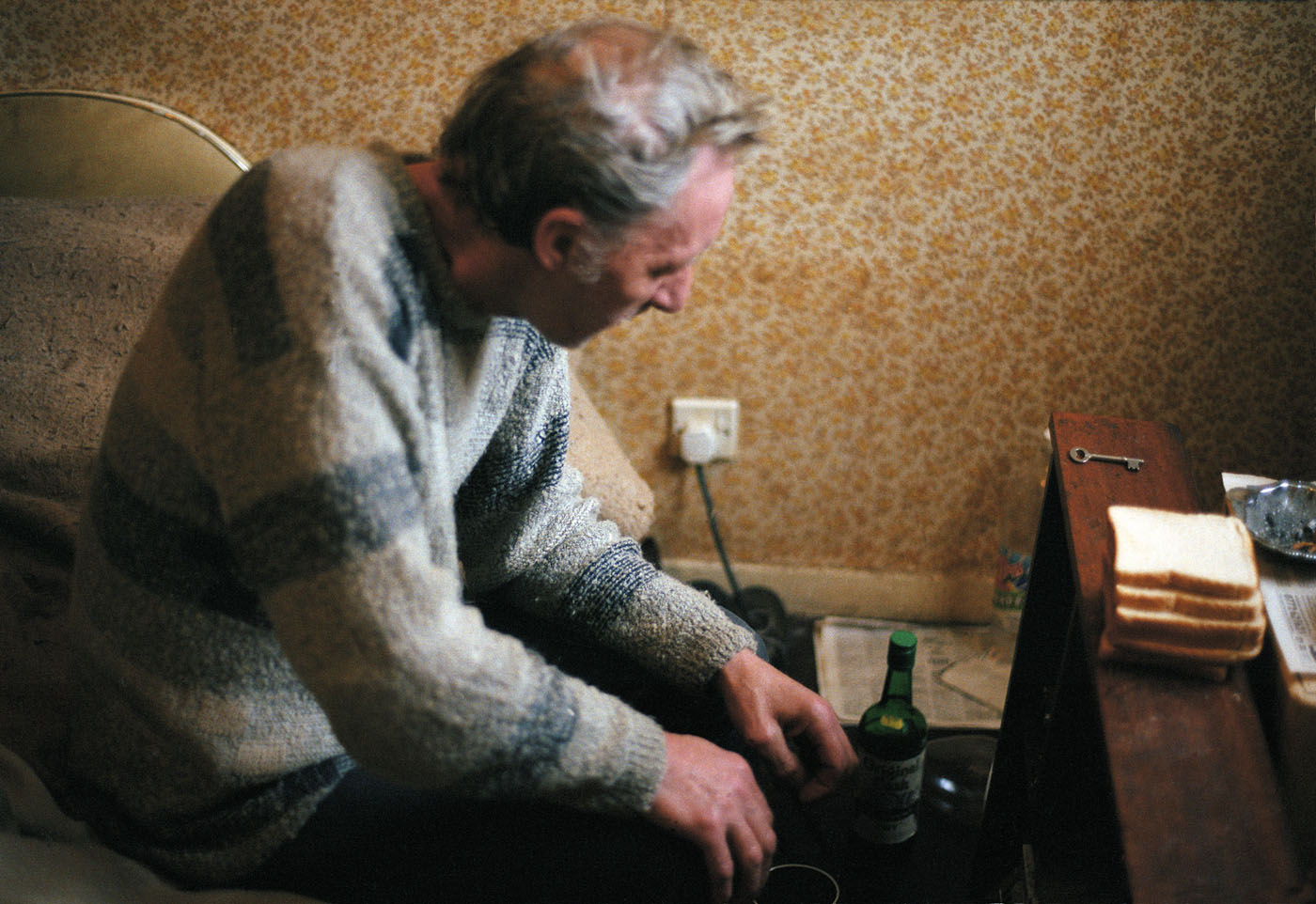
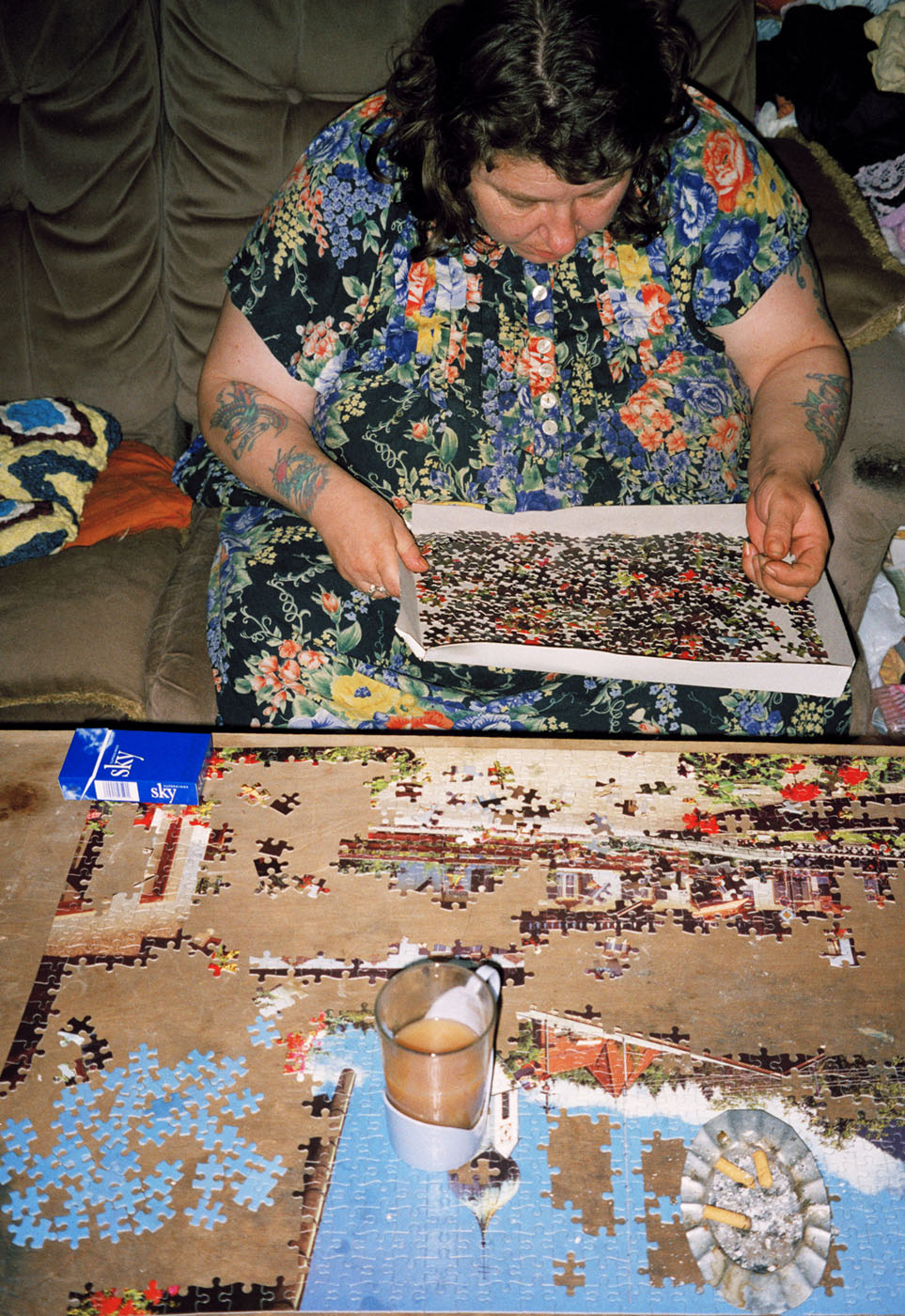
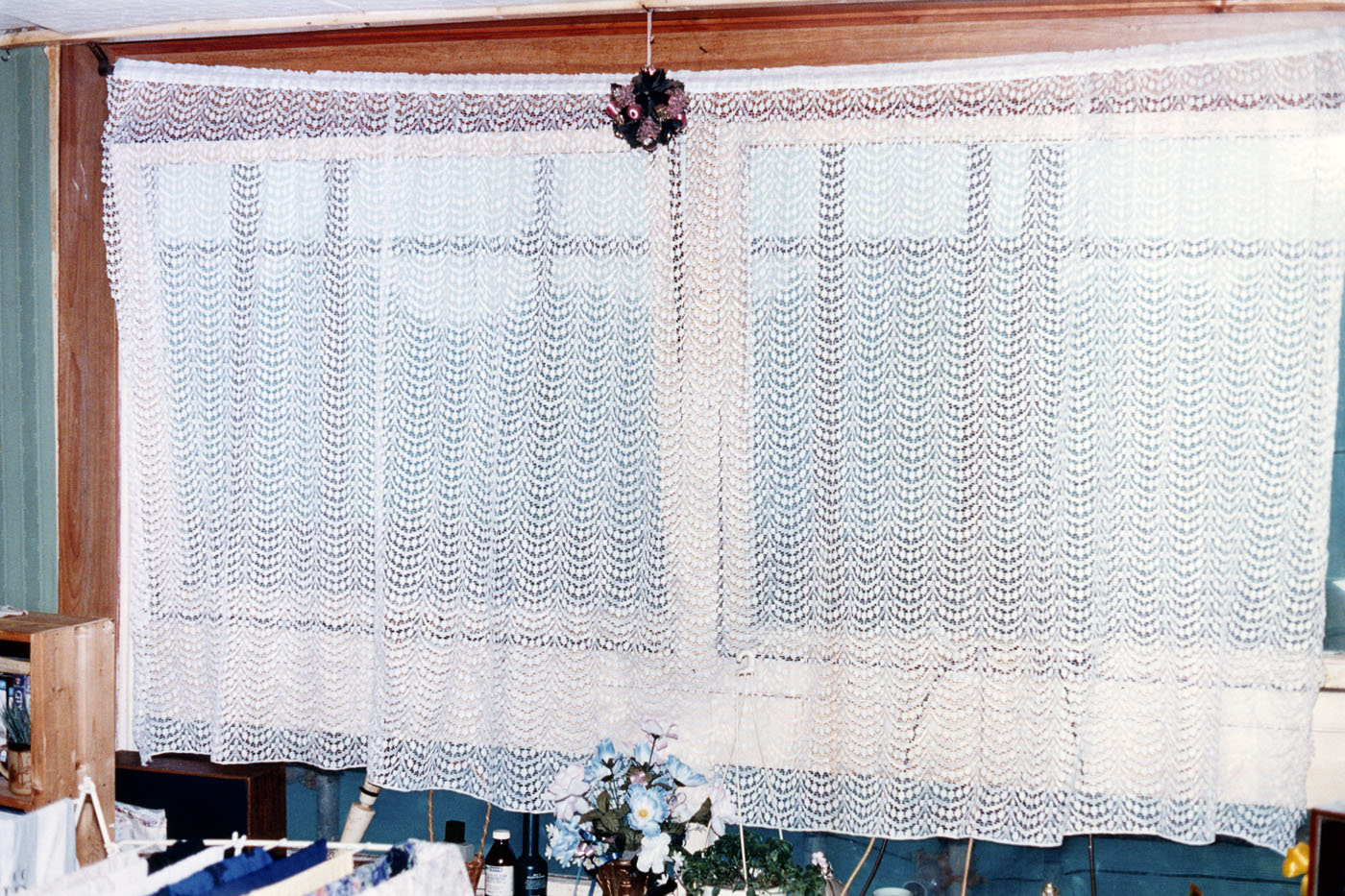
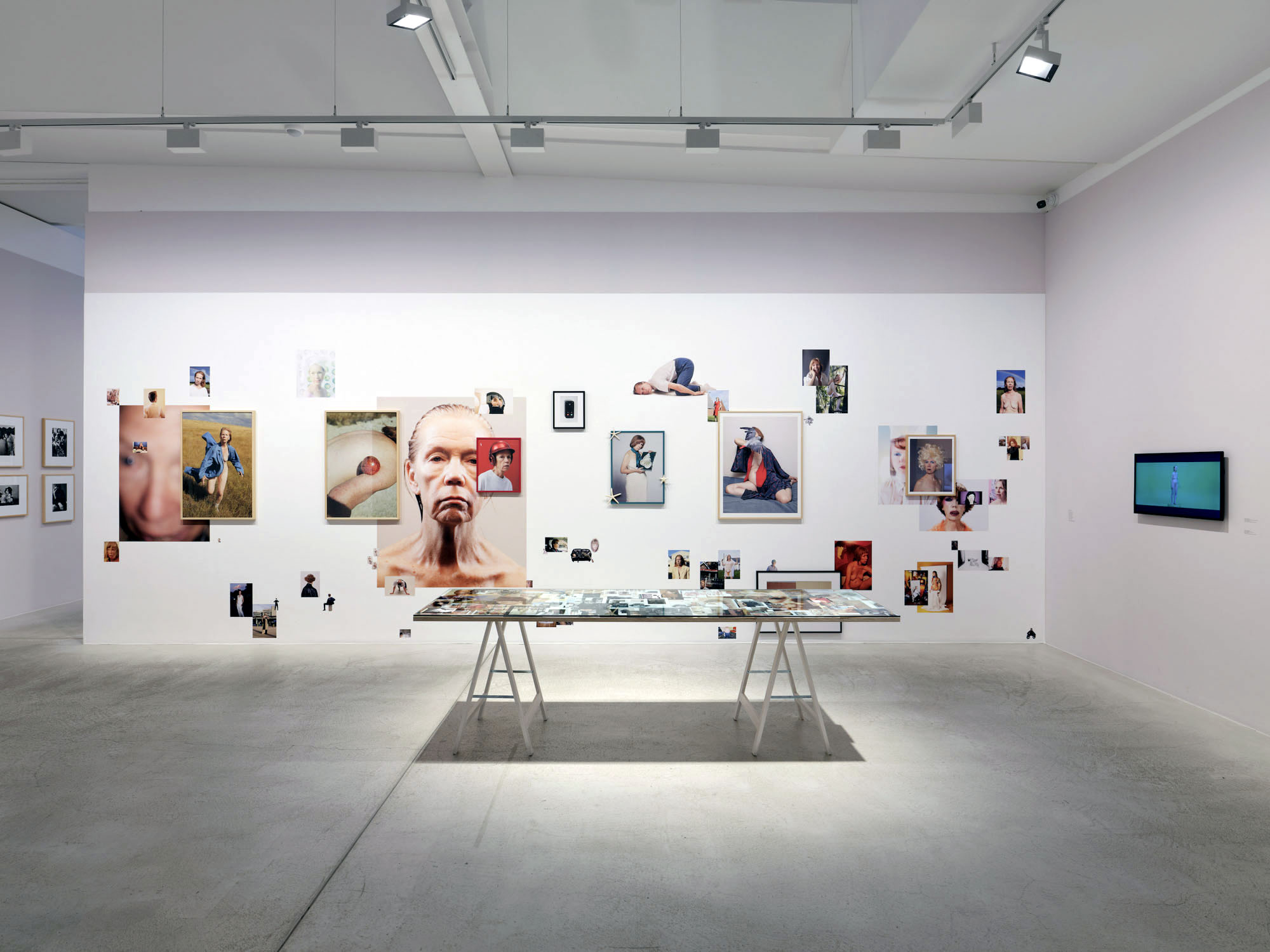
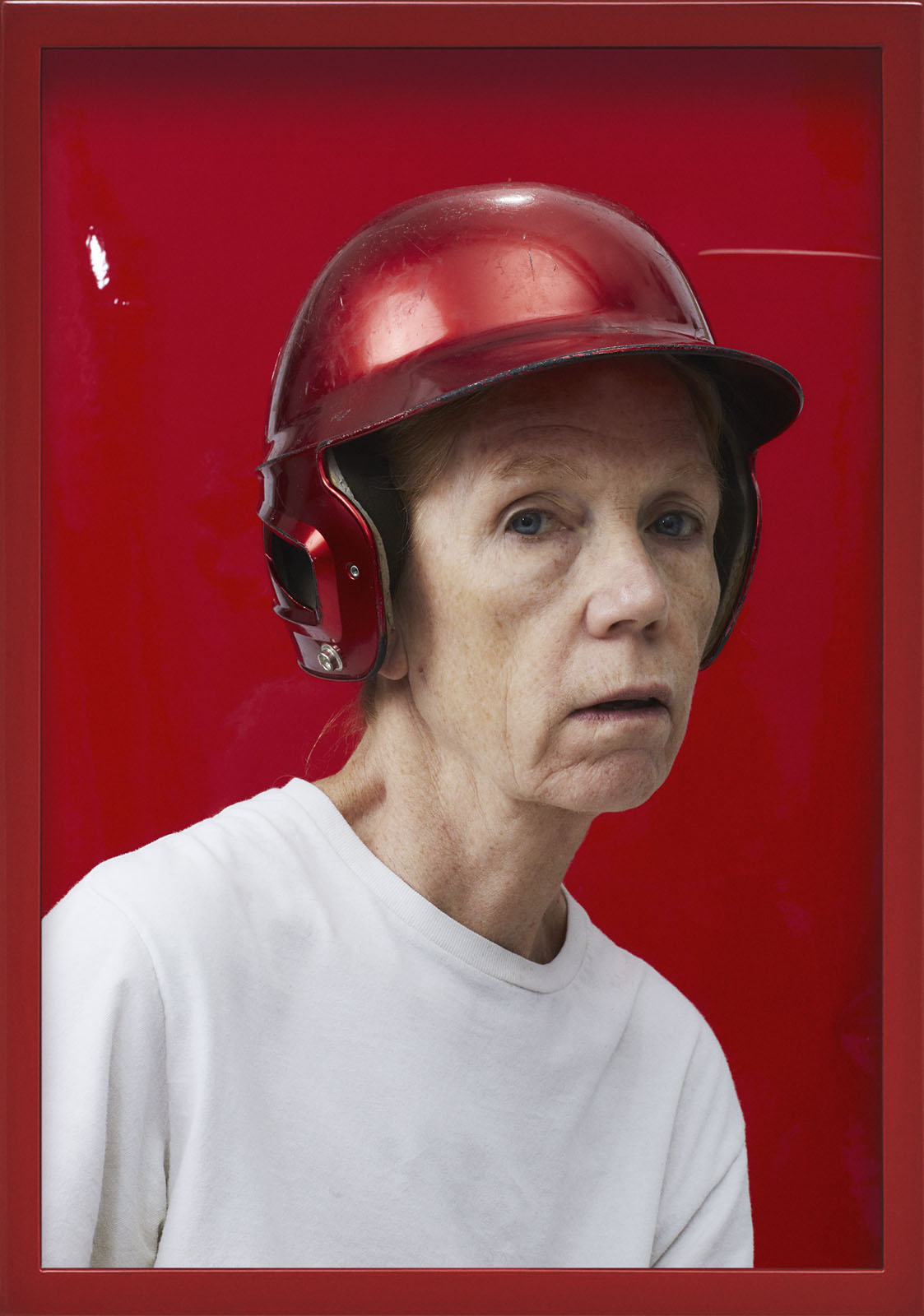
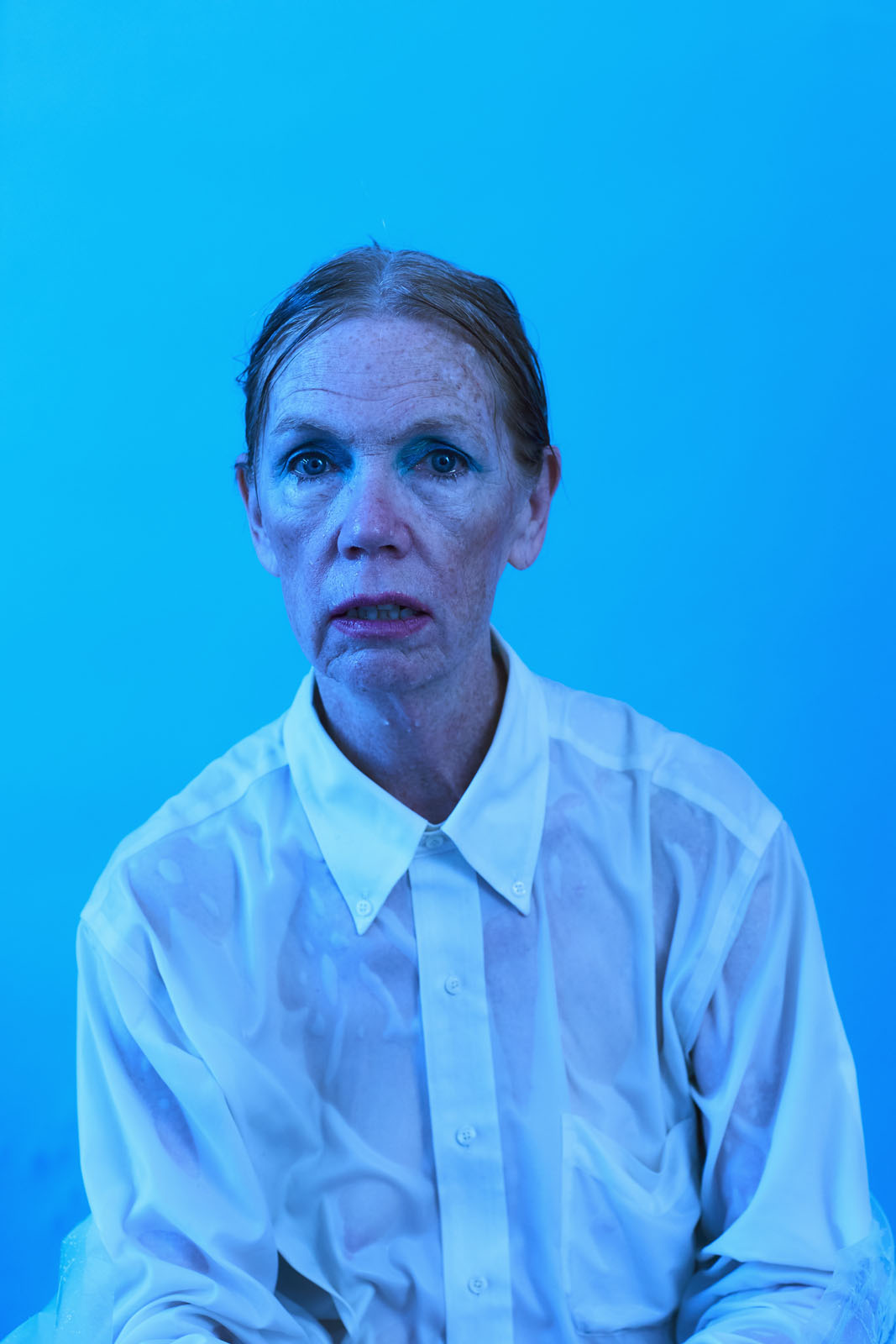
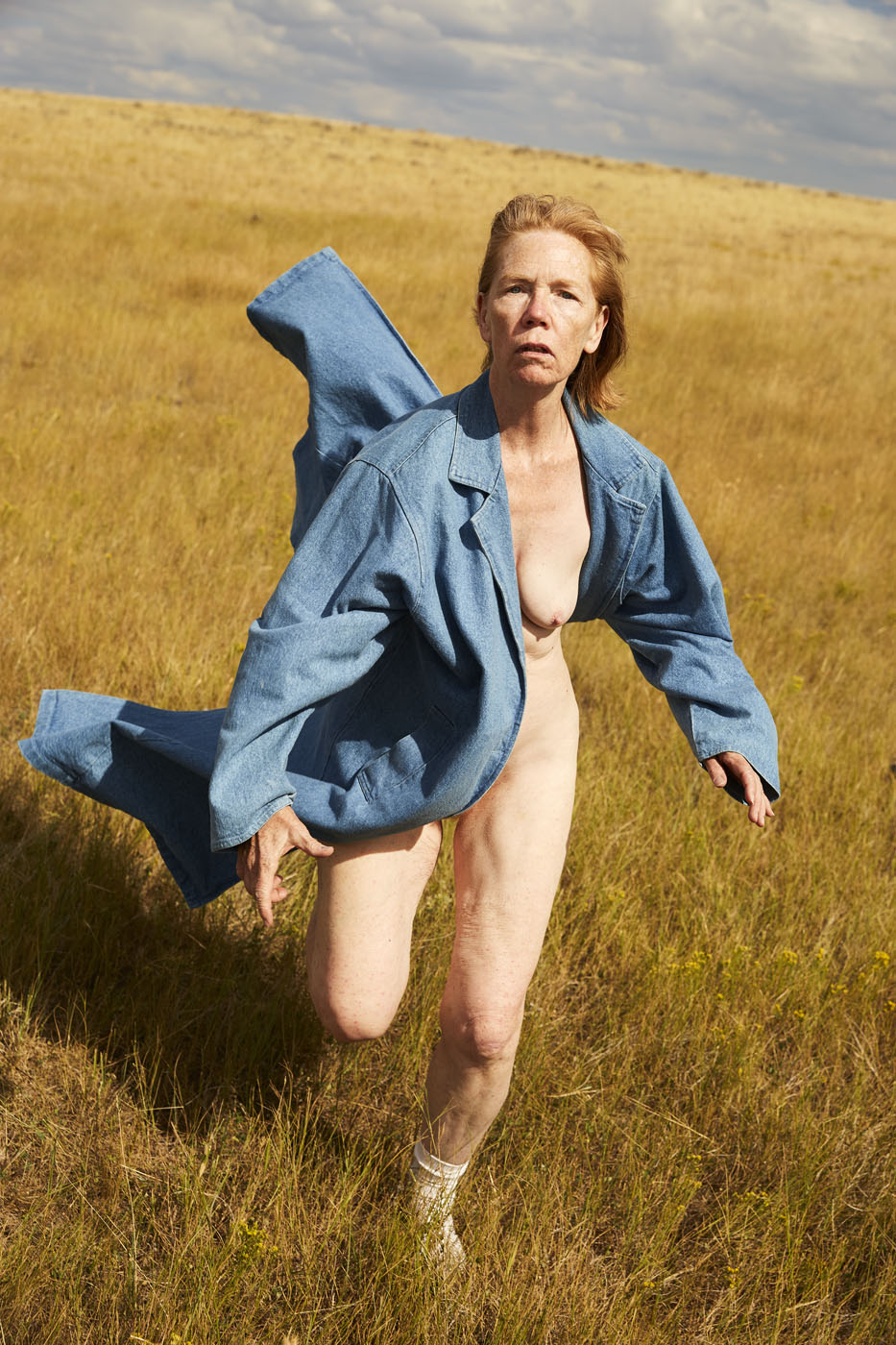
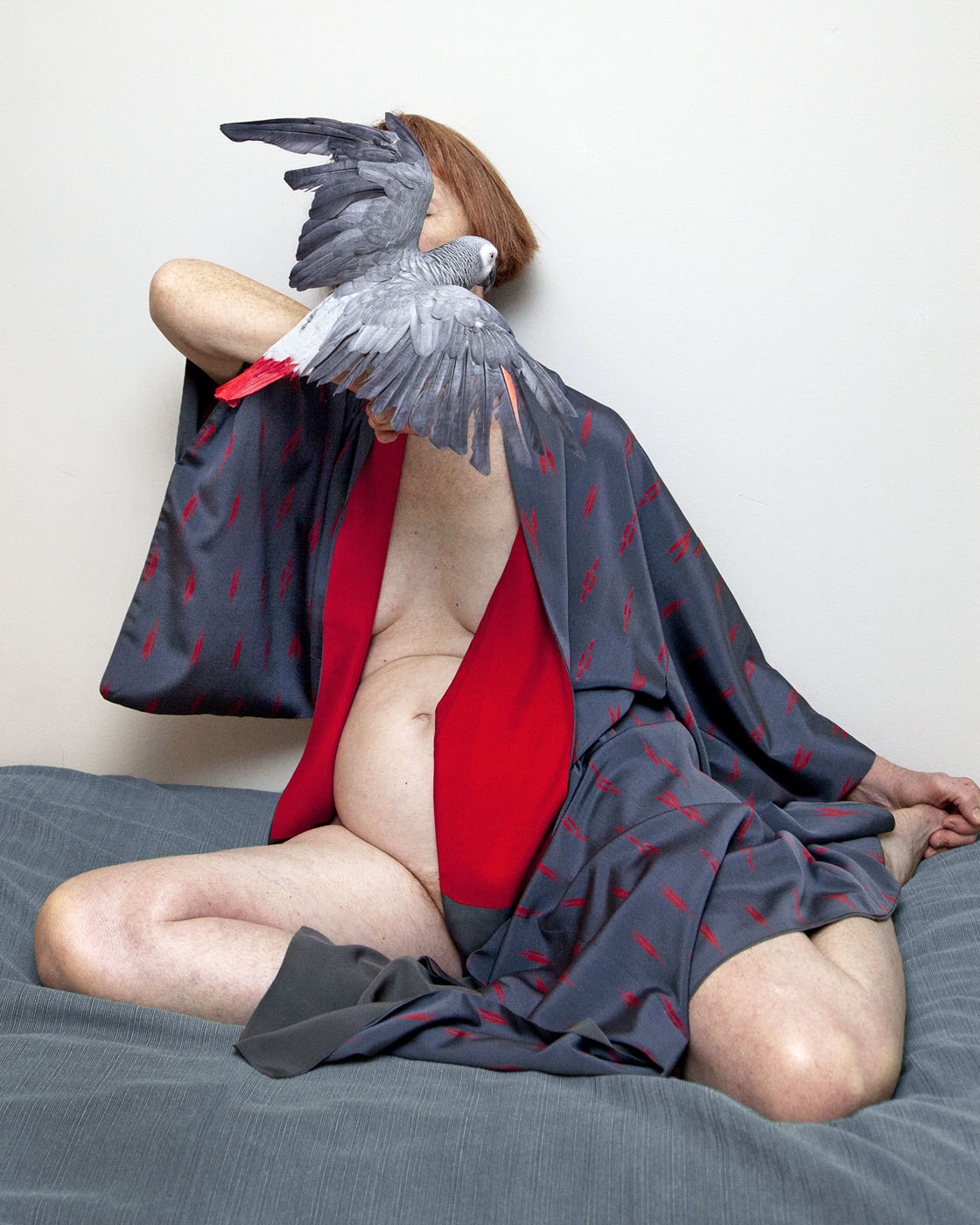
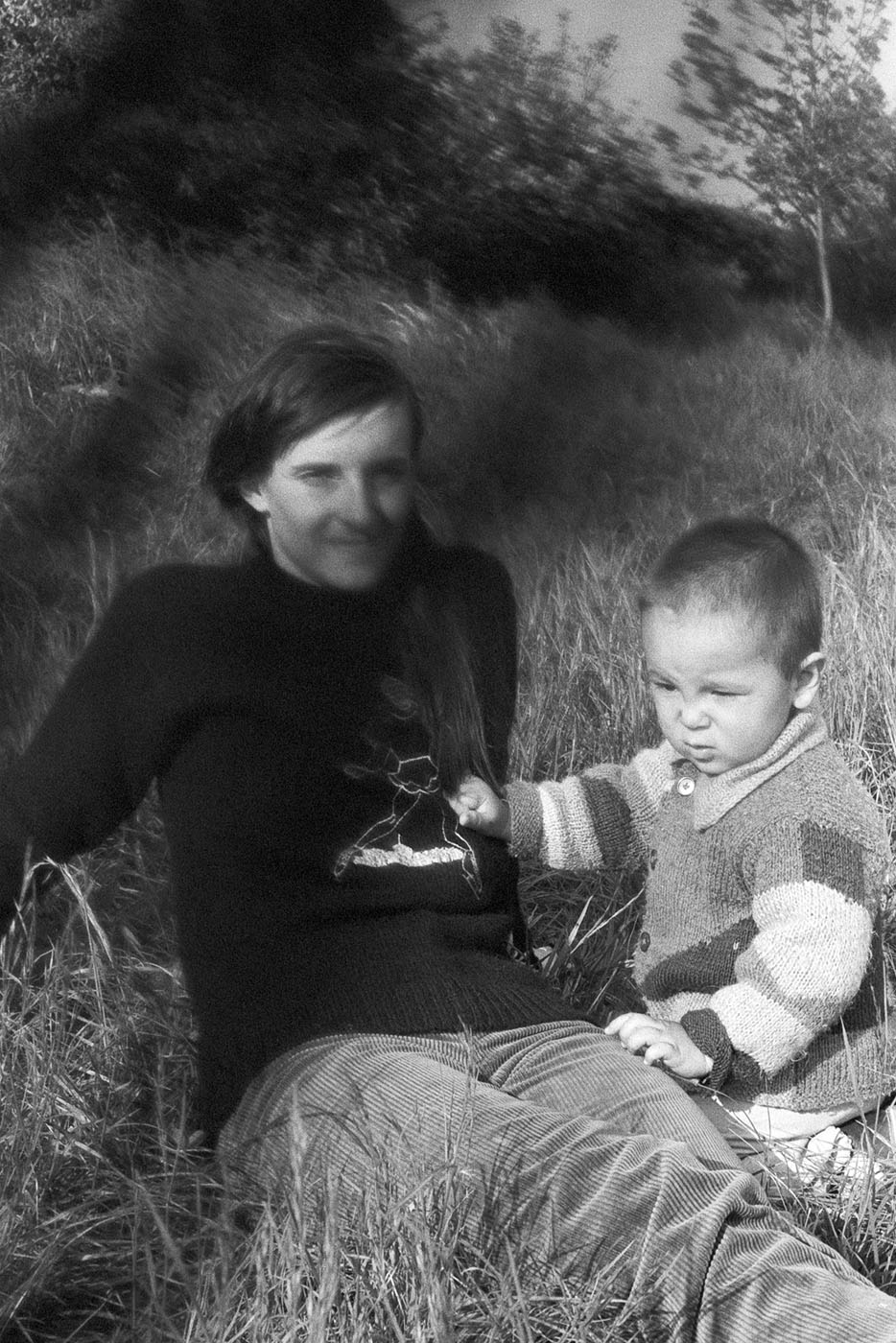
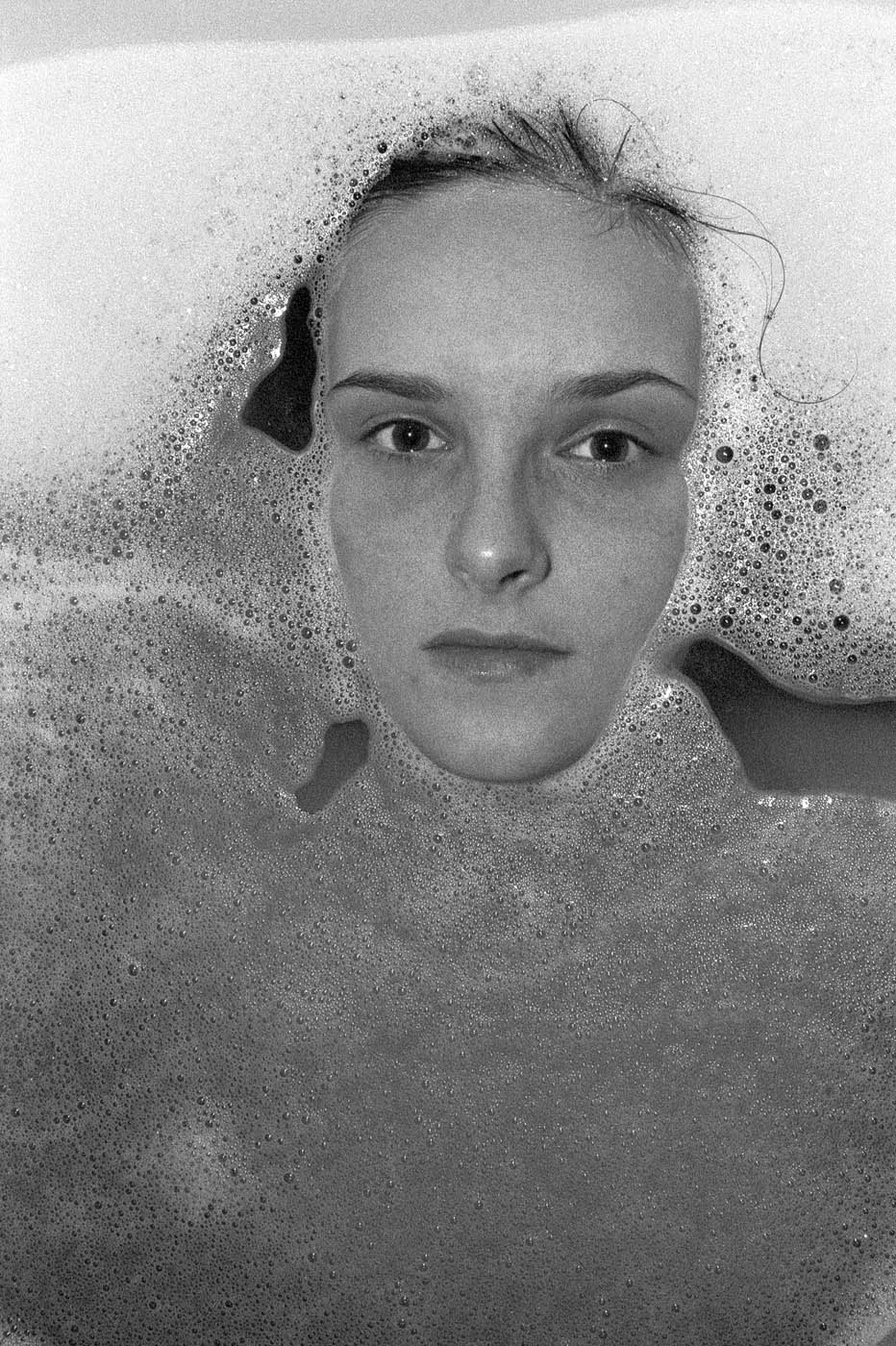
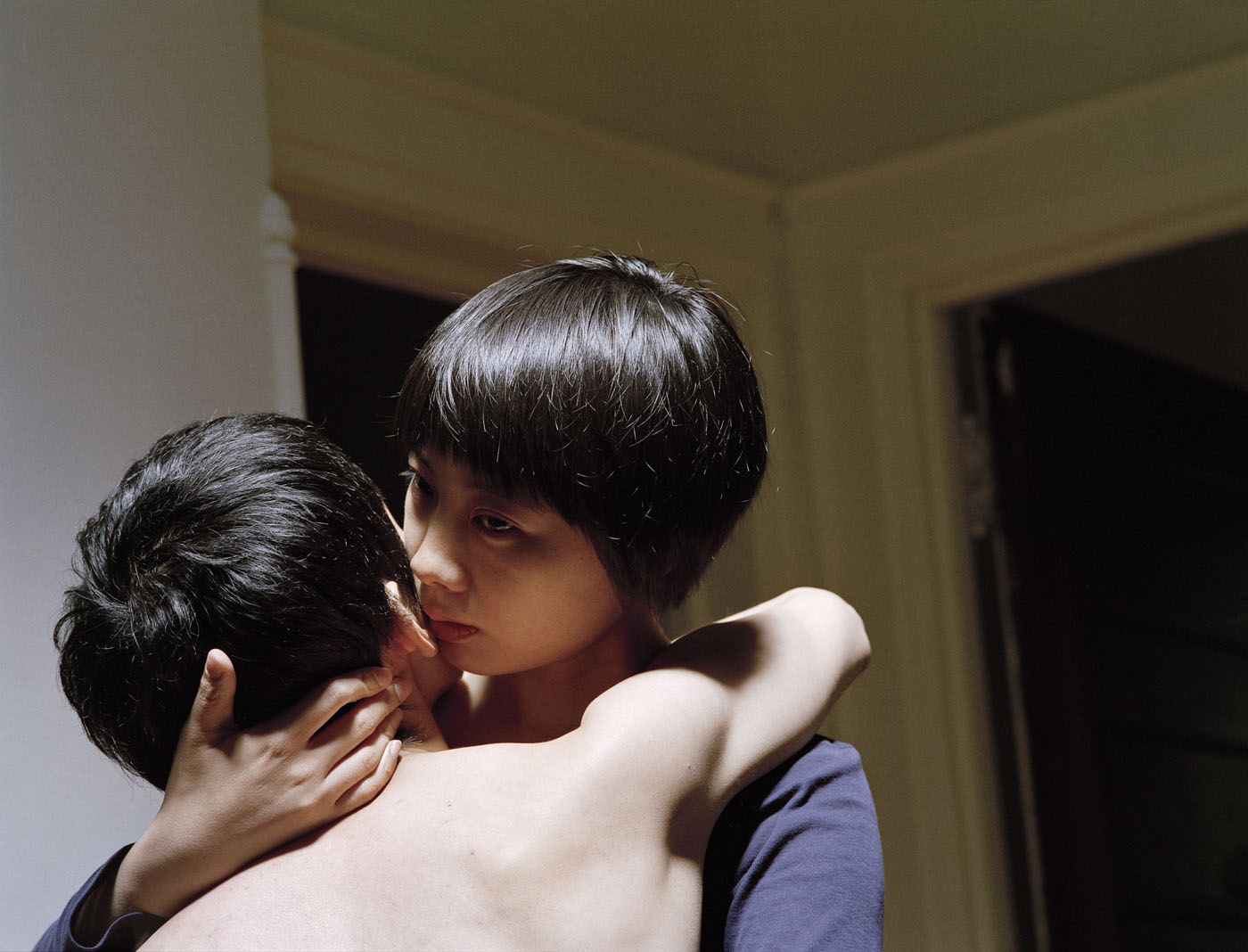
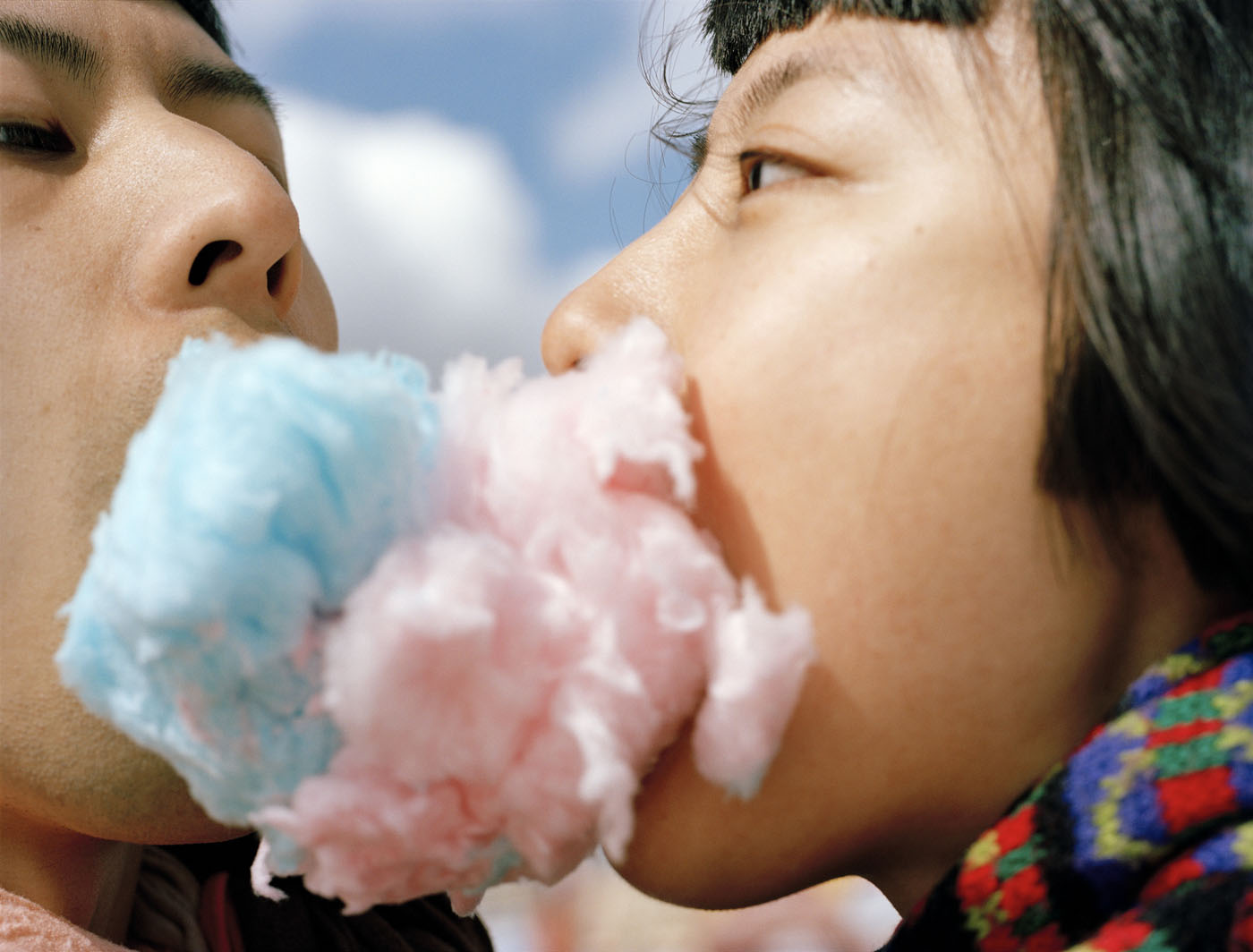
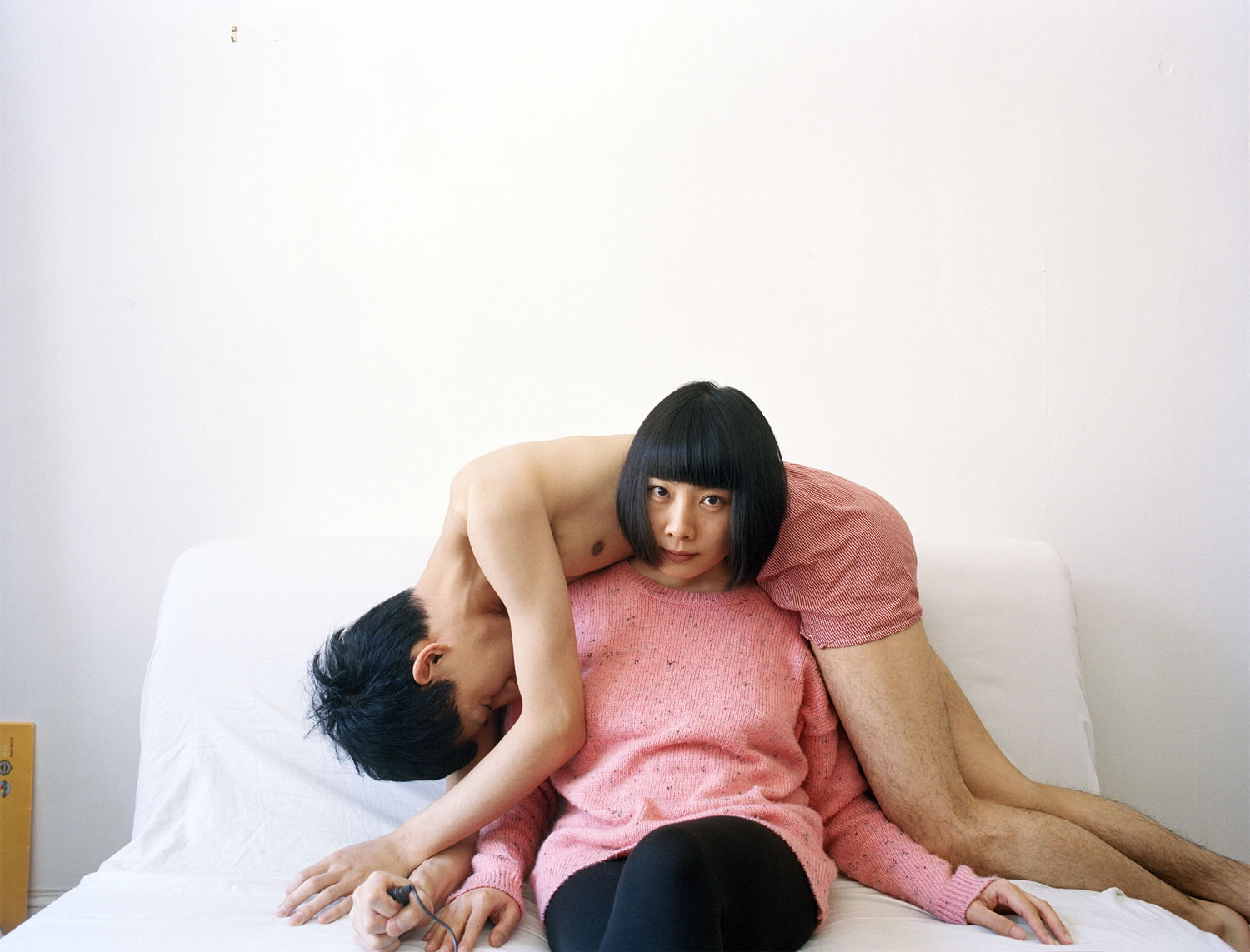
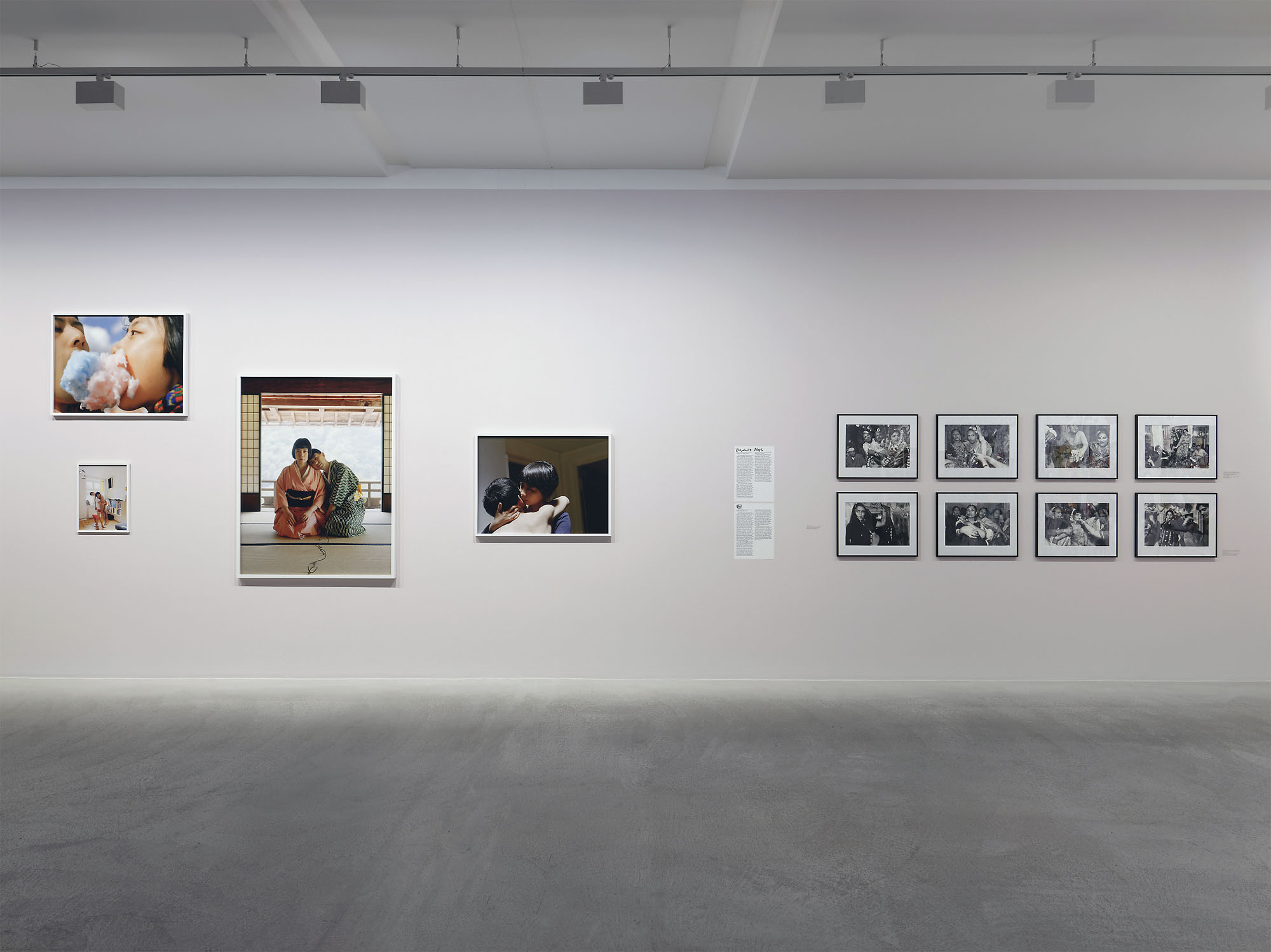
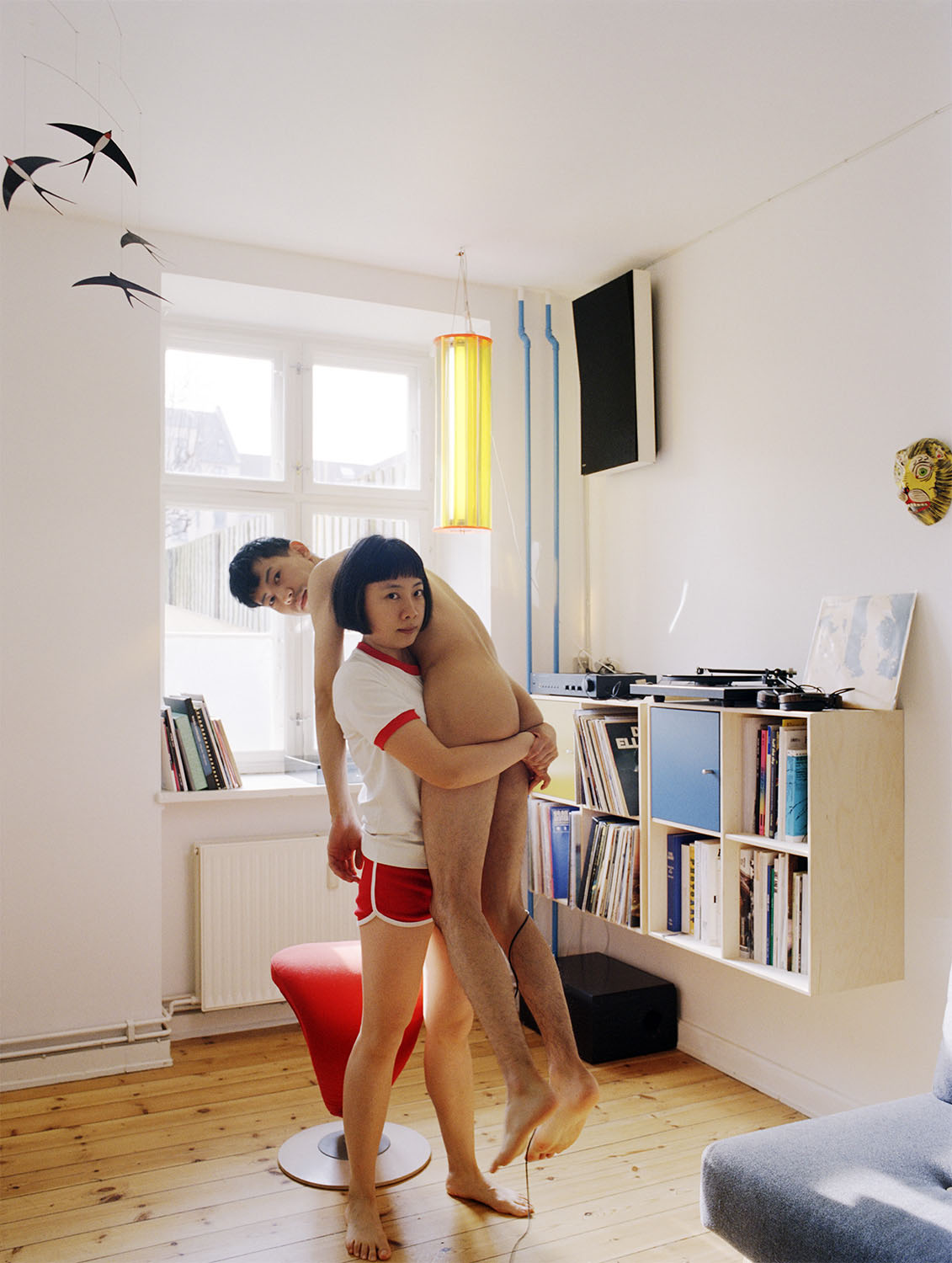
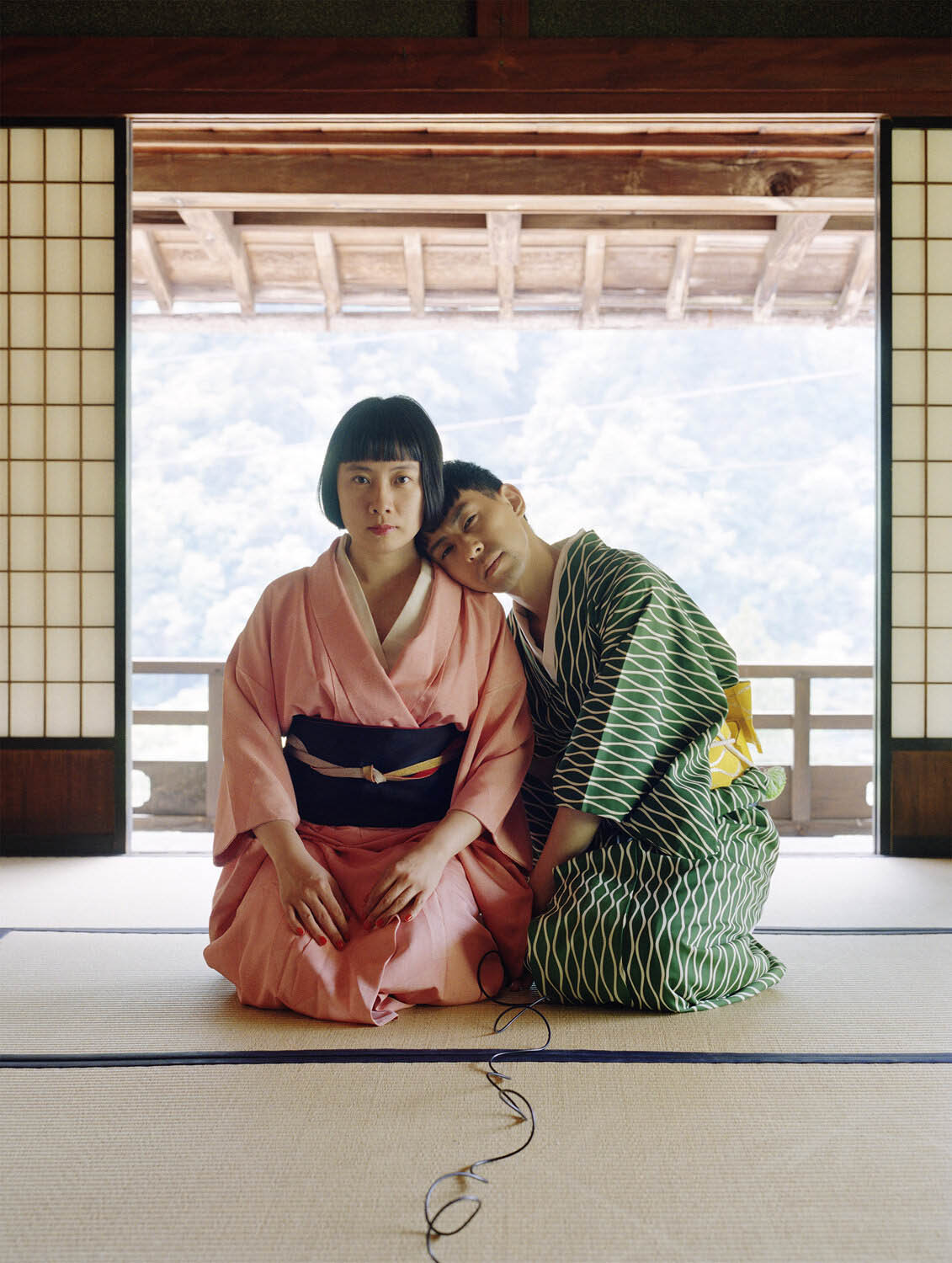
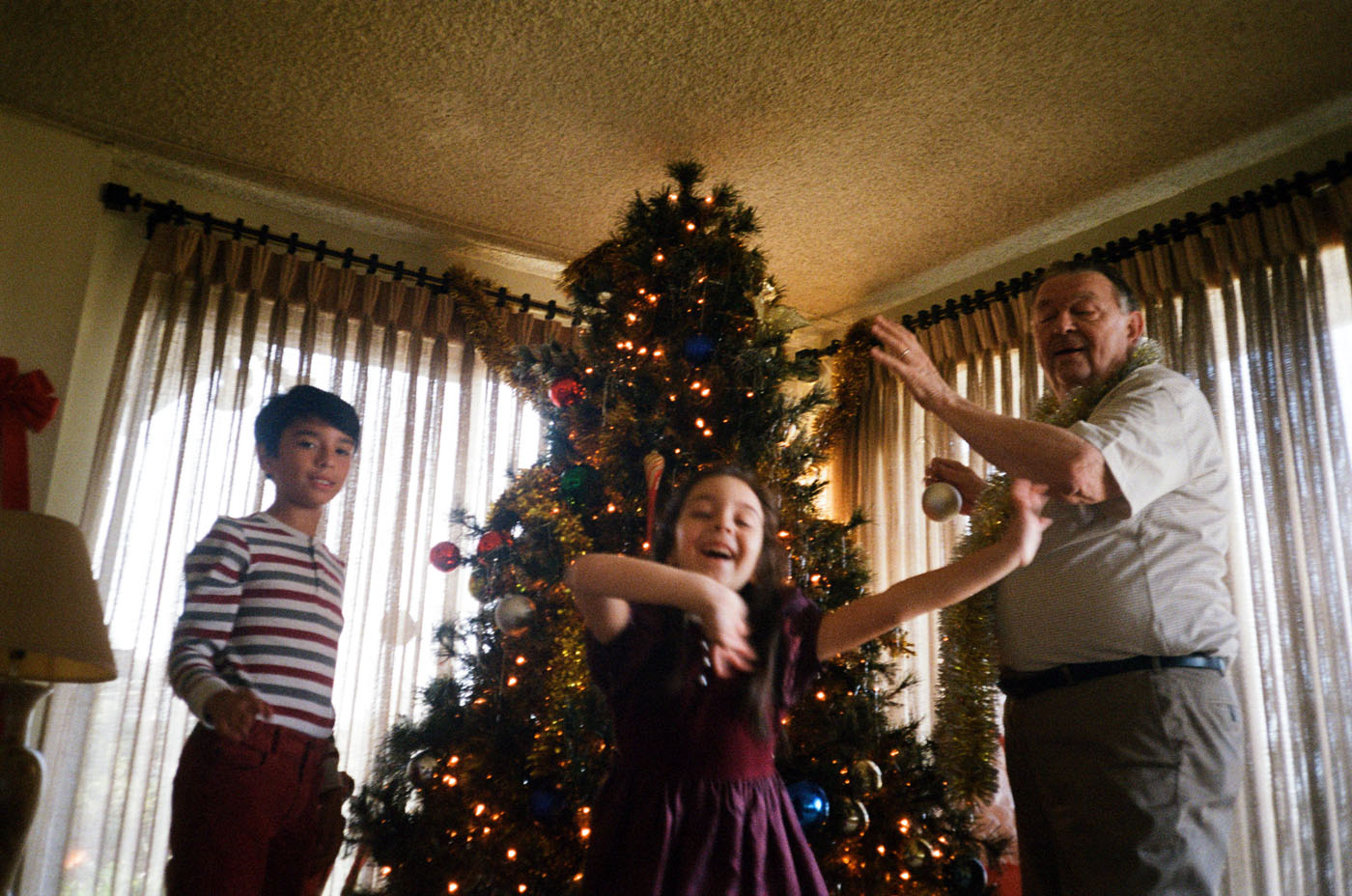
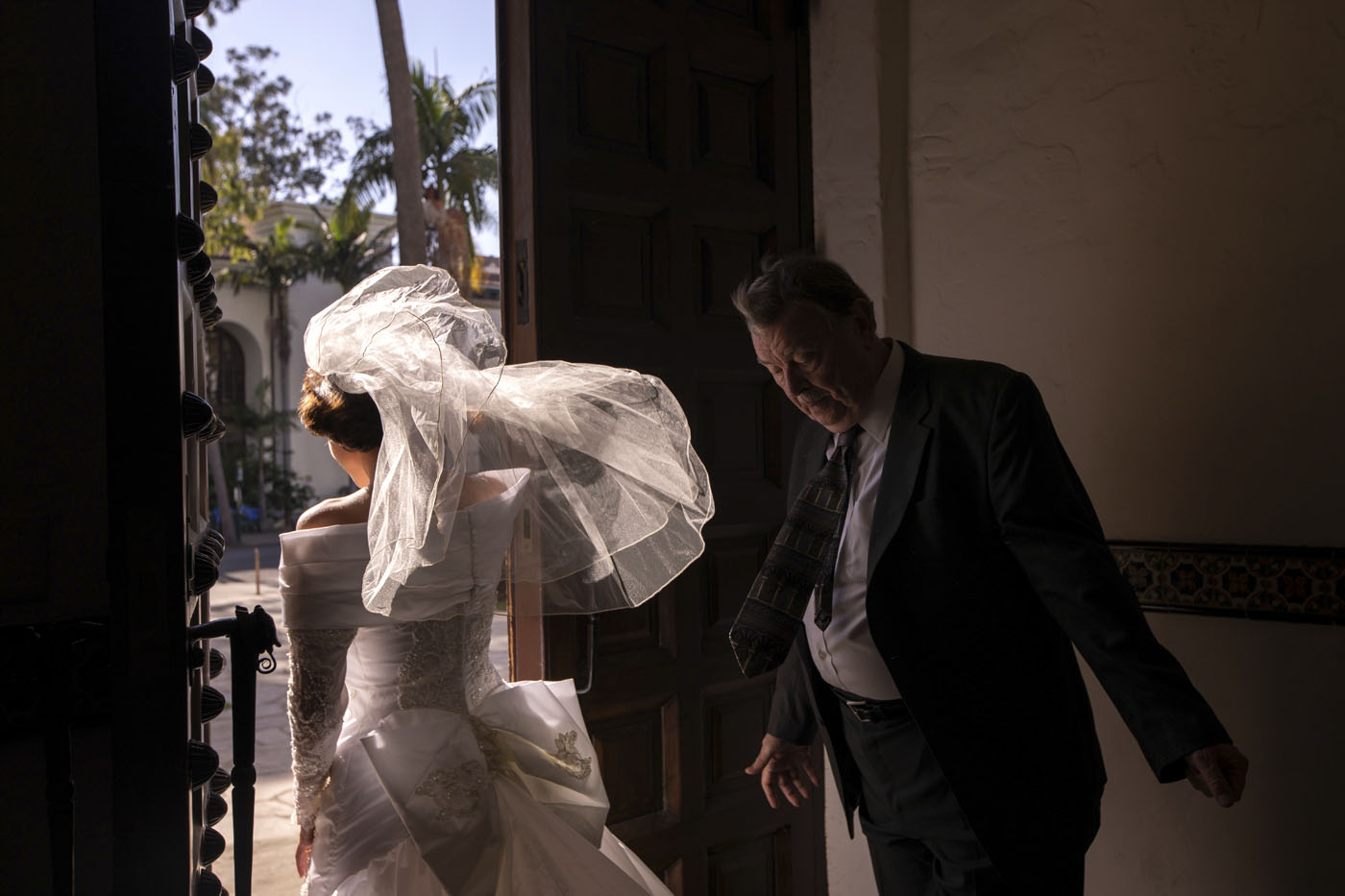
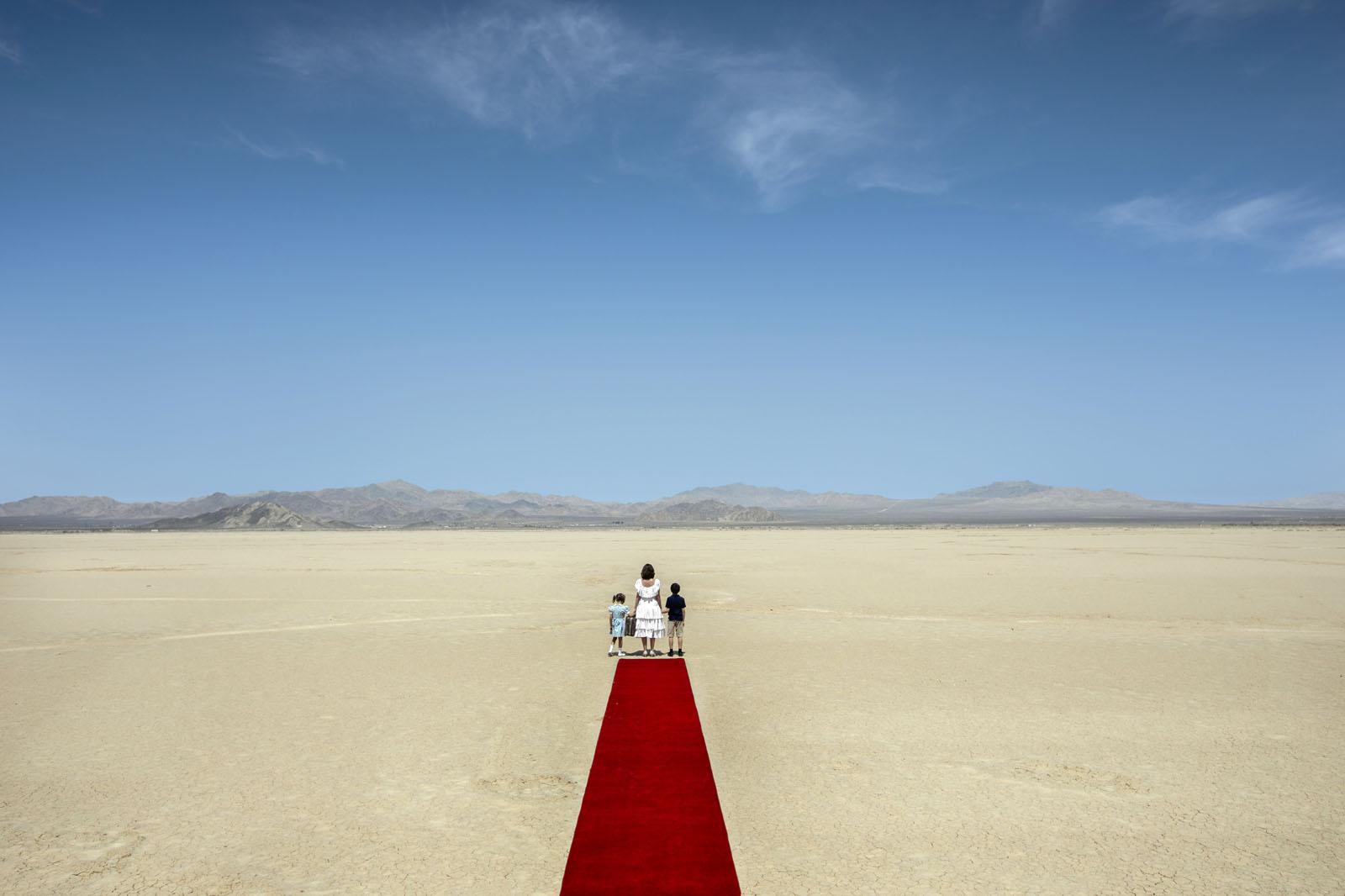
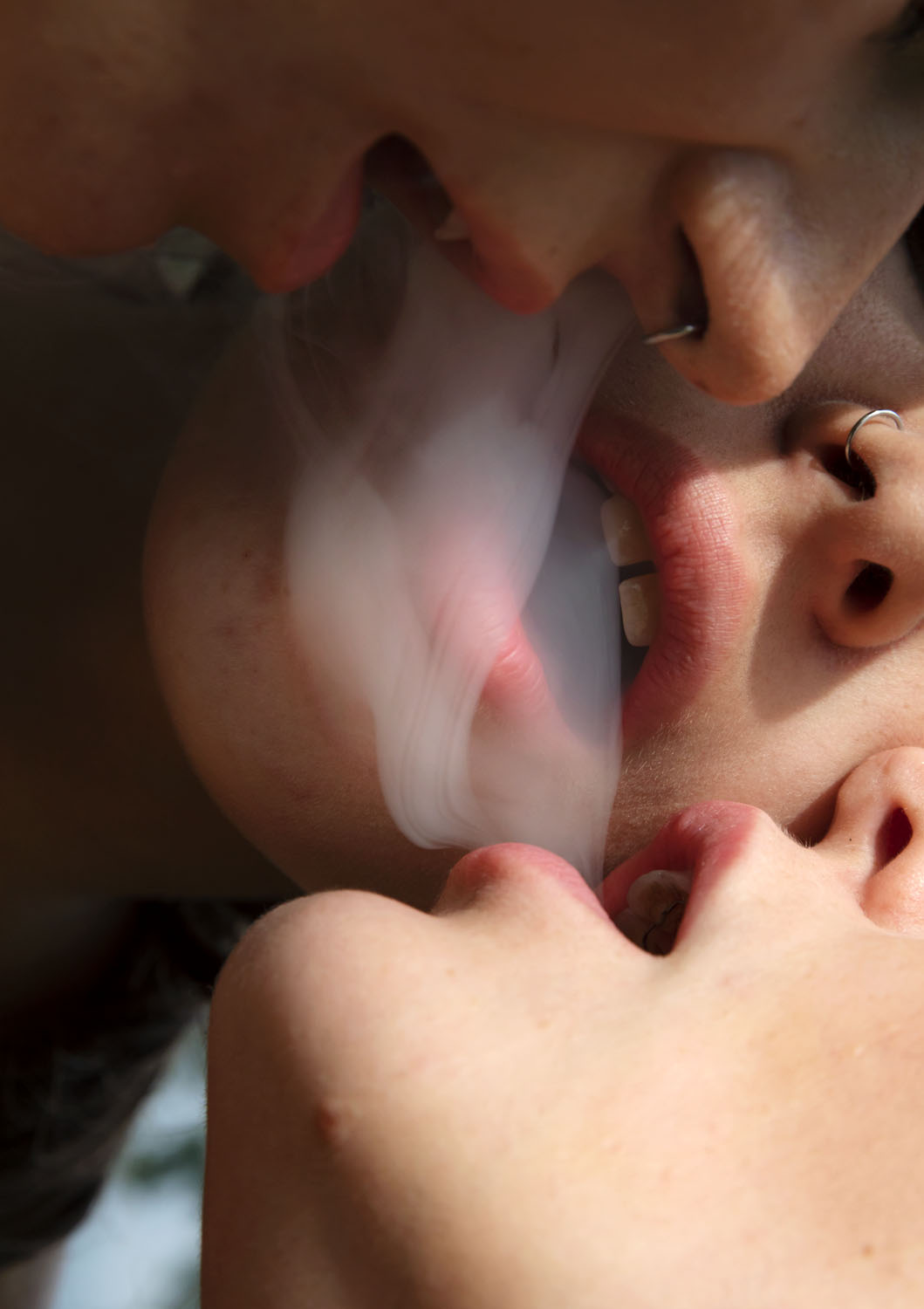
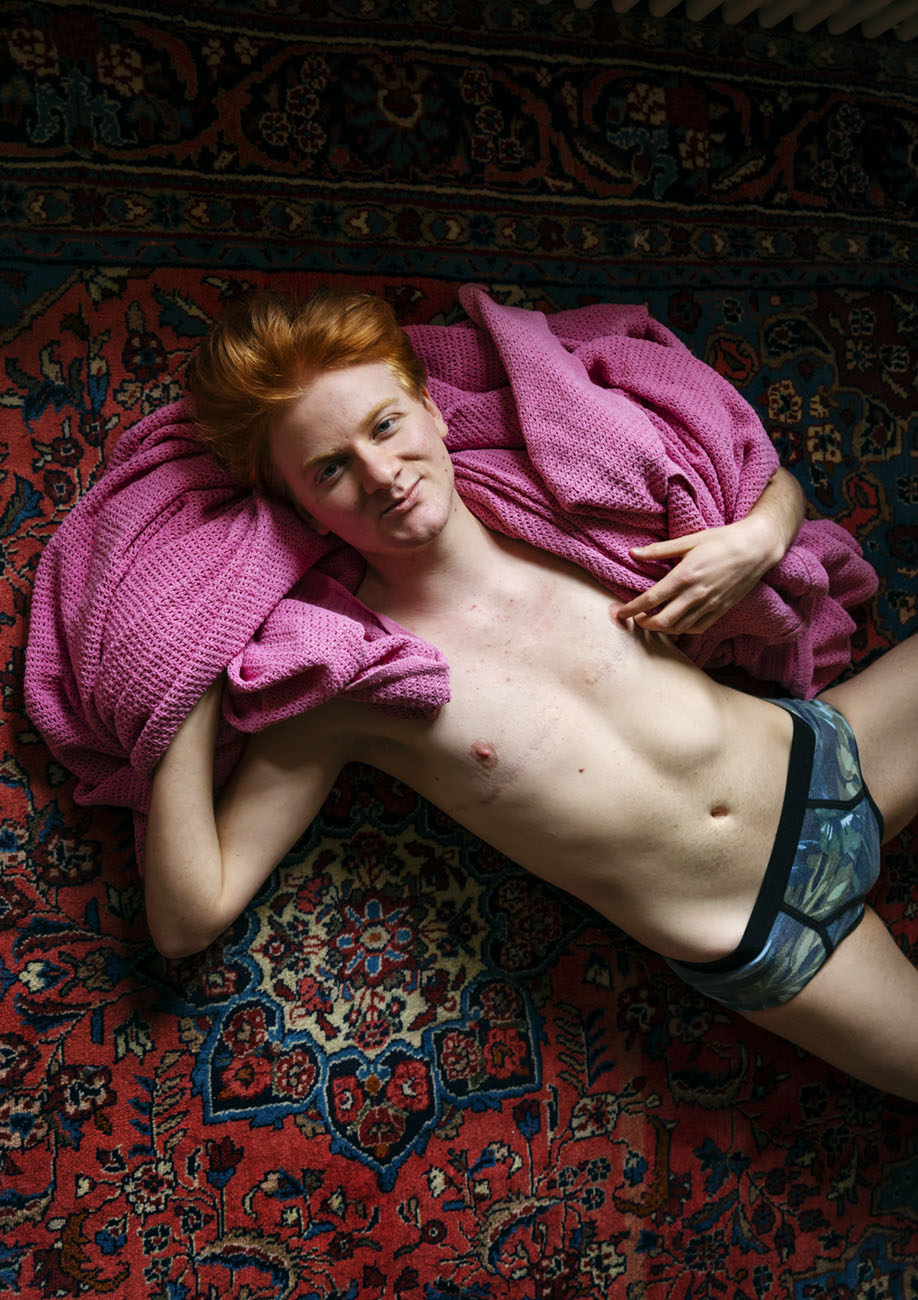
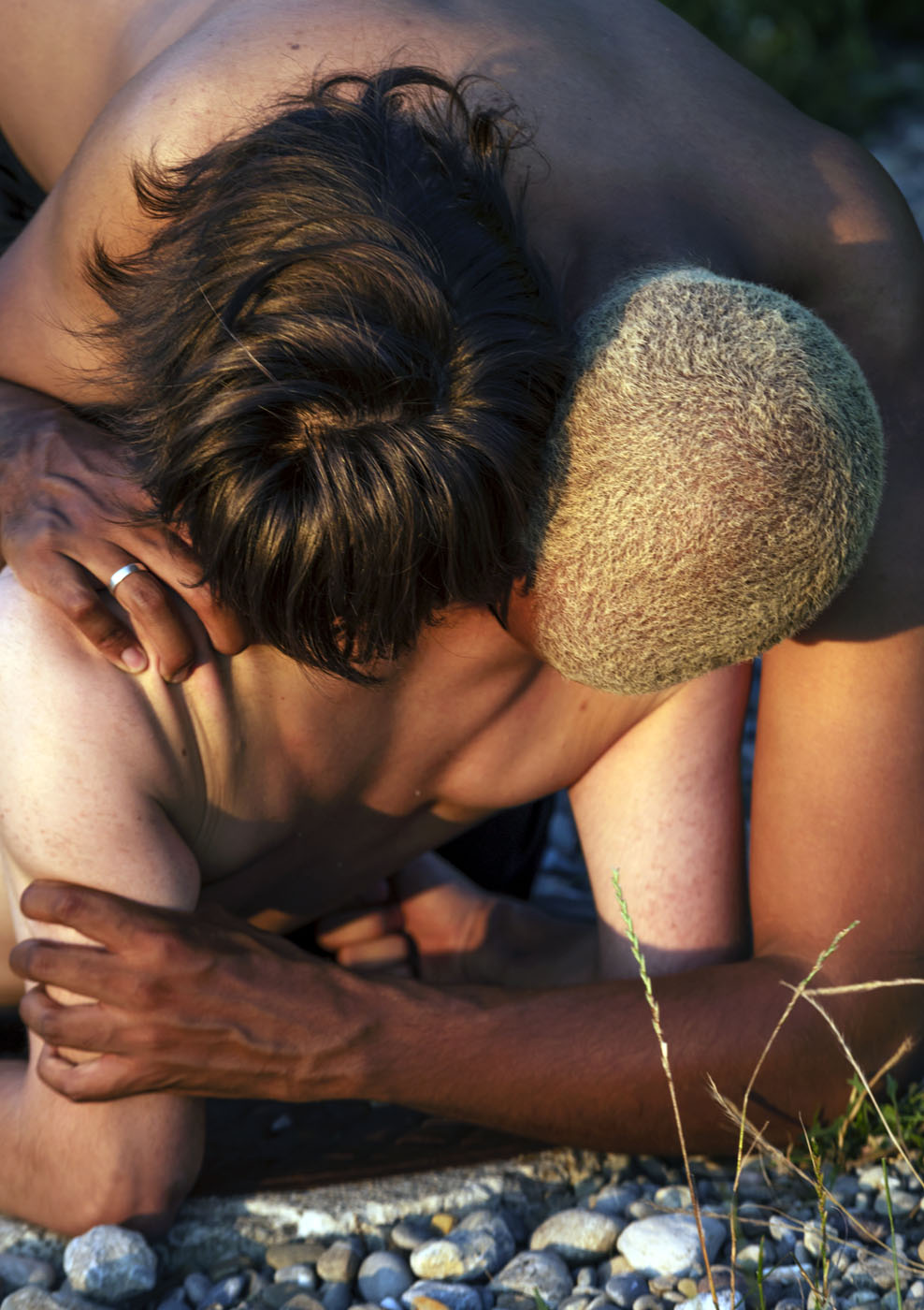
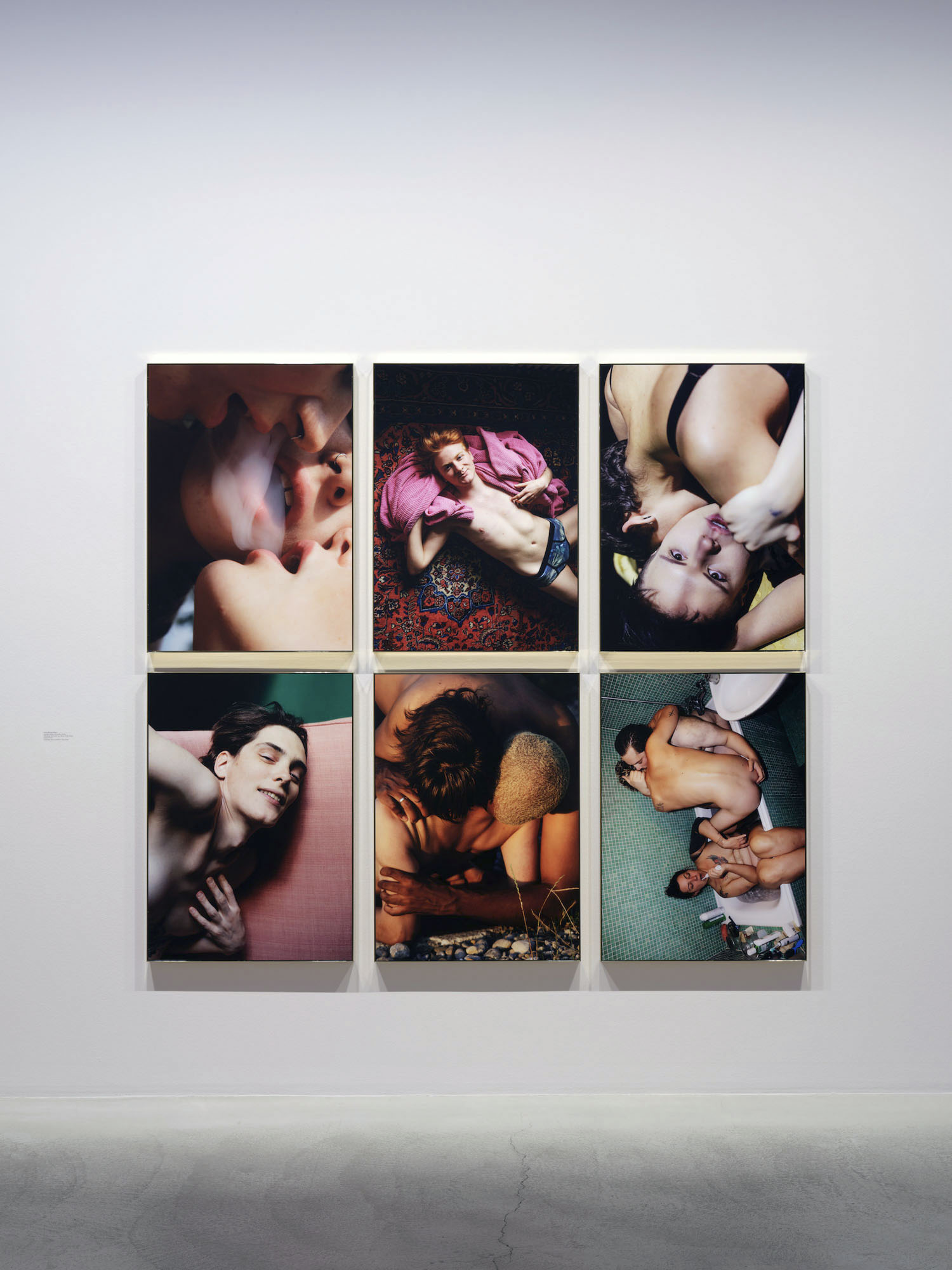
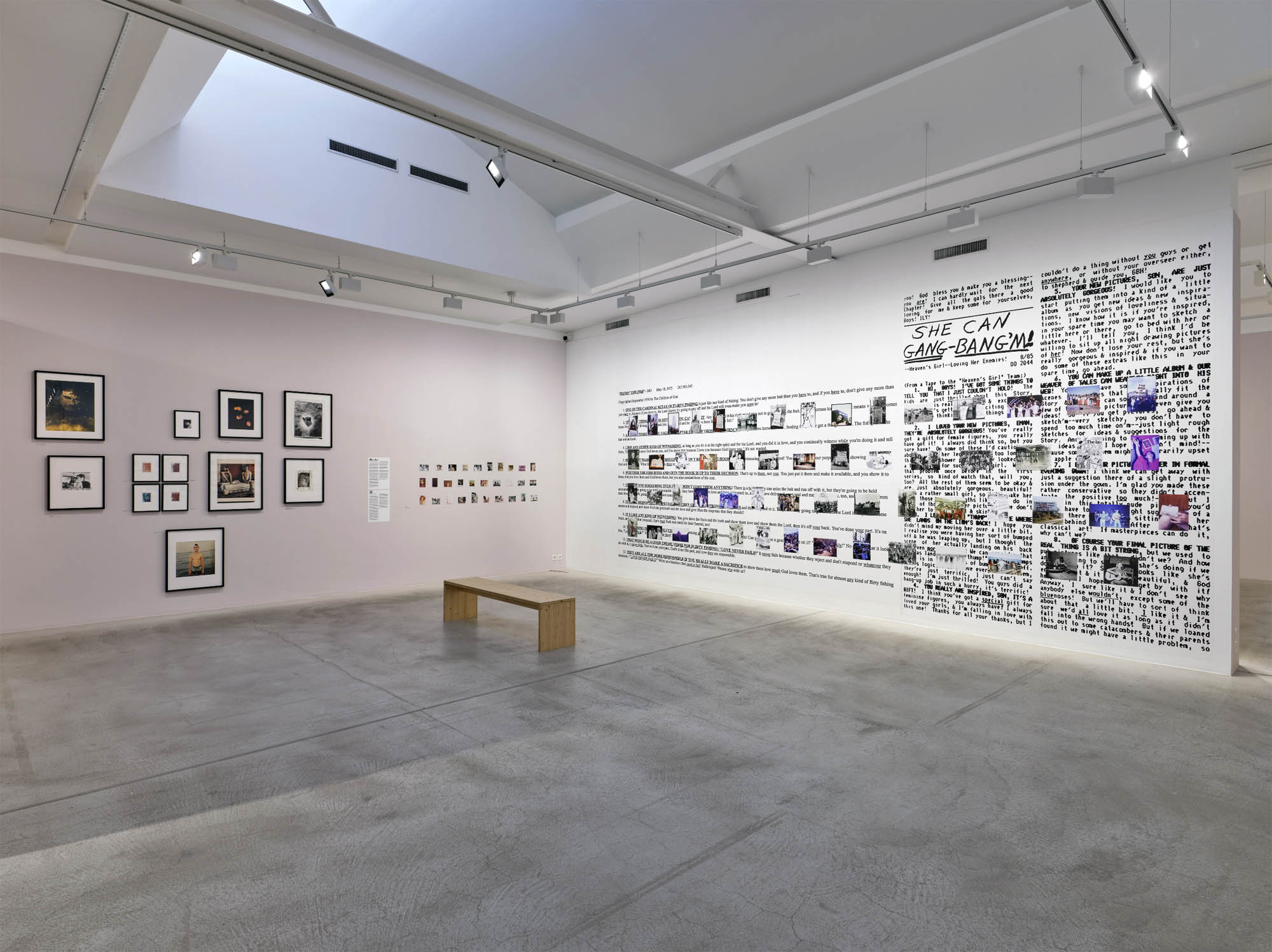

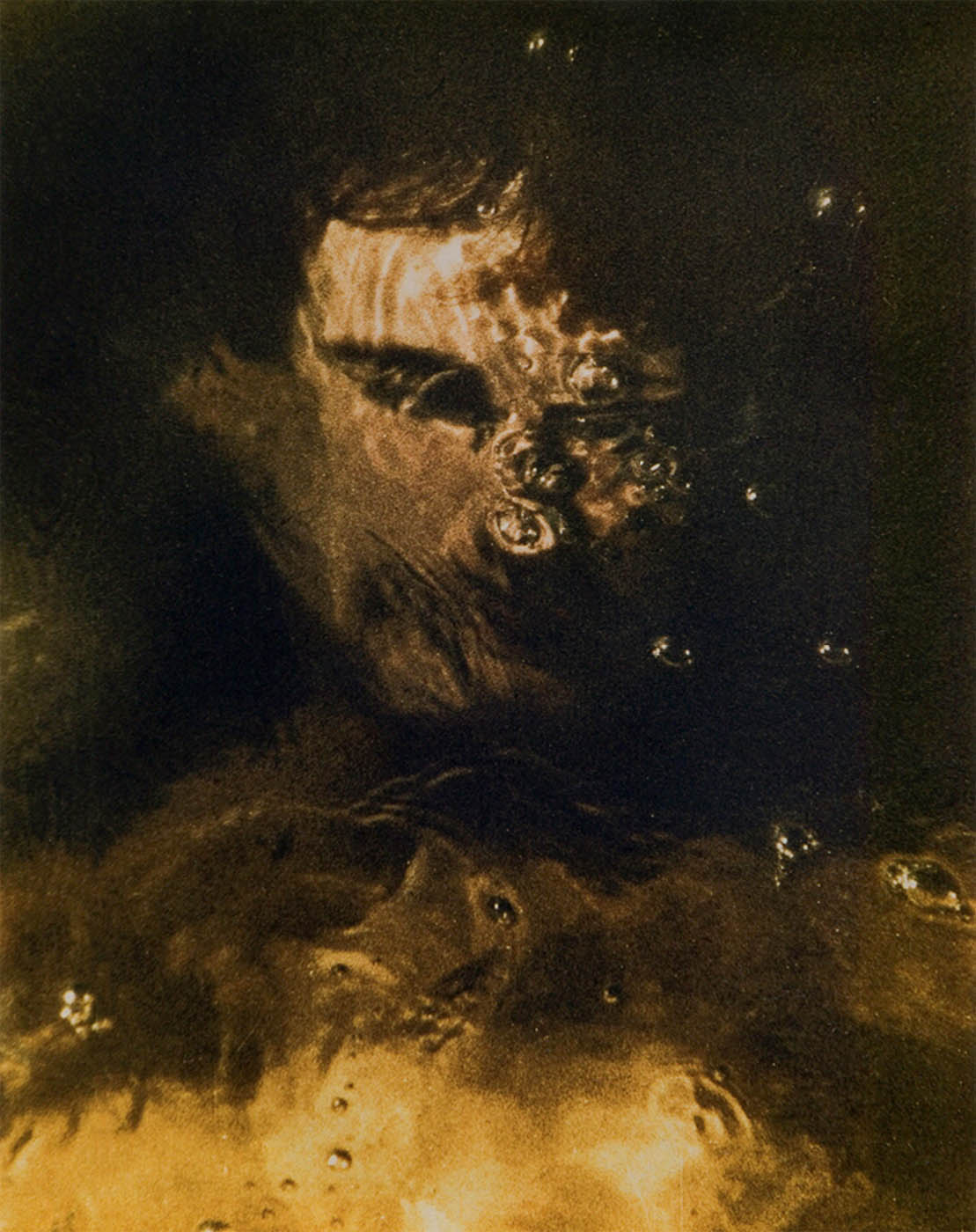
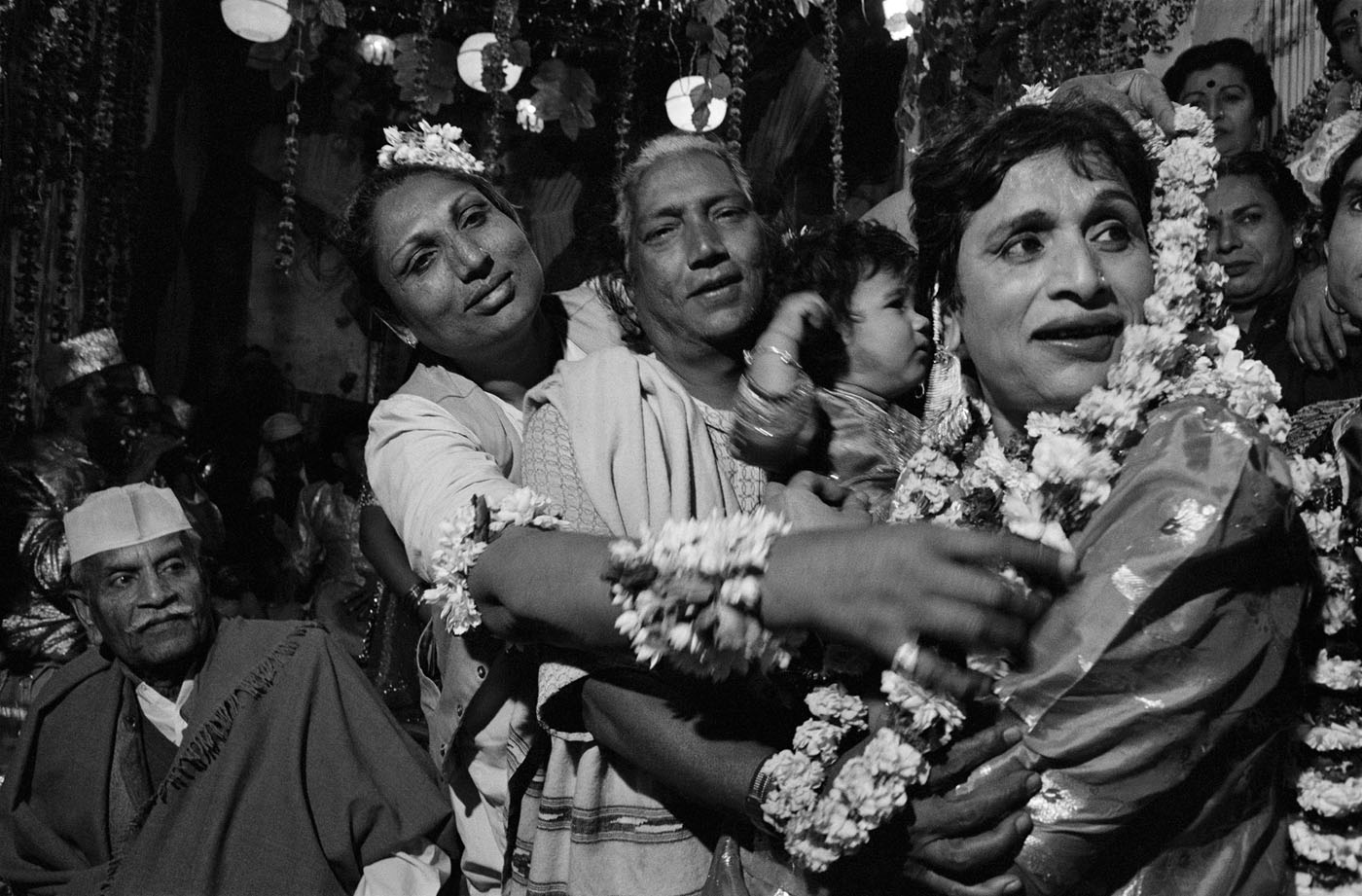
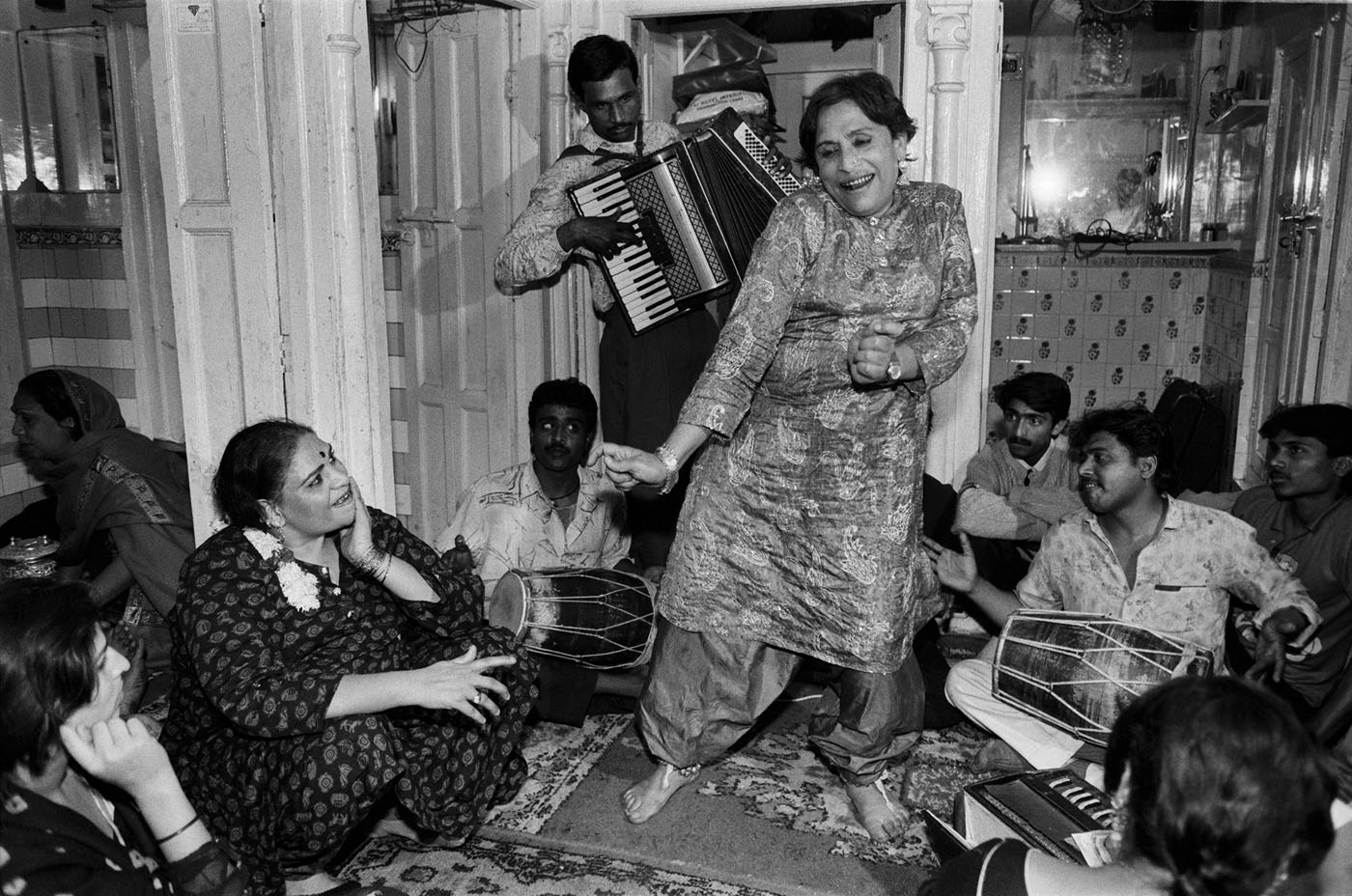
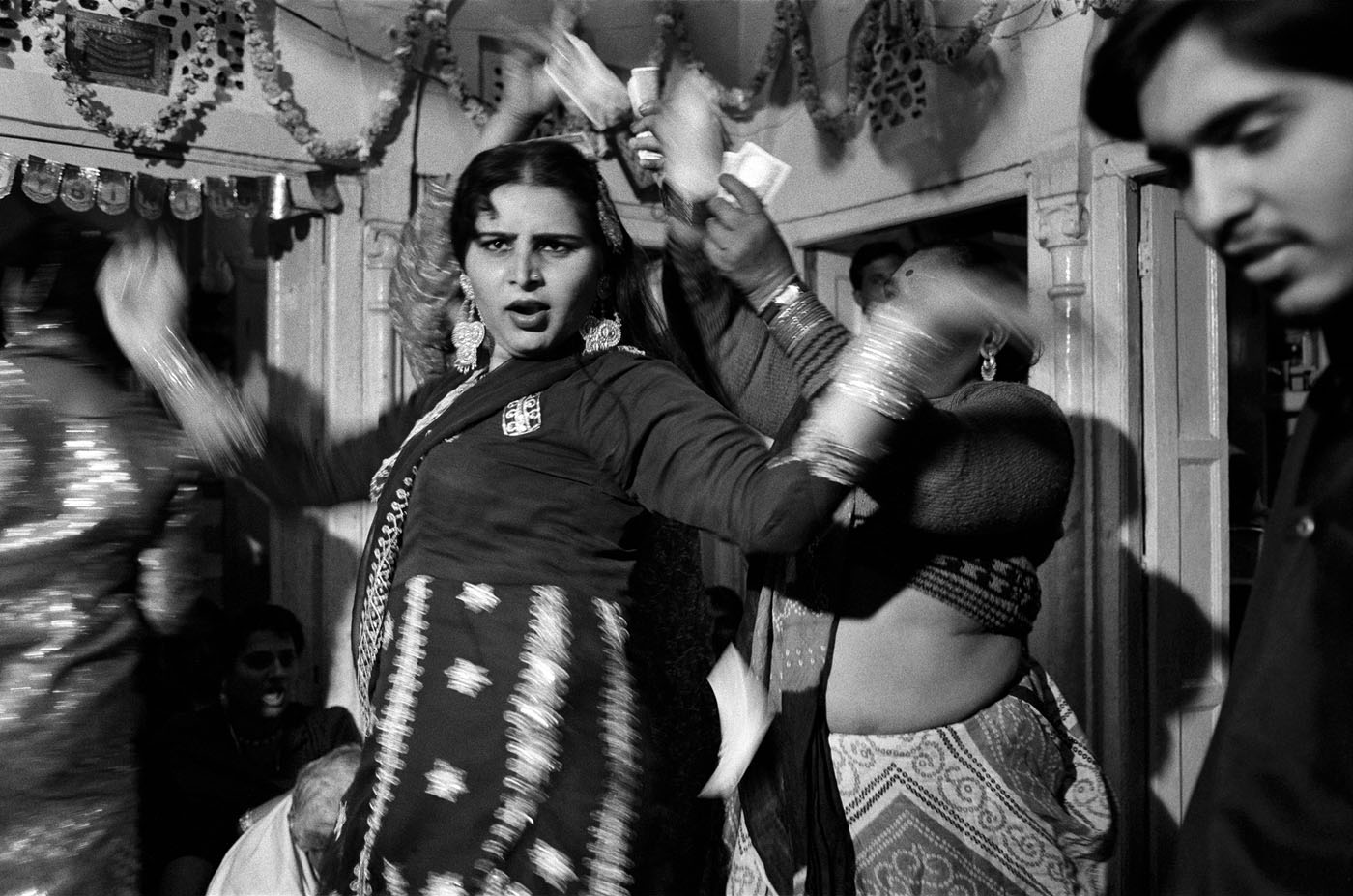
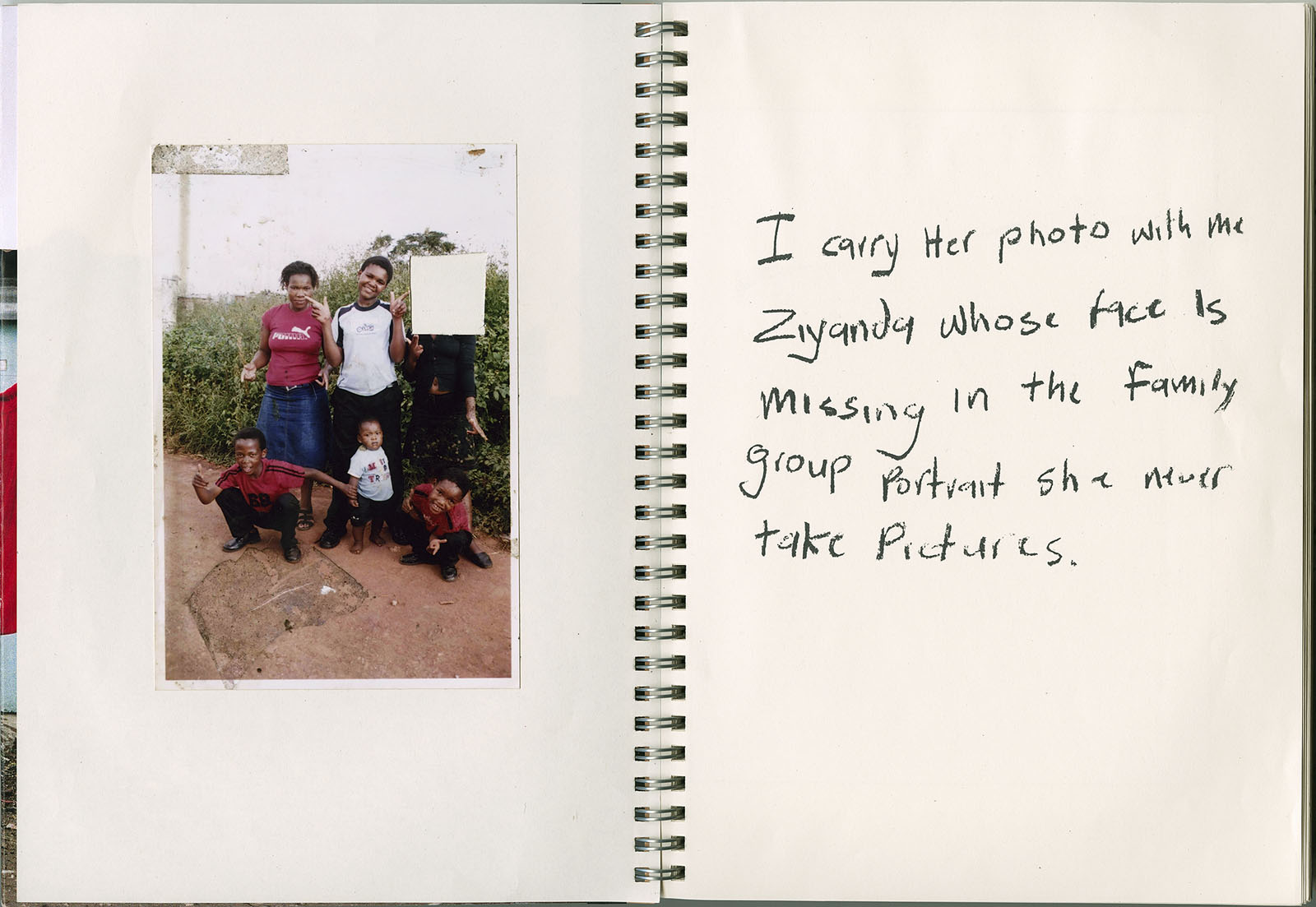
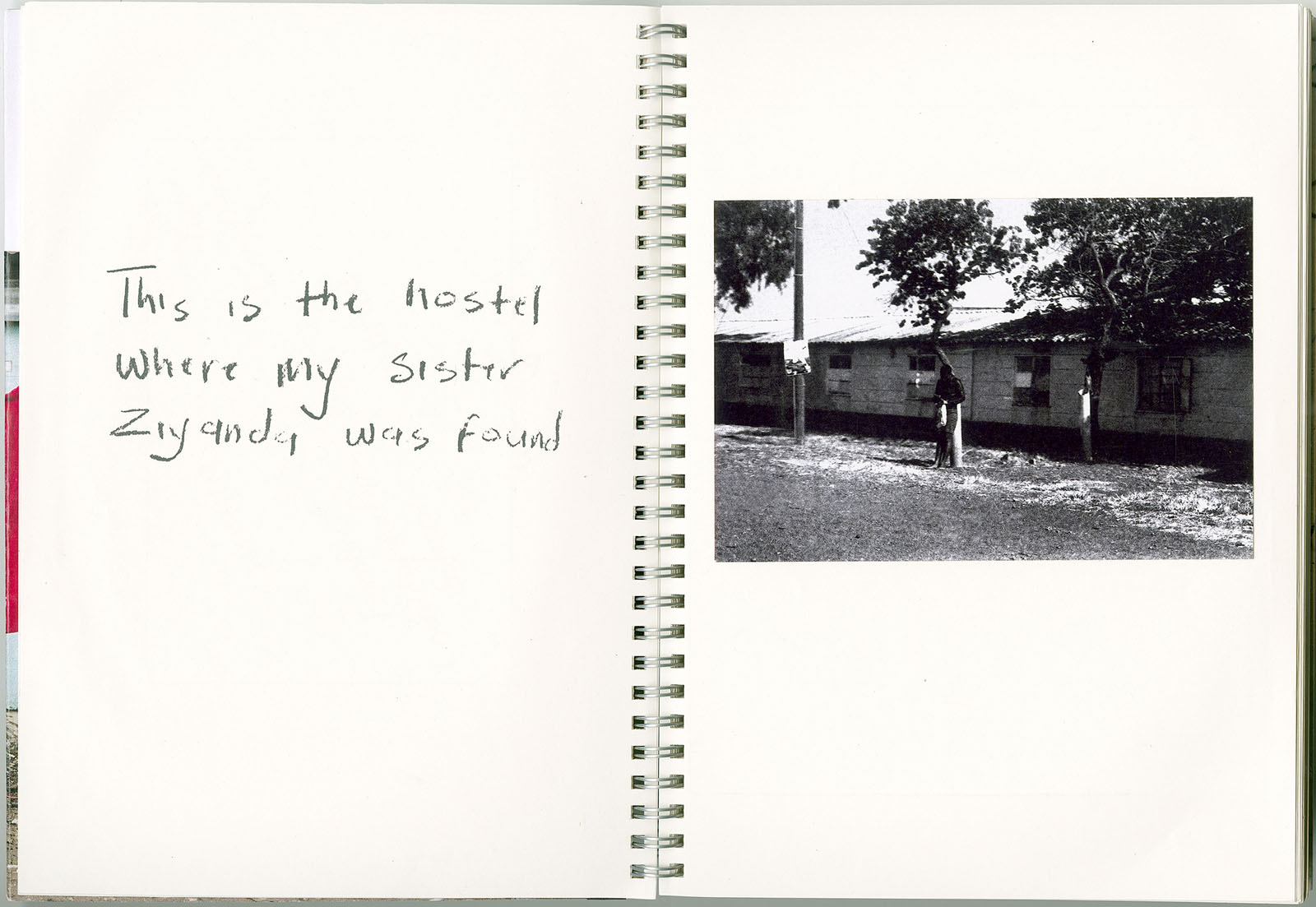
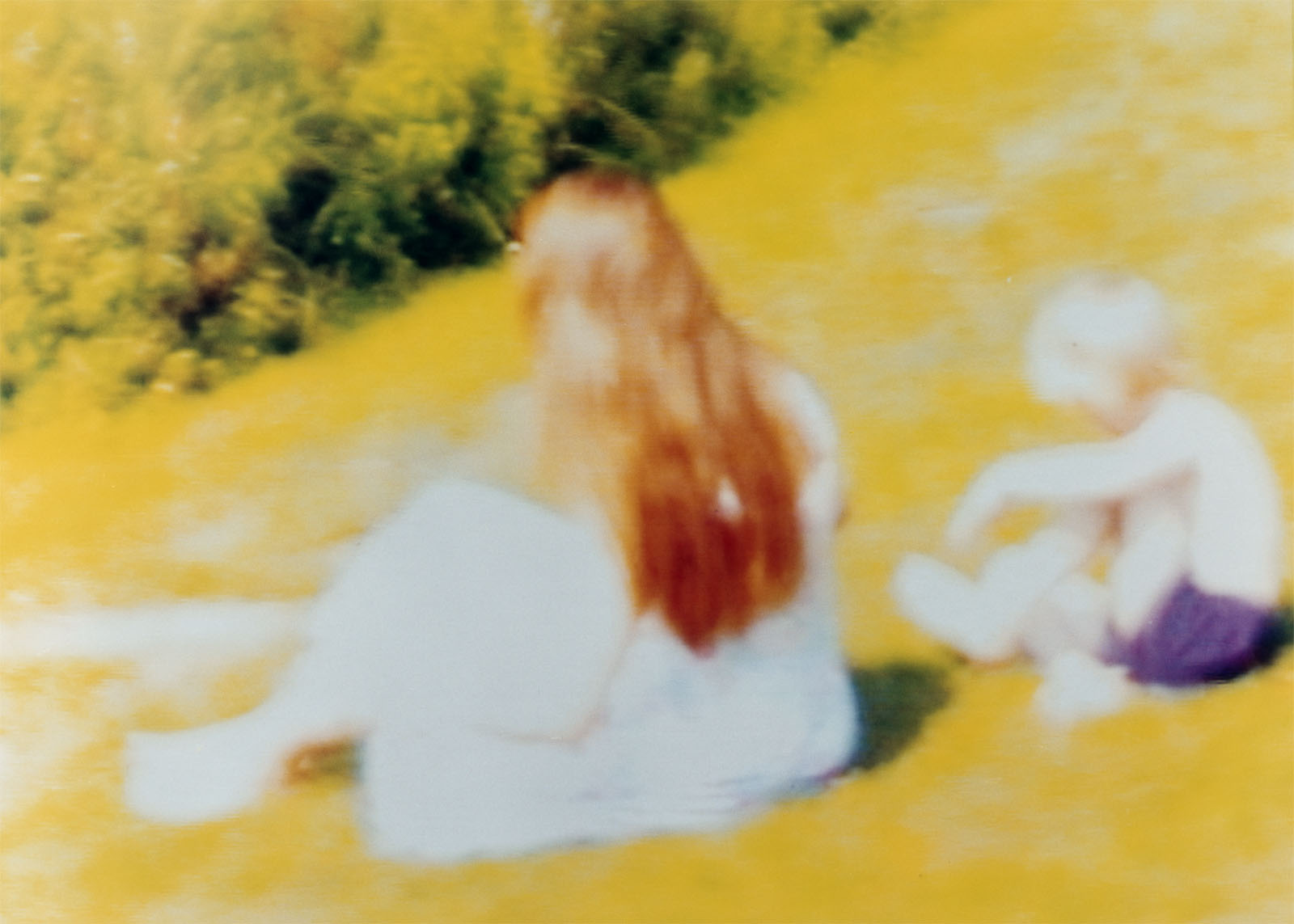
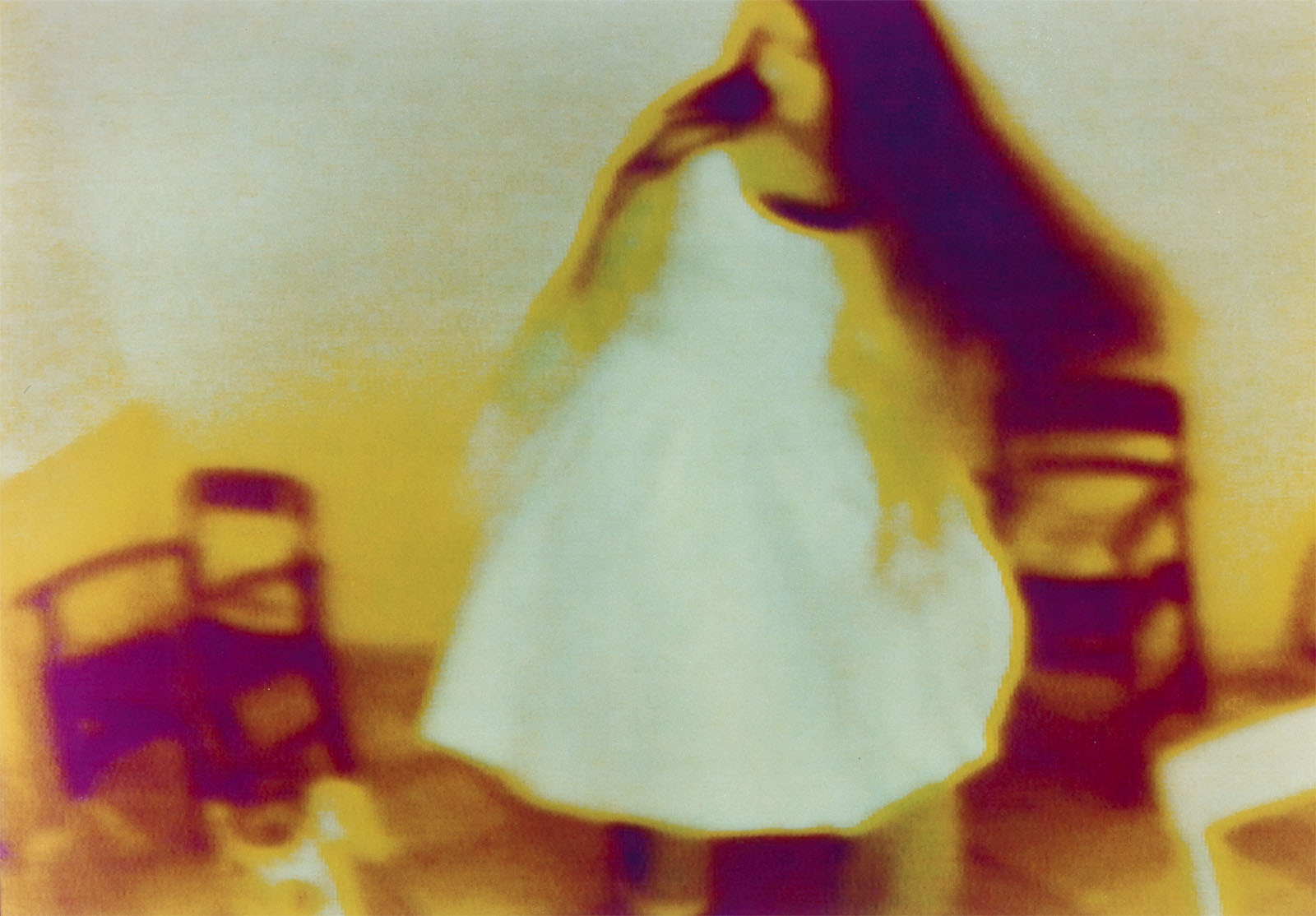
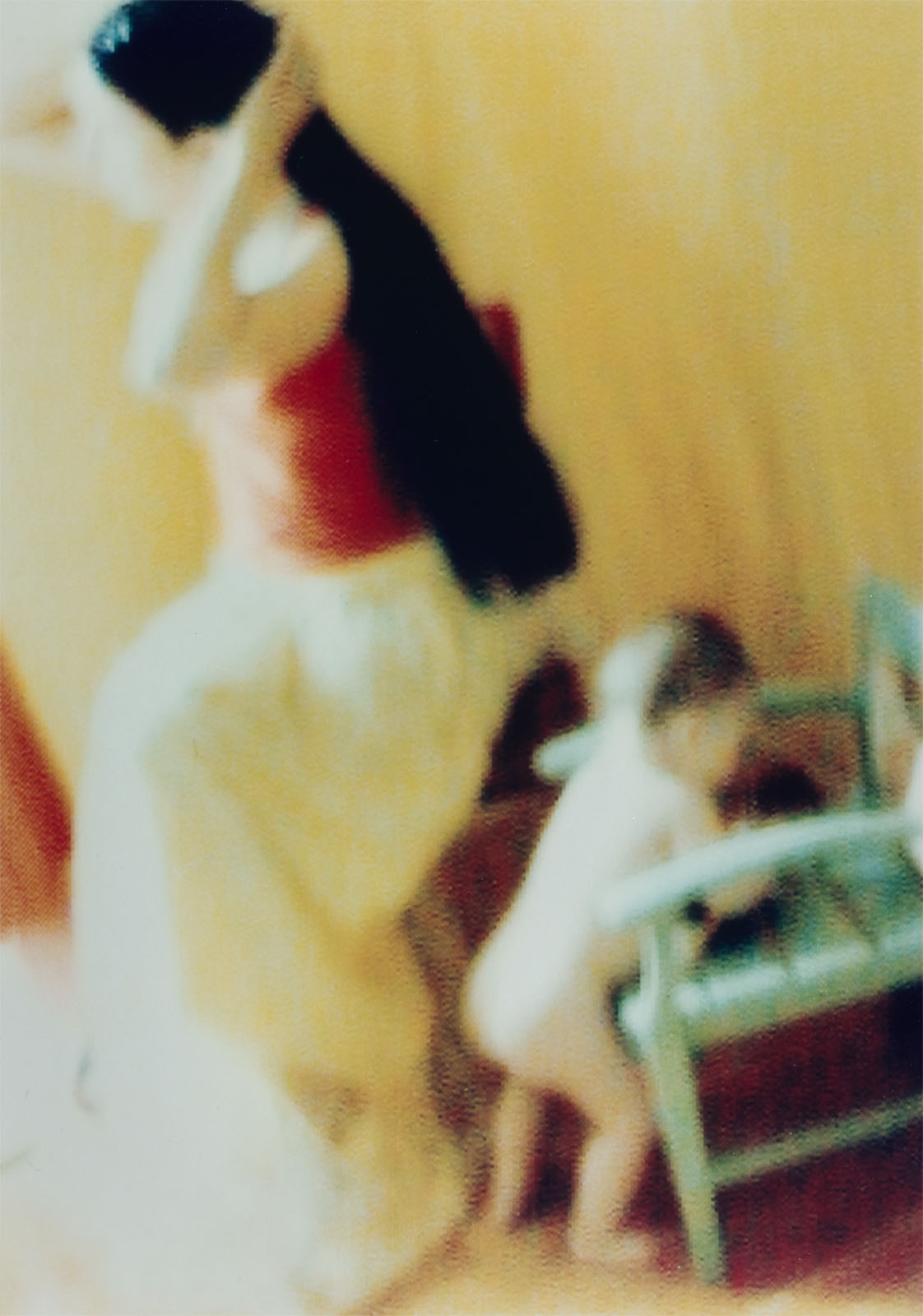
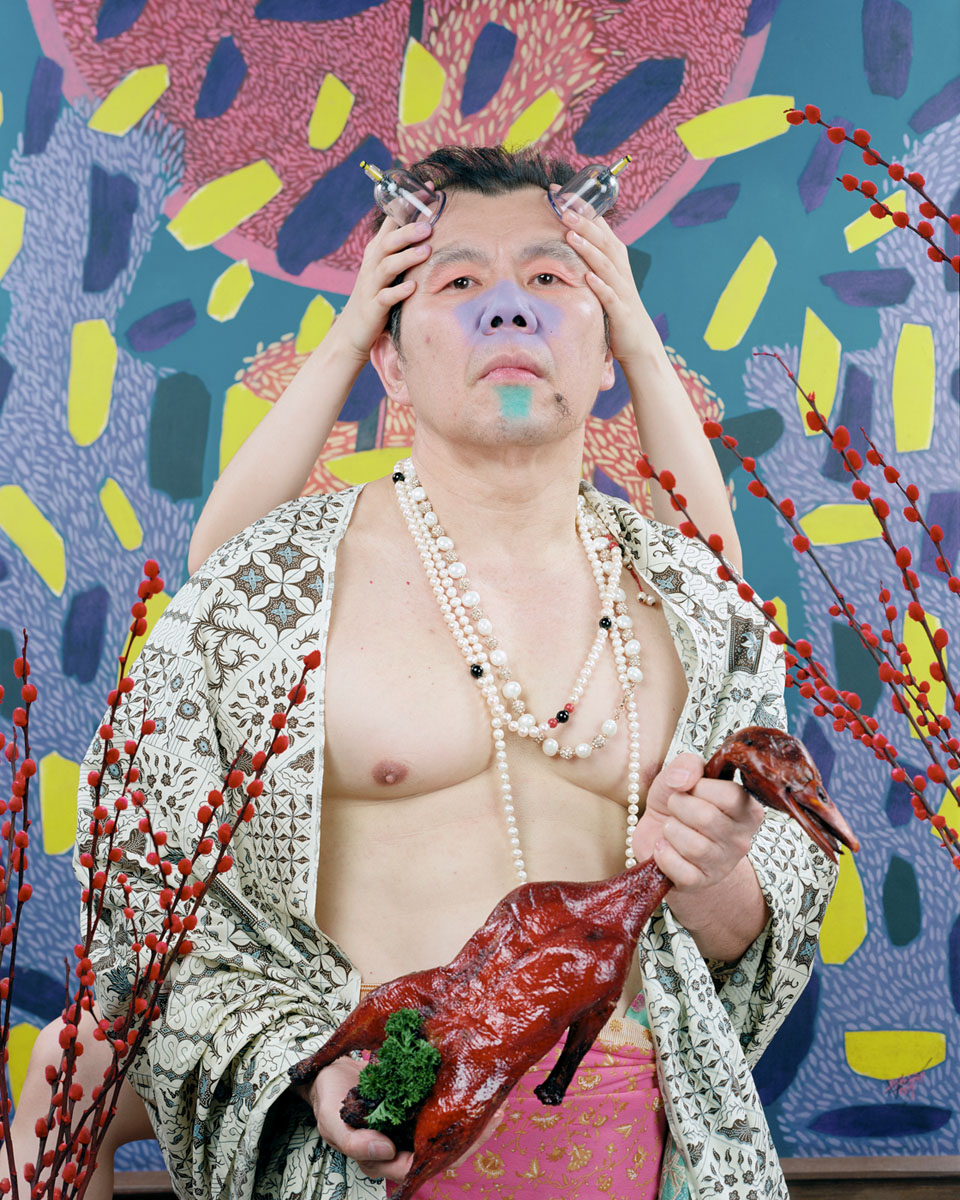
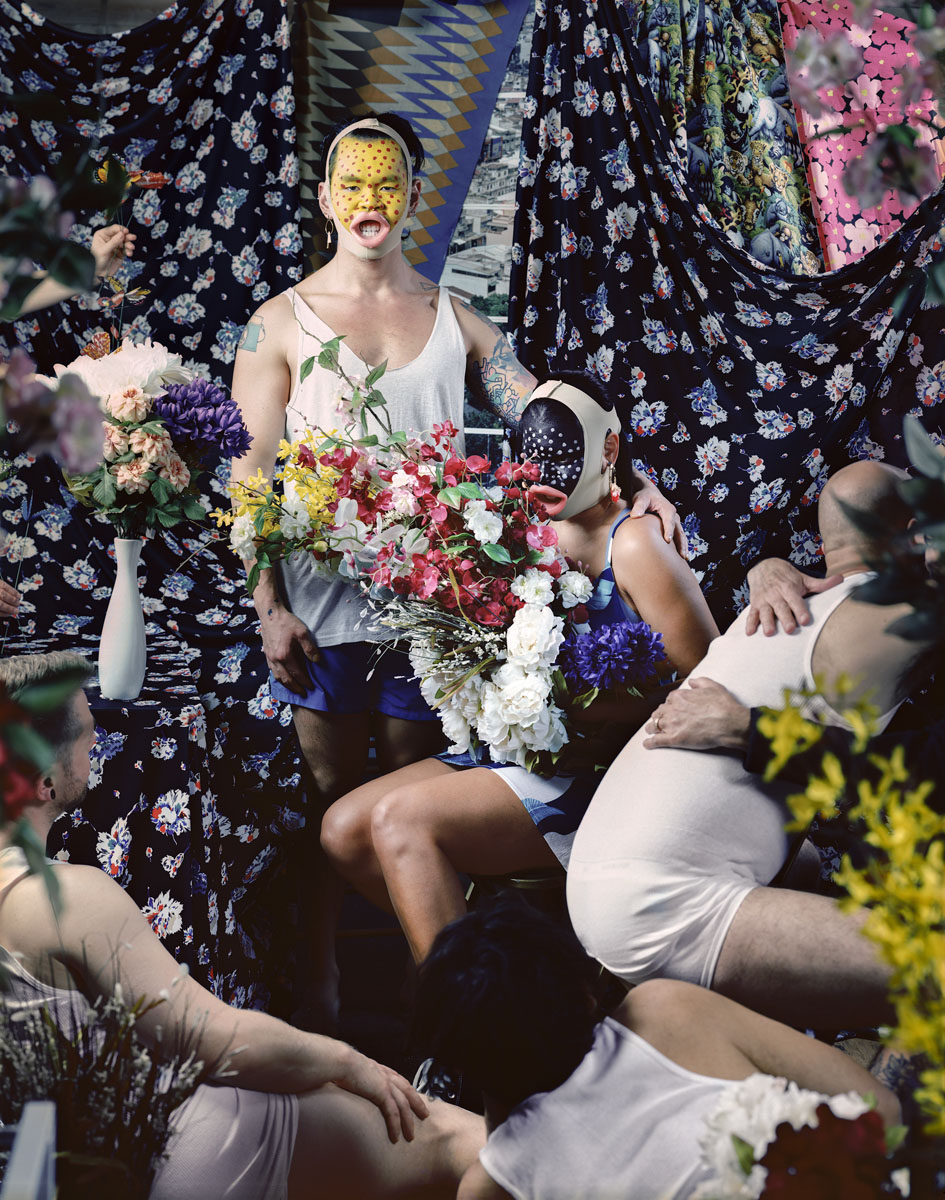
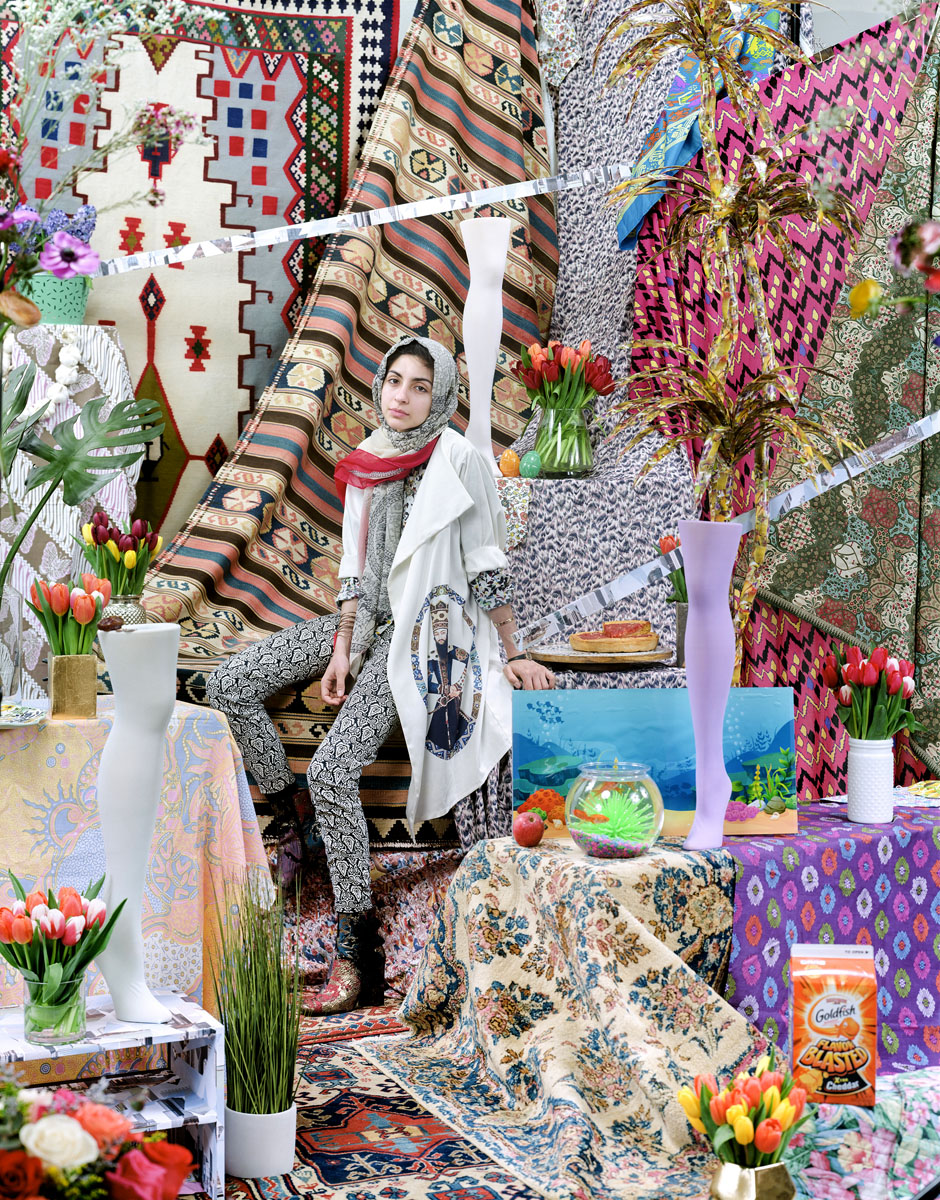
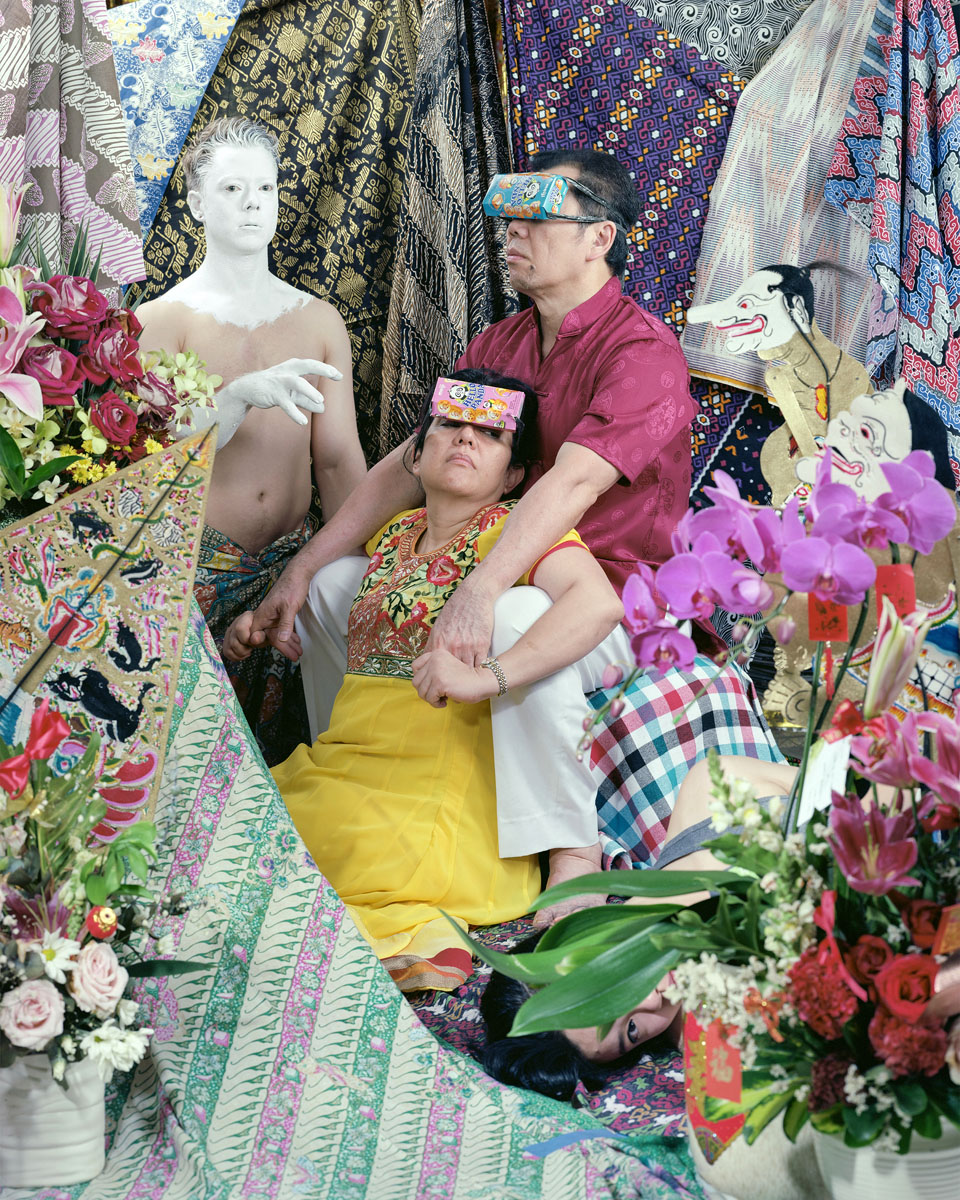
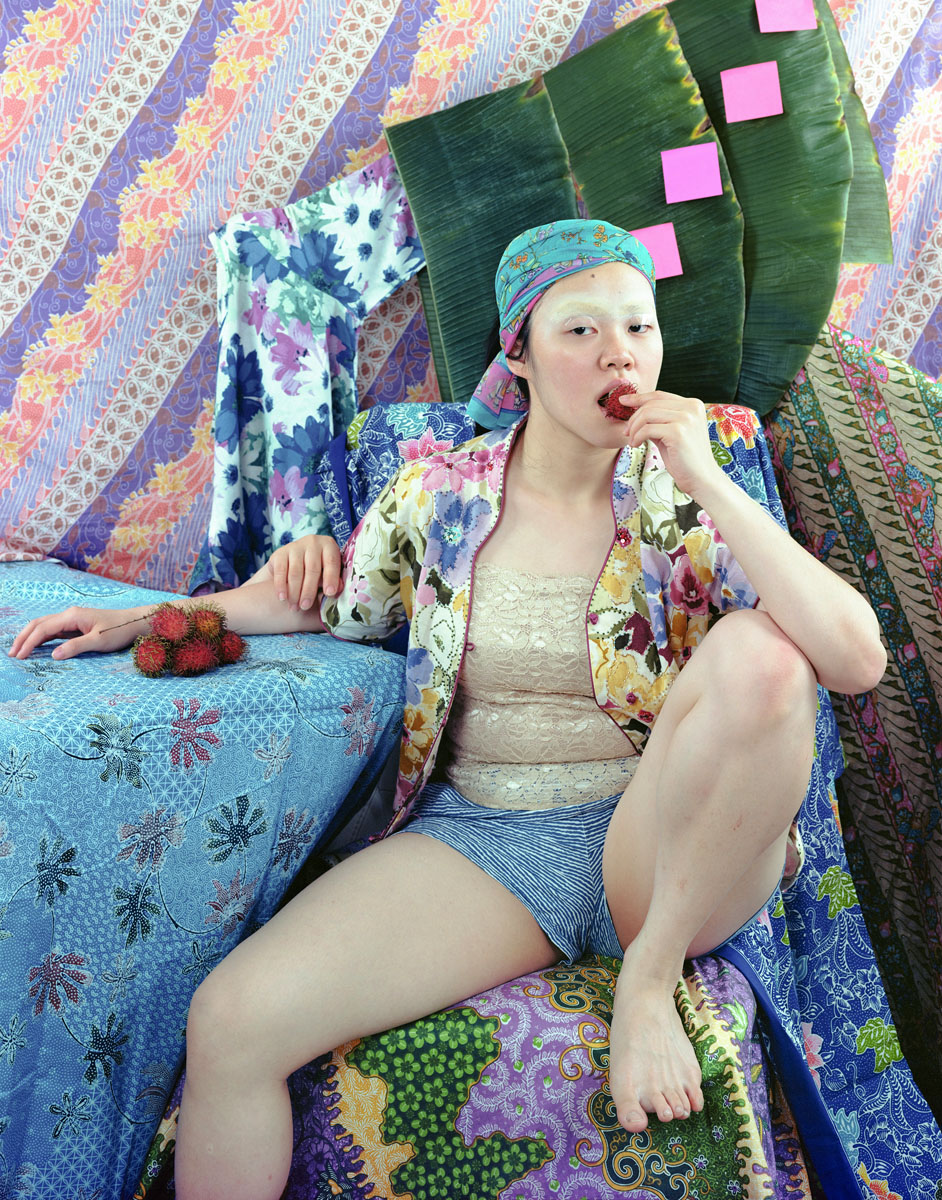
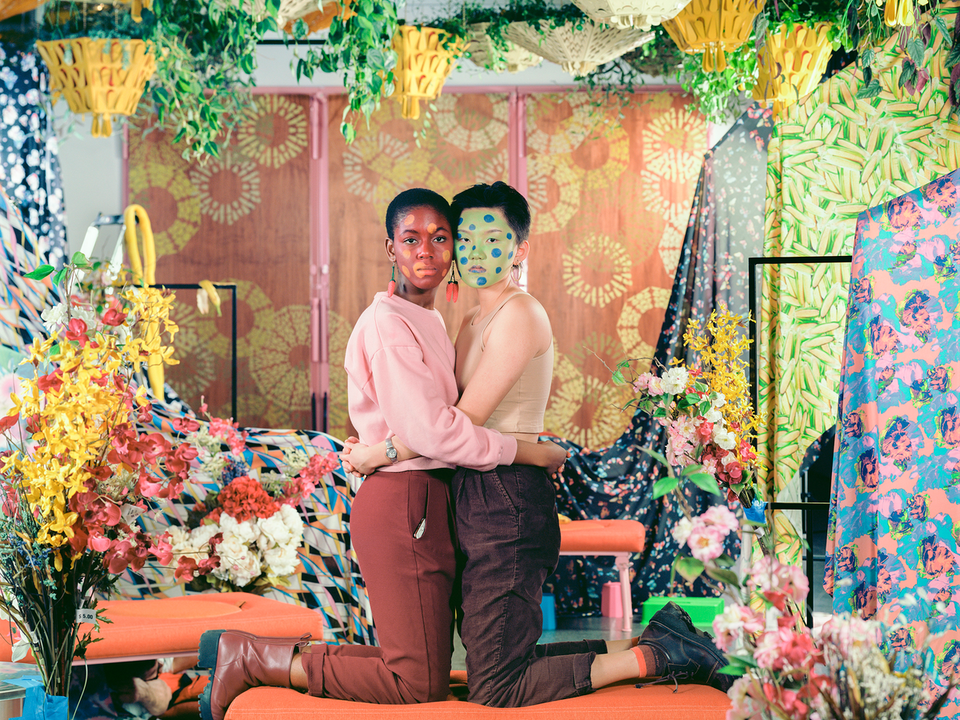
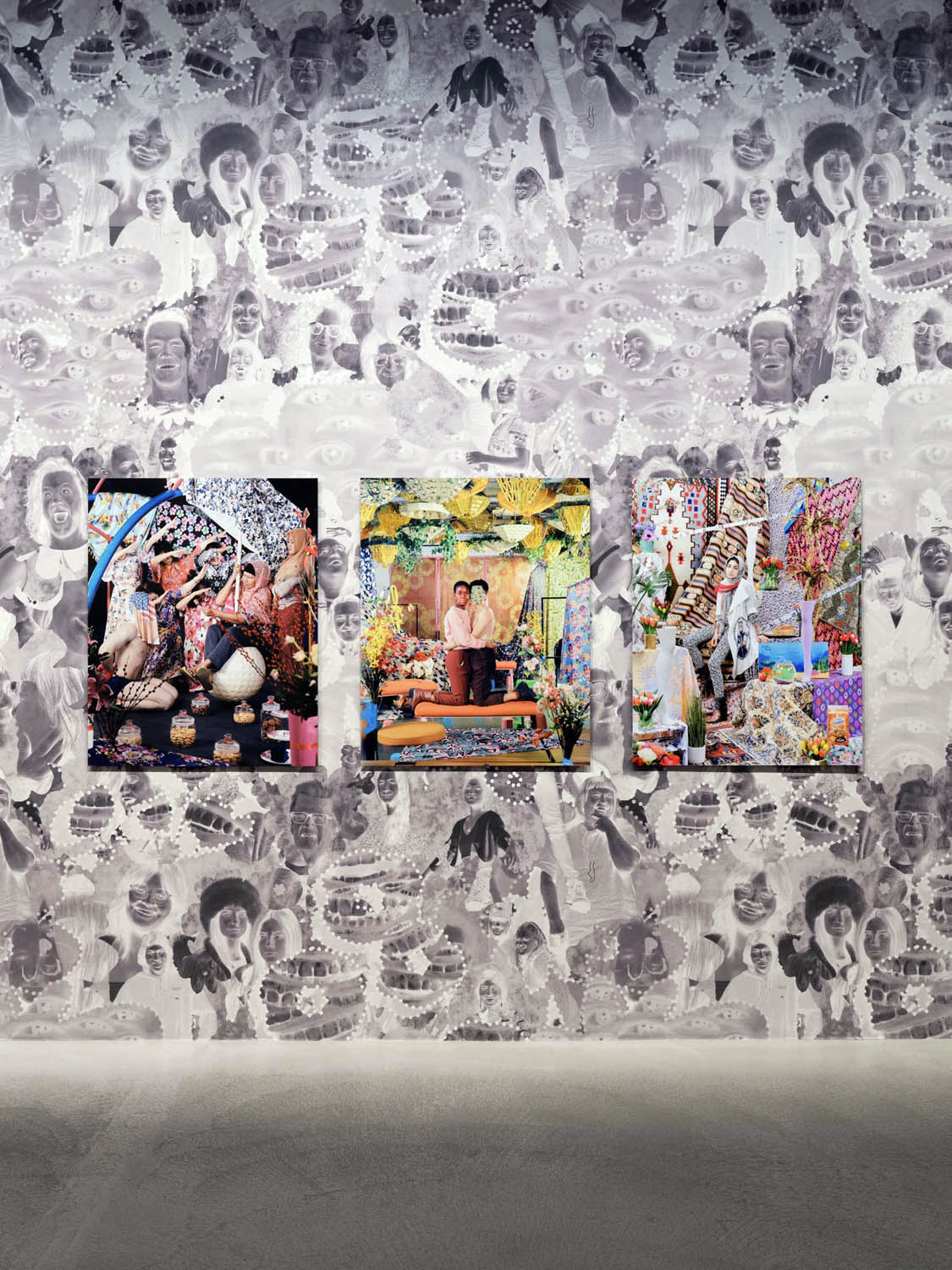
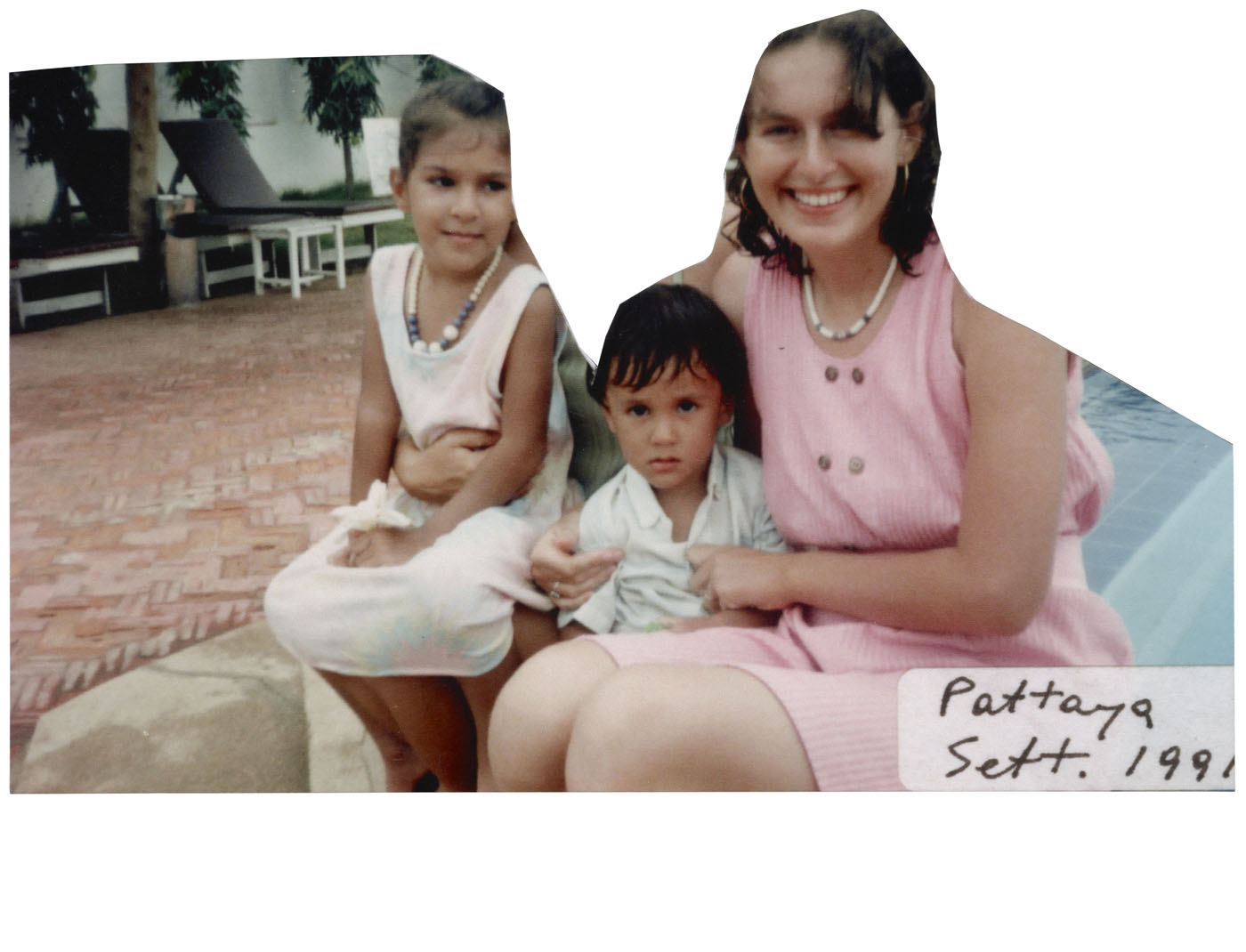
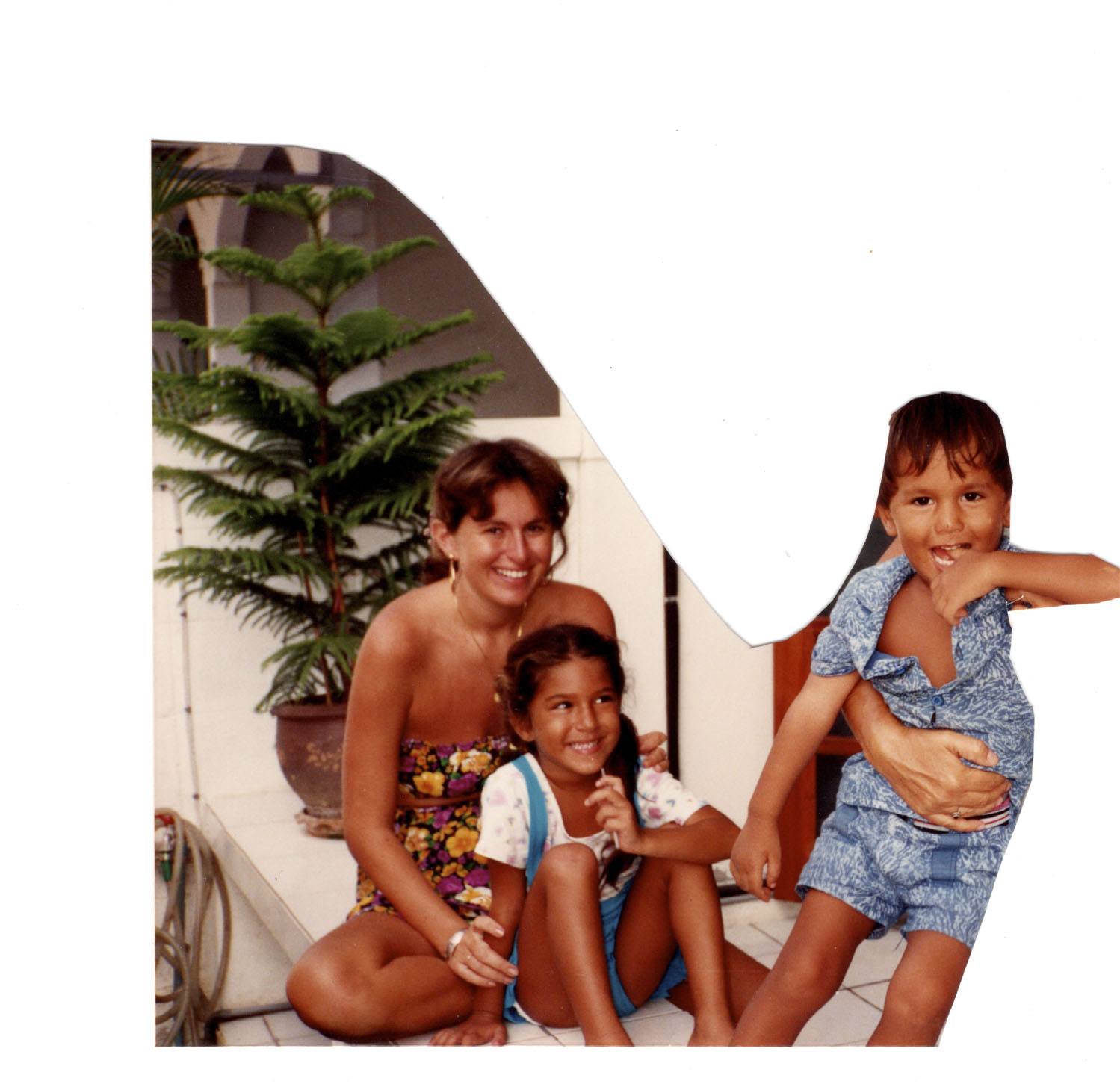
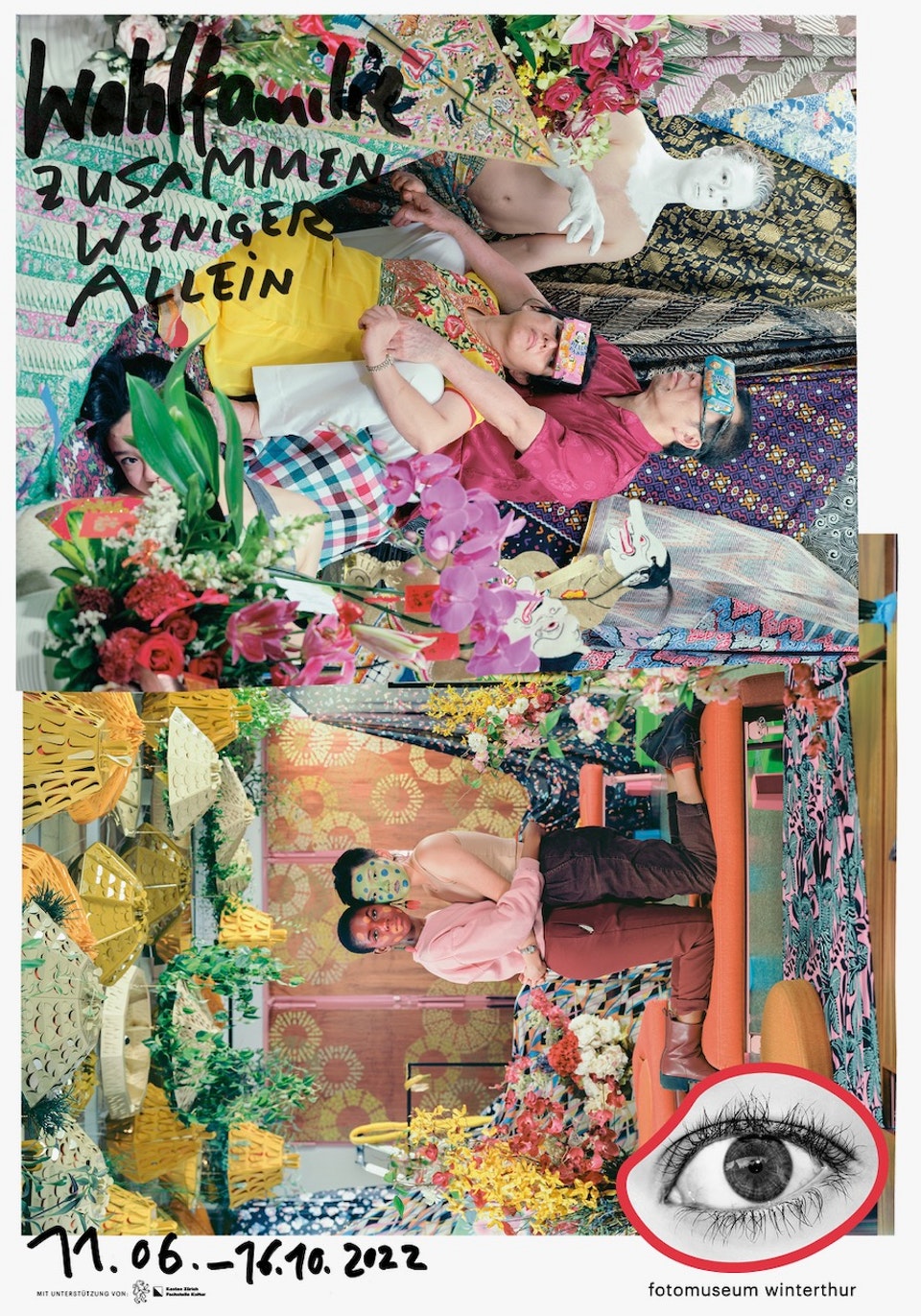

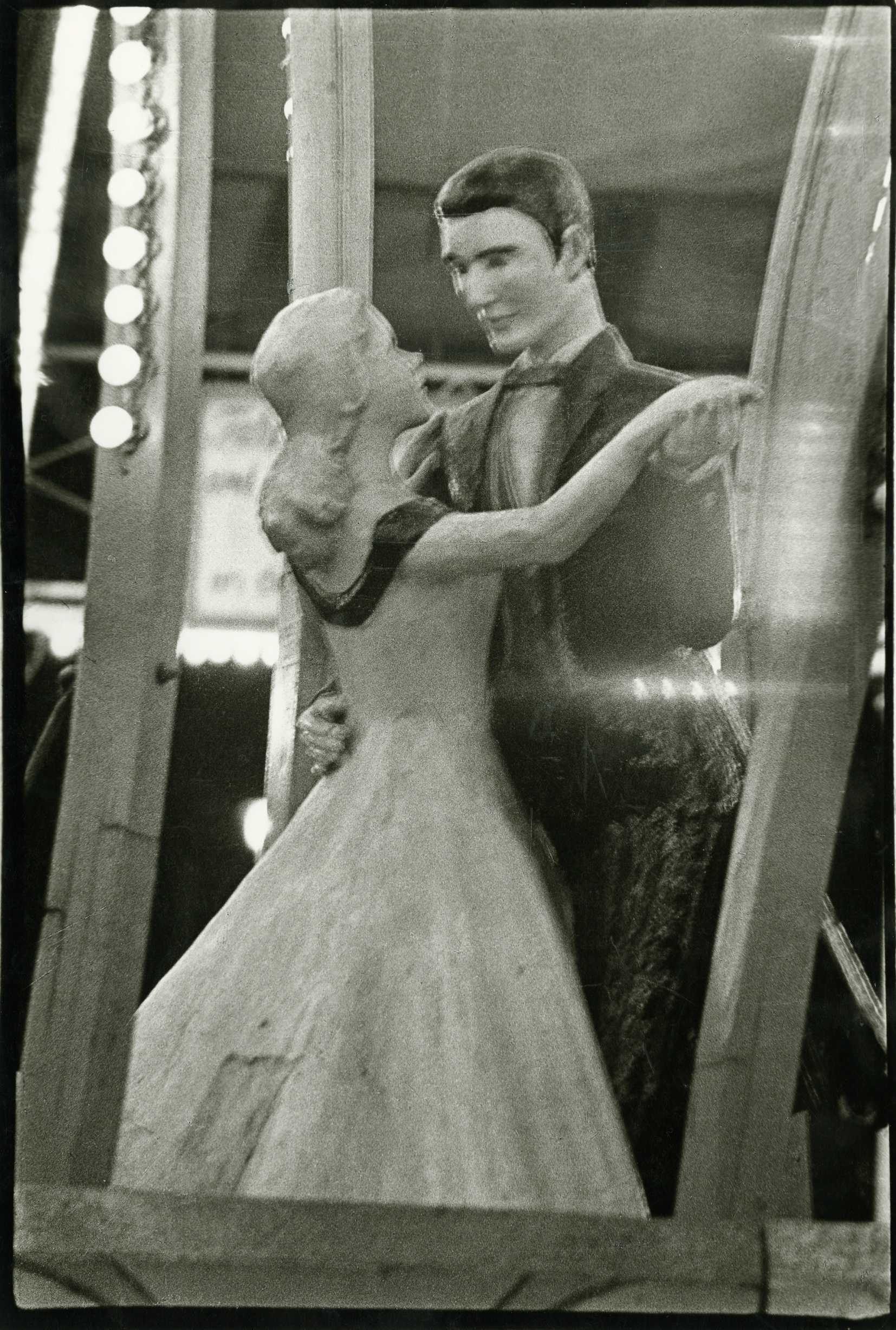

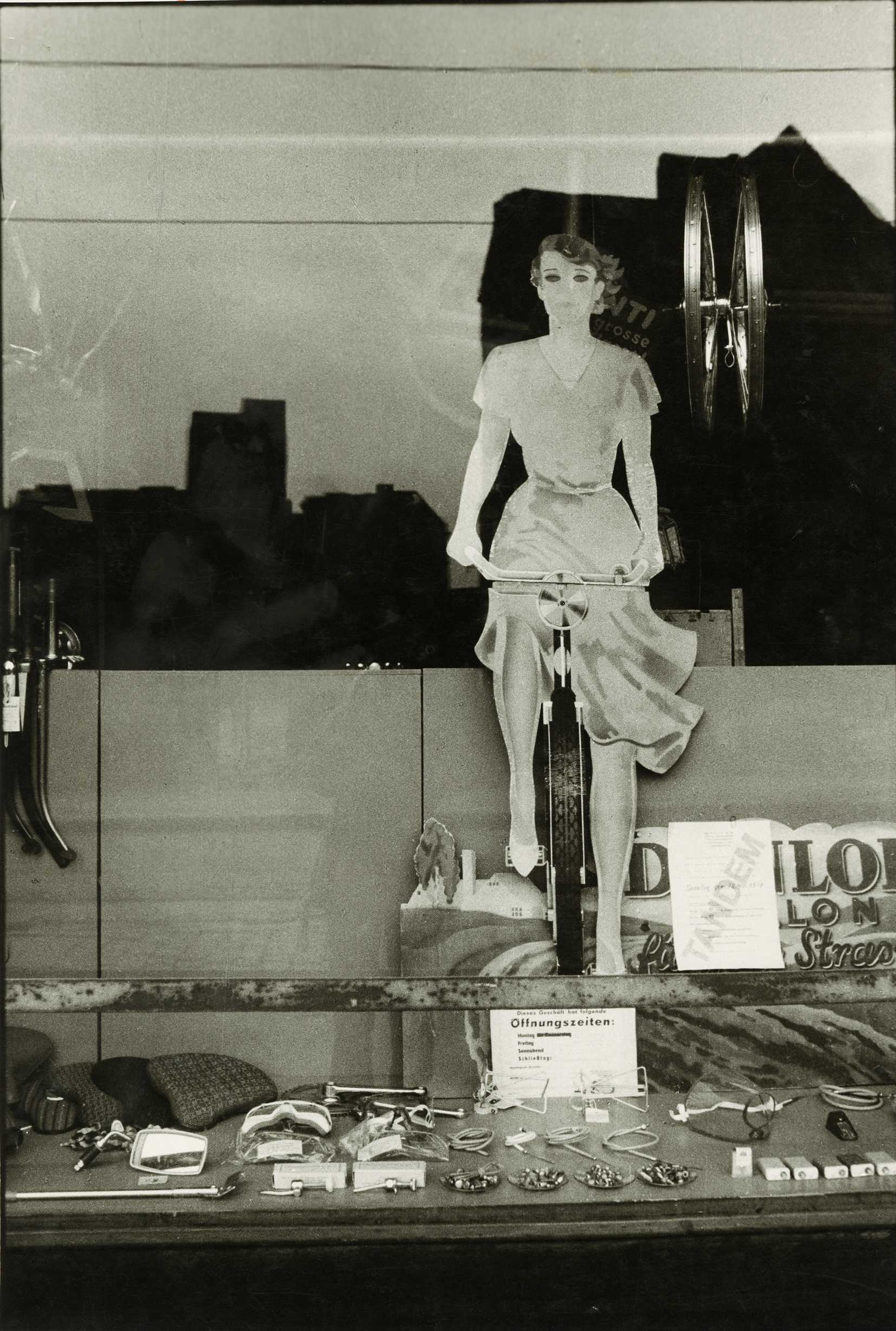
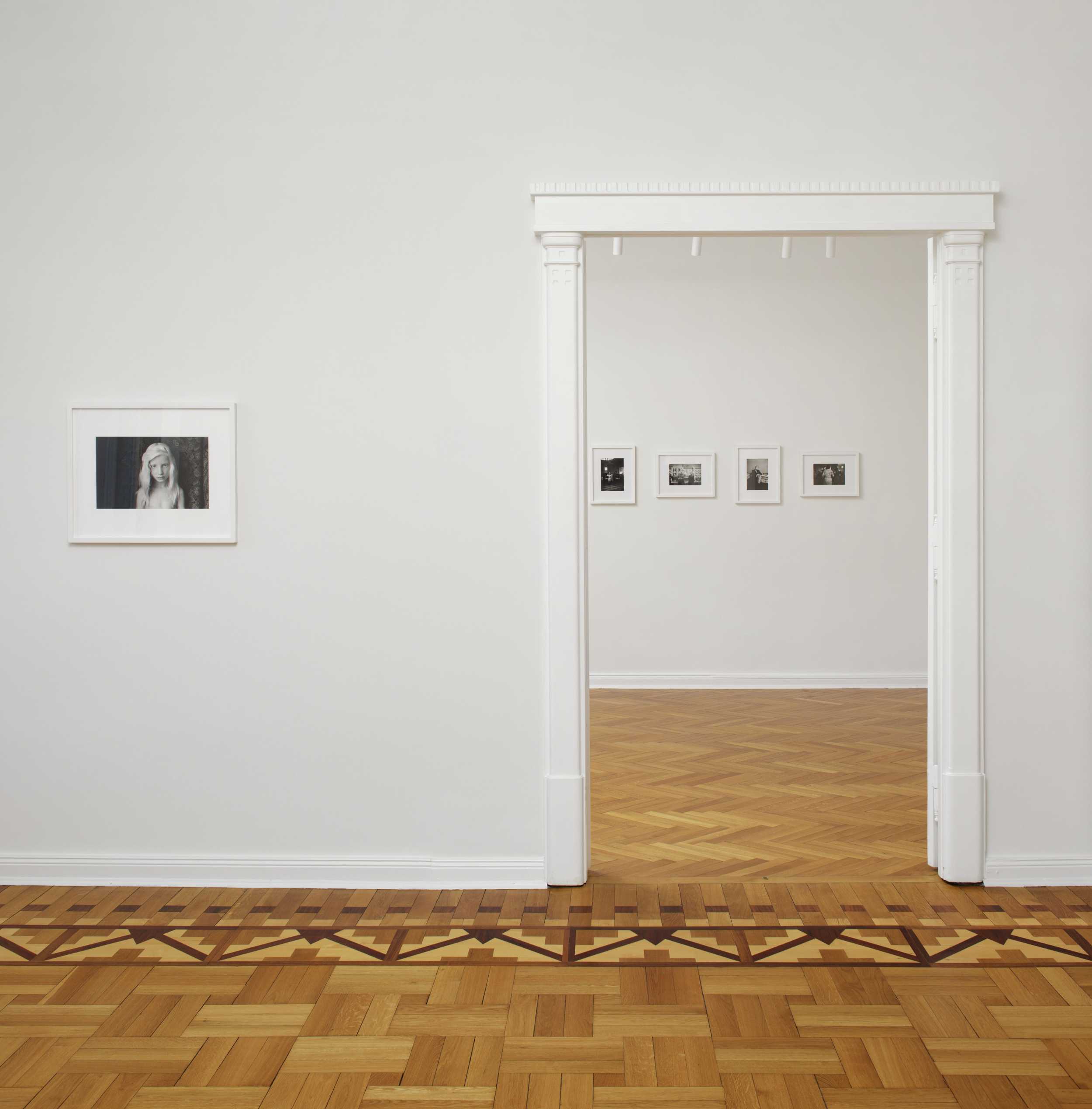

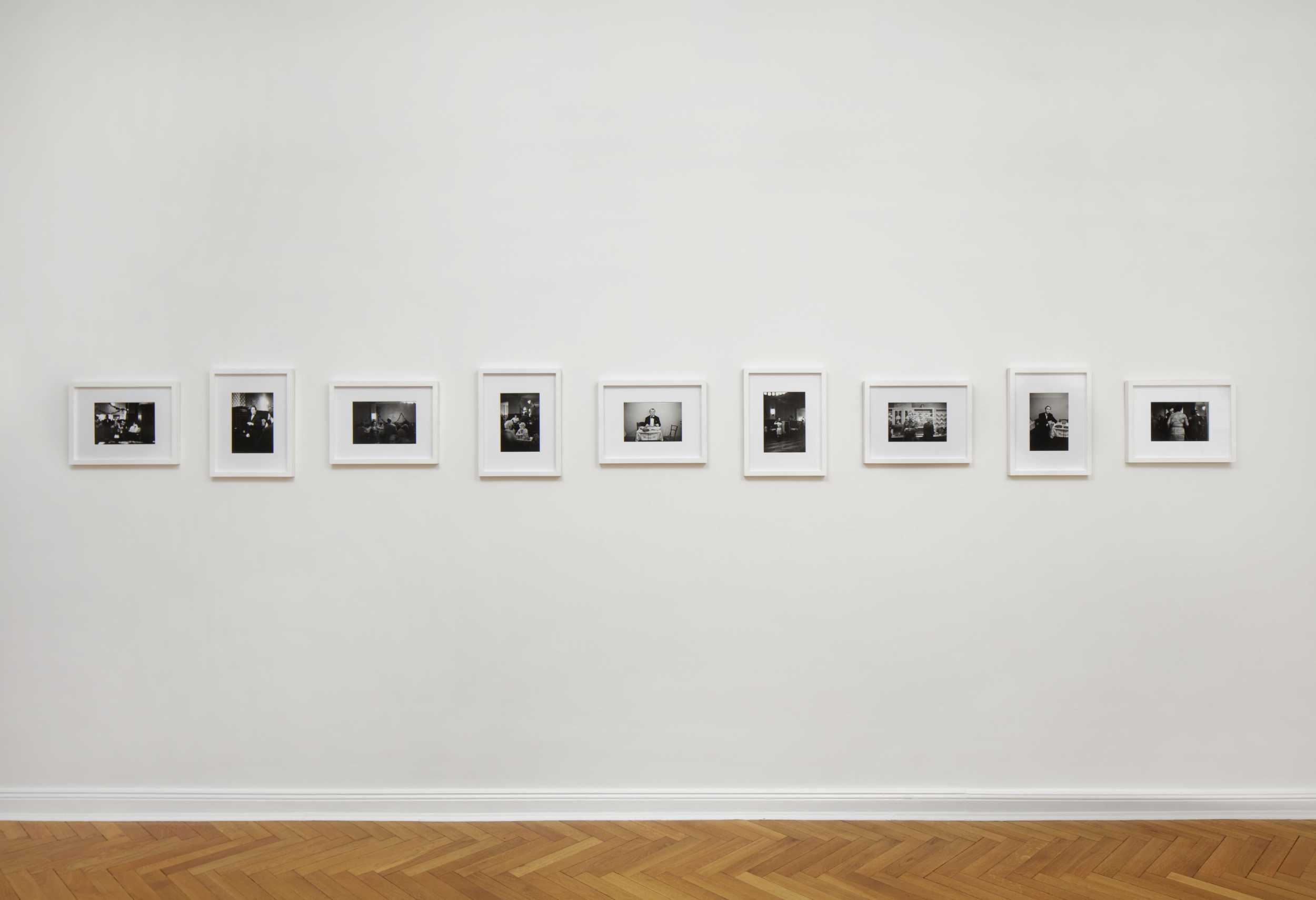
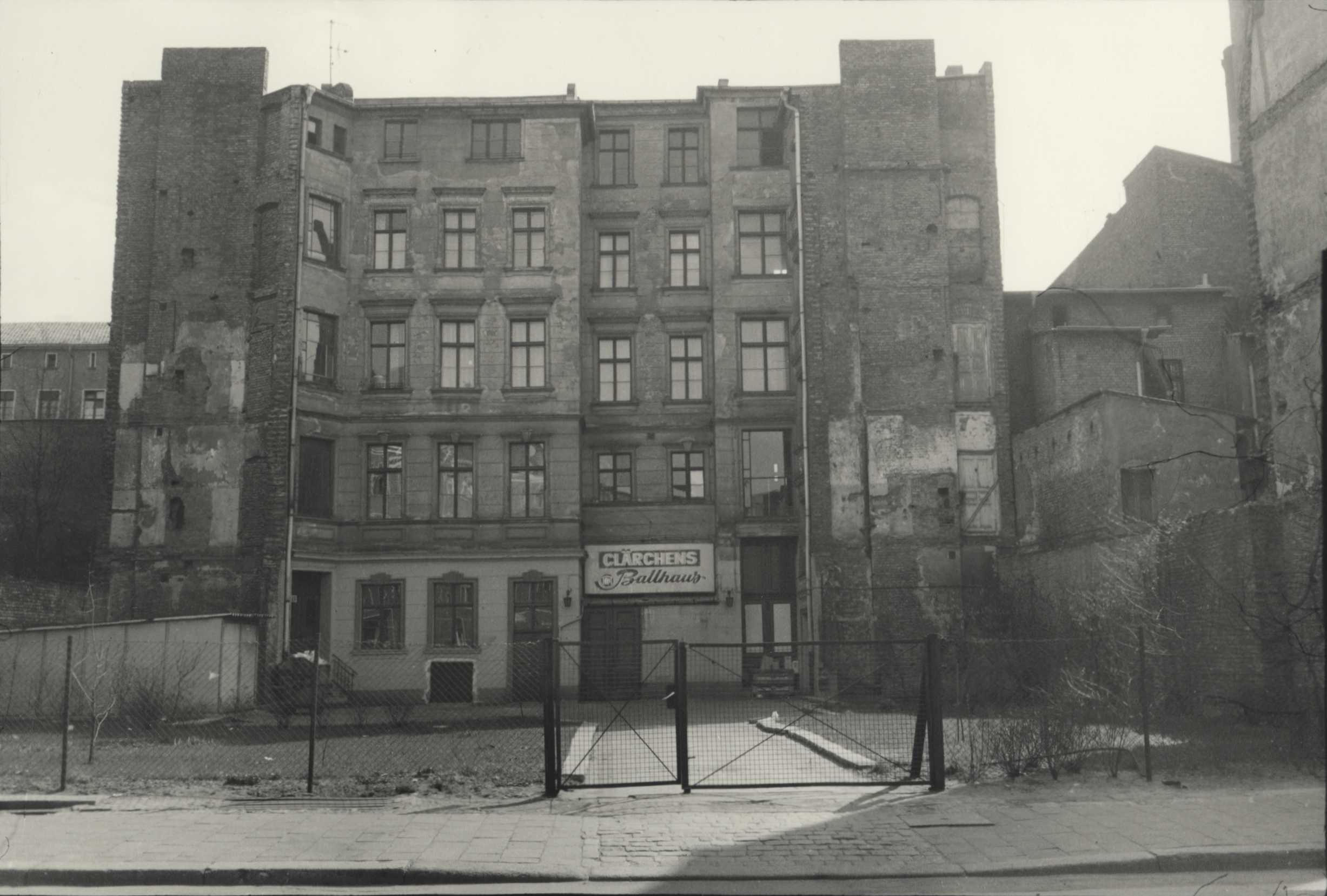
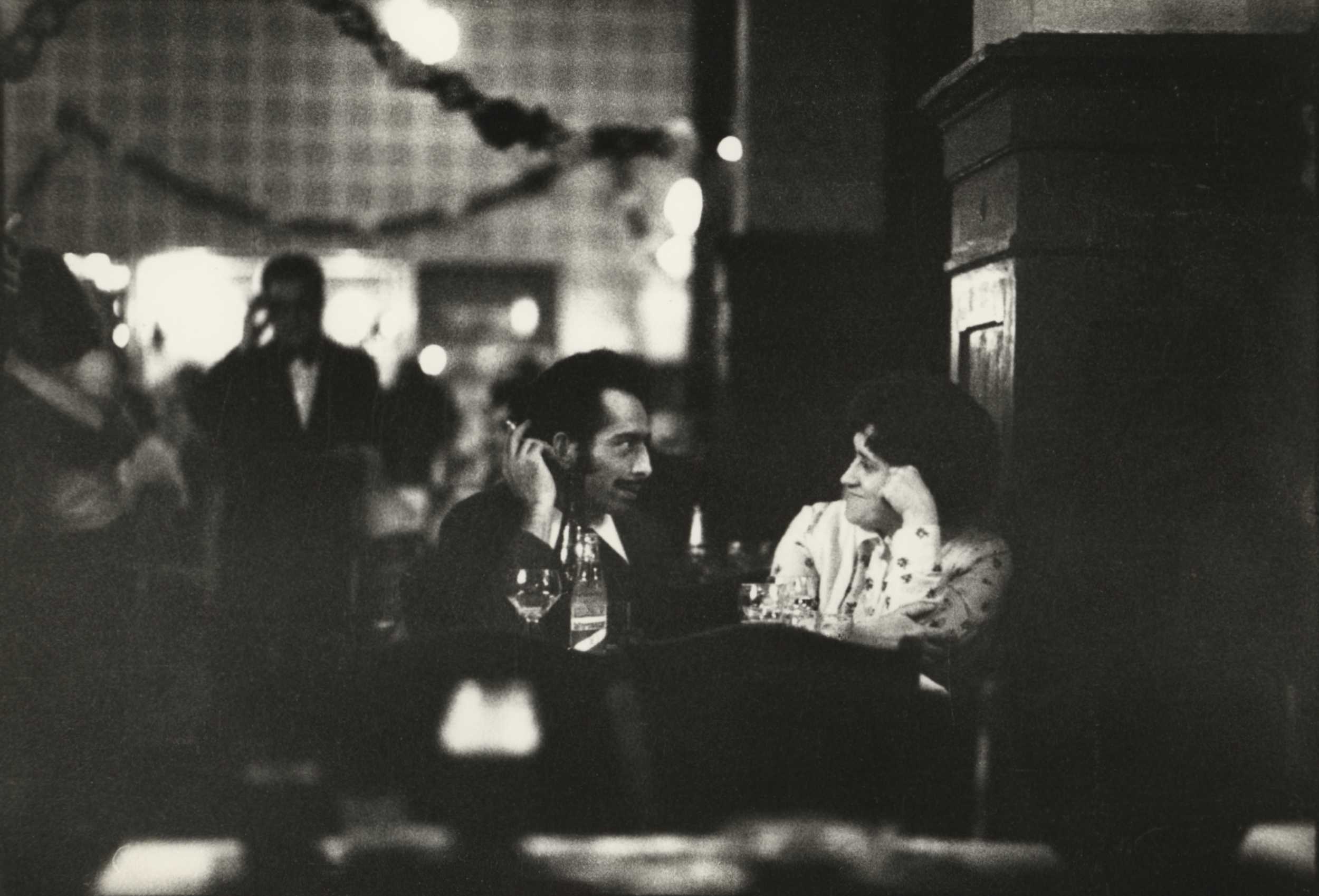
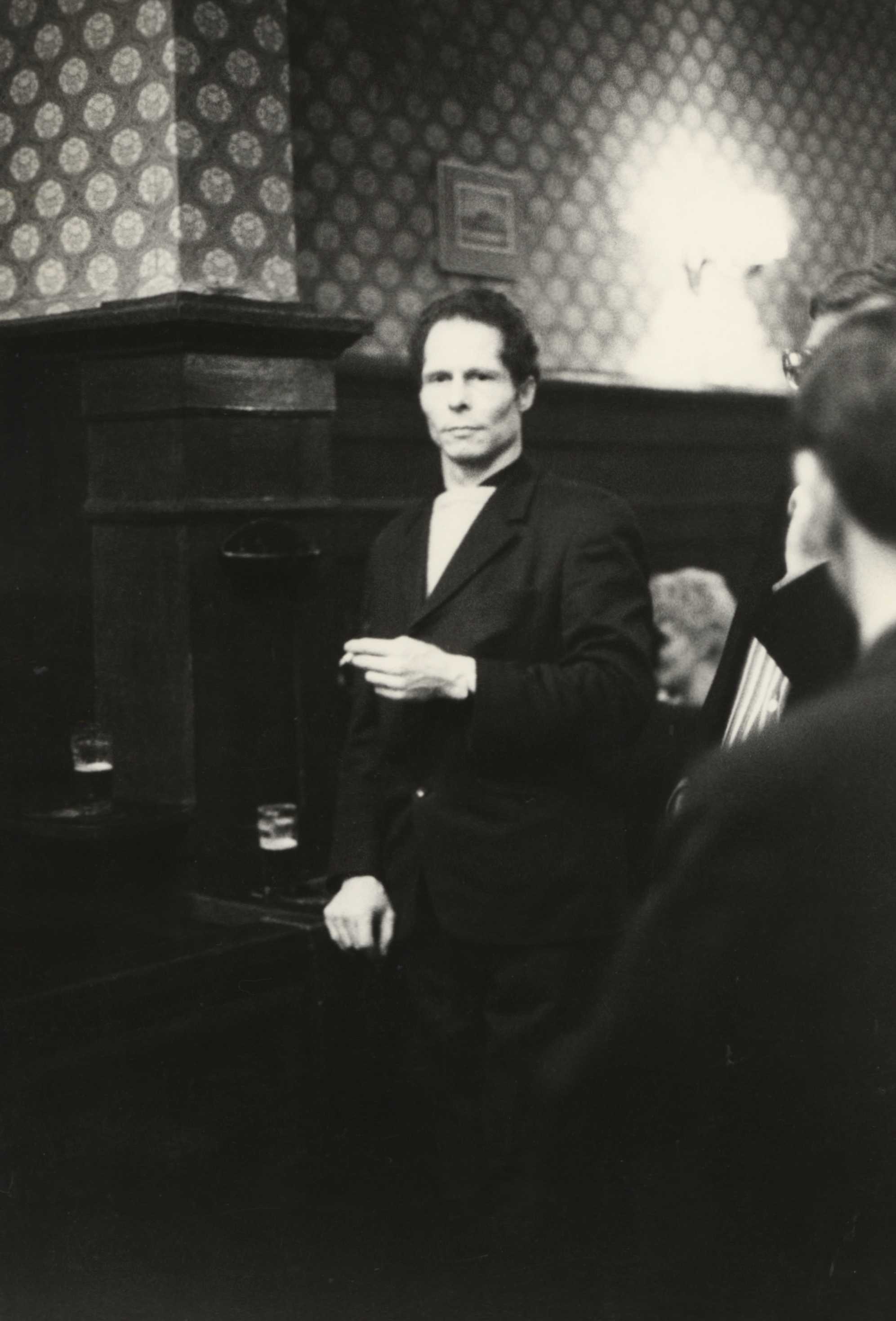
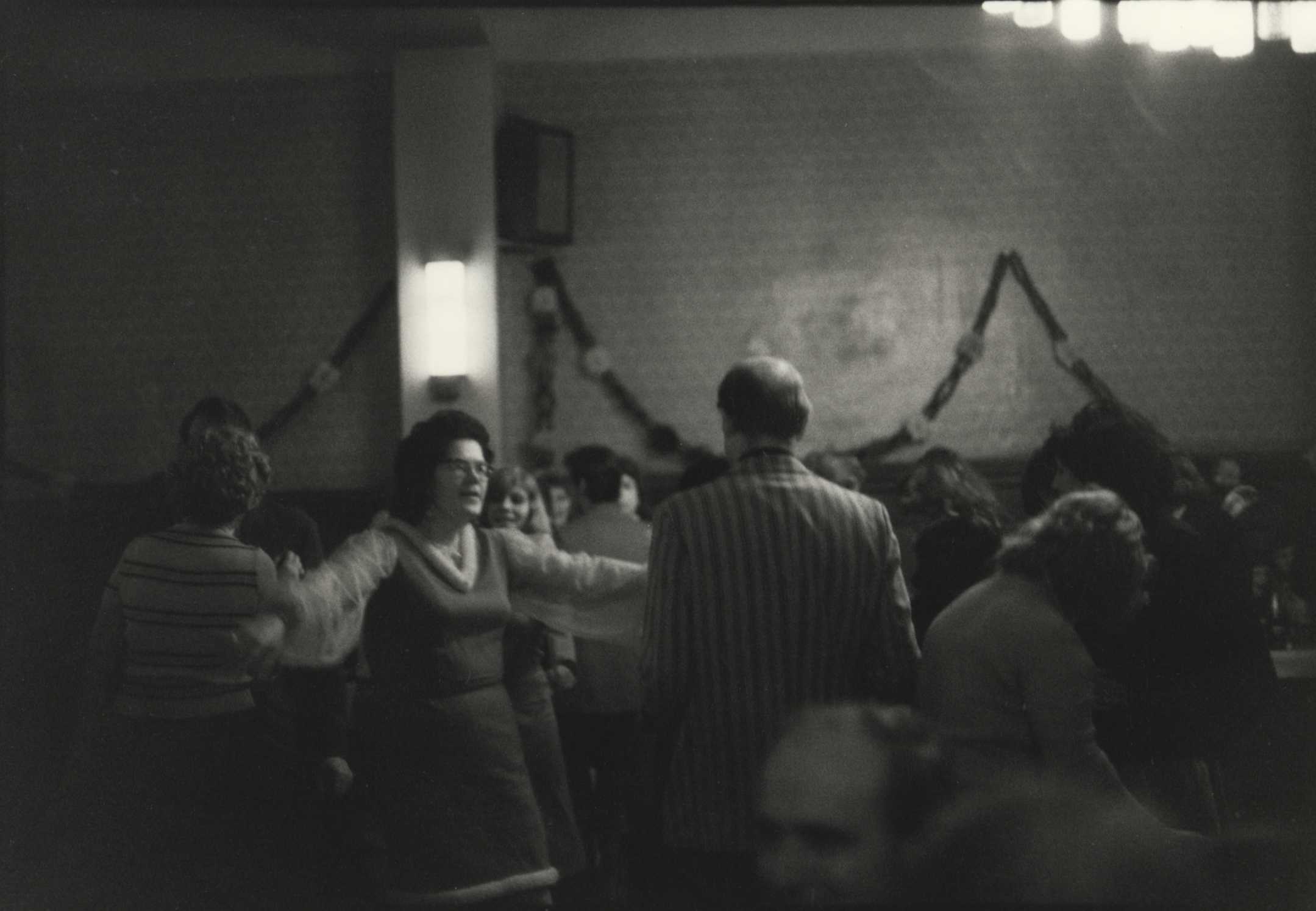

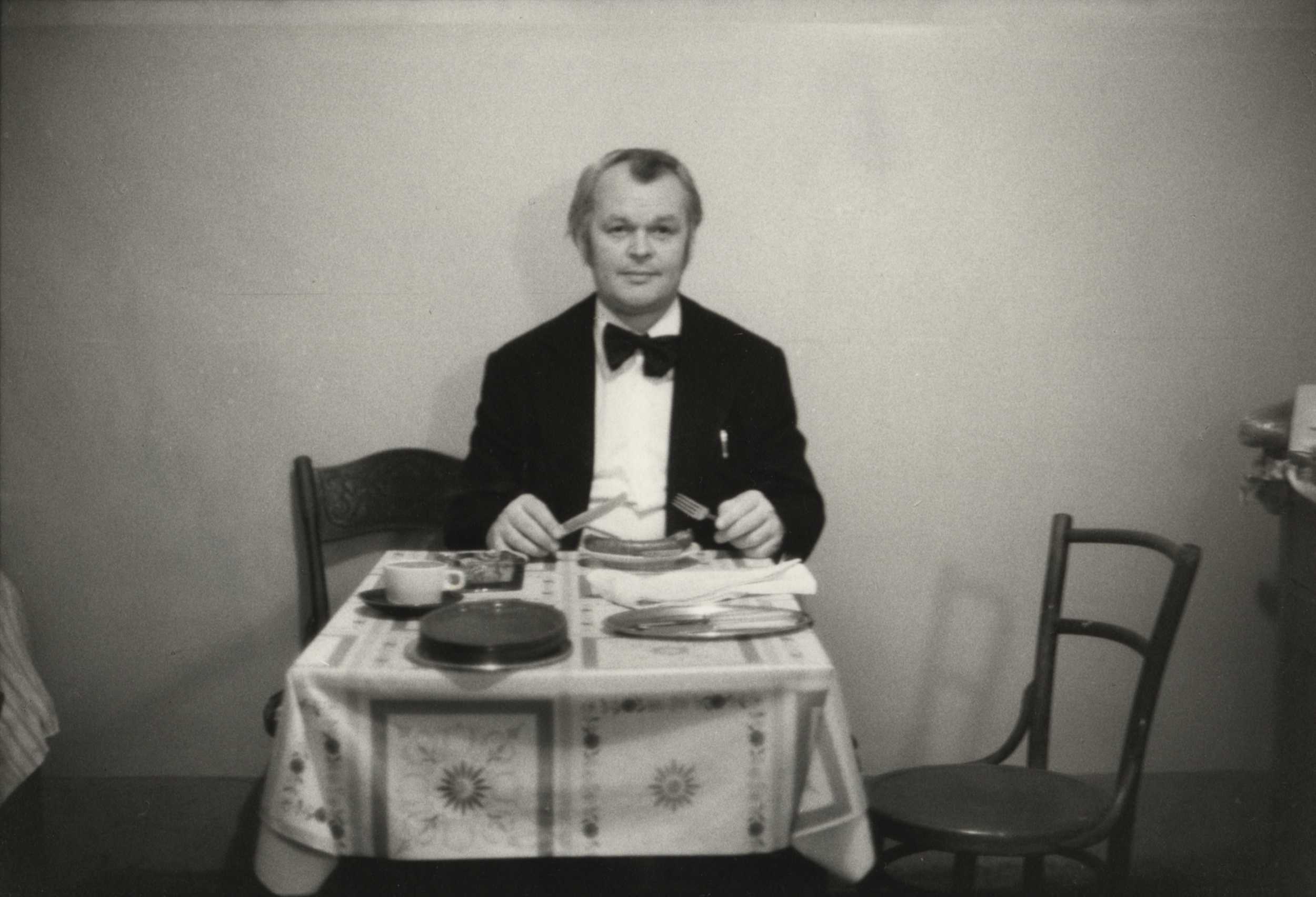
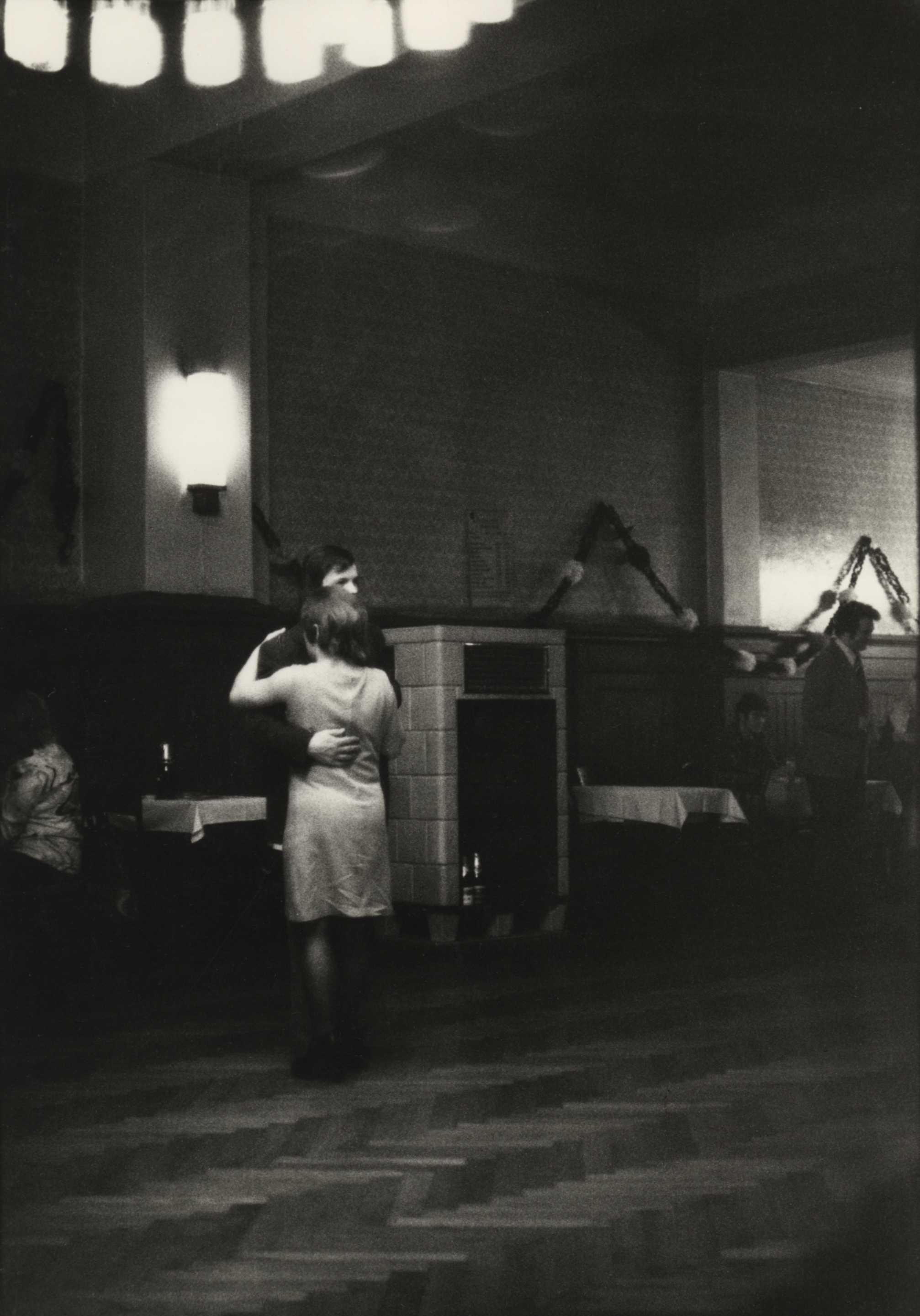
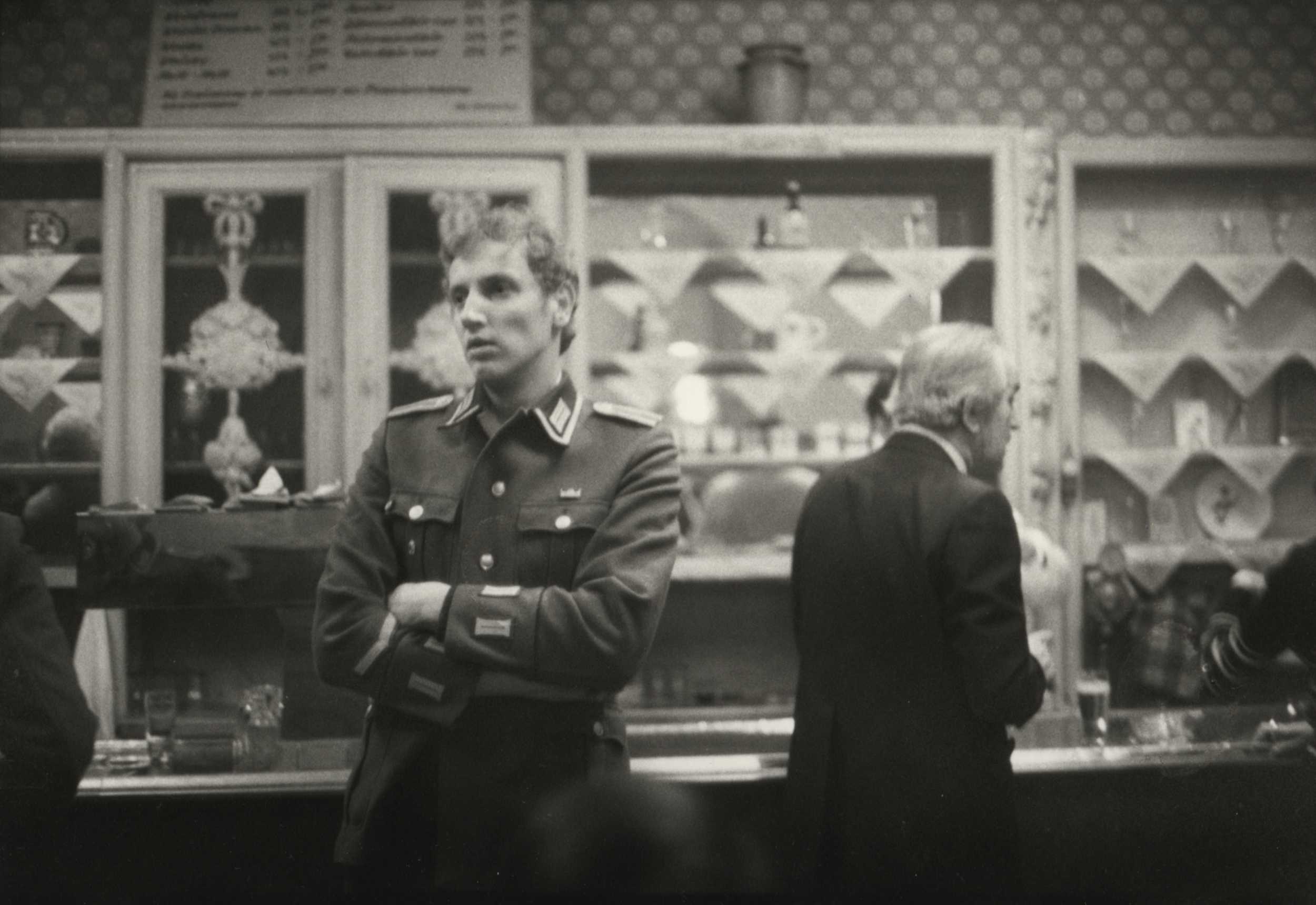
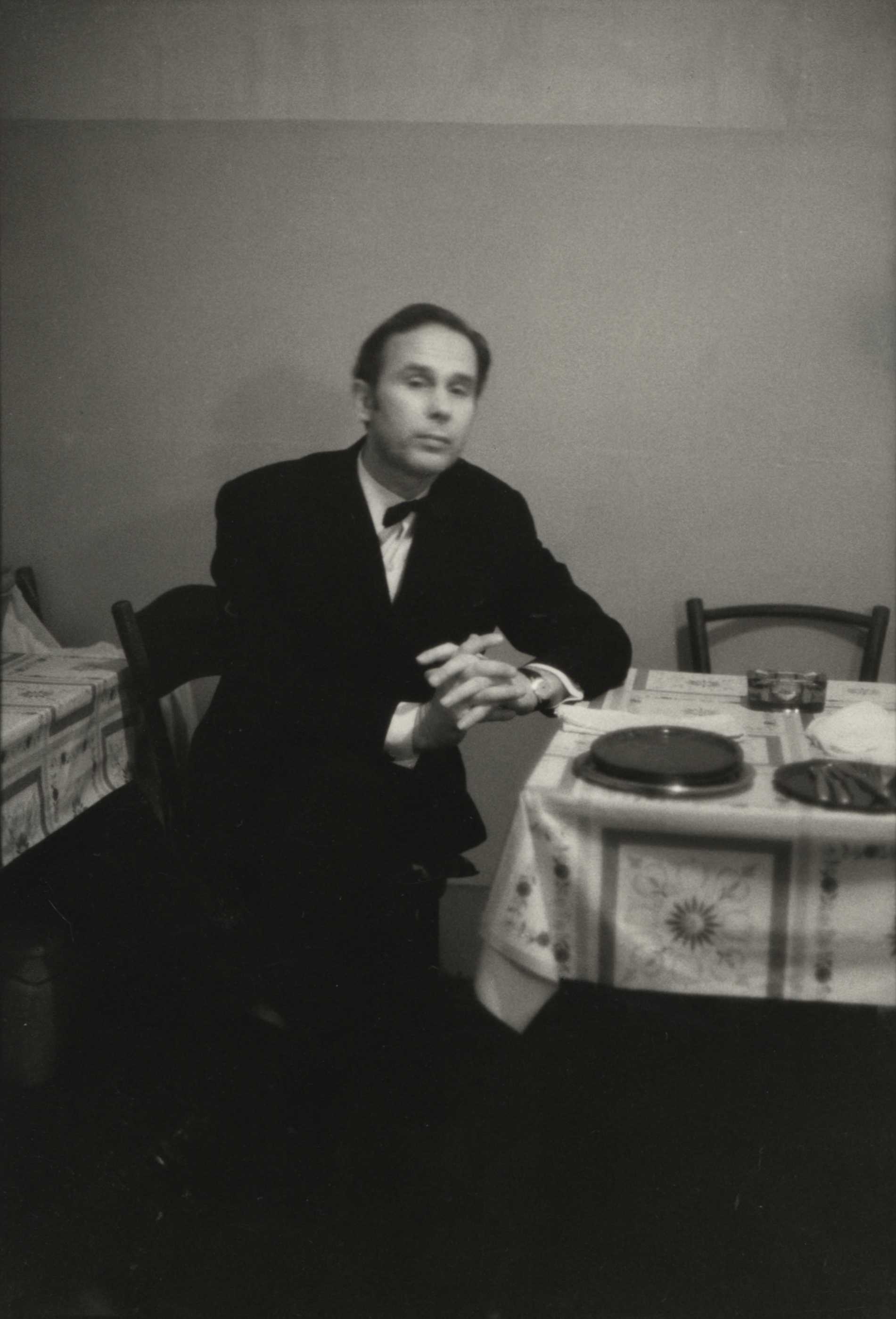
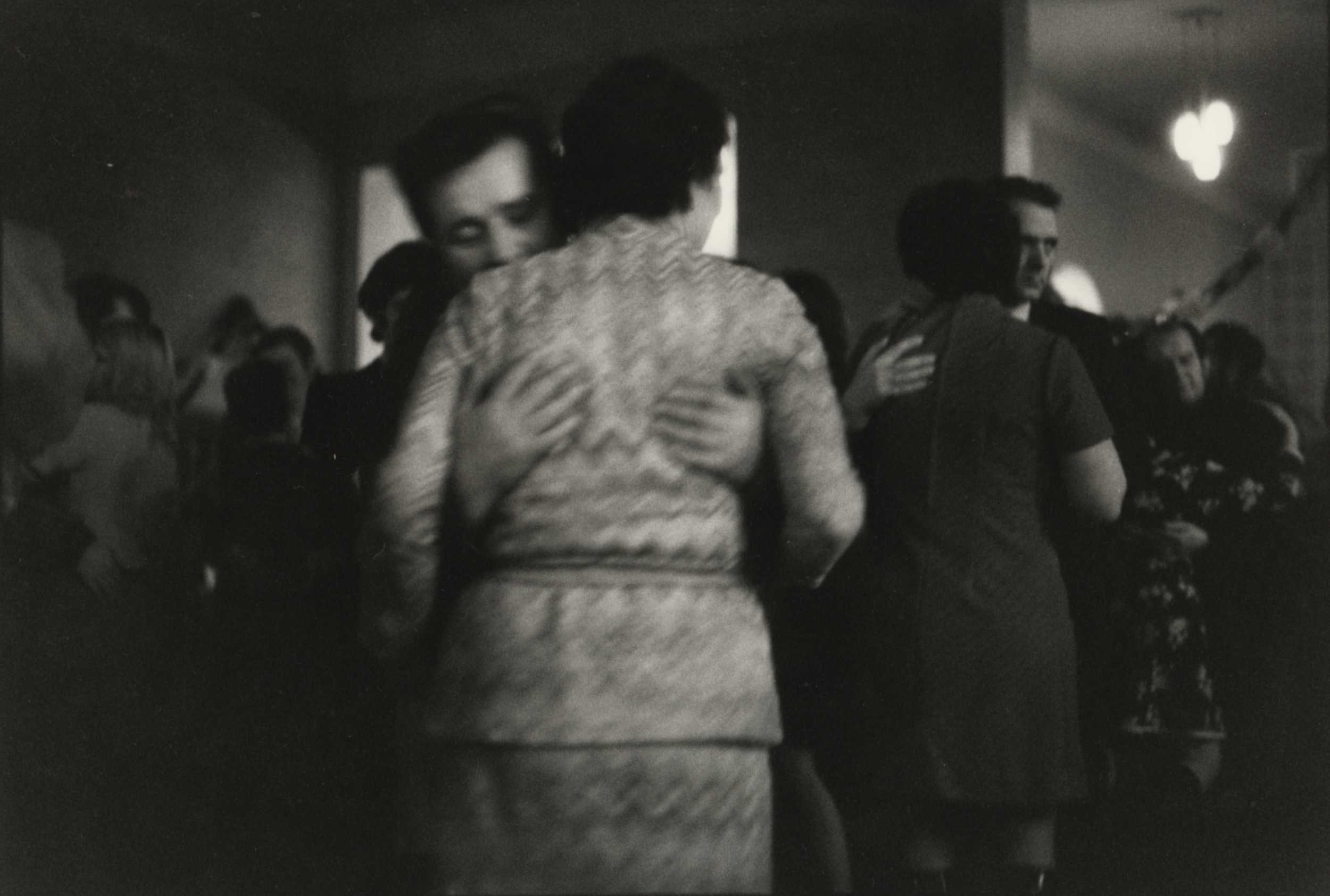
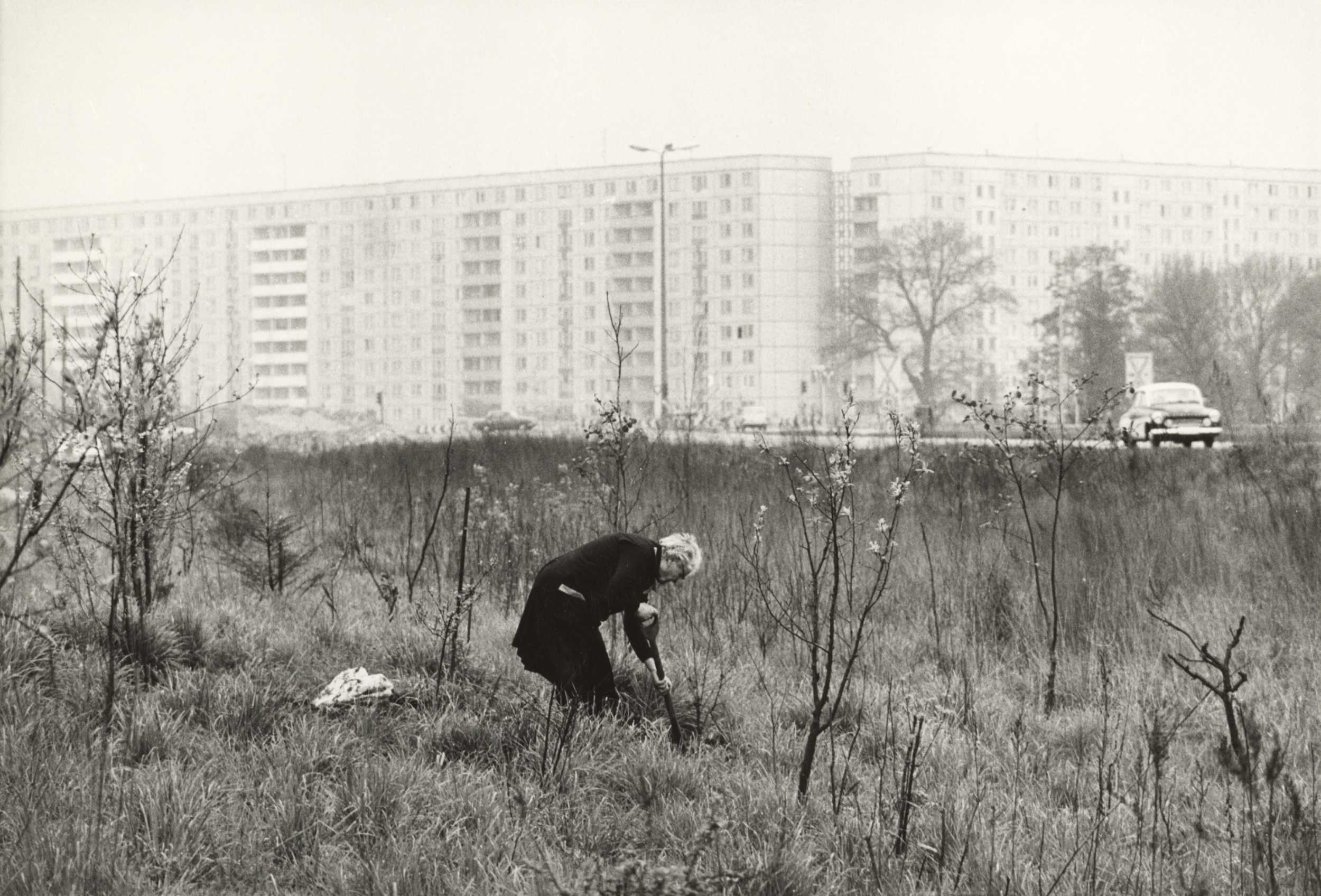
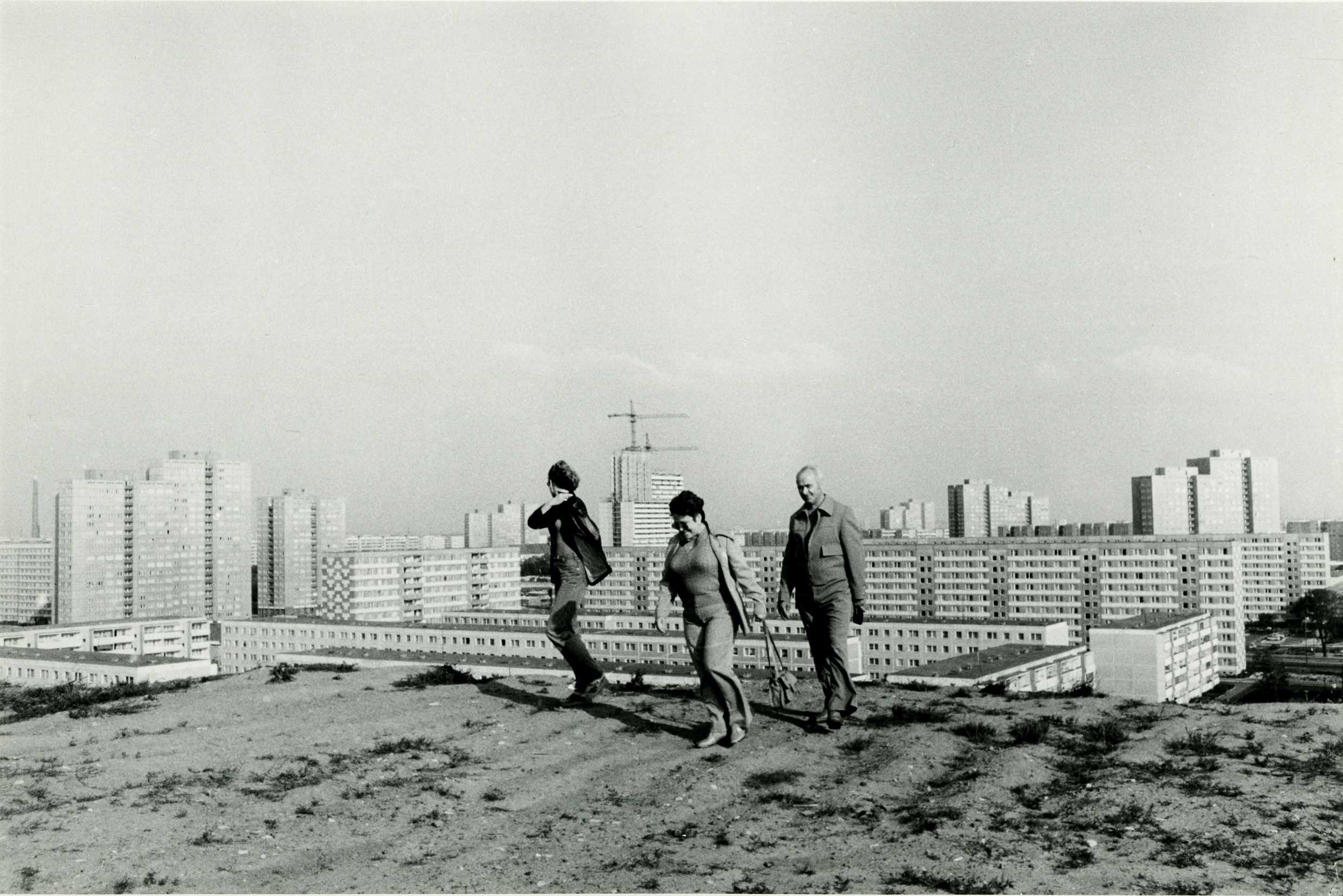
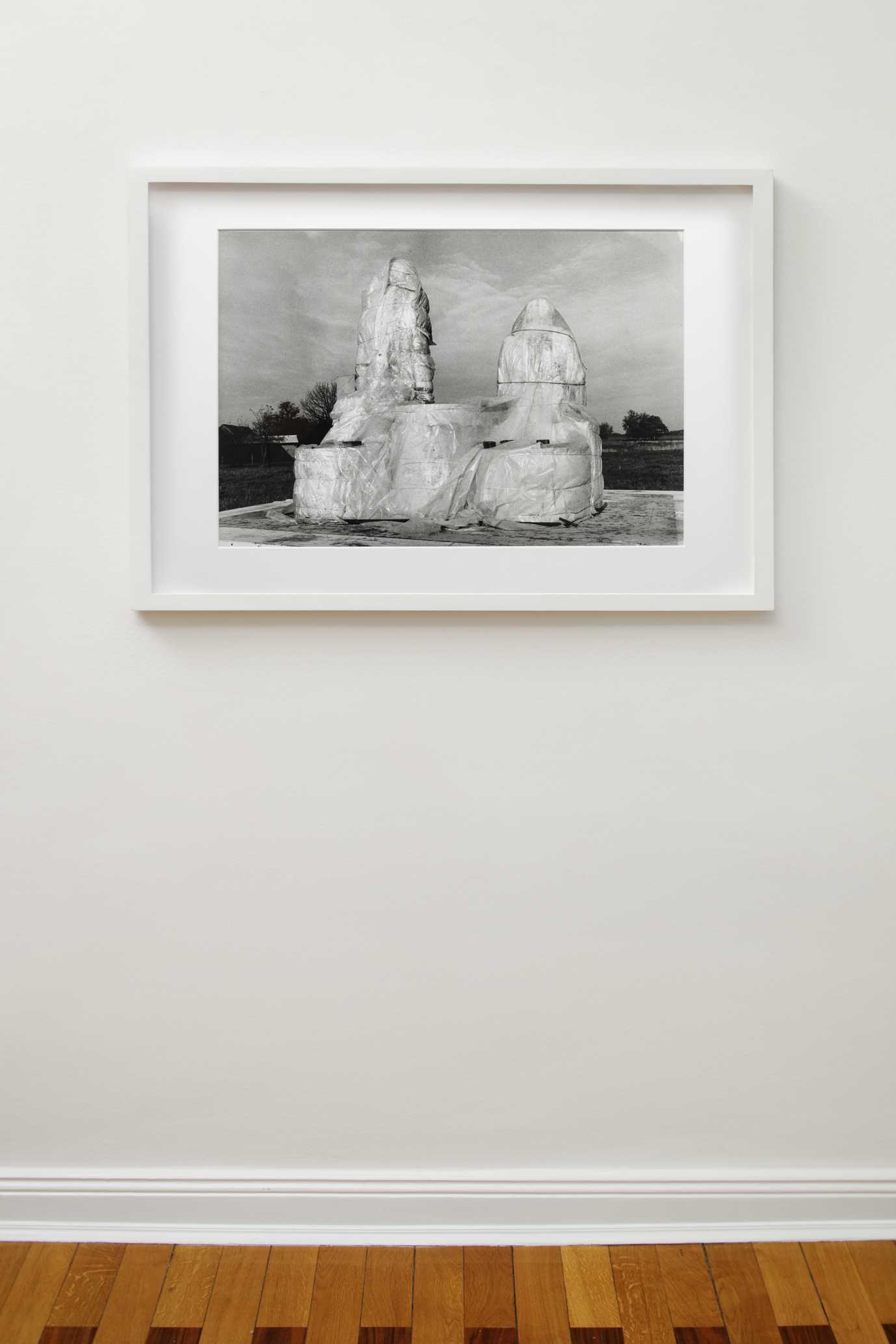
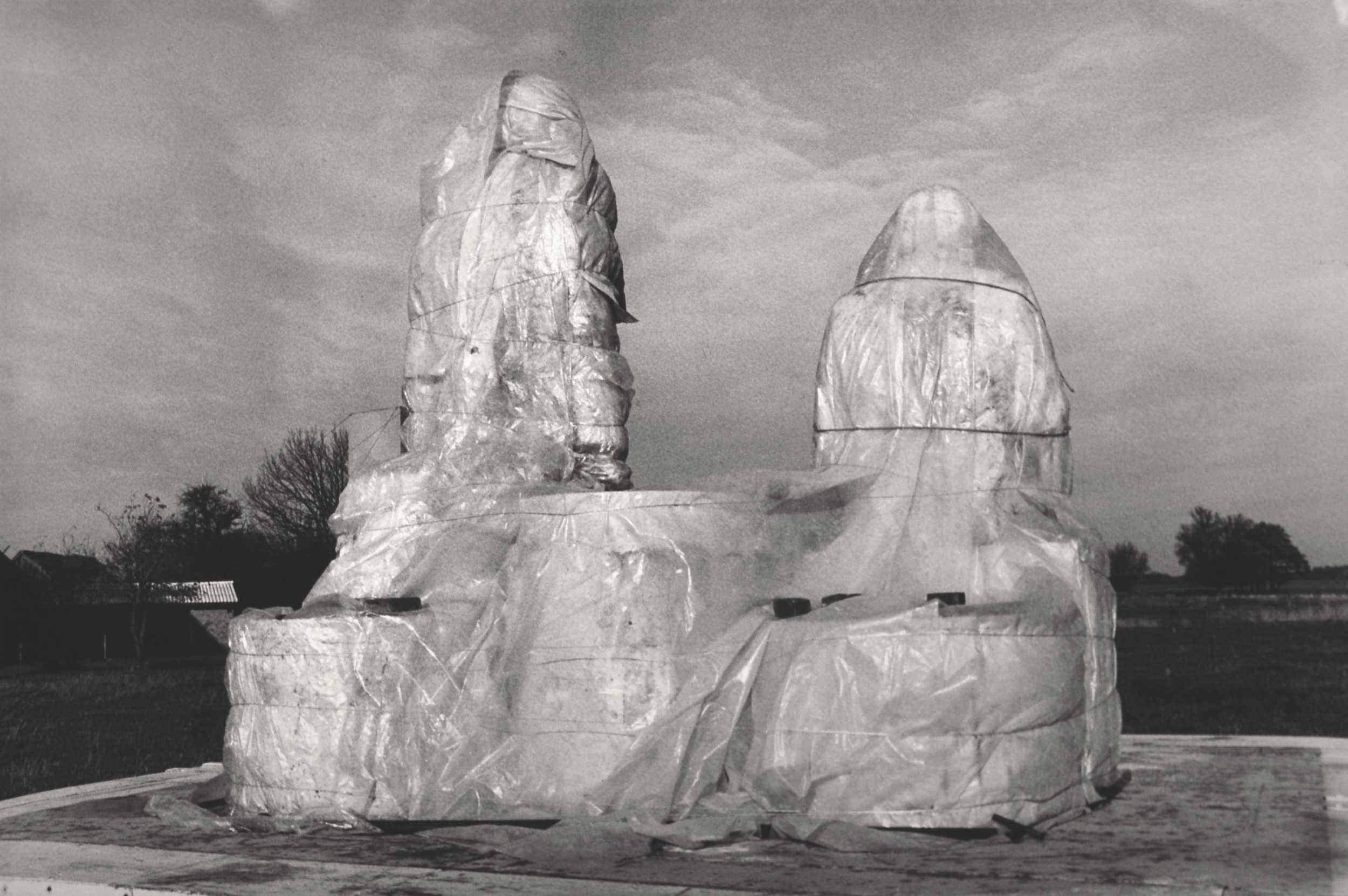


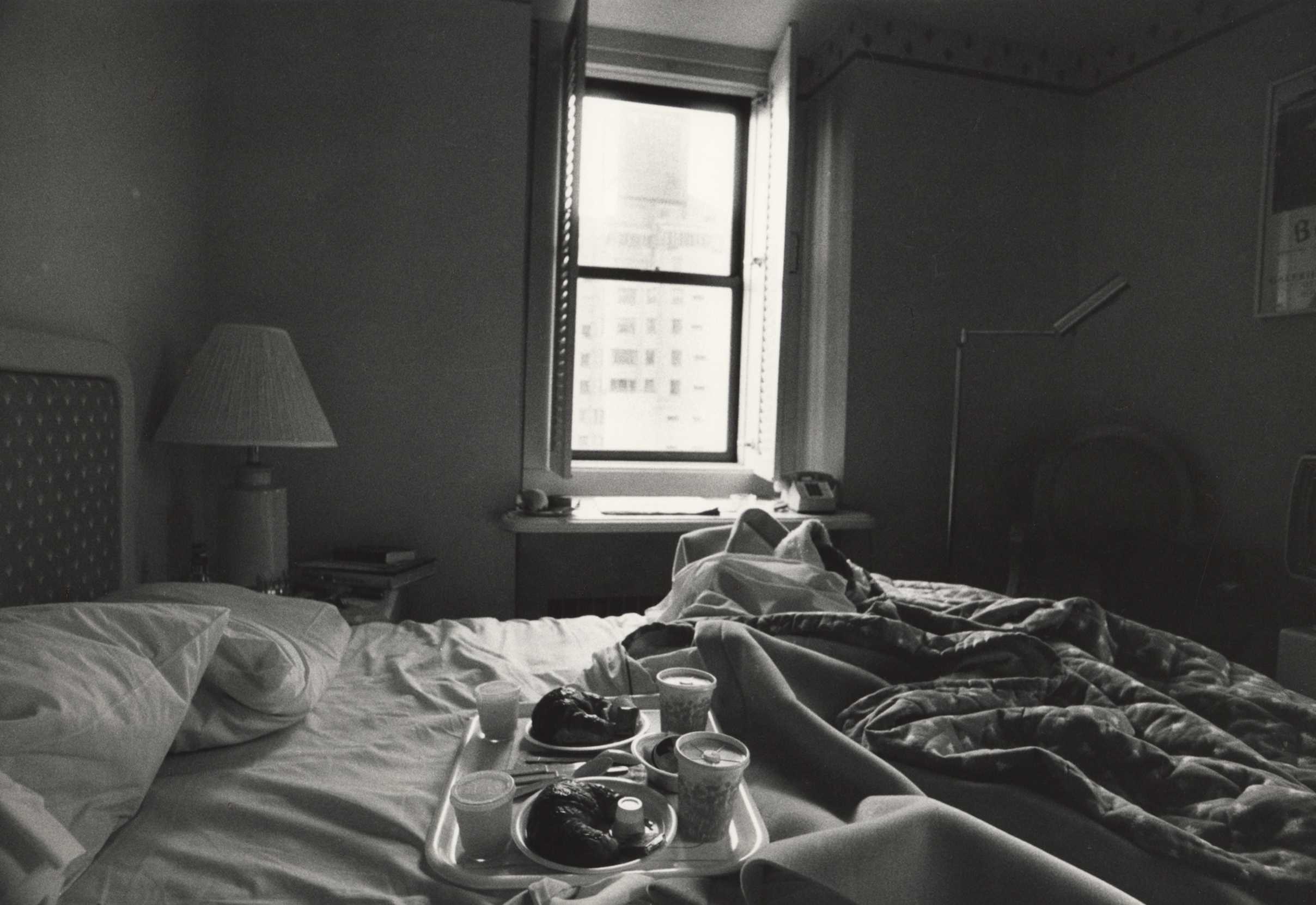
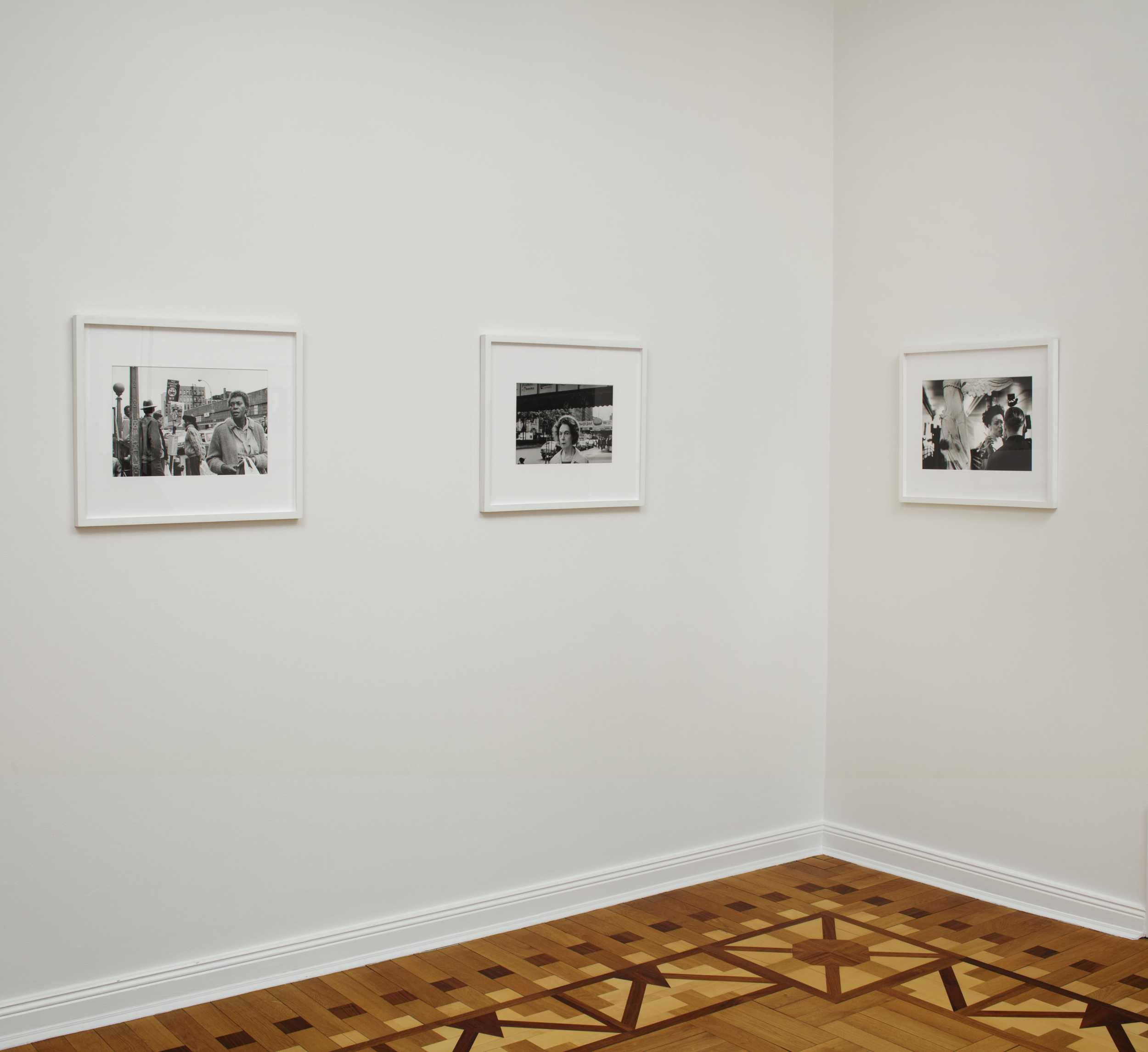
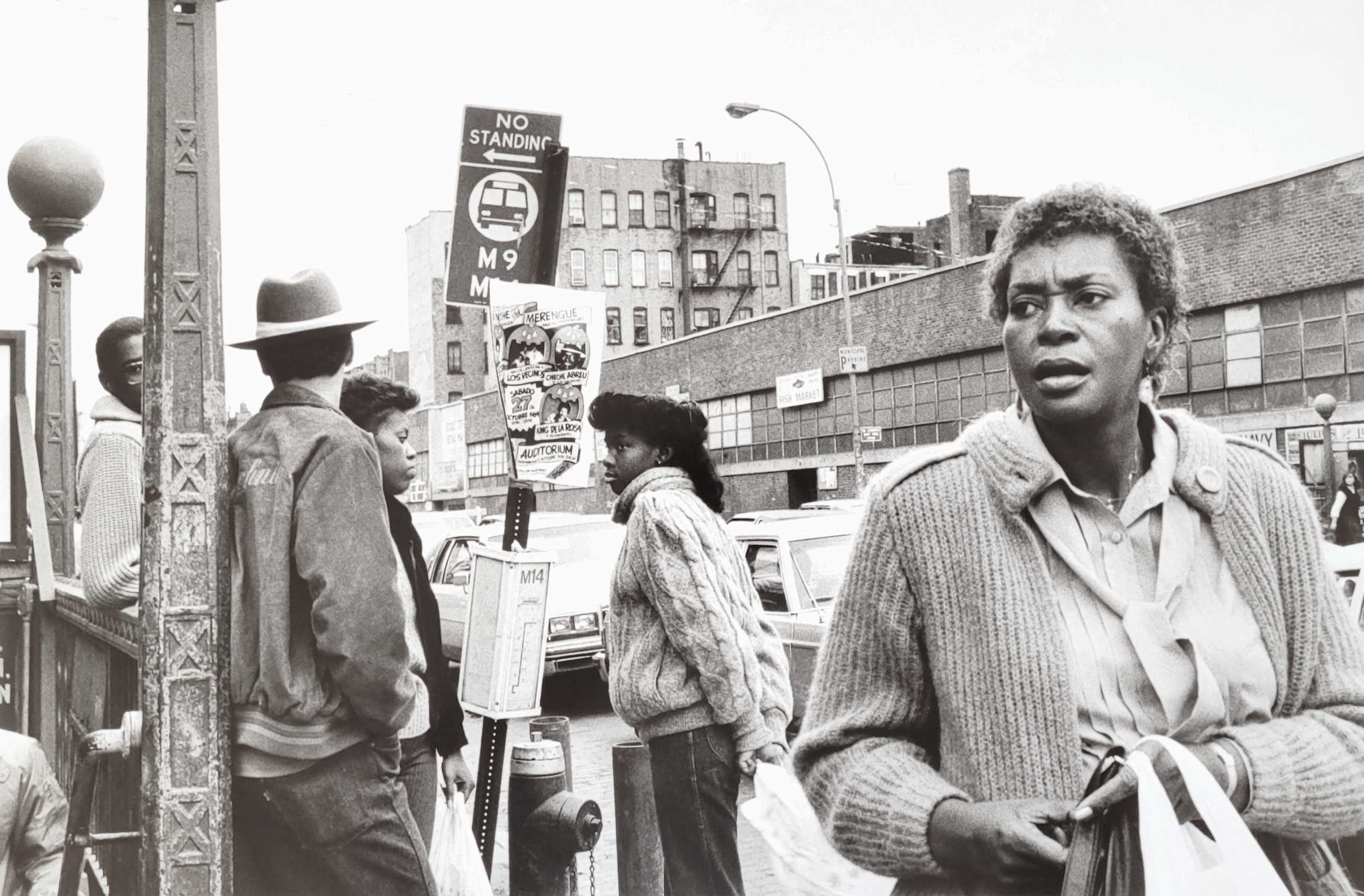

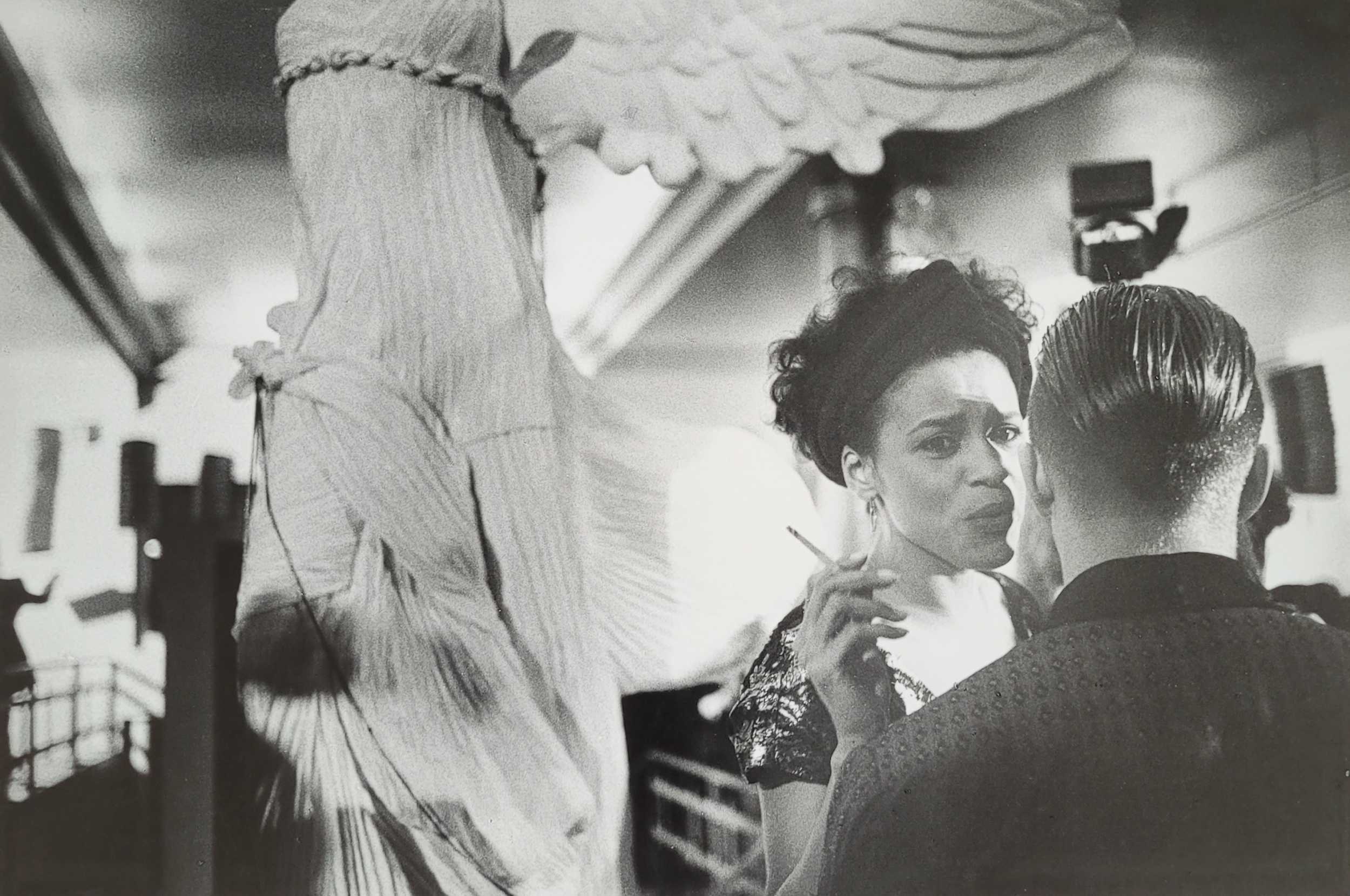

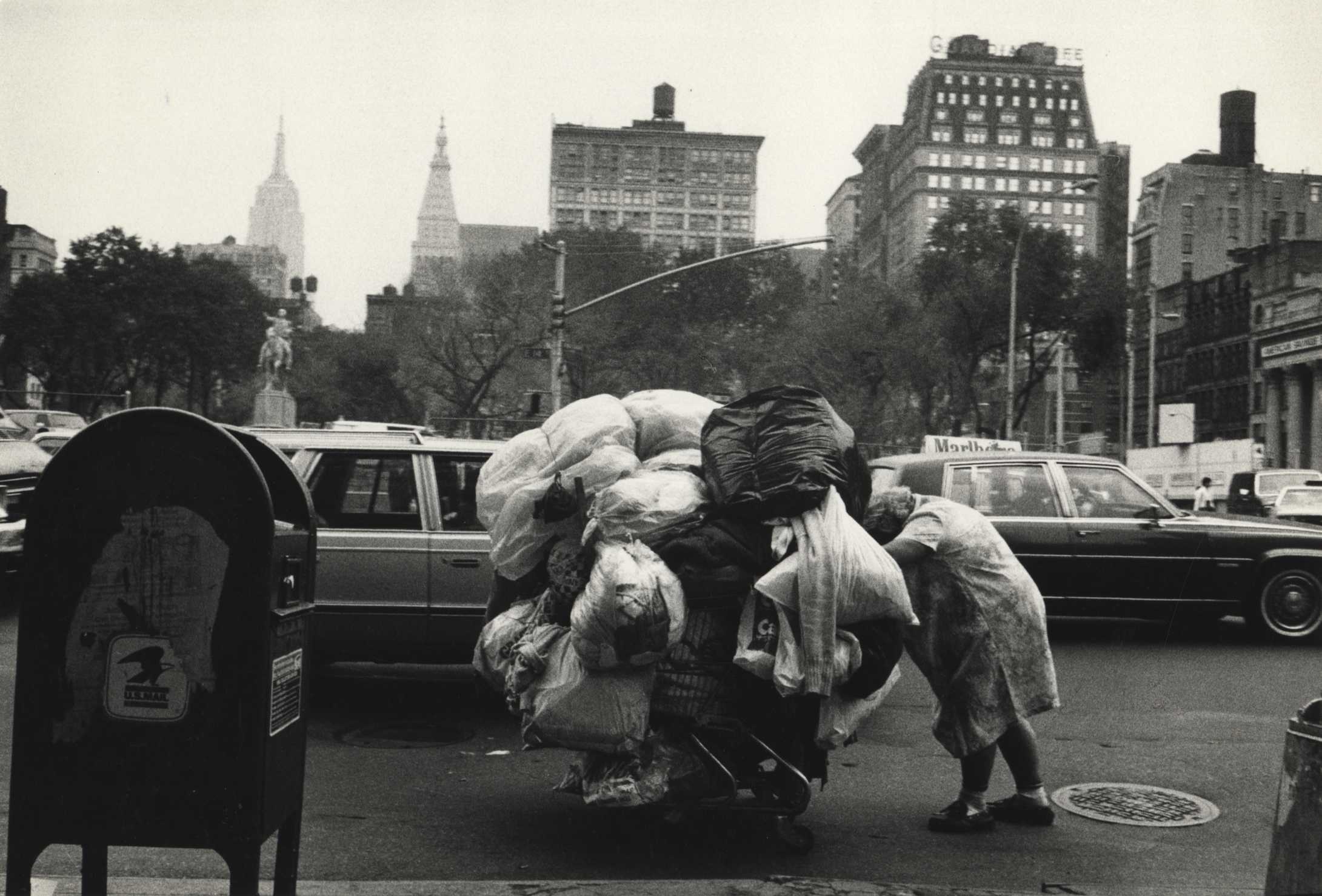
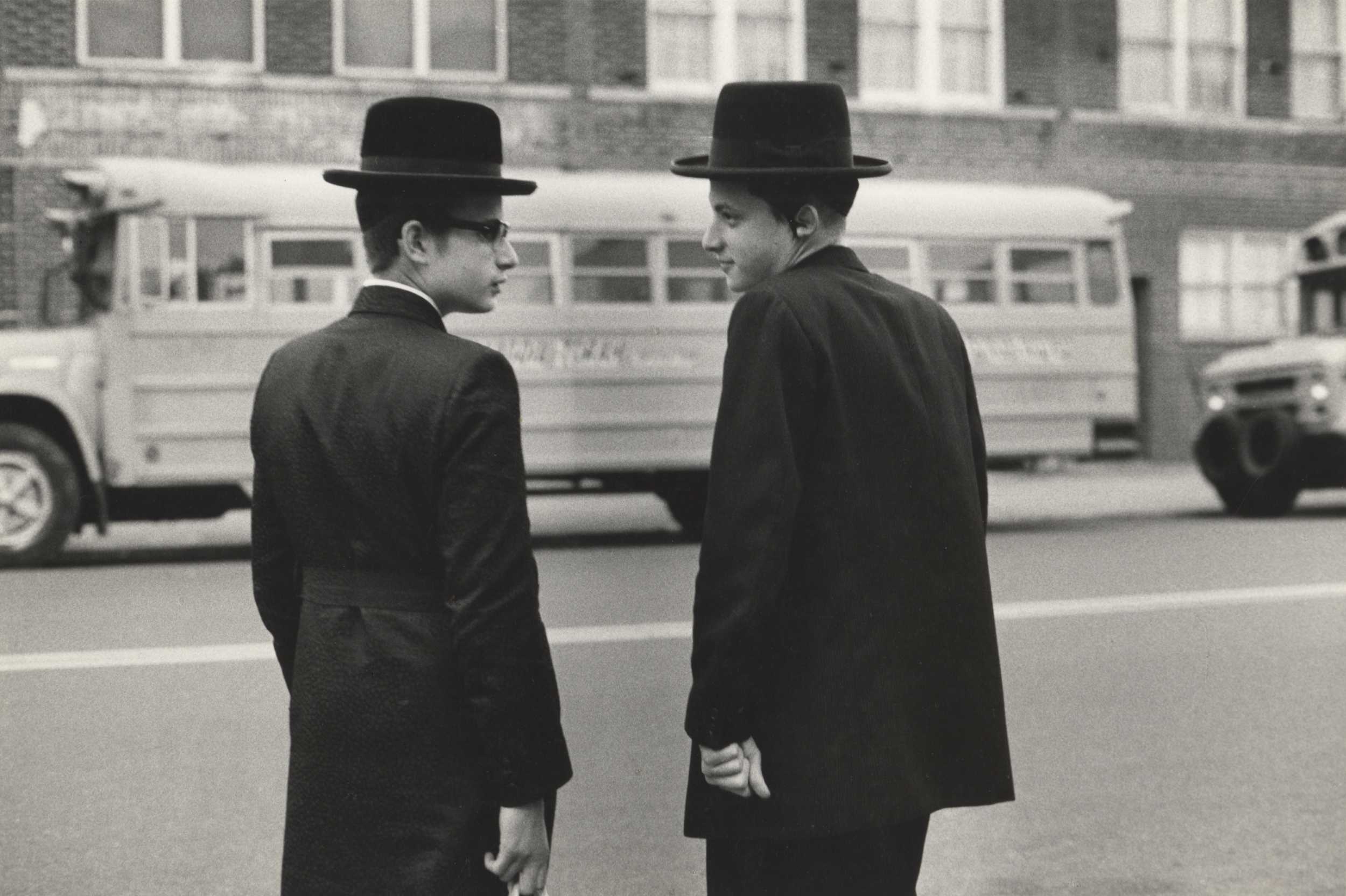
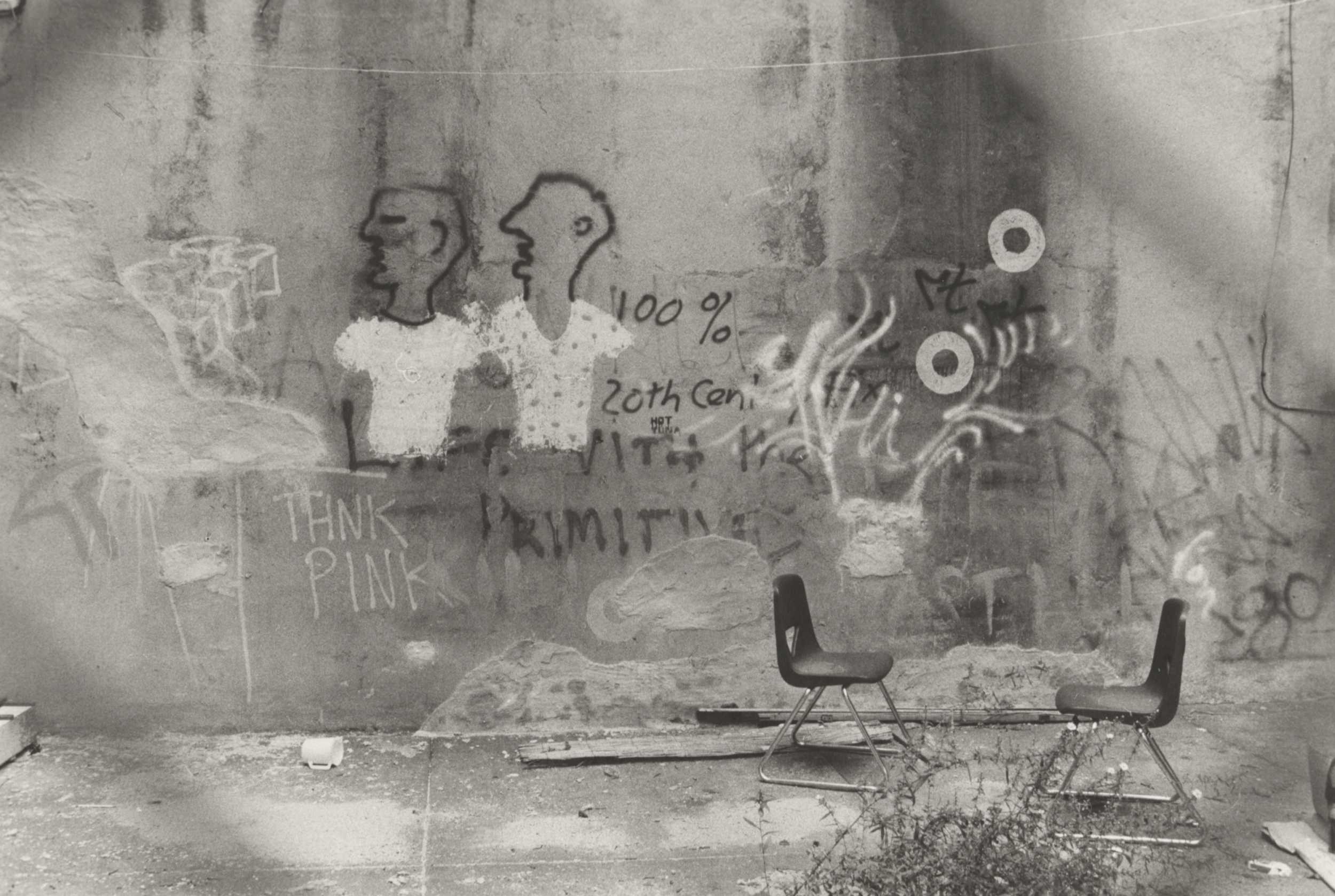

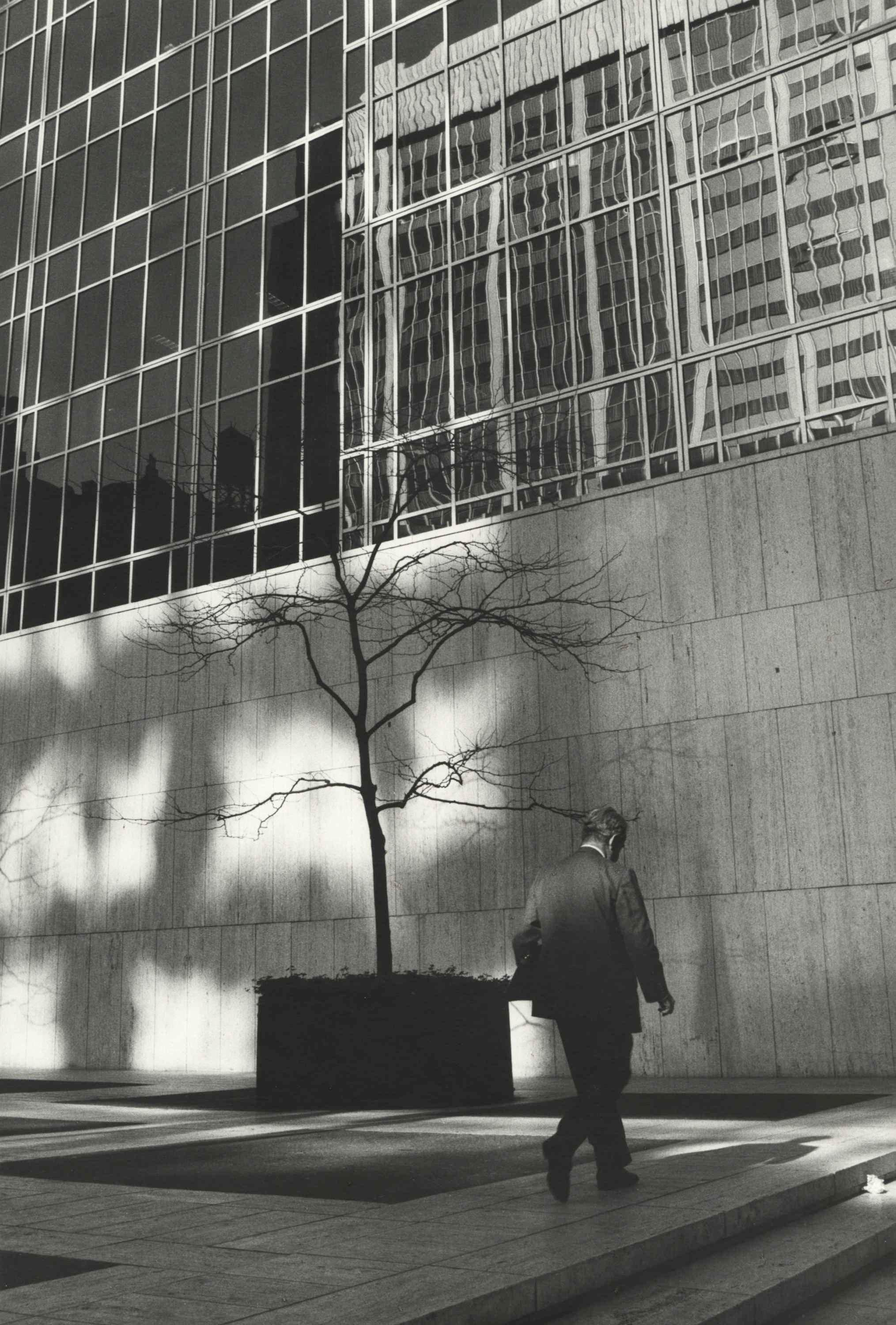
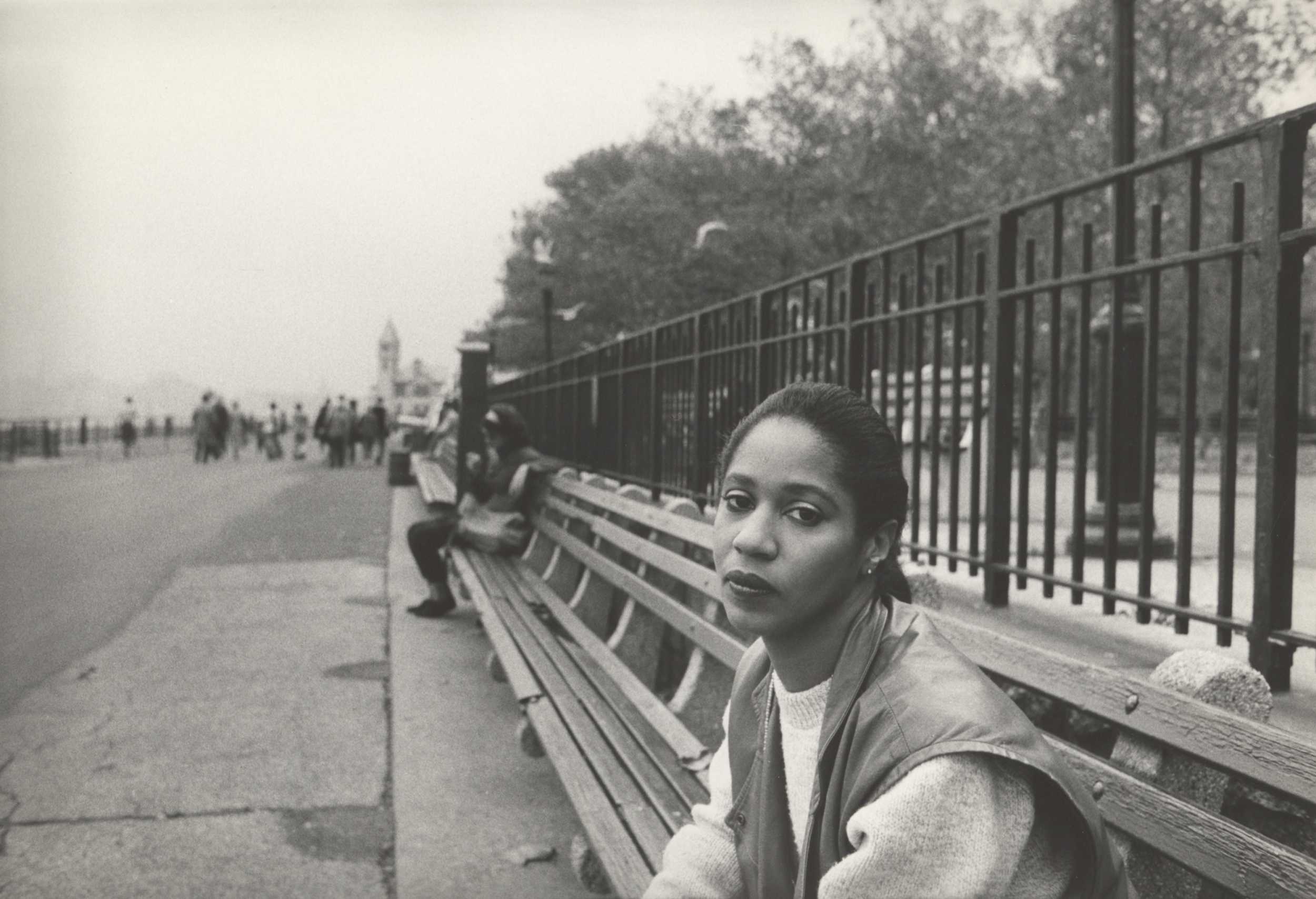
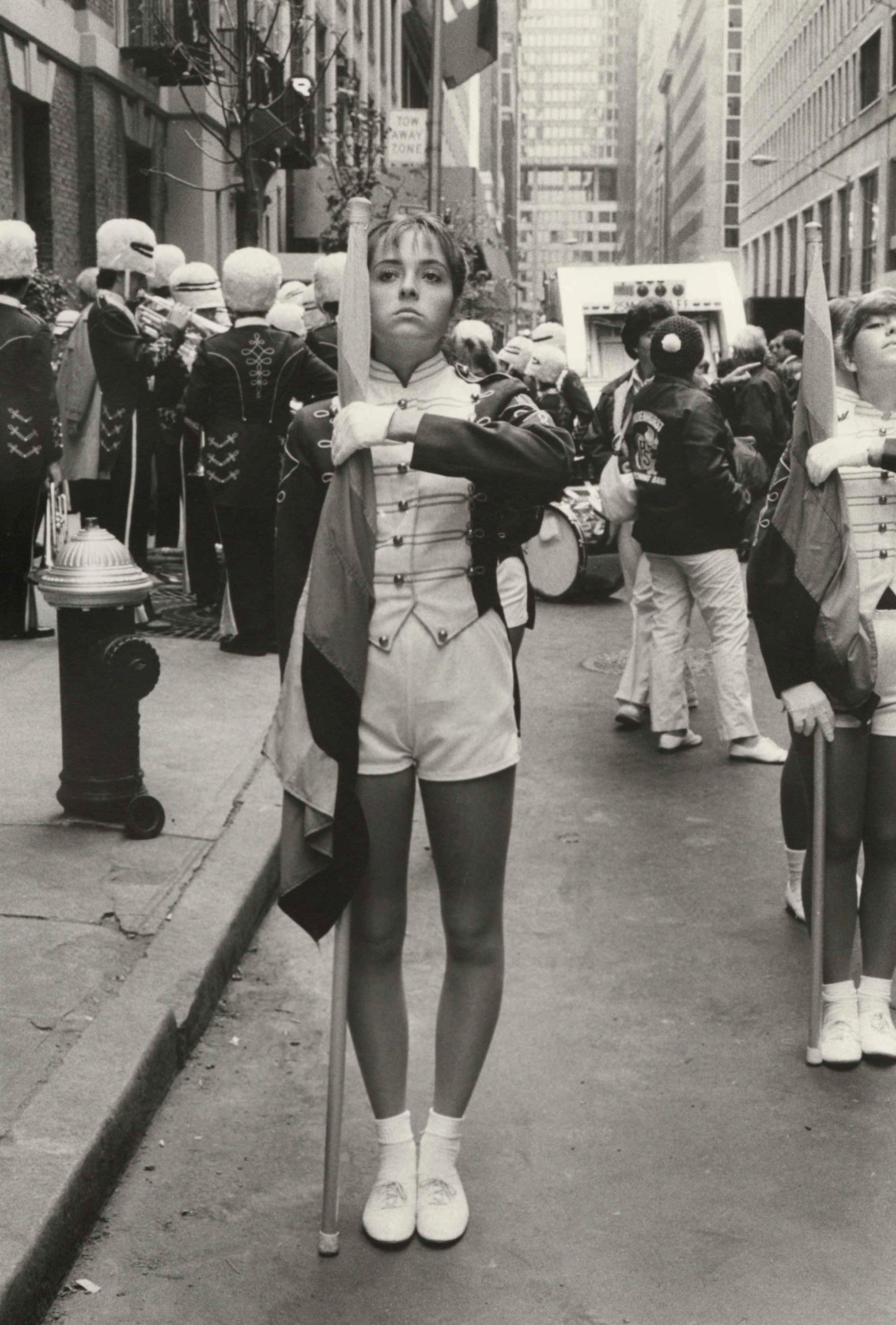
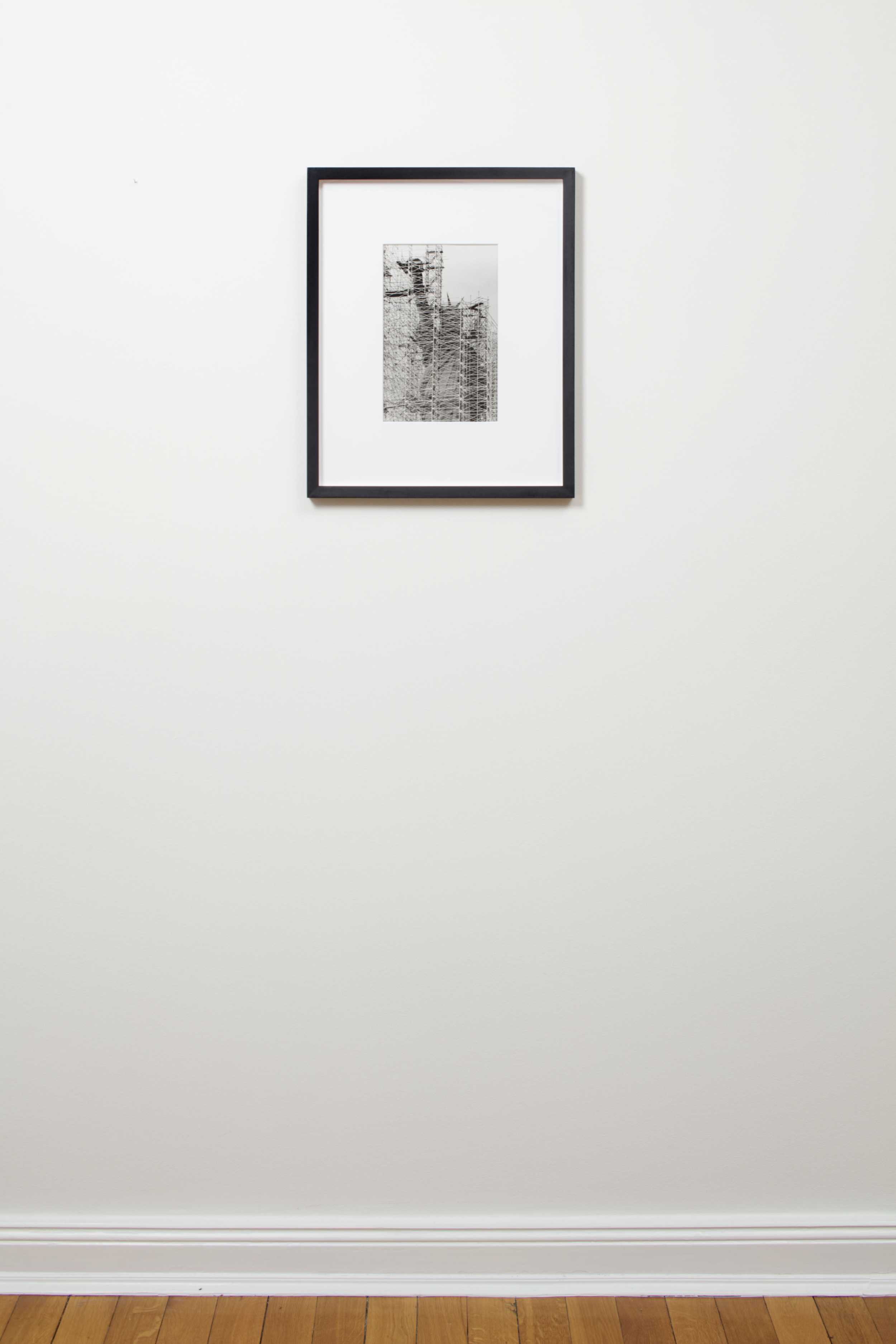
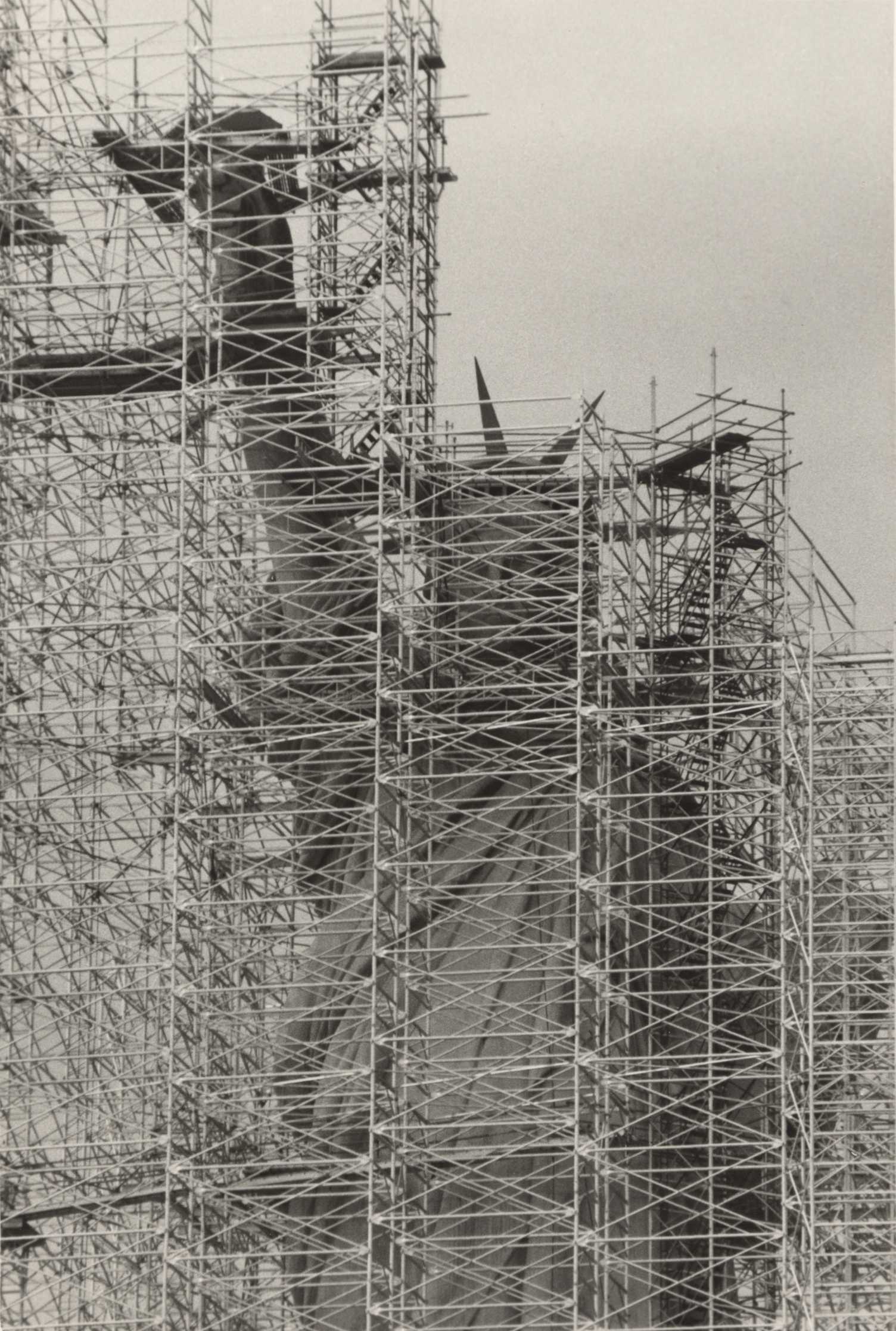
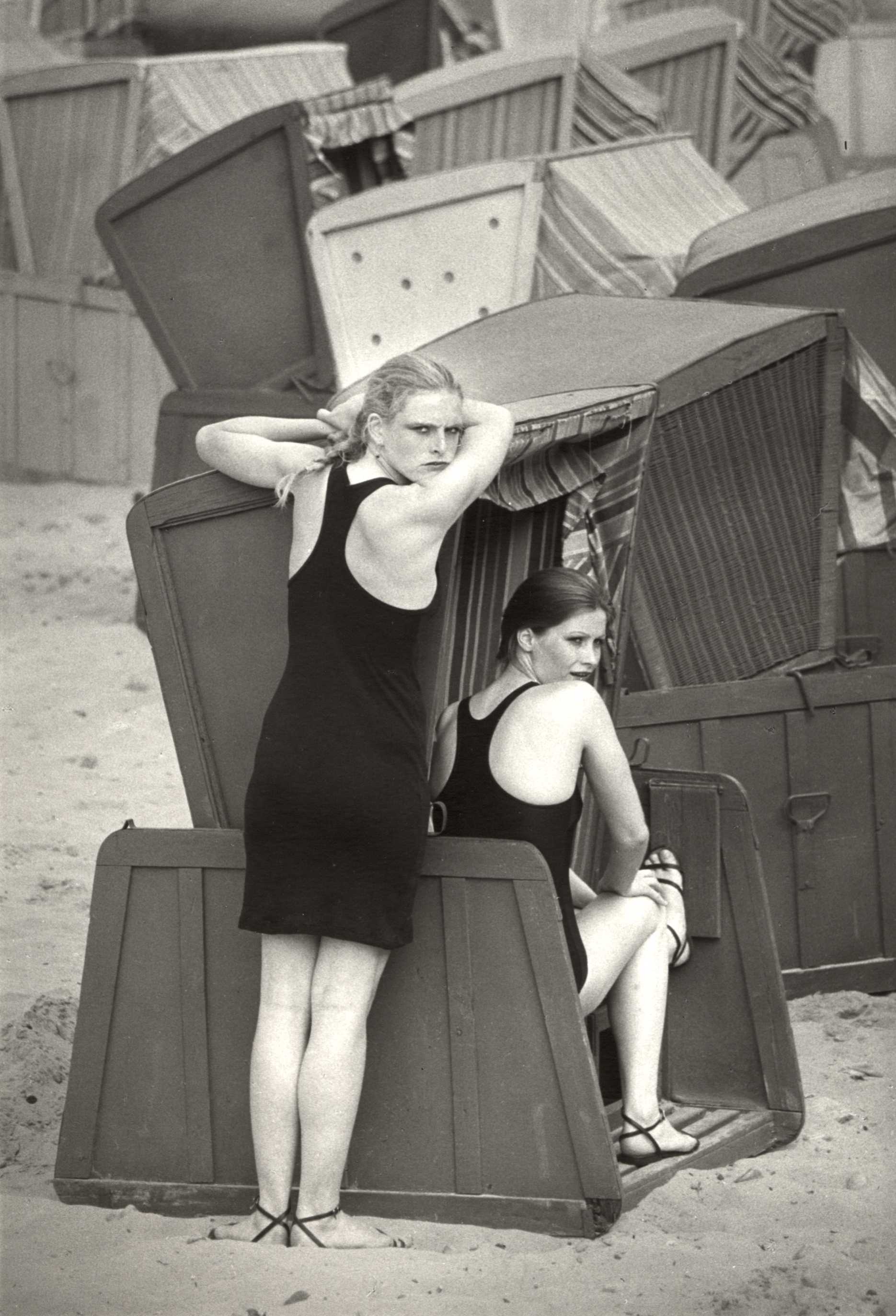


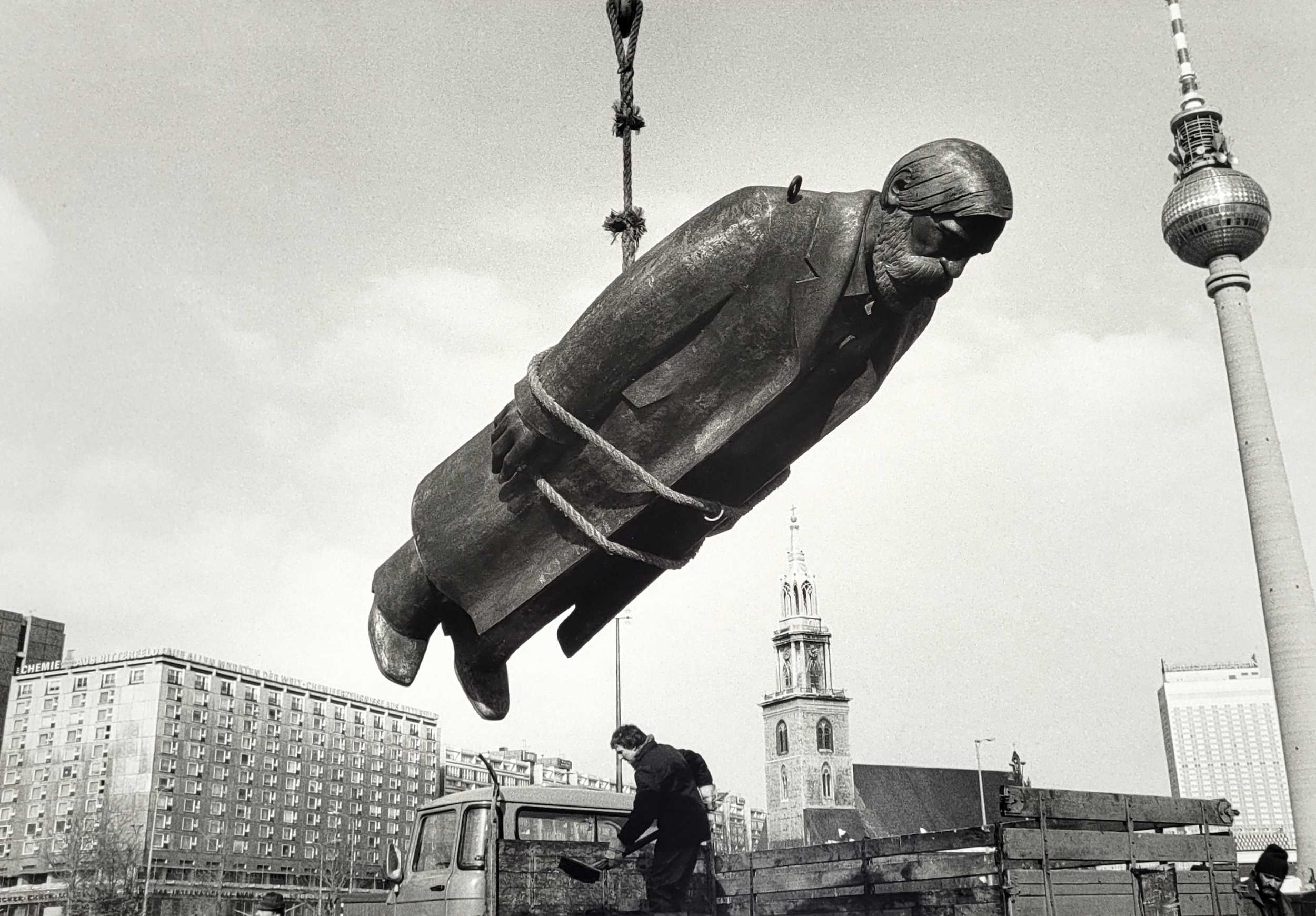


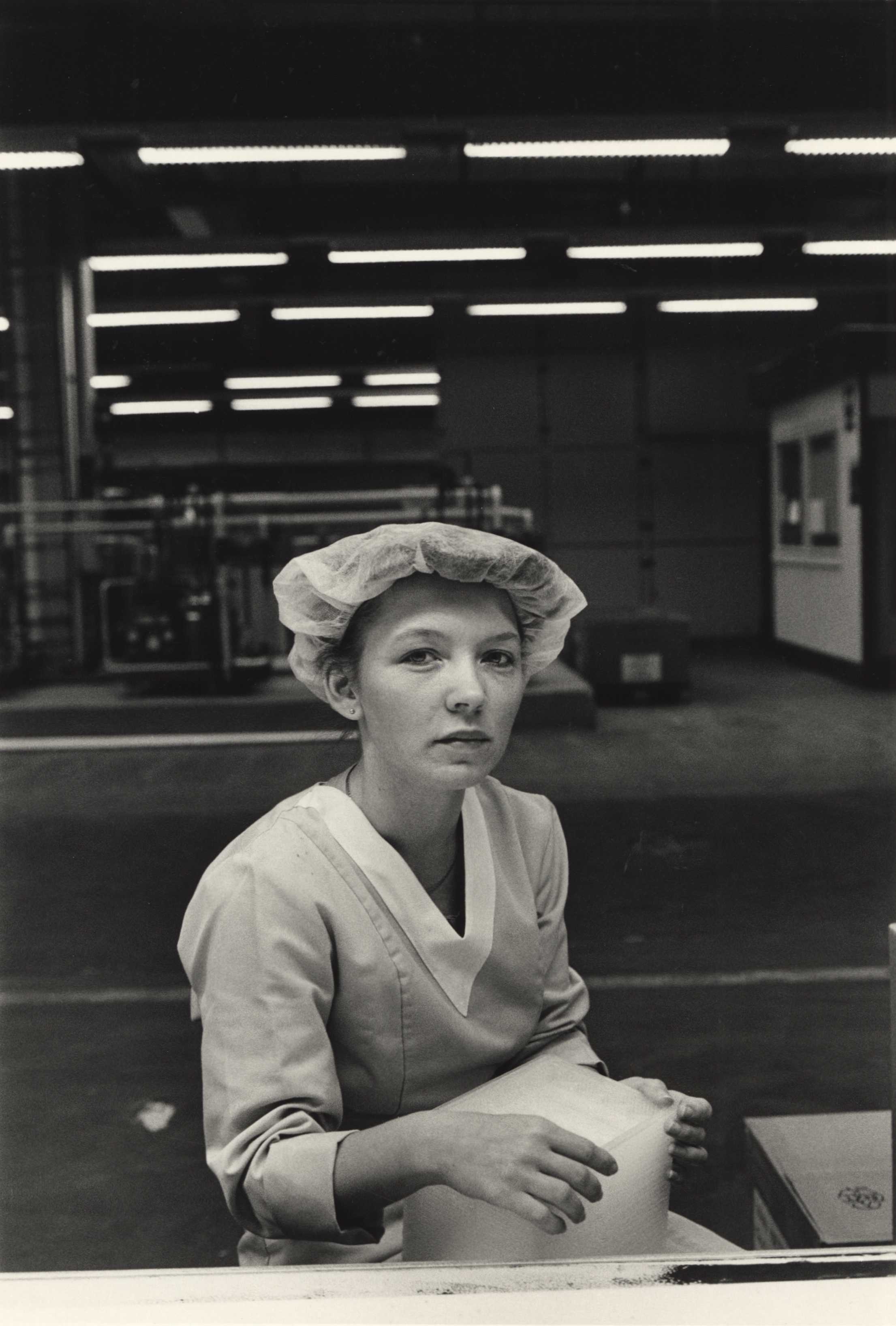
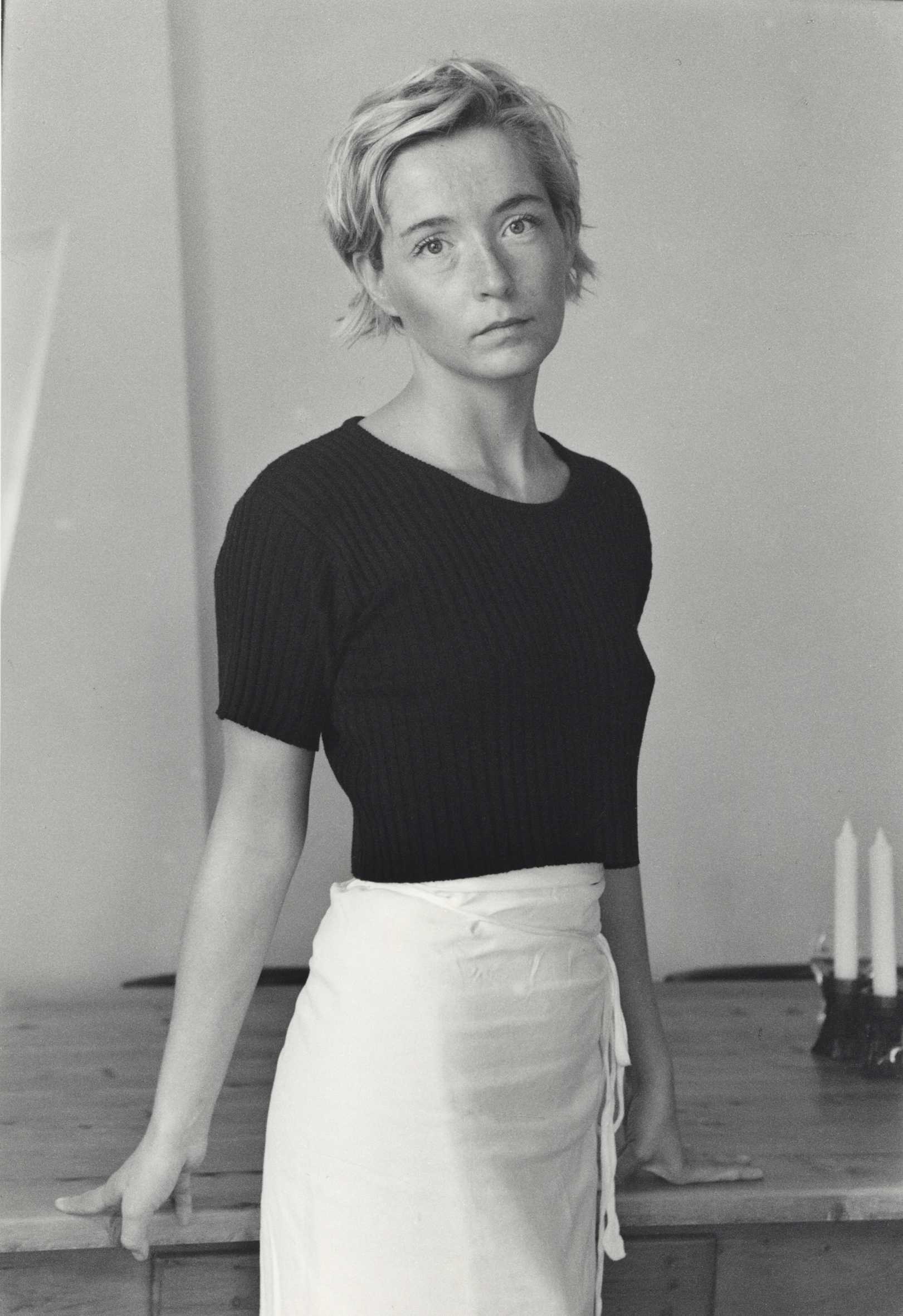

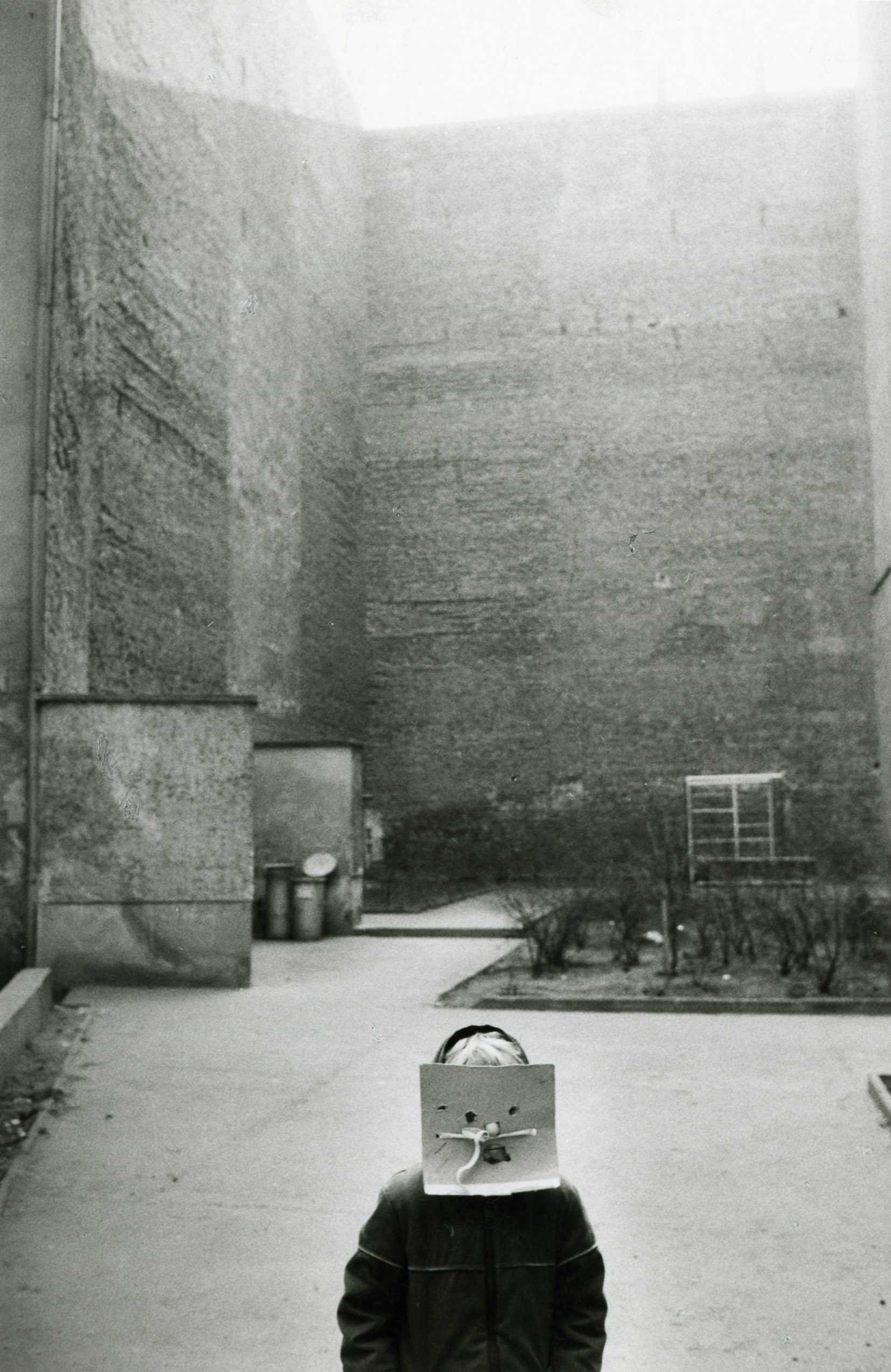

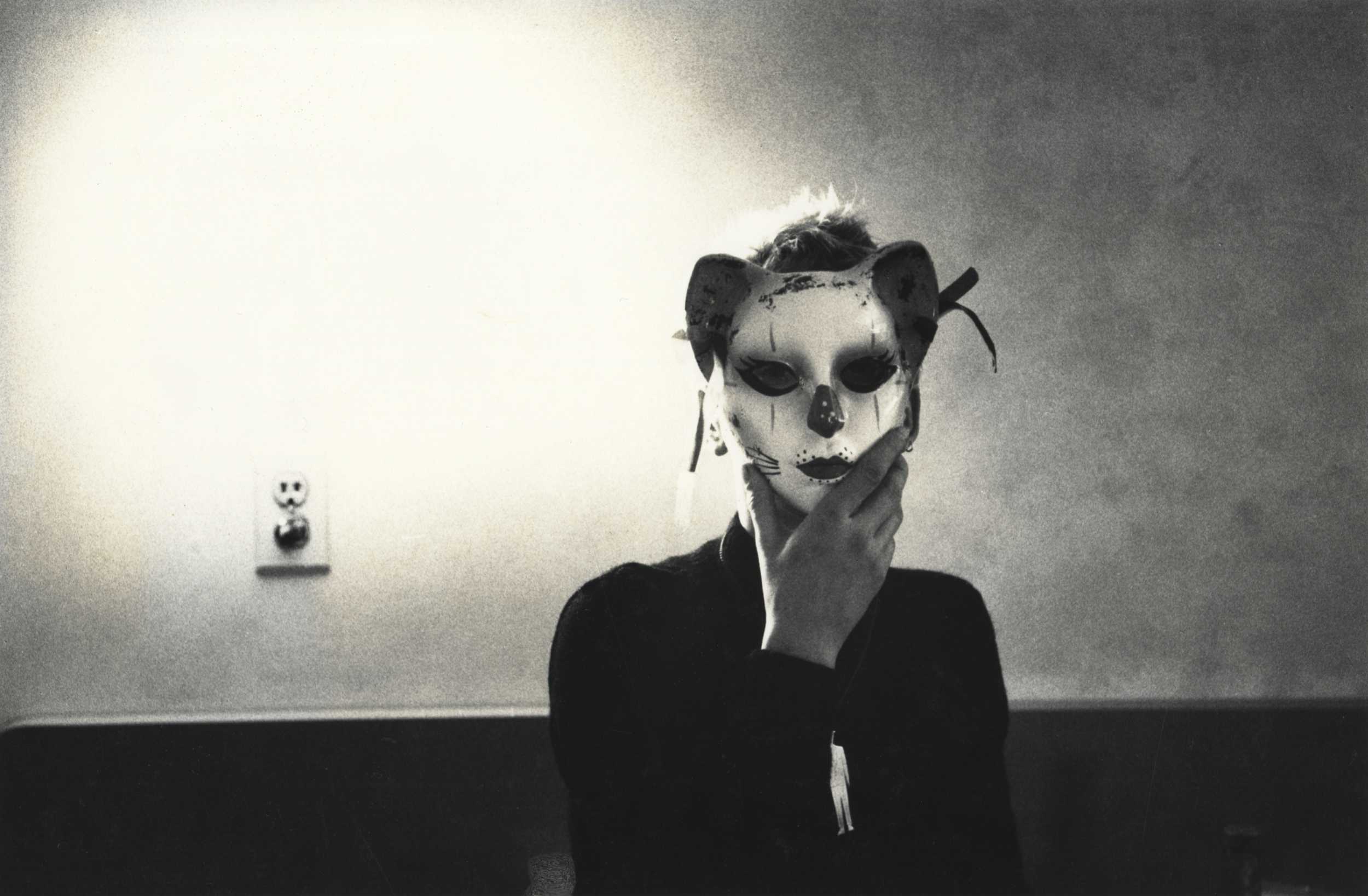

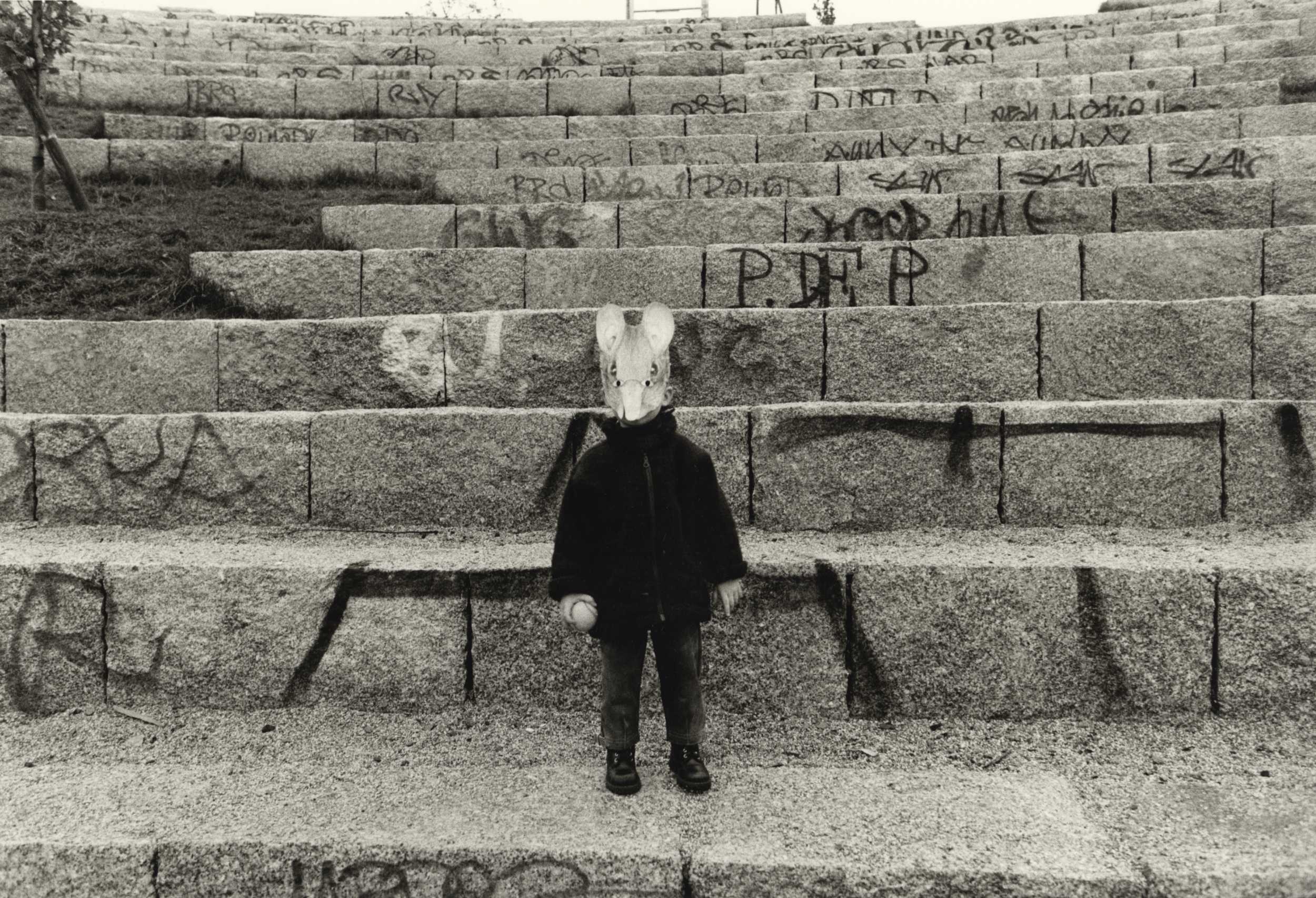
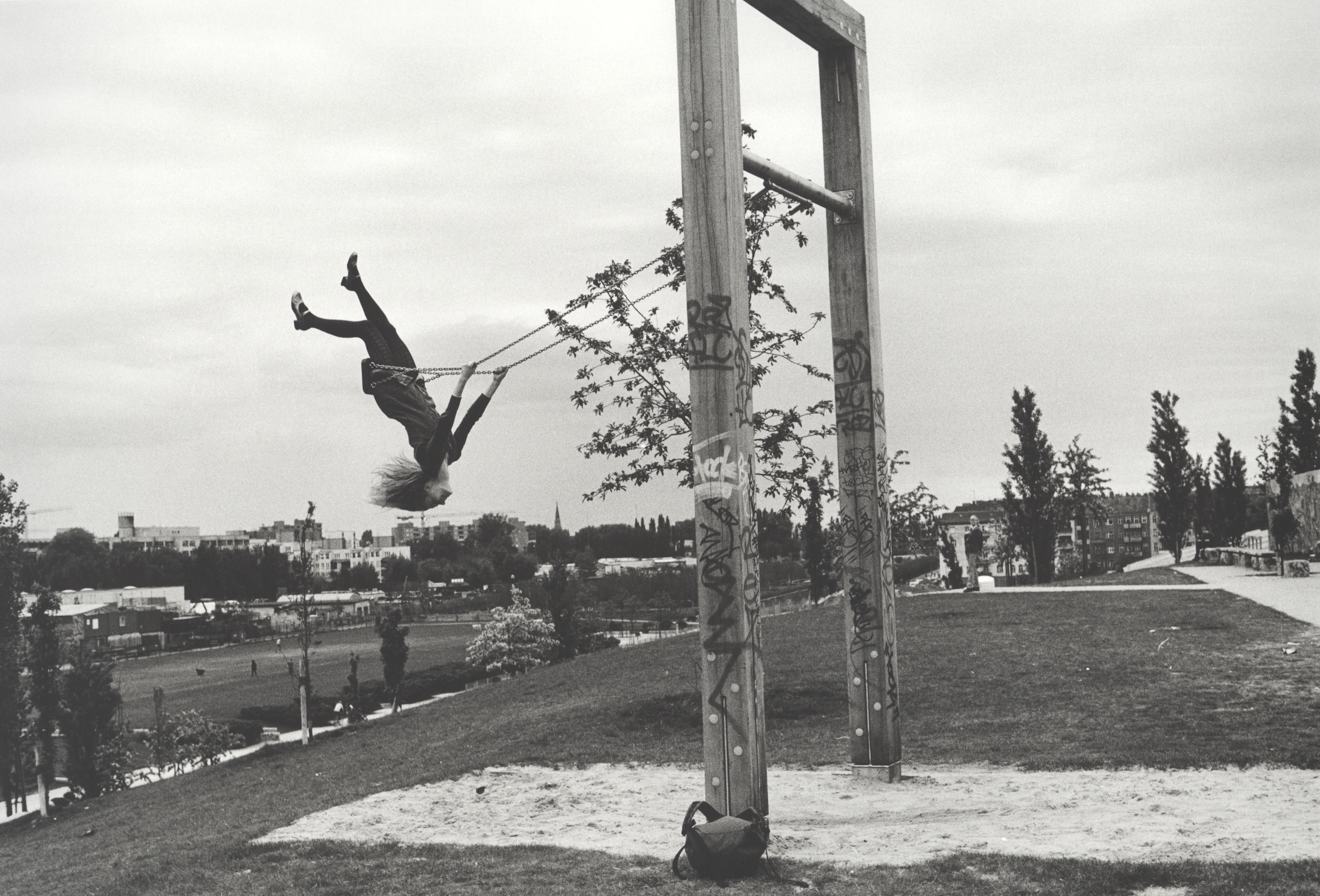


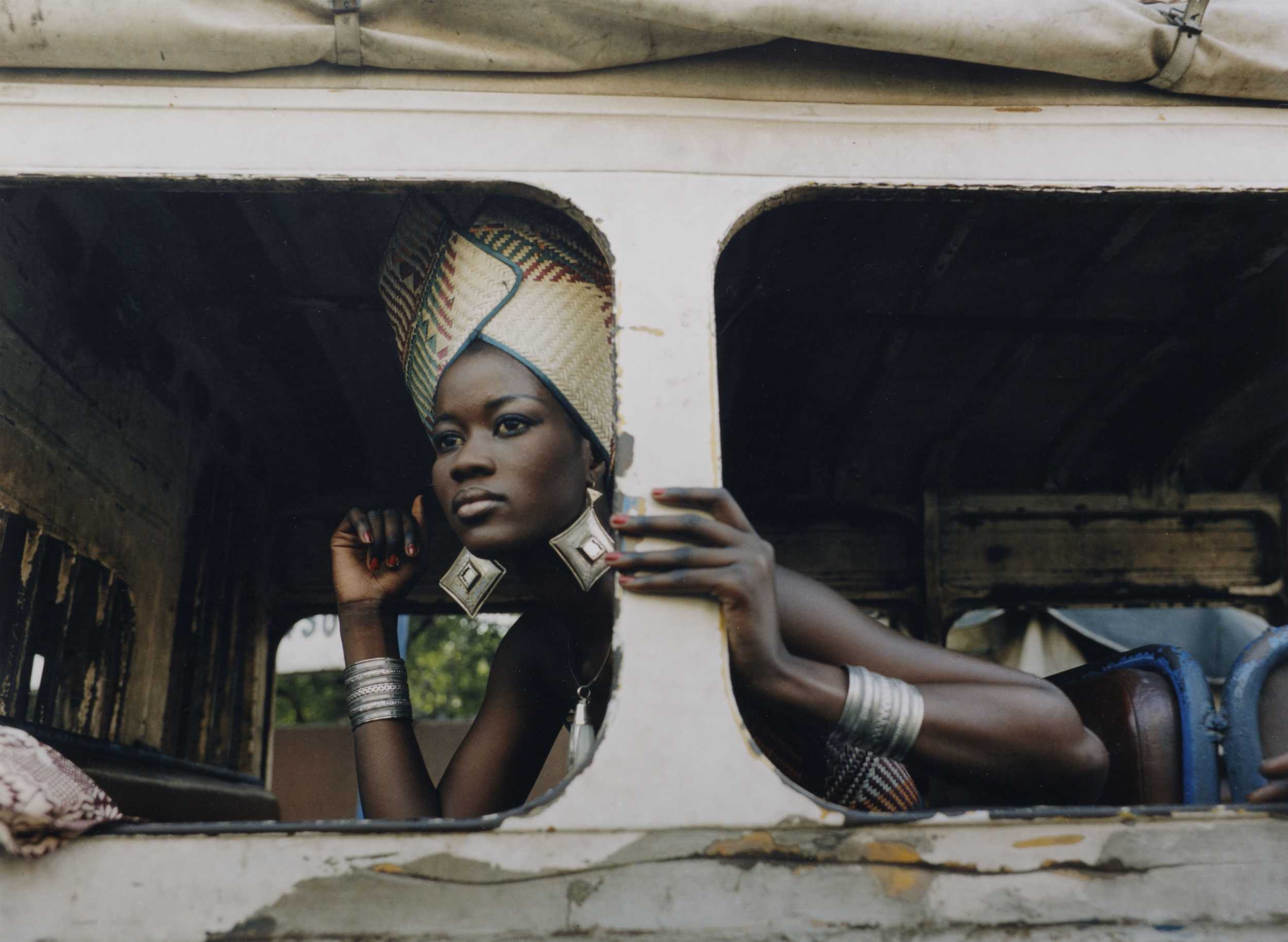
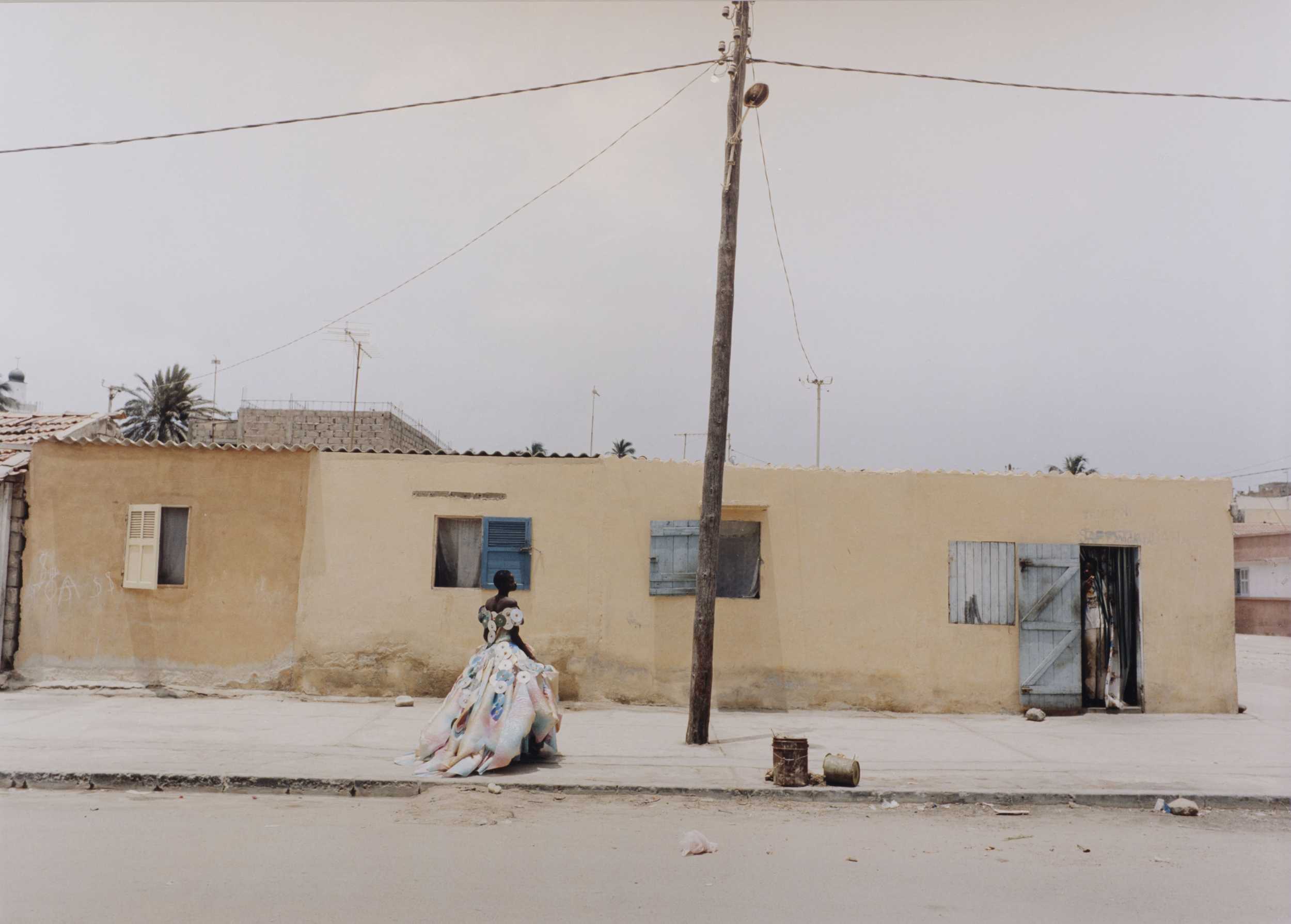
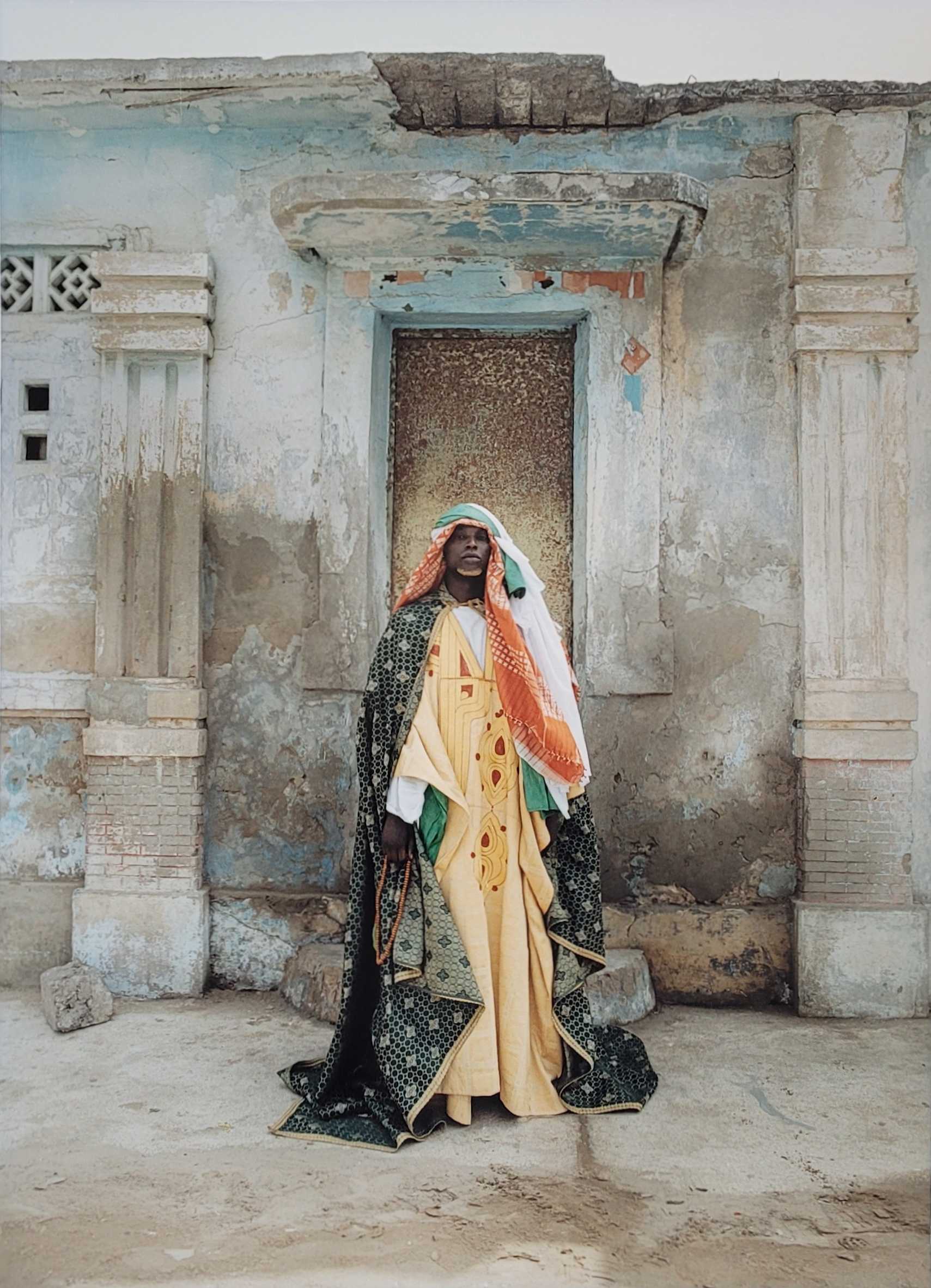
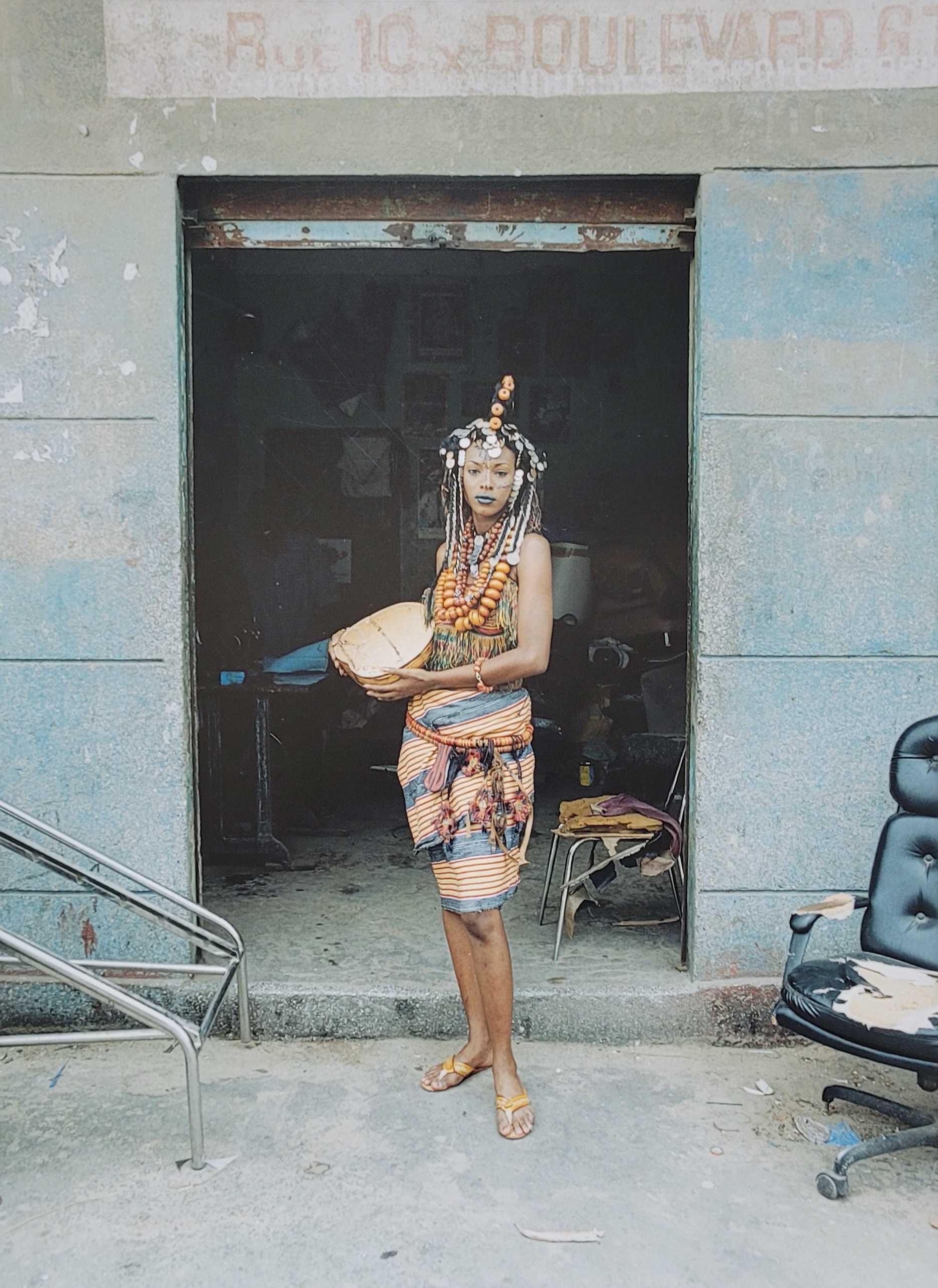
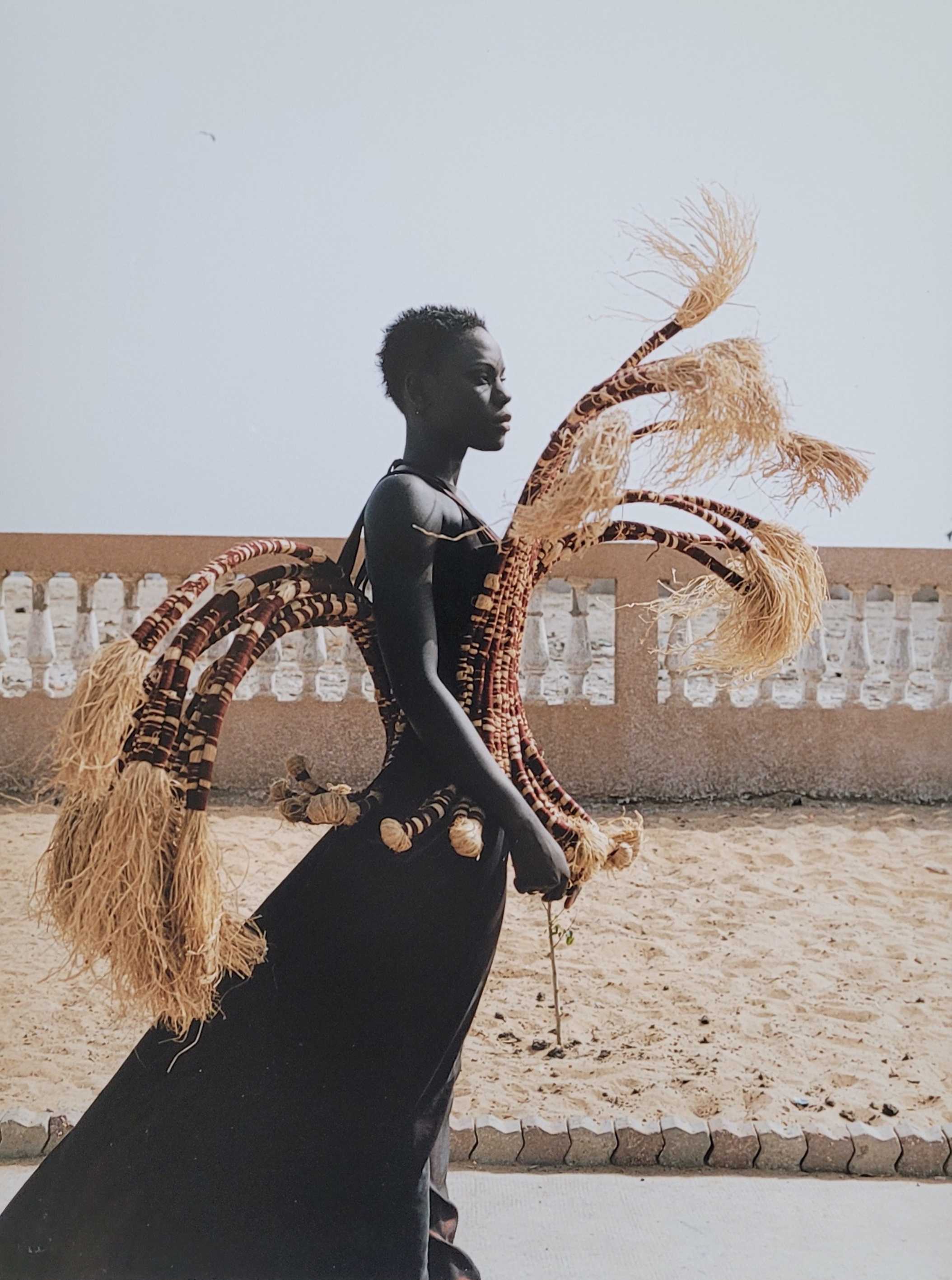
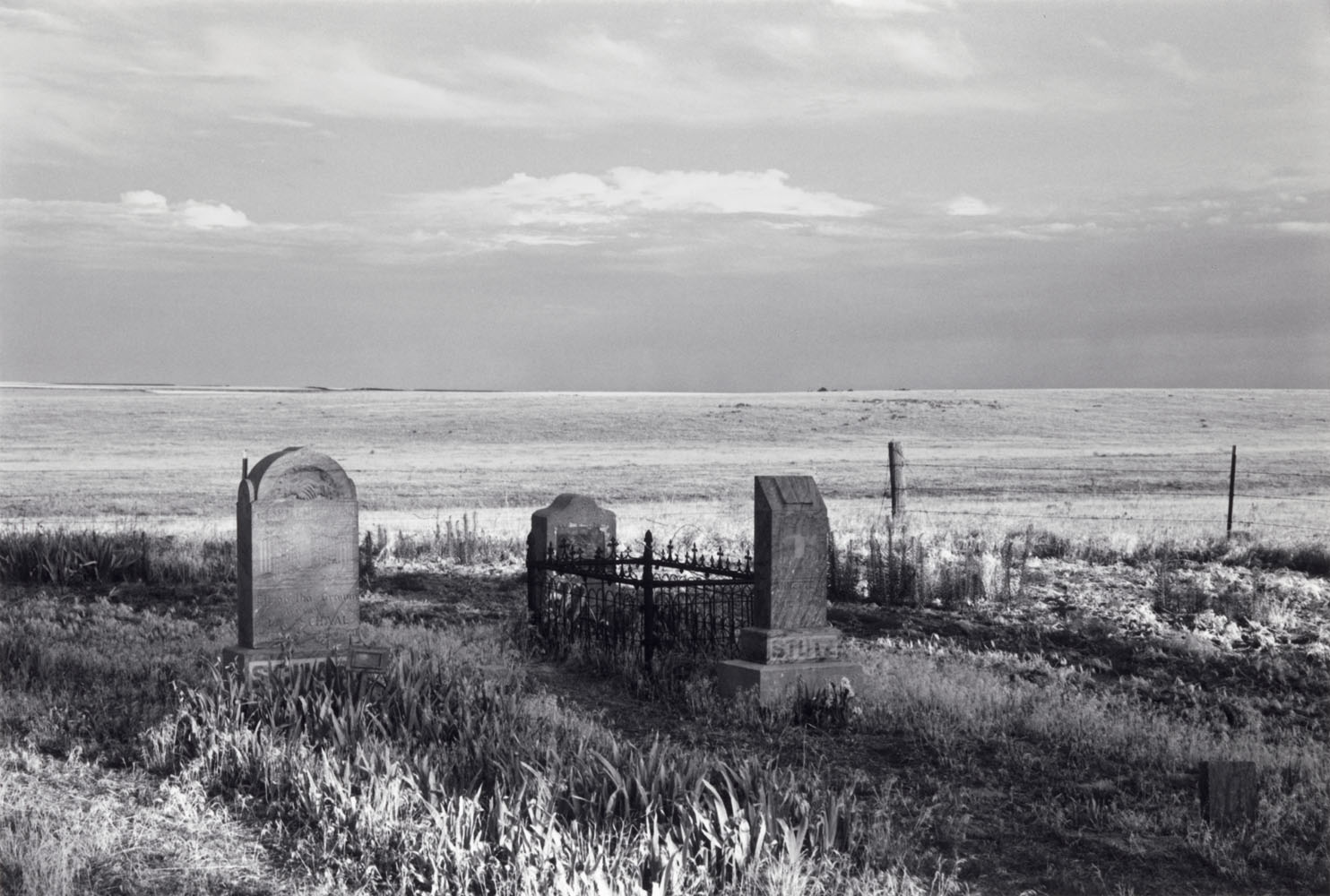
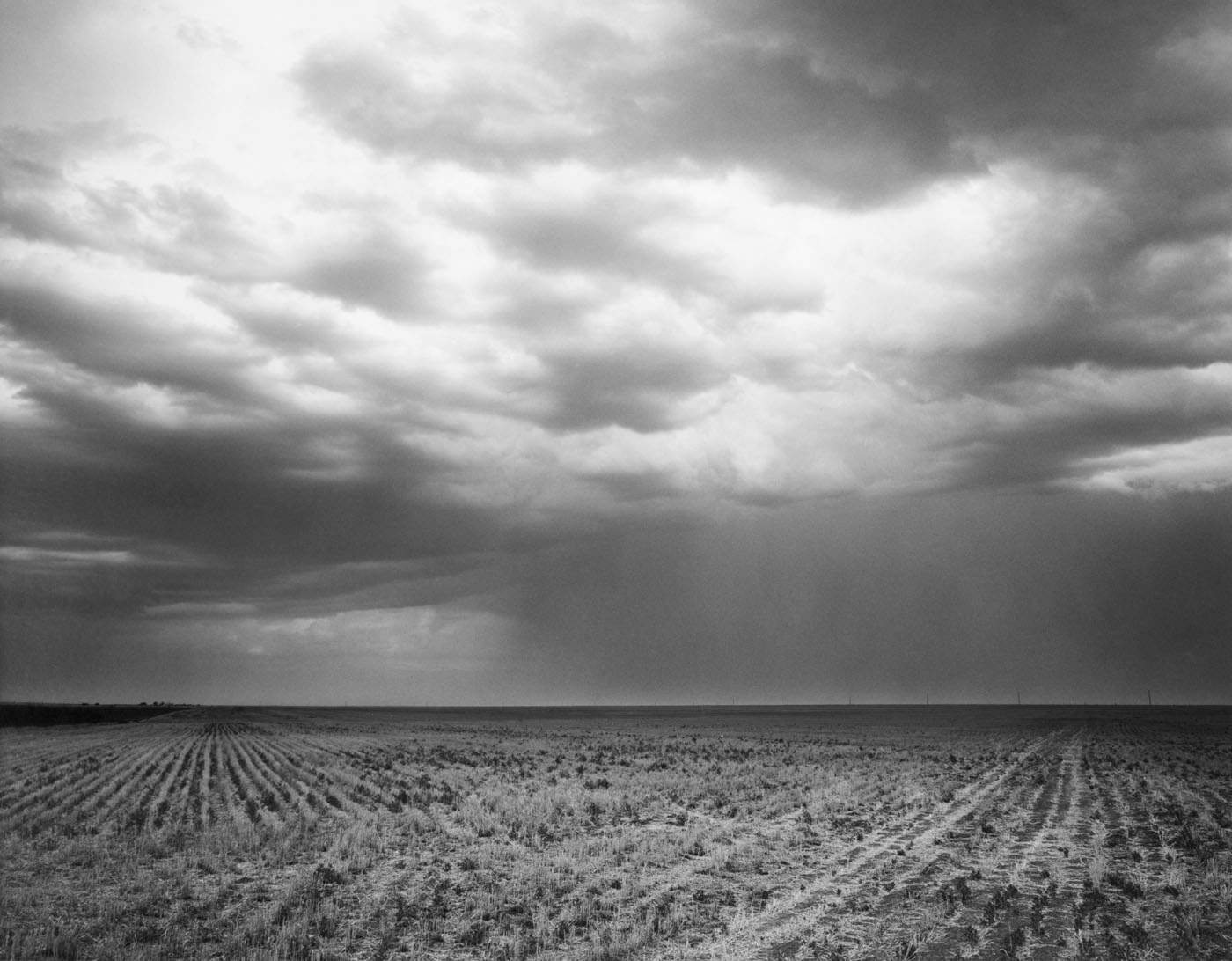
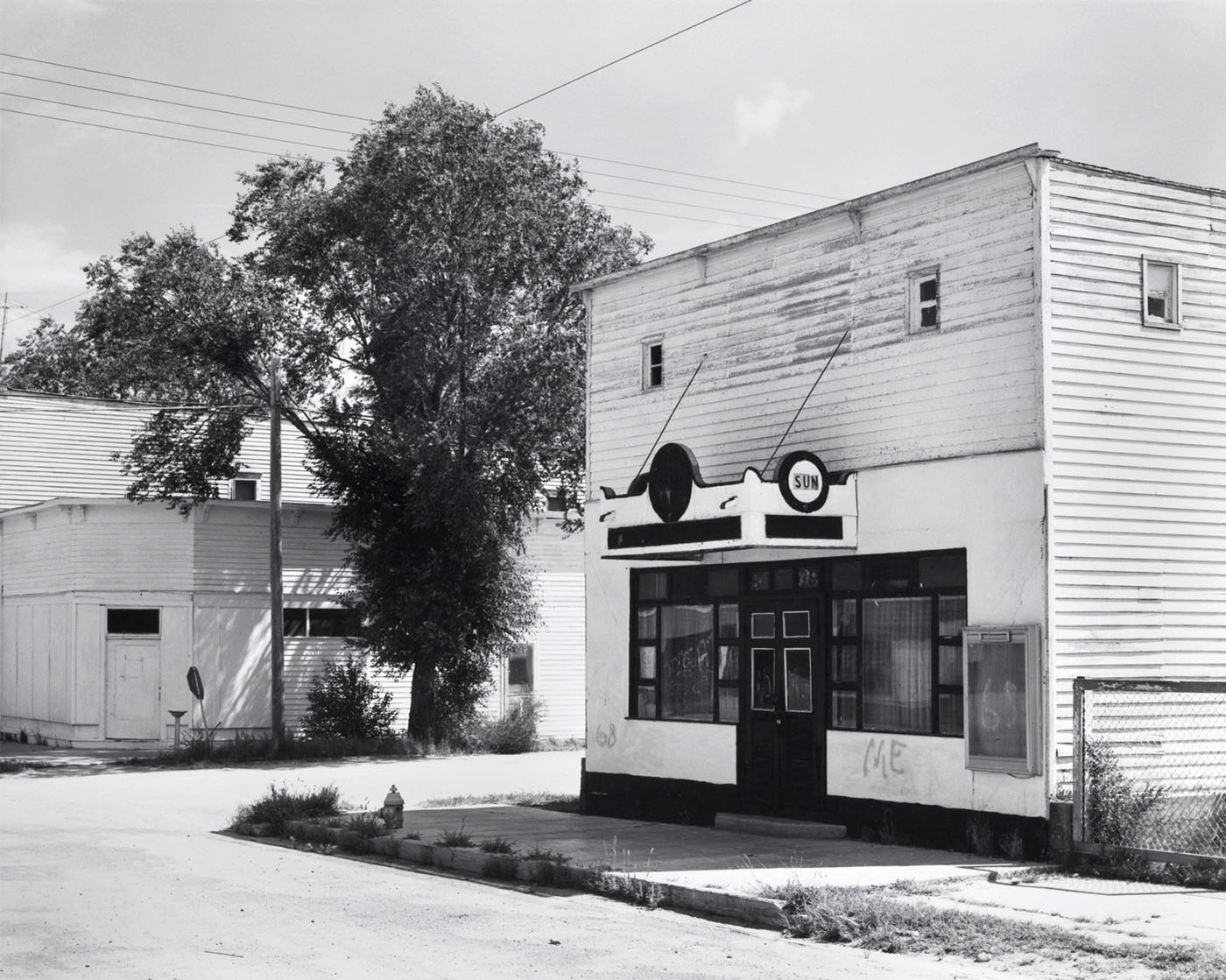
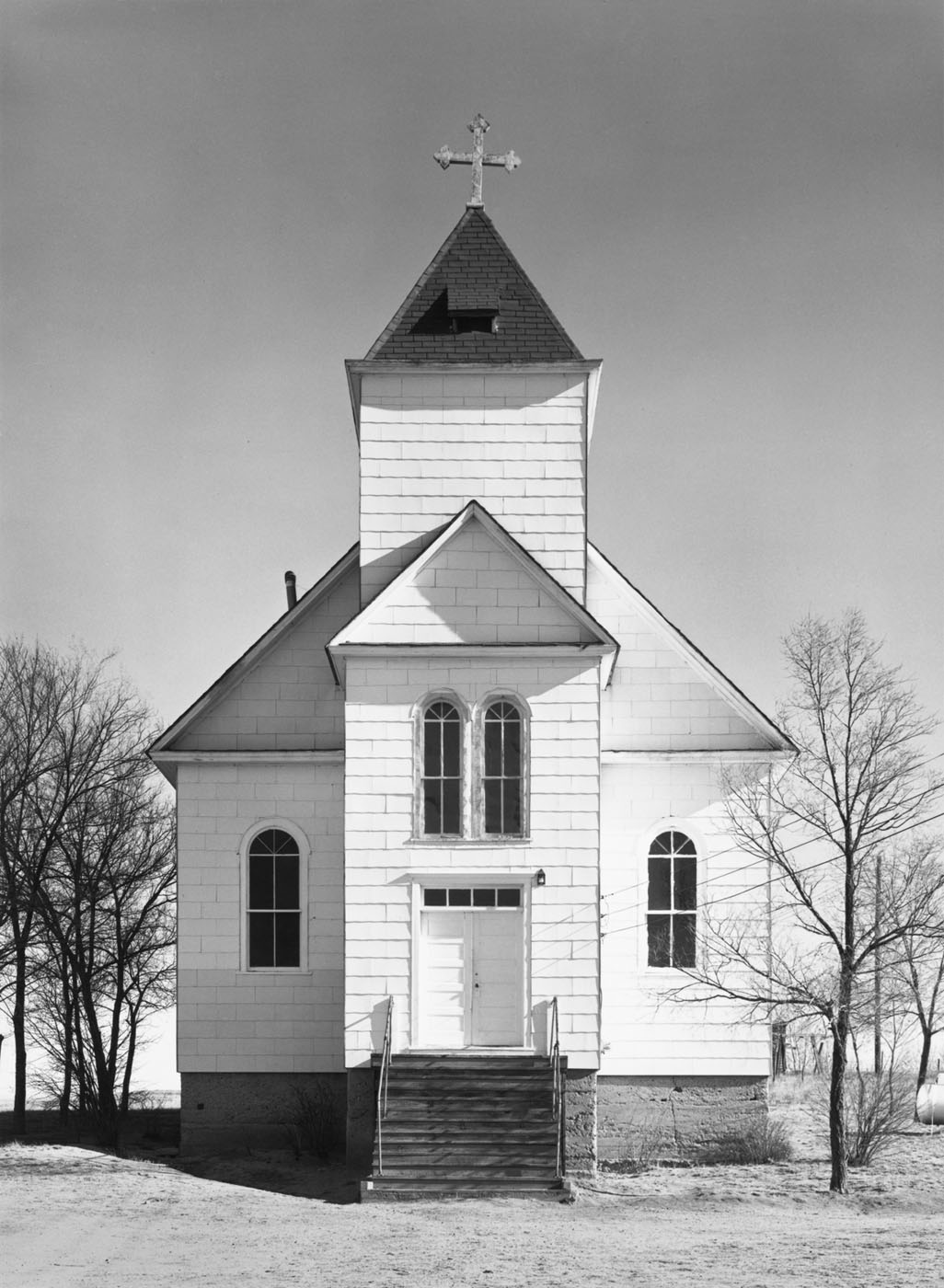
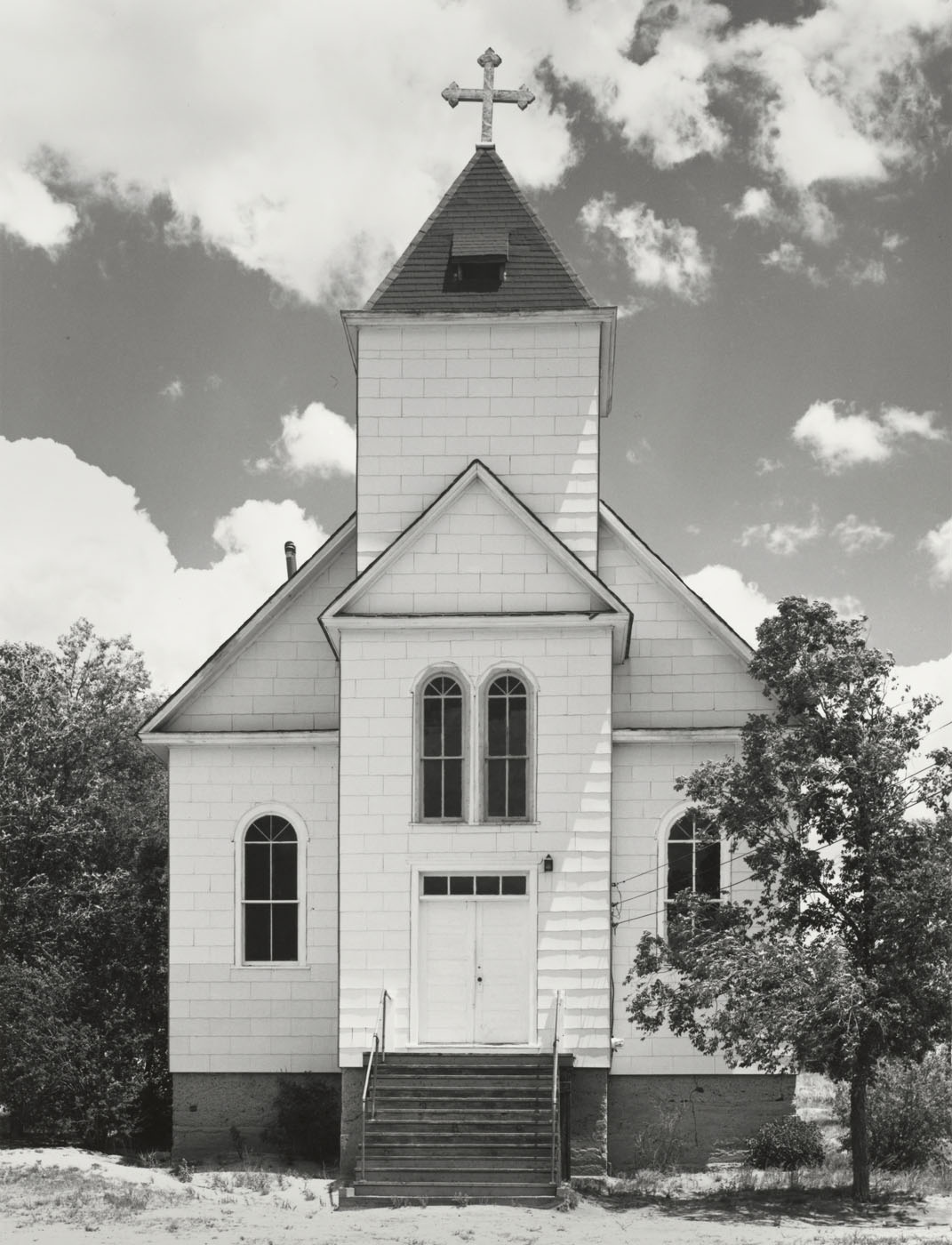
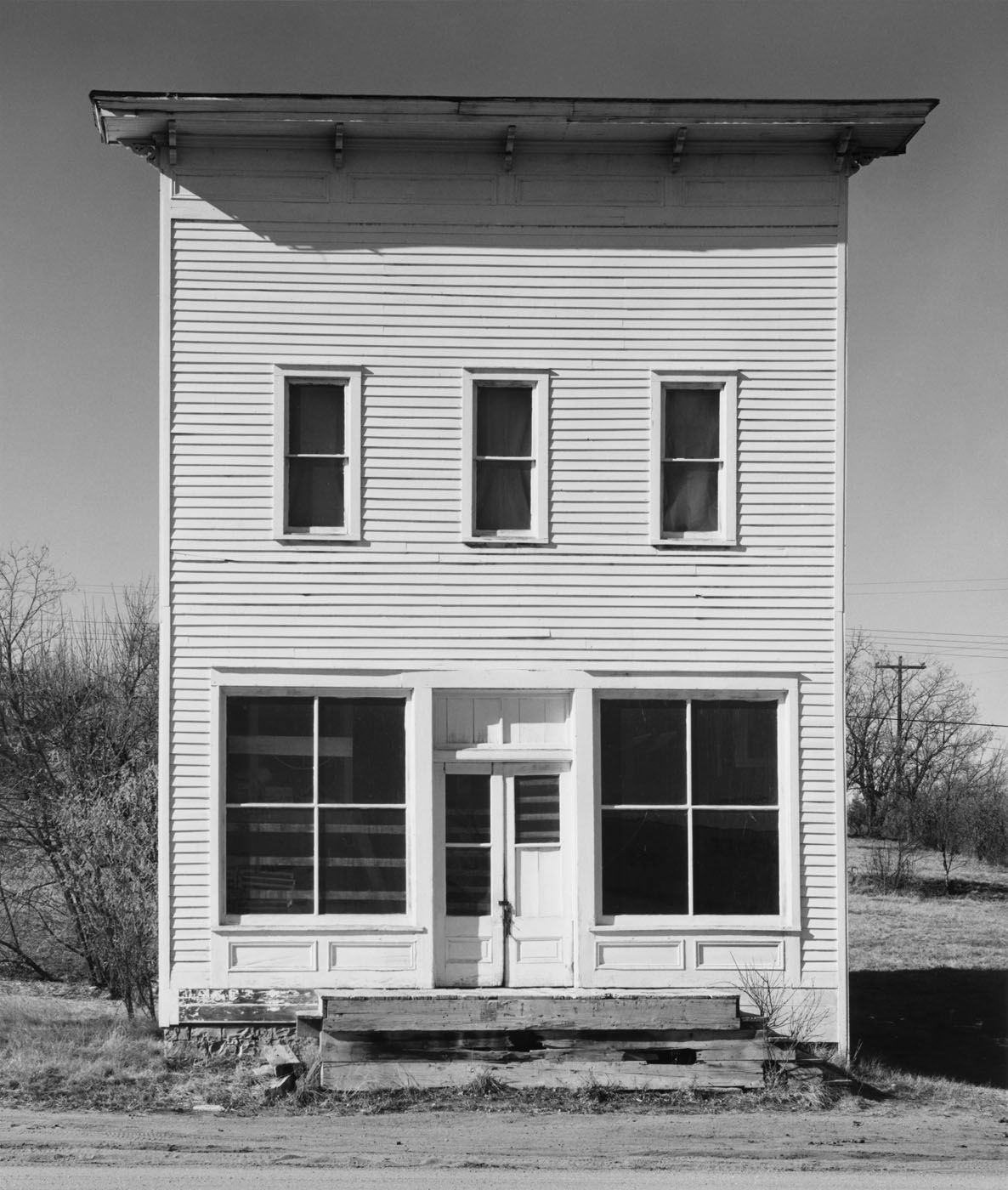
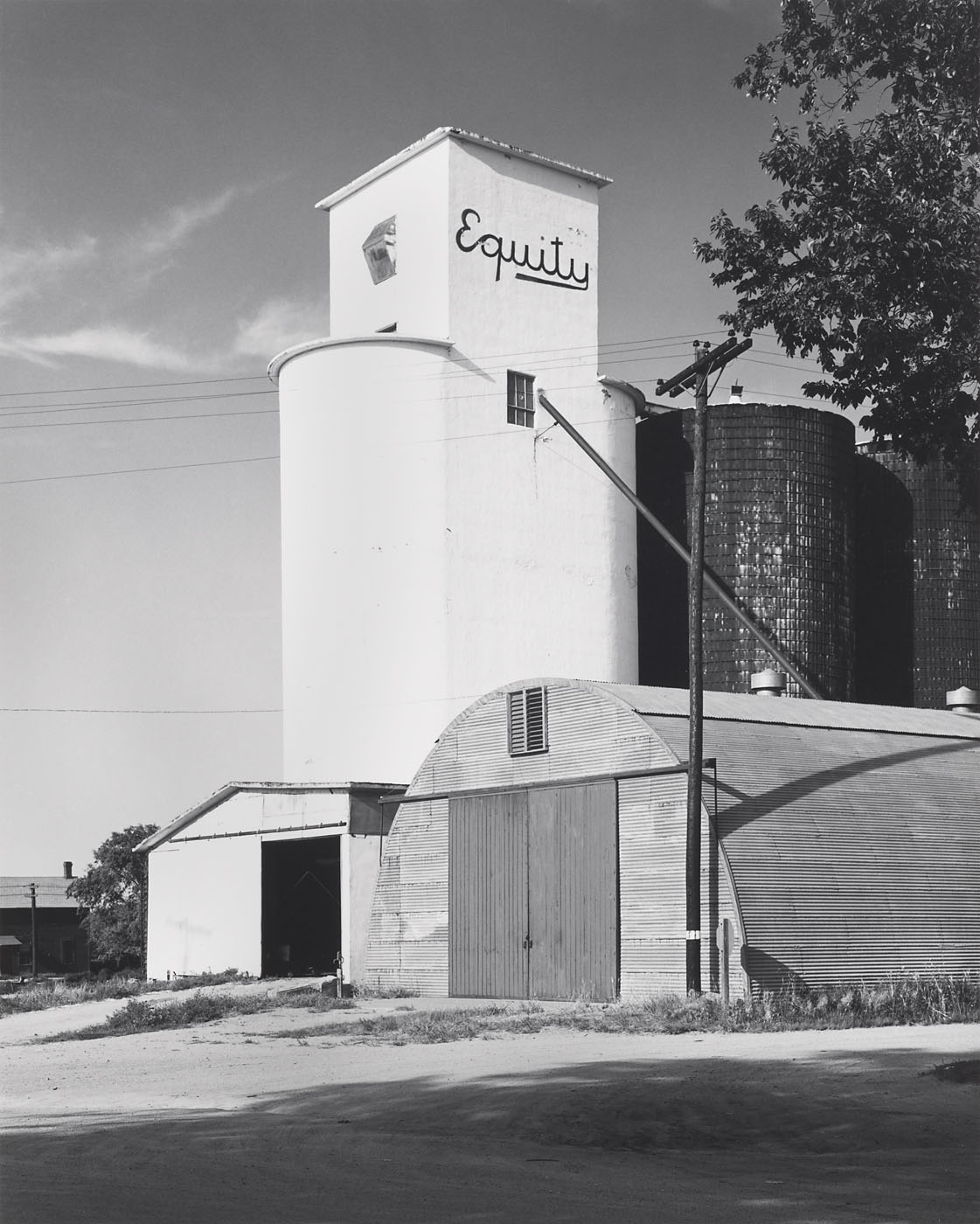
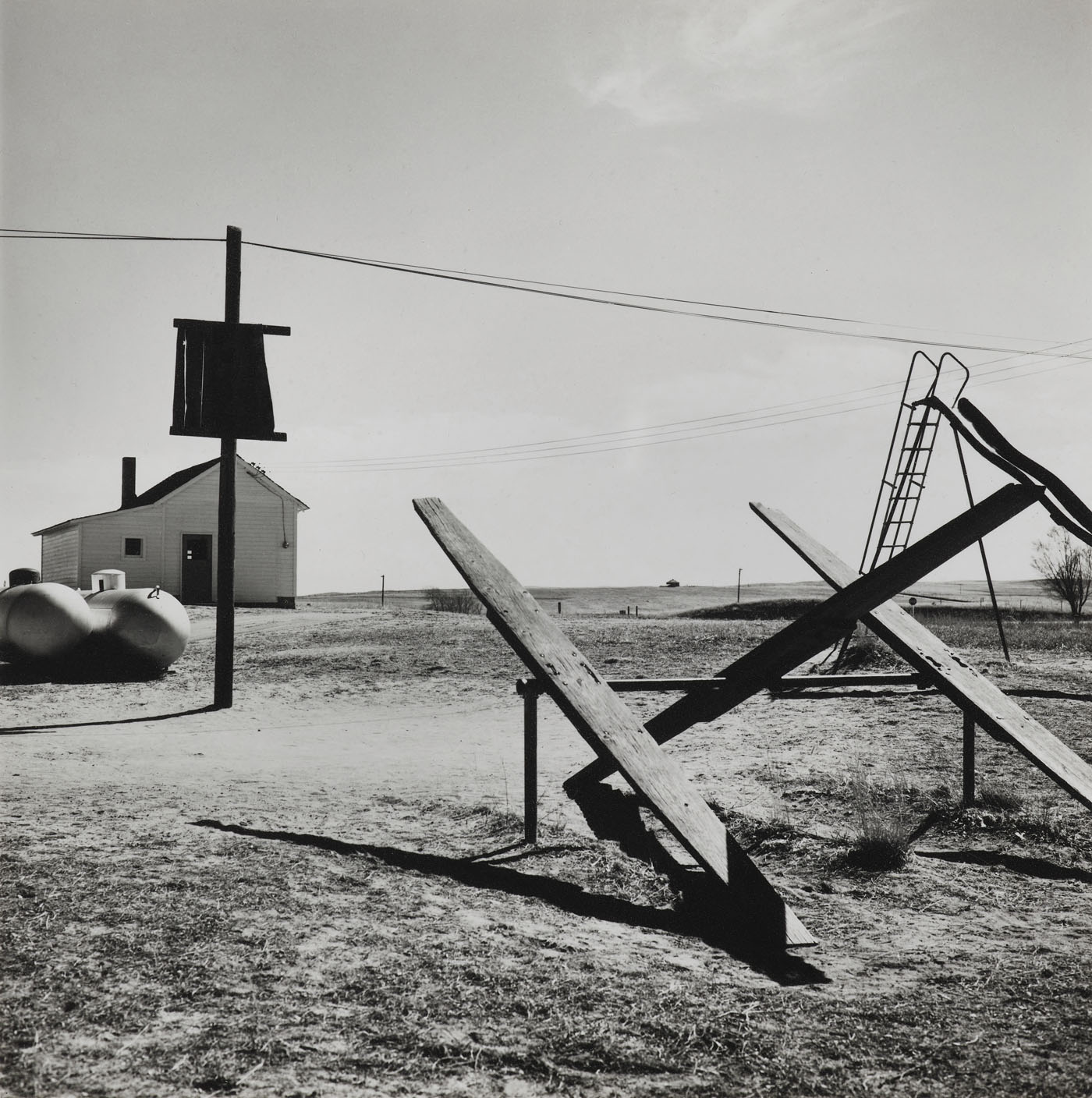
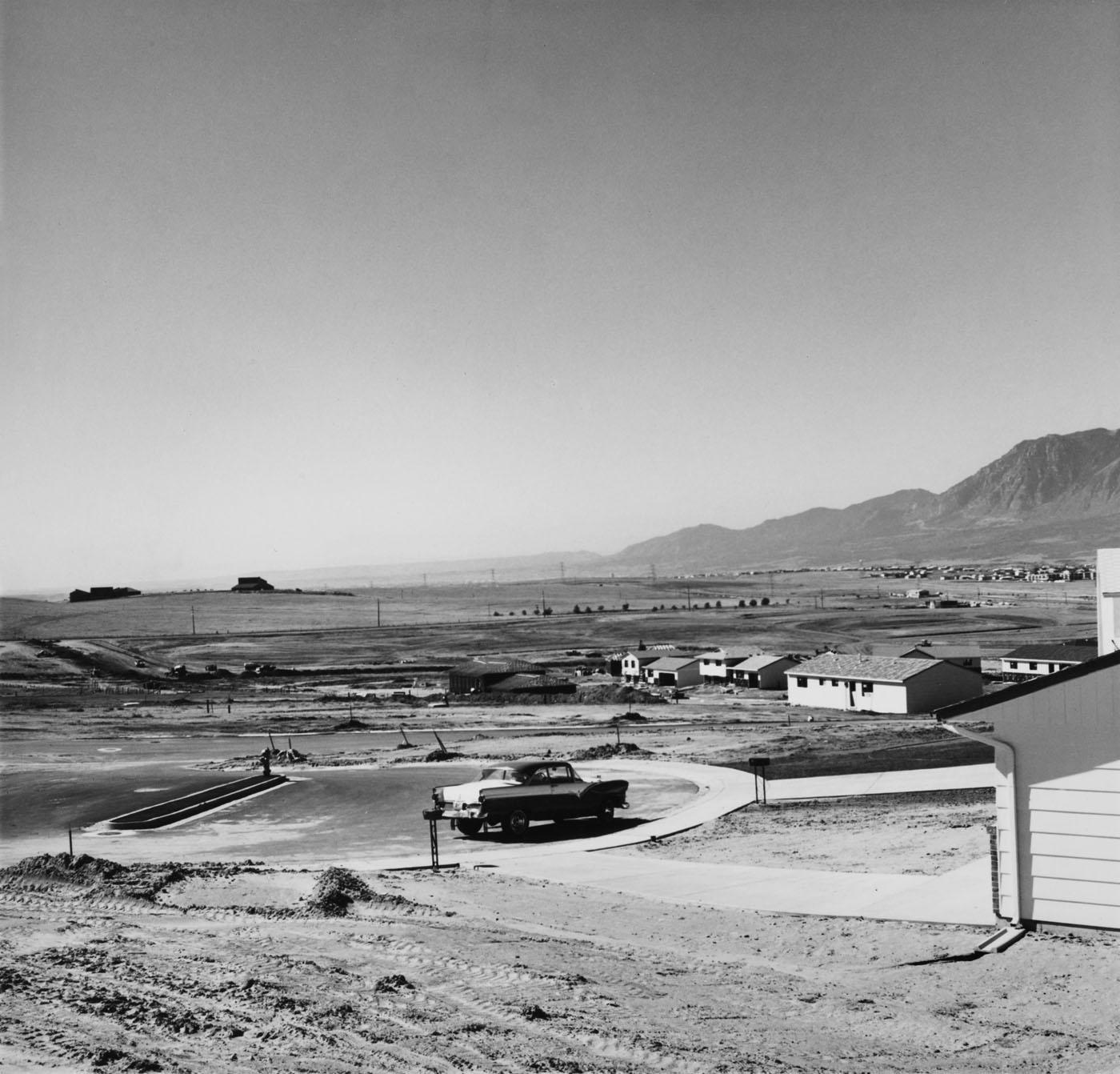
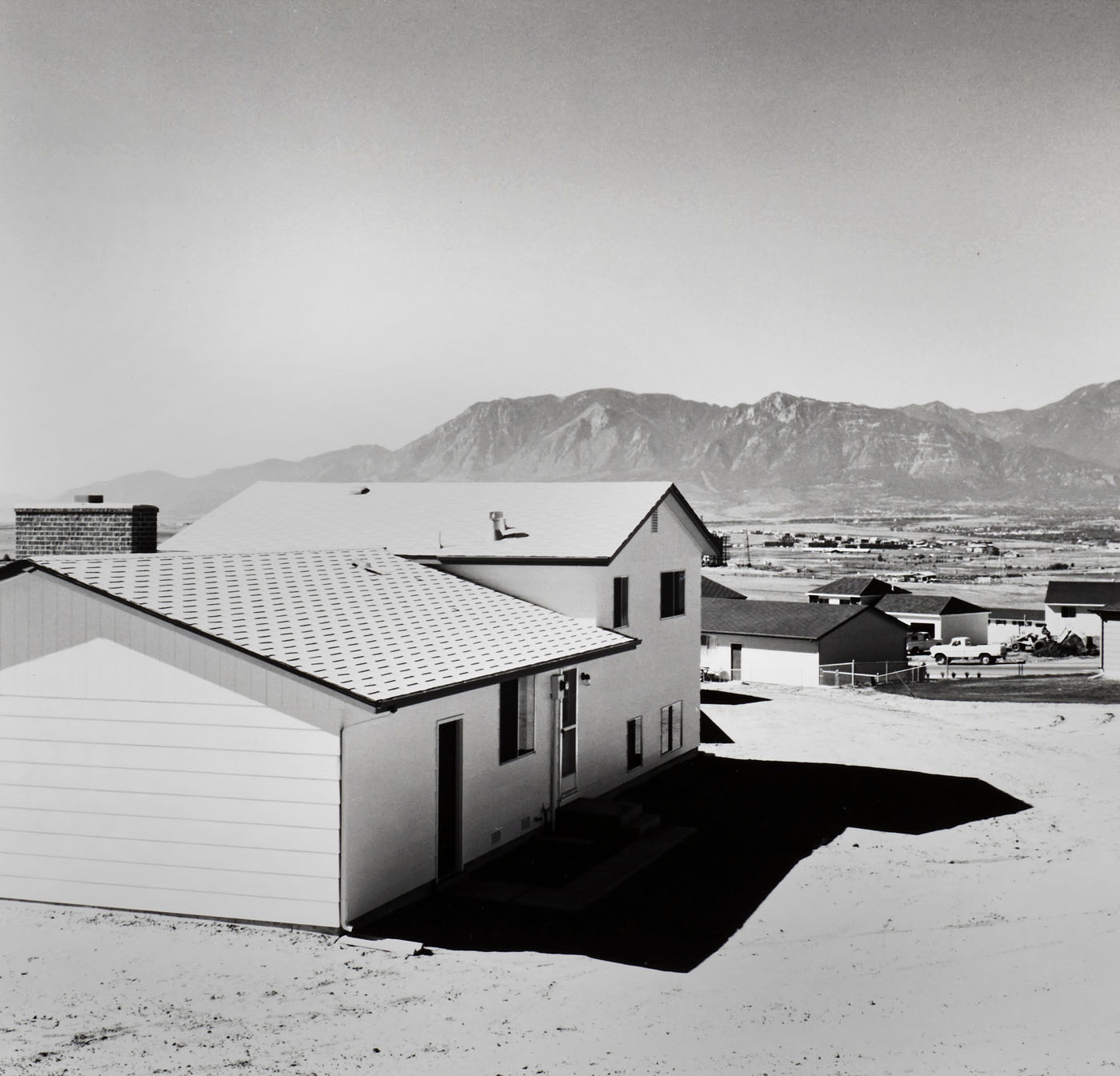
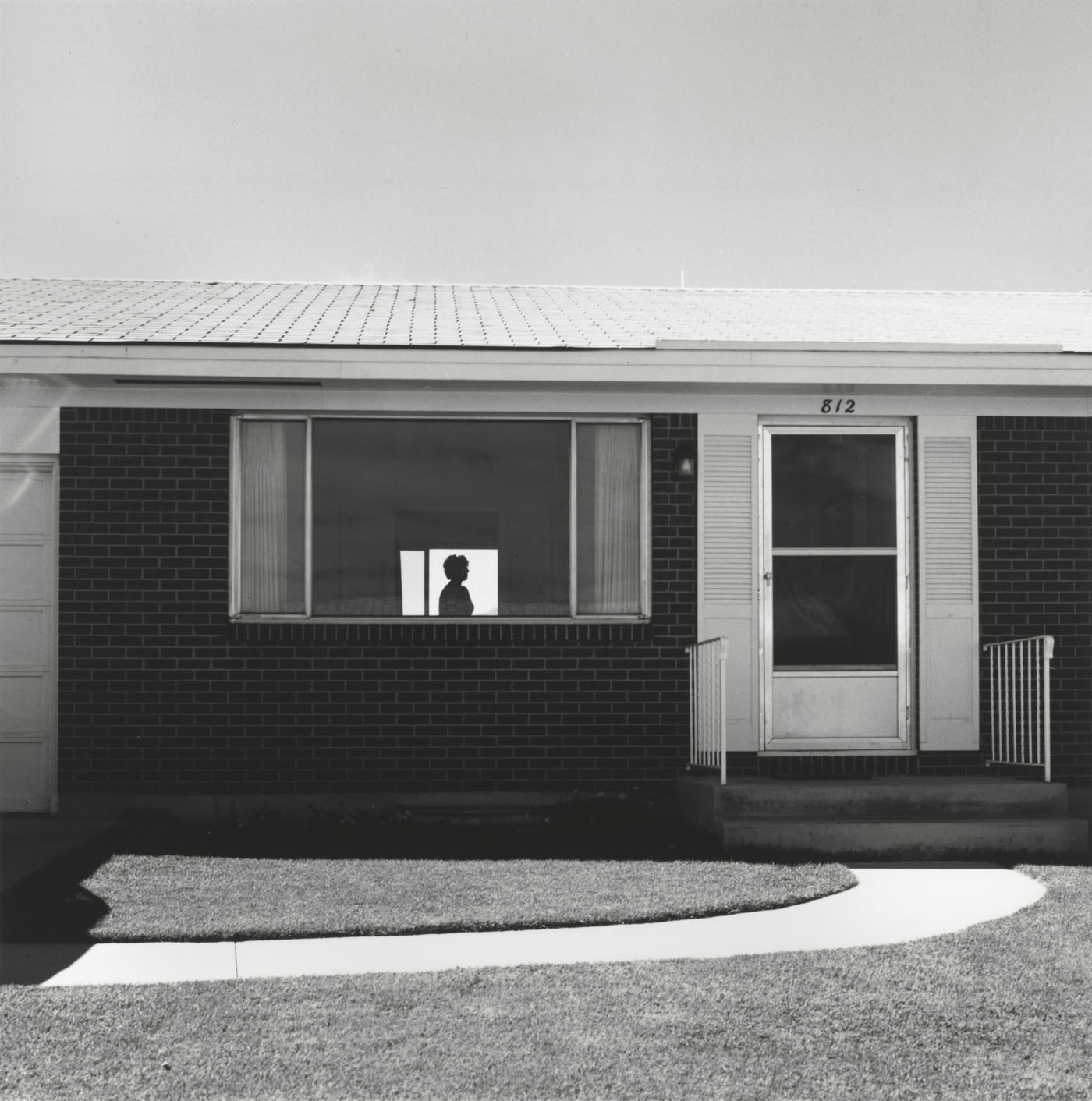
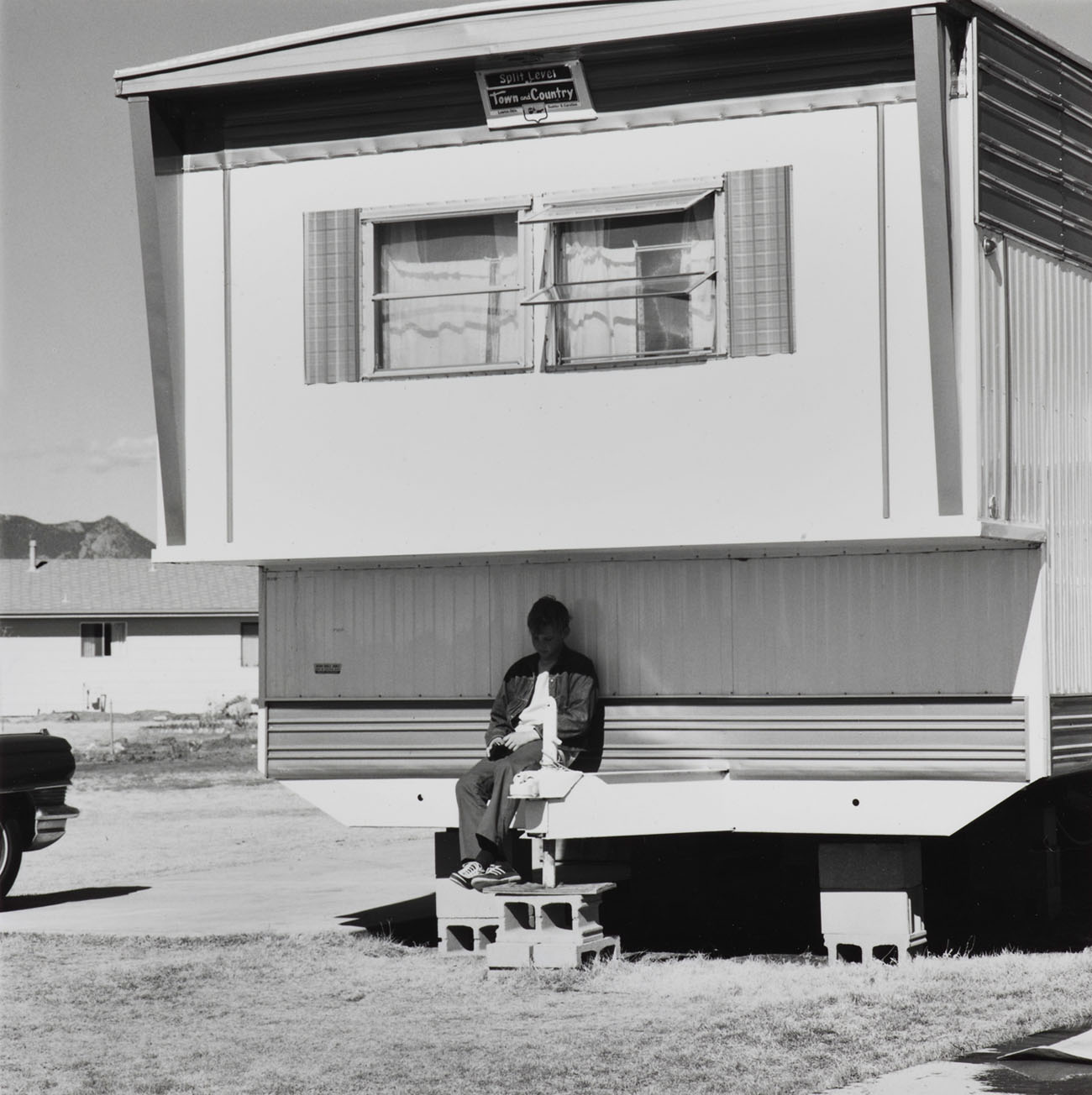
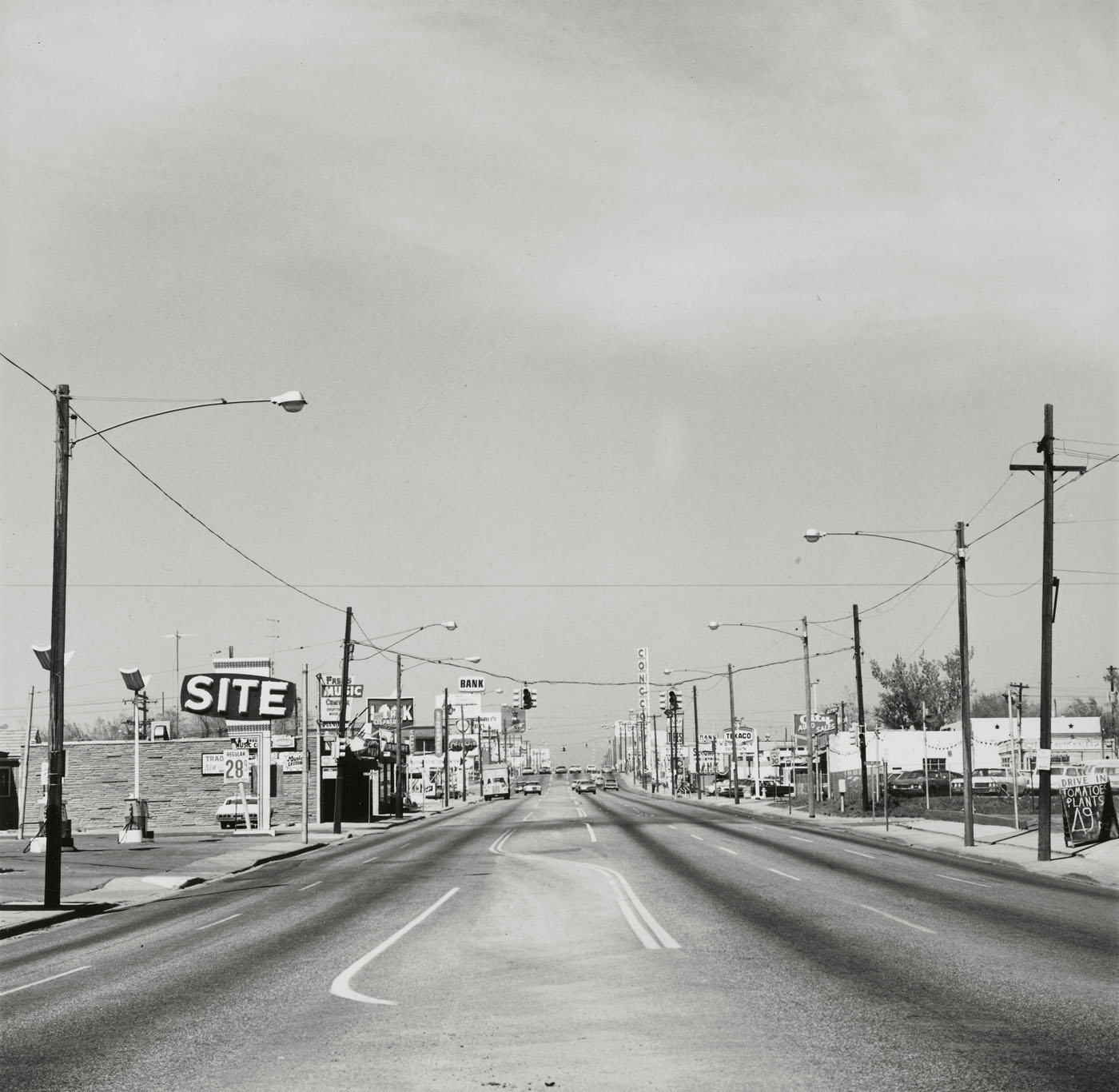
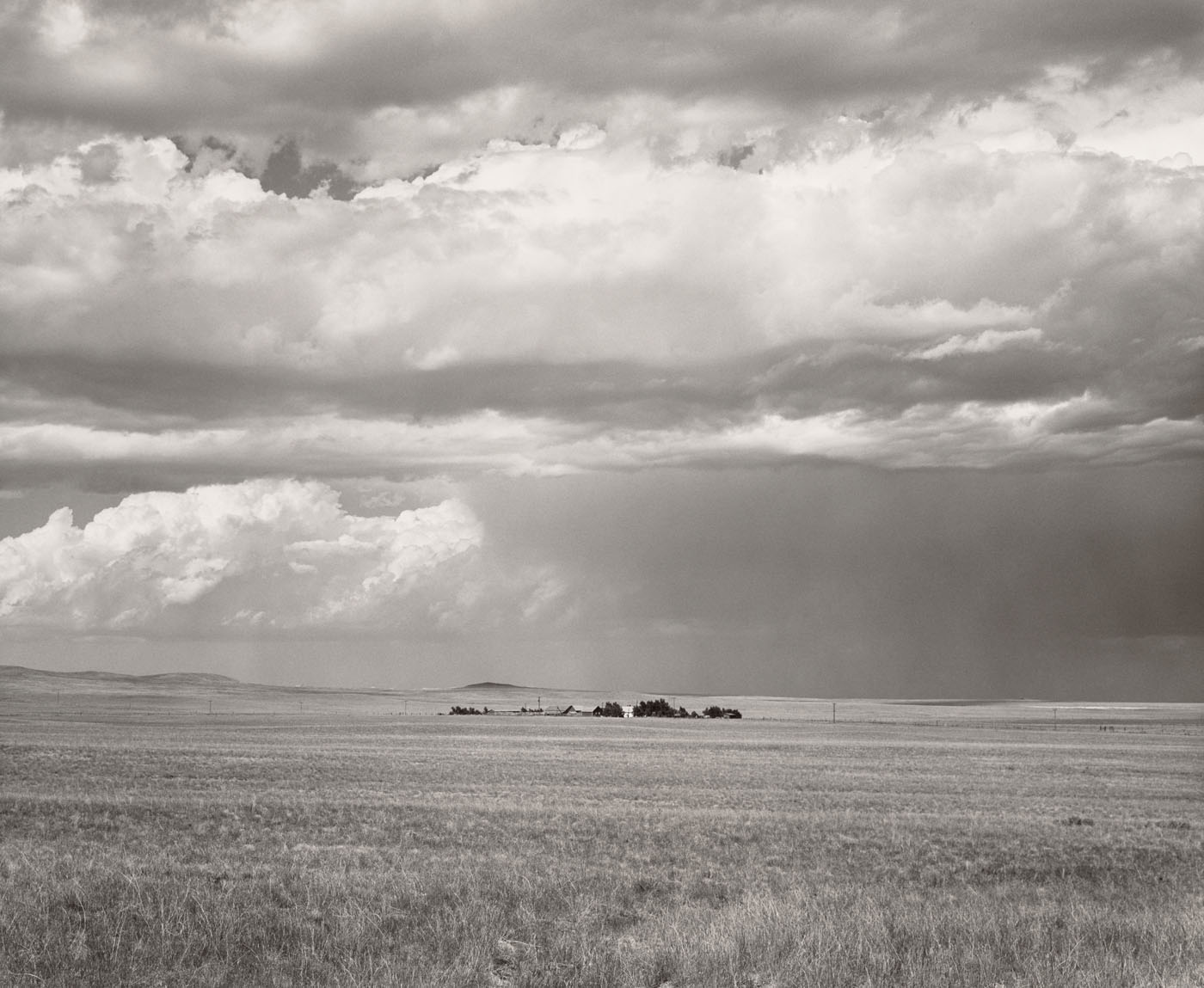
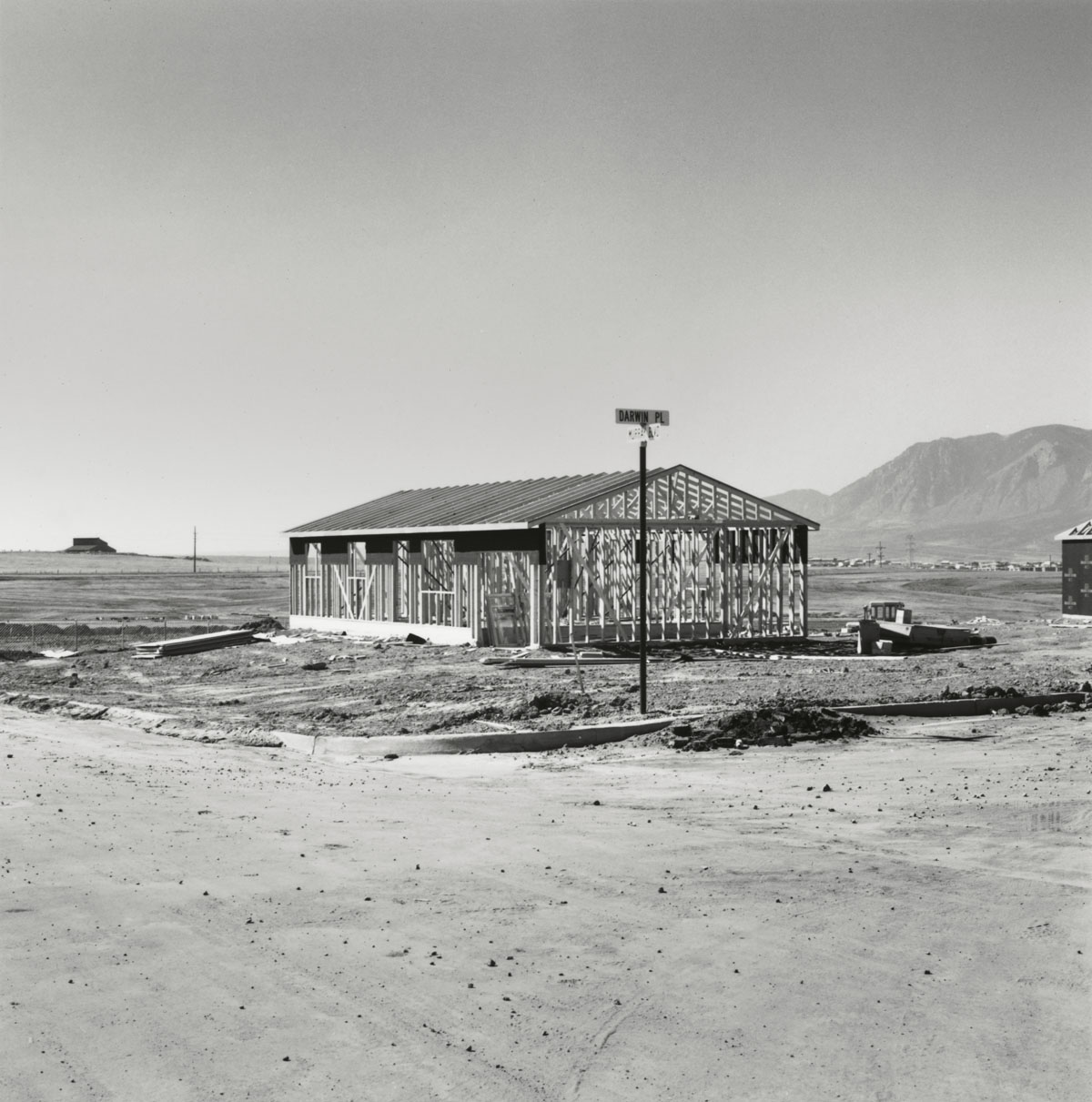
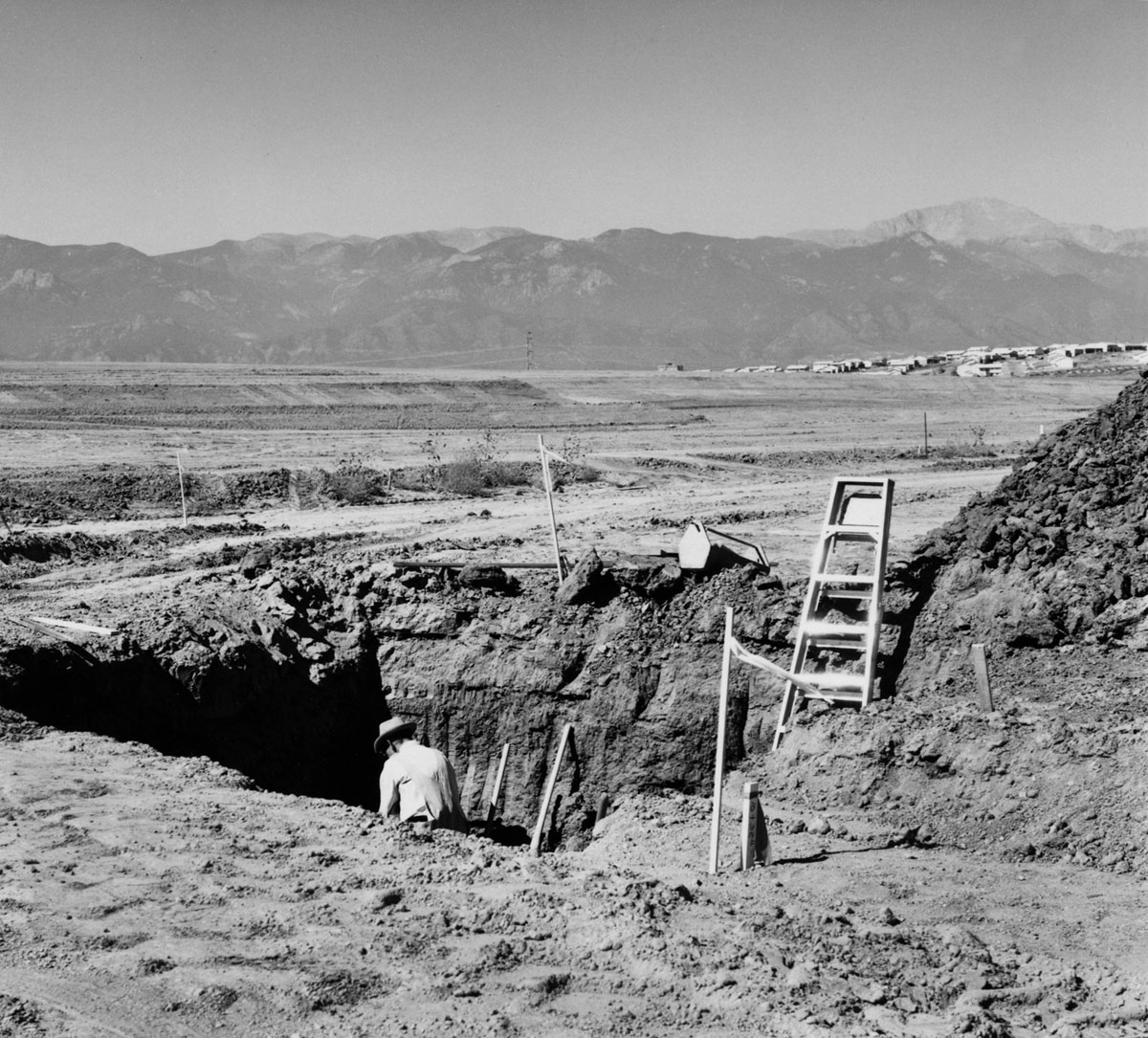
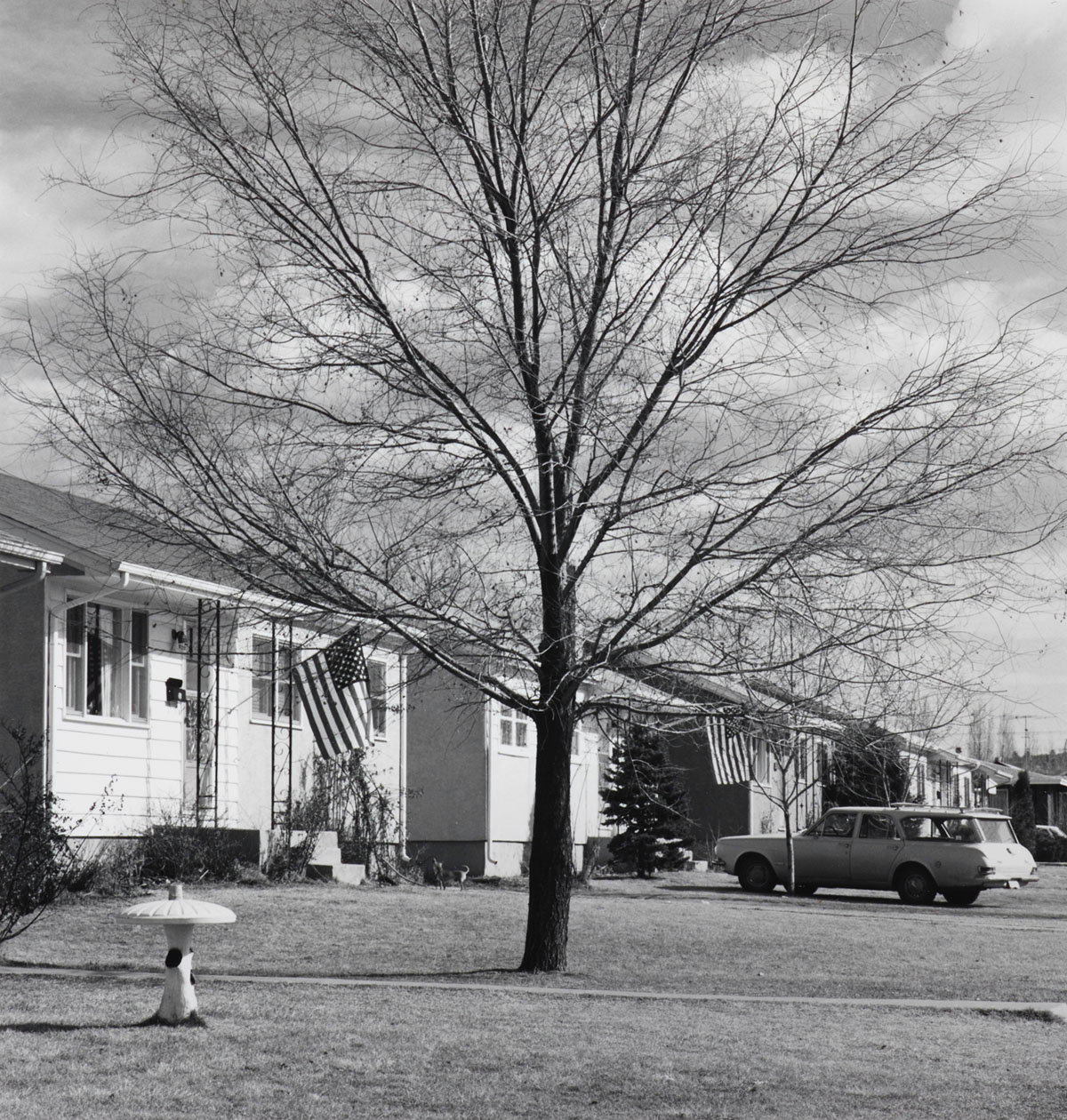
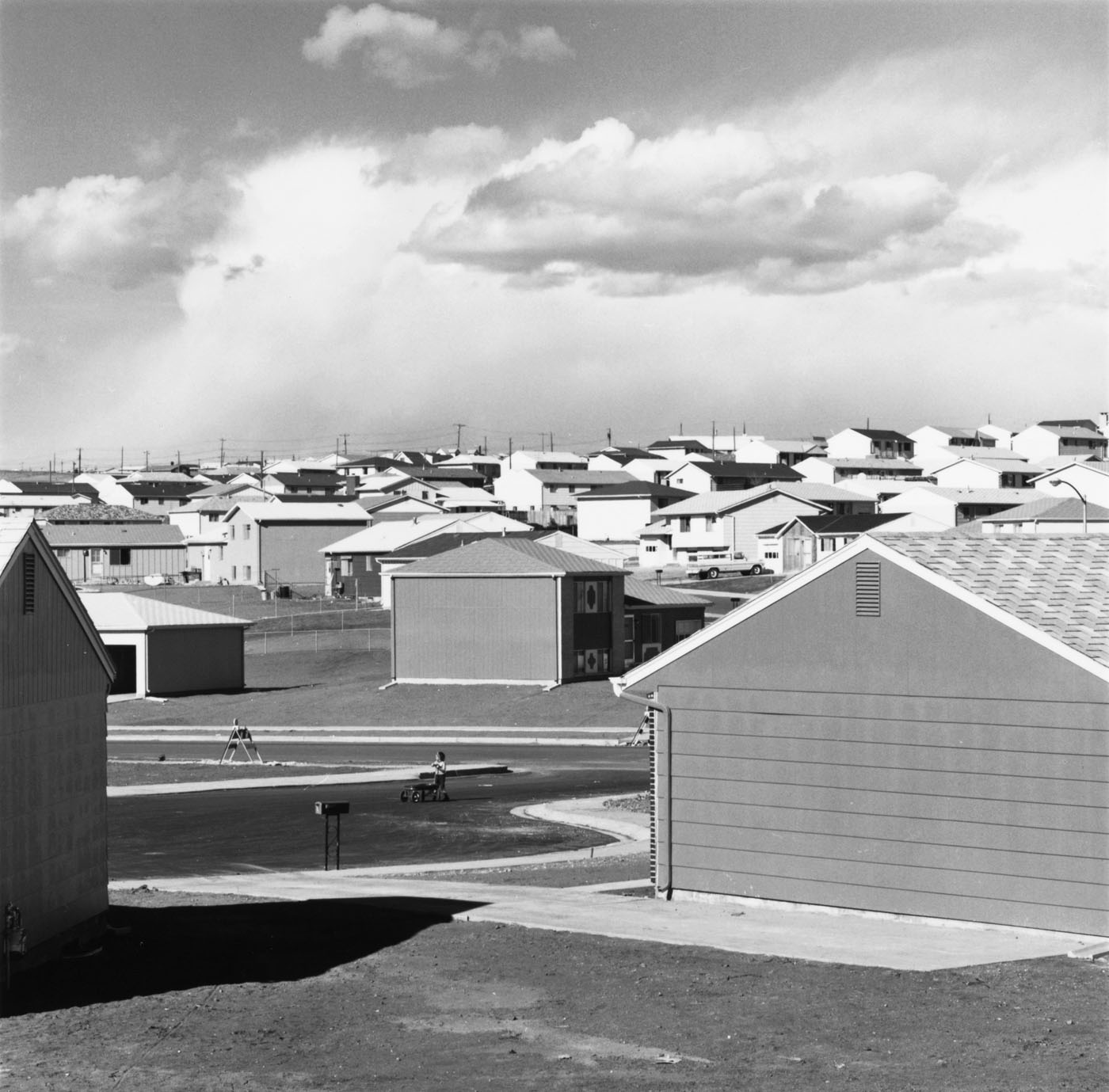
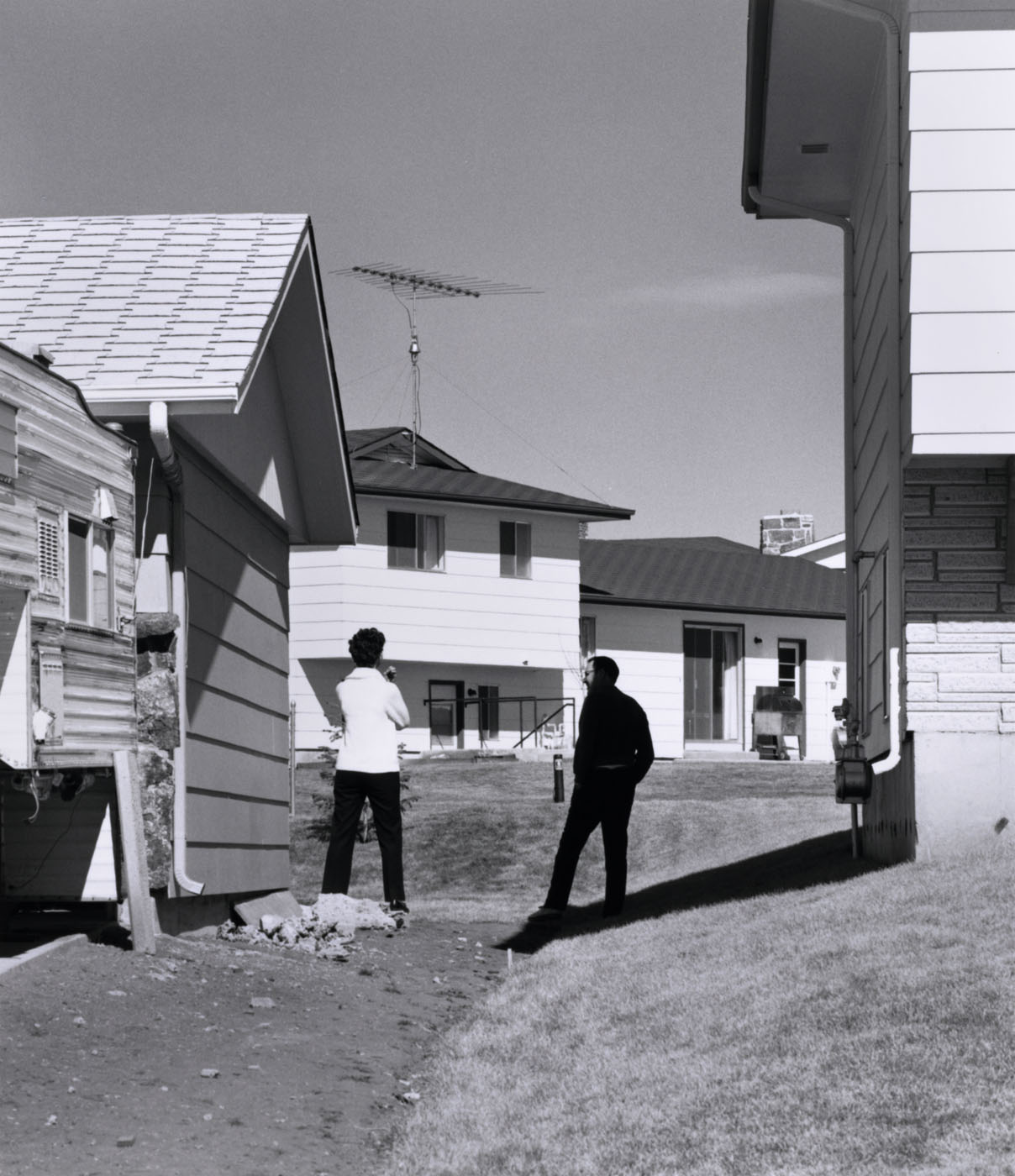
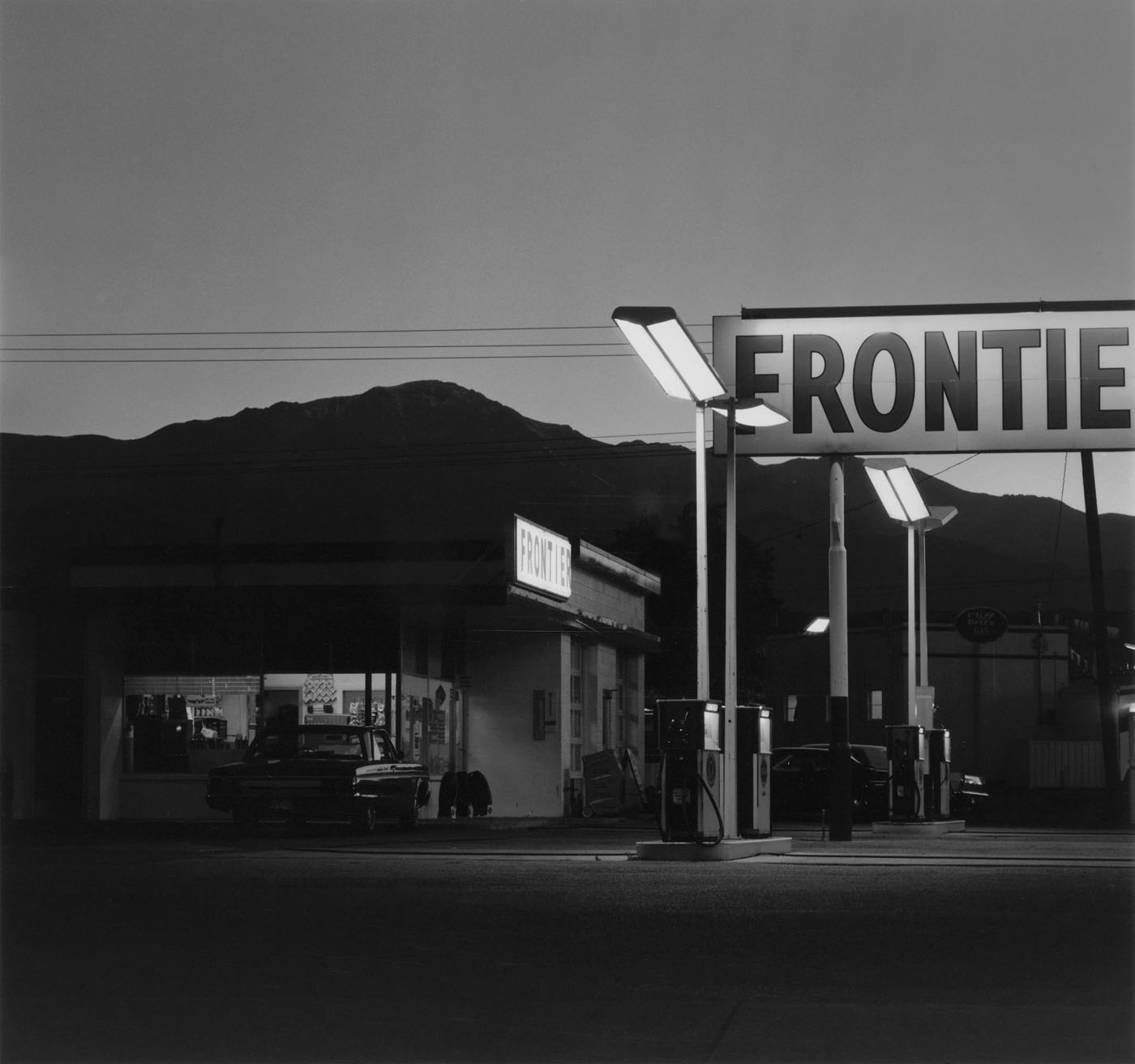
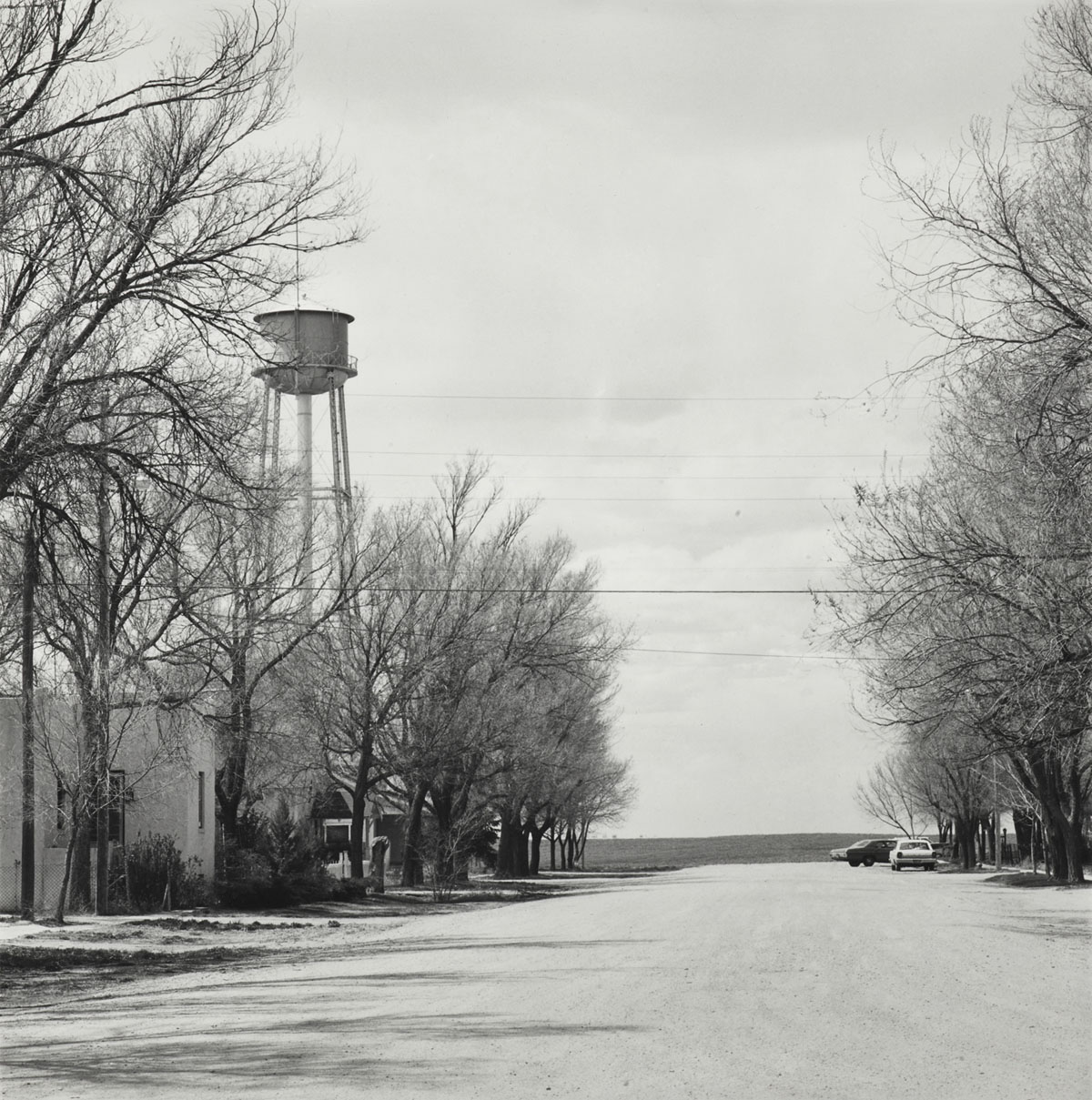
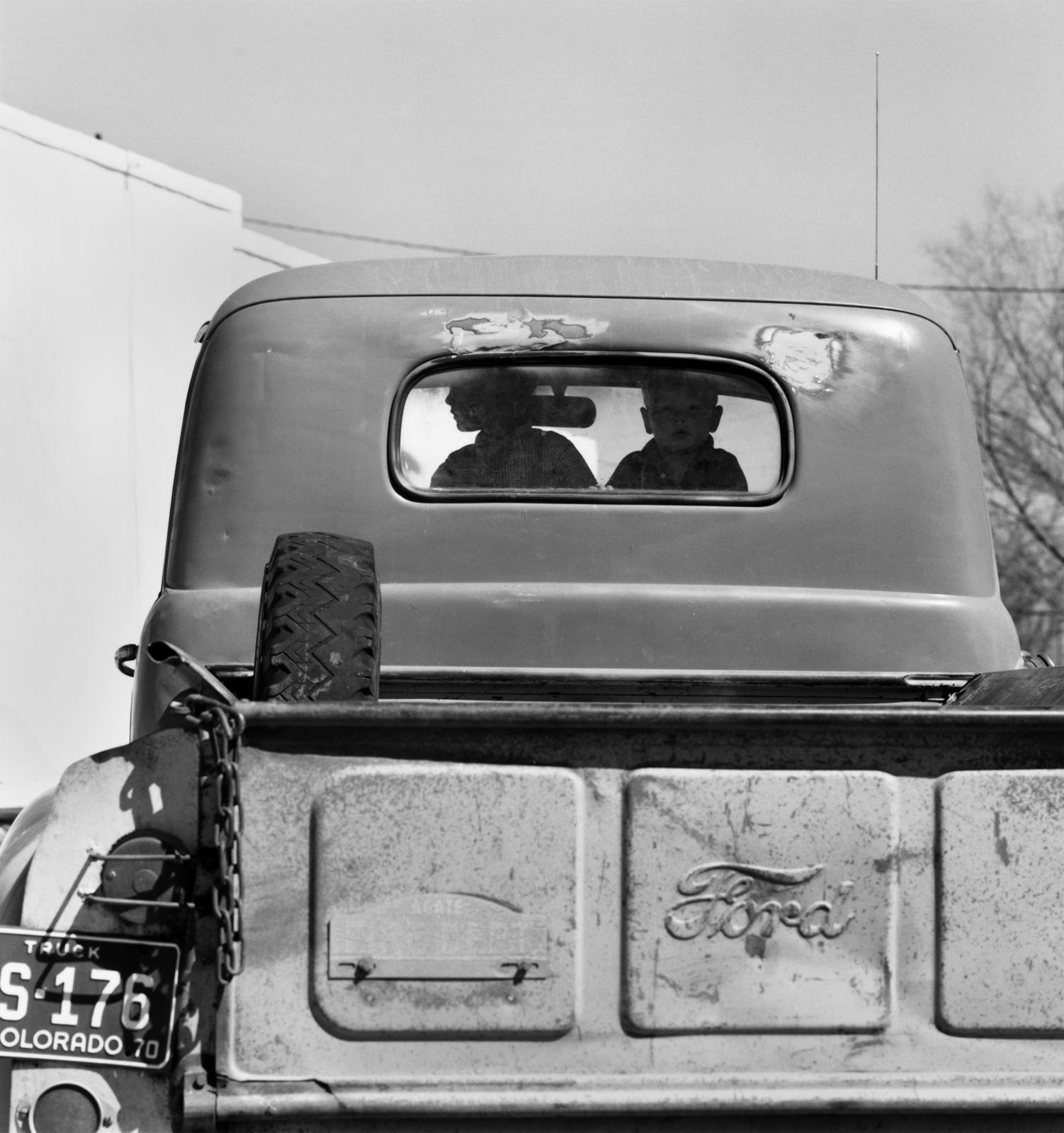
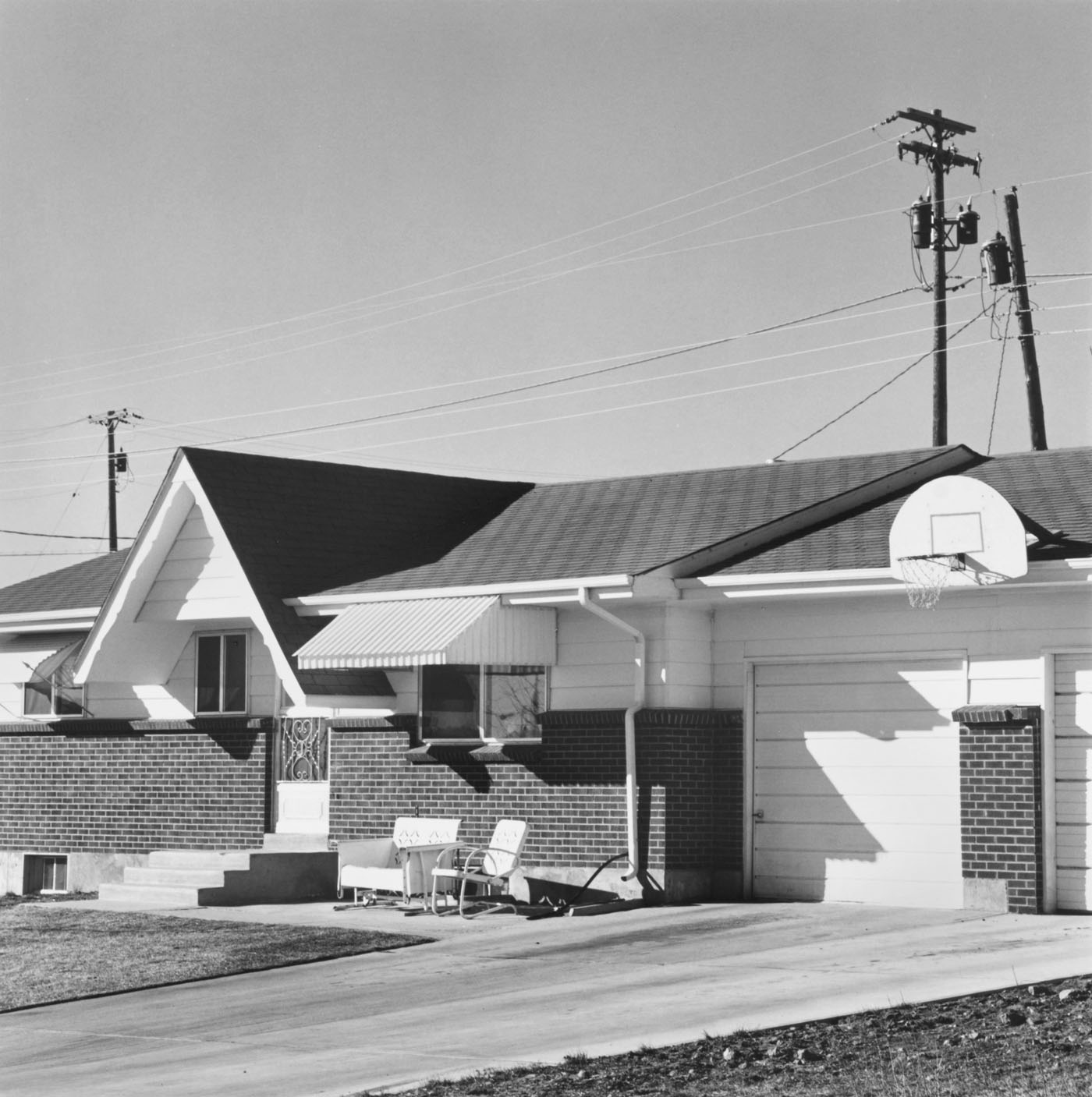
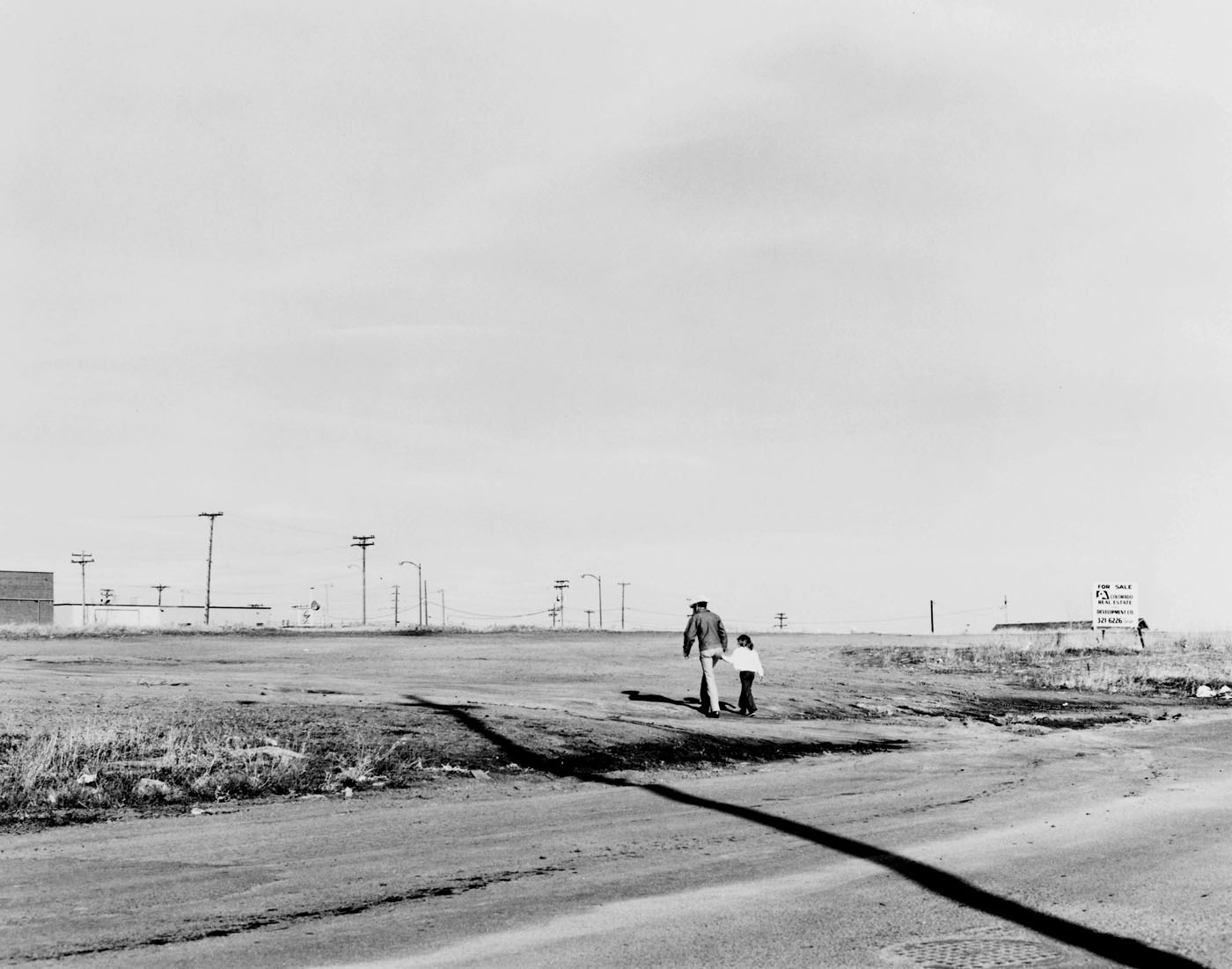
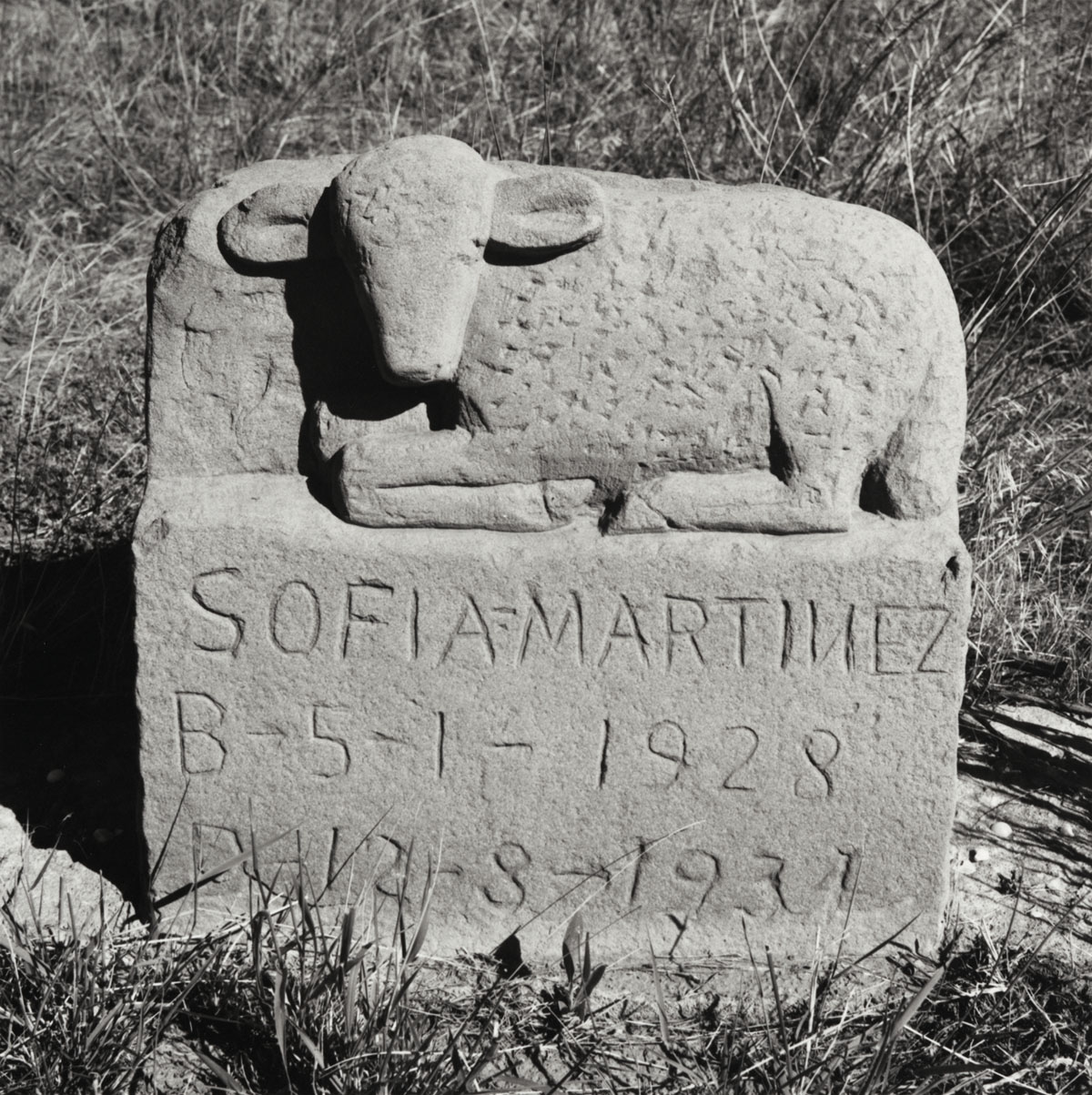
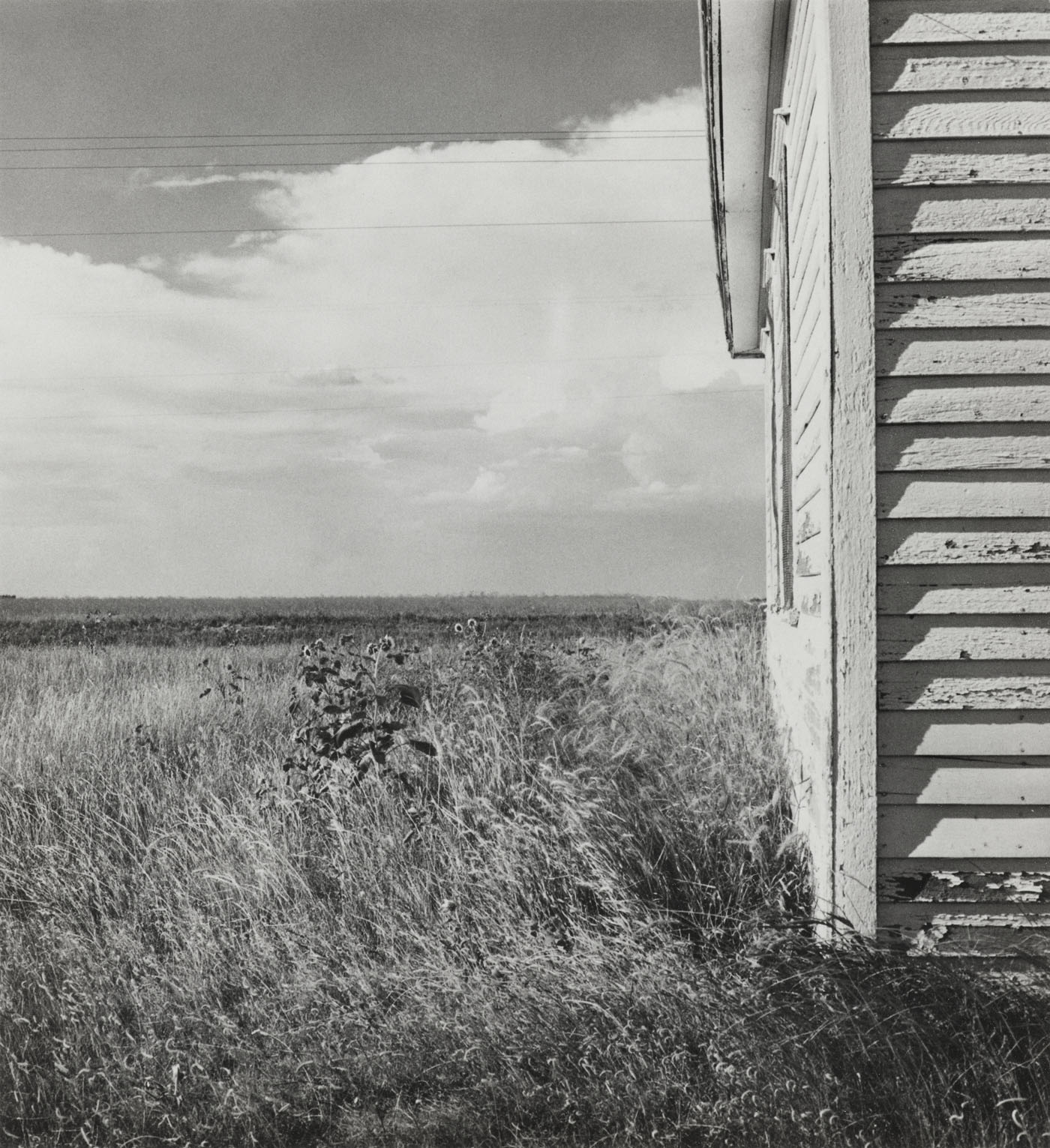
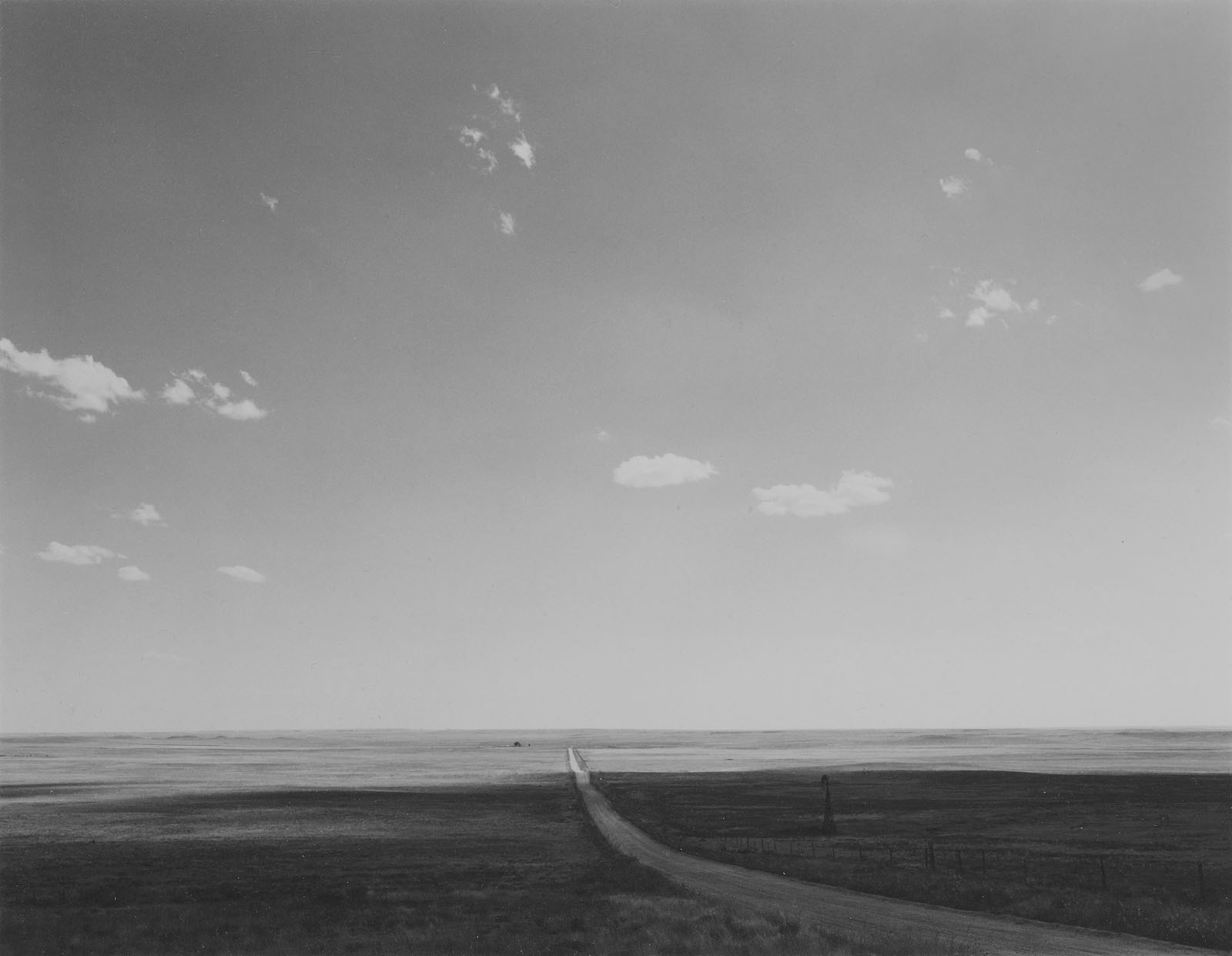
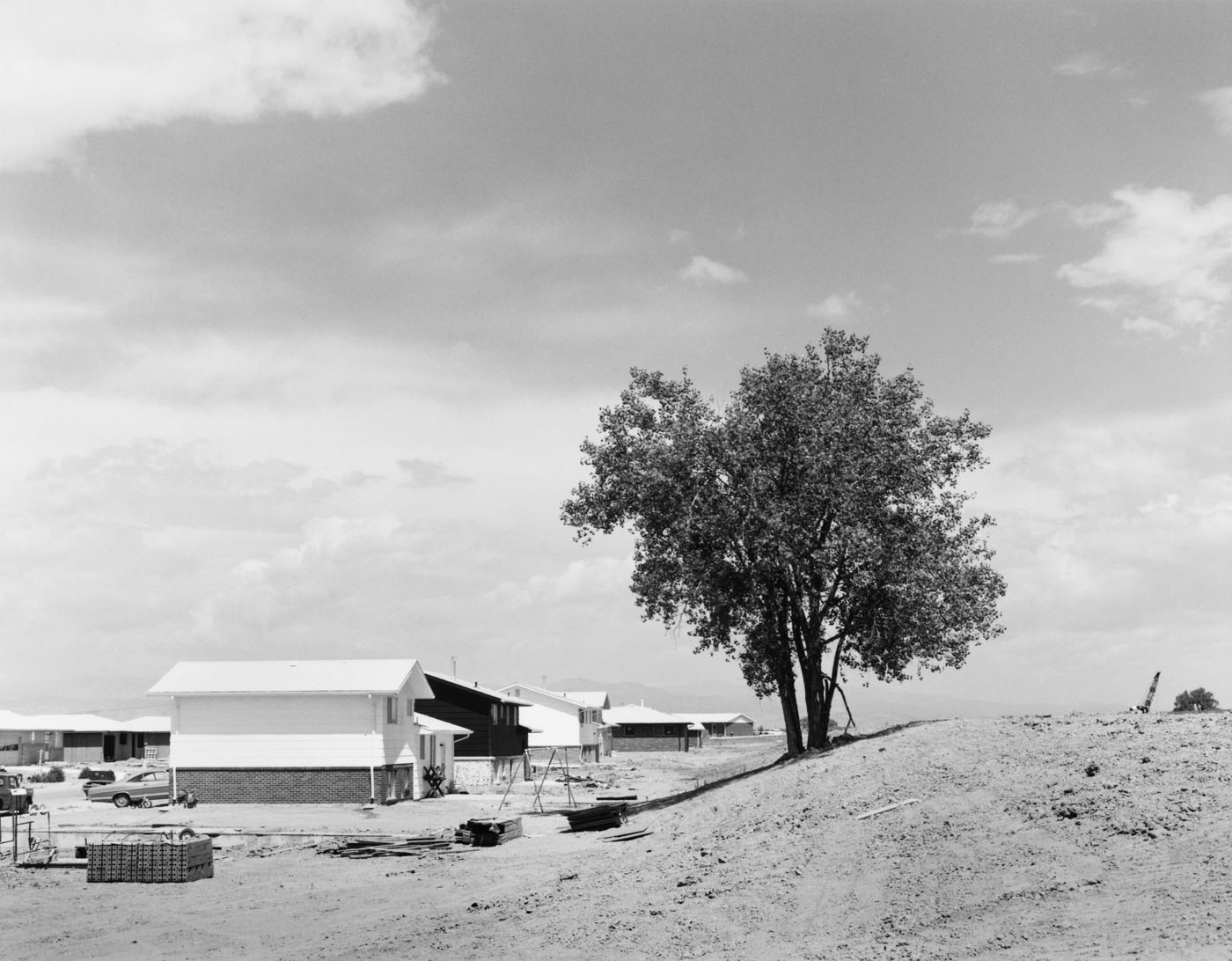
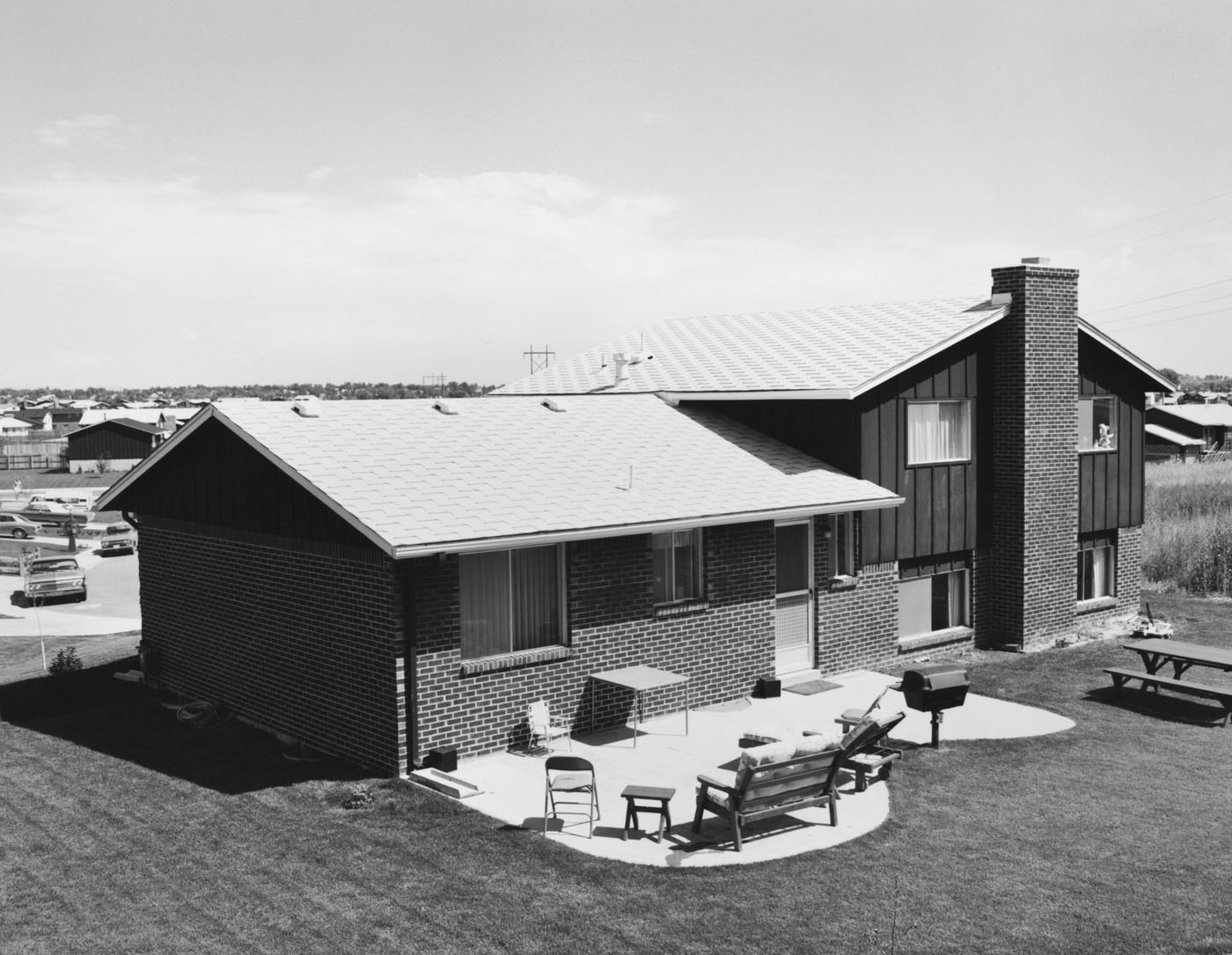
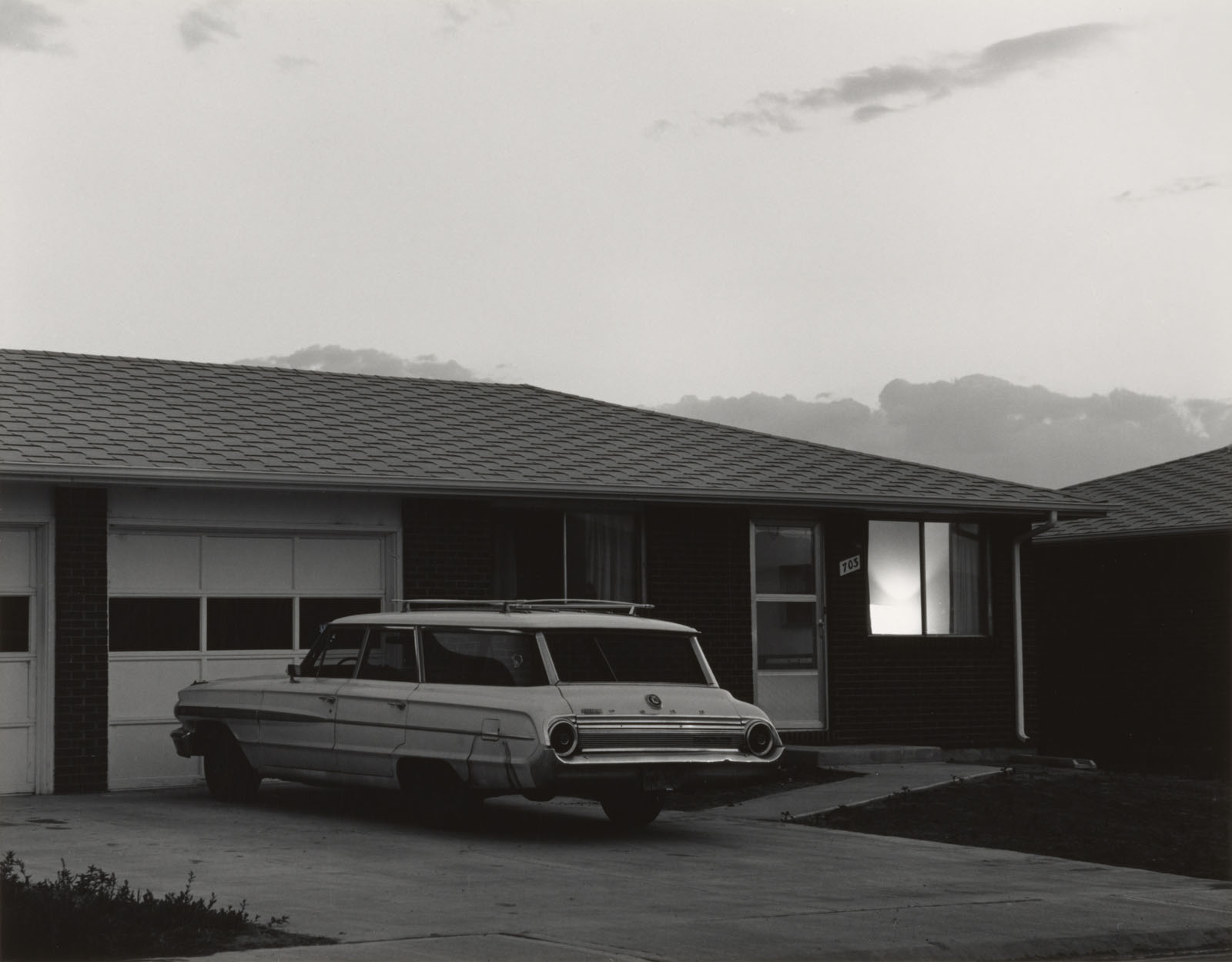
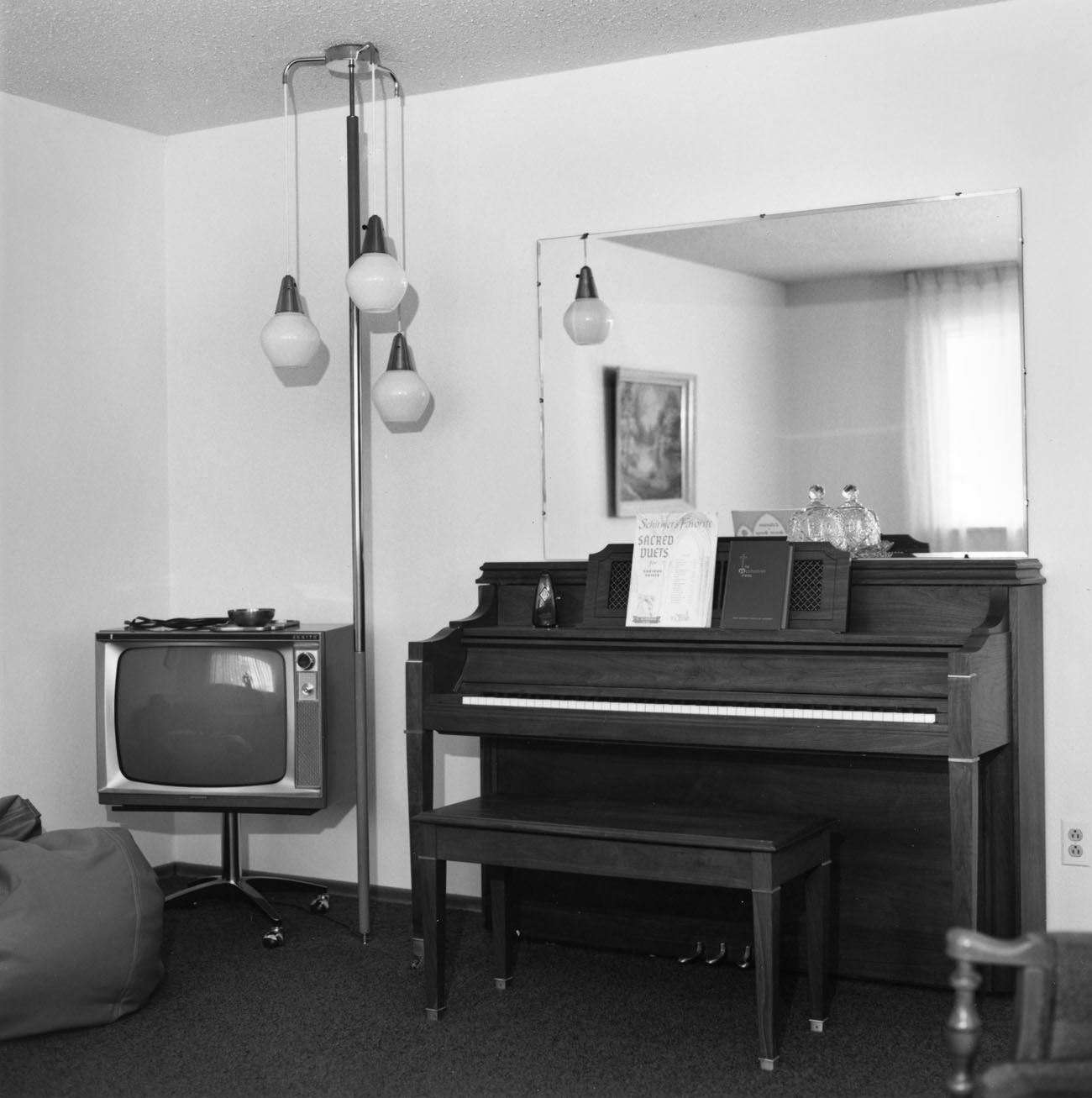
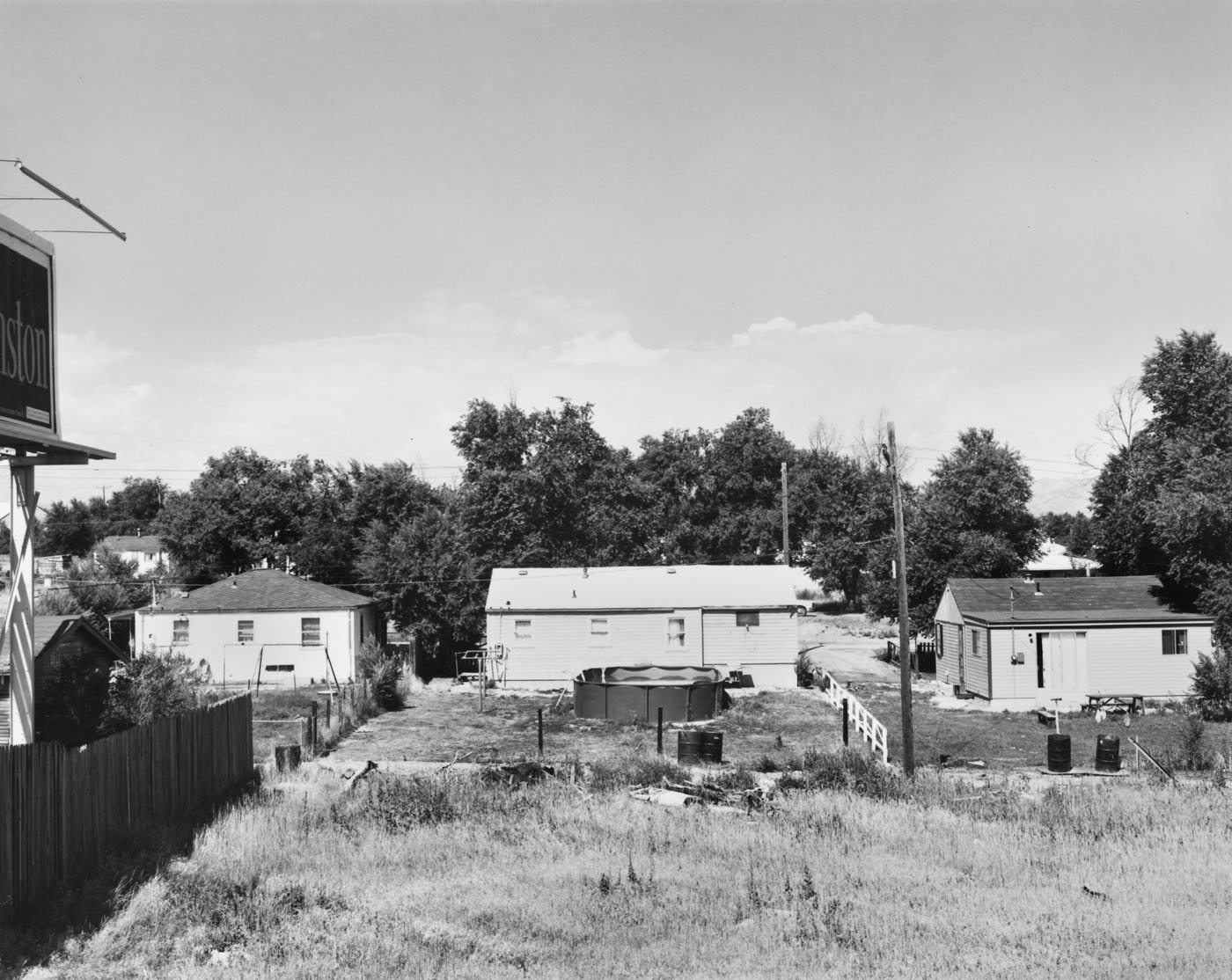
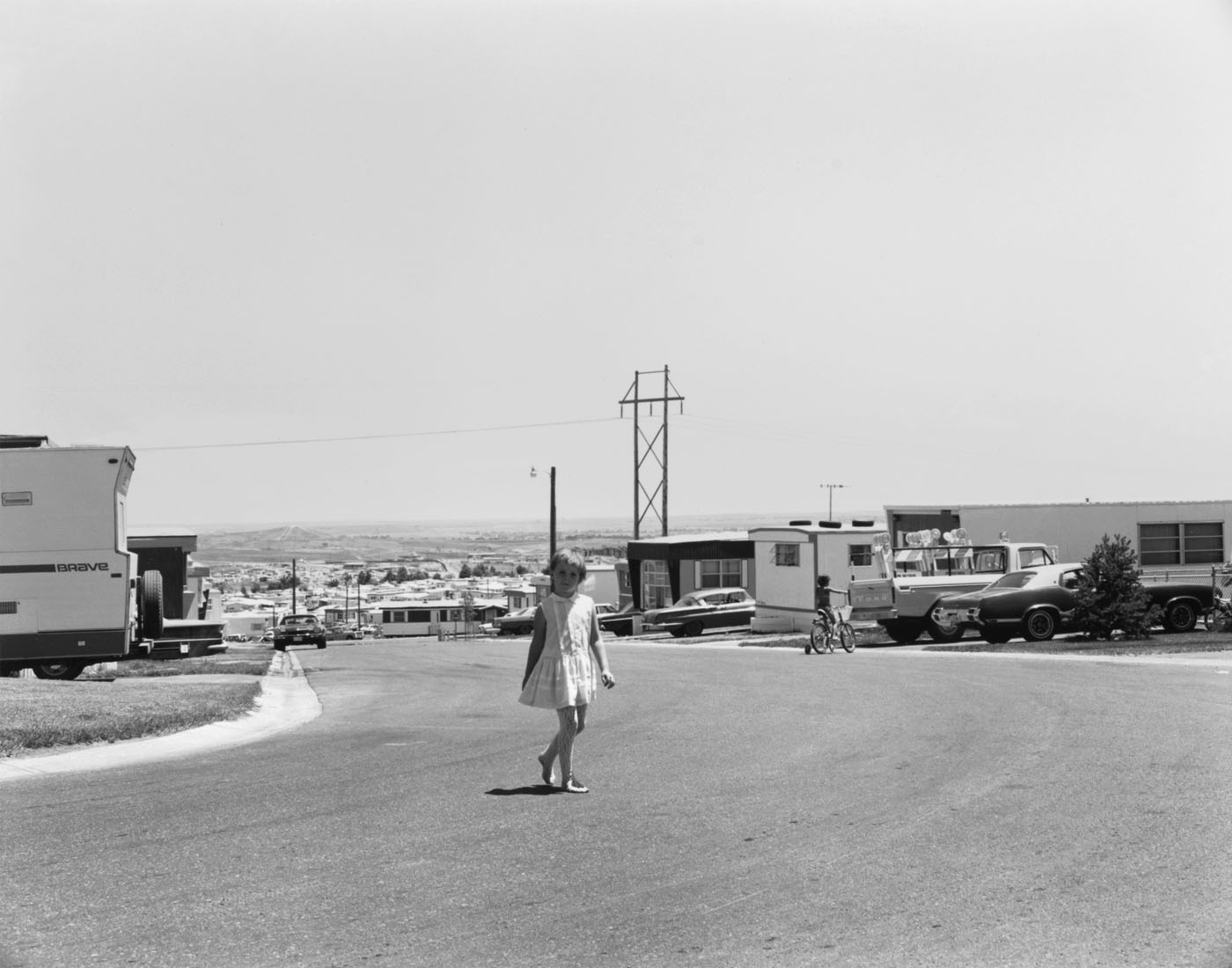
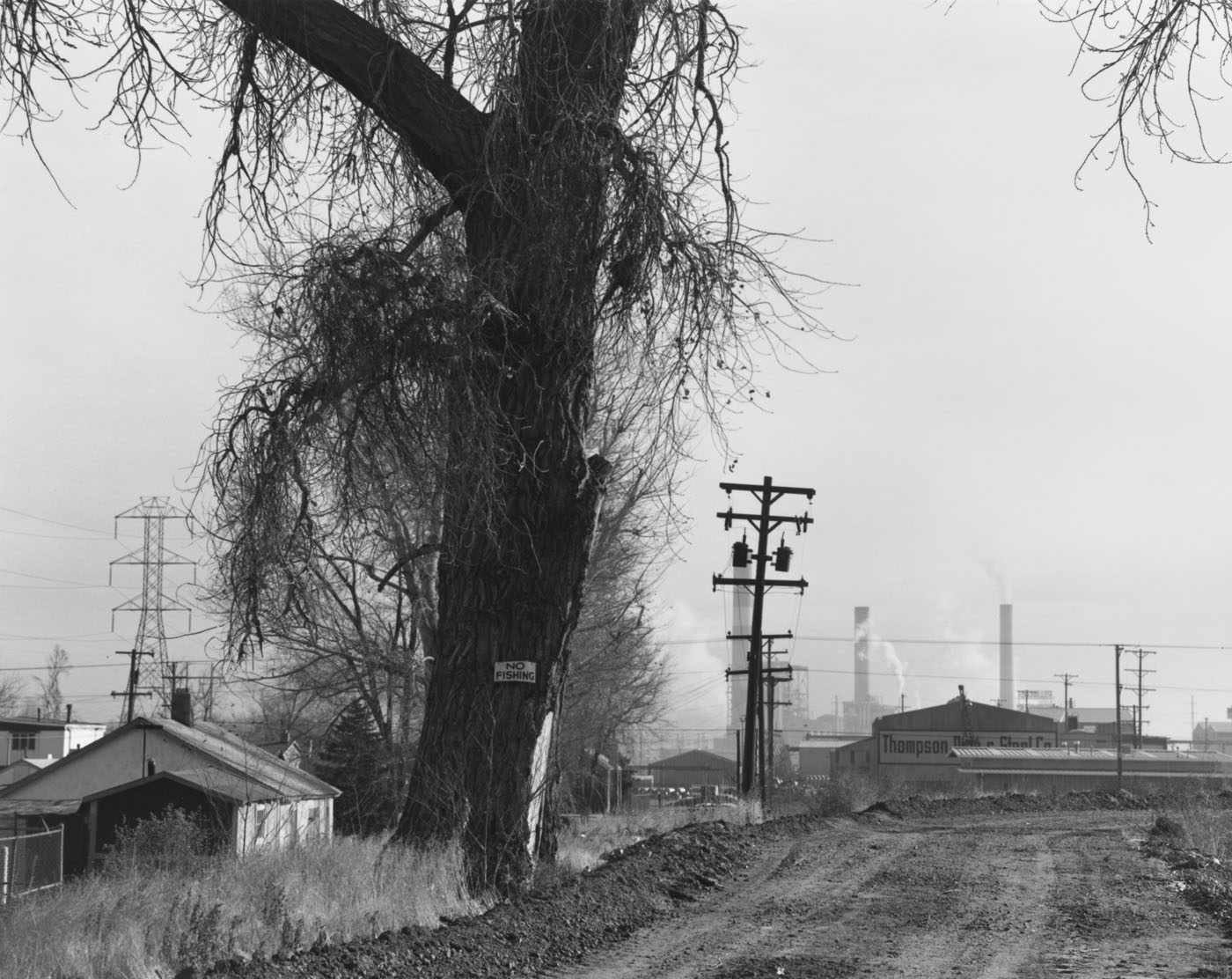
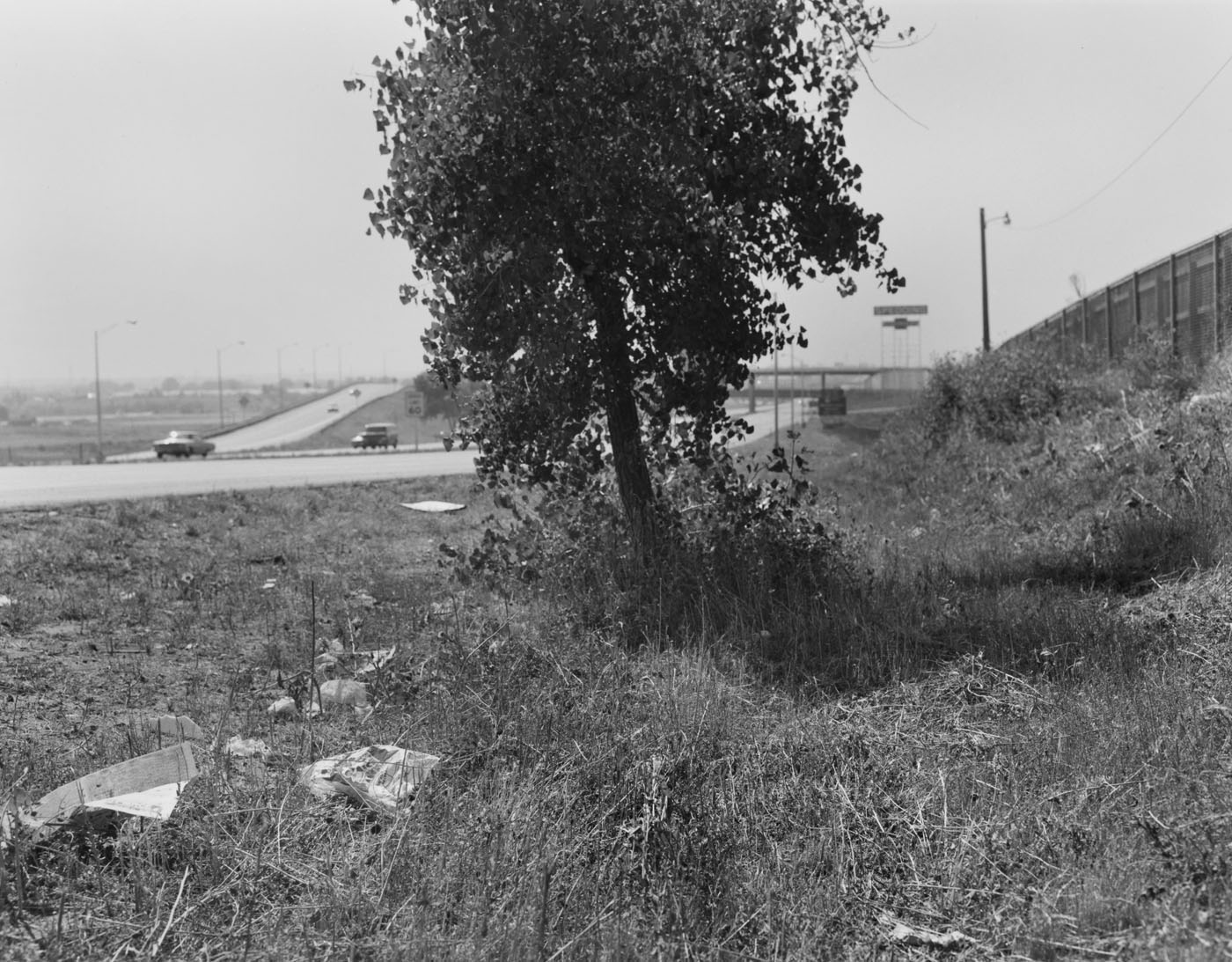
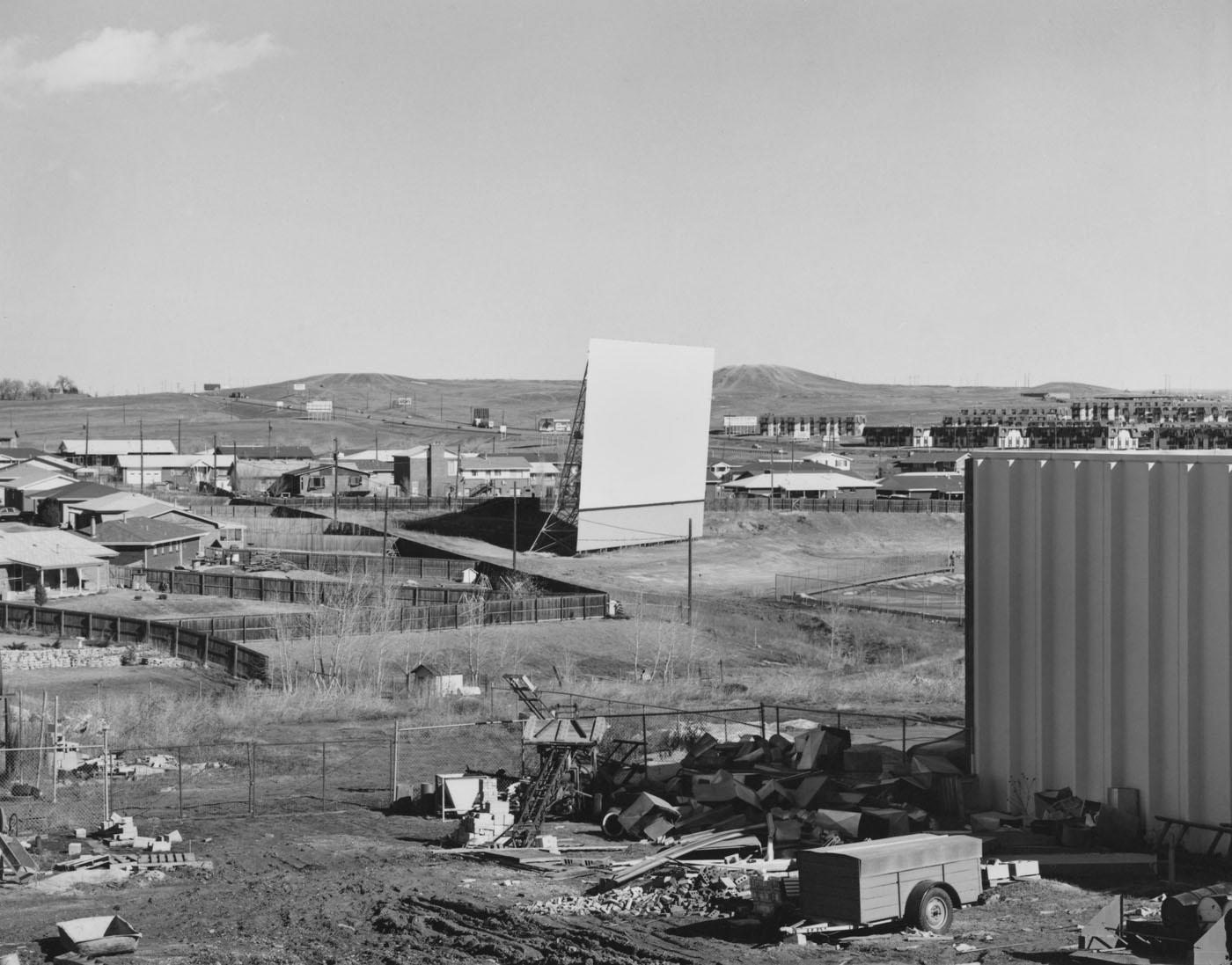
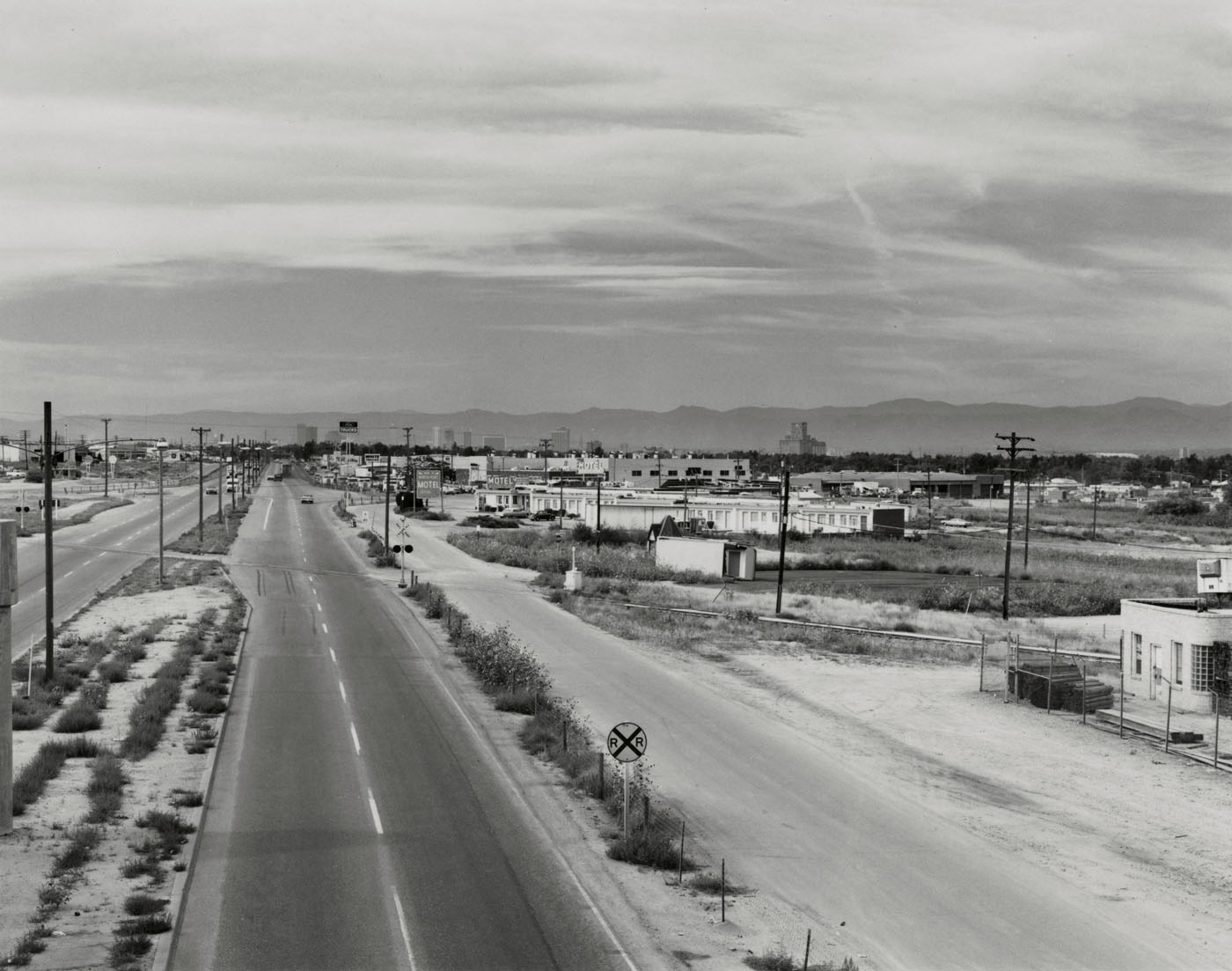
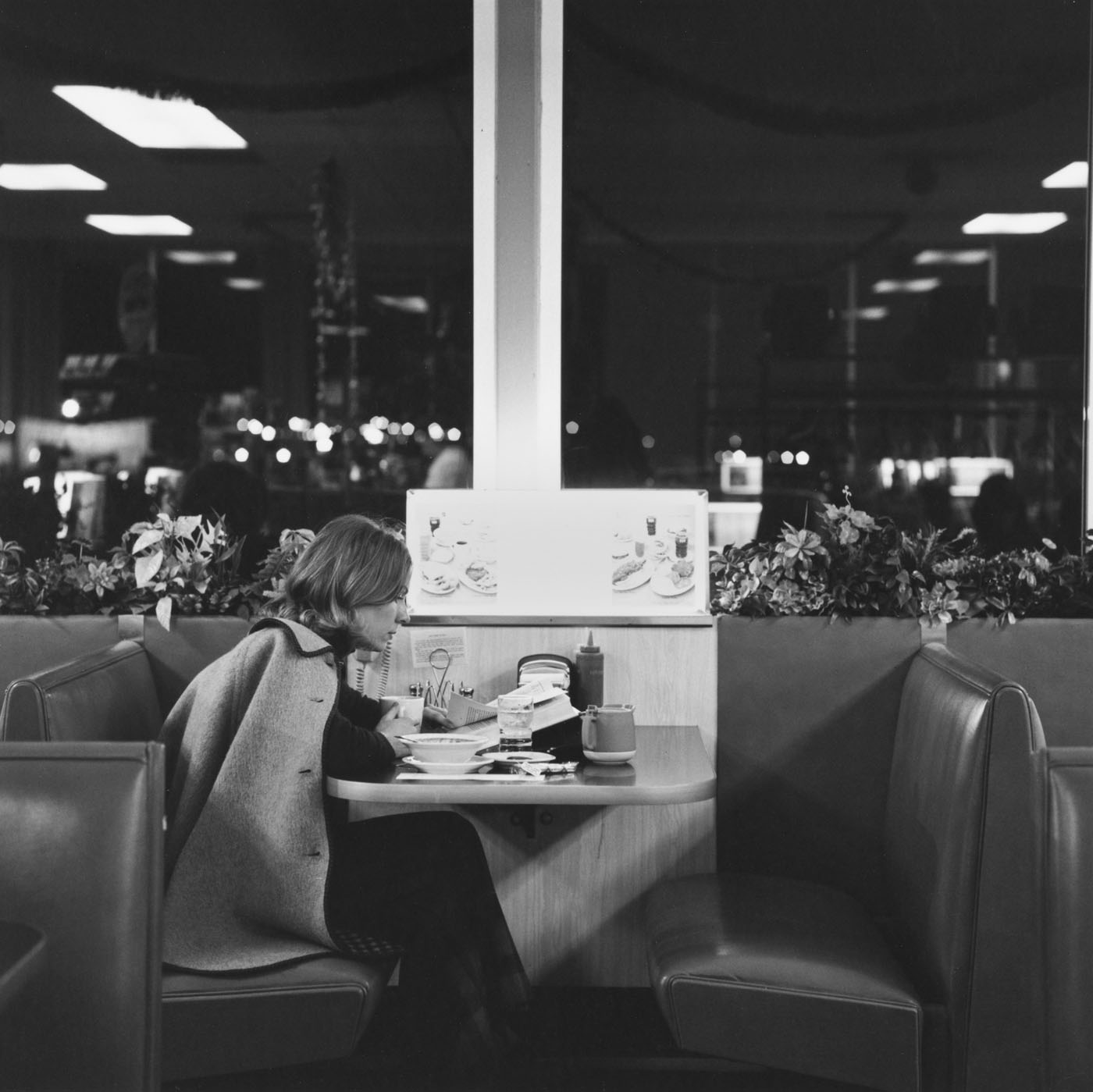
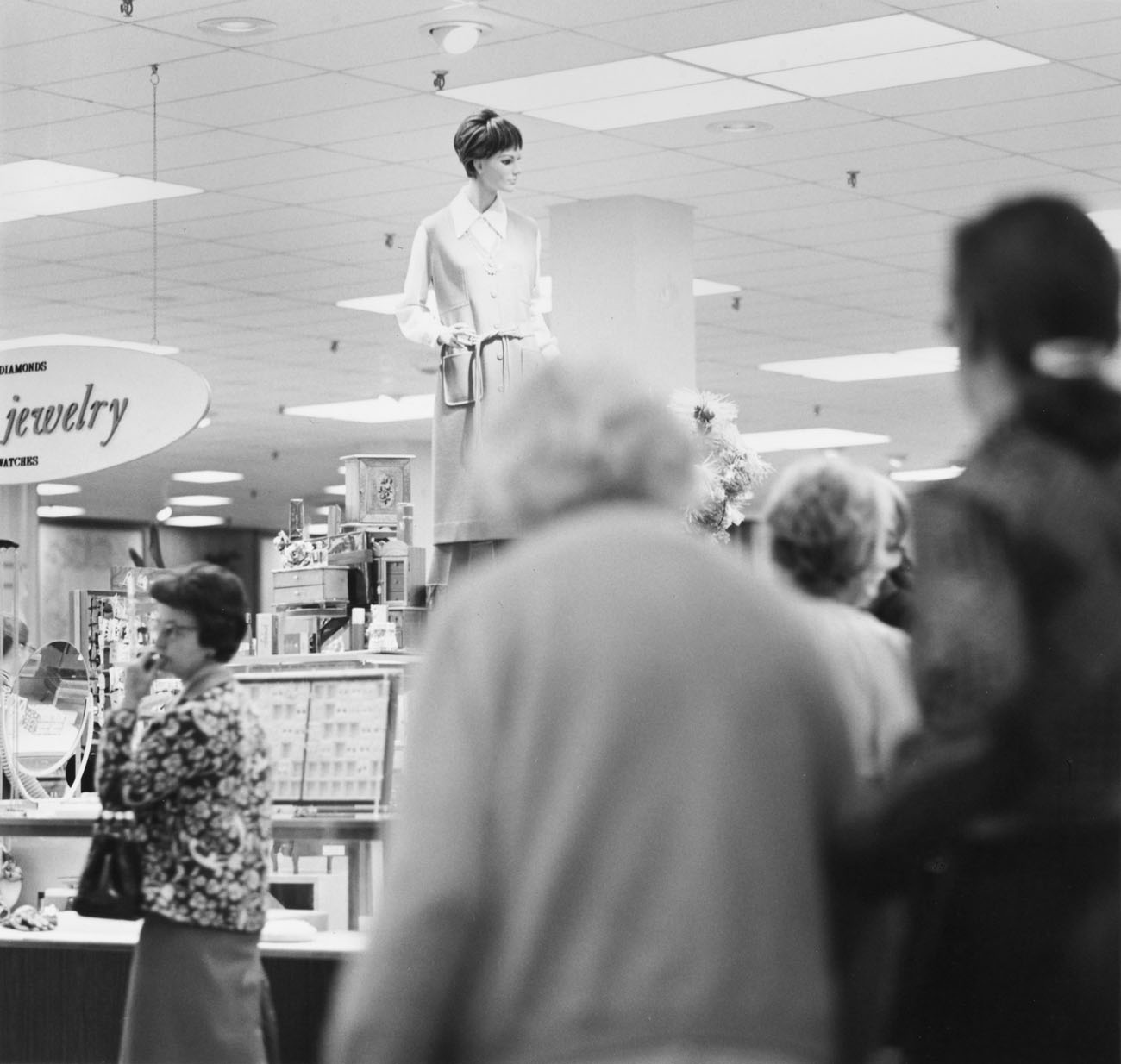
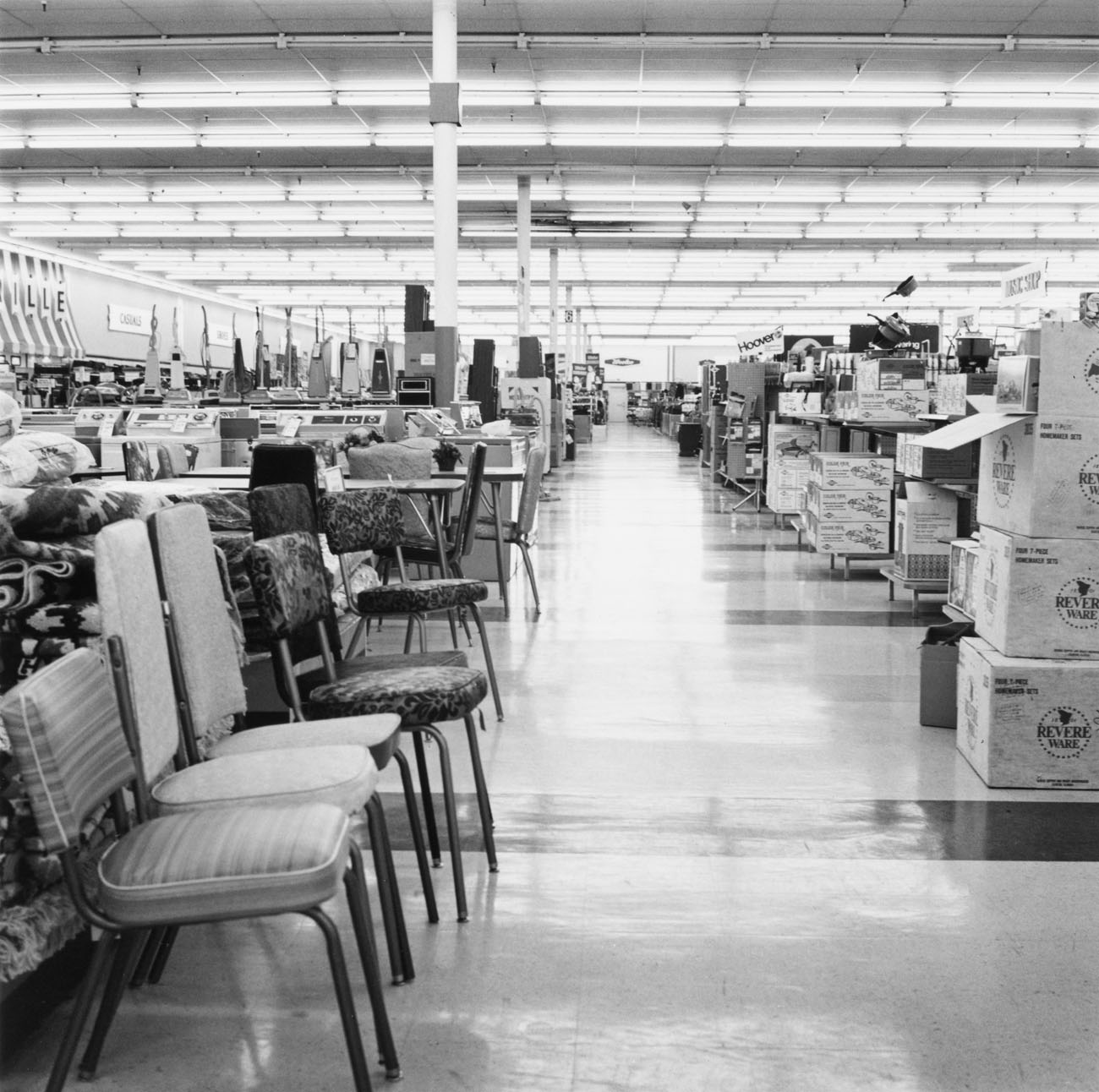
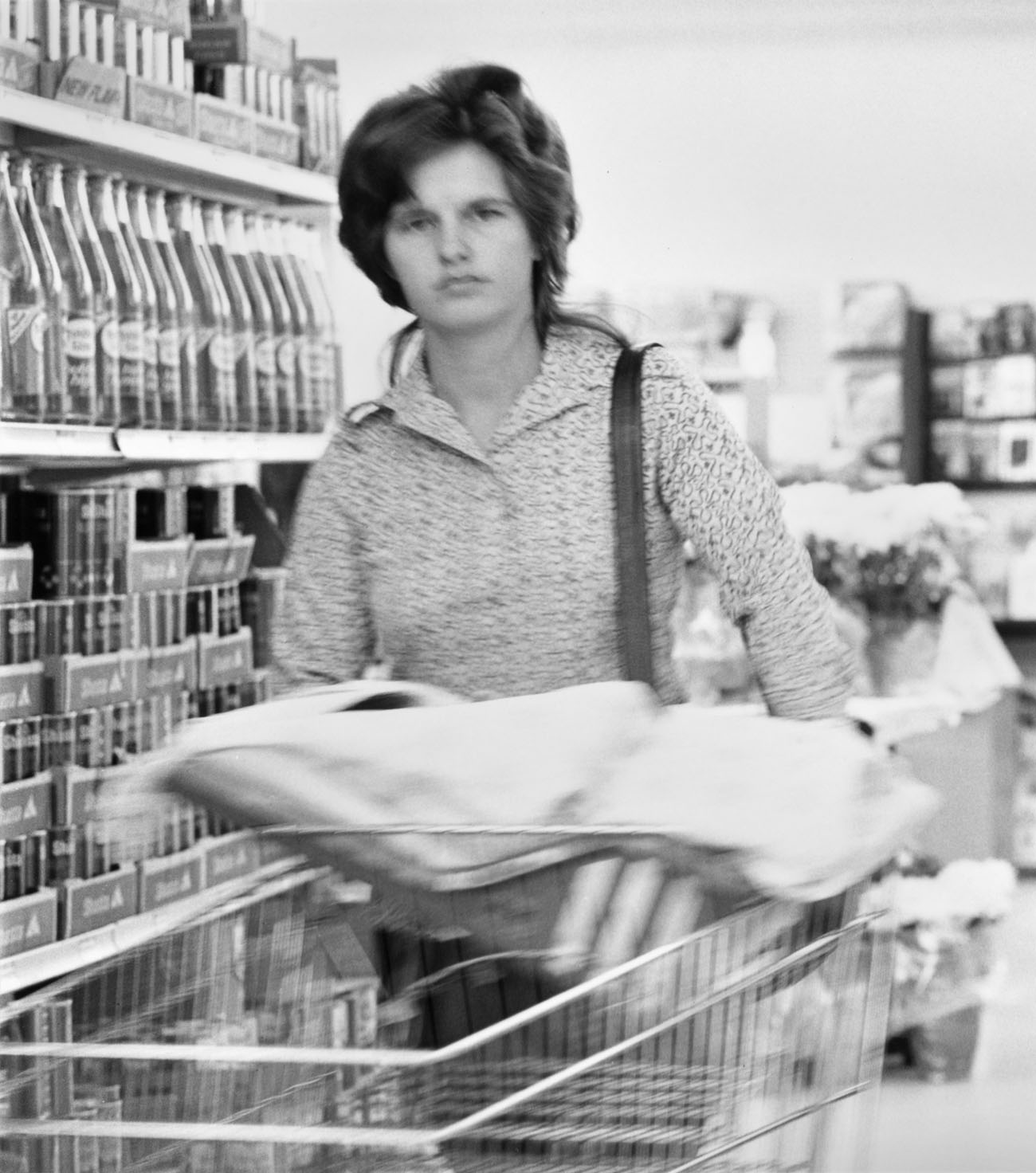
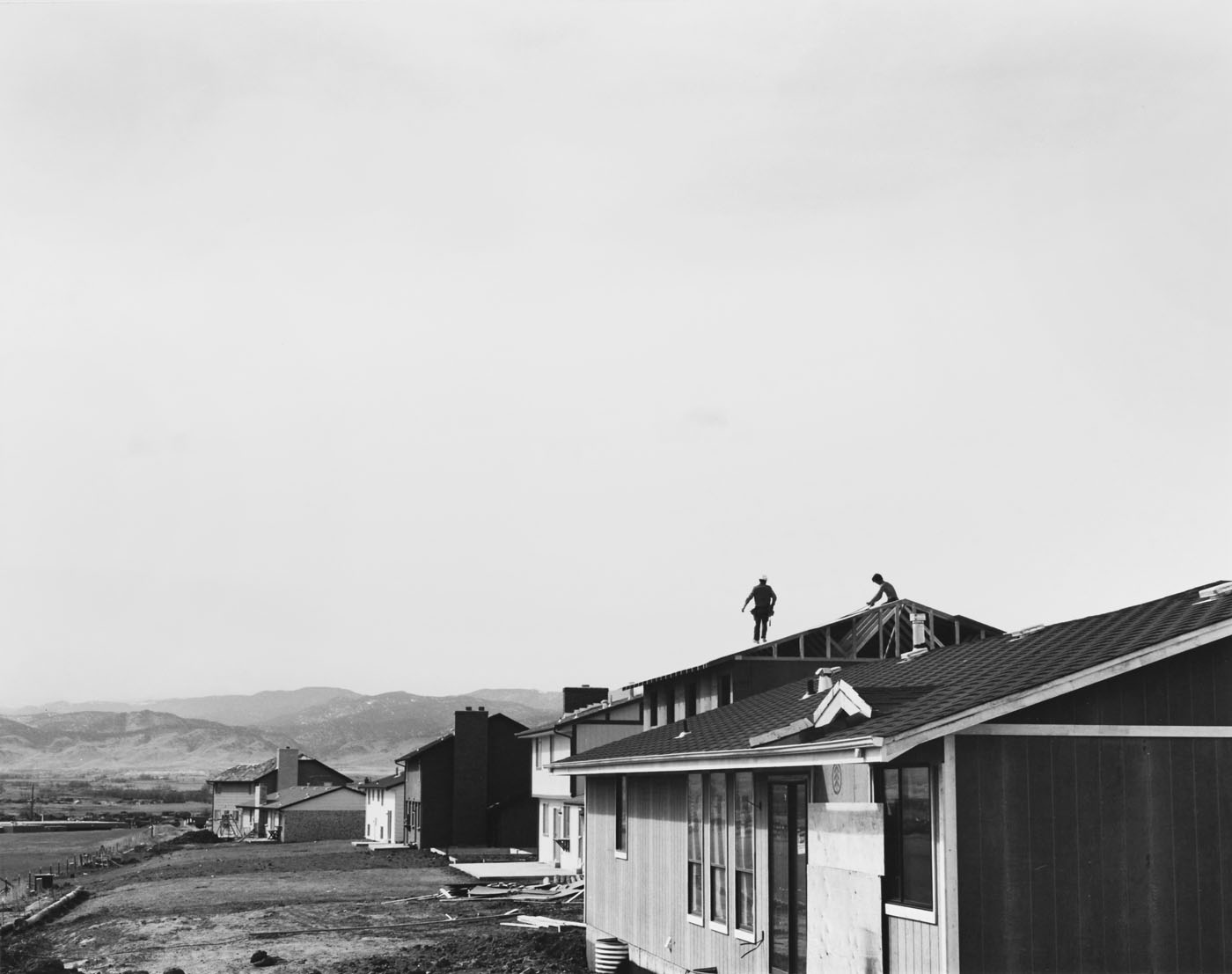
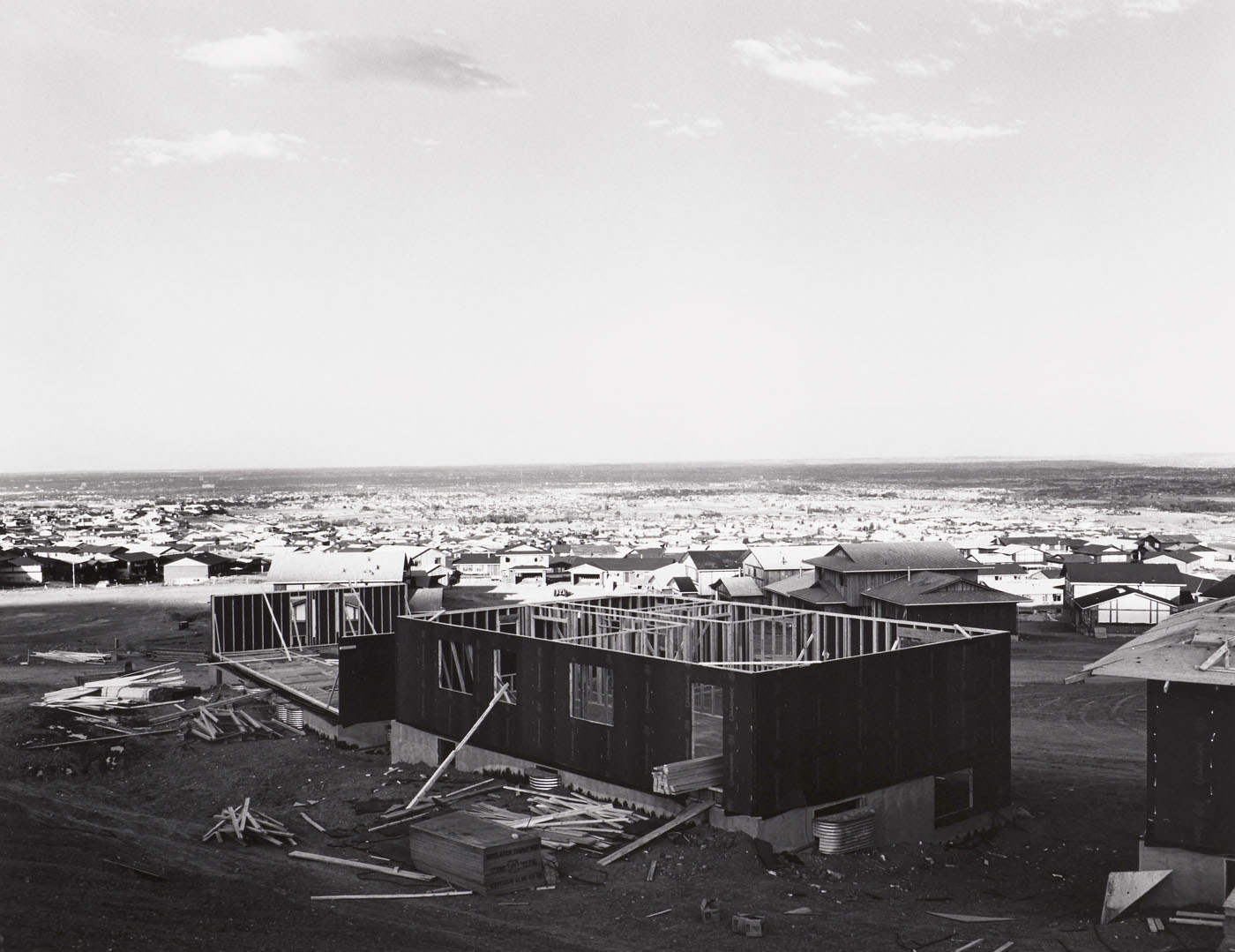
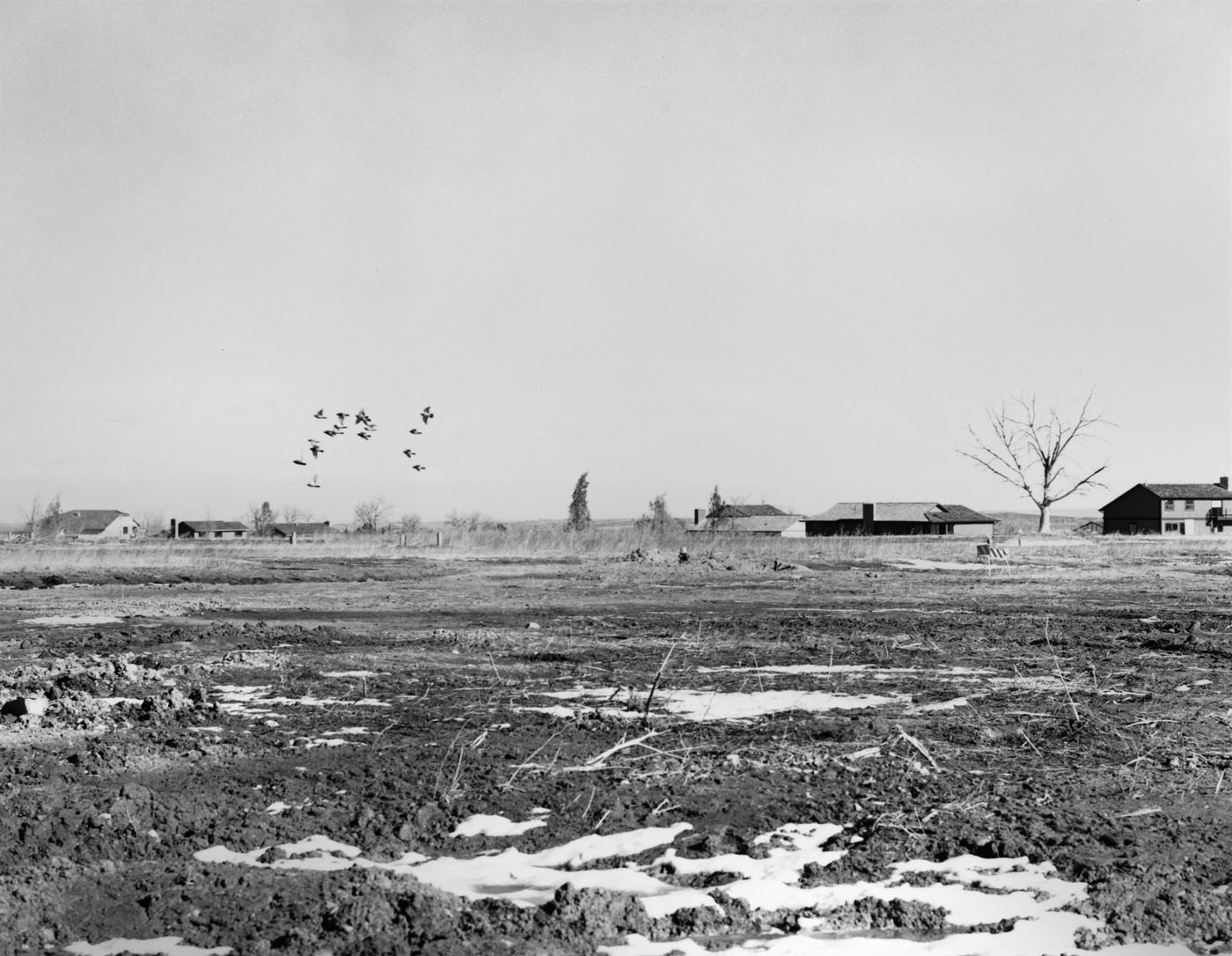
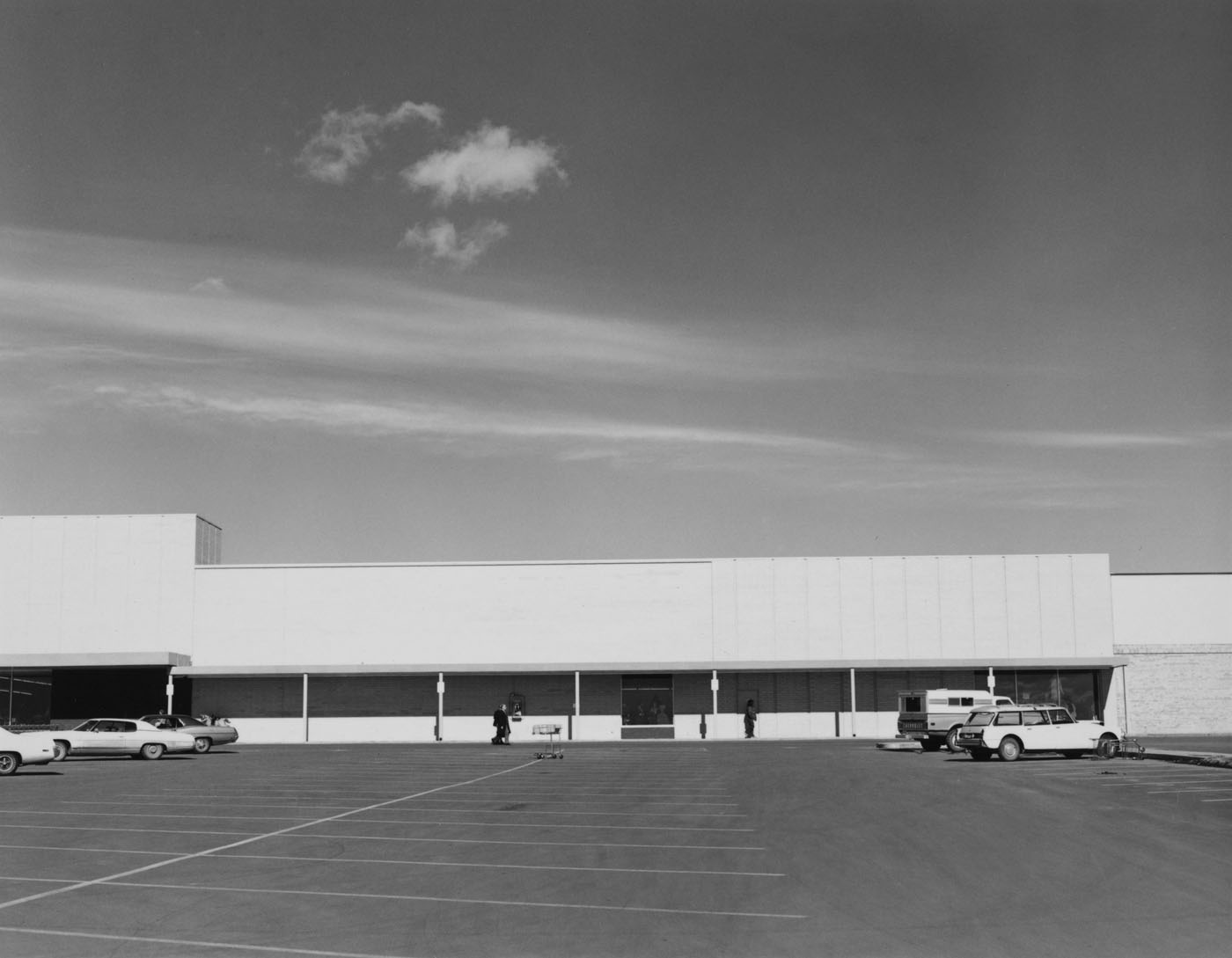
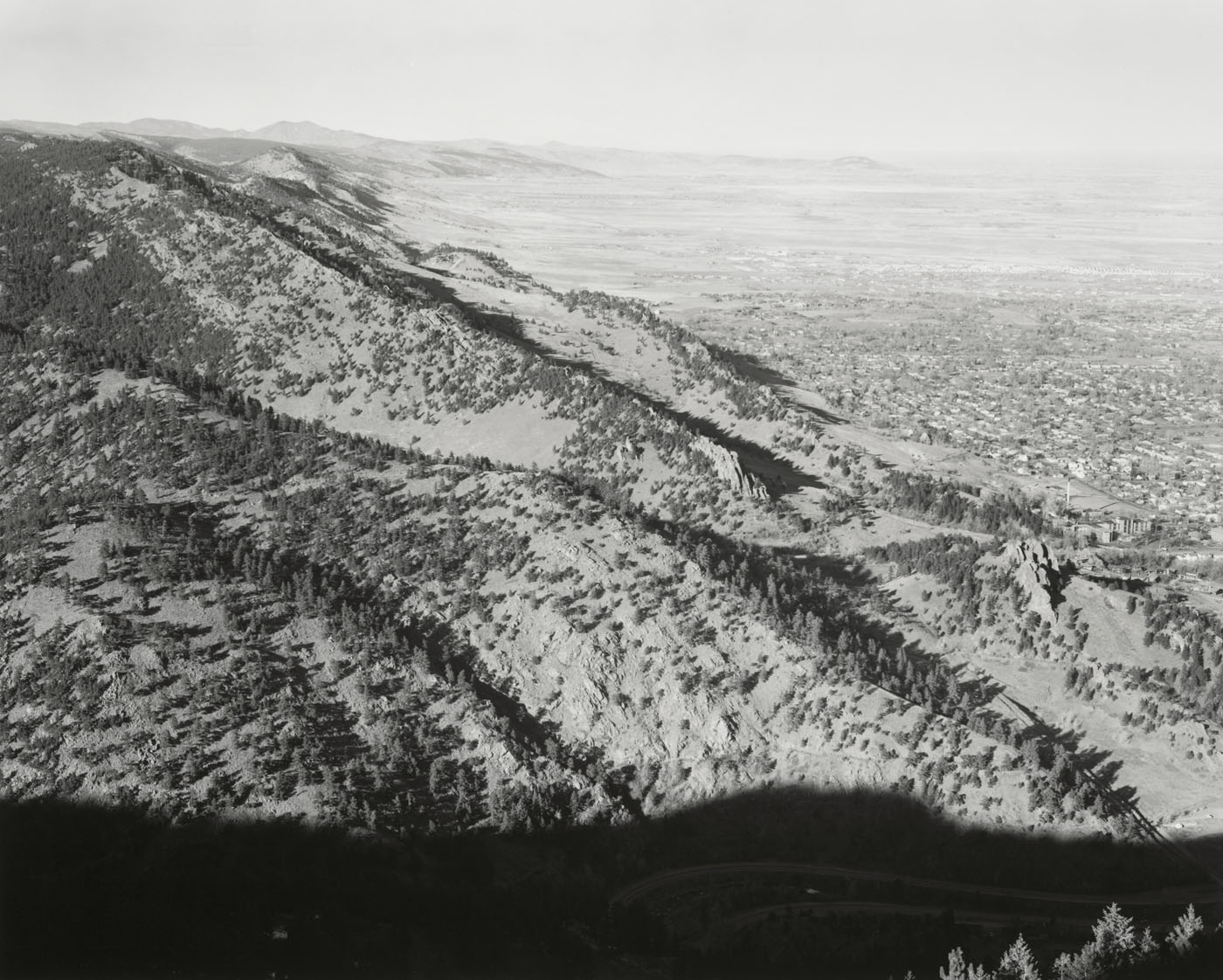
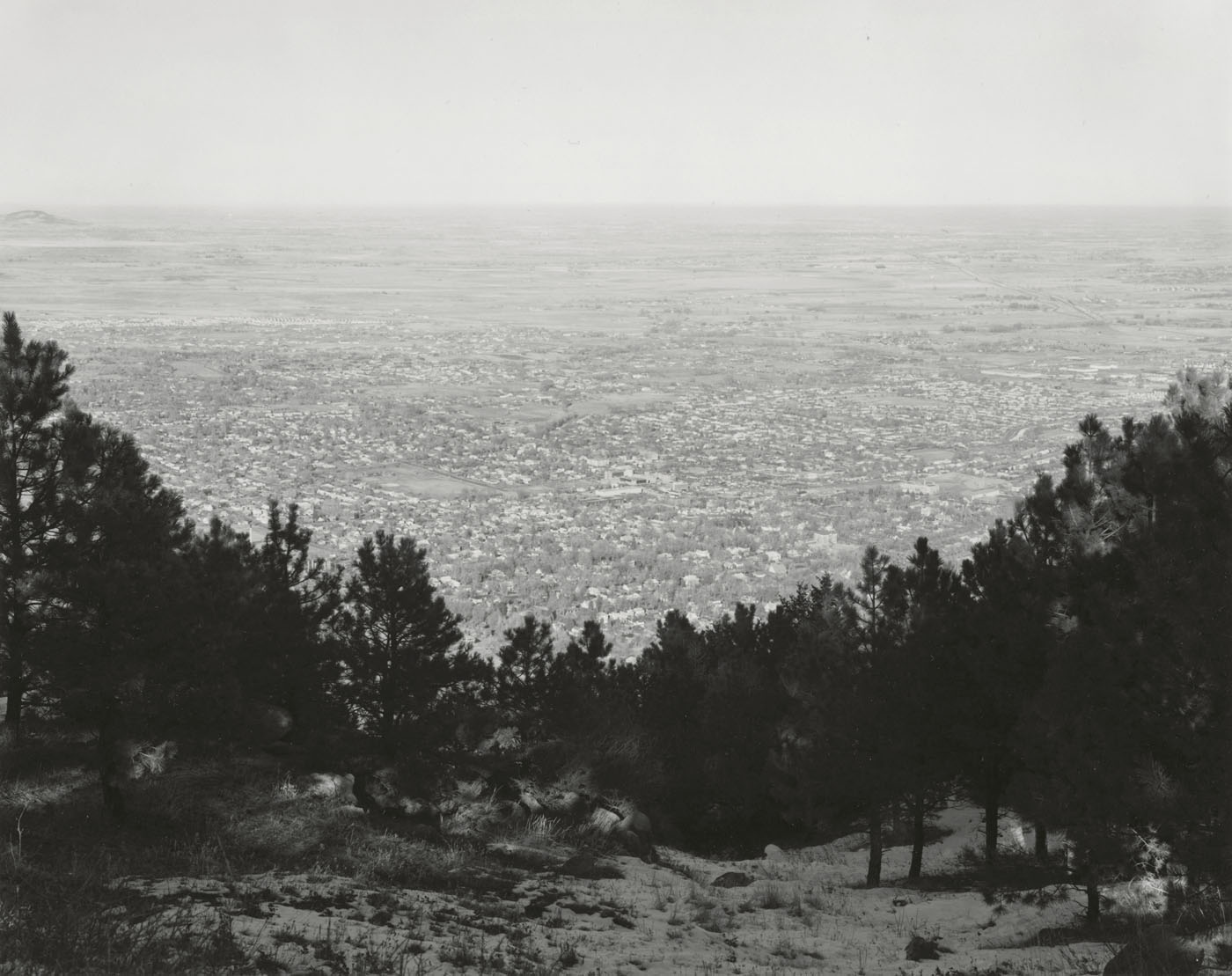
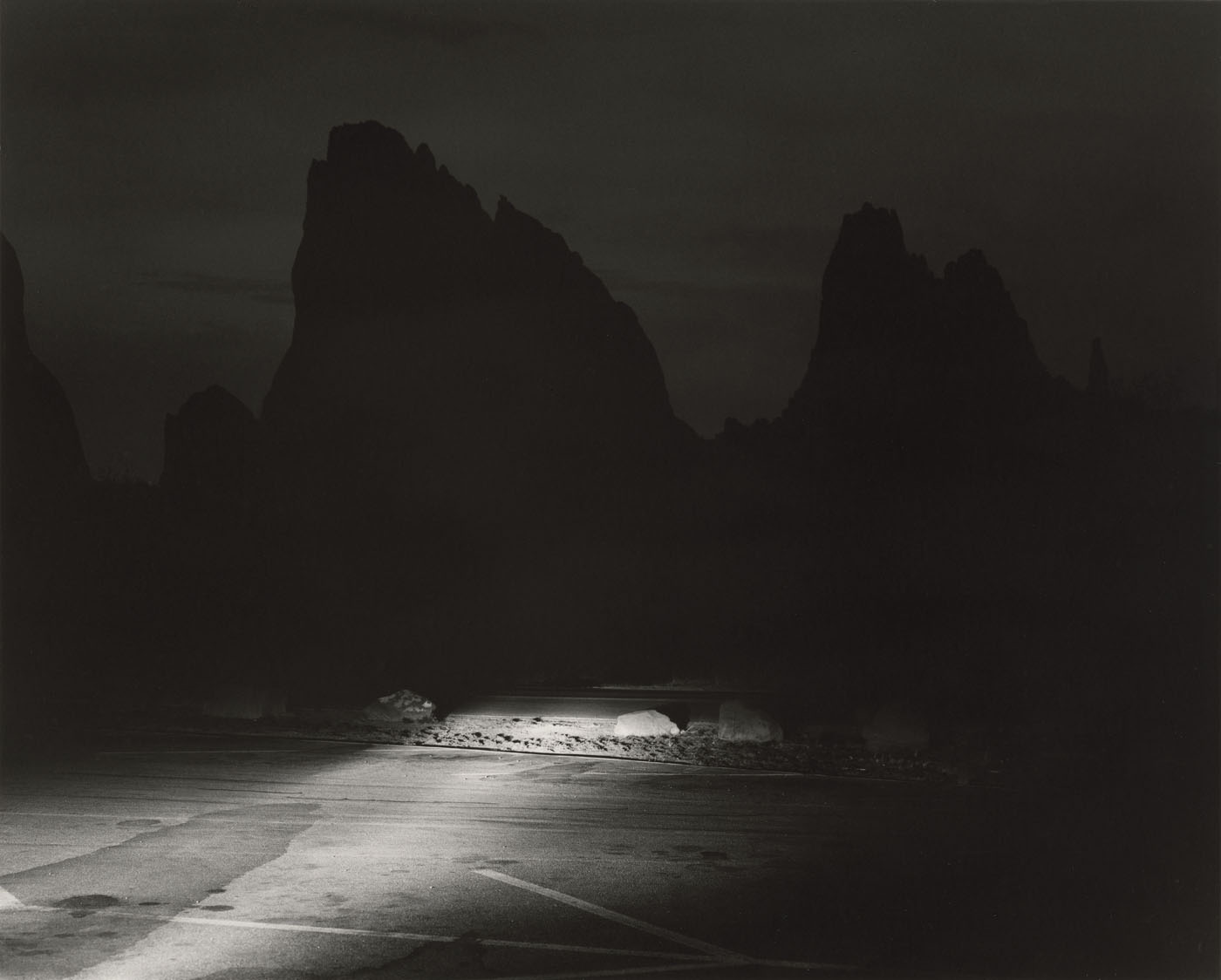
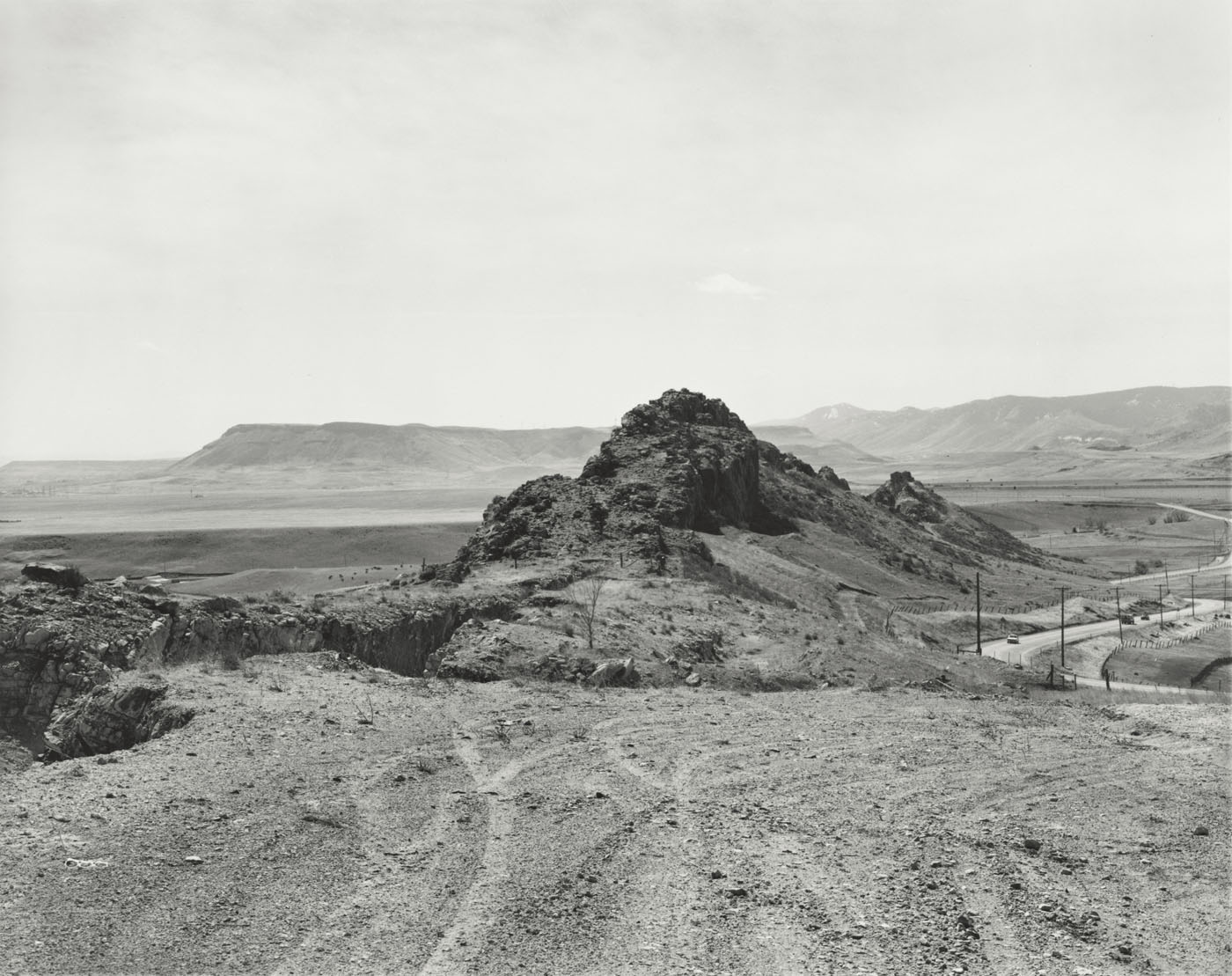
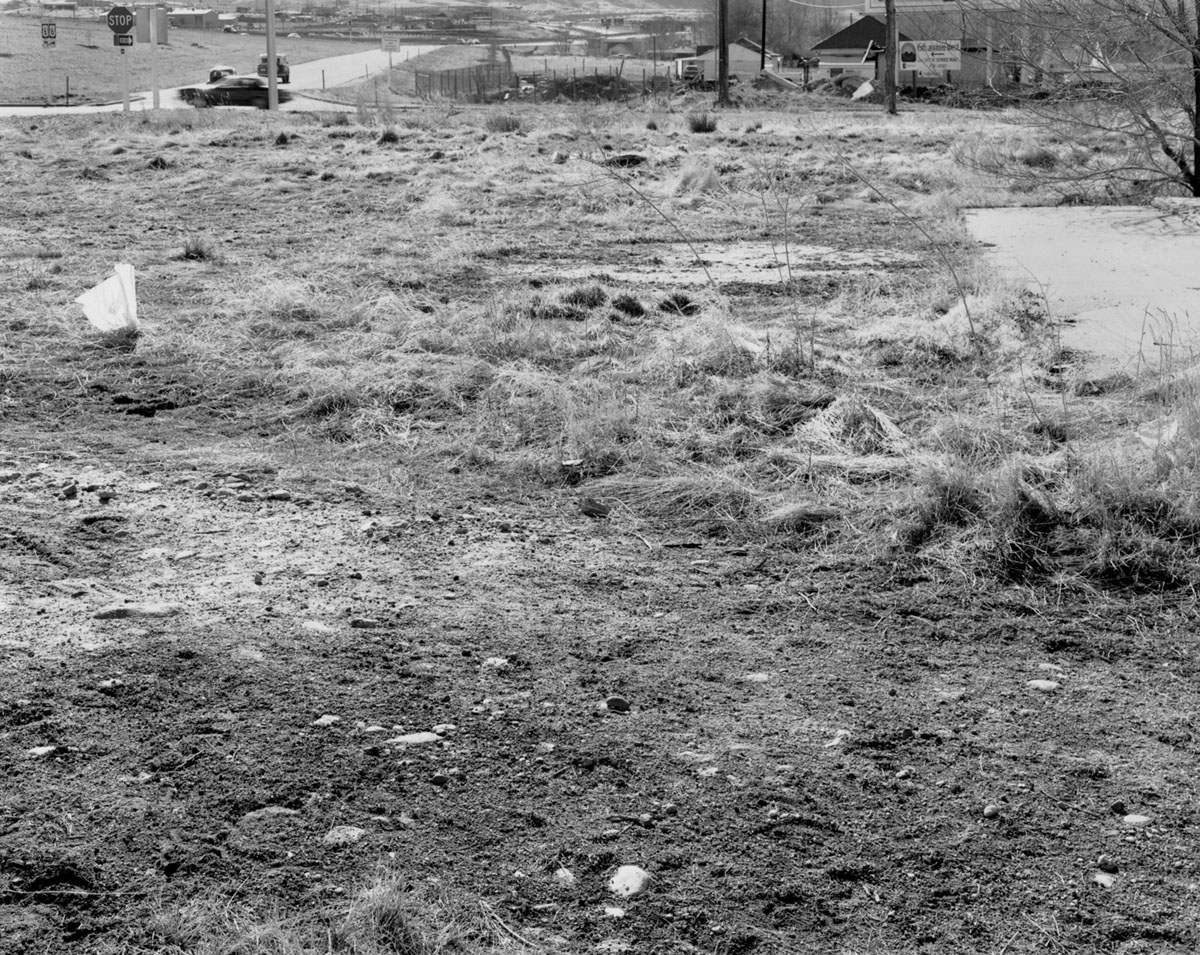
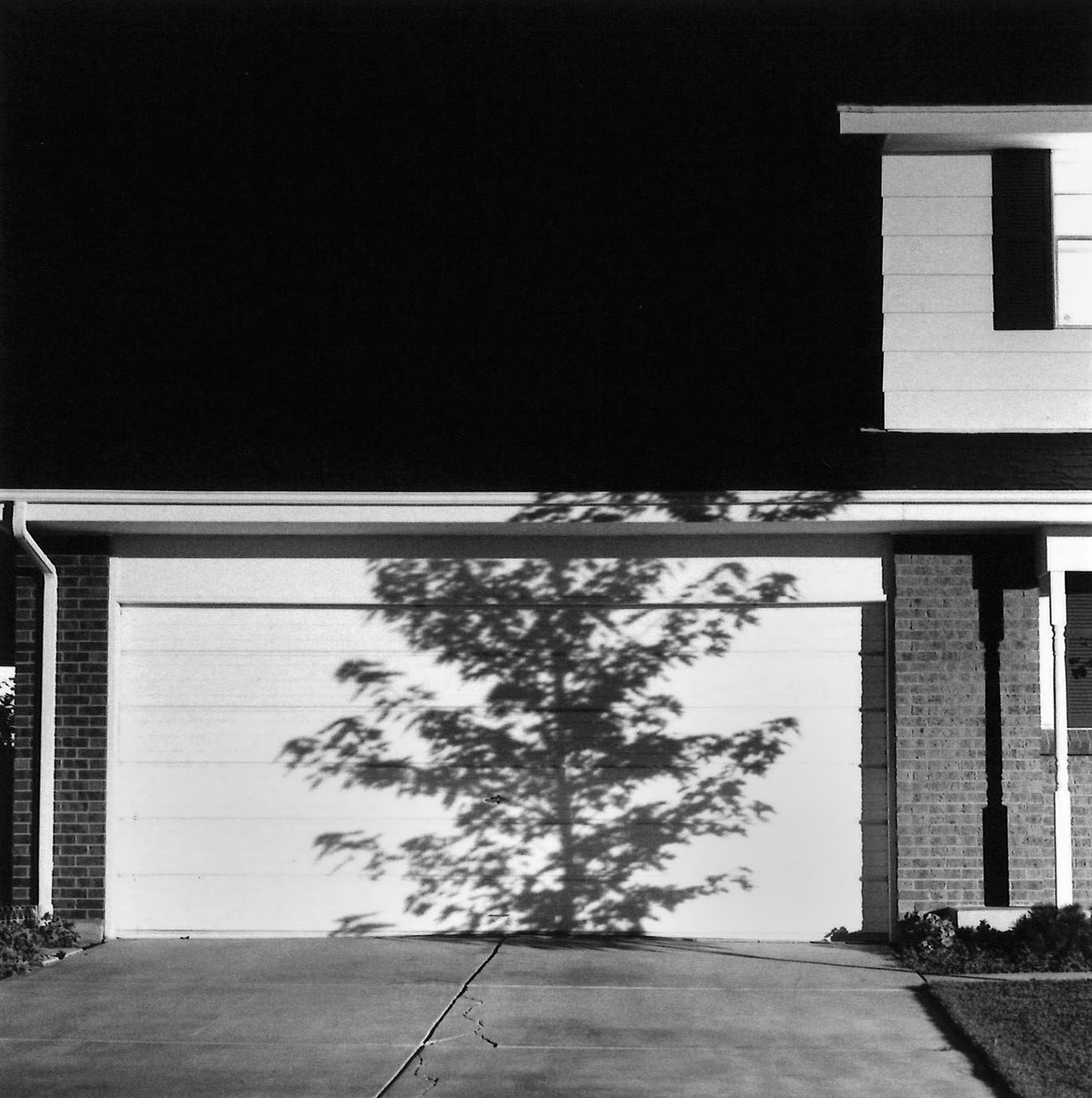
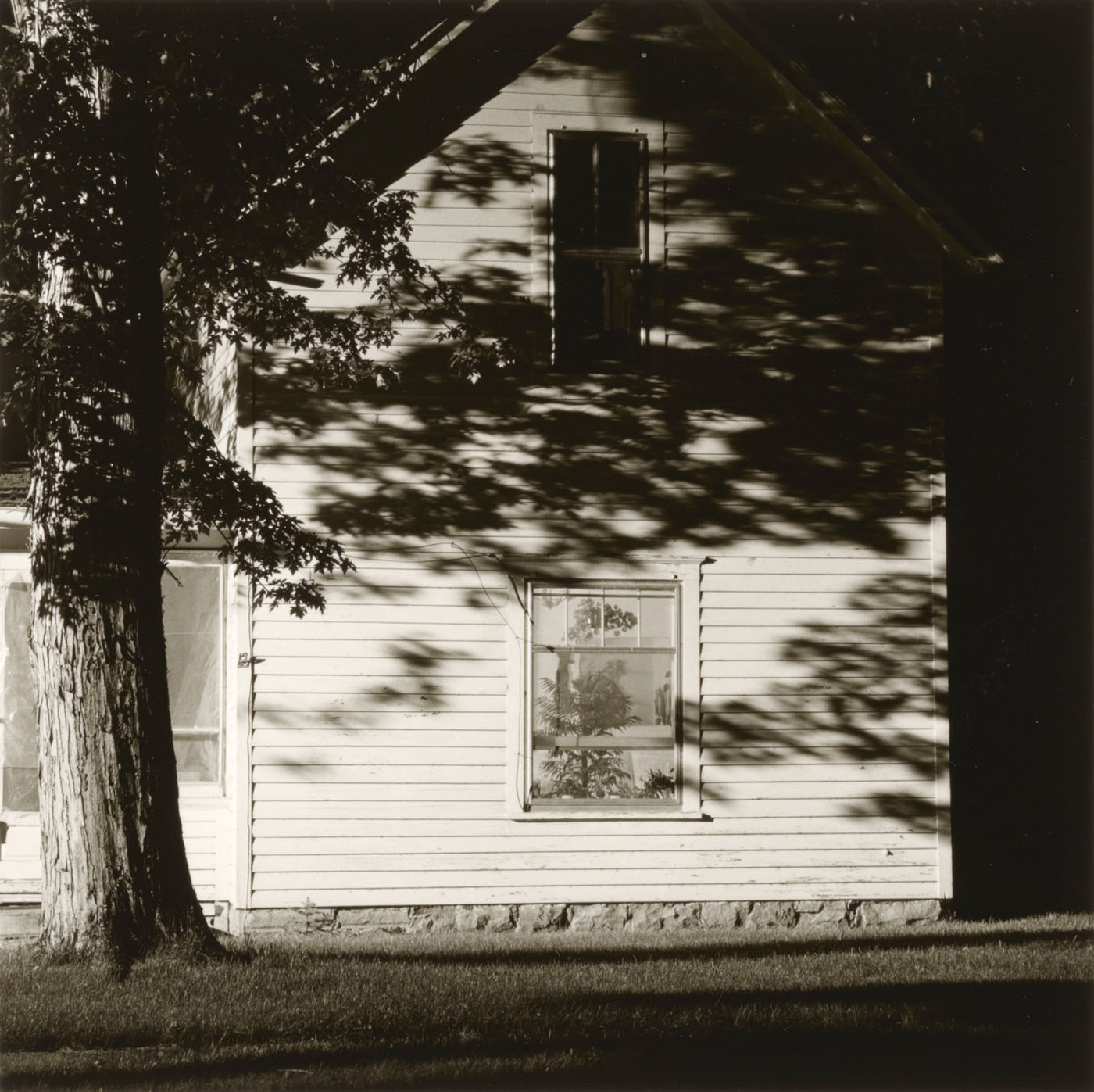
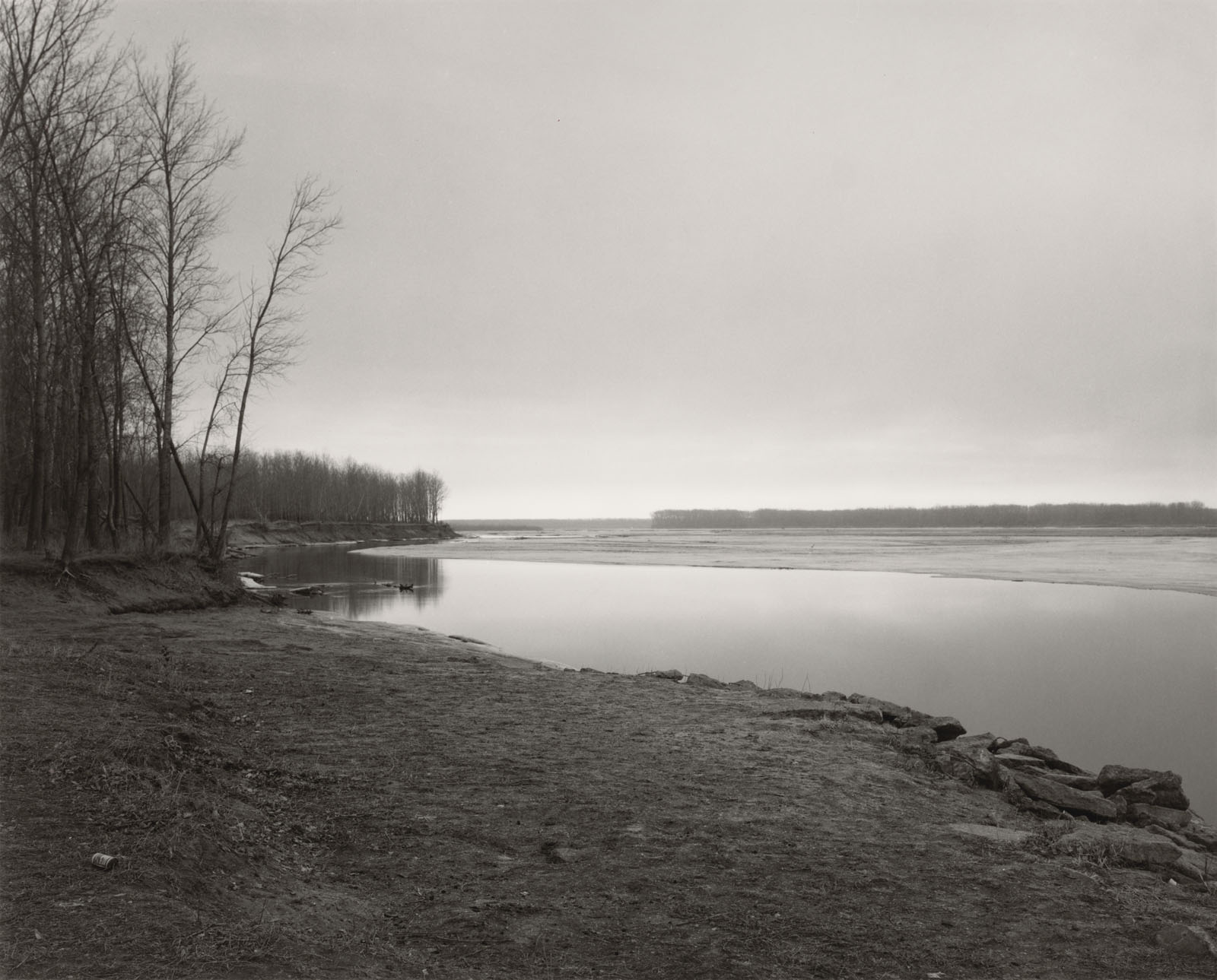
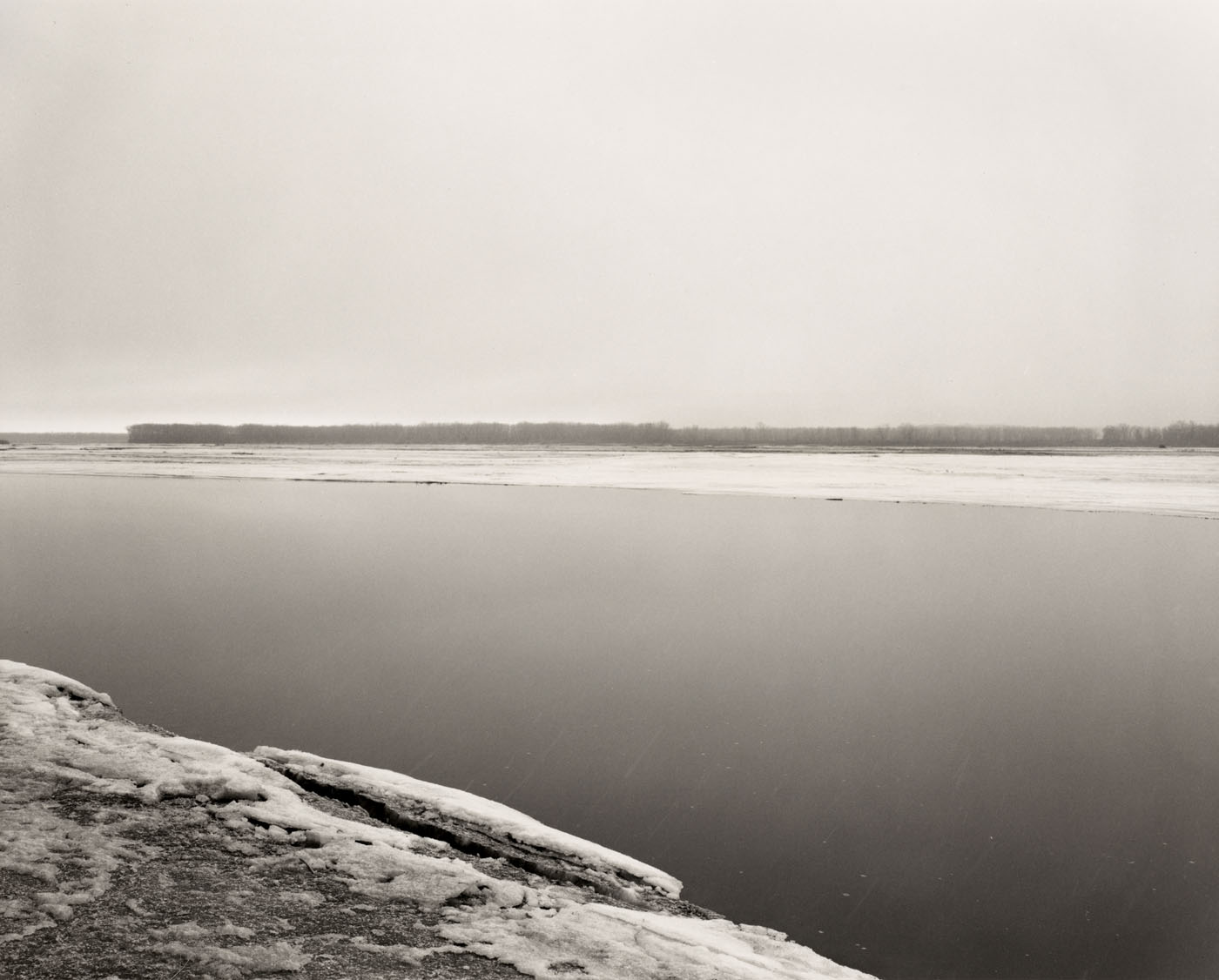
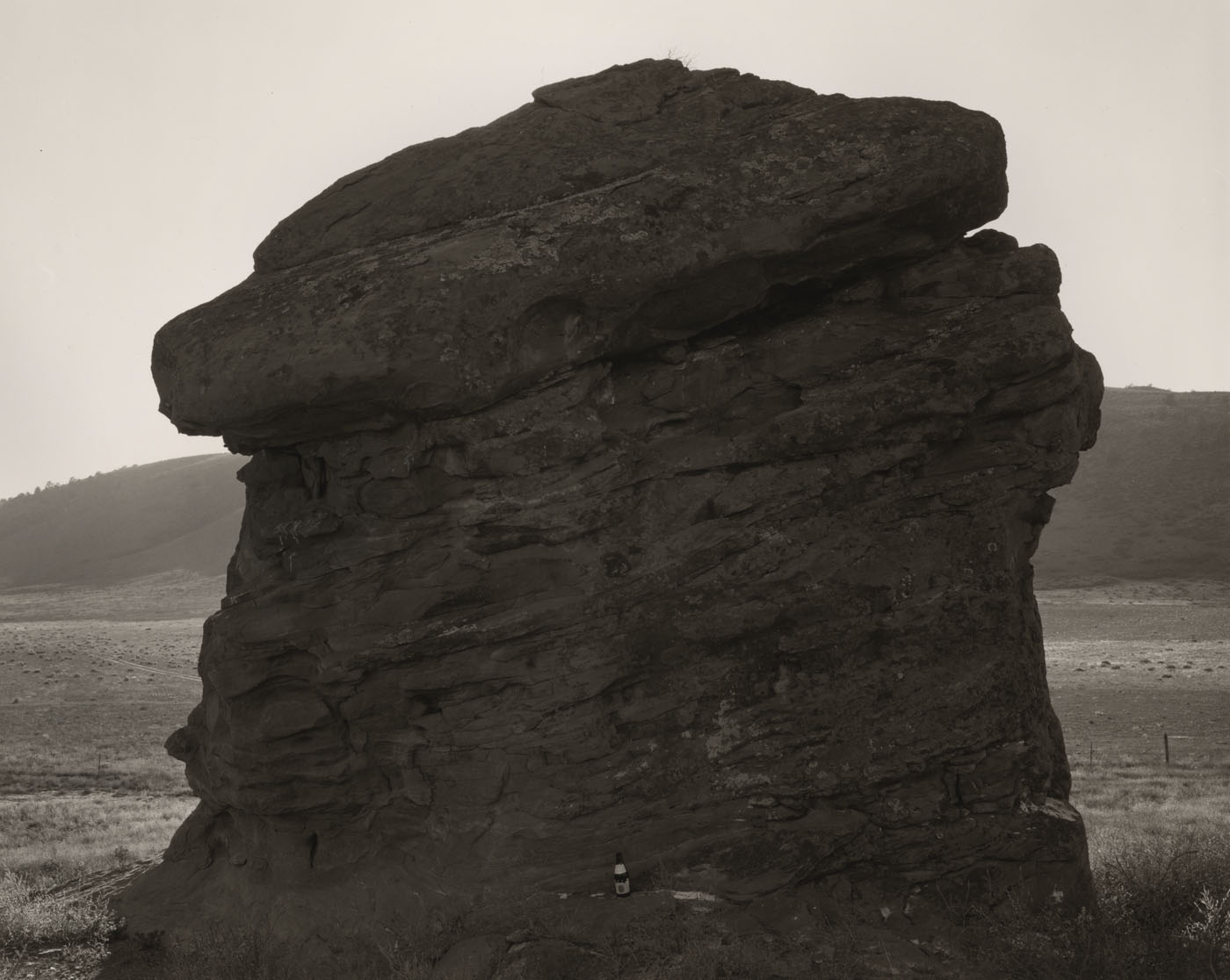
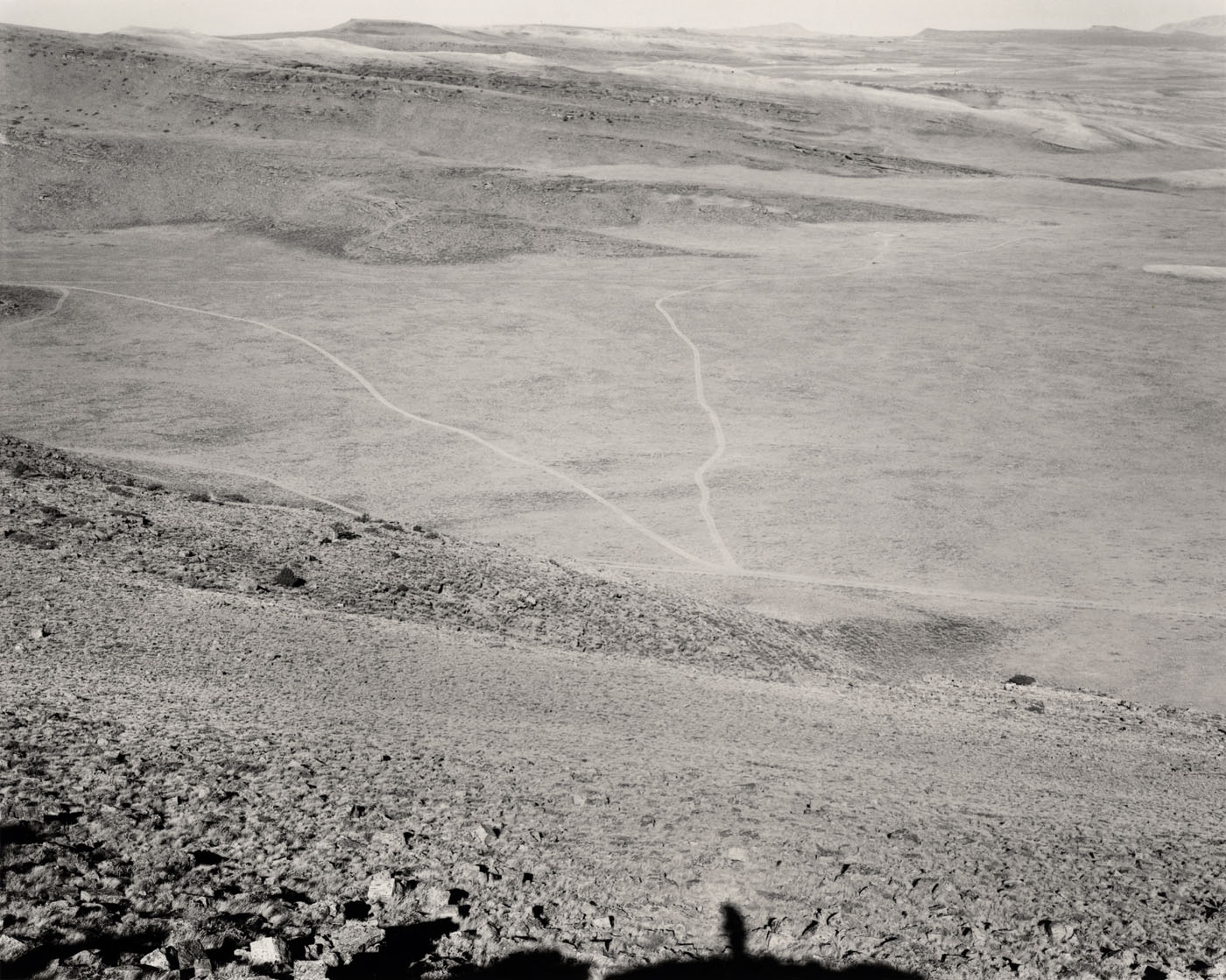
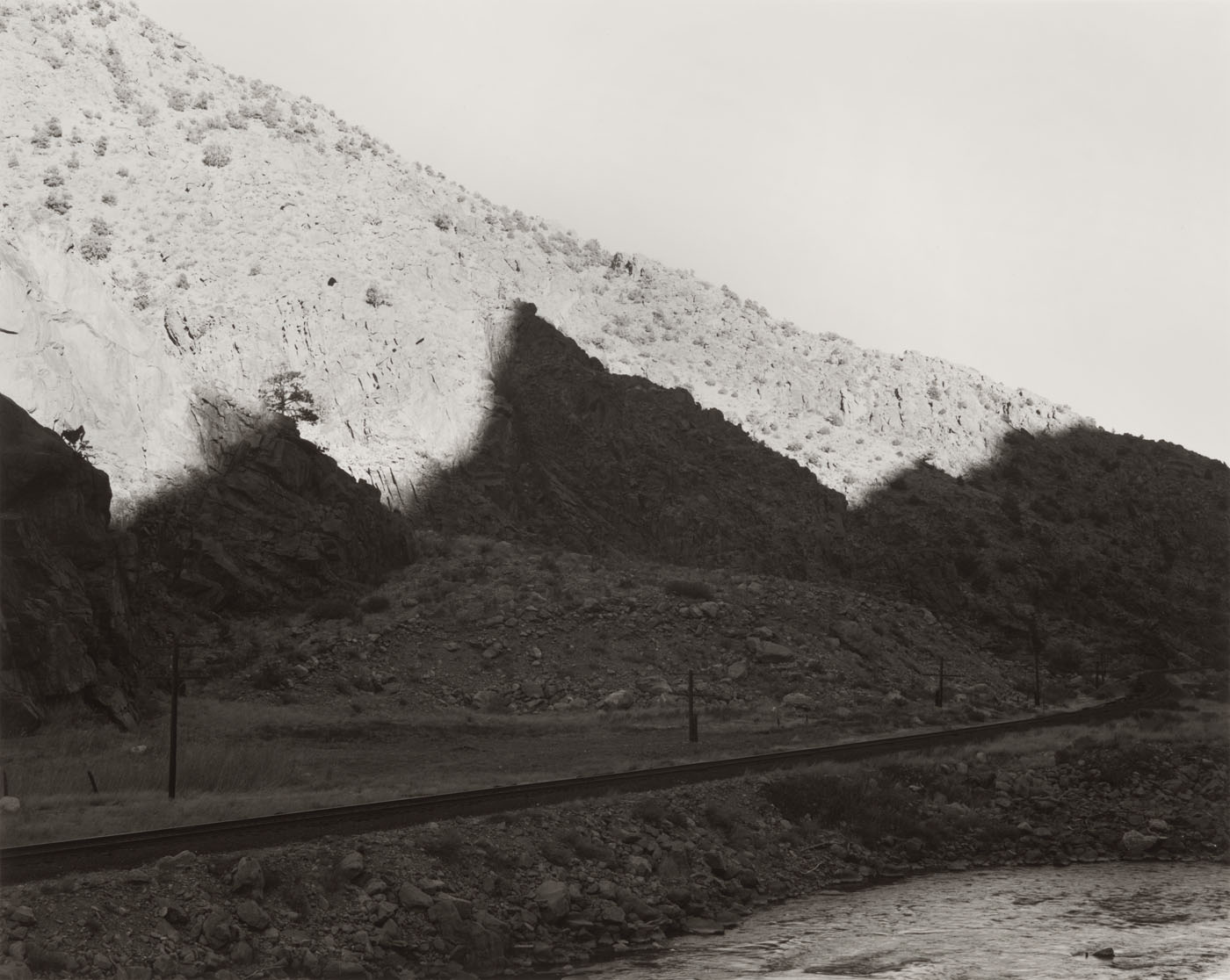
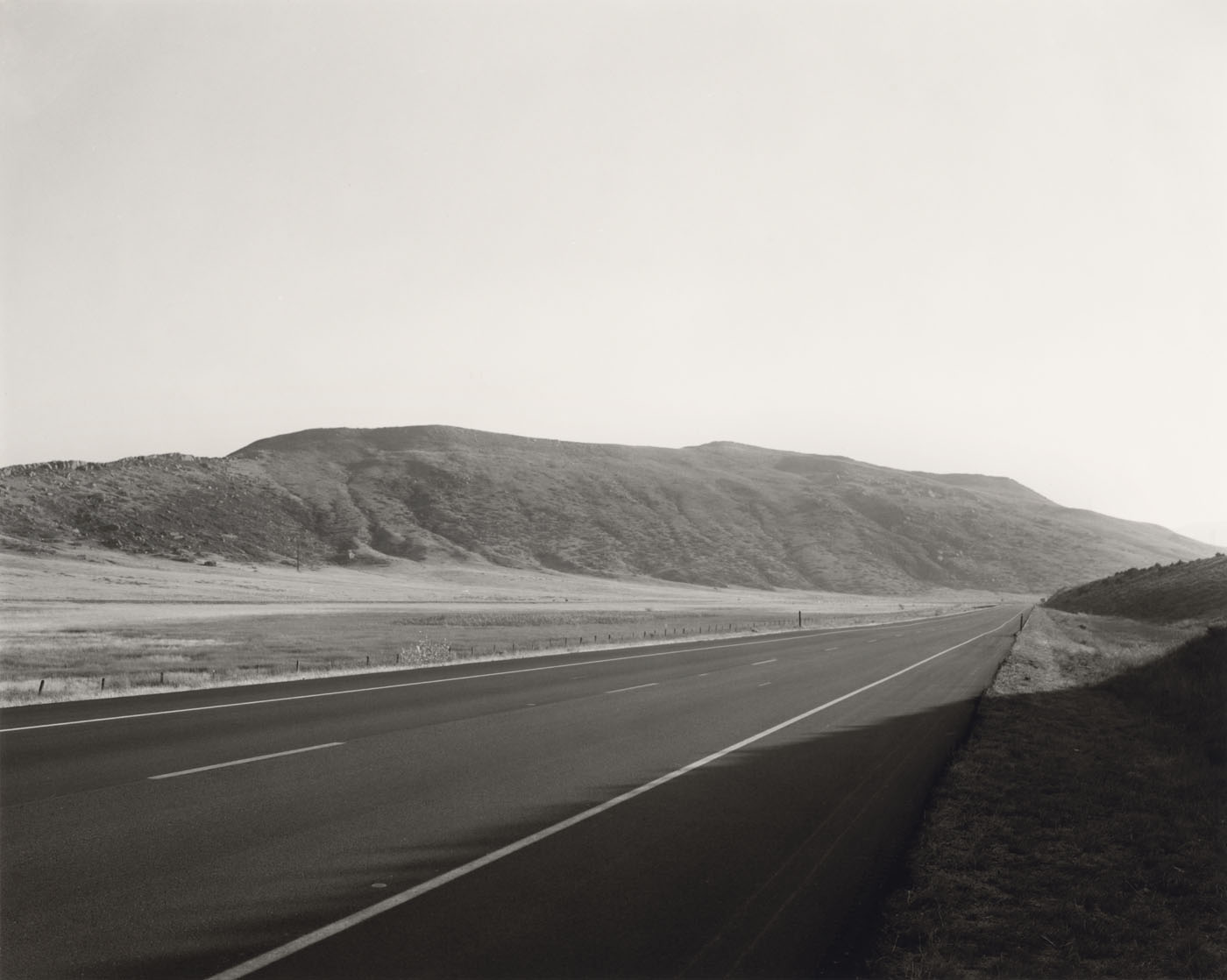
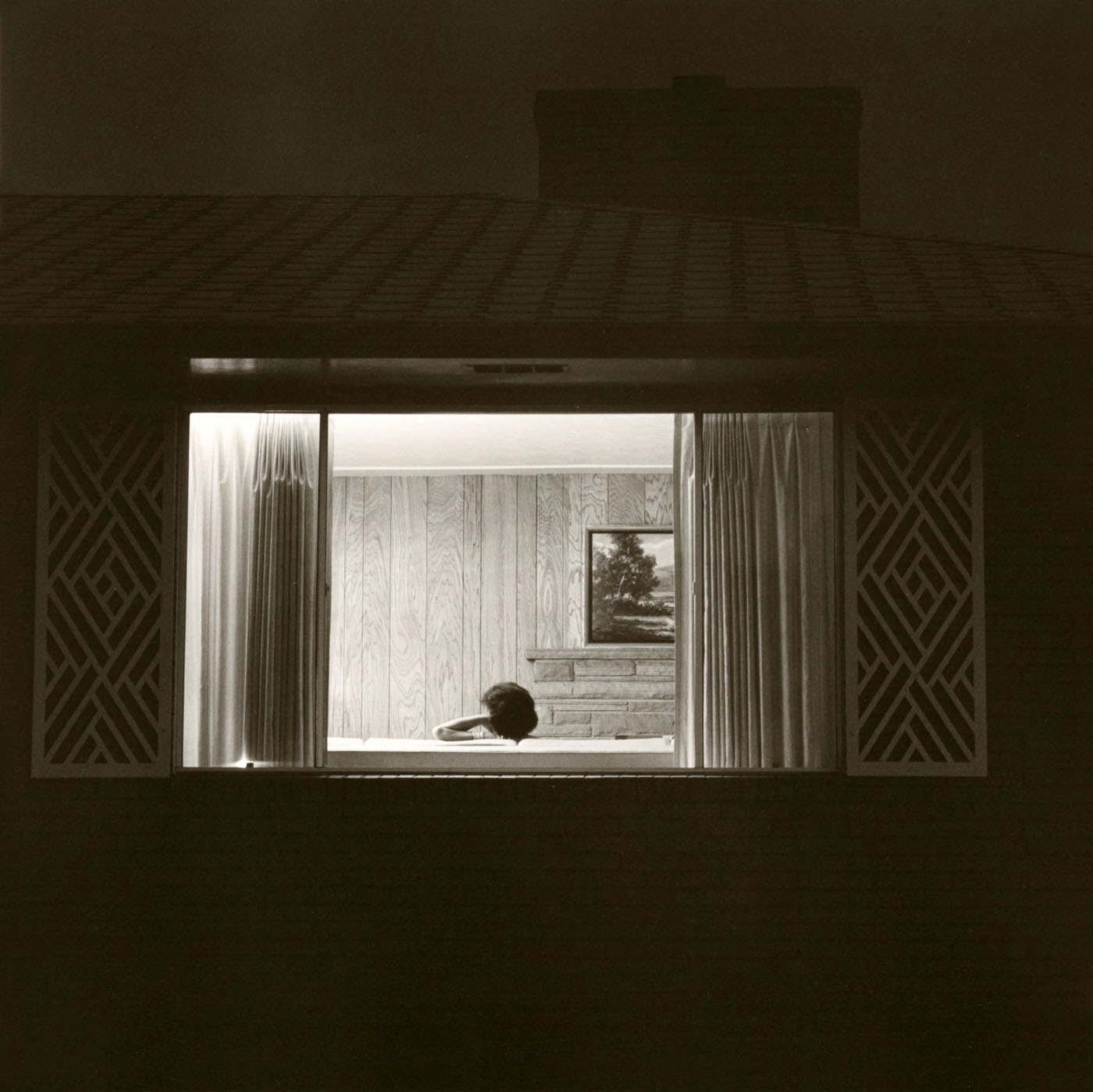
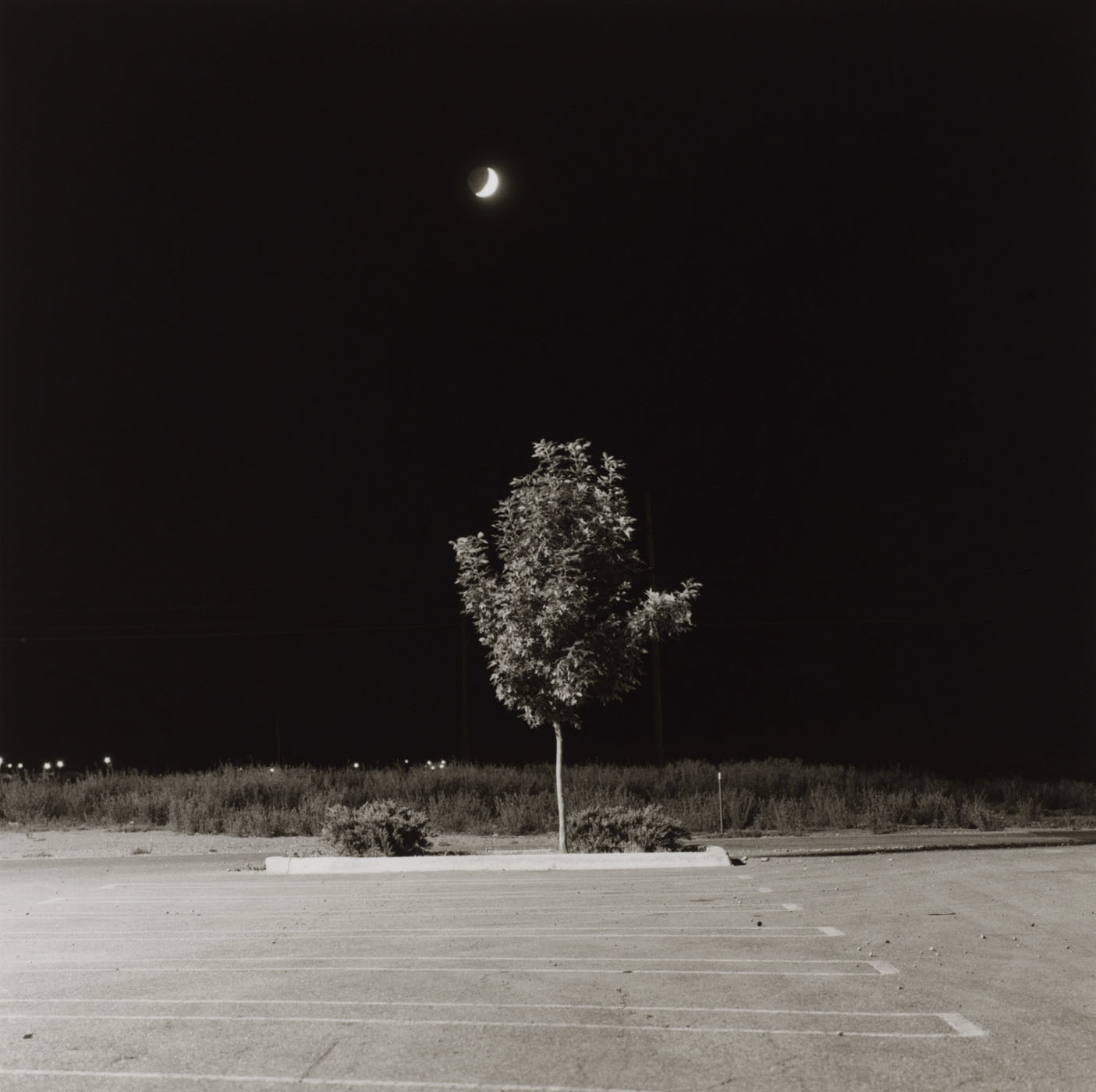
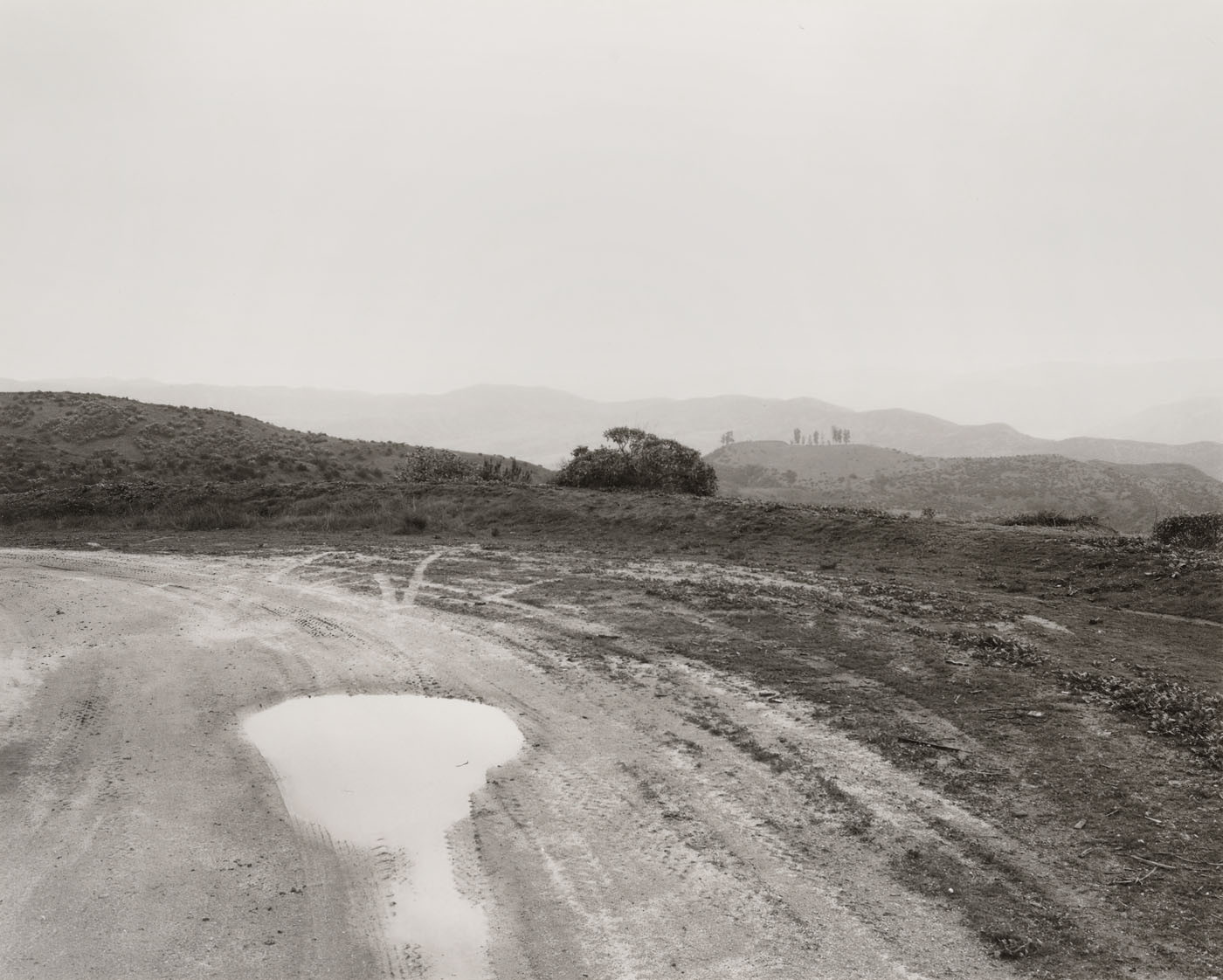
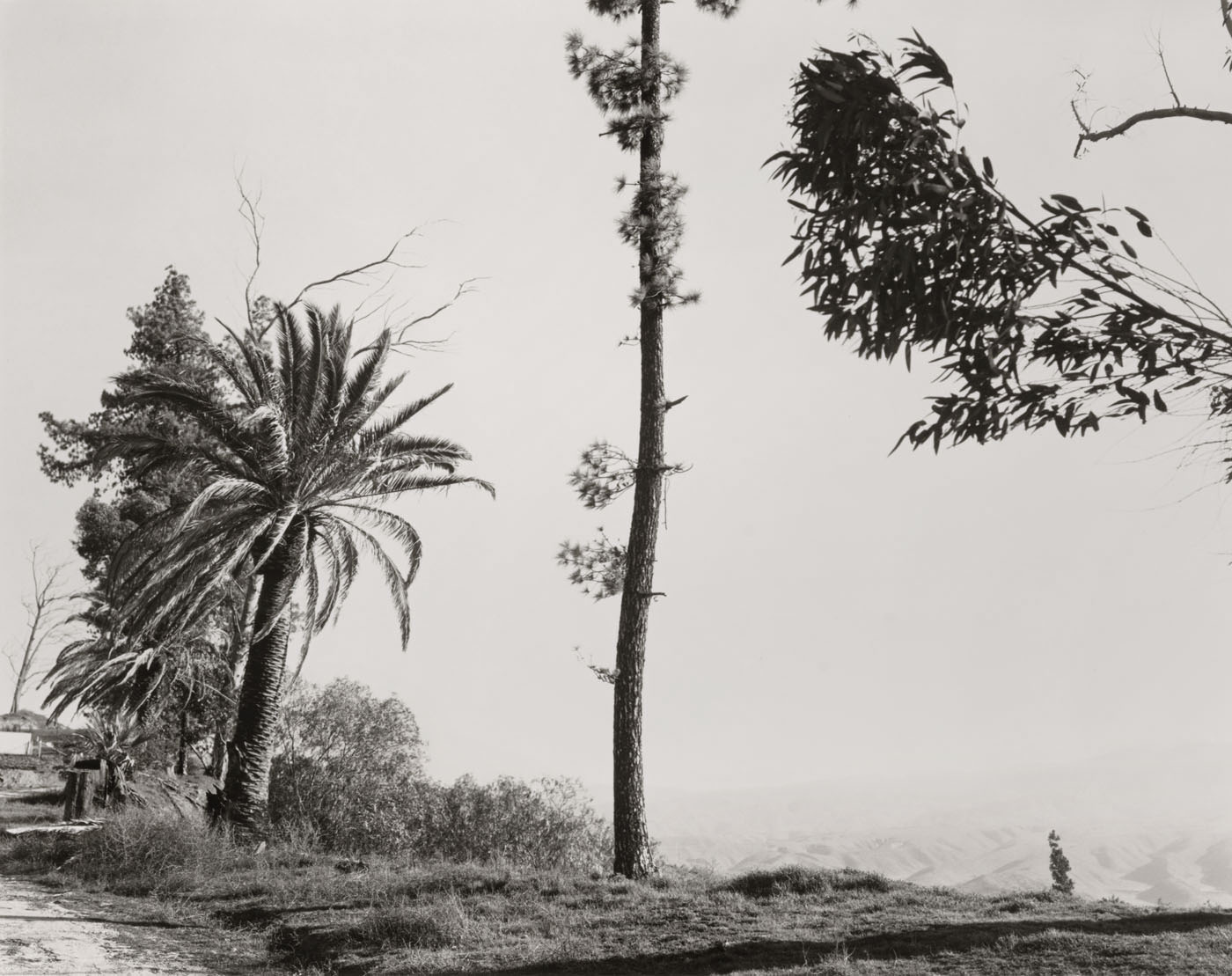
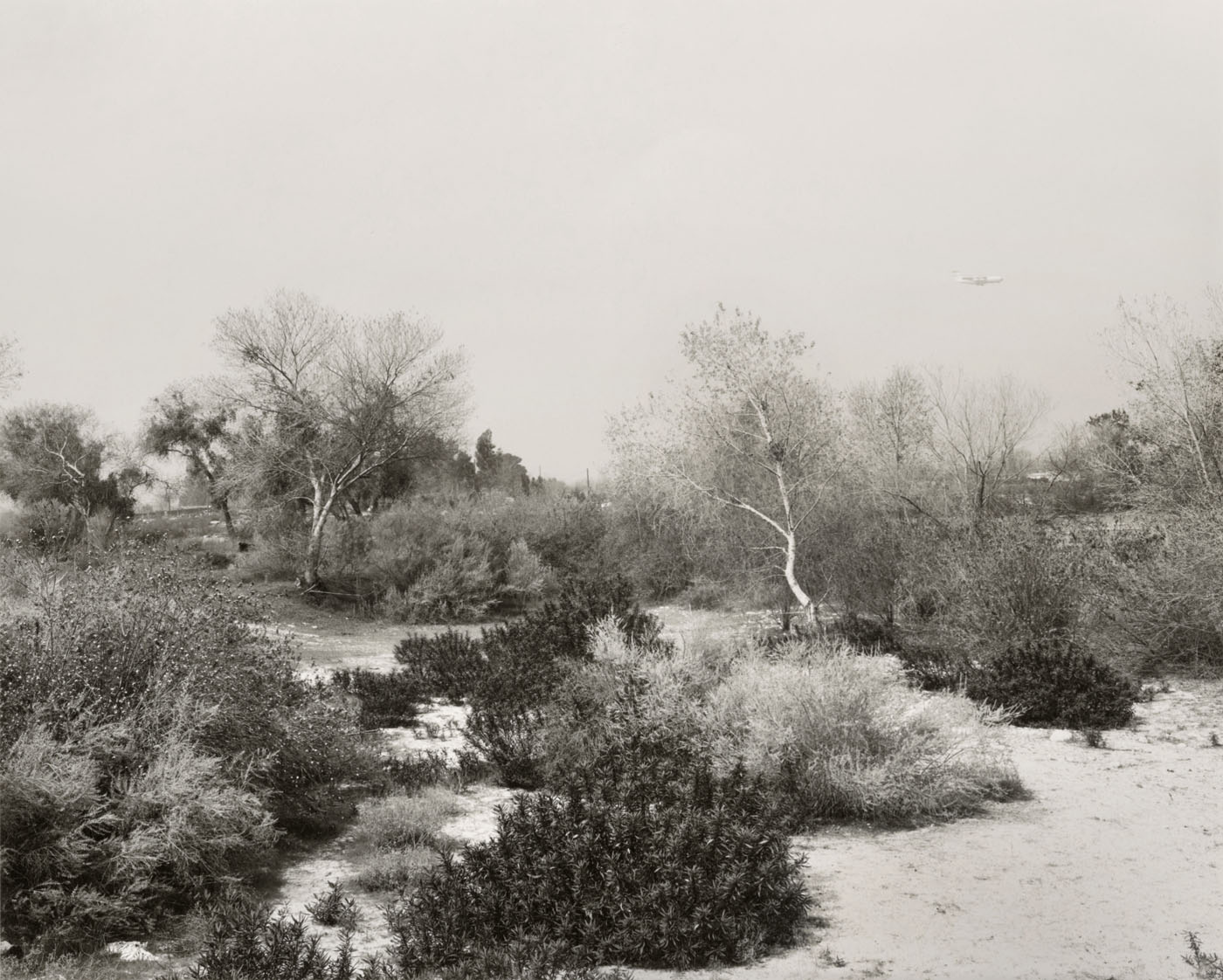
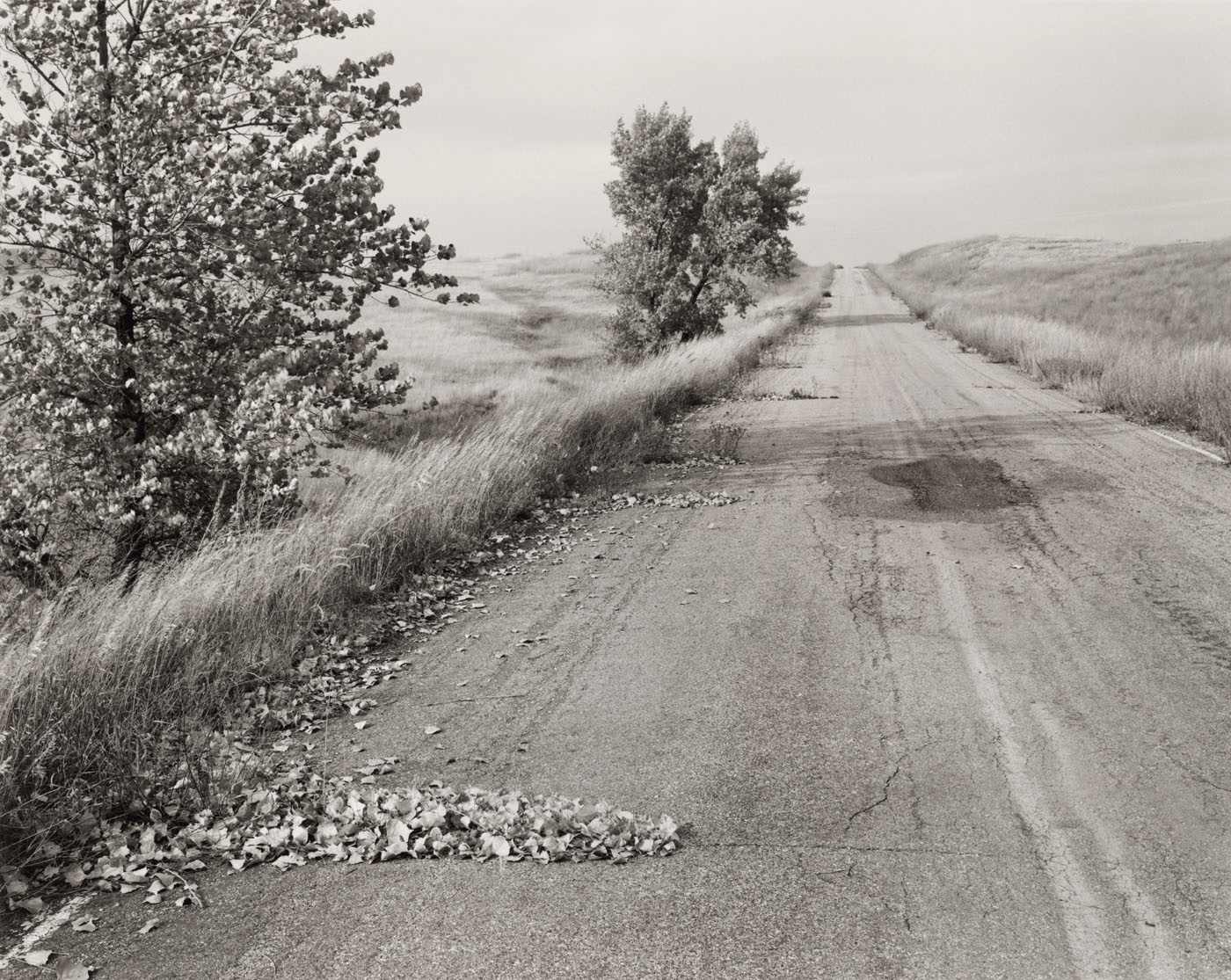
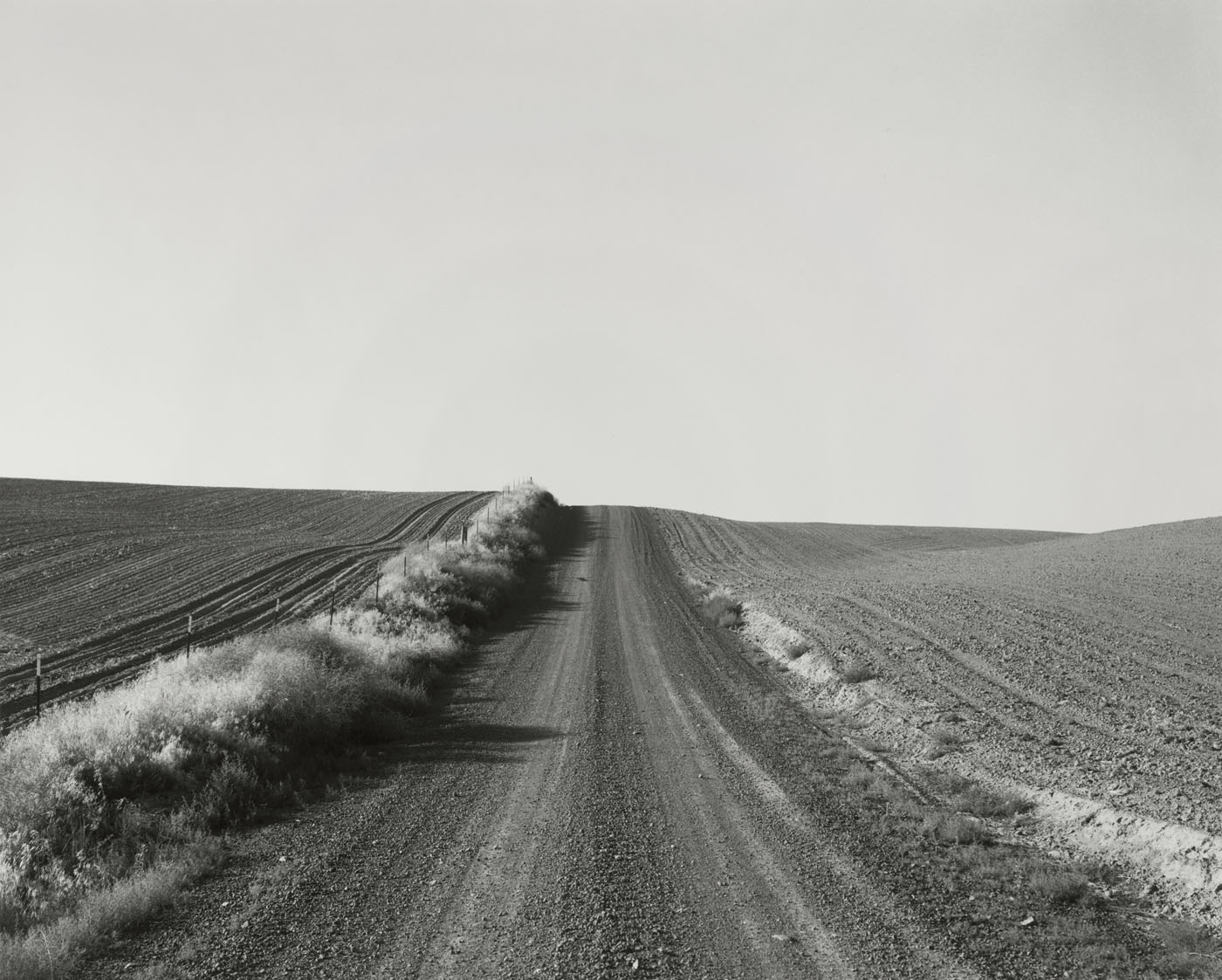
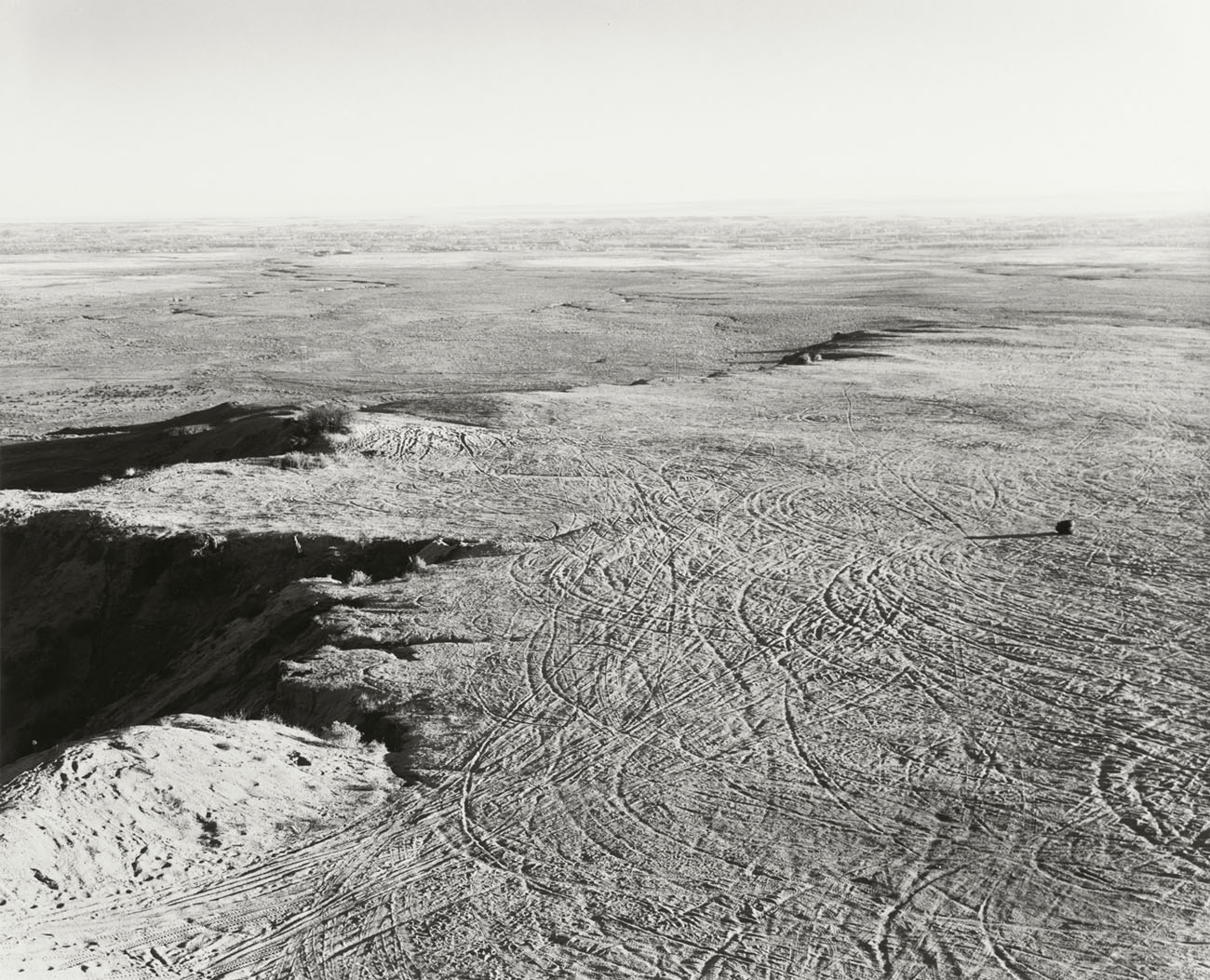
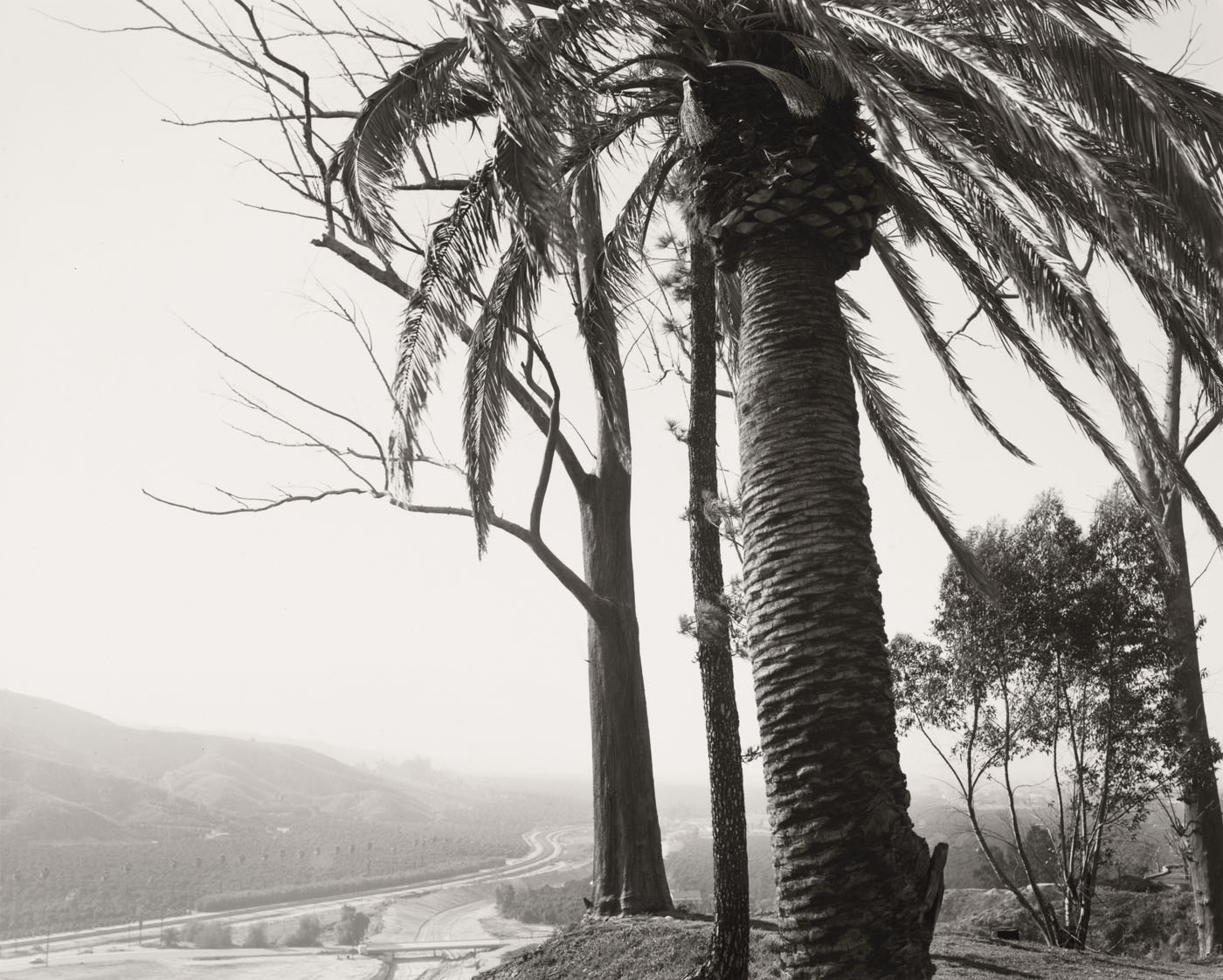
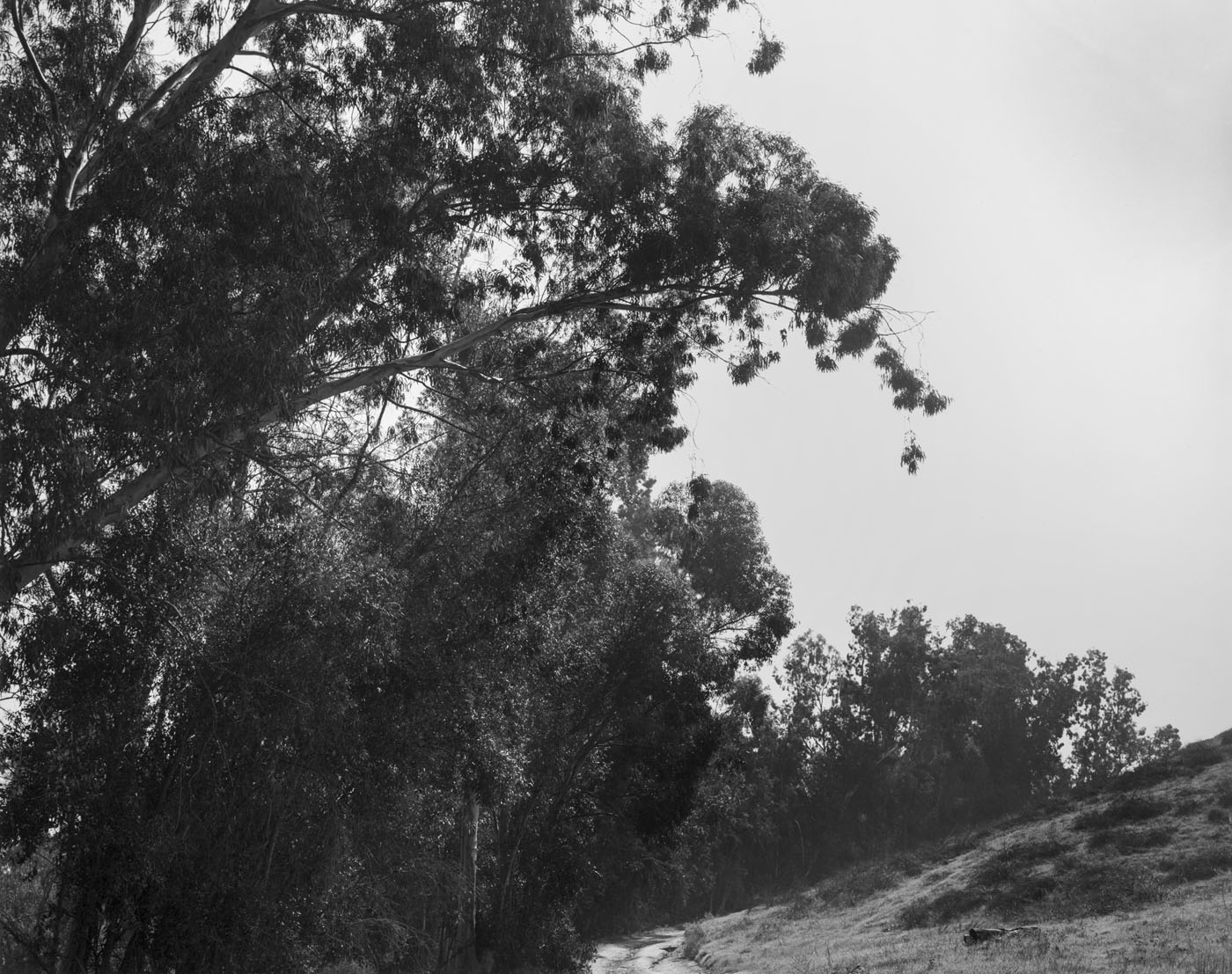
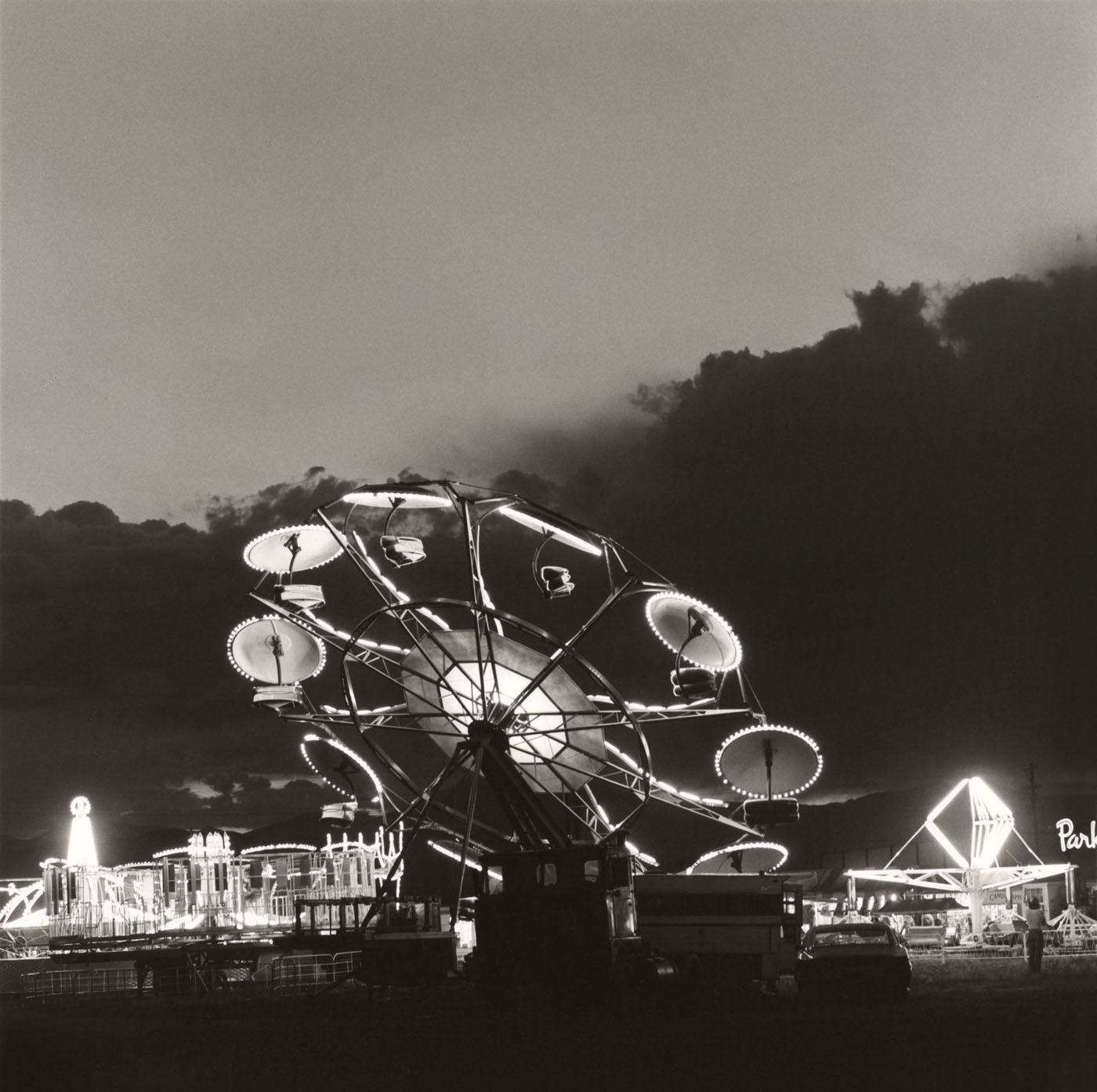
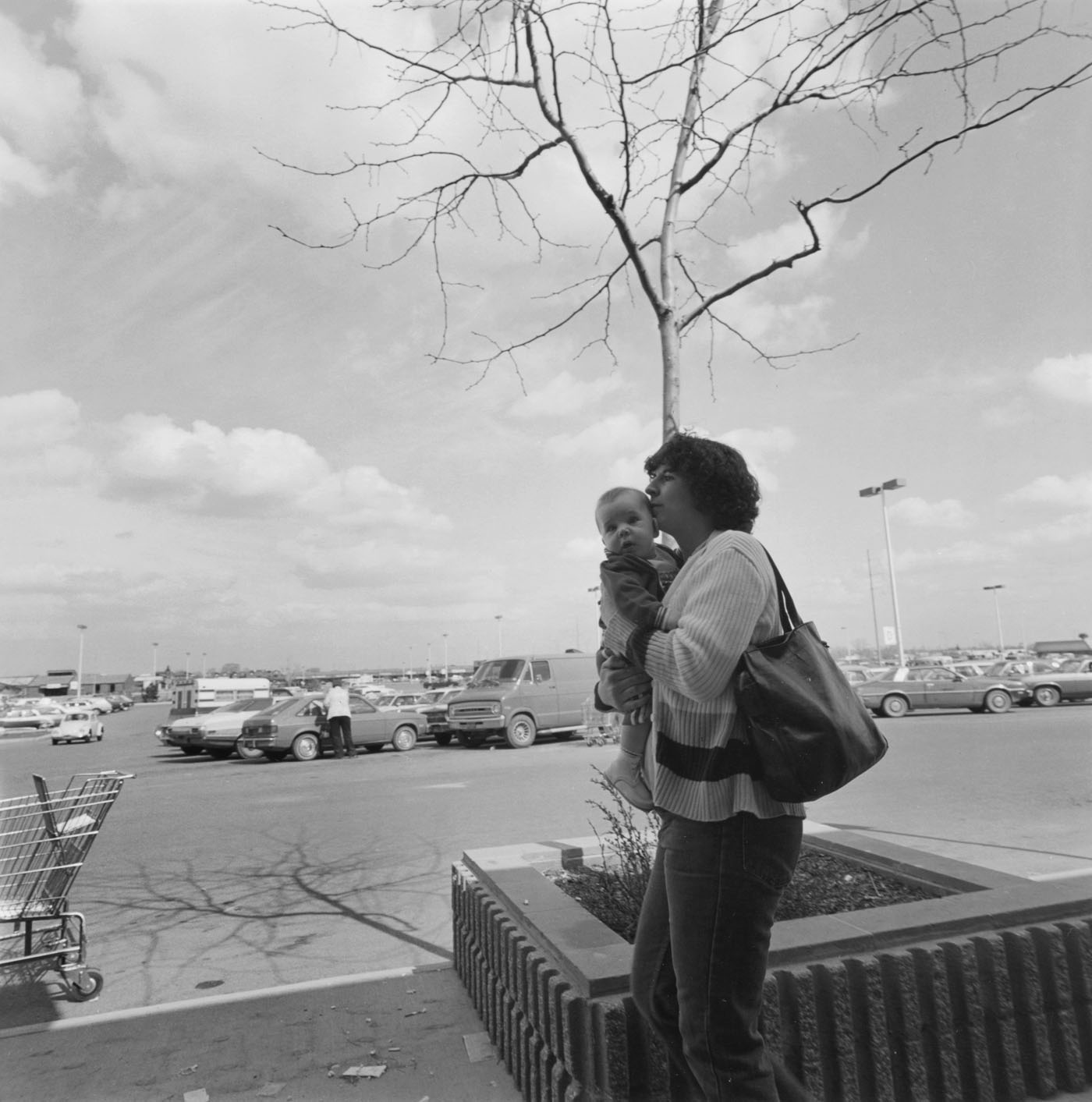
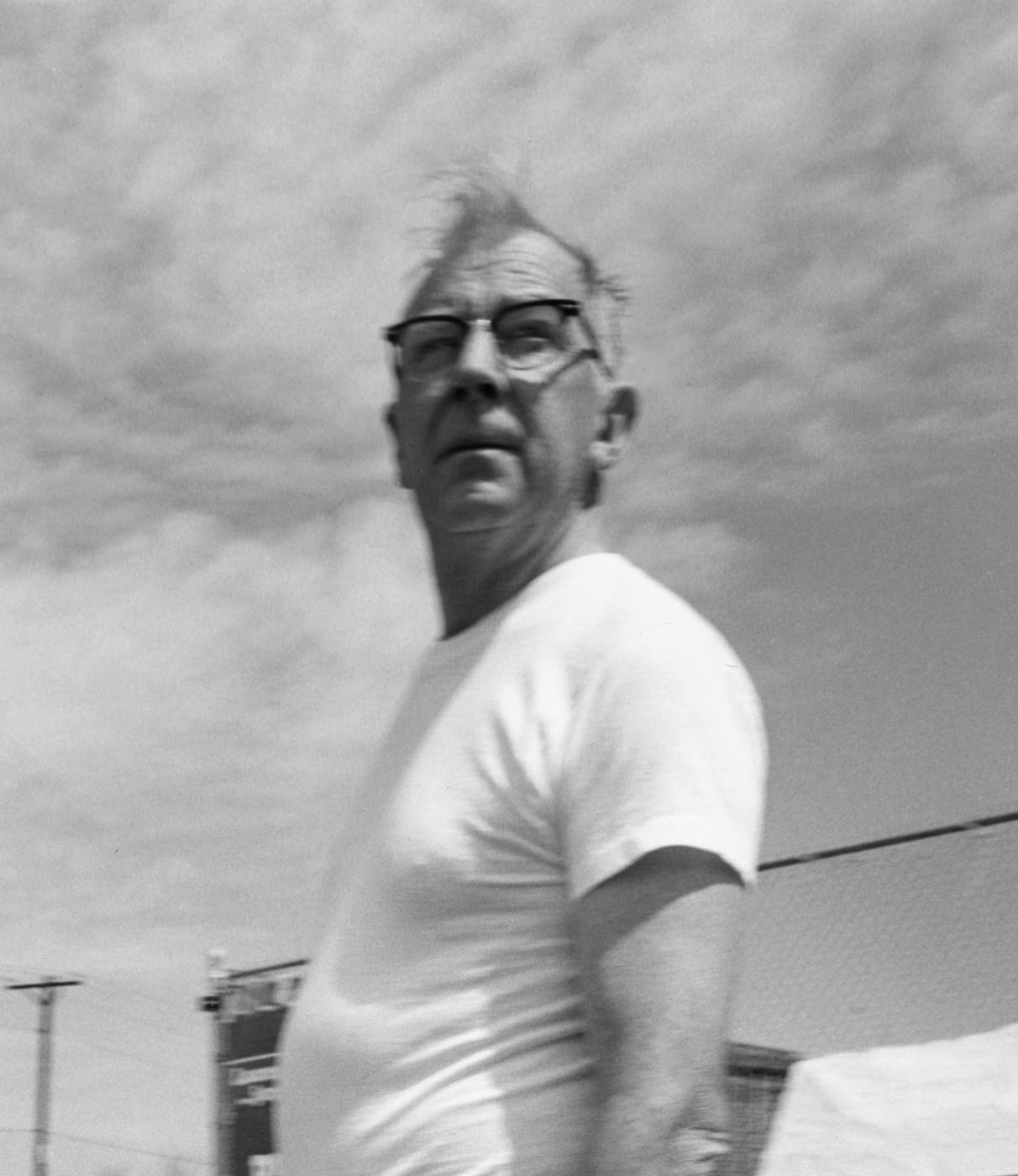
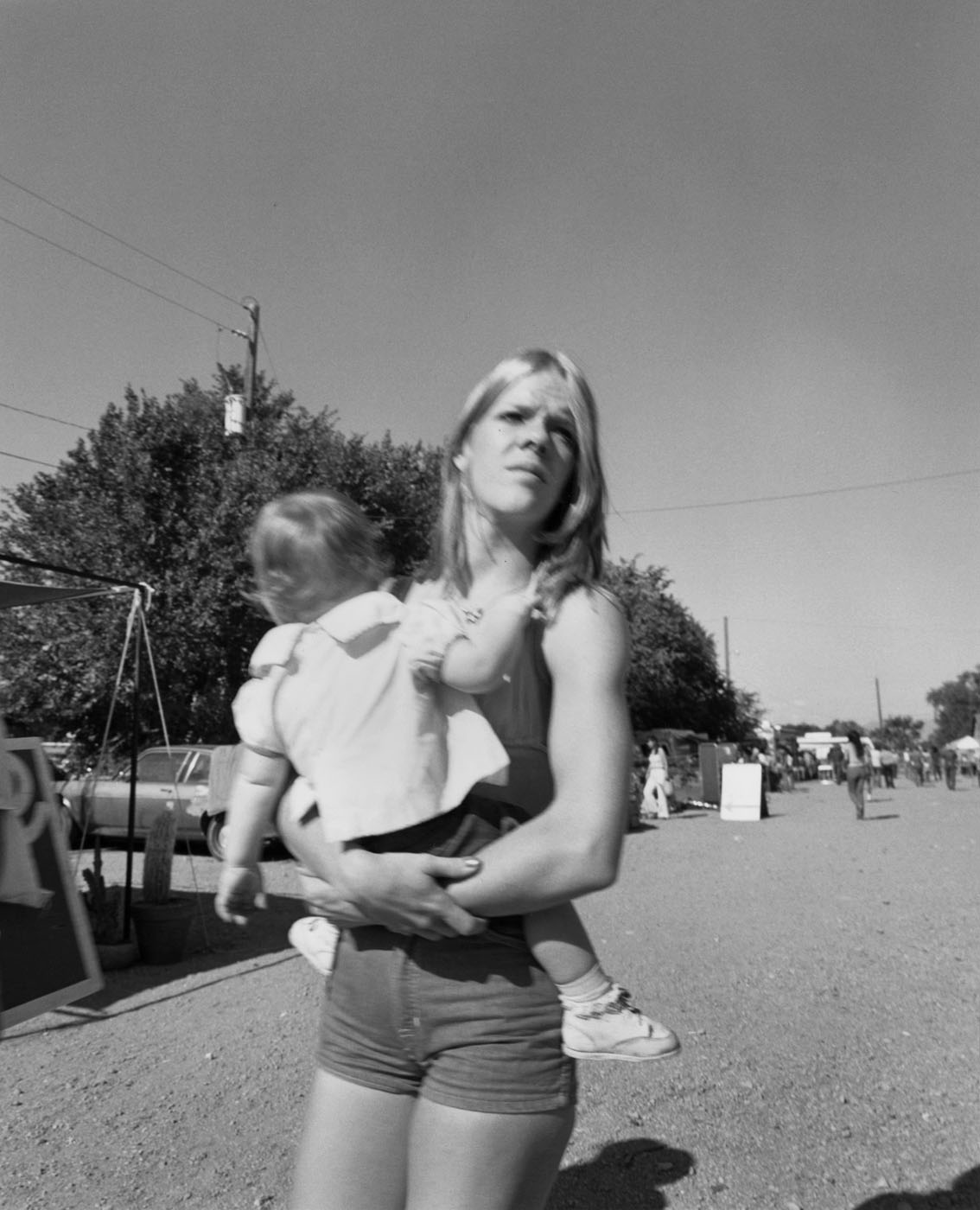
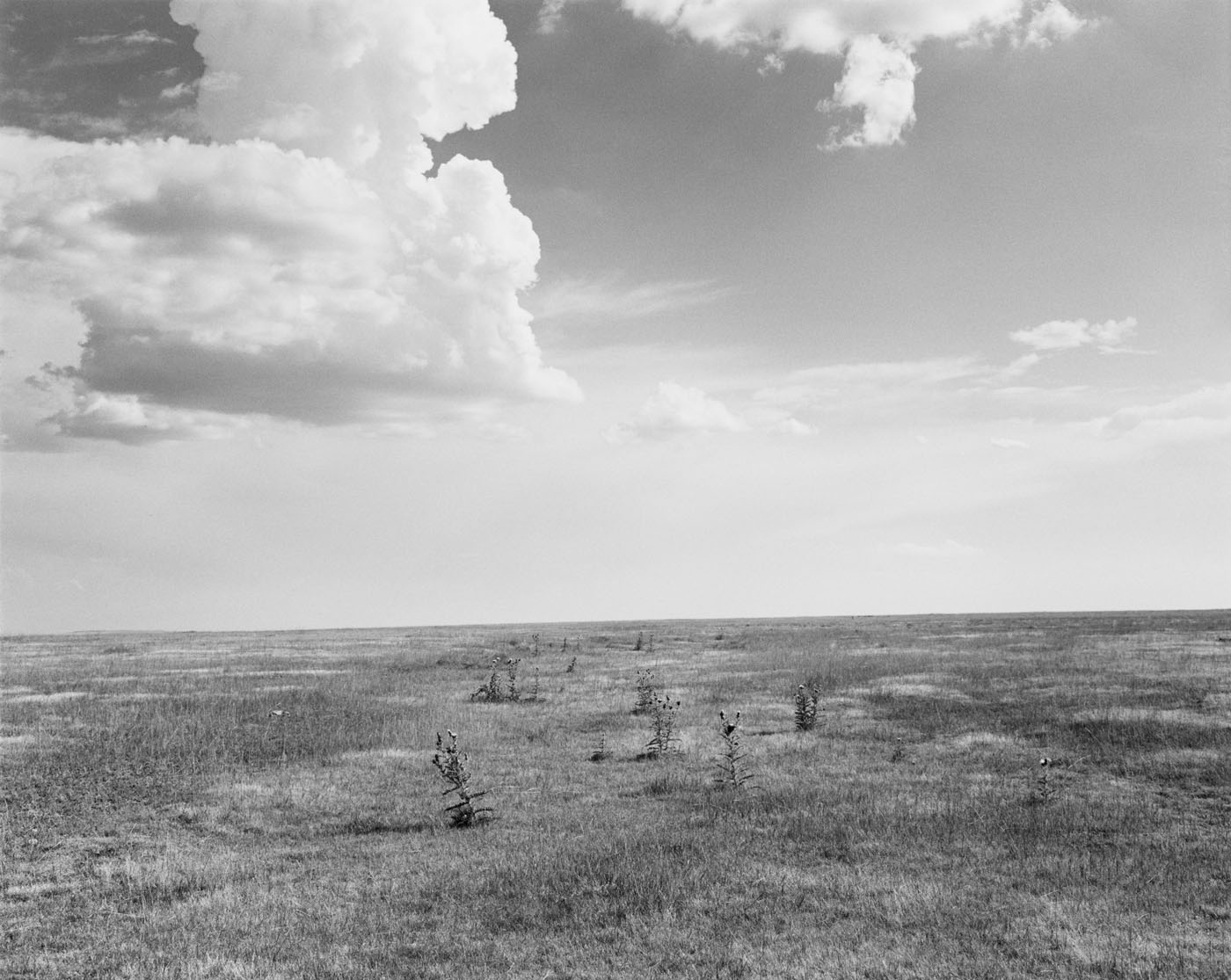
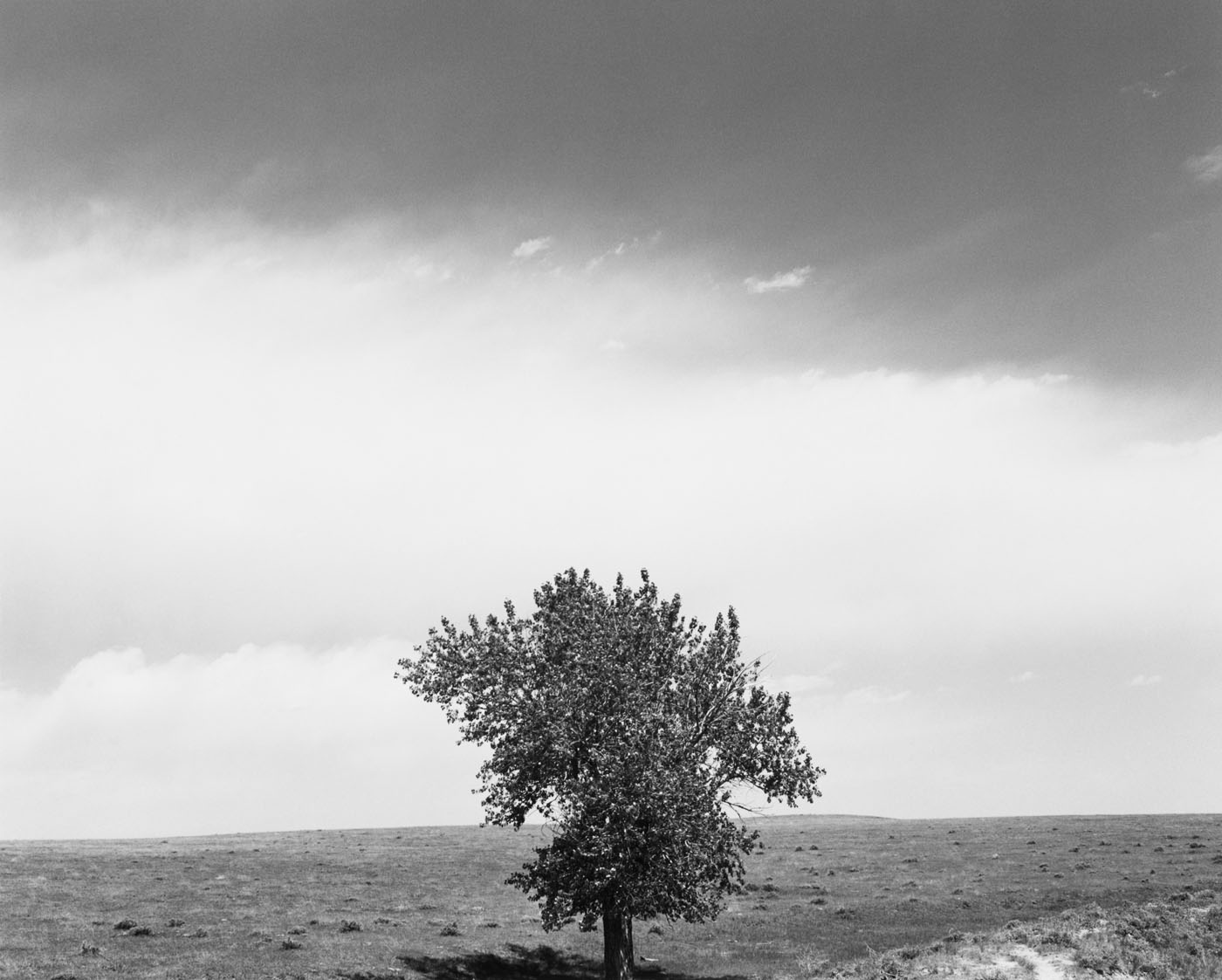
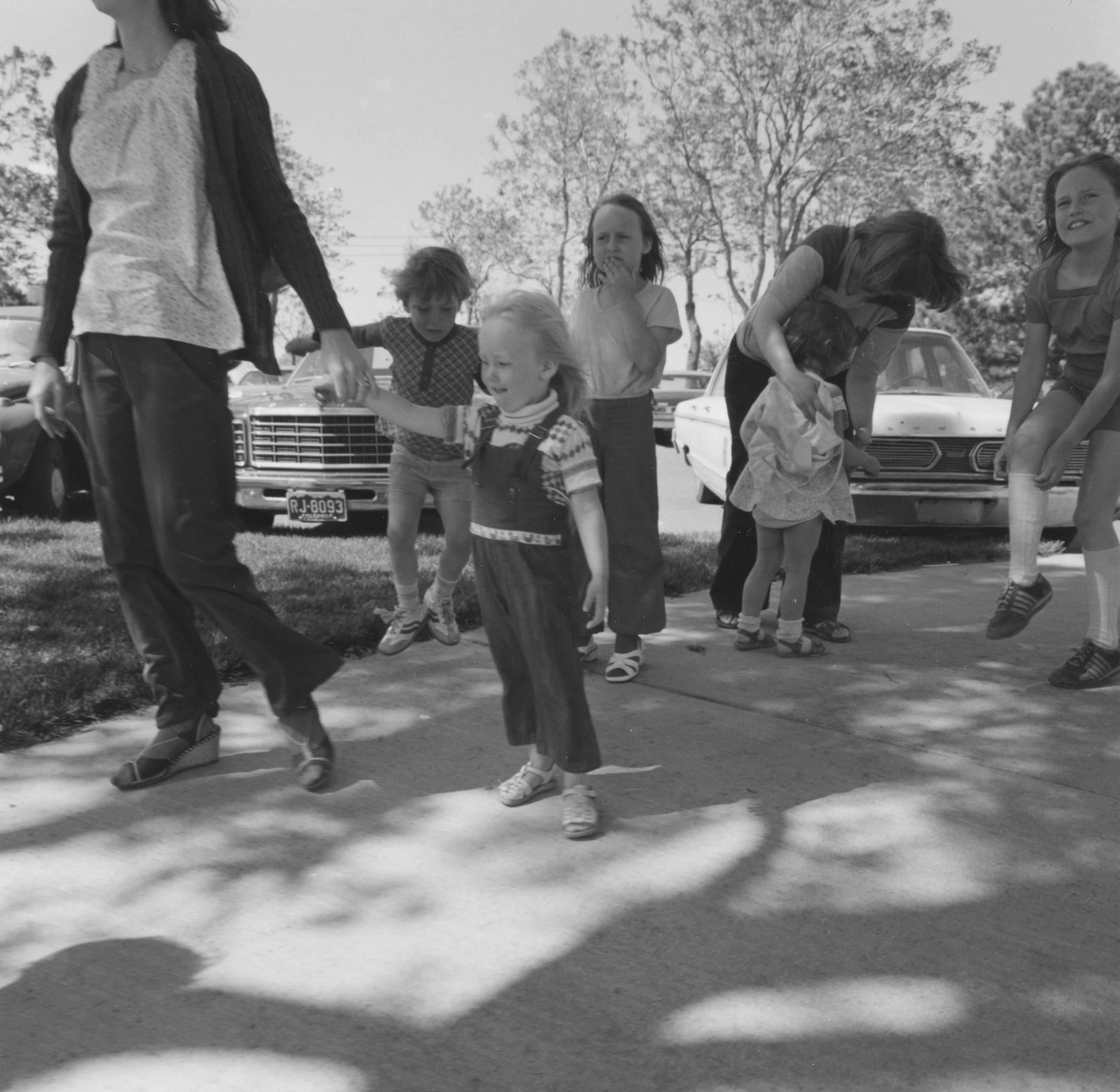
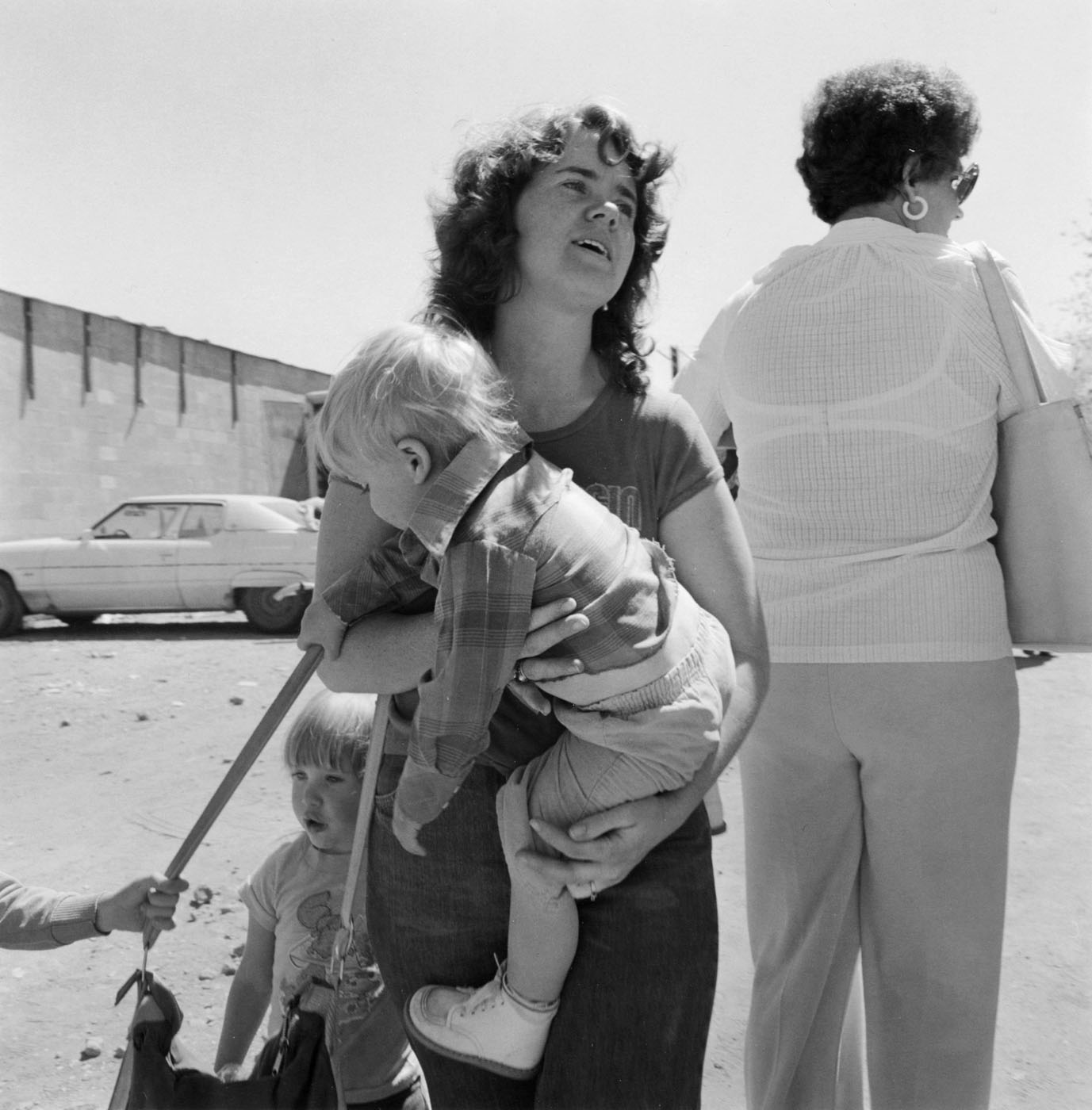
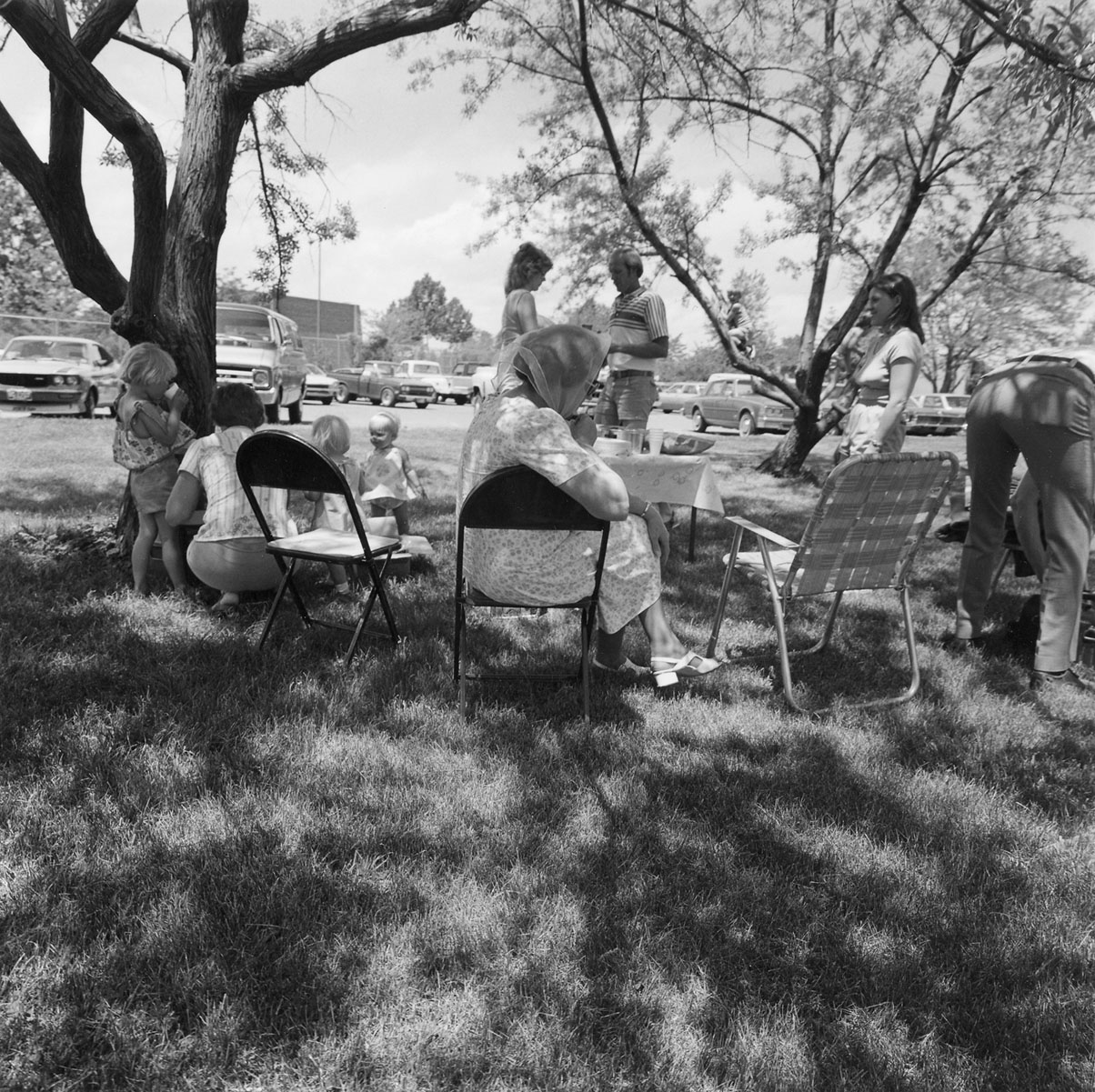
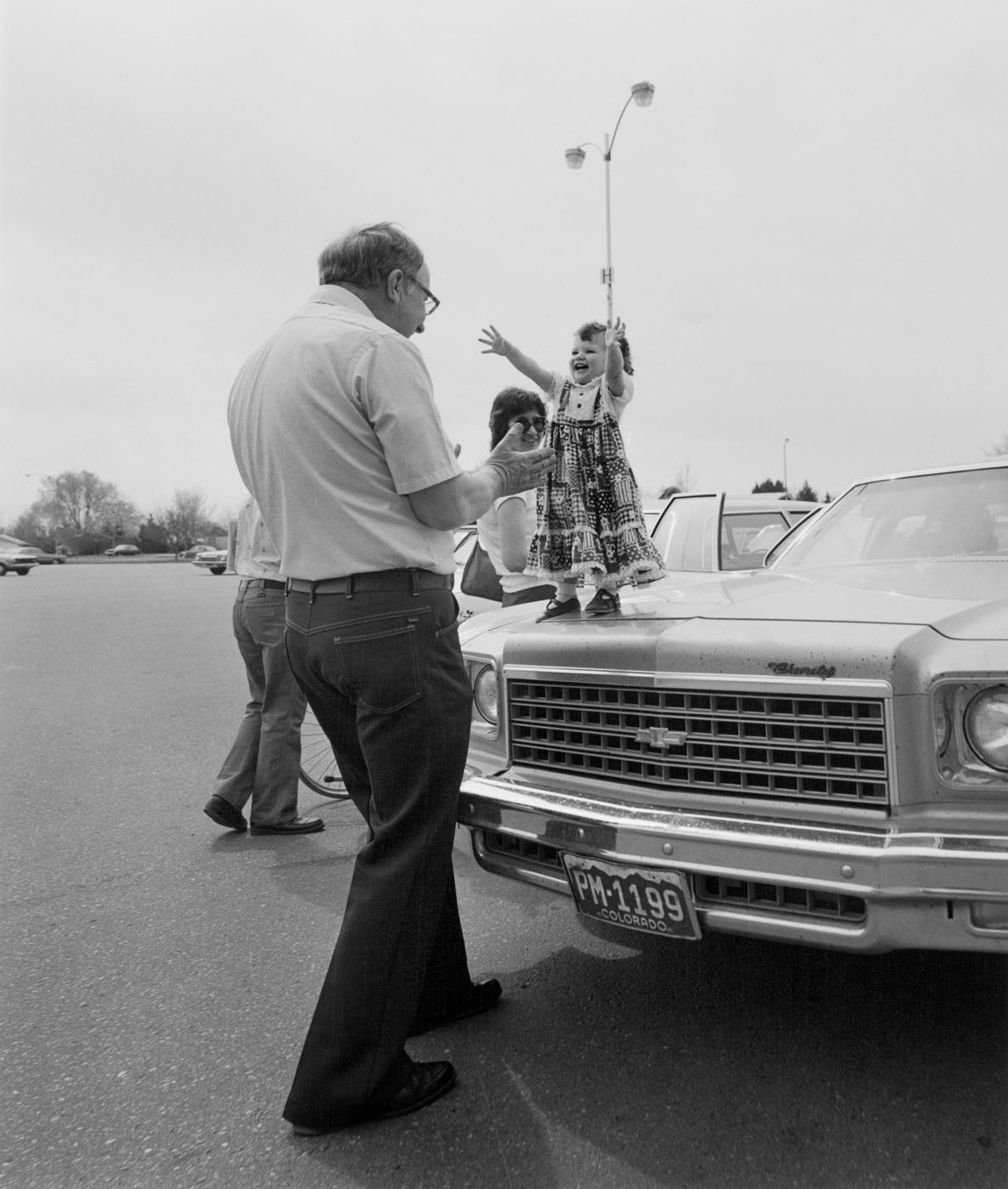
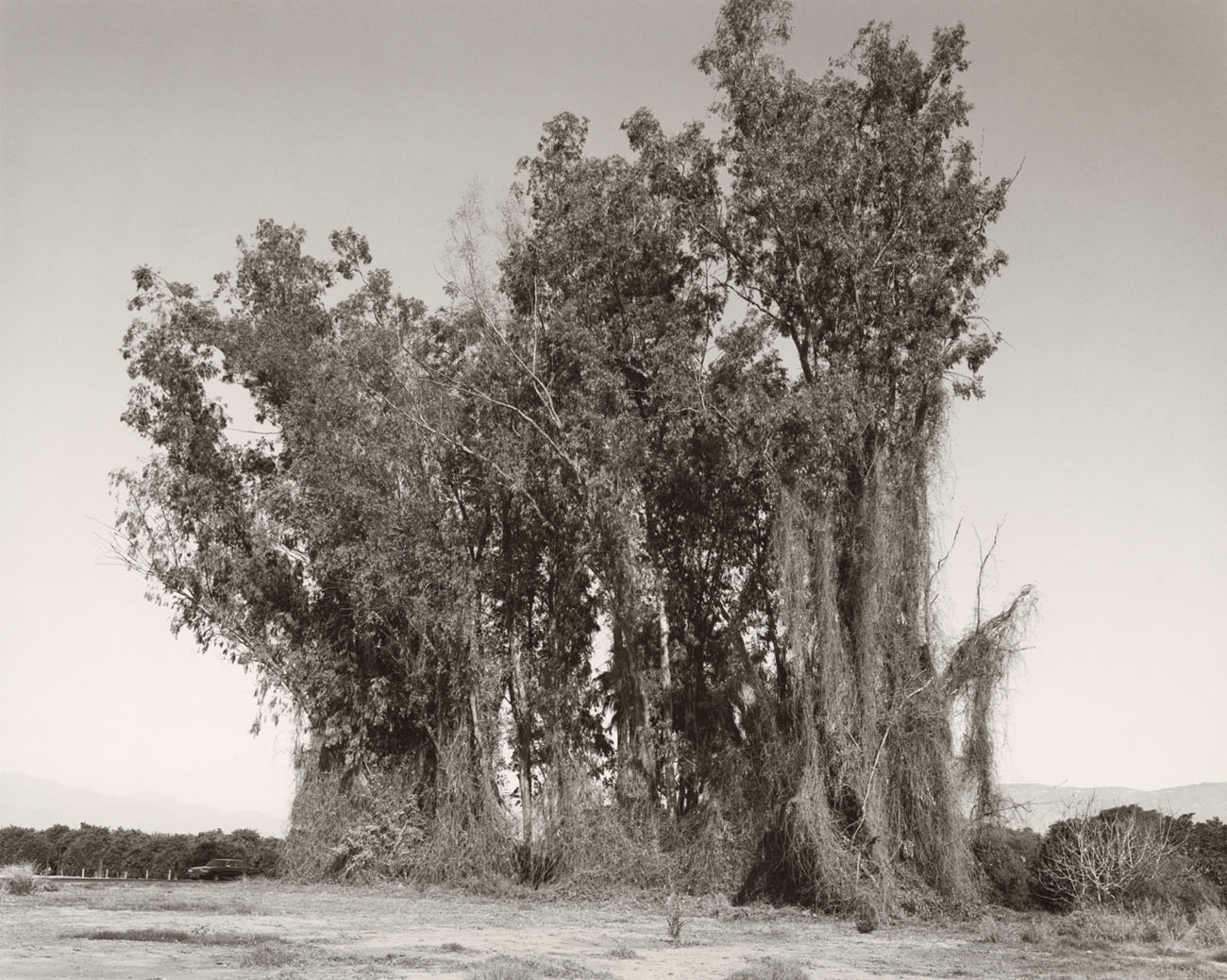
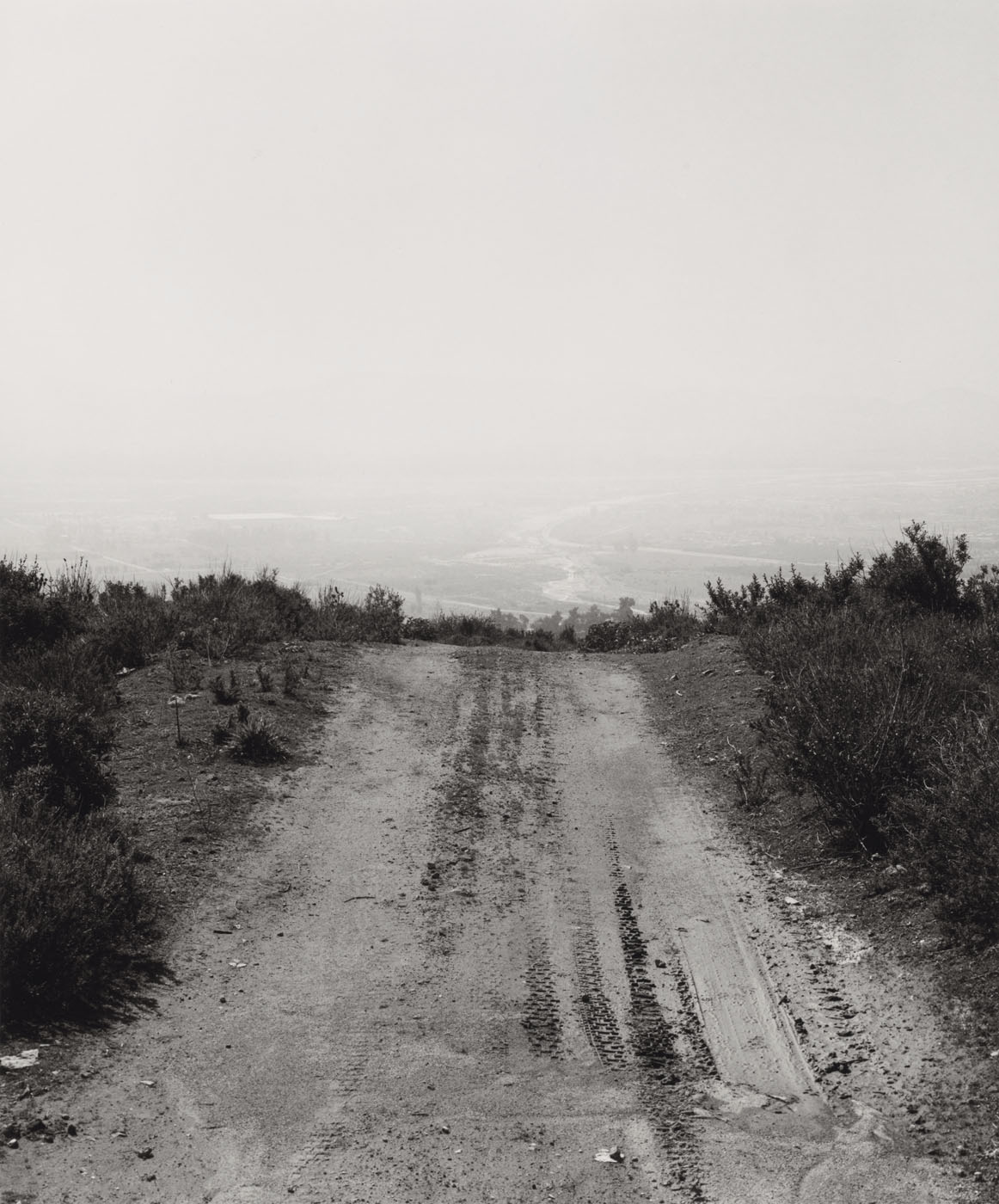
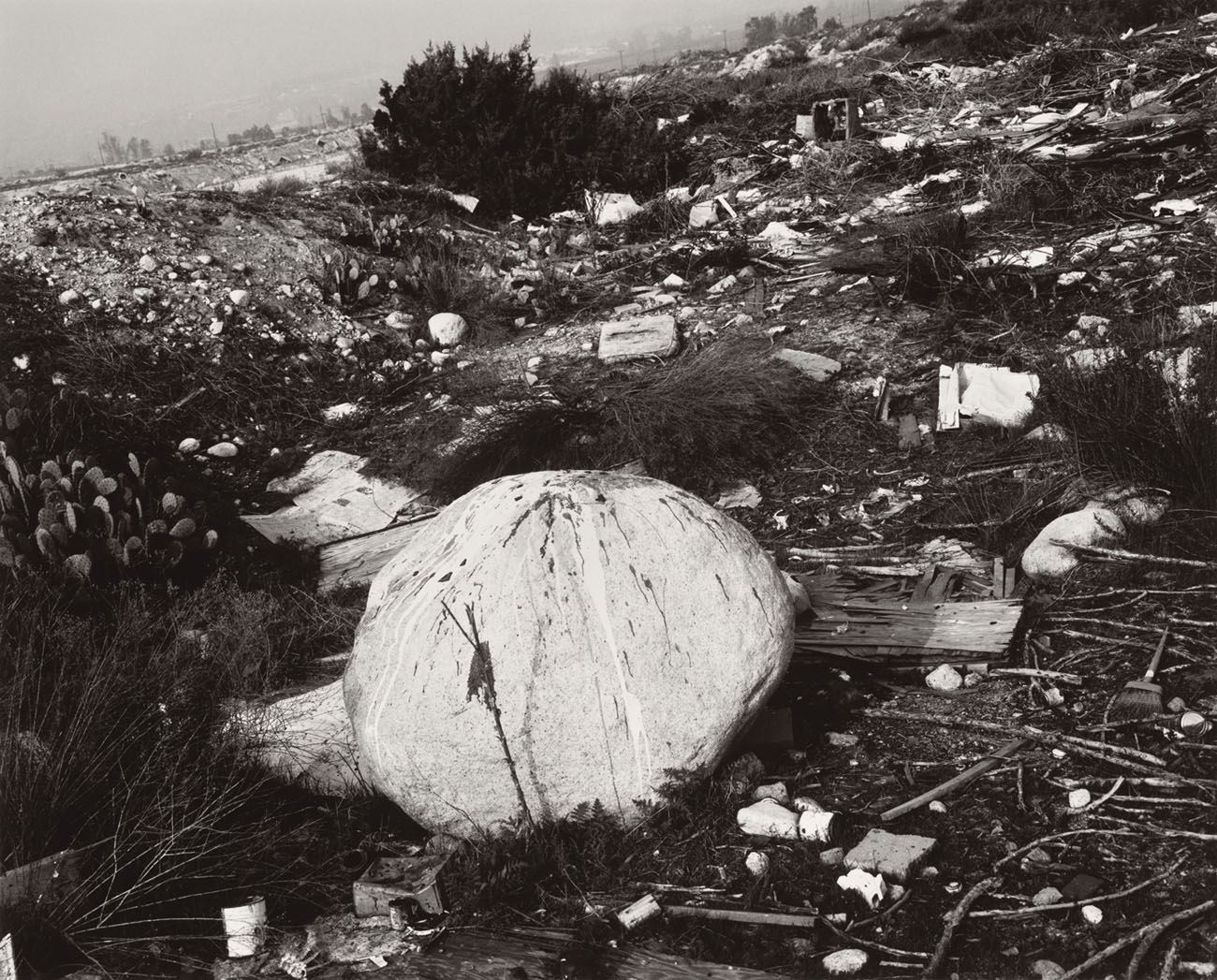
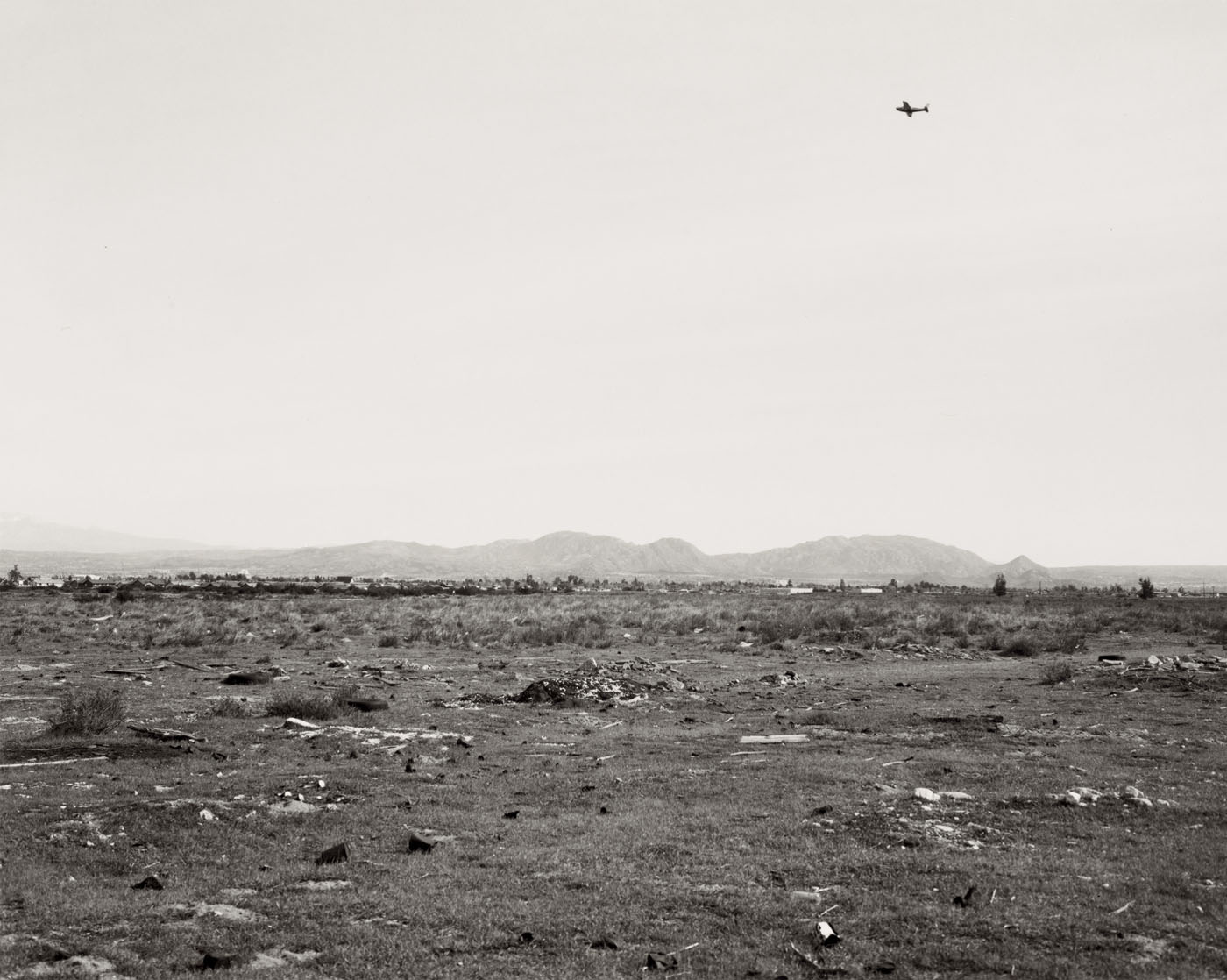
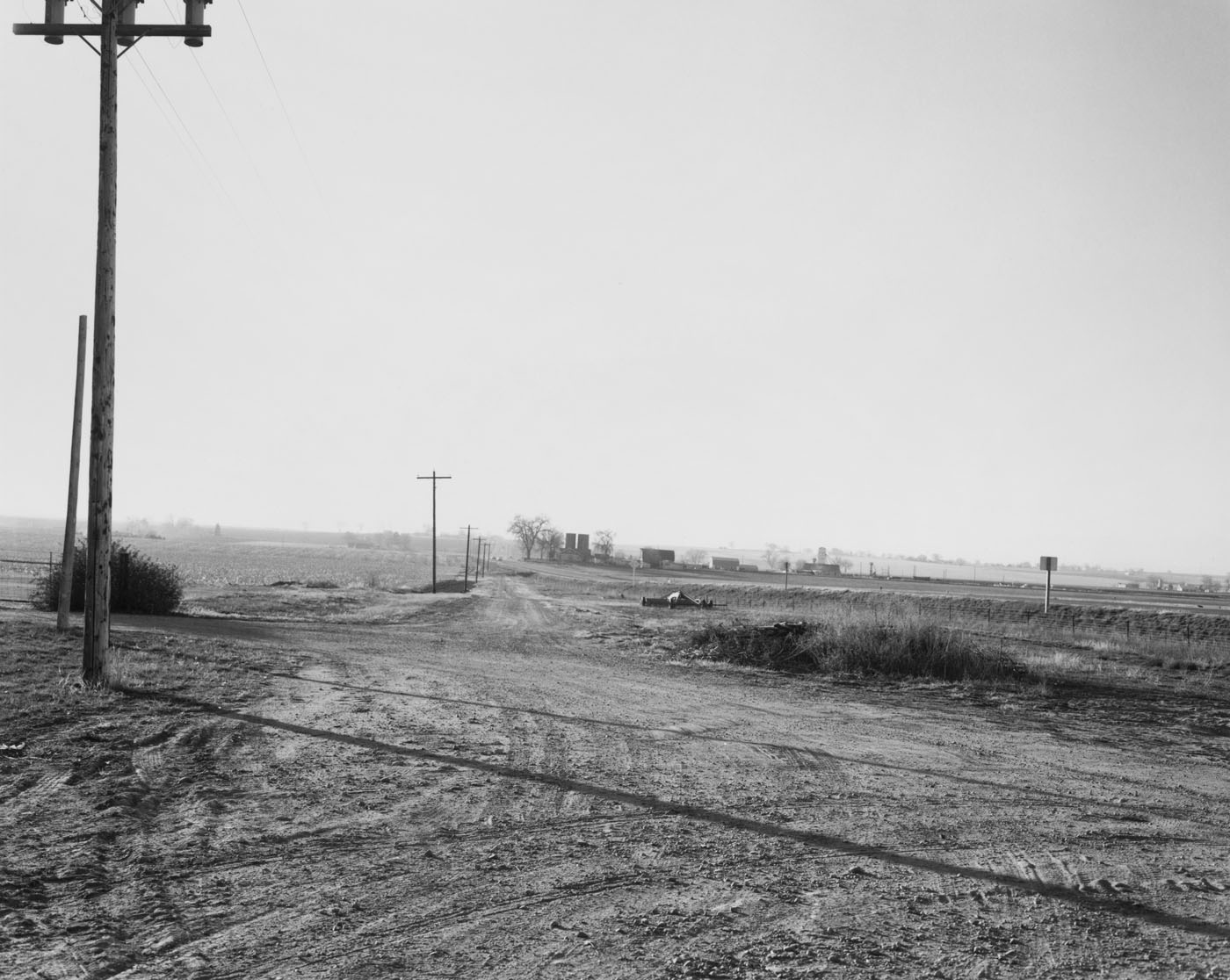
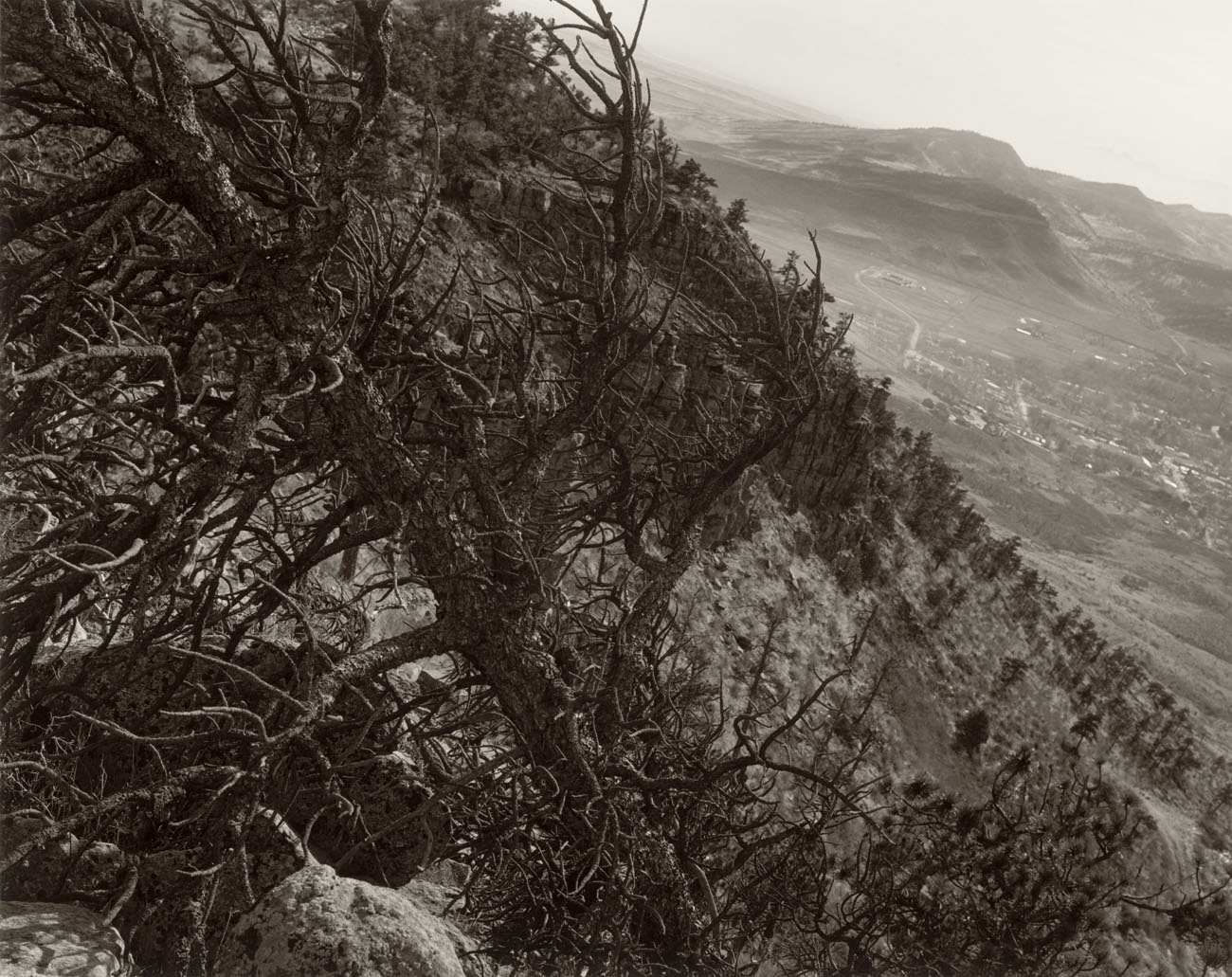
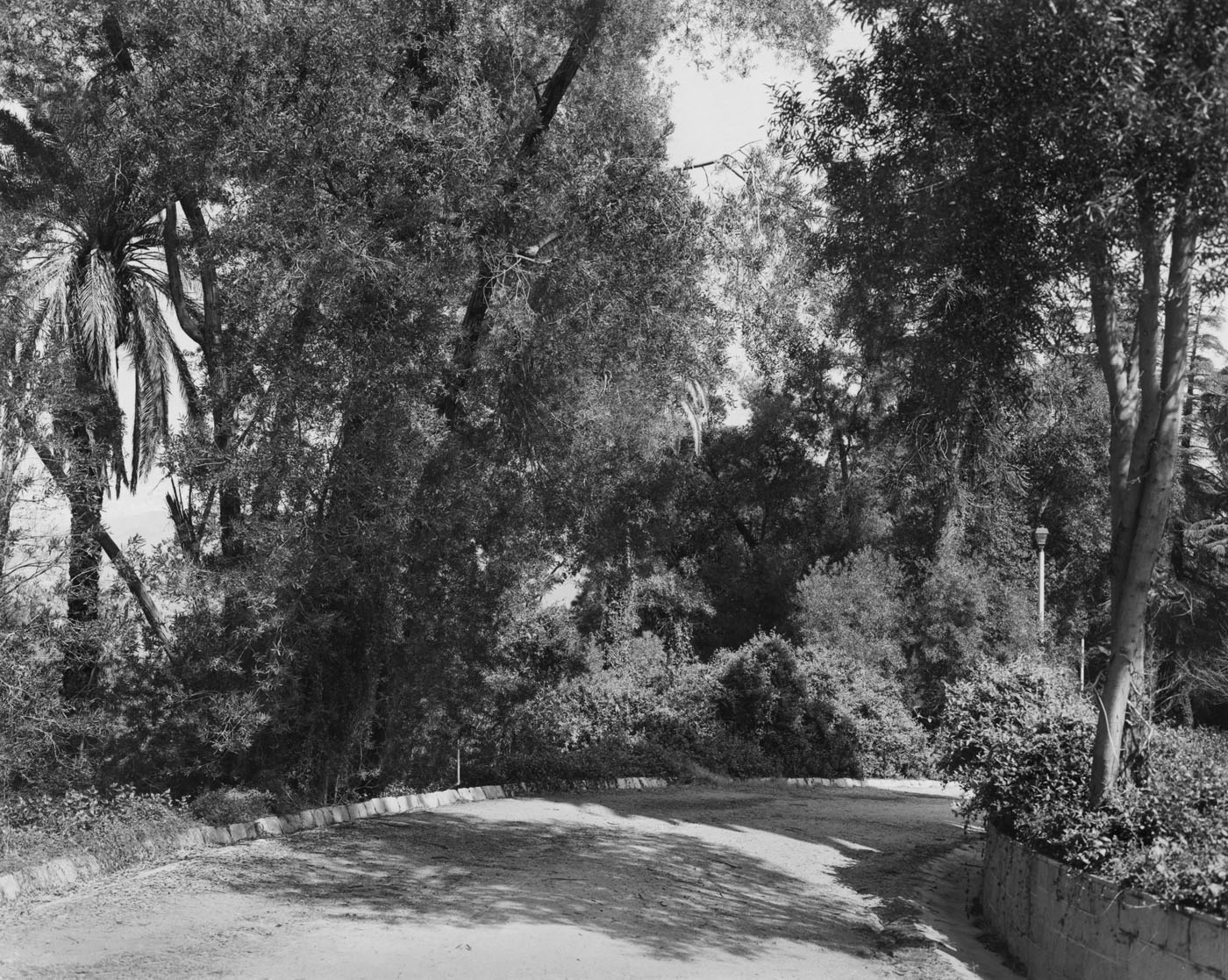
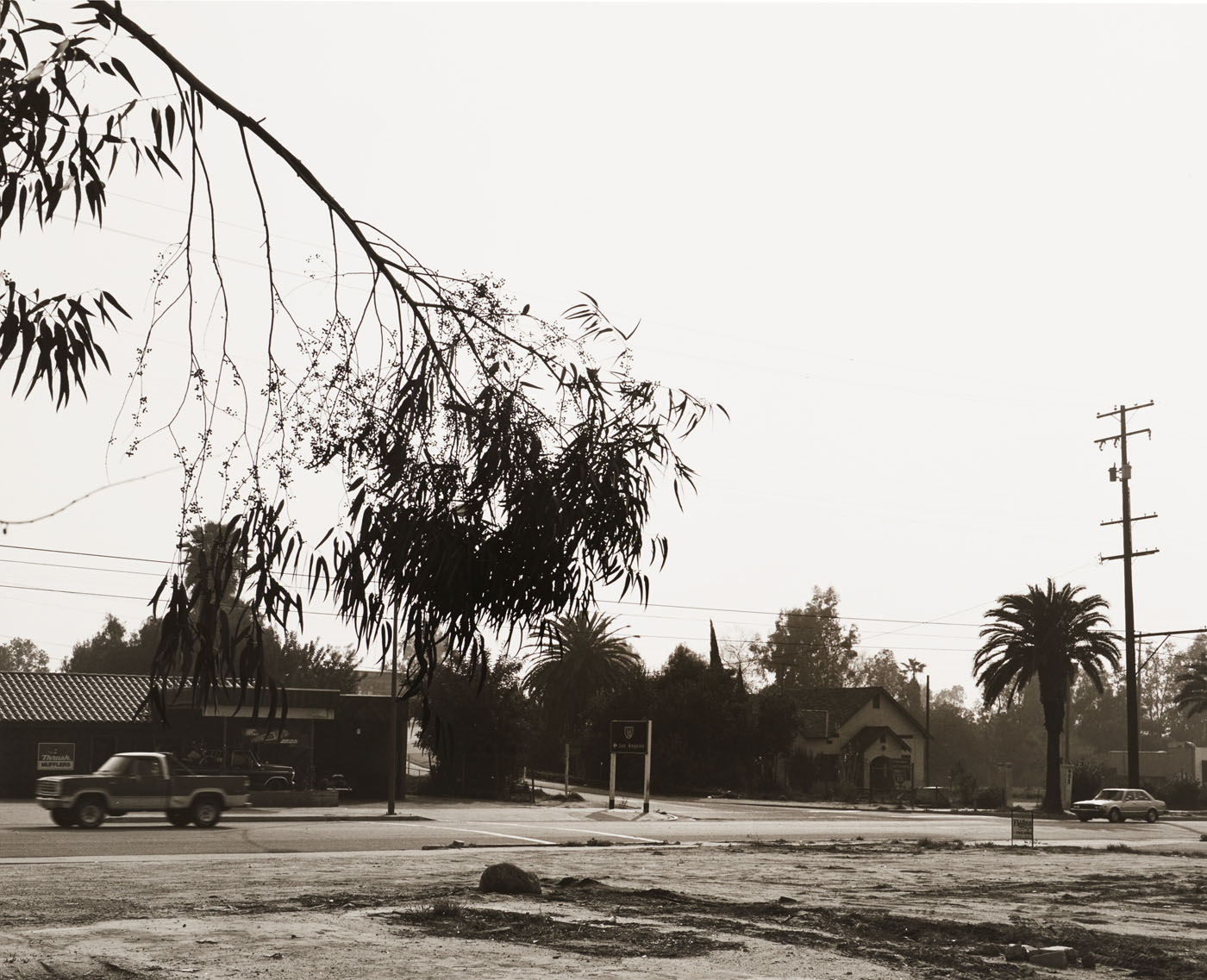
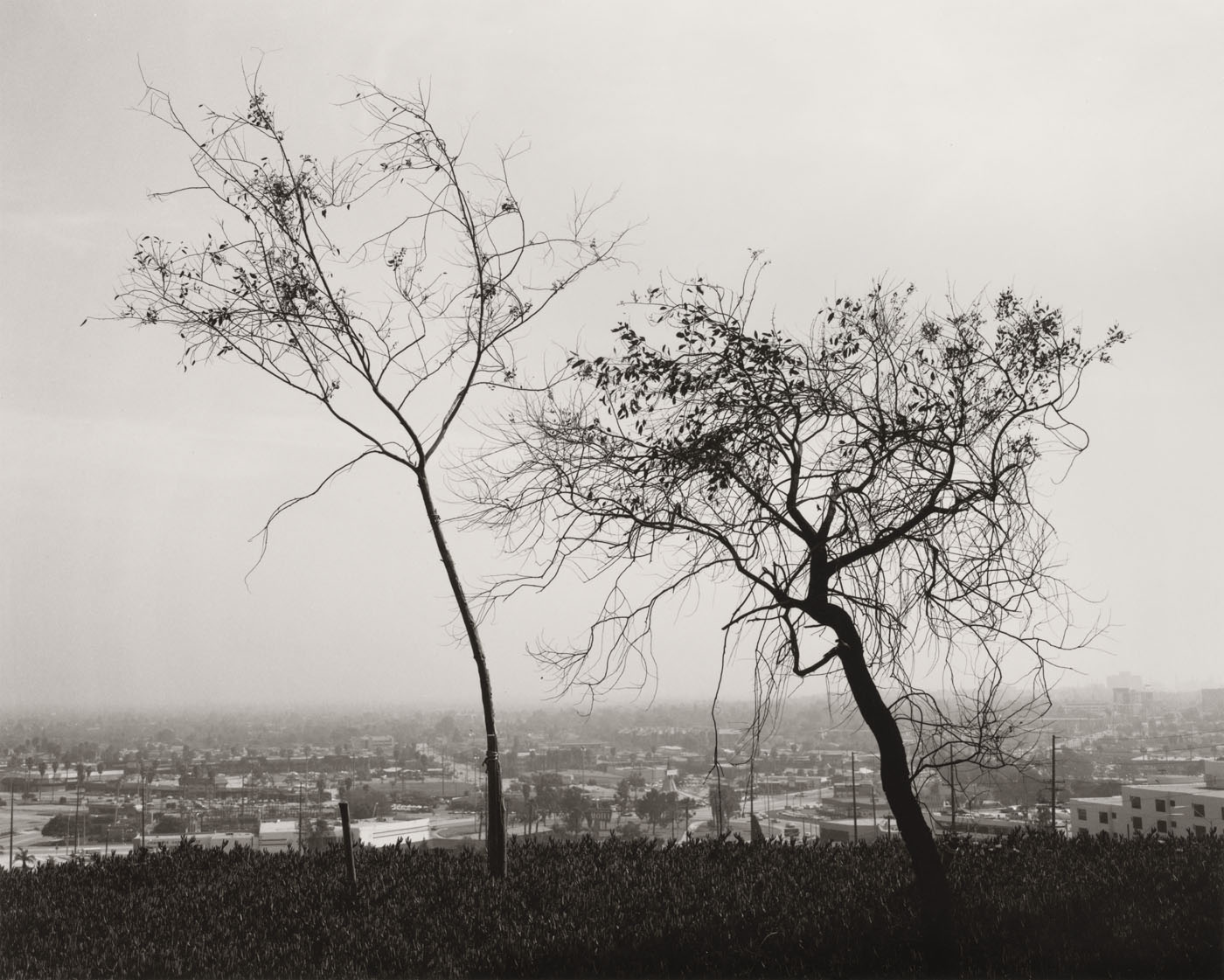
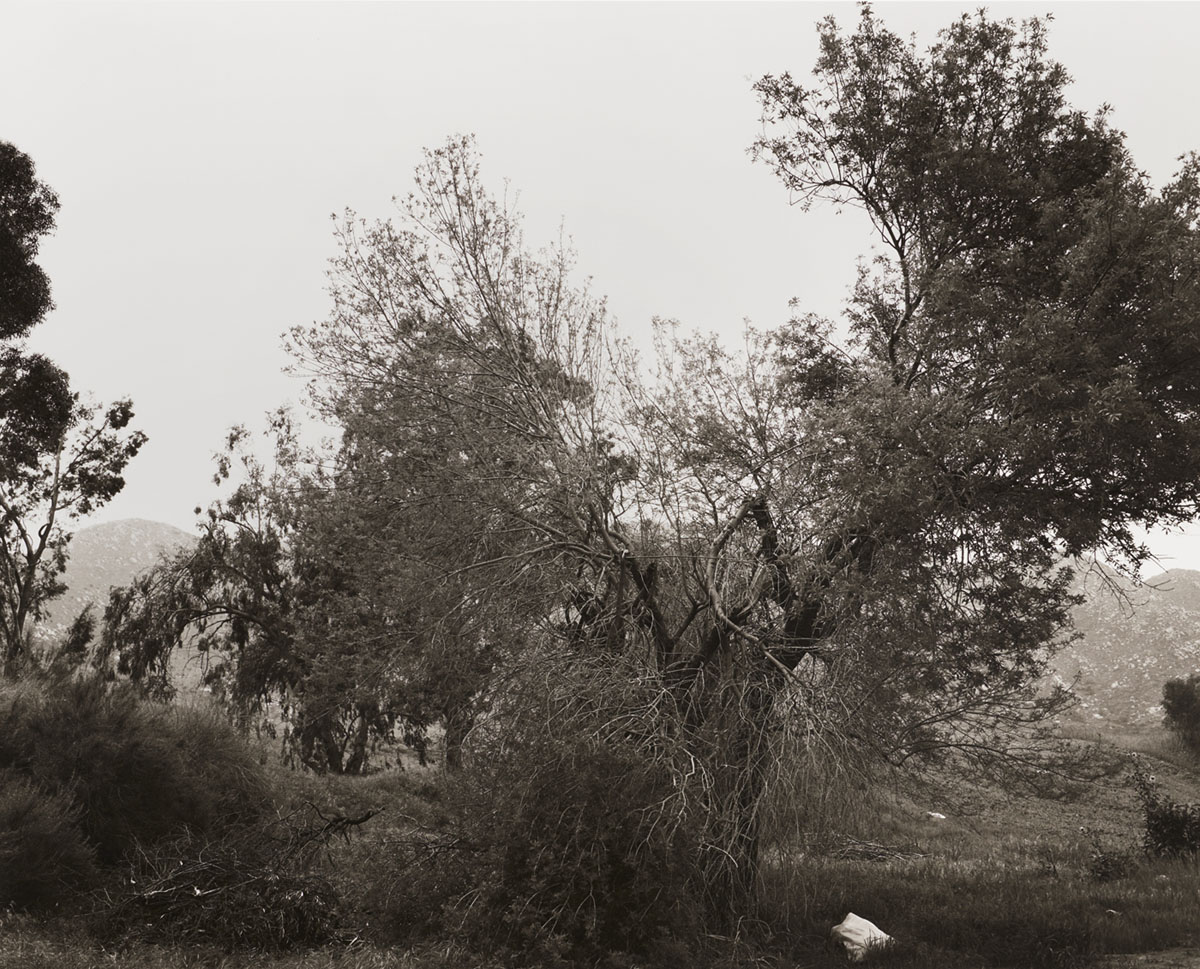
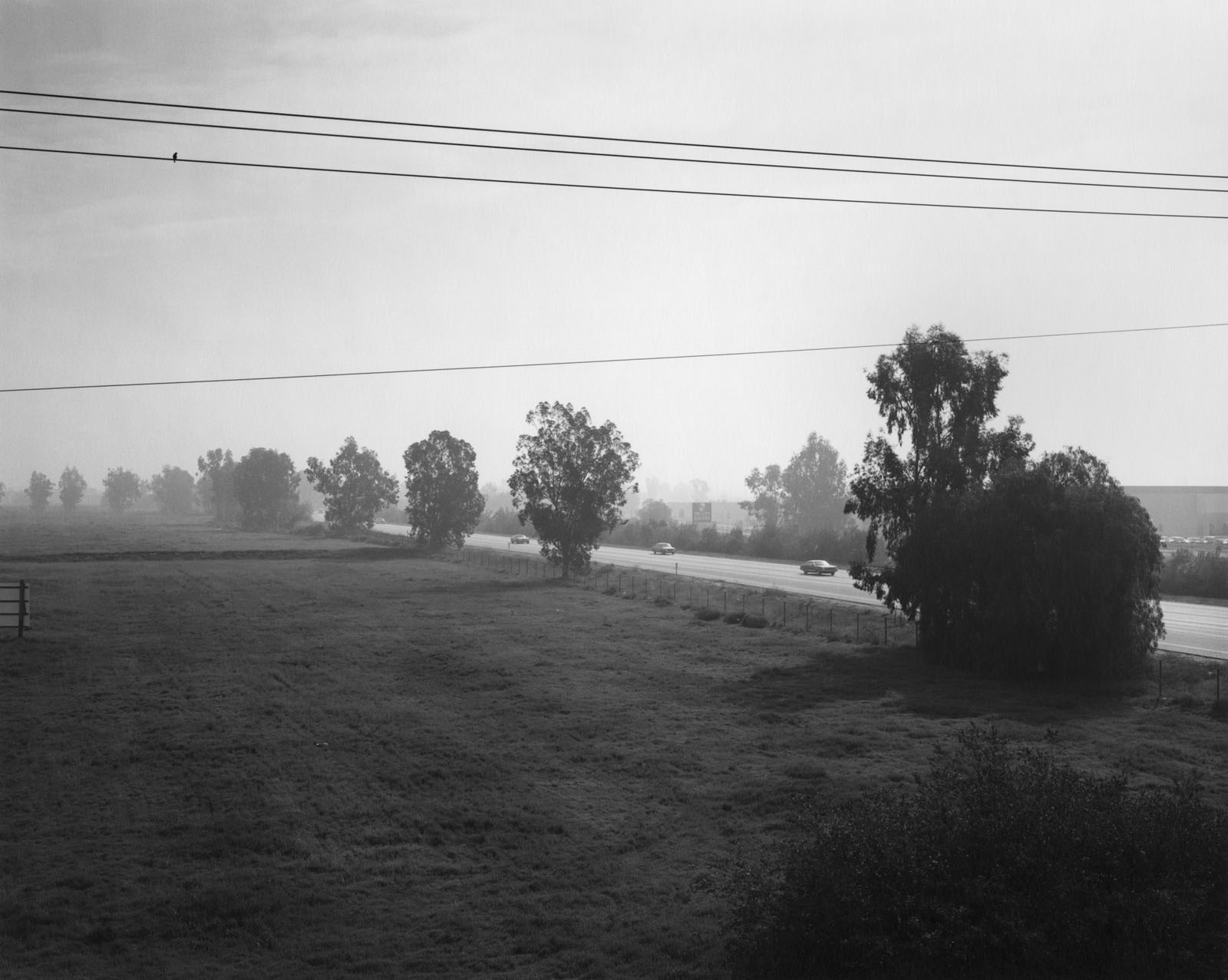
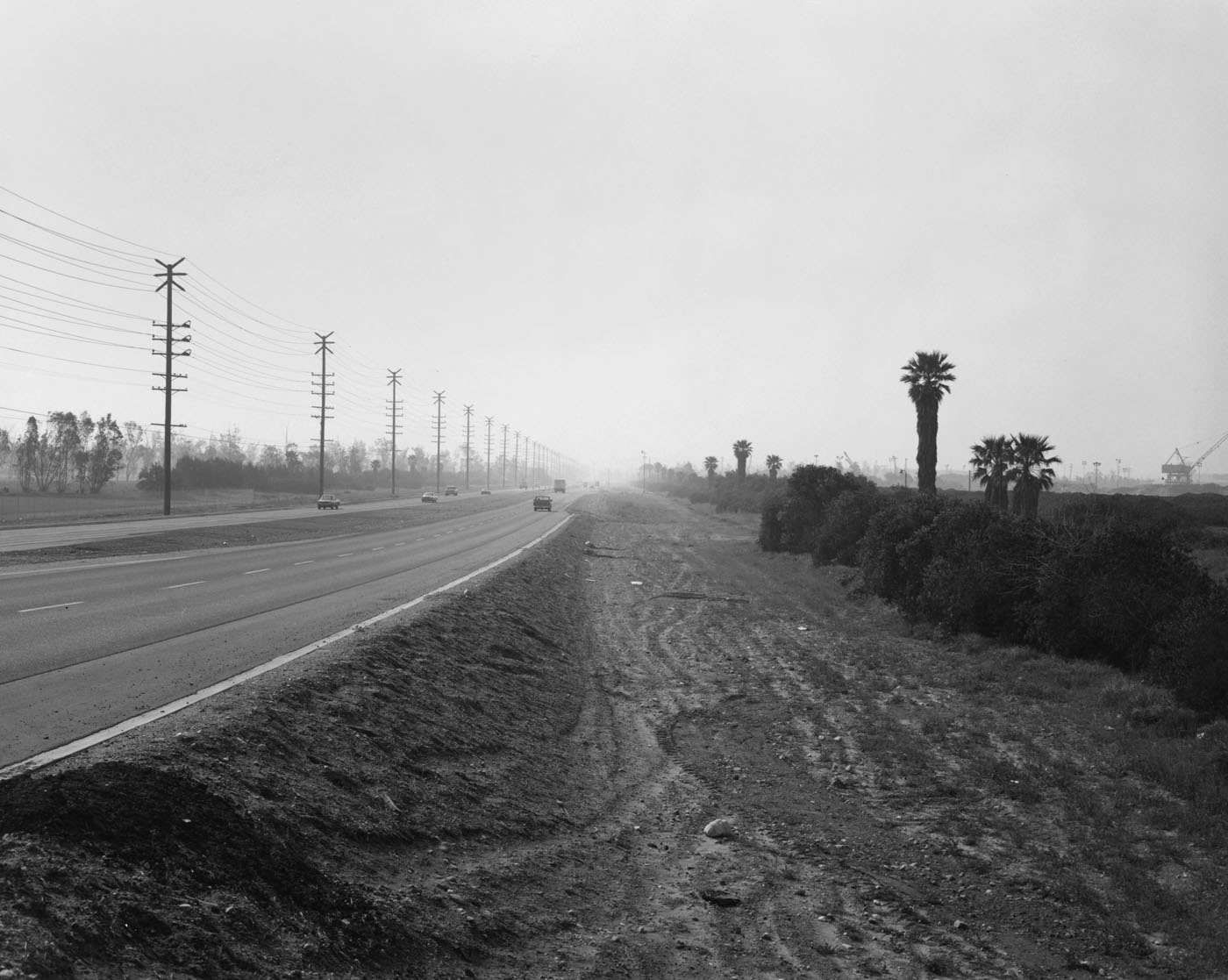
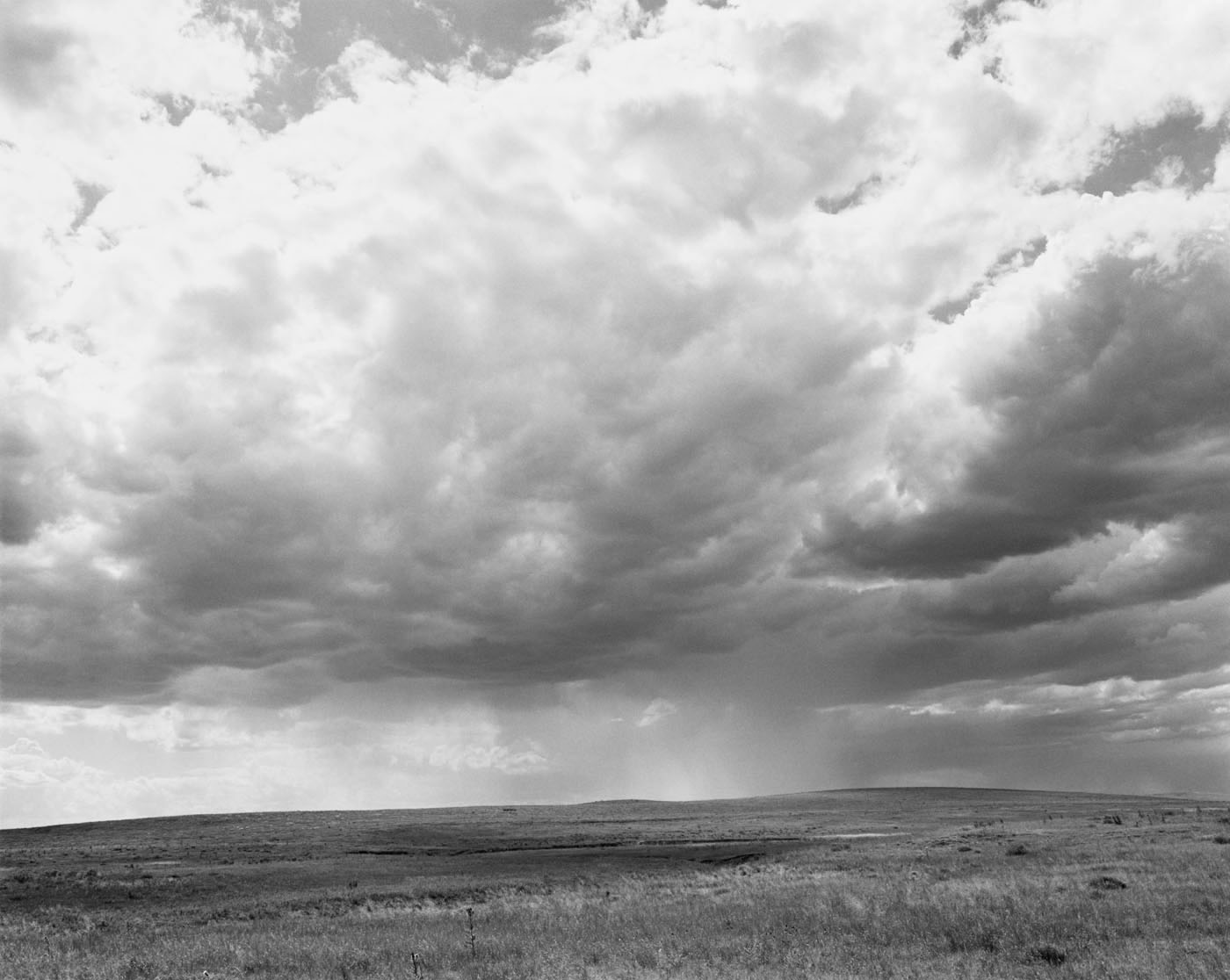
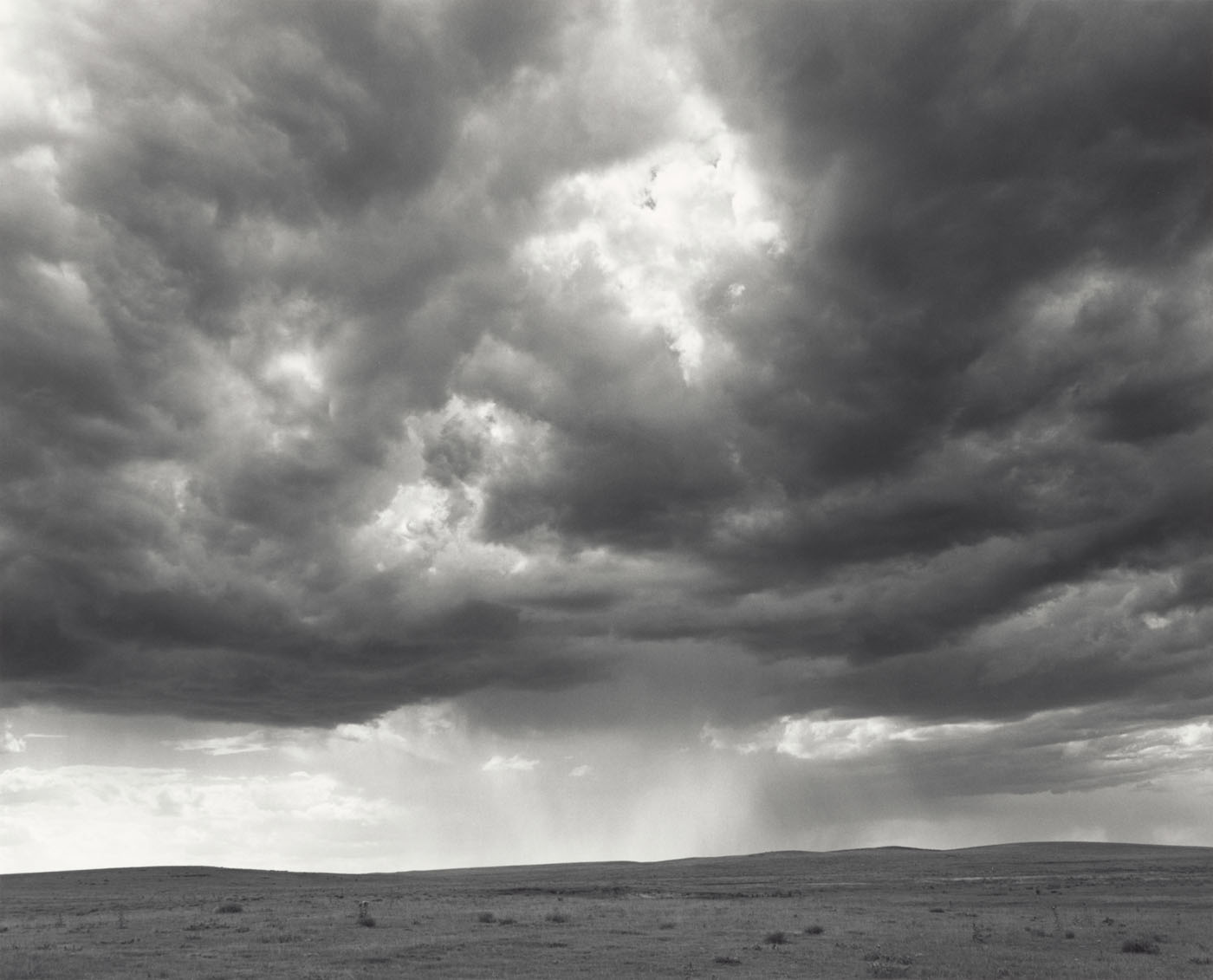
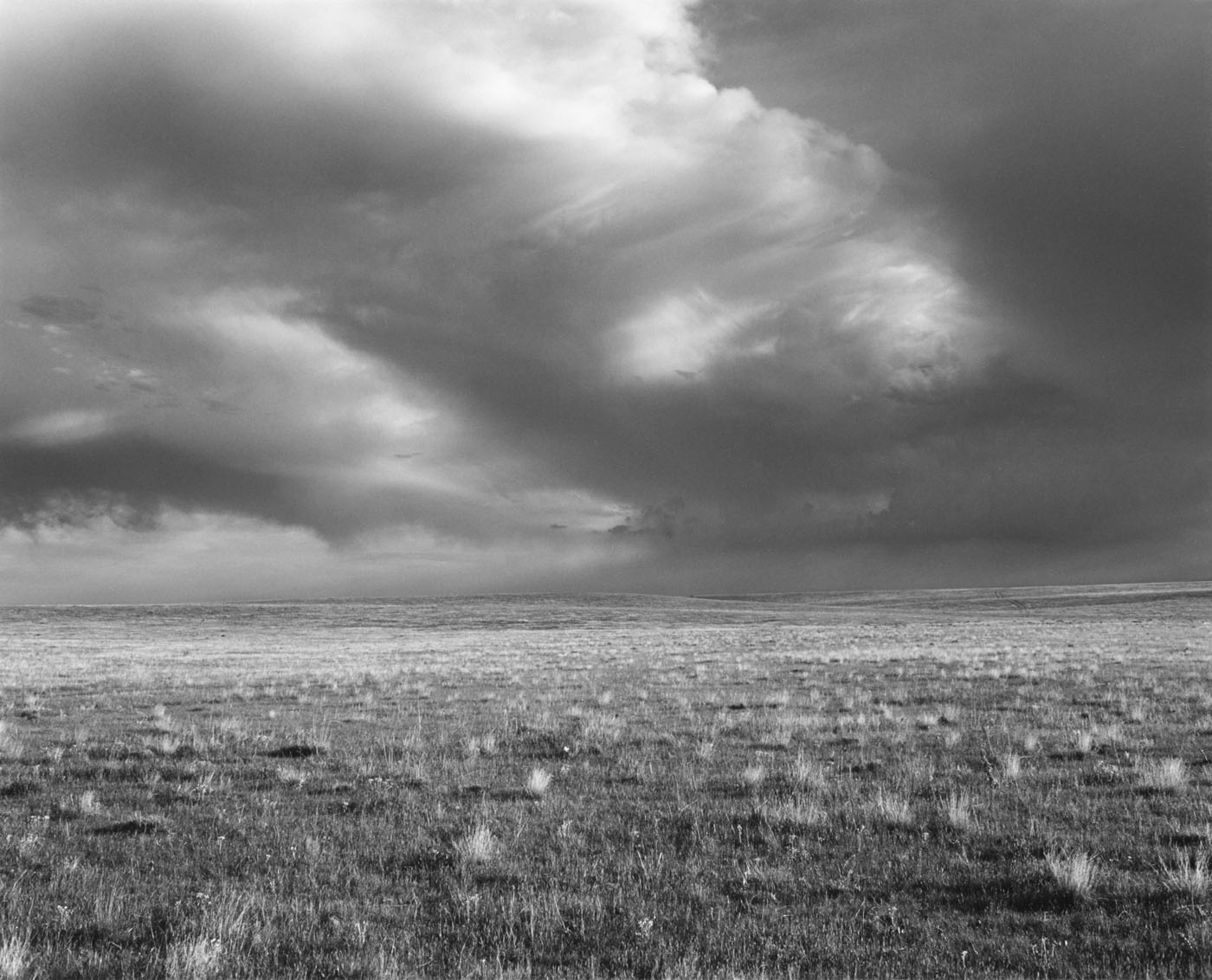
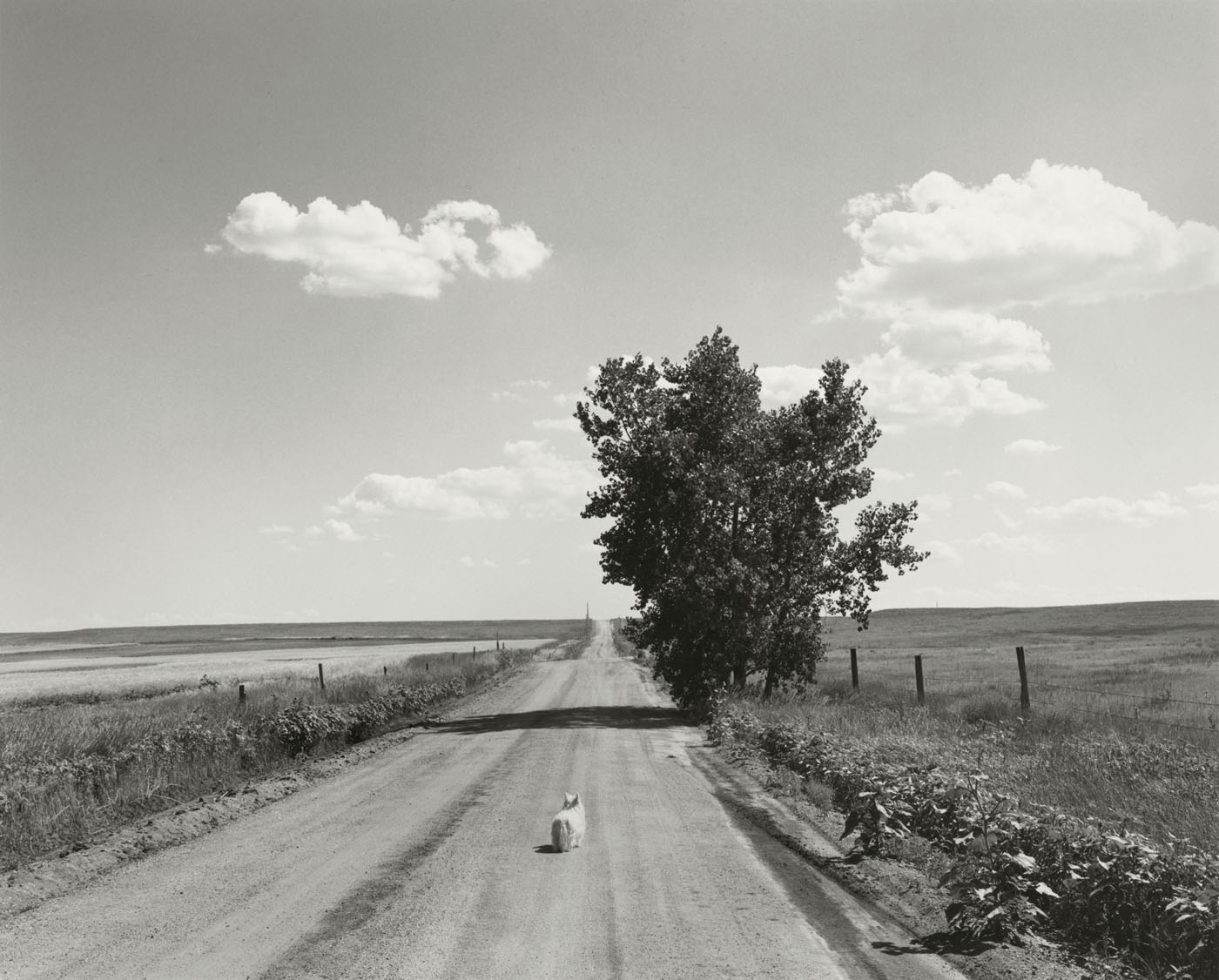
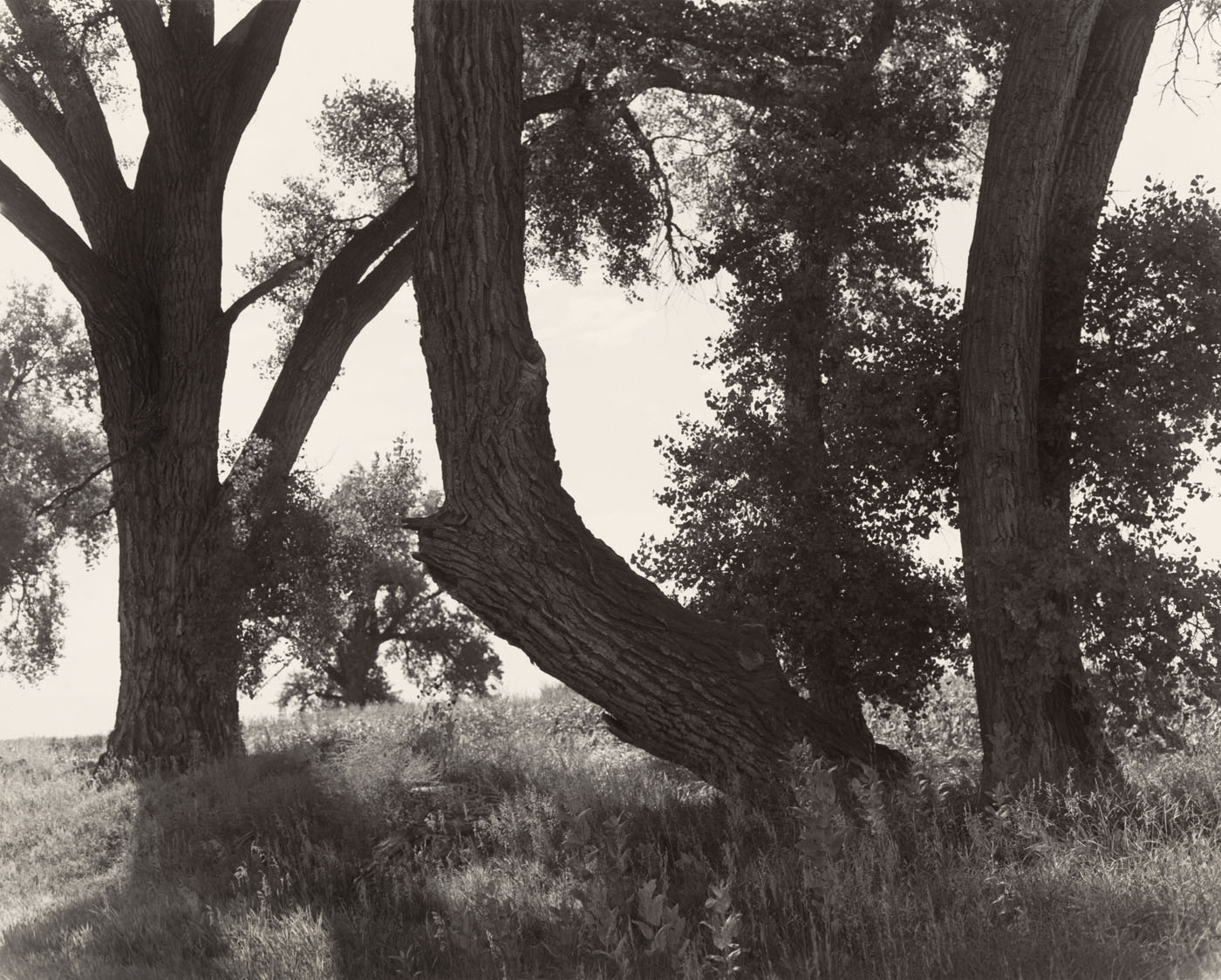
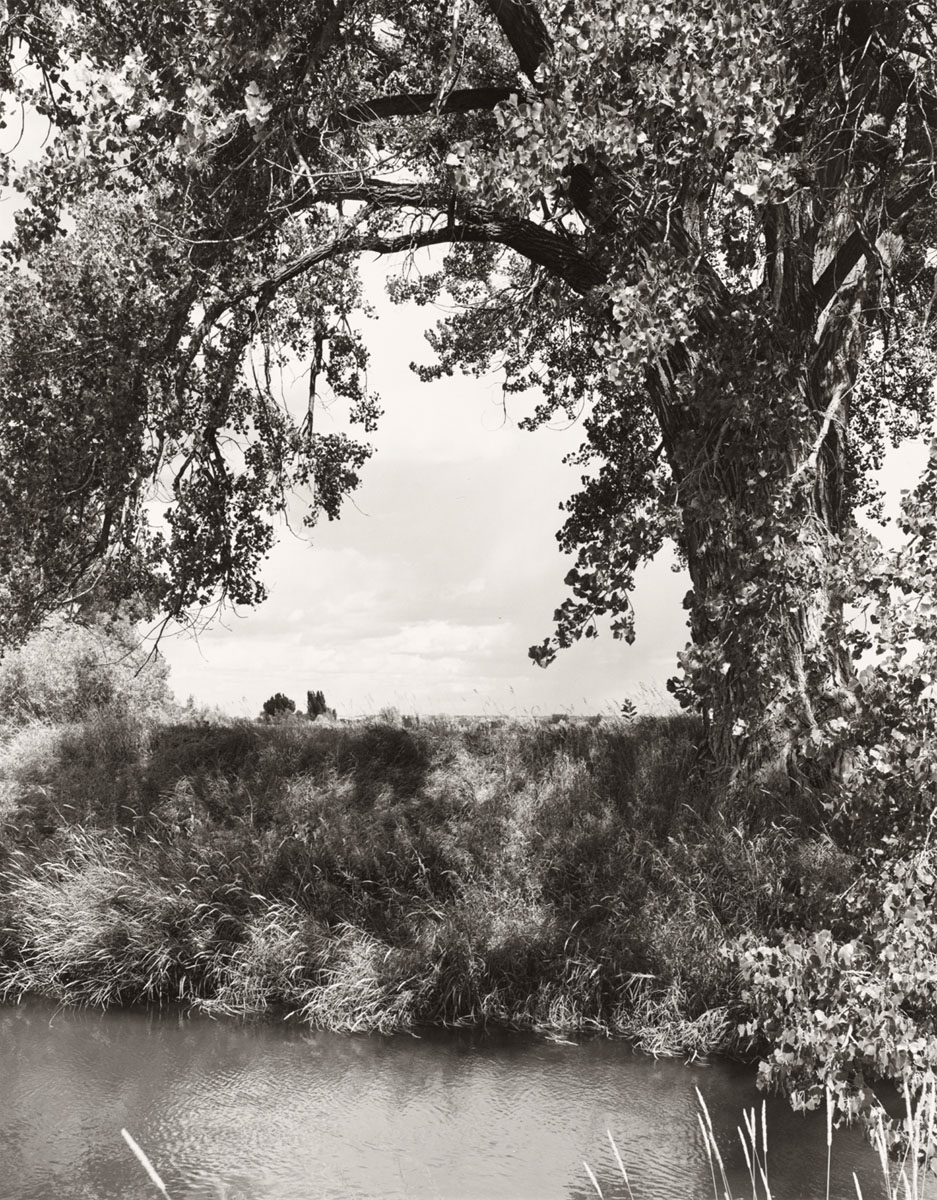
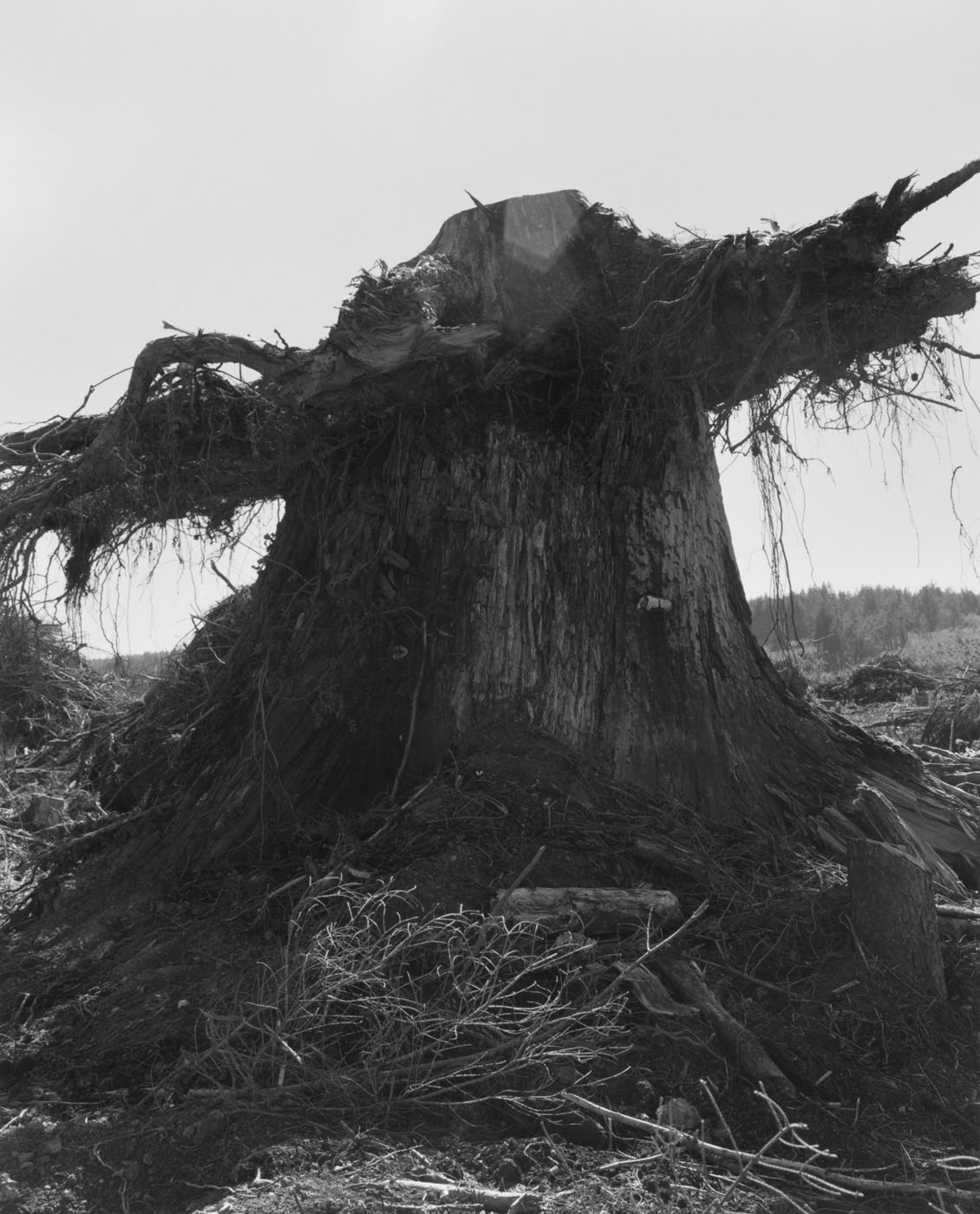
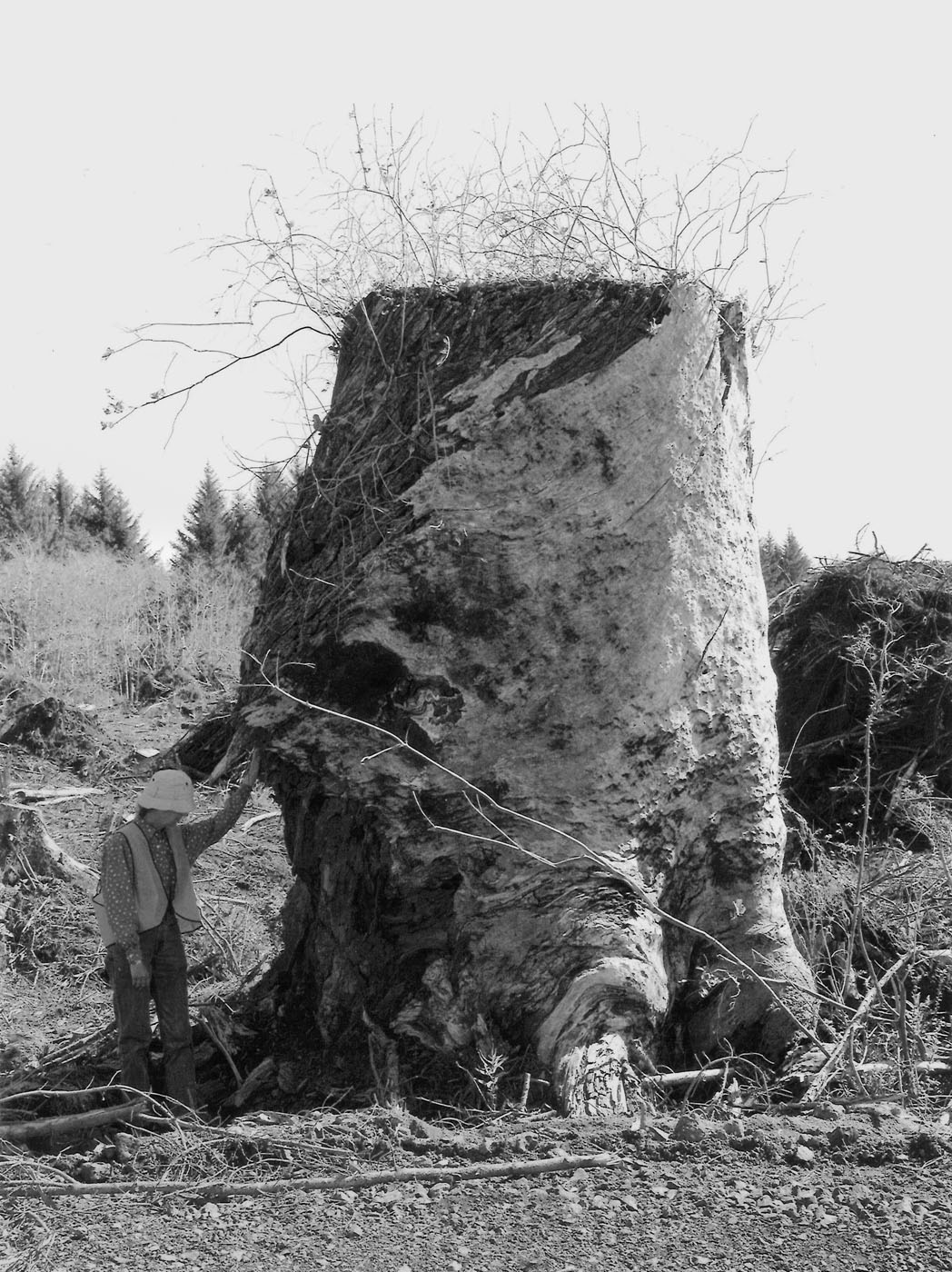
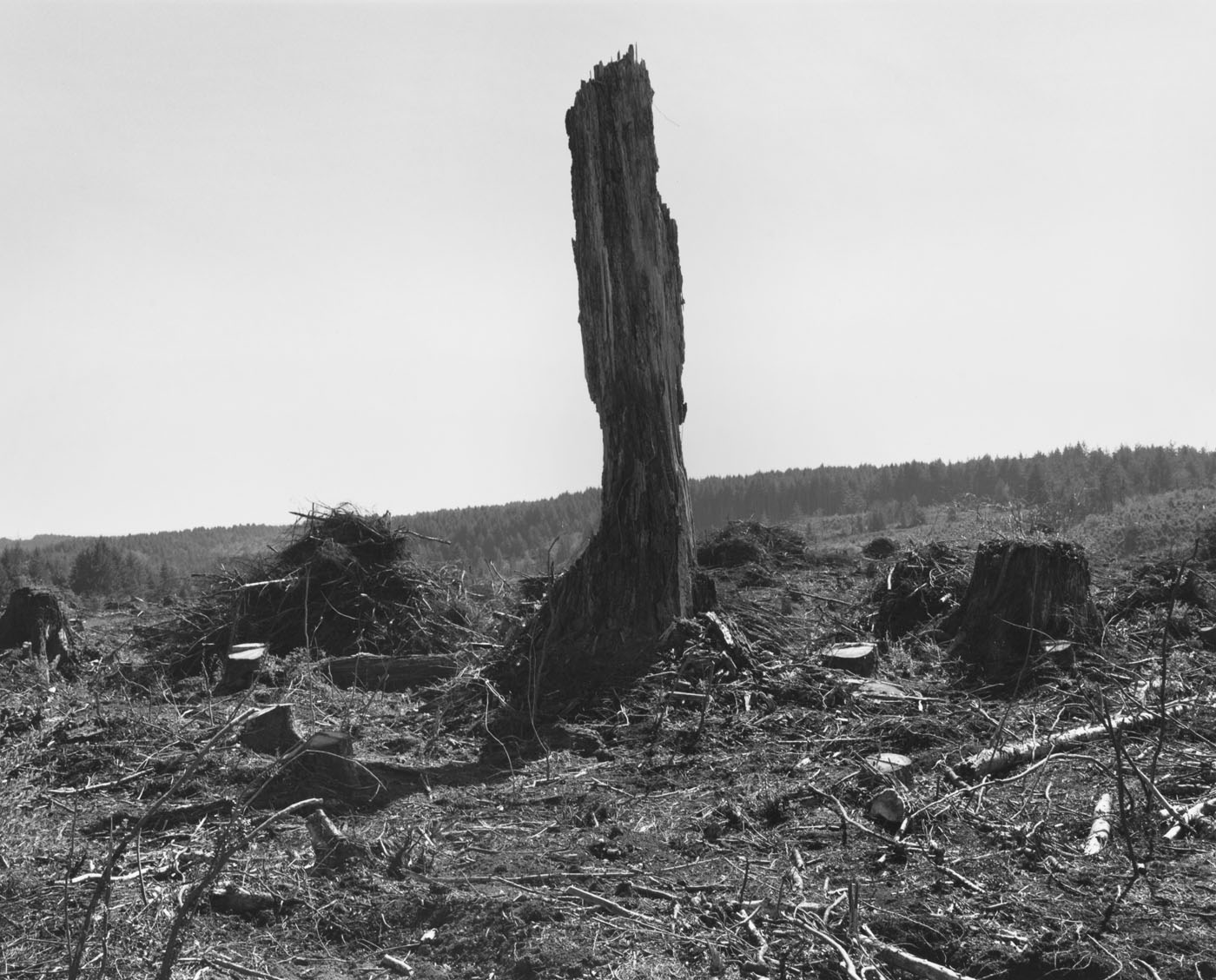
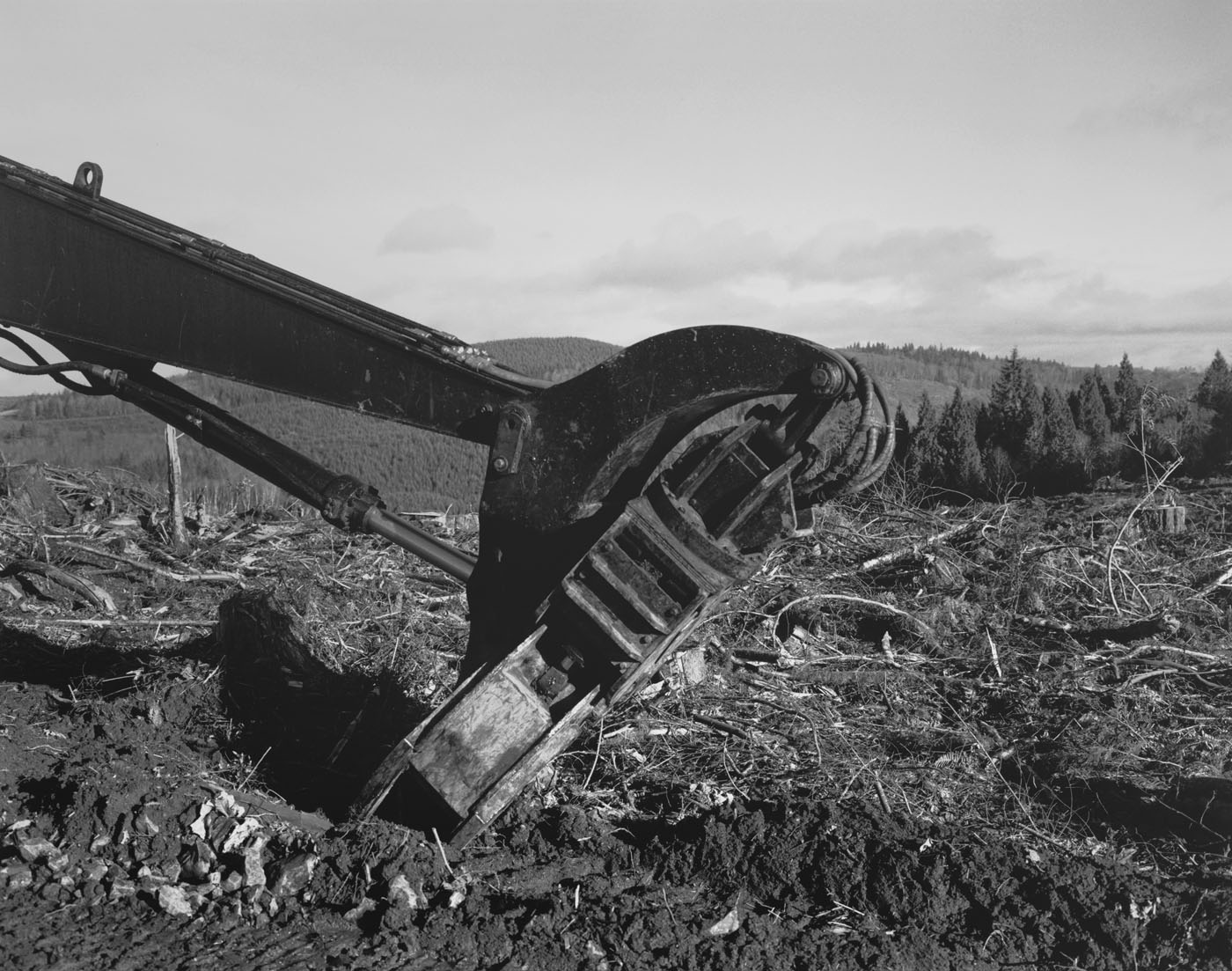
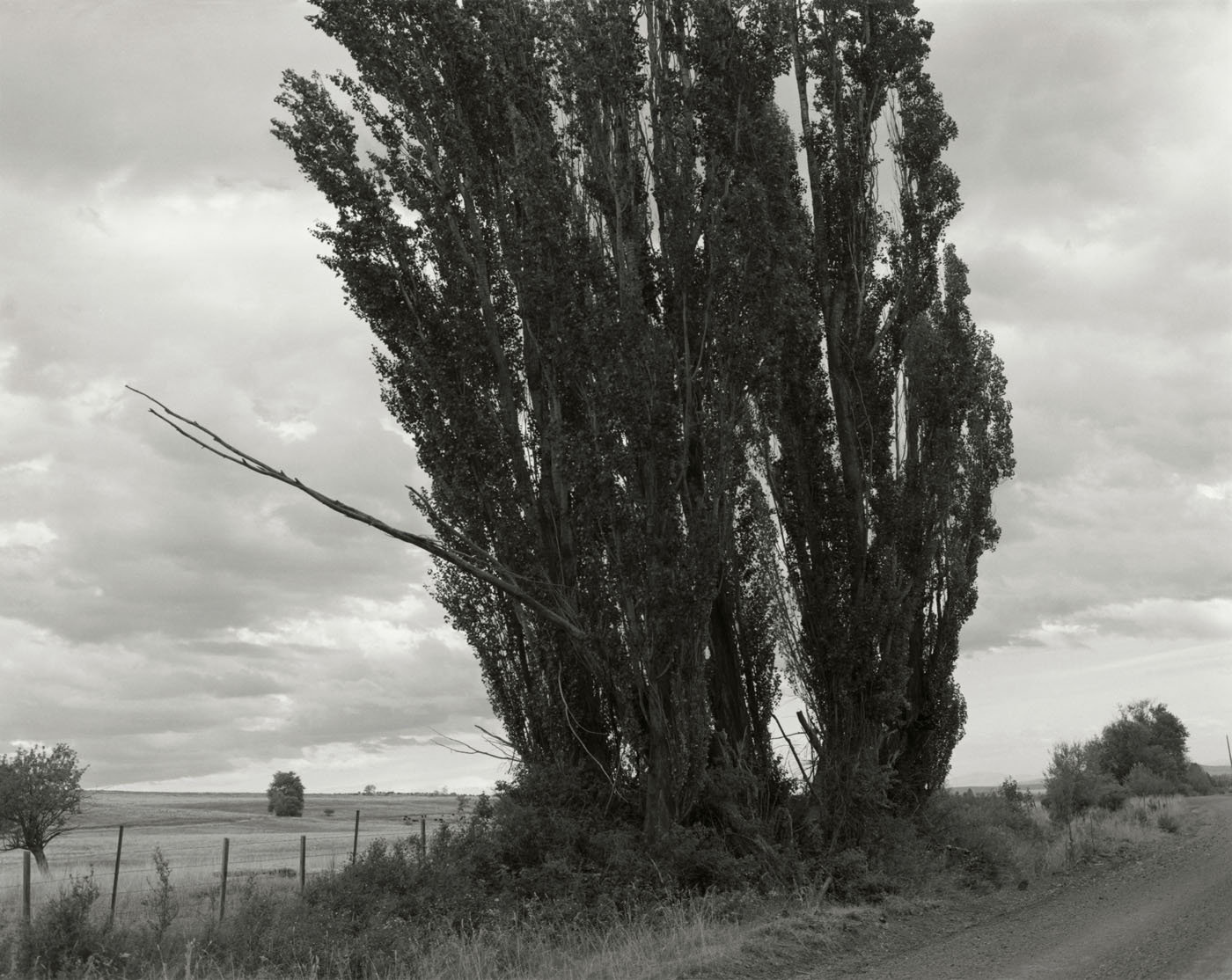
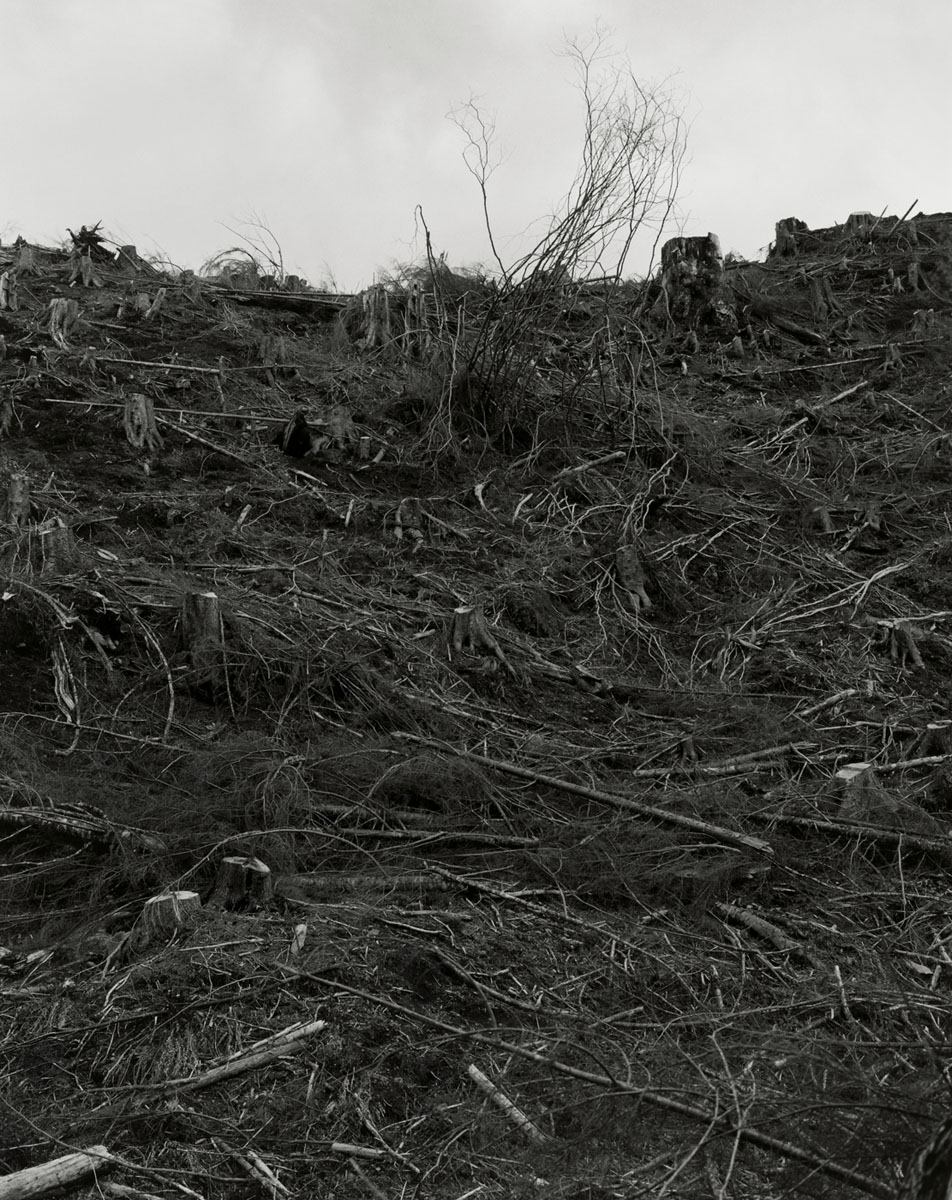
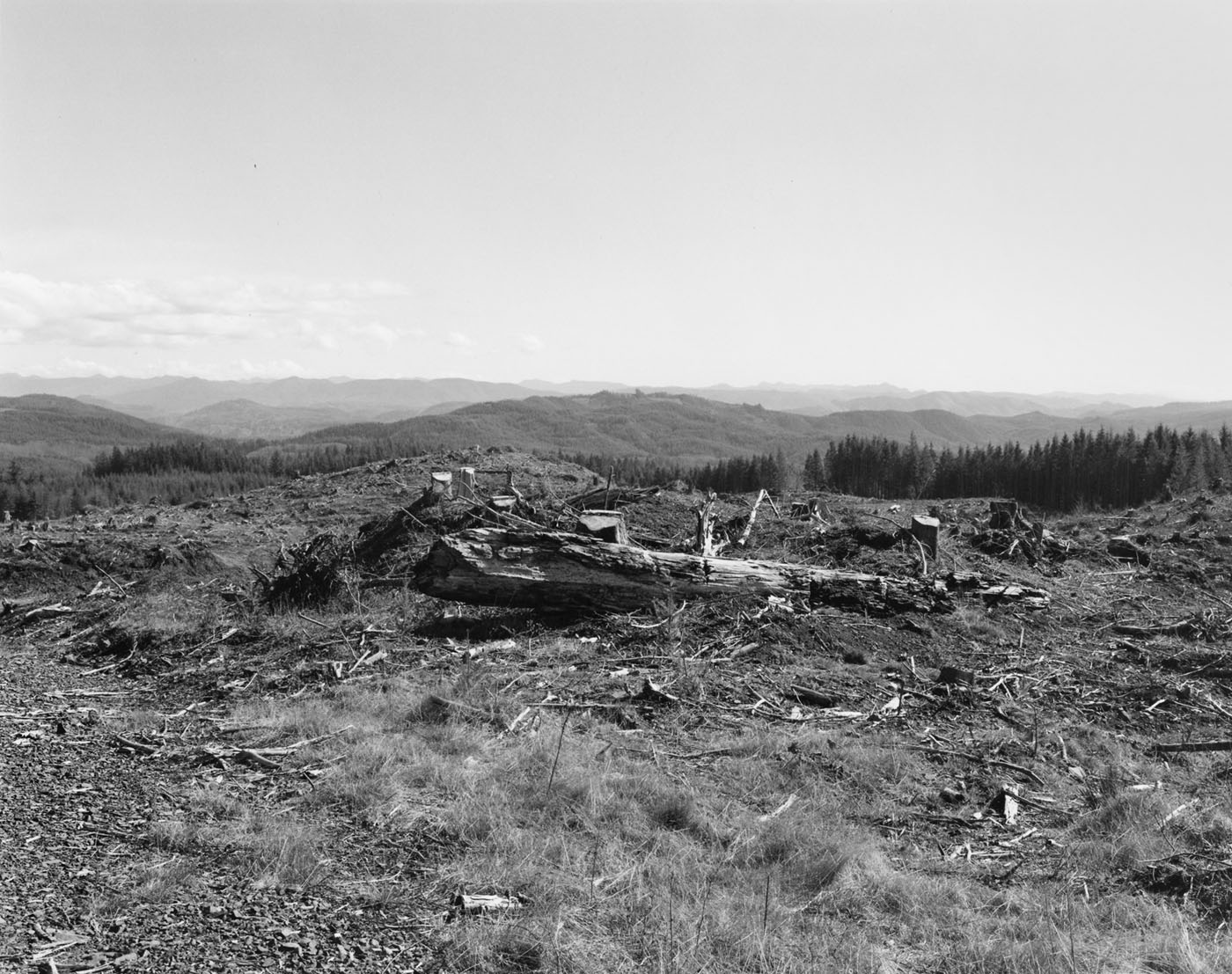
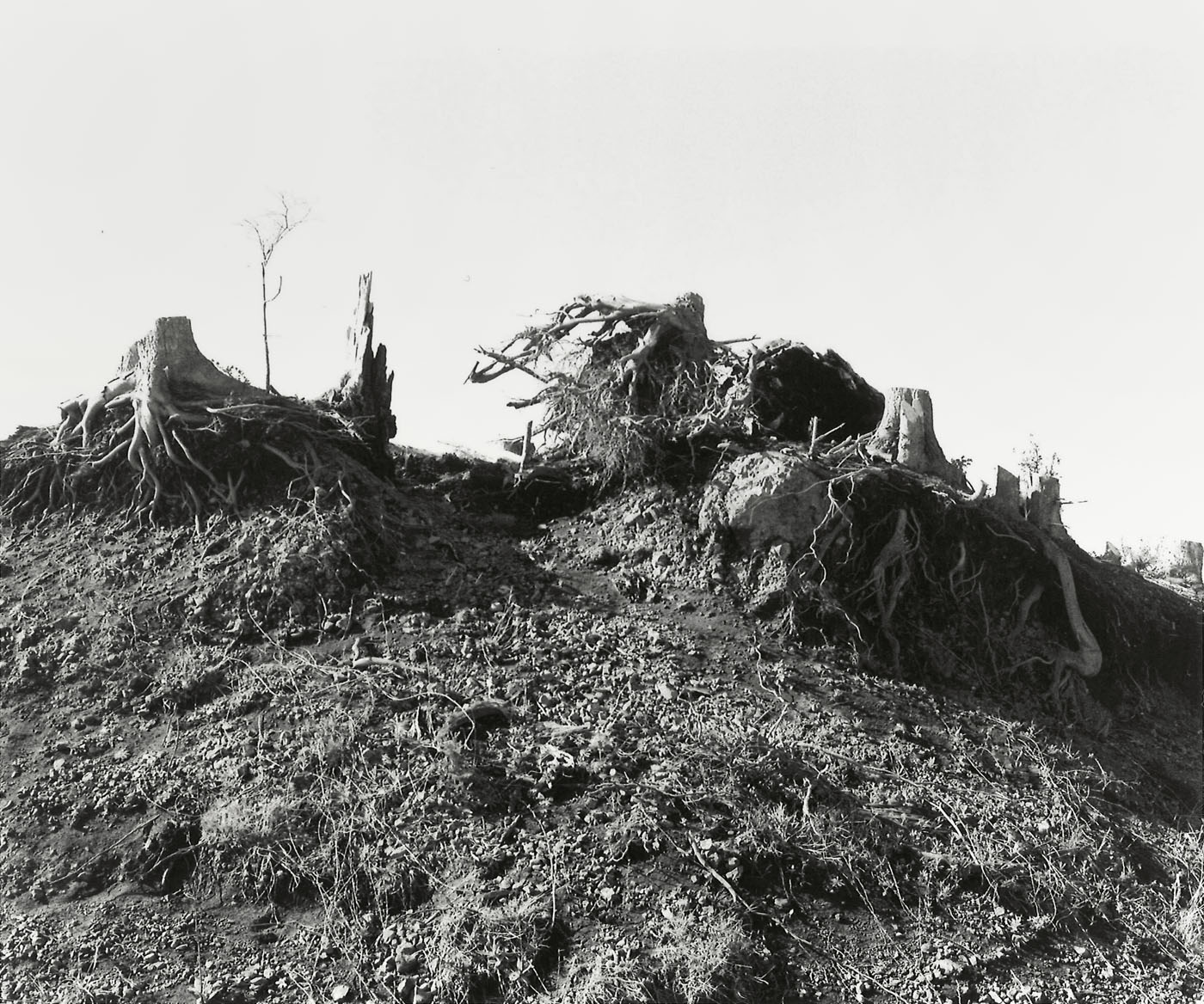
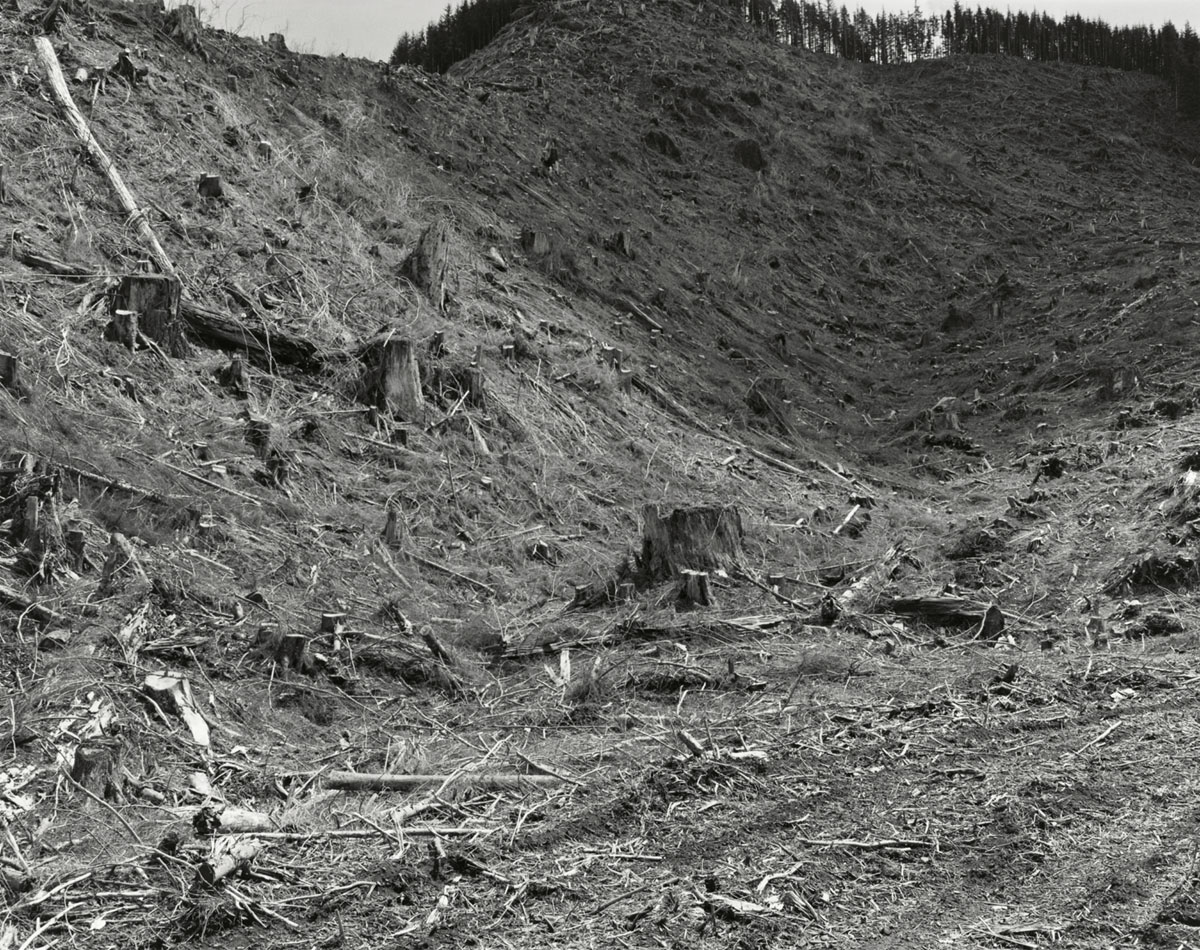
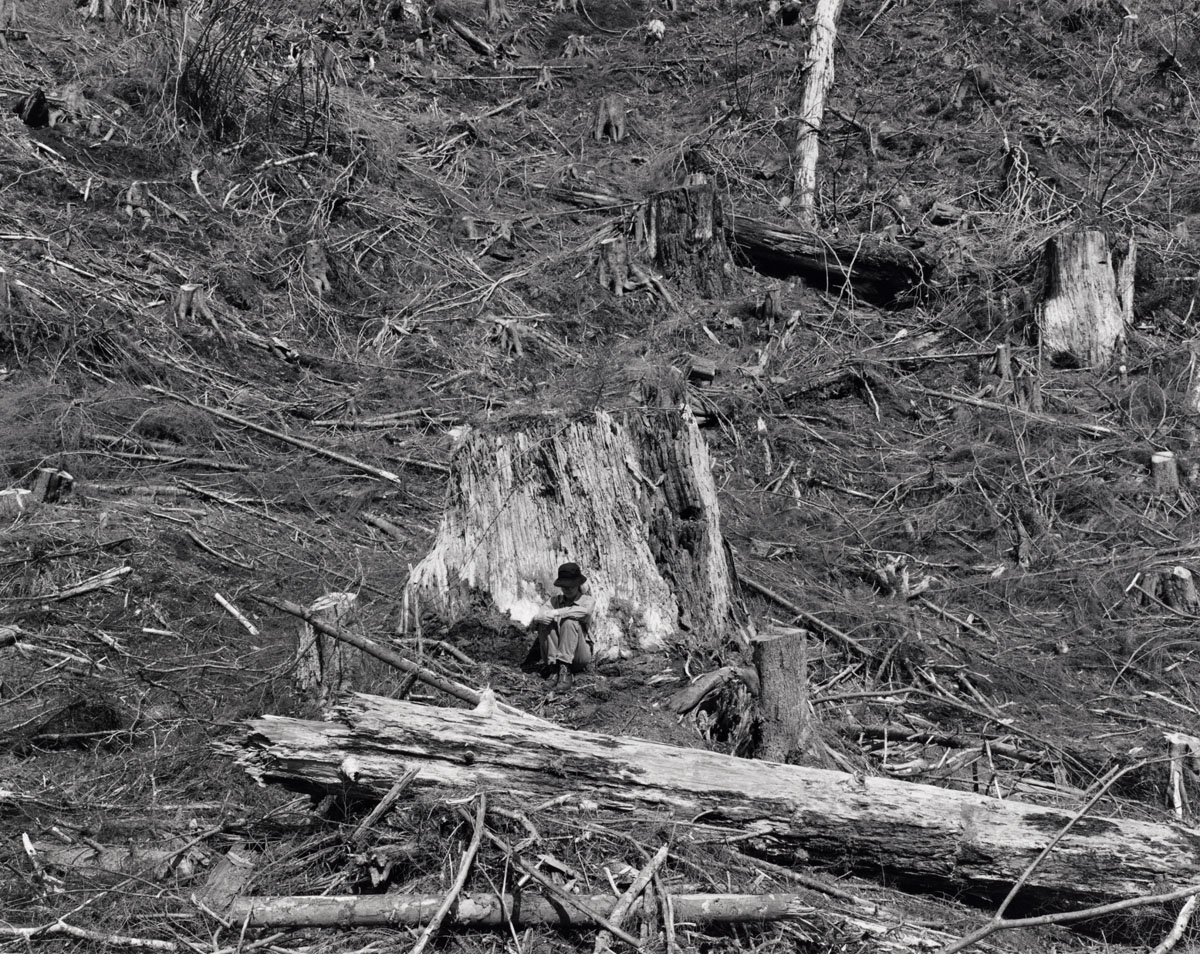
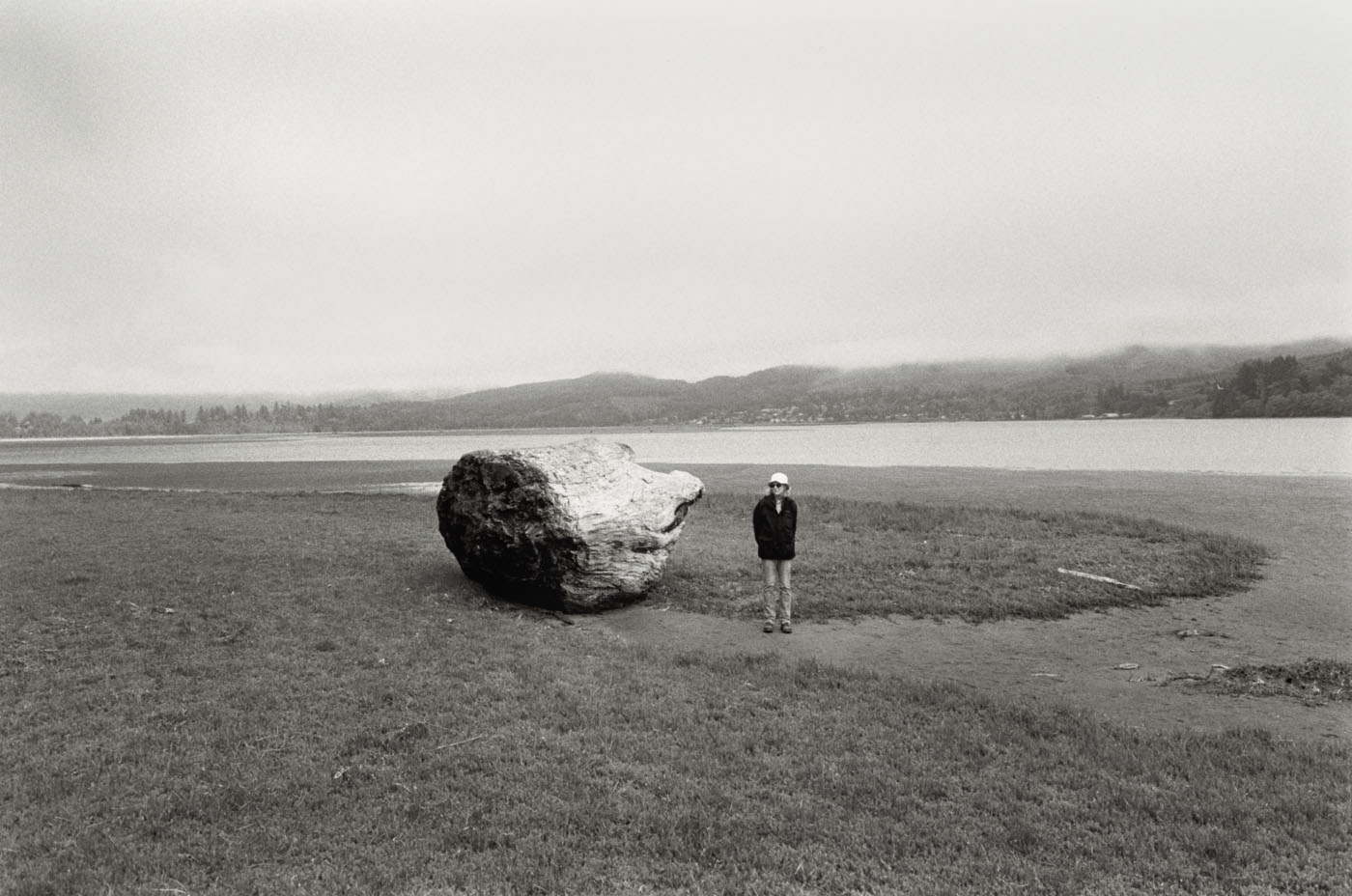
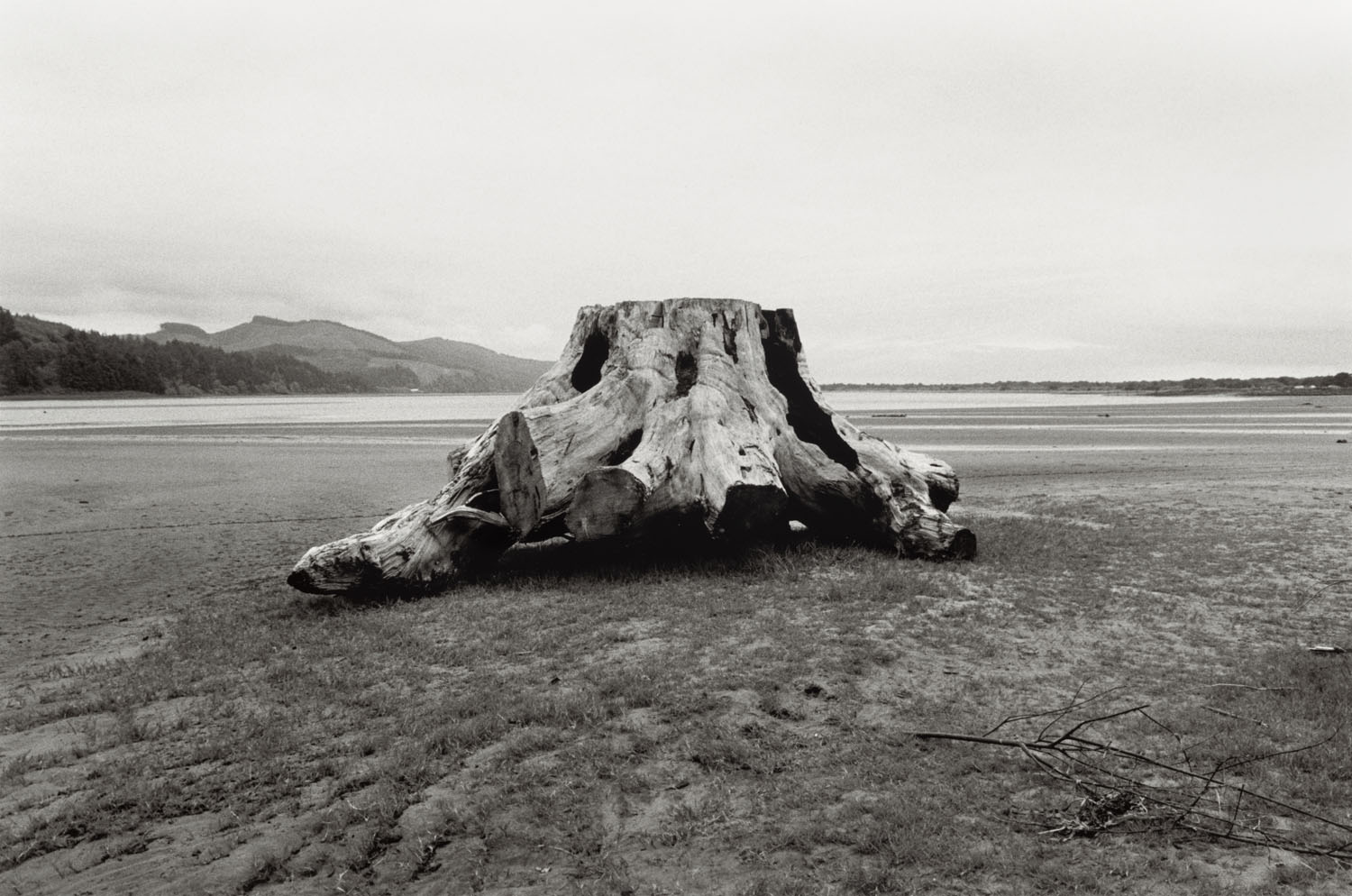
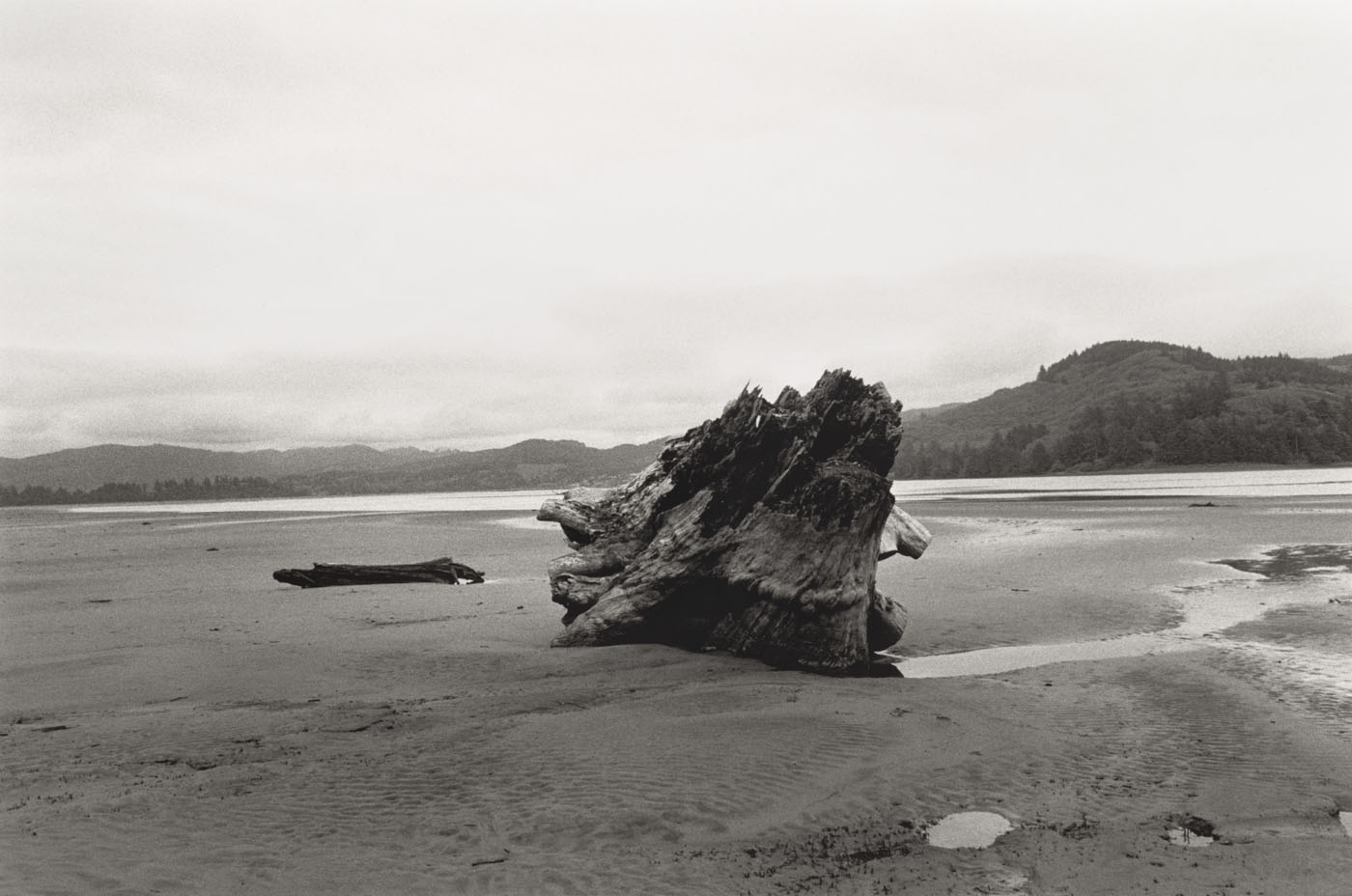
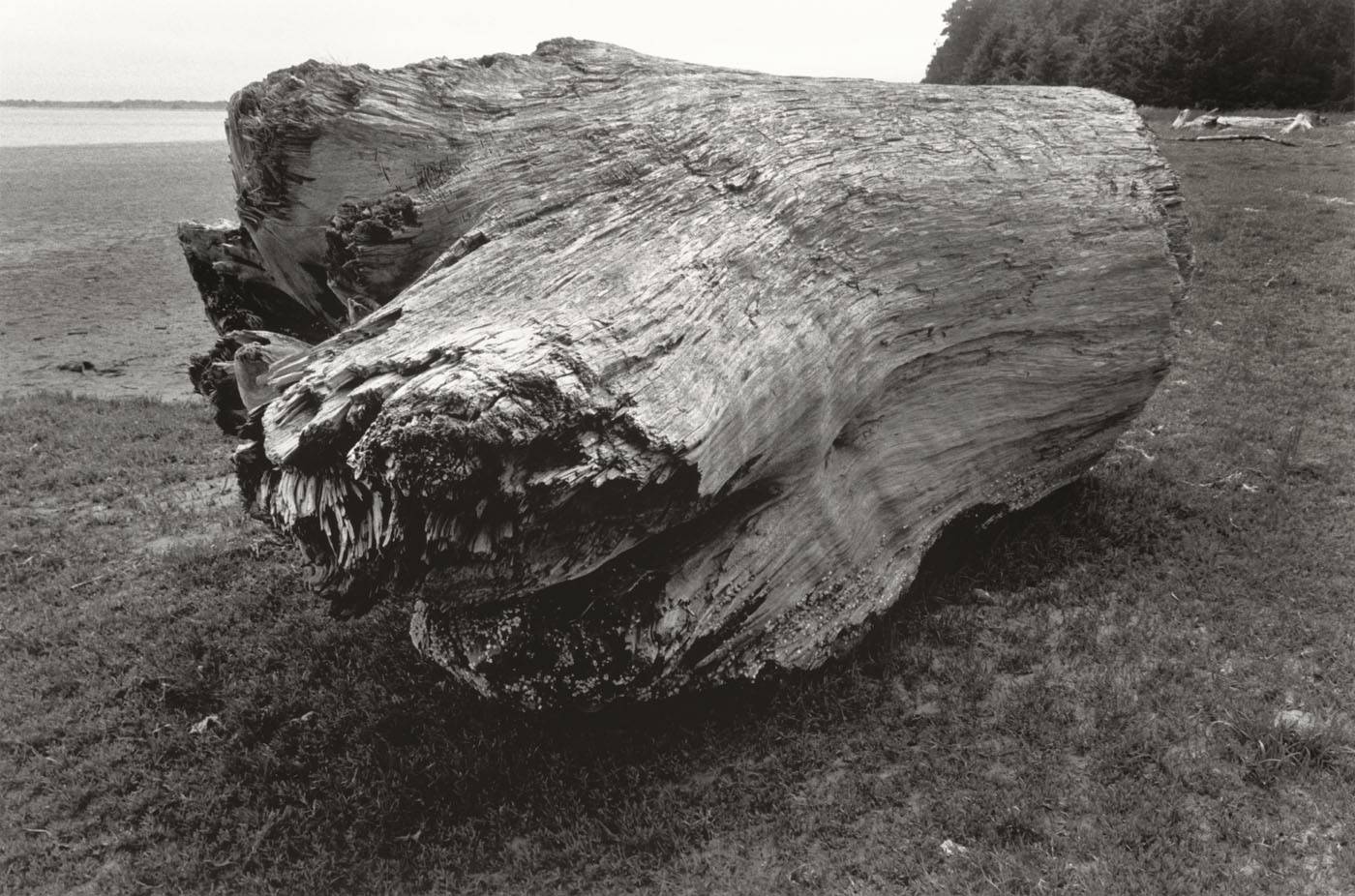
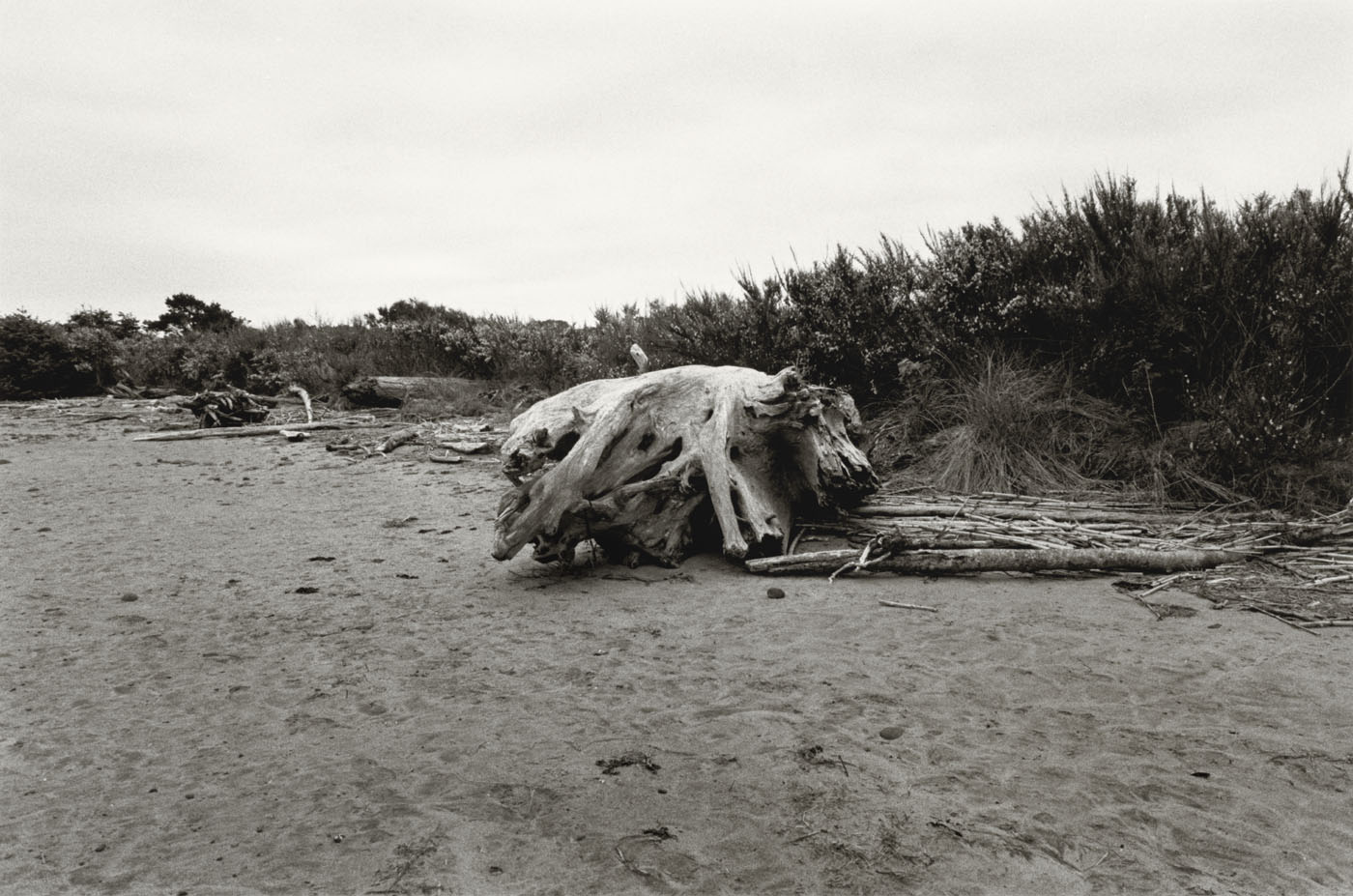
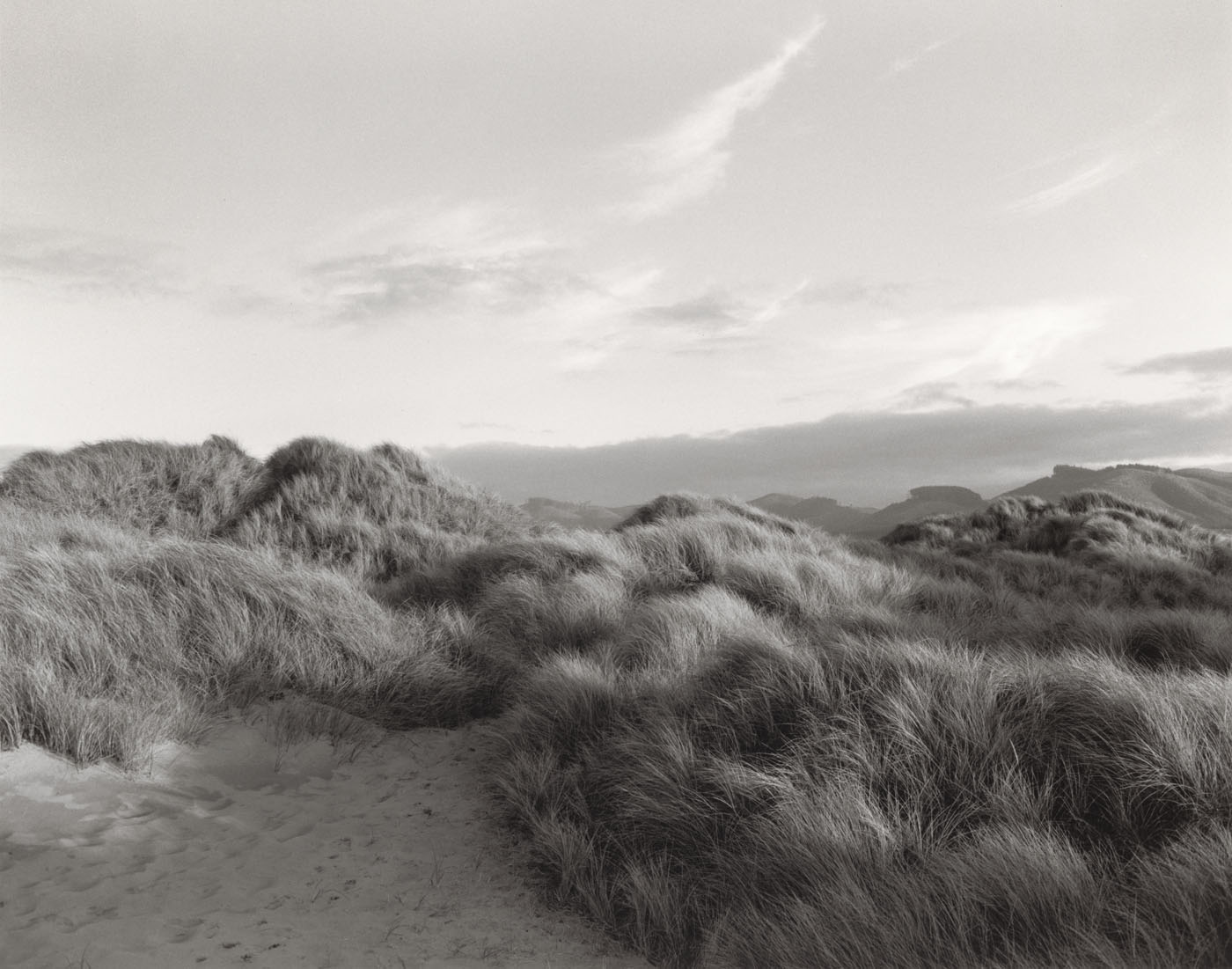
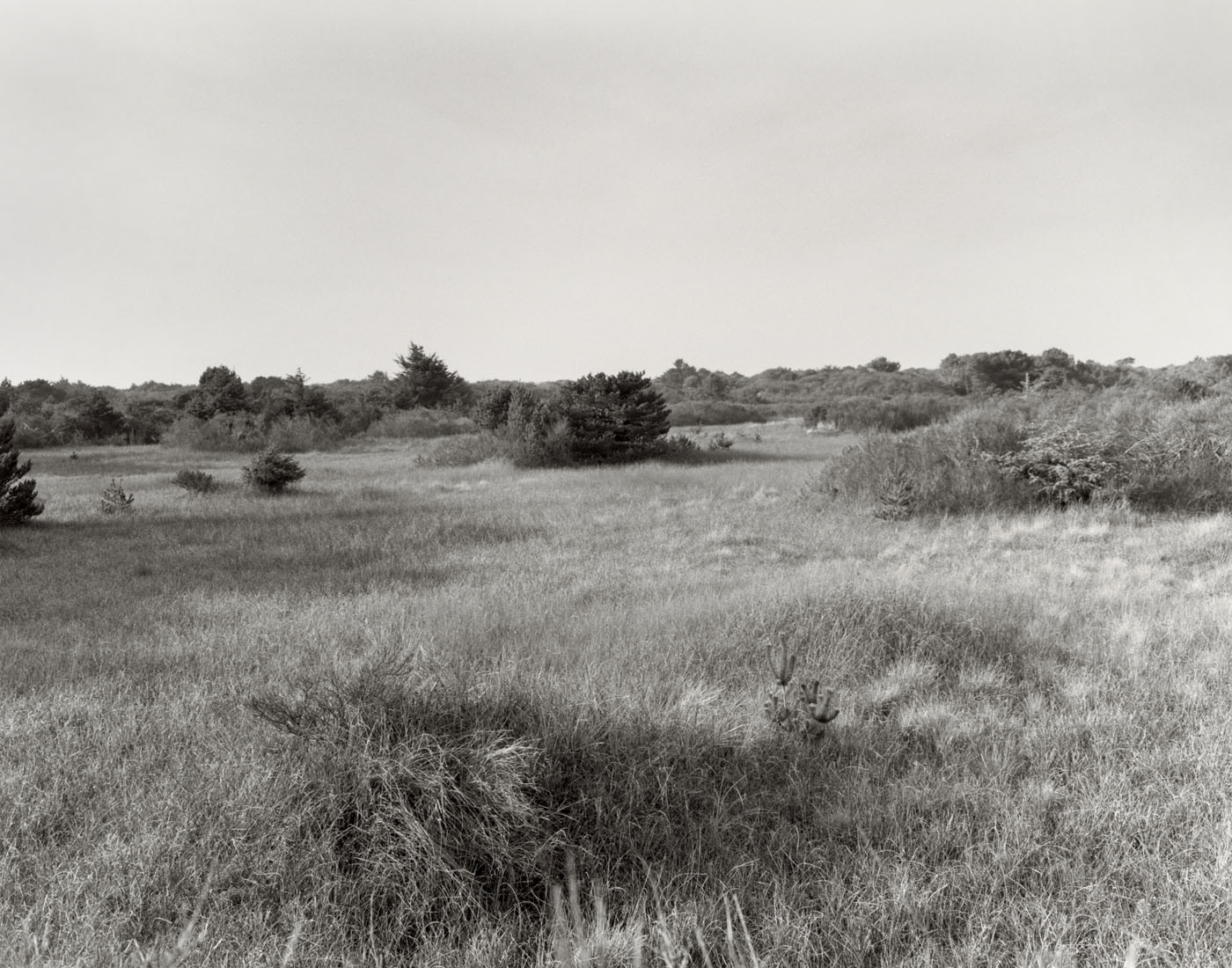
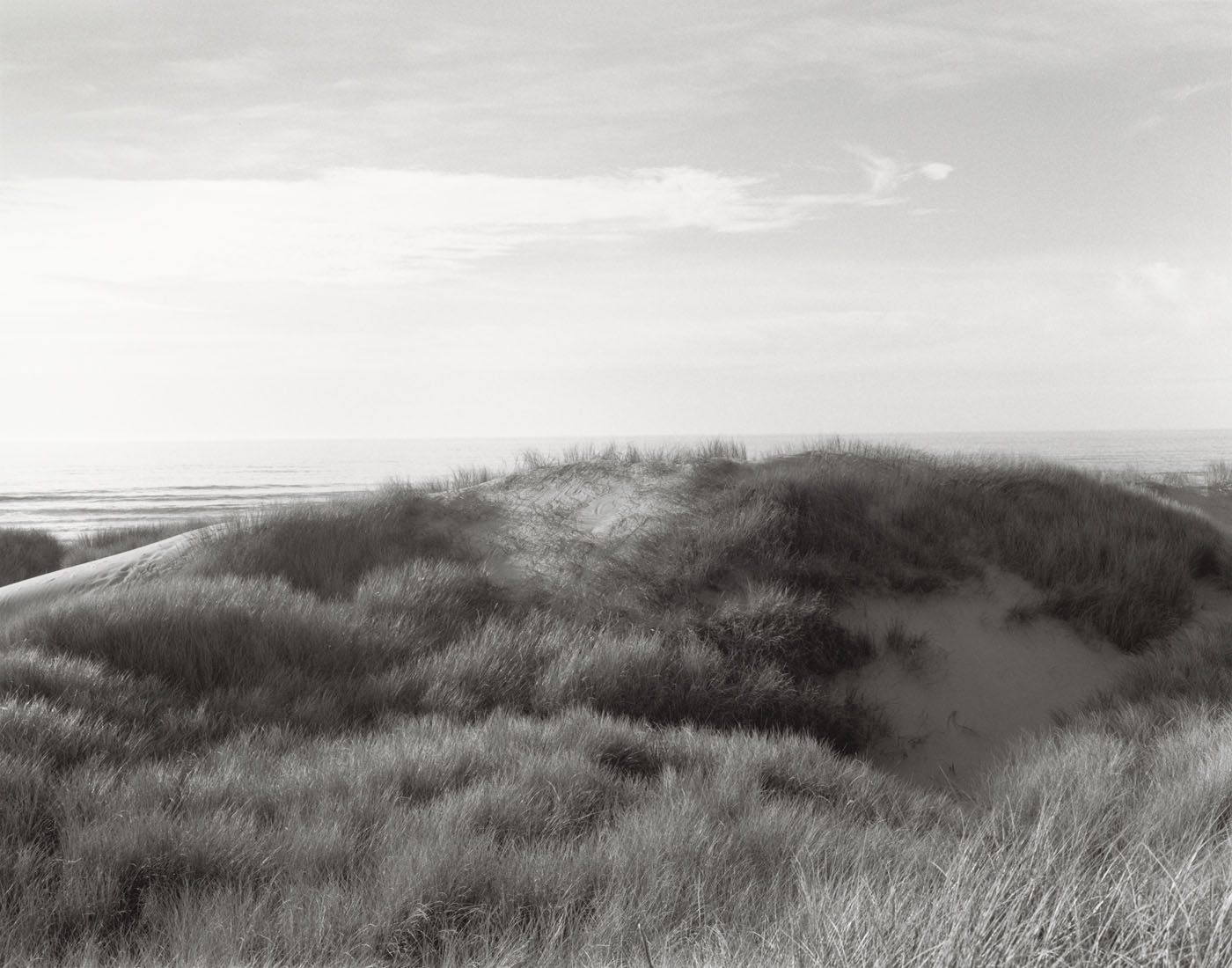
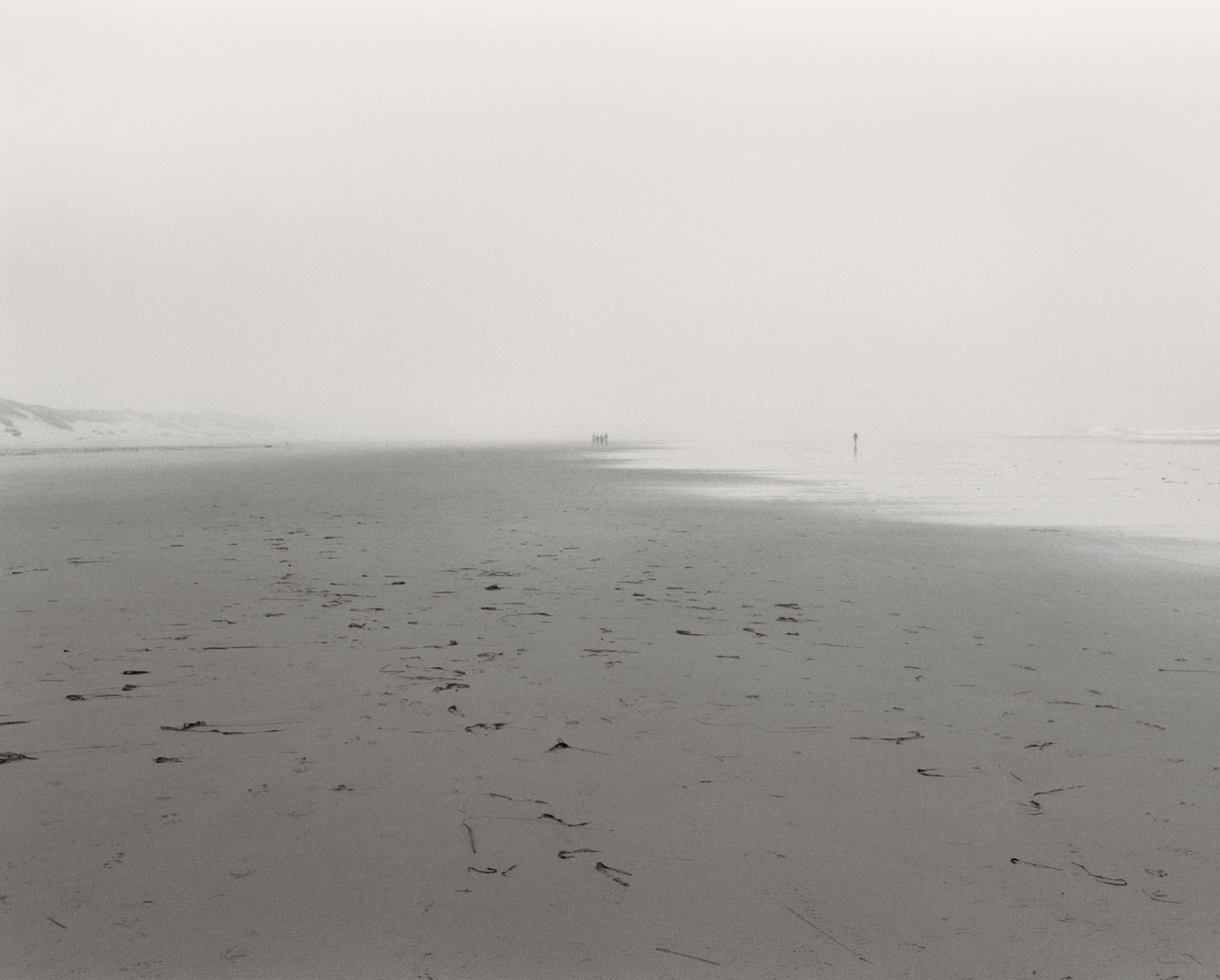
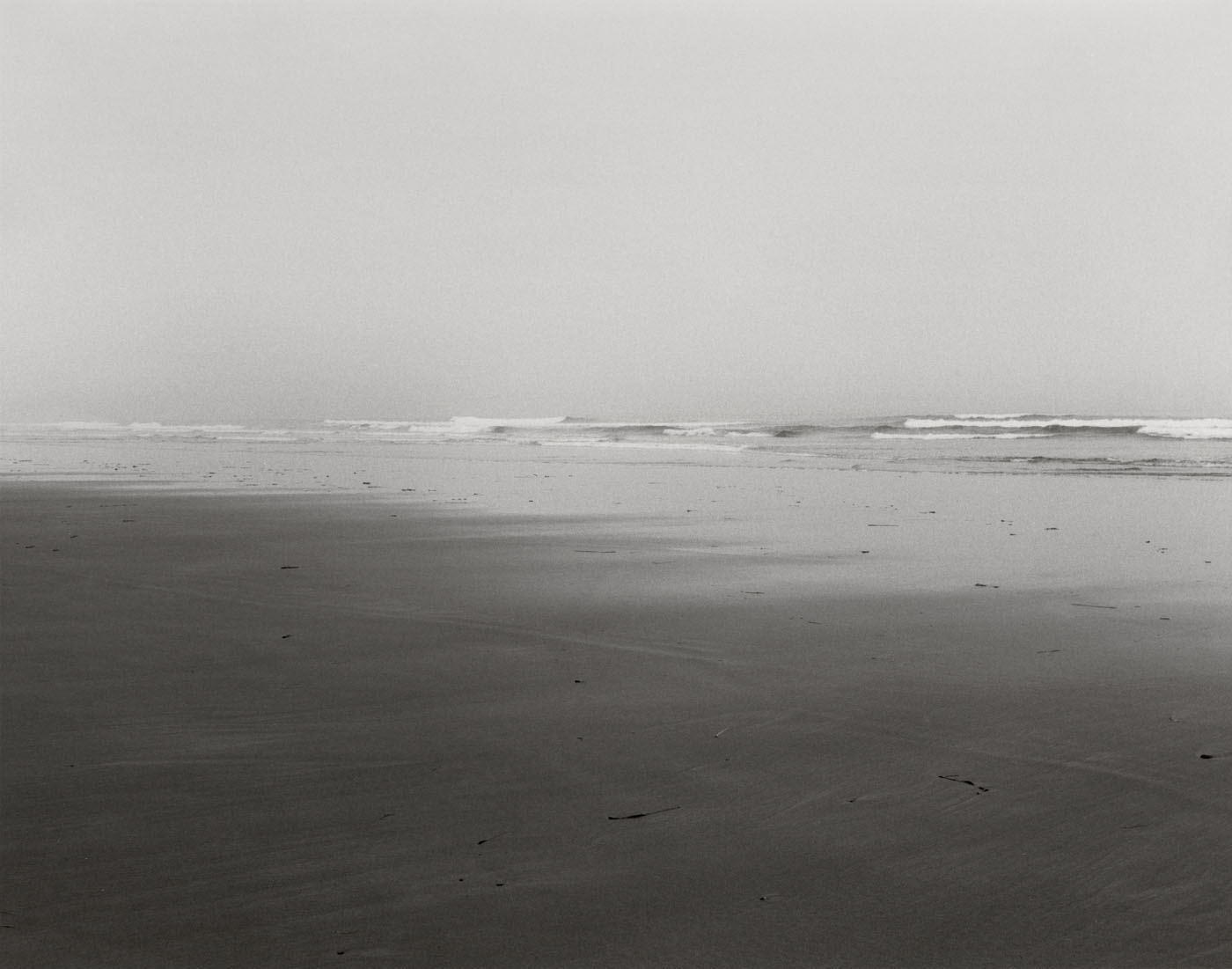
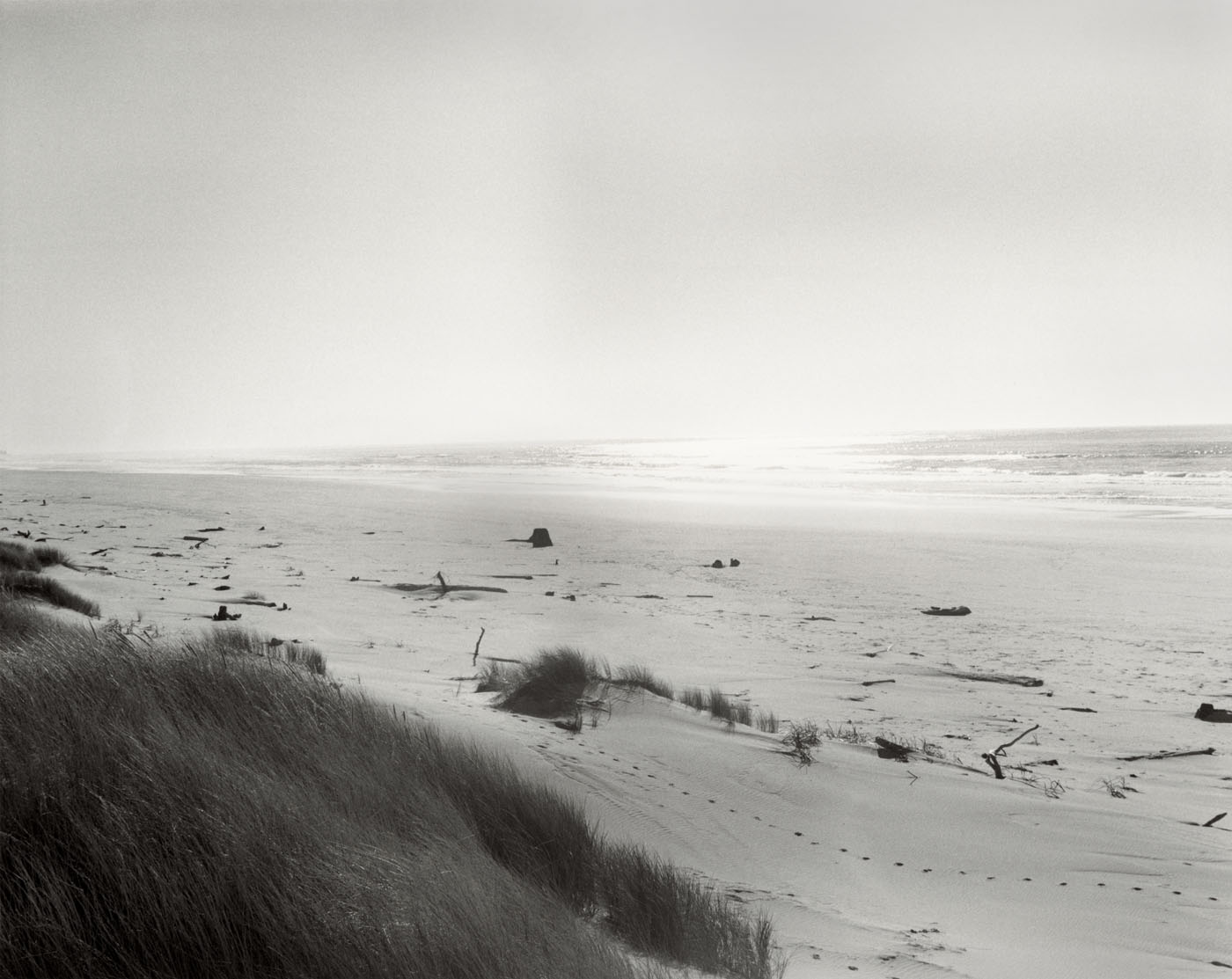
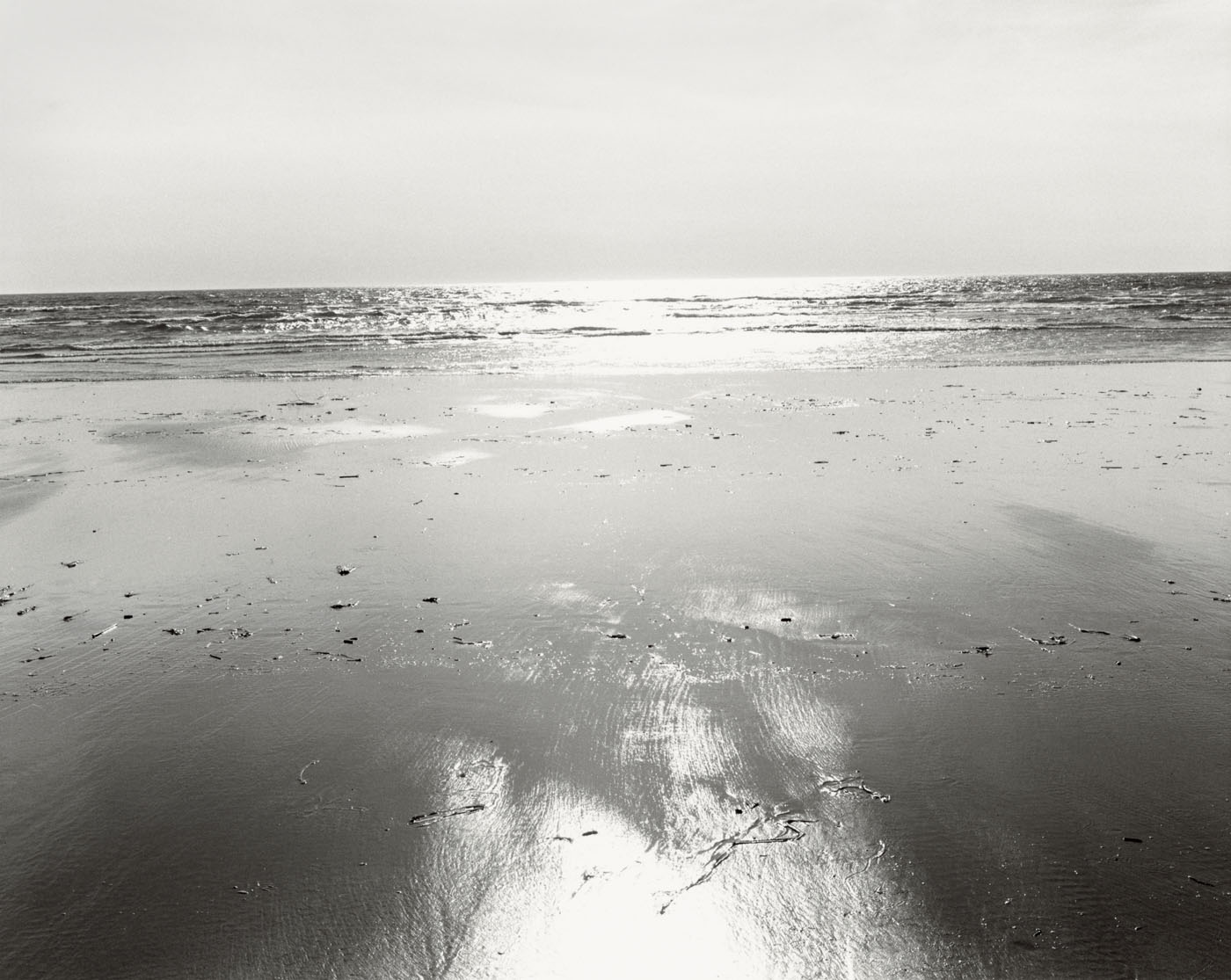
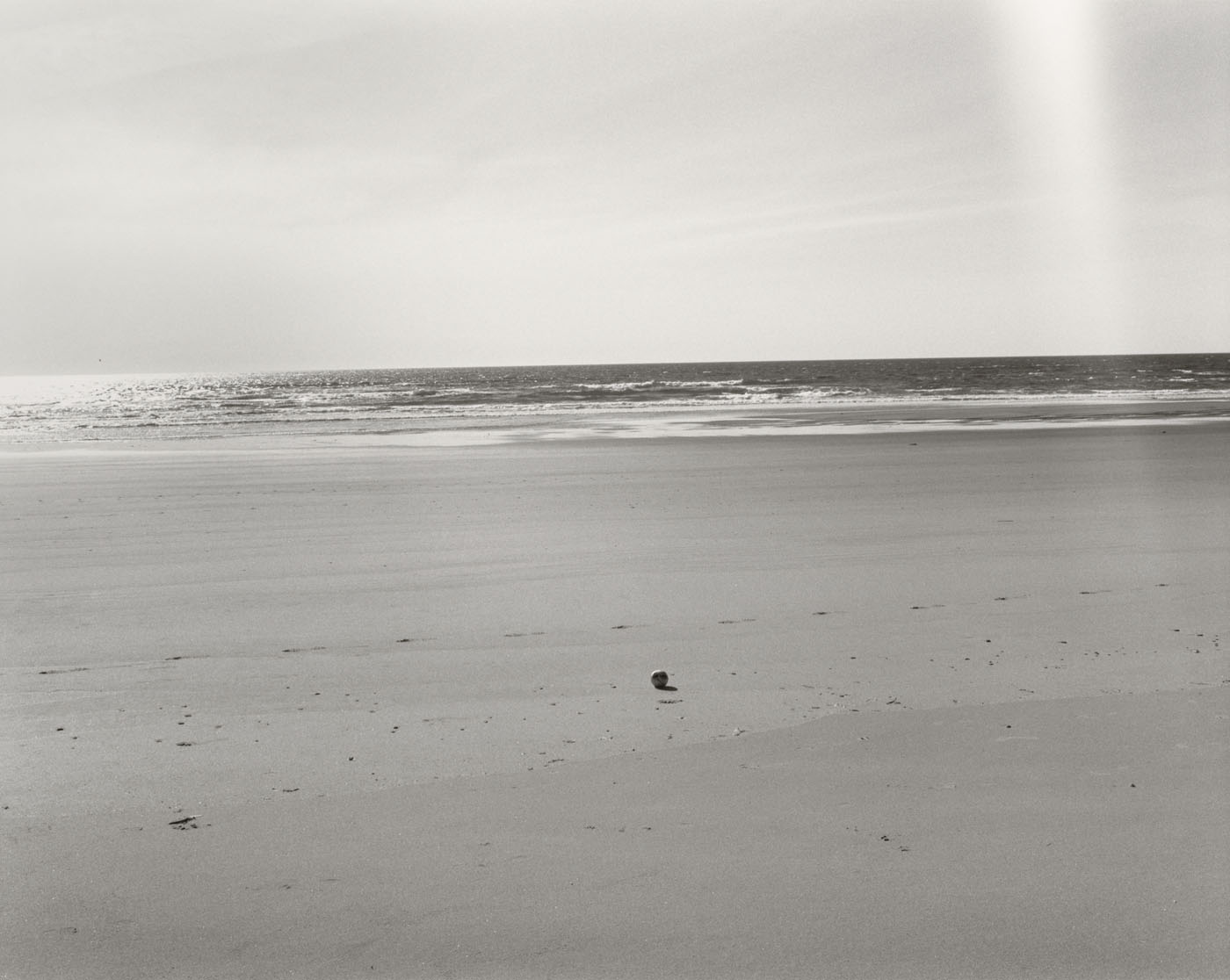
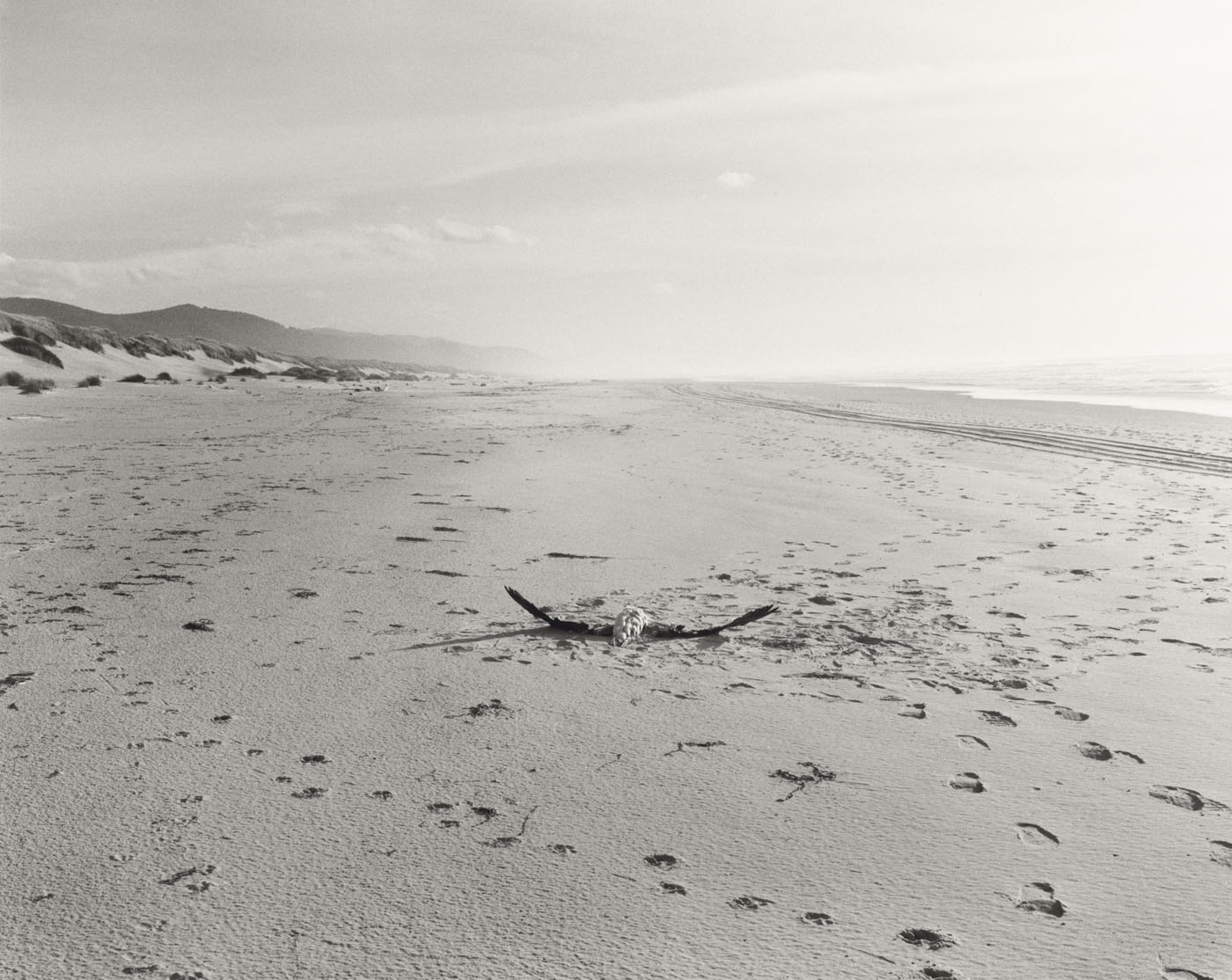
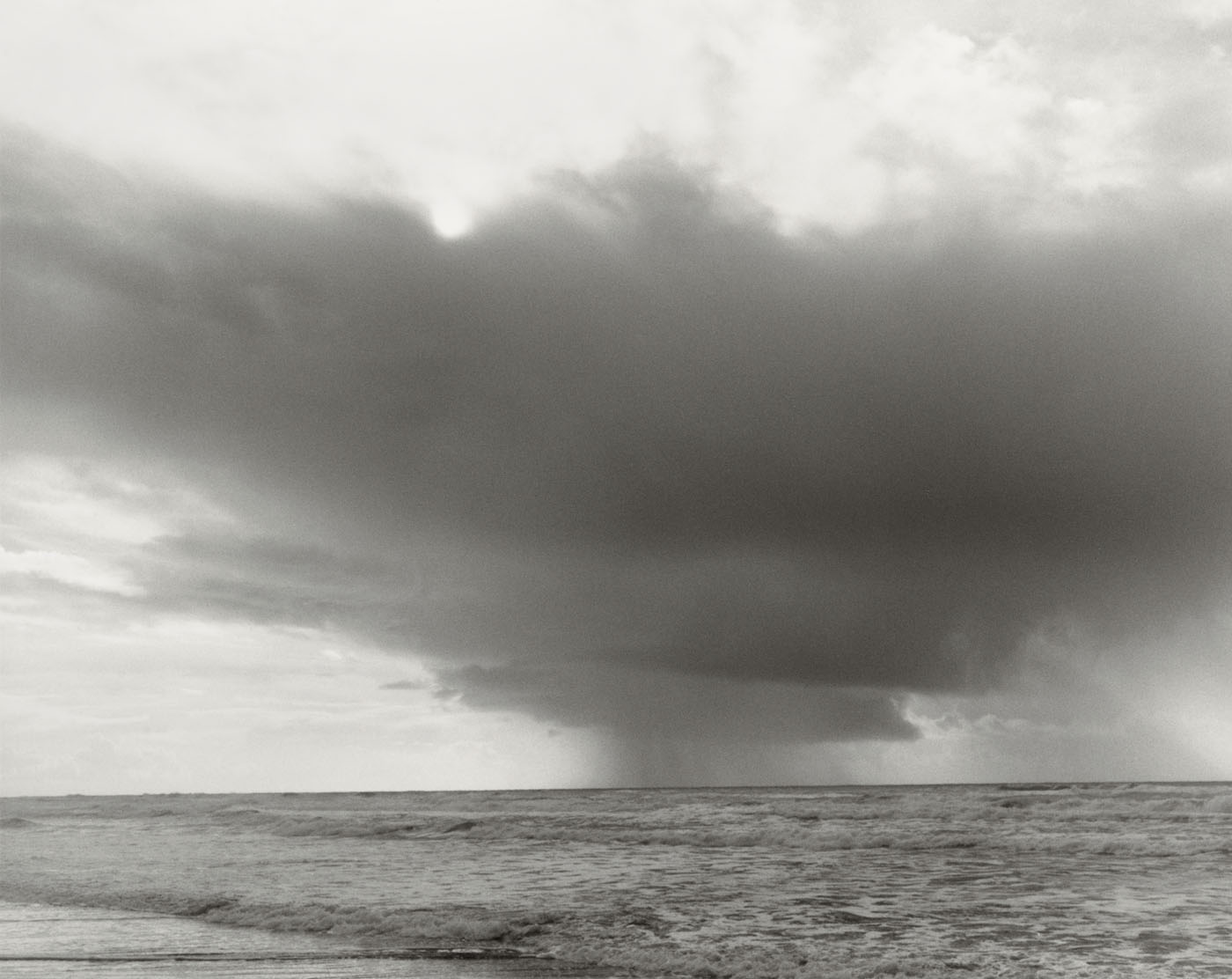
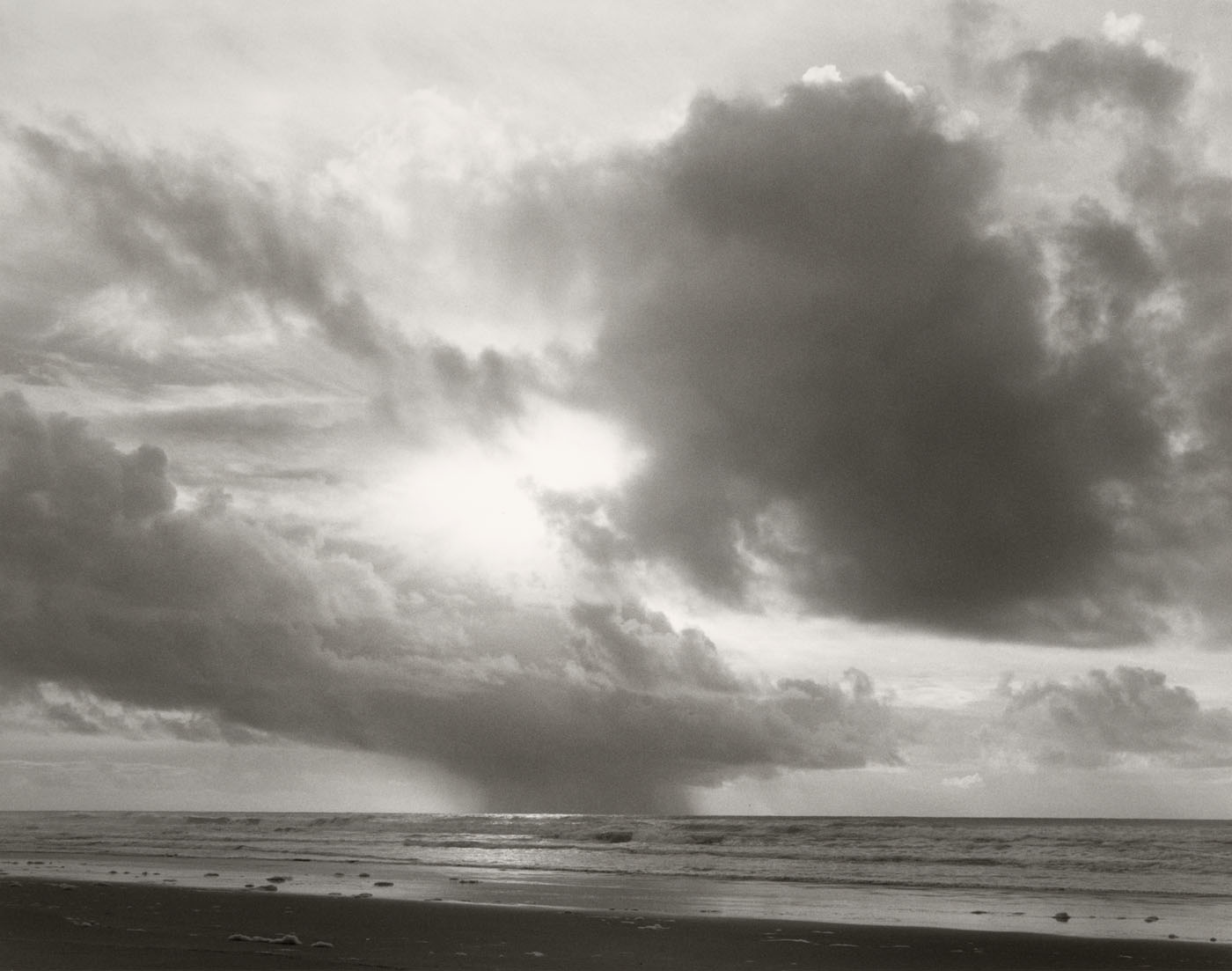
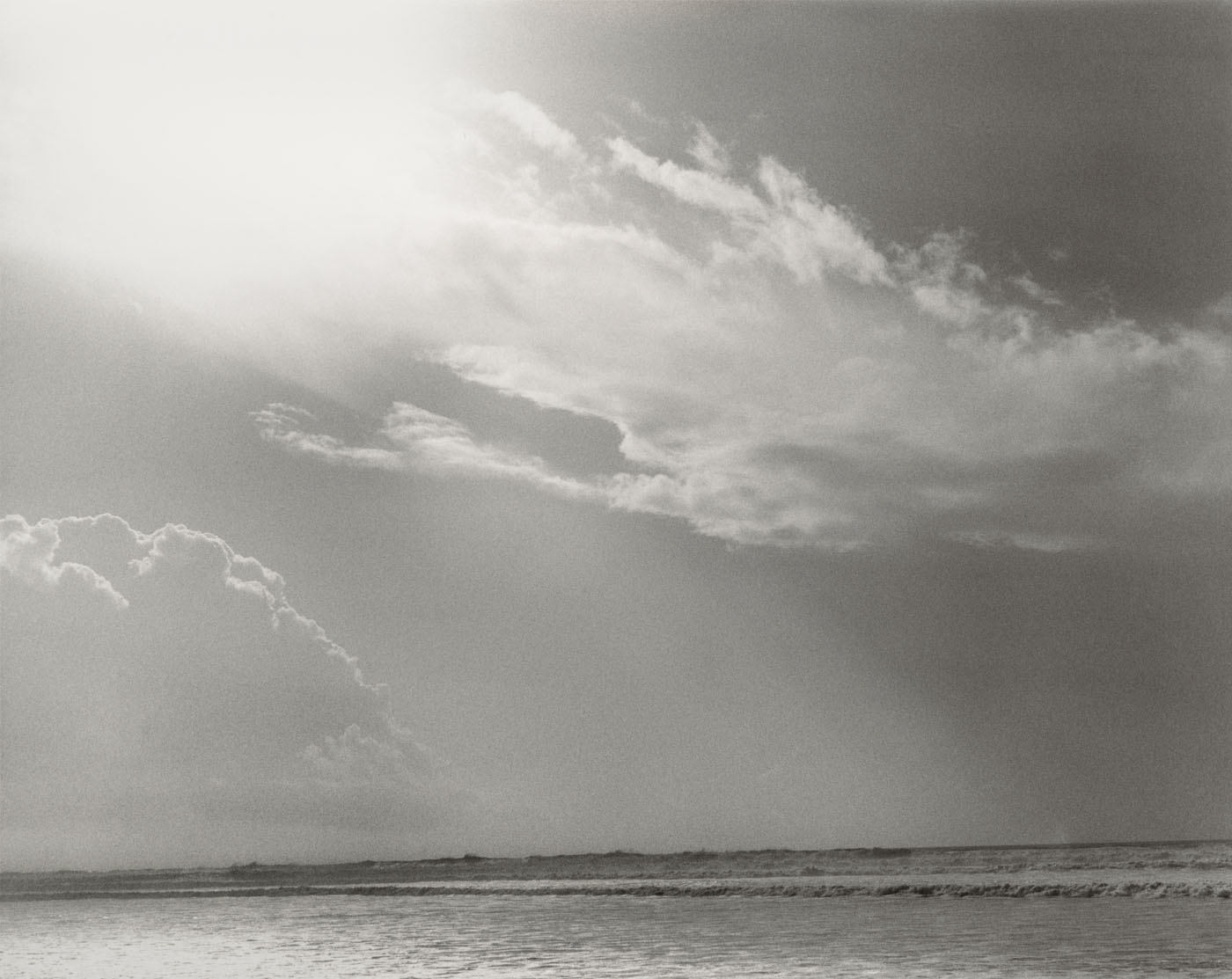
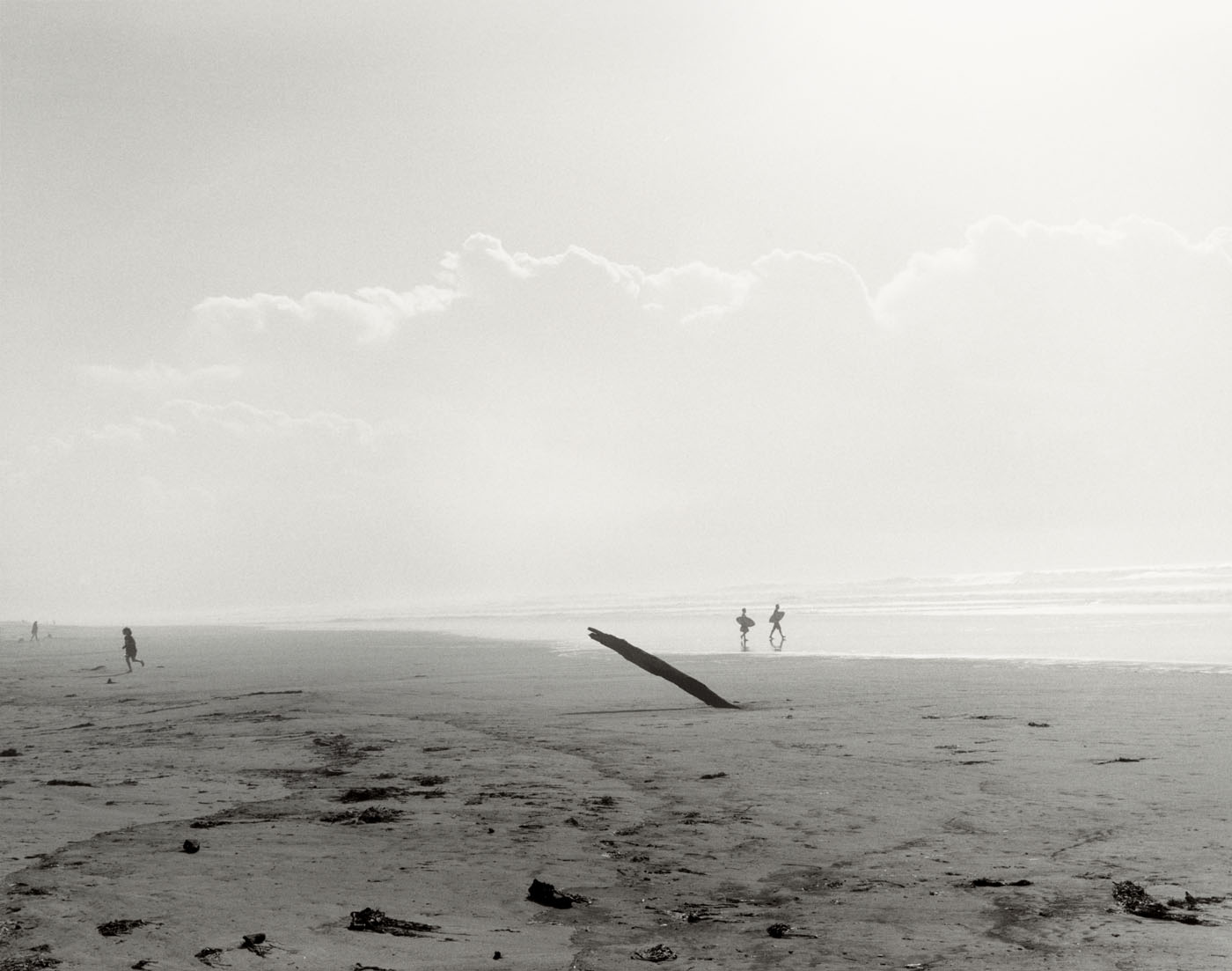
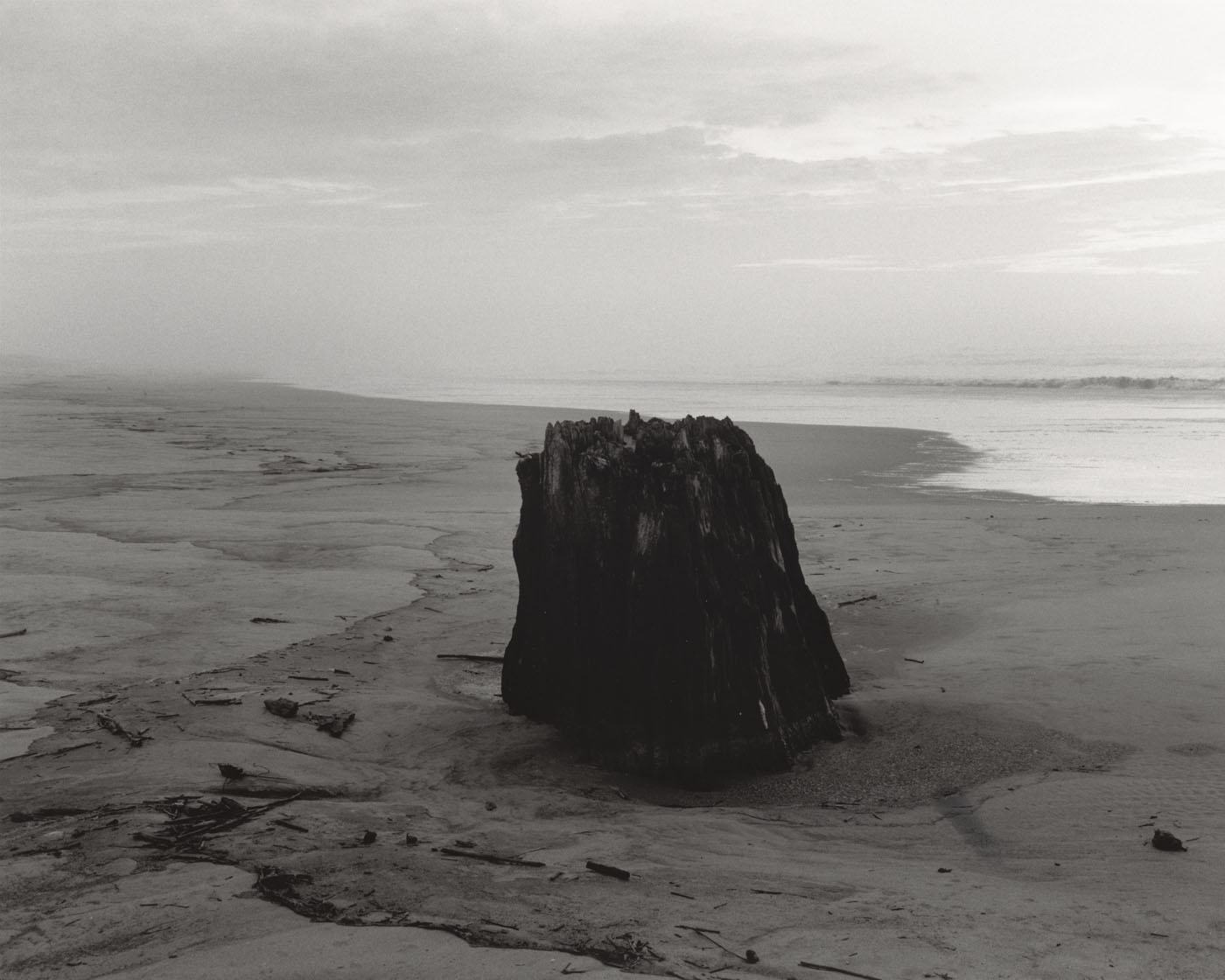

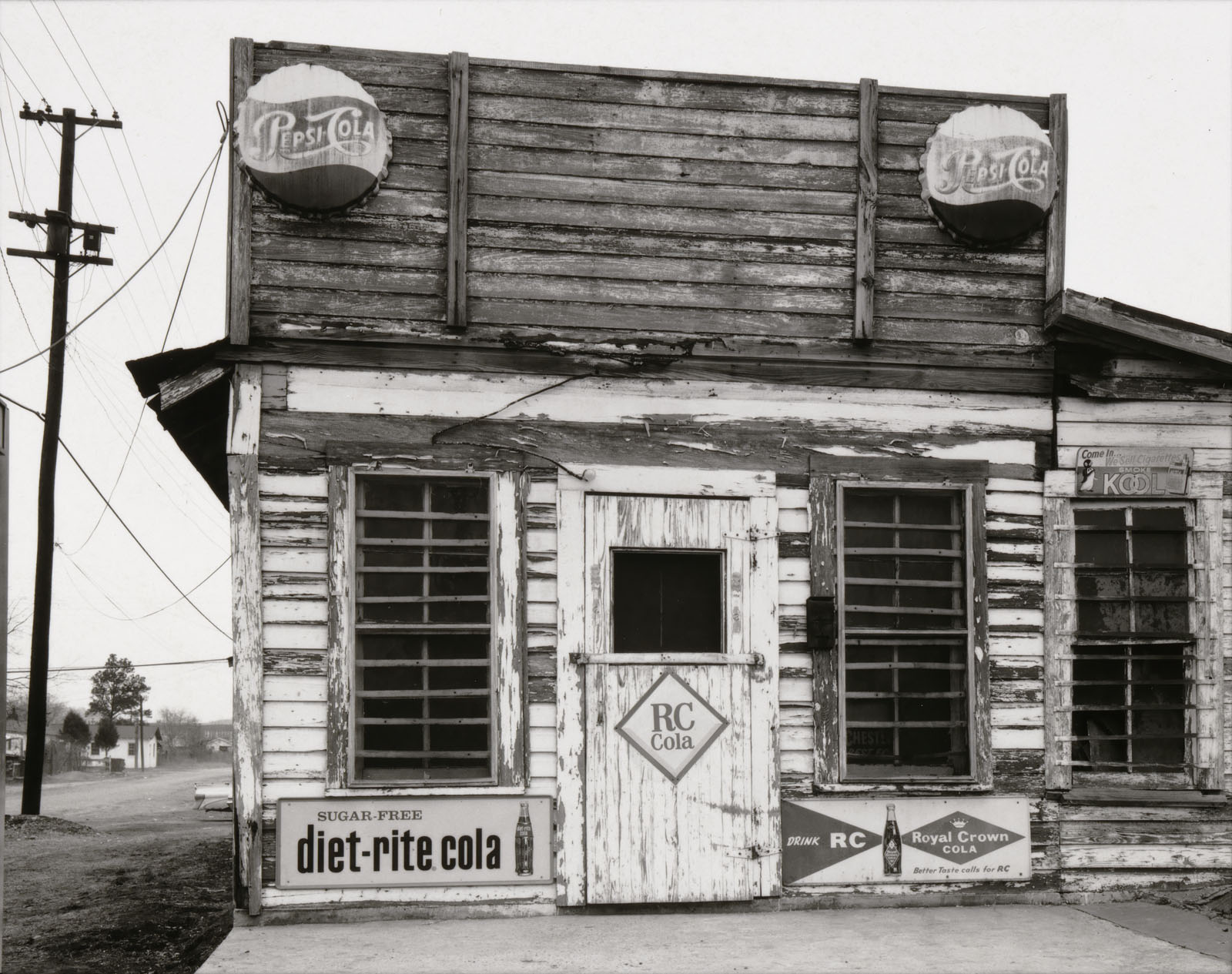
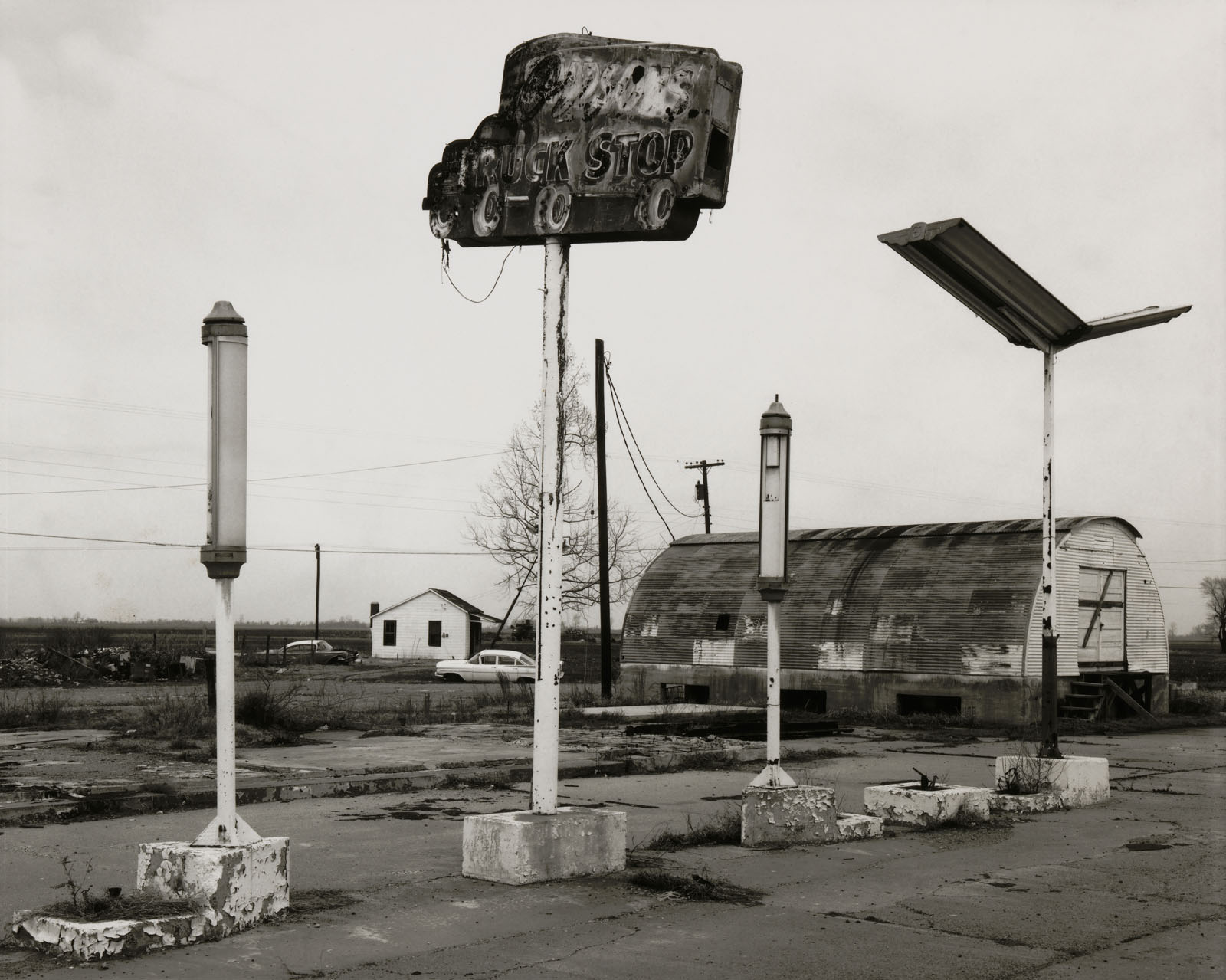

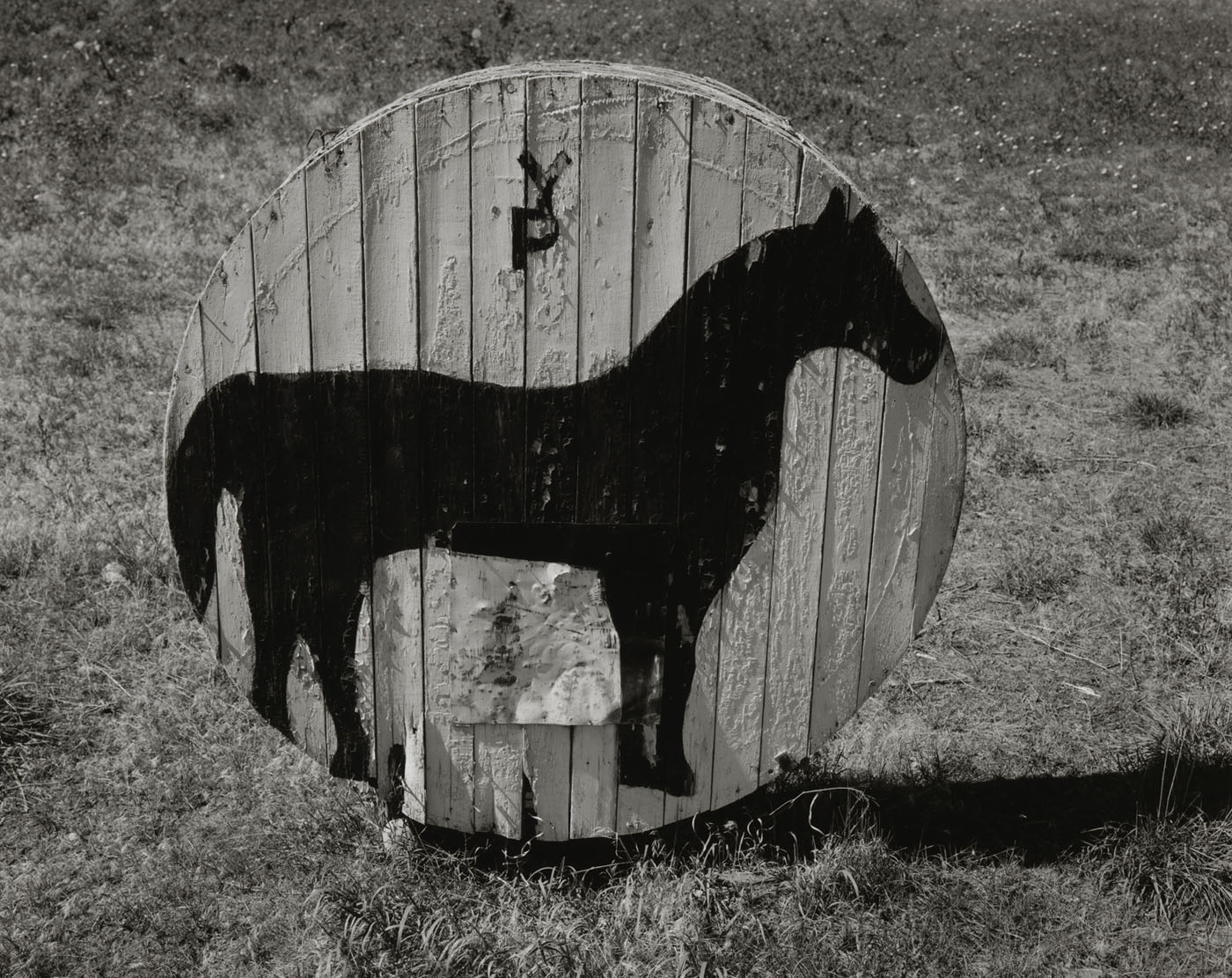


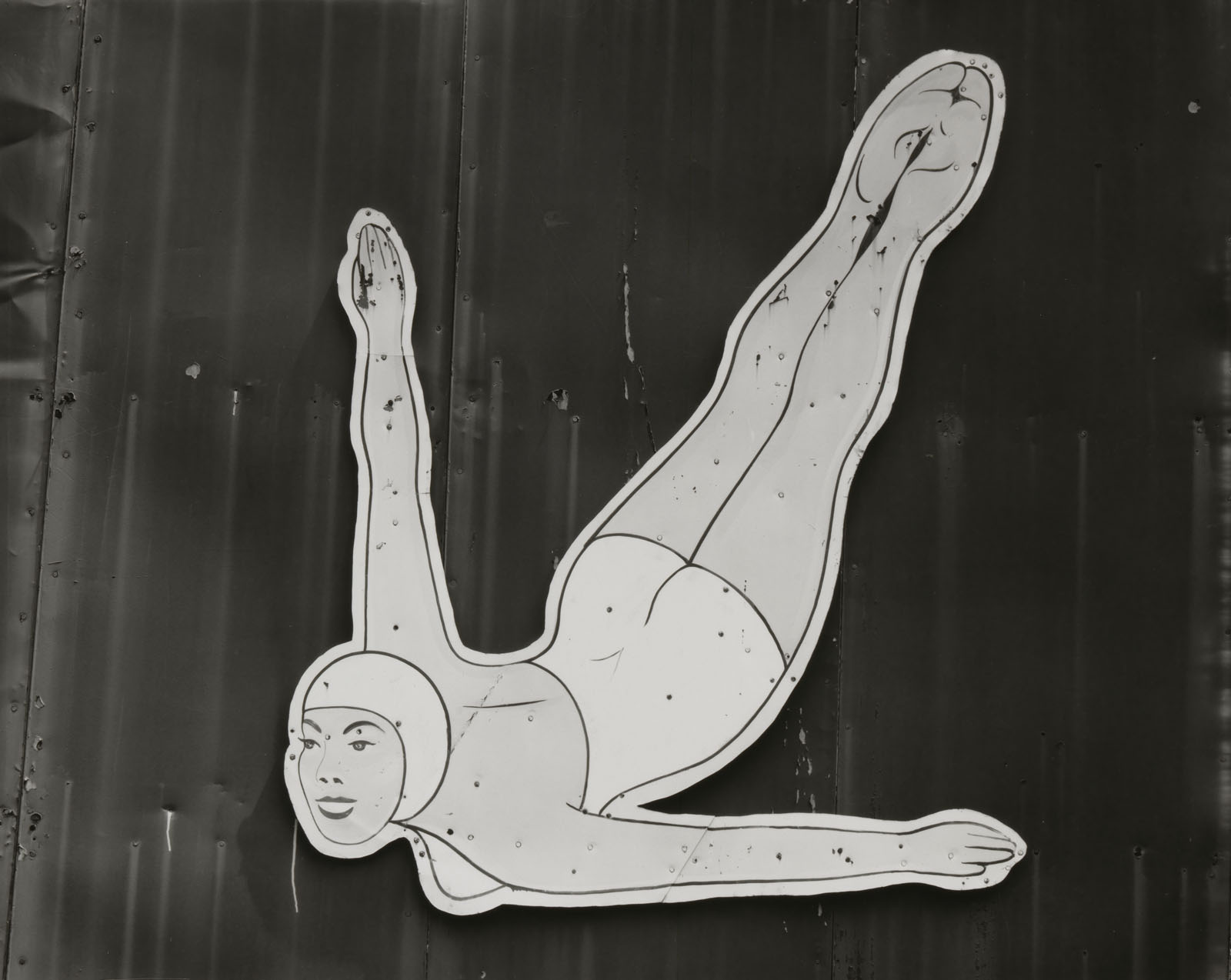
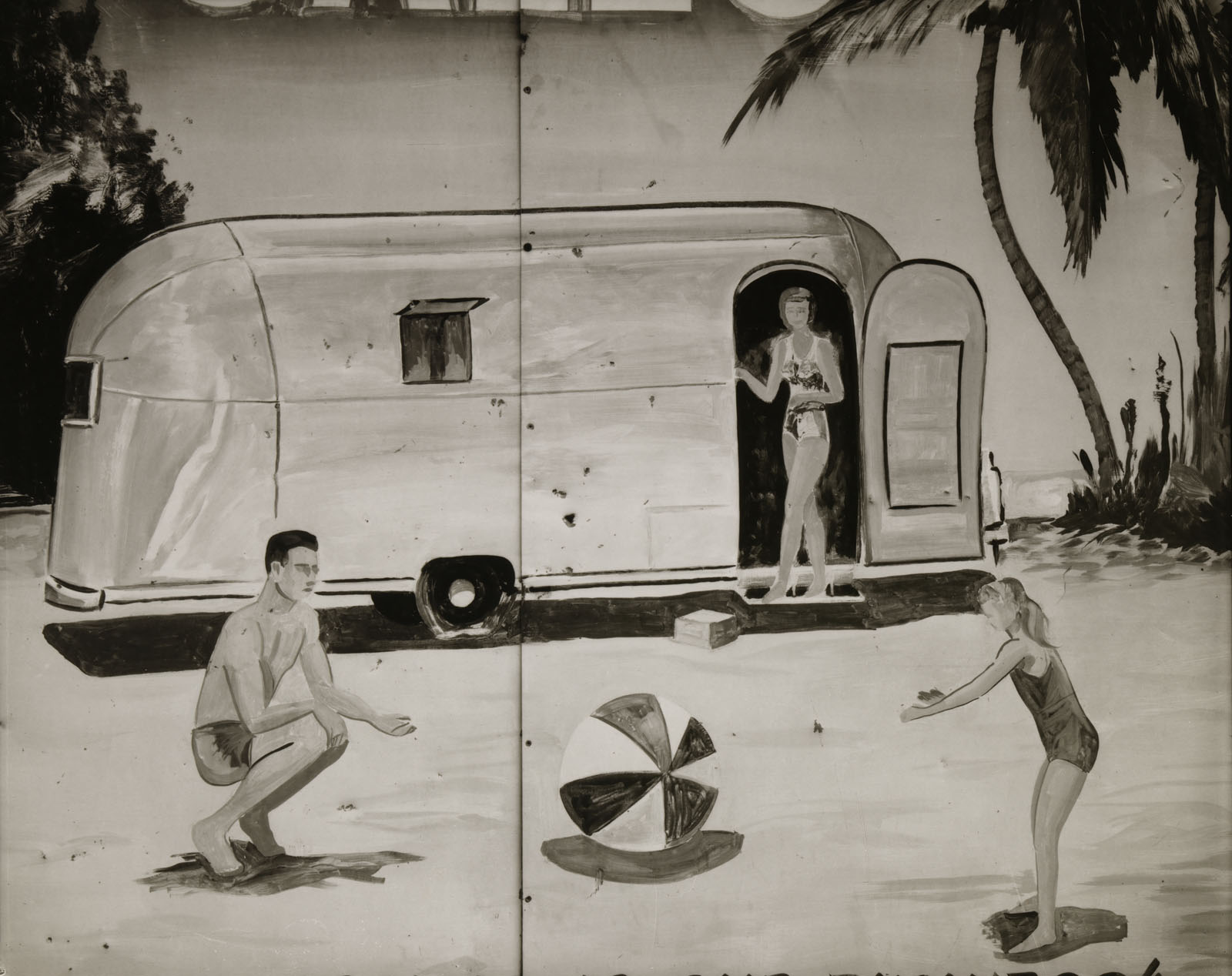
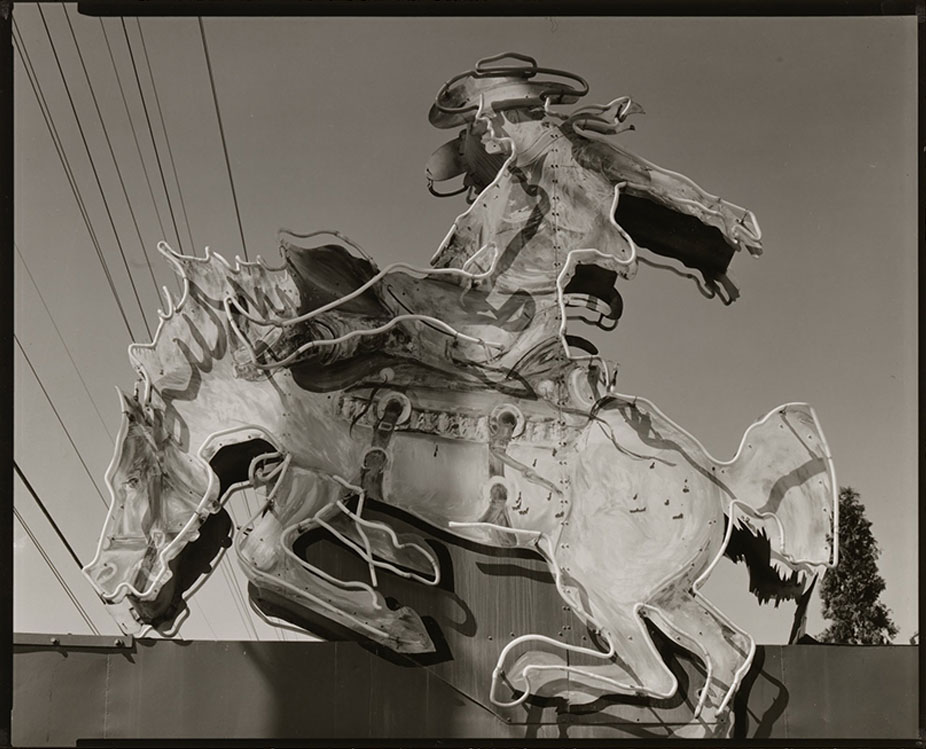

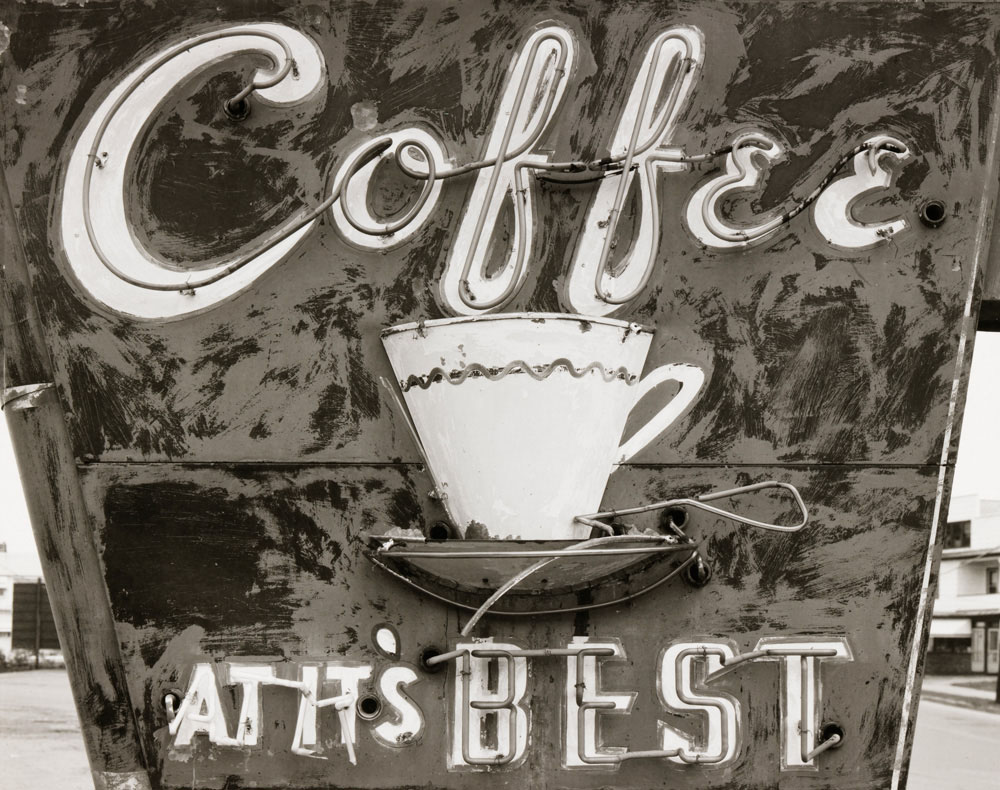
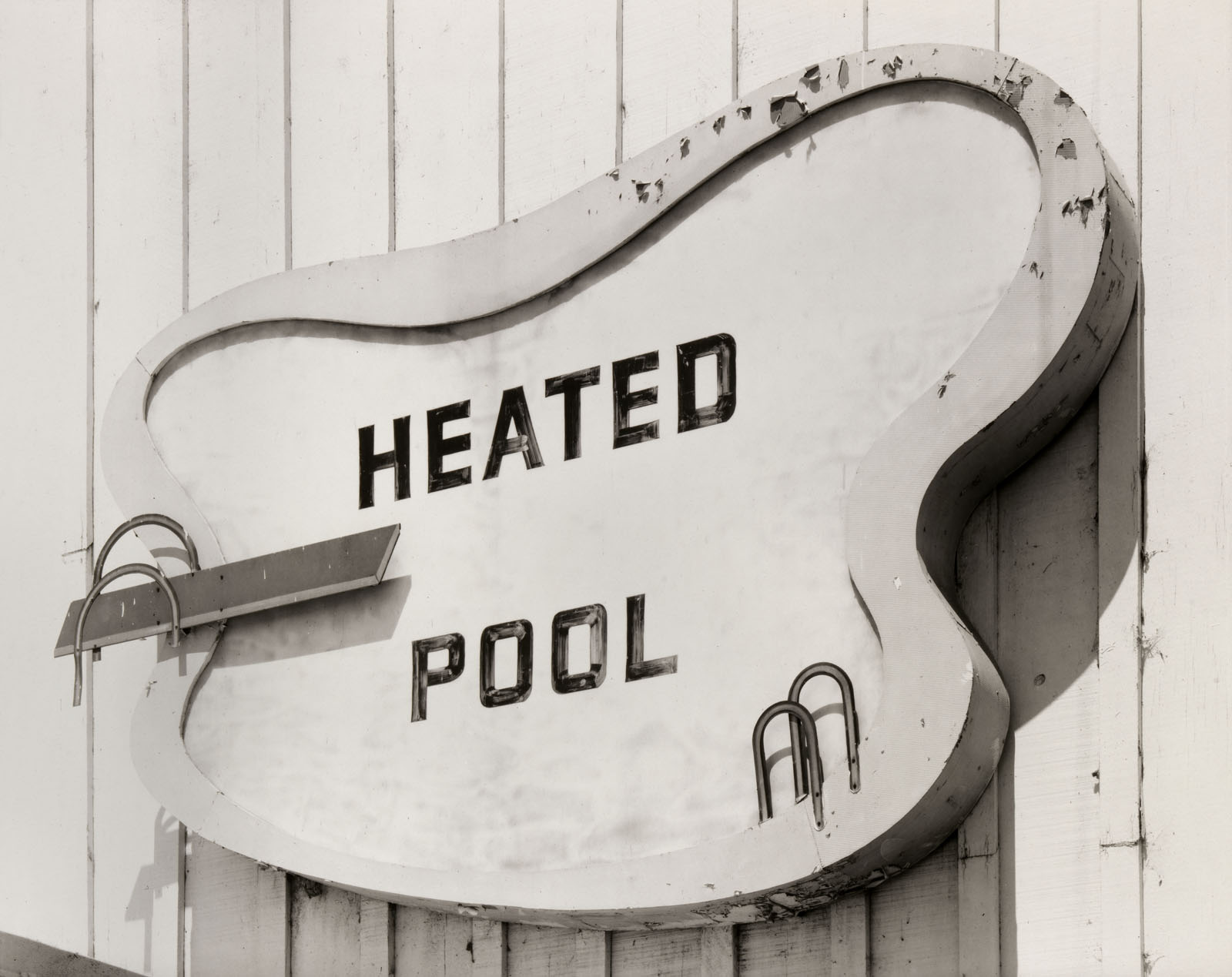


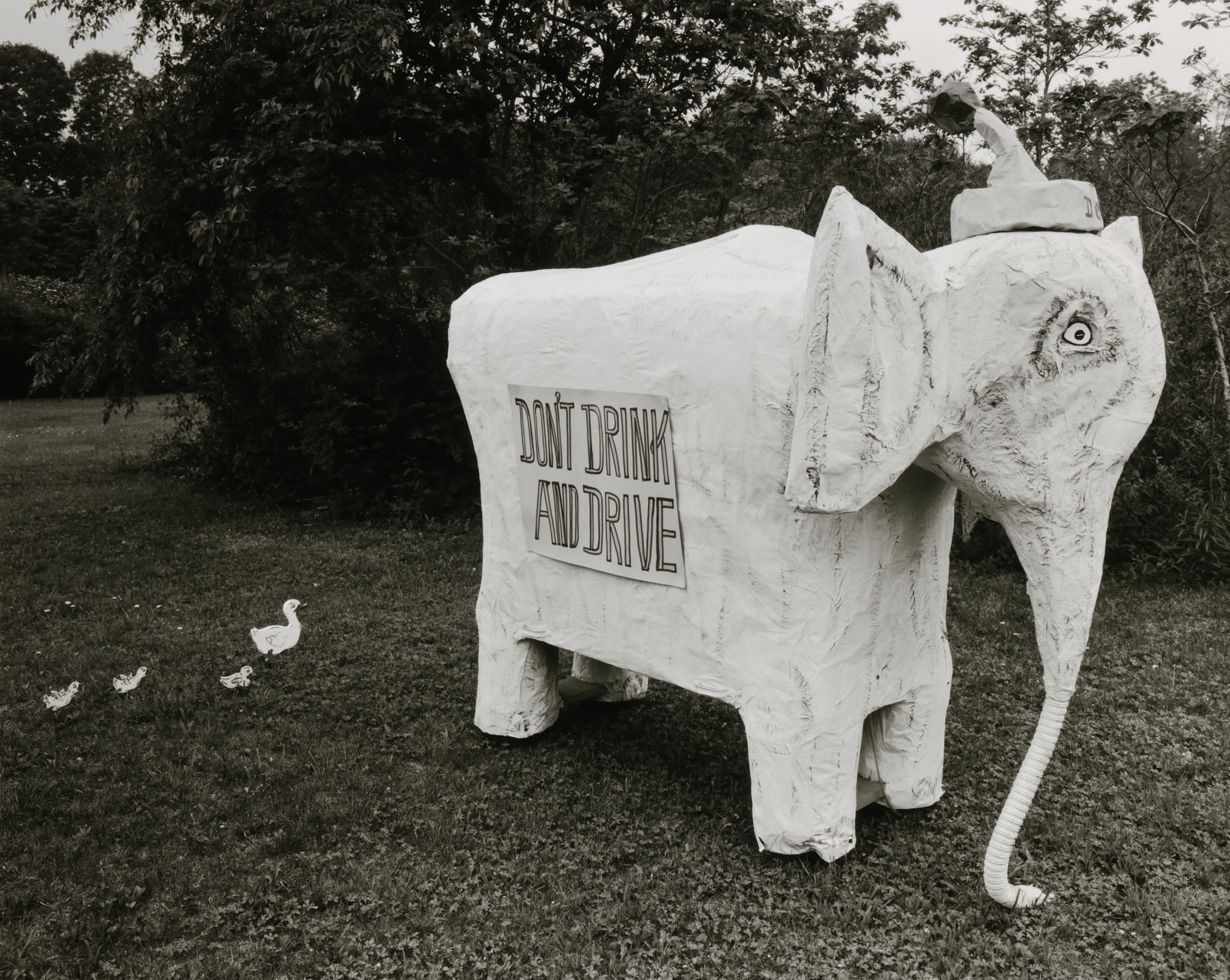
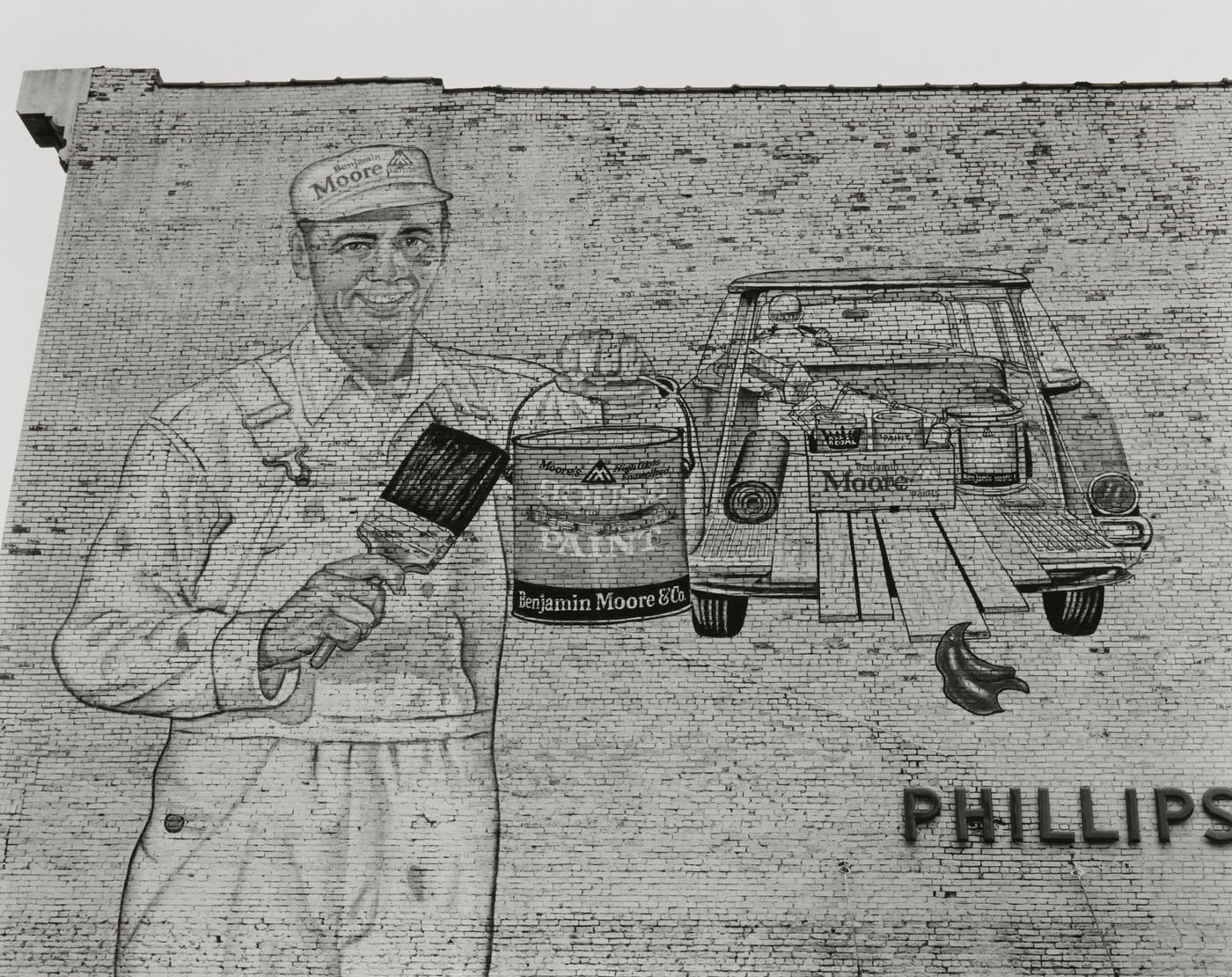

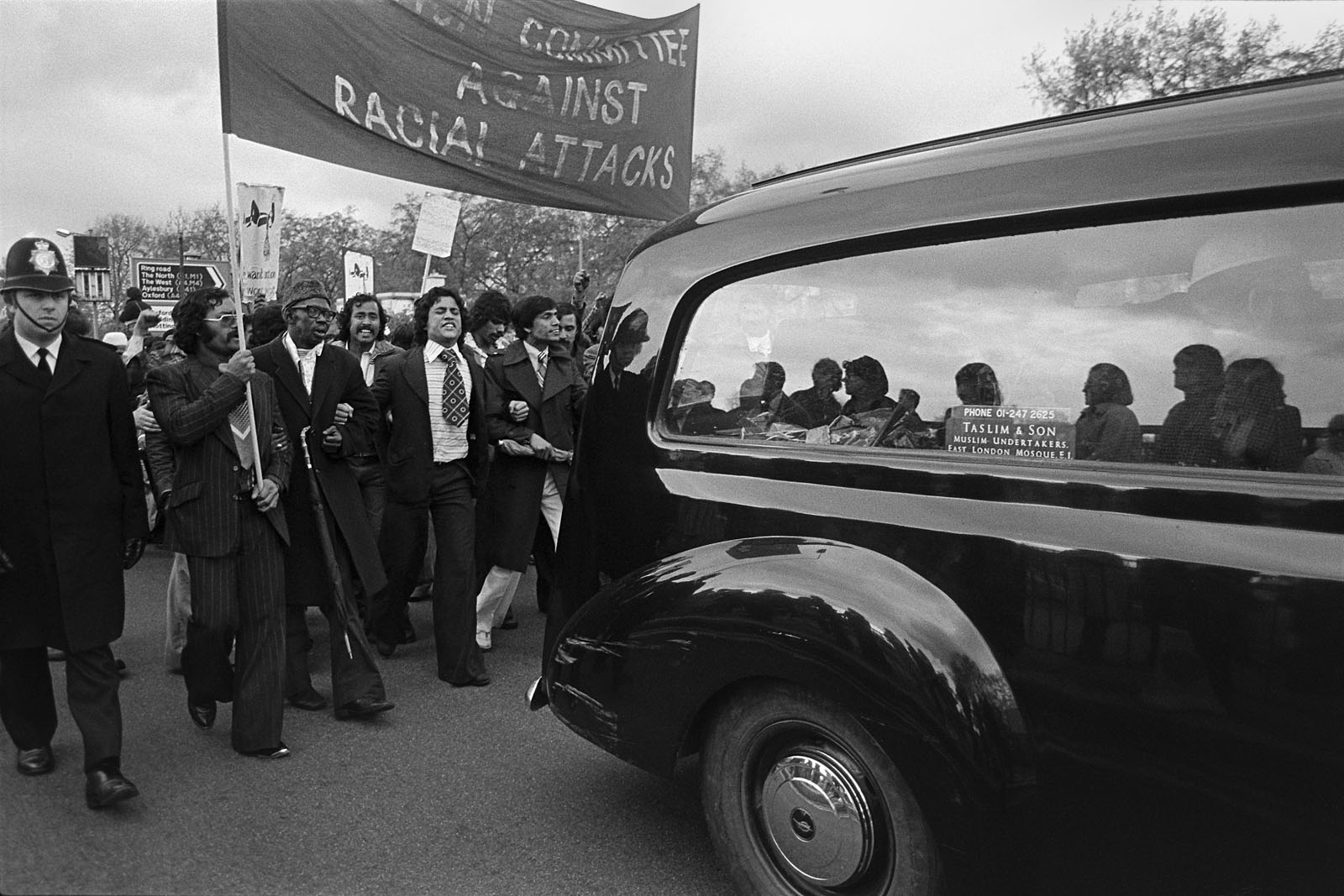
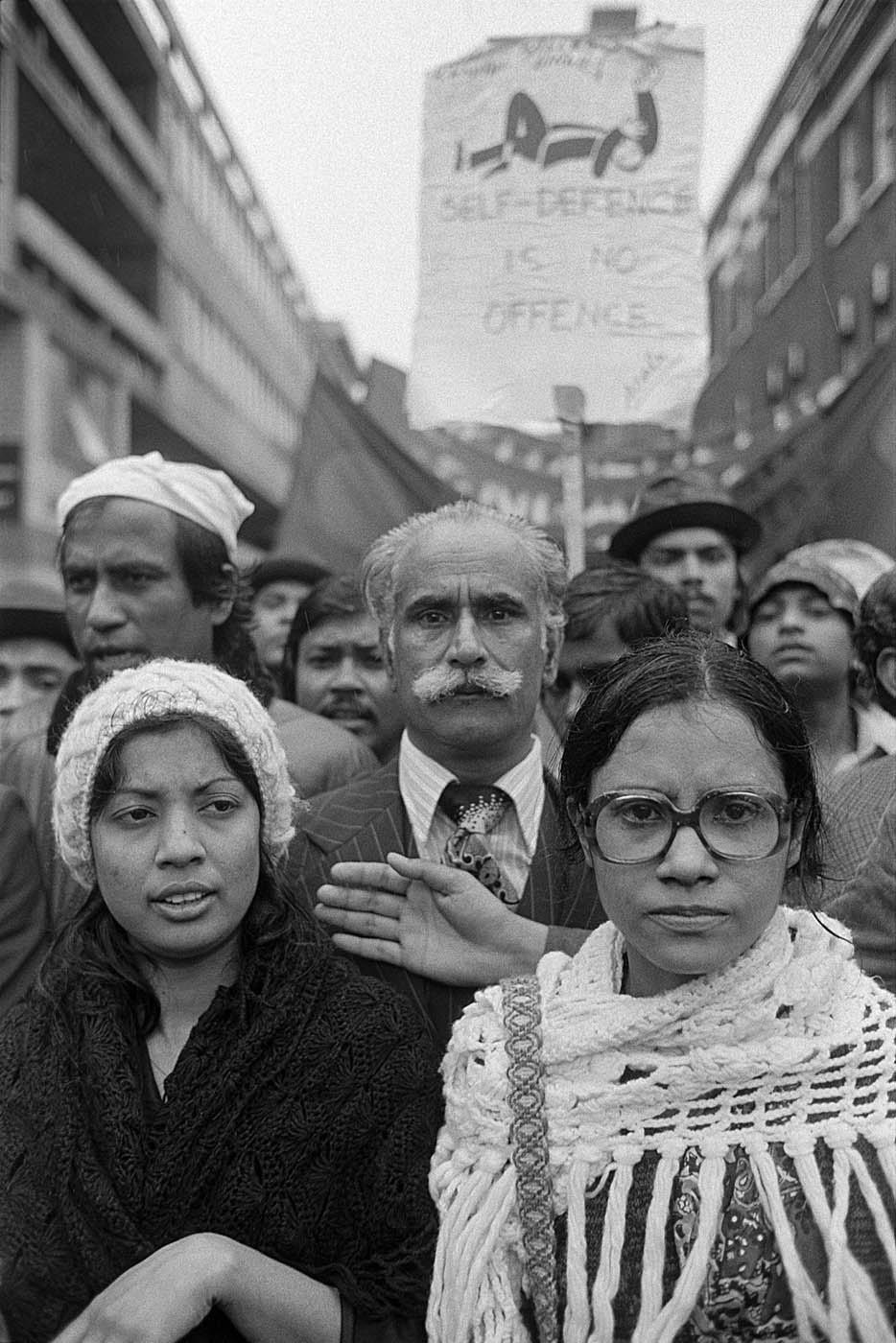
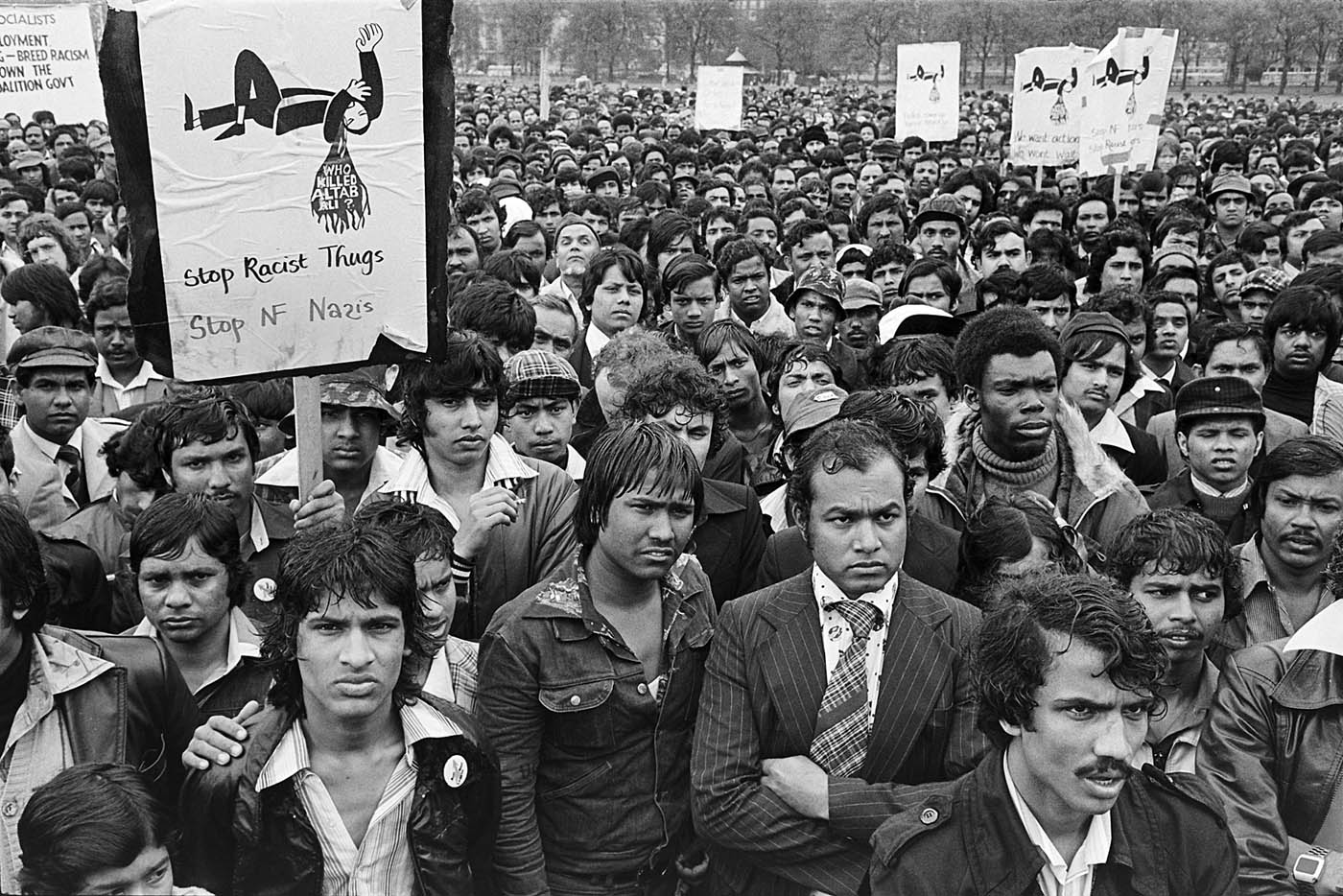
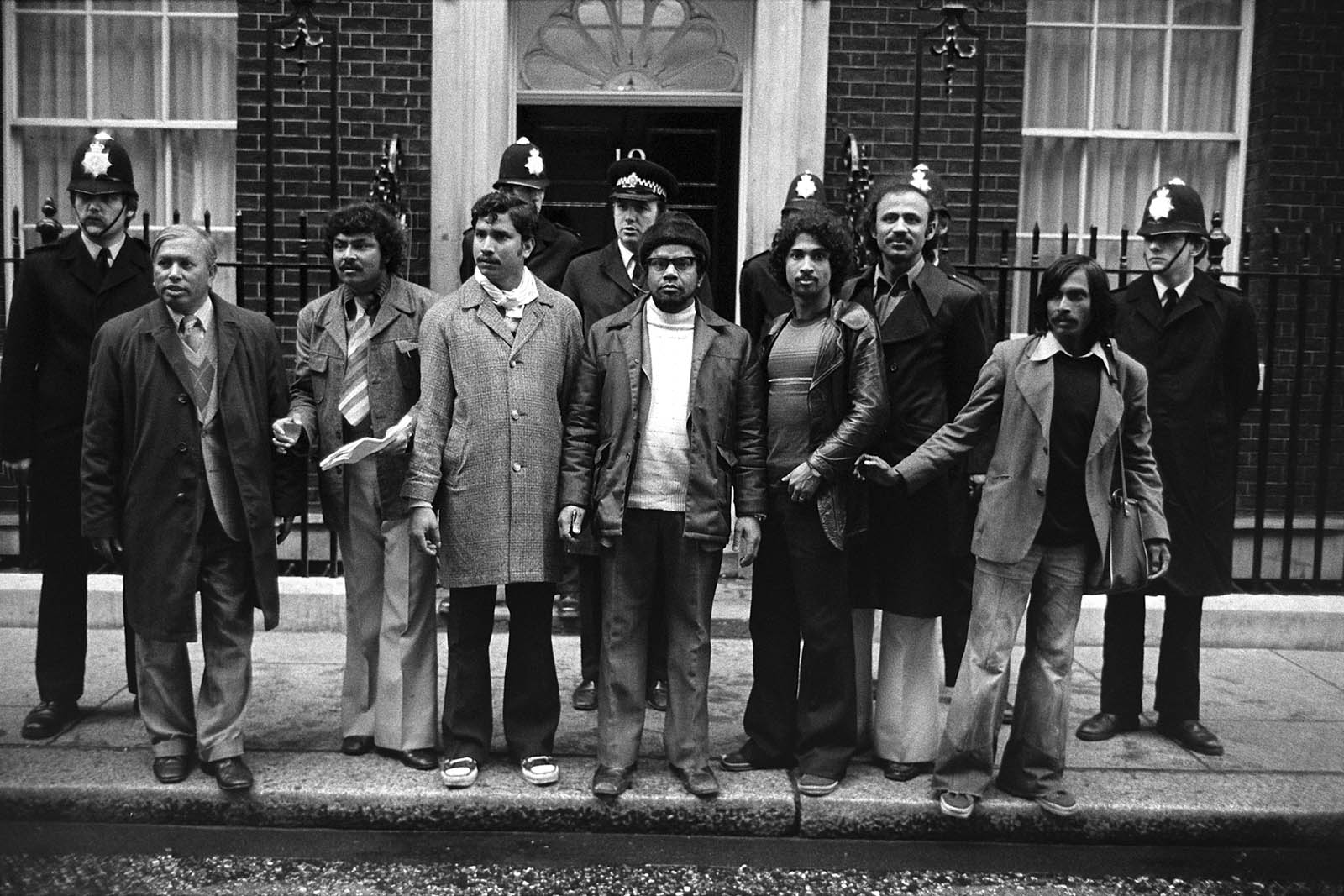
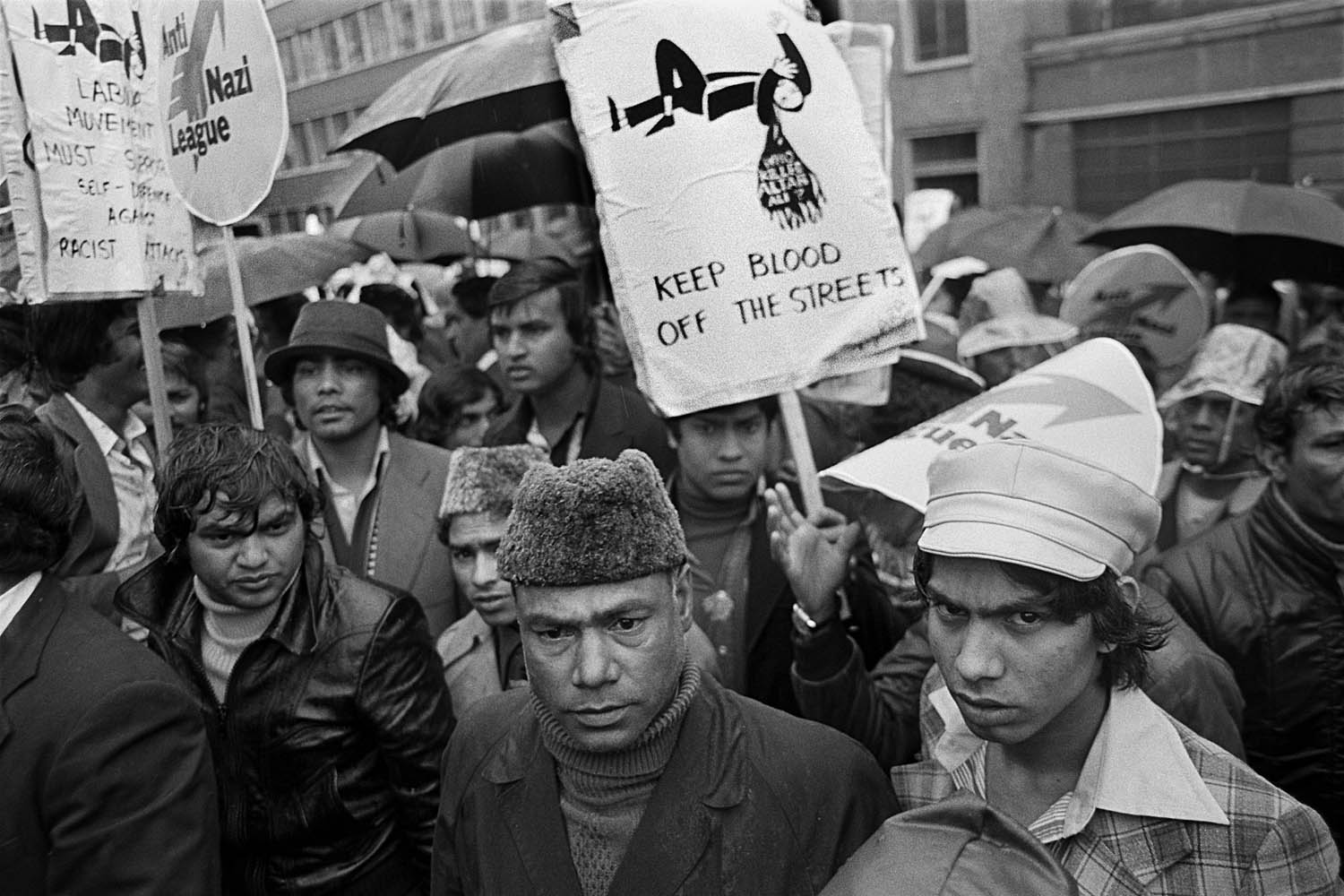
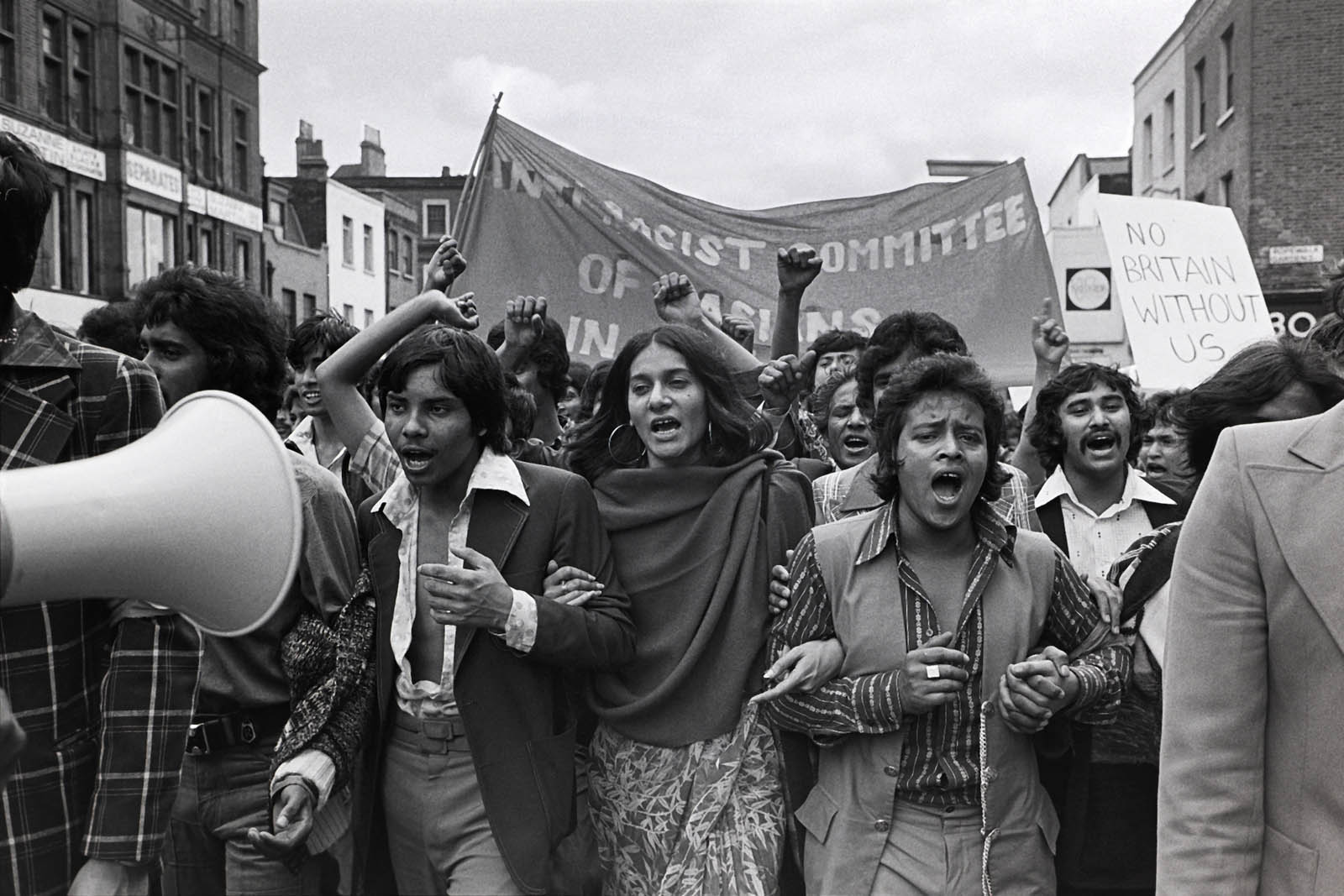
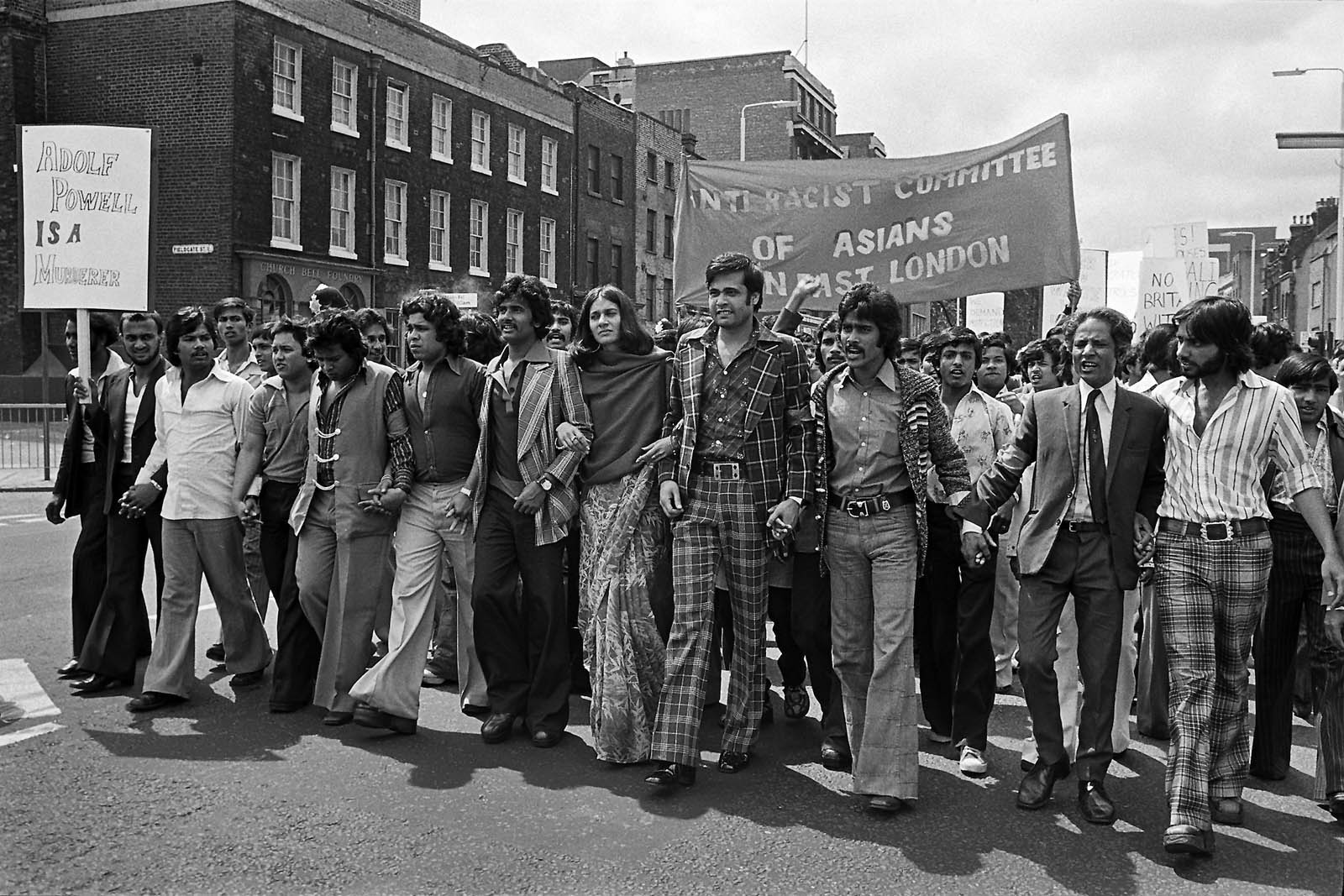
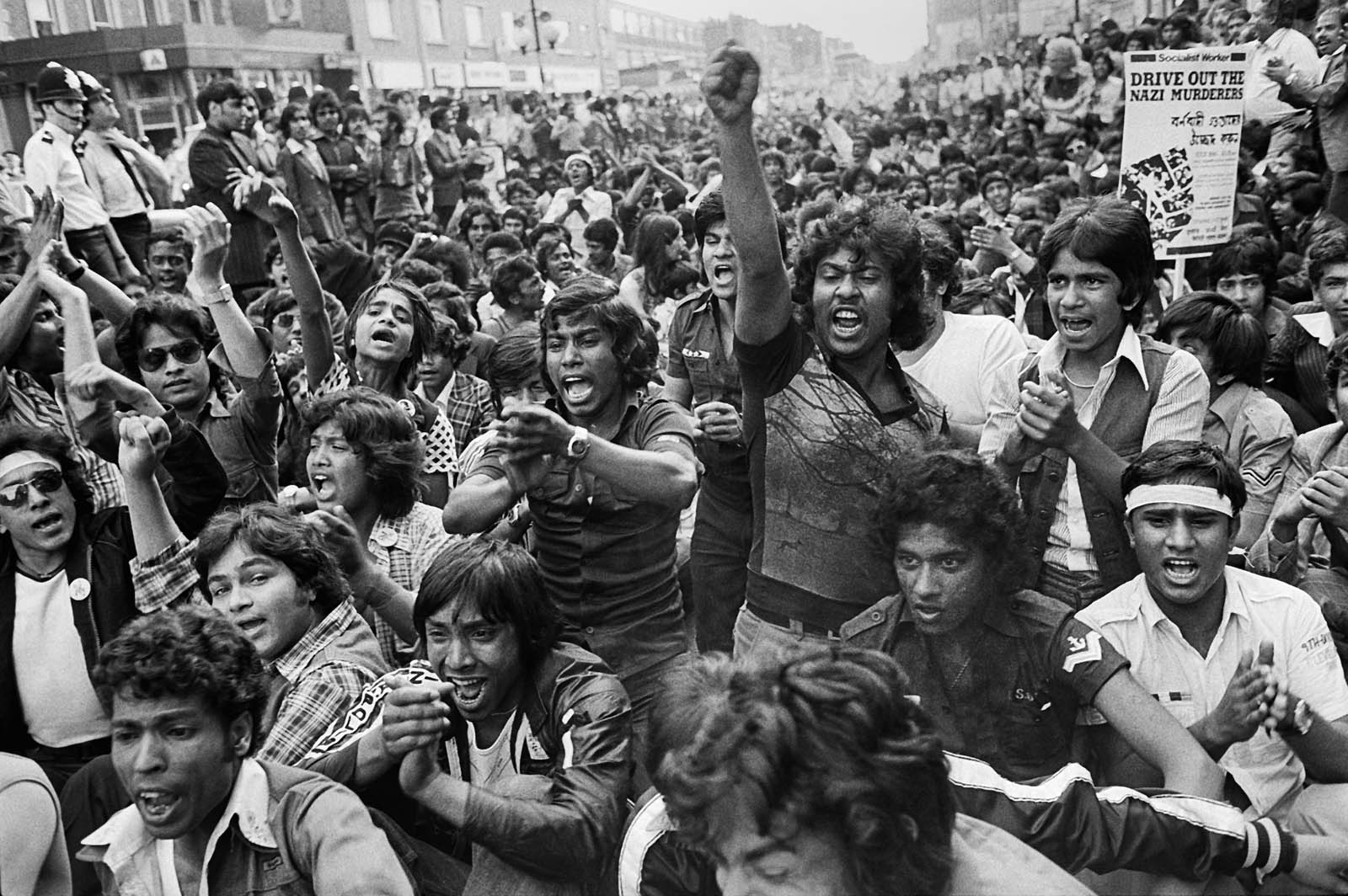
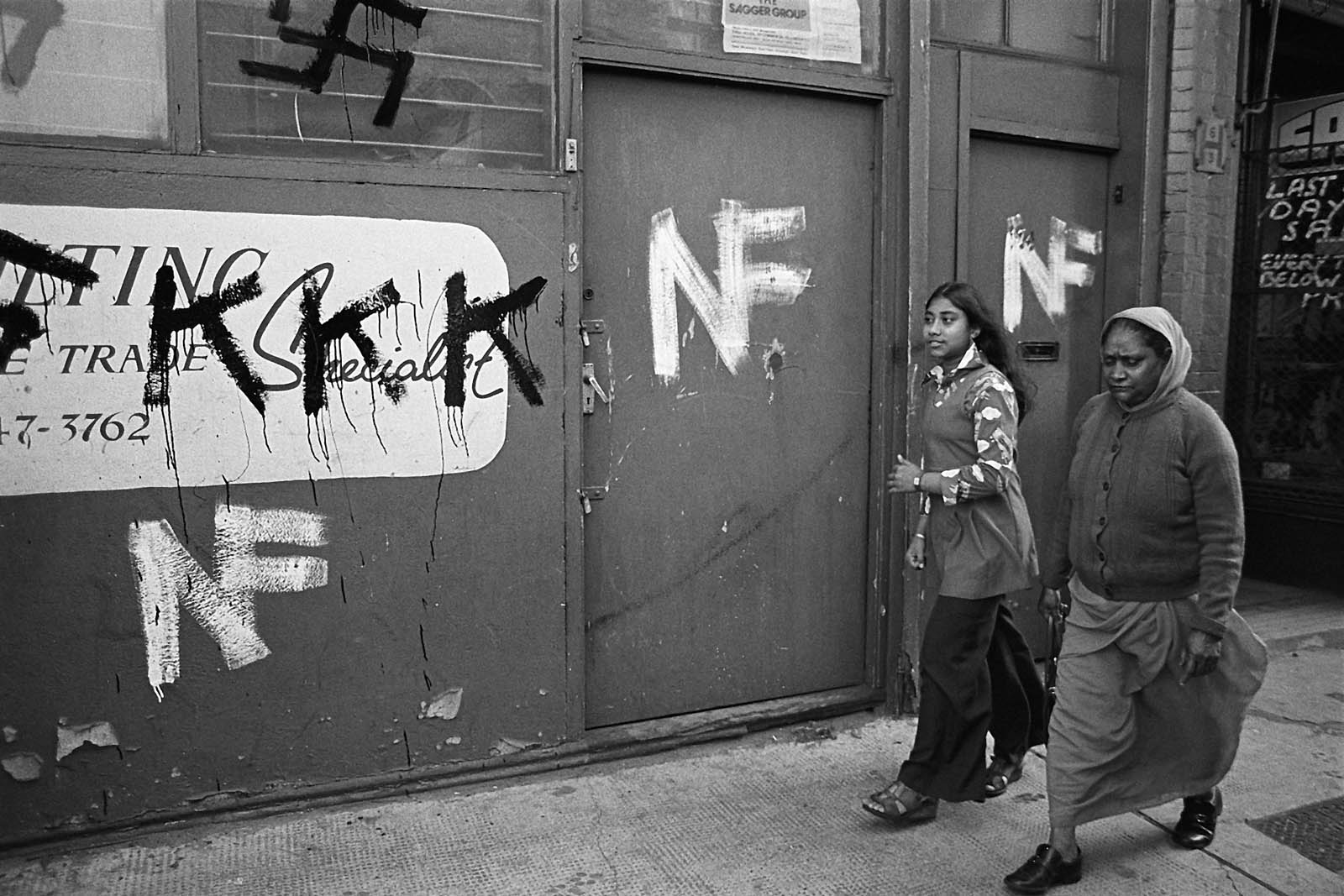
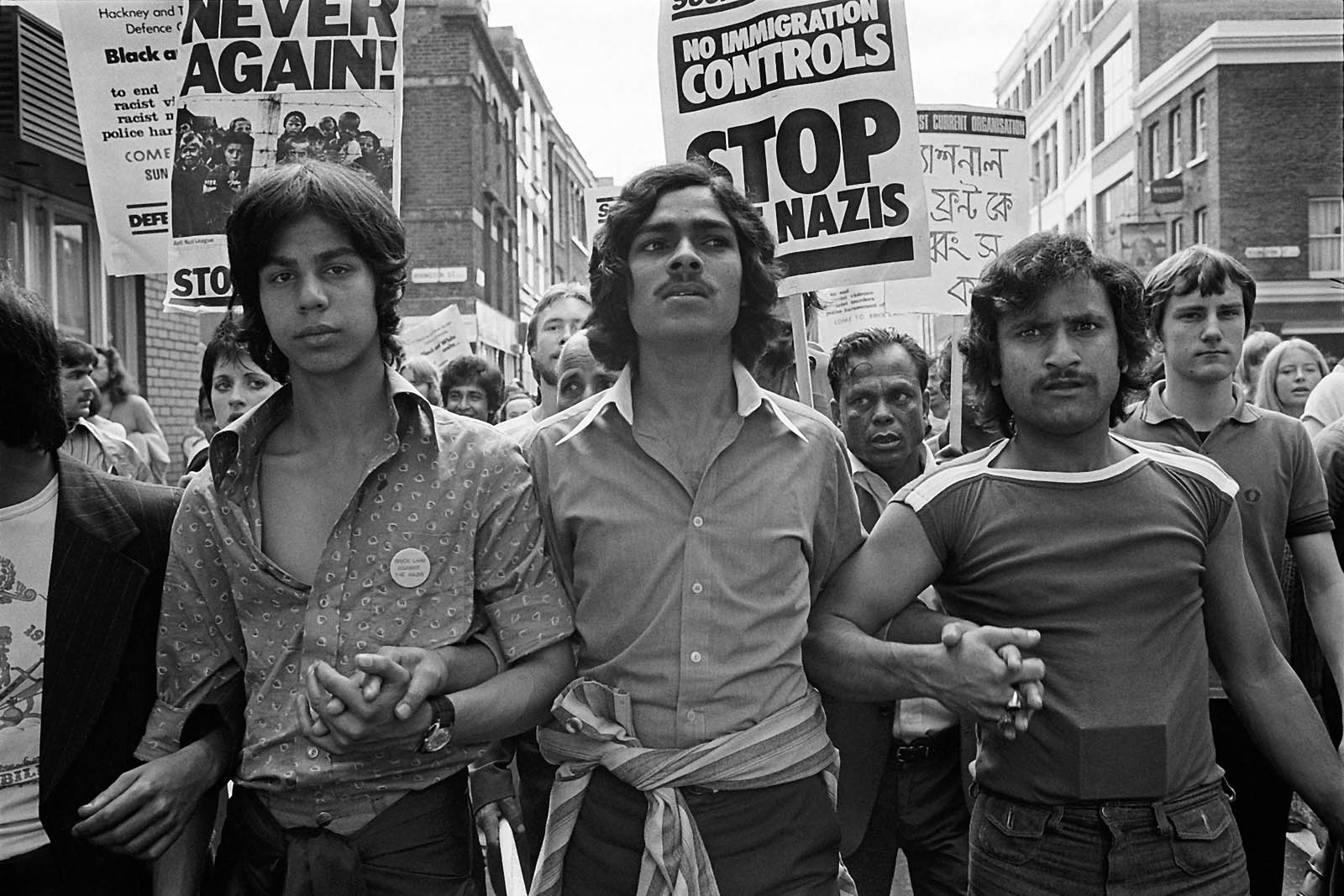
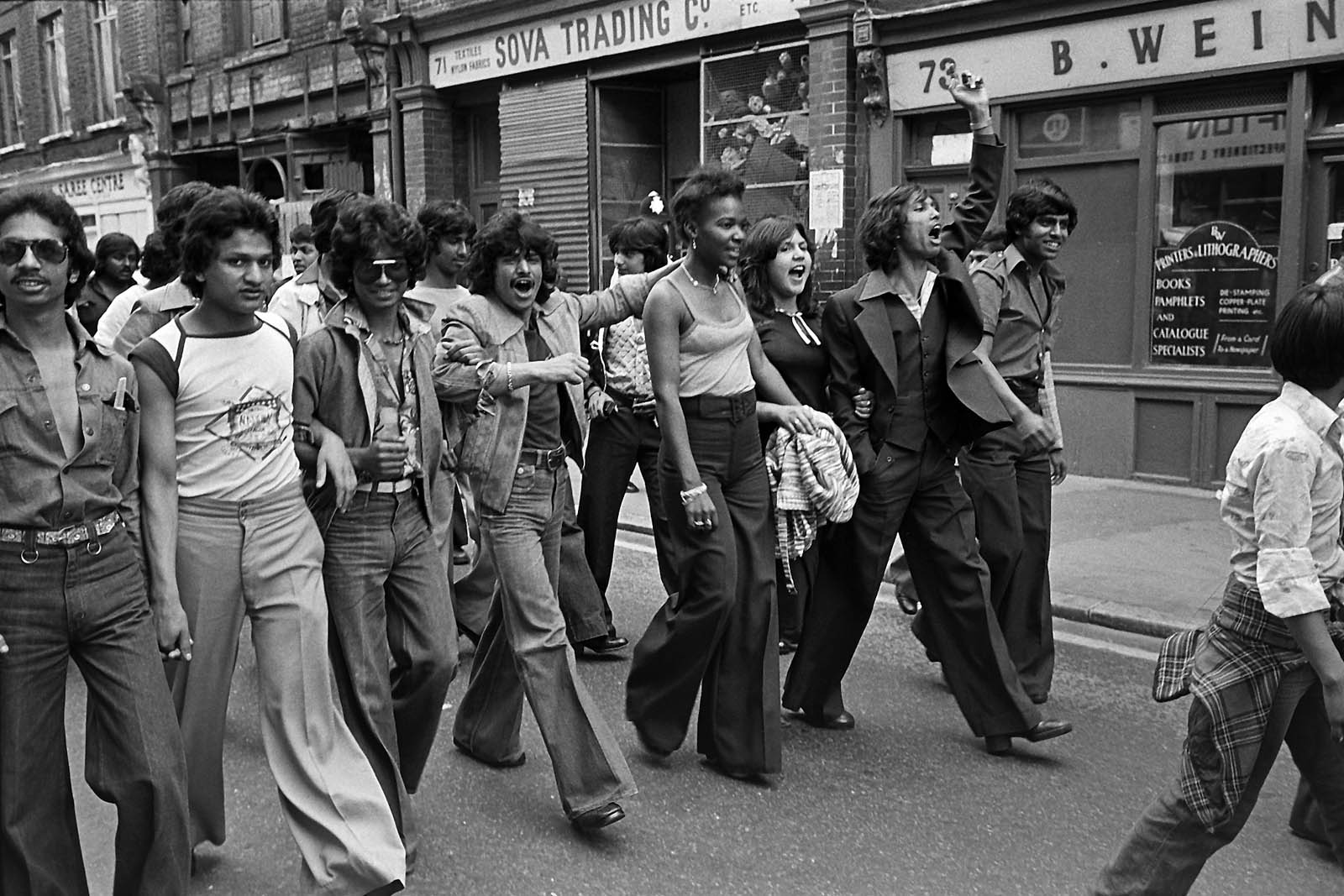
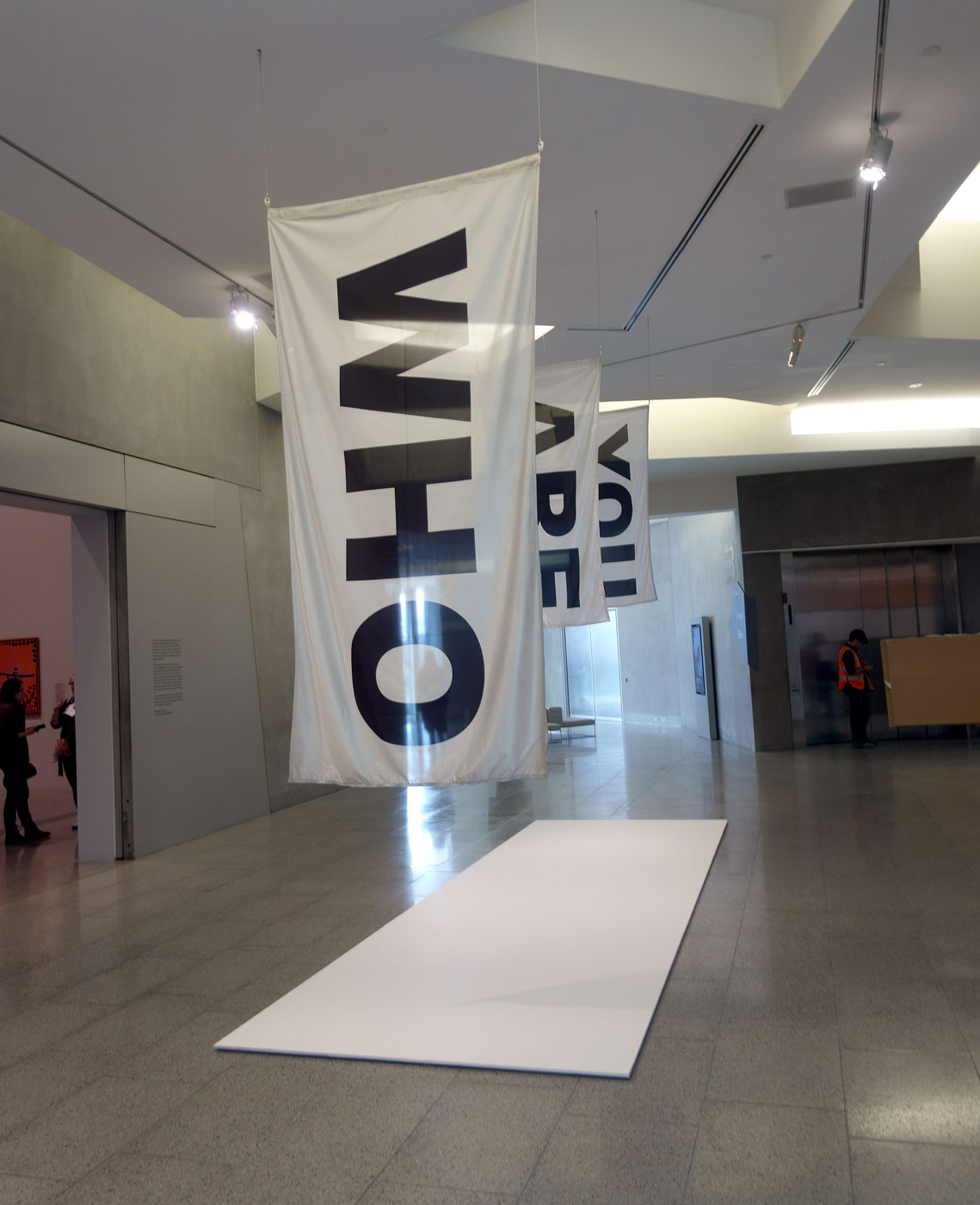
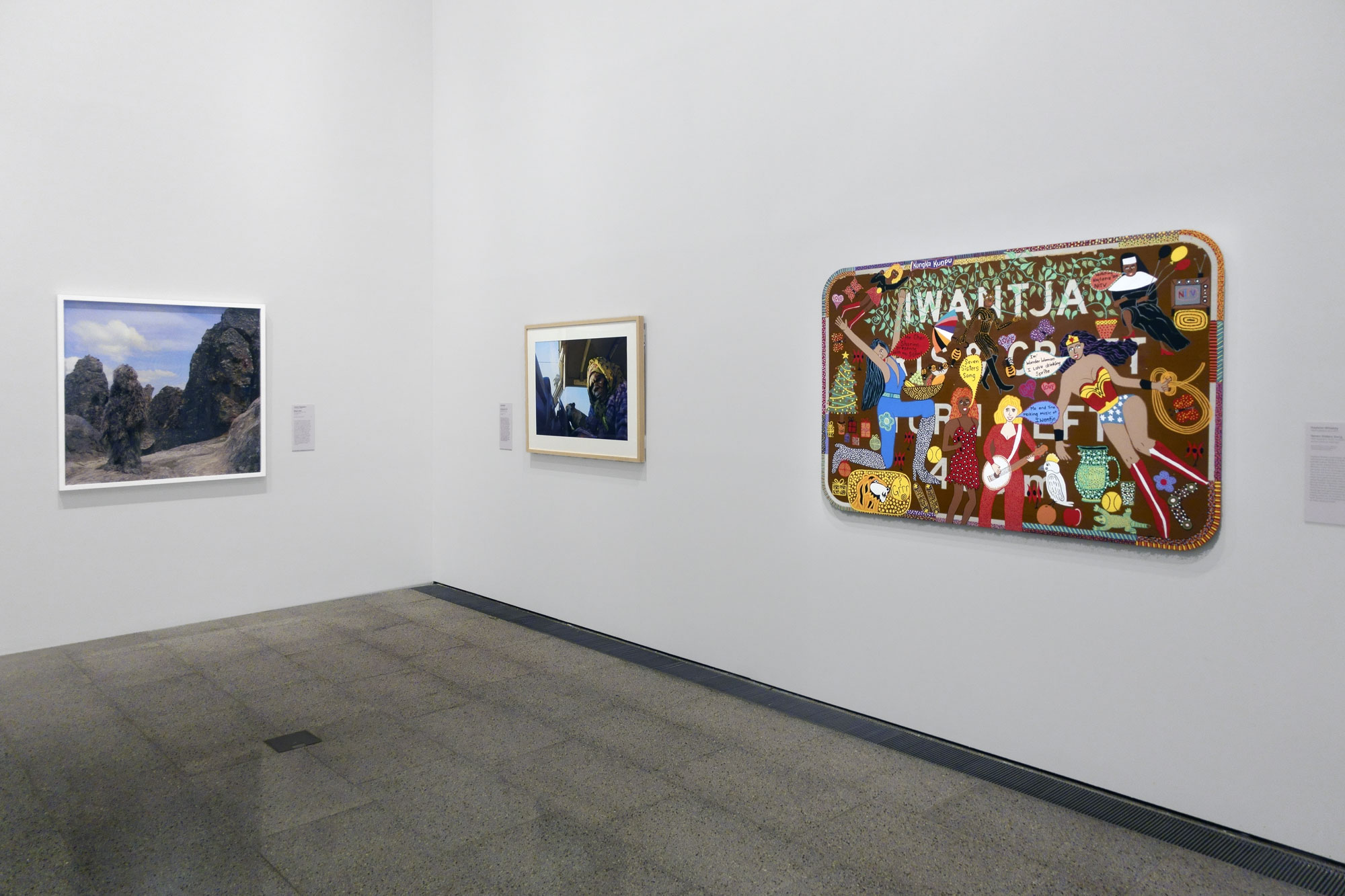
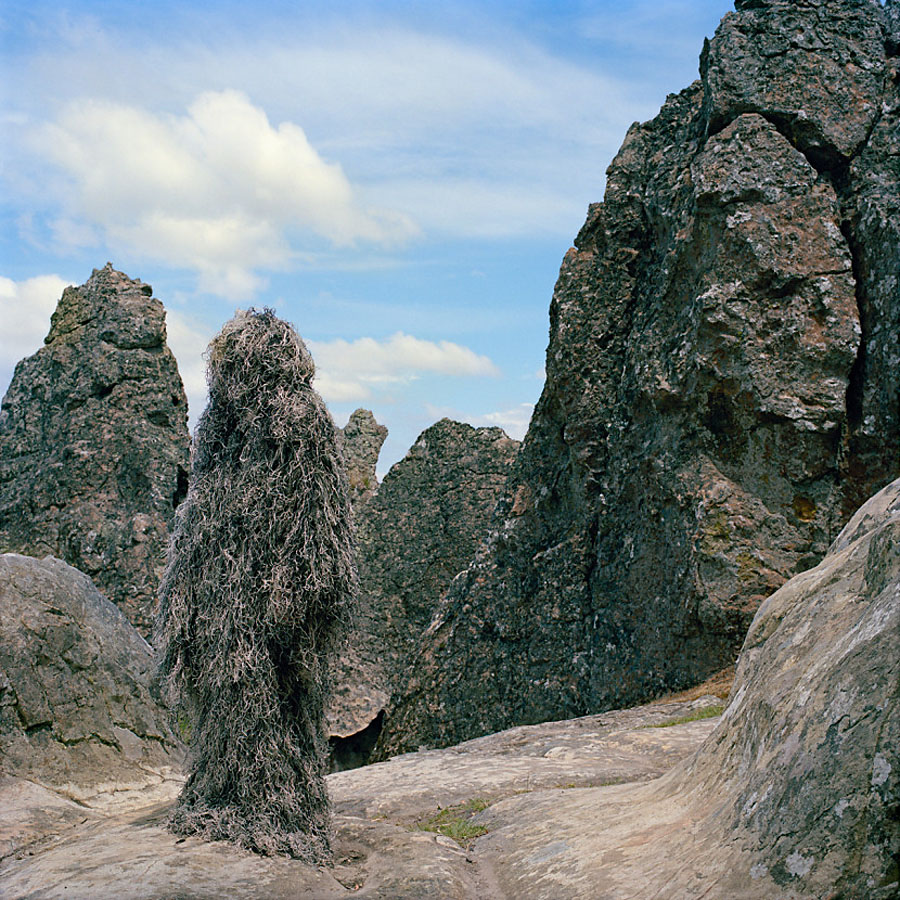
















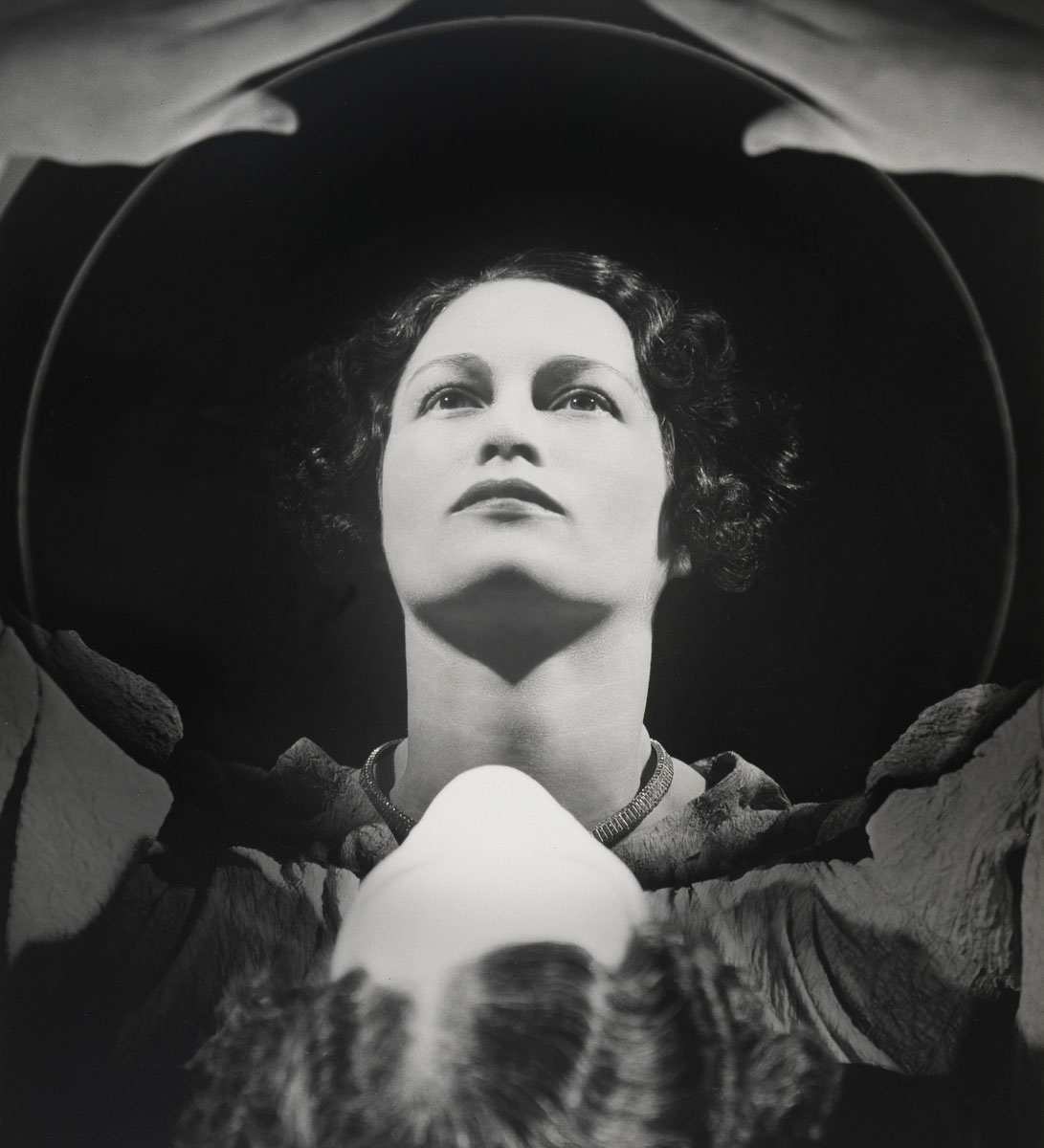




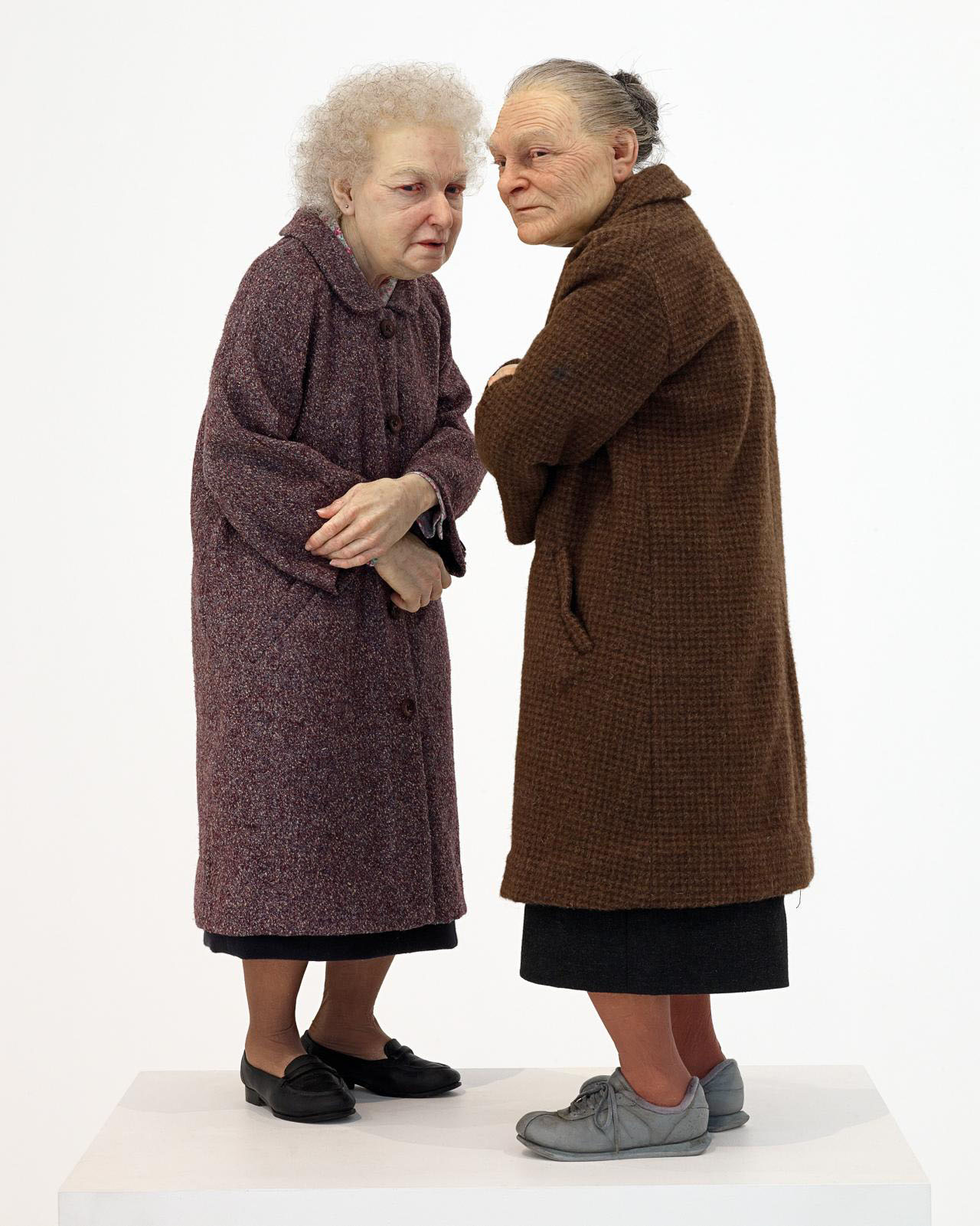


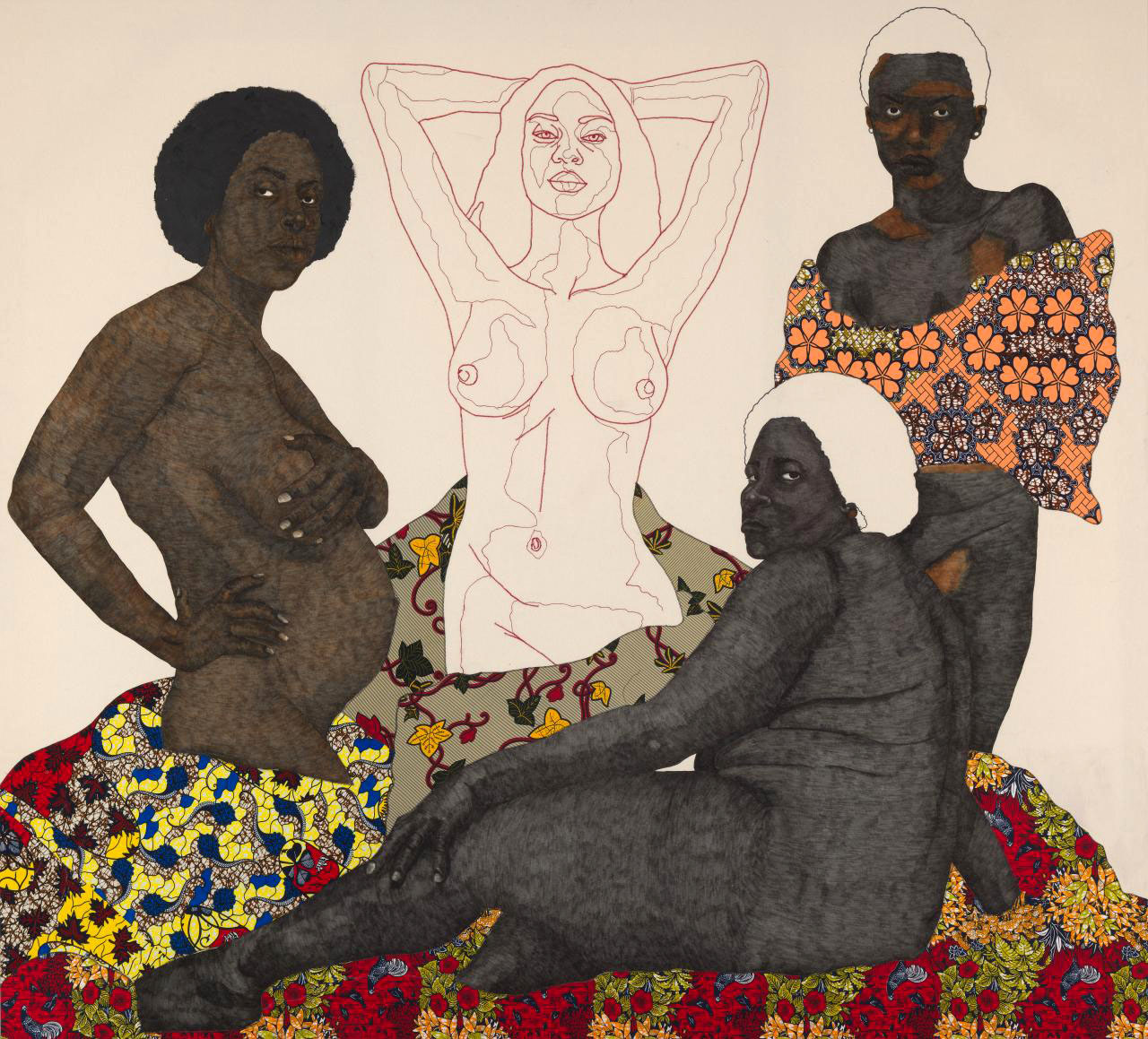




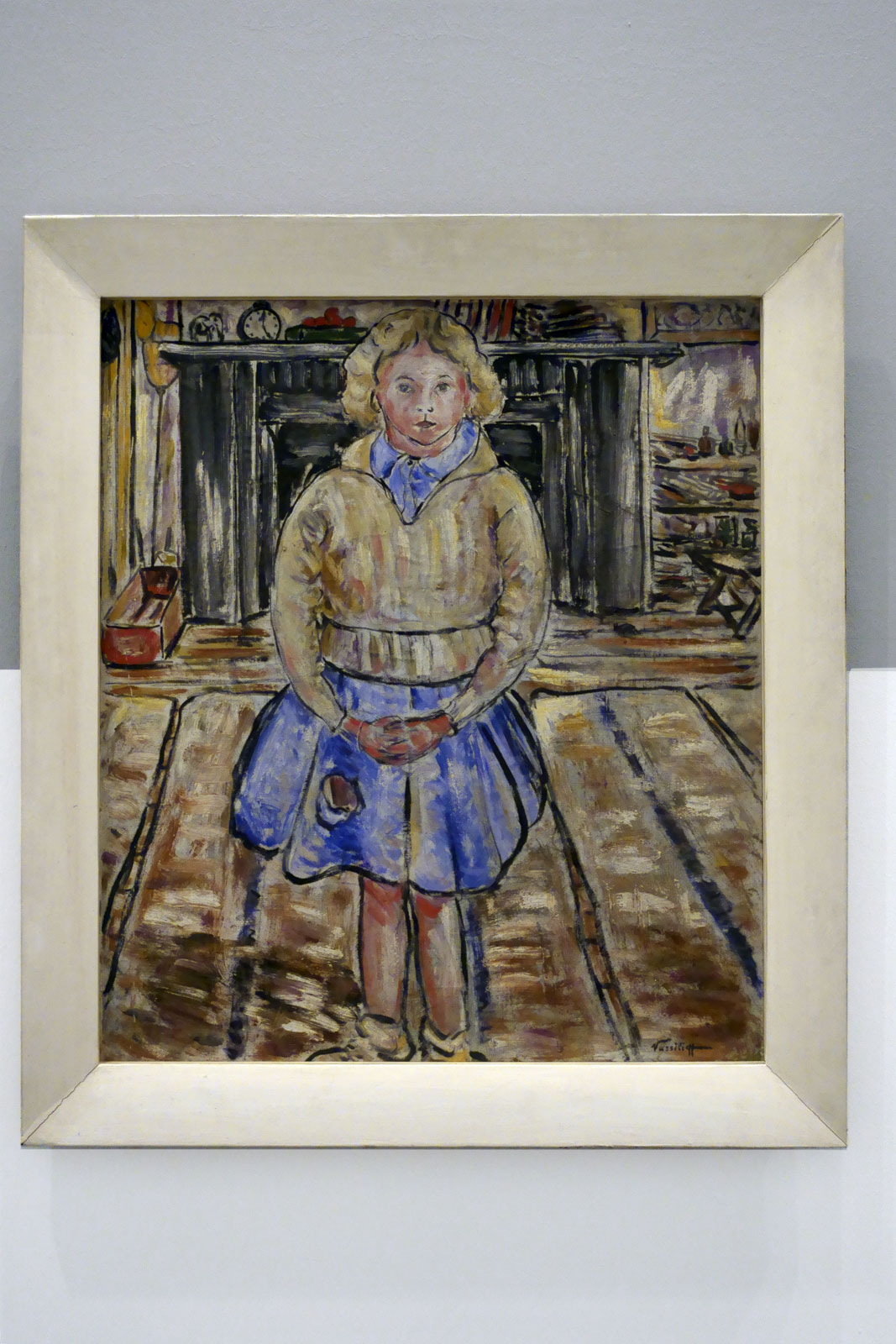
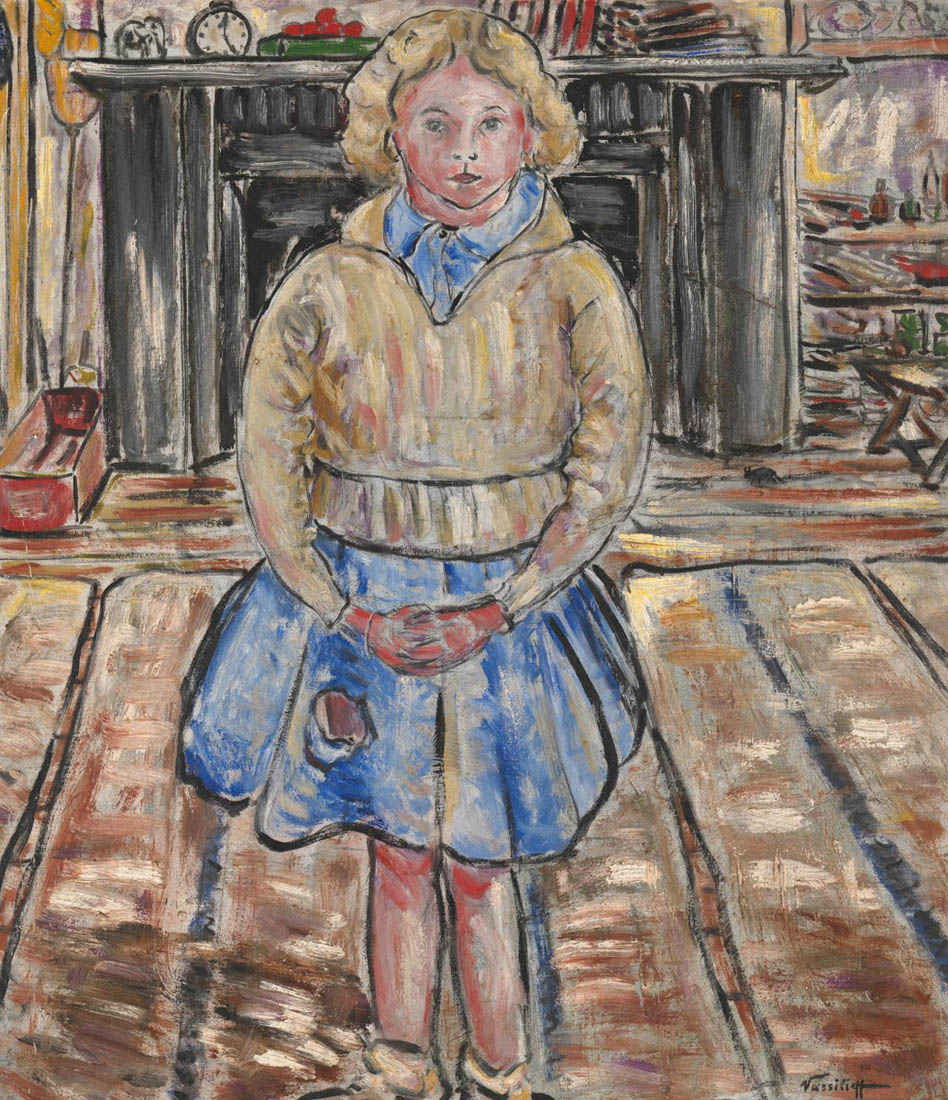


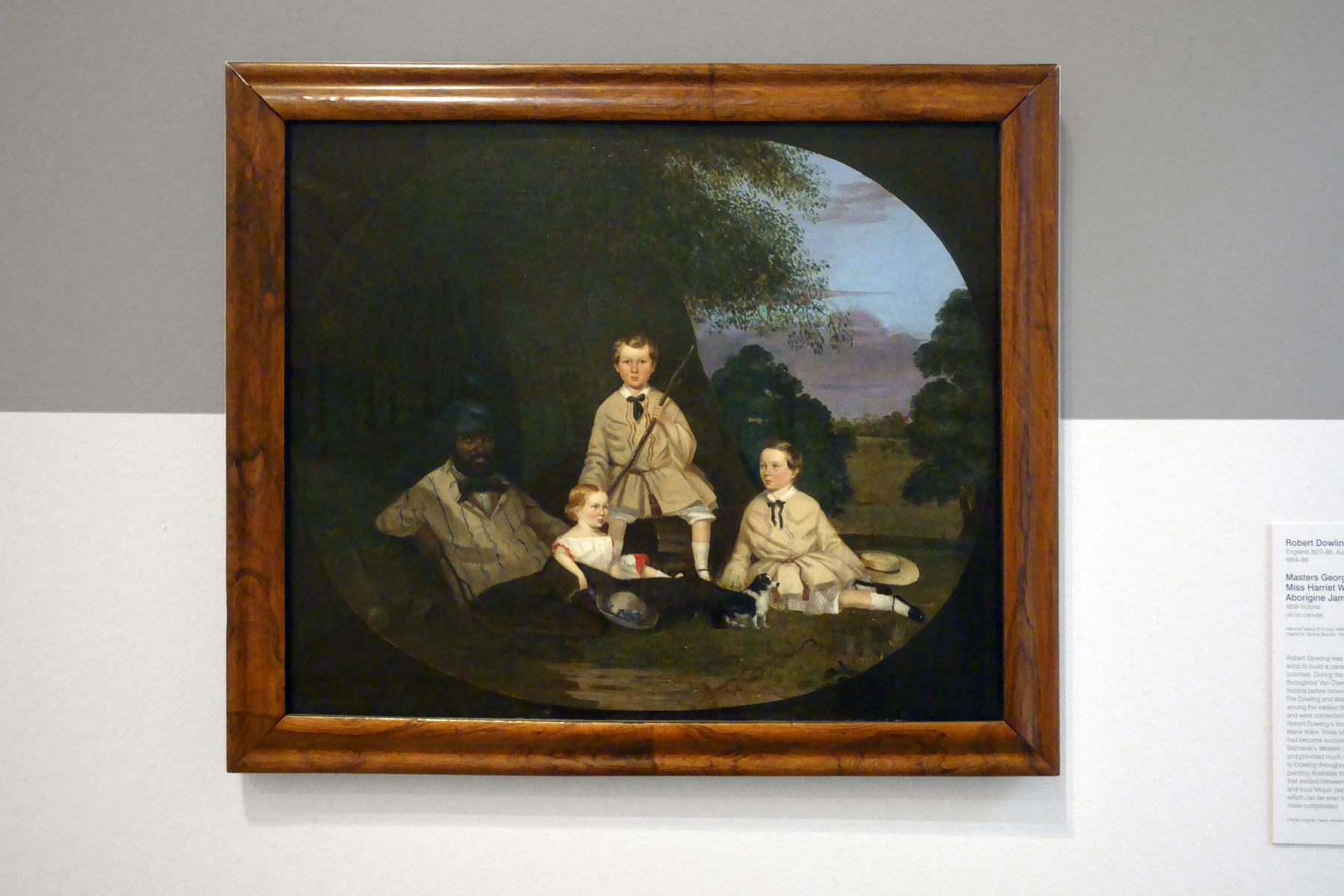


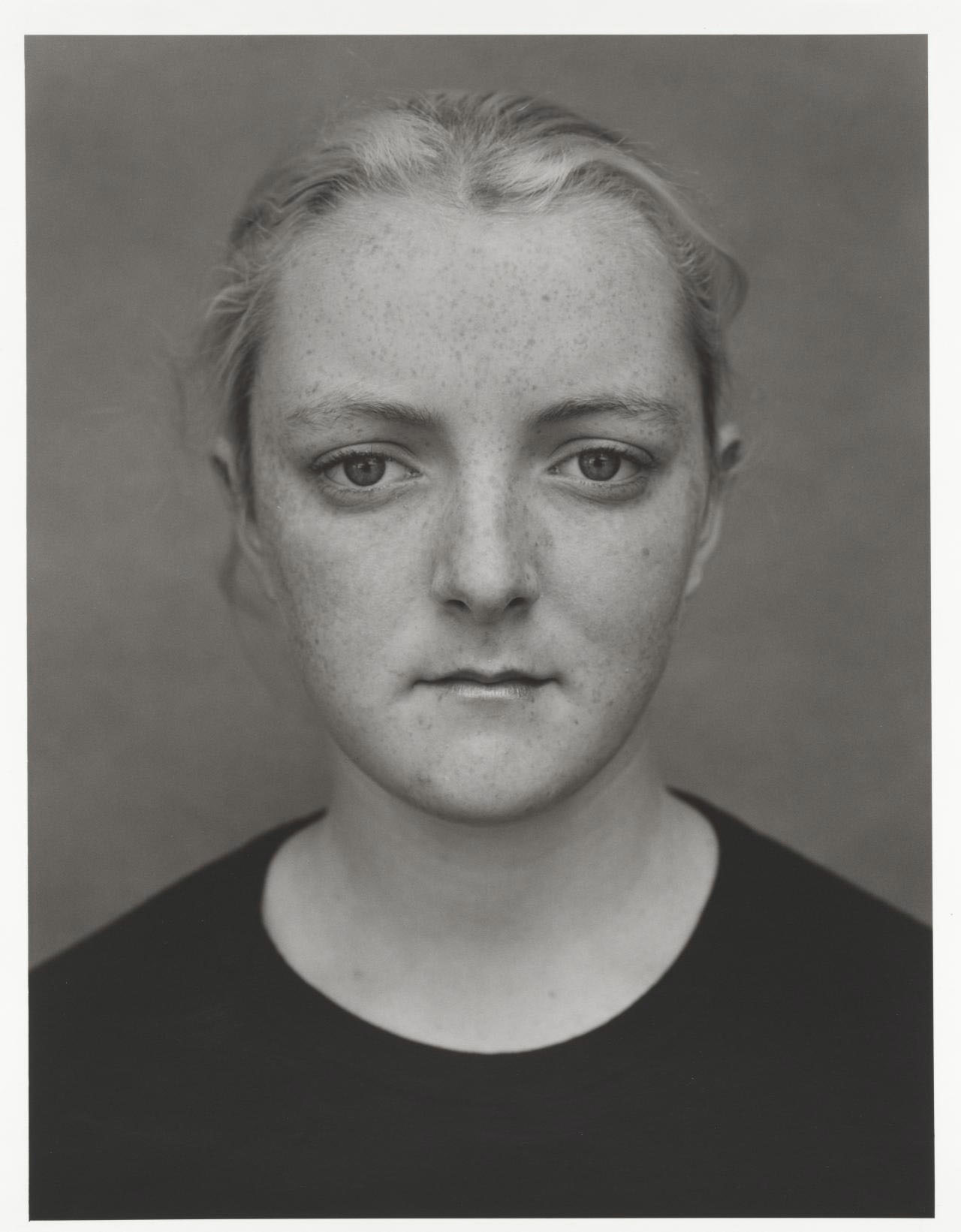
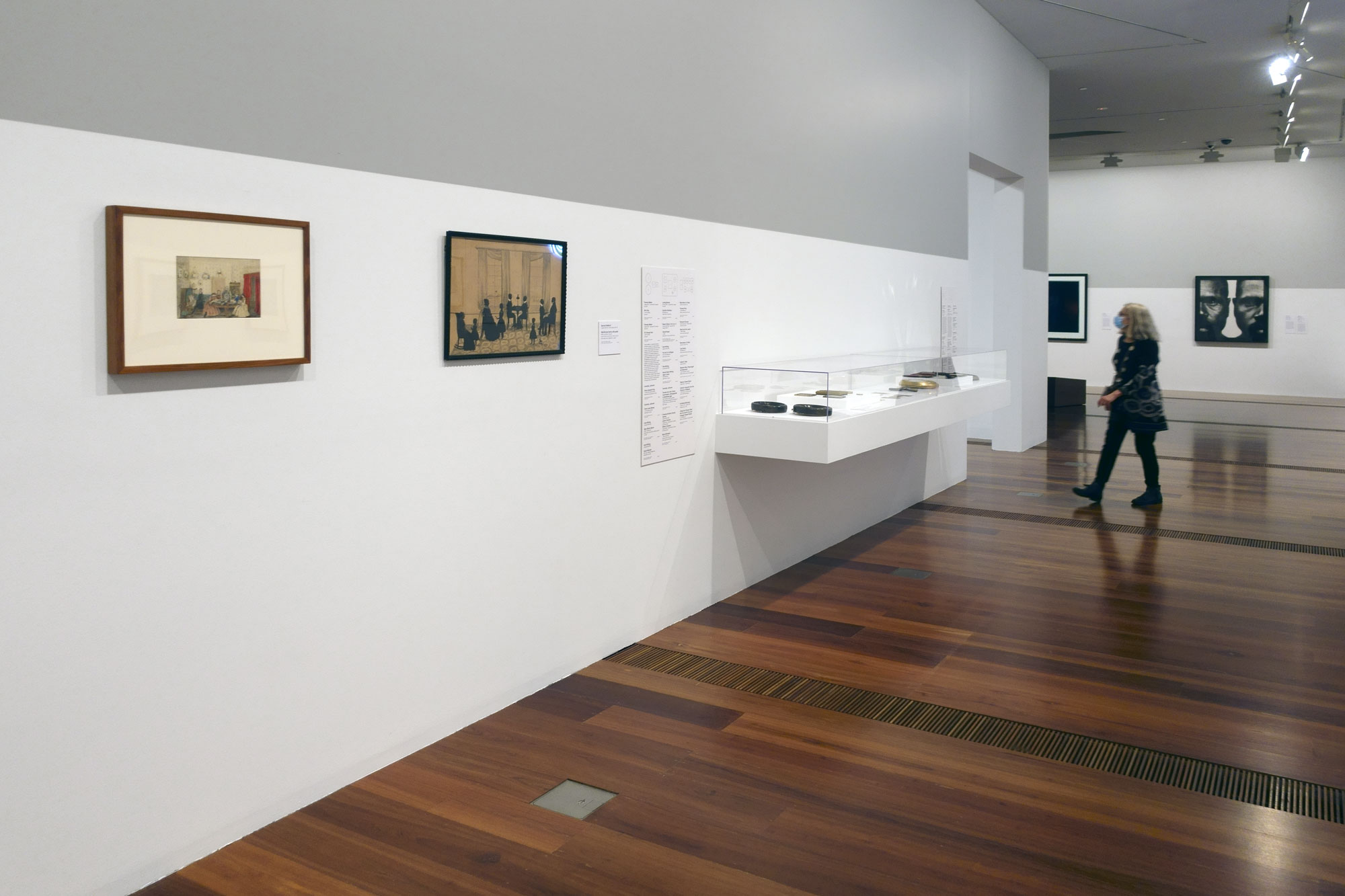

















![Alexander Gardner (1821-1882) '[Gettysburg, Pennsylvania. Dead Confederate sharpshooter in "The devil's den."]' July 1863](https://artblart.com/wp-content/uploads/2013/04/gardner-sharpshooter-web.jpg "Alexander Gardner (1821-1882) '[Gettysburg, Pennsylvania. Dead Confederate sharpshooter in \"The devil's den.\"]' July 1863")
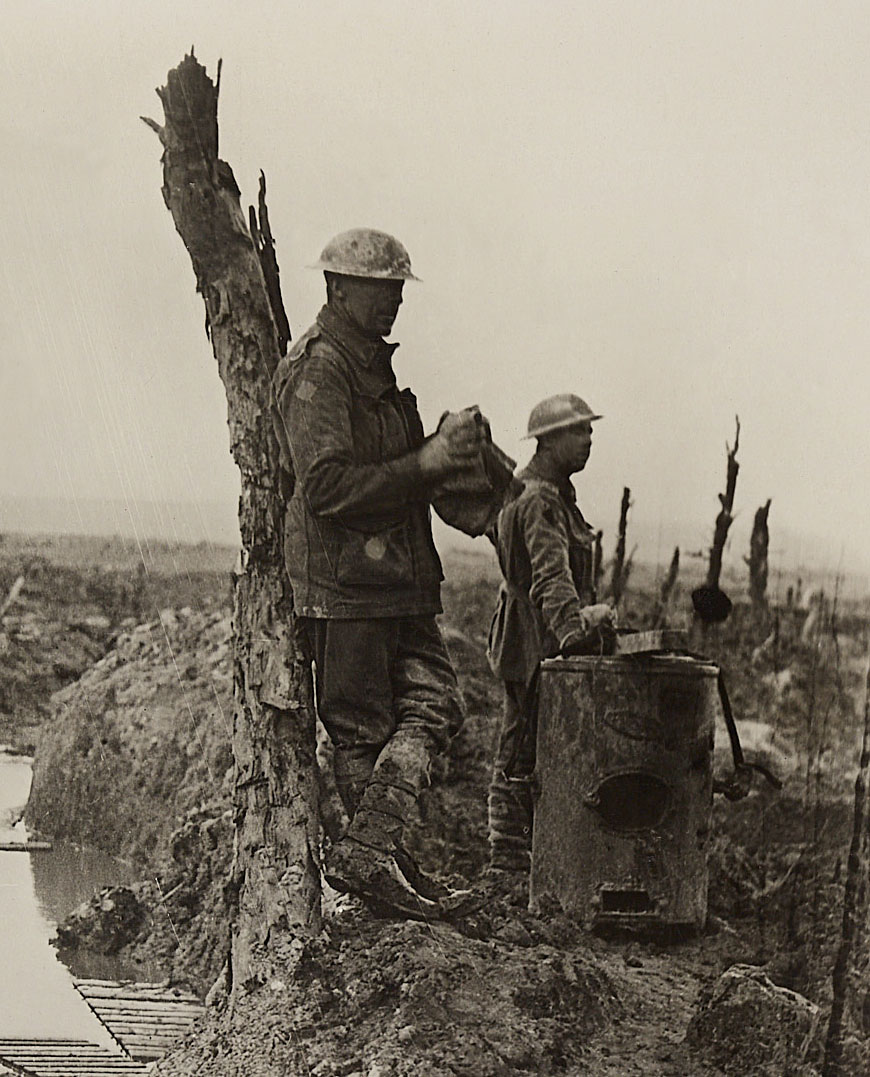


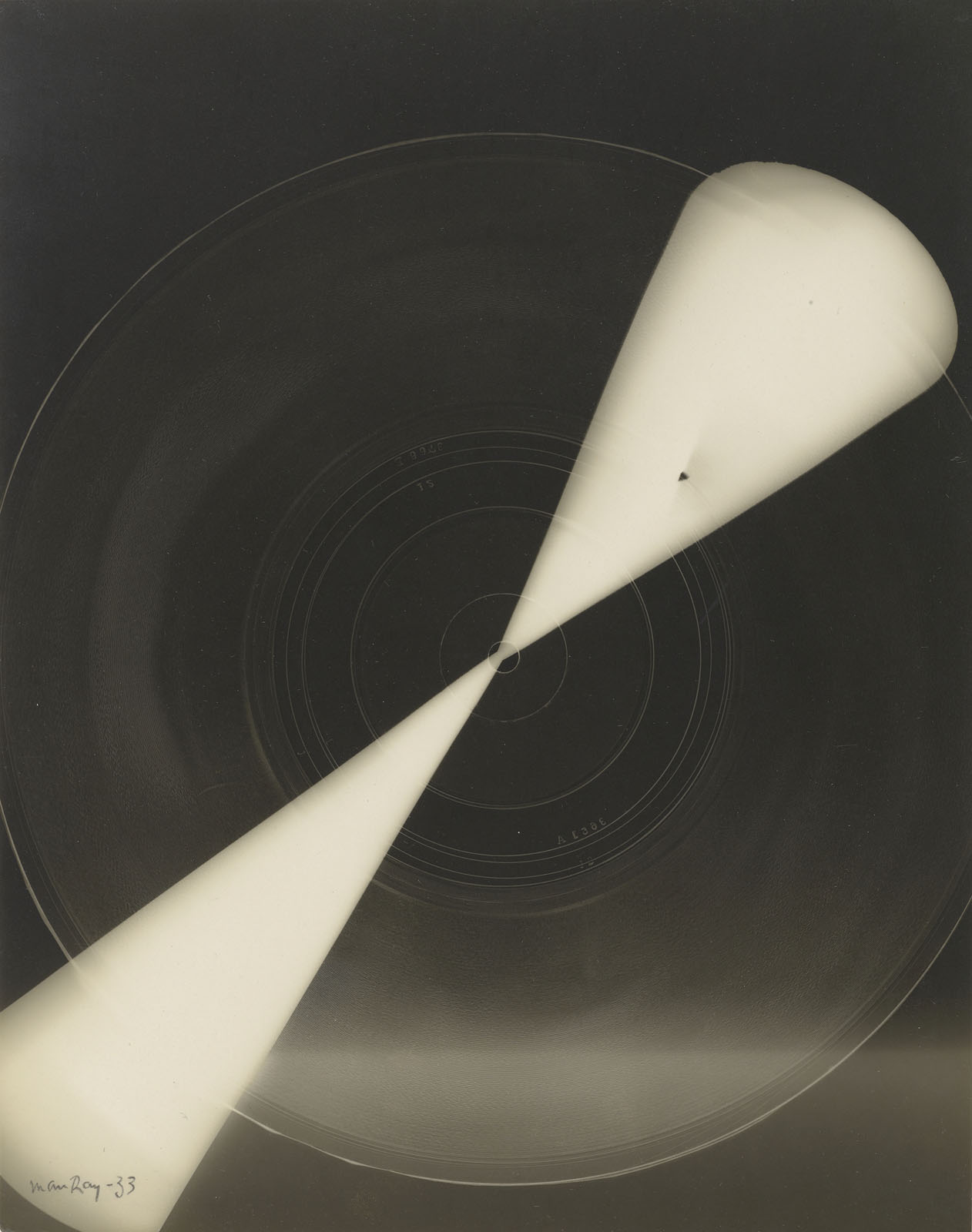


![Lisette Model (American born Austria, 1901-1983) '[Singer, Sammy's Bar, New York]' about 1940-1944](https://artblart.com/wp-content/uploads/2022/07/model-singer-sammys-bar-new-york.jpg "Lisette Model (American born Austria, 1901-1983) '[Singer, Sammy's Bar, New York]' about 1940-1944")


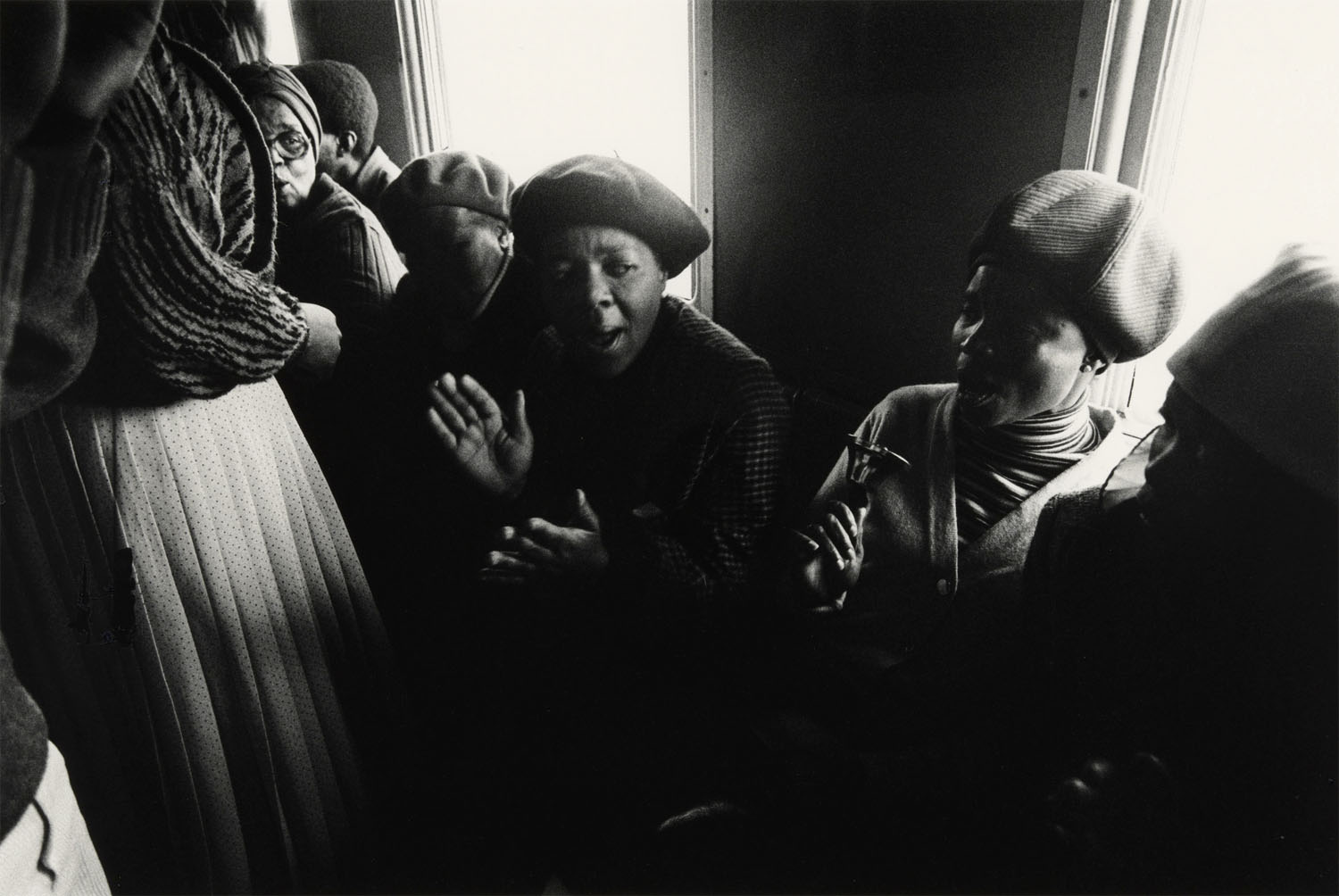


![Platt D. Babbitt. '[Scene at Niagara Falls]' c. 1855](https://artblart.com/wp-content/uploads/2015/03/platt_d_babbitt_scene_at_niagara_falls-web.jpg "Platt D. Babbitt. '[Scene at Niagara Falls]' c. 1855")
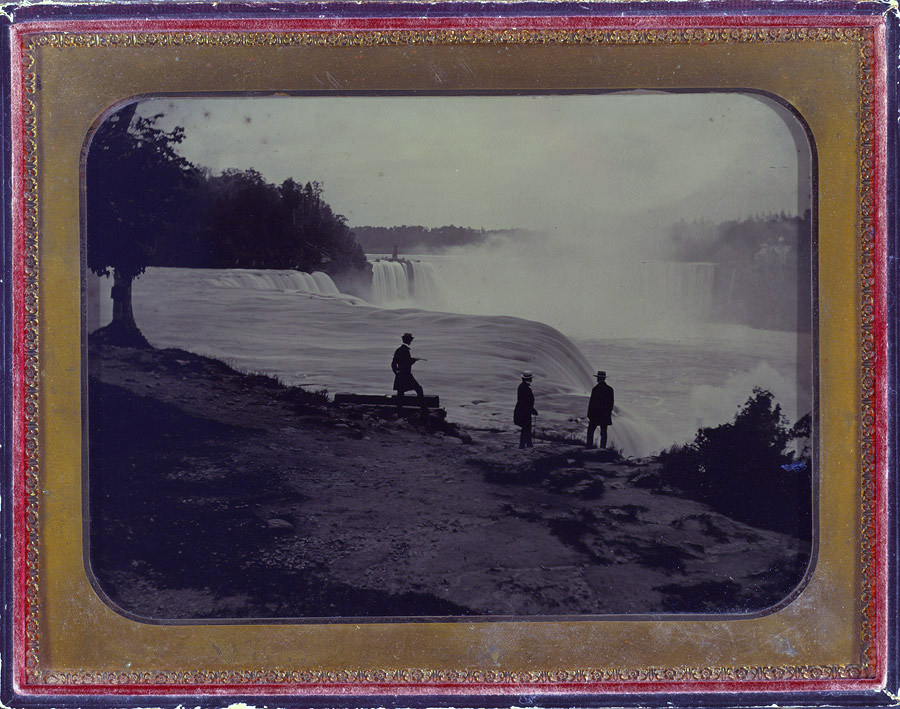


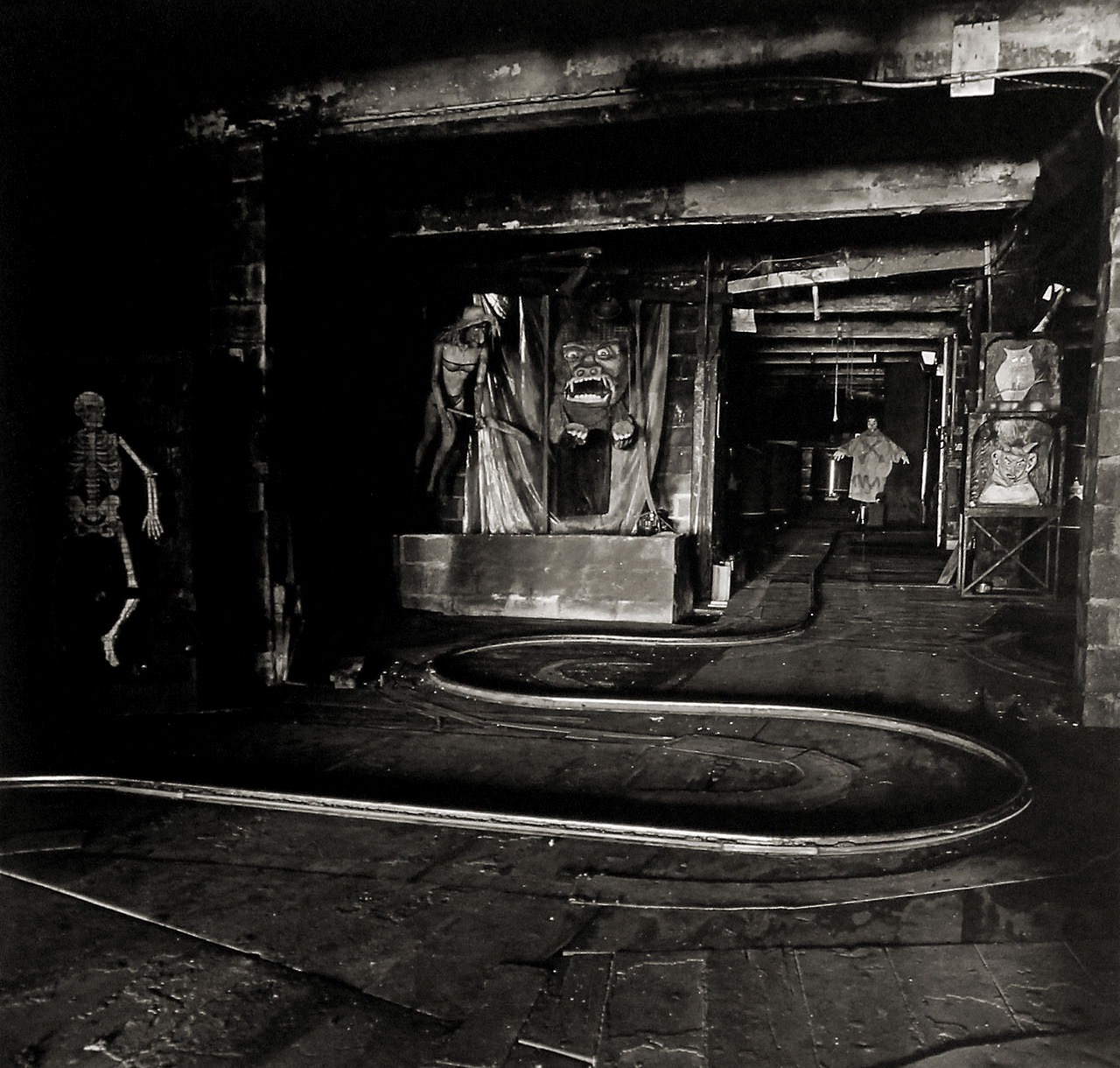


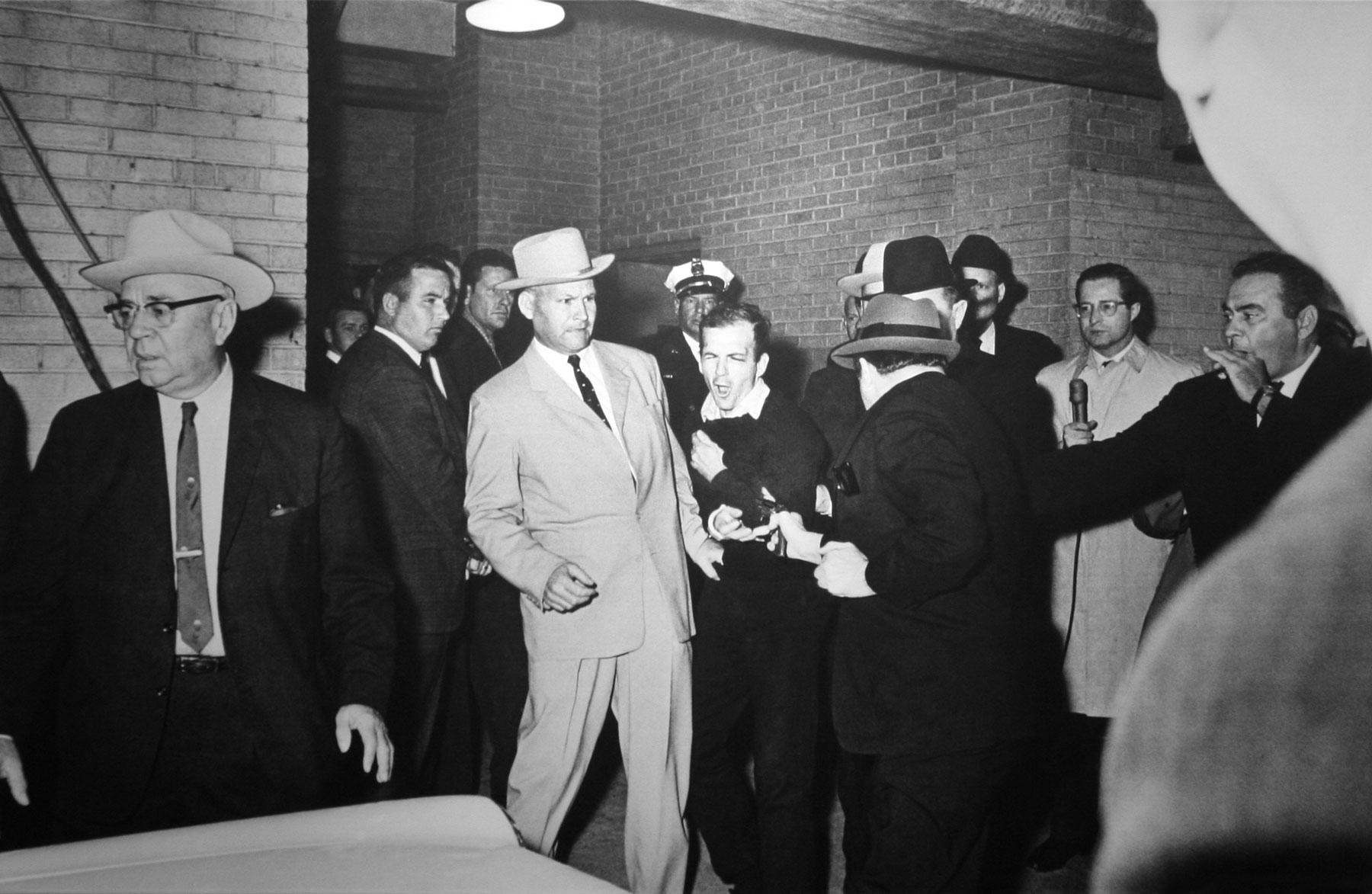
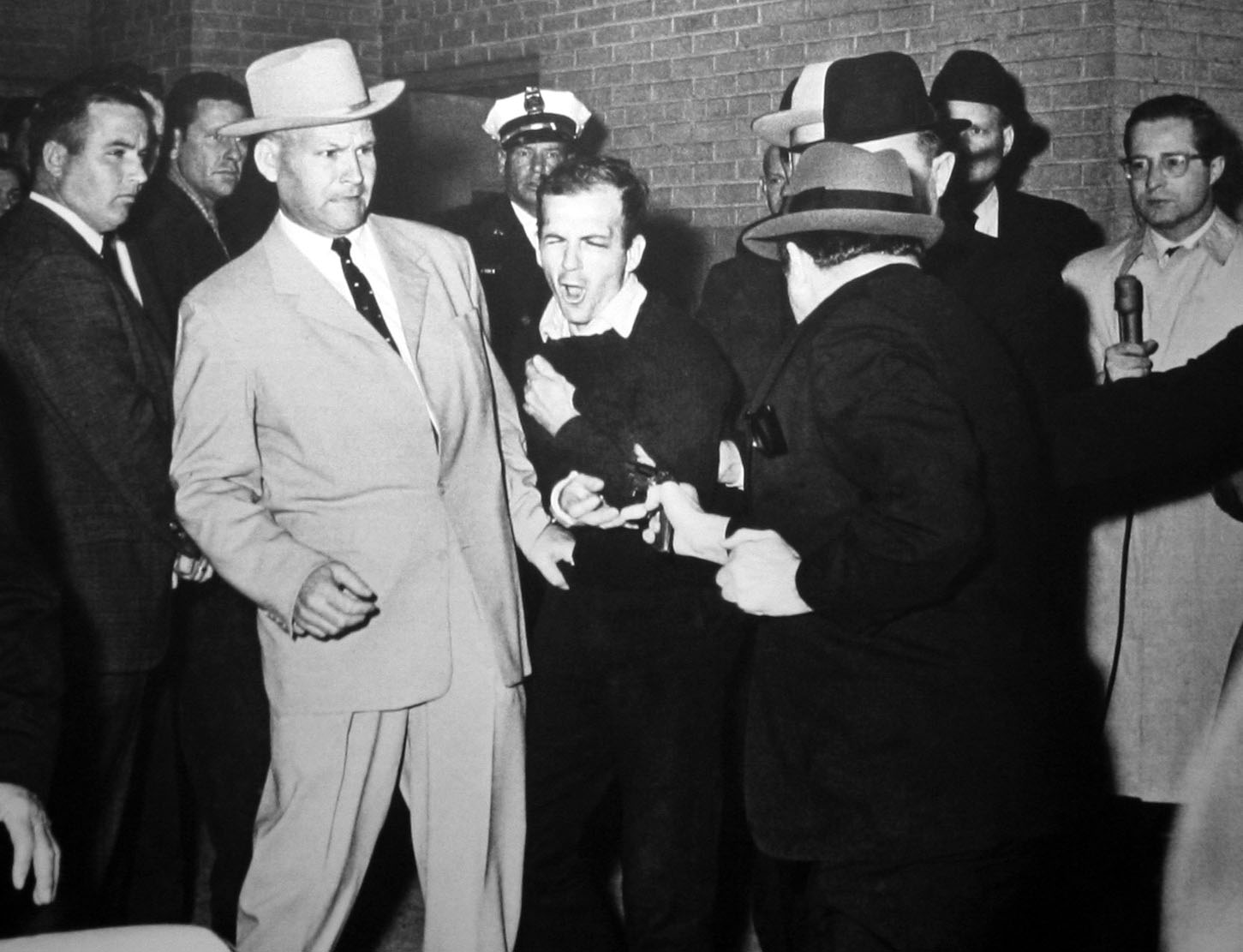
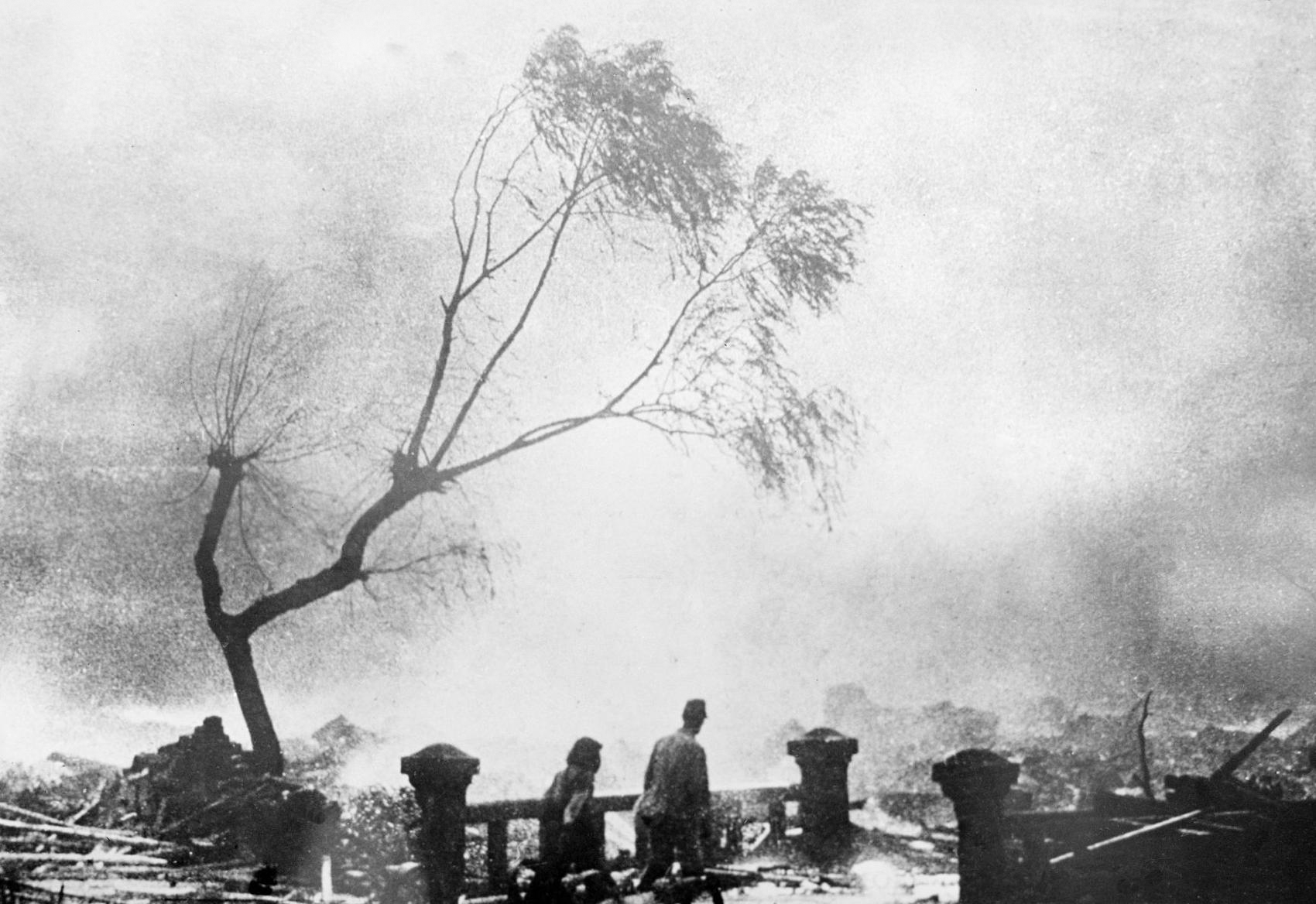


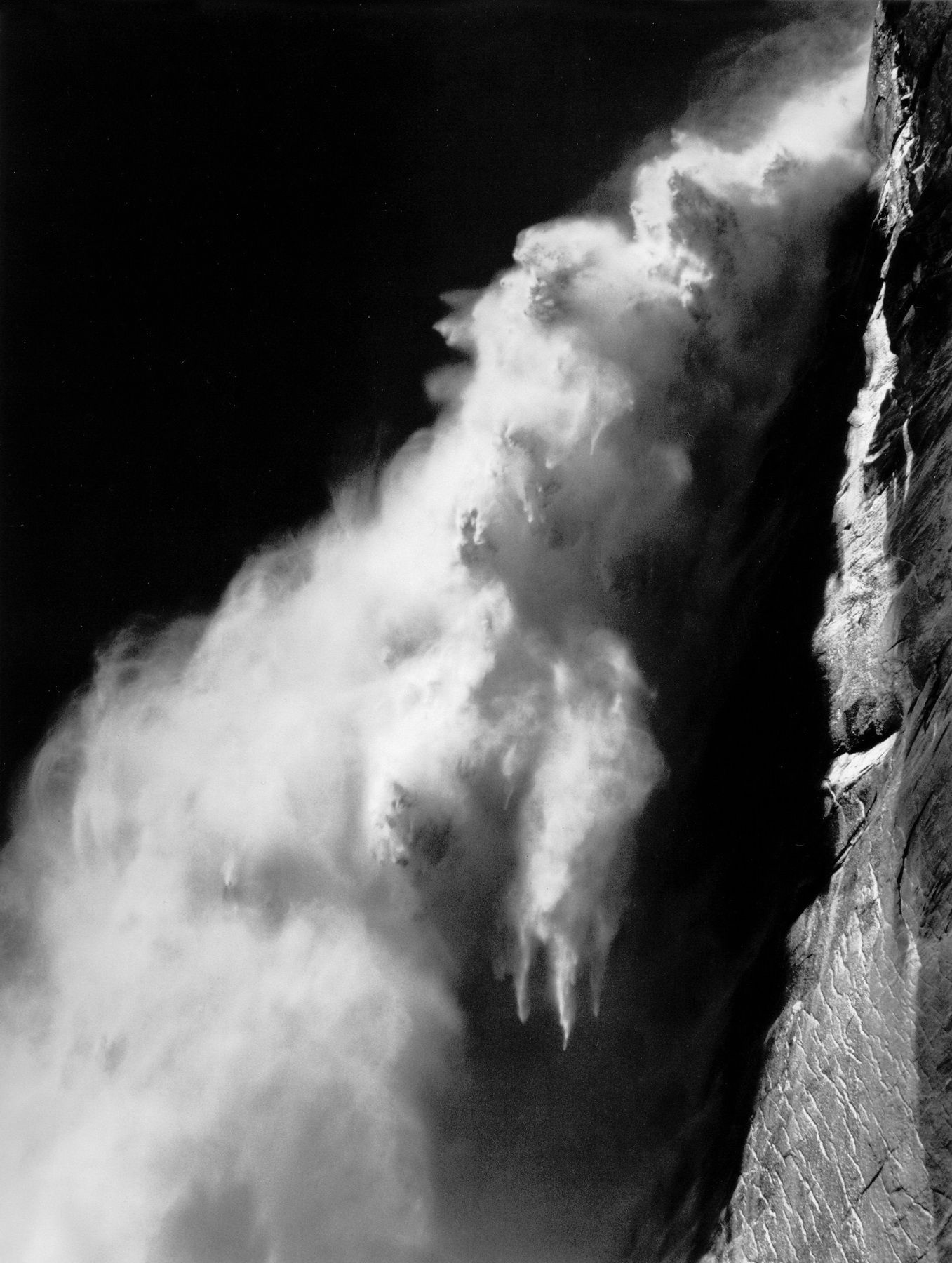


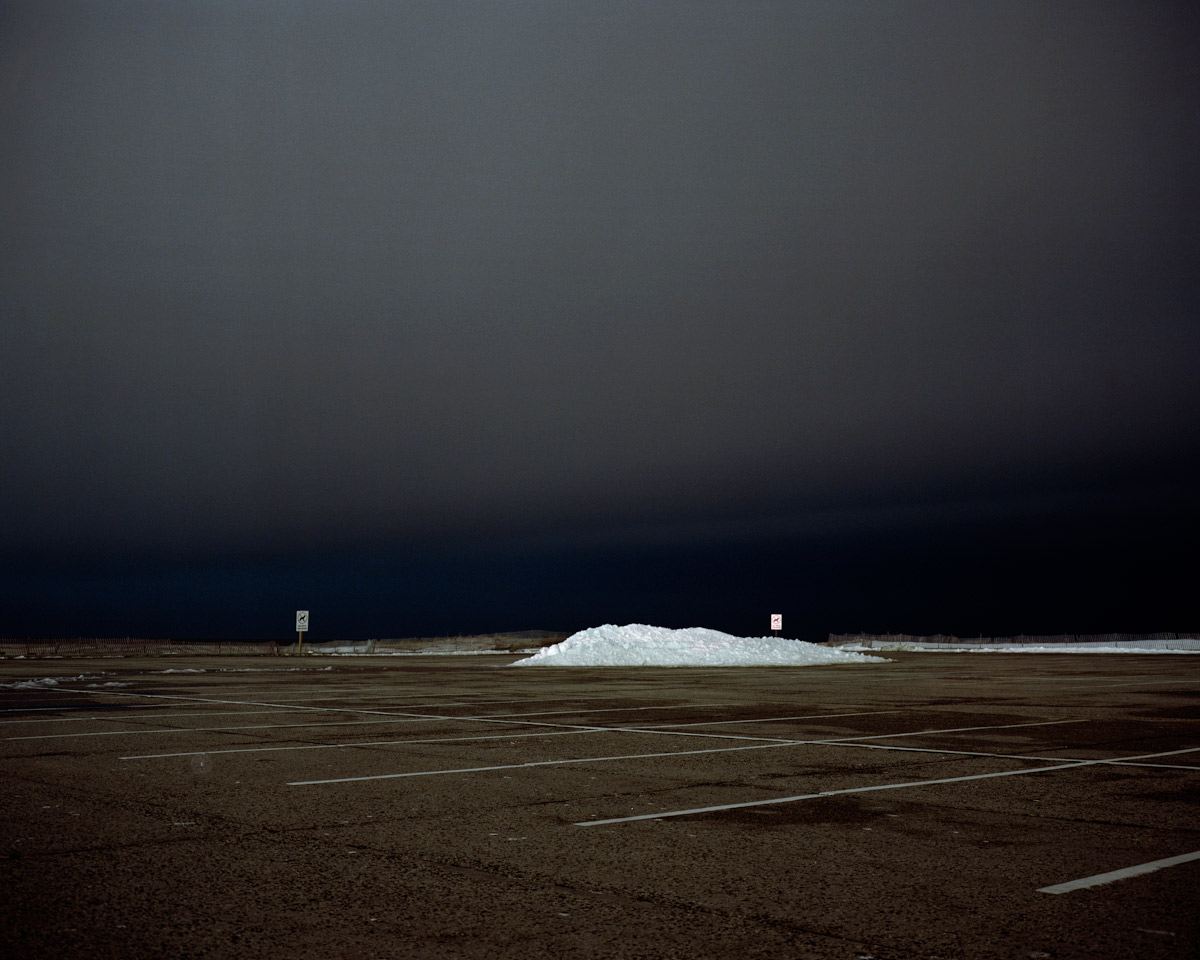

![Unknown photographer. 'Untitled [Mongolian man with cut-out pedestal]' 1910s-1920s](https://artblart.com/wp-content/uploads/2022/06/mongolia-aa-web.jpg "Unknown photographer. 'Untitled [Mongolian man with cut-out pedestal]' 1910s-1920s")
![Unknown photographer. 'Untitled [Mongolian man]' 1910s-1920s](https://artblart.com/wp-content/uploads/2022/06/mongolia-ae-web.jpg "Unknown photographer. 'Untitled [Mongolian man]' 1910s-1920s")
![Unknown photographer. 'Untitled [Two Mongolian men]' 1910s-1920s](https://artblart.com/wp-content/uploads/2022/06/mongolia-am-web.jpg "Unknown photographer. 'Untitled [Two Mongolian men]' 1910s-1920s")
![Unknown photographer. 'Untitled [Mongolian woman and man]' 1910s-1920s](https://artblart.com/wp-content/uploads/2022/06/mongolia-ah-web.jpg "Unknown photographer. 'Untitled [Mongolian woman and man]' 1910s-1920s")
![Unknown photographer. 'Untitled [Mongolian man and woman]' 1910s-1920s](https://artblart.com/wp-content/uploads/2022/06/mongolia-u-web.jpg "Unknown photographer. 'Untitled [Mongolian man and woman]' 1910s-1920s")
![Unknown photographer. 'Untitled [Two Mongolian men and two Mongolian women]' 1910s-1920s](https://artblart.com/wp-content/uploads/2022/06/mongolia-aj-web.jpg "Unknown photographer. 'Untitled [Two Mongolian men and two Mongolian women]' 1910s-1920s")
![Unknown photographer. 'Untitled [Two Mongolian men]' 1910s-1920s](https://artblart.com/wp-content/uploads/2022/06/mongolia-ab-web.jpg "Unknown photographer. 'Untitled [Two Mongolian men]' 1910s-1920s")
![Unknown photographer. 'Untitled [Mongolian man with cut-out pedestal]' 1910s-1920s](https://artblart.com/wp-content/uploads/2022/06/mongolia-al-web.jpg "Unknown photographer. 'Untitled [Mongolian man with cut-out pedestal]' 1910s-1920s")
![Unknown photographer. 'Untitled [Two Mongolian men, two Mongolian women and a child]' 1910s-1920s](https://artblart.com/wp-content/uploads/2022/06/mongolia-ai-web.jpg "Unknown photographer. 'Untitled [Two Mongolian men, two Mongolian women and a child]' 1910s-1920s")
![Unknown photographer. 'Untitled [Three Mongolian men]' 1910s-1920s](https://artblart.com/wp-content/uploads/2022/06/mongolia-an-web.jpg "Unknown photographer. 'Untitled [Three Mongolian men]' 1910s-1920s")
![Unknown photographer. 'Untitled [Three Mongolian men]' 1910s-1920s](https://artblart.com/wp-content/uploads/2022/06/mongolia-af-web.jpg "Unknown photographer. 'Untitled [Three Mongolian men]' 1910s-1920s")

![Unknown photographer. 'Untitled [Mongolian woman]' 1910s-1920s](https://artblart.com/wp-content/uploads/2022/06/mongolia-ao-web.jpg "Unknown photographer. 'Untitled [Mongolian woman]' 1910s-1920s")
![Unknown photographer. 'Untitled [Mongolian woman and table]' 1910s-1920s](https://artblart.com/wp-content/uploads/2022/06/mongolia-ar-web.jpg "Unknown photographer. 'Untitled [Mongolian woman and table]' 1910s-1920s")
![Unknown photographer. 'Untitled [Mongolian woman and table]' 1910s-1920s](https://artblart.com/wp-content/uploads/2022/06/mongolia-av-web.jpg "Unknown photographer. 'Untitled [Mongolian woman and table]' 1910s-1920s")
![Unknown photographer. 'Untitled [Mongolian woman and table]' 1910s-1920s](https://artblart.com/wp-content/uploads/2022/06/mongolia-at-web.jpg "Unknown photographer. 'Untitled [Mongolian woman and table]' 1910s-1920s")


![Unknown photographer. 'Untitled [Mongolian woman and table]' 1910s-1920s](https://artblart.com/wp-content/uploads/2022/06/mongolia-aw-web.jpg "Unknown photographer. 'Untitled [Mongolian woman and table]' 1910s-1920s")
![Unknown photographer. 'Untitled [Three Mongolian women and two Mongolian men]' 1910s-1920s](https://artblart.com/wp-content/uploads/2022/06/mongolia-as-web.jpg "Unknown photographer. 'Untitled [Three Mongolian women and two Mongolian men]' 1910s-1920s")
![Unknown photographer. 'Untitled [Two Mongolian women and table]' 1910s-1920s](https://artblart.com/wp-content/uploads/2022/06/mongolia-az-web.jpg "Unknown photographer. 'Untitled [Two Mongolian women and table]' 1910s-1920s")
![Unknown photographer. 'Untitled [Mongolian man]' 1910s-1920s](https://artblart.com/wp-content/uploads/2022/06/mongolia-b-web.jpg "Unknown photographer. 'Untitled [Mongolian man]' 1910s-1920s")
![Unknown photographer. 'Untitled [Mongolian man]' 1910s-1920s](https://artblart.com/wp-content/uploads/2022/06/mongolia-ac-web.jpg "Unknown photographer. 'Untitled [Mongolian man]' 1910s-1920s")
![Unknown photographer. 'Untitled [Two Mongolian men with two vases]' 1910s-1920s](https://artblart.com/wp-content/uploads/2022/06/mongolia-ak-web.jpg "Unknown photographer. 'Untitled [Two Mongolian men with two vases]' 1910s-1920s")
![Unknown photographer. 'Untitled [Mongolian man with two vases and clock]' 1910s-1920s](https://artblart.com/wp-content/uploads/2022/06/mongolia-ad-web.jpg "Unknown photographer. 'Untitled [Mongolian man with two vases and clock]' 1910s-1920s")
![Unknown photographer. 'Untitled [Mongolian woman with clock]' 1910s-1920s](https://artblart.com/wp-content/uploads/2022/06/mongolia-ag-web.jpg "Unknown photographer. 'Untitled [Mongolian woman with clock]' 1910s-1920s")
![Unknown photographer. 'Untitled [Four Mongolian men]' 1910s-1920s](https://artblart.com/wp-content/uploads/2022/06/mongolia-ay-web.jpg "Unknown photographer. 'Untitled [Four Mongolian men]' 1910s-1920s")
![Unknown photographer. 'Untitled [Two Mongolian men]' 1910s-1920s](https://artblart.com/wp-content/uploads/2022/06/mongolia-aq-web.jpg "Unknown photographer. 'Untitled [Two Mongolian men]' 1910s-1920s")
![Unknown photographer. 'Untitled [Two Mongolian men with two clocks]' 1910s-1920s](https://artblart.com/wp-content/uploads/2022/06/mongolia-au-web.jpg "Unknown photographer. 'Untitled [Two Mongolian men with two clocks]' 1910s-1920s")
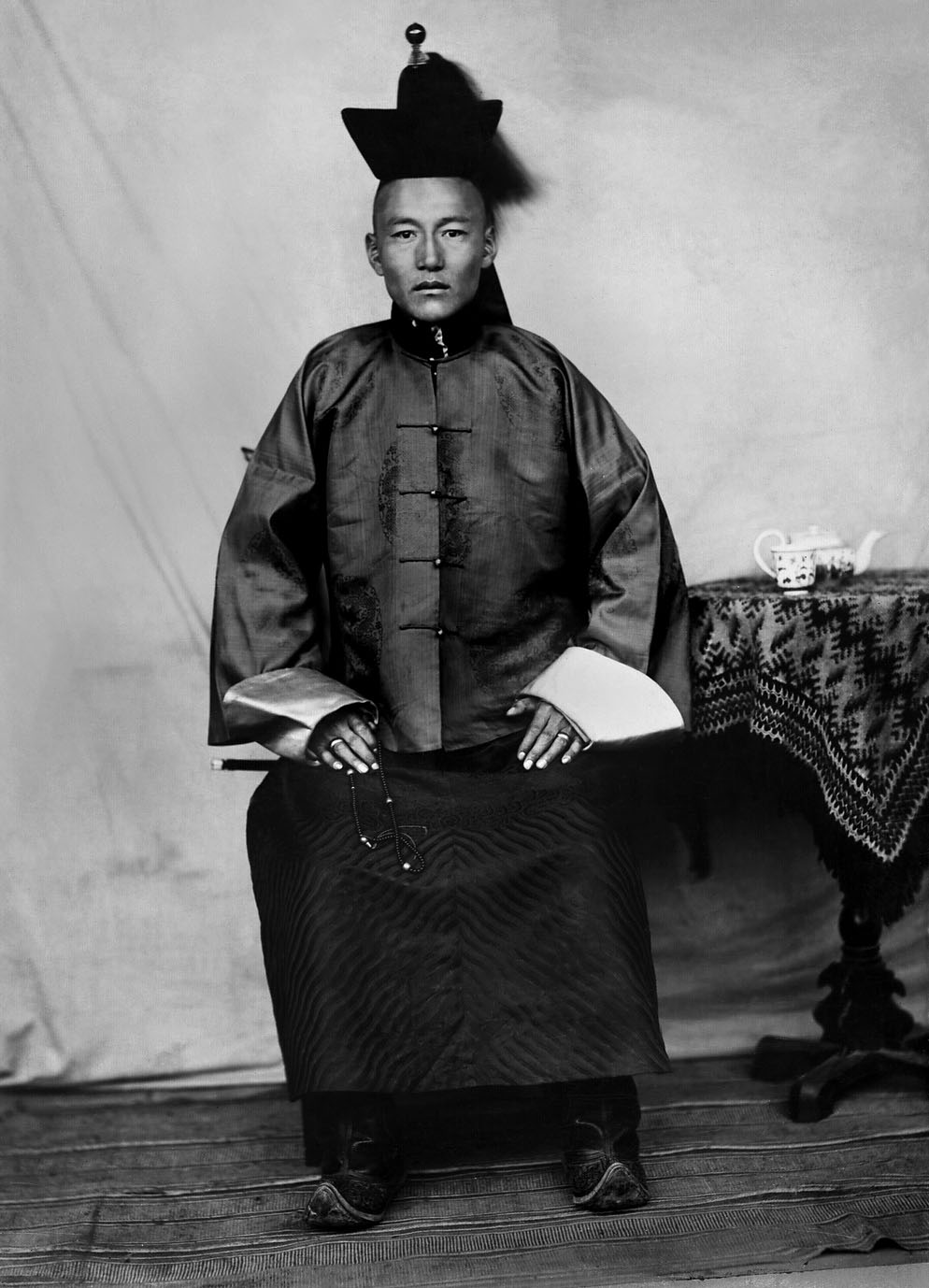
![Unknown photographer. 'Untitled [Mongolian man]' 1910s-1920s](https://artblart.com/wp-content/uploads/2022/06/mongolia-c-web.jpg "Unknown photographer. 'Untitled [Mongolian man]' 1910s-1920s")

![James Fox Barnard (1874-1945) '[Tea on the verandah]' c. 1900](https://artblart.com/wp-content/uploads/2015/09/barnard-tea-verandah.jpg "James Fox Barnard (1874-1945) '[Tea on the verandah]' c. 1900")
![Unknown photographer. 'Untitled [Mongolian man]' 1910s-1920s](https://artblart.com/wp-content/uploads/2022/06/mongolia-q-web.jpg "Unknown photographer. 'Untitled [Mongolian man]' 1910s-1920s")
![Unknown photographer. 'Untitled [Mongolian man with two teacups and saucers]' 1910s-1920s](https://artblart.com/wp-content/uploads/2022/06/mongolia-d-web.jpg "Unknown photographer. 'Untitled [Mongolian man with two teacups and saucers]' 1910s-1920s")
![Unknown photographer. 'Untitled [Two Mongolian women]' 1910s-1920s](https://artblart.com/wp-content/uploads/2022/06/mongolia-e-web.jpg "Unknown photographer. 'Untitled [Two Mongolian women]' 1910s-1920s")
![Unknown photographer. 'Untitled [Mongolian woman]' 1910s-1920s](https://artblart.com/wp-content/uploads/2022/06/mongolia-f-web.jpg "Unknown photographer. 'Untitled [Mongolian woman]' 1910s-1920s")
![Unknown photographer. 'Untitled [Mongolian woman]' 1910s-1920s](https://artblart.com/wp-content/uploads/2022/06/mongolia-g-web.jpg "Unknown photographer. 'Untitled [Mongolian woman]' 1910s-1920s")
![Unknown photographer. 'Untitled [Mongolian man]' 1910s-1920s](https://artblart.com/wp-content/uploads/2022/06/mongolia-h-web.jpg "Unknown photographer. 'Untitled [Mongolian man]' 1910s-1920s")
![Unknown photographer. 'Untitled [Mongolian man]' 1910s-1920s](https://artblart.com/wp-content/uploads/2022/06/mongolia-j-web.jpg "Unknown photographer. 'Untitled [Mongolian man]' 1910s-1920s")
![Unknown photographer. 'Untitled [Mongolian man]' 1910s-1920s](https://artblart.com/wp-content/uploads/2022/06/mongolia-k-web.jpg "Unknown photographer. 'Untitled [Mongolian man]' 1910s-1920s")
![Unknown photographer. 'Untitled [Mongolian man]' 1910s-1920s](https://artblart.com/wp-content/uploads/2022/06/mongolia-m-web.jpg "Unknown photographer. 'Untitled [Mongolian man]' 1910s-1920s")
![Unknown photographer. 'Untitled [Mongolian woman with clock and flowers]' 1910s-1920s](https://artblart.com/wp-content/uploads/2022/06/mongolia-l-web.jpg "Unknown photographer. 'Untitled [Mongolian woman with clock and flowers]' 1910s-1920s")
![Unknown photographer. 'Untitled [Mongolian woman with two children]' 1910s-1920s](https://artblart.com/wp-content/uploads/2022/06/mongolia-n-web.jpg "Unknown photographer. 'Untitled [Mongolian woman with two children]' 1910s-1920s")
![Unknown photographer. 'Untitled [Mongolian woman]' 1910s-1920s](https://artblart.com/wp-content/uploads/2022/06/mongolia-r-web.jpg "Unknown photographer. 'Untitled [Mongolian woman]' 1910s-1920s")
![Unknown photographer. 'Untitled [Mongolian woman and child]' 1910s-1920s](https://artblart.com/wp-content/uploads/2022/06/mongolia-s-web.jpg "Unknown photographer. 'Untitled [Mongolian woman and child]' 1910s-1920s")
![Unknown photographer. 'Untitled [Mongolian woman]' 1910s-1920s](https://artblart.com/wp-content/uploads/2022/06/mongolia-v-web.jpg "Unknown photographer. 'Untitled [Mongolian woman]' 1910s-1920s")
![Unknown photographer. 'Untitled [Mongolian woman]' 1910s-1920s](https://artblart.com/wp-content/uploads/2022/06/mongolia-w-web.jpg "Unknown photographer. 'Untitled [Mongolian woman]' 1910s-1920s")
![Unknown photographer. 'Untitled [Mongolian woman]' 1910s-1920s](https://artblart.com/wp-content/uploads/2022/06/mongolia-y-web.jpg "Unknown photographer. 'Untitled [Mongolian woman]' 1910s-1920s")
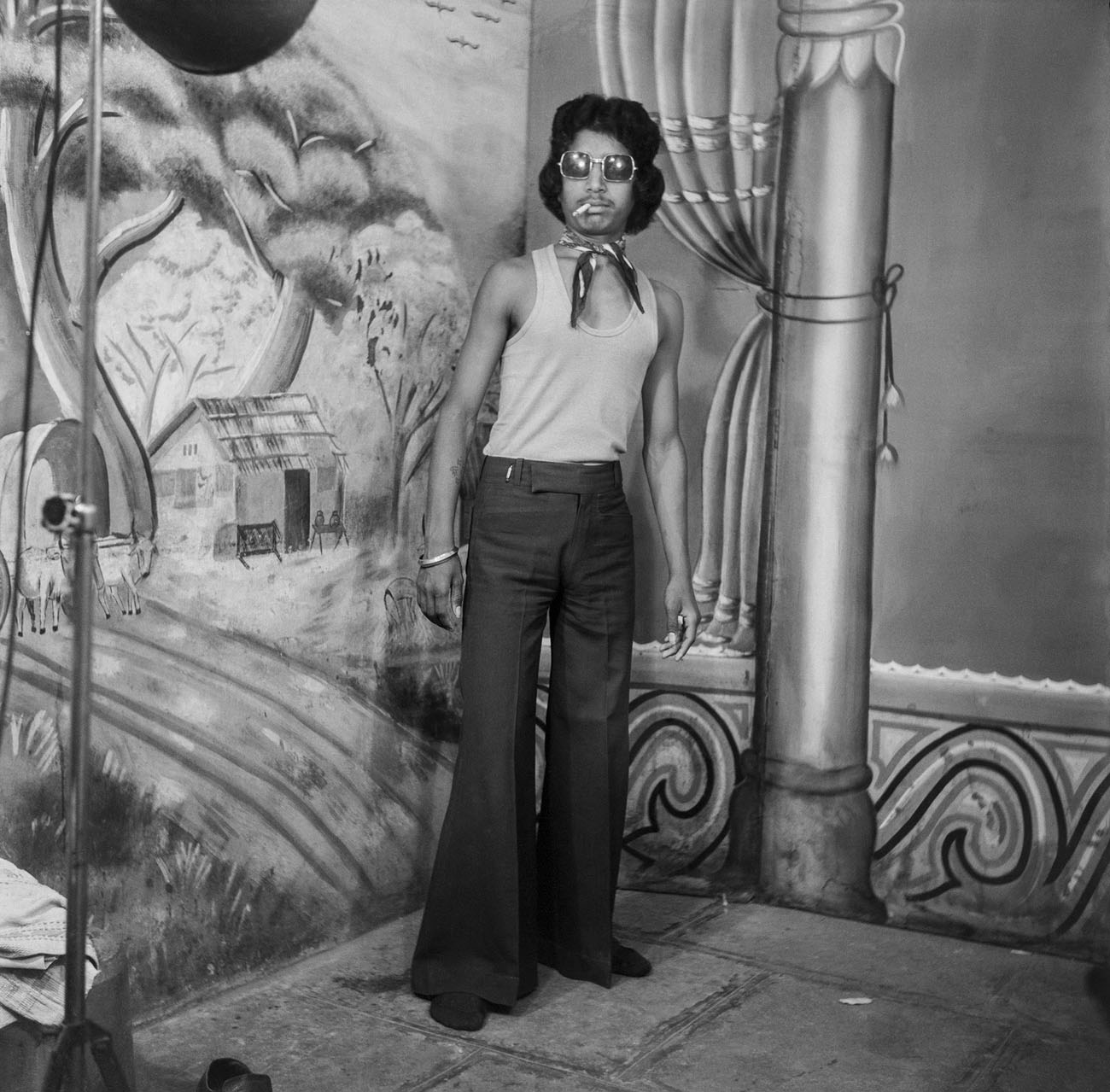


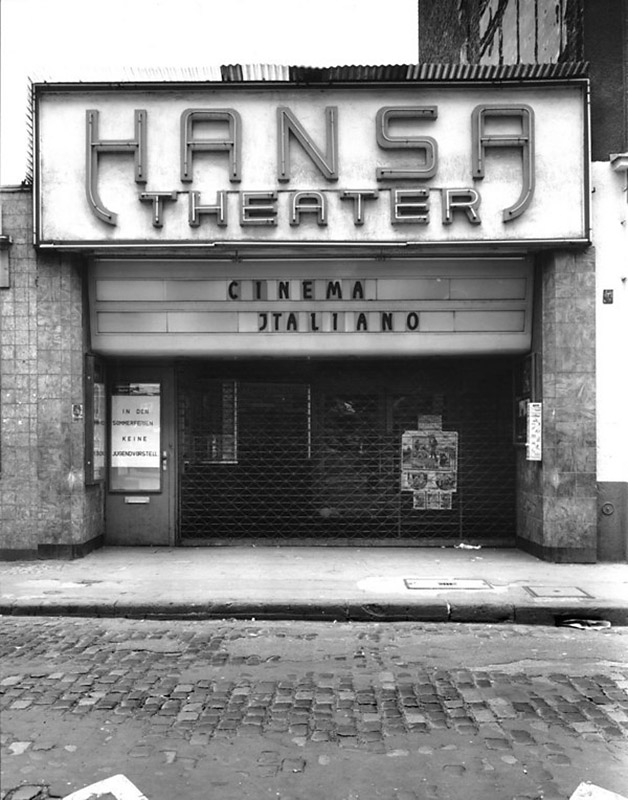

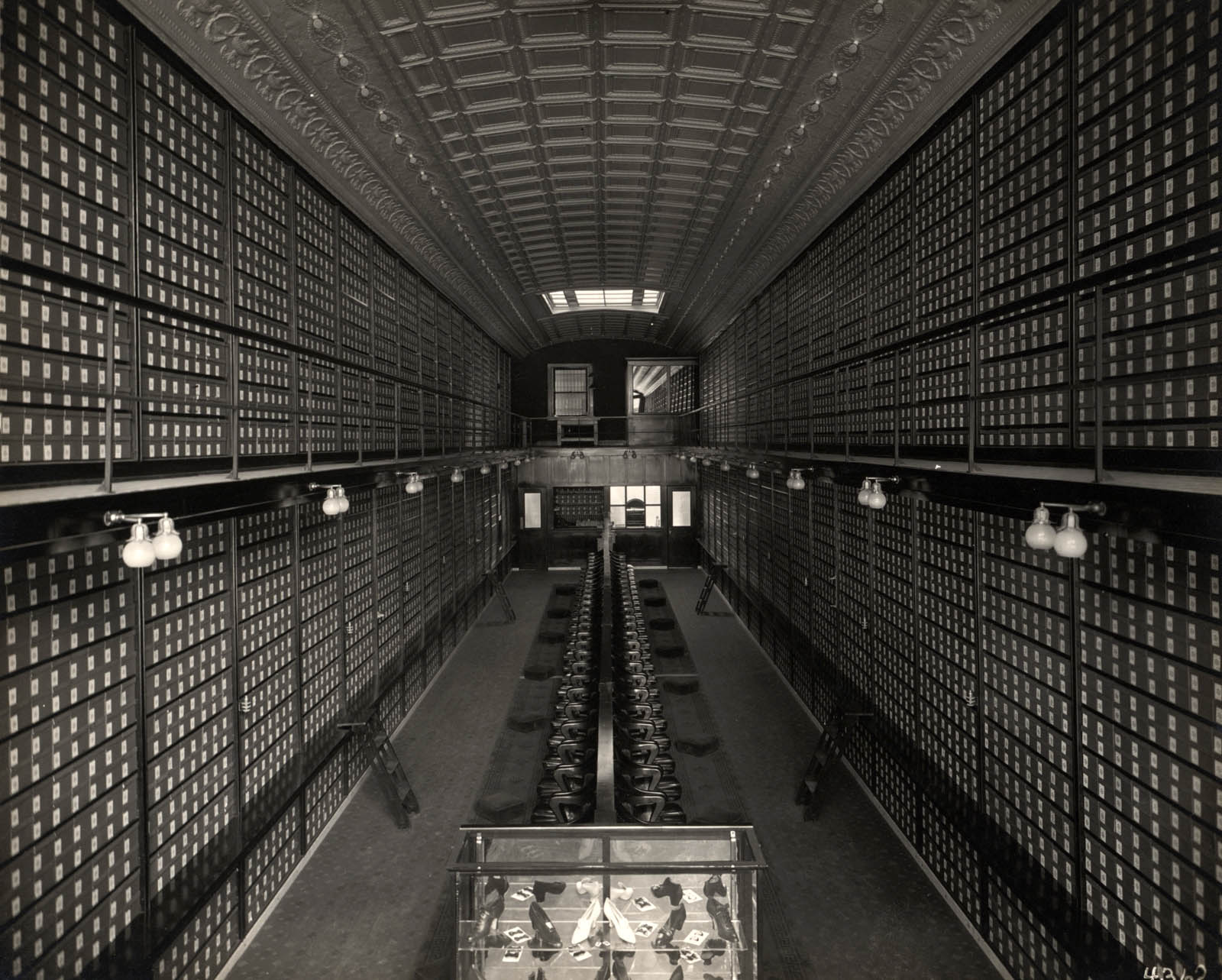


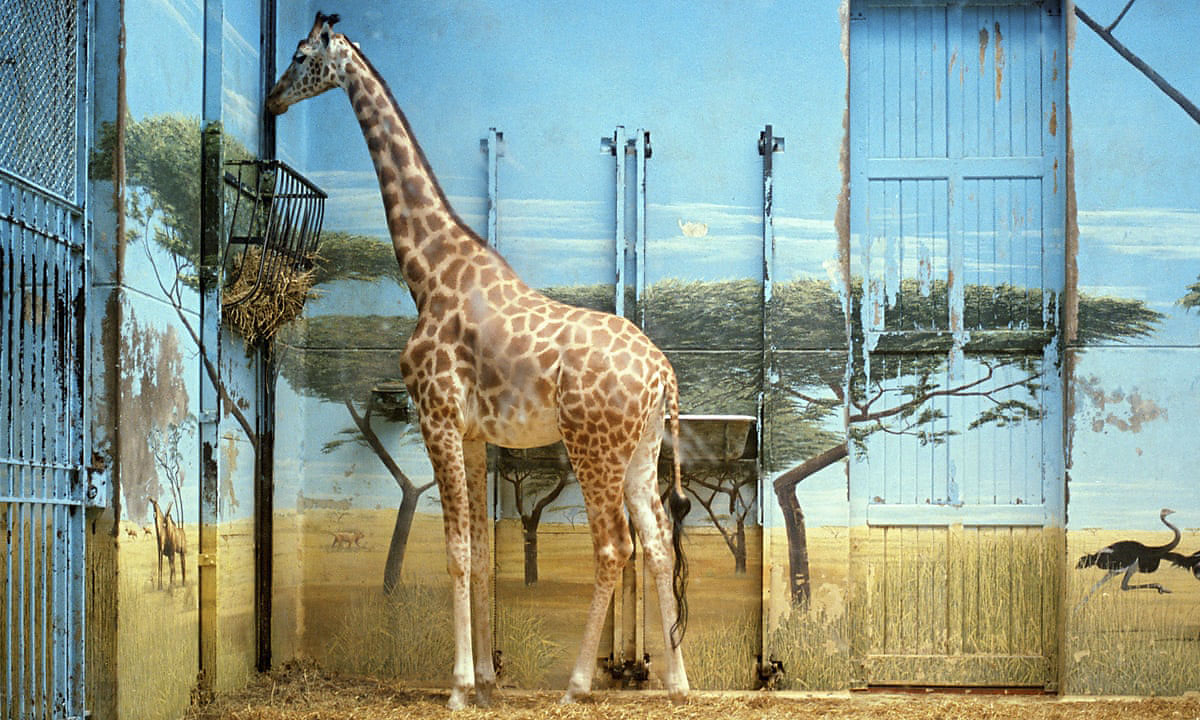

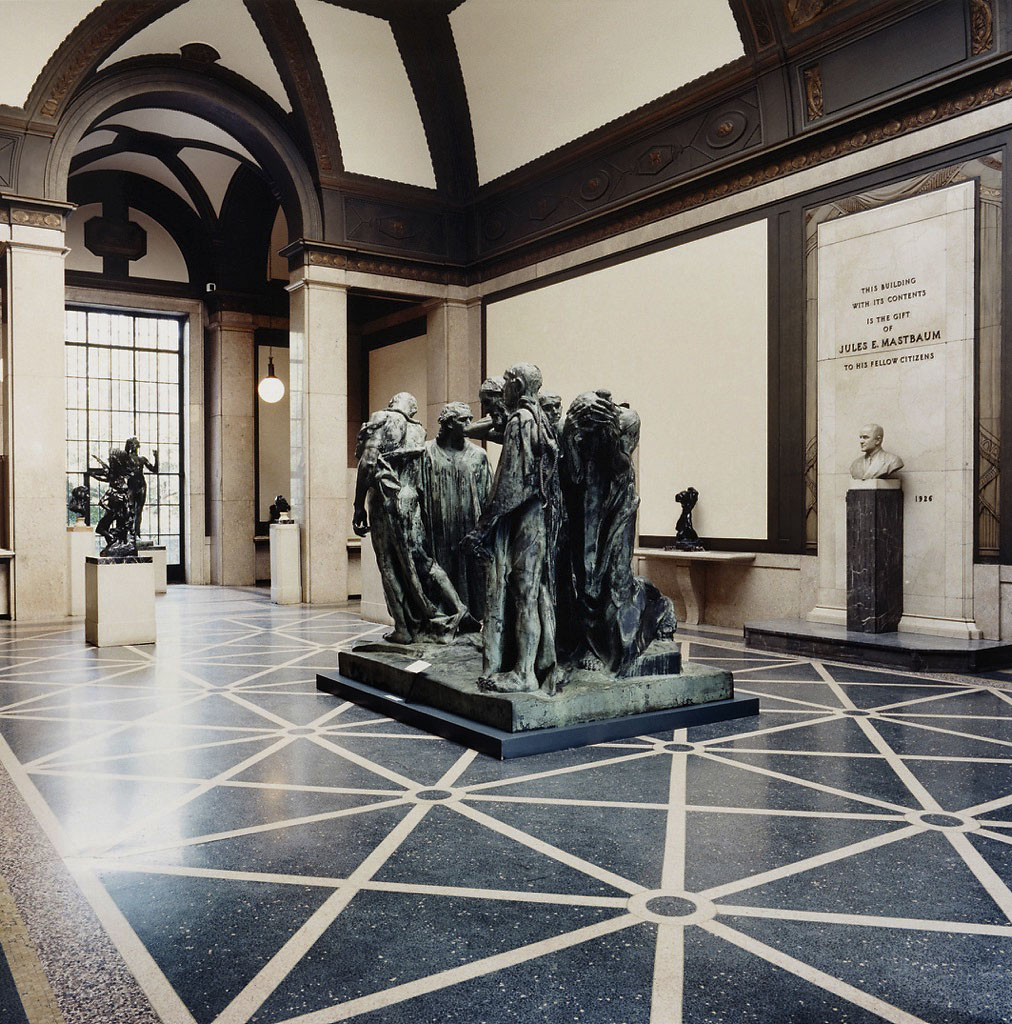








 Art Blart _ art and cultural memory archive
You must be logged in to post a comment.