Marcus Bunyan (Australian, b. 1958) Untitled 2011 From the series The Symbolic Order (cartes de visite) Digital photograph
The body of work The Symbolic Order (cartes de visite) 2011 is now online on my website. There are 23 images in the series of modulated fighter aircraft recognition cards that cycle through the colour wheel. Below is a selection of images from the series.
I hope you like the work!
Marcus
Please click on the photographs for a larger version of the image.
Photographs are available from this series for purchase. As a guide, a digital colour 16″ x 20″ costs $1000 plus tracked and insured shipping. For more information please see my Store web page.
All photographs: Untitled from the series The Symbolic Order (cartes de visite) 2011 by Marcus Bunyan
How I wish I could have been in New York to see this exhibition!
Marcus
Many thankx to the Museum of Modern Art (MoMA) for allowing me to publish the photographs in the posting. Please click on the photographs for a larger version of the image.
Frances Benjamin Johnston (American, 1864-1952) Physiology. Class in emergency work 1899-1900 Platinum print 7 9/16 × 9 1/2″ (19.2 × 24.2cm) The Museum of Modern Art, New York Gift of Lincoln Kirstein
“It is wrong to regard photography as purely mechanical. Mechanical it is, up to a certain point, but beyond that there is great scope for individual and artistic expression.” ~ Frances Benjamin Johnston
After setting up her own photography studio in 1894, in Washington, D.C., Frances Benjamin Johnston was described by The Washington Times as “the only lady in the business of photography in the city.”1 Considered to be one of the first female press photographers in the United States, she took pictures of news events and architecture and made portraits of political and social leaders for over five decades. From early on, she was conscious of her role as a pioneer for women in photography, telling a reporter in 1893, “It is another pet theory with me that there are great possibilities in photography as a profitable and pleasant occupation for women, and I feel that my success helps to demonstrate this, and it is for this reason that I am glad to have other women know of my work.”2
In 1899, the principal of the Hampton Normal and Agricultural Institute in Virginia commissioned Johnston to take photographs at the school for the 1900 Exposition Universelle in Paris. The Hampton Institute was a preparatory and trade school dedicated to preparing African American and Native American students for professional careers. Johnston took more than 150 photographs and exhibited them in the Exposition Nègres d’Amerique (American Negro Exhibit) pavilion, which was meant to showcase improving race relations in America. The series won the grand prize and was lauded by both the public and the press.
Years later, writer and philanthropist Lincoln Kirstein discovered a leather-bound album of Johnston’s Hampton Institute photographs. He gave the album to The Museum of Modern Art, which reproduced 44 of its original 159 photographs in a book called The Hampton Album, published in 1966. In its preface, Kirstein acknowledged the conflict inherent in Johnston’s images, describing them as conveying the Institute’s goal of assimilating its students into Anglo-American mainstream society according to “the white Victorian ideal as criterion towards which all darker tribes and nations must perforce aspire.”3 The Hampton Institute’s most famous graduate, educator, leader, and presidential advisor Booker T. Washington, advocated for black education and accommodation of segregation policies instead of political pressure against institutionalized racism, a position criticized by anti-segregation activists such as author W. E. B. Du Bois.
Johnston’s pictures neither wholly celebrate nor condemn the Institute’s goals, but rather they reveal the complexities of the school’s value system. This is especially clear in her photographs contrasting pre- and post-Hampton ways of living, including The Old Well and The Improved Well (Three Hampton Grandchildren). In both images, black men pump water for their female family members. The old well system is represented by an aged man, a leaning fence, and a wooden pump that tilts against a desolate sky, while the new well is handled by an energetic young boy in a yard with a neat fence, a thriving tree, and two young girls dressed in starched pinafores. Johnston’s photographs have prompted the attention of artists like Carrie Mae Weems, who has incorporated the Hampton Institute photographs into her own work to explore what Weems described as “the problematic nature of assimilation, identity, and the role of education.”4
Kristen Gaylord, Beaumont and Nancy Newhall Curatorial Fellow, Department of Photography, 2016
1/ “Washington Women with Brains and Business,” The Washington Times, April 21, 1895, 9 2/ Clarence Bloomfield Moore, “Women Experts in Photography,” The Cosmopolitan XIV.5 (March 1893), 586 3/ Lincoln Kirstein, “Introduction,” in The Hampton Album: 44 photographs by Frances B. Johnston from an album of Hampton Institute (New York: The Museum of Modern Art, 1966), 10 4/ Quoted in Denise Ramzy and Katherine Fogg, “Interview: Carrie Mae Weems,” Carrie Mae Weems: The Hampton Project (New York: Aperture, 2000), 78
One day I went to the market in Spoleto, Italy, where my husband and I spent every summer and my flowers were wrapped up in a newspaper that I brought home and realised had a photograph of the serial killers, Charlie Manson and Jeffrey Dahmer, and an article in Italian that asked why these things happen in America. I knew immediately that I wanted to incorporate it into a photograph. And in our bedroom, I had leaned some jumbo postcards from the Courtauld Museum in London on the dresser.
Although the photograph could have a lot of traditional still life elements in it, you know, the bottle or the fruit, or the flowers, I like the fact that an aspect of the still life work that I’m able to bring in is the news that’s going on in another part of the world.
In my still lives, bringing in the newspaper allows me to connect these things that might seem very disparate, a fragment of a painting by a French painter from another century, put together with a news article about murder. But in fact, the nature of our contemporary lives is that we’re flipping the channels all the time. We’re experiencing so many things at once, and we’re not able to selectively engage only one thing at a time.
The Museum of Modern Art draws from its rich collection of photography to present the history of the medium from the dawn of the modern period to the present with the exhibition Pictures by Women: A History of Modern Photography, from May 7 to August 30, 2010. Filling the entire third-floor Edward Steichen Photography Galleries with photographs made exclusively by women artists, this installation comprises more than 200 works by approximately 120 artists, including a selection of exceptional recent acquisitions and works on view for the first time by such artists as Anna Atkins, Claude Cahun, Rineke Dijkstra, VALIE EXPORT, Nan Goldin, Helen Levitt, and Judith Joy Ross. The exhibition also includes masterworks by such luminaries as Berenice Abbott, Diane Arbus, Gertrude Käsebier, Dorothea Lange, Lisette Model, Tina Modotti, Cindy Sherman, and Carrie Mae Weems, as well as pictures, collages, video, and photography-based installations drawn from other curatorial departments by artists such as Hannah Höch, Barbara Kruger, Annette Messager, Yoko Ono, Lorna Simpson, Kiki Smith, and Hannah Wilke. The exhibition is organised by Roxana Marcoci, Curator; Sarah Meister, Curator; and Eva Respini, Associate Curator, Department of Photography, The Museum of Modern Art.
The Edward Steichen Photography Galleries comprise a circuit of six rooms devoted to a rotating selection of photographs from the Museum’s collection. The galleries featuring works from 1850 to the 1980s open on May 7, 2010, and remain on view through March 21, 2011. The most contemporary works in the exhibition are currently on view in The Robert and Joyce Menschel Gallery, and they remain on view through August 30, 2010.
For much of photography’s 170-year history, women have contributed to its development as both an art form and a means of communication, expanding its parameters by experimenting with every aspect of the medium. Self-portraits and representations of women by a variety of women practitioners are a recurring motif, as seen in works by artists ranging from Julia Margaret Cameron to Lucia Moholy, and from Germaine Krull to Katy Grannan. Significant groups of works by individual photographers are highlighted within this chronological survey, including in-depth presentations of the work of Frances Benjamin Johnston, Käsebier, Modotti, Lange, Levitt, Arbus, Goldin, and Ross.
Marking the entrance to The Edward Steichen Photography Galleries is a large-scale photographic wallpaper, Fluxus Wallpaper, realised by Yoko Ono and George Maciunas in the early 1970s. This work depicts the serial repetition of a set of buttocks, an image originating from a provocative Fluxus film made by Ono in 1966.
Pictures by Women opens with a gallery of nineteenth and early twentieth-century work, representing the variety of photography’s applications. The earliest photograph in the installation was made in the 1850s by British photographer Anna Atkins, who used the cyanotype process to record her many plant specimens. Presented side by side are in-depth groupings of work by American photographers Frances Benjamin Johnston and Gertrude Käsebier. In 1899 the Hampton Institute commissioned Johnston to take photographs at the school that were featured in an exhibition about contemporary African American life at the Paris Exposition of 1900. On view is a selection of pictures taken from a larger album of 156, which exemplify Johnston’s talent for balancing pictorial delicacy and classical composition with the demands of working on assignment. Käsebier – another woman who produced photographic works of art while operating a successful commercial studio – is best known for her portraits and symbolic, soft-focus pictures of the mother-and-child theme.
The rise of photographic modernism in the 1920s and 1930s is traced in the second gallery primarily with the work of European women artists. A wall of portraits of women showing the range of artistic expression and experimentation during this period includes Claude Cahun’s radical gender-bending self-portrait in drag (1921); Lucia Moholy’s striking portrait of fellow Bauhaus student Florence Henri (1927); and Hannah Höch’s Indian Dancer: From an Ethnographic Museum (1930), a collage evoking the modern woman. Included here is also a photocollage by the little known Japanese artist Toshiko Okanoue, titled In Love (1953). Cannibalising images from U.S. magazines such as Life and Vogue, this surreal collage represents a young Japanese woman’s perception of the Western way of life. A group of pictures taken in Mexico in the late 1920s by Italian photographer Tina Modotti possess an aesthetic clarity and beauty that reflect her increasing political involvement within her adopted country. Also included is Ilse Bing’s Self-Portrait in Mirrors (1931), a picture staging a complex mise-en-scène between two reflections – one in the mirror and the other in the camera’s eye – as well as similarly powerful works by Imogen Cunningham, Florence Henri, Germaine Krull, and Lee Miller, who experimented with mobile perspectives of the handheld camera and graphic compositions.
The third gallery features photographers who devoted themselves to the complex challenge of exploring the social world in the interwar and postwar periods. Largely comprising work by American women, this gallery includes comprehensive presentations of two of America’s leading photographers, Dorothea Lange and Helen Levitt. The breadth of Lange’s accomplishments is represented through a selection of approximately 20 photographs, all of women, including her iconic Depression-era picture Migrant Mother, Nipomo, California (1936); the memorable One Nation, Indivisible, San Francisco (1942); and pictures capturing the bustle of postwar life in America, such as Mother and Child, San Francisco (1952). Opposite these works is a wall of colour photographs taken by Levitt in the 1970s on the streets of New York City. These lively, spontaneous pictures are full of humour and drama, and continue the rich tradition of the American documentary genre that Levitt helped establish in the 1940s with her black-and-white photographs. The rest of the gallery includes a variety of work made during the period, including Berenice Abbott’s documents of the changing architecture and character of New York City in the 1930s, and Barbara Morgan’s elegant 1940 photograph of dancer Martha Graham performing her dramatic piece “Letter to the World,” based on the love life of American poet Emily Dickinson.
Photography’s documentary tradition in the postwar period continues in the fourth gallery, most notably with a selection of Diane Arbus’s portraits of women, such as A Widow in Her Bedroom, New York City (1963); Identical Twins, Roselle, New Jersey (1966); and Girl in Her Circus Costume, Maryland (1967). This gallery also includes work by artists of the 1960s and 1970s who embraced photography not just as a way of describing experience, but as a conceptual tool for appropriating and manipulating existing photographs. Examples include Martha Rosler’s collage Cleaning the Drapes (1969-1972), which juxtaposes images of domestic bliss taken from women’s magazines with news pictures of the war in Vietnam. The gallery also introduces several notable examples of acts performed for the camera, including Adrian Piper’s self-portrait series Food for the Spirit (1971), a meditation on transcendental being through an analysis of Kant’s Critique of Pure Reason; and VALIE EXPORT’s provocative Action Pants: Genital Panic (1969). Presented as a set of posters, this work memorialised a performance in which the Austrian artist marched into an experimental art-film house in Munich wearing crotchless trousers, challenging mostly male viewers to “look at the real thing” instead of passively enjoying images of women on the screen.
The emergence of colour photography as a major force in the 1970s is seen in the fifth gallery, with large photographs, including Tina Barney’s Sunday New York Times (1982) and a picture from Cindy Sherman’s celebrated Centerfolds (1981) series. This gallery also includes the work of postmodern artists associated with The Pictures Generation, such as Barbara Kruger, Louise Lawler, Sherrie Levine, and Laurie Simmons, who played with photography’s potential to comment on the increasingly image-saturated world of the late twentieth century. Representing the other end of the photographic spectrum is the diaristic aesthetic of Nan Goldin. A group of Goldin photographs dating from 1978 to 1985 capture the shared experience of an artistic downtown New York community – a generation ravaged by drug abuse and AIDS. These pictures of the artist’s friends, lovers, and Goldin herself explore the highs and the lows of amorous relationships. These are presented opposite work by Gay Block, Sally Mann, and Sheron Rupp, who use the probing vision of straightforward photography to explore the world around us.
Concluding the installation in The Robert and Joyce Menschel Gallery are major groups of works that suggest the diversity of artistic strategies and forms in contemporary photography. A group of Judith Joy Ross portraits of very different women – a graduation guest (1993), a soldier (1990), a congresswoman (1987), and a visitor to the Vietnam Veterans Memorial (1984) – invite us to reflect upon the relationship between social roles and the unique identities of the individuals who fulfil them. Presented on the same wall is Rineke Dijkstra’s ongoing series Almerisa, comprising 11 photographs made over a period of 14 years. Dijkstra first photographed Almerisa – a six-year-old Bosnian girl whose family had relocated from their war-torn native country to Amsterdam – as part of a project documenting children of refugees. Dijkstra continued to photograph her at one- or two-year intervals, chronicling not only her development from childhood through adolescence and into adulthood but also her cultural assimilation from Eastern to Western Europe. A selection from Carrie Mae Weems’s series From Here I Saw What Happened and I Cried (1995) superimpose sand-blasted text over found photographs to dissect photography’s historical role in imposing stereotypes upon African Americans. Rounding out this gallery is a wall dedicated to portraits of women, including work by Valérie Belin, Tanyth Berkeley, Katy Grannan, and Cindy Sherman, suggesting the plasticity of photography and, indeed, of female identity itself.
Press release from the MoMA website
Julia Margaret Cameron (British, 1815-1879) Untitled c. 1867 Albumen silver print 13 3/16 x 11″ (33.5 x 27.9cm) The Museum of Modern Art, New York Gift of Shirley C. Burden
Gertrude Käsebier (American, 1852-1934) The Manger 1899 Platinum print 12 13/16 x 9 5/8″ (32.5 x 24.4cm) The Museum of Modern Art, New York Gift of Mrs. Hermine M. Turner
Tina Modotti (Italian, 1896-1942) Workers Parade 1926 Gelatin silver print 8 7/16 x 7 5/16″ (21.5 x 18.6cm) The Museum of Modern Art, New York Given anonymously
Through the cut-and-pasted elements of Indian Dancer, Höch assembled references to film, Central African sculpture, and the domestic sphere. Her collaged model is the actress Renée (Maria) Falconetti (also known simply as “Falconetti”), appearing in a publicity still for Carl Theodor Dreyer’s 1928 film The Passion of Joan of Arc. Half of Falconetti’s face is replaced with the ear, eye, and mouth of a wooden dance mask from Cameroon. Atop her head rests a crown of cutlery: cutout shapes of spoons and knives, set against glinting metallic foil.
This work belongs to a series of photomontages called From an Ethnographic Museum (1924-1934), in which Höch juxtaposed images of women with reproductions of tribal art cut from magazines. The artist cited a visit to the ethnographic museum in Leiden, in the Netherlands, as an influence in the conception of this series; however, she used material from other cultures mostly as a point of departure for commentary on the status of women in contemporary German society. Invoking an androgynous fifteenth-century French martyr as embodied by a glamorous movie star, capping her with the finery of a domestic goddess, and aligning her with a cultural Other, this composite representation examines the complex facets of modern femininity.
Publication excerpt from MoMA Highlights: 375 Works from The Museum of Modern Art, New York (New York: The Museum of Modern Art, 2019)
Rosler conceived Bringing the War Home during a time of increased intervention in Vietnam by the United States military. Splicing together pictures of Vietnamese citizens maimed in the war, published in Life magazine, with images of the homes of affluent Americans culled from the pages of House Beautiful, Rosler made literal the description of the conflict as the “living-room war,” so called in the USA because the news of ongoing carnage in Southeast Asia filtered into tranquil American homes through television reports. By urging viewers to reconsider the “here” and “there” of the world picture, these activist photomontages reveal the extent to which a collective experience of war is shaped by media images.
Gallery label from The Shaping of New Visions: Photography, Film, Photobook, April 16, 2012 – April 29, 2013
Vanila Netto (Brazil, b. 1963) Pole Relief 2011 50 x 50cm Archival pigment ink on cotton rag paper
“There’s an odd diaristic quality to Vanila Netto’s photographic, still life, video and neon works. What at first might seem like a hotchpotch of gestures, assemblages and moments reveals a lateral narrative – still points on a fluid map.”
Dan Rule in The Age newspaper
Netto’s work moves from one place to another, Navigating Widely. Some elements are more successful than others. The grainy colour field photographs of extruded objects (foam packing, the detritus of cardboard) fail to impress lacking the fidelity that the subject matter requires and the ability to integrate successfully into the lateral narrative. The Super 8 film transferred to digital video It is time to bridge (2011) is excellent, evoking as it does the utopian ideals of industrialisation, planes and rockets becoming “permanent and sedentary residents” of an abandoned dream park. The diptych neon installation Elation, Deflation (Inner Tubes) (2011) is also effective in evoking the interface between human and machine.
The best work in the exhibition is the series of small square format, analogue colour photographs that have been printed digitally (see photographs below). There is a lovely spatial resistance in these photographs – hints of colour, slices, markings on walls, the collision of opposites – that elevates them above the rest of the exhibition. In these photographs, the punctum pricks our consciousness but is it enough? Although these are interesting photographs, are they photographs that you would remember in a week, a month or a year? More was needed to hang your hat on, perhaps an ambiguous sense of Time that stretched the frame of reference.
Overall, the hotchpotch of gestures, assemblages and moments needed a more substantial grounding and, for me, became points on a confused map: a collection of complexities, both global and personal, that needed a focusing of rationale and conceptualisation. Less is more! Drawing what are some good ideas and threads together in a simplified form would add to the strength of the work for there is talent here. Perhaps concentrating on one idea and exploring it more fully would be a step along the path. I look forward to the next literation.
Dr Marcus Bunyan
Many thanxk to Angela Connor for her help and to Arc One Gallery for allowing me to publish the photographs in the posting. Please click on the photograph for a larger version of the image.
Vanila Netto (Brazil, b. 1963) Colossus 2011 100 x 100cm Archival pigment ink on cotton rag paper
Vanila Netto (Brazil, b. 1963) Mir 2011 50 x 50cm Archival pigment ink on cotton rag paper
Vanila Netto (Brazil, b. 1963) Wheeling Consorts 2011 50 x 50cm Archival pigment ink on cotton rag paper
Vanila Netto (Brazil, b. 1963) Solaris 2011 50 x 50cm Archival pigment ink on cotton rag paper
Vanila Netto (Brazil, b. 1963) Air Buzzing 2011 50 x 50cm Archival pigment ink on cotton rag paper
Arc One Gallery 45 Flinders Lane Melbourne, 3000 Phone: (03) 9650 0589
Many thankx to the Hermitage Amsterdam for allowing me to publish the photographs in the posting. Please click on the photographs for a larger version of the image.
No other king from antiquity has such a powerful appeal to the imagination as Alexander the Great (356-323 BC). Nor other king has been so often cited and depicted as an example.
The exhibition The Immortal Alexander the Great will be on view from 18 September 2010 until 18 March 2011 in the Hermitage Amsterdam, with over 350 masterpieces, including the famous Gonzaga cameo from the State Museum the Hermitage in St Petersburg. This is the first time that any Dutch museum has devoted an exhibition to Alexander the Great, his journey to the East, and the influence of Hellenism. The exhibition spans a period of almost 2500 years. In the Hermitage Amsterdam, the ‘immortal’ Alexander will be brought to life for six months.
Alexander was born in 356 BC as the son of King Philip II of Macedonia. In boyhood he was taught by Aristotle, who would be an abiding influence on him. At twenty years of age Alexander succeeded to the throne, following his father’s assassination. Two years later he embarked on the great expedition that would seal his fame. His conquests brought him into contact with numerous countries and cultures: Syria, Egypt, Persia, Bactria, and India. He founded new cities wherever he went, naming many of them Alexandria. His arrival had a lasting impact on local architecture, art, language, and ways of life: in the course of time they assimilated and displayed Greek influence, a process that became known as Hellenism.
The Greek sphere of influence was vast: it extended from Asia Minor to India, from Egypt to Mongolia. Alexander’s name and fame has endured down to the present day.
The exhibition in the Hermitage Amsterdam gives a picture of Alexander himself and of the great cultural and artistic changes that followed in the train of his conquests.
The exhibition begins with the myth of Alexander. Images in paintings dating from the seventeenth to the nineteenth centuries, tapestries, and decorative arts display his heroic deeds and conquests. Impressive examples include paintings by Pietro Antonio Rotari (Alexander the Great and Roxana) and Sebastiano Ricci (Apelles painting Campaspe), and a tapestry depicting The Family of Darius before Alexander the Great.
The exhibition then moves on to Alexander’s reality, his native Macedonia, his teachers, his heroes Achilles and Heracles, and his ideals. The lion’s share of this reality consists of his journey, the Great Expedition to the East: an unparalleled campaign of conquest lasting over ten years, with an army that was more than 50,000 strong. Objects from Egypt and Persia, from the nomads and the Babylonians, attest to the rich cultures that he encountered on his travels. Visitors can follow the route of his celebrated journey on interactive maps and computers.
This part of the exhibition also highlights the Greek influence on those other cultures. Terracotta figurines depicting men and women, gods and satyrs, musicians and Eros, and stone fragments of architecture, testify to the artistic wealth that characterised the Hellenistic territories from the fourth century BC to the first few centuries AD. While many of these works reflect the Greek spirit of cheerfulness and playfulness, the Greeks also took an interest in the atypical, such as disabilities and deformities.
Finally, the exhibition dwells on Alexander’s heritage. Fourth-century reliefs from Palmyra demonstrate the endurance of Greek traditions outside Greece, as do papyruses bearing texts in Greek, which were still being produced in the ninth century. In the fifteenth and sixteenth centuries, Alexander played a prominent role in Persian literature, in which he is known as Iskander. He is recognisable in finely executed miniatures.
Alexander the Great is still a topical figure in our own times. Very recently (2004) a broad international public became better acquainted with him thanks to Oliver Stone’s film of his life. Alexander is a phenomenon. He is immortal. And the exhibition on show at the Hermitage Amsterdam makes this abundantly clear.
Erwin Olaf was asked to make photographic interpretations of Alexander, which he did in a photographic series and a short film. By interlacing objects from the exhibition with photographs of an actual model, Olaf has succeeded in skilfully conveying Alexander’s character traits and his handsome features.
Press release from the Hermitage Amsterdam website [Online] Cited 13/03/2011 no longer available online
Pietro Rotari (Italian, 1707-1762) Alexander the Great and Roxane 1756 Oil on canvas Height: 243cm (95.6 in) Width: 202cm (79.5 in)
Pietro Antonio Rotari (30 September 1707 – 31 August 1762) was an Italian painter of the Baroque period. Born in Verona, he led a peripatetic career, and died in Saint Petersburg, where he had traveled to paint for the Russian court. His portraits, mostly of women, are renowned for being beautiful and realistic. Rotari’s works were generally limited to royal portraits held by notables such as emperors and court ladies.
Brompton was a pupil of Benjamin Wilson. He then went to Italy, and spent some time in Rome, where he had lessons with Raphael Mengs. He was also introduced to the patronage of the Earl of Northampton, and accompanied the earl to Venice when he was appointed ambassador to the republic. At Venice Brompton painted a conversation-piece, in which he introduced the portraits of the Duke of York and several English gentlemen then on their travels. The picture was afterwards exhibited at the rooms in Spring Gardens in 1763, at which time he returned to England, and for some years practised portrait painting. Extravagant living and debtors brought him to the King’s Bench, but he was rescued by the Empress of Russia, at whose request he went to St. Petersburg, where he was appointed portrait painter to the empress, and where he met with much employment. During this time he was patronized by the empress favorite, Grigory Potemkin. He died in that city in 1783.
Curators: Maria Zagala, Associate Curator of Prints, Drawings and Photographs, Art Gallery of South Australia and Stephen Zagala, Curator at Monash Gallery of Art
Tracey Moffatt (Australia, b. 1960) Something More (no. 3) From the series of 9 photographs Something More 1989 Direct positive colour photograph 98 × 127cm Courtesy the artist and Roslyn Oxley9 Gallery, Sydney
Many thankx to the Art Gallery of South Australia for allowing me to publish the photographs in the posting. Please click on the photographs for a larger version of the image.
Tracey Moffatt: Narratives is the first major exhibition of this leading contemporary Australian artist to be held in Adelaide. The exhibition is a collaboration between the Monash Gallery of Art in Melbourne and the Art Gallery of South Australia and explores Moffatt’s interest in the history of cinema and the formal language of film and video in her construction of ‘photo-narratives’. It features seven of Moffatt’s multi-part photographic series, including Something More (1989), Scarred for Life I (1994) and II (1999), Up in the Sky (1997), Laudanum (1999), Invocations (2000), and The Adventure Series (2004).
In these series Moffatt uses photographic stills to build non-linear and open-ended stories. The narrative aspect of these series allows her to develop dream-like sequences, in which the real and the imaginary can unfold alongside each other. In this way, Moffatt invests the social reality of issues like race relations and domestic violence with uncertainty and subconscious dimensions. She presents disturbing subject matter in highly staged photographs which use the seductive language of film and popular culture to directly engage her audience.
The exhibition also includes Moffatt’s ground breaking films Nice Coloured Girls (1987), Night Cries (1990), Heaven (1997) and BeDevil (1993), and the critically acclaimed video montages produced with Gary Hillberg, Artist (2000), Revolution (2008) and Other (2009).
Text from the AGSA website
Tracey Moffatt (Australia, b. 1960) Something More (no. 5) From the series of 9 photographs Something More 1989 Direct positive colour photograph 98 × 127cm Courtesy the artist and Roslyn Oxley9 Gallery, Sydney
Tracey Moffatt (Australian, b. 1960) Something More (no. 1) 1997 From the series of 9 photographs Something More 1989 Direct positive colour photograph 98 × 127cm Courtesy the artist and Roslyn Oxley9 Gallery, Sydney
Tracey Moffatt (Australia, b. 1960) Job hunt, 1976 From the series of 10 prints Scarred for life I 1994 Colour photolithograph on paper 80 x 60cm Monash Gallery of Art, City of Monash Collection Courtesy of the artist and Roslyn Oxley9 Gallery, Sydney
Tracey Moffatt (Australia, b. 1960) Useless, 1974 From the series of 10 prints Scarred for life I 1994 Colour photolithograph on paper 80 x 60cm Monash Gallery of Art, City of Monash Collection Courtesy of the artist and Roslyn Oxley9 Gallery, Sydney
Tracey Moffatt (Australia, b. 1960) Up in the sky (no. 1) From the series of 25 prints Up in the sky 1997 colour photolithograph on paper 61 x 76cm Monash Gallery of Art, City of Monash Collection Courtesy of the artist and Roslyn Oxley9 Gallery, Sydney
Tracey Moffatt (Australia, b. 1960) Up in the sky From the series of 25 prints Up in the sky 1997 colour photolithograph on paper 61 x 76cm Monash Gallery of Art, City of Monash Collection Courtesy of the artist and Roslyn Oxley9 Gallery, Sydney
Tracey Moffatt (Australia, b. 1960) Laudanum (no. 1) From the series of 19 prints Laudanum 1998 Photogravure on paper 76 × 57cm Courtesy the artist and Roslyn Oxley9 Gallery, Sydney
Tracey Moffatt (Australia, b. 1960) Invocations (no. 2) From the series of 13 prints Invocations 2000 Colour silkscreen on paper 146 x 122cm Monash Gallery of Art, City of Monash Collection Courtesy of the artist and Roslyn Oxley9 Gallery, Sydney
Tracey Moffatt (Australia, b. 1960) Invocations (no. 5) From the series of 13 prints Invocations 2000 Colour silkscreen on paper 146 x 122cm Monash Gallery of Art, City of Monash Collection Courtesy of the artist and Roslyn Oxley9 Gallery, Sydney
Tracey Moffatt (Australia, b. 1960) Invocations (no. 7) From the series of 13 prints Invocations 2000 Colour silkscreen on paper 146 x 122cm Monash Gallery of Art, City of Monash Collection Courtesy of the artist and Roslyn Oxley9 Gallery, Sydney
Tracey Moffatt (Australia, b. 1960) Adventure Series (no. 1) from the series of 10 prints Adventure Series 2004 Inkjet print on paper 132 × 114cm Courtesy the artist and Roslyn Oxley9 Gallery, Sydney
Tracey Moffatt (Australia, b. 1960) Adventure Series (no. 2) From the series of 10 prints Adventure Series 2004 Inkjet print on paper 132 × 114cm Courtesy the artist and Roslyn Oxley9 Gallery, Sydney
Art Gallery of South Australia North Terrace Adelaide Public information: 08 8207 7000
Rosemary Laing (Australian, b. 1959) Jim 2010 From the series Leak C Type photograph Large image size 110 x 238cm Framed size 127 x 255cm Edition of 8
You have just got to love these!
A wonderful suite of five panoramic photographs, framed in white, inhabit the beautiful space of Tolarno Galleries, Melbourne. The photographs, different angles of the same bleached bone inverted skeleton of a house that was constructed by five builders in the Australian landscape around Cooma, New South Wales (no Photoshop tricks here!) have a subdued colour palette of misty greys and greens – all except one that has a vibrant blue sky with clouds, a man with his sheep dogs and a flock of sheep. Two of the photographs are framed upside down, one photograph a closer study from the same angle.
The house on the hill is surrounded by wondrous light gently highlighting the wooden bones of the building embedded into the landscape in a context that is soon to become another suburban housing estate. The skeleton rises up (and falls into the sky) like a foundering ship amongst mysterious gum trees, surrounded by broken stumps and littered branches. The best photograph (top, below) has the effect of the bones being lit up like a giant puzzle.
Examining ‘the encroachment of suburban development and the socio-economic and environmental pressures on the Australian landscape’ these photographs, named after the characters from Patrick White’s novel The Twyborn Affair, are ecologically aware and politically astute, as well as being fine photographs. The title of the exhibition, leak, perfectly sums up the osmotic nature of the encroachment of human habitation upon the ‘natural’ environment, which is already a mediated landscape due to European farming techniques and clearance of the landscape. But this is not a one way discourse; what do we call the ‘new’ Australian bush? What if the humpy invaded suburbia and pushed back the tide?
I would love to see different types of houses in different contexts. I want to see more these are so good!
Rosemary Laing (Australian, b. 1959) Prowse 2010 From the series Leak C Type photograph Large image size 110 x 247cm Framed size 127 x 264cm Edition of 8
Rosemary Laing (Australian, b. 1959) Aristide 2010 From the series Leak C Type photograph 60 x 122cm Edition of 8
Rosemary Laing (Australian, b. 1959) Eddie 2010 From the series Leak Type C photograph Framed 127.0 x 274.6cm Edition of 8
Tolarno Galleries Level 4 104 Exhibition Street Melbourne VIC 3000 Australia Phone: 61 3 9654 6000
Exhibition dates: 27th November 2010 – 6th March 2011
Curators: Götz Adriani and Patricia Kamp
Installation photograph of the exhibition Duane Hanson/Gregory Crewdson: Uncanny realities at Museum Frieder Burda
A great double act!
An inspired curatorial choice brings the work of these two artist’s together – life-like sculptures of everyday Americans mixing with theatrical, deadpan staged images. The mis en scène created in the exhibition space, the tension between sculpture, photograph, frame and space – is delicious.
Crewdson is at his best when he resists the obvious narrative (for example, all the traffic lights stuck on yellow in the photograph Untitled (Brief Encounter) (2006, see below). Personally I prefer his staged photographs with pairs or groups of people within the image, rather than a single figure. The storyline is more ambiguous and the photographs of people walking along railway tracks always remind me of the Stephen King story filmed as Stand by Me (1986) with a young River Phoenix. Either way they are intoxicating, the viewer drawn into these wonderful, dark psychological dramas.
Dr Marcus Bunyan
Many thankx to Museum Frieder Burda for allowing me to publish the photographs in the posting. Please click on the photographs for a larger version of the image.
Installation photograph of the exhibition Duane Hanson/Gregory Crewdson: Uncanny realities at Museum Frieder Burda with Duane Hanson Old Couple on a Bench (1994) in the foreground and Gregory Crewdson Untitled (Worthington Street) (2006) in the background
The works by the two American artists Duane Hanson (1925-1996) and Gregory Crewdson (born in 1962) confuse and touch the observer.
Both artists present people in their everyday lives, with hopes, yearnings and broken dreams. People we usually do not notice, aged and marked by reality, by life itself. While Hanson shapes his life-sized figures with a great deal of sympathy, Crewdson rather spreads a gloomy and depressing atmosphere in his pictures of lonely people in their houses, gardens and in streets.
With his realistic sculptures, the American artist Duane Hanson has become a synonym for contemporary realism in contemporary art. Typical motives are average people like housewives, waitresses, car dealers, janitors. Posture and expression of these figures are very close to reality. The photographer Gregory Crewdson arranges his large format pictures with cineastic arrangements and lets the abyss behind every-day life scenes become visible.
The exhibition at the Frieder Burda Museum presents about 30 figures by Duane Hanson, mainly from the artist’s estate, in dialogue with 20 large format works from the series Beneath the Roses by the photographer Gregory Crewdson. The photographies are mainly owned by the artist himself.
The curators Götz Adriani and Patricia Kamp are not aiming at a direct confrontation. They are rather presenting two artists who work with different materials, but deal with very similar topics. Both artists, Hanson and Crewdson, are grand when it comes to arranging their art. Crewdson always puts very much effort into the arrangements of the scenes in his pictures, and Hanson always keeps an eye on his close surroundings.
The works of both artists impressively reflect the complexity of the human existence. …
Duane Hanson (1925-1996) is one of the most influential American sculptors of the 20th century committed to Realism.
The proximity to reality of his lifelike, detailed human figures make for perfect irritation. Despite all the seriousness hidden behind the socio-critical issue, which prompted Hanson to create his protagonists, the figures have a great deal of entertainment value, above all – and it is precisely this that makes them so appealing – due to their occasional gravitational bearing. Featuring twenty-five works, the exhibition presents a representative cross-section of the American’s extensive oeuvre, which comprises a total of only 114 works. The figures enter a dialogue with the large-format photographs by the American photo artist Gregory Crewdson, who has a flair for relating human abysses in a different and very subtle way.
In the early 1950s, after completing his study of sculpture at the Cranbrook Academy of Art in Bloomfield Hills, Michigan, Hanson was initially guided by the abstract style of art that prevailed during this period. However, this would not lead to a satisfactory result. In 1953, he turned his back on his homeland and spent nearly ten years of his life earning a living as an art teacher at American schools in Germany. It was during this period that he discovered the materials polyester resin and fibreglass, which would become crucial for his future creative work. After returning to the United States, Hanson spent the ensuing years perfecting his artistic skills in the treatment of these materials in such a way that the boundaries between reality and artificial figure seem to blur – where Hanson was never concerned with the mere illusionistic reproduction of reality, but chose this veristic manner of representation as a medium for communicating his concern in terms of content, i.e., shedding light on the tragedy of human lives that hauntingly consolidates in his characters.
In the human figures produced in the early work phase in the late 1960s, Hanson responded to the sociopolitical tension and protest movements of the day. He created sculptures and ensembles that very directly take issue with social hardship, violence, or racism, and he took a stand for the victims of this system, for the people who never had a chance to successfully face the demands made by life.
Influenced by Pop Art, Hanson turned to thematising everyday American life, frequently switching his observations to a critically satirical attitude that was, however, always guided by compassion. Housewives, construction workers, car salesmen, or janitors – the models for his figures are people in the American middle and working classes in whose biographies the disappointment in the American dream has become entrenched. He often puts his people and all of their small insufficiencies into perspective with ironic kindness, such as, for example, the Tourists, in whom are combined all of the clichés associated with the typical Florida tourist.
Hanson’s participation in documenta 5 in Kassel in 1972 gave rise to his international breakthrough. His figures became more lifelike; they more and more naturally blended into their surroundings. Their gestures, facial expressions, and postures related the emotional and physical burdens of life. The artist concentrated on older people in whose physiognomies one can read the traces of existence, the impact of loneliness, the problems that accompany being old, and their alienation. Hanson was struck by the isolation of this generation by society, a circumstance that has not lost any of its relevance.
Hanson’s interest in rendering the figures as lifelike as possible is surely not rooted in a desire to want to convince the viewer of their “authenticity”; rather, their lifelikeness was meant to move the viewer to experience empathy and concern, thus manifesting Hanson’s humanism. Human values and destinies comprise the focus of his art; he transforms the reality of life into the realism of art and in doing so sharpens our outlook and our view of the world, our fellow human beings, and our own life as well.
Born in 1962 in Brooklyn, New York, Gregory Crewdson is one of the best-known contemporary photographers internationally. In his most important series to date Beneath the Roses, which he created between 2003 and 2008, Crewdson explores the American psyche and the disturbing realities at play within quotidian environments. In his dramatically detailed and realistic photographs situated in America’s morbid, small-town milieu, the artist succeeds to stimulate the viewer’s subconscious on various levels. Twenty outstanding works from the series are being placed in a dialogue with sculptures by Duane Hanson. Gregory Crewdson does not spare either effort or expenses for the production of his visual inventions, which are reminiscent of film productions. The stagings are planned and arranged in advance down to the smallest detail and then elaborately implemented in a major logistical and human effort. The final photograph is the result of what is frequently work lasting several weeks, a circumstance that is substantiated by its depths in terms of content and its technical perfection.
Gregory Crewdson works in two distinct ways to create his photographs. On one hand, he works on location in real neighborhoods and townships. On the other hand, the artist works on the soundstage inventing his world from scratch. Before the photographic location productions start, Crewdson drives around upstate Massachusetts looking for interesting settings, which he then has prepared in an elaborate process. In most cases, local residents of the ramshackle towns also play the characters in his work. Crewdson works closely with the art department of the museum MASSMoCA, when shooting his pictures done on the soundstage. The results are much like stills from a movie and reflect his affinity with cinema. Filmmakers such as Alfred Hitchcock, David Lynch, or Steven Spielberg are the inspiration for Crewdson’s uncanny stories, which he seems to freeze in a single snapshot in time.
The construction of this narrative instant demonstrates the artist’s extraordinary talent. Like sophisticated literature does the reader, his works pose a challenge to viewers, as they have to mount the decisive share of the creative effort themselves. A brief, fleeting glance is not enough. Viewers become immersed in the staged scenes full of details and accessories to experience a moment that is intensely real. Fantasy and the powers of imagination and association fashion the visual event in the mind to become a subjective, alternative reality – an uncanny reality.
In his photographs, Crewdson deliberately works with emotions and fears that extend through his oeuvre in recurring, in part very different scenarios. They mirror alienation, absence, shame, sexuality, and loss – human states of emotion that deeply touch the viewer. That the artist focuses on the mind in his works may be due to the fact that, as the son of a psychoanalyst, he experienced insight into the profundity of the human soul very early on. His works can be regarded as metaphors for fears and desires, for the things that take place below the surface, the palpable, as if Crewdson wanted to make visible a new or different level of reality situated somewhere between the conscious and subconscious.
At the same time, the Beneath the Roses series can be seen as a psychological study of the American province. The settings show social realities and document the economic decline of a society behind the backdrop of the American way of life. Unsentimental and direct, they reflect working-class life – which allows us to strike an arc to the work by Duane Hanson, whose oeuvre also revolves around the concept of humanity, the facets of which he lends expression to in his silent, introverted figures.
The evolution of Beneath the Roses was documented in a series of production stills, original drawings by the artist, and detailed lighting plans. About sixty works from this reservoir are presented in a studio exhibition at the museum in order to illustrate the complex technical process of producing the photographs. Gregory Crewdson completed his study of Street Photography at the Yale School of Art in New Haven in 1988. He returned to Yale in 1993 and has occupied the Chair of Photography since.
Press release from the Museum Frieder Burda website
“It is this irreversibly modified world, from the polar caps to the equatorial forests, that is all the nature we have.”
Simon Schama. Landscape and Memory 1
“The term “landscape” can be ambiguous and is often used to describe a creative interpretation of the land by an artist and the terrain itself. But there is a clear distinction: the land is shaped by natural forces while the artist’s act of framing a piece of external reality involves exerting creative control. The terms of this ‘control’ have be theorised since the Renaissance and, while representations of nature have changed over the centuries, a landscape is essentially a mediated view of nature.”
Dr Isobel Crombie 2
“And, finally, what of the vexed, interrelated matter of non-Aboriginal Australians’ sense of belonging? While the Australian historian Manning Clark speculated that European settlers were eternal outsiders who could never know ‘heart’s ease in a foreign land, because … there live foreign ancestral spirits’, it now seems plausible that non-Aboriginal Australians are developing their own form of attachment, not to land as such, but to place. Indeed, it has recently been argued that for contemporary non-Aboriginal Australians, belonging may have no connection with land at all. Perhaps this is one of the reasons why art photographs of the natural landscape have lost their currency and are now far outnumbered by photographs of urban and suburban environments – after all, it is ‘here’ that most Australians live and ‘there’ that the tourist industry beckons them to escape.”
Helen Ennis. Photography and Australia 3
This review took a lot of research, reading, thinking and writing, all good stuff – I hope you enjoy it!
Heavy Weather: Photography and the Australian Land(e)scape
There is nothing fresh about the work in this exhibition. If feels like all the oxygen has been sucked out of the term ‘landscape’, the land itself gasping for air, for life. What the exhibition does evince is an “undercurrent of disruption and contradiction that suggests that all is not as it may appear” (wall text) – and on this evidence the process of photographing the Australian landscape seems to have become an escape from the land, a fragmented and dislocated scoping, mapping and photographing of mental aspects of the land that have little to do with the landscape itself. Landscape as a site of psychological performance. In this sense, the title Stormy Weather should perhaps have been Heavy Weather for contemporary photographic artists seem to make heavy going of photographing our sense of belonging to land, to place.
Is it the artists or the curators that seek to name this work ‘landscape photography’ for it is about everything but the landscape – an escape from the land, perhaps even a denial of it’s very existence. I believe it is the framing of landscape and its imaging in terms of another subject matter. While I am not going to critique individual works in the exhibition, what I am interested in is this framing of the work as ‘landscape photography’.
Since colonial settlement there has been a rich history of photographing the Australian landscape. In the early colonial period the emphasis was on documenting the building of new cities and communities through realist photography and later more picturesque and panoramic vistas of the Australian land as settlers sought comfort in familiar surroundings and a sense of ‘belonging’ to the land (for example day trippers and photographers travelling to the Blue Mountains). Photographers rarely accompanied expeditions into the interior, unlike the exploration and mapping of the land from the East Coast to the West Coast in the United States. Unlike America there has been little tradition of photographing sublime places in Australia because they are not of the same scale as in the USA. It is very difficult to photograph the vast horizon line of the Australian outback and make it sublime. Photographing the landscape then ventured through Pictorialism in the interwar years, Modernism after WWII through to the emergence of art photography in the 1970s (for example see my posting on Dr John Cato), wilderness and tourist photography. An excellent book to begin to understand the history of photography in Australia is Photography and Australia by Helen Ennis (London: Reaktion Books, 2007) that contains the chapter “Land and Landscape.” As Ennis comments in this chapter, “… landscape photography has been the practice of settler Australians and the expression of a settler-colonial culture … The viewpoint in landscape photography has therefore been almost exclusively European”4 although this culture has been changing in recent years with the emergence of Indigenous photographers.
Ennis observes that contemporary landscape photographers embrace internationalist styles, showing a distaste for totalising nationalist narratives and a rejection of essentialist or absolutist viewpoints, noting that an overarching framework like multiculturalism has lost its currency in favour of transnationalism (which is a social movement grown out of the heightened interconnectivity between people and the loosening of boundaries between countries) that does not disavow colonial inequalities and asymmetrical relations between countries and continents.5 Photographers have developed a “photographic language that allows for the expression of the contradictions inherent in contemporary settler Australians’ relations with the land,”6 whilst offering visual artists a “non-linear, non-didactic way of dealing with the complexities of Australia history and experience, and the relationship between past and present.”7
This much then is a given. Let us now look at the framing of the work in the exhibition as ‘landscape photography’.
Simon Schama in his erudite book Landscape and Memory (New York: Vintage, 1996) believes that there can never be a natural or neutral landscape (even the brilliant meadow-floor [at Yosemite] which suggested to its first eulogists a pristine Eden was in fact the result of regular fire-clearances by its Ahwahneechee Indian occupants) and that it is our shaping perception that makes the difference between raw matter and landscape. There was also a recognition that ‘nature’ was neither neutral nor beyond ideology during the 1970s-1980s. Hence there is a double mediation – by both nature and the artist.
Despite the rejection of essentialist or absolutist viewpoints by contemporary photographers and an acknowledgment of the mediated view by/of nature one can say that there is not a single photograph in this exhibition that is just a ‘landscape’. Even the most sublime photographs in the exhibition, David Stephenson’s (Self-portrait), Reflected moon, Tasmania (1985) is cut up into a grid, or Murray Fredericks Salt photographs (2005, see below) where the photographer has waited agonisingly for weeks for just the right weather conditions to take his photographs which the general public, when visiting Lake Eyre, would have no chance of ever seeing. Through this mediation there seems to have emerged an abrogation or denial of landscape by the artists and curators conceptualisation of it, as though they are performing a particular condition, a style; working out a plan of what to do and say. Is it just a denial or is it an artistic strategy?
I believe that these are strategies that limit artists, not strategies that enable them. The curators are equally implicated in these strategies by their naming of these works ‘landscapes’. What purpose does this naming serve, in terms of the development of a sense of place, not nation, that people living in Australia seek to have? We can ask the question: Where do you stand in relationship to the landscape both philosophically and geographically?
After Butler, we can also ask: What forms of cultural myth making are “embedded” in the framing of landscape by the curators, the naming of such work as ‘landscape photography’?
Rarely is the framing recognised for what it is, when it is the viewer interpreting the interpretation that has been imposed upon us, that limits the visual discourse, producing a view of Australian landscape as fragmented norms enacted through visual narrative frames – that in this case efface the representation of land and place. This conceptual framing of what the work is about limits the grounds for discourse for a frame excludes as much as it corrals. The curators form an interpretative matrix of what is seen (or not seen, or withheld), reinforcing notions of landscape photography, the ‘landscape photography’ “that requires a certain kind of subject that actually institutes that conceptual requirement as part of its description and diagnosis.”8 In other words the description ‘landscape photography’ established by the curators becomes a limiting, self-fulfilling prophecy.
Personally, I think the problem with a landscape exhibition is that this is virtually an inane topic. Somehow “documentary” works as a topic because it is about a mental discipline. But “landscape” is no longer really a topic – it used to be a topic when landscape painters wanted to show the landscape (!) but does anyone really want to show this today? Even when the landscape painters wanted to show the sublime, the landscape was always treated with deference. No-one thinks of Minor White as a landscape photographer for he was a metaphysical photographer. And that’s what this exhibition needs – another word to give sense to a photographers efforts.
This is difficult subject matter. While artists may reject essentialist or absolutist viewpoints what has been substituted in their place is a framing, a definition that is post-nature, that undermines any sense of belonging to land, to place. The dissolutive pendulum has swung too far the other way; we look to theory to be inclusive and sometimes stand on our heads to achieve this to our detriment.
As of this moment we are not at the point where we can look back with some certainty and see that we have reached the beginning of the path of understanding. What I would propose to any artist is a photography that is broadly based, cumulative, offering a layered body of work that builds and refers back to an original body of work, much like the photographs of Robert Adams – photographs that do not make claims but ask questions and hint at a more responsive engagement with the landscape.
My hope is that a more broadly based view of place and our sense of belonging to the land emerges, one that challenges our contemporary understanding of the landscape, a viewpoint and line of sight that calm our troubled sense of reality. Robert Adams has written eloquently about photography and the art of seeing. Here is a quote from his seminal book Why People Photograph (Aperture Foundation, 1994) that aptly concludes this review.
“At our best and most fortunate we make pictures because of what stands in front of the camera, to honor what is greater and more interesting than we are. We never accomplish this perfectly, though in return we are given something perfect – a sense of inclusion. Our subject thus redefines us, and is part of the biography by which we want to be known.”9
Dr Marcus Bunyan
Many thankx to Jemma Altmeier and the National Gallery of Victoria for allowing me to publish the photographs in the posting. Please click on the photographs for a larger version of the image.
Addendum
Further to my argument above there is a session ‘Australian Identity: Australian Bio-diversity and the Landscape of the Imagination’ at the Festival of Ideas, Friday June 17th 2011 at the University of Melbourne where, in the details of the upcoming session, Ian Burn has been quoted about the loss of the landscape:
Details of the session: ‘The connection between landscape and national identity figures prominently in discussions of Australian experience. Recently the pairing of the two has taken a melancholic turn; artist Ian Burn has remarked that ‘A commitment to representing the landscape has come to be about the “loss” of the landscape’. Has the landscape that once supported the Australian legend disappeared? The landscape is represented not only in art but also through science, law and commerce. Are new landscapes and new identities now being imagined and discovered?’
Quotation: “The idea of landscape does not just invoke rival institutional discourses, but today attracts wider and more urgent reflections. A commitment to representing the landscape has become about the ‘loss’ of landscape in the twentieth century … that is about its necessity and impossibility at the same time. Seeing a landscape means focusing on a picture, implicating language in our seeing of the landscape.”
Burn, Ian quoted in Stephen, Ann (ed.,). Artists think: the late works of Ian Burn. Sydney: Power Publications in association with Monash University Gallery, Melbourne, 1996, p. 8.
Footnotes
1/ Schama, Simon. Landscape and Memory. New York: Vintage, 1996, p. 7
2/ Crombie, Isobel. Stormy Weather. Contemporary Landscape Photography (exhibition catalogue). Melbourne: National Gallery of Victoria, 2010, p. 15
3/ Clark, Manning quoted by Peter Read in “A Haunted Land No Longer? Changing Relationships to a Spiritualised Australia,” in Australian Book Review CCLXV (October 2004) pp. 28-33 in Ennis, Helen. “Land and Landscape,” in Photography and Australia. London: Reaktion Books, 2007, pp. 71-72
4/ Ennis, Helen. “Land and Landscape,” in Photography and Australia. London: Reaktion Books, 2007, pp. 51-52
5/ Ennis, Helen. “Land and Landscape,” in Photography and Australia. London: Reaktion Books, 2007, p. 123, p. 133
6/ Ibid., “Land and Landscape,” pp. 71-72
7/ Ibid., “Localism and Internationalism,” p. 128
8/ Butler, Judith. Frames of War: When is Life Grievable? London: Verso, 2010, p. 161
9/ Adams, Robert. Why People Photograph. New York: Aperture Foundation, 1994, p. 179
The work of the contemporary Australian photographers highlighted in this exhibition comes from a profound engagement with the lived landscape around them. The quiet intensity of their work comes from their close and sustained relationship to particular environments. These photographers may use that lived observation to reveal the layers of history in a landscape; to provoke ecological concerns; as the place for site specific performances; or to use the specific poetics of light to reveal the beauty of a place. However for all of them, the real world is the starting point for images of particularity.
Photographers’ interest in the landscape has increased in the last few years. Perhaps as a result of heightened environmental awareness, or an evolution in our engagement with Australian history, practitioners are again turning to the natural world as a site for critical practice and inspiration.
Drawn from the permanent collection the National Gallery of Victoria, the selected photographers in this exhibition have a particular focus that comes from their active relationship to various environments. The artists displayed here reveal history in a landscape; provoke ecological concerns; use the landscape as a site of performance; or reveal the distinctive beauty of a place.
Frequently underpinning these works of quiet intensity and considerable beauty is an undercurrent of disruption and contradiction that suggests all is not as it may first appear.
Text from the National Gallery of Victoria website [Online] Cited 26/02/2011 no longer available online
Richard Nicholson (British, b. 1968) Peter Guest darkroom 2006 Courtesy of the artist and Riflemaker
I started my life as an artist as a black and white photographer. I spent many hours ensconced in the enveloping black and red safety light of the darkroom, listening to the sound of running water – a nurturing, womb-like environment despite the toxic nature of the chemicals involved. It was magical to see the image appear in the developing tray out of nothing, an alchemical process that never ceased to amaze me, a link to the early days of photography and the wonder that those first images would have generated. At that time the photography course at Phillip Institute (soon to become part of RMIT University) had 3 huge darkrooms; now they have one with only a couple of enlargers.
Working in those darkrooms did teach you a solid foundation for your art practice: for one thing, the value of developing a working methodology – choosing a good negative that you wanted to print, spending time with it, adjusting the enlarger to obtain optimum size and printing it beautifully – for in a good day I could only print one or possibly two negatives a day. Then there was the process of washing the chemicals out of the paper and drying the prints. The whole process taught you patience, precision and dedication to the task at hand so that the negative revealed in the print something else that might be present, some ‘other’ that photography has the ability to capture if you take time, are aware and receptive to this illumination. These disciplines have held me in good stead during the following years.
I still love analogue colour and black and white photographs. To me it is like the difference between an LP and a CD. The CD might have it all over the LP in terms of information captured but there is this ineffable feeling about an LP with it’s scratches and pops, it’s atmosphere. The same goes for an analogue print and it is something that you can’t quite put your finger on. I believe that there is still a place for analogue prints in the world – for the magical process, for their beauty, sensitivity and downright inspiration. Long may they live.
Dr Marcus Bunyan
Many thankx to The Riflemaker Gallery for allowing me to publish the photographs and text in the posting. Please click on the photographs for a larger version of the image.
Richard Nicholson (British, b. 1968) Roy Bass darkroom, Michael Dyer Associates, Covent Garden 2006 Courtesy of the artist and Riflemaker
The End of Professional Photographic Darkrooms and Music Recording Studios
The impact of digital technology on print photography and music production is the subject of ANALOG at Riflemaker, Soho from 10 January 2011. The exhibition invites us inside the last of London’s photographic darkrooms as well as taking a visit to a working reel-to-reel music studio, courtesy of an installation by Lewis Durham of the band Kitty, Daisy & Lewis.
Richard Nicholson. “A Survey of London’s Remaining Professional Darkrooms 2006-2010”
1979. The year my father constructed a darkroom and introduced me to photography. I was immediately entranced by the printing process and cherished the long hours spent in this dark, private space; standing in the gloom of the red safelight, slowly rocking the print tray, watching the ghost-like image reveal itself through the gently lapping developer solution. As I experimented with the many formulas and techniques detailed in my father’s guidebooks, I often found the most interesting prints were the chemically stained accidents pulled from the bin at the end of a session. The darkroom became a bolt-hole for me; a private space where I could escape from the noise of family life. As I passed through school, university and various jobs, I often sought out a darkroom to escape from the crowd. But as I honed my skills – solarising, masking, bleaching, split-toning, hand-colouring – my prints began to attract public attention.
2006. I’m working in London as a photographer. I’m still shooting film, but digital is becoming ubiquitous. The photographic manufacturer Durst announces that it will no longer be producing enlargers. Annual sales have dropped from a peak of 107,000 units in 1979 to just a few hundred units in recent years. The darkroom has always been integral to my practice as a photographer. But for how much longer? Once bustling hire darkrooms have become eerily quiet, and London labs are dropping like flies. Joe’s Basement, Primary, Metro Soho, Keishi Colour, Ceta, Team Photographic, Sky – all gone. Polaroid has stopped making instant film and Kodak and Fuji are discontinuing one emulsion after another. The recently introduced Canon 5d camera has persuaded many diehard film photographers that digital is the future, and those who remain unconvinced are facing clients who no longer have the budgets for film, Polaroids, clip-tests, contact-sheets and prints. The darkroom’s days are numbered.
Against this backdrop, I begin to look at the darkroom in a new light. My enlarger (a handsomely engineered GeM 504) has been an invisible tool, but now it presents itself as a sad and lumpen creature in the face of extinction. With its long neck, heavy head and inviting focus handles, the thing has a human form which elicits sympathy – the surrounding matt black walls add an air of theatricality. Hearing tales of noble machines being unceremoniously dumped in skips when labs close down, I decide to document them before they all disappear.
I chose to photograph professional darkrooms because they are often shrouded in mystery; hidden behind the tidy glass facade of the lab’s front desk. As a keen printer myself, I was curious to see the workspaces of the master printers; craftsmen who had spent their working lives in darkness. The spaces I discovered were often haphazard and brimming with personal details; coffee cups, CD collections, family snapshots, unpaid invoices, curious knick-knacks brought back by globe-trotting photographers. These human elements transformed what might have been a detached typology of modernist industrial design into something more intimate and nuanced.
I photographed each darkroom on large format film. Working in total darkness, I carefully painted these normally dingy spaces with a flashgun, seeking to reveal the beauty of the machinery, and shed some light on the clutter stained with the patina of time. Some of the darkrooms were busy, whilst others were neglected (all attention being given to the new inkjet printer in the adjoining corridor). Many of the darkrooms were facing imminent closure. (The one with the slogan pinned to the wall, ‘I want to stay here forever’, was dismantled the day after I photographed it and is currently being converted into luxury apartments.)
Many of the iconic images of recent decades were crafted in these rooms. Mike Spry’s high contrast lith prints of U2 and Depeche Mode for music photographer Anton Corbijn, Peter Guest’s black and white prints of the Trainspotting cast for portrait photographer Lorenzo Agius, or Brian Dowling’s intricately masked colour prints for fashion photographer Nick Knight. Such commercial work is now routinely carried out in Photoshop and professional printers have had to seek out new avenues for their skills. The art market is perhaps the last bastion for traditional darkroom printing, but even this area is being taken over by digital machines – Lightjet, Lambda, and Chromira printers. But suddenly there is a resurgence of interest in analog processes amongst younger photographers who were brought up on digital. Left cold by the clinical nature of the virtual workspace, they seek depth and authenticity via the chemical ambience of the traditional darkroom. Alternative processes from the early history of photography are being rediscovered, Polaroid instant film has been relaunched, and the craze for poorly engineered Russian and Chinese film cameras (Lomo, Holga, Diana etc) continues unabated.
I wonder at this enthusiasm. Like many committed film photographers, I experienced a belated epiphany when I finally switched to digital. My darkroom skills were easily transferred to the digital realm, and I soon discovered that Photoshop offered creative printmaking possibilities that far exceeded what I could achieve in the darkroom. Whilst I don’t miss the chemistry of the darkroom – much of it highly toxic – I do miss the aura of the red safelight and the soothing sound of running water. I miss the excited sense of performance when making a complicated print (there’s no ‘undo’ button in the darkroom), and the physicality of dodging and burning – the manual shaping of the light. With film I had a network of contacts across London and felt embedded in the city, whereas with digital I feel disembodied. The history of photography is young and fast moving. The darkroom era was short lived. This collection of images represents its apotheosis.”
Richard Nicholson, November 2010
I would like to thank all the printers who kindly allowed me to photograph their darkrooms.
Nicholson, Richard. “A Survey of London’s Remaining Professional Darkrooms 2006-2010,” in Taylor, Tot (ed.,). ANALOG: trends in sound and picture book. London: Riflemaker, 2011, pp. 17-19. ISBN 978-0-9563571-6-8.
Richard Nicholson (British, b. 1968) Roy Snell darkroom, Earlsfield 2006 Courtesy of the artist and Riflemaker
Richard Nicholson (British, b. 1968) Gordon Bishop Associates, Paddington Street 2006 Courtesy of the artist and Riflemaker
The Riflemaker Gallery 79 Beak Street, Regent Street, London W1
It is with much sadness that I note the death of respected Australian photographer and teacher Dr John Cato (1926-2011). Son of Australian photographer Jack Cato, who wrote one of the first histories of Australian photography (The Story of the Camera in Australia (1955)), John was apprentice to his father before setting up a commercial studio with Athol Shmith that ran from 1950-1971. Dr Cato then joined Shmith at the fledgling Prahran College of Advanced Education photography course in 1974, becoming head of the course when Shmith retired in 1979, a position he held until John retired in 1991.
I was fortunate enough to get to know John and his vivacious wife Dawn. I worked with him and co-curatored his retrospective with William Heimerman, ‘…and his forms were without number’ at The Photographers’ Gallery, South Yarra, in 2002. My catalogue essay from this exhibition is reproduced below.
John was always generous with his time and advice. His photographs are sensitive, lyrical renditions of the Australian landscape. He had a wonderful ear for the land and for the word, a musical lyricism that was unusual in Australian photographers of the early 1970s. He understood how a person from European background could have connection to this land, this Australia, without being afraid to express this sense of belonging; he also imaged an Aboriginal philosophy (that all spirits have a physical presence and everything physical has a spiritual presence) tapping into one of the major themes of his personal work: the mirror held up to reveal an’other’ world – the language of ambiguity and ambivalence (the dichotomy of opposites e.g. black / white, masculine / feminine) speaking through the photographic print.
His contribution to the art of photography in Australia is outstanding. What are the precedents for a visual essay in Australian photography before John Cato? I ask the reader to consider this question.
It would be fantastic if the National Gallery of Victoria could organise a large exhibition and publication of his work, gathering photographs from collections across the land, much like the successful retrospective of the work of John Davis held in 2010. Cato’s work needs a greater appreciation throughout Australia because of it’s seminal nature, containing as it does the seeds of later development for Australian photographers. His educational contribution to the development of photography as an art form within Australia should also be acknowledged in separate essays for his influence was immense. His life, his teaching and his work deserves nothing less.
Dr Marcus Bunyan
‘… and his forms were without number’
John Cato: A Retrospective of the Photographic Work 1971-1991
This writing on the photographic work of Dr John Cato from 1971-1991 is the catalogue essay to a retrospective of his work held at The Photographers’ Gallery in Prahran, Melbourne in 2002. Dr Cato forged his voice as a photographic artist in the early 1970s when photography was just starting to be taken seriously as an art form in Australia. He was a pioneer in the field, and became an educator in art photography. He is respected as one of Australia’s preeminent photographers of the last century.
With the arrival of ‘The New Photography’1 from Europe in the early 1930’s, the formalist style of Modernism was increasingly adopted by photographers who sought to express through photography the new spirit of the age. In the formal construction of the images, the abstract geometry, the unusual camera angles and the use of strong lighting, the representation ‘of the thing in itself’2 was of prime importance. Subject matter often emphasised the monumentality of the factory, machine or body/landscape. The connection of the photographer with the object photographed was usually one of sensitivity and awareness to an external relationship that resulted in a formalist beauty.
Following the upheaval and devastation of the Second World War, photography in Australia was influenced by the ‘Documentary’ style. This “came to be understood as involved chiefly with creating aesthetic experiences … associated with investigation of the social and political environment.”3 This new movement of social realism, “… a human record intimately bound with a moment of perception,”4 was not dissimilar to Henri Cartier-Bresson’s ‘decisive moment’ (images a la sauvette) where existence and essence are in balance.5
The culmination of the ‘Documentary’ style of photography was The Family of Man exhibition curated by Edward Steichen that toured Australia in 1959.6 This exhibition, seen many times by John Cato,7 had a theme of optimism in the unity and dignity of man. The structure of the images in ‘Documentary’ photography echoed those of the earlier ‘New Photography’.
Max Dupain “stressed the objective, impersonal and scientific character of the camera; the photographer could reveal truth by his prerogative of selection.”8 This may have been an objective truth, an external vocalising of a vision that concerned itself more with exterior influences rather than an internal meditation upon the subject matter.
John Cato (Australian, 1926-2011) Untitled from the series Essay I, Landscapes in a Figure 1971-1979 Silver gelatin photograph
In 1971, John Cato’s personal photographic work was exhibited for the first time as part of the group show Frontiers at the National Gallery of Victoria, Melbourne.9 Earth Song emerged into an environment of social upheaval inflamed by Australian involvement in the Vietnam War. It provided a group of enthusiastic people who were beginning to be interested in photography as art, an opportunity to see the world, and photography, through a different lens. The 52 colour photographic prints in Earth Song, were shown in a sequence that used melodic line and symphonic form as its metaphoric basis, standing both as individual photographs and as part of a total concept.10
In the intensity of the holistic vision, in the connection to the subconscious, the images elucidate the photographers’ search for a perception of the world. This involved an attainment of a receptive state that allowed the cracks, creases and angles inherent in the blank slate of creation to become meaningful. The sequence contained images that can be seen as ‘acts of revelation’,11confirmed and expanded by supporting photographs, and they unearthed a new vocabulary for the discussion of spiritual and political issues by the viewer. They may be seen as a metaphor for life.
The use of sequence, internal meditation and ‘revelation’, although not revolutionary in world terms,12 were perhaps unique in the history of Australian photography at that time. During the production of Earth Song, John Cato was still running a commercial studio in partnership with the photographer Athol Shmith and much of his early personal work was undertaken during holidays and spare time away from the studio. Eventually he abandoned being a commercial photographer in favour of a new career as an educator, but found this left him with even less time to pursue his personal work.13
Earth Song (1970-1971) was followed by the black and white sequences:
Tree – A Journey
18 images
1971-1973
Petroglyphs
14 images
1971-1973
Seawind
14 images
1971-1975
Proteus
18 images
1974-1977
Waterway
16 images
1974-1979
Together they form the extensive series Essay I, Landscapes in a Figure, parts of which are held in the permanent photography collection of the National Gallery of Victoria.14
John Cato (Australian, 1926-2011) Untitled from the series Essay I, Landscapes in a Figure 1971-1979 Silver gelatin photograph
The inspiration for Essay I and later personal work came from many sources. An indebtedness to his father, the photographer Jack Cato, is gratefully acknowledged. Cato also acknowledges the influence of literature: William Shakespeare (especially the Sonnets, and As You Like It), William Blake, Walt Whitman (Leaves of Grass), Lewis Carroll (Through the Looking Glass), the Bible; and of music (symphonic form), the mythology of the Dreamtime and Aboriginal rock paintings.15 Each body of work in Essay I was based on an expression of nature, the elements and the Creation. They can be seen as Equivalents16 of his most profound life experiences, his life philosophy illuminated in physical form.
John Cato was able to develop the vocabulary of his own inner landscape while leaving the interpretation of this landscape open to the imagination of the viewer. Seeing himself as a photographer rather than an artist, he used the camera as a tool to mediate between what he saw in his mind’s eye, the subjects he photographed and the surface of the photographic negative.17 Photographing ‘in attention’, much as recommended by the teacher and philosopher Krishnamurti,18 he hoped for a circular connection between the photographer and the subject photographed. He then looked for verification of this connection in the negative and, eventually, in the final print.
Essay II, Figures in a Landscape, had already been started before the completion of Essay I and it consists of three black and white sequences:
Alcheringa
11 images
1978-1981
Broken Spears
11 images
1978-1983
Mantracks
22 images in pairs
1978-1983
The photographs in Essay II seem to express “the sublimation of Aboriginal culture by Europeans”19 and, as such, are of a more political nature. Although this is not obvious in the photographs of Alcheringa, the images in this sequence celebrating the duality of reality and reflection, substance and shadow, it is more insistent in the symbology of Broken Spears and Mantracks. Using the metaphor of the fence post (white man / black man in Broken Spears) and contrasting Aboriginal and European ‘sacred’ sites (in pairs of images in Mantracks), John Cato comments on the destruction of a culture and spirit that had existed for thousands of years living in harmony with the land.
In his imaging of an Aboriginal philosophy (that all spirits have a physical presence and everything physical has a spiritual presence) he again tapped one of the major themes of his personal work: the mirror held up to reveal an’other’ world. Cato saw that even as they are part of the whole, the duality of positive / negative, black / white, masculine / feminine are always in conflict.20 In the exploration of the conceptual richness buried within the dichotomy of opposites, Cato sought to enunciate the language of ambiguity and ambivalence,21 speaking through the photographic print.
The theme of duality was further expanded in his last main body of work, Double Concerto: An Essay in Fiction:
Double Concerto (Pat Noone)
30 images
1984-1990
Double Concerto (Chris Noone)
19 images
1985-1991
Double Concerto may be seen as a critique of the power of witness and John Cato created two ‘other’ personas, Pat Noone and Chris Noone, to visualise alternative conditions within himself. The Essay explored the idea that if you send two people to the same location they will take photographs that are completely different from each other, that tell a distinct story about the location and their self:
“For the truth of the matter is that people have mixed feelings and confused opinions and are subject to contradictory expectations and outcomes, in every sphere of experience.”22
This slightly schizophrenic confusion between the two witnesses is further highlighted by Pat Noone using single black and white images in sequence. Chris Noone, on the other hand, uses multiple colour images joined together to form panoramic landscapes that feature two opposing horizons. The use of colour imagery in Double Concerto, with its link to the colour work of Earth Song, can be seen to mark the closing of the circle in terms of John Cato’s personal work. In Another Way of Telling, John Berger states that …
“Photography, unlike drawing, does not possess a language. The photographic image is produced instantaneously by the reflection of light; its figuration is not impregnated by experience or consciousness.”23
But in the personal work of John Cato it is a reflection of the psyche, not of light, that allows a consciousness to be present in the figuration of the photographic prints. The personal work is an expression of his self, his experience, his story and t(his) language, is our language, if we allow our imagination to speak.
Dr Marcus Bunyan 2002
Footnotes
1/ Newton, Gael. Shades of Light: Photography and Australia 1839-1988. Sydney: Australian National Gallery, William Collins, 1988, p. 109
2/ Newton, Gael. Max Dupain. Sydney: David Ell Press,1980, p. 34
3/ Ibid., p. 32
4/ Greenough, Sarah (et al). On the Art of Fixing a Shadow: 150 Years of Photography. Boston: National Gallery of Art, Bullfinch Press, 1989, p. 256
5/ Ibid., p. 256
6/ Newton, Gael. Shades of Light: Photography and Australia 1839-1988. Sydney: Australian National Gallery, William Collins, 1988, p. 131
7/ Ibid., p. 131
8/ Newton, Gael. Max Dupain. Sydney: David Ell Press, 1980, p. 32
9/ Only the second exhibition by Australian photographers at the National Gallery of Victoria, Melbourne
10/ Shmith, Athol. Light Vision No.1. Melbourne: Jean-Marc Le Pechoux (editor and publisher), Sept 1977, p. 21
11/ Berger, John and Mohr, Jean. Another Way of Telling. New York: Pantheon Books, 1982, p. 118
12/ Hall, James Baker. Minor White: Rites and Passages. New York: Aperture, 1978
13/ Conversation with the photographer 29/01/1997, Melbourne, Victoria
14/ Newton, Gael. Shades of Light: Photography and Australia 1839-1988. Sydney: Australian National Gallery, William Collins, 1988, p. 135, Footnote 7; p. 149
15/ Conversation with the photographer 22/01/1997, Melbourne, Victoria
16/ Norman, Dorothy. Alfred Stieglitz. New York: Aperture, 1976, p. 5
17/ Ibid.,
18/ Krishnamurti. Beginnings of Learning. London: Penguin, 1975, p. 131
19/ Strong, Geoff. Review. The Age. Melbourne, 28/04/1982
20/ Conversation with the photographer 22/01/1997, Melbourne, Victoria
21/ The principal definition for ambiguity in Websters Third New International Dictionary is: “admitting of two or more meanings … referring to two or more things at the same time.” That for ambivalence is “contradictory and oscillating subjective states.” Quoted in Davis, Fred. Fashion, Culture and Identity. Chicago: University of Chicago Press, 1992, p. 21.
22/ Levine, Donald. The Flight From Ambiguity. Chicago: University of Chicago Press, 1985
23/ Berger, John and Mohr, Jean. Another Way of Telling. New York: Pantheon Books, 1982, p. 95

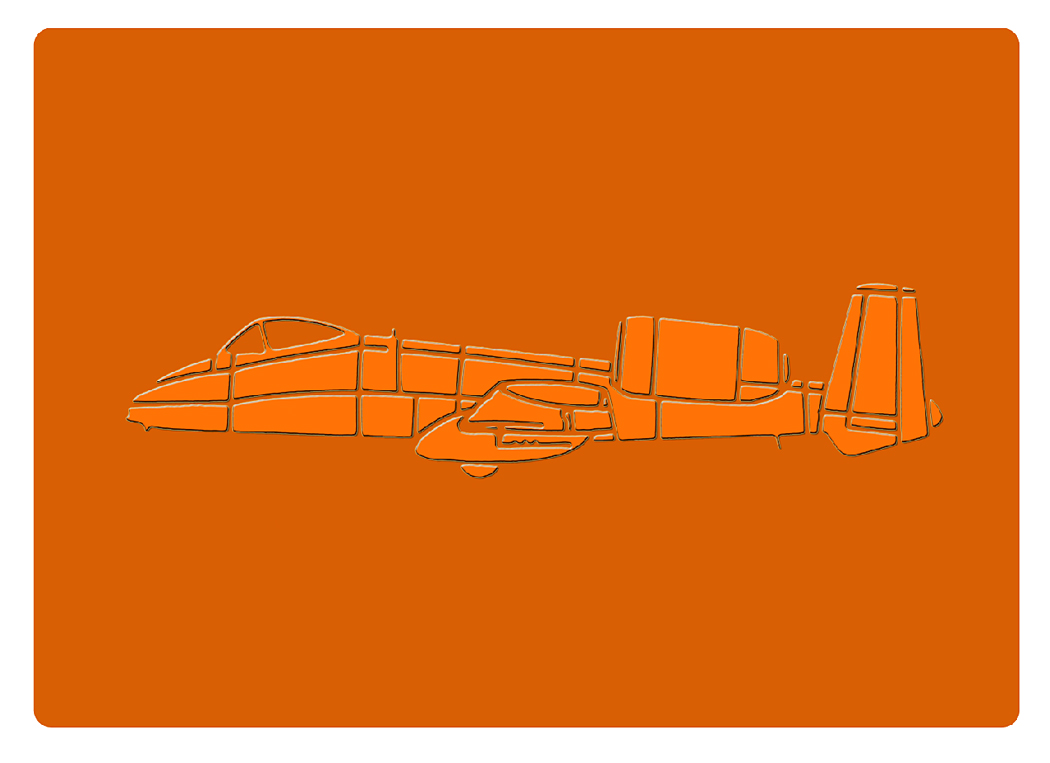
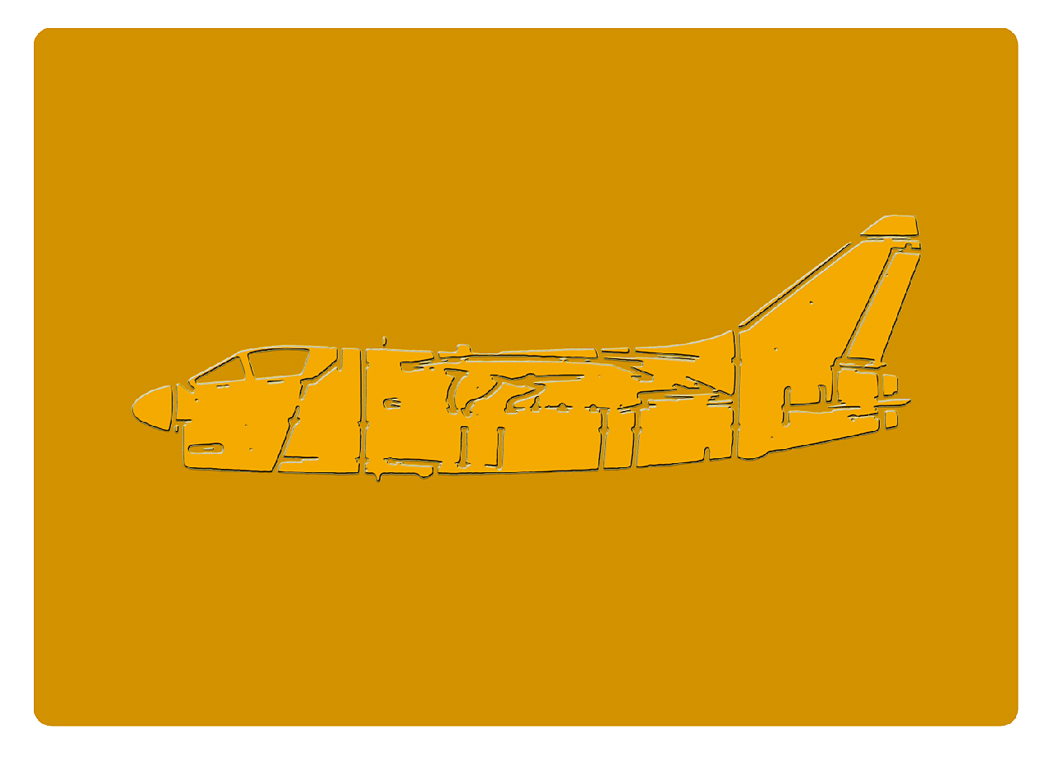
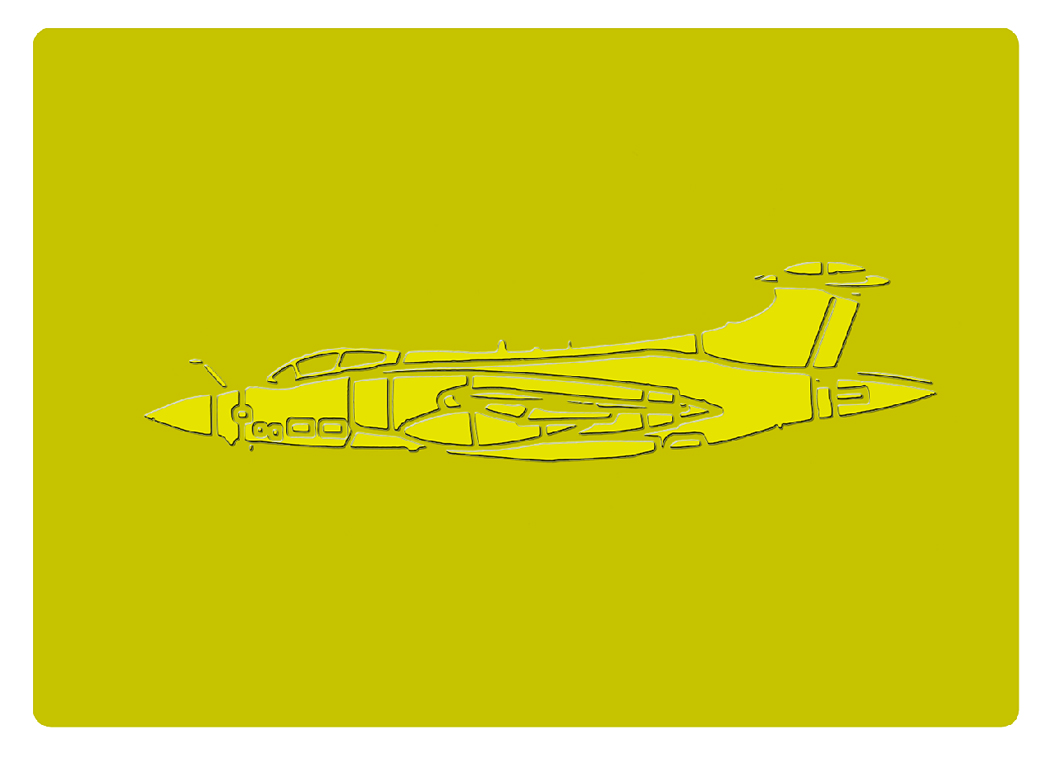




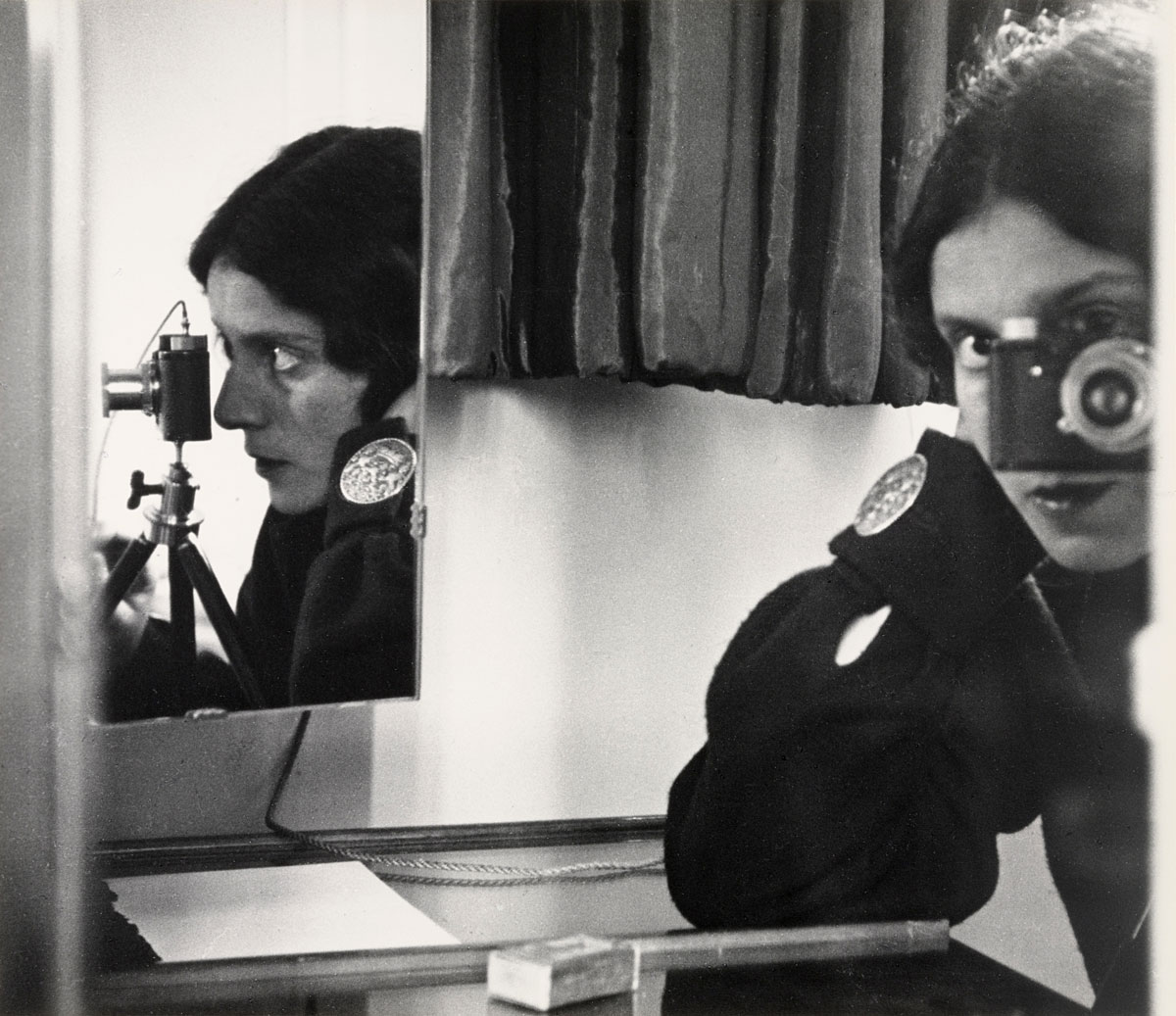
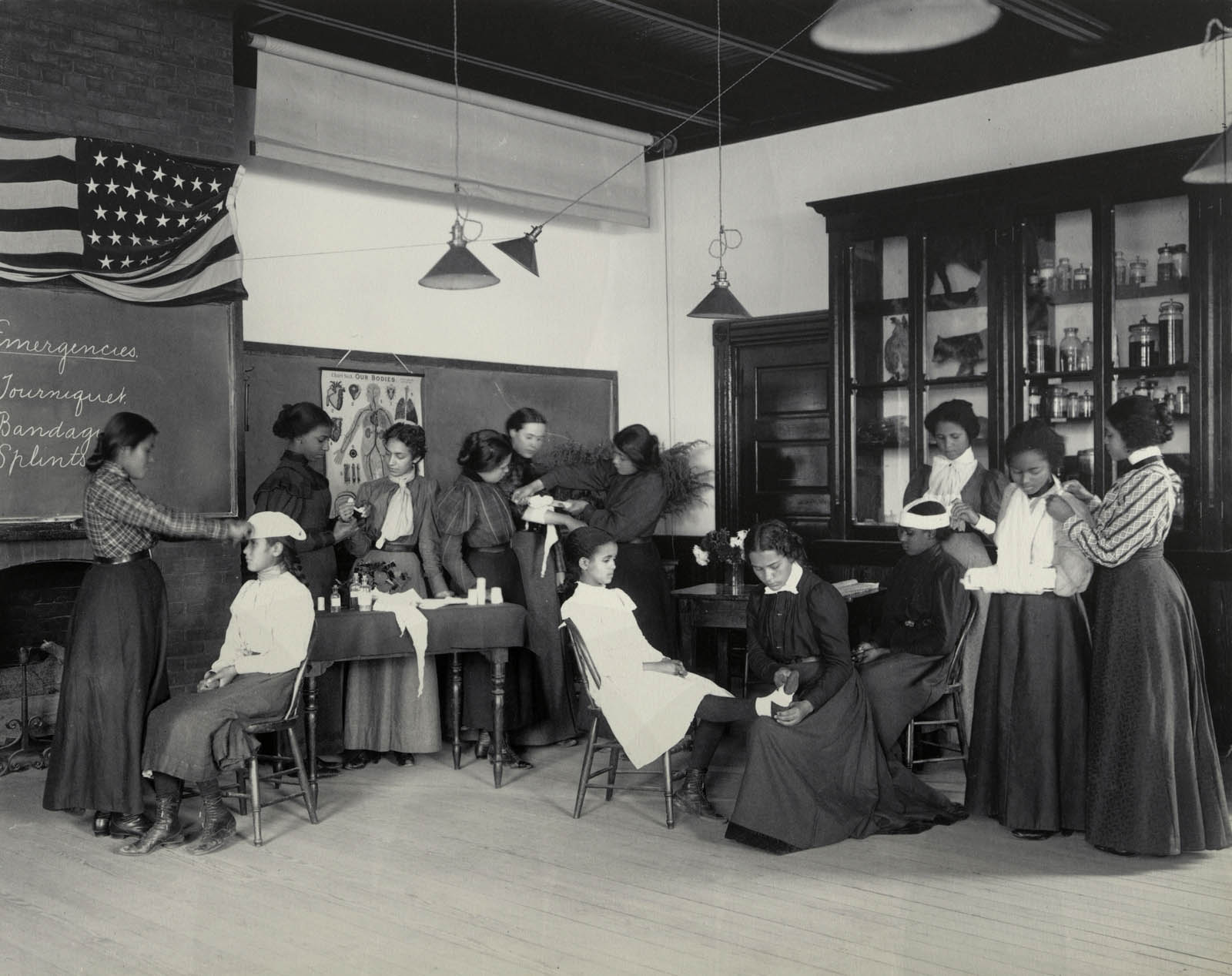
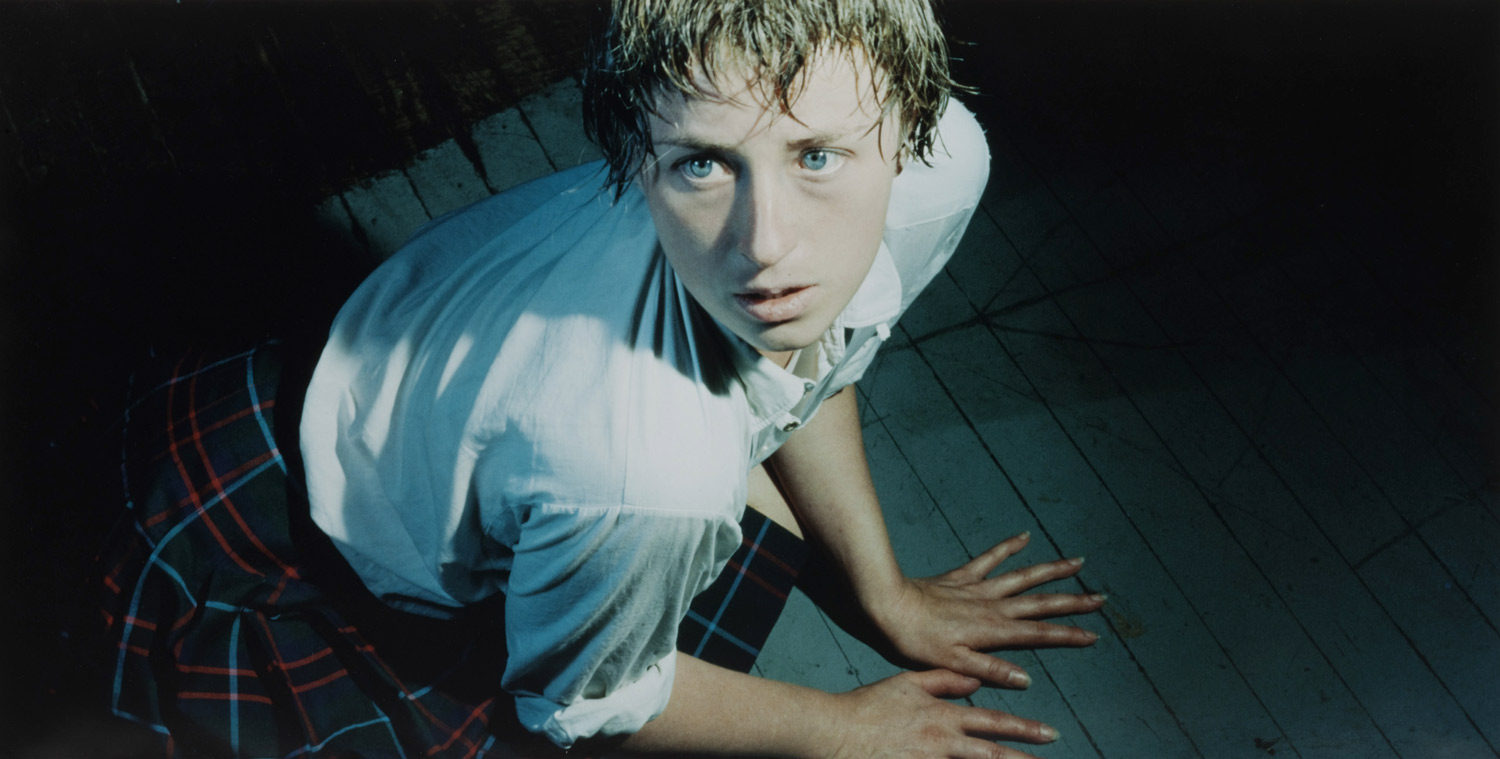

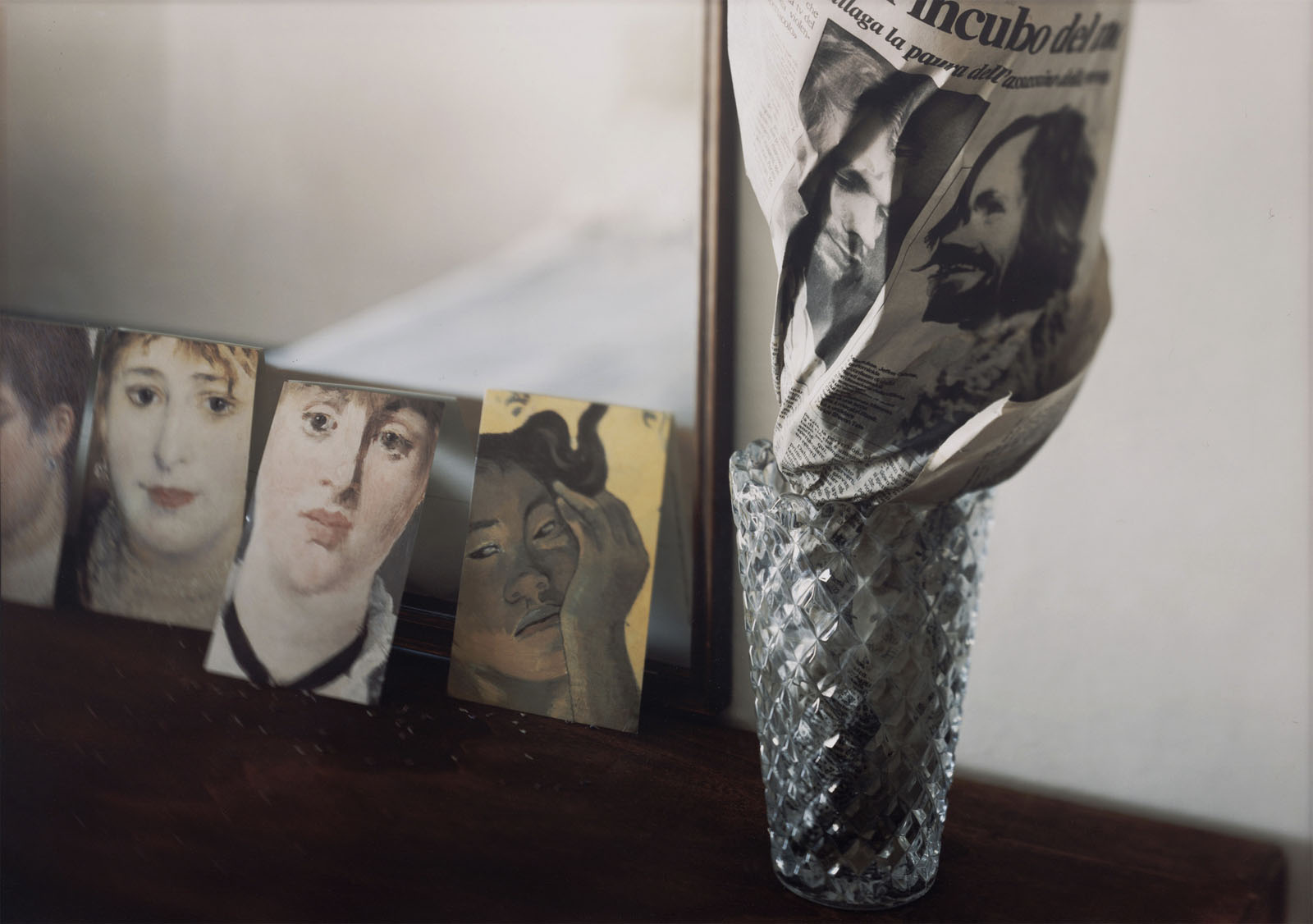
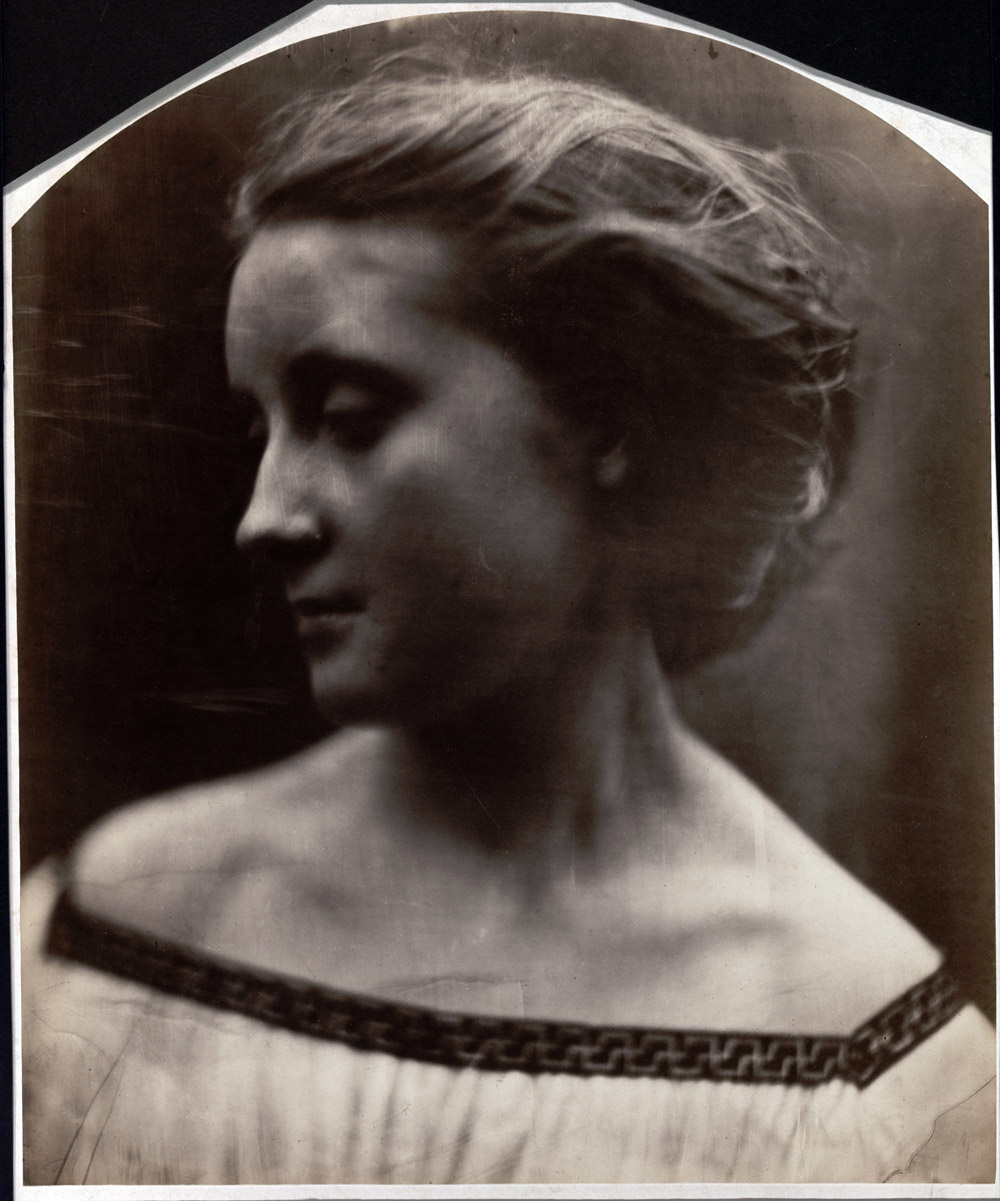
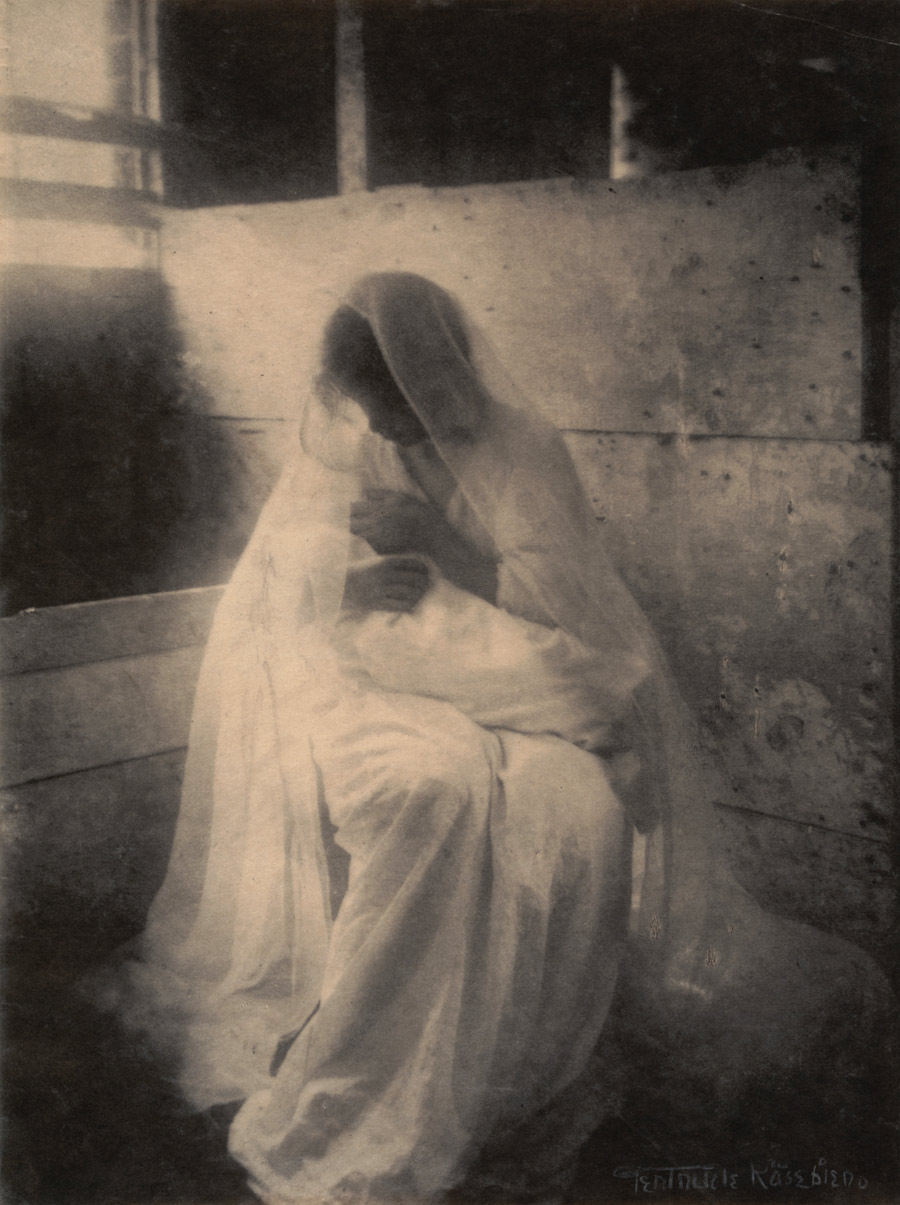

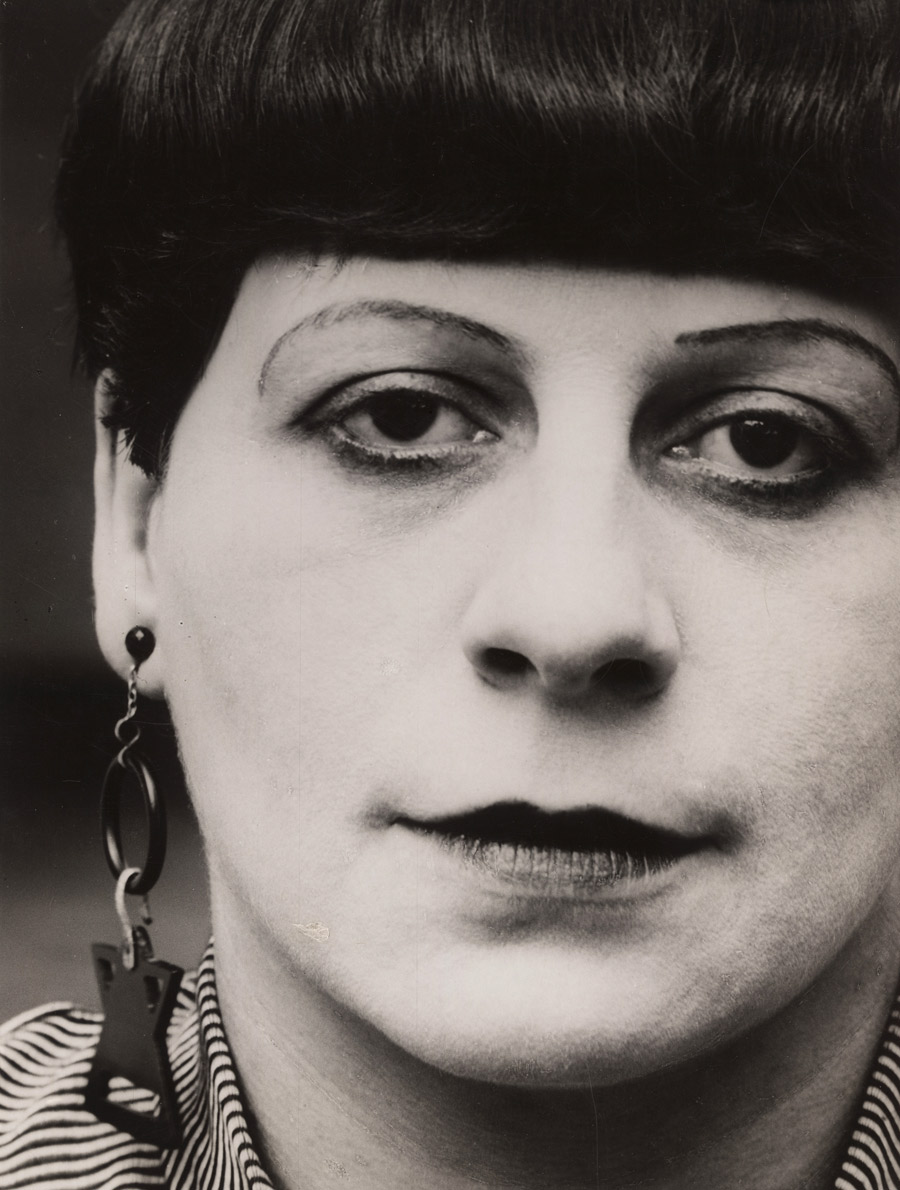
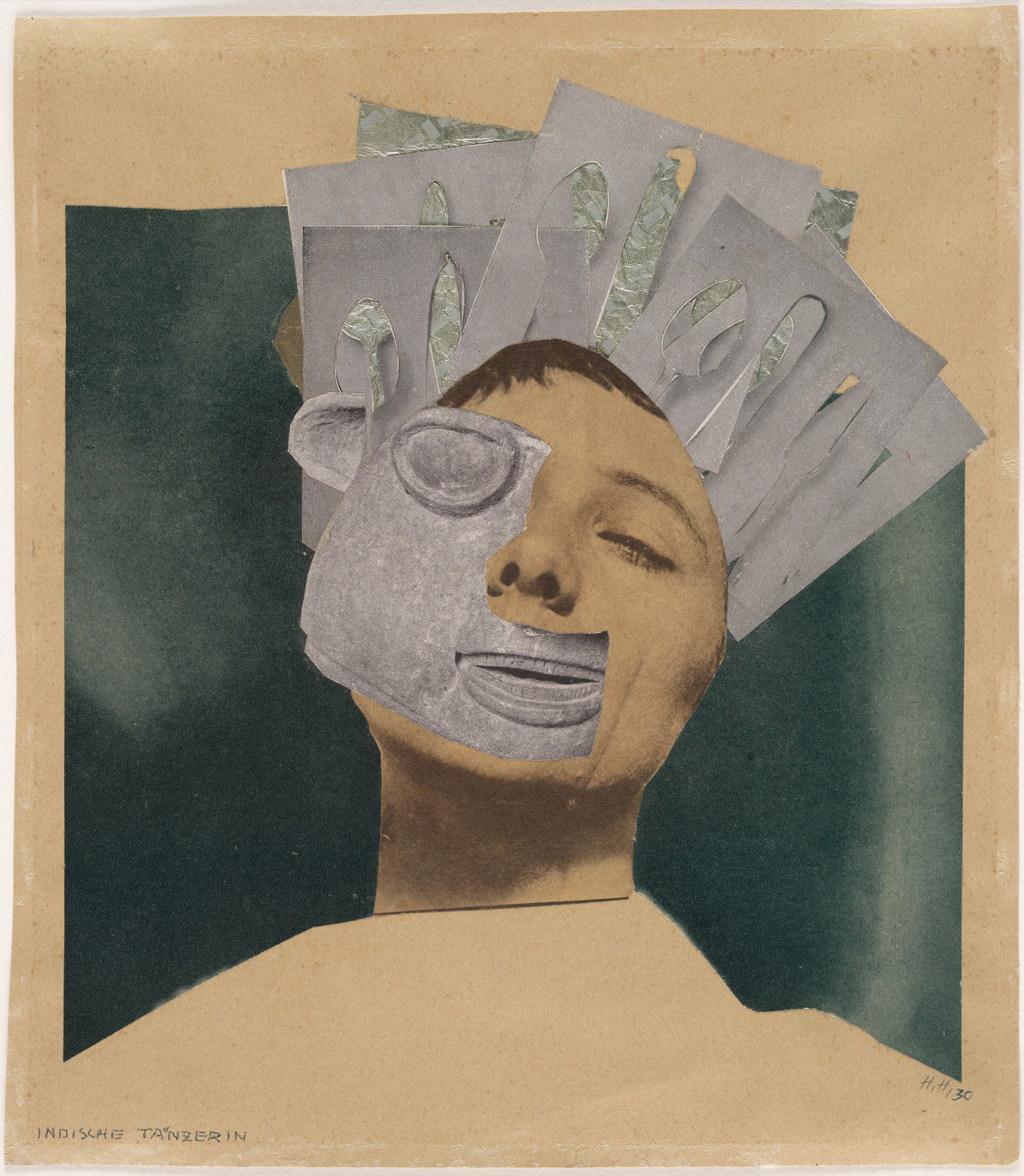


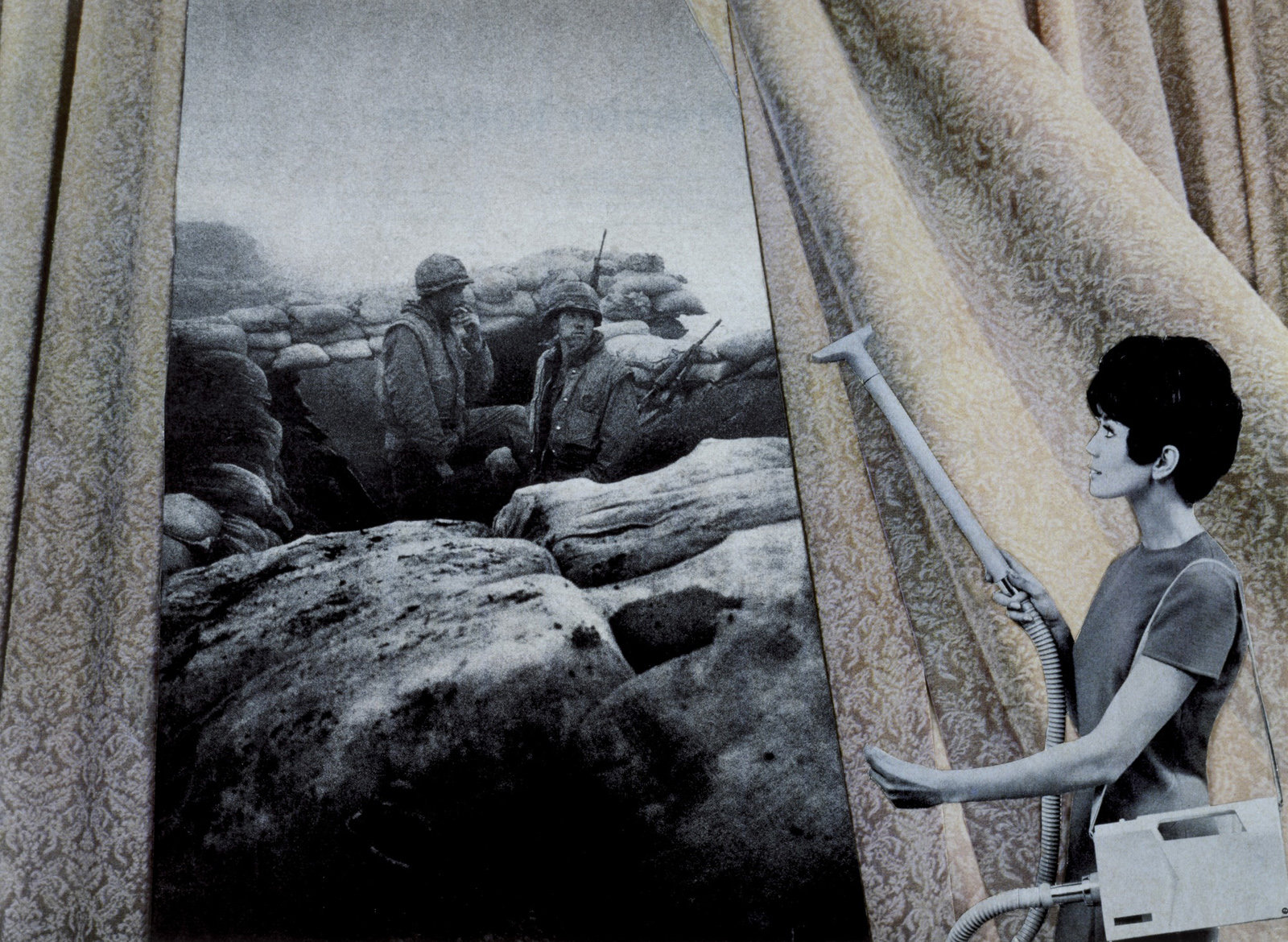
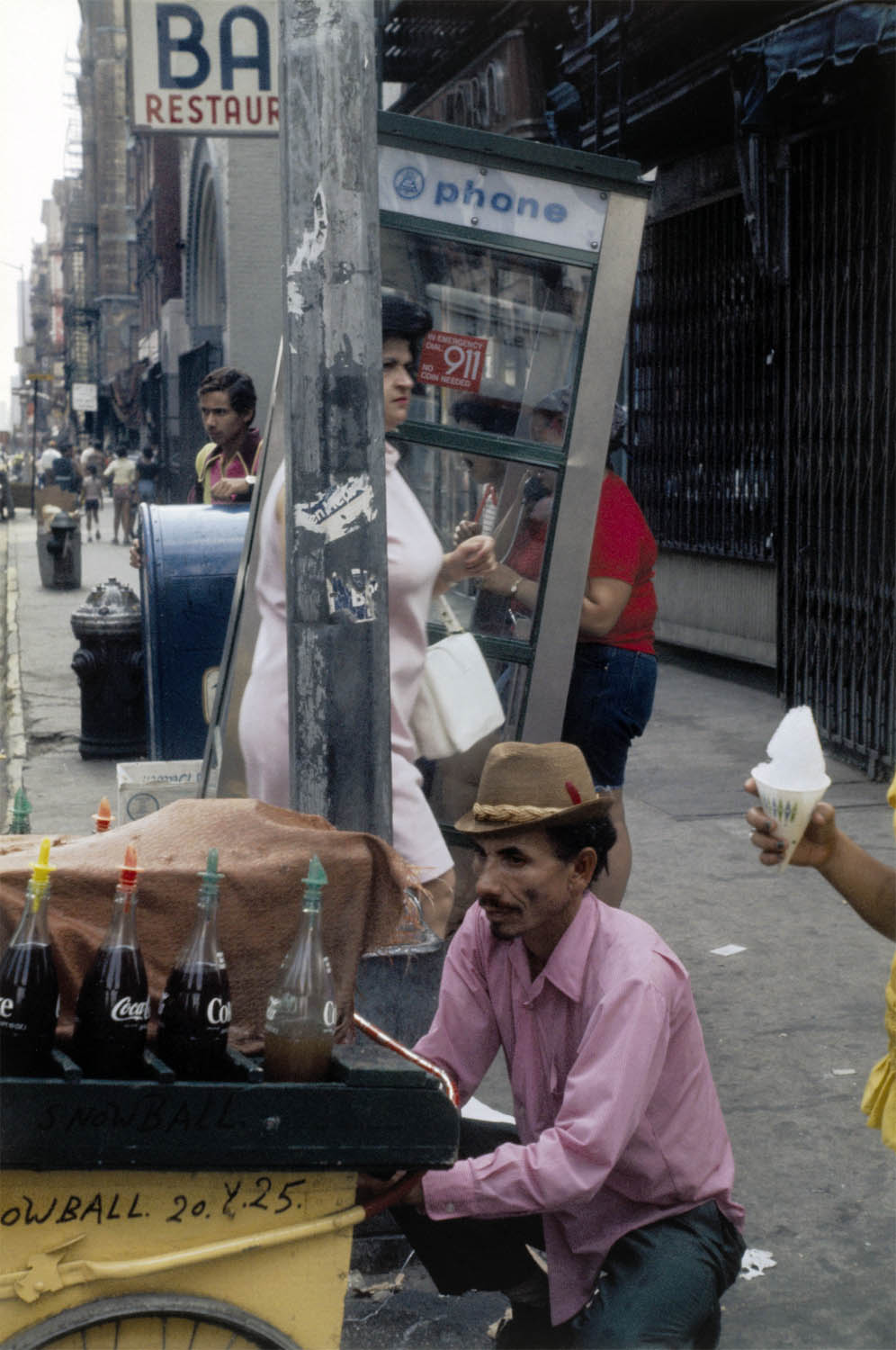


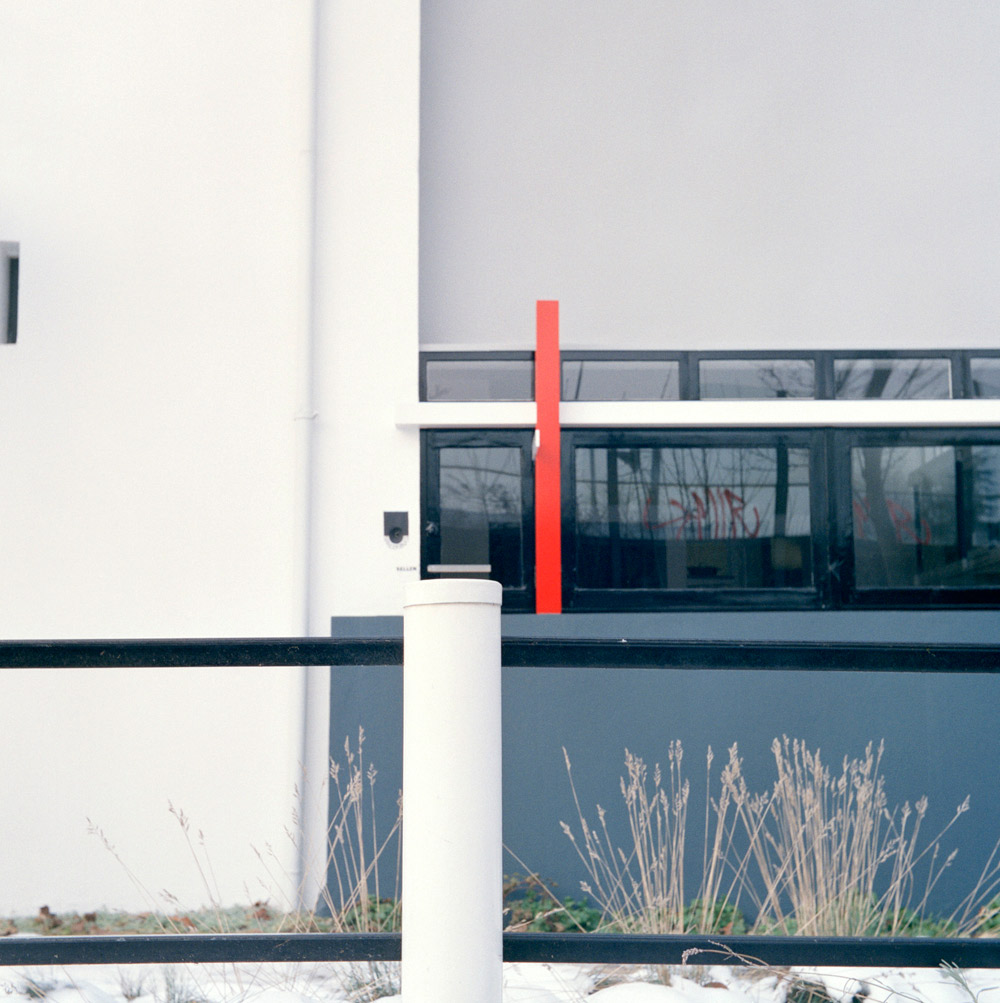
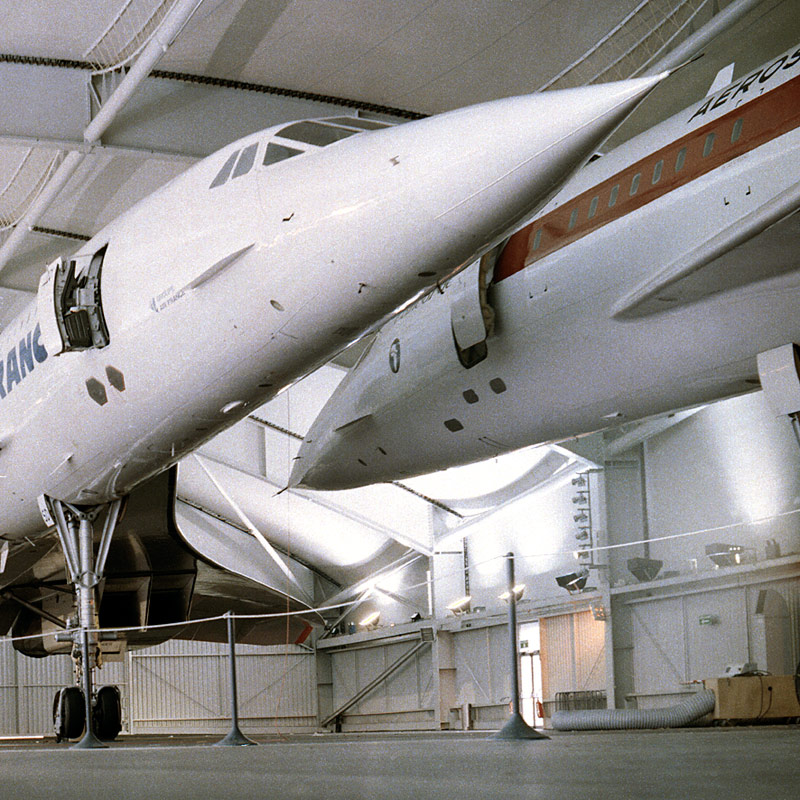
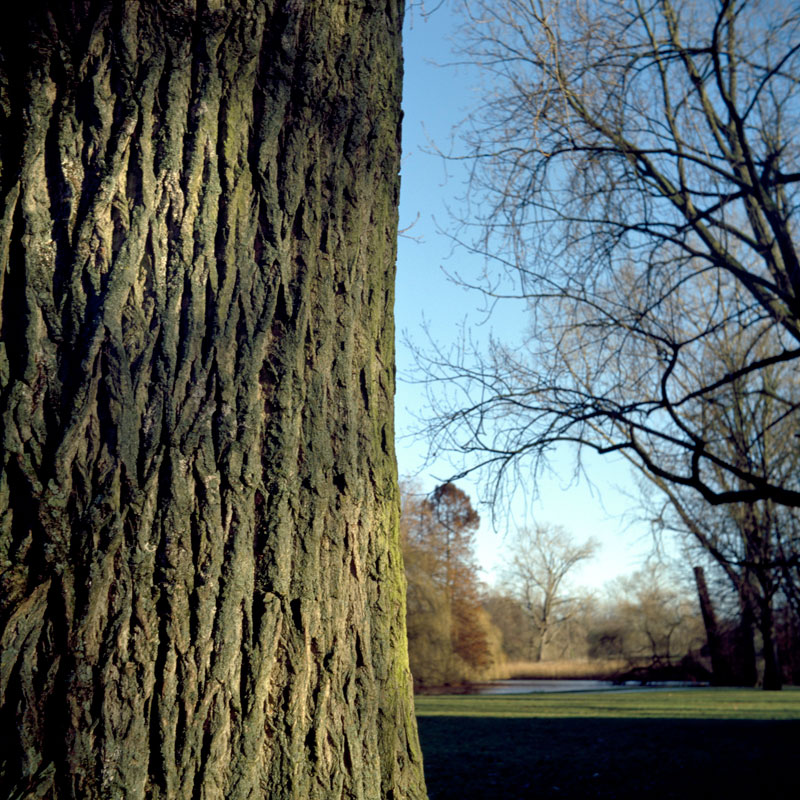
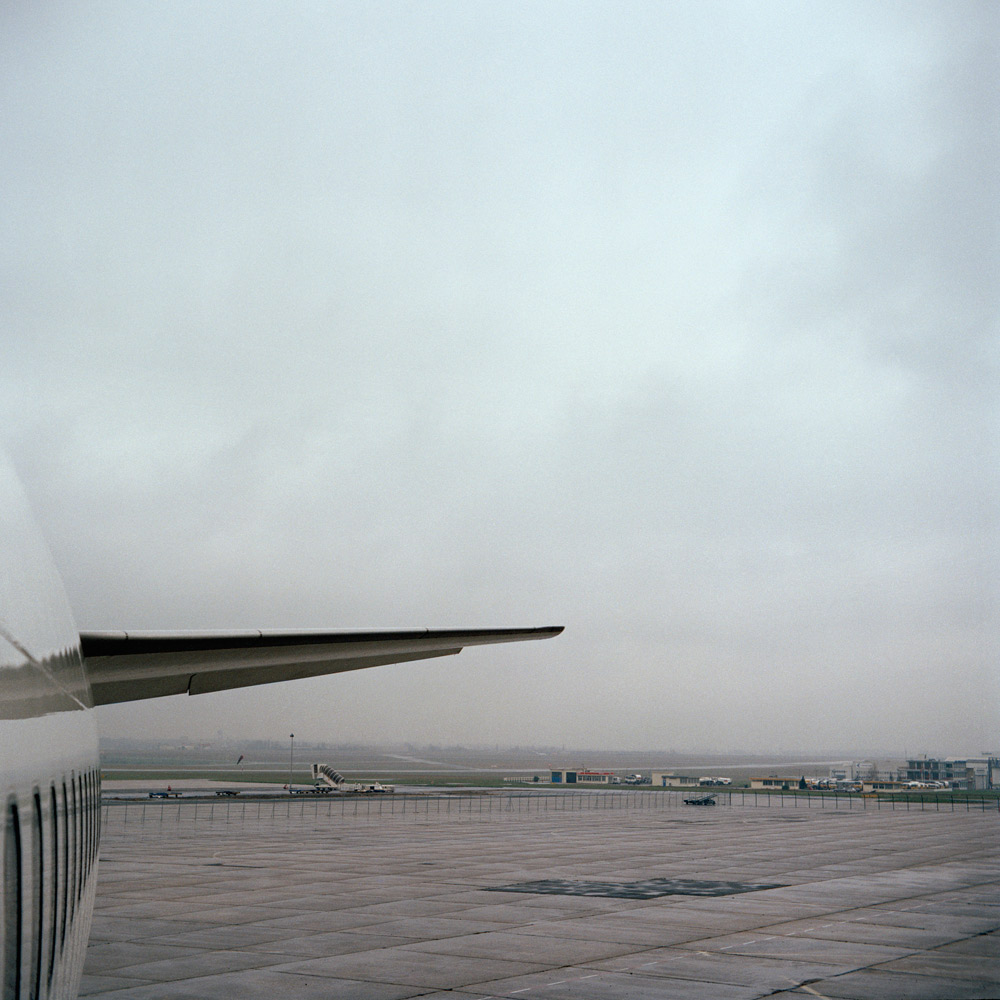


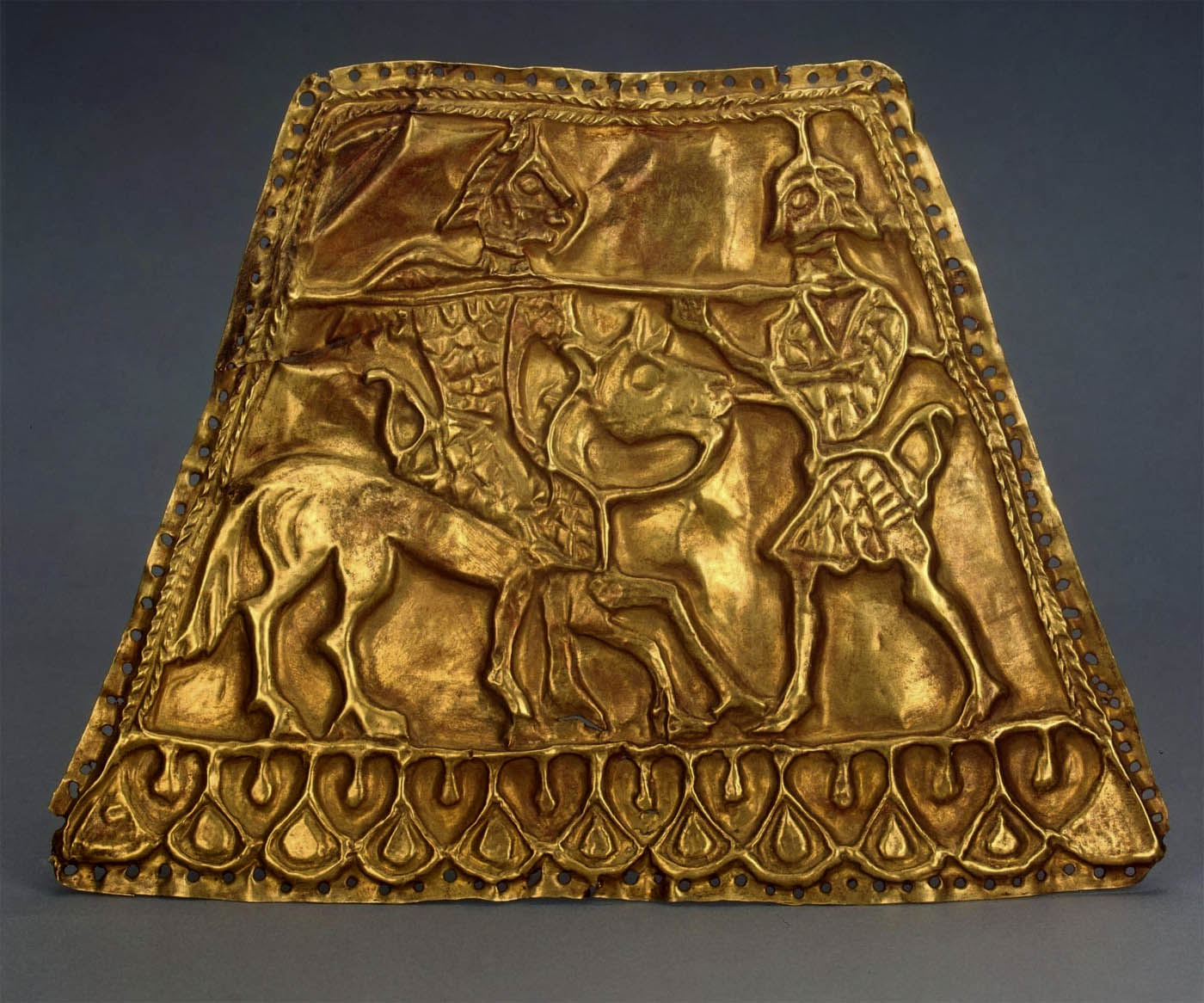
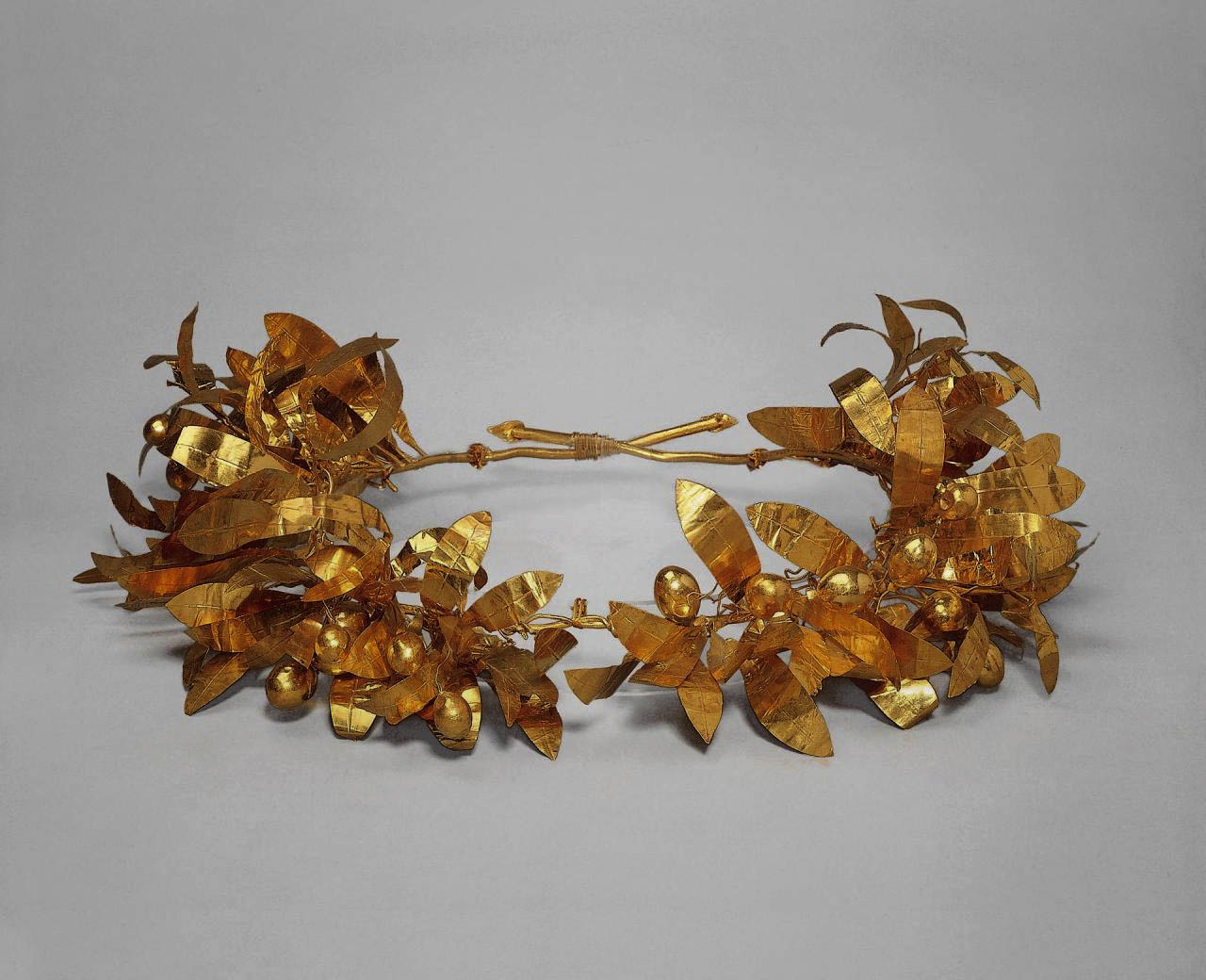
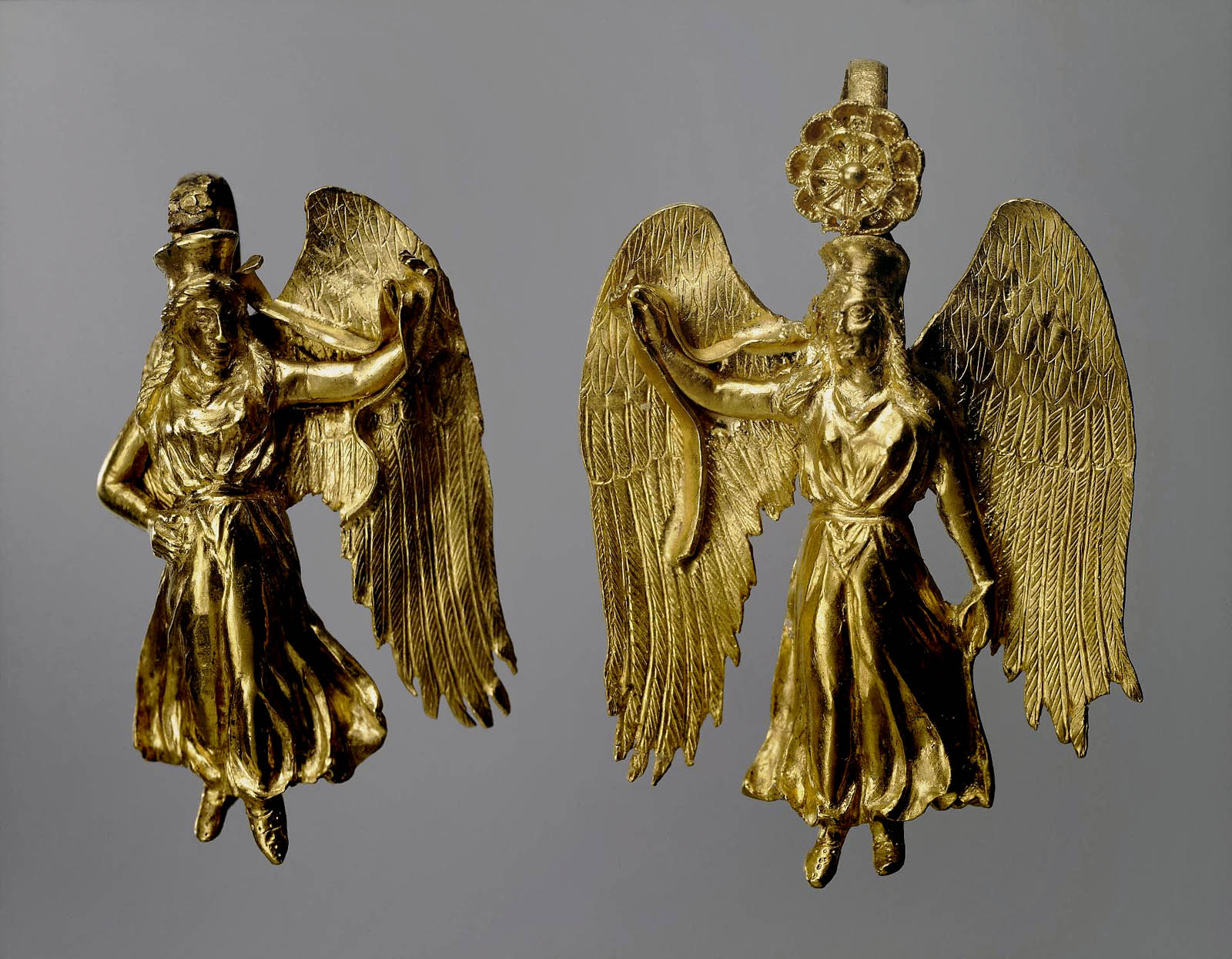
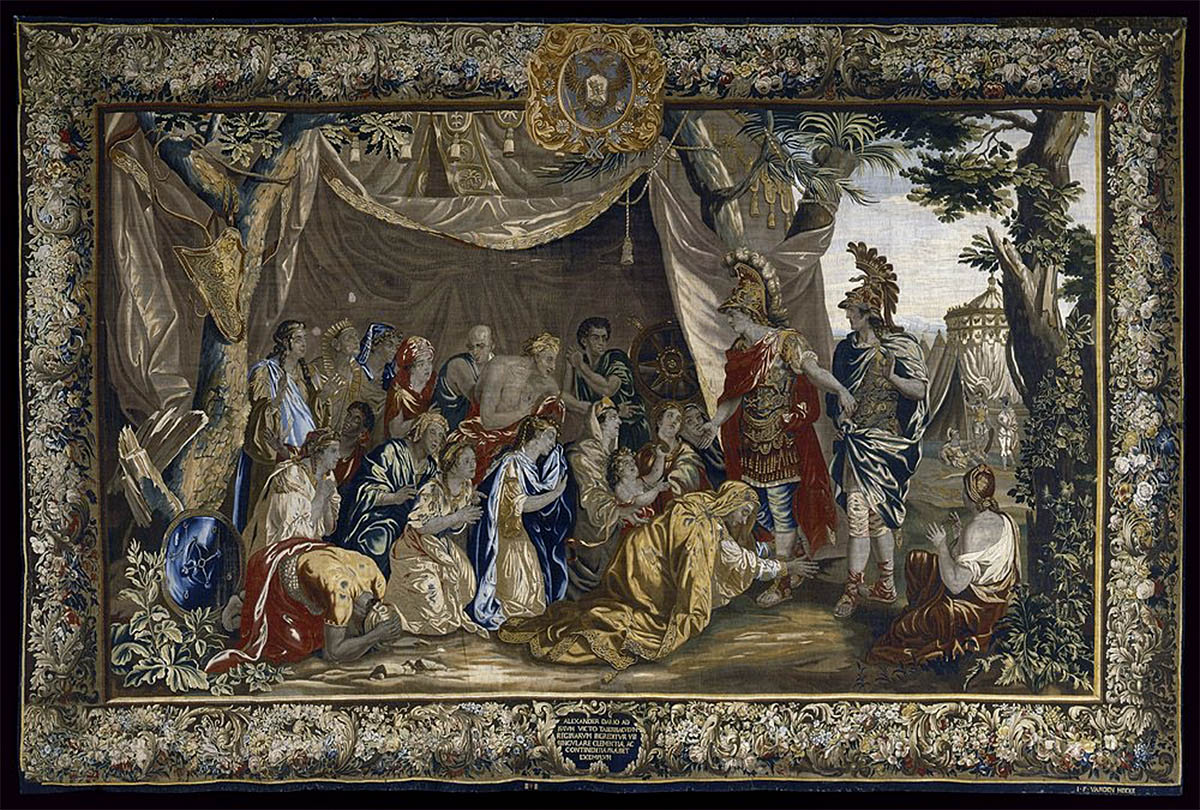
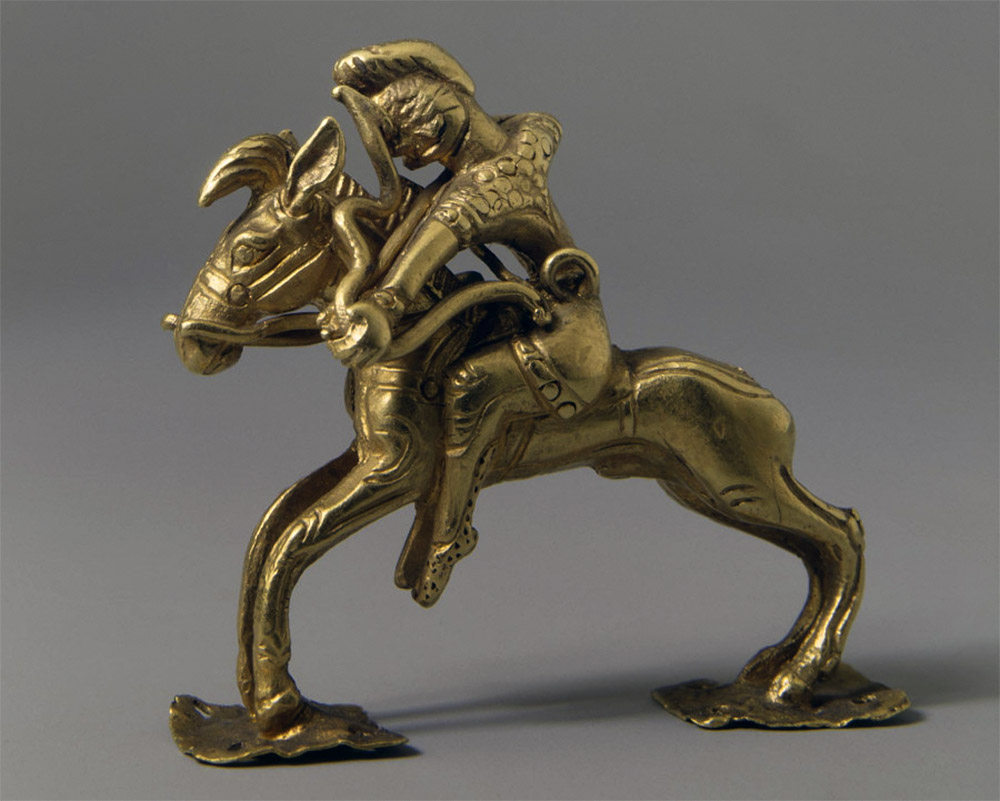
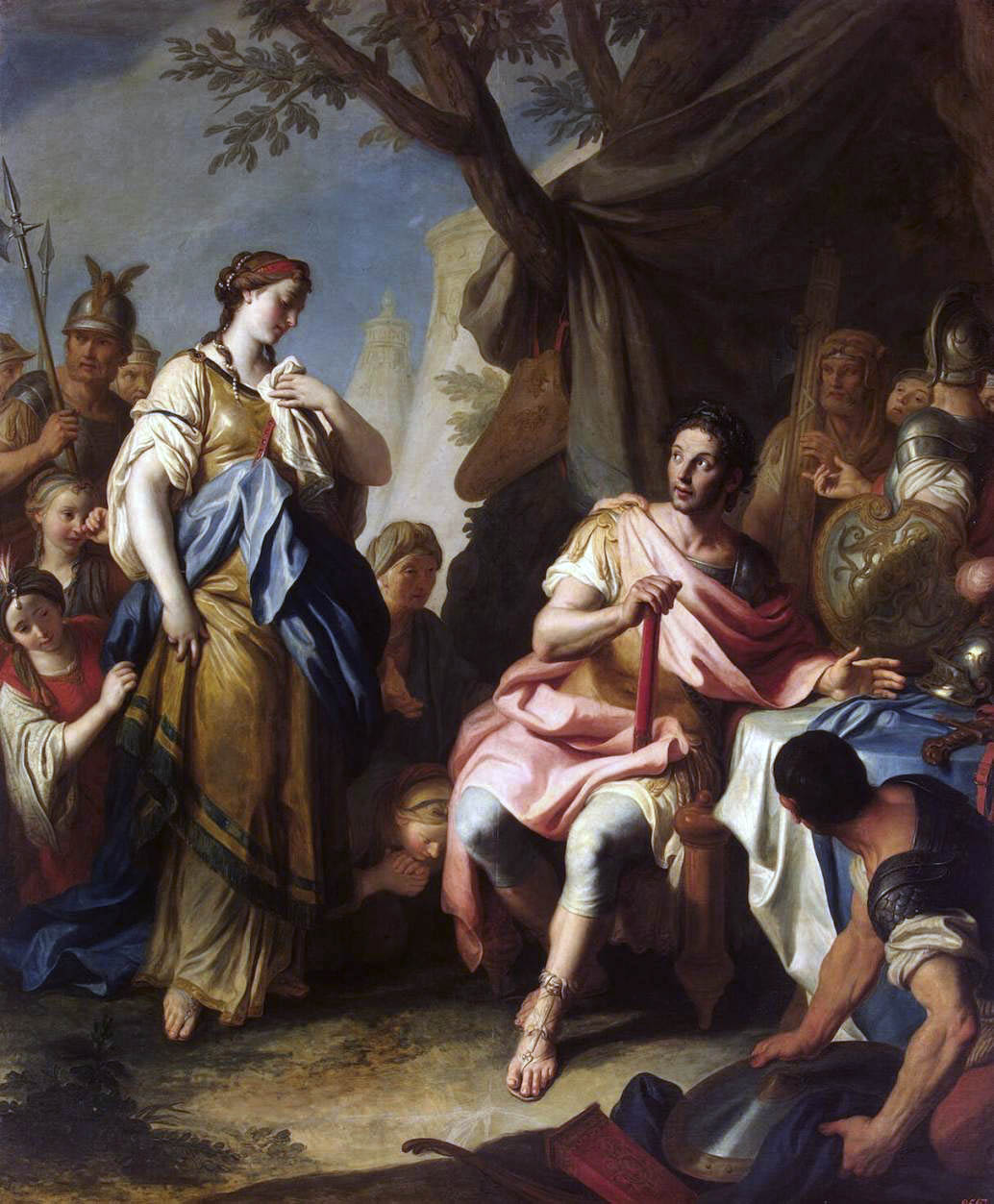
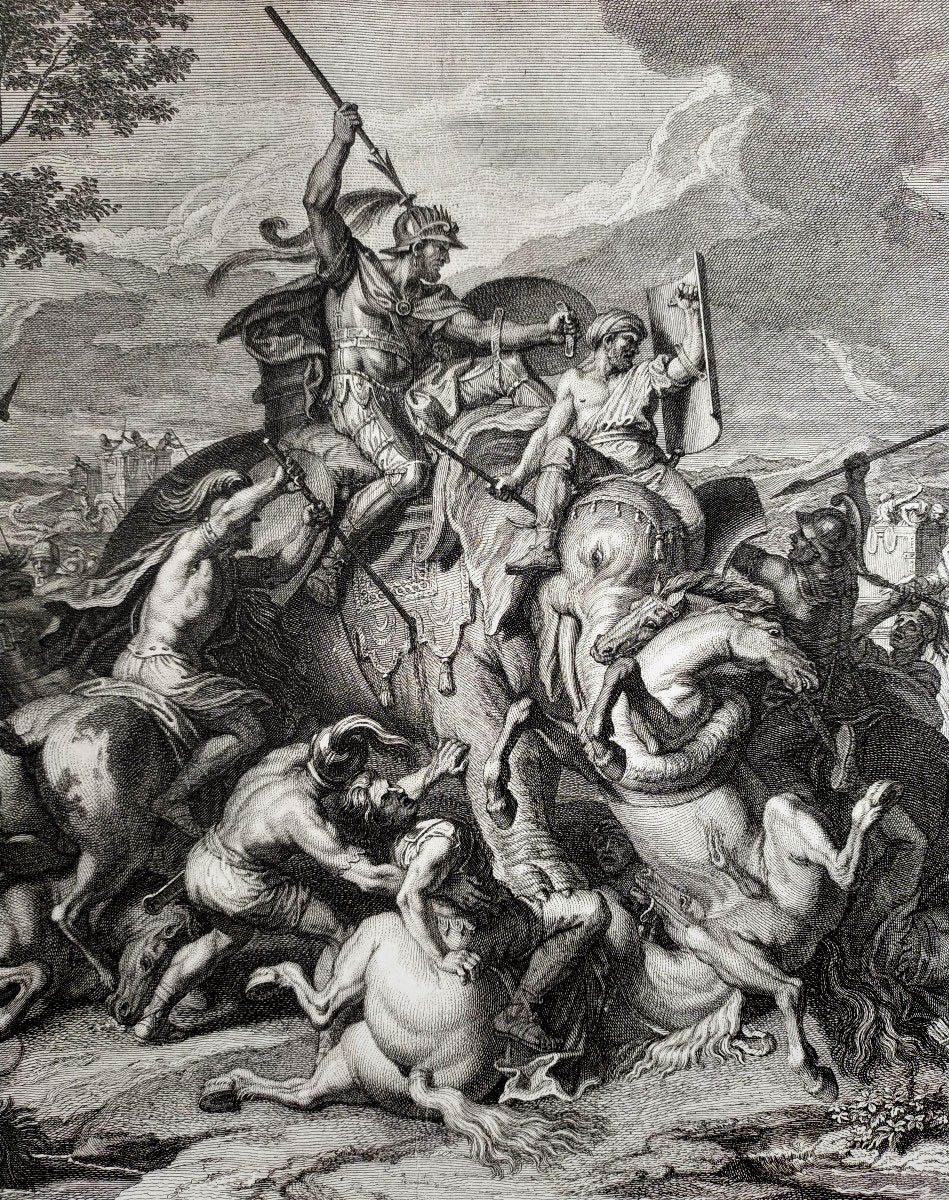
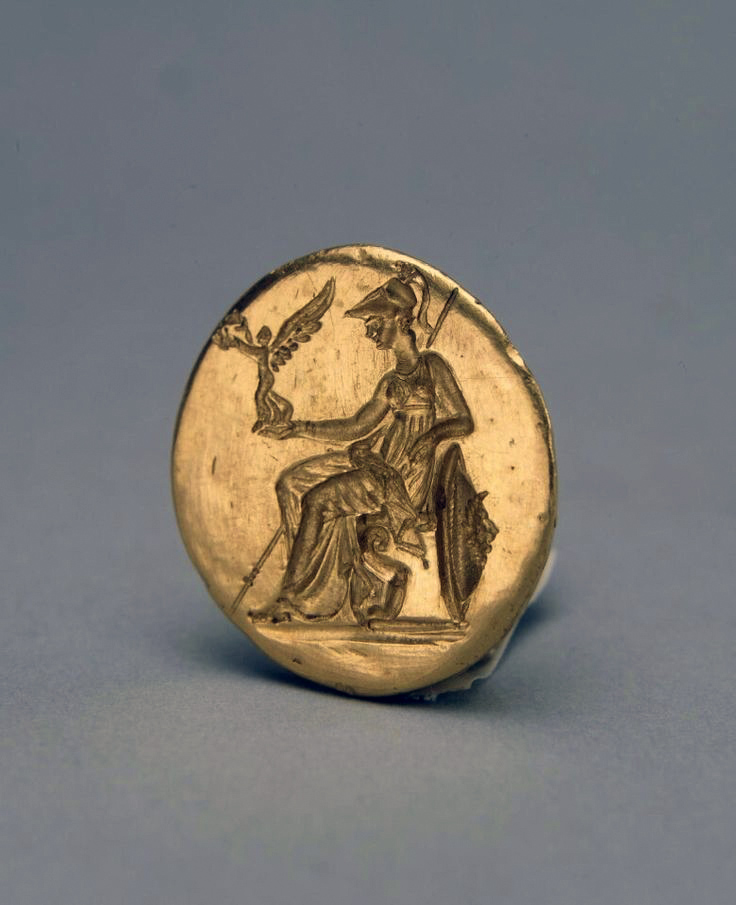
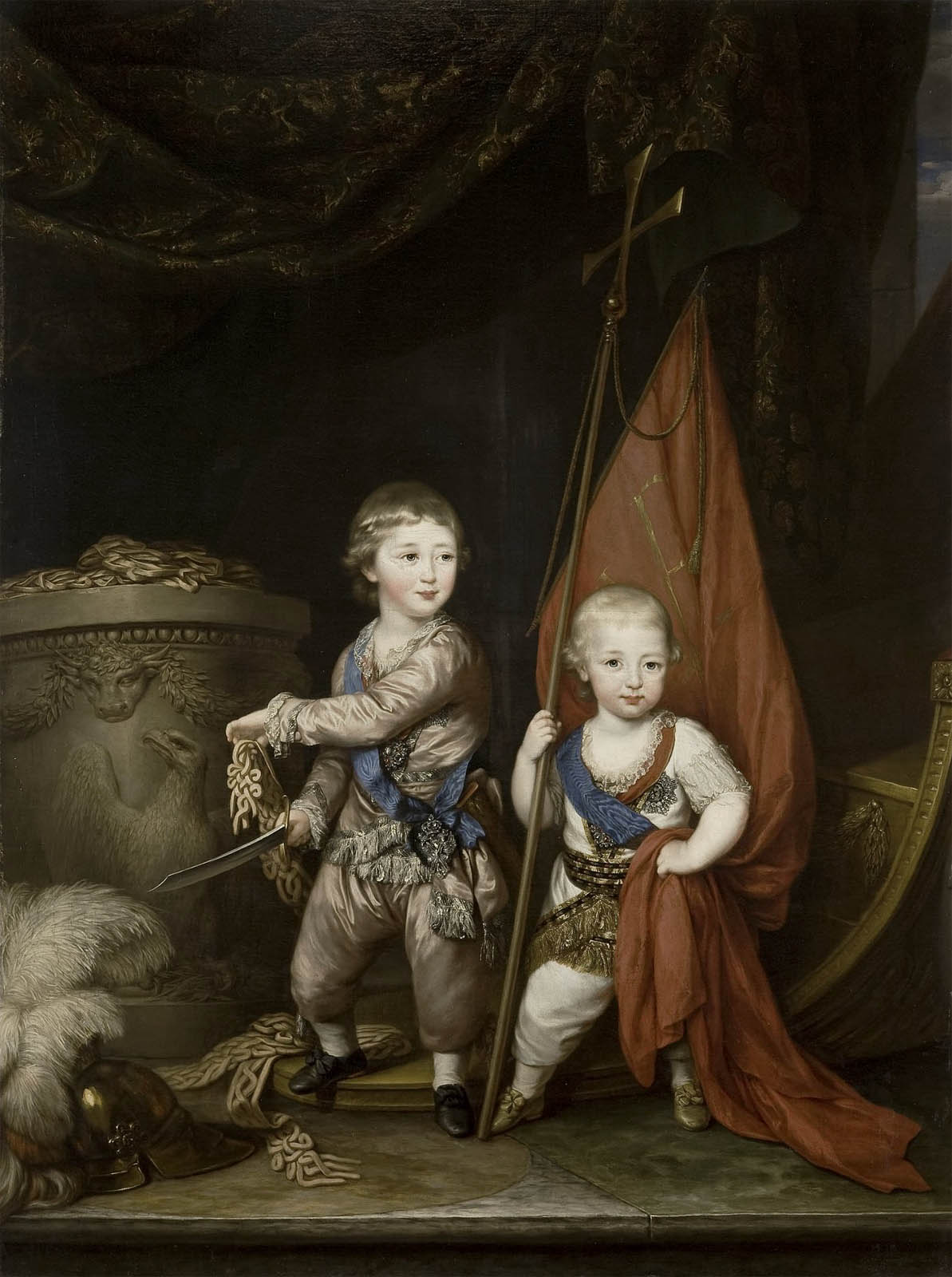



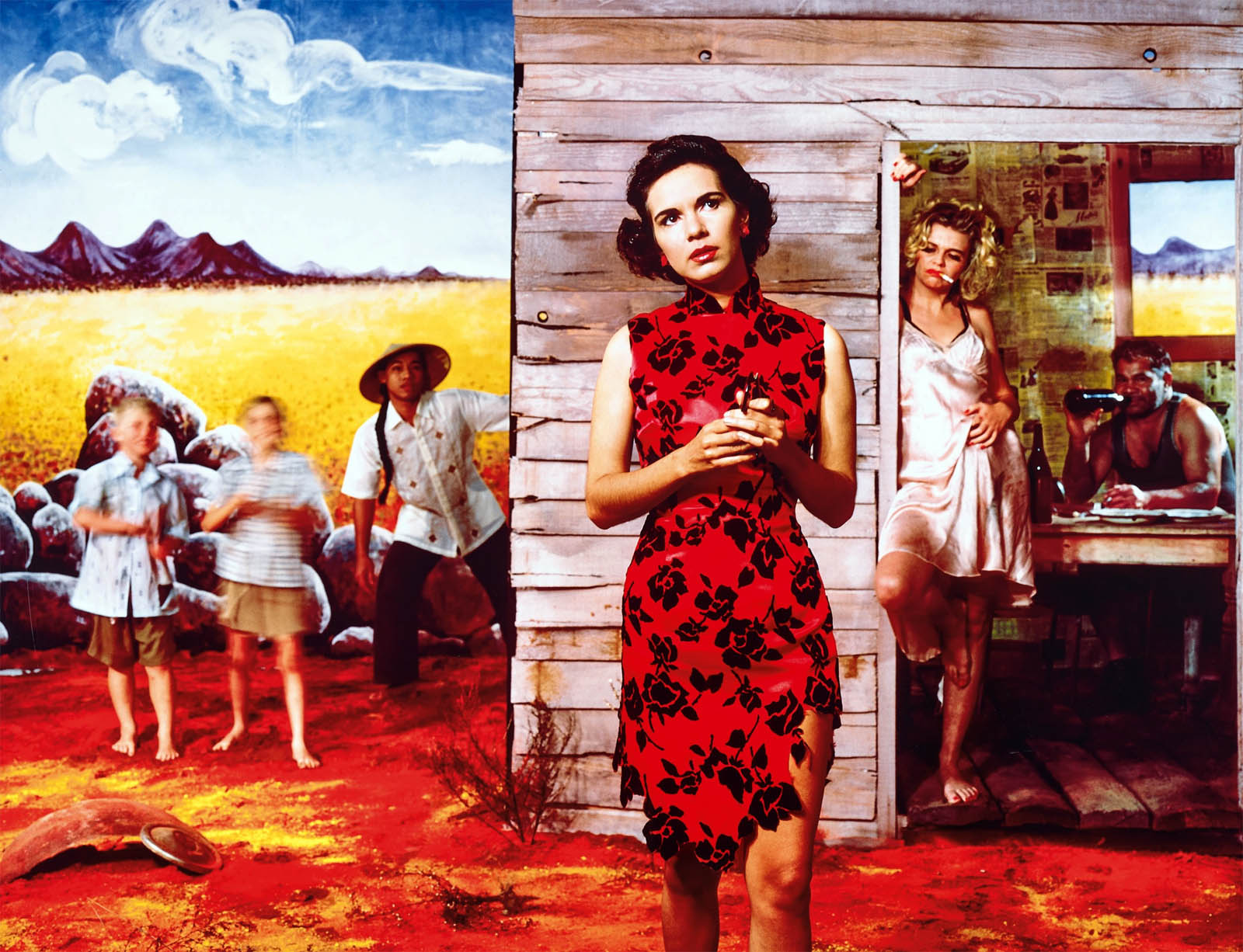

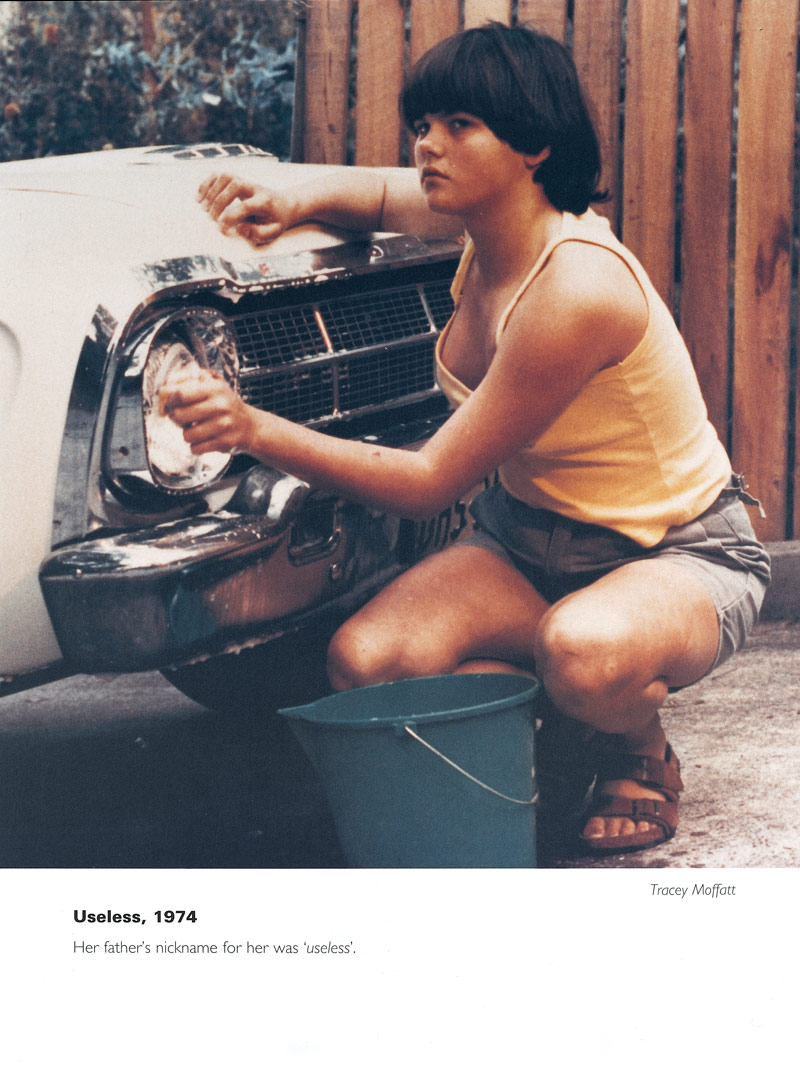


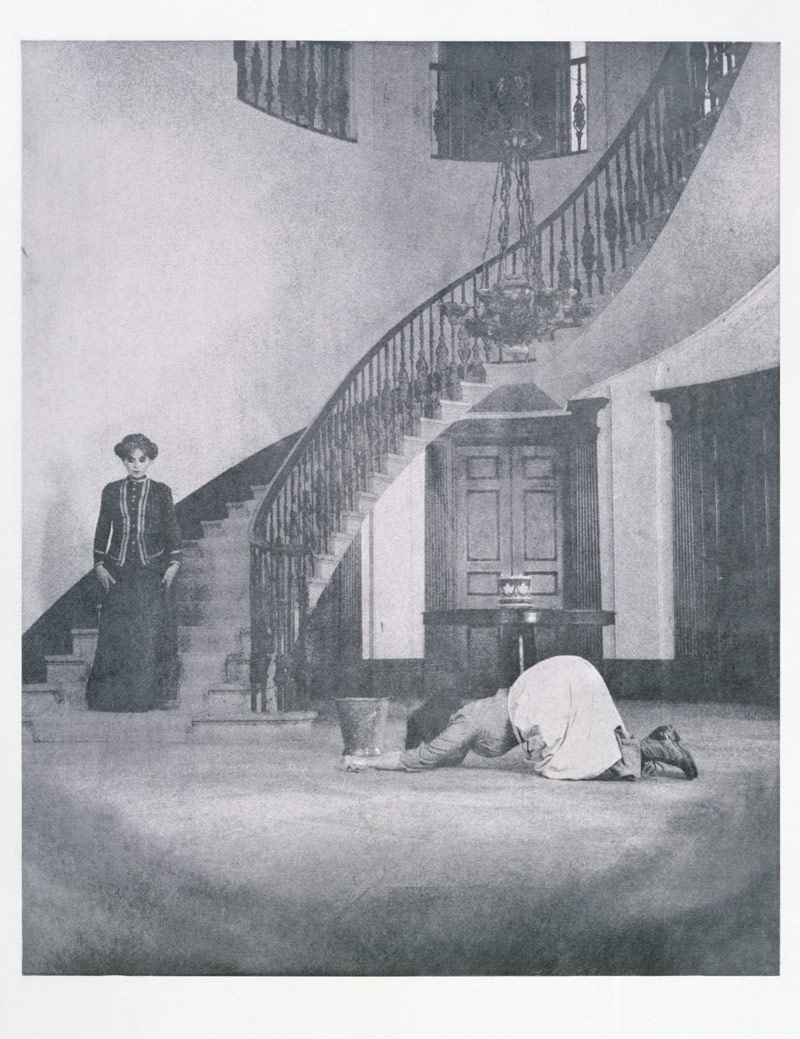


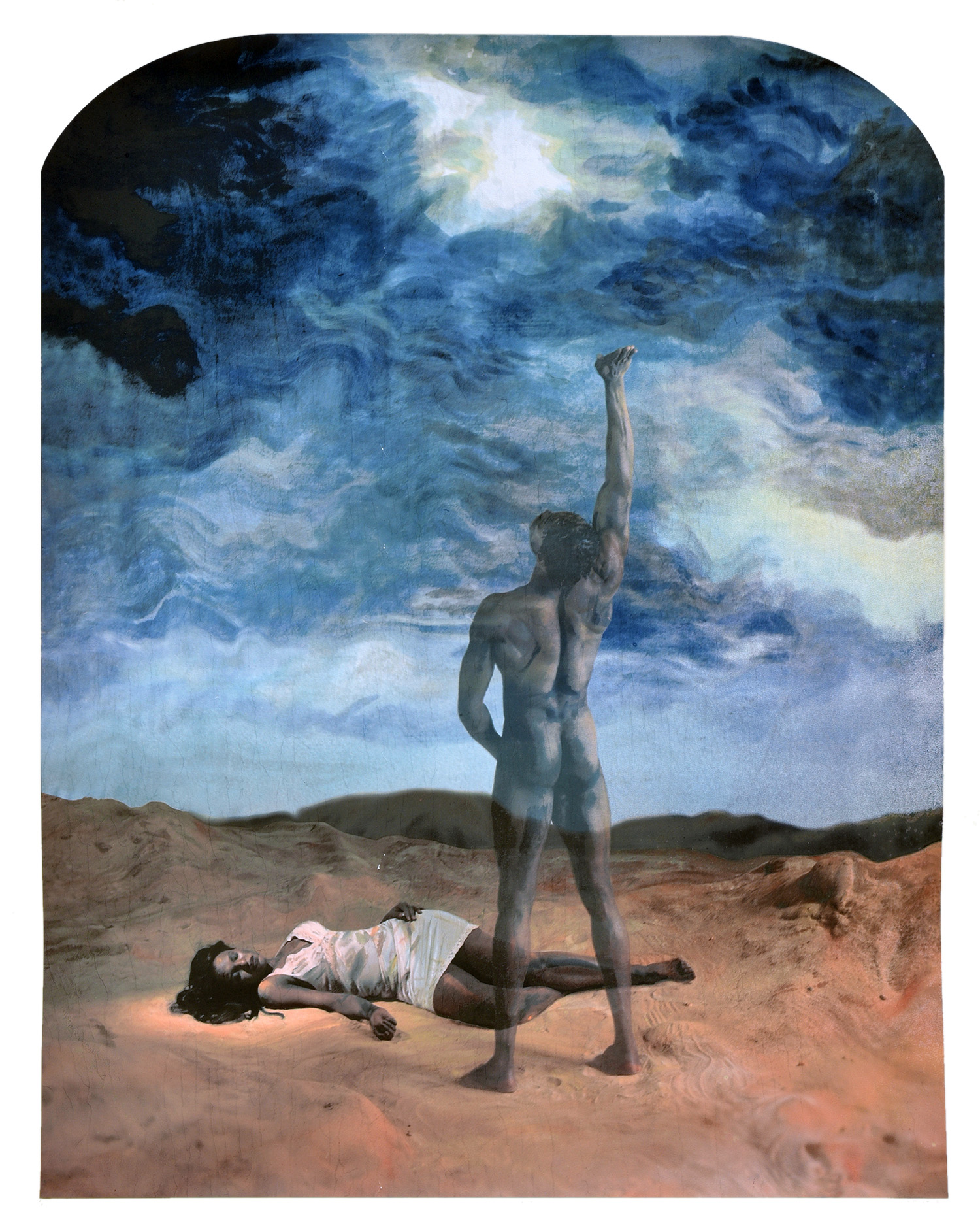


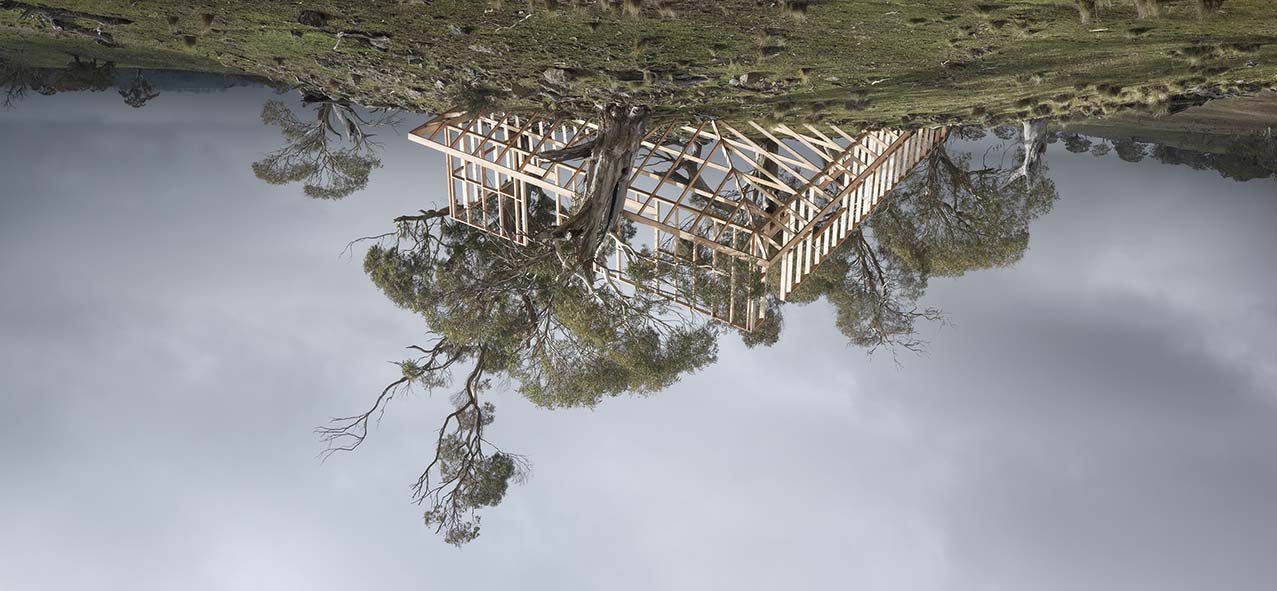
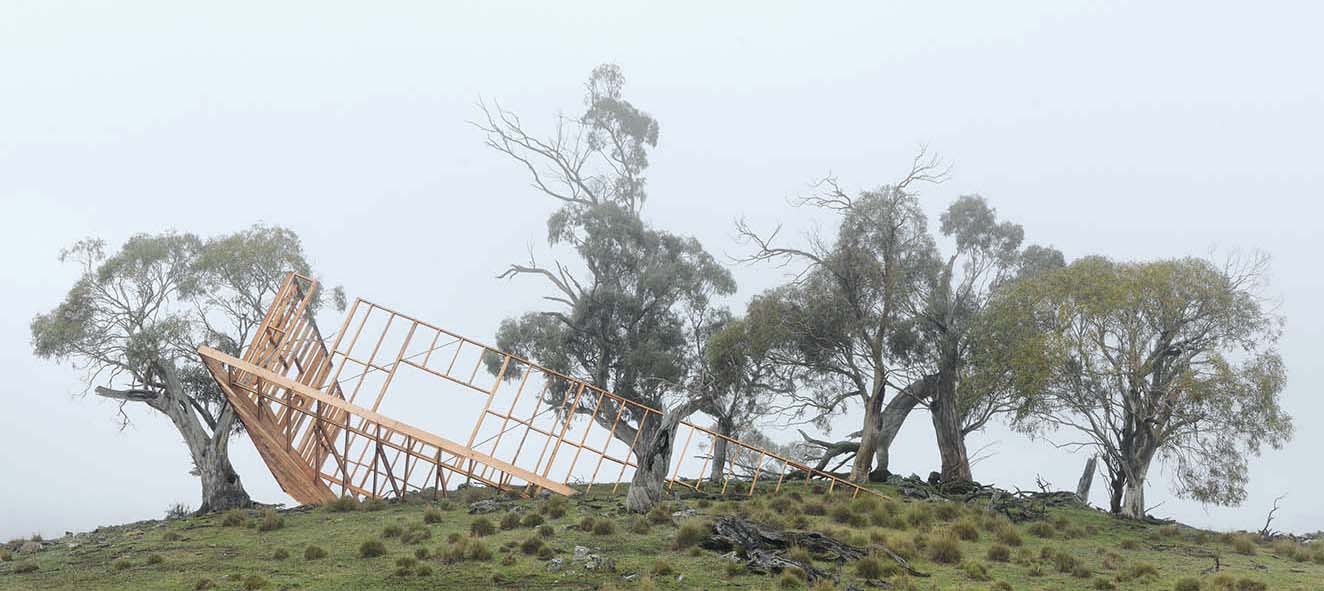
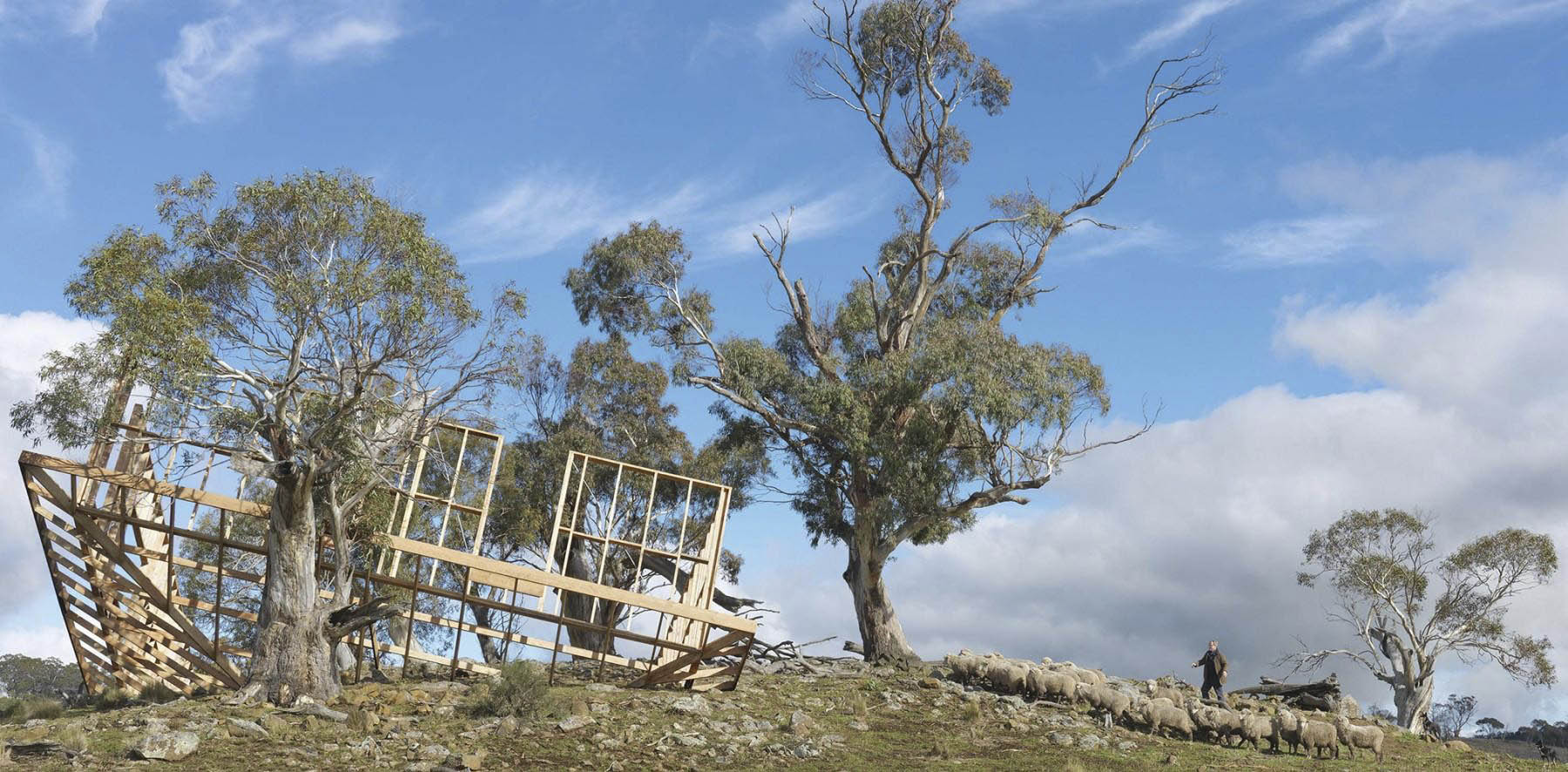

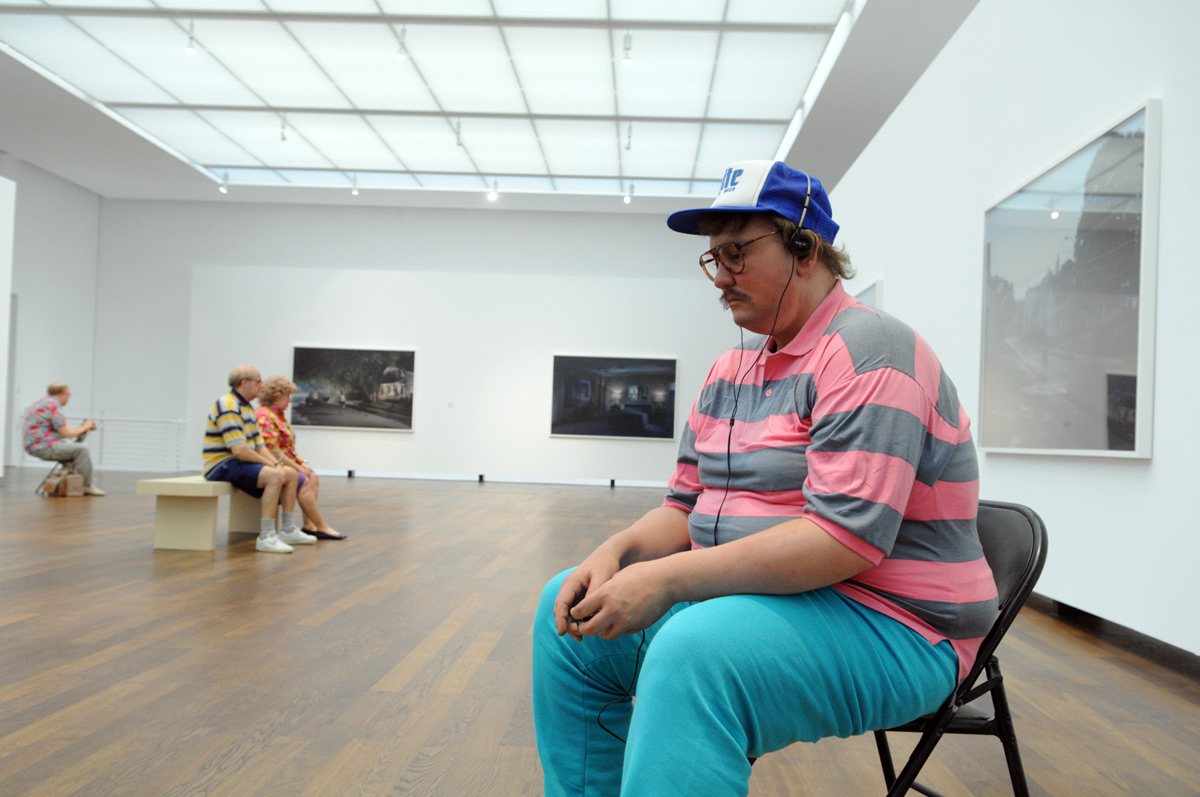
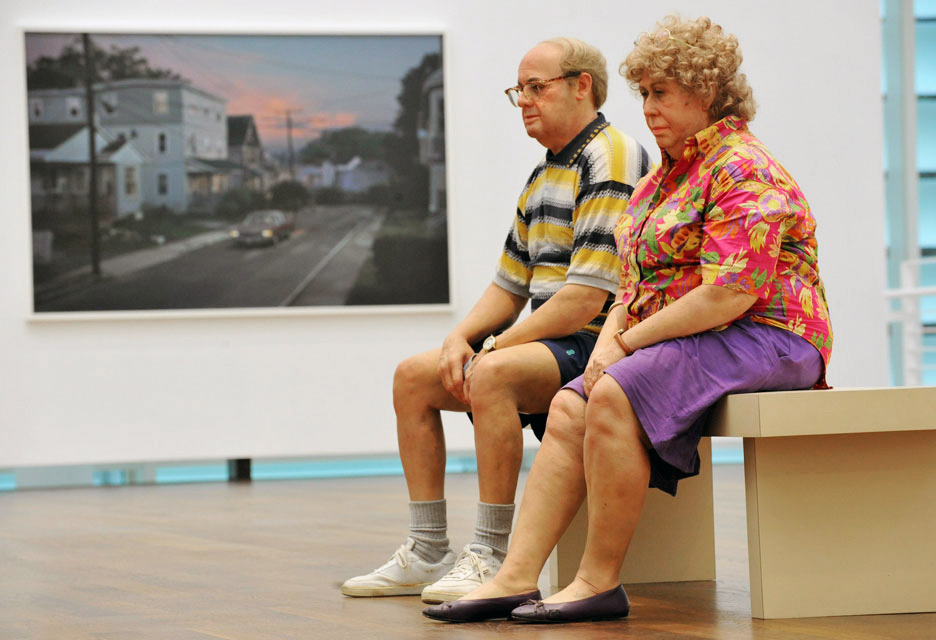
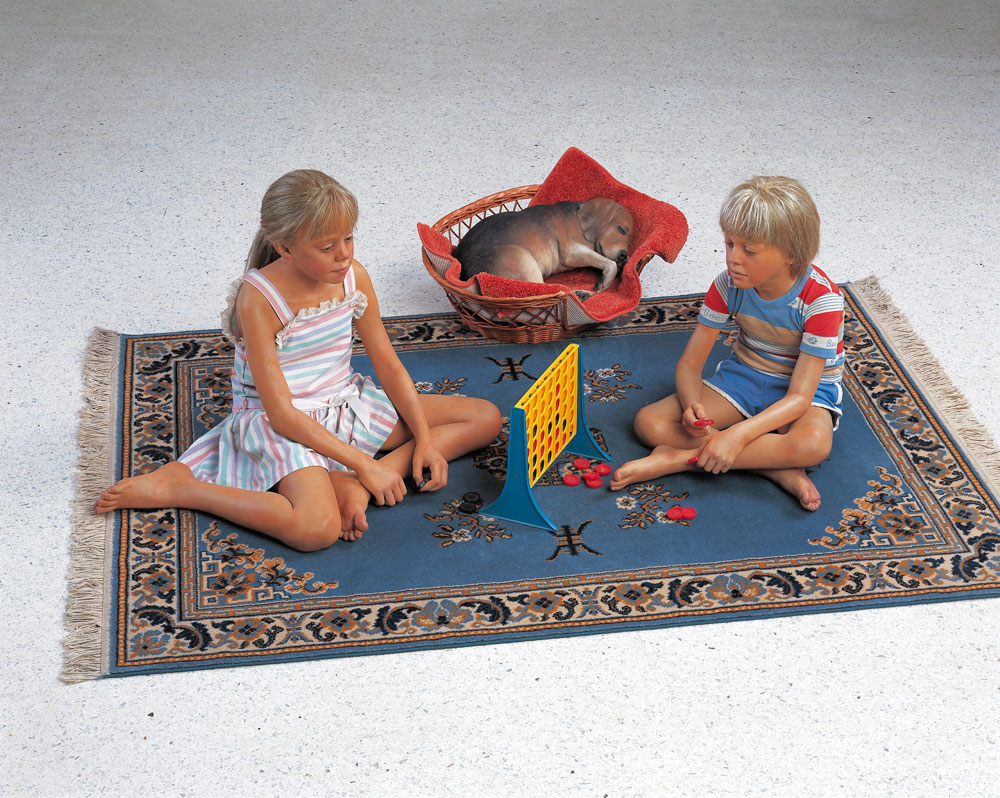
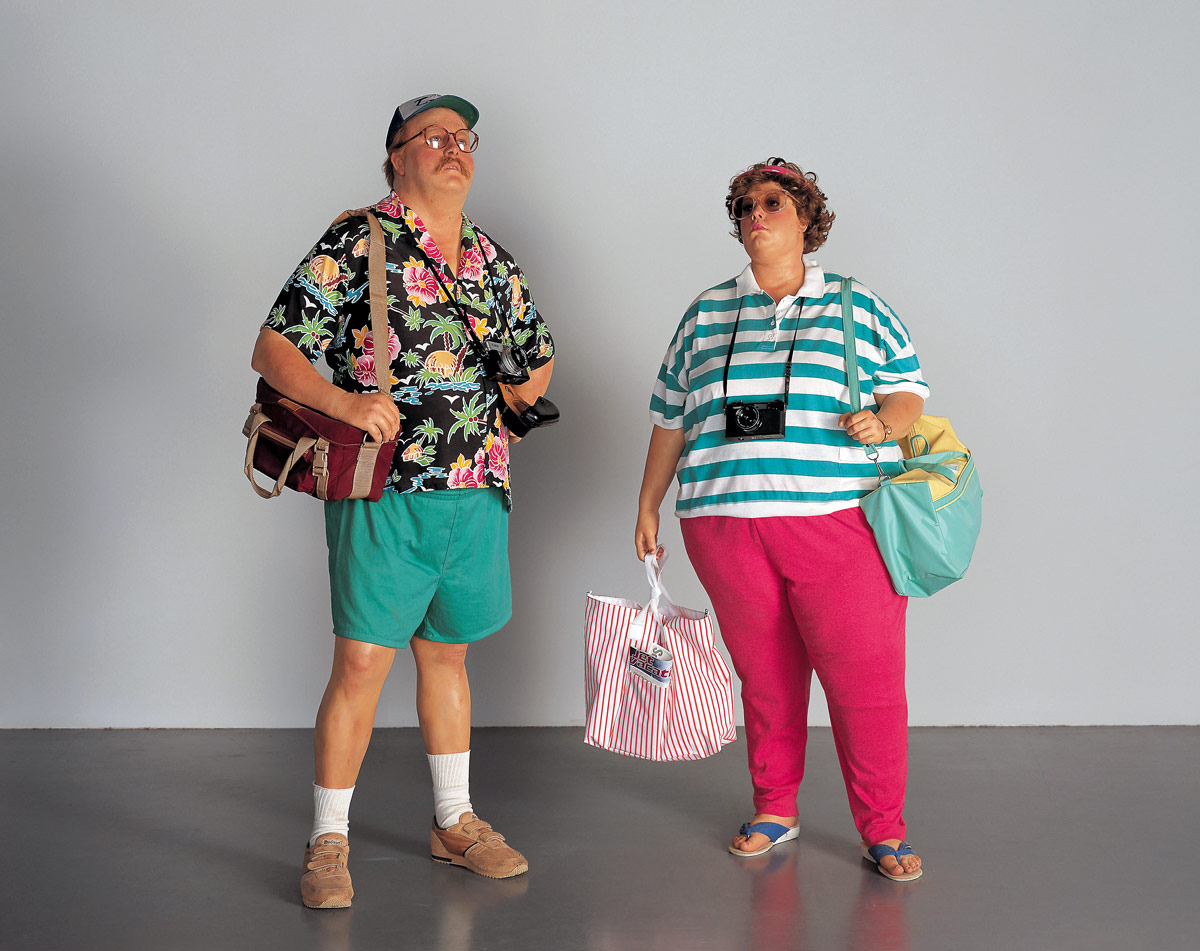
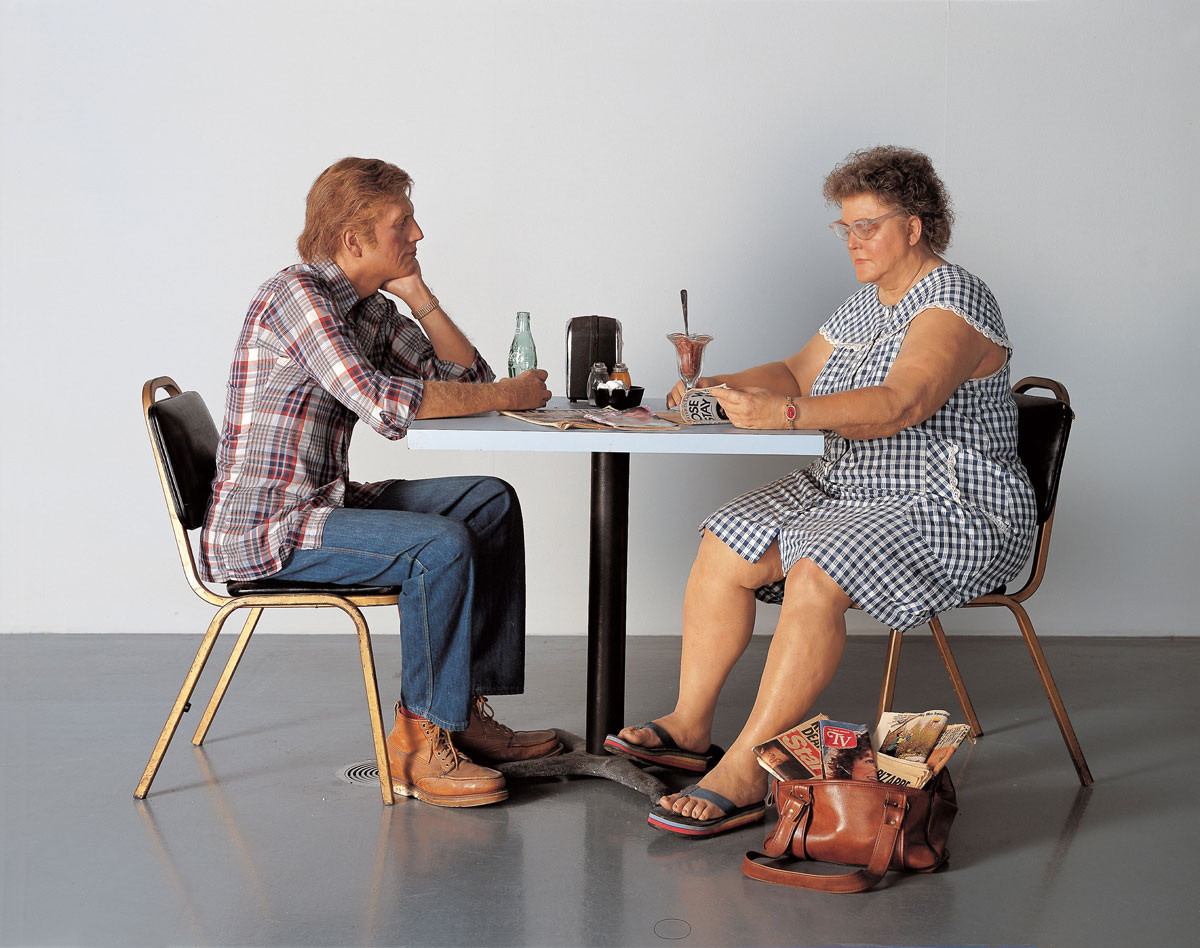
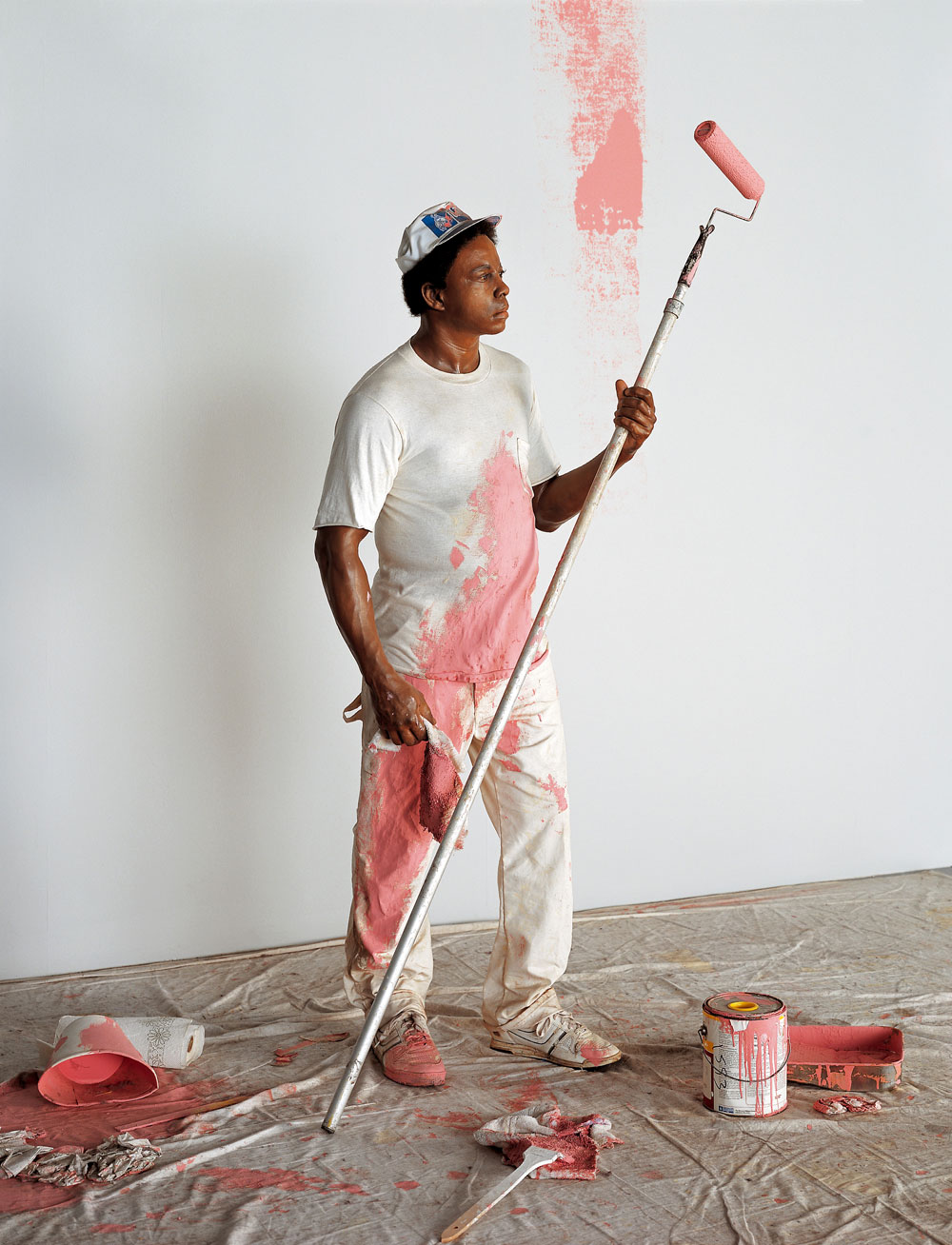
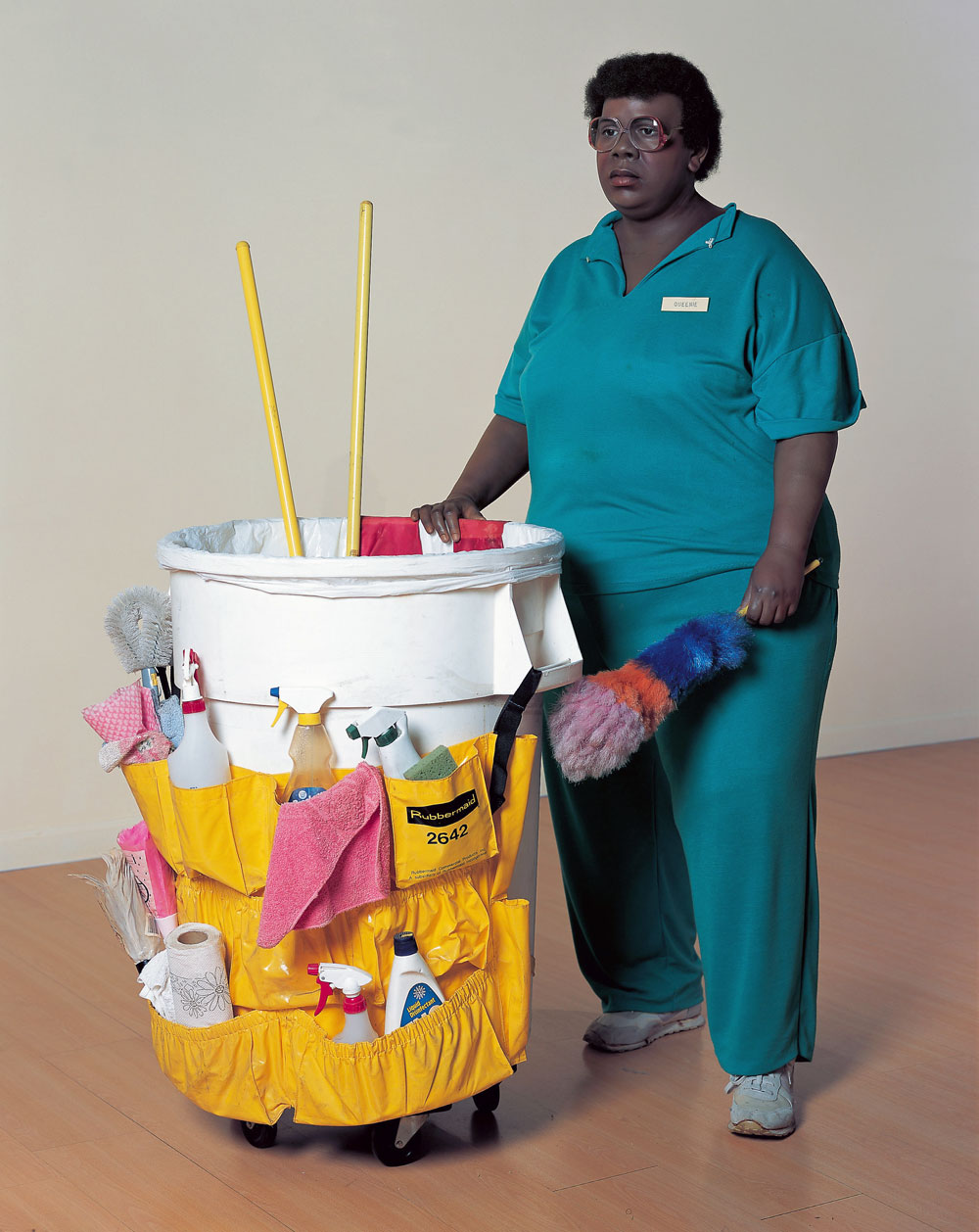
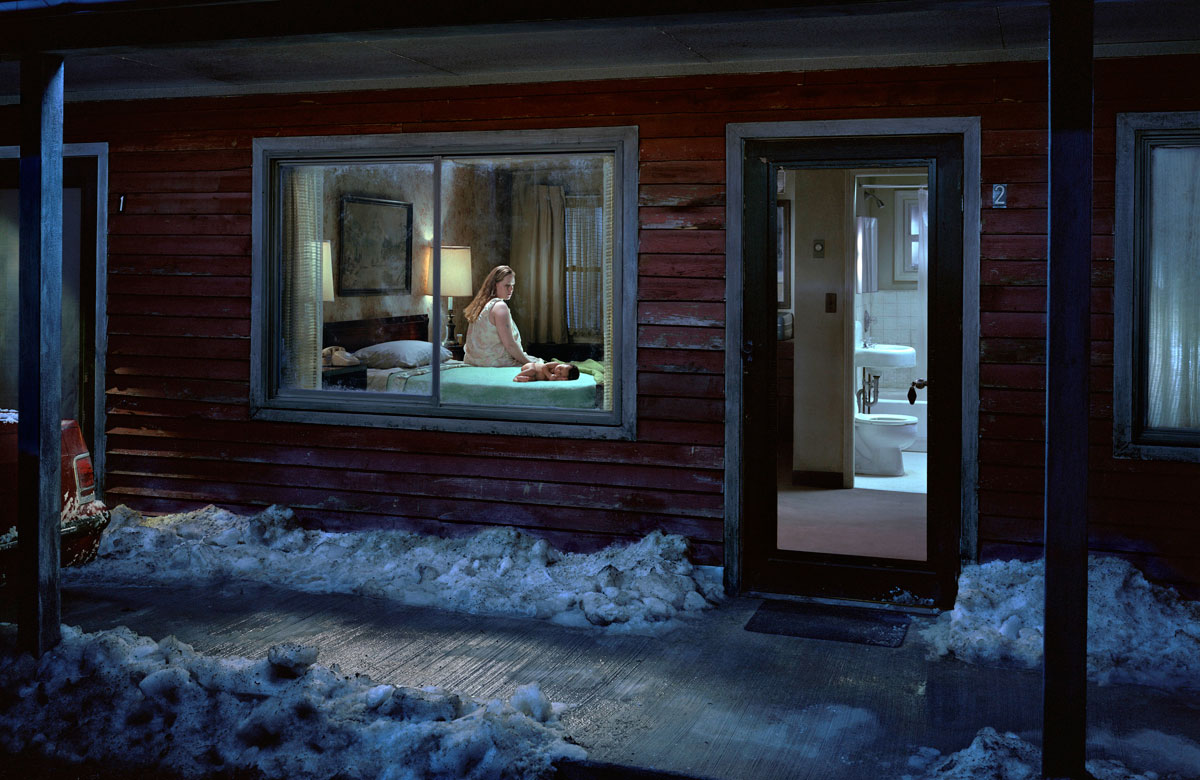
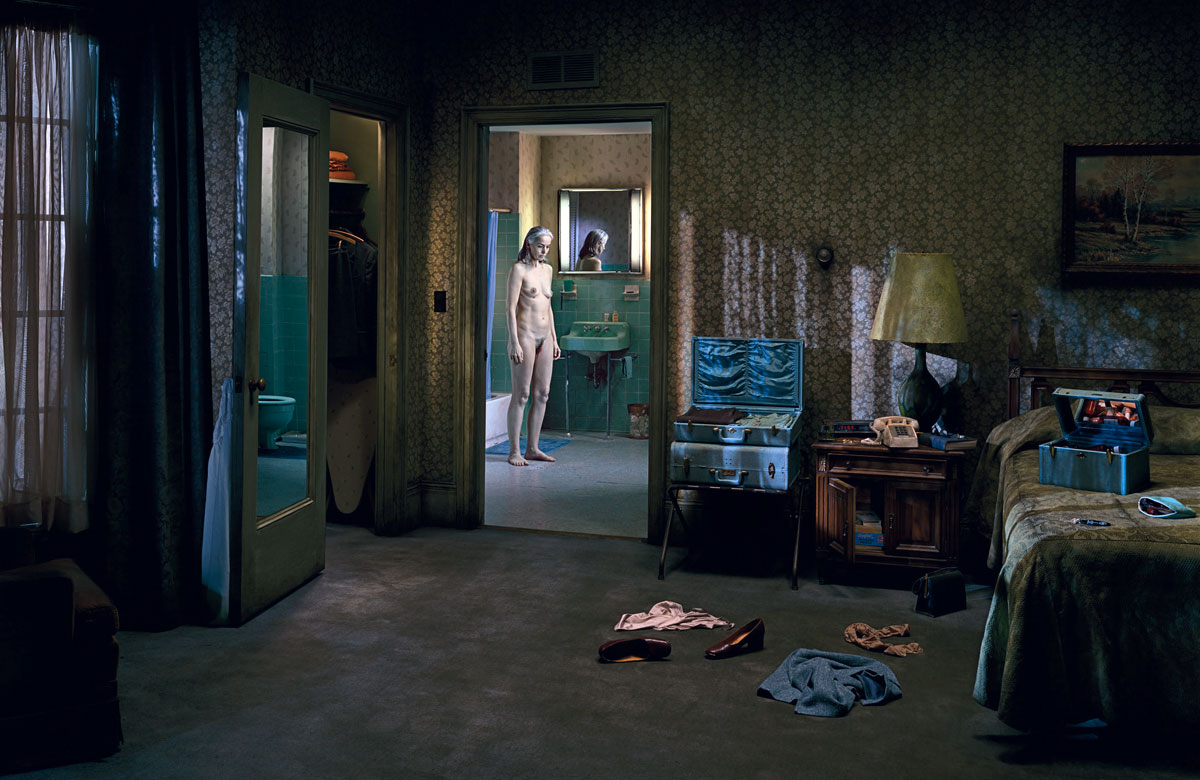
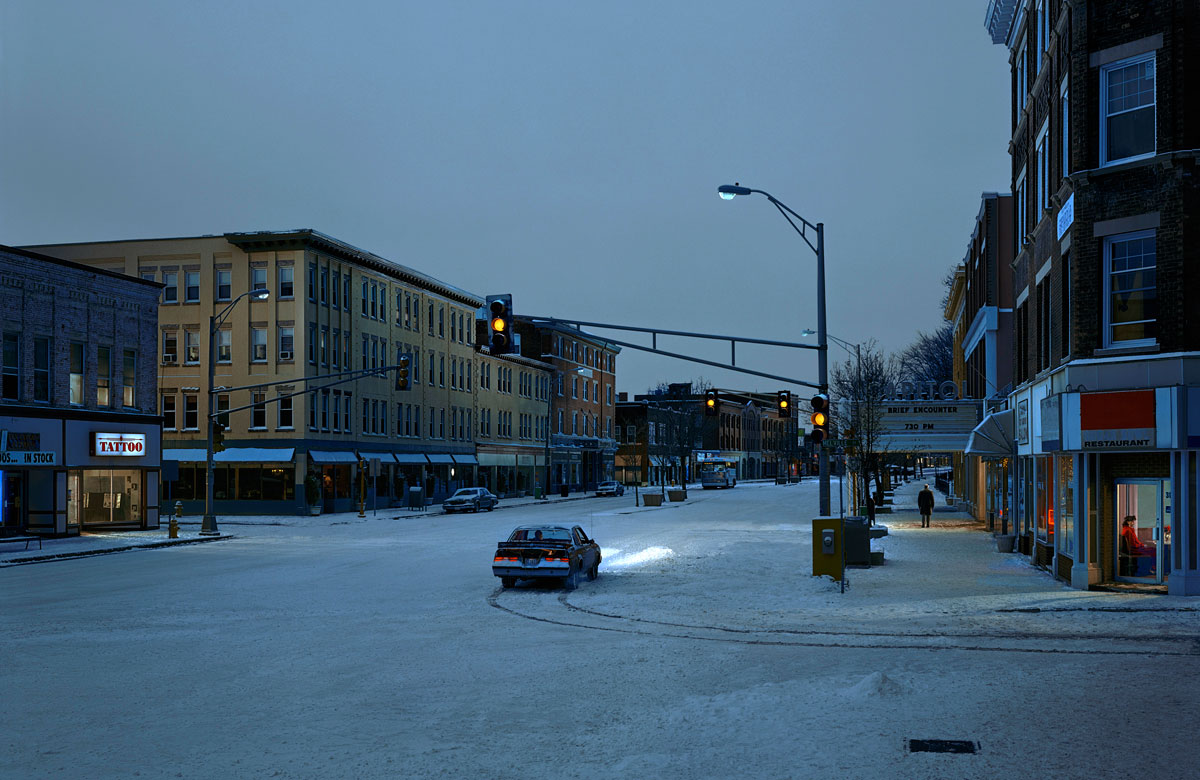
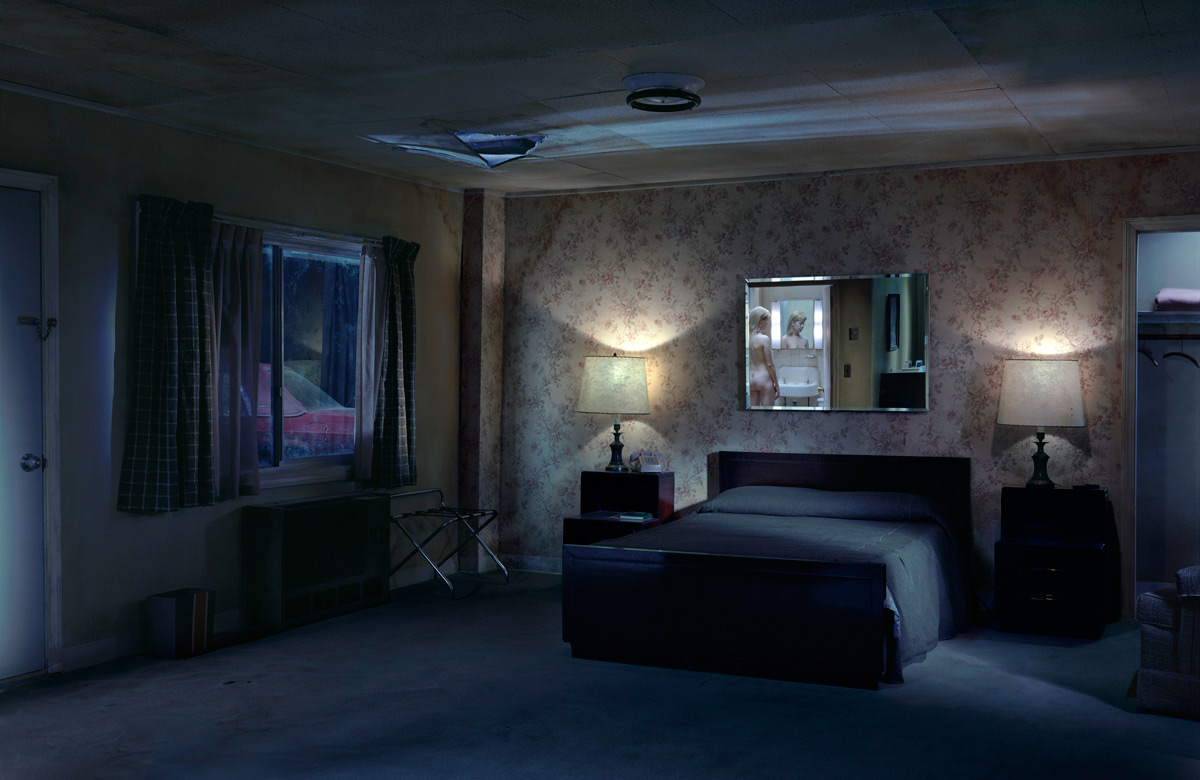
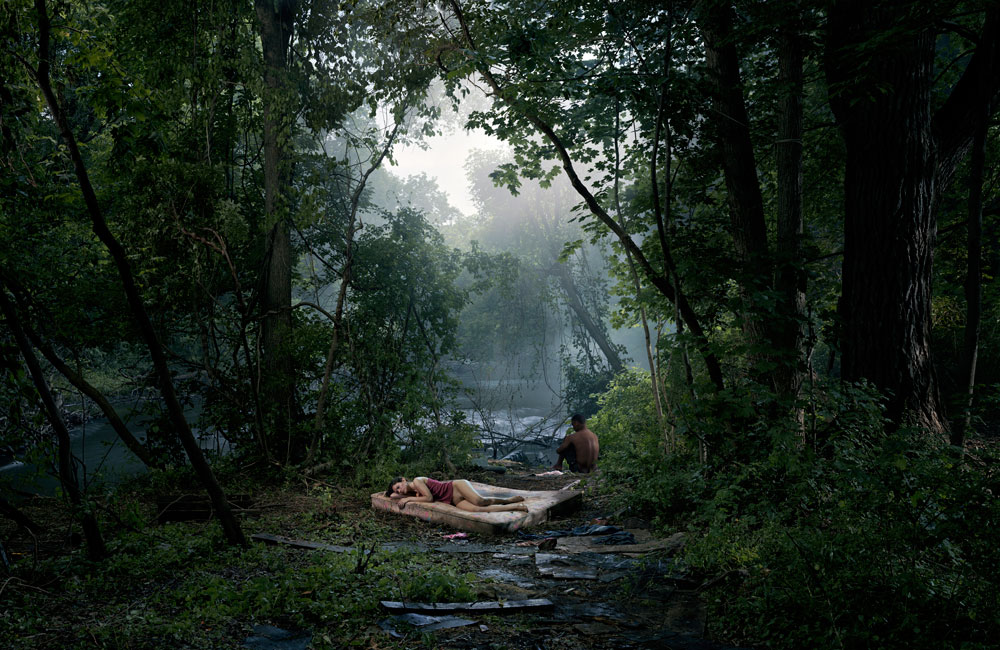
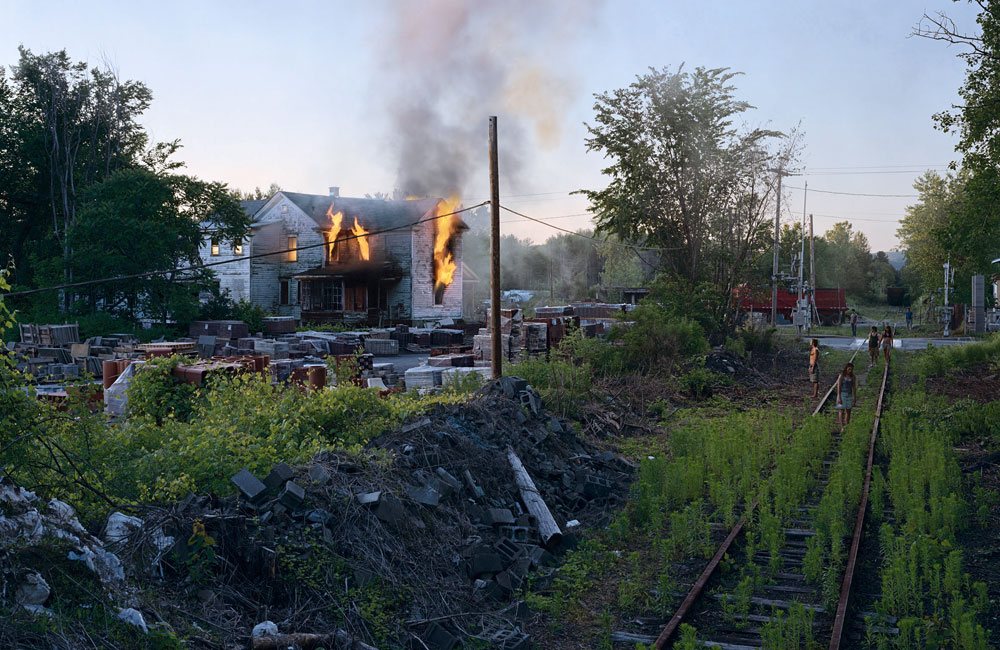
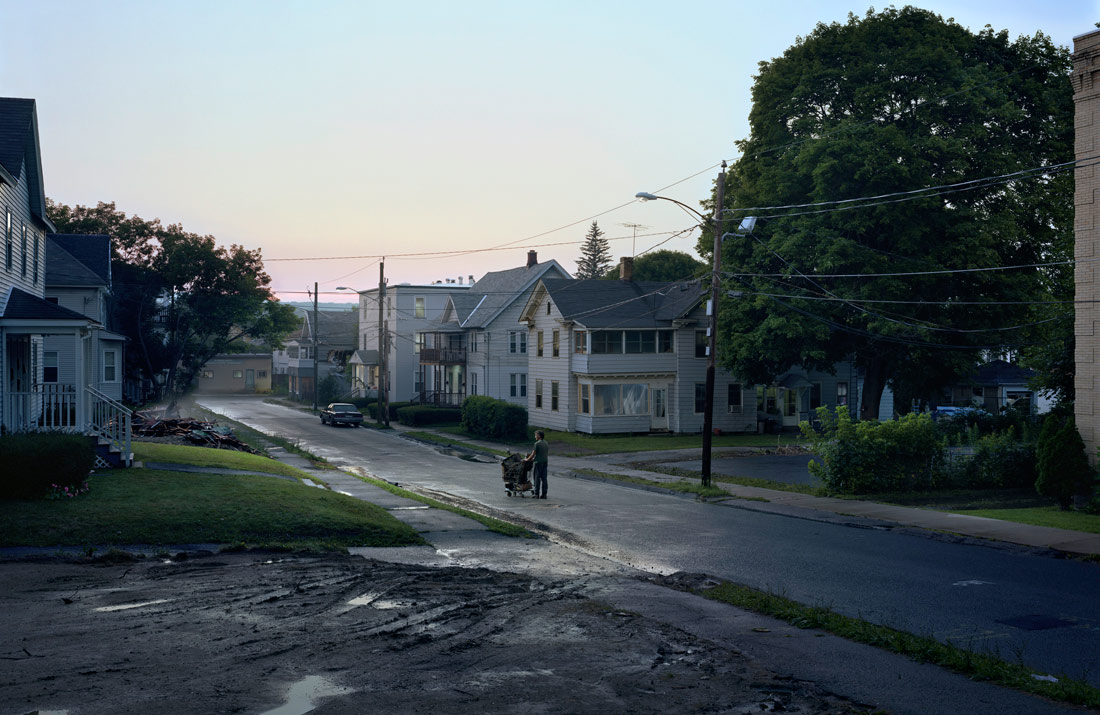
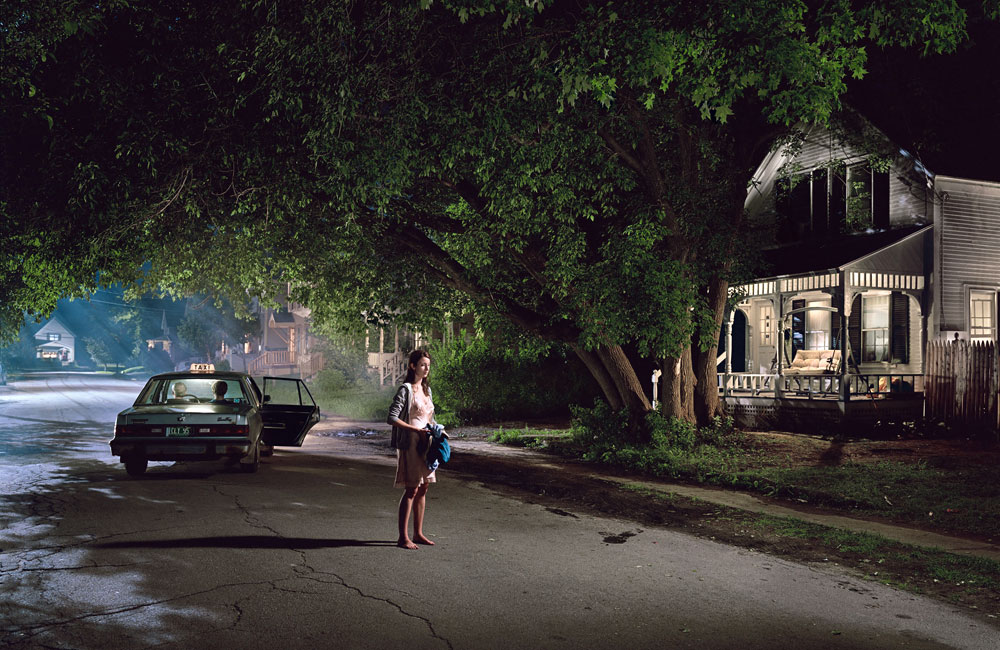
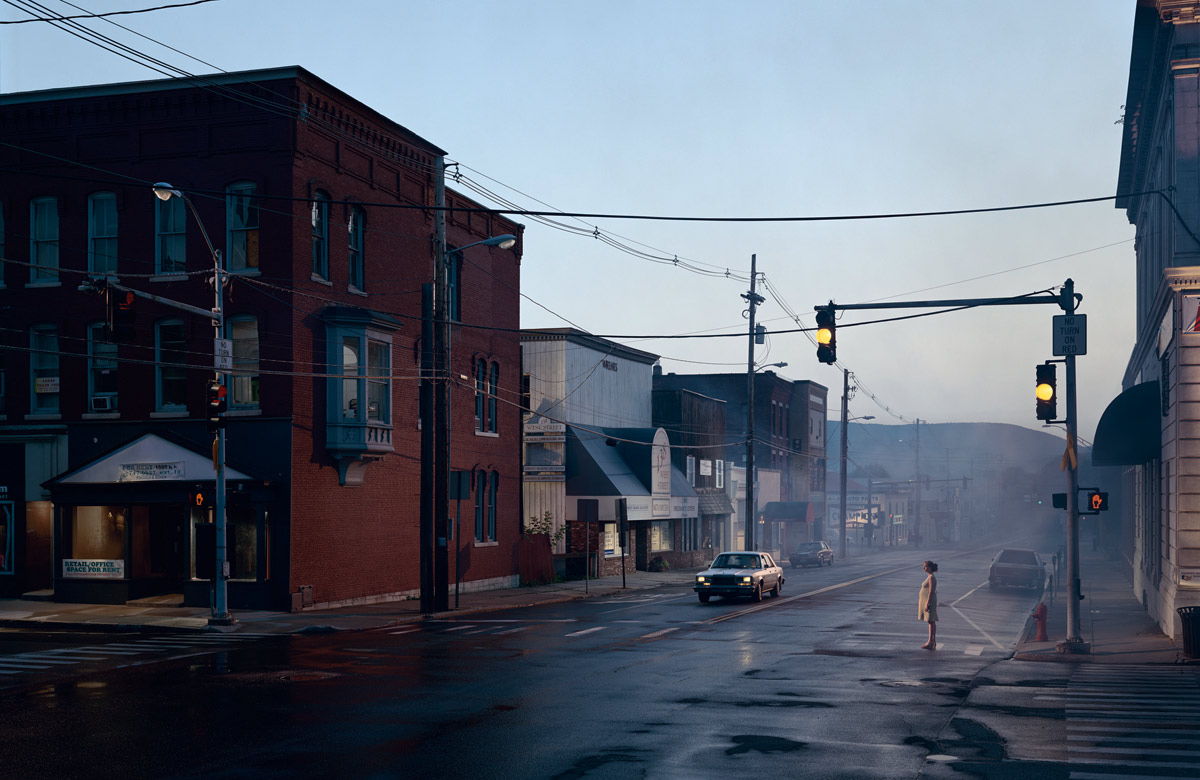
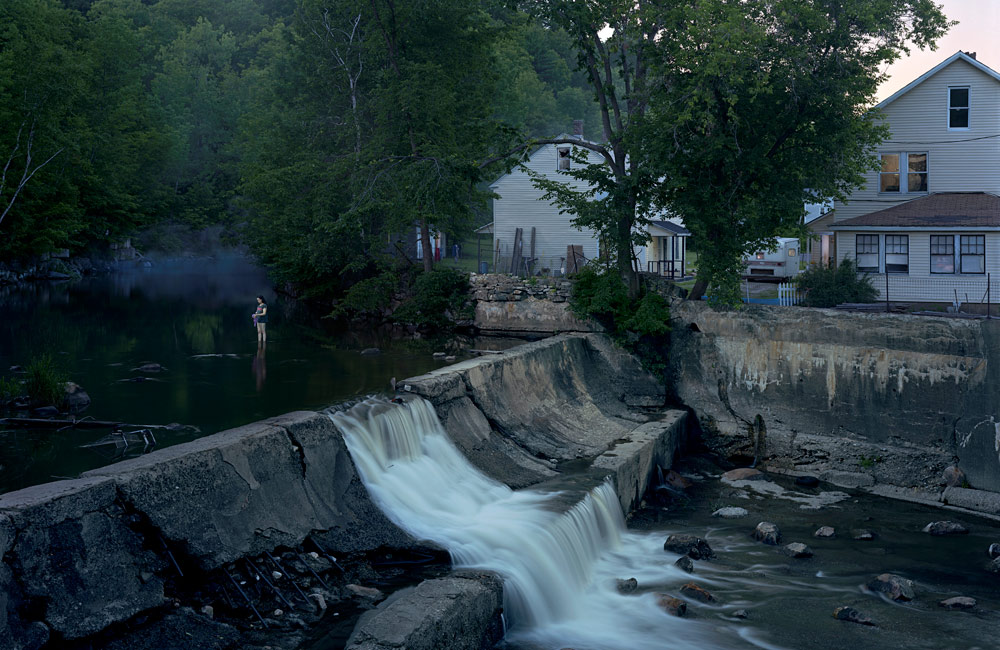
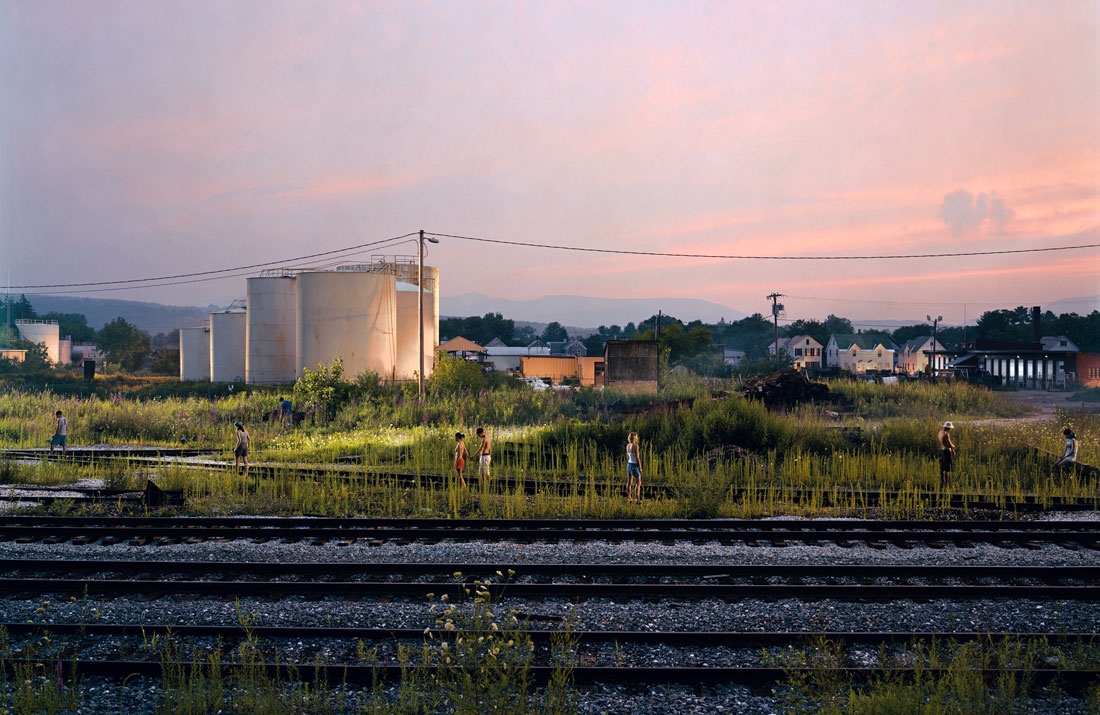
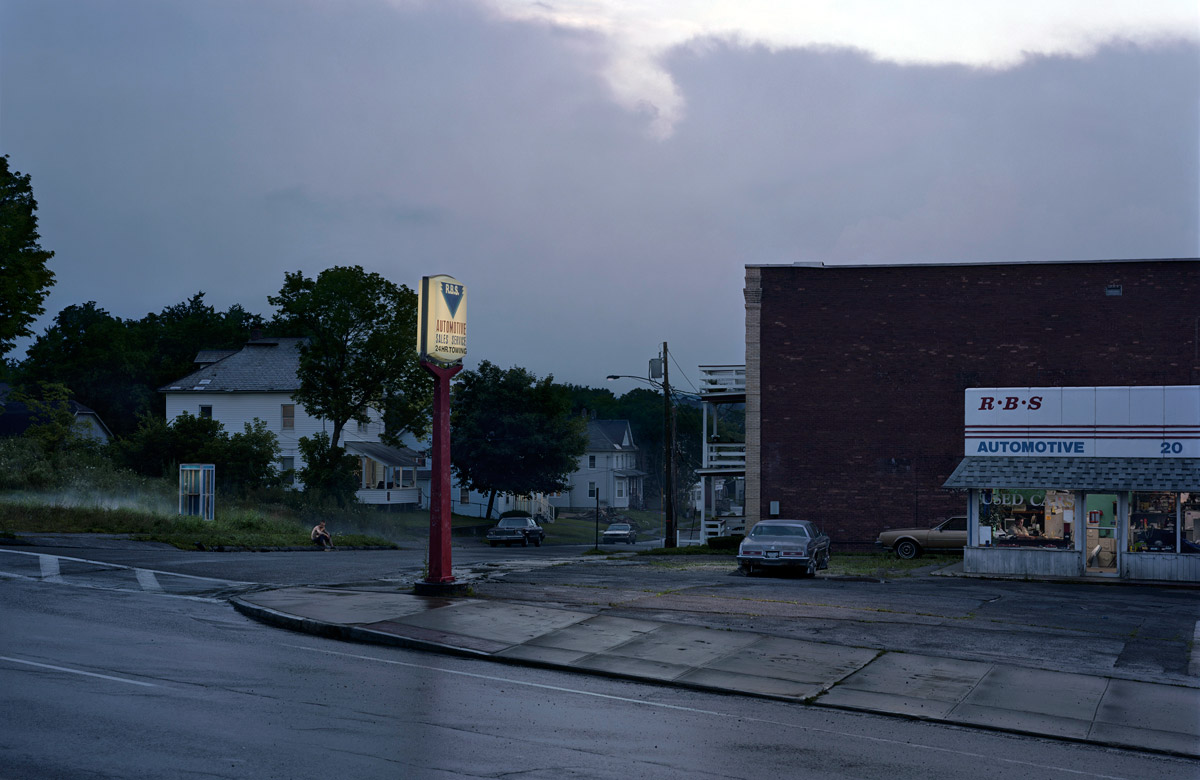
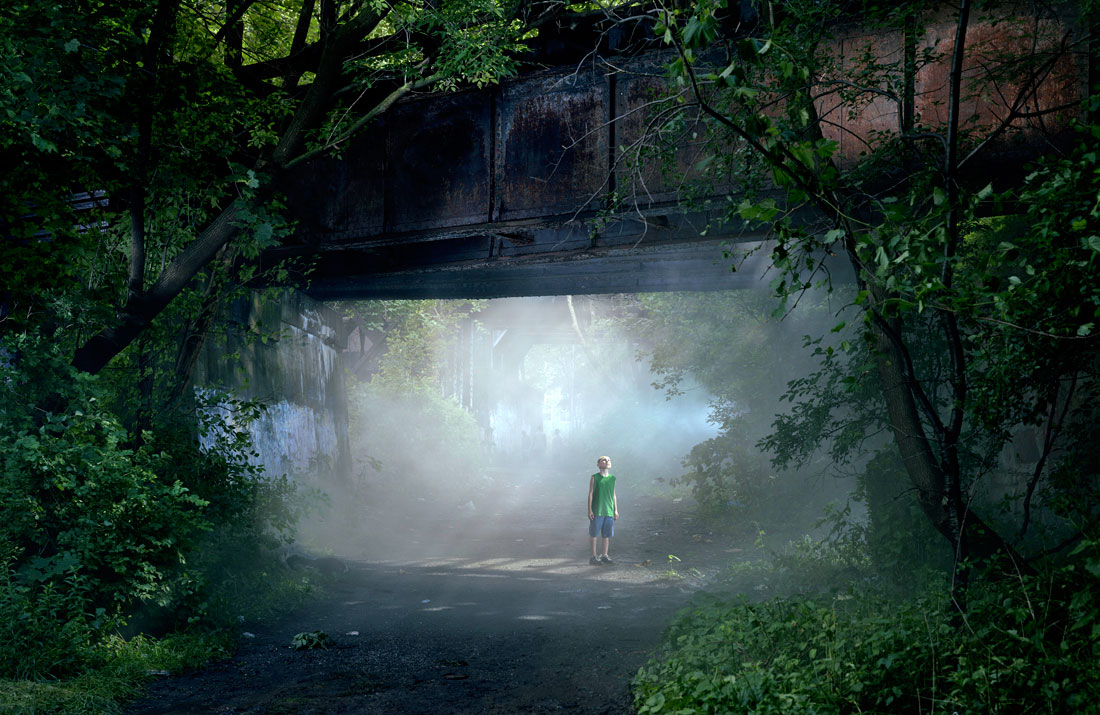

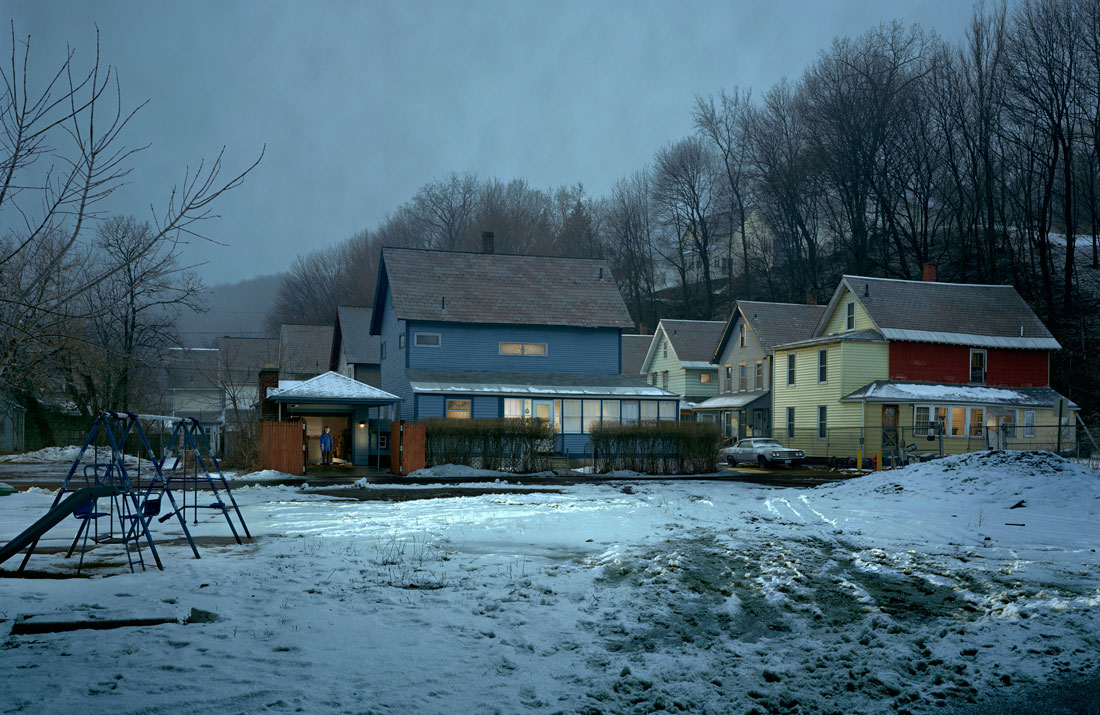
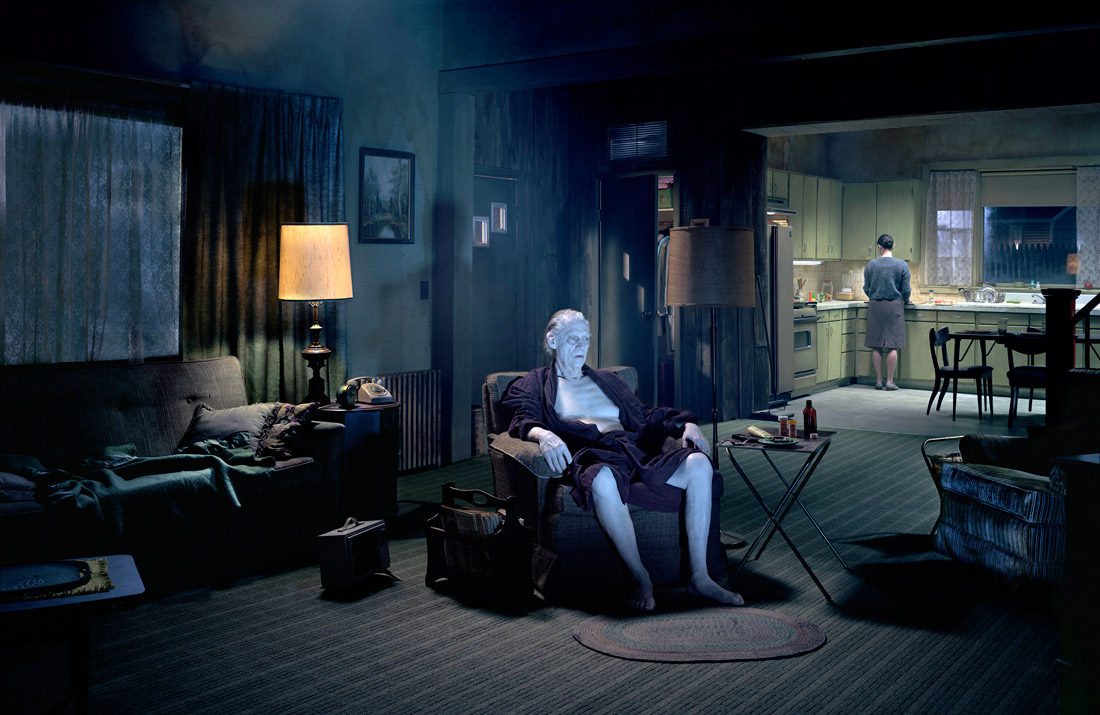
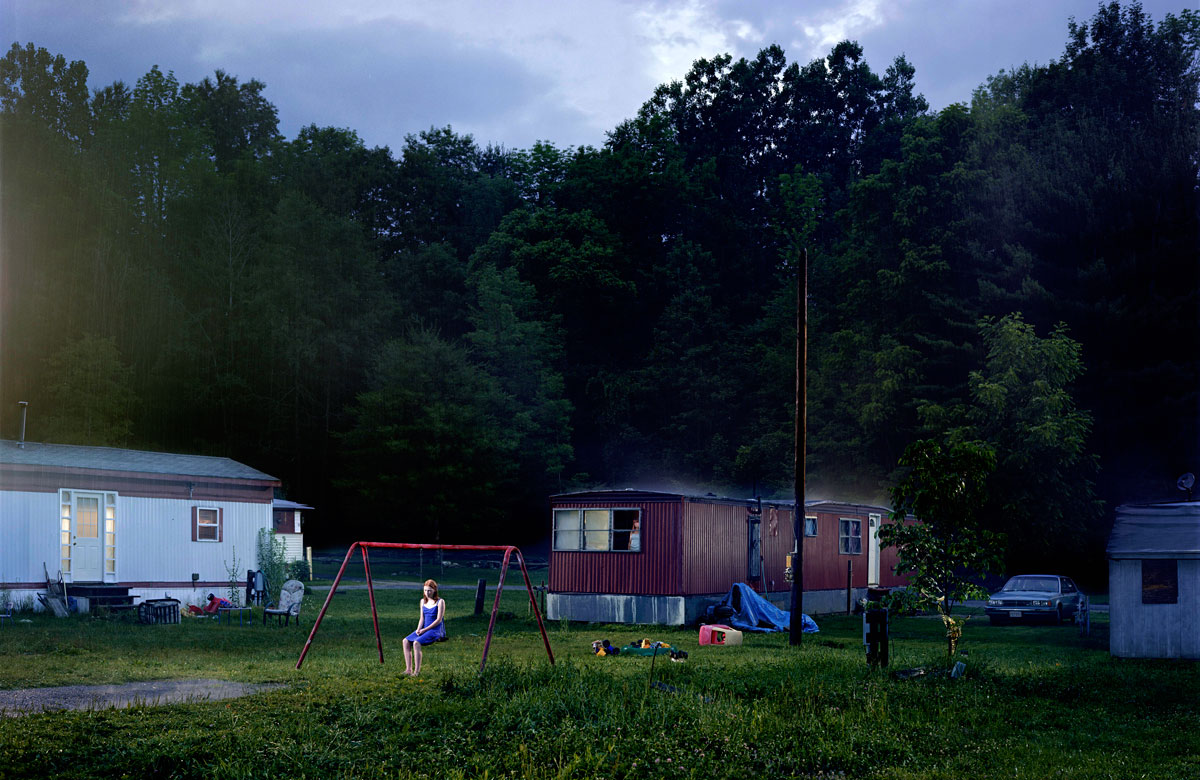
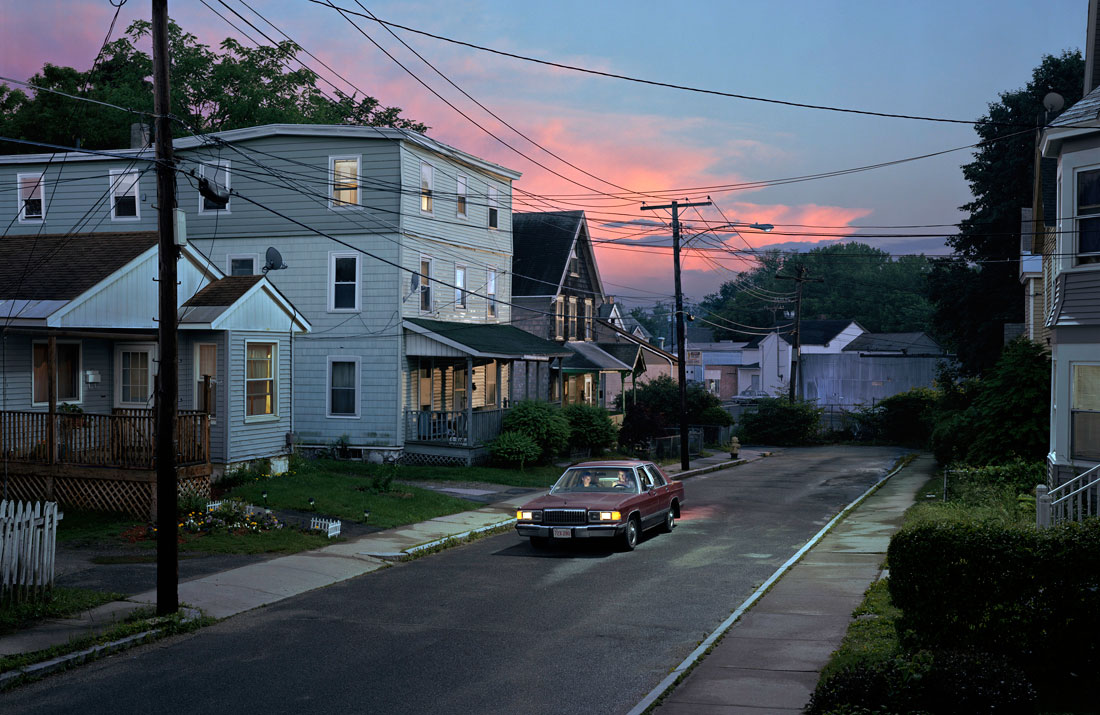

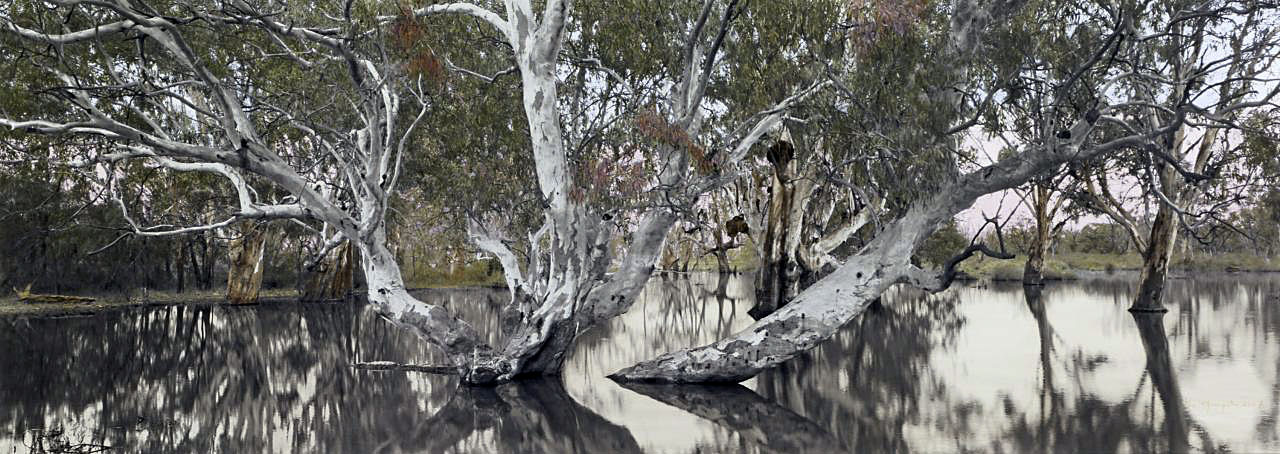
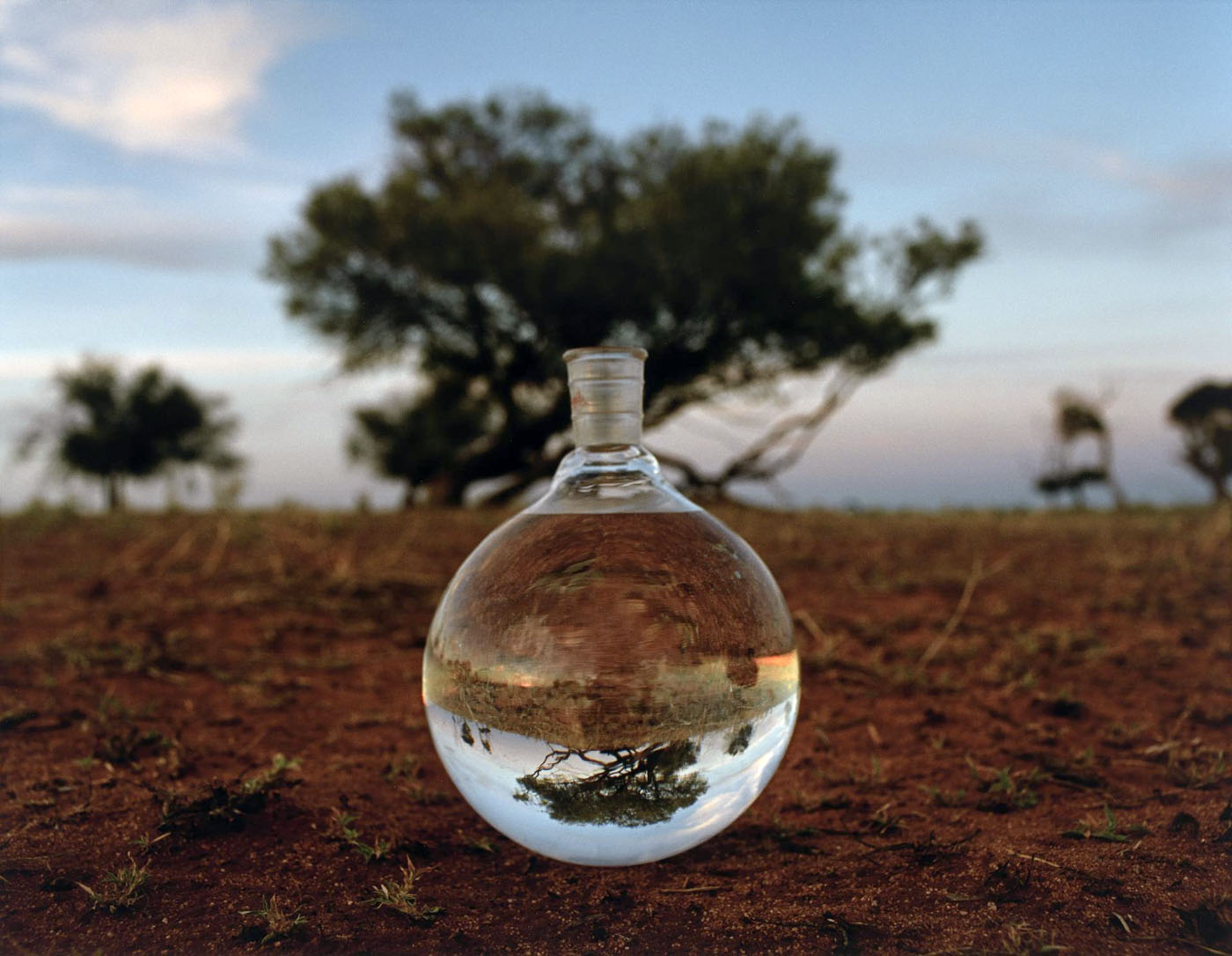
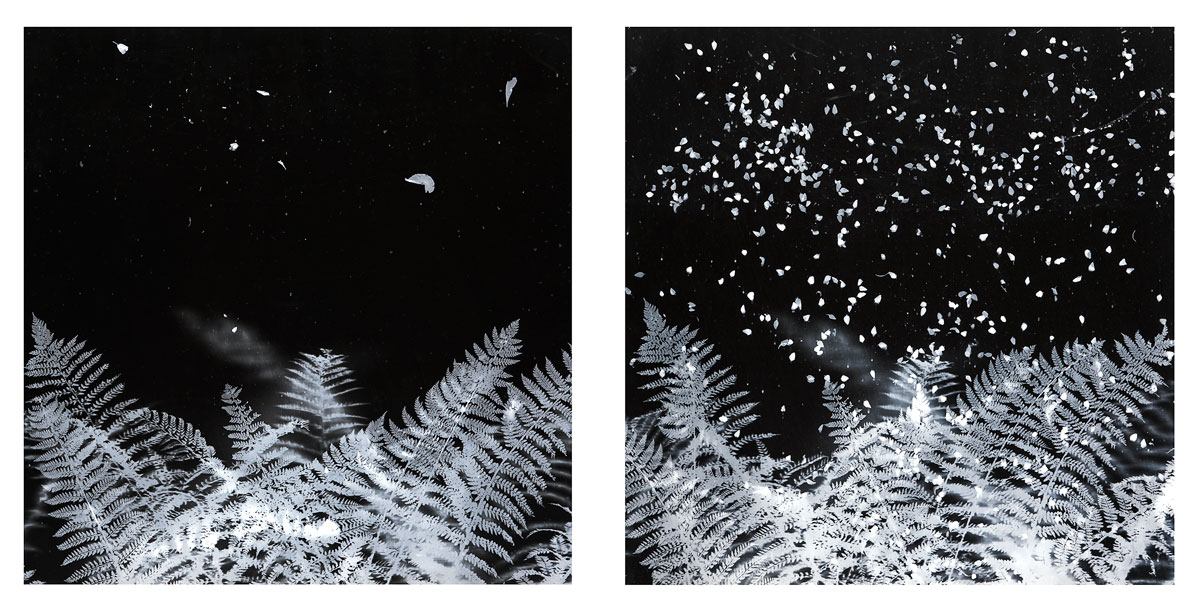

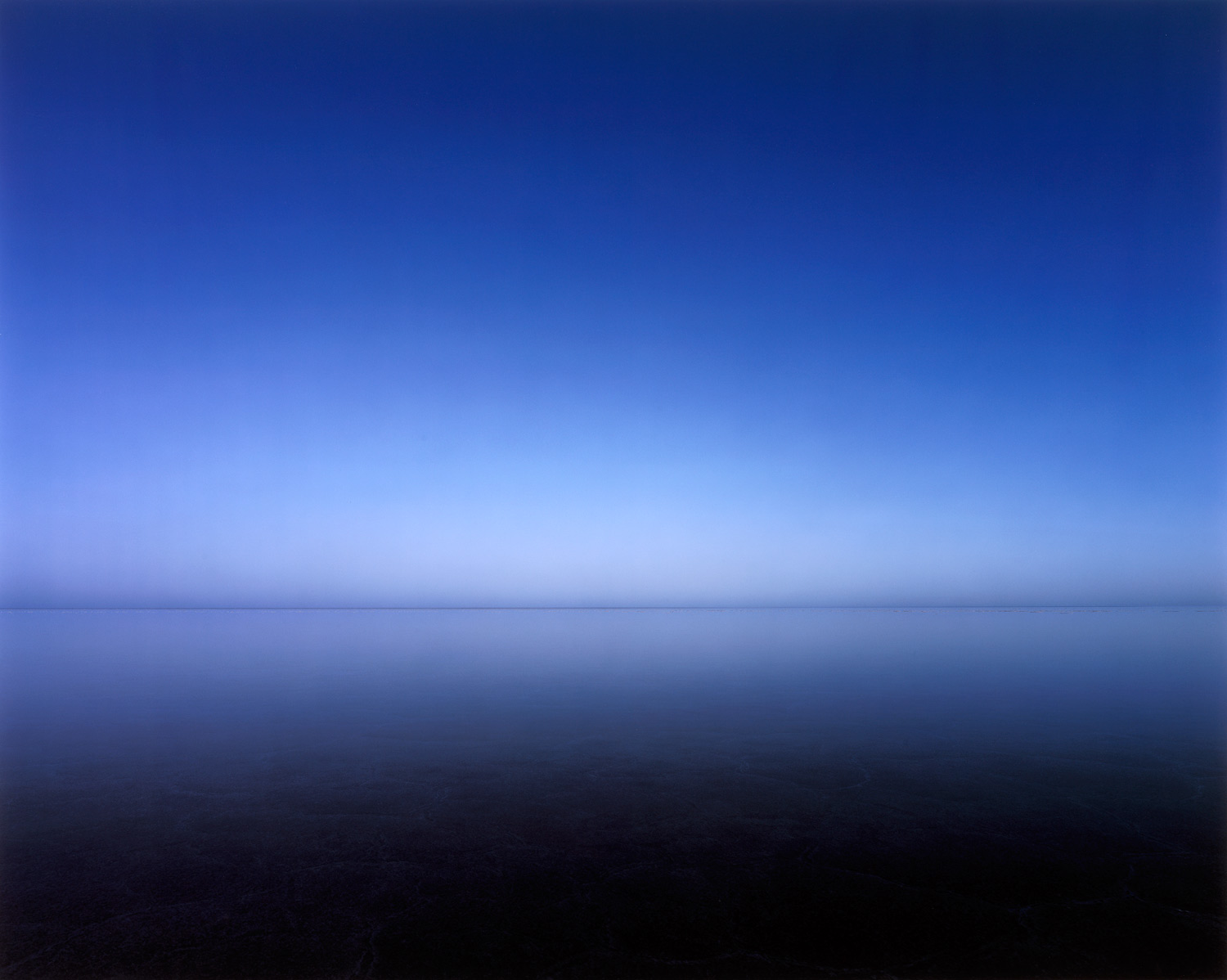


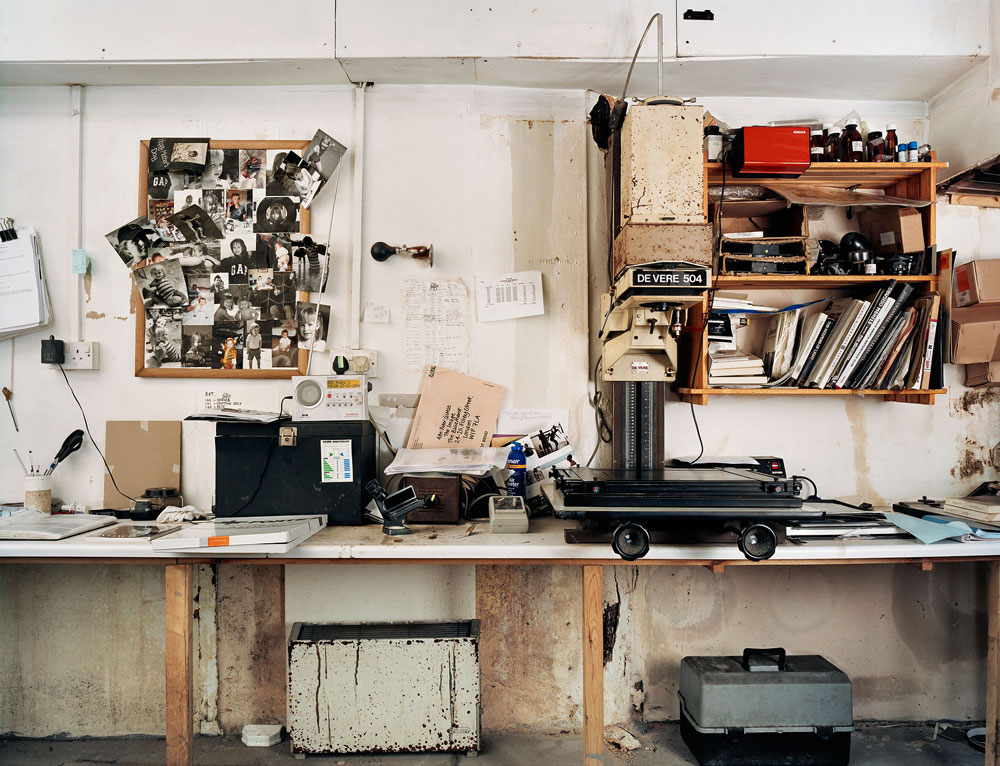
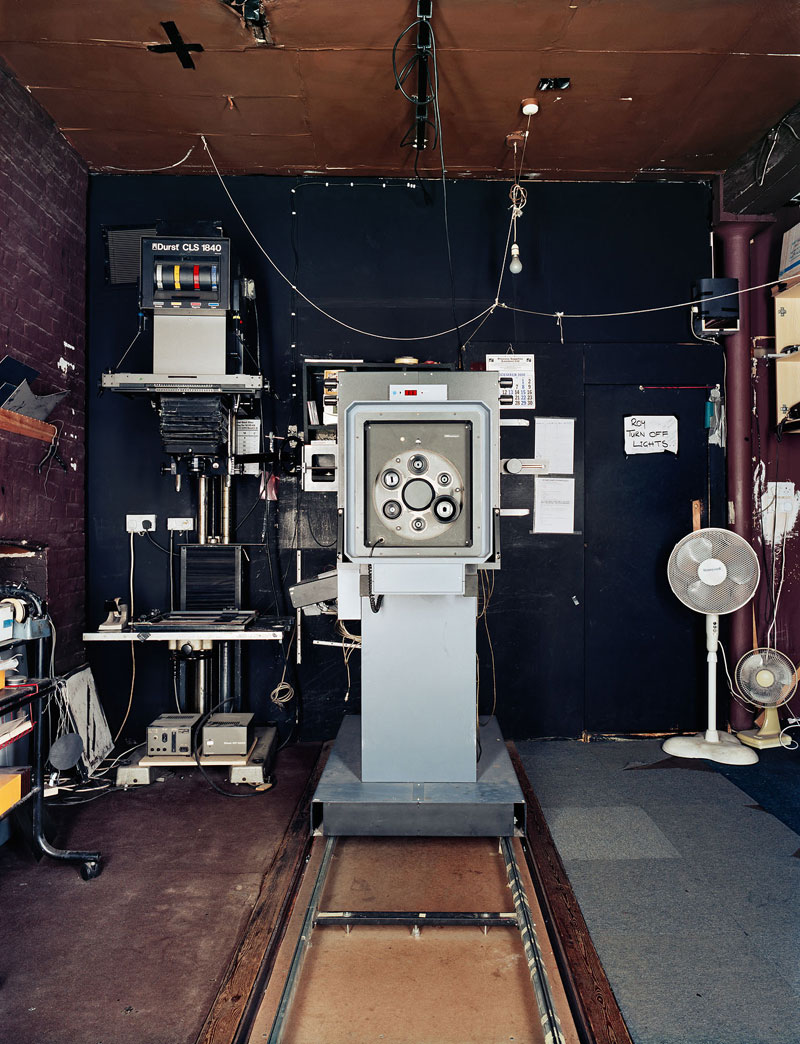
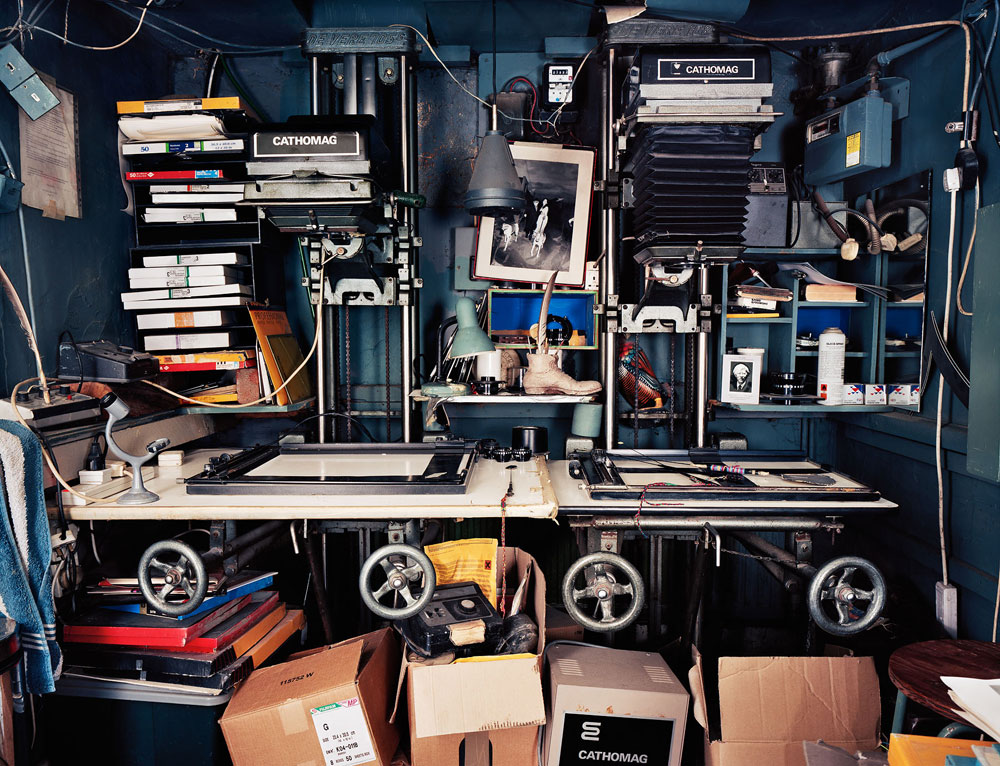
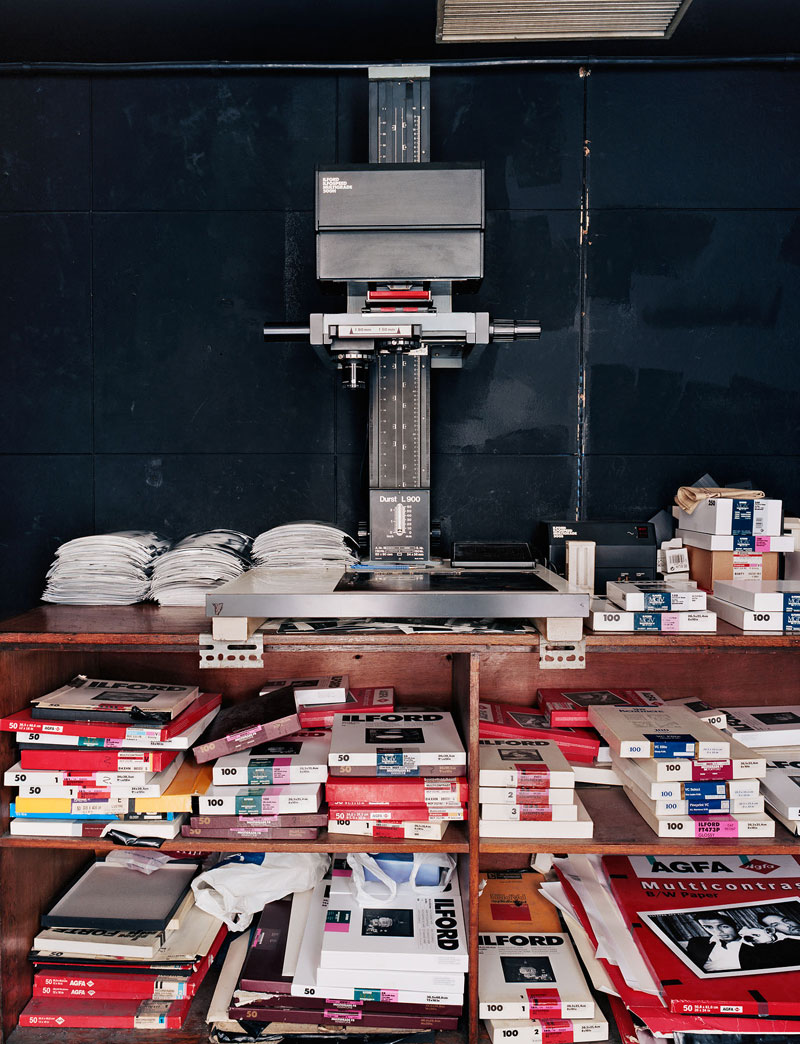

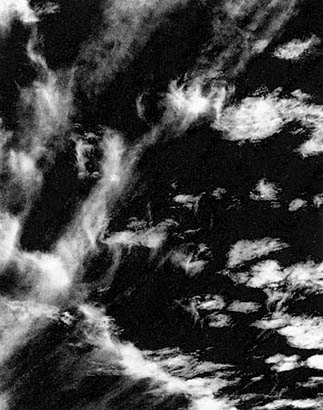


You must be logged in to post a comment.