Max Dupain (Australian, 1911-1992) Sydney Harbour Crepuscule 1937 Gelatin silver print 32.5 x 47cm
Noun. crépuscule m (plural crépuscules) twilight, dusk (the time of the day when the sun sets)
Iv’e been saving up these images for some time. This, the first of a two-part posting, features many images that are rare online, especially in a large size.
Dupain was a master of the use of light and form (Tea Towel Trio, 1934), an early proponent of Modernist photography in Australia (Silos at Pyrmont; Silos through windscreen, both 1935), an expert in night photography (Mosman Bay at dusk, 1937) and the use of chiaroscuro (Passengers Disembarking from Ferry, 1950s; Newsstand, Nd). He was an innovator in surrealist photography (Night with her train of stars and her gift of sleep, 1936-37), photomontage (Nude Figure with Shell Transposed, 1936), and advertising photography. His nude studies evidence an experimentation towards the representation of the human body (Jean with Wire Mesh, 1938; Nude Figure behind Wire Mesh, 1930s), his portraits possess a sensitivity and feeling towards subject matter (Portrait of Boy in Sunlight, 1936), while his portrayal of Australian culture – the body as architecture (Bondi, 1939); the myth of the surf lifesaver (Life Guards with Flag and Reel March, Nd); and the bustling metropolis (Rush Hour, Kings Cross, 1938) address the burgeoning self confidence of the Australian nation in the 1930s.
Seemingly, there was nothing that Dupain could not turn his hand too, that he could not photograph.
What strikes me most when looking at his photographs is the precision of his visual inquiry. His focus, his previsualisation, in knowing exactly what he wanted to say in that image – even while shifting genres and points of view. Like the subtle camera positioning of Atget where the angles are not what you would expect, Dupain rarely puts his camera where a mere mortal would stand to take a photograph. He looks, down (Manly, 1940s), up (crouching on his haunches to make the Life Guards and the Bondi couple seem monumental) and across – framing his compositions with diagonals, arches, and waves of people, almost like musical annotation. Everything looks simple and eloquent, elegant, but beneath the surface these are sophisticated images.
Far from being nostalgic, I look at Dupain’s body of work, and then at an individual photograph like Buses, Eddy Avenue (Nd) – and marvel at Dupain’s contemporary rendition (rending?) of time and space. Placing his camera as far to the right as he dared, Dupain captures the diagonal line of the parked buses in sunlight framed by the dark arch of the tunnel, the tram passing from left to right, the perfectly positioned clocktower and willowy flag giving a sense of movement… and then that man, that man, standing stock still at right with his shadow falling in front of him. IF he was not there, the whole focus of the image, the punctum, would be gone. It would just be a serviceable image. But he IS there and Dupain recognised that!
Similarly, in one of my favourite photographs by Dupain, At Newport (1952) “Dupain’s viewpoint turns the top of the wall into a taught line across the picture and his five bathers are strung out along it and held in tension like forms on a wire. As one prepares to dive, his counterweight, the sinewy young man, descends on the dry side. At the picture’s edges, the girls in bathing caps counterbalance the boy with hunched shoulders.” Birds on a wire, notes on a musical stave. Can you imagine being Dupain standing there and recognising that composition and the distorted shadow, in that very instance of its emergence, its flowering, for that ever so brief second in the existence of the cosmos….
Simply put, Max Dupain is the greatest Australian male photographer that has ever lived.
All images are used under fair use conditions for the purpose of educational research. Please click on the photographs for a larger version of the image.
Max Dupain (Australian, 1911-1992) Mosman Bay at dusk 1937 Gelatin silver print 28 x 37.5cm
Max Dupain (Australian, 1911-1992) Night with her train of stars and her gift of sleep 1936-37 Gelatin silver print 30 x 36cm
Max Dupain (Australian, 1911-1992) (Rhythmic Form) 1935 Gelatin silver print 22.5 x 30.5cm
Max Dupain (Australian, 1911-1992) (Nude Figure with Trombone Shadow) 1930s Gelatin silver print 25 x 17.5cm
Max Dupain (Australian, 1911-1992) (Nude Figure with Shell Transposed) 1936 Gelatin silver print 50 x 35.5cm
Max Dupain (Australian, 1911-1992) Two forms 1939 Gelatin silver print 50.5 x 38.5cm
This photograph relates conceptually to Dupain’s experiments with photographs of nudes. According to the vitalist philosophies of the time, the spiralling rounded shell being shaped by nature is feminine, while the hard metallic tool is man-made and represents the masculine principle. Photographed on a plain surface and lit with raking light, the sense of space is ambiguous. Dupain retained an interest in still-lifes throughout his career, returning to them particularly towards the end of his life. In the 1930s his most well-known still-life was Shattered intimacy 1936 (AGNSW collection) where an image of broken glass and a broken classical statue has been solarised, producing a powerful narrative. Two forms is a more contemplative image as the shell and the head of a hammer lie side by side and are of similar scale. Interestingly, the two forms are distant from each other, rather than close together, and their scale gives them equality. It is not known whether Dupain necessarily subscribed to the contemporaneous anxiety about the ‘new woman’, but certainly one can read this image as an examination of difference.
Max Dupain (Australian, 1911-1992) Tea Towel Trio 1934 Gelatin silver print 29.5 x 22cm
Max Dupain (Australian, 1911-1992) Still Life 1935 Gelatin silver print 29.5 x 21.5cm
Max Dupain (Australian, 1911-1992) Blankets Nd Gelatin silver print 31 x 24cm
Max Dupain (Australian, 1911-1992) (Male Nude with Discus) Nd Gelatin silver print 39 x 32cm
Max Dupain (Australian, 1911-1992) Dart 1935 Gelatin silver print 50 x 37.5cm
Max Dupain (Australian, 1911-1992) Dart 1935 Gelatin silver print
Max Dupain (Australian, 1911-1992) Sleeping Boy 1941 Gelatin silver print
Max Dupain (Australian, 1911-1992) Portrait of Boy in Sunlight 1936 Gelatin silver print 29 x 26cm
Max Dupain (Australian, 1911-1992) Jean with Wire Mesh 1938 Gelatin silver print 49.5 x 39.5cm
In 1937, [Jean] Bailey posed for Jean with wire mesh, which some experts hail as the single most powerful image ever taken by Max Dupain, generally regarded as Australia’s greatest lensman.
It’s more subtle than his most famous image, Sunbaker, also shot in 1937. It’s less frozen in time than his striking scenes of wartime Australians serving in New Guinea. It’s more universal than his evocative tableaux of shearers, cattle drovers, miners and “six o’clock swillers”. And it’s less contrived than the commissioned portraits he took of wealthier women for the equivalent of today’s social pages.
Of all the many women who posed for his camera, Bailey was regarded as Dupain’s muse. Even by her own admission, she was not the most beautiful woman in 1930s Sydney.
In some pictures, by other photographers, she looks quite plain. …
But Dupain saw something special in her, though even Bailey does not know what it was.
“It’s not enormously erotic,” says [Alan] Davies. “But it is incredibly sensual, masterful in its use of light and shade. To photograph someone with her forehead in full sunlight and the rest of her figure cloaked in shadow is an extraordinary technical achievement. Most photographers would regard it as professional suicide. They wouldn’t attempt it.”
The image, he says, “is an astonishing masterpiece of chiaroscuro”. Unlike so many of Dupain’s images, this – and another outstanding work in the exhibition of an unknown model called Nude with pole – are timeless, betraying none of the nostalgia for which Dupain is so often noted.
White, who under Dupain’s tutelage became an accomplished photographer herself, says simply, “I think Jean with wire mesh is his most beautiful image. It leaves Sunbaker for dead.”
Anonymous. “Portrait of a lady,” on The Sydney Morning Herald website, July 12, 2003 [Online] Cited 24/10/2020
Max Dupain (Australian, 1911-1992) (Nude Figure behind Wire Mesh) 1930s Gelatin silver print 50.5 x 40 cm
Max Dupain (Australian, 1911-1992) Hands of a Dancer 1935 Gelatin silver print 29 x 27.5cm
Max Dupain (Australian, 1911-1992) Artist and Model 1938 Gelatin silver print 35.5 x 30.5cm
Max Dupain (Australian, 1911-1992) (Super-Imposed Woman and Night Cityscape) 1937 Gelatin silver print 46 x 35cm
Max Dupain (Australian, 1911-1992) Fire Stairs at Bond Street Studio (Solarised) 1935 Gelatin silver print 30 x 21.5cm
Max Dupain (Australian, 1911-1992) Fire Stairs at Bond Street Studio 1930s Gelatin silver print 24.5 x 9cm
Max Dupain (Australian, 1911-1992) (Olive Cotton in Wheat Fields) Nd Gelatin silver print 30 x 30cm
Max Dupain (Australian, 1911-1992) (Fire Stairs at Bond Street) 1934 Gelatin silver print 26 x 21cm
Max Dupain is Australia’s most celebrated modernist photographer. Born in the Sydney, Dupain practiced photography as a teenager, receiving his first camera in 1924. In 1929 he joined the New South Wales Photographic Society, and in 1930 was employed in the studio of prominent Pictorialist Cecil Bostock, where he received solid training in all aspects of photography. He established his own studio in Sydney in 1934, servicing commercial clients and producing still lifes, figure photography and portraits. In his personal work, he explored the surrealist aesthetic of Man Ray, experimenting with formal abstraction and montage. With the outbreak of World War II, Dupain worked with the Camouflage Unit in 1941, travelling to New Guinea and the Admiralty Islands. His photography of the 1960s and 70s was shaped by architectural interests and he fostered working relationships with several prominent architects, most notably Harry Seidler.
Text from the Art Gallery of New South Wales website [Online] Cited 24/10/2020
Max Dupain (Australian, 1911-1992) Silos through windscreen 1935 Gelatin silver print 40 x 43cm
While cars and machinery were rarely Max Dupain’s personal choice of forms to photograph, his Silos through windscreen 1935 embraces the new age from a new perspective. It is an uncharacteristically complex composition. The view of the silos from the front seat shows off the car’s smart dashboard; at the same time his camera records a fragment of a brick factory reflected in the rear vision mirror.
Max Dupain (Australian, 1911-1992) Silos at Pyrmont 1935 Gelatin silver print 49 x 37cm
Pyrmont silos is one of a number of photographs that Dupain took of these constructions in the 1930s. In all cases Dupain examined the silos from a modernist perspective, emphasising their monumentality from low viewpoints under a bright cloudless sky. Additionally, his use of strong shadows to emphasise the forms of the silos and the lack of human figures celebrates the built structure as well as providing no sense of scale. Another photograph by Dupain in the AGNSW collection was taken through a car windscreen so that the machinery of transport merges explicitly with industrialisation into a complex hard-edge image of views and mirror reflections. There were no skyscrapers in Sydney until the late 1930s so the silos, Walter Burley Griffin’s incinerators and the Sydney Harbour Bridge were the major points of reference for those interested in depicting modern expressions of engineering and industrial power.
Dupain was the first Australian photographer to embrace modernism. One of his photographs of the silos was roundly criticised when shown to the New South Wales Photographic Society but Dupain forged on regardless with his reading, thinking and experimentation. Some Australian painting and writing had embraced modernist principles in the 1920s, but as late as 1938 Dupain was writing to the Sydney Morning Herald:
“Great art has always been contemporary in spirit. Today we feel the surge of aesthetic exploration along abstract lines, the social economic order impinging itself on art, the repudiation of the ‘truth to nature criterion’ … We sadly need the creative courage of Man Ray, the original thought of Moholy-Nagy, and the dynamic realism of Edouard [sic] Steichen.”1
1/ Dupain, M. 1938, ‘Letter to the editor’, Sydney Morning Herald, 30 March
Max Dupain (Australian, 1911-1992) Bondi 1939 Gelatin silver print 37 x 37.5cm
Dupain was one of the first Australian photographers to embrace Modernism. The simplicity of form and unusually low vantage point of this picture reflect the influence of German photography that he saw in the journal Das Deutsche Lichtbild. At first Dupain preferred another version of the image; when it was published in 1948, the photograph shows the woman standing with her arms folded. Here, she leans toward the man, their bodies slightly overlapping. Standing parallel to the picture plane, their bodies and those of the young men at their sides form a pyramid – one of Dupain’s preferred forms at this time.
Max Dupain (Australian, 1911-1992) At Newport 1952 Gelatin silver print 25 x 29cm
There is a strong sense of masculinity found in many of Dupain’s beach works. In At Newport this is emphasised by the strong, angular lines of the figures, an image that seems to capture the essence of male youth at the beach. In this image, three male swimmers are positioned in the foreground of a beachside pool setting. The long shadows of the late summer sun place further emphasis on the angularity and thus the masculinity that is a feature of this image.
Text from the Annette Larkin Fine Art website
Max Dupain (Australian, 1911-1992) At Newport 1952 Gelatin silver print 45.0 x 40.0cm National Gallery of Australia Purchased 1976
Dupain took At Newport in 1952 at the Newport Baths, as it was then known, a sea-water pool next to the Pacific Ocean about 20 miles north of Sydney. It’s an ambiguous photograph in more ways than one because the angle of the shot makes it seem as if the tremendous weight of the sea is being held back by nothing stronger than a low wall, with the water rising almost to the brim. Dupain’s viewpoint turns the top of the wall into a taught line across the picture and his five bathers are strung out along it and held in tension like forms on a wire. As one prepares to dive, his counterweight, the sinewy young man, descends on the dry side. At the picture’s edges, the girls in bathing caps counterbalance the boy with hunched shoulders. The distant pillars along the side of the pool duplicate these intervals. There appears to be some indecision, though, about the crop Dupain intended on the right. A print in his archive shows space between the right-hand girl and the edge, which is better, while a print in a national collection omits her entirely. Losing her disembodied head and intense concentration on the diver weakens the photograph. (There is also a second picture of bathers from the same group (below))
At Newport can be straightforwardly construed as another celebration by Dupain the dedicated modernist of the vitalising power of sunlight and the exuberant Australianness of the beach, but there is an alternative way of reading it. An essay in Dupain’s Sydney (1999) notes that the photographer didn’t like people very much, valued solitude, and would rather be doing something than have to talk. (He was remarkably industrious, leaving an archive of more than a million pictures.) This group of bathers is together but disconnected. Two faces are hidden and unknowable, looking down at the water, and the others are half-concealed in shadow, lost in their own thoughts. Then there is the ungainly shape cast by the young man’s long legs, which serves as a foil to the dark tones of the rising land. The shadow introduces an element of discord and adds to the mood of subtle disquiet.
Rick Poynor. “Exposure: Newport Baths by Max Dupain,” on the Design Observer website 23/06/2015 [Online] Cited 24/10/2020
Max Dupain (Australian, 1911-1992) Newport Baths I 1952 Gelatin silver print 23.5 x 25.5cm
Max Dupain (Australian, 1911-1992) Bondi Couple 1950s Gelatin silver print 20.5 x 20.5cm
Max Dupain (Australian, 1911-1992) Manly 1940s Gelatin silver print 47 x 37.5cm
From 1938, and throughout the late 1940s after his return from the war, Dupain took many photographs of Manly beach from the high vantage point offered by its iconic shark tower. These landscapes often found striking diagonal obliques in the convergence of incoming surf, the activities of lifesavers, the lines of beachgoers, and the surrounding modernist architecture, including promenades. These photographs tell us as much about Dupain’s leisure time as they do his artistic interests: the beach was ‘how I used to spend my weekends’, Dupain later wrote. More than its convenience, Manly offered a very local experience of modernity. Dupain strongly believed in and advocated for a contemporary photography, that it was important to consciously be part of the age into which one was born.
Max Dupain (Australian, 1911-1992) (Life Guards with Flag and Reel March) Nd Gelatin silver print 26 x 26.5cm
Max Dupain (Australian, 1911-1992) (Life Savers at Attention in a Row) 1940s Gelatin silver print 25.5 x 30 cm
Max Dupain (Australian, 1911-1992) Lifesavers 1940s Gelatin silver print 36.5 x 47.5cm
Max Dupain (Australian, 1911-1992) (Passengers Disembarking from Ferry) 1950s Gelatin silver print 30.5 x 30.5cm
Max Dupain (Australian, 1911-1992) (Male Commuters departing Ferry) Nd Gelatin silver print 27 x 26cm
Max Dupain (Australian, 1911-1992) (Newsstand) Nd Gelatin silver print 36 x 30.5cm
Max Dupain (Australian, 1911-1992) Meat Queue, Sydney 1946 Gelatin silver print 40.5 x 50.5cm
Meat queue, Sydney was one in a series of pictures Sydney photographer Max Dupain undertook for the Department of Information. When interviewed by curator Helen Ennis in 1991 Dupain said:
“We were doing a story on queues after the war. They were all over the place – queues for buses, vegetables, fruit. I just happened to come across this butcher shop in Pitt Street, I think it was. Here they were all lined up, and I went around it, took a number of pictures, ultimately ending up with this sort of architectural approach with four of five females all dressed in black with black hats, not looking too happy about the world. Suddenly one of them breaks the queue when I’m focused up all ready to go, pure luck.”1
The solidity of the linear figures taken from mid distance beneath a meat coupon scale which will weigh a proportion of meat with the allowable coupons democratises the women. The picture is given a sudden focus as the central figure decides to move from the queue and unwanted contact is made with the woman ahead. Described as both a documentary photograph, but not necessarily a social comment, the economic food-rationing of postwar Australia is shown in this clear modernist image of black-and-white shapes in shallow space. Form rather than content defines this image. The central figure in a lighter coloured coat is balanced on either side by the darker coats as the black hats, which make a wave along the horizontal, parallel the line of meat hooks.
1/ Ennis, H. 1991, Max Dupain: photographs, Australian National Gallery, Canberra p. 18.
The second of two postings of new scans from my black and white negative archive.
The horse photographs were taken at a Royal Melbourne Show one year. The photographs of the sheep were taken in country New South Wales.
Ah, the light!
Dr Marcus Bunyan
I am scanning my negatives made during the years 1991-1997 to preserve them in the form of an online archive as a process of active memory, so that the images are not lost forever. These photographs were images of my life and imagination at the time of their making, the ideas I was thinking about and the people and things that surrounded me.
Photographs are available from this series for purchase. As a guide, a vintage 8″ x 10″ silver gelatin print costs $700 plus tracked and insured shipping. For more information please see my Store web page.
The first of two postings of new scans from my black and white negative archive.
Most of these photographs were taken at a Royal Melbourne Show one year. The photographs of the cattle on the road were taken in country New South Wales, while the photographs of the Dalmatian were taken near Commercial Road in Prahran, South Yarra.
Ah, the light!
Dr Marcus Bunyan
I am scanning my negatives made during the years 1991-1997 to preserve them in the form of an online archive as a process of active memory, so that the images are not lost forever. These photographs were images of my life and imagination at the time of their making, the ideas I was thinking about and the people and things that surrounded me.
Photographs are available from this series for purchase. As a guide, a vintage 8″ x 10″ silver gelatin print costs $700 plus tracked and insured shipping. For more information please see my Store web page.
John Shaw Smith (British, 1811-1873) The Mosque of Omar, Jerusalem April 1852 Albumen silver print, printed c. 1855 George Eastman Museum, gift of Alden Scott Boyer Courtesy of the George Eastman Museum
From December 1850 to September 1852, John Shaw Smith travelled throughout the Mediterranean with a camera. He used the paper negative process that William Henry Fox Talbot patented in 1841. Shaw Smith masked out uneven tonality or aberrations in the sky with India ink, a common practice at the time, and he introduced clouds into his prints through combination printing. Rather than a cloud negative made from life, however, his second paper negative consisted of clouds hand-drawn with charcoal.
John Shaw Smith (British, 1811-1873) The Mosque of Omar, Jerusalem April 1852 Calotype negative George Eastman Museum, gift of Alden Scott Boyer Courtesy of the George Eastman Museum
Completing a triumvirate of postings about aeroplanes, air, and sky … we finish with a posting on a small but perfectly formed exhibition, Gathering Clouds: Photographs from the Nineteenth Century and Today at George Eastman Museum.
The technical competence of the early photographers, and the sheer beauty of their images, is mesmerising. To overcome the technical deficiencies of early photographic processes – where the dynamic tonal range between shadows and highlights was difficult to capture on one negative – the artists used painted clouds, hand-drawn clouds, and combination prints with cloud negatives made from life. You name it, they could do it to fill a sky!
My particular favourites in this elevated selection, these songs of the earth and sky, are three. Firstly, that most divine of daguerreotypes, a woman by Southworth & Hawes c. 1850 (below). “The heavenly realm had long been represented by clouds in Western art.” Secondly, and always a desire of mine, are the seascapes of Gustave Le Gray. There is something so spatial, so serene about his images. One day I know I will own one. And finally, the surprise that is that most beautiful of images, Marsh at Dawn 1906 (below). You could have knocked me over with a feather when I found out it was by that doyen of modernist photography, Imogen Cunningham, a member of the California-based Group f/64, known for its dedication to the sharp-focus rendition of simple subjects. How an artist evolves over the life time of their career.
I have added text to some of the images from the George Eastman Museum virtual tour, and also added further biographical notes on the artists below some of the photographs. I do hope you enjoy the magic of these accumulated – a cumulus related images.
Dr Marcus Bunyan
Many thankx to George Eastman Museum for allowing me to publish the photographs in the posting. Please click on the photographs for a larger version of the image.
Gathering Clouds traces the complex history of photography’s relationship with clouds from the medium’s invention to Alfred Stieglitz’s Equivalents. The exhibition demonstrates that clouds played a seminal role in the development and subsequent reception of photography in the nineteenth century. At the same time, with Equivalents serving as a connection between past and present, the exhibition features contemporary works that forge new aesthetic paths while responding in various ways to the history of cloud photography.
Clouds and the Limitations of Photography
In the nineteenth century, clouds were technically difficult to photograph. As early as the 1830s, the medium’s inventors observe that photographic plates were more sensitive to violet and blue wavelengths of light and less sensitive to warm greens, yellows, oranges and reds. In order to record grass and trees in a landscape, photographers had to expose the plate to light longer, which left the sky overexposed; if they times their exposure to record the sky properly, the grass and trees were underexposed. Furthermore, clouds disappeared from even properly exposed skies because blue and white registered the same tonal value on the plate. Pink and orange skies created enough contrast for photographers to capture clouds, but the yellow hue of the late-day sun made it a challenge to record the browns and greens of the landscape. Cloudless skies are therefore a common feature of nineteenth-century photographs.
Clouds & Combination Printing
Painted Clouds and Combination Prints with Hand-Drawn Clouds
Southworth & Hawes (Albert Sands Southworth, American, 1811-1894; Josiah Johnson Hawes, American, 1808-1901) Woman c. 1850 Daguerreotype George Eastman Museum, gift of Alden Scott Boyer Courtesy of the George Eastman Museum
Around 1850, Southworth & Hawes began adding hand-painted clouds to select portraits of women. This was undoubtedly an aesthetic decision, but the association of women with clouds also corresponds with mid-nineteenth-century views of white women and their role in American society. At the time, piety was seen as a virtue bestowed on women by God – a strength upon which men were to draw. The heavenly realm had long been represented by clouds in Western art.
Southworth & Hawes (Albert Sands Southworth, American, 1811-1894; Josiah Johnson Hawes, American, 1808-1901) Woman (detail) c. 1850 Daguerreotype George Eastman Museum, gift of Alden Scott Boyer Courtesy of the George Eastman Museum
Count Camille Bernard Baillieu d’Avrincourt (French, 1824-1862) Château de Chambord c. 1855 Salted paper print George Eastman Museum, gift of Kodak-Pathé Courtesy of the George Eastman Museum
Count Camille Bernard Baillieu d’Avrincourt received praise from his peers for his technical skill and artistic sentiment. The clouds in Baillieu d’Avrincourt’s photographs of the Château de Chambord demonstrate his commitment to both. Perhaps dissatisfied with the relationship of clouds to the tower, he used combination printing to alter the placement of the cloud formation between the two prints.
Count Camille Bernard Baillieu d’Avrincourt (French, 1824-1862) Château de Chambord c. 1855 Salted paper print George Eastman Museum, gift of Kodak-Pathé Courtesy of the George Eastman Museum
“We have the sky always before us, therefore we do not recognise how beautiful it is. It is very rare to see anybody go into raptures over the wonders of the sky, yet of all that goes on in the whole world there is nothing to approach it for variety, beauty, grandeur, and serenity.”
H. P. Robinson, ‘The Elements of a Pictorial Photograph’, 1896
At the end of the nineteenth century, Henry Peach Robinson (British, 1830–1901) emphasised the significance of the sky in landscape photography. “The artistic possibilities of clouds,” he further noted, “are infinite.” Robinson’s plea to photographers to attend to the clouds was not new. From photography’s beginnings, clouds had been central to aesthetic and technological debates in photographic circles. Moreover, they featured in discussions about the nature of the medium itself. Gathering Clouds demonstrates that clouds played a key role in the development and reception of photography from the medium’s invention (1839) to World War I (1914-1918). Through the juxtaposition of nineteenth-century and contemporary works, the exhibition further considers the longstanding metaphorical relationship between clouds and photography. Conceptions of both are dependent on oppositions, such as transience versus fixity, reflection versus projection, and nature versus culture.
Gathering Clouds includes cloud photographs made by prominent figures such as Anne Brigman (American, 1869-1950), Alvin Langdon Coburn (British, 1882-1966), Peter Henry Emerson (British, 1856-1936), Gustave Le Gray (French, 1820-1884), Eadweard Muybridge (British, 1830-1904), Henry Peach Robinson, Southworth & Hawes (American, active 1843-1863), and Adam Clark Vroman (American, 1856-1916). Selections from the group of photographs that Alfred Stieglitz (American, 1864-1946) titled Equivalents (1923-34) serve as a link between past and present. The featured contemporary artists are Alejandro Cartagena (Mexican, b. Dominican Republic, 1977), John Chiara (American, b. 1971), Sharon Harper (American, b. 1966), Nick Marshall (American, b. 1984), Joshua Rashaad McFadden (American, b. 1990), Sean McFarland (American, b. 1976), Abelardo Morell (American, b. Cuba, 1948), Vik Muniz (Brazilian, b. 1961), Trevor Paglen (American, b. 1974), Bruno V. Roels (Belgian, b. 1976), Berndnaut Smilde (Dutch, b. 1978), James Tylor (Kaurna, Māori & Australian, b. 1986), Carrie Mae Weems (American, b. 1953), Will Wilson (American, Navajo, b. 1969), Byron Wolfe (American, b. 1967), Penelope Umbrico (American, b. 1957), and Daisuke Yokota (Japanese, b. 1983).
Text from the George Eastman House website
Combination Prints with Cloud Negatives Made from Life
Gustave Le Gray (French, 1820-1884) Mediterranean with Mount Agde 1857 Albumen silver print George Eastman Museum, gift of Eastman Kodak Company, ex-collection Gabriel Cromer Courtesy of the George Eastman Museum
The seascapes that Gustave Le Gray made between 1856 and 1858 were both praised and panned by his contemporaries. Some faulted the clouds for being too luminous in relation to the sea. One critic maintained that in Le Gray’s photographs, the clouds and the landscape – made on two separate negatives and combined during printing – were untrue to the laws of nature.
Combination Prints with Cloud Negatives Made from Life
Gioacchino Altobelli (Italian, 1825-1878) The Colosseum c. 1865 Albumen silver print George Eastman Museum, purchase Courtesy of the George Eastman Museum
Gioacchino Altobelli used combination printing to achieve a “moonlight effect,” made by photographing the sun (not the moon) behind clouds. Altobelli likely made such photographs with foreign travellers in mind. Inspired by Romantic poets like Johann Wolfgang von Goethe and Lord Byron, tourists to Rome often visited the Colosseum by moonlight.
At the end of 1865 the two painter-photographers divided and Gioacchino Altobelli moved to a studio at Passeggiata di Ripetta n.16 that had been used by the photographer Michele Petagna. A new company was formed “Photographic Establishment Altobelli & Co.” which leads us to assume that Atobelli was working in conjunction with other photographers probably including Enrico Verzaschi.
In the beginning of 1866 Altobelli asked for a declaration of ownership (a brevet) to the Department of Commerce in Rome for his invention of the application of color to photographic images (a union of photography with chrome-lithography). The manager of the Pontifical Chrome-Lithography strongly opposed his application as they are already using such an invention from his own Company. Few months later Altobelli asked for another brevet that is granted him this time, “to perform in photograph the views of the monuments with effect of sky”. His method, similar if not identical to that of Gustave Le Gray, consisted in taking a first photograph of a monument where the exposure was adjusted to highlight the architectural characteristics sought. Subsequently Altobelli took at another time one or more additional photographs exposed to capture strong sky and cloud contrasts. In the dark room Altobelli captured on photographic paper the double exposure of the two perfectly aligned plates – this resulted in a well illuminated monument contrasted with a strong sky that gave the feeling of “claire de lune”. In November 1866 Altobelli obtained the brevet for 6 years. It is probable that he didn’t know that in Venice the photographers Carlo Ponti and Carlo Naya were already using the “claire de lune” technique – moreover they tinted them with aniline giving their prints a beautiful blue tone as if the water of the lagoon was illuminated at night by the moon. However the brevet allowed the painter-photographer Gioacchino Altobelli to have great notoriety in Rome and this helped him to increase his work as a portraitist.
Text from the Luminous-Lint website [Online] Cited 21/08/2020
George N. Barnard (American, 1819-1902) Rebel Works in Front of Atlanta, Ga. No. 1 1866 Albumen silver print George Eastman Museum, purchase, ex-collection Philip Medicus Courtesy of the George Eastman Museum
Within one copy of Photographic Views of Sherman’s Campaign (1866), George N. Barnard sometimes used the same cloud negative to print in cloudscapes to two different scenes, such as in the example shown here. Moreover, between two copies of the album, he is also known to have used different cloud negatives to reproduce the same scene. In reviews of the album, the cloudscapes received particular attention. One reviewer claimed that the pictures’ clouds conveyed “a fine idea of the effects of light and shade in the sunny clime in which the scenes are laid.” In part because of Barnard’s practice of re-using cloud negatives, however, it is impossible to know whether Barnard even photographed the clouds while in the South.
George N. Barnard (American, 1819-1902) Rebel Works in Front of Atlanta, Ga. No. 1 (detail) 1866 Albumen silver print George Eastman Museum, purchase, ex-collection Philip Medicus Courtesy of the George Eastman Museum
One of the first persons to open a daguerreotype studio in the United States, George Barnard set up shop in Oswego, New York. In 1854 he moved his operation to Syracuse, New York, and began using the collodion process, a negative / positive process that allowed for multiple prints, unlike the unique daguerreotype.
Along with Timothy O’Sullivan, John Reekie, and Alexander Gardner, Barnard worked for the Mathew Brady studio and is best known for his photo-documentation of the American Civil War. In 1864 he was made the official photographer for the United States Army, Chief Engineer’s Office, Division of the Mississippi. He followed Union General William Tecumseh Sherman’s infamous march to the sea and in 1866 published an album of sixty-one photographs, Photographic Views of Sherman’s Campaign. After the war he continued primarily as a portrait photographer in Ohio, Chicago, Charleston, South Carolina, and Rochester, New York, where he briefly worked with George Eastman, the founder of the Eastman Kodak Company.
Text from the J. Paul Getty website [Online] Cited 21/08/2020
Combination Prints with Cloud Negatives Made from Life
Carleton E. Watkins (American, 1829-1916) Cape Horn, Columbia River, Oregon 1867 Albumen silver print George Eastman Museum, museum accession Courtesy of the George Eastman Museum
In 1867, Carleton E. Watkins travelled to Oregon for two purposes; to photograph the state’s geological features, and to document the sites and scenes along the Oregon Steam Navigation Company’s steamboat and portage railway route. This photograph was circulated with and without clouds, suggesting a third function for his Oregon views. The introduction of clouds into the prints staked a claim for the photograph’s artistic potential, in addition to its original scientific and commercial goals.
Clouds and Landscape on a Single Negative
Eadweard J. Muybridge (English, 1830-1904) Clouds 1868-1872 From the series Great Geyser Springs Albumen silver print George Eastman Museum, museum accession Courtesy of the George Eastman Museum
Painted Clouds and Combination Prints with Hand-Drawn Clouds
Unidentified maker Mount Fuji c. 1870 Albumen silver print with applied colour George Eastman Museum, gift of University of Rochester Courtesy of the George Eastman Museum
Hand-painted Japanese photographs made for Western tourists often played to their prospective consumers’ assumptions and desires. Near the port city of Yokohama, Mount Fuji was readily accessible to foreign travellers, and photographs of the mountain were common. Guidebooks primed visitors to delight in the clouds surrounding the mountain, an expectation to which this photograph – with its hand-painted clouds – caters.
Henry Peach Robinson (British, 1830-1901) Evening on Culverden Down c. 1870 Albumen silver print Lent by Patrick Montgomery
An influential practitioner of combination printing, H.P. Robinson argued that printing in clouds was essential to the photographer’s endeavour to interpret nature. A “properly selected cloud,” he wrote, allowed the photographer to control the composition, thereby rescuing the “art form from the machine.”
Clouds and Landscape on a Single Negative
Charles Victor Tillot (French, 1825-1895) Vues instantannées, effets de nuages, Barbizon Instant views, cloud effects, Barbizon 1874 Albumen silver print Lent by Patrick Montgomery
Charles Victor Tillot’s instantaneous views were criticised for being to dark. In addition to practicing photography, Tillot was a painter and exhibited with the Impressionists, whose central concerns were the effects of light and the truthfulness to nature. As a photographer, Tillot was attentive to the play of light both on the clouds – the most fleeting aspect of the scene – and in unaltered photographs.
Lala Deen Dayal (Indian, 1844-1905) Jahaz Mahal between 1879 and 1881 Albumen silver print George Eastman Museum, gift of University of Rochester Library Courtesy of the George Eastman Museum
Lala Deen Dayal (Hindi: लाला दीन दयाल) 1844 – 1905; (also written as ‘Din Dyal’ and ‘Diyal’ in his early years) famously known as Raja Deen Dayal) was an Indian photographer. His career began in the mid-1870s as a commissioned photographer; eventually he set up studios in Indore, Mumbai and Hyderabad. He became the court photographer to the sixth Nizam of Hyderabad, Mahbub Ali Khan, Asif Jah VI, who awarded him the title Raja Bahadur Musavvir Jung Bahadur, and he was appointed as the photographer to the Viceroy of India in 1885.
In the early 1880s he travelled with Sir Lepel Griffin through Bundelkhand, photographing the ancient architecture of the region. Griffin commissioned him to do archaeological photographs: The result was a portfolio of 86 photographs, known as “Famous Monuments of Central India”.
Photograph of the Jahaz Mahal at Mandu in Madhya Pradesh, taken by [Indian photographer] Lala Deen Dayal in the 1870s. The Jahaz Mahal or Ship Palace is part of the Royal Enclave in northern Mandu and dates from the late 15th century. It is a long, narrow, two-storey arcaded range crowned with roof-top pavilions and kiosks, built between two artificial lakes, the Munj Talao and Kapur Sagar. It was so named because from a distance in this setting it resembled a ship. Conceived as a pleasure palace, it housed the harem of Ghiyath Shah Khalji, a Sultan of Malwa who ruled between 1469 and 1500. This is a perspective view of the façade taken from one end, showing a flight of steps ascending to the roof terrace at left and rubble in the foreground. The palace is one of several at Mandu, a historic ruined hill fortress which first came to prominence under the Paramara dynasty at the end of the 10th century. It was state capital of the Sultans of Malwa between 1401 and 1531, who renamed the fort ‘Shadiabad’ (City of Joy) and built palaces, mosques and tombs amid the gardens, lakes and woodland within its walls. Most of the remaining buildings date from this period and were originally decorated with glazed tiles and inlaid coloured stone. They constitute an important provincial style of Islamic architecture characterised by an elegant and powerful simplicity that is believed to have influenced later Mughal architecture at Agra and Delhi.
Text from the British Library website [Online] Cited 21/08/2020
Painted Clouds and Combination Prints with Hand-Drawn Clouds
Unidentified maker The Roman Forum c. 1885 Albumen silver print George Eastman Museum, gift of George C. Pratt
Painted Clouds and Combination Prints with Hand-Drawn Clouds
William Henry Jackson (American, 1843-1942) Mt. Hood from Lost Lake c. 1890 Albumen silver print George Eastman Museum, gift of Harvard University Courtesy of the George Eastman Museum
Writing in 1883, the poet Joaquin Miller declared that the constantly moving cloud effects around Mount Hood added “most of all to the beauty and sublimity of the mount scenery.” Perhaps Miller’s description of the clouds elucidates William Henry Jackson’s decision to print clouds from drawn – as opposed to photographed – negatives. Jackson might have lacked cloud negatives that communicated motion and vigour and felt compelled to draw them himself.
William Henry Jackson (April 4, 1843 – June 30, 1942) was an American painter, Civil War veteran, geological survey photographer and an explorer famous for his images of the American West. He was a great-great nephew of Samuel Wilson, the progenitor of America’s national symbol Uncle Sam. …
The American photographer along with painter Thomas Moran are credited with inspiring the first national park at Yellowstone, thanks to the images they carried back to legislators in Washington, D.C. America’s great, open spaces lured these artists, who delivered proof of the natural jewels that sparkled on the other side of the country.
From 1890 to 1892 Jackson produced photographs for several railroad lines (including the Baltimore and Ohio (B&O) and the New York Central) using 18 x 22-inch glass plate negatives. The B&O used his photographs in their exhibit at the World’s Columbian Exposition.
Unidentified maker Plate V 1896 Chromolithograph From the International Cloud-Atlas, edited by Hugo Hildebrand Hildebrandsson (Swedish, 1838-1925), Albert Riggenbach (Swiss, 1854-1921), and Léon Philippe Teisserenc de Bort (French, 1855-1913), published by Gauthier-Villars et Fils (Paris) George Eastman Museum, purchase with funds from the Horace W. Goldsmith Foundation Courtesy of the George Eastman Museum
Published in 1896, the International Cloud-Atlas standardised the definitions and descriptions of cloud formations and outlined instructions for cloud observations so that scientists could communicate dependable data across borders. The atlas was illustrated with chromolithographs made after photographs. Photography thus played a central role in overcoming the difficulty of applying language to ever-changing cloud formations. To cloud scientists, photograph was valued not for its perceived objectivity but for its ability to capture minute details in a sea of infinite and transient forms. Photographs helped ensure that cloudspotters everywhere could use a standard vocabulary to describe their observations.
Unidentified maker Plate III 1896 Chromolithograph From the International Cloud-Atlas, edited by Hugo Hildebrand Hildebrandsson (Swedish, 1838-1925), Albert Riggenbach (Swiss, 1854-1921), and Léon Philippe Teisserenc de Bort (French, 1855-1913), published by Gauthier-Villars et Fils (Paris) George Eastman Museum, purchase with funds from the Horace W. Goldsmith Foundation Courtesy of the George Eastman Museum
Unidentified maker Plate IV 1896 Chromolithograph From the International Cloud-Atlas, edited by Hugo Hildebrand Hildebrandsson (Swedish, 1838-1925), Albert Riggenbach (Swiss, 1854-1921), and Léon Philippe Teisserenc de Bort (French, 1855-1913), published by Gauthier-Villars et Fils (Paris) George Eastman Museum, purchase with funds from the Horace W. Goldsmith Foundation Courtesy of the George Eastman Museum
Alfred Horsley Hinton (English, 1863-1908) Day’s Awakening 1896 Platinum print George Eastman Museum, gift of the 3M Foundation, ex-collection Louis Walton Sipley. Courtesy of the George Eastman Museum
“In the photographic rendering of clouds, not as atmospheric phenomena, but as vehicles of beautiful thought, we have to-day something of an indication of how much superior the photograph may be wen made and controlled by an artist mind.” ~ A. Horsely Hinton, 1897
Alfred Horsley Hinton (1863 – 25 February 1908) was an English landscape photographer, best known for his work in the Pictorialist movement in the 1890s and early 1900s. As an original member of the Linked Ring and editor of The Amateur Photographer, he was one of the movement’s staunchest advocates. Hinton wrote nearly a dozen books on photographic technique, and his photographs were exhibited at expositions throughout Europe and North America. …
Hinton’s landscape photographs tend to be characterised by prominent foregrounds and dramatic cloud formations, often in a vertical format. He typically used sepia platinotype and gum bichromate printing processes. Unlike many Pictorialists, Hinton preferred sharp focus to soft focus lenses. He occasionally cropped and mixed cloud scenes and foregrounds from different photographs, and was known to rearrange the foregrounds of his subjects to make them more pleasing. His favourite topic was the English countryside, especially the Essex mud flats and Yorkshire moors.
Combination Prints with Cloud Negatives Made from Life
Osborne I. Yellott (American, b. 1871 – d. unknown) Winter Evening 1898 Albumen silver print George Eastman Museum Courtesy of the George Eastman Museum
“Before printing a cloud negative into any view the worked should always ask himself whether those particular clouds are properly appropriate to the scene, or whether they lend expression to the scene.” ~ Osborne I. Yellott, 1901
Yellott distinguished between two branches of cloud photograph: clouds for their own sake and clouds for printing in. The first he identified as a “delightful hobby,” the pursuit of which would lead to a collection of “pleasing or unusual” cloud formations to be viewed as lantern-slide projections or as cyanotypes in an album. The second, practiced by Yellott himself, required more discrimination: the photographer must carefully select their clouds and camera position.
Osborne I. Yellott (American, b. 1871 – d. unknown) Winter Evening (detail) 1898 Albumen silver print George Eastman Museum Courtesy of the George Eastman Museum
Clouds and Landscape on a Single Negative
Adam Clark Vroman (American, 1856-1916) Cibollita Mesa (South from top of Mesa) 1899 Platinum palladium print George Eastman Museum, purchase with funds from the Charina Foundation Courtesy of the George Eastman Museum
“… if fortune favours you, you may find a background of such beautiful clouds as only the light clear air of the south-west can produce. All day long these fleecy rolls of cotton-like vapour have tempted you, until you are in danger of using up all your… plates the first day out. You think there never can be such clouds again – but keep a few for tomorrow, they are a regular thing in this land of surprises.”
Vroman, 1901
Vroman never used combination printing to add cloud effects to his celebrated photographs of the SW landscape. Rather, the Pasadena bookstore owner capture both cloudscapes and landscapes on an orthochromatic plate and made prints from this single negative. By the mid-1880s, orthochromatic plates were available and made the photography of clouds and landscape easier.
Adam Clark Vroman (1856-1916), a native of LaSalle, Illinois, moved to Pasadena, California, in 1892. He was an amateur field photographer who worked primarily with glass plate photography and was the founder of Vroman’s Bookstore located in Pasadena. His impressive body of photographic work from the late 1890s and early 1900s documents his multiple expeditions to the pueblos and mesas of Arizona, Colorado, New Mexico, and Utah, several of these trips alongside Dr Frederick Webb Hodge with the Bureau of American Ethnology. Vroman’s close friendship with the natives, notably the Zuni, Hopi, and Navajo, allowed him to capture intimate images of their daily lives and customs as well as the lands that they inhabited. These photographs provide a stark contrast from common depictions of the time period that portrayed American Indian peoples as either exotic subjects or as savages.
His work during this period also reflects his extreme fondness of the glowing, superior quality of light found in the Southwest region. During these expeditions he worked primarily with a 6 1/2″ x 8 1/2″ view camera as well as with 4″ x 5″ and 5″ x 7″ cameras. Between 1895 and 1905, Vroman documented the interiors and exteriors of the Spanish missions in California prior to the restoration of the buildings. He photographed areas in California such as Pasadena, Yosemite National Park, as well as the eastern region of the United States, including Illinois, Pennsylvania, and Washington, D.C. Vroman was also an avid art collector with an interest in the crafts of Native Americans and treasures from Japan and the Far East. He spent the last years of his life traveling to the East Coast and Canada, as well as to Japan and to countries in Europe. He died in Altadena, California, in 1916 of intestinal cancer.
Text from the Online Archive of California website [Online] Cited 21/08/2020
Combination Prints with Cloud Negatives Made from Life
Gertrude Käsebier (American, 1852-1934) The Sketch (Beatrice Baxter) 1903 Platinum print George Eastman Museum, gift of Hermine Turner
Gertrude Käsebier’s addition of clouds, which are absent from the original negative, gives this photograph a meditative quality that parallels the subject’s contemplative state. As a leading Pictorialist, Käsebier viewed photographs as an art form and drew inspiration from the work of famous painters. Perhaps, then, she was aware of painter Joghn Constable’s belief that the sky as the “chief organ of sentiment” in a picture.
Gertrude Käsebier (American, 1852-1934) The Sketch (Beatrice Baxter) (detail) 1903 Platinum print George Eastman Museum, gift of Hermine Turner
Alvin Langdon Coburn (British, b. United States, 1882-1966) Clouds in the Canyon 1911 Gum bichromate over platinum print George Eastman Museum, bequest of the photographer
Unidentified maker (French) Cumulus c. 1918 Gelatin silver print George Eastman Museum, purchase Courtesy of the George Eastman Museum
Unidentified maker (French) Mer de nuages (Sea of clouds) c. 1918 Gelatin silver print George Eastman Museum, purchase Courtesy of the George Eastman Museum
Alfred Stieglitz (American, 1864-1946) Equivalent 1925 Gelatin silver print George Eastman Museum, purchase and gift of Georgia O’Keeffe Courtesy of the George Eastman Museum
Alfred Stieglitz (American, 1864-1946) Equivalent probably 1926 Gelatin silver print George Eastman Museum, purchase and gift of Georgia O’Keeffe Courtesy of the George Eastman Museum
Sometimes we see a cloud that’s dragonish; A vapour sometime like a bear or lion, A tower’d citadel, a pendent rock, A forked mountain, or blue promontory With trees upon’t, that nod unto the world, And mock our eyes with air.
Shakespeare, “Antony and Cleopatra”, (IV, xii, 2-7)
Trevor Paglen’s artwork draws on his long-time interest in investigative journalism and the social sciences, as well as his training as a geographer. His work seeks to show the hidden aesthetics of American surveillance and military systems, touching on espionage, the digital circulation of images, government development of weaponry, and secretly funded military projects. …
Since the 1990s, Paglen has photographed isolated military air bases located in Nevada and Utah using a telescopic camera lens. Untitled (Reaper Drone) reveals a miniature drone mid-flight against a luminous morning skyscape. The drone is nearly imperceptible, suggested only as a small black speck [in] the image. The artist’s photographs are taken at such a distance that they abstract the scene and distort our capacity to make sense of the image. His work both exposes hidden secrets and challenges assumptions about what can be seen and fully understood.
Text from the Institute of Contemporary Art / Boston website [Online] Cited 21/08/2020
After Constable, [is] a series of unique visions of the landscape of Hamstead Heath by Abelardo Morell.
In June of 2017, the photographer Abelardo Morell took a pilgrimage to England, visiting the landscape of nineteenth-century Romantic painter John Constable. In the hopes of capturing the spirit of Constable’s work, Morell pitched a tent in the middle of London’s Hampstead Heath. This tent, a constructed camera obscura, projected the surrounding landscape onto the earthen ground through a small aperture at the tent’s top. Describing his camera obscura, Morell stated, “I invented a device – part tent, part periscope – to show how the immediacy of the ground we walk on enhances our understanding of the panorama, the larger world it helps to form.”
Photographing the ground below him, Morell captured both the texture of the earth as well as its vast surrounding landscape: both macro- and micro-visions of Constable’s surroundings, caught in harmony on one plane. With this layering, the photographs blend both image and texture. Always drawn to the dimension of a painting’s surface, Morell sought to emulate texture in his own photographs. In Constable’s romantic visions of Hampstead Heath from the early nineteenth century, the painter captured the english landscape in gestures of tactile, thick paint. With the roughness of the ground underneath the projected sky, each photograph’s plane echoes a painting’s surface.
Text from the Rosegallery website [Online] Cited 21/08/2020
This series explores my connection with Kaurna yarta (Kaurna land) through learning, researching, documenting and traveling on country. Turalayinthi Yarta* is a Kaurna phrase “to see yourself in the landscape” or “landscape photography”. In a two year period I travelled over 300 km of the southern part of the Hans Heysen trail that runs parallel along the Kaurna nation boundary line in the Mount Lofty ranges. Combining photographs and traditional Nunga** designs to represent my connection with this Kaurna region of South Australia.
*Yarta means Land, Country and Nation in Kaurna language **Nunga means South Australian Aboriginal people or person (Nunga language)
Text from the James Tylor website [Online] Cited 21/08/2020
John Chiara is an experimental photographer who makes unique works by directly manipulating photosensitive paper. Chiara always believed that too much was lost in the final photograph because of the enlargement processes in the darkroom. In 1995, he was working primarily with making contact prints with large-format negatives, but in subsequent years he developed equipment and processes that allowed him to make large-scale, colour, positive photographic images without the use of film. The largest of his devices is a field camera that is large enough for Chiara to enter; he attaches the paper to this camera’s back wall and uses his hands and body to burn and dodge the image instinctively. Chiara’s developing process often leaves anomalies in the resulting images, which he embraces.
Text from the Artsy website [Online] Cited 21/08/2020
George Eastman Museum 900 East Ave, Rochester, NY 14607, USA
Unknown artist. Cover of the pamphlet Australian Aboriginal Art, National Museum of Victoria, 1952
I found this rare pamphlet in an op shop (charity shop). I have decided to publish it on Art Blart as part of a historical record, so that it is available to researchers into Indigenous Australian culture and art. While I believe that the text and images contain no information of secret sacred importance, if anyone has any concerns please contact me at bunyanth@netspace.net.au.
What is fascinating about the text is that it was originally published by the National Museum of Victoria in 1929, and then reprinted verbatim for this pamphlet in 1952. In other words, no new scholarship had taken place in the intervening 23 years that was noteworthy enough for the Museum to feel it needed to update the text. Other interesting facts are that Aboriginal Art was housed within the Australian Ethnology section, art as an outcome of the study of the characteristics of different people, and that it was known as “primitive art” made by “primitive peoples”. Even the National Gallery of Australia had a “primitive art” gallery up until the 1980s!
Of course, the texts are of their time. In the first text “The Primitive Artist” by Charles Barrett, he questions the quality, authenticity and age of the rock paintings at Mootwingee – whether they are a few centuries old or of old antiquity it – and apparently, it makes no difference. Barrett then praises the magic making art of Indigenous Australians, while at the same time encouraging us to look upon their art as merely pictures (Barrett, p. 11). He seems to be equally attracted and repulsed by “primitive art”, as an expression of man’s artistic tendency, in cave paintings and rock-carvings whose forms are grotesque and even repulsive.
Barrett admits that their finest decorations, on weapons and sacred objects, are magic: “Here is a magic truly; no “Art for Art’s sake.” (Barrett, p. 12). And then in the next paragraph, while extolling that we should have more interest in the Australian race, and learn its culture, he announces that Indigenous Australians are “living fossils” and are failing. Using the terminology of Edward S. Curtis (who photographed the First Nations Peoples of America in the early 20th century), they are The Vanishing Race(1904), the title of his photograph of Navajo riding off into an indeterminate distance. Destined for extinction. Further, Barrett states that every “relic” of the Aboriginals is worth preserving, as though all Indigenous people were already a historical artefact, no longer living. The use of the word relic is informative: its derivation comes from Old French relique (originally plural), from Latin reliquiae, the latter mid 17th century Latin, feminine plural (used as a noun) of reliquus ‘remaining’, based on linquere ‘to leave’. In other words, they remain and leave at one and the same time, the remainder only a husk of the original.
In the second text “The Art of the Australian Aboriginal” by A.S. Kenyon, the researcher and psychologist into Indigenous art is urged, indeed must, divest themselves of all civilised conceptions and mentality and assume those of a prehistoric man – or that of a child. “Prior or the British settlement of Eastern Australia – to be precise, prior to Governor Phillip establishing his colony at Port Jackson, there appears to be no record of aboriginal paintings or carvings.” (A.S. Kenyon, p. 22) What Kenyon seems to be suggesting is that it is only through the influence of the “civilised” Europeans that Indigenous Australians begin painting and carving. A description of the various representational techniques of Indigenous Australian art making follows, the art divided into two classes: fixed and portable. “In the first class, those of fixed objects, we have (a) rock-paintings; (b) rock-carvings; (c) tree-carvings; (d) tree-paintings; (e) ground-paintings; (f) ground-models. In the second, or portable class, there are (a) figures or models; (b) weapons, implements and utensils, decorated either by painting or carving; (c) ceremonial objects; (d) ornaments or personal adornment; (e) bark-paintings. (A.S. Kenyon, p. 27)
I believe it is important to have these texts (which are less than 100 years old), and the paradoxical historical attitudes towards Australian Indigenous culture and art they contain, published online. The pamphlet recognises Aboriginal culture yet also rules a ledger under it. (Professor Tom Griffiths’ observations on Geoffrey Blainey’s book Triumph of the Nomads). The attitude was that while this “primitive art” was worthy of study, ultimately it belonged to an archaic, fragile culture which was destined to be consigned to history.
I am so glad that this spiritual culture (and the changing Western understanding of Australian Indigenous art and culture) has proved the authors wrong.
Dr Marcus Bunyan
Please click on the photographs for a larger version of the image.
Title page of the pamphlet Australian Aboriginal Art with texts by Charles Barrett and A.S. Kenyon (text reprinted from the 1929 exhibition), National Museum of Victoria, 1952
Preface of the pamphlet Australian Aboriginal Art with texts by Charles Barrett and A.S. Kenyon (text reprinted from the 1929 exhibition), National Museum of Victoria, 1952
“The Primitive Artist” by Charles Barrett in the pamphlet Australian Aboriginal Art with texts by Charles Barrett and A.S. Kenyon (text reprinted from the 1929 exhibition), National Museum of Victoria, 1952, p. 5
“The Primitive Artist” by Charles Barrett in the pamphlet Australian Aboriginal Art with texts by Charles Barrett and A.S. Kenyon (text reprinted from the 1929 exhibition), National Museum of Victoria, 1952, p. 6-7
Unknown photographer. “Mootwingee Rock Carvings. Pecked Type,” in “The Primitive Artist” by Charles Barrett from the pamphlet Australian Aboriginal Art with texts by Charles Barrett and A.S. Kenyon (text reprinted from the 1929 exhibition), National Museum of Victoria, 1952, p. 6
Unknown photographer. “Great Rock Shelter at Mootwingee, New South Wales,” in “The Primitive Artist” by Charles Barrett from the pamphlet Australian Aboriginal Art with texts by Charles Barrett and A.S. Kenyon (text reprinted from the 1929 exhibition), National Museum of Victoria, 1952, p. 7
Unknown photographer. “Rock Engraving, Mootwingee,” in “The Primitive Artist” by Charles Barrett from the pamphlet Australian Aboriginal Art with texts by Charles Barrett and A.S. Kenyon (text reprinted from the 1929 exhibition), National Museum of Victoria, 1952, p. 7
“The Primitive Artist” by Charles Barrett in the pamphlet Australian Aboriginal Art with texts by Charles Barrett and A.S. Kenyon (text reprinted from the 1929 exhibition), National Museum of Victoria, 1952, p. 8-9
“Painted Shields from North Queensland,” in “The Primitive Artist” by Charles Barrett from the pamphlet Australian Aboriginal Art with texts by Charles Barrett and A.S. Kenyon (text reprinted from the 1929 exhibition), National Museum of Victoria, 1952, p. 9
“The Primitive Artist” by Charles Barrett in the pamphlet Australian Aboriginal Art with texts by Charles Barrett and A.S. Kenyon (text reprinted from the 1929 exhibition), National Museum of Victoria, 1952, p. 10-11
“Bark Drawing. Northern Territory. Native in canoe spearing crocodile,” in “The Primitive Artist” by Charles Barrett from the pamphlet Australian Aboriginal Art with texts by Charles Barrett and A.S. Kenyon (text reprinted from the 1929 exhibition), National Museum of Victoria, 1952, p. 11
“The Primitive Artist” by Charles Barrett in the pamphlet Australian Aboriginal Art with texts by Charles Barrett and A.S. Kenyon (text reprinted from the 1929 exhibition), National Museum of Victoria, 1952, p. 12-13
“Rock Painting, South Africa,” in “The Primitive Artist” by Charles Barrett from the pamphlet Australian Aboriginal Art with texts by Charles Barrett and A.S. Kenyon (text reprinted from the 1929 exhibition), National Museum of Victoria, 1952, p. 12
“The Art of the Australian Aboriginal” by A.S. Kenyon in the pamphlet Australian Aboriginal Art with texts by Charles Barrett and A.S. Kenyon (text reprinted from the 1929 exhibition), National Museum of Victoria, 1952, p. 14-15
“Native Corroboree. Drawn by Tommy Barnes, a Mission Aboriginal, showing European influence,” in “The Art of the Australian Aboriginal” by A.S. Kenyon from the pamphlet Australian Aboriginal Art with texts by Charles Barrett and A.S. Kenyon (text reprinted from the 1929 exhibition), National Museum of Victoria, 1952, p. 14.
“The Art of the Australian Aboriginal” by A.S. Kenyon in the pamphlet Australian Aboriginal Art with texts by Charles Barrett and A.S. Kenyon (text reprinted from the 1929 exhibition), National Museum of Victoria, 1952, p. 16-17
“Prehistoric Rock Painting, Spain. Showing superimposed figures,” in “The Art of the Australian Aboriginal” by A.S. Kenyon from the pamphlet Australian Aboriginal Art with texts by Charles Barrett and A.S. Kenyon (text reprinted from the 1929 exhibition), National Museum of Victoria, 1952, p. 16
“Stone Churingas from Central Australia. Showing symbolic and totemic figures,” in “The Art of the Australian Aboriginal” by A.S. Kenyon from the pamphlet Australian Aboriginal Art with texts by Charles Barrett and A.S. Kenyon (text reprinted from the 1929 exhibition), National Museum of Victoria, 1952, p. 17
“The Art of the Australian Aboriginal” by A.S. Kenyon in the pamphlet Australian Aboriginal Art with texts by Charles Barrett and A.S. Kenyon (text reprinted from the 1929 exhibition), National Museum of Victoria, 1952, p. 18-19
“The Art of the Australian Aboriginal” by A.S. Kenyon in the pamphlet Australian Aboriginal Art with texts by Charles Barrett and A.S. Kenyon (text reprinted from the 1929 exhibition), National Museum of Victoria, 1952, p. 20-21
“Rock Paintings. Prince Regent River, North-west Australia. Superimposed figures,” in “The Art of the Australian Aboriginal” by A.S. Kenyon from the pamphlet Australian Aboriginal Art with texts by Charles Barrett and A.S. Kenyon (text reprinted from the 1929 exhibition), National Museum of Victoria, 1952, p. 21
“The Art of the Australian Aboriginal” by A.S. Kenyon in the pamphlet Australian Aboriginal Art with texts by Charles Barrett and A.S. Kenyon (text reprinted from the 1929 exhibition), National Museum of Victoria, 1952, p. 22-23
“Bark drawing representing Settler’s Homestead, Lake Tyrrell, Victoria,” in “The Art of the Australian Aboriginal” by A.S. Kenyon from the pamphlet Australian Aboriginal Art with texts by Charles Barrett and A.S. Kenyon (text reprinted from the 1929 exhibition), National Museum of Victoria, 1952, p. 23
“The Art of the Australian Aboriginal” by A.S. Kenyon in the pamphlet Australian Aboriginal Art by Charles Barrett and A.S. Kenyon (text reprinted from the 1929 exhibition), National Museum of Victoria, 1952, p. 24-25
“Rock Carvings, Port Jackson, New South Wales. Grooved type,” in “The Art of the Australian Aboriginal” by A.S. Kenyon from the pamphlet Australian Aboriginal Art with texts by Charles Barrett and A.S. Kenyon (text reprinted from the 1929 exhibition), National Museum of Victoria, 1952, p. 25
“The Art of the Australian Aboriginal” by A.S. Kenyon in the pamphlet Australian Aboriginal Art with texts by Charles Barrett and A.S. Kenyon (text reprinted from the 1929 exhibition), National Museum of Victoria, 1952, p. 26-27
“Rock Painting, Prince Regent River, North-west Australia. From Bradshaw’s original sketch,” in “The Art of the Australian Aboriginal” by A.S. Kenyon from the pamphlet Australian Aboriginal Art with texts by Charles Barrett and A.S. Kenyon (text reprinted from the 1929 exhibition), National Museum of Victoria, 1952, p. 26
“The Art of the Australian Aboriginal” by A.S. Kenyon in the pamphlet Australian Aboriginal Art with texts by Charles Barrett and A.S. Kenyon (text reprinted from the 1929 exhibition), National Museum of Victoria, 1952, p. 28-29
Unknown photographer. “Stencilled Hands in the Cave of Hands, Victoria Range, Victoria,” in “The Art of the Australian Aboriginal” by A.S. Kenyon from the pamphlet Australian Aboriginal Art with texts by Charles Barrett and A.S. Kenyon (text reprinted from the 1929 exhibition), National Museum of Victoria, 1952, p. 29
“The Art of the Australian Aboriginal” by A.S. Kenyon in the pamphlet Australian Aboriginal Art with texts by Charles Barrett and A.S. Kenyon (text reprinted from the 1929 exhibition), National Museum of Victoria, 1952, p. 30-31
“Rock Painting, Cave of the Serpent, Langi Ghiran, Victoria,” in “The Art of the Australian Aboriginal” by A.S. Kenyon from the pamphlet Australian Aboriginal Art with texts by Charles Barrett and A.S. Kenyon (text reprinted from the 1929 exhibition), National Museum of Victoria, 1952, p. 30
“The Art of the Australian Aboriginal” by A.S. Kenyon in the pamphlet Australian Aboriginal Art with texts by Charles Barrett and A.S. Kenyon (text reprinted from the 1929 exhibition), National Museum of Victoria, 1952, p. 32-33
Edmund Milne. “Carved Tree. From a photograph by Edmund Milne,” in “The Art of the Australian Aboriginal” by A.S. Kenyon from the pamphlet Australian Aboriginal Art with texts by Charles Barrett and A.S. Kenyon (text reprinted from the 1929 exhibition), National Museum of Victoria, 1952, p. 32
“The Art of the Australian Aboriginal” by A.S. Kenyon in the pamphlet Australian Aboriginal Art with texts by Charles Barrett and A.S. Kenyon (text reprinted from the 1929 exhibition), National Museum of Victoria, 1952, p. 34-35
“Decorated Shields, Carved and Painted,” in “The Art of the Australian Aboriginal” by A.S. Kenyon from the pamphlet Australian Aboriginal Art with texts by Charles Barrett and A.S. Kenyon (text reprinted from the 1929 exhibition), National Museum of Victoria, 1952, p. 34
“The Art of the Australian Aboriginal” by A.S. Kenyon in the pamphlet Australian Aboriginal Art with texts by Charles Barrett and A.S. Kenyon (text reprinted from the 1929 exhibition), National Museum of Victoria, 1952, p. 36-37
“Painted Bark Bags, Northern Territory,” in “The Art of the Australian Aboriginal” by A.S. Kenyon from the pamphlet Australian Aboriginal Art with texts by Charles Barrett and A.S. Kenyon (text reprinted from the 1929 exhibition), National Museum of Victoria, 1952, p. 36
“The Art of the Australian Aboriginal” by A.S. Kenyon in the pamphlet Australian Aboriginal Art with texts by Charles Barrett and A.S. Kenyon (text reprinted from the 1929 exhibition), National Museum of Victoria, 1952, p. 38-39
“Bark Paintings, Alligator River, Northern Territory,” in “The Art of the Australian Aboriginal” by A.S. Kenyon from the pamphlet Australian Aboriginal Art with texts by Charles Barrett and A.S. Kenyon (text reprinted from the 1929 exhibition), National Museum of Victoria, 1952, p. 38
Unknown photographer. “Making Tracings of Rock Paintings, Glen Isla Rock Shelter, Victoria Range, Victoria,” in “The Art of the Australian Aboriginal” by A.S. Kenyon from the pamphlet Australian Aboriginal Art with texts by Charles Barrett and A.S. Kenyon (text reprinted from the 1929 exhibition), National Museum of Victoria, 1952, p. 39
Marcus Bunyan (Australian born England, b. 1958) Untitled 1995-1996 From Padlocks/People Gelatin silver print
The padlocks were from a collection borrowed from a friend and photographed on a black velvet background. I liked their antiquity coupled with their minimalist modernist aesthetic highlighted against the black background. The installation photographs at the bottom of the posting show how they were originally exhibited at my solo exhibition The Cleft in Words, The Words as Flesh at Stop 22 Gallery, Melbourne in 1996, in a grid formation with the facade of an English cathedral.
The people were photographed out of the open door of an old W class tram on Swanston Street, Melbourne, with me sitting on the floor of the tram handholding my Mamiya RZ67 – so that the people outside were at eye level as they entered. At the time, I was fascinated by the open door of the tram, of life sliding past, of people not being aware they were being photographed climbing up into the tram after the door had opened.
Today, putting these two sets of images together, I am thinking about the relationship between the mundanity of everyday life and being locked into the routine and ritual of existence, with barely a key in/sight. At the time, and now, I am informed by a quotation from Susan Stewart:
“To walk in the city is to experience the disjuncture of partial vision/partial consciousness. The narrativity of this walking is belied by a simultaneity we know and yet cannot experience. As we turn a corner, our object disappears around the next corner. The sides of the street conspire against us; each attention suppresses a field of possibilities… The walkers of the city travel at different speeds, their steps like handwriting of a personal mobility.”1
Shadows lengthen, people hasten, rushing who knows where, the body immersed in absent presence, present and not present, conscious and not conscious, aware and yet unaware of the narratives of the body and the city. Walkers of this transcendent and anonymous silence.
Dr Marcus Bunyan
1/ Stewart, Susan. On Longing: Narratives of the Miniature, the Gigantic, the Souvenir, the Collection. Durham: Duke University Press, 1993, p. 2. Prologue.
I am scanning my negatives made during the years 1991-1997 to preserve them in the form of an online archive as a process of active memory, so that the images are not lost forever. These photographs were images of my life and imagination at the time of their making, the ideas I was thinking about and the people and things that surrounded me.
Photographs are available from this series for purchase. As a guide, a vintage 8″ x 10″ silver gelatin print costs $700 plus tracked and insured shipping. For more information please see my Store web page.
Marcus Bunyan (Australian born England, b. 1958) Untitled 1995-1996 From Padlocks/People Gelatin silver print
Marcus Bunyan (Australian born England, b. 1958) Untitled 1995-1996 From Padlocks/People Gelatin silver print
Marcus Bunyan (Australian born England, b. 1958) Untitled 1995-1996 From Padlocks/People Gelatin silver print
Marcus Bunyan (Australian born England, b. 1958) Untitled 1995-1996 From Padlocks/People Gelatin silver print
Marcus Bunyan (Australian born England, b. 1958) Untitled 1995-1996 From Padlocks/People Gelatin silver print
Marcus Bunyan (Australian born England, b. 1958) Untitled 1995-1996 From Padlocks/People Gelatin silver print
Marcus Bunyan (Australian born England, b. 1958) Untitled 1995-1996 From Padlocks/People Gelatin silver print
Marcus Bunyan (Australian born England, b. 1958) Untitled 1995-1996 From Padlocks/People Gelatin silver print
Marcus Bunyan (Australian born England, b. 1958) Untitled 1995-1996 From Padlocks/People Gelatin silver print
Marcus Bunyan (Australian born England, b. 1958) Untitled 1995-1996 From Padlocks/People Gelatin silver print
Marcus Bunyan (Australian born England, b. 1958) Untitled 1995-1996 From Padlocks/People Gelatin silver print
Marcus Bunyan (Australian born England, b. 1958) Untitled 1995-1996 From Padlocks/People Gelatin silver print
Marcus Bunyan (Australian born England, b. 1958) Untitled 1995-1996 From Padlocks/People Gelatin silver print
Marcus Bunyan (Australian born England, b. 1958) Untitled 1995-1996 From Padlocks/People Gelatin silver print
Marcus Bunyan (Australian born England, b. 1958) Untitled 1995-1996 From Padlocks/People Gelatin silver print
Marcus Bunyan (Australian born England, b. 1958) Untitled 1995-1996 From Padlocks/People Gelatin silver print
Marcus Bunyan (Australian born England, b. 1958) Untitled 1995-1996 From Padlocks/People Gelatin silver print
Marcus Bunyan (Australian born England, b. 1958) Untitled 1995-1996 From Padlocks/People Gelatin silver print
Marcus Bunyan (Australian born England, b. 1958) Untitled 1995-1996 From Padlocks/People Gelatin silver print
Marcus Bunyan (Australian born England, b. 1958) Untitled 1995-1996 From Padlocks/People Gelatin silver print
Marcus Bunyan (Australian born England, b. 1958) Untitled 1995-1996 From Padlocks/People Gelatin silver print
Marcus Bunyan (Australian born England, b. 1958) Untitled 1995-1996 From Padlocks/People Gelatin silver print
Marcus Bunyan (Australian born England, b. 1958) Untitled 1995-1996 From Padlocks/People Gelatin silver print
Marcus Bunyan (Australian born England, b. 1958) Untitled 1995-1996 From Padlocks/People Gelatin silver print
Marcus Bunyan (Australian born England, b. 1958) Untitled 1995-1996 From Padlocks/People Gelatin silver print
Marcus Bunyan (Australian born England, b. 1958) Untitled 1995-1996 From Padlocks/People Gelatin silver print
Marcus Bunyan (Australian born England, b. 1958) Untitled 1995-1996 From Padlocks/People Gelatin silver print
Marcus Bunyan (Australian born England, b. 1958) Untitled 1995-1996 From Padlocks/People Gelatin silver print
Marcus Bunyan (Australian born England, b. 1958) Untitled 1995-1996 From Padlocks/People Gelatin silver print
Marcus Bunyan (Australian born England, b. 1958) Untitled 1995-1996 From Padlocks/People Gelatin silver print
Marcus Bunyan (Australian born England, b. 1958) Untitled 1995-1996 From Padlocks/People Gelatin silver print
Marcus Bunyan (Australian born England, b. 1958) Untitled 1995-1996 From Padlocks/People Gelatin silver print
Marcus Bunyan (Australian born England, b. 1958) Untitled 1995-1996 From Padlocks/People Gelatin silver print
Marcus Bunyan (Australian born England, b. 1958) Untitled 1995-1996 From Padlocks/People Gelatin silver print
Marcus Bunyan (Australian born England, b. 1958) Untitled 1995-1996 From Padlocks/People Gelatin silver print
Marcus Bunyan (Australian born England, b. 1958) Untitled 1995-1996 From Padlocks/People Gelatin silver print
Marcus Bunyan (Australian born England, b. 1958) Untitled 1995-1996 From Padlocks/People Gelatin silver print
Marcus Bunyan (Australian born England, b. 1958) Untitled 1995-1996 From Padlocks/People Gelatin silver print
Marcus Bunyan (Australian born England, b. 1958) Untitled 1995-1996 From Padlocks/People Gelatin silver print
Marcus Bunyan (Australian born England, b. 1958) Untitled 1995-1996 From Padlocks/People Gelatin silver print
Marcus Bunyan (Australian born England, b. 1958) Untitled 1995-1996 From Padlocks/People Gelatin silver print
Marcus Bunyan (Australian born England, b. 1958) Installation of the Padlocks at the exhibition ‘The Cleft in Words, The Words as Flesh’ at Stop 22 Gallery, Melbourne, 1996 1996 Gelatin silver print
Marcus Bunyan (Australian born England, b. 1958) Installation of the Padlocks at the exhibition ‘The Cleft in Words, The Words as Flesh’ at Stop 22 Gallery, Melbourne, 1996 1995-96 Gelatin silver print
Views taken during Cleansing Operations, Quarantine Area, Sydney, 1900, under the supervision of Mr George McCredie, F.I.A., N.S.W. photographed by John Degotardi Jr. also known as The Plague Albums.
6 albums containing 379 photoprints
John Degotardi Jr. (Australian, 1860-1937) NSW Department of Public Works photographer 264. Professional Ratcatchers 1900 From Vol. IV of Views taken during cleansing operations. Quarantine areas, Sydney, 1900 Gelatin silver print New South Wales State Archives & Records NRS-12487 Photographs taken during cleansing operations in quarantine areas, Sydney Public domain
Abstract
This text examines the photographs of John Degotardi Jr., photographer for the New South Wales Department of Public Works, who produced 6 photographic albums containing 379 photoprints of the plague in The Rocks, Sydney, 1900, also known as The Plague Albums.
It proposes alternate interpretations of the photographs, readings that both confirm the original purpose for their existence on the one hand, and subvert that purpose, and their formal legacy, on the other. In so doing we can begin to understand what an incredibly sophisticated photographer John Degotardi Jr. was, and how he deserves much more recognition than has been accorded him at present in the history of Australian photography.
Keywords
John Degotardi Jr., The Plague Albums, Sydney, Australia, bubonic plague, plague in Sydney, photography, art, urban landscape, the Prospect, prospectus, infection, rats, disease, plague, resumption, slum, community, The Rocks, Millers Point, Sydney Harbour Bridge.
Prospect/us, protect us: plague and resumption in fin de siècle Sydney
On John Degotardi Jr.’s The Plague Albums, Sydney, 1900
During this time of pestilence, I came across several online articles about the outbreak of bubonic plague that occurred in Sydney in 1900 (in particular “Purging Pestilence – Plague!”1), the infection more virulent – don’t you love that word – in the harbour side slums around Darling Harbour, Millers Point and The Rocks but covering “the whole of the quarantine area, which stretched from Millers Point east to George Street, along Argyle, Upper Fort, and Essex Streets thence south to Chippendale, covering the area between Darling Harbour and Kent Streets, west to Cowper Street, Glebe, along City Road to the area bounded by Abercrombie, Ivy, Cleveland Streets, and the railway. The area east from George Street enclosed by Riley, Liverpool, Elizabeth and Goulburn Streets; Gipps, Campbell and George Streets were also quarantined, as were certain areas in Woolloomooloo, Paddington, Redfern and Manly.”2
Under the supervision of architect and consulting engineer Mr George McCredie, who was appointed by the Government to take charge of all quarantine activities in the Sydney area, work began on March 23, 1900 to cleanse the infected areas, and through compulsory purchase, or resumption (Australian law: the action, on the part of the Crown or other authority, of reassuming possession of lands, rights, etc., previously granted to another), to demolish slum properties. The buildings selected for demolition because of the health risks they supposedly raised, were recorded by photography,3 through the auspices of John Degotardi Jr., photographer for the New South Wales Department of Public Works, who produced 6 photographic albums containing 379 photoprints of the plague in The Rocks, Sydney, 1900, also known as The Plague Albums.
Degotardi Jr.’s photographs, commissioned as result of the outbreak, “are largely of buildings requiring to be demolished, and include the interior and exterior of houses, stores, warehouses and wharves, and surrounding streets, lanes and yards, thus providing a fairly clear indication of the state of the city during and immediately after the plague.” They document property and living conditions before, during and after the outbreak of plague. “George McCredie noted in a letter to Sir William Lyne that ‘Where it was found necessary to pull down premises or destroy outbuildings photographs were taken of them before their demolition, and in order to prepare in case of future litigation, each inspector was instructed to take careful notes of any property that might be destroyed.'”4
Probably taken on a large format glass plate camera (although no details are given), the resultant album photographs, now scanned, are available at high resolution (600dpi) and 130Mb file size images on the New South Wales State Archives and Records website copyright free, in the public domain. While it is admirable to have these photographs online, the scans have been left in their original condition, as is an archives want, in order to protect the presumed integrity of the original artefact. In other words, over 100 years after the taking of the photograph, this is the current physical state of the object and this is how the images should be seen today. You can see a couple of iterations of the original scans below, replete with their sickly yellow hue, which does not allow the viewer to really appreciate the scene, the photograph as a complete composition, or the skill of the photographer when observing and capturing the urban terrain. This is not how these photographs would have appeared when originally produced and their deterioration is akin to a layer of yellowing varnish that obscures the colours and details of some Old Master painting, which has discoloured with age. Conservators do not leave this layer of yellow in place, they remove it. The same can be said of discoloured photographs.
In this case, I spent many hours restoring these photographs to their pristine condition, removing colour and dust spots, so that I may study the scene intimately, zooming into the image (because of their high quality) to observe everyday nuances of Sydney life in 1900. In so doing we can begin to understand what an incredibly sophisticated photographer John Degotardi Jr. was, and how he deserves much more recognition than has been accorded him at present in the history of Australian photography. Let us set the stage, then, for the taking of these photographs.
We note that for the photographer this was a job, working as he did for the New South Wales Department of Public Works. He was to document the quarantine area to provide a clear indication of the state of the city during and immediately after the plague, those photographs of interiors and exteriors, of buildings and boundaries (streets) – things that “exist to insure order and security and continuity and to give citizens a visible status”5 – also needed in case of future litigation (presumably by aggrieved landowners) after they were compulsorily purchased. Here we begin to understand that the aesthetic of urban landscape photography is always contextual and political. In his photographs Degotardi Jr. maps out the boundaries of his, the governments, and the camera’s authority – one’s position (and that of his all seeing, ambivalent ‘mechanical eye’), “not just a matter of where one stands, but that it is more comprehensively spatial, social and economic.”6
Often in these photographs (not necessarily in this posting, but more generally in the images found online), Degotardi Jr.’s camera occupies and draws on “the seventeenth century device of the ‘prospect’, an oblique landscape viewpoint located between ground and aerial perspectives… The viewpoint of the prospect hovers in mid air between the aerial image and the landscape view, oblique to the terrain it is depicting. It provides an order that would otherwise be illegible to the grounded eye.”7 In other words, Degotardi Jr. positions his camera to best bring order to the urban chaos, picturing through the ritual of taking photographs, a surveyed and regulated order (both economic and legislative) that determines the urban grid – in this case, of the quarantine areas / remediated areas, dis-ease areas / proposed redevelopment, business areas – in some of the oldest suburbs of Sydney. Following Goldswain’s commentary on the photographs of John Joseph Dwyer and his mapping of the gold mining city of Kalgoorlie in Western Australia, we might concur that, “It is not unreasonable to suggest that Dwyer’s [Degotardi Jr.’s] camera is literally prospecting, combining both senses of the word, mapping the city and its suburbs to find an economic potential in its ordered state…”8
In his “views”, Degotardi Jr.’s camera often portrays people (in)congruously in doorways or on streets, used to document scale or to bare witness to their surroundings. People, mainly men, go about their work often demolishing buildings or cleaning rubbish in the streets, stopping as the photograph is taken, or deliberately posed by the photographer. In some images the photographer sets up a scene that has no logic at all. For example, the photograph of Nos. 223, 225 Sussex Street (below) evidence a shoeless lad, a group of young men, a painter, and two firemen who hold a deflated fire hose which leads out of shot in one direction and terminates under the eves of a row of shops in the other direction, seemingly connected to nothing. Their surroundings are declamatory and, for today’s reader, insightful. In a building erected by P.R. Larkin in 1866, the row of shops includes a “Johnny All Sorts” – a business that bought and sold all sorts of things. To the right of the group are pasted billboards, much as today, two of which advertise a plague remedy and disinfectant soap (sound familiar in 2020?):
Avoid the PLAGUE! Purchase at Once!! Prof. VON ELSEBERG’S ‘KALTHA’ Just Arrived
Notice to householders BLACK DEATH or Bubonic Plague SANITOL Disinfectant soap 3d Double tablets 3d
In other photographs, men stand in doorways, hidden in the shadows (No. 20 Upton Street). Many are images of workers, homeowners, citizens and families who live a hand to mouth existence. The intimacy of these photographs portrays, betrays, the place where societies rejects are housed, the setting (the place or type of surroundings where something is positioned or where an event takes place) of human lives; the “setting”, or settling, of human lives, as in the solidification of space and place, the environment of existence. As a group of photographs the series is an extraordinary social document of poverty and squalor, of the desperation of people just getting by.
To the photographer, and to the people and buildings he was photographing, the familiar serves as a point of departure. Firstly, Degotardi Jr. documents what was there – this diseased land, a landscape not only as a composition of spaces but also a composition of a web of boundaries. Secondly, he photographs to map out what was to be “resumed” through the Resumption Act 1900, the city “fathers” using the outbreak of bubonic plague as a convenient excuse to compulsorily purchase land in the loosely defined quarantine area, offering the residents compensation “estimated without reference to any alteration in the value of such land arising from any purchase or any appropriation or resumption for any purpose mentioned in this Act or the establishing of any public works on any land the subject of any such purchase, appropriation, or resumption.” These albums, then, become a prospectus, a prospect/us, an authentic record of the terms, the conditions and the contexts for the reformist attitude in the minds of these city fathers: not to protect us (the populace) but to prospect us, using land resumption as the tool to get rid of the old and bring in the new. The plan was to demolish the existing structures and rebuild to a grand design.
Factored into the design of the Resumption Plans was the need to keep Dawes Point free for the construction of a possible bridge across the harbour. “While public health was a convenient excuse for resumptions, the need for a harbour bridge may also have motivated the authorities.”9
“Plans were underway even at these early stages and a good 23 years before construction of the bridge commenced. Even at the turn of the nineteenth century, it was clear that there would need to be a widened thoroughfare to accommodate traffic entering and exiting the bridge, and many buildings would need to be sacrificed to achieve this. The bubonic plague outbreak offered the ideal opportunity to highlight the inadequacies in a lot of buildings, and the chance to condemn the area as slum, whose only chance of redemption was through mass demolition.”10
But as an article by Gillian McNally in The Daily Telegraph insightfully observes, “The reshaping of the city … provided a convenient “public health” excuse for resumption of private property. The NSW Government took back ownership of virtually the entire headland from Circular Quay to Darling Harbour and demolished hundreds of slum houses and businesses in what are now prime real estate precincts such as George St, Sussex St, Kent St and Martin Place. There was little attempt to define a slum area and there was no recognition of the rights of tenants as resumptions took out a house here, a street there and great swathes of properties in some suburbs to improve crooked roads and thoroughfares.”11
If we define a landscape as an environment modified by the permanent presence of a group of people,12 then what these photographs do, in one sense, is document the death throes of the communities that created this urban landscape. As J.B. Jackson notes, “No group sets out to create a landscape, of course. What it sets out to do is to create a community, and the landscape as its visible manifestation is simply the by-product of people working and living, sometimes coming together, sometimes staying apart, but always recognising their interdependence.”13
But, as Denis Cosgrove observes, the concept of landscape (and thus of community) is always powerful and political.
“Landscape was a ‘way of seeing’ that was bourgeois, individualist and related to the exercise of power over space. The basic theory and technique of the landscape way of seeing was linear perspective … and is closely related by [Alberti] to social class and spatial hierarchy. It employs the same geometry as merchant trading and accounting, navigation, land survey, mapping and artillery. Perspective is first applied in the city and then to a country subjugated to urban control and viewed as landscape. … The visual power given by the landscape way of seeing complements the real power humans exert over land as property.”14
The photographs in these albums, then, evidence the real power of the city fathers over land as property, their property and not that of the citizens or the communities that had grown up in these unregulated buildings and shantytowns. They, the city fathers, ordered these pictures into existence. The landscape thus portrayed, is “a way of seeing, a composition and structuring of the world so that it may be appropriated by a detached, individual spectator to whom an illusion of order and control is offered through the composition of space according to the certainties of geometry.”15 Residents, armed with lime, carbolic acid and sulfuric acid, were then enlisted to cleanse, disinfect and even burn and demolish their own houses in infected areas.16
But in another and far more important sense, what these photographs document are the lives of ordinary people, people who form a community of souls, for whom a sense of community was of vital, life giving importance. The photographs record their existence as traces and energies from the past that impinge on our consciousness in the present. Here are the ratcatchers, modest men with their traps and cages, bowties and pipes, all adorned bar one in the obligatory hat; here are two Chinese gentlemen surrounded by squalor and chopped wood, one sitting on a pile of rocks, both portrayed with a touching dignity; here in a rubble strewn Wexford street men resignedly sit on the ground or stare pensively at the camera, pondering we know not what, while on the other side of the street children stare inquisitively at the camera; and there smoke arises from amongst the demolished Exeter Place as labourers, persons doing unskilled manual work for wages, dance a ballet of destruction amongst the rubble. Children on a veranda, pails in a dirt back yard, chickens, and children, roaming free… and a rock tied on a piece of string guards the entrance to a door.
Pails and tins and rocks and wood and chickens and children and rats and butchers and dirt and sugar… and a rock tied on a piece of string, like the great pendulum of time, marking all their existences. And yet… and yet, what that most excellent photographer John Degotardi Jr. does (in this second sense), is not just to record as instructed, their quarantine, their dispossession – but through his photographs, he empathises with the people, with their community of existence. While his photographs are not sentimental about humankind, traces of humanity are ever-present in his pictures. Unlike the Parisian Eugène Atget, who established a beneficial “distance between man and his environment” here, Degotardi Jr. engages in a conversation with the people and the city. And in so doing, in so immersing himself in (t)his project, he lifts his photographs out of the ordinary, out of (t)his world.
As Jon Kabat-Zinn has so eloquently observed,
“Effortless activity happens at moments in dance and in sports at the highest levels of performance; when it does, it takes everybody’s breath away. But it also happens in every area of human activity, from painting to car repair to parenting. Years of practice and experience combine on some occasions, giving rise to a new capacity to let execution unfold beyond technique, beyond exertion, beyond thinking. Action then becomes a pure expression of art, of being, of letting go of all doing – a merging of mind and body in motion.”17
It would seem to me that this is the great achievement of a Department of Public Works photographer who was hired to do a job: that he transcended his subject matter by letting execution unfold beyond technique, by immersing himself in the derivation of composition, perspective, light and form, place and context, feeling and emotion. So while these photographs in the obvious obey the command of the city fathers, of the planners, of patriarchy and the capital of industry, in the immersive and subversive they undermine the prospectus that first proposed them. Unable to protect the people, to protect us, from the demolition of community (to the benefit of commerce hidden under the “public health” excuse), John Degotardi Jr. leaves, through his photographs, a lasting legacy of lives that matter, not bureaucracy that doesn’t. He imagines streets and buildings and lives, pictured for eternity through the psychogeography of the city. And if we think of the long queues of unemployed in our current pandemic, here are also lives that matter – the lives of the dead and the destitute, each one a valuable, sentient, human being.
Dr Marcus Bunyan
Word count: 2,809
Please click on the photographs for a larger version of the image. Many thanks to the brains trust on the Lost Sydney Facebook web page for helping in my research in locating exact positions of some of the photographs and the location of the resumption maps online. Apologies if I have got anything incorrect. All photographs are in the public domain. More photographs can be found on the State Library of New South Wales website, New South Wales State Archives and Records website and the John Degotardi Flickr stream.
Footnotes
1/ Anonymous. “Purging Pestilence – Plague!” on the New South Wales State Archives and Records website [Online] Cited 25 May 2020, now located on the Museums of History New South Wales website cited 12/09/2025
2/ NRS-12487 | Photographs taken during cleansing operations in quarantine areas, Sydney. Text from the State Archives of New South Wales website [Online] Cited 11/04/2020.
3/ Alan Davies. “Photography in Australia,” in Celebrating 100 years of the Mitchell Library. Sydney: State Library of NSW, 2000. p. 86.
4/ Footnote 1. NSW Parliamentary Debates, 1900, vol. CIII, p. 111 quoted in Max Kelly. Plague Sydney. Marrickville, NSW: Doak Press, 1981 in NRS-12487 | Photographs taken during cleansing operations in quarantine areas, Sydney. Text from the State Archives of New South Wales website [Online] Cited 11/04/2020.
5/ J.B. Jackson. Discovering the Vernacular Landscape. New Haven: Yale University Press, 1984, p. 12.
6/ Philip Goldswain. “Surveying the Field, Picturing the Grid: John Joseph Dwyer’s Urban and Industrial Landscapes,” in Phillip Goldswain and William Taylor (eds.,). An Everyday Transience: The Urban Imaginary of Goldfields Photographer John Joseph Dwyer. UWA Publishing, 2010, p. 65-66.
7/ Ibid., p. 63.
8/ Ibid., p. 66.
8/ Anonymous. “Purging Pestilence – Plague!” on the State Archives of New South Wales website (archived) [Online] Cited 10 April 2020.
10/ Anonymous. “Bubonic Plague outbreak in Sydney in the 1900s helps Politicians to clear the way for transport progress & landmark,” on The Digger website 13th August 2016 [Online] Cited 10/40/2020.
11/ Gillian McNally. “Bubonic plague Sydney: How a city survived the black death in 1900,” in The Daily Telegraph September 3, 2015 [Online] Cited 16 May 2020.
12/ J.B. Jackson. Discovering the Vernacular Landscape. New Haven: Yale University Press, 1984, p. 12.
13/ Ibid.,
14/ Abstract in Denis Cosgrove. “Prospect, Perspective and the Evolution of the Landscape Idea,” in Transactions of the Institute of British Geographers, Vol. 10, No. 1, 1985, pp. 45-62.
15/ Ibid., p. 55.
16/ McNally, op.cit.,
17/ Jon Kabat-Zinn. Wherever You Go There You Are. New York: Hachette Books, 1994, p. 44.
The political landscape
“I am enumerating some of the simplest and most visible elements in what can be called the political landscape: the landscape which evolved partly out of experience, partly from design, to meet some of the needs of men and women in their political [ie. social] guise. The political elements I have in mind are such things as walls and boundaries and highways and monuments and public places; these have a definite role to play in the landscape. They exist to insure order and security and continuity and to give citizens a visible status. They serve to remind us of our rights and obligations and of our history.”
J.B. Jackson. ‘Discovering the Vernacular Landscape’. Yale University Press, New Haven, 1984, p. 12.
Boundaries
“The most basic political element in any landscape is the boundary. Politically speaking what matters first is the formation of a community of responsible citizens, a well-defined territory composed of small holdings and a number of public spaces; so the first step toward organizing space is the defining of that territory, after which we divide it for the individual members. Boundaries, therefore, unmistakable, permanent, inviolate boundaries, are essential.”
J.B. Jackson. ‘Discovering the Vernacular Landscape’. Yale University Press, New Haven, 1984, p. 13.
“If we return to the notion that photography is an extension of pre-existing pictorial conventions, then it could be argued that the common feature of all the preceding images is the photographer’s reliance on the ‘prospect’ as the compositional device. The viewpoint of the prospect hovers in mid air between the aerial image and the landscape view, oblique to the terrain it is depicting. It provides an order that would otherwise be illegible to the grounded eye. John Macarthur suggests that the difference between the grounded landscape views and the prospect was not simply that different kinds of views required different kinds of representations. For theorists of the picturesque, a prospect was kind of view that could not be a picture.16 Macarthur distinguishes between the prospect and the landscape view as the difference between the cadastral [(of a map or survey) showing the extent, value, and ownership of land, especially for taxation] and the pictorial. Geographer Denis Cosgrove argues that the prospect was first used to ‘denote a view outward, a looking forward in time as well as space’ and that by the end of the sixteenth century it carried the ‘sense of an extensive or commanding sight or view, a view of the landscape as affected by one’s position.’17. The inference is that ‘one’s position’ is not just a matter of where one stands, but that it is more comprehensively spatial, social and economic. Cosgrove’s analysis of the prospect suggests an economic imperative behind its use and he cites its importance in Tudor England, where in combination with the ‘Malicious craft’ of surveying, it reflected a command over developed and commercially run farming estates of Tudor enclosures and the new landowners of monastic estates.18 Cosgrove notes the emergence of the verb ‘to prospect’ in the nineteenth century as a result of the speculative activities of gold mining.19.
It is not unreasonable to suggest that Dwyer’s camera is literally prospecting, combining both senses of the word, mapping the city and its suburbs to find an economic potential in its ordered state… Dwyer produces what could be considered Cosgrove’s spatial, chronological and commercial narrative compressed into the frame of the photograph…”
Philip Goldswain. “Surveying the Field, Picturing the Grid: John Joseph Dwyer’s Urban and Industrial Landscapes,” in Phillip Goldswain and William Taylor (eds.,). ‘An Everyday Transience: The Urban Imaginary of Goldfields Photographer John Joseph Dwyer’. UWA Publishing, 2010, p. 65-66.
16. J. Macarthur. ‘The Picturesque: Architecture, Disgust and Other Irregularities’. Routledge, London, 2007, p. 190. 17. ‘Oxford English Dictionary’ as cited by D. Cosgrove, “Prospect, Perspective and the Evolution of the landscape Idea”, in ‘Transactions of the Institute of British Geographers’, New Series, Vol. 10, No. 1, 1985, p. 55. 18. Cosgrove, “Prospect,” p. 55. 19. Ibid., p. 61, note 64.
The Bubonic Plague hit Sydney in January 1900. Spreading from the waterfront, the rats carried the plague throughout the city. Within eight months 303 cases were reported and 103 people were dead.
When bubonic plague struck Sydney in 1900, George McCredie (1859-1903) was appointed by the Government to take charge of all quarantine activities in the Sydney area, beginning work on March 23, 1900. At the time of his appointment, McCredie was an architect and consulting engineer with offices in the Mutual Life of New York Building in Martin Place. McCredie’s appointment was much criticised in Parliament, though it was agreed later that his work was successful.
The infected areas, and buildings selected for demolition because of the health risks they supposedly raised, were recorded by photography. Most of the buildings demolished were considered slum buildings. John Degotardi Junior (1860-1937) worked at the NSW Government Printing Office and was photographer with the NSW Department of Public Works from 6 January 1897-1919.
John Degotardi Junior (Australian, 1860-1937)
MR. JOHN DEGOTARDI.
The death occurred yesterday at Lewisham private hospital of Mr John Degotardi formerly Government photographer. He was bom at Peacock’s Point Balmain on February 21 1860 and was a son of Mr John Degotardi one of the first professional photographers in New South Wales. Mr Degotardi, junior, was well known as an interstate oarsman. In recent years he was associated with Judge Backhouse as judge and starter at regattas. He has left a widow three sons (Messrs John, Albert, and Frederick) and three daughters Mrs. Delves, Mrs. Allen, of Nana Glen, and Mrs H R Brown.
Anonymous. “Mr. John Degotardi,” in The Sydney Morning Herald, Mon 15 Feb 1937 on the Trove website [Online] Cited 10/03/2020
Grateful thanks to Associate Professor James McArdle for this information.
Darling Harbour Wharves Resumption Act 1900 No 10
Mode of estimating compensation
The amount of compensation in respect of any land resumed, as mentioned in sections two and three of this Act, shall be estimated without reference to any alteration in the value of such land arising from any purchase or any appropriation or resumption for any purpose mentioned in this Act or the establishing of any public works on any land the subject of any such purchase, appropriation, or resumption.
Provided also that the amount of compensation in respect of any land so resumed shall be estimated without reference to any alteration in the value of such land arising from any proclamation declaring any place comprising such land to be a station for the performance of quarantine within the meaning of the Quarantine Act 1897, or arising from any things done in pursuance of any such proclamation.
Cover of from Vol. IV of Views taken during Cleansing Operations, Quarantine Area, Sydney, 1900, Vol. IV / under the supervision of Mr George McCredie, F.I.A., N.S.W. 1900 66 silver gelatin photoprints 28 x 49cm 6 albums containing 379 photoprints also known as The Plague Albums Mitchell Library, State Library of New South Wales 413017 Public domain
Index from Vol. IV of Views taken during Cleansing Operations, Quarantine Area, Sydney, 1900, Vol. IV / under the supervision of Mr George McCredie, F.I.A., N.S.W.including number 264 Professional Ratcatchers (above) 1900 66 silver gelatin photoprints 28 x 49cm 6 albums containing 379 photoprints also known as The Plague Albums Mitchell Library, State Library of New South Wales 413017 Public domain
John Degotardi Jr. (Australian, 1860-1937) NSW Department of Public Works photographer 8. Sussex Street, looking South from Margaret Street (cleaned and colour corrected) 1900 From Vol. I of Views taken during cleansing operations. Quarantine areas, Sydney, 1900 Gelatin silver print New South Wales State Archives & Records NRS-12487 Photographs taken during cleansing operations in quarantine areas, Sydney Public domain
Intersection of Margaret Street and Sussex Street looking south, with the Edinburgh Arms Hotel at the end of the first block on the left
John Degotardi Jr. (Australian, 1860-1937) NSW Department of Public Works photographer 8. Sussex Street, looking South from Margaret Street (original scan) 1900 From Vol. I of Views taken during cleansing operations. Quarantine areas, Sydney, 1900 Gelatin silver print New South Wales State Archives & Records NRS-12487 Photographs taken during cleansing operations in quarantine areas, Sydney Public domain
Intersection of Margaret Street and Sussex Street looking south, with the Edinburgh Arms Hotel at the end of the first block on the left
John Degotardi Jr. (Australian, 1860-1937) NSW Department of Public Works photographer 8. Sussex Street, looking South from Margaret Street (details) 1900 From Vol. I of Views taken during cleansing operations. Quarantine areas, Sydney, 1900 Gelatin silver print New South Wales State Archives & Records NRS-12487 Photographs taken during cleansing operations in quarantine areas, Sydney Public domain
John Degotardi Jr. (Australian, 1860-1937) NSW Department of Public Works photographer 15. No. 27 Sussex Street, Barangaroo (rear of) 1900 From Vol. I of Views taken during cleansing operations. Quarantine areas, Sydney, 1900 Gelatin silver print New South Wales State Archives & Records NRS-12487 Photographs taken during cleansing operations in quarantine areas, Sydney Public domain
John Degotardi Jr. (Australian, 1860-1937) NSW Department of Public Works photographer 16. No. 11 Margaret Street, Barangaroo 1900 From Vol. I of Views taken during cleansing operations. Quarantine areas, Sydney, 1900 Gelatin silver print New South Wales State Archives & Records NRS-12487 Photographs taken during cleansing operations in quarantine areas, Sydney Public domain
Views 28 and 29 are diametrically opposite views of the same scene on Kent Street, Sydney
John Degotardi Jr. (Australian, 1860-1937) NSW Department of Public Works photographer 28. Cleansing the streets (Kent St. looking south across Margaret St. Union Hotel at 206 Kent St., Lazarus Rosenfeld at 208 Kent Street and Imperial Manufacturing Co. at 210-212 Kent St.) (original scan) 1900 From Vol. I of Views taken during cleansing operations. Quarantine areas, Sydney, 1900 Gelatin silver print New South Wales State Archives & Records NRS-12487 Photographs taken during cleansing operations in quarantine areas, Sydney Public domain
John Degotardi Jr. (Australian, 1860-1937) NSW Department of Public Works photographer 28. Cleansing the streets (Kent St. looking north across Margaret St., Sydney to 202 & 204 Kent Street) 1900 From Vol. IV of Views taken during cleansing operations. Quarantine areas, Sydney, 1900 Gelatin silver print New South Wales State Archives & Records NRS-12487 Photographs taken during cleansing operations in quarantine areas, Sydney Public domain
This view is of St Phillip’s Anglican church in the distance, standing on Kent St. looking north across Margaret St., Sydney
John Degotardi Jr. (Australian, 1860-1937) NSW Department of Public Works photographer 28. Cleansing the streets (Kent St. looking north across Margaret St., Sydney to 202 & 204 Kent Street) (detail) 1900 From Vol. I of Views taken during cleansing operations. Quarantine areas, Sydney, 1900 Gelatin silver print New South Wales State Archives & Records NRS-12487 Photographs taken during cleansing operations in quarantine areas, Sydney Public domain
John Degotardi Jr. (Australian, 1860-1937) NSW Department of Public Works photographer 29. Cleansing the streets (Kent St. looking south across Margaret St. Union Hotel at 206 Kent St., Lazarus Rosenfeld at 208 Kent Street and Imperial Manufacturing Co. at 210-212 Kent St.) 1900 From Vol. I of Views taken during cleansing operations. Quarantine areas, Sydney, 1900 Gelatin silver print New South Wales State Archives & Records NRS-12487 Photographs taken during cleansing operations in quarantine areas, Sydney Public domain
Views 28 and 29 are diametrically opposite views of the same scene on Kent Street, Sydney. Notice the angle of the fire appliance wheels in both photographs. The fire appliance is a 1891 Shand Mason Steamer. The Union Hotel is at 206 Kent St., Lazarus Rosenfeld is at 208 Kent Street and the Imperial Manufacturing Co. is at 210-212 Kent St.
Kent Street, Sydney map showing the position from which both of the above photographs were taken (in red), and the position of the Union Hotel on the corner of Kent Street and Margaret Street, with St Phillip’s Anglican church in the distance.
John Degotardi Jr. (Australian, 1860-1937) NSW Department of Public Works photographer 69. Nos. 223, 225 Sussex Street 1900 From Vol. II of Views taken during cleansing operations. Quarantine areas, Sydney, 1900 Gelatin silver print New South Wales State Archives & Records NRS-12487 Photographs taken during cleansing operations in quarantine areas, Sydney Public domain
John Degotardi Jr. (Australian, 1860-1937) NSW Department of Public Works photographer 69. Nos. 223, 225 Sussex Street, Sydney (details) 1900 From Vol. II of Views taken during cleansing operations. Quarantine areas, Sydney, 1900 Gelatin silver print New South Wales State Archives & Records NRS-12487 Photographs taken during cleansing operations in quarantine areas, Sydney Public domain
The details of Nos. 223, 225 Sussex Street show a shoeless lad, a group of young men, a painter, and two firemen holding a firehouse… that leads nowhere. Behind, in a building erected by P.R. Larkin in 1866, is a row of shops which includes a “Johnny All Sorts” – a business that bought and sold all sorts of things. To the right of the group are pasted billboards, much as today, two of which advertise a plague remedy and disinfectant soap (sound familiar in 2020?):
Avoid the PLAGUE! Purchase at Once!! Prof. VON ELSEBERG’S ‘KALTHA’ Just Arrived
Notice to householders BLACK DEATH or Bubonic Plague SANITOL Disinfectant soap 3d Double tablets 3d
“The Destruction of Rats,” in The Sydney Morning Herald (NSW: 1842-1954) Mon 24 Feb 1902 Page 8 from the Trove website mentioning the steamer Octopus (see below) and Sussex Street (above)
John Degotardi Jr. (Australian, 1860-1937) NSW Department of Public Works photographer 70. [Octopus] Cleansing the Wharves 1900 From Vol. II of Views taken during cleansing operations. Quarantine areas, Sydney, 1900 Gelatin silver print New South Wales State Archives & Records NRS-12487 Photographs taken during cleansing operations in quarantine areas, Sydney Public domain
Housing and other buildings
The photos were taken by Mr. John Degotardi, Jr., photographer from the Department of Public Works and depict the state of the houses, ‘slum’ buildings and streets at the time of the outbreak – interior and exterior of houses, stores, warehouses and wharves, and lanes and yards – and the cleansing and disinfecting operations which followed.
The photos provide a fairly clear indication of the state of the city during and immediately after the plague.
Streetscapes
Quarantine areas were established. These stretched from Millers Point east to George Street, along Argyle, Upper Fort, and Essex Streets then south to Chippendale, covering the area between Darling Harbour and Kent Streets, west to Cowper Street, Glebe, along City Road to the area bounded by Abercrombie, Ivy, Cleveland Streets, and the railway. The area east from George Street enclosed by Riley, Liverpool, Elizabeth and Goulburn Streets, Gipps, Campbell and George Streets were also quarantined, as were certain areas in Woolloomooloo, Paddington, Redfern and Manly.
Cleansing
Cleansing and disinfecting operations in the quarantine areas lasted from 24 March – 17 July and included the demolition of ‘slum’ buildings. Local residents were employed to undertake the cleansing, disinfecting, burning and demolition of the infected areas, including their own homes. Shovels, brooms, mattocks, hoses, buckets, and watering cans, were tools used to clear, clean, lime wash and disinfect. Not only buildings and dwellings were subjected to the cleansing operations but also wharves and docks were cleared of silt and sewerage.
Cleansing agents used during the cleansing operations included: solid disinfectant (chloride of lime); liquid disinfectant (carbolic water: miscible carbolic, 3/4 pint water, 1 gallon); sulphuric acid water (sulphuric acid, 1/2 pint water, 1 gallon); carbolic lime white (miscible carbolic 1/2 pint to the gallon).
Rat catchers were employed and the rats burned in a special rat incinerator. Over 44,000 rats were officially killed in the cleansing operations.
Sydney Harbour Trust
In 1901 the Sydney Harbour Trust resumed hundreds of properties in The Rocks and Millers Point. While public health was a convenient excuse for resumptions,1 the need for a harbour bridge may also have motivated the authorities. Green Bans in the 1970s on the redevelopment of The Rocks helped preserve this historic area which is now a major tourist attraction. The Rocks area has been under the control of the Sydney Cove Redevelopment Authority since 1970 and the Sydney Harbour Foreshore Authority since 1999.
Anonymous. “Purging Pestilence – Plague!” on the State Archives of New South Wales website (archived) [Online] Cited 10 April 2020
1/ The dawn of a new century combined with the Federation of the Australian states to form the Commonwealth of Australia brought a new sense of expectancy, hope and vision for the future to the towns, cites and rural areas of Australia. The outbreak of the Bubonic plague in The Rocks area of Sydney in 1900 was just the catalyst needed to engender a reformist attitude in the minds of the city fathers. Land resumption was the tool used by the city council to get rid of the old and bring in the new. Large sections of The Rocks and Surry Hills were razed and rebuilt. The commercial waterfront areas of Darling Harbour were resumed en masse and redeveloped to better handle the vast amount of goods now passing through the port of Sydney, the existing facilities having become totally inadequate.
Anonymous. “The History of Sydney: Federation Sydney 1902-1917,” on the Visit Sydney Australia website [Online] Cited 10/04/2020
John Degotardi Jr. (Australian, 1860-1937) NSW Department of Public Works photographer 80. No. 50 Wexford Street (rear), Chinese bedroom 1900 From Vol. II of Views taken during cleansing operations. Quarantine areas, Sydney, 1900 Gelatin silver print New South Wales State Archives & Records NRS-12487 Photographs taken during cleansing operations in quarantine areas, Sydney Public domain
Wexford Street crops up repeatedly in the Cleansing photos … it was roughly where Wentworth Avenue now is. The whole area was demolished in slum clearance schemes and rebuilt. (Thank you beachcomber australia for the information)
John Degotardi Jr. (Australian, 1860-1937) NSW Department of Public Works photographer 82. Wexford Street 1900 From Vol. II of Views taken during cleansing operations. Quarantine areas, Sydney, 1900 Gelatin silver print New South Wales State Archives & Records NRS-12487 Photographs taken during cleansing operations in quarantine areas, Sydney Public domain
Wexford Street, before it was cleared for the construction of Wentworth Avenue.
John Degotardi Jr. (Australian, 1860-1937) NSW Department of Public Works photographer 95. Rear of No. 16 Exeter Place 1900 From Vol. II of Views taken during cleansing operations. Quarantine areas, Sydney, 1900 Gelatin silver print New South Wales State Archives & Records NRS-12487 Photographs taken during cleansing operations in quarantine areas, Sydney Public domain
John Degotardi Jr. (Australian, 1860-1937) NSW Department of Public Works photographer 97. Rubbish tip in Campbell Street 1900 From Vol. II of Views taken during cleansing operations. Quarantine areas, Sydney, 1900 Gelatin silver print New South Wales State Archives & Records NRS-12487 Photographs taken during cleansing operations in quarantine areas, Sydney Public domain
John Degotardi Jr. (Australian, 1860-1937) NSW Department of Public Works photographer 97. Rubbish tip in Campbell Street (detail) 1900 From Vol. II of Views taken during cleansing operations. Quarantine areas, Sydney, 1900 Gelatin silver print New South Wales State Archives & Records NRS-12487 Photographs taken during cleansing operations in quarantine areas, Sydney Public domain
John Degotardi Jr. (Australian, 1860-1937) NSW Department of Public Works photographer 105. Exeter Place demolished 1900 From Vol. II of Views taken during cleansing operations. Quarantine areas, Sydney, 1900 Gelatin silver print New South Wales State Archives & Records NRS-12487 Photographs taken during cleansing operations in quarantine areas, Sydney Public domain
John Degotardi Jr. (Australian, 1860-1937) NSW Department of Public Works photographer 105. Exeter Place demolished (details) 1900 From Vol. II of Views taken during cleansing operations. Quarantine areas, Sydney, 1900 Gelatin silver print New South Wales State Archives & Records NRS-12487 Photographs taken during cleansing operations in quarantine areas, Sydney Public domain
NRS-12487 | Photographs taken during cleansing operations in quarantine areas, Sydney
These are photographs of quarantine areas in Sydney, following the outbreak of bubonic plague in 1900. The photographs were commissioned as result of the outbreak. Mr. George McCredie was in charge of cleansing and disinfecting operations in the quarantine areas. He commenced work on 23 March 1900. He was one of 28 temporary sanitary inspectors appointed by the Board of Health in conjunction with the Department of Public Works which was made responsible for the cleansing operations.
George McCredie noted in a letter to Sir William Lyne that ‘Where it was found necessary to pull down premises or destroy outbuildings photographs were taken of them before their demolition, and in order to prepare in case of future litigation, each inspector was instructed to take careful notes of any property that might be destroyed.'(1)
The photographs were taken by Mr. John Degotardi, Jr., photographer from the Department of Public Works. The photographs are largely of buildings requiring to be demolished, and include the interior and exterior of houses, stores, warehouses and wharves, and surrounding streets, lanes and yards, thus providing a fairly clear indication of the state of the city during and immediately after the plague.
The views cover the whole of the quarantine area, which stretched from Millers Point east to George Street, along Argyle, Upper Fort, and Essex Streets thence south to Chippendale, covering the area between Darling Harbour and Kent Streets, west to Cowper Street, Glebe, along City Road to the area bounded by Abercrombie, Ivy, Cleveland Streets, and the railway. The area east from George Street enclosed by Riley, Liverpool, Elizabeth and Goulburn Streets; Gipps, Campbell and George Streets were also quarantined, as were certain areas in Woolloomooloo, Paddington, Redfern and Manly.
They provide a visual report of the conditions in the area at the turn of the century. The bubonic plague was epidemic from 19 January to 9 August 1900. 303 people were stricken and 103 people died.
The President of the Board of Health and Chief Medical Advisor, Dr. John Ashburton Thompson, investigated the spread of the disease. In the 1890s it was recognised that there was a connection between rats and the plague. In 1900 the Department of Health believed the first defence against the disease was the extermination of rats. They employed 3000 men at the height of the epidemic to catch and kill rats.
The Government cleansed large areas of the city. Contacts with the disease were isolated, actual cases hospitalised and people living in the infected areas were inoculated. By carefully plotting reported cases on large scale maps the course of the plague was traced and it became evident that rats preceded outbreaks of the disease.
Each volume is labelled: ‘Views taken during cleansing operations, quarantine areas, Sydney, 1900, under supervision of Mr. George McCredie, F.I.A., N.S.W.’ There is a numerical list of photographs [labelled as ‘index’] inside the front cover of each volume. The volumes are incomplete, volume VI lacking almost half the views listed in the ‘index’, the great majority of which are of the Manly area. Sundry pages are also missing from all but volume IV.
Text from the State Archives of New South Wales website [Online] Cited 11/04/2020
Endnote
(1) NSW Parliamentary Debates, 1900, vol. CIII, p.111 quoted in Max Kelly, Plague Sydney, Marrickville, NSW, Doak Press, 1981.
John Degotardi Jr. (Australian, 1860-1937) NSW Department of Public Works photographer 154. No. 1 Victoria Place 1900 From Vol. III of Views taken during cleansing operations. Quarantine areas, Sydney, 1900 Gelatin silver print New South Wales State Archives & Records NRS-12487 Photographs taken during cleansing operations in quarantine areas, Sydney Public domain
John Degotardi Jr. (Australian, 1860-1937) NSW Department of Public Works photographer 154. No. 1 Victoria Place (detail) 1900 From Vol. III of Views taken during cleansing operations. Quarantine areas, Sydney, 1900 Gelatin silver print New South Wales State Archives & Records NRS-12487 Photographs taken during cleansing operations in quarantine areas, Sydney Public domain
John Degotardi Jr. (Australian, 1860-1937) NSW Department of Public Works photographer 177. Nos. 1, 3, 5 Blackburn Street 1900 From Vol. III of Views taken during cleansing operations. Quarantine areas, Sydney, 1900 Gelatin silver print New South Wales State Archives & Records NRS-12487 Photographs taken during cleansing operations in quarantine areas, Sydney Public domain
Amazed to find that this terrace (1, 3, and 5 Blackburn Street) survived the slum clearance and road widening in this area of Surry Hills. The houses are STILL THERE albeit much altered. See Google Maps Street View – goo.gl/maps/nLFbY – (Thank you beachcomber australia for the information)
John Degotardi Jr. (Australian, 1860-1937) NSW Department of Public Works photographer 179. Clearing the rubbish at Smith’s Wharf 1900 From Vol. III of Views taken during cleansing operations. Quarantine areas, Sydney, 1900 Gelatin silver print New South Wales State Archives & Records NRS-12487 Photographs taken during cleansing operations in quarantine areas, Sydney Public domain
“Smith’s Wharf” was on the western edge of Millers Point – we are looking south up Darling Harbour. The wharf was redeveloped shortly after and was then known as “Dalgety’s Wharf”. The amazing thing is that John Degotardi Jnr the photographer managed to make a routine photo of a barge clearing rubbish from a wharf into an interesting study in composition, perspectives, light and shapes. (Thank you beachcomber australia for the information)
I couldn’t have put it better about the photographer – he certainly knew his stuff!
Plan E of the Darling Harbour Resumptions noting the position of Smith’s Wharf
John Degotardi Jr. (Australian, 1860-1937) NSW Department of Public Works photographer 179. Clearing the rubbish at Smith’s Wharf (details) 1900 From Vol. III of Views taken during cleansing operations. Quarantine areas, Sydney, 1900 Gelatin silver print New South Wales State Archives & Records NRS-12487 Photographs taken during cleansing operations in quarantine areas, Sydney Public domain
John Degotardi Jr. (Australian, 1860-1937) NSW Department of Public Works photographer 211. No. 20 Upton Street 1900 From Vol. IV of Views taken during cleansing operations. Quarantine areas, Sydney, 1900 Gelatin silver print New South Wales State Archives & Records NRS-12487 Photographs taken during cleansing operations in quarantine areas, Sydney Public domain
John Degotardi Jr. (Australian, 1860-1937) NSW Department of Public Works photographer 211. No. 20 Upton Street (details) 1900 From Vol. IV of Views taken during cleansing operations. Quarantine areas, Sydney, 1900 Gelatin silver print New South Wales State Archives & Records NRS-12487 Photographs taken during cleansing operations in quarantine areas, Sydney Public domain
La Peste (The Plague)
Albert Camus
What does plague mean for humanity – in his philosophy… we are all, unbeknownst to us, already living through a plague. That is, a widespread, silent invisible disease that may kill any of us at any time and destroy the lives we assumed were solid [death].
The actual historical incidents we call plagues are merely concentrations of a universal precondition, they are dramatic instances of a perpetual rule: that we are vulnerable to being randomly exterminated, by a bacillus, an accident or the actions of our fellow humans. Our exposure to plague is at the heart of Camus’s view that our lives are fundamentally on the edge of what he termed ‘the absurd’.
For Camus, when it comes to dying, there is no progress in history, there is no escape from our frailty; being alive always was and will always remain an emergency, as one might put it, truly an inescapable ‘underlying condition’.
Plague or no plague, there is always – as it were – the plague, if what we mean by this is a susceptibility to sudden death, an event that can render our lives instantaneously meaningless.
Life is a hospice, never a hospital.
Camus writes: ‘Pestilence is so common, there have been as many plagues in the world as there have been wars, yet plagues and wars always find people equally unprepared.’
In one of the most central lines of the book, Camus writes: ‘This whole thing is not about heroism. It’s about decency. It may seem a ridiculous idea, but the only way to fight the plague is with decency.’
In the words of one of his characters, Camus knew, as we do not, that ‘everyone has inside it himself this plague, because no one in the world, no one, can ever be immune.’
Anonymous. “Camus and The Plague,” on the School of Life website [Online] Cited 16/05/2020
Albert Camus – The Plague
There is no more important book to understand our times than Albert Camus’s The Plague, a novel about a virus that spreads uncontrollably from animals to humans and ends up destroying half the population of a representative modern town. Camus speaks to us now not because he was a magical seer, but because he correctly sized up human nature. As he wrote: ‘Everyone has inside it himself this plague, because no one in the world, no one, can ever be immune.’
John Degotardi Jr. (Australian, 1860-1937) NSW Department of Public Works photographer 224. No. 841 George Street (kitchen) 1900 From Vol. IV of Views taken during cleansing operations. Quarantine areas, Sydney, 1900 Gelatin silver print New South Wales State Archives & Records NRS-12487 Photographs taken during cleansing operations in quarantine areas, Sydney Public domain
841 George Street was on the site of the TAFE Marcus Clarke Building (1910).
John Degotardi Jr. (Australian, 1860-1937) NSW Department of Public Works photographer 224. No. 841 George Street (kitchen) (detail) 1900 From Vol. IV of Views taken during cleansing operations. Quarantine areas, Sydney, 1900 Gelatin silver print New South Wales State Archives & Records NRS-12487 Photographs taken during cleansing operations in quarantine areas, Sydney Public domain
John Degotardi Jr. (Australian, 1860-1937) NSW Department of Public Works photographer 227. Newtown Garbage Tip and Punt, Blackwattle Bay 1900 From Vol. IV of Views taken during cleansing operations. Quarantine areas, Sydney, 1900 Gelatin silver print New South Wales State Archives & Records NRS-12487 Photographs taken during cleansing operations in quarantine areas, Sydney Public domain
John Degotardi Jr. (Australian, 1860-1937) NSW Department of Public Works photographer 236. Johnstone’s Lane 1900 From Vol. IV of Views taken during cleansing operations. Quarantine areas, Sydney, 1900 Gelatin silver print New South Wales State Archives & Records NRS-12487 Photographs taken during cleansing operations in quarantine areas, Sydney Public domain
John Degotardi Jr. (Australian, 1860-1937) NSW Department of Public Works photographer 239. No. 36 Owen Street (rear) 1900 From Vol. IV of Views taken during cleansing operations. Quarantine areas, Sydney, 1900 Gelatin silver print New South Wales State Archives & Records NRS-12487 Photographs taken during cleansing operations in quarantine areas, Sydney Public domain
John Degotardi Jr. (Australian, 1860-1937) NSW Department of Public Works photographer 239. No. 36 Owen Street (rear) (detail) 1900 From Vol. IV of Views taken during cleansing operations. Quarantine areas, Sydney, 1900 Gelatin silver print New South Wales State Archives & Records NRS-12487 Photographs taken during cleansing operations in quarantine areas, Sydney Public domain
John Degotardi Jr. (Australian, 1860-1937) NSW Department of Public Works photographer 244. Sutton Forest Butchery, No. 761 George Street 1900 From Vol. IV of Views taken during cleansing operations. Quarantine areas, Sydney, 1900 Gelatin silver print New South Wales State Archives & Records NRS-12487 Photographs taken during cleansing operations in quarantine areas, Sydney Public domain
A Sydney butcher’s, 1900. Taken by Mr. John Degotardi, Jr., photographer from the Department of Public Works, the images depict the state of the houses and ‘slum’ buildings at the time of the outbreak and the cleansing and disinfecting operations which followed. Sutton Forest Butchery, No.761 George Street, Sydney Dated: c. 17/07/1900
Bubonic Plague outbreak in Sydney in the 1900s helps Politicians to clear the way for transport progress & landmark
By the end of August 1900, the outbreak had concluded, and whilst there was only a reported 103 deaths (significantly low when compared to mortality rates from other infectious diseases of the time), the effect that it had on the reputation of The Rocks and Millers Point, as well as its inhabitants, was damaging. The state resumption and its demolition programs left behind a series of questions regarding the motives behind the government’s orchestration of this movement.
The geographical structure of The Rocks, as well as Sydney’s unique historical beginnings as a penal colony credited the often rugged housing conditions. Eleven decades of unregulated building development, as well as uneven and irregular land surfaces meant that often housing was unstructured and haphazardly built. Dwellings sprouted from rocks and other buildings in an “oyster-like” fashion, and the practice of “land sweating” (the construction of multiple structures on one piece of land) was commonplace. The City of Sydney Improvement Act of 1879 highlighted these issues and encouraged demolition of any existing substandard housing.
This set the precedent for the destruction programs that were to follow after the bubonic plague outbreak.
Health Board Acts
On the afternoon of 20th January 1900, van-driver Arthur Payne, a resident of 10 Ferry Lane, The Rocks, became Sydney’s first reported victim of bubonic plague. This was somewhat unremarkably in itself, the arrival of the plague had been duly anticipated by authorities for months prior as it raced through Hong Kong and New Caledonia. What was notably, however, was the wave of public panic that the outbreak prompted, and how it was responsible for community disruption and mass demolition of one of Sydney’s oldest precincts, The Rocks and Millers Point. The outbreak bred panic and brought emphasised authoritative attention to the living conditions of the area, and much time and effort was devoted to surveying conditions and proposing subsequent remedies of improvement. State resumption of the precinct followed swiftly after the outbreak, coming into effect on 3rd May 1900, and forced quarantining of the site swiftly followed, with areas surrounding the wharves being sectioned off, and mass disinfection and demolition processes commencing soon thereafter.
Over the next decade, more than 3,800 properties were inspected, hundreds were pulled down, and hundreds of families and individuals were dispossessed.
Land Resumption
Another motivating factor for the resumption of the area was to lay the groundwork of the proposed bridge link between Sydney city and the North Shore. Plans were underway even at these early stages and a good 23 years before construction of the bridge commenced. Even at the turn of the nineteenth century, it was clear that there would need to be a widened thoroughfare to accommodate traffic entering and exiting the bridge, and many buildings would need to be sacrificed to achieve this. The bubonic plague outbreak offered the ideal opportunity to highlight the inadequacies in a lot of buildings, and the chance to condemn the area as slum, whose only chance of redemption was through mass demolition.
The middle class mentality and its effect on The Rocks inhabitants
From the 1860s to the early 1900s the middle and upper classes began deserting the area and relocating to the suburbs, divorcing themselves physically from the working and lower classes, who tended to remain in the city and close to the waterfront areas and their place of employment.
Naturally as a point of import and export, and a site that saw a high exchange of people, livestock and products on a global level, the harbour foreshore was more susceptible to the outbreak of disease.
When bubonic plague erupted along the waterfront precinct, the area became heavily associated with disease and unsanitary conditions, and consequently its inhabitants were assumed to be unwashed and living in a state of constant filth. This has helped to create an historical consensus that waterside housing and urban living conditions were universally appalling.
The middle and upper classes were able to dissociate themselves with the presence of the plague, given their geographical distance from the harbour foreshore and the point of outbreak.
The resulting effect was a longstanding assumption that The Rocks was in such dire state that there was no alternative option but for mass slum clearance. Whilst there is no doubt that many properties were definitely substandard, and many families lived in abject poverty and poor conditions, not all the buildings that were demolished were of such a shocking standard, and many were in fact still of a solid and serviceable condition.
…
Following the plague outbreak the NSW Government carried out cleansing and disinfecting operations on the waterfront, and quarantined the residential suburbs of The Rocks and Millers Point. Under the Darling Harbour Resumption Act 1900, the newly created Sydney Harbour Trust oversaw the compulsory resumption of wharves, houses, shops, laneways and pubs in these harbour-side suburbs. The plan was to demolish the existing structures and rebuild to a grand design. The need to keep Dawes Point free for the construction of a possible bridge across the harbour was factored into the design.
Between 1900 and 1910, wharfage was acquired and demolished, along with buildings associated with the Dawes Point Battery. The c. 1870 public bathhouse on the west of Dawes Point was demolished in c. 1910. Works by the Public Works Department and Sydney Harbour Trust, under the presidency of R R P Hickson, included Pier 1 on the bathhouse site (1910-1914), Hickson Road and the widening of Lower Fort Street (1906-1922), and the four Walsh Bay finger wharves (1912-1921).
Works by the Housing Board in The Rocks were also part of the resumption and rebuilding program, and included the realignment of George and Cumberland Streets and the construction of an associated retaining wall between 1913 and 1916. A fountain and garden, and public toilet facilities completed the structure, built in 1916-1920.
These works also anticipated the construction of the approaches for the Sydney Harbour Bridge.
Anonymous. “Bubonic Plague outbreak in Sydney in the 1900s helps Politicians to clear the way for transport progress & landmark,” on The Digger website 13th August 2016 [Online] Cited 10/40/2020
John Degotardi Jr. (Australian, 1860-1937) NSW Department of Public Works photographer 266. Rat Incinerator 1900 From Vol. V of Views taken during cleansing operations. Quarantine areas, Sydney, 1900 Gelatin silver print New South Wales State Archives & Records NRS-12487 Photographs taken during cleansing operations in quarantine areas, Sydney Public domain
John Degotardi Jr. (Australian, 1860-1937) NSW Department of Public Works photographer 266. Rat Incinerator (detail) 1900 From Vol. V of Views taken during cleansing operations. Quarantine areas, Sydney, 1900 Gelatin silver print New South Wales State Archives & Records NRS-12487 Photographs taken during cleansing operations in quarantine areas, Sydney Public domain
Lewis Hine (American, 1874-1940) Powerhouse mechanic working on steam pump 1920 Gelatin silver print
John Degotardi Jr. (Australian, 1860-1937) NSW Department of Public Works photographer 275. Rear of 129 Gloucester Street 1900 From Vol. V of Views taken during cleansing operations. Quarantine areas, Sydney, 1900 Gelatin silver print New South Wales State Archives & Records NRS-12487 Photographs taken during cleansing operations in quarantine areas, Sydney Public domain
John Degotardi Jr. (Australian, 1860-1937) NSW Department of Public Works photographer 275. Rear of 129 Gloucester Street (detail) 1900 From Vol. V of Views taken during cleansing operations. Quarantine areas, Sydney, 1900 Gelatin silver print New South Wales State Archives & Records NRS-12487 Photographs taken during cleansing operations in quarantine areas, Sydney Public domain
115 Gloucester Street looking down towards 129 Gloucester Street
John Degotardi Jr. (Australian, 1860-1937) NSW Department of Public Works photographer 289. From 207 Elizabeth Street 1900 From Vol. V of Views taken during cleansing operations. Quarantine areas, Sydney, 1900 Gelatin silver print New South Wales State Archives & Records NRS-12487 Photographs taken during cleansing operations in quarantine areas, Sydney Public domain
St George’s Presbyterian church steeple, Castlereagh Street on the far right.
John Degotardi Jr. (Australian, 1860-1937) NSW Department of Public Works photographer 289. From 207 Elizabeth Street (detail) 1900 From Vol. V of Views taken during cleansing operations. Quarantine areas, Sydney, 1900 Gelatin silver print New South Wales State Archives & Records NRS-12487 Photographs taken during cleansing operations in quarantine areas, Sydney Public domain
John Degotardi Jr. (Australian, 1860-1937) NSW Department of Public Works photographer 290. No. 7 West Street off Oxford Street (rear) 1900 From Vol. V of Views taken during cleansing operations. Quarantine areas, Sydney, 1900 Gelatin silver print New South Wales State Archives & Records NRS-12487 Photographs taken during cleansing operations in quarantine areas, Sydney Public domain
John Degotardi Jr. (Australian, 1860-1937) NSW Department of Public Works photographer 290. No. 7 West Street off Oxford Street (rear) (details) 1900 From Vol. V of Views taken during cleansing operations. Quarantine areas, Sydney, 1900 Gelatin silver print New South Wales State Archives & Records NRS-12487 Photographs taken during cleansing operations in quarantine areas, Sydney Public domain
No. 7 West Street (on the left) looking up towards Oxford Street, Surry Hills
John Degotardi Jr. (Australian, 1860-1937) NSW Department of Public Works photographer 309. Rear of No. 12 Robinson Lane 1900 From Vol. V of Views taken during cleansing operations. Quarantine areas, Sydney, 1900 Gelatin silver print New South Wales State Archives & Records NRS-12487 Photographs taken during cleansing operations in quarantine areas, Sydney Public domain
John Degotardi Jr. (Australian, 1860-1937) NSW Department of Public Works photographer 309. Rear of no. 12 Robinson Lane (details) 1900 From Vol. V of Views taken during cleansing operations. Quarantine areas, Sydney, 1900 Gelatin silver print New South Wales State Archives & Records NRS-12487 Photographs taken during cleansing operations in quarantine areas, Sydney Public domain
9 – 7-11491 John Degotardi jr PWD card 001 NRS 12535 Staff record cards, c. 1890-1953 [Department of (Secretary of) Public Works]; [7/11491]
What strikes me about this card is the pay drop he took to become a photographer for Public Works and the fact that it took him 10 years to get back to where he was on the salary scale. A dedicated craftsman. (Thank you to ArchivesOutside for the information)
9 – 7-11491 John Degotardi jr PWD card 002 NRS 12535 Staff record cards, c. 1890-1953 [Department of (Secretary of) Public Works]; [7/11491]
James Cantlie How To Recognise, Prevent and Treat Plague (Title page, p. 5, p. 8) 1900 Cassell and Company, Limited
*PLEASE NOTE THIS POSTING CONTAINS ART PHOTOGRAPHS OF MALE NUDITY – IF YOU DO NOT LIKE PLEASE DO NOT LOOK, FAIR WARNING HAS BEEN GIVEN*
Marcus Bunyan (Australian born England, b. 1958) Untitled 1995-1996 From the series Sleep/Wound Gelatin silver print
Time is but the stream I go a-fishing in. I drink at it; but while I drink, I see the sandy bottom and detect how shallow it is. Its thin current slides away, but eternity remains. I would drink deeper; fish in the sky, whose bottom is pebbly with stars.
Thoreau, Walden
The series Sleep/Wound appeared in my solo exhibition titled The Cleft in Words, The Words As Flesh, at Stop 22 Gallery, St Kilda, Melbourne in 1996.
The series consists of ethereal, intimate photographs of my partner and myself in sleep positions, taken on infra-red film, the only time I ever used such film. I was fascinated (and still am) with the positions of the body in space, and how it moves in different environments.
The second part of the series are photographs of a performance, that of the cutting of my partners back. Paul and I held a dance party at a house on Punt Road in South Yarra where our friend Woody (David J. Wood of Bent Metal fame) was being evicted. The party, naturally enough called Eviction, was held to raise money for HIV/AIDS. Paul and I decorated the house, painting large, colourful kundalini symbols such as snakes and mandalas on the walls. In one room, painted with the seven colours of the main chakras, and to ambient music connected to earth, spirit and cosmos – I cut my partners back. Half the people fled, but the other half recognised the powerful spiritual connection that was happening in the performance (remember at this time, blood in terms of being gay, was tainted because of HIV/AIDS infection). I then smeared Paul’s blood on the walls of the house with my hands, crossing the boundary of the taboo by touching a bodily fluid whist acknowledging something that is essential to human life.
After packing up all the equipment from the party, we both headed to the Tasty nightclub (if any of you remember the Tasty raid) to have a good dance, with the blood still drying on Paul’s back. People were shocked at seeing his cut back. When we got back home at 6am in the morning I took out my trusty Mamiya RZ67 and took these beautiful photographs of one of the most connected, spiritual experiences of my life.
My thankx go to Paul as always for being my muse and partner without whom these experiences and photographs would never have been possible.
Dr Marcus Bunyan
I am scanning my negatives made during the years 1991-1997 to preserve them in the form of an online archive as a process of active memory, so that the images are not lost forever. These photographs were images of my life and imagination at the time of their making, the ideas I was thinking about and the people and things that surrounded me.
Photographs are available from this series for purchase. As a guide, a vintage 8″ x 10″ silver gelatin print costs $700 plus tracked and insured shipping. For more information please see my Store web page.
Marcus Bunyan (Australian born England, b. 1958) Untitled 1995-1996 From the series Sleep/Wound Gelatin silver print
Marcus Bunyan (Australian born England, b. 1958) Untitled 1995-1996 From the series Sleep/Wound Gelatin silver print
Marcus Bunyan (Australian born England, b. 1958) Untitled 1995-1996 From the series Sleep/Wound Gelatin silver print
Marcus Bunyan (Australian born England, b. 1958) Untitled 1995-1996 From the series Sleep/Wound Gelatin silver print
Marcus Bunyan (Australian born England, b. 1958) Untitled 1995-1996 From the series Sleep/Wound Gelatin silver print
Marcus Bunyan (Australian born England, b. 1958) Untitled 1995-1996 From the series Sleep/Wound Gelatin silver print
Marcus Bunyan (Australian born England, b. 1958) Untitled 1995-1996 From the series Sleep/Wound Gelatin silver print
Marcus Bunyan (Australian born England, b. 1958) Untitled 1995-1996 From the series Sleep/Wound Gelatin silver print
Marcus Bunyan (Australian born England, b. 1958) Untitled 1995-1996 From the series Sleep/Wound Gelatin silver print
Marcus Bunyan (Australian born England, b. 1958) Untitled 1995-1996 From the series Sleep/Wound Gelatin silver print
Marcus Bunyan (Australian born England, b. 1958) Untitled 1995-1996 From the series Sleep/Wound Gelatin silver print
Marcus Bunyan (Australian born England, b. 1958) Untitled 1995-1996 From the series Sleep/Wound Gelatin silver print
Marcus Bunyan (Australian born England, b. 1958) Untitled 1995-1996 From the series Sleep/Wound Gelatin silver print
Marcus Bunyan (Australian born England, b. 1958) Untitled 1995-1996 From the series Sleep/Wound Gelatin silver print
Marcus Bunyan (Australian born England, b. 1958) Untitled 1995-1996 From the series Sleep/Wound Gelatin silver print
Marcus Bunyan (Australian born England, b. 1958) Untitled 1995-1996 From the series Sleep/Wound Gelatin silver print
Marcus Bunyan (Australian born England, b. 1958) Untitled 1995-1996 From the series Sleep/Wound Gelatin silver print
Marcus Bunyan (Australian born England, b. 1958) Untitled 1995-1996 From the series Sleep/Wound Gelatin silver print
Marcus Bunyan (Australian born England, b. 1958) Untitled 1995-1996 From the series Sleep/Wound Gelatin silver print
Marcus Bunyan (Australian born England, b. 1958) Untitled 1995-1996 From the series Sleep/Wound Gelatin silver print
Marcus Bunyan (Australian born England, b. 1958) Untitled 1995-1996 From the series Sleep/Wound Gelatin silver print
Unknown photographer (Australian) Untitled (Flinders Street railway station) 1946-1947 Medium format negative Collection of Nicholas Henderson
Another mountain of work scanning and cleaning 50 of these 2 1/4″ square (6 x 6 cm) medium format black and white negatives which come from the collection of my friend Nick Henderson. In Part 2 of the posting the family travel to Melbourne, Colac and Tasmania. The photographs of postwar Melbourne are fascinating. There are also pictures of mining works, a speedcar racer, picnic, pub, dogs, ballerinas, actors, children and some stunning, Frank Hurley-esque photographs of Sydney Harbour Bridge.
The photographs seem as though from another world. The Pacific Highway in North Sydney is almost deserted of traffic. A fascinating set of four photographs are Road accident, hay truck, Albion Park, New South Wales. In the first photograph from a distance we observe that a hay truck has lost its load, possibly after rounding the corner from left at too fast a speed, the intersection marked in the road by a small metal bollard. Small children inspect the underside of the truck while a boy on a bike rides to join them. What strikes one is the openness of the scene, the lack of other cars, and the spareness of the landscape, with only the “milk bar” with the Peters ice cream sign showing any sign of commerce. In the second image the photographer has moved around to the front side of the truck which tilts at a crazy angle. Two forty-gallon oil drums, possibly from the truck, have been placed upright on the road while bales of hay little the bitumen. In the background a petrol station advertises PLUME, Mobiloil, and Atlantic tyres(?) and on the right we can make out the Albion Park Hotel and the intersection around which the truck came.
In the third image which again shows the underside of the truck men have joined the scene, talking to presumably the shirtless truck driver in peaked cap, sheepishly standing among the twisted axles and staring at the camera. To the left two shoeless boys observe the scene. In the last photograph of the front of the truck we see kids sitting on the hay bails posing for the camera, while at far right the shirtless truck driver may be in conversation with others. What a glorious sequence of Walker Evans type social documentary photography… a brief context, an accident, a shooting star in the timeline of the galaxy.
My two favourite photographs in the posting: the almost solarised image of the Convict-built church at Port Arthur convict colony ruins; but more especially Number 42 tram going to Mont Albert. This photograph should become a classic in the annals of Australian photography. In one dynamic image the photographer has captured the hustle and bustle of postwar Melbourne – the women striding purposefully towards us, the Silver Top taxi cresting the rise at speed, the number 42 tram to Mont Albert kicking up dust from the tracks, the shadows, the gothic buildings, the towers behind and the vanishing point. A superlative image.
Hopefully there will be part 3 of this series when I get chance to scan some more negatives. In the meantime you can view Part 1 and these images. Enjoy!
Dr Marcus Bunyan
Many thankx to Nick Henderson for allowing me to publish the photographs in the posting. All photographs collection of Nick Henderson. Please click on the photographs for a larger version of the image.
Unknown photographer (Australian) Untitled (Y.M.C.A, City Road, South Melbourne) 1946-1947 Medium format negative Collection of Nicholas Henderson
Unknown photographer (Australian) Untitled (Collins Street, Melbourne looking west from just above the Swanston Street intersection, Town Hall on the right, and then the Manchester Unity building across Swanston Street, probably taken from in front of the Regent Theatre) 1946-1947 Medium format negative Collection of Nicholas Henderson
Unknown photographer (Australian) Untitled (Looking at Flinders Street railway station on Elizabeth Street, Melbourne) 1946-1947 Medium format negative Collection of Nicholas Henderson
Unknown photographer (Australian) Untitled (Centreway Building on Collins Street, 259-263 Collins Street) 1946-1947 Medium format negative Collection of Nicholas Henderson
Unknown photographer (Australian) Untitled (Melbourne street) 1946-1947 Medium format negative Collection of Nicholas Henderson
Unknown photographer (Australian) Untitled (A. C. Goode House at 389-399 Collins) (the Gothic building at right) 1946-1947 Medium format negative Collection of Nicholas Henderson
Unknown photographer (Australian) Untitled (Russell Street taken from near Collins Street) 1946-1947 Medium format negative Collection of Nicholas Henderson
Russell Street with police radio tower viewed from Collins street. American 1930’s car’s that where popular then, Dodge, Chevy, Lincoln & Fords! Yellow cab at left, and the cars are facing the same way both sides of the road. The Holden Motor Company built Buick, Chevy & Pontiac from “CKD” kits from the USA. Parking in the middle of the road (so we are not seeing the other side of the road).
Unknown photographer (Australian) Untitled (Exhibition Street, looking from Collins Street, down past Flinders Lane) 1946-1947 Medium format negative Collection of Nicholas Henderson
Unknown photographer (Australian) Untitled (Collins Street looking up towards Old Treasury Building) 1946-1947 Medium format negative Collection of Nicholas Henderson
Unknown photographer (Australian) Untitled (Number 42 tram going to Mont Albert) 1946-1947 Medium format negative Collection of Nicholas Henderson
Photograph taken where – Collins and Swanston Street? The lady is walking towards or just beyond the Melbourne Town Hall, the tram is on the other side of the road going the opposite way towards Mont Albert. In the centre background is the APA Tower and in front of it is the Mutual Life and Citizens Assurance Co (MLC) building. In the far distance is the Federal Hotel and Coffee Palace. Silver Top Pontiac Taxi (1937) slippery leather seats! Front bench seats with full length grab bar too hold on when cornering! (centre of image).
Many thankx to James Nolen for help identifying this image.
Unknown photographer (Australian) Untitled (St Paul’s Cathedral, Melbourne looking from Flinders Street railway station) 1946-1947 Medium format negative Collection of Nicholas Henderson
Unknown photographer (Australian) Untitled (Princes Bridge, Melbourne on the Yarra River with Flinders Street railway station to the right) 1946-1947 Medium format negative Collection of Nicholas Henderson
Unknown photographer (Australian) Untitled (Seagulls, rowing sheds on the Yarra River, Melbourne) 1946-1947 Medium format negative Collection of Nicholas Henderson
Unknown photographer (Australian) Untitled (Bill Edwards speedcar, Victoria) 1946-1947 Medium format negative Collection of Nicholas Henderson
Unknown photographer (Australian) Untitled (Bill Edwards speedcar, Victoria) 1946-1947 Medium format negative Collection of Nicholas Henderson
Unknown photographer (Australian) Untitled (Union Club Hotel, Colac) 1946-1947 Medium format negative Collection of Nicholas Henderson
Union Club Hotel, Colac 2010 Wikimedia Commons Creative Commons Attribution-Share Alike 3.0 Unported
Unknown photographer (Australian) Untitled (Picnic, family and car) 1946-1947 Medium format negative Collection of Nicholas Henderson
Unknown photographer (Australian) Untitled (Two women and two girls) 1946-1947 Medium format negative Collection of Nicholas Henderson
Unknown photographer (Australian) Untitled (Girl) 1946-1947 Medium format negative Collection of Nicholas Henderson
Unknown photographer (Australian) Untitled (Girl) 1946-1947 Medium format negative Collection of Nicholas Henderson
Unknown photographer (Australian) Untitled (Two lads and two children) 1946-1947 Medium format negative Collection of Nicholas Henderson
Unknown photographer (Australian) Untitled (Three dogs) 1946-1947 Medium format negative Collection of Nicholas Henderson
Unknown photographer (Australian) Untitled (Port Arthur convict colony ruins, Tasmania) 1946-1947 Medium format negative Collection of Nicholas Henderson
Unknown photographer (Australian) Untitled (Port Arthur convict colony ruins, Tasmania) 1946-1947 Medium format negative Collection of Nicholas Henderson
Unknown photographer (Australian) Untitled (Port Arthur convict colony ruins, Tasmania) 1946-1947 Medium format negative Collection of Nicholas Henderson
Unknown photographer (Australian) Untitled (Convict-built church at Port Arthur convict colony ruins, Tasmania) 1946-1947 Medium format negative Collection of Nicholas Henderson
Unknown photographer (Australian) Untitled (Pirates Bay Lookout, Tasmania) 1946-1947 Medium format negative Collection of Nicholas Henderson
One of the Tasman Peninsula’s finest coastal lookouts is actually on the Forestier Peninsula, high on the hillsides above the Tesselated Pavement. Pirates Bay Lookout gives panoramic views down the east coast of Tasmania Peninsula and overs spectacular vistas towards Cape Hauy and Cape Pillar, which are both visible on a clear day. The lookout is on Pirates Bay Drive, the turnoff to the left off Tasman Highway being around 2 km before reaching Eaglehawk Neck when approaching from Dunalley. The lookout can also be accessed from Eaglehawk Neck. Simply take the Scenic drive past the Lufra Hotel.
Text from the Our Tasmania website [Online] Cited 29/03/2020
Unknown photographer (Australian) Untitled (Men and shark)(location unknown) 1946-1947 Medium format negative Collection of Nicholas Henderson
Unknown photographer (Australian) Untitled (Mining landscape) (location unknown) 1946-1947 Medium format negative Collection of Nicholas Henderson
Unknown photographer (Australian) Untitled (Mining landscape) (location unknown) 1946-1947 Medium format negative Collection of Nicholas Henderson
Unknown photographer (Australian) Untitled (Mining landscape) (location unknown) 1946-1947 Medium format negative Collection of Nicholas Henderson
Unknown photographer (Australian) Untitled (Three dogs) 1946-1947 Medium format negative Collection of Nicholas Henderson
Unknown photographer (Australian) Untitled (Two dogs) 1946-1947 Medium format negative Collection of Nicholas Henderson
Unknown photographer (Australian) Untitled (Smiling girl with pigtails) 1946-1947 Medium format negative Collection of Nicholas Henderson
Unknown photographer (Australian) Untitled (Two ballerinas) 1946-1947 Medium format negative Collection of Nicholas Henderson
Unknown photographer (Australian) Untitled (Man and ballerina) 1946-1947 Medium format negative Collection of Nicholas Henderson
Unknown photographer (Australian) Untitled (Women in gown) 1946-1947 Medium format negative Collection of Nicholas Henderson
Unknown photographer (Australian) Untitled (Three girls) 1946-1947 Medium format negative Collection of Nicholas Henderson
Unknown photographer (Australian) Untitled (Two women, a man and a dog) 1946-1947 Medium format negative Collection of Nicholas Henderson
Unknown photographer (Australian) Untitled (Road accident, hay truck, Albion Park, New South Wales) 1946-1947 Medium format negative Collection of Nicholas Henderson
Unknown photographer (Australian) Untitled (Road accident, hay truck, Albion Park, New South Wales) 1946-1947 Medium format negative Collection of Nicholas Henderson
Unknown photographer (Australian) Untitled (Road accident, hay truck, Albion Park, New South Wales) 1946-1947 Medium format negative Collection of Nicholas Henderson
Unknown photographer (Australian) Untitled (Road accident, hay truck, Albion Park, New South Wales) 1946-1947 Medium format negative Collection of Nicholas Henderson
Unknown photographer (Australian) Untitled (Bridgeview Motors, 267 Pacific Highway, North Sydney with Sydney Harbour Bridge in the background) 1946-1947 Medium format negative Collection of Nicholas Henderson
Unknown photographer (Australian) Untitled (Lavender street, Lavender Bay looking towards the Sydney Harbour Bridge) 1946-1947 Medium format negative Collection of Nicholas Henderson
Unknown photographer (Australian) Untitled (Dawes Point ferry, under the Sydney Harbour Bridge looking to Fort Denison) 1946-1947 Medium format negative Collection of Nicholas Henderson
Unknown photographer (Australian) Untitled (Sydney Harbour Bridge, south looking north showing the North Sydney Olympic Pool in the background left) 1946-1947 Medium format negative Collection of Nicholas Henderson
The North Sydney Olympic Pool is a swimming and exercise complex located adjacent to Sydney Harbour at Milsons Point in North Sydney between the Sydney Harbour Bridge and Luna Park. Designed by architects Rudder & Grout in the Inter-War Free Classical style with art deco-style decorations, the Olympic-sized outdoor pool was built on part of the Dorman Long workshops site following the completion of the Harbour Bridge. The pool opened 4 April 1936 and hosted the swimming and diving events for the 1938 Empire Games.
Unknown photographer (Australian) Untitled (Sydney Harbour Bridge, north looking south showing DC current power station stack to the left) 1946-1947 Medium format negative Collection of Nicholas Henderson
Unknown photographer (Australian) Untitled (Under the Sydney Harbour Bridge, north looking south showing DC current power station stack to the left) 1946-1947 Medium format negative Collection of Nicholas Henderson
Unknown photographer (Australian) Untitled (girl on porch) 1946-1947 Medium format negative Collection of Nicholas Henderson
One of the great joys about compiling this archive is the ability to rescue unloved and unknown images. To give them a voice in the contemporary world.
These 2 1/4″ square (6 x 6cm) medium format black and white negatives come from the collection of my friend Nick Henderson. There is no marking on any of the negatives, leading me to believe that the film numbers were on the backing paper of the 120 film roll. The negatives are housed in paper packets adorned with a logo and words ‘APS Developing and Printing Service’ – perhaps Australian Photographic Services? Each packet contains basic title information for some of the photographs. Looking at the photographs and their perspective on the world, it would seem that the camera is a waist view camera, in other words the photographer was looking down into the viewfinder, the camera not held at eye level. The camera could possibly have been a Voigtländer or similar camera (see below). The quality of the negatives is reasonable, with some fall off in terms of sharpness occurring at the edge of the image. The photographs can be dated to 1946-1947 due to the February 1947 expiry Victorian registration label on the Chevrolet (thank you Simon Barnfield for spotting this!), are taken by an unknown photographer (probably male)… photographs of life in Sydney, his family and their travels around Australia. This is the first tranche of photographs with roughly the same number to come in the second part of the posting.
What makes these photographs particularly interesting is:
1/ the breadth of subject matter taken just after the Second World War and the fact that they are medium format
2/ the relaxed nature and beauty of the photographs of the children, and the light!
3/ the unknown images of places such as Bondi Beach and historical monuments, such as that of the forlorn The Dog on the Tuckerbox
4/ the photographs of the motor sport activity of hillclimbing, unfortunately no place known but its has been suggested it could be the 90-years-old Maldon hill climb at Mt Tarrengower because of the box-ironbark (and the fact that there are photographs of Maldon in the collection).
Variously we have country towns, theatrical groups, sailing, boating, churches, Sydney ferries, a trip to Maldon in Victoria for the Maldon Show, family picnics, cars and caravans, houses and horse riding, churches and children, and the oh so cute dogs in their own car boxes. So Australian. The photographs really give an extensive insight into suburban life in Australia just after the privations of the Second World War… and the photographer had a good eye. That is what is most important – that they knew how to take a good photograph.
Talking to my friend James McArdle who writes the oh so excellent On this Date in Photography website (essential reading!), he was unaware of the time it takes to prepare images for these postings. It has literally taken me hours and hours of hard work to scan these negatives and then digitally clean and balance them. All to give them a new lease of life in the world, to preserve their captured memories and histories. I hope you can appreciate all the hard work and admire the images I have revealed.
Many thankx to Nick Henderson for allowing me to publish the photographs in the posting. All photographs collection of Nick Henderson. Please click on the photographs for a larger version of the image. See Part 2 of the posting.
APS (Australian Photographic Services?) Developing and Printing Service Film packets and negatives 1946-1947 Negatives: 2 1/4″ square (6 x 6 cm) Packet (closed): 3 7/8 x 3 1/4″ (10cm x 8cm) Collection of Nicholas Henderson
Voigtländer Billiant 1930s Photograph by Rama, Wikimedia Commons, Cc-by-sa-2.0-fr
The Voigtländer Brillant is a range of pseudo-TLR cameras, and later true TLR cameras, taking 6 × 6 cm exposures on 120 film, made by Voigtländer from 1932. Famed Hungarian-Dutch photographer Eva Besnyö used a Brillant for her early work.
Unknown photographer (Australian) Untitled (Circular Quay, Sydney) 1946-1947 Medium format negative Collection of Nicholas Henderson
Unknown photographer (Australian) Untitled (Karrabee ferry, Sydney, leaving High St Wharf, Kurraba in the background) 1946-1947 Medium format negative Collection of Nicholas Henderson
Karingal and Karrabee ferry
Karingal and Karrabee were built by Morrison & Sinclair, Balmain for Sydney Ferries Limited, being launched in 1913. They were the smallest of the round-ended K-class Sydney ferries, and could carry 608 and 653 passengers respectively.
They were near identical sister ferries operated by Sydney Ferries Limited and its NSW State Government operated successors on Sydney Harbour from 1913 until 1984. Wooden ferries built at the time of Sydney Ferries’ rapid early twentieth century, they were the smallest of the round-end “K-class ferries”.
The ferries were built as coal-fired steamer and were converted to diesel in the 1930s – the first Sydney Harbour ferries to be so converted. Unlike many early twentieth century Sydney Ferries, they survived the opening of the Sydney Harbour Bridge in the 1930s, and the State Government takeover in 1951.
Karrabee sank at Circular Quay after taking on water during the Great Ferry Race in 1984 – an incident that received extensive media coverage – and did not return to service. Karingal, and the other three remaining old wooden ferries, were taken out of service shortly after Karrabee’s sinking. In service for 71 years, they were among the longest-serving ferries on Sydney Harbour.
“Karingal” and “Karrabee” are Australian Aboriginal words meaning ‘happy home’ and ‘cockatoo’ respectively.
Unknown photographer (Australian) Untitled (Bondi Beach, Sydney) 1946-1947 Medium format negative Collection of Nicholas Henderson
Unknown photographer (Australian) Untitled (Bondi Beach, Sydney) 1946-1947 Medium format negative Collection of Nicholas Henderson
Unknown photographer (Australian) Untitled (Bondi Beach, Sydney) 1946-1947 Medium format negative Collection of Nicholas Henderson
Unknown photographer (Australian) Untitled (The Dog on the Tuckerbox) Gundagai, 1946-1947 Medium format negative Collection of Nicholas Henderson
Unknown photographer (Australian) Untitled (The Dog on the Tuckerbox) Gundagai, 1946-1947 Medium format negative Collection of Nicholas Henderson
The Dog on the Tuckerbox
The Dog on the Tuckerbox is an Australian historical monument and tourist attraction, located at Snake Gully, approximately five miles (eight kilometres) from Gundagai, New South Wales as described in the song of the same name.
The inspiration for the statue has been traced to a doggerel poem, “Bullocky Bill”, published anonymously by “Bowyang Yorke” in 1857 (other references have 1880 in the Gundagai Times, however confirmation of either is hard to find), which humorously describes a series of misfortunes faced by a bullock driver, culminating in his dog either sitting on or spoiling the food in his tucker-box (an Australian colloquialism for a box that holds food, similar to a lunchbox, but larger). …
A dog monument was first erected at a site nine miles from Gundagai in 1926. Gundagai stonemason Frank Rusconi suggested a memorial using the legend of the Dog on the Tuckerbox in 1928; and in 1932 the proposal was taken up by the community…
The Back to Gundagai Committee chose the Five Mile camping site rather than the Nine Mile Peg as a location for the monument on the basis that it was more convenient to the Hume Highway and closer to the town, thereby more beneficial to tourism.
A nationwide competition was held to obtain the most suitable inscription for the monument. The chosen inscription on the base of the monument was written by Brian Fitzpatrick of Sydney. The inscription says:
“Earth’s self upholds this monument To conquerors who won her when Wooing was dangerous, and now Are gathered unto her again.”
The dog section of the monument was modelled by Rusconi and cast at ‘Oliver’s Foundry’ in Sydney. Rusconi also sculpted its base.
The Dog on the Tuckerbox monument was erected in 1932 as part of ‘Back to Gundagai’ week, and a large crowd “gathered to her again” to witness the unveiling by Prime Minister Joseph Lyons on 28 November 1932. It was planned to donate money placed in the wishing well at the base of the monument to the Gundagai District Hospital. A souvenir shop was also opened nearby. Copyright on the monument was vested in the Gundagai Hospital, who for many years received a useful income from receipt of royalties from firms using the iconic image.
Unknown photographer (Australian) Untitled (hillclimb, possibly at Maldon, Victoria) 1946-1947 Medium format negative Collection of Nicholas Henderson
Unknown photographer (Australian) Untitled (hillclimb, possibly at Maldon, Victoria) (detail) 1946-1947 Medium format negative Collection of Nicholas Henderson
Unknown photographer (Australian) Untitled (hillclimb, possibly at Maldon, Victoria) 1946-1947 Medium format negative Collection of Nicholas Henderson
Unknown location, possibly the 90-years-old Maldon hill climb at Mt Tarrengower because of the box-ironbark (and the fact that there are photographs of Maldon in the collection).
Unknown photographer (Australian) Untitled (hillclimb, possibly at Maldon, Victoria) (detail) 1946-1947 Medium format negative Collection of Nicholas Henderson
Unknown photographer (Australian) Untitled (hillclimb, possibly at Maldon, Victoria) 1946-1947 Medium format negative Collection of Nicholas Henderson
Unknown photographer (Australian) Untitled (hillclimb, possibly at Maldon, Victoria) (detail) 1946-1947 Medium format negative Collection of Nicholas Henderson
Unknown photographer (Australian) Untitled (boat) 1946-1947 Medium format negative Collection of Nicholas Henderson
Unknown photographer (Australian) Untitled (boat at sea) 1946-1947 Medium format negative Collection of Nicholas Henderson
Unknown photographer (Australian) Untitled (child on porch) 1946-1947 Medium format negative Collection of Nicholas Henderson
Unknown photographer (Australian) Untitled (boy outside house) 1946-1947 Medium format negative Collection of Nicholas Henderson
Unknown photographer (Australian) Untitled (boy smiling) 1946-1947 Medium format negative Collection of Nicholas Henderson
Unknown photographer (Australian) Untitled (boy and girl smiling) 1946-1947 Medium format negative Collection of Nicholas Henderson
Unknown photographer (Australian) Untitled (child on lawn) 1946-1947 Medium format negative Collection of Nicholas Henderson
Unknown photographer (Australian) Untitled (child and chairs) 1946-1947 Medium format negative Collection of Nicholas Henderson
Unknown photographer (Australian) Untitled (man and woman) 1946-1947 Medium format negative Collection of Nicholas Henderson
Unknown photographer (Australian) Untitled (house) 1946-1947 Medium format negative Collection of Nicholas Henderson
Unknown photographer (Australian) Untitled (boy on horse) 1946-1947 Medium format negative Collection of Nicholas Henderson
Unknown photographer (Australian) Untitled (dog and saucepan) 1946-1947 Medium format negative Collection of Nicholas Henderson
Unknown photographer (Australian) Untitled (1932 Chevrolet) 1946-1947 Medium format negative Collection of Nicholas Henderson
Unknown photographer (Australian) Untitled (Chevrolet and caravan) 1946-1947 Medium format negative Collection of Nicholas Henderson
Unknown photographer (Australian) Untitled (1932 Chevrolet and dogs) 1946-1947 Medium format negative Collection of Nicholas Henderson
The photographs can be dated to 1946-1947 due to the February 1947 expiry Victorian registration label on the Chevrolet. Thank you to Simon Barnfield for spotting this.
Unknown photographer (Australian) Untitled (Chevrolet and caravan) 1946-1947 Medium format negative Collection of Nicholas Henderson
Unknown photographer (Australian) Untitled (man and car) 1946-1947 Medium format negative Collection of Nicholas Henderson
Unknown photographer (Australian) Untitled (family picnic) 1946-1947 Medium format negative Collection of Nicholas Henderson
Unknown photographer (Australian) Untitled (man and car) 1946-1947 Medium format negative Collection of Nicholas Henderson
Unknown photographer (Australian) Untitled (house on hill) 1946-1947 Medium format negative Collection of Nicholas Henderson
Unknown photographer (Australian) Untitled (room interior) 1946-1947 Medium format negative Collection of Nicholas Henderson
Unknown photographer (Australian) Untitled (Future Miss Maldons, Maldon Show, Maldon, Victoria, with Maldon Timber & Hardware at 28 Main Street in the background) 1946-1947 Medium format negative Collection of Nicholas Henderson
Where are they now, so many ghosts with flowers in their hair.
Unknown photographer (Australian) Untitled (Scottish band, Maldon Show, Maldon, Victoria) 1946-1947 Medium format negative Collection of Nicholas Henderson
Unknown photographer (Australian) Untitled (church) 1946-1947 Medium format negative Collection of Nicholas Henderson
Unknown photographer (Australian) Untitled (church) 1946-1947 Medium format negative Collection of Nicholas Henderson
Unknown photographer (Australian) Untitled (group of actors) 1946-1947 Medium format negative Collection of Nicholas Henderson
Unknown photographer (Australian) Untitled (actor and ballerina) 1946-1947 Medium format negative Collection of Nicholas Henderson
Unknown photographer (Australian) Untitled (actor) 1946-1947 Medium format negative Collection of Nicholas Henderson
Unknown photographer (Australian) Untitled (band performances) 1946-1947 Medium format negative Collection of Nicholas Henderson
Unknown photographer (Australian) Untitled (Bilsons, country town) 1946-1947 Medium format negative Collection of Nicholas Henderson



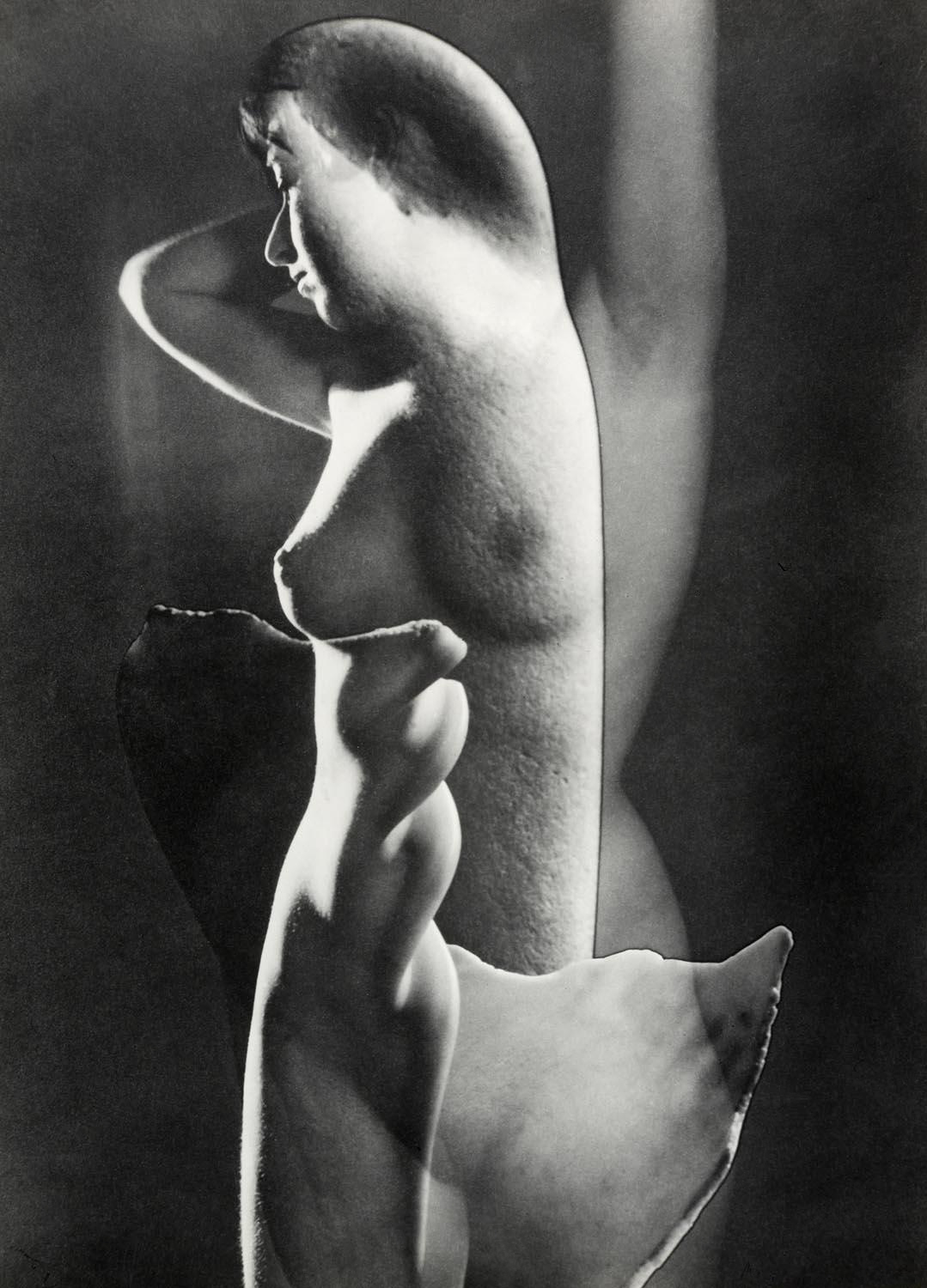


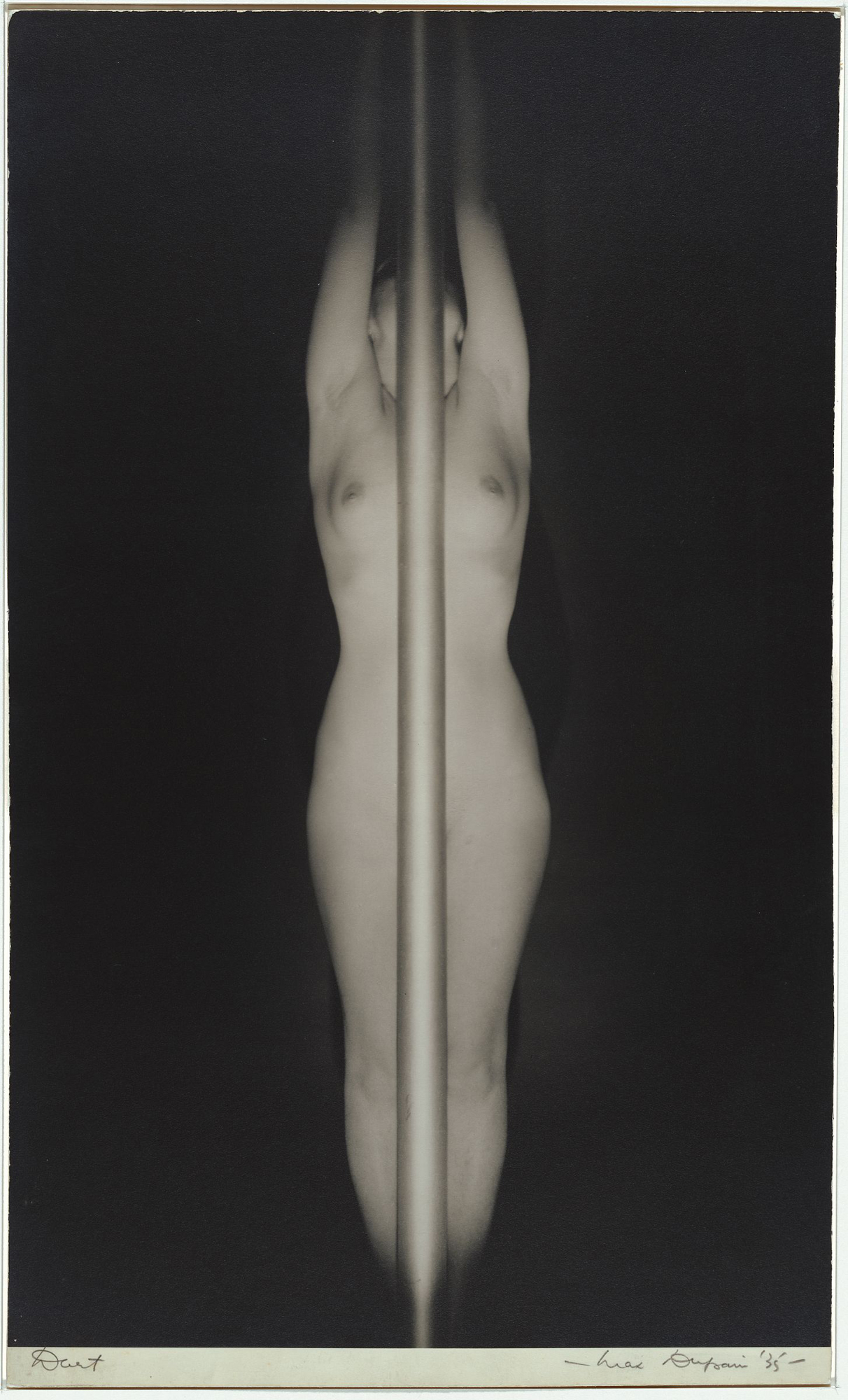
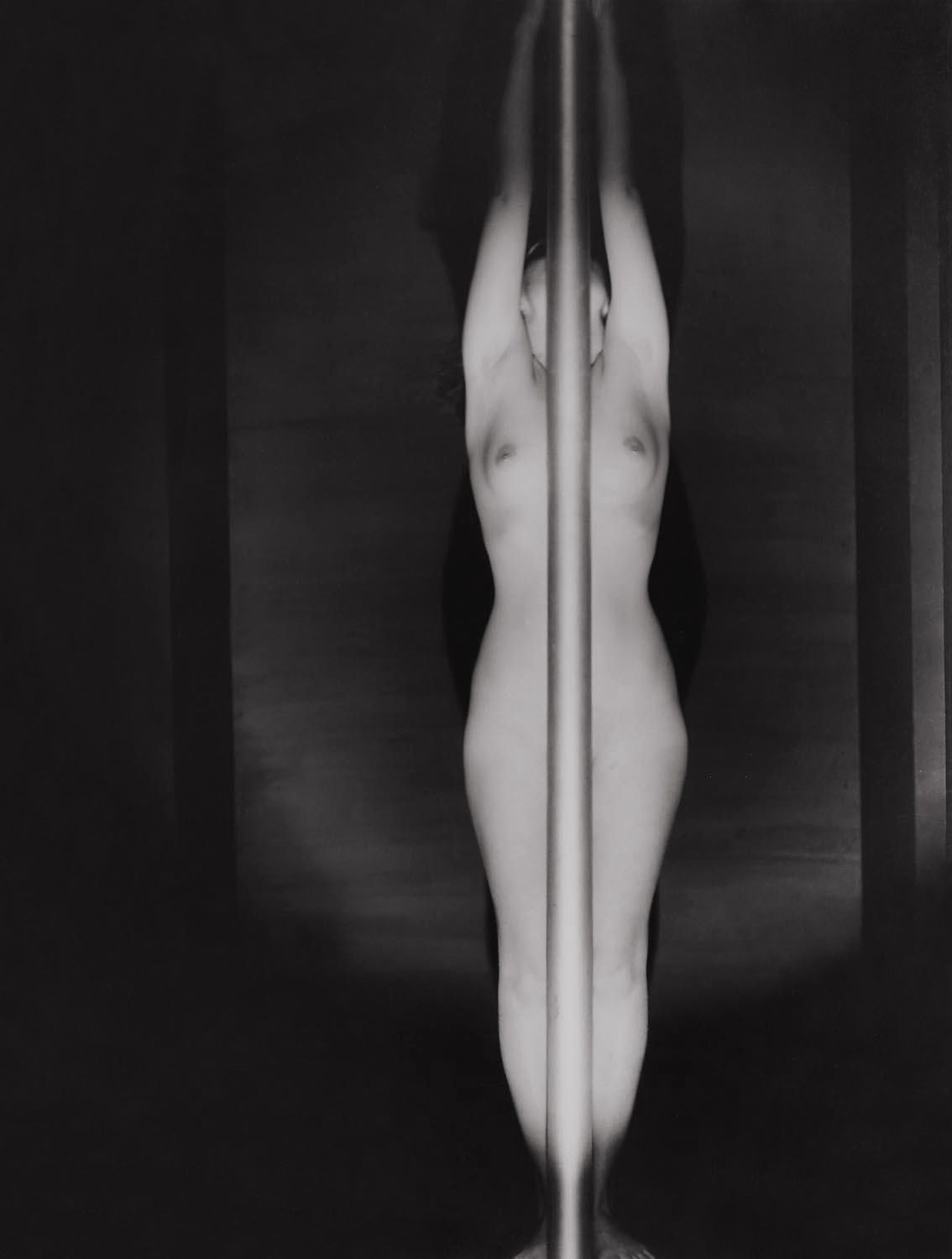


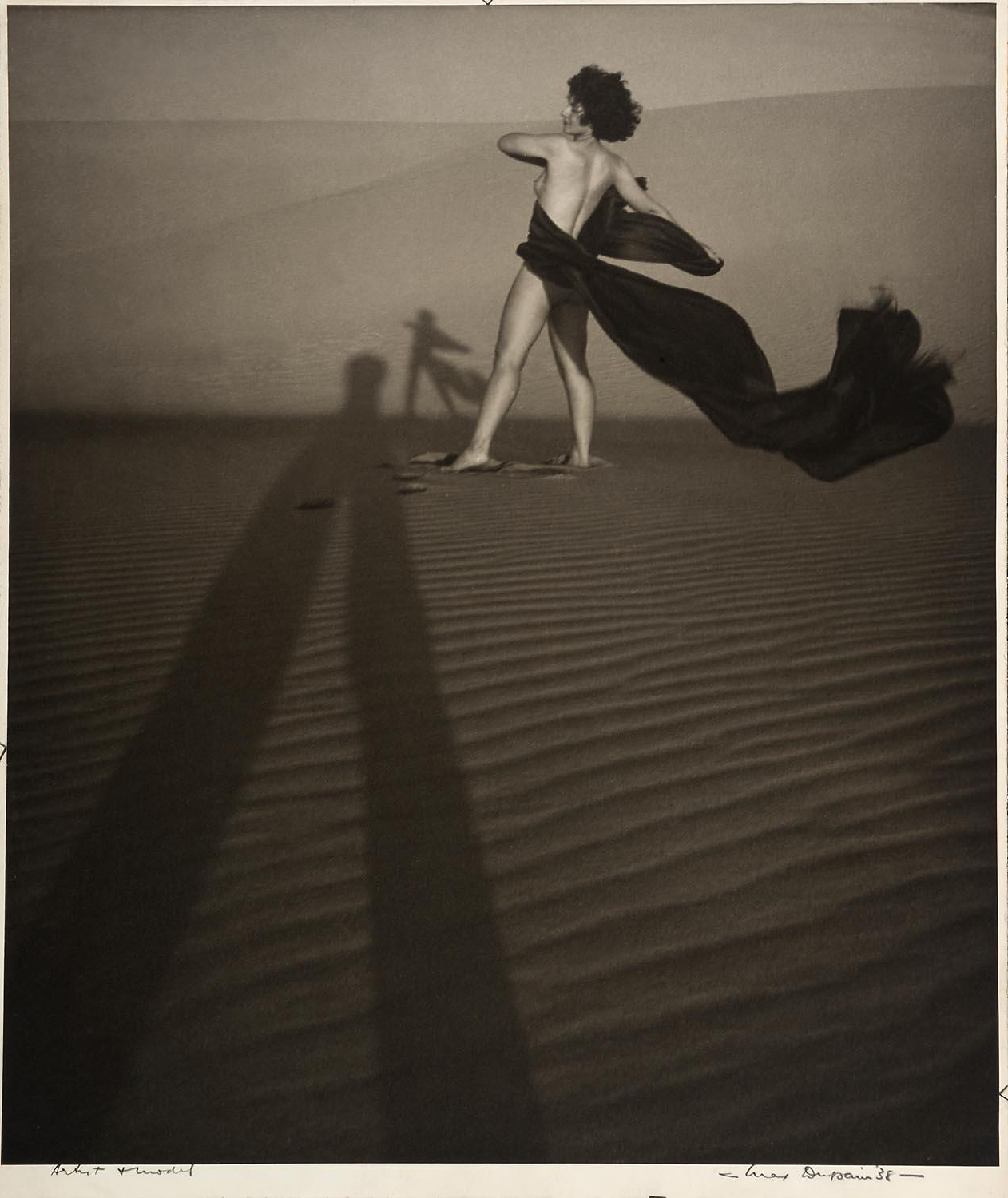


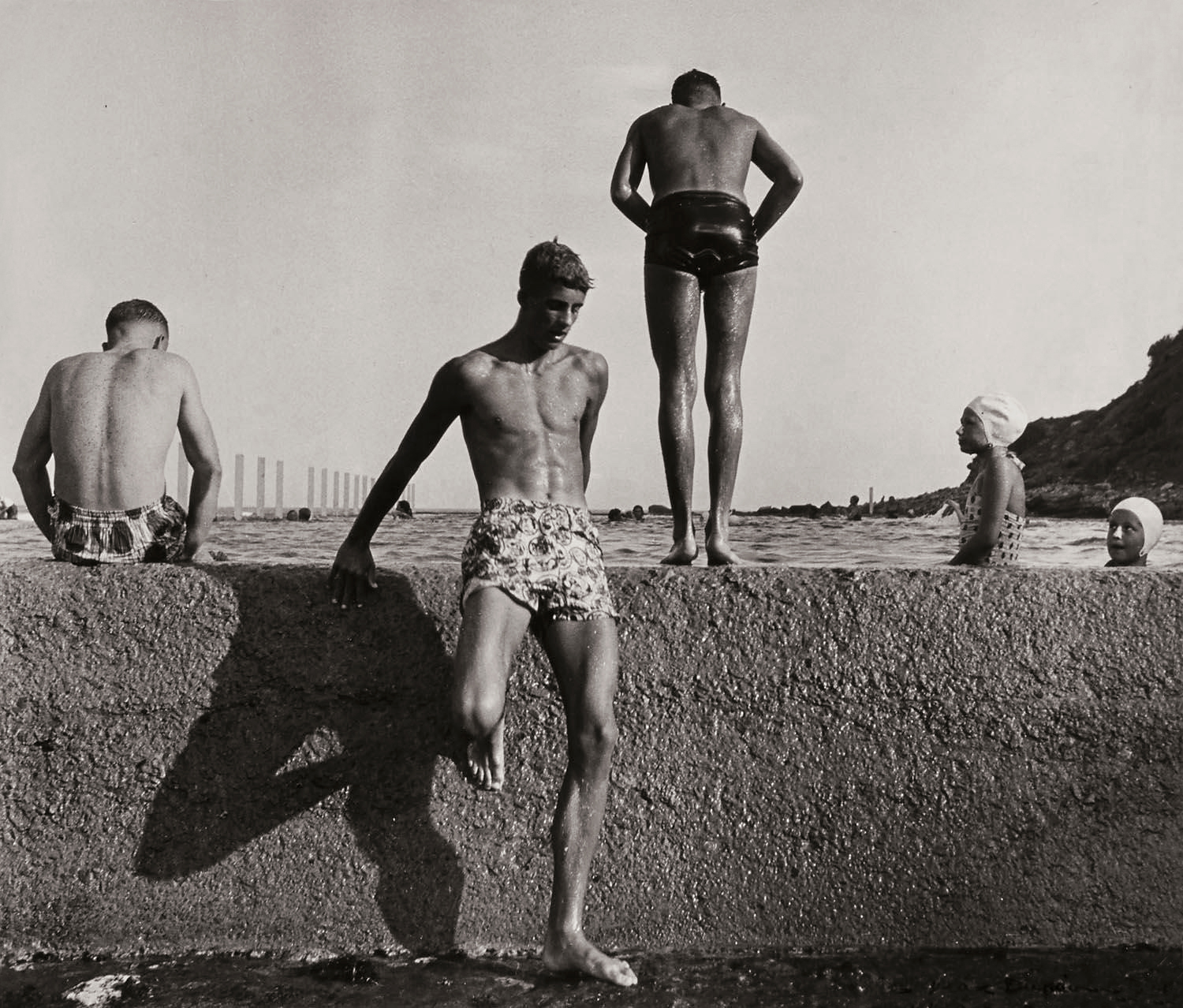
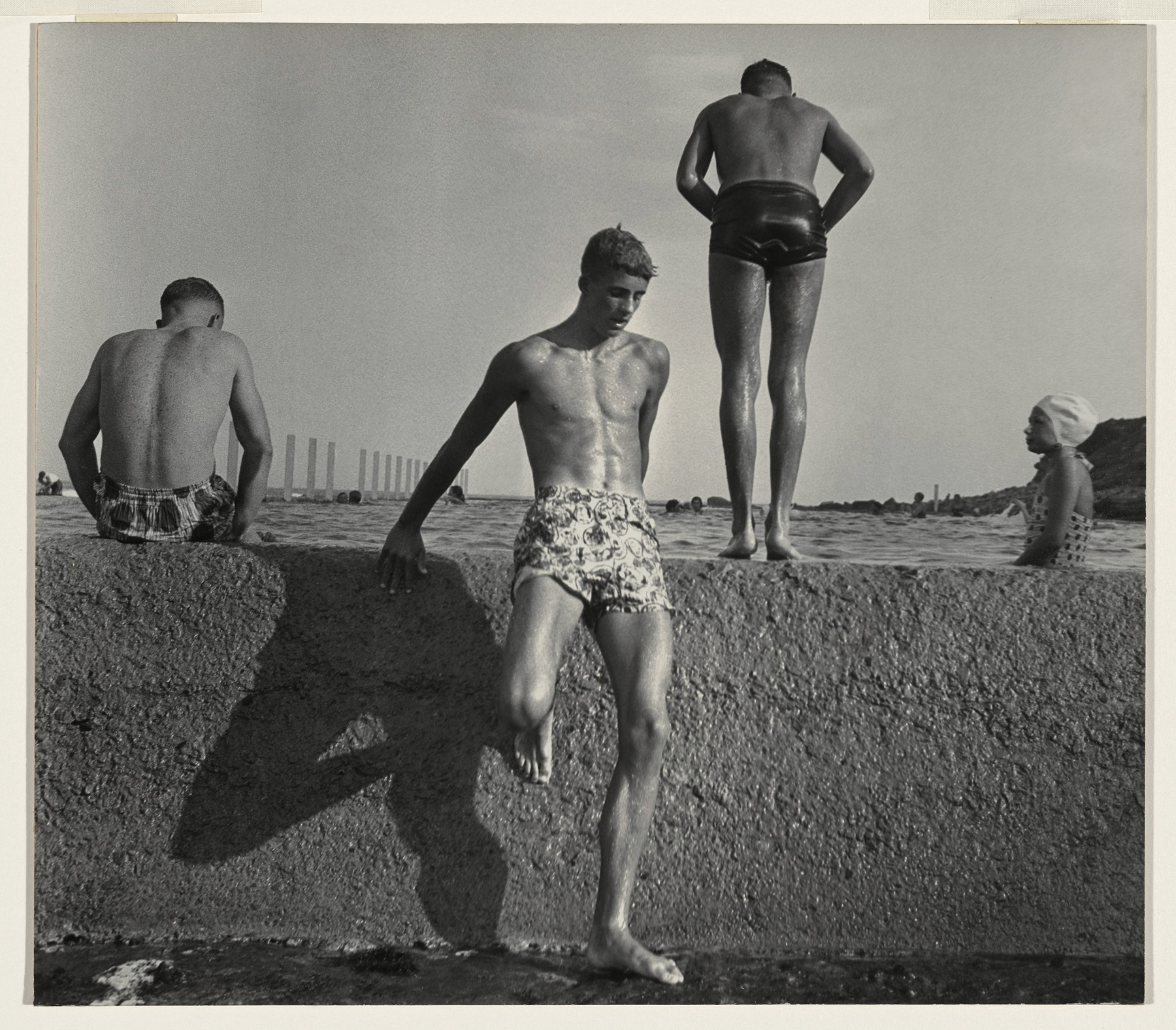


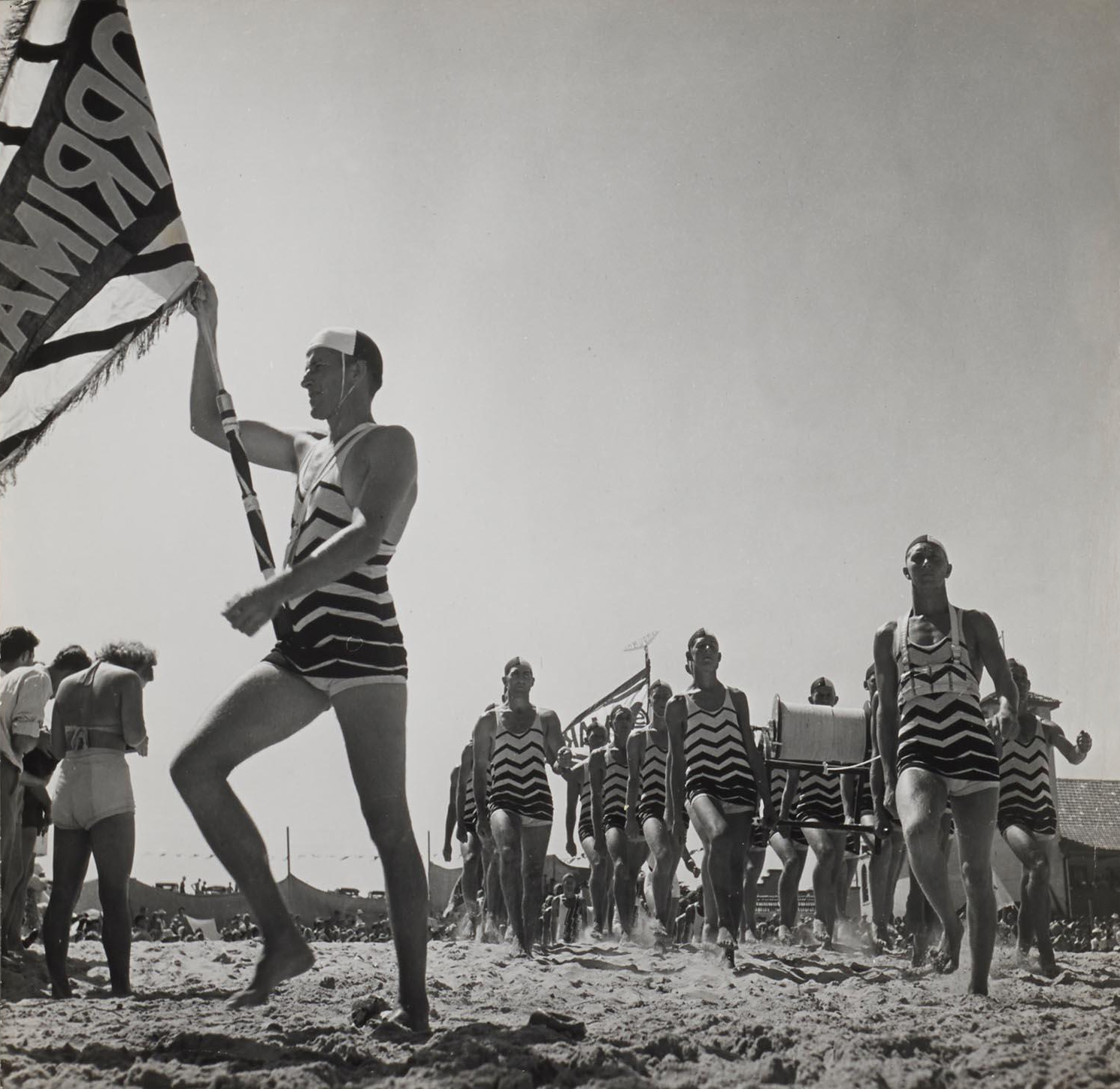


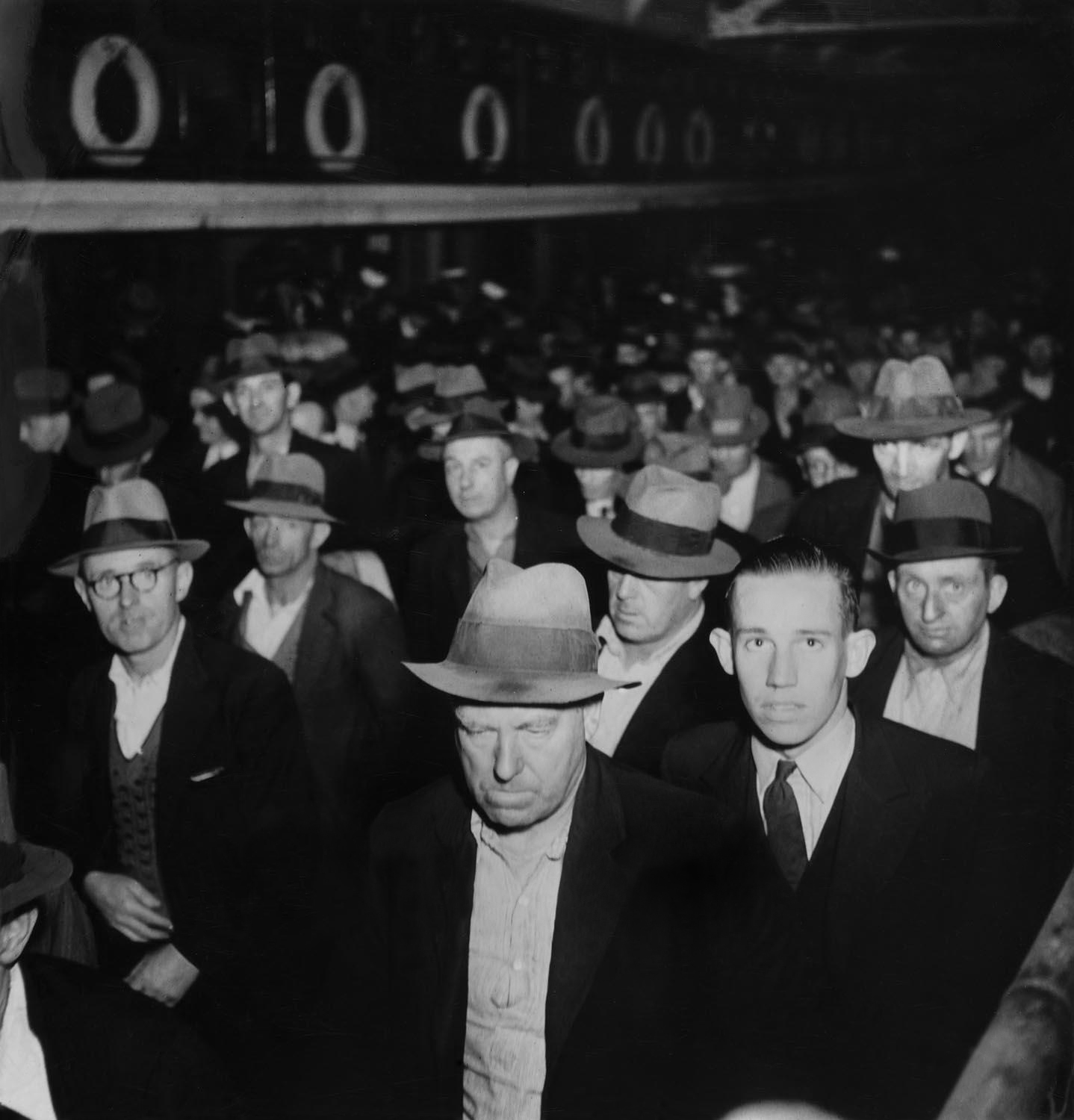


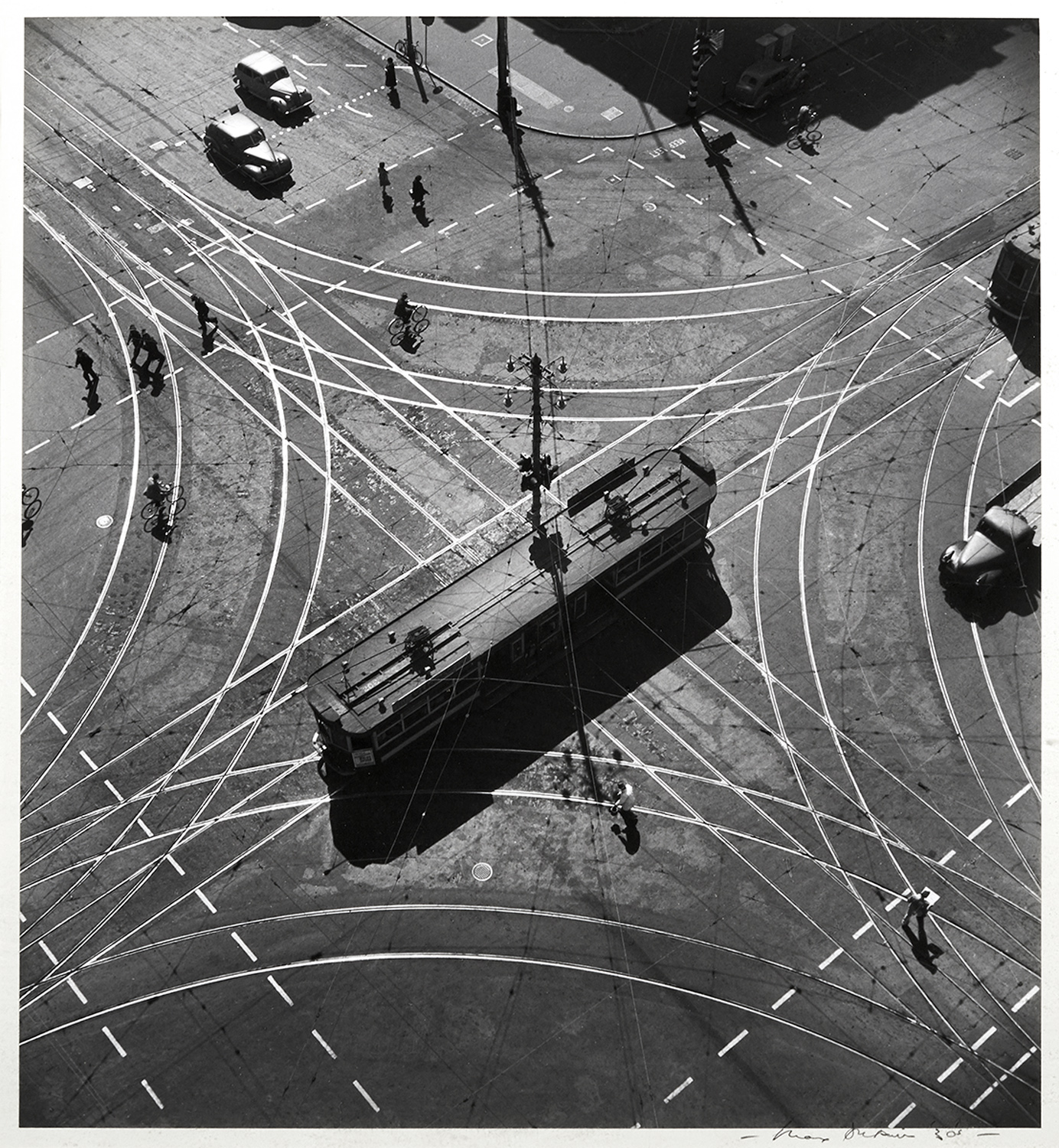


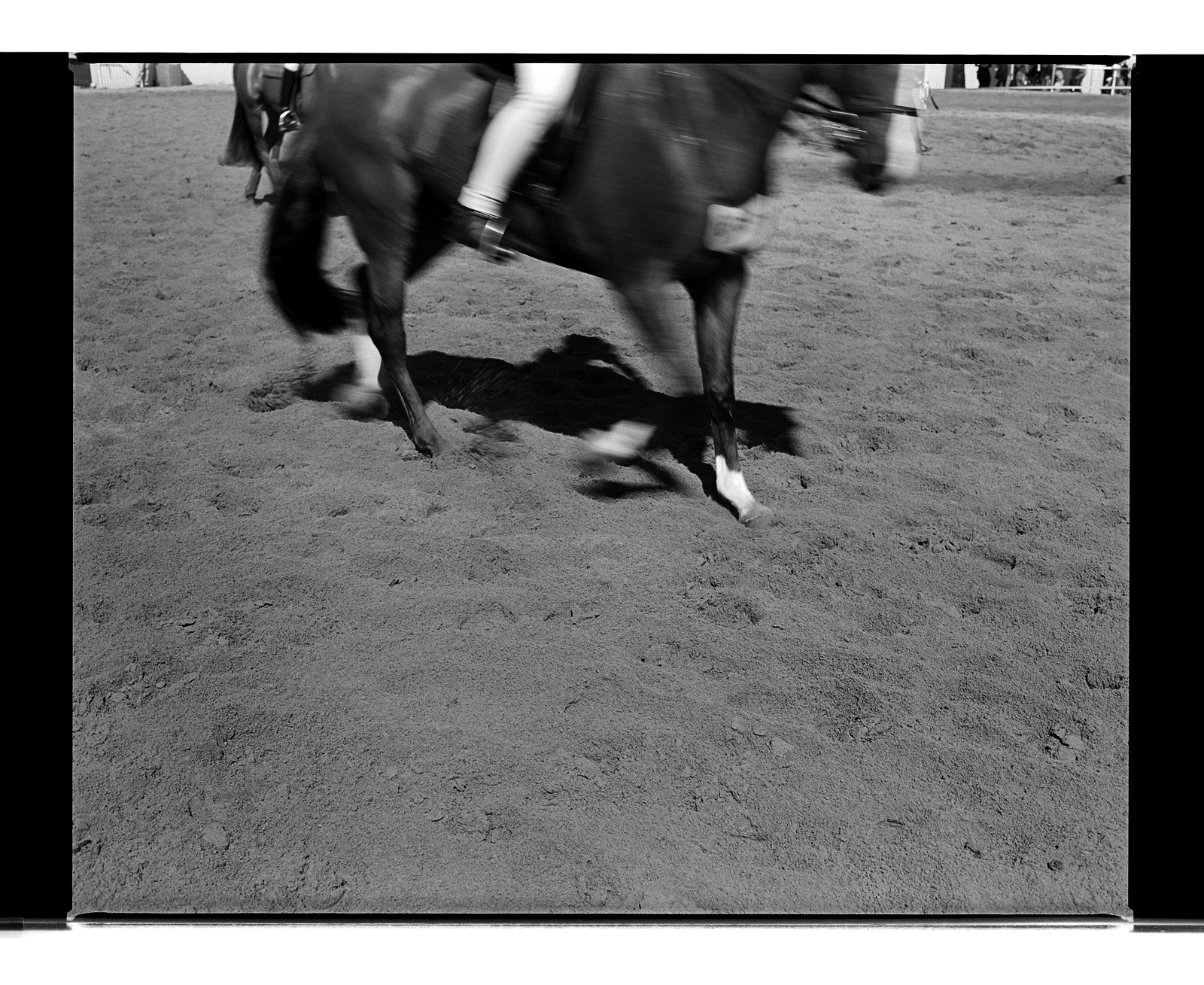


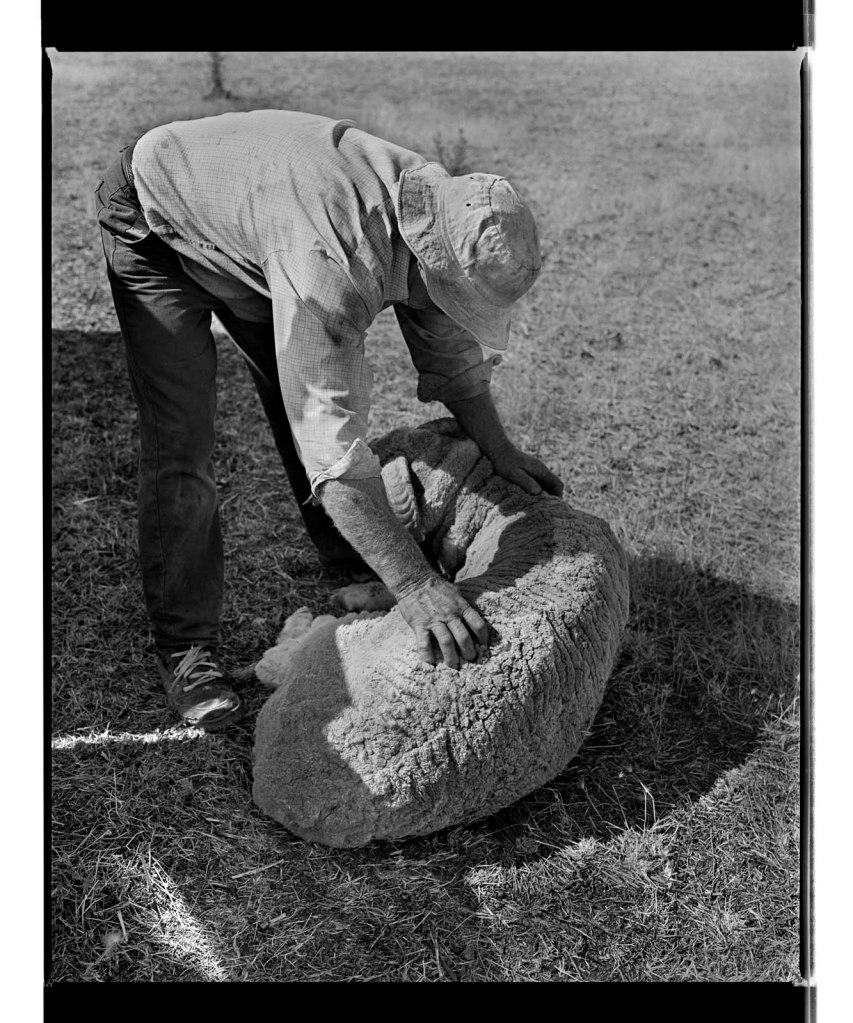
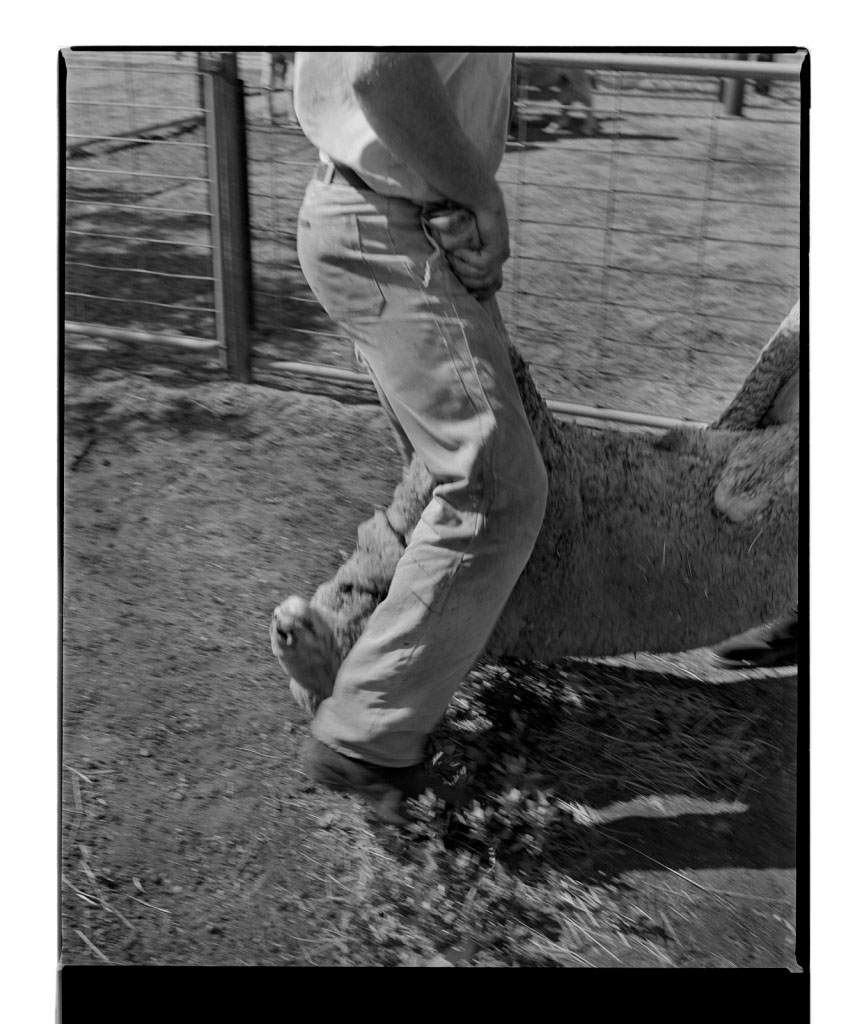


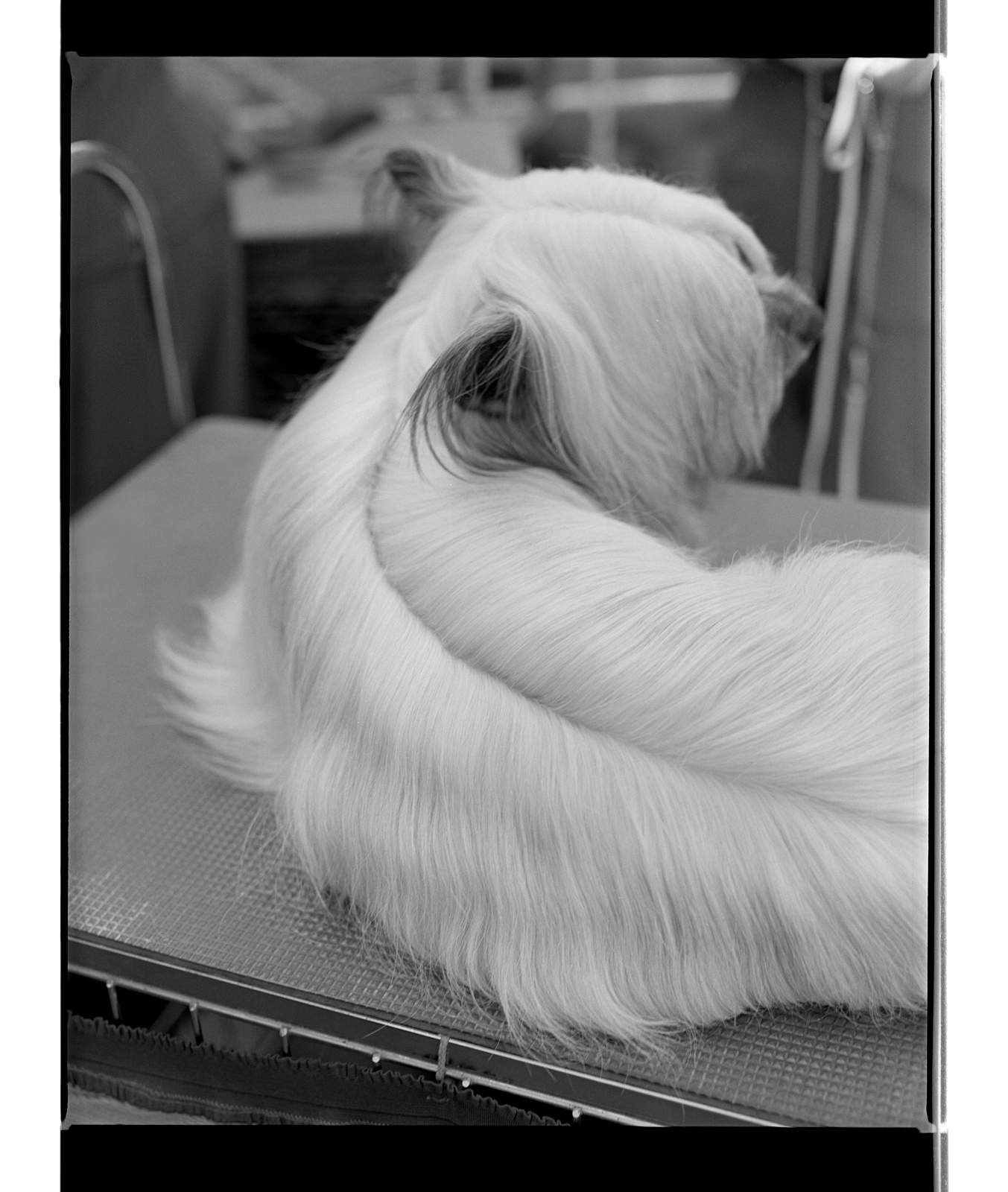
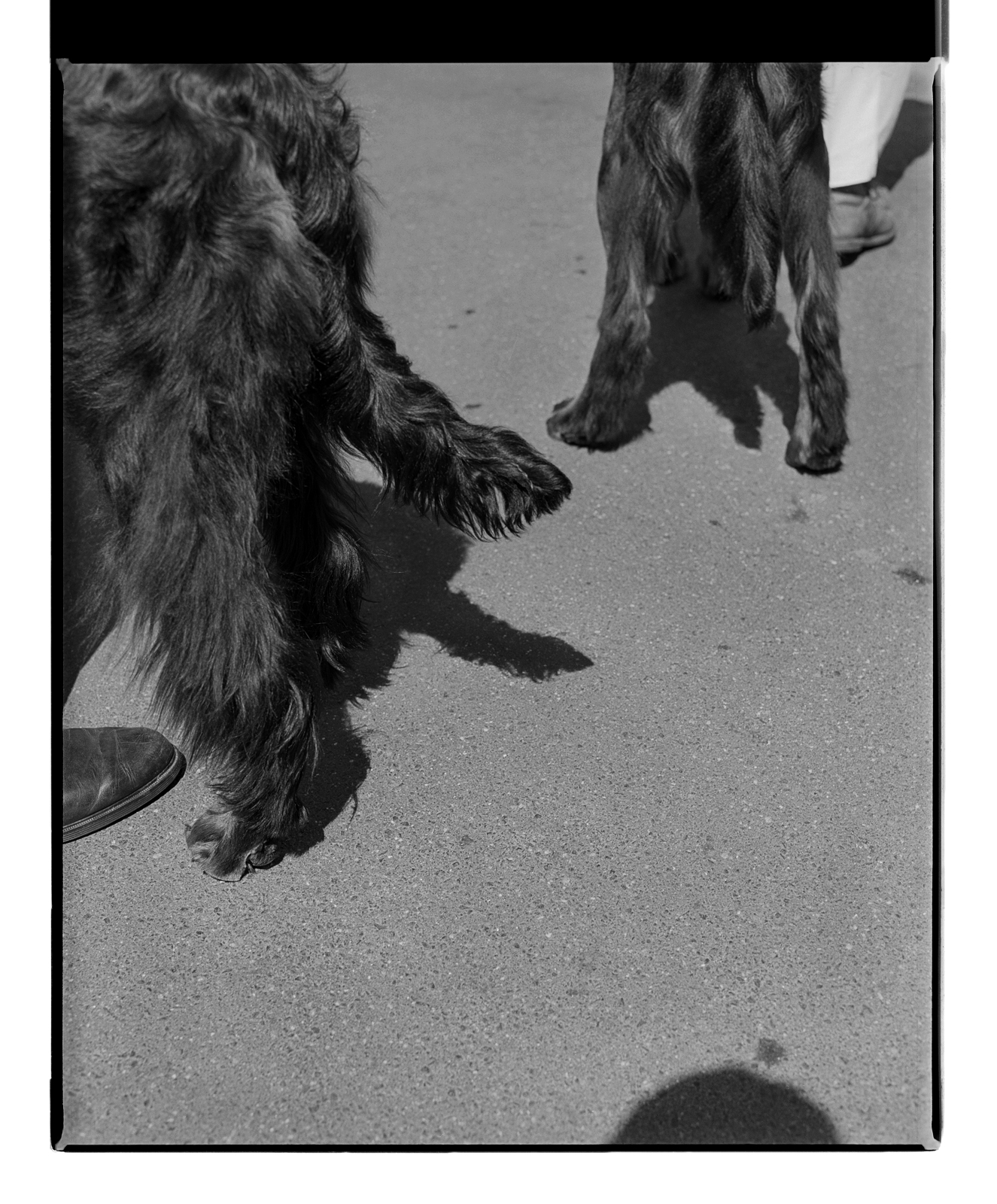
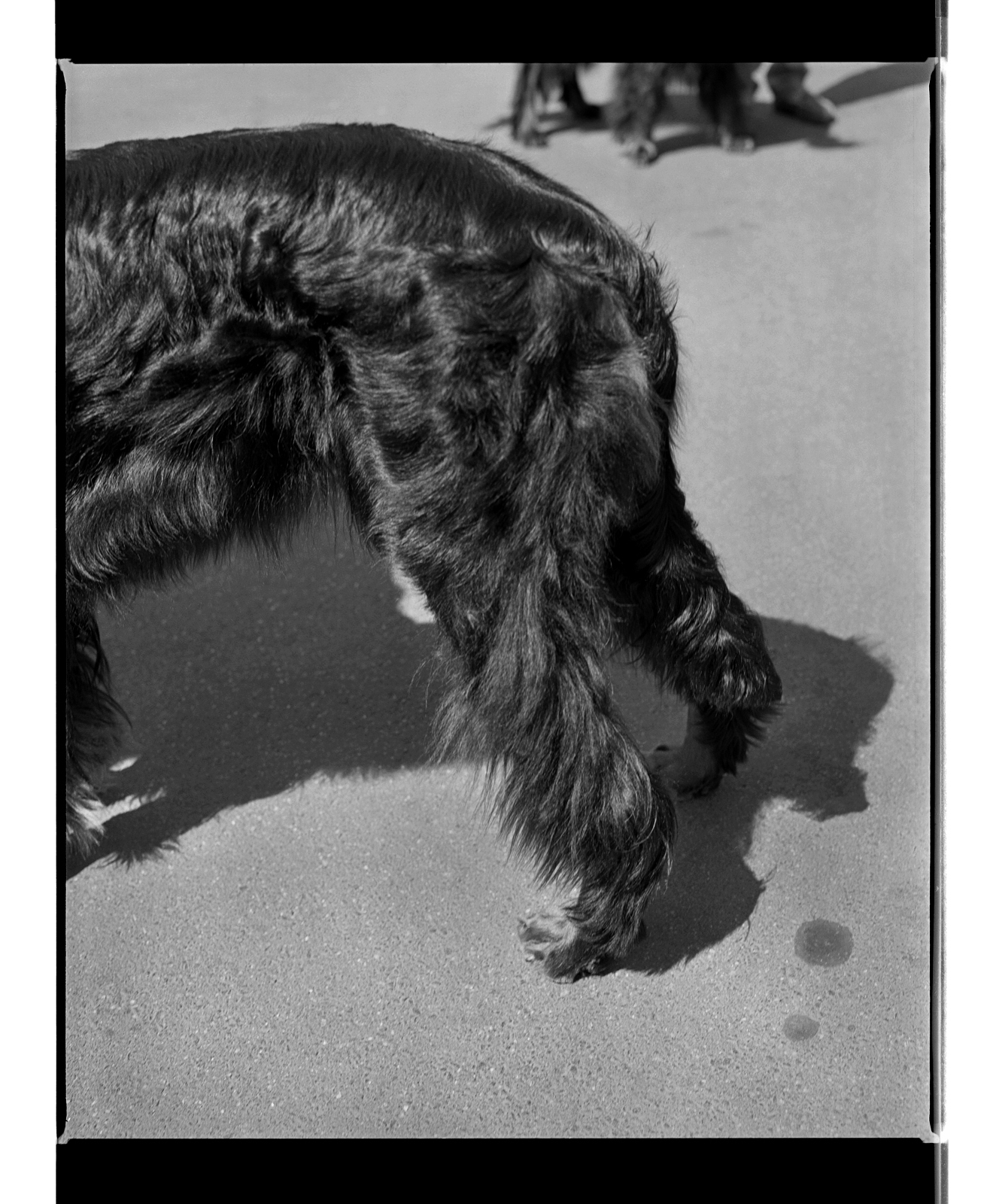
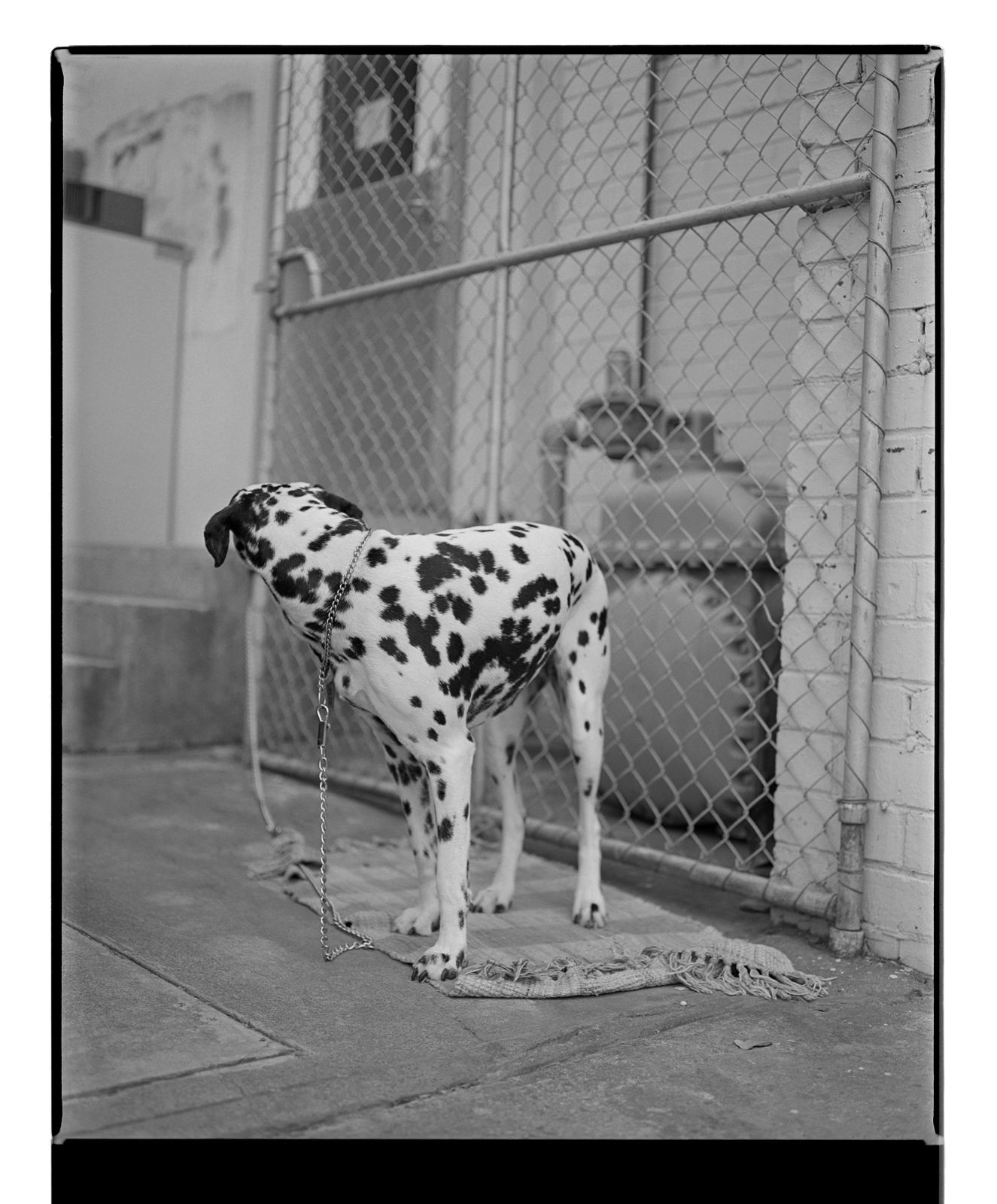
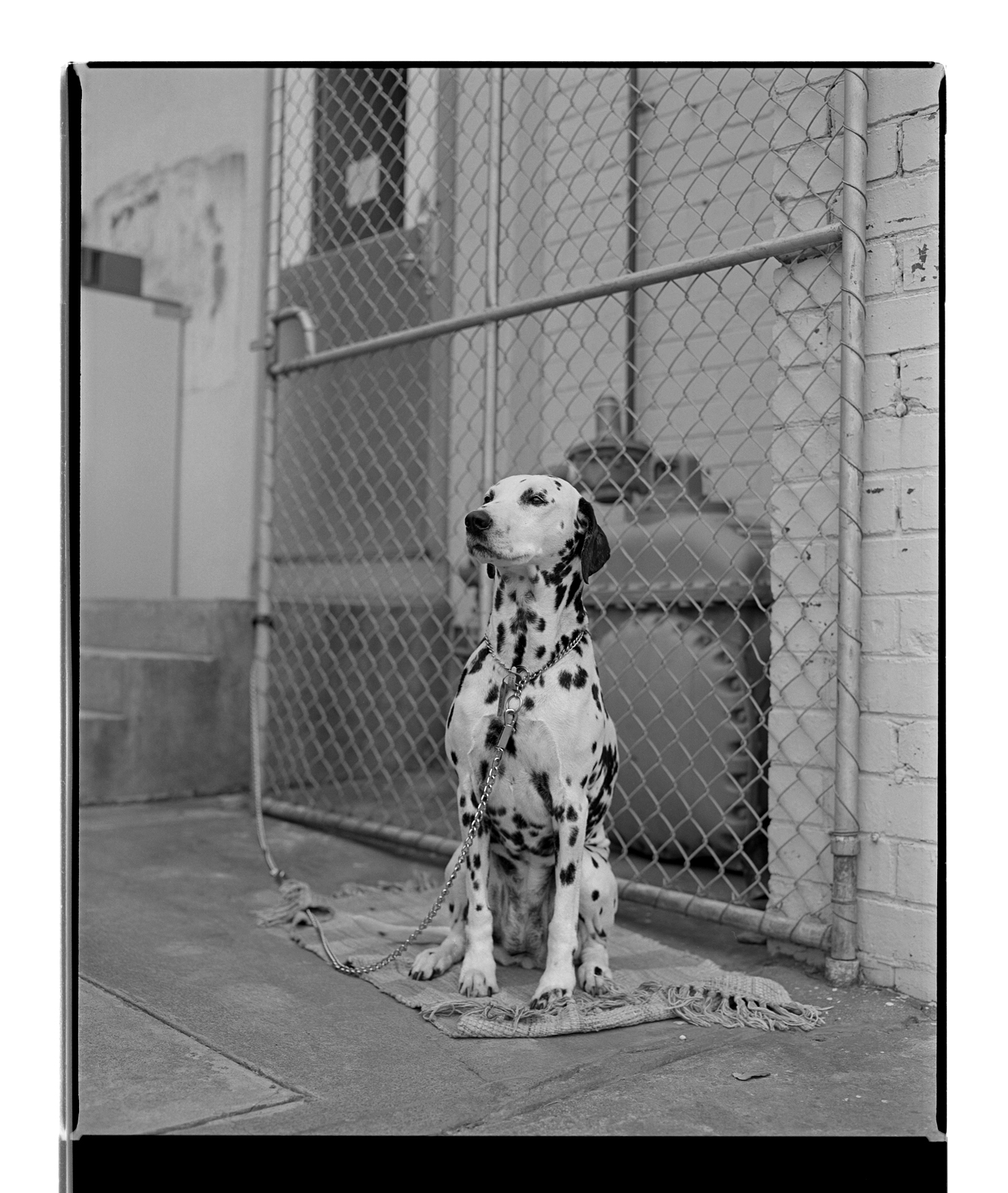
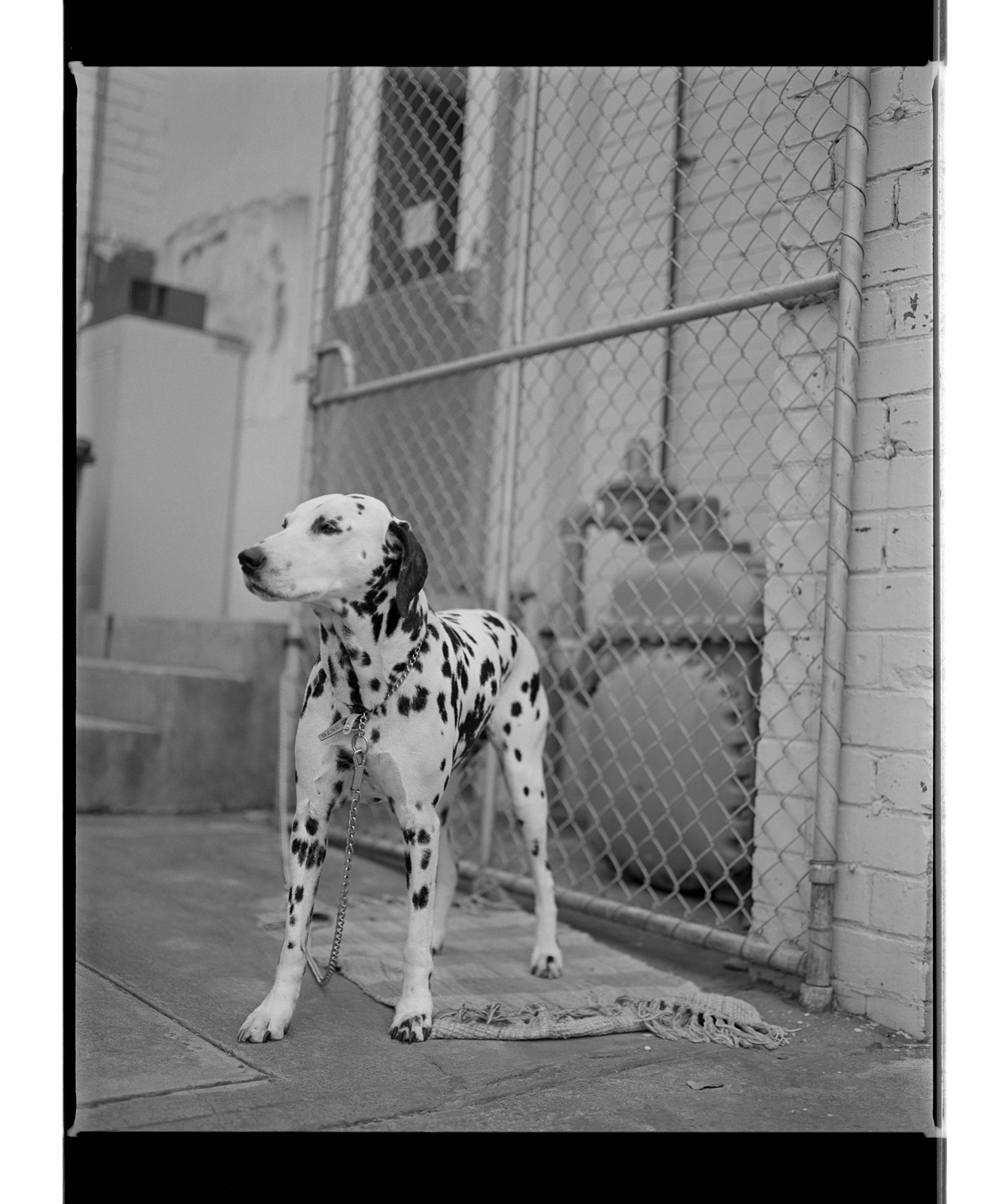


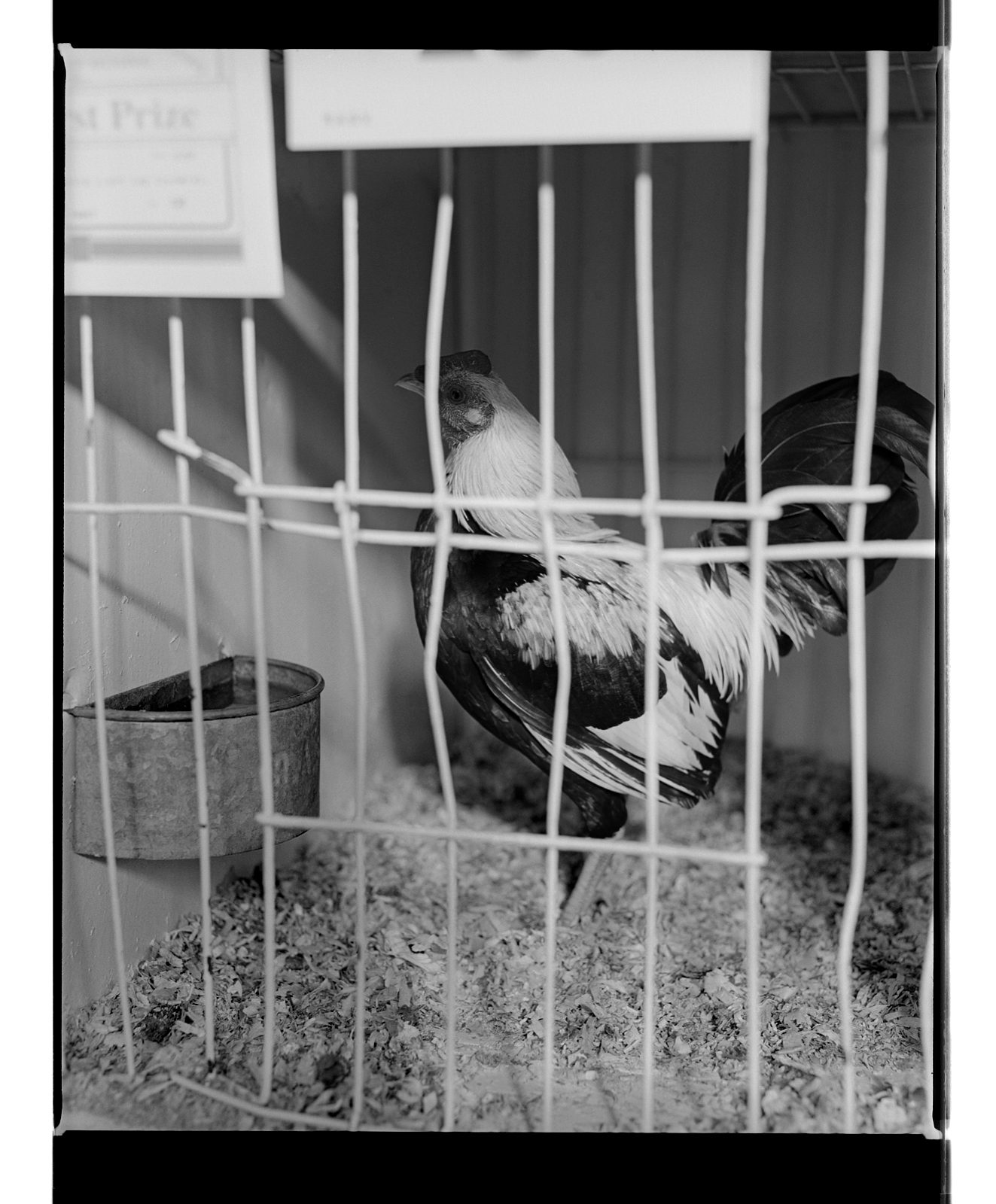
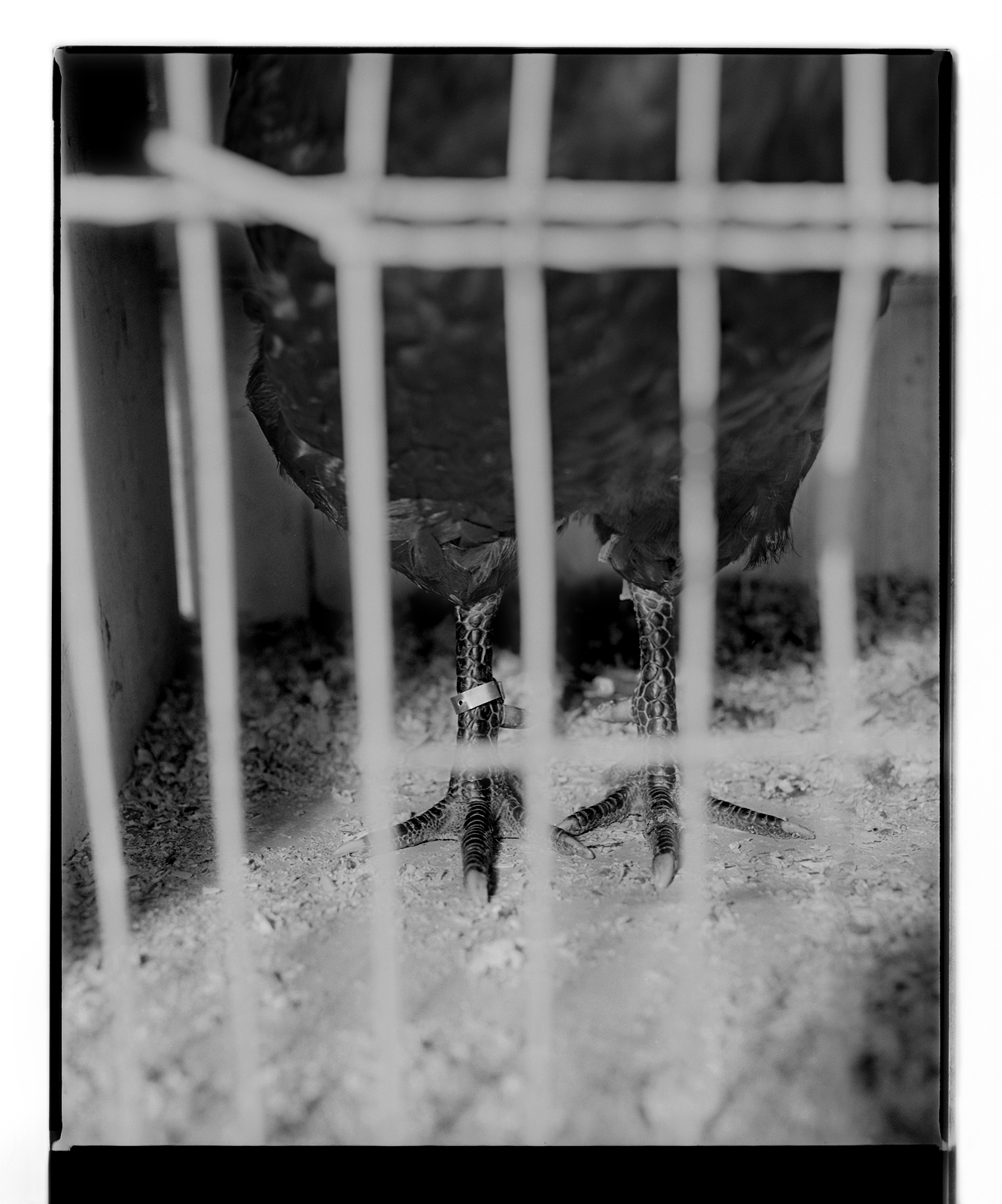

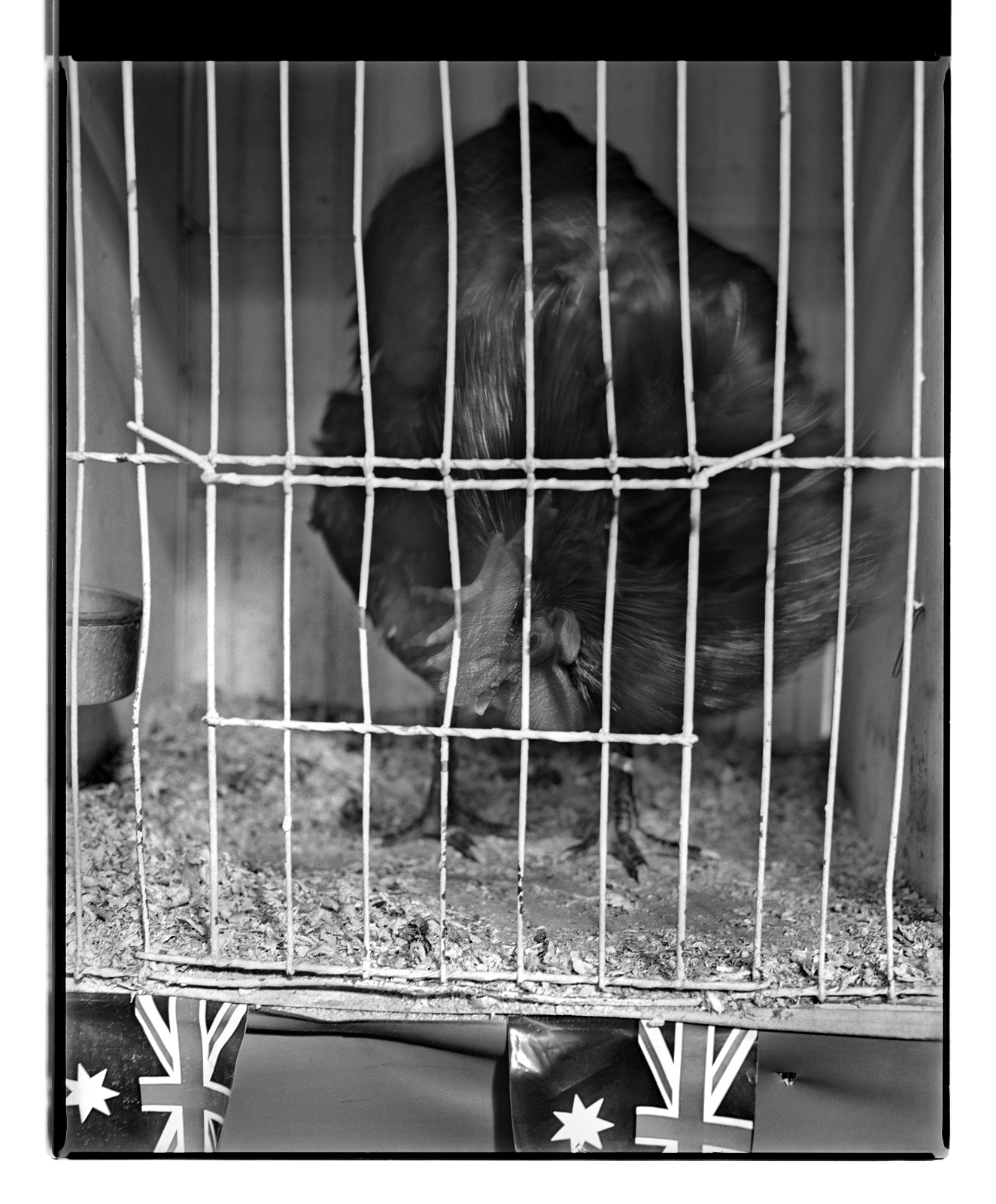
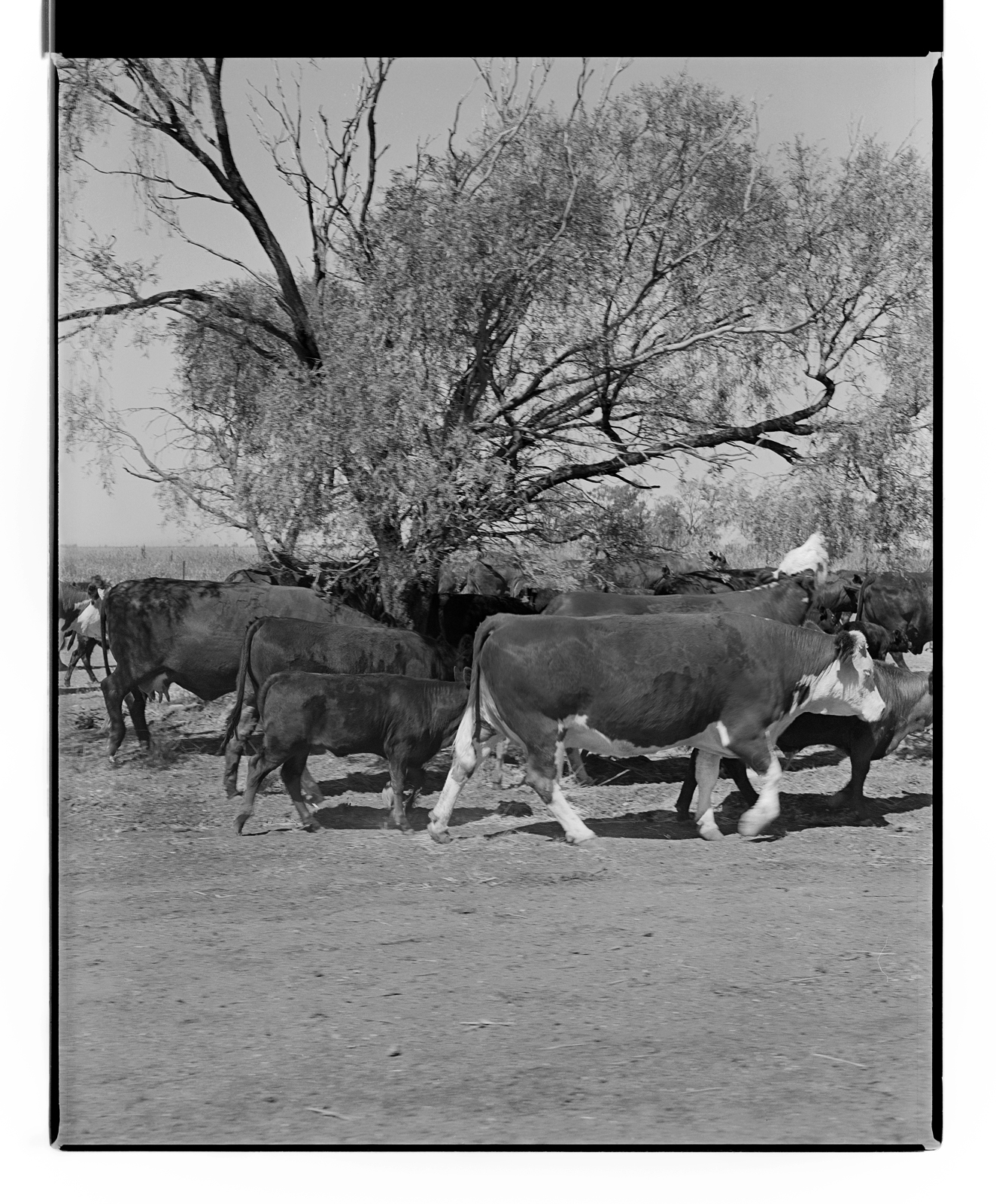

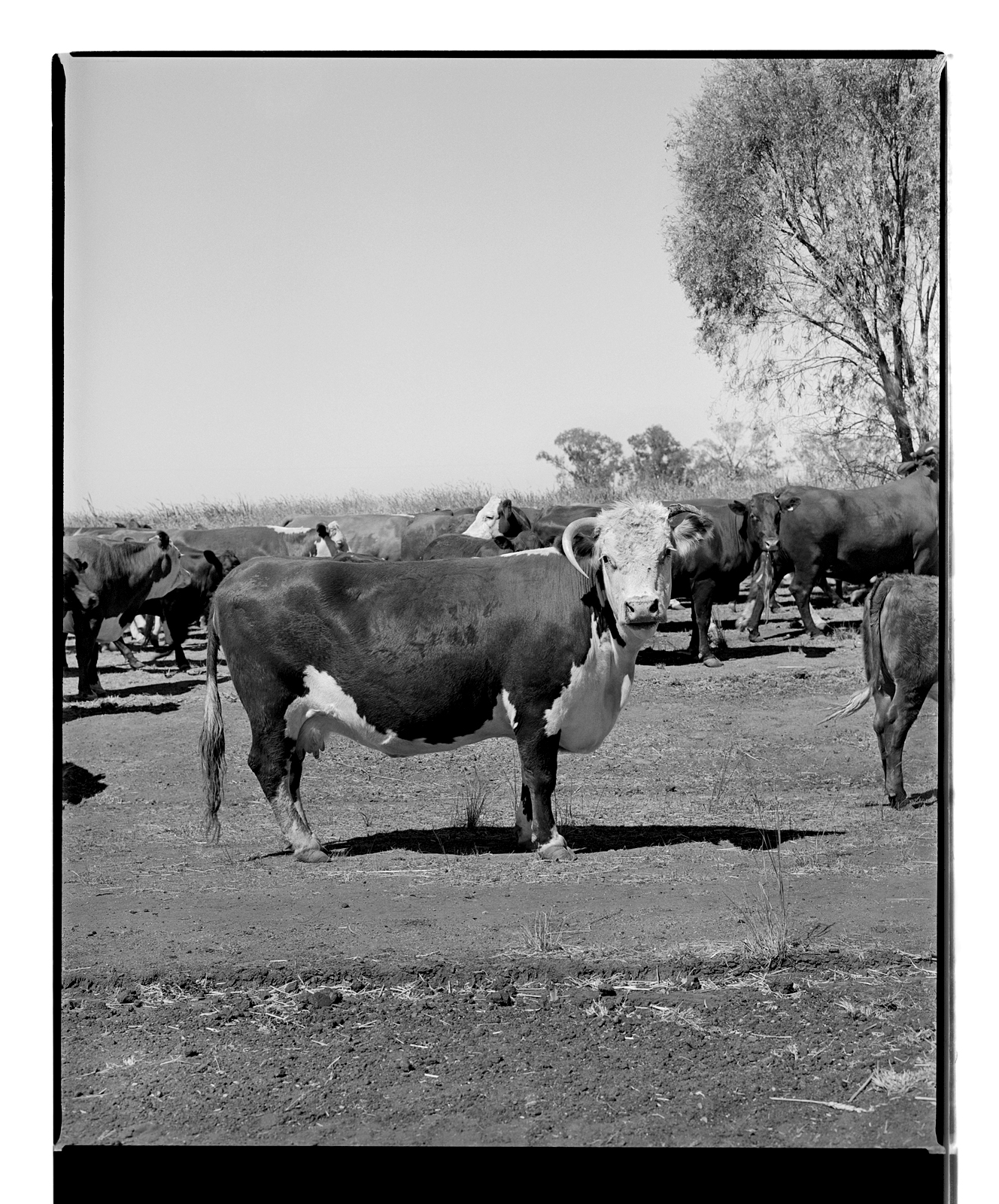

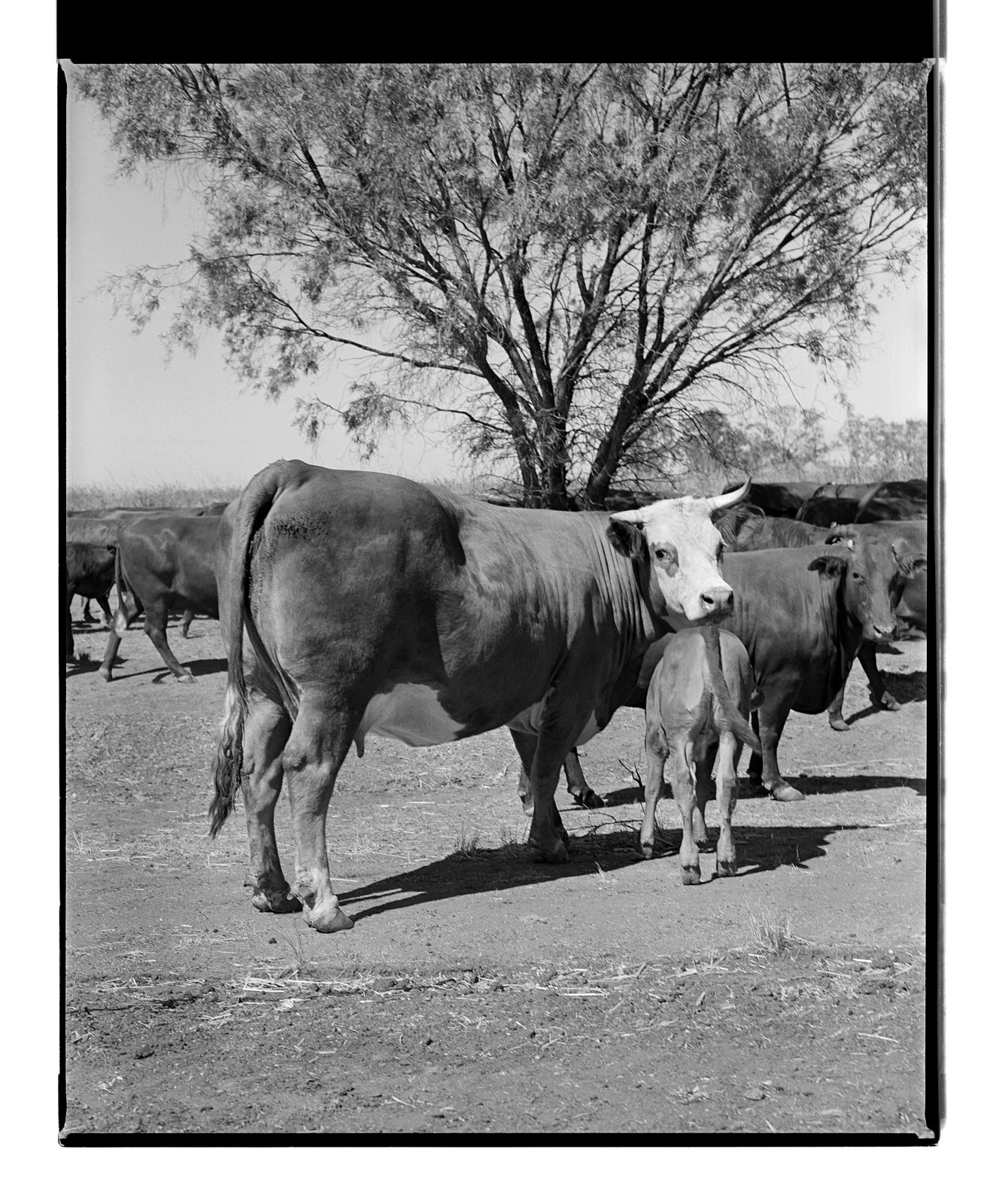
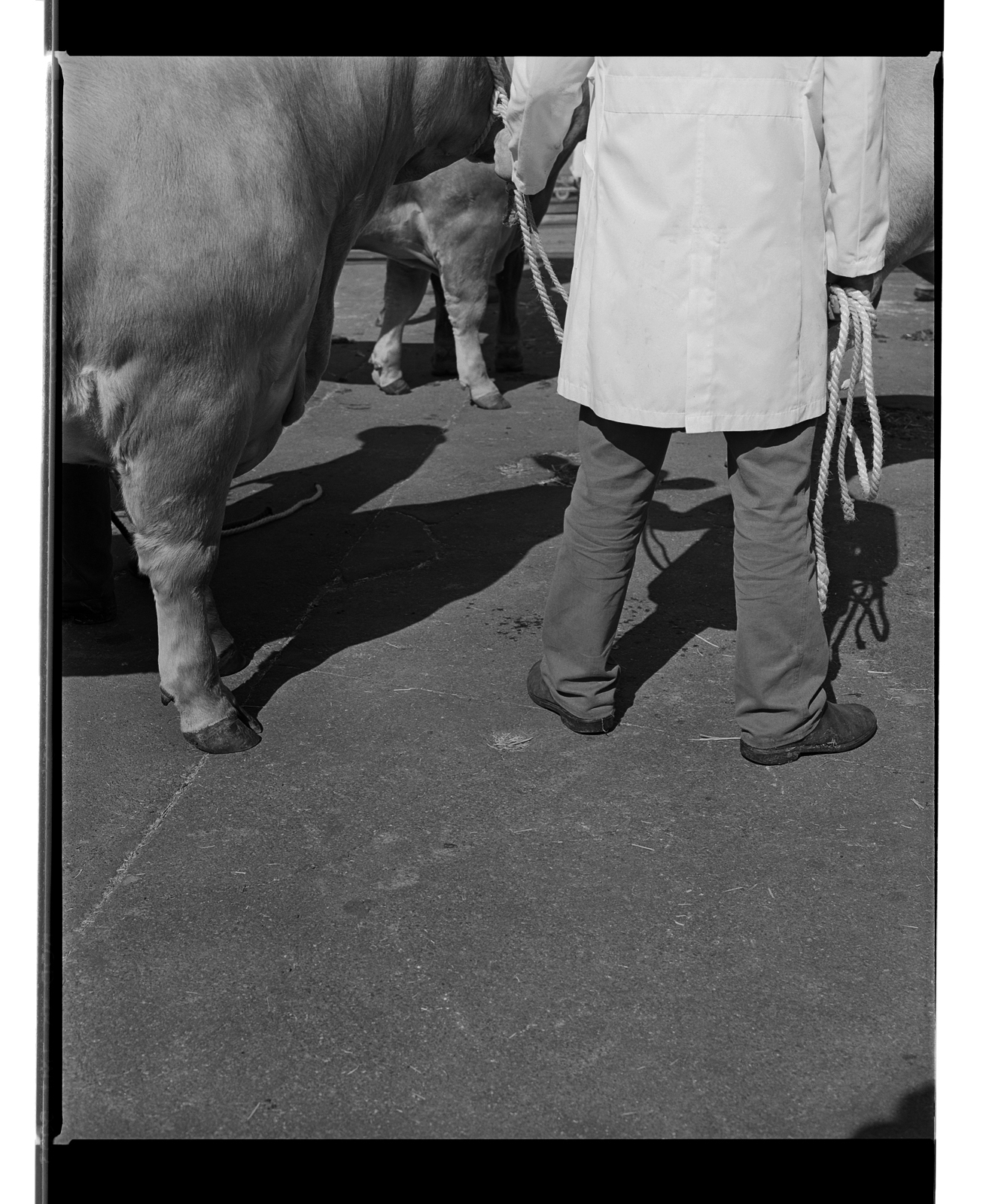
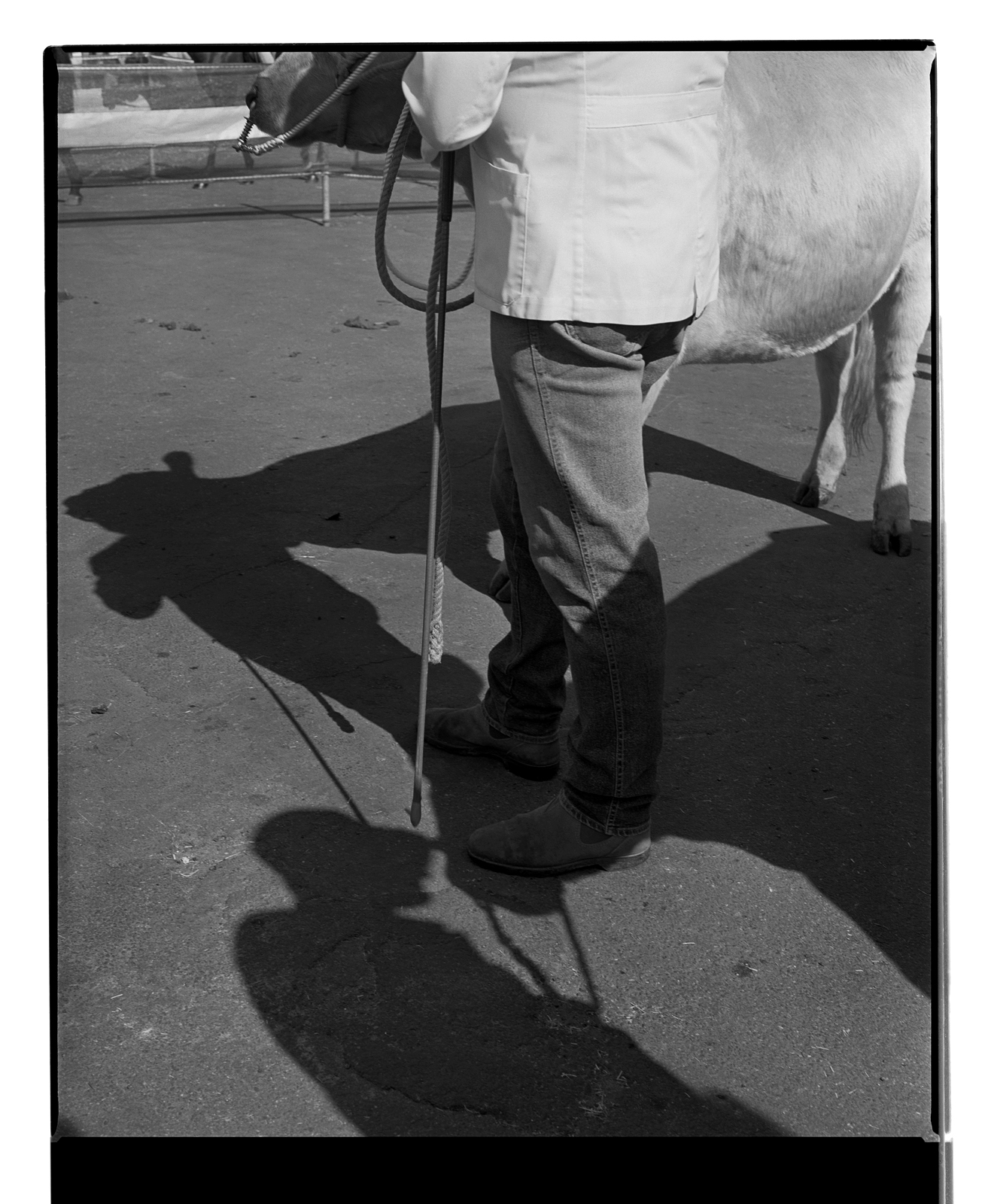

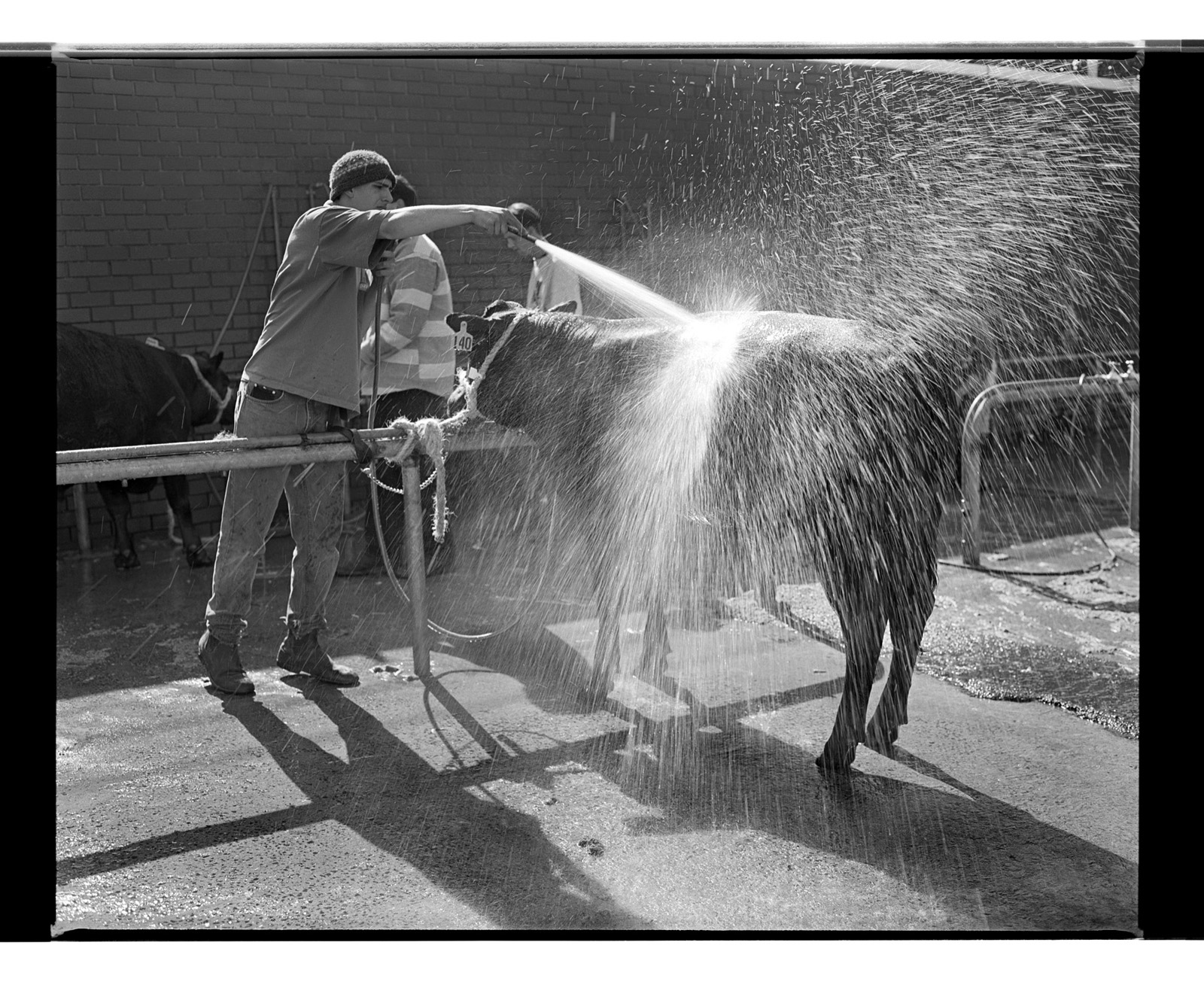
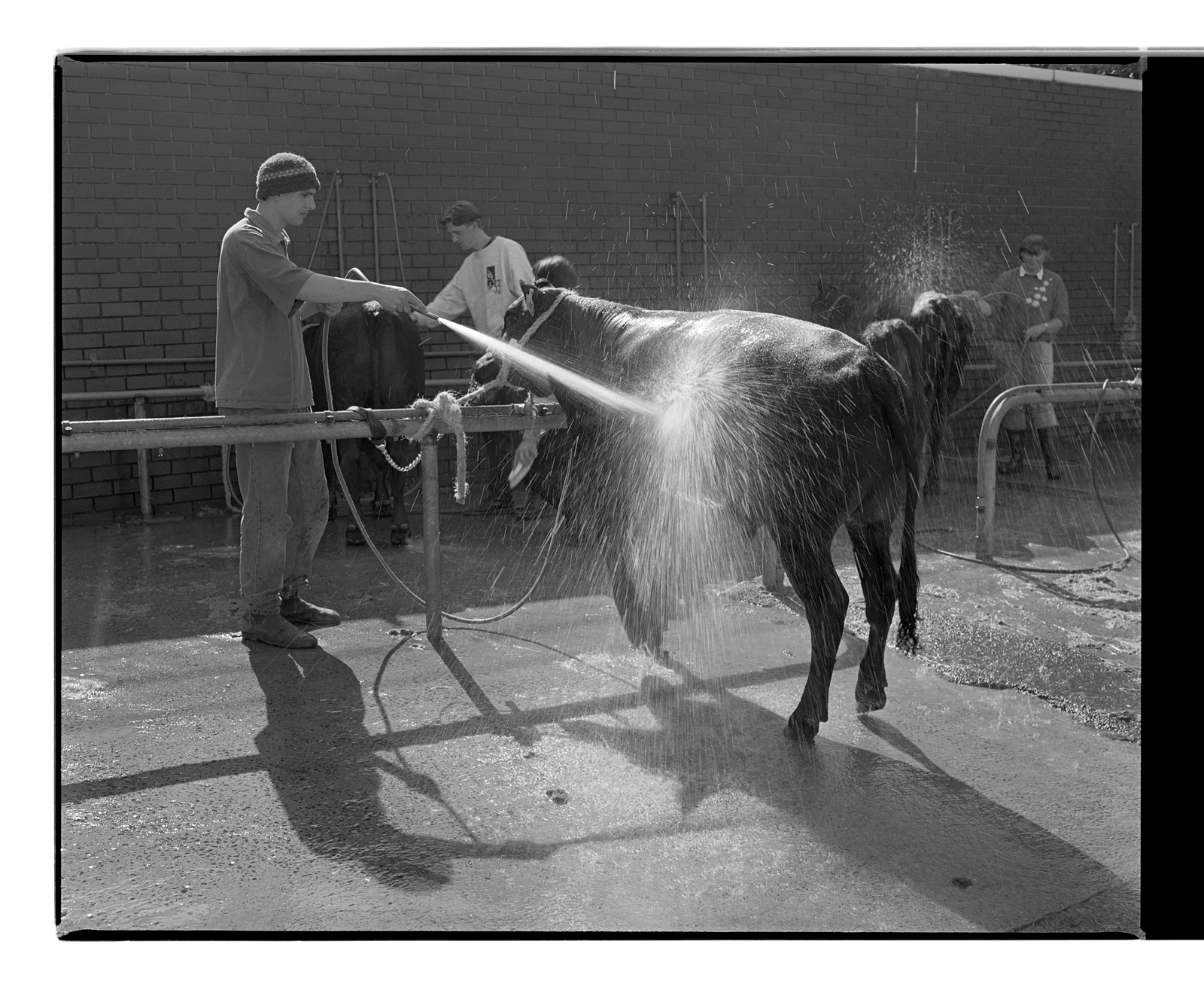
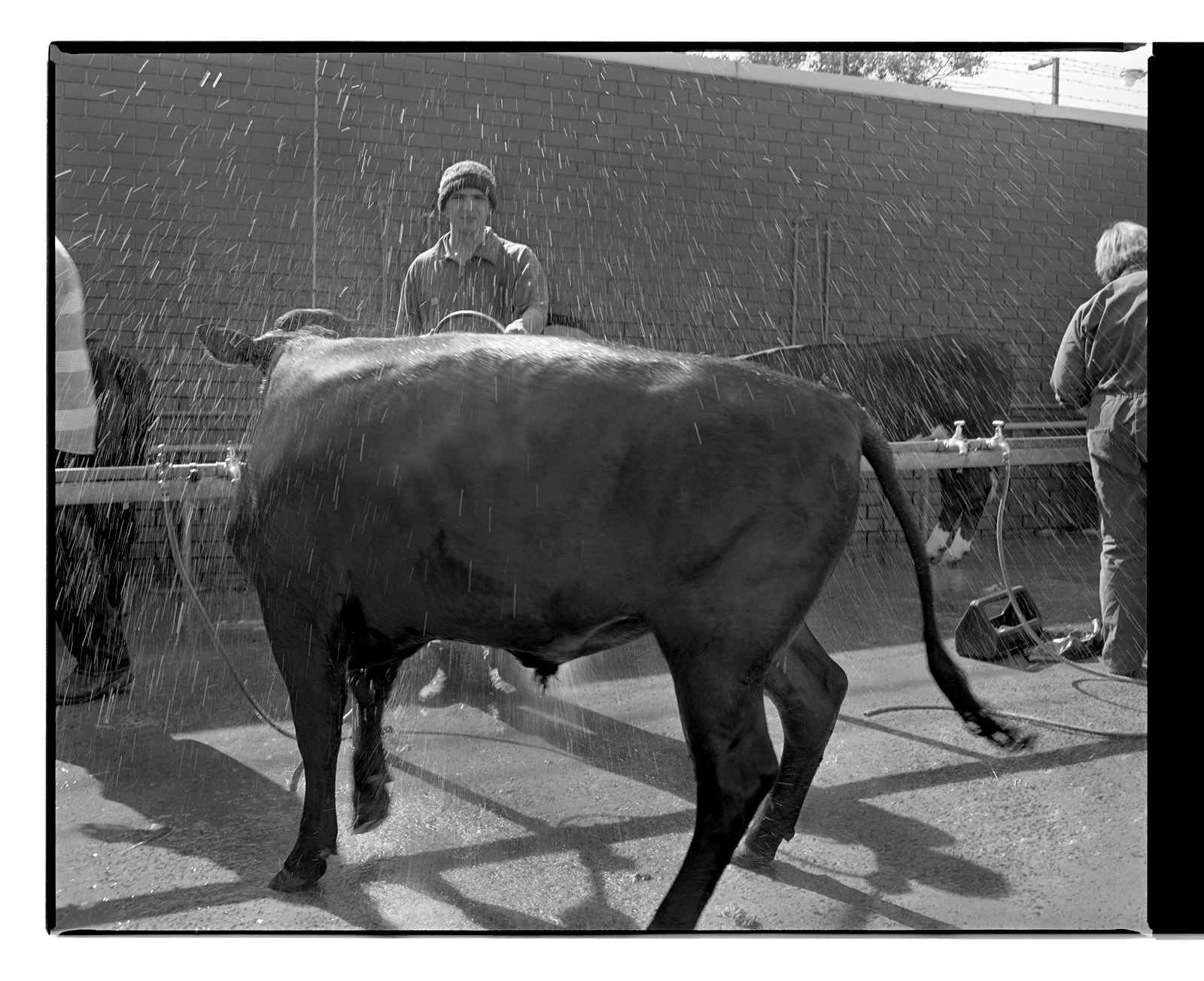
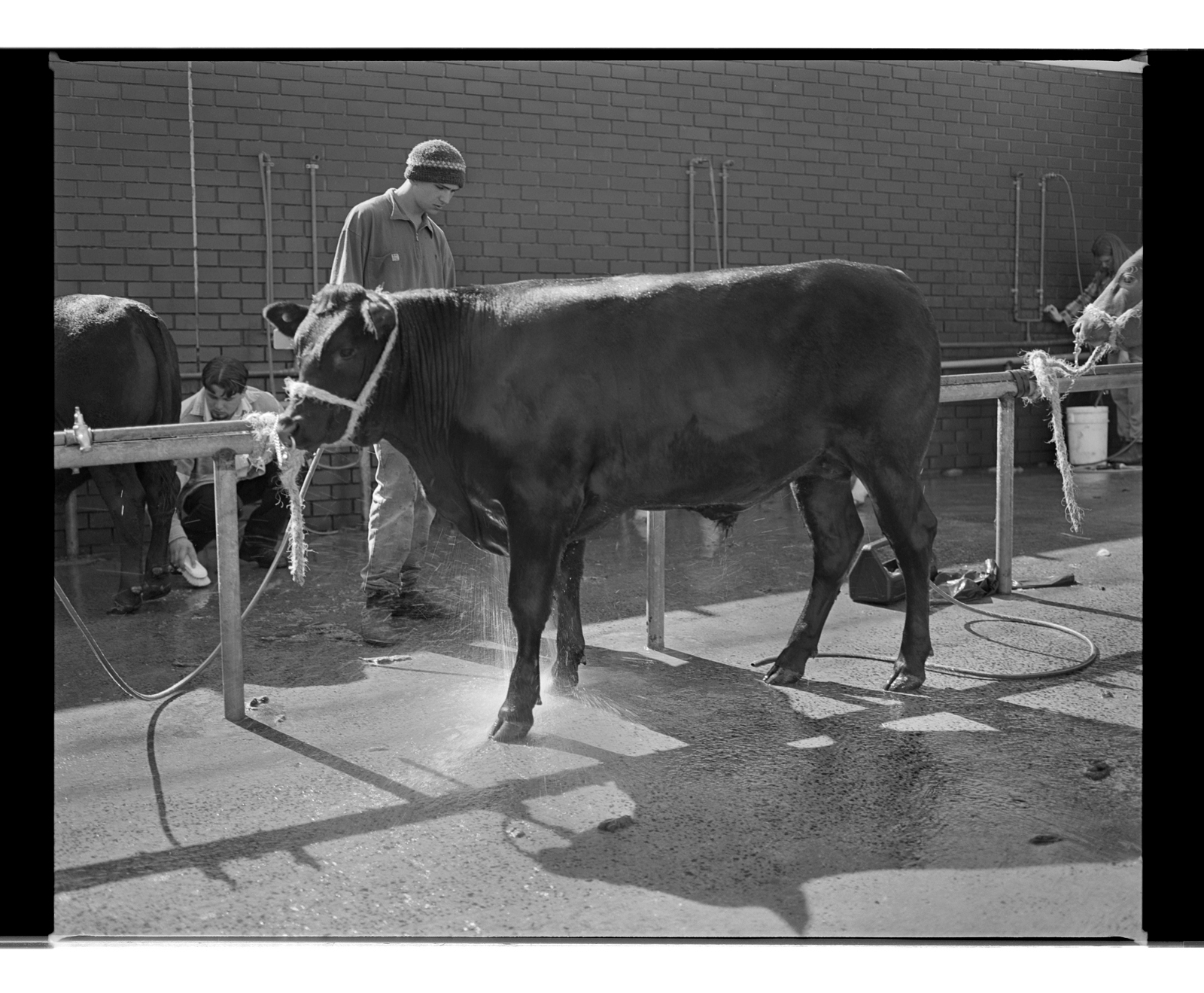
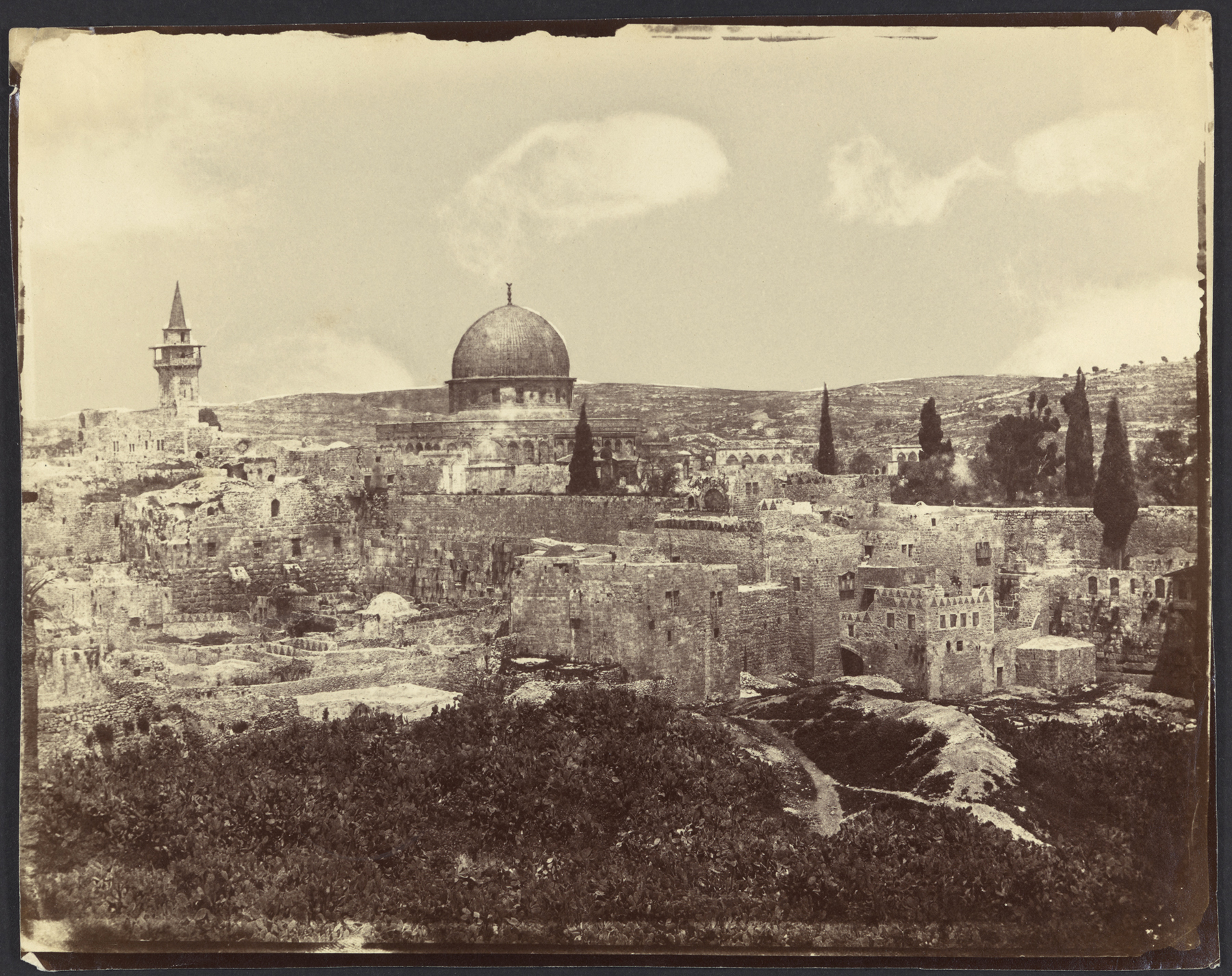
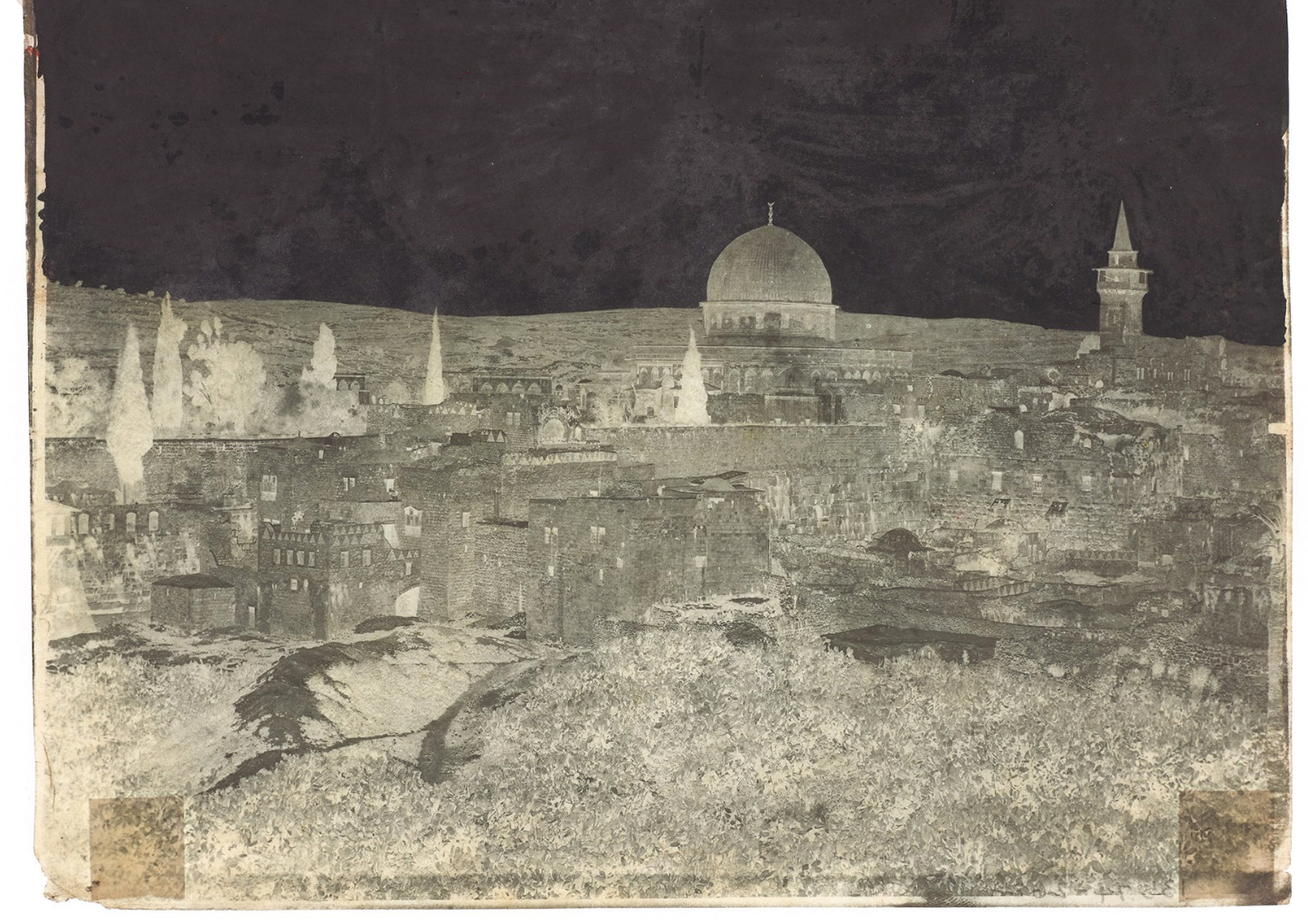
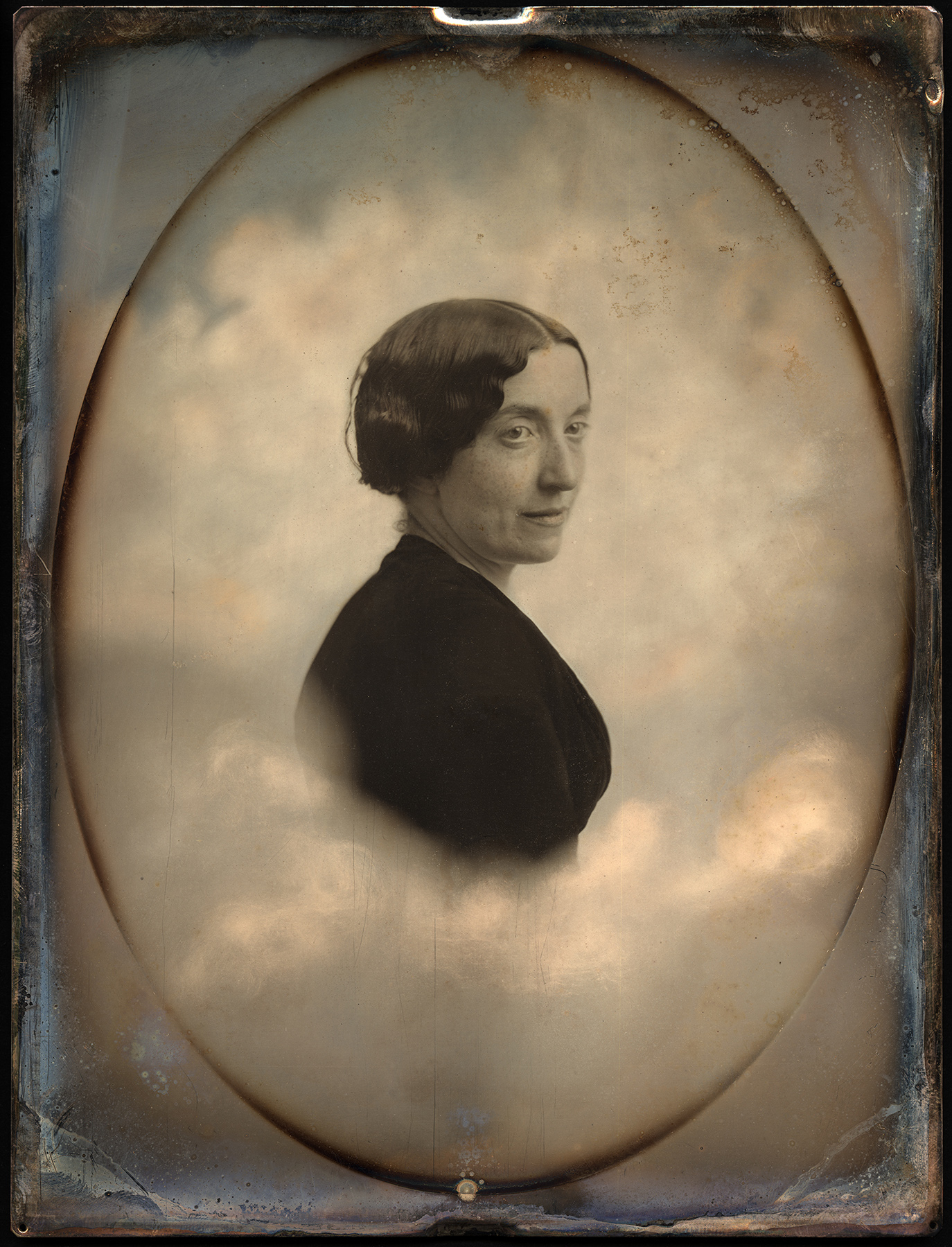
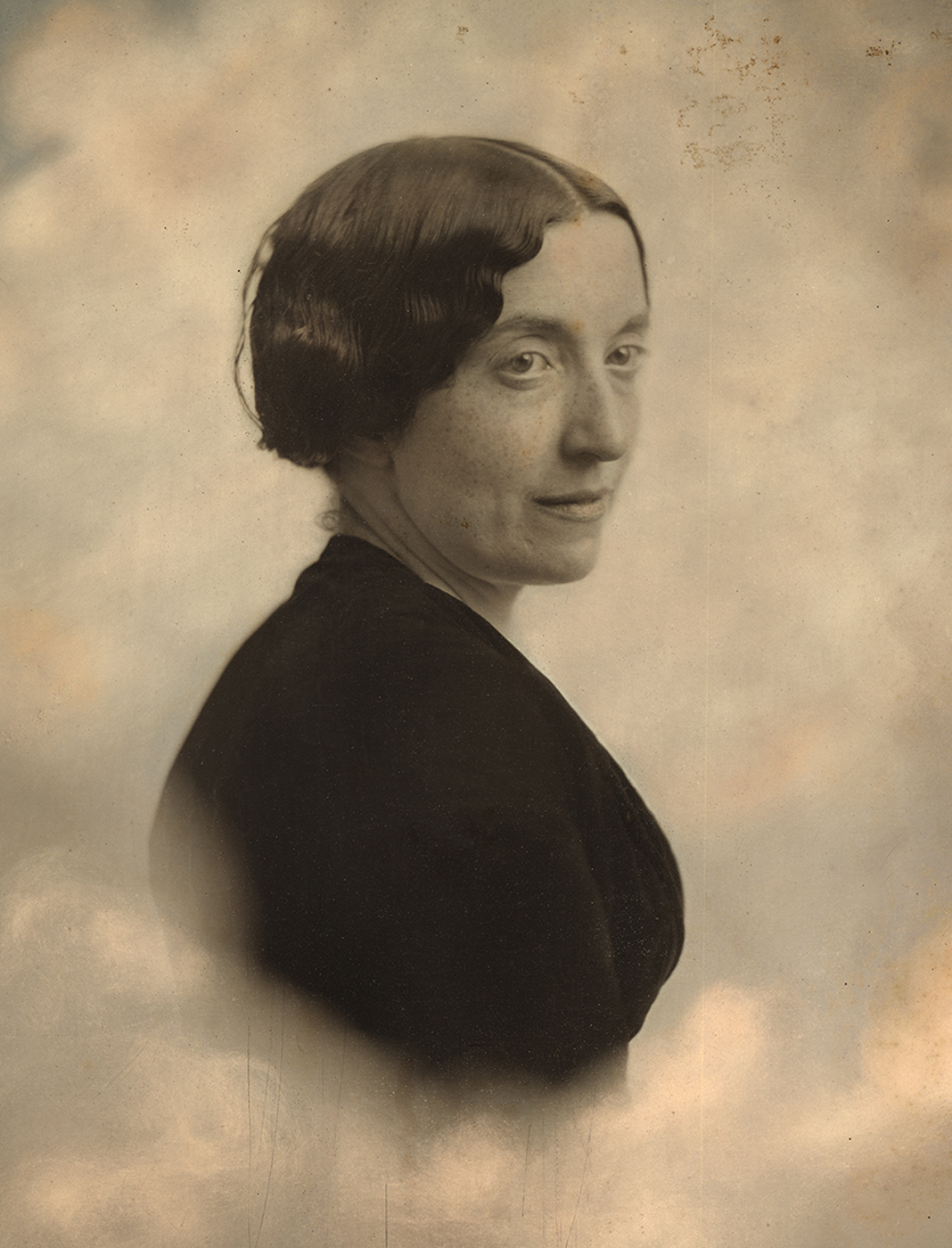
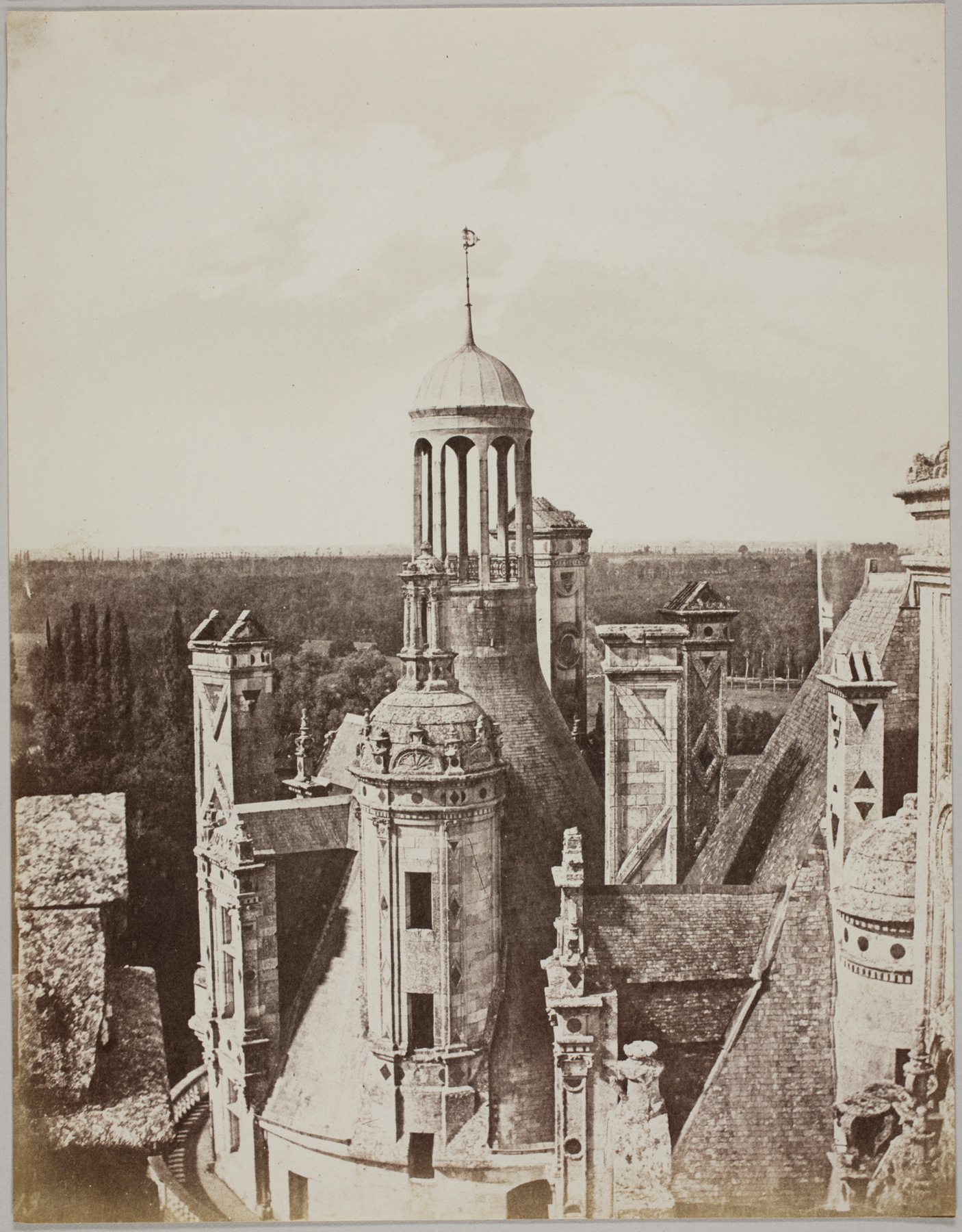
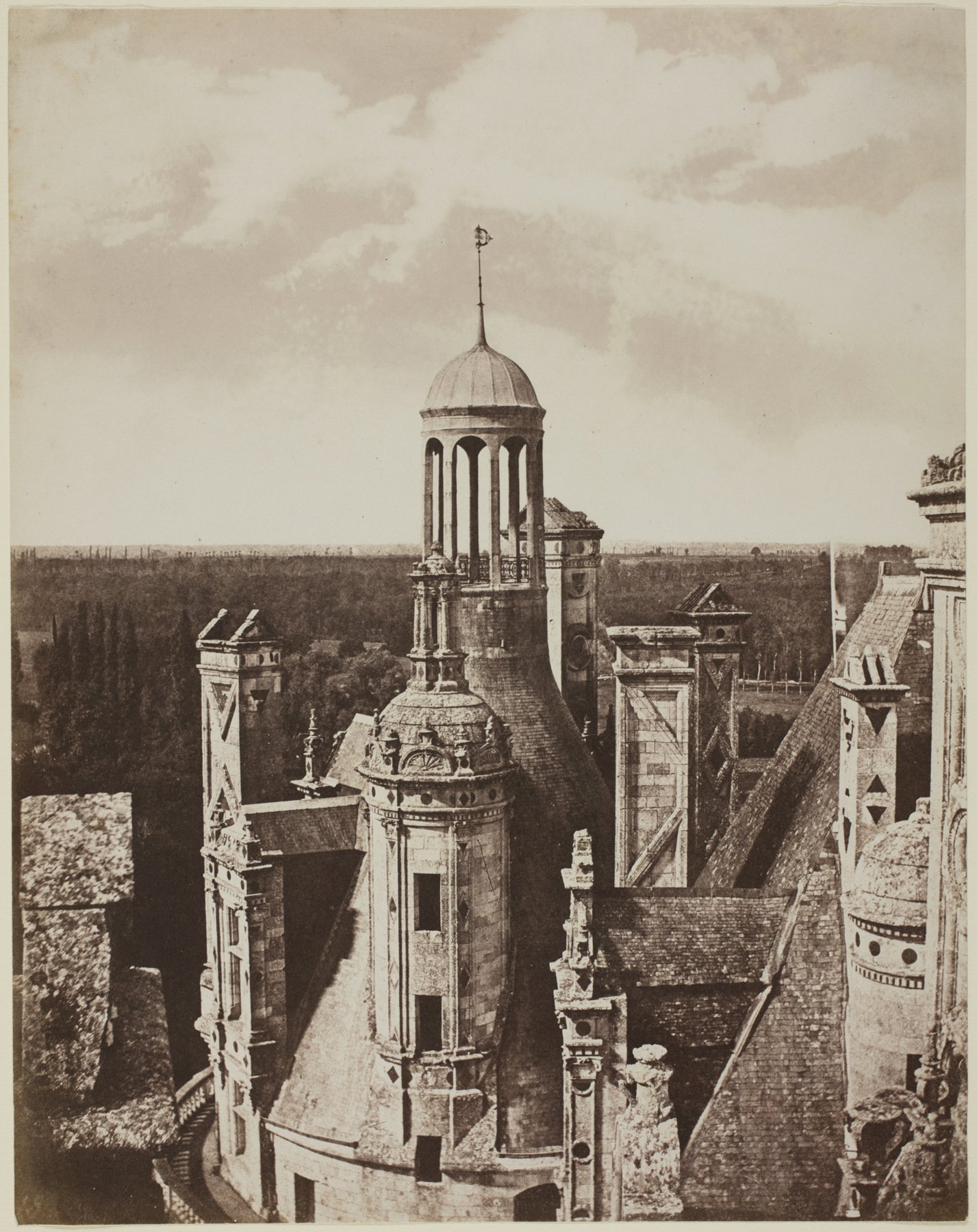
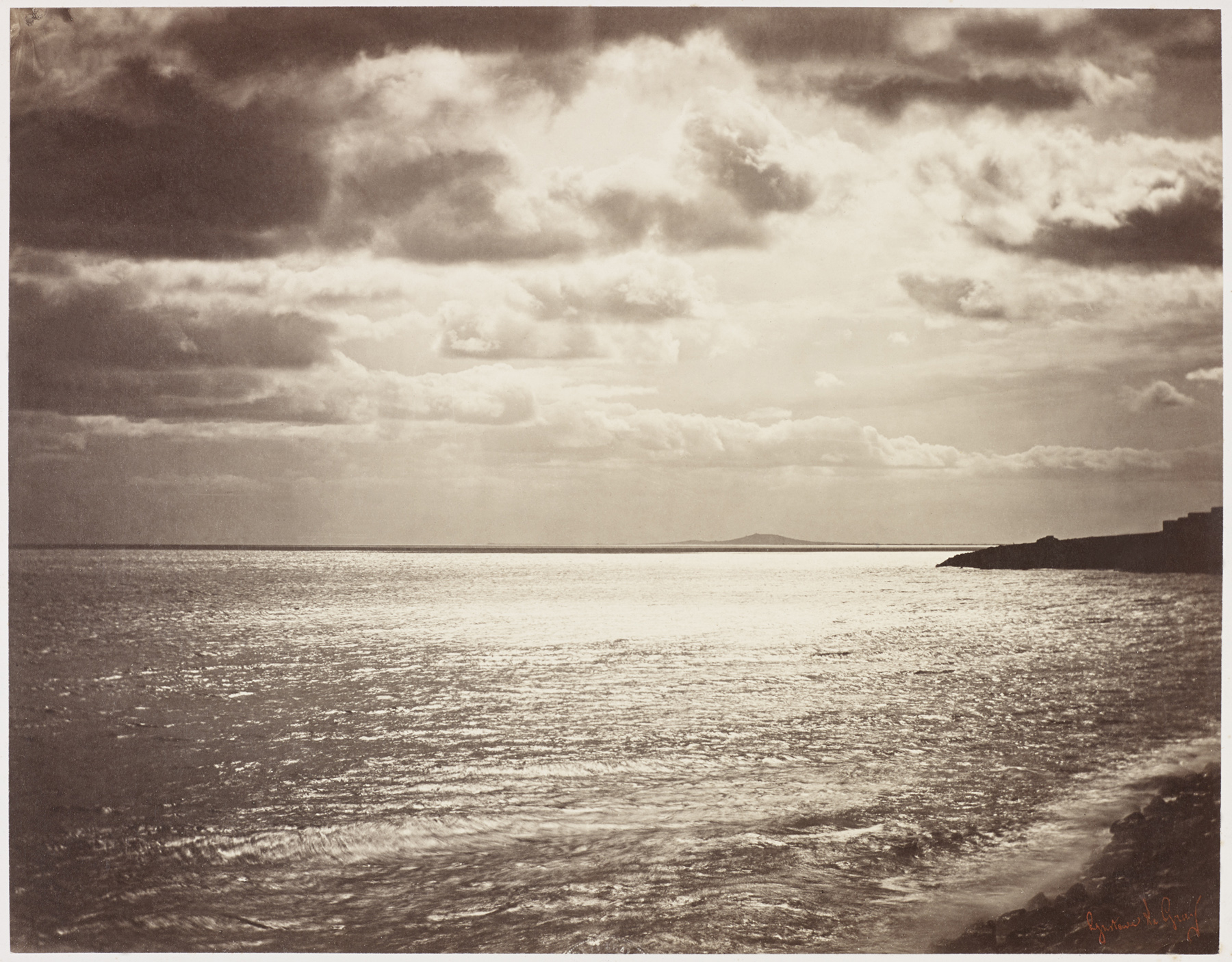
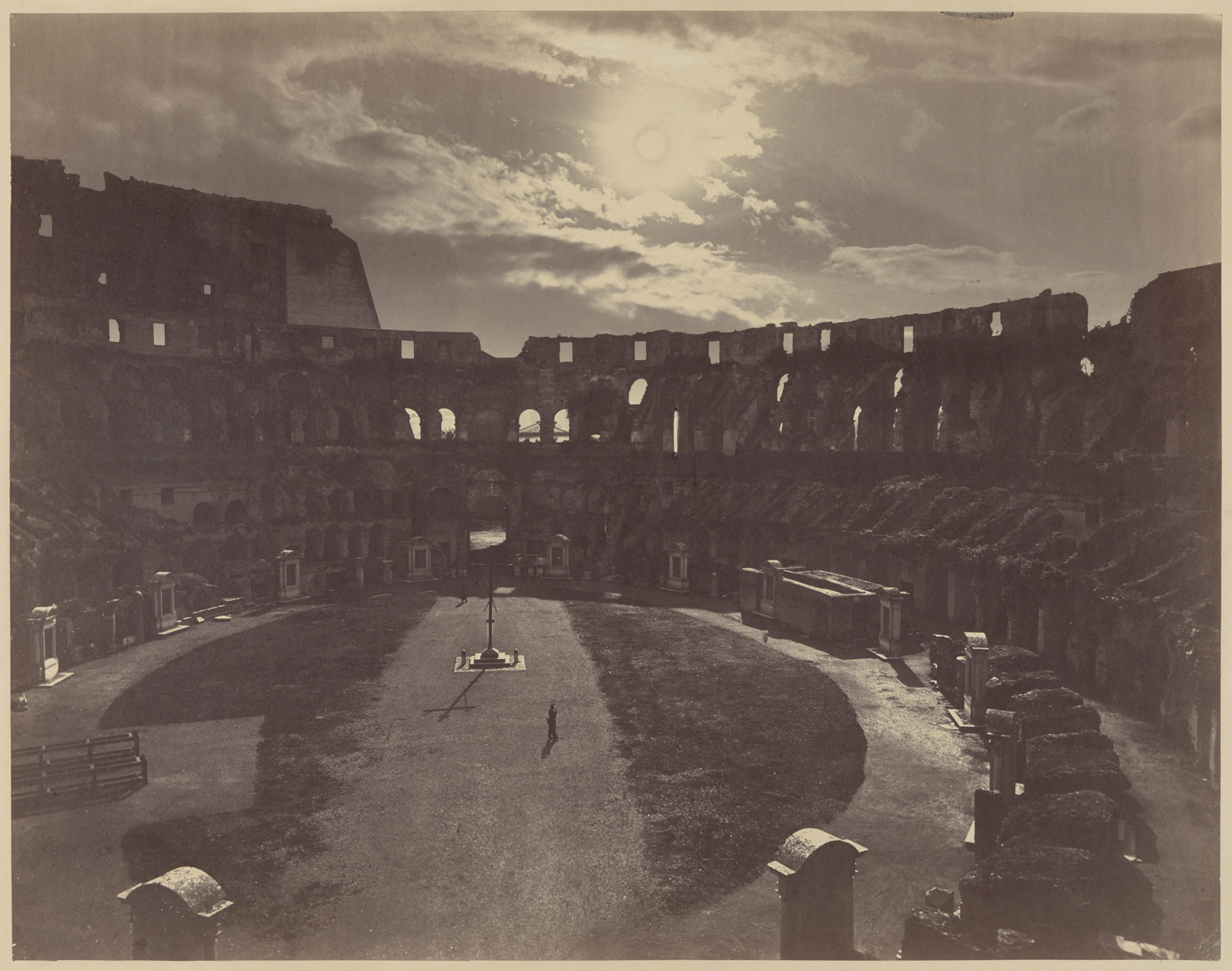
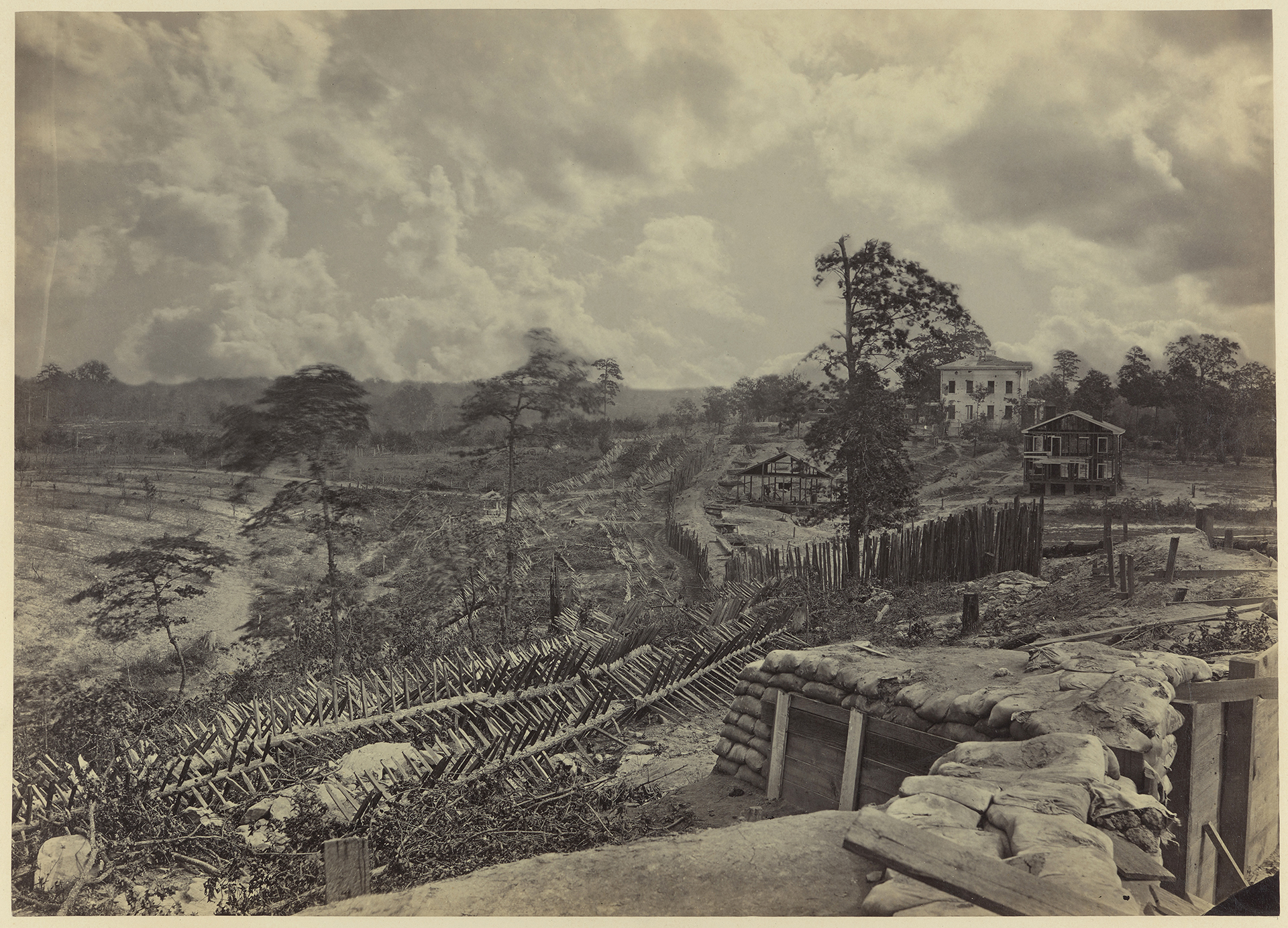
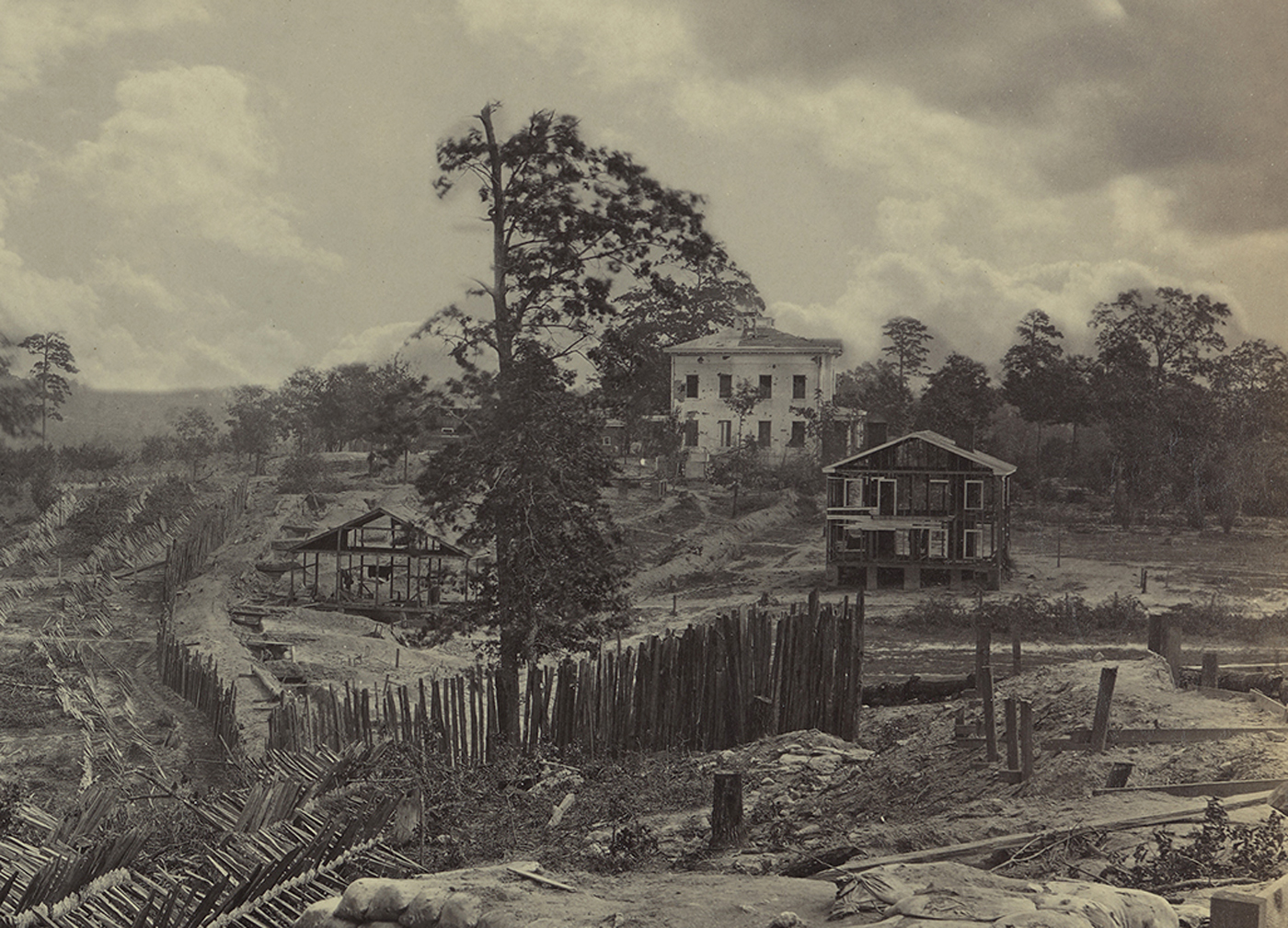
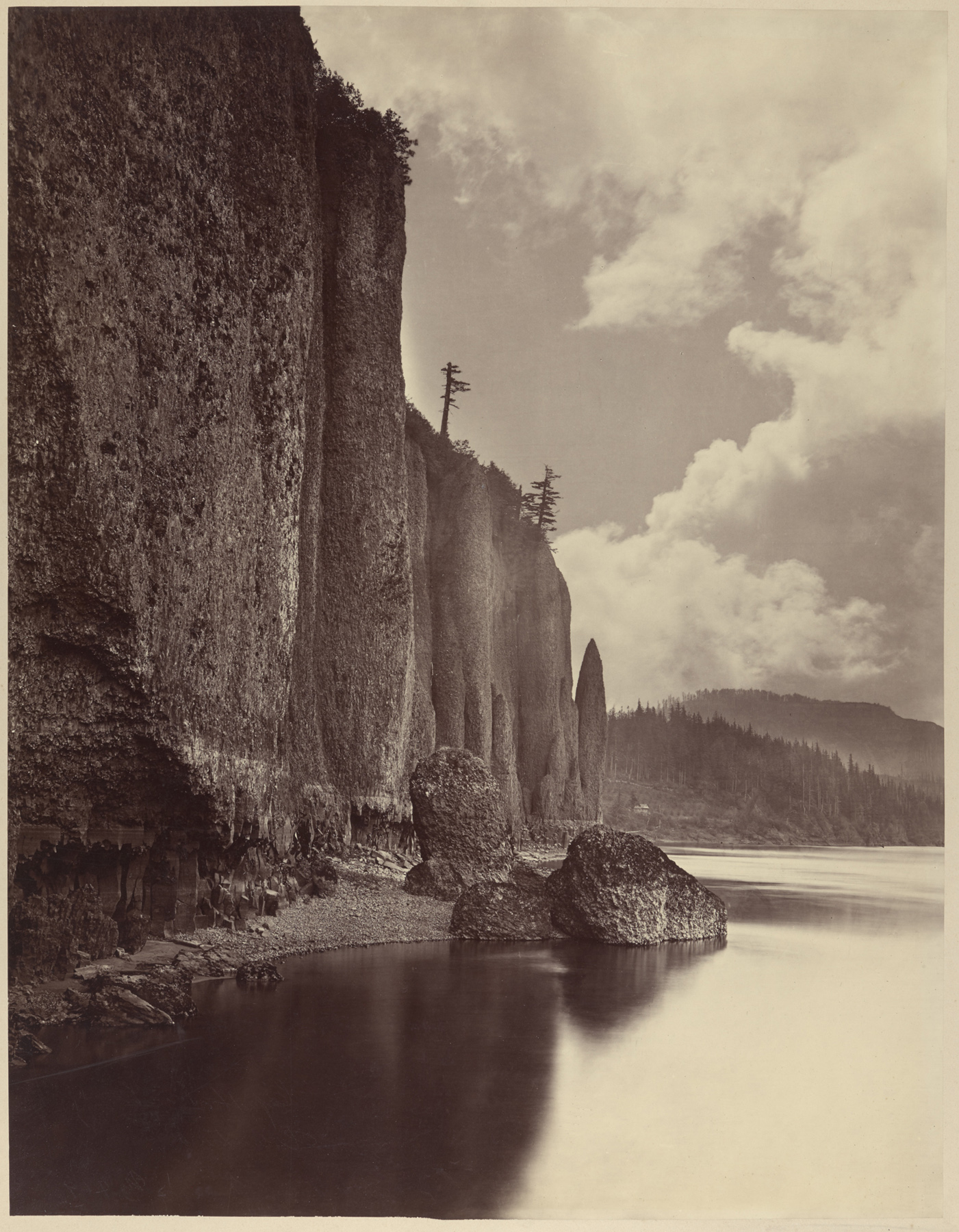
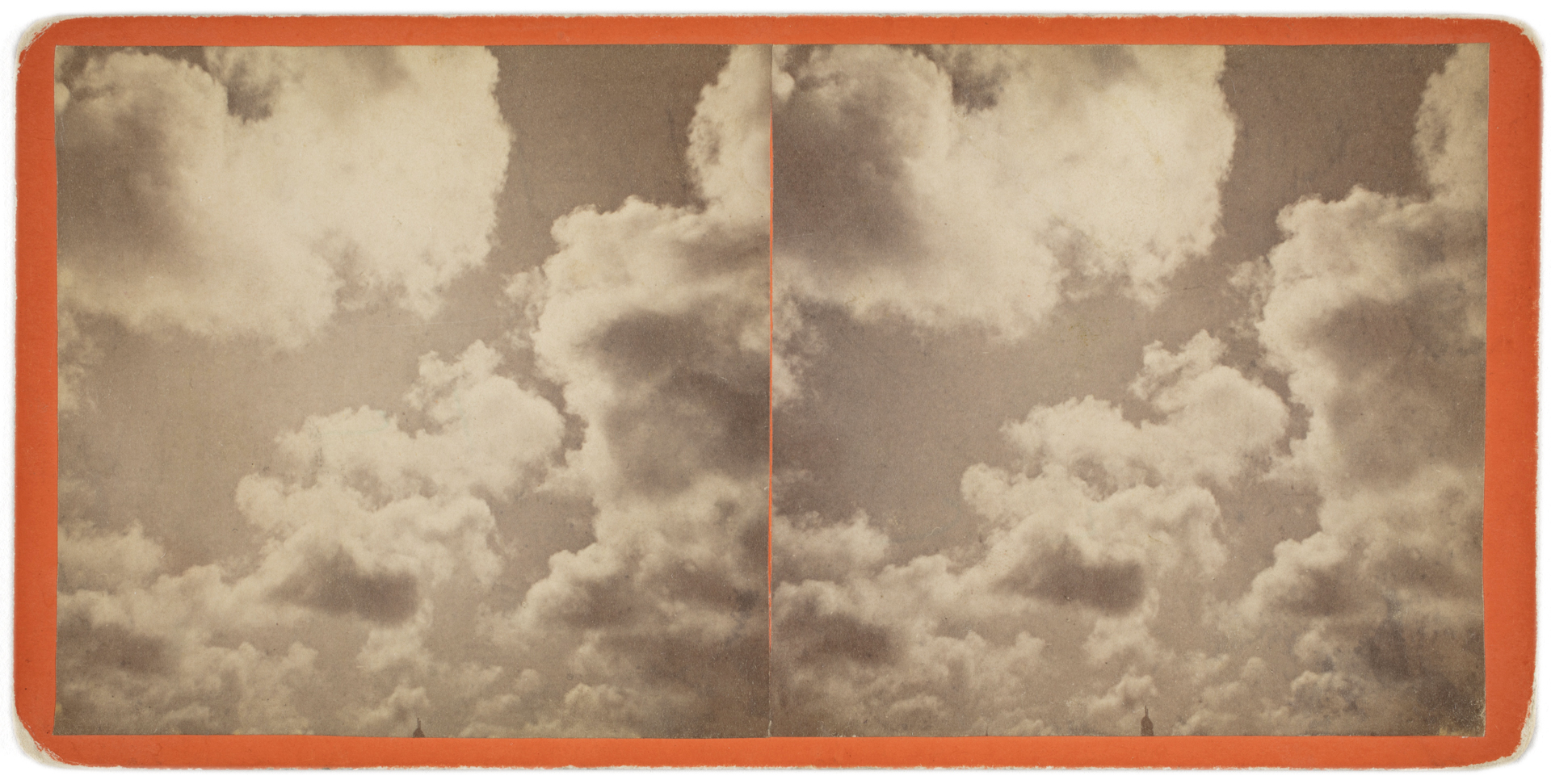
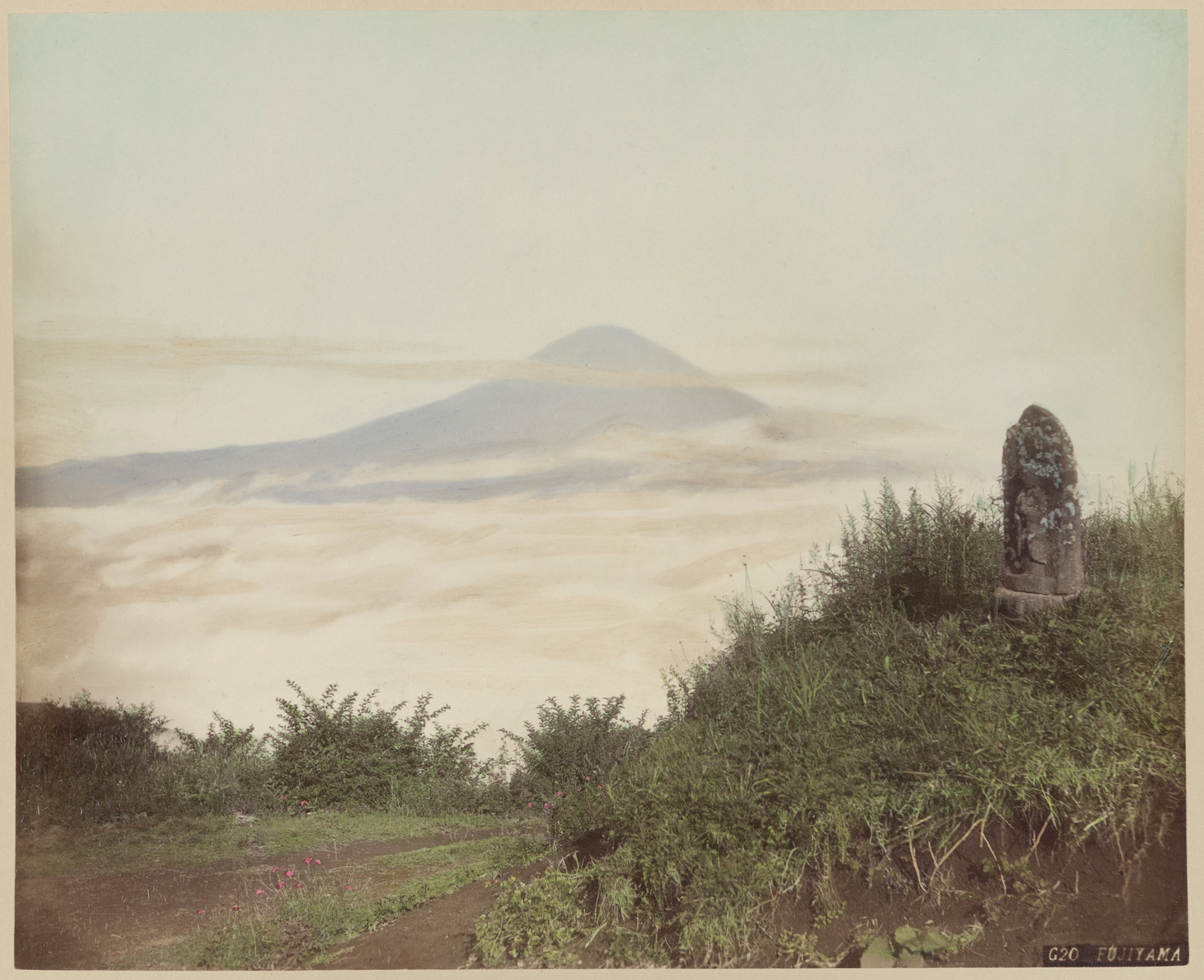
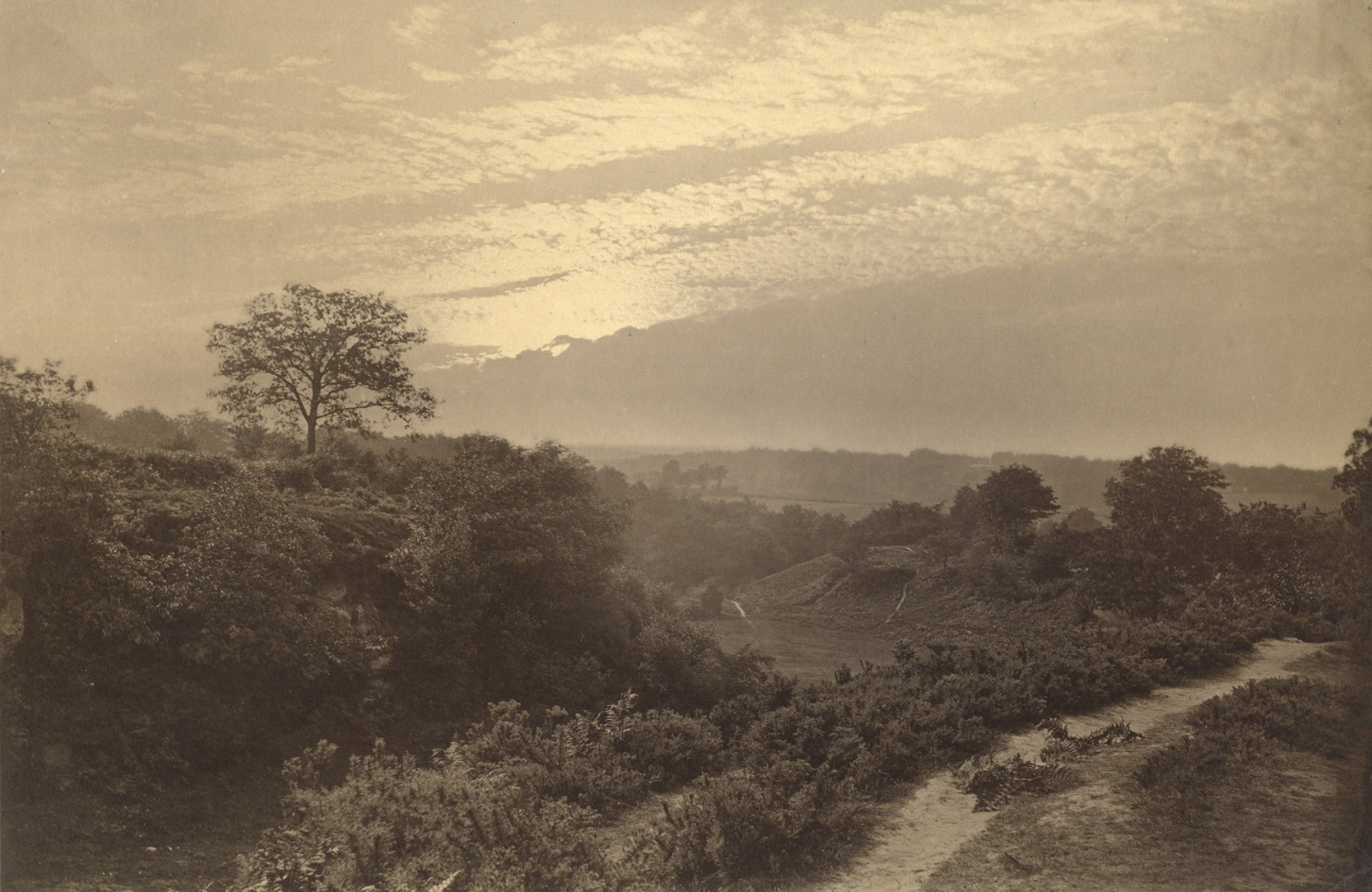
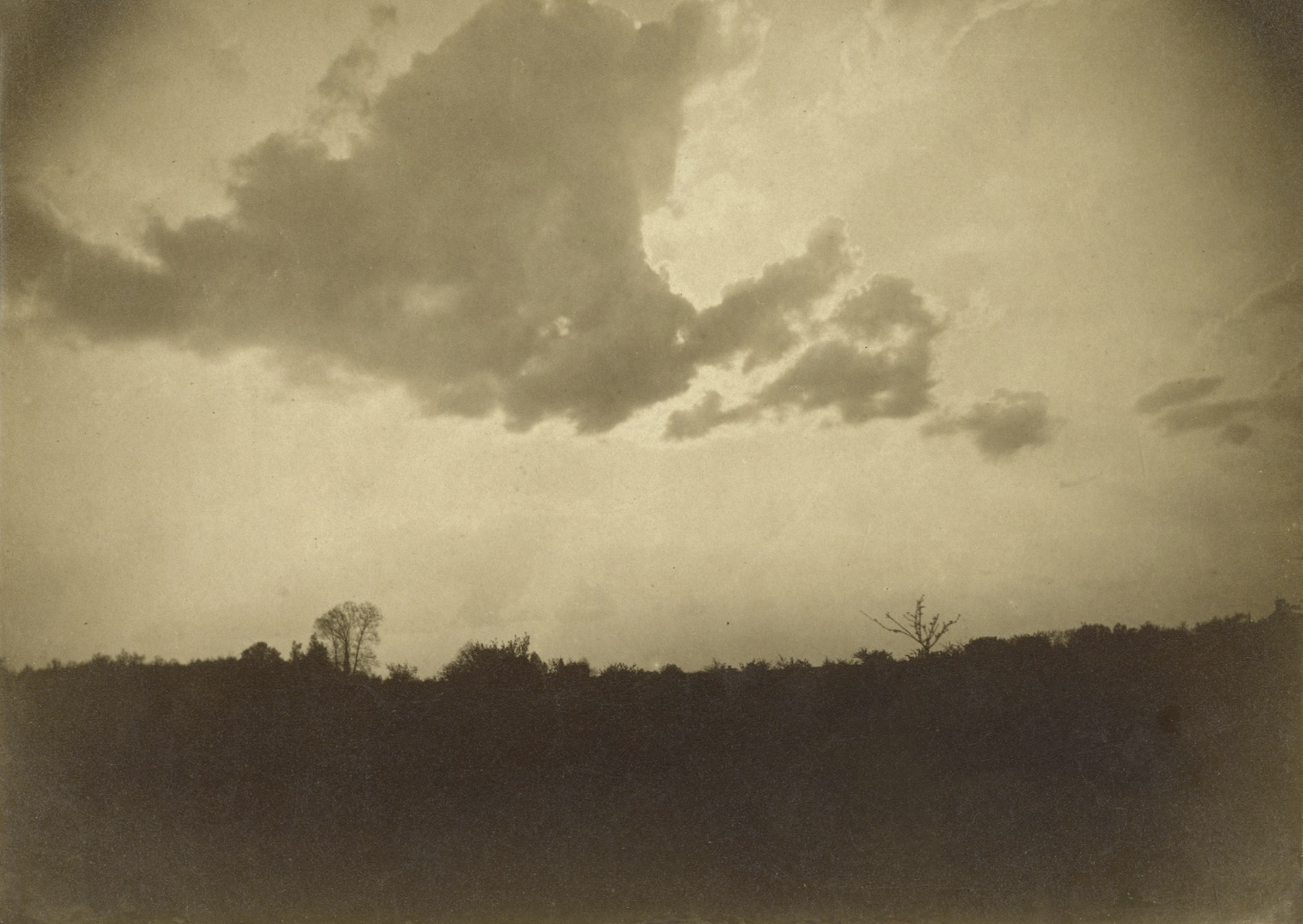
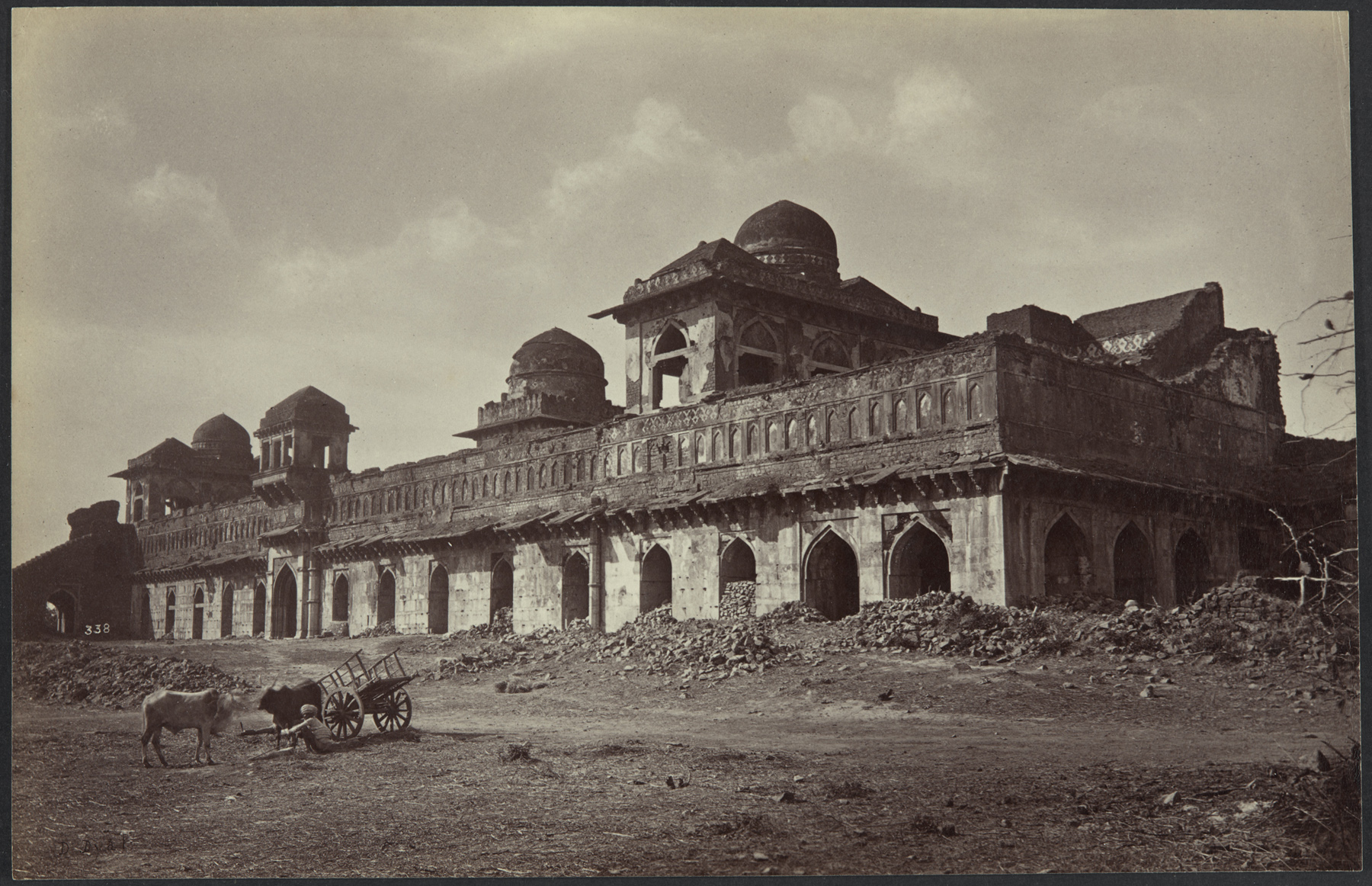
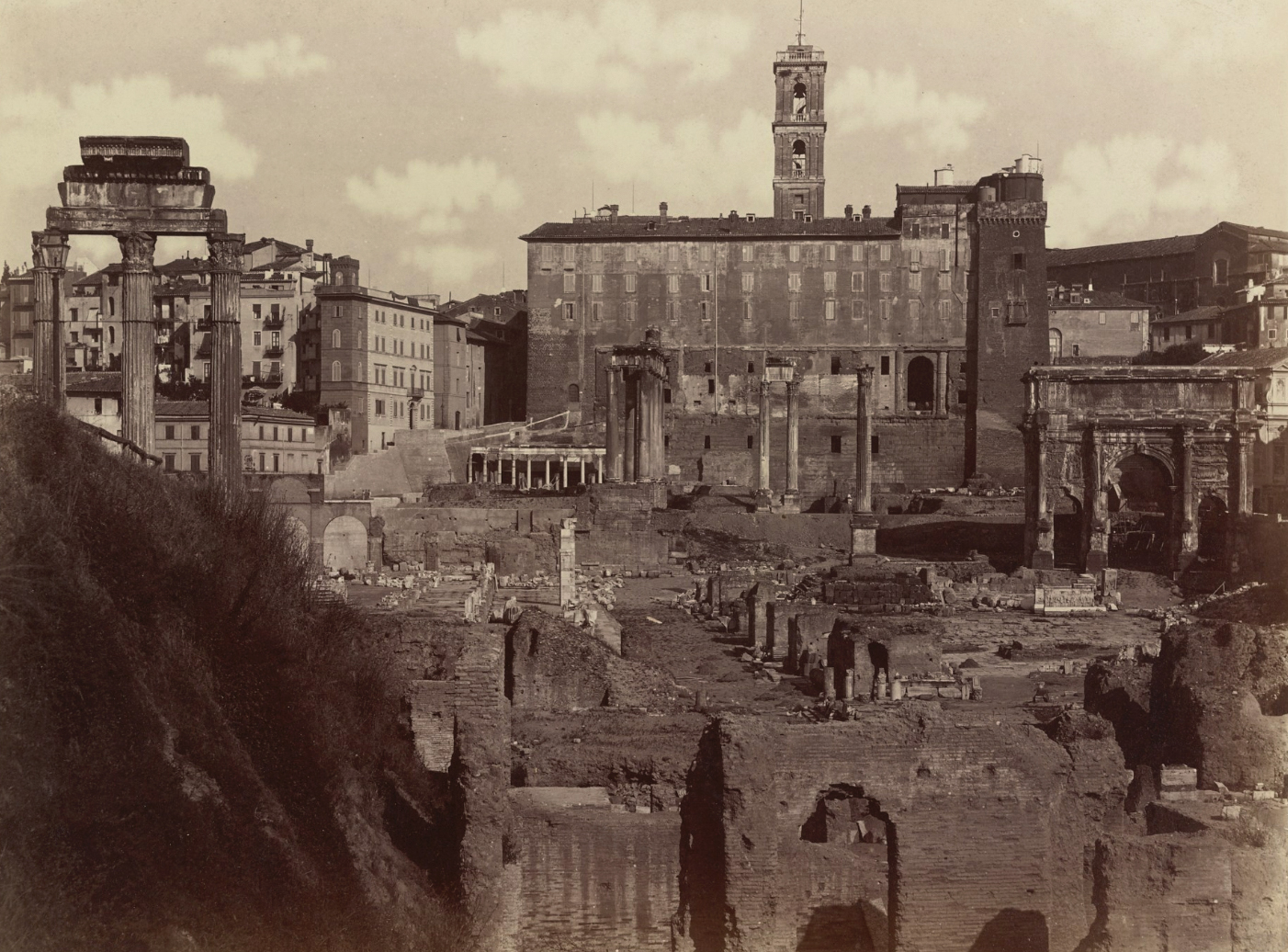
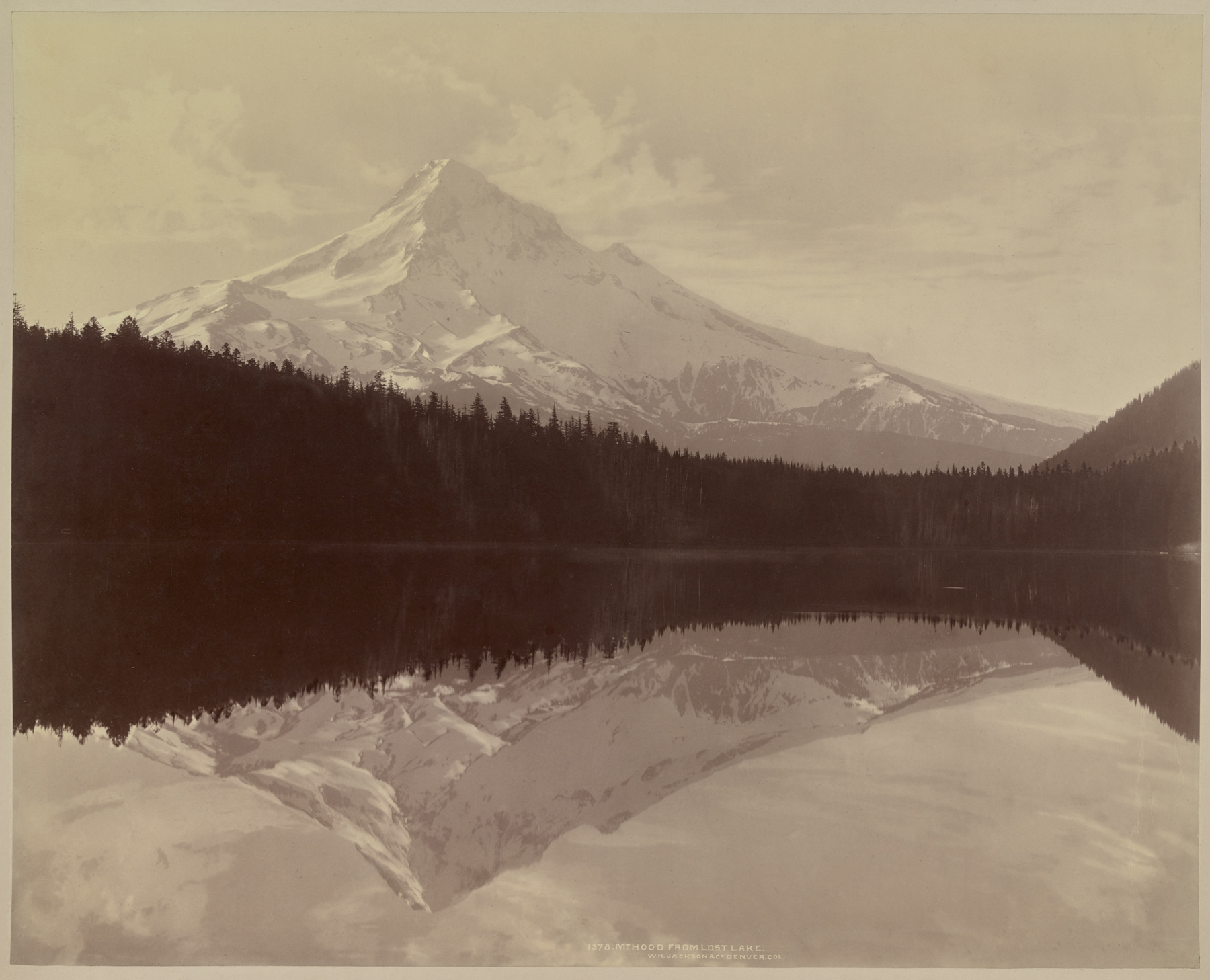
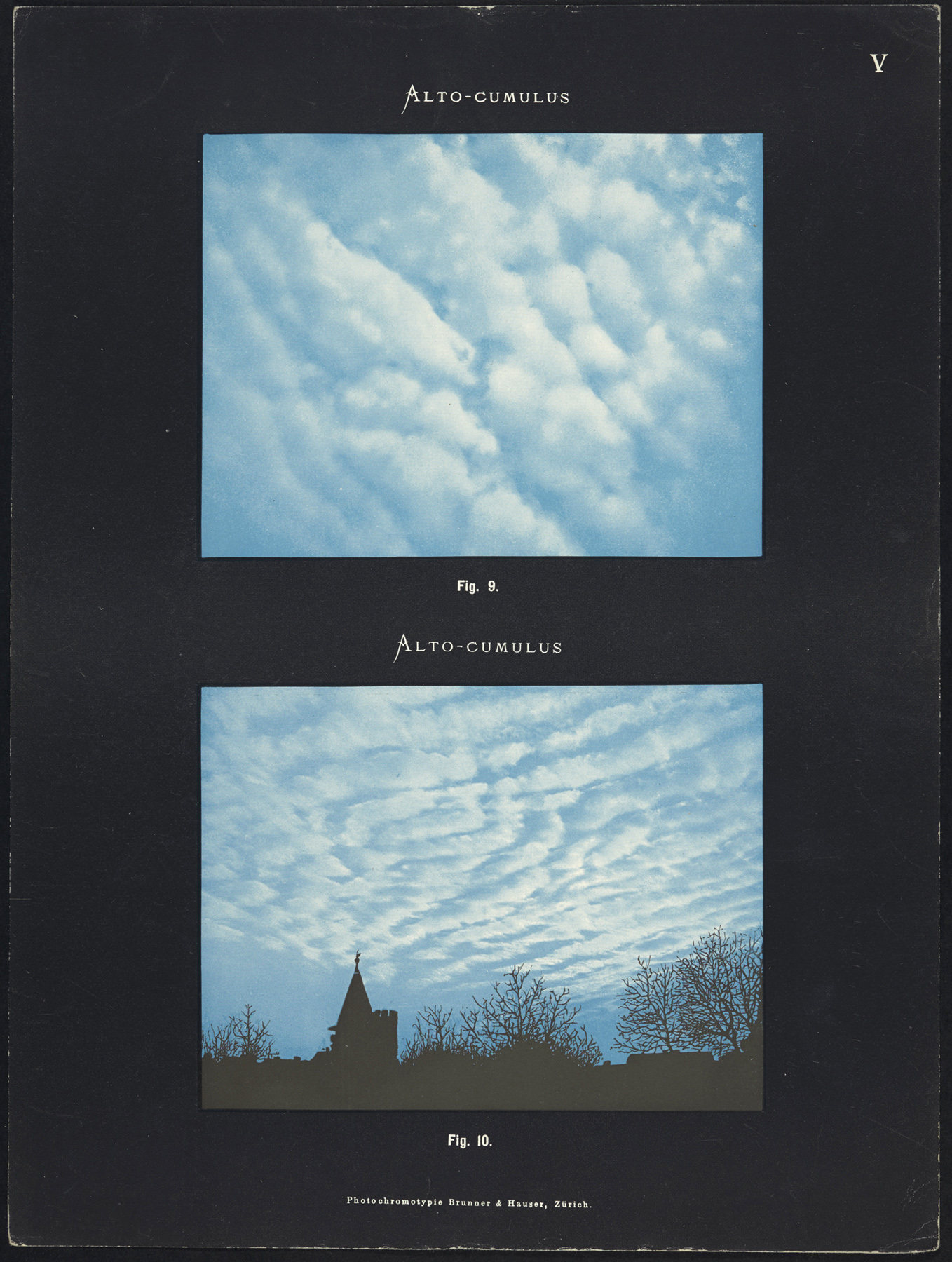
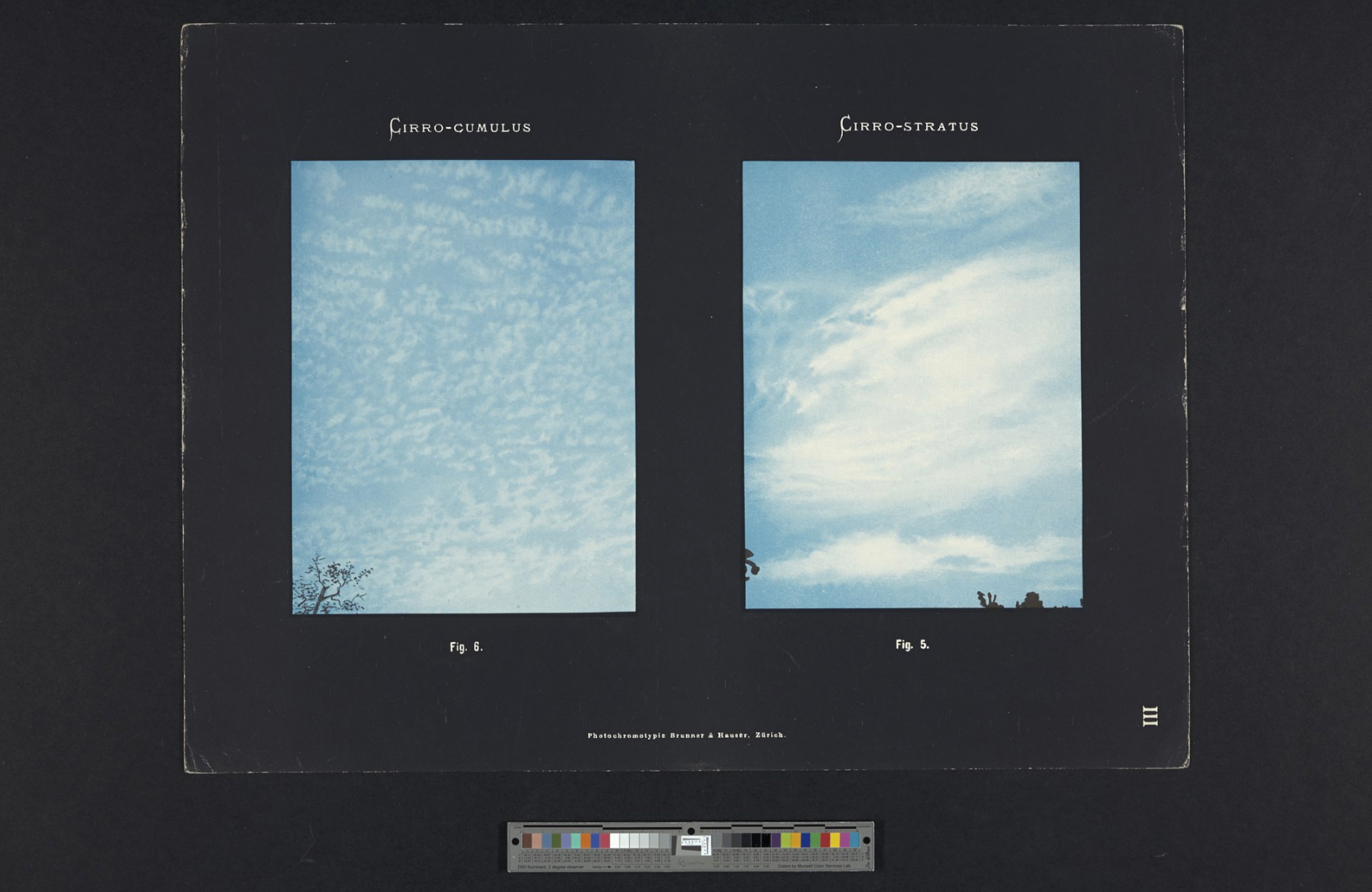
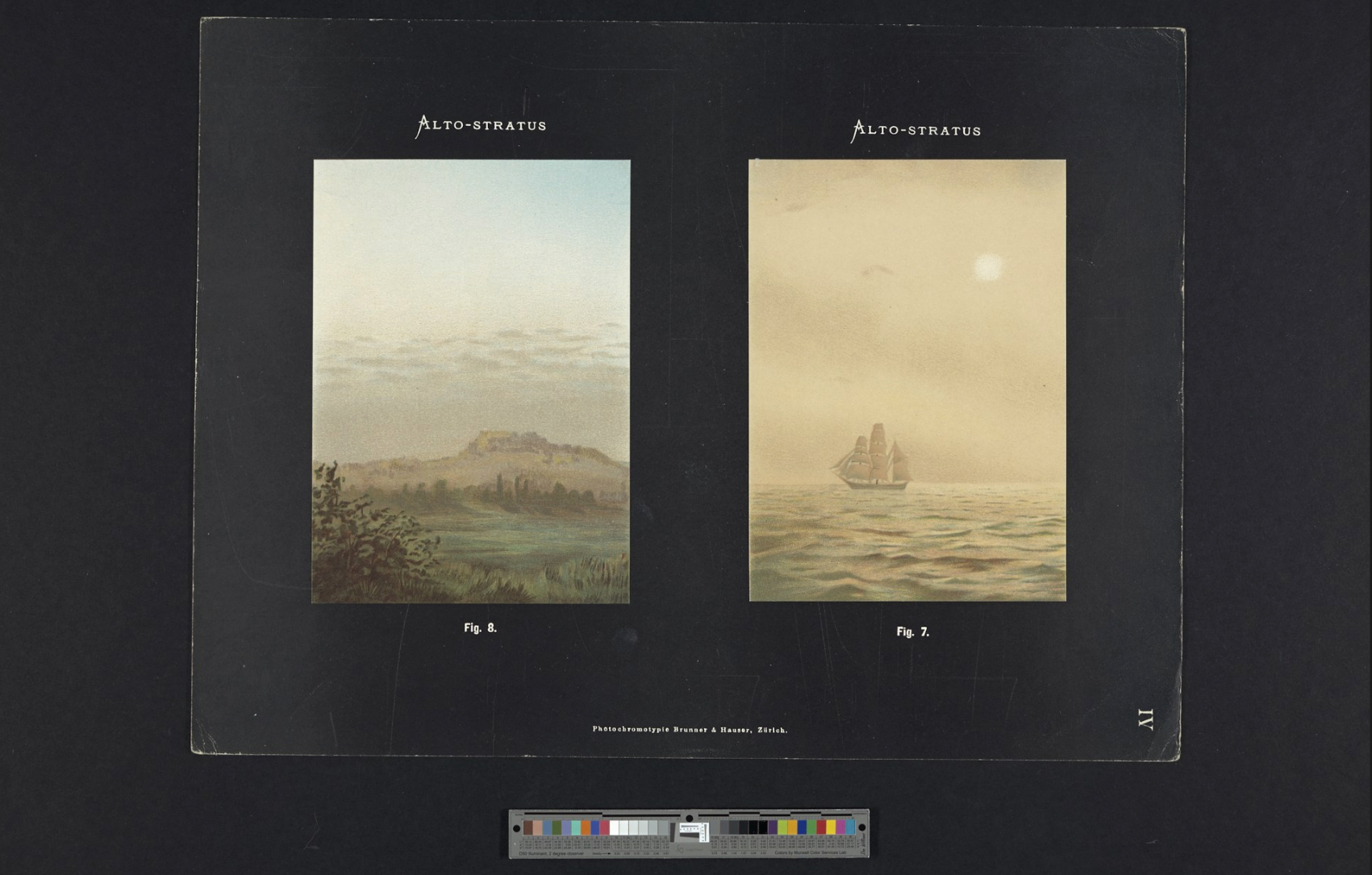
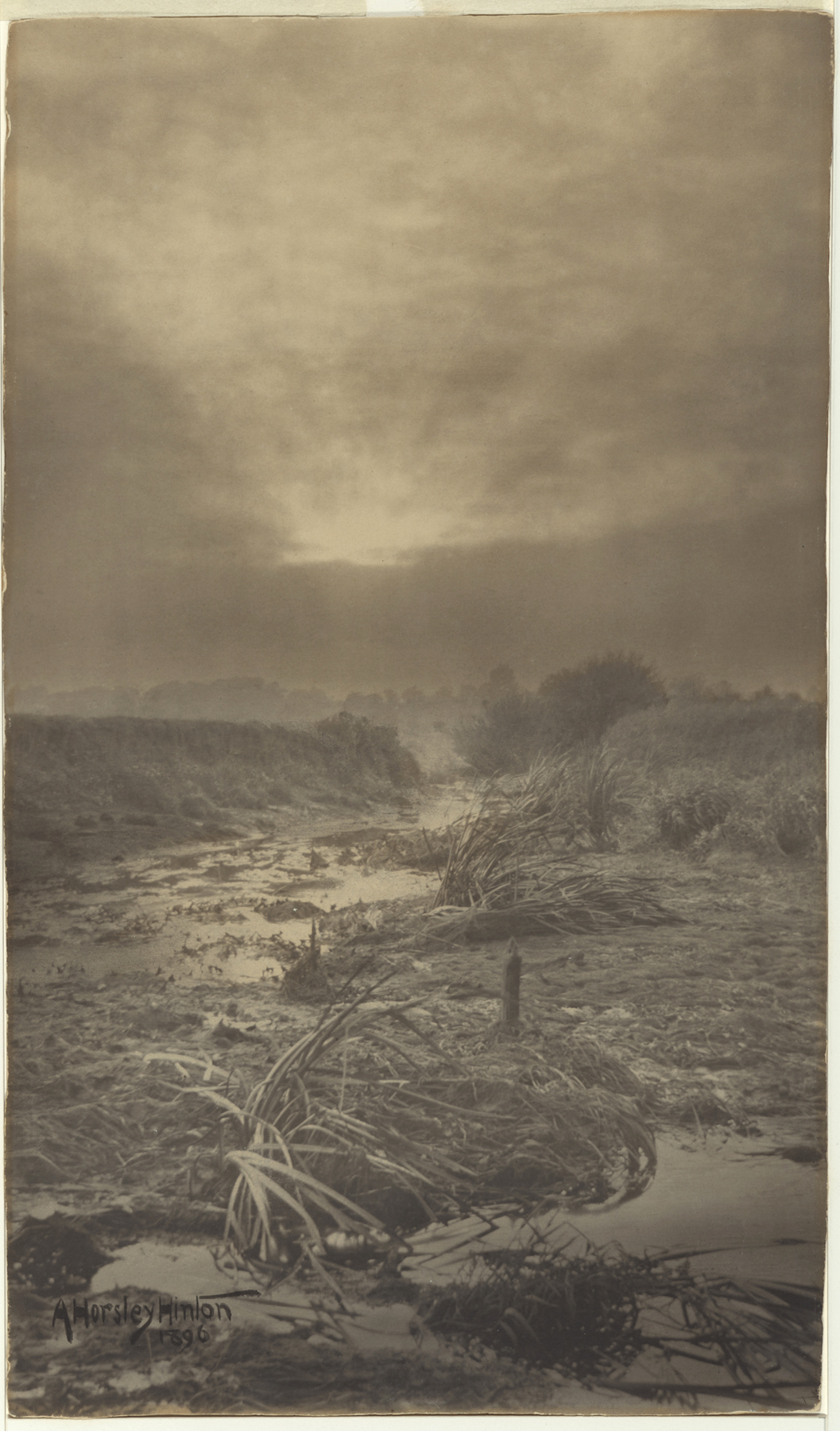
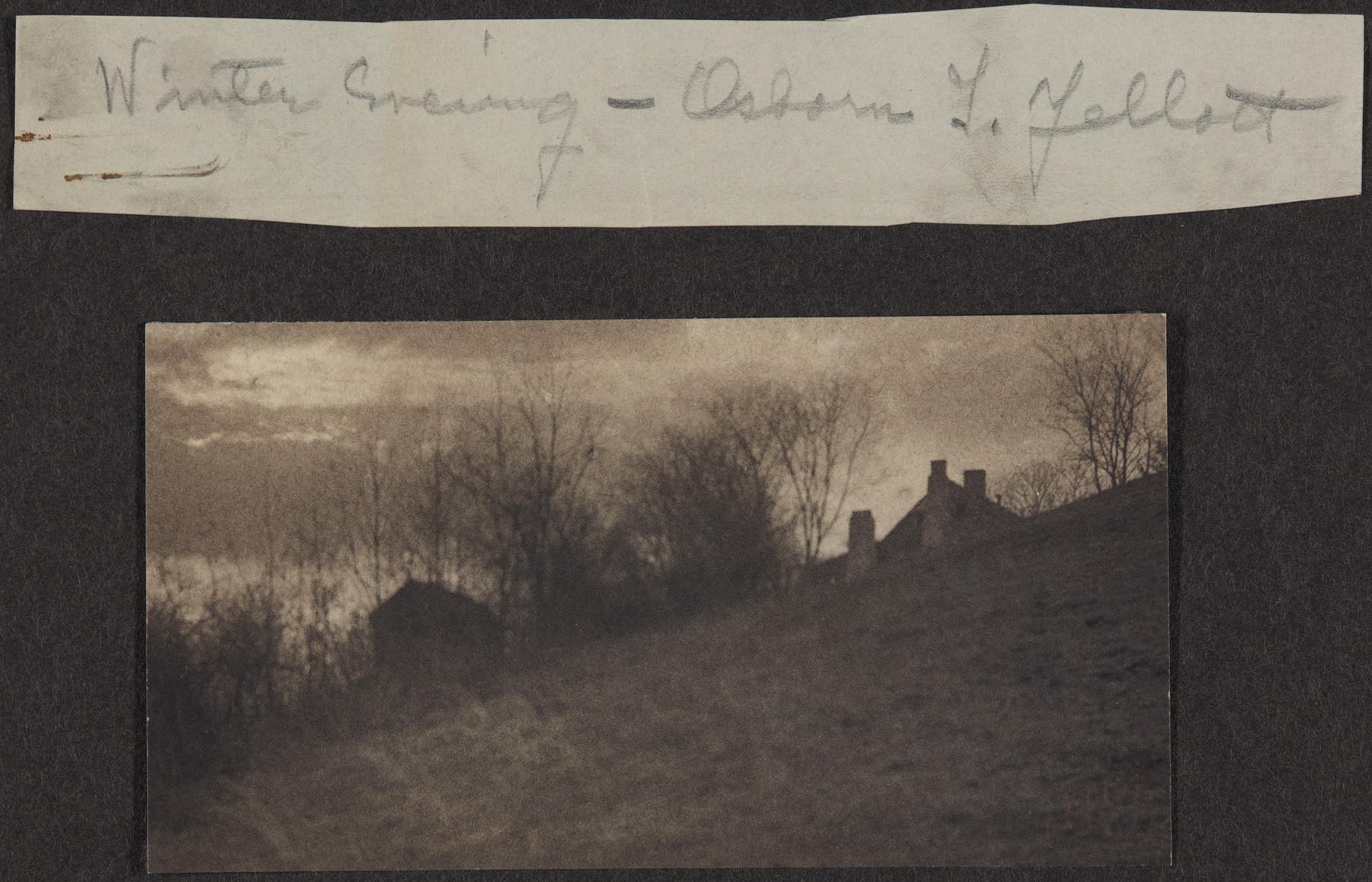
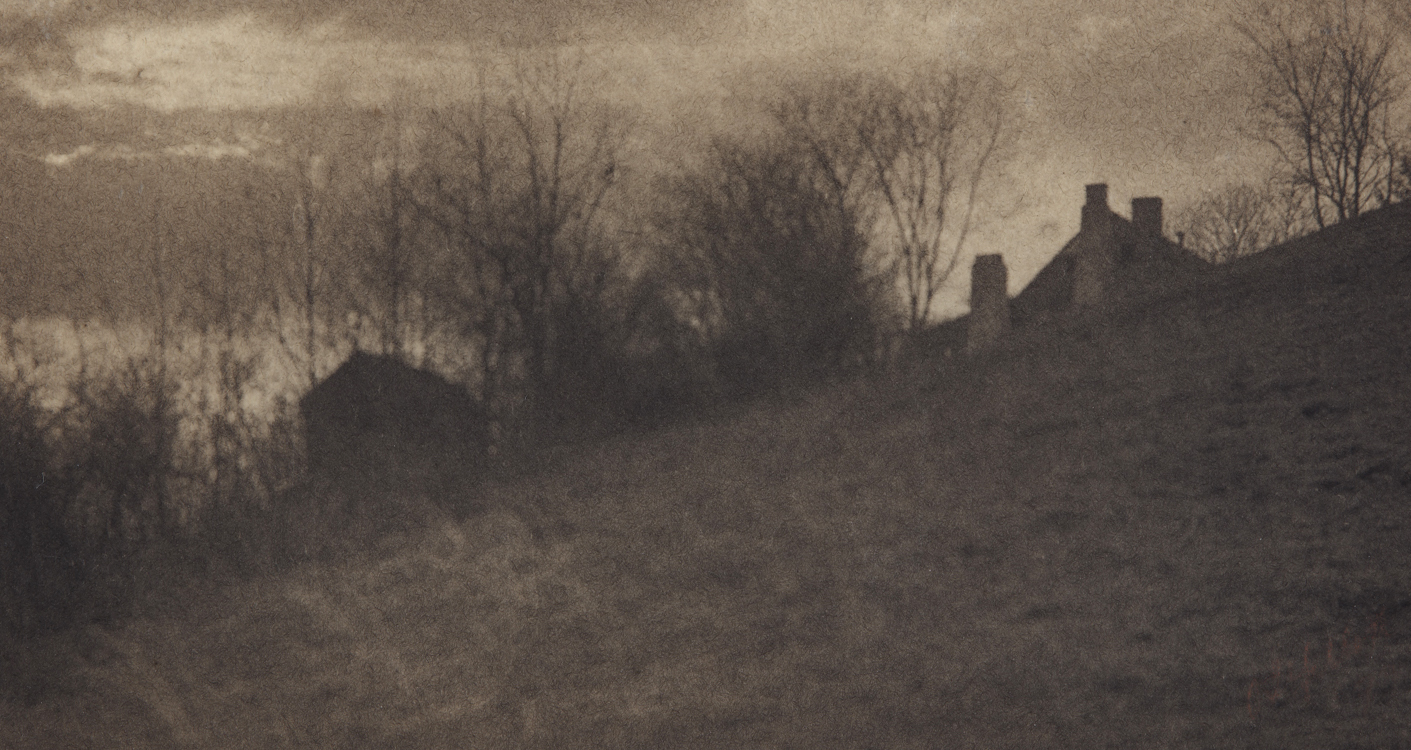
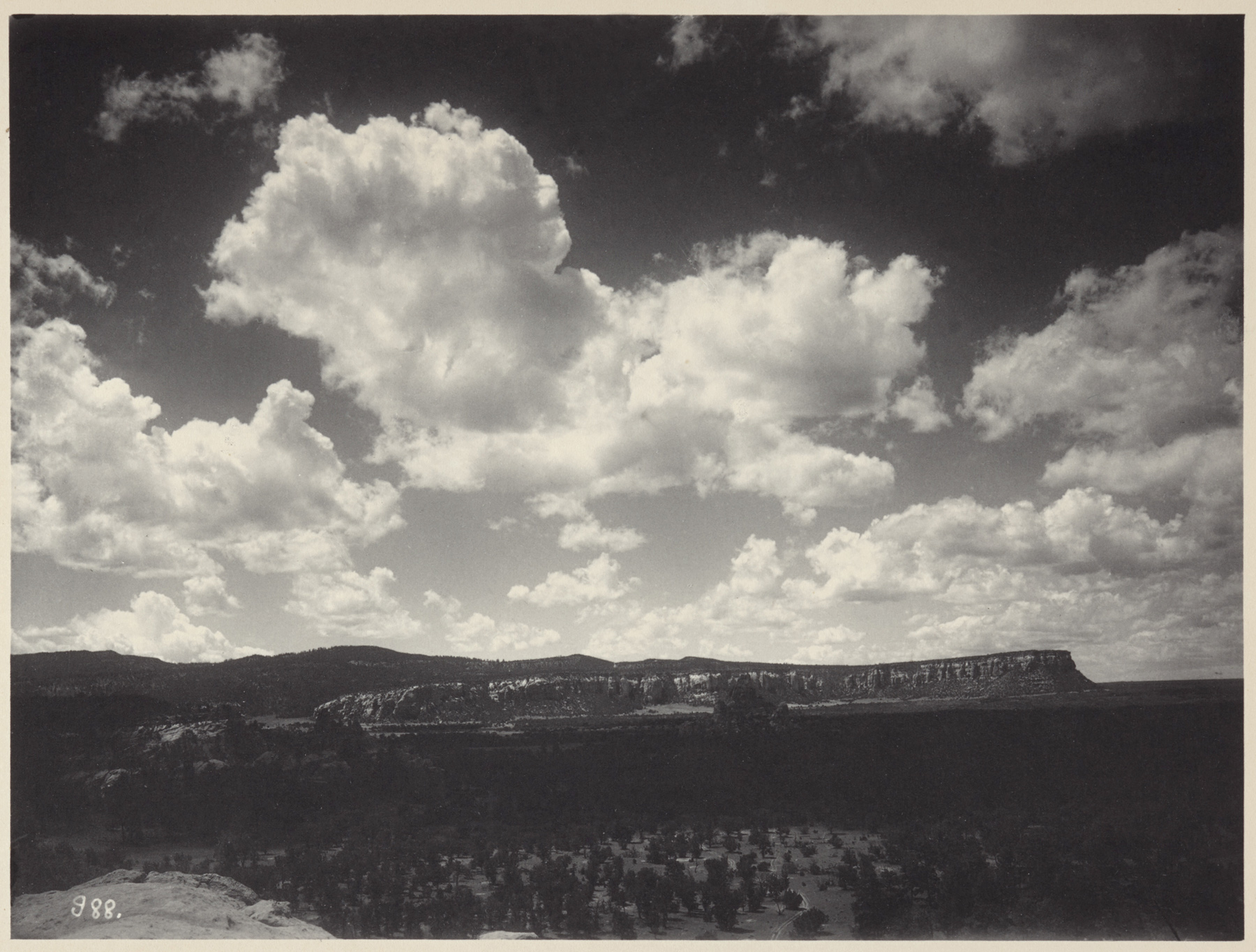
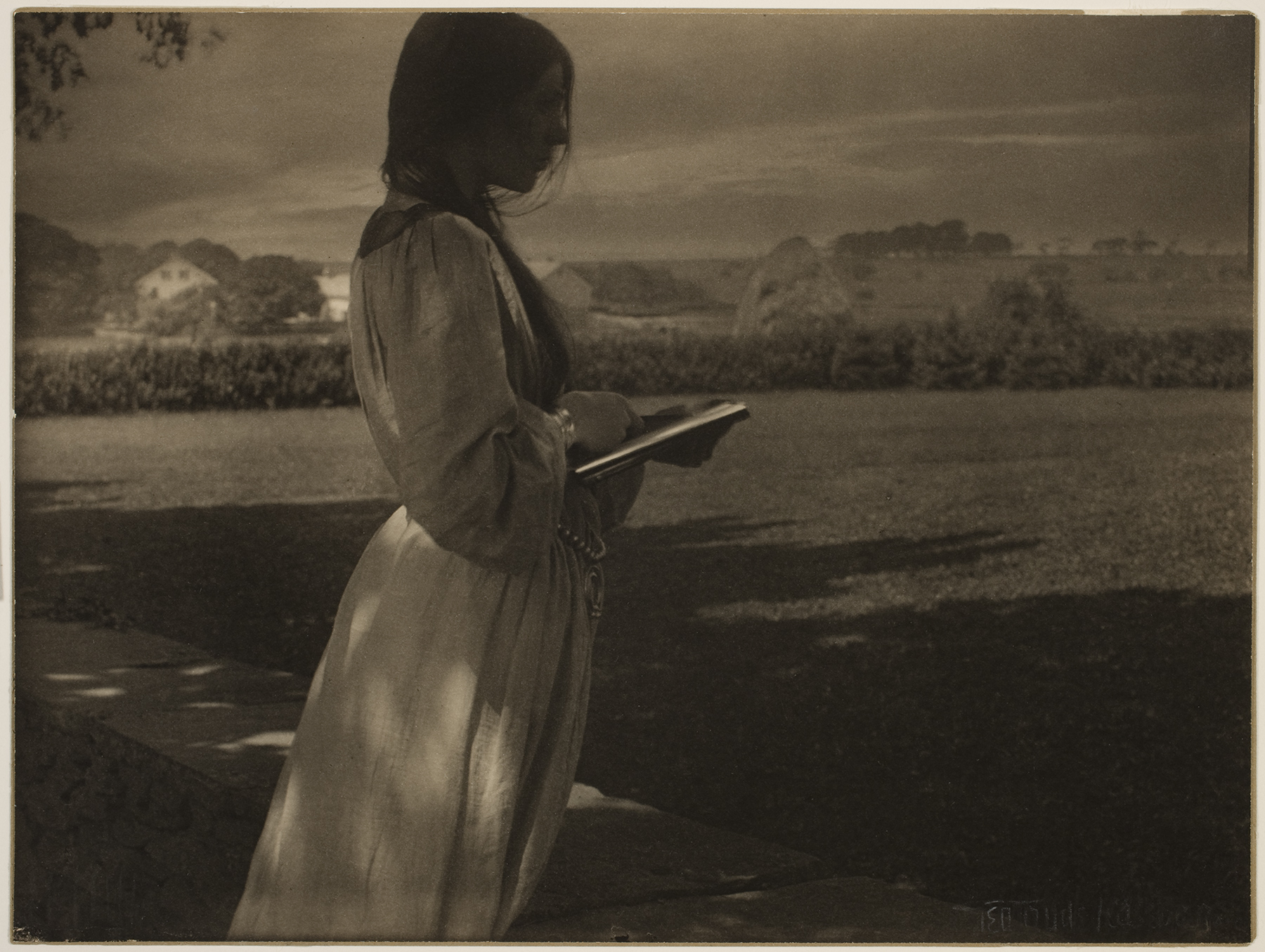
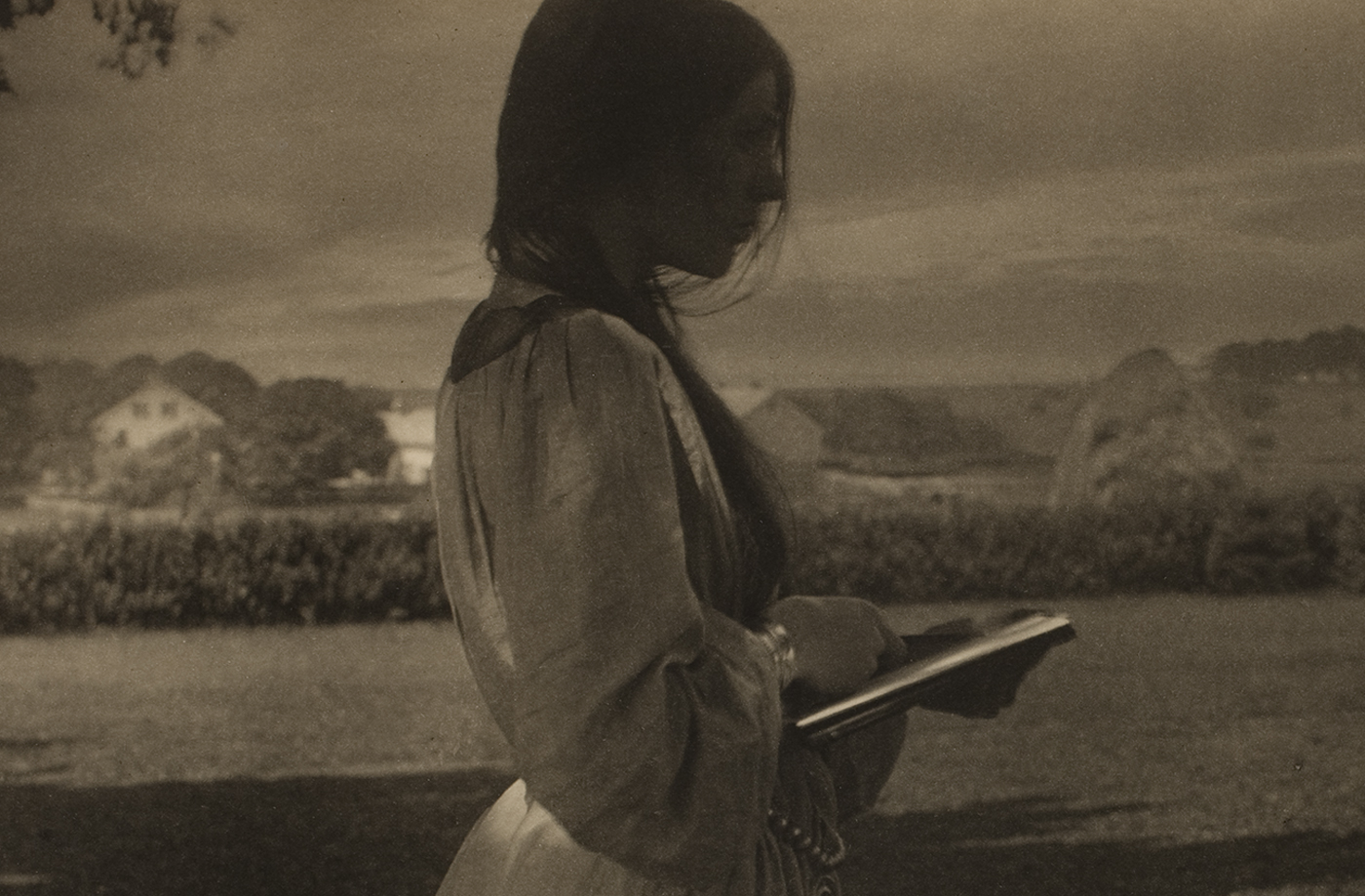
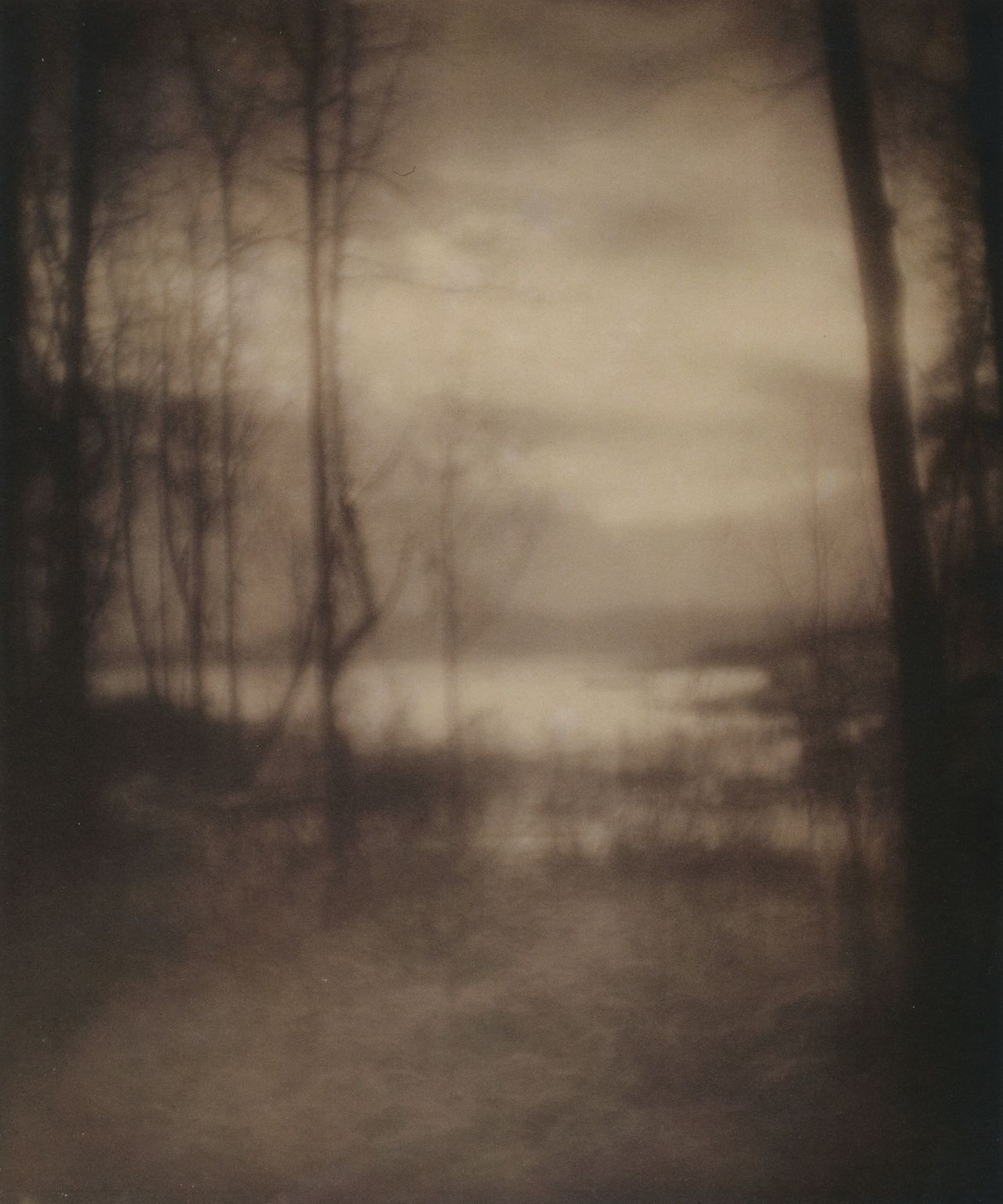
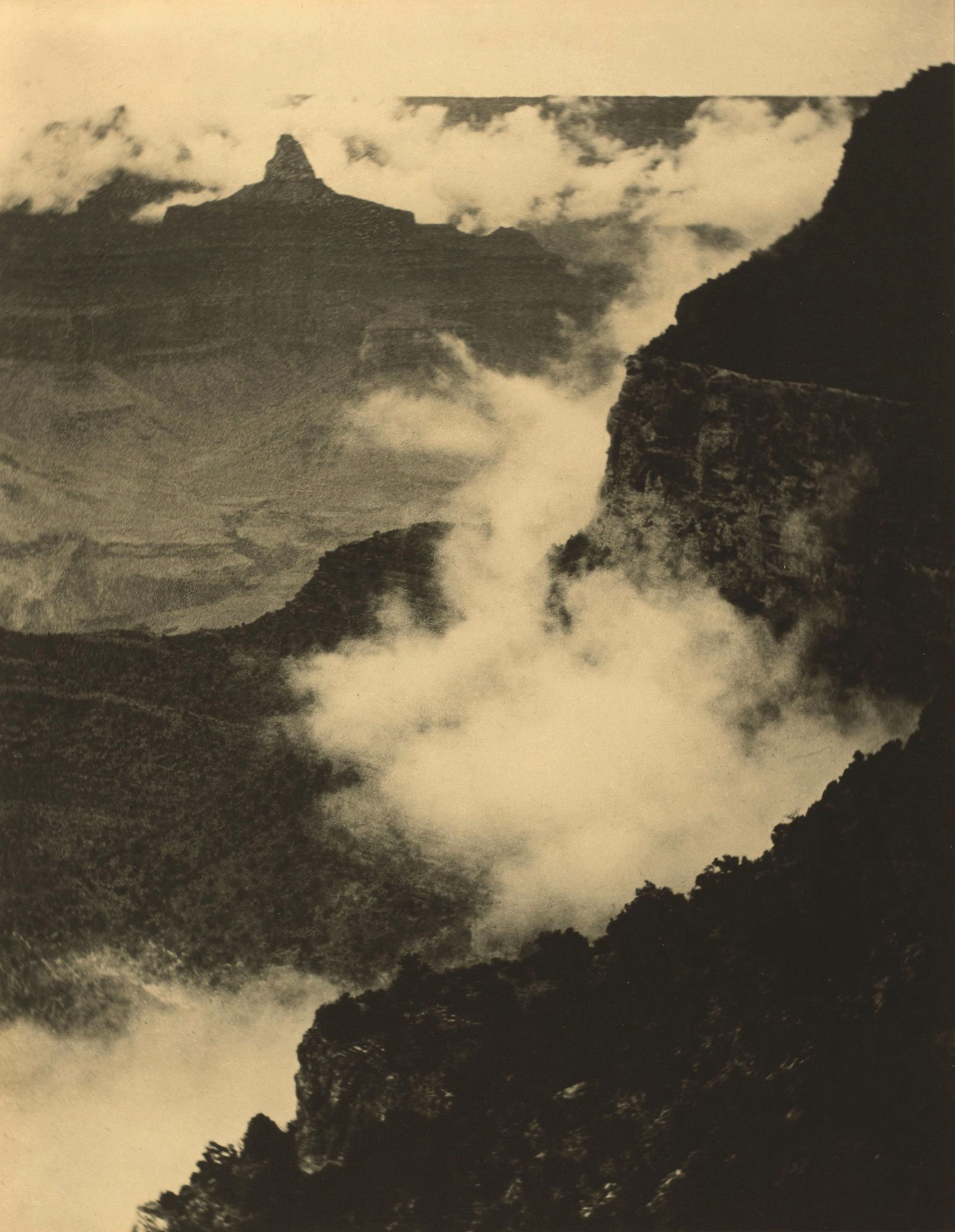
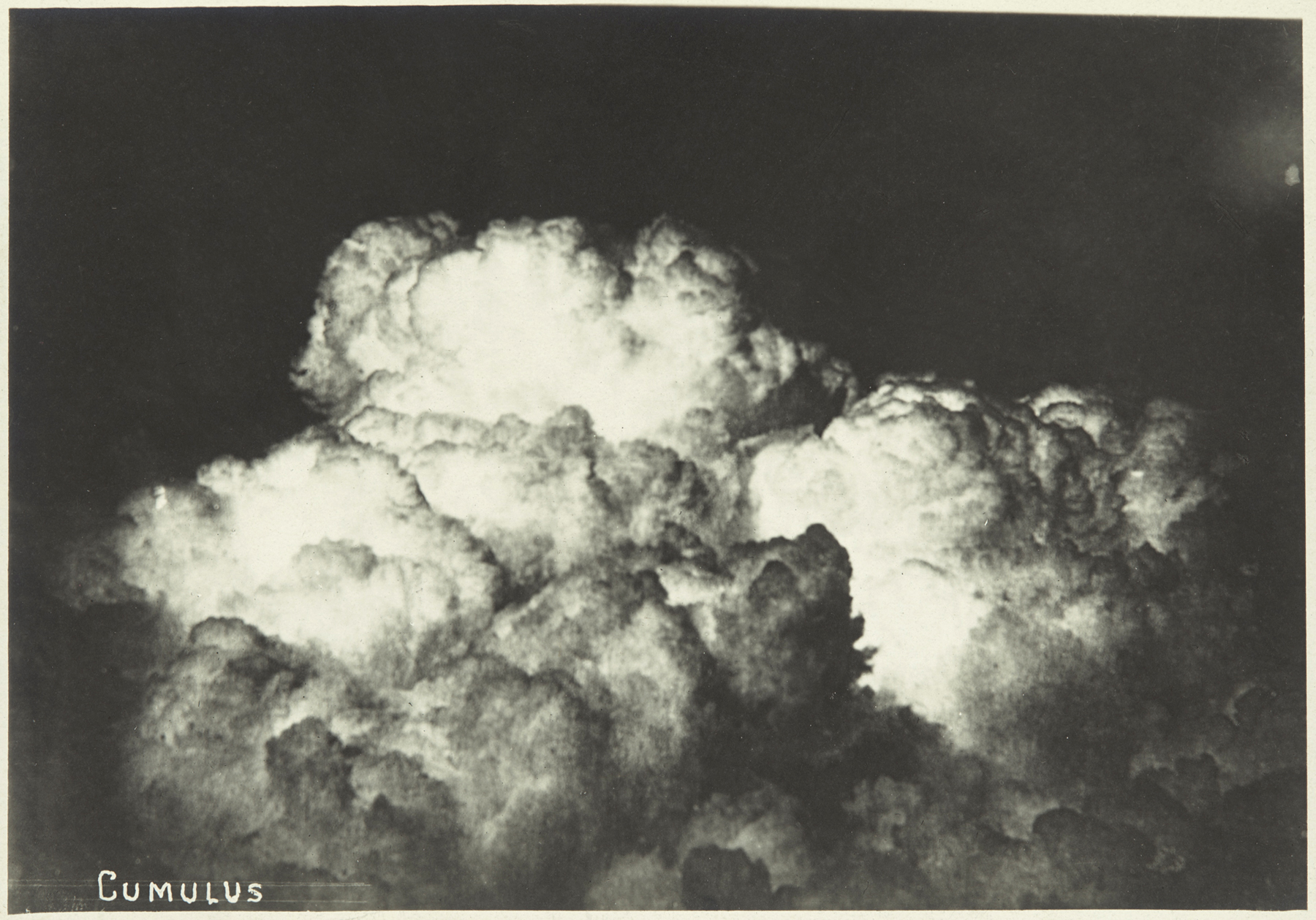
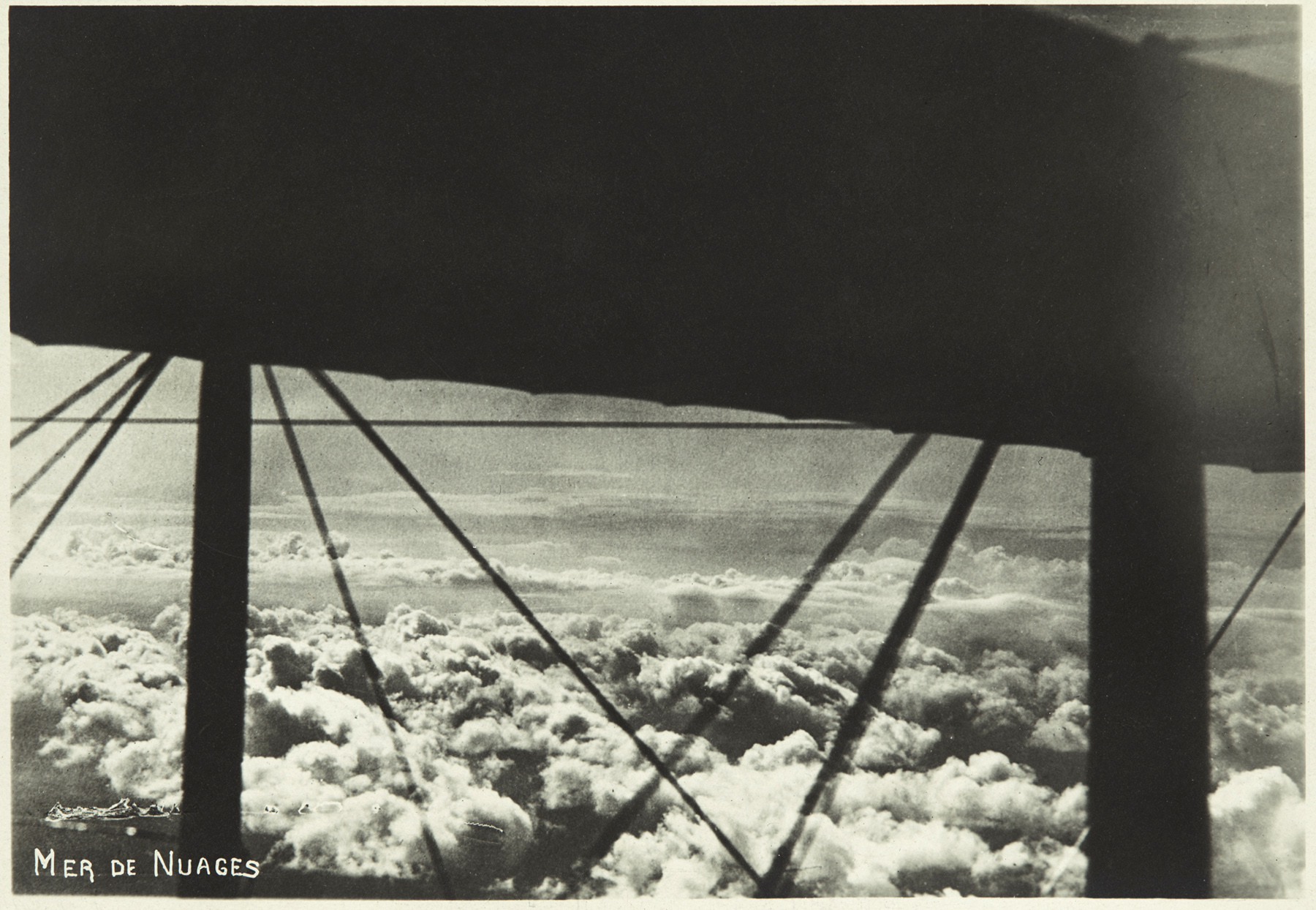
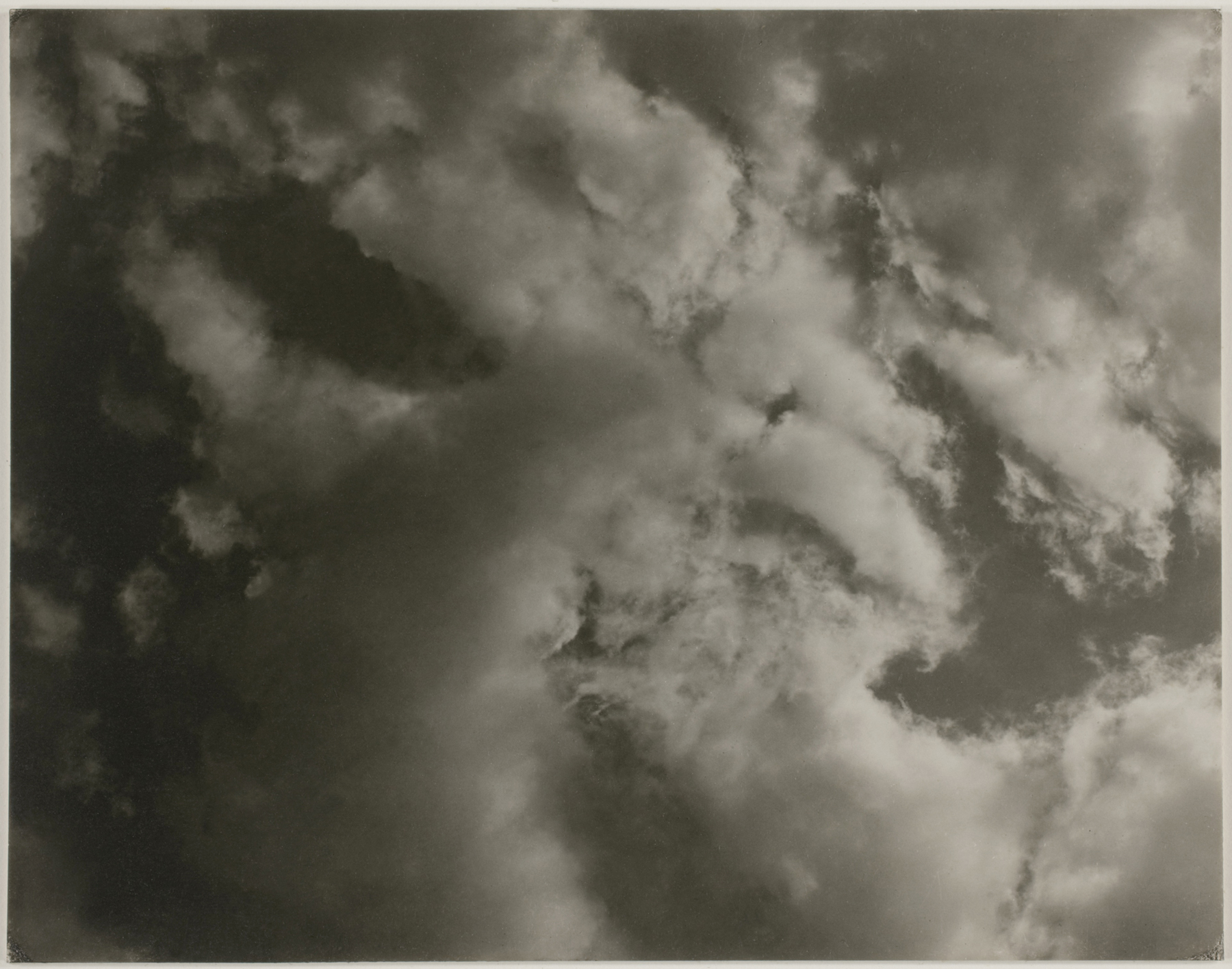
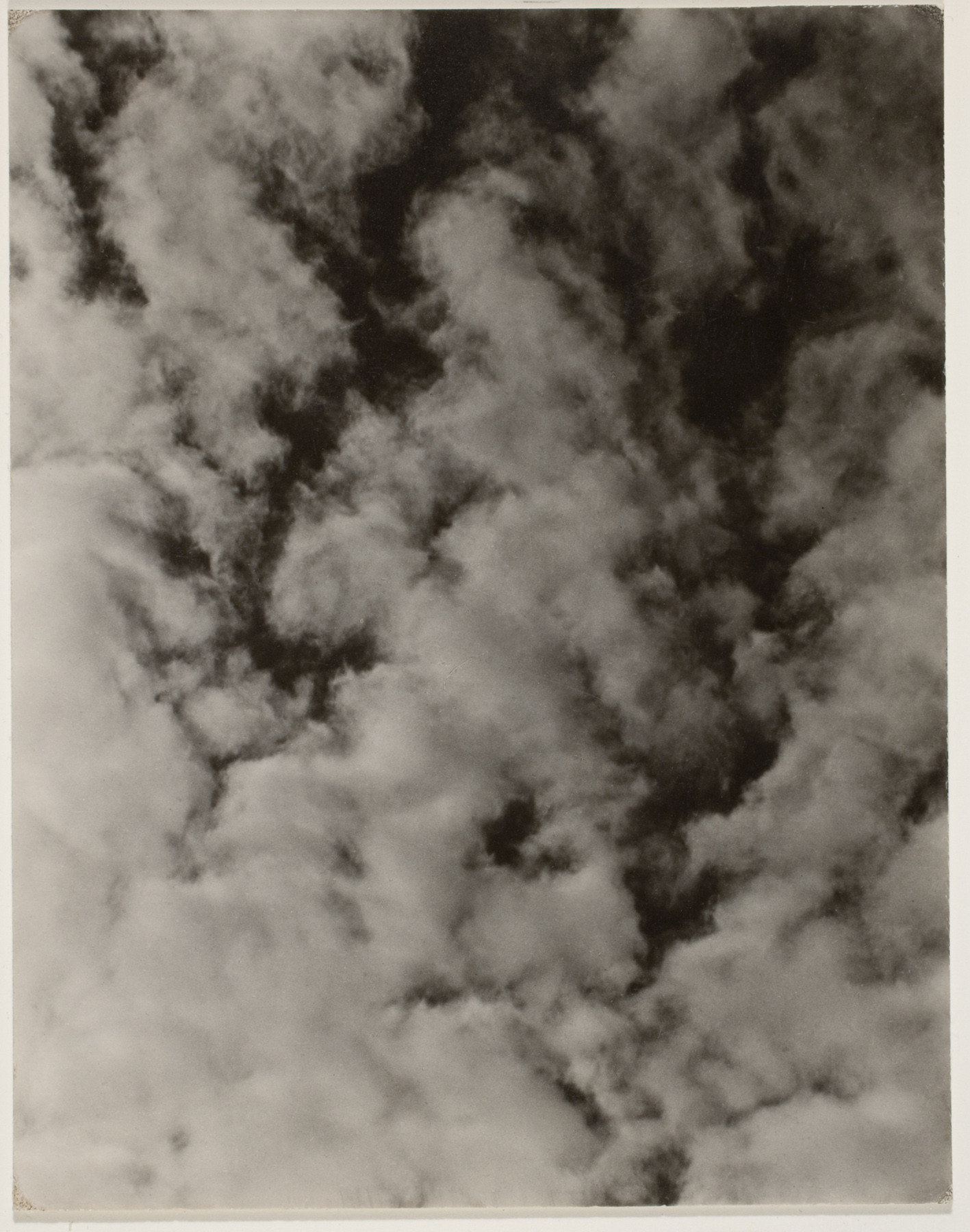
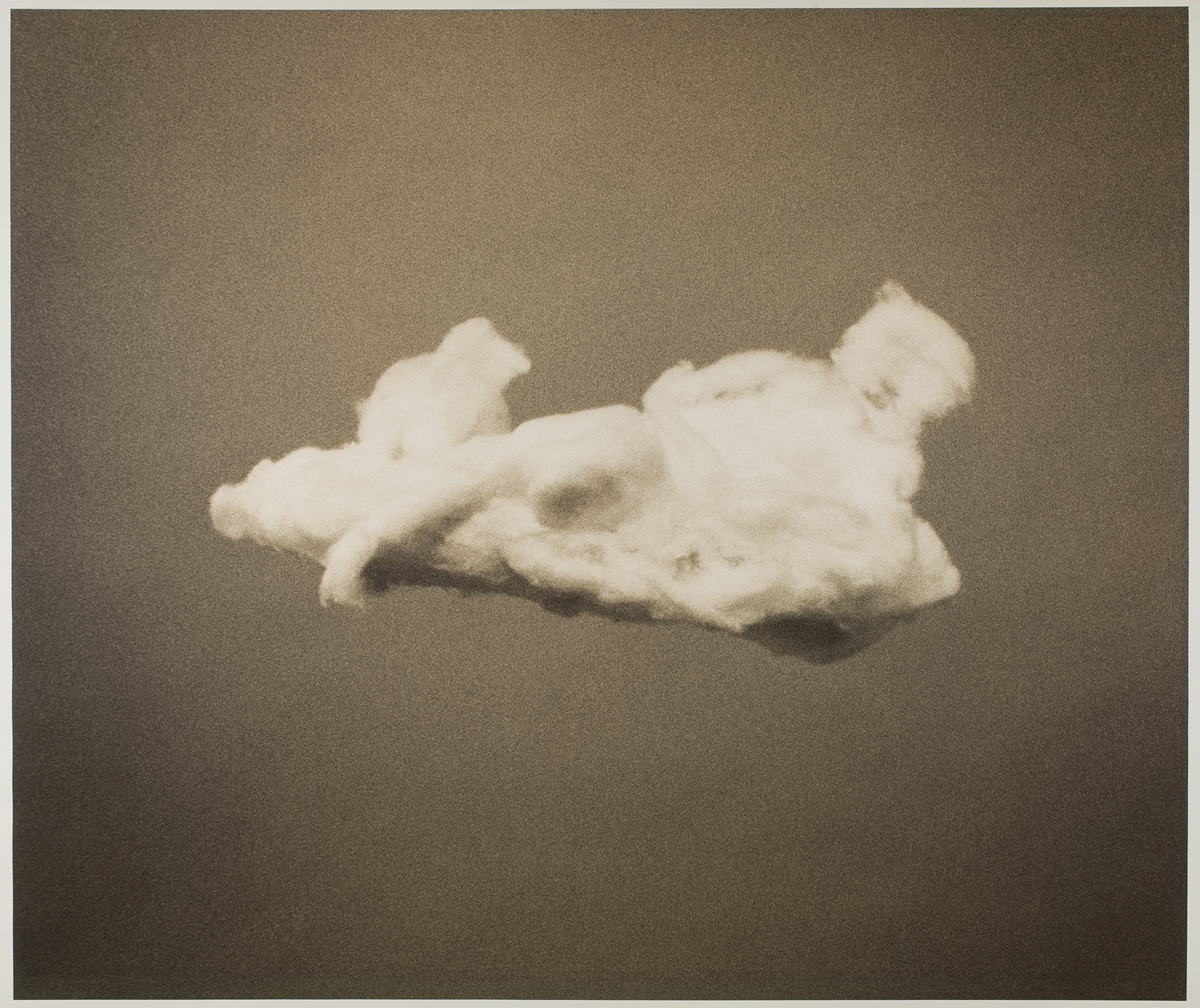
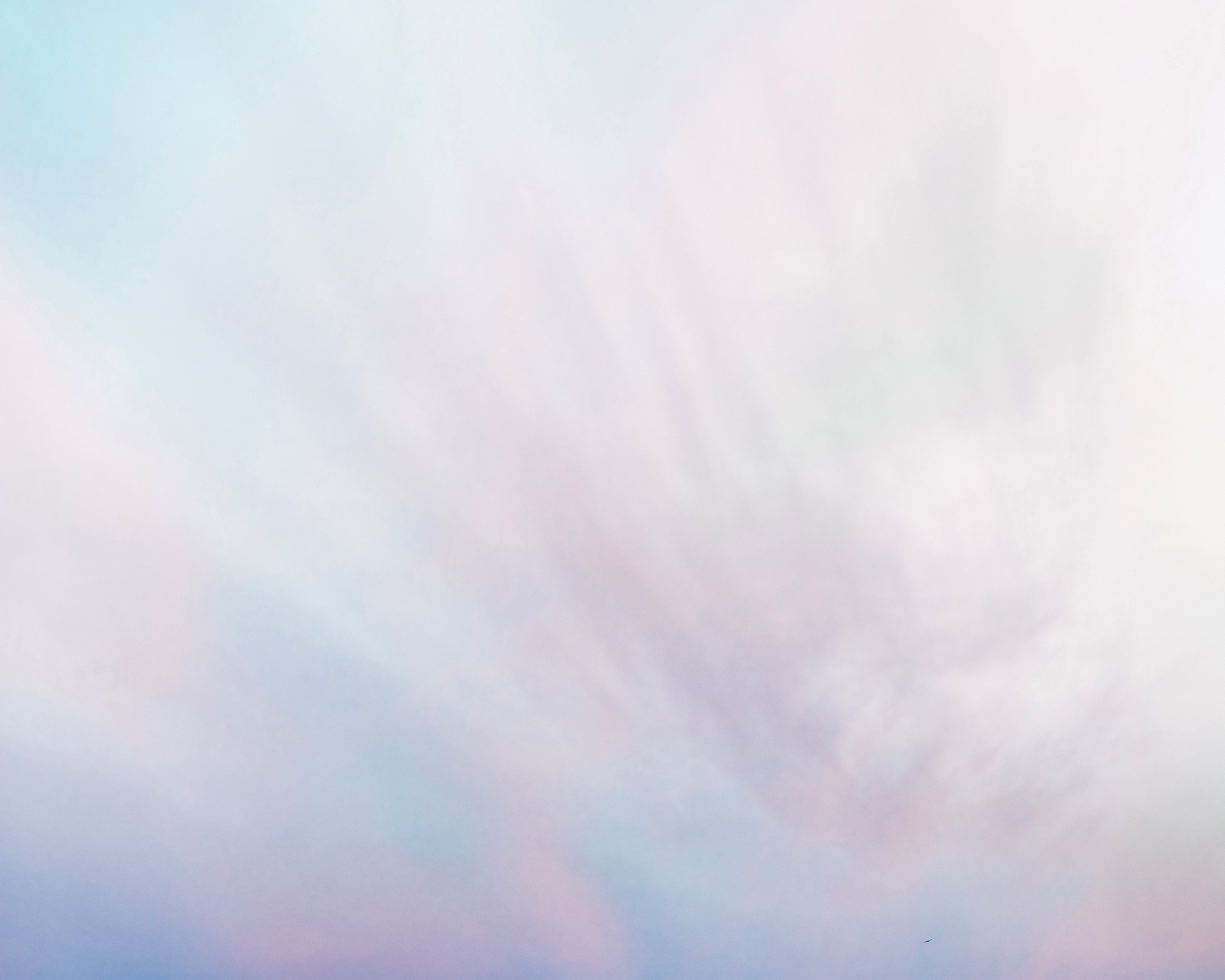
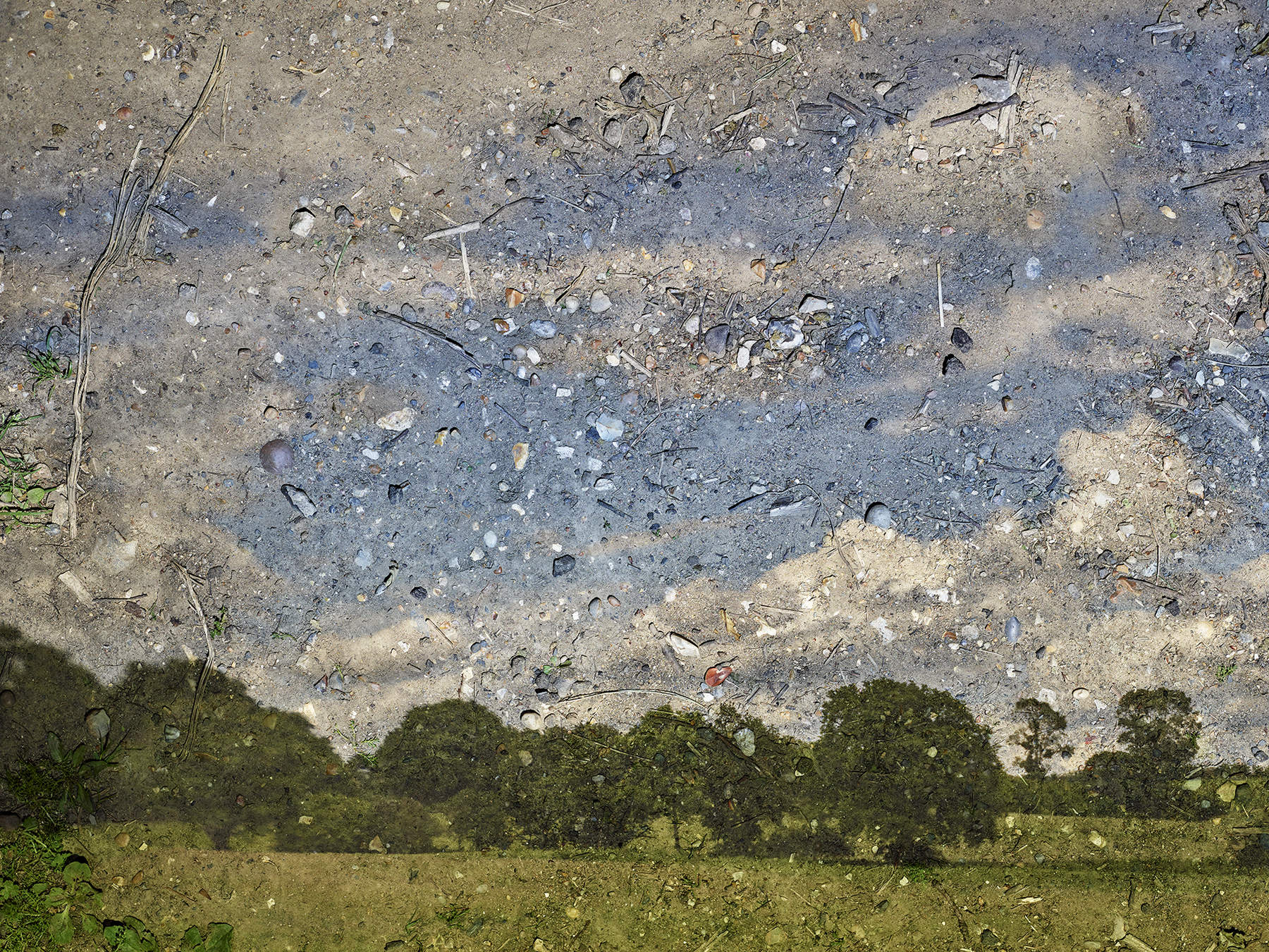
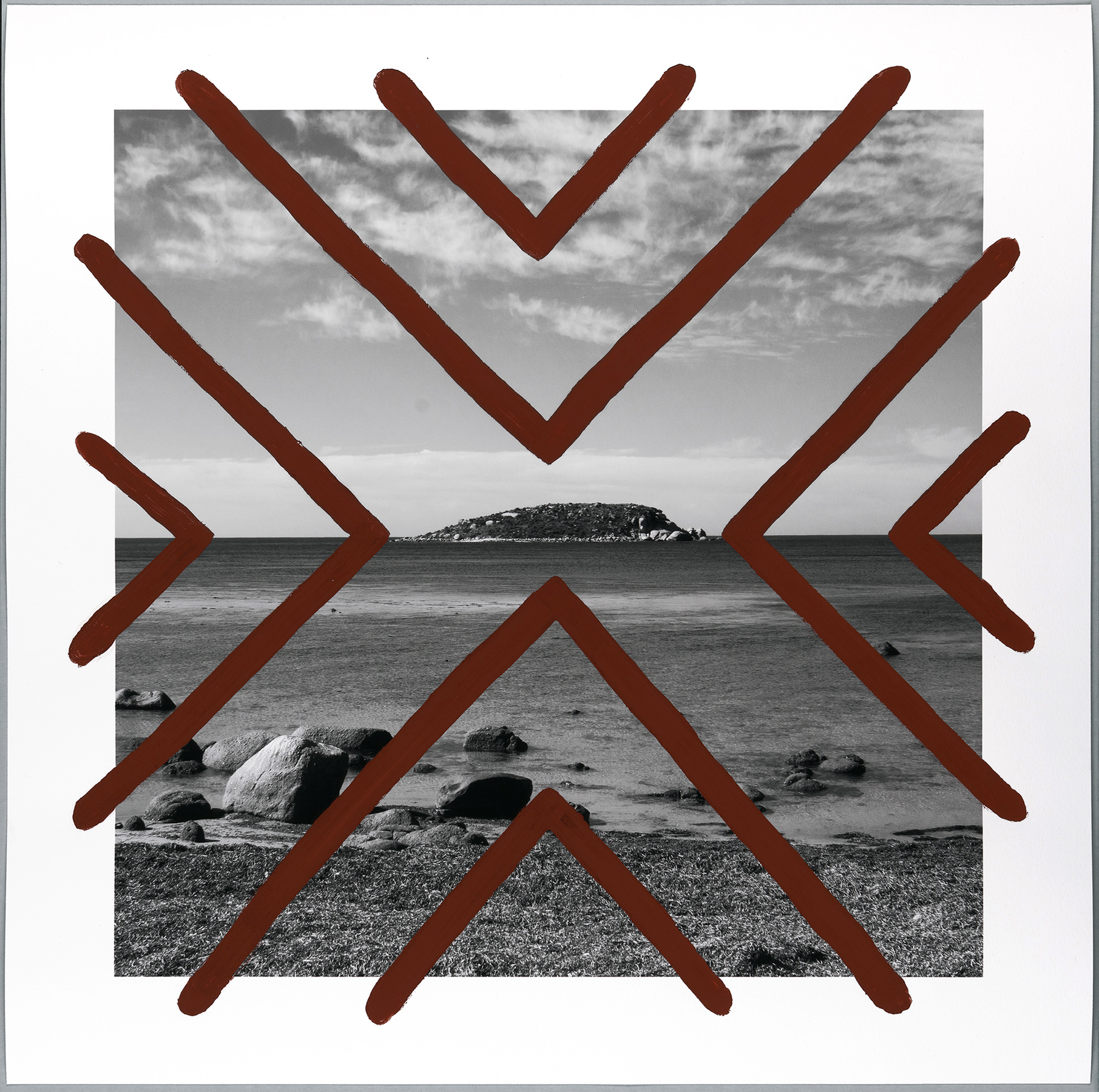
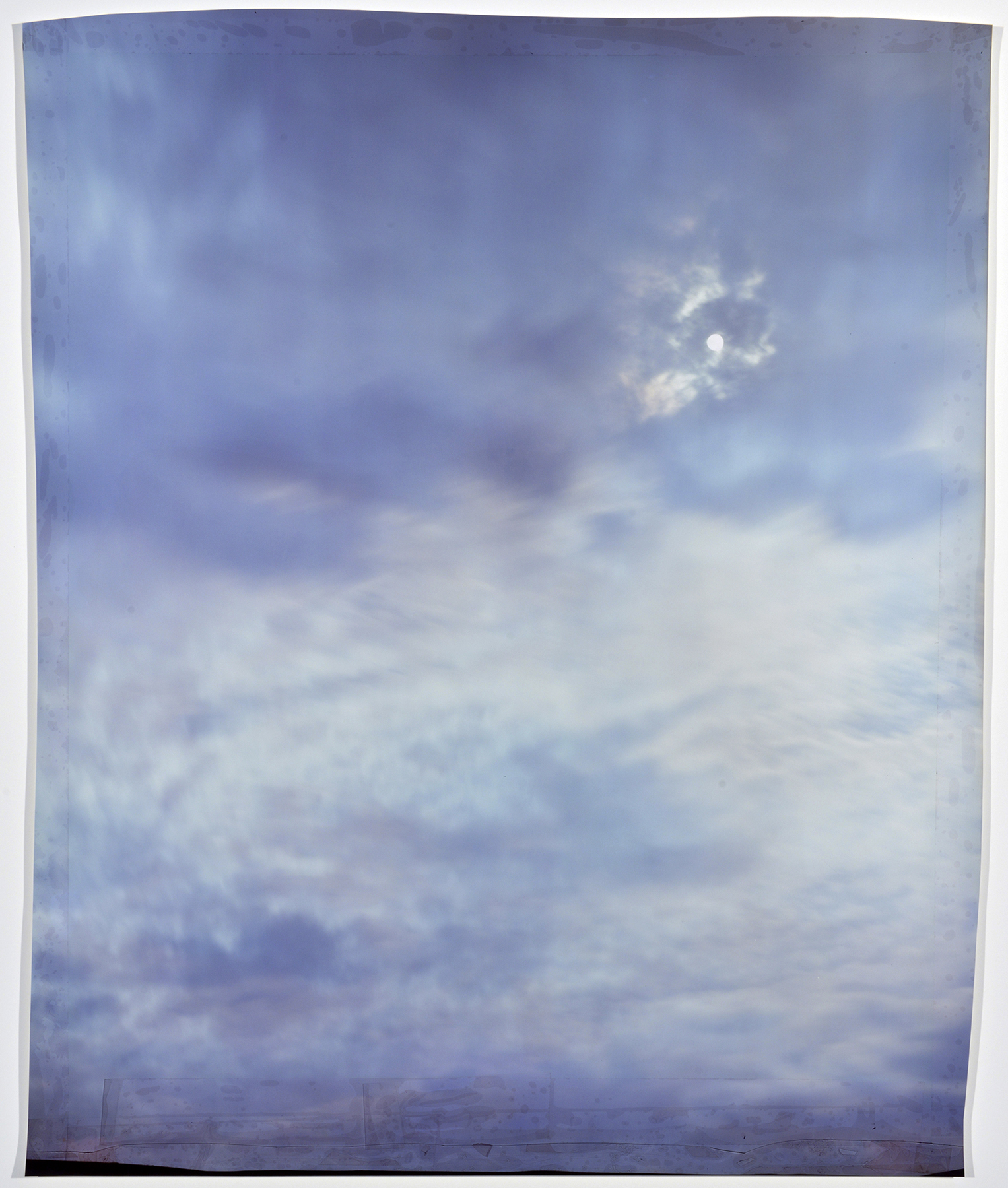

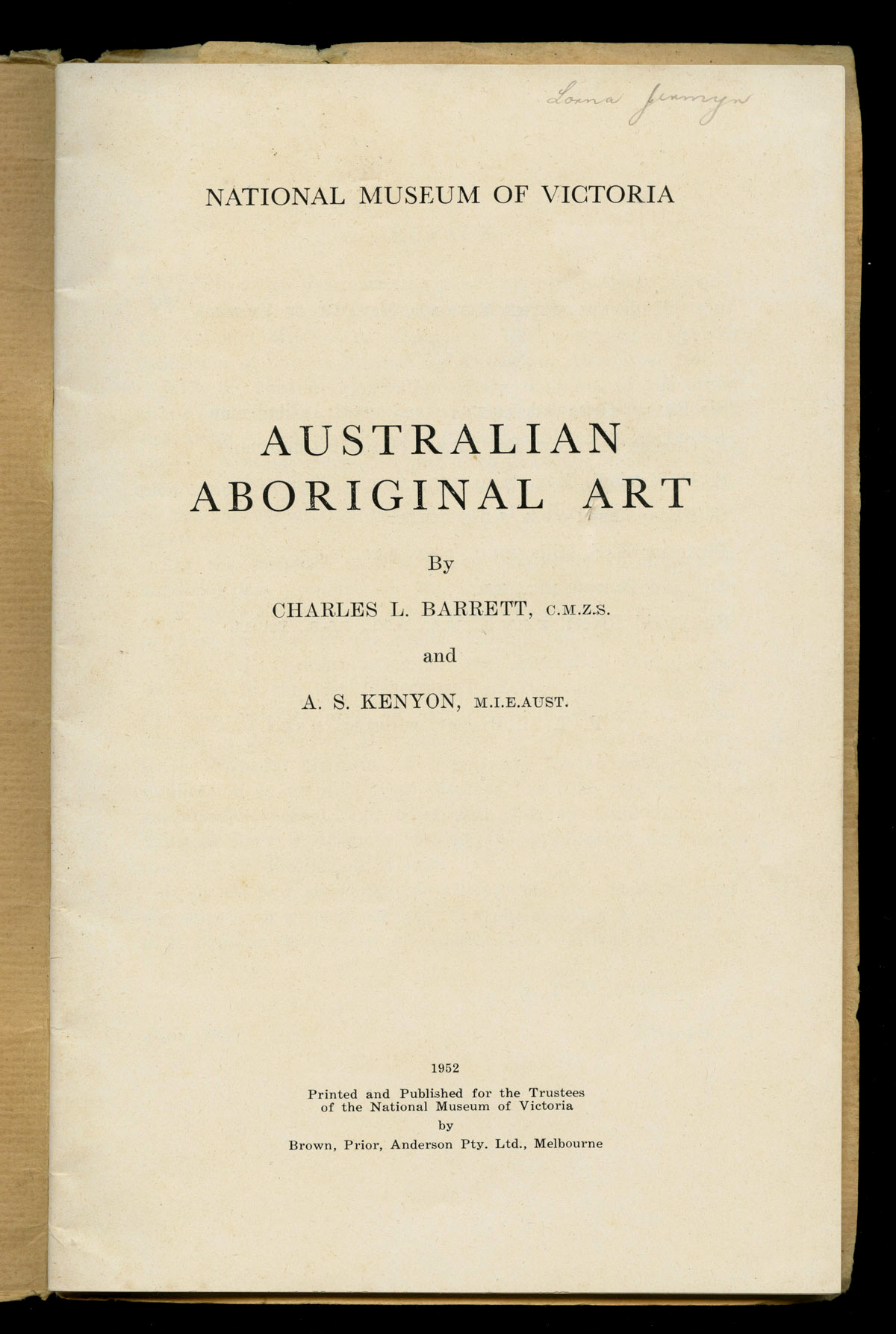
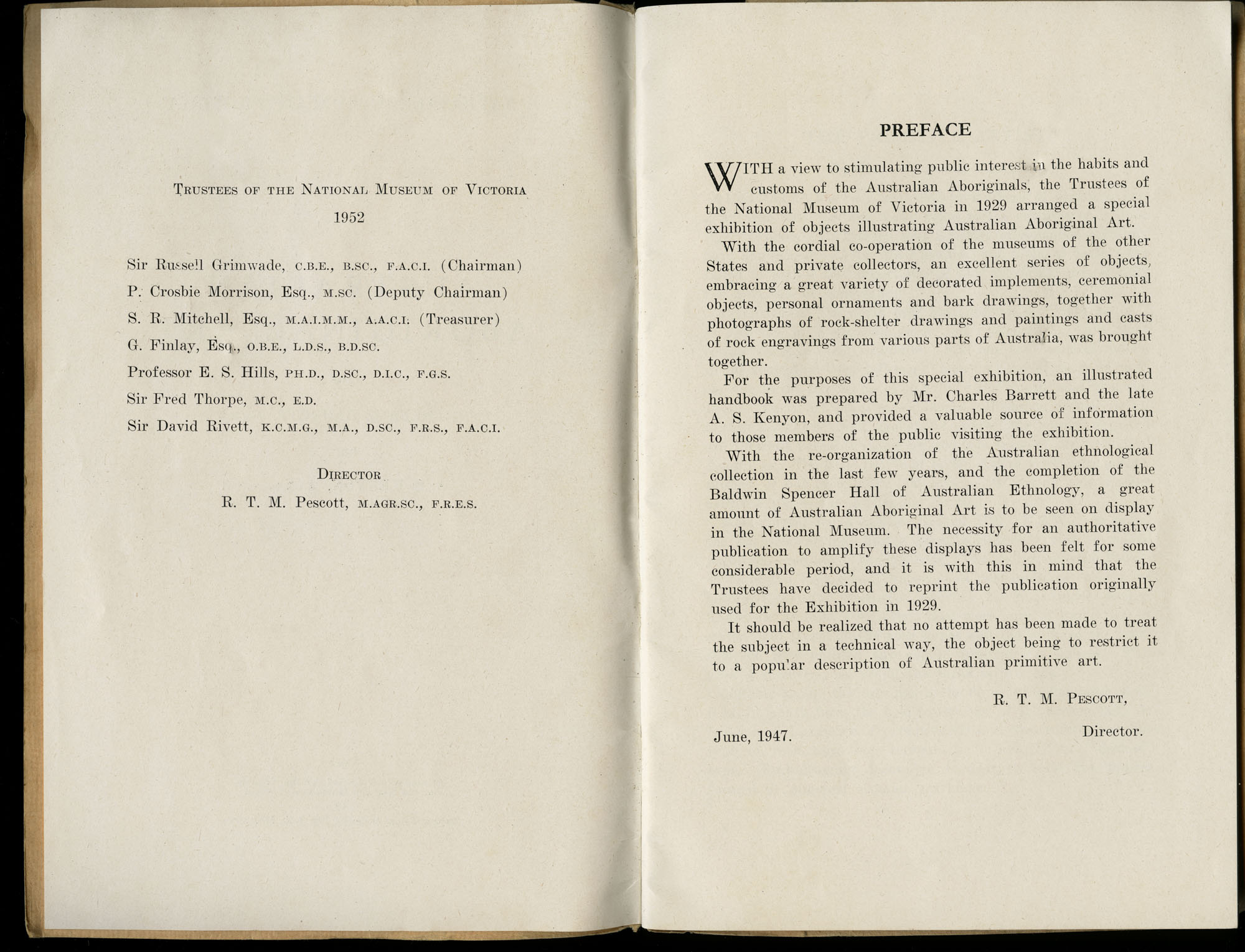
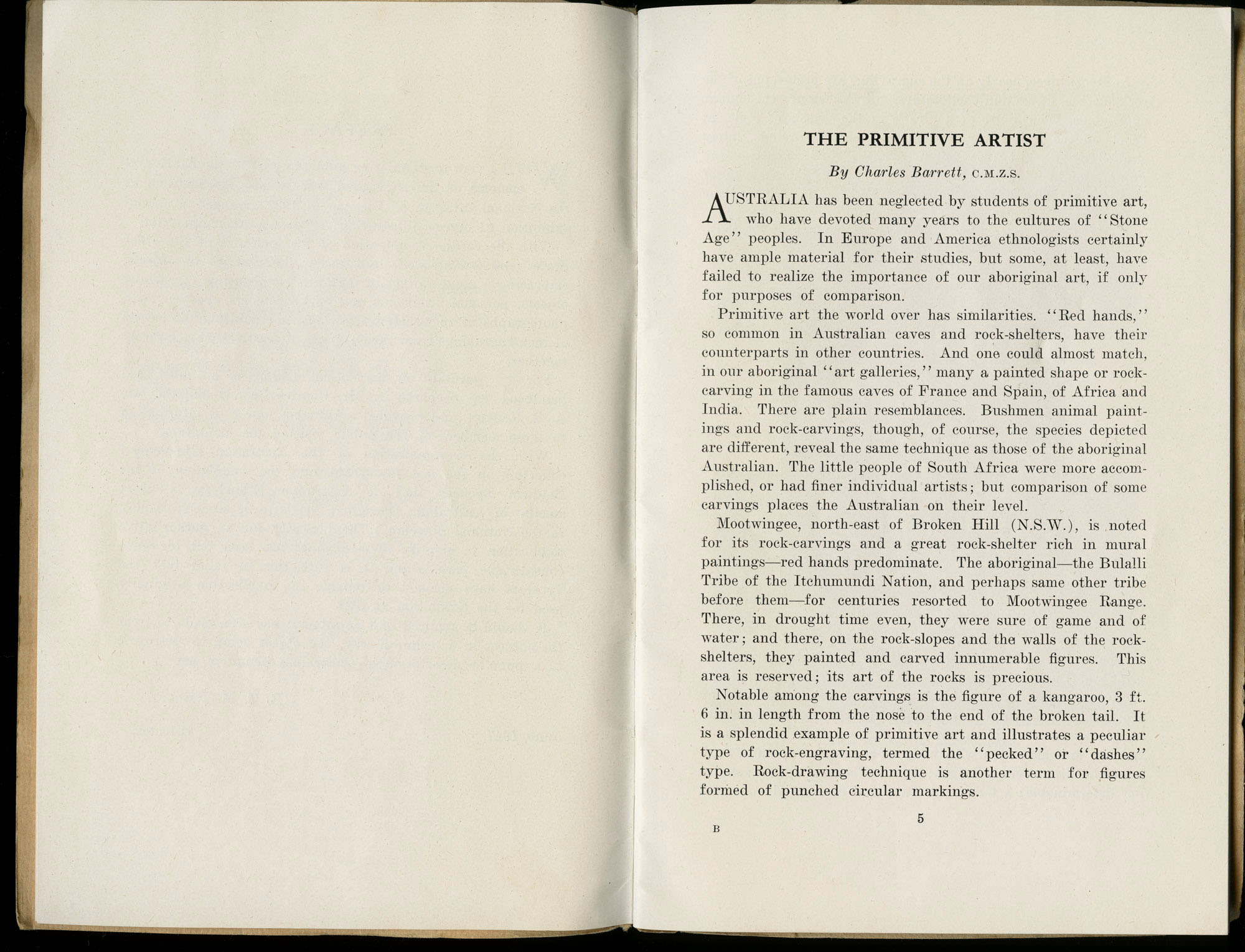

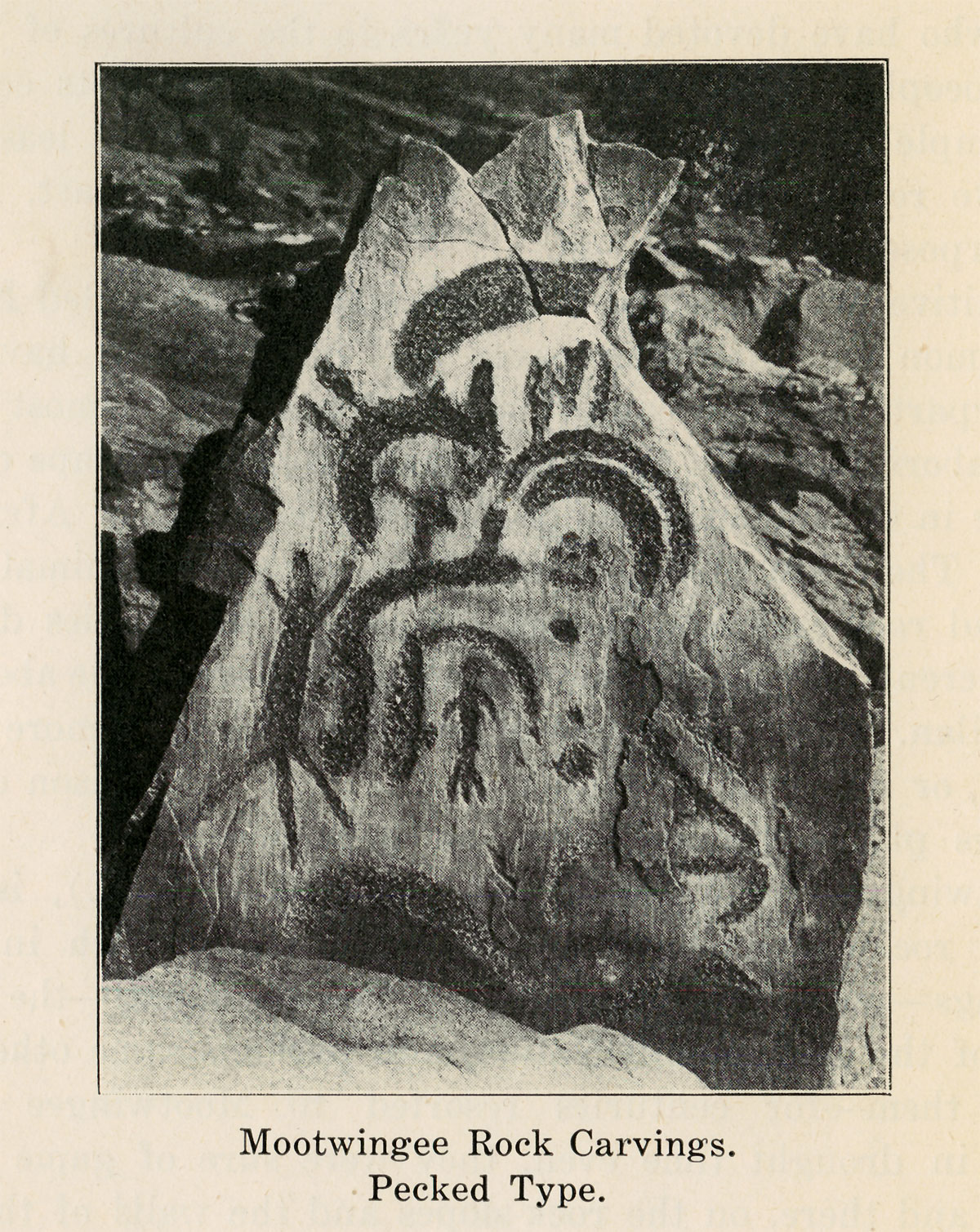
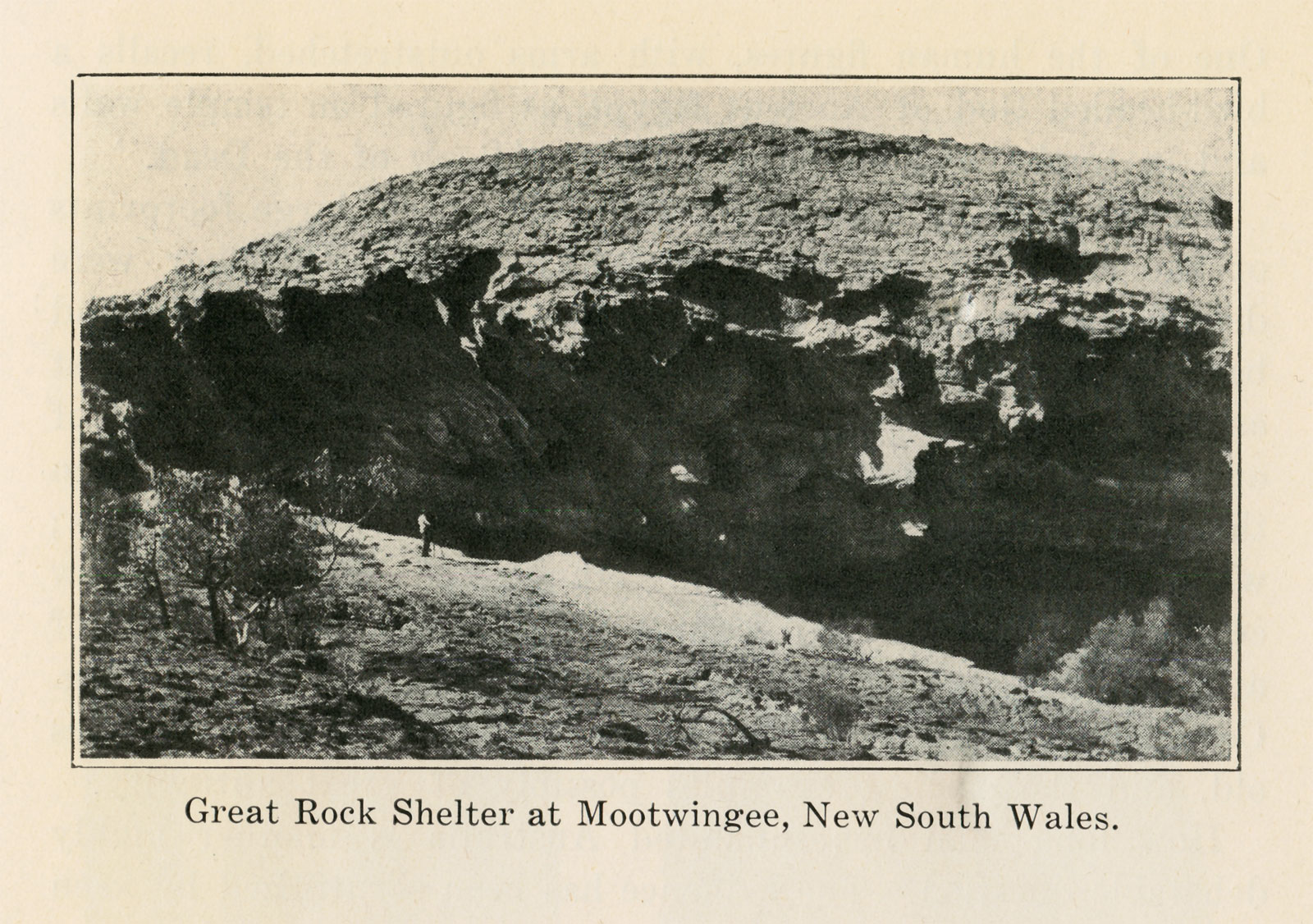

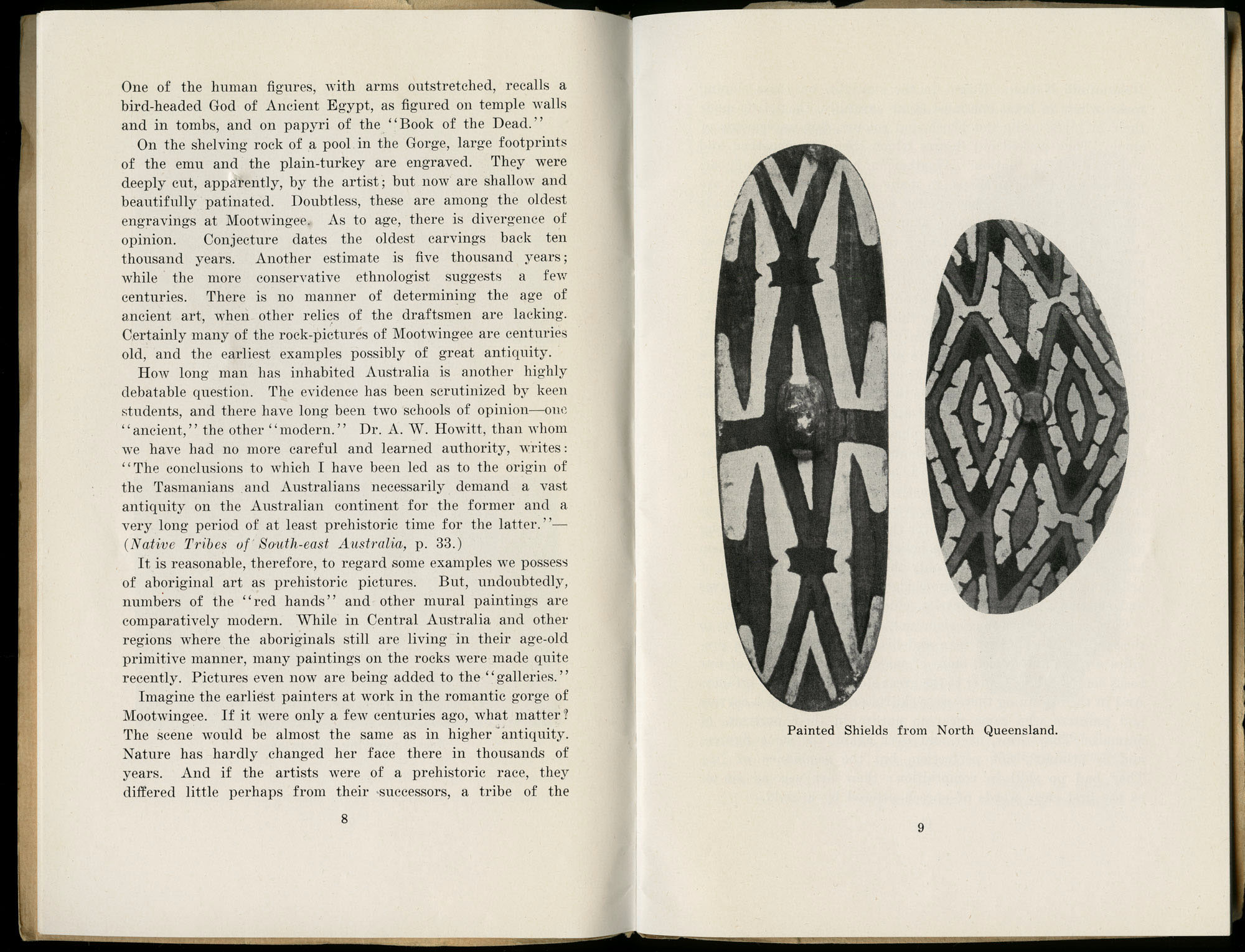

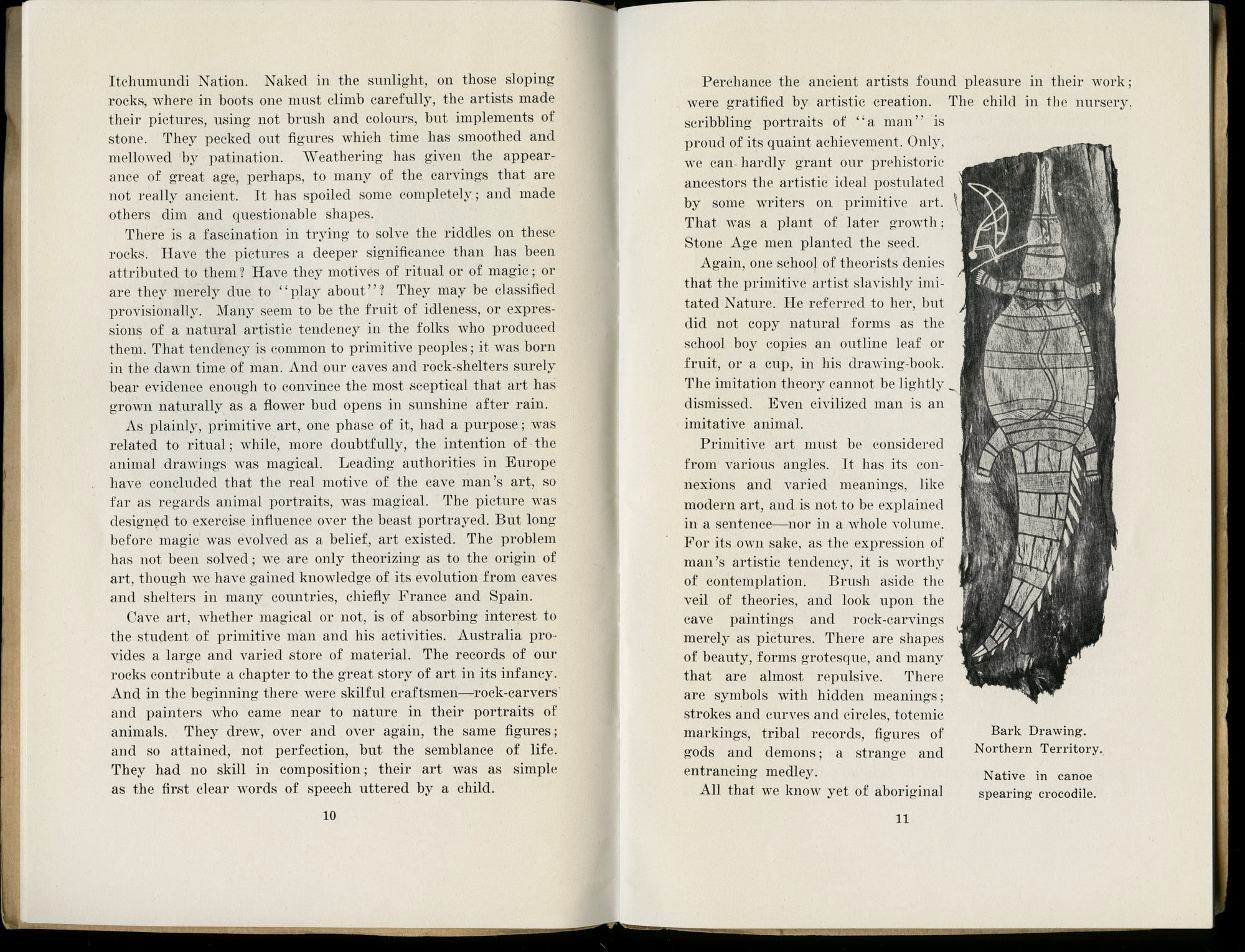
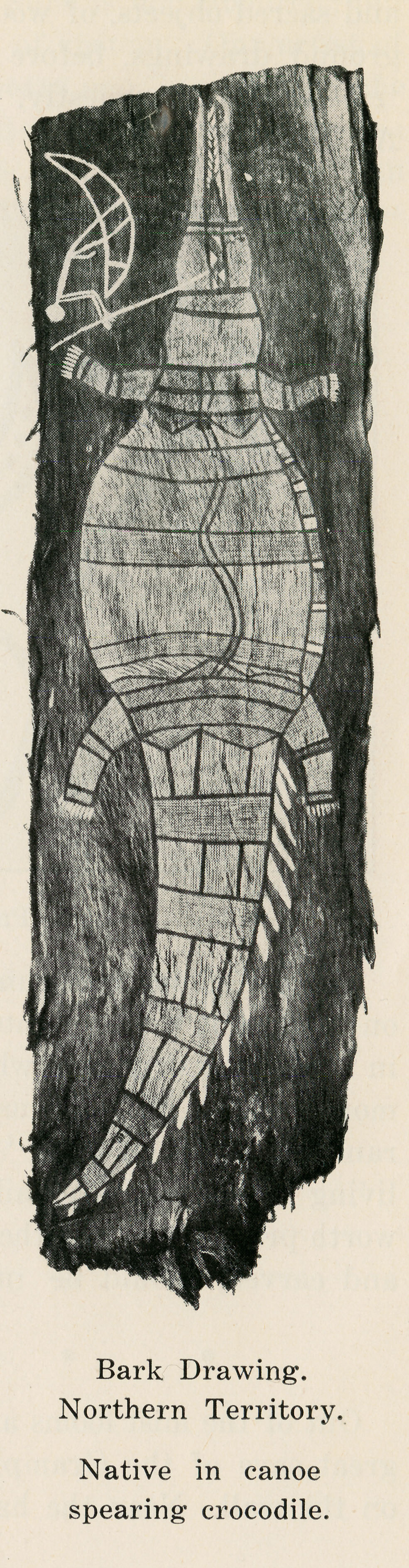
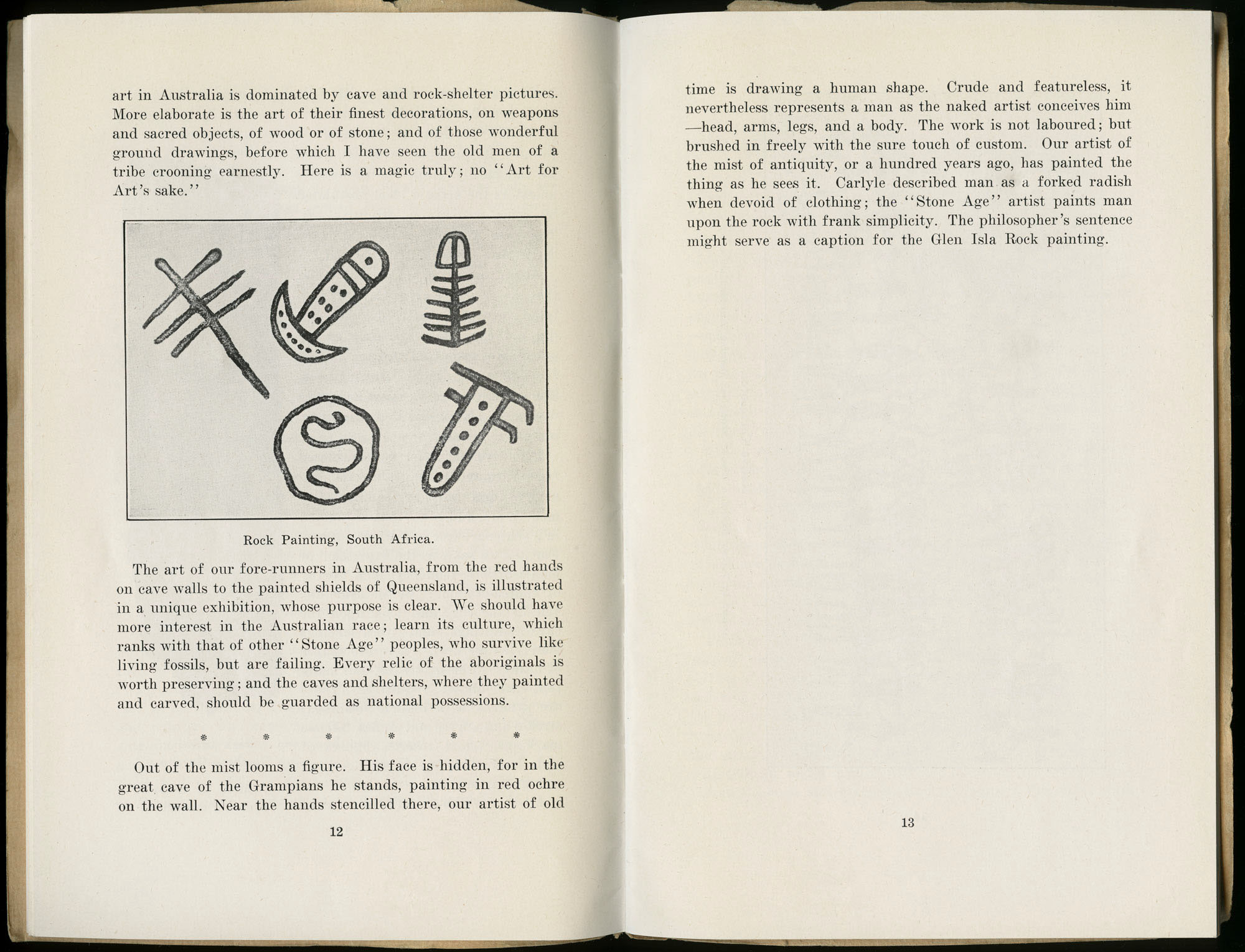

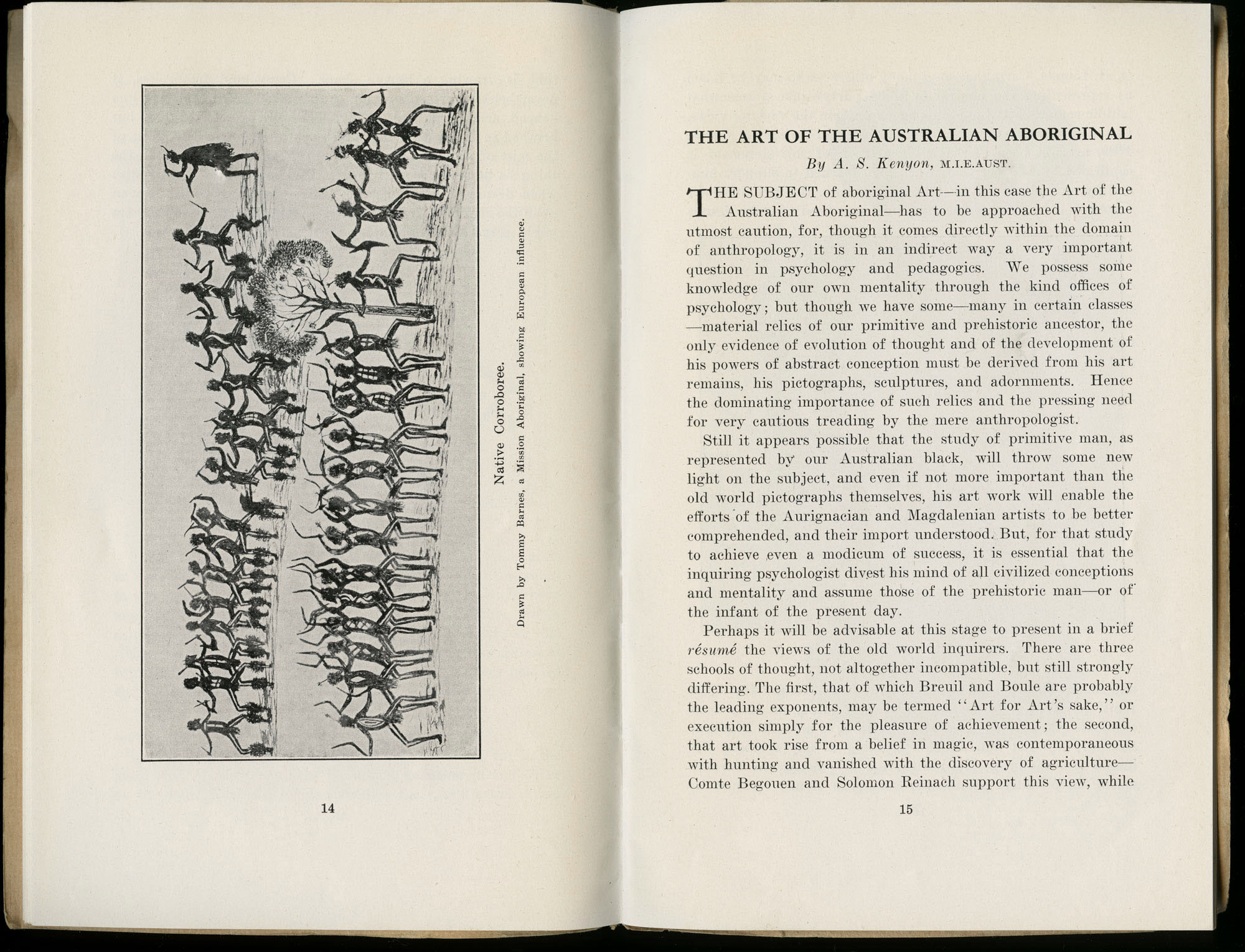

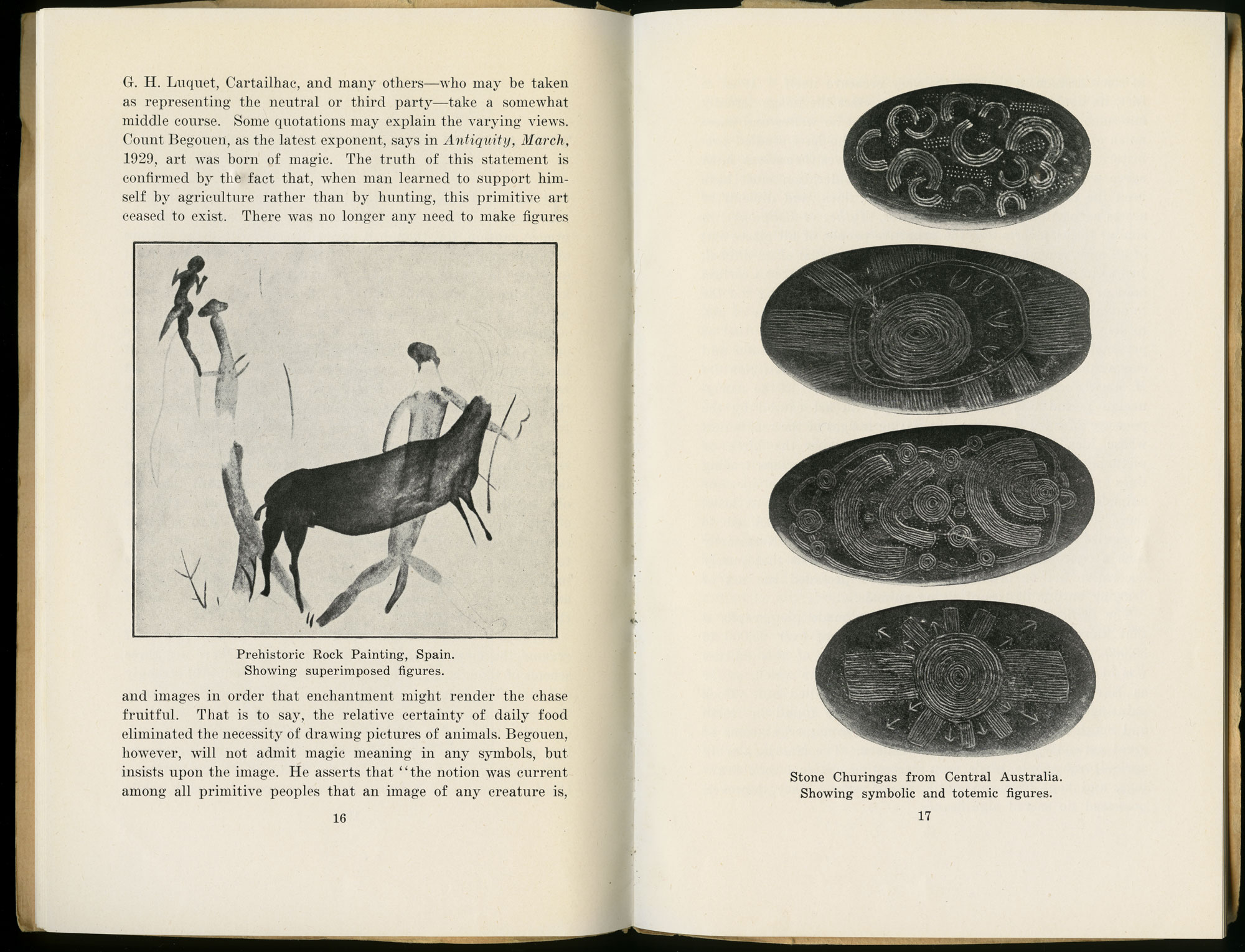
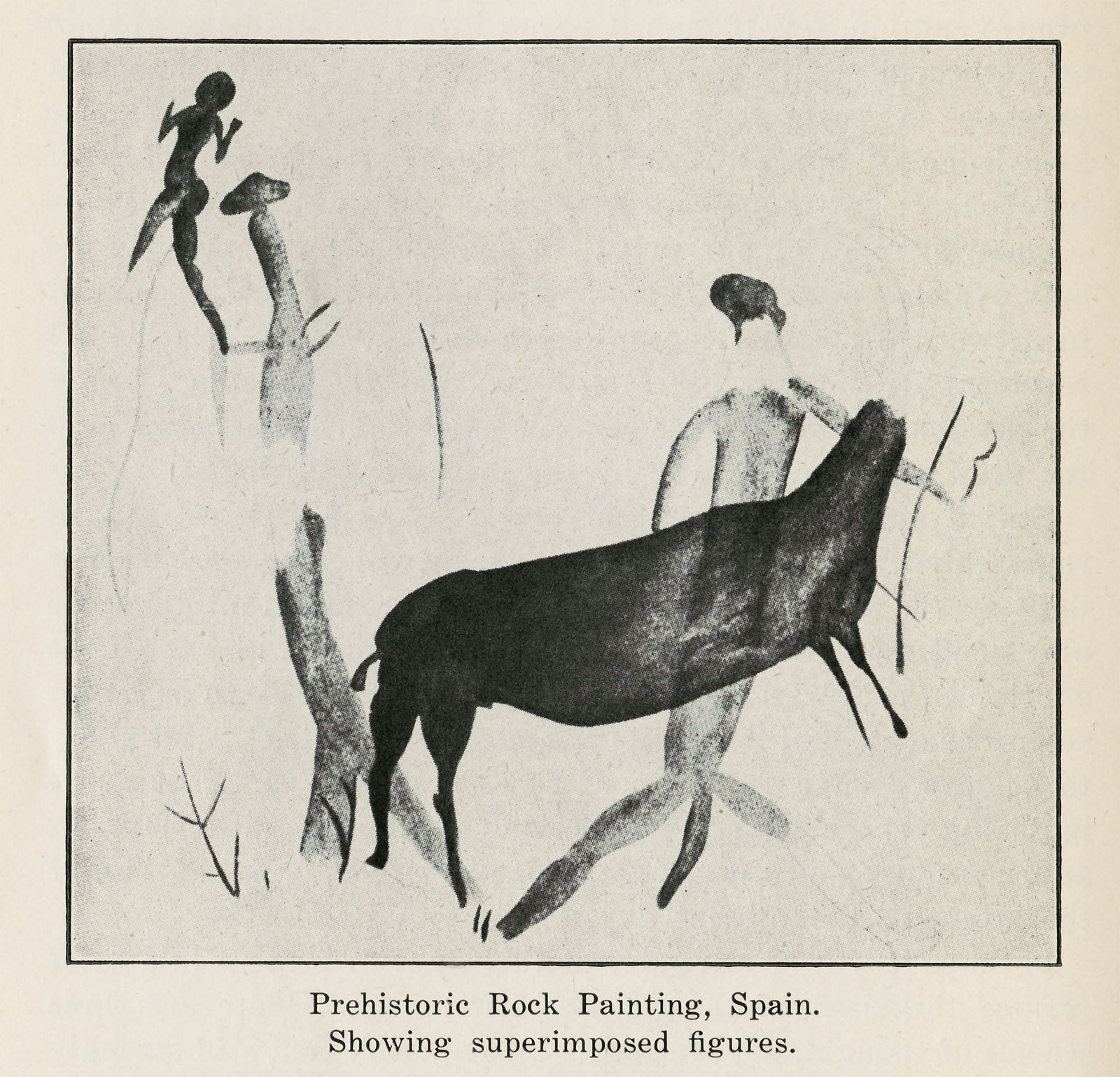


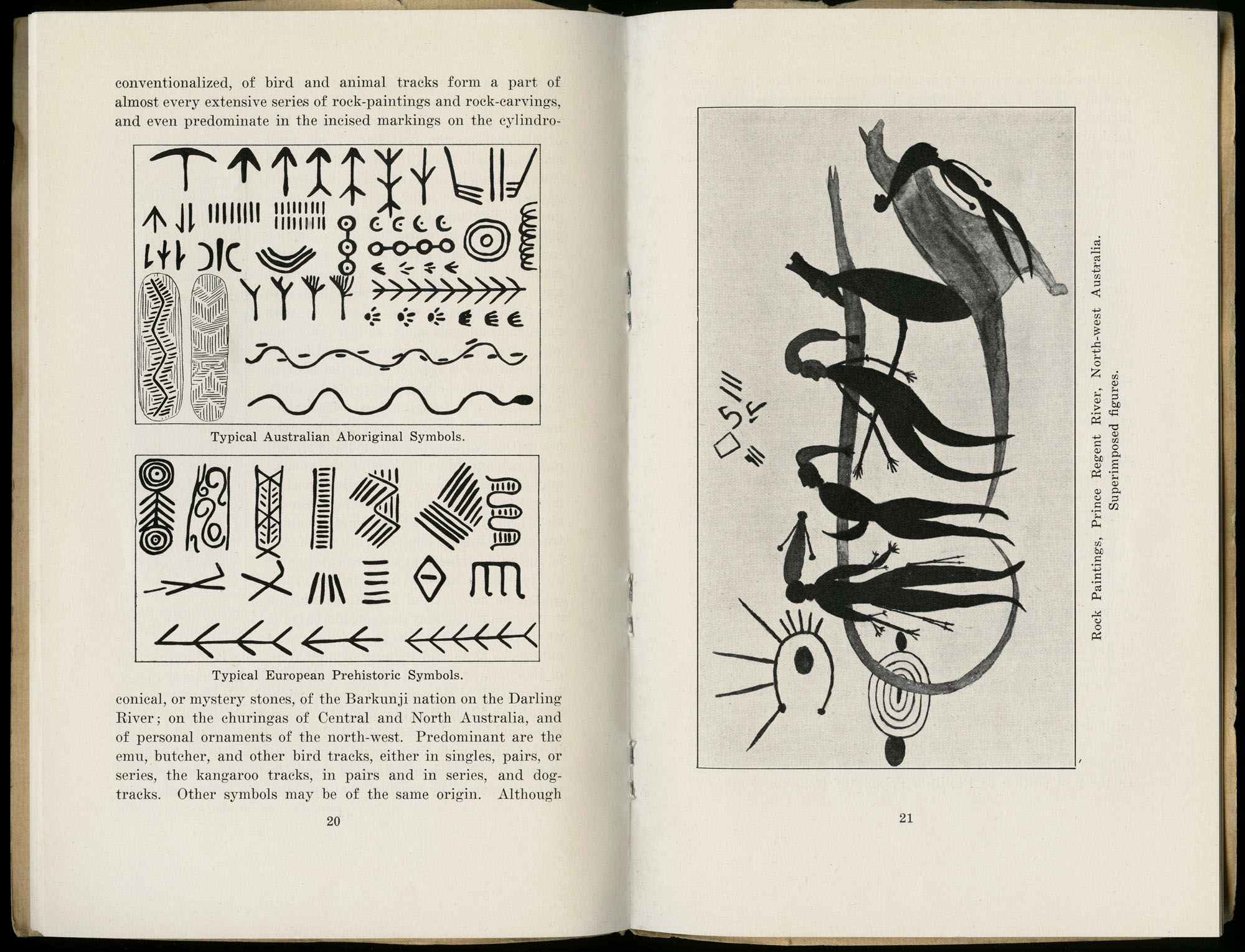
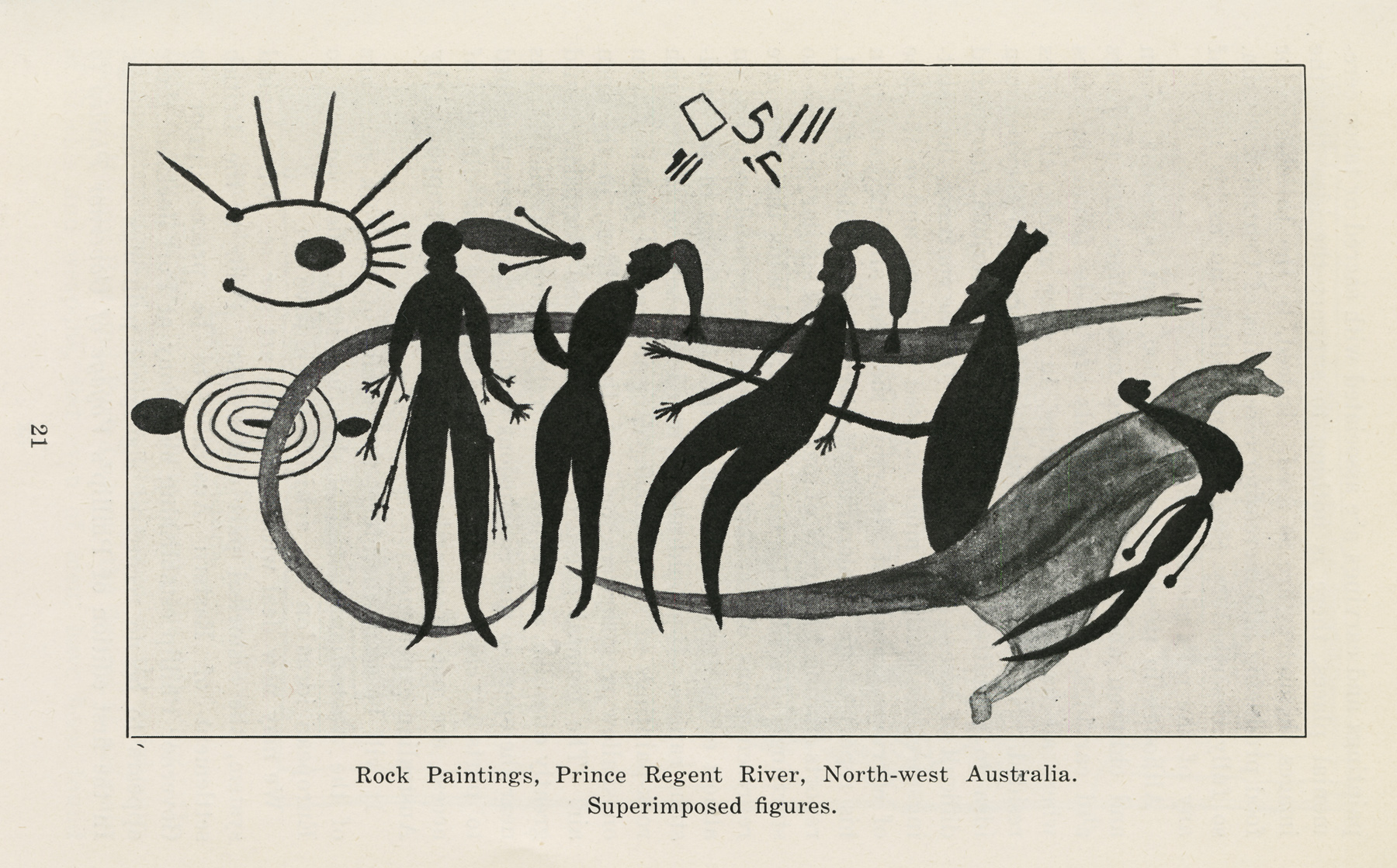


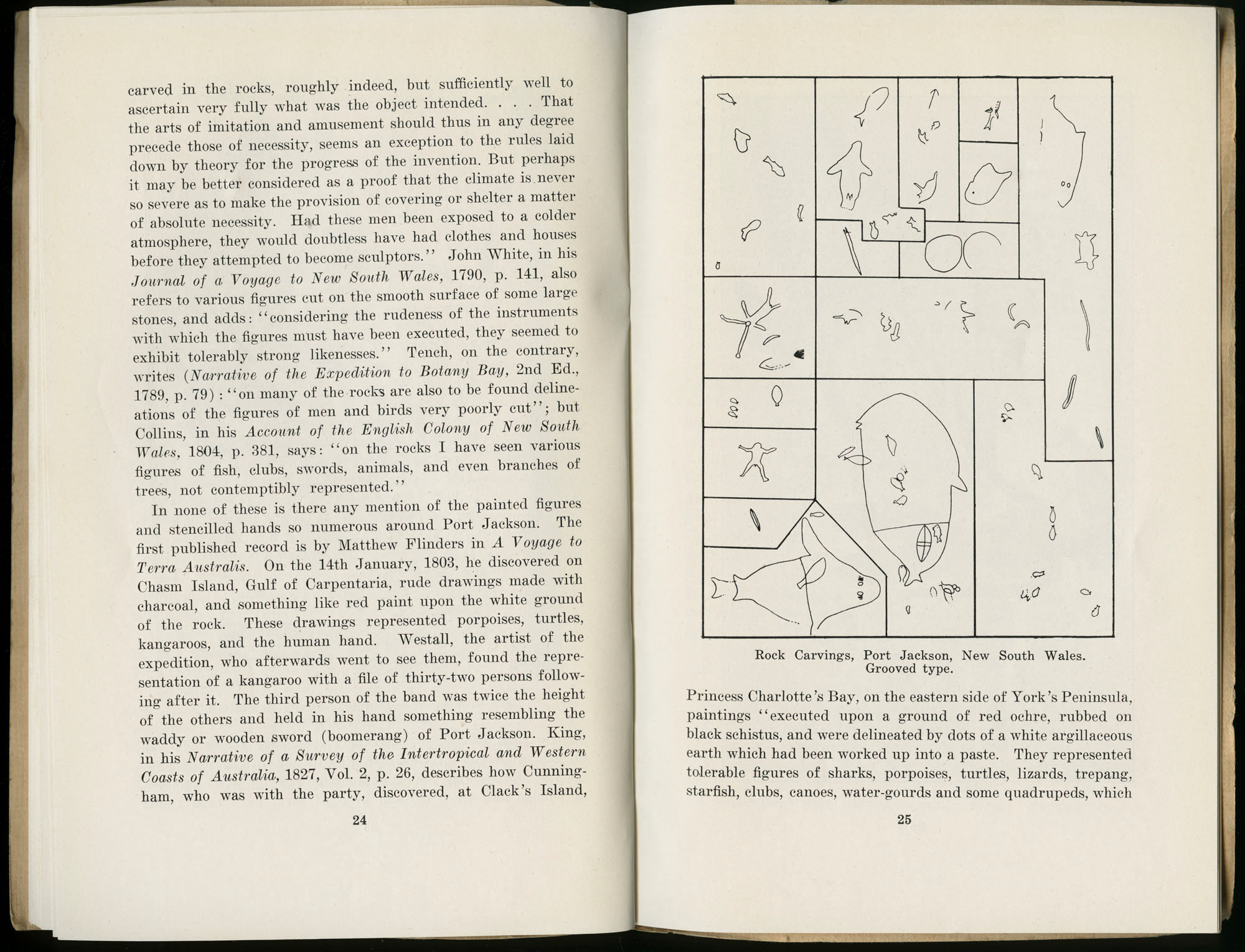

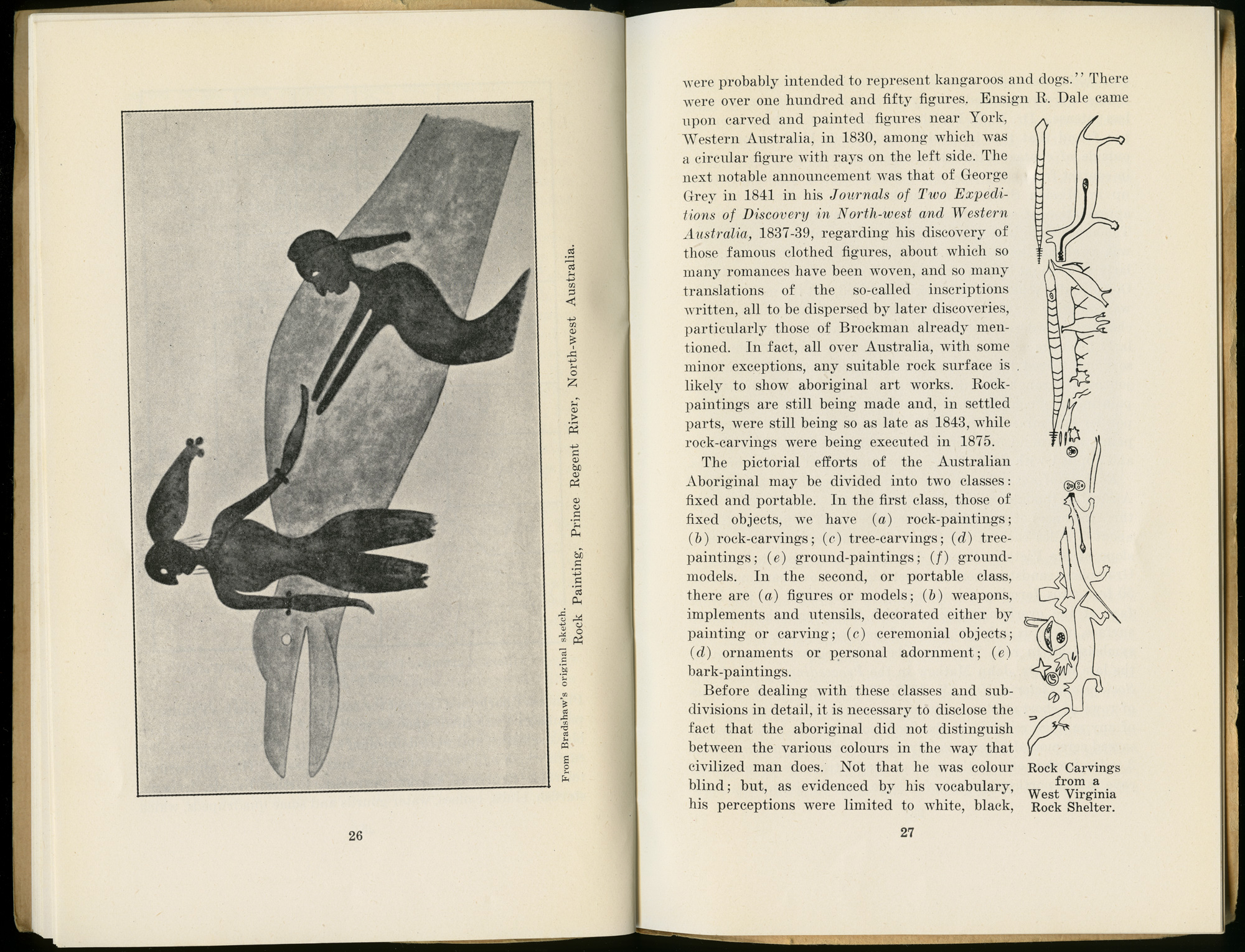
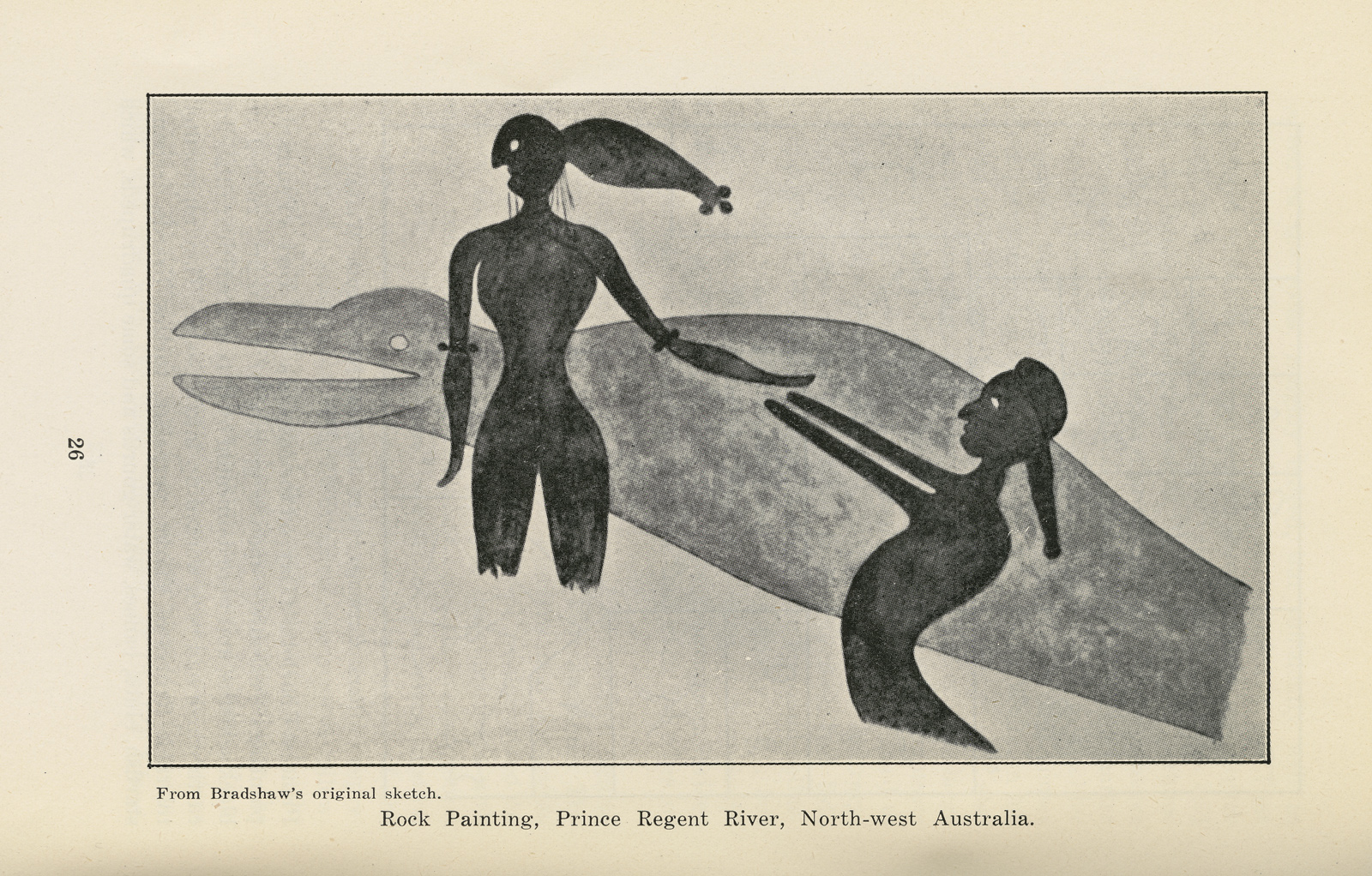

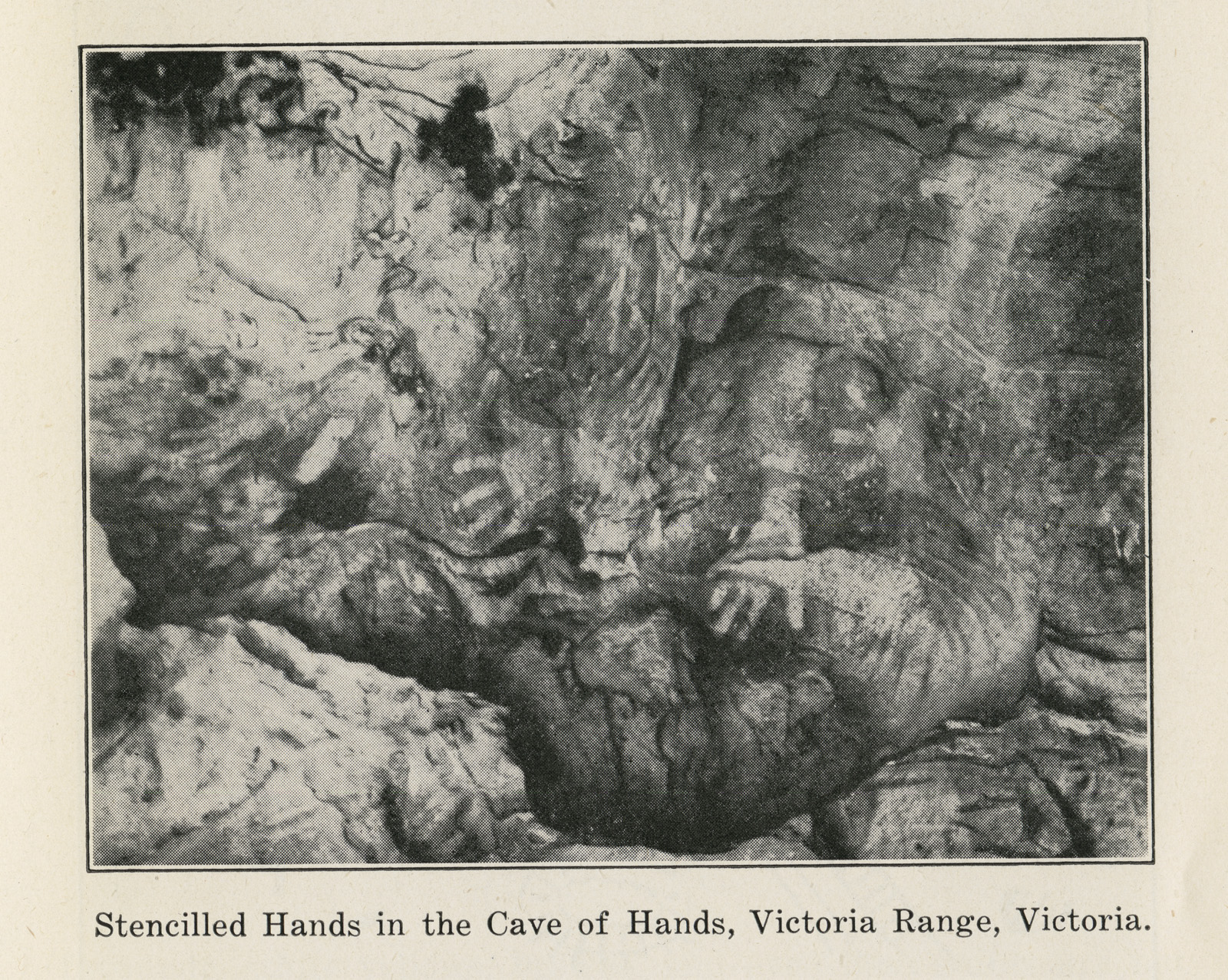


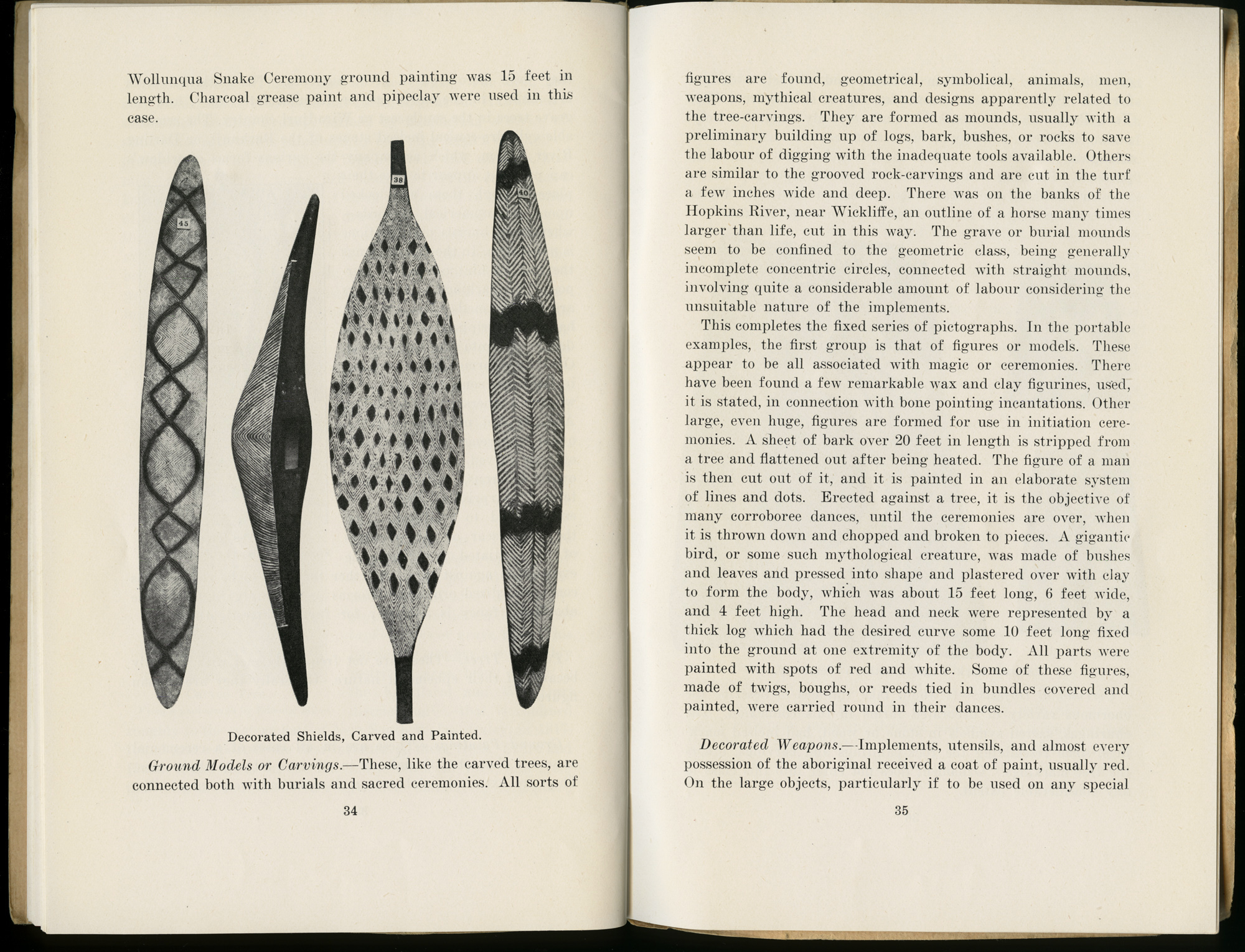

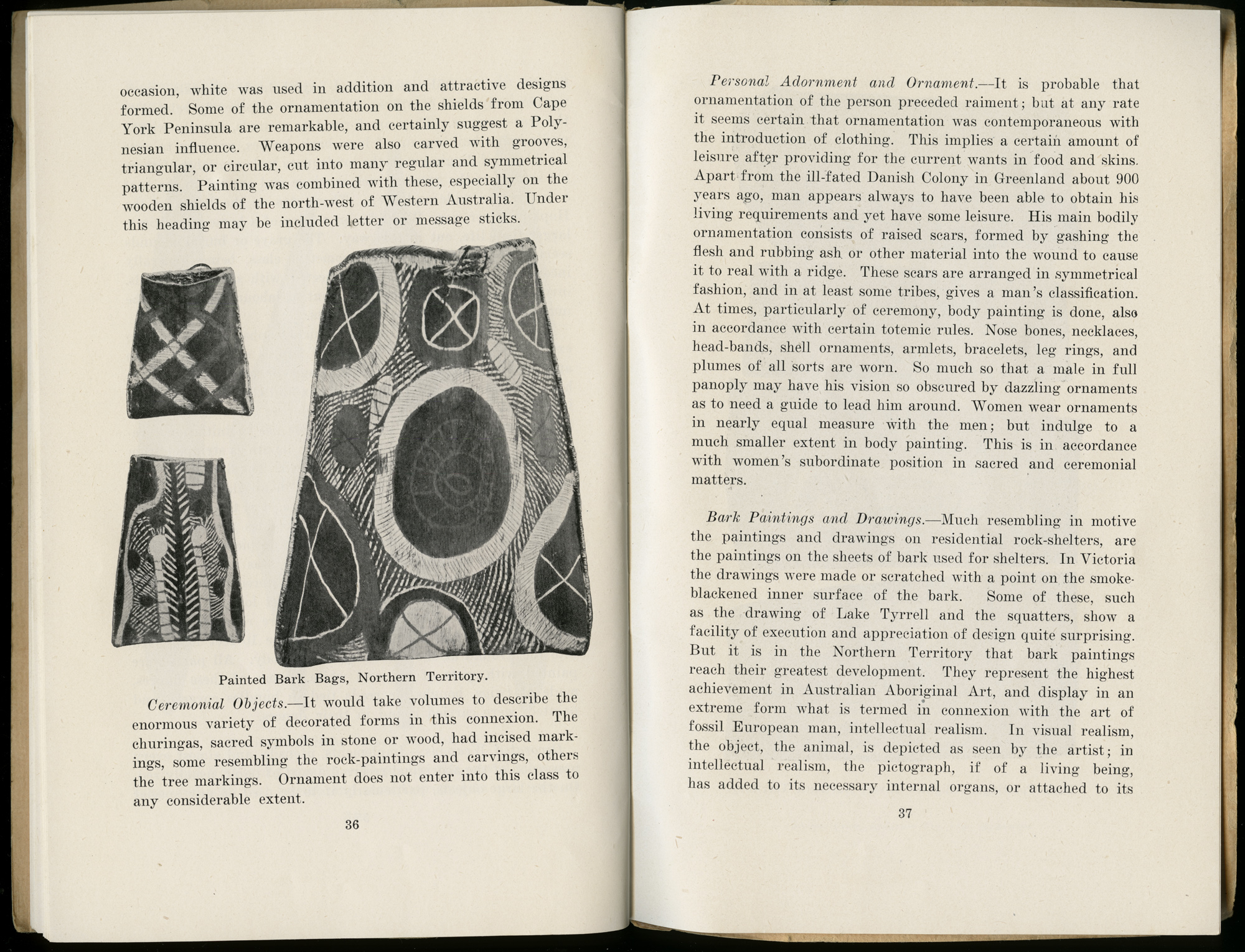

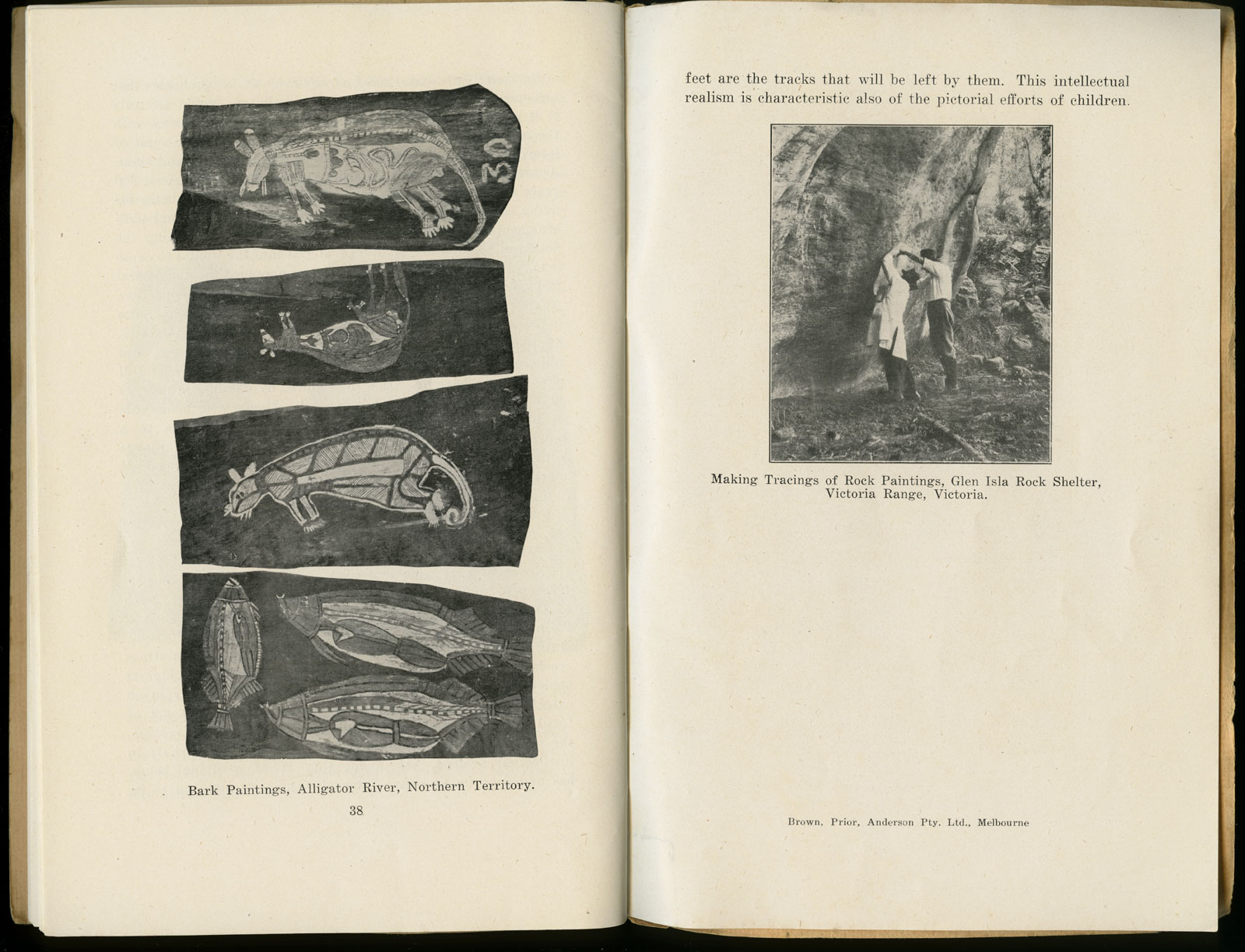

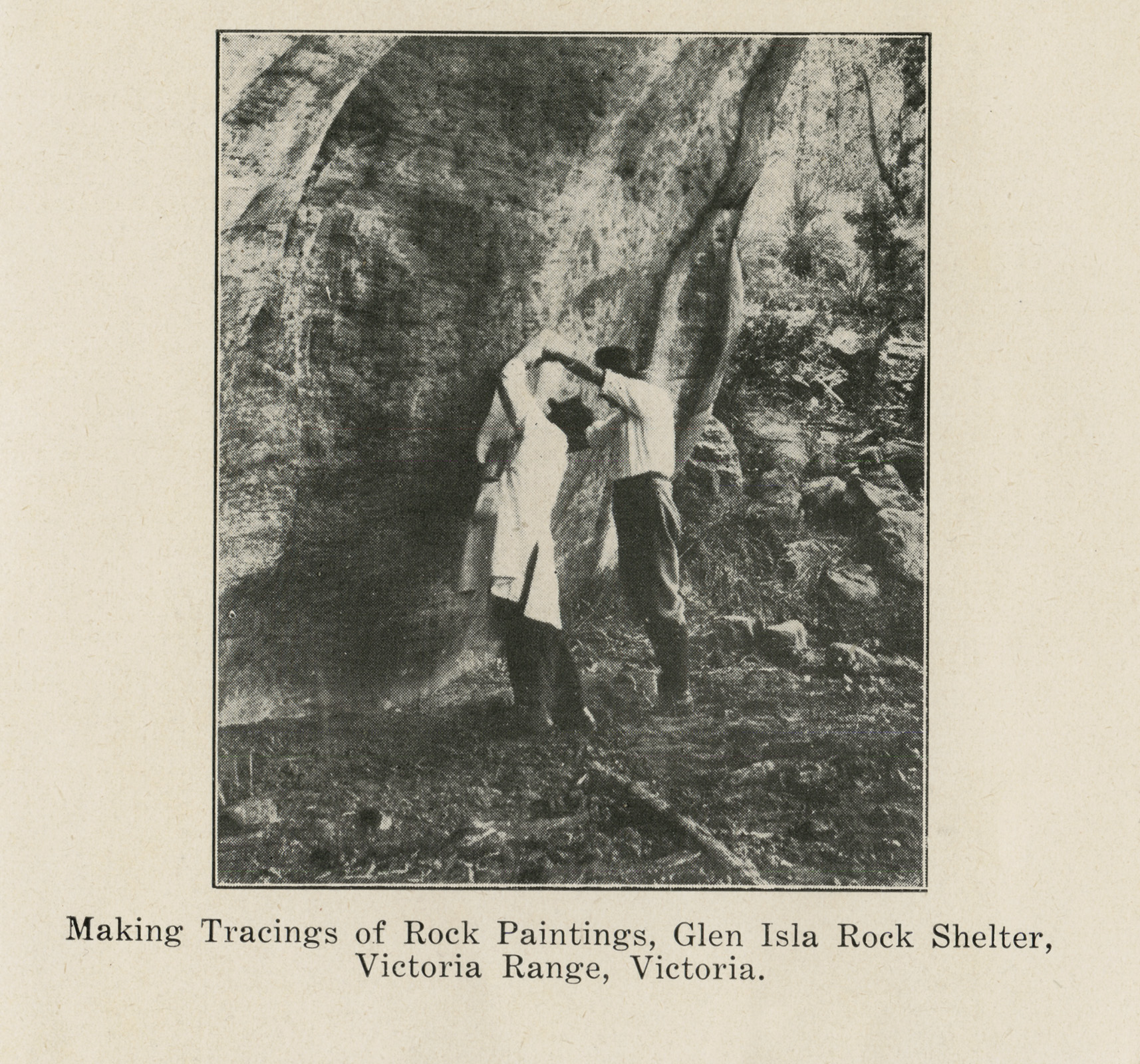
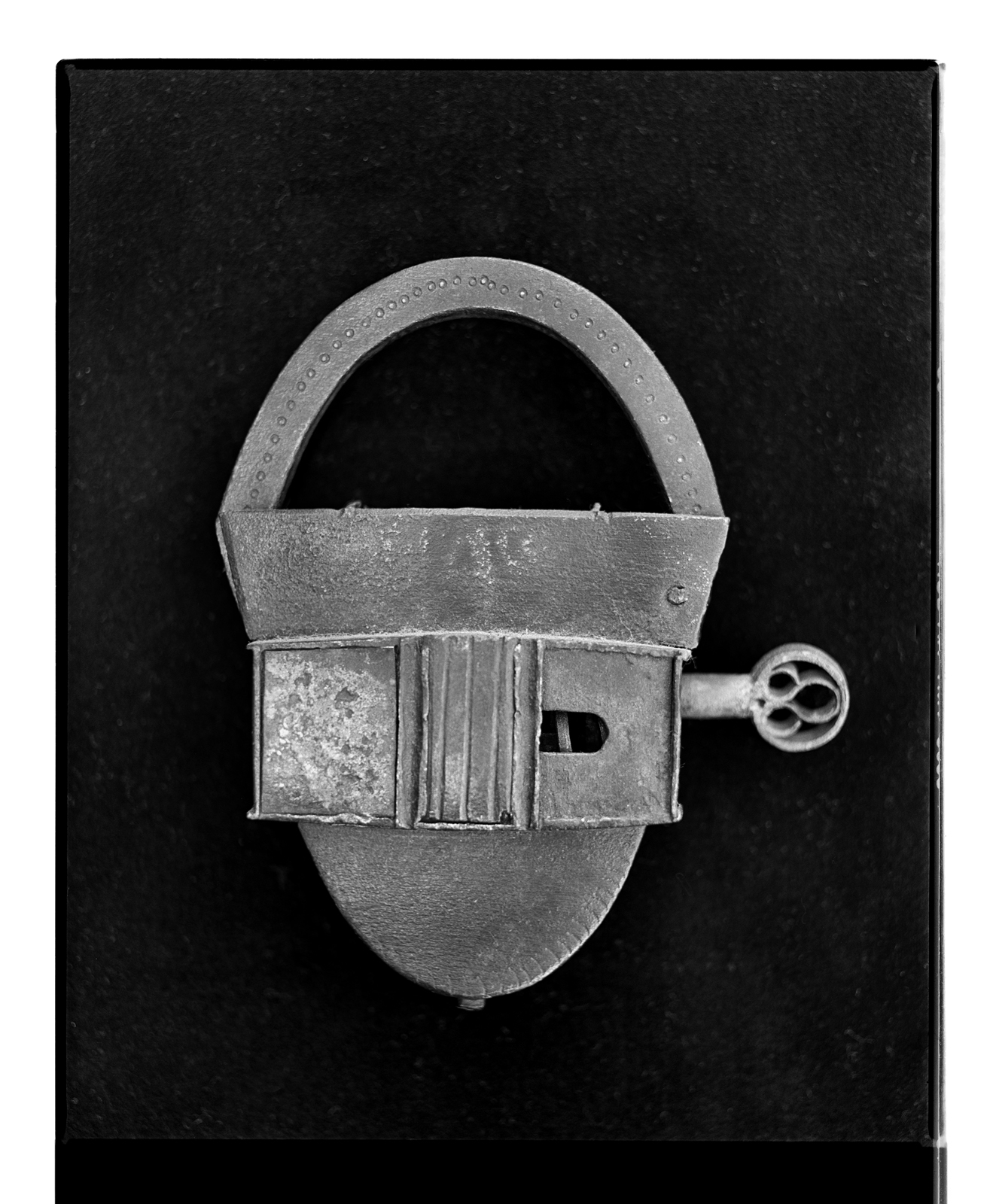
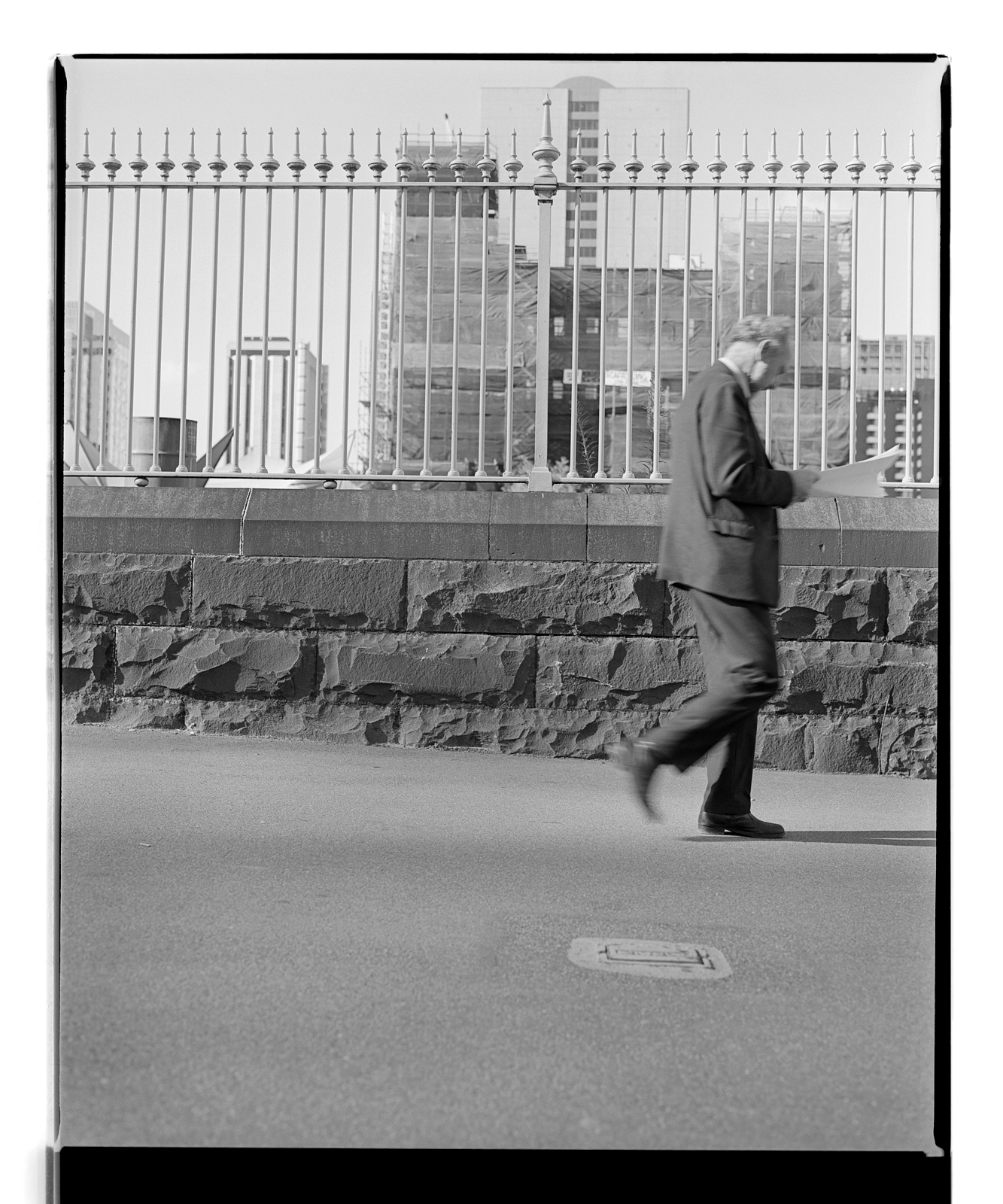
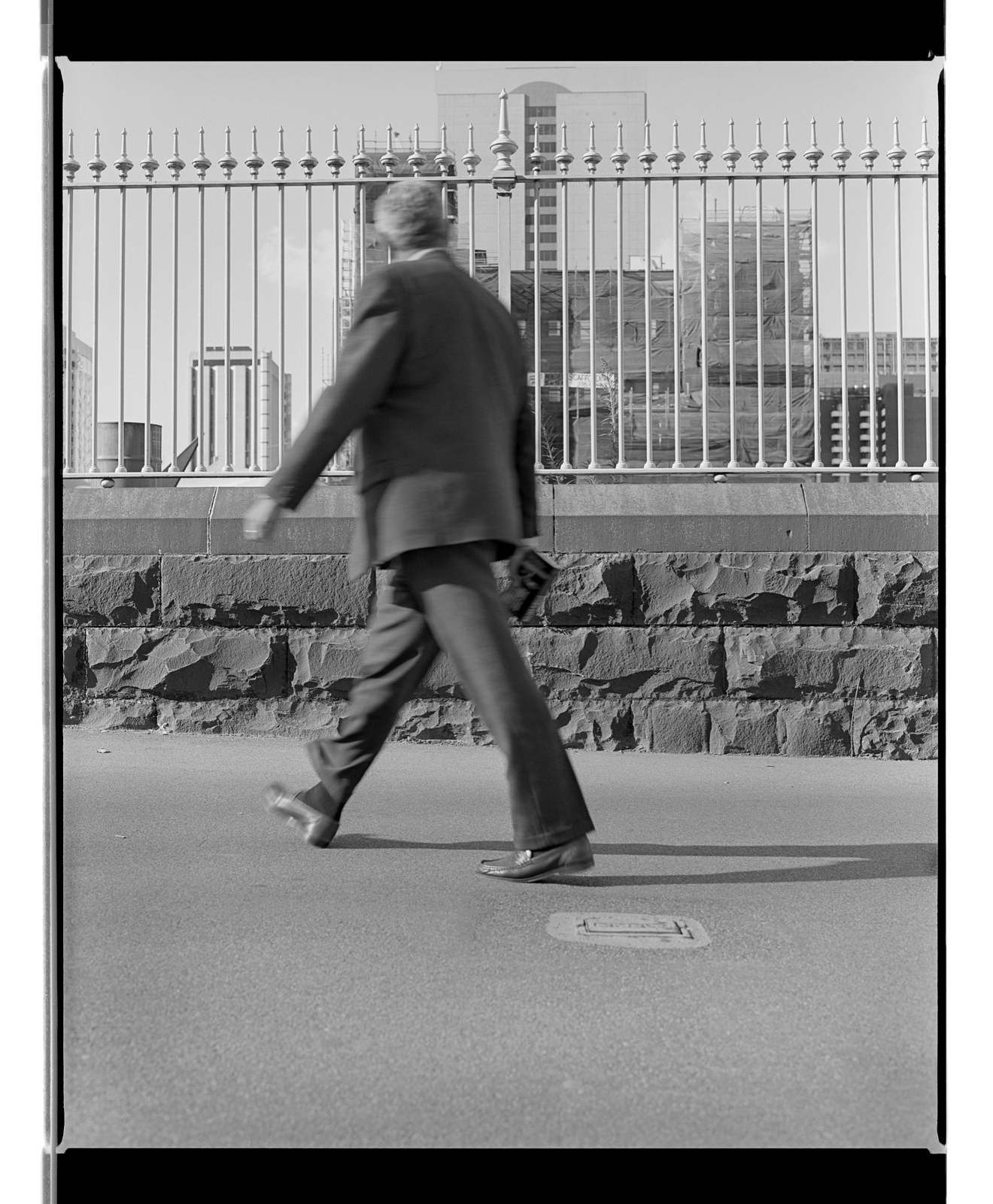
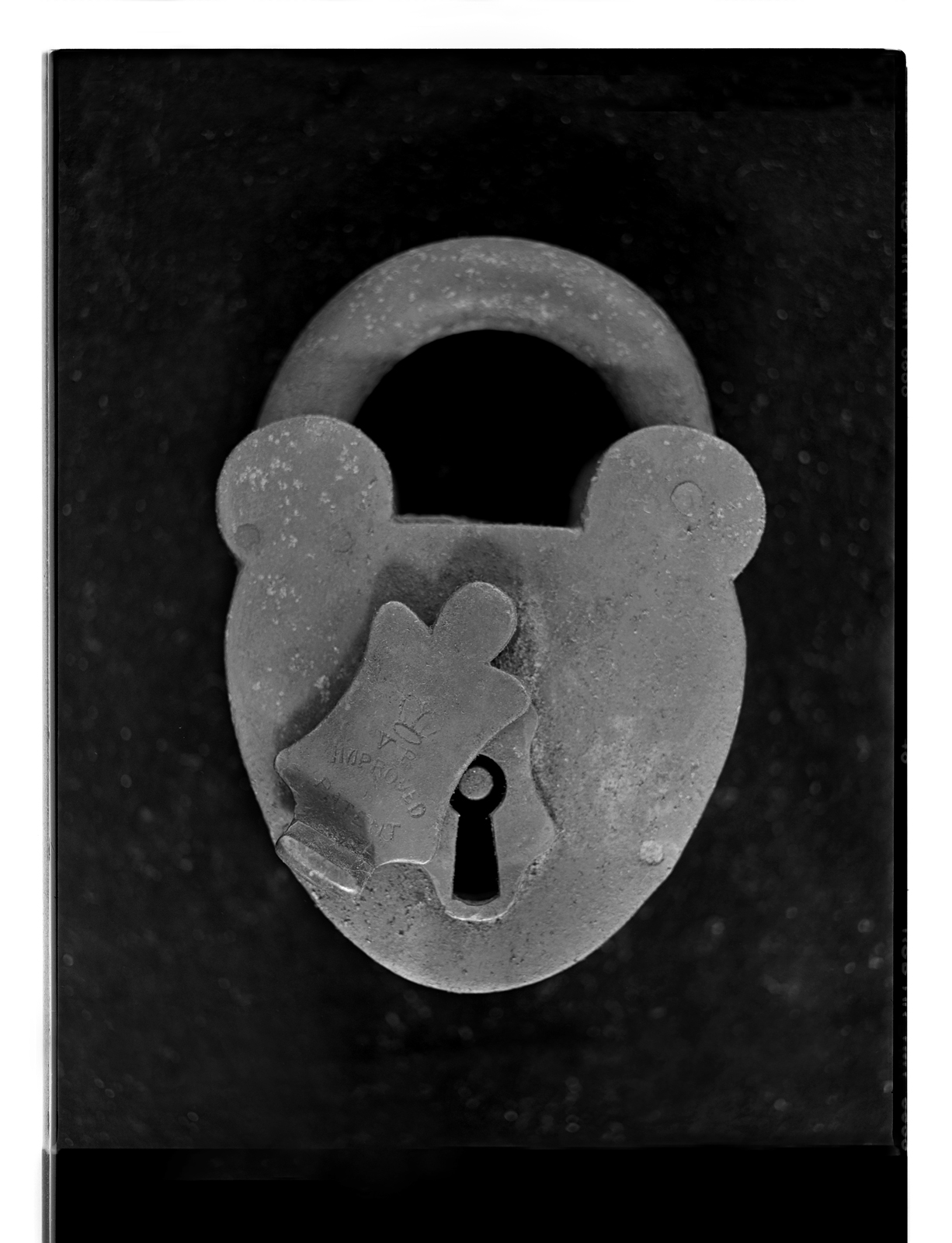
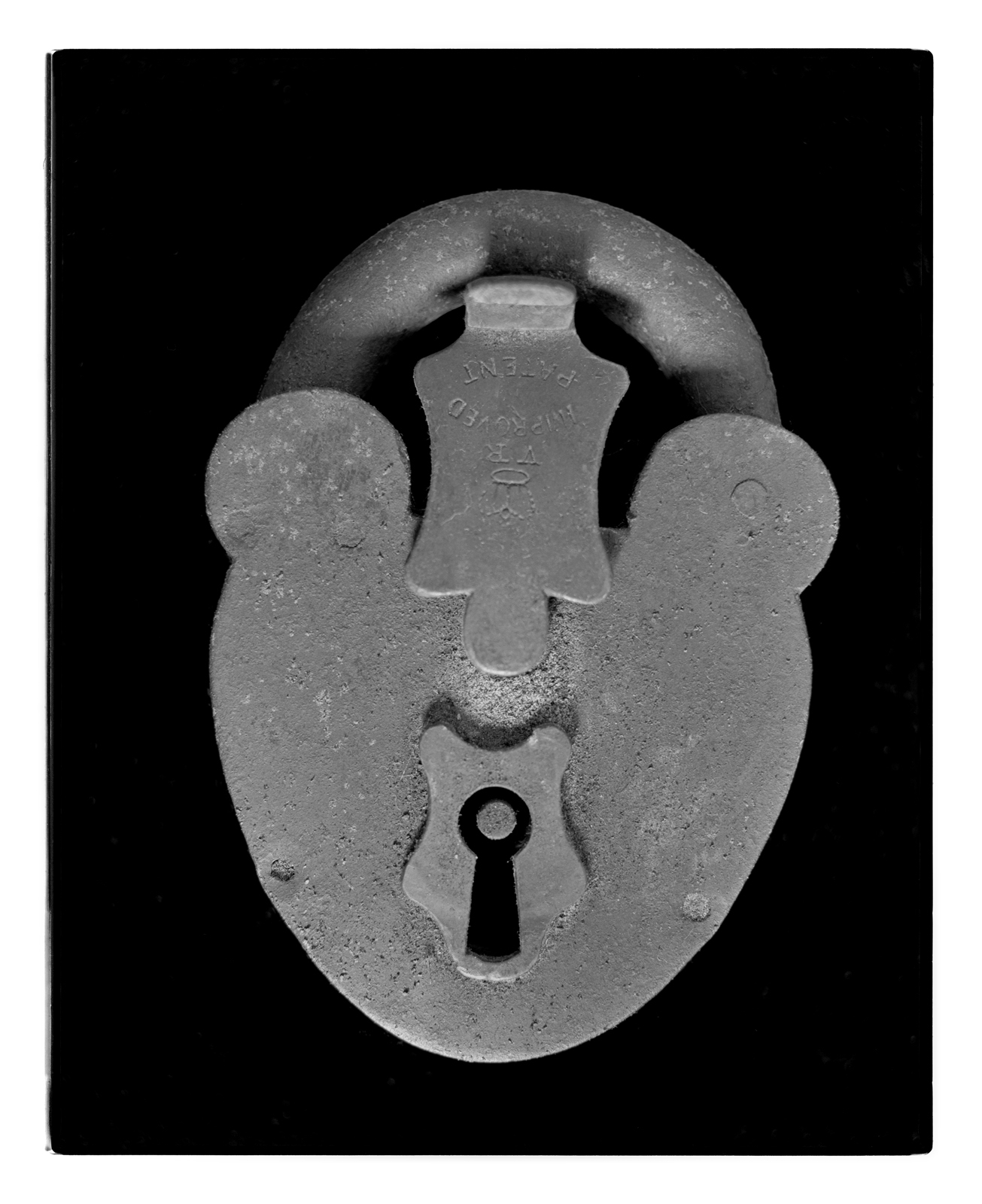

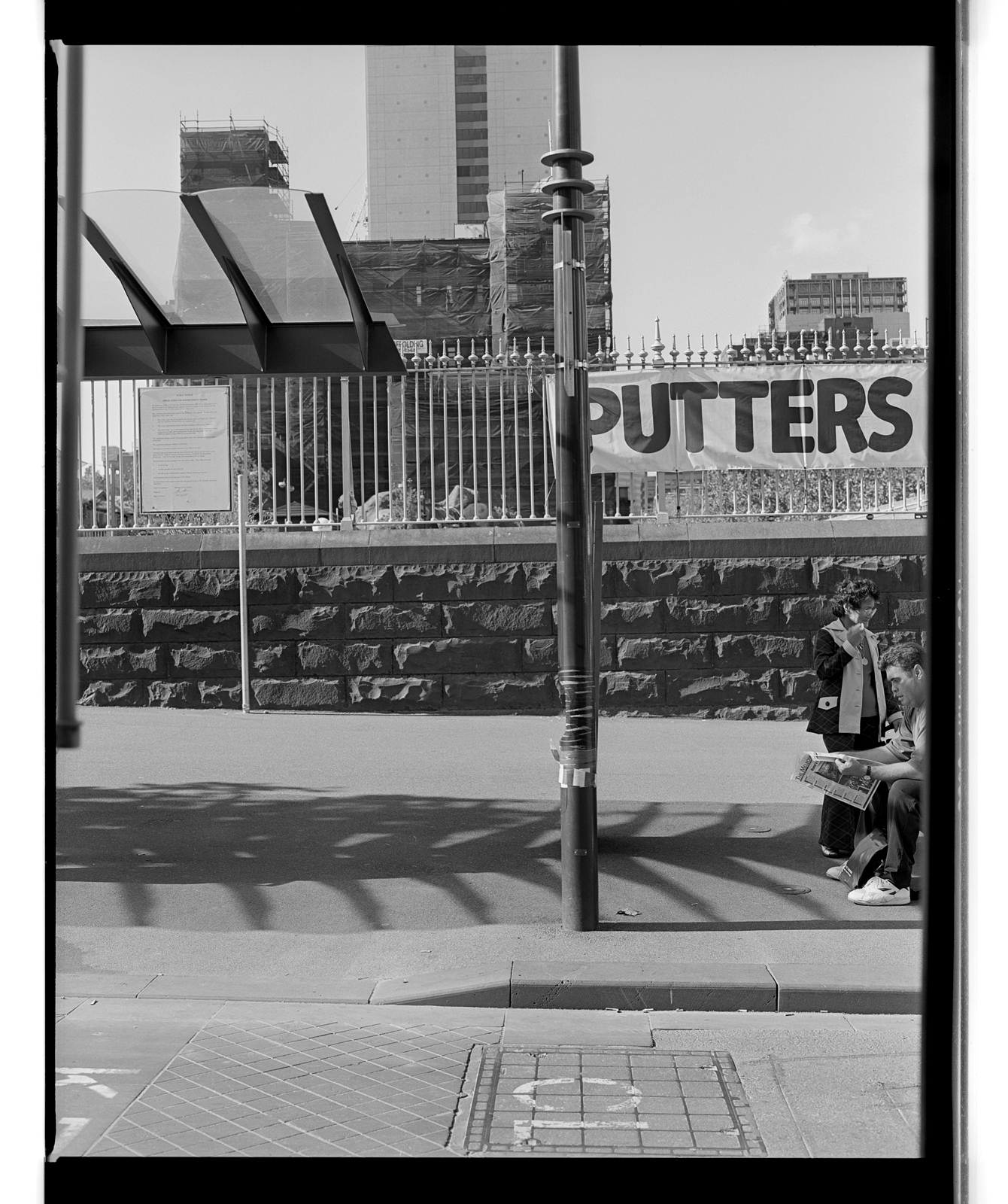


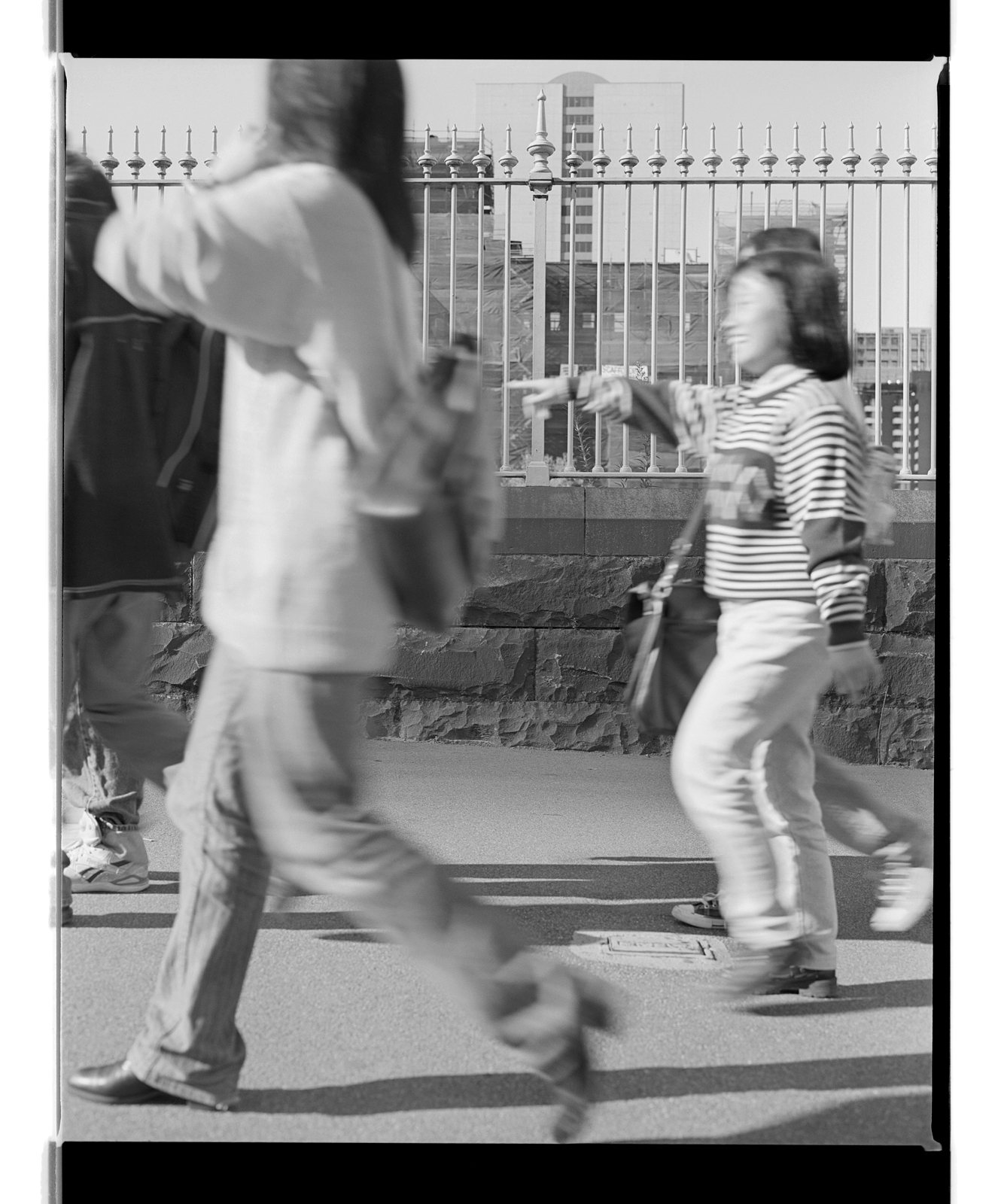

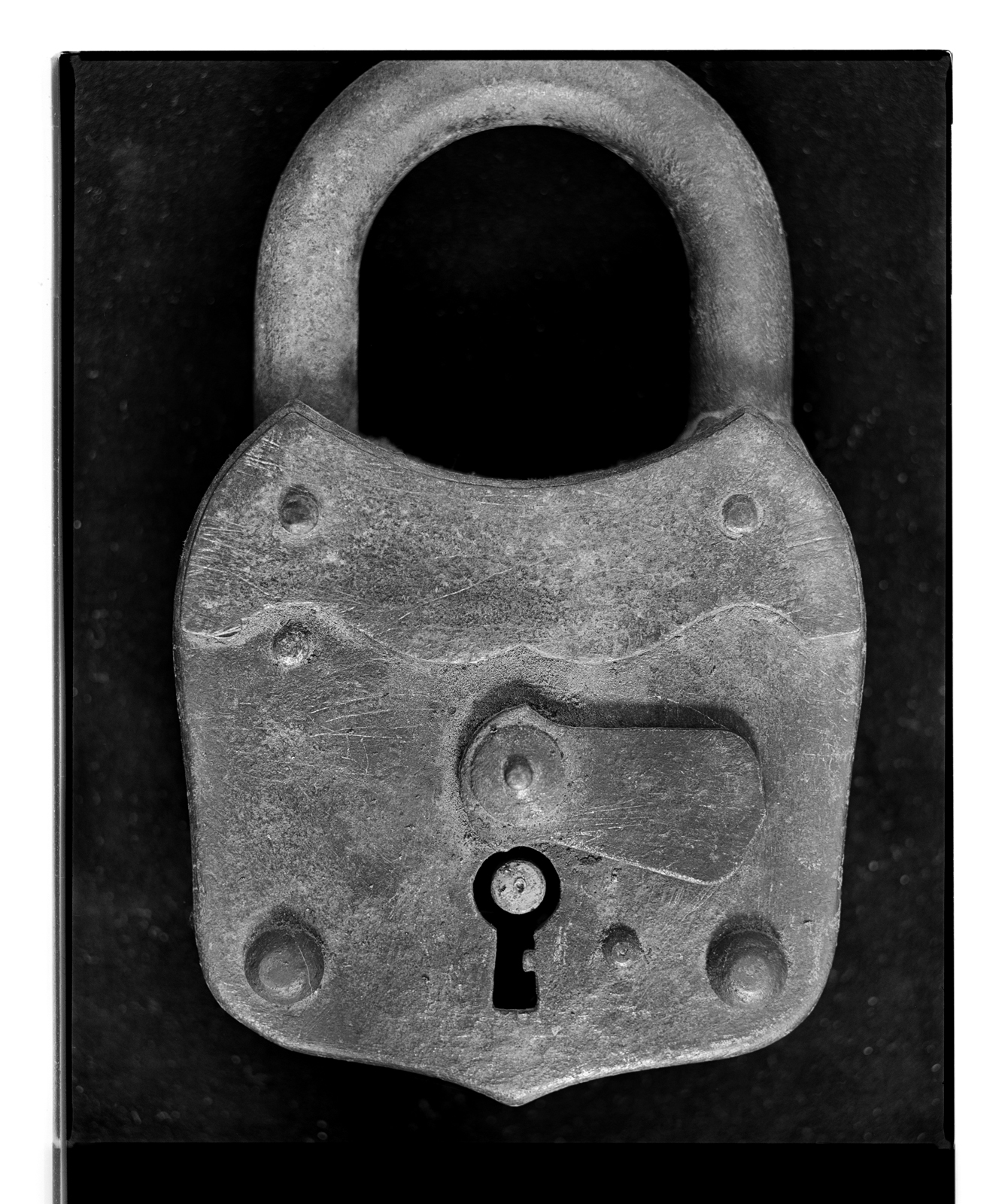

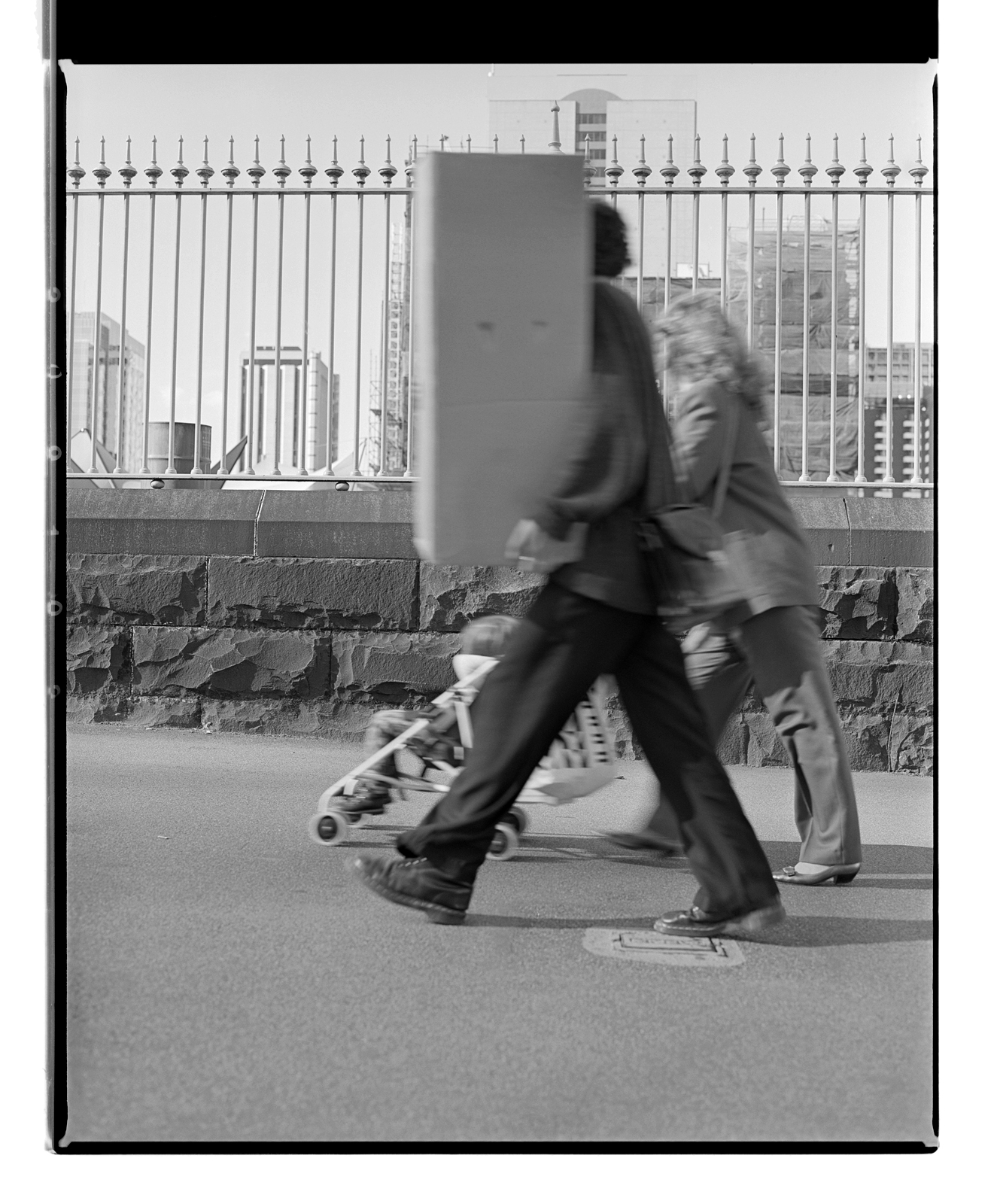

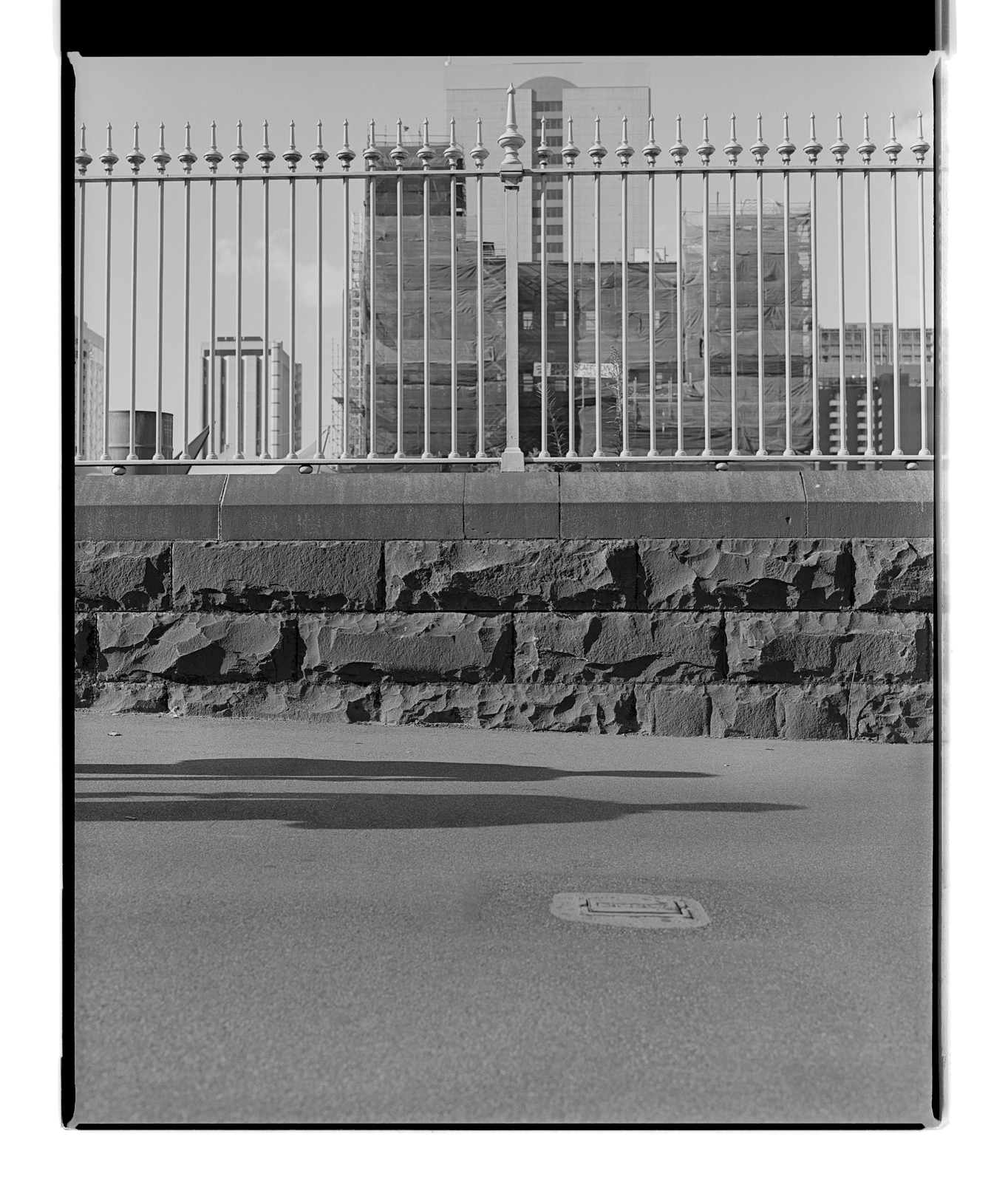
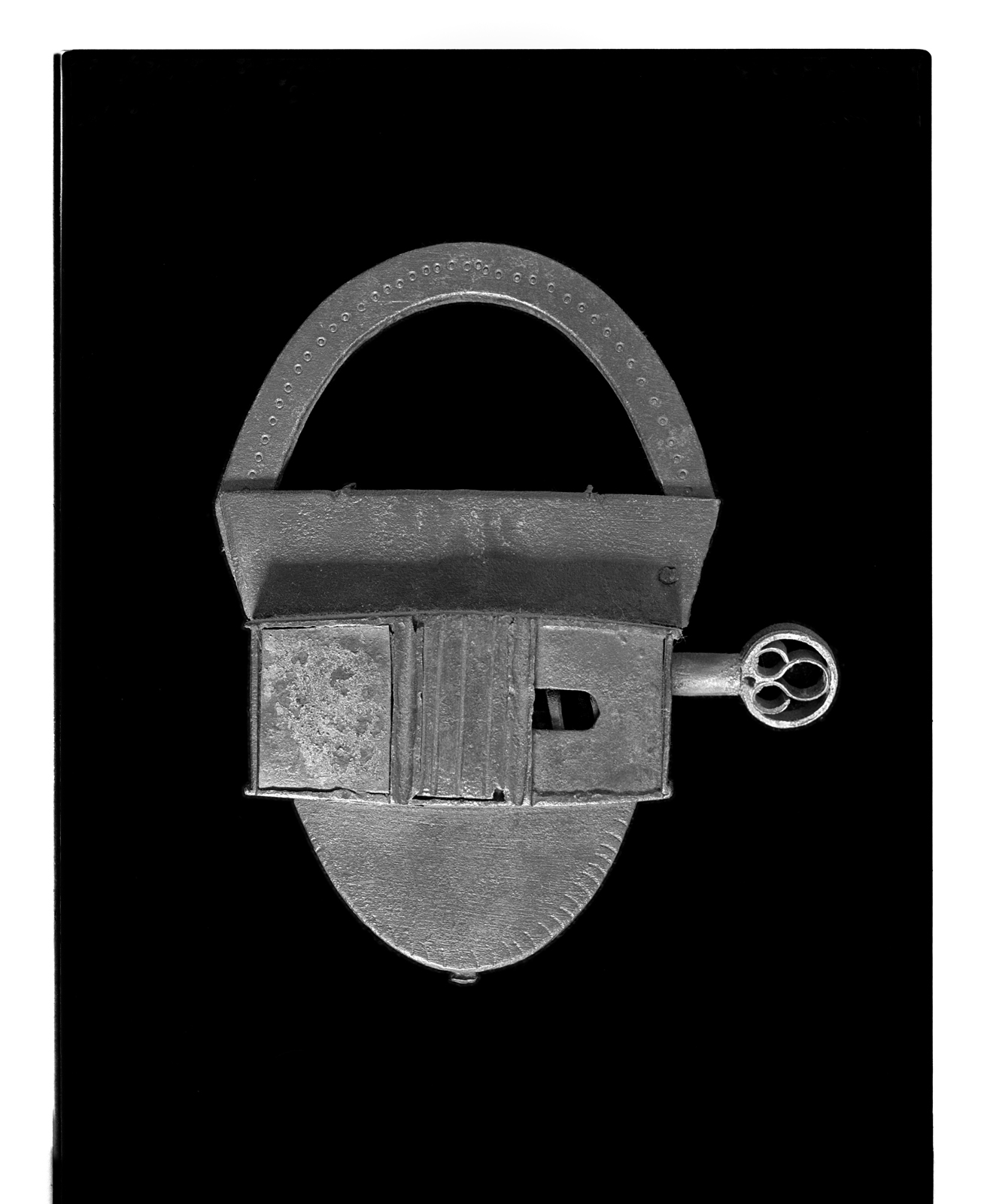

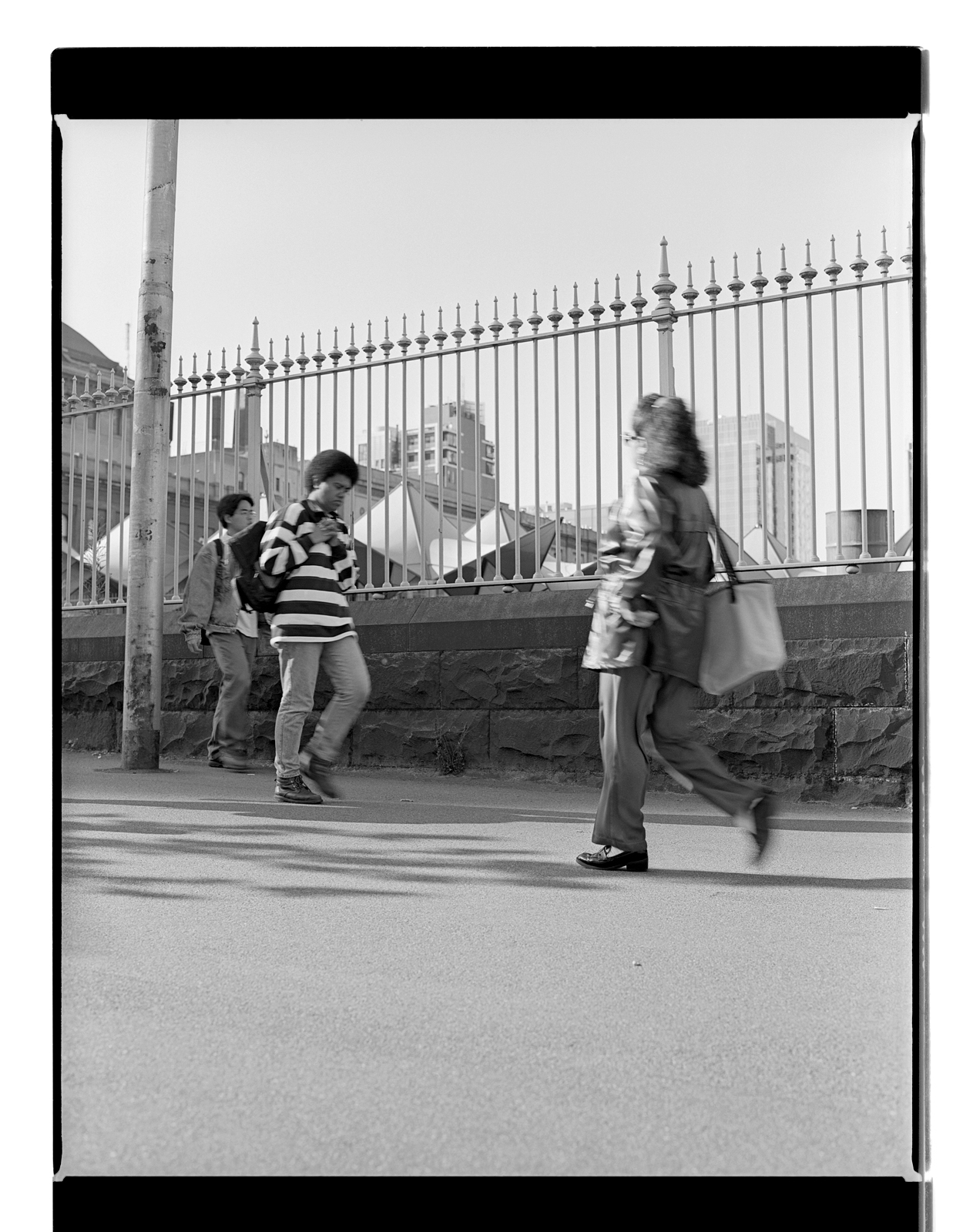
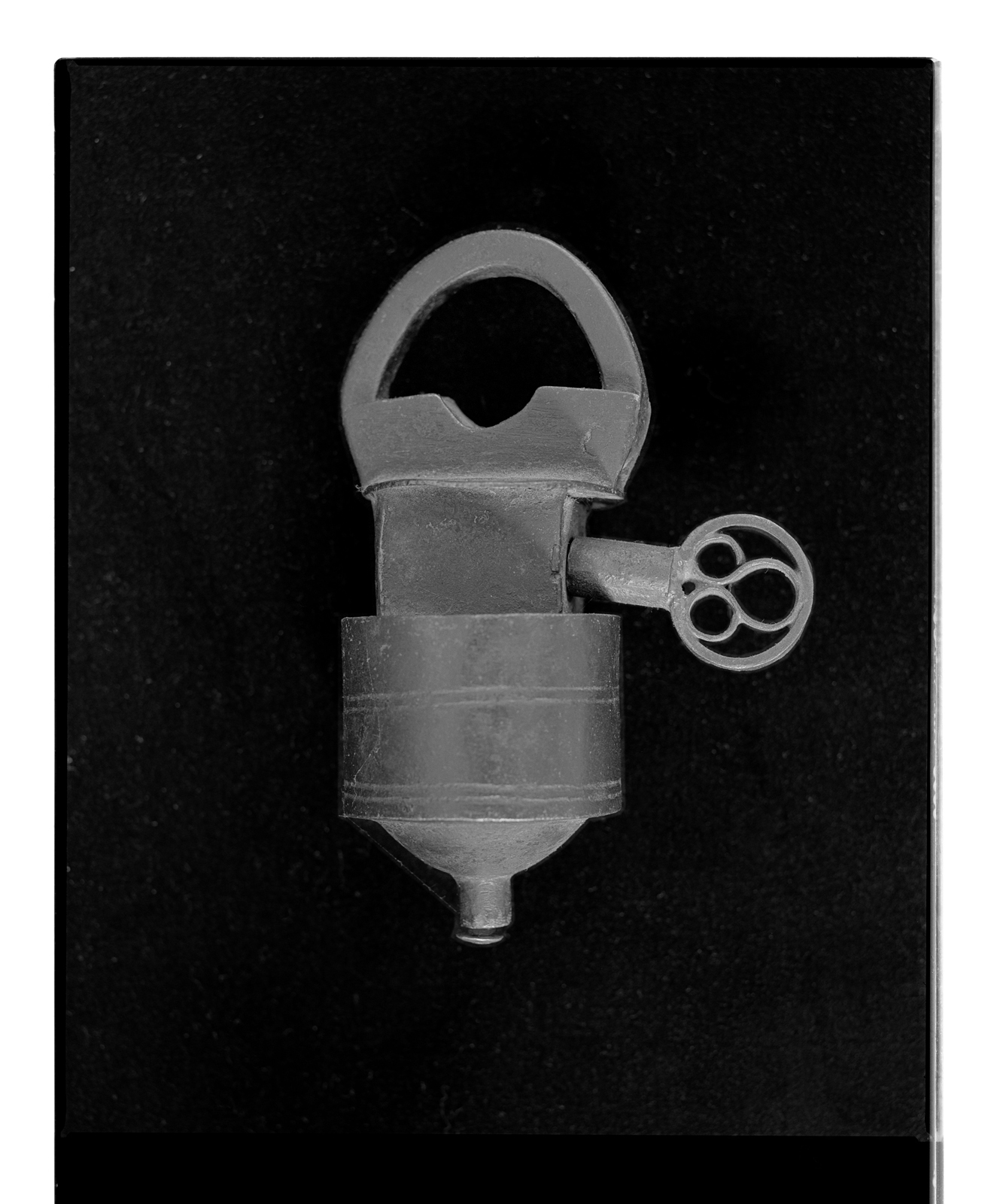

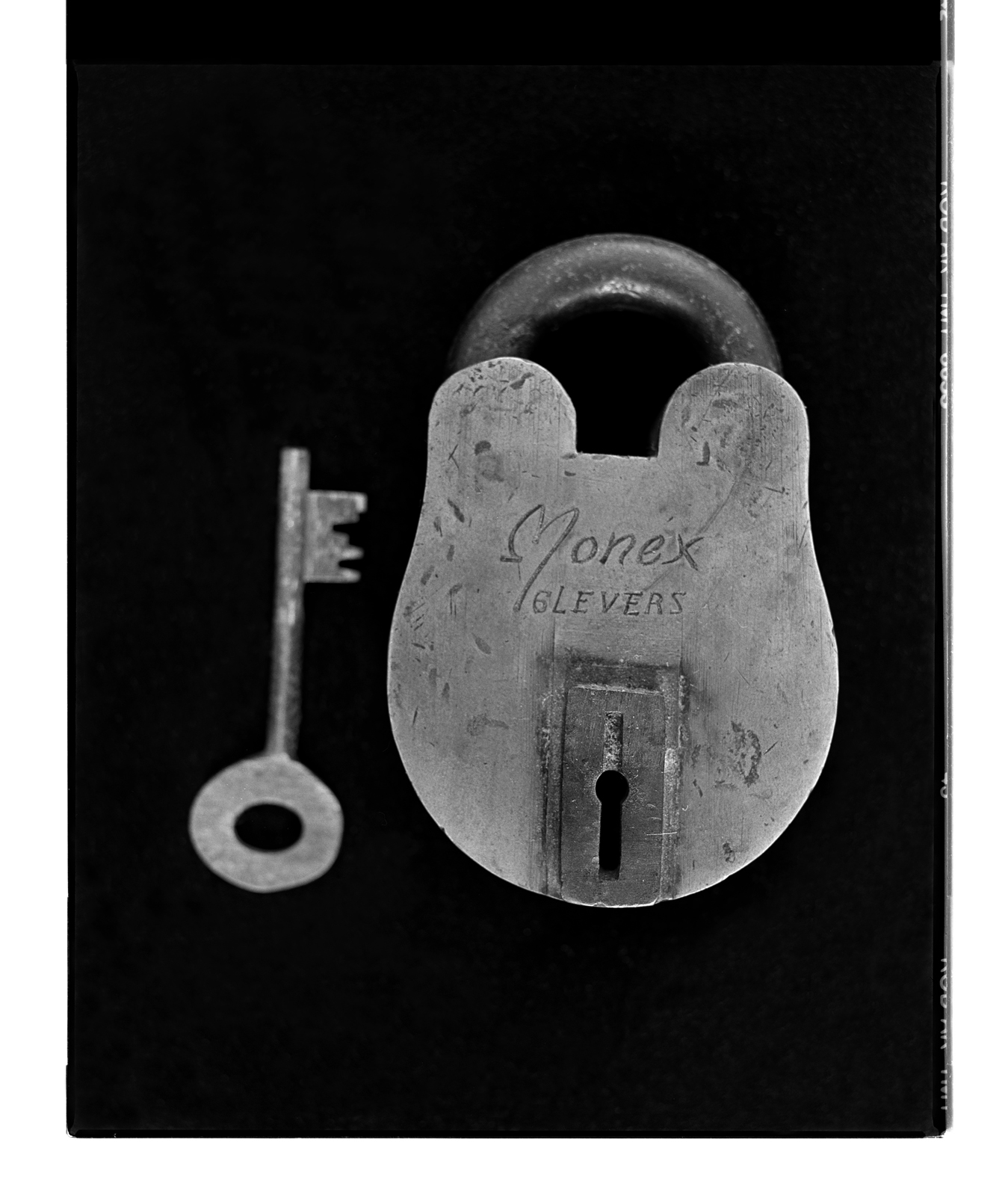
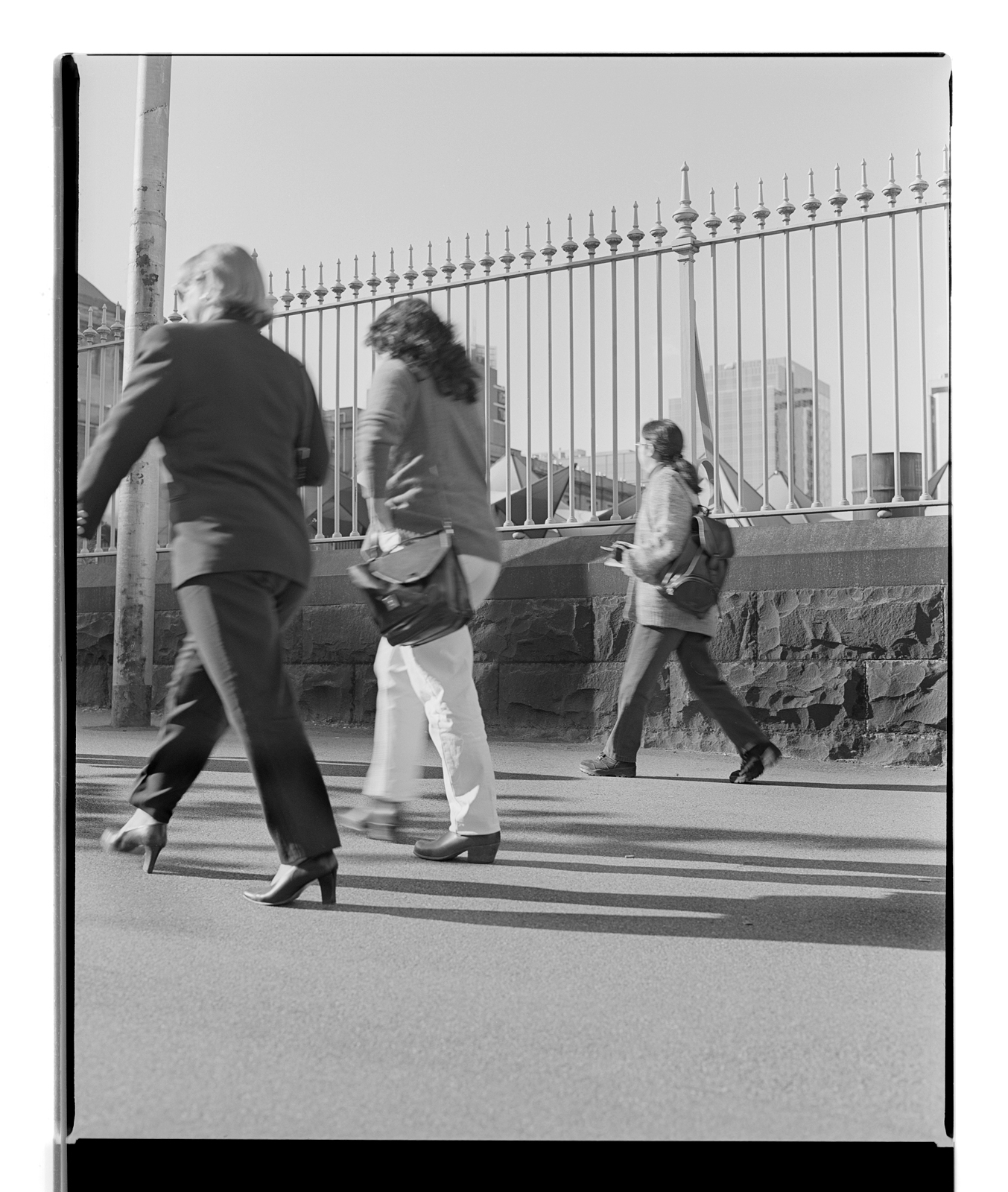
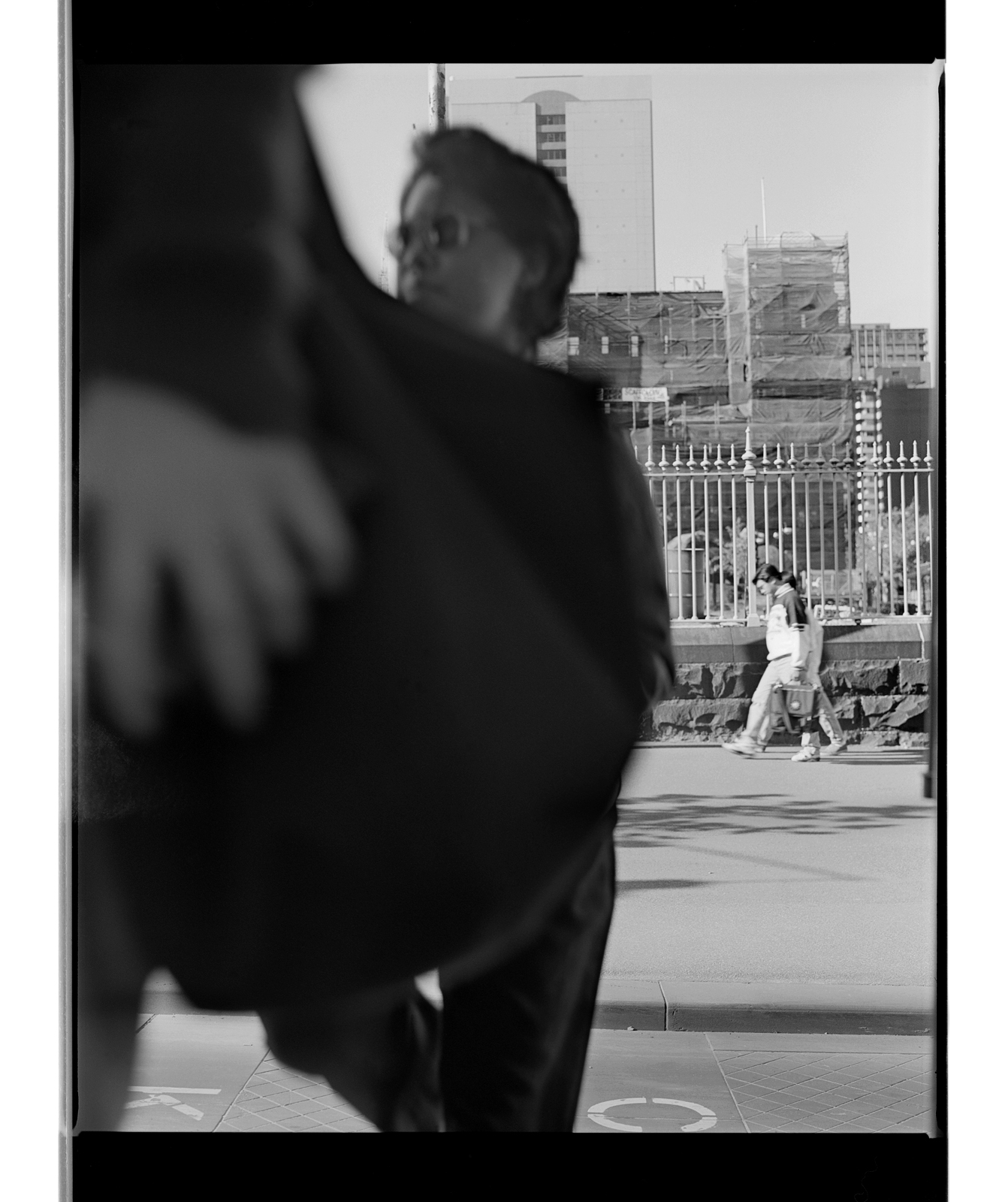
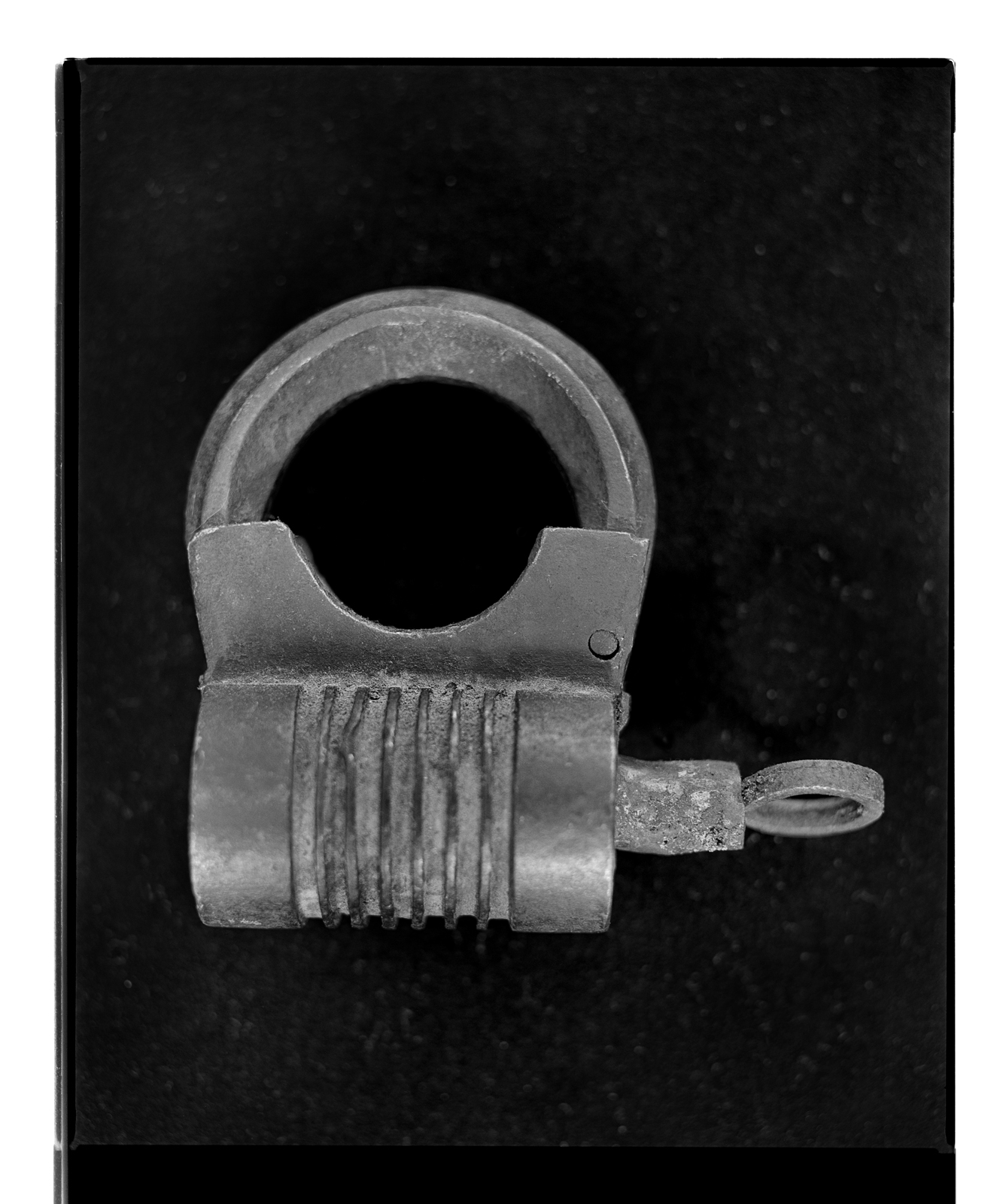


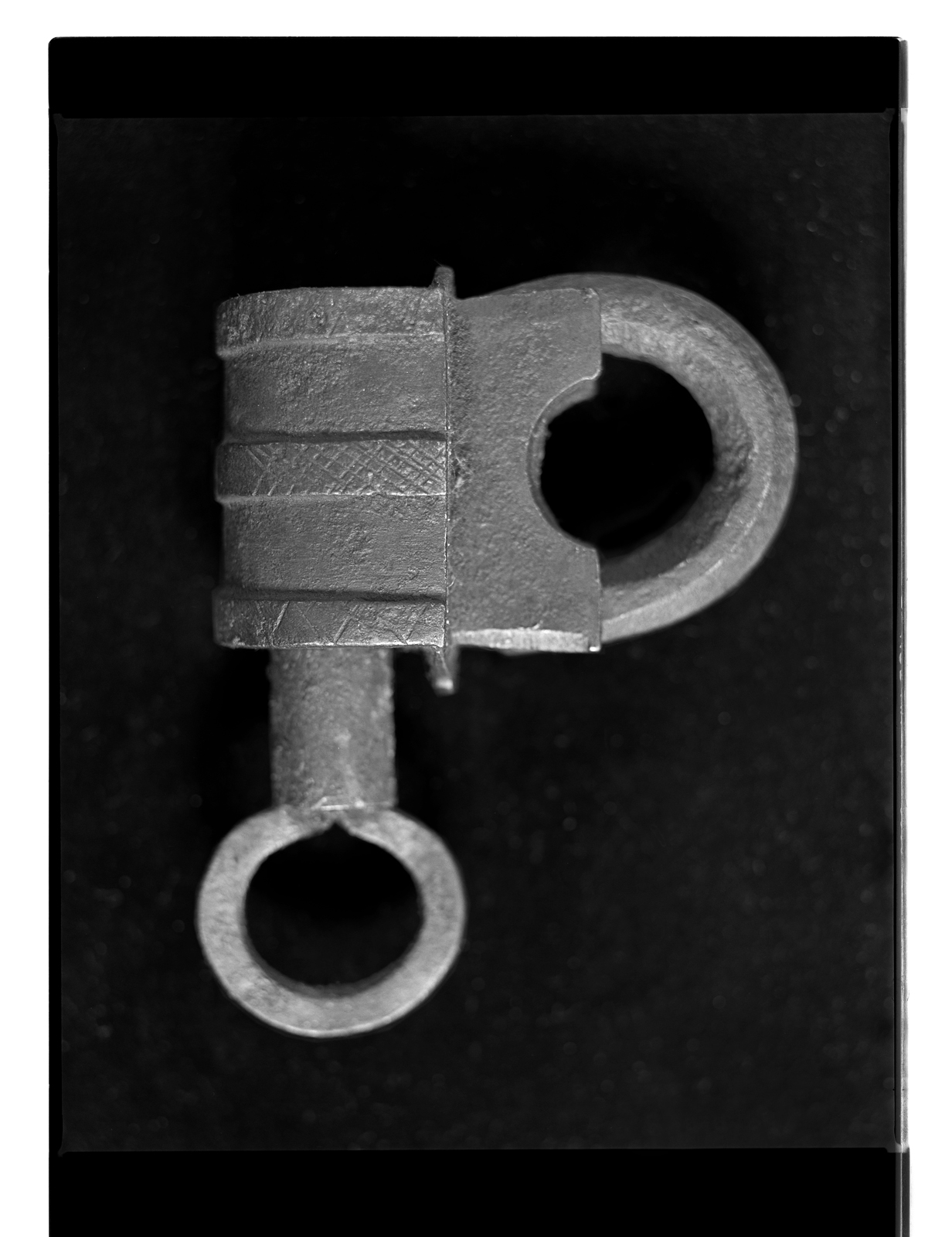
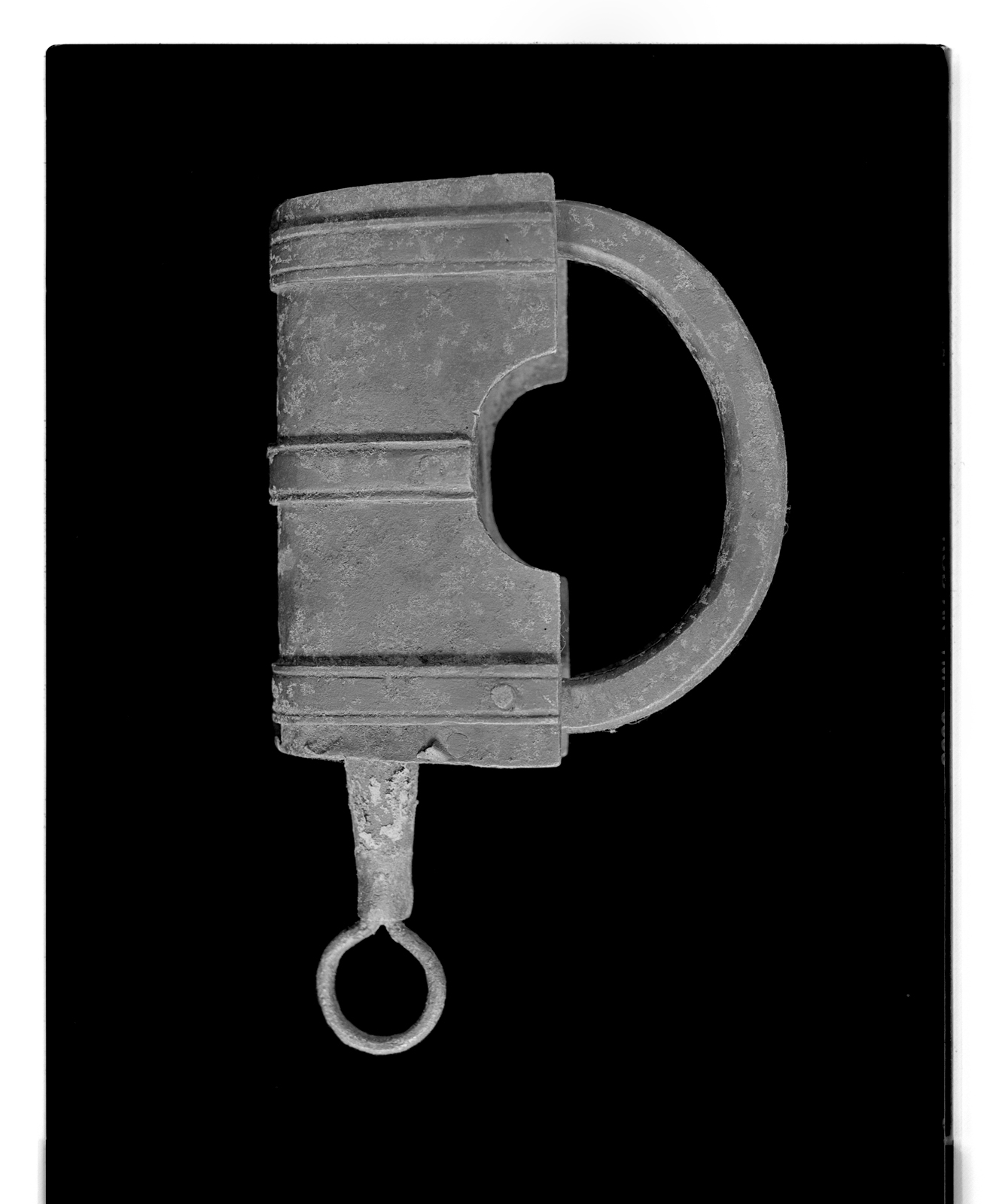
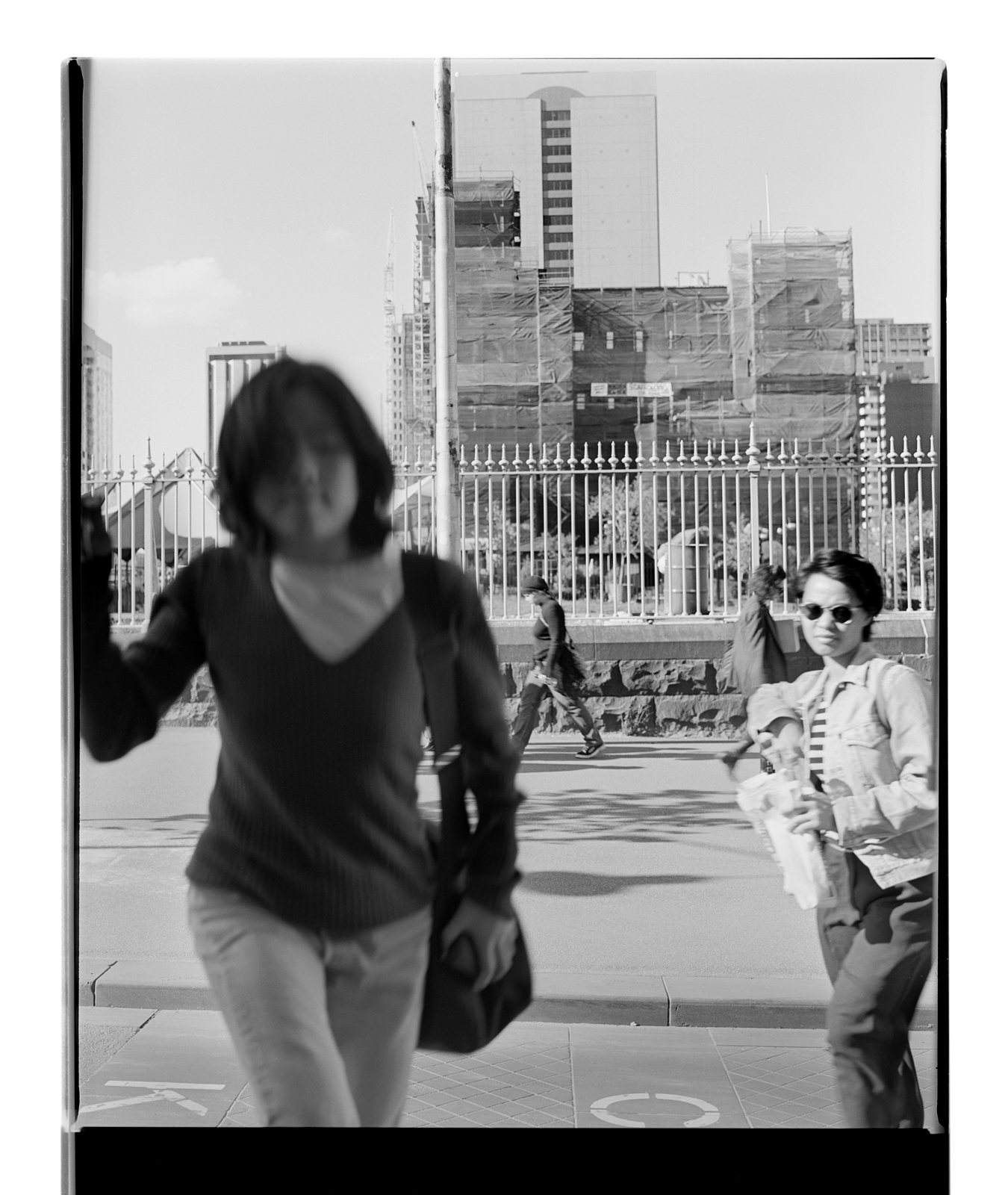
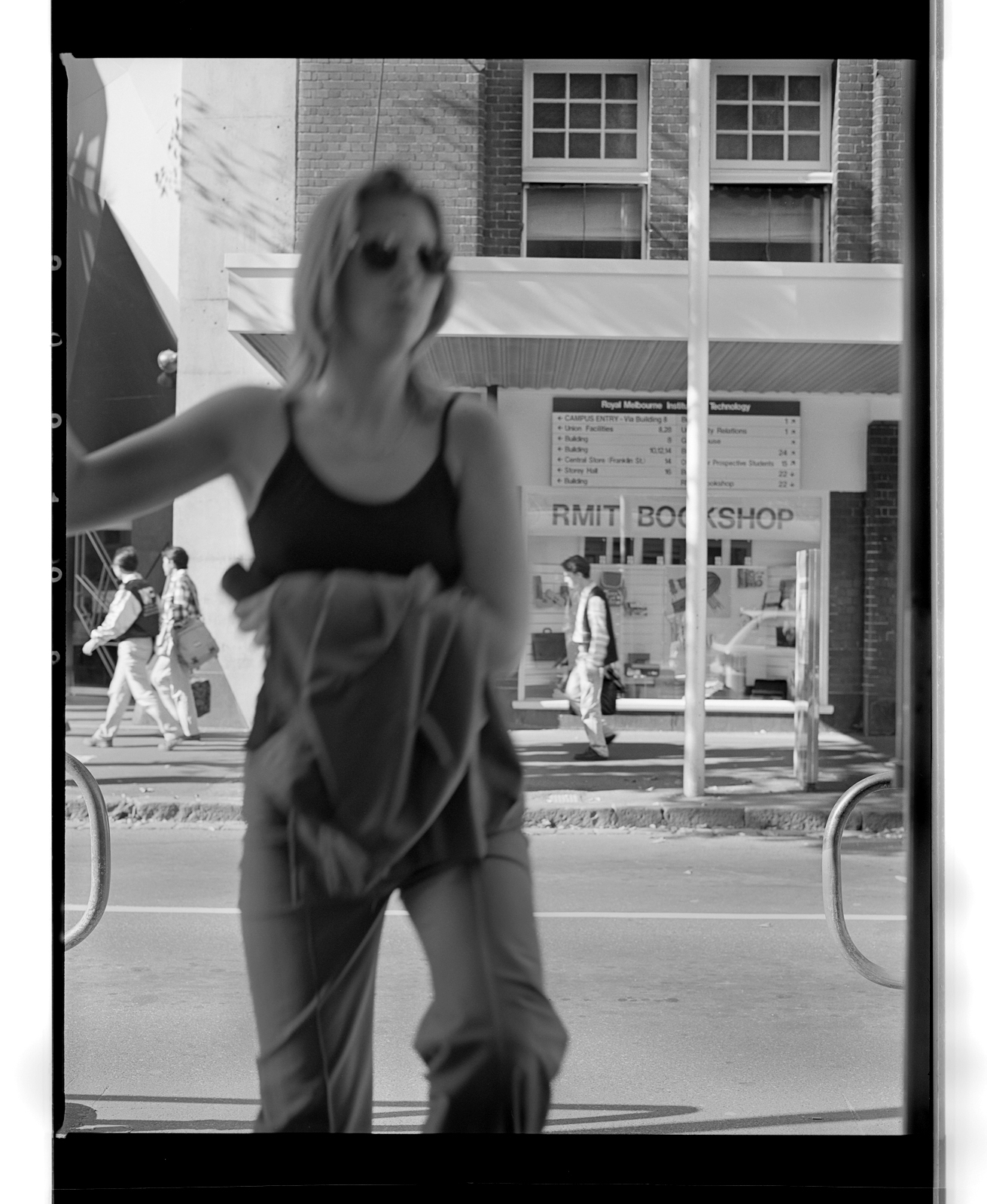


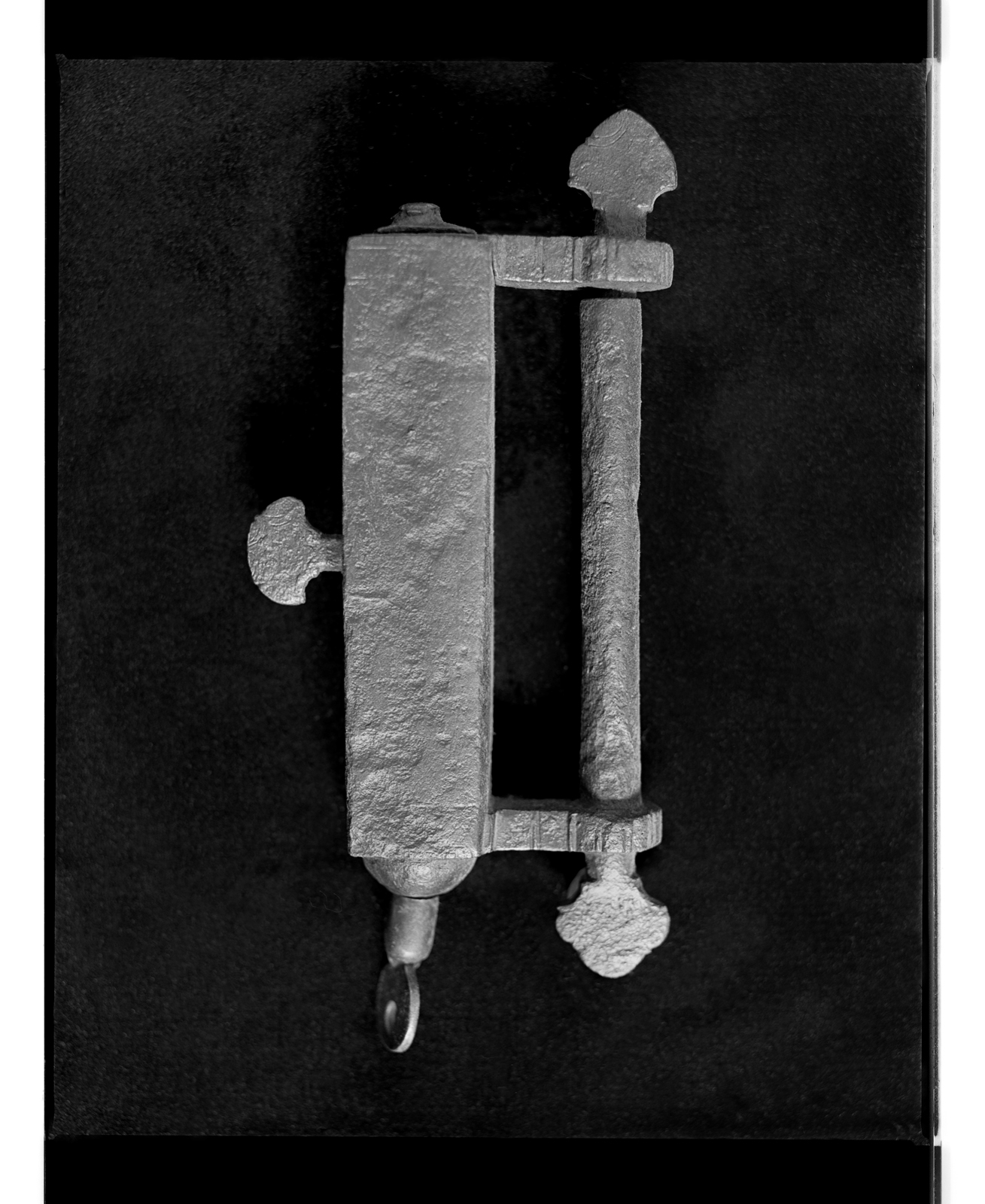

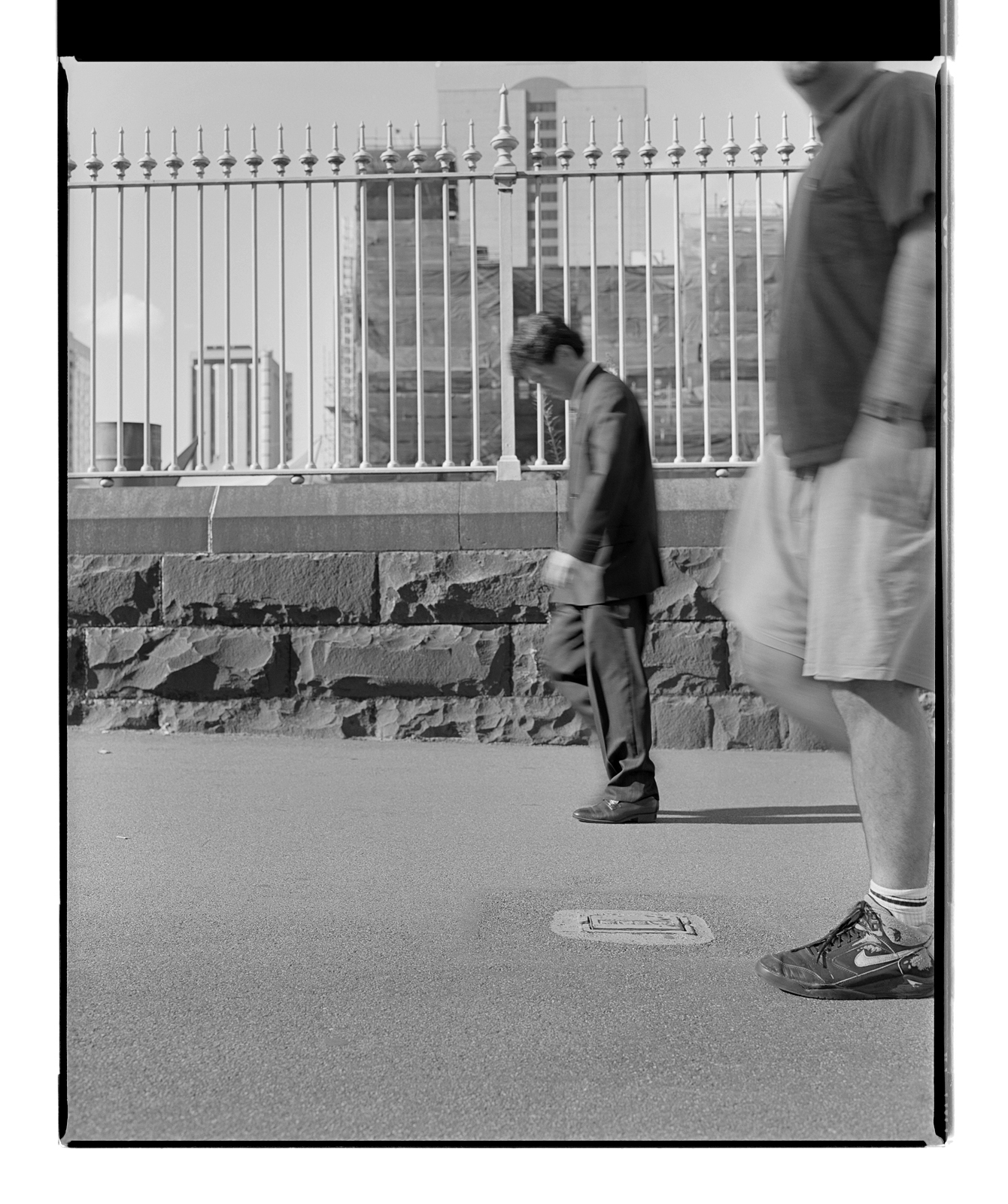

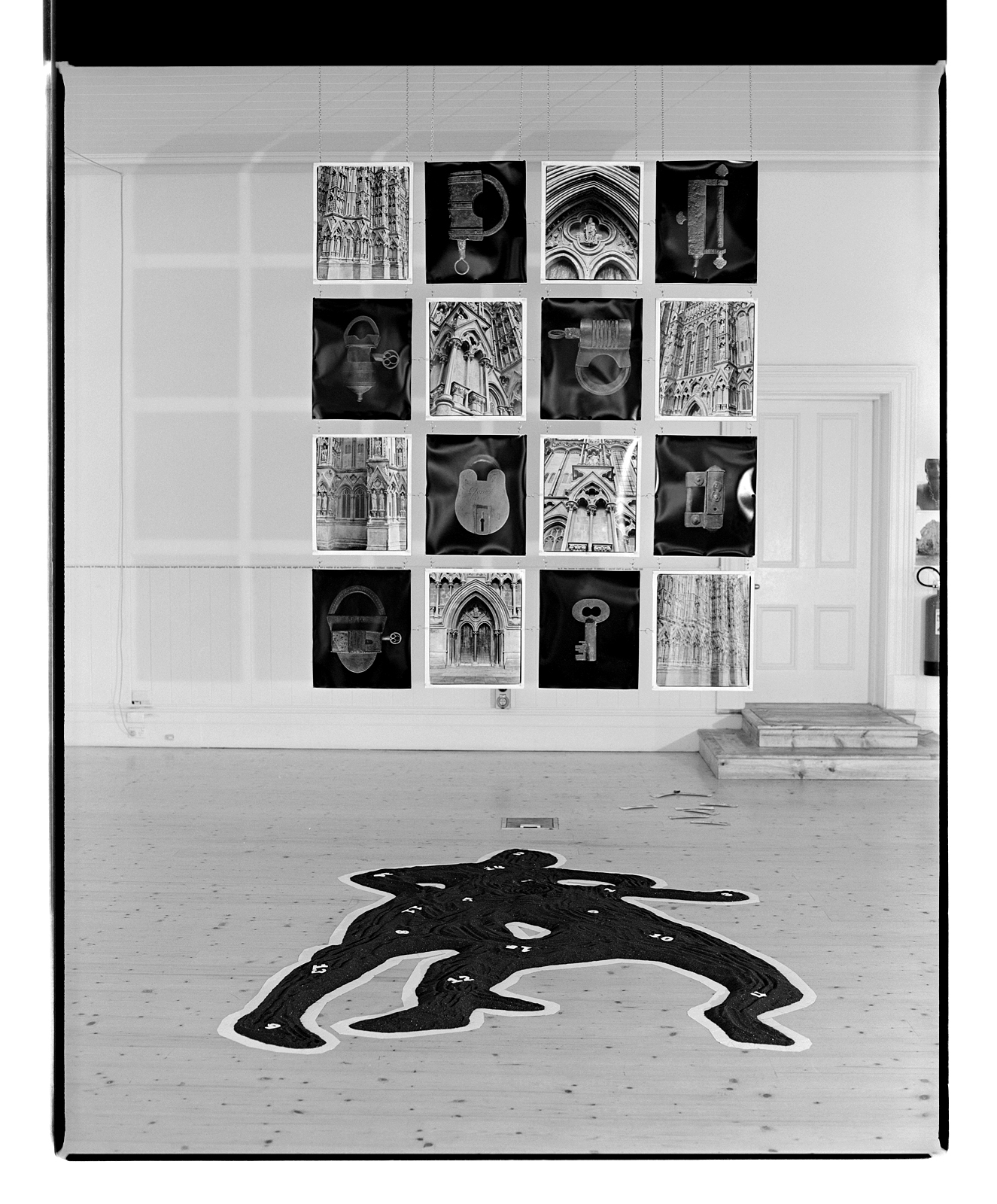
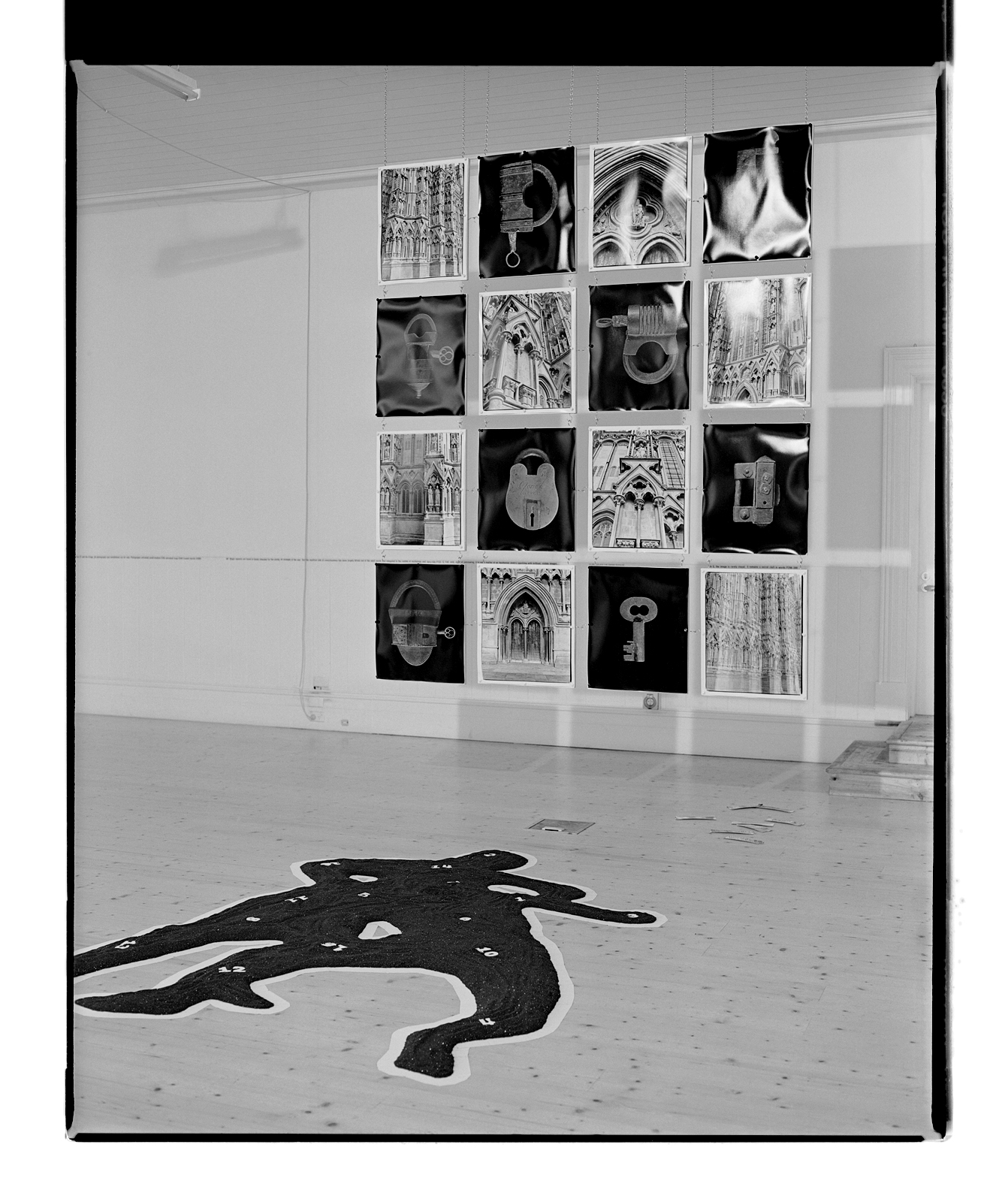
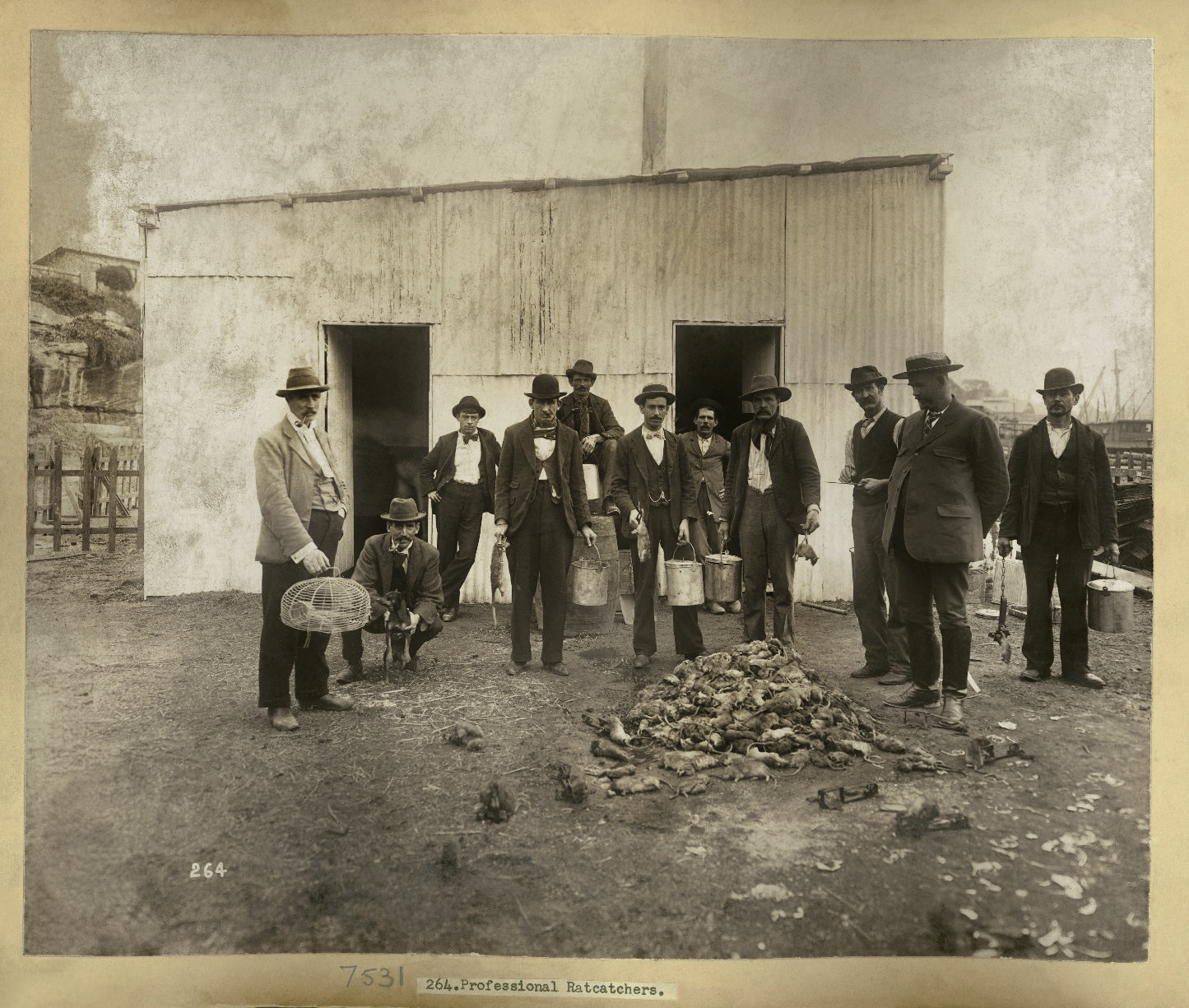
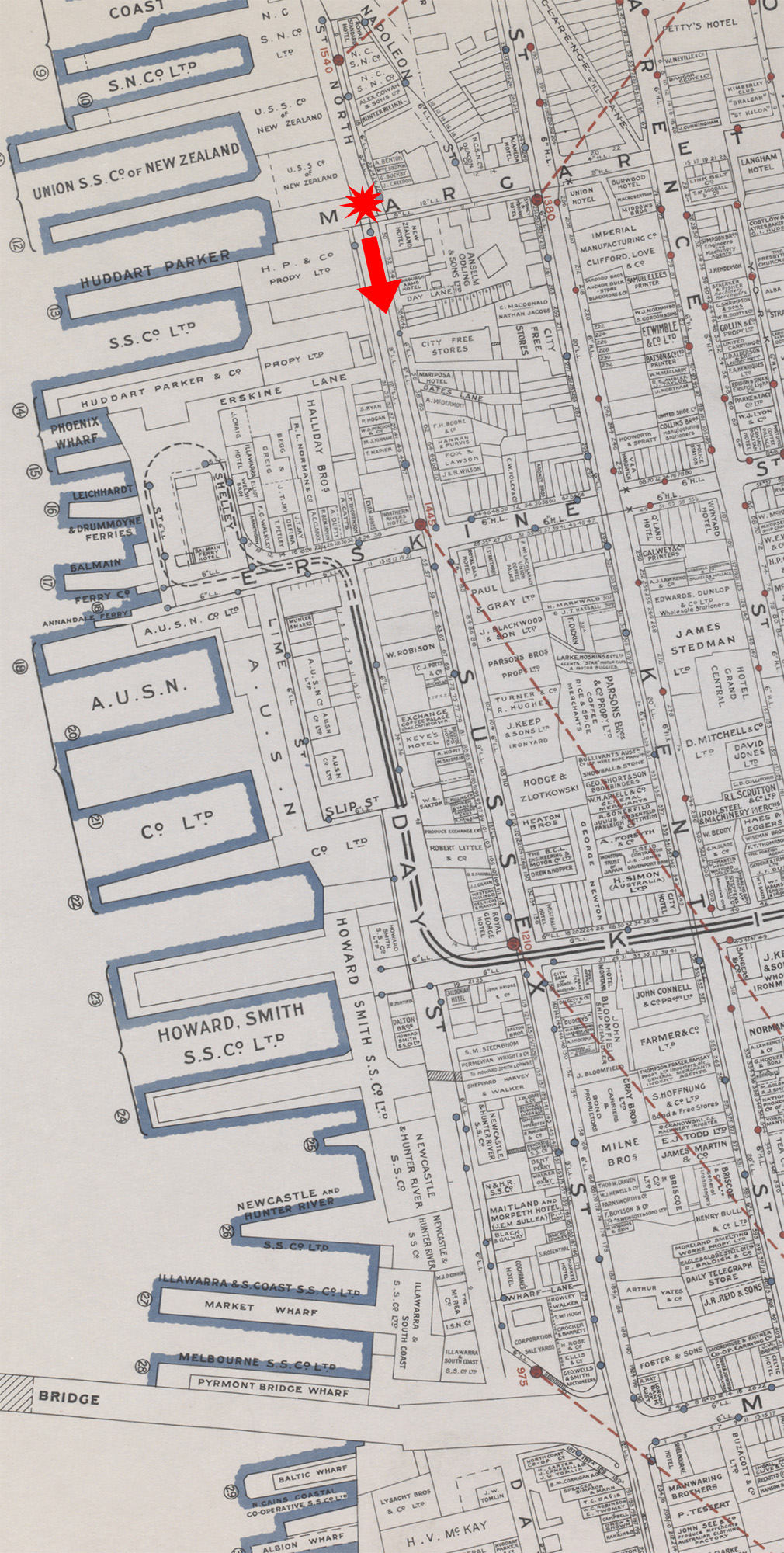
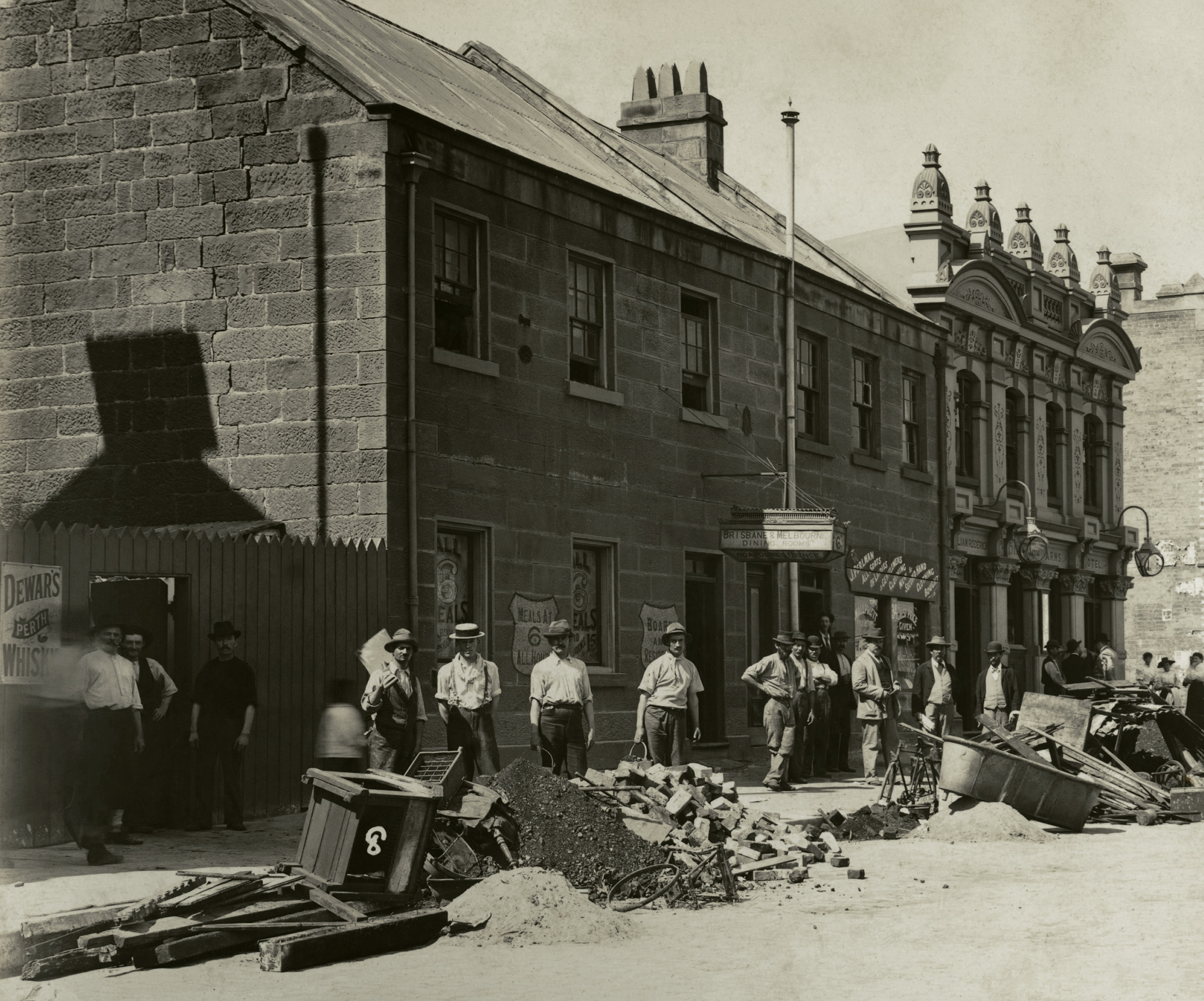
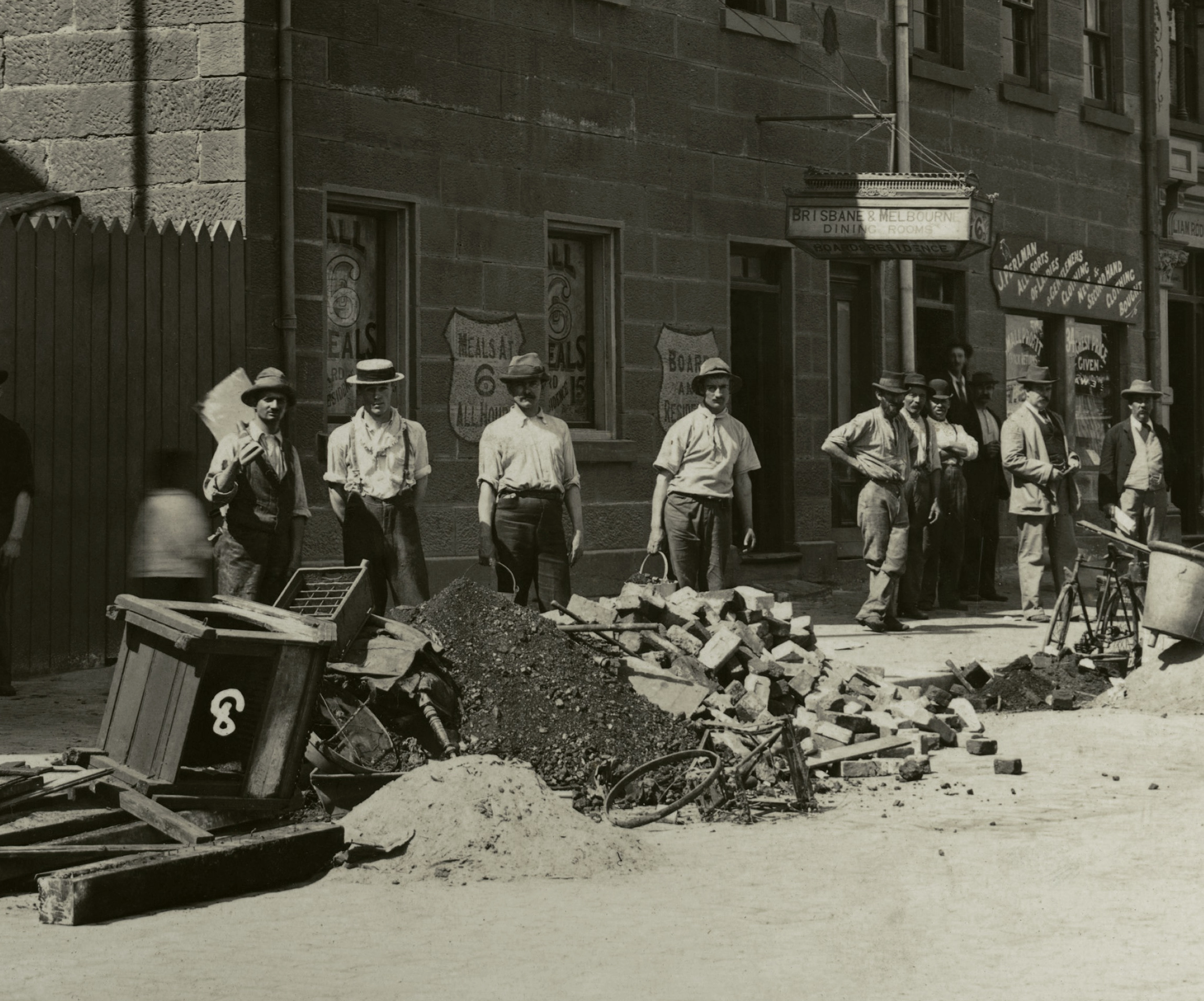
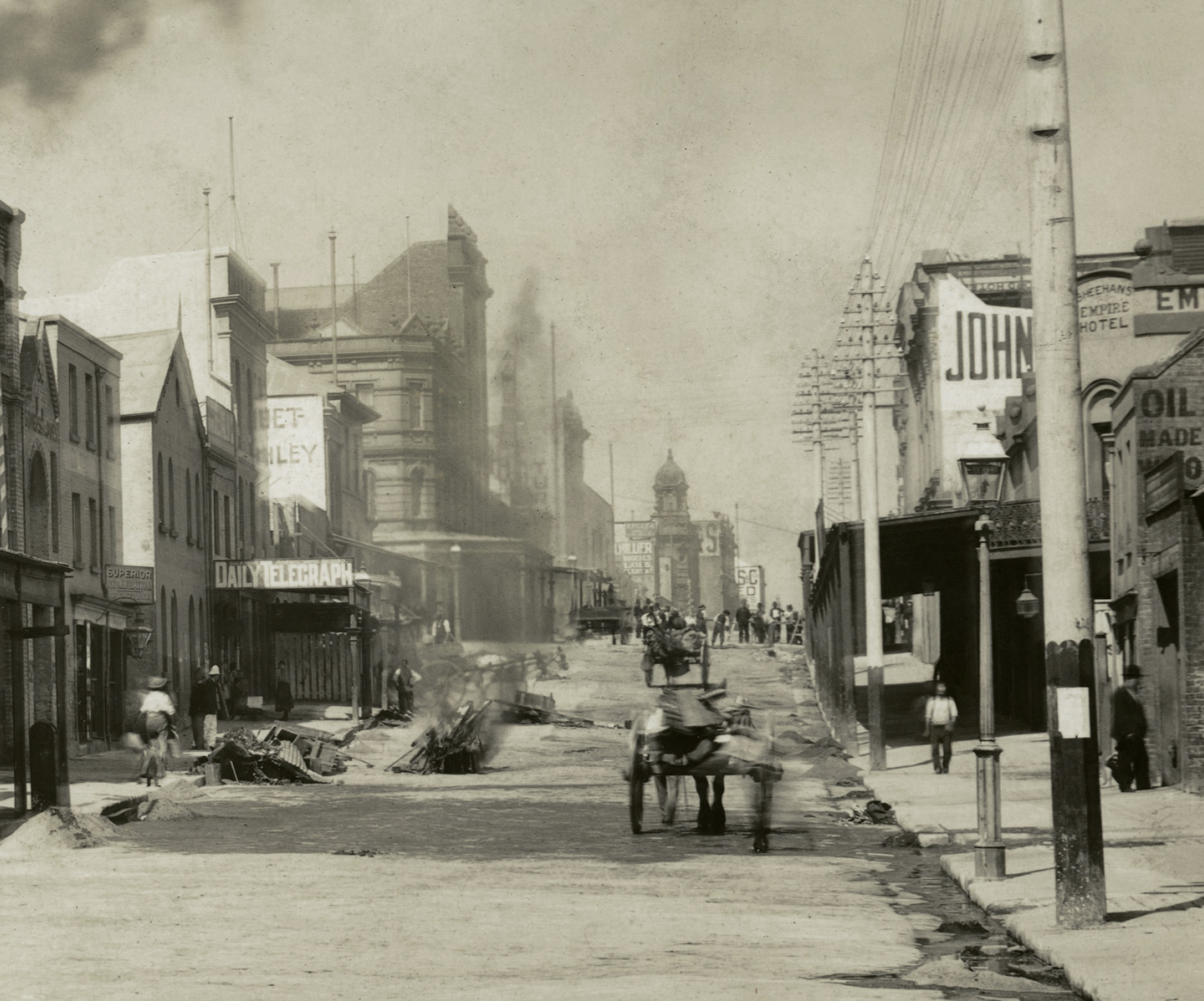
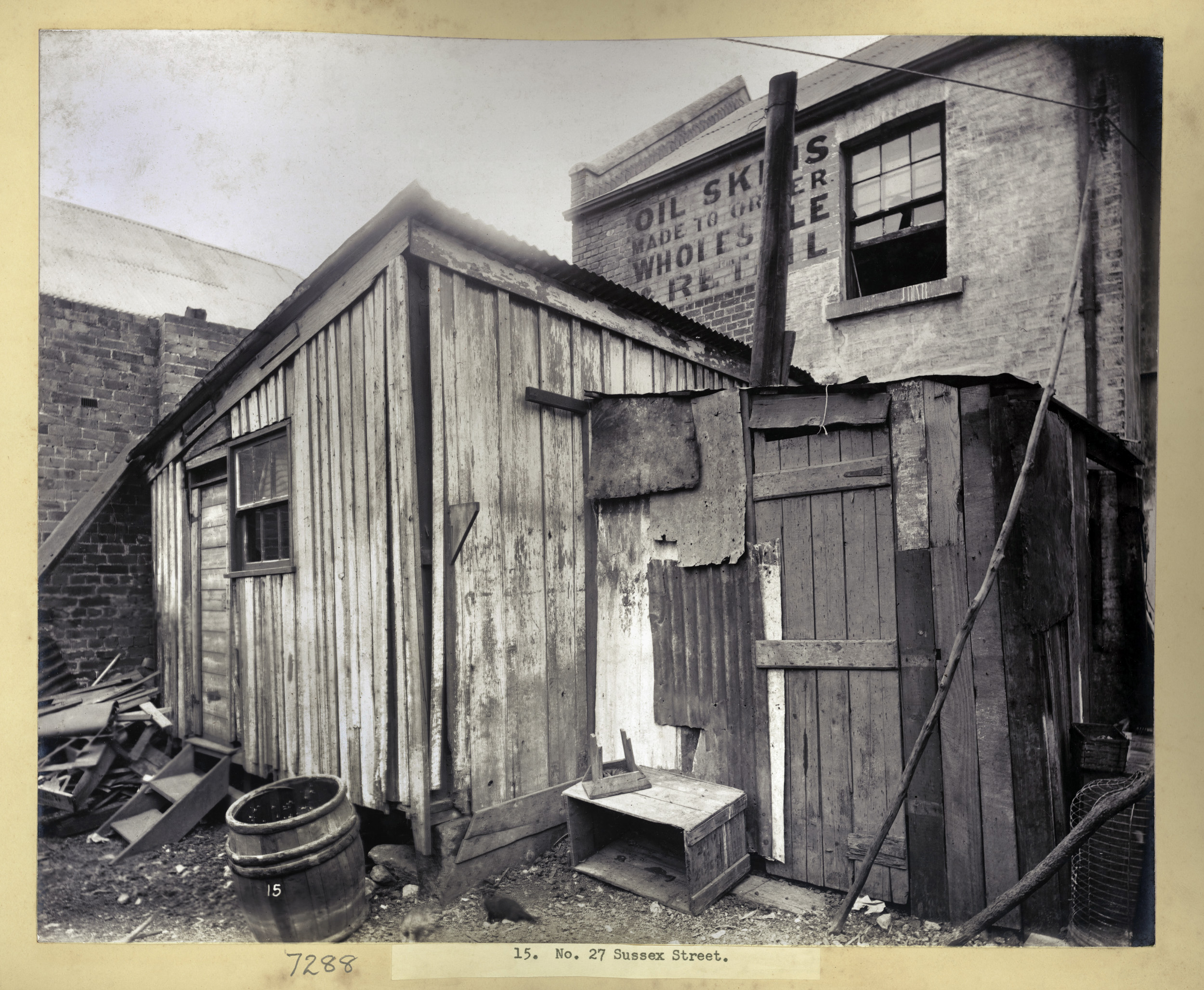
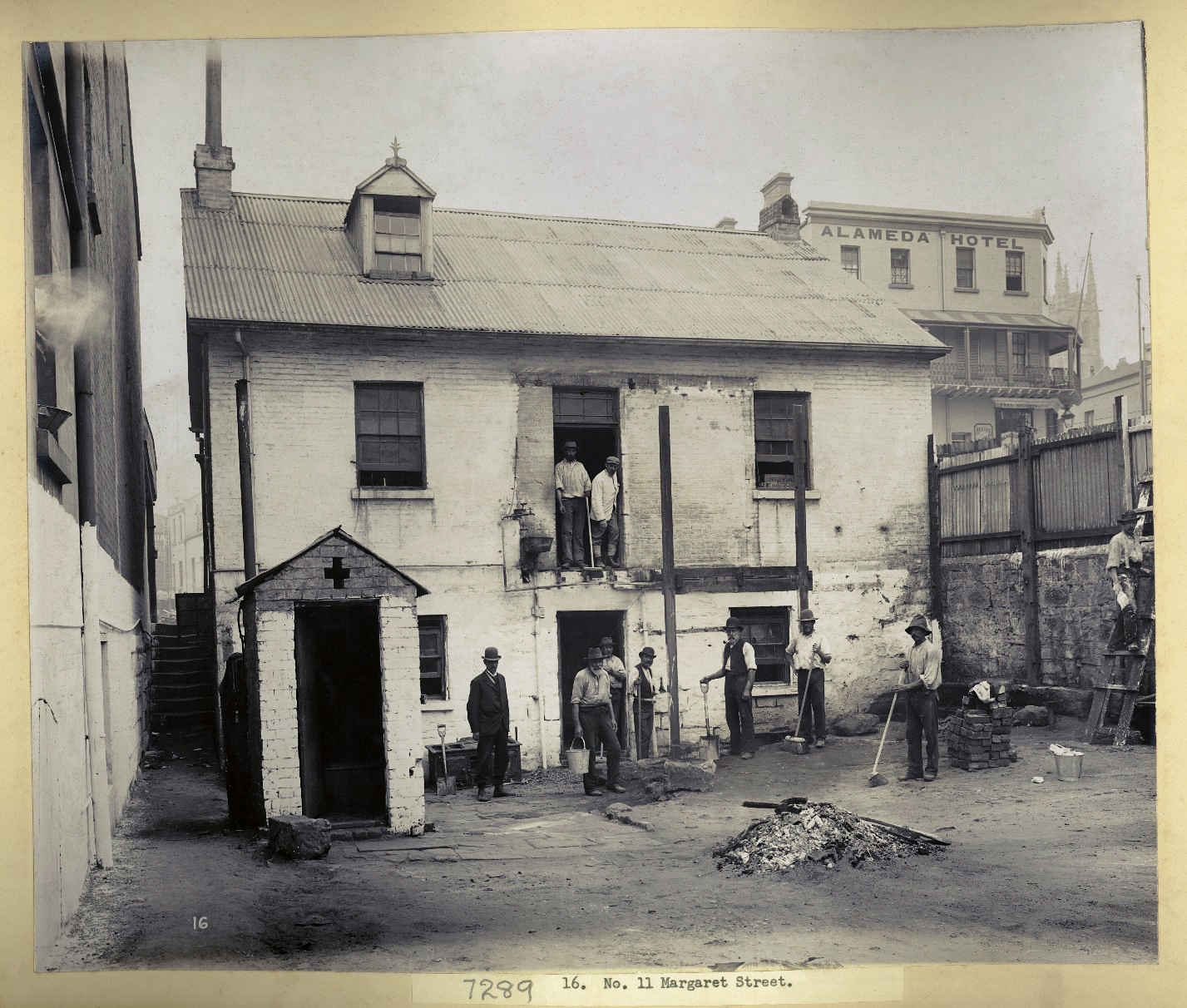
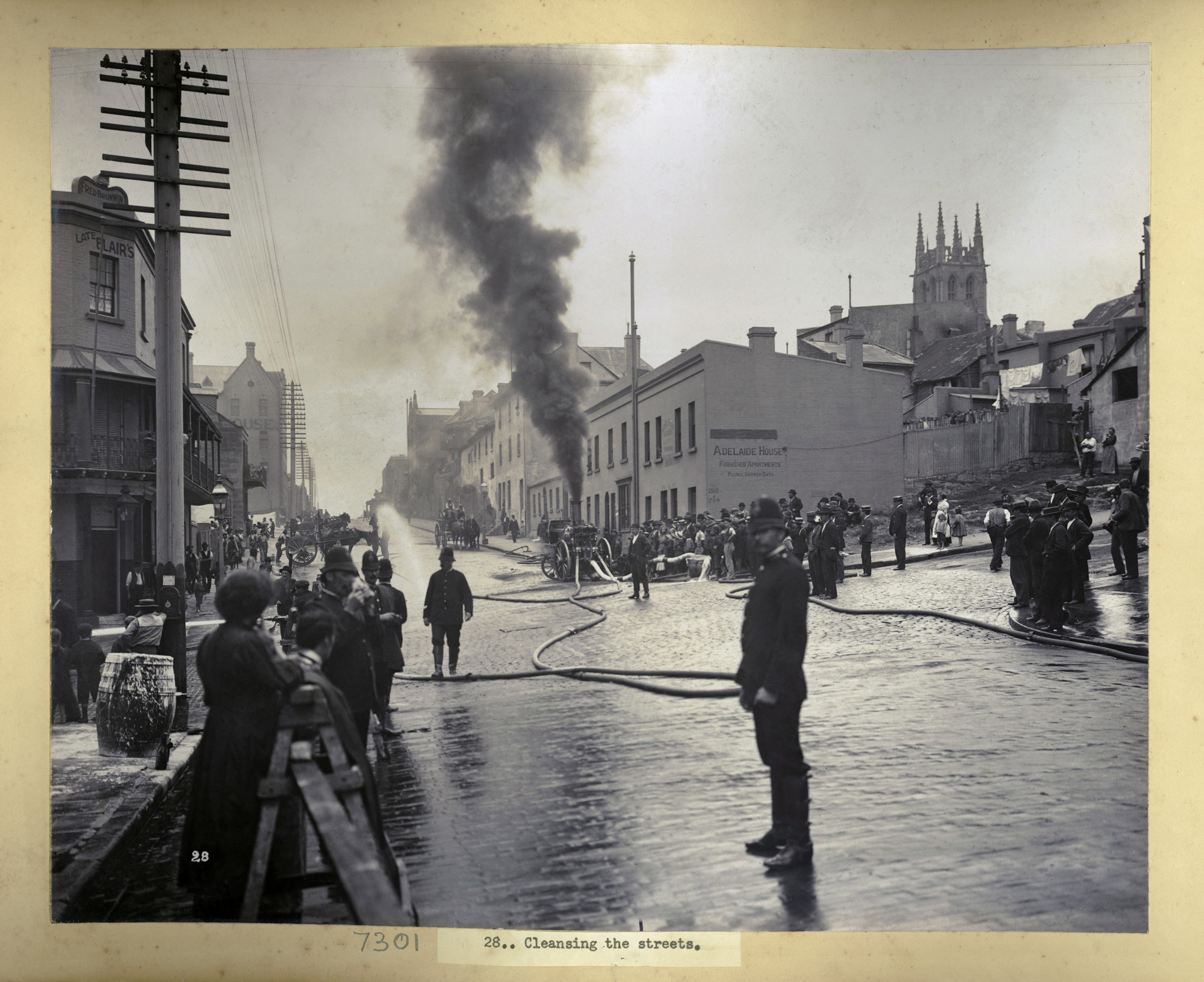
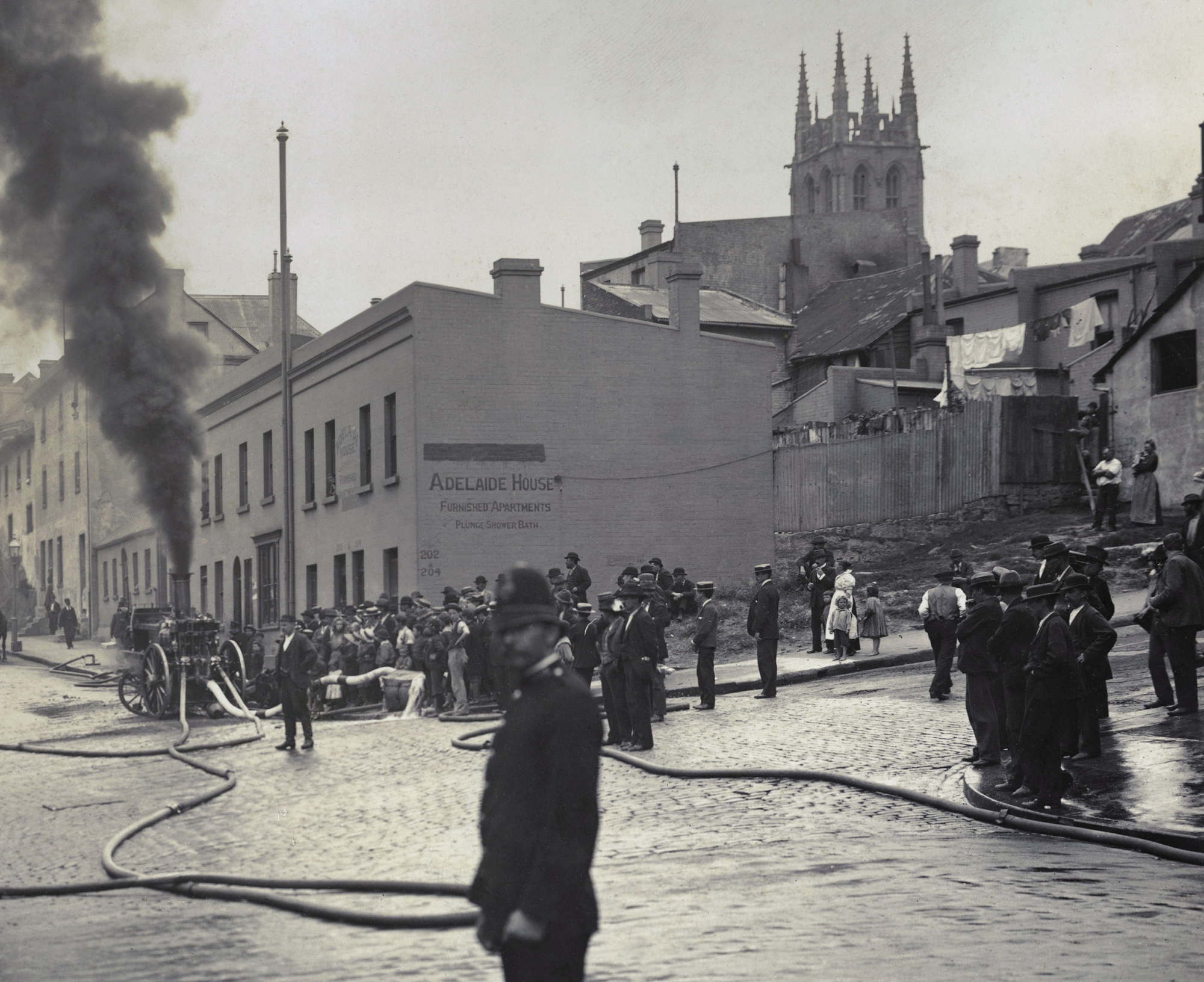
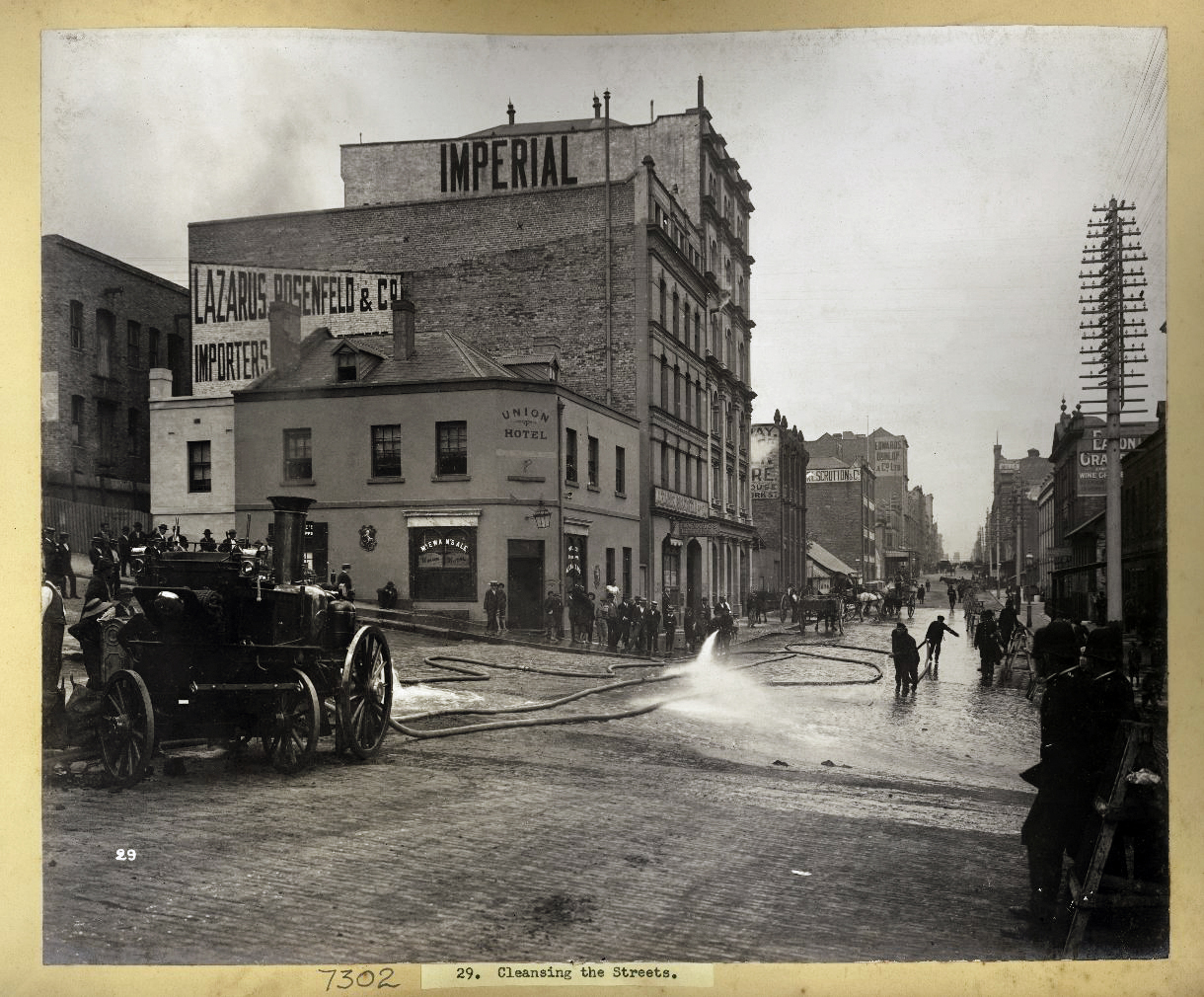
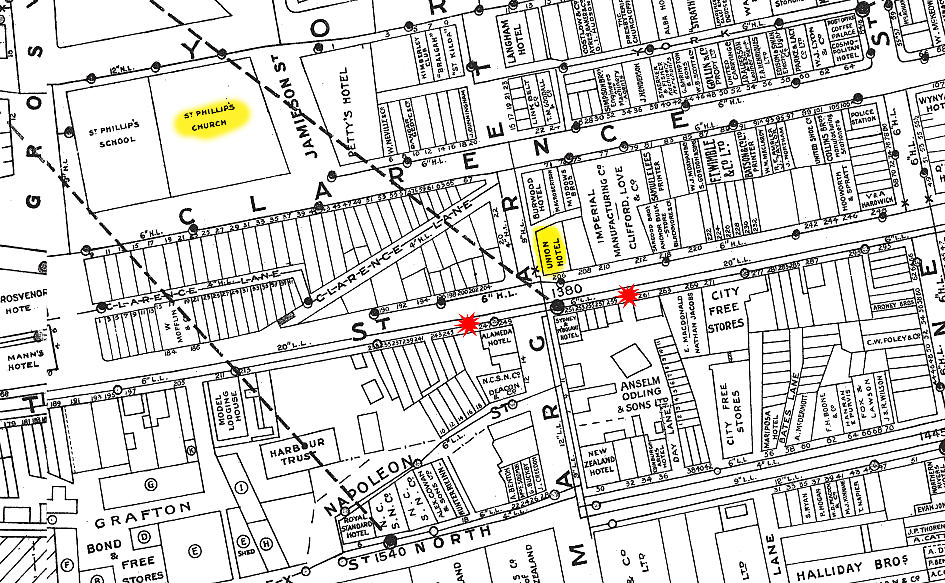
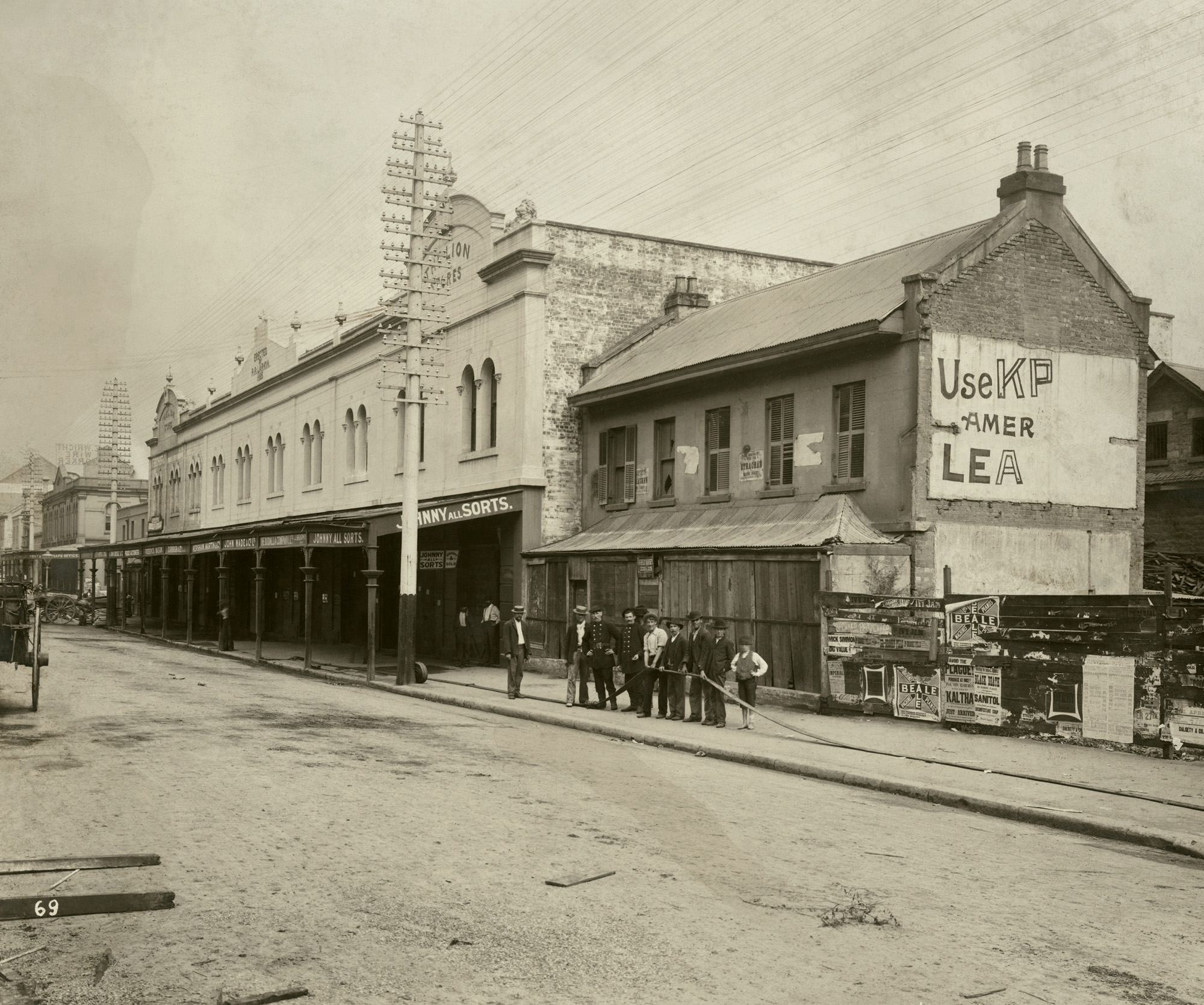
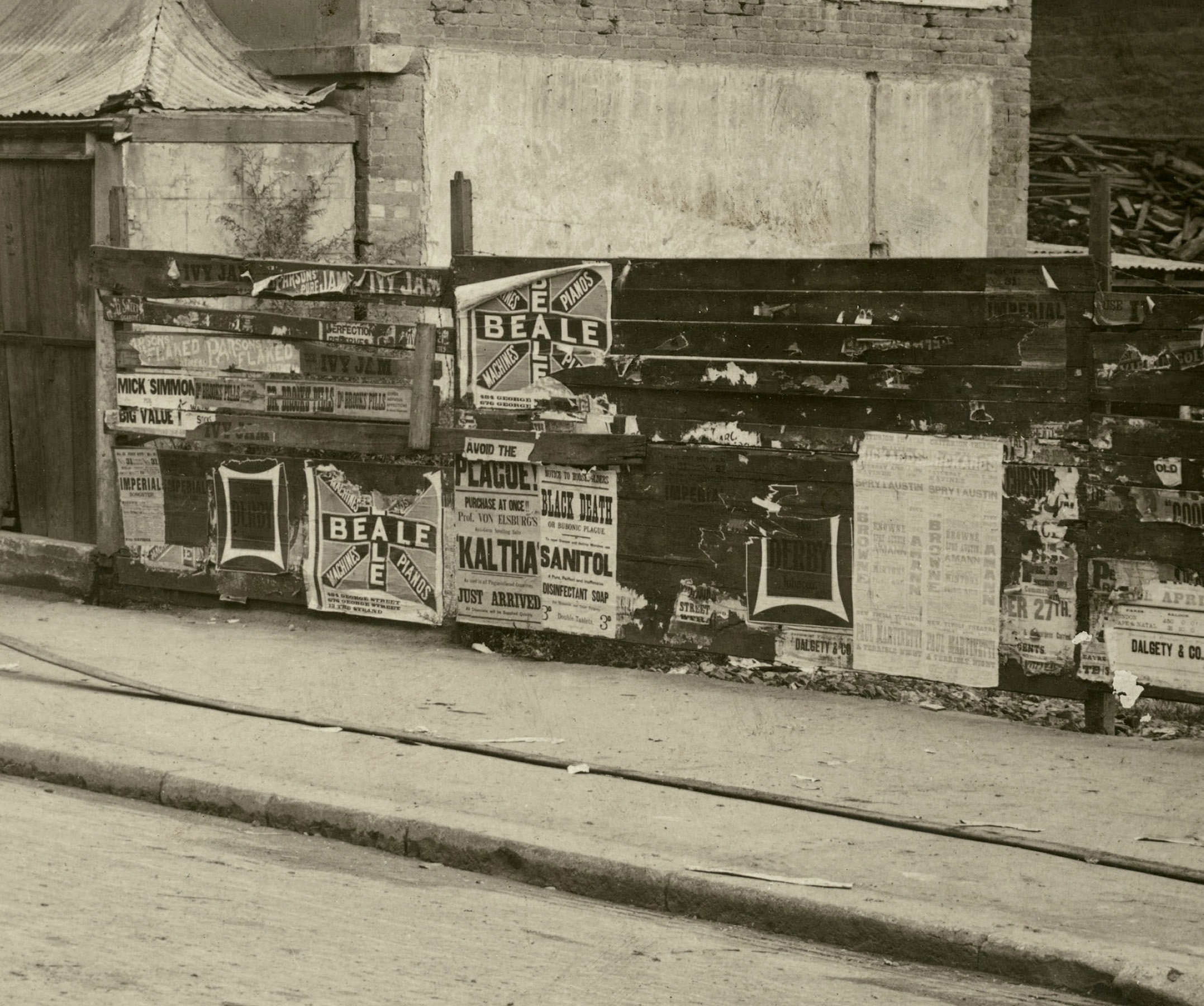
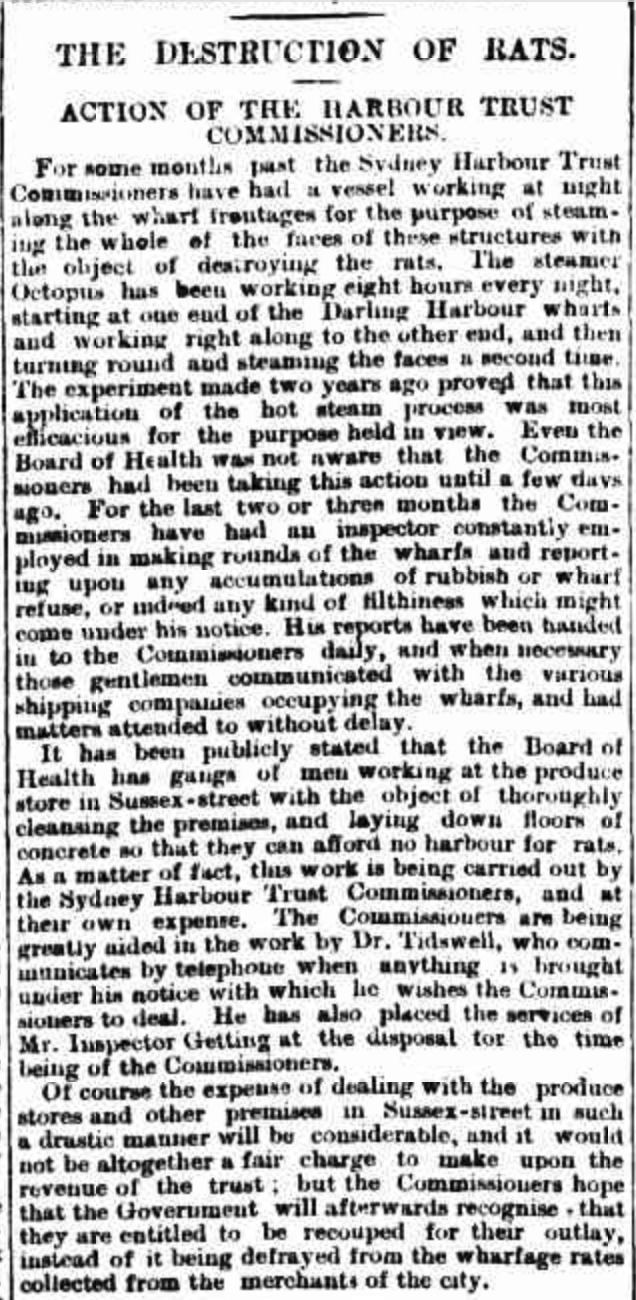
![John Degotardi Jr. (Australian, 1860-1937) '70. [Octopus] Cleansing the Wharves' 1900](https://artblart.com/wp-content/uploads/2020/04/cleansing-the-wharves.jpg "John Degotardi Jr. (Australian, 1860-1937) '70. [Octopus] Cleansing the Wharves' 1900")
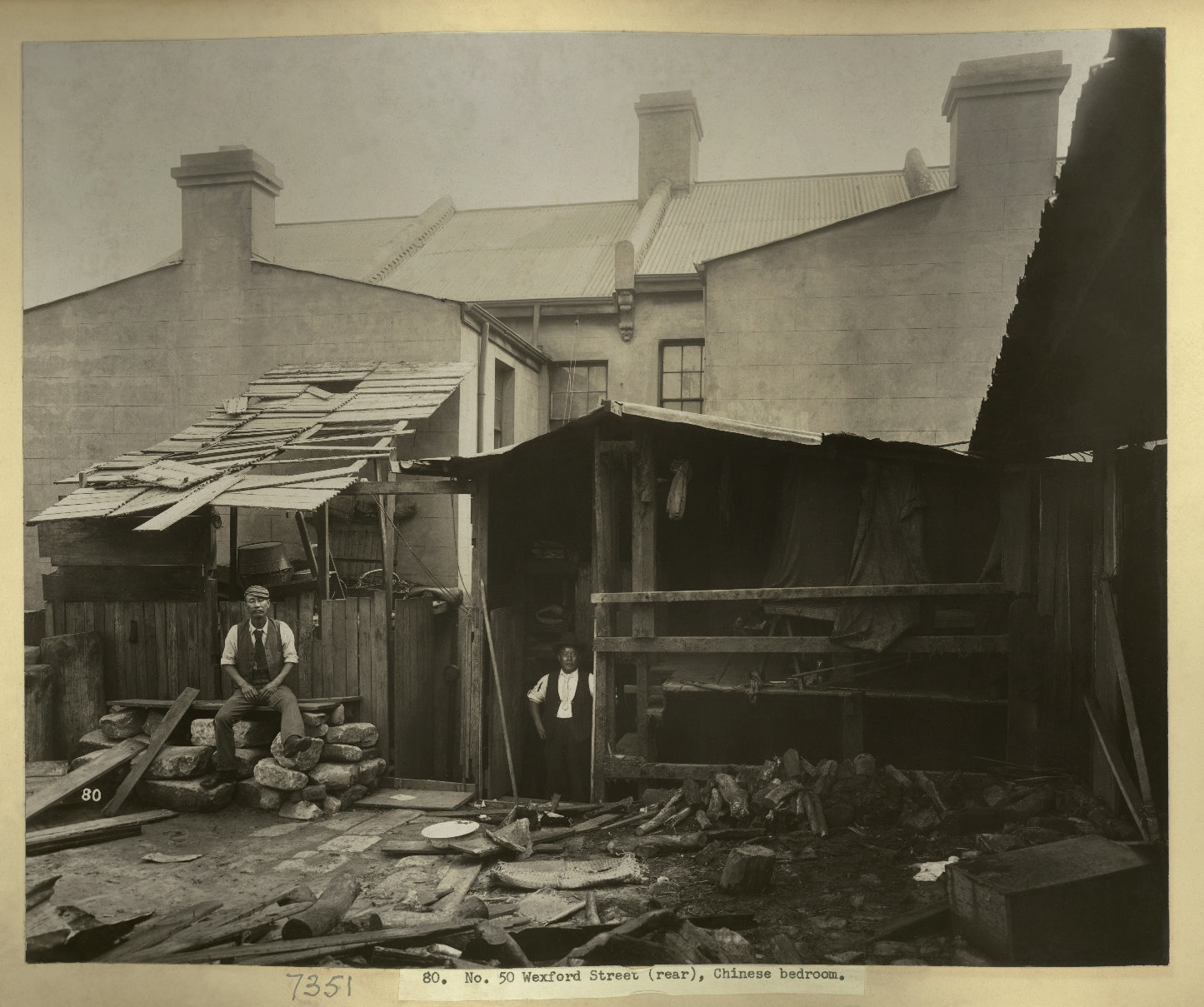
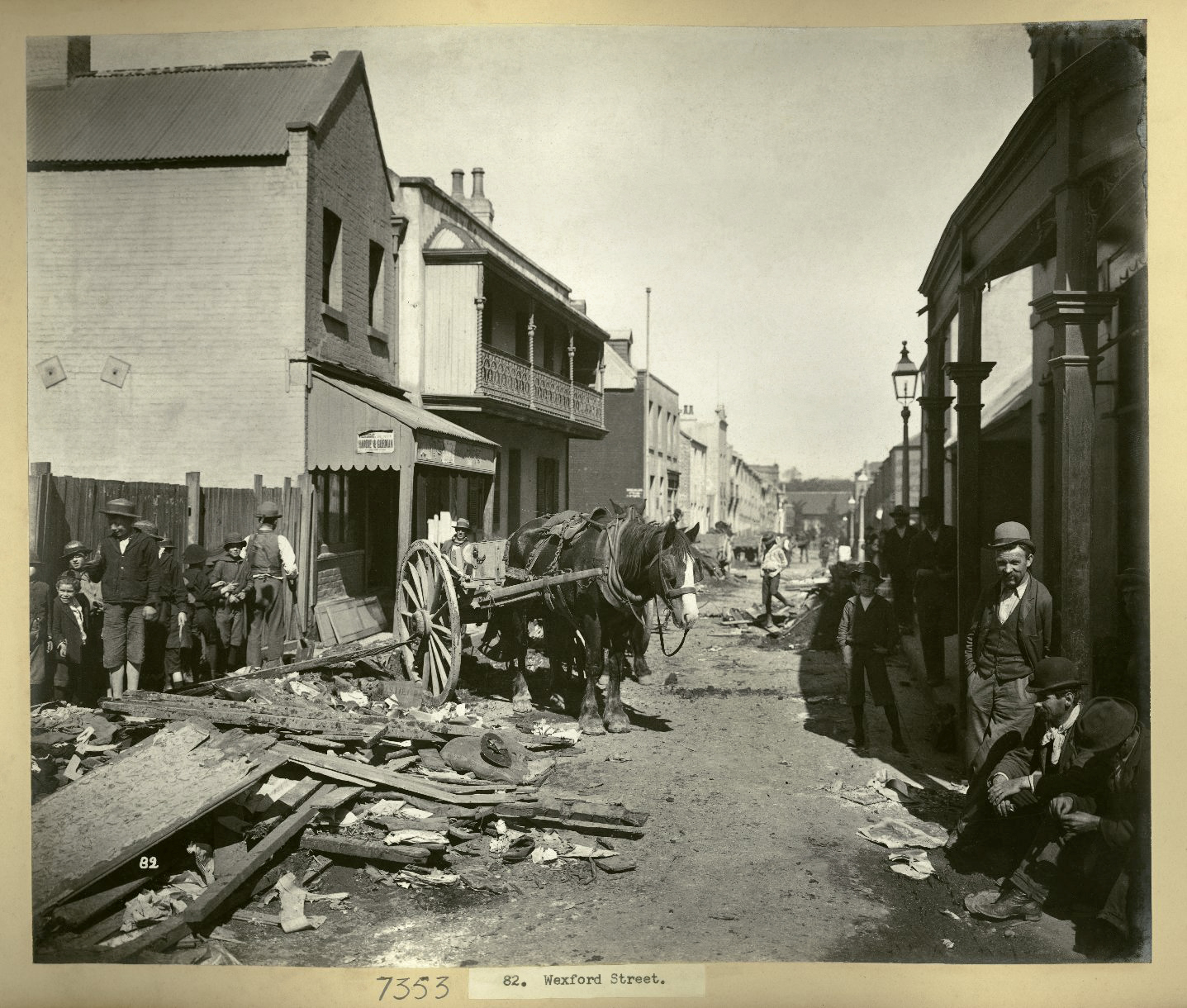
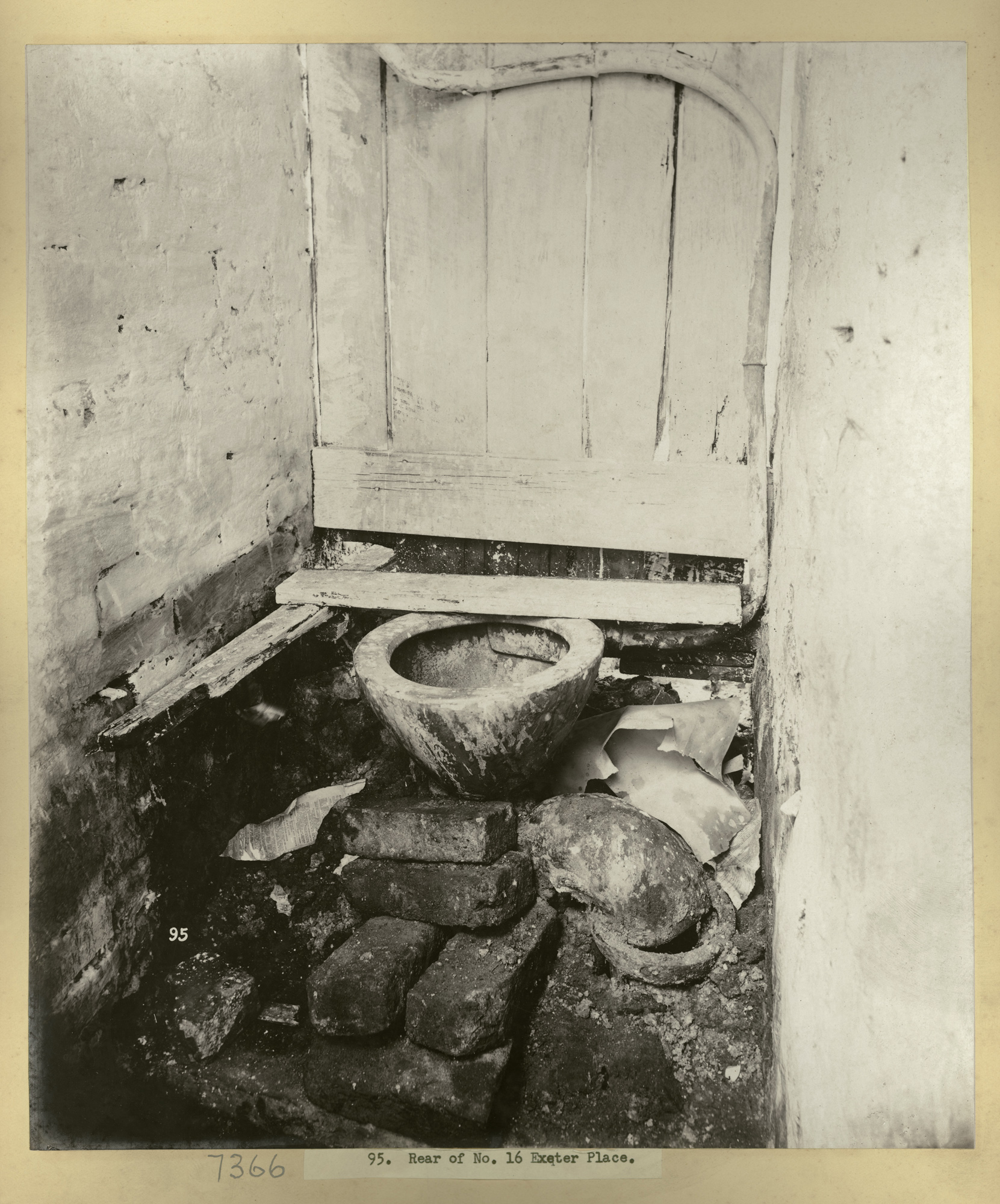
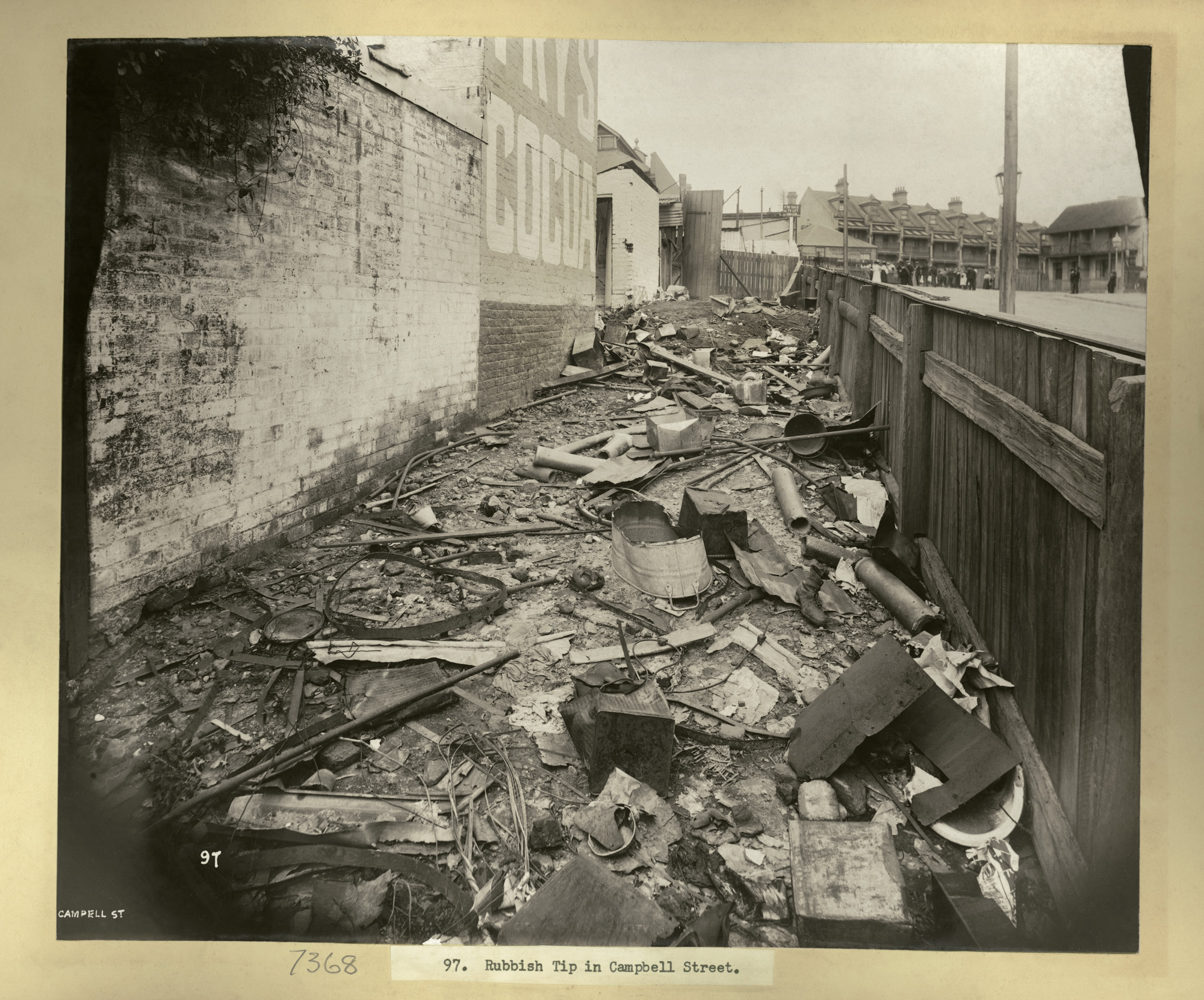
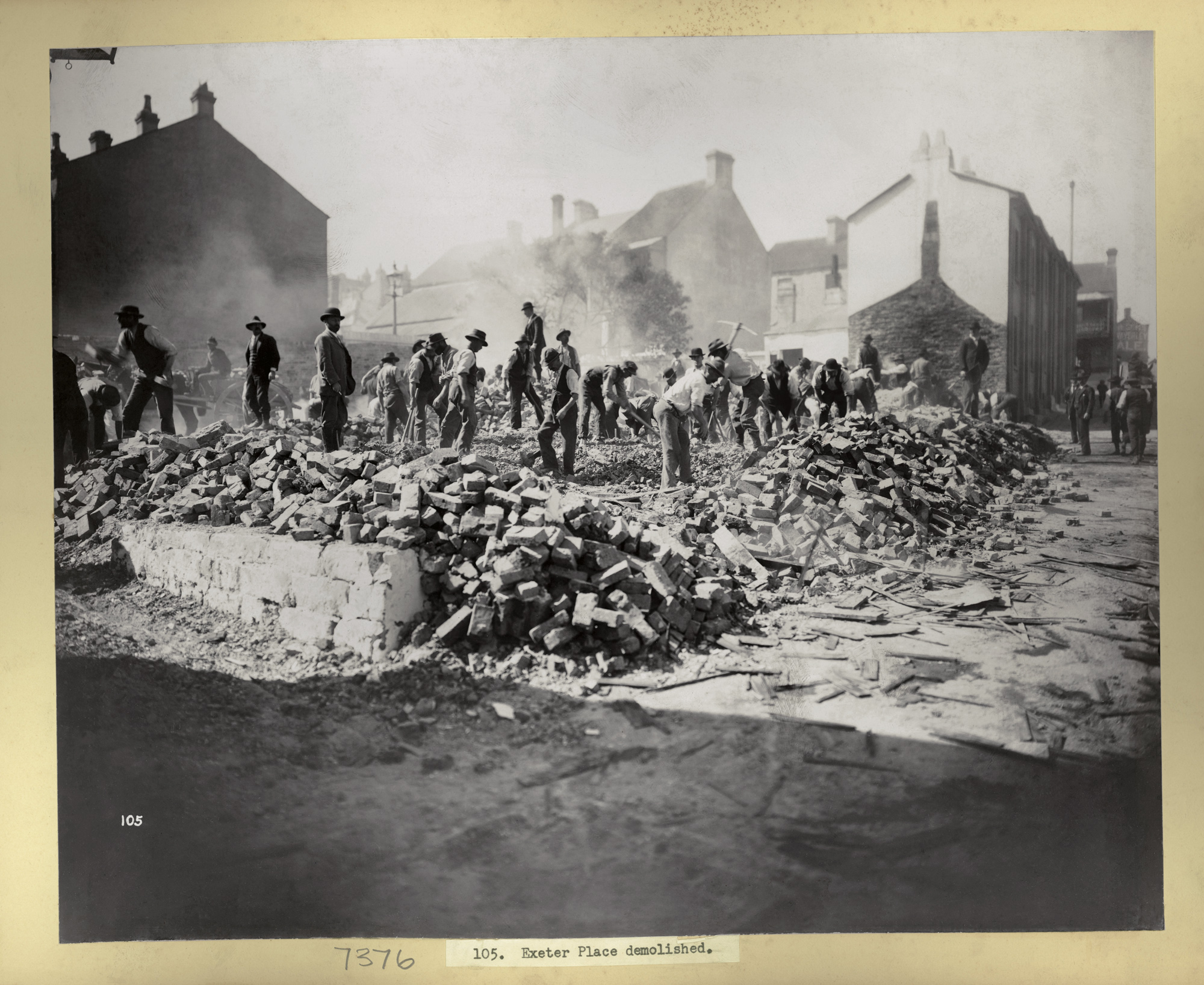
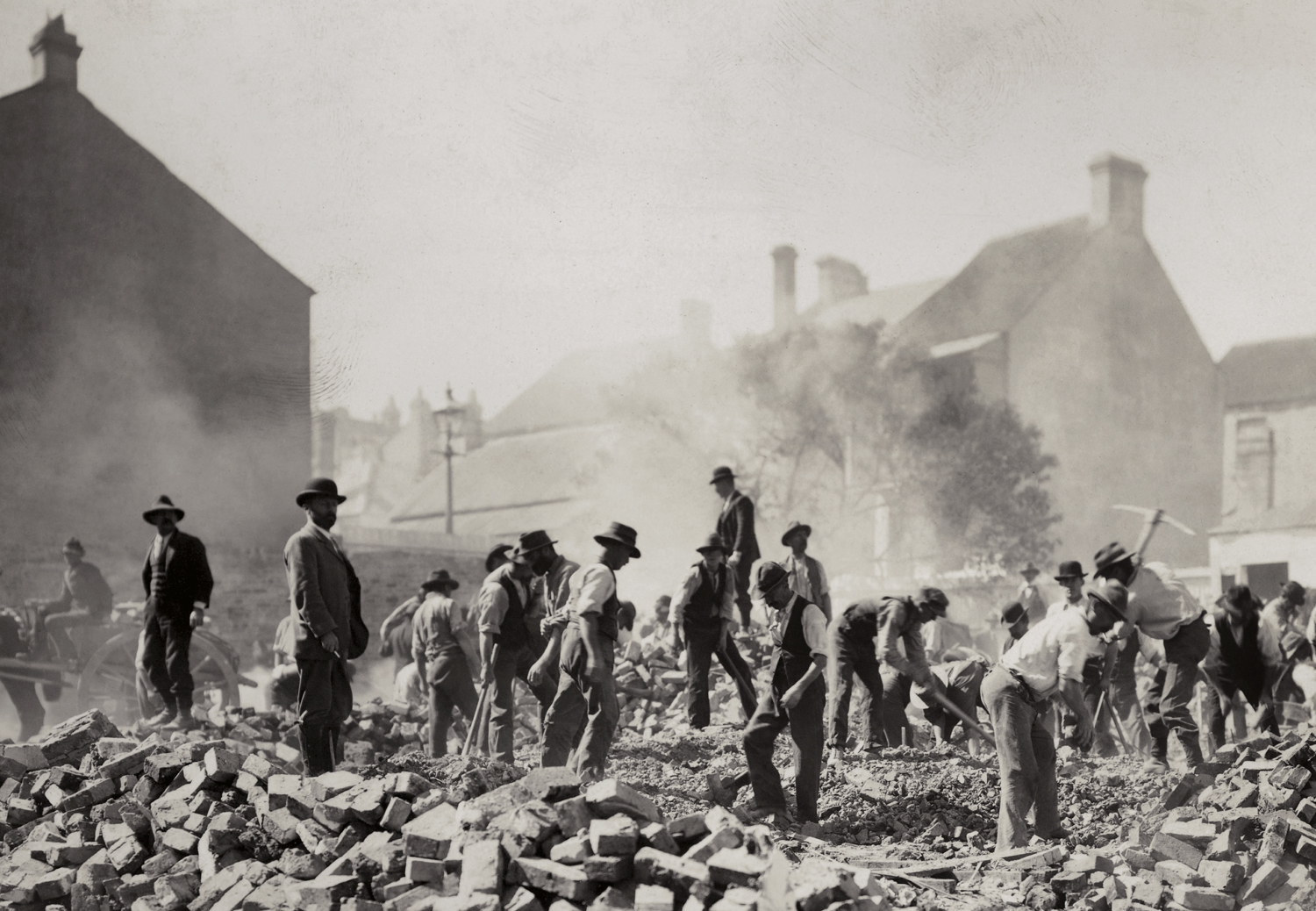
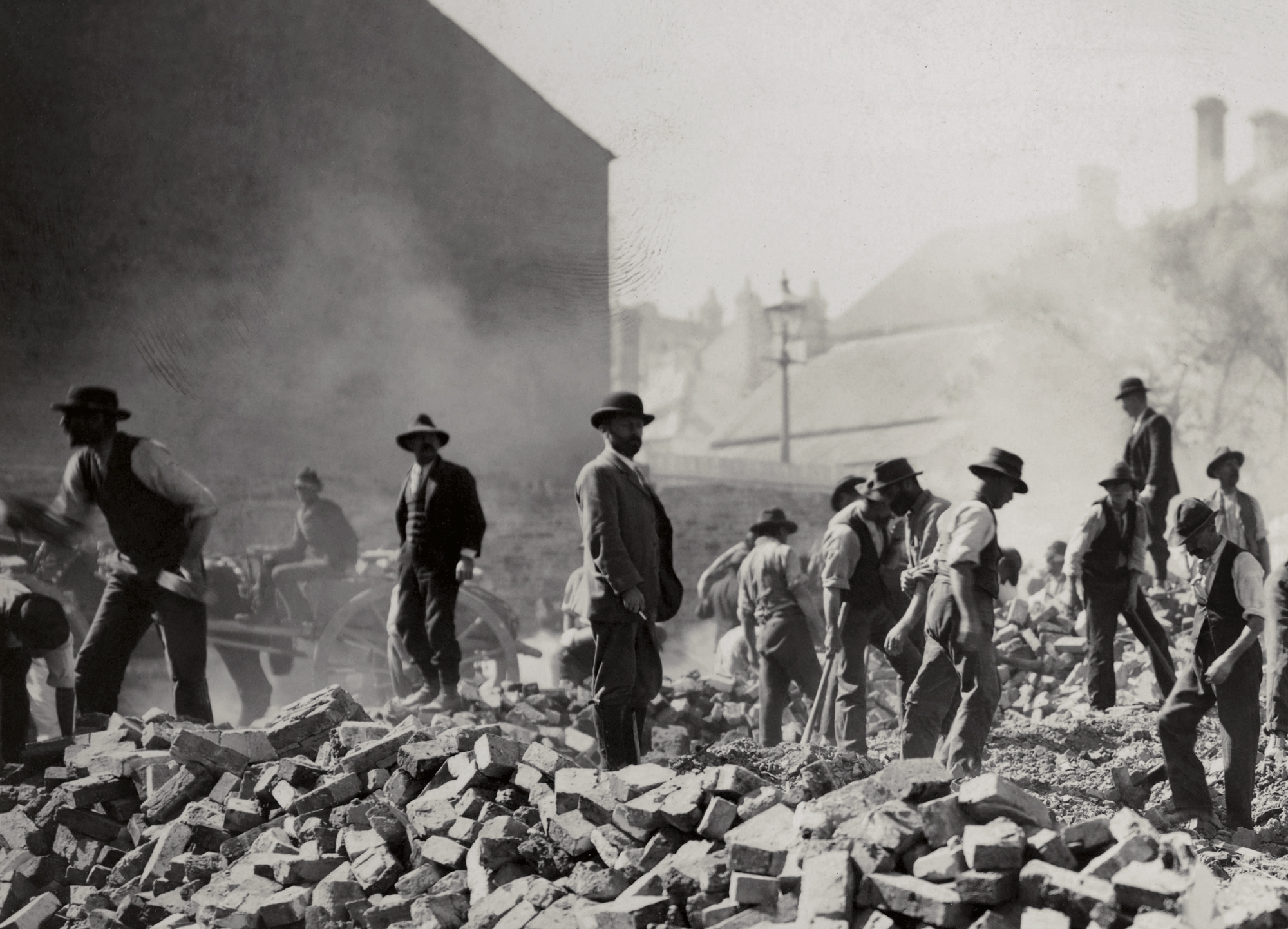
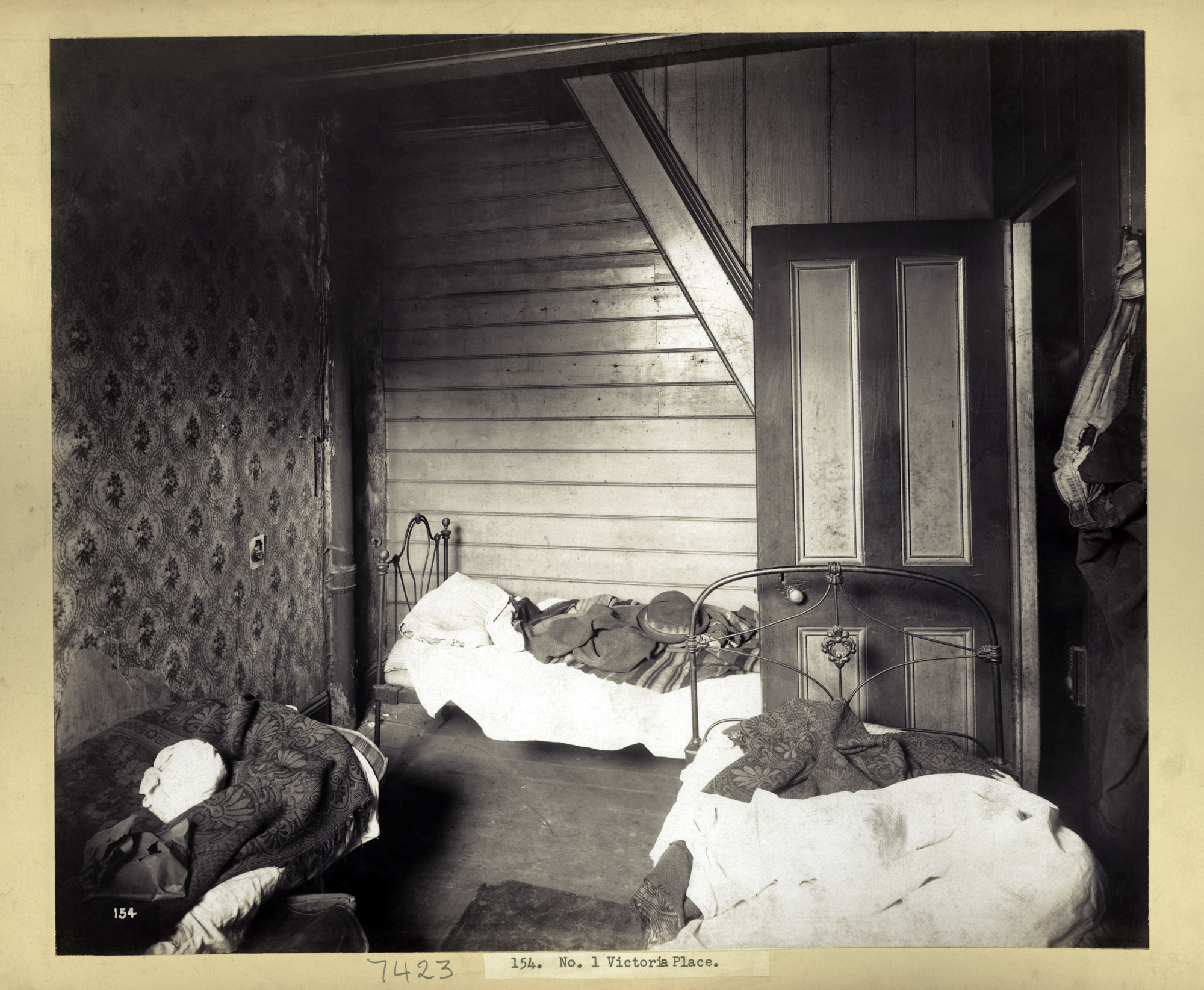
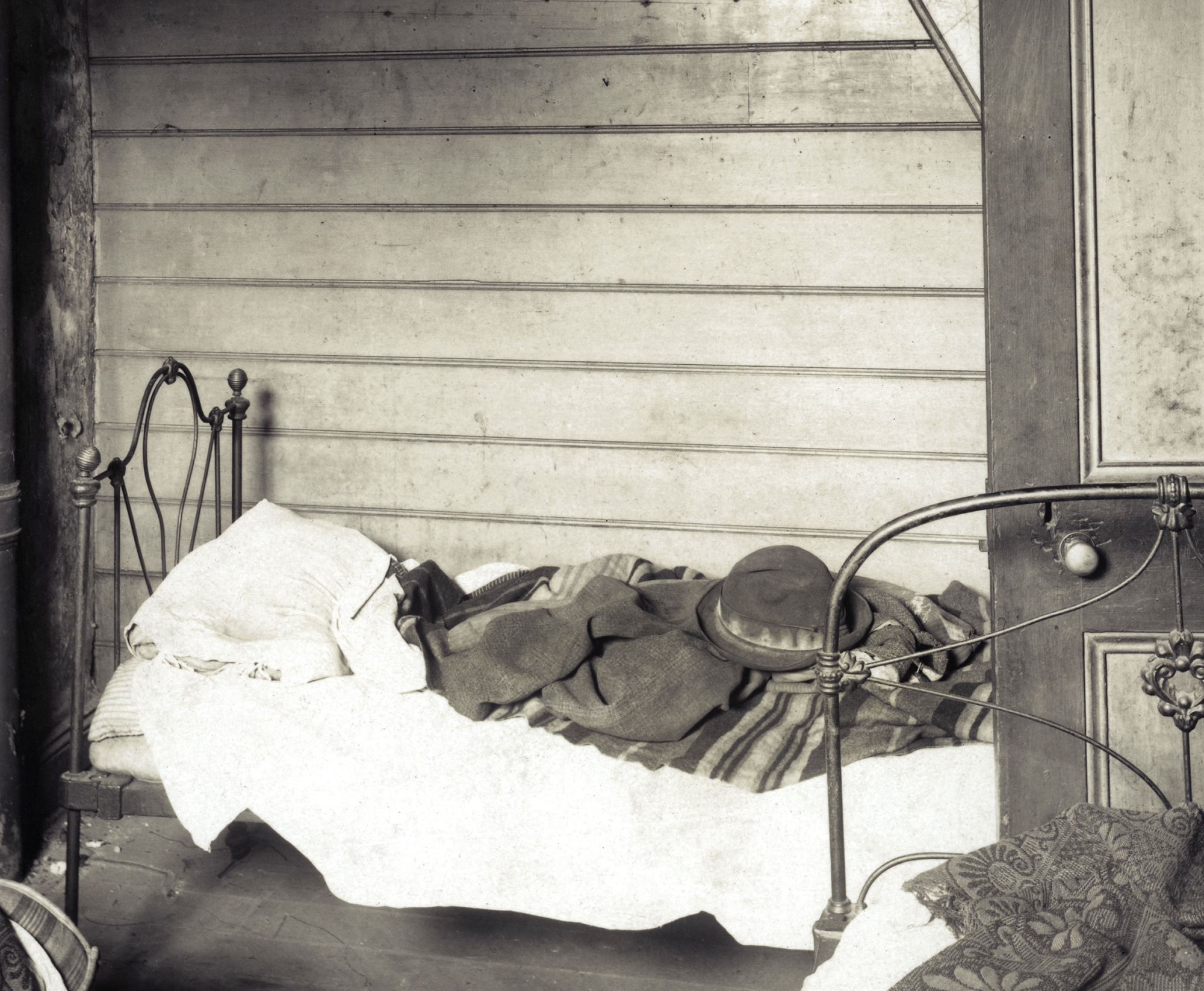
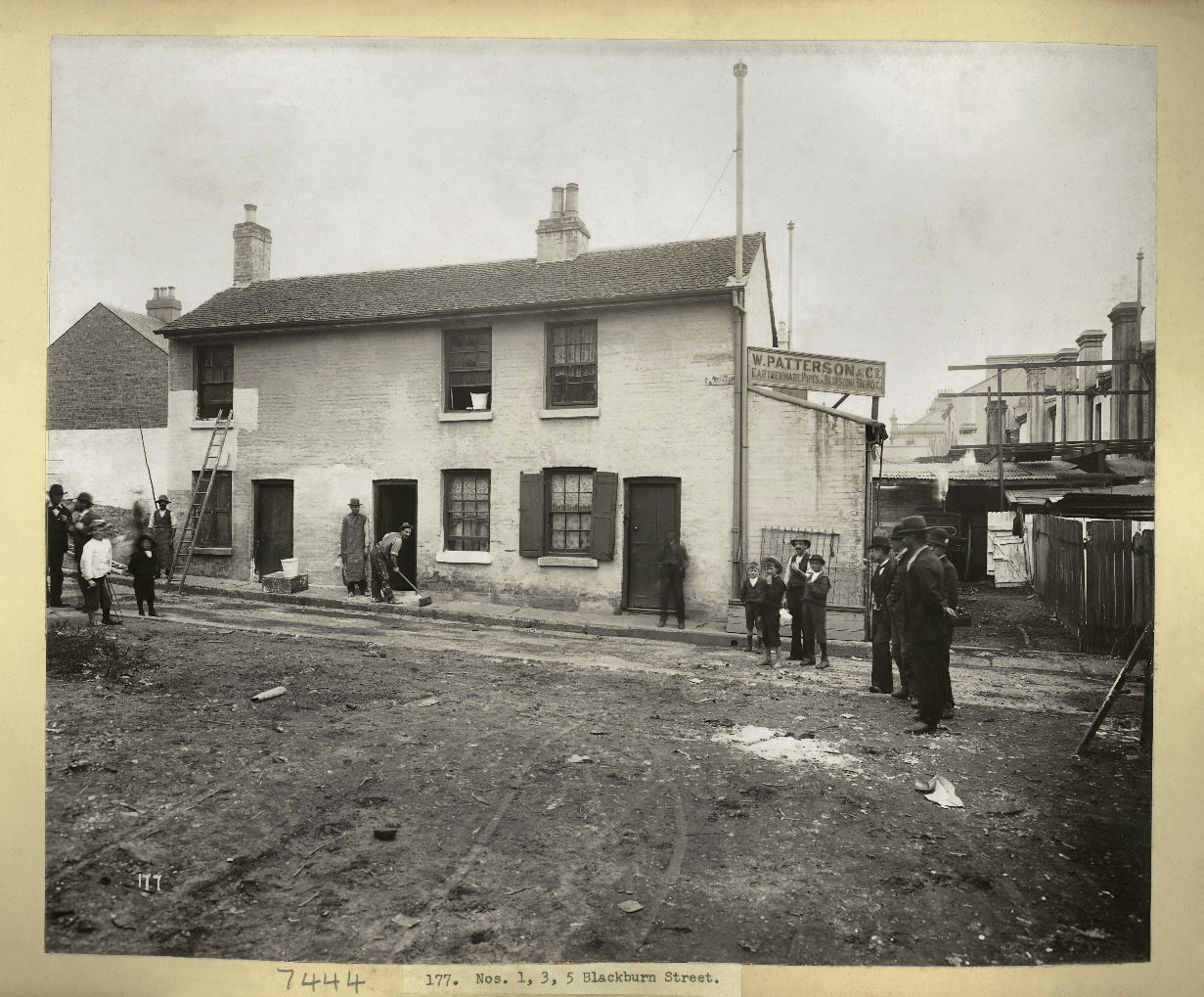
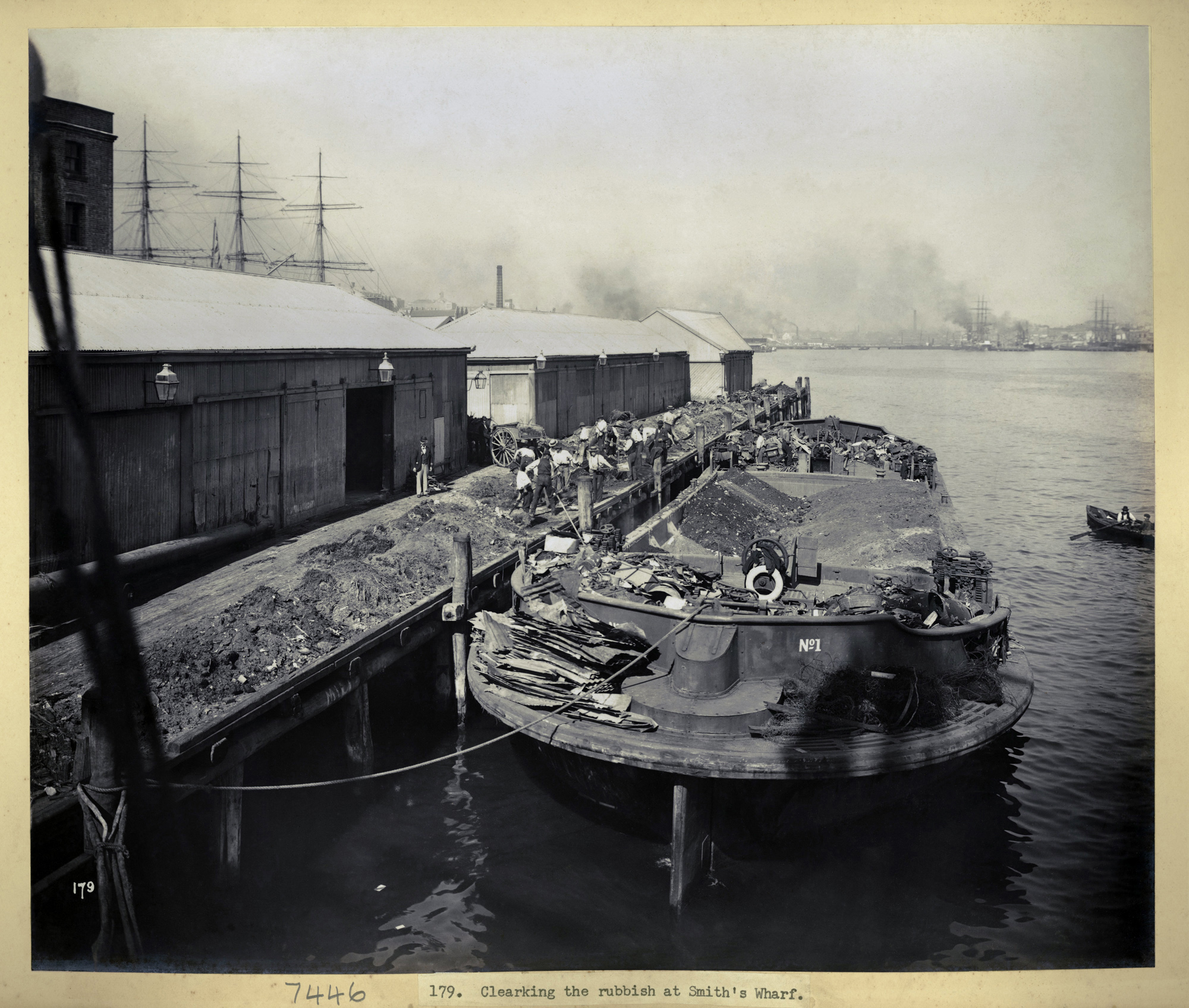
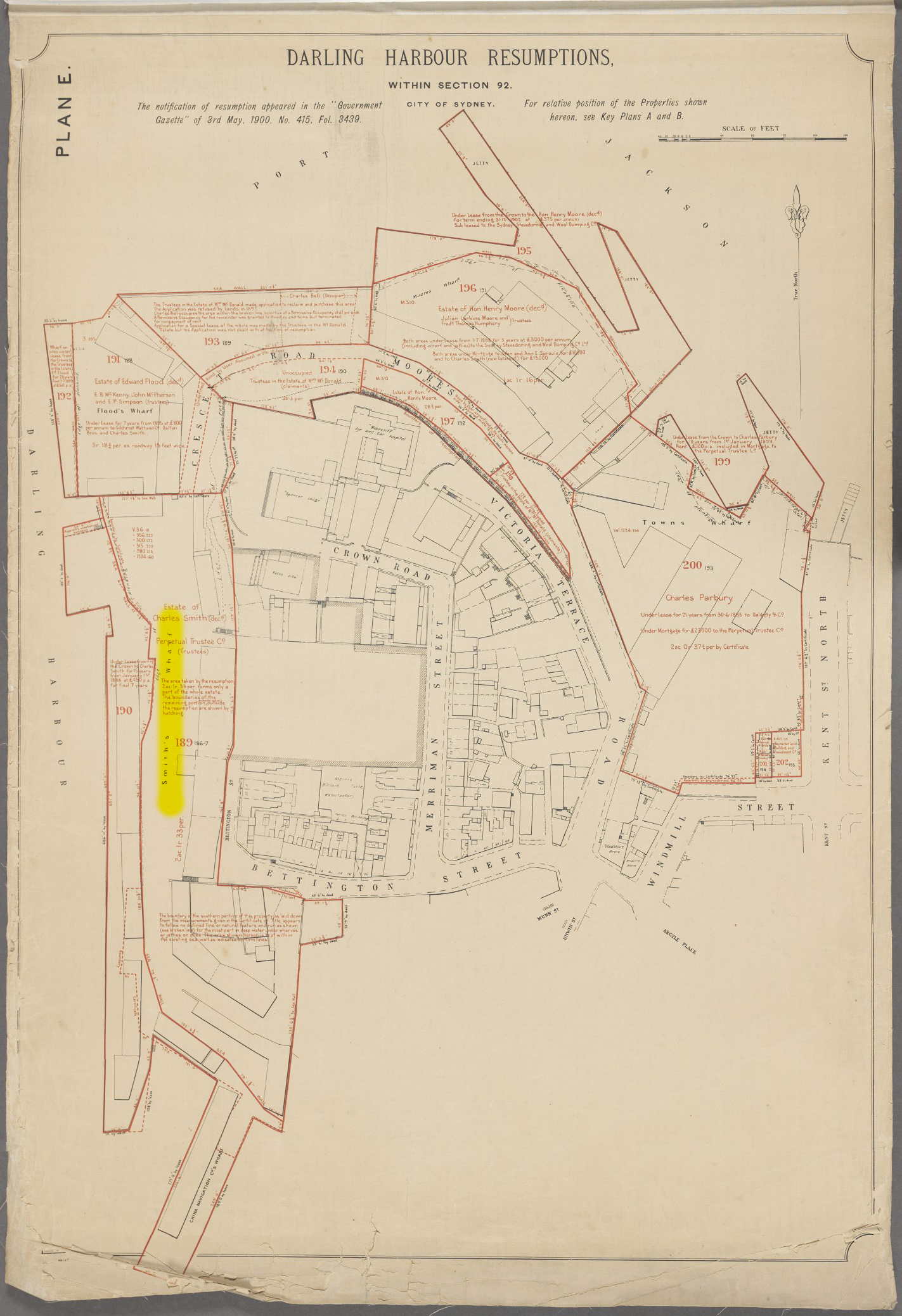
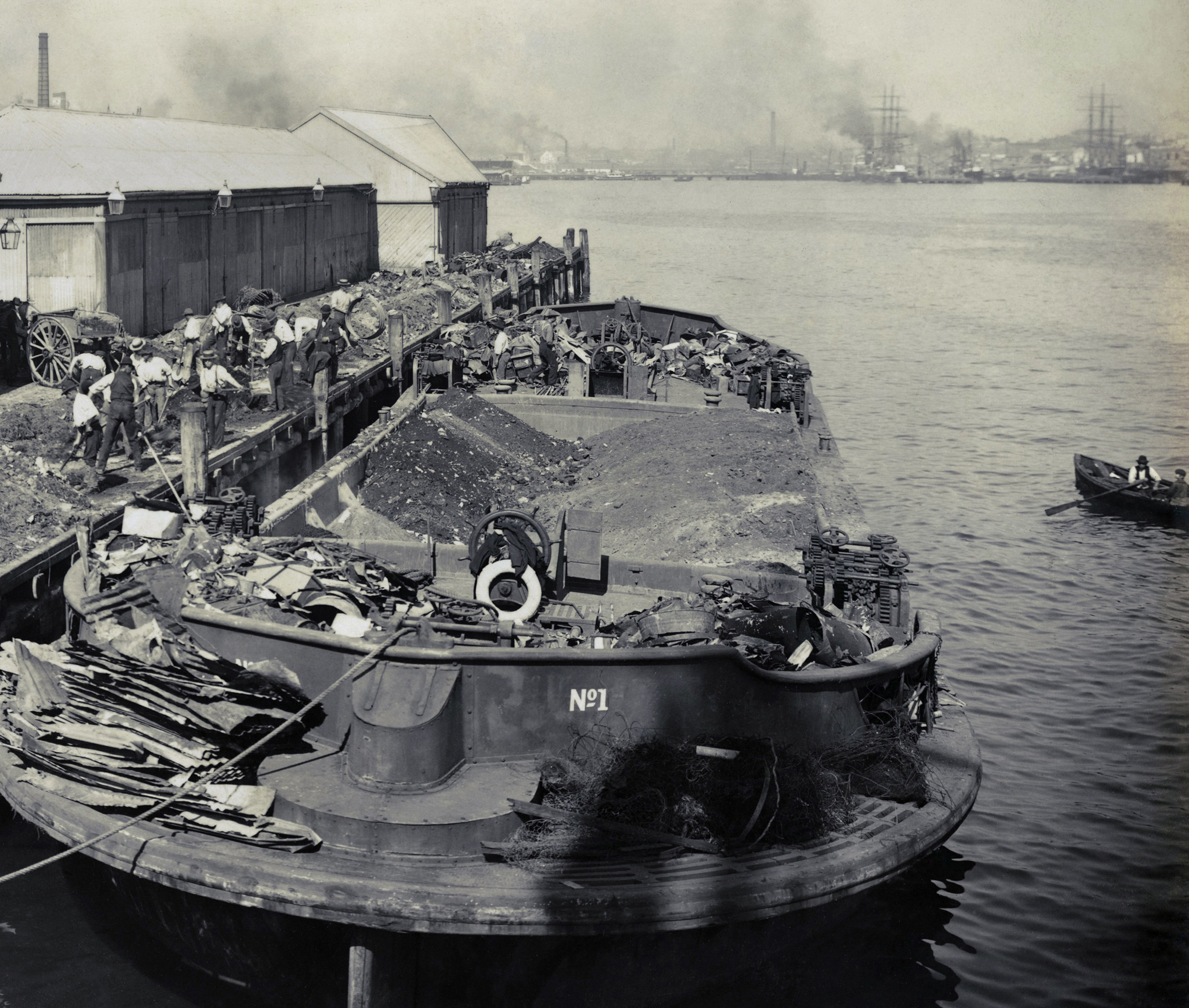
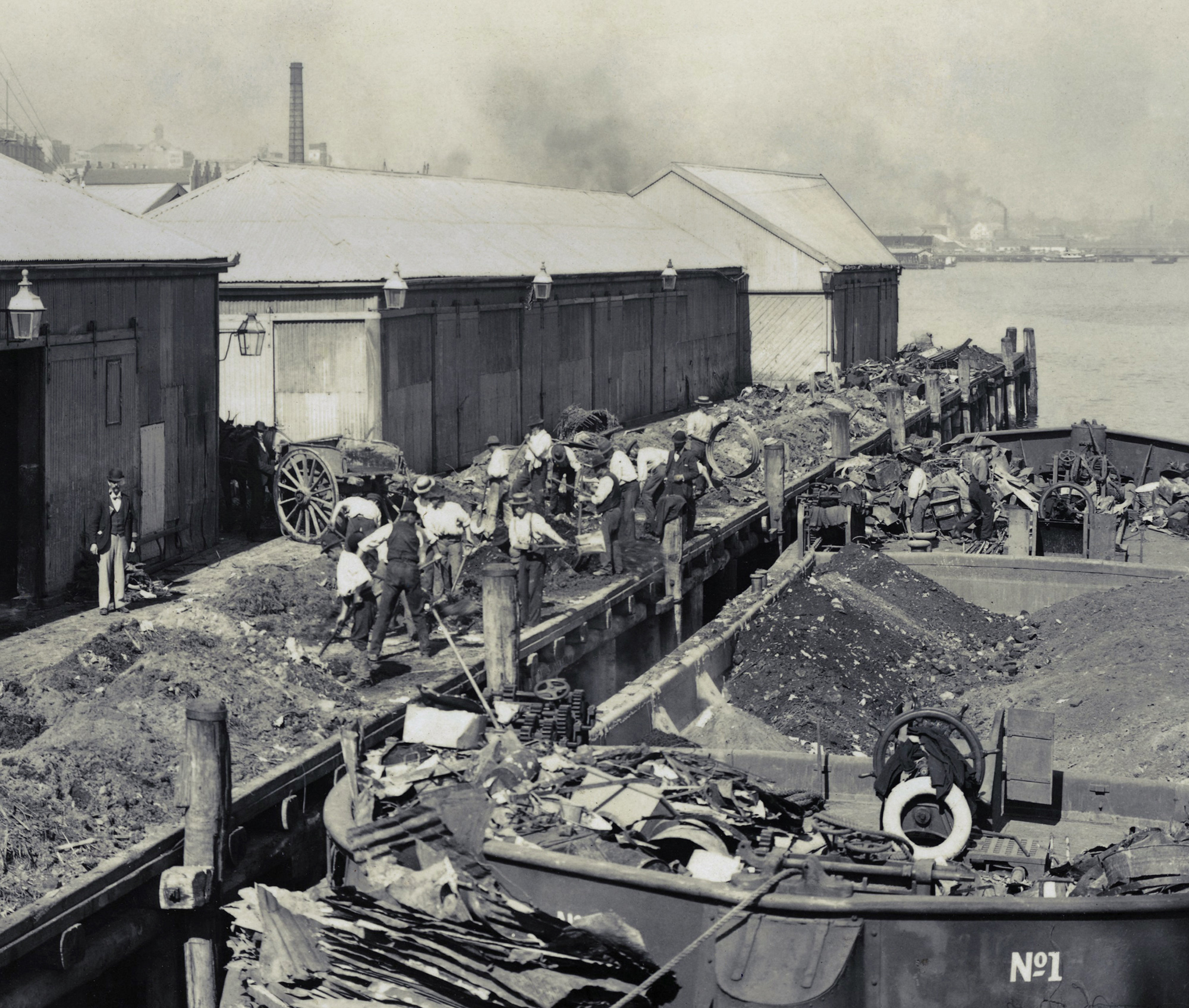
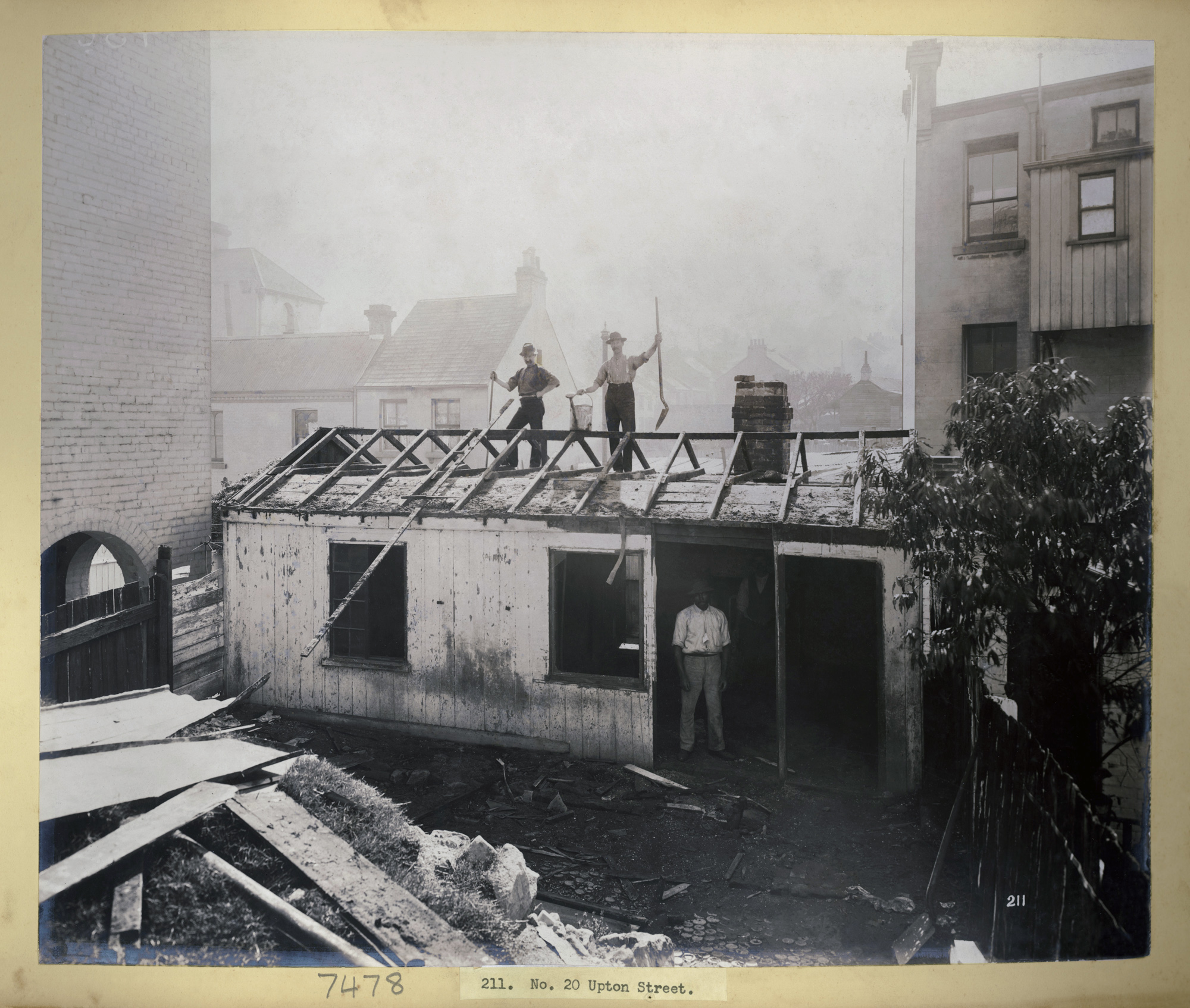
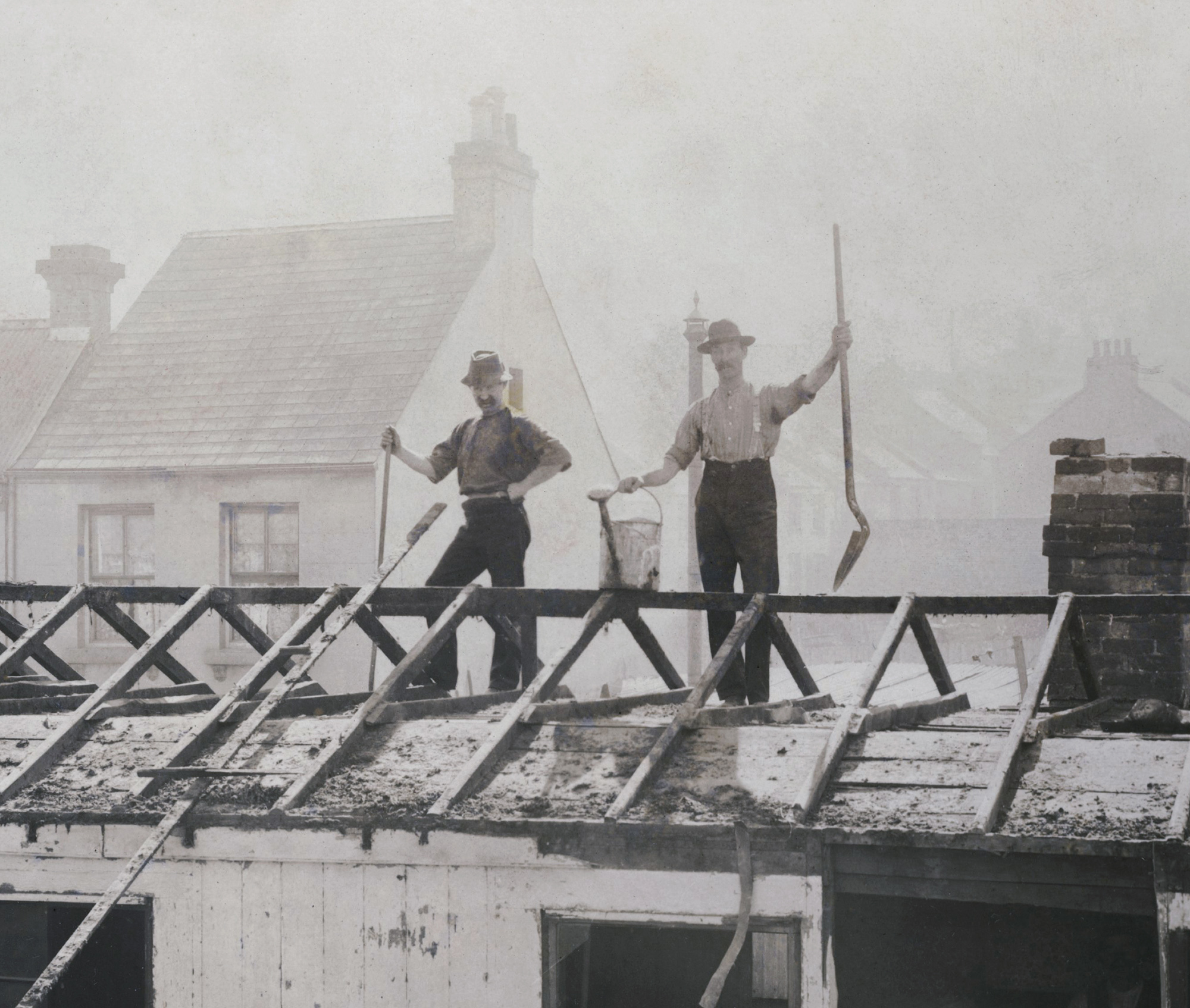
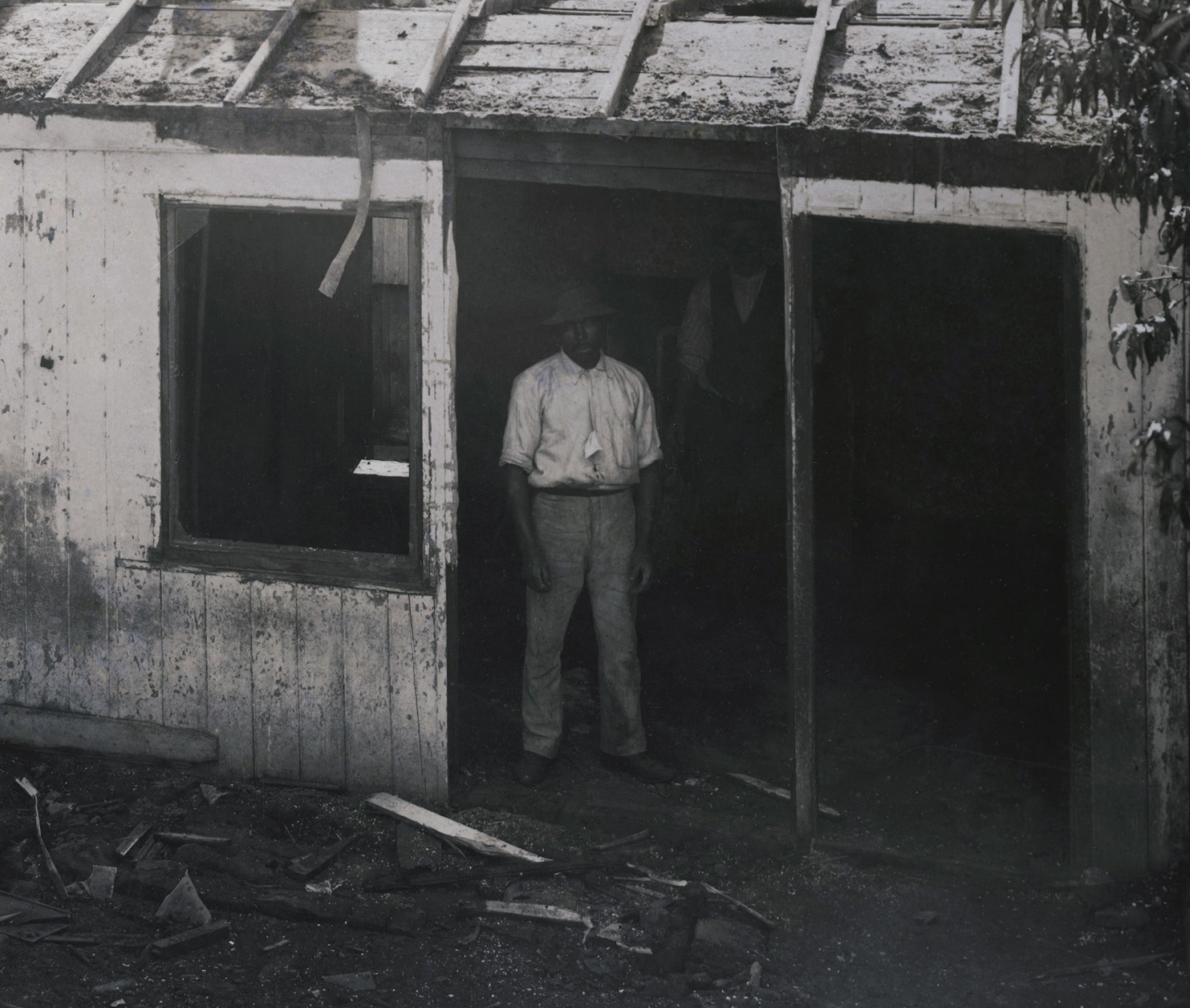
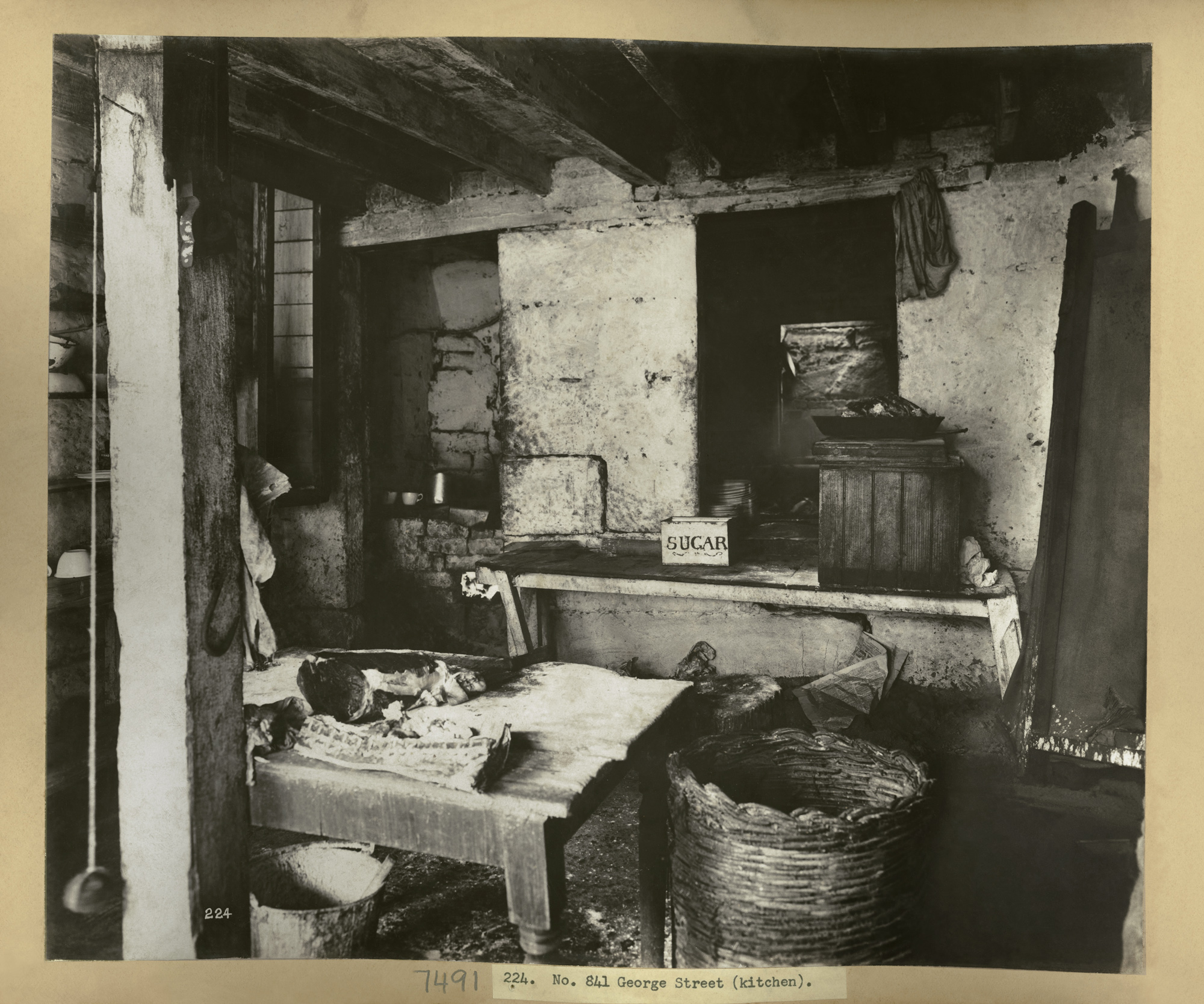
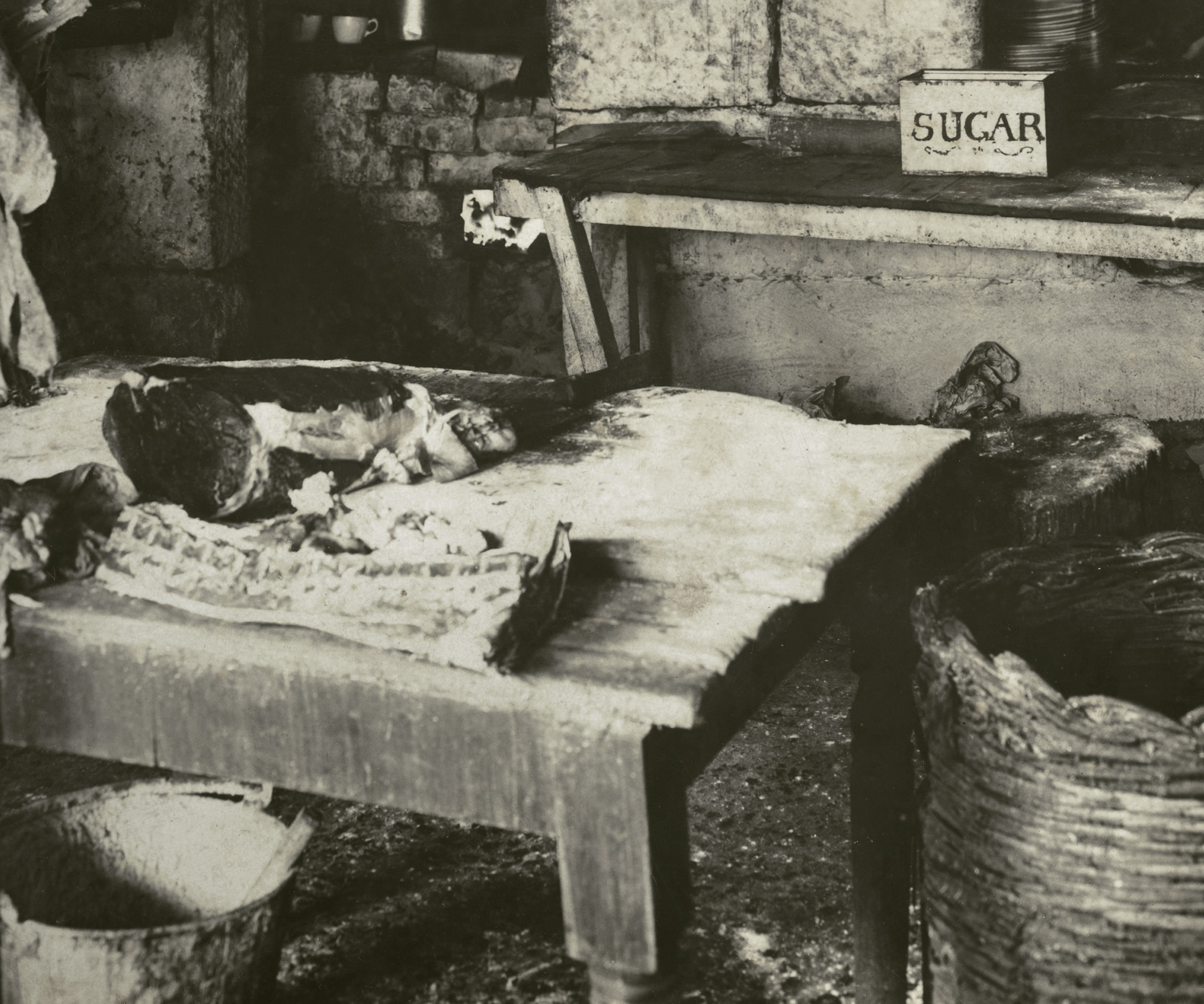
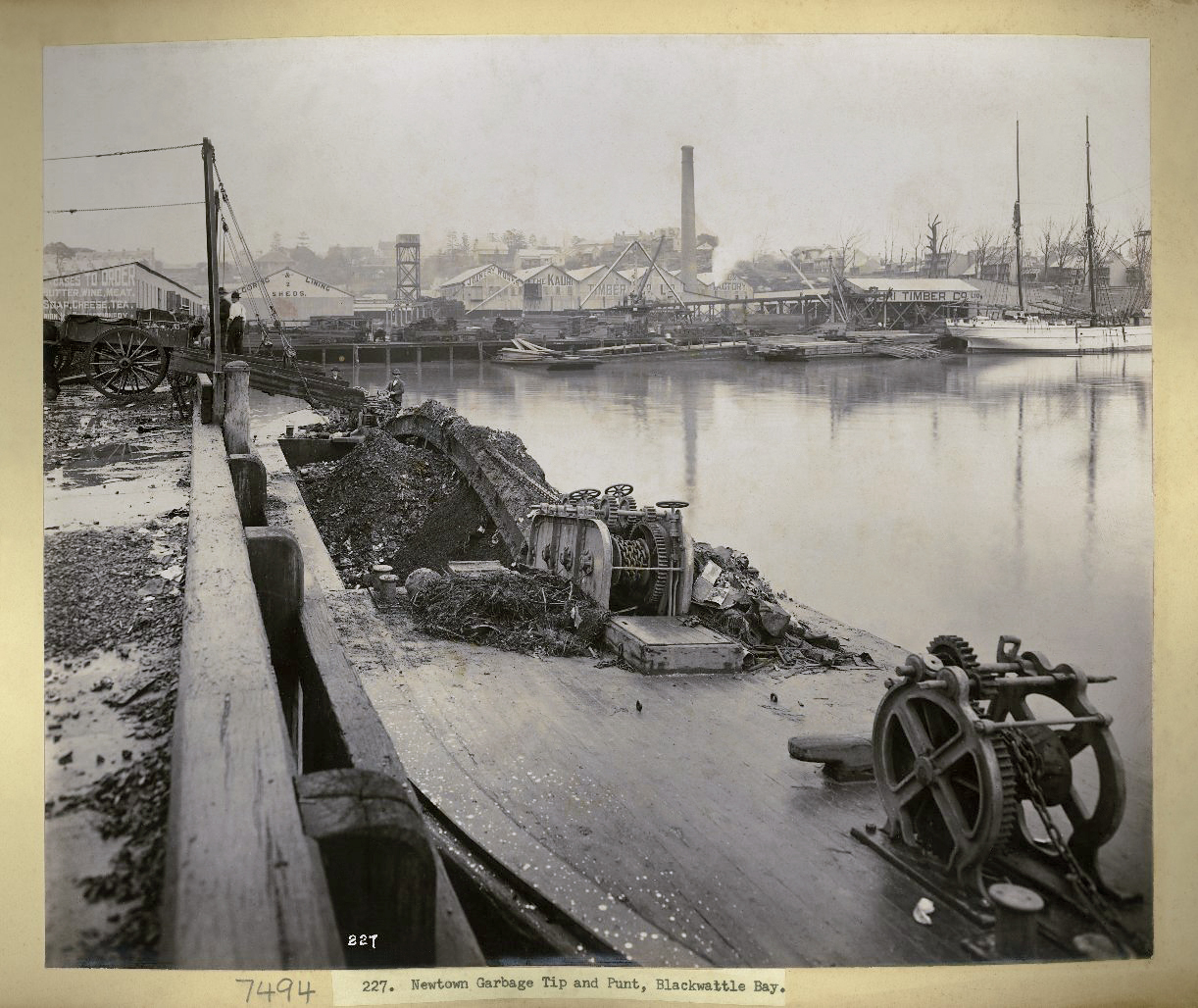
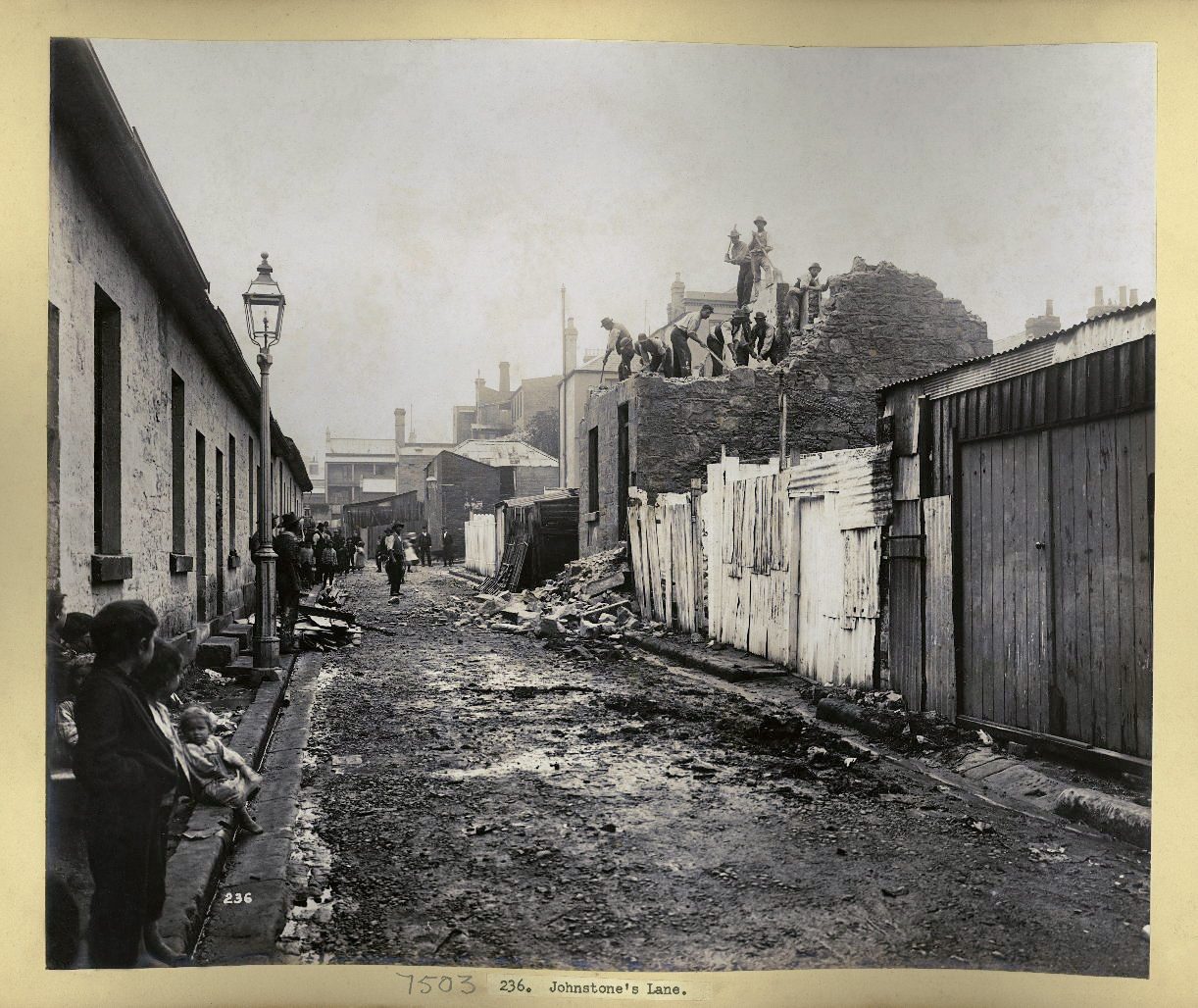
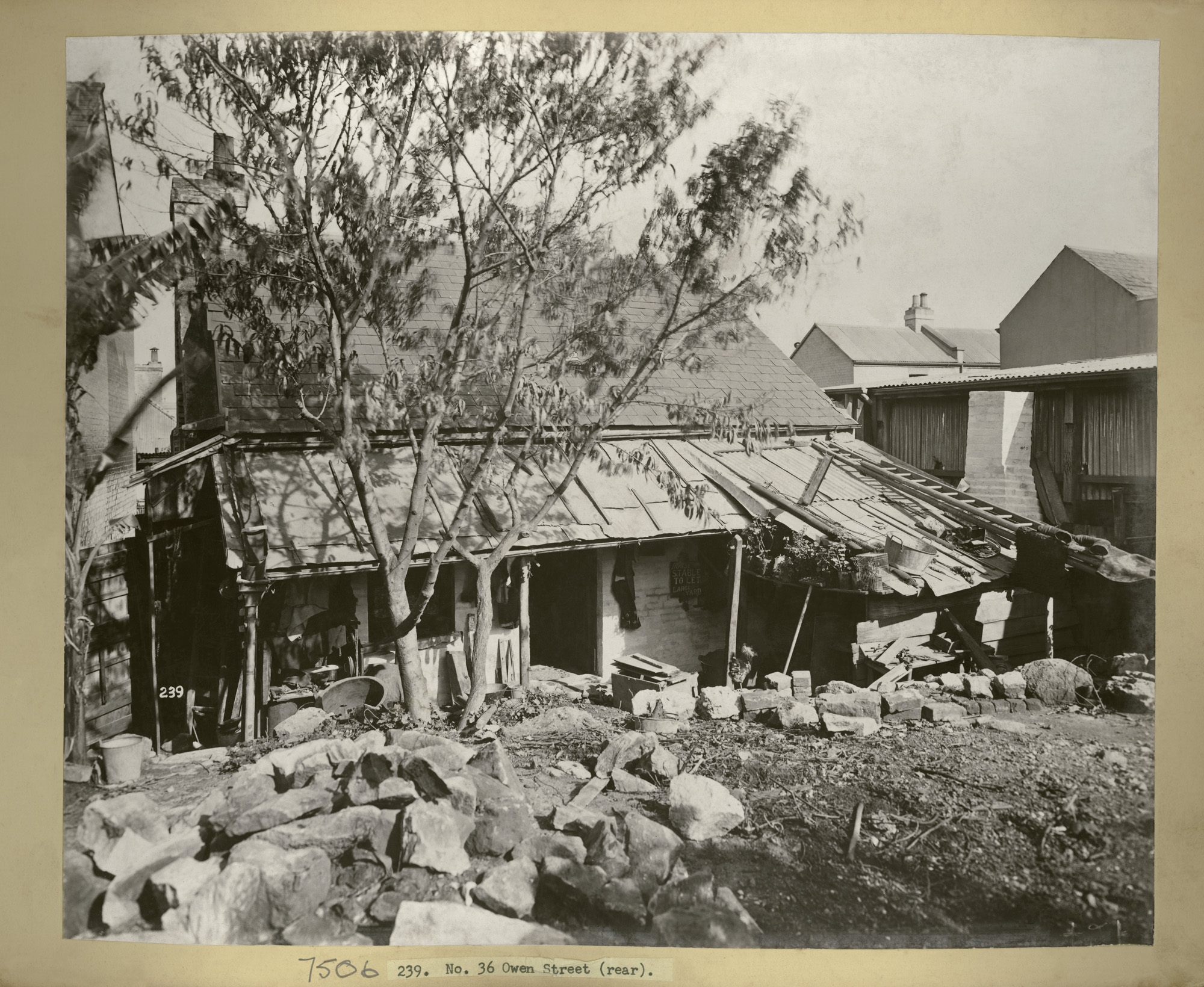
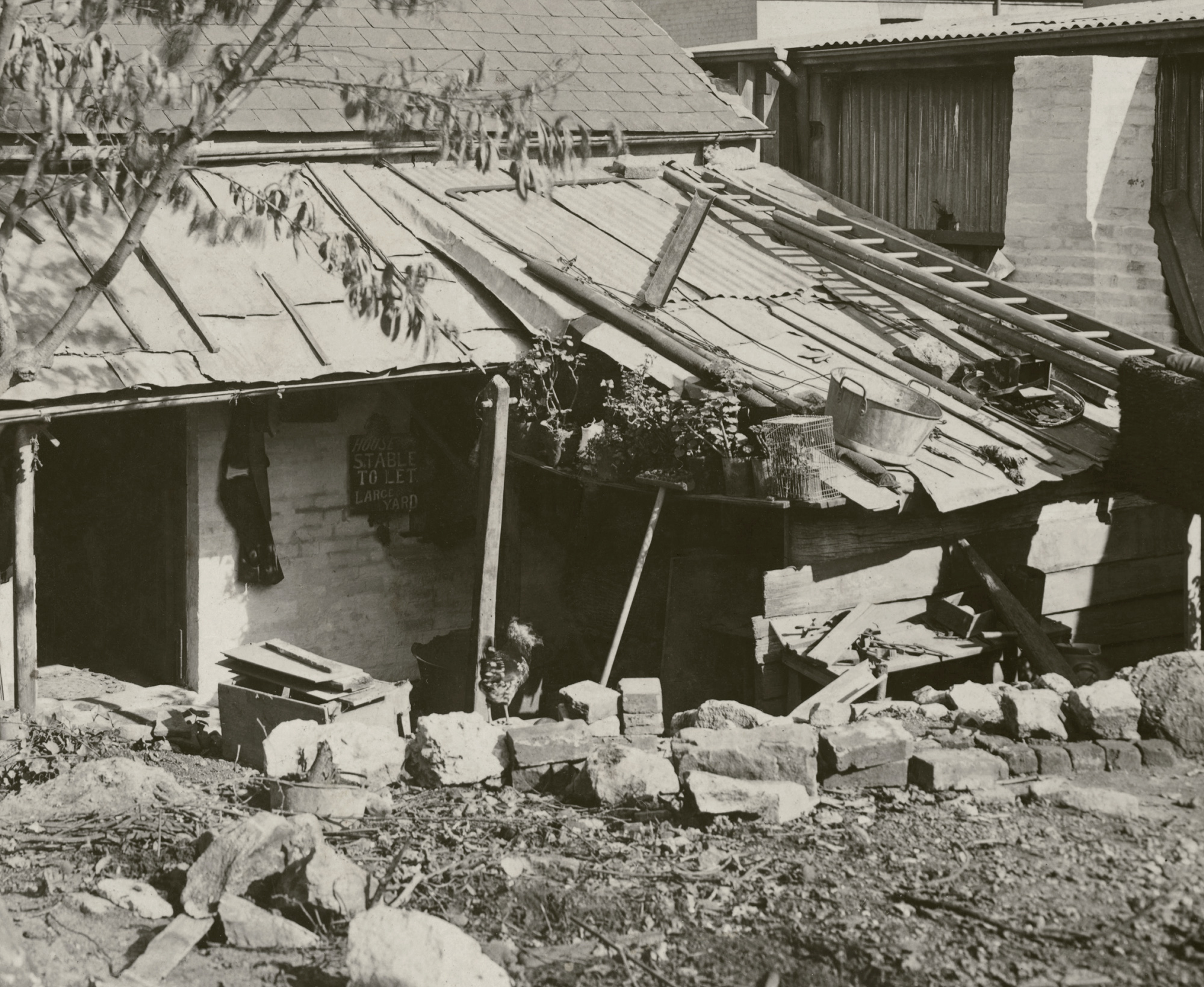
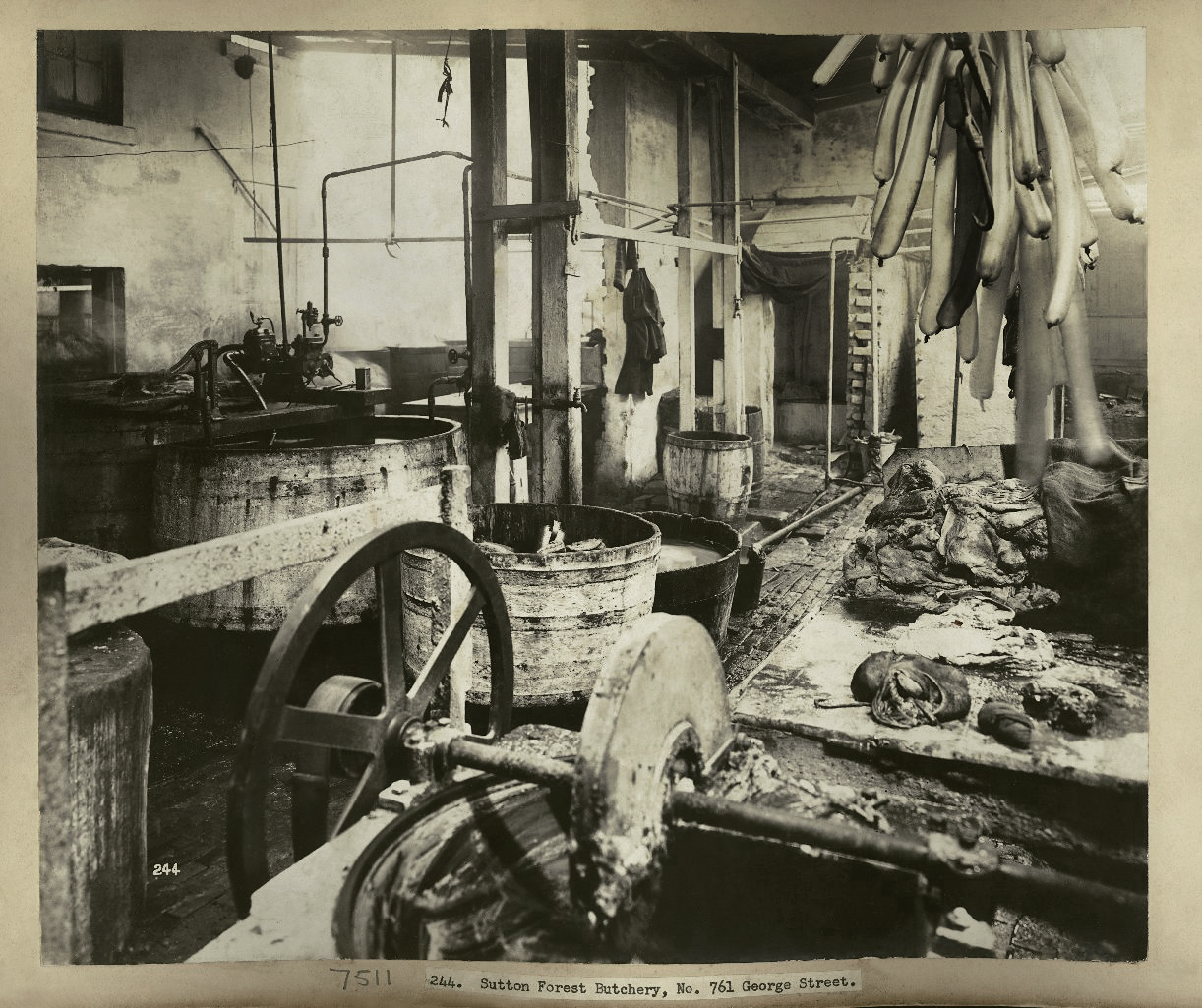
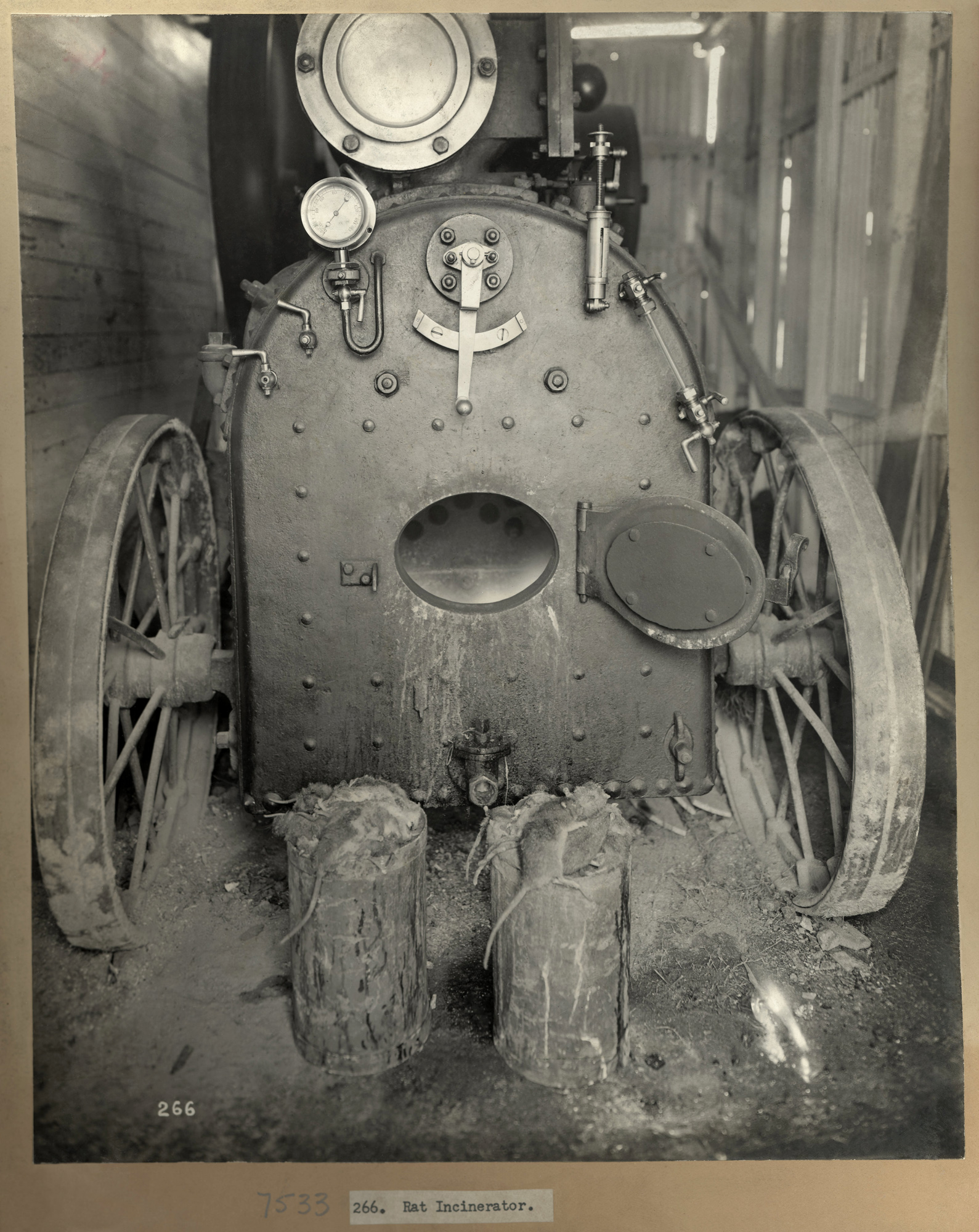

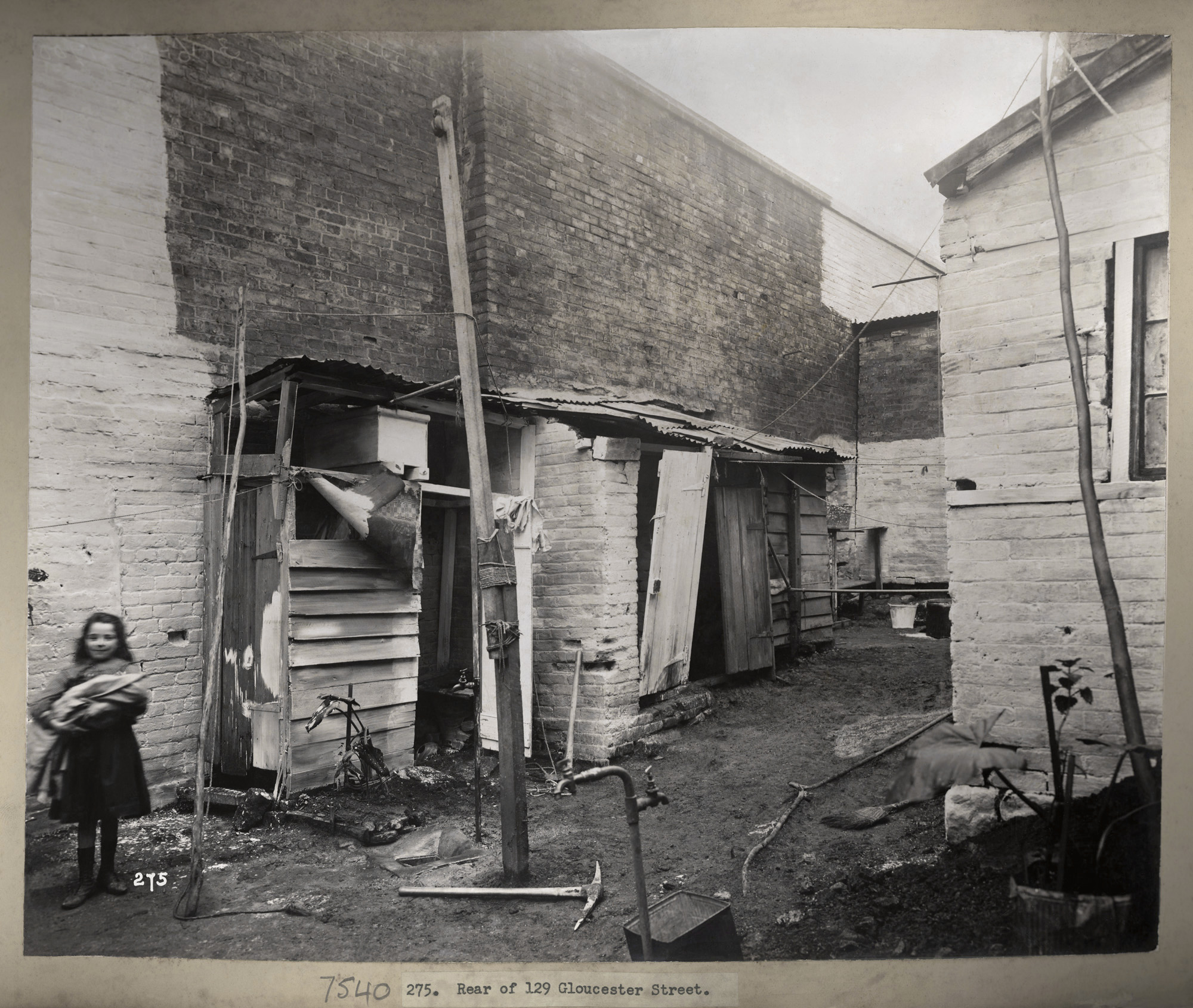
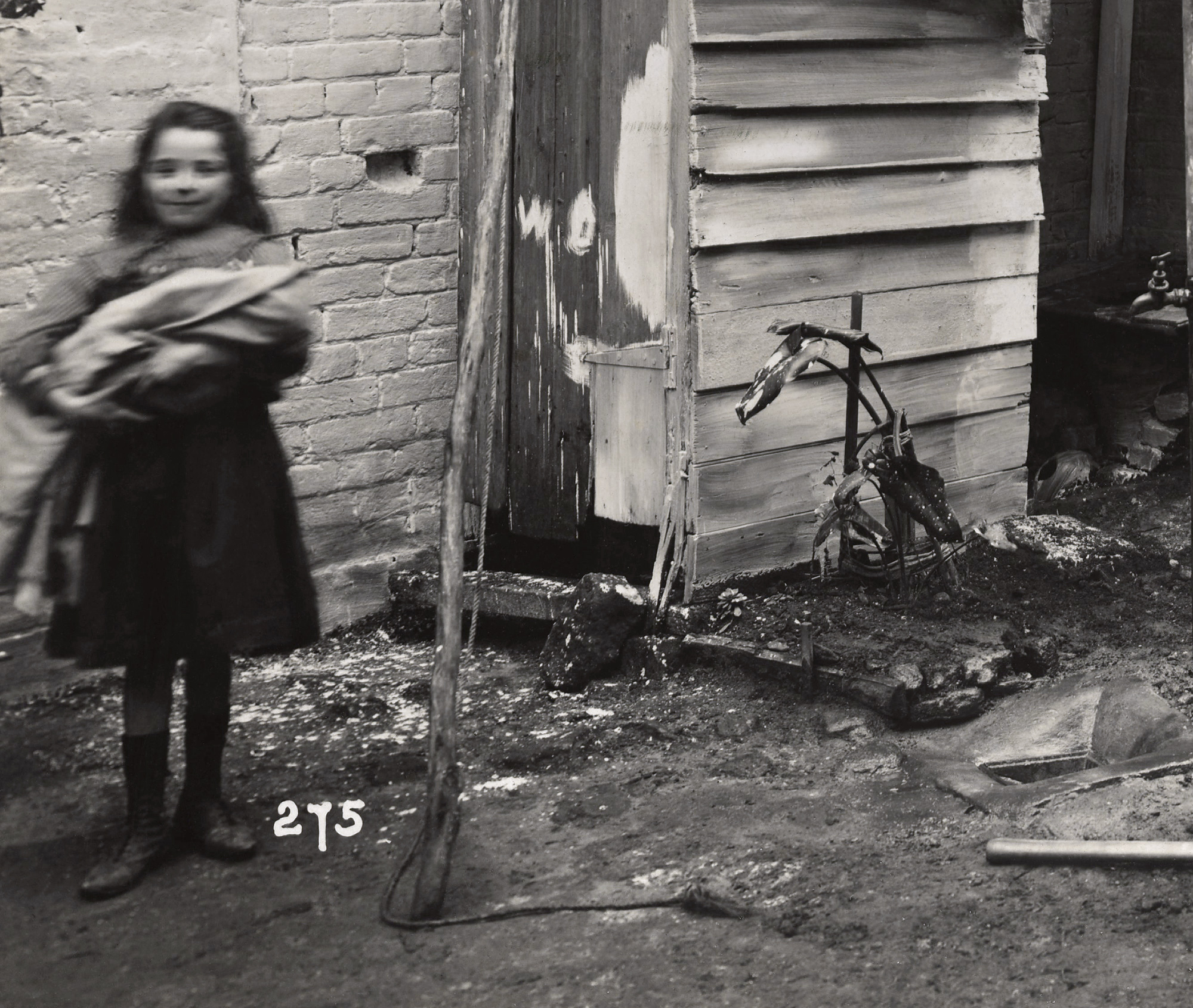
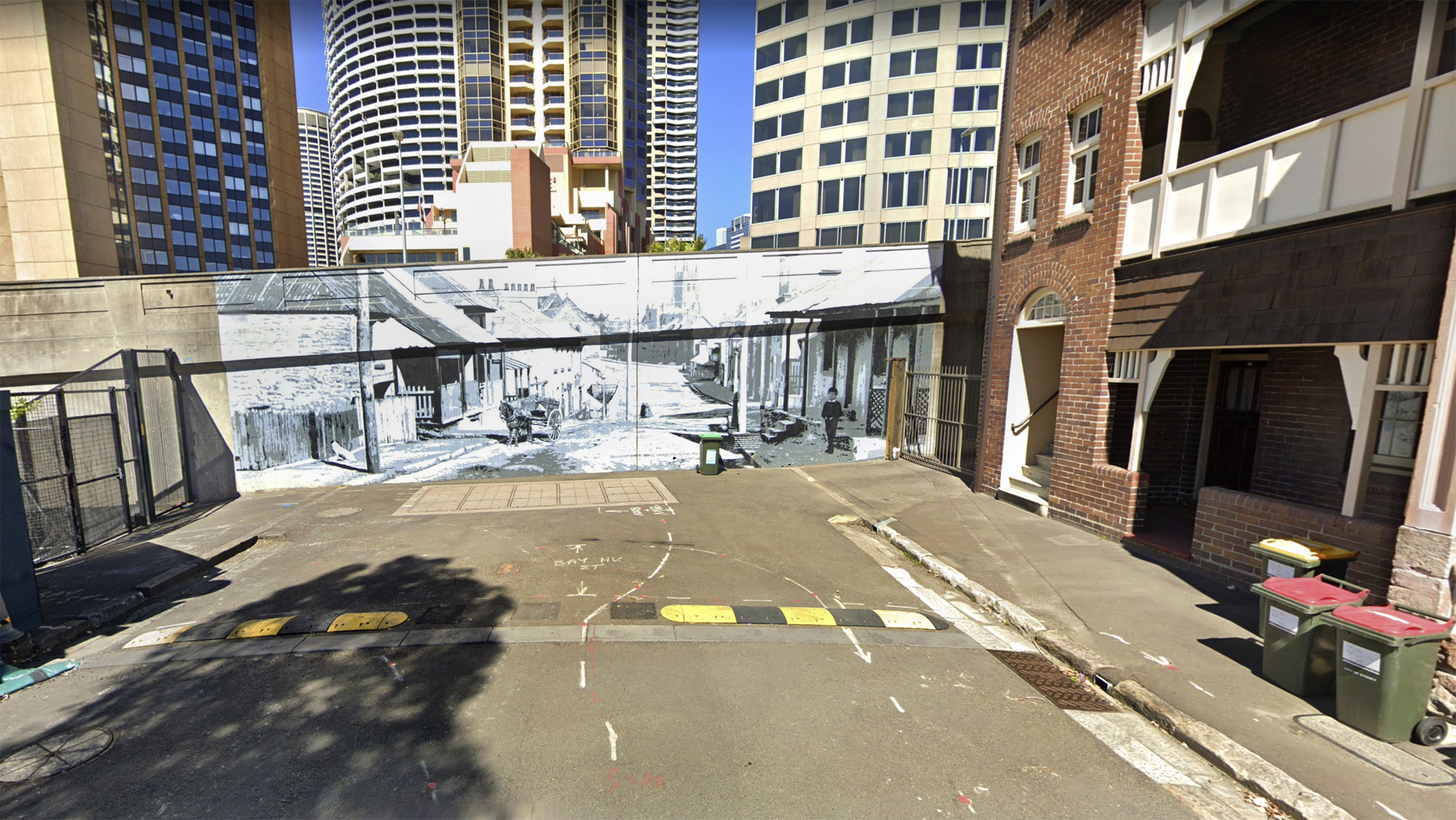
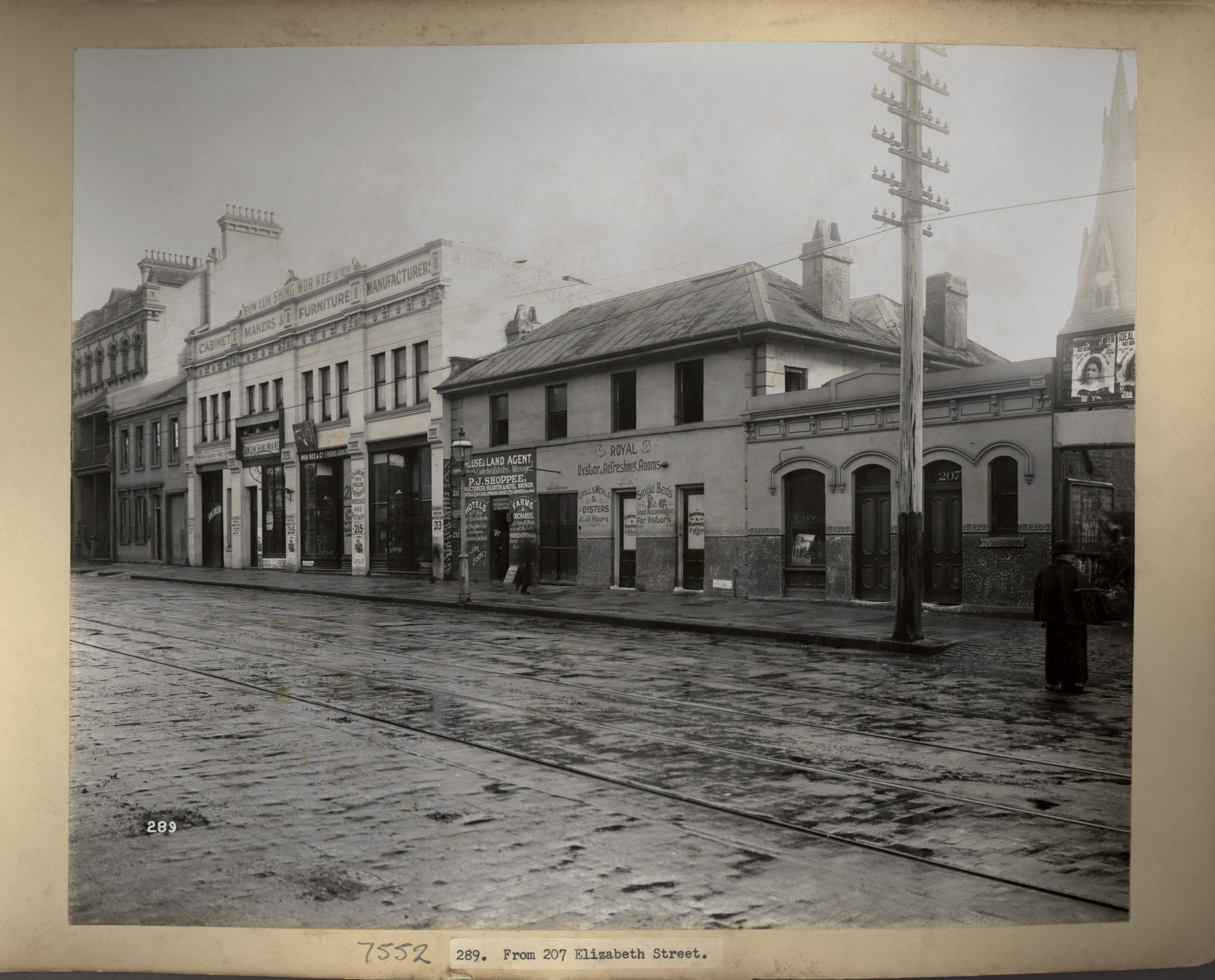
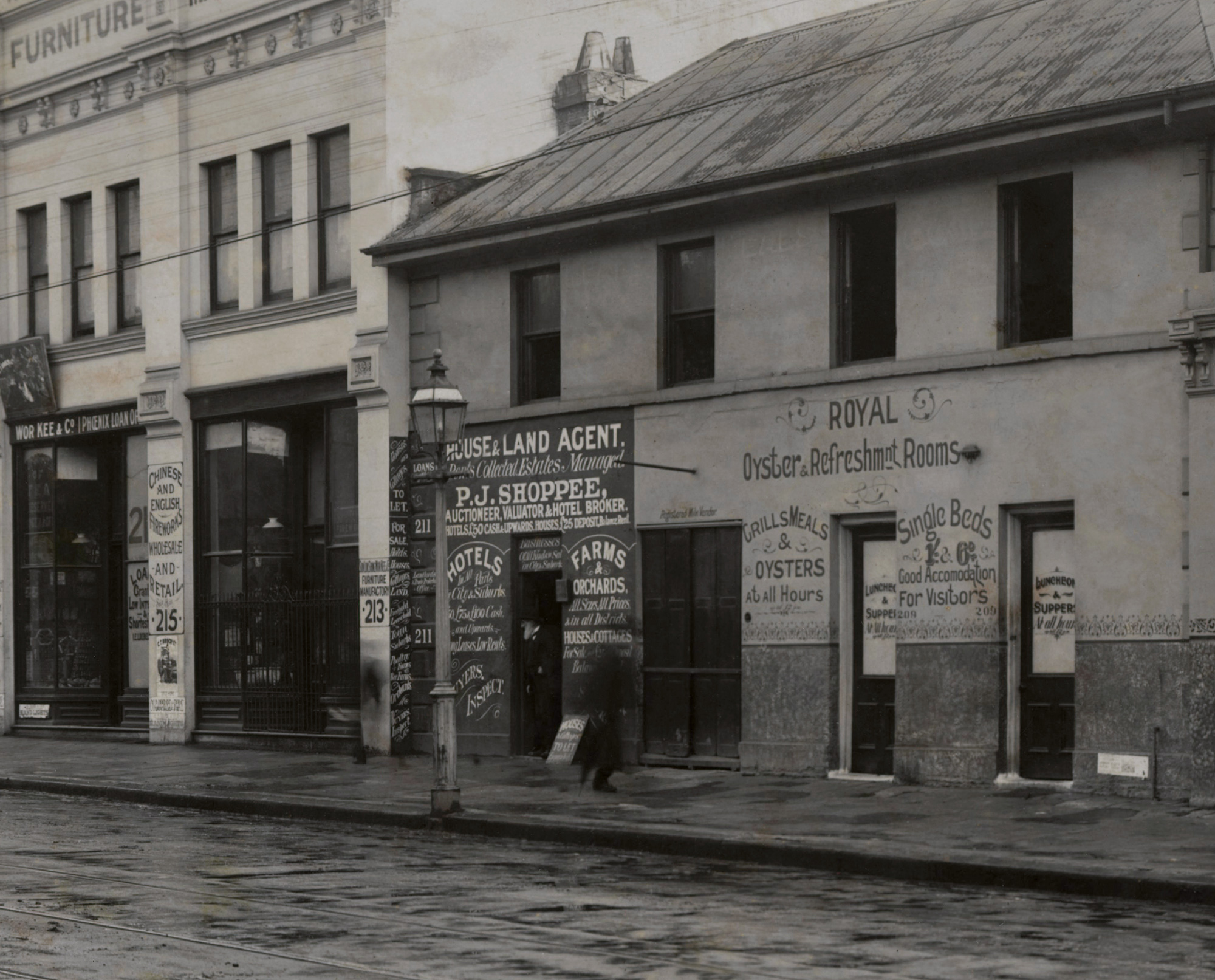
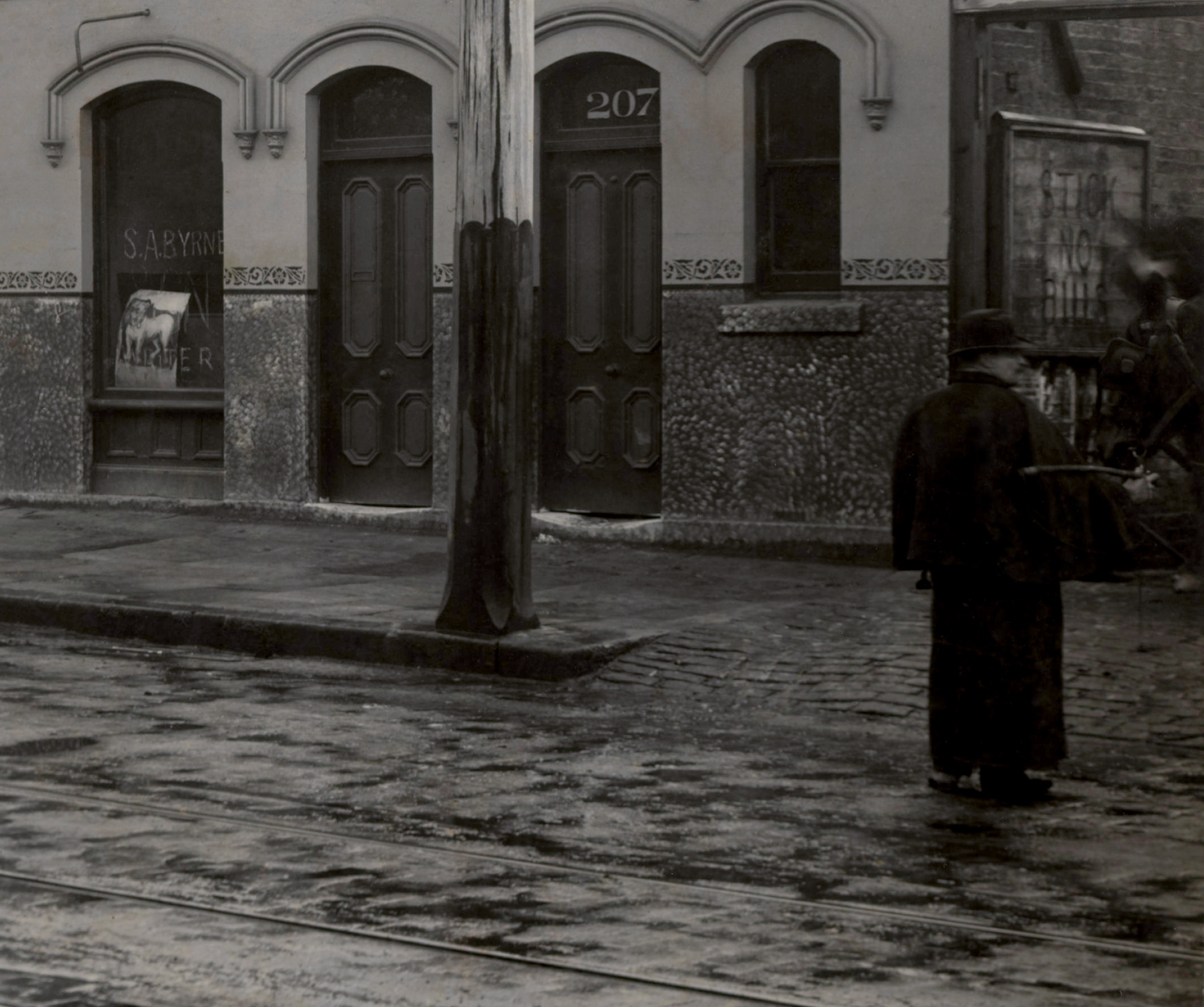
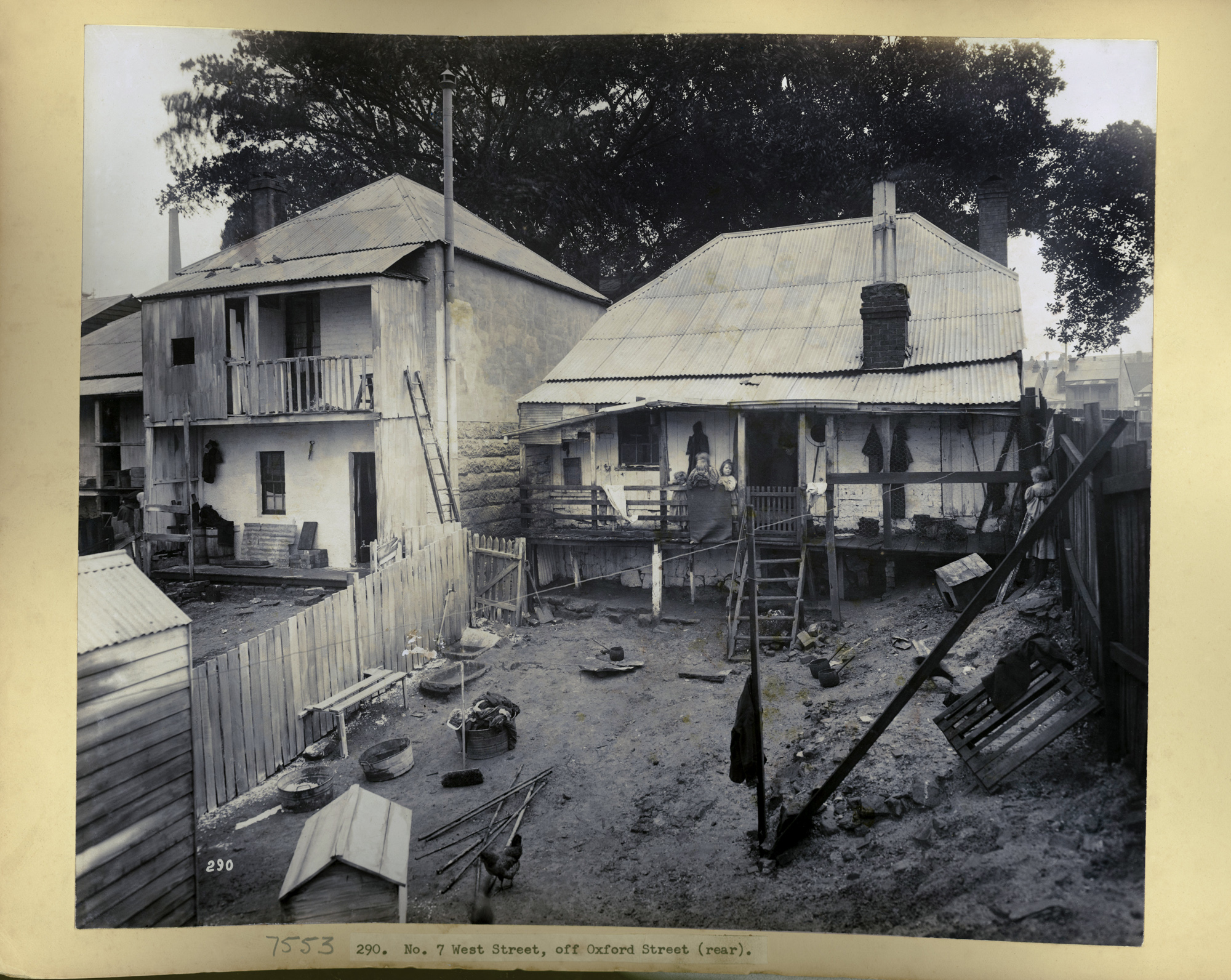
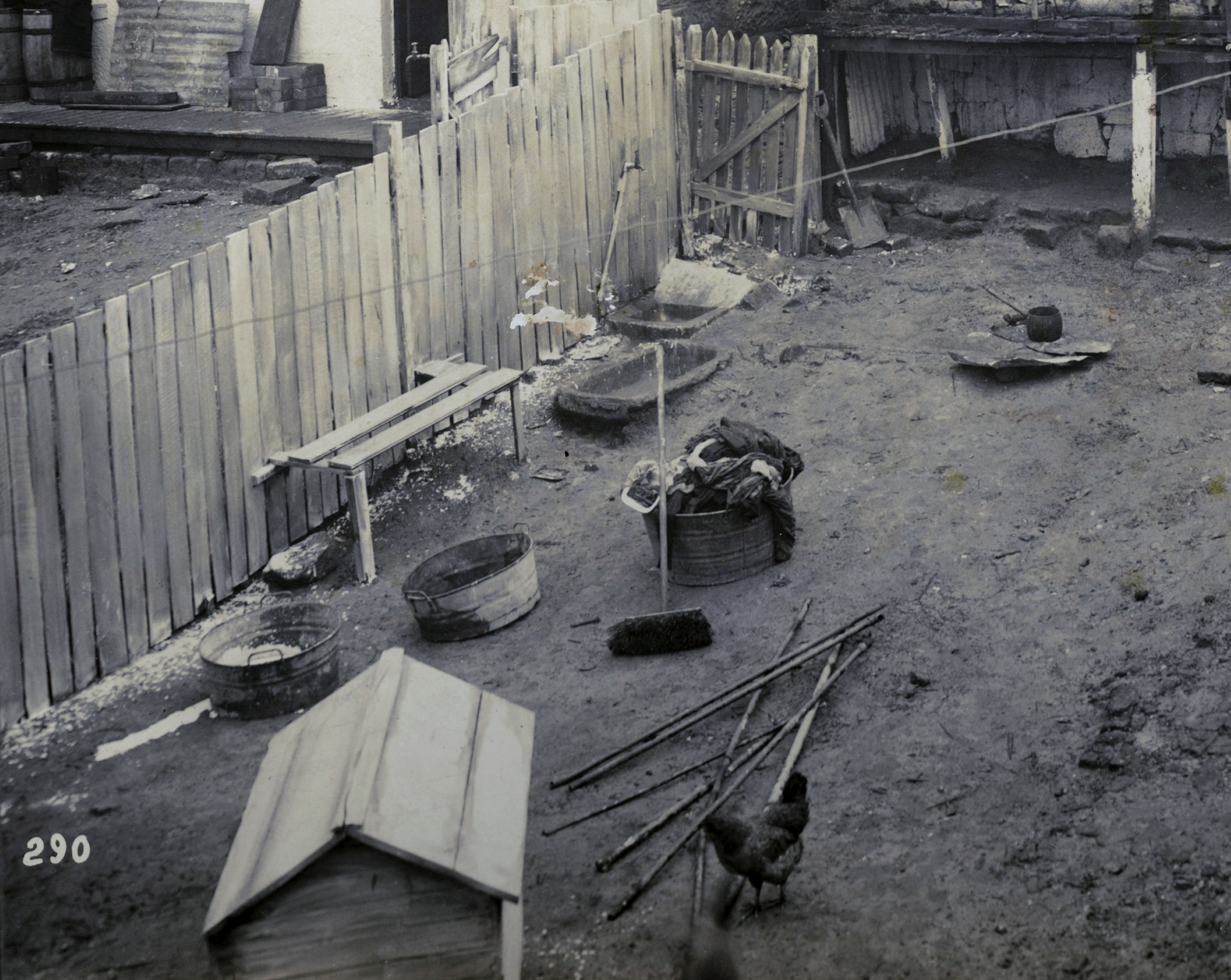
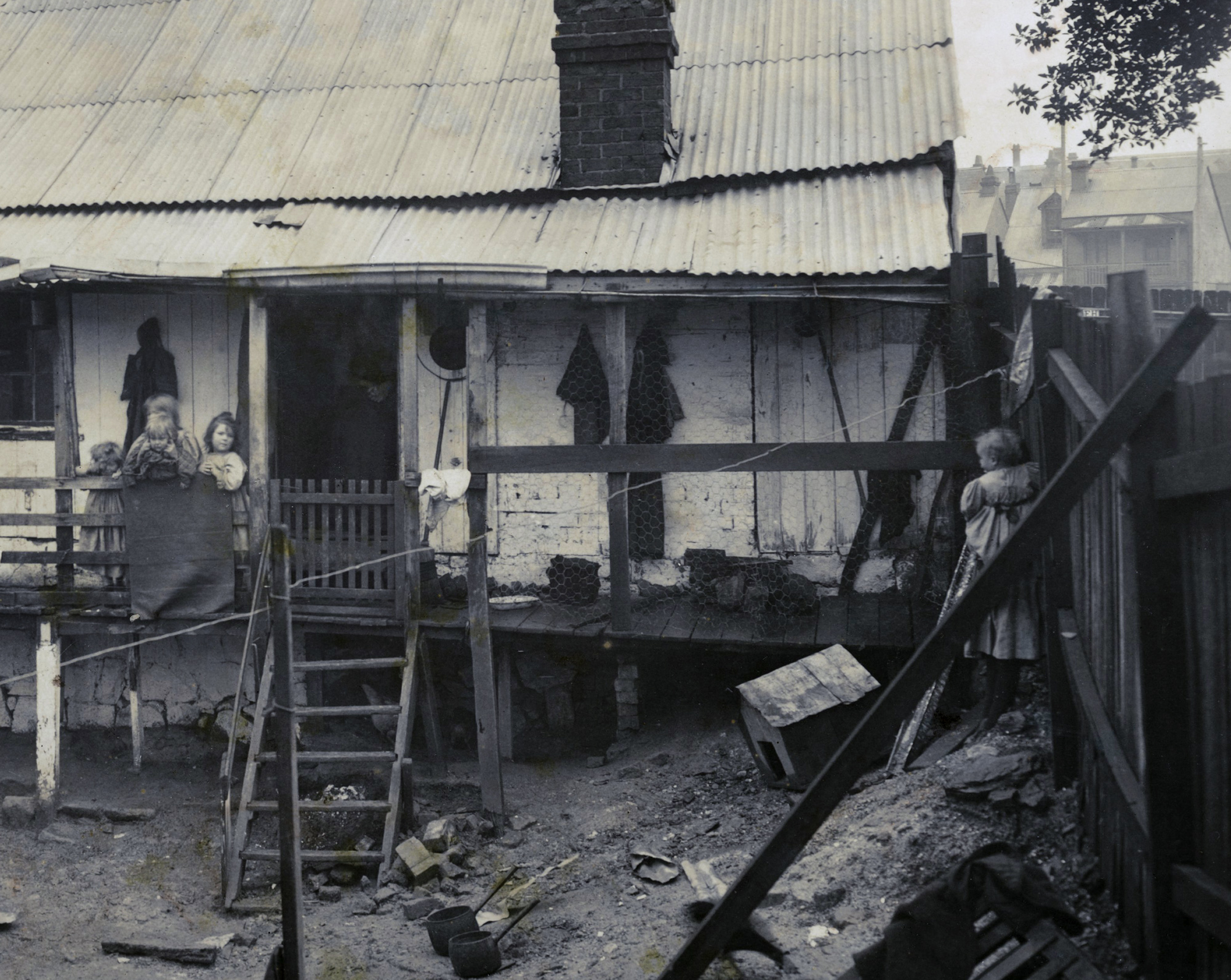
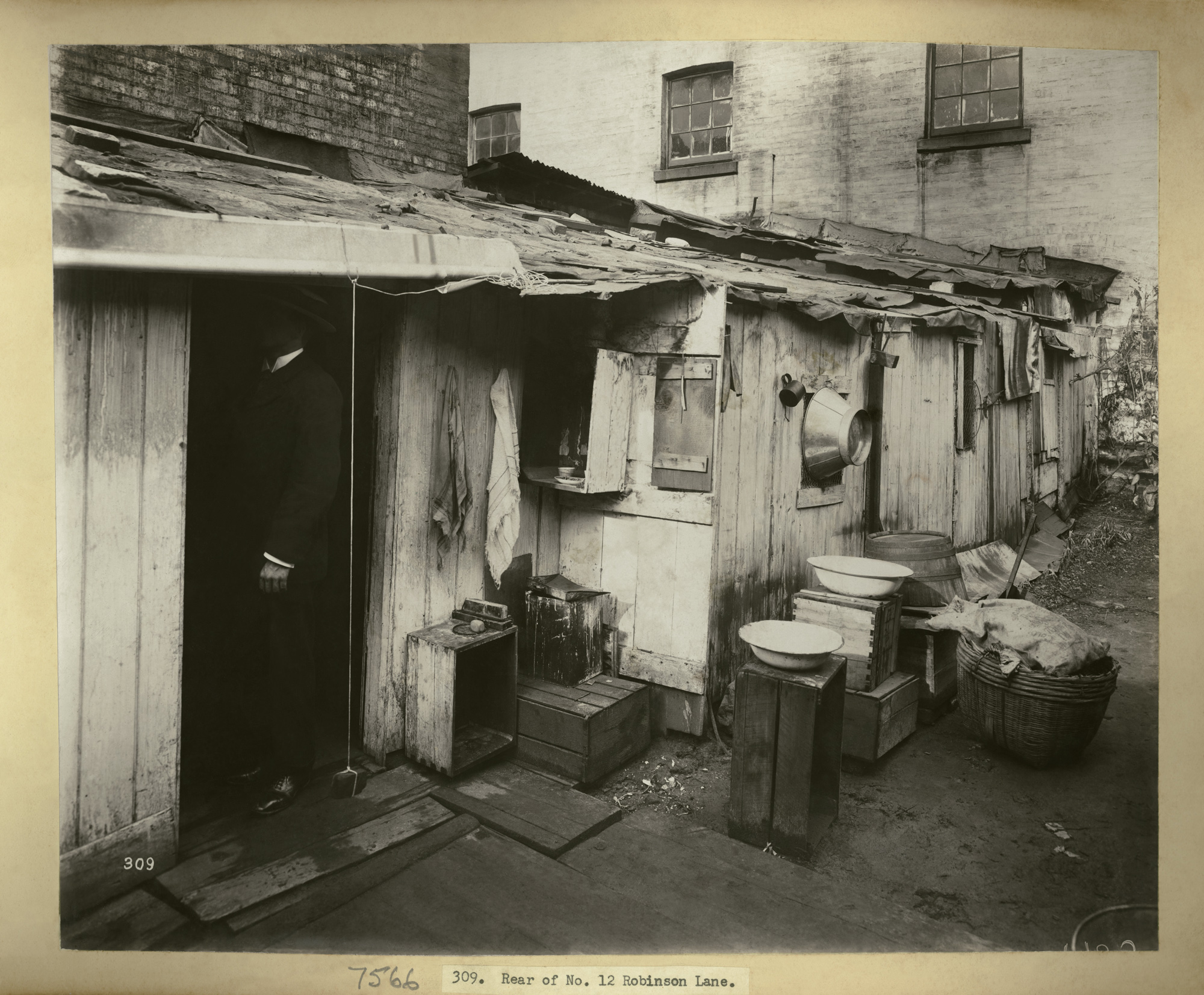


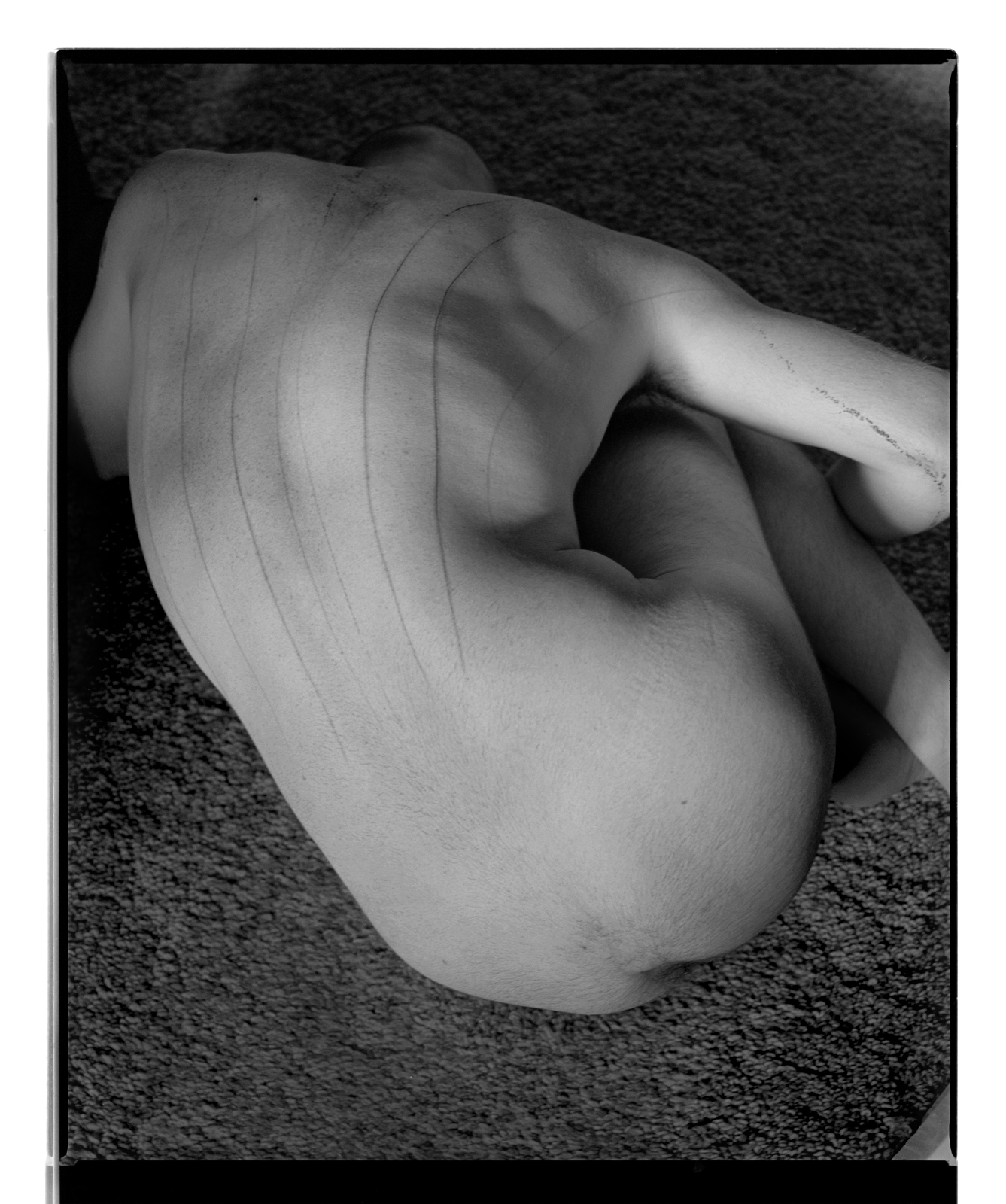
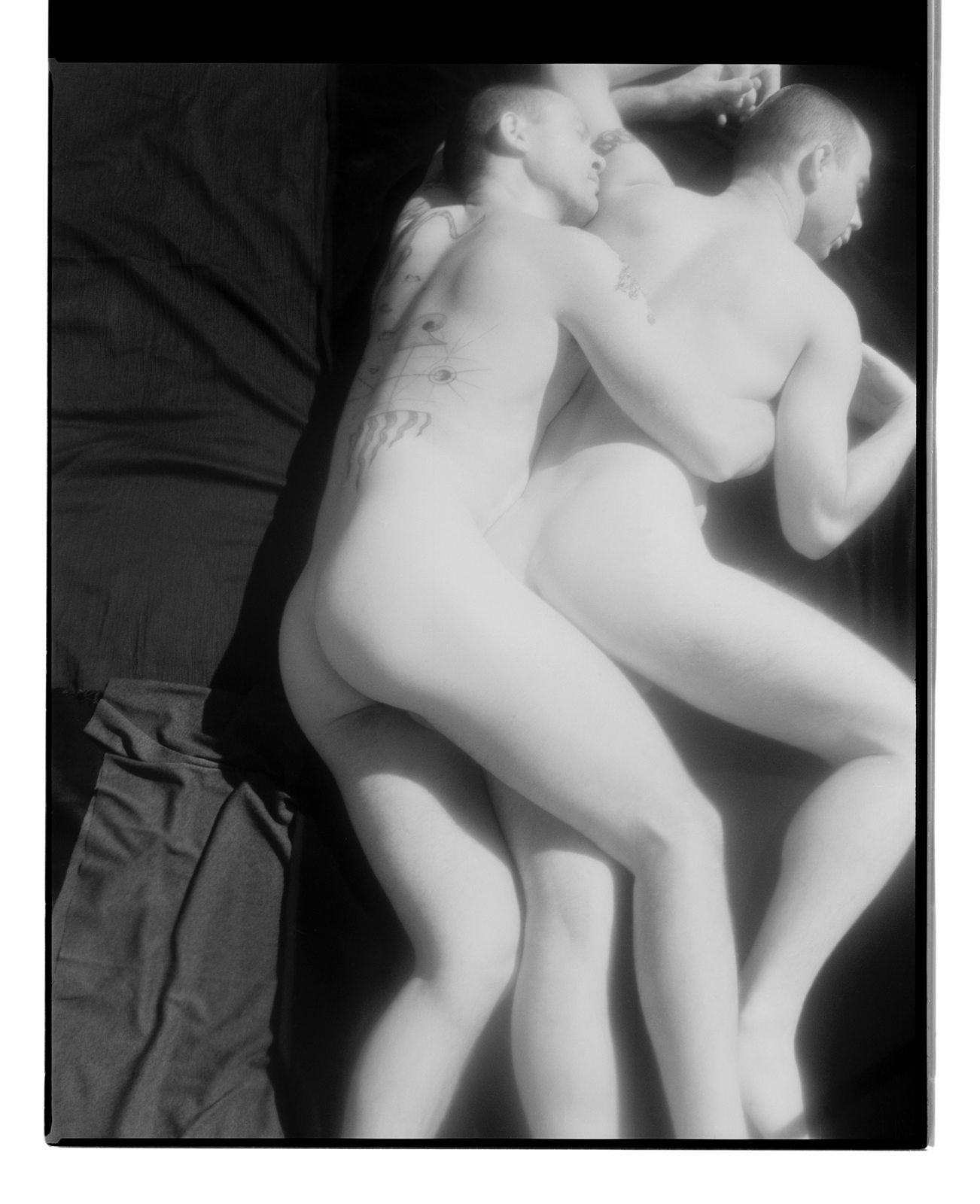


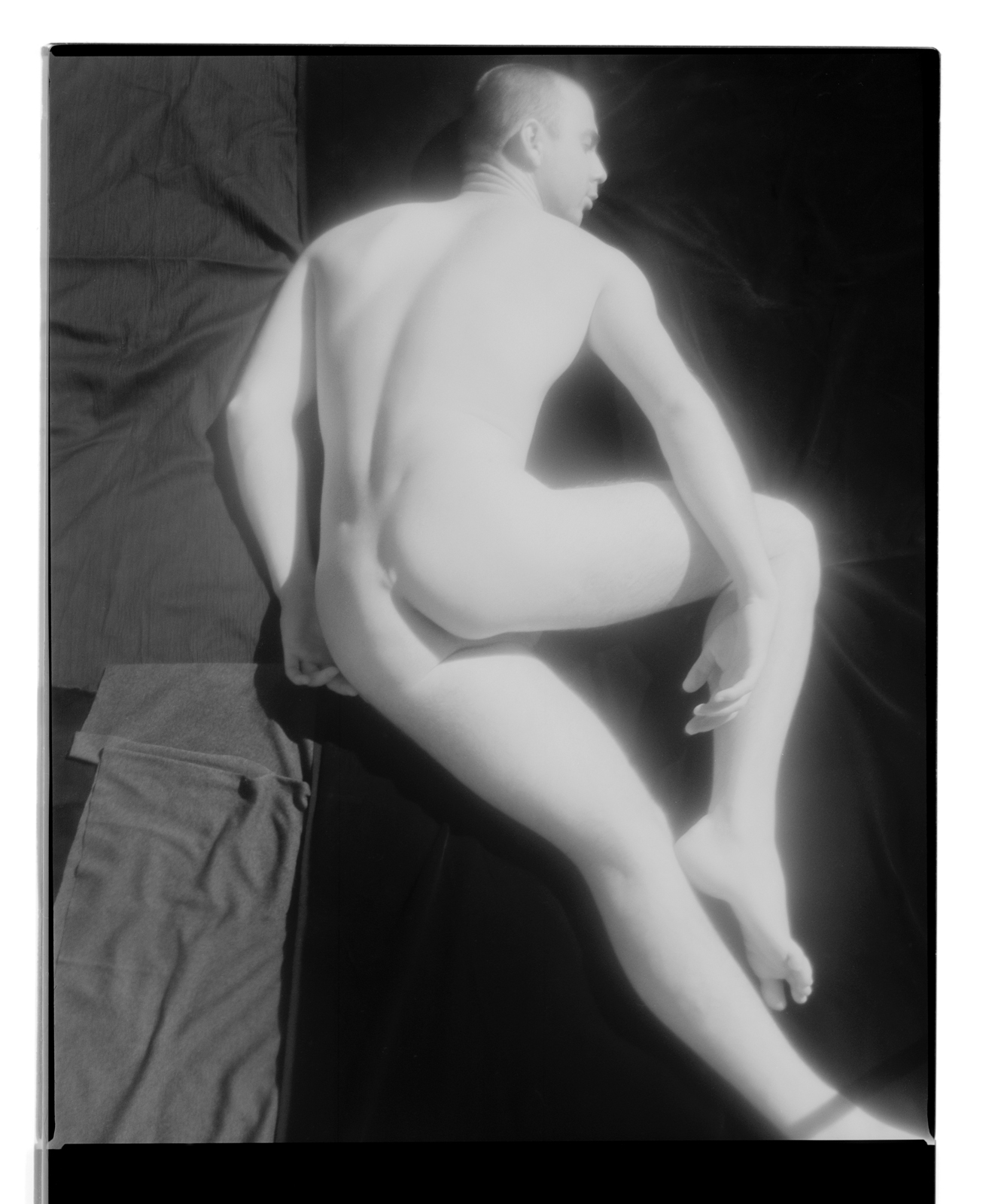


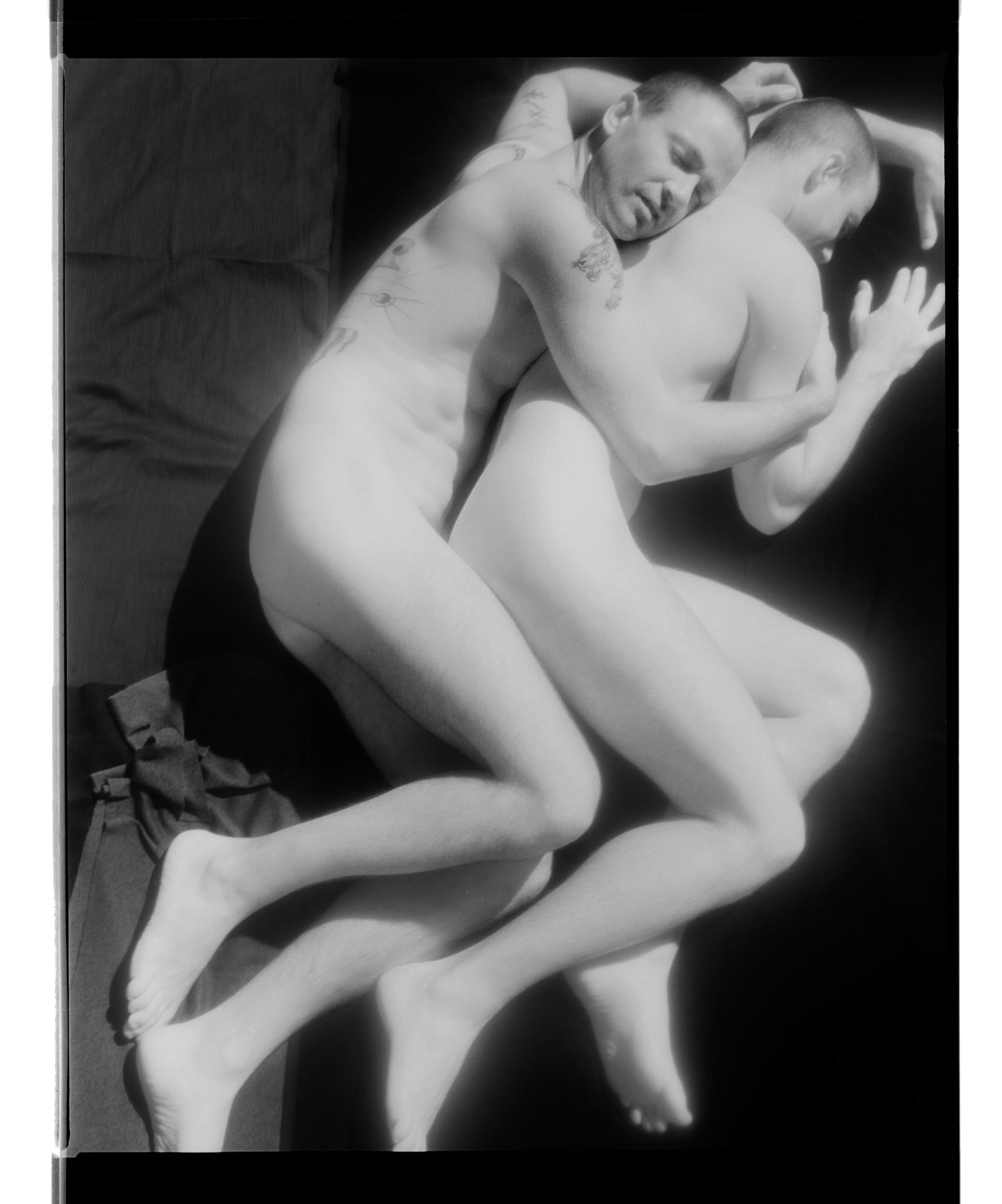


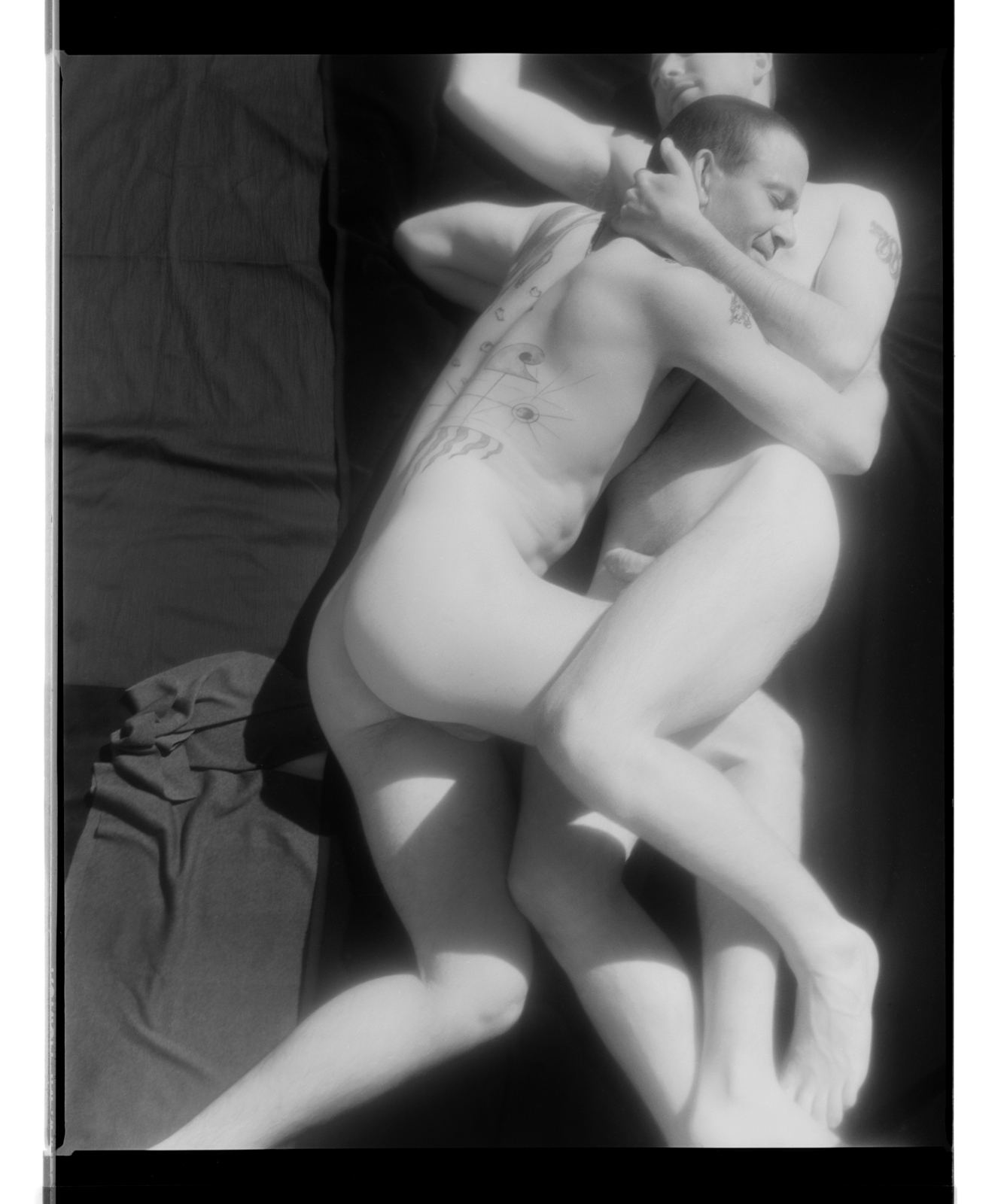


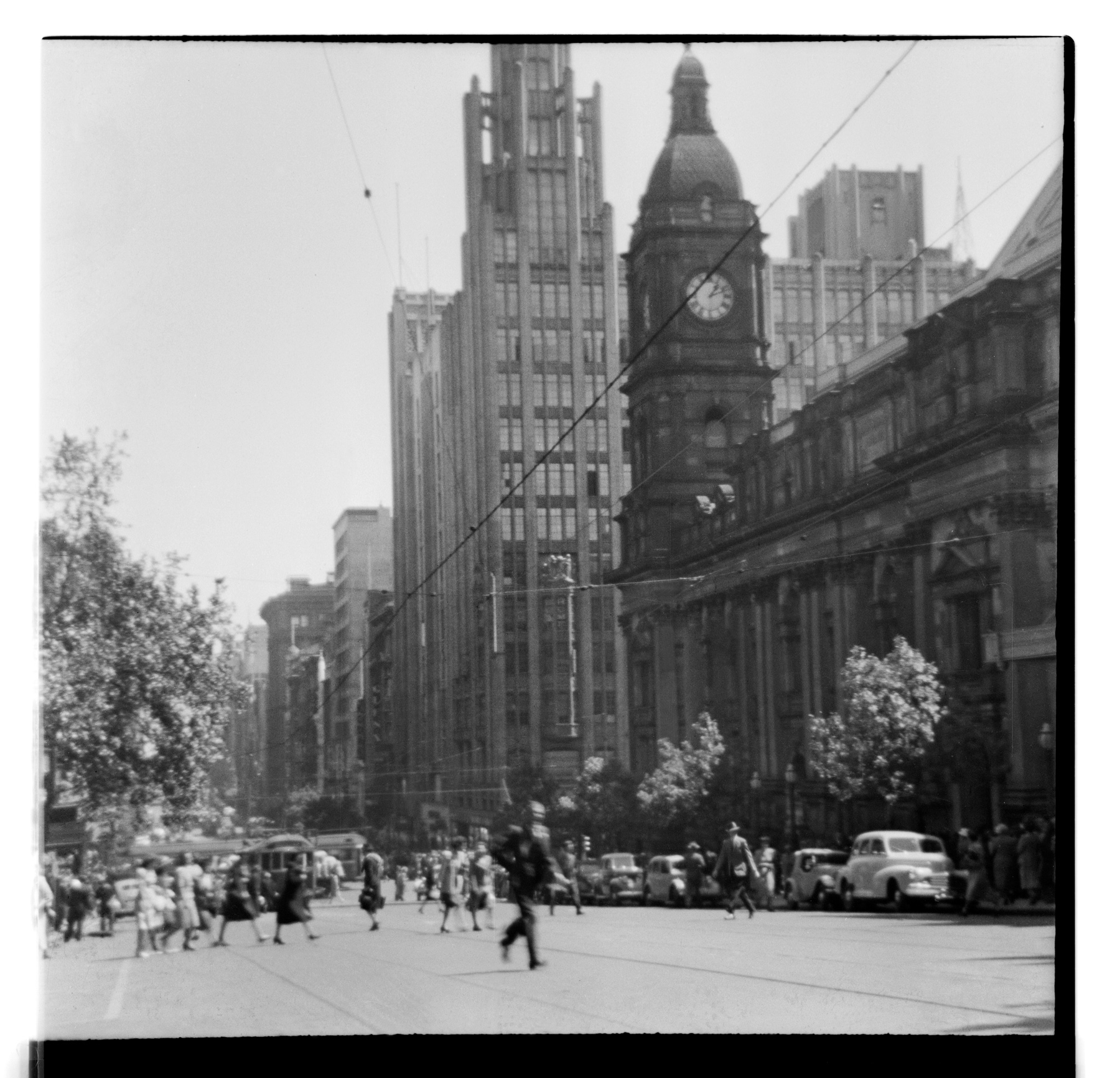


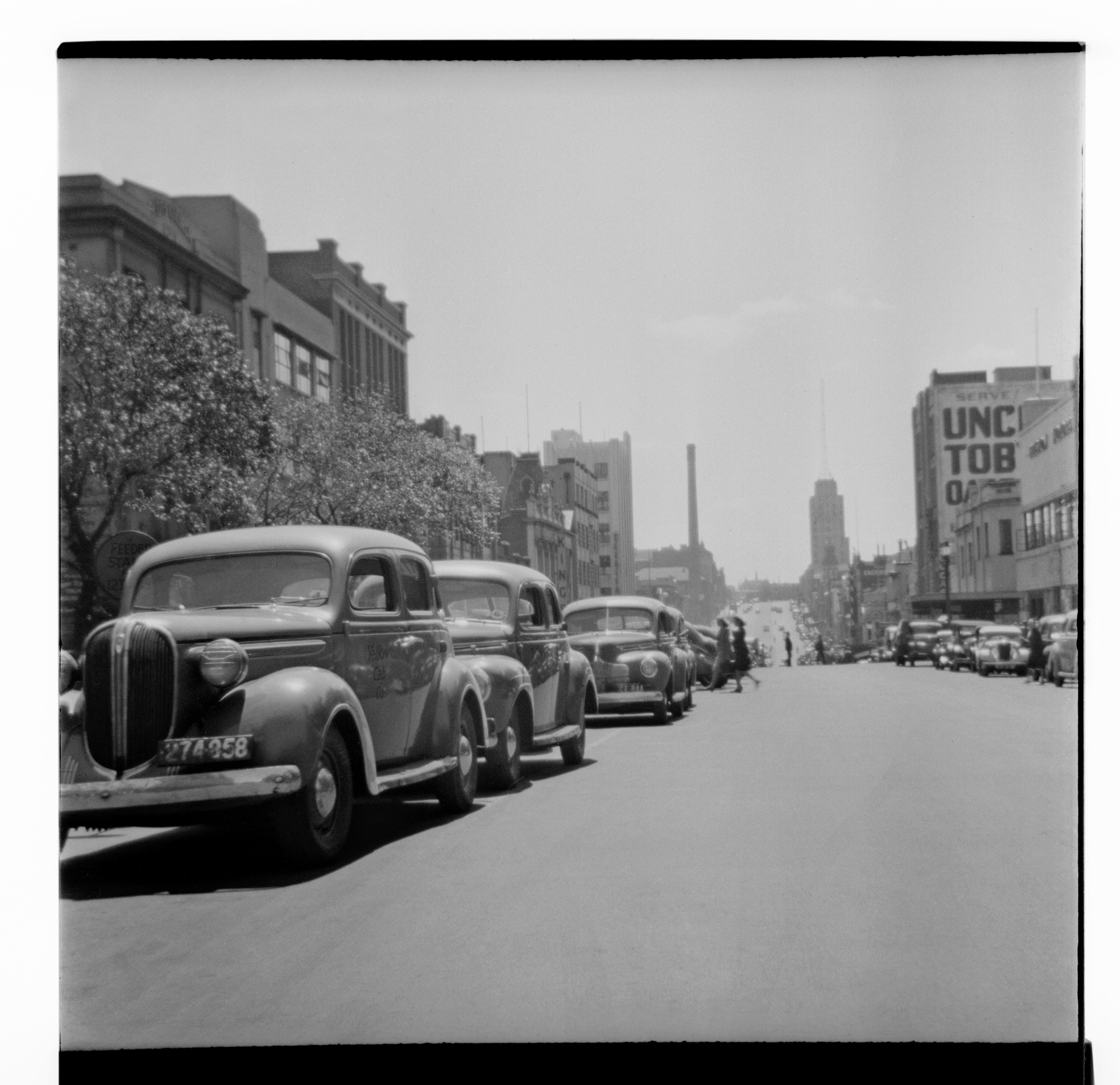


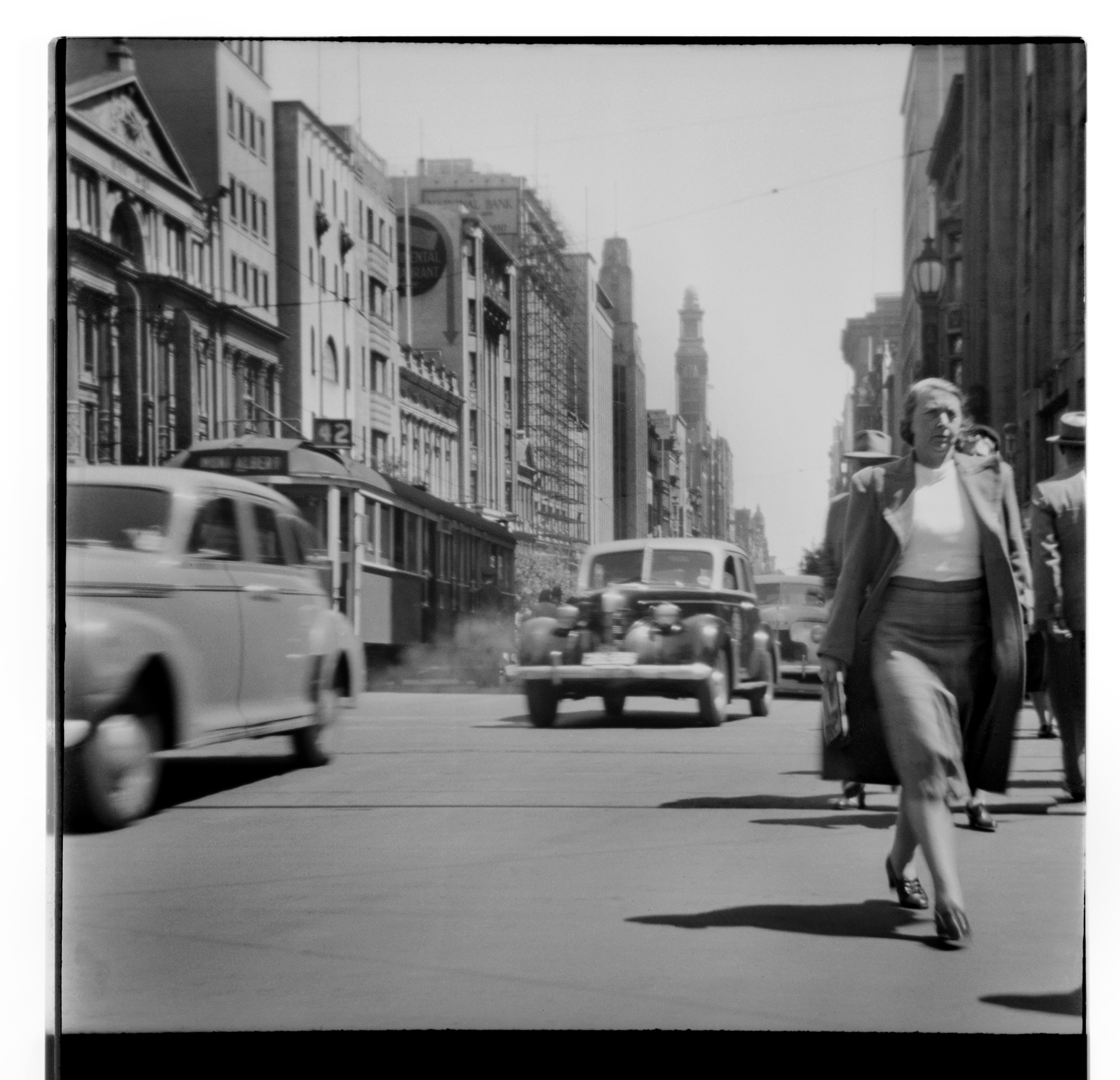

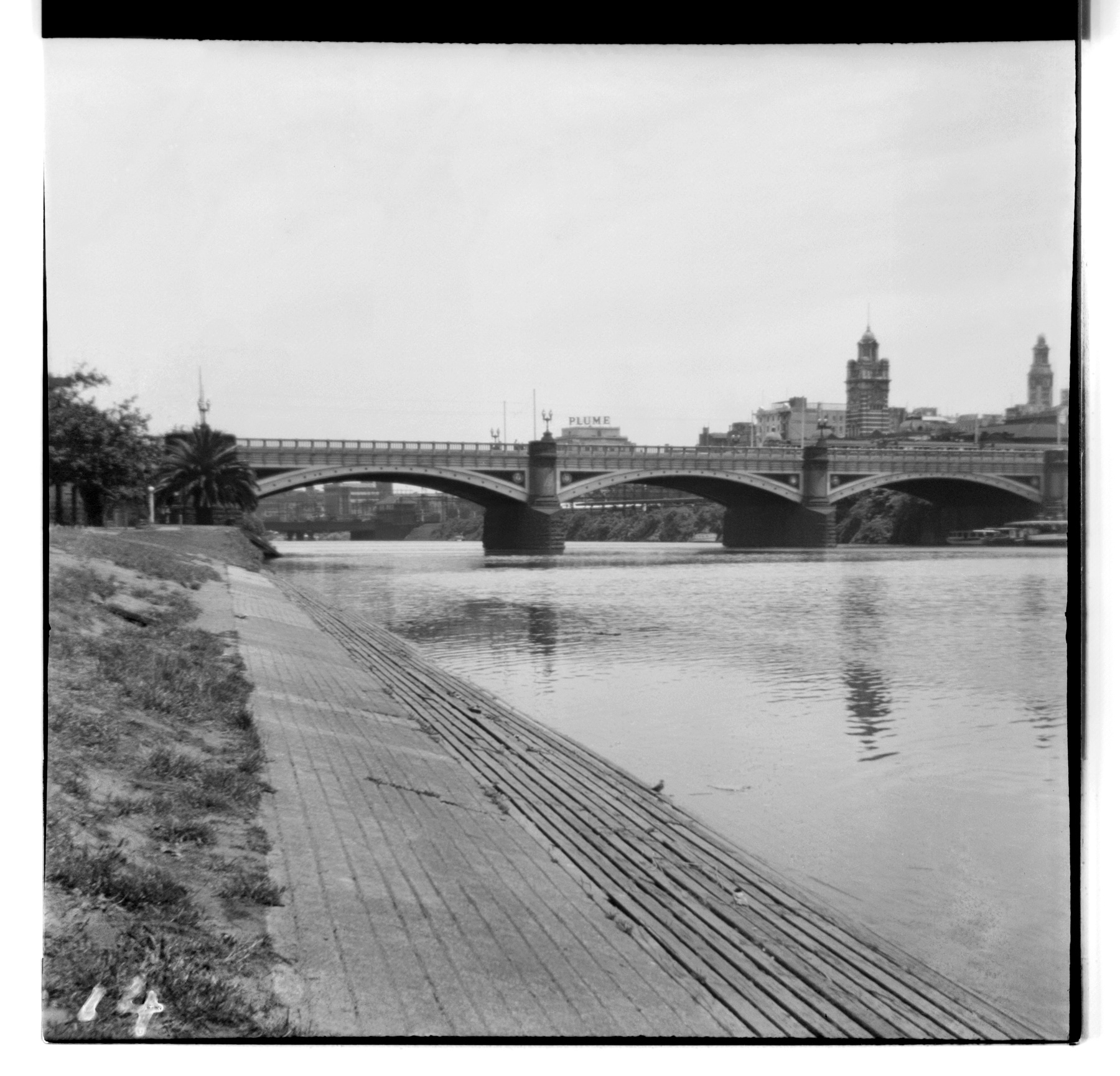


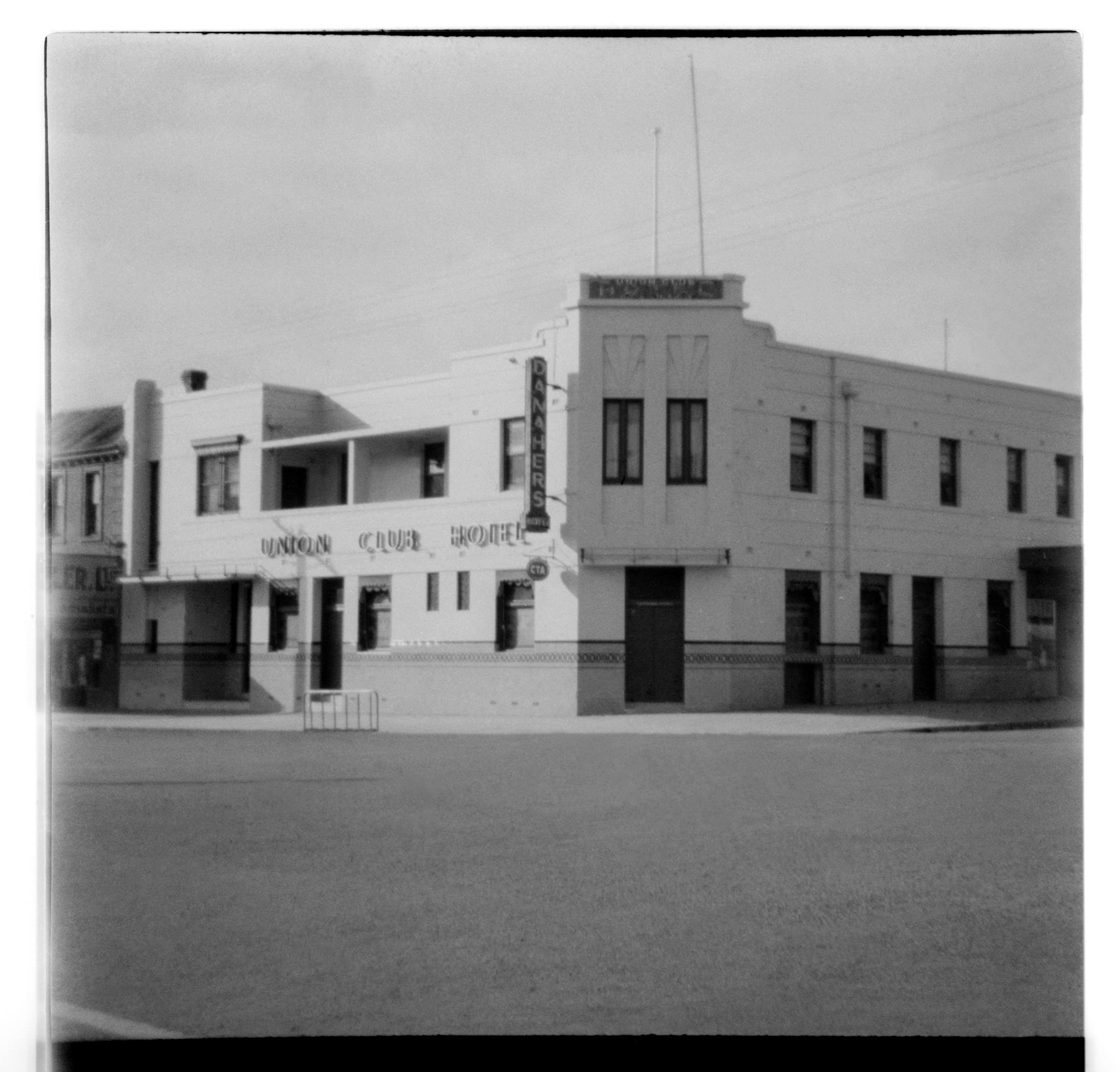

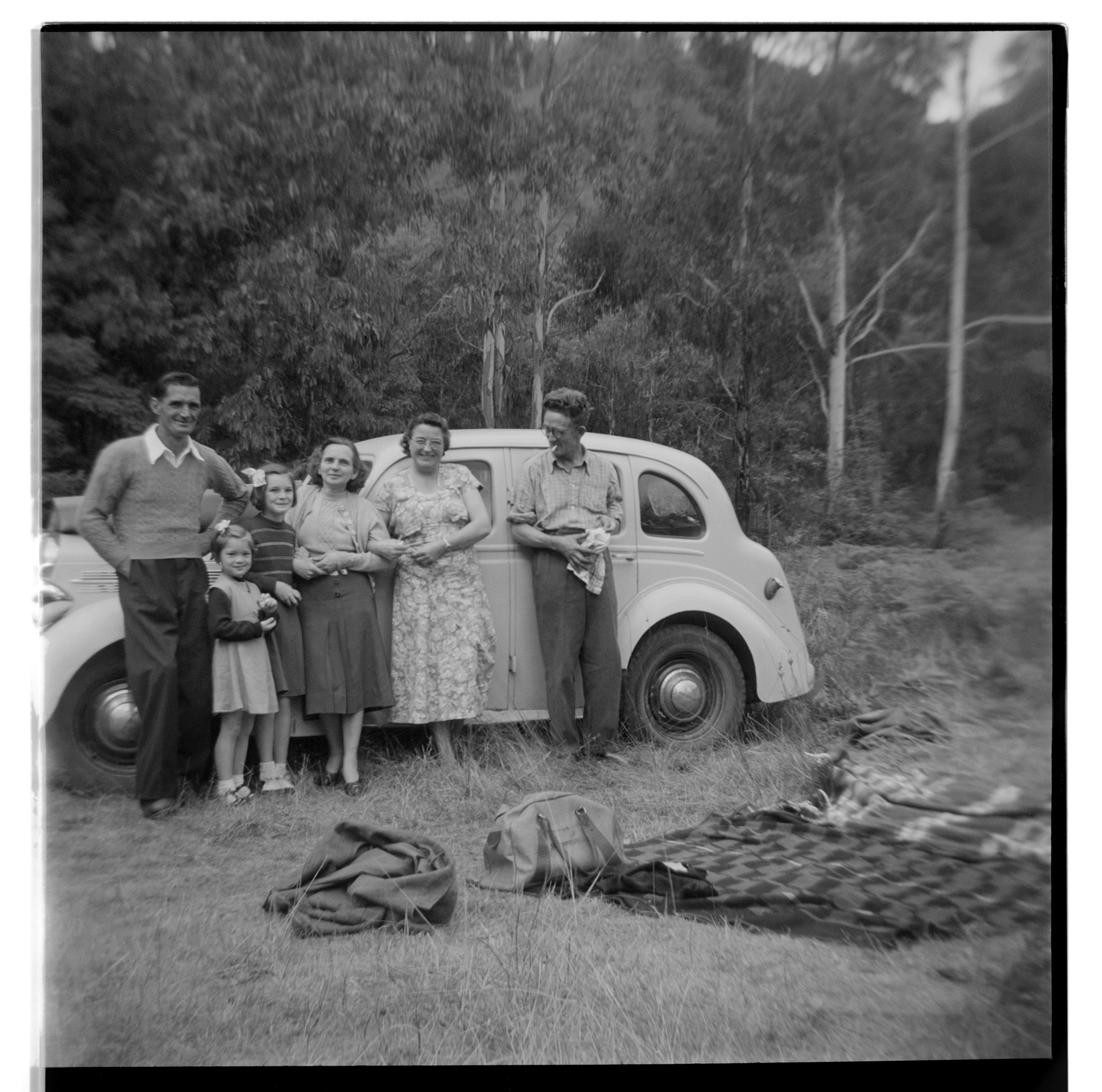
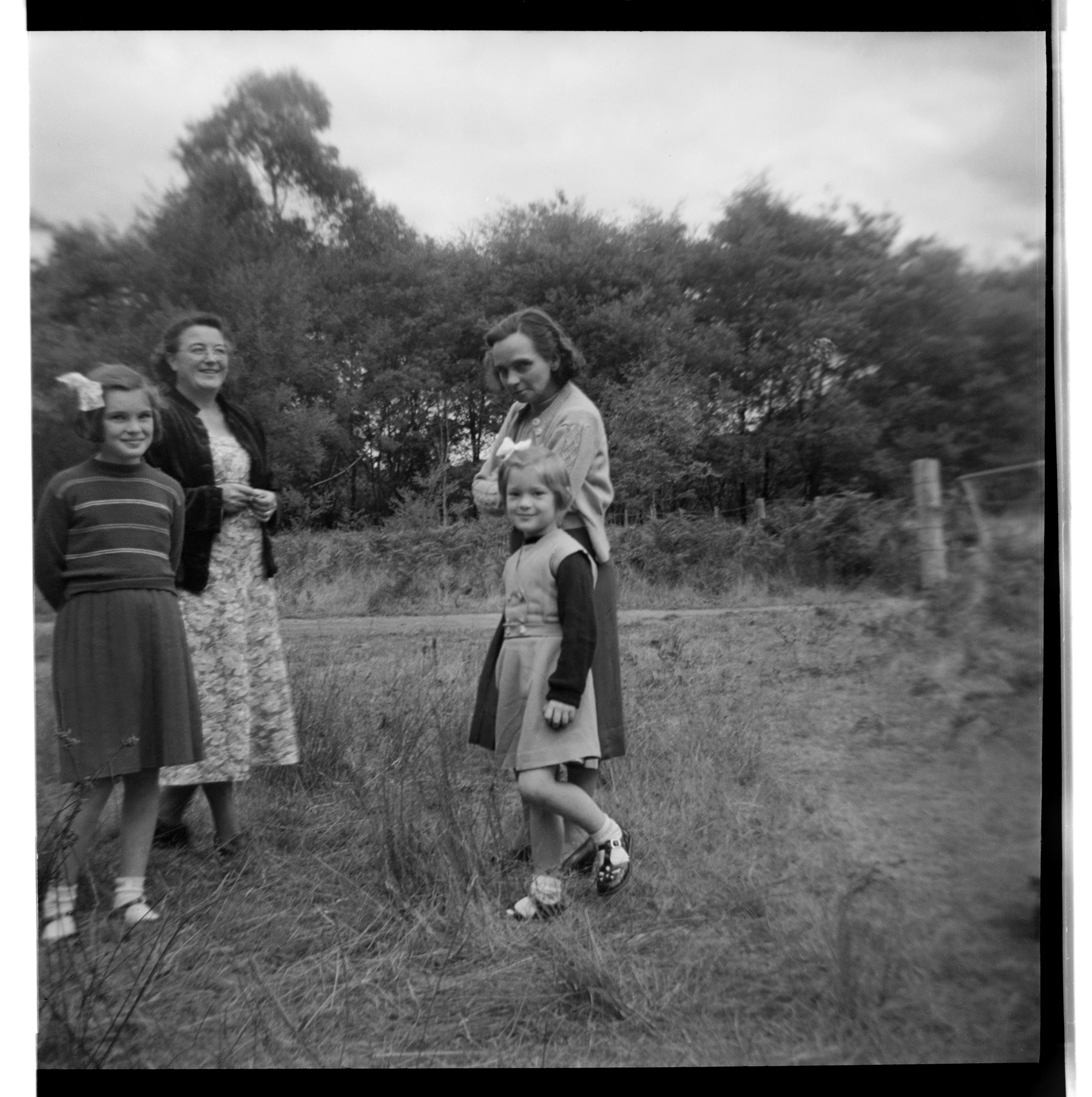
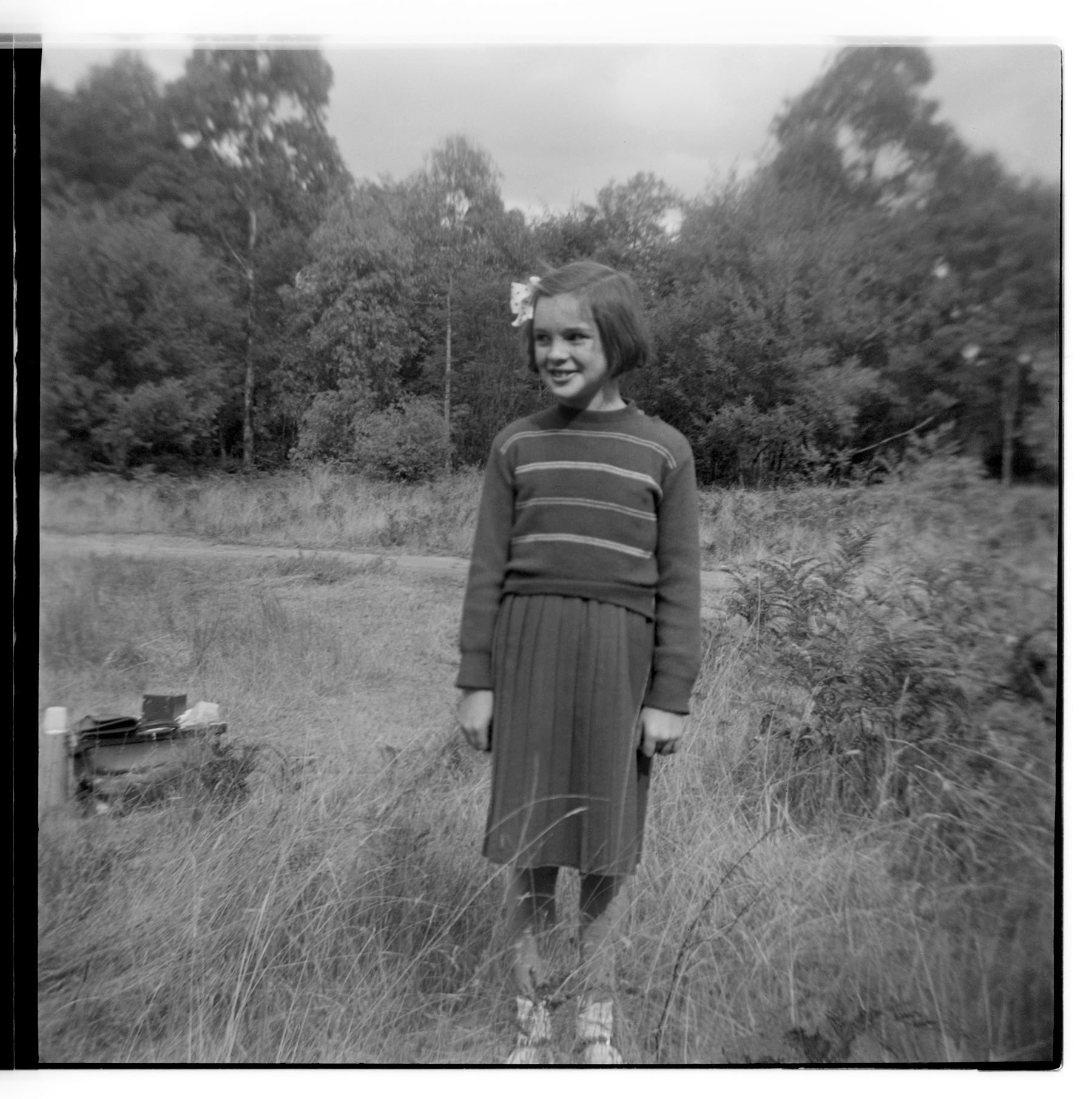


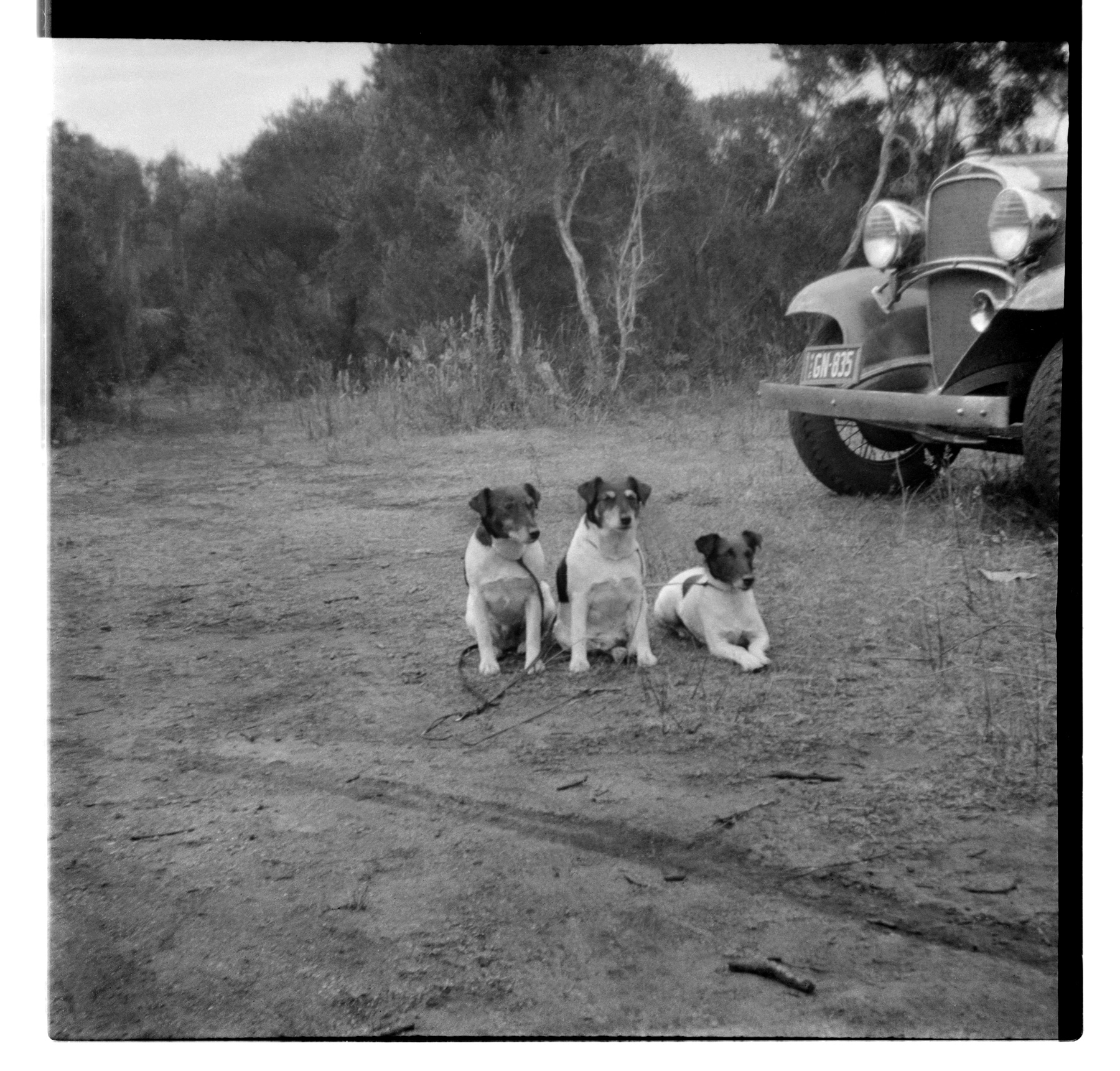


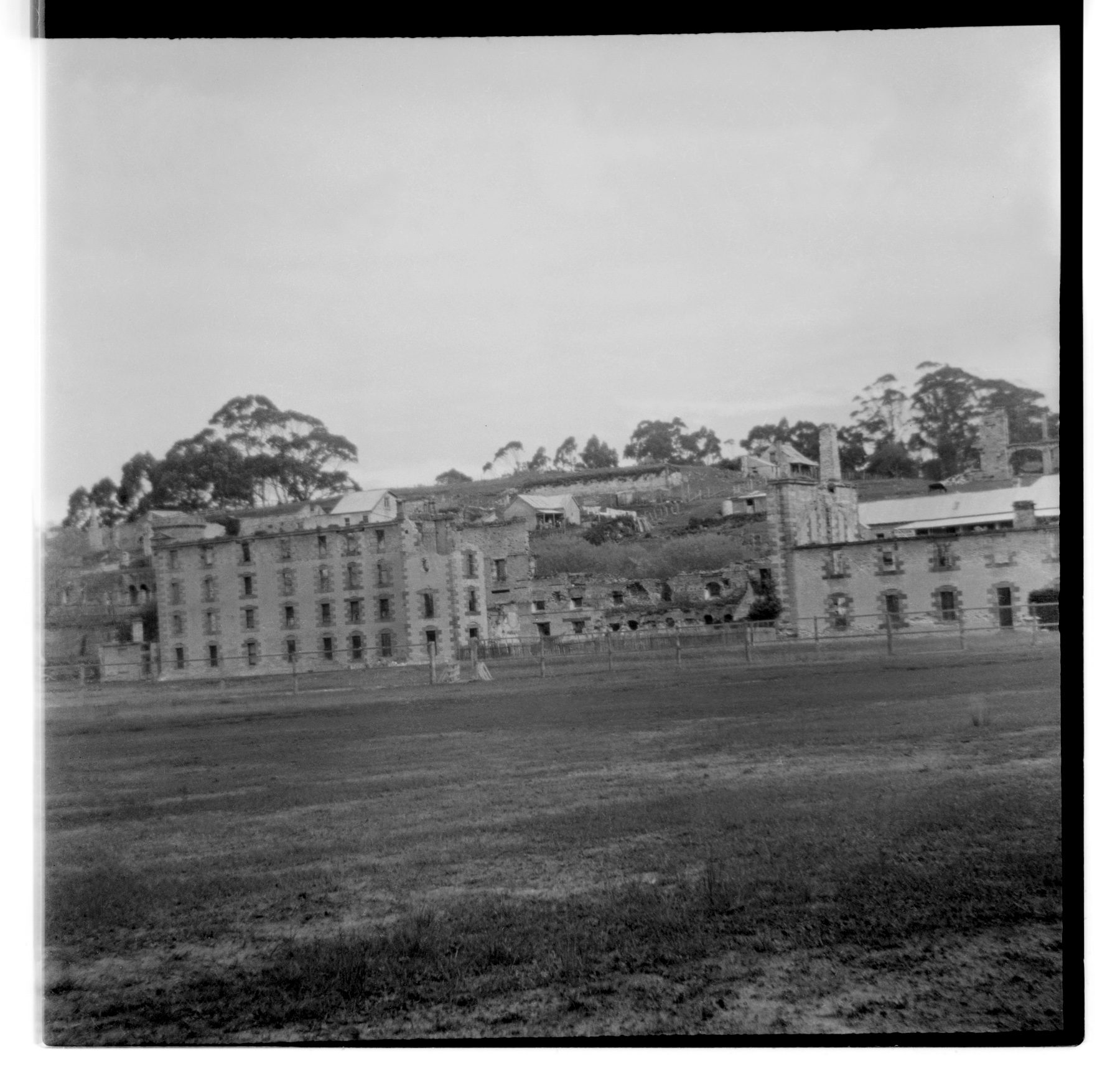
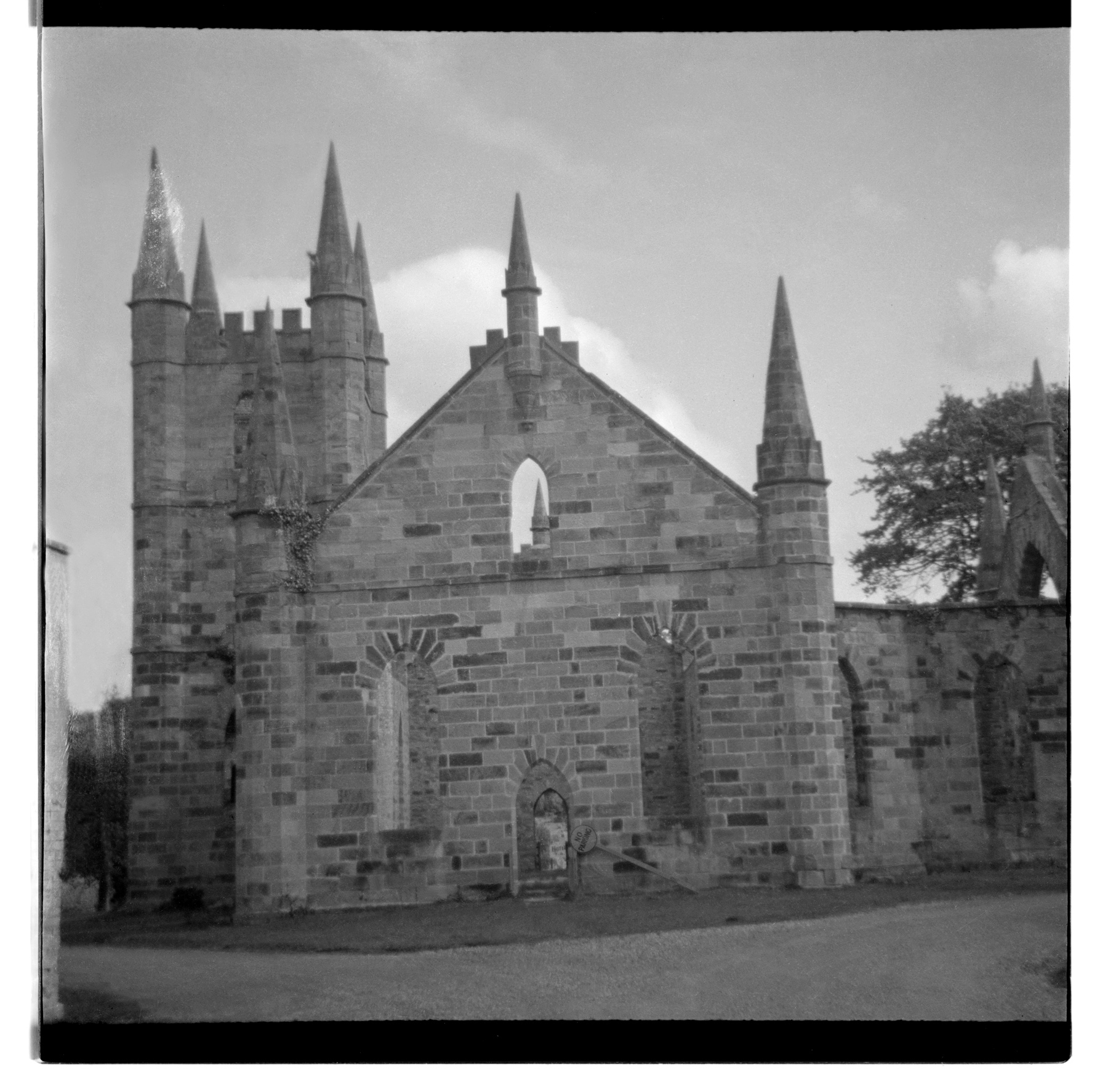


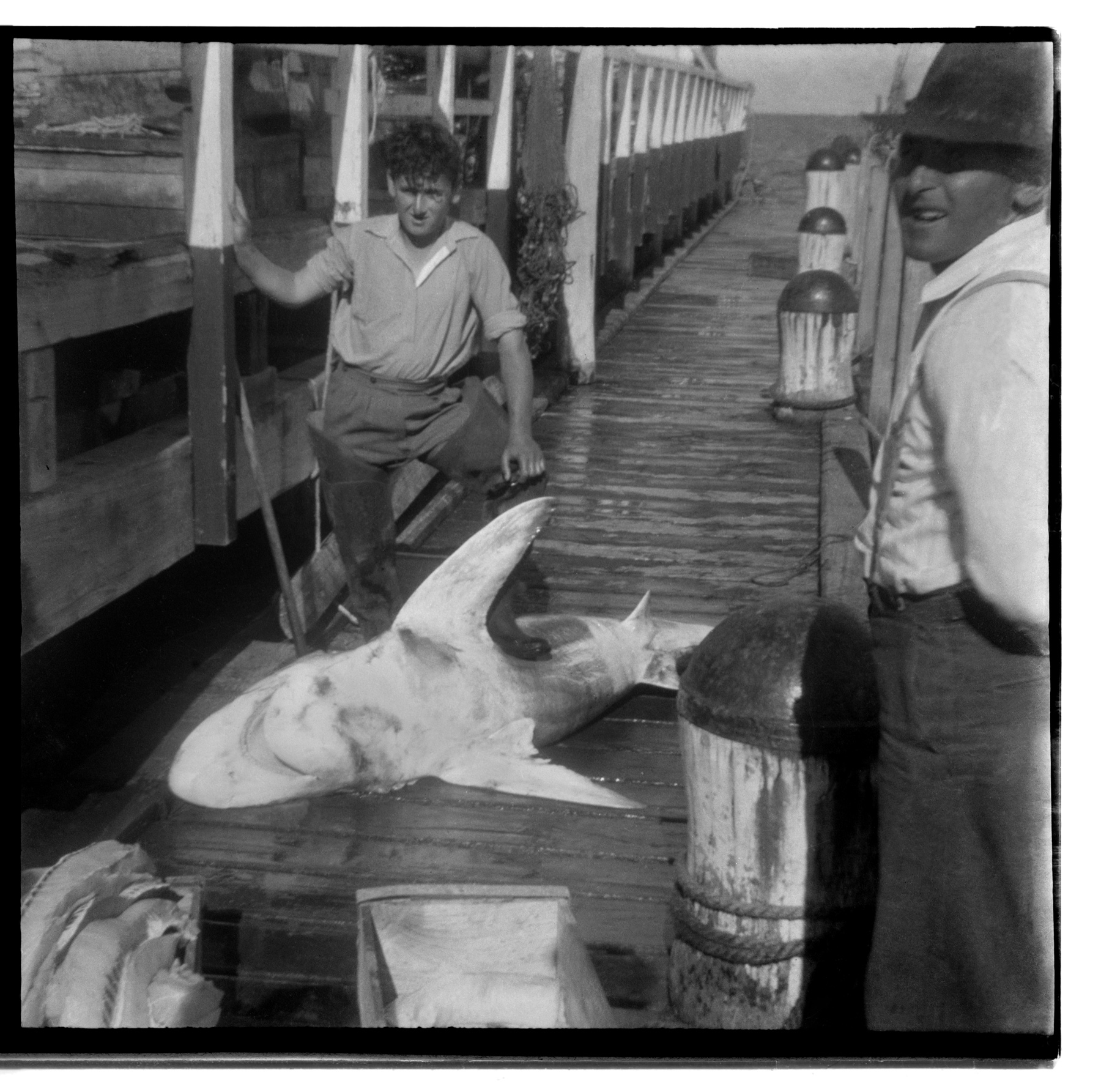


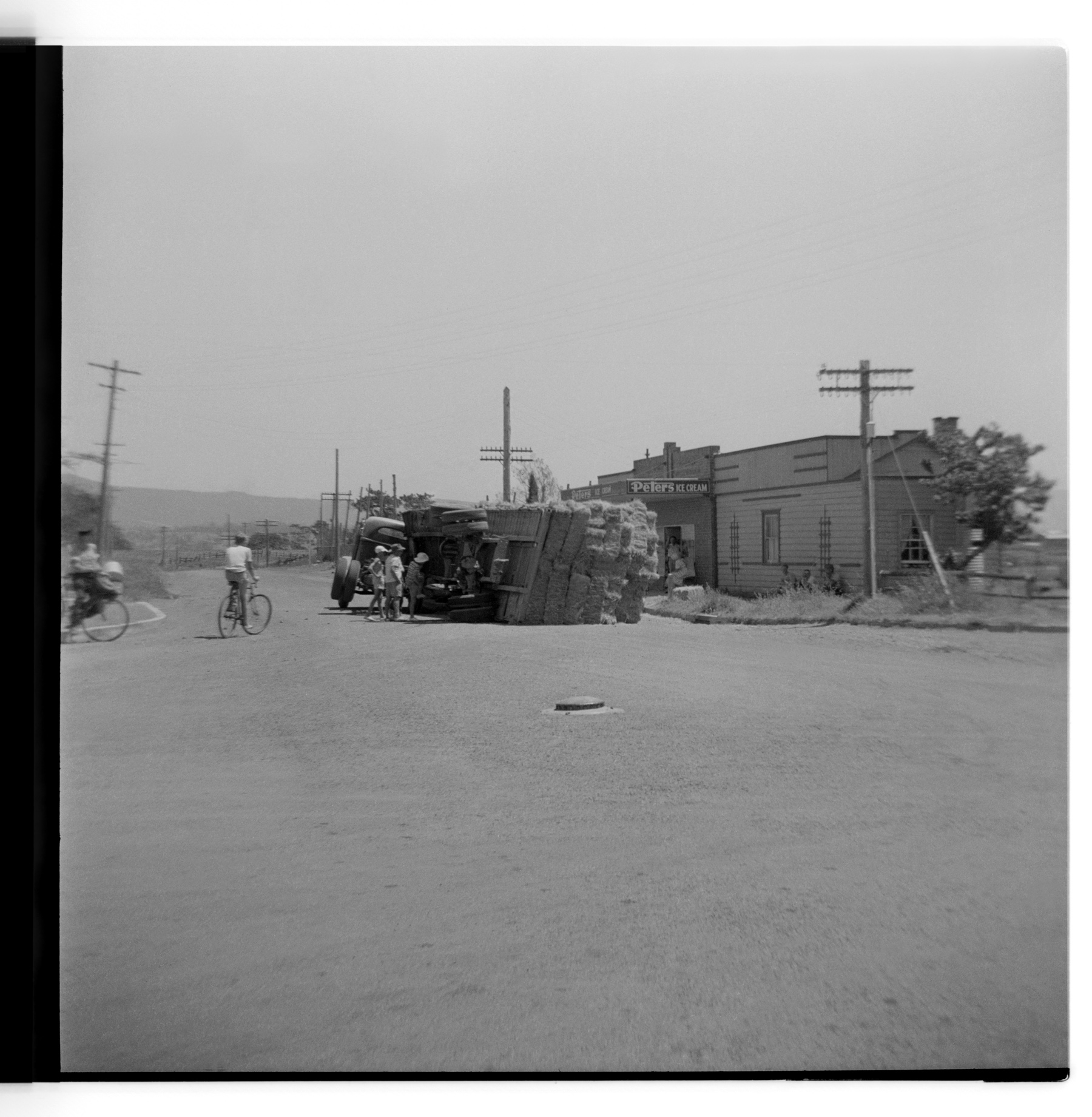
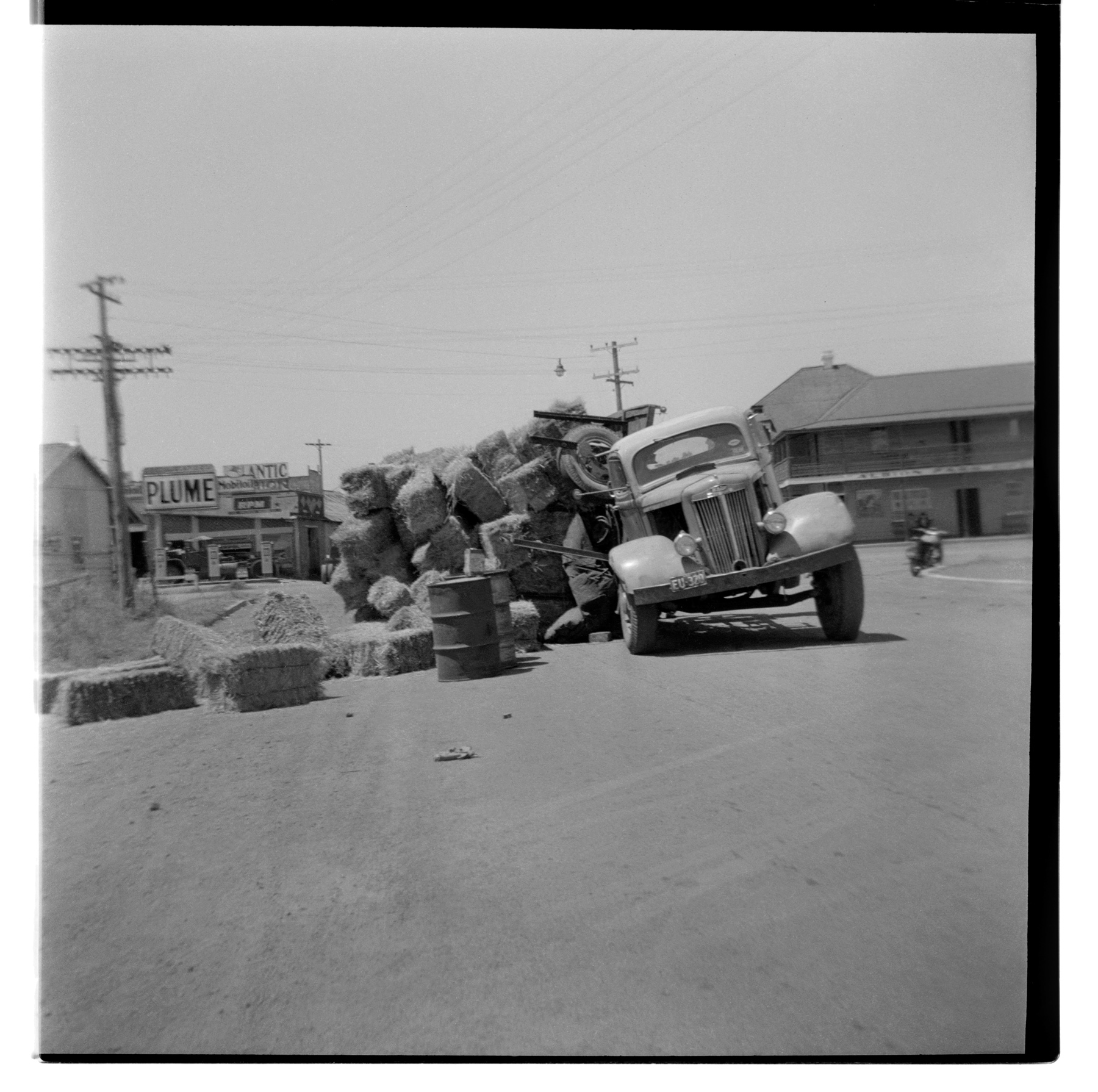


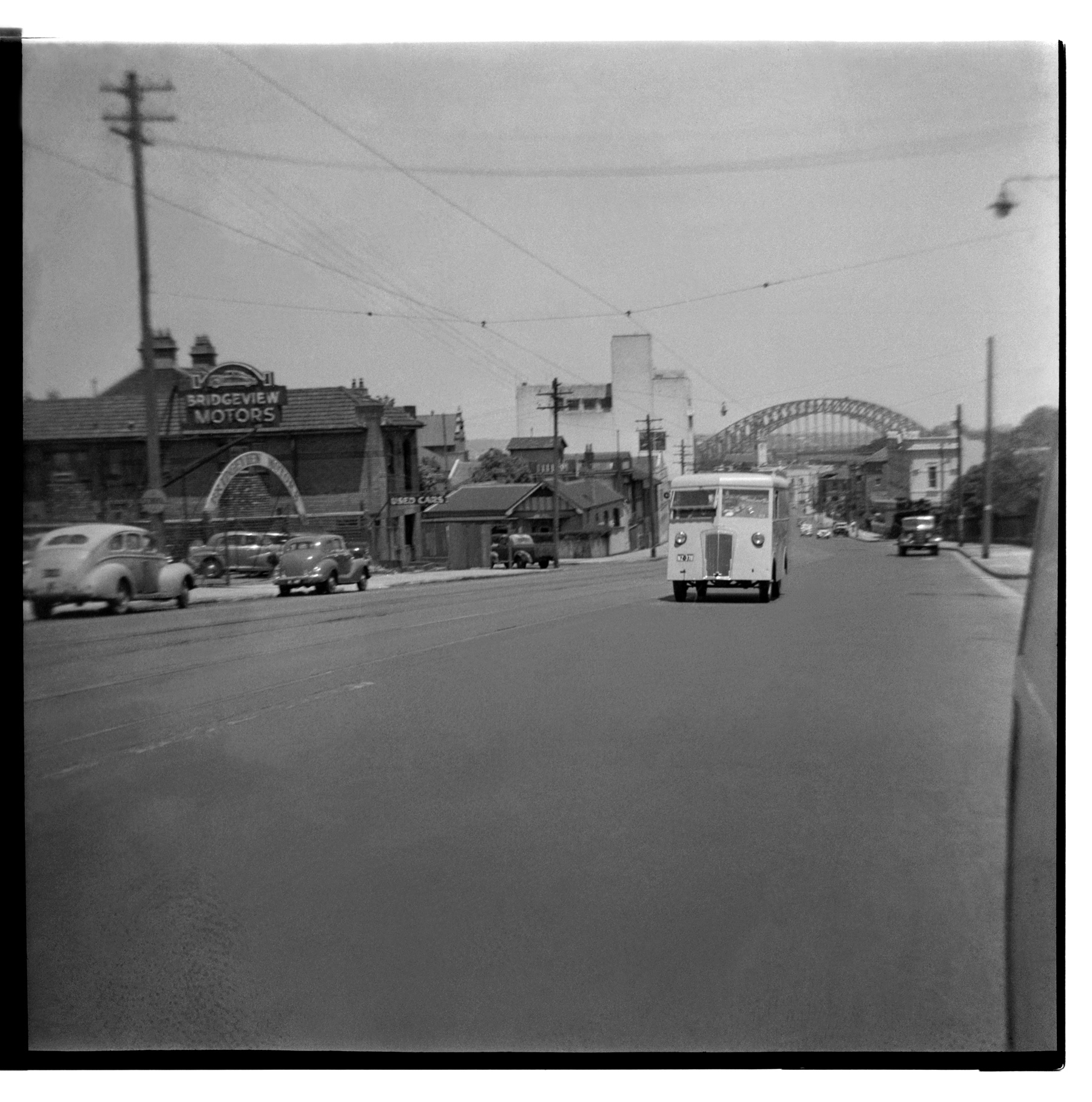


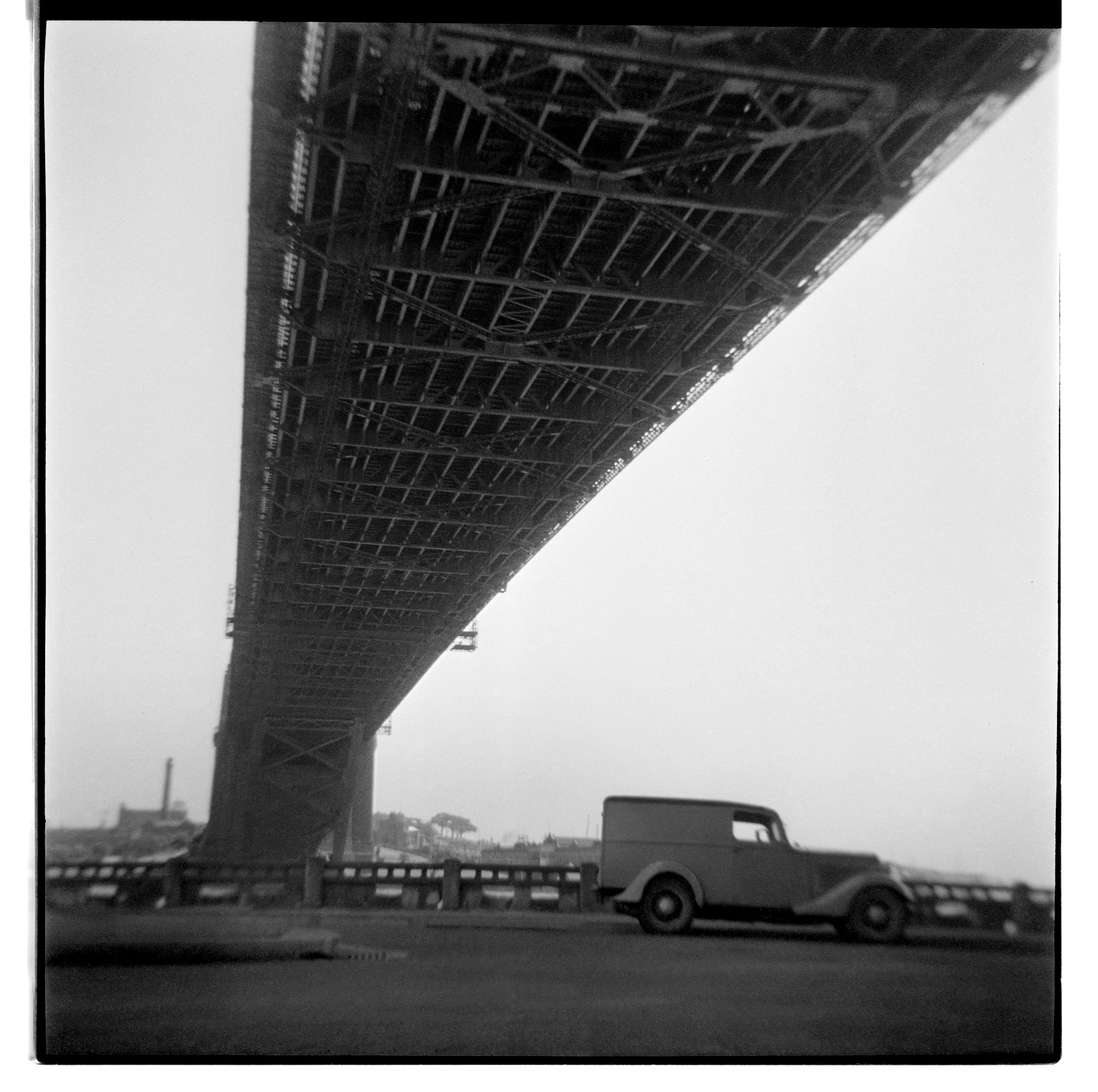


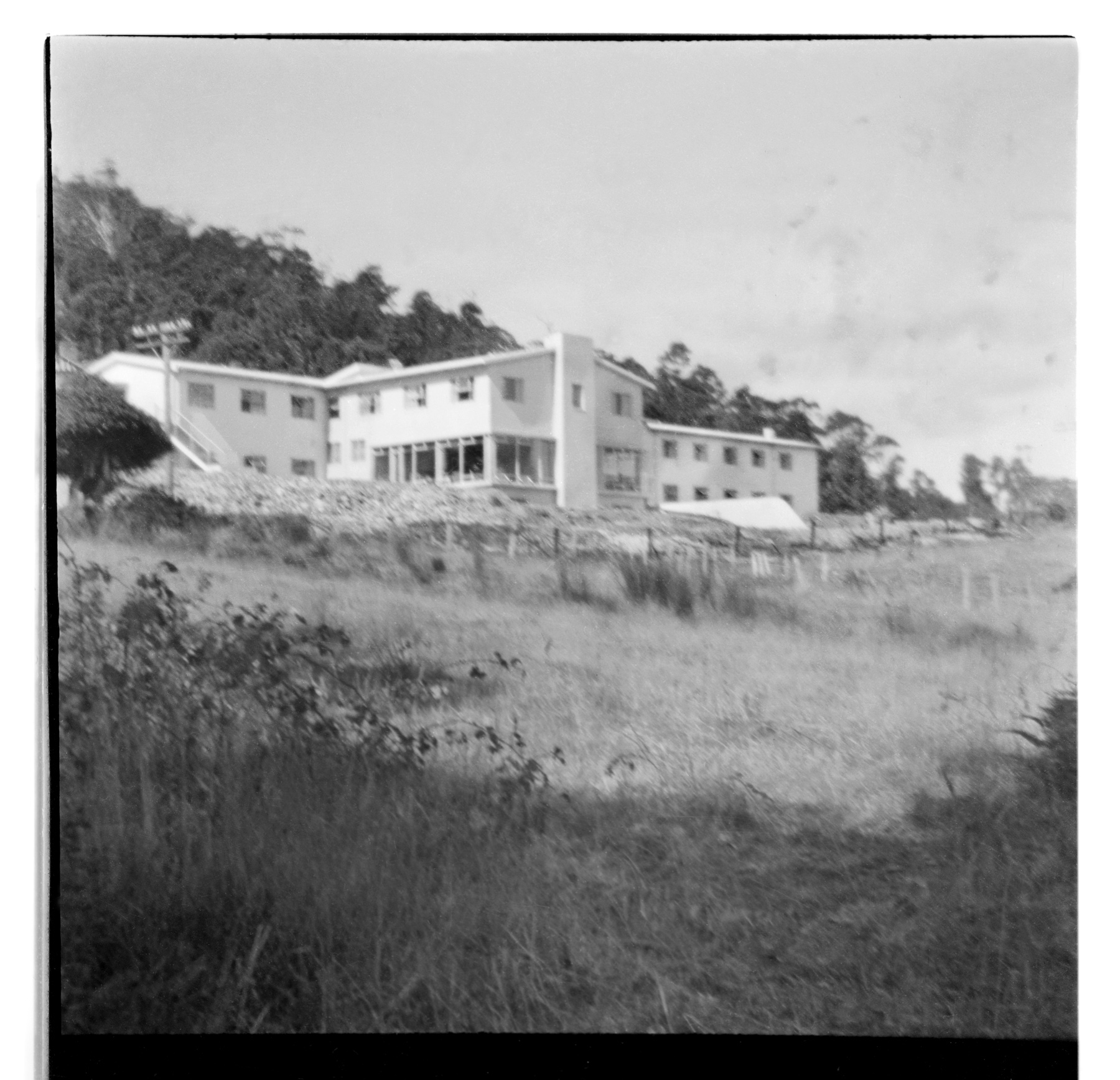


 Art Blart _ art and cultural memory archive
You must be logged in to post a comment.