It’s taken me more than a moment of reflection to write this text. The events are almost too close to write about my surrogate mother in Australia, my friend and fellow artist, Joycie. I can only write about the person I knew, not the time before I knew her – and so this will be a very personal reflection on one of the most incredible human beings that I have ever met.
Do not go gentle into that good night Rage, rage, against the dying of the light
Vale Joyce Evans.
Human, female, lover, mother, grandmother, wife, poet, publisher, writer, romantic, creative, humanist, universalist, spiritualist, bohemian, pioneer, gallery director, teacher, lecturer, collector, philanthropist, activist, artist, feminist, supporter of artists, Indigenous rights, civil rights, and the disenfranchised, exhibitor… and working photographer.
I met the force of nature that was Joyce Olga Evans (1929-2019) through a mutual friend, Alison Inglis, who knew of our love of photography. It was the start of an intense friendship that lasted just seven or eight years until Joycie, as I used to call her, passed away at Easter this year. Before she passed she knew that she had been awarded an OAM (Medal of the Order of Australia) for service to photography. This was a long overdue tribute to a pioneer and supporter of photography in Australia, one of the first women to be the director of an independent, commercial photography gallery in this country.
Joyce had an incredible passion for and knowledge about photography, whether it was historical Australian or world photographers and their prints from any era, or contemporary artists here and overseas. Her collection of both local and international photographs was almost unparalleled in private hands in this country. She had such a keen eye. When attending a local auction with her she purchased an original William Mortensen for next to nothing. Nobody else had recognised the power and presence of the image by this master artist.
This incisive vision translated into her work as an artist who was a working photographer. At heart, that’s what Joyce was – a working photographer and a storyteller. She believed in photography like photographers get photography… not like an academic or a theoretician, but like an avid fan, an enthusiast, a passionate collector, a teacher. Photography was an integral part of her life, her soul.
She said to me of being an artist, “If we can find out what we are… that is the artist. The core element of your being, and the core element of your enquiry as an artist remains the same. The concerns that you had when you started being an artist are with you until the end. If the core part of your life is the search for truth then that becomes a core part of your identity. It becomes embedded in your soul.”
In this sense, photography becomes something of you, more than just intention – it becomes your essence, your shape…. your physical shape, a tangible thing.
Photography and its spirit inhabited Joyce as Joyce lived in the world. To Joyce, photography was just as much about the world and creativity as it was about the image. The image was just a manifestation of spirit, something that you worked at, recognised, and captured for what it was and could be. As Minor White said, “There is always a dragon in the negative,” and a dragon, that symbol of power, strength, and good luck, lived inside Joyce (see my favourite photograph of her below) and in her work. Her photographs possessed a spiritual and psychological sensation of the place.
As she said, “Making photographs that are memorable requires more than just camera, light and a story. It requires a type of harmony, unity, and an indefinable something, which I can best explain as becoming emotionally attached to the subject so that the images almost make themselves.”
Joyce’s commitment to photography was legendary. She was in it for the long haul.
I was always amazed when we were out in public, going to the exhibitions that we loved to visit, that she would always be taking photographs. Whenever she saw something that interested her out would come her beloved iPhone or digital camera, and she would talk to strangers and their children and take their photos. She was a totally open spirit and had no fear about the path she took. People embraced her, talked to her, responded to her energy and spirit. I remember travelling up to Sydney with her to see an exhibition of her favourite photographer, “Our Julia”, Julia Margaret Cameron at the Art Gallery of New South Wales, and just observing that sparkle in her eyes, that unparalleled love that transcends all our pasts and futures in the simple moment of being and looking at these photographs.
Joyce was uncompromising. If she thought you were being a fuckwit she told you so in no uncertain terms. But she was a rock on which I came to depend. As someone said of her, “Joyce wasn’t into niceties and didn’t take any shit from anyone! I hope I grow up to be as tough as her. She was a visionary.” She really did not stand fools gladly (thank god), and had little truck for fine art photographers who didn’t understand the medium, its history or their small place within the grand scheme of things. As the playwright Edward Albee commented at the American painter Lee Krasner’s memorial at the Metropolitan Museum of Art, in both her life and her work, ‘… she looked you straight in the eye, and you dared not flinch’. It was the same with Joycie. She could see deep inside you to the core of your being.
Joyce loved helping people. She was so generous of her time and energy, of her wisdom and knowledge. Some of the best times of my life were spent in her kitchen talking about art, love and life. People were drawn to her. As Julie Moss has observed, she was “such a strong, creative and vibrant role model for so many female photographers” in a sea of male prejudice and ambivalence. What Joyce did not do is live on her memories… she was ever active, ever inquiring. She stood up for what she believed. A couple of weeks before she passed she said to me, “I don’t want to go yet, I still have so much that I want to do.” She was still raging against the dying of the light, not going gently into that good night.
But what she achieved in her truly remarkable life is a testament to her unquenchable spirit. In a journey full of determination, intelligence, exploration and love she achieved so much and touched so many. I miss her terribly.
I am the (sublime) space where I am, that surrounds me with countless presences.
This photograph, showing students smoking and drinking outside the pub at Largs Bay, was published in an Adelaide newspaper. At the time this was considered to be immoral behaviour. Note the man in the background with his fingers up in a derogatory manner.
The names of the three women who have been identified are from left to right: Joyce Evans (nee Zerfas) photographer, Jill Warwick, deceased, (producer of TV programme “It Could Be You”) Val Groves, psychologist. I have been unable to identify the men. ~ Joyce Evans
“Making photographs that are memorable requires more than just camera, light and a story. It requires a type of harmony, unity, and an indefinable something, which I can best explain as becoming emotionally attached to the subject so that the images almost make themselves.”
Joyce Evans
“Photography for me is a type of communion with my subject. Like everybody else I take photographs which have little meaning. But sometimes I sense an underlying value in the land, a group of people, a location, and then I make photograph, which is satisfying to myself. I think I would like to call that the way in which the quintessential spirit of what I am seeing has stirred me to need to make a photograph of it.
To me, I am alive, and my life and the life of everything in the world is connected. For me it is that universality that is the basis of my idea of the spiritual. I feel uncomfortable about formal organised religion and am perhaps more than a humanist, a universalist.”
Joyce Evans
“Aesthetically, I enjoy the camera’s capacity to record relationships and detail, which my subconscious may perceive, but I may not fully see.
My appreciation of aesthetics goes back to when I studied painting with John Olsen at the Bakery Art School, Sydney in 1967-1968. Olsen made me aware of the power of the edge of the image to relate to what was not shown in the image. My formal education was further enhanced when I did a degree in fine arts at Sydney University 1969-1971. There, Dr Anton Wilhelm taught me how to read an image. My understanding of the limits and potentials of two-dimensional imagery was expounded by Professor Bernard Smith.
Informally, my knowledge of photography and my practice was refined through formative conversations with a wide range of great photographers such as Andre Kertesz, Max Dupain, Ansel Adams and Bill Henson, Julie Millowick and Linda Connor.
Each of these relationships helped me to clarify my photographic position, which is based on a search for the essence of a subject.”
Joyce Evans
Joyce Evans (Australian, 1929-2019) Rain Dreaming, Yuendumu, NT 2005
Joyce Evans (Australian, 1929-2019) Rain Dreaming, Yuendumu, NT 2005
Joyce Evans (Australian, 1929-2019) Rain Dreaming, Yuendumu, NT 2005
Joyce Evans (Australian, 1929-2019) Rain Dreaming, Yuendumu, NT 2005
Joyce Evans (Australian, 1929-2019) Rain Dreaming, Yuendumu, NT 2005
Joyce Evans short biography
Joyce Olga Evans is well known in Australian photography. In 1976 Joyce opened Church Street Photographic Centre, a pioneer Australian commercial gallery devoted to Photography. It showcased the best of Australian and International photographers. Joyce exhibited works by Frank Hurley, Imogen Cunningham, Bill Henson, Henri Cartier-Bresson, Julia Margret Cameron, Max Dupain and many other renowned photographers – she says that they were her teachers.
Passionately dedicated to photography, she has had many solo exhibitions of both her landscapes (she photographed in the Dandenongs and Mt Martha regions in the outer Melbourne; along the Hume Highway; in the Central Desert and outback Australia, most notably Oodnadatta, Oodlawirra, Menindee, and Lake Mungo; vineyards and rural villages in the South of France; the old Jewish cemetery in the centre of Prague; and numerous others) and her portraits (she photographed Australian intelligentsia and personalities, including Marianne Baillieu; Barbara Blackman; Baron Avid von Blumenthal; Tim Burstall; Dur-e Dara; Robert Dessaix; Germaine Greer; Elena Kats-Chernin; Joan Kerr; Ellen Koshland; David Malouf; Dame Elisabeth Murdoch; Lin Onus; Jill Reichstein; Chris Wallace-Crabbe; and innumerable others) throughout Australia and Europe.
Joyce has spent two decades documenting Australia for the National Library of Australia, who are acquiring her life’s work for their permanent collection. When this acquisition is complete the Library will hold over 30,000 analogue images and 80,000 digital files. Also included are diaries and other relevant documents and files. Much of this work is destined for display on Trove, the library’s online viewing resource. She has exhibited extensively in Australia and in France and her photographs are held in many major collections. Joyce has been published widely. Her monograph Only One Kilometre was published in 2003 by Lothian Press. It detailed her many years of studying the unique qualities of the Balcombe Estuary Reserve, at Mount Martha as well as poems and articles by distinguished writers. Her work is held in many collections both locally and internationally.
Joyce Evans also plays an important educational role in Australian photography. She taught history of photography at Melbourne’s RMIT University; appointed inaugural assistant director of Waverley City Gallery (now Monash Gallery of Art), 1990-1991, the first municipal public collection in Melbourne to specialise in photography; established and inaugurated a course on the History of Photography and appointed Research Fellow at the University of Melbourne, 1997-2010.
Evans worked as an honorary photographer for the Department of Aboriginal Affairs in Central Australia and for over ten years documented Australian country towns and events for the National Library of Australia. Important publications on Joyce Evans include a monograph Only One Kilometre (Melbourne: Lothian Press, 2003), and exhibition catalogues with essays by Alison Inglis, Eugene Barilo von Reisberg, Tim Page, Victoria Hammond, and many others.
Anonymous text from the Joyce Evans Photographer website Nd [Online] Cited 16th June 2019. No longer available online
William Yang (Australian, b. 1943) Marcus and Joyce 2018
Being two photographers, the only photograph of Joyce and Marcus together, taken by another photographer William Yang.
Michael Silver (Australian) Joyce Evans 2013
Marcus Bunyan (Australian, b. 1958) Joyce Evans standing in front of Max Dupain’s ‘Sunbaker’ 1937 2018
Marcus Bunyan (Australian, b. 1958) Joyce and the dragon 2016
Joyce standing in front of the fireplace at Jacques Reymond’s restaurant for the birthday of her friend Marcus Bunyan. In Chinese mythology the dragon traditionally symbolises potent and auspicious powers and also is a symbol of power, strength, and good luck for people who are worthy of it.
Julia Margaret Cameron (British, 1815-1879) Beatrice 1866 Albumen silver print
Where: Monash Gallery of Art, Wheelers Hill When: Monday 20th May 2019, 6-9pm
Joyce Evans photographer celebration… I hope many of you can attend.
A celebration of Joyce and her contribution to art, photography, women’s status, mentorship and philanthropy. At least 30 of her prints will be displayed. Celebrants will talk and recall in their own words experiences with Joyce and her passions. The event will be recorded and made available for non-attendees. Snacks and drinks will be available.
A truly remarkable human being.
Marcus
If we can find out what we are… that is the artist. This goes to the core element of your being, and the core element of your enquiry remains the same.
If the core part of your life is the search for the truth then that becomes a core part of your identity for the rest of your life. It becomes embedded in your soul.
Joyce Evans
Michael Silver (Australian) Joyce Evans Nd
Monash Gallery of Art 860 Ferntree Gully Road, Wheelers Hill Victoria 3150 Australia Phone: + 61 3 8544 0500
part of the CLIMARTE Festival: ART+CLIMATE=CHANGE 2019
Peter Dombrovskis (Australian born Germany, 1945-1996) Morning mist, Rock Island Bend, Franklin River, Franklin-Gordon Wild Rivers National Park, Tasmania 1980 Courtesy of the National Library of Australia and the Estate of Peter Dombrovskis
A little too perfect
A few ideas that struck me at this exhibition.
1/ The large format 4 x 5″ colour transparencies must be near absolute perfect exposures…. everything is there in the exposure. It’s as though the transparency is the finished print. Everything that Dombrovskis wanted to capture, he did. He was a perfectionist.
His previsualisation of the scene was exceptional. He knew what he wanted to capture, he was so focused on it. The beauty is there, but how do you make it sing? Only in a few images was I swept off my feet.
2/ His use of ‘near far’ is noticeable, taken from Ansel Adams most likely. In photographs like Morning light on Little Horn (1995), Cushion plants, Mount Anne (1984) and Mount Geryon from the Labyrinth (1986) your eye is led from the detailed foreground to the magnificent vista beyond.
3/ In photographs such as Lichen on dead eucalypt, Lake Dixon (1979) and Rock platform, Tarkine Wilderness (1995) the subject seems to dissolve into Abstract Expressionist compositions.
4/ The wall colours of the exhibition utterly failed the work, especially with the line colour change running through the image.
5/ I never really felt the “sublime” nature of the Tasmanian wilderness in these photographs. I wanted to be transported to the place that was pictured but it never happened.
6/ I suspect this has to do with a/ the perfection of the transparency b/ the size at which these contemporary photographs were printed, and c/ the almost scientific, analytical nature of the contemporary printing.
I had no sense or feeling for place or “atmosphere” that emanates from a truly great photograph. These large prints were wholly disappointing in that regard. They were nearly all printed at the same size, too big, with the same monotonous clarity of composition and balancing of print, one to the other. Almost a clinical printing with too much colour saturation with no room for chaos or vibration of energy.
When printing, I was taught to rack the enlarger up and down to find when the print becomes like a jewel. This is a felt response to the negative, and an image can have several positions or print sizes when this may occur. To print the bulk of these digital images at the same size goes against this very intuitive response to the work.
There are so many moves that can be justified by an objective argument when making a fine art print – but which still don’t add up when you view the whole. Oh! to see five vintage prints in this exhibition, to see how Dombrovsksi would have printed them himself.
I really wanted to like these photographs but when you try and force something, it ain’t ever going to happen.
‘When you go out there, you don’t get away from it all. You get back to it all. You come home to what’s important. You come home to yourself.’
Peter Dombrovskis
‘… we moved in a glittering, sun-splashed world where living assumed a clarity and intensity unknown in ordinary city-bound existence. Our bodies became attuned to rock and rapid, our senses easily absorbed the roar of white-water, the silent greens of the rainforest. My steadily growing skill at negotiating obstacles bolstered my self-confidence and eased the shyness of adolescence.’
Peter Dombrovskis in Jane Cadzow, ‘A lasting image’, Sydney Morning Herald, Good Weekend magazine, 22 March 1997
‘An ethic of the land is needed because the remaining wilderness, that which makes this island truly unique, is threatened by commercial exploitation that will destroy its value to future generations. Machines are already shattering the silence of ages, invading the last forests and damming and drowning the wild rivers and gorges.’
‘We must try to retain as much as possible of what still remains of the unique, rare and beautiful. Is there any reason why … the ideal of beauty could not become an accepted goal of national policy? Is there any reason why Tasmania should not be more beautiful on the day we leave it than on the day we came? … if we can accept the role of steward and depart from the role of conqueror; if we can accept the view that man and nature are inseparable parts of the unified whole, then Tasmania can be a shining beacon in a dull, uniform and largely artificial world.’
Olegas Truchanas in Max Angus, ‘The world of Olegas Truchanas’ (Olegas Truchanas Publication Committee, Hobart 1975)
The photograph [at the top of the posting], Morning mist, Rock Island Bend, Franklin River, Tasmania (1979), is one of the most celebrated landscape photographs in Australian history. Commissioned by Bob Brown (later to become leader of the Greens Party), this image became synonymous with the successful campaign of the 1980s to prevent the damming of the Franklin River for hydro-electric development. It appeared on posters with the memorable yellow, triangular slogan ‘NO DAMS’ and showed Australians what would be lost under the waters of a dam should the hydroelectric scheme go ahead. Using his camera as a tool, Dombrovskis shared with society the riches that they would forgo if the environment was not protected.
The photograph below, Mount Geryon from the Labyrinth Cradle, Mountain-Lake St Clair National Park, Tasmania (1986) is an image that Bob Brown had in his office at a similarly large scale to provide an immediate and memorable talking point with visitors.
Many Australians encountered these images for the first time in prosaic settings: in a newspaper campaign advertisement, a diary used at work, a calendar on the side of the fridge, or a poster in a waiting room. Most of us will never visit the places he photographed, but into our ordinary everyday lives his images bring something of the beauty and the power of the wild places of Tasmania. Seldom in the history of photography has there been such a clear example of visual culture having such a political sway.
Exhibition label
Installation views of the opening of the exhibition Dombrovskis: journeys into the wild at Monash Gallery of Art, Wheelers Hill Photos: Marcus Bunyan
Peter Dombrovskis (Australian born Germany, 1945-1996) Mount Geryon from the Labyrinth, Du Cane Range, Tasmania 1986 Courtesy of the National Library of Australia and the Estate of Peter Dombrovskis
Installation view of the exhibition Dombrovskis: journeys into the wild at Monash Gallery of Art, Wheelers Hill Photo: Marcus Bunyan
Installation view of the exhibition Dombrovskis: journeys into the wild at Monash Gallery of Art, Wheelers Hill showing at left, Coastline north of the Pieman River, Tarkine wilderness, Tasmania (1992); at centre Kelp detail, Macquarie Island, Tasmania (1984); and at right Drying kelp at Sandy Bay, Macquarie Island, Tasmania (1984) Photo: Marcus Bunyan
Installation view of the exhibition Dombrovskis: journeys into the wild at Monash Gallery of Art, Wheelers Hill showing at left, Kelp detail, Macquarie Island, Tasmania (1984); and at right Drying kelp at Sandy Bay, Macquarie Island, Tasmania (1984) Photo: Marcus Bunyan
Peter Dombrovskis (Australian born Germany, 1945-1996) Drying kelp at Sandy Bay, Macquarie Island, Tasmania 1984 Courtesy of the National Library of Australia and the Estate of Peter Dombrovskis
Installation view of the exhibition Dombrovskis: journeys into the wild at Monash Gallery of Art, Wheelers Hill showing at left, ‘Macrocystis’ and ‘Hormosira’ seaweed, Tasmania (1987); and at right Giant kelp, Hasselborough Bay, Macquarie Island, Tasmania (1984) Photo: Marcus Bunyan
Installation views of the exhibition Dombrovskis: journeys into the wild at Monash Gallery of Art, Wheelers Hill Photos: Marcus Bunyan
Installation view of the exhibition Dombrovskis: journeys into the wild at Monash Gallery of Art, Wheelers Hill showing at left, Douglas Gorge, Douglas-Apsley National Park, Tasmania (1989); and at right, Waterfall Valley, Cradle Mountain-Lake St Clair National Park, Tasmania (1990) Photo: Marcus Bunyan
Installation detail of Peter Dombrovskis’ photograph Waterfall Valley, Cradle Mountain-Lake St Clair National Park, Tasmania (1990) Photo: Marcus Bunyan
Installation view of the exhibition Dombrovskis: journeys into the wild at Monash Gallery of Art, Wheelers Hill showing at left, Lichen on dead eucalypt, Lake Dixon, Tasmania (1979); and at right, Rock platform, Tarkine Wilderness, Tasmania (1995) Photo: Marcus Bunyan
Installation detail of Peter Dombrovskis’ photograph Lichen on dead eucalypt, Lake Dixon, Tasmania (1979) Photo: Marcus Bunyan
Installation detail of Peter Dombrovskis’ photograph Rock platform, Tarkine Wilderness, Tasmania (1995) Photo: Marcus Bunyan
Peter Dombrovskis (1945-1996) was one of the world’s foremost wilderness photographers. His powerful, reflective and deeply personal images of the unique Tasmanian wilderness had a lasting impact, changing the way Australians think about their environment by making remote nature accessible through images.
Dombrovskis: journeys into the wild draws together a vast sweep of nearly 80 images, shown for the first time in Victoria. The exhibition was initially developed by the National Library of Australia from their comprehensive collection of Dombrovskis’s work.
Through their use in environmental campaigns, Dombrovskis’s images have become shorthand for environmental concerns in Australia. Particularly memorable was the image Morning Mist, Rock Island Bend that Bob Brown (later to become Leader of the Greens Party) used in the ‘No Dams’ campaign to save the Franklin River.
Seldom in the history of photography has there been as clear an example of visual culture bearing such political sway and prompting such passion in communities.
‘Dombrovskis’s ability to capture the sublime beauty of the Tasmanian wilderness led to his work becoming synonymous with the Tasmanian Wilderness conservation movement. Dombrovskis once commented “photography is, quite simply, a means of communicating my concern for the beauty of the Earth.” His work was his voice and it powerfully evoked his passion for the environment which inspired the nation to work for its protection. MGA is thrilled to have an opportunity to showcase Dombrovskis’s practice to Victorian audiences, and to inspire a new generation to embrace his unique vision and celebrate his legacy.’ ~ Anouska Phizacklea, MGA Director
This exhibition was initially developed by the National Library of Australia, Canberra. In 2007, the Library acquired over 3000 colour transparencies that make up the Dombrovskis archive. The photographs on display here, which are also part of the Library’s Pictures Collection, were printed by Les Walkling on Canson Platine Fibre Rag paper by an Epson SureColor P20070.
Monash Gallery of Art and the National Library of Australia would like to acknowledge Peter’s widow, Liz Dombrovskis, and thank her for her guidance and support for this project.
Press release from the Monash Gallery of Art website [Online] Cited 13/03/2019
Installation view of the exhibition Dombrovskis: journeys into the wild at Monash Gallery of Art, Wheelers Hill showing at left, Cushion plant mosaic, Tasmania (1980); at middle, Macquarie Island cabbage at Finch Creek, Macquarie Island, Tasmania (1984); and at right, Web and dew, Waterfall Valley, Tasmania (1985) Photo: Marcus Bunyan
Installation view of the exhibition Dombrovskis: journeys into the wild at Monash Gallery of Art, Wheelers Hill showing Myrtle tree in rainforest at Mount Anne, Southwest National Park, Tasmania (1984) Photo: Marcus Bunyan
Peter Dombrovskis (Australian born Germany, 1945-1996) Myrtle tree in rainforest at Mount Anne, Southwest National Park, Tasmania 1984 Courtesy of the National Library of Australia and the Estate of Peter Dombrovskis
Installation view of the exhibition Dombrovskis: journeys into the wild at Monash Gallery of Art, Wheelers Hill showing at left, Icicles near Big Bend, Mount Wellington, Tasmania (1992); at middle, Ice patterns on the Labyrinth, Cradle Mountain-Lake St. Clair National Park, Tasmania (1986); and at right, Ice patterns, Lake Elysia, Du Cane Range, Cradle Mountain-Lake St. Clair National Park, Tasmania (1987) Photo: Marcus Bunyan
Installation views of the exhibition Dombrovskis: journeys into the wild at Monash Gallery of Art, Wheelers Hill showing Morning light on Little Horn, Cradle Mountain-Lake St Clair National Park, Tasmania (1995) Photo: Marcus Bunyan
Peter Dombrovskis (Australian born Germany, 1945-1996) Morning light on Little Horn, Cradle Mountain-Lake St Clair National Park, Tasmania 1995 Courtesy of the National Library of Australia and the Estate of Peter Dombrovskis
Installation view of the exhibition Dombrovskis: journeys into the wild at Monash Gallery of Art, Wheelers Hill showing at left, Snow gum on the Labyrinth, Du Cane Range, Tasmania (1988); and at right Shore lichen on granite, east Freycinet, Freycinet National Park, Tasmania (1989) Photo: Marcus Bunyan
Installation detail of Peter Dombrovskis’ photograph Shore lichen on granite, east Freycinet, Freycinet National Park, Tasmania (1989) Photo: Marcus Bunyan
Installation view of the exhibition Dombrovskis: journeys into the wild at Monash Gallery of Art, Wheelers Hill showing Ancient ‘Nothofagus gunnil’, Cradle Mountain, Cradle Mountain-Lake St. Clair National Park, Tasmania (1986) Photo: Marcus Bunyan
Installation view of the exhibition Dombrovskis: journeys into the wild at Monash Gallery of Art, Wheelers Hill with, at right, Polished quartzite above Irenabyss, Franklin River, Franklin-Gordon Wild Rivers National Park, Tasmania (1979) Photo: Marcus Bunyan
Installation detail of Peter Dombrovskis’ photograph Polished quartzite above Irenabyss, Franklin River, Franklin-Gordon Wild Rivers National Park, Tasmania (1979) Photo: Marcus Bunyan
Installation view of the exhibition Dombrovskis: journeys into the wild at Monash Gallery of Art, Wheelers Hill Photo: Marcus Bunyan
Peter Dombrovskis (Australian born Germany, 1945-1996) Pencil pine at Pool of Siloam, Walls of Jerusalem National Park, Tasmania 1982 Courtesy of the National Library of Australia and the Estate of Peter Dombrovskis
Installation view of the exhibition Dombrovskis: journeys into the wild at Monash Gallery of Art, Wheelers Hill showing, at middle left, The rocking stone, south Mount Wellington, Tasmania (1995); and at right, Dolerite tors on Mount Wellington plateau, Hobart, Tasmania (1990) Photo: Marcus Bunyan
Installation view of the exhibition Dombrovskis: journeys into the wild at Monash Gallery of Art, Wheelers Hill showing, at left, The rocking stone, south Mount Wellington, Tasmania (1995); and at right, Dolerite tors on Mount Wellington plateau, Hobart, Tasmania (1990) Photo: Marcus Bunyan
Installation view of the exhibition Dombrovskis: journeys into the wild at Monash Gallery of Art, Wheelers Hill showing Dolerite tors on Mount Wellington plateau, Hobart, Tasmania (1990) Photo: Marcus Bunyan
Peter Dombrovskis (Australian born Germany, 1945-1996) The rocking stone, south Mount Wellington, Tasmania 1995 Courtesy of the National Library of Australia and the Estate of Peter Dombrovskis
Peter Dombrovskis (Australian born Germany, 1945-1996) Dolerite tors on Mount Wellington plateau, Hobart, Tasmania 1990 Courtesy of the National Library of Australia and the Estate of Peter Dombrovskis
Installation view of the exhibition Dombrovskis: journeys into the wild at Monash Gallery of Art, Wheelers Hill showing, at left, Painted cliffs, Maria Island National Park, Tasmania (1991); and at right, Painted cliffs, Maria Island, Tasmania (1991) Photo: Marcus Bunyan
Installation view of the exhibition Dombrovskis: journeys into the wild at Monash Gallery of Art, Wheelers Hill with, at left, Beach detail with shells, Louisa Bay, Southwest National Park, Tasmania (1993); at middle, Abalone shell at New Habour, southwest Tasmania (1988); and at right, Native pigface, Tarkine Wilderness, Tasmania (1995) Photos: Marcus Bunyan
Installation view of the exhibition Dombrovskis: journeys into the wild at Monash Gallery of Art, Wheelers Hill showing Rock and rapid below Pine Camp, Franklin River, Tasmania (1979) Photo: Marcus Bunyan
Peter Dombrovskis (Australian born Germany, 1945-1996) Rock and rapid below Pine Camp, Franklin River, Tasmania 1979 Courtesy of the National Library of Australia and the Estate of Peter Dombrovskis
Installation views of the exhibition Dombrovskis: journeys into the wild at Monash Gallery of Art, Wheelers Hill Photos: Marcus Bunyan
Installation view of the exhibition Dombrovskis: journeys into the wild at Monash Gallery of Art, Wheelers Hill showing at left, Snow on pencil pine, Cradle Mountain-Lake St. Clair National Park, Tasmania (1990); and at right, Fruiting lichen and ice, the Labyrinth, Du Cane Range, Cradle Mountain-Lake St. Clair National Park, Tasmania (1987) Photos: Marcus Bunyan
Installation view of the exhibition Dombrovskis: journeys into the wild at Monash Gallery of Art, Wheelers Hill showing at left, Cradle Mountain from Hounslow Heath, Cradle Mountain-Lake St. Clair National Park, Tasmania (1982); at middle, Snow-encrusted shrubbery, Central Highlands, Tasmania (1990); and at right, Icicles on fire-killed snow gums, south of Mount Wellington, Tasmania (1990) Photos: Marcus Bunyan
Installation view of the exhibition Dombrovskis: journeys into the wild at Monash Gallery of Art, Wheelers Hill showing Dunes and granite near Interview River, Tarkine Wilderness, Tasmania (1990) Photo: Marcus Bunyan
Peter Dombrovskis
Peter Herbert Dombrovskis was born in a World War II refugee camp in Wiesbaden, Germany, in 1945 to Latvian parents. His father, Karl, went missing at the end of the war and in 1950 his mother, Adele, moved the pair of them to Hobart, Tasmania; as far from the war-torn Europe and the war as imaginable. Adele was a keen naturalist and encouraged Peter’s photography, buying him a 35mm Zeiss camera to experiment with when he was just six.
In the early 1970s, Dombrovskis established a working pattern of making five or six two-week journeys into the wilds of Tasmania each year. His first calendar was produced in 1972, his first diary in 1976 and his first book The quiet land in 1977. He set up his own publication company, West Wind Press, in 1977. His second wife Liz, continued to run West Wind Press, producing calendars, books and diaries, until 2009. In 1996, while hiking and photographing near Mount Hayes in south-west Tasmania’s Western Arthur Range, Dombrovskis suffered a heart attack and died. He was 51 years old.
The sublime
The photographs of Dombrovskis carry on a rich tradition of depicting the wild places of Tasmania as Romantic landscapes. Romanticism was a cultural movement in the late-eighteenth and early-nineteenth centuries that emphasised the senses, emotion and spontaneity at the expense of order, rationality and intellect. Particularly influential was the Romantic idea of the sublime. Unlike the picturesque landscape, which was attractive and charming but tame and unthreatening, the sublime landscape dramatises nature’s overwhelming power and grandeur. It shows the natural world untouched and uncompromised by human intervention, provoking feelings of awe, even fear, and reminding the viewer that wilderness is a valuable resource to respect, not exploit. Dombrovskis’s images demonstrate nature’s powerful splendour but they also have a quiet, reflective quality that draws the viewer into an intimate conversation with the natural world. This is, perhaps, achieved through his habit of including the unexpected and sensitive details within a landscape, as well as the marvellous and dramatic vistas. Dombrovskis was passionate about the vast and rugged beauty of his adopted home, but also curious about nature, seeing it as both mysterious and welcoming.
Influences
The photographer most often connected with Dombrovskis is Olegas Truchanas. The two men shared backgrounds as refugees from war-torn Central Europe. Together the two would explore Tasmania, marvelling at and photographing the beauty of their natural surroundings. They were adventurers and photographers in equal measures and both died in pursuit of these passions. It was Truchanas who introduced Peter to the political nature of landscape photography. In the 1960s, he would stage slide-shows in the Hobart City Hall, pairing his images with classical music and speaking about society’s responsibility for the natural planet. Many of Truchanas’s slides were lost in a bushfire that took his home in 1967, and it was in 1972, when he was out rebuilding his archive of images of the south-west that he drowned in the Gordon River. It was Peter who found Truchanas’s body in the water after days of searching.
“I like to think I’m carrying on where Olegas left off, in my own way, finishing the work that he started.”
Dombrovskis’s photographic style was also influenced by the great American landscape photographers:
“I enjoy Ansel Adams for his finely controlled and logical composition; Edward Weston for his intense identification with subject matter; Brett Weston for his strikingly graphic structural forms; Paul Caponigro for images that intimate the mysterious and the unknowable; and Eliot Porter for compositional subtlety and delicate colour harmony.”
Legacy
Dombrovskis’s contribution to the environmental movement is profound but his technical ability and artistry as a photographer are equally celebrated. In February 2003, he was inducted into the International Photography Hall of Fame in Oklahoma City, an honour afforded to only 76 other innovators in the art form’s history. He is the only Australian to be honoured in this way and sits alongside those who influenced him, such as Ansel Adams and Edward and Brett Weston and Eliot Porter. Dombrovskis’s work has been acquired by several of Australia’s major cultural institutions and is part of the collections of the National Library of Australia, National Gallery of Australia, National Gallery of Victoria, Tasmanian Museum and Art Gallery and Monash Gallery of Art.
Equipment
Dombrovskis’s preferred camera was the Linhof Master Technika. Requiring 4 x 5 inch film, almost 16 times larger than that used in a standard 35mm camera, the Linhof was heavy and cumbersome, forcing Dombrovskis to take more care and time in setting up his shots and making each of these images the result of physical and mental endurance, as well as involved decision-making.
“… because sheet film is expensive and loading it is slow and tedious, I seldom take more than one exposure of each subject. This occasionally leads to bitter regret when I misjudge exposure after spending, perhaps, an hour on a single image.”
Smaller 35mm or contemporary digital cameras would have allowed Dombrovskis ease of use and immediacy, but this would have come at the expense of the extraordinary detail he could achieve with his Linhof. When walking for a week in the wilderness, Dombrovskis carried the required supplies, as well as the camera and around 50 sheets of film; a heavy pack in rugged terrain.
Tasmania
“I took photographs for the simple pleasure of recording objects and places that were important to me, and because the discipline of photography increased my awareness of Tasmania’s beauty and made me appreciate more clearly the value of its wilderness.”
The work of Dombrovskis helped to change perceptions of the Tasmanian wilderness. In 1982 the area that he photographed was inscribed on the UNESCO World Heritage List as part of the Tasmanian Wilderness World Heritage Area. His photograph Morning Mist, Rock Island Bend, Franklin River, Tasmania (1979), which is located at the beginning of this exhibition, was integral to the successful campaign to prevent the Tasmanian Hydro Electric Commission damming the Gordon and Franklin rivers.
Dombrovskis’s photographs showed Australians what would be lost under the waters of a dam should the hydroelectric scheme go ahead, and many credit this image as helping to sway the Federal election in favour of Bob Hawke’s Australian Labor Party, which promised to save the Franklin River. It is rare and noteworthy that a photograph might carry such social and political sway.
Exhibition label text
Installation view of the exhibition Dombrovskis: journeys into the wild at Monash Gallery of Art, Wheelers Hill showing, at right, Rock lichen (Crustose lichen), Lake Rodway, Cradle Mountain-Lake St Clair National Park, Tasmania (1981) Photo: Marcus Bunyan
Peter Dombrovskis (Australian born Germany, 1945-1996) Rock lichen (Crustose lichen), Lake Rodway, Cradle Mountain-Lake St Clair National Park, Tasmania 1981 Courtesy of the National Library of Australia and the Estate of Peter Dombrovskis
Installation view of the exhibition Dombrovskis: journeys into the wild at Monash Gallery of Art, Wheelers Hill showing at left, Bark of snow gum, Cradle Mountain-Lake St. Clair National Park, Tasmania (1987); and right, Red phase of deciduous beech, ‘Nothofagus gunnii’, Cradle Mountain-Lake St. Clair National Park, Tasmania (1988) Photo: Marcus Bunyan
Peter Dombrovskis (Australian born Germany, 1945-1996) Red phase of deciduous beech, ‘Nothofagus gunnii’, Cradle Mountain-Lake St. Clair National Park, Tasmania 1988 Courtesy of the National Library of Australia and the Estate of Peter Dombrovskis
Installation views of the exhibition Dombrovskis: journeys into the wild at Monash Gallery of Art, Wheelers Hill Photo: Marcus Bunyan
Peter Dombrovskis (Australian born Germany, 1945-1996) Frost on snow berry (Gaultheria hispida) leaves, Milles Track, Mount Wellington, Tasmania, June 1990 1990 Courtesy of the National Library of Australia and the Estate of Peter Dombrovskis
Installation views of the exhibition Dombrovskis: journeys into the wild at Monash Gallery of Art, Wheelers Hill Photo: Marcus Bunyan
Installation view of the exhibition Dombrovskis: journeys into the wild at Monash Gallery of Art, Wheelers Hill showing at left, Limestone pinnacles on Mount Api, Sarawak, Borneo (1985); and at right, Reflections in mist, Walls of Jerusalem National Park, Tasmania (1994) Photo: Marcus Bunyan
Installation view of the exhibition Dombrovskis: journeys into the wild at Monash Gallery of Art, Wheelers Hill showing Limestone pinnacles on Mount Api, Sarawak, Borneo (1985) Photo: Marcus Bunyan
Peter Dombrovskis (Australian born Germany, 1945-1996) Limestone pinnacles on Mount Api, Sarawak, Borneo 1985 Courtesy of the National Library of Australia and the Estate of Peter Dombrovskis
Installation view of the exhibition Dombrovskis: journeys into the wild at Monash Gallery of Art, Wheelers Hill showing at left, Reflection pool, Walls of Jerusalem National Park,Tasmania (1990); and at right, Morning mist in myrtle forest, Cradle Mountain-Lake St Clair National Park, Tasmania (1981) Photo: Marcus Bunyan
Peter Dombrovskis (Australian born Germany, 1945-1996) Lake Oberon, Western Arthur Range, Southwest National Park, Tasmania 1988 Courtesy of the National Library of Australia and the Estate of Peter Dombrovskis
Installation view of the exhibition Dombrovskis: journeys into the wild at Monash Gallery of Art, Wheelers Hill showing at left, Lake Oberon, Western Arthur Range, southwest Tasmania (1988); and at right, Richea scoparia in bloom below Halls Buttress, Walls of Jerusalem National Park, Tasmania (1992) Photo: Marcus Bunyan
Peter Dombrovskis (Australian born Germany, 1945-1996) Richea scoparia in bloom below Halls Buttress, Walls of Jerusalem National Park, Tasmania 1992 Courtesy of the National Library of Australia and the Estate of Peter Dombrovskis
Peter Dombrovskis (Australian born Germany, 1945-1996) Cushion plants, Mount Anne, Southwest National Park, Tasmania 1984 Courtesy of the National Library of Australia and the Estate of Peter Dombrovskis
Monash Gallery of Art 860 Ferntree Gully Road, Wheelers Hill Victoria 3150 Australia Phone: + 61 3 8544 0500
Exhibition dates: 8th November, 2018 – 22nd April, 2019
Curator: Jo Gilmour
The Photographic Society of Victoria, Melbourne Thomas Pearce (age 18 in 1878) c. 1878 Albumen paper carte de visite Support: 10.2 x 6.5cm Image: 9.1 x 5.6cm National Portrait Gallery, Canberra Purchased 2010
A friend of mine is really ill at the moment in hospital. At 87 years old, she is a fiercely independent woman, possessing amazing intelligence and insight, a wicked sense of humour, stubborn, opinionated, passionate… and one of the most incredible human beings I have met during my life. If I had not met her, my life would have been so much poorer. It is a privilege to know her.
These Australian cartes des visite and cabinet cards give small insight into now largely forgotten lives, of both photographer and sitter. If only for a brief instant, we can pull back the curtain of time and enquire into their lives and existence. In a small way, we can reanimate their earthly spirit.
“Each photograph is like a miniature world of its own with an incredible story embedded in it. The poses, the props and the fashions throw an intriguing light onto the world of the nineteenth-century studio, while the stories of the photographers and their subjects combine to create a rich and vivid archive of Australian society at a precise moment in time. Rich or poor, male or female, famous or infamous, powerful or anonymous: everyone was captured in these tiny photographs.”
It is such a pity that we have to loose the knowledge that age brings, the powerful sages full of wisdom that could stop the human race repeating the mistakes of the past over and over again.
Dr Marcus Bunyan
PS. What is unsaid in these stories and images, is that most riches are built on the back of oppression, built on the bones of the Indigenous people of Australia. Rich whites, buying up land, pastoralists, sending their children to school in the Old Country… just because they can.
Many thankx to the National Portrait Gallery for allowing me to publish the photographs in the posting. All text unless otherwise noted from the National Portrait Gallery, Canberra. Please click on the photographs for a larger version of the image.
The Photographic Society of Victoria, Melbourne Thomas Pearce (age 18 in 1878) (detail) c. 1878 Albumen paper carte de visite Support: 10.2 x 6.5cm Image: 9.1 x 5.6cm National Portrait Gallery, Canberra Purchased 2010
Thomas Pearce (c. 1860-1909) was a young apprentice on board the English merchant vessel the Loch Ard, which departed chilly Gravesend, England, for warmer climes in Australia in March 1878. There were 37 crew and sixteen passengers aboard. In stormy weather on 1 June 1878, just days from completing the three-month voyage, the captain of the magnificent iron-hulled clipper mistakenly thought the ship was 50 miles from the coastline when she was dashed by heavy surf onto the rocks of Muttonbird Island. Only two survived the wreckage: eighteen-year-old Pearce and eighteen-year-old Irish emigrant, Eva Carmichael. Supported by the upturned hull of a lifeboat, Pearce was washed ashore in a small cove, now known as Loch Ard Gorge. When he heard Eva Carmichael’s cries and saw her clinging to wreckage, ‘he at once divested himself of his unnecessary clothing, plunged in the sea, swan out to her, and brought her safely to the beach’. Lauded for his brave and gallant act, Pearce was presented with a valuable gold watch and chain by governor George Ferguson Bowen as a ‘slight token of the respect and admiration in which your noble conduct is held by all classes in this colony’. He was also presented with the first gold medal issued by the Royal Humane Society of Victoria. Popular sentiment was for a permanent union; but Eva returned to Ireland having lost her parents and siblings in the wreck. Pearce became a ship’s captain. According to an ‘interview’ published in the Argus in 1934, Carmichael returned Pearce’s favour some years later when, ‘living on the Irish coast’, she and her husband Captain Townsend were called on to help survivors from wrecks and that ‘on one occasion who should fall into her care but Tom Pearce!’.
As sole survivors of the wreck, Tom Pearce and Eva Carmichael experienced a period of celebrity during which the sensational story of the Loch Ard created much fodder for newspapers. The 6 July issue of the Australasian Sketcher featured wood engravings of the scene of the sinking, an engraved portrait of Eva, ‘drawn from life’, and one of Tom based on this carte de visite, which was captioned as being ‘from a photograph by Mr Burman’. There were four photographers named Burman in Melbourne in 1878: brothers Frederick, William and Arthur Burman, and their father, William Insull Burman, all of whom took photographs of Pearce and Carmichael. The Burmans were among the photographers later contracted to produce photographs relating to Ned Kelly’s activities, and many souvenir photos of him, his gang, his captors and the Glenrowan incident bear the Burman stamp. The Photographic Society of Victoria was formed in 1876 to ‘bring photographers together in a friendly spirit, in order to advance the art and science of photography in the colony’. At the time of the first annual meeting on 9 March 1877 there were 61 members, five whom were ladies. Members included well-known Melbourne photographers Charles Hewitt and Charles Nettleton as well as Joseph Turner of Geelong.
The Photographic Society of Victoria was formed in 1876 to ‘bring photographers together in a friendly spirit, in order to advance the art and science of photography in the colony, without any attempt at binding or dictating to members any special trading rules, such as charges for photographs or hours or days for closing or opening their respective establishments.’ At the time of the first annual meeting on 9 March 1877 there were 61 members, five whom were ladies. Members included well-known Melbourne photographers George William Perry, William Hall, Charles Hewitt, Charles Nettleton, and David Wood as well as Joseph Turner of Geelong.
Thomas Pearce (1860-1909)
Thomas Pearce (1860?-1909) was an apprentice on the English merchant vessel the Loch Ard, which embarked for Victoria in March 1878 carrying 37 crew and 16 passengers, many from the Carmichael family. In stormy weather on 1 June 1878, just days from completing the three-month voyage, the Loch Ard wrecked against Muttonbird Island. Supported by an upturned lifeboat, the teenaged Pearce was washed ashore in a small bay, now known as Loch Ard Gorge; but when he spotted eighteen-year-old Eva Carmichael clinging to wreckage in the ocean, he swam out and struggled back to shore with her. As sole survivors of the wreck, Tom Pearce and Eva Carmichael became celebrities and posed for a number of Melbourne photographers after their recuperation. Pearce was presented with the first gold medal of the Royal Humane Society of Victoria. Popular sentiment was for a permanent union; but Eva returned to Ireland, and Pearce became a ship’s captain. Several drowned members of Eva’s family are buried in a clifftop cemetery above Loch Ard Gorge. A porcelain figure of a peacock, made by English pottery Minton, was washed up from the wreck intact. Now on display at Warrnambool’s Flagstaff Hill Maritime Museum, the ‘Loch Ard Peacock’ is Australia’s most valuable shipwreck artefact, valued at $4 million.
Thomas Foster Chuck (Australian born London, 1826-1898) The Burke and Wills Monument 1869 Albumen paper photograph on carte de visite Support: 10.1 x 6.4cm Image: 9.3 x 6.2cm National Portrait Gallery, Canberra Purchased 2001
From its outset, the Victorian Exploring Expedition (later renamed the Burke and Wills Expedition) provided much material for artists. William Strutt, for example, made portraits of expedition members and depictions of its preparations at Royal Park, while Burke and Wills both sat for the Melbourne photographer Thomas Adams Hill shortly before their departure in August 1860. Their deaths less than a year later, however, generated a plethora of portraits in a variety of formats. Sculptor Charles Summers (1825-1878) created waxworks of Burke and Wills soon after news of their lamentable deaths became known and was subsequently awarded the commission to create their official memorial. The monument was installed at the intersection of Collins and Russell Streets in 1865 and was the largest bronze casting carried out in Australia to that date. Thomas Foster Chuck, photographer and entrepreneur, also sought to cash in on the epic failure of the expedition. In early 1862, he and several others – including artist William Pitt, a scene painter for George Selth Coppin’s Theatre Royal – devised a ‘Grand Moving Diorama’ which toured south-eastern Australia in 1862 and 1863. Based on first-hand accounts and sketches by Strutt and others, the diorama consisted of sixteen painted scenes – one of which featured ‘Novel and Dioramic Automaton Effects’ in the form of mechanical camels ‘ and was billed as ‘the most interesting and superior Entertainment ever exhibited in Australia’.
Thomas Foster Chuck had studios in Melbourne and Daylesford from the mid-1860s and exhibited examples of his work at the Intercolonial Exhibition in 1866. In Melbourne, he traded as the ‘London Portrait Gallery’ from this address on Collins Street and later from the Royal Arcade on Bourke Street. In 1870, he commenced work on his mammoth Historical Picture of The Explorers and Early Colonists of Victoria, a photographic mosaic of over 700 individual portraits. It was completed in 1872 and was something of a money-spinner for Chuck, who sold individual cartes de visite of the sitters as well as prints of the composite image. A selection of Chuck’s portraits received an honourable mention in the photographic section of the Victorian Intercolonial Exhibition of 1873, and were awarded a gold medal at the London International Exhibition in 1874. In 1876 he moved to Ballarat where he opened his ‘Gallery of Art’ and continued to produce various types of photographic works, including hand-coloured ‘chromatypes’ (he was one of several photographers who claimed to have invented this process) and his much-admired composite portraits.
Thomas Foster Chuck (Australian, 1826-1898)
Thomas Foster Chuck (1826-1898), photographer and entrepreneur, was born in London and arrived in Victoria in 1861. The following year he produced and toured a ‘Grand Moving Diorama’ of dramatic painted scenes from the Burke and Wills expedition. By 1866 he had established a studio in Daylesford and examples of his work were shown at the Melbourne Intercolonial Exhibition that year. Returning to Melbourne, he occupied a series of studios before opening the ‘London Portrait Gallery’ in rooms in the Royal Arcade on Bourke Street. There, in 1870, he commenced work on his mammoth Historical Picture of The Explorers and Early Colonists of Victoria, a photographic mosaic composed of over 700 individual photographs of prominent citizens. The work was finally completed in 1872 and is said to have been quite a boon for its creator, with Chuck selling individual cartes de visite and enlarged prints of many of the portraits as well as reduced prints of the composite image. Chuck submitted hand-coloured enlargements of his portraits of Justices Redmond Barry and Edward Eyre Williams to the Intercolonial Exhibition; in January 1873, the Argus reported that ‘Photographic portraits, finished in oil, watercolours, and mezzotints’, and an ‘untouched solar enlargement’ by Chuck received an honourable mention in the photographic section of the Victorian Intercolonial Exhibition. Chuck forwarded the same works and a selection of smaller plain and coloured photographs to the London International Exhibition in 1874, winning a gold medal there. In 1872, he was awarded a contract to photograph the National Gallery’s collections; this resulted in eighteen photographs which were issued between 1873 and 1874 and published as Photographs of the Pictures in the National Gallery of Melbourne. In 1876 Chuck sold his Melbourne studio and moved to Ballarat where he opened his ‘Gallery of Art’ and continued to produce various types of photographic works, including hand-coloured ‘chromatypes’ (a process he claimed to have invented) and his much-admired composite portraits.
W & D Downey (William Downey (1829-1915) and Daniel Downey, British photographers) Lillie Langtry (age 32 in 1885) c. 1885 Albumen silver carte de visite Support: 10.3 x 6.2cm Image: 9.8 x 5.1cm National Portrait Gallery, Ca Donated through the Australian Government’s Cultural Gifts Program by Malcolm Robertson inberran memory of William Thomas Robertson 2018
Lillie Langtry (American, 1853-1929)
Lillie Langtry (1853-1929) was born Emilie Charlotte Le Breton in Jersey in 1853. Aged nineteen she married the son of a Belfast shipowner with whom she moved to London. There, she rose to prominence as a professional beauty and style-setter whose acquaintances included various members of the social and cultural elite. She thus came within the orbit of Albert Edward, Prince of Wales (known as Bertie to his family), Queen Victoria’s eldest son and heir to the throne, whose dalliance with the Irish actress Nellie Clifden in 1861 had already created scandal. His liaison with Langtry commenced in 1877 and lasted three years. It was an open secret, generating notoriety and cachet for Langtry in equal measure. Around 1880 she began a relationship with Prince Louis of Battenberg (Louis Mountbatten), with whom she had a daughter. This precipitated the deterioration of her marriage which ended in 1881. Being without a conventional means of support she decided to earn a living as an actress and made her professional stage debut in London in December 1881. Capitalising on her beauty and reputation, she then formed her own theatre company with which she toured to the United States several times between 1882 and 1889. That year, having established independent wealth through investments in racehorses and real estate, she returned permanently to England. In 1899 she married the heir to an English baronetcy who was eighteen years her junior. She retired to Monaco after World War One and published her memoir The days I knew in 1925.
William Downey (1829-1915) and Daniel Downey, British photographers
Brothers William Downey (1829-1915) and Daniel Downey opened their first photographic studio in 1863 in Newcastle-on-Tyne. In 1872 the business expanded to London, William running the new studio in Belgravia while Daniel maintained the business in Newcastle. The firm became known for carte de visite and cabinet card portraits of celebrities and the aristocracy and is said to have been particularly favoured by Queen Victoria, whom they photographed on many occasions from the late 1860s until the 1890s. The Prince of Wales, later King Edward VII, was also a significant patron. W & D Downey’s 1868 carte-de-visite of his wife the Princess of Wales (later Queen Alexandra) piggy-backing her baby daughter Princess Louise was extraordinarily popular, selling some 300,000 copies. William’s son William Edward Downey (1855-1908) also became a photographer.
William H. Bardwell (Australian) Self portrait (age 34 in 1870) 1870 albumen silver carte de visite photograph Support: 10.6 x 6.3cm Image: 9.4 x 6.0cm National Portrait Gallery, Canberra Purchased 2015
William H. Bardwell
Photographer William H. Bardwell (life dates unknown), worked at various studios in Ballarat from 1858 until 1895. In 1859, he was in partnership with Saul Solomon; they specialised in portraiture and providing photographs of the town from unusual vantage points, some of which were lithographed for The Ballarat Album (1859). Together, he and Solomon exhibited portraits at the 1862 Geelong Industrial Exhibition, where they received special commendation for their ‘sennotype’ process, a process consisting of two albumen prints, one waxed and one hand-coloured, mounted with glass plate. The two also exhibited their portraits in the 1863 Ballarat Mechanics’ Institute Exhibition. The same year, the Argus reported that Bardwell had captured the laying of the foundation stone of the Sturt Street Burke and Wills memorial from the roof of the Post Office. In the late 1860s he photographed a visiting troupe of Japanese gymnasts, and in 1871 he took photographs of Chang the Chinese Giant and his entourage. Bardwell exhibited photographs of Ballarat at the Intercolonial Exhibition in Sydney in 1870, offering prints at the substantial price of £6 each, and had a photographic panorama of Ballarat among his views of its buildings and streets in the Victorian section of the London International Exhibition of 1873. From his studio at 11 Royal Arcade, Melbourne, William Bardwell exhibited photographs at the Melbourne Centennial International Exhibition 1888-1889. In this self-portrait we see Bardwell in standing pose, dressed in stately attire, his frock coat with lowered waistline and three-piece suit characteristic of the period. Supported by a chair and his walking cane, Bardwell projects a stately figure with his hat tidily atop his head.
In 1866, William Bardwell established the Royal Photographic Studio independently of Solomon, an advertisement in the Clunes Gazette announcing, ‘The studio is every way replete with suitable accommodation for the preparation of toilet and rooms are provided for both ladies and gentlemen. Mr Bardwell’s long and practical example will entitle him to the claim to the first position in Ballarat as a photographer’. Bardwell took advantage of his studio’s close proximity to the Theatre Royal, producing photographs for visiting theatre groups and operatic companies. Along with actresses and actors coming and going, Bardwell catered for the upper echelons of Ballarat society. Boasting the ‘best appointed Studio in the colonies’, one could imagine Bardwell’s studio was flooded with natural light, his darkroom in complete darkness for the meticulous preparation of plates, paper and photographic chemicals used to render surfaces sensitive to light. Bardwell went into partnership with John Beauchamp at Ballarat for some part of 1878, before relocating to open his studio in Melbourne later that year. Bardwell’s Royal Studios at Ballarat remained active throughout the 1880s under the operation of Mr Williams while William Bardwell remained in Melbourne.
Timothy Noble (Australian, active 1871-1888) Charles Blondin (age 50 in 1874) 1874 Albumen photograph on carte de visite Support: 10.2 x 6.2cm Image: 9.3 x 5.6cm National Portrait Gallery, Canberra Purchased 2018
Charles Blondin (French, 1824-1897)
The famed nineteenth century French tightrope walker and aerial acrobat, Charles Blondin, born Jean Francoix Gravelet (1824-1897), was known for thrilling audiences world-wide with his acrobatic feats. The ‘crazy, bearded little Frenchman’ is said to have crossed Niagara Gorge on over 300 occasions, at first performing simple crossings then amazing onlookers with increasingly bizarre and challenging stunts. Encouraged by Australian entrepreneur and agent Harry (HP) Lyons, ‘The Great Blondin’ followed his North American tour with a visit to Australia in 1874, performing for enthralled onlookers in Brisbane, Sydney and Melbourne. On 25 July he made his first appearance in Australia, thrilling over 3,500 onlookers when he crossed the Brisbane Botanic Gardens on a tightrope measuring 76 metres in length and suspended 24 metres above the ground. He first danced across the tightrope in knight’s armour before performing several acrobatic stunts including balancing on his head for ten seconds, cooking an omelette on a stove while drinking a glass of champagne, balancing on two legs of a wooden chair, and carrying his assistant, Mr Niaud, pick-a’-back from one end to the other. Blondin’s performance captivated the audience for one hour and 45 minutes, during which time he would consistently toy with the crowd, pretending to stumble and fall to heighten the drama. The Maryborough Chronicle reported that Blondin’s appearance ‘produced the curious effect known as bringing the heart into the mouth’. Blondin’s popularity in Australia was such that to ‘blond’ on the back of the fence was the ambition of every kiddie. He inspired at least five Australians to emulate his feats, the most famed being the funambulist and aeronautical balloonist, Henri L’Estrange, commonly known as ‘the Australian Blondin’.
Timothy Noble (Australian, active 1871-1888)
Photographer Timothy Noble worked from a number of addresses in Melbourne between 1871 and 1884 before relocating to Sydney. At the time of Charles Blondin’s visit to Melbourne in 1874, Noble’s studio was at 135 Bourke Street, not far from George Selth Coppin’s Theatre Royal. It was there that Blondin made his inaugural Victorian appearance, the Age advising readers on 20 October 1874 that ‘Chevalier Blondin, The Hero of Niagara’ would be visiting the Theatre the following evening, and advising that ‘Early application should be made for seats and tickets’. In early November the paper reported that ‘We have received from Mr. Noble, photographer, of Bourke-street, a very good likeness of M. Blondin, with all his honours. The medals shown in the photograph have quite a history attached to them. Among them is the order of her Catholic Majesty the Queen of Spain’. Blondin’s pose likewise suggests his courageous spirit, while the pair of binoculars at his side is perhaps an allusion to the means by which some witnessed his thrilling and spectacular performances. The State Library of Victoria has 30 of Noble’s photographs, including portraits of actresses Hattie Shepparde and Maggie Moore, and impresario J.C. Williamson.
About the exhibition
Drawn from the NPG’s burgeoning collection of cartes de visite, Carte-o-mania! celebrates the wit, style and substance of the pocket-sized portraits that were taken and collected like crazy in post-goldrush Australia.
In May 1860 Queen Victoria and Prince Albert and their children sat for the London photographer John Jabez Edwin Mayall. With Her Majesty’s approval, the resultant photographs were made available to the public as a series of cartes de visite titled ‘The Royal Album’. Sales went crazy, netting Mayall £35,000 and propelling the carte de visite from relative obscurity to fervent, widespread popularity.
The diminutive-format albumen photographs, mounted on cards measuring ten by six centimetres, had been conceived of in Paris in 1854. Yet in the English-speaking world it wasn’t until the Queen saw fit to have herself documented in this way – and in relatable semblances and settings – that the populace began to embrace cartes as a novel, affordable way of collecting images, whether of royals and other luminaries or, increasingly, of themselves.
Cartes enabled people from various strata of society to acquire multiple portraits for a matter of shillings, providing ‘the opportunity of distributing yourself among your friends, and letting them see you in your favourite attitude, and with your favourite expression’.
Occupying a mid-point between the invention of the daguerreotype in 1839 and the advent of the Kodak camera in the 1880s, the carte de visite was the first truly democratic form of portraiture. Collections of cartes, and the outputs of their exponents, thus often constitute the most inclusive of portrait galleries and the most comprehensive archives of a nation’s faces.
Text from the National Portrait Gallery website [Online] Cited 20/03/2019
Unknown artist Thomas Wentworth Wills (age 21 in 1857) c.1857 or c.1864 (printed c. 1905-1910) Gelatin silver photograph on grey paper support on card Support: 11 x 9cm Image: 9.6 x 7.4cm National Portrait Gallery, Canberra Gift of T S Wills Cooke 2014 Donated through the Australian Government’s Cultural Gifts Program
Thomas Wentworth (Tom) Wills (Australian, 1836-1880)
Thomas Wentworth (Tom) Wills (1836-1880), is popularly thought of as the ‘inventor’ of Australian Rules football. Born in Sydney and named for his father’s good friend (and lawyer), William Charles Wentworth, Tom was not yet four when he took part in the journey by which his father, Horatio Spencer Wills, relocated from New South Wales to the Port Phillip district in 1839. Tom received some of his schooling in Melbourne before, at fourteen, being sent ‘home’ to be educated at Rugby, where he proved an adept sportsman but not much of a scholar. He then attended Cambridge but did not matriculate, once again earning greater distinction for his on-field prowess, particularly in cricket. He later played for Kent and the Marylebone Cricket Club, continuing his cricket career on returning to Victoria in late 1856. In all, between 1857 and 1876, in addition to playing for Richmond, the Melbourne Cricket Club, and several other teams, he represented Victoria in twelve matches against New South Wales, scoring a total of 319 runs and taking 72 wickets at the impressive average of ten for 23. His significance to Australian sporting history, however, arguably resides primarily in his instigating a local code of football as a means of keeping cricketers fit during winter. In 1858, Wills helped establish the Melbourne Football Club; in 1859, he led the group that set down the code of laws for what became known as Victorian or Australian Rules football – elements of which, some historians have argued, may have their origins in marngrook, a traditional game involving a possum-skin ball played by the Aboriginal people of the Western District, and which Wills may have witnessed and played as a boy.
In 1861, Tom along with at least 25 of his father’s employees (and 10,500 sheep), overlanded from Brisbane to Cullin-la-ringo, a property Horatio Wills had leased near Emerald in Queensland. Sent on an errand to another station soon after the party had arrived, Tom was absent from Cullin-la-ringo when a group of Aboriginal people camped nearby mounted a violent raid on the property, killing nineteen people, his father included. Tom remained at Cullin-la-ringo nevertheless, initially making an attempt to run it while resorting increasingly to alcohol as a method of quelling the demons occasioned by the circumstances of his father’s death. Back in Victoria permanently by 1864, he returned to sport, playing football for both Melbourne and Geelong, representing his state again in inter-colonial cricket, and serving in administrative capacities in both sports. In 1866, he was engaged as the captain-coach of a team of Aboriginal players that subsequently played a number of fixtures in Victoria and New South Wales but which disbanded prior to a planned tour to England in 1867. By the mid-1870s, however, the career of the so-called ‘Grace of Australia’ was unravelling, his performances routinely blighted by drunkenness. In his final years, he lived at Heidelberg with his partner, Sarah Barber (whom his family never recognised). Fearful that he would harm himself, in April 1880 Sarah had Tom admitted to the Melbourne Hospital for restraint. He absconded and died soon afterwards, having stabbed himself with a pair of scissors while in a state of delirium tremens.
William Edward Kilburn (British, 1818-1891) William Robertson 1863 Albumen paper carte de visite Support: 10.2 x 6.5cm Image: 8.6 x 5.5cm National Portrait Gallery, Canberra Donated through the Australian Government’s Cultural Gifts Program by Malcolm Robertson in memory of William Thomas Robertson 2018
William Robertson (Australian, 1839-1892)
William Robertson (1839-1892), lawyer, politician and pastoralist, was the second eldest son and third child of merchant and landowner William Robertson and his wife Margaret. William senior had emigrated to Van Diemen’s Land in the 1820s, building a successful business in Hobart before relocating to Victoria. William junior was educated in Hobart and then at Wadham College, Oxford. While there ‘he entered with zest into the athletics of the place, and he rowed in the Oxford and Cambridge annual boat race on the Thames in 1861’. He graduated in 1862 and the following year, in Tunbridge Wells, he married Martha Mary Murphy (1844-1909). On returning home William and Martha settled initially in Hobart before William was admitted to the bar in Victoria. He his brothers John, George and James each inherited property on their father’s death in 1874, William acquiring The Hill, ‘a stretch of very rich agricultural and grazing land’ near Colac. As Robertson Brothers the four managed the family’s various pastoral concerns, developing a reputation for their shorthorn cattle. William was a member of the Victorian Legislative Assembly in the 1870s and 1880s, ‘but his interest in politics was not very keen’. ‘He was much better fitted to shine in social life’, his obituary said, ‘being a man of amiable disposition and high private character’. He died while undergoing surgery for cancer in 1892.
William Edward Kilburn (British, 1818-1891)
William Edward Kilburn (1818-1891) was one of London’s earliest exponents of the daguerreotype. He opened his first studio on Regent Street, London, in 1847 and in 1848 Prince Albert acquired Kilburn’s daguerreotypes showing a large Chartist gathering at Kennington. This led to Kilburn being appointed ‘Her Majesty’s Daguerreotypist’ and began an association with the Royal Family that resulted in a number of portraits over the next several years. Leading members of society admired Kilburn’s work, which was often finely hand-coloured or engraved for publication in illustrated newspapers. Kilburn adapted easily to the waning popularity of the daguerreotype and the advent of paper photographs, his studio becoming a leading London supplier of cartes de visite in the late 1850s, and sitters such as Florence Nightingale and Benjamin Disraeli had cartes de visite taken by him. He is perhaps of especial interest to historians of Australian photography as the brother of Douglas Kilburn, who is considered Melbourne’s first professional photographer. Douglas’s early advertisements state that ‘Mr Kilburn, having just received materials and the latest information from his brother, in London (Photographic Artist to the Queen), will be ready next week to TAKE LIKENESSES by the Daguerreotype Process’.
S. Milbourn Jnr (Australian, 1863-1897) Adam Lindsay Gordon 1890-1894 Albumen silver photograph on cabinet card Support: 16.5 x 10.7cm Image: 13.1 x 10.6cm National Portrait Gallery, Canberra Purchased 2008
Adam Lindsay Gordon (Australian, 1833-1870)
Adam Lindsay Gordon (1833-1870), poet and horseman, arrived in Adelaide in 1853 and joined the South Australian Mounted Police. After two years he resigned and found work as a horse-breaker and also began establishing himself as a steeplechase rider at country race meetings. On his mother’s death in 1859 he came into a £7,000 inheritance, much of which was later squandered in various imprudent investments. Meanwhile, he’d married, served a term in the South Australian parliament, and started writing. Gordon’s poems began appearing in newspapers in 1864 and in 1867 he published his first two volumes of verse. He then moved to Ballarat and joined the Light Horse but suffered a serious horse-riding accident in early 1868 which compounded other misfortunes: the failure of yet another business venture and the death of his infant daughter. He nevertheless built on his reputation for hunting and horsemanship; and continued to publish and garner praise for his poetry, a third volume of which, Bush Ballads and Galloping Rhymes, appeared in 1870. Very shortly after its publication, however, and having failed to secure another inheritance that would have assuaged some of his financial worries, Gordon committed suicide, shooting himself on the beach at Brighton. ‘The bold resolute man, the accomplished scholar in whose heart burned true poetic fire, and the warm-hearted friend’ was buried in the Brighton cemetery, his grave becoming a site of pilgrimage for his admirers for many years to come.
S. Milbourn Jnr (Australian, 1863-1897)
S. Milbourn Junior is listed as operating as a photographer in Glenelg, South Australia, from 1890 to 1894, though there are scant details of his practice in existing texts on Australian photography. Over the course of the 1890s S. Milbourn Junior wrote various pieces of music, including ‘The Broken Hill Schottische’, ‘Eden-love’, ‘Friends no Longer’, ‘Love’s Guardian’, ‘Love’s Memories’ and the ‘Yacht Club Mazurka’. Milbourn’s music is advertised for sale on the reverse of these photographs, but the music advertised was written many years after the death of the writers depicted. Milbourn is unlikely to have taken the original photographs of Kendall and Gordon, but it is possible that he composed and fabricated the images on offer, using photographs taken many years before.
About the exhibition
The National Portrait Gallery is bringing the Victorian era back to life in a special exhibition exploring the colour and character of post-goldrush Australia.
Opening on Thursday 8 November, Carte-o-mania! celebrates the cute, quirky, intimate medium of the carte de visite – a diminutive style of studio photograph that took portraiture by storm in the 1860s.
Exhibition Curator Jo Gilmour says the National Portrait Gallery has never had an exhibition like this before. ‘When the Portrait Gallery first began, we had very few carte de visite photographs in the collection – but in recent years our collection of them has grown to over 100.
Each photograph is like a miniature world of its own with an incredible story embedded in it. The poses, the props and the fashions throw an intriguing light onto the world of the nineteenth-century studio, while the stories of the photographers and their subjects combine to create a rich and vivid archive of Australian society at a precise moment in time. Rich or poor, male or female, famous or infamous, powerful or anonymous: everyone was captured in these tiny photographs.
What I love about Carte-o-mania! is its wit and its fun factor. All of the portraits in the show will be displayed in showcases and albums, giving viewers the opportunity to get up close and immerse themselves in the photographs, which became part of a widespread collecting fad’.
Text from the National Portrait Gallery website [Online] Cited 20/03/2019
Batchelder and O’Neill (Australian firm active 1857-1863) Lady Anne Maria Barkly (age 25 in 1863) 1863 Albumen silver carte de visite Support: 10.7 x 6.2cm Image: 9.0 x 5.7cm National Portrait Gallery, Canberra Purchased 2014
Anne Maria Barkly (British, c. 1838-1932)
British botanist, Anne Maria Barkly née Pratt (c. 1838-1932) collected and drew plant specimens while accompanying her husband, Sir Henry Barkly, on his governing duties abroad. Following Sir Henry’s time as Governor of Victoria from 1856 to 1863, Lady Barkly accompanied her husband and his daughter by his first wife, Emily, to South Africa to assume the position of Governor of Mauritius (1863-1870). It was here that Lady Barkly corresponded with Sir Joseph Dalton Hooker at Kew Gardens about the plants of the island. In 1870, she journeyed to South Africa to join her husband in his newly appointed position as the Governor of the Cape of Good Hope. During their seven year stay on the Cape, Lady Barkly along with step daughter Emily Blanche Barkly made drawings of the plants that Sir Henry collected. Copies of their drawings of Stapeliae (odoriferous succulents in which her husband was very interested) were sent with Sir Henry’s descriptions of the living plants to Kew Gardens. Lady Barkly also collected plants herself, mainly pteridophyta. In 1875, she compiled and published A Revised List of the Ferns of South Africa. A set of her ferns was arranged at the Albany Museum in 1890. She is listed in the Dictionary of British and Irish Botanists, as is her step-daughter. In 1860, Nicholas Chevalier designed a fancy-dress costume for the new Lady Barkly, trimmed with sheepskin and gemstone nuggets, appliquéd with fern motifs and accessorised with a lyrebird-inspired fan. In this carte de visite, Lady Barkly is depicted in day dress with double-puff bishop sleeves, her small, elegant hat with frill detail perched on top of her head. The detailing of her fur-trimmed shawl is reflected in the mirror behind, while her hands rest gently on a lace shawl with leaf motif.
Batchelder & O’Neill (Australian firm active 1857-1863)
The preeminent Melbourne photographic firm Batchelder & O’Neill had its origins in the studio founded on Collins Street in 1854 by the Massachusetts-born photographer Perez Mann Batchelder (1818-1873), who had come to Victoria after several years in California. Batchelder’s brothers Benjamin (1826-1891), Nathaniel (1827-1860) and Freeman (life dates unknown) joined him in Melbourne in February 1856. The firm promised ‘Portraits taken on Glass and Silver Plates by the Collodion and Daguerreotype Process, in the highest perfection of the art’ and ‘in a style surpassed by none in the colonies’. The studio also offered tuition in photography and ‘supplied [the trade] with apparatus and materials of every description’. Perez Batchelder left Victoria in 1857 and another American, Daniel O’Neill, joined the business. By late 1864, Batchelder & O’Neill – with O’Neill as sole partner – had relocated to Swanston Street. O’Neill later moved to Sydney, where in April 1868 he advertised the availability of his carte de visite of the Duke of Edinburgh’s would-be assassin Henry O’Farrell a week before his execution. Meanwhile, Perez Batchelder had returned to Boston, where he died in 1873. By 1866 the old firm no longer existed, but other photographers traded under the names ‘Batchelder’s Portrait Rooms’ and ‘Batchelder & Co.’ from 1866 to 1895.
Johnstone O’Shannessy & Co (Henry James Johnstone and Emily Florence Kate O’Shaughnessy) (Melbourne, active c. 1865 to 1905) Martha M. Robertson (age 22 in 1866) 1866 Albumen photograph on carte de visite Support: 10.5 x 6.2cm Image: 9.7 x 6.0cm National Portrait Gallery, Canberra Donated through the Australian Government’s Cultural Gifts Program by Malcolm Robertson in memory of William Thomas Robertson 2018
Martha Mary Robertson (née Murphy, Australian, 1844-1909)
Martha Mary Robertson (née Murphy, 1844-1909) married barrister William Robertson (1839-1892) in England in 1863. Like her husband, Martha was from a fabulously successful colonial family. Her father, John Robert Murphy (1806-1891), was your archetypical self-made man, a brewer by profession, who had emigrated to Van Diemen’s Land and then – like William’s father – availed himself of the opportunities presented by expansion to the Port Phillip district in the 1830s. Murphy, according to his obituary, initially took up land at Warrnambool before moving to Melbourne, opening a brewery, and investing ‘in the purchase of city and suburban lands, all of which proved to be investments of the first class’. By 1850 Murphy was in position to take his children to England to be educated, and it was presumably through their Tasmanian / Victorian connections that Martha and William met there, William having graduated from Oxford in 1862. Their first child, a son, was born in England in 1864. Another four children, three girls and one boy, were born after they’d returned to Victoria. In 1874 the family moved to The Hill, near Colac, one of a number of properties William and his brothers inherited on their father’s death and which they managed in partnership until the early 1890s. William was a keen amateur photographer and his images include those of family life at The Hill, where he died in 1892. Martha outlived him by seventeen years, spending the latter part of her life in Armadale.
Johnstone O’Shannessy & Co (Melbourne, active c. 1865 to 1905)
Henry James Johnstone was born in Birmingham in 1835 and studied at the Birmingham School of Design before joining his father’s photographic firm. He arrived in Victoria in 1853 and spent three years on the goldfields before returning to Melbourne and opening a studio in Bourke Street with Emily Florence Kate O’Shaughnessy in 1862. Initially trading as Johnstone & Co, it became Johnstone, O’Shannessy & Co in 1864. They operated in premises next door to the GPO until 1886 and were awarded a medal at the 1866 Intercolonial Exhibition. Johnstone meanwhile continued his art studies, taking lessons from Charles Summers and Louis Buvelot, and later under Thomas Clark at the National Gallery School. According to one historian, Johnstone toured Victoria with HRH Prince Alfred The Duke of Edinburgh during his visit in 1867-1868, by which stage Johnstone, O’Shannessy & Co. was one of Melbourne’s most fashionable photographic studios. O’Shaughnessy – whose name appears always to have been misspelt – is believed to have left the business around 1870, although the studio continued to trade under the Johnstone O’Shannessy name. From 1872 Johnstone exhibited paintings with the Victorian Academy of Arts. He left Melbourne in the late 1870s and was reported to be living in California when four of his paintings were shown at the Victorian Academy of Arts exhibition in 1879. By 1881 he was in England, exhibiting regularly at the Royal Academy until 1900. He died in 1907.
Davies & Co (William Davies, English active Melbourne, 1855-1882) Julia Matthews (age 20 in 1862) c. 1862 Albumen paper carte de visite Support: 10.5 x 6.4 cm Image: 9.0 x 5.7 cm National Portrait Gallery, Canberra Purchased 2010
Julia Matthews (English, 1842-1876)
Legend has it that Julia Matthews (1842-1876) was one of the main reasons why Robert O’Hara Burke signed up for the ill-fated expedition he led to the Gulf of Carpentaria in 1860-1861. An actress and singer twenty-one years his junior, Matthews first encountered Burke in 1858 when she toured to Beechworth, where Burke was police inspector. He reportedly saw all of her performances there and was so enamoured that he asked her to marry him. She refused. Undeterred – and purportedly thinking that the glory he expected to achieve by the expedition would make him an irresistible prospect – he proposed again on evening of the expedition’s departure from Melbourne in August 1860. She declined to give him a definitive answer, but Burke had sufficient inducement to give her a miniature portrait of himself regardless, having two days earlier made her his sole beneficiary in the event of his death. Matthews is said to have urged a search party once rumours of the expedition’s failure began to circulate in Melbourne, and soon after news of her would-be suitor’s demise was confirmed she placed a notice in the newspapers offering a reward to anyone who recovered the portrait of Burke she claimed to have lost while walking in the Botanic Gardens. Whether this was a publicity stunt or arose out of genuine sadness at losing the memento is unclear. Following the end of a six-year marriage to a faithless drunkard husband, Matthews toured the UK and the United States to support her three children. She died in Missouri in May 1876.
Davies & Co (William Davies, English active Melbourne, 1855-1882)
English photographer William Davies had arrived in Melbourne by 1855. He is said to have worked with his friend Walter Woodbury and for the local outpost of the New York firm Meade Brothers before establishing his own business in 1858. By the middle of 1862, ‘Davies & Co’ had rooms at 91 and 94 Bourke Street, from where patrons could procure ‘CARTE de VISITE and ALBUM PORTRAITS, in superior style’. Like several of his contemporaries and competitors, Davies appears to have made the most of his location ‘opposite the Theatre Royal’, subjects of Davies & Co cartes de visite including leading actors such as Barry Sullivan and Gustavus Vaughan Brooke, and comedian Harry Rickards. Examples of the firm’s work – portraits and views – were included in the 1861 Victorian Exhibition and the London International Exhibition of 1862; and at the 1866 Intercolonial Exhibition the firm exhibited ‘Portraits, Plain and Coloured, in Oils and Water Colours’ alongside a selection of views for which they received an honourable mention.
Arthur William Burman (Australian, 1851-1915) Clara Crosbie c. 1885 Albumen photograph on carte de visite Support: 10.1 x 6.1 cm Image: 8.9 x 5.6 cm Courtesy of John McPhee
Clara Harriet Crosbie (Australian, b. 1873)
Clara Harriet Crosbie was twelve years old when she went missing in the bush near Yellingbo in the Yarra Valley in May 1885. ‘The child had been sent on a visit to a neighbour about a mile from her mother’s house’, reported the Argus, but ‘as a town-bred girl, of warm affections and quick impulses … she resolved to find her way home, although she did not know the way’. Faced with the perilous wilds, Clara took shelter in the hollow of a tree for three weeks, crawling to a nearby creek to drink and trying to cooee her way to safety. Her cries for help were eventually heard – by chance – by two men named Cowan and Smith while they were in the vicinity searching for horses. A low sound, ‘like a young blackbird’s whistle’, had caught the acute ear of the two experienced bushmen and they followed the ‘wailing note borne softly on the breeze’ to its source. With the return of each low and piercing cooee, the men at last caught sight of the little girl, frail and woebegone. ‘The little creature was tottering towards us, in her ulster, without shoes or stockings on, but quite sensible’, they recounted. Following her convalescence in the Melbourne Hospital, Clara’s father leased her to Maximilian Kreitmayer, the proprietor of the waxworks on Bourke Street. From August to November 1885, ‘The Latest Attraction, CLARA CROSBIE’, performed to hordes of intrigued onlookers, explaining ‘How To Live For Three Weeks in the Bush Without Food’. In December 1885 she proceeded to Sydney to repeat the spectacle.
Throughout the nineteenth century there were several accounts of young children from settlements around Melbourne wandering off into the bewildering bush, never to be found again. Several painters of the period, including Frederick McCubbin, William Strutt and S.T. Gill, were inspired by these dramatic, melancholic tales of lost children. The theme also resonated deeply with the populace and became something of a mainstay of nineteenth-century Australian culture. McCubbin’s depiction of a young girl enveloped by bush in Lost (1886) is said to have been inspired by Clara’s story of survival, which McCubbin may well have heard first-hand at Kreitmayer’s Waxworks. In Arthur William Burman’s portrait of Clara, the studio is set up to simulate forbidding bushland, with the lost little girl’s bewildered eyes peering towards the lens. Burman was one of four siblings who followed their father into the photography profession. The various Burmans, and the several studios they operated either individually or in partnership, often sought to cash in on persons of ephemeral celebrity. Among the numerous other subjects of Burman cartes are Eva Carmichael and Tom Pearce, the survivors of the 1878 sinking of the Loch Ard, for example, and Dominick Sonsee, ‘the Smallest Man in the World’, who was exhibiting himself at the Eastern Arcade on Bourke Street in 1880.
Arthur William Burman (Australian, 1851-1915)
Arthur William Burman was one of the nine children of photographer William Insull Burman (1814-1890), who came to Victoria in 1853. Burman senior worked as a painter and decorator before establishing his own photography business in Carlton around 1863. Arthur and his older brother, Frederick, worked in the family business which, by 1869, operated a number of studios around Melbourne. Arthur is listed as operating businesses under his own name from addresses in East Melbourne, Carlton, Windsor, Fitzroy and Richmond between 1878 and his death in 1890.
Archibald McDonald (Australian born Nova Scotia, 1831-1873) Chang the Chinese Giant with his wife Kin Foo and manager Edward Parlett c. 1871 Albumen photograph on carte de visite Support: 10.2 x 6.2cm Image: 9.3 x 5.9cm National Portrait Gallery, Canberra Purchased 2010
Chang Woo Gow (Chinese, c. 1846-1893)
Chang Woo Gow (c. 1846-1893), aka ‘Chang the Chinese Giant’, is believed to have been born in either Fuzhou or Beijing and claimed to be from a line of scholarly, similarly proportioned forbears. He first exhibited himself in London in 1865 at the Egyptian Hall, Piccadilly, which functioned as ‘a cluster of speculative showcases for the miscellaneous entertainers who worked the London circuit’. A woman described as his wife, Kin Foo, and a dwarf were part of the spectacle. Hordes of people were reported to have attended Chang’s levées, readily paying for the privilege of looking upon ‘this most splendid specimen of a man’, dressed in his traditional Chinese robes and diverting his audiences with samples of the several languages he spoke fluently. Having fulfilled further engagements in the UK and Paris, Chang travelled to the USA, appearing in New York, Detroit, Boston, Philadelphia, Chicago and San Francisco among other cities before making his way to Melbourne in January 1871. Chang’s inaugural Australian levée was conducted at St. George’s Hall, formerly known as Weston’s Opera House. Like the Egyptian Hall, it was a venue that hosted a diverse assortment of ‘attractions’, such as the mesmerist Madame Sibly, who was ‘manipulating heads’ for packed houses nightly in early March 1871. Chang and his party then proceeded throughout country Victoria. By May they were in Sydney, appearing at the School of Arts with the Australian Tom Thumb, and they subsequently appeared in Maitland, Singleton, Scone, Muswellbrook and Newcastle. In November 1871 Chang married Catherine ‘Kitty’ Santley, a native of Liverpool, England, whom he had met in Geelong. In December it was reported that Chang, his ‘sister’ Kin Foo, and his wife had sailed from Auckland for Shanghai. After a stint with Barnum and Bailey’s ‘Greatest Show on Earth’, Chang retired with his family to Bournemouth, where he opened a tearoom with a sideline in Chinese curios and fabrics.
Portraits had a role to play not just in the marketing but in the performances of those in the live exhibit profession, with accounts of Chang’s receptions indicating that the issuing of cartes de visite was part of the whole experience. In Chang’s case, and in keeping with the civility characterising his ‘levees’, the photographs may have been intended to function equally as a memento of having been in his ‘Celestial presence’ and as a miniature conversation piece or quirky, curious souvenir. Among the St George’s Hall tenants when Chang was appearing there in early 1871 was Archibald McDonald (1831-1873), a Canadian-born photographer who had first come to Australia in the late 1840s, working in Melbourne, Geelong, Tasmania and then Melbourne again, and establishing his gallery and studio in St. George’s Hall around 1864. McDonald was consequently among the various photographers to produce cartes of Chang and his entourage. It seems to have been standard to photograph him in either Chinese or English mode; and alongside those of average or dramatically different proportions so as to throw his own into greater relief. Both methods are in evidence in two photographs of Chang bearing McDonald’s studio stamp: one shows Chang and Kin Foo in traditional robes alongside his manager, Edward Partlett – seated atop a pedestal; and the second sees Chang in European clothes, seated, and flanked by four others including a Chinese boy. In April 1871 the Ballarat photographer William Bardwell created a number of cartes of Chang, one of which depicted him with Partlett tucked comfortably underneath his arm.
Batchelder and O’Neill (Australian firm active 1857-1863) John Pascoe Fawkner (age 75 in 1867) c. 1867 Albumen silver carte de visite Support: 10.5 x 6.3cm National Portrait Gallery, Canberra Purchased 2008
John Pascoe Fawkner (Australian, 1792-1869)
John Pascoe Fawkner (1792-1869), sometimes called the ‘Founder of Melbourne’ was a pioneer and adventurer. The self-educated son of a convict, he spent his early years in Van Diemen’s Land, pursuing a variety of occupations from baker to builder to bush lawyer, often finding himself in trouble with the law largely because of debts but in 1814 for abetting an attempted escape by convicts. He launched the Launceston Advertiser in 1828 and edited it for the next two years, championing the emancipist class and attacking officialdom. In 1835 he organised an expedition to what is now Melbourne. Landing in Hobson’s Bay, Fawkner soon became a man of property and influence, acquired substantial lots of land, running a hotel and establishing the Port Phillip Patriot and Melbourne Advertiser. A member of the Legislative Council from its introduction in 1851 until his death, Fawkner railed in his Port Phillip Patriot against the privileged squattocracy and was known as ‘the tribune of the people’.
Batchelder & O’Neill (Australian firm active 1857-1863)
The American brothers Perez Mann, Benjamin and Nathaniel Batchelder worked in Victoria and New South Wales in the 1850s and 1860s. Perez Batchelder had come to the colony from the Californian goldfields, which he had traversed making daguerreotypes. He and Benjamin Batchelder set up the Melbourne studio of PM Batchelder in 1852; the family also opened short-lived enterprises in Sydney in 1858 and Bendigo in 1866. Perez’s business, Batchelder and O’Neill, not only took photographs, but sold ‘photographic materials of every description’ which were illustrated in their free catalogues. The inaugural meeting of the Photographic Society of Victoria took place in Batchelder and O’Neill’s rooms in 1860.
Batchelder & Co. Photo (active 1854 – 1890s) Richard Henry Horne (age 58 in 1860) mid 1860s Albumen paper carte de visite Support: 10.5 x 6.3cm Image: 9.4 x 6.2cm National Portrait Gallery, Canberra Purchased with funds provided by Graham Smith 2009
Richard Henry Horne (English, 1802-1884)
Poet Richard Henry Horne (1802-1884) arrived in Melbourne in 1852 hoping to make money on the goldfields but ended up instead in a variety of less remunerative prospects. Initially he was appointed to the command of a private gold escort; in 1853 he became assistant gold commissioner for Heathcote and Waranga but by the end of 1854 had been dismissed. In December that year, in the wake of the Eureka rebellion, he published an article defending miners’ grievances with the licensing system and alleging corruption on the part of some goldfields police, ‘especially in relation with sly-grog tents’. Though not exactly a model of propriety in his own life, Horne saw fit to decry colonial society and ‘social evils’ on a number of other occasions. In Australian Facts and Prospects (1859), for instance, he wrote that ‘with regard to drunkenness and prostitution [Melbourne] is far worse than Sydney, or any other city in the world’, citing the bar at the Theatre Royal as a case in point. ‘Between every act it is the custom of the audience to rush out to the bars for a nobbler of brandy, or other drinks. They all think they need it, whatever the weather may be’. Between 1855 and his return to England, disillusioned, in 1869, Horne stood for election to parliament (unsuccessfully); wrote plays, essays, articles and verse; was a member of the Garrick Club; and helped establish the Tahbilk Winery.
Batchelder & Co. (Australian firm active 1854-1890s)
Batchelder & Co. was the last in a series of names applied to a photography business on Collins Street, Melbourne, that had been established in 1854. Its founder, Perez Mann Batchelder, came to Victoria having run a number of studios – including travelling ones – in California with his brother Benjamin. He and another two Batchelder brothers, Nathaniel and Freeman, came to Melbourne in 1856 to work in the business. Nathaniel Batchelder subsequently opened a branch in Sydney. The Melbourne business became Batchelder & O’Neill when Daniel O’Neill became a partner in 1857. By early 1865 John Botterill, Frederick Dunn and John Wilson had acquired the studio along with ‘all the negatives and other portraits, the accumulation of over 11 years of Batchelder and O’Neill’s business’. They traded as ‘Batchelder’s Portrait Rooms’ until 1867, after which it became known as Batchelder & Co. and continued until the mid-1890s.
National Portrait Gallery King Edward Terrace Parkes, Canberra
*PLEASE NOTE THIS POSTING CONTAINS ART PHOTOGRAPHS OF MALE NUDITY – IF YOU DO NOT LIKE PLEASE DO NOT LOOK, FAIR WARNING HAS BEEN GIVEN*
Marcus Bunyan (Australian born England, b. 1958) Paul (Dildo I) 1995-1996 From the series Mask Gelatin silver print
This series of photographs is of my partner, my lover, my best friend and my muse for twelve and a half years. We had such fun with life, pushing the boundaries at every opportunity. It was a privilege to be able to photograph him in every situation that we thought about, to capture the creativity of spirit and being, of existence.
There are many photographs of this handsome, intelligent man that I took – a deep collaboration that I will never have again in my lifetime. The photographs that emerged from our relationship remind me of those that Alfred Stieglitz took of Georgia O’Keeffe – strong images based on trust and intimacy.
To Paul, I am proud of the photographs we took together and I am eternally grateful for our love, relationship and exploration of body, mind and spirit. Thank you.
Marcus
I am scanning my negatives made during the years 1991-1997 to preserve them in the form of an online archive as a process of active memory, so that the images are not lost forever. These photographs were images of my life and imagination at the time of their making, the ideas I was thinking about and the people and things that surrounded me.
Photographs are available from this series for purchase. As a guide, a vintage 8″ x 10″ silver gelatin print costs $700 plus tracked and insured shipping. For more information please see my Store web page.
Marcus Bunyan (Australian born England, b. 1958) Mask I 1995-1996 From the series Mask Gelatin silver print
Marcus Bunyan (Australian born England, b. 1958) Mask II 1995-1996 From the series Mask Gelatin silver print
Marcus Bunyan (Australian born England, b. 1958) Paul (Horse bit) 1995-1996 From the series Mask Gelatin silver print
Marcus Bunyan (Australian born England, b. 1958) Paul (Boots) 1995-1996 From the series Mask Gelatin silver print
Marcus Bunyan (Australian born England, b. 1958) Balance I 1995-1996 From the series Mask Gelatin silver print
Marcus Bunyan (Australian born England, b. 1958) Mask III 1995-1996 From the series Mask Gelatin silver print
Marcus Bunyan (Australian born England, b. 1958) Paul (Dildo II) 1995-1996 From the series Mask Gelatin silver print
Marcus Bunyan (Australian born England, b. 1958) Paul (Blind) 1995-1996 From the series Mask Gelatin silver print
Marcus Bunyan (Australian born England, b. 1958) Balance II 1995-1996 From the series Mask Gelatin silver print
Marcus Bunyan (Australian born England, b. 1958) Balance III 1995-1996 From the series Mask Gelatin silver print
Marcus Bunyan (Australian born England, b. 1958) Balance IV 1995-1996 From the series Mask Gelatin silver print
Marcus Bunyan (Australian born England, b. 1958) Paul (Dildo III) 1995-1996 From the series Mask Gelatin silver print
Marcus Bunyan (Australian born England, b. 1958) Paul (Hands on hips) 1995-1996 From the series Mask Gelatin silver print
Marcus Bunyan (Australian born England, b. 1958) Paul (Blind) 1995-1996 From the series Mask Gelatin silver print
Marcus Bunyan (Australian born England, b. 1958) Paul (Hands on hips) 1995-1996 From the series Mask Gelatin silver print
Marcus Bunyan (Australian born England, b. 1958) Saliva I 1995-1996 From the series Mask Gelatin silver print
Marcus Bunyan (Australian born England, b. 1958) Saliva II 1995-1996 From the series Mask Gelatin silver print
Marcus Bunyan (Australian born England, b. 1958) Paul (Hands behind back) 1995-1996 From the series Mask Gelatin silver print
Marcus Bunyan (Australian born England, b. 1958) Mask IV 1995-1996 From the series Mask Gelatin silver print
Marcus Bunyan (Australian born England, b. 1958) Paul (Boots and mask) 1995-1996 From the series Mask Gelatin silver print
Marcus Bunyan (Australian born England, b. 1958) Untitled 2019 From the series Oblique Digital colour photograph
Here is a body of work shot mainly from moving taxi windows in Bangkok and surrounds, interspersed with still, Zen-like images.
With the moving images, you have to anticipate by a couple of seconds the movement of the taxi and the release of the shutter so you have no idea what the image will actually be. Your sense of previsualisation is completed on feel and instinct. You trust the world to provide the image which you are looking for. I enjoy them, they give me pleasure and contentment in their creation.
Oblique
In terms of defining the concept of the oblique we can say that: “The oblique is fundamentally interested in how a body physically experiences a space.”
In this case, both physically and spiritually.
The series investigates the concept through images of movement and stillness, fleeting glimpses of urban life intertwined with Zen-like images. The series is constructed not as a sequence, but as a “volume” where there is no beginning, no middle and no end. It is like a jewel that can be turned around and looked at from different perspectives, where no one perspective is the correct interpretation. Each volume has its own validity, its own uniqueness.
The images can also be read as a protest against death – no beginning, no middle, no end – where everything is connected to everything else. As Goethe observes in his Conversations with Eckermarm (5 June 1825):
“In nature we never see anything isolated, but everything in connection with something else which is before it, beside it, under it, and over it.”
Please note: the series is best viewed on a desktop computer with a large screen. Please click on the photographs to see a larger version of the image.
Photographs are available from this series for purchase. As a guide, a digital colour 16″ x 20″ costs $1000 plus tracked and insured shipping. For more information please see my Store web page.
The 66 images of Oblique (2019). Please click on the photograph to see a larger version of the work
Marcus Bunyan (Australian born England, b. 1958) Untitled 2019 From the series Oblique Digital colour photograph
I have always loved the ordered forms, the elegiac simplicity of Clement Meadmore’s designs. Therefore, I very much looked forward to seeing this exhibition. Unfortunately, the installation left me feeling a little alienated both towards the objects themselves but more importantly, the artist and designer.
Simply put, the installation of the works was too clinical and cold, the designs either raised on white boxes or enclosed in metal frames… or both. If their presentation was to engender the idea that this was “art” – the art of mid-century design – by placing them in a “white cube”, isolating them from their functional context (in modernist homes, cafés and restaurants), then I was not buying what the exhibition was selling. The metal frames reminded me of the frame that surrounds some of Francis Bacon’s painting series, Study after Velázquez’s Portrait of Pope Innocent X (1946-mid-1960s), making this viewer want to scream at the museum control evidenced here.
The use of black and white walls didn’t help. In a jazz age (Meadmore was the most ardent admirer of jazz music) of music, colour and movement, and when Meadmore painted one of the interiors of his café in bold primary colours, the use of such bland colours seemed puzzling. Both I and my esteemed friend Joyce Evans, who knew Meadmore in New York and often went to the jazz clubs with him there, felt that the exhibition failed to capture the spirit of the artist, his wonderful personality – or the spirit of the age. The closest that the exhibition comes to that spirit, that sense of joie de vivre after the privations of the Second World War, are not works by Meadmore at all, but paintings that appeared on the wall of the Legend Expresso and Milk Bar interior c. 1956 by Leonard French titled The Legend of Sinbad the Sailor (1956, below). Here is a cacophony of sound, colour and movement redolent of the era.
Other things rankle. The importance of his contribution to the changing nature of the Melbourne art scene, and the Australian art scene in general, cannot be underestimated. Joyce Evans said to me that, as director of Gallery A, Meadmore’s influence on the direction of contemporary art in Melbourne was incredible, his influence in this sphere much more important than any of the designs he ever made. Other than a brief paragraph of wall text (below), there is little investigation into this aspect of Meadmore’s career in Australia. This is not the thrust of this exhibition as shown by its title, but to ignore his curatorial influence on contemporary art in Melbourne is, I believe, a mistake.
Further, while his groundbreaking designs are now presented as “art” – the hypothesis for the exhibition – at the time Meadmore’s sculpture was his art, his passion; his furniture and lighting was his business. What he did to pay the bills. Two facts are pertinent here: the fact that Meadmore did move to New York in 1963 to achieve international prominence as a sculptor, and the fact that after he moved to America he never made another chair. It says a lot about where his passion really lay.
Looking beyond all of these comments, it was absolutely fantastic to see the ordered forms, the simple functionality and elegant design of Meadmore’s objects, with his use of basic, everyday materials such as steel rod and cord to make his now iconic designs. Two things stood out for me. The ingenious sculptural steel base that enables the Calyx lamps to rest in two positions; and the most beautiful and sophisticated design and construction of the structure under a coffee table. The exhibition is worth visiting just to see these two design elements alone. But the work that most captures the spirit of the man better than anything else in this exhibition, and not the “art” on a pedestal, is that of a small welded steel and brass sculpture called The Trumpeter from 1957 (below). This is the man, the artist, in all his effervescence and gregariousness. It’s a pity the exhibition didn’t capture this spirit.
“Space should reveal itself to the wandering eye. Furniture should enhance a feeling of space by its non-obstructing presence.”
Clement Meadmore
Gallery 1
Installation views of Gallery 1 of the exhibition Clement Meadmore: The art of mid-century design at the Ian Potter Museum of Art, Melbourne Photos: Marcus Bunyan
Clement Meadmore: The art of mid-century design is the first major survey to focus on the industrial design practice of one of Australia’s most internationally successful artists. Curated by Dean Keep and Jeromie Maver, the exhibition charts the evolution of Clement Meadmore’s design aesthetic in the 1950s and early 60s, before he shifted his focus to sculpture, and highlights the role Meadmore played alongside Australia’s most innovative and progressive designers of the mid-century period.
The exhibition sheds light on a time when mid-century tastemakers sought to shape post-war Melbourne into a thriving and cosmopolitan city that, through the intersection of art, design and architecture, embodied the ideals and principles of the modernist aesthetic. Meadmore’s first furniture design, a steel rod and corded dining chair created in 1951, became an instant hit, catching the attention of the highly influential modernist architect Robin Boyd and receiving the Good Design Award from the Society of Interior Designers of Australia (SIDA). The chair would later form part of the iconic thirteen-piece series known as the Meadmore Originals.
For just over a decade, Meadmore produced a small range of innovative furniture and lighting designs, popular with architects, artists and designers of the period. The ground-breaking modern homes designed by architects such as Robin Boyd, Neil Clerehan and Peter McIntyre were not complete without Meadmore furniture or lighting, often placed alongside pieces by Frances Burke, Grant Featherston, Fred Lowen and Douglas Snelling. Meadmore’s furniture and designs were regularly featured in journals such as Australian Home Beautiful and Architecture and Arts, and sold at Marion Hall Best’s showrooms in Sydney and Frances Burke’s New Design store in Melbourne.
In 1955, prior to the 1956 Melbourne Olympics, Meadmore was commissioned by Ion Nicolades to design the interiors of the Legend Espresso and Milk Bar and the Teahouse, both in Melbourne. Drawing upon international modernism and a new-found passion for Italian culture, the Legend Espresso and Milk Bar is arguably one of Meadmore’s greatest achievements and became a touchstone for many young creatives in 1950s Melbourne.
In the latter part of the 1950s, Meadmore’s attention increasingly shifted to his sculptural practice and the gallery scene, whilst maintaining his industrial design practice. He would also play a pivotal role in establishing and managing Max Hutchinson’s Gallery A. Known as the Little Bauhaus, the gallery championed non-figurative art and industrial design, with Meadmore responsible for designing the gallery’s line of contract furniture.
The result of 10 years research, Clement Meadmore: The art of mid-century design presents many pieces for the first time, alongside newly discovered Meadmore designs. The exhibition also presents a rare opportunity to see original furniture and lighting designed by Meadmore for the modernist interiors of the Legend Espresso and Milk Bar and the Teahouse. The iconic designs in this exhibition – including chairs, tables, light fixtures, and graphics – are enlivened by archival images and documents, alongside interviews with the artist’s family and colleagues connected to the Melbourne art, jazz and design scenes of the 1950s. Clement Meadmore: The art of mid-century design showcases Meadmore’s rich design practice and shines a light on the important cultural shifts that shaped mid-century Melbourne.
Anonymous text from the Ian Potter Museum of Art website [Online] Cited 10/02/2019. No longer available online
Installation view of Gallery 1 of the exhibition Clement Meadmore: The art of mid-century design at the Ian Potter Museum of Art, Melbourne Photo: Marcus Bunyan
Installation views of Gallery 1 of the exhibition Clement Meadmore: The art of mid-century design at the Ian Potter Museum of Art, Melbourne Photos: Marcus Bunyan
GALLERY 2
Installation views of Gallery 2 of the exhibition Clement Meadmore: The art of mid-century design at the Ian Potter Museum of Art, Melbourne Photos: Marcus Bunyan
On the wall at rear is Erica McGilchrist (1926-2014) Frigidity from the series Moods 1954 and Clement Meadmore’s custom made frame. Pen and ink on paper; steel rod and hardwood (frame) Heide Museum of Modern Art, gift of Erica McGilchrist
Installation views of Gallery 2 of the exhibition Clement Meadmore: The art of mid-century design at the Ian Potter Museum of Art, Melbourne Photos: Marcus Bunyan
Calyx Lighting
The Calyx lighting range takes design cues from Meadmore’s interest in international modernism, and represents an important shift in his practice. A distinctive feature of the Calyx range is the ingenious sculptural steel base, that enables the lamp to rest in two positions.
Using low-cost materials, readily available from local suppliers, the lamps required no welding and were designed to be easily manufactured and assembled in the workshop. Aluminium shades were hand-painted in a range of matt enamel colours, then baked in a beehive kiln in the backyard of Meadmore’s Burwood Road shop. All components were cut to size by Meadmore for quick assembly: the shade was easily fixed to the metal bracket using two metal pins and tap washers, then with the addition of a length of electrical flex, the finished product was ready or sale. The Calyx range was featured at the Anderson’s Furniture stand (also designed by Meadmore) at the Homes Exhibition in 1954.
Wall text from the exhibition
Installation view of Gallery 2 of the exhibition Clement Meadmore: The art of mid-century design at the Ian Potter Museum of Art, Melbourne showing Calyx lighting design detail Photo: Marcus Bunyan
Clement Meadmore (Australian, 1929-2005) Calyx pendant lamp 1954 Steel, enamel paint on aluminium, steel Harris/Atkins Collection
Installation views of Gallery 2 the exhibition Clement Meadmore: The art of mid-century design at the Ian Potter Museum of Art, Melbourne Photos: Marcus Bunyan
The work of Clement Meadmore (1929-2005), one of Australia’s most innovative and progressive designers from the mid-century period, will be on display at the Ian Potter Museum of Art from 20 November. This will be the first major survey of the influential industrial design work Meadmore undertook in Australia, before he moved to New York in 1963 and achieved international prominence as a sculptor.
The exhibition focuses on the crossover of art, design and architecture, featuring Meadmore’s iconic designs including chairs, tables and light fixtures. Rare archival images and documents, and interviews with the artist’s family and colleagues connected to the Melbourne art, jazz and design scenes of the 1950s will be on display alongside sculptures and structures.
Curated by Dean Keep and Jeromie Maver, the exhibition shines a light on Meadmore’s rich design practice and the important cultural shifts that shaped mid-century Melbourne. The display charts the evolution of the artist’s design aesthetic in the 1950s and early 1960s, cementing the role he played with the Australian design scene of this time.
Curator Dean Keep said, “The exhibition is an important retrospective showing a snapshot of time when mid-century tastemakers sought to turn Melbourne into a thriving and cosmopolitan city.”
It was in 1951 that Meadmore designed his first piece of furniture; a steel rod and corded dining chair which would form part of the iconic thirteen-piece series known as Meadmore Originals. This chair design became an instant hit, catching the attention of the highly influential modernist architect Robin Boyd.
For the next ten years, Meadmore produced a range of innovative furniture and lighting designs, popular with architects, artists and designers of the period. The ground-breaking modern homes designed by architects such as Robin Boyd, Neil Clerehan and Peter McIntyre were not complete without Meadmore furniture.
In the mid-1950s, Meadmore was commissioned to design the interiors of the Legend Espresso and Milk Bar in Melbourne, opening for the 1956 Melbourne Olympics. Before shifting towards sculpture in the late 1950s, Meadmore’s designs were regularly featured in popular lifestyle magazines and sold in designer department stores in Sydney and Melbourne.
Clement Meadmore: The art of mid-century design is on at Ian Potter Museum of Art, The University of Melbourne from 20 November 2018 to 3 March 2019.
This project has been assisted by a State Library Victoria Creative Fellowship.
Press release from the Ian Potter Museum of Art
GALLERY 3
Installation views of Gallery 3 of the exhibition Clement Meadmore: The art of mid-century design at the Ian Potter Museum of Art, Melbourne Photos: Marcus Bunyan
Clement Meadmore (Australian, 1929-2005) Model for a six-hundered foot skyscraper 1978 Wood, gesso and paint Collection of Rosalind Meadmore Photo: Marcus Bunyan
Installation views of Gallery 3 of the exhibition Clement Meadmore: The art of mid-century design at the Ian Potter Museum of Art, Melbourne Photos: Marcus Bunyan
Michael Hirst
The three tables presented here pose interesting questions about the business and design arrangements between Clement Meadmore and Michael Hirst, and ambiguous boundaries between authorship and attribution in some of the Hirst manufactured furniture.
The two tiled occasional tables, traditionally attributed to Hirst, were both made by Clement Meadmore and were presented by he designer as gifts to the Dallwitz family in Adelaide. Meadmore considered the tables as prototypes for a new design, sharing with the Dallwitz family his process of making them: first, the glass tiles were laid out to form a pattern, then affixed to adhesive paper and turned upside down. A square structure could then be built around them to hold the wet plaster or cement until it had set hard.
The Dining Table (c. 1959) manufactured by Hirst, was originally owned by the Rippin family, friends of both Hirst and Meadmore. Ailsa Rippin maintained throughout her life that the table was designed by Meadmore, an assertion supported by the aesthetic and structural similarities it shares with a coffee table Meadmore designed for Violet Dulieu and with one of his earliest welded sculptures (c. 1954).
Wall text from the exhibition
Installation views of Gallery 3 the exhibition Clement Meadmore: The art of mid-century design at the Ian Potter Museum of Art, Melbourne Photo: Marcus Bunyan
GALLERY 4
At left: Clement Meadmore. Door handle (from Thomas’ music store) c. 1959 welded steel Collection of Ken Neale At right: Clement Meadmore. Untitled c. 1962 welded steel Private collection, Melbourne
Installation views of Gallery 3 the exhibition Clement Meadmore: The art of mid-century design at the Ian Potter Museum of Art, Melbourne Photos: Marcus Bunyan
Clement Meadmore (Australian, 1929-2005) The Trumpeter (installation view) 1957 Welded steel, brass Private collection, Canberra Photo: Marcus Bunyan
Installation views of Gallery 4 the exhibition Clement Meadmore: The art of mid-century design at the Ian Potter Museum of Art, Melbourne Photos: Marcus Bunyan
GALLERY 5
Photograph at rear is of the Teahouse interior c. 1958
Artefacts relating to the Legend Expresso and Milk Bar including building application (1955), menu book and cups and saucers
Photograph at rear is of the Legend Expresso and Milk Bar interior c. 1956, 239 Bourke Street, Melbourne Victoria, with Leonard French’s painting The Legend of Sinbad the Sailor (1956, below) on the wall behind the counter. Courtesy of I. A. Nicolades and L. French. Credit: Leonard Janiszewski and Effy Alexakis. In Their Own Image: Greek-Australians; and chair for Legend Expresso and Milk Bar c. 1956, steel, brass, Collection of Mr John and Ms Dora Dallwitz
Installation views of Gallery 5 of the exhibition Clement Meadmore: The art of mid-century design at the Ian Potter Museum of Art, Melbourne Photos: Marcus Bunyan
Café culture: the Legend and the Tea House
A time of great cultural shifts, the 1950s saw Melbourne evolve into a multi-cultural city enriched by the contributions of post-war migrants. The introduction of European café culture at this time had an enduring influence on the character of the city, as did the preparations for the 1956 Olympic Games, which prompted a major program of rebuilding and revitalisation, providing Clement Meadmore with the opportunity to create two of the most imaginative and original interiors in Melbourne.
Ion Nicolades was one of many business owners to remodel their premises in anticipation of the number of visitors soon to descend upon the city. Owner of the Anglo-American Café, a Melbourne institution which had operated on the same site since 1904, Nicolades approached Meadmore with the idea of transforming his business into a contemporary café, renamed the Legend Expresso and Milk Bar. Located in the heart of the city on Bourke Street, the space was divided by an internal wall, with the café to the left, and milk bar to the right – and ideal mix that would capitalise on its proximity to nearby offices and cinemas.
Noted on the plans as the ‘superintending architect’, Meadmore designed every aspect of the Legend, from structural elements through to interior design. From the stools, tables and steel rod chairs, through to the black metal pendant lights. Meadmore crafted an interior that embodied a playful mix of European modernism and contemporary styling. The refurbished Legend quickly became a hub for the young art and design crowd.
Nicolades soon commissioned Meadmore for a second project, the Tea House (also known as the T House). In contrast to the Italophile interiors of the Legend, this project blended British culture and Asian aesthetics with motifs from the botanical world. Meadmore’s subtle inclusion of visual metaphors can be seen in the shape of the chair backs, which reference tea leaves, and in the shape of his lighting: an allusion to the hats worn by plantation workers who picked the tea [see last installation photograph below]. Meadmore’s passion for geometry informed both the design and spatial arrangement of the interior and furnishings, creating a striking display of ordered forms. The rows of simple steel rod tables and chairs, enveloped by curtained walls that draw the eye deep into the room, demonstrate his ability to minimise visual weight and create a sense of light and space.
Wall text from the exhibition
Leonard French (Australian, 1928-2017) The Legend of Sinbad the Sailor (installation view) 1956 Duco and enamel on board La Trobe University Art Collection Donated under the Australian Government Cultural Gifts Program by Mr Ion Nicolades 1999 Photos: Marcus Bunyan
Gallery A
Gallery A was an art gallery in Melbourne’s Flinders Lane, established in 1959 by Max Hutchinson and Clement Meadmore, who took the role of gallery director. The inaugural exhibition included work b the Italian abstract expressionist Franco Meneguzzo (Italian, b. 1924), who Meadmore had met in Milan six years earlier, alongside a group of Australia abstract painters, such as Meadmore’s housemate Peter Upward (Australian, 1932-1983). In a climate of conservatism within the Australian art scene, Gallery A was unapologetically progressive, showcasing non-figurative and abstract art alongside design. An exhibition featuring the work of Ludwig Hirschfield-Mack (1893-1965, German 1893-1939, arrived Australia 1940) in 1961 helped earn Gallery A the title of ‘Little Bauhaus’. In keeping with the Bauhaus principle of bridging the gap between art and industry, Gallery A’s activities extended beyond the exhibition of art and design to the production of a range of furniture, designed by Meadmore and manufactured by Hutchison’s company Adroit Manufacturing. Described as ‘contract furniture’, these designs were intended for commercial projects and were advertised in the gallery’s brochures.
Wall text from the exhibition
Installation views of Gallery 5 the exhibition Clement Meadmore: The art of mid-century design at the Ian Potter Museum of Art, Melbourne Photo: Marcus Bunyan
The Ian Potter Museum of Art
The University of Melbourne,
Corner Swanston Street and Masson Road
Parkville, Victoria 3010
Christian Waller (Australian, 1894-1954) The daughter of the sun 1932 Paper lithograph, printed in black ink, from one zinc plate 21.4 x 15.8cm National Gallery of Australia, Canberra Purchased 1983
I travelled up to Bendigo to see this small gem of an exhibition with a friend of mine… and the trip was so very worthwhile.
Being a ceramic tragic (especially in my love of vases), I was in seventh heaven observing and admiring the sublime work of Klytie Pate – the precision of incised and pierced motifs, the clean, classic forms and the gorgeous, colourful glazes. Absolutely brilliant work.
But the revelation of the exhibition was the work of Christian Waller. Oh My God – literally, religion as “an idiosyncratic fusion of orthodox and alternative spiritual philosophies: Christianity, Theosophy, the Golden Dawn and the International Peace Mission Movement,” portrayed through a personal language of symbols in Waller’s art, used “to express her pantheistic sense of the spiritual and encourage spiritual contemplation…”
To the list of spiritual philosophies you can add the Tarot, Egyptology, and mythology – Arthurian and Irish. The list of influences includes the British Arts and Crafts Movement, the Pre-Raphaelites, and Art Deco. And the list of personal symbols includes the sun, the moon, stars and flowers.
These are mighty works, particularly the impressive linocuts. They had such a depth of form and feeling, the blackness of the ink seeming to draw you into the physical and spiritual structure of the works. The highlight was a darkened room at the centre of the exhibition in which was presented all seven linocuts from Waller’s book The Great Breath: A book of seven designs (1932, below).
Swear to my god (that is, an energy that I believe permeates every atom, tree, animal and pore of the earth and the cosmos), I had a spiritual revelation while contemplating this work. Some might say that the designs are “of their time”, the sentiments expressed romantic and trite. To that I have one word to say: bullshit.
Great art, great design, and great feeling (for/of spirit) never, ever, leaves the creator or the creation.
“The Spirit of Light… Who descended into the depths of Chaos.” “The Lords of the Flame… Who brought down to Earth the Divine Fire of Heaven.”
Australia has so many hidden gems in their artists. Thank you, thank you Bendigo Art Gallery for showing me two of them. Simply magical.
Christian Waller (Australian, 1894-1954) Destiny 1916 Oil on canvas 51.0 × 61.1cm National Gallery of Victoria, Melbourne Purchased with funds donated from the Estate of Ouida Marston, 2011
Destiny, 1916, a painting completed by Christian shortly after leaving the school, indicates that the influence of Hall’s teaching extended beyond her student years. She adroitly renders the flesh in paint, yet adds her personal style. Florence modelled for this work and assumes the character of a sorceress watching over a mystical concoction. Through the use of dark, muted tones, Christian suggests a macabre, mystical narrative: the woman dressed in a medieval cloak is depicted bent over a bubbling cauldron, while the naked humans are trapped in the bubbles.15 This work demonstrates that by 1916 she possessed high-level artistic skills and the capacity to develop original compositions informed by her literary and mystical interests.
Extract from Woman of the Sun: Christian Waller by Dr Grace Blakeley-Carroll
Christian Waller (Australian, 1894-1954) The conspirators c. 1920 Drawing in pen and black ink Image: 12.9 h x 25.9 w cm Sheet: 12.9 h x 25.9 w cm National Gallery of Australia
The phase of Christian’s practice immediately after she had left the National Gallery School, including the period when she and Napier were developing their home at Fairy Hills, saw her employ dynamic line and decorative expression to create original drawings (mainly in pen and ink) and book illustrations that increasingly reflected her engagement with mysticism and spiritual symbols, such as The Conspirators, c. 1920 (above), one of her finest pen-and-ink drawings. Her intricate line work evokes a sinister scene, one that bears little resemblance to the world in which she lived, suggesting instead a narrative from a medieval story. Her strong graphic abilities and striking use of symbolism were repeatedly singled out in reviews of the Victorian Artists’ Society exhibitions in which she participated from 1913 through to the 1920s.27
Extract from Woman of the Sun: Christian Waller by Dr Grace Blakeley-Carroll
Photographer unknown Napier and Christian Waller 1922 Gelatin silver photograph Courtesy the Trustees of the Waller Estate, Melbourne
Christian Waller, in a 1948 interview about her stained glass for the Woman’s Magazine, stated that there were ‘two words printed on my consciousness’, these being ‘work and God’.1 As she implies, Christian created artworks that unified her aesthetic interests with the spiritual values she held so profoundly – her art was inspired by her spiritual thinking. And her evolving artistic and spiritual values were expressed through the array of expressive decorative media harnessed by her, including drawing, illustration, printmaking, painting and stained glass.
Christian was driven by her aim to communicate spiritual values through art, articulating this towards the end of her life in the newspaper interview from which the earlier quotation was obtained: ‘My life is to get the message through, and I am trying to make religion real’.2 Her spirituality was an idiosyncratic fusion of orthodox and alternative spiritual philosophies: Christianity, Theosophy, the Golden Dawn and the International Peace Mission Movement. To express her pantheistic sense of the spiritual and encourage spiritual contemplation, she developed a personal language of symbols, these being predominantly the sun, the moon, stars and flowers. Her engagement with the values associated with the British Arts and Crafts Movement, specifically the privileging of the handmade work of art and its social function, was central to the overall spiritual significance of her work. Christian’s artworks were generally accompanied by – or explicitly responded to – written narratives, with the harmony of word, image and message central to her creative process.
Extract from Woman of the Sun: Christian Waller by Dr Grace Blakeley-Carroll
This exhibition tells the story of Christian Waller, celebrated Australian printmaker of the Art Deco era, and her niece, the pioneering ceramic artist, Klytie Pate.
Christian Waller, born in Castlemaine in Central Victoria in 1894, had a deep personal interest in spiritualism, symbolism and the mystical philosophies of the modern theosophical movement. Her print work is characterised by a complex symbolism, combining ancient classical and literary subjects alongside occult motifs in a dynamic style owing much to the bold geometry of Art Deco and the handmade ethos of the Arts and Crafts movement. In 1954, aged 59, Waller died a virtual recluse in the Fairy Hills home she shared with her artist husband, Napier Waller. At this time, she had also established a reputation as one of Australia’s leading stained glass artists, having produced some 65 windows for churches in Victoria, South Australia and New South Wales.
Christian Waller’s niece, Klytie Pate, came to live with the Wallers as a young teenager. As Pate’s maternal figure from a formative age, Christian Waller was an influential force in Pate’s life, directing her notable artistic talent into formal studies and guiding her early career. Klytie Pate mastered her chosen craft of ceramic art, forging innovations in design and glazing to become one of Australia’s foremost studio potters of the 20th century. Her aunt’s influence, in design and in subject, continued in Pate’s work for the whole of her long and successful career.
Daughters of the Sun: Christian Waller & Klytie Pate explores the intertwining lives and work of these artists, bringing together works from Bendigo Art Gallery’s own collection, as well as the Klytie Pate Treasury at Beleura, Napier Waller House, the National Gallery of Victoria, the National Gallery of Australia and other lenders. A major publication will accompany the exhibition, with essays by the exhibition curator, Emma Busowsky Cox, and art historian Dr Grace Blakeley-Carroll.
Text from the Bendigo Art Gallery website
Christian Waller (Australian, 1894-1954) Morgan Le Fay [Morgan the fairy] c. 1925 Oil on wood panel Collection of Dennis O’Hoy, AM
Christian Waller (Australian, 1894-1954) Morgan Le Fay [Morgan the fairy] c. 1927 Linocut on paper, printed in colour, hand coloured Sheet: 27.5 x 18.9cm Collection: Art Gallery of Ballarat Purchased, 1976
Daughters of the Sun: Christian Waller & Klytie Pate tells a story with its origins in Central Victoria. Christian Waller was born in Castlemaine in 1894, and received some of her early artistic tuition in Bendigo. A child prodigy, Waller first exhibited her work at Bendigo Art Gallery in 1909 with a classically themed painting called A Petition. She was just fourteen years old.
Christian Waller’s notable artistic talent saw the family move to Melbourne so she could attend the National Gallery School. Establishing a reputation in book illustration, printmaking and stained glass (both design and execution), Waller’s interests in the occult, ancient mythology, literature and theosophy are brought together in dazzling, original works. With her husband, the artist Napier Waller, she established a superb Arts and Crafts style home in an area of Melbourne’s Ivanhoe, fittingly called Fairy Hills.
In around 1925, following difficult family circumstances, Christian Waller’s young niece, Klytie Pate, came to live with the Wallers under their guardianship. As Pate’s maternal figure from a formative age, Christian Waller was an influential force in Pate’s life, directing her notable artistic talent into formal studies and guiding her early career. Klytie Pate mastered her chosen craft of ceramic art, forging innovations in design and glazing to become one of Australia’s foremost studio potters of the twentieth century. Her aunt’s influence, in design and in subjects, can be seen throughout Pate’s oeuvre – a career that spanned more than sixty years.
Karen Quinlan, Director of Bendigo Art Gallery
Installation views of the exhibition Daughters of the Sun showing the work Christian Waller with Baldur, Undine and Siren at Fairy Hills by Napier Waller, 1932 Photos: Marcus Bunyan
Napier Waller (Australian, 1893-1972) Christian Waller with Baldur, Undine and Siren at Fairy Hills 1932 Oil and tempera on canvas mounted on composition board 121.5 x 205.5cm National Gallery of Australia, Canberra Purchased 1984
Napier Waller (Australian, 1893-1972) Christian Waller with Baldur, Undine and Siren at Fairy Hills (detail) 1932 Oil and tempera on canvas mounted on composition board 121.5 x 205.5cm National Gallery of Australia, Canberra Purchased 1984
Christian Waller (Australian, 1894-1954) Ex Libris: Klytie c. 1932 Linocut 13.6 x 7.8cm Irreg. (block) 15.4 x 9.5 cm irreg. (sheet) National Gallery of Victoria, Melbourne Presented through The Art Foundation of Victoria by Ms Klytie Pate, Member, 1999
Christian Waller (Australian, 1894-1954) Untitled (Thomas and the Persian) 1932 Paper lithograph, printed in black ink, from one zinc plate 22.8 x 17.4cm National Gallery of Australia, Canberra Purchased 1979
Installation views of the exhibition Daughters of the Sun showing the 7 linocuts from The Great Breath: A book of seven designs by Christian Waller, 1932 Photos: Marcus Bunyan
Christian Waller (Australian, 1894-1954) The Lords of Venus from The Great Breath: A book of seven designs 1932 Linocut 31.8 x 13.5cm (block) 35.3 x 16.6cm irreg. (sheet) Bendigo Art Gallery R.H.S. Abbott Bequest Fund, 1990
Christian Waller (Australian, 1894-1954) The Magician of the Beautiful from The Great Breath: A book of seven designs 1932 Linocut 31.8 x 13.5cm (block) 35.3 x 16.6cm irreg. (sheet) Bendigo Art Gallery R.H.S. Abbott Bequest Fund, 1990
Christian Waller (Australian, 1894-1954) The Spirit of Light from The Great Breath: A book of seven designs 1932 Linocut 31.8 x 13.5cm (block) 35.3 x 16.6cm irreg. (sheet) Bendigo Art Gallery R.H.S. Abbott Bequest Fund, 1990
Installation view of the exhibition Daughters of the Sun showing the work The robe of glory by Christian Waller, 1937 Photo: Marcus Bunyan
Christian Waller (Australian, 1894-1954) The robe of glory 1937 Oil on canvas 172.0 x 267.0cm Collection of the Greater Metropolitan Cemeteries Trust
Christian Waller (Australian, 1894-1954) The robe of glory (detail) 1937 Oil on canvas 172 x 267cm Collection of the Greater Metropolitan Cemeteries Trust
Christian Waller (Australian, 1894-1954) Untitled (Angus Og and Caer Ormaith) c. 1930s Stained glass, lead 32cm diameter The Hilda Johns Collection on loan from Peter Johns
Installation views of the exhibition Daughters of the Sun showing the work East of the Sun and West of the Moon by Christian Waller, c. 1940 Photos: Marcus Bunyan
Christian Waller (Australian, 1894-1954) East of the Sun and West of the Moon c. 1940 Stained glass window Beleura House & Garden
One of Christian’s most impressive windows is also one of her only known secular windows, the baptistery-sized window East of the Sun and West of the Moon. It was made for her friend Tallis, whom she and her husband had met while travelling to London on the boat Otranto in 1929; the then teenager recorded his impressions of the ‘terribly imaginative and emotional’ Christian in his diary, which she illustrated.50 The window is located alongside a collection of Christian’s art and that of her niece at Beleura House & Garden in Mornington, Victoria. The use of pattern, symbols and sinuous line in East of the Sun and West of the Moon owes a stylistic debt to Danish illustrator Kay Nielsen, specifically his work in East of the Sun and West of the Moon: Tales from the North (1914), from which Christian derived the name for the window.51
Extract from Woman of the Sun: Christian Waller by Dr Grace Blakeley-Carroll
Jack Cato (Australian, 1889-1971) Untitled (Christian Waller) 1930s Gelatin silver photograph 24.3 × 18.8cm National Gallery of Victoria, Melbourne Presented through The Art Foundation of Victoria by Ms Klytie Pate, Member, 1999
Photographer unknown Untitled (Klytie Pate and cat) c. 1930 Gelatin silver photograph Klytie Pate Archive, Shaw Research Library, National Gallery of Victoria
Klytie Pate (Australian, 1912-2010) Youth and girl (detail) c. 1936 Brush and ink over pencil 11.9 x 21.0cm irreg. (image and comp.) 18.5 x 29.3cm irreg. (sheet) National Gallery of Victoria, Melbourne Purchased, 1981
Klytie Pate (Australian, 1912-2010) Youth and girl c. 1936 Brush and ink over pencil 11.9 x 21.0cm irreg. (image and comp.) 18.5 x 29.3cm irreg. (sheet) National Gallery of Victoria, Melbourne Purchased, 1981
Klytie Pate (Australian, 1912-2010) Youth and girl, plaque 1932-1936 Plaster 31.9 x 55.7 x 2.4cm irreg. National Gallery of Victoria, Melbourne Purchased from the artist, 1984
Installation view of the exhibition Daughters of the Sun showing the ceramics of Klytie Pate Photo: Marcus Bunyan
Klytie Pate (Australian, 1912-2010) Spirit of the trees (back) Terracota Collection John McPhee
Klytie Pate (Australian, 1912-2010) Fauna (right) 1937 wood engraving On loan courtesy of the Klytie Pate Collection at Beleura, Mornington
Installation view of the exhibition Daughters of the Sun showing the ceramics of Klytie Pate Photo: Marcus Bunyan
Klytie Pate (Australian, 1912-2010) Vase 1936 Incised and glazed earthenware On loan courtesy of the Klytie Pate Collection at Beleura, Mornington
Klytie Pate (Australian, 1912-2010) Vase 1936 Incised and glazed earthenware The Trustees of the Waller Estate, Melbourne
Klytie Pate (Australian, 1912-2010) Vase 1936 Incised and glazed earthenware The Trustees of the Waller Estate, Melbourne
Klytie Pate (Australian, 1912-2010) Vase 1936 Earthenware The Trustees of the Waller Estate, Melbourne Photo: Marcus Bunyan
Installation views of the exhibition Daughters of the Sun showing the ceramics of Klytie Pate Photos: Marcus Bunyan
Pate’s work from the late 1930s through to the 1940s indicates a maturing of her personal style and approach. Covered jar of 1939 embodies her deference both to the ginger jar form and the monochrome glaze, elements taken from the Chinese tradition and to which she would continuously return. The ginger jar, with its large globular body, provided the ideal vehicle to showcase her spectacular glazing technique and skilful decorative incising. Pate took a highly experimental approach to glazing, one adopted in the lean years of the Depression, when materials were scarce. (She was known to grind up mosaic tiles from Napier’s commissions to use in her glazes, and on a later occasion, employed sand pocketed during a trip to the Grand Canyon, to glittering effect.) However, the serene sea blue so favoured by Pate, known as ‘Klytie blue’, became a hallmark of her work.49 Pate acquired glazes from a range of sources, including England, with her recipes closely guarded secrets.50 Applied with a spray gun, their successes were garnered through trial and error and a bit of luck in the final firing, after which the kiln was not opened for three days. About the process, she said: ‘The suspense is awful’.51
Both the natural and spiritual worlds provided Pate with a wellspring of imagery and readily translated into designs for the ceramic form. Bottle-brush vase of c. 1939, to which the artist wrote a poetic ode for a competition, takes its motif from the plant Banksia serrata, and is a stunning conceptualisation of subject and form.52 The motif of her namesake and symbol of modern Spiritualism, the sunflower, repeatedly appears, as does the Tudor rose; it is also seen dotted throughout Christian’s work and that of Vienna Secession artist Michael Powolny, to whom Christian is arguably indebted. The Ouija board used as a plinth, and celestially themed works such as Milky Way vase, c. 1956, show that the formative influence of her spiritualist aunt continued as a tangible presence.53
Animals, often her adored cats, commonly appear in both incised frieze-like filigree decorations and in sculptural form. Material collected and kept by Pate indicates her admiration for the animal works of the late nineteenth-century Italian sculptor, Rembrandt Bugatti, as well as Sumerian animal sculpture from Ur.54 Dragons, gryphons and more earthly, but no less bizarre, sea creatures are favoured motifs for both non-functional and functional ceramic forms. Theatre and music are also recurring themes: Pate fondly recalls Christian taking her to piano recitals at Melbourne Town Hall in the 1930s.55 The pianist Roy Shepherd became a close friend and urged Pate to design pots for particular records. Mahler, Monteverdi, Chopin and Debussy were amongst her favourite composers.56
Pate remained true to the earthenware tradition, despite the proliferation of stoneware in the 1950s, which was ushered in by the ready availability of higher temperature kilns and a shift towards the utilitarian simplicity espoused by influential British studio potter Bernard Leach. In the first of many subsequent trips abroad, Pate took extended leave in 1951, travelling to Britain with Bill aboard the Otranto. It was the same elegant passenger ship that Christian and Napier had taken to the UK twenty one years earlier, a trip during which they had made the acquaintance of the young composer, John (Jack) Tallis. The trip was the foundation of a lifelong friendship between Tallis and the Wallers.57 Tallis later became a significant supporter of Pate’s work and also the final owner of Beleura, the splendid mansion on the Mornington Peninsula, built in 1863 by Scottish immigrant James Butchart. Tallis bequeathed Beleura to the people of Victoria in 1996 as a memorial to his late father, Sir George Tallis, the well-known theatre entrepreneur and head of J.C. Williamson Ltd. Several works by Christian Waller adorn Beleura, which now operates as a house museum, including the wonderful stained glass window, East of the Sun and West of the Moon, in what was Tallis’s bedroom. The Klytie Pate ceramics that Tallis collected over the years became the nucleus of the largest collection of her work in any museum. Anthony Knight, Director of Beleura and one of the trustees of the Tallis Foundation, has considerably expanded Beleura’s collection of Pate’s work. In 2015, Dr Will Twycross, whose parents had been lifelong friends of the Pates, donated significant pieces from their collection to Beleura. The Twycross family also contributed to the construction of the Klytie Pate Treasury to ensure the ongoing display, preservation and enjoyment of her work.
Extract from Daughter of the Sun: Klytie Pate by Emma Busowsky Cox
Installation views of the exhibition Daughters of the Sun showing the ceramics of Klytie Pate Photos: Marcus Bunyan
Klytie Pate (Australian, 1912-2010) Lidded jar (Tragedy and Comedy) c. 1943 Earthenware On loan courtesy of the Klytie Pate Collection, Beleura, Mornington
Klytie Pate (Australian, 1912-2010) Display plate Nd Earthenware with wax resist glaze On loan courtesy of the Klytie Pate Collection, Beleura, Mornington
Klytie Pate (Australian, 1912-2010) Incised ginger jar Nd Earthenware On loan courtesy of the Klytie Pate Collection, Beleura, Mornington
Klytie Pate (Australian, 1912-2010) Incised urn-shaped vase with carved seahorse lugs (flying fish motif) Nd Earthenware On loan courtesy of the Klytie Pate Collection, Beleura, Mornington
Klytie Pate (Australian, 1912-2010) Incised urn-shaped vase with carved seahorse lugs (flying fish motif) Date unknown Earthenware with biscuit glaze 36.5 x 25.5cm Beleura House & Garden Photo: Marcus Bunyan
Installation views of the exhibition Daughters of the Sun showing the ceramics of Klytie Pate Photos: Marcus Bunyan
Klytie Pate (Australian, 1912-2010) Vase (ovoid shape with rimmed neck) (left) Nd Earthenware On loan courtesy of the Klytie Pate Collection, Beleura, Mornington
Klytie Pate (Australian, 1912-2010) Sunflower plate (front) Nd Earthenware On loan courtesy of the Klytie Pate Collection, Beleura, Mornington
Klytie Pate (Australian, 1912-2010) Lidded jar (sunflower buds) (middle) Nd Earthenware On loan courtesy of the Klytie Pate Collection, Beleura, Mornington
Klytie Pate (Australian, 1912-2010) Covered jar (right) c. 1943 Earthenware National Gallery of Victoria, Melbourne
Klytie Pate (Australian, 1912-2010) Lidded jar (sunflower buds) Date unknown Glazed earthenware, incised Beleura House & Garden Photo: Marcus Bunyan
Klytie Pate (Australian, 1912-2010) Lidded jar (sunflower buds) (detail) Date unknown Glazed earthenware, incised Beleura House & Garden Photo: Marcus Bunyan
Installation view of the exhibition Daughters of the Sun showing the ceramics of Klytie Pate Photo: Marcus Bunyan
Klytie Pate (Australian, 1912-2010) Covered jar 1971 Earthenware National Gallery of Victoria, Melbourne Gift of Mrs Anne Howett Molan through the Australian Government’s Cultural Gifts Program, 2009
Klytie Pate (Australian, 1912-2010) Ginger jar 1981 Earthenware On loan courtesy of the Klytie Pate Collection at Beleura, Mornington
Klytie Pate (Australian, 1912-2010) Zodiac plates (from a suite) Nd Earthenware On loan courtesy of the Klytie Pate Collection at Beleura, Mornington
Klytie Pate (Australian, 1912-2010) Ginger jar (music) Nd Earthenware On loan courtesy of the Klytie Pate Collection at Beleura, Mornington
Klytie Pate (Australian, 1912-2010) Lidded bottle 1981 Earthenware On loan courtesy of the Klytie Pate Collection at Beleura, Mornington
Klytie Pate (Australian, 1912-2010) Urn Nd Earthenware On loan courtesy of the Klytie Pate Collection at Beleura, Mornington
Installation views of the exhibition Daughters of the Sun showing the ceramics of Klytie Pate Photos: Marcus Bunyan
Klytie Pate (Australian, 1912-2010) Ginger jar 1977 Terracota On loan courtesy of the Klytie Pate Collection at Beleura, Mornington
Klytie Pate (Australian, 1912-2010) Ginger jar Nd (late 1970s) Terracota On loan courtesy of the Klytie Pate Collection at Beleura, Mornington
Klytie Pate (Australian, 1912-2010) Bowl Nd (late 1970s) Terracota On loan courtesy of the Klytie Pate Collection at Beleura, Mornington
Klytie Pate (Australian, 1912-2010) Candleholder (central cross design) Nd (late 1970s) Terracota On loan courtesy of the Klytie Pate Collection at Beleura, Mornington
Klytie Pate (Australian, 1912-2010) Candleholder (filigree design) 1979 Terracota On loan courtesy of the Klytie Pate Collection at Beleura, Mornington
Klytie Pate (Australian, 1912-2010) Ginger jar Date unknown Terracotta, turquoise glaze Beleura House & Garden Photo: Marcus Bunyan
Klytie Pate (Australian, 1912-2010) Large pierced ginger jar (woven waterlily motif) 1950 Glazed earthenware 51 x 28cm Beleura House & Garden Photo: Marcus Bunyan
Installation views of the exhibition Daughters of the Sun showing the ceramics of Klytie Pate Photos: Marcus Bunyan
Klytie Pate (Australian, 1912-2010) Candlestick holder (filigree pheasant motif) (right) 1979 Earthenware Bendigo Art Gallery Purchased with a gift from the Bendigo Rotary Club and the assistance of the Crafts Board of the Australia Council, 1982
The empty yet altered landscape takes on different moods with Rosemary Laing’s, One Dozen Considerations Totem 1 – Emu (2013) monument marking the site of an weapon’s test with a British flag flying behind it. Both look like conqueror’s claims to territory, powerful images of the attempts to colonise Indigenous space, to write a colonial history through markers of significance, to write out the Indigenous voice but at the same time to appropriate Indigenous ideas and language.
Larissa Behrendt. “Black Mist Burnt Country,” on the Artlink website 12 October 2016 [Online] Cited 07/11/2018
Field of thunder ~ big devil spirit ~ colonial fireworks
a/atom
late 15th century: from Old French atome, via Latin from Greek atomos ‘indivisible’, based on a- ‘not’ + temnein ‘to cut’.
a/secret
something that is not properly understood; a mystery
a/secretion
from French sécrétion or Latin secretio(n- ) ‘separation’, from secret- ‘moved apart’, from the verb secernere
a/desecration
late 17th century: from de- (expressing reversal) + a shortened form of consecrate
a/segregation
the enforced separation of different racial groups in a country, community, or establishment
Lest we forget what was bequeathed the land, Traditional Owners and servicemen by the British and Australian governments. Death, disease, displacement from Country and radioactivity so they can never return. Literally sickening.
Shame, shame and more shame.
Dr Marcus Bunyan
Many thankx to the National Museum of Australia for allowing me to publish the art work in the posting. Please click on the photographs for a larger version of the image.
There was also a lot of tearing down of Aboriginal sites according to what I’ve heard and just sort of this blinkered vision, and I think it’s a horrible education to learn that’s the way Aboriginal in those areas were perceived… and then you look at the ramifications of the health of both the people and the land and how that has been totally compromised…
Whether it came to treatment of Aboriginal people or whether it came to treatment of the environment. Hopefully [the exhibition will] engender something that people will fight, fight for their rights and fight for their land.
Yami Lester, Walatinna Station, South Australia, 2006 – In 1953, Yami, a Yankunytjatjara man, was ten years old, living at Wallatinna Station when Totem One went off, it was part of a series of atmospheric atomic bombs that the British and Australian governments were testing during the 50’s and 60’s at Emu Field and Maralinga in South Australia and the Monte Bello Islands off the West Australian coast. He was blinded not long after the fallout.
Jessie Boylan
Yami Lester (Boylan) Yunkunytjatjara man Yami Lester talks about the mysterious poisonous ‘black mist’ that badly affected Aboriginal area after the Totem 1 atomic test in 1952
At Maralinga, the tests caused adverse effects on both the local people and military personnel, but in many cases it was difficult to determine the extent to which people had been affected. But for Yankunytjatjara Elder Tjamu Yami Lester it was devastating. He was blinded at 10 years old as a result of the ‘black mist’ that descended onto his country.
He died last year at the age of 75.
Much of his life was spent fighting for people affected by nuclear testing, subsequently becoming the public face of a tireless campaign. He led the push for the 1984 Royal Commission into British Nuclear Tests in Australia, which resulted in a clean-up of the testing ground and compensation for the Anangu people. While reparations can never repair the damage inflicted upon Yami Lester, his people and country, his remarkable legacy lives on.
The burnt, barren trees in Blak Douglas’s Tjarutja Tragedy are bent, leaning to one side with their branches split in two representing the letter Y.
“That’s because I’m asking why did this happened to us people?”
The Dunghutti artist’s work captures a land destroyed by atomic testing in Australia and speaks to the deep displacement of its Traditional Owners.
“I wanted to create a piece that really encapsulated the return of blackfellas to their country when your country has been blasted. It’s metaphoric for a lot of blackfellas… [And] effectively it’s a metaphor for the continent en masse, and how much of us can’t return to our tribal homelands including myself.”
“Whole peoples were dispossessed from their country and this was done complicity on behalf of the British government and the Australian people really had no say in it.” …
Blak Douglas says his own work was inspired by Mr Lester’s spirited crusade [see above].
“I remember seeing images of him and I googled Maralinga on YouTube a long time ago and I saw Uncle Yami as he was blinded as result of the atomic tests,” he said.
“I’ve dedicated this painting to that mob and I’m proud of that and I’m sure that Uncle Yami, or that mob there when I meet them in due time, will be embracing of it.”
He says Maralinga was one of the “worst atrocities any blackfella has suffered.”
“To blow bombs like that on country and to name them gammin white names or code names that’s just the epitome of colonial fireworks,” he says.
An award-winning national touring exhibition of artworks by over 30 Indigenous and non-Indigenous artists, commemorating the British atomic tests in Australia in the 1950s, opens today at the National Museum of Australia in Canberra.
Black Mist Burnt Country features artworks from the past seven decades, selected from public and private collections, including works by Sidney Nolan, Arthur Boyd, Pam Debenham, Toni Robertson, Rosemary Laing, Jonathan Kumintjarra Brown, Judy Watson, Hilda Moodoo and Yvonne Edwards.
Developed by the Burrinja Dandenong Ranges Cultural Centre, Black Mist Burnt Country revisits the history of the British atomic test program at Maralinga, Emu Field and Montebello Islands and examines the impact on people and land, as well as its on-going legacies.
It presents works across the mediums of painting, printmaking, sculpture, photography, new media and music, while exploring the varied perspectives and creative approaches of artists from post-Second World War modernists to contemporary artists.
A variety of interactive elements enable visitors to gain insights into the social, political and environmental dimensions, while placing the Australian atomic tests in the context of the nuclear arms race and its present-day realities.
Margo Neale, Head of the National Museum’s Indigenous Knowledge Centre and Advisor to the Director, said, ‘This potent exhibition by a cast of great artists broaches a number of thresholds in the telling of Australian history through art, and the role of museums in bringing these relatively little-known stories to life. These visual stories penetrate the heart while revealing little-known truths of human consequence about a tragic event in our shared history.’
Burrinja exhibition curator JD Mittmann said, ‘It is surprising how few people are aware that atomic bombs were exploded in Australia, and how little they know about the dislocation of Aboriginal people, the exposure of Australian servicemen and the contamination of the land. This exhibition offers some remarkable insights into a chapter of our history that has long-lasting consequences, while it poses some important questions in relation to contemporary nuclear issues’.
The project has been produced by Burrinja Dandenong Ranges Cultural Centre, Upwey, Victoria and has been on tour nationally since September 2016, when it marked the 60th anniversary of the first British test at Maralinga. The project has been assisted by the Australian Government’s Visions of Australia program and developed through the Exhibition Development Fund of National Exhibition Touring Support (NETS) Victoria. The project has also received financial assistance from the Gordon Darling Foundation.
Black Mist Burnt Country received the 2017 Museums Australia Victoria Archival Survival Award (Small Museums) and a Highly Commended at the Museums Australia National Conference (Touring and Temporary Exhibitions).
Press release from the National Museum of Australia
Adam Norton Sydney-based artist Adam Norton talks about his work Prohibited Area, which is part of a series of reproduced signs he encountered in “nuclear badlands”.
Maralinga Prohibited Area sign on Emu/Nawa Road 1974 National Archives of Australia NAA: A6457, P042
British nuclear tests at Maralinga
Historical context
On 3 October 1952, the United Kingdom tested its first nuclear weapon, named “Hurricane”, at the Monte Bello Islands off the coast of Western Australia. A year later the first nuclear test on the Australian mainland was Totem 1 (9.1 kilotonnes of TNT (38 TJ)) at Emu Field in the Great Victoria Desert, South Australia, on 15 October 1953. Totem 2 (7.1 kilotonnes of TNT (30 TJ)) followed two weeks later on 27 October. The Supply Minister, Howard Beale, stated in 1955 that “England has the know how; we have the open spaces, much technical skill and a great willingness to help the Motherland. Between us we should help to build the defences of the free world, and make historic advances in harnessing the forces of nature.”
The British government formally requested a permanent test facility on 30 October 1953. Due to concerns about nuclear fallout from the previous tests at Emu Field and the site’s inadequate infrastructure and water supply, the recently surveyed Maralinga site was selected for this purpose. The new site was announced in May 1955. It was developed as a joint, co-funded facility between the British and Australian governments.
Prior to selection, the Maralinga site was inhabited by the Pitjantjatjara and Yankunytjatjara Aboriginal people, for whom it had a great spiritual significance. Many were relocated to a new settlement at Yalata, and attempts were made to curtail access to the Maralinga site. These were often unsuccessful. (My emphasis) …
A Department of Veterans’ Affairs study concluded that “Overall, the doses received by Australian participants were small. … Only 2% of participants received more than the current Australian annual dose limit for occupationally exposed persons (20 mSv).” However, such findings are contested. Australian servicemen were ordered to: repeatedly fly through the mushroom clouds from atomic explosions, without protection; and to march into ground zero immediately after bomb detonation. Airborne drifts of radioactive material resulted in “radioactive rain” being dropped on Brisbane and Queensland country areas. A 1999 study for the British Nuclear Test Veterans Association found that 30 per cent of involved veterans had died, mostly in their fifties, from cancers.
Successive Australian governments failed to compensate servicemen who contracted cancers following exposure to radiation at Maralinga. However, after a British decision in 1988 to compensate its own servicemen, the Australian Government negotiated compensation for several Australian servicemen suffering from two specific conditions, leukaemia (except lymphatic leukaemia) and the rare blood disorder multiple myeloma.
One author suggests that the resettlement and denial of aboriginal access to their homelands “contributed significantly to the social disintegration which characterises the community to this day. Petrol sniffing, juvenile crime, alcoholism and chronic friction between residents and the South Australian police have become facts of life.” In 1994, the Australian Government reached a compensation settlement with Maralinga Tjarutja, which resulted in the payment of $13.5 million in settlement of all claims in relation to the nuclear testing. (My emphasis)
Media coverage
According to Liz Tynan from James Cook University, the Maralinga tests were a striking example of what can happen when the popular media are unable to report on activities that the government may be trying to hide. Maralinga was an example of extreme secrecy, but by the late 1970s there was a marked change in how the Australian media covered the British nuclear tests. Some resourceful investigative journalists emerged, whistle-blowers such as Avon Hudson [see photograph below] spoke out and political scrutiny became more intense. The investigative journalist Brian Toohey ran a series of stories in the Australian Financial Review in October 1978, based in part on a leaked Cabinet submission.
In June 1993, New Scientist journalist Ian Anderson wrote an article entitled “Britain’s dirty deeds at Maralinga” and several related articles. They are a detailed analysis of the legacy of Vixen B and the Australian government’s prolonged negotiations with the United Kingdom on cleaning up Maralinga and sharing the cost of “safe-sealing” waste plutonium. Previously, much of this highly toxic nuclear waste had simply been lightly bulldozed into the soil rather than buried in deep, secure, purpose-built, concrete bunkers. In 1993, Anderson won two Michael Daley Awards for his Maralinga articles.
Maralinga: Australia’s Nuclear Waste Cover-up is a book by Alan Parkinson about the clean-up following the British nuclear tests at Maralinga, published in 2007. Parkinson, a nuclear engineer, explains that the clean-up of Maralinga in the late 1990s was compromised by cost-cutting and simply involved dumping hazardous radioactive debris in shallow holes in the ground. Parkinson states that “What was done at Maralinga was a cheap and nasty solution that wouldn’t be adopted on white-fellas land.”
Australian servicemen and nomadic Aboriginals reveal the devastating effects of atomic weapons testing carried out in Australia by the British during the 1950s. For the first time, members of the Royal Australian Army, Air Force and Navy describe former top secret aspects of those tests. With the use of rare archival film and photographs, as well as eye witness accounts, Australian Atomic Confessions chronicles the hidden history and exposes previously hidden Government cover-ups. The consequences of nuclear testing imposed on the Australian people and land are not just skeletons of the past. Sydney’s new nuclear reactor continues to pose a threat to the environment and civilians, and the problem of removing and disposing of the old nuclear reactor remains an unanswered question. Prominent Aboriginal Elders also warn that an imminent catastrophe may occur in Central Australia as a result of two uranium mines. Australian Atomic Confessions is a chilling expose of nuclear testing and its damaging legacy, one that continues to this day.
Jessie Boylan (Australian, b. 1986) Portrait of a whistleblower: Avon Hudson was a leading aircraftman for the RAAF during the nuclear tests in Maralinga 2011-2015 Image: Burrinja Cultural Centre
This series chronicles Avon Hudson’s life, from early years growing up in regional South Australia, to service in the Royal Australian Air Force as a Leading Aircraftman, through the experience of British atomic bomb tests, to his “whistle blower” act of revealing Maralinga’s deadly legacy.
What Avon knew, and was prepared to tell publically about Maralinga, contributed to the establishment of the Royal Commission into British Nuclear Tests in Australia (1984-1985). His motivation was to put a halt to government plans to return Maralinga to its traditional owners, pending a full clean-up of land still contaminated by radioactive debris.
The story of nuclear testing is unknown to most Australians. Between 1952 and 1963, after a decision made by Prime Minister Menzies alone, nine atomic bombs were exploded and hundreds of ‘minor’ experiments were conducted at the British-run testing ranges at Emu and Maralinga in South Australia. Three bombs were also exploded at Monte Bello Islands in Western Australia.
The impacts of these experiments continue to play out in the ill health and changed lives of both Aboriginal and non-Aboriginal communities, who were exposed to or involved in the tests, over multiple generations. The tests have also left a deep-future legacy of environmental contamination.
It is a portrait of someone with a photographic memory, capable of grasping and articulating every detail of the atomic age as he experienced it.
It depicts a committed citizen and serviceman, husband and father, always an advocate and an activist, who in civilian life became a Wakefield councillor for over 20 years. It shows a practical man – mechanic, wood-turner and furniture maker; and portrays a nature-enthusiast and an educator on environmental and social issues.
It is also a portrait of someone who has invariably lived by his convictions – as that’s what whistleblowers do. Since the 1970s, Avon has campaigned for recognition of nuclear veterans and civilian personnel. As his co-authored book “Beyond Belief” records, “His life has been deeply affected by a sense of injustice and by the callousness of successive Australian and British governments ignoring the plight of those caught up in ‘the grand game’.”
This series is a recognition and celebration of the significant role Avon has played South Australia’s unfolding atomic history. His life as an activist seems to belong to the present, as the future of nuclear science and technology is considered anew.
Boylan is a photomedia artist who explores issues relating to human impacts on the land and communities in relation to environmental and social devastation – nuclear testing, mining and war. Through her work Boylan’s has expressed ideas of history and place in relation to contemporary Australian identity, community and activism. She recently completed her MFA on the topic of photography, the campsite and the anti-nuclear movement in Australia.
Jessie Boylan is a key member of the Atomic Photographers Guild, an international group who aim to render visible all aspects of the nuclear age. She won first place in Images of Justice at Adelaide University 2015 and has been a finalist for the Josephine Ulrick and Win Schubert Photography Award in 2007, 2009 & 2012, the Spirit of Youth Award in 2009, the Head On Alternative Portrait Awards, ACP, Sydney in 2009 & 2010.
Taranaki test site-and cleanup-area (image source: Google Earth)
Jonathan Kumintjarra Brown
Pitjantjatjara artist Jonathan Kumintjarra Brown talks about his country and the effects the atomic tests had on it.
Jonathan Brown was removed from his parents at Ooldea and grew up with foster parents in Melbourne and Sydney. At a later stage of his life he located his parents at Yalata and learnt about the atomic tests, the removal of his people from their traditional lands and the destruction of country. Jonathan first came to recognition as artist when he worked with Lin Onus for the 1990 exhibition Balance at the Queensland Art Gallery. His later paintings were heavily influenced by the experiences of the Pitjantjatjara / Anangu which became the focus of his work.
Text from the Black Mist Burnt Country website
Jonathan Kumintjarra Brown (Australian, 1960-1997) Maralinga before the Atomic Test 1994 Ochres, sand and kapok on linen 227 x 205cm Yarra Ranges McLeod Gift Collection
Much of the exhibition centres on the story of artist Jonathan Kumintjara Brown who was removed from his family at Ooldea Mission, located on the transcontinental railway near Watson about 250 kilometres west of Ceduna.
Three of his works feature in the exhibition, and grainy textures bring his pieces to life. One in particular, Black Rain, powerfully illustrates the destruction of country through a black sky punctured by white thick stripes of rain and cloud.
“He did it with such a great sense of power and visual impact,” says Burrinja Executive Director Ross Farnell.
“He would depict the landscape and then basically throw a whole heap of ochre, sand and glue over the top of it and then just obliterate most of the painting and then go that’s Maralinga after the test, ‘that’s what happened to my country’,” Mr Farnell told NITV News.
One of the central stories of Black Mist Burnt Country is the story of artist Jonathan Kumintjarra Brown. Jonathan was removed from his parents at Ooldea mission station at very early age and grew up with in a foster family in Melbourne and Sydney. At a later stage of his life he located his parents at Yalata and went back to be reunited with them.
The return to his people was traumatic. Neither could he speak Pitjantjatjara, nor did he know he had a brother. He learned about the removal of his people from their country and the destruction of country through atomic testing.
Fabian Peel, who worked as a nurse in the community at the time and is now director of Tullawon Health Clinic in Yalata, took Jonathan around the country. He remembers: “It was very painful. Jonathan cried all the way.”
Jonathan went on to make several paintings depicting the impacts of the nuclear testing program on Anangu and the land, some of which will be included in the exhibition.
Kate studied graphic design at Newcastle-upon-Tyne College of Art and worked in London during the 1970s as an illustrator and layout artist in various publishing houses. In the 1980s she studied painting at Exeter College of Art, graduating with a BA in Fine Art and Literature and concentrated on her purely abstract paintings in the tradition of the St. Ives School of painters with whom she trained. In the mid 1990s her working style changed dramatically and abstraction became a background element in new works where a variety of figurative styles and painting techniques were used within the same image. Since then she has worked to combine both painterly and graphic imagery to narrative effect. A life-long interest in textiles, quilting and the language of stitching is also evident in her work.
Since emigrating to Australia Kate has been concentrating on a series of paintings whose theme is the fragmentary and personal nature of memory and the process of memorialisation, as with the paintings she presents in this exhibition. Here she is using the naive imagery of rural community quilting to bring together varied scraps of information and family anecdotes about the British Australian nuclear tests. Kate’s father was a seismologist for the Atomic Weapons Research Institute and he was closely involved in the development and testing of the H Bomb during the 1950s. Her work here is a deeply personal response to historical events.
Text from the Black Mist Burnt Country website
Kate Downhill Kate Downhill talks about her father’s involvement in the British atomic test program as a seismologist and explains her painting’s reference to quilting.
Tjariya Stanley was a Pitjantjatara woman, born in Wingellina (Irrunytju) in 1939. Until recently, she went by her birth name Nungalka, but changed to Tjariya following a death in the community. She lived and worked in Ernabella and had two daughters, one of whom (Renata) is also a senior artist at Ernabella. Tjariya has been involved in the art centre for a long time and mastered several different media.
Initially she assisted in making floor rugs, painting moccasins and knitting jumpers, the first enterprise undertaken by the Ernabella craft room. In the 1970’s she learnt batik from Daisy Baker following her visit to Indonesia, and developed into one of Ernabella’s most accomplished batik artists. She also taught herself weaving with grass and raffia (tjanpi) and crocheting mukata (beanies) with the sheep wool that she still hand spun. Stanley also developed as a painter and ceramic designer, and used these mediums to tell tjukurpa (creation stories) of her country and family, or used designs of the landscape such as tjukula (rockholes) and flowers.
Tjariya was a stalwart of the community and the heart of the art centre. Her traditional knowledge was strong and deep and she was also a ngankari (traditional healer). She was an excellent story teller, and delighted in telling stories of when she was a young girl growing up in Ernabella mission. Her grandson Ngunytjima is also an accomplished potter. Tjariya’s works are in a number of public collections including the Queen Victoria Museum & Art Gallery of Tasmania, the National Museum of Australia, the National Museum of Scotland, the National Gallery of Australia and Artbank.
Hilda Moodoo (Australian, b. 1952) and Jeffrey Quema (Pitjantjatjara/Australian, 1947-2009) Destruction II 2002 Synthetic polymer paint on canvas 101 x 122cm Santos Fund for Aboriginal Art 2002, Art Gallery of South Australia, Adelaide Courtesy of the artists
Hilda Moodoo painting began at Oak Valley in December 2001 when Victorian Yorta Yorta artist Lance Atkinson spent two months in the community teaching the technical skills for painting on canvas. Hilda Moodoo and Kunmanara Queama’s collaborative paintings Destruction I and II were included in the resulting Desert Oaks exhibition at the Adelaide Festival Centre in March 2002 and are now in the collection of the Art Gallery of South Australia. The Desert Oaks project was a deliberate expression of identity and an opportunity to pass on knowledge through painting.
Text from the Black Mist Burnt Country website
Queama, a Pitjantjatjara man, was born at Ooldea, on the eastern edge of the Nullabor Plain. With the dispersal of residents after the closure of the United Aborigines Mission (UAM) at Ooldea in 1952, he was sent to the Lutheran mission school at Koonibba, near Ceduna. He worked for many years on land conservation and management boards, and lobbied tirelessly for the return of the Maralinga-Tjarutja lands to the traditional owners. In 1984 the lands were been returned, and he and his wife Hilda Moodoo among others founded Oak Valley community, 150 kilometres northwest of Maralinga.
In Arthur Boyd’s Jonah on the Shoalhaven – Outside the City (1976), the iconic cloud sits on the horizon, almost like a puff of dust rising off the white sand. Boyd had been conscripted into the army and became a pacifist. For him, the threat of nuclear destruction sits in the backdrop, no less menacing than Nolan’s apocalyptic response two decades earlier.
Larissa Behrendt. “Black Mist Burnt Country,” on the Artlink website 12 October 2016 [Online] Cited 07/11/2018
Sidney Nolan (Australian, 1917-1992) Central Desert Atomic Test 1952-1957 Oil on canvas
Nolan’s landscape sits harsh and red under a blue sky and the mushroom cloud of the bomb. Nolan was living in London at the time but news of the tests started appearing in the media. The cloud and dust were added to one of Nolan’s desert paintings as an act of protest over the events taken place back in Australia and the addition turns a rugged landscape into an image that seethes with anger at the act of destruction. In Nolan’s landscape, the bomb looms large.
Larissa Behrendt. “Black Mist Burnt Country,” on the Artlink website 12 October 2016 [Online] Cited 07/11/2018
Toni Robertson (Australian, b. 1953) The Royal Nuclear Show – 6 1981 Screen print on paper (set of 6 screenprints) Prints, screenprints, printed in colour inks, each from four hand-cut and three photo-stencils Flinders University Art Museum Collection Image courtesy of National Gallery of Australia, Canberra
Toni Robertson studied fine arts at the University of Sydney in the 1970s and was a founding member of the influential Earthworks Poster Collective (1971-1980) at the University’s Tin Sheds. Robertson’s work has appeared in many group exhibitions in the 1970s and 1980s, and along with Chips Mackinolty and others she is recognised as a leading figure in Australian political printmaking. Her work is held in many public collections, including the National Gallery of Australia, the Art Gallery of New South Wales, the National Gallery of Victoria, the Australian War Memorial, Artbank and the Museum of Contemporary Art, Sydney as well as tertiary, state library and union collections.
The political poster movement in Australia was at its height in the 1970s, supporting anti-war, anti-uranium, pro-land rights and pro-feminist causes. Members of the Earthworks Poster Collective, opposed to the egotism of individual artistic fame, worked from the Tin Sheds (University of Sydney Art Workshop). In Daddy what did you do in the nuclear war? Toni Robertson and Chips Mackinolty appropriated a British recruiting poster from the First World War, adapting the children’s bodies to reflect the genetic consequences of radiation.
Christine Dixon
Victorian-born artist Chips Mackinolty was involved in the campaigns against the war in Vietnam by producing protest posters. He was a key figure in the radical poster movement and was introduced to screen printing in Goulburn Street, Sydney. During the 1970s posters became an art form artists using the cheap posters as a political tool. The Earthworks Poster Collective, established in 1971, was the most active and well-known of these groups. Earthworks operated from the Sydney University Art Workshop, commonly known as the Tin Sheds, finally demolished in 2007. Mackinolty used sharp, flat colours and increasingly professional techniques to produce posters such as “For the man who said life wasn’t meant to be easy – make life impossible.” The poster is a multi-imaged send-up of former Australian Prime Minister Malcolm Fraser. It was posted up at night around Sydney, helping to politicise a generation. His work is held in major national and international institutions.
Text from the Black Mist Burnt Country website
Pam Debenham (Launceston, Tasmania, Australia, b. 1955) Tin Sheds Posters (Sydney, New South Wales, Australia | commenced 1984 (organisation)) Tin Sheds Art Workshop (commenced 1969 | print workshop (organisation)) No nukes in the Pacific 1984 Prints, posters, screenprint, printed in colour inks, from multiple stencils Printed image: 88.0 h x 62.0 w cm Sheet: 91.0 h x 65.0 w cm National Gallery of Australia, purchased 1990
Dale Cox (Australian, b. 1969) Usurper Ruminant 2016 Acrylic on gold enamel on board 120cm x 90cm
Clarion call
The sky is blue, the sun is shining and yet, in this era of the Anthropocene, the Earth is in deep shit. Through the activities of a virus, a contagion that infests the planet… that is – the ego, the selfishness of the individual human and, collectively, of the human race – “we are perhaps amongst the first to contemplate not just our own finite existence, but the doomed fate of the Earth itself.”
My friend Dale Cox’s exhibition Inner Logic at Australian Galleries dissects this situation in a most intelligent and imaginative manner. Instead of didactic protest, Cox uses the language of Australian pastoral landscape, iconic edifice and stratigraphic cross section to make ironic comment on popular culture, history and religion. As you dissect the various influences and concepts within the work you chuckle to yourself at the artist’s inventiveness and humour.
Mixing the tight style and formal, classical beauty of Australian colonial painting (with reference in particular to the work of John Glover) with the uncanny sense of reality and precision found in the paintings of Jeffrey Smart, Cox twists his realities and points of view. Shopping trolleys have a strange perspective when filled with Australian colonial landscapes; aircraft stairs seem strangely twisted as they lead to a geological cross-section topped with verdant greenery (a journey through time); clouds in the burning landscape look like that of an atomic bomb; an Uluru-like profile of Elvis in the Australian bush is dotted with tents and encampments; and Australian ute’s of unlikely shape sit at the base of a constructed Elvis edifice, the most prominent thing to my mind in the painting being the four air conditioning units at the base of the construction cabin, sitting in an absolutely barren landscape. The perspicacity of Cox’s (re)marks is exemplary.
My favourite works in the exhibition are the Usurper paintings. Here Cox condenses the customs, traditions and rituals of the human race (colonisation, farming, habitation – power, possession, destruction and modification of the environment and its animals) onto the body of the (b)ovine family, the livestock “genetically modified over time through the artificial selection of desirable traits by humans, with a view to increasing the docility of the animals, their size and productivity, their quality as agricultural products, and other culturally desired features,”1 to serve humans who are substantially dependent on their livestock for sustenance and other purposes. These artificial bodies, these illegitimate usurpers, float on a sea of gold enamel and wood grain form.
Cox’s declamations, his inner logic if you like, document in the most inventive way the liturgy of errors of the human race. His work is a clarion call for humans to be better custodians (for that is what we are) of the Earth. Through his subversive paintings, the artist “challenges the myopic tendency for us humans to fixate on ourselves in a way that bodes poorly for our ability to see the bigger picture and act as stewards for the entire planet rather than as self serving, selfish species.” (Email to the author, 28 July 2018). His humors (basic substances which are in balance when a person, or in this case the Earth, is healthy) add to the raised voices against the naysayers of global warming, the backward looking fossil fuel industry, the power of nations and corporations, and the vested interests of the rich and powerful, mainly men. It’s time for the dreamers, the artists, and the spiritual to confront these dinosaurs of the past, so that they may shape the future. So that the human race can cast aside their shadow and learn to walk on the Earth without leaving tracks.
Dr Marcus Bunyan
Many thankx to Dale Cox for allowing me to publish the text and the photographs in the posting. Please click on the photographs for a larger version of the image.
Shaman
“There are two kinds of people in this world.
There are those who are dreamers and those who are being dreamed.
There comes a time in every mans life when he must encounter his past.
For those that are dreamed, who have no more than a passing acquaintance with power, this moment is usually played out on their death beds as they try to bargain with fate for a few more moments of life time.
But for the dreamer, the person of power, this moment takes place alone, before a fire, when he calls upon the spectres of his personal past to stand before him like witnesses before the court…
I am not speaking of remembering the past. Anyone can remember the past, and in remembering we frame it to serve and justify the present. Remembering is a conscious act and therefore subject to embellishment. Remembering is easy.
The person of power sits alone before the fire and confronts his past. He hears the testimony of these spectres and he dismisses them one by one. He acquits himself of his past. If you comprehend this, the man of power has no past. No history that can claim him. He has cast aside his shadow and learnt to walk in the snow without leaving tracks.”
Dr Alberto Villoldo
Dale Cox (Australian, b. 1969) Usurper Transplant 2016 Acrylic on gold enamel on board 120cm x 90cm
Dale Cox (Australian, b. 1969) Usurper Glover 2016 Acrylic on gold enamel on board 120cm x 90cm
John Glover (England 1767 – Australia 1849, Australia from 1831) The River Nile, Van Diemen’s Land, from Mr Glover’s farm 1837 Oil on canvas 76.4 x 114.6cm National Gallery of Victoria, Melbourne Felton Bequest, 1956
John Glover’s colonial landscapes can be divided into two groups: pastoral scenes of the land surrounding his own property, and pre-contact Aboriginal Arcadias. Although the Aboriginal figures are at times generic, they are shown as active participants in the landscape. Such scenes were, however, entirely imagined, as Glover encountered very few Tasmanian Aboriginal people while in the colony. Glover had not experienced the conflict or witnessed the violence between Tasmanian Aboriginal resistance fighters and white settlers during the 1820s. By the time of his arrival in 1831, the Tasmanian Aboriginal survivors had been forced to leave Country and relocate to Flinders Island.
Dale Cox (Australian, b. 1969) Tract 38 (Burning landscape) 2012 Acrylic on canvas 102 x 152cm
Dale Cox (Australian, b. 1969) Tract 38 (Burning landscape) (detail) 2012 Acrylic on canvas 102 x 152cm
Dale Cox (Australian, b. 1969) Flight SQ2118 to Thailand 2018 Acrylic on board 81 x 122cm
Dale Cox (Australian, b. 1969) Rewilding II 2018 Acrylic on board 81 x 122cm
Dale Cox (Australian, b. 1969) Anticolonial 2018 Acrylic on board 81 x 122cm
Inner Logic 2018
The motifs and elements in this exhibition are all related to our human predicament; to this era of the Anthropocene and our unique capacity amongst living things to contemplate our own mortality. While we have grappled with our impermanence for thousands of years, we are perhaps amongst the first to contemplate not just our own finite existence, but the doomed fate of the Earth itself. A kind of double death.
It’s a lot to take on board.
Perhaps, unsurprisingly, we are well practiced at diversion, denial and a kind of wishful thinking when it comes to our fate. Religion has served us rather well as a kind of ‘soft landing’ into the unknown; furnishing us cradle to grave with a reassuring framework towards a life after death.
It is an intoxicating idea that when we die we go elsewhere. Anything but death seems like a plan. Indeed, many opine that a belief in an afterlife is essential to the very fabric of humanity, that our lives would be meaningless if it simply ended. Perhaps there is an inner logic to this: Is there a point to a life that simply ends?
Our aversion to annihilation runs deep, and in light of some fairly compelling arguments that it is so, humanity is slow to accept the deal. And now that we are facing mounting evidence that we are hurtling towards an environmental collapse of our own making, it seems the all too human ability to simply avert our gaze is once again at play. Desperate times call for desperate measures in collective denial, and so it seems we enter the post-truth era.
There are myriad ways in which we pull off this practised art of self-delusion. Central to it is our unerring fascination with ourselves, our own species. ‘Anthropocentricity’ has served us for millennia as an essential tool of survival by strengthening our ties as family units, tribes, villages and, by extension, nations. The gods we created invariably took a patriarchal form, and we still cling to these heroic manifestations of our own image.
Even our innate altruism appears limited to all things ‘us’. We seem ill-equipped as stewards of the planet of being capable of seeing the bigger picture, of accommodating the survival of all species. All animals are necessarily hardwired to fixate on their own collective survival at the expense of other species, but it is humans alone who can progress that exclusivity to global obliteration.
I generalise, of course. Many manage to stare reality squarely in the face, and many more understand the importance of the broader environment. And it will get harder to remain wilfully ignorant, as the ecological collapse is well underway, overtaking even the gloomiest of predictive models. It is in plain sight and will only become harder to ignore.
The environmental problems we face appear too colossal for individuals to consider; it all seems too overwhelming, too daunting. These are not ‘human-sized’ problems after all. But if we can apply the same collective fervour and inventiveness we applied to bettering our human lot, if we can find a global will to turn our remarkable capacity for enterprise in science, technology and innovation to repairing the planet as a whole, we may have just cause for hope.
Dale Cox
Dale Cox (Australian, b. 1969) The Bungle Bungles 2018 Acrylic on board 122 x 244cm
Dale Cox (Australian, b. 1969) Always on my mind 2018 Acrylic on board 101 x 244cm
Anthropocene definition
Relating to or denoting the current geological age, viewed as the period during which human activity has been the dominant influence on climate and the environment.
Evolutionary psychology definition
Evolutionary psychology is a theoretical approach to psychology that attempts to explain useful mental and psychological traits – such as memory, perception, or language – as adaptations, i.e., as the functional products of natural selection.
The purpose of this approach is to bring the functional way of thinking about biological mechanisms such as the immune system into the field of psychology, and to approach psychological mechanisms in a similar way.
In short, evolutionary psychology is focused on how evolution has shaped the mind and behaviour. Though applicable to any organism with a nervous system, most research in evolutionary psychology focuses on humans.
Evolutionary psychologists argue that much of human behaviour is the output of psychological adaptations that evolved to solve recurrent problems in human ancestral environments…
Evolutionary psychologists hold that behaviours or traits that occur universally in all cultures are good candidates for evolutionary adaptations including the abilities to infer others’ emotions, discern kin from non-kin, identify and prefer healthier mates, and cooperate with others.
A short piece of writing, especially on a religious or political subject, that is intended to influence other people’s opinions; a large area of land; a major passage in the body, large bundle of nerve fibres, or other continuous elongated anatomical structure or region.
Usurper definition
A usurper is an illegitimate or controversial claimant to power, often but not always in a monarchy. In other words, a person who takes the power of a country, city, or established region for themselves without any formal or legal right to claim it as their own. Usurpers are both those who overtake a region by often unexpected physical force, as well as individuals or organisations who overtake a region through political influence and subterfuge – though the word “usurper” denotes a single person; either an individual who acted alone, or the leader of a group which supported their controversial claim.
Dale Cox (Australian, b. 1969) Untitled (Lunar lander of wood) 2012 Acrylic on board 51 x 77cm
Dale Cox (Australian, b. 1969) Cold War Reliquary 2014 Mixed media Wood acrylics gold enamel metal rock glass Dimensions variable Created for the Blake Prize
Cold War Reliquary 2015-2016
A reliquary (also referred to as a shrine or by the French term châsse) is a container for relics. These may be the purported physical remains of saints, such as bones, pieces of clothing, or some object associated with saints or other religious figures. (Wikipedia definition)
. My sculpture is a vessel – a craft, a portal, a reliquary. Like many Religious objects its serves as a nexus, a transport between Earth and Heaven. The Apollo Lunar Module carried the first Human to the Moon landing on July 20 1969. I was 3 months old. Russia had landed an unmanned craft safely on the moon ten years earlier. The ‘Space Race’ was chiefly an assertion of Ideological superiority between Communism and Capitalism, and the most symbolic battlefield of the ‘Cold War’.
I have long thought of mans tentative forays into space as a kind of membrane piercing journey into the Spiritual – the body released of its Earthly mass and transcended into the Heavens. The reference to a Religious Relic and object of Art – a reliquary for the precious moon rock it houses within the glass dome, elevates a Mechanical Machine to the status of a Religious Relic and is intended to supplant and parody the Christian Canon that asserts our ascension to Heaven (or Hell) upon death.
The essential role of Science as the facilitator of Space Exploration is significant, and as such the Spacecraft itself is venerated here as a Religious object.
The use of Quasi Religious painted panels directly references early Christian Art, whilst most of the Latin Inscriptions are direct translations of NASA Radio Transcripts between (Earth) Base Command and the Astronauts during the critical stages of the Moon landing, and the first historic moments upon landing. Buzz Aldrins remark as he first set foot on the moon was “Beautiful, beautiful. Magnificent desolation.” In Latin Magnificus in desertum.
Dale Cox
Cold War Reliquary
The Cold War Reliquary is a vessel – a spacecraft, and a Holy Relic. Like many Religious objects, it serves as a nexus, a transport between Earth and Heaven. I have long thought of man’s forays into space as a kind of membrane piercing journey into the Spiritual – the body released of its Earthly mass and transcended into the Heavens. This reliquary for the precious moon rock it houses within a glass dome, elevates a Mechanical Machine to the status of a Religious Relic and playfully parodies the Space Race as the era in which Science finally transcended Religion.
Inner Logic continues Dale Cox’s insightful and evocative explorations into environmental, spiritual and anthropological themes; investigating the impact of humankind on this planet and our collective search for meaning.
“The motifs and elements within the current exhibition of my paintings all are in some way or another related to our human predicament and this era of the anthropocene and our unique capacity amongst living things to contemplate our own mortality,” says Cox, “We humans have been grappling with our own mortality for thousands of years. Are we today, however amongst the first generations to contemplate not just our own finite existence, but also the doomed fate of the Earth itself? A kind of double death…”
Inner Logic presents a dynamic series of recent paintings in Dale Cox’s highly distinctive visual language, in which elements from the natural world and icons from popular, religious, industrial and historical culture are assembled in precarious, yet harmonious balance upon a backdrop of the vast unknown. Meticulously executed in acrylic paint, these works are visually intricate and conceptually dense, yet the clarity and significance of their message resonates with immediacy and power.
Dale Cox is equally proficient in sculpture as he is in painting and works across a wide range of media. This exhibition presents the artist’s compelling Cold War Reliquary (Finalist in the 64th Blake Prize); a magnificent recreation of the Lunar Lander spacecraft realised as a gilded religious receptacle, “My sculpture is a vessel – a spacecraft, a portal, a reliquary. Like many religious objects its serves as a nexus, a transport between Earth and Heaven. I have long thought of man’s forays into space as a kind of membrane piercing journey into the spiritual – the body released of its Earthly mass and transcended into the Heavens. This reliquary for the precious moon rock it houses within a glass dome, elevates a Mechanical Machine to the status of a Religious Relic and playfully parodies and challenges the Christian Church.” Dale Cox, 2018
Press release from Australian Galleries
Dale Cox (Australian, b. 1969) Art Mart 2018 Acrylic on board 120 x 89cm
Dale Cox (Australian, b. 1969) Albert 2018 Acrylic on board 160 x 122cm
Dale Cox (Australian, b. 1969) The wonder of you 2018 Acrylic on board 120 x 90cm
Dale Cox (Australian, b. 1969) The wonder of you (detail) 2018 Acrylic on board 120 x 90cm

![Joyce Evans (Australian, 1929-2019) 'Untitled [Joyce with camera]' 1951](https://artblart.com/wp-content/uploads/2019/08/joyce-evans-joyce-with-camera-web.jpg "Joyce Evans. 'Untitled [Joyce with camera]' 1951")
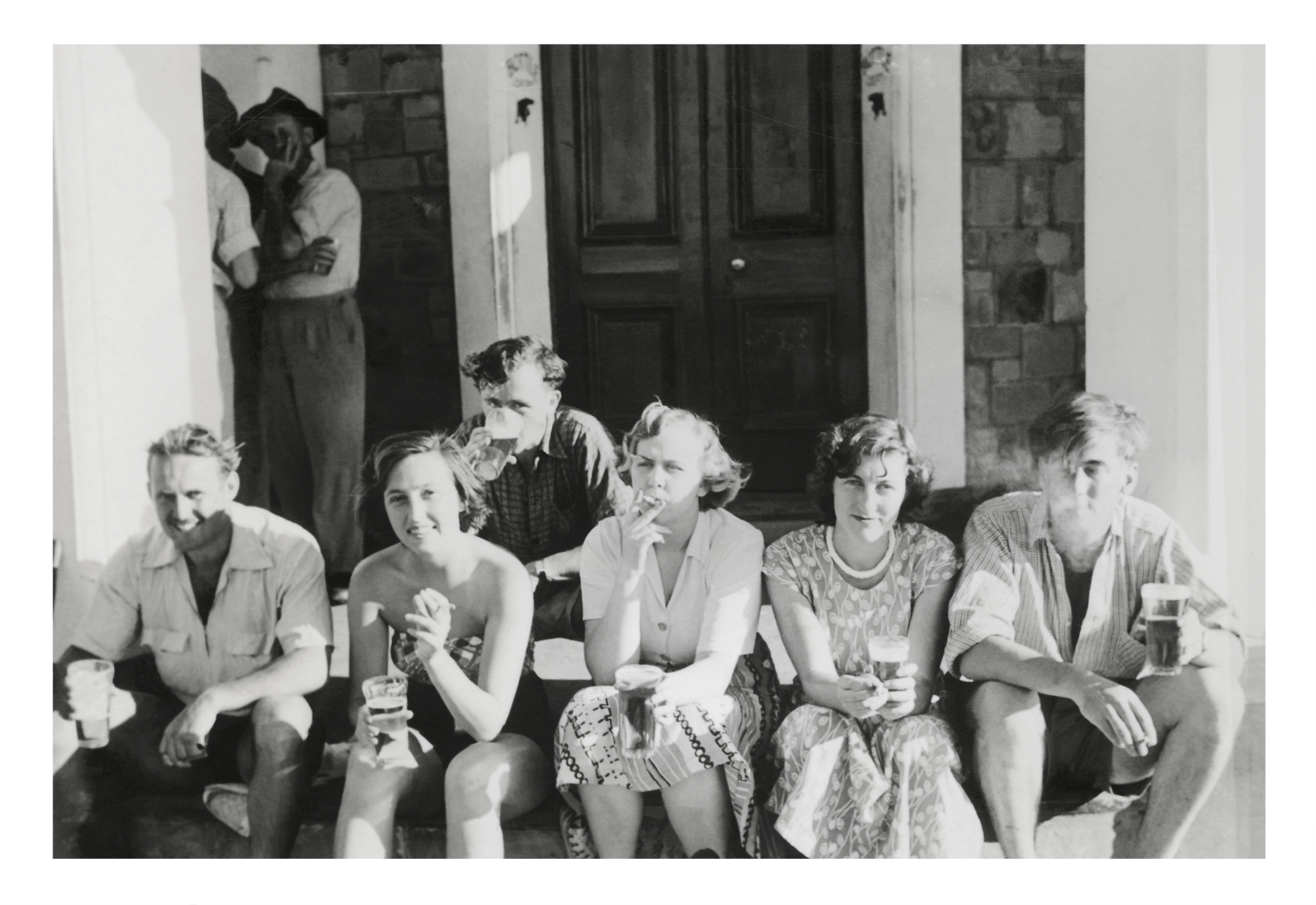
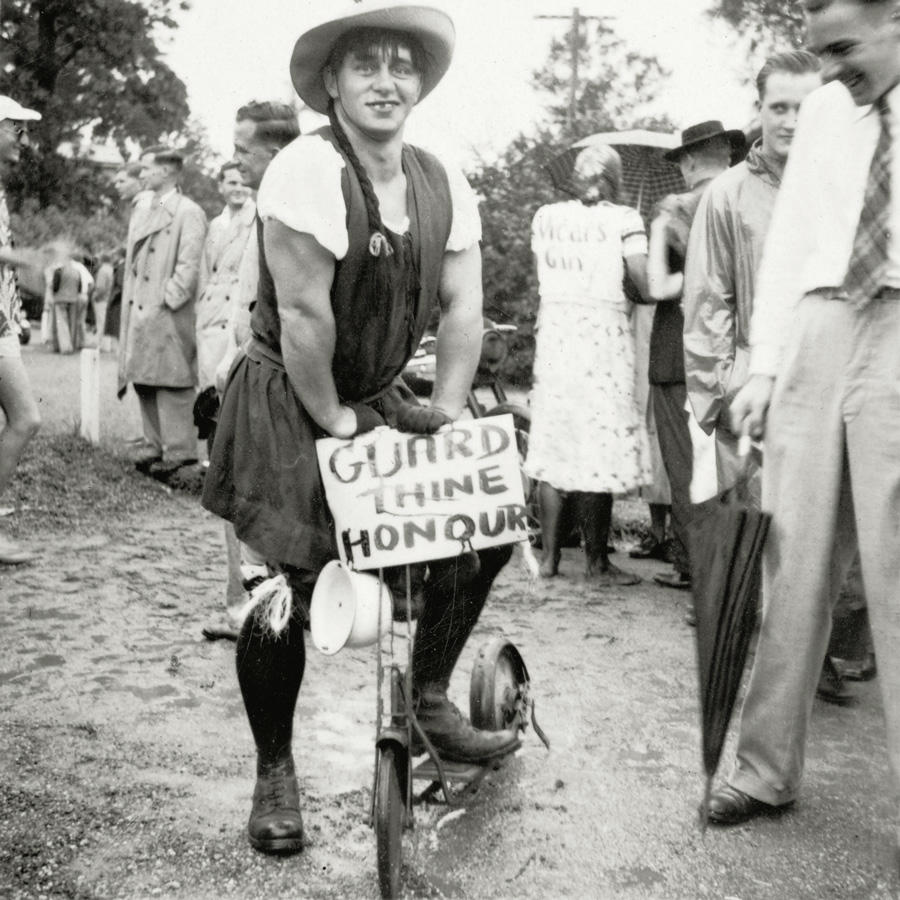
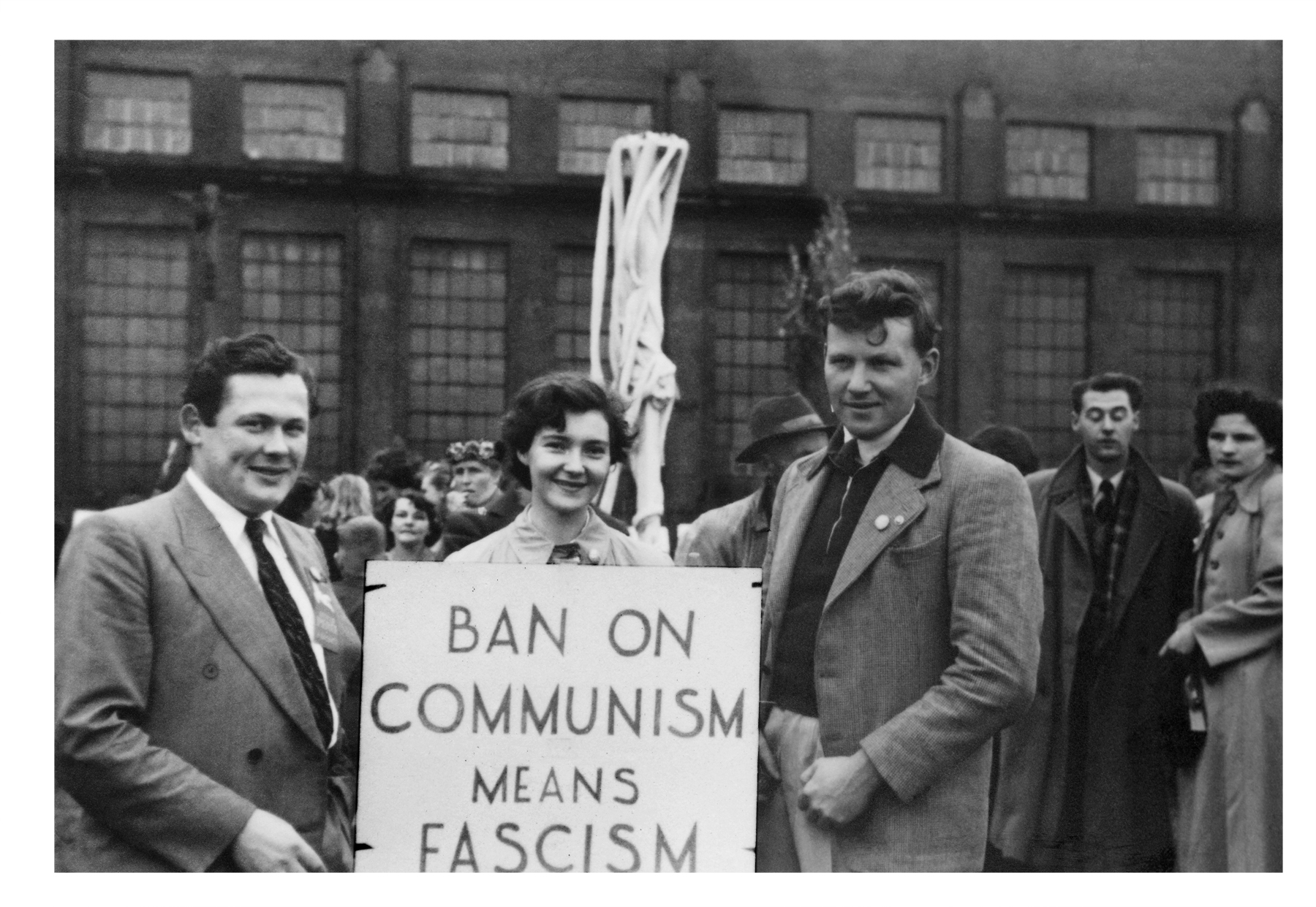
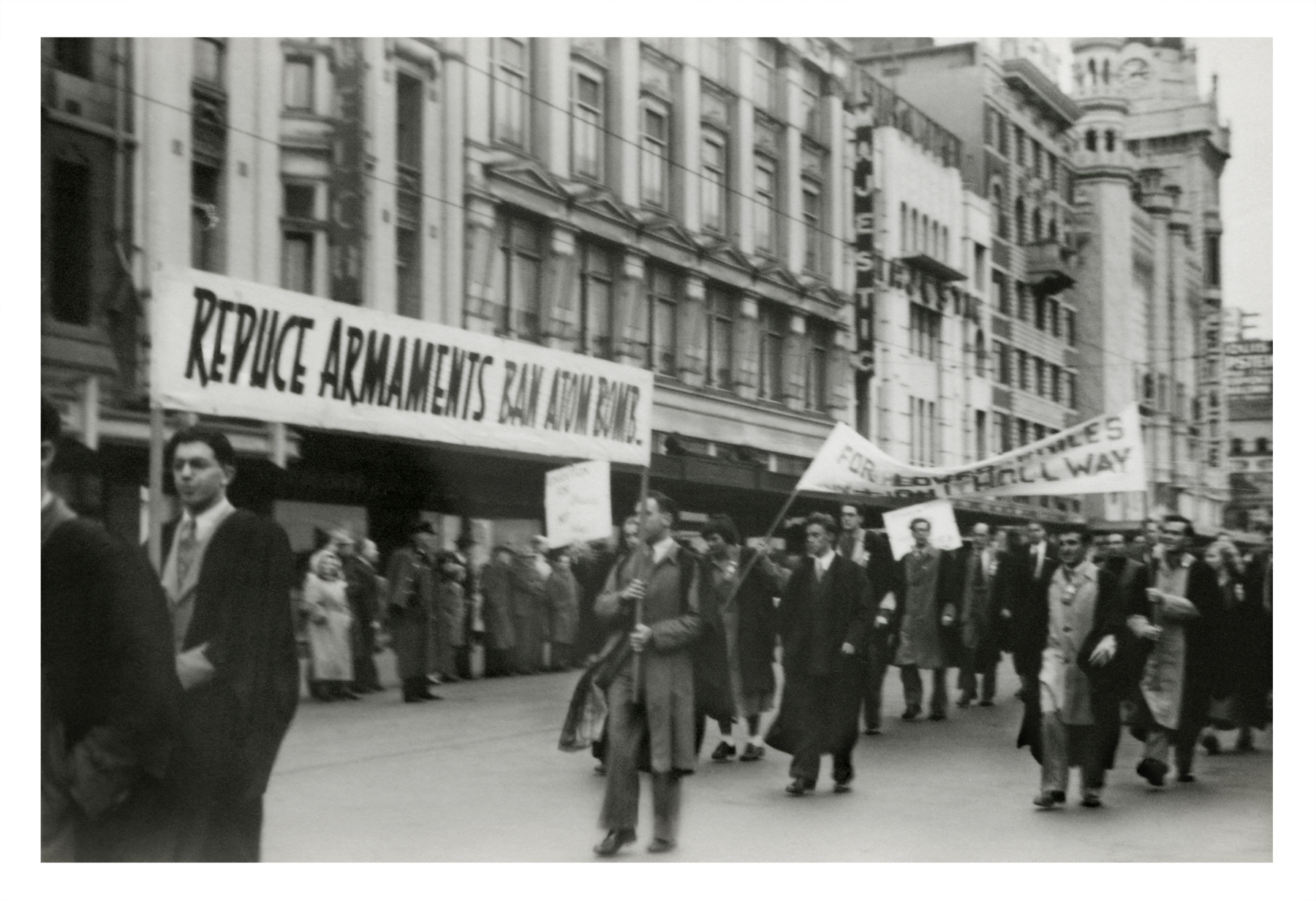
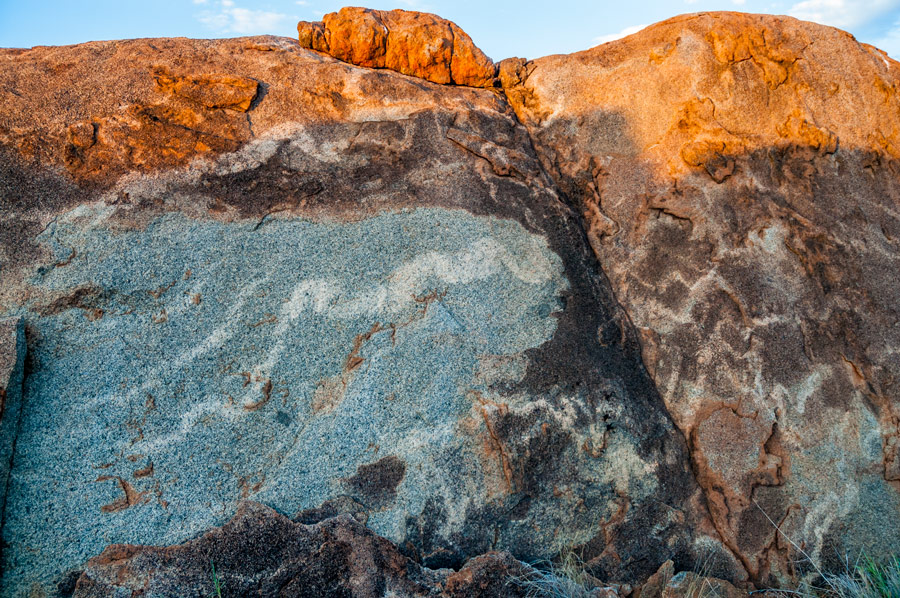
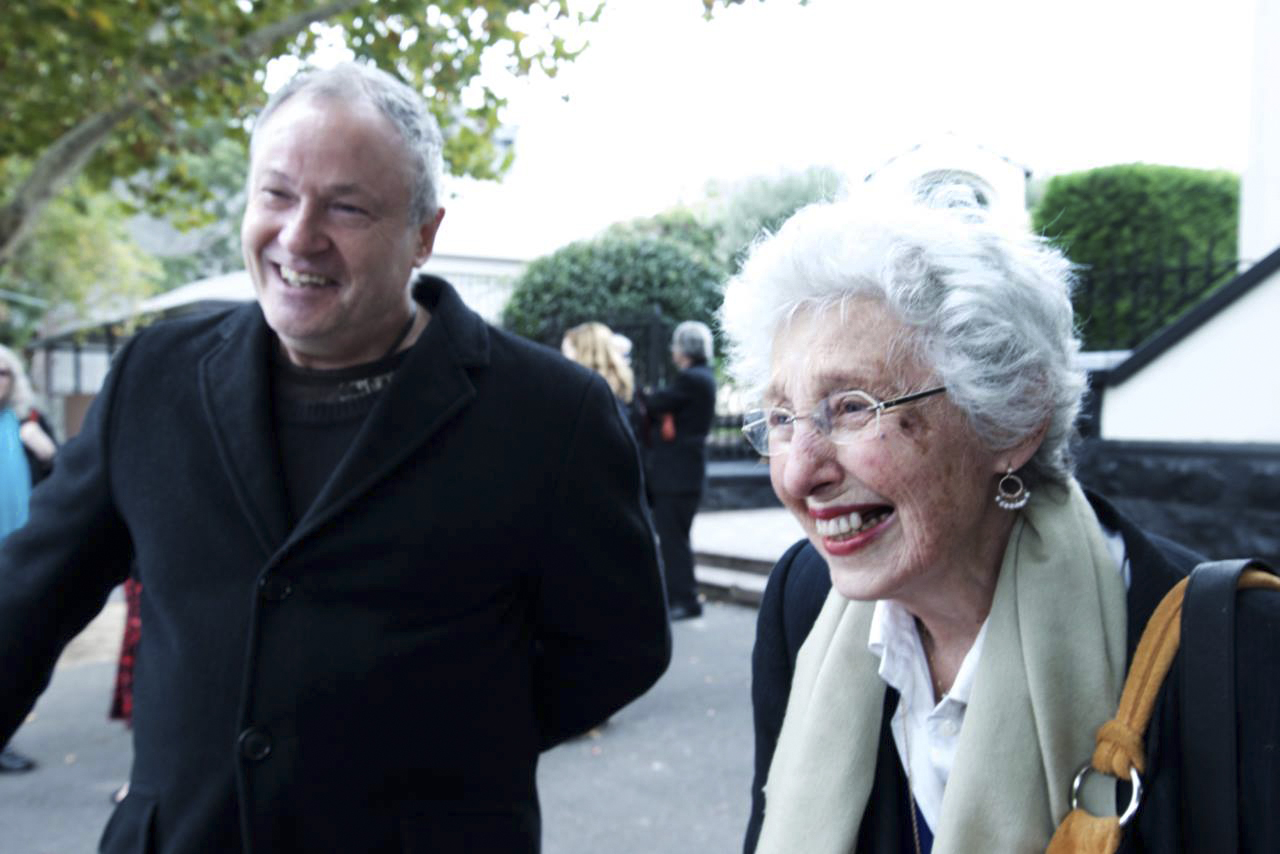
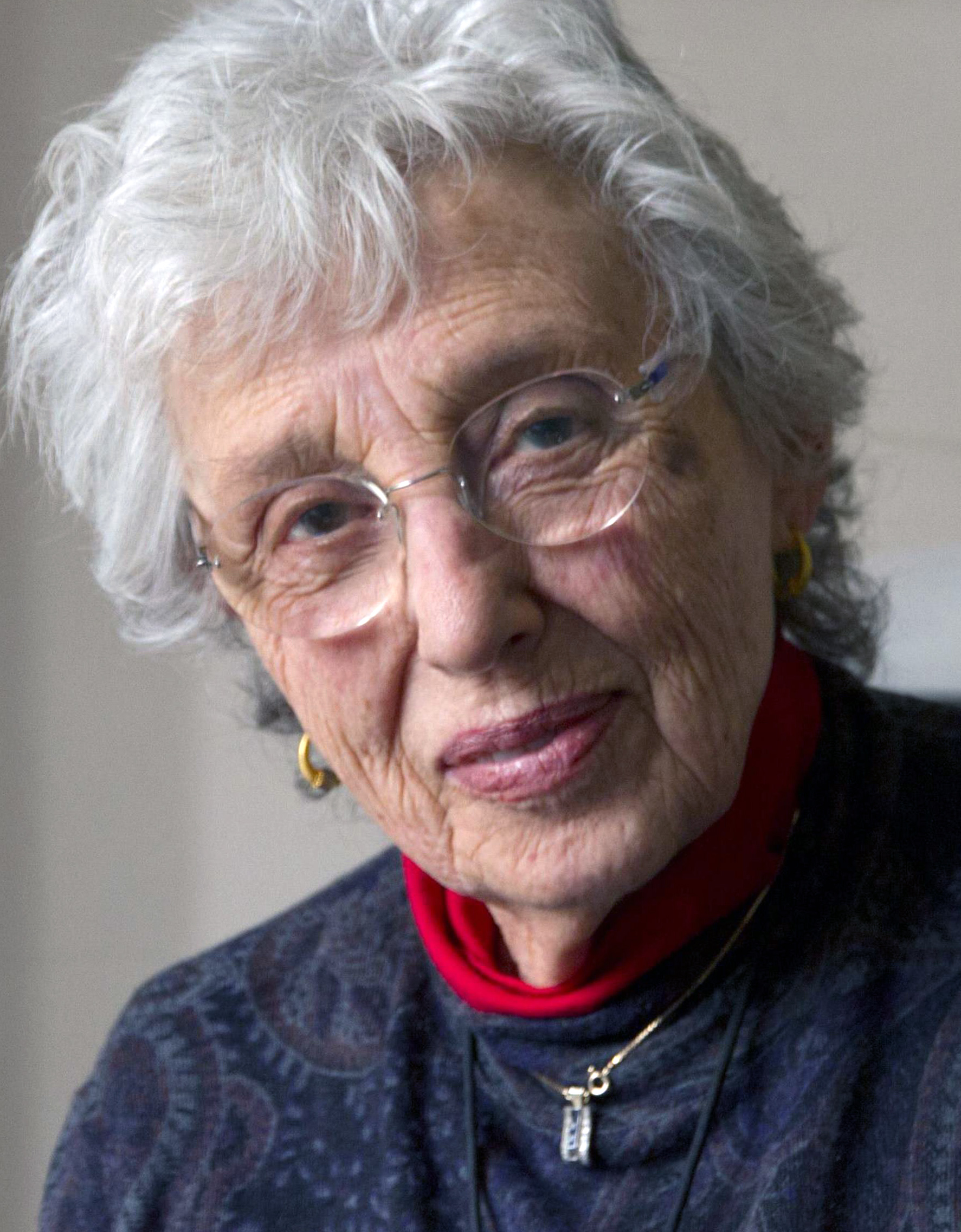
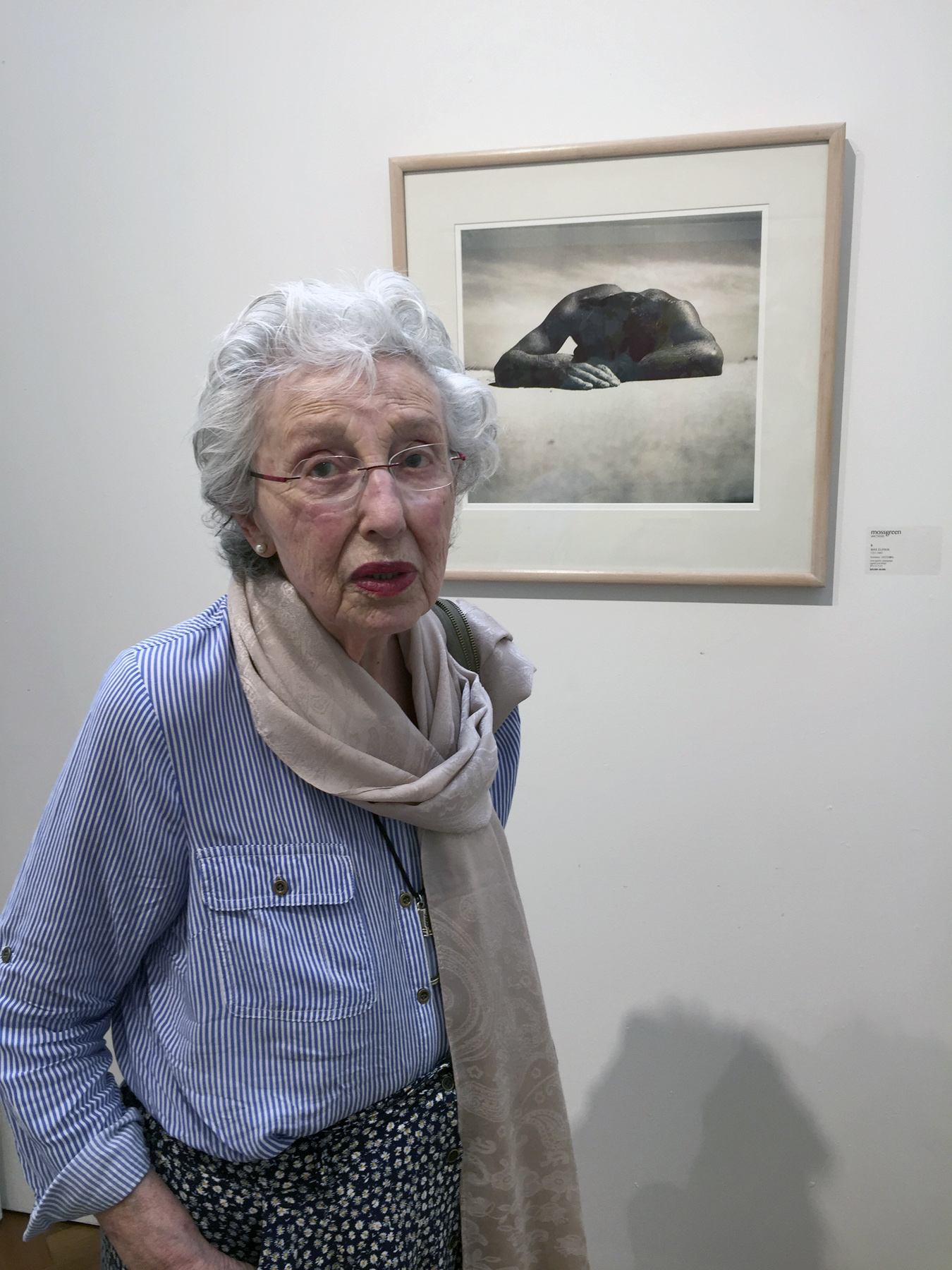
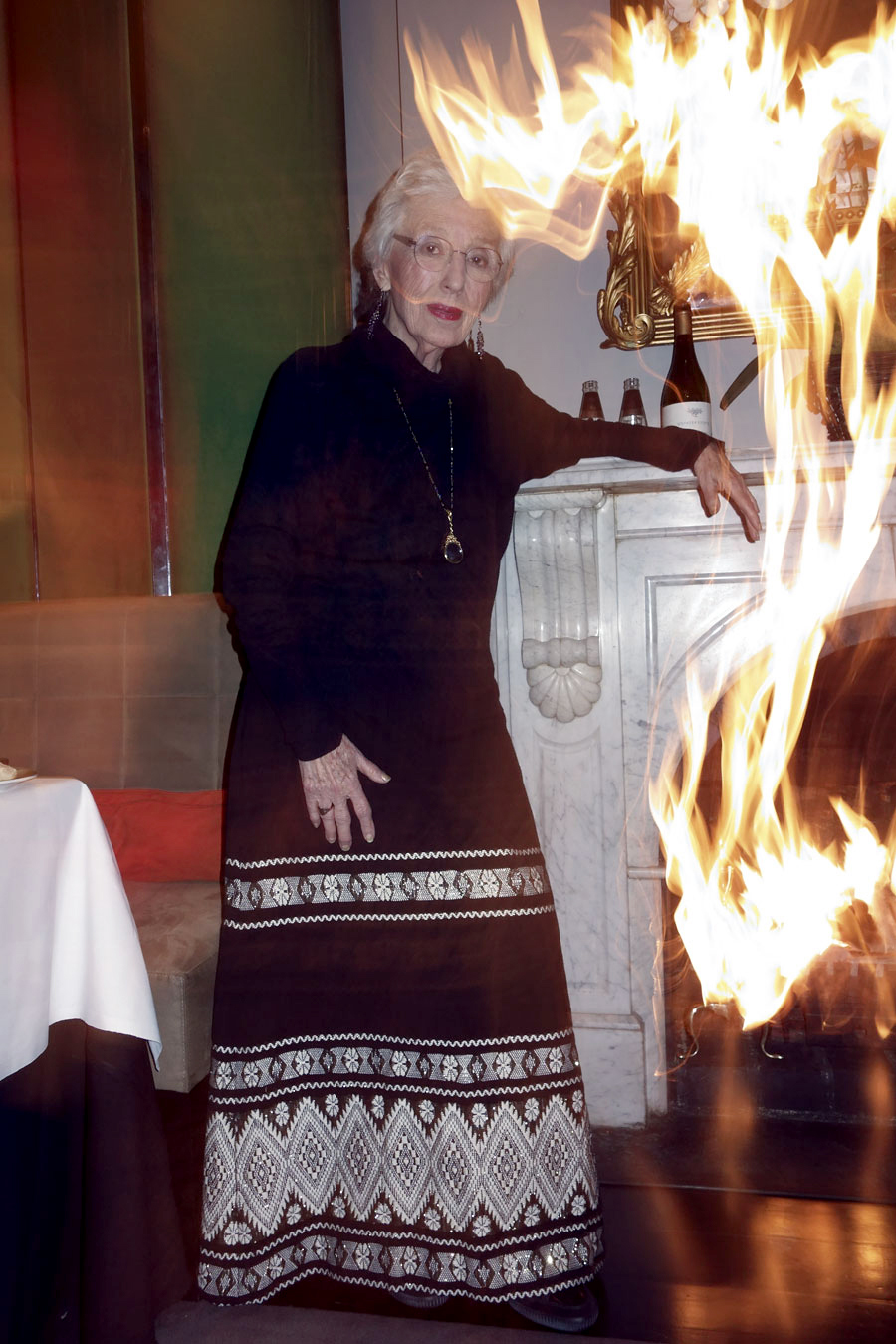
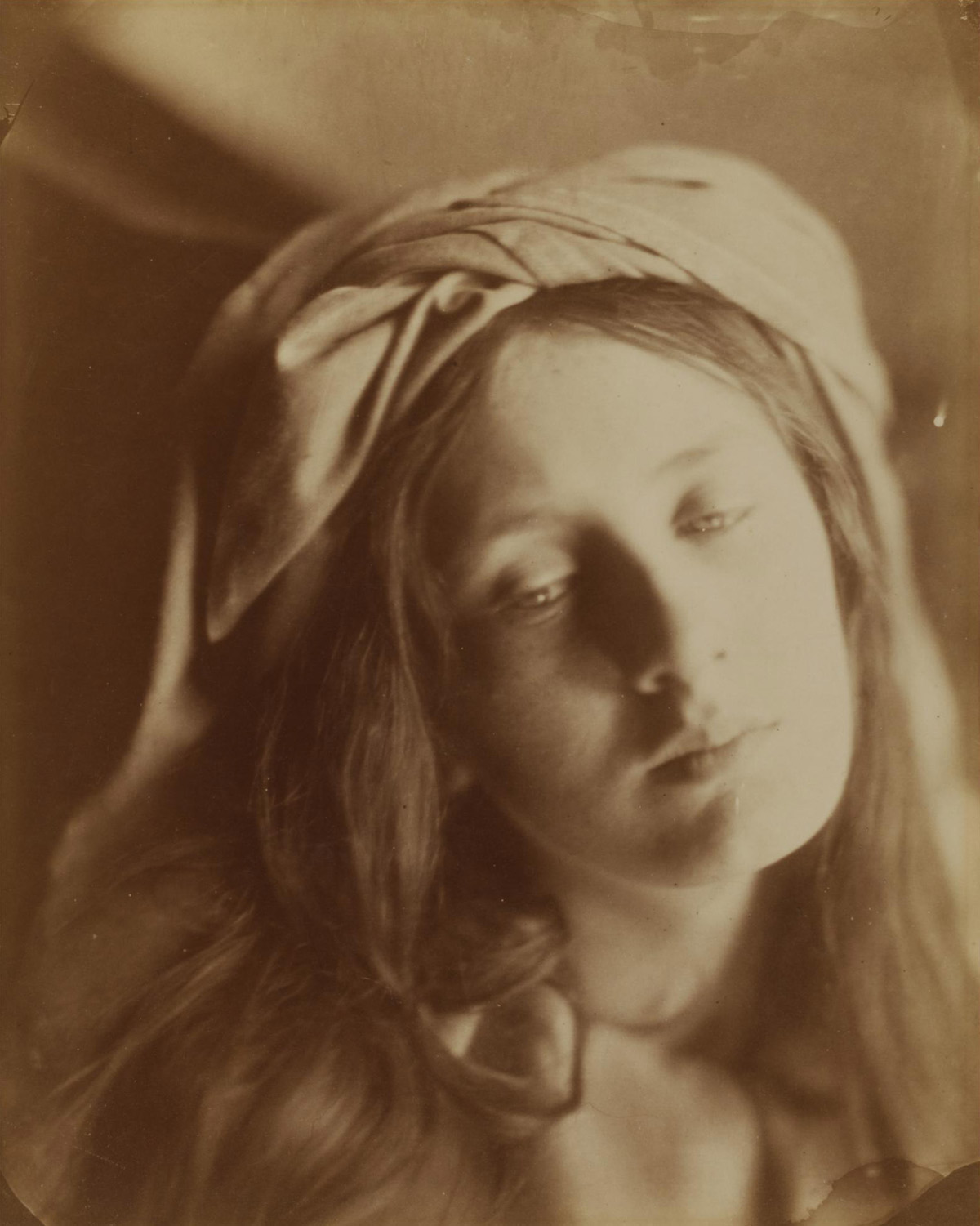
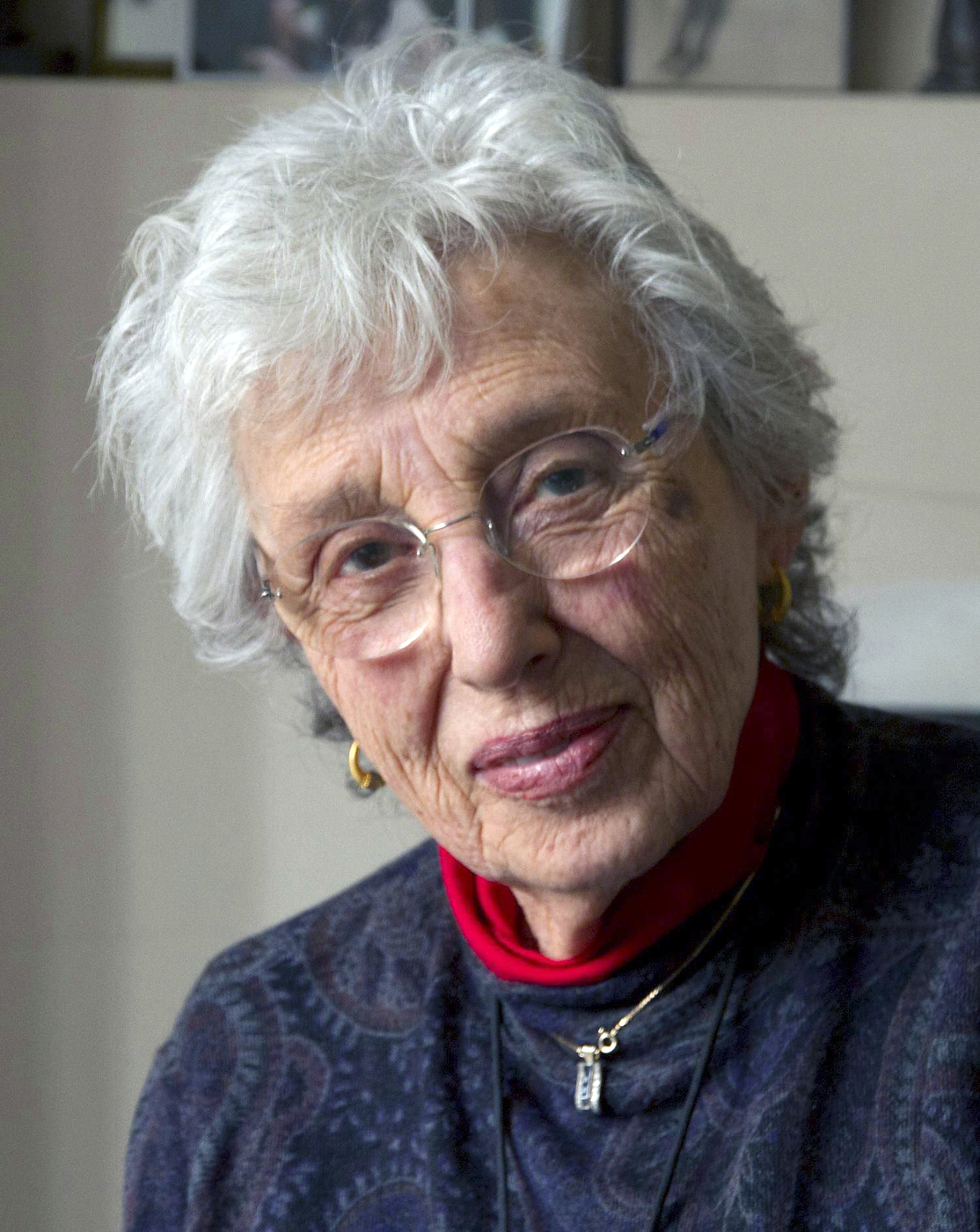


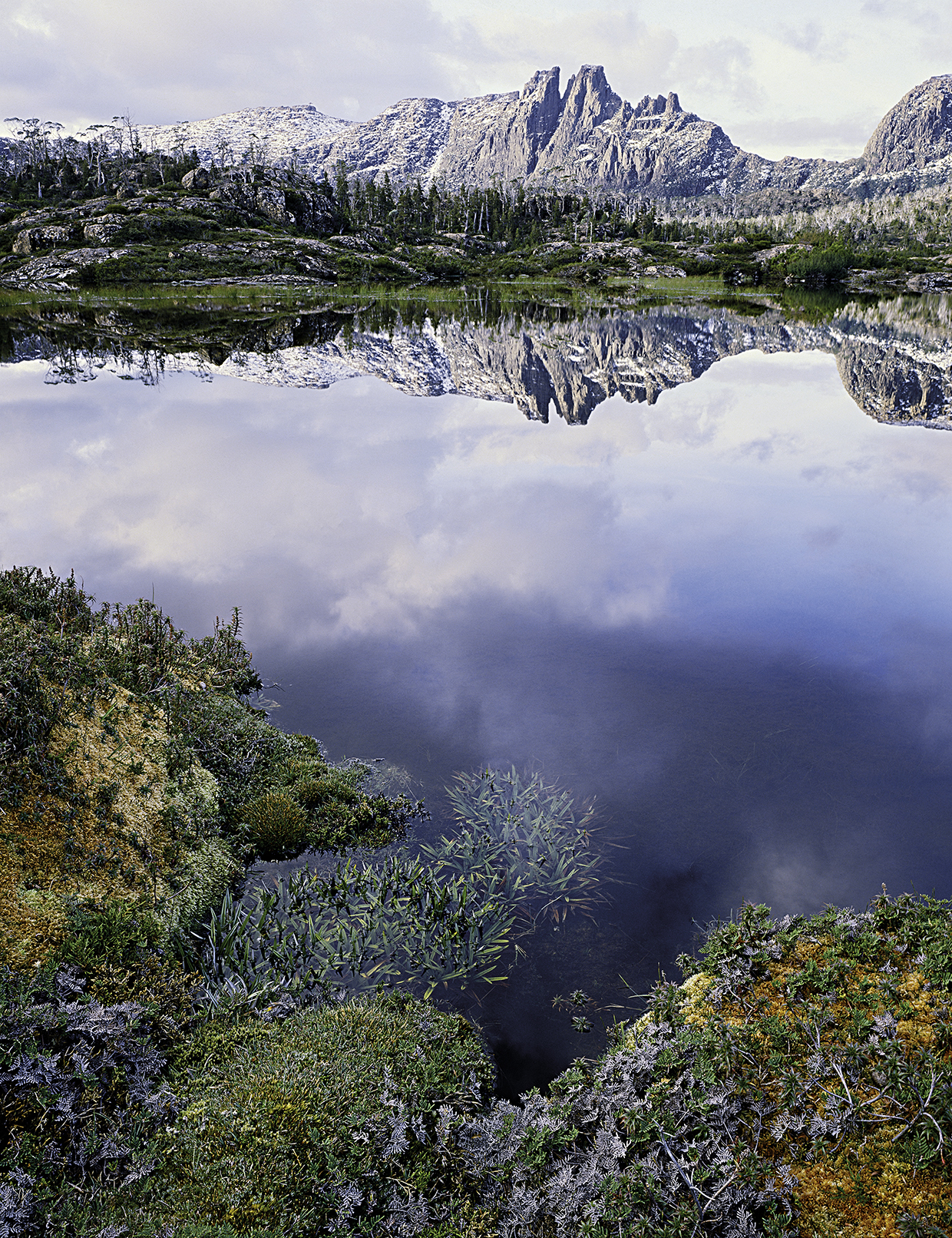


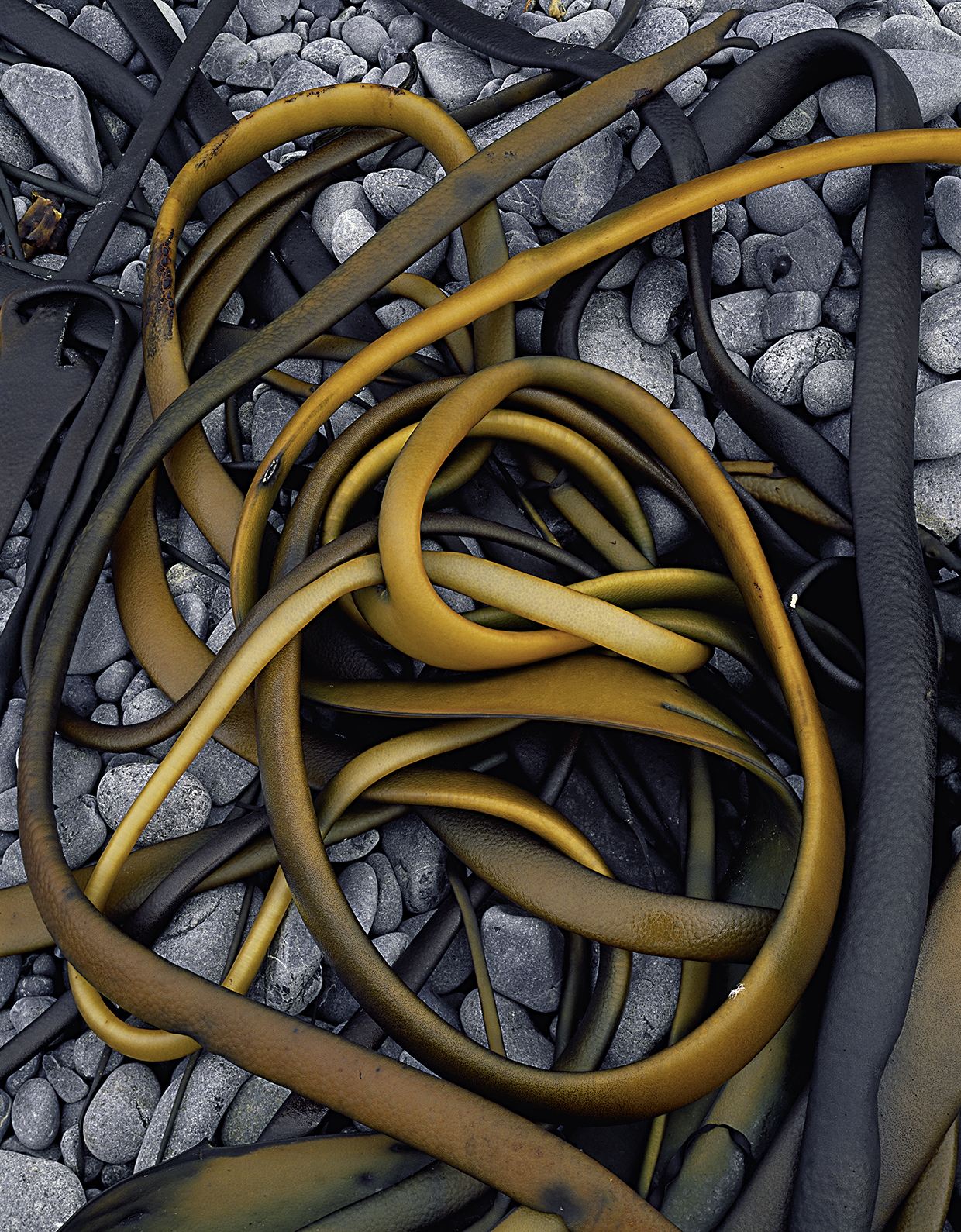


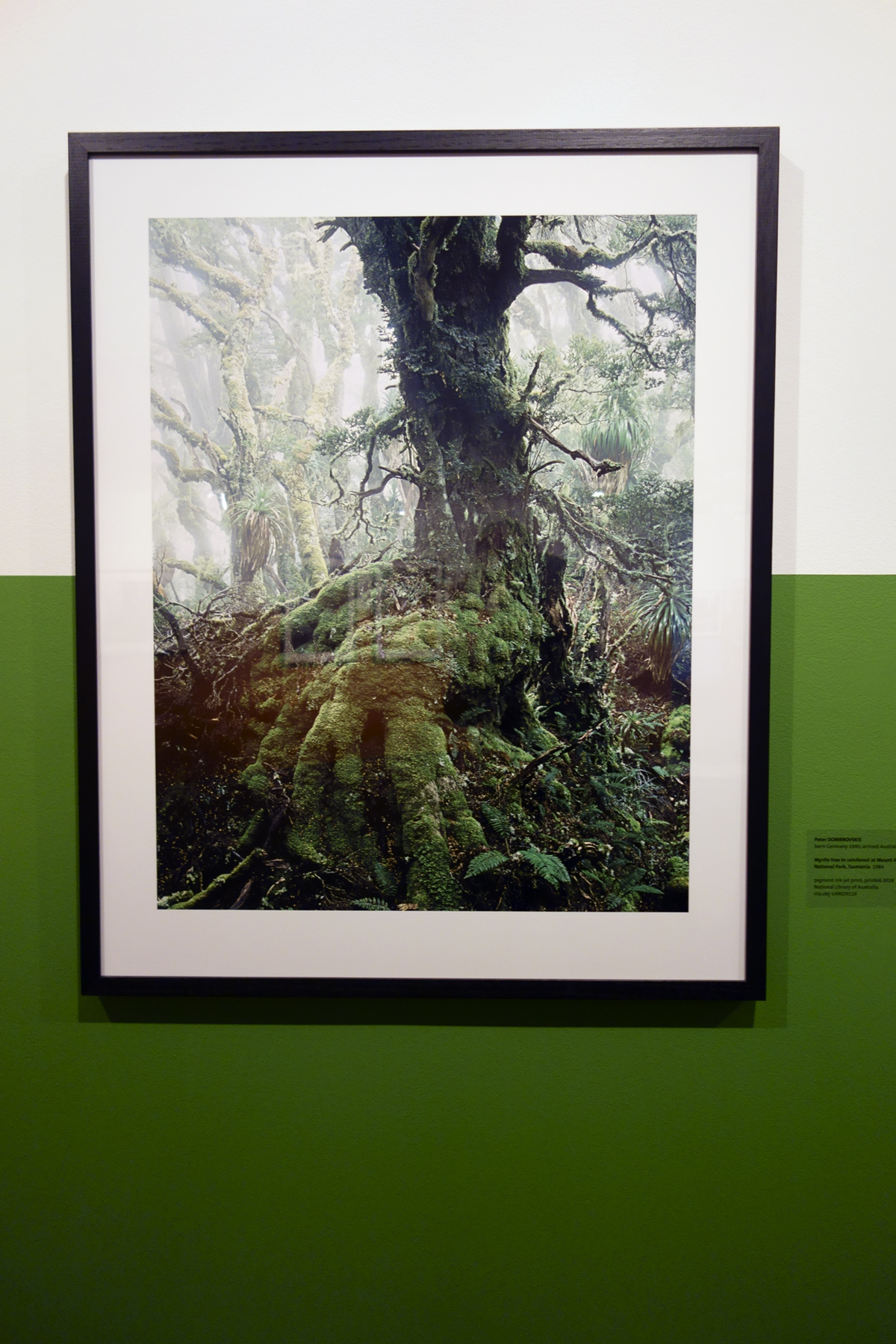


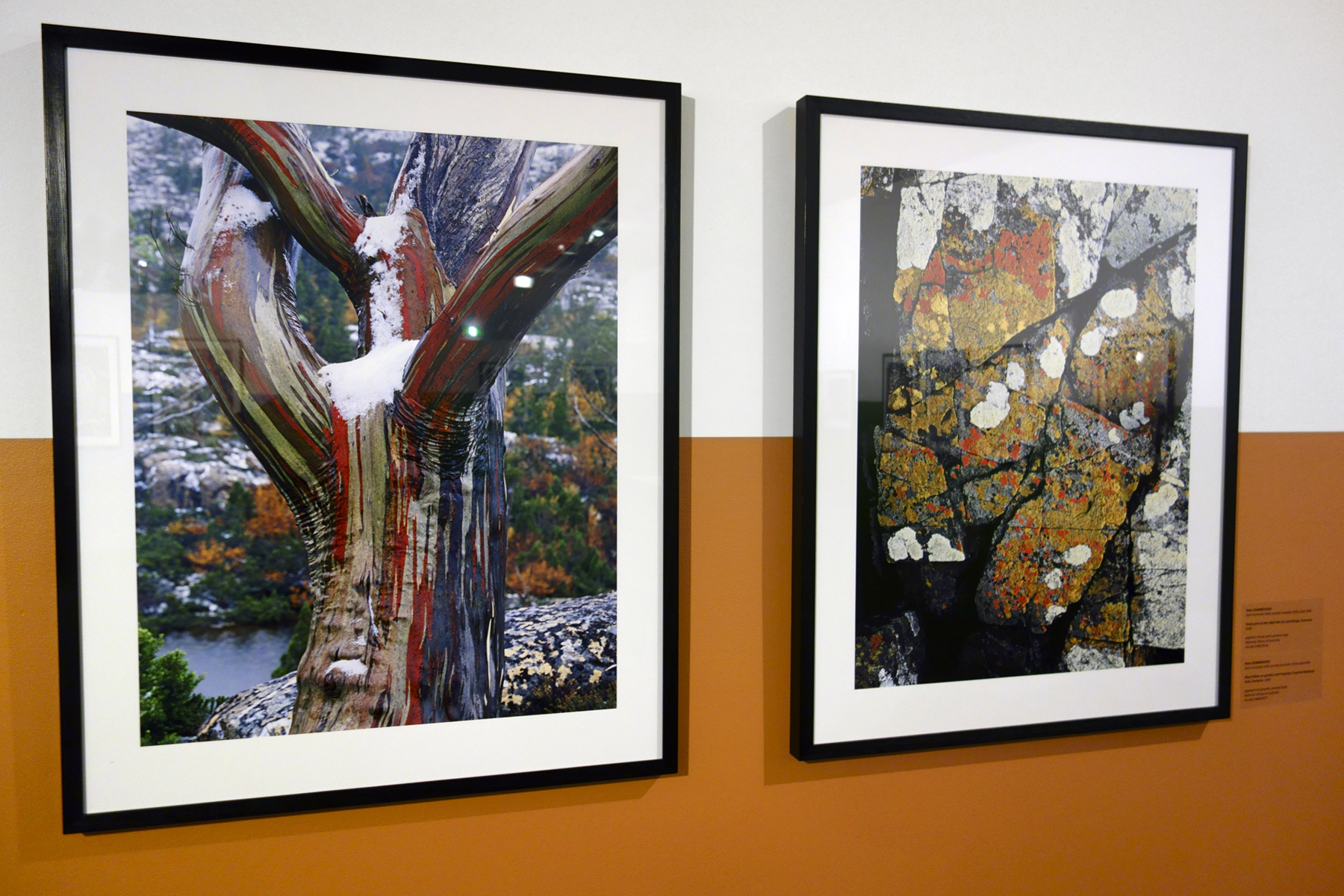
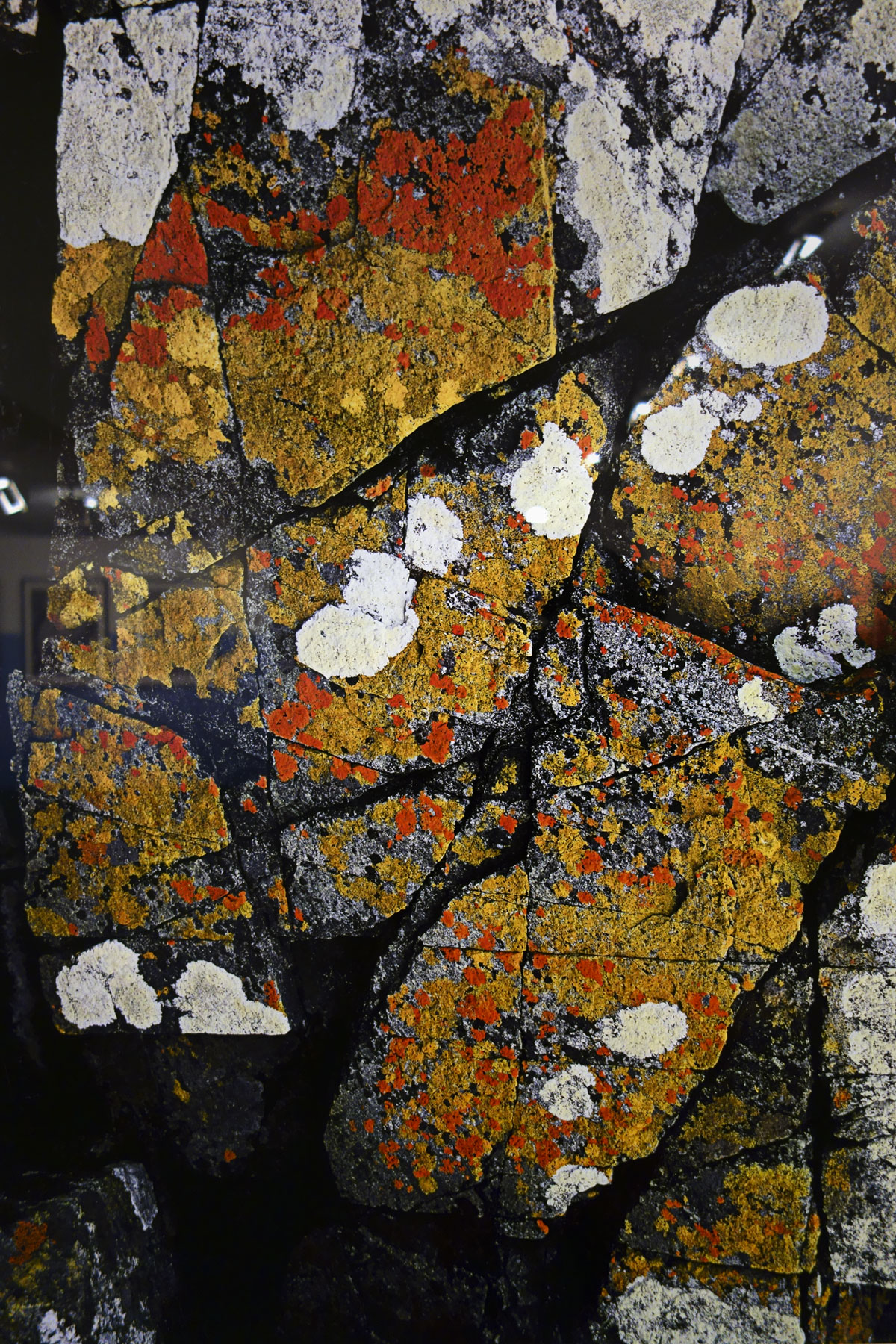


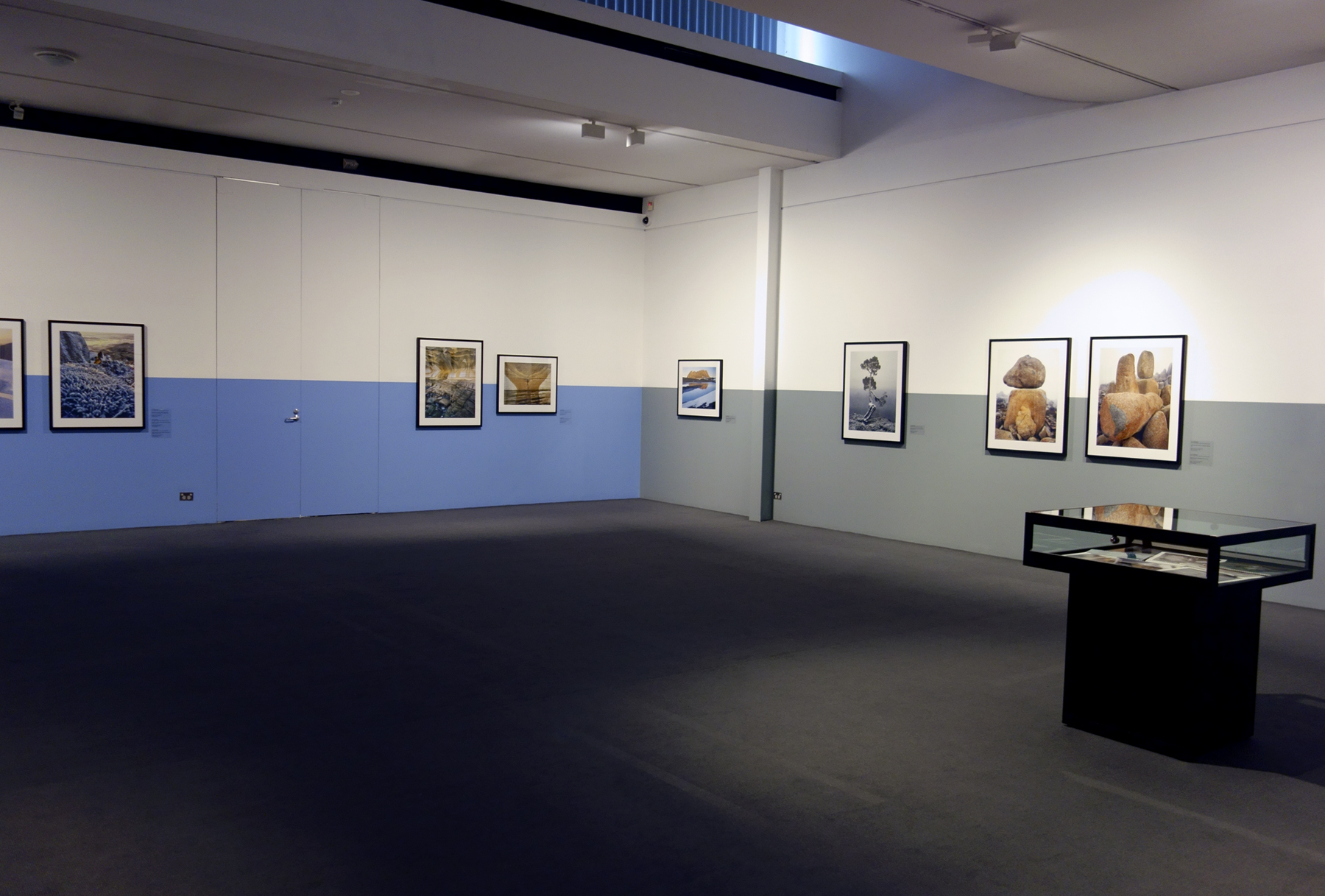


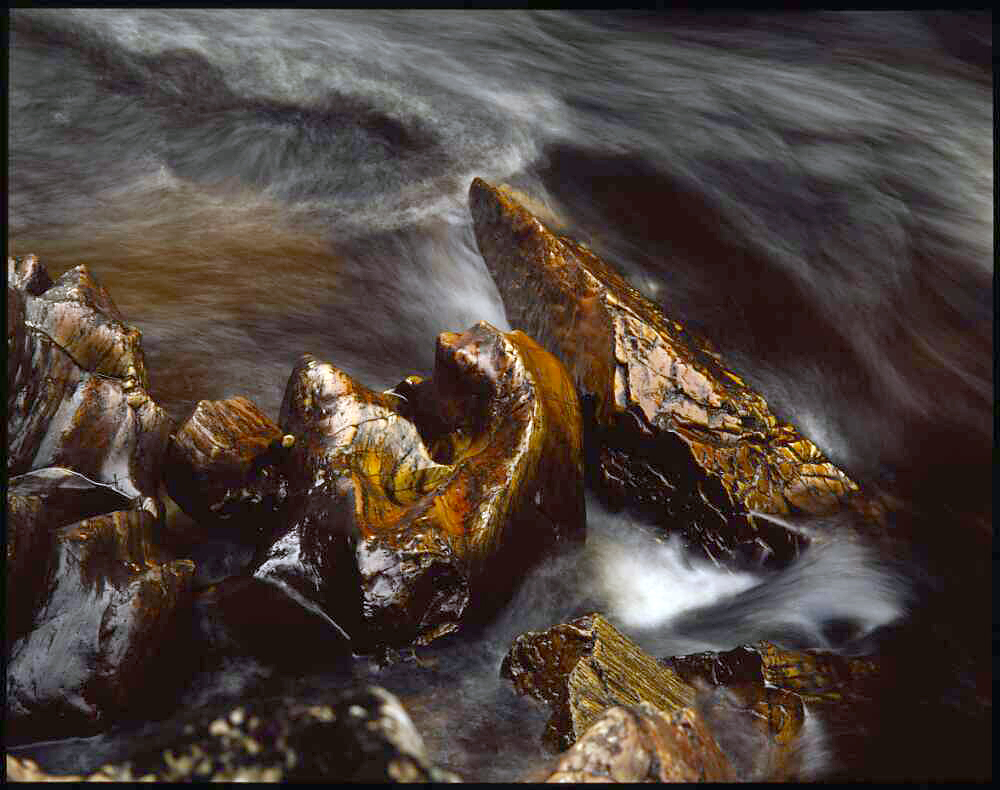


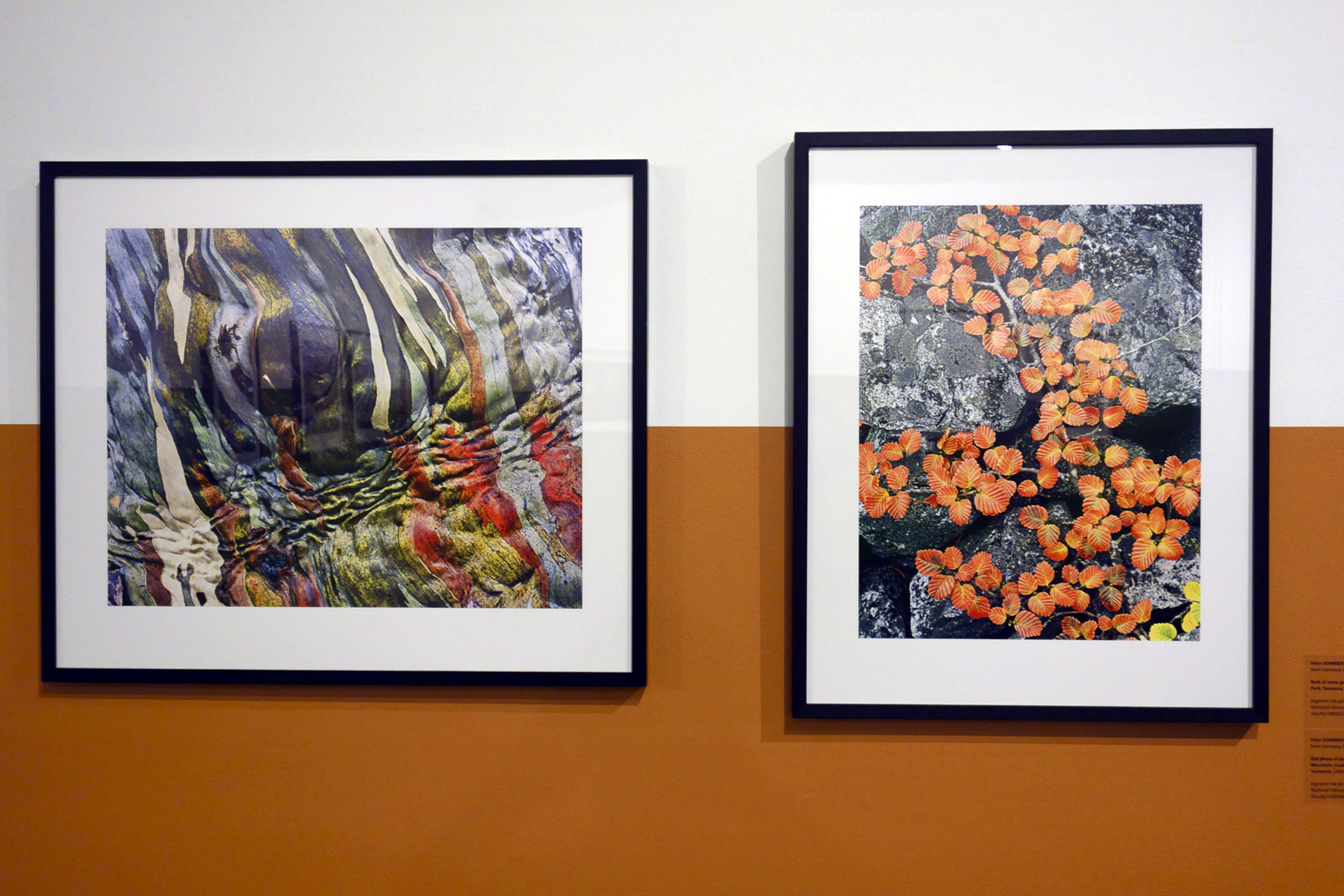


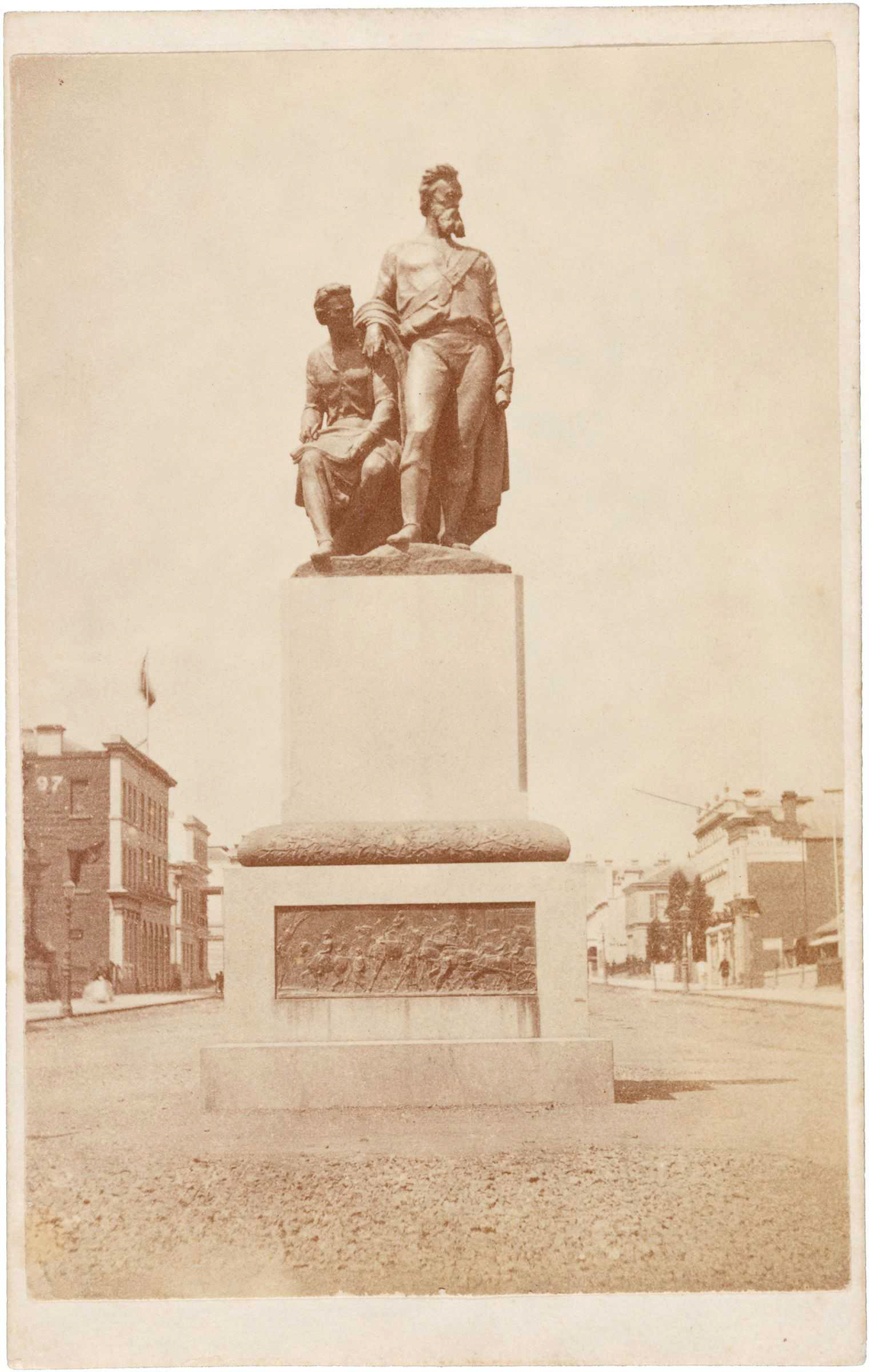

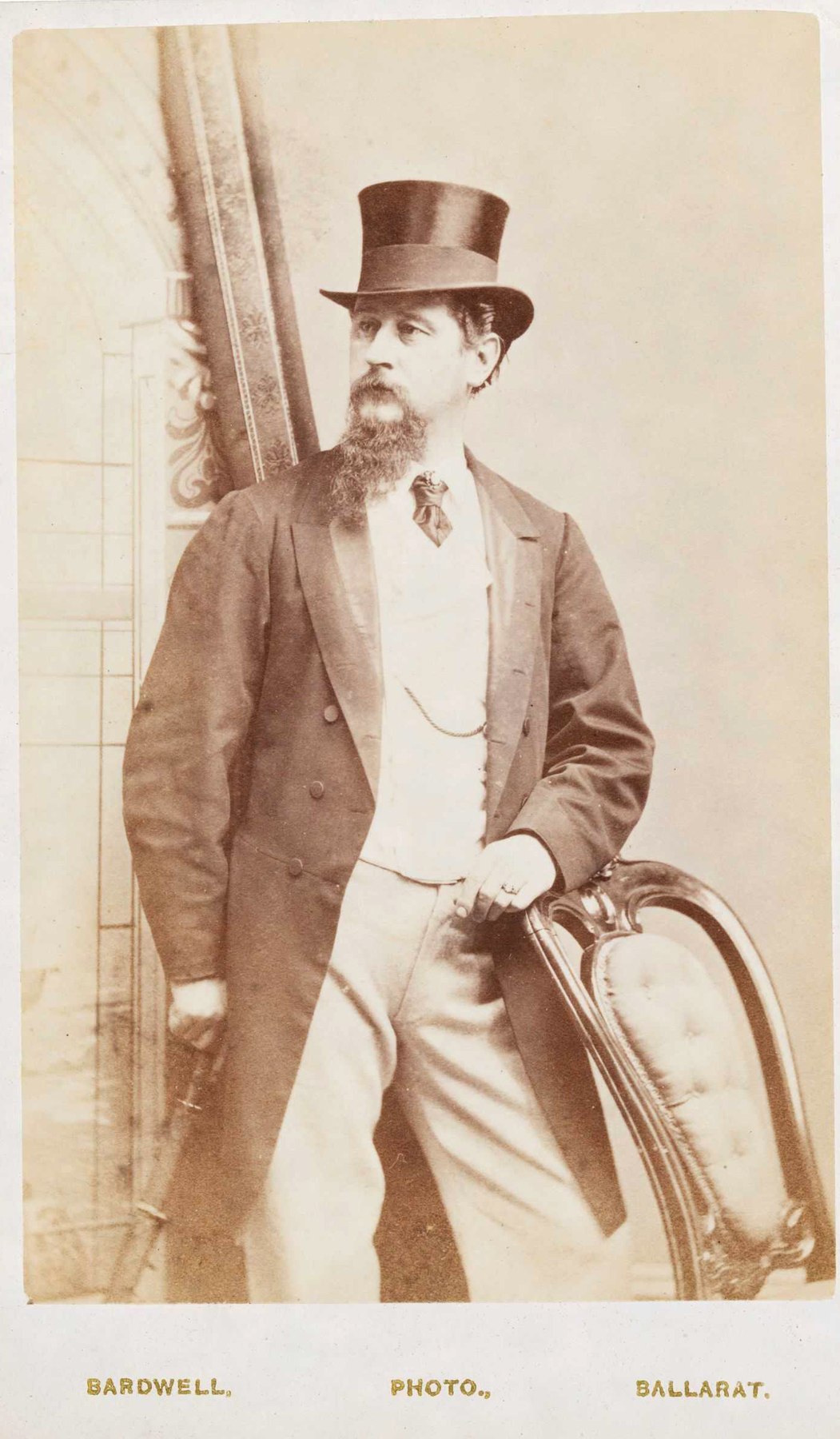


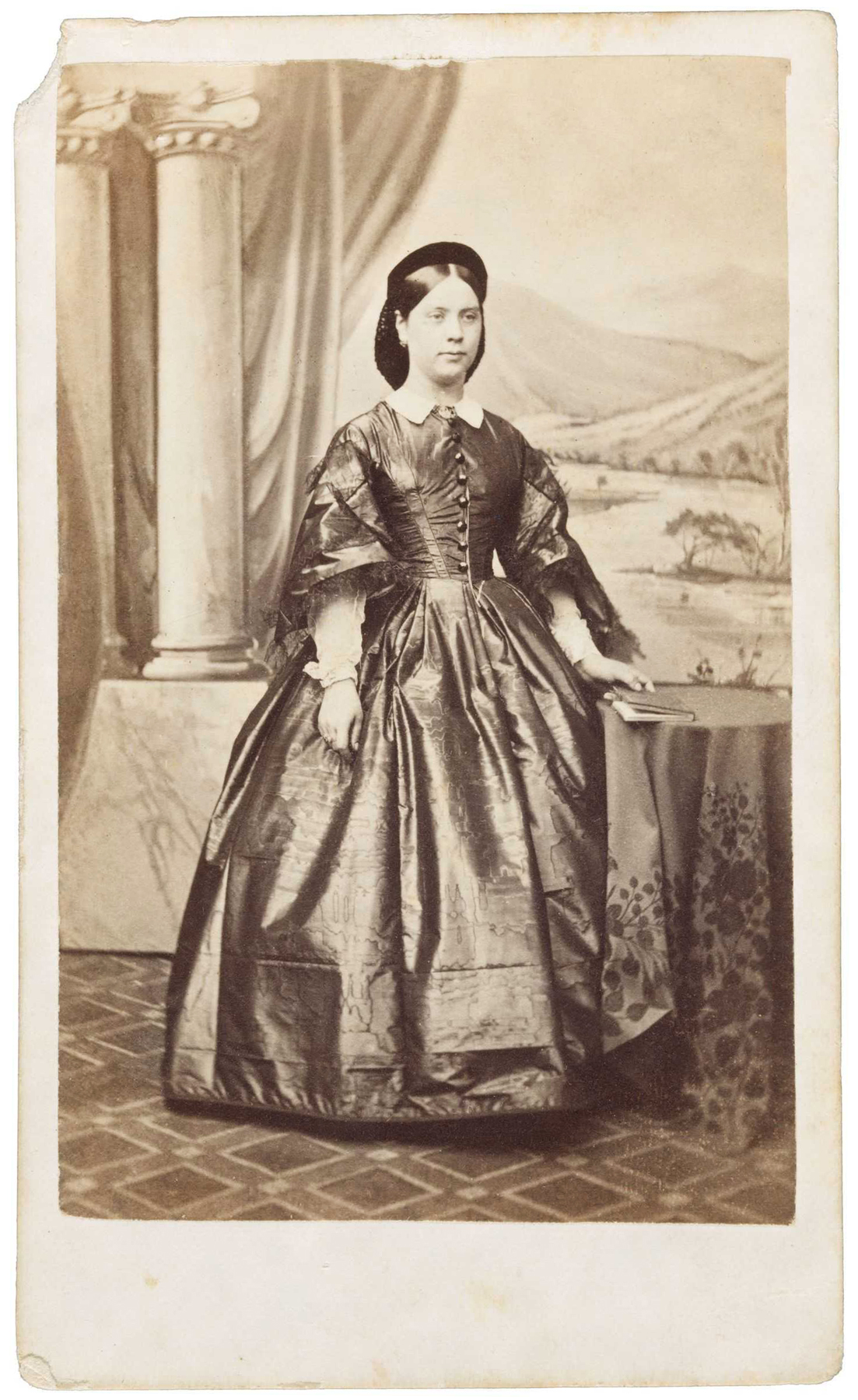


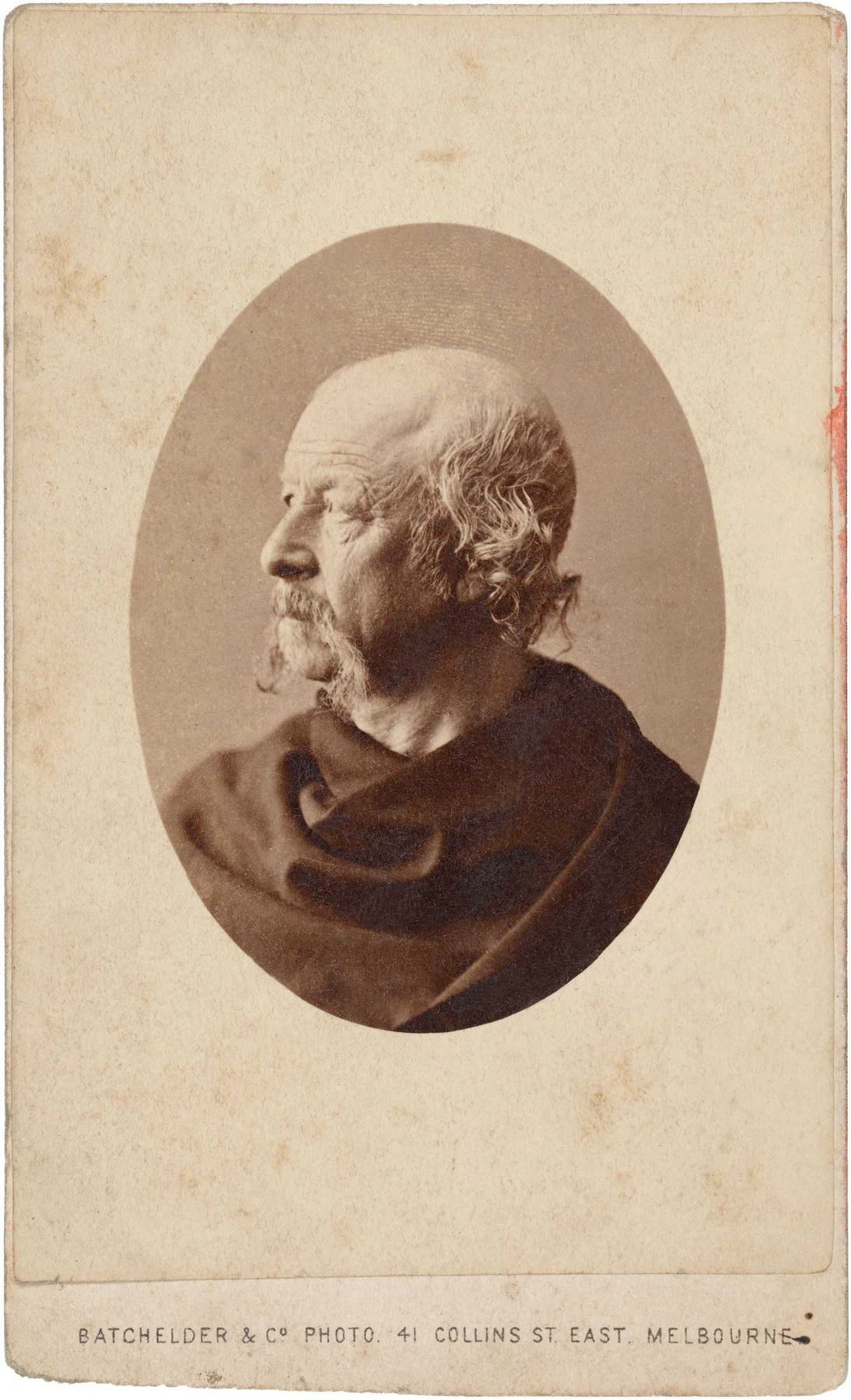
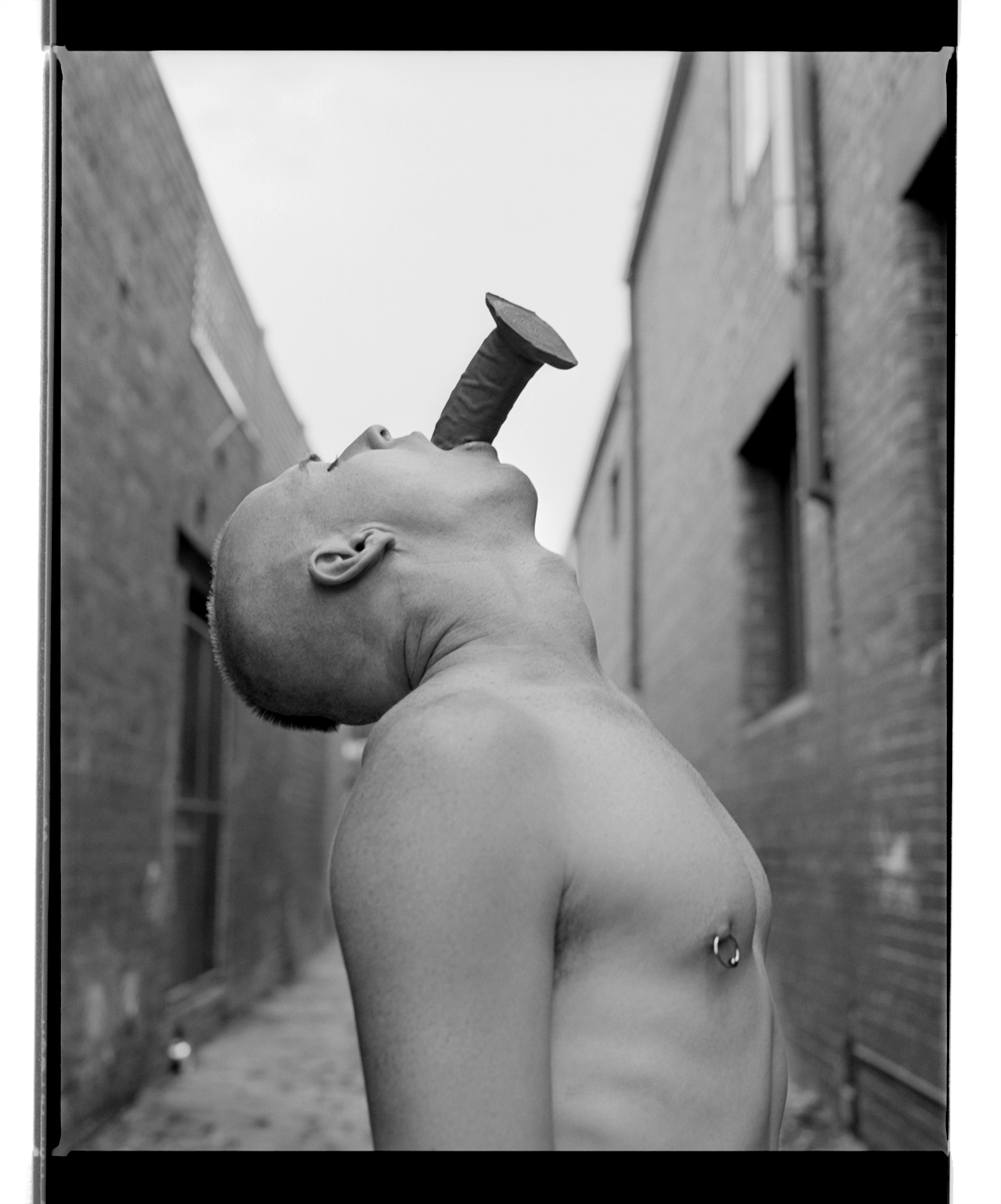





















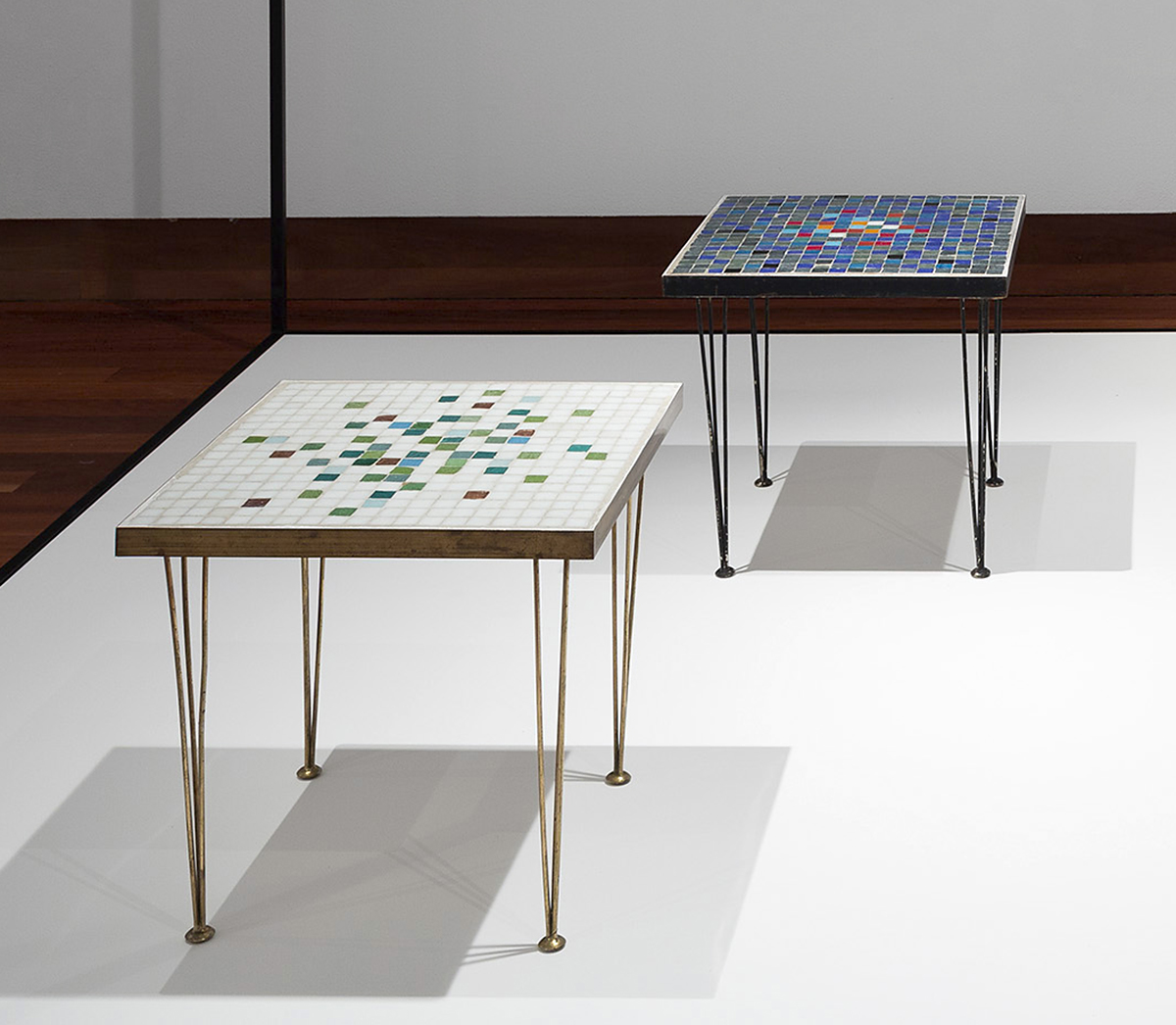

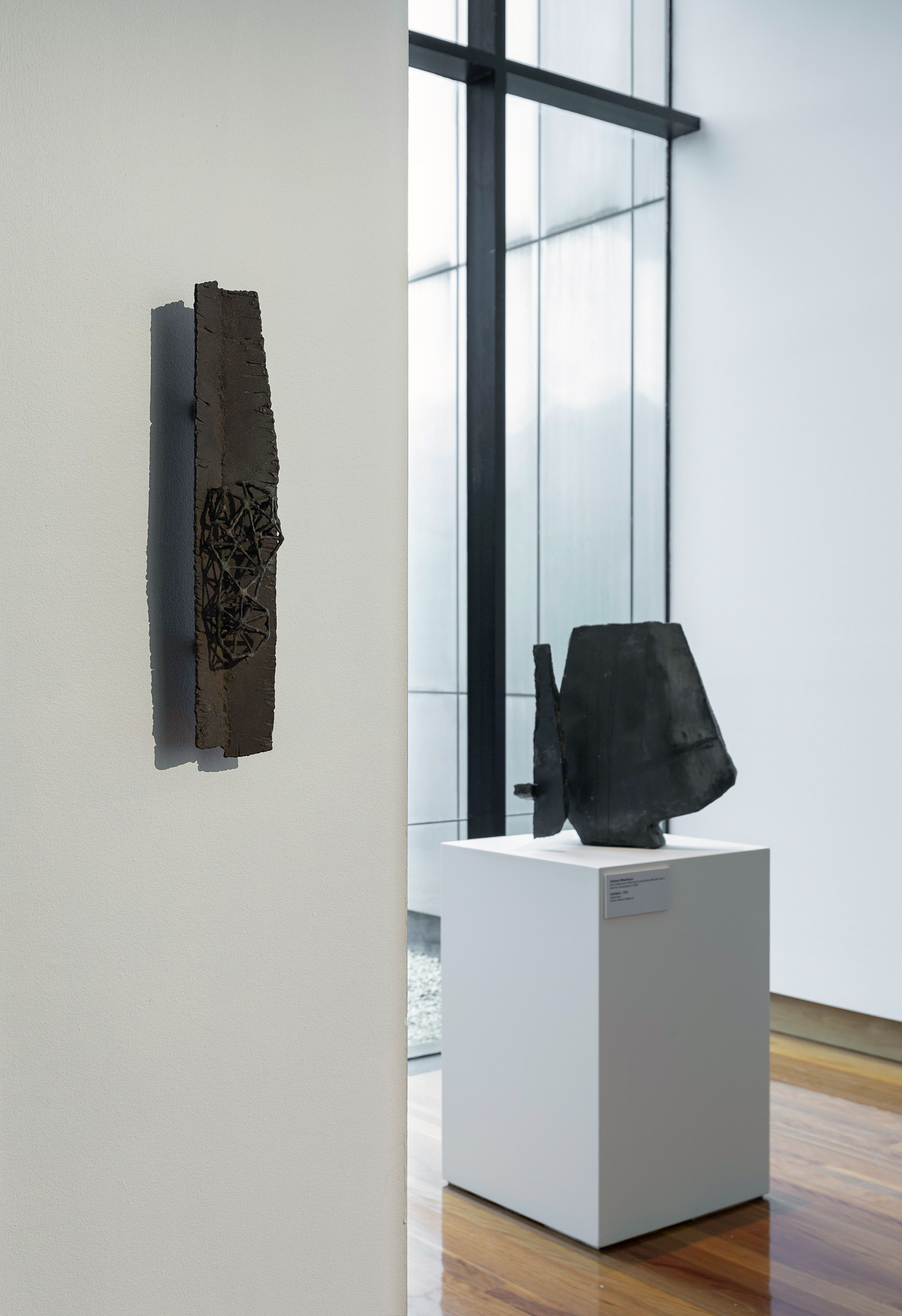


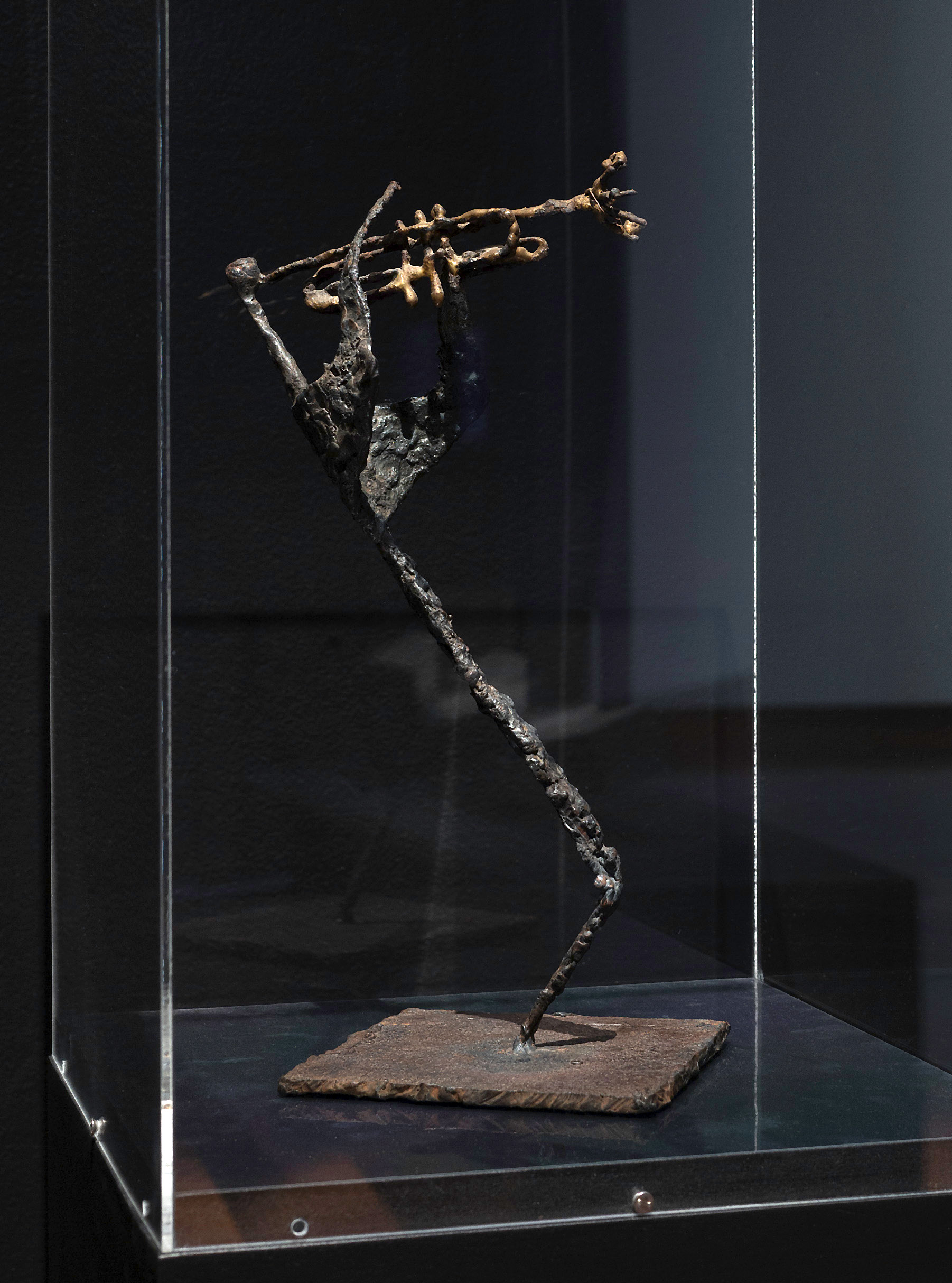
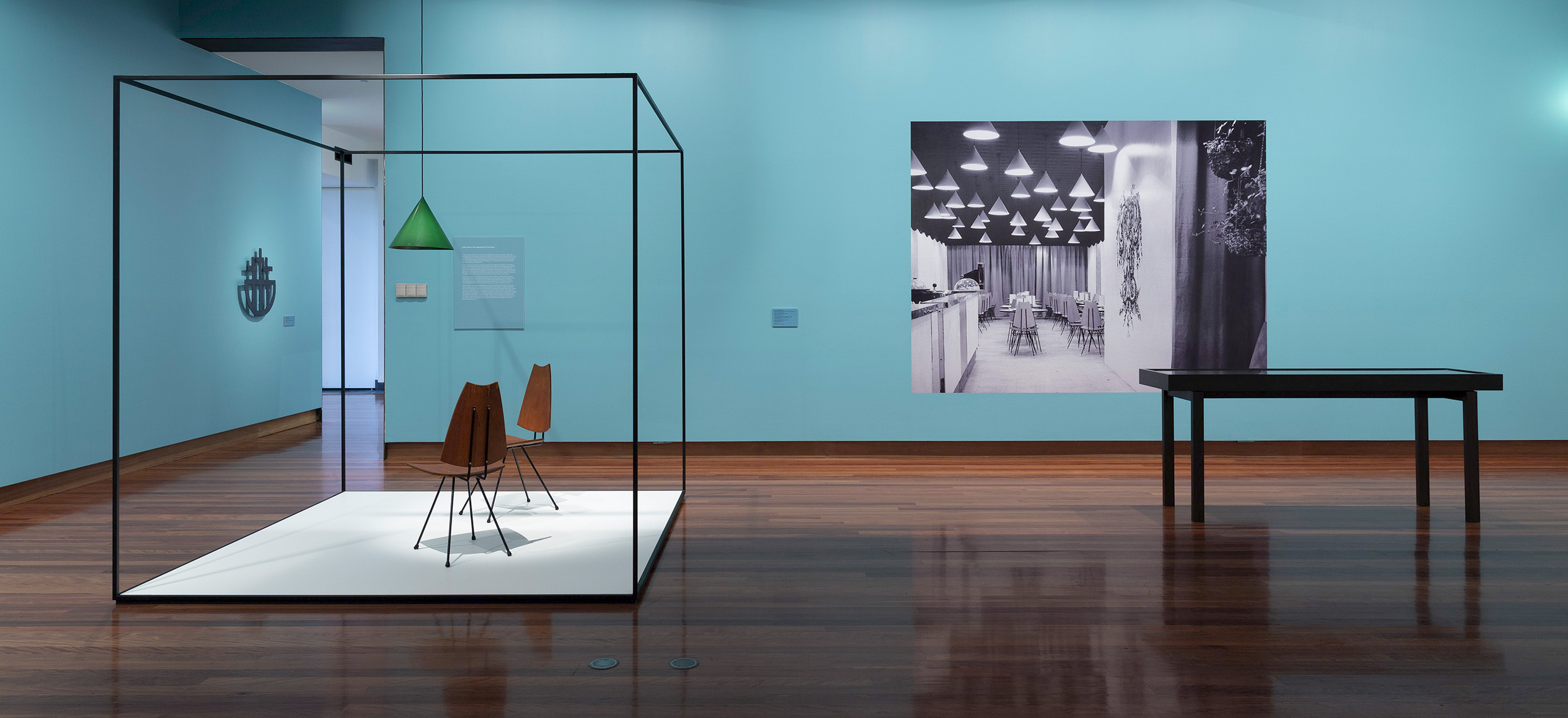




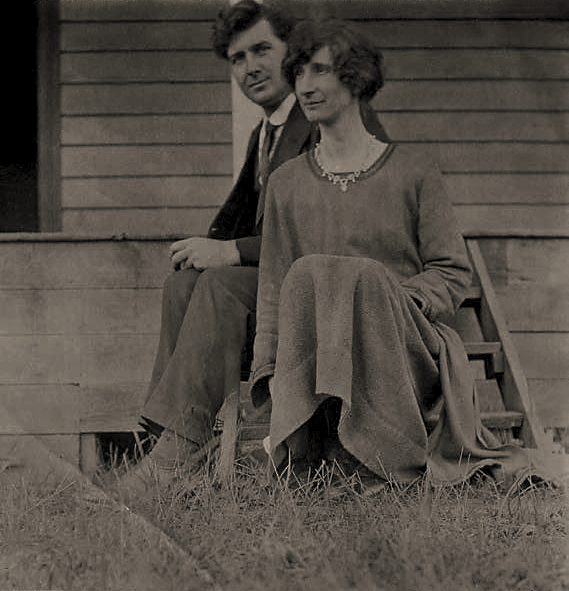








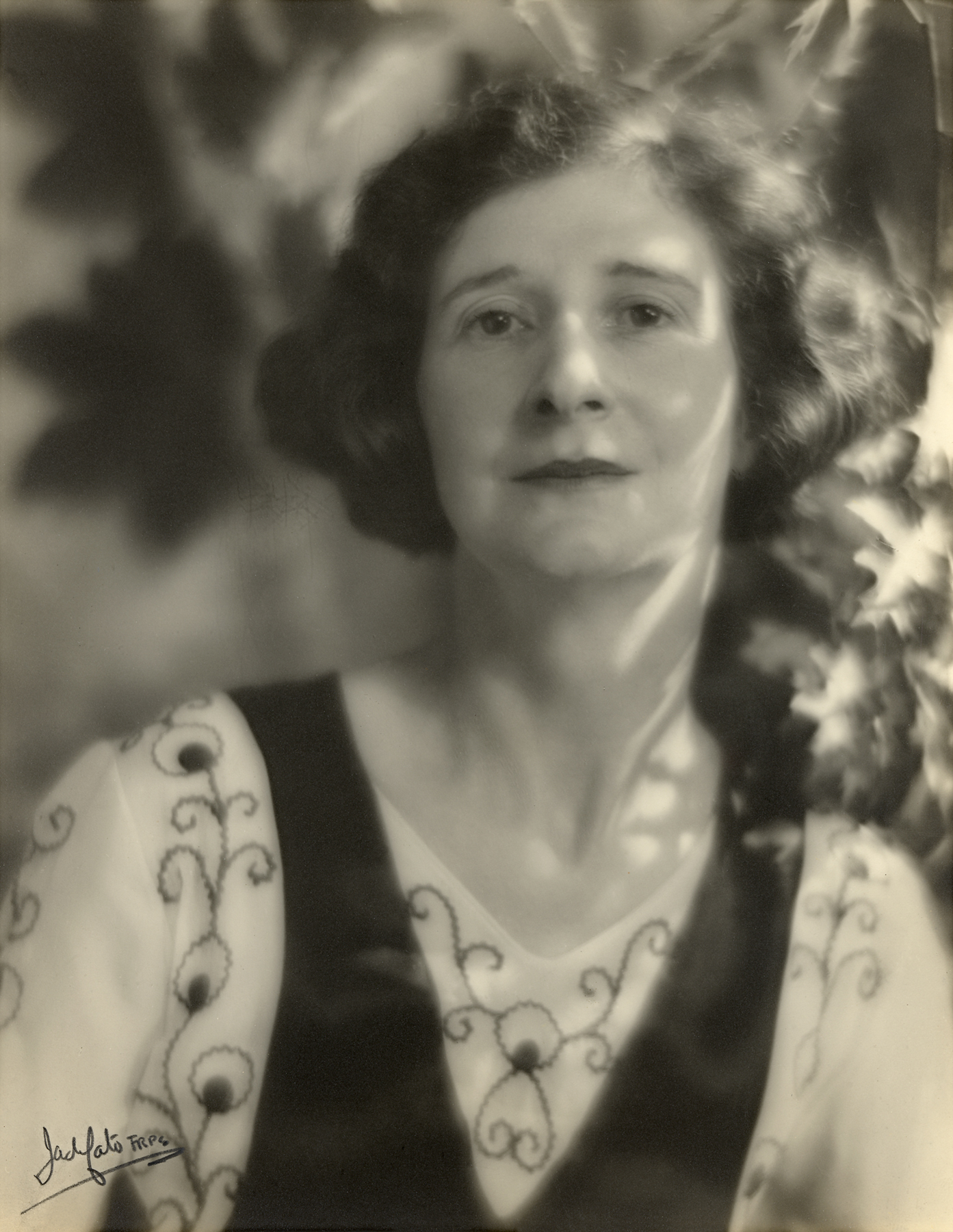
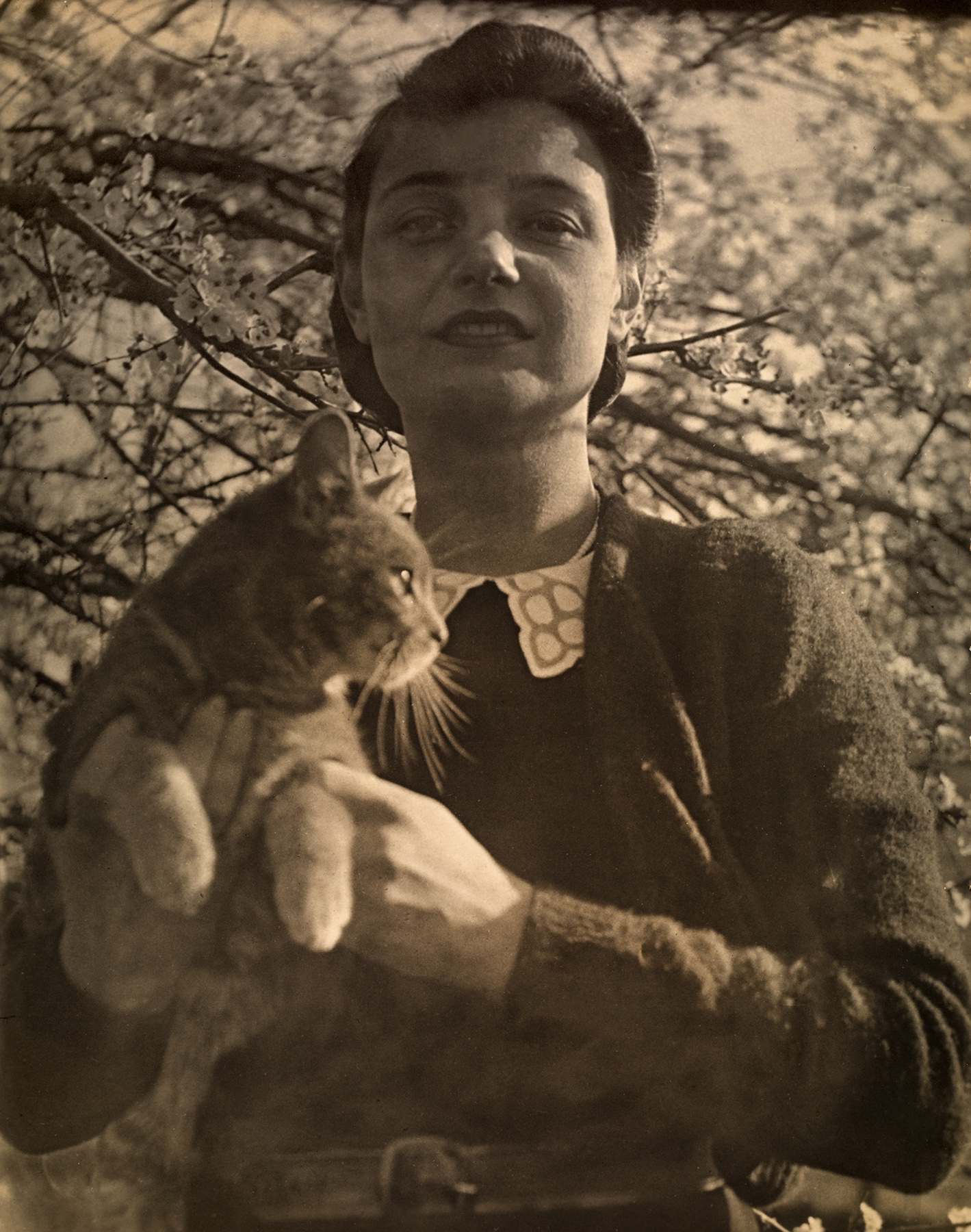

![Photographer unknown. 'Untitled (Klytie Pate [centre] at Melbourne Technical College)' early 1930s](https://artblart.com/wp-content/uploads/2019/01/photographer-unknown-untitled-klytie-pate-at-melbourne-technical-college-early-1930s-web.jpg "Photographer unknown. 'Untitled (Klytie Pate [centre] at Melbourne Technical College)' early 1930s")



















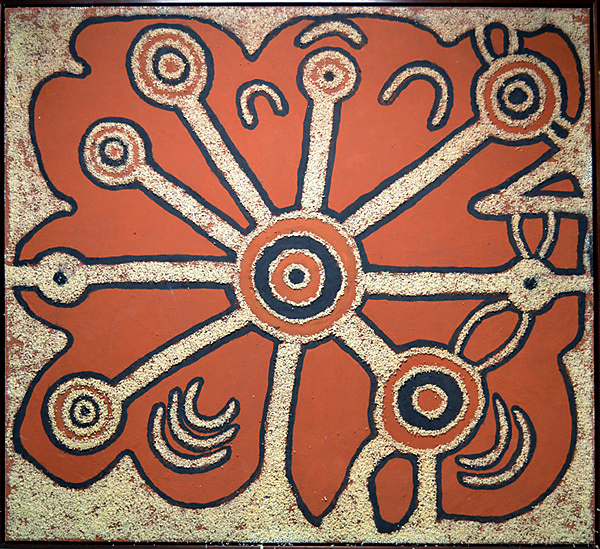



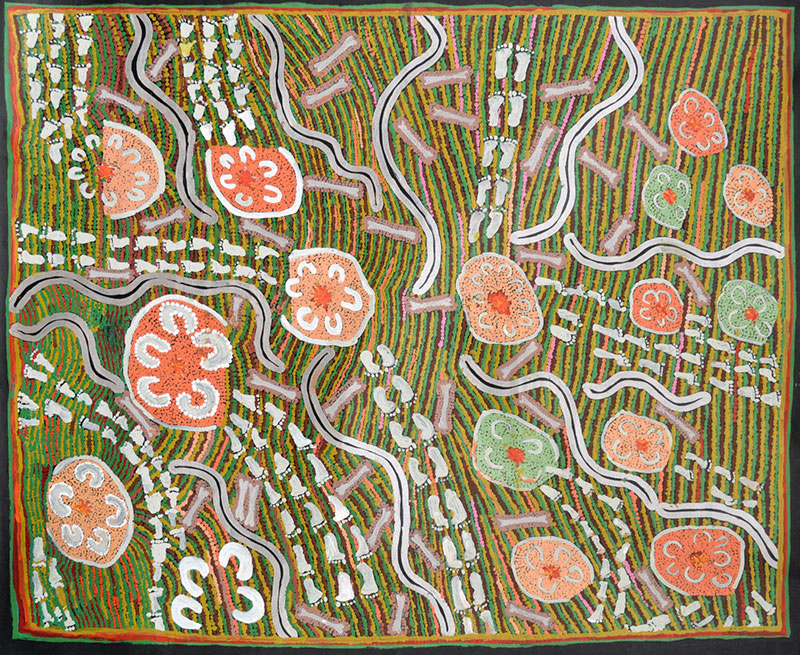


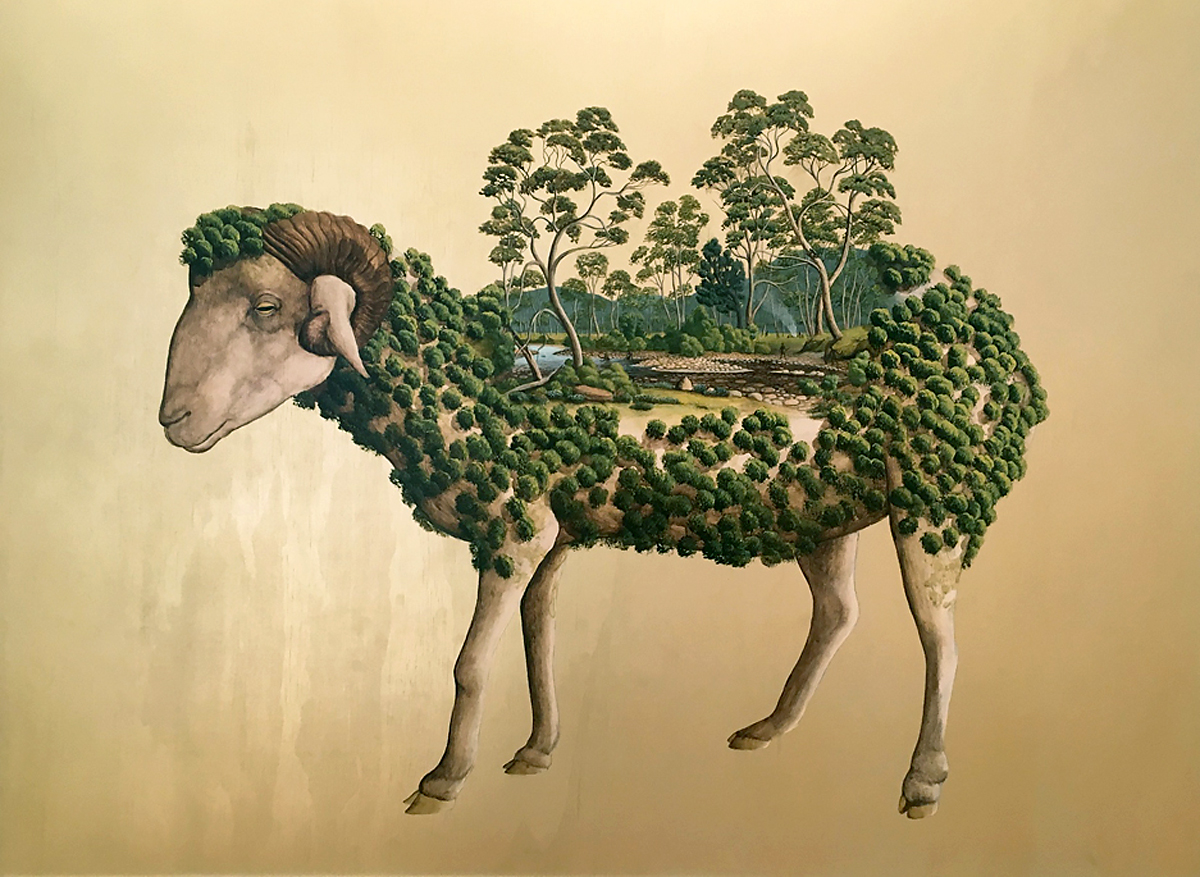




 Art Blart _ art and cultural memory archive
You must be logged in to post a comment.