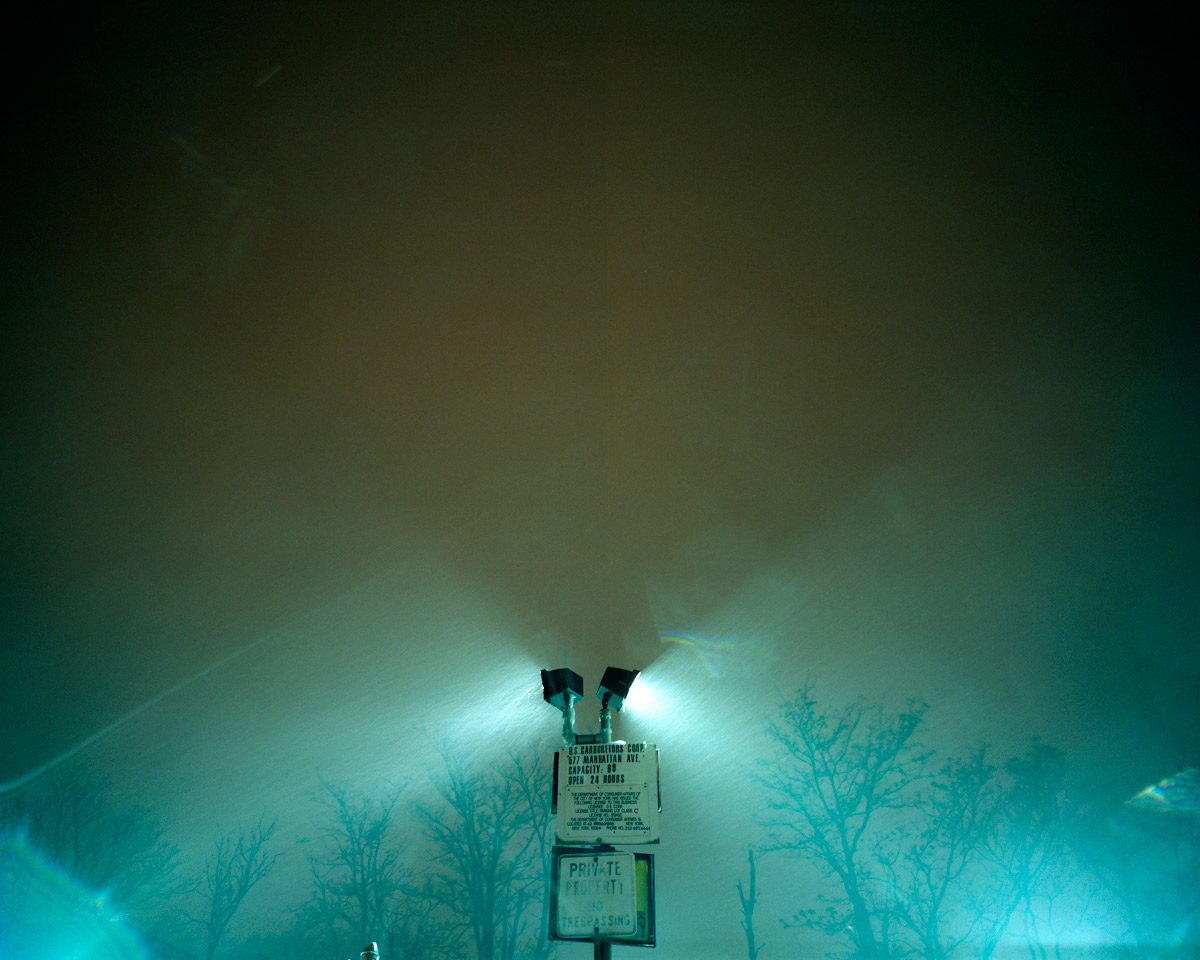
Andrew Follows (Australian, d. 2019) Untitled
2012
From the series Night’s Ocean Shore
As you may know I have been helping vision impaired Australian photographer Andrew Follows as he prepares for the greatest adventure of his life, a joint exhibition as part of the Edinburgh Art Festival titled Through the Looking Glass, Dimly. The works have all be printed and framed and are on their way to Scotland at this very moment.
Marcus Bunyan (Australian, b. 1958) Two faces
1991
Gelatin silver print
I am scanning my negatives made during the years 1991-1997 to preserve them in the form of an online archive as a process of active memory, so that the images are not lost forever. These photographs were images of my life and imagination at the time of their making, the ideas I was thinking about and the people and things that surrounded me.
Photographs are available from this series for purchase. As a guide, a vintage 8″ x 10″ silver gelatin print costs $700 plus tracked and insured shipping. For more information please see my Store web page.
Marcus Bunyan (Australian, b. 1958) Fred and Andrew smoking a joint in Paris
1992
Gelatin silver print
Marcus Bunyan (Australian, b. 1958) Unknown landscape
1991-1992
Gelatin silver print
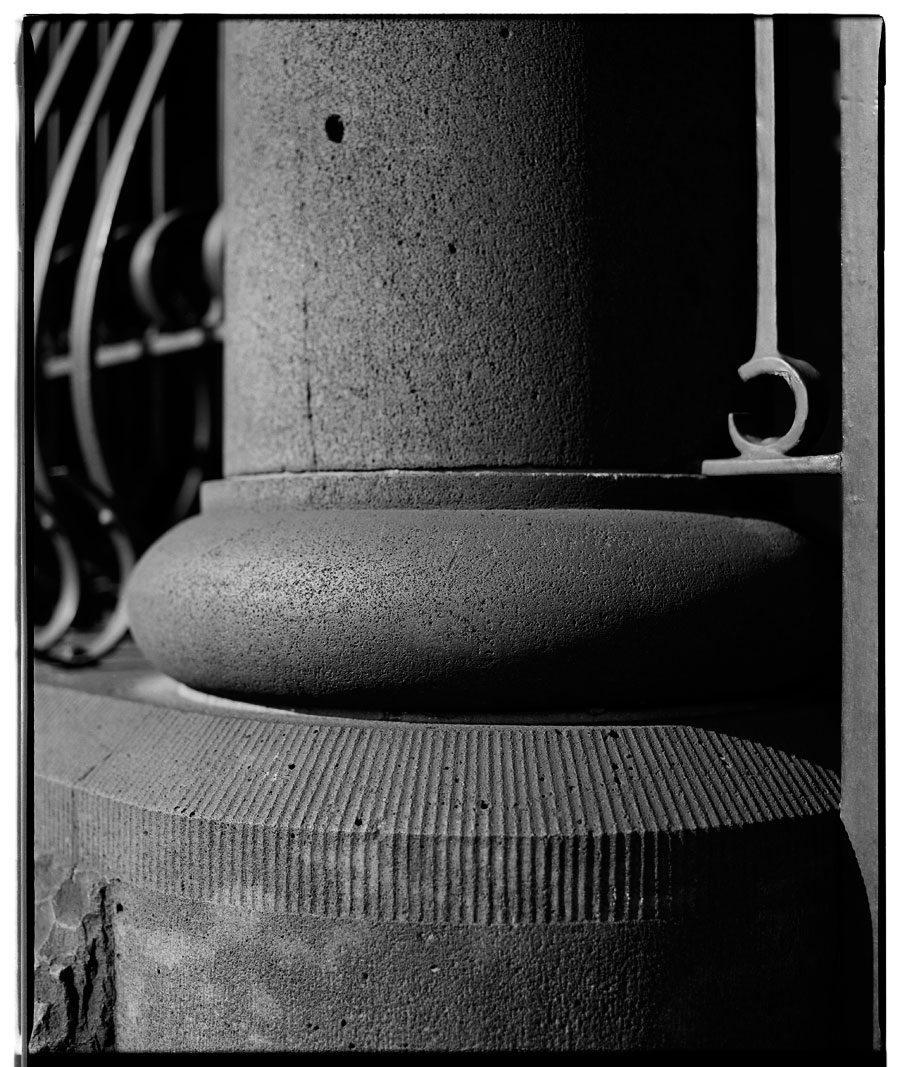
Marcus Bunyan (Australian, b. 1958) Base
1991
Gelatin silver print
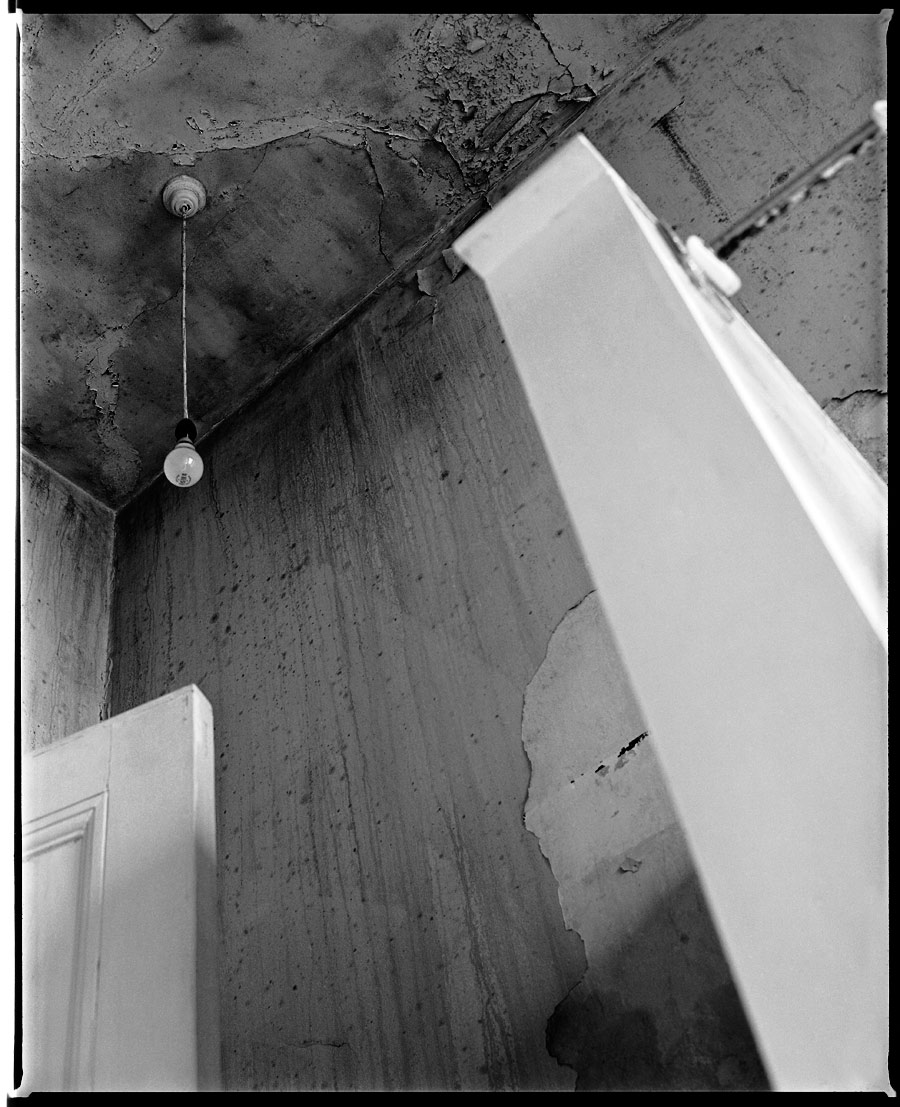
Marcus Bunyan (Australian, b. 1958) Shower room, Punt Road, South Yarra
1991
Gelatin silver print
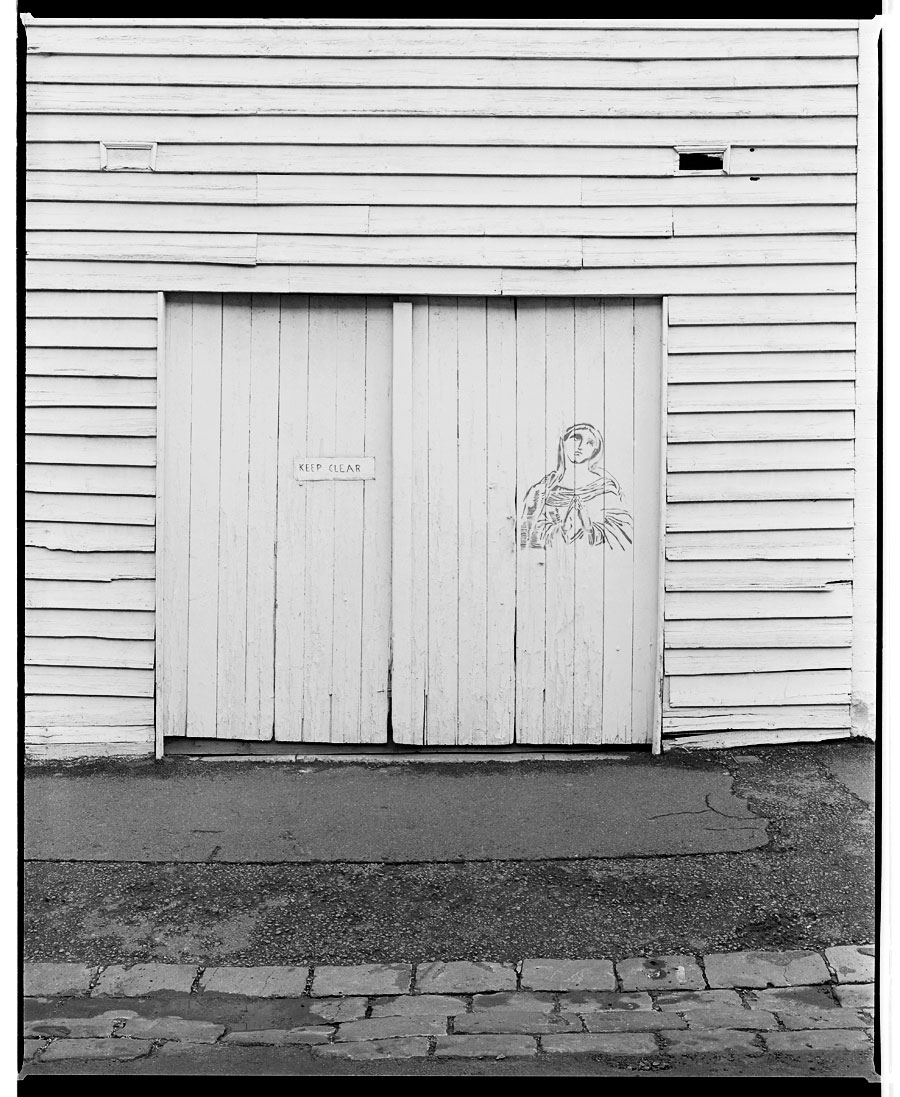
Marcus Bunyan (Australian, b. 1958) Keep Clear, Virgin Girl
1992
Gelatin silver print
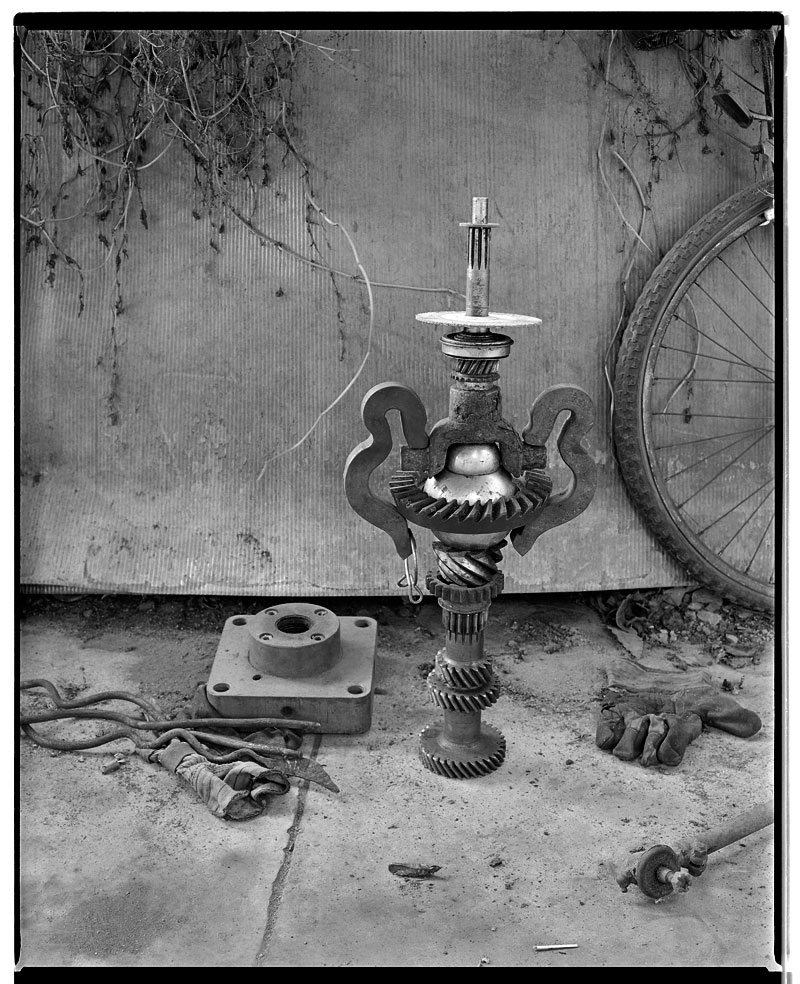
Marcus Bunyan (Australian, b. 1958) Two torsos
1991
Gelatin silver print
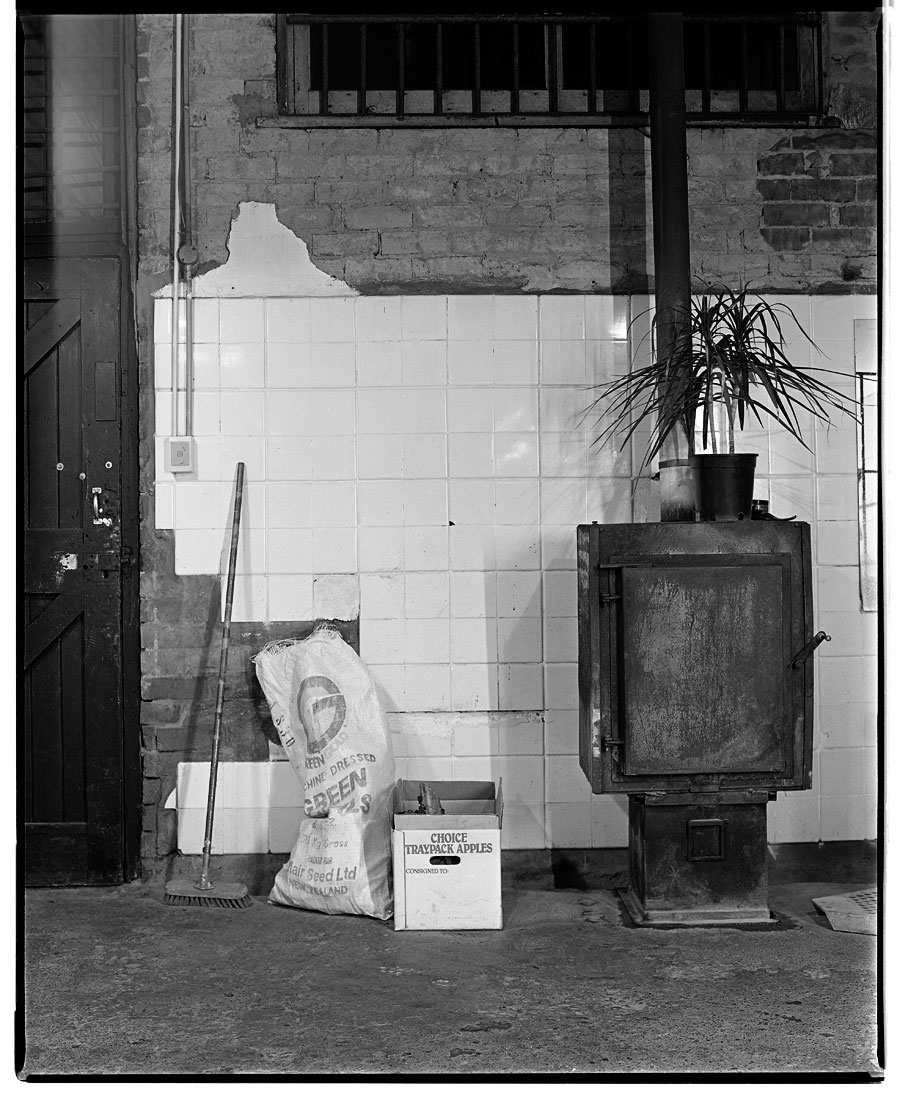
Marcus Bunyan (Australian, b. 1958) Standing stove, plant and broom
1991
Gelatin silver print
Marcus Bunyan (Australian, b. 1958) Suspended kitchen
1991
Gelatin silver print
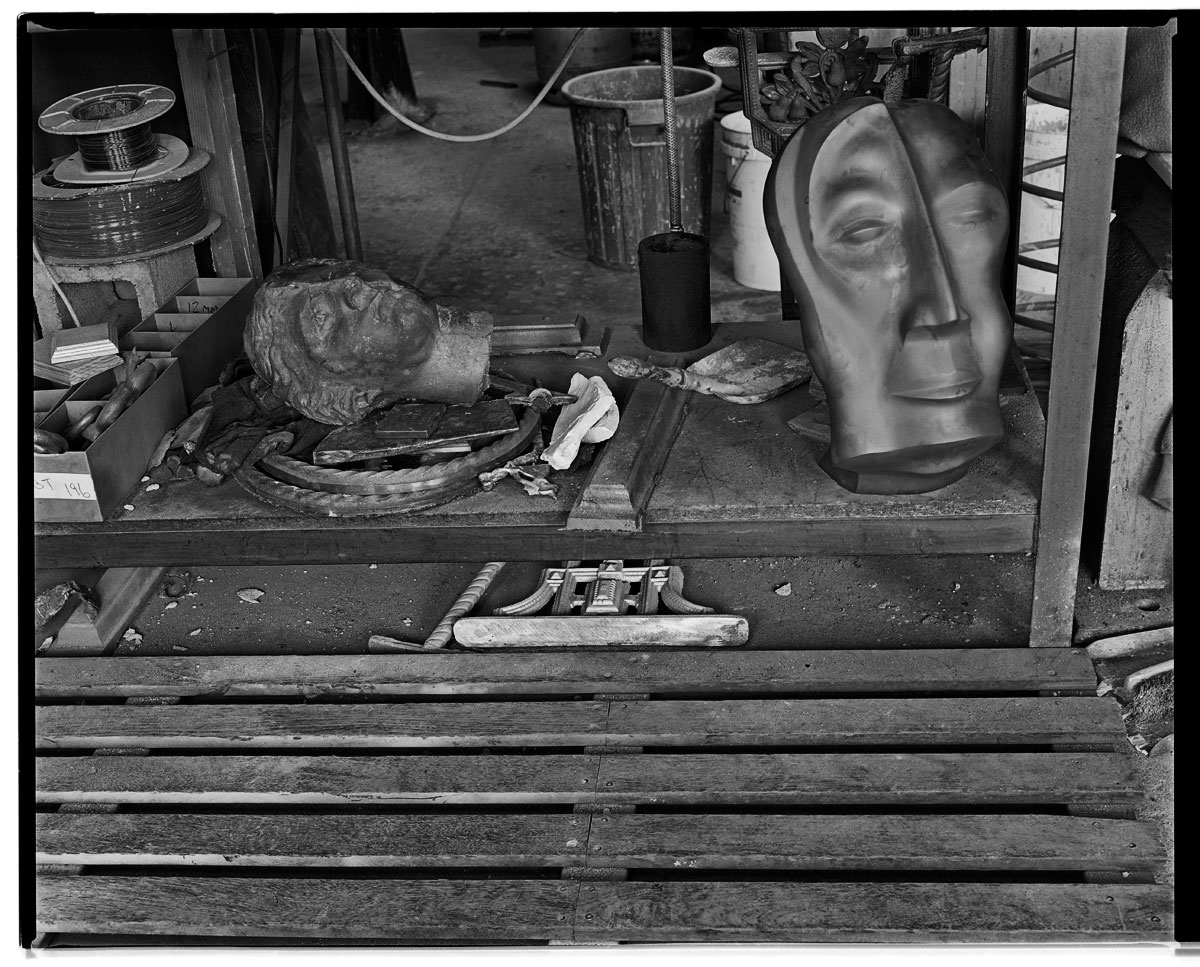
Marcus Bunyan (Australian, b. 1958) Bring me the head of John the Baptist / Man with Big Ears
1992
Gelatin silver print
Marcus Bunyan (Australian, b. 1958) The Windmills of Don Q
1992
Gelatin silver print
Marcus Bunyan (Australian, b. 1958) Where the stars are (after Manuel Alvarez Bravo)
1991
Gelatin silver print
Marcus Bunyan (Australian, b. 1958) Fred and Andrew, Sherbrooke Forest
1992
Gelatin silver print
Marcus Bunyan (Australian, b. 1958) Jeff standing on his Chrysler, Studley Park, Melbourne, Victoria, 1992
1991-1992
Gelatin silver print
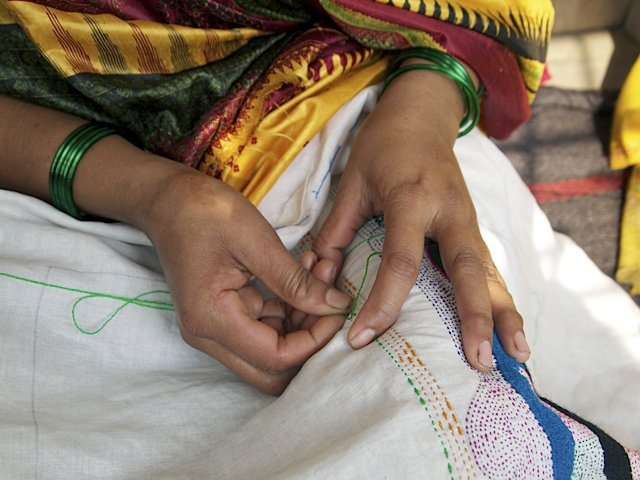
West Bengali woman embroidering the Disappearances
I have always loved the work of Nicola Loder ever since I saw her solo exhibition Child 1-175: A Nostalgia for the Present at Stop 22 Gallery in St Kilda in 1996. This exhibition is no exception. Loder is the consummate professional, her work is as imaginative and intriguing as ever and there has been a consistent thematic development of ideas within her work over a long period of time. These ideas relate to the nature of seeing and being seen, the mapping of identity and the process of its (dis)appearance.
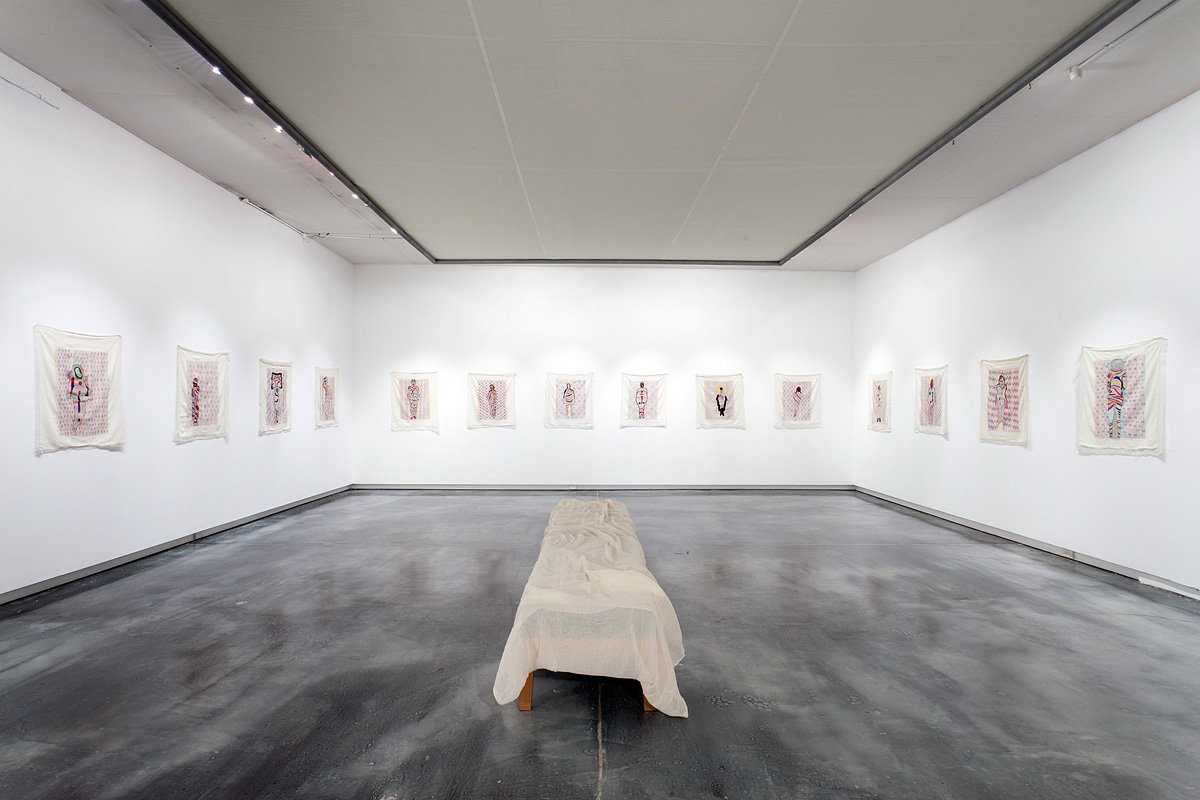
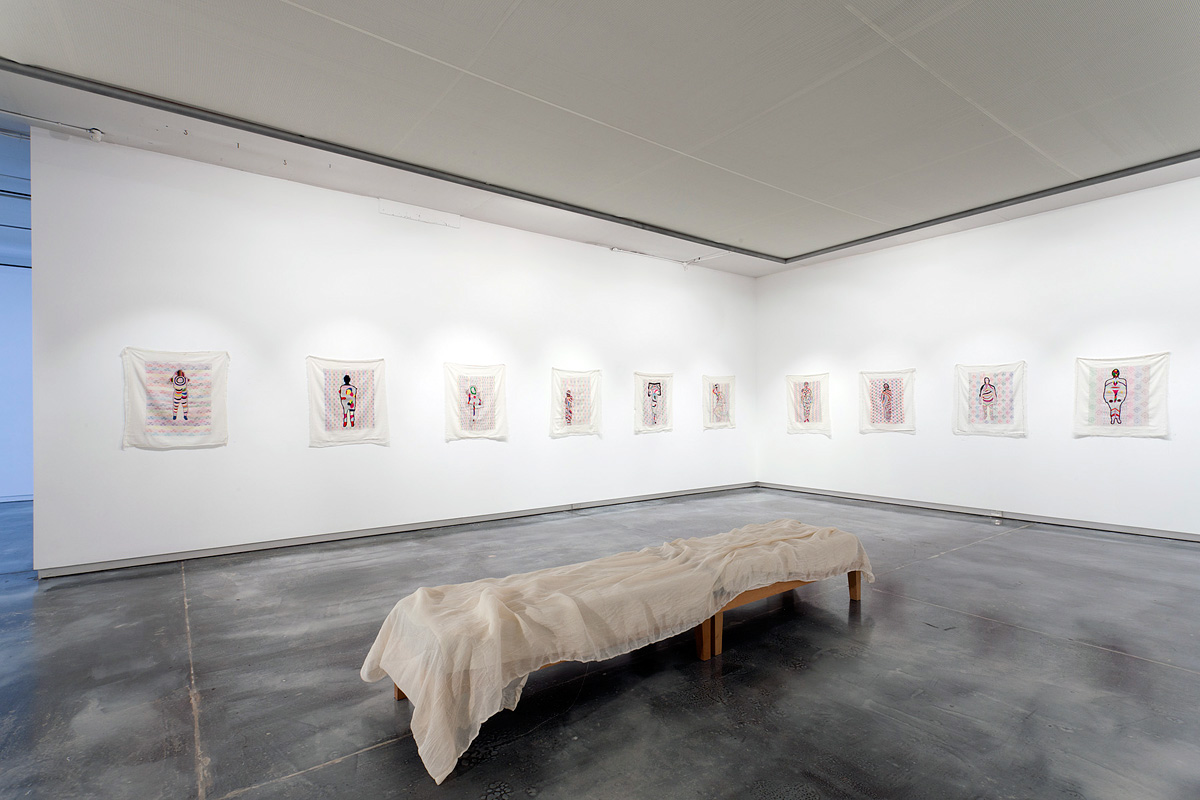
This latest iteration of her ongoing series Tourist (described in detail, below, in the erudite essay by Stuart Koop) again involves de/reconstructions of identity through slippages, elisions, deletions, disappearances and transformations. In Tourist #5: Disappearing Project 1-41 the shroud-like effigies that result from Loder’s project, a reference reinforced by the muslin cloth lying over the bench in the gallery space (see the installation photographs below), are a repeated re-presentation of a lost or missing identity: the disappearance of the person in their own minds; photography’s “capture” of the original person; Loder’s deletion of this identity (I was there) to be substituted by Photoshop’s geometric algorithms; the West Bengali women’s reinterpretation of this disappearance; and the reappearance of a new energy in the colourful, embroidered reinterpretations. I have very much a feeling of a spiritual energy in this last embodiment – think of the link between death and the spirit (as in the Shroud of Turin).
The images have multiple narratives and are already textualised but Loder disrupts this marking, the continual reiteration of norms by weaving a lack of fixity into her objects. In her reconceptualisations of space and matter Loder redefines the significations of the body in the fold of inscription, through a process of materialisation. But this materialisation, like the image seared into the fabric of the Shroud of Turin, still somehow eludes us. This is what makes this work so tantalising…
This interweaving of texts culminates in the body inscribed on another plane existing in, as Loder herself describes it, a “de-constructed non-space somewhere between image, imagination, identity, language and being,” which, as Stuart Koop observes, “is… not a removal or deletion but a reconfiguration beyond verisimilitude, beyond our appearance to others and ourselves.” This is the navigation through a virtual space that Sherry Turkle posits in the quotation at the top of the posting, where the self is decentred and identity is fluid and multiple.
Loder’s exquisitely sensuous description of disappearance allows us to see the phenomenal word afresh. I look forward with a sense of anticipation to the next voyage of discovery the artist will take me on.
Dr Marcus Bunyan
Many thankx to Nicola Loder, Stuart Koop and Helen Gorie Galerie for allowing me to publish the text and photographs in the posting. Please click on the photographs for a larger version of the image.
Fredric Jameson wrote that in the postmodern world, the subject is not alienated but fragmented. He explained that the notion of alienation presumes a centralized, unitary self who could become lost to himself or herself. But if, as a postmodernist sees it, the self is decentred and multiple, the concept of alienation breaks down. All that is left is an anxiety of identity… In simulation, identity can be fluid and multiple, a signifier no longer points to a thing that is signified, and understanding is less likely to proceed through analysis than by navigation through virtual space.
Sherry Turkle. Life on The Screen: Identity in the Age of the Internet. New York: Simon and Schuster, 1995, p. 49.
Tourist #5: Disappearing Project 1-41 by Nicola Loder, installation photograph at Helen Gorie Galerie Photos: Marcus Bunyan
Photographer Nicola Loder explores the way in which people see.
The purpose of photography is largely to make things visible. Inspired in part by her experiences teaching blind children photography, Loder reverses photography’s function using it instead to capture objects and experiences that aren’t visible. She embraces Photoshop but counters its typical role of improving clarity and focus, rather using it to collapse images into layers of pattern and colour.
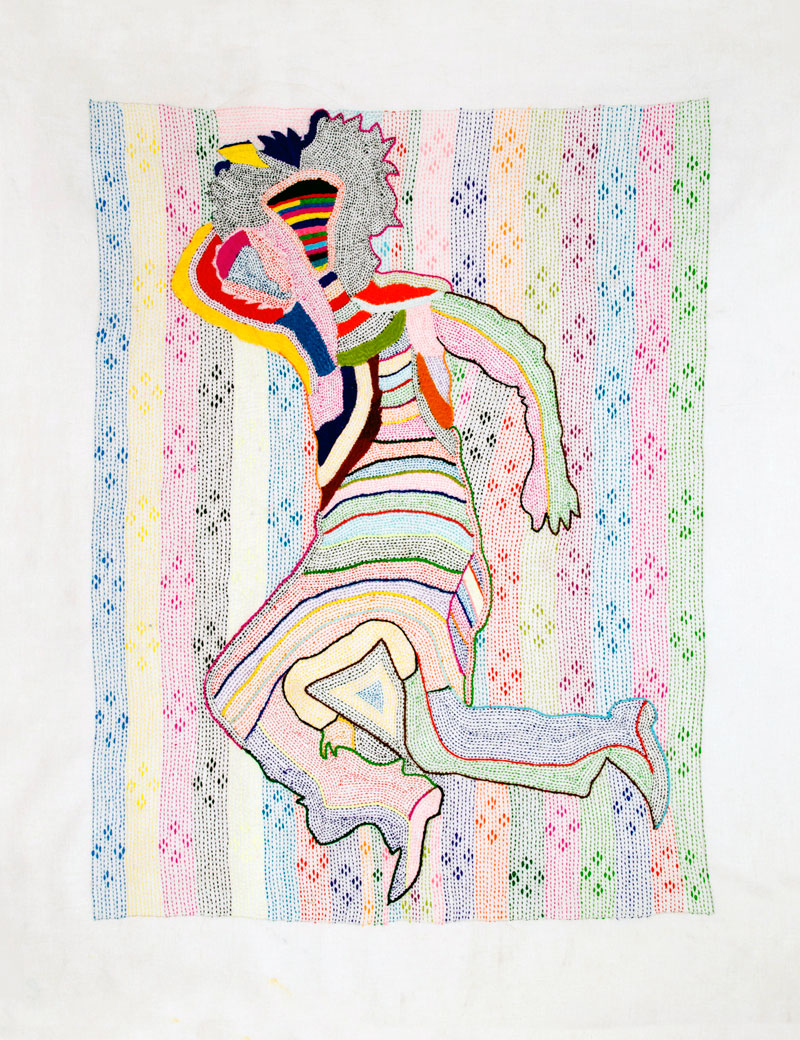
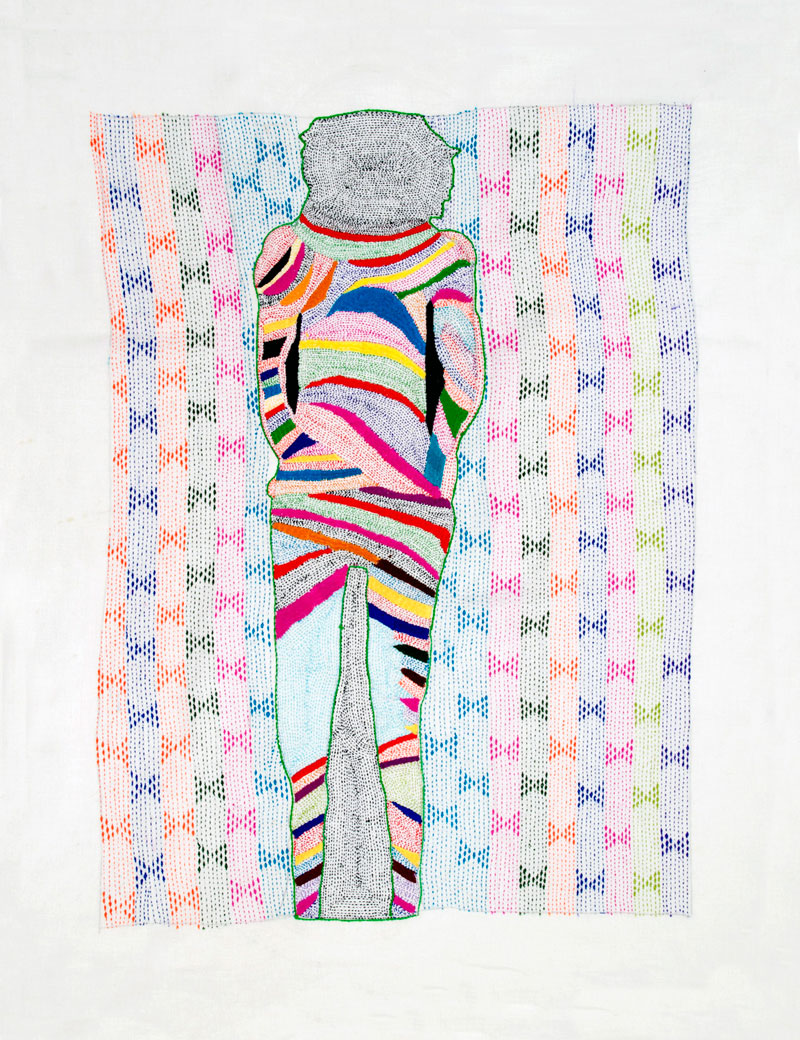
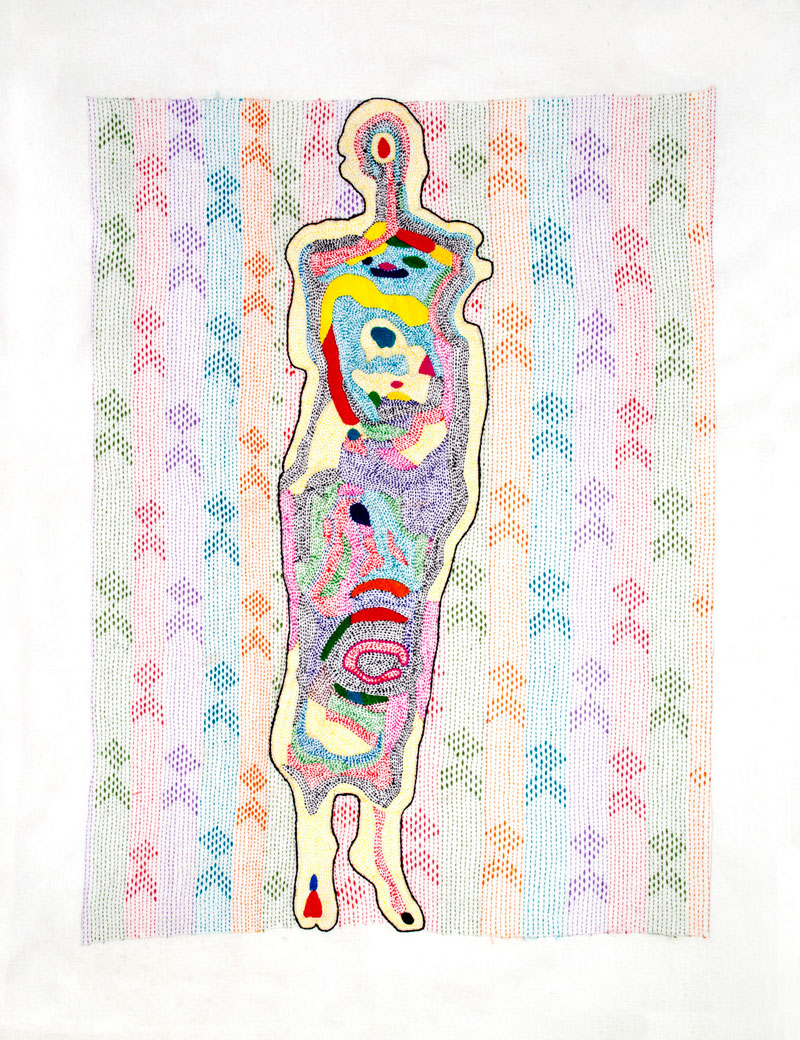
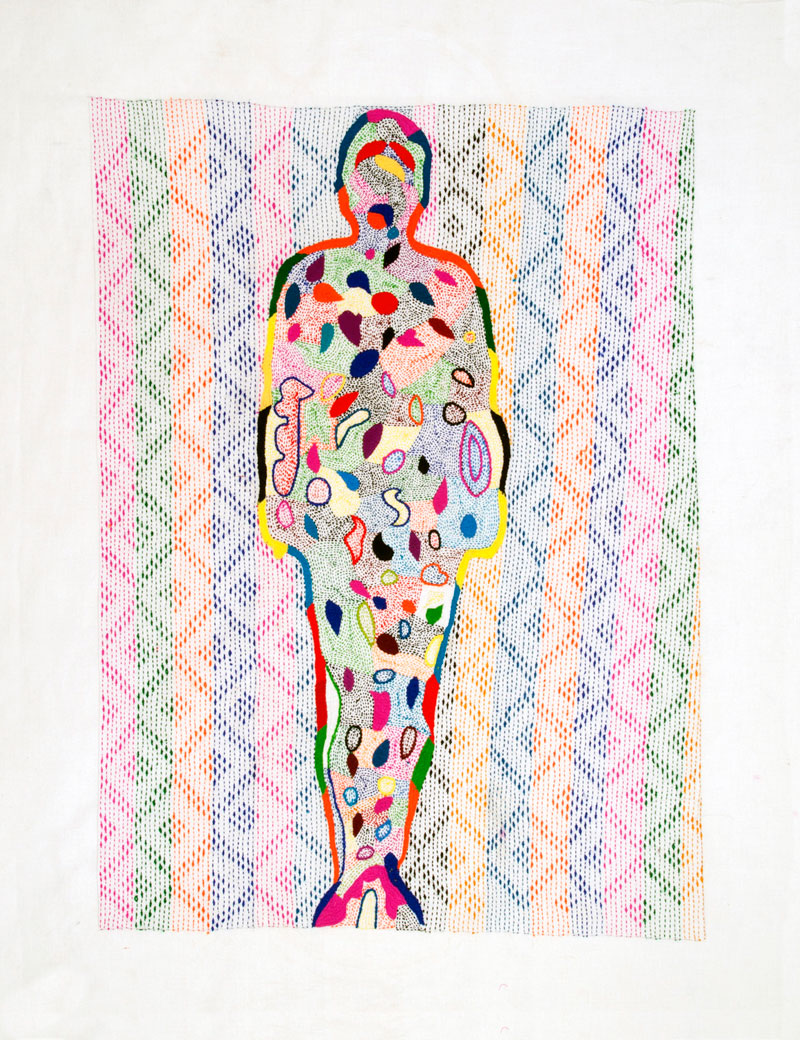
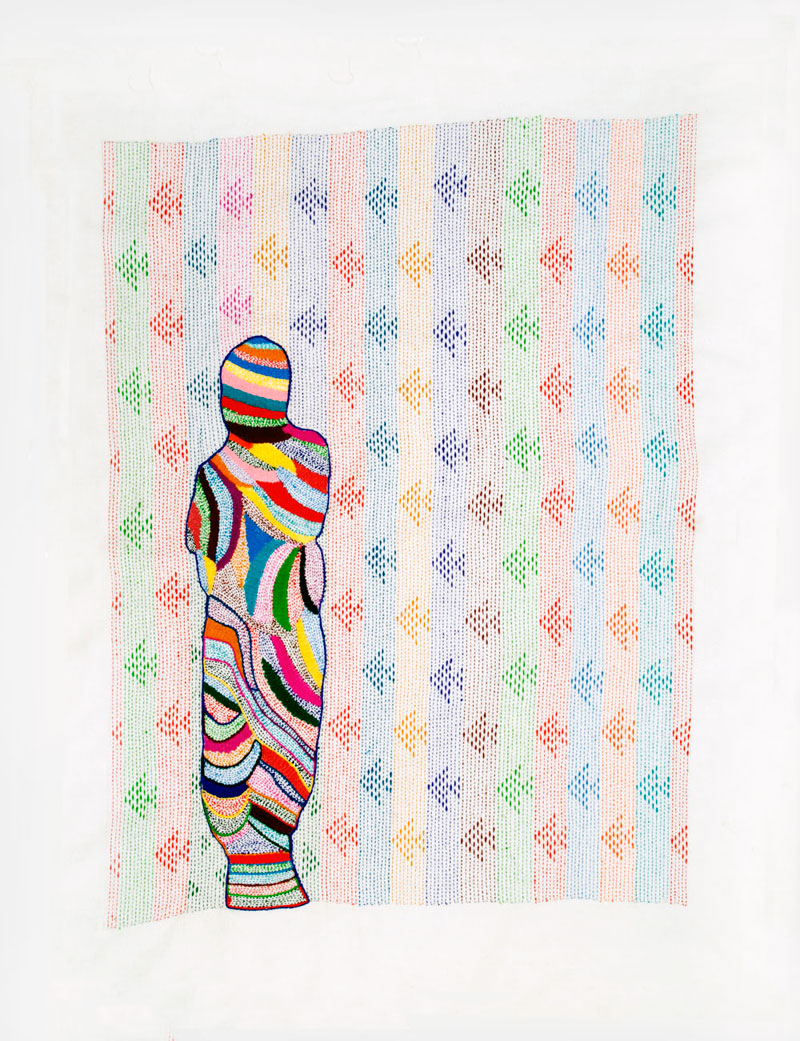
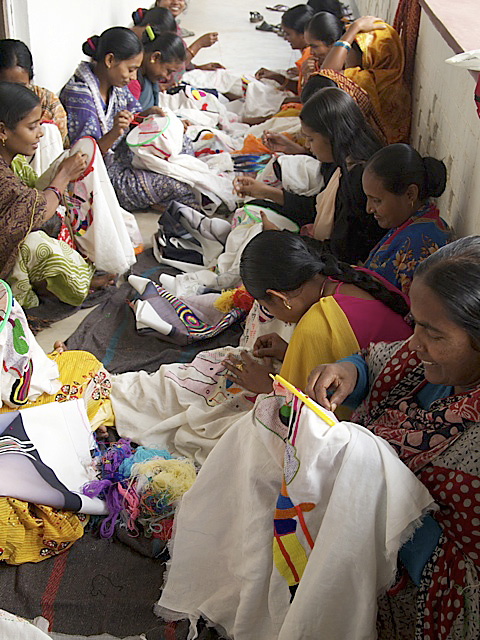
Tourist #5: disappearing project 1-40 is a multi-faceted project that teases out notions of seeing and being seen and the role of creator as truth teller. Loder sent out a flyer inviting people who had disappeared to send her a full-length image of themselves with a written description of what happened when they disappeared. The stories and images she received range from out of body near death experiences to the mundane act of sleeping, each shedding light on what people identify as disappearing. Loder then manipulated the submitted images into highly colourful digital patterns, resonant of her earlier photographic work. She took the reworked images to India where they were embroidered onto muslin by local women in West Bengal. The result is beautiful hand-embroidered works that reflect the women’s personal interpretations of the images and incorporate their rich history, cultural patterns and iconography.
“The obliterated, atomised, reconfigured portraits ‘rematerialise’ as tapestries executed by women from a small rural village, at the margins of Indian society, who – but for NGOs dedicated to overcome disadvantage, in this case Street Survivors empowering rural women through skills development – are largely invisible to their communities, to politicians, as well as their castes.
Of course, Loder has paid these women, a means of recognising and honouring their work, a means of bringing them into view, at the margins of economy, welfare and community. Indeed, she has taken their portraits and documented them at work, and it’s a startling contrast. Our middle-class stories, anxieties and interests ending up in the careful hands of these women in colourful saris, sitting and working together, our (largely) passing concerns darned into the muslin cloth in their laps, our own saturated photographic hues indistinguishable from the bright chaos of folded cloth and pleated skirts, with their nimble fingers tracing our desires and cares in bright lurid threads.” (Stuart Koops, 2012)
For Loder India is a central tenet of the project given its multiple associations with disappearing, from the focus on meditation to the burning of bodies at the Ghats in Varanasi, the final act of disappearing. On a personal level Loder lived in Calcutta as a child and views her experience of leaving India as another act of disappearing: both her Indian Ayah (Moti) and India physically disappeared from her life. Involving the women from her Ayah’s village is Loder’s reflection on and tribute to those experiences of disappearing.
Press release from Helen Gorie Galerie website
Nicola Loder (Australian, b. 1964) Tourist #5: Disappearing Project 1-41 (no 11)
2012
Polyester thread, muslin
86 x 69cm
Nicola Loder (Australian, b. 1964) Tourist #5: Disappearing Project 1-41 (no 16)
2012
Polyester thread, muslin
86 x 69cm
Catalogue Essay by Stuart Koops
Nicola Loder has facilitated childrens’ photography projects before, on several occasions working with marginalised groups, including kids from low socio-economic and non-English speaking schools and kids from the Royal Victorian Institute for the Blind. Indeed she chose these groups with purpose, to consider the role of photography in highlighting certain communities most often occluded on the basis of an incapacity – making the invisible visible, making those who cannot see visible to us, giving those without the means of expression a language we can understand – in many ways, reversing the polarity of familiar concepts, disrupting our conventional understanding.
In teaching blind kids especially, Nicola told me she felt like she was disappearing. Not surprising, I guess, when you try to describe the camera, the lens, optics, focus, framing, composition. When your identity or your role as a photographer dissipates along with the explanatory power of these foundation terms and concepts. And practical demonstrations must at first seem frustratingly pointless.
That profound experience seems to have led Loder to use photography in reverse, as the means to decompose images; to utilise Photoshop’s algorithms, not to augment or highlight certain attributes in her portraits she ultimately took of these kids, but return images to an undifferentiated field of static, the digital correlate to the original photochemical chaos, the entropy of raw silver halides, which the ‘irrefutable sun’ miraculously sorts into resemblance. In short, to unphotograph the kids somehow, commensurate with their disability and her own disappearance in the workshops.
But it’s not just Loder who has had the experience of disappearing. It’s a profound sensation shared by many and for different reasons, and Loder has collected different accounts of the experience which illustrate the further registers in which one may ‘disappear’; from spiritual attainment in transcending physical reality to out of body transcendental near-death experiences, from relief at escaping a difficult situation, to feelings of terror as a child abandoned, or worse, abducted, from the social isolation and alienation of teenagers and adults, to a freedom or liberation from social constraint and physical containment, wanting to leave behind an unhappy circumstance or just wanting to be magically, wonderfully invisible.
Practically speaking, there’s considerable interest in – and information on – how to disappear, especially in America. In 2008 artist Seth Price published How to Disappear from America, excerpted text from found sectarian tracts, paranoid rants and helpful DIY tips to assist anyone wishing to get off the grid without a trace (burn your credit cards, dump your car, hide your tracks, grow your own, etc) including great suggestions about where to go (motorcycle hangouts, punk rocks groups, new age dance studios, soup kitchens, churches, and homeless shelters).
But Loder’s more interested in the personal, individual experience of disappearing. She asked for photo-portraits to accompany people’s descriptions of disappearing, from which she has seemingly excised each subject, using Photoshop as she did before with the blind kids, leaving a whorl of digital effect in the vacant space within their outline, set in high relief against a lounge-room, or a yard, or other family members. Yet on closer inspection this is perhaps a matter of transformation, since ‘disappearing’ may be very different from ‘deletion’.
In Photoshop we are each just so much chroma, luma and shape. A touch of the magic wand and we are separated from the rest of our lives, ‘lassooed’, a godly power to designate liberated from special-effects cinema by the Knoll brothers in 1988 and given to every geek with a Mac II. Since when it’s just too easy to be deleted; two clicks and we’re in the trash.
But in Loder’s work our data is recast, colour intensified, details blurred, outlines softened, curves modified, screens overlaid and so it seems Photoshop’s myriad algorithms – set against their intended technical imperative to optimise appearances – might provide a metaphor for our disappearing, which is indeed not a removal or deletion but a reconfiguration beyond verisimilitude, beyond our appearance to others and ourselves. And while we might lose visual coherence as an image, we are inscribed upon another plane altogether, one at odds with photographic realism, and which Loder describes as a “de-constructed non-space somewhere between image, imagination, identity, language and being.” Like the shimmering dissipation of Kirk on the teleporter’s deck in Star Trek, these subjects are transported to another realm, different orders of reality merging into a new volatile blend. Perhaps it’s a higher plane too where all souls mingle and coalesce as either zeros or ones, a digital afterlife in which everything is equivalent and a new digital equanimity prevails.
Stuart Koops 2012
Nicola Loder (Australian, b. 1964) Tourist #5: Disappearing Project 1-41 (no 8)
2012
Polyester thread, muslin
86 x 69cm
Nicola Loder (Australian, b. 1964) Tourist #5: Disappearing Project 1-41 (no 17)
2012
Polyester thread, muslin
86 x 69cm
Nicola Loder (Australian, b. 1964) Tourist #5: Disappearing Project 1-41 (no 18)
2012
Polyester thread, muslin
86 x 69cm
West Bengali women embroidering the Disappearances
The photographs in this posting highlight the conceptual diversity in contemporary art practice and emphasise the talent of the practitioners working today. Just an observation: how serious are the portraits – it’s as if no’body’ is allowed to laugh or smile anymore. Perhaps this is a reflection of the times in which we live, full of malaise, anxiety and little wonder. Fear of being replaced, fear of discrimination, fear of growing up, fear of dying. Or dressed up in a women’s dress and pink hat, having the “courage” or ignorance (the opposite of fear?) to look like a stunned mullet with a blank expression on the face (deadpan photography that I really can’t stand). Or, perhaps, simple effacement: defiance as body becomes mannequin, body hidden behind a mask or completely cloaked from view. These grand photographs have the intensity, perhaps not a lightness of being.
Dr Marcus Bunyan
Many thankx to PICA for allowing me to publish the photographs in the posting. Please click on the photographs for a larger version of the image.
Trish Morrissey (Irish, b. 1967) Hayley Coles, June 17th, 2006 2006
Courtesy of the artist and Elaine Levy Project, commissioned by Impressions Gallery
Front deals with the notion of borders, boundaries and the edge; using the family group and the beach setting as metaphors. For this work, the artist travelled to beaches in the UK and around Melbourne. There, she approached families and groups of friends who had made temporary encampments, or marked out territories and asked if she could be part of their family temporarily. Morrissey took over the role or position of a woman within that group – usually the mother figure. The artist asked to take the place of the mother figure, and to borrow her clothes. The mother figure then took over the artist’s role and photographed her family using a 4 x 5 camera (which Morrissey had already carefully set up) under the artist’s instruction. While Morrissey, a stranger on the beach, nestled in with the mother figure’s loved ones.
These highly performative photographs are shaped by chance encounters with strangers, and by what happens when physical and psychological boundaries are crossed. Ideas around the mythological creature the ‘shape shifter’ and the cuckoo are evoked. Each piece within the series is titled by the name of the woman who the artist replaced within the group.
Text from the PICA website
Bindi Cole (Australian, b. 1975) Ajay 2009
From the series Sistagirls
Courtesy of Nellie Castan Gallery
The term ‘Sistagirl’ is used to describe a transgender person in Tiwi Island culture. Traditionally, the term was ‘Yimpininni’. The very existence of the word provides some indication of the inclusive attitudes historically extended towards Aboriginal sexual minorities. Colonisation not only wiped out many Indigenous people, it also had an impact on Aboriginal culture and understanding of sexual and gender expression.
As many traditions were lost, this term became a thing of the past. Yimpininni were once held in high regard as the nurturers within the family unit and tribe much like the Faafafine from Samoa. As the usage of the term vanished, tribes’ attitudes toward queer Indigenous people began to resemble that of the western world and the religious right. Even today many Sistagirls are excluded from their own tribes and suffer at the hands of others.
Text from the PICA website
Maciej Dakowicz (Polish, b. 1976) Pink Hat, 23:42. Cardiff 2006
Courtesy of the artist and Third Floor Gallery
St Mary Street is one of the main streets in central Cardiff, the capital city of Wales; a city as any other in the UK. Unassuming during the day, on weekend nights it becomes the main scene of the city night life, fuelled by alcohol and emotions. Some of Cardiff’s most popular clubs and pubs are located there or in its vicinity. The very popular Chippy Lane, with its numerous chip and kebab shops, is just a stone’s throw away. Sooner or later most party-goers end up in that area, whether looking for another drink, some food or in search of another dance floor.
Everything takes place in this public arena – from drinking, fighting, kissing to crying and sleeping. Supermen chat up Playboy Bunnies, somebody lies on the pavement taking a nap, the hungry ones finish their portions of chips and the policemen stop another argument before it turns into a fight. Nobody seems to worry about tomorrow, what matters is here and now, punctuated by another week at work, until the next weekend rolls around again.
Text from the PICA website
Laura Pannack (British, b. 1985) Shay 2010
Courtesy of the artist
Represented by Lisa Pritchard Agency
What’s so special about this picture are the details. The tattoo – not just what it says but the way it mimics the Nike Swoosh on her shirt – and the cigarette, that although it is not in focus, one imagines has a large line of ash on it, as if time has stopped. This is echoed in the expression on her face, deep intensity and focused on something ahead although the car is obviously stationary. From a distance one could be mistaken that this is an American photograph from the 70s but on closer inspection – the piercing, the Nike Swoosh, the car door handles – one realises that this is contemporary and British. And yet of course that stare is timeless.
Harry Hardie on the Foto8 website [Online] Cited 22/03/2012 no longer available online
Adam Broomberg and Oliver Chanarin Culture3/Sheet72/Frame3 2011
Courtesy of the artists & Paradise Row, London
HIJACKED III interview with PICA curator Leigh Robb
… Artists are notorious for their ability to hijack; meaning to stop and hold up, to seize control by use of force in order to divert or appropriate, a deliberate attempt to action a change of direction.
Hijacked III: Contemporary Photography from Australia the UK draws on the success and unique energy of Hijacked I (Australia and USA) and Hijacked II (Australia and Germany), to once again bring together two geographically distant but historically connected communities through a range of diverse photographic practices.
This exhibition will be simultaneously presented across two sites: PICA in Perth, Western Australia and QUAD Gallery in Derby, United Kingdom, and has been timed to coincide with the launch of the luscious, full colour and 420 page Hijacked III compendium, published by Big City Press. Utilising portraiture, digital collage, archival images, documentary snap shots, internet grabs and refined photographic tableaux, the 24 artists and over 120 works in this exhibition explore themes as diverse as curious weekend leisure pursuits, gender politics and displaced Indigenous culture.
Artists: Tony Albert, Warwick Baker, Broomberg & Chanarin, Natasha Caruana, Bindi Cole, Maciej Dakowicz, Christopher Day, Melinda Gibson, Toni Greaves, Petrina Hicks, Alin Huma, Seba Kurtis, David Manley, Tracey Moffatt, Trish Morrissey, Laura Pannack, Sarah Pickering, Zhao Renhui, Simon Roberts, Helen Sear, Justin Spiers, Luke Stephenson, Christian Thompson, Tereza Zelenkova, Michael Ziebarth.
Press release from PICA website
Sarah Pickering (British, b. 1972) Land mine 2005
Courtesy of the artist and Meessen De Clercq, Brussels
The Explosion pictures document the literal theatre of war – the detailed level of artifice used to prepare men and women for combat on the front lines. They also reveal the minutiae of packaging war as entertainment. The beauty of the pictures lies in their perverse seductiveness, and this attraction underscores the distance most of us have from real combat.
Pickering’s Explosion images, by distilling an aspect of the war that is a fiction, question the reliability of seemingly objective historical accounts, such as news reports and photographs that influence how war is communicated and remembered. By extension they question how we come to know what we know about it. We learn about war from a variety of sources, from history books, first-hand accounts, news media, and movies, all of which can get confused and merged in our minds as memory.
The dual purpose of the explosives – training and re-enacting – forms a fitting parallel to how we cope with trauma, a process of both anticipation and reconciliation.”
Simon Roberts travelled across England in a motorhome between 2007 and 2008 for this portfolio of large-format tableaux photographs of the English at leisure. We English builds on his first major body of work, Motherland (2005), with the same themes of identity, memory and belonging resonating throughout. Photographing ordinary people engaged in diverse pastimes, Roberts aims to show a populace with a profound attachment to its local environment and homeland. He explores the notion that nationhood – that what it means to be English – is to be found on the surface of contemporary life, encapsulated by banal pastimes and everyday leisure activities. The resulting images are an intentionally lyrical rendering of a pastoral England, where Roberts finds beauty in the mundane and in the exploration of the relationship between people and place, and of our connections to the landscapes around us.
Tony Albert (Australian, b. 1981) No Place 2009
Courtesy of the artist
Tony Albert is a Girramay rainforest man from the Cardwell area… The No Place series references The Wizard of Oz ‘there’s no place like home’. For No Place Tony returns to his tropical paradise home with a group of Lucho Libre wrestling masks from Mexico. His family adorn these masks and again become warriors protecting their paradise. These seemingly playful masks share much with Aboriginal and particularly rainforest culture. Body and shield designs from this area represent animal gods or spirit beings. The use of these masks brings a prescient new layer of armour for a new generation of warrior.
The colour scheme of solid blocks of red, black and yellow also speak to traditional rainforest aesthetics. There are strong elements of the sublime and the fantastical within these works. Viewing Aboriginal people in iconic north Queensland locations masked in Mexican wrestling paraphernalia carries more than a hint of the surreal and absurd.
Anon. “Tony Albert and No Place,” on the Big Art website, 2010 [Online] Cited 22/03/2012 no longer available online
Christian Thompson (Australian / Bidjara, b. 1978) Untitled #7 from the King Billy series 2010
Courtesy of the artist and Gallery Gabrielle Pizzi
King Billy, is an ode to his great great grandfather, King Billy of Bonnie Doon Lorne. The initial inspiration was a photograph of King Billy, standing alone wearing his ‘name plate’. Despite its colonial overtones, for Thompson, this image of the senior tribesman exudes wisdom and kindness and reminds him of his father. In much of Thompson’s work his processes are intuitive, he delves into a rich dream world and draws out fabulous images. He manifests his own mythological world. In this series his figures are clad in fabrics patterned with Indigenous motifs, mainly cheap hoodies in lurid colours; a modern / ancient skin for a magic youth culture. He has made a triptych, three views of a pink hooded figure spewing cascading pearl stands from the face; opulent, decadent, excessive and sensual.
Another image shows a crowned figure swathed in fabrics bearing the markings of various clans, perhaps indicating the domain of this regal form. In the hands a (poisoned?) chalice – the sawn off plastic bottle a warning about petrol sniffing? His self-portrait as psychedelic godhead/Carnaby Street dandy / flower child is spectacular and arresting. He is wearing a tailored suit, patterned with more Indigenous motifs and he cradles a bouquet. His skin is green and his eyes are purple flowers. What can this otherworldly creature tell us?
Thompson seems to emphasise a theme of disparity in this work; the ‘hoodie’ with the cascading pearls, the crown with the plastic bottle, the opulence with the desperate. These works are both beautiful and confronting.
Text from the PICA website
HIJACKED III interview with Christian Thompson
Petrina Hicks (Australian, b. 1972) Emily the Strange 2011
Courtesy of the artist and Stills Gallery
Petrina Hicks’ Beautiful Creatures appeals to our senses. Immediately alluring, the large-scale, hyper-real photographs, are all rendered so clearly and with such control they are reminiscent of advertisements. But with a series of little ruptures, within images and between them, Hicks disrupts our usually beguiled response to such artistry. For her, photography’s capability to both create and corrupt the process of seduction and consumption is of endless interest.
Hicks loads her images with history and associations but denies us a clear message. Along with the ambiguity, there is a visceral quality in these new works; her depiction of flesh, hair and veins stops the viewer short of being lulled into consumption. Hicks engages a playful yet confronting approach to confound our expectations. A cat, naked without fur, in the image Sphynx, contrasts a beautiful blonde with a face full of it in Comfort. In Emily the Strange the hairless creature reappears with a young girl whose piercing green eyes, skin-pink dress, and latent defiance, make her eerily akin to her pet. Alluded to, in the title of the exhibition, this duality is present in much of the work. Her subjects are not simply beautiful or simply creatures.
Text from the PICA website
HIJACKED III interview with photographer Petrina Hicks
Tereza Zelenkova (Czech, b. 1985) Cadaver 2011
Courtesy of the artist
Luke Stephenson (British, b. 1983) Diamond Sparrow #1 2009
Courtesy of the artist
Stephenson finds birds and the world surrounding them wonderfully fascinating. The birds he has photographed all belong to avid bird breeders who on the whole have been keeping birds their whole lives. It’s a hobby people generally don’t come into contact with, unless you are active within it. The artist does not keep birds but finds them beautiful in all their variations and colours, so has set out capture these birds in a way that would show them at their best.
There are many criteria to breeding a prize-winning bird, from shape and form to its pattern, and this is something Stephenson has tried to convey whilst also attempting to show some of their personalities. He set out to photograph every breed of bird within the ‘hobby’ of keeping birds but soon realised there were thousands of variations, so decided to keep this as an ongoing project; realising instalments every couple of years which people can collect and, hopefully one day, the dictionary will be complete.
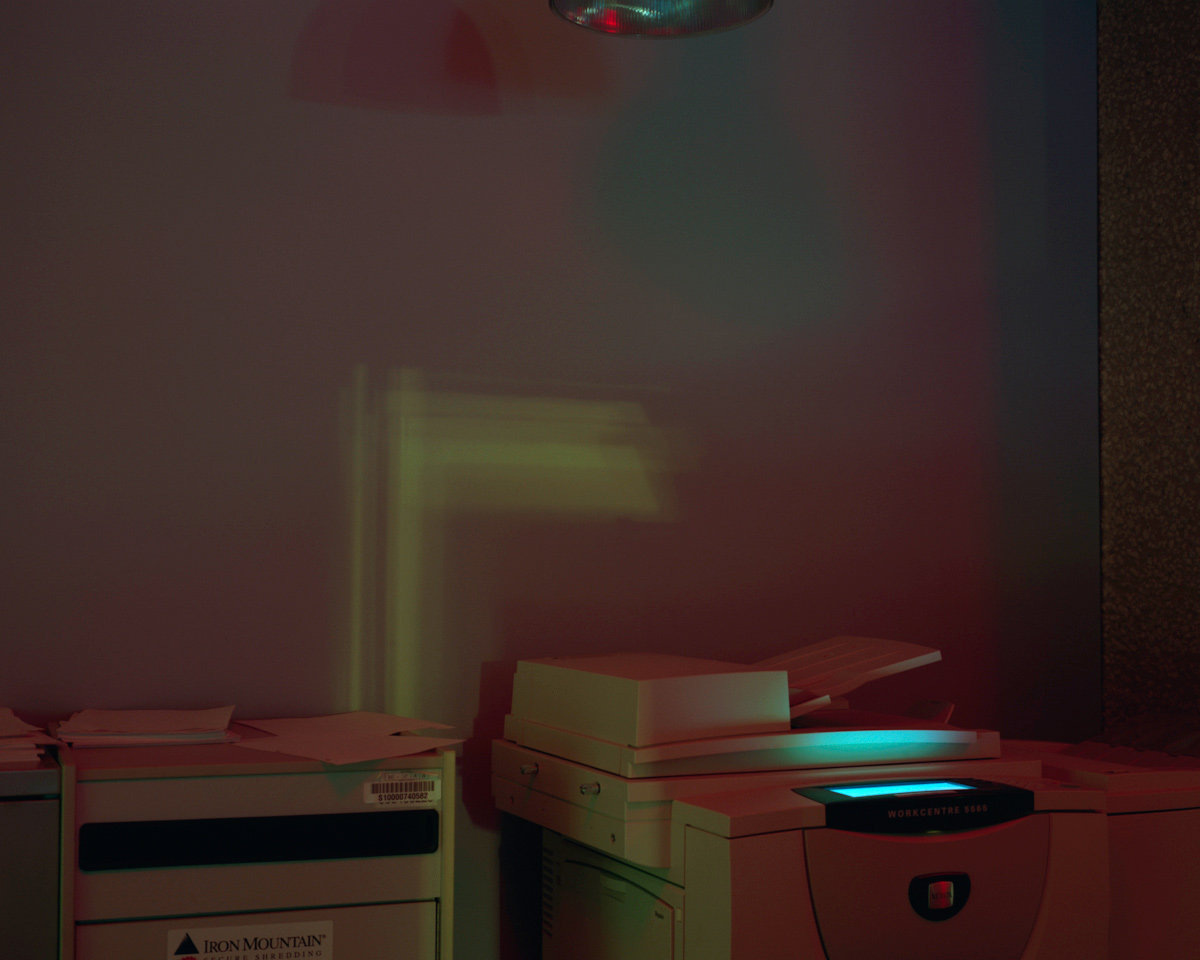
Kaho Yu (Hong Kong) Untitled
from the series Infinitesimal Residual Vibration of An Unknown Sound
2009-2011
I like these photographs. There is a stillness to them that is intoxicating. The wonderful quotation by Charles Babbage (the air as a form of perpetual palimpsest) coupled with Yu’s insight that he sought to capture – through long time exposure – those infinitesimal residual movements of voice and sound trapped in the diffused movements of all the particles in the atmosphere, compliment the work. These are intelligent, emotive, quiet photographs.
Kaho Yu (Hong Kong) Untitled
From the series Infinitesimal Residual Vibration of An Unknown Sound
2009-2011
Kaho Yu (Hong Kong) Untitled
From the series Infinitesimal Residual Vibration of An Unknown Sound
2009-2011
Kaho Yu (Hong Kong) Untitled
Fom the series Infinitesimal Residual Vibration of An Unknown Sound
2009-2011
“The air is one vast library, on whose pages are for ever written all that man has ever said or woman whispered. There, in their mutable but unerring characters, mixed with the earliest, as well as the latest sighs of mortality, stand for ever recorded, vows unredeemed, promises unfulfilled, perpetuating in the unified movements of each particle, the testimony of man’s changeful will.”
Charles Babbage, 1837
The photographs in this series were taken during a period when I was feeling existentially bored. Instead of distracting myself with activities and accumulating new sensations, I decided to “look” at boredom, to study, and perhaps to understand it. The most natural strategy was to observe the immediate environments where my daily activities take place – train stations, cubicles, copy machines room, etc. I carried a medium format camera on a tripod and spent the odd hours wandering alone through those familiar spaces.
My “study” did not lead me to any revelation or answer. Instead, I found myself spending a lot of time waiting in a long silence, between the opening and the closing of the camera shutter.
Charles Babbage, a scientist in 1837, postulated that every voice and sound, once imparted on the air particles, does not dissipate but remains in the diffused movements of all the particles in the atmosphere. Thus, there might one day come a person equipped with the right mathematical knowledge of these motions who will be able to capture the infinitesimal vibrations and to trace back to their ultimate source.
Taking a long exposure, letting the light slowly accumulate an image on the celluloid surface, to me, is not unlike a sound seeker searching in the air particles, for the tiny residual movements that have been conveyed through the history of mankind, from the beginning of time.
Kaho Yu artist statement
Kaho Yu (Hong Kong) Untitled
From the series Infinitesimal Residual Vibration of An Unknown Sound
2009-2011
Kaho Yu (Hong Kong) Untitled
From the series Infinitesimal Residual Vibration of An Unknown Sound
2009-2011
Kaho Yu (Hong Kong) Untitled
From the series Infinitesimal Residual Vibration of An Unknown Sound
2009-2011
Kaho Yu (Hong Kong) Untitled
From the series Infinitesimal Residual Vibration of An Unknown Sound
2009 – 2011
More planes, this time a series of work titled Vertical (2011). The series is now online on my website.
There are 22 images in the series formed as a sequence. Below is a selection of images from the series. I hope you like the work!
Marcus
Please click on the photographs for a larger version of the image.
Photographs are available from this series for purchase. As a guide, a digital colour 16″ x 20″ costs $1000 plus tracked and insured shipping. For more information please see my Store web page.
Marcus Bunyan (Australian, b. 1958) Untitled
2011
From the series Vertical
Digital prints
Exhibition dates: 17th November – 27th November 2011
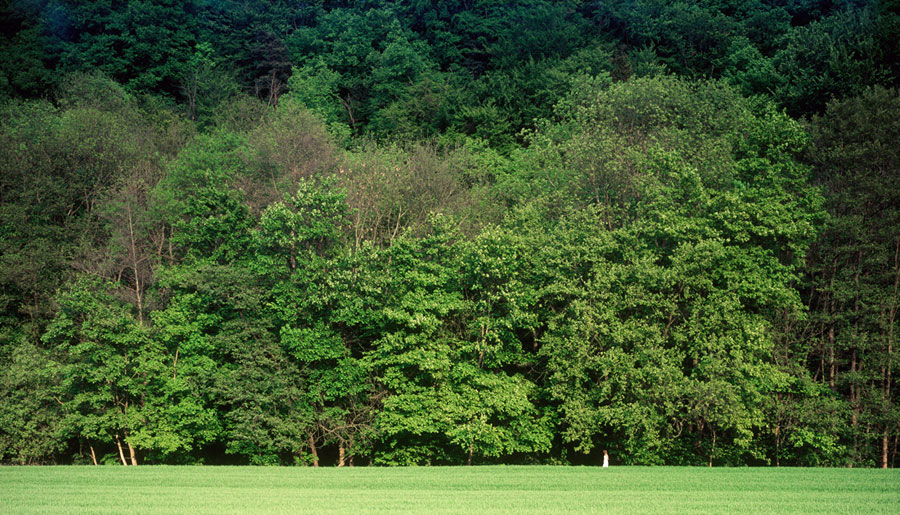
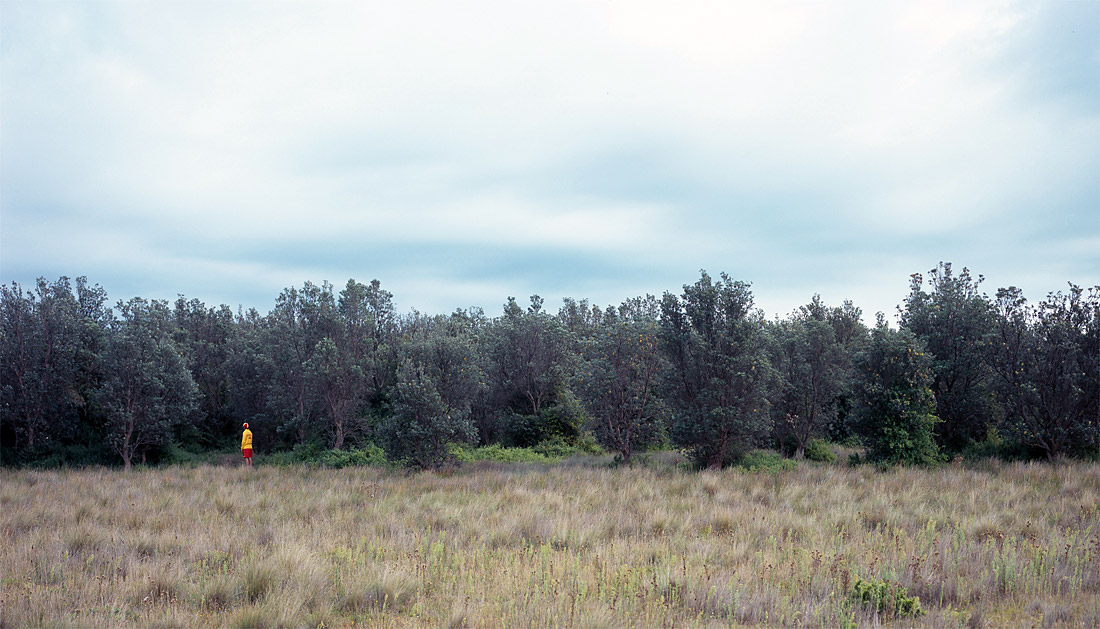
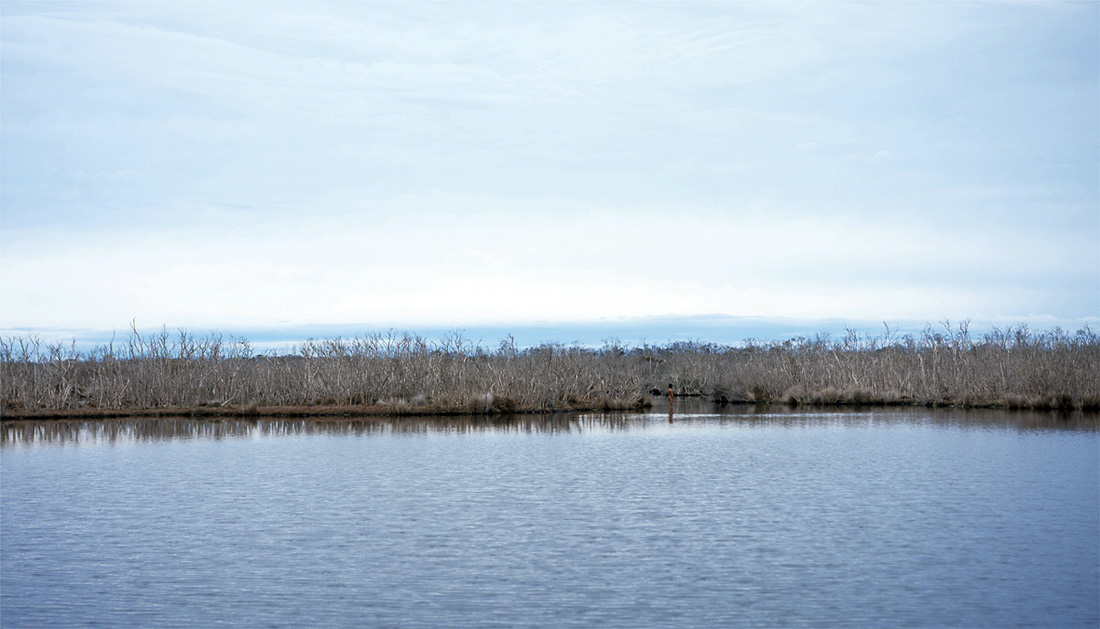
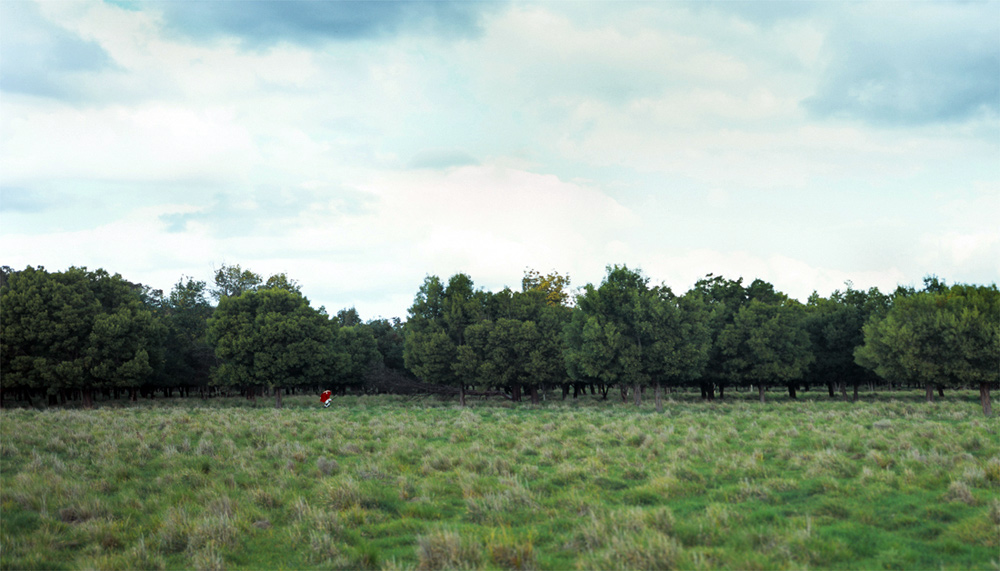
David Ashley Kerr (Australian, b. 1986) I hear the River
2009
Lightjet photographic print
80 x 140cm
Congratulations to David-Ashley Kerr on his first solo exhibition: the photographs and concept are very interesting.
Marcus
Many thankx to David for allowing me to publish the photographs in the posting. Please click on the photographs to see a larger version of the image.
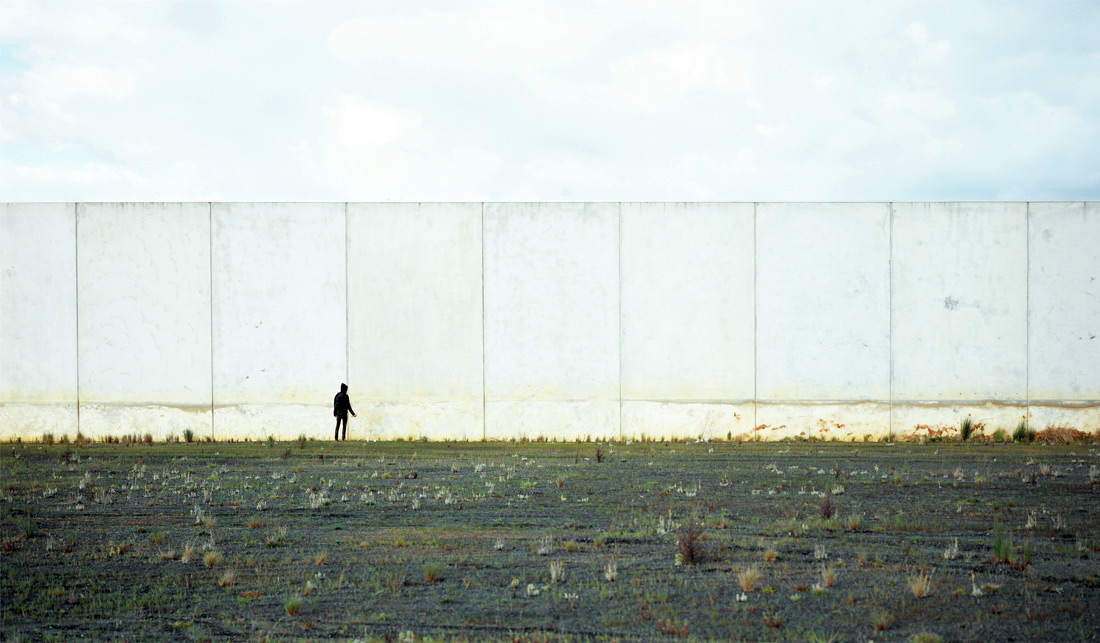
David Ashley Kerr (Australian, b. 1986) I hear the Sea
2010
Lightjet photographic print
80 x 140cm
David Ashley Kerr (Australian, b. 1986) I hear the Wind
2010
Lightjet photographic print
80 x 140cm
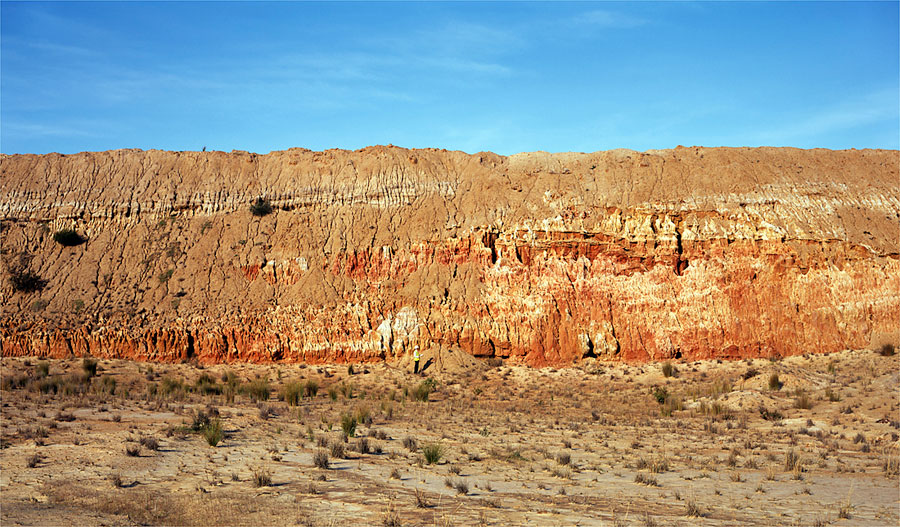
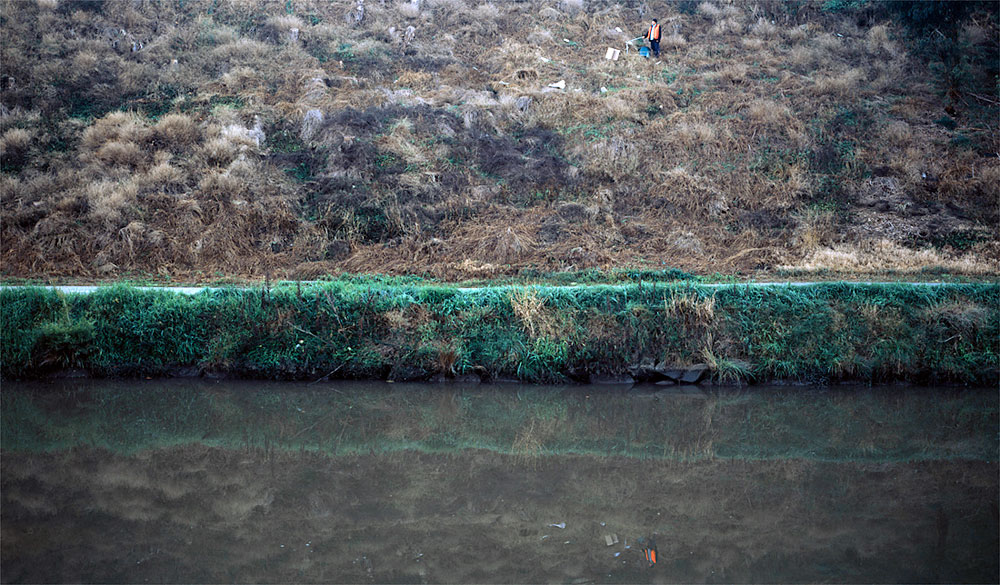
Although rückenfigur is popularly associated with the German romantic painter Caspar David Friedrich, its appearances in art very much pre-date his time. Early forms of it were attributed to Giotto but it became a more substantial style in the 15th century, creeping into the works of painters such as Jan van Eyck and later with Allaert van Everdingen and Jan Luiken.
Often these uses were simply to direct the viewer to behold the landscape in the scene. Friedrich’s approach transfigured this into a different concept, sometimes referred to as “the halted traveller”, where the lonely wanderer has appeared to have been “stopped” by the view of the landscape. This implies to us as a viewer that there is perhaps more to the landscape than we see, but those thoughts may remain unknown to us… privately contained in the mind of the rückenfigur in the scene.
It appears to me that in looking at rückenfigur art, there are two distinct thematic conveyances. The first is the aforementioned “halted traveller” lost in the contemplation of the landscape. In gazing upon the landscape, the rückenfigur is quite separate from the scene being viewed. Although s/he is anonymous and without identity, there is still a distinct identity from that of the landscape.
The second appears, to me at least, to be quite the opposite. Another form of rückenfigur seems to be where the figure(s) are distantly placed deep within the landscape itself. You’ve still got “back figures” in contemplation, but the composition makes them part of the landscape rather than separate. While we still identify with them as a viewer, the identity of the figures are very much subsumed into the grandeur of the landscape, maybe even biblically so.
David Ashley Kerr (Australian, b. 1986) I hear Them
2010
Lightjet photographic print
80 x 140cm
David Ashley Kerr (Australian, b. 1986) Territory
2010
Lightjet photographic print
80 x 140cm
David Ashley Kerr is a Melbourne based visual artist working with large-format photography. This is his first Australian solo show, a selection of landscape studies completed since 2009 that began as a photographic investigation of the Rückenfigur, or back figure. This visual device is commonly associated with German Romantic painter Caspar David Friedrich. It involves depicting a human figure that does not engage the viewer, introspectively contemplating the natural world or landscape before them.
David Ashley Kerr’s photographic practice is a visual inquiry into the relationship between cultural identity and physical environment, site, or place. He currently investigates the use of a staged lone figure in contemporary landscape photography, attempting a symbolic representation of belonging to ‘place’ in a national context, in relation to both indigenous and non-indigenous Australian ownership and connection to land.
David Ashley Kerr completed a Bachelor of Contemporary Art at Deakin University (2009) and a Master of Fine Art at RMIT University (2010). He is currently undertaking a PhD at Monash University on an Australian Postgraduate Award Scholarship, his research inquiring into place theory through photography, investigating the visual relationship between Australian cultural identity and physical environment.
Text from the Dear Patti Smith website
David Ashley Kerr (Australian, b. 1986) Ore
2010
Lightjet photographic print
80 x 140cm
David Ashley Kerr (Australian, b. 1986) Trash
2010
Lightjet photographic print
80 x 140cm
David Ashley Kerr (Australian, b. 1986) Game
2009
Lightjet photographic print
80 x 140cm
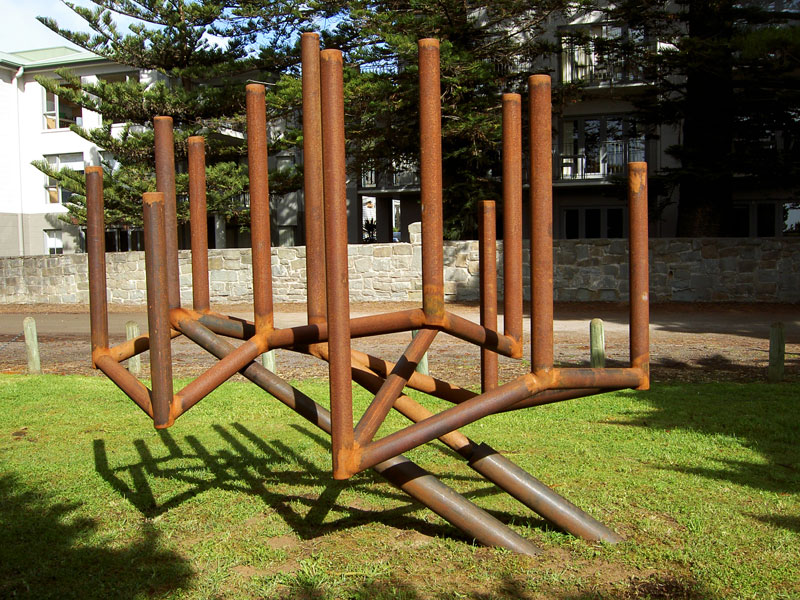
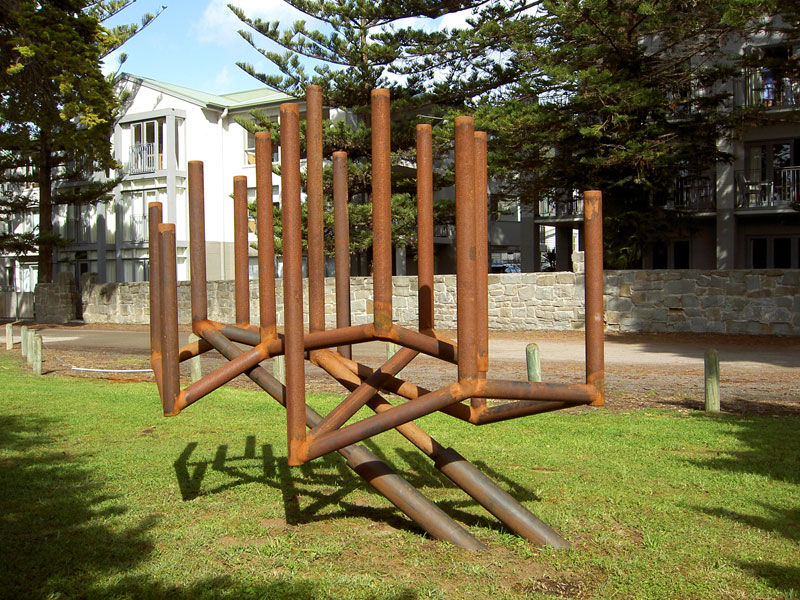
Fredrick White (Australian) Everything
2011
steel
210 x 120 x 250cm
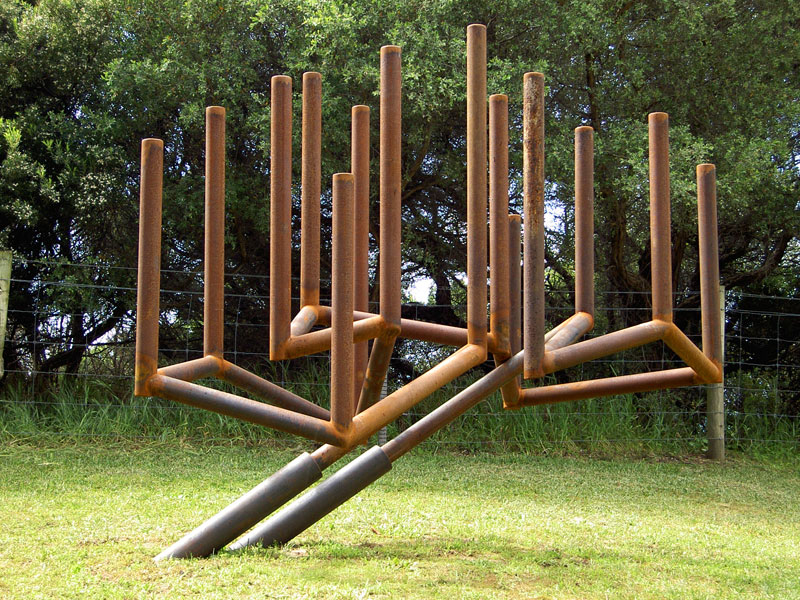
A new sculpture by Fredrick White is appearing in the Lorne Sculpture Prize (now Biennale) which opened on the 16th October and continues until 5th November, 2011. The work continues the artist’s exploration into the matrix of what is seen and not seen, what lies above and below.
Dr Marcus Bunyan
Please click on the photographs for a larger version of the image.
Fredrick White (Australian) Everything
2011
steel
210 x 120 x 250cm
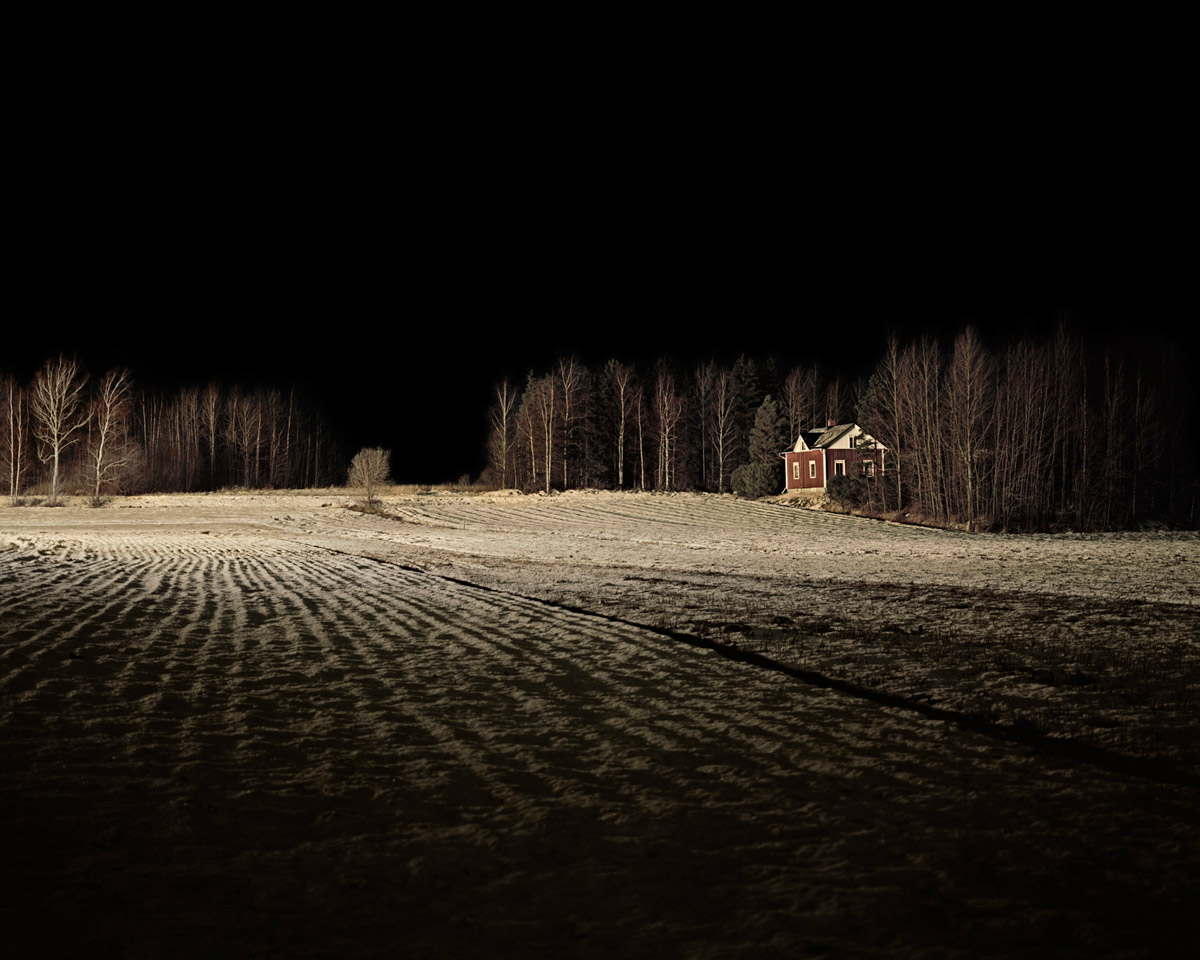
Martina Lindqvist (Finland, b. 1981) Untitled 1
2011
From the series A Thousand Little Suns
This end of the world will occur without noise, without revolution, without cataclysm. Just as a tree loses leaves in the autumn wind, so the earth will see in succession the falling and perishing all its children, and in this eternal winter, which will envelop it from then on, she can no longer hope for either a new sun or a new spring. She will purge herself of the history of the worlds. The millions or billions of centuries that she had seen will be like a day. It will be only a detail completely insignificant in the whole of the universe. Presently the earth is only an invisible point among all the stars, because, at this distance, it is lost through its infinite smallness in the vicinity of the sun, which itself is by far only a small star. In the future, when the end of things will arrive on this earth, the event will then pass completely unperceived in the universe. The stars will continue to shine after the extinction of our sun, as they already shone before our existence. When there will no longer be on the earth a sole concern to contemplate, the constellations will reign again in the noise as they reigned before the appearance of man on this tiny globule. There are stars whose light shone some millions of years before we arrived … The luminous rays that we receive actually then departed from their bosom before the time of the appearance of man on the earth. The universe is so immense that it appears immutable, and that the duration of a planet such as that of the earth is only a chapter, less than that, a phrase, less still, only a word of the universe’s history.
Camille Flammarion, Le Fin du Monde (The End of the World) 1893
Many thankx to Martina Lindqvist for allowing me to publish the six photographs in this series. Please click on the photographs for a larger version of the image.
Martina Lindqvist (Finland, b. 1981) Untitled 2
2011
From the series A Thousand Little Suns
Martina Lindqvist (Finland, b. 1981) Untitled 3
2011
From the series A Thousand Little Suns
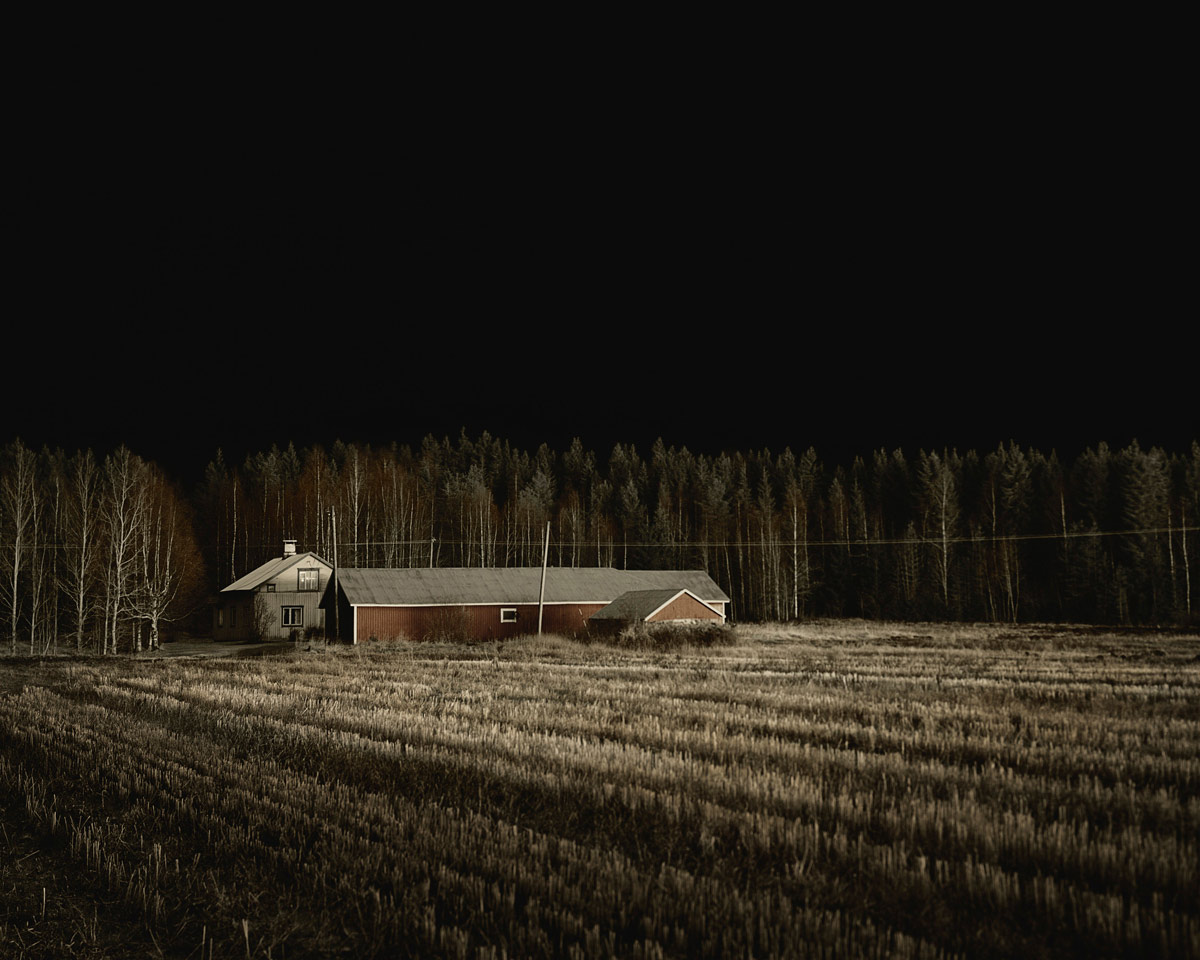
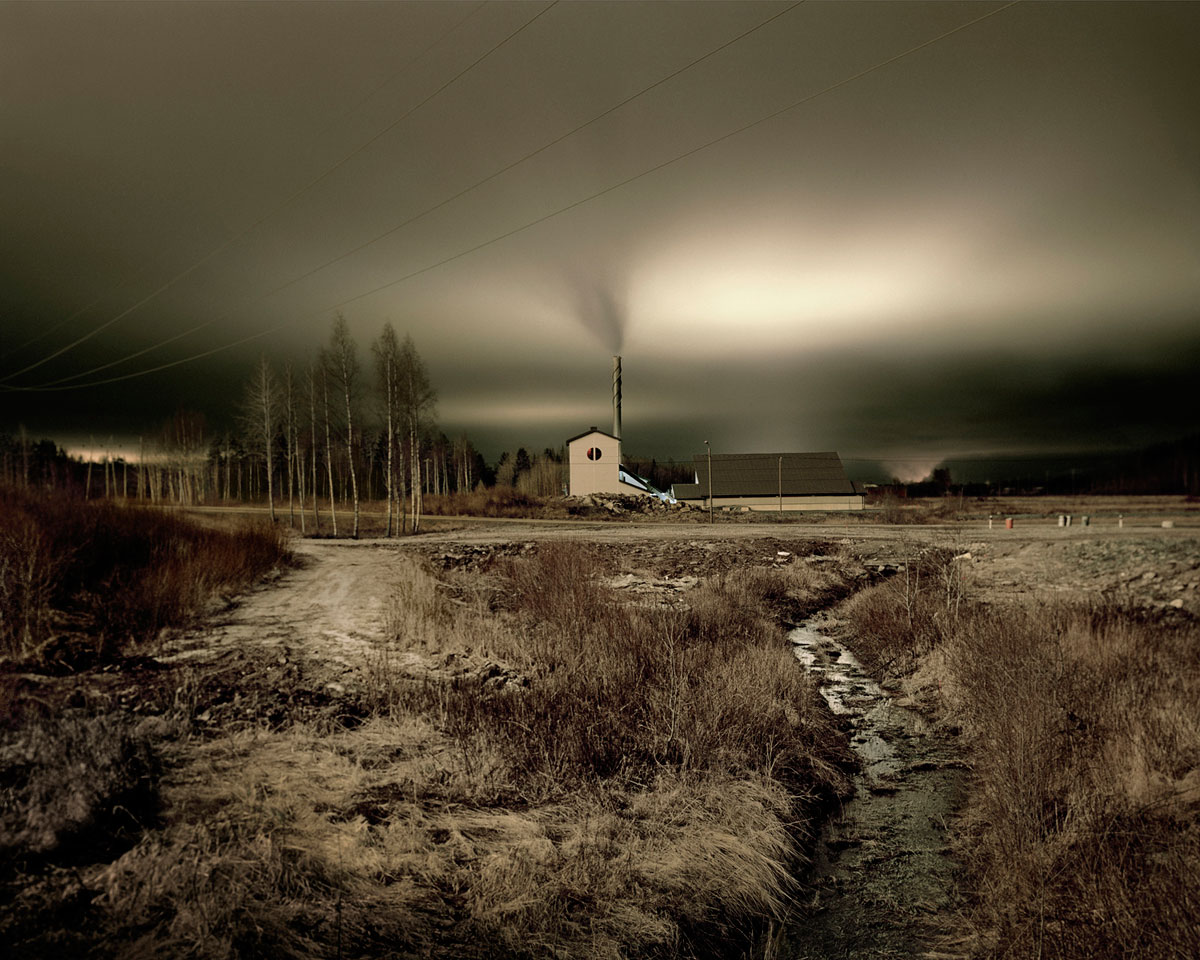
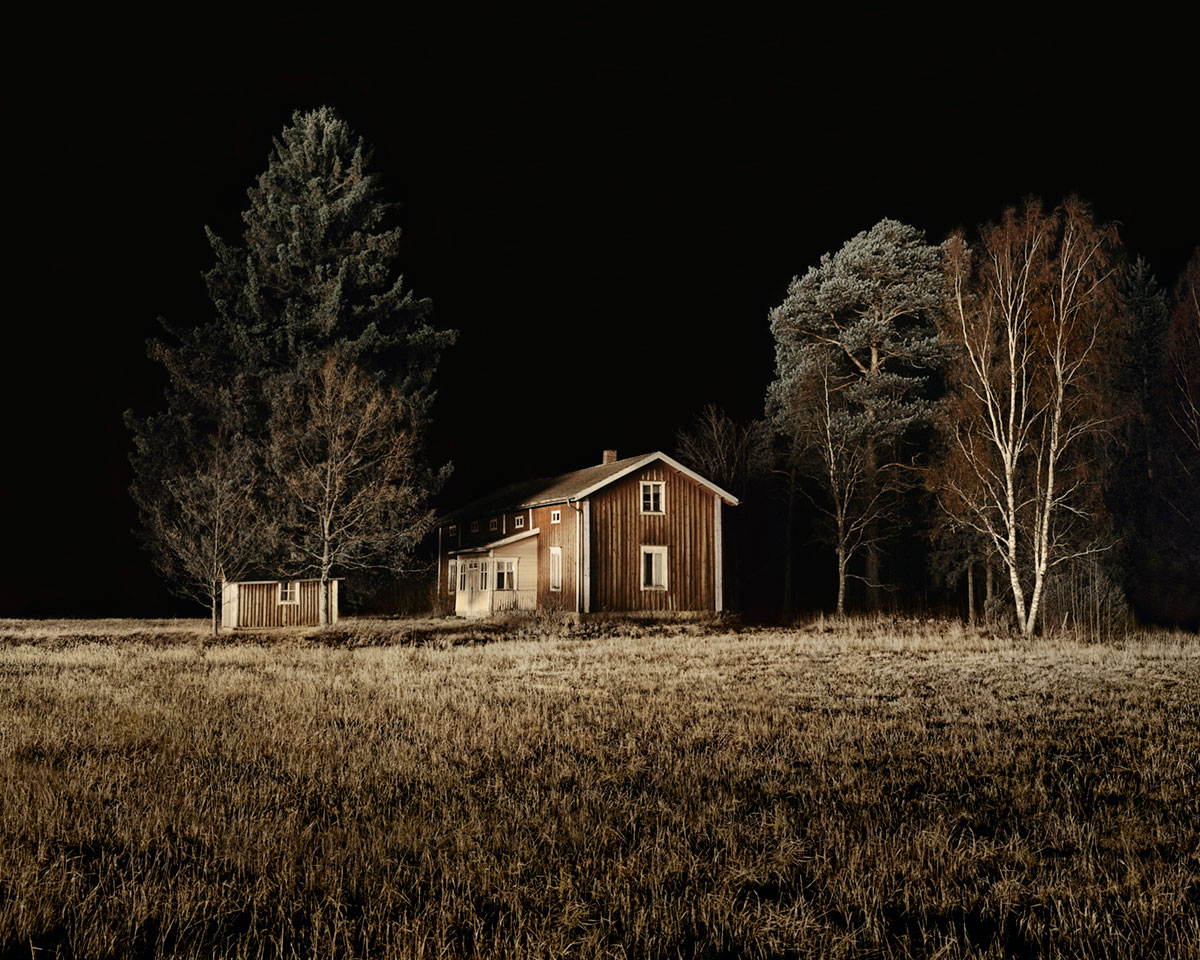
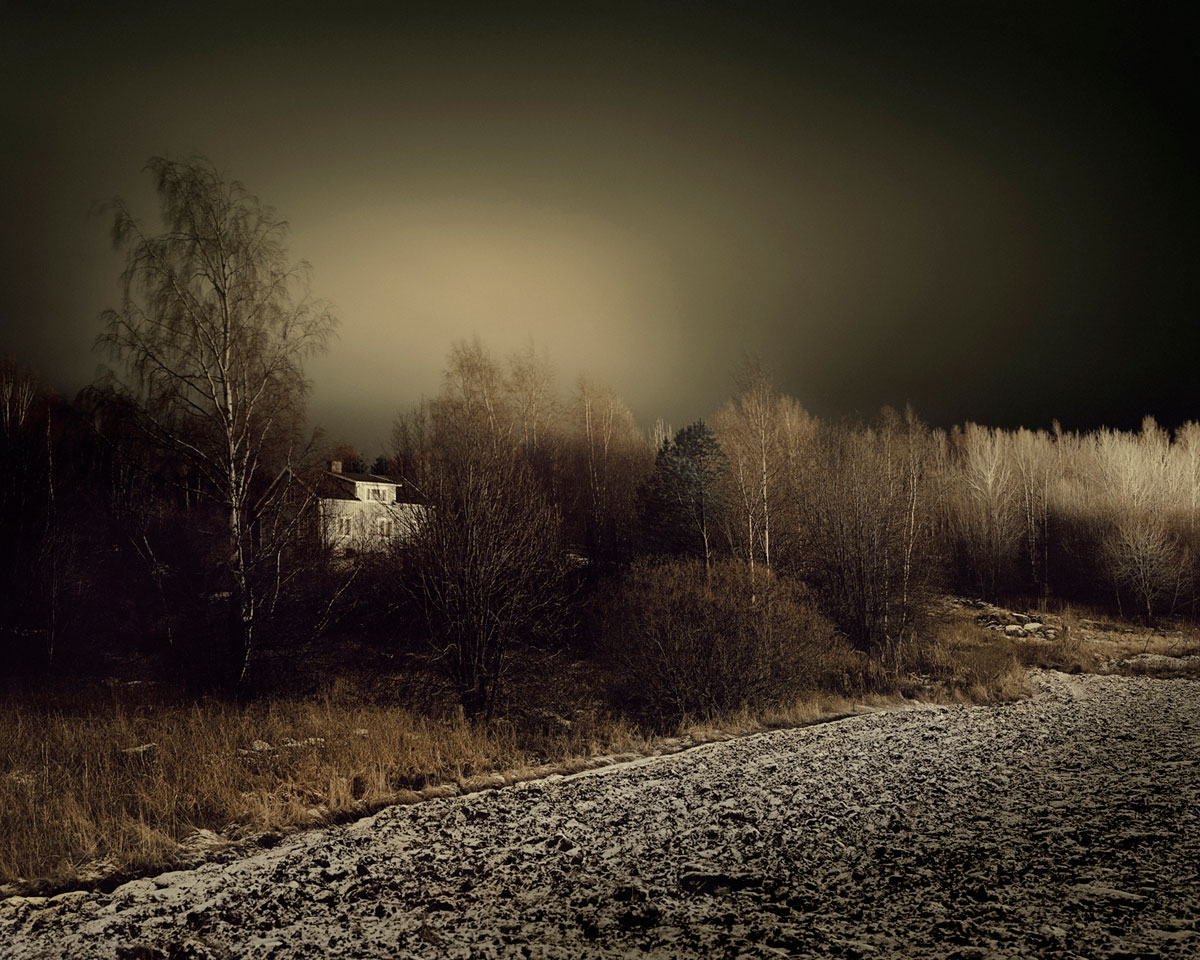
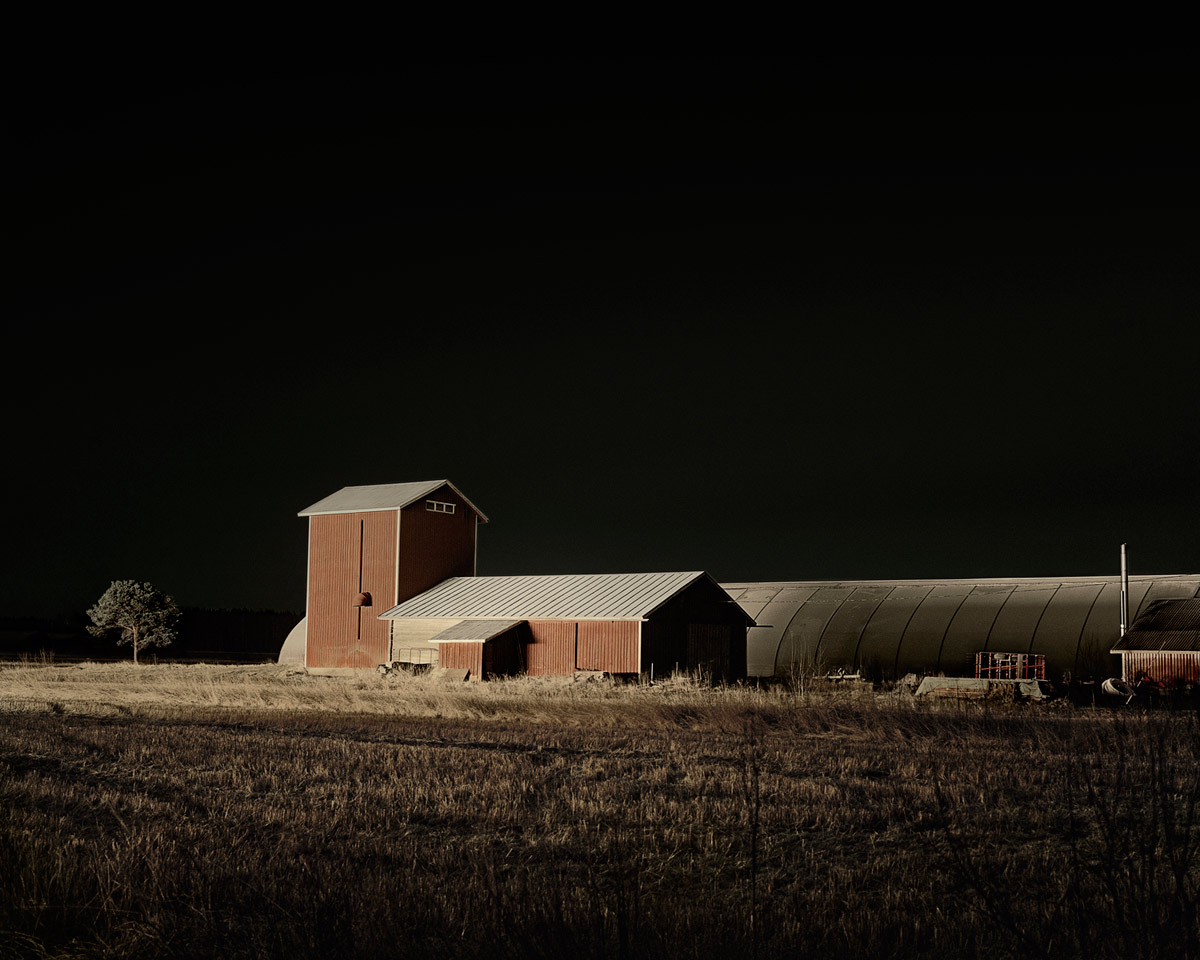
A Thousand Little Suns is an autobiographical body of work that uses childhood landscapes as metaphor for human experience, and is further influenced by an interest in spatial psychology, or more precisely, the emotive effects of landscapes and forested wilder land. Marcault and Therese Brosse once wrote that “forests, especially, with the mystery of their space prolonged indefinitely beyond the veil of tree-trunks and leaves, space that is veiled for our eyes … are veritable psychological transcendents.” Forests, in spite of being the most natural of spaces, are truly unnatural for the cultured human being. Soon, if we don’t know where we are going we no longer know where we are, and standing on the brink of a forest always represents this possibility of going deeper and deeper into the unknown.
A Thousand Little Suns takes a contemplative look on the landscape of Ostrobothnia in central Finland, which during the autumn and winter months should be shrouded by an impenetrable darkness, but instead finds itself lit by a thousand glowing lights. Shining upon uneasy buildings trapped in the middle of darkness and light; forestation and cultured space, these ephemeral lights place the border with its inherent dialectical problematic of inside / outside in focus. The concept of the border is thus echoed in the structural quality of the land; in the patches of light with their opposing darkness, and is a reflection of the experience of an inherited yet closed off culture that was always seen through the eyes of a visitor.
Martina Lindqvist 2011
Martina Lindqvist (Finland, b. 1981) Untitled 4
2011
From the series A Thousand Little Suns
Martina Lindqvist (Finland, b. 1981) Untitled 5
2011
From the series A Thousand Little Suns
Martina Lindqvist (Finland, b. 1981) Untitled 6
2011
From the series A Thousand Little Suns
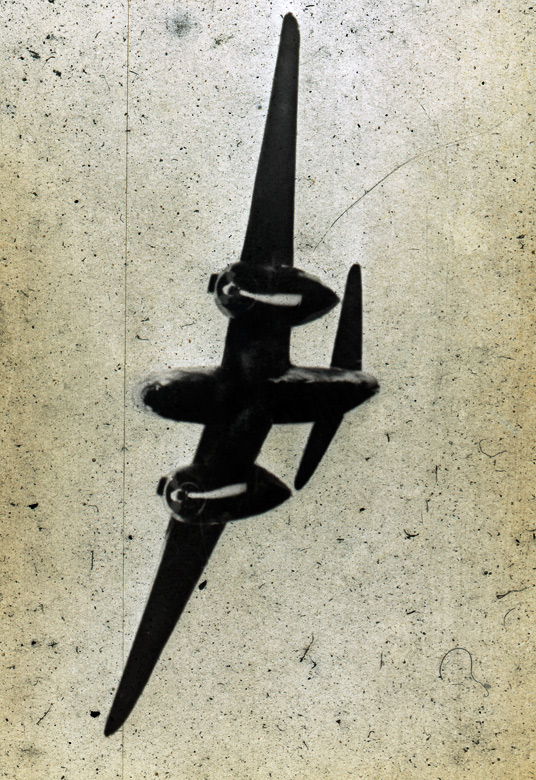
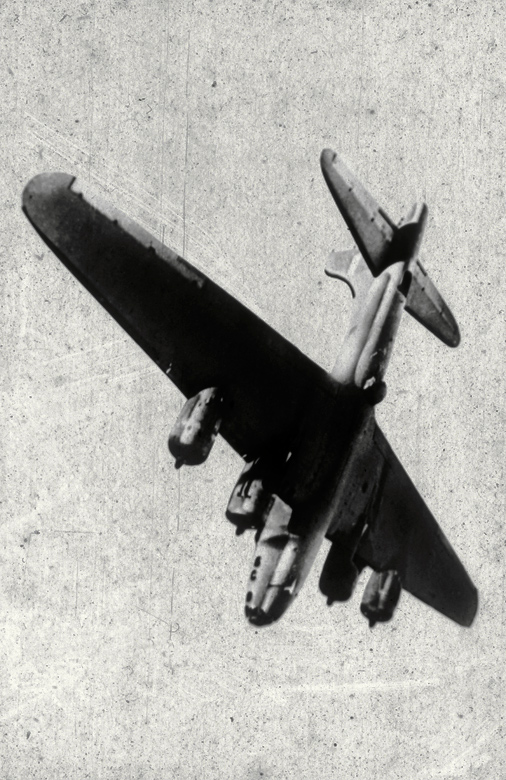
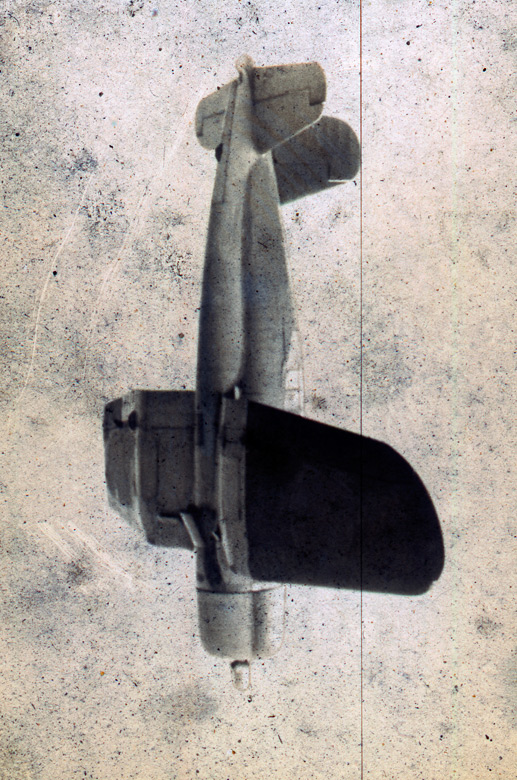
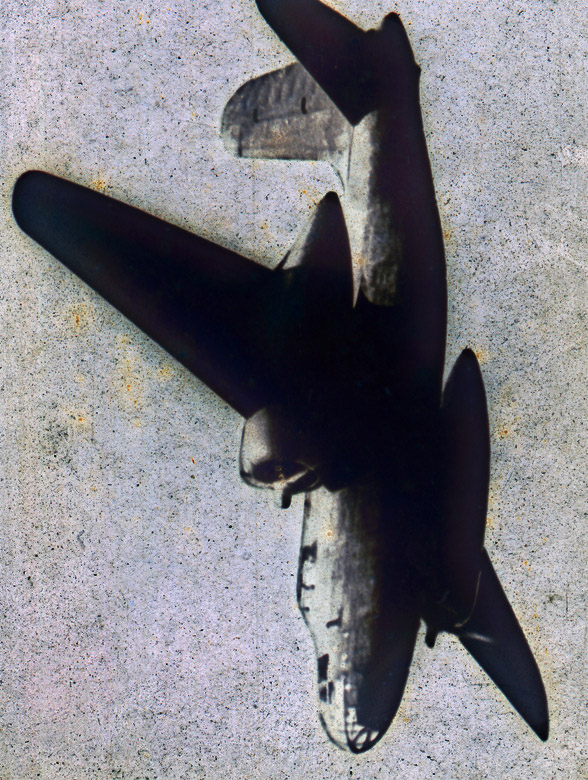
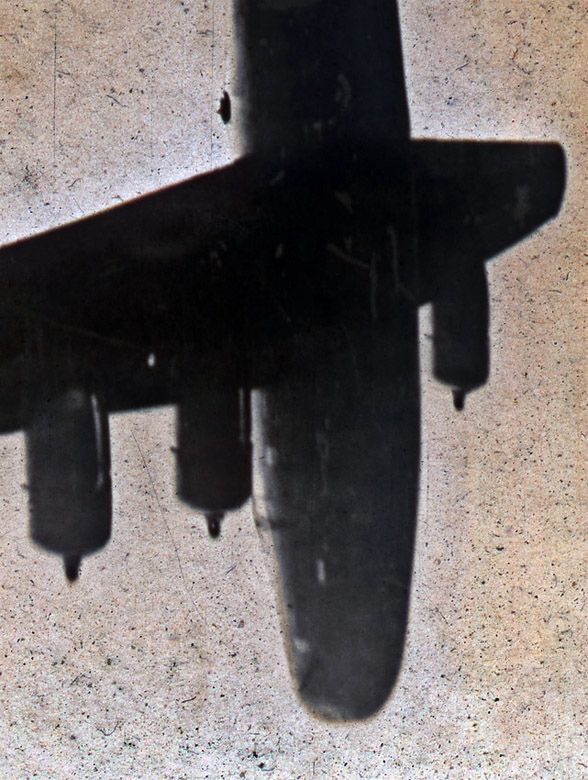
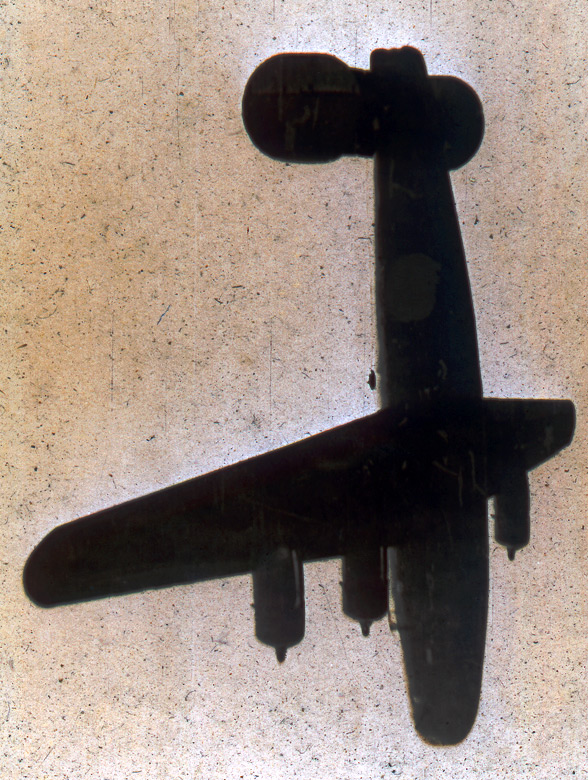
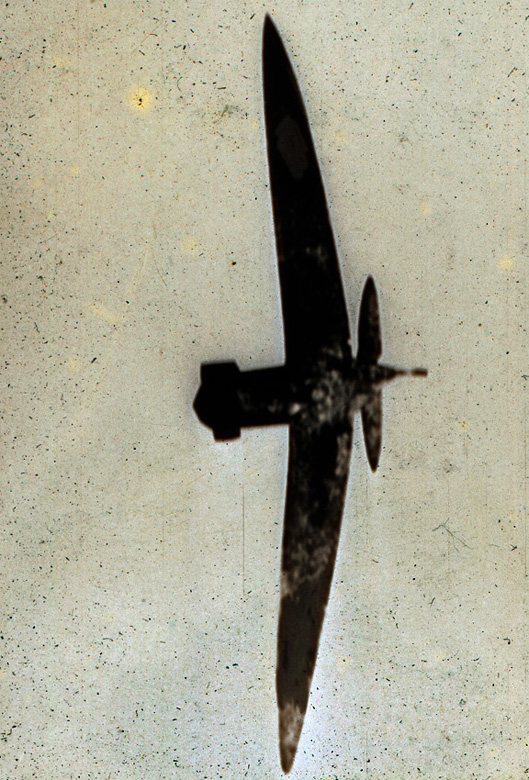
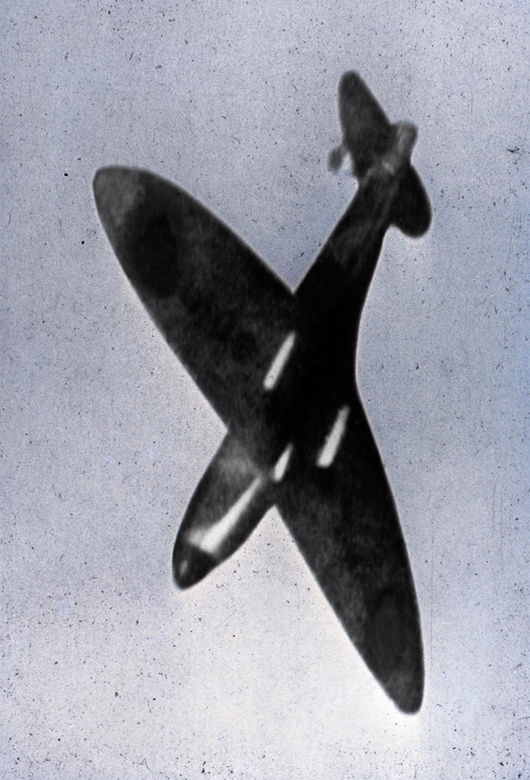
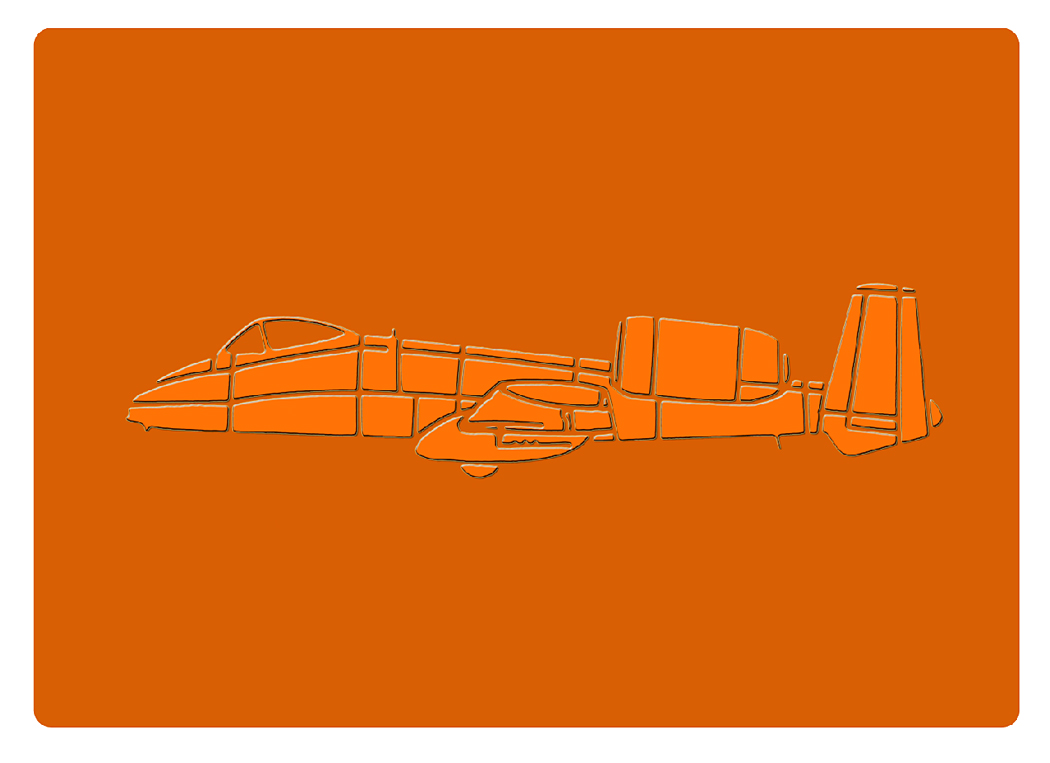
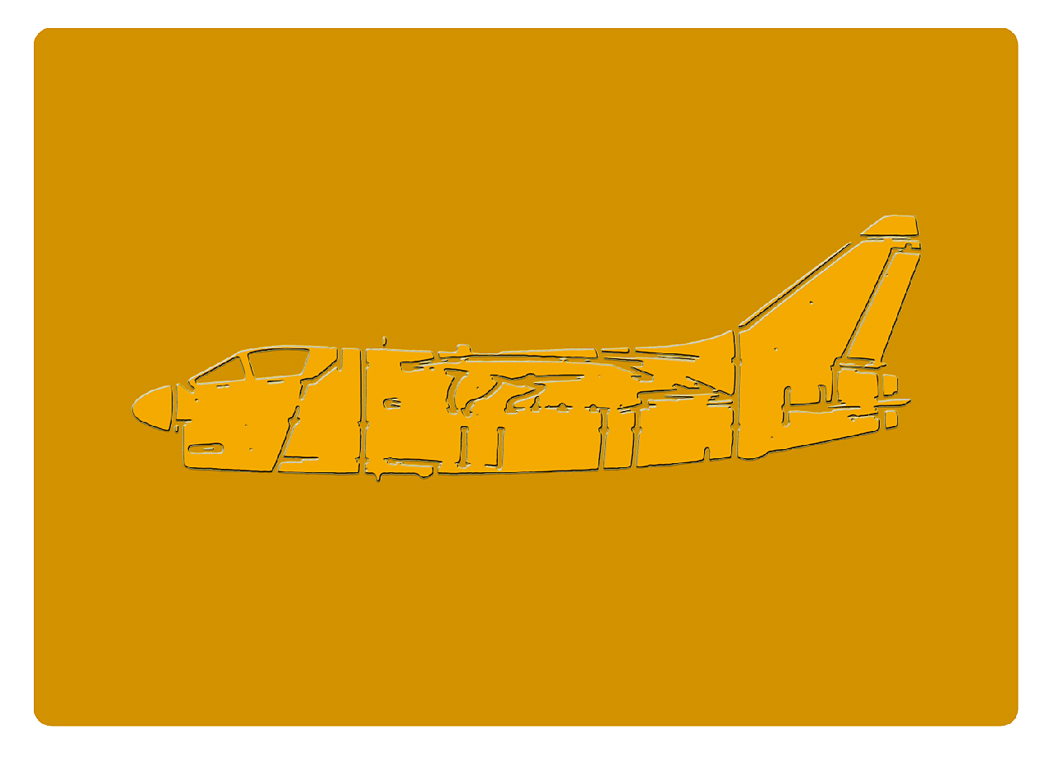
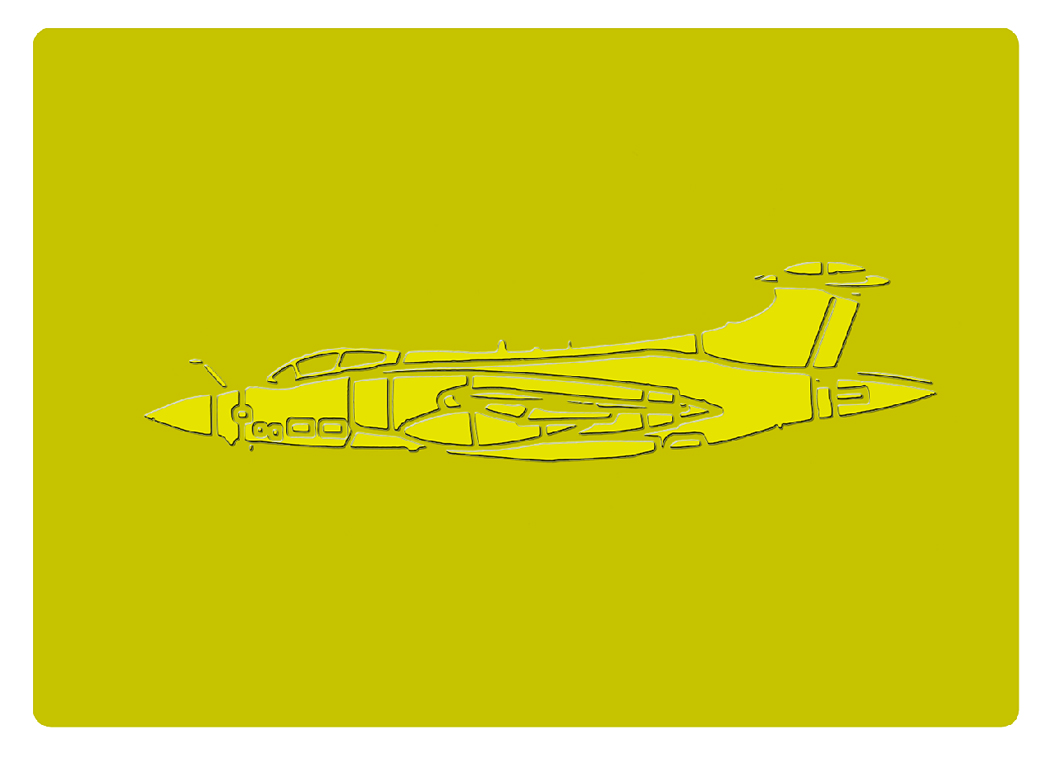
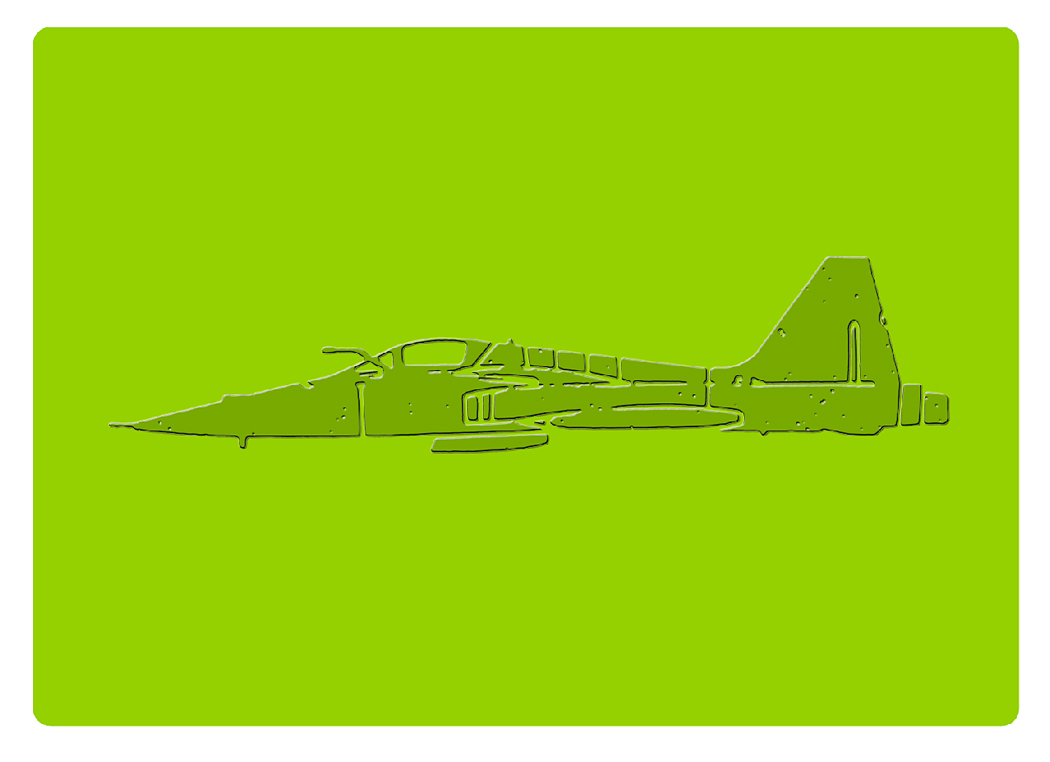
Marcus Bunyan (Australian, b. 1958) Untitled 2011 From the series The Symbolic Order (cartes de visite) Digital photograph
The body of work The Symbolic Order (cartes de visite) 2011 is now online on my website. There are 23 images in the series of modulated fighter aircraft recognition cards that cycle through the colour wheel. Below is a selection of images from the series.
I hope you like the work!
Marcus
Please click on the photographs for a larger version of the image.
Photographs are available from this series for purchase. As a guide, a digital colour 16″ x 20″ costs $1000 plus tracked and insured shipping. For more information please see my Store web page.
All photographs: Untitled from the series The Symbolic Order (cartes de visite) 2011 by Marcus Bunyan



















 Art Blart _ art and cultural memory archive
You must be logged in to post a comment.