While I haven’t physically seen this exhibition – according to Rijksmuseum “the Netherlands’ first major survey exhibition of American photography… the first comprehensive survey of American photography in Europe … reflect[ing] the rich and multifaceted history of photography in the United States. The exhibition presents the country as seen through the eyes of American photographers, and shows how the medium has permeated every aspect of our lives: in art, news, advertising and everyday life” – you can glean a lot about an exhibition from the installation photographs.
The feeling I get from the installation photographs is of a particularly meagre offering – gallery halls with minimal photographs, huge empty spaces (just look at the installation photograph Curio box made of cigarette packets with portraits of roommates, late 1960s below) – and to then consider this is supposed to be “the first comprehensive survey of American photography in Europe” and reflect the large photographic holdings of the Rijksmuseum. Really? You wouldn’t really know it from looking at “the show”.
Perhaps the problem stems from the rationale of the exhibition:
“There is no hierarchy to the selection. A sequence of rooms present numerous fields – portraiture, landscape, advertising work, art photography – like chapters in a novel. “We tried to find surprising images and things we’ve never seen before,” says Boom. The result is a broad mix, shaped with co-curator Hans Rooseboom, of anonymous photography, commercial work, news coverage, medical prints and propaganda, presented in tandem with masterpieces such as Robert Frank’s enigmatic picture of a woman watching a New Jersey parade in 1955, her face partially obscured by an unfurled Stars and Stripes.”1 (see below)
The phrase “a broad mix” says it all: a mishmash of anonymous photography, commercial work, fine art photography, the political power of photography, photographs on racism, war, etc., … taking on too much in one exhibition (the American landscape is largely absent from the walls), proclaiming to be a comprehensive survey of American photography. An impossible task.
“The exhibition has deliberately departed from a “top 100” approach, Rooseboom [one of the curators] adds, stating “that would have been too easy”.”2
Easy to say (and move away from) but not easy to do…
What I feel is lacking in this subjective selection (all exhibitions are subjective) is the focused “energy” present in American photography radiating from the wall – the energy that documents and imagines the growth of a nation and the passion of the artists that capture that energy.
Where is, for example, the passion of Sally Mann’s photographs of the American South, the New York buildings of Berenice Abbott, George Dureau’s portraits of friends and amputees in New Orleans, the narrative stories of Duane Michals or the darkness / otherness that has always been present from the very start in American photography. In the selection in the posting, the photographs of Robert Frank (a foreigner, whose photographs of America were reviled when they were first published) and Nan Goldin (photographs of counter culture America) come closest to this alternate perspective, both outsiders from the main stream point of view.
Thus, while there are some interesting photographs in the exhibition it’s all too ho hum for me, perhaps a “vapour” of something almost brought into consciousness.
Many thankx to the Rijksmuseum for allowing me to publish the photographs in the posting. Please click on the photographs for a larger version of the image.
Installation view of the exhibition American Photography at Rijksmuseum, Amsterdam showing at right photographs by Robert Frank (below) Photo: Rijksmuseum/Olivier Middendorp
Robert Frank (Swiss, 1924-2019) City fathers – Hoboken, New Jersey 1955 Gelatin silver print
Robert Frank (Swiss, 1924-2019) Parade – Hoboken, New Jersey 1955 Gelatin silver print
Robert Frank (Swiss, 1924-2019) U.S. 91, Leaving Blackfoot, Idaho 1956 Gelatin silver print
Robert Frank (Swiss, 1924-2019) New York City 1955 Gelatin silver print
Rijksmuseum moves you to The American Dream. To the real American. To unexpected recognition. The Rijksmuseum is staging the Netherlands’ first major survey exhibition of American photography.
The more than 200 works on display in American Photography reflect the rich and multifaceted history of photography in the United States. The exhibition presents the country as seen through the eyes of American photographers, and shows how the medium has permeated every aspect of our lives: in art, news, advertising and everyday life.
Over the past decades the Rijksmuseum has been assembling a collection of American photographic work. This is the first time we are exhibiting photographs from the collection, alongside loaned works from American, Dutch and other European collections. This show includes iconic photographs by the likes of Sally Mann, Robert Frank, Lisette Model, Nan Goldin, Richard Avedon, Andy Warhol, Paul Strand, Diane Arbus and James Van Der Zee, as well as surprising images by unknown and anonymous photographers.
Text from the Rijksmuseum website
Installation view of the exhibition American Photography at Rijksmuseum, Amsterdam showing in the bottom image at left, Sally Mann’s Jessie #34 (2004, below); at second left, Chuck Close’s Phil [Photo Maquette of Philip Glass] (1969, below); and at third right, László Moholy-Nagy’s Parking lot in Chicago, 1938 (1938, below) Photo: Rijksmuseum/Olivier Middendorp
Sally Mann (American, b. 1951) Jessie #34 2004 Gelatin Silver enlargement print from 8 x 10 in. collodion wet-plate negative, with Soluvar matte varnish mixed with diatomaceous earth
László Moholy-Nagy (Hungarian, 1895-1946) Parking lot in Chicago, 1938 1938 Gelatin silver photograph 23.8 × 33.8cm
Installation view of the exhibition American Photography at Rijksmuseum, Amsterdam showing the work of Nan Goldin from The Ballad of Sexual Dependency (below) Photo: Rijksmuseum/Olivier Middendorp
Nan Goldin (American, b. 1953) Cookie with Me After Being Hit at the SPE Conference, Baltimore, MD, 1986 1986
Nan Goldin (American, b. 1953) Cookie and Vittorio’s Wedding: The Ring, NYC, 1986 1986
Nan Goldin (American, b. 1953) Cookie in the Bathroom at Hawaii 5.0, NYC, 1986 1986
The Rijksmuseum presents the first comprehensive survey of American photography in Europe. With more than 200 works spanning three centuries, American Photography will be an exploration of the rich and multifaceted history of photography in the United States, showing how the medium has permeated every aspect of our lives: in art, news, advertising and everyday life.
Over the past decade, the Rijksmuseum has built an extensive collection of American Photography. This exhibition is the first ever presentation of Rijksmuseum’s collection, which will be shown together with loans from over 30 collections in the United States, the Netherlands and other European countries. Works by icons including Sally Mann, Robert Frank, Lisette Model, Nan Goldin, Richard Avedon, Andy Warhol, Paul Strand, Diane Arbus and James Van Der Zee will be on view alongside eye-opening photographs by unknown and anonymous photographers.
The exhibition is possible by Rijksmuseum’s major partnership with Baker McKenzie. American Photography runs from 7 February to 9 June 2025. Concurrently with American Photography, Carrie Mae Weems’s 2021 series Painting the Town will be on show in the Rijksmuseum’s photography gallery.
American Photography will give picture of the country through the eyes of American photographers, showing the country in all its complexity. The exhibition takes themes such as the American dream, landscapes and portraiture to trace how photographers increasingly reflected on changes and events in their country. A major topic of the show is photography’s evolution as an art form, from 19th-century daguerreotypes of frost flowers on a window to the work of Paul Strand, Charles Sheeler, Sally Mann, Irving Penn, Dawoud Bey and Sarah Sense. Another important theme is how photography has grown to be a part of everyday life, which is demonstrated by family portraits, advertisements, postcards, gramophone record covers and more.
Press release from Rijksmuseum
Installation view of the exhibition American Photography at Rijksmuseum, Amsterdam showing in the bottom photograph at right, Jocelyn Lee’s Julia in Greenery (2005, below) Photo: Rijksmuseum/Olivier Middendorp
Jocelyn Lee (American, b. 1962) Julia in Greenery 2005 Archival Pigment Print 20 × 24 in | 50.8 × 61cm
Installation view of the exhibition American Photography at Rijksmuseum, Amsterdam showing in the display case, Curio box made of cigarette packets with portraits of roommates, late 1960s (below) Photo: Rijksmuseum/Olivier Middendorp
Curio box made of cigarette packets with portraits of roommates, late 1960s Wood, handwoven cigarette packets, gelatin silver prints 140 x 110 x 195 mm Collection of Daile Kaplan, Pop Photographica, New York Photo: Andy Romer Photography, New York
Installation view of the exhibition American Photography at Rijksmuseum, Amsterdam showing at left, Diane Arbus’ A young man in curlers at home on West 20th St., N.Y.C. 1966 (1966, below); and at second left, Ming Smith’s America Seen Through Stars and Stripes, New York City (1976, below) Photo: Rijksmuseum/Olivier Middendorp
Diane Arbus (American, 1923-1971) A young man in curlers at home on West 20th St., N.Y.C. 1966 1966 Gelatin silver print
Ming Smith (American, b. 1951) America Seen Through Stars and Stripes, New York City 1976 Gelatin silver print 318 x 470 mm Virginia Museum of Fine Arts, Richmond (VA) Adolph D. and Wiliams C. Williams Fund
In the post-war years, mass immigration to the US brought new ways of thinking. the US took over from Europe as a cultural trendsetter, and photography was eventually accepted as an art form. Playful approaches to photography emerged, moving beyond documenting people and places to provoking emotion and inviting deep questions. Ming Smith’s America Seen Through Stars and Stripes (1976), created on the bicentenary of the Declaration of Independence, turns again to the flag inviting America to reflect on its history. By placing a figure in mirrored sunglasses in front of a shop window, she creates a disorientating mesh of reflective surfaces. The grid structure suggests incarceration but – in combination with the round glasses and the stars on the flag – also creates an abstract composition reminiscent of modern art. “She’s a careful observer, playing with all these layers in the image,” says Boom.
Smith explores the artistic potential of photography, experimenting with double-exposure, shutter speed and collage. In one version of this image, she paints on bold red stripes, altering this snapshot of the US with marks that resemble blood or flames. Smith’s work builds on the civil rights movement that preceded it and features activists such as James Baldwin and Alvin Ailey. She was the first woman to join the African-American photography collective the Kamoinge Workshop and the first black woman to have her work acquired by the Museum of Modern Art (MoMA). Yet her demographic was largely overlooked by the art world. “I worked to capture black culture, the richness, the love. That was my incentive,” she told the Financial Times in 2019. “It wasn’t like I was going to make money from it, or fame – not even love, because there were no shows.”
Henry Fitz Jnr (American, 1808-1863) Self-portrait 1840 Daguerreotype Smithsonian National Museum of American History, Washington (DC)
In 1840, using a self-made copper plate, Henry Fitz Jnr produced one of the world’s first selfies, his eyes gently closed to prevent any blinking from spoiling the result. In creating this striking blue image, he was doing more than record his appearance; he was also documenting America’s first essays into an art form that would tell its story in radical new ways.
Thomas Martin Easterly (American, 1809-1882) Chief Keokuk (Watchful Fox) 1847 Daguerreotype Missouri History Museum
Anonymous photographer View of a wooden house or barn with a man and a woman in front c. 1870-1875 Tintype 164 x 215 mm Rijksmuseum, Amsterdam
A 19th-Century tintype (an image made on a sheet of metal) featuring a man and woman in front of a rustic barn is a case in point. The image was probably sold on the spot by a travelling tin typist “for a modest price”, explains Rooseboom. “Many people had just arrived and were living in the countryside, no big city nearby, so this was the only possibility of having your portrait taken.” The man stands proud, looking at the camera, but the woman’s head is bowed and she is looking away. “Sometimes you can sense that people were simply not used to being photographed,” says Rooseboom. “Nowadays, we’ve seen in magazines and movies how to pose elegantly.” This may be the only time in their whole life that they would be photographed, and the result, adds Boom, “would hang on the wall of the house where they lived forever”.
Detroit Photographic Company Home of Rip Van Nd Rijksmuseum, Amsterdam
Bertha E. Jaques (American, 1863-1941) Tree – in Governor Gleghorn’s Place Honolulu 1908 Cyanotype 248 x 152 mm Rijksmuseum, Amsterdam, purchased with the support of Baker McKenzie
Walker Evans (American, 1903-1975) (photographer) (mentioned on object) A free country? This is America … Keep it Free! Nd Sheldon-Claire Company
United News Company (publisher) 12,000 Employees of the Ford Motor Company, Detroit, Mich. 1913 Postcard, relief halftone and colour lithography 88 × 137 mm Rijksmuseum, Amsterdam
… a 1913 postcard featuring 12,000 employees of the Ford Motor Company in Detroit may have been the “most expensive picture that was ever taken”, quipped a newspaper at the time, as the factory had to shut down for two hours to assemble the staff. The image, the company boasted, was “the largest specially posed group picture ever made” and illustrates a turning point where industry saw the value in investing large sums in promotional photography. Taken in the year when Ford introduced America’s first moving assembly line and the US had become the world’s largest economy, the photograph also depicts the mass production that would shape the country.
The image’s reappearance in Ford marketing also made it an early example of photoshopping. While the same tinted faces swarmed in the foreground, the number of employees cited in the caption increased exponentially, and a building to the left was cropped out in one version and acquired extra floors in another. “Apparently, many photographers and their publishers had no qualms about abandoning their medium’s potential for realism,” write Boom and Rooseboom in the exhibition catalogue.
Schadde Brothers Studio Display, sample or trade catalogue photograph for sweet manufacturer Brandle & Smith Co., c. 1915 Gelatin silver print with applied colour 288 x 240 mm Rijksmuseum, Amsterdam
Charles Sheeler (American, 1883-1965) Nude #3 1918-1919 Gelatin silver print 127 × 171 mm Museum of Fine Arts, Boston
… the New York portrait photographer James Van Der Zee was also embellishing his work, drawing jewellery on to his subjects and retouching their faces to erase dark lines and wrinkles. “I put my heart and soul into them and tried to see that every picture was better looking than the person,” he said. As a black photographer working from his Harlem studio at the height of the Harlem Renaissance, his work records a period when black migrants fleeing the segregationist South were forging a new life for themselves in the urban North. For the first time, African Americans and other minority groups could be photographed by someone inside their community, and represented in a way that uplifted them. Van Der Zee’s Portrait of an Unknown Man (1938), for example, is carefully posed to suggest confidence. The outfit is elegant and the buttonhole daisy adds a dandyish flourish. It’s an image that reflects the aspirations and upward mobility of African-American people and the pride Van Der Zee had in his culture.
Hy Hirsh (American, 1911-1961) Untitled (abstraction) c. 1950 Chromogenic print, 251 x 200 mm Rijksmuseum, Amsterdam Purchased with the support of Baker McKenzie
Anonymous photographer Family Standing beside their Car c. 1957-1960 Chromogenic print (Kodak Instamatic) 76 x 76 mm Rijksmuseum, Amsterdam
It is the Chinese-American community that is the focus of the work of Irene Poon, who grew up in San Francisco’s Chinatown, where her parents, first-generation immigrants from Guanghzou, ran a herbalist store. A 1965 image features Poon’s sister Virginia in a local sweet shop, crowded out by Hershey’s and Nestlé bars. The letters “Nest” peep out from the densely packed shelves, reinforcing a sense that she is enclosed by this mass of graphic lettering. Beside her head a “Look” bar competes for attention, hinting at that other ever-expanding role for American photography: advertising − a sector in which the US was a forerunner. “Many of the 20th-Century artists started in advertising. It’s part of art history,” Boom says. “This whole field already existed, and the arts, and photography as an art form, draws from it.”
Hulleah Tsinhnahjinnie (American, b. 1954) This is not a commercial, this is my homeland 1998 Platinum lambda print 476 x 609 mm Courtesy of the artist
The political power of photography is also seen in the work of Native American (Seminole-Muscogee-Navajo) photographer Hulleah Tsinhnahjinnie who uses the camera to correct misconceptions about Indigenous populations and to offer an alternative viewpoint on US history. “No longer is the camera held by an outsider looking in, the camera is held with brown hands opening familiar worlds,” she writes in a 1993 essay. “We document ourselves with a humanising eye, we create new visions with ease, and we can turn the camera and show how we see you.”
Tsinhnahjinnie’s captioning of a touristic image of Monument Valley, Arizona with This is not a commercial, this is my homeland highlights the commodification of American land, and uses what she calls “photographic sovereignty” to take us back to the very beginning and reclaim and retell the story of America. In combination with works such as Bryan Schutmaat’s Tonopah, Nevada (2012), which documents mining’s effect on the landscape of the American West, images like Tsinhnahjinnie’s tell a story of a beautiful land that means different things to different people: financial gain, security or a sacred space.
Bryan Schutmaat (American, b. 1983) Tonopah, Nevada 2012 Inkjet print 1017 x 1277 mm (printed 2021) Rijksmuseum, Amsterdam Purchased with the support of Baker McKenzie
Curators: the exhibition is curated by Karen Hellman, former associate curator in the Department of Photographs. Carolyn Peter, assistant curator in the Department of Photographs, Getty Museum, served as organising curator with assistance from Claire L’Heureux, former Department of Photographs graduate intern and Antares Wells, curatorial assistant
At left, Julia Margaret Cameron (British born India, 1815-1879) Florence after the Manner of the Old Masters 1872; and at right, Carrie Mae Weems (American, b. 1953) After Manet 2003
from the ‘Identity’ section of the exhibition
Magdalene Keaney, curator of the exhibition Francesca Woodman and Julia Margaret Cameron: Portraits to Dream In, observes that the exhibition “poses questions about how we might think in new ways about relationships between 19th and 20th century photographic practice…”
As does this exhibition:
~ Everything emerges from something. One must be “mindful of the origins and essence of photography.” (Moriyama)
~ History often repeats itself in different forms.
~ Memory often returns in fragmentary form.
~ The wisdom and spirit of the past speaks to the practitioners of the future.
Dr Marcus Bunyan
NB: Transubstantiation, an un/explainable change in form, substance, or appearance (from the Latin roots trans, “across or beyond,” and substania, “substance”)
Many thankx to the J. Paul Getty Museum for allowing me to publish the photographs in the website. Please click on the photographs for a larger version of the image.
The earliest photographs – often associated with small, faded, sepia-toned images – may seem to belong to a bygone era, but many of the conventions established during photography’s earliest years persist today. Organised around five themes dating back to the medium’s beginnings, this exhibition explores nineteenth-century photographs through the work of twenty-one contemporary artists. These interchanges between the first decades of the medium and the most recent invite us to reimagine nineteenth-century photography while exploring its complexities.
Text from the J. Paul Getty Museum website
“Ms. Hellman, a former associate curator, inspired by her work with the Bayard materials, conceived “Nineteenth-Century Photography Now” as a way to access the influence that early photographers still have. The exhibition includes work from the past by 23 named and three anonymous photographers plus an additional 16 included in an album; there are 21 present-day artists. It is organised around five themes: Identity, Time, Spirit, Landscape and Circulation. The picture that serves as an introduction to the show is “Untitled ‘point de vue'” (1827) by Joseph Nicéphore Niépce, a faded heliograph on pewter, that Daido Moriyama keeps a reproduction in his studio; the wall text quotes him saying, “it serves as a gentle daily reminder to be mindful of the origins and essence of photography.” There are two photographs by Mr. Moriyama prompted by Niépce’s bit of primitive technology.”
Julia Margaret Cameron (British born India, 1815-1879) Florence after the Manner of the Old Masters
1872
Albumen silver print Image: 34 × 25.6cm (13 3/8 × 10 1/16 in.) Mount: 43.3 × 32.4cm (17 1/16 × 12 3/4 in.)
The J. Paul Getty Museum, Los Angeles
Portrait of Florence Fisher posing with a rose stem with the leaves attached. She holds the rose in place with one arm folded across her chest.
The black and white photograph – one from the nine-part series May Days Long Forgotten – depicts four African American girls in summer dresses, with garlands in their hair, reclining on a lawn. The piece is mounted in a circular frame prepared by the artist, and is number five of an edition of eight.
Joseph Nicéphore Niépce (French, 1765-1833) Untitled ‘point de vue’
1827
Heliograph on pewter
16.7 x 20.3 x .15cm
The invention of photography was announced simultaneously in France and England in 1839, dazzling the public and sending waves of excitement around the world. These astonishing breakthroughs depended upon centuries of developments in chemistry, optics, and the visual arts, accelerating in the decades after 1790. The Niépce Heliograph was made in 1827, during this period of fervent experimentation. It is the earliest photograph produced with the aid of the camera obscura known to survive today.
Text from the Harry Ransom Center website
At left, André Adolphe-Eugène Disdéri (French, 1819-1889) Uncut Sheet of Cartes-de-Visite Portraits, 1860s; and at right, Paul Mpagi Sepuya (American, b. 1982) Daylight Studio with Garden Cuttings (_DSF0340) 2022
William Henry Fox Talbot (English, 1800-1877) [A Stem of Delicate Leaves of an Umbrellifer]
probably 1843-1846
Photogenic drawing negative Image: 18.1 × 22.1cm (7 1/8 × 8 11/16 in.)
The J. Paul Getty Museum, Los Angeles
The exceptional boldness of this image conveys a visual impression that at first may seem quite unlike other of William Henry Fox Talbot’s pictures. He made it with the same photogenic drawing process he used for much of his work by placing the stem of leaves directly on top of the prepared paper and then exposing to sunlight without the aid of a camera. Although the original plant was delicate, its sharply delineated white shadow on the rich dark brown background creates a graphic, two-tone effect. The same specimen was used in a slightly different orientation to make a negative that is preserved in one of the family albums formerly at the Fox Talbot Museum in Lacock and now at the British Library, London.
Other visually similar works in Talbot’s oeuvre help us to understand what we are seeing here. Some of them show the interior structure of the plant specimens he photographed, proving that the negatives at first had fuller details. Because the most vulnerable sections of the silver-based images are those that are light in tone, these areas will fade disproportionately faster than the darker parts. In this case, the lightest tones would have been in the interior spaces of the plant, and these at some point faded. It is unlikely that Talbot saw the same picture we see today, at least not when he first made it, but the boldness of the present state reminds us that changes over time can create as well as destroy.
“To look at Fox Talbot’s earliest experiments, the blurred and hazy images suffuse the excited anticipation of discovering how light could transfer the shape of things onto paper. … I decided to collect Fox Talbot’s earliest negatives, from a time in photographic history very likely before positive images existed, and print the photographs that not even he saw.”
~ Hiroshi Sugimoto (p. 349, in Hiroshi Sugimoto, Ostfildern-Ruit, 2005)
Hiroshi Sugimoto visited the Getty Museum in 2007 to study the earliest photographs in the collection. After photographing some of William Henry Fox Talbot’s photogenic drawing negatives, he produced large-scale prints and coloured them with toning agents to replicate the hues of the paper negatives. The scale of the enlarged prints reveals the fibers of the original paper, which create delicate patterns embedded in the images.
At left, Herbert Bell et al, [Amateur World Tour Album, taken with early Kodak cameras, plus purchased travel photographs by various photographers] (2 page spread); and at right, Stephanie Syjuco (American born Philippines, b. 1974) Herbaria 2021 (detail)
Herbert Bell (English, 1856-1946) Frederick Nutt Broderick (English, about 1854-1913) Gustave Hermans (Belgian, 1856-1934) Anthony Horner (English, 1853-1923) Michael Horner (English, 1843-1869) C. W. J. Johnson (American, 1833-1903) Léon & Lévy (French, active 1864-1913 or 1920) Léopold Louis Mercier (French, b. 1866) Neurdein Frères (French, founded 1860s, dissolved 1918) Louis Parnard (French, 1840-1893) Alfred Pettitt (English, 1820-1880) Francis Godolphin Osborne Stuart (British born Scotland, 1843-1923) Unknown maker Valentine & Sons (Scottish, founded 1851, dissolved 1910) L. P. Vallée (Canadian, 1837-1905) York and Son J. Kühn (French, active Paris, France 1885 – early 20th century) [Amateur World Tour Album, taken with early Kodak cameras, plus purchased travel photographs by various photographers] (2 page spread)
Albumen silver print Closed: 35.4 × 28 × 3.5cm (13 15/16 × 11 × 1 3/8 in.)
The J. Paul Getty Museum, Los Angeles
Google Arts & Culture website
Includes amateur photographs taken with early Kodak cameras, including the original Kodak or Kodak no. 1, and Kodak no. 2 cameras, as well as commercially produced images.
A collage composed of diverse naturalist archival sources, including photographs of bones, foliage, and crystal formations.
At left, Paul-Marie-Léon Regnard (French, 1850-1927) Passionate Ecstatic Position/Expression 1878; and at right, Laura Larson (American, b. 1965) The Mind Is a Muscle 2019
Paul-Marie-Léon Regnard (French, 1850-1927) Passionate Ecstatic Position/Expression
1878
Part of Iconographie Photographique de la Salpetriere (Service de M. Charcot)
Photogravure Image: 10.3 × 7.1cm (4 1/16 × 2 13/16 in.)
The J. Paul Getty Museum, Los Angeles
At first glance, photographs made in the 19th century may seem like faded relics of an increasingly distant and forgotten age, yet they persist in inspiring, challenging, and resonating with artists today.
Nineteenth-Century Photography Now, on view April 9 through July 7, 2024 at the Getty Center, offers new perspectives on early photography by looking through the lens of contemporary artists who respond directly to their historical themes and subject matter.
“This exhibition provides an opportunity to connect visitors with some of the earliest photographs in the Museum’s collection, now almost two centuries old, via the responses of contemporary makers,” says Timothy Potts, Maria Hummer-Tuttle and Robert Tuttle Director of the J. Paul Getty Museum. “The revelatory ability of early photography to capture images of the world around us still resonates with practitioners today, and bridges between past and present photography are as active and relevant as they have ever been.”
Organised around five themes, dating back to the medium’s beginnings, Identity, Time, Spirit, Landscape, and Circulation, this exhibition explores 19th-century photographs through the work of 21 contemporary artists. Reflecting the inventiveness of early practitioners as well as the more disturbing historical aspects of their era, these interchanges between the first decades of the medium and the most recent invite us to reimagine 19th century photography while exploring its complexities.
In their work, artists Daido Moriyama, Hanako Murakami, and Carrie Mae Weems look back to the invention of photography to convey a sense of how this revolutionary discovery changed people’s perceptions.
As is still the case today, the most popular subjects for the camera in the 19th century were people. In the galleries focused on Identity, Paul Mpagi Sepuya and Myra Greene respond to the complex history of photographic portraiture while Laura Larson, Stephanie Solinas, and Fiona Tan investigate the pseudosciences of the 19th century and how they reinforced stereotypes and identification systems that impact us today.
Photography and Time have been inextricably linked ever since early inventors struggled to permanently fix a fleeting moment on a sheet of paper. This section includes work by Lisa Oppenheim and Liz Deschenes exploring 19th-century photographers’ technical innovations and the ways in which the medium affects our perception of time.
The genre of Spirit photography emerged from the Victorian obsession with death in Europe and North America. Photographers exploited the ability to manipulate photographic images, employing multiple exposures and staged photography to create otherworldly scenes or to summon loved ones back from the dead. In this section, Khadija Saye and Lieko Shiga respond to the possibilities that spirit photography offers in rendering the unseen.
19th-century photographers went to great lengths to make images of remote Landscapes. Government-sponsored surveys and expeditionary programs employed the camera to justify the expansion and to record the resulting military conflicts. Mark Ruwedel, Michelle Stuart, and An-My Lê re-envision some of these same historical landscapes and offer up new ones that bring the past closer to our present.
By the middle of the 19th century, thousands of photographs were in Circulation worldwide, the result of photographers’ ability to reproduce the same image multiple times. Pictures of historical events, tourist destinations, and anthropological expeditions made the world seem more accessible, but with time and distance, they became disconnected from their original contexts. In this section, early photographs appear next to projects that make these historical absences present. Wendy Red Star, Stephanie Syjuco, Ken Gonzales-Day, and Andrea Chung recover what has been lost, calling out the residual effects of the 19th-century photograph on our present knowledge of global cultures and histories.
“Through the works of these visionary contemporary artists, 19th-century photography is not faded and dead but very much alive, an active material that enables us to rethink the medium and our relationship to it,” says Karen Hellman, curator of the exhibition.
Nineteenth-Century Photography Now is curated by Karen Hellman, former associate curator in the Department of Photographs. Carolyn Peter, assistant curator in the Department of Photographs, Getty Museum, served as organising curator with assistance from Claire L’Heureux, former Department of Photographs graduate intern and Antares Wells, curatorial assistant.
Related programming includes Who or What is Missing in Nineteenth-Century Photography?, a discussion featuring artists Laura Larson, Wendy Red Star, and Paul Mpagi Sepuya in a conversation about their artistic practices and how they are engaging with, and critiquing photography from the 19th century, and Art Break: The Precarious Nature of Photography, Society, and Life, June 6, 12pm. Artist Phil Chang talks with curator Carolyn Peter about his series “Unfixed” on view in Nineteenth-Century Photography Now and how an economic crisis and a pandemic inspired him to create photographs that will intentionally fade away to express the fragility of societal systems and life.
Press release from the J. Paul Getty Museum website
Introduction
At left, Maker unknown Kuroda Yasaburo, 50 Years Old January 6, 1882; and at right, Myra Greene (American, b. 1975) Undertone #10 2017-2018
Introduction
The earliest photographs – often associated with small, faded, sepia-toned images – may seem to belong to a bygone era, but many of the conventions established during photography’s earliest years persist today. Organised around five themes dating back to the medium’s beginnings, this exhibition explores nineteenth-century photographs through the work of twenty-one contemporary artists. Reflecting the inventiveness of early practitioners as well as the more disturbing historical aspects of their era, these interchanges between the first decades of the medium and the most recent invite us to reimagine nineteenth-century photography while exploring its complexities.
Maker unknown Kuroda Yasaburo, 50 Years Old
January 6, 1882
Ambrotype Closed: 11.5 × 9 × 1cm (4 1/2 × 3 9/16 × 3/8 in.)
The J. Paul Getty Museum, Los Angeles
Gift of Virginia Heckert in memory of Gordon Baldwin
‘As an artist working almost entirely with time-based and lens-based media, time is one of my major tools … time is both tool with which to shape and chisel and material to fold, distort and configure.’
Fiona Tan (b. 1966, Pekanbaru) explores history and time and our place within them, working within the contested territory of representation. Deeply embedded in all of Tan’s works is her fascination with the mutability of identity, the deceptive nature of representation and the play of memory across time and space in a world increasingly shaped by global culture. She investigates how we represent ourselves and the mechanisms that determine how we interpret the representation of others. …
A testament to Tan’s passion for archives, her video installation Pickpockets (2020) stems from an album of photographs she came across when in residence at the Getty Research Center, Los Angeles. It contained early examples of mugshots taken of pickpockets apprehended at the World’s Fair in Paris in 1889. Fascinated by the subjects of these portraits, their names and countries of origin, and their unknown stories, she invited a group of writers to devise monologues from the point of view of these individuals, which were then performed and recorded by actors.
Anonymous. “Fiona Tan,” on the Frith Street Gallery website Nd [Online] Cited 29/04/2024
[The identity section] has “Affaire Alaux, Faubourg St. Honoré – L’Assassin” (Nov. 2, 1902), a print by Alphonse Bertillon, the inventor of the mug shot, showing the mustached villain full-face and in profile; it is accompanied by over 20 pictures of sites that played a significant role in Bertillon’s life taken in 2012 by Stéphanie Solinas employing a “crime scene” approach.
At left, Attributed to Alphonse Bertillon (French, 1853-1914) Affaire Alaux, Faubourg St. Honoré – L’Assassin November 2, 1902; and at right, Stéphanie Solinas (French, b. 1978) Untitled (M. Bertillon) – Two Faces 2012
Identity
As is still the case today, the most popular subjects for the camera in the nineteenth century were people. Early commercial portrait photographers set up studios and established standards for posing and props, serving clients who eagerly shared these prized images with family and friends. Other portraits of the time, however, such as the mug shot and studies of female “hysterics,” reinforced questionable forms of objectification. Paul Mpagi Sepuya and Myra Greene respond to the complex history of photographic portraiture. Fiona Tan, Laura Larson, and Stéphanie Solinas investigate the nineteenth century pseudosciences that relied on the perceived accuracy of the new medium.
Attributed to Alphonse Bertillon (French, 1853-1914) Affaire Alaux, Faubourg St. Honoré – L’Assassin
November 2, 1902
Gelatin silver print Image: 7.9 × 12.7cm (3 1/8 × 5 in.)
The J. Paul Getty Museum, Los Angeles
The mugshot of Henri-Léon Scheffer, the man who murdered Joseph Reibel.
CAUGHT BY A FINGER PRINT
A unique piece of detective work has been accomplished in Paris by a retiring scientist. A mysterious murder had been committed. The detectives arrested one wrong man dis charged him, and were preparing .to arrest another when to their chief came the quiet scientist, saying,
“The assassin’s name is Henri Léon Scheffor. Here is his photograph, his description and past record.” M. Cochefert, chief of the police hesitated. “My men know nothing of this person.” he said. “How shall we accuse him ?”
“Arrest him,” insisted the other, “and should he prove to innocent I will pay him 1,000 francs as an indemnity.”
“But what basis have you for your certainty of his guilt ?” asked M. Cochefert.
“Some finger prints he left on a piece of broken glass,” replied the man of science.
It was not necessary to pay the indemnity. He who was thus strangely accused was arrested and confessed his crime. The quiet man of science was M. Alphonse Bertillon, already celebrated as the founder and present chief of tho anthropometric service of tho Paris prefecture of police. Alphonse Bertillon has the gentle, weary smile of the over-worked and nervous student. He speaks mildly, moves softly, like one on his guard against strain and haste, until now and again, his thoughtful face will light up with enthusiasm as he lets himself go. Then his conversation becomes rapid and eloquent ; he runs through books and documents with ardour, pulls down boxes from high shelves, spreads out charts, explains them, performs experiments to illustrate his statements and darts back by a short cut to tho point where he had left off; tho whole man is transformed. Thus we heard the tale of the Accusing Finger Prints.
“A man named Joseph Reibel, porter to tho dentist Allaux, in his apartment and offices in the Rue du Faubourg Saint-Honore, was found choked to death and clumsily tied, lying in his master’s office,” began M. Bertillon. “The place had been looted hastily, closets and drawers being open and their contents tossed about. In particular a handsome cabinet holding a collection of coins was found with its glass door broken and its gold coins absent. There were- practically no clues to the identity of the assassin, the janitress at the street door, having a confused memory as to visitors, which set the detectives on more than one wrong scent. They arrested one man and the papers published his portrait. Then the newspapers at least began to suspect the innocent dentist himself.
“They had taken a flashlight photograph of the office,” continued M. Bertillon. “Looking at that photograph one day, I noticed two glittering little white marks on the edge of the broken glass of the coin cabinet. I asked my self what they could be. They might be defects in the printing ; but, on the other hand their situation suggested that they might be finger prints – and finger-prints are very much in my line ! The thought wore upon me until at last I jumped into a cab and drove to tho place. Examining the edge of the glass I found tho marks to be really finger-marks, and in spite of the thousand chances still in good condition.
“Being composed of tiny quantities of grease and dirt they made the glass slightly opaque, so that they came out bright by contrast in the photograph. Except when looked at in a favourable light they were practically invisible to the naked eye. There were marks of a right-hand thumb in one place and of the same thumb and four fingers in another. I had the two pieces of glass cut out with a diamond. I gave one to a policeman, instructing him to hold it just so, and saw him start off to my office with it in a cab. Then I gave tho other piece to a second policeman, with the same instructions, and started him off in a second cab, so that if an accident should happen to one of the pieces the other might be spared.
“In the workrooms of the anthropometric service I had the finger-marks immediately photographed. At first I admit I did not attach overmuch importance to them. They might be the prints of one of the detectives, or of the dentist Allaux – naturally solicitous of his broken cabinet – or even the finger-prints of M. Cochefert ! One by one I took their finger-prints for comparison. One by one I found that they did not at all correspond with those on the glass. This started me in earnest,” admitted M. Bertillon. “I began to ask myself, if among the thousands of criminals, swindlers and violent and suspicious characters photo-graphed, measured, and, finger-printed yearly by the anthropometric service the author of these finger-prints might not, at some time or other, himself have passed.” Here M. Bertillon called our attention to the thumb mark (“pouce”) of Scheffer, the assassin, Just below his full-face and profile photographs. Though small it was very distinct.
“Look at the central point of that thumb-print,” he exclaimed. “Look where the innermost loop moves up and over a single diagonal. Now jumping two loops from that interior diagonal, towards tho direct left you see a plain little fork in tho third loop. It is the exact reproduction of just such another in the thumb-mark on the broken glass ! Tho next thing was to arrest Scheffer though it took a little time to find him. Here, again, the information obtainable from his ‘fiche’ in the anthropometric service rendered service. It was seen that he had been a native of Aubervilliers (the Paris suburb and had worked in the government match factory. When arrested he confessed, at the same time trying to make out a case of extenuating circumstances. According to his story, Reibel planned that they should simulate a burglary of his master’s premises. They quarrelled over the division of the spoils and Scheffer says he thought he had merely choked his friend into un-consciousness and left him tied – according to original agreement. And all discovered through an accidental finger-print which the assassin had left as an index to the crime. “Science Siftings.”
Anonymous. “Caught by a Finger Print,” in the Balmain Observer and Western Suburbs Advertiser (NSW: 1884-1907), Sat 4 Mar 1905, Page 2 on the Trove website [Online] Cited 29/04/2024
__________________________________________
Time
Gustave Le Gray (French, 1820-1884) An Effect of Sunlight – Ocean No. 23
1857-1858
Albumen silver print from glass negatives
12 5/8 × 16 7/16 in.
The J. Paul Getty Museum, Los Angeles
Photography and time have been inextricably linked ever since early inventors such as William Henry Fox Talbot struggled to permanently fix a fleeting moment on a sheet of paper. The development of the camera coincided with new discoveries about how we perceive an instant in time or an object in motion, and people praised photography for its ability to “stop time” and record what the unaided eye could not see. Lisa Oppenheim and Liz Deschenes respond to nineteenth century photographers’ technical innovations and the ways in which the medium affects our perception of time. Phil Chang and Hiroshi Sugimoto address the fate of photographs across minutes or even centuries.
At left, Étienne-Jules Marey (French, 1830-1904) and Michel Berthaud (French, active 1860s-1880s) Walking/Running (La Marche/La Course Rapide) about 1890, published 1893; and at right, Liz Deschenes (American, b. 1966) FPS (120) 2018-2021
Étienne-Jules Marey (French, 1830-1904) and Michel Berthaud (French, active 1860s-1880s) Walking/Running (La Marche/La Course Rapide)
about 1890, published 1893
Collotype Image: 11.3 × 17.6cm (4 7/16 × 6 15/16 in.)
The J. Paul Getty Museum, Los Angeles
__________________________________________
Spirit
At left, William H. Mumler (American, 1832-1884) Mrs. Swan 1869-1878; and at right, Khadija Saye (Gambian-British, b. 1992) Nak Bejjen [Cow’s Horn] 2017-2018
Spirit
The genre of spirit photography – which used photographic tricks to insert ghostly figures among the living – emerged during the nineteenth century from the Victorian obsession with death, séances, and mediums in Europe and North America and from the losses of the Civil War in the United States. Photographers exploited the ability to manipulate photographic images, employing multiple exposures and staged photography to create otherworldly scenes or to summon loved ones back from the dead. Khadija Saye and Lieko Shiga respond to the possibilities that spirit photography offers in rendering the unseen.
William H. Mumler (American, 1832-1884) Mrs. Swan
1869-1878
Albumen silver print Image: 8.9 × 5.7cm (3 1/2 × 2 1/4 in.)
The J. Paul Getty Museum, Los Angeles
Public domain
At left, Unknown maker (American) [Seated Woman with “Spirit” of a Young Man] about 1865-1875; and at right, Lieko Shiga (Japanese, b. 1980) Talking with Me 2005 From the series Lilly
Unknown maker (American) [Seated Woman with “Spirit” of a Young Man]
about 1865-1875
Tintype Image: 8.7 × 6.4cm (3 7/16 × 2 1/2 in.)
The J. Paul Getty Museum, Los Angeles
Lieko Shiga (Japanese, b. 1980) Talking with Me 2005
From the series Lilly
‘Lilly’ is a photographic essay that was initiated in 2005 when Lieko Shiga was living in London. During that period she produced a series of images of her neighbours that lived alongside her in a block of East London council flats, drawing techniques and inspiration from paranormal photographs that were popular in the early days of photography. Haunting, mysterious, playful and captured in an array of muted colours, the photographs [are] grouped around different subjects…
Publisher’s Description
__________________________________________
Landscape
At left, Roger Fenton (English, 1819-1869) Plateau of Sebastopol II 1855; and at right, An-My Lê (Vietnamese American, b. 1960) Security and Stabilization Operations, Iraqi Police 2003-2004
Roger Fenton (English, 1819-1869) Plateau of Sebastopol II
1855
Albumen silver print Image: 22.2 × 34.4cm (8 3/4 × 13 9/16 in.)
The J. Paul Getty Museum, Los Angeles
Public domain
Nineteenth-century photographers went to great lengths to make images of remote landscapes, which required traveling with large format cameras, glass plates, and chemicals. Ideological forces drove many of these journeys, with the ultimate goal of imperial expansion through industrial development and war. Government sponsored surveys and expeditionary programs employed the camera to justify the expansion and to record the resulting military conflicts. Mark Ruwedel, Michelle Stuart, and An-My Lê re-envision some of these same historical landscapes and offer up new ones that bring the past closer to our present.
At left, Timothy O’Sullivan (American, about 1840-1882) Desert Sand Hills Near Sink of Carson, Nevada 1867; and at right, Michelle Stuart (American, b. 1933) Timeless Land 2021
Timothy O’Sullivan (American, about 1840-1882) Desert Sand Hills Near Sink of Carson, Nevada
1867
Albumen silver print
The J. Paul Getty Museum, Los Angeles
Public domain
Timothy O’Sullivan’s darkroom wagon, pulled by four mules, entered the frame at the right side of the photograph, reached the center of the image, and abruptly U-turned, heading back out of the frame. Footprints leading from the wagon toward the camera reveal the photographer’s path. Made at the Carson Sink in Nevada, this image of shifting sand dunes reveals the patterns of tracks recently reconfigured by the wind. The wagon’s striking presence in this otherwise barren scene dramatises the pioneering experience of exploration and discovery in the wide, uncharted landscapes of the American West.
O’Sullivan’s photographs from the 1867 Geological Exploration of the Fortieth Parallel expedition were intended to provide information for the purpose of expanding railroads and industry, yet they demonstrate his eye for poetic beauty.
A.J. Russell (American, 1830-1902) Embankment No. 3 West of Granite Cannon [Wyoming]
April 1868 Albumen silver print Image: 21.9 × 29.4 cm (8 5/8 × 11 9/16 in.) Mount: 34.1 × 43.1 cm (13 7/16 × 16 15/16 in.) The J. Paul Getty Museum, Los Angeles
Mark Ruwedel’s statement in a wall text notes that “The legacy of nineteenth-century expeditionary photography was most important to me when working on my Westward series.” He cites Timothy O’Sullivan, Alexander Gardner and A.J. Russell. The Landscape section has a print by A.J. Russell, “Embankment No. 3 West of Granite Cannon. [Wyoming]” (April 1868), and seven pictures by Mr. Ruwedel: “Union Pacific #39 (After A.J. Russell)” and “Union Pacific #67 (After A.J. Russell)” (1994 and 1996, respectively) and five others with no specific acknowledgments but clearly influenced by his 19th-century mentors.
At left, Carleton Watkins (American, 1829-1916) Cathedral Spires – Yo Semite 1861; and at right, Ken Gonzales-Day (American, b. 1964) At daylight the miserable man was carried to an oak… Negative 2002; print 2021
Carleton Watkins (American, 1829-1916) Cathedral Spires – Yo Semite
1861
Albumen silver print Image (Dome-Topped): 52.2 × 40.3cm (20 9/16 × 15 7/8 in.)
The J. Paul Getty Museum, Los Angeles
When Carleton Watkins photographed the remote Yosemite wilderness, America was not yet a century old. Conscious of their country’s lack of a national cultural identity, Americans adopted particularly dramatic geologic formations such as Cathedral Spires as their version of ancient ruins and soaring Gothic churches. The great pine tree in the foreground here became another form of this uniquely American history. Watkins’s images helped define America’s preference for landscape views depicting rugged wilderness and celebrating spectacular landforms on the grandest of scales.
This print: Smithsonian American Art Museum, Museum purchase through the Luisita L. and Franz H. Denghausen Endowment
Through meticulous research, Gonzales-Day documented approximately 350 lynching incidents that occurred in California between 1850 and 1935, most of which involved victims of Mexican descent. To create the series Searching for California Hang Trees, the artist visited many of these sites and captured the likeness of trees that may have borne witness to these events. Gonzales-Day’s landscapes unearth traces of this little-known history.
Our America: The Latino Presence in American Art, 2013
__________________________________________
Circulation
Charles M. Bell (American, 1848-1893) Manulitó, Chief of the Navajos
1874
Albumen silver print Image (Arched): 18.4 × 14.9cm (7 1/4 × 5 7/8 in.)
The J. Paul Getty Museum, Los Angeles
Public domain
Artist-manipulated digitally reproduced photograph by C.M. (Charles Milton) Bell, National Anthropological Archives, Smithsonian Institution, 24 x 16 9/20 inches
Circulation
By the middle of the nineteenth century, thousands of photographs were in circulation worldwide, the result of photographers’ ability to reproduce the same image multiple times. Pictures of historical events, tourist destinations, and anthropological expeditions made the world seem more accessible, but with time and distance, they became disconnected from their original contexts. Many eventually ended up in archives (including at Getty). Early photographs appear next to projects that make these historical absences present. Wendy Red Star, Stephanie Syjuco, Ken Gonzales-Day, and Andrea Chung recover what has been lost, calling out the residual effects of the nineteenth-century photograph on our present knowledge of global cultures and histories.
Text from the J. Paul Getty Museum
At left, Anna Atkins (British, 1799-1871) possibly with Anne Dixon (British, 1799-1877) Ceylon/Fern about 1854; and at right, Andrea Chung (American, b. 1978) Untitled 2016
Anna Atkins (British, 1799-1871) possibly with Anne Dixon (British, 1799-1877) Ceylon/Fern
about 1854
Cyanotype Image: 34.8 × 24.7cm (13 11/16 × 9 3/4 in.) Sheet: 48.3 × 37.5cm (19 × 14 3/4 in.)
The J. Paul Getty Museum, Los Angeles
Public domain
Cyanotypes of British and Foreign Flowering Plants
After completing the highly ambitious, decade-long project Photographs of Blue Algae: Cyanotype Impressions in the summer of 1853, Anna Atkins turned to new botanical subjects. She would eventually produce several unique presentation albums with cyanotypes of ferns and flowering plants. Atkins most likely collaborated on these albums with her dear friend, Anne Dixon. Dixon came to Halstead Place for an extended stay in the summer of 1852 to comfort Atkins who was deeply shaken by the death of her father and frequent scientific partner John George Children earlier that year. Photo historian Larry Schaaf suggests that it was during this stay or perhaps one the next summer that Dixon began assisting Atkins and creating her own cyanotypes. Thus, it becomes difficult to know whether surviving works from this time period were created by Atkins, Dixon, or both.1
These seven pieces in the J. Paul Getty Museum Collection (figs. 1-7) were extracted from an 1854 presentation album Cyanotypes of British and Foreign Flowering Plants given by Anna Atkins to Anne Dixon in 1854. The album remained intact until sometime around 1981, when it was broken up after being sold at auction.
Atkins and Dixon shared a deep interest in botany, a science that was considered well suited to women since it could be studied locally, even in one’s own garden. Serious “lady botanists” could join the Botanical Society in London, one of the first scientific organisations to admit women. Atkins joined in 1839. The two friends’ interest in botany is documented in a letter of 1851 from Children to Sir William Hooker in which he discussed the two women’s longtime plant collecting. Later, in a letter that Atkins wrote to Hooker in 1864, she extended an offer from Dixon to send him samples of any of the plants from her own collection.2
Stella Hurtig Jones was a famous American vaudeville performer who traveled the world as a flamenco and tango dancer during the late 19th and early 20th centuries. One of Lange’s earliest professional portraits, the composition uses the soft focus and diffused light that characterises pictorial photography, popular among celebrities. Lange photographed Hurtig Jones as herself, rather than as her stage persona La Estrellita (The Little Star), perhaps in recognition of her recent retirement. As European travel waned during World War I and movies replaced vaudeville as mass entertainment, the allure of traditional Spanish dance diminished. La Estrellita married, started a perfume business, and moved from Hollywood to the Bay Area.
Label text from the exhibition
Full of the world
Just when you think that you know the work of an artist photographs emerge that you have never seen before, photographs that challenge the canon of famous images on which the reputation of the artist rests. Such is the case in this two part posting on the work of social documentary photographer Dorothea Lange (American, 1895-1965). See Part 1 of the posting.
Rather, it is the relatively unknown early Pictorialist photographs, the earthy photographs of Irish people, and photographs that challenge the formalist construction of images of the disintegration of families and communities during the Great Depression – images that are far more avant-garde and experimental than I would have expected from Lange – which shine in the mind’s eye (in one’s imagination or memory).
The ethereal Pictorialist portraits (this posting) with their asymmetrical construction, trembling? vibrational? negative space, luminous light and low depth of field are a delightful surprise… as are the 1950’s Irish portrait photographs (Part 1 of the posting) full of earthy, brooding darkness – with faces that are “pure Ireland.” What intensity in these images, clearly and empathetically seen.
But it is the abstract figurative studies in which I am most interested… images that disrupt Lange’s normative representation in her social documentary photographs of humanity and their resilience. In photographs such as On the Plains a Hat Is More Than a Covering(1938, below) and Jake Jones’s Hands, Gunlock County, Utah(1953) – taken fifteen years apart but which could have been taken the same day, on a theme the artist was obviously interested in – Lange dissects the body, closing in on gnarled hands, weatherbeaten hats as metaphor for a tough life, well lived. These are images in which we see very little (as opposed to Barthes assertion that in photography’s realism a photo is an image in which we see everything) … but implicitly understand the sublime blur of legend of these workers and their hats.
Other photographs dial up the figurative abstraction. Demonstration, San Francisco (1934, below) is a study of light, shape and form, an almost Constructivist image of fragments and negative space: hand, pole, amorphous mass of shoulder, face turned away, hat and declarative “FEED US!” banner; San Francisco Waterfront (1934) is a beautifully rendered abstract pictorial space evidencing the despair of humanity through light and form: witness, the clasped hands at rear like sentinels, the thumb pointing left… while below, covered head in hand, the thumb points vertically to the surmounted ear, which echoes the cropped ear and hair at the bottom of the photo, while to the right the two buttons of the jacket lead us to the ascending column of four buttons back to the portentous, clasping, guarding hands above. A masterpiece of photographic pictorial construction. Further, with their radical pictorial construction and cropping of the picture frame, masterpieces such as Dispossessed Arkansas farmers(1935) are truly avant-garde and experimental photographs for their time, something I don’t normally associate with the work of Dorothea Lange. As my friend Jonathan Kamholtz observes of the photographs I have been discussing, Lange “tended to lose interest in the backgrounds. The pictorial space is really very shallow. This contributes to their theatricality – not in the sense that they are false or artificial, but that each one displays character, costume, fate.”
Forearmed with this knowledge, I start looking at her well known images with fresh eyes… and its all there in more subtle form: the low angle of the camera looking up at the subject, the geometric shape of hands and arms, the solid blocks of bodies filling the picture frame, the sculptural, abstract shape of bodies in fields (Migratory Field Worker Picking Cotton in San Joaquin Valley, 1938), the flattening of bodies one against another (May Day, San Francisco, California, 1934) and the disassociation of human identity through the occlusion of faces (This man is a labor contractor in the pea fields of California 1936, below; Damaged Child, Shacktown 1936, below; Washington, Yakima Valley, near Wapato 1939, below).
Dorothea Lange was an incredibly intelligent and passionate artist who removed her ego from the act of taking photographs, who lost herself in the visual experience in order to take photographs to effect social change, who connected with the world in order “to experience love, hate, and passion in every form in one’s body.”1
“That the familiar world is often unsatisfactory cannot be denied, but it is not, for all that, one that we need abandon,” she argued. “We need not be seduced into evasion of it any more than we need be appalled by it into silence… Bad as it is, the world is potentially full of good photographs. But to be good, photographs have to be full of the world.”2
And full of the spirit of the artist.
Dr Marcus Bunyan
1/ Carl Jung quoted in Nicos Hadjicostis. Destination Earth: A New Philosophy of Travel by a World-Traveler. Bamboo Leaf Press, 2016, p. 42.
2/ Dorothea Lange and Daniel Dixon, “Photographing the Familiar,” Aperture 1, no. 2 (1952), 15.
Many thankx to the National Gallery of Art for allowing me to publish the photographs in the posting. Please click on the photographs for a larger version of the image.
“When you enter into the visual world, detaching yourself from all the holds on you… it is a mental disengagement so that you live, for maybe two or three hours, as completely as possible a visual experience, where you feel that you have lost yourself, your identity.”
Dorothea Lange quoted in Dyanna Taylor and Public Broadcasting Service (U.S.), directors. American Masters – Dorothea Lange: Grab a Hunk of Lightning. Kanopy Streaming, 2014.
“The researcher ought to hang up exact science and put away the scholar’s gown, to say farewell to his study, and wander with human heart through the world, through the horror of prisons, madhouses, and hospitals, through drab suburban pubs, in brothels, and gambling dens, through the salons of elegant society, the stock exchanges, the socialist meetings, the churches, the revivals and ecstasies of the sects, to experience love, hate, and passion in every form in one’s body.”
Carl Jung quoted in Nicos Hadjicostis. Destination Earth: A New Philosophy of Travel by a World-Traveler. Bamboo Leaf Press, 2016, p. 42.
During her long, prolific, and groundbreaking career, the American photographer Dorothea Lange made some of the most iconic portraits of the 20th century. Dorothea Lange: Seeing People reframes Lange’s work through the lens of portraiture, highlighting her unique ability to discover and reveal the character and resilience of those she photographed.
Featuring some 100 photographs, the exhibition addresses her innovative approaches to picturing people, emphasising her work on social issues including economic disparity, migration, poverty, and racism.
“Five years earlier I would have thought it enough to take a picture of a man, no more. But now, I wanted to take a picture of a man as he stood in his world.”
“A single photographic print may be “news,” a “portrait,” “art,” or “documentary” – any of these, all of them, or none.”
“The whole world is a museum. To walk through the streets, as though down a museum corridor. … To step into a supermarket as though setting forth in the National Gallery – is an experience and an exercise in vision.”
Dorothea Lange
Dorothea Lange (American, 1895-1965) Untitled (Fleishhacker Portrait) 1920 Gelatin silver print Image: 15.4 x 15.1cm (6 1/16 x 5 15/16 in.) Mat: 16 x 14 in. Frame (outside): 17 1/4 x 15 1/4 in. Collection of the Oakland Museum of California, Gift of Paul S. Taylor
Lange embraced the chance to experiment outside her studio. In August 1923, she visited Walpi Village of the Hopi Nation with her then-husband Maynard Dixon, an avid outdoor painter. She had begun to crop some of her portraits to accentuate a gaze, hand, touch, or torso – a way of capturing the essence of a person, paradoxically showing less to reveal more.
When printing Hopi Man, Lange focused so closely on the subject’s face that his features resemble a map of his experience. She undercut her own effort to reach meaningfully across the cultural divide, however, because she did not record the man’s name or any other information about him. As a portrait, Hopi Man risks picturing a type or class of person rather than this individual’s character.
Label text from the exhibition
Dorothea Lange (American, 1895-1965) Clausen Child and Mother c. 1930 Gelatin silver print Image: 15.6 x 21cm (6 1/8 x 8 1/4 in.) Mat: 14 x 17 in. Frame (outside): 15 1/4 x 18 1/4 in. The Museum of Modern Art, New York. Thomas Walther Collection. Gift of Henri Cartier-Bresson, by exchange
Lange frequently photographed the subject of mother and child, a long-standing Western art historical tradition rooted in depictions of the Virgin Mary and baby Jesus and modernised and secularised in high-end portrait studios. Here Frances Clausen stares directly at the camera while her mother, Gertrude, sits in shadow, looking away. Lange focuses on the child’s inquisitive gaze, as well as her affectionate bond to and emerging independence from her mother. Lange’s expertise photographing children – acquired from her early studio work – led to some of her most important photographs made during the Great Depression, displayed in the next galleries.
Maynard Dixon (January 24, 1875 – November 11, 1946) was an American artist. He was known for his paintings, and his body of work focused on the American West. Dixon is considered one of the finest artists having dedicated most of their art to the U.S. Southwestern cultures and landscapes at the end of the 19th-century and the first half of the 20th-century. He was often called “The Last Cowboy in San Francisco.”
Through his work with the Galerie Beaux Arts, a cooperative gallery in San Francisco, Dixon played a pivotal role ensuring the West Coast supported the work of local, modern artists. He was married for a time to photographer Dorothea Lange, and later to painter Edith Hamlin.
In summer 1931, escaping the Depression-era turmoil of San Francisco, Lange and Dixon bought their first car and drove to New Mexico with their children. Her few surviving photographs from this trip reveal significant steps in her transition away from studio portraiture and toward a more straightforward approach to photographing people. A series of pictures portrays this unidentified Indigenous girl in a direct documentary style. Although her expression reveals few emotions, she looks squarely at the lens in one photograph and seems comfortable in front of the camera.
Lange met Dorothy Brett in 1931 when the photographer and her family spent several months in Taos. Born into an aristocratic British family, Brett rebelled against their expectations, attending art school and becoming a painter. In London she befriended writers associated with the Bloomsbury group, including D. H. Lawrence, who was recruiting people to go to New Mexico to form a utopian society. Brett was the only person who followed him, but she was so enchanted with the area that she lived there for the rest of her life.
Label text from the exhibition
Hon. Dorothy Eugénie Brett (10 November 1883 – 27 August 1977) was an Anglo-American painter, remembered as much for her social life as for her art. Born into an aristocratic British family, she lived a sheltered early life. During her student years at the Slade School of Art, she associated with Dora Carrington, Barbara Hiles and the Bloomsbury group. Among the people she met was novelist D.H. Lawrence, and it was at his invitation that she moved to Taos, New Mexico in 1924. She remained there for the rest of her life, becoming an American citizen in 1938.
Her work can be found in the Smithsonian American Art Museum in Washington D.C., in the Millicent Rogers Museum and the Harwood Museum of Art, both in Taos. Also at the New Mexico Museum of Art, Santa Fe, the Roswell Museum and Art Center, Roswell, New Mexico and in many private collections.
Dorothea Lange (American, 1895-1965) Demonstration, San Francisco 1934 Gelatin silver print Image: 12.1 x 14.3cm (4 3/4 x 5 5/8 in.) Sheet: 12.1 x 14.3cm (4 3/4 x 5 5/8 in.) Mount: 14.6 x 23.8cm (5 3/4 x 9 3/8 in.) Lent by The Metropolitan Museum of Art, Gilman Collection, Purchase, Joseph M. Cohen Gift, 2005
In 1934, as Lange began to forge a new documentary practice, she sought “to take a picture of a man as he stood in his world.” With no clients to please, she drew on insights she had learned from modernism, especially its celebration of close-up studies and dramatic angles. Like other artists, she also found that signs – such as the protest poster declaring “… FEED US!” – could root a photograph in a specific time and place and give agency to those she depicted, allowing them to speak. With carefully composed pictures like this one, Lange was acknowledging the power of modernist photography to tell stories in simple, dynamic ways.
Label text from the exhibition
Dorothea Lange (American, 1895-1965) Andrew Furuseth 1934 Gelatin silver print Image: 20.5 x 19.6cm (8 1/16 x 7 11/16 in.) Sheet: 21.1 x 20.3cm (8 5/16 x 8 in.) National Portrait Gallery, Smithsonian Institution
Andrew Furuseth was an American labor leader known for organising seamen during the late 19th and early 20th centuries. He helped create the Sailors’ Union of the Pacific and the International Seamen’s Union, heading both as their president. Lange met 80-year-old Furuseth around the time of the San Francisco waterfront strikes of 1934. She had been photographing labor organisers and protesters at May Day events around the city while Furuseth was working to help moderate the seamen’s anger to avoid a damaging strike. Her portrayal of Furuseth in profile against a dark background – eyes closed, deep in thought – emphasises his years of experience and a weary strength.
Label text from the exhibition
Andrew Furuseth (March 17, 1854 – January 22, 1938) of Åsbygda, Hedmark, Norway was a merchant seaman and an American labor leader. Furuseth was active in the formation of two influential maritime unions: the Sailors’ Union of the Pacific and the International Seamen’s Union, and served as the executive of both for decades.
Furuseth was largely responsible for the passage of four reforms that changed the lives of American mariners. Two of them, the Maguire Act of 1895 and the White Act of 1898, ended corporal punishment and abolished imprisonment for deserting a vessel.
Furuseth was credited as the key figure behind drafting and enacting the Seamen’s Act of 1915, hailed by many as “The Magna Carta of the Sea” and the Jones Act of 1920 which governs the workers’ compensation rights of sailors and the use of foreign vessels in domestic trade. In his later years, he was known as “the Old Viking”.
Lange’s portrait of a Depression-era stenographer omits her face to focus on her dark, creased dress, tattered hosiery, and woven shoes. Her stockings are stitched up the front, mended to keep them – and her – going for another day or two. They reveal the grit and fortitude of San Francisco’s working women during a time when jobs were scarce and people had to conserve all their resources in the face of financial insecurity.
Dorothea Lange (American, 1895-1965) Black sharecropper with twenty acres. He receives eight cents a day for hoeing cotton. Brazos river bottoms, near Bryan, Texas June 1938, printed c. 1950 Gelatin silver print Image: 24.1 x 19.2cm (9 1/2 x 7 9/16 in.) Sheet: 25.3 x 20.5cm (9 15/16 x 8 1/16 in.) Mat: 18 x 14 in. Frame (outside): 19 x 15 in. National Gallery of Art, Washington, Gift of Daniel Greenberg and Susan Steinhauser
American photographer Dorothea Lange (1895-1965) created some of the most groundbreaking portraits of the 20th century. Through pictures of labourers, demonstrators, refugees, migrant farmers, the unjustly incarcerated, and others, Lange captured the spirit of human endurance while recording some of the profound social inequities of the period. Her work expanded the boundaries of portraiture and helped spark the development of modern documentary photography.
Dorothea Lange: Seeing People reframes Lange’s art through the lens of portraiture and highlights her capacity to spotlight the humanity and resilience of those she photographed. She began her career as a studio portrait photographer, and even as she ventured far outside her studio people remained key to her mission. Focusing on Lange’s abiding concern for those in need, this exhibition reveals her lifelong investigation into how photography – and portraits in particular – could help bring about collective change.
One of the most important documentary photographers of her time, Lange sought to transform how we see and understand one another. Motivated by an ever-growing interest in social justice, she was also an intrepid reporter who traveled extensively in the United States and around the world to create indelible and influential photographs. This exhibition illuminates the centrality of portraiture in Lange’s career and its role in exposing the impacts of economic disparity, climate change, migration, and war – issues that remain equally urgent today.
Dorothea Lange (American, 1895-1965) This man is a labor contractor in the pea fields of California. “One-Eye” Charlie gives his views. “I’m making my living off of these people (migrant laborers) so I know the conditions,” San Luis Obispo County, California February 1936 Gelatin silver print Image: 24.1 x 19.7cm (9 1/2 x 7 3/4 in.) Sheet: 25.4 x 20.3cm (10 x 8 in.) Mat: 18 x 14 in. Frame (outside): 19 x 15 in. National Gallery of Art, Washington, Gift of Daniel Greenberg and Susan Steinhauser
Dorothea Lange (American, 1895-1965) Migratory Pea Pickers, Nipomo, California March 1936 Gelatin silver print Image: 19.4 x 24.5cm (7 5/8 x 9 5/8 in.) Sheet: 20.3 x 25.7cm (8 x 10 1/8 in.) Mat: 13 x 16 in. Frame (outside): 14 x 17 in. National Gallery of Art, Washington, Gift of Daniel Greenberg and Susan Steinhauser
Dorothea Lange (American, 1895-1965) Post Office and Postmistress, Widtsoe, Utah April 1936 Gelatin silver print Image: 24.4 x 19.3cm (9 5/8 x 7 5/8 in.) Sheet: 25.4 x 20.3cm (10 x 8 in.) Mat: 16 x 13 in. Frame (outside): 17 x 14 in. National Gallery of Art, Washington, Gift of Daniel Greenberg and Susan Steinhauser
When Lange photographed Widtsoe, Utah, for the Resettlement Administration, the town’s population had dwindled to 17 families. Cycles of drought devastated the region’s agricultural economy and the RA stepped in to buy out landowners and relocate them. Signs of desolation are evident in this portrait of the town’s postmistress at the post office. Perched on cinder blocks, surrounded by dusty earth, the building appears to teeter – an effect intensified by Lange’s skewed composition. The stoic presence of the postmistress, who is posed neatly within the doorframe, hints at the stabilising role women often play in Lange’s compositions.
Label text from the exhibition
Dorothea Lange (American, 1895-1965) Plantation Owner, Mississippi Delta, near Clarksdale, Mississippi June 1936 Gelatin silver print Image: 18.7 x 24.1cm (7 3/8 x 9 1/2 in.) The Art institute of Chicago, Purchased with funds provided by Vicki and Thomas Horwich
In 1938, a cropped version of this photograph was featured in the publication of Archibald MacLeish’s book-length poem Land of the Free. The cropped photograph focused attention on the “plantation owner” and erased four of the Black men, leaving just one silhouetted in the background. MacLeish’s poem proclaims, “All you needed for freedom was being American” – yet Lange’s original picture, and the subsequent cropped version, reveals the fallacy of this sentiment. Both point to how African Americans were barred from achieving the freedom that MacLeish claims was available to all Americans. Paul Taylor appears at the far left edge interviewing the owner.
Label text from the exhibition
Dorothea Lange (American, 1895-1965) Drought Refugees from Oklahoma Camping by the Roadside, Blythe, California August 17, 1936 Gelatin silver print Image: 24 x 19.1cm (9 7/16 x 7 1/2 in.) Mount: 33.02 x 28.26 cm (13 x 11 1/8 in.) Mat: 20 x 16 in. Frame (outside): 21 x 17 in. National Gallery of Art, Washington, Gift of Daniel Greenberg and Susan Steinhauser
As a result of droughts and erosion that destroyed tillable land and crops in Oklahoma and Arkansas, thousands of farmers moved west with their families to start their lives over in places such as Blythe. Zella, Jess, and Jesse Power were among these families. It is not clear when the Powers began their move to California, but Jesse was born in Blythe, so Zella may have been pregnant during their journey. Lange’s field notes indicate that the Powers were a family of seven; an older sibling’s foot may be glimpsed in the lower right. With her furrowed brow and slumped posture, Zella exemplifies the difficulties faced by migrant mothers seeking better lives for themselves and their families in places that did not promise immediate relief.
Label text from the exhibition
Dorothea Lange (American, 1895-1965) Child Living in Oklahoma City Shacktown [Damaged Child, Shacktown] August 1936 Gelatin silver print Image: 24.2 x 19.4cm (9 1/2 x 7 5/8 in.) Mat: 17 x 14 in. The Museum of Modern Art, New York. Purchase
This photograph of a bruised girl with a hollow gaze is one of many Lange made depicting the exploitation of migrant children during the Great Depression. The portrait suggests the range of emotional and physical harm children experienced as they, too, struggled to survive economic hardship.
Label text from the exhibition
Dorothea Lange (American, 1895-1965) Eighty-year-old woman living in squatters’ camp on the outskirts of Bakersfield, California. “If you lose your pluck you lose the most there is in you – all you’ve got to live with” November 1936 Gelatin silver print Image: 19 x 24.4cm (7 1/2 x 9 5/8 in.) Sheet: 20.3 x 25.5cm (8 x 10 1/16 in.) Mat: 13 x 16 in. Frame (outside): 14 x 17 in. National Gallery of Art, Washington, Gift of Daniel Greenberg and Susan Steinhauser
Dorothea Lange (American, 1895-1965) Young Cotton Picker, San Joaquin Valley, California November 1936 Gelatin silver print Image: 24.1 x 18.4cm (9 1/2 x 7 1/4 in.) Collection of the Oakland Museum of California, Gift of Paul S. Taylor
Dorothea Lange (American, 1895-1965) Alabama Plow Girl, near Eutaw, Alabama 1936 Gelatin silver print Image: 19.1 x 19.4cm (7 1/2 x 7 5/8 in.) Lent by The Metropolitan Museum of Art, Purchase, Alfred Stieglitz Society Gifts, 2001
Lange travelled to the American South in 1936 while employed by the Resettlement Administration. Near Eutaw, Alabama, she photographed Black tenant farmers like this shoeless girl plowing a field in the punishing summer heat. In the South, Lange witnessed the oppressive working conditions endured by Black tenants, who farmed land predominantly held by white owners and often struggled to access New Deal resources. Southern Black farmers faced undue difficulty during the Depression as economic disaster exacerbated the oppression and poverty produced by the region’s racist agricultural system.
Label text from the exhibition
Dorothea Lange (American, 1895-1965) Migratory Workers Harvesting Peas near Nipomo, California Spring 1937 Gelatin silver print Image: 19.4 x 24.5cm (7 5/8 x 9 5/8 in.) Sheet: 20.6 x 25.4cm (8 1/8 x 10 in.) Mat: 13 x 16 in. frame (outside): 14 x 17 in. National Gallery of Art, Washington, Gift of Daniel Greenberg and Susan Steinhauser
Dorothea Lange (American, 1895-1965) Country store on dirt road. Sunday afternoon. Note the kerosene pump on the right and the gasoline pump on the left. Rough, unfinished timber posts have been used as supports for porch roof. Black men are sitting on the porch. Brother of store owner stands in doorway, Gordonton, North Carolina July 1939, printed later Gelatin silver print Image: 24.5 x 34.3cm (9 5/8 x 13 1/2 in.) Sheet: 25.6 x 35.4cm (10 1/16 x 13 15/16 in.) Mat: 16 x 20 in. Frame (outside): 17 x 21 in. National Gallery of Art, Washington, Gift of Daniel Greenberg and Susan Steinhauser
Rainey Curry Baynes II, the store owner’s brother, leans in the doorway conversing with five Black men. On the far right is Arthur Thorpe, and the man wearing overalls is Joe Carrington. The men appear relaxed in Baynes’s presence, but it is unclear whether their demeanour is genuine or for the benefit of Lange’s camera. They may have been sharecroppers or tenant farmers indebted to the Baynes brothers, or simply customers of the store.
Label text from the exhibition
Dorothea Lange (American, 1895-1965) Washington, Yakima Valley, near Wapato. One of Chris Adolph’s Younger Children. Farm Security Administration Rehabilitation Clients August 1939 Gelatin silver print Image: 20.83 x 25.4cm (8 3/16 x 10 in.) Collection of the Oakland Museum of California, Gift of Paul S. Taylor
Dorothea Lange (American, 1895-1965) End of Shift, Richmond, California 1942, printed 1965 Gelatin silver print Image: 75.7 x 59.5cm (29 13/16 x 23 7/16 in.) The Museum of Modern Art, New York. Purchase
Fortune magazine commissioned Lange to document the bustling shipyards in Richmond, north of Oakland, where newly desegregated defence firms were rapidly constructing transport, cargo, and warships for the United States Navy. With its tight cropping and dynamic configuration, End of Shift focuses on the rushing legs and torsos of shipbuilders leaving a wartime facility. Lange expressed the urgency of their work in defence production without showing their individual features. The angled composition and complex interplay of light and shadow demonstrate Lange’s understanding of how modern design techniques could convey the force and energy of a group working together on a project critical to the nation’s defence.
Label text from the exhibition
Dorothea Lange (American, 1895-1965) Street Encounter, Richmond, California c. 1943 Gelatin silver print Image: 21.7 x 17.9cm (8 9/16 x 7 1/16 in.) Frame (outside): 18 3/4 x 15 3/4 in. The Nelson-Atkins Museum of Art, Kansas City, Missouri (Gift of Hallmark Cards, Inc.)
Dressed for work as a welder, this woman was one of thousands who moved to Richmond, California, during the early 1940s to seek employment in the expanding wartime shipbuilding yards. On assignment for Fortune magazine, Lange documented the upheaval wrought by Richmond’s rapidly growing population and diversifying workforce. Lange’s field notes described this picture as an “Item on race relations. Scene on main street. The girl was a taxi driver in New Orleans. She came to Richmond with her husband two years ago.” Recognising the power of words in her pictures, Lange included a sign that could be read as “Serve You” or “Serve Your Country,” but which actually says “Serve Yourself” – a wry comment on the national unity promoted by the era’s patriotic propaganda.
Label text from the exhibition
Early Portraits
Born in Hoboken, New Jersey, in 1895, Dorothea Lange learned photography in New York City before embarking in 1918 on a round-the-world trip. When forced to cut her journey short and find employment in San Francisco, she secured a position at the photo-finishing counter of a variety store. She soon opened her own portrait studio and worked among a cohort of bohemian artists and intellectuals including Imogen Cunningham, Consuelo Kanaga, Ansel Adams, Edward Weston, and the painter Maynard Dixon, who would become her first husband.
Bay Area high-society and cultural figures became Lange’s clients and the subjects of her studio portraits. These early pictures combine elements of the pictorial style in which she was trained, such as soft focus and diffused light, with an emerging modernist aesthetic that included dramatic cropping and unusual angles. She used light, shadow, and carefully constructed poses to articulate the character, attitude, and individuality of her models: “I really and seriously tried, with every person I photographed, to reveal them as closely as I could.”
Poverty and Activism
Although she had a highly successful studio practice, Lange in 1933 was compelled by the nation’s worsening economic conditions to rethink her occupation and carry her cameras into the city. “There in my studio I was surrounded by evidence of the Depression,” she said. “I remember well standing at that one window and just watching the flow of life. … I was driven by the fact that I was under personal turmoil to do something.”
Out in the streets during the early years of the Great Depression, Lange saw poverty, breadlines, strikes, and labor demonstrations. Her photographs from this period portray the unemployment and unrest that plagued San Francisco, and also document the activism of workers who organised to change their conditions. In 1934, Lange met the agricultural economist Paul Taylor. The two formed an important professional and personal partnership (they married the following year). Lange soon shifted her attention to the plight of migrant farmers, who were moving to California to seek work.
The Great Depression
As the Great Depression deepened, Dorothea Lange focused her lens on the families who had fled westward in the face of economic hardship caused by depleted land and failed farm tenancy in the South and Midwest. When she was working for government agencies, she documented the success of rural cooperatives and the unsanitary conditions in California migrant camps while striving to humanise the large numbers of people seeking shelter and employment. For Lange, portraiture offered a way to visualise the impacts of migration, racism, and environmental change, as well as the legacy of slavery, to gain public support for government aid programs.
During this period Lange cemented her style of documenting people. Her empathetic, highly detailed, and sharply focused depictions show labourers within their living and working environments. Some subjects are alone, but many are seen with family and other members of their communities. These photographs provided evidence of economic disaster and bore witness to the resulting human tragedy while underscoring her subjects’ strength and resilience. This powerful merging of portraiture and documentary photography expanded the boundaries of both traditions, transforming them in ways that resonate deeply today.
World War II
During World War II, Dorothea Lange focused on the impact of the war on Americans at home as well as the nation’s complicated racial dynamics. Nowhere is this seen more acutely than in her portraits of individuals of Japanese ancestry who were forced to abandon their homes in response to President Franklin D. Roosevelt’s executive order (see nearby panel).
Lange also recorded the epochal shifts in California’s social fabric sparked by the growing defence industries, which helped rebuild the economy. Hired by Fortune magazine, she documented the Kaiser Shipyards in Richmond, California, where well-paid jobs attracted African Americans, Native Americans, and women into what had previously been a white male-dominated workforce. Yet as the population of Richmond quickly swelled, and as these newly empowered groups began to assert themselves, the changes also provoked housing shortages and social unrest.
Postwar America
Despite frequent health struggles, in the 1950s Dorothea Lange pursued photographic stories about a variety of American communities in the western United States. These include a project about urban life, for which she roamed the Bay Area; Three Mormon Towns, a collaboration made with Ansel Adams and Paul Taylor in Utah for Life magazine; and an environmental critique produced with photographer Pirkle Jones about the flooding of a Northern California town to create a reservoir. Wide-ranging in subject matter, Lange’s photographs reveal an extraordinary ability to portray the continued transformation of the American West and shine a light on the environmental and human consequences of the postwar economic boom.
World View
Dorothea Lange began working globally in 1954. Her first trip overseas was to Ireland, where she documented the kinship and community of country villages for Life magazine. Her husband, Paul Taylor, began consulting on international economic development for the US State Department and, in 1958, they traveled abroad for eight months, visiting Korea, Indonesia, Vietnam, and other countries; in the early 1960s, the couple traveled to Venezuela and Egypt. Continuing to concentrate on portraiture, Lange found a new sort of beauty and serenity in these foreign environments as well as ties to the economic and social disparities she had photographed in the United States. While photographs taken during these trips confirm her ongoing creativity in the face of declining health, profound cultural differences made it more difficult for Lange to connect with people.
Lange devoted the last years of her life to her family and to organising a retrospective exhibition of her photographs at the Museum of Modern Art in New York. She passed away in late 1965, but her legacy continues in the enduring resonance of her photographs and the new generations of photographers who use portraiture and documentary styles to prompt social change.
Travel
Beginning in 1922, Lange traveled with her first husband, artist Maynard Dixon, to Arizona and New Mexico, where she produced portraits of Indigenous Americans. The few photographs that remain from these excursions show Lange testing new strategies. She started to experiment with portraits that featured just a fragment of a person – their hands or face, for example – perhaps inspired by the modernist work of photographer Alfred Stieglitz, whom she had met in 1923. She also shed the soft-focus pictorial style of her earlier studio portraits in favour of a more direct approach. Although Lange interacted only briefly with the Indigenous people she photographed, she witnessed some of the “harsh and unjust treatment” they faced. The sensitivity and experimentation seen in these early photographs helped establish Lange’s expansive concept of portraiture, which impacted her later work.
The Resettlement Administration and the Farm Security Administration
From mid-1935, Dorothea Lange worked for the federal government’s Resettlement Administration (RA), reorganised as the Farm Security Administration (FSA) in 1937. Created to revitalise the country’s faltering agricultural economy, the RA helped farmers acquire land through low interest loans, administered projects on soil conservation and reforestation, and supported resettlement for those who could no longer work their land.
To document and report on its efforts, the RA established a historical division. Led by economist Roy Emerson Stryker, it enlisted some of America’s finest documentary photographers, including Walker Evans, Russell Lee, Marion Post Wolcott, Arthur Rothstein, and Ben Shahn. Stryker hired Lange on the strength of her earlier photographs documenting agricultural conditions for the state of California. In pictures of migrant labourers in California, tenant farmers in Alabama, drought refugees from Oklahoma, and others, Lange recorded the work and aspirations of the agencies. She covered a wide range of socially engaged stories that highlighted themes of human struggle and resilience, but the federal agencies – eager to garner widespread public and congressional support – discouraged depictions of racial oppression.
Migrant Mother March 1936
Human Erosion in California depicts a mother and three children at a migrant labor camp. Lange carefully composed the portrait to capture the woman’s face – prematurely etched by years of labor and worry – and her daughters embracing her. Migrant Mother, as the photograph is commonly known, has been compared to a Renaissance-era Madonna and child and described as an icon of 20th-century art, revered for its empathetic portrayal. Lange did not record the mother’s name. Only in 1978 was she finally identified as Florence Owens Thompson, a woman of Cherokee descent from Oklahoma. At the time of the photograph, Owens Thompson and her family were driving back home from California, where her husband had been working in a sawmill. When their car broke down, they were stranded at a nearby pea pickers’ camp. First published in a newspaper editorial urging government aid for migrant labourers, Migrant Mother prompted support from the state and the picture become an emblem of the power of photography to bring about social change. It also raises questions about the ethics of documentary photography and the dynamics between photographer and subject. Lange recalled that Owens Thompson “seemed to know that my pictures might help her, and so she helped me. There was a sort of equality about it.” Owens Thompson, however, received little benefit and was never given a copy of the photograph.
Executive Order 9066
In February 1942, months after the Japanese attack on the Pearl Harbor naval base, President Franklin D. Roosevelt signed Executive Order 9066. The order paved the way for the removal of more than 120,000 individuals of Japanese ancestry – the majority of whom were American citizens – from the West Coast to inland incarceration camps. Denying individuals their civil liberties, the government registered and tagged people before loading them onto buses and transporting them to rudimentary “assembly centers” and, eventually, one of 10 detention camps spread across seven states. The last camp closed four years after Roosevelt issued the order.
Soon after the initial order, the government’s War Relocation Administration (WRA) hired Lange to document this process. Opposed to the government’s actions, Lange believed it was important to record for history “what we did.” Through poignant portraits, she also depicted the resilience of Japanese Americans forced to abandon the lives and businesses they had built and face incarceration. Fearing that Lange’s portraits would elicit too much sympathy, the WRA did not release the photographs during the war.
Documentary Portraiture
Lange’s work during the 1930s synthesised her ideas about portraiture and documentary photography. With new purpose, she used the techniques, compositional strategies, and social skills she had cultivated in her portrait studio to frame the people and events she recorded. By 1940 she had distilled her understanding of documentary photography as an art form that “records the social scene of our time. It mirrors the present and documents for the future.”
Yet these photographs were also documents that followed the government’s New Deal economic doctrine – they emphasised getting the country back on its feet through perseverance, hard work, regulatory reforms, and government relief. This mix of presumed objectivity, propaganda, and documentary storytelling in service of a critical national agenda proved to be particularly powerful. As photography historian Beaumont Newhall later wrote, Lange was “resolved to photograph the now, rather than the timeless; to capture somehow the effects on people of the calamity which overwhelmed America.”
Lange’s Titles
You will notice Lange’s varied approach to titles across her career. Sometimes she simply used someone’s name or the location where a picture was made. Other titles describe or poetically evoke what she saw. Lange also created elaborate captions, often taken from interviews or conversations with those whom she photographed. This was an experimental documentary technique, which relied on Lange’s memory and prolific note taking. These long captions are seen especially in work she made for government agencies during the 1930s and 1940s.
Lange and her editors frequently retitled photographs when exhibiting or publishing them. For this exhibition, we have used Lange’s original titles when known. In a few instances we have updated language in original titles to reflect contemporary usage.
Wall text from the exhibition
Dorothea Lange (American, 1895-1965) Migrant Agricultural Worker’s Family, Nipomo, California March 1936 Gelatin silver print Image: 26.67 x 34cm (10 1/2 x 13 3/8 in.) Sheet: 27.94 x 35.56 cm (11 x 14 in.) Mat: 18 x 22 in. Frame (outside): 19 x 23 in. National Gallery of Art, Washington, Gift of Daniel Greenberg and Susan Steinhauser
Florence Owens Thompson
Human Erosion in California (Migrant Mother) captures the worry, need, and insecurity of everyday Americans during the Great Depression. It is one of the most recognisable American photographs. And it almost wasn’t taken.
In spring 1935, Lange was driving home from a long trip photographing migrant worker camps when she passed a sign pointing toward a pea pickers camp. Lange had already taken many photographs of pea pickers. She tried to convince herself that she didn’t need any more. But about 20 miles later, she turned around.
We don’t know exactly what happened when Lange doubled back – this time, she didn’t take notes. And she didn’t ask many questions. Lange assumed that she had come upon a mother and her three children, there among the waves of workers coming to pick peas, California’s cash crop.
But that wasn’t true. Florence Owen Thompson was traveling with her family from elsewhere in California. The family had set up a camp on the side of the road while her husband and son went into town to resolve some car troubles. When they returned, she mentioned a photographer had taken some photos. Thompson never expected one of those photographs to immortalise her as the “Migrant Mother.” Decades later she wrote a letter to the editor of her local paper expressing irritation with her likeness being misused. In a later interview, Thompson expressed regret at ever allowing Lange to take the photo saying, “I wish she hadn’t taken my picture. I can’t get a penny out of it. [Lange] didn’t ask my name. She said she wouldn’t sell the pictures. She said she’d send me a copy. She never did.”
Dorothea Lange (American, 1895-1965) Human Erosion in California (Migrant Mother) March 1936 Gelatin silver print Image: 34.1 x 26.8 cm (13 7/16 x 10 9/16 in.) Mount: 34.8 x 27.1 cm (13 11/16 x 10 11/16 in.) Frame (outside): 28 5/8 x 22 5/8 x 1 3/8 in. The J. Paul Getty Museum, Los Angeles
Dorothea Lange (American, 1895-1965) Grandfather and Grandson of Japanese Ancestry at a War Relocation Authority Center, Manzanar, California July 1942 Gelatin silver print Image: 26.4 x 33.7cm (10 3/8 x 13 1/4 in.) Sheet: 28 x 35.3cm (11 x 13 7/8 in.) Mat: 16 x 20 in. Frame (outside): 17 x 21 in. National Gallery of Art, Washington, Gift of Daniel Greenberg and Susan Steinhauser
Dorothea Lange (American, 1895-1965) Grandfather and Grandchildren Awaiting Evacuation Bus, Hayward, California 1942 Gelatin silver print Image: 26.4 x 22.7cm (10 3/8 x 8 15/16 in.) Sheet: 35.4 x 27.8cm (13 15/16 x 10 15/16 in.) Frame (outside): 20 3/4 x 16 7/8 in. The Nelson-Atkins Museum of Art, Kansas City, Missouri (Gift of Hallmark Cards, Inc.)
In the spring of 1942, Dorothea Lange requested another leave from her Guggenheim fellowship when she was hired to document the internment of Japanese Americans during World War II. Following the bombing of Pearl Harbor in December 1941, President Roosevelt signed Executive Order 9066 in February1942, which allowed military commanders to set up security zones wherever they thought necessary, with the full authority to remove anyone from these areas regardless of nationality or age. In March, Lieutenant General John L. DeWitt, head of the Western Defense Command, announced that all persons of Japanese ancestry would have to leave the Pacific Coast military zone, which included California, western Oregon and Washington, and southern Arizona. Though no specific charges were placed against any individuals, approximately 120,000 men, women, and children – more than two-thirds of them native-born American citizens – were ordered to abandon their homes and businesses and be relocated to internment camps established by the federal government. Two of the ten camps, Manzanar and Tule Lake, were in California as were twelve of the preliminary holding areas called assembly centers. The U.S. Army was responsible for gathering the Japanese Americans and retaining them in the makeshift assembly centers – race tracks, fairground exhibition halls, empty automobile showrooms – until the camps were ready. The War Relocation Authority (WRA) was established in March 1942 to oversee management of the camps. In a letter dated 1 April1942 to Moe, Lange requested a postponement of her Guggenheim fellowship explaining: the Japanese (aliens and citizens) are being evacuated from California. The War Relocation Authority has asked me to make photographic documentation of this situation. It’s too worth-while to refuse… It interrupts my fellowship, but is in line with my work.
For the next four months, Lange documented the internees as they were evicted from their homes and businesses, tagged and labeled, and then shuffled by trains and motor convoys to various assembly centers before they were incarcerated. She photographed at only one of the actual internment camps, Manzanar, in the desert of Owns Valley in Southern California. Although Lange was a government employee while recording what is now universally acknowledged as a gross violation of justice, her sympathies were with the Japanese Americans.
Scope and Content
Lange was hired by the San Francisco Regional Office of the War Relocation Authority (WRA) in early April 1942 as a photographer investigator to document the evacuation of Japanese Americans from Northern California. Lange completed her work at the end of July 1942. It has been estimated that of the approximately 13,000 existing photographs taken for the federal government, Lange made over 700. Because of the political nature of her relocation photography, she was required to turn over to the WRA all of her negatives, prints, and undeveloped film; thus, very little of this material is contained within the museum’s archive. Following the end of the war, a complete file of Lange’s WRA negatives and prints was placed in the National Archives in Washington, D.C., with a duplicate set of prints placed at the Bancroft Library of the University of California, Berkeley.
Dorothea Lange (American, 1895-1965) Japanese American-Owned Grocery Store, Oakland, California March 1942 Gelatin silver print Image: 19 x 24.4cm (7 1/2 x 9 5/8 in.) Sheet: 20.3 x 25.4 cm (8 x 10 in.) Mat: 14 x 18 in. frame (outside): 15 x 19 in. National Gallery of Art, Washington, Gift of Daniel Greenberg and Susan Steinhauser
On December 8, 1941, a day after Japan bombed Pearl Harbor, Tatsuro Masuda, the 25-year-old American-born owner of the Wanto Company store in Oakland, posted a sign on his building: “I AM AN AMERICAN.” Masuda’s bold assertion of his national identity did little good. In March 1942, Masuda, a University of California graduate, closed the store that his father had founded 26 years earlier. In August 1942, he and his family were incarcerated at the Gila River War Relocation Center in Arizona. They were not released until October 1944. They never returned to Oakland.
Label text from the exhibition
Tatsuro Masuda
After the bombing of Pearl Harbor in 1941, President Franklin D. Roosevelt issued Executive Order 9066 in 1942. The order forced the unjust incarceration of more than 120,000 Americans of Japanese descent (the majority of whom were American citizens). The War Relocation Authority hired Lange to document this process. Lange was horrified by what she witnessed. She chronicled her subjects in a sympathetic light, so much so that her photographs were censored during the war.
Lange began by photographing Japanese Americans as they prepared to abandon their homes. She took this picture of a grocery store on a street corner in Oakland, California, in March 1942, a month after the executive order was issued.
Tatsuro Masuda ran the Wanto Company store (look for its name on the windows), opened by his father in 1900. Fearful of growing anti-Japanese sentiments, Masuda paid for the “I AM AN AMERICAN” sign to be installed the day after Pearl Harbor. By the time Lange took the photograph, Masuda decided to close the store. Japanese Americans were forced to sell or relinquish any property they couldn’t carry with them. He moved to Fresno with his new wife, Hatsue Kuge. In August the couple (now expecting their first child) were incarcerated at Gila River War Relocation Center in Arizona. Their second child was born at Gila, as well. They weren’t released until October 1944.
Among the places Lange visited for the Life magazine photo-essay Three Mormon Towns (produced with Ansel Adams and Paul Taylor) was Saint George, Utah. A formerly secluded pastoral community, the area had grown into a town with gas stations and motels to accommodate visitors to nearby Zion National Park. The town’s modernisation infringed upon the community’s prior isolation from mainstream American culture, and Lange feared that some of its early pioneer principles might be lost. Perhaps equating her own fragile health with the town’s vulnerability, Lange photographed her face and camera reflected in the window of a dilapidated building, calling the picture a self-portrait.
These family portraits were abandoned in a home in Monticello, California, when residents were forced to relocate. The Napa County town was destroyed and flooded in 1957 after the creation of Lake Berryessa, a reservoir formed by the new Monticello Dam. Lange made this photograph for the series Death of a Valley, a collaboration with photographer Pirkle Jones, reproduced in a 1960 edition of Aperture magazine. Lange’s “portrait” of forsaken family photographs communicates a sense of lost memories and the human costs of development. It demonstrates not only Lange’s prescient environmentalism but also her long-standing concern for the disintegration of families and communities.
Lange and Taylor traveled to South Korea in 1958 and encountered people still reeling from a divisive war. When visiting a classroom, Lange focused on a group of excited students. But when she printed Korean Child for her 1966 retrospective exhibition, she radically cropped her negative to concentrate on one boy’s serene features. Since her early portraits of the 1920s, Lange had used dramatic cropping to shape the meaning of her photographs. Here, by isolating the boy’s calm face from the chaos surrounding him, she created a more universal exploration of the innocence of childhood in a nation then torn by war and poverty.
For years, Lange and Taylor spent many weekends with their children and grandchildren at a rented cabin on Steep Ravine above Stinson Beach, just north of San Francisco. Bad Trouble over the Weekend was made during one such stay near the end of Lange’s life – she had already been diagnosed with terminal cancer. She cropped the photograph to focus on her daughter-in-law Mia Dixon’s hands, which cradle her unseen face. The gesture and the caption suggest the emotional weight of Lange’s flagging health, although she provided few narrative details. The photograph communicates both a personal and a universal connotation of “trouble,” telling an ambiguous story for viewers to imagine and, perhaps, identify with.
Label text from the exhibition
Dorothea Lange (American, 1895-1965) Pledge to the Flag, San Francisco 1942, printed c. 1965 Gelatin silver print Image/sheet: 31.7 x 13.9cm (12 1/2 x 5 1/2 in.) Mat: 22 x 16 in. Frame: 23 x 17 in. National Gallery of Art, Washington, Gift of Daniel Greenberg and Susan Steinhauser
National Gallery of Art National Mall between 3rd and 7th Streets Constitution Avenue NW, Washington
Curator: Karen Haas, Lane Senior Curator of Photographs at the Museum of Fine Arts, Boston
Participating artists: Ansel Adams, 1902-1984; Matthew Brandt, b. 1982; Lois Conner, b. 1951; Binh Danh, b. 1977; Mitch Epstein, b. 1952; Lucas Foglia, b. 1983; Sharon Harper, b. 1966; Frank Jay Haynes, 1853-1921; CJ Heyliger, b. 1984; John K. Hillers, 1843-1925; Mark Klett, b. 1952; Chris McCaw, b. 1971; Laura McPhee, b. 1958; Arno Rafael Minkkinen, b. 1945; Richard Misrach, b. 1949; Abelardo Morell, b. 1948; Eadweard Muybridge, 1830-1904; Catherine Opie, b. 1961; Trevor Paglen, b. 1974; Meghann Riepenhoff, b. 1979; Mark Ruwedel, b. 1954; Victoria Sambunaris, b. 1964; Bryan Schutmaat, b. 1983; David Benjamin Sherry, b. 1981; John Payson Soule, 1827-1904; Stephen Tourlentes, b. 1959; Adam Clark Vroman, 1856-1916; Carleton E. Watkins, 1829-1916; Will Wilson, b. 1969; Byron Wolfe, b. 1967.
Please note: This posting may contain the names or images of people who are now deceased. Some Indigenous communities may be distressed by seeing the name or image of a community member who has passed away.
Ansel Adams made this remarkably abstract image of ancient salt beds during the first year of his national parks project. Barely visible in the distance is a delicate string of telephone poles and wires, a slightly jarring intervention into an otherwise empty space. Adams’ inclusion of the poles might be explained in part by the fact that Wendover was the meeting point for the first telephone line between New York and San Francisco. This achievement was celebrated at the 1915 Panama-Pacific International Exposition – a fair that the young Adams attended nearly every day, after his father gave him a season pass with instructions to visit daily, in place of formal schooling.
Exhibition label text
Man and imagination
Most could not fail to know the superb landscape work of Ansel Adams, that master of the large format camera used to produce stunning black and white silver gelatin photographs of great formal beauty and technical prowess, the rich detail and tonal range of his landscape photographs used “in service of what he called the “spiritual-emotional” aspects of parks and wilderness, conveying their restorative power to as wide an audience as possible.” His photographs are so well known that they became icons and he a legend in his own lifetime. But all is not as effortless in his beautiful modernist photographs as they seem.
Early landscape photographs from his 1927 portfolio Parmelian Prints of the High Sierras (below) show Adams’ indebtedness to pictorialist and modernist photography. Indeed these elemental and muscular photographs show a dramatic use of dark and light hues in the near / far construction of the picture frame, the warm toned prints adding to their chthonic, almost underground and dystopian nature. Dark and brooding, dystopian and abstract. Those dark tones have a warmth that is contradictory – a lack of light: yet warmth! So there is a fiction at their heart… and that is why their dark brooding never seems a threat for they were based on a dream-world that couldn’t exist. What a difference to the later straight-ahead aesthetic of the artist and Group f64 (“a group founded by Adams of seven 20th-century San Francisco Bay Area photographers who shared a common photographic style characterised by sharply focused and carefully framed images seen through a particularly Western viewpoint.” ~ Wikipedia).
Other mutations and obfuscations are hidden from view “in order” that the artist achieve his desired transcendence of the American landscape. Adams cropped out attendant carparks and people viewing the scene even as other artists such as Seema Weatherwax incorporated them into their work (in the 1940s) as “indelible reminders of a Yosemite modernised for tourism – reminders that Adams typically left out of his artistic work.” Adams even manipulated the negative where necessary, for example removing a road that inconveniently ran through the centre of a canyon that destroyed his imaginative (and Western) vision of the pristine Sierra Nevada. So much for his “absolute realism” and honest simplicity in service of a maximum emotional statement.
Adam’s photographs of Indigenous Americans are also pictures seen from a particularly Western viewpoint, that of the fetishistic valorisation of Indigenous culture. “In the 1920s, writers and artists including D. H. Lawrence, Mabel Dodge Luhan, John Sloan, and Marsden Hartley projected an “authenticity” onto Pueblo visual culture, which justified their appropriation of its subject matter and form to create a native modernist aesthetic. Many photographers did the same, including Ansel Adams and Wright Morris…”1
When Adams first visited the American Southwest in 1927 to publish a book about Taos Pueblo “that aimed to communicate the threat tourism in the region posed to the artistic and religious traditions of Indigenous people [he] made images for the book only after receiving permission from the Taos Pueblo council, to whom he paid a fee and gifted a copy of the finished publication. He also photographed some Indian cultural observances that had become popular attractions among tourists. Adams’s own images of Native dancers have a complex legacy: although he was one of the non-Native onlookers, he carefully framed his views to leave out evidence of the gathered crowds.” (Exhibition wall text) As Joseph Aguilar (San Ildefonso Pueblo) notes in a further exhibition label text, “At the time, Pueblo people and other Native Americans in the Southwest were trying to navigate the outsiders who were interested in their culture. Some of them did not quite understand the circumstances surrounding the curiosity, while others did understand the extractive nature, and they had to weigh that in terms of their other needs. I get questions from members of my community about why they did not chase the archaeologists and photographers out, and I often respond it is because of the uneven power relations between Indigenous and non-Native people at the time.” This influx of artists and photographers did lead to the racist exoticisation and flattening of Indigenous identity performed by the photograph. What is heartening to see in this exhibition is that the curators have placed Adams’ Indigenous American portraits and landscapes in both a historical and contemporary setting, proffering alternative points of view from within the communities being photographed.
An extractive, imaginative and emotional Western “nature” then, is at the heart of Adam’s work and his “marketing the view” – whether that be national parks, empty bays before the construction of the Golden Gate Bridge, or Native Americans. While he was a tireless champion of photography as a legitimate form of fine art and an unremitting activist for conservation and wilderness preservation, Adams’ photographs are a creation of a myth of his own of a pristine wilderness which had never co-existed with man. To our benefit, Adams had his ideals and he let them manifest themselves in his imagination.
Dr Marcus Bunyan
1/ Yechen Zhao. “Photographic Fluency (Its Pleasures and Pains): Kyo Koike and Chao-Chen Yang,” in Josie R. Johnson. Reality Makes Them Dream: American Photography, 1929-1941. Iris & B. Gerald Cantor Center for Visual Arts at Stanford University, 2023, p. 55.
Many thankx to the de Young museum for allowing me to publish the photographs in the posting. Please click on the photographs for a larger version of the image.
“Only pictures that look as if they had been made easily can convincingly suggest that beauty is commonplace.”
Robert Adams. Beauty in Photography. New York: Aperture, 1996, p. 28.
A self-described “California photographer,” Ansel Adams had his first museum exhibition at the de Young in 1932. In a San Francisco homecoming, more than 100 of his most iconic works are on view in Ansel Adams in Our Time alongside those of 23 contemporary artists who share his deep concern for the environment, Catherine Opie, Richard Misrach, Trevor Paglen, and Binh Danh among them. An unremitting activist for conservation and wilderness preservation in the spirit of his 19th-century predecessors, Adams is today beloved for his lush gelatin silver prints of the national parks. Organised by the Museum of Fine Arts, Boston, in partnership with the Fine Arts Museums of San Francisco, Ansel Adams in Our Time is enhanced at the de Young by the addition of works from the Museums’ permanent collection and new interpretive framing that explores Adams’ close connection to the Bay Area and the state of California more broadly.
Installation views of the exhibition Ansel Adams in Our Time at the de Young museum, San Francisco Images courtesy of the Fine Arts Museums of San Francisco Photos: Gary Sexton
Ansel Adams in Our Time brings iconic artist home to San Francisco
Beloved for his lush gelatin silver photographs of the national parks, Ansel Adams is a giant of 20th-century photography whose images have become icons of the American wilderness. Opening April 8 at the de Young, Ansel Adams in Our Time brings more than 100 works from this self-described “California photographer” to the site of his very first museum exhibition in 1932, placing him in dialogue with 23 contemporary artists who are engaging anew with the landscapes and environmental issues that inspired Adams. The exhibition is organised by the Museum of Fine Arts, Boston, in partnership with the Fine Arts Museums of San Francisco, and enhanced at the de Young by the addition of works from the permanent collection and new interpretive framing exploring Adams’ close connection to his hometown of San Francisco.
“Ansel Adams’ photography is renowned for its formal beauty and technical prowess, but his work is equally one of advocacy,” remarked Thomas P. Campbell, Director and CEO of the Fine Arts Museums of San Francisco. “Adams was a tireless conservationist and wilderness preservationist who fully understood the power of images to sway public opinion. Ansel Adams in Our Time is exceptional in underscoring his brilliant legacy and the critical role that his works and others’ before him have played in safeguarding our national parks and other public lands.”
Instrumental to Adams’ development as a photographer was Yosemite, one of the oldest national parks in the country, which he visited regularly from the age of 14 with his Eastman Kodak Brownie camera in tow. Ansel Adams in Our Time examines the critical role that photography has played in the history of the national parks, with Adams following in the footsteps of predecessors such as Carleton Watkins, whose efforts first secured Yosemite as protected land. A longtime member of the Sierra Club, Adams would go on to perfect the rich detail and tonal range of his landscapes in service of what he called the “spiritual-emotional” aspects of parks and wilderness, conveying their restorative power to as wide an audience as possible. Presenting President Gerald Ford with a print of Yosemite: Clearing Winter Storm (c. 1937) in 1975, Adams urged, “Now, Mr. President, every time you look at this picture, I want you to remember your obligation to the national parks.”
At the de Young, the exhibition delves further into the artist’s Bay Area connections with new interpretive framing and works from the Fine Arts Museums’ permanent collection. Adams became a truly modernist photographer in San Francisco in the 1920s and 1930s, experimenting with the large-format camera that would yield the maximum depth of field and razor-sharp detail that are today considered his signature. He was a tireless champion of photography as a legitimate form of fine art. From his pristine Parmelian Prints of the High Sierras (1927), a landmark work in 20th-century photography, to images of oil derricks, ghost towns, drought conditions, and the sand dunes of Death Valley, Ansel Adams in Our Time spans the scope of the artist’s nearly seven-decade career and efforts to establish both environmental stewardship as a pillar of civic life and the photographic medium as a widely accepted art form.
The works of 23 contemporary artists, including Catherine Opie, Abelardo Morell, Binh Danh, Trevor Paglen, Mitch Epstein, and Victoria Sambunaris, among others, provide a new lens for Adams, drawing on his legacy of art as environmental activism to confront issues such as drought and fire, mining and energy, economic booms and busts, protected places and urban sprawl. The exhibition’s five thematic sections – Capturing the View, Marketing the View, San Francisco: Becoming a Modernist, Adams in the American Southwest, and Picturing the National Parks – open up new conversations around Adams’s work, looking both forward and backward in time to present a richer picture of the relationship between photography, art, environmentalism, and conceptions of landscape.
“Ansel Adams had close ties to San Francisco, and the California landscape, and the de Young museum was among the first institutions to celebrate his work when he was a rising artist,” noted Lauren Palmor, Associate Curator of American Art, who organised Ansel Adams in Our Time at the Fine Arts Museums. “His reverence for our region’s natural beauty drew him to photograph the natural diversity that can be found throughout the Bay Area over the course of his lifetime. Adams was also a tireless advocate for the environment, and the Bay Area shares that spirit as a global center of innovation in conservation and wilderness preservation today.”
Exhibition organisation
Ansel Adams in Our Time was organised by the Museum of Fine Arts, Boston, in partnership with the Fine Arts Museums of San Francisco. The exhibition was curated by Karen Haas, Lane Senior Curator of Photographs at the Museum of Fine Arts, Boston. The Presenting Sponsor is the Clare C. and Jay D. McEvoy Endowment Fund. Lead Sponsors are The Lisa and Douglas Goldman Fund and the San Francisco Auxiliary of the Fine Arts Museums. Major Support is provided by the Byers Family and The Herbst Foundation, Inc. Significant Support is provided by The Ansel Adams Gallery. Generous Support is provided by David A. Wollenberg and Merrill Private Wealth Management.
About Ansel Adams
Ansel Easton Adams (1902-1984) made indelible images of the American landscape and successfully advocated for the environment and the preservation of natural resources. Adams was born in San Francisco in 1902, and he made his first trip to Yosemite when he was just 14 years old. Transfixed by the valley’s beauty, he took his first photographs of Yosemite’s waterfalls and rock formations. Adams went on to develop his photographic practice in parallel with his environmentalist outlook.
The de Young museum hosted several important early Adams exhibitions in the 1930s, celebrating the achievements of this local photographer whose star was rapidly rising nationally: Photographs by Ansel Easton Adams (1932); the landmark Group f.64 exhibition (1932-1933), which also featured the work of Imogen Cunningham, John Paul Edwards, Preston Holder, Consuelo Kanaga, Alma Lavenson, Sonya Noskowiak, Henry Swift, Willard Ames Van Dyke, Brett Weston, and Edward Weston; and Yosemite in Four Seasons: Photographs by Ansel Adams (1935).
Adams shaped the field for other practicing photographers on both coasts, and his impact is immeasurable. In addition to teaching, he authored a celebrated series of books on photographic techniques that distilled his expertise for generations of budding photographers. Parallel to his achievements in photography, Adams dedicated himself to environmental advocacy for over seven decades. In 1980, he was awarded the Presidential Medal of Freedom, the nation’s highest civilian honor, for his artistic and environmental efforts.
These photographs were issued together as a portfolio by San Francisco’s Grabhorn Press in 1927. Although photographic print portfolios would become common later in the century, Parmelian Prints of the High Sierras represents one of the first attempts to market photographs in this way. Looking back on this moment in his career, a time when he was struggling to make a living and gain recognition as an artist, Ansel Adams was embarrassed by the made-up term “Parmelian” in the title. His publisher thought it was necessary because photographs were not yet considered worthy of investment by fine art collectors. Later, Adams would use the same negative of Half Dome from this series to produce the larger version of Monolith – The Face of Half Dome [below] that appears at the start of this exhibition.
This majestic view of Half Dome is one of Ansel Adams’ most important and groundbreaking early photographs. Shot on a hike in the spring of 1927, it represents his first conscious “visualisation” – an image fully anticipated before he tripped the shutter, and one that for Adams captured the emotional impact of the scene. He made this enlarged print years later, but the dramatic sky and the sharp contrast between the brilliant white snow and dark ridges in the granite were recorded in 1927 when Adams took the photograph, using a deep red filter and a long exposure (made possible by the windless conditions that day).
Spending time in the wilderness was a spiritual experience that Ansel Adams marvelled at his entire life. Describing one such transcendent moment, he wrote: “It was one of those mornings when the sunlight is burnished with a keen wind and long feathers of clouds move in a lofty sky. … I was suddenly arrested … by an exceedingly pointed awareness of the light. The moment I paused, the full impact of the mood was upon me; I saw more clearly than I have ever seen before or since the minute detail of the grasses, the clusters of sand shifting in the wind, the small flotsam of the forest, the motion of the high clouds streaming above the peaks.”
Ansel Adams made this photograph near Fish Camp, south of Yosemite National Park, in an area where forest fires raged some years earlier. In his close-up view, he juxtaposes the tender shoots of new grass and the charred surface of a burned stump. This is an example of what Adams liked to call the “microscopic revelation of the lens,” which he saw as the ideal of his “straight,” sharp-focus approach to photography.
On a visit to Manzanar, a Japanese internment camp, in 1944, Ansel Adams drove to the field of boulders that extends to the base of Mount Williamson. “There was a glorious storm going on in the mountains,” he wrote. “I set up my camera on the rooftop platform of my car, [which] enabled me to get a good view over the boulders to the base of the range.” The resulting photograph captures a storm passing over the distant mountain range – an awe-inspiring image that confounds all sense of scale and perspective.
Exhibition label text
Ansel Adams (American, 1902-1984) Birds on Wire, Evening 1943, printed 1984 Gelatin silver print This print from the Library of Congress
A few months after Japan attacked Pearl Harbor in December 1941, people of Japanese ancestry living on the West Coast (two-thirds of whom were American citizens) were quickly rounded up, separated from homes, possessions, and businesses, and quietly relocated to remote incarceration camps.
A total of 11,070 Japanese Americans were processed through Manzanar War Relocation Center in Inyo County, California. Ansel Adams was invited to photograph Manzanar by Ralph Merritt, a Sierra Club friend who had recently been appointed director of the isolated detention center. Although he was not allowed to photograph the center’s barbed wire or guns, Adams did see himself as a kind of conscientious objector for his work documenting the site and the people forced to live there.
Adams was personally moved by the treatment of Japanese Americans in World War II when an older Japanese man who worked for his family for many years was transferred to a detention center. When Adams first went to Manzanar in 1943, he was “profoundly affected” by photographing the camp and meeting its incarcerated inhabitants. He later presented his Manzanar images in an exhibition and book entitled Born Free and Equal. Manzanar means “apple orchard” in Spanish, but agriculture in the area had suffered since the diversion of water to Los Angeles began in 1913. Nonetheless, the internees were responsible for raising much of their own food in the fields near the camp.
Exhibition label text
Ansel Adams (American, 1902-1984) Potato Field, North Farm, Manzanar 1943, printed 1984 Gelatin silver print This print from the Library of Congress
Ansel Adams shot this image of Mount McKinley in Denali National Park at 1:30 in the morning, just two hours after the setting of the midsummer sun. He described, “As the sun rose, the clouds lifted, and the mountain glowed an incredible shade of pink. Laid out in front of Mount McKinley, Wonder Lake was pearlescent against the dark embracing arms of the shoreline. I made what I visualised as an inevitable image. The scale of this great mountain is hard to believe – the camera and I were thirty miles from McKinley’s base.”
In 1919, at the age of seventeen, Ansel Adams joined the Sierra Club. The organisation’s original focus on environmental preservation, and its initial failure to acknowledge Indigenous people and their homelands, helped lay the groundwork for the twentieth-century environmentalism he would come to represent. Adams participated in the club’s annual High Trips, serving as photographer and assistant manager from 1930 through 1936. He produced albums of photographs from these treks, inviting members to order contact prints or, for a higher fee, enlargements in “plain or soft-focus.” His ingenuity ultimately lad to his 1927 portfolio, Parmesan Prints of the High Sierras, on view in this gallery – one of the earliest experiments in custom printing, sequencing, and distributing fine photographs.
Adams was not the first to market view of the American West. In the nineteenth century, images of western landscapes were mass-produced and widely distributed, catering to a burgeoning tourist market. Today, contemporary artists are using photography to highlight the dynamic nature of landscapes and to document humans’ impact on the environment. Sometimes these works take the form of extended series or grids, as though invoking earlier methods of mass-distributing western views.
Exhibition wall text
Carleton E. Watkins (American, 1829-1916) The Golden Gate from Telegraph Hill, San Francisco 1868 Albumen silver print from wet-collodion-on-glass negative Fine Arts Museums of San Francisco Museum purchase Prints and Drawings Art Trust Fund
Installation views of the exhibition Ansel Adams in Our Time at the de Young museum, San Francisco showing at centre Adams’ The Golden Gate Before the Bridge(1932, below) Images courtesy of the Fine Arts Museums of San Francisco Photos: Gary Sexton
San Francisco: Becoming a Modernist
San Francisco is where Ansel Adams became a modernist photographer. He grew up in present-day Sea Cliff, where his family home overlooked the Presidio to the Marin Headlands beyond. These views made a lasting impact on his photographs – he later described constantly returning to the elements of nature that surrounded him in his childhood. Adams’ first exhibition, featuring photographs he took on Sierra Club hikes, was held at the club’s headquarters on Montgomery Street in 1928. Convinced that he could make a living as a photographer, he acquired a large-format camera and became an advocate of “straight” (unmanipulated) photography, leaving behind the soft-focus aesthetic of his earlier work. He experimented with abstraction and extreme close-ups, capturing texture and clarity of detail. He recorded cloud-filled skies and depicted landscapes as seemingly infinite spaces devoid of people. During the Great Depression, Adams began photographing a wider range of subjects, including the challenging reality of urban life in San Francisco and the region’s changing landscape. The latter included the construction of the Golden Gate Bridge (1937), which radically transformed the views of San Francisco Bay that had captivated Adams in his youth.
Golden Gate Bridge
Ansel Adams made this photograph [below] near his family home the year before construction began on the Golden Gate Bridge. He later recalled, “One beautiful storm-clearing morning, I looked out the window of our San Francisco home and saw magnificent clouds rolling from the north over the Golden Gate. I grabbed the 8-by-10 equipment and drove to the end of 32nd Avenue, at the edge of Sea Cliff. I dashed along the old Cliff house railroad bed for a short distance, then down to the crest of a promontory. From there grand view of the Golden Gate commanded me to set up the heavy tripod, attach the camera and lens, and focus on the wonderful evolving landscape of clouds.”
Richard Misrach (American, b. 1949) Golden Gate Bridge, 10.31.98, 5:18 pm 1998, printed 2016 Pigment prints Courtesy of Fraenkel Gallery, San Francisco
In 1997, Richard Misrach began what would become a three-year project photographing the Golden Gate Bridge from his porch in the Berkeley Hills. Placing his large-format 8-by-10-inch camera in the same position on each occasion, Misrach recorded hundreds of views of the distant span, at various times of day and in every season, set off against the constantly changing sky. The series was reissued in 2012 to mark the occasion of the seventy-fifth anniversary of the bridge’s landmark opening.
Exhibition label text
Richard Misrach (American, b. 1949) Golden Gate Bridge, 12.19.99, 7:31 am 1999, printed 2020 Pigment prints Courtesy of Fraenkel Gallery, San Francisco
Picturing National Parks
Photography played a critical role in the establishment of the national parks. The dramatic views made by Carleton Watkins and other nineteenth-century photographers ultimately helped convince government officials to protect Yosemite and Yellowstone from private development. However, the formation of the national parks further dispossessed Indigenous people of their ancestral lands, overlooking their ongoing stewardship of the land and restricting their access to it.
Although Ansel Adams claimed he never intentionally made a creative photograph that related directly to an environmental issue, he was aware of an image’s power to sway opinions on conservation. Adams’ photographs of King’s River Canyon [below] helped the Sierra Club successfully campaign to establish the site as a national park. Over the following years, Adams photographed national parks from Alaska to Texas, Hawaii to Maine, creating images that conveyed the transformative power of the parks to a wide audience.
Many contemporary artists working in the national parks acknowledge, as Adams did, the efforts of the photographers who came before them. But the complicated legacies – and uncertain futures – of these protected lands have led some photographers to take more personal and political approaches to the work they are making in these places.
Ansel Adams made this photograph while on a Sierra Club outing in Kings River Canyon. Three years later, he represented the club at a congressional hearing in Washington, DC. Armed with photographs like this one, he argued successfully for the transfer of Kings River Canyon from the Forest Service to the National Park Service. When it became a national park in 1940, the director of the Park Service wrote to Adams, saying, “I realise that a silent but most effective voice in the campaign was your book Sierra Nevada – John Muir Trail. As long as that book is in existence, it will go on justifying the park.”
Exhibition label text
Installation view of the exhibition Ansel Adams in Our Time at the de Young museum, San Francisco showing at left, Clearing Winter Storm, Yosemite National Park (about 1937, below); at centre, Rain, Yosemite Valley, California (c. 1940, below); and at right, Moon and Half Dome, Yosemite National Park (1960, below) Images courtesy of the Fine Arts Museums of San Francisco Photos: Gary Sexton
Ansel Adams described photographs like Monolith and Clearing Winter Storm as his “Mona Lisas”: images so popular with the public that they were printed countless times over the course of his long career. He took this remarkable photograph from Yosemite’s Inspiration Point soon after a sudden rainstorm turned to snow and then, just as swiftly, began to clear. It records an expansive valley view that Adams had attempted on several previous occasions but never been successful in rendering in such shimmering detail. Trained as a pianist, Ansel Adams often compared the photographic negative to a musical score and described each print from a particular negative as an individual performance of that score.
Like Clearing Winter Storm [above], this photograph features what the nineteenth-century photographer Carleton E. Watkins described as “the best general view” of Yosemite Valley, with the massive granite outcropping of El Capitan on the left and the silvery stream of Bridalveil Fall visible on the right. Yet here Yosemite’s famous features are shrouded in mist, and the pine tree in the foreground, its needles glistening with rain, stands in place of the distant peaks.
Exhibition label text
Installation view of the exhibition Ansel Adams in Our Time at the de Young museum, San Francisco showing at left, Abelardo Morell’s Tent-Camera Image on Ground: View of Mount Moran and the Snake River from Oxbow Bend, Grand Teton National Park, Wyoming (2011, below); and at centre Adams’ The Tetons and Snake River, Grand Teton National Park, Wyoming(1942, below) Images courtesy of the Fine Arts Museums of San Francisco Photos: Gary Sexton
Ansel Adams began writing how-to books on photography in the mid-1930s, but he is best known for his series of technical books, including Camera and Lens, The Negative, The Print, and Natural Light Photography. In one of his later books, he uses an image of a Yellowstone geyser as an example of a particularly challenging subject that defies light-meter readings and tests a photographer’s ability to “visualise” in advance something so inherently fleeting and unpredictable. “It is difficult to conceive of a substance more impressively brilliant than the spurting plumes of white waters in sunlight against a deep blue sky,” he wrote.
Lyell Fork was one of Ansel Adams’ favourite locations from his earliest years as a photographer in Yosemite. It was a place he also loved introducing to others—he took Georgia O’Keeffe and photography collector David McAlpin there when they hiked into the backcountry in 1938. Reflected in the placid water are several distant peaks, the most prominent of which was named Mount Ansel Adams after the photographer’s death in 1984.
Exhibition label text
The Other Side of the Mountain
Ansel Adams made his reputation mainly through images of beautiful, seemingly unspoiled nature. Less well known are the images he produced in California’s Death Valley and Owens Valley [below], southeast of Yosemite. Yet he was drawn to these more forbidding landscapes multiple times – occasionally lured by a book or magazine project but often of his own volition.
Here, on the dry side of the Sierra Nevada, Adams and his work took a dramatic detour. The photographer Edward Weston introduced Adams to Death Valley, where he photographed sand dunes, salt flats, and sandstone canyons. Owens Valley was once farmland, but its residents struggled after their water supply was diverted to the growing city of Los Angeles. In 1943, Adams first traveled to nearby Manzanar, where he photographed Japanese Americans forcibly relocated to internment camps shortly after the US entered World War II. The resulting series explores the tension between the area’s open spaces and the physical restrictions imposed upon internees.
Contemporary photographers continue to find compelling subjects in these remote places. Their images explore the raw beauty of the terrain and the sometimes unsettling ways it is used today – including as the site of maximum-security prisons and clandestine military projects carried out under wide skies.
Installation view of the exhibition Ansel Adams in Our Time at the de Young museum, San Francisco showing at left, Salt Flats Near Wendover, Utah (1953, above); at second left, Self‑Portrait, Monument Valley, Utah (1958, below); at second left Trees Near Washburn Point, Illiloutte Ridge, Yosemite Valley (c. 1945, below); and at bottom right, Burned Trees, Owens Valley, California(1936, above) Image courtesy of the Fine Arts Museums of San Francisco Photo: Gary Sexton
This unusual self-portrait depicts Ansel Adams, light meter in hand, standing next to his large-format camera and tripod. He made this image of his shadow falling across a fissured rock face while in Monument Valley to shoot a Colorama for display in New York’s Grand Central Station. Sponsored by Eastman Kodak, Coloramas were panoramic, backlit transparencies, almost eighteen feet high and sixty feet long, whose sweeping scale and luminous colour were the antithesis of this intimate image that Adams shot while waiting for the weather to cooperate.
This stunning double portrait records a pair of massive tree trunks following a fire. The Illilouette Ridge is an area of Yosemite National Park that lies between Glacier Point and the valley floor. In recent decades, the Illilouette Creek basin has been the focus of an environmental study to measure the potential benefit of managing fires with minimal suppression and fewer controlled burns on the overall health and diversity of forests.
Ansel Adams made this spectacular image of two of his favourite subjects – Half Dome and the moon – on an autumn afternoon in 1960. He witnessed a brilliant gibbous moon rising to the left fo the vertical rock face and, using a long lens and orange filter, carefully framed what would become one of his most popular late works. “As soon as I saw the moon coming up by Half Dome, I had visualised the image,” Adams wrote.
In the 1950s and 1960s, Ansel Adams often recorded urban subjects like this view looking toward San Bruno Mountain, just south of San Francisco. Here Adams documents one of the many tract housing developments built during this period, as it snakes across the steep hillsides surrounding the rapidly growing city.
Exhibition label text
Carleton E. Watkins (American, 1829-1916) Mount Starr King and Glacier Point, Yosemite, No. 69 1865-1866 Mammoth albumen print from wet collodion negative Ernest Wadsworth Longfellow Fund Courtesy Museum of Fine Arts, Boston
Carleton E. Watkins took this photograph from the floor of Yosemite Valley while working for the California State Geological Survey in the mid-1860s. It is a more intimate and less sweeping view than the photograph Watkins self-described as the “best general view of Yosemite” (below), which presents the most recognisable features of the landscape.
Mount Starr King, the distant peak at centre, was named for Thomas Starr King, the Unitarian minister from Boston whose life and ministry were powerfully influenced by his experiences in the Yosemite wilderness. Ansel Adams later shared his “disregard for the naming of things and [his skepticism] of those non-professionals who go through the wilderness classifying and labelling everything in sight.”
Exhibition label text
Carleton E. Watkins (American, 1829-1916) Yosemite from the Best General View No. 2 1866
Installation view of the exhibition Ansel Adams in Our Time at the de Young museum, San Francisco showing at left, Adams’ The Golden Gate Before the Bridge (1932, above); and at second right, Eadweard J. Muybridge’s Valley of the Yosemite from Union Point, No. 33 (1872, below) Image courtesy of the Fine Arts Museums of San Francisco Photo: Gary Sexton
Eadweard J. Muybridge (American, 1830-1904) Valley of the Yosemite from Union Point, No. 33 1872 Albumen print Gift of Charles T. and Alma A. Isaacs Courtesy Museum of Fine Arts, Boston
Eadweard Muybridge first came to Yosemite in the 1860s. Capitalising on the growing popularity of wilderness landscape subjects, he stayed for six months, making large-format albumen prints and stereo views. Hoping to compete with Carleton E. Watkins’s earlier grand vistas, he returned in 1872 with a mammoth-plate camera. Often, Muybridge shot his atmospheric images from unusual perspectives, with sharp contrasts between foreground and background, light and shadow. This is evident in this photograph taken from Union Point, which provided a closer view of the valley and a greater sense of three-dimensional space than the better-known Glacier Point above.
Exhibition label text
Frank Jay Haynes (American, 1853–1921) Grand Canyon of Yellowstone and Falls About 1887 Albumen print Sophie M. Friedman Fund Courtesy Museum of Fine Arts, Boston
Frank Jay Haynes was one of the second generation of photographers to be employed by the railroads and government surveys in the American West in the late nineteenth century. In 1884, he was named official photographer and concessionaire of Yellowstone to serve the growing numbers of tourists coming to visit the first national park. Yellowstone is situated on top of a massive subterranean volcano, which produces its active hot springs and towering geysers, such as Old Faithful. For his photograph of the Grand Canyon of the Yellowstone River, Haynes used a mammoth-plate camera to produce a large glass negative, from which he made this highly detailed contact print.
These Nevada landscapes are from Grays the Mountain Sends, a series that depicts the landscapes, structures, and residents of former mining towns. Bryan Schutmaat seeks out these far-flung mountain communities, now mostly abandoned due to the loss of their mineral wealth.
Not unlike Ansel Adams’ fleeting view of Hernandez, New Mexico, first seen in his rearview mirror, Schutmaat’s vision is that of an extended road trip. And like Adams, he is drawn to the methodical way that his large-format camera forces him to work. He waits patiently for the changing light to activate a scene. For Schutmaat, each town’s deserted structures and lonely inhabitants stand as last “relics of hope” and proof of the tragic demise of the American dream. The fragile, hardscrabble beauty of these modern-day ghost towns is also a powerful reminder of the region’s uncertain future and its long history of economic booms and busts.
Exhibition label text
Installation view of the exhibition Ansel Adams in Our Time at the de Young museum, San Francisco showing at foreground left and right, works by Mark C. Klett (below) Image courtesy of the Fine Arts Museums of San Francisco Photo: Gary Sexton
“[Ansel Adams’] depopulated scenes suggest that the landscape does best without our presence, and that wilderness is an entity defined by our absence. However, anyone who has visited the site of one of Adams’ photographs knows that the romance of his landscapes is often best experienced in the photographs themselves. The reality of place is quite different. … The natural beauty of the land is still there to be seen, but you will not see it alone.” ~ Mark Klett
Mark Klett has photographed and rephotographed the western American landscape for more than thirty years. With his longtime collaborator, Byron Wolfe, Klett carefully studies prints by Carleton E. Watkins and other nineteenth-century wilderness photographers, as well as twentieth-century modernists like Ansel Adams. By studying the shadows, they determine the time of year and time of day that an image was made. Once on-site, Klett photographs the view with Polaroid film, and Wolfe measures that image against the original photograph, repeating the process until they locate exactly where the earlier photographer stood. By visually collapsing time and space in this composite panorama of Yosemite Valley, Klett and Wolfe document changes to the landscape over more than a century.
Exhibition label text
The Changing Landscape
In his own time, Ansel Adams was aware of the environmental concerns facing California and the nation. Although Adams continued to make symphonic and pristine wilderness landscapes, as his career progressed, he began to create images that showed a more nuanced vision – images that decidedly break with widely held ideas about his work. He photographed urban sprawl, freeways, graffiti, oil drilling, ghost towns, rural cemeteries, mining towns, and the sometimes-dispossessed inhabitants of those places, as well as less romantic views of nature, such as the aftermath of forest fires.
Appreciated for their imagery and formal qualities, Adams’ photo-graphs also carry a message of advocacy. Photographers working in the American West today confront a changed, and changing, landscape. Human activity – urbanisation, logging, mining, ranching, irrigated farming – and global warming continue to alter the terrain. Works by contemporary artists bear witness to these changes and their impacts, countering notions that our natural resources are limitless. Placed in conversation with Adams’ photographs, these images aid our understanding of his singular contribution to the ways we envision the landscape and the urgency with which we must protect it.
Several of the contemporary photographers in this exhibition call into question the archetypal images of empty wilderness spaces that have long held a central place in the popular imagination. Arno Rafael Minkkinen activates pristine, unpopulated landscapes by introducing his own naked body into them, without relying on digital manipulation. Here, the artist’s seemingly headless torso and the gentle curve of his outstretched arms perfectly echo the bowl-shaped Yosemite Valley as seen from Inspiration Point.
Exhibition label text
Installation view of the exhibition Ansel Adams in Our Time at the de Young museum, San Francisco showing at left in the light panel, Laura McPhee’s Early Spring (Peeling Bark in Rain) (2008, below); and at second right, Mitch Epstein’s Altamont Pass Wind Farm, California (2007, below) Image courtesy of the Fine Arts Museums of San Francisco Photo: Gary Sexton
Mitch Epstein (American, b. 1952) Altamont Pass Wind Farm, California 2007 Chromogenic print Courtesy of the artist and Yancey Richardson Gallery Courtesy Museum of Fine Arts, Boston Reproduced with permission
Mitch Epstein’s American Power series investigates energy in its many forms by exploring how we create and consume it, as well as its impact on our daily lives. Often employing a bird’s-eye view and printed on a very large scale, Epstein’s photographs – like these showing oil drilling, wind turbines, desert irrigation, and suburban sprawl – call into question the very definition of power and point to our shared accountability for the abuse of our natural resources. In a world in which we are constantly inundated with photographs, these densely detailed views are also meant to slow down our “reading” of the images and remind us that each may be interpreted in a variety of ways.
“[The] American Power [series] is an active response to the American dream gone haywire. My project focuses on the United States not only because I am American, but because the US has exported its model of unrestricted growth around the world in the form of mass consumerism, corporatism, and sprawl.
“We need to now export a revised model of growth, a revised American dream. I included pictures in American Power of renewable energy – wind, biotech, solar – to show that a healthier, more economical, and compassionate way of life is possible. American Power bears witness to the cost of growth; it asks viewers to consider the landscape they have created – and take responsibility for it.” ~ Mitch Epstein
Working with a large-format camera, Laura McPhee records the impact of human activity on the land, especially in Idaho, a state she loves and visits regularly. These photographs from her Guardians of Solitude series were made in the aftermath of a massive forest fire. Caused by human error, it devastated thousands of acres of woodland before it was finally extinguished. McPhee returned to the area three years later to find that it had burst into bloom. In the renewal of the charred landscape, she found a powerful metaphor for human resilience in the face of terrible personal loss.
Exhibition label text
Installation view of the exhibition Ansel Adams in Our Time at the de Young museum, San Francisco showing the work of Abelardo Morell including at left centre, Tent-Camera Image on Ground: View of the Yosemite Valley from Tunnel View (2012, below); at centre, Tent-Camera Image on Ground: View of Old Faithful Geyser, Yellowstone National Park, Wyoming (2011, below); and at right his Tent-Camera Image on Ground: View of Mount Moran and the Snake River from Oxbow Bend, Grand Teton National Park, Wyoming (2011, below) Image courtesy of the Fine Arts Museums of San Francisco Photo: Gary Sexton
Early in his career, Abelardo Morell began experimenting with the camera obscura (from the Latin for “dark room”), a setup that allowed him to photograph the view outside, projected through a small hole (or lens) and inverted on the opposite wall of an interior. More recently, Morell has adapted this technology, using a tent fitted with a periscope and angled mirror, with a digital camera pointed downward to capture the sweeping landscapes reflected on the ground. This process of combining the distant view with the grass, pebbles, pine needles, sand – even pavement – underfoot, allows Morell to turn the terrain into his “canvas” and transform familiar scenes into otherworldly, impressionistic images.
Like several of the contemporary artists in this gallery, Abelardo Morell is a foreign-born photographer for whom US national parks hold special meaning. While growing up in Cuba, he fell in love with the popular Hollywood Westerns playing at the local cinema. Once he immigrated to the United States, he was eager to discover the region for himself. Here he takes in the sweeping grandeur of snowcapped Mount Moran and the Snake River from a vantage point similar to the one employed by Ansel Adams seventy years earlier for his photograph of Grand Tetons National Park (on view nearby).
Abelardo Morell made this photograph along the Rio Grande River, which runs for more than one hundred miles through Big Bend National Park in southwest Texas, forming the border between the United States and Mexico. The tranquility of the scene belies the fact that this is contested space, sometimes violently so. Morell’s tent camera optically inverts the river’s northern and southern banks, and the mysteriously floating compass further compounds the sense of dislocation or disorientation.
Exhibition label text
John K. Hillers (American born Germany, 1843-1925) Zuni Pueblo, Looking Southeast c. 1879 Albumen print The Lane Collection Courtesy Museum of Fine Arts, Boston
Images such as this one, created in the 1870s and 1880s as ethnographic data for the US government, often ended up in popular magazines, perpetuating problematic stereotypes of Indigenous people. Beginning in 1871, John K. “Jack” Hillers worked on John Wesley Powell’s survey expeditions for such data. He continued to work under Powell’s leadership at the US Bureau of Ethnology for nearly thirty years. Hired by Powell to photograph Indigenous people living in agrarian communities in New Mexico, Arizona, and Utah, Hillers made his most extensive photographic record at Zuni Pueblo in the high plateau region of New Mexico. The photograph is taken at the middle place, or Halona I:diwanna in Zuni/A:shiwi.
Exhibition label text
Adam Clark Vroman (American, 1856-1916) An Isleta Water Carrier (Nine of Spades) c. 1894 Chara, Cacique at Pueblo (Jack of Clubs) c. 1894 Playing cards with halftone prints Lazarus and Melzer (Los Angeles), publishers Museum of Fine Arts, Boston, Gift of Lewis A. Shepard, 2006
An amateur archaeologist and committed preservationist, Adam Clark Vroman owned a bookstore in Pasadena, California, that also sold photography supplies. In the mid-1890s, he made the first of many photographic trips to Navajo, Pueblo, and Hopi communities in Arizona and New Mexico. Like Edward S. Curtis and other Anglo-American photographers, he approached Indigenous subjects with concern for what he saw as their threatened lifeways. Nevertheless, when he produced this set of playing cards in 1900, his sitters, each representing a different Southwestern tribe, were reduced to elaborately costumed “types” and often were not identified by name, relegating Indigenous people to a novelty. For instance, in one example shown here, a group of young Walpi women is simply captioned “Bashful,” illustrating the limits of Vroman’s ability to respectfully record the identities of his sitters.
“This photo of Cloud Dance (Po-Who-Geh-Owingeh) was taken at a time when there was an influx of tourists, archaeologists, anthropologists, artists, and photographers who were intrigued by Pueblo people. At the time, Pueblo people and other Native Americans in the Southwest were trying to navigate the outsiders who were interested in their culture. Some of them did not quite understand the circumstances surrounding the curiosity, while others did understand the extractive nature, and they had to weigh that in terms of their other needs. I get questions from members of my community about why they did not chase the archaeologists and photographers out, and I often respond it is because of the uneven power relations between Indigenous and non-Native people at the time.” ~ Joseph Aguilar (San Ildefonso Pueblo)
In 1937 Ansel Adams spent several weeks traveling in the Southwestern states with painter Georgia O’Keeffe and friends. Adams and O’Keeffe shared an interest in the region’s expansive skies and distinctive mesas, as well as the mix of Indigenous and Spanish cultures. The group first spent two weeks at Ghost Ranch, O’Keeffe’s home in the Chama River Valley of New Mexico. Adams made this picture in a nearby town, perhaps drawn by the way the foreground cross echoes a smaller one on the church steeple. Their road trip took them through Pueblo and Navajo lands in New Mexico and Hopi lands in Arizona; Monument Valley, Canyon de Chelly, and the Grand Canyon in Arizona; and Mesa Verde in Colorado.
When a Sierra Club friend gave him a copy of the Wheeler geographical survey album (1871-1874), Ansel Adams had the opportunity to study Timothy H. O’Sullivan’s photographic technique, as well as his subject matter. In 1941, as Adams set out to work in Canyon de Chelly as part of his national parks project, he decided to try to rephotograph O’Sullivan’s view of an Ancestral Pueblo site. Adams used a green filter to replicate the dramatic striations in the canyon walls that are so pronounced in the early print, as otherwise they would not appear in a “straight” print from his modern negative. Of the power of works like this one, Adams said, “O’Sullivan had that extra dimension of feeling. You sense it, you see it.”
Exhibition label text
Timothy H. O’Sullivan (American born Ireland, 1840-1882) Ancient Ruins in the Cañon de Chelle 1873 Albumen silver print
John K. Hillers (American b. Germany, 1843-1925) Hedipa, Diné (Navajo) Woman c. 1879 Albumen print Museum of Fine Arts, Boston Gift of Jessie H. Wilkinson – Jessie H. Wilkinson Fund
Between 1879 and 1881, Hillers extensively documented the pueblo at Zuni, photographing not only its people and distinctive multi-storied adobe architecture, but also its relationship to the surrounding land. He made panoramic views of the pueblo and recorded cultural observances including ceremonial dance and individual artisans at work.
The Paiutes of Utah gave John K. Hillers a name that meant “Myself in the Water,” a reference to his ability to record their likenesses using the wet-plate collodion process to produce glass negatives. Here, Hillers has photographed a Diné (Navajo) man and woman in front of boldly patterned blankets, which he used to create a backdrop for his outdoor portrait “studio.”
The Ahwahnechee (Miwok) of Yosemite prepared food and sharpened tools using semi-spherical holes ground into bedrock as mortars and smooth stones as grinding tools (or pestles). Acorns of the black oak trees were a diet staple once abundant in the region. Settler colonialism, logging in the nineteenth century, and modern-day fire suppression have led to the growth of mainly conifers in their place.
Ansel Adams made this aerial view of the famously tangled freeways of Los Angeles while photographing for Fiat Lux (1967), a publication commissioned by the University of California to celebrate its centennial. Intended to serve as a visual document of the entire University of California system, the project saw Adams travel to the nine UC campuses, along with the system’s various research stations, observatories, natural reserves, and agricultural extensions. The most extensive of all his commercial projects, Fiat Lux took Adams three years to complete and resulted in several thousand negatives.
Exhibition label text
Lois Conner (American, b. 1951) Organ Pipe Cactus National Monument, Arizona 1988 Platinum print Museum of Fine Arts, Boston, Otis Norcross Fund
Inspired by the stories told to her by her Cree maternal grandmother, Lois Conner regularly traveled throughout the Navajo Nation and Four Corners region with an old-fashioned banquet camera to document Indigenous people and their land. The elongated format and subtle tonal range of the platinum prints that resulted from these trips seem ideally suited to capturing subjects like the expansive desert landscape of Organ Pipe Cactus National Monument and the vertiginous rock face of Canyon de Chelly.
“The extended sweep of the panorama allows me to draw on multiple levels, much as cinema does, and to take something of the immediate present, and layer that with something from a few centuries before. The large-format camera can draw the particular in minute detail. Like adjectives in a sentence, they allow the viewer to look closer, engaging them in the little world contained by the frame.” ~ Lois Conner
This portrait of six-time world-champion hoop dancer Nakotah LaRance (1989-2020) is from an ongoing series that Will Wilson calls the Critical Indigenous Photographic Exchange (CIPX). Using a large-format camera and the wet-plate collodion process – the first photographic process used to image Native Americans – Wilson produces a portrait; he then gives his sitter the original tintype, while he retains a digital copy. Wilson is aware of the long history of inaccurate and romanticised representations of Indigenous people in the United States. His goal is to negotiate a more collaborative relationship between photographer and sitter in order to return personal agency to his subjects, like this young Hopi man with his traditional dance hoop and contemporary headphones, game console, and Japanese manga.
Exhibition label text
Nakotah Lomasohu Raymond LaRance (August 23, 1989 – July 12, 2020) was a Native American hoop dancer and actor. He was a citizen of the Hopi Tribe of Arizona. …
At four years old, LaRance began dancing as a fancy dancer and competed in the youth division of the World Championship Hoop Dance Contest in Phoenix, Arizona. He performed on the Tonight Show with Jay Leno in 2004. LaRance won three championships in the youth division and three in the teenage division of the World Championship Hoop Dance competition.
In 2009, LaRance joined the Cirque du Soleil troupe as a principal dancer. He worked as a traveling performer with the troupe for over three years. In 2015, he danced at the opening of the Pan American Games in Toronto with Cirque du Soleil. He won the title of World Champion at the Hoop Dance Contest three times, as part of the adult division in 2015, 2016 and 2018. LaRance taught hoop dancing to students at the Lightning Boy Foundation in New Mexico.
LaRance died at age 30 on July 12, 2020, after a fall from climbing a bridge in Rio Arriba County, New Mexico.
Installation view of the exhibition Ansel Adams in Our Time at the de Young museum, San Francisco showing at left in the light panel, Will Wilson’s Nakotah LaRance (2012, above); and at centre Will Wilson’s How the West is One (2014, below)
Adams in the American Southwest
Ansel Adams first visited the American Southwest in 1927. While there he collaborated with author Mary Austin on an illustrated book about Taos Pueblo that aimed to communicate the threat tourism in the region posed to the artistic and religious traditions of Indigenous people. Adams made images for the book only after receiving permission from the Taos Pueblo council, to whom he paid a fee and gifted a copy of the finished publication. He also photographed some Indian cultural observances that had become popular attractions among tourists. Adams’s own images of Native dancers have a complex legacy: although he was one of the non-Native onlookers, he carefully framed his views to leave out evidence of the gathered crowds.
In Diné photographer Will Wilson’s ongoing series Critical Indigenous Photographic Exchange, the artist responds to and confronts historical depictions of Native Americans by white artists. He focuses in particular on those who traveled west in the late nineteenth and early twentieth centuries to document the Indigenous people they viewed as a “vanishing race” due to US government-sanctioned genocide and settler colonialism.
Born in San Francisco, Diné photographer Will Wilson spent his childhood in the Navajo Nation. Today he lives and works in Santa Fe. Made from his original tintypes, Wilson’s double self-portrait shows him in profile, facing off against himself: on one side wearing an elaborate silver and turquoise necklace, and on the other dressed in a cowboy hat and work gloves. The title riffs on the 1962 John Ford movie How the West Was Won, an epic Western of the type that helped turn stereotypical cowboys and Indians into potent symbols for the American public. Wilson’s dual portrait illustrates the disparate ways that he – as a Native American artist – might be portrayed and perceived by others, whereas in his case, the reality lies somewhere between the two.
Exhibition label text
CJ Heyliger (American, b. 1984) Broken Glass 2015 Inkjet print William E. Nickerson Fund Courtesy Museum of Fine Arts, Boston Reproduced with permission
CJ Heyliger makes his desert landscapes in many different places, resulting in images that reveal the sites’ alien beauty and hallucinatory detail. His approach to mapping the terrain on film reduces it to the medium’s most basic elements – simply light and time. Here, he magically transforms a trail of broken glass into a constellation of stars in a night sky, and in North, East, South, West, his multiple exposures of a spiky yucca create a wildly spinning whirligig.
“My current work brings me to places that, for one reason or another, have become geographical outcasts,” says Heyliger. “These scraps of land are often hidden in plain view and are rife with artefacts and submerged histories of their own. Photography allows me to gather these shards of cultural debris and weave them into a new narrative constructed of diverse environments with varying relationships to reality.”
Based in Southern California, Catherine Opie is best known for her unflinching portraits – of herself and of members of the lesbian leather community to which she belongs. In 2015, she was commissioned to create a large-scale piece spanning the multi-story atrium of a new federal courthouse in Los Angeles, which inspired her to tackle a very different California subject: Yosemite National Park.
The opportunity to produce such a major work motivated Opie to take on the iconic views of the park’s natural wonders, examine her relationship with these Western landscapes, and try to “de-cliché” them. Her luminous colour images of Yosemite are often soft-focused yet still recognisable, thanks to the popularisation of such views by earlier photographers like Carleton E. Watkins and Ansel Adams. Depicting Yosemite through a feminist lens, Opie seeks to assert her equal rights to such wilderness subjects, previously considered the domain of photographers who are white men.
Hurricane Sandy was a turning point for Lucas Foglia, who witnessed its disastrous impact on his family’s Long Island farm in 2012. Convinced that human behaviour and the changing weather patterns that produce such destructive storms are connected, he decided to document the many ways in which human beings use science and technology to respond to climate change. Now living in California, Foglia photographed workers and machines performing the extremely demanding and futile task of shoring up the Pacific coastline in the face of El Niño wind and waves. His sharply angled viewpoint from the highway above consciously echoes the abstract composition of Ansel Adams’ Surf Sequence of 1940.
Exhibition label text
Binh Danh (Vietnamese-American, b. 1977) Lower Yosemite Fall, August 16, 2016 2016 Daguerreotype Mary S. and Edward J. Holmes Fund Copyright by Binh Danh Courtesy Museum of Fine Arts, Boston
Binh Danh and his family immigrated to California after the Vietnam War. For much of his early life, he felt little personal connection to this country’s national parks, several of which were located near his home. That sentiment changed once Danh reached adulthood, took up photography, and discovered a new found pride while documenting these wilderness areas using a mobile darkroom and the daguerreotype process developed in France by Louis-Jacques-Mandé Daguerre in 1839.
Made with a highly polished metal plate, the daguerreotype has a mirror-like surface that allows Danh to capture in stunning detail the same views that he admires in the photographs of Carleton E. Watkins and Ansel Adams. But it also makes it possible for him to create landscapes that reflect his own likeness back to him, literally situating him within those very American spaces.
Exhibition label text
de Young Golden Gate Park 50 Hagiwara Tea Garden Drive San Francisco, CA 94118
Organised by Roxana Marcoci, The David Dechman Senior Curator of Photography, with Dana Ostrander, Curatorial Assistant, and Caitlin Ryan, Curatorial Assistant, Department of Photography, MoMA
Lotte Jacobi (American, 1896-1990) Head of the Dancer Niura Norskaya 1929 Gelatin silver print 7 1/2 × 9 3/8″ (19.1 × 23.8cm) The Museum of Modern Art, New York Gift of Helen Kornblum in honour of Roxana Marcoci
With a focus on people, this is a challenging exhibition that can only scratch the surface of the importance of the photographic work of women artists to the many investigations critical to the promotion of equality and diversity in a complex and male orientated world.
Germaine Krull is always a favourite, as is the work of neutered genius (and my hero), Claude Cahun. Susan Meiselas’s immersive work is also impressive in its “understanding of social, political and global issues and of the potentially complex ethical relationship between photographer and subject”, especially in her early work Carnival Strippers (1972-1975). I also particularly like the sensibility of the Mexican women photographers: sensitive portraits of strong women.
The most cringe worthy photograph that illustrates some of the ills associated with a male-orientated society is Ruth Orkin’s staged but spontaneous photograph, American Girl in Florence, Italy (1951, below) which was “an instant conversation starter about feminism and street harassment long… [and which is] more relevant now than ever for what it truly represents: independence, freedom and self-determination.”
“The photos ran in Cosmopolitan magazine in 1952 in a photo essay, “When You Travel Alone…”, offering tips on “money, men and morals to see you through a gay trip and a safe one.” The article encourages readers to buy ship and train tickets ahead of time. It reminds them to bring their birth certificate and check in with the State Department. The caption on the photo of Craig walking down the street reflects cultural mores of the era.
“Public admiration … shouldn’t fluster you. Ogling the ladies is a popular, harmless and flattering pastime you’ll run into in many foreign countries. The gentlemen are usually louder and more demonstrative than American men, but they mean no harm.”
It’s a far cry from what we tell women these days, but for its time the mere notion of encouraging women to travel alone was progressive. That’s what made the photos so special, Craig says. They offered a rare glimpse of two women – behind and in front of the camera – challenging the era’s gender roles and loving every minute of it.”1
Talking of challenging gender roles, I’m rather surprised there aren’t any photographs by Diane Arbus, Cindy Sherman or Francesca Woodman for example, critical women photographers who challenge our orientation towards our selves and the world. Many others could have been included as well. But that is the joy and paradox of collecting: what do you collect and what do you leave out. You have to focus on what you like and what is available.
“Rather than presenting a chronological history of women photographers or a linear account of feminist photography, the exhibition prompts new appraisals and compelling dialogues from a contemporary, intersectional feminist perspective. African-diasporic, queer, and postcolonial / Indigenous artists have brought new mindsets and questions to the canonical narratives of art history. Our Selves will reexamine a host of topics, countering racial and gender invisibility, systemic racial injustice, and colonialism, through a diversity of photographic practices, including portraiture, photojournalism, social documentary, advertising, avant-garde experimentation, and conceptual photography.” (Press release)
Many thankx to the Museum of Modern Art for allowing me to publish the photographs in the posting. Please click on the photographs for a larger version of the image.
The Museum of Modern Art announces Our Selves: Photographs by Women Artists from Helen Kornblum, an exhibition that will present 90 photographic works by female artists from the last 100 years, on view from April 16 to October 2, 2022. Drawn exclusively from the Museum’s collection, thanks to a transformative gift of photographs from Helen Kornblum in 2021, the exhibition takes as a starting point the idea that the histories of feminism and photography have been intertwined.
Installation views of the exhibition Our Selves: Photographs by Women Artists from Helen Kornblum at the Museum of Modern Art (MoMA), New York
How have women artists used photography as a tool of resistance? Our Selves: Photographs by Women Artists from Helen Kornblum reframes restrictive notions of womanhood, exploring the connections between photography, feminism, civil rights, Indigenous sovereignty, and queer liberation. “Society consumes both the good girl and the bad girl,” wrote artist Silvia Kolbowski in 1984. “But somewhere between those two polarities, space must be made for criticality.”
Spanning more than 100 years of photography, the works in this exhibition range from Frances Benjamin Johnston’s early documentary photographs of racially segregated education in turn-of-the-century United States, to a contemporary portrait by Chemehuevi artist Cara Romero that celebrates the specificity of Indigenous art forms. A tribute to the generosity of collector Helen Kornblum, Our Selves features women’s contributions to a diversity of practices, including portraiture, photojournalism, social documentary, avant-garde experimentation, advertising, and performance.
As we continue to reckon with equity and diversity, Our Selves invites viewers to meditate on the artist Carrie Mae Weems’s evocative question: “In one way or another, my work endlessly explodes the limits of tradition. I’m determined to find new models to live by. Aren’t you?”
Text from the MoMA website
Alma Lavenson (American, 1897-1989) Self-Portrait 1932 Gelatin silver print 9 × 11 7/8″ (22.9 × 30.2cm) The Museum of Modern Art, New York Gift of Helen Kornblum in honour of Roxana Marcoci
Germaine Krull (Dutch born Germany, 1897-1985) The Hands of the Actress Jenny Burnay c. 1930 Gelatin silver print 6 1/2 × 8 5/8″ (16.5 × 21.9cm) The Museum of Modern Art, New York Gift of Helen Kornblum in honour of Roxana Marcoci
Germaine Krull (Dutch born Germany, 1897-1985)
Germaine Krull was a pioneer in the fields of avant-garde photomontage, the photographic book, and photojournalism, and she embraced both commercial and artistic loyalties. Born in Wilda-Poznań, East Prussia, in 1897, Krull lived an extraordinary life lasting nine decades on four continents – she was the prototype of the edgy, sexually liberated Neue Frau (New Woman), considered an icon of modernity and a close cousin of the French garçonne and the American flapper. She had a peripatetic childhood before her family settled in Munich in 1912. She studied photography from 1916 to 1918 at Bayerische Staatslehranstalt für Lichtbildwesen (Instructional and Research Institute for Photography), and in 1919 opened her own portrait studio. Her early engagement with left-wing political activism led to her expulsion from Munich. Then, on a visit to Russia in 1921, she was incarcerated for her counterrevolutionary support of the Free French cause against Hitler. In 1926, she settled in Paris, where she became friends with artists Sonia and Robert Delaunay and intellectuals André Malraux, Jean Cocteau, Colette, and André Gide, who were also subjects of her photographic portraits.
Krull’s artistic breakthrough began in 1928, when she was hired by the nascent VU magazine, the first major French illustrated weekly. Along with photographers André Kertész and Éli Lotar, she developed a new form of reportage rooted in a freedom of expression and closeness to her subjects that resulted in intimate close-ups, all facilitated by her small-format Icarette, a portable, folding bed camera. During this period, she published the portfolio, Metal (Métal) (1928), a collection of 64 pictures of modernist iron giants, including cranes, railways, power generators, the Rotterdam transporter bridge, and the Eiffel Tower, shot in muscular close-ups and from vertiginous angles. Krull participated in the influential Film und Foto, or Fifo, exhibition (1929-1930), which was accompanied by two books, Franz Roh’s and Jan Tschichold’s Foto-Auge (Photo-Eye) and Werner Gräff’s Es kommt der neue Fotograf! (Here Comes the New Photographer!).Fifo marked the emergence of a new critical theory of photography that placed Krull at the forefront of Neues Sehen or Neue Optik (New Vision) photography, a new direction rooted in exploring fully the technical possibilities of the photographic medium through a profusion of unconventional lens-based and darkroom techniques. After the end of World War II, she traveled to Southeast Asia, and then moved to India, where, after a lifetime dedicated to recording some of the major upheavals of the twentieth century, she decided to live as a recluse among Tibetan monks.
Introduction by Roxana Marcoci, Senior Curator, Department of Photography, 2016
Ruth Orkin (American, 1921-1985) American Girl in Florence, Italy 1951 Gelatin silver print 8 1/2 × 11 15/16″ (21.6 × 30.3cm) The Museum of Modern Art, New York Gift of Helen Kornblum in honour of Roxana Marcoci
Although this photograph appears to be a street scene caught on the fly-an instance of what Henri Cartier-Bresson called the “decisive moment” – it was actually staged for the camera by Orkin and her model. “The idea for this picture had been in my mind for years, ever since I had been old enough to go through the experience myself,” Orkin later wrote. While travelling alone in Italy, she met the young woman in the photograph at a hotel in Florence and together they set out to reenact scenes from their experiences as lone travellers. “We were having a hilarious time when this corner of the Piazza della Repubblica suddenly loomed on our horizon,” the photographer recalled. “Here was the perfect setting I had been waiting for all these years… And here I was, camera in hand, with the ideal model! All those fellows were positioned perfectly, there was no distracting sun, the background was harmonious, and the intersection was not jammed with traffic, which allowed me to stand in the middle of it for a moment.” The picture, with its eloquent blend of realism and theatricality, was later published in Cosmopolitan magazine as part of the story “Don’t Be Afraid to Travel Alone.”
Text from the Metropolitan Museum of Art website
Imogen Cunningham (American, 1883-1976) Three Harps 1935 Gelatin silver print 9 5/8 × 7 1/2″ (24.4 × 19.1cm) The Museum of Modern Art, New York Gift of Helen Kornblum in honour of Roxana Marcoci
Consuelo Kanaga (American, 1894-1978) School Girl, St. Croix 1963 Gelatin silver print 12 13/16 × 8 15/16″ (32.5 × 22.7cm) The Museum of Modern Art, New York Gift of Helen Kornblum in honour of Roxana Marcoci
Gertrud Arndt (German, 1903–2000) Untitled (Masked Self-Portrait, Dessau) 1930 Gelatin silver print 9 × 5 5/8 in. (22.9 × 14.3cm) The Museum of Modern Art, New York Gift of Helen Kornblum in honour of Roxana Marcoci
Gertrud Arndt (German, 1903-2000)
Gertrud Arndt (born Gertrud Hantschk in Upper Silicia) set out to become an architect, beginning a three-year apprenticeship in 1919 at the architecture firm of Karl Meinhardt in Erfurt, where her family lived at the time. While there, she began teaching herself photography by taking pictures of buildings in town. She also attended courses in typography, drawing, and art history at the Kunstgewerbeschule (School of design). Encouraged by Meinhardt, a friend of Walter Gropius, Arndt was awarded a scholarship to continue her studies at the Bauhaus in Weimar. Enrolled from 1923 to 1927, Arndt took the Vorkurs (foundation course) from László Moholy-Nagy, who was a chief proponent of the value of experimentation with photography. After her Vorkurs, Georg Muche, leader of the weaving workshop, persuaded her to join his course, which then became the formal focus of her studies. Upon graduation, in March 1927, she married fellow Bauhaus graduate and architect Alfred Arndt. The couple moved to Probstzella in Eastern Germany, where Arndt photographed buildings for her husband’s architecture firm.
In 1929, Hannes Meyer invited Alfred Arndt to teach at the Bauhaus, where Arndt focused her energy on photography, entering her period of greatest activity, featuring portraits of friends, still-lifes, and a series of performative self-portraits, as well as At the Masters’ Houses, which shows the influence of her studies with Moholy-Nagy as well as her keen eye for architecture. After the Bauhaus closed, in 1932, the couple left Dessau and moved back to Probstzella. Three years after the end of World War II the family moved to Darmstadt; Arndt almost completely stopped making photographs.
Introduction by Mitra Abbaspour, Associate Curator, Department of Photography, 2014
Claude Cahun (Lucy Schwob) (French, 1894-1954) M.R.M (Sex) c. 1929-1930 Gelatin silver print 6 × 4 in. (15.2 × 10.2cm) The Museum of Modern Art, New York Gift of Helen Kornblum in honour of Roxana Marcoci
Juliet Jacques: I’m Juliet Jacques. I am a writer and filmmaker based in London. You’re looking at a photomontage by the French artist Claude Cahun, entitled M.R.M (Sex). It’s a photomontage of Cahun’s self-portraits.
Claude Cahun was born in 1894 in France into a family of prominent Jewish intellectuals and began making photomontages in 1912 when she was 18. The works were often exploring Cahun’s own identity in terms of gender and sexuality, but also this sense of a complex and fragmented personhood. Nonbinary pronouns, as we’d understand them now, weren’t officially in existence in the 1920s. Cahun actually wrote “Masculine? Feminine? It depends on the situation. Neuter is the only gender that always suits me.” So, I think either she or they is appropriate.
M.R.M was published as one of the illustrations in Cahun’s book Aveux non Avenus in 1930. Throughout the book you see this playing with the possibilities of gender expression that are kind of funny, sometimes melancholic, but are very emotionally complicated and do really speak to a sense of sometimes being trapped by the confines of gender and sometimes finding these very playful and beautiful ways to break out of it.
Artists and writers, we’re supposed to be dreamers, I think, and people who want to come up with a better world. And of course Cahun’s work is really suggesting different possibilities of free expression.
It’s hard to know how Cahun might have felt about being included in an exhibition of women artists. But, I think Cahun definitely deserves a place within this feminist canon, if not a strictly female one.
Transcript of audio from the MoMA website
Claude Cahun (Lucy Schwob) (French, 1894-1954) Aveux non avenus (Disavowals or Cancelled Confessions) 1930 Illustrated book with photogravures Cover (closed) approx. 8 11/16 × 6 11/16″ (22 × 17cm) The Museum of Modern Art, New York Gift of Helen Kornblum in honour of Roxana Marcoci
Juliet Jacques: My name is Juliet Jacques.
You’re looking at Claude Cahun’s book Aveux non Avenus, which has been translated variously as “denials” or “disavowals” or “cancelled confessions.”
It’s an autobiographical text that doesn’t just refuse the conventions of memoir, it also really refuses to open up to the reader in a clearly understandable way. It’s this mixture of photography and aphorisms and longer prose-poetic passages. It doesn’t have a formalised narrative. It’s rather just exploring the fragmented and somewhat chaotic nature of their own consciousness and what they are able to access.
I’ve just flipped to page 91. Cahun writes:
“Consciousness. The carver. My enthusiasms, my impulses, my little passions were irksome. … Come on, then. … By a process of elimination, what is necessary about me? … The material is badly cut. I want it to be straightened up. A clumsy snip with the scissors. Bach! Let’s even it up on the other side. … A stain? We’ll cover it up. Let’s trim it again. I no longer exist. Perfect. Now nothing can come between us.”
The affinity I felt with Cahun is because I ended up doing a lot of writing that got bracketed as confessional or sort of first-person autobiographical writing. You can get yourself into a situation where you’re constantly expected to give away details about your personal life. And what I have always found really interesting about Cahun is the refusal of that trap, even in the project of putting oneself on the page.
I was always looking for queer and trans writers, and Cahun’s work gave me this gender non-conforming take on art that I thought always should have been there.
Transcript of audio from the MoMA website
Hulleah J. Tsinhnahjinnie (Native American (Seminole-Muscogee-Navajo)) Vanna Brown, Azteca Style 1990 Photocollage 15 11/16 × 22 13/16″ (39.9 × 58cm) The Museum of Modern Art, New York Gift of Helen Kornblum in honour of Roxana Marcoci
Veronica Passalacqua: My name is Veronica Passalacqua, and I’m a curator at the C.N. Gorman Museum at the University of California Davis. My research focus is upon contemporary Native American art with a specialty in photography. This is a work called Vanna Brown, Azteca Style by the Navajo-Tuskegee artist Hulleah Tsinhnahjinnie.
It’s a hand collage that depicts Tsinhnahjinnie’s friend, dressed in her Azteca dancing regalia within the frame of a Philco television set. It was the beginning of a series of works and videos related to a project called NTV, or Native Television. She wanted to create her own vision of what she’d like to see on television.
Curator, Roxana Marcoci: The photograph makes reference to Wheel of Fortune, a televised game show where contestants guess words and phrases one letter at a time. Vanna White has been the show’s co-host for 40 years.
Veronica Passalacqua: Vanna White was always dressed in these elaborate gowns to show the letters of the enduring game show. She was there really as a symbol of the idealised beauty that television was portraying. Tsinhnahjinnie changes the name from Vanna White to Vanna Brown, addressing the beauty that she sees in her friend. What Tsinhnahjinnie wanted to focus on was this notion that you can create these beautiful images when you have a relationship with the sitter.
I’d like to read you a quote by Tsinhnahjinnie: “No longer is the camera held by an outsider looking in, the camera is held with brown hands opening familiar worlds. We document ourselves with a humanising eye, we create new visions with ease, and we can turn the camera to show how we see you.”
Transcript of audio from the MoMA website
Laura Gilpin (American, 1881-1979) Navajo Weaver 1933 Platinum print 13 1/8 × 9 3/8 in. (33.3 × 23.8cm) The Museum of Modern Art, New York Gift of Helen Kornblum in honour of Roxana Marcoci
Lola Alvarez Bravo (Mexican, 1907-1993) Frida Kahlo c. 1945 Gelatin silver print 8 3/8 × 6 1/4″ (21.3 × 15.9cm) The Museum of Modern Art, New York Gift of Helen Kornblum in honour of Roxana Marcoci
Lucia Moholy (British born Prague, 1894-1989) Frau Finsler 1926 Gelatin silver print 7 7/8 × 10″ (20 × 25.4cm) The Museum of Modern Art, New York Gift of Helen Kornblum in honour of Roxana Marcoci
Margaret Bourke-White (American, 1904-1971) Woman, Locket, Georgia 1936 Gelatin silver print 13 × 9 3/4″ (33 × 24.8cm) The Museum of Modern Art, New York Gift of Helen Kornblum in honour of Roxana Marcoci
Margrethe Mather (American, 1885-1952) Buffie Johnson, Painter 1933 Gelatin silver print 3 3/4 × 2 7/8″ (9.5 × 7.3cm) The Museum of Modern Art, New York Gift of Helen Kornblum in honour of Roxana Marcoci
Meridel Rubenstein (American, b. 1948) Fatman with Edith 1993 Palladium print 18 1/2 × 22 1/2″ (47 × 57.2cm) The Museum of Modern Art, New York Gift of Helen Kornblum in honour of Roxana Marcoci
Helen Kornblum: I’m Helen Kornblum. If there’s a theme in my collection, I’d say it’s people. My interest in people, meeting people, knowing people, learning about people.
I have felt about my photographs almost like a third child. Each one actually has its own story for me. Where I found them, who led me to them. I’ve just attached myself in different ways to each one.
One, for instance, is Fatman with Edith by Meridel Rubenstein. With this photograph she conflates war with the feminine. She has the inhumanly destructive warhead, the plutonium bomb, called Fatman, dropped on Nagasaki, juxtaposed with a portrait of a woman, Edith Warner, and a nurturing, warm cup of tea.
Curator, Roxana Marcoci: In the early 1940s Robert Oppenheimer, a physicist in charge of The Manhattan Project developed the first atomic bomb.This photograph belongs to a series that explores encounters in New Mexico between indigenous communities and the scientists who created the bomb. These two worlds collided in the home of Edith Warner, who ran a tearoom in Los Alamos.
Helen Kornblum: Oppenheimer knew Edith Warner, who lived near Santa Fe. And when he came to create the bomb at Los Alamos, he asked Edith if he could bring scientists to her home for a place away from the creation of this bomb, and he would come with them for dinner, all during the Manhattan Project.
Roxana Marcoci: By pairing two seemingly dissimilar images, Rubenstein said she hopes “to enlarge the lives of ordinary people, and strip the mythic characters of history down to their ordinariness.”
Transcript of audio from the MoMA website
Edith Warner (1893-1951), also known by the nickname “The Woman at Otowi Crossing”, was an American tea room owner in Los Alamos, New Mexico, who is best known for serving various scientists and military officers working at the Los Alamos National Laboratory during the original creation of the atomic bomb as a part of the Manhattan Project. Warner’s influence on the morale and overall attitude of the people there has been noted and written about by various journalists and historians, including several books about her life, a stage play, a photography exhibition, an opera, and a dance.
Rosemarie Trockel (German, b. 1952) Untitled 2004 Chromogenic print 20 3/4 × 19″ (52.7 × 48.3 cm) The Museum of Modern Art, New York Gift of Helen Kornblum in honour of Roxana Marcoci
Tatiana Parcero (Mexican, b. 1967) Interior Cartography #35 1996 Chromogenic print and acetate 9 3/8 × 6 3/16 in. (23.8 × 15.7cm) The Museum of Modern Art, New York Gift of Helen Kornblum in honour of Roxana Marcoci
Artist, Tatiana Parcero
My name is Tatiana Parcero. I’m from Mexico and I’m a visual artist and a psychologist. The work is called Interior Cartography #35, and belongs to the series of the same name.
Cartography is a science that deals with maps. I am interested in working with the body as a territory, where I can explore different paths at a physical and also in a symbolic level.
I am the one that appears in all the photographs. When I did this specific shot, I wanted to show a moment of introspection and calm. And when you see my hands near my cheeks, I wanted to represent a way to be in touch with myself, not just in a physical way, but in a more spiritual way.
The image superimposed on the face is from the Codex Tudela of the 16th century. The codices are documents that were created by ancient civilisations, like Mayans, Aztecs, that represent the pre-Columbian cultures of Mexico, their amazing universe, and the way that they lived.
When I moved to New York from Mexico, I was feeling a little bit out of place and I wanted to recreate a sense of belonging. The work is a way to connect myself with my country and the ancient cultures that are before me.
I decided to study psychology because I wanted to help people. I wanted to be able to understand emotions and be able to translate personal experiences into images and make them more accessible. It’s important for me to give the viewer several layers so that you can really explore the image and make your own interpretations and reflections. I think art can transform you and take you to a parallel universe. That is where I feel that you can be able to heal and to cure.
Transcript of audio from the MoMA website
Lorie Novak (American, b. 1954) Self-Portraits 1987 Chromogenic print 22 1/2 × 18 9/16″ (57.2 × 47.1cm) The Museum of Modern Art, New York Gift of Helen Kornblum in honour of Roxana Marcoci
The Museum of Modern Art announces Our Selves: Photographs by Women Artists from Helen Kornblum, an exhibition that will present 90 photographic works by female artists from the last 100 years, on view from April 16 to October 2, 2022. Drawn exclusively from the Museum’s collection, thanks to a transformative gift of photographs from Helen Kornblum in 2021, the exhibition takes as a starting point the idea that the histories of feminism and photography have been intertwined. Our Selves: Photographs by Women Artists from Helen Kornblum is organised by Roxana Marcoci, The David Dechman Senior Curator, with Dana Ostrander, Curatorial Assistant, and Caitlin Ryan, Curatorial Assistant, Department of Photography, MoMA.
Rather than presenting a chronological history of women photographers or a linear account of feminist photography, the exhibition prompts new appraisals and compelling dialogues from a contemporary, intersectional feminist perspective. African-diasporic, queer, and postcolonial / Indigenous artists have brought new mindsets and questions to the canonical narratives of art history. Our Selves will reexamine a host of topics, countering racial and gender invisibility, systemic racial injustice, and colonialism, through a diversity of photographic practices, including portraiture, photojournalism, social documentary, advertising, avant-garde experimentation, and conceptual photography. Highlighting both iconic and rare or lesser-known images, the exhibition’s groupings and juxtapositions of modern and contemporary works will encourage unexpected connections in the Museum’s fifth-floor collection galleries, which are typically devoted to art from the 1880s through the 1940s.
Our Selves will open with a wall of self-portraits and portraits of female artists by such modernist photographers as Lola Álvarez Bravo, Gertrud Arndt, Lotte Jacobi, and Lucia Moholy, alongside contemporary practitioners including Tatiana Parcero, Rosemarie Trockel, and Lorie Novak. Inviting viewers to consider the structural relationship between knowledge and power, Frances Benjamin Johnston’s Penmanship Class (1899) – a depiction of racially segregated education at the turn of the 20th century in the United States – will hang near Candida Höfer’s Deutsche Bucherei Leipzig IX (1997) – a part of Höfer’s series documenting library interiors weighted by forms of social inequality and colonial supremacy. Lorna Simpson’s Details (1996), a portfolio of 21 found photographs, signals how both the camera and language can culturally inscribe the body and reinforce racial and gender stereotypes.
Works by Native artists including Cara Romero and Hulleah J. Tsinhnahjinnie, and non-Native practitioners such as Sharon Lockhart and Graciela Iturbide, explore indigeneity and its relationship to colonial history. Photographs by Flor Garduño, Ana Mendieta, Marta María Pérez Bravo, and Mariana Yampolsky attest to the overlapping histories of colonialism, ethnographic practice, and patriarchy in Latin America.
Our Selves is accompanied by a richly illustrated catalogue that features more than 100 colour and black-and-white photographs. A critical essay by curator Roxana Marcoci asks the question, “What is a Feminist Picture?” and a series of 12 focused essays by Dana Ostrander, Caitlin Ryan, and Phil Taylor address a range of themes, from dance to ecology to perception. The catalogue offers both historical context and critical interpretation, exploring the myriad ways in which different photographic practices can be viewed when looking through a feminist lens.
Press release from the MoMA website
Installation view of the exhibition Our Selves: Photographs by Women Artists from Helen Kornblum at the Museum of Modern Art (MoMA), New York.
The images below before the next installation image are left to right in the above installation image.
Graciela Iturbide (Mexican, b. 1943) Mujercita 1981 Gelatin silver print 10 1/8 × 6 3/4″ (25.7 × 17.1cm) The Museum of Modern Art, New York Gift of Helen Kornblum in honour of Roxana Marcoci
Mariana Yampolsky (Mexican, 1925-2002) Mujeres Mazahua 1989 Gelatin silver print 13 5/8 × 18 1/2″ (34.6 × 47cm) The Museum of Modern Art, New York Gift of Helen Kornblum in honour of Roxana Marcoci
Flor Garduño (Mexican, b. 1957) Reina (Queen) 1989 Gelatin silver print 12 1/4 × 8 3/4″ (31.1 × 22.2cm) The Museum of Modern Art, New York Gift of Helen Kornblum in honour of Roxana Marcoci
Barbara Morgan (American, 1900-1992) Corn Stalks Growing 1945 Gelatin silver print 12 3/16 × 9″ (31 × 22.9cm) The Museum of Modern Art, New York Gift of Helen Kornblum in honour of Roxana Marcoci
Sonya Noskowiak (American born Germany, 1900-1975) Plant Detail 1931 Gelatin silver print 9 11/16 × 7 1/2″ (24.6 × 19.1cm) The Museum of Modern Art, New York Gift of Helen Kornblum in honour of Roxana Marcoci
Imogen Cunningham (American, 1883-1976) Agave Design I 1920 Gelatin silver print 12 7/8 × 9 13/16″ (32.7 × 24.9cm) The Museum of Modern Art, New York Gift of Helen Kornblum in honour of Roxana Marcoci
Florence Henri (Swiss born United States, 1893-1982) Composition Nature Morte 1931 Gelatin silver print 3 3/8 × 4 1/2″ (8.6 × 11.4cm) The Museum of Modern Art, New York Gift of Helen Kornblum in honour of Roxana Marcoci
Alma Lavenson (American, 1897-1989) Eucalyptus Leaves 1933 Gelatin silver print 12 × 9″ (30.5 × 22.9cm) The Museum of Modern Art, New York Gift of Helen Kornblum in honour of Roxana Marcoci
Ruth Bernhard (American born Germany, 1905-2006) Angel Wings 1943 Gelatin silver print 9 5/8 × 6 1/4″ (24.4 × 15.9cm) The Museum of Modern Art, New York Gift of Helen Kornblum in honour of Roxana Marcoci
Nelly (Elli Sougioultzoglou-Seraidari) (Greek born Turkey, 1899-1998) Elizaveta “Lila” Nikolska in the Parthenon, Athens, Greece November 1930 Gelatin silver print 6 × 8 1/2″ (15.2 × 21.6cm) The Museum of Modern Art, New York Gift of Helen Kornblum in honour of Roxana Marcoci
Installation view of the exhibition Our Selves: Photographs by Women Artists from Helen Kornblum at the Museum of Modern Art (MoMA), New York
The images below before the next installation image are left to right in the above installation image.
Laurie Simmons (American, b. 1949) Three Red Petit-Fours 1990 Chromogenic print 23 × 35″ (58.4 × 88.9cm) The Museum of Modern Art, New York Gift of Helen Kornblum in honour of Roxana Marcoci
Kati Horna (Mexican, 1912-2000) Figurines c. 1933 Gelatin silver print 8 1/2 × 8″ (21.6 × 20.3cm) The Museum of Modern Art, New York Gift of Helen Kornblum in honour of Roxana Marcoci
Dora Maar (French 1907-1997) Mannequin in Window 1935 Gelatin silver print 9 1/2 × 6″ (24.1 × 15.2 cm) The Museum of Modern Art, New York Gift of Helen Kornblum in honour of Roxana Marcoci
Inge Morath (Austrian, 1923-2002) Siesta of a Lottery Ticket Vendor, Plaza Mayor, Madrid 1955 Gelatin silver print 7 3/16 × 4 3/4″ (18.3 × 12.1cm) The Museum of Modern Art, New York Gift of Helen Kornblum in honour of Roxana Marcoci
Ringl + Pit (German) Grete Stern (Argentine born Germany, 1904-1999) Ellen Auerbach (German, 1906-2004) Columbus’ Egg 1930 Gelatin silver print 8 3/4 × 7 1/2″ (22.2 × 19.1cm) The Museum of Modern Art, New York Gift of Helen Kornblum in honour of Roxana Marcoci
Yva (Else Ernestine Neuländer) (German, 1900-1942) Untitled 1935 Gelatin silver print 9 1/16 × 6 11/16″ (23 × 17cm) The Museum of Modern Art, New York Gift of Helen Kornblum in honour of Roxana Marcoci
Marie Cosindas (American, 1923-2017) Masks, Boston 1966 Dye transfer print 10 × 7″ (25.4 × 17.8cm) The Museum of Modern Art, New York Gift of Helen Kornblum in honour of Roxana Marcoci
Kati Horna (Mexican, 1912-2000) Man and Candlesticks c. 1933 Gelatin silver print 8 × 7 3/4″ (20.3 × 19.7cm) The Museum of Modern Art, New York Gift of Helen Kornblum in honour of Roxana Marcoci
Barbara Probst (German, b. 1964) Exposure #78, NYC, Collister and Hubert St. 2010 Two inkjet prints (diptych) 18 3/4 × 28″ (47.6 × 71.1cm) The Museum of Modern Art, New York Gift of Helen Kornblum in honour of Roxana Marcoci
Barbara Probst (German, b. 1964)
Artist, Barbara Probst: I am Barbara Probst. I’m an artist working with photography. I’m born in Munich, in Germany, and I live in New York.
I’m interested in photography as a phenomenon that seemingly and supposedly depicts reality. But maybe it is the subjectivity of the photographer, which determines the image. And not the objectivity of the world.
I get a set of pictures from the same moment. By comparing these pictures, it becomes quite clear that the link between reality and photography is very thin and fragile because every picture from this moment gives a different take of this moment.
None of these images is more true or more false than any others. They are equally truthful. The viewpoints and angles and settings of the cameras and the framing and all these things determine the picture.
It’s not what is in front of the camera that determines the picture. It’s the photographer behind the camera that decides how reality is translated into an image.
Installation view of the exhibition Our Selves: Photographs by Women Artists from Helen Kornblum at the Museum of Modern Art (MoMA), New York
The images below before the next installation image are left to right in the above installation image.
Carrie Mae Weems (American, b. 1953) Untitled (Woman and Daughter with Makeup) 1990 Gelatin silver print 27 3/16 × 27 3/16″ (69.1 × 69.1cm) The Museum of Modern Art, New York Gift of Helen Kornblum in honour of Roxana Marcoci
“My work endlessly explodes the limits of tradition.”
~ Carrie Mae Weems
What does it mean to bear witness to history? The artist Carrie Mae Weems has asked this question for decades through photography, video, performance, installation, and social practice. For Weems, to examine the past is to imagine a different future. “In one way or another, my work endlessly explodes the limits of tradition,” she declared in an interview with her friend, the photographer Dawoud Bey. “I’m determined to find new models to live by. Aren’t you?”1
Weems was trained as both a dancer and a photographer before enrolling in the folklore studies program at the University of California, Berkeley, in the mid-1980s, where she became interested in the observation methods used in the social sciences. In the early 1990s, she began placing herself in her photographic compositions in an “attempt to create in the work the simultaneous feeling of being in it and of it.”2 She has since called this recurring figure an “alter-ego,” “muse,” and “witness to history” who can stand in for both the artist and audience. “I think it’s very important that as a Black woman she’s engaged with the world around her,” Weems has said, “she’s engaged with history, she’s engaged with looking, with being. She’s a guide into circumstances seldom seen.”3
In her 1990 Kitchen Table series – 20 gelatin silver prints and 14 texts on silkscreen panels – Weems uses her own persona to “respond to a number of issues: woman’s subjectivity, woman’s capacity to revel in her body, and the woman’s construction of herself, and her own image.”4 Weems, or rather her protagonist, inhabits the same intimate domestic interior throughout the series. Anchored around a wooden table illuminated by an overhead light, scenes such as Untitled (Man smoking) and Untitled (Woman and Daughter with Makeup) portray the protagonist alongside a rotating cast of characters (friends, children, lovers) and props (posters, books, playing cards, a birdcage). In Untitled (Woman and Daughter with Makeup), for example, the woman sits at the table with a young girl; they gaze into mirrors at their own reflections, applying lipstick in parallel gestures. The photograph shows that gender is a learned performance, at the same time tenderly centering its Black women subjects.
With projects such as From Here I Saw What Happened and I Cried (1995), the act of witnessing is suggested in the first-person title. The J. Paul Getty Museum commissioned the work in 1994, inviting the artist to respond to 19th-century photographs of African American subjects collected by the lawyer Jackie Napoleon Wilson. In 28 chromogenic photographic prints overlaid with text on glass, Weems appropriated images from a variety of sources: Wilson’s collection, museum and university archives, The National Geographic, and the work of photographers like Walker Evans, Robert Frank, and Garry Winogrand. The artist cropped and reformatted these photographs, adding blue and red tints, text, and circular mats resembling a camera lens. Through this reframing, Weems poses a question about power: Who is doing the looking, and for what reasons?
Among the rephotographed images are four daguerreotypes by photographer J. T. Zealy of enslaved men and women – two father-and-daughter pairs, named Renty, Delia, Jack, and Drana – commissioned as racial types by Swiss naturalist Louis Agassiz in 1850. Weems exposes Agassiz’s racist pseudoscience and the violence of the white Anglo-American gaze through the addition of texts that address the subjects: “You became a scientific profile,” “a negroid type,” “an anthropological debate,” “& a photographic subject.” Discussing the daguerreotypes, the artist has described the sitters as agents of resistance and refusal: “In their anthropological way, most of these photographs were meant to strip the subjects of their humanity. But if you look closely, what you see is the evidence of a contest of wills over contested territory, contested terrain – contested by the by the owner of the Black body and the photographer’s attempt to conquer it vis-à-vis the camera.”5
Caitlin Ryan, Curatorial Assistant, Department of Photography, 2021
1/ “Carrie Mae Weems by Dawoud Bey,” BOMB, July 1, 2009, https://bombmagazine.org/articles/carrie-mae-weems/ 2/ Ibid. 3/ Ibid. 4/ Weems, quoted in Carrie Mae Weems: The Kitchen Table Series (Houston: Contemporary Arts Museum Houston, 1996), 6. 5/ Weems to Deborah Willis, “In Conversation with Carrie Mae Weems,” in To Make Their Own Way in the World: The Enduring Legacy of the Zealy Daguerreotypes, eds. Ilisa Barbash, Molly Rogers, and Deborah Willis (Cambridge, MA: Peabody Museum Press; New York, NY: Aperture, 2020), 397.
Curator, Roxana Marcocci: We’re looking at a photograph from Carrie Mae Weems’s larger body of work, the Kitchen Table series.
Artist, Carrie Mae Weems: About 1990, I think, I had been really thinking a lot about what it meant to develop your own voice. And so I made this body of work.
It started as a kind of response to my sense of what needed to happen, what needed to be and these ideas about the sort of spaces of domesticity that have historically belonged to women.
Roxana Marcoci: In this image, Weems applies makeup in front of a mirror while a young girl seated in front of another mirror, puts on lipstick and looks at her own reflection. The two enact beauty in a synchronised performance, through posing, mirroring, and self-empowerment.
Carrie Mae Weems: I made them all in my own kitchen, using a single light source hanging over the kitchen table. It just swung open this door of what I could actually do in my own environment. What I’m suggesting really is that the battle around the family, the battle around monogamy, the battle around polygamy, the social dynamics that happens between men and women, that war gets carried on in that space.
The Kitchen Table series would not be simply a voice for African-American women, but more generally for women.
Cara Romero (Native American (Chemehuevi), b. 1977) Wakeah 2018 Inkjet print 52 × 44″ (132.1 × 111.8cm) The Museum of Modern Art, New York Gift of Helen Kornblum in honour of Roxana Marcoci
Artist, Cara Romero: My name is Cara Romero, and this photograph is called Wakeah.
The inspiration for the First American Girl series was a lifetime of seeing Native American people represented in a dehumanised way. My daughter was born in 2006 and I really wanted her self image to be different. But all of the dolls that depict Native American girls were inaccurate. They lacked the detail. They lacked the love. They lacked the historical accuracy. So the series began with Wakeah.
Wakeah is Wakeah Jhane Myers and she is an incredible artist in her own right. She descends from both the Kiowa and Comanche tribes of Oklahoma. We posed Wakeah in the doll box much like you would find on the store shelves, placing all of her cultural accoutrement around her. She is wearing a traditional Southern Buckskin dress. She has a change of moccasins and her fan that she uses in dance. A lot of people ask me about the suitcase, and this is an inside joke between Native people, many of us carry our regalia in a suitcase as a way to keep it safe.
It took five family members over a year to make her regalia that she wears to compete at the pow wow dance. These contemporary pieces of regalia are really here against all odds. They exist through activism, through resistance.
A lot of what I’m doing is constructing these stories about resisting these ideas of being powerless, of being gone. Instead, I’m constructing a story of power and of knowledge and of presence. I want the viewer to fall in love. I want them to see how much I love the people that I’m working with.
Transcript of audio from the MoMA website
Catherine Opie (American, b. 1961) Angela Scheirl 1993 Silver dye bleach print 19 5/16 × 15″ (49.1 × 38.1cm) The Museum of Modern Art, New York Gift of Helen Kornblum in honour of Roxana Marcoci
Louise Lawler (American, b. 1947) Sappho and Patriarch 1984 Silver dye bleach print 39 3/4 × 27 1/2″ (101 × 69.9cm) The Museum of Modern Art, New York Gift of Helen Kornblum in honour of Roxana Marcoci
Installation view of the exhibition Our Selves: Photographs by Women Artists from Helen Kornblum at the Museum of Modern Art (MoMA), New York
The images below before the next installation image are left to right in the above installation image.
Candida Höfer (German, b. 1944) Deutsche Bücherei Leipzig IX 1997 C-print The Museum of Modern Art, New York Gift of Helen Kornblum in honour of Roxana Marcoci
Sharon Lockhart (American, b. 1964) Untitled 2010 Chromogenic print 37 × 49″ (94 × 124.5cm) The Museum of Modern Art, New York Gift of Helen Kornblum in honour of Roxana Marcoci
Installation view of the exhibition Our Selves: Photographs by Women Artists from Helen Kornblum at the Museum of Modern Art (MoMA), New York
The images below are left to right in the above installation image.
Mary Ellen Mark (American, 1940-2015) Tiny, Halloween, Seattle 1983 Gelatin silver print Image: 13 5/16 × 9″ (33.8 × 22.9cm) Sheet: 14 × 11″ (35.6 × 27.9cm) The Museum of Modern Art, New York Gift of Helen Kornblum in honour of Roxana Marcoci
Dorothea Lange (American, 1895-1965) Mother and Child, San Joaquin Valley 1938 Gelatin silver print 7 × 9 1/2″ (17.8 × 24.1cm) The Museum of Modern Art, New York Gift of Helen Kornblum in honour of Roxana Marcoci
Anne Noggle (American, 1922-2005) Shirley Condit de Gonzales 1986 Gelatin silver print 18 1/8 × 13″ (46 × 33cm) The Museum of Modern Art, New York Gift of Helen Kornblum in honour of Roxana Marcoci
Nell Dorr (American, 1893-1988) Mother and Child 1940 Gelatin silver print 13 15/16 × 10 13/16″ (35.4 × 27.5cm) The Museum of Modern Art, New York Gift of Helen Kornblum in honour of Roxana Marcoci
Susan Meiselas (American, b. 1948) Carnival Strippers 1976 New York: Farrar, Straus and Giroux. The Museum of Modern Art Library, New York
Susan Meiselas (American, b. 1948) Tentful of Marks, Tunbridge, Vermont 1974, printed c. 2000 Gelatin silver print 7 11/16 × 11 3/4″ (19.5 × 29.9cm) The Museum of Modern Art, New York Gift of Helen Kornblum in honour of Roxana Marcoci
Wary of photography’s power to shape our understanding of social, political and global issues and of the potentially complex ethical relationship between photographer and subject, Susan Meiselas has developed an immersive approach through which she gets to know her subjects intimately. Carnival Strippers is among her earliest projects and the first in which she became accepted by the community she was documenting. Over the summers of 1972 to 1975, she followed an itinerant, small-town carnival, photographing the women who performed in the striptease shows. She captured not only their public performances, but also their private lives. To more fully contextualise these images, Meiselas presents them with audio recordings of interviews with the dancers, giving them voice and a measure of control over the way they are presented.
Additional text from “Seeing Through Photographs online course”, Coursera, 2016
Susan Meiselas (American, b. 1948)
Artist, Susan Meiselas: My name is Susan Meiselas. I’m a photographer based in New York.
Carnival Strippers is my first real body of work. The idea of projecting a self to attract a male gaze was completely counter to my sense of culture, what I wanted for myself. So I was fascinated by women who were choosing to do that. I just felt, magnetically, I need to know more.
The feminists of that period were perceiving the girl shows as exploitative institutions that should be closed down. I actually was positioned in the place of feeling these voices should be heard. They should self-define as to who they are and what their economic realities are.
Getting to know the women was very much one by one, obviously I’m in the public fairgrounds making this photograph so there are many other people surrounding me. There weren’t many other cameras. I mean, if we were making this picture today, it’s interesting the differences of how many people would have been with cameras, iPhones, etc. So I don’t think she’s performing for me. She’s performing for the public.
The girl show moves around from town to town. My working process was to be somewhere on a weekend, go back to Boston, which at the time was my base, and process the work and bring back the contact sheets and show whoever was there the following weekend, what the pictures were. And they left little initials saying, I like this one, I don’t like that one.
This negotiated or collaborative space with photography really still fascinates me. It’s a kind of offering, it’s a moment in which someone says, I want you to be here with us. The challenge of making that moment, creating that moment, that’s what still intrigues me, I think, and keeps me engaged with photography.
Transcript of audio from the MoMA website
Susan Meiselas (American, b. 1948) Traditional mask used in the popular insurrection, Monimbo, Nicaragua 1978 Chromogenic print 23 1/2 × 15 3/4″ (59.7 × 40cm) The Museum of Modern Art, New York Gift of Helen Kornblum in honour of Roxana Marcoci
Traditional Indian dance mask from the town of Monimbó, adopted by the rebels during the fight against Somoza to conceal identity, Nicaragua
Susan Meiselas (American, b. 1948) A Funeral Procession in Jinotepe for Assassinated Student Leaders. Demonstrators Carry a Photograph of Arlen Siu, an FSLN Guerilla Fighter Killed in the Mountains Three Years Earlier 1978 Chromogenic print 15 3/8 × 23 1/4″ (39.1 × 59.1cm) The Museum of Modern Art, New York Gift of Helen Kornblum in honour of Roxana Marcoci
“The camera…gives me both a point of connection and a point of separation.”
~ Susan Meiselas
“The camera is an excuse to be someplace you otherwise don’t belong,” said the photographer Susan Meiselas. “It gives me both a point of connection and a point of separation.” Meiselas studied anthropology before turning to teaching and photography, and her photographic work has remained firmly rooted in those early interests.
Beginning in 1972, Meiselas spent three consecutive summers documenting women who performed stripteases as part of itinerant, small-town carnivals throughout New England. She not only photographed them at work and during their down time, but she made audio recordings of interviews she conducted with the dancers (and the men who surrounded them), to add context and give her subjects a voice. Meiselas later reflected, “The feminists of that period were perceiving the girls’ shows as exploitative institutions that should be closed down, and so I actually was positioned in the place of feeling these voices should be heard, they should self-define as to who they are and what their economic realities are.”1 Meiselas travelled with the dancers from town to town, eventually becoming accepted by the community of women. This personal connection comes across in the intimacy of the scenes. Her photo book Carnival Strippers2 was published in 1976, the same year that Meiselas was invited to join the international photographic cooperative Magnum Photos.
Over the last 50 years, Meiselas has remained dedicated to getting to know her subjects, and she maintains relationships with them, sometimes returning to photograph them decades after the initial project. One place she has photographed again and again is Nicaragua, starting with the burgeoning Sandinista revolution. From June 1978 to July 1979, she documented the violent end of the regime of dictator Anastasio Somoza Debayle. In 1990 she returned to the country with her book of photographs made at that time, Nicaragua3, and used it as a tool to track down as many subjects of those photographs as she could: “Now I want to retrace my steps, to go back to the photos I took at the time of the insurrection, and search for the people in them. What brought them to cross my path at the moment they did? What’s happened to them since? What do they think now? What do they remember?”4 She gathered their testimonies and co-directed a film, Pictures from a Revolution 5, that explored the Nicaraguan people’s hardships after the revolution. She went back to Nicaragua yet again in 2004, on the 25th anniversary of Somoza’s overthrow, and worked with local communities to install murals of her photographs on the sites where they were taken.6 It is the job of a photojournalist to bear witness, but Meiselas also considers ways in which she can challenge and confront future communities with the scenes she has witnessed.
In 1997, Meiselas completed a six-year-long project about the photographic history of the Kurds, working to piece together a collective memory of people who faced extreme displacement and destruction. She gathered these memories in a book – Kurdistan: In the Shadow of History7 – an exhibition and an online archive that can still be added to today. Throughout this project Meiselas worked with both forensic and historical anthropologists who added their own specialised context; the innumerable oral accounts from the Kurdish people themselves provide a perspective often left out of history books.
Referring to her early studies in anthropology, Meiselas said, “Those very primary experiences of diversity led me to be more curious about the world, putting me into a certain mode of exploration and openness to difference at a young age.” She has long understood the importance of giving a voice to her often little-known and marginalised subjects, and through her work she draws attention to a wide variety of human rights and social justice issues. Meiselas constantly considers the challenging relationship between photographer and subject, and the relationship of images to memory and history, always looking for new cross-disciplinary and collaborative ways to evolve the medium of documentary storytelling.
Jane Pierce, Carl Jacobs Foundation Research Assistant, Department of Photography
1/ The Museum of Modern Art, New York, “Seeing Through Photographs,” YouTube video, 5:03. February 13, 2019 https://youtu.be/HHQwAkPj8Bc 2/ Susan Meiselas, Carnival Strippers (New York: Noonday Press, 1976) and a revised second edition with bonus CD (New York: Steidl, 2003). 3/ Susan Meiselas, Nicaragua (New York: Pantheon Books, 1981). 4/ Susan Meiselas, Alfred Guzzetti and Richard P. Rogers, Pictures from a Revolution, DVD (New York: Kino International Corp., 1991). 5/ Susan Meiselas, Alfred Guzzetti, and Richard P. Rogers, Pictures from a Revolution, DVD (New York: Kino International Corp., 1991). 6/ Susan Meiselas, Alfred Guzzetti, and Pedro Linger Gasiglia, Reframing History, DVD (2004). 7/ Susan Meiselas, Kurdistan: In the Shadow of History (New York: Random House, 1997).
Frances Benjamin Johnston (American, 1864-1952) Penmanship Class 1899 Platinum print 7 3/8 × 9 3/8 in. (18.7 × 23.8cm) The Museum of Modern Art, New York Gift of Helen Kornblum in honour of Roxana Marcoci
Frances Benjamin Johnston (American, 1864-1952)
After setting up her own photography studio in 1894, in Washington, D.C., Frances Benjamin Johnston was described by The Washington Times as “the only lady in the business of photography in the city.”1 Considered to be one of the first female press photographers in the United States, she took pictures of news events and architecture and made portraits of political and social leaders for over five decades. From early on, she was conscious of her role as a pioneer for women in photography, telling a reporter in 1893, “It is another pet theory with me that there are great possibilities in photography as a profitable and pleasant occupation for women, and I feel that my success helps to demonstrate this, and it is for this reason that I am glad to have other women know of my work.”2
In 1899, the principal of the Hampton Normal and Agricultural Institute in Virginia commissioned Johnston to take photographs at the school for the 1900 Exposition Universelle in Paris. The Hampton Institute was a preparatory and trade school dedicated to preparing African American and Native American students for professional careers. Johnston took more than 150 photographs and exhibited them in the Exposition Nègres d’Amerique (American Negro Exhibit) pavilion, which was meant to showcase improving race relations in America. The series won the grand prize and was lauded by both the public and the press.
Years later, writer and philanthropist Lincoln Kirstein discovered a leather-bound album of Johnston’s Hampton Institute photographs. He gave the album to The Museum of Modern Art, which reproduced 44 of its original 159 photographs in a book called The Hampton Album, published in 1966. In its preface, Kirstein acknowledged the conflict inherent in Johnston’s images, describing them as conveying the Institute’s goal of assimilating its students into Anglo-American mainstream society according to “the white Victorian ideal as criterion towards which all darker tribes and nations must perforce aspire.”3 The Hampton Institute’s most famous graduate, educator, leader, and presidential advisor Booker T. Washington, advocated for black education and accommodation of segregation policies instead of political pressure against institutionalised racism, a position criticised by anti-segregation activists such as author W. E. B. Du Bois.
Johnston’s pictures neither wholly celebrate nor condemn the Institute’s goals, but rather they reveal the complexities of the school’s value system. This is especially clear in her photographs contrasting pre- and post-Hampton ways of living, including The Old Well and The Improved Well (Three Hampton Grandchildren). In both images, black men pump water for their female family members. The old well system is represented by an aged man, a leaning fence, and a wooden pump that tilts against a desolate sky, while the new well is handled by an energetic young boy in a yard with a neat fence, a thriving tree, and two young girls dressed in starched pinafores. Johnston’s photographs have prompted the attention of artists like Carrie Mae Weems, who has incorporated the Hampton Institute photographs into her own work to explore what Weems described as “the problematic nature of assimilation, identity, and the role of education.”4
Johnston’s photographs of the Hampton Institute were only a part of her long and productive career. Having started out by taking society and political portraits, she later extensively photographed gardens and buildings, hoping to encourage the preservation of architectural structures that were quickly disappearing. Her pictures documenting the changing landscape of early-20th-century America became sources for historians and conservationists and led to her recognition by the American Institute for Architects (AIA). At a time when photography was often thought of as scientific in its straightforwardness, Johnston recognised its expressive power. As she wrote in 1897, “It is wrong to regard photography as purely mechanical. Mechanical it is, up to a certain point, but beyond that there is great scope for individual and artistic expression.”5
Introduction by Kristen Gaylord, Beaumont and Nancy Newhall Curatorial Fellow, Department of Photography, 2016
1/ “Washington Women with Brains and Business,” The Washington Times, April 21, 1895, 9. 2/ Clarence Bloomfield Moore, “Women Experts in Photography,” The Cosmopolitan XIV.5 (March 1893), 586. 3/ Lincoln Kirstein, “Introduction,” in The Hampton Album: 44 photographs by Frances B. Johnston from an album of Hampton Institute (New York: The Museum of Modern Art, 1966), 10. 4/ Quoted in Denise Ramzy and Katherine Fogg, “Interview: Carrie Mae Weems,” Carrie Mae Weems: The Hampton Project (New York: Aperture, 2000), 78. 5/ Frances Benjamin Johnston, “What a Woman Can Do with a Camera,” The Ladies’ Home Journal (September 1897): 6-7.
Installation views of the exhibition Our Selves: Photographs by Women Artists from Helen Kornblum at the Museum of Modern Art (MoMA), New York
The Museum of Modern Art 11 West 53 Street New York, NY 10019 Phone: (212) 708-9400
Opening hours: 10.30am – 5.30pm Open seven days a week
This is the last posting for 2021, the next being 9th January 2022. This year the website had 1,158,000 views and 769,000 visitors. Wow!
There is no more time
Time is something that photography has so little of – the snap of the shutter – and yet, paradoxically, so much of. Photographs transcend the time in which they were taken, bringing past time to present and future time. Photographs that were important at the time they were taken and have great “exposure” may loose their relevance over time, only to have their presence reignited in the present future, to have their power and insightfulness understood by a new generation.
This applies to the work of Marion Palfi. I had never heard of this woman artist before and I have been studying photography for over 30 years now. That’s the question that keeps buzzing around my head. Why is this courageous artist and human being not better known – this “social researcher photographer” (her term) that fought the good fight and pictured social injustices in America wherever she saw it.
Born in Germany, Palfi rejected Germany’s radical politics and began to use photography and art to effect social change. In 1934 she opened her own portrait studio in Berlin before fleeing the Nazis and opening a successful portrait studio in Amsterdam in 1936. She then fled Europe for the United States in 1940 after marrying an American soldier.
“Marion Palfi’s work centered around equity, opportunity, and justice for all people. In her photo book There is No More Time: An American Tragedy, Palfi documented racism and segregation in Irwinton, GA, the site of the murder of Caleb Hill, the first reported lynching of 1949.
Palfi’s 1952 book Suffer Little Children focused on the living condition of disadvantaged children across the U.S., including the young inmates of the New York Training School for Girls. Palfi was a contributing photographer to Edward Steichen’s landmark Family of Man exhibition in 1955. During her time traveling across the United States she was bothered by the amount of poverty and racial intolerance she was exposed. She also was confused by Americans lack of acknowledgement of these problems within their communities. Palfi decided to use her camera as a way to document these problems and bring attention to them within the public eye. Using her new perspective on the topic of injustice and racial discrimination she was able to draw attention to these issues by documenting them with her camera.
Palfi’s photography explored the concepts of social injustices in America. She created many photographic studies that focus on racial injustice against African Americans, poverty in cities, and racial discrimination against Native Americans. She originally had trouble getting her photographs displayed or show cased because many Americans refused to address these social justice issues within their own society.”1
Equality, opportunity and justice for all people. What honourable concepts she was investigating using her camera to affect social change. But for Palfi, it was not enough to simply document. She wanted to know the “why” of a situation, how it affected the people involved – hence the classification of herself as a social researcher photographer.
“Her arrival in New York at a time when America was called “the arsenal of democracy” [1940] unexpectedly confronted her with the fact that the United States was not the ideal society many envisioned. Almost immediately, Palfi became involved in the struggles of minorities for social justice, and soon she was launched upon a career that can only be described as a life-long quest to ameliorate the living conditions of abandoned children, the neglected elderly, black both northern and southern, the abused native American of the Southwest, and finally, the broken lives of prisoners in penitentiaries. To the end of her days, Palfi traveled the country lecturing to whatever groups invited her, whooping hundreds of slides documenting injustices. Her involvement was as impassioned as that of Jacob Riis in the slums of New York, and like the works of Riis, her pictures were used to educate the officials about the need for legislative change.”2
Imagine if you can being a German arriving in America in 1940, being an alien in a foreign land during the Second World War and then, afterwards, confronting racism head on in her 1949 book There is No More Time: An American Tragedy documenting racism and segregation in Irwinton, GA, the site of the murder of Caleb Hill, the first reported “lynching” of 1949 (the victim was actually shot in the head and body). Don’t forget this is years before Robert Frank, another foreigner, travelled across the country to picture this insular and dysfunctional land in his seminal The Americans (1958). What guts it would have taken!
As noted by Maurice Berger, research professor and the chief curator at the Center for Art Design and Visual Culture at the University of Maryland in his 2015 article “A Meditation on Race, in Shades of White,” on The New York Times website:
“The most significant lesson of “Killers of the Dream,” [by Lillian Smith] one echoed in “There Is No More Time,” was that we must alter our expectations about who was responsible for talking about race. By focusing on the social and cultural mores of white Southerners – and by providing a platform for ordinary people to speak honestly about a difficult and controversial subject – both books exposed the attitudes, fears and rationalisations that underwrote racial prejudice.
They challenged the myth that racism was exceptional, perpetrated only by monstrous or evil people. As Ms. Smith argued, few were spared the “grave illness” of prejudice. “The mother who taught me what I know of tenderness and love and compassion taught me also the bleak rituals of keeping Negroes in their ‘place,'” she observed about the banality and ubiquity of racism.
Similarly and with uncompromising honesty, “There Is No More Time” revealed an enduring secret of American race relations: that ostensibly good people – men and women much like our neighbours, our family and ourselves – could also harbour virulent prejudices. For Ms. Palfi, this revelation was necessary and urgent.”3
In the photographs from the book in this posting we can see how the banality of evil can fester in a community, for Palfi “was as interested in the discriminator as in the victims of discrimination.” “Obviously, the presence of a photographer in such a community would attract unwanted attention and might have endangered her life. But by a happy stroke of luck, the Vice-President of the Georgia Power Company was interested in her work. Warning her that she must “photograph the South as it really is, not as the North slanders it,” he wanted her to get to meet the “right” people. As it happened, the “right” people turned out to be the very discriminators she wanted to photograph. Left in the protection of the local postmistress, she proceeded to take terms, objective pictures of overseers and white-suited politicians.”4
We only have to look at the countenance of that racist Alexander S. Boone, a certified three-time card carrying member of the Klan with dirty shirt, big fat cigar, painted nails and wig who publishes the local rag, the “official county organ”. Can you imagine him at a lynching? He’d probably be at the front of the queue. Then there is “Baby” Boone, youngest son of “old man” (senior figure, elder statesman) Boone. Behind him on the glass window of his business offering seeds & feeds is a handbill:
Old-fashioned REVIVAL Mt Pleasant Baptist Church July 17-22 John L. Mcay
Old fashioned (one of the meanings of this phrase is: favouring traditional or conservative ideas or customs), and a REVIVAL – Christian revivalism is increased spiritual interest or renewal in the life of a church congregation or society – a church which probably welcomed the Klan card carrying Representative of Wilkinson County in the Georgia Legislature with open arms. And then there is the sheriff of the small community where a young black man had been walked out of a jail cell and shot by two men… when he was innocent of any crime. Nervously fingering his shirt, looking away from the camera. None of this covert racism. A woman explained: “If a white man buys something from a colored man, the colored man may not hand it to the white man.”
Palfi had trouble finding a publisher in America because of the controversial nature of her photographs. No wonder. 1940s American society was not ready to confront the ugly truth staring back at them in the mirror until decades later, and even today, nothing much has changed.
The wife of the victim said, simply, “Caleb was a good man … he believed in his rights and therefore he died.”
This is a artist and a human being that I would have very much liked to meet. Her photographs are strong, direct, informed, never flinching from the subject matter she was researching and picturing… yet they are also compassionate and caring. As Elizabeth Lindquist-Cock observes, “She fearlessly placed herself in danger again and again, seeing her work as having the possibility of direct influence on a social revolution.”
She placed herself in dangerous situations time and time again – until that particular time (of photographing) has become universal time, until her force majeure, her force of nature and her will for reform, transcends the very time of the photographs creation, bringing us face to face with hidden realities roiling under the surface.
As the protest placard in her photograph Chicago School Boycott (1963-1964, below) says and the title of the exhibition opines, “Freedom Must Be Lived” – YES, but freedom must also be fought for! “The only thing necessary for the triumph of evil is for good humans to do nothing.”
The battles that Marion Palfi fought have not been won. We are still fighting the same battles all these decades later. There is no more time… change must happen now.
Dr Marcus Bunyan
Footnotes
1/ “Marion Palfi,” on the Wikipedia website [Online] Cited 15/12/2021
2/ Elizabeth Lindquist-Cock. “Marion Palfi: An Appreciation,” in The Archive Research Series Number 19, September 1983, Center for Creative Photography, University of Arizona, p. 5.
3/ Maurice Berger. “A Meditation on Race, in Shades of White,” on The New York Times website Sept. 27, 2015 [Online] Cited 27/10/2021
4/ Elizabeth Lindquist-Cock, Op cit.,
Many thankx to the Phoenix Art Museum for allowing me to publish the photographs in the posting. Please click on the photographs for a larger version of the image.
“We talk about the poverty of the Indian, their port health, their substandard of living – we cry – ! Who is responsible for this? The murder of the American Indian has stopped as such. No more Indian wars, but all kinds of schemes are constantly working to take still their last piece of land (we found oil, uranium, and other valuable minerals and there is fish, timer, etc.) and above all to wipe the image away – erase – “to change the Indian” – Into what? Into a middle class personality with all the ambitions and drives of our society. Competition and exploitation are the most important assets, we think. Foreign to all Indian thinking! What do we actually do? We destroy the Indian completely, mentally, psychologically, and spiritually. You might ask – so what? What is so good not to assimilate with the predominant society? Let me tell you what. Our society destroys lives – with our “know how” destroy all living. We polite the air, the water, poison the plants and animal life. The Indian knew no money, but the Indian knew security, happiness – the Indian was a supreme conserver of nature – of life. The Indian worked with nature not against it.”
Marion Palfi. “Some Thoughts,” preface to the unpublished manuscript, “My Children, First I liked the Whites, I Gave Them Fruits,” in the possession of Martin Magner, pp. 1-2 quoted in Elizabeth Lindquist-Cock. “Marion Palfi: An Appreciation,” in The Archive Research Series Number 19, September 1983, Center for Creative Photography, University of Arizona, p. 9.
“She fearlessly placed herself in danger again and again, seeing her work as having the possibility of direct influence on a social revolution.”
Elizabeth Lindquist-Cock. “Marion Palfi: An Appreciation,” in The Archive Research Series Number 19, September 1983, Center for Creative Photography, University of Arizona, p. 8.
Unknown photographers Portraits of Marion Palfi (at left in 1967)
Freedom Must Be Lived: Marion Palfi’s America, 1940-1978 will survey the career of Marion Palfi (1907-1978), who produced an important visual document of 20th-century American injustice.
To tell you about my work. I am developing a new approach to photography… I am photographing only after extensive research, never before. I do not photograph for purely emotional reasons, but only after I became an integral part of the situation, have gained full understanding and knowledge, then I try to ‘write down’ my findings with the camera. My photographs are never editorialized, nor ‘accidents,’ nor posed, but always the ultimate results of thorough research. They must tell the story, so that the words are only needed as commentary or explanation. It goes without saying, I wish my photographs to be artistic achievements, other wise they would be simply a dry documentation and not move the onlooker.
~ Marion Palfi
With these words Marion Hermine Serita Palfi compressed her intentions as a photographer: to tell a story through photography with a minimum of words; to tell it well, that is, through aesthetically strong images; to tell it knowledgable and patiently – to earn the telling; and to tell it “truthfully” by focusing on the subject, not the technique, personality, or identity of the person holding the camera. With the discipline of a trained dancer, the eye of an artist, and the will of a solitary activist, Marion Palfi never wavered in her commitment to untold stories. She lived a life-in-praxis, connecting belief to action.
Janet Zandy. Unfinished Stories: The Narrative Photography of Hansel Mieth and Marion Palfi. RIT Press, 2013, pp. 71.
“Her arrival in New York at a time when America was called “the arsenal of democracy” [1940] unexpectedly confronted her with te fact that the United States was not the ideal society many envisioned. Almost immediately, Palfi became involved in the struggles of minorities for social justice, and soon she was launched upon a career that can only be described as a life-long quest to ameliorate the living conditions of abandoned children, the neglected elderly, black both northern and southern, the abused native American of the Southwest, and finally, the broken lives of prisoners in penitentiaries. To the end of her days, Palfi traveled the country lecturing to whatever groups invited her, whooping hundreds of slides documenting injustices. Her involvement was as impassioned as that of Jacob Riis in the slums of New York, and like the works of Riis, her pictures were used to educate the officials about the need for legislative change.
She was a person, in other words, whose life made a difference in the lives of perfect strangers. Appreciated by humanitarians like John Collier and Eleanor Roosevelt, Sr., recognised and encouraged by artists like Edward Steichen and Langston Hughes, applauded by Karl Menninger, she has nevertheless received less attention than she deserved. As James Enyeart observed, she has remained “invisible in America,” like so many of her pathetic and neglected subjects. It would seem that her extraordinary selflessness and devotion did not help to write her name large in the histories of photography, as the same activities ensured the fame of Jacob Riis, Lewis Hine, Dorothea Lange, or W. Eugene Smith. That inattention should be rectified, especially now, where there seems to be, once again, a general callousness toward the less fortunate members of our society and a devastating neglect of racial and ethnic minorities. The battles that Marion Palfi fought have not been won. They continue today, with the startling increase in the numbers of older women in poverty. the increasing withdrawal of government support to the American Indians, the hungry children, and the black youths without employment. Photography continues to be a potent medium that needs to be revitalized by spirits like Palfi.”
Elizabeth Lindquist-Cock. “Marion Palfi: An Appreciation,” in The Archive Research Series Number 19, September 1983, Center for Creative Photography, University of Arizona, p. 5.
Sono Osato (大里 ソノ, Osato Sono, August 29, 1919 – December 26, 2018) was an American dancer and actress.
In 1927, when she was eight, Osato’s mother took her and her sister to Europe for two years; while in Monte Carlo, they attended a performance of Cléopâtre by Sergei Diaghilev’s famous Ballets Russes company, which inspired Osato to start ballet classes when she returned to Chicago in late 1929. She studied with prominent dancers Berenice Holmes and Adolph Bolm.
She performed with ballet companies Ballets Russe de Monte-Carlo and the American Ballet Theatre. As an actress, she starred alongside Frank Sinatra in the film The Kissing Bandit.
Osato began her career at the age of fourteen with Wassily de Basil’s Ballets Russe de Monte-Carlo, which at the time was the world’s most well known ballet company; she was the youngest member of the troupe, their first American dancer and their first dancer of Japanese descent. De Basil tried to persuade Osato to change her name to a Russian name, but she refused to do so. She spent six years touring the United States, Europe, Australia and South America with the company, leaving in 1941 as she felt her career was stagnating. She went to study at the School of American Ballet in New York City for six months, then joined the American Ballet Theatre as a dancer. While at the ABT, she danced roles in such ballets as Kenneth MacMillan’s Sleeping Beauty, Antony Tudor’s Pillar of Fire, and Bronislava Nijinska’s The Beloved.
As a musical theatre performer, her Broadway credits included principal dancer in One Touch of Venus (a performance for which she received a Donaldson Award in 1943), Ivy Smith in the original On the Town, and Cocaine Lil in Ballet Ballads.
Charles Dean Dixon (January 10, 1915 – November 3, 1976) was an American conductor.
Dixon was born in the upper-Manhattan neighbourhood of Harlem in New York City to parents who had earlier migrated from the Caribbean. He studied conducting with Albert Stoessel at the Juilliard School and Columbia University. When early pursuits of conducting engagements were stifled because of racial bias (he was African American), he formed his own orchestra and choral society in 1931. In 1941, he guest-conducted the NBC Symphony Orchestra, and the New York Philharmonic during its summer season. He later guest-conducted the Philadelphia Orchestra and Boston Symphony Orchestra. In 1948 he won the Ditson Conductor’s Award.
In 1949, he left the United States for the Israel Philharmonic Orchestra, which he directed during its 1950 and 1951 seasons. He was principal conductor of the Gothenburg Symphony in Sweden 1953-1960, the Sydney Symphony Orchestra in Australia 1964-1967, and the hr-Sinfonieorchester in Frankfurt 1961-1974. During his time in Europe, Dixon guest-conducted with the WDR Sinfonieorchester in Cologne and the Symphonieorchester des Bayerischen Rundfunks in Munich. He also made several recordings with the Prague Symphony Orchestra in 1968-1973 for Bärenreiter, including works of Beethoven, Brahms, Haydn, Mendelssohn, Mozart, Schumann, Wagner, and Weber. For Westminster Records in the 1950s, his recordings included symphonies and incidental music for Rosamunde by Schubert, symphonic poems of Liszt (in London with the Royal Philharmonic), and symphonies of Schumann (in Vienna with the Volksoper Orchester). Dixon also recorded several American works for the American Recording Society in Vienna. Some of his WDR broadcast recordings were issued on Bertelsmann and other labels. Dean Dixon introduced the works of many American composers, such as William Grant Still, to European audiences.
During the 1968 Olympic Games, Dixon conducted the Mexican National Symphony Orchestra.
Dixon returned to the United States for guest-conducting engagements with the New York Philharmonic, Chicago Symphony Orchestra, Detroit Symphony, Milwaukee Symphony, Pittsburgh Symphony, St. Louis Symphony, and San Francisco Symphony in the 1970s. He also served as the conductor of the Brooklyn Philharmonic, where he gained fame for his children’s concerts. He also conducted most of the major symphony orchestras in Africa, Israel, and South America. Dixon’s last appearance in the US was conducting the Philadelphia Orchestra in April 1975.
In 1945, Ebony was founded by Black businessman John H. Johnson as a sleek monthly illustrated magazine from the African-American market in a time when few major media outlets addressed Black readers and consumers. Intended to emulate the glossy look of Life and Look magazines, it featured photo essays and long-form articles chronicling all aspects of Black American life, including current events in race relations, and the successes of Black artists, athletes, scientists, and celebrities. Marion Palfi contributed photographs to the inaugural issue in November 1945, including the cover image of students at a racially integrated elementary school. Over the next five years she was regular contributor to the magazine, covering subjects ranging from National Association for the Advancement of Colored People (NAACP) and cases in the U.S. Supreme Court, to all aspects of the fight against racial segregation, to famous cultural figures like Langston Hughes and Dean Dixon.
Between 1950 and 1951, Marion Palfi embarked on a cross-country trip for a study on housing integrity. Her photographs charted the distressed living conditions of Black Americans, immigrants, and sharecroppers – the result of redlining [refuse (a loan or insurance) to someone because they live in an area deemed to be a poor financial risk], blockbusting [the practice of persuading owners to sell property cheaply because of the fear of people of another race or class moving into the neighbourhood, and then profiting by reselling at a higher price], urban renewal, white flight [the phenomenon of white people moving out of urban areas, particularly those with significant minority populations, and into suburban areas], and the long legacy of racialised federal, state, and local housing policies. In cities as far apart as Charlottesville, Virginia; Phoenix, Arizona; Waterbury, Connecticut; Chicago, Illinois; and Sledge, Mississippi, Palfi interviewed and photographed people living in unsanitary and crowded conditions in parcelled tenements, boarding houses, and other low-income housing settlements. She trained her camera on the crumbling edifices of buildings and the communities experiencing poverty who lived there. The resulting booklet, In These 10 Cities (1951), co-published by the New York State Committee on Discrimination in Housing and the Public Affairs Committee, featured her photographs and research alongside text by the political activist Alexander L. Crosby, as part of a series of “picture pamphlets” meant to edify New Yorkers on national issues of social concern.
Marion Palfi (American born Germany, 1907-1978) Waterbury, Connecticut 1951 From the series In These Ten Cities Gelatin silver print 26.2 x 34.2cm
Marion Palfi (American born Germany, 1907-1978) Phoenix 1951 From the series In These Ten Cities Gelatin silver print 26.3 x 34.6cm
Marion Palfi (American born Germany, 1907-1978) Chicago 1951 From the series In These Ten Cities Gelatin silver print 31.8 x 26.5cm
Marion Palfi (American born Germany, 1907-1978) Hudson School for Girls, the Only New York State Training School for Delinquent Girls, Solitary 1946-1949 From the Suffer Little Children series, 1946-1949 Gelatin silver print 24.0 x 20.2cm
Marion Palfi (American born Germany, 1907-1978) Three children playing behind houses in Boyle Heights 1946 Gelatin silver print UCLA, Library Special Collections, Charles E. Young Research Library
Marion Palfi (1907-1978), an immigrant photographer and member of the New York Photo League, a pivotal organisation in photography and U.S. history, took photographs of girls at the Training School in Hudson, NY. Though she was one of the most under-recognised of the Photo League photographers, Palfi’s images of girls at the New York State Training School for Girls may be the best-known photographs ever taken at the Hudson prison.
Palfi, who called herself a “social research photographer”, was born in Germany and came to America from Amsterdam in 1940 just ahead of Adolf Hitler’s invasion of Europe. Soon thereafter she launched a ‘study’ on minority artists and met Langston Hughes who became an ardent supporter of her work until his death in 1967. In 1946, Palfi received a Rosenwald Fellowship, the second ever granted by the foundation for photography and the only one ever given for photography on race relations. The grant made possible a nation-wide study of children and youth that resulted in an exhibition, “Children in America” and a book, Suffer Little Children, published in 1952. The exhibition opened in January of 1949 at the New York Public Library and subsequently traveled for three years throughout the United States. The photographs in the exhibition and book showed children and youth suffering from everything from poverty and prejudice to prisons and delinquency.
Though reputedly the first white photojournalist to focus specifically on the linkages between racism and poverty, in Suffer Little Children Palfi focused on the diversity of American society, not isolating one ethnic group and their difficulties. She portrayed poverty as a destructive force affecting African Americans, Asian Americans, whites and Latinos alike. She attacked the suffering of children with a particular fury: “Poverty is like the murdering of little angels”, she wrote.
Many of her images for the project comment on the physical limits of the national vision, exploring the very bars, walls, and gestures that separate outsiders from larger society. Palfi presents photographs of white girls at the Training School in Hudson including a 12-year-old white girl in “solitary confinement”.
Of these images she writes: “At the time (of her visit to the NYS Training School for Girls in 1946), 15 girls were in ‘solitary’ in the ‘discipline’ cottage. The first 10 days the girls received bread and milk for two of their three meals. One girl spent 81 days in solitary confinement, aside from periods when she was let out to scrub the floors in the corridor. One of the girls was talking to herself. The matron was very annoyed and said to her through the door: ‘You know you may not talk now – it is rest period.’ Girls were sent to the discipline cottage for running away, breaking other rules or for being too emotionally disturbed.”
Anonymous text. “Suffer Little Children,” on the Prison Public Memory website, October 28, 2014 [Online] Cited 26/10/2021
This retrospective exhibition will survey the career of Marion Palfi (1907-1978), who produced an important visual document of 20th-century American injustice. Freedom Must Be Lived: Marion Palfi’s America, 1940-1978 features more than 100 photographic prints and numerous archival materials, including photobooks, magazine spreads, research journals, and grant applications, drawn exclusively from the Center for Creative Photography’s vast Marion Palfi Archive. Many of these prints and materials have never before been exhibited or published and will offer an unprecedented opportunity to draw new insights into the work.
Palfi’s philosophy of using photography to influence social change shaped her vision and distinguished her career. A German immigrant to the United States during World War II, Palfi arrived in Los Angeles to find a reality far from the myth of the American Dream. Outraged at the economic, racial, and social inequalities she encountered, she spent more than three decades traveling throughout the United States documenting various communities to expose the links between racism and poverty. As a self-described “social research photographer,” Palfi aspired for her photographs to live in the world and effect social change. Her work was featured in numerous American periodicals, including Ebony and The New York Times. Sponsors for her work included the Council Against Intolerance in America, the NAACP, and the New York State Committee on Discrimination in Housing.
Each of the photographer’s four major projects are represented in the exhibition, including her piercing nationwide study of children living in poverty; her decades-long civil rights activism documenting the effects of systemic racism against African Americans; her research on the abject conditions of ageing in New York; and her revelatory pictures, funded by a 1967 Guggenheim Fellowship, of the forced relocation of Indigenous off of reservations in the Southwest. Weaving together more than three decades of work, the exhibition elucidates Palfi’s sustained focus on themes of inequity, solitude, and racial victimisation. Taken as a whole, it elucidates the photographer’s crusade for human rights and presents a cumulative photographic record that resonates with many of the social concerns still plaguing the United States today.
This summer, Phoenix Art Museum will present Freedom Must Be Lived: Marion Palfi’s America, the first major solo exhibition of the photographer’s incisive work since her death in 1978. A self-described “social-research photographer,” Marion Palfi observed and documented victims of discrimination over three decades, exposing the links between racism and poverty in the United States. Organised by Phoenix Art Museum and the Center for Creative Photography (CCP), University of Arizona, and drawing exclusively from CCP’s vast Marion Palfi Archive, Freedom Must Be Lived features more than 80 prints and extensive archival materials, many of which have never before been exhibited or published. Shedding light on Palfi’s career-long focus on themes of inequity, solitude, and racial victimisation, the exhibition provides unprecedented insight into the work of a photographer who created one of the most powerful visual documentations of 20th-century American injustice. Freedom Must Be Lived will be on view July 21, 2021 through January 2, 2022.
“We are delighted to present this timely exhibition of Marion Palfi’s socially conscious photography with Freedom Must Be Lived: Marion Palfi’s America,” said Gilbert Vicario, Deputy Director for Curatorial Affairs and the Selig Family Chief Curator of Phoenix Art Museum. “This powerful and poignant retrospective highlights an extraordinary photographer whose work has been under-recognised for more than four decades, furthering the Museum’s commitment to showcasing works by diverse artists whose legacies have not yet been fully acknowledged in the canon of art history.”
A German immigrant to the United States who fled during World War II, Palfi arrived in New York to a reality that stood in stark contrast with the myth of the American Dream. Outraged at the economic, racial, and social inequalities she encountered, Palfi spent the next three and a half decades traveling the nation to document various subjects, including the elderly, families of hate-crime victims, abandoned children, residents of the Jim Crow South, Los Angeles-prison inmates, Puerto Rican immigrants in New York, white supremacist groups, and Navajo families who were the victims of government-enforced relocation and “acculturation.” Her work was featured in numerous U.S. periodicals throughout her career, including Ebony and The New York Times, and she received sponsorships from the Council Against Intolerance in America, the NAACP, and the New York State Committee on Discrimination in Housing. Palfi also passed on her political and aesthetic philosophies through her role as an educator, teaching classes on the “social uses of photography” at the Photo League School (1948), The New School for Social Research (1959-1962), UCLA (1965-1966), and other institutions.
“Palfi’s vision and commitment to social justice allowed her to build a visual archive of otherwise ‘invisible’ Americans, reminding us of photography’s ability to influence social change,” said Audrey Sands, PhD, the Norton Family Assistant Curator of Photography at Phoenix Art Museum, a joint appointment with the Center for Creative Photography. “Her trenchant, poetic, and piercing work reflects her compassion behind the lens. She actively confronted the political, racial, and economic injustices that overshadowed her lifetime, so many of which still plague our country today. Given the continued resonance of these topics, now is the perfect moment to rediscover Palfi’s important work.”
Organised to showcase the four major projects of her career, the exhibition presents photographs from Palfi’s piercing nationwide study of disadvantaged children living in poverty, her documentation of systemic racism against Black Americans, her research into the abject living conditions of New York’s ageing population, as well as her revelatory photographs, funded by a 1967 Guggenheim Fellowship, of the forced relocation of Hopi, Navajo, and Papago peoples in the Southwest. The exhibition’s numerous archival materials, including photobooks, magazine spreads, project proposals, and field research notes, provide audiences with additional context about the scope of Palfi’s photographic practice.
Freedom Must Be Lived: Marion Palfi’s America is the most recent collaboration between Phoenix Art Museum and the Center for Creative Photography. Over the past 13 years, the two institutions have organised nearly 40 exhibitions that bring outstanding works spanning the history of photography to wider audiences in Arizona and beyond.
“As a photographer, she was as interested in the discriminator as in the victims of discrimination. Long before what we tend to think of as the crux of the civil rights struggle in the 1960s, Palfi went to Georgia at a particularly dangerous time. In 1949, she was drawn to do an in-depth portrait of Irwinton, a small community where a young black man had been torn out of jail and shot by a lynch mob. The tremendous public outcry over this barbaric incident included front-page coverage and editorials by the New York Times. Obviously, the presence of a photographer in such a community would attract unwanted attention and might have endangered her life. But by a happy stroke of luck, the Vice-President of the Georgia Power Company was interested in her work. Warning her that she must “photograph the South as it really is, not as the North slanders it,” he wanted her to get to meet the “right” people. As it happened, the “right” people turned out to be the very discriminators she wanted to photograph. Left in the protection of the local postmistress, she proceeded to take terms, objective pictures of overseers and white-suited politicians.
Even if the press had not indicted Irwinton for its racism, the extreme conservatism and tension were evident in the faces of its citizens. She found a white supremacist group, “The Columbians,” whose insignia was a thunderbolt, the symbol of Hitler’s elite guard. “Mein Kampf was their bible,” she believed. Meanwhile, the wife of the lunch victim said, simply, “Caleb was a good man … he believed in his rights and therefore he died.”
Elizabeth Lindquist-Cock. “Marion Palfi: An Appreciation,” in The Archive Research Series Number 19, September 1983, Center for Creative Photography, University of Arizona, pp. 7-8.
The crackers sat in the sun, their backs to the decaying summer house and watched the strangers. Irwinton seemed full of strangers, their cars raising clouds of red Georgia dust. Said one resentfully: “We had a white man lay over in a swamp near Big Sandy Creek till the buzzards ate him up, and they found his bones. We didn’t have a single newspaperman look at the bones. But seein’ as Picky Pie is a nigger he makes headlines.” Irwinton was reacting to 1949’s first lynching.
It all started Sunday night, when Sheriff George C. Hatcher was waked by a Negro. He was bleeding across the chest. “Picky Pie Hill done did me over at the New Harlem Club in Mclntyre,” he said. The sheriff jumped into his car and headed for the tin-roofed Negro juke joint four miles away.
Bare bulbs glared through the smoky, crowded room. Caleb (“Picky Pie”) Hill, a husky, 28-year-old Negro, was drunk, but the sheriff got handcuffs on him, and began to question witnesses. Suddenly, the sheriff felt his pistol pulled from the holster, turned to find Picky Pie aiming at his head. Hatcher ducked and the bullet went into the ceiling. In the scuffle, the sheriff’s pistol got lost. The sheriff took his prisoner back to town and put him in a cell with another Negro in the jail on the second floor of the sheriff’s house. Then he went back to get his pistol. It took him 2½ hours.
The Door Was Open. The sheriff explained later: “The trouble was a report had got around that the Negro had killed me. The men were pretty riled up and when they didn’t find me at home, they thought maybe I was dead.”
While he was gone, two men walked into the sheriff’s house. They had no trouble. The keys to the jail were on a cabinet in the living room, where the sheriff had left them, and the front door was open – “if I lock it the lock sticks,” explained the sheriff. The men calmly picked up the keys and went upstairs to the cell. “Come on, Picky Pie, let’s go,” one said. Without a protest, Picky Pie walked out with them. Mrs. Hatcher, asleep downstairs, heard no commotion.
Next morning two young farmers found Hill’s body, face downward in the sandy Georgia roadside, near Big Sandy Creek. He had been shot through the head and body. Roused, Sheriff Hatcher was amazed: “I thought, could it be they’d come and got my prisoner? I ran upstairs and sure enough, Hill was gone.”
No Memory. At the inquest, Tom Carswell, the Negro who had shared Hill’s cell, shook perceptibly as he was questioned. “They were white and there were two of them,” he said. Did he recognise them? “I know just about everybody around here, but I never saw those two before.” Wispy-haired Coroner C. C. Thompson, who is also Mclntyre’s town butcher, asked: “You probably couldn’t identify the men if you saw them again, could you?” “No, suh,” said Carswell eagerly.
Around the square, the loafers settled back and talked it over: “He was a bad nigger, all bad.” Picky Pie had worked in the chalk mines, but mostly he bootlegged liquor. He had been arrested several times before, once for shooting at a white boy just to make him jump. They snorted at the reports that he supported his crippled father and three sisters besides his wife and three children.
But the reporters and all made the coroner nervous. Leaning on his meat counter, he declared: “I am still making a desperate effort to apprehend the guilty party.” Sheriff Hatcher called in the Georgia Bureau of Investigation, and dug the bullets out of Picky Pie. At week’s end, the G.B.I, arrested two white men on suspicion. They figured there were more, and were still looking for them.
Anonymous text. “THE SOUTH: Death of Picky Pie,” in Time Magazine, Monday, June 13, 1949 on the Time website [Online] Cited 27/10/2021.
Ms. Palfi set out to document racism and segregation in Irwinton, Ga., the small town where Caleb Hill, in the first reported lynching of 1949, was murdered.
Later that year, Ms. Palfi spent two weeks in Irwinton documenting its residents, both black and white.
Juxtaposing portraits, Ms. Palfi’s written observations and interview excerpts, “There Is No More Time” chronicles the many faces and viewpoints of white supremacy in Irwinton: the obedience to God and family; the religious and pseudoscientific justifications for believing that black people were inherently inferior; the resentment of outside intervention in the South’s racial affairs; and the determination to protect the legal authority of white people.
The book also demonstrates that white racial attitudes were neither uniform nor without ambivalence. Some qualified their prejudices by also voicing disdain for poor whites. Others unconsciously revealed the insecurity and self-doubt that fuelled their bitterness and, by extension, bigotry. Some discreetly criticised the biases of their neighbours, while others attacked them as traitors for doing so.
The town’s African-American residents appear in the book less frequently but to great dramatic effect. Their images make clear the tragic consequences of racial prejudice, their lives compromised and shattered in innumerable ways. This was no more evident than in the haunting portrait of Mr. Hill’s widow (image below) or in the text of an anonymous letter from black prisoners, unceasingly abused and dehumanised by their white jailers. …
The back story of “There Is No More Time” reveals much about Ms. Palfi’s sophisticated and prescient understanding of American race relations. The manuscript met with considerable resistance from publishers. Contending that the subject matter “in these sticky times would not be very well received,” one rejection letter subtly accused her of overstating the problem of segregation.
In order to make her book more appealing, the photographer offered to collaborate with a well-known author. Although her choice, Lillian Smith, ultimately declined, and Ms. Palfi wrote the text herself, the selection was telling. Five years earlier, Ms. Smith rose to prominence with the publication of her best-selling novel “Strange Fruit,” on the then controversial subject of interracial romance. But it was “Killers of the Dream,” her more recently published analysis of the origins and persistence of racism in the Jim Crow South, that undoubtedly caught Ms. Palfi’s attention.
In contrast to other race books of the period, “Killers of the Dream” examined prejudice not just from the perspective of its victims, but also through the candid autobiographical observations of its Southern white author.
The most significant lesson of “Killers of the Dream,” one echoed in “There Is No More Time,” was that we must alter our expectations about who was responsible for talking about race. By focusing on the social and cultural mores of white Southerners – and by providing a platform for ordinary people to speak honestly about a difficult and controversial subject – both books exposed the attitudes, fears and rationalisations that underwrote racial prejudice.
They challenged the myth that racism was exceptional, perpetrated only by monstrous or evil people. As Ms. Smith argued, few were spared the “grave illness” of prejudice. “The mother who taught me what I know of tenderness and love and compassion taught me also the bleak rituals of keeping Negroes in their ‘place,'” she observed about the banality and ubiquity of racism.
Similarly and with uncompromising honesty, “There Is No More Time” revealed an enduring secret of American race relations: that ostensibly good people – men and women much like our neighbours, our family and ourselves – could also harbour virulent prejudices. For Ms. Palfi, this revelation was necessary and urgent.
“There is no more time, we must act now – the whole world is looking on,” she wrote in the book’s foreword. Sixty-five years later, the problem remains dire and far from resolved as we cling to the belief that it is always, inevitably, the others who hate and discriminate.
Maurice Berger. “A Meditation on Race, in Shades of White,” on The New York Times website Sept. 27, 2015 [Online] Cited 27/10/2021
Maurice Berger is a research professor and the chief curator at the Center for Art Design and Visual Culture at the University of Maryland, Baltimore County, and a consulting curator at the Jewish Museum in New York.
Born into an aristocratic family in Berlin in 1907, Ms. Palfi began her career as an actress and model. Distressed by Germany’s increasingly reactionary politics, she turned to photography as a form of personal expression and activism. In 1935, she opened a photo studio in Amsterdam. Five years later, having married an American serviceman, she immigrated to New York.
A member of the activist Photo League, Ms. Palfi believed that photographs, beyond merely representing problems, could influence social change.
“A Palfi photograph brings us face to face with hidden realities that its surface only causes us to begin to explore,” wrote the American poet Langston Hughes, a friend and admirer of her work.
Ms. Palfi produced photo essays on a range of pressing social issues, including child abuse and delinquency, the neglect of seniors, Native American displacement, prison inmate rights, and the ways poverty, segregation and racism imperilled democracy. She died in 1978.
Maurice Berger. “A Meditation on Race, in Shades of White,” on The New York Times website Sept. 27, 2015 [Online] Cited 27/10/2021
Marion Palfi (American born Germany, 1907-1978) Men’s Shelter, New York – Your Fortune Must Be Less Thank $2 To Be Acceptable 1956-58 from the series You Have Never Been Old Gelatin silver print 23.9 x 34.3cm
Marion Palfi (American born Germany, 1907-1978) Case History 1956-1958 from the series You Have Never Been Old Gelatin silver print 26.3 x 34.3cm
Marion Palfi (American born Germany, 1907-1978) Navajo Family Life, the Blue Lake Family on the Black Mesa 1967-1969 From the series First I Liked the Whites, l Gave Them Fruits Gelatin silver print 23.9 x 34.2cm
Marion Palfi (American born Germany, 1907-1978) Untitled 1967-1969 From the series First I Liked the Whites, l Gave Them Fruits Gelatin silver print 29.7 x 41.9cm
Biography
Social documentary photographer Marion Palfi (1907-1978) sought equity, opportunity, and justice for all people, using her camera as a tool for that end. Farm Security Administration projects and the Photo League inspired her initial efforts toward reform, but for Palfi, the desire for social change was a lifelong pursuit.
Marion Palfi was born in Berlin in 1907 to a Hungarian father and a Polish mother. Her father, Victor Palfi, came from an aristocratic family and became an important producer-director in the German theatre. Her parents provided her with an upper middle class life that included private schooling in both Berlin and Hamburg, where she learned English. She began studying dance at thirteen and eventually followed her father into a career on the stage. A lucrative modelling career and debut performances in film ensued.
After a short time in the limelight, however, she renounced her status as a privileged member of German society, and left the theater. She acquired a small folding camera and began a two-year apprenticeship at a Berlin portrait studio. By 1932, she opened a commercial portraiture and photojournalism studio. Palfi married a journalist and they traveled across Europe, but by the end of 1935 Palfi had opened a studio in Amsterdam alone. In 1940, just before Hitler’s army entered the Low Countries, she married an American serviceman and emigrated to New York.
Palfi gained employment in 1944, developing and retouching governmental war photographs at Pavelle Laboratories, and devoted evenings and weekends to her own photography. A crucial first project, “Great American Artists of Minority Groups and Democracy at Work,” was sponsored by the Council Against Intolerance in America. Through this assignment, she met Langston Hughes, the American poet, who became an ardent supporter. He would say of her work, “A Palfi photograph brings us face to face with hidden realities that its surface only causes us to begin to explore.” Her close ties with Hughes allowed her to establish a circle of friends that included John Collier, Sr., Eleanor Roosevelt, Edward Steichen, and Lisette Model.
Between 1945 and 1955 Palfi was included in group exhibitions at the Museum of Modern Art, the Los Angeles County Museum of Art, New York’s Photo League, and in a solo exhibition at the New York Public Library. She received four major awards in her lifetime: a Julius Rosenwald Fellowship (1946), a Taconic Foundation grant (1963), a Guggenheim Fellowship (1967), and a National Endowment for the Arts grant ( 1974). In addition to such sources, she supported her photographic investigations at her own expense; the liberal press and African-American picture magazines also championed her views and images.
Throughout her mature career Palfi produced photographic essays on subjects of social concern, always with the intent of building public awareness that would ultimately lead to better living and working conditions. Unfortunately, the social documentary approach came to be associated with liberal political ideas and the New Deal, and therefore in direct opposition to the conservative policies of Harry Truman’s government of the late 1940s. Some of the issues she addressed include racism, Native American living conditions and relocation, juvenile delinquency, elder housing, the infringement of prison inmate rights, the effects of child neglect and abuse, the rise of gangs, and the persistence of poverty and slums. Throughout her years in America, Palfi eschewed a more lucrative career, producing photojournalistic work that conformed to popular expectations, and chose instead to pursue imagery that challenged notions of the American Dream.
Additional biographical information on Marion Palfi can be found in two Center publications – The Archive number 19 (1983) and Guide Series number 10 (1985). The Center is the largest repository of Palfi material, with over 1,100 fine prints. The archive contains materials from major photographic projects from 1945 to 1978, correspondence between Palfi and friends, photographers, scholars, writers, publishers, and governmental and private institutions on subjects including her philosophy of using photography to influence social change, her sales of photographs, and her mostly unsuccessful efforts to publish her work. Of particular research value are her scrapbooks, research notes, draft manuscripts, and book maquettes.
Text from the Center for Creative Photography at the University of Arizona website [Online] Cited 26/10/2021
Marion Palfi (American born Germany, 1907-1978) Untitled 1975 From the series Ask Me lf l Got Justice Gelatin silver print 18.7 x 24.2cm
Phoenix Art Museum McDowell Road & Central Avenue 1625 N. Central Avenue Phoenix, AZ 85004
Opening hours: Monday and Tuesday Museum closed Wednesday: 10am – 7pm Thursday – Sunday: 10am – 5pm
Curator: The exhibition is curated by Andrea Nelson, associate curator in the department of photographs, National Gallery of Art, Washington.
Marvin Breckinridge Patterson (American, 1905-2002) Frontier Nursing Service, Kentucky 1937 Gelatin silver print Sheet (trimmed to image): 24.2 x 18.8cm (9 1/2 x 7 3/8 in.) Frame: 50.8 x 40.64cm (20 x 16 in.) Frame (outer): 53.34 x 43.18cm (21 x 17 in.) National Gallery of Art, Washington, Gift of Marvin Breckinridge Patterson
The first of a humungous three-part posting on this archaeological exhibition.
Combined with the posting I did on this exhibition when it was on view at The Metropolitan Museum of Art, this three-part posting will include over 160 new images from the exhibition… meaning a combined total over the four postings of over 200 images with biographical information.
This has been a mammoth effort to construct these postings but so worthwhile!
Many thankx to the National Gallery of Art for allowing me to publish the photographs in the posting. Please click on the photographs for a larger version of the image.
Renata Bracksieck (German, 1900-1992) Karnevalslichter (Carnival Lights) 1920s-1930s Gelatin silver print sheet (trimmed to image): 23.8 x 17.8cm (9 3/8 x 7 in.) Frame: 50.8 x 40.64cm (20 x 16 in.) Frame (outer): 55.25 x 45.09cm (21 3/4 x 17 3/4 in.) National Gallery of Art, Washington, Patrons’ Permanent Fund
Renata Bracksieck (German, 1900-1992) was trained as a fashion designer at Christoph Drecoll’s in Berlin, and afterwards ran her own successful fashion studio in Bremen. She started taking photographs in 1929, but had been experimenting with and assisting her close friend and future husband Werner Rohde before. Her photographs were featured in the international exhibition Das Lichtbild in Munich in 1930. In 1937 she married Werner Rohde and subsequently was called Renata Bracksieck-Rohde. After he returned from a POW camp in 1945, they moved to the artist colony Worpswede near the city of Bremen, where they continued to live until their deaths.
Text from the Kicken Berlin website
Lotte Jacobi (American, 1896-1990) Lieselotte Felger, die Wespentaille in dem Tanz, der Kreisel, Berlin (Lieselotte Felger as “Die Wespentaille” in the Dance “Der Kreisel,” Berlin) 1931 Gelatin silver print sheet (trimmed to image): 25.2 x 20.2cm (9 15/16 x 7 15/16 in.) Frame: 50.8 x 40.64cm (20 x 16 in.) Frame (outer): 53.34 x 43.18cm (21 x 17 in.) National Gallery of Art, Washington, Patrons’ Permanent Fund
Lotte Jacobi (August 17, 1896 – May 6, 1990) was a leading American portrait photographer and photojournalist, known for her high-contrast black-and-white portrait photography, characterised by intimate, sometimes dramatic, sometimes idiosyncratic and often definitive humanist depictions of both ordinary people in the United States and Europe and some of the most important artists, thinkers and activists of the 20th century.
Yva (Else Ernestine Neuländer-Simon) (German, 1900-1944) Ohne Titel (Schmuck) (Untitled (Jewellery)) c. 1930 Gelatin silver print Image/sheet: 22.7 x 16.2 cm (8 15/16 x 6 3/8 in.) Frame: 45.72 x 35.56 cm (18 x 14 in.) Frame (outer): 50.17 x 40.01 cm (19 3/4 x 15 3/4 in.) National Gallery of Art, Washington, Patrons’ Permanent Fund
Yva (26 January 1900 – 31 December 1944) was the professional pseudonym of Else Ernestine Neuländer-Simon who was a German Jewish photographer renowned for her dreamlike, multiple exposed images. She became a leading photographer in Berlin during the Weimar Republic.
When the Nazi Party came to power, she was forced into working as a radiographer. She was deported by the Gestapo in 1942 and murdered, probably in the Majdanek concentration camp during World War II.
Yva (Else Ernestine Neuländer-Simon) (German, 1900-1944) Ohne Titel (Schmuck) (Untitled (Jewellery)) c. 1930 Gelatin silver print Image: 19.05 x 15.24cm (7 1/2 x 6 in.) Frame: 45.72 x 35.56cm (18 x 14 in.) Frame (outer): 50.17 x 40.01cm (19 3/4 x 15 3/4 in.) National Gallery of Art, Washington, Corcoran Collection Gift of the Women’s Committee of the Corcoran Gallery of Art, Brenda and Robert Edelson Collection
Ilse Bing (German, 1899-1998) Study for “Salut de Schiaparelli” (Lily Perfume), Paris 1934 Gelatin silver print Overall: 28.2 x 22.3cm (11 1/8 x 8 3/4 in.) Frame: 50.8 x 40.64cm (20 x 16 in.) Frame (outer): 53.34 x 43.18cm (21 x 17 in.) National Gallery of Art, Washington, Gift of Ilse Bing Wolff
During the 1920s, the iconic New Woman was splashed across the pages of magazines and projected on the silver screen. As a global phenomenon, she embodied an ideal of female empowerment based on real women making revolutionary changes in life and art. Featuring more than 120 photographers from over 20 countries, the groundbreaking exhibition, The New Woman Behind the Camera, explores the diverse “new” women who embraced photography as a mode of professional and personal expression from the 1920s to the 1950s. The first exhibition to take an international approach to the subject, it examines how women brought their own perspectives to artistic experimentation, studio portraiture, fashion and advertising work, scenes of urban life, ethnography, and photojournalism, profoundly shaping the medium during a time of tremendous social and political change. Accompanied by a fully illustrated catalogue, this landmark exhibition will be on view from October 31, 2021 through January 30, 2022, in the West Building of the National Gallery of Art, Washington. It was previously on view at The Metropolitan Museum of Art, New York, from July 2 through October 3, 2021.
In an era when traditional definitions of womanhood were being questioned, women’s lives were a mix of emancipating and confining experiences that varied by country. Many women around the world found the camera to be a means of independence as they sought to redefine their positions in society and expand their rights. This exhibition presents a geographically, culturally, and artistically diverse range of practitioners to advance new conversations about the history of modern photography and the continual struggle of women to gain creative agency and self-representation.
“This innovative exhibition reevaluates the history of modern photography through the lens of the New Woman, a feminist ideal that emerged at the end of the 19th century and spread globally during the first half of the 20th century,” said Kaywin Feldman, director, National Gallery of Art. “The transnational realities of modernism visualised in photography by women such as Lola Álvarez Bravo, Berenice Abbott, Claude Cahun, Germaine Krull, Dorothea Lange, Niu Weiyu, Tsuneko Sasamoto, and Homai Vyarawalla offer us an opportunity to better understand the present by becoming more fully informed of the past.”
About the exhibition
This landmark exhibition critically examines the extraordinary impact women had on the practice of photography worldwide from the 1920s to the 1950s. It presents the work of over 120 international photographers who took part in a dramatic expansion of the medium propelled by artistic creativity, technological innovation, and the rise of the printed press. Photographers such as Berenice Abbott, Ilse Bing, Lola Álvarez Bravo, Madame d’Ora, Florence Henri, Elizaveta Ignatovich, Germaine Krull, Dorothea Lange, Dora Maar, Niu Weiyu, Eslanda Goode Robeson, Tsuneko Sasamoto, Gerda Taro, and Homai Vyarawalla, among many others, emerged at a tumultuous moment in history that was profoundly shaped by two world wars, a global economic depression, struggles for decolonisation, and the rise of fascism and communism. Against the odds, these women were at the forefront of experimentation with the camera and produced invaluable visual testimony that reflects both their personal experiences and the extraordinary social and political transformations of the era.
Organised thematically in eight galleries, The New Woman Behind the Camera illustrates women’s groundbreaking work in modern photography, exploring their innovations in the fields of social documentary, avant-garde experimentation, commercial studio practice, photojournalism, ethnography, and the recording of sports, dance, and fashion. By evoking the global phenomenon of the New Woman, the exhibition seeks to reevaluate the history of photography and advance new and more inclusive conversations on the contributions of female photographers.
Known by different names, from nouvelle femme and neue Frau to modan gāru and xin nüxing, the New Woman was easy to recognise but hard to define. Fashionably dressed with her hair bobbed, the self-assured cosmopolitan New Woman was arguably more than a marketable image. She was a contested symbol of liberation from traditional gender roles. Revealing how women photographers from around the world gave rise to and embodied the quintessential New Woman even as they critiqued the popular construction of the role, the exhibition opens with a group of compelling portraits and self-portraits. In these works, women defined their positions as professionals and artists during a time when they were seeking greater personal rights and freedoms.
For many women, the camera became an effective tool for self-determination as well as a source of income. With better access to education and a newfound independence, female photographers emerged as a major force in studio photography. From running successful businesses in Berlin, Buenos Aires, London, and Vienna, to earning recognition as one of the first professional female photographers in their home country, women around the world, including Karimeh Abbud, Steffi Brandl, Trude Fleischmann, Annemarie Heinrich, Eiko Yamazawa, and Madame Yevonde, reinvigorated studio practice. A collaborative space where both sitters and photographers negotiated gender, race, and cultural difference, the portrait studio was also vitally important to African American communities which sought to represent and define themselves within a society that continued to be plagued by racism. Photography studios run by Black women, such as Florestine Perrault Collins and Winifred Hall Allen, thrived throughout the United States, and not only preserved likenesses and memories, but also constructed a counter narrative to the stereotyping images that circulated in the mass media.
With the invention of smaller lightweight cameras, a growing number of women photographers found that the camera’s portability created new avenues of discovery outside the studio. In stunning photographs of the city, photographers such as Alice Brill, Rebecca Lepkoff, Helen Levitt, Lisette Model, Genevieve Naylor, and Tazue Satō Matsunaga used their artistic vision to capture the exhilarating modern world around them. They depicted everyday life, spontaneous encounters on the street, and soaring architectural views in places like Bombay (now Mumbai), New York, Paris, São Paulo, and Tokyo, revealing the multiplicity of urban experience. Many incorporated the newest photographic techniques to convey the energy of the city, and the exhibition continues with a gallery focused on those radical formal approaches that came to define modern photography. Through techniques like photomontage, photograms, sharp contrasts of light and shadow, extreme cropping, and dizzying camera angles, women including Aenne Biermann, Imogen Cunningham, Dora Maar, Tina Modotti, Lucia Moholy, and Cami Stone pushed the boundaries of the medium.
Women also produced dynamic pictures of the modern body, including innovative nude studies as well as sport and dance photography. Around the world, participation in spectator and team sports increased along with membership in fitness and hygiene reform movements. New concepts concerning health and sexuality along with new attitudes in movement and dress emphasised the body as a central site of experiencing modernity. On view are luminous works by photographers Laure Albin Guillot, Yvonne Chevalier, Florence Henri, and Jeanne Mandello who reimagined the traditional genre of the nude. Photographs by Irene Bayer-Hecht and Liselotte Grschebina highlight joyous play and gymnastic exercise, while Charlotte Rudolph, Ilse Bing, Trude Fleischmann, and Lotte Jacobi made breathtaking images of dancers in motion, revealing the body as artistic medium.
During the modern period, a growing number of women pursued professional photographic careers and traveled widely for the first time. Many took photographs that documented their experiences abroad and interactions with other cultures as they engaged in formal and informal ethnographic projects. The exhibition continues with a selection of photographs and photobooks by women, mainly from Europe and the United States, that reveal a diversity of perspectives and approaches. Gender provided some of these photographers with unusual access and the drive to challenge discriminatory practices, while others were not exempt from portraying stereotypical views. Publications by Jette Bang, Hélène Hoppenot, Ella Maillart, Anna Riwkin, Eslanda Goode Robeson, and Ellen Thorbecke exemplify how photographically illustrated books and magazines were an influential form of communication about travel and ethnography during the modern period. Other works on display include those by Denise Bellon and Ré Soupault, who traveled to foreign countries on assignment for magazines and photo agencies seeking ethnographic and newsworthy photographs, and those by Marjorie Content and Laura Gilpin, who worked on their own in the southwestern United States.
The New Woman – both as a mass-circulating image and as a social phenomenon – was confirmed by the explosion of photographs found in popular fashion and lifestyle magazines. Fashion and advertising photography allowed many women to gain unprecedented access to the public sphere, establish relative economic independence, and attain autonomous professional success. Producing a rich visual language where events and ideas were expressed directly in pictures, illustrated fashion magazines such as Die Dame, Harper’s Bazaar, and Vogue became an important venue for photographic experimentation by women for a female readership. Photographers producing original views of women’s modernity include Lillian Bassman, Ilse Bing, Louise Dahl-Wolfe, Toni Frissell, Toni von Horn, Frances McLaughlin-Gill, ringl + pit, Margaret Watkins, Caroline Whiting Fellows, and Yva.
The rise of the picture press also established photojournalism and social documentary as dominant forms of visual expression during the modern period. Ignited by the effects of a global economic crisis and growing political and social unrest, numerous women photographers including Lucy Ashjian, Margaret Bourke-White, Kati Horna, Elizaveta Ignatovich, Kata Kálmán, Dorothea Lange, and Hansel Mieth engaged a wide public with gripping images. So-called soft topics such as “women and children,” “the family,” and “the home front” were more often assigned to female photojournalists than to their male counterparts. The exhibition asks viewers to question the effect of having women behind the camera in these settings. Pictures produced during the war, from combat photography by Galina Sanko and Gerda Taro to images of the Blitz in London by Thérèse Bonney and the Tuskegee airmen by Toni Frissell, are also featured. At the war’s end, haunting images by Lee Miller of the opening of Nazi concentration camps and celebratory images of the victory parade of Allied Forces in New Delhi by Homai Vyarawalla made way for the transition to the complexities of the postwar era, including images of daily life in US-occupied Japan by Tsuneko Sasamoto and the newly formed People’s Republic of China by Hou Bo and Niu Weiyu.
The New Woman Behind the Camera acknowledges that women are a diverse group whose identities are defined not exclusively by gender but rather by a host of variable factors. It contends that gender is an important aspect in understanding their lives and work and provides a useful framework for analysis to reveal how photography by women has powerfully shaped our understanding of modern life.
Exhibition catalog
Published by the National Gallery of Art, Washington and distributed by DelMonico Books | D.A.P., this groundbreaking, richly illustrated 288-page catalog examines the diverse women whose work profoundly marked the medium of photography from the 1920s to the 1950s. The book – featuring over 120 international photographers, including Lola Álvarez Bravo, Elizaveta Ignatovich, Germaine Krull, Dorothea Lange, Tsuneko Sasamoto, and Homai Vyarawalla – reevaluates the history of modern photography through the lens of the iconic New Woman. Inclusive scholarly essays introduce readers to these important photographers and question the past assumptions about gender in the history of photography. Contributors include Andrea Nelson, associate curator in the department of photographs, National Gallery of Art; Elizabeth Cronin, assistant curator of photography in the Miriam and Ira D. Wallach Division of Art, Prints, and Photographs, New York Public Library; Mia Fineman, curator in the department of photographs, Metropolitan Museum of Art; Mila Ganeva, professor of German in the department of German, Russian, Asian, and Middle Eastern languages and cultures, Miami University, Ohio; Kristen Gresh, Estrellita and Yousuf Karsh Senior Curator of Photographs, Museum of Fine Arts, Boston; Elizabeth Otto, professor of modern and contemporary art history, University at Buffalo (The State University of New York); and Kim Sichel, associate professor in the department of the history of art and architecture at Boston University; biographies of the photographers by Kara Felt, Andrew W. Mellon postdoctoral fellow in the department of photographs, National Gallery of Art.
Press release from the National Gallery of Art
Olga Máté (Hungarian, 1878-1961) Horgász-stég (Fisherman’s Dock) c. 1930 Gelatin silver print Overall: 22.38 x 17.46cm (8 13/16 x 6 7/8 in.) Frame: 45.72 x 35.56cm (18 x 14 in.) Frame (outer): 48.26 x 38.1cm (19 x 15 in.) National Gallery of Art, Washington, Patrons’ Permanent Fund
Olga Máté (1878-1961) was one of the first women Hungarian photographers, most known for her portraits. She was known for her lighting techniques and used lighted backgrounds to enhance her portraits and still life compositions. In 1912 she won a gold medal in Stuttgart at an international photography exhibit. Perhaps her best-known images are portraits she took of Mihály Babits and Margit Kaffka. She was also an early suffragist in Hungary and during the Hungarian White Terror assisted several intellectuals in their escapes.
Kata Kálmán (Hungarian, 1909-1978) Weisz Ernö 23 éves gyári munkás, Budapest (Ernö Weisz, 23-Year-Old Factory Worker, Budapest) 1932, printed before 1955 Gelatin silver print image: 24.2 x 17.6cm (9 1/2 x 6 15/16 in.) Frame: 45.72 x 35.56cm (18 x 14 in.) Frame (outer): 48.26 x 38.1cm (19 x 15 in.) National Gallery of Art, Washington, Patrons’ Permanent Fund
Marianne Brandt (German, 1893-1983) Ohne Titel (Untitled) 1930 Photomontage on paper Overall: 65 x 50.1cm (25 9/16 x 19 3/4 in.) Frame: 89.22 x 73.98 x 4.13cm (35 1/8 x 29 1/8 x 1 5/8 in.) National Gallery of Art, Washington, Gift of Pepita Milmore Memorial Fund, R. K. Mellon Family Foundation, and Thomas Walther
Marianne Brandt (1 October 1893 – 18 June 1983) was a German painter, sculptor, photographer, metalsmith, and designer who studied at the Bauhaus art school in Weimar and later became head of the Bauhaus Metall-Werkstatt (Metal Workshop) in Dessau in 1927. Today, Brandt’s designs for household objects such as lamps, ashtrays and teapots are considered timeless examples of modern industrial design. She also created photomontages. …
Brandt is also remembered as a pioneering photographer. She created experimental still-life compositions, but it is her series of self-portraits which are particularly striking. These often represent her as a strong and independent New Woman of the Bauhaus; other examples show her face and body distorted across the curved and mirrored surfaces of metal balls, creating a blended image of herself and her primary medium at the Bauhaus. Brandt was one of few women at Bauhaus who distanced herself from the fields considered more feminine at the time such as weaving or pottery.
Rosalie Gwathmey (American, 1908-2001) Tobacco Picker, Rocky Mount, North Carolina 1943 Gelatin silver print Image: 25.56 x 34.13cm (10 1/16 x 13 7/16 in.) Frame: 40.64 x 50.8cm (16 x 20 in.) Frame (outer): 43.18 x 53.34cm (17 x 21 in.) National Gallery of Art, Washington, Gift of Mary and Dan Solomon and Patrons’ Permanent Fund
Rosalie Gwathmey or Rosalie Hook (September 15, 1908 – February 12, 2001) was an American painter and photographer known for her photos of black southern communities around her hometown of Charlotte, North Carolina. …
Her photography was known for capturing the lives of residents of Southern African American communities. She focused on black life in her home of Charlotte and Rocky Mount, North Carolina. She photographed many of the black sharecroppers and southern townscapes that became the basis of her husband’s paintings. While Rosalie’s social documentary photographs offer no stylistic revolution, her life and art reflect significant issues relating to politics and race relations in the United States during the 1940s. While in the Photo League, she worked with many radical photographers of the era: Paul Strand, Aaron Siskind, Sid Grossman, Dorothea Lange, Bernice Abbott, Lizette Modell, Walter Rosenblum, Dan Weiner, and Lou Stettner.
Marjorie Content (1895-1984) was an American photographer from New York City active in modernist social and artistic circles. Her photographs were rarely published and never exhibited in her lifetime. Since the late 20th century, collectors and art historians have taken renewed interest in her work. Her photographs have been collected by the Metropolitan Museum of Art and the Chrysler Museum of Art; her work has been the subject of several solo exhibitions.
She was married several times, including for a short period to Harold Loeb, a writer and the editor of the avant-garde journal, Broom. Her marriage to writer Jean Toomer in 1934 lasted more than 30 years, to his death. …
Photographic years (1926-1935)
Content began serious photography while married to her second husband, the painter Michael Carr. She used a 3+1⁄4 × 4+1⁄4 inch Graflex, and, after 1932, a 5×7 inch Graflex as well. Despite reports that Stieglitz taught her developing techniques, some scholars believe it was her friend Consuelo Kanaga. Content sometimes worked in Kanaga’s darkroom.
Her travels in the West and Southwest with painter Gordon Grant influenced her style toward a more formalist aesthetic. She briefly worked for the Bureau of Indian Affairs photographing rural Native American life. She married a third time, to Leon Fleischman.
In the 1930s Content was also close to painter Georgia O’Keeffe. In 1933 she traveled with her to Bermuda to nurse her through a depression. The following year, she drove with her to New Mexico, where O’Keefe had settled. Other close friends of this period included Stieglitz, Ridge, Sherwood Anderson, Paul Rosenfeld, and Margaret Naumburg, at whose Walden School in New York City both of her children were educated.
Madame d’Ora (Austrian, 1881-1963) Mariette Pachhofer (later Mariette Lydis) 1921 Gelatin silver print image: 21.9 x 13.9cm (8 5/8 x 5 1/2 in.) Mount: 38.7 x 26.4cm (15 1/4 x 10 3/8 in.) Frame: 40.64 x 50.8cm (16 x 20 in.) Frame (outer): 44.45 x 54.61cm (17 1/2 x 21 1/2 in.) National Gallery of Art, Washington, Robert B. Menschel and the Vital Projects Fund and the R. K. Mellon Family Foundation
Madame d’Ora (Austrian, 1881-1963)
Dora Philippine Kallmus (20 March 1881 – 28 October 1963), also known as Madame D’Ora or Madame d’Ora, was an Austrian fashion and portrait photographer.
Dora Philippine Kallmus was born in Vienna, Austria, in 1881 to a Jewish family. Her father was a lawyer. Her sister, Anna, was born in 1878 and deported in 1941 during the Holocaust. Although her mother, Malvine (née Sonnenberg), died when she was young, her family remained an important source of emotional and financial support throughout her career.
She became interested in the photography field while assisting the son of the painter Hans Makart, and in 1905 she was the first woman to be admitted to theory courses at the Graphische Lehr- und Versuchsanstalt (Graphic Training Institute). That same year she became a member of the Association of Austrian photographers. At that time she was also the first woman allowed to study theory at the Graphischen Lehr- und Versuchsanstalt, which in 1908 granted women access to other courses in photography.
In 1907, she established her own studio with Arthur Benda in Vienna called the Atelier d’Ora or Madame D’Ora-Benda. The name was based on the pseudonym “Madame d’Ora”, which she used professionally. D’ora and Benda operated a summer studio from 1921 to 1926 in Karlsbad, Germany, and opened another gallery in Paris in 1925. She was represented by Schostal Photo Agency (Agentur Schostal) and it was her intervention that saved the agency’s owner after his arrest by the Nazis, enabling him to flee to Paris from Vienna.
Her subjects included Josephine Baker, Coco Chanel, Tamara de Lempicka, Alban Berg, Maurice Chevalier, Colette, and other dancers, actors, painters, and writers.
Alma Ruth Lavenson (May 20, 1897, in San Francisco – September 19, 1989 in Piedmont, California) was an American photographer of the early 20th century. She worked with and was a close friend of Ansel Adams, Imogen Cunningham, Edward Weston and other photographic masters of the period.
Rogi André (French born Hungary, 1900-1970) Dora Maar 1941 Gelatin silver print Image: 17 x 11.9cm (6 11/16 x 4 11/16 in.) Mount: 28 x 20cm (11 x 7 7/8 in.) Frame: 45.72 x 35.56cm (18 x 14 in.) rame (outer): 49.53 x 39.37cm (19 1/2 x 15 1/2 in.) National Gallery of Art, Washington, Robert B. Menschel and the Vital Projects Fund
Rogi André (born Rozsa Klein, 10 August 1900, Budapest – 11 April 1970, Paris) was a Hungarian-born French photographer and artist. She was the first wife of André Kertész. …
In 1935, the photographer and theoretician of photography Emmanuel Sougez, writing in the journal Arts et Métiers Graphique compared the photography of Rogi André and that of Laure Albin Guillot, and criticised the former for posing her subjects in their environment. Some critics have noted in her portraits an influence of Cubism, for example in the portrait of Dora Maar (c. 1940) in which she creates a geometric composition using the play of shadows and lights.
Anna Barna (Hungarian, 1901-1964) Leskelodo (Onlooker) 1930s Gelatin silver print Image: 22.6 x 16.9cm (8 7/8 x 6 5/8 in.) Frame: 45.72 x 35.56cm (18 x 14 in.) Frame (outer): 48.26 x 38.1cm (19 x 15 in.) National Gallery of Art, Washington, Robert B. Menschel and the Vital Projects Fund
Behind the Camera
Women actively participated in the development of photography soon after its inception in the 19th century. Yet it was in the 1920s, after the seismic disruptions of World War I, that women entered the field of photography in force. Aided by advances in technology and mass communications, along with growing access to training and acceptance of their presence in the workplace, women around the world made an indelible mark on the growth and diversification of the medium. They brought innovation to a range of photographic disciplines, from avant-garde experimentation and commercial studio practice to social documentary, photojournalism, ethnography, and the recording of sports, dance, and fashion.
The New Woman
A global phenomenon, the New Woman of the 1920s embodied an ideal of female empowerment based on real women making revolutionary changes in life and art. Her image – a woman with bobbed hair, stylish dress, and a confident stride – was a staple of newspapers and magazines first in Europe and the United States and soon in China, Japan, India, Australia, and elsewhere. A symbol of the pursuit of liberation from traditional gender roles, the New Woman in her many guises represented women who faced a mix of opportunities and obstacles that varied from country to country. The camera became a powerful means for female photographers to assert their self-determination and redefine their position in society. Producing compelling portraits, including self-portraits featuring the artist with her camera, they established their roles as professionals and artists.
The Studio
Commercial studio photography was an important pathway for many women to forge a professional career and to earn their own income. Running successful businesses in small towns and major cities from Buenos Aires to Berlin and Istanbul, women reinvigorated the genre of portraiture. In the studio, both sitters and photographers navigated gender, race, and cultural difference; those run by women presented a different dynamic. For example, Black women operated studios in Chicago, New Orleans, and elsewhere in the United States, where they not only preserved likenesses and memories, but also constructed a counter narrative to racist images then circulating in the mass media.
The City
The availability of smaller, lightweight cameras and the increasing freedom to move about cities on their own spurred a number of women photographers to explore the diversity of the urban experience beyond the studio walls. Using their creative vision to capture the vibrant modern world around them, women living and working in Bombay (now Mumbai), London, New York, Paris, São Paulo, Tokyo, and beyond photographed soaring architecture and spontaneous encounters on the street.
Avant-Garde Experiments
Creative formal approaches – photomontage, photograms, sharp contrasts of light and shadow, unconventional cropping, extreme close-ups, and dizzying camera angles – came to define photography during this period. Women incorporated these cutting-edge techniques to produce works that conveyed the movement and energy of modern life. Although often overshadowed by their male partners and colleagues, women photographers were integral in shaping an avant-garde visual language that promoted new ways of seeing and experiencing the world.
Modern Bodies
Beginning in the 1920s, new concepts concerning health and sexuality, along with changing attitudes about movement and dress, emphasised the human body as a central site of experiencing modernity. Women photographers produced incisive visions of liberated modern bodies, from pioneering photographs of the nude to exuberant pictures of sport and dance. Photographs of joyous play and gymnastic exercise, as well as images of dancers in motion, celebrate the body as artistic medium.
Ethnographic Approaches
During this modern period, numerous women pursued professional photographic careers and traveled extensively for the first time. Many took photographs that documented their experiences abroad in Africa, China, Afghanistan, and elsewhere, while others engaged in more formal ethnographic projects. Some women with access to domains that were off limits to their male counterparts produced intimate portraits of female subjects. While gender may have afforded these photographers special connections to certain communities, it did not exempt some, especially those from Europe and the United States, from producing stereotypical views that reinforced hierarchical concepts of race and ethnocentrism.
Fashion and Advertising
Images splashed across the pages of popular fashion and lifestyle magazines vividly defined the New Woman. The unprecedented demand for fashion and advertising photographs between the world wars provided exceptional employment opportunities for fashion reporters, models, and photographers alike, allowing women to emerge as active agents in the profession. Cultivating the tastes of newly empowered female consumers, fashion and advertising photography provided a space where women could experiment with pictures intended for a predominantly female readership.
Social Documentary
Galvanised by the effects of a global economic crisis and the growing political and social unrest that began in the 1930s, numerous women photographers produced arresting images of the human condition. Whether working for government agencies or independently, women contributed to the visual record of the Depression and the events leading up to World War II. From images of breadlines and worker demonstrations to forced migration and internment, women photographers helped to expose dire conditions and shaped what would become known as social documentary photography.
Reportage
The rise of the picture press established photojournalism as a dominant form of visual expression during a period shaped by two world wars. Women photographers conveyed an inclusive view of worldwide economic depression, struggles for decolonisation in Africa, and the rise of fascism and communism in Europe and the Soviet Union. They often received the “soft assignments” of photographing women and children, families, and the home front, but some women risked their lives close to the front lines. Images of concentration camps and victory parades made way for the complexities of the postwar era, as seen in pictures of daily life in US-occupied Japan and the newly formed People’s Republic of China.
The photographers whose works are in The New Woman Behind the Camera represent just some of the many women around the world who were at the forefront of experimenting with the camera. They produced invaluable visual testimony that reflected both their personal experiences and the extraordinary social and political transformations of the early 20th century. Together, they changed the history of modern photography.
Text from the National Gallery of Art website
Constance Stuart Larrabee (English, 1914-2000) Johannesburg Social Center, South Africa 1948, printed later Gelatin silver print Sheet: 50.8 x 40.48cm (20 x 15 15/16 in.) Image: 43.18 x 37.94cm (17 x 14 15/16 in.) Frame: 60.96 x 50.8cm (24 x 20 in.) Frame (outer): 62.23 x 52.07cm (24 1/2 x 20 1/2 in.) National Gallery of Art, Washington, Corcoran Collection (Museum Purchase)
Constance Stuart Larrabee (English, 1914-2000)
Constance Stuart Larrabee (7 August 1914 – 27 July 2000) was an English photographer best known for her images of South Africa and her photo-journalism on Europe during World War II. She was South Africa’s first female war correspondent. …
Career
On her return to South Africa in 1936 she established the Constance Stuart Portrait Studio in Pretoria. She became a renowned portraitist, and photographed many of the leading statesmen, generals, artists, writers, society and theatrical personalities of that period. In 1946 she opened a second studio in Johannesburg.
Between 1937 and 1949 Stuart developed her lifelong interest in recording and exhibiting the vanishing ethnic cultures of South Africa: the Ndebele, Bushmen, Lobedu, Zulu, Swazi, Sotho and Transkei peoples. Some of them she took during the visit of the British Royals to South Africa in 1947. Stuart was the official photographer of the royal tour, and while traveling throughout Basutoland (Lesotho), Swaziland and Bechuanaland (Botswana), which were at the time the three British protectorates in South Africa. She photographed tribal people dressed up for the occasion in their native costumes. She exhibited these photographs, and many like them in Preotria, Johannesburg and Cape Town, which led to her appointment as South Africa’s first woman war correspondent for Libertas magazine. Between 1945 and 1955 she served in Egypt, Italy, France and England, attached to the American 7th Army and the South African 6th Division in the Italian Apennines. Although she had only been hired to photograph the South African troops in the army, Stuart went well beyond her assignment. She photographed the American, French, British and Canadian troops as well as her South African countrymen. She also photographed the civilians the soldiers met on the way to Germany, and she photographed the devastated villages, towns and cities in their path. As a female war correspondent Stuart was often held back from the front for days, and as she was billeted separately from her male co-workers the facilities available to her were often uncomfortable. She took all the difficulties in stride, accepting them as part of the war, and quickly gained the respect of the people around her. One co-worker wrote: ‘Constance Stuart… has made a fine art of getting around the fronts. She has seen more of war than any other woman I have met.’
Although she was not permitted to keep a diary on the front, she compiled her photographic notes and letters into a memoir named Jeep Trek, published in 1946.
When she returned to South Africa in 1945 she travelled throughout the country exhibiting many of these photographs, as well as her depictions of South African tribal people. In 1948, the National Party came to power in South Africa and instituted a policy of strict racial segregation. The following year, Stuart left South Africa for America.
Constance Stuart Larrabee (English, 1914-2000) Untitled (Collaborators, St. Tropez, France) 1944 Gelatin silver print, printed later Image: 39.53 x 38.1cm (15 9/16 x 15 in.) Sheet: 50.32 x 40.48cm (19 13/16 x 15 15/16 in.) Frame: 60.96 x 50.8 cm (24 x 20 in.) Frame (outer): 62.23 x 52.07cm (24 1/2 x 20 1/2 in.) National Gallery of Art, Washington, Corcoran Collection Gift of the Artist, Constance Stuart Larrabee WWII Collection
Margaret De Patta (American, 1903-1964) Untitled 1939 Gelatin silver print Image: 17.8 x 21.9cm (7 x 8 5/8 in.) Frame: 40.64 x 50.8cm (16 x 20 in.) Frame (outer): 53.34 x 43.18cm (21 x 17 in.) National Gallery of Art, Washington, Alfred H. Moses and Fern M. Schad Fund
“I find work problems as set for myself fall into these main directions: space articulation, movement to a purpose, visual explorations with transparencies, reflective surfaces, negative positive relationships, structures and new materials. A single piece may incorporate one or many of these ideas. Problems common to sculpture and architecture are inherent in jewellery design, i.e. – space, form, tension, organic structure, scale, texture, interpenetration, superimposition and economy of means – each necessary element playing its role in a unified entity.”
~ Margaret De Patta (Design Quarterly #33)
Cami Stone (Belgian, 1892-1975) Ohne Titel (Nachtaufnahme, Berlin) (Untitled (Night shot, Berlin)) c. 1929 Gelatin silver print Image: 9.5 x 14cm (3 3/4 x 5 1/2 in.) Frame: 30.48 x 40.64cm (12 x 16 in.) Frame (outer): 33.02 x 43.18cm (13 x 17 in.) National Gallery of Art, Washington, Alfred H. Moses and Fern M. Schad Fund
Ringl and Pit were the childhood nicknames of Grete Stern (Ringl) and Ellen Auerbach (Pit). Together, they established a photography studio in 1930 in Berlin. Both studied privately with Walter Peterhans, a photography instructor at the Bauhaus, whose promulgation of a highly rationalized style of advertising photography – one that signified “machine made” in its emphasis on sleek form and graphic design – was proposed as a solution to the question of art’s role in industrial society. …
In their representation of the “modern woman,” a new social type emerging out of the political upheaval of the Weimar Republic, the duo employed visual strategies subversive to traditional conceptions of woman. Often using mannequins, wigs, and other symbols of femininity, Stern and Auerbach worked to question the artifice and masquerade of feminine identity.
Ellen Auerbach and Grete Stern met as private students of Bauhaus professor Walter Peterhans. Stern took over Peterhans’s studio in 1929, and the following year Stern and Auerbach formed the studio foto ringl + pit. “Ringl” and “Pit” were their respective childhood nicknames.
“I frivoled and she was serious,” Auerbach recalled of their personalities in the partnership. ringl + pit specialised in advertising photography, and their photographs redefined the image of women in advertising. Their work came to define the “new women” that emerged in the 1910s and 20s, as women gained the right to vote and entered the work force in increasing numbers. Their partnership ended when they both emigrated in 1933.
Márta Aczél (Hungarian, 1909-1997) Cím nélkül (Tál) (Untitled (Bowl)) 1935 Gelatin silver print Image: 23.3 x 17.2cm (9 3/16 x 6 3/4 in.) Sheet: 23.8 x 17.5cm (9 3/8 x 6 7/8 in.) Frame: 45.72 x 35.56cm (18 x 14 in.) Frame (outer): 48.26 x 38.1 cm (19 x 15 in.) National Gallery of Art, Washington, Alfred H. Moses and Fern M. Schad Fund
Born in Budapest in 1909. Educated in a private school Receives a degree in history of arts and German literature at the University of Frankfurt. Returns to Hungary in 1935. Jzsef Pcsi invites her to his private school. Although she did photography prior to that time, Pcsi’s school is a turning point in her life. Not only does the famous photographer teach her the technique but also influences her intellectually. At that time a substantial part of her advertising work and object photographs are made; she also she starts to exhibit her photographs. In 1936 she meets her future husband, György Kreilisheim. Magazines publish articles about their travels illustrated with her photos. After an apprenticeship exam Márta Aczél works for two years as an assistant to Elemérn Marsovszky (Fot Ada). She passes her master exam at Angelo’s. In 1950 starts working for Iparterv, and subsequently deals with industrial photography. At that time she travels widely across the whole country.
Anonymous text from the Luminous-Lint website [Online] Cited 25/11/2021
Margaret Watkins (1884-1969) was a Canadian photographer who is remembered for her innovative contributions to advertising photography. She lived a life of rebellion, rejection of tradition, and individual heroism; she never married, she was a successful career woman in a time when women stayed at home, and she exhibited eroticism and feminism in her art and writing.
Career
Watkins opened a studio in Greenwich Village, New York City, and in 1920 became editor of the annual publication Pictorial Photography in America. She worked successfully as an advertising photographer for Macy’s and the J. Walter Thompson Company and Fairfax, becoming one of the first women photographers to contribute to advertising agencies. She also produced landscapes, portraits, nudes and still lifes. While teaching at the Clarence White school from 1916 to 1928, her students included Margaret Bourke-White, Laura Gilpin, Paul Outerbridge, Ralph Steiner and Doris Ulmann.
One of the earliest art photographers in advertising, her images of everyday objects set new standards of acceptability. From 1928, when she was based in Glasgow, she embarked on street photography in Russia, Germany and France, specialising in store fronts and displays.
Watkins died in Glasgow, Scotland in 1969, largely forgotten as a photographer.
Legacy
Watkins legacy exists in her exemplary work left behind, but also her example as an independent, successful woman. The Queen’s Quarterly suggests her life is an inspiration for single women, who are fulfilled by their careers, rather than the traditional gender roles women face of fulfilment through marrying and having children.
Aenne Biermann (German, 1898-1933) Ohne Titel (Anthurium) (Untitled (Anthurium)) 1927 Gelatin silver print Image: 37.7 x 48.6cm (14 13/16 x 19 1/8 in.) Frame: 55.88 x 66.04cm (22 x 26 in.) Frame (outer): 60.33 x 70.49cm (23 3/4 x 27 3/4 in.) National Gallery of Art, Washington, Alfred H. Moses and Fern M. Schad Fund
Aenne Biermann (German, 1898-1933)
Aenne Biermann (March 8, 1898 – January 14, 1933), born Anna Sibilla Sternfeld, was a German photographer of Ashkenazi origin. She was one of the major proponents of New Objectivity, a significant art movement that developed in Germany in the 1920s.
Career
Biermann was a self-taught photographer. Her first subjects were her two children, Helga and Gershon. The majority of Biermann’s photographs were shot between 1925 and 1933. Gradually she became one of the major proponents of New Objectivity, an important art movement in the Weimar Republic. Her work became internationally known in the late 1920s, when it was part of every major exhibition of German photography.
Major exhibitions of her work include the Munich Kunstkabinett, the Deutscher Werkbund and the exhibition of Folkwang Museum in 1929. Other important exhibitions include the exhibition entitled Das Lichtbild held in Munich in 1930 and the 1931 exhibition at the Palace of Fine Arts (French: Palais des Beaux Arts) in Brussels. Since 1992 the Museum of Gera has held an annual contest for the Aenne Biermann Prize for Contemporary German Photography, which is one of the most important events of its kind in Germany.
Louise Dahl-Wolfe (November 19, 1895 – December 11, 1989) was an American photographer. She is known primarily for her work for Harper’s Bazaar, in association with fashion editor Diana Vreeland. …
Style
Among the celebrated fashion photographers of the 20th century, Louise Dahl-Wolfe was an innovator and influencer who significantly contributed to the fashion world. She was most widely known for her work with Harper’s Bazaar. Dahl-Wolfe was considered a pioneer of the ‘female gaze’ in the fashion industry. Dahl-Wolfe created the new image of American women during the World War II. They were strong and independent. Dahl-Wolfe often shot on location and outdoors, bringing her models out of the studio and to exotic locales such as Tunisia, Cuba and South America. Her models pose candidly, almost as if Dahl-Wolfe had just walked in on them. Dahl-Wolf innovatively used colour in photography and mainly concerned with the qualities of natural lighting, composition, and balance. Her methodology in using natural sunlight and shooting outdoors became the industry standard even now. …
“She is the most important woman, fashion photographer of the first half of the 20th century,” according to photographic expert Terrence Pepper and for Valerie Steele, the vitality and dynamism in Dahl-Wolfe’s work “were a big part of the rise of the American look.”
Genevieve Naylor (American, 1915-1989) Models wearing suits by Carolyn Schnurer 1945-1946 Gelatin silver print Image: 27.4 x 25.2cm (10 13/16 x 9 15/16 in.) Mount: 50.5 x 25.2cm (19 7/8 x 9 15/16 in.) Frame: 55.88 x 40.64cm (22 x 16 in.) Frame (outer): 58.42 x 43.18cm (23 x 17 in.) National Gallery of Art, Washington, Gift of Peter Rezniko
Genevieve Naylor (American, 1915-1989)
Genevieve Naylor (February 2, 1915 – July 21, 1989) was an American photographer and photojournalist, best known for her photographs of Brazil and as Eleanor Roosevelt’s personal photographer.
Career
At the age of 22, in 1937, Naylor was chosen by Holger Cahill of the Works Progress Administration (WPA) as a photographer for the Harlem Arts Center. She also worked for the WPA in New Hampshire, Pennsylvania, Washington D.C., and New York. She then worked for the Associated press and was one of the first women photojournalists to be hired by any American news wire services.
In 1940, Genevieve Naylor was assigned by the U.S. State department as part of a team to travel to Brazil. In an effort to further and strengthen the anti-Nazi relationship between the United States and Brazil and to promote mutual cultural awareness, the U.S. Office of Inter-American Affairs, under the leadership of Nelson Rockefeller, created a team of notable Americans that included Orson Welles, Errol Flynn, and Walt Disney. Genevieve Naylor and her partner (and later husband) Misha Reznikoff arrived in Brazil in October, 1940, where he showed his paintings while Miss Naylor took photographs. Naylor’s assignment was to document Brazil’s progress toward becoming a modern nation, capture images that would boost war-time morale, foster cultural interchange, and promote the Allied cause. But Naylor, with her energetic and outgoing personality, soon ventured into other milieus, taking photographs of Brazilian workers jammed into trams, school children, religious and street festivals, and various aspects of everyday lives. Because it was war time, film was rationed, and Naylor’s equipment was modest. She had neither flash nor studio lights and had to carefully choose her shots, balancing spontaneity with careful composition. Of her work, nearly 1,350 photos survived and were preserved. After her return to the states in 1943, Naylor become only the second woman photographer to be given a one-woman show when her work was exhibited by New York’s Museum of Modern Art.
Naylor later spent 15 years as a photographer with Harper’s Bazaar and from 1944 to 1980 was a freelance photographer for Vogue, McCall’s, Town and Country, Life, Look, Saturday Evening Post, Women’s Home Companion, Cosmopolitan, Fortune, Collier’s, Glamour, Good Housekeeping, Vanity Fair, Elle, Ladies’ Home Journal, Redbook, House Beautiful, Holiday, Mademoiselle, American Home, Seventeen, Better Homes and Gardens, Charm, Bride’s, amongst others. She was a war time photographer, covering parts of the Korean War for Look magazine.
Naylor’s work has been included in numerous group exhibitions in the United States, the UK, and Europe. The most recent, The New Women Behind the Camera 2021-2022, opened at The Metropolitan Museum of Art, in the summer of 2021, and will continue into 2022 at The National Gallery of Art in Washington, D.C. Her historic alliance with Brazil continues in 2022 with the SESC 24 de Maio, Sao Paulo, exhibition, Raio-Que-O-Parta: Modern Fictions in Brazil.
Olive Cotton (Australian, 1911-2003) Teacup Ballet 1935 Gelatin silver print Image: 40.64 x 30.48cm (16 x 12 in.) Frame (outer): 53.34 x 45.72 x 4.45cm (21 x 18 x 1 3/4 in.) The Sir Elton John Photography Collection
Olive Cotton (Australian, 1911-2003)
Olive Cotton (11 July 1911 – 27 September 2003) was a pioneering Australian modernist female photographer of the 1930s and 1940s working in Sydney. Cotton became a national “name” with a retrospective and touring exhibition 50 years later in 1985. A book of her life and work, published by the National Library of Australia, came out in 1995. Cotton captured her childhood friend Max Dupain from the sidelines at photoshoots, e.g. “Fashion shot, Cronulla Sandhills, circa 1937” and made several portraits of him. Dupain was Cotton’s first husband. …
Style
During the 1930s Cotton developed mastery using the ‘Pictorial’ style of photography popular at the time and also incorporated a very modern style approach. Cotton’s photography was personal in feeling with an appreciation of certain qualities of light in the surroundings. From mid-1934 until 1940 she worked as Max Dupain’s assistant in his largely commercial studio in Bond Street, Sydney, where she developed a very personal approach which concentrated on capturing the play of light on inanimate objects and in nature. She would often use her Rolleiflex camera to secure unposed reactions while Max set up the lighting for a portrait. Her style soon became distinguishable from that of other modernist photographers’ of her time.
Signature photographs
Tea cup ballet (1935) was photographed in the studio after Cotton had bought some inexpensive china from Woolworth’s to replace the old chipped studio crockery. In it she used a technique of back of the lighting to cast bold shadows towards the viewer to express a dance theme between the shapes of the tea cups, their saucers and their shadows. It was exhibited locally at the time and in the London Salon of Photography in 1935. It has become Cotton’s signature image and was acknowledged on a stamp commemorating 150 years of photography in Australia in 1991. Tea cup ballet features on the cover of the book Olive Cotton: Photographer published by the National Library of Australia in 1995.
Caroline Whiting Fellows (American, 1905-1989) Untitled (Vermouth and rye) 1930s Dye imbibition print Image: 21.6 x 17cm (8 1/2 x 6 11/16 in.) Mount: 27 x 22.2cm (10 5/8 x 8 3/4 in.) Frame: 45.72 x 35.56cm (18 x 14 in.) Frame (outer): 48.26 x 38.1cm (19 x 15 in.) National Gallery of Art, Washington, Gift of Isabell VanMerlin
Trude Fleischmann (American born Austria, 1895-1990) Toni Birkmeyer-Ballett in “Cancan,” Wien (Toni Birkmeyer Ballet Company in “Cancan,” Vienna) c. 1930 Gelatin silver print Image: 19.05 x 17.46cm (7 1/2 x 6 7/8 in.) Mat: 45.72 x 35.56cm (18 x 14 in.) Frame: 45.72 x 35.56cm (18 x 14 in.) Frame (outer): 48.26 x 38.1cm (19 x 15 in.) Michael Mattis and Judith Hochberg
Trude Fleischmann (American born Austria, 1895-1990)
Trude Fleischmann (22 December 1895 – 21 January 1990) was an Austrian-born American photographer. After becoming a notable society photographer in Vienna in the 1920s, she re-established her business in New York in 1940. …
Early life
Born in Vienna in December 1895, Fleischmann was the second of three children in a well-to-do Jewish family. After matriculating from high school, she spent a semester studying art history in Paris followed by three years of photography at the Lehr- und Versuchsanstalt für Photographie und Reproduktionsverfahren in Vienna. She then worked for a short period as an apprentice in Dora Kallmus’ fashionable Atelier d’Ora and for a longer period for photographer Hermann Schieberth. In 1919, she joined the Photographische Gesellschaft in Wien (Vienna Photographic Society).
Career
In 1920, at the age of 25, Fleischmann opened her own studio close to Vienna’s city hall. Her glass plates benefitted from her careful use of diffuse artificial light. Photographing music and theatre celebrities, her work was published in journals such as Die Bühne, Moderne Welt, ‘Welt und Mode and Uhu. She was represented by Schostal Photo Agency (Agentur Schostal). In addition to portraits of Karl Kraus and Adolf Loos, in 1925 she took a nude series of the dancer Claire Bauroff which the police confiscated when the images were displayed at a Berlin theatre, bringing her international fame. Fleischmann also did much to encourage other women to become professional photographers.
With the Anschluss in 1938, Fleischmann was forced to leave the country. She moved first to Paris, then to London and finally, together with her former student and companion Helen Post, in April 1939 to New York. In 1940, she opened a studio on West 56th Street next to Carnegie Hall which she ran with Frank Elmer who had also emigrated from Vienna. In addition to scenes of New York City, she photographed celebrities and notable immigrants including Albert Einstein, Eleanor Roosevelt, Oskar Kokoschka, Lotte Lehmann, Otto von Habsburg, Count Richard von Coudenhove-Kalergi and Arturo Toscanini. She also worked as a fashion photographer, contributing to magazines such as Vogue. She established a close friendship with the photographer Lisette Model.
Wynn Richards (American, 1888-1960) Preparing Yarn for Weaving 1948 Collage of gelatin silver prints Sheet: 24 x 20.9cm (9 7/16 x 8 1/4 in.) Mount: 34.8 x 25.7cm (13 11/16 x 10 1/8 in.) Frame: 45.72 x 35.88cm (18 x 14 1/8 in.) Frame (outer): 48.26 x 38.74cm (19 x 15 1/8 in.) Prints and Photographs Division, Library of Congress, Washington, D.C.
Richards trained as a Pictorialist in 1918 and 1919 at the Clarence White School of Photography in New York City, and then operated a portrait studio in her hometown of Greenville, Mississippi. After centuries of looking to Europe for cultural leadership, America was developing its own forms of creative expression and New York City was emerging as the centre of that movement. In 1922 Richards relocated there and soon found work at Vogue magazine.
After World War I, people showed little interest in the quality of illusion characteristic of the Pictorialist aesthetic. Sharp-focus and artificial lighting were replacing the soft-focus, available-light style she learned initially. With course work in advertising photography at the White School in 1924, Richards broke ground as one of the very first women in a newly emerging area of fashion photography. Richards not only successfully bridged the Pictorialist and Modernist movements but rose to the top of her field and remained there for more than 25 years. …
Richards’s established a career when few professional photography opportunities existed for women. She entered her profession just as formal education and institutional frameworks for fashion photographers began to operate in New York. Even so, she felt forced to choose between being a wife, mother, and social leader or a woman with a career. Richards made a lifelong commitment to photography – not just as a career, but as an art form.
Through her work with schools and professional organisations, Richards helped advance the concept of careers for women. Although she dropped from popular view in the last quarter of the twentieth century, Richards’ photographs are being rediscovered through exhibitions and the art photography market.
Beverly W. Brannan, Curator of Photography, Prints & Photographs Division. “Wynn Richards (1888-1960),” on the Library of Congress website 2013 updated 2015 [Online] Cited 26/11/2021
Frances McLaughlin-Gill (1919-2014) was an American photographer and the first female fashion photographer under contract with Vogue. After two decades in the fashion industry, she worked as an independent film producer for a decade making commercials and films. One of her films won the Gold Medal at the 1969 International Films and TV Festival of New York. In her later career, she published several collections both with her sister and in collaboration with other authors.
Frances McLaughlin-Gill (American, 1919-2014) Untitled (Toni Frissell photographing three models at a fashion shoot with her husband and daughter in the foreground) c. 1940 Gelatin silver print Sheet: 27.3 x 26cm (10 3/4 x 10 1/4 in.) Mat: 50.8 x 40.64cm (20 x 16 in.) Frame: 50.8 x 40.64cm (20 x 16 in.) Frame (outer): 53.34 x 43.18cm (21 x 17 in.) Toni Frissell Collection, Prints and Photographs Division, Library of Congress, Washington, D.C.
Anna Riwkin (Swedish born Russia, 1908-1970) Nomads of the North 1950 Bound volume Open: 27.94 x 44.45cm (11 x 17 1/2 in.) Mount: 3.02 x 43.82 x 28.26cm (1 3/16 x 17 1/4 x 11 1/8 in.) National Gallery of Art Library, Gift of the Department of Photographs
Anna Riwkin (Swedish born Russia, 1908-1970)
Anna Riwkin-Brick or just Anna Riwkin (Surazh, Chernigov Governorate, Russia 23 June [O.S. 10 June] 1908 – Tel Aviv 19 December 1970) was a Russian-born Swedish photographer. …
Riwkin-Brick contributed significantly to the growing use of photographs in children’s picture-books, a genre that developed in the second half of the century.
In 1950, with the aim of promoting tolerance by introducing children from different countries to each other’s lives, and international understanding through children’s literature that would also be read by adults, Riwkin-Brick was commissioned by the UNESCO to make a photo book about the Sami people. She persuaded Elly Jannes, a journalist for the journal Vi, to write the text for Vandrande by (‘Wandering Village’, also released as ‘Nomads of the North’), published in 1950. Anna Riwkin-Brick took many photos of a Sami family’s little girl Elle Kari that were not included in the Vandrande by edition, and Elly Jannes suggested they make another photo book about Elle Kari and to aim it at a child audience which was published in 1951.
It was the first Swedish picturebook with photos of everyday life of a child in a continuous story, and the first of many such books that the photographer was to make. It was a success. Translated into eighteen languages in editions with high print runs; 25,000 copies were printed for the first edition released in Germany, the United Kingdom, and the United States.
Annelise Kretschmer (1903-1987) was a German portrait photographer. Kretschmer is best known for her depictions of women in Germany in the early 20th century and is credited with helping construct the ‘Neue Frau’ or New Woman image of modern femininity.
Berenice Abbott (American, 1898-1991) Vanderbilt Avenue from East 46th Street October 9, 1935 Gelatin silver print Overall: 23.7 x 16.5cm (9 5/16 x 6 1/2 in.) Frame: 50.8 x 40.64cm (20 x 16 in.) Frame (outer): 53.34 x 43.18cm (21 x 17 in.) National Gallery of Art, Washington, The Marvin Breckinridge Patterson Fund and Robert B. Menschel Fund
Berenice Abbott (American, 1898-1991) Janet Flanner 1927 Gelatin silver print Sheet: 22.6 x 17.2cm (8 7/8 x 6 3/4 in.) Mat: 45.72 x 35.56cm (18 x 14 in.) Frame: 45.72 x 35.56cm (18 x 14 in.) Frame (outer): 49.53 x 39.37cm (19 1/2 x 15 1/2 in.) Prints and Photographs Division, Library of Congress, Washington, D.C. Berenice Abbott / Masters Collection / Getty Images
Emmy Andriesse (Dutch, 1914-1953) Amsterdam tijdens de hongerwinter (Amsterdam during the hunger winter) [1944-1945] Published 1947 Bound volume Closed: 29.21 x 22.86cm (11 1/2 x 9 in.) Open: 29.21 x 44.45cm (11 1/2 x 17 1/2 in.) National Gallery of Art Library, David K.E. Bruce Fund
Emmy Andriesse (Dutch, 1914-1953)
Emmy Eugenie Andriesse (Dutch, 1914-1953) was a Dutch photographer best known for her work with the Underground Camera group (De Ondergedoken Camera [nl]) during World War II. …
War years and the ‘Underground Camera’
In June 1941 Andriesse married graphic designer and visual artist Dick Elffers (a gentile with whom she had two sons, one who died young), but as a Jew during the Nazi occupation Andriesse was no longer able to publish and she was forced into hiding. At the end of 1944, with the assistance of the anthropologist Arie de Froe [nl] she forged an identity card and re-engaged in everyday life, joining a group of photographers, including Cas Oorthuys and Charles Breijer, working clandestinely as De Ondergedoken Camera. The photos that Andriesse made under very difficult conditions of famine in Amsterdam, include Boy with pan, The Gravedigger and Kattenburg Children are documents of hunger, poverty and misery during the occupation in the “winter of hunger” of 1944-1945.
Post-war
After the war, she became a fashion photographer and was an associate and mentor of Ed van der Elsken. She participated in the group show Photo ’48 and in 1952, together with Carel Blazer [nl], Eva Besnyö and Cas Oorthuys, the exhibition Photographie, both in Amsterdam’s Stedelijk Museum. Edward Steichen chose her 1947 portrait of a staid and elderly Dutch couple for the section ‘we two form a multitude’ in the Museum of Modern Art world-touring The Family of Man that was seen by an audience of 9 million. More recently (October 2006 – January 2007) she was included in a display of Twentieth Century European photography at the Barbican Art Gallery, London.
Andriesse’s last commission, the book The World of Van Gogh – published posthumously in 1953 – was not yet complete when she became ill and after a long battle with cancer, died at the age of 39.
Emmy Andriesse (Dutch, 1914-1953) Amsterdam tijdens de hongerwinter (Amsterdam during the hunger winter) (detail) 1947 Bound volume Closed: 29.21 x 22.86cm (11 1/2 x 9 in.) Open: 29.21 x 44.45cm (11 1/2 x 17 1/2 in.) National Gallery of Art Library, David K.E. Bruce Fund
Steeds grauwer werd het beeld de steden. Schoeisel en kleding raakten totaal versleten.
The image of the cities became increasingly grey. Footwear and clothing became totally worn out.
Emmy Andriesse (Dutch, 1914-1953) Amsterdam tijdens de hongerwinter (Amsterdam during the hunger winter) (detail) 1947 Bound volume Closed: 29.21 x 22.86cm (11 1/2 x 9 in.) Open: 29.21 x 44.45cm (11 1/2 x 17 1/2 in.) National Gallery of Art Library, David K.E. Bruce Fund
De etalages waren leeg of toonden alleen vervangingsmiddelen.
The shop windows were empty or only showed substitutes.
National Gallery of Art National Mall between 3rd and 7th Streets Constitution Avenue NW, Washington
Ansel Adams (American, 1902-1984) The Golden Gate Before the Bridge, San Francisco 1932 Gelatin silver print 49.5 x 69.9cm (19 1/2 x 27 1/2 in.) Gift of Saundra B. Lane The Lane Collection Museum of Fine Arts, Boston
Ansel Adams is a wonderful classical, (clinical?), formal photographer… but a photographer of people, Native Indians, Indian dances and the urban landscape, he ain’t. Simply put, he’s not much good at these subjects. In this posting, best stick with what he’s really good at – beautifully balanced art and environmental activist photographs. Oh, the light and form! Images that teeter towards the sublime held in check by F64, perspective and objectivity.
Interesting to have the historical work to riff off, and “contemporary artists whose modern-day concerns centred on the environment, land rights, and the use and misuse of natural resources point directly to Adams’ legacy” … but as with so many exhibitions that try to place an artist within a historical and contemporary context, their work is not necessary. In fact, it probably diminishes the utopian vision of one of the world’s best known photographers.
Dr Marcus Bunyan
Many thankx to the Museum of Fine Arts Boston for allowing me to publish the photographs in the posting. Please click on the photographs for a larger version of the image.
Ansel Adams (American, 1902-1984) Lone Pine Peak, Sierra Nevada, California 1948 Gelatin silver print 38.8 x 49.1cm (15 1/4 x 19 5/16 in.) Gift of Saundra B. Lane The Lane Collection Museum of Fine Arts, Boston
Ansel Adams in Our Time traces the iconic visual legacy of Ansel Adams (1902-1984), presenting some of his most celebrated prints, from a symphonic view of snow-dusted peaks in The Tetons and Snake River, Grand Teton National Park, Wyoming (1942) to an aerial shot of a knotted roadway in Freeway Interchange, Los Angeles (1967). The exhibition looks both backward and forward in time: his black-and-white photographs are displayed alongside prints by several of the 19th-century government survey photographers who greatly influenced Adams, as well as work by contemporary artists whose modern-day concerns centred on the environment, land rights, and the use and misuse of natural resources point directly to Adams’ legacy.
While crafting his own modernist vision, Adams was inspired by precursors in government survey and expedition photography such as Carleton Watkins (1829-1916), Eadweard Muybridge (1830-1904), Timothy O’Sullivan (1840-1882) and Frank Jay Haynes (1853-1921), who worked with large bulky cameras and glass-plate negatives and set off into the wilderness carrying their equipment on mules. In some cases, Adams replicated their exact views of the Yosemite Valley, Canyon de Chelly, and Yellowstone, producing images that would become emblematic of the country’s national parks. In Clearing Winter Storm, Yosemite National Park (about 1937), the granite crags of the Yosemite Valley are wreathed in clouds after a sudden storm. Executed with unrivalled sensitivity and rigorous exactitude, the artist’s photographs popularised the notion that the American West was a pristine, and largely uninhabited, wilderness.
Ansel Adams in Our Time also brings Adams forward in time, juxtaposing his work with that of contemporary artists such as Mark Klett (born 1962), Trevor Paglen (born 1974), Catherine Opie (born 1961), Abelardo Morell (born 1948), Victoria Sambunaris (born 1964), and Binh Danh (born 1977). The more than 20 present-day photographers in the exhibition have not only been drawn to some of the same locations, but also engaged with many of the themes central to Adams’ legacy: desert and wilderness spaces, Native Americans and the Southwest, and broader issues affecting the environment: logging, mining, drought and fire, booms and busts, development, and urban sprawl.
Adams’ stunning images were last on view at the MFA in a major exhibition in 2005; this new, even larger presentation places his work in the context of the 21st century, with all that implies about the role photography has played – and continues to play – in our changing perceptions of the land. The Adams photographs in the exhibition are drawn from the Lane Collection, one of the largest and most significant gifts in MFA history.
Text from the MFA website
Ansel Adams (American, 1902-1984) Marion Lake, Kings River Canyon, California (from Parmelian Prints of the High Sierras) c. 1925; print date: 1927 Gelatin silver print 14.6 x 19.8cm (5 3/4 x 7 13/16 in.) Gift of Saundra B. Lane The Lane Collection Museum of Fine Arts, Boston
Ansel Adams (American, 1902-1984) Early Morning, Merced River Canyon, Yosemite National Park c. 1950 Gelatin silver print Image/Sheet: 39.4 x 49.7cm (15 1/2 x 19 9/16 in.) Gift of Saundra B. Lane The Lane Collection Museum of Fine Arts, Boston
Ansel Adams (American, 1902-1984) Cliff Palace, Mesa Verde National Park, Colorado 1941 Gelatin silver print Image/Sheet: 19.1 x 23.8cm (7 1/2 x 9 3/8 in.) Gift of Saundra B. Lane The Lane Collection Museum of Fine Arts, Boston
Ansel Adams (American, 1902-1984) Thunderstorm, Ghost Ranch, Chama River Valley, Northern New Mexico 1937; print date: about 1948 Gelatin silver print 16.6 x 22.9cm (6 9/16 x 9 in.) Gift of Saundra B. Lane The Lane Collection Museum of Fine Arts, Boston
Ansel Adams (American, 1902-1984) Freeway Interchange, Los Angeles 1967 Gelatin silver print 37.2 x 34.8cm (14 5/8 x 13 11/16 in.) Gift of Saundra B. Lane The Lane Collection Museum of Fine Arts, Boston
Ansel Adams (1902-1984) is the rare artist whose works have helped to define a genre. Over the last half-century, his black-and-white photographs have become, for many viewers, visual embodiments of the sites he captured: Yosemite and Yellowstone National Parks, the Sierra Nevada, the American Southwest and more. These images constitute an iconic visual legacy – one that continues to inspire and provoke. Organised by the Museum of Fine Arts, Boston (MFA), Ansel Adams in Our Time offers a new perspective on one of the best-known and most beloved American photographers by placing him into a dual conversation with his predecessors and contemporary artists. While crafting his own modernist vision, Adams followed in the footsteps of 19th-century forerunners in government survey and expedition photography such as Carleton Watkins, Eadweard Muybridge, Timothy O’Sullivan and Frank Jay Haynes. Today, photographers including Mark Klett, Trevor Paglen, Catherine Opie, Abelardo Morell, Victoria Sambunaris and Binh Danh are engaging anew with the sites and subjects that occupied Adams, as well as broader environmental issues such as drought and fire, mining and energy, economic booms and busts, protected places and urban sprawl. Approximately half of the nearly 200 works in the exhibition are photographs by Adams, drawn from the Lane Collection – one of the largest and most significant gifts in the MFA’s history, which made the Museum one of the major holders of the artist’s work. The photographs by 19th-century and contemporary artists are on loan from public institutions, galleries and private collectors. Ansel Adams in Our Time is on view in the Ann and Graham Gund Gallery from December 13, 2018 through February 24, 2019. Visitors are encouraged to use #AnselAdamsInOurTime to share their exhibition experiences on social media, as well as submit Adams-inspired landscape photos on Instagram for a chance to win an MFA membership, Ansel Adams publication and a private curatorial tour. Ansel Adams in Our Time is presented with proud recognition of The Wilderness Society and the League of Conservation Voters, made possible by Scott Nathan and Laura DeBonis. Sponsored by Northern Trust. Additional support from the Robert and Jane Burke Fund for Exhibitions, and Peter and Catherine Creighton. With gratitude to the Phillip Leonian and Edith Rosenbaum Leonian Charitable Trust for its generous support of Photography at the MFA.
“Ansel Adams is a larger-than-life figure in the field of photography, and the generous gift of more than 450 of his prints from the Lane Collection has inspired me to revisit his work. With this exhibition, I hope to open up new conversations around this seminal artist, by looking both backward and forward in time,” said Karen Haas, Lane Curator of Photographs. “I invite our visitors to explore the role that photography has historically played in our changing perceptions of the American West, as well as to consider Adams’ legacy of environmental activism – one that still speaks to us today.”
Exhibition overview
Capturing the View
Organised both thematically and chronologically into eight sections, the exhibition begins where Adams’ own photographic life began. Perhaps no place had a more lasting influence on him than Yosemite National Park, in his native California. Adams first visited Yosemite at age 14, bringing along a Kodak Box Brownie camera given to him by his father, and returned almost every year for the rest of his life. It was not only where he honed his skills, but also where he came to recognise the power of photographs to express emotion and meaning. Showcasing its spectacular granite peaks, lakes, rivers and waterfalls, Adams’ photographs of Yosemite have become virtually synonymous with the park itself. Adams, however, was not the first to take a camera into the mountains of California. He acknowledged his debt to the earliest photographers to arrive in the Yosemite Valley, including Carleton Watkins, who in the 1860s began to record scenic views with a cumbersome large-format camera and fragile glass plate negatives processed in the field. Watkins’ 19th-century photographs helped to introduce Americans “back east” to the nation’s dramatic western landscapes, while Adams’ 20th-century images made famous the notion of their “untouched wilderness.” Today, photographers such as Mark Klett are grappling with these legacies. Klett and his longtime collaborator Byron Wolfe have studied canonical views of Yosemite Valley by Adams and Watkins, using the latest technology to produce composite panoramas that document changes made to the landscape over more than a century, as well as the ever-growing presence of human activity.
Marketing the View
As a member of the Sierra Club, which he joined in 1919 at age 17, Adams regularly embarked on the environmental organisation’s annual, month-long “High Trips” to the Sierra Nevada mountains. He produced albums of photographs from these treks, inviting club members to select and order prints. This precocious ingenuity ultimately led to the Parmelian Prints of the High Sierras (1927) – one of the earliest experiments in custom printing, sequencing and distributing fine photographs. Sixteen of the 18 prints from the portfolio, including the iconic Monolith – The Face of Half Dome, are on view in the second gallery of the exhibition, which connects Adams’ innovations in marketing his views of the western U.S. to those of his predecessors. In the 19th century, an entire industry of mass-marketing and distributing images of “the frontier” emerged, catering to a burgeoning tourist trade. In addition to engravings and halftones published in books, magazines and newspapers, photographs such as Valley of the Yosemite from Union Point, No. 33 (1872) by Eadweard Muybridge were circulated through stereo cards, which allowed armchair travellers to experience remote places in three dimensions when viewed through a stereoscope. Today, photography remains closely linked with scenic vistas of the American West. Creating works in extended series or grids, artists including Matthew Brandt, Sharon Harper and Mark Rudewel seem to be responding to the earlier tradition of mass-marketing western views, using photography as a medium to call attention to the passage of time and the changing nature of landscapes.
San Francisco – Becoming a Modernist
The third section of the exhibition focuses on Adams’ hometown of San Francisco, which has long captured photographers’ imaginations with its rolling hills and dramatic orientation toward the water. The city’s transformation over more than a century – including changes made to the urban landscape following the devastating earthquake and fire in 1906 and the rise of skyscrapers in the later 20th century – can be observed in the juxtaposition of panoramas by Eadweard Muybridge and Mark Klett, taken from the same spot 113 years apart. Adams’ images of San Francisco from the 1920s and 1930s trace his development into a modernist photographer, as he experimented with a large-format camera to produce maximum depth of field and extremely sharp-focused images. During the Great Depression, Adams also took on a wider range of subjects, including the challenging reality of urban life in his hometown. He photographed the demolition of abandoned buildings, toppled cemetery headstones, political signs and the patina of a city struggling during difficult times. One sign of hope for the future at the time was the construction of the Golden Gate Bridge, which began in 1933. Adams’ The Golden Gate before the Bridge (1932), taken near his family home five years before the bridge’s opening in 1937, is displayed alongside four contemporary prints from the Golden Gate Bridge project (Private Collection, Cambridge) by Richard Misrach, taken from his own porch in Berkeley Hills. Placing his large-format camera in exactly the same position on each occasion, Misrach recorded hundreds of views of the distant span, at different times of the day and in every season. The series, photographed over three years from 1997 to 2000, was reissued in 2012 to mark the 75th anniversary of the Golden Gate’s landmark opening. The vast expanses of sky in Misrach’s works echo the focus on the massive cumulus cloud in the earlier photograph by Adams, who was fascinated with changing weather and landscapes with seemingly infinite space.
Adams in the American Southwest
Adams produced some of his most memorable images – among them, Moonrise, Hernandez, New Mexico (1941; print date: 1965-1975) – during his frequent travels to the American Southwest. He was intrigued by the region’s distinctive landscape, brilliant sunlight and sudden dramatic storms, as well as its rich mix of cultures. Shortly after his first trip to New Mexico in 1927, Adams collaborated with author Mary Hunter Austin on the illustrated book Taos Pueblo (1930, Harvard Art Museums), for which he contributed 12 photographs that reflect his interest in Taos Pueblo’s architecture and activities. Adams shared Austin’s concern that the artistic and religious traditions of the Pueblo peoples were under threat from the increasing numbers of people traveling through or settling in the region. In contrast to the indigenous peoples of Yosemite, who had been forced out of their native lands many years earlier, Pueblo peoples were still living in their ancestral villages. On his return visits to the American Southwest, Adams often photographed the native communities, their dwellings and their ancient ruins. He also photographed Indian dances, which had become popular among tourists who came by train and automobile to be entertained and to buy pottery, jewellery and other souvenirs. Adams’ images of dancers, which emphasise their costumes, postures and expressions, therefore have a complex legacy, as he was one of the onlookers – though he carefully cropped out any evidence of the gathered crowds. Today, indigenous artists including Diné photographer Will Wilson, are creating work that responds to and confronts past depictions of Native Americans by white artists who travelled west to “document” the people who were viewed as a “vanishing race” in the late 19th and early 20th centuries.
Picturing the National Parks
The largest section of the exhibition examines the critical role that photography has played in the history of the national parks. In the 19th century, dramatic views captured by Carleton Watkins and other photographers ultimately helped convince government officials to take action to protect Yosemite and Yellowstone from private development. Adams, too, was aware of the power of the image to sway opinions on land preservation. In 1941 Harold Ickes, Secretary of the Interior, hired Adams to make a series of mural-sized photographs of the national parks for the capital’s new Interior Building. Although his government funding was cut short by America’s entry into World War II and the murals were never realised, Adams felt so strongly about the value of the project that he sought financial assistance on his own. He secured Guggenheim Foundation grants in 1946 and 1948, which allowed him to travel to national parks from Alaska to Texas, Hawaii to Maine. Marked by a potent combination of art and environmental activism, the photographs he made spread his belief in the transformative power of the parks to a wide audience. Many contemporary artists working in the national parks acknowledge, as Adams did, the work of the photographers who came before them. But the complicated legacies of these protected lands have led some – including Catherine Opie, Arno Rafael Minkkinen, Binh Danh and Abelardo Morell – to take more personal and political approaches to the work they are making in these spaces.
The Other Side of the Mountains
Adams made his reputation mainly through spectacular images of “unspoiled” nature. Less well known are the photographs he produced of the more forbidding, arid landscapes in California’s Death Valley and Owens Valley, just southeast of Yosemite. Here, on the other side of the Sierra Nevada, Adams’ work took a dramatic detour. Fellow photographer Edward Weston introduced Adams to Death Valley, where he captured images of sand dunes, salt flats and sandstones canyons. Owens Valley, located to the west, was once verdant farmland, but was suffering by the 1940s, its water siphoned off to supply the growing city of Los Angeles. In 1943, Adams also traveled to nearby Manzanar, where he photographed Japanese Americans forcibly relocated to internment camps shortly after the U.S. entered World War II. Trevor Paglen, Stephen Tourlentes and David Benjamin Sherry are among the contemporary photographers who continue to find compelling subjects in these remote landscapes. Some are drawn to them as “blank slates” upon which to leave their mark, while others explore the raw beauty of the desolate terrain and the many, sometimes unsettling ways it used today – including as a site for maximum-security prisons and clandestine military projects.
The Changing Landscape
Adams’ photographs are appreciated for their imagery and formal qualities, but they also carry a message of advocacy. The last two sections of the exhibition examine the continually changing landscapes of the sites once captured by Adams. In his own time, the photographer was well aware of the environmental concerns facing California and the nation – thanks, in part, to his involvement with the Sierra Club and Wilderness Society. As his career progressed, Adams began to move away from symphonic and pristine wilderness landscapes in favour of images that showed a more nuanced vision. He photographed urban sprawl, freeways, graffiti, oil drilling, ghost towns, rural cemeteries and mining towns, as well as quieter, less romantic views of nature, such as the aftermath of forest fires – subjects that resonate in new ways today. For contemporary photographers working in the American West, the spirit of advocacy takes on an ever-increasing urgency, as they confront a terrain continually altered by human activity and global warming. Works by artists including Laura McPhee, Victoria Sambunaris, Mitch Epstein, Meghann Riepenhoff, Bryan Schutmaat and Lucas Foglia bear witness to these changes, countering notions that natural resources are somehow limitless and not in need of attention and protection.
Press release from the MFA
Carleton E. Watkins (American, 1829-1916) Printed by Taber & Co. (American, active in 1850-1860) The Yosemite Falls 1861, printed 1880-1890 Albumen print Image/Sheet: 39.8 x 51.2cm (15 11/16 x 20 3/16 in.) A. Shuman Collection – Abraham Shuman Fund
Eadweard J. Muybridge (American, 1830-1904) Valley of the Yosemite from Union Point, No. 33 1872 Albumen print Image/Sheet: 42.5 x 54.2cm (16 3/4 x 21 5/16 in.) Gift of Charles T. and Alma A. Isaacs Museum of Fine Arts, Boston
Abelardo Morell (American born Cuba, b. 1948) Tent‑Camera Image on Ground: View of Mount Moran and the Snake River from Oxbow Bend, Grand Teton National Park, Wyoming 2011 Inkjet print Museum of Fine Arts, Boston
Adam Clark Vroman (American, 1856-1916) Publisher Lazarus and Melzer (American) Four of Hearts (Bashful) c. 1894 Playing card with halftone print 8.9 x 6.4cm (3 1/2 x 2 1/2 in.) Gift of Lewis A. Shepard Museum of Fine Arts, Boston
Trevor Paglen (American, b. 1974) Untitled (Reaper Drone) 2015 Pigment print Museum of Fine Arts, Boston Courtesy of the artist and Metro Pictures, New York
Published in: The North American Indian / Edward S. Curtis. (Seattle, Wash.) : Edward S. Curtis, 1907-1930 suppl., v. 5
The North American Indian: List of Large Plates Supplementing Volume Five
On the one hand, it is a privilege to post the complete large plates supplementing Volume Five of Edward S. Curtis’ The North American Indian, together with the complimentary biographical sketches of the subject as they appear in the volume, and supplementary research that I undertook into Native American customs and dress. There is no doubt that these are beautiful and atmospheric photographs of a supposedly “Vanishing Race”.
From a technical point of view we can observe the close cropping, the contextless backgrounds of the portraits, the low depth of field, the beautiful light, the direct gaze of the sitter, and the profile view; and in the exterior shots, the balance between sky and earth, how the horizon line moves up and down, how Curtis often looks up at his subject, and how he crops the negative to obtain different effects (Arikara Medicine Ceremony – The Ducks; Arikara chief).
On the other hand, these photographs can only be viewed as “constructions”, flights of fancy, imagined by Curtis to depict and capture traditional culture, a way of life that had almost disappeared by the time he took these photographs.
Talking to Executive Director Shannon Keller O’Loughlin (Choctaw) of the Association on American Indian Affairs (AAIA) he observed that,
“There is no one person who can give you one opinion about the Curtis photographs – there is definitely a variety of opinion in Indian Country about them both good and bad. If you find someone in Indian Country that says there is only one way to look at the Curtis photographs, then you have the wrong person!
Personally, I understand those pictures were posed to capture what Curtis and others thought were the vanishing Indian. They do not necessarily represent reality, but a posed amalgamation of pieces of Tribal life and existence at that time. So, like so many cultural items and ancestors that have been stolen and put in museums and in private collections, American society viewed the Indian in that manner too.
Those photos are not who we are but what someone has posed as the story they (Curtis) wanted to tell. On the other hand, they show us today some things that we may no longer have access to and give us a window into eyes of real human beings who were in the process of losing the lives they had known for centuries.” (Email to the author, 1 June 2018)
I thank Shannon very much for his insightful words. His powerful, evocative statement has just as much relevance here in Australia as in America: for these photographs picture ghosts from the past, made manifest as real human beings in the present, together with their commensurate strength and suffering. They give us a window into eyes of real human beings who were in the process of losing the lives they had known for centuries.
Colonisation, and all that it entails – here in Australia, invasion, massacres, religious conversion, Stolen Generation – is so appalling. These “staged” photographs of a “vanishing race” – again, the same photographs taken here in Australia – show the contempt of the invader for centuries of life, culture and tradition even as they document their “existence.” Culture just becomes a circus, a spectacle to be captured, owned and destroyed.
The effects of colonisation are ever present and continuing. The hurt is ongoing.
Dr Marcus Bunyan
These digitally cleaned photographs are published under “fair use” for the purposes of academic research and critical commentary. Please click on the photographs for a larger version of the image.
Edward S. Curtis (American, 1868-1952) Yellow Owl – Mandan c. 1908 Photogravure on vellum The North American Indian / Edward S. Curtis. (Seattle, Wash.): Edward S. Curtis, 1907-1930 suppl., v. 5, pl. 148
A face approaching the type of pure Mandan. The neck ornament consists of beads and cylindrical bones, and from the eagle-feather war-bonnet hang numerous weasel-tails.
Edward S. Curtis (American, 1868-1952) Spotted Bull – Mandan c. 1908 Photogravure on vellum The North American Indian / Edward S. Curtis. (Seattle, Wash.): Edward S. Curtis, 1907-1930 suppl., v. 5, pl. 149
Edward S. Curtis (American, 1868-1952) Bear’s Belly, Arikara Indian half-length portrait, facing front, wearing bearskin c. 1908 Photogravure on vellum The North American Indian / Edward S. Curtis. (Seattle, Wash.): Edward S. Curtis, 1907-1930 suppl., v. 5, pl. 150
A member of the medicine fraternity, wrapped in his sacred bearskin.
Edward S. Curtis (American, 1868-1952) Four Horns – Arikara c. 1908 Photogravure on vellum The North American Indian / Edward S. Curtis. (Seattle, Wash.): Edward S. Curtis, 1907-1930 suppl., v. 5, pl. 151
A biographical sketch of this subject appears in Volume V, page 179 (below)
Born in 1847 near Fort Berthold. At the age of fourteen he accompanied a war-party against the Sioux. Two years later he enlisted as scout at Fort Buford; he served served also at Fort Phil. Kearny, where in a skirmish with Sioux he had a horse shot under him. Returning that summer to the village at Fort Berthold he led a party in pursuit of some Chippewa who had murdered a Hidatsa, and succeeded in killing two of them. Twice he joined in successful pursuit of Sioux horse-raiders. He fasted several times. On the third morning of his first fast three horse-skulls and a buffalo-skull were fastened with rawhide ropes to the muscles of his back. He dragged them a mile to the Hidatsa village, encircled it, and returned to the starting-point, but no vision was experienced. The following summer the Sun Dance was observed, and his father, determined that Four Horns should receive a vision, took him to the burial-ground and fastened him to a post by slits through his back-muscles. From sunset to sunrise he walked around the post, constantly puling on the rope. The next year his father led him to the same place and had another man tie four horse-skulls and a buffalo-skull to his back, and these he dragged some three miles; but the task occupied fully six hours, as the skulls became entangled in the roots of a stump and he had to free them without using his hands. During the Sun Dance of the succeeding year he was fastened, again by his father, to a resilient ash pole, which, springing back when he pulled on the ropes, greatly increased the torture. Thus he remained from mid-afternoon until well after sunset – about six hours – but no vision was vouchsafed him. Four Horns married at the age of fifteen, being eligible by reason of his experience in war gained during the previous year. Portrait, folio plate 151.
Vision Quests
Numerous Native American practiced the rite of Vision Quests, which was often taken by older children before puberty to “find themselves” and their life’s direction. How the rite was taken, its length and intensity, and at what age varied greatly from tribe to tribe. In most cases the vision quest was a “supernatural” experience in which the individual seeks to interact with a guardian spirit, usually an animal, to obtain advice or protection.
Much preparation was often taken before the vision quest was undertaken in order to determine the sincerity and commitment of the person. Sometimes the quest required the individual to go alone into the wilderness for several days, in order to become attuned to the spirit world.
Other tribes required the individual to take a long walk, or were confined to a small room. Often the individual was required to fast prior to the quest, and was not allowed to sleep. During this period of sensory deprivation, the individual was to search for a a guardian spirit’s presence or a sign that would be given to them. Once the presence or sign was “seen,” and the individual had realized his/her direction in life, they would return to the tribe to pursue their life’s journey.
Edward S. Curtis (American, 1868-1952) White Shield – Arikara c. 1908 Photogravure on vellum The North American Indian / Edward S. Curtis. (Seattle, Wash.): Edward S. Curtis, 1907-1930 suppl., v. 5, pl. 152
A mixed-blood member of the medicine fraternity.
Edward S. Curtis (American, 1868-1952) Sitting Bear – Arikara c. 1908 Photogravure on vellum The North American Indian / Edward S. Curtis. (Seattle, Wash.): Edward S. Curtis, 1907-1930 suppl., v. 5, pl. 153
A biographical sketch of this subject will be found in Volume V, page 180 (below)
Born in 1844 on the west side of the Missouri, opposite present Washburn, North Dakota. He was eighteen years of age before making his first trial at war, and even then he took no part in the actual conflict with the Assiniboin whom his party encountered. The following year he engaged in the fight when a hunting party near the Fort Berthold village was surrounded by Sioux, and he even acquired some distinction by being first to strike one of the horses of the enemy. In all the was participant in twelve battles, himself being the leader six times, but only twice did he conduct his warriors into the enemy’s country. On the other occasions the encounters were brought on by Sioux attacking the village. The first expedition of which he was chief was made down the Missouri in bull-boats. After travelling for nine night, concealing themselves by day, they killed a woman that came to the river for water, and then made their escape after a minor engagement with the men of the hostile camp. Sitting Bear was the leader of the Arikara in a combined party of Hidatsa, Mandan, and Arikara into the Sioux country. A camp was raided and Sitting bear captured five horses. The retreat to Fort Berthold consumed six days. Sitting Bear conted a first coup in a fight near Fort Berthold being the first Arikara to strike one of the enemy, although a Hidatsa had already counted coup on him. He married at nineteen, and like his father and grandfather he became the tribal chief. Portrait, folio plate 153.
Edward S. Curtis (American, 1868-1952) Bear’s Teeth – Arikara c. 1908 Photogravure on vellum The North American Indian / Edward S. Curtis. (Seattle, Wash.): Edward S. Curtis, 1907-1930 suppl., v. 5, pl. 154
A member of the Night order of the medicine fraternity.
Edward S. Curtis (American, 1868-1952) Little Sioux – Arikara c. 1908 Photogravure on vellum The North American Indian / Edward S. Curtis. (Seattle, Wash.): Edward S. Curtis, 1907-1930 suppl., v. 5, pl. 155
Edward S. Curtis (American, 1868-1952) Bull Neck – Arikara c. 1908 Photogravure on vellum The North American Indian / Edward S. Curtis. (Seattle, Wash.): Edward S. Curtis, 1907-1930 suppl., v. 5, pl. 156
A member of the Buffalo order of the medicine fraternity. Bull Neck is portrayed wearing his head-dress of buffalo horns and hide. A biographical sketch is given in Volume V, page 178 (below)
Born in 1836. His first experience in war was gained at the age of sixteen, when with a party of six others he floated down the Missouri into what is now South Dakota. They succeeded in running off some horses from a Sioux encampment, and Bull Neck, the youngest of the seven, was charged with the duty of driving them home, while the others retuned afoot on the other side of the river. His second war experience came while on another expedition down the Missouri. Four Sioux horses were captured, and three of the party turned back with the spoils; but the remaining four, of whom Bull Neck was one, went on southward into a region of heavy timber, where more Sioux horses were taken. On another down-river raid, about twenty-five Arikara, camping one night among the trees, heard the neighing of a horse. They prepared to fight, believing the Sioux were upon them. Bull Neck went out to make a reconnoissance and found a stray horse. The party proceeded on its way and came to a camp of wood-cutters providing fuel for the river steamboats. One of the white men, speaking in Arikara, told them of a nearby camp of Sioux, and the war-party, having found the enemy, made an attack. One Sioux and two Arikara were killed. Bull Neck participated in numerous encounters with the same enemy, some of them being engagements of his own seeking, others the result of attacks upon the Fort Berthold village. He counted a first coup in a winter campaign. Bull Neck was a Buffalo medicine-man in the medicine fraternity. Portrait, folio plate 156.
Fort Berthold Indian Reservation is in the upper-left corner on this map.
The Fort Berthold Indian Reservation is a U.S. Indian reservation in western North Dakota that is home for the federally recognised Mandan, Hidatsa, and Arikara Nation, also known as the Three Affiliated Tribes. The reservation includes lands on both sides of the Missouri River.
Created in 1870, the reservation is a small part of the lands originally reserved to the tribes by the Fort Laramie Treaty of 1851, which allocated nearly 12 million acres (49,000 km²) in North Dakota, South Dakota, Montana, Nebraska and Wyoming.
The population of the reservation was 6,341 as of the 2010 census. The Tribe reported a total enrolment of 15,013 registered tribe members in March 2016. Many members live in cities because there are more job opportunities. Unemployment on the reservation was at 42%. The 2000 census reported a reservation population of 5,915 persons living on a land area of 1,318.895 sq mi (3,415.923 km²).
Edward S. Curtis (American, 1868-1952) Arikara medicine fraternity c. 1908 Photogravure on vellum The North American Indian / Edward S. Curtis. (Seattle, Wash.): Edward S. Curtis, 1907-1930 suppl., v. 5, pl. 157
In this group are shown the principal participants in the reenactment of the Arikara medicine ceremony, which was given for the author’s observation and study in July, 1908.
Edward S. Curtis (American, 1868-1952) Arikara medicine ceremony – Dance of the fraternity c. 1908 Photogravure on vellum The North American Indian / Edward S. Curtis. (Seattle, Wash.): Edward S. Curtis, 1907-1930 suppl., v. 5, pl. 158
After each order has performed its dance about the sacred cedar, the entire fraternity, group by group, emerges from the lodge and dances.
Edward S. Curtis (American, 1868-1952) Announcement – Arikara c. 1908 Photogravure on vellum The North American Indian / Edward S. Curtis. (Seattle, Wash.): Edward S. Curtis, 1907-1930 suppl., v. 5, pl. 159
Among the Missouri River Indians of the earthen lodges – the Mandan, Hidatsa, and Arikara – the chiefs and priests made their announcements from the housetops. This picture is of Bear’s Teeth standing on the roof of the ceremonial lodge in which occurred the medicine ceremony described in Volume V, pages 70-76.
Edward S. Curtis (American, 1868-1952) The rush gatherer c. 1908 Photogravure on vellum The North American Indian / Edward S. Curtis. (Seattle, Wash.): Edward S. Curtis, 1907-1930 suppl., v. 5, pl. 160
The Arikaras, as well as their close neighbours, the Mandan and Hidatsa, made many mats of rushes. These were used largely as floor coverings.
Edward S. Curtis (American, 1868-1952) (Arikara medicine ceremony – the Bears) c. 1908 Photogravure on vellum The North American Indian / Edward S. Curtis. (Seattle, Wash.): Edward S. Curtis, 1907-1930 suppl., v. 5, pl. 161
After dancing around the sacred cedar, the members of the Bear order halt and complete their songs before reentering the medicine-lodge.
Edward S. Curtis (American, 1868-1952) Arikara medicine ceremony – Dance of the black-tail deer c. 1908 Photogravure on vellum The North American Indian / Edward S. Curtis. (Seattle, Wash.): Edward S. Curtis, 1907-1930 suppl., v. 5, pl. 162
The two dark figures are painted in a manner suggesting the elk, the others the antelope.
Edward S. Curtis (American, 1868-1952) Arikara Medicine Ceremony – The Ducks c. 1908 Photogravure on vellum The North American Indian / Edward S. Curtis. (Seattle, Wash.): Edward S. Curtis, 1907-1930 suppl., v. 5, pl. 163
Three members of the medicine fraternity, painted to represent ducks and holding the rushes among which waterfowl rest, in their dance around the sacred cedar.
Edward S. Curtis (American, 1868-1952) Arikara Medicine Ceremony – The Ducks c. 1908 LC-DIG-ppmsca-39866 Library of Congress
Edward S. Curtis (American, 1868-1952) Arikara medicine fraternity – The prayer c. 1908 Photogravure on vellum The North American Indian / Edward S. Curtis. (Seattle, Wash.): Edward S. Curtis, 1907-1930 suppl., v. 5, pl. 164
Photograph shows Arikara shamans, without shirts, backs to camera, seated in a semi-circle around a sacred cedar tree, tipis in background. This impressive picture from the Arikara medicine ceremony shows the priests in a semi-circle about the sacred cedar.
Edward S. Curtis (American, 1868-1952) Arikara girl c. 1908 Photogravure on vellum The North American Indian / Edward S. Curtis. (Seattle, Wash.): Edward S. Curtis, 1907-1930 suppl., v. 5, pl. 165
A type produced by several generations of tribal and racial intermarriage. The subject is considered by her tribesmen to be a pure Arikara, but her features point unmistakably to a white ancestor, and there is little doubt that the blood of other tribes than the one which claims her flows in her veins.
Edward S. Curtis (American, 1868-1952) Arikara chief c. 1908 Photogravure on vellum The North American Indian / Edward S. Curtis. (Seattle, Wash.): Edward S. Curtis, 1907-1930 suppl., v. 5, pl. 166
The tribal chief, Sitting Bear, is portrayed in full costume of scalp-shirt, leggings, and moccasins, all of deerskin, and eagle-feather war-bonnet and coup-stick. (Curtis)
Photograph shows Sitting Bear, an Arikara chief, in full regalia, with a medallion around his neck. The medallion appears to bear the image of Millard Fillmore and the words: … President of the United States, 1851(?).
Edward S. Curtis (American, 1868-1952) Arikara chief c. 1908 LC-USZ62-136605 (b&w film copy neg.) Library of Congress
Edward S. Curtis (American, 1868-1952) No Bear – Atsina c. 1908 Photogravure on vellum The North American Indian / Edward S. Curtis. (Seattle, Wash.): Edward S. Curtis, 1907-1930 suppl., v. 5, pl. 167
A biographical sketch of this subject is given in Volume V, page 182 (below)
Born in 1841 near the mouth of Marias river. He counted a third coup when, at the age of fifteen, he first accompanied a war-party. On another raid a solitary Indian was seen. The Atsina charged, and no Bear was the first to reach him. The enemy fired but missed, and No Bear then shot him tomahawked him, took his scalp, medicine bundle, and gun, and counted coup before the rest of the warriors reached the spot. On another occasion, while fighting some Cree who were in the timber, No Bear ran up to one who was pointing an arrow at him and counted first coup. Later another charged him, but he rushed to meet the Cree, who fired and missed, and No Bear then attacked him with his tomahawk, missing the first time, but burying the blade in his opponent’s skull at the next stroke. No Bear tomahawked an enemy during a fight with the Bloods, and counted a second coup. He was in the battle in which the twenty-one Piegan were killed (page 109), and captured a bow and a quiver. In another battle he went back and rescued an unhorsed friend. He married at the age of thirty. Portrait, folio plate 167.
Edward S. Curtis (American, 1868-1952) Eagle Child – Atsina c. 1908 Photogravure on vellum The North American Indian / Edward S. Curtis. (Seattle, Wash.): Edward S. Curtis, 1907-1930 suppl., v. 5, pl. 168
A biographical sketch of this subject will be found in Volume V, page 181 (below)
Born in 1862 east of the Little Rockies. He first followed the war-path when twenty years of age, but gained no honours on this occasion. His next experience was in an expedition against the Piegan. Three of the enemy charged a small party of the Atsina, and one, singling him out, came so close that when the Piegan shot, the powder burned Eagle Child. Another Atsina shot the Piegan, and Eagle Child counted second coup and took the scalp. Portrait, folio plate 168.
Edward S. Curtis (American, 1868-1952) The land of the Atsina c. 1908 Photogravure on vellum The North American Indian / Edward S. Curtis. (Seattle, Wash.): Edward S. Curtis, 1907-1930 suppl., v. 5, pl. 169
Edward S. Curtis (American, 1868-1952) Horse Capture – Atsina c. 1908 Photogravure on vellum The North American Indian / Edward S. Curtis. (Seattle, Wash.): Edward S. Curtis, 1907-1930 suppl., v. 5, pl. 170
A biographical sketch of this subject will be found in Volume V, page 182 (below)
Born near Milk river in 1858. When about fifteen years of age he went with a war-party against the Piegan, but achieved no honour. From their camp at Beaver creek the Atsina sent out a war-party which came upon two Sioux. Remaining hidden in a coulée, the warriors sent an old man out as a decoy. When the Sioux charged him, the rest of the Atsina rushed out and killed them both. During the fight, Horse Capture ran up to one of the enemy, who was wounded, in order to count coup, when one of his companions dashed in ahead of him and was killed by the wounded Sioux. Horse Capture then counted first coup on the enemy and killed him. He married at the age of twenty-five. Portrait, folio plate 170.
Edward S. Curtis (American, 1868-1952) Assiniboin Boy – Atsina c. 1908 Photogravure on vellum The North American Indian / Edward S. Curtis. (Seattle, Wash.): Edward S. Curtis, 1907-1930 suppl., v. 5, pl. 171
The head-band, so commonly used by many tribes of the Southwest, notably the Apache and Navaho, is often worn in the Northwest. A biographical sketch of Assiniboin Boy appears in Volume V, page 180 (below)
Born in 1861 in western Montana. He first went on the war-path at the age of eighteen, but gained no honours. During a fight against the Piegan he counted a second coup. He participated in the battle in which the twenty-one Piegan were killed (page 109), and slew one in the pits with the knife of the enemy. On another expedition he killed two horses of the Piegan, and shot a man through both legs. He married at the age of twenty-two. Portrait, folio plate 171.
Edward S. Curtis (American, 1868-1952) Atsina chiefs c. 1908 Photogravure on vellum The North American Indian / Edward S. Curtis. (Seattle, Wash.): Edward S. Curtis, 1907-1930 suppl., v. 5, pl. 172
Two Atsina chiefs on horseback, one with feathered staff and one with a coup stick.
Edward S. Curtis (American, 1868-1952) On the war path – Atsina c. 1908 Photogravure on vellum The North American Indian / Edward S. Curtis. (Seattle, Wash.): Edward S. Curtis, 1907-1930 suppl., v. 5, pl. 173
These grim-visaged old warriors made a thrilling picture as they rode along, breaking out now and then into a wild song of the chase or the raid. (Curtis)
Small band of Atsina men on horseback, some carrying staffs with feathers, one wearing a war bonnet.
War bonnet
War bonnets (also called warbonnets or headdresses) are feathered headgear traditionally worn by male leaders of the American Plains Indians Nations who have earned a place of great respect in their tribe. Originally they were sometimes worn into battle, but they are now primarily used for ceremonial occasions. They are seen as items of great spiritual and political importance, only to be worn by those who have earned the right and honour through formal recognition by their people.
Native American tribes consider the presentation of an eagle feather to be one of their highest marks of respect. Any honoured person must have earned their feather through selfless acts of courage and honour, or been gifted them in gratitude for their work or service to their tribe. Traditional deeds that brought honour would include acts of valour in battle, but also political and diplomatic gains or acts that helped their community survive and prosper. The esteem attached to eagle feathers was so high that in many cases, such as a warrior (e.g. Dog Soldiers of the Cheyenne), only two or three honour feathers might be awarded in their whole lifetime. Historically, the warrior who was the first to touch an enemy in battle and escape unscathed received an eagle feather. When enough feathers were collected, they might be incorporated into a headdress or some other form of worn regalia. Headdresses were usually reserved exclusively for the tribe’s chosen political and spiritual leaders. …
Plains-style bonnets
Plains Indians normally use eagle feathers as the most significant part of the bonnet to represent honour and respect. Some Plains-style bonnet forms are the “horned” bonnet, “flaring” eagle feather bonnet, and the “fluttering feather” bonnet. The “horned” bonnet can consist of a buckskin skull cap, shaved bison or cow horns, and dyed horsehair with bunches of owl feathers beneath the skull cap. The “flaring” eagle feather bonnet is often made of golden eagle tail feathers connected to a buckskin or felt crown. There are slits at the base of the crown that allow the bonnet to have a “flaring” look. An unusual form of bonnet that is no longer used would be the “fluttering feather” bonnet. This can have golden eagle, hawk, and owl feathers loosely attached to a felt or buckskin cap to make it hang at the sides.
Unknown maker (Native American) Feather headdress from ‘Wolf Chief’, Hidatsa c. 1830 Red-dyed eagle feathers Ethnological Museum, Berlin Copyright free image
Unknown maker (Native American) War bonnet, Plains Indian style c. 1900 Eagle feathers Robbins Museum – Middleborough, Massachusetts Copyright free image
Edward S. Curtis (American, 1868-1952) Atsina Indian, Red Whip, half-length portrait, seated, facing front, wearing feather, beaded buckskin shirt, holding pipe in left hand c. 1908 Photogravure on vellum The North American Indian / Edward S. Curtis. (Seattle, Wash.): Edward S. Curtis, 1907-1930 suppl., v. 5, pl. 174
A biographical sketch of this subject is given in Volume V, page 183 (below)
Born in 1858 near Fort McGinnis, Montana. At the age of seventeen he went out on his first war expedition, going against the Sioux. The enemy was camped at Lodepole creek, and the Atsina attacked them at dawn, capturing several horses. Red Whip was in the lead of the charge and took a few of the animals single-handed. During a battle with the Piegan, he rushed in the enemy’s line and captured a gun, counting first coup on the owner. On another expedition the Atsina met a Sioux scout whom Red Whip charged and killed, then counted first coup and took his scalp. Later, the main body of the Sioux charged the Atsina; one singled out Red Whip and fired at him, but missed, and the young warrior shot him down. Red Whip was scouting on Tongue river with General Miles, when the Sioux charged a small body of soldiers, routing them. Red Whip says he stood firm and stopped the onrushing enemy until the troops escaped. His medicine, given to him by an uncle, is a strip of otter-fur. Portrait, folio plate 174.
Counting coup
Counting coup was the winning of prestige against an enemy by the Plains Indians of North America. Warriors won prestige by acts of bravery in the face of the enemy, which could be recorded in various ways and retold as stories. Any blow struck against the enemy counted as a coup, but the most prestigious acts included touching an enemy warrior with the hand, bow, or coup stick and escaping unharmed. Touching the first enemy to die in battle or touching the enemy’s defensive works also counted as coup. Counting coup could also involve stealing an enemy’s weapons or horses tied up to his lodge in camp. Risk of injury or death was required to count coup.
Escaping unharmed while counting coup was considered a higher honour than being wounded in the attempt. A warrior who won coup was permitted to wear an eagle feather in his hair. If he had been wounded in the attempt, however, he was required to paint the feather red to indicate this.
After a battle or exploit, the people of a tribe would gather together to recount their acts of bravery and “count coup.” Coups were recorded by putting notches in a coup stick. Indians of the Pacific Northwest would tie an eagle feather to their coup stick for each coup counted, but many tribes did not do so. Among the Blackfoot tribe of the upper Missouri River Valley, coup could be recorded by the placement of “coup bars” on the sleeves and shoulders of special shirts that bore paintings of the warrior’s exploits in battle.
Edward S. Curtis (American, 1868-1952) Atsina Camp c. 1908 Photogravure on vellum The North American Indian / Edward S. Curtis. (Seattle, Wash.): Edward S. Curtis, 1907-1930 suppl., v. 5, pl. 175
Edward S. Curtis (American, 1868-1952) The scout – Atsina c. 1908 Photogravure on vellum The North American Indian / Edward S. Curtis. (Seattle, Wash.): Edward S. Curtis, 1907-1930 suppl., v. 5, pl. 176
The scouts of many tribes, among which were the Atsina, carried a wolf-skin which they used in waving signals to their chief. That which is apparently hair-ornamentation, standing high above the head of the subject, is in reality coarse stalks of grass, indicating that the wearer is a scout. The origin of the custom was in the practice of scouts to wear on their head thick masses of grass, which enabled them to peer over hilltops without being discovered by the enemy.
Edward S. Curtis (American, 1868-1952) Head Dress – Atsina c. 1908 Photogravure on vellum The North American Indian / Edward S. Curtis. (Seattle, Wash.): Edward S. Curtis, 1907-1930 suppl., v. 5, pl. 177
A biographical sketch of this subject appears in Volume V, page 181 (below)
Born about 1855, near Marias river, Montana. He first took the war-path when twenty years of age, going against the Assiniboin. One woman was killed by his party, but Head-dress gained no honours. A war-party composed of a few Atsina, Apsaroke, and Assiniboin, went westward and found a Flathead camp, which they charged killing one man; Head-dress was with them, but accomplished nothing. While he and another were scouting in the Piegan country, they found two of the enemy, who took refuge behind a bank. The two Atsina charged and captured both, counting coups on them. While hunting buffalo, the Atsina met a party of Sioux with a band of stolen horses, and, charging them, forced them to abandon their booty. Head-dress captured two horses himself, each with a saddle. He counted a first coup against the Piegan, and while fighting the Sioux he and another struck first coup at the same time. Head-dress has had no visions, nor has he ever fasted, but has the medicine of an eagle down-feather, which was given to him. He married at the age of thirty. Portrait, folio plate 177.
Edward S. Curtis (American, 1868-1952) War party’s farewell – Atsina c. 1908 Photogravure on vellum The North American Indian / Edward S. Curtis. (Seattle, Wash.): Edward S. Curtis, 1907-1930 suppl., v. 5, pl. 178
Edward S. Curtis (American, 1868-1952) Atsina warriors c. 1908 Photogravure on vellum The North American Indian / Edward S. Curtis. (Seattle, Wash.): Edward S. Curtis, 1907-1930 suppl., v. 5, pl. 179
Several Atsina warriors on horseback some with feathered staffs and one with a headdress.
Edward S. Curtis (American, 1868-1952) Lone Flag – Atsina c. 1908 Photogravure on vellum The North American Indian / Edward S. Curtis. (Seattle, Wash.): Edward S. Curtis, 1907-1930 suppl., v. 5, pl. 180
An eagle-wing fan is held in the hand. A biographical sketch of this subject will be found in Volume V, page 182 (below)
Born in 1854 in northwest Montana. His first experience in war was gained in the great battle with the Piegan (page 109), on which occasion he killed one and captured his medicine bundle. In an engagement with the Sioux near what is now St. Paul’s Mission, in the Little Rockies, he saved a comrade in the thick of the fight. Lone Flag married at the age of thirty-four. Portrait, folio plate 180.
Little Rocky Mountains
The Little Rocky Mountains, also known as the Little Rockies, are a group of buttes, roughly 765 km2 in area, located towards the southern end of the Fort Belknap Agency in Blaine County and Phillips County in north-central Montana. Their highest summit is Antoine Butte ~5720 ft (1743 m). The nearest town is Dodson, Montana.
“Many Indian people believe that spirits dwell in north central Montana’s “island” mountains”: the Sweet Grass hills and the Bears Paw and Little Rocky ranges. Their rugged peaks, clustered like tepees in a camp, offer access to the supernatural and provide a nesting place for eagles, the messengers of the spirits who lived there. Generations of Blackfeet, Gros Ventre [the older name for Hidatsas], Assiniboine, and Chippewa-Cree have used these isolated areas for fasting, prayer and vision questing. Here are the precious gifts of water, plants, animals, and solitude from the Great Spirit. Stories describing the supernatural powers of the Little Rocky Mountains abound. One such story, handed down in many variations, tells of a terrible water-monster called Bax’aa that inhabited the spring on Eagle Child Mountain, frightening or even slaying some who attempted to fast there. Another well known site at the western end of the Little Rockies is a battleground remembered among northern Montana tribes for its spiritual significance. The great Gros Ventre warrior Red Whip won victory there over the Sioux against incredible odds. His success is attributed to a powerful war charm and a vision that foretold the battle.”
A Native American medicine bag or medicine bundle is a container for items believed to protect or give spiritual powers to its owner. Varying in size, it could be small enough to wear around the neck or it could be a large bag with a long strap called a “bandolier.” The size of the bag is determined by how many items need to be carried.
In historic times, medicine men and shamans generally carried a large medicine bundle that could hold numerous items such as seeds, herbs, pine cones, grass, animal teeth or claws, horse hair, rocks, tobacco, beads, arrowheads, bones, or anything else of relatively small size that possessed spiritual value to the bundle’s owner. Warriors also carried bundles that included items that were important to him such as rattles, animal furs, special stones, or anything that meant something to the owner.
Because the medicine bag is considered a very precious possession which represents a person’s spiritual life, it and its contents are generally considered holy by the tribal community and its contents are meant to be kept secret by the owner. The bundle should never touch the ground which is why the bundles are to be securely wrapped. Prayers and rituals usually accompany the manufacture and opening of medicine bundles. …
In many cultures some of the items that would be carried in the bag would often be procured through a vision quest, a right of passage that includes personal sacrifice such as fasting and prayer over several days in an isolated location. The purpose is to make contact with natural spiritual forces that will guide the individual in reaching his or her potential and increase his or her understanding of him/herself, community, and the world. During the vision quest a guardian spirit will generally come to the individual in a dream or a vision, which is afterwards interpreted with the help of a Shaman. Some items within the individual’s medicine bag would represent their guardian spirit.
Edward S. Curtis (American, 1868-1952) Awaiting the scouts return, Atsina c. 1908 Photogravure on vellum The North American Indian / Edward S. Curtis. (Seattle, Wash.): Edward S. Curtis, 1907-1930 suppl., v. 5, pl. 181
The war-party sent scouts in advance, who kept a constant lookout for the enemy. From time to time they returned to the main party to report, and when they were sighted the warriors formed in line and chanted a song of welcome.
Edward S. Curtis (American, 1868-1952) Scout’s report – Atsina c. 1908 Photogravure on vellum The North American Indian / Edward S. Curtis. (Seattle, Wash.): Edward S. Curtis, 1907-1930 suppl., v. 5, pl. 182
The Chief of the scouts, returning to the main party, tells in the vigorous and picturesque language so natural to the Indians what he has seen and experienced. While he speaks, the war-leader stands slightly in advance of his men, and carefully listening to the words of the scout, quickly forms his plan of action.
Edward S. Curtis (American, 1868-1952) Otter Robe – Atsina c. 1908 Photogravure on vellum The North American Indian / Edward S. Curtis. (Seattle, Wash.): Edward S. Curtis, 1907-1930 suppl., v. 5, pl. 183
A biographical sketch of this subject is given in Volume V, page 182 (below)
Born in 1851 near Fort Benton. When sixteen years of age he joined a war-party against the Piegan, but on this first expedition he gained no honours. On another raid against the same people he counted a first coup. A party of Atsina, of which he was a member, camped one night near a war-party of Sioux, not knowing of their presence. At dawn the enemy charged, but were driven back, and during the skirmish he counted another first coup. A party of Piegan stole some horses; the Atsina followed, overtaking the enemy and forcing them to abandon their booty; during the fight he killed one Piegan. On another expedition against the same tribe Otter Robe killed one with the stock of his gun and counted a first coup. In another battle with the Piegan, he rushed in, pulled a warrior from his horse, and killed him with his knife. When a young man he fasted two days and two nights by a river, and had a vision in which a tree became transformed to a warrior who told him he was to obtain many honours. The faster was instructed to paint as was the spirit – yellow on the temples, with a streak of red across the forehead – and to wear a strip of otter-fur around his scalp-lock. Otter Robe married at the age of thirty. Portrait, folio plate 183.
Exhibition dates: 30th September – 12th November, 2017
Curators: Naomi Cass and Pippa Milne
Living artists include: Laurence Aberhart, Brook Andrew, Rushdi Anwar, Warwick Baker, Paul Batt, Robert Billington, Christian Boltanski, Pat Brassington, Jane Brown, Daniel Bushaway, Sophie Calle, Murray Cammick, Christian Capurro, Steve Carr, Mohini Chandra, Miriam Charlie, Maree Clarke, Michael Cook, Bill Culbert, Christopher Day, Luc Delahaye, Ian Dodd, William Eggleston, Cherine Fahd, Fiona Foley, Juno Gemes, Simryn Gill, John Gollings, Helen Grace, Janina Green, Andy Guérif, Siri Hayes, Andrew Hazewinkel, Lisa Hilli, Eliza Hutchison, Therese Keogh, Leah King-Smith, Katrin Koenning, O Philip Korczynski, Mac Lawrence, Kirsten Lyttle, Jack Mannix, Jesse Marlow, Georgie Mattingley, Tracey Moffatt, Daido Moriyama, Harry Nankin, Jan Nelson, Phuong Ngo.
Historic photographers: Hippolyte Bayard (French, 1801-1887), Charles Bayliss (Australian born England, 1850-1897), Bernd and Hilla Becher (German; Bernd Becher 1931-2007, Hilla Becher 1934-2015), Lisa Bellear (Australian / Goernpil, 1962-2006), James E. Bray (Australian, 1832-1891), Jeff Carter (Australian, 1928-2010), Harold Cazneaux (Australian, 1878-1953), Olive Cotton (Australian, 1911-2003), Peter Dombrovskis (Australian, 1995-1996), Max Dupain (Australian, 1911-1992), Joyce Evans (Australian, 1929-2019), Walker Evans (American, 1903-1975), Sue Ford (Australian, 1943-2009), Marti Friedlander (New Zealand born Britain, 1928-2016), Kate Gollings (Australian, 1943-2017), André Kertész (Hungarian, 1894-1985), J. W. Lindt (Australian born Germany, 1845-1926), W. H. Moffitt (Australian, 1888-1948), David Moore (Australian, 1927-2003), Michael Riley (Australian / Wiradjuri/Kamilaroi, 1960-2004), Robert Rooney (Australian, 1937-2017), Joe Rosenthal (American, 1911-2006), Mark Strizic (Australian, 1928 -2012), Ingeborg Tyssen (Australian, 1945-2002), Aby Warburg (German, 1866-1929), Charles Woolley (Australian, 1834-1922).
Installation photographs of the exhibition
The installation photographs (some of the 148 images in the exhibition) proceed in spatial order, in the flow that they appear in the gallery spaces. The numbers in brackets refer to the number of the image in the field guide. The text is taken from the field guide to the exhibition (Online cited 01/11/2017. No longer available online).
An unorthodox flow of images commences with what is known as the first press photograph in Australia and unfurls through historic, press, portraiture, popular and art photography, some in their intended material form and others as reproductions. An unbroken thread connects this line of still and moving images, each tied to those on either side through visual, conceptual, temporal, material or circumstantial links.
This is a proposition about photography now. Relationships between images are sometimes real, and sometimes promiscuous. Unorthodox brings new contexts to existing artworks whilst celebrating the materiality of real photographs, in real time and critically, honouring the shared democratic experience of the public gallery space.
Text from the CCP website
Installation view of the exhibition An Unorthodox Flow of Images at the CCP, Melbourne with at right, wallpaper of J. W. Lindt’s Body of Joe Byrne, member of the Kelly Gang, hung up for photography, Benalla 1880, to open the exhibition Photo: Marcus Bunyan
(1) J W Lindt (Australian, 1845-1926) Body of Joe Byrne, member of the Kelly Gang, hung up for photography, Benalla 1880 Courtesy State Library Victoria, Pictures Collection
J W Lindt: Thought to be the first press photograph in Australia, this shows Joe Byrne, a member of the Kelly Gang, strung up for documentation days after his death, which followed the siege at Glenrowan. Byrne is displayed for an unknown photographer and the painter Julian Ashton who is standing to the left with possibly a sketchbook under his arm. Lindt’s photograph captures not only the spectacle of Byrne’s body but the contingent of documentarians who arrived from Melbourne to record and widely disseminate the event for public edification.
J. E. Bray: “As objects of contemplation, images of the atrocious can answer to several different needs. To steel oneself against weakness. To make oneself more numb. To acknowledge the existence of the incorrigible.”
~ Susan Sontag, Regarding the Pain of Others (2003)
Installation view of the exhibition An Unorthodox Flow of Images at the CCP, Melbourne showing (7) J. E. Bray’s Untitled [“McDonnell’s Tavern opposite Railway Station, remains of Dan Kelly and Hart in coffins”] 1880 cabinet card (right) and (8) a photograph by an unknown photographer Hunters of Ned Kelly 1880 (left) Photo: Marcus Bunyan
Installation views of the exhibition An Unorthodox Flow of Images at the CCP, Melbourne showing (13) Tracey Moffatt’s I Made a Camera 2003 Photos: Marcus Bunyan
Moffatt: Returning to J.W. Lindt’s photograph – in particular the hooded central figure photographing Joe Byrne – Tracey Moffatt’s picturing of children role-playing calls to mind the colonial photographer’s anthropological gesture.
Installation view of the exhibition An Unorthodox Flow of Images at the CCP, Melbourne showing (14) Siri Hayes’ In the far reaches of the familiar 2011 (right) and (15) Janina Green’s Self Portrait 1996 (left) Photo: Marcus Bunyan
Installation view of the exhibition An Unorthodox Flow of Images at the CCP, Melbourne showing (15) Janina Green’s Self Portrait 1996 Photo: Marcus Bunyan
Green: Although celebrated for her hand coloured prints, this is in fact made with the second version of Photoshop.
Installation view of the exhibition An Unorthodox Flow of Images at the CCP, Melbourne showing (16) Georgie Mattingley’s Portrait IV (After Arthroplasty) 2016 (right) and (17) Lisa Hilli’s In a Bind 2015 (middle) Photo: Marcus Bunyan
Mattingley: The photographer’s hood has become a meat-worker’s protective gear, tenderly hand-coloured.
Hilli: ‘The woven material that hoods the artist’s identity is a reference to collected Pacific artefacts, which are usually of a practical nature. Magimagi is a plaited coconut fibre used for reinforcing architectural structures and body adornment within the Pacific. Here it emphasises the artist’s feeling of being bound by derogatory Western and anthropological labels used by museums and the erasure of Pacific bodies and narratives within public displays of Pacific materiality.’ ~ Lisa Hilli 2017, in an email to the curator
Installation view of the exhibition An Unorthodox Flow of Images at the CCP, Melbourne showing (18) Fiona Pardington’s Saul 1986 (right), (19) Fiona MacDonald’s 12 Artists 1987 (postcard, middle), and (20) Jack Mannix’s Still Life, Footscray 2013 (left) Photo: Marcus Bunyan
Pardington: A portrait of Joe Makea in his beekeeper’s helmet.
MacDonald: A vintage Victorian Centre for Photography (VCP) postcard, prior to its change of name to CCP.
Mannix: A vanitas is a still life artwork which includes various symbolic objects designed to remind the viewer of their mortality and of the worthlessness of worldly goods and pleasures.
Installation view of the exhibition An Unorthodox Flow of Images at the CCP, Melbourne showing (27) Wolfgang Sievers’ The writer Jean Campbell, in her flat in East Melbourne 1950 (right); (26) André Kertész’s Chez Mondrian, Paris 1926 (middle top); (28) Gisèle Freund’s Vita Sackville-West 1938 (middle bottom); and (29) Anne Zahalka’s Home #3 (mirror) 1998 (left) Photo: Marcus Bunyan
Sievers: Wolfgang’s inscription on the back of this particular print reads: The writer Jean Campbell in her near-eastern flat with her portrait by Lina Bryans.
Kertész: A studio is site for the artist’s gathering of images.
Freund: Vita Sackville-West’s writing studio was in an Elizabethan tower at Sissinghurst in Kent, overlooking her famous white garden. It remains, exactly as she left it.
Zahalka: The boundary between home and studio is often blurred when an artist has a small child.
Installation views of the exhibition An Unorthodox Flow of Images at the CCP, Melbourne showing in the bottom image (30) Siri Hayes’ Plein air explorers 2008 Photos: Marcus Bunyan
Hayes: An artist’s studio in the landscape.
Installation view of the exhibition An Unorthodox Flow of Images at the CCP, Melbourne showing (31) Robyn Stacey’s Wendy and Brett Whiteley’s Library from the series Dark Wonder 2016 Photo: Marcus Bunyan
Stacey: The landscape brought into the studio by a camera obscura. Robyn Stacey captures the perfect moment of light and clarity, in this instance, also turning the egg-object into an orb of light.
Installation view of the exhibition An Unorthodox Flow of Images at the CCP, Melbourne showing (33) NASA Images’ A lunar disc as seen from the Apollo 15 spacecraft 1971 (top); (34) Steve Carr’s Smoke Bubble No. 30 2010 (right); and (35) National Geographic Vol. 174, No. 6, December 1988 (left) Photo: Marcus Bunyan
Carr: Smoke filled soap orb, reminiscent of a planet.
National Geographic: The subtitle to this special 1988 issue of National Geographic, which has a holographic front and back cover is: “As We Begin Our Second Century, the Geographic Asks: Can Man Save this Fragile Earth?”
Installation view of the exhibition An Unorthodox Flow of Images at the CCP, Melbourne showing (39) Jesse Marlow’s Santa 2002 Photo: Marcus Bunyan
Installation view of the exhibition An Unorthodox Flow of Images at the CCP, Melbourne showing (44) Susan Fereday’s Köln 2016 Photo: Marcus Bunyan
Installation view of the exhibition An Unorthodox Flow of Images at the CCP, Melbourne showing (49) W. H. Moffitt’s Beach Scene, Collard #3 c. 1944 Photo: Marcus Bunyan
W. H. Moffitt: The bromoil process was invented in 1907 by Englishman C. Wellbourne Piper. A bromoil print is simply a black and white photograph printed on a suitable photographic paper from which the silver image is removed and lithography inks applied.
Installation view of the exhibition An Unorthodox Flow of Images at the CCP, Melbourne showing (51) Sarah Brown’s Quietly 2017 (right); (52) Robert Billington’s Narrabeen Baths 1994 (middle bottom); and (53) Trent Parke’s Untitled #92 1999-2000 (middle top) Photo: Marcus Bunyan
Brown: The salted paper technique was created in the mid-1830s by Henry Fox Talbot. He made what he called “sensitive paper for “photogenic drawing” by wetting a sheet of writing paper with a weak solution of ordinary table salt, blotting and drying it, then brushing one side with a strong solution of silver nitrate.
Installation view of the exhibition An Unorthodox Flow of Images at the CCP, Melbourne showing (55) Charles Bayliss’ Ngarrindjeri people, Chowilla Station, Lower Murray River, South Australia 1886 (right) and (56) Anne Noble’s Antarctic diorama, Polaria Centre, Tromso, Norway 2005 (left) Photos: Marcus Bunyan
Bayliss: Water looks like glass in this colonial photograph where the subjects perform for Bayliss. “Bayliss here re-creates a ‘native fishing scene’ tableau, reminiscent of a museum diorama.”
Noble: Water is glass in this diorama; photographed as if it were from nature.
Installation view of the exhibition An Unorthodox Flow of Images at the CCP, Melbourne showing (55) Charles Bayliss’ Ngarrindjeri people, Chowilla Station, Lower Murray River, South Australia 1886 Photo: Marcus Bunyan
Installation view of the exhibition An Unorthodox Flow of Images at the CCP, Melbourne showing (58) Andrew Hazewinkel’s Staring together at the stars, #1 2013 (right); (59) Ian Dodd’s Wet Hair 1974 (second right); (60) Juno Gemes’ One with the Land 1978 (middle); (61) David Rosetzky’s Milo 2017 (upper left); and (62) Brook Andrew’s I Split Your Gaze 1997 (left) Photo: Marcus Bunyan
Gemes: The subtitle to this photograph in some collections reads: ‘waiting for the sacred fish the Dunya and Wanra to come in, Mornington Island, Queensland’.
Installation views of the exhibition An Unorthodox Flow of Images at the CCP, Melbourne showing at centre right in the bottom image (64) William Yang’s Alter Ego 2000 and at right, Brook Andrew’s I Split Your Gaze 1997 Photos: Marcus Bunyan
Brook Andrew (Australian, b. 1970) I Split Your Gaze 1997 Gelatin silver print
Installation view of the exhibition An Unorthodox Flow of Images at the CCP, Melbourne showing (65) Sue Ford’s Lyn and Carol 1961 (right) Photo: Marcus Bunyan
Sue Ford (Australian, 1943-2009) Lyn and Carol 1961 Gelatin silver print
Installation view of the exhibition An Unorthodox Flow of Images at the CCP, Melbourne showing (67) a stereoscope by an unknown photographer titled Affection c. 1882 Photo: Marcus Bunyan
Kilburn Brothers, Littleton, N. H. (publisher): In the stereoscope, the double image combines to create the illusion of three-dimensional space. Compelled to make meaning from disrupted information, the brain merges two slightly different images into a seemingly single three-dimensional image.
Installation view of the exhibition An Unorthodox Flow of Images at the CCP, Melbourne showing (68) a photograph by an unknown photographer (Courret Hermanos Fotografía – Eugenio Courret 1841 – c. 1900) titled Lima Tapadas c. 1887 Photo: Marcus Bunyan
Installation view of the exhibition An Unorthodox Flow of Images at the CCP, Melbourne showing (76) Harold Cazneaux’s Spirit of Endurance 1937 Photo: Marcus Bunyan
Cazneaux: In the following two works, a critical change of title by the artist reveals what, alone, the eye cannot see. This photograph had already achieved iconic status as a symbol of the noble Australian landscape when, following the loss of his son who died aged 21 at Tobruk in 1941, Cazneaux flipped the negative and presented the image under the new title Spirit of Endurance. The tree is now classified on the National Trust of South Australia’s Register of Significant Trees.
Harold Cazneaux (Australian born New Zealand, 1878-1953) Spirit of endurance 1937 Gelatin silver print
Installation view of the exhibition An Unorthodox Flow of Images at the CCP, Melbourne showing (77) Jeff Carter’s The Eunuch, Marree, South Australia 1964 (NB. note reflections in the image from the gallery) Photo: Marcus Bunyan
Carter: Changing a title can dramatically alter the meaning of an image. This work has had several titles:
Morning Break 1964; Dreaming in the sun at Marree, outside the towns single store 1966; At times there is not too much to do except just sit in the sun… 1968; ‘Pompey’ a well known resident of Marree; and finally The Eunuch, Marree, South Australia 2000
Under early titles, the photograph appeared to be a simple portrait of “Pompey”, a local Aboriginal man in Marree who worked at the town’s bakery. The final title draws viewers’ attention away from what might have seemed to be the man’s relaxed approach to life, and towards the violence enacted on Aboriginal communities in castrating young boys.
Jeff Carter (Australian 1928-2010) Morning Break, Marnee SA 1964 Silver gelatin print
Installation view of the exhibition An Unorthodox Flow of Images at the CCP, Melbourne showing (78) Lisa Bellear’s The Black GST Protest at Camp Sovereignty 2006 Photo: Marcus Bunyan
Bellear (Minjungbul/Goernpil/Noonuccal/Kanak): Is the demonstrator leading the policeman? Is the policeman arresting this demonstrator? Or is this tenderness between two men? This is a photograph of a photograph. As was her practice, Lisa Bellear always gave the original to her subject.
Installation views of the exhibition An Unorthodox Flow of Images at the CCP, Melbourne showing (82) photographer undisclosed ASIO surveillance images 1949-1980 Photos: Marcus Bunyan
ASIO: The Australian Security and Intelligence Organisation (ASIO) employed photographers to spy on Australian citizens. The photographs which were annotated to indicate persons of interest, were retained by ASIO along with other forms of material gathered through espionage.
Installation view of the exhibition An Unorthodox Flow of Images at the CCP, Melbourne showing (83) O. Philip Korczynski’s Unwanted Witness and Run 1980s Photo: Marcus Bunyan
Installation views of the exhibition An Unorthodox Flow of Images at the CCP, Melbourne showing (85) pages from Luc Delahaye’s book L’Autre 1999 Photos: Marcus Bunyan
Delahaye: In the footsteps of Walker Evans’ classic candid series, Rapid Transit 1956.
Installation view of the exhibition An Unorthodox Flow of Images at the CCP, Melbourne showing (88) Tracey Lamb’s Surveillance Image #3 2015 Photo: Marcus Bunyan
Installation view of the exhibition An Unorthodox Flow of Images at the CCP, Melbourne showing (89) Walker Evans’ Family Snapshots on Farmhouse Wall 1936 (right) with (91) Photographer unknown Lee family portrait before the funeral c. 1920 (top left); and (92) Photographer unknown Lee family portrait with portrait of dead father added c. 1920 (bottom left) Photo: Marcus Bunyan
Evans: During his celebrated work for the Farm Security Administration documenting the effects of the Great Depression, Walker Evans secretly removed these photographs from the home of his subject, and seemingly hurriedly pinned them to the exterior wall of the house, and photographed them without permission.
Installation view of the exhibition An Unorthodox Flow of Images at the CCP, Melbourne showing (90) photographer unknown In memoriam album 1991 Photo: Marcus Bunyan
Memoriam: Double exposure enables the impossible in this personal memorial album.
Installation view of the exhibition An Unorthodox Flow of Images at the CCP, Melbourne showing (91) Photographer unknown Lee family portrait before the funeral c. 1920 (top) and (92) photographer unknown Lee family portrait with portrait of dead father added c. 1920 (bottom) Photo: Marcus Bunyan
Funeral: When the family photographer arrived at the Lee home – the day of grandfather’s funeral – he asked them to pose with smiles so that, in the absence of a family portrait, he could create a composite portrait, which was given to the family some days later.
Installation view of the exhibition An Unorthodox Flow of Images at the CCP, Melbourne showing (93) Kate Gollings’ Lee family portrait 1986 (right) and (94) David Moore’s Migrants arriving in Sydney 1966 (left) Photo: Marcus Bunyan
Gollings: A studio portrait of the Lee family, some 60 years following the previous two photographs. The young man is now grandfather. Still the photographer continues to craft the family, in this case through positioning the subjects, in ways which may or may not reflect actual family relationships.
Moore: In 2015, Judy Annear said of this famous photograph: “It’s great to consider that it’s not actually what it seems.” Years after the photo was published, it emerged that four of the passengers in it were not migrants but Sydneysiders returning home from holiday.
Installation view of the exhibition An Unorthodox Flow of Images at the CCP, Melbourne showing (98) Hippolyte Bayard’s Self-portrait as a Drowned Man 1840 (right); (99) J. W. Lindt’s Untitled (Seated Aboriginal man holding Boomerangs) c. 1874 (top middle); (100) J. W. Lindt’s Untitled (Aboriginal man with Snake) c. 1875 (bottom middle); and (101) Charles Woolley’s Truccanini, last female Aborigine of Tasmania with shell necklace 1886 (left) Photo: Marcus Bunyan
Bayard: With its telling title, this staged image is the first instance of intentional photographic fakery, made in protest by Bayard because he felt aggrieved that his role in the invention of photography was unrecognised.
Lindt: For white colonialists, photography became “a vehicle for recording new and exotic lands and informing the ‘unexotic’ Europe of the strange landscape, flora, fauna, and people. In the case of the postcard print fashion from around 1900; to entice tourists to cruise to [exotic] places … Ultimately and blatantly however, photography became another tool of colonialism, to label, control, dehumanise and disempower their subjects who could only reply in defiant gaze at the lens controlled by someone else.” ~ Djon Mundine from Fiona Foley: River of Corn, exh. cat. University of South Florida Contemporary Art Museum, Tampa, USA, 2001
Installation view of the exhibition An Unorthodox Flow of Images at the CCP, Melbourne showing (101) Charles Woolley’s Truccanini, last female Aborigine of Tasmania with shell necklace 1886 (right); (102) Christian Thompson’s (Bidjara) Untitled (self portrait) Image No 1 from Emotional Striptease 2003 (middle); (103) Charles Kerry’s Aboriginal Chief c. 1901-1907 (top left); and (104) Brook Andrew’s Sexy and Dangerous 1996 (bottom left) Photo: Marcus Bunyan
Thompson: Contemporary Indigenous artists return the colonial photographer’s gaze. “For Indigenous people the camera’s central role has been in transforming but really stereotyping our cultures.” In more recent times, “Indigenous people have moved behind the camera, firstly replacing the documenter, then creatively reinterpreting their photographic history.” ~ Djon Mundine from Fiona Foley: River of Corn, exh. cat. University of South Florida Contemporary Art Museum, Tampa, USA, 2001
Kerry: No name or details are recorded of this sitter from Barron River, QLD. He was a member of the touring Wild West Aboriginal troupe, which staged corroborees, weapon skills and tableaux of notorious encounters between armed Native Police and unarmed local communities.
Installation view of the exhibition An Unorthodox Flow of Images at the CCP, Melbourne showing (105) Fiona Foley’s (Badtjala) Wild Times Call 2 2001 (right); (106) Murray Cammick’s Bob Marley p owhiri, White Heron Hotel, April 1979 1979 (second right); and (107) Kirsten Lyttle’s (Waikato, Tainui A Whiro, Ngāti Tahinga) Twilled Work 2013 (middle left) Photo: Marcus Bunyan
Foley: Referencing Hollywood’s representation of the Wild West, Fiona Foley stands with Seminole Indians.
Lyttle: This is woven using the Maori raranga (plaiting) technique for making kete whakario (decorated baskets). According to Mick Pendergrast, the pattern is not named, but attributed to Te Hikapuhi, (Ngati Pikiao), late 19th Century. ~ Pendergrast, M (1984), Raranga Whakairo, Coromandel Press, NZ, pattern 19.
Installation view of the exhibition An Unorthodox Flow of Images at the CCP, Melbourne showing (107) Kirsten Lyttle’s (Waikato, Tainui A Whiro, Ngāti Tahinga) Twilled Work 2013 (right) and (108) Michael Riley’s (Wiradjuri/Kamilaroi) Maria 1985 (left) Photo: Marcus Bunyan
Installation view of the exhibition An Unorthodox Flow of Images at the CCP, Melbourne showing (109) Maree Clarke’s (Mutti Mutti, Yorta Yorta, BoonWurrung) Nan’s House (detail of installation) 2017 (right); (110) photographer unknown Writer, Andre Malraux poses in his house of the Boulogne near Paris working at his book Le Musee Imaginaire or Imaginary Museum 2nd volume 1953 (middle top); and (111) Clare Rae’s Law Library 2016 (bottom left) Photo: Marcus Bunyan
Clarke: This work is currently on display at the National Gallery of Australia, Canberra, as a hologram of the artist’s grandmother’s house, as remembered by the artist.
Unknown: ‘The imaginary museum’ or ‘the museum without walls’ (as it is often translated) is a collection reflecting Andre Malraux’s eurocentric conception of art history.
Installation view of the exhibition An Unorthodox Flow of Images at the CCP, Melbourne showing (117) Bill Culbert’s Small glass pouring Light, France 1997 (right) and (119) David Moore’s Sisters of Charity 1956 (left) Photo: Marcus Bunyan
David Moore (Australian, 1927-2003) Sisters of Charity 1956 Gelatin silver print
Installation view of the exhibition An Unorthodox Flow of Images at the CCP, Melbourne showing (119) David Moore’s Sisters of Charity 1956 (bottom right); (118) Olive Cotton’s Teacup Ballet c. 1935 (top right); and (120) Bernd and Hilla Becher’s Kies-und Schotterwerke (Gravel Plants) 2006 (left) Photo: Marcus Bunyan
Installation view of the exhibition An Unorthodox Flow of Images at the CCP, Melbourne showing (120) Bernd and Hilla Becher’s Kies-und Schotterwerke (Gravel Plants) 2006 Photo: Marcus Bunyan
Installation view of the exhibition An Unorthodox Flow of Images at the CCP, Melbourne showing (120) Bernd and Hilla Becher’s Kies-und Schotterwerke (Gravel Plants) 2006 (right) and (121) Robert Rooney’s Garments: 3 December – 19 March 1973 1973 (left) Photo: Marcus Bunyan
Installation view of the exhibition An Unorthodox Flow of Images at the CCP, Melbourne showing (122) Helen Grace’s Time and motion study #1 ‘Women seem to adapt to repetitive-type tasks…’ 1980, printed 2011 (detail) Photo: Marcus Bunyan
Installation view of the exhibition An Unorthodox Flow of Images at the CCP, Melbourne showing (122) Helen Grace’s Time and motion study #1 ‘Women seem to adapt to repetitive-type tasks…’ 1980, printed 2011 (detail, right) and (123) Max Dupain’s Backyard, Forster 1940 (left) Photo: Marcus Bunyan
Max Dupain (Australian, 1911-1992) Backyard, Forster, New South Wales 1940 Gelatin silver print
Installation view of the exhibition An Unorthodox Flow of Images at the CCP, Melbourne showing (123) Max Dupain’s Backyard Forster 1940 (right) and (124) Marie Shannon’s Pussy 2016 (left) Photo: Marcus Bunyan
Shannon: Also a trace of the cat.
Installation view of the exhibition An Unorthodox Flow of Images at the CCP, Melbourne showing (127) Mac Lawrence’s Five raised fingers 2016 Photo: Marcus Bunyan
Lawrence: Watery trace.
Installation view of the exhibition An Unorthodox Flow of Images at the CCP, Melbourne showing (136) Simon Terrill’s Arsenal vs Fenerbahce 2009
Terrill: The long exposure leaves only a trace of the football crowd, that has disappeared for the day.
Installation view of the exhibition An Unorthodox Flow of Images at the CCP, Melbourne showing (137) Christian Boltanski’s L’ecole de la Große Hamburger Straße, Berlin 1938 1993 Photo: Marcus Bunyan
Boltanski: Photography records the passing or death of a particular moment. This is a photograph of a Jewish School in Berlin in 1938.
Installation view of the exhibition An Unorthodox Flow of Images at the CCP, Melbourne showing (138) Joyce Evans’ Budapest Festival 1949 (top) and (139) photographer unknown Nina Dumbadze, Honoured Master of Sports of the USSR, world champion in discus throwing from the series Women of the Soviet Georgia c. 1953 (bottom) Photo: Marcus Bunyan
Installation view of the exhibition An Unorthodox Flow of Images at the CCP, Melbourne showing (139) photographer unknown Nina Dumbadze, Honoured Master of Sports of the USSR, world champion in discus throwing from the series Women of the Soviet Georgia c. 1953 Photo: Marcus Bunyan
Installation view of the exhibition An Unorthodox Flow of Images at the CCP, Melbourne showing (141) Harry Burrell’s Thylacine or Tasmanian Tiger, cover image for The Australian Magazine 1958, September, Vol 12, No 11 1958 Photo: Marcus Bunyan
Burrell: Published in this museum journal, there is now some contention as to whether Burrell’s series of photographs of the extinct thylacine were made from life, or staged using a taxidermied animal.
Installation view of the exhibition An Unorthodox Flow of Images at the CCP, Melbourne showing (148) Francis Alÿs’ Fitzroy Square 2004 (video stills) Photos: Marcus Bunyan
(148) Francis Alÿs Railings (Fitzroy square) London, 2004 4.03 min. Francis Alÿs website
We posit Fitzroy Square at this point; in honour of your journey through this unorthodox flow of images.


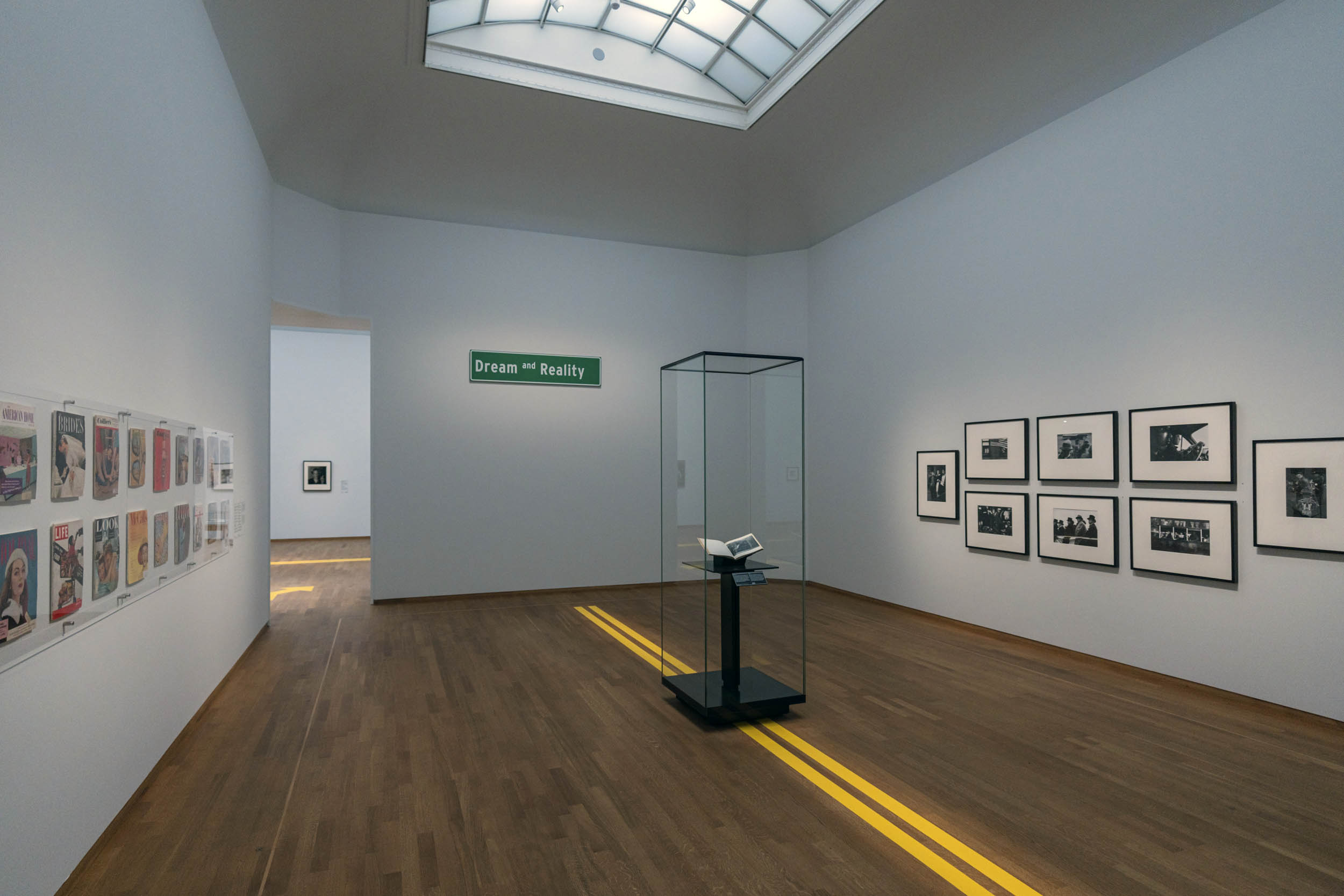
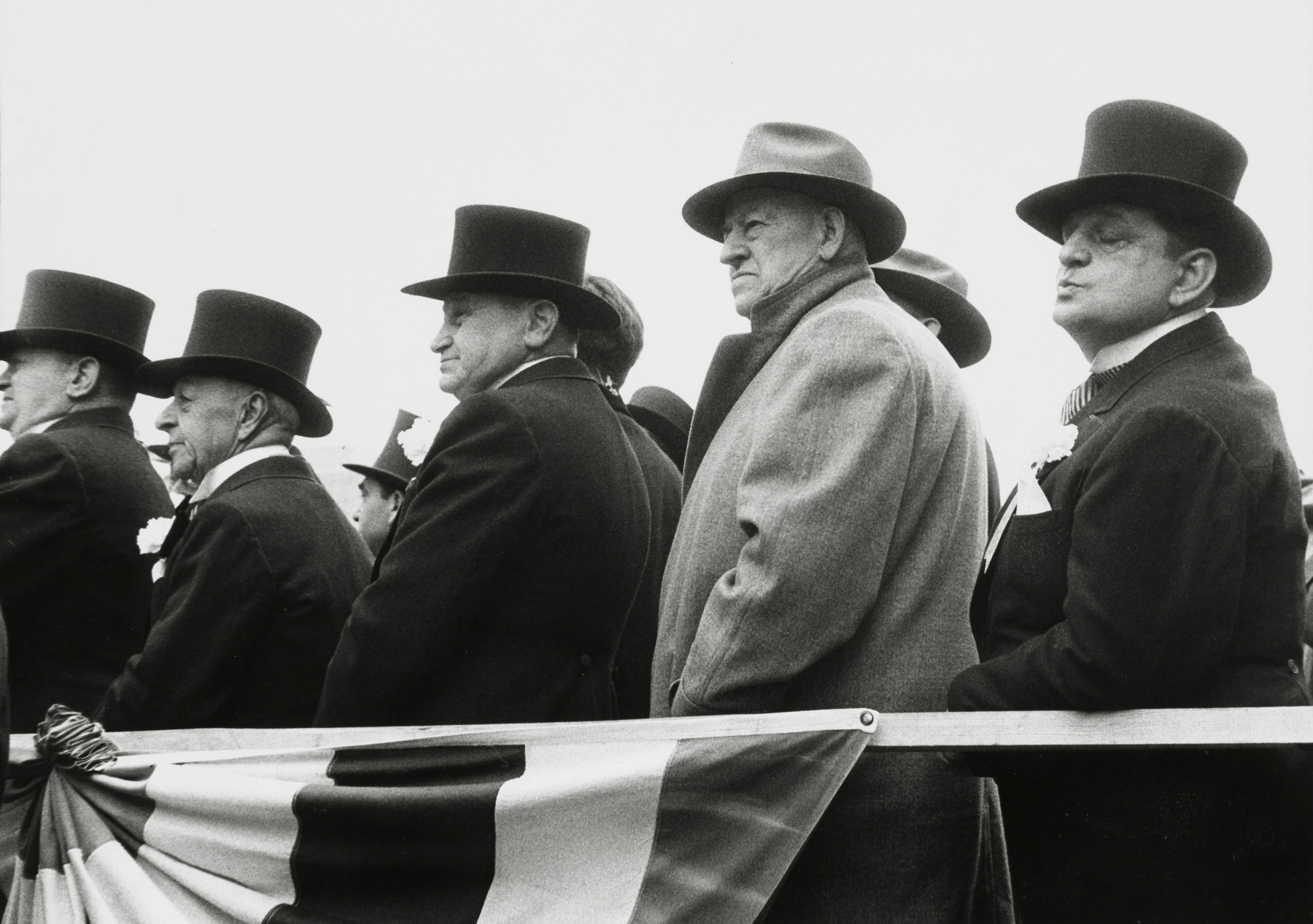

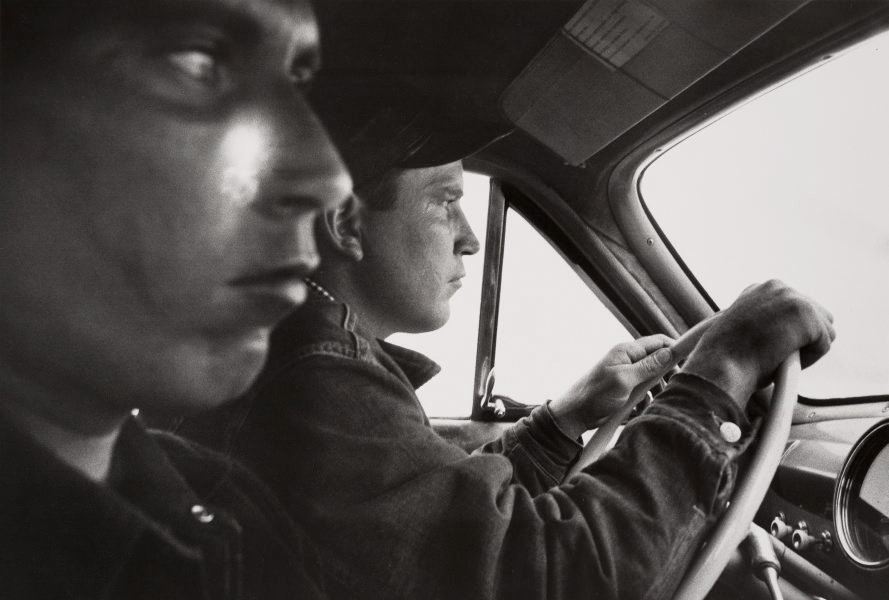

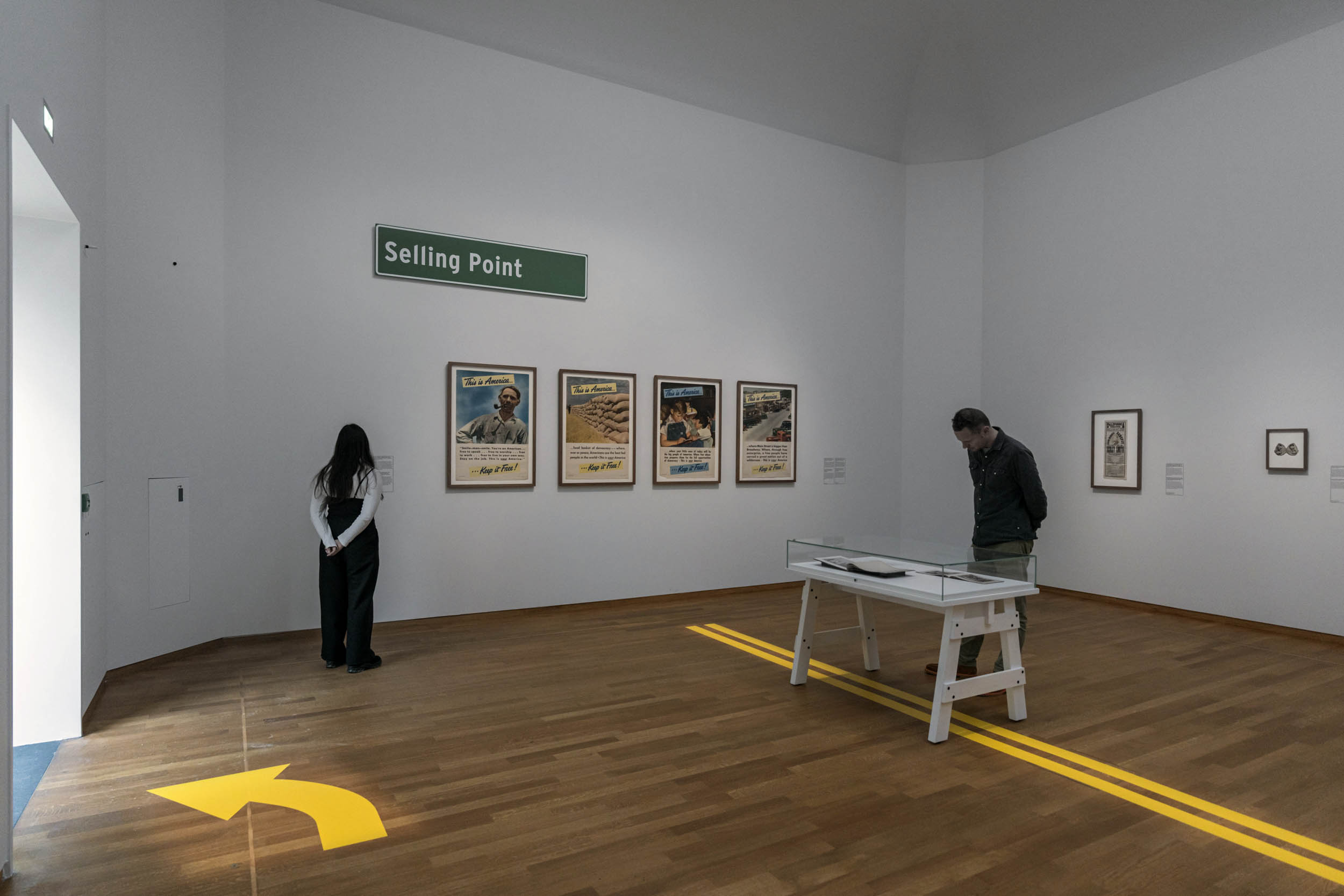
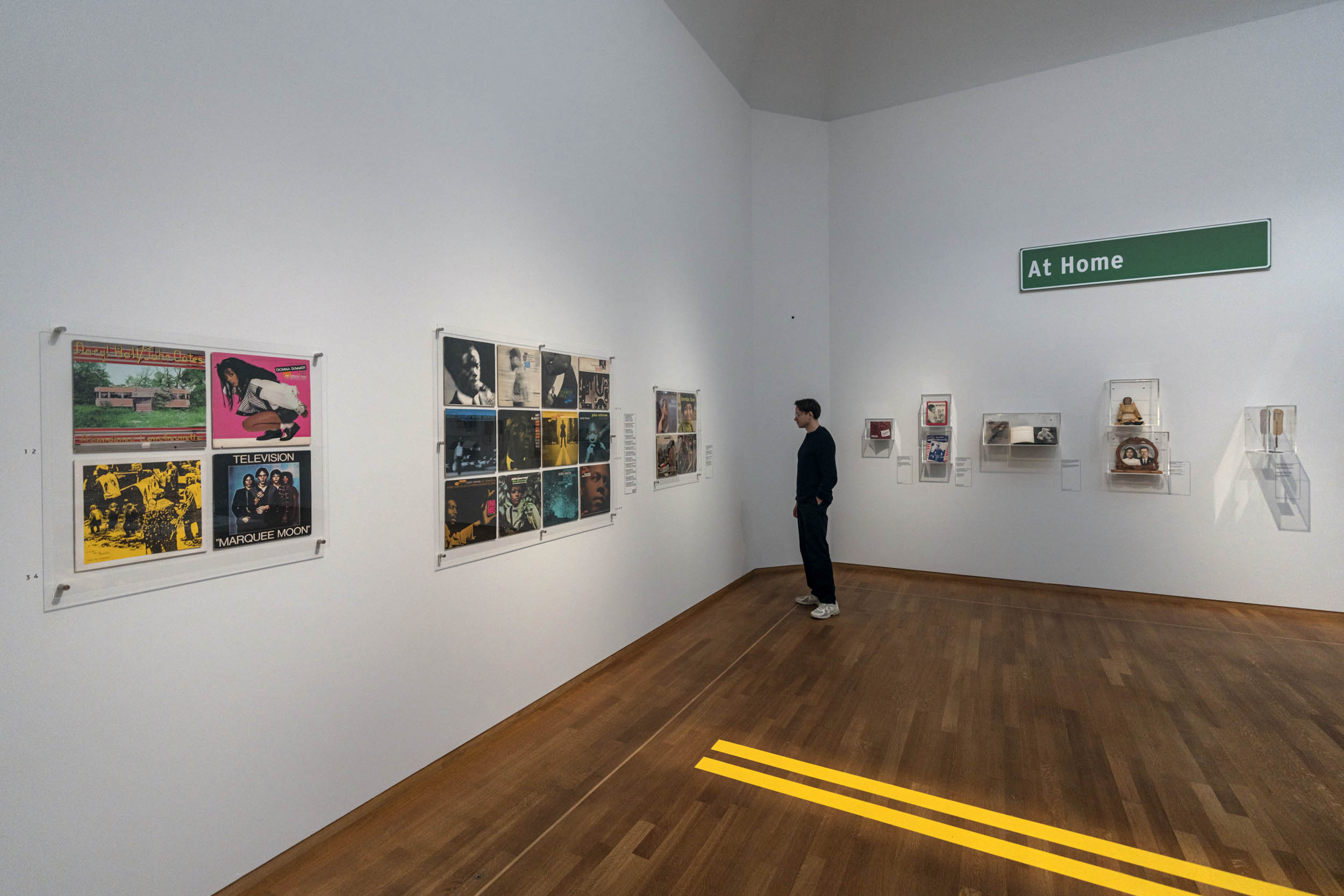


![Chuck Close (American, 1940-2021) 'Phil' [Photo Maquette of Philip Glass] 1969](https://artblart.com/wp-content/uploads/2025/05/chuck-close-photo-maquette-of-philip-glass.jpg "Chuck Close (American, 1940-2021) 'Phil' [Photo Maquette of Philip Glass] 1969")
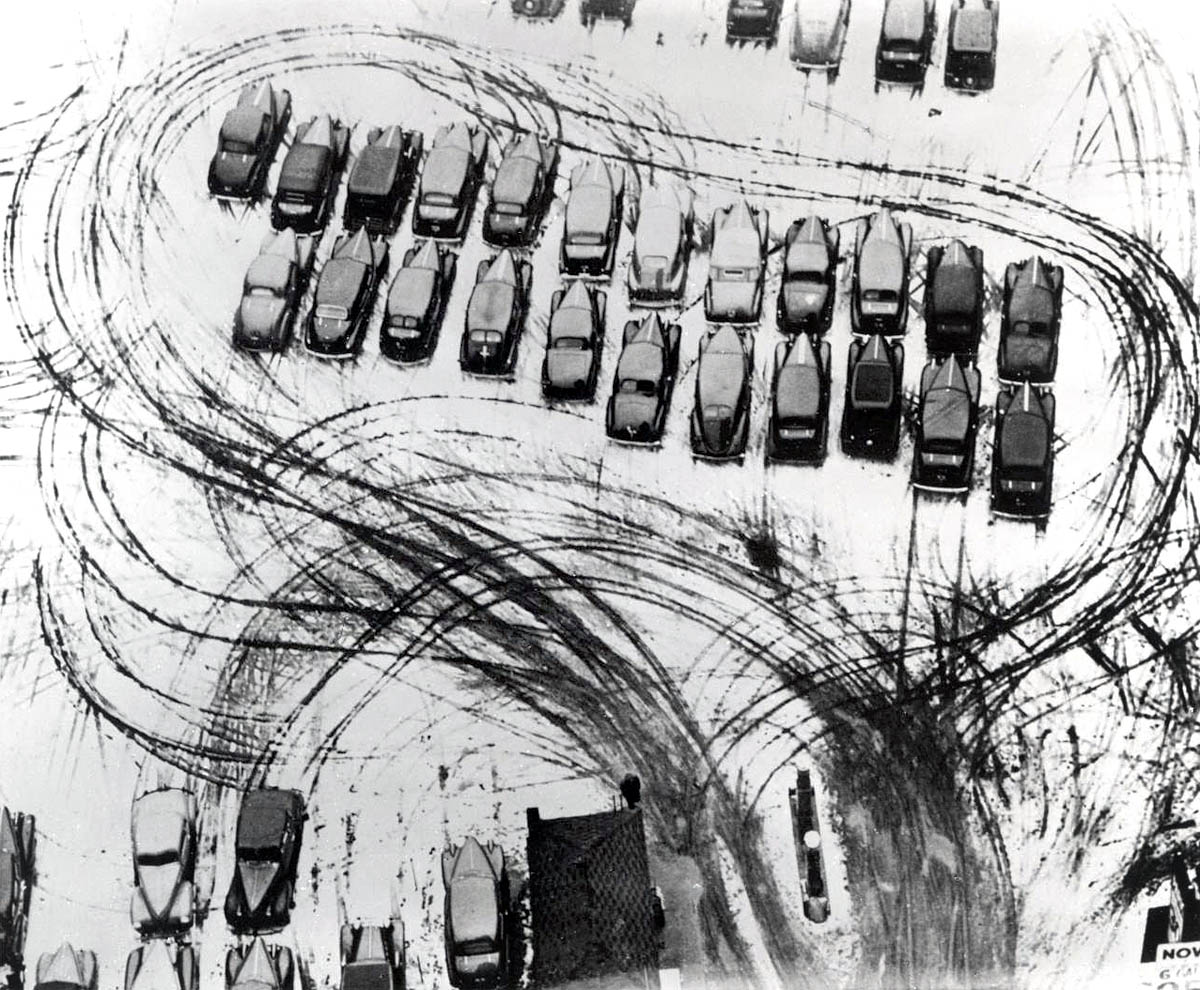

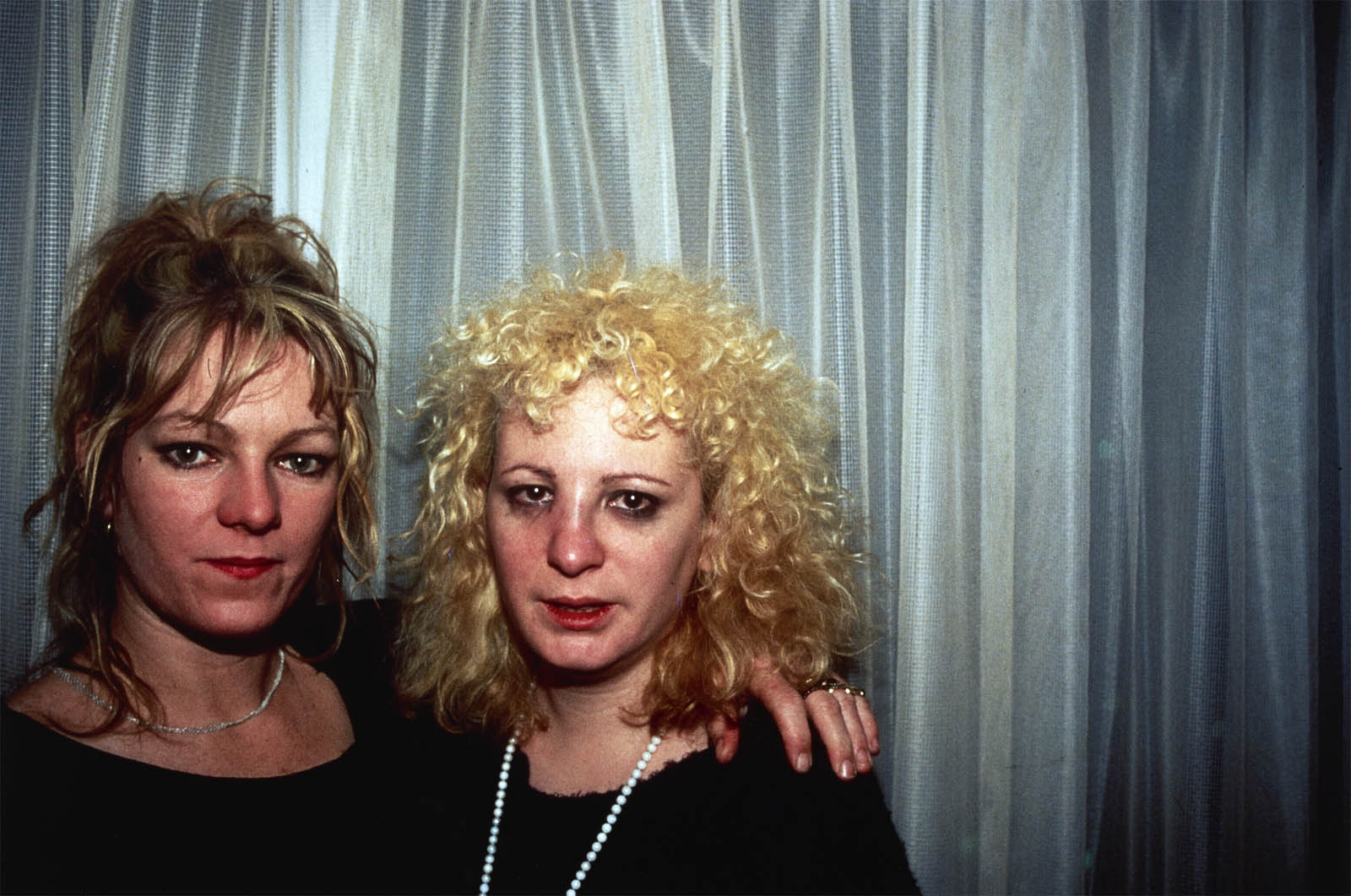
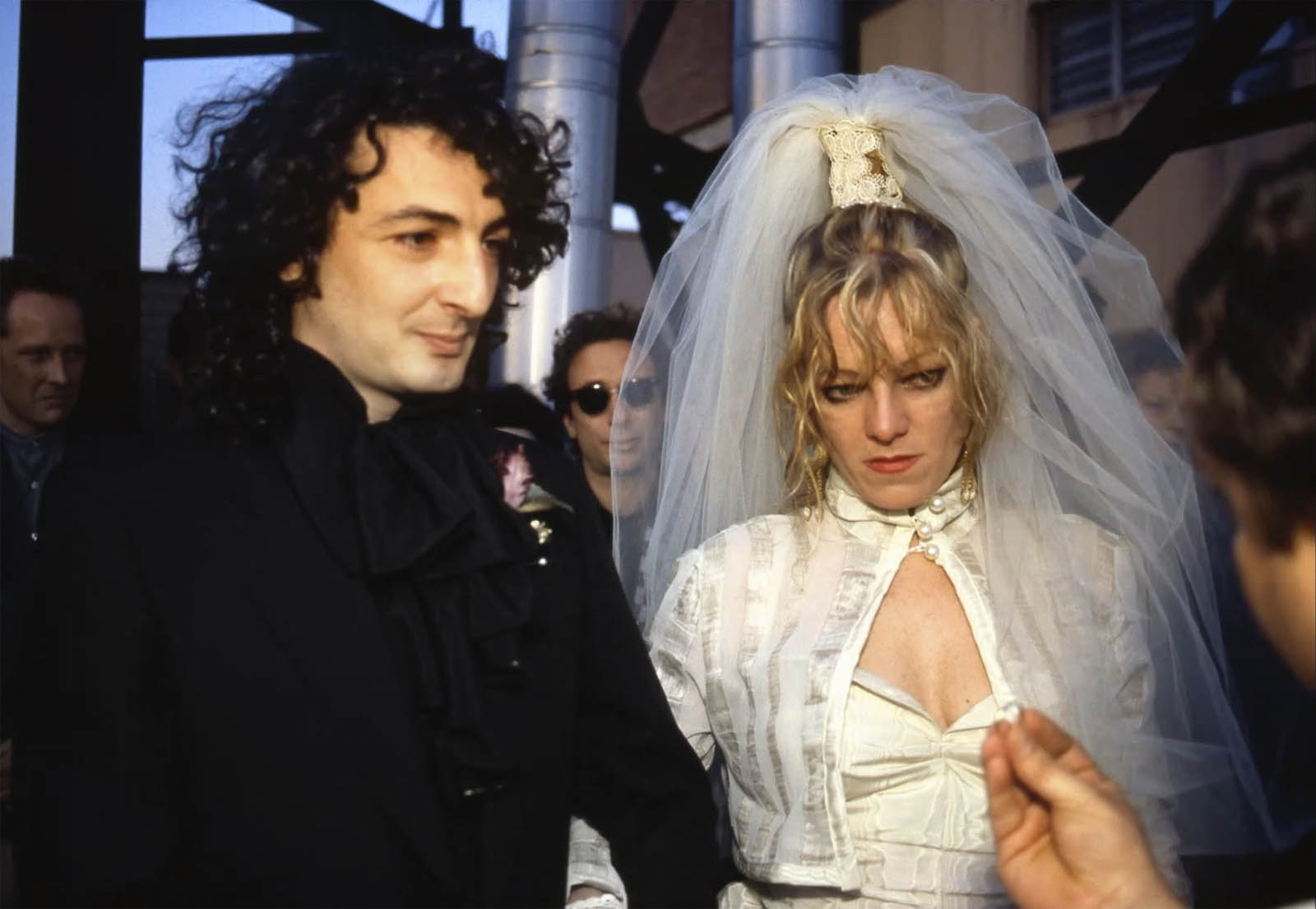
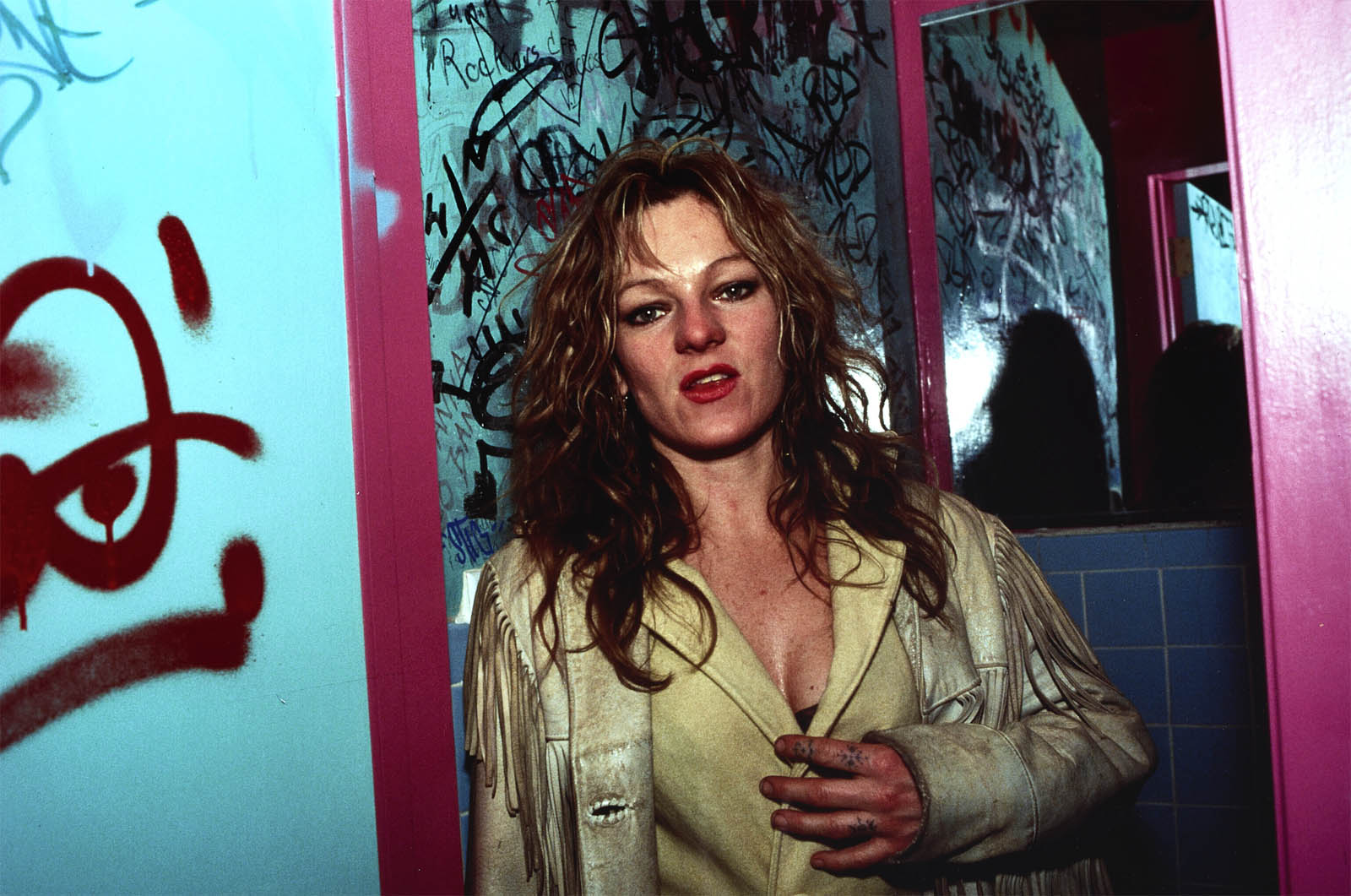
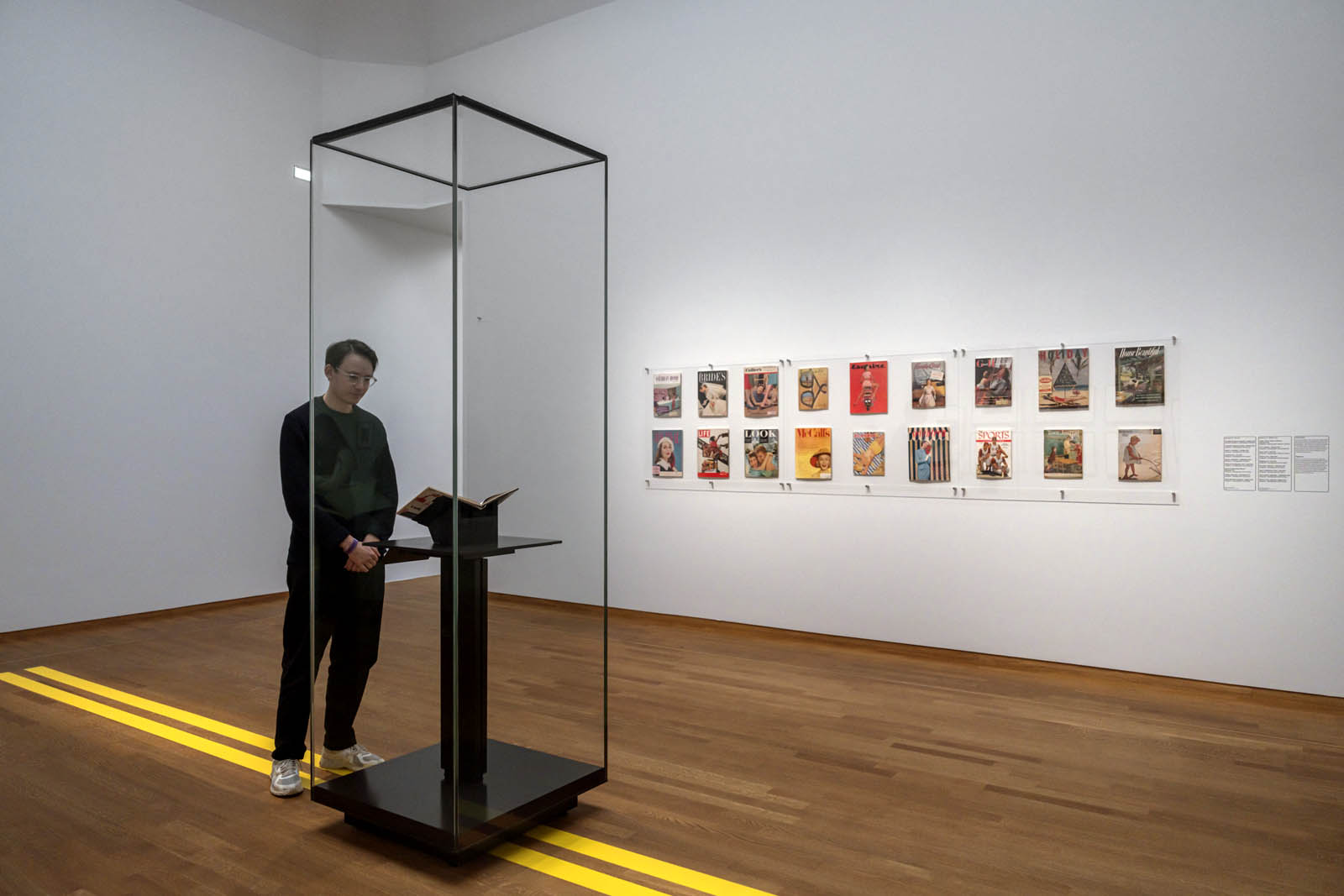


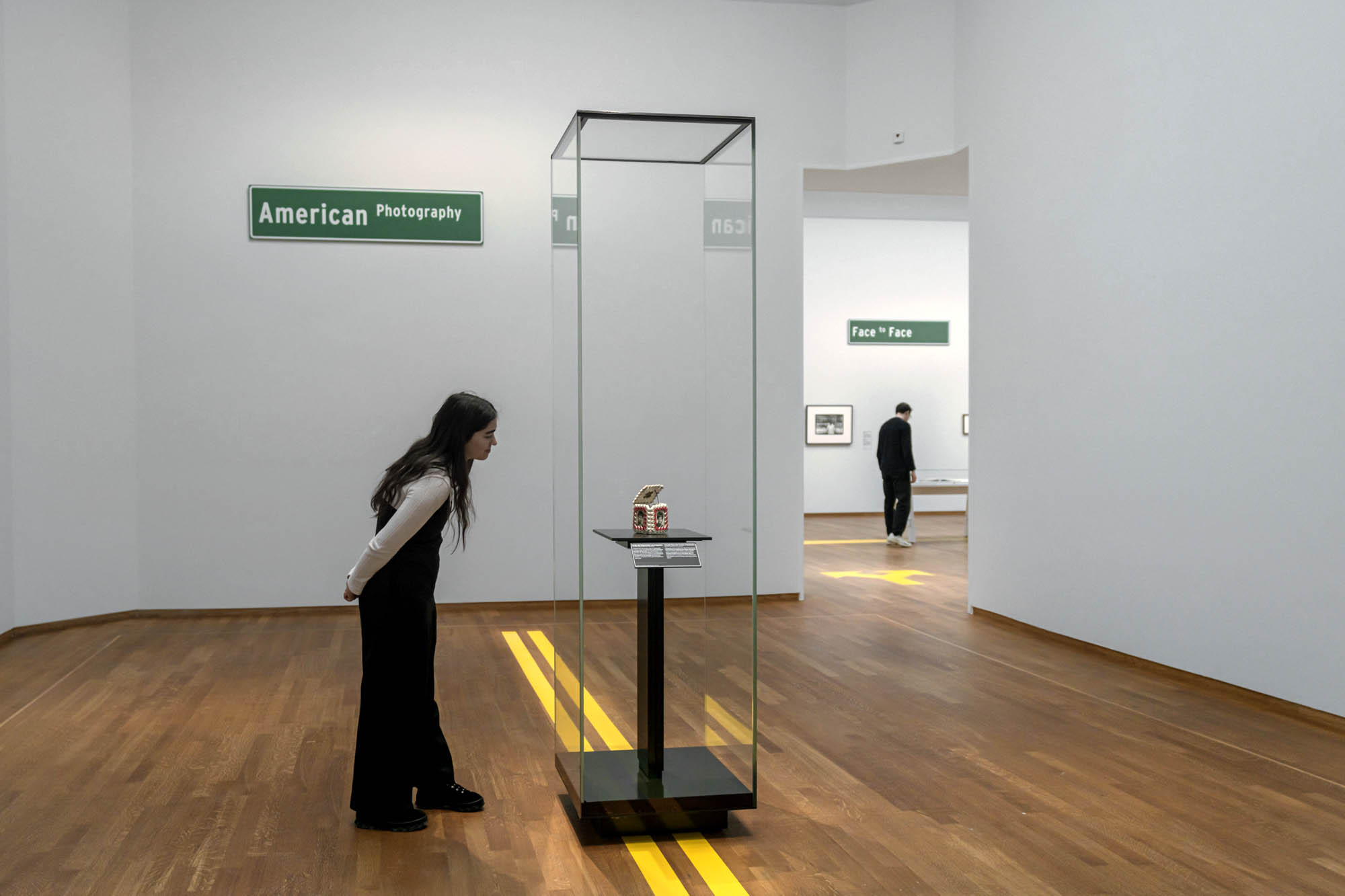
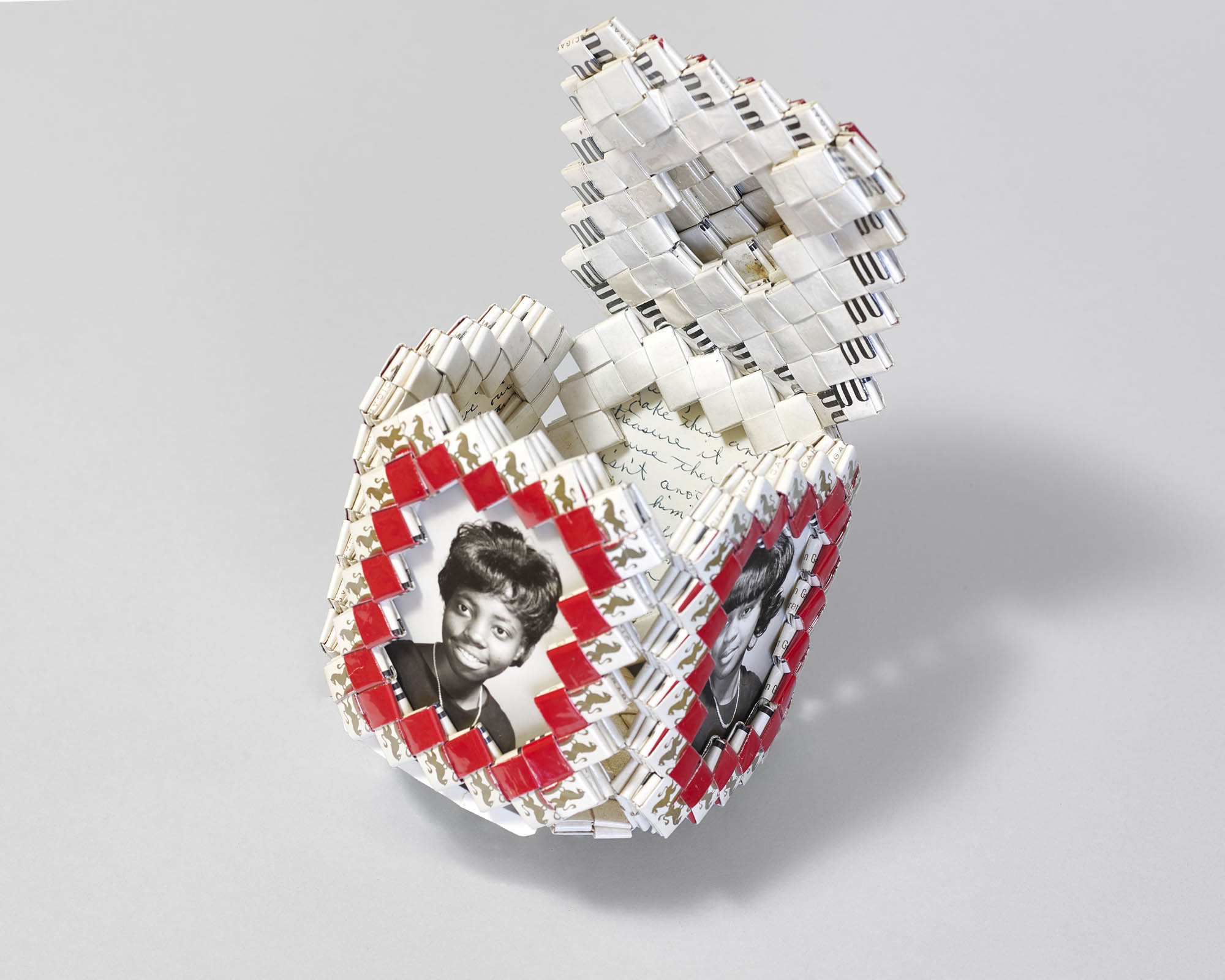
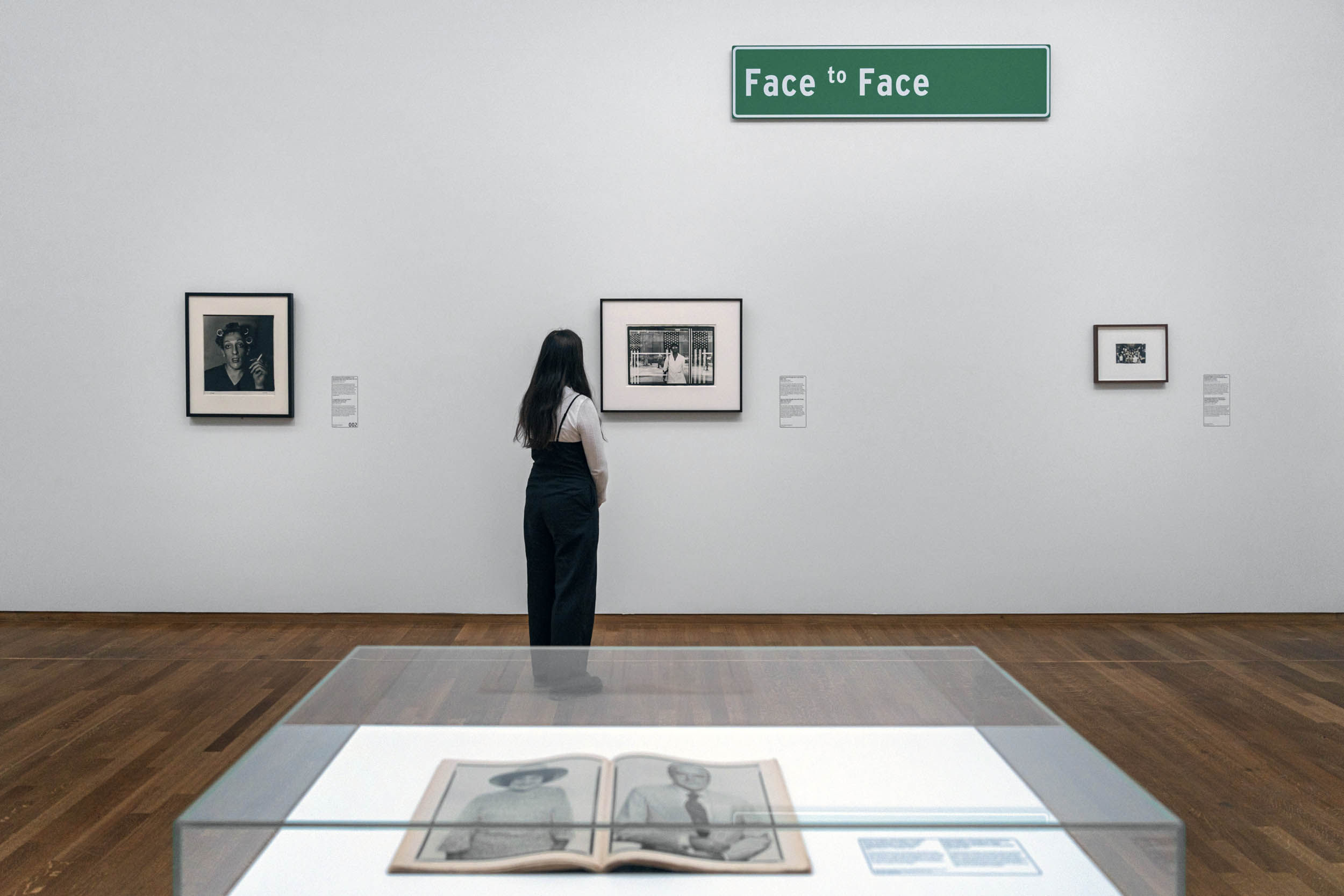
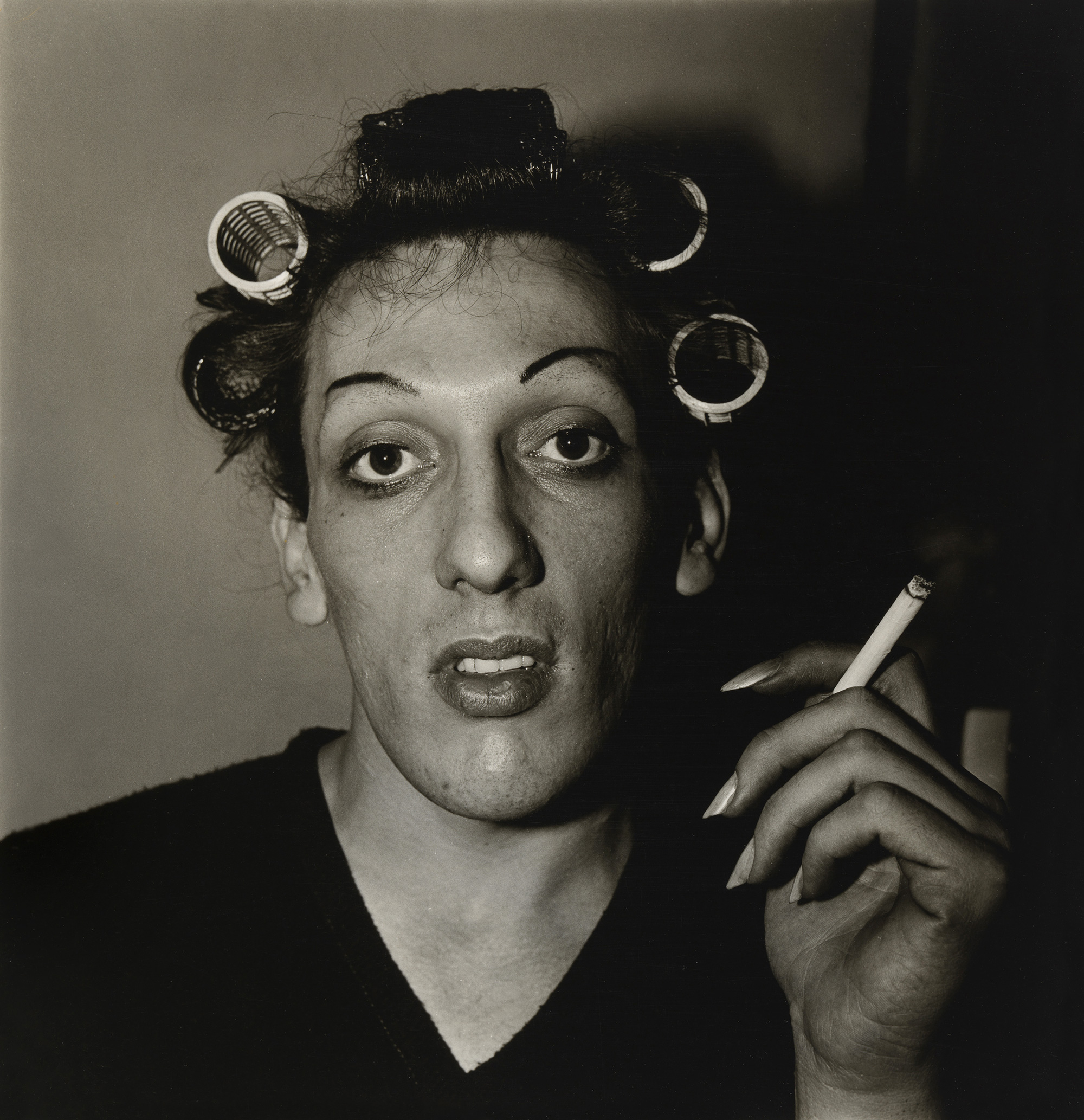
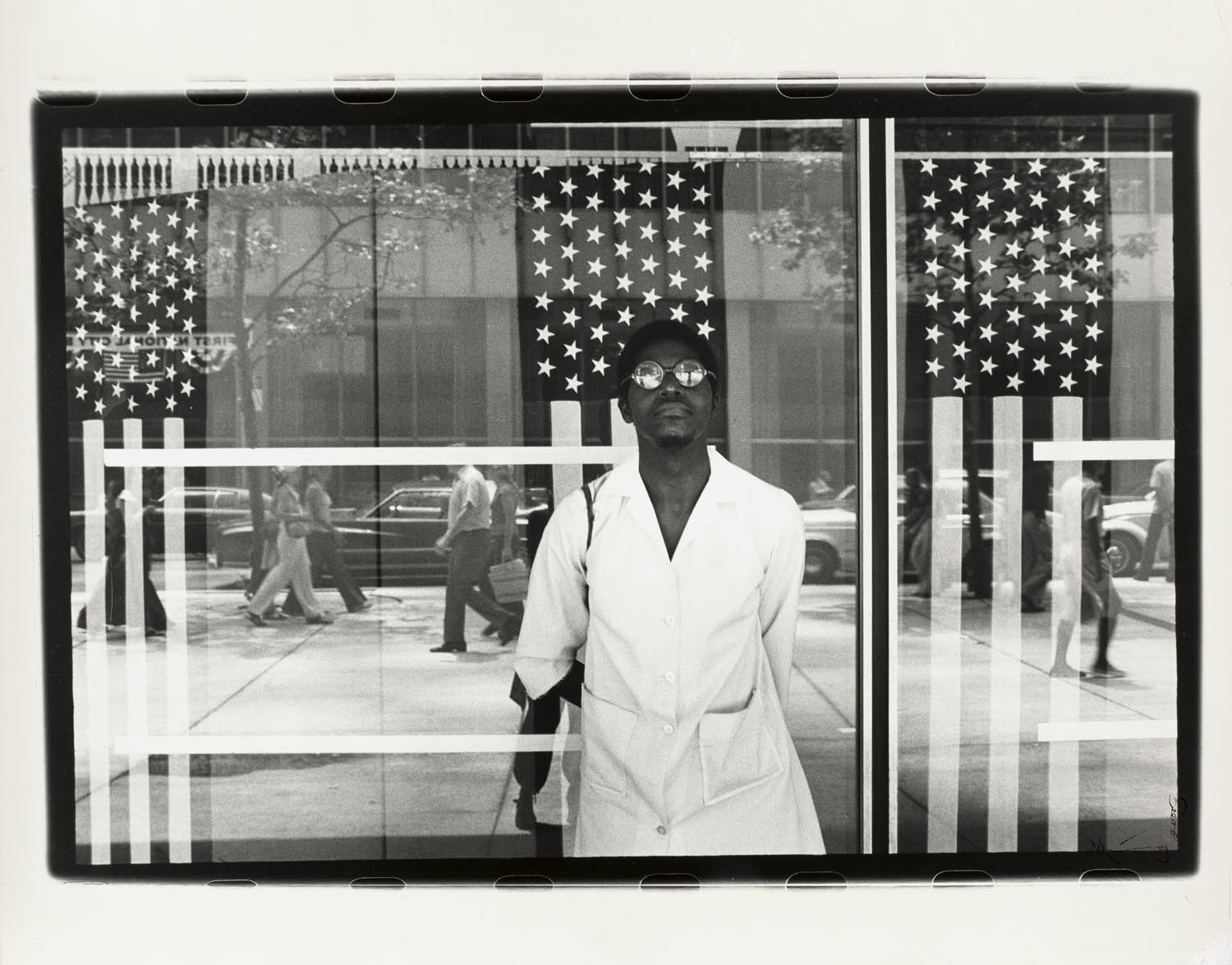


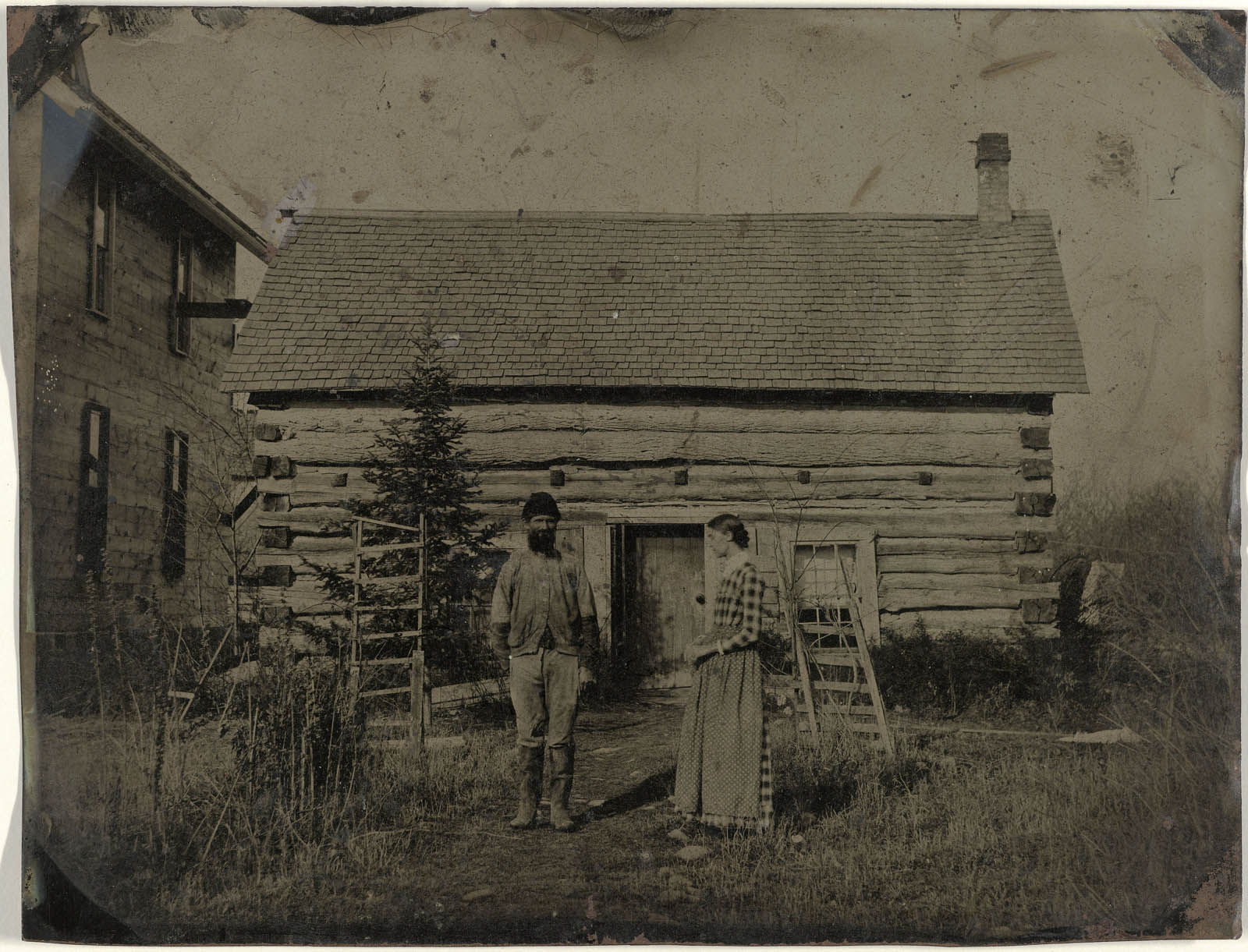
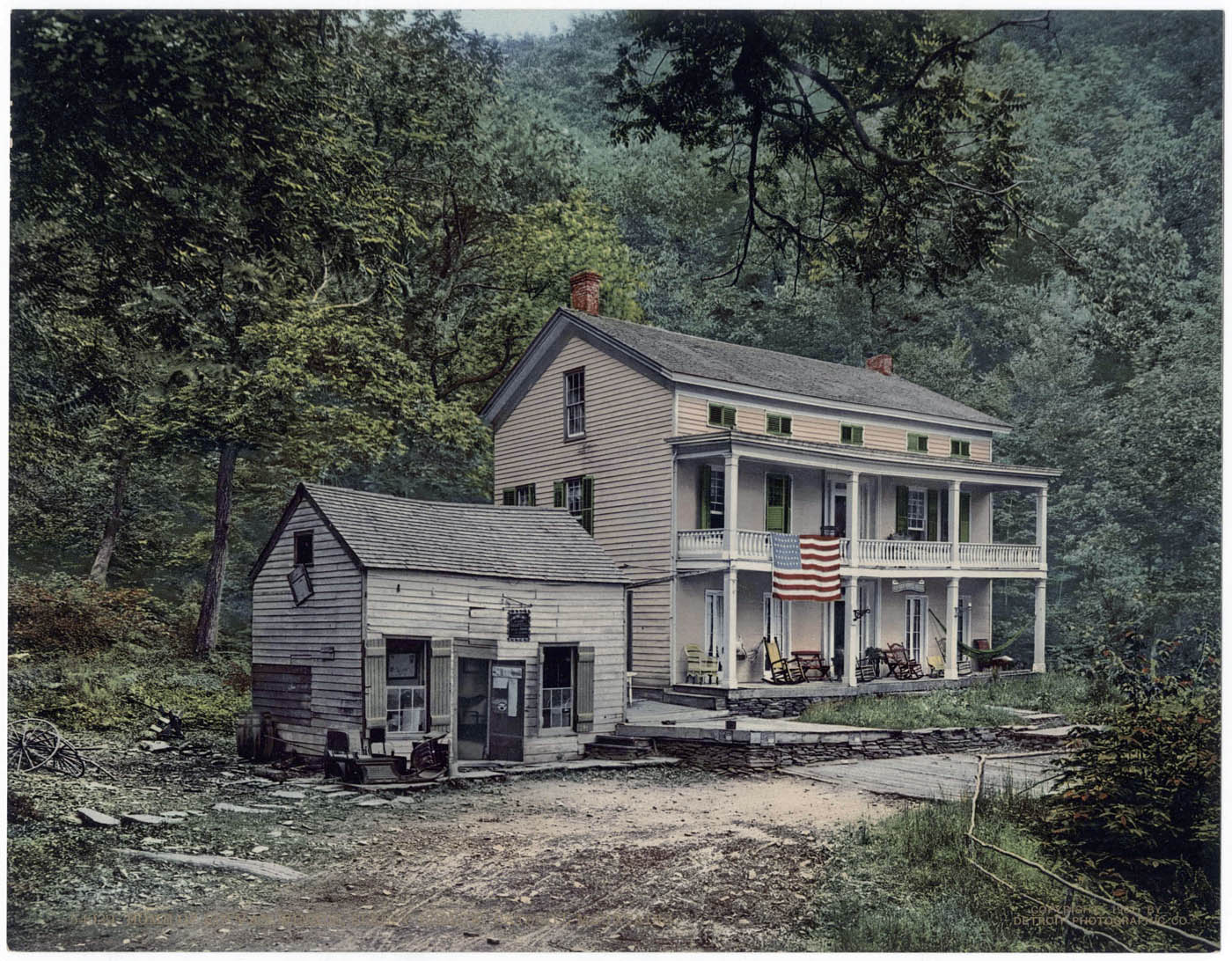


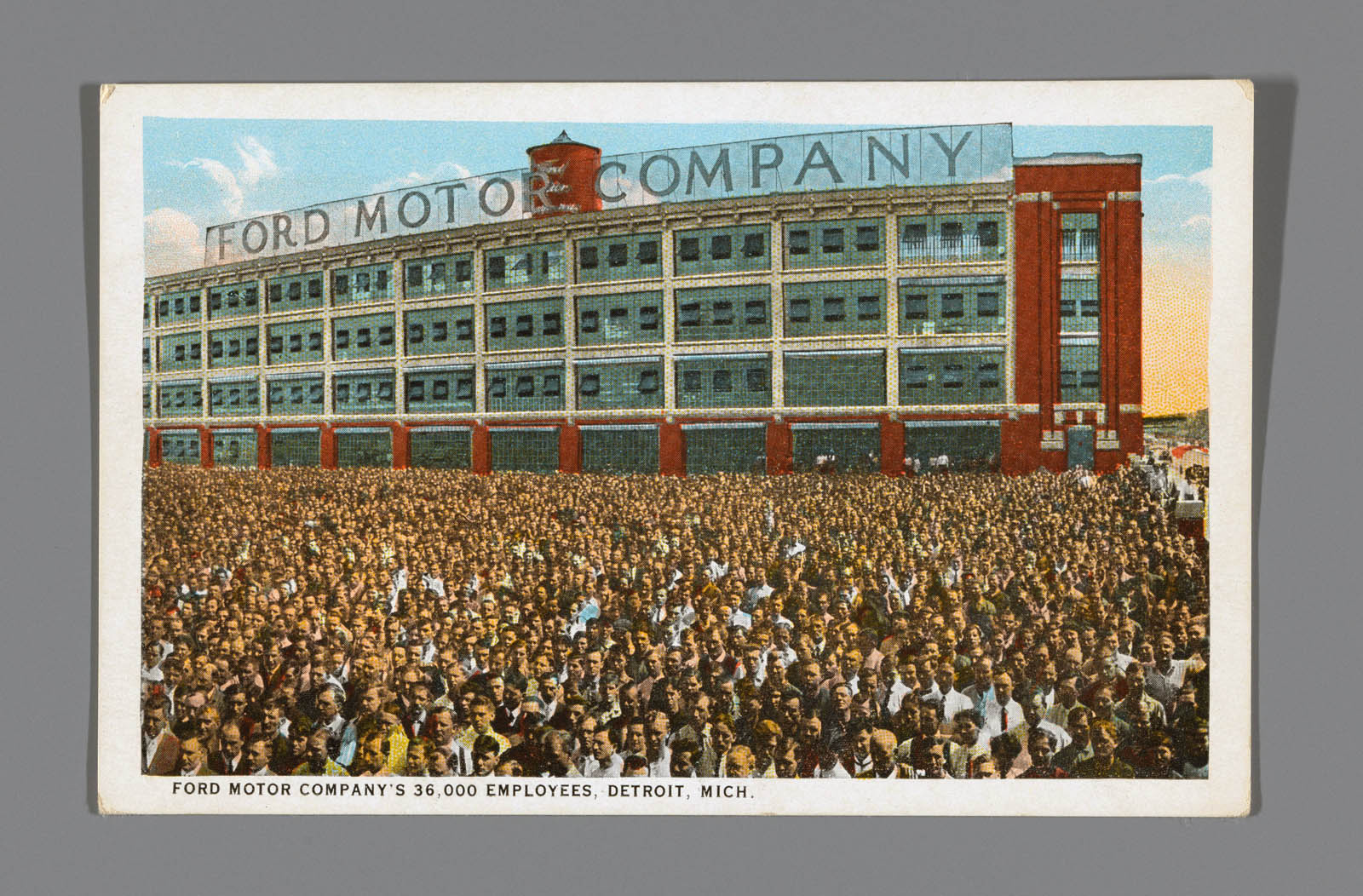
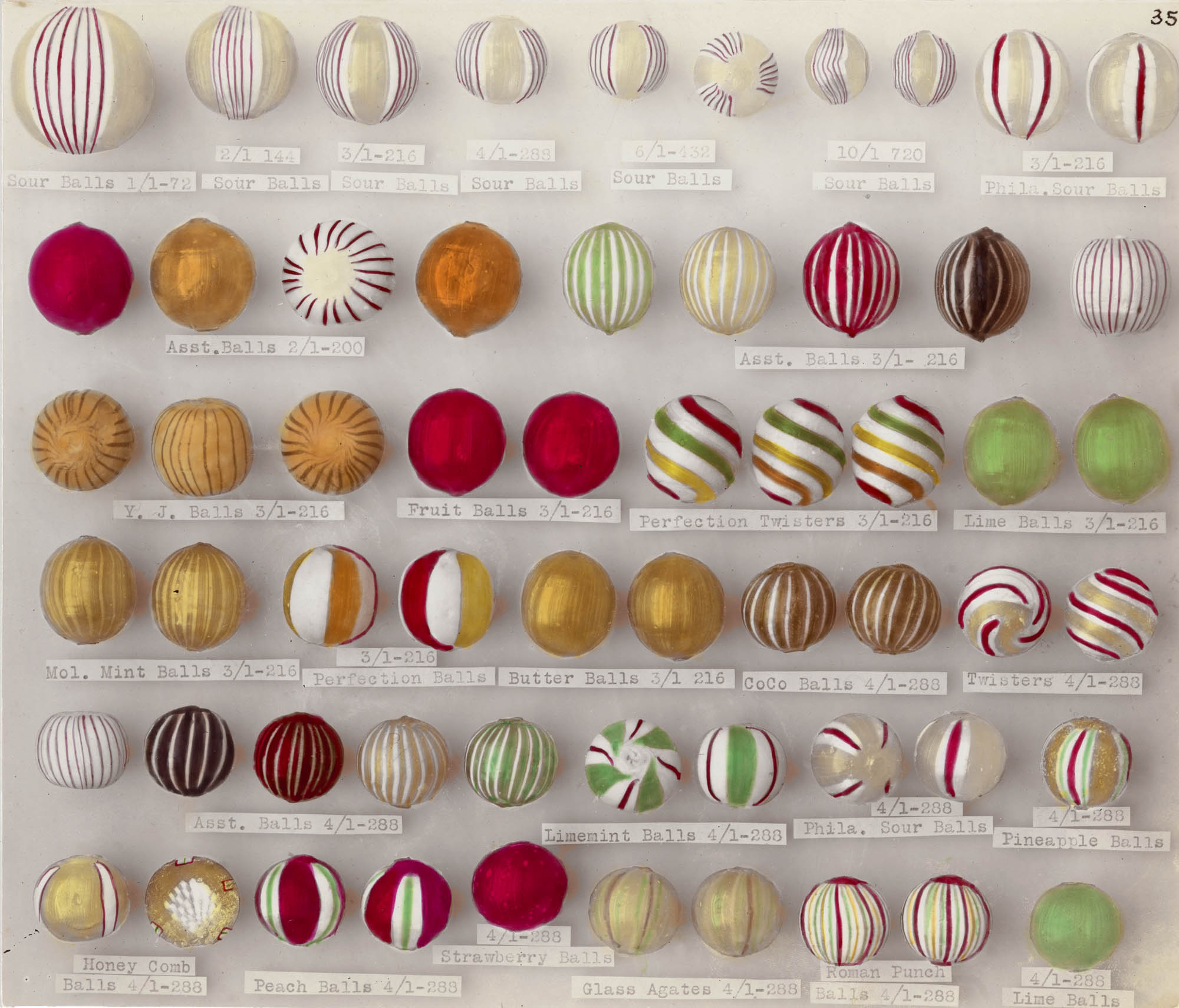
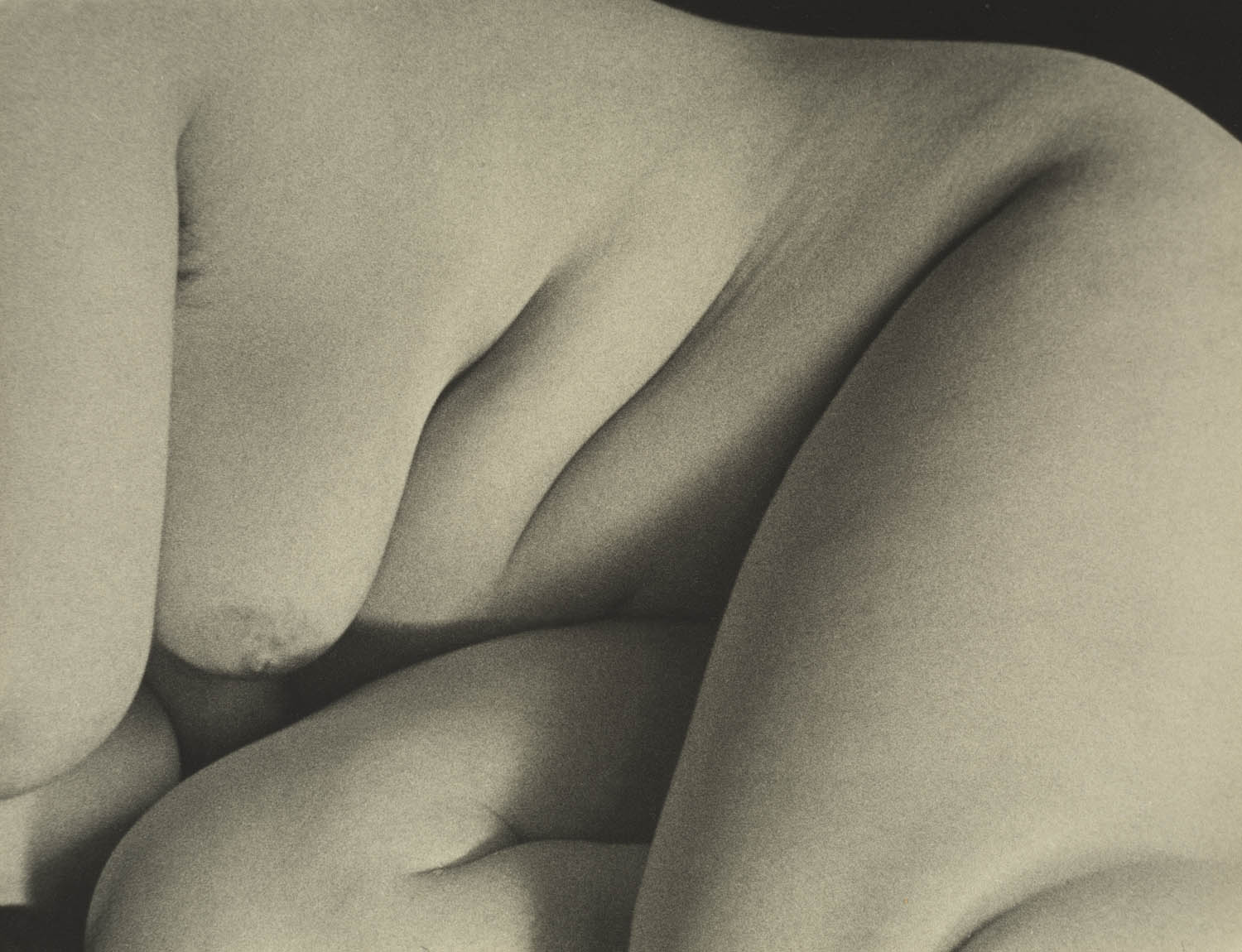

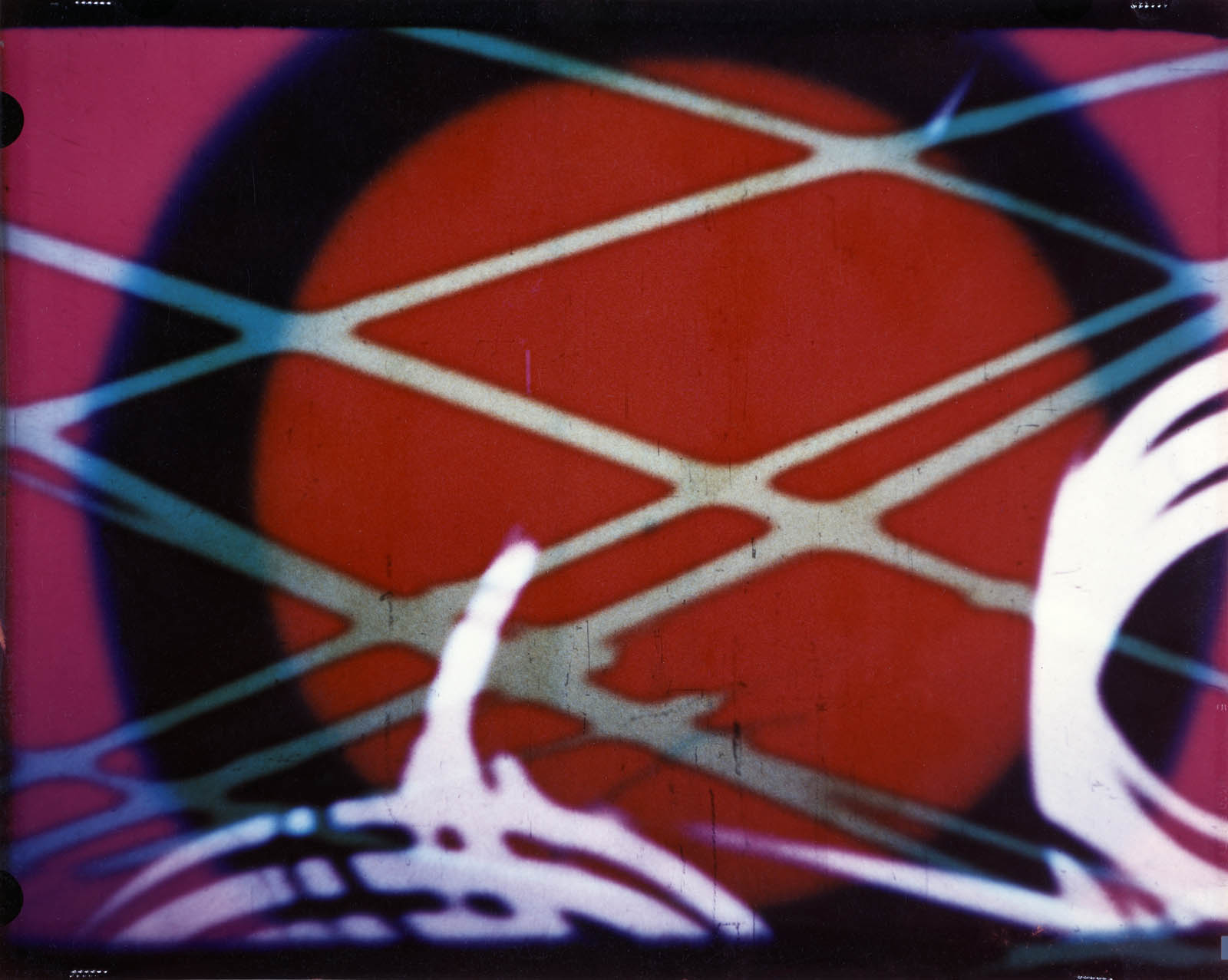


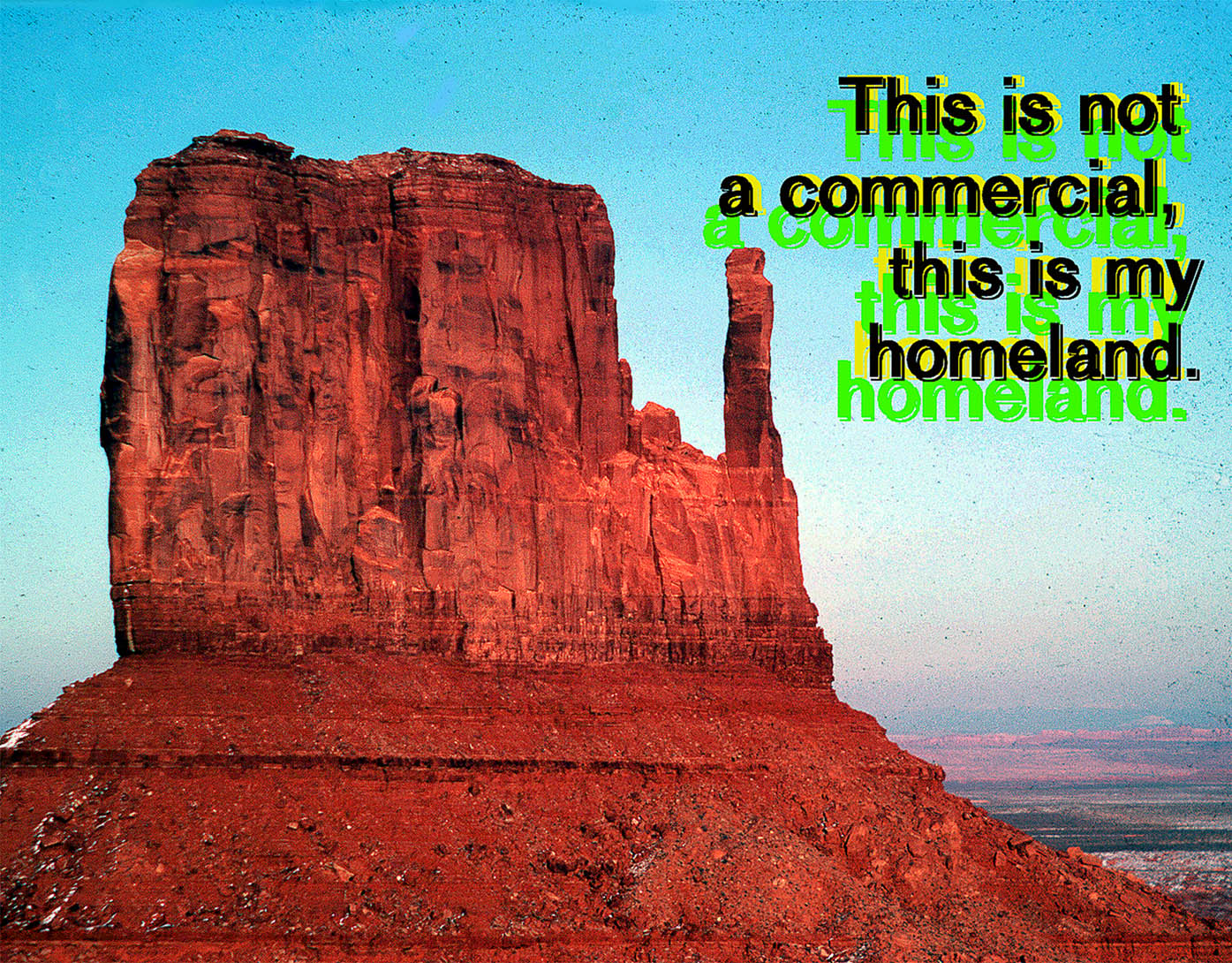


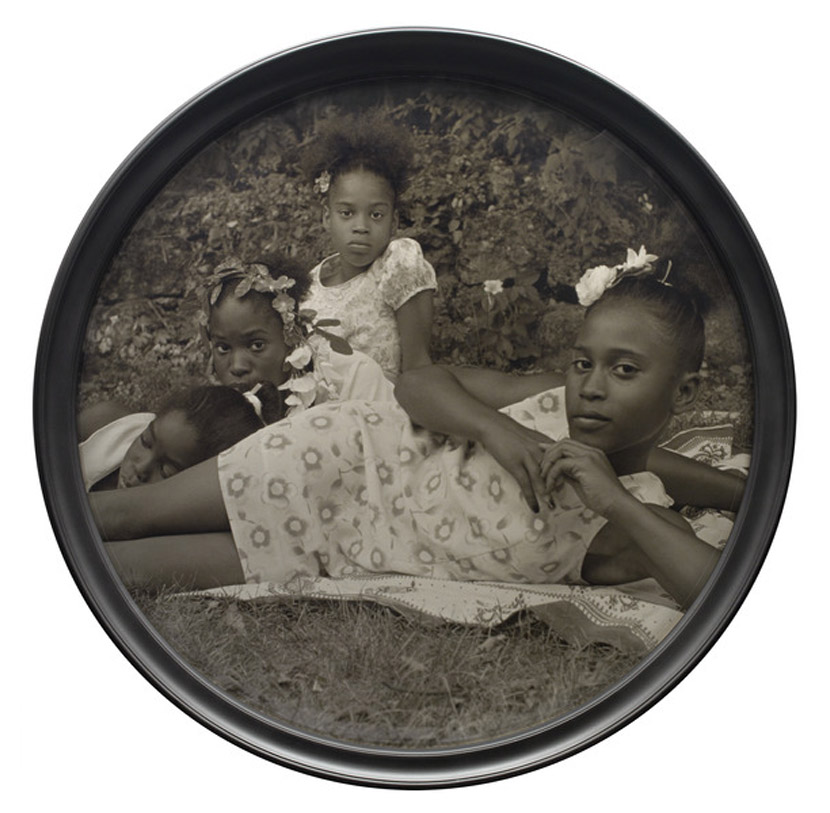

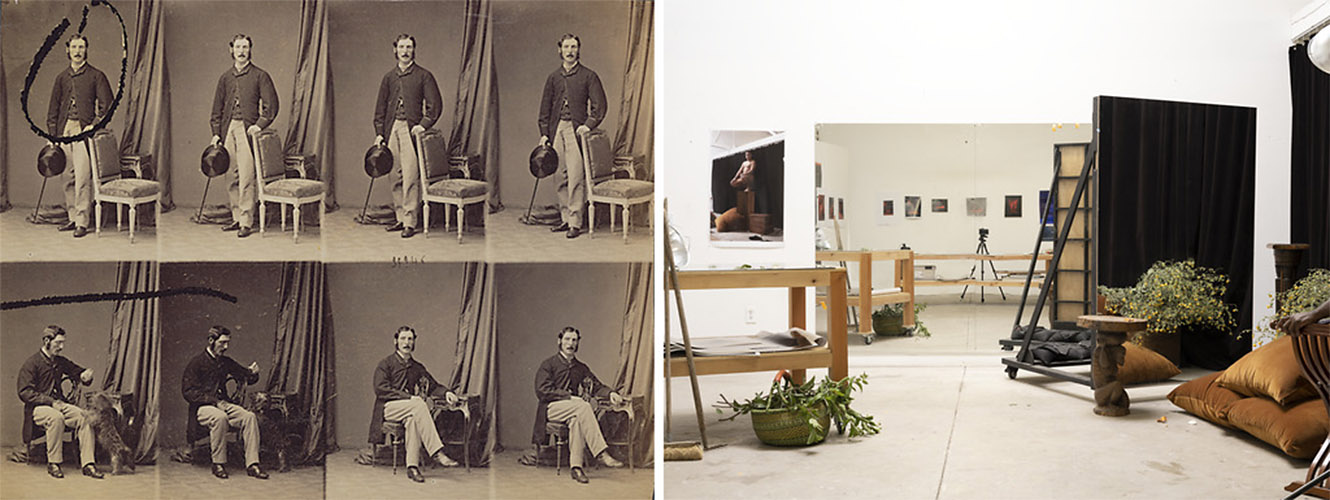
![William Henry Fox Talbot (English, 1800-1877) '[A Stem of Delicate Leaves of an Umbrellifer]' probably 1843-1846](https://artblart.com/wp-content/uploads/2024/05/talbot-a-stem-of-delicate-leaves-of-an-umbrellifer.jpg "William Henry Fox Talbot (English, 1800-1877) '[A Stem of Delicate Leaves of an Umbrellifer]' probably 1843-1846")

![At left, Herbert Bell et al, '[Amateur World Tour Album, taken with early Kodak cameras, plus purchased travel photographs by various photographers]' (2 page spread); and at right, Stephanie Syjuco (American born Philippines, b. 1974) 'Herbaria' 2021 (detail)](https://artblart.com/wp-content/uploads/2024/05/bell-and-syjuco-herbaria.jpg "At left, Herbert Bell et al, '[Amateur World Tour Album, taken with early Kodak cameras, plus purchased travel photographs by various photographers]' (2 page spread); and at right, Stephanie Syjuco (American born Philippines, b. 1974) 'Herbaria' 2021 (detail)")
![Herbert Bell (English, 1856-1946) Frederick Nutt Broderick (English, about 1854-1913) Gustave Hermans (Belgian, 1856-1934) Anthony Horner (English, 1853-1923) Michael Horner (English, 1843-1869) C. W. J. Johnson (American, 1833-1903) Léon & Lévy (French, active 1864-1913 or 1920) Léopold Louis Mercier (French, b. 1866) Neurdein Frères (French, founded 1860s, dissolved 1918) Louis Parnard (French, 1840-1893) Alfred Pettitt (English, 1820-1880) Francis Godolphin Osborne Stuart (British born Scotland, 1843-1923) Unknown maker Valentine & Sons (Scottish, founded 1851, dissolved 1910) L. P. Vallée (Canadian, 1837-1905) York and Son J. Kühn (French, active Paris, France 1885 - early 20th century) '[Amateur World Tour Album, taken with early Kodak cameras, plus purchased travel photographs by various photographers]' (2 page spread)](https://artblart.com/wp-content/uploads/2024/05/amateur-world-tour-album.jpg "Herbert Bell (English, 1856-1946) Frederick Nutt Broderick (English, about 1854-1913) Gustave Hermans (Belgian, 1856-1934) Anthony Horner (English, 1853-1923) Michael Horner (English, 1843-1869) C. W. J. Johnson (American, 1833-1903) Léon & Lévy (French, active 1864-1913 or 1920) Léopold Louis Mercier (French, b. 1866) Neurdein Frères (French, founded 1860s, dissolved 1918) Louis Parnard (French, 1840-1893) Alfred Pettitt (English, 1820-1880) Francis Godolphin Osborne Stuart (British born Scotland, 1843-1923) Unknown maker Valentine & Sons (Scottish, founded 1851, dissolved 1910) L. P. Vallée (Canadian, 1837-1905) York and Son J. Kühn (French, active Paris, France 1885 - early 20th century) '[Amateur World Tour Album, taken with early Kodak cameras, plus purchased travel photographs by various photographers]' (2 page spread)")


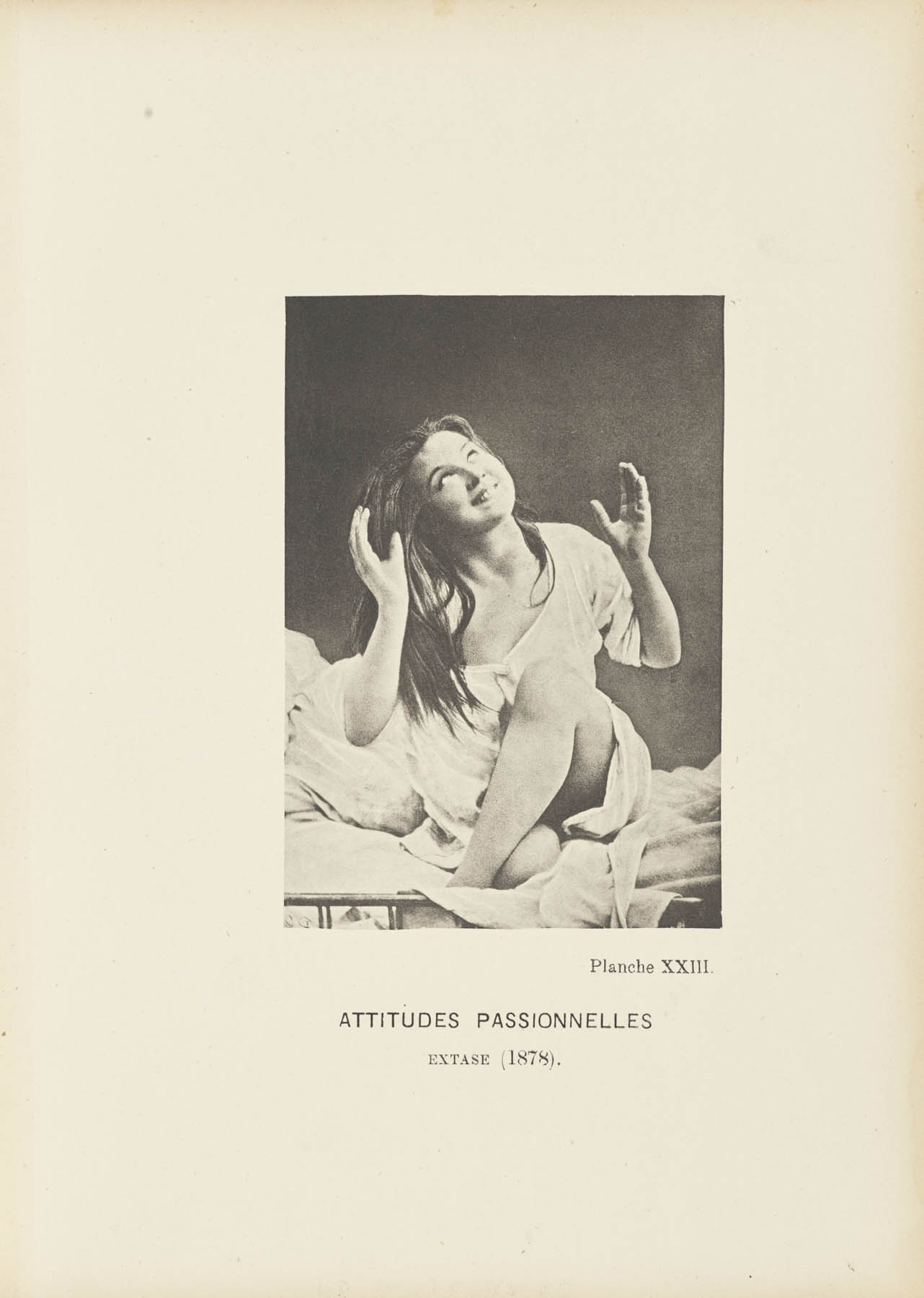


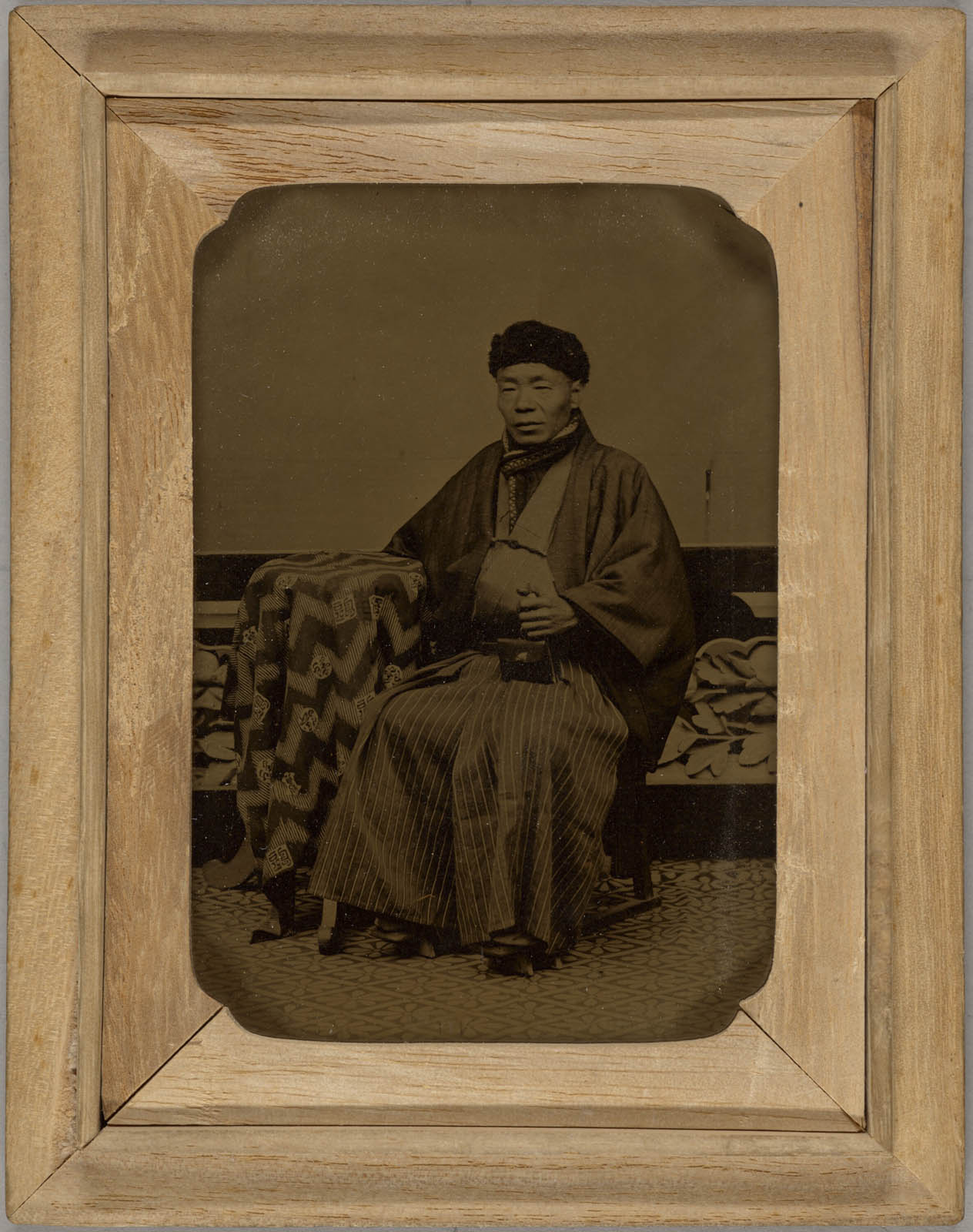


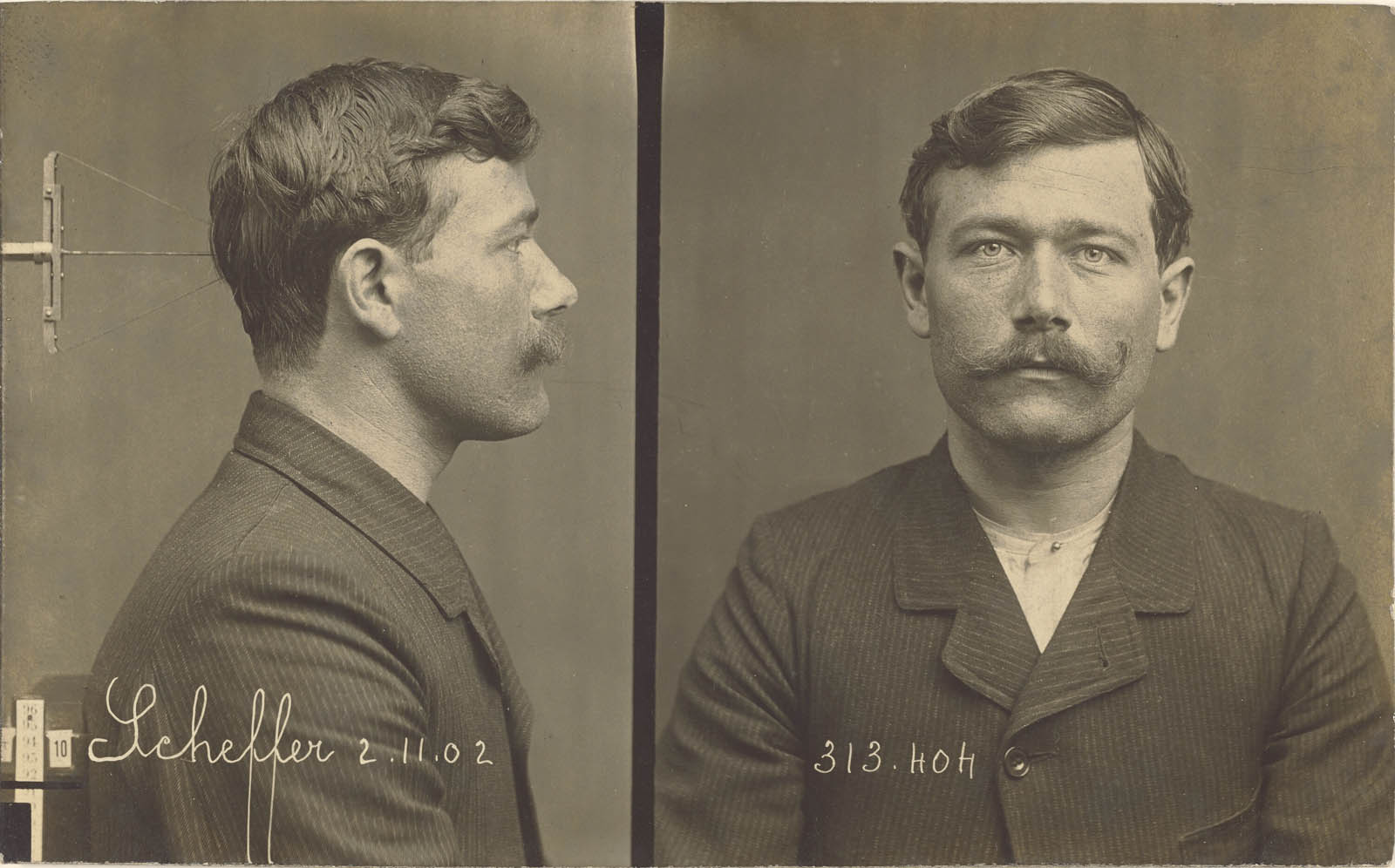
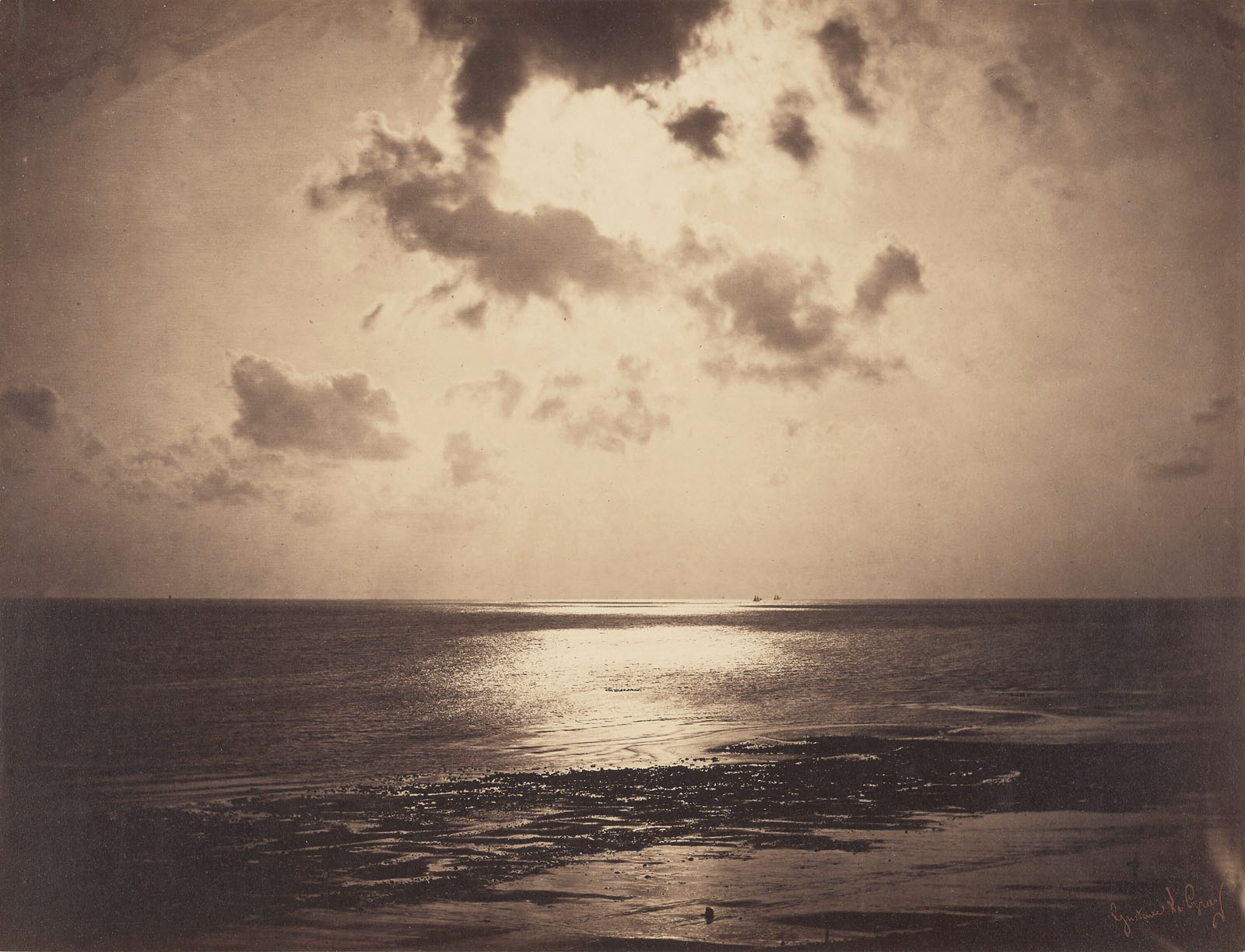


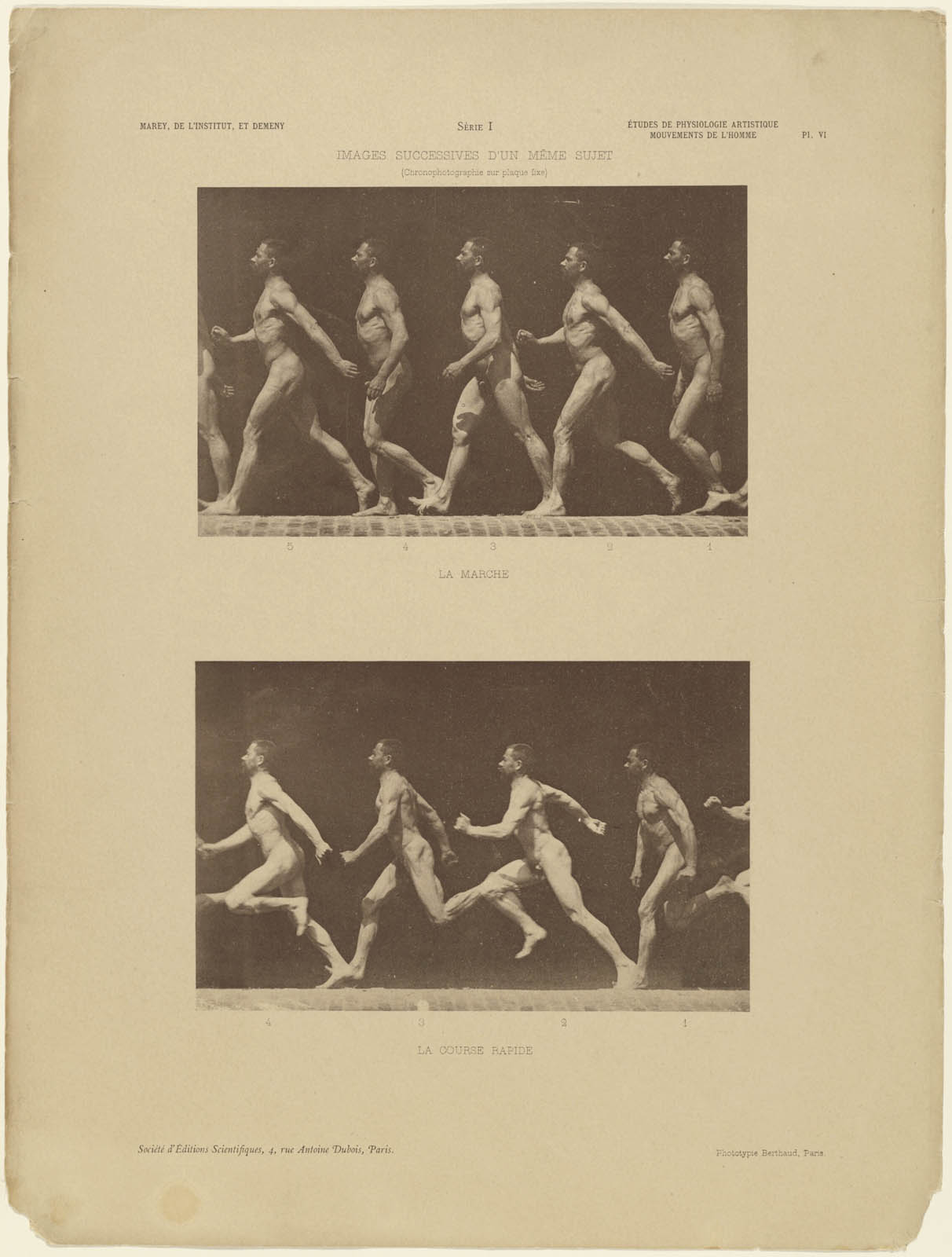
![At left, William H. Mumler (American, 1832-1884) 'Mrs. Swan' 1869-1878; and at right, Khadija Saye (Gambian-British, b. 1992) 'Nak Bejjen' [Cow's Horn] 2017-2018](https://artblart.com/wp-content/uploads/2024/05/mumler-mrs.-swan-and-saye-nak-bejjen.jpg "At left, William H. Mumler (American, 1832-1884) 'Mrs. Swan' 1869-1878; and at right, Khadija Saye (Gambian-British, b. 1992) 'Nak Bejjen' [Cow's Horn] 2017-2018")

![Khadija Saye (Gambian-British, b. 1992) 'Nak Bejjen' [Cow's Horn] 2017-2018](https://artblart.com/wp-content/uploads/2024/05/saye-nak-bejjen.jpg "Khadija Saye (Gambian-British, b. 1992) 'Nak Bejjen' [Cow's Horn] 2017-2018")
![At left, Unknown maker (American) '[Seated Woman with "Spirit" of a Young Man]' about 1865-1875; and at right, Lieko Shiga (Japanese, b. 1980) 'Talking with Me' 2005 From the series 'Lilly'](https://artblart.com/wp-content/uploads/2024/05/seated-woman-and-shiga-talking-with-me.jpg "At left, Unknown maker (American) '[Seated Woman with \"Spirit\" of a Young Man]' about 1865-1875; and at right, Lieko Shiga (Japanese, b. 1980) 'Talking with Me' 2005 From the series 'Lilly'")
![Unknown maker (American) '[Seated Woman with "Spirit" of a Young Man]' about 1865-1875](https://artblart.com/wp-content/uploads/2024/05/seated-woman-with-spirit.jpg "Unknown maker (American) '[Seated Woman with \"Spirit\" of a Young Man]' about 1865-1875")
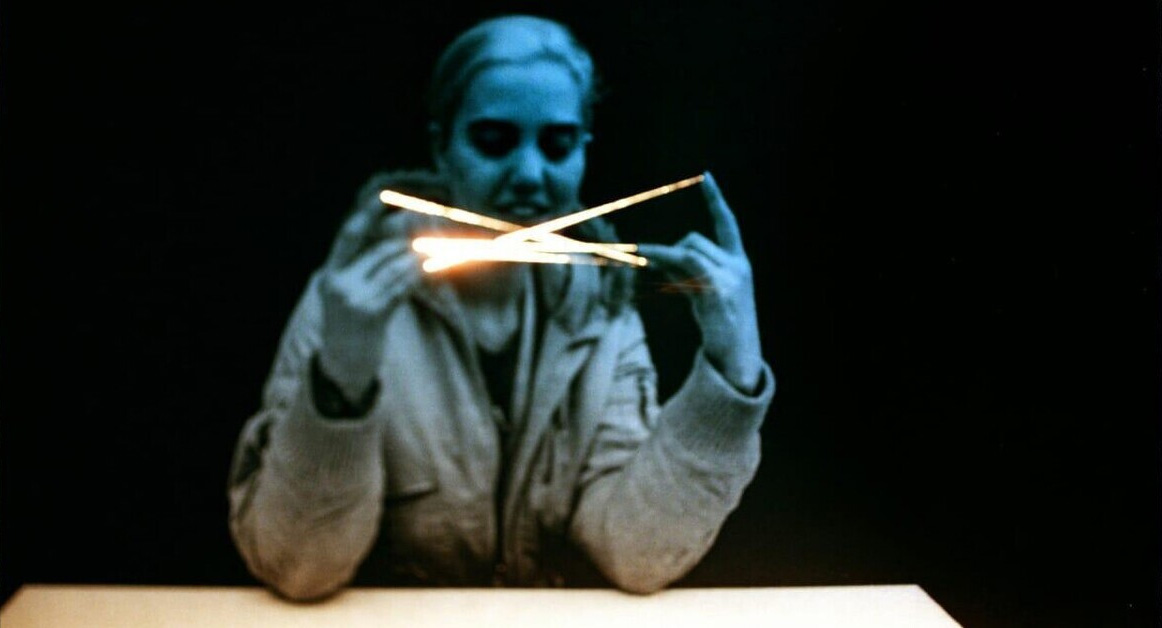
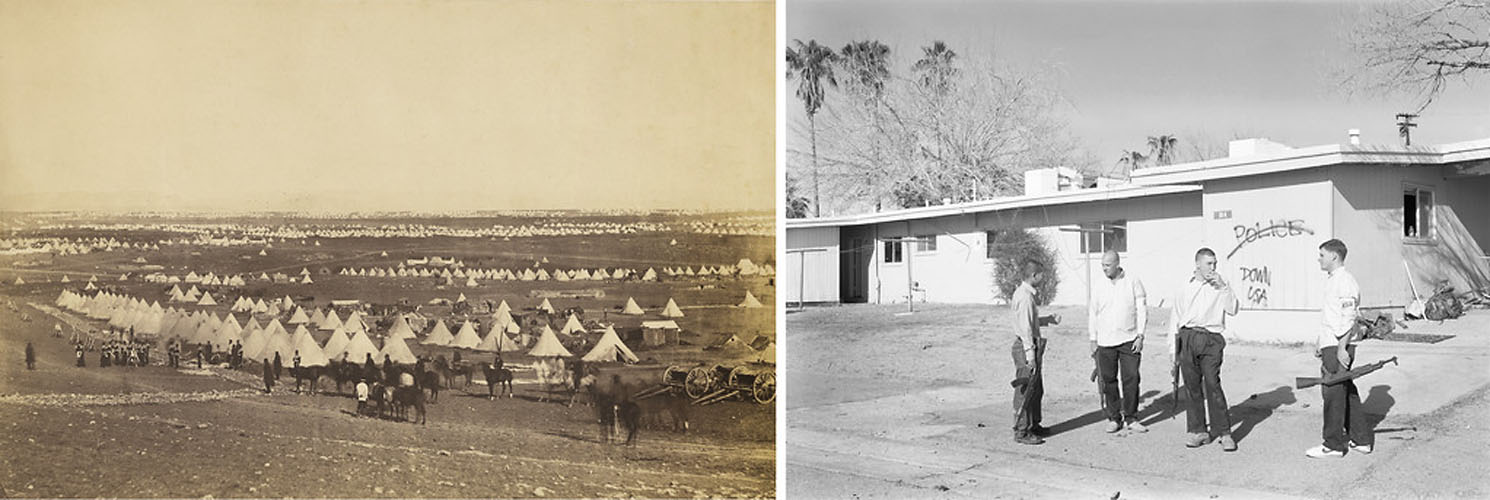
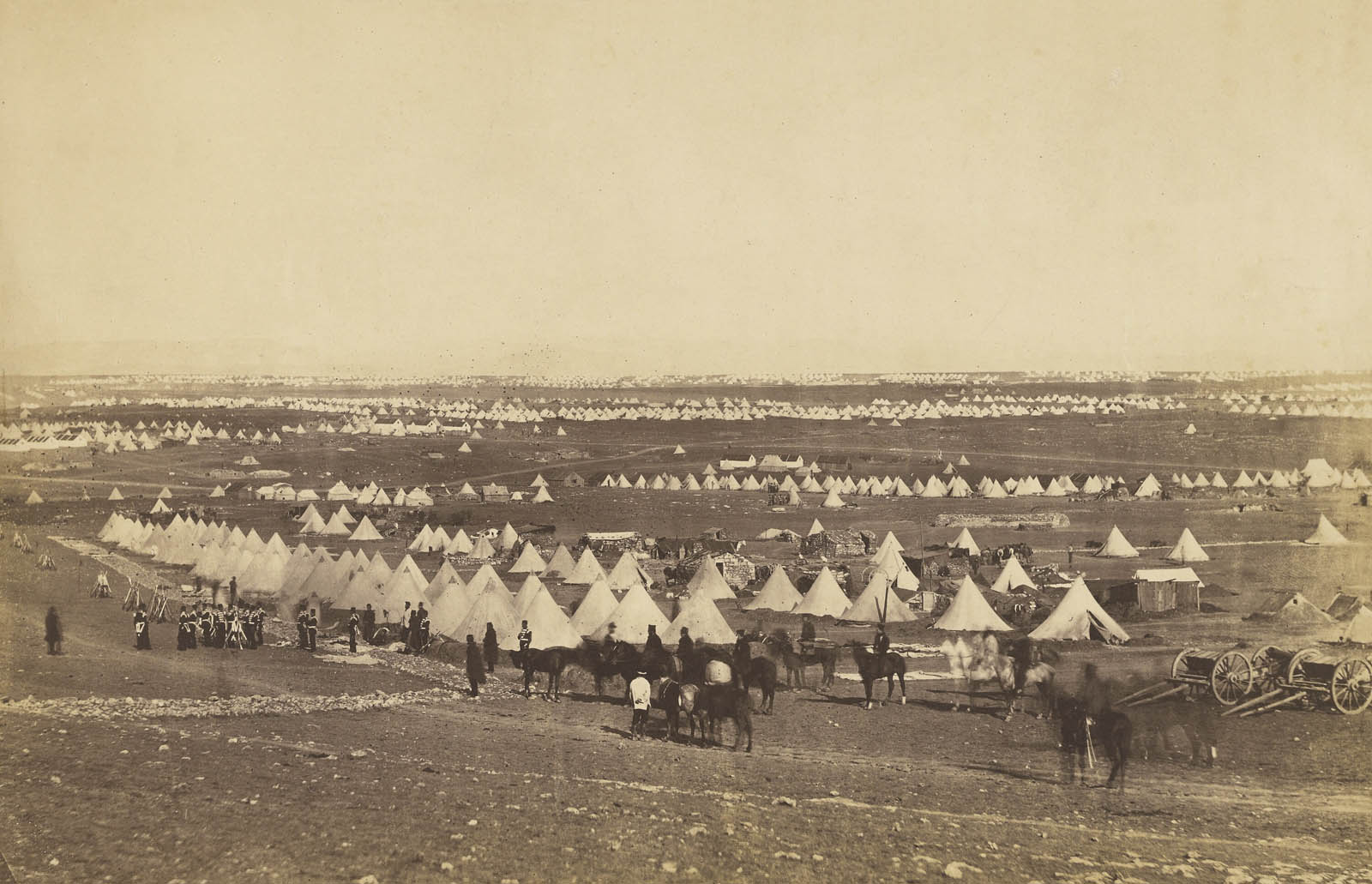
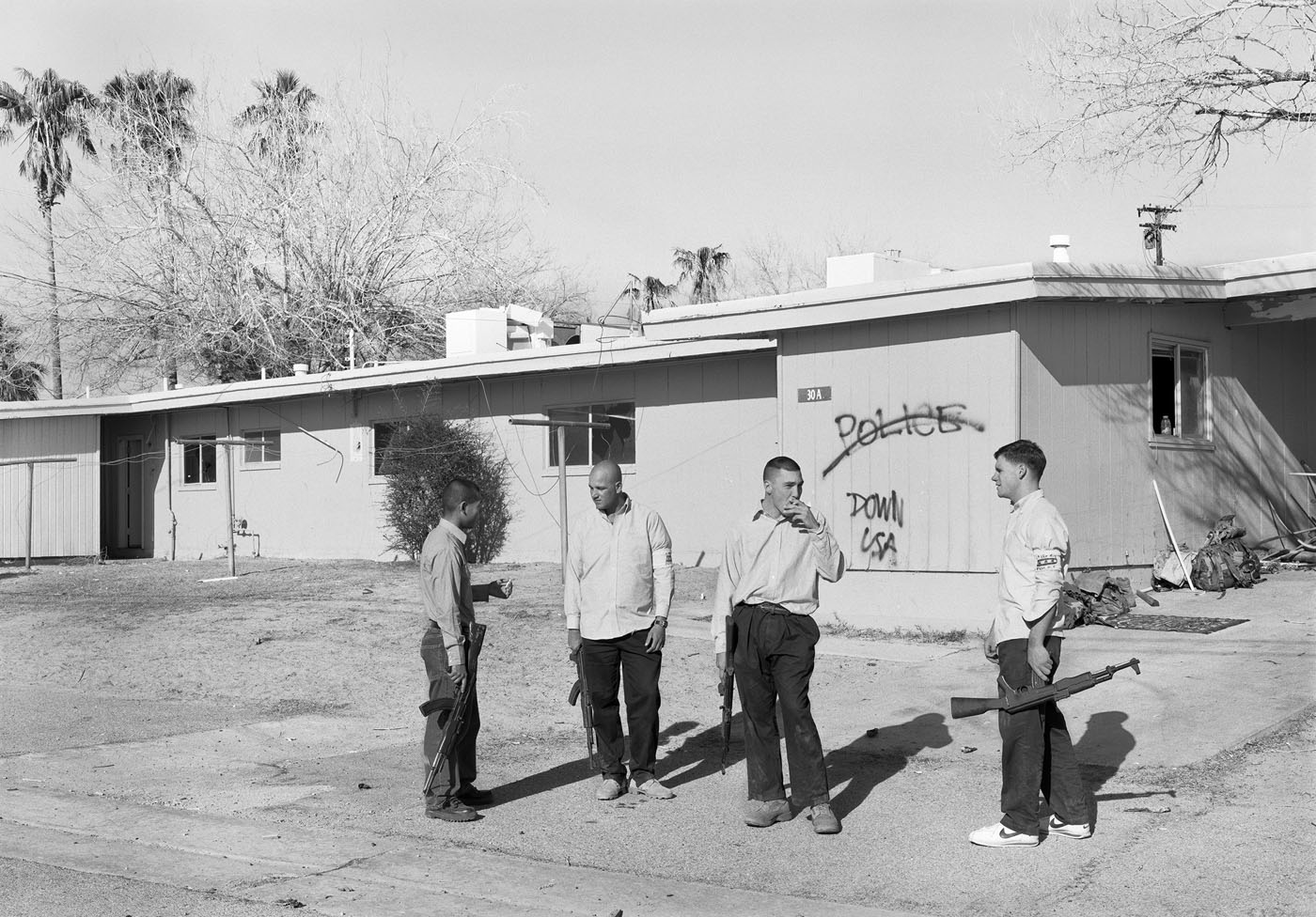

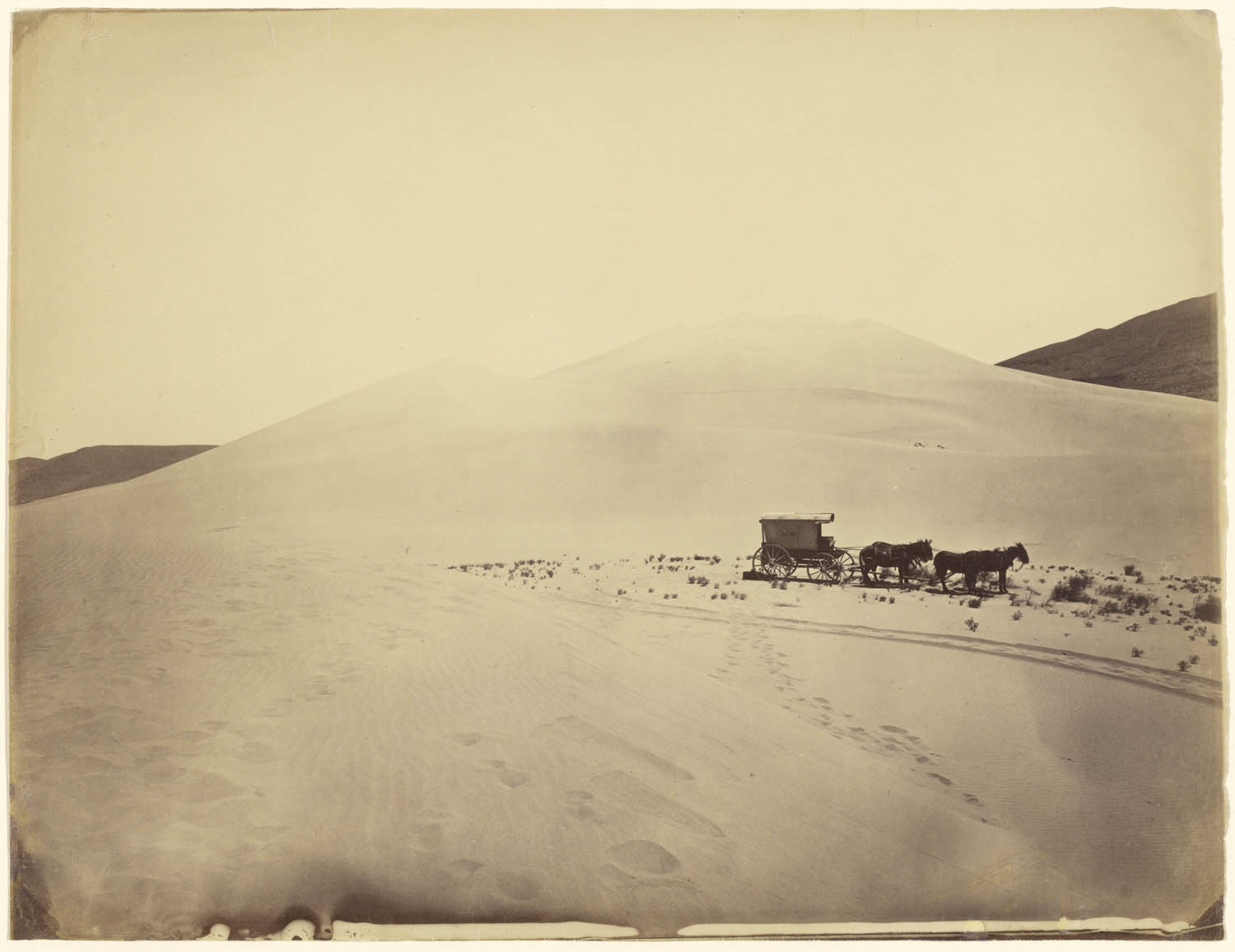
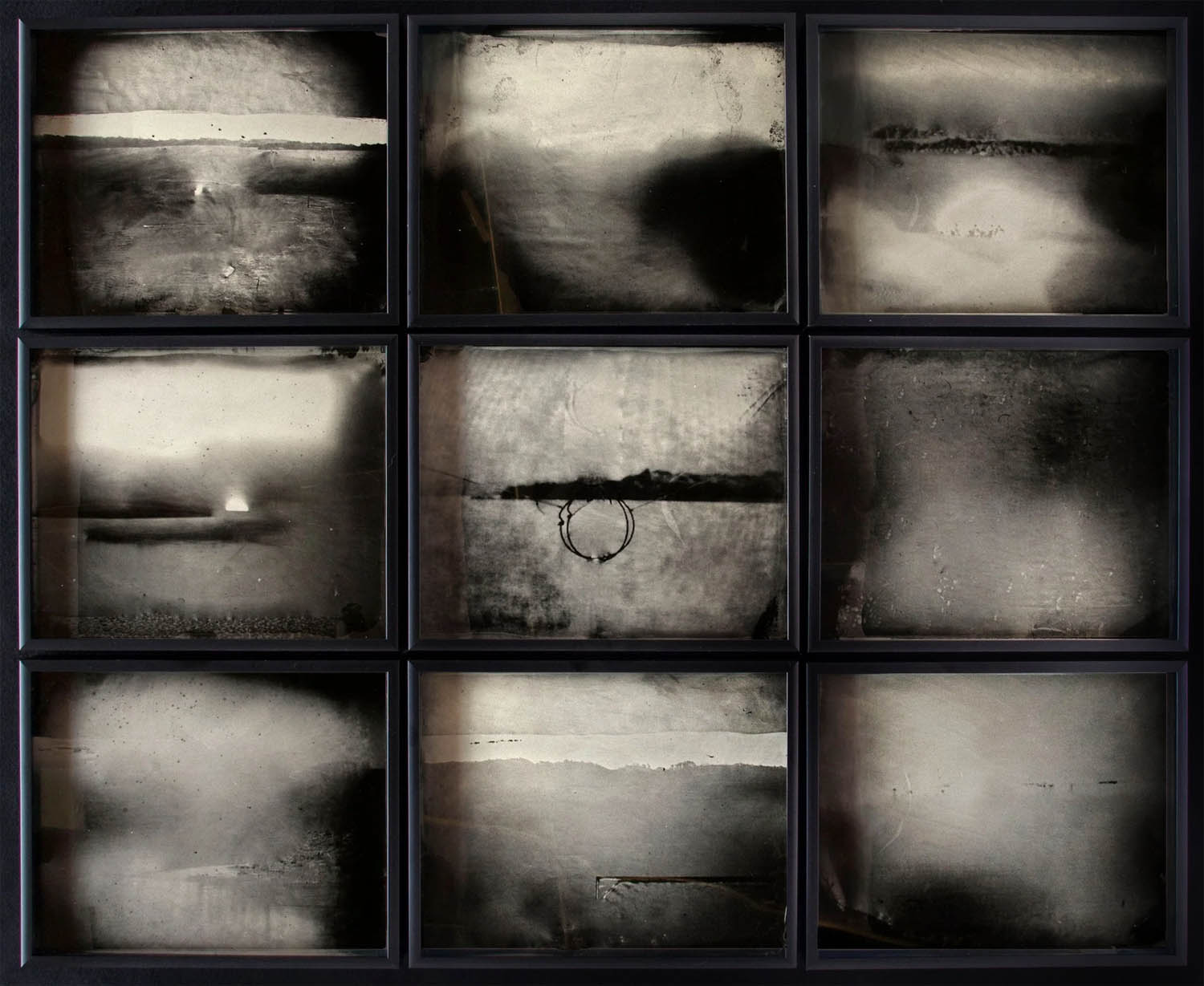
![A.J. Russell (American, 1830-1902) 'Embankment No. 3 West of Granite Cannon [Wyoming]' April 1868](https://artblart.com/wp-content/uploads/2024/05/russell-embankment-no.-3-west-of-granite-cannon.jpg "A.J. Russell (American, 1830-1902) 'Embankment No. 3 West of Granite Cannon [Wyoming]' April 1868")

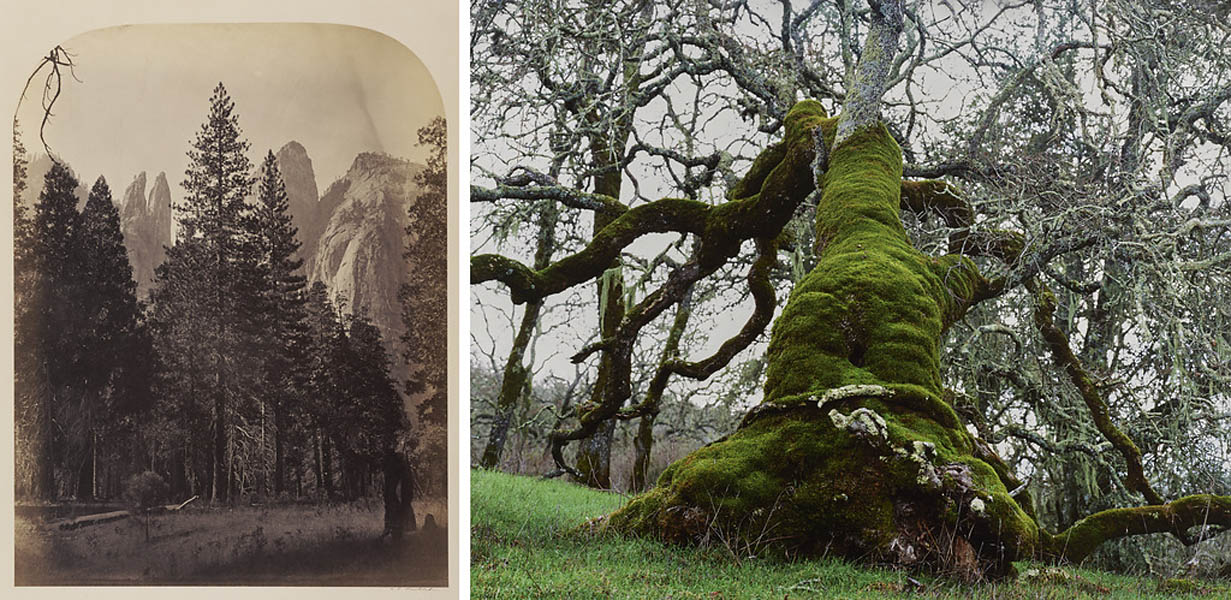
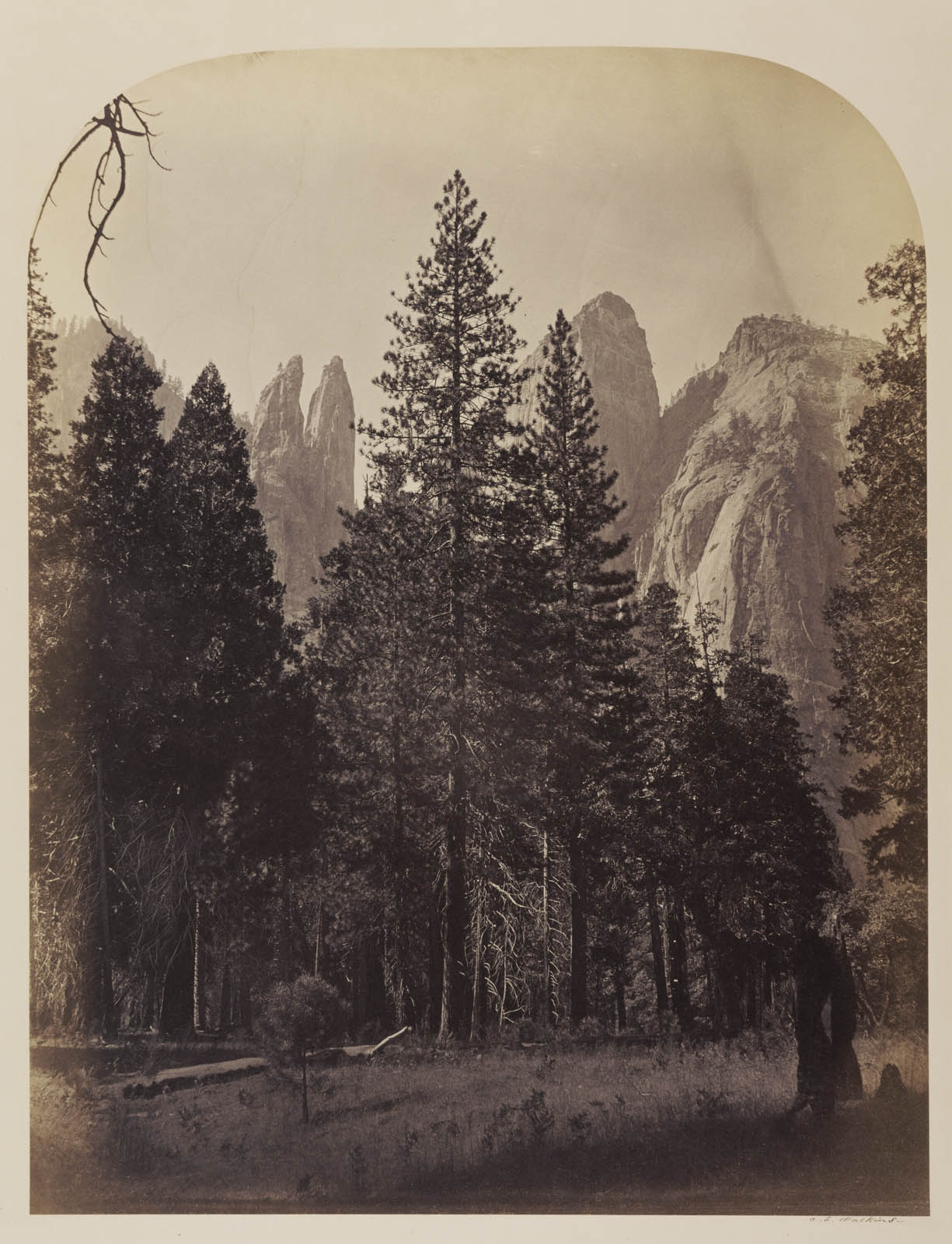
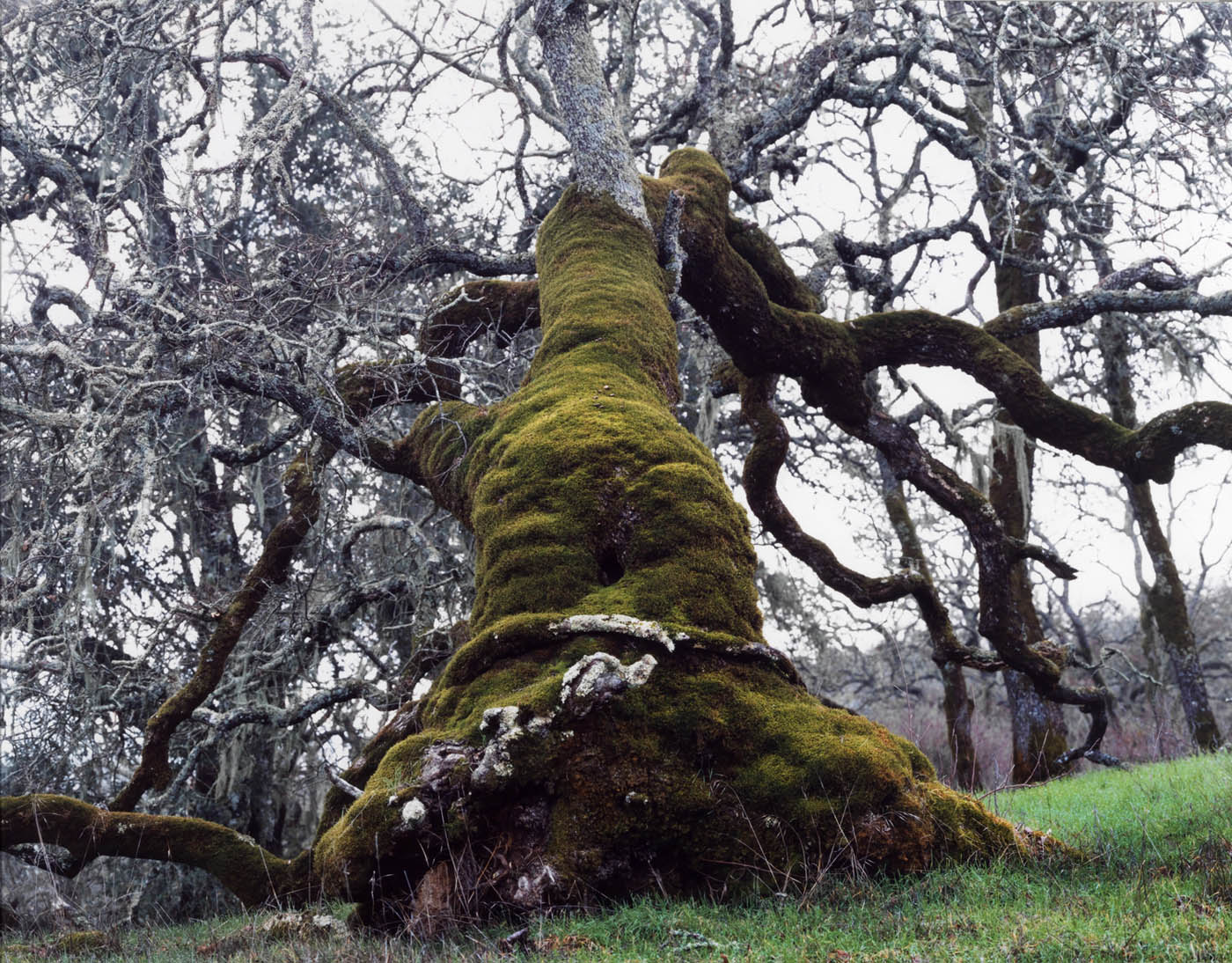

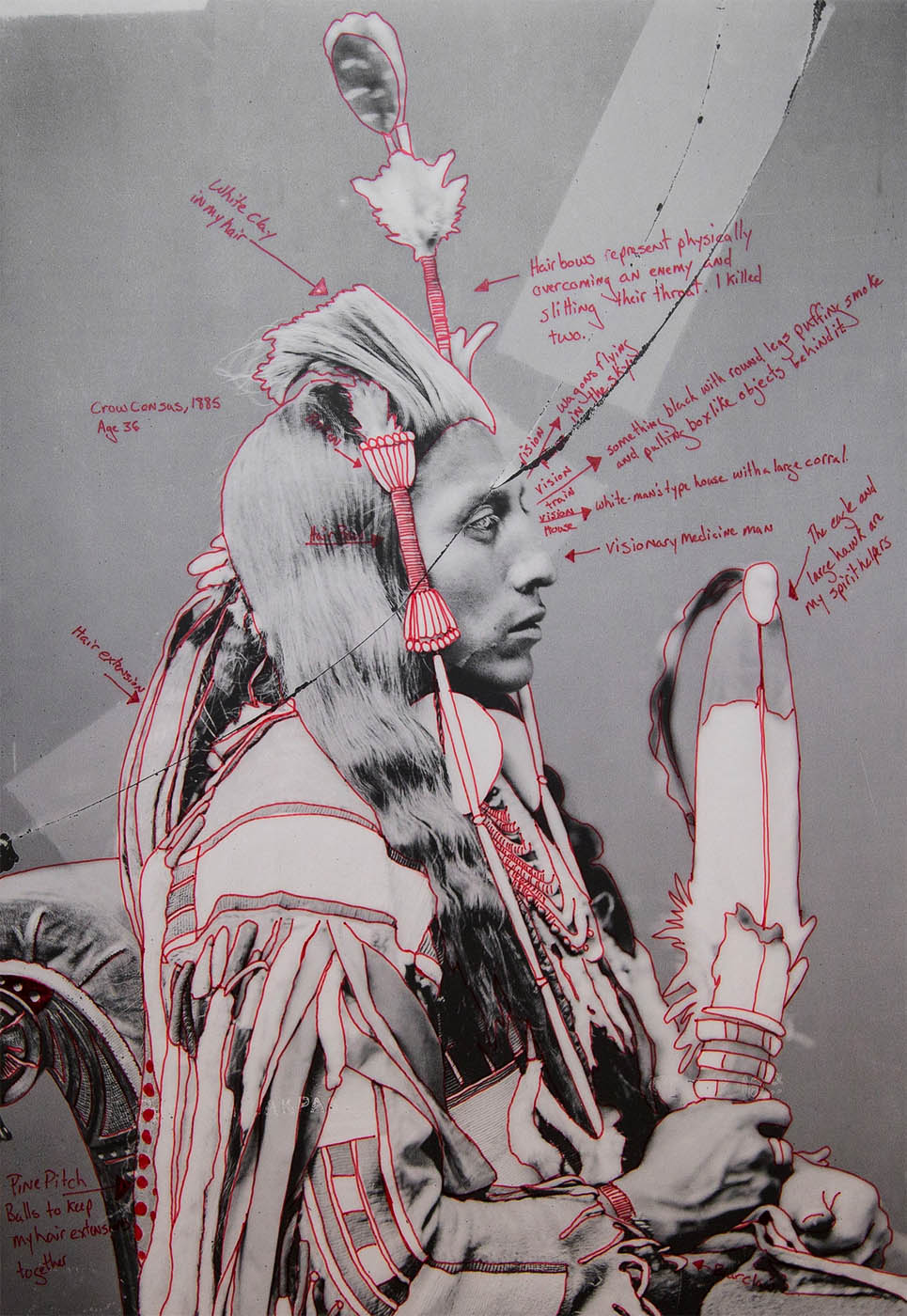
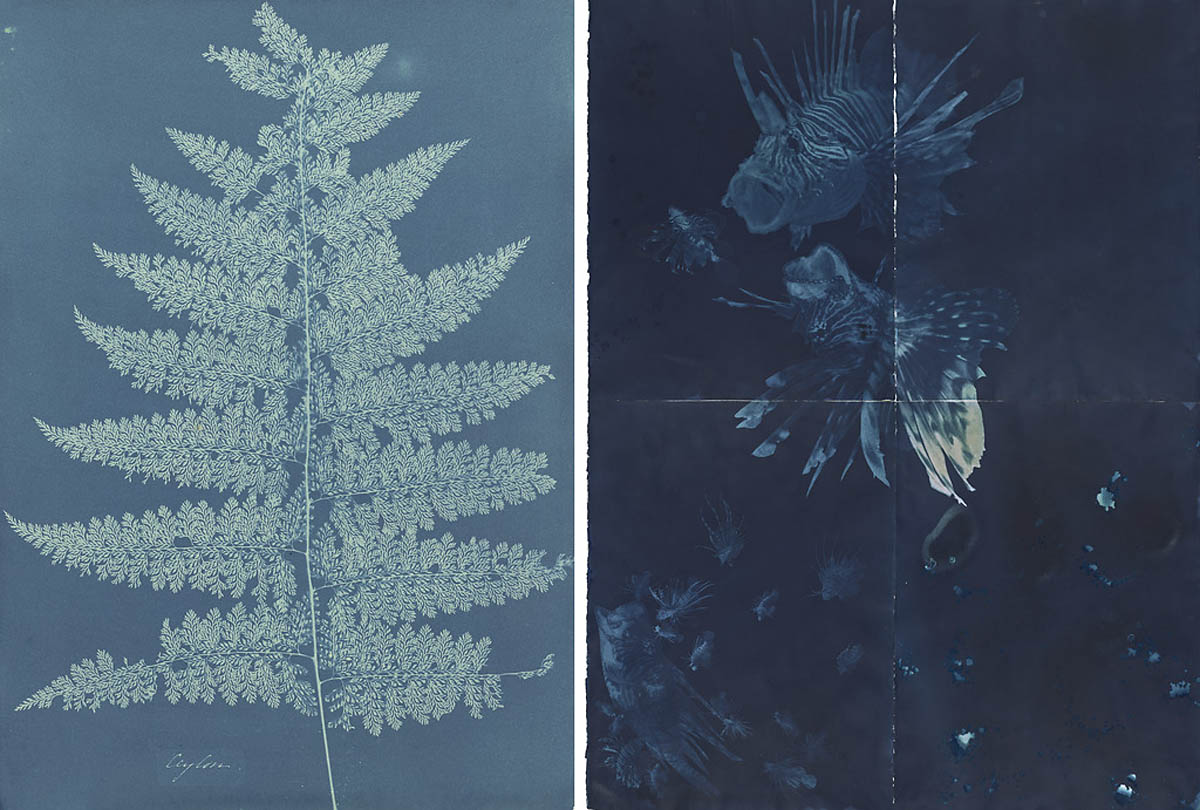
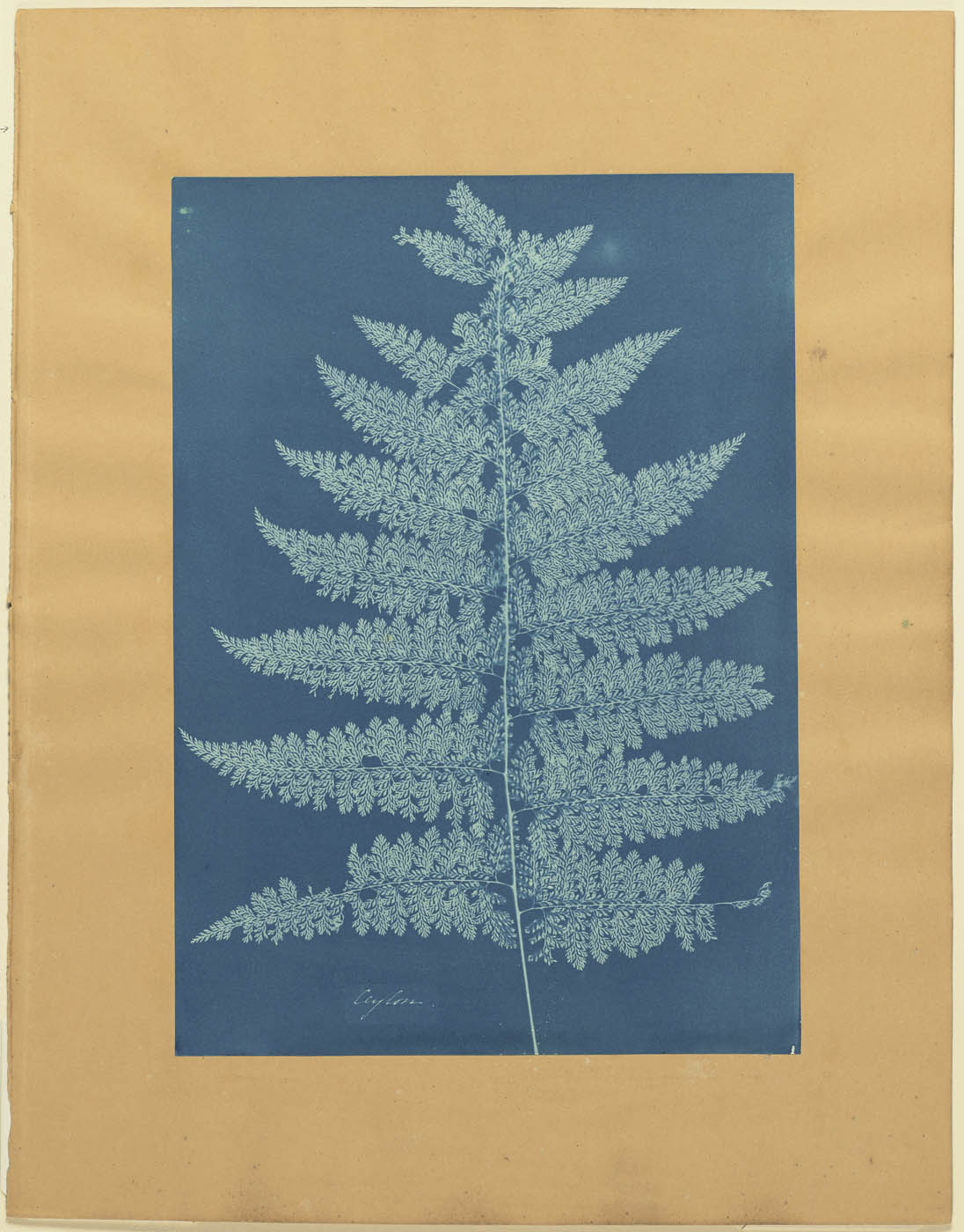
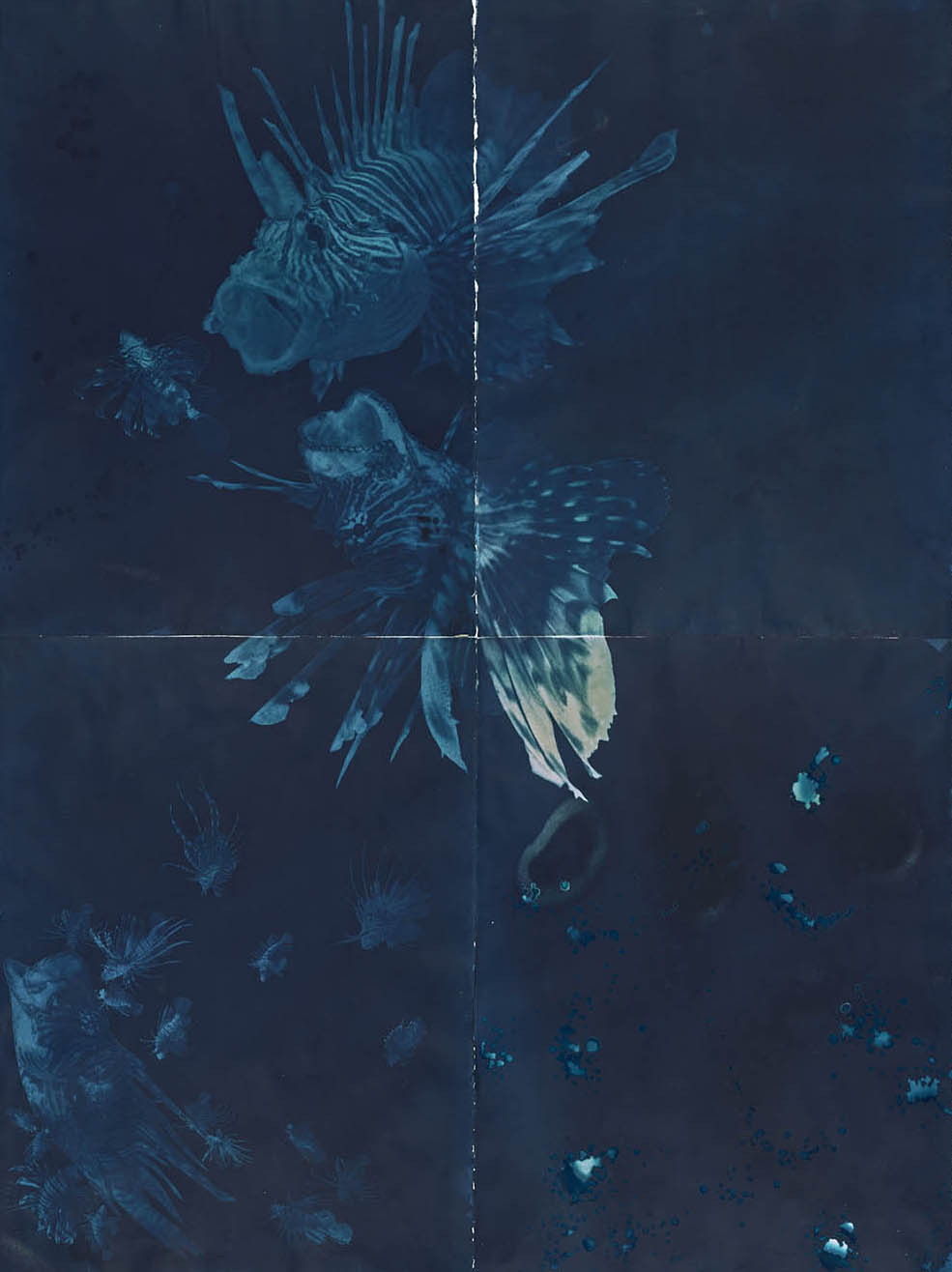
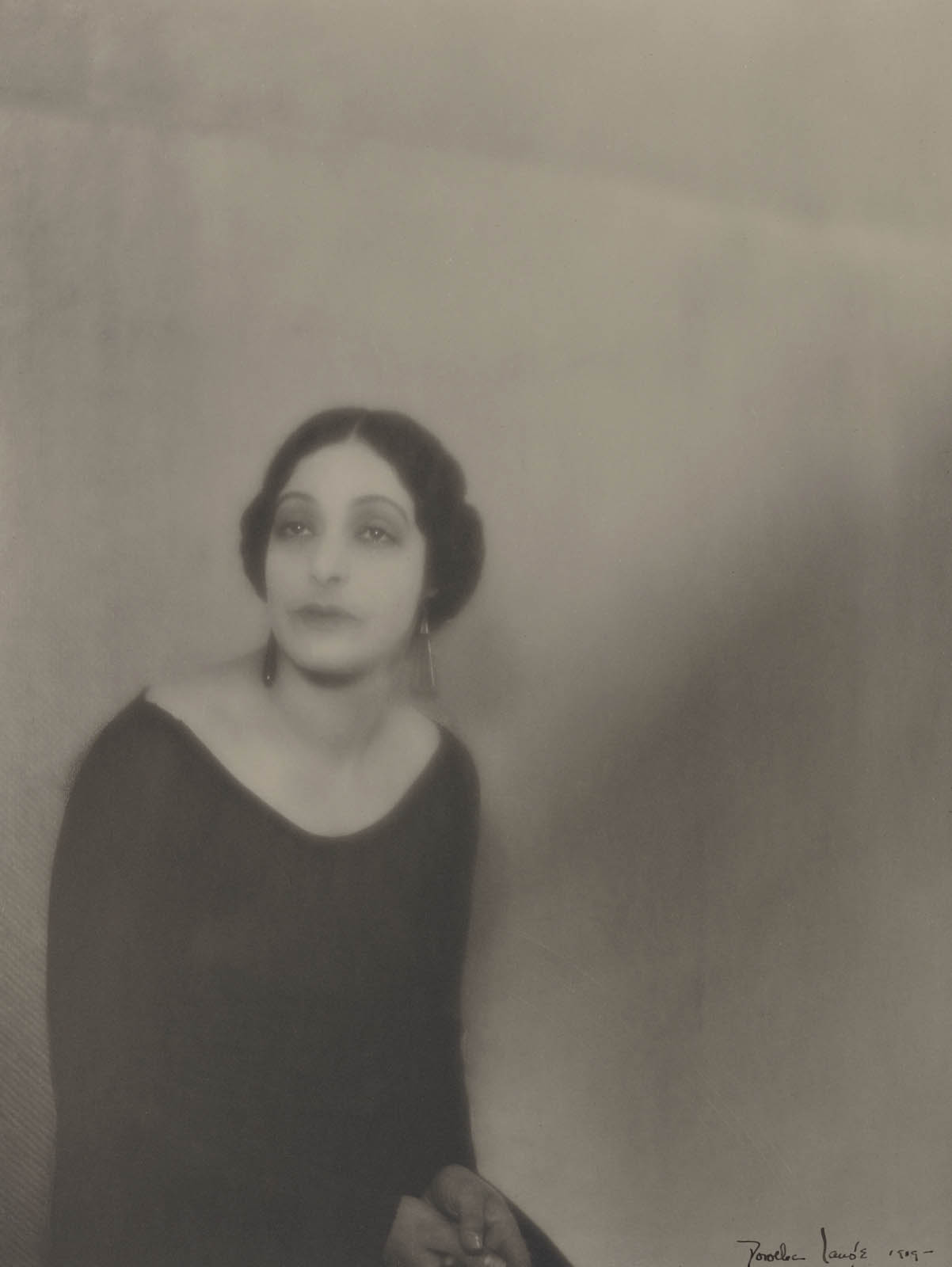


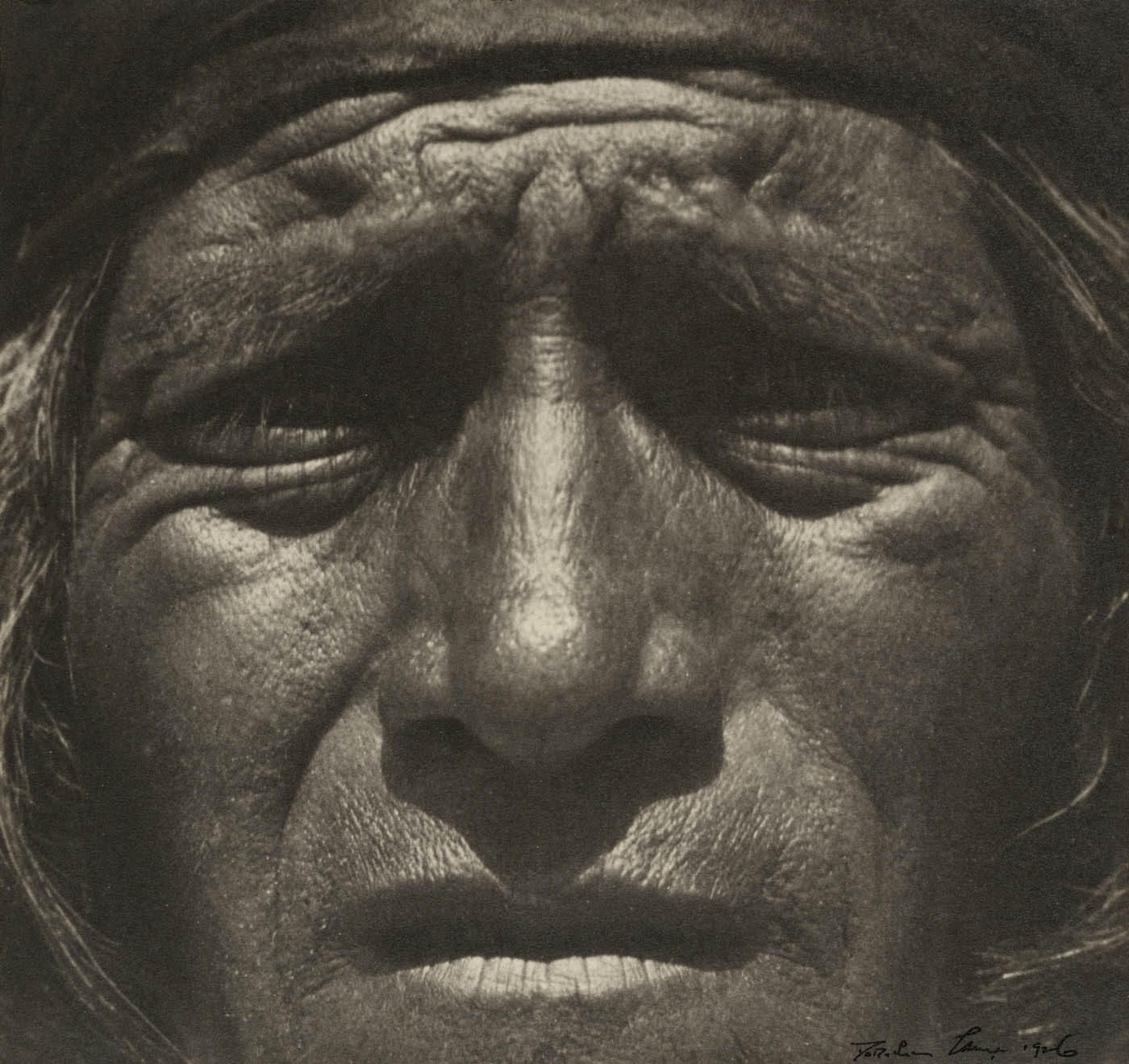


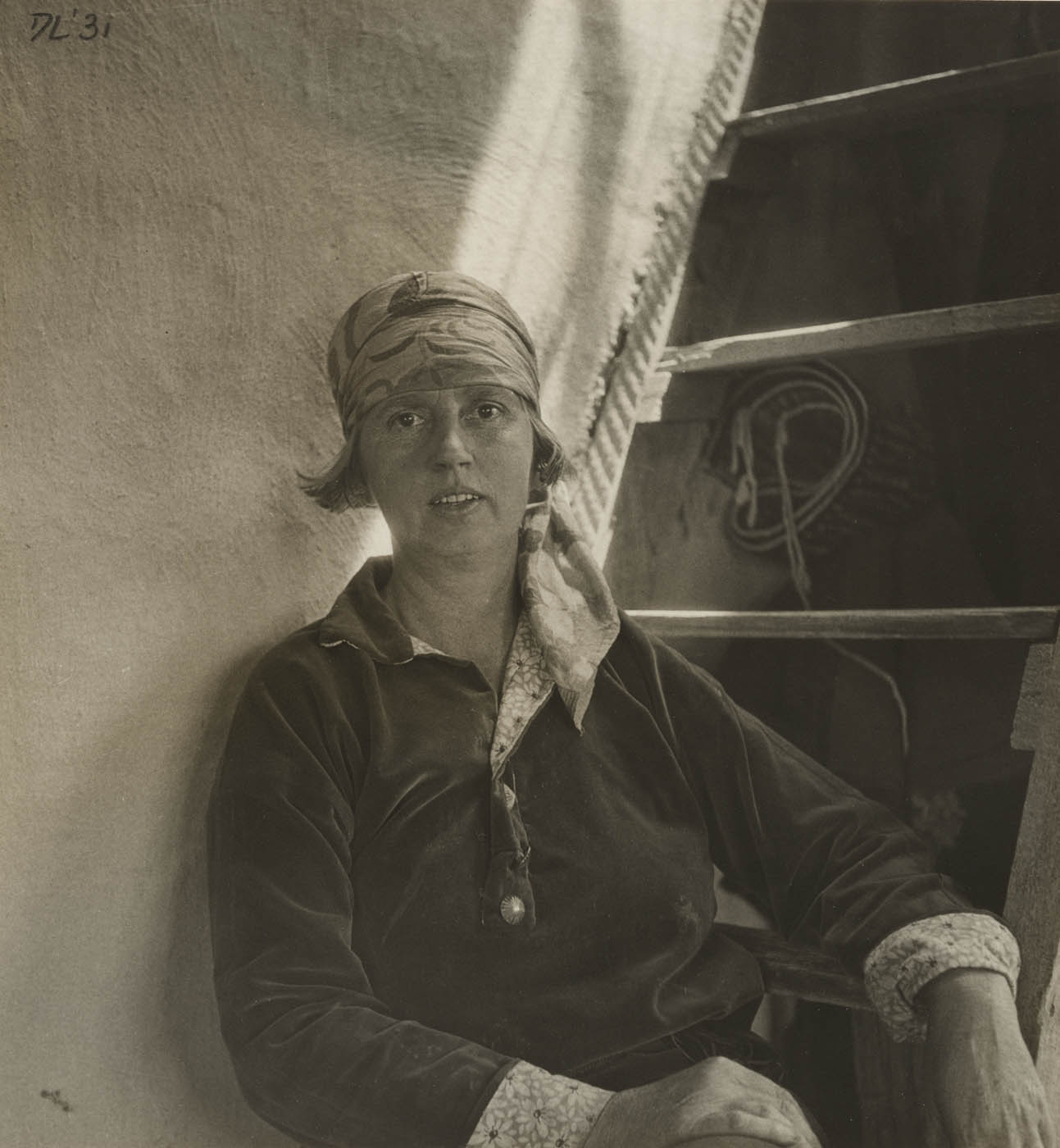


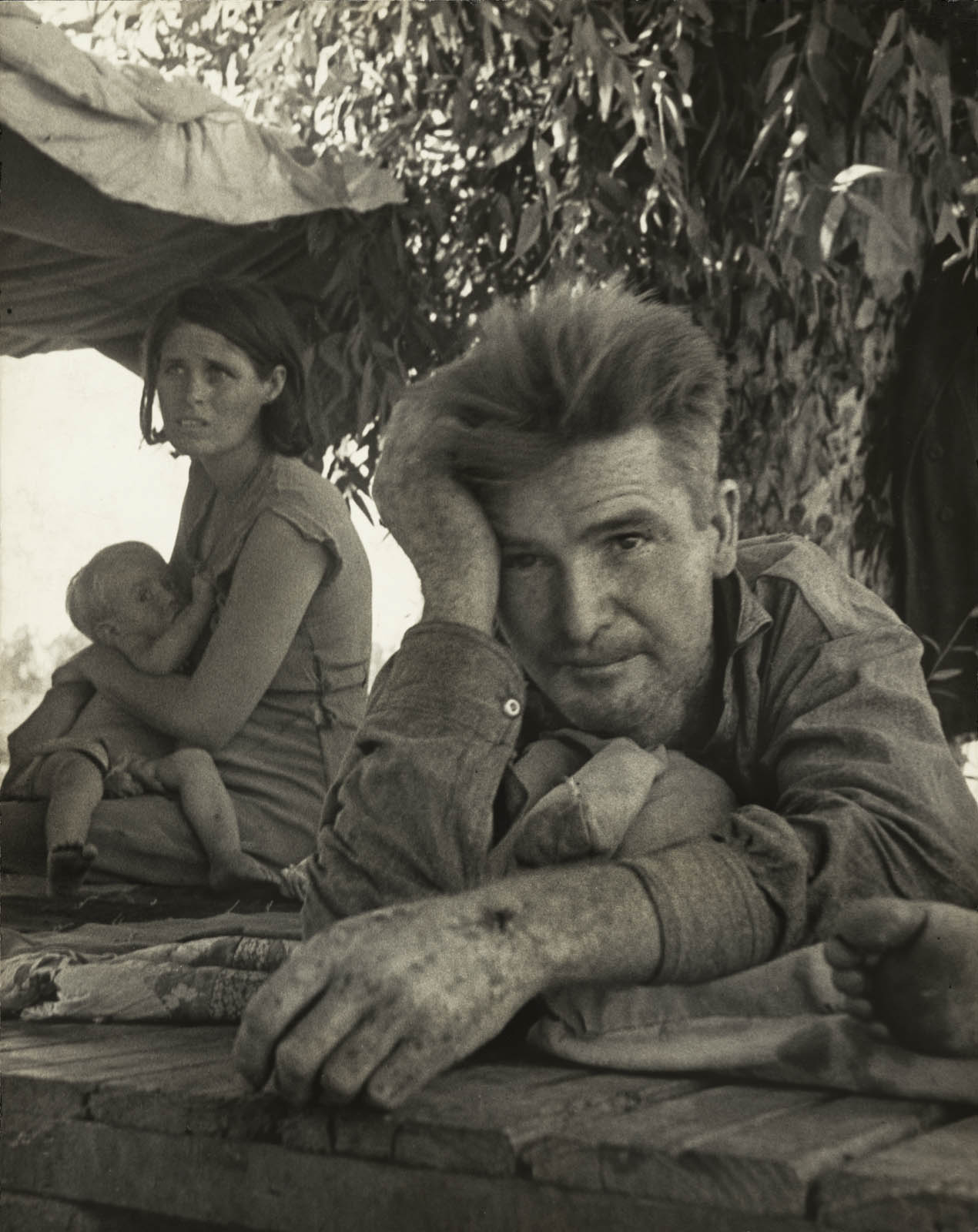
![Dorothea Lange (American, 1895-1965) 'Child Living in Oklahoma City Shacktown [Damaged Child, Shacktown]' August 1936](https://artblart.com/wp-content/uploads/2024/02/5558-093-web.jpg "Dorothea Lange (American, 1895-1965) 'Child Living in Oklahoma City Shacktown [Damaged Child, Shacktown]' August 1936")


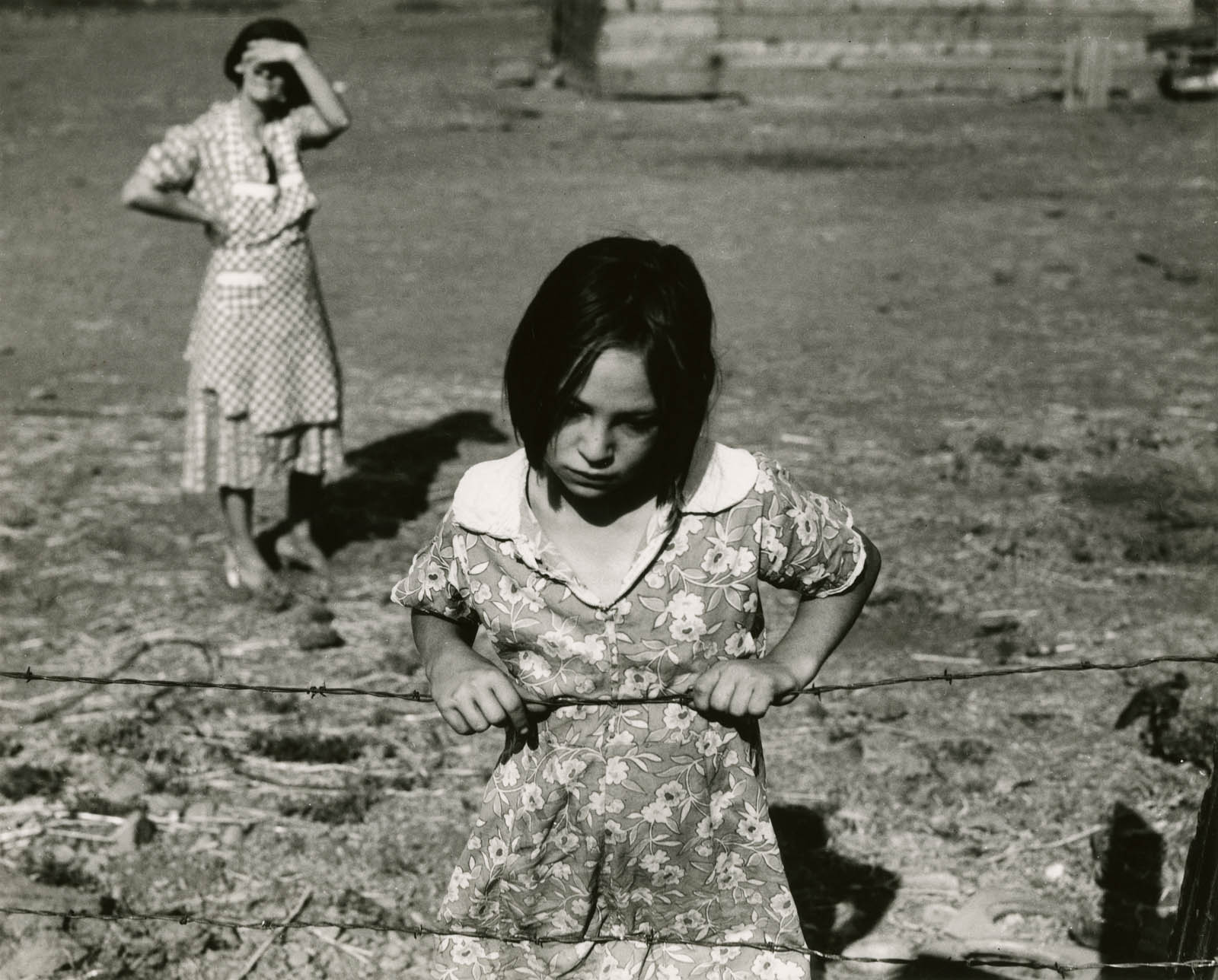


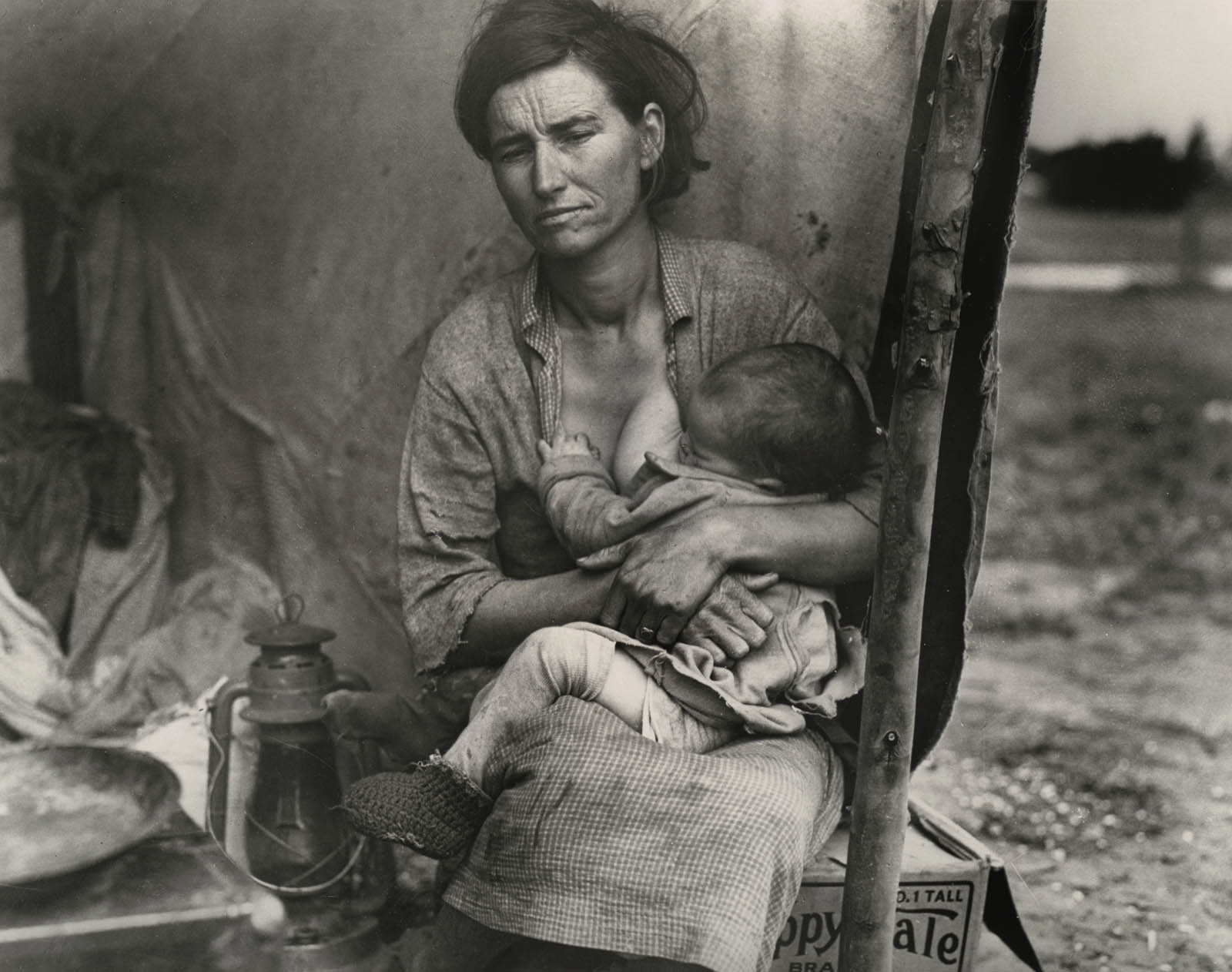


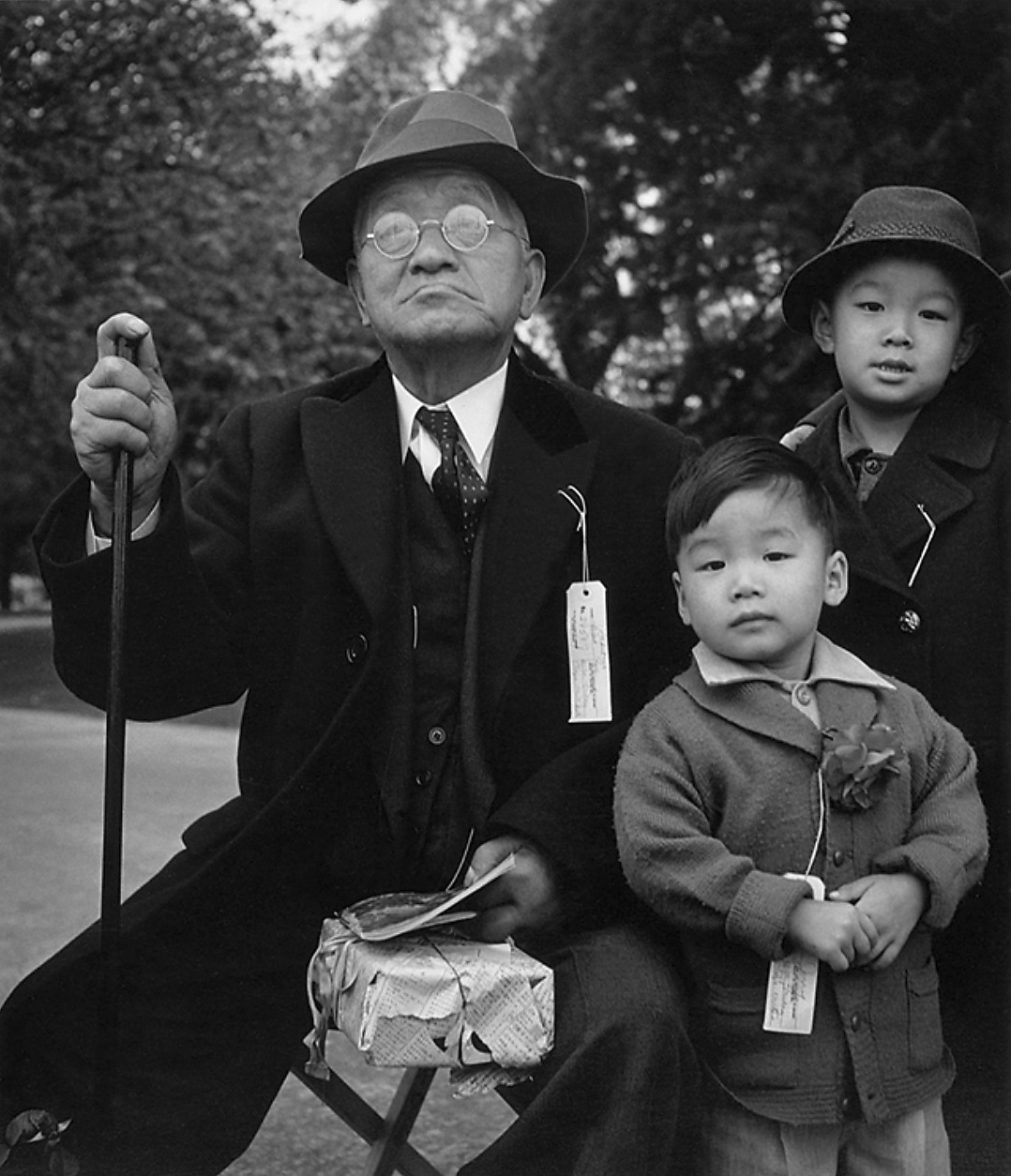


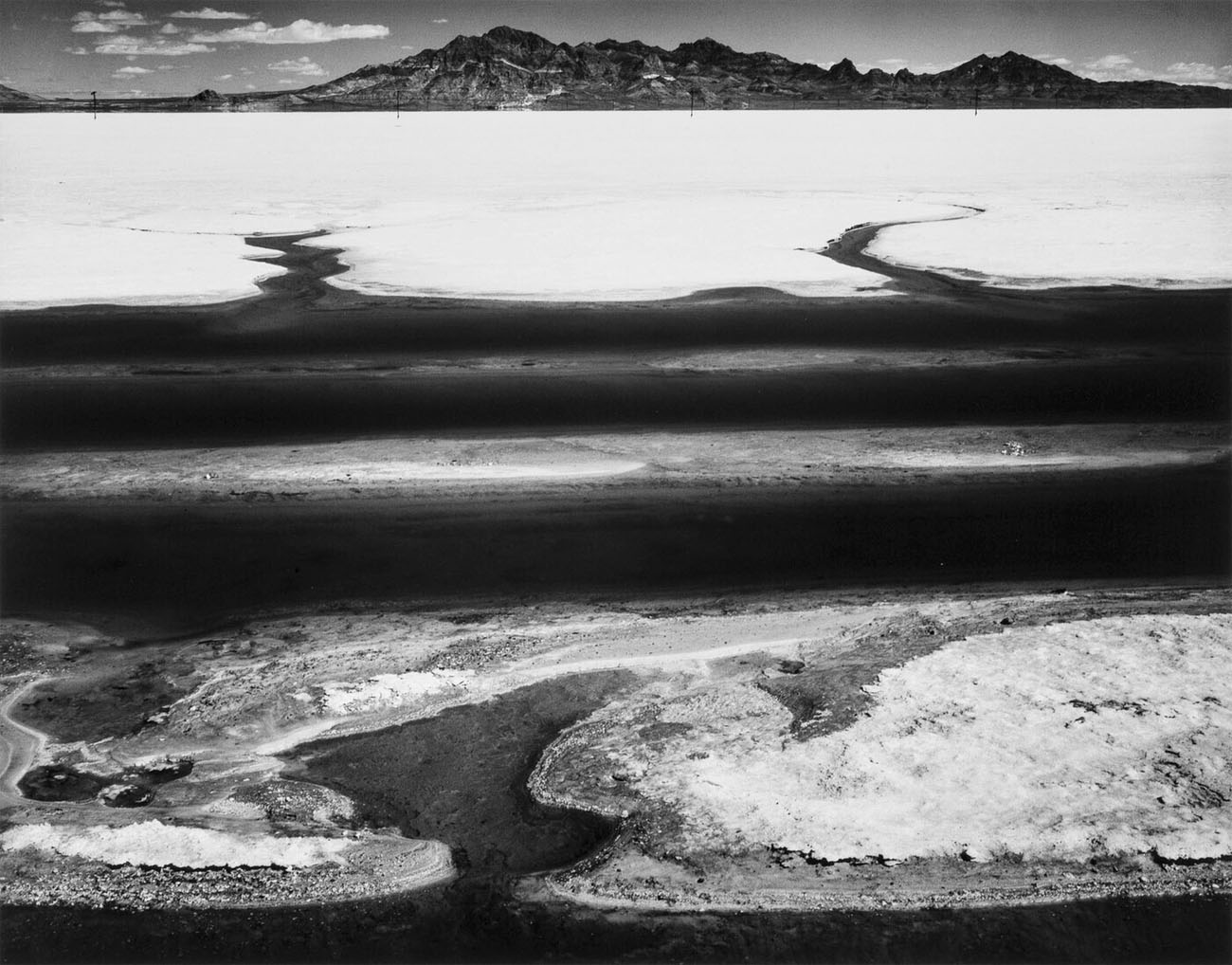
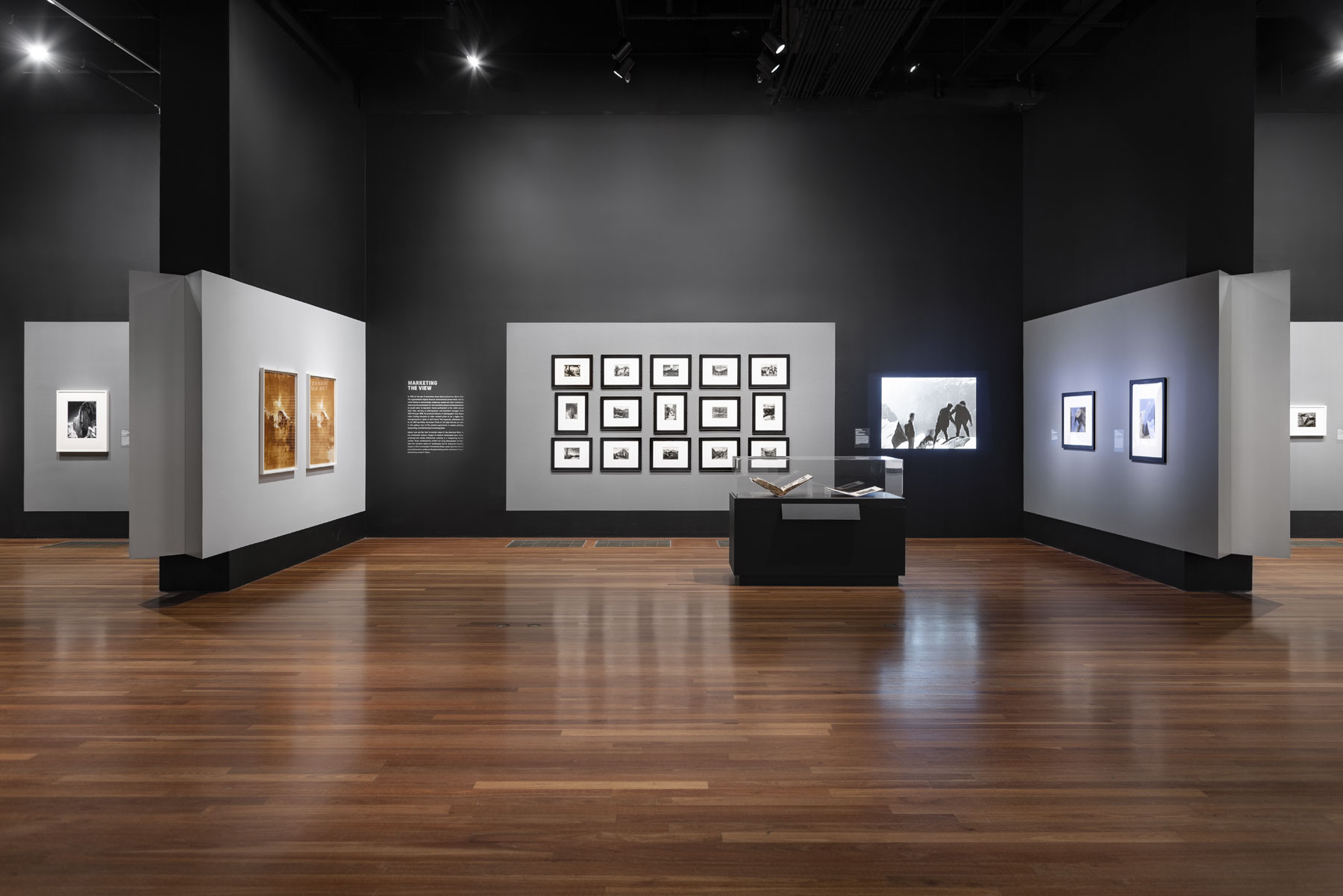
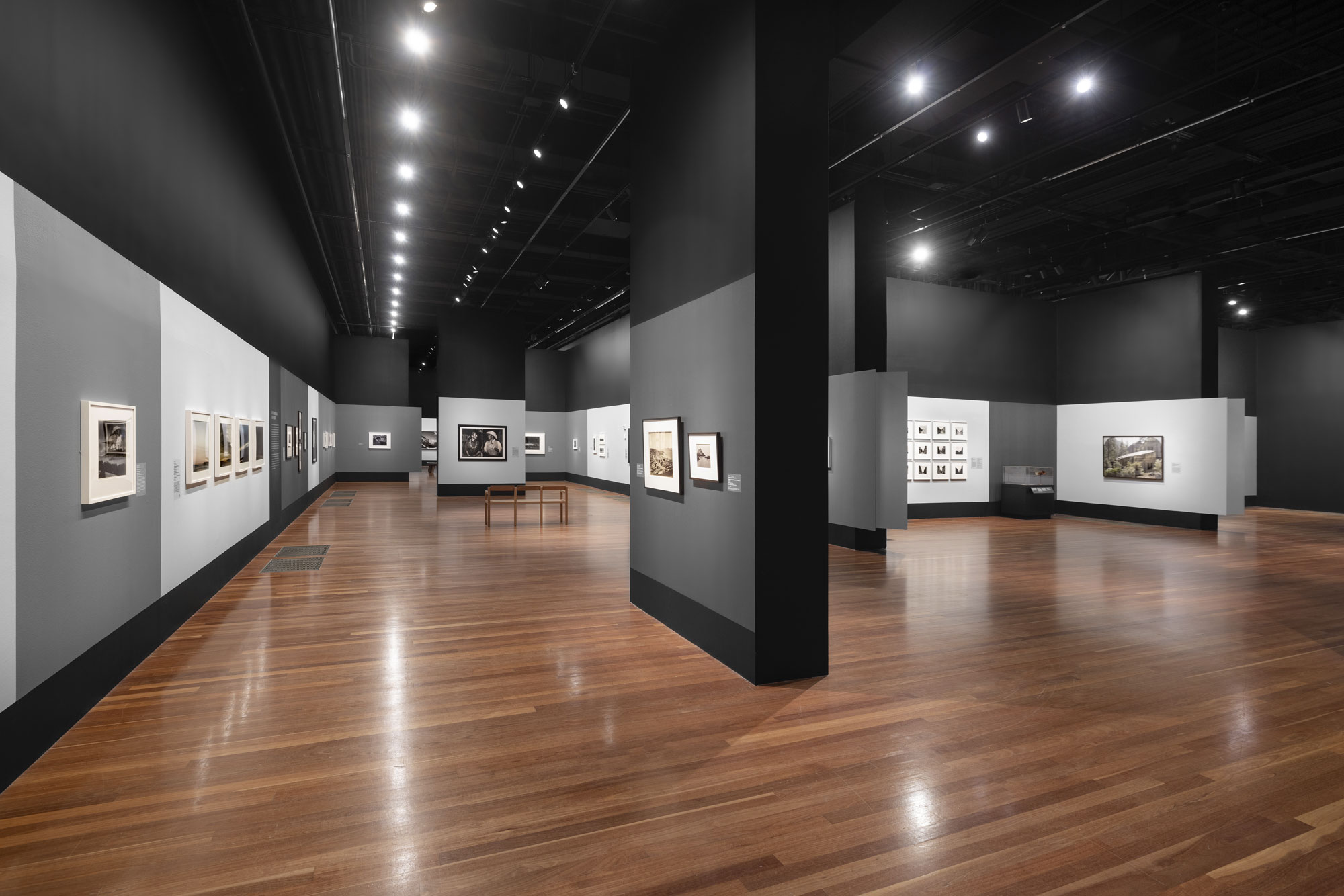
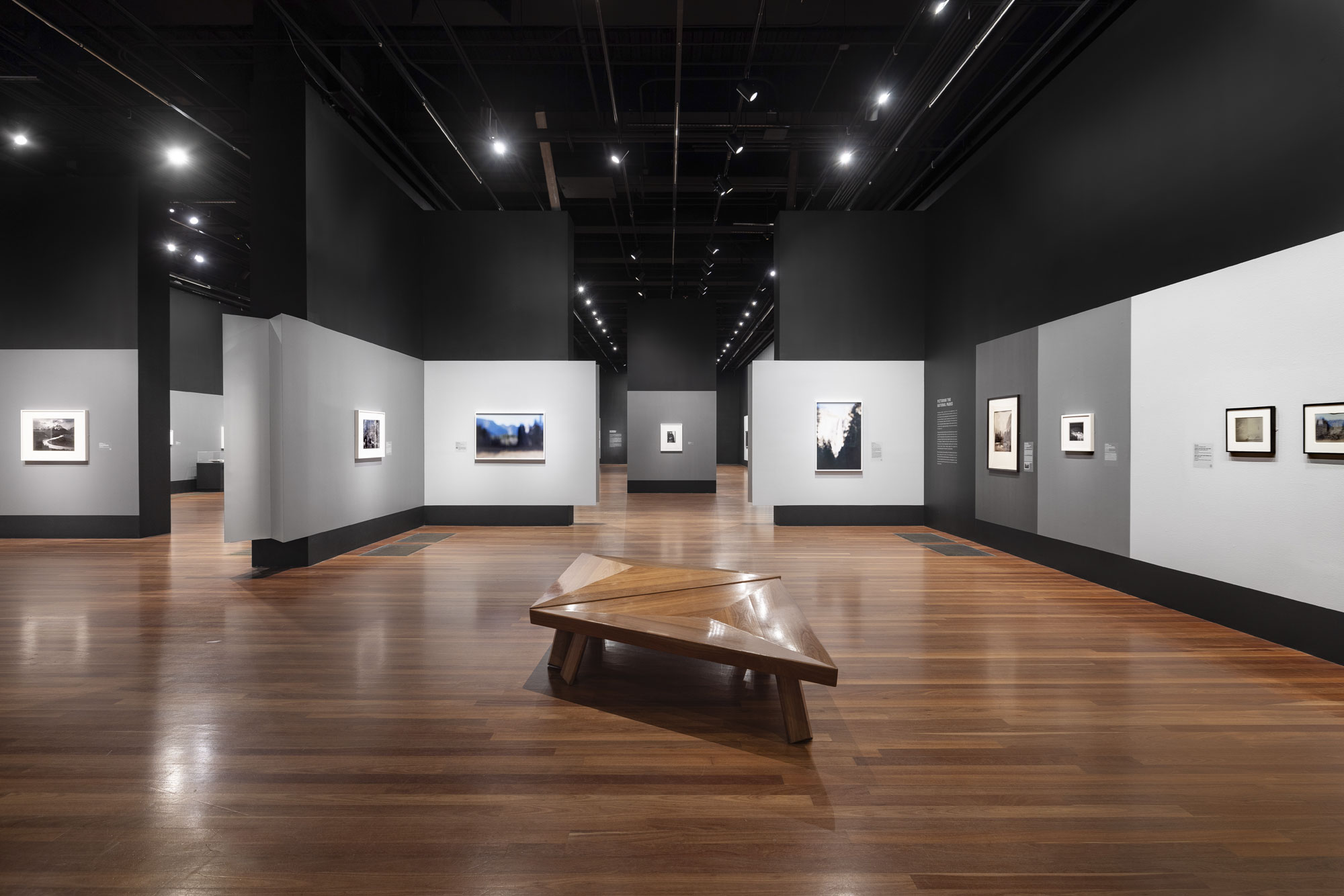
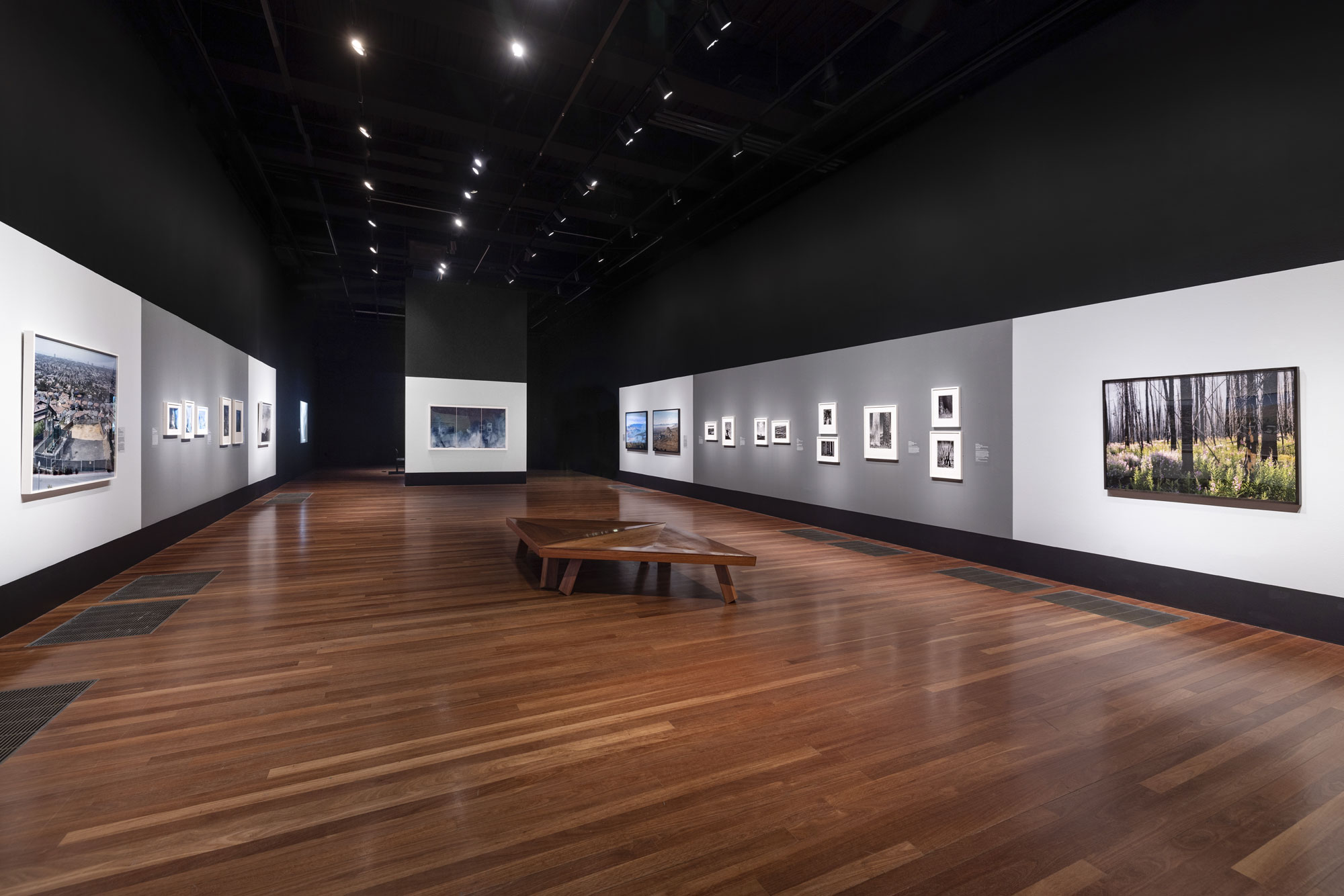
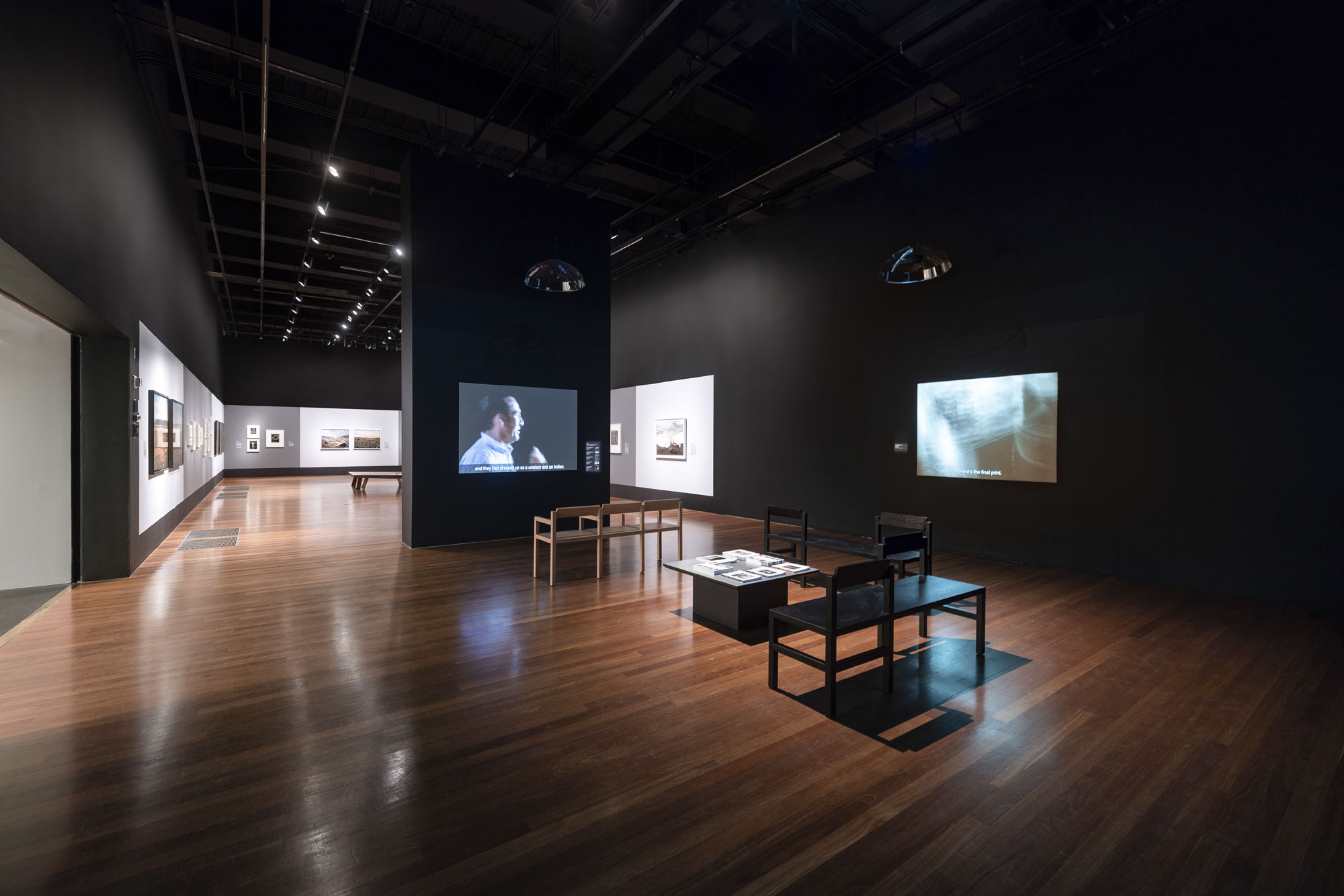
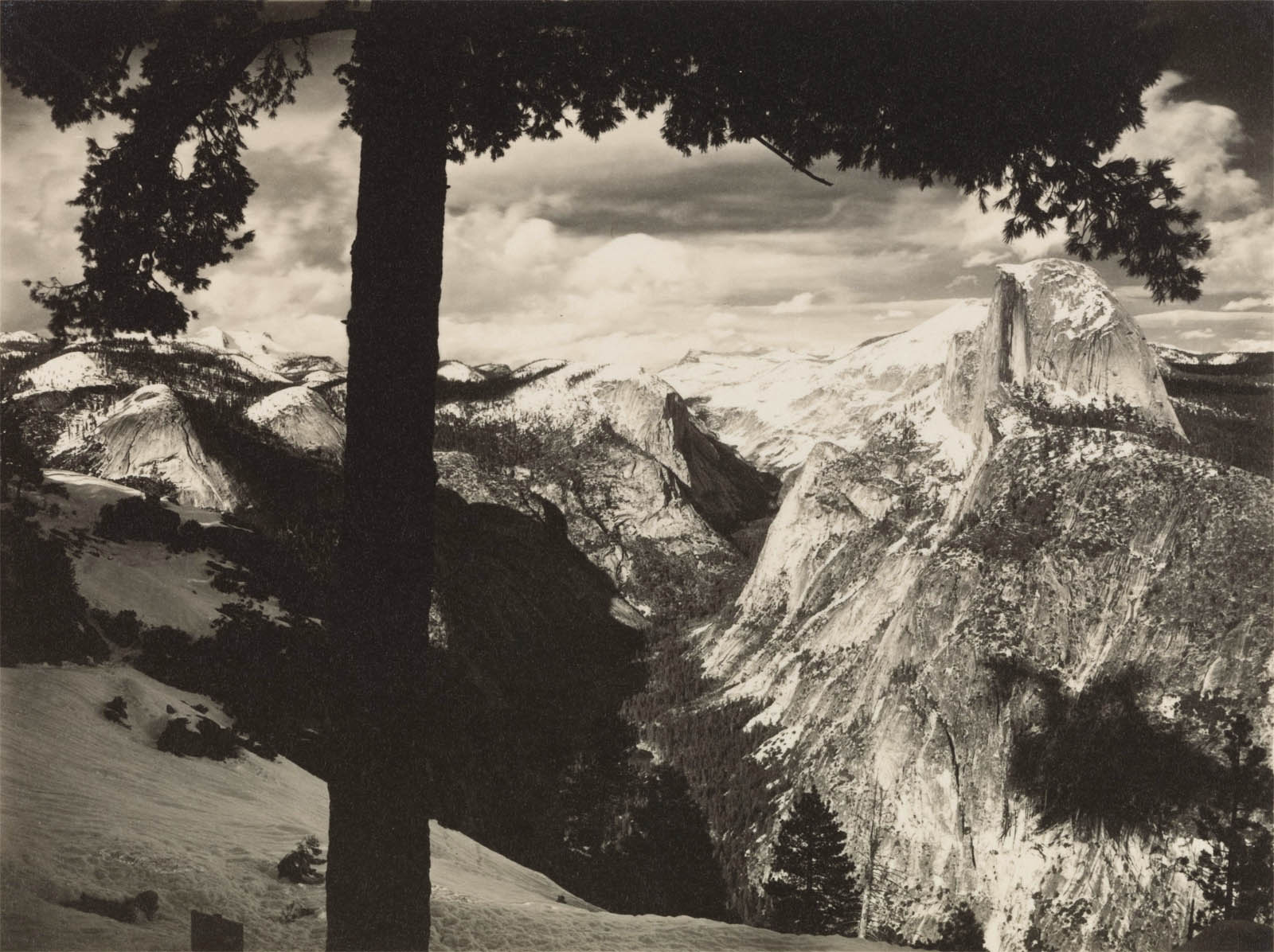
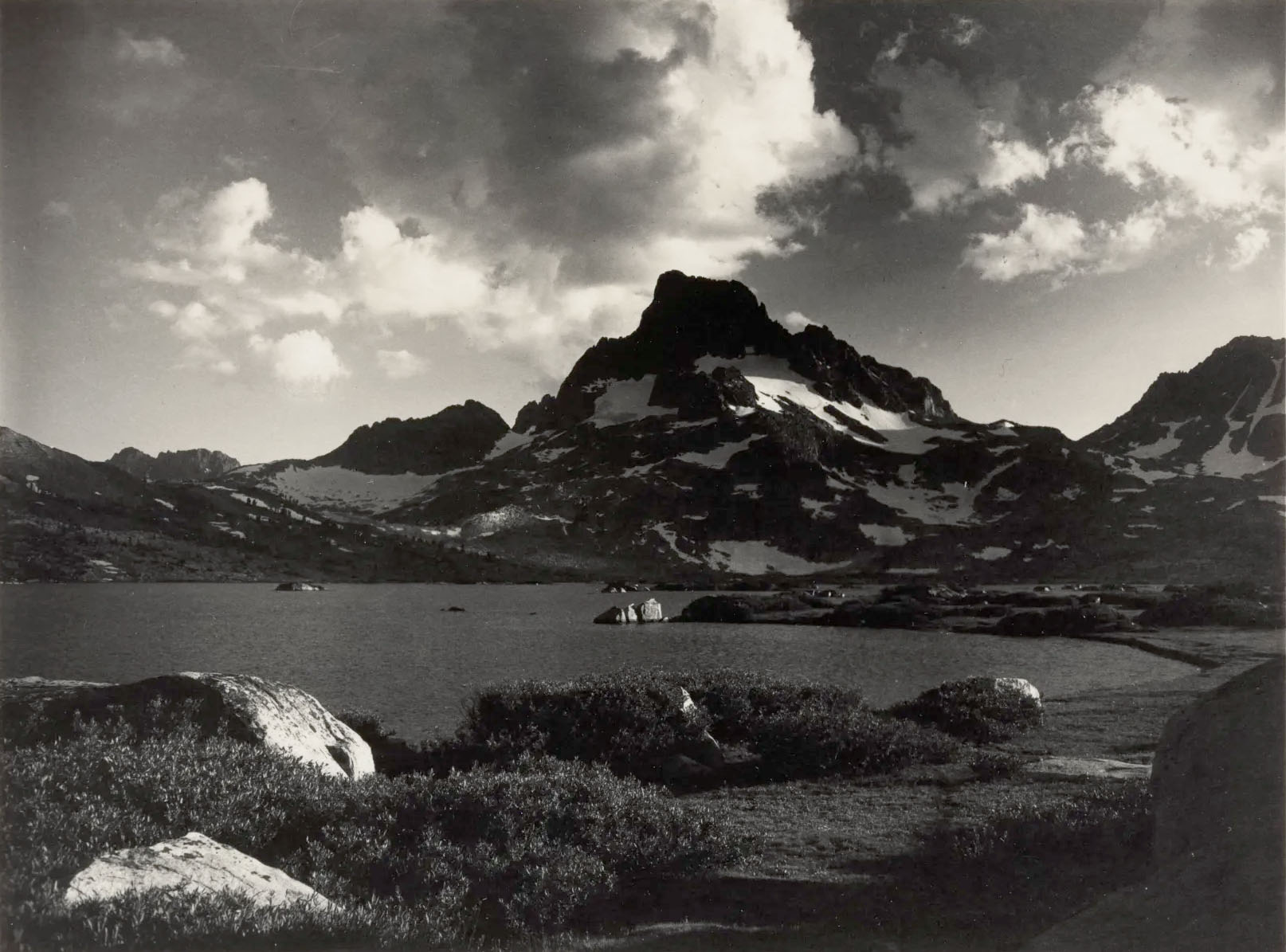
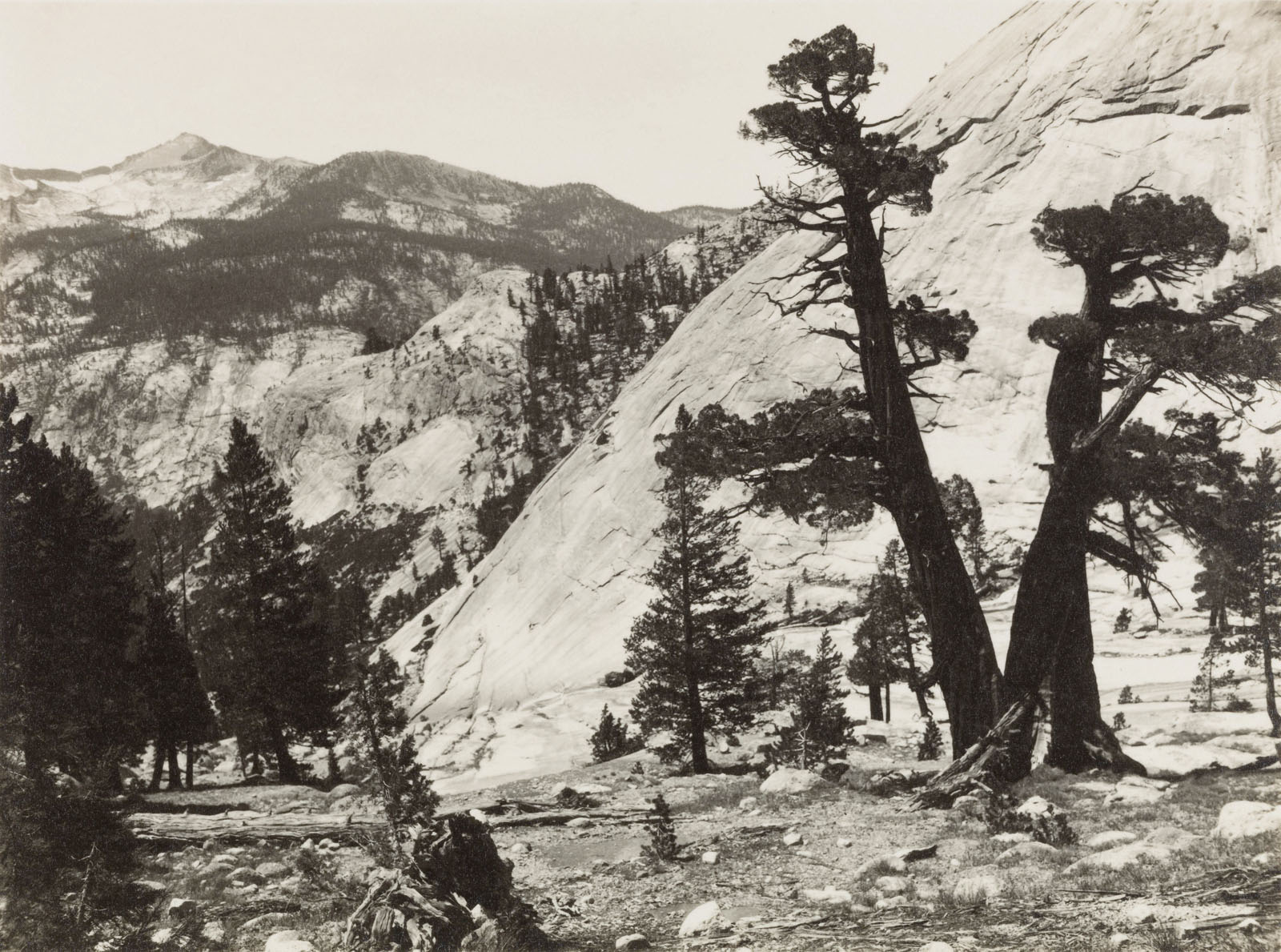
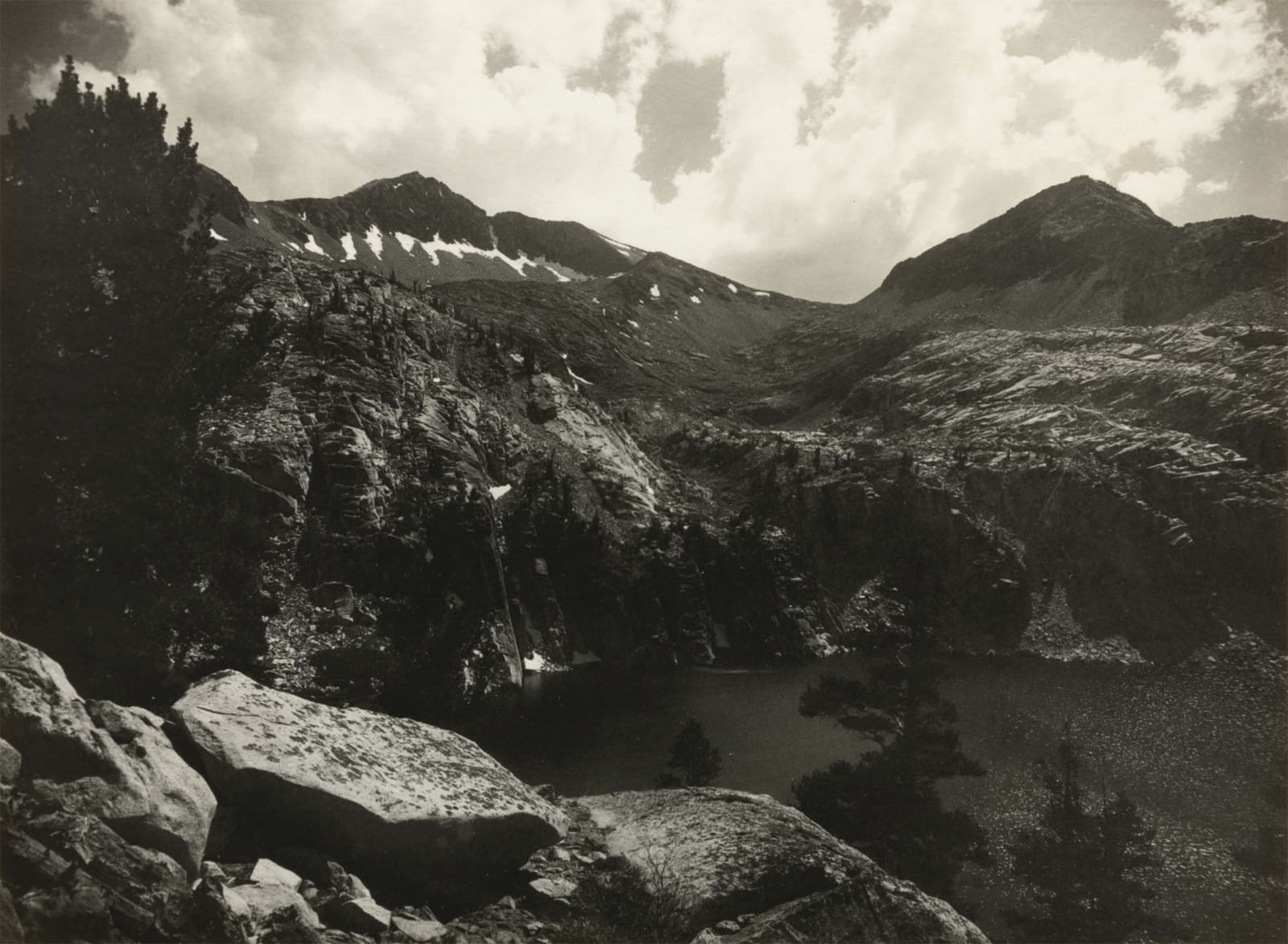

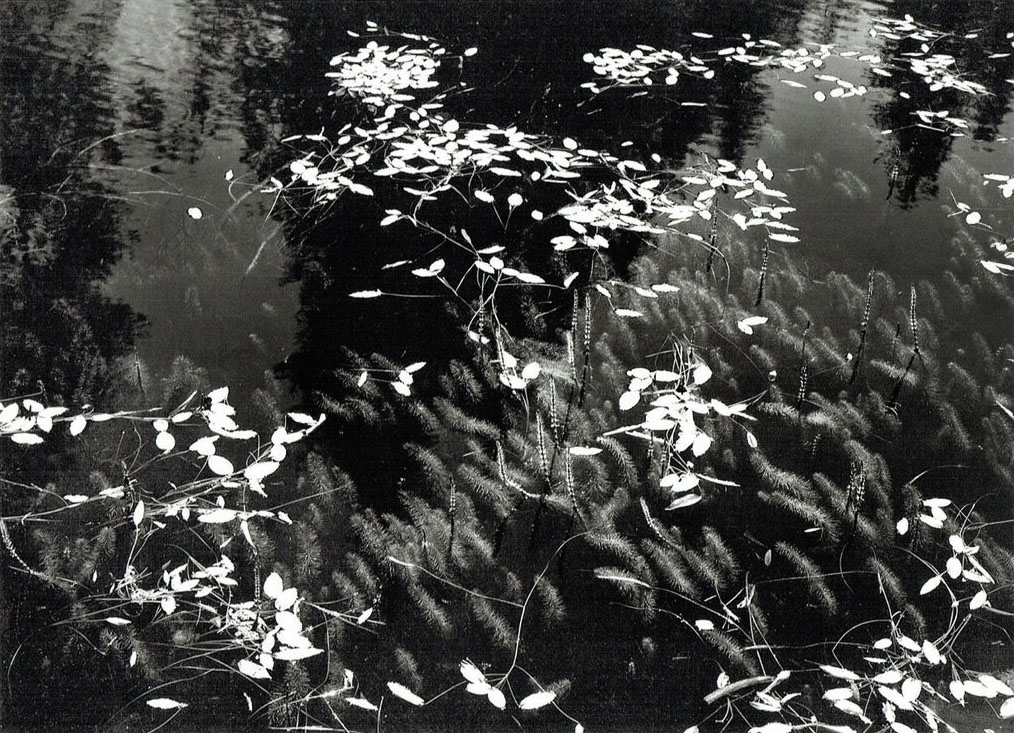
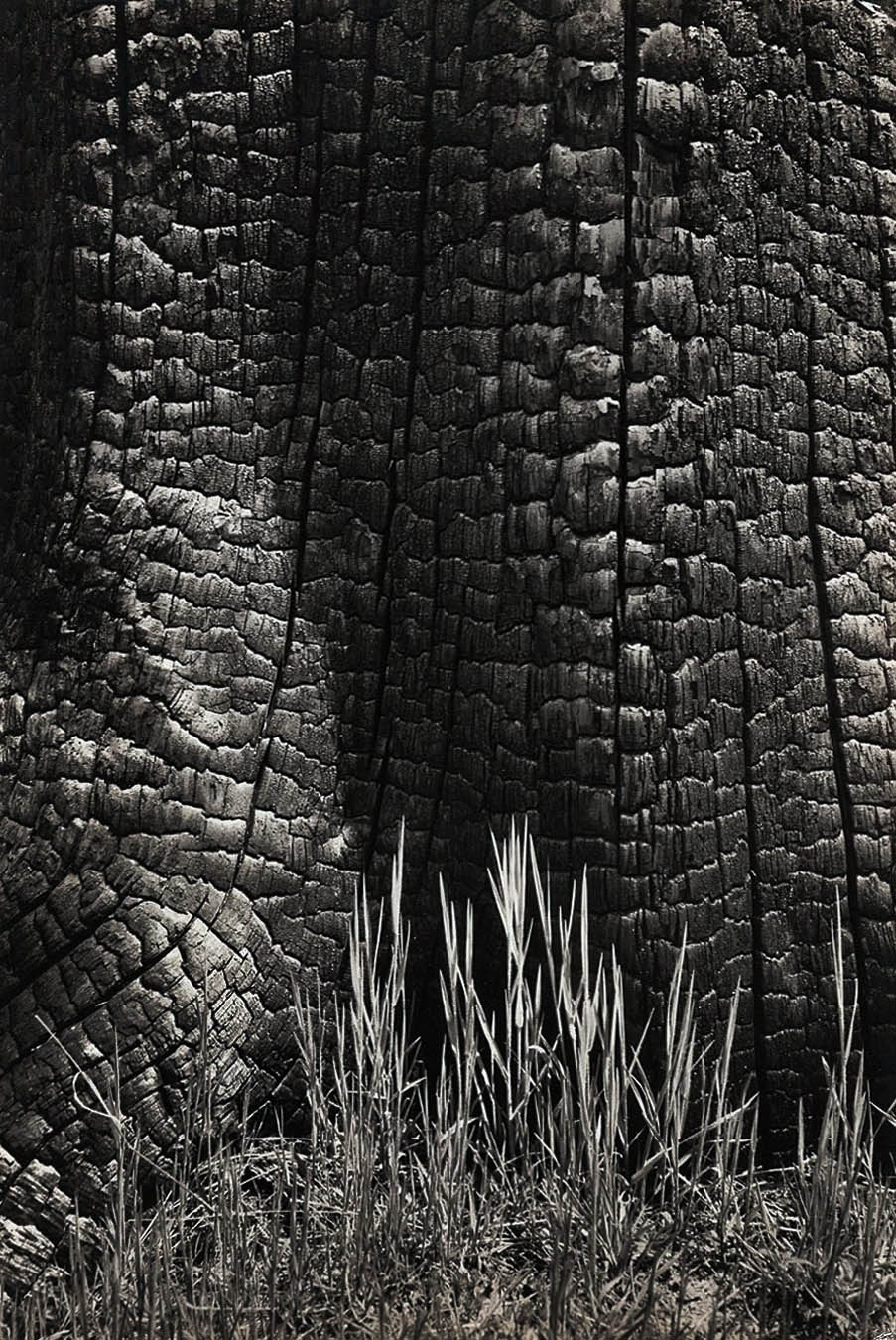
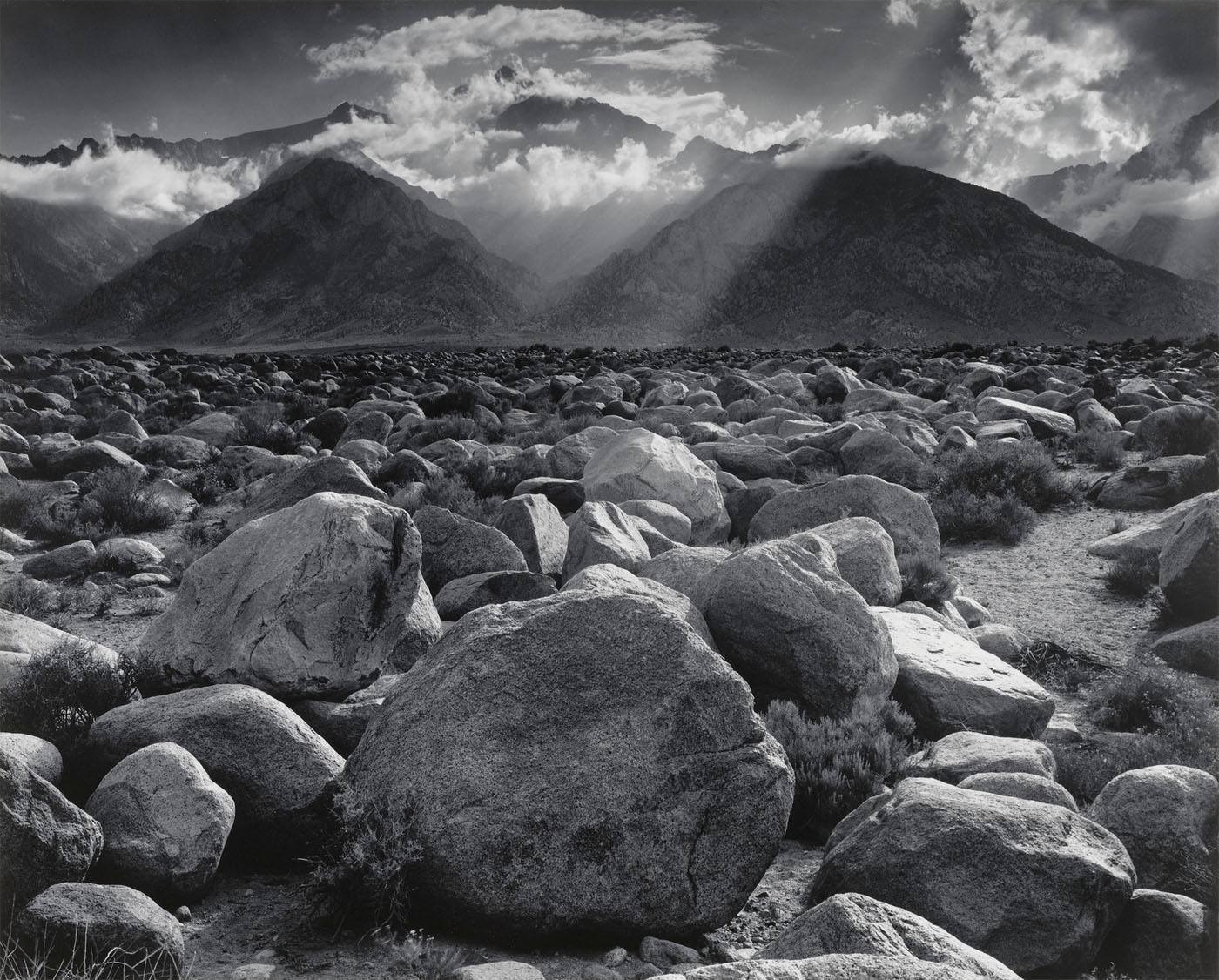

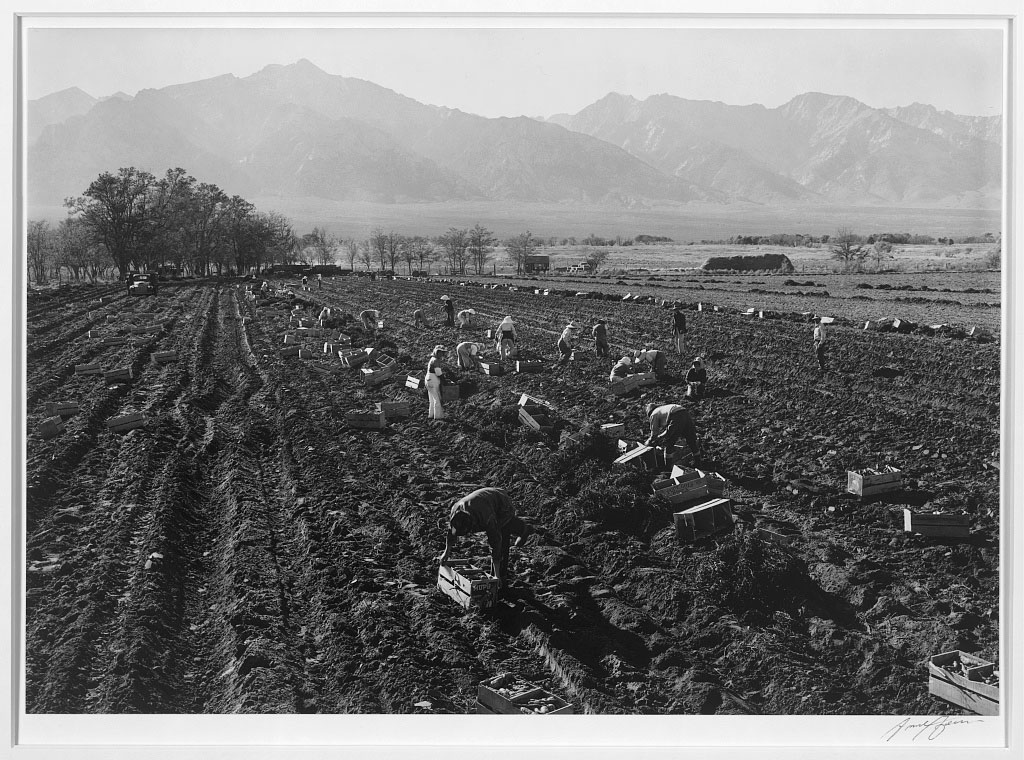
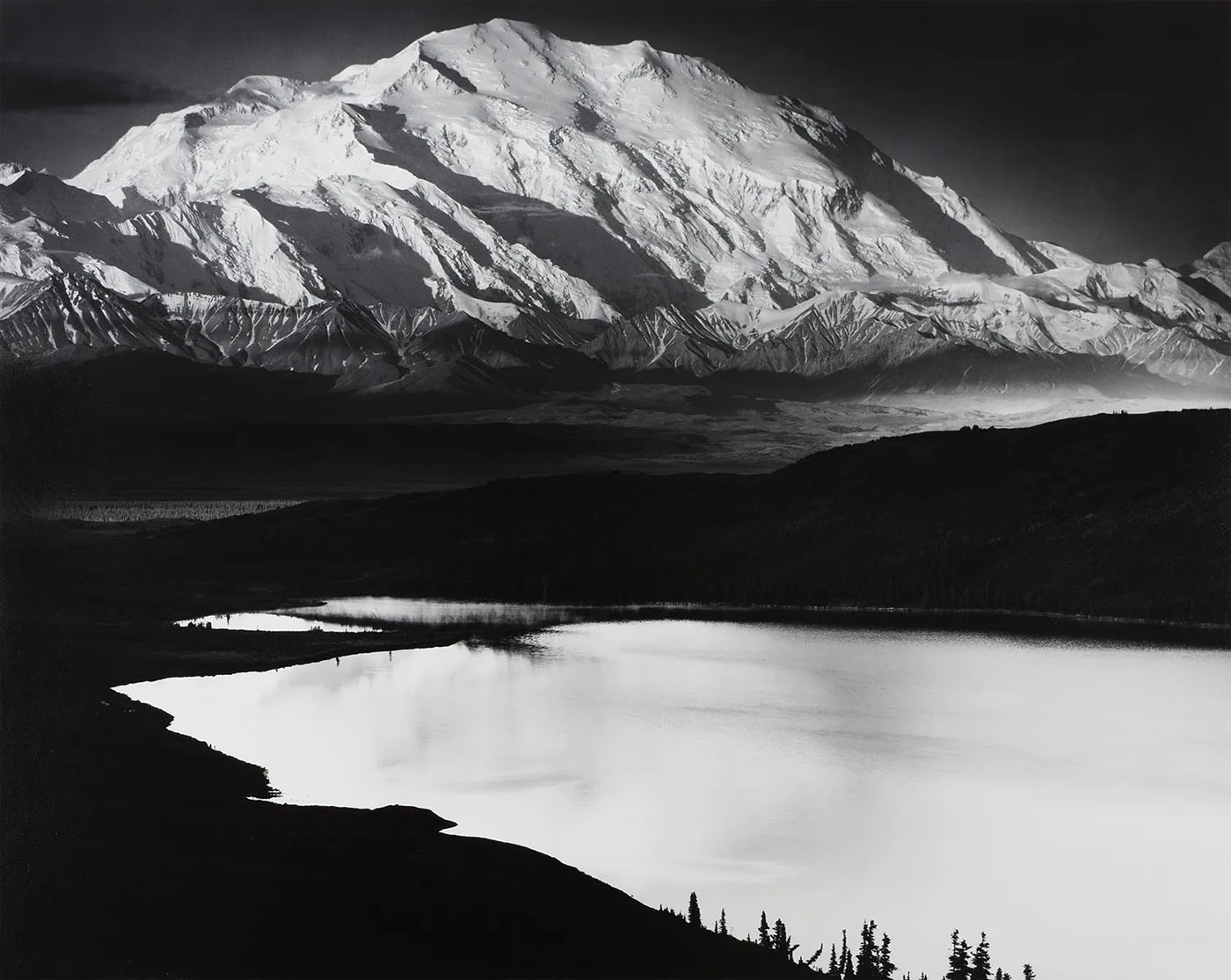
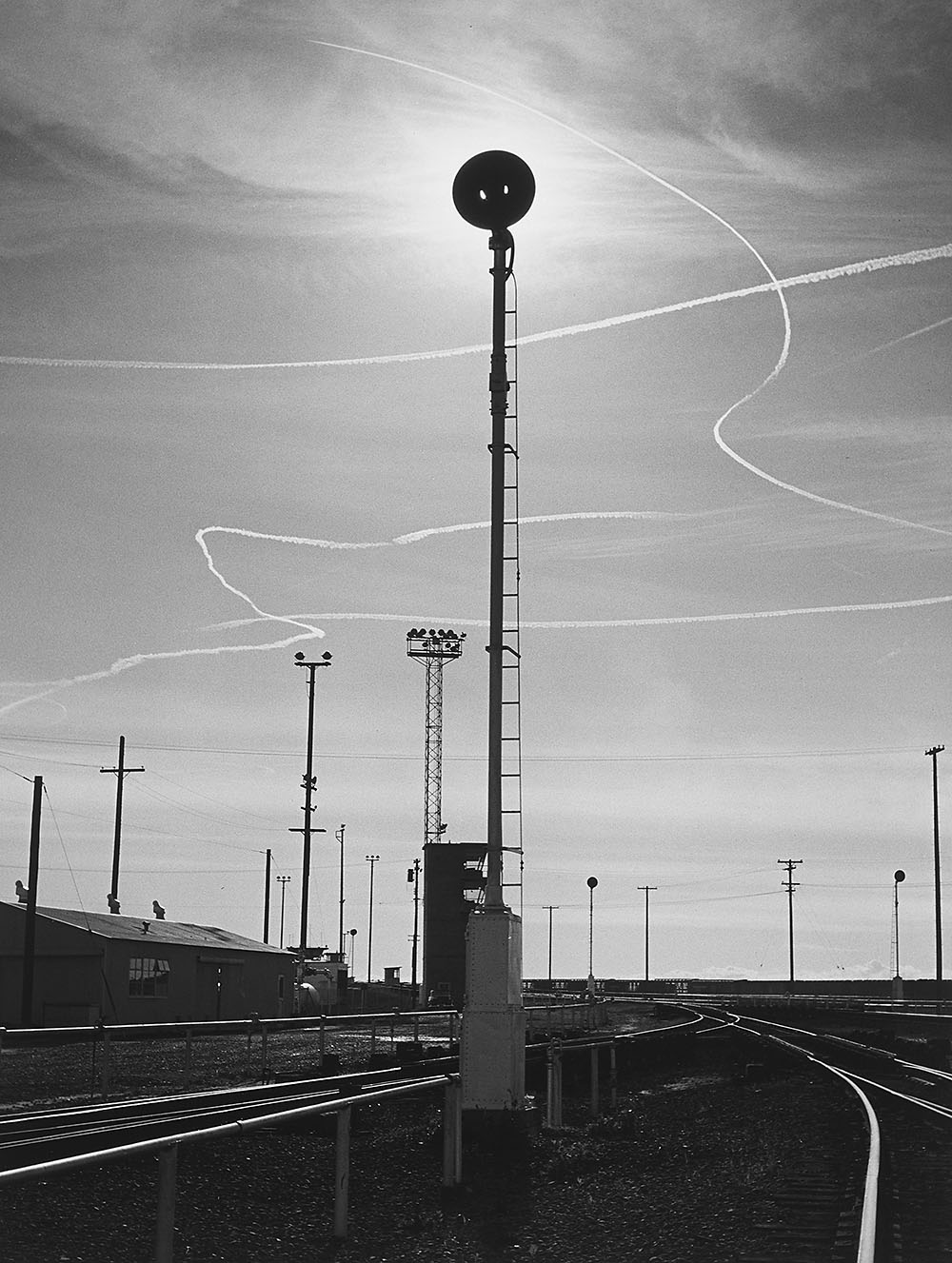
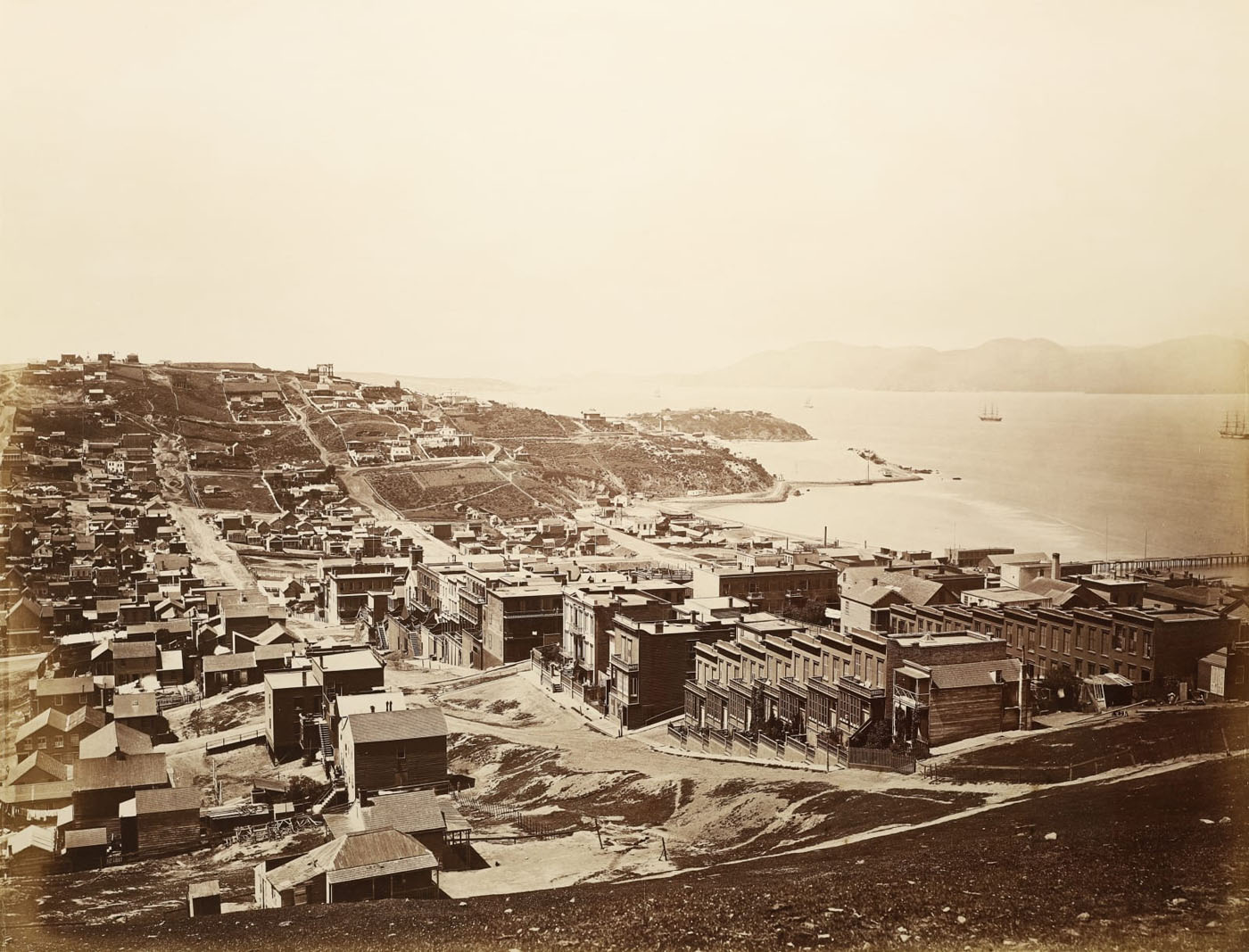
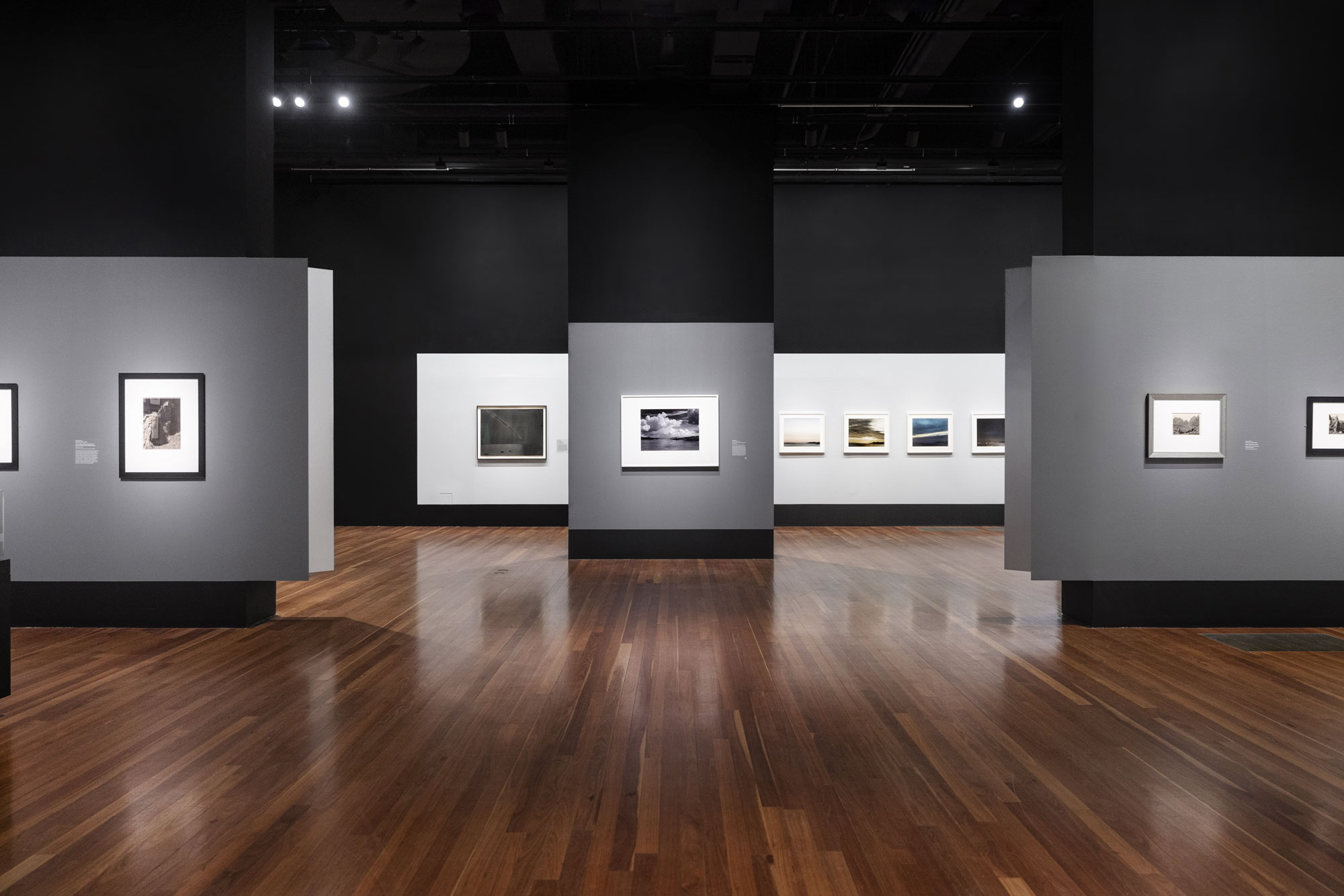
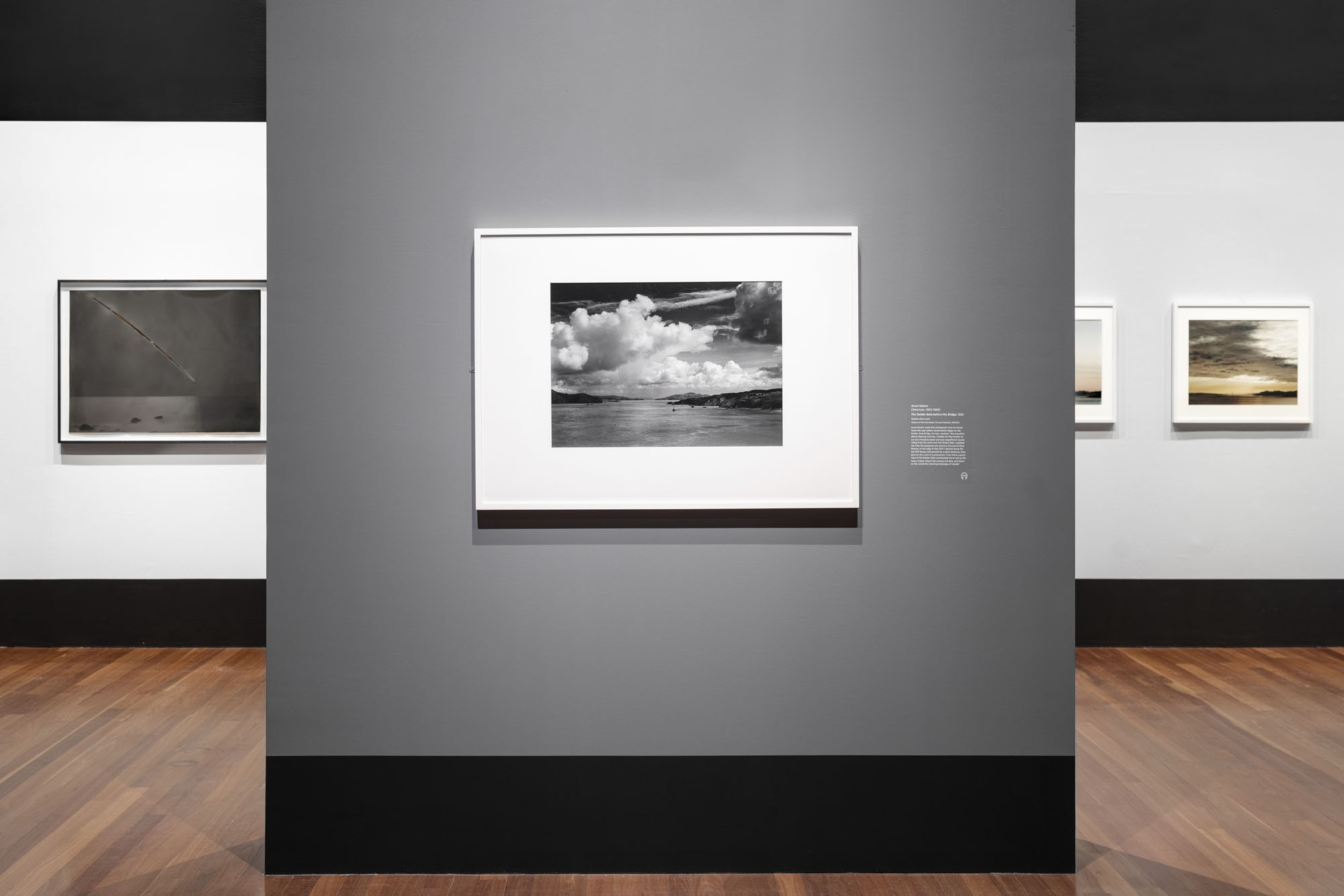
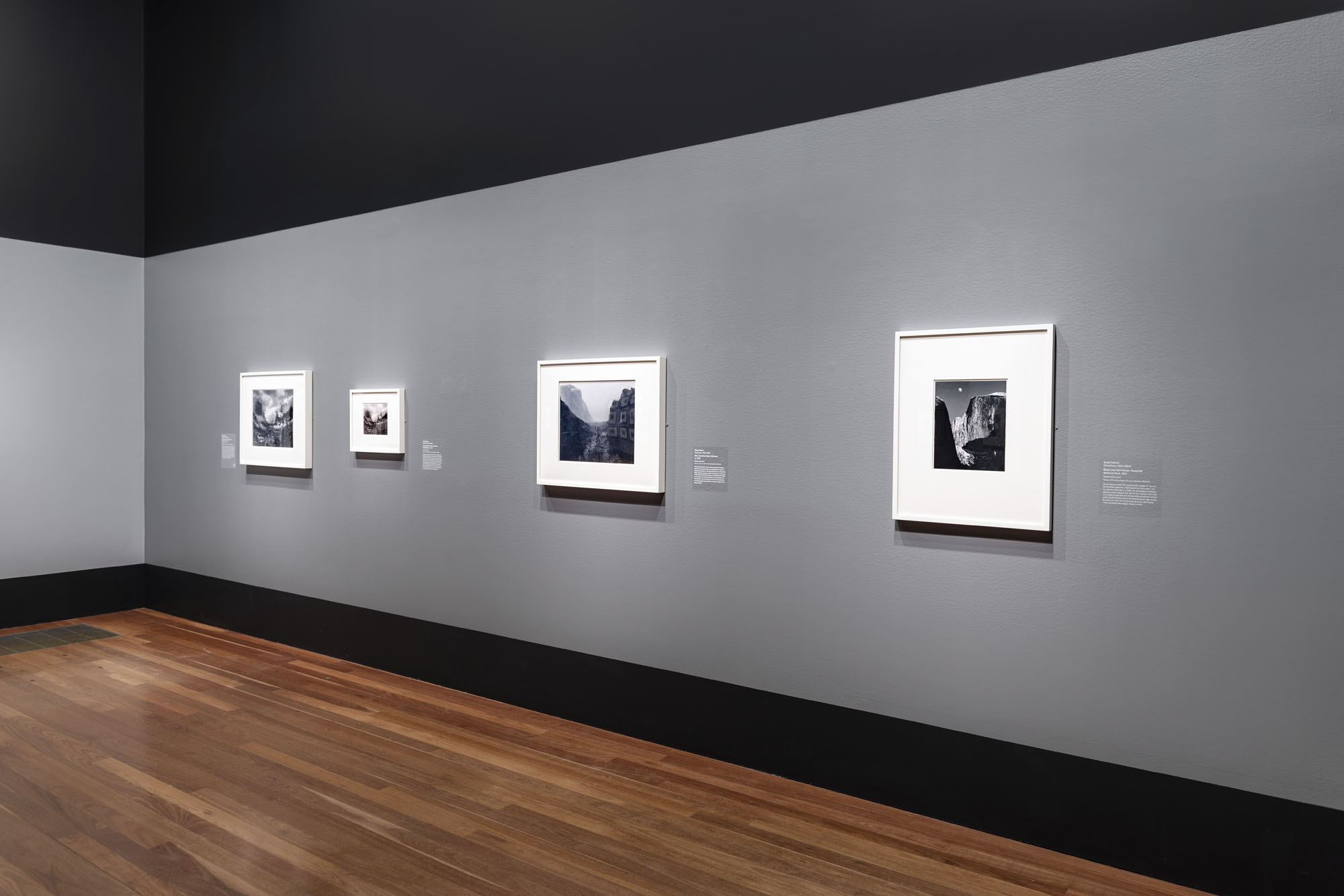
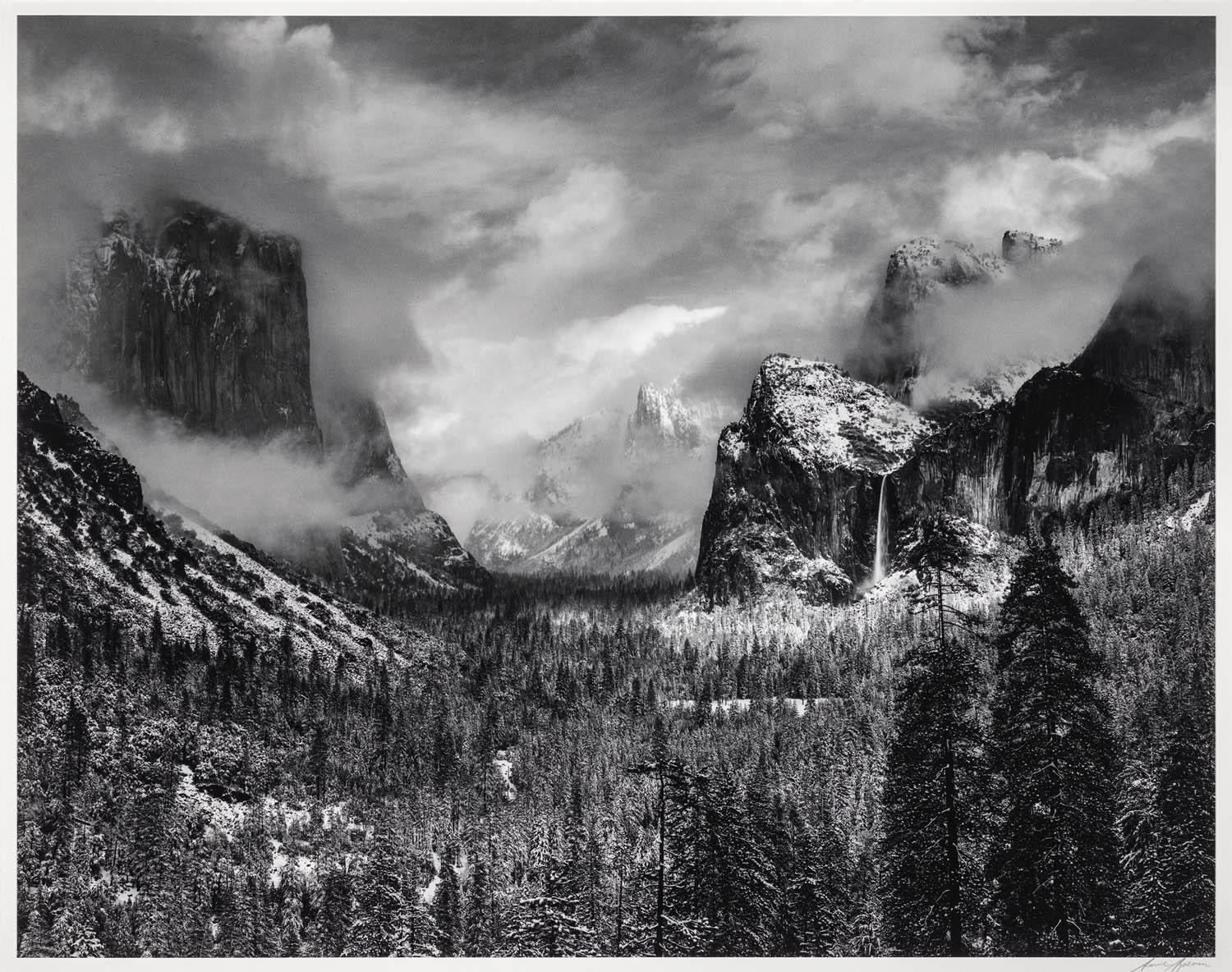
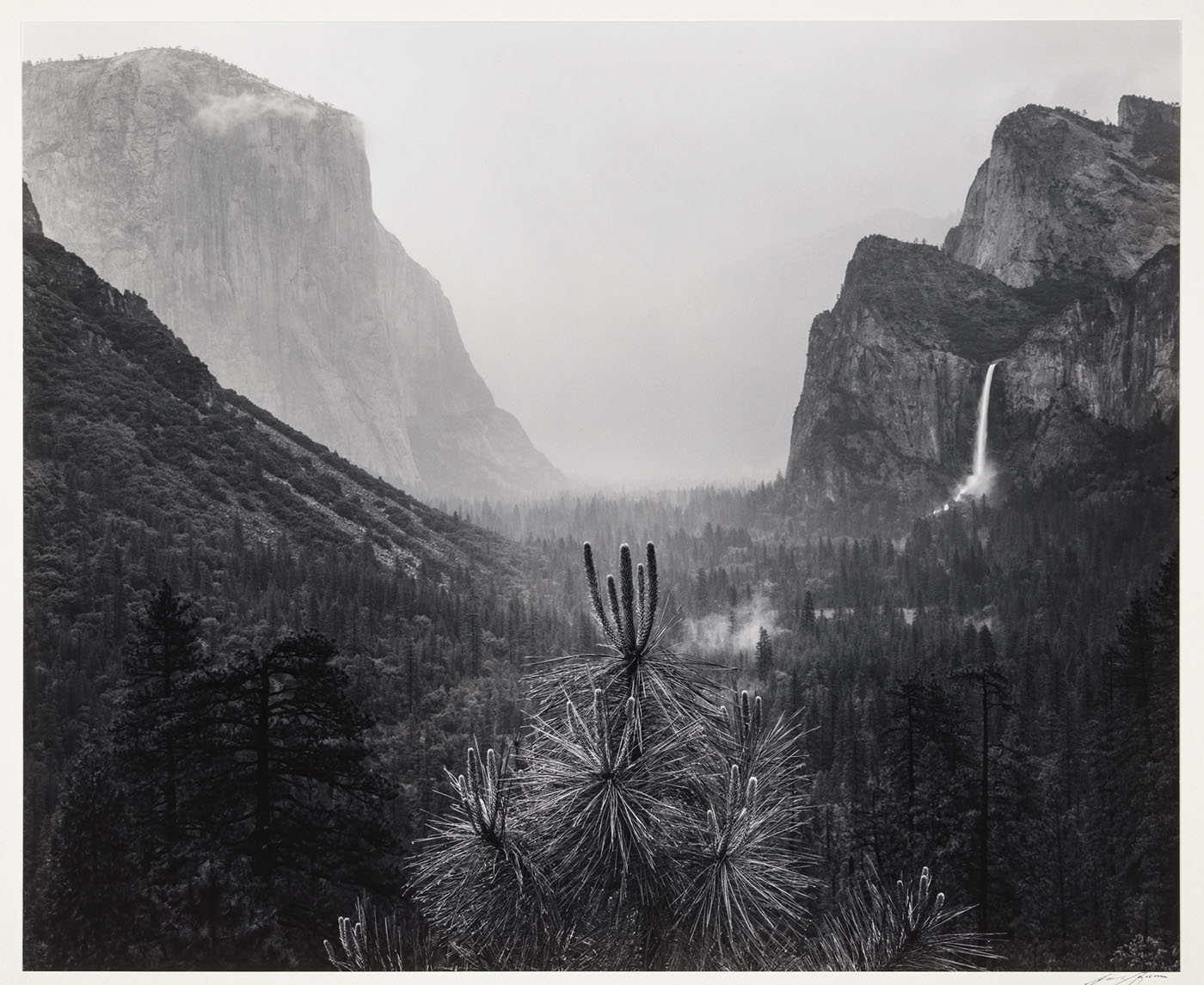
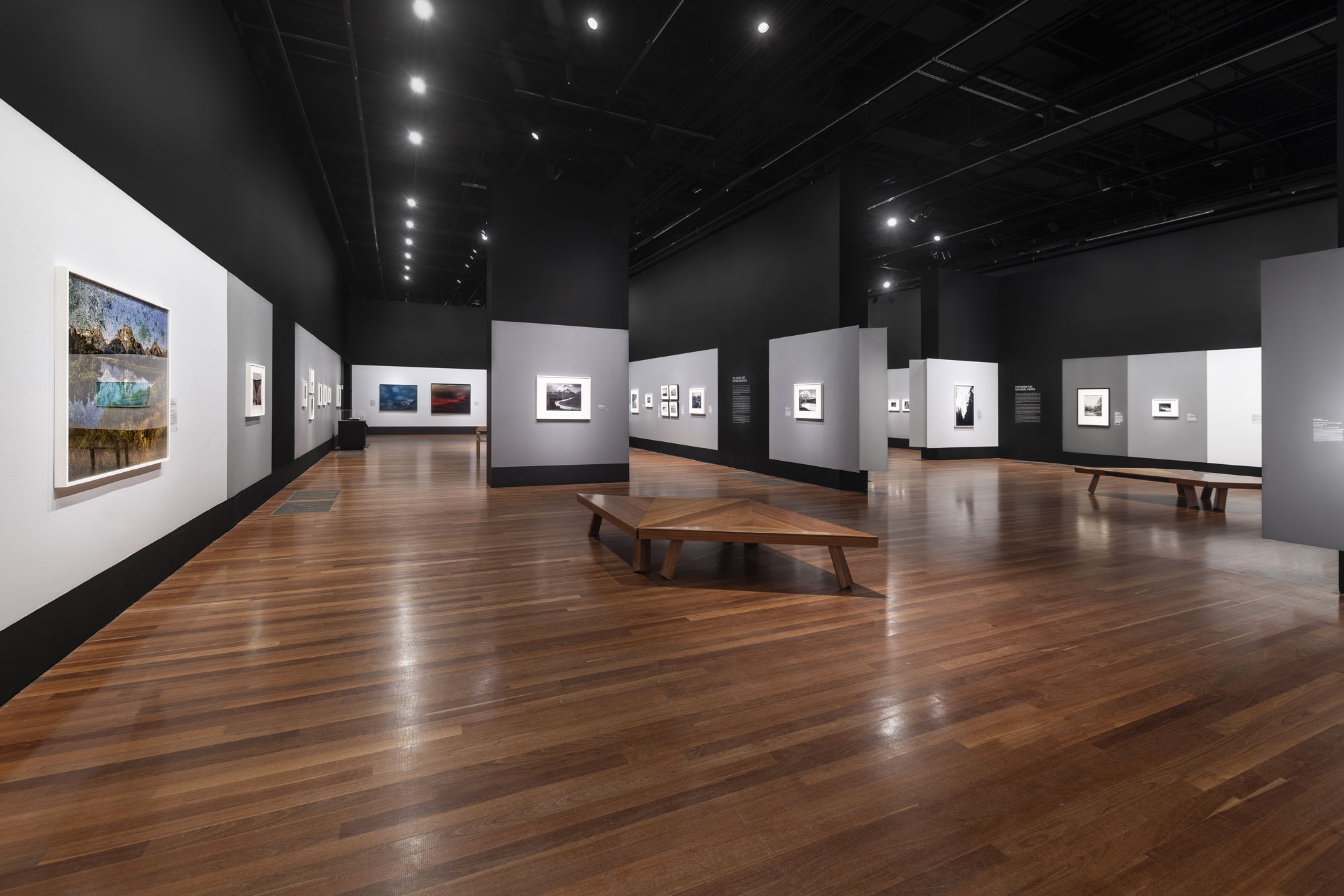
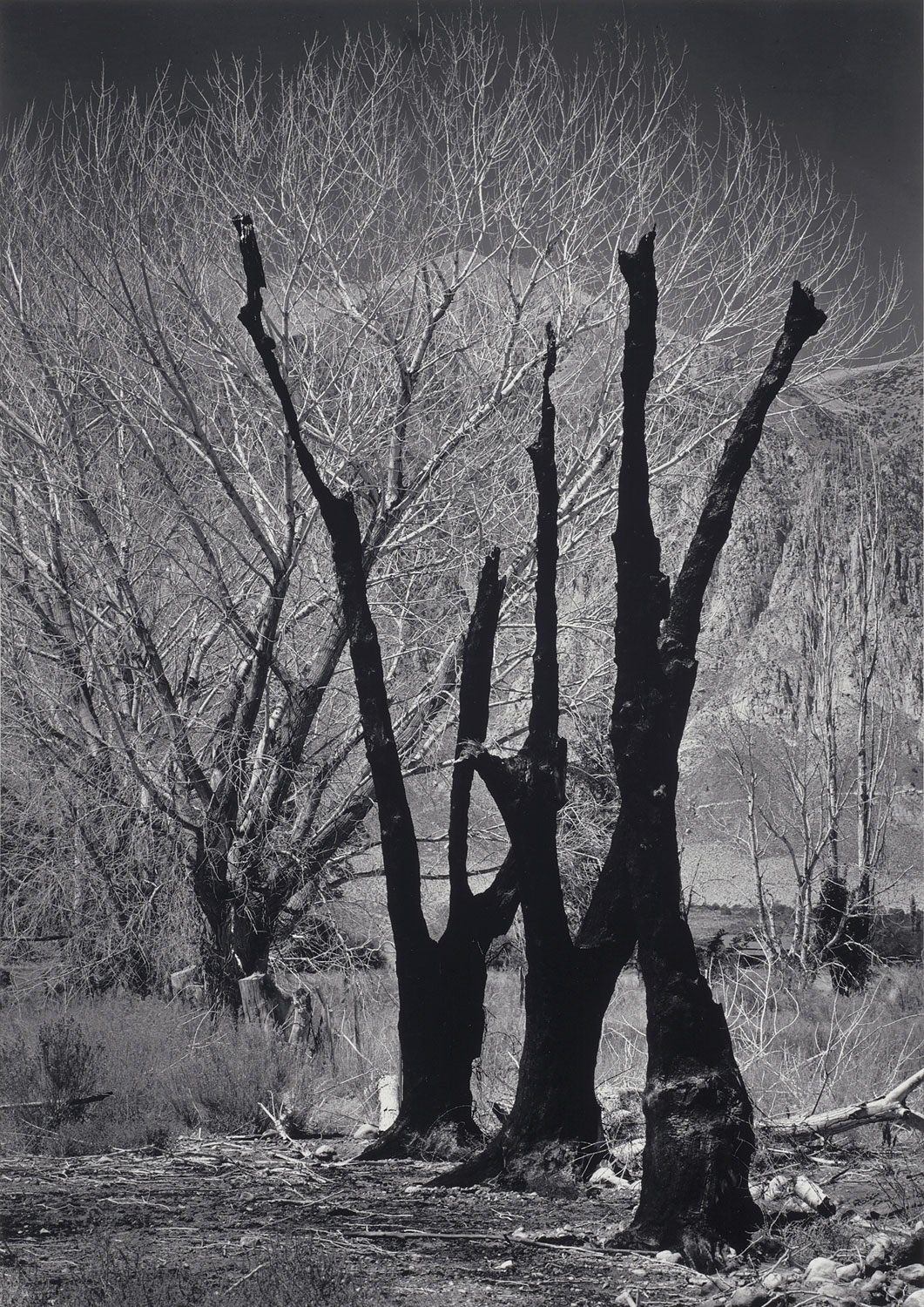
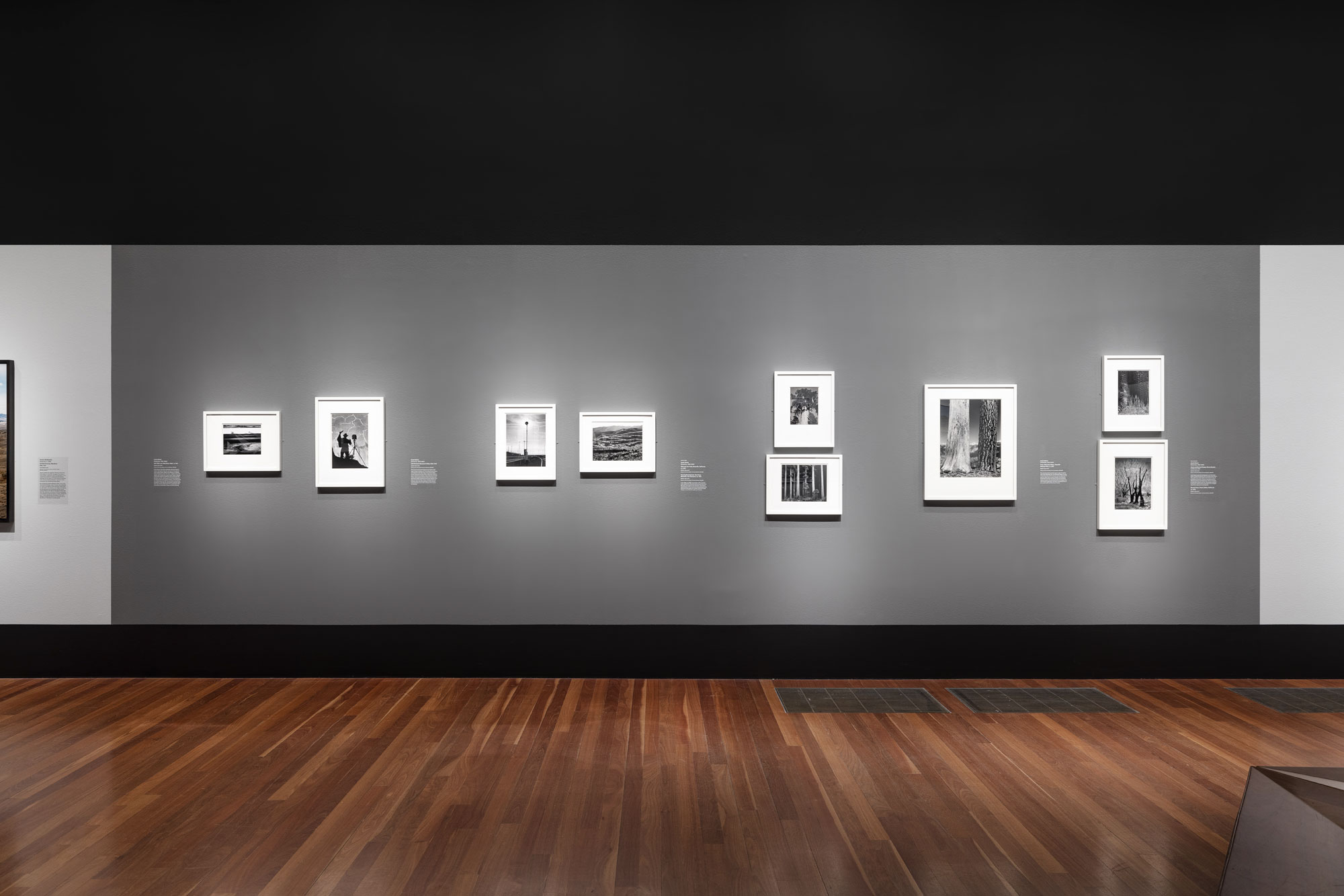
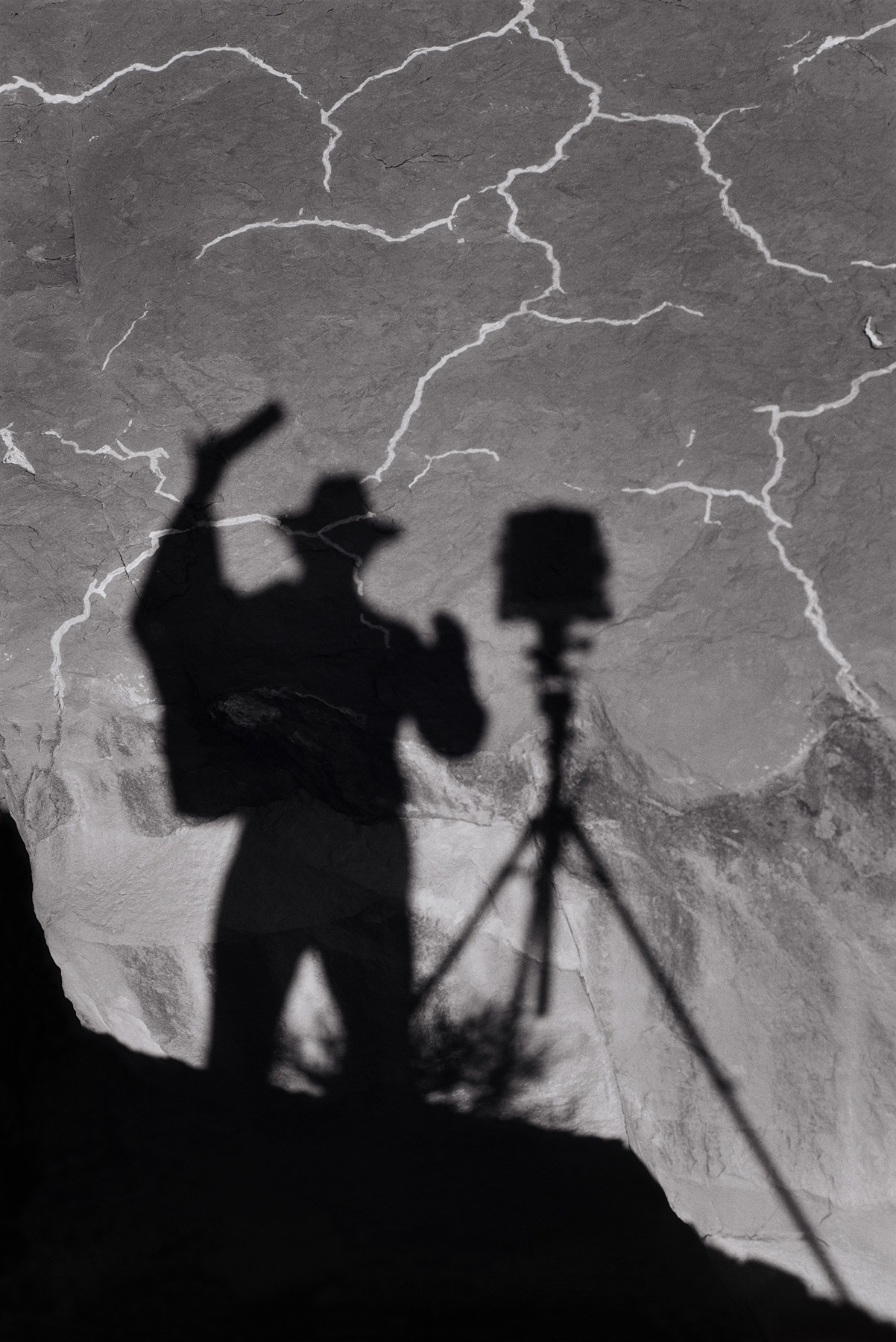
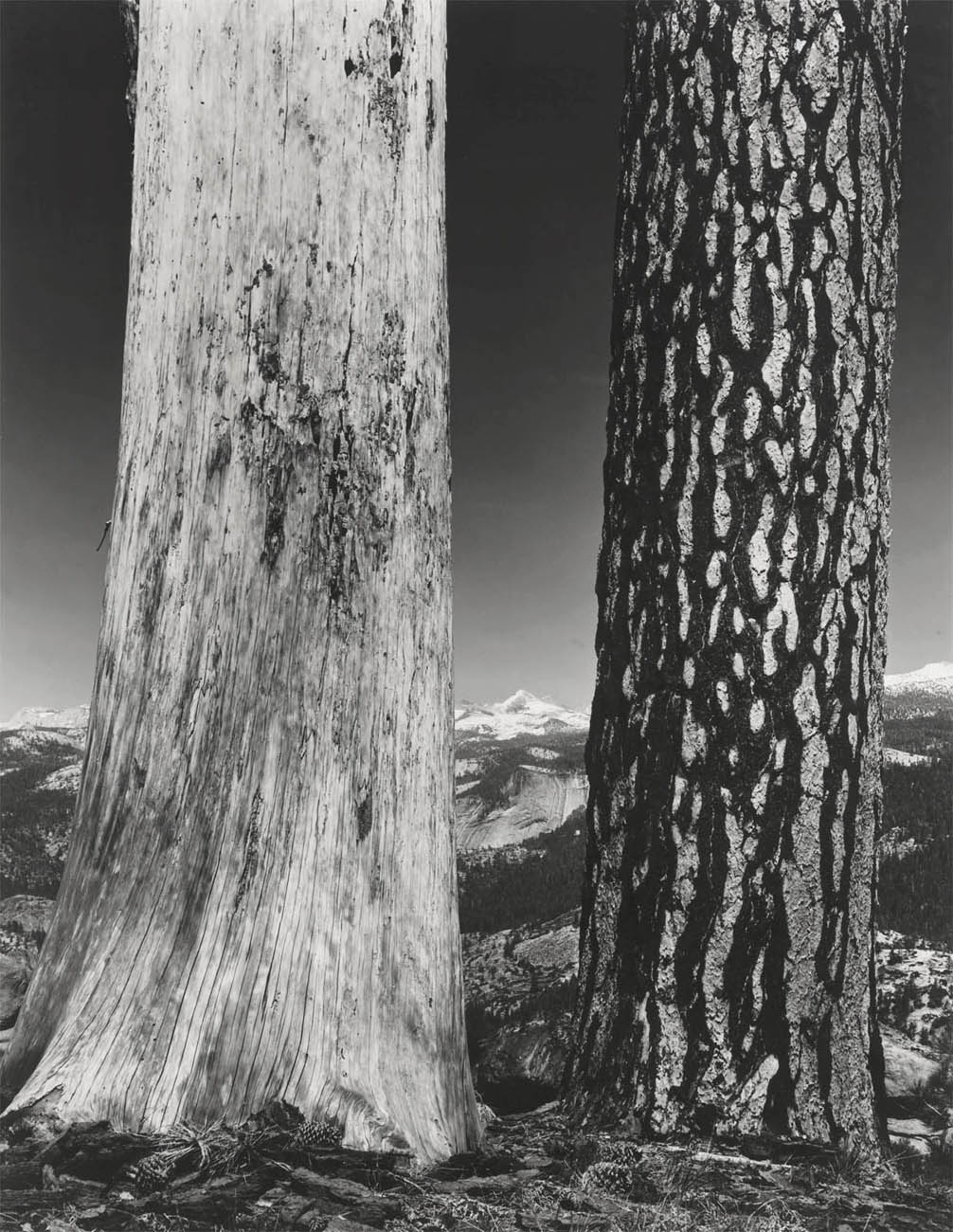
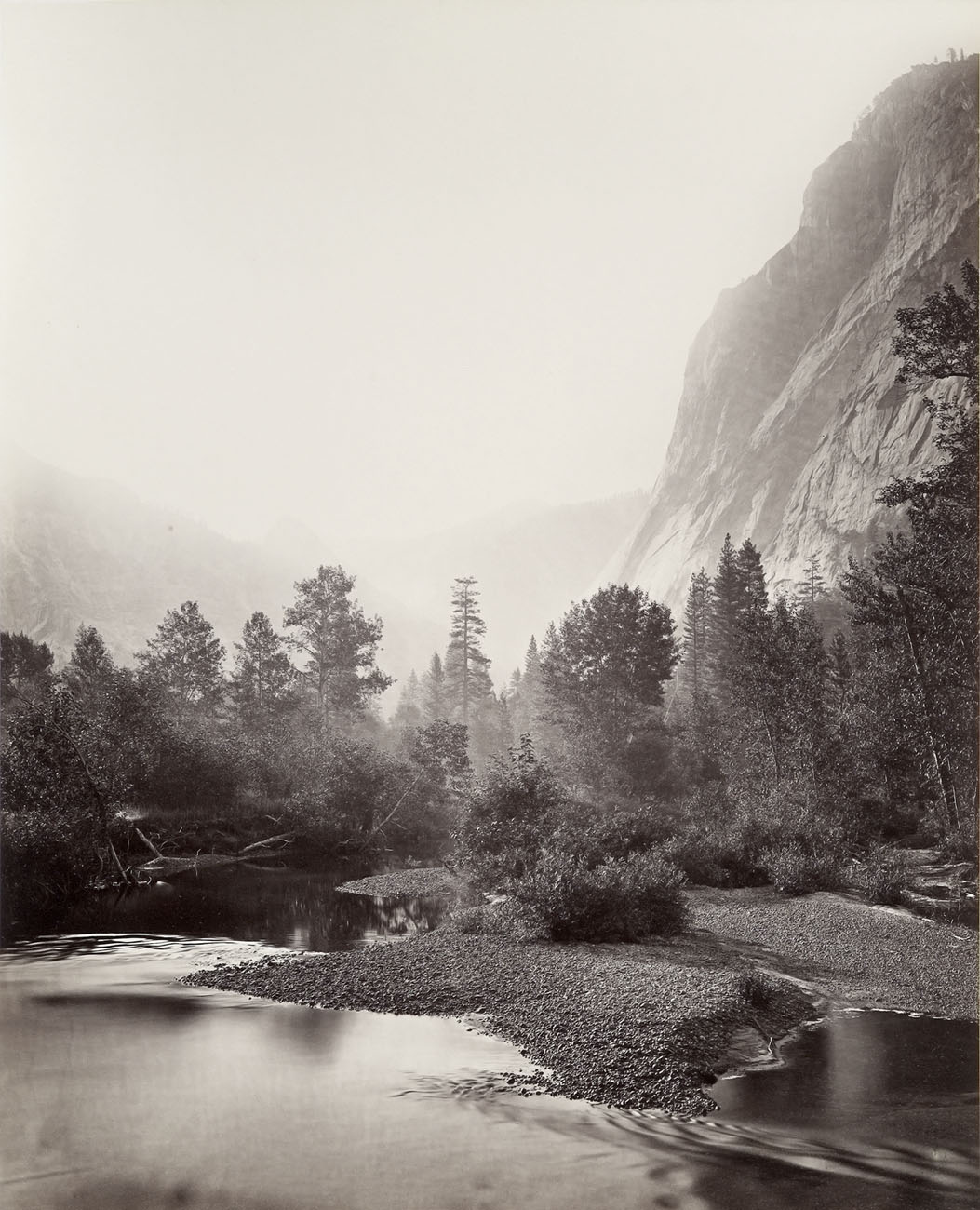
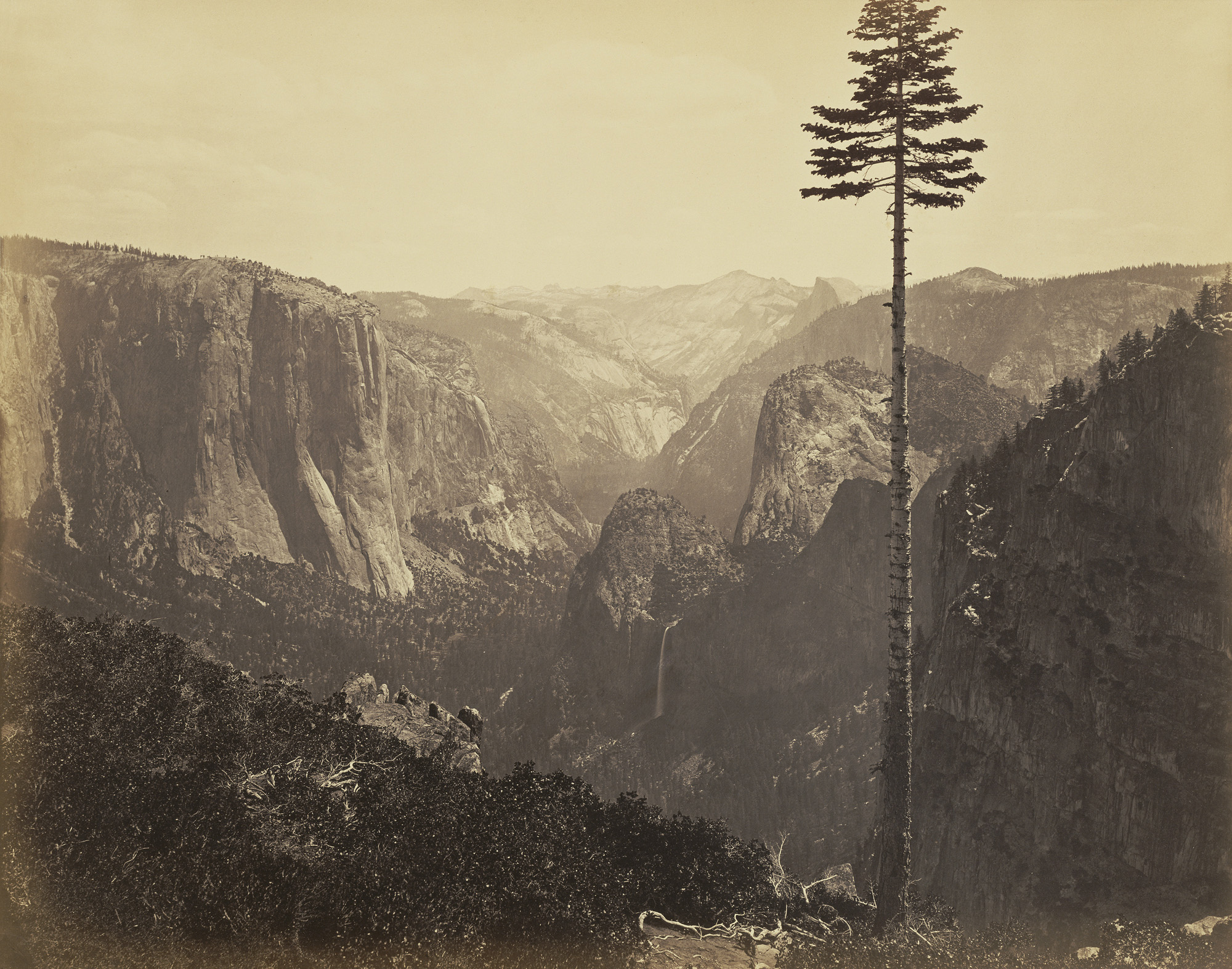
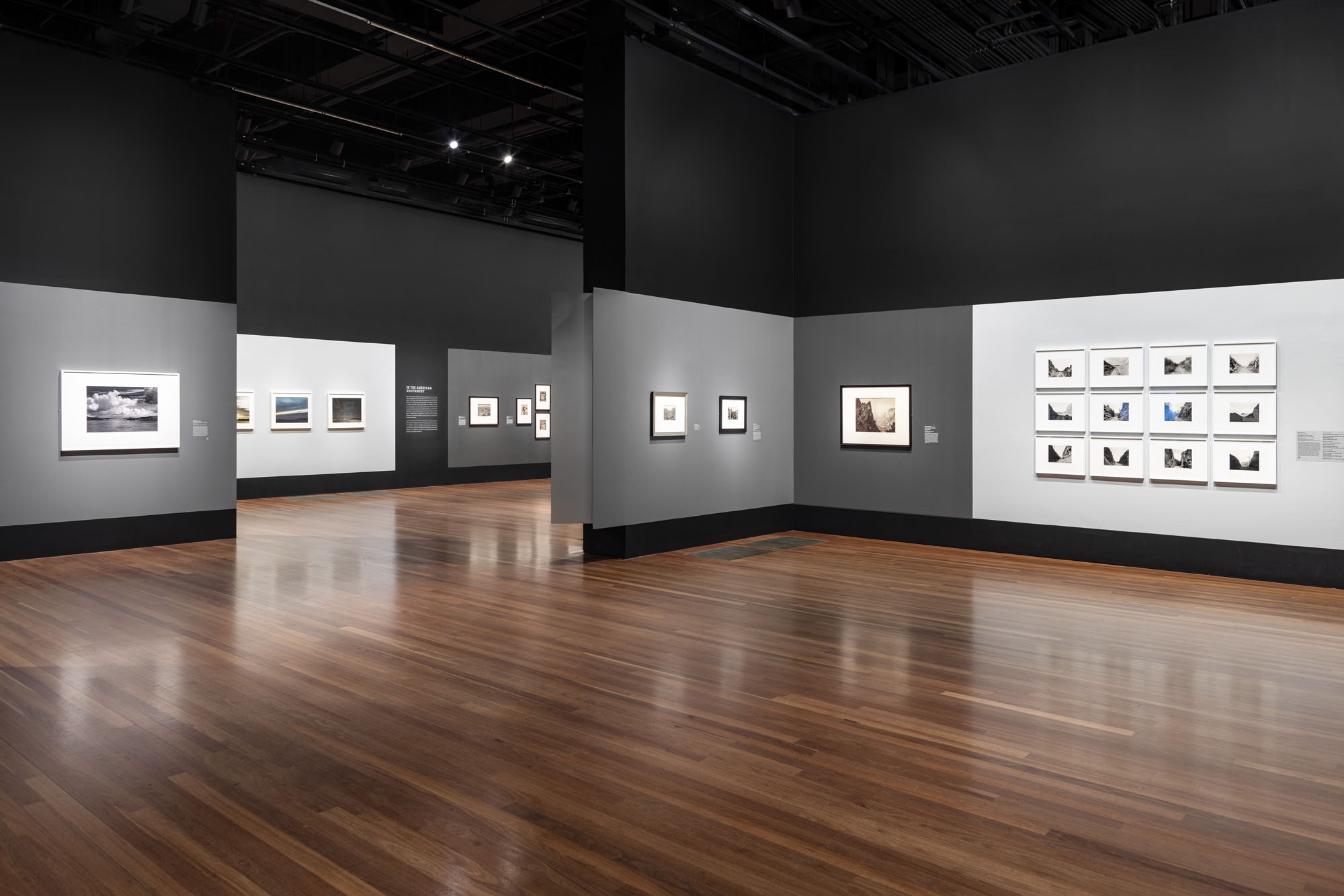
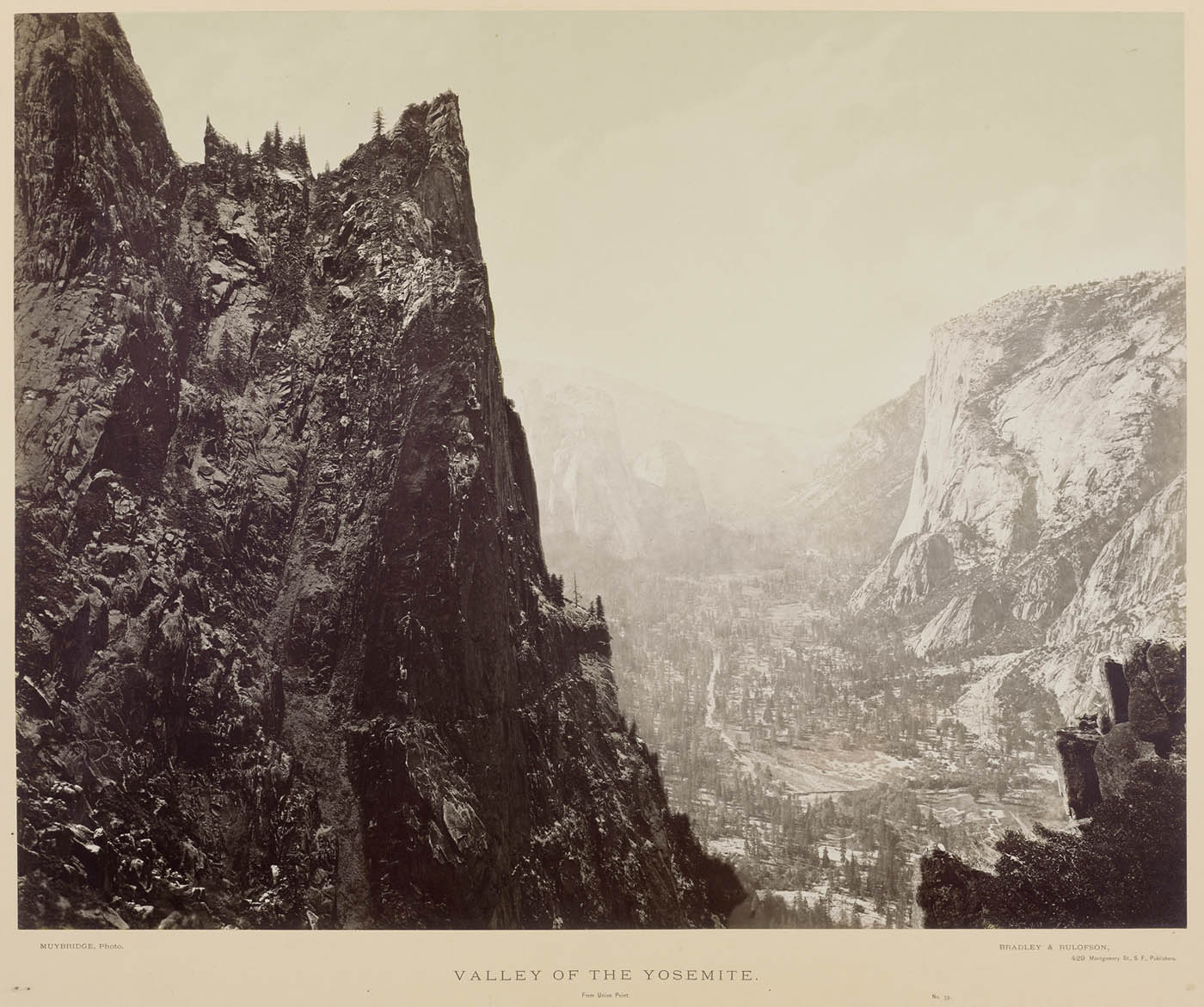
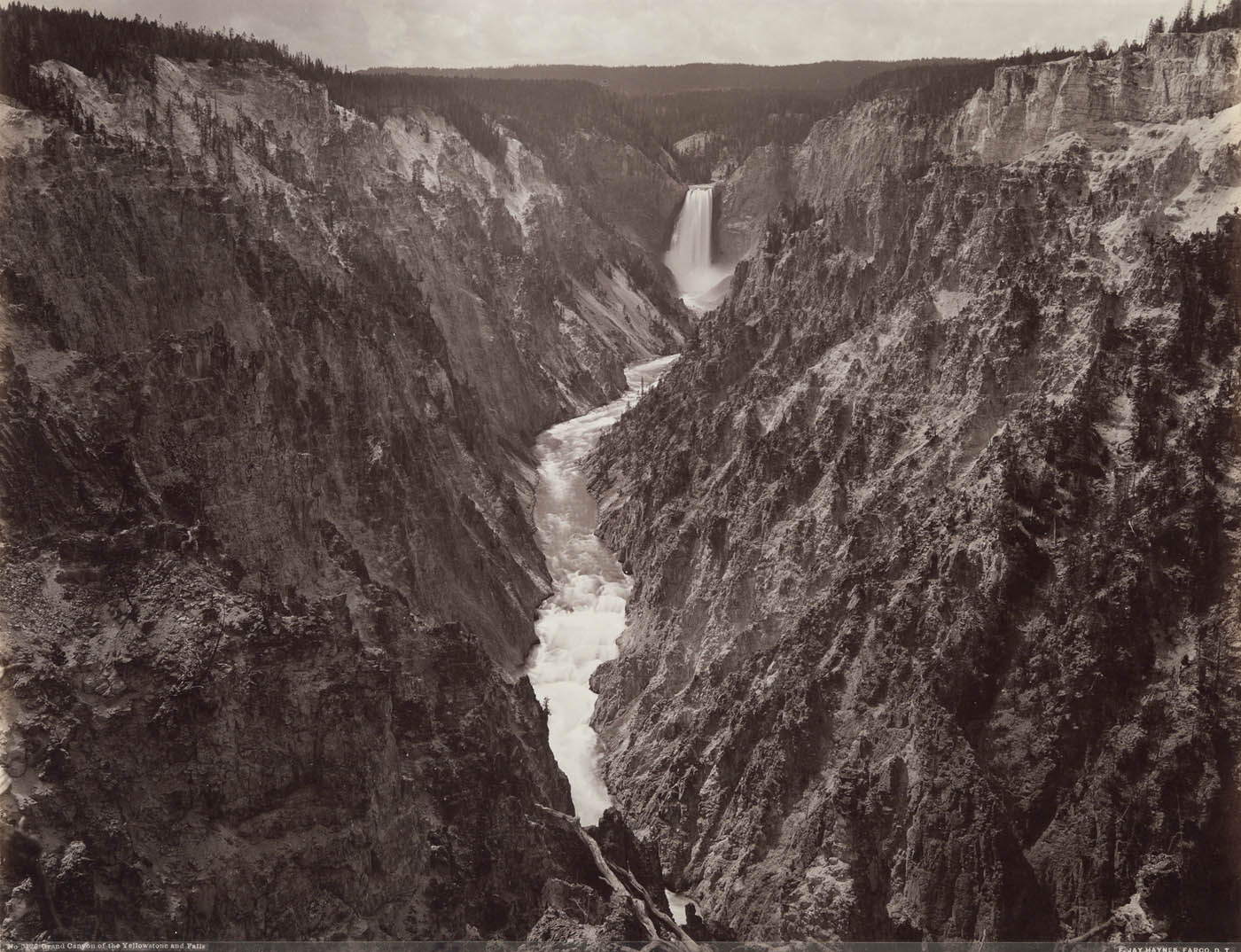
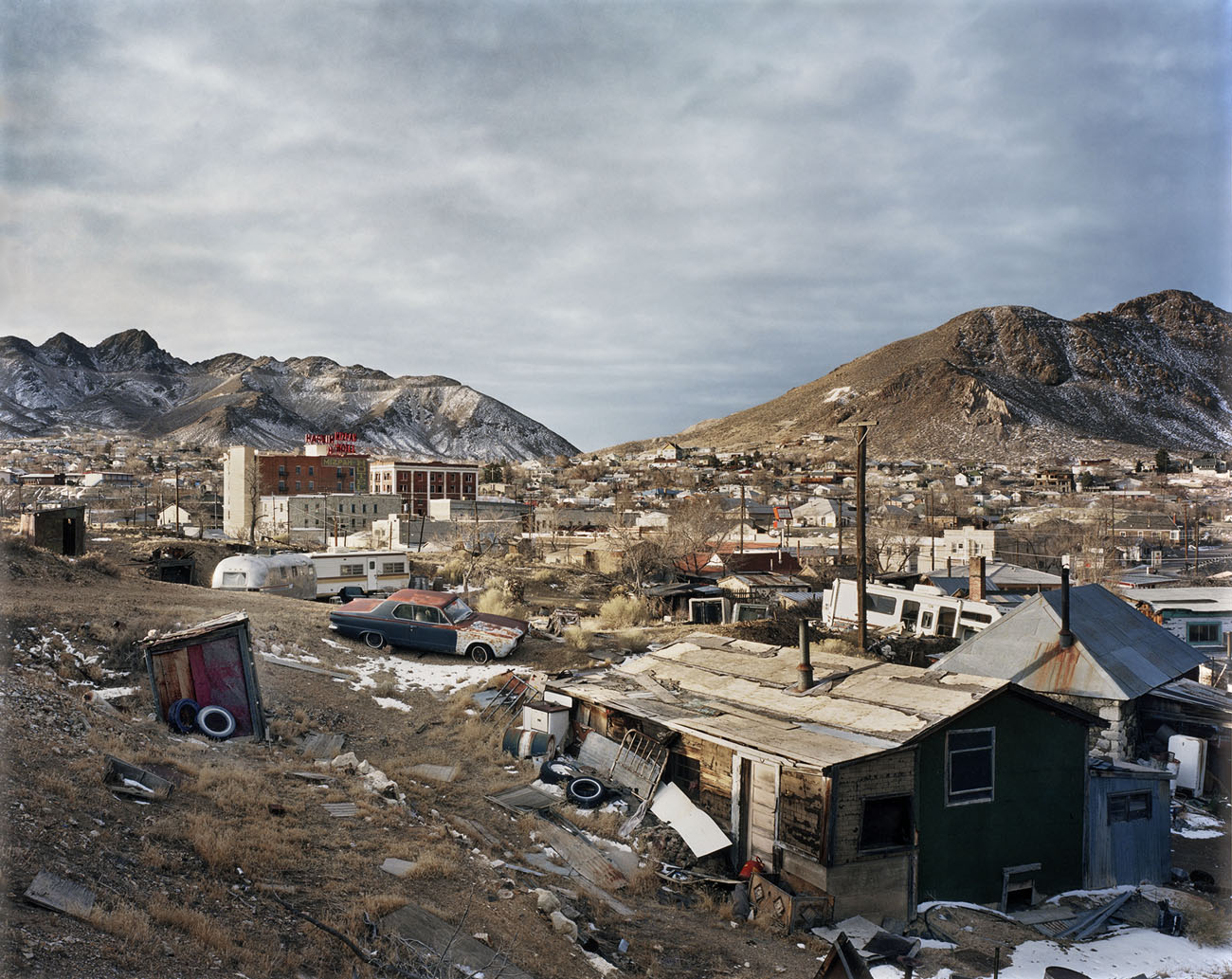
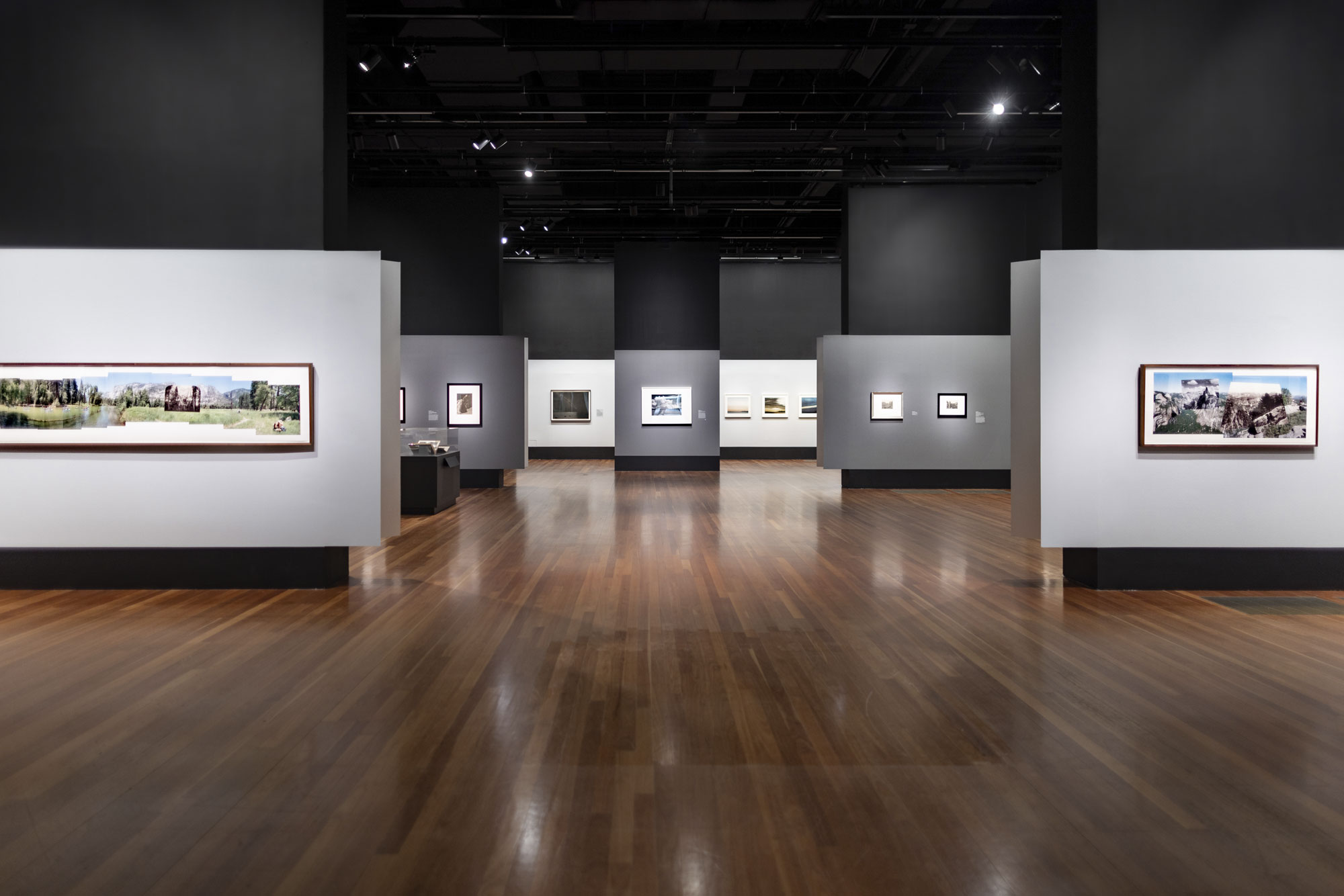
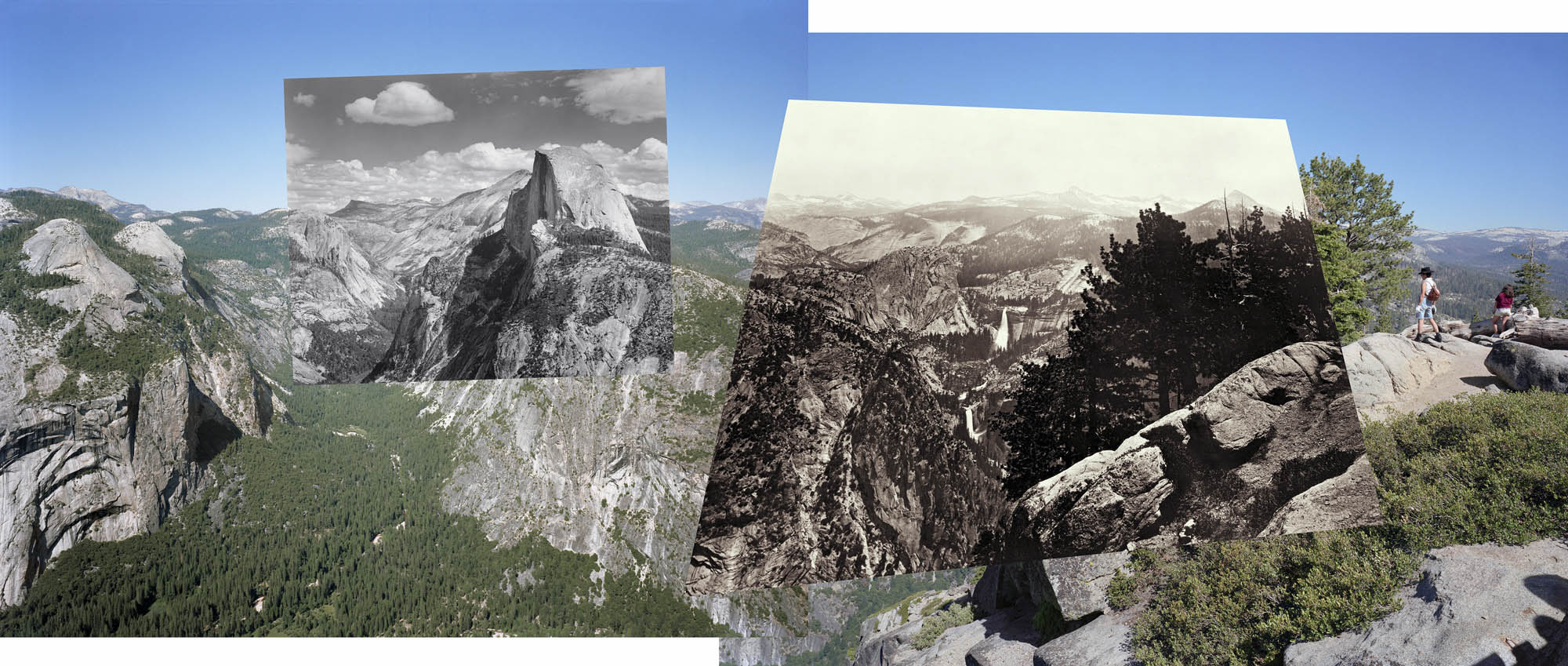
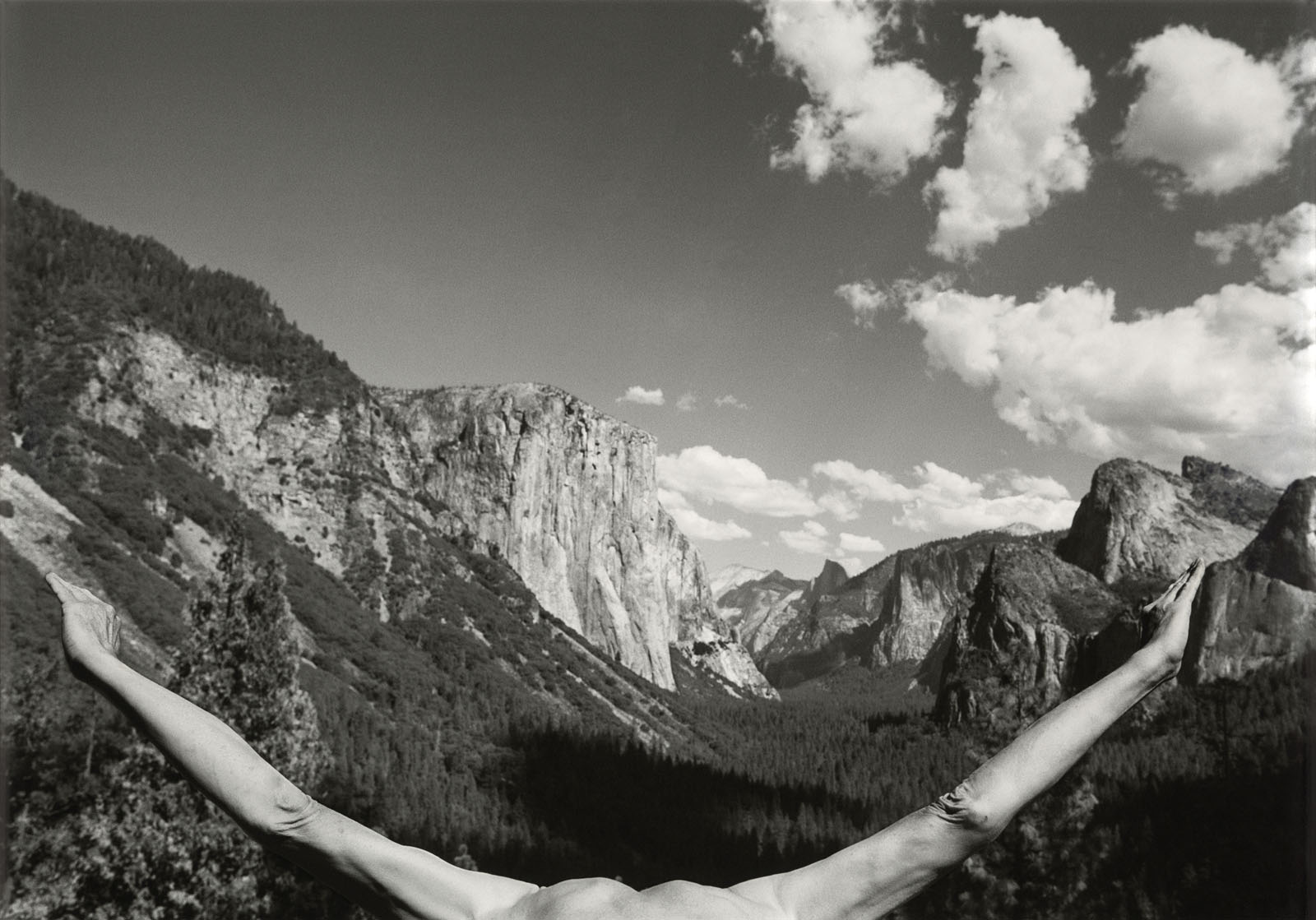
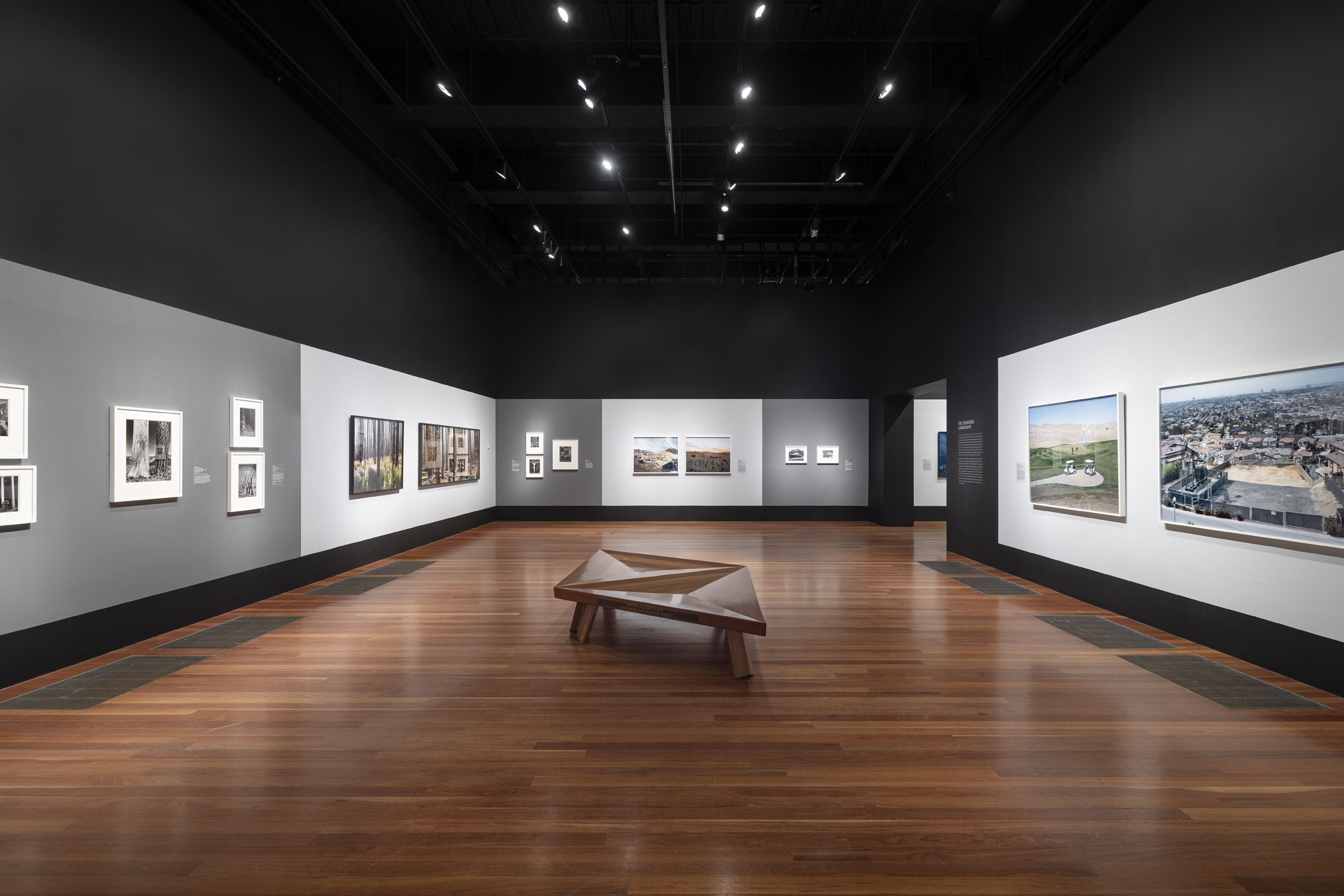
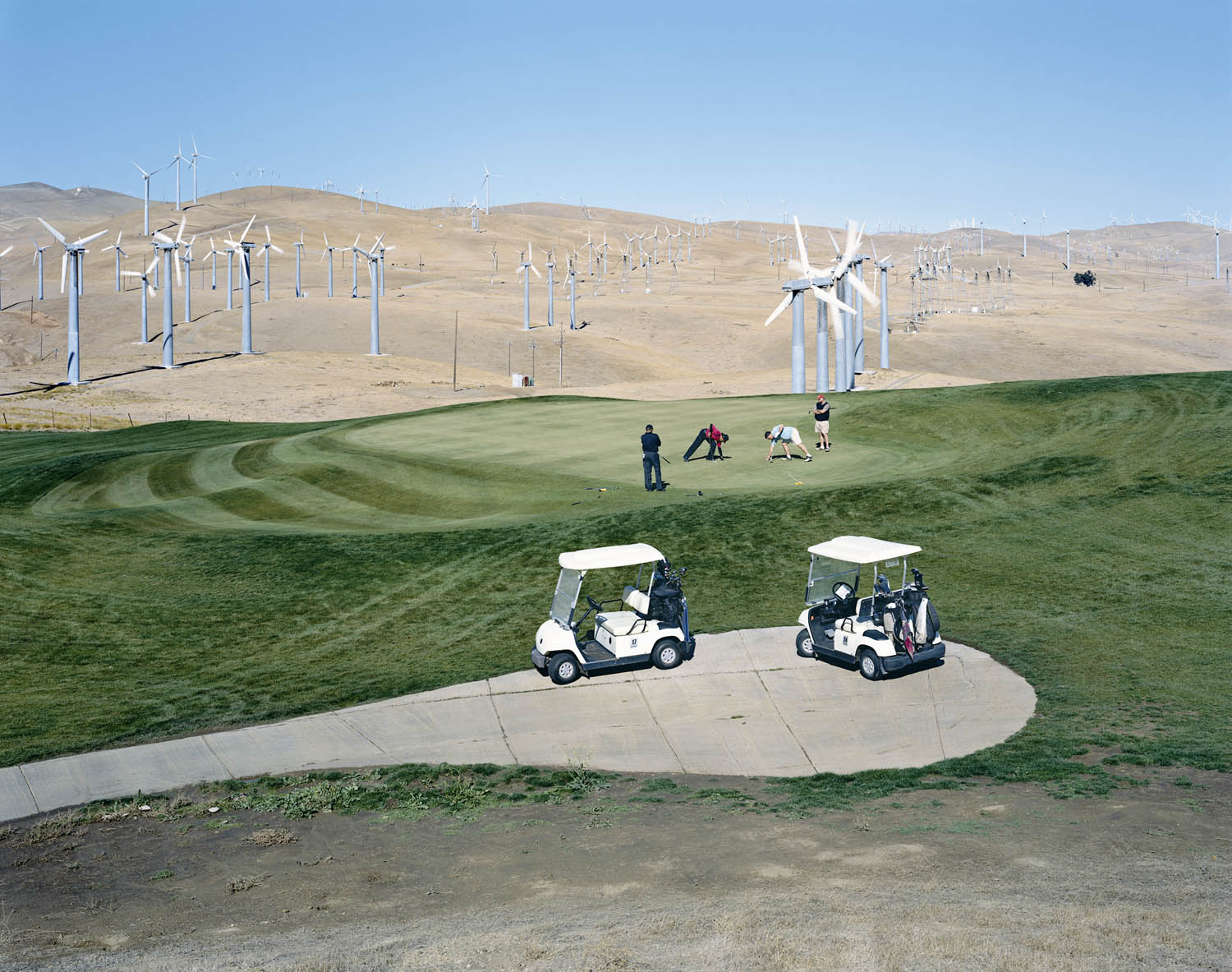
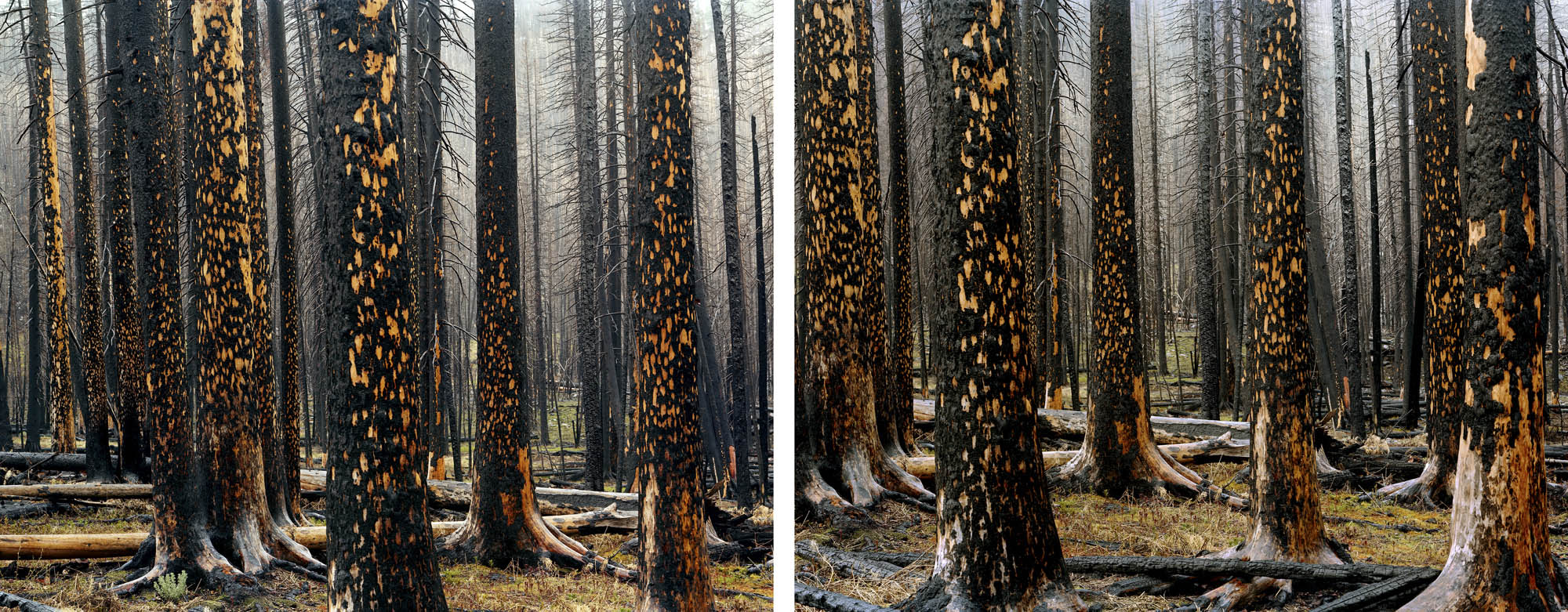
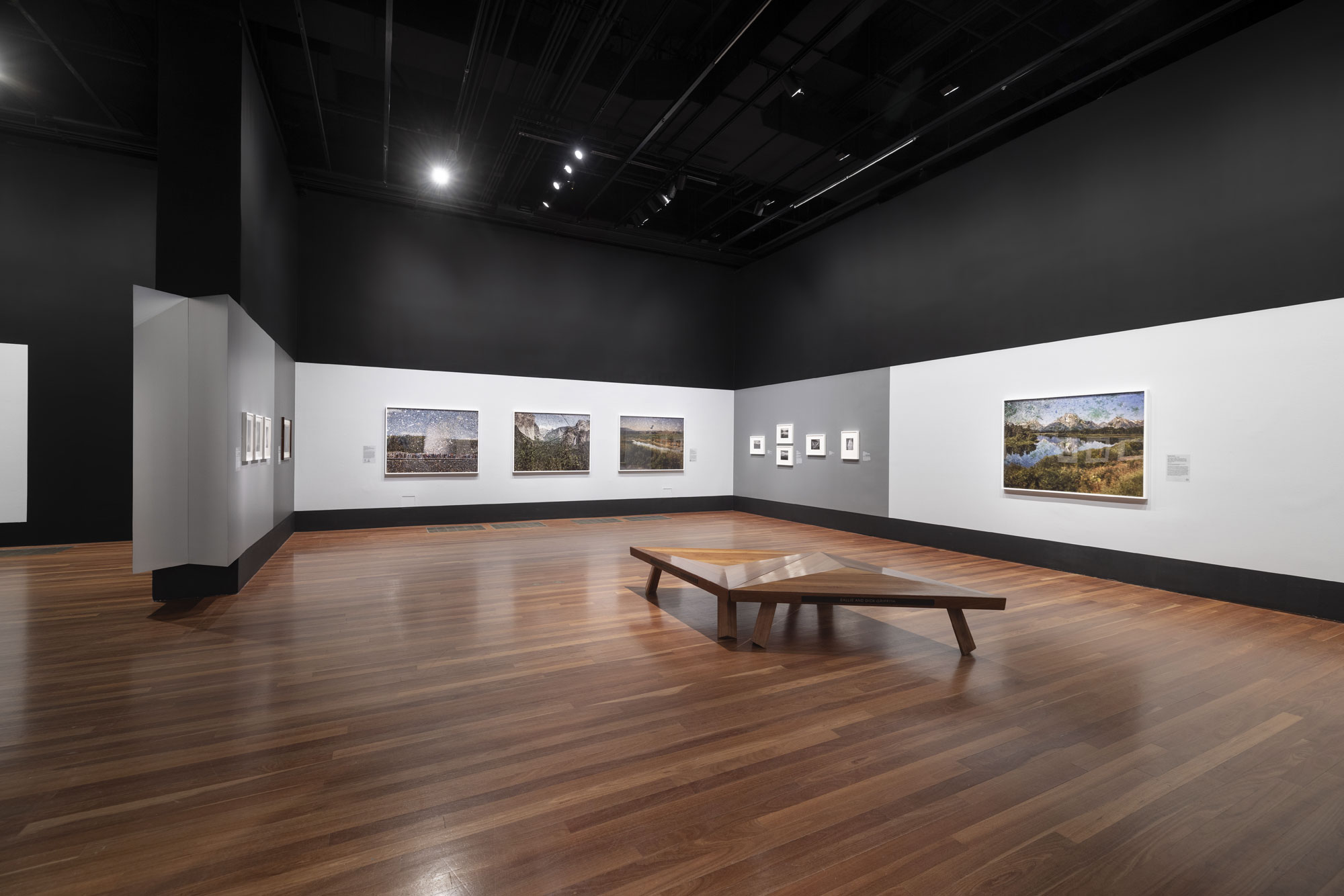
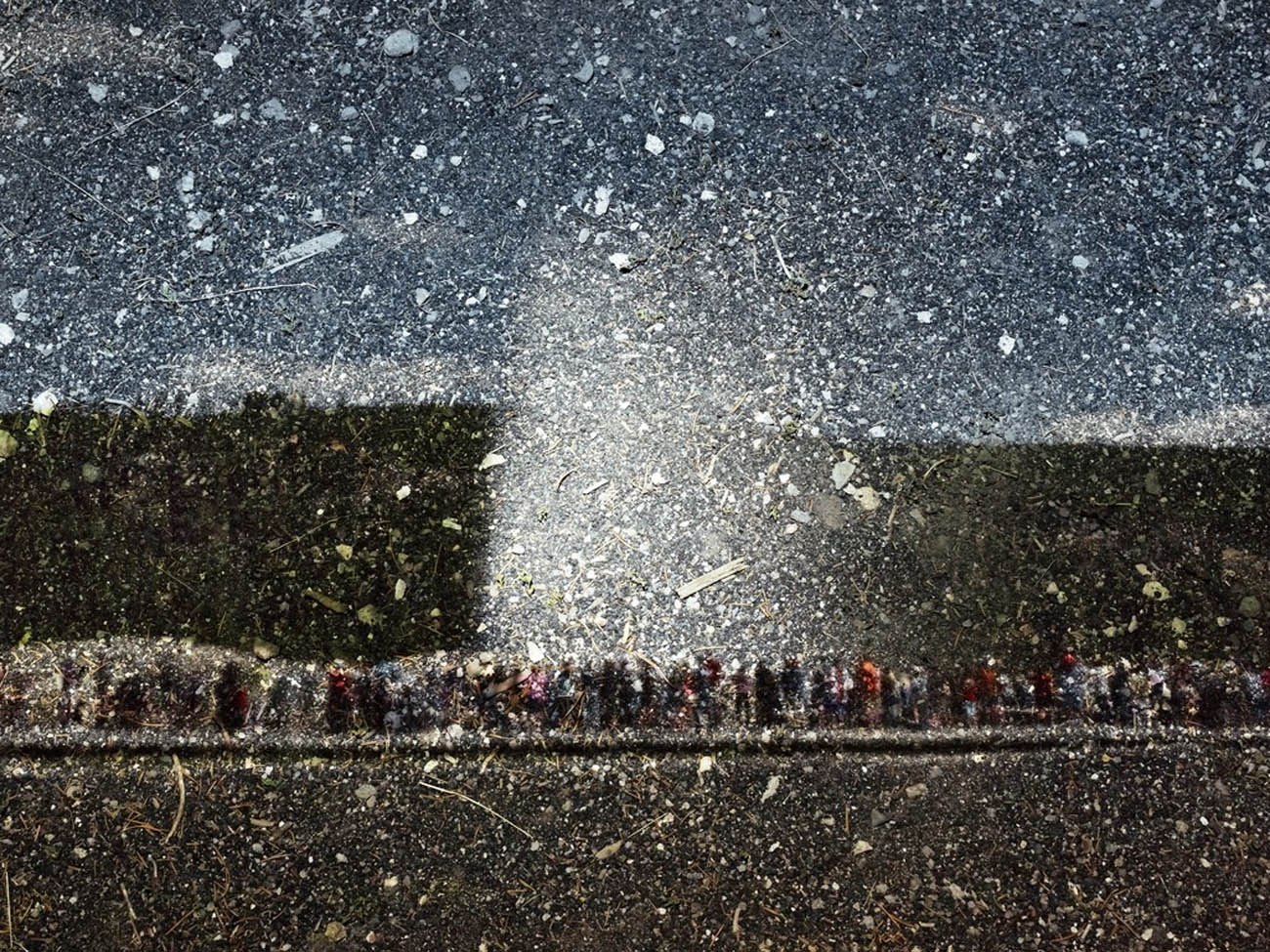
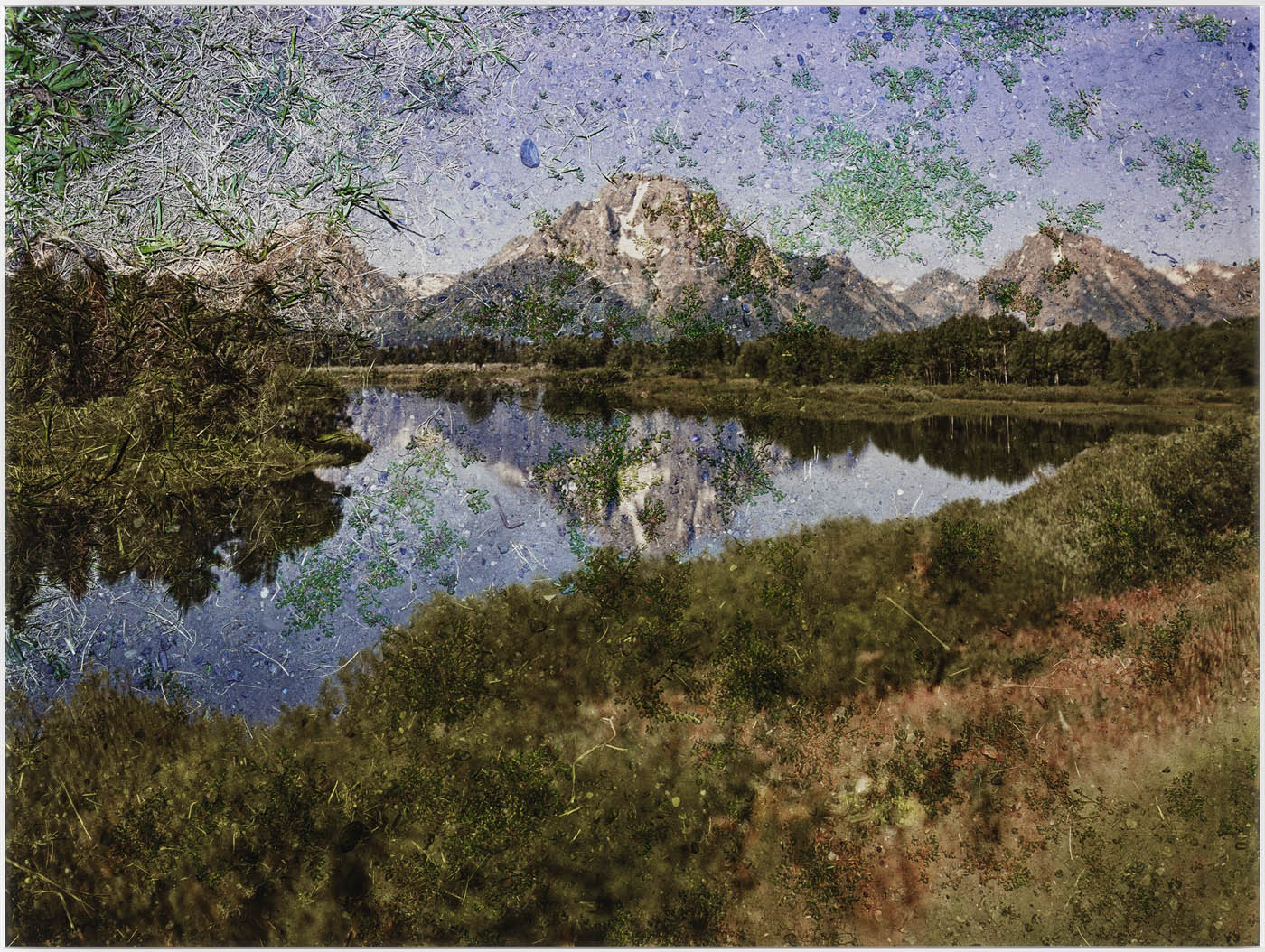

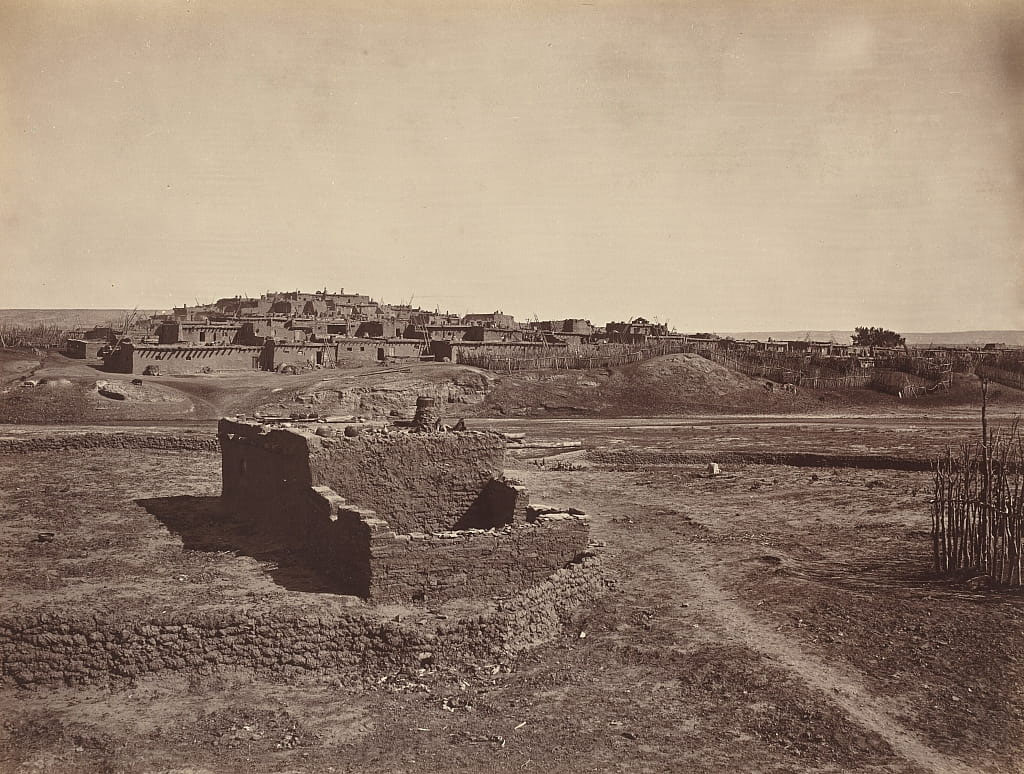
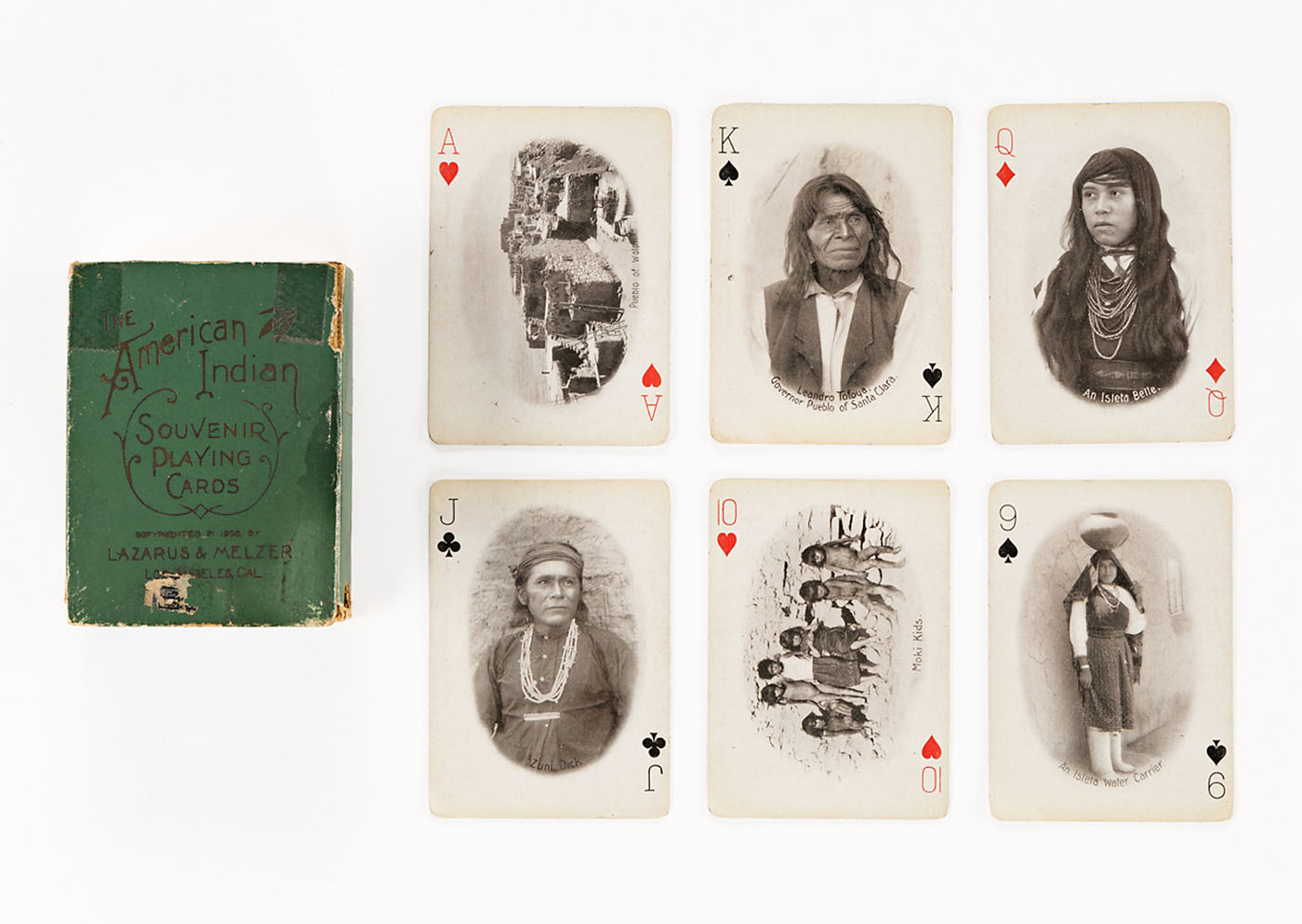
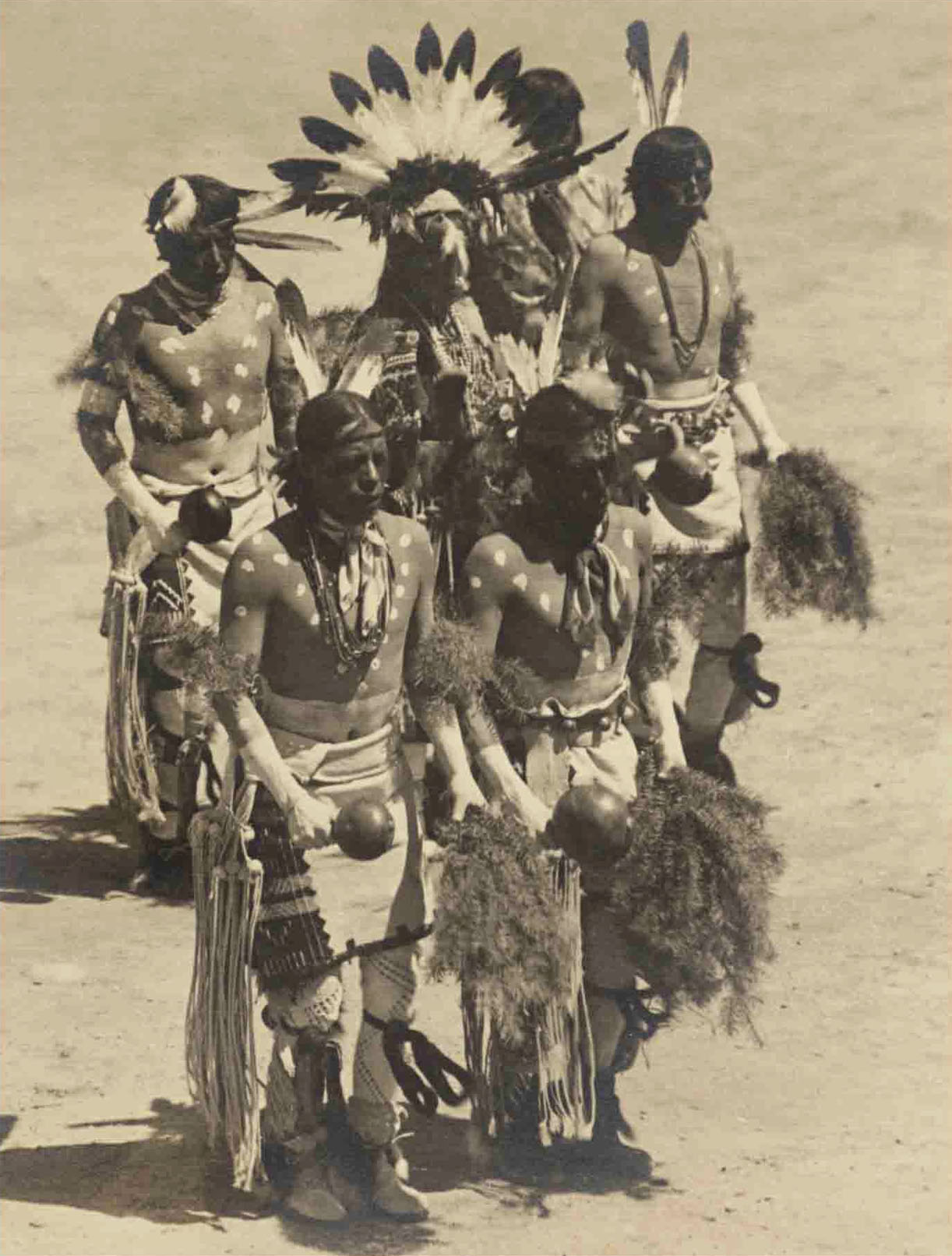
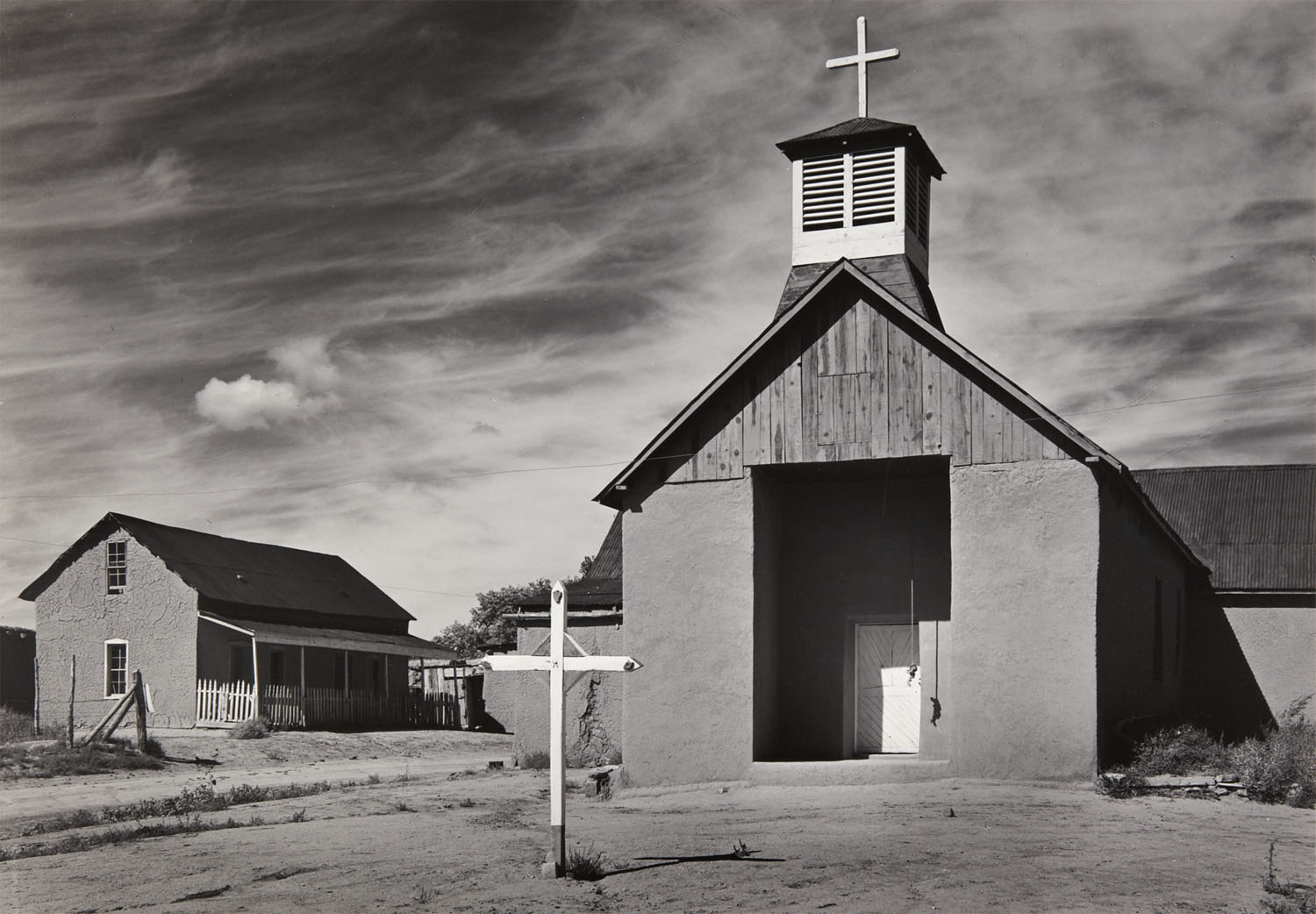
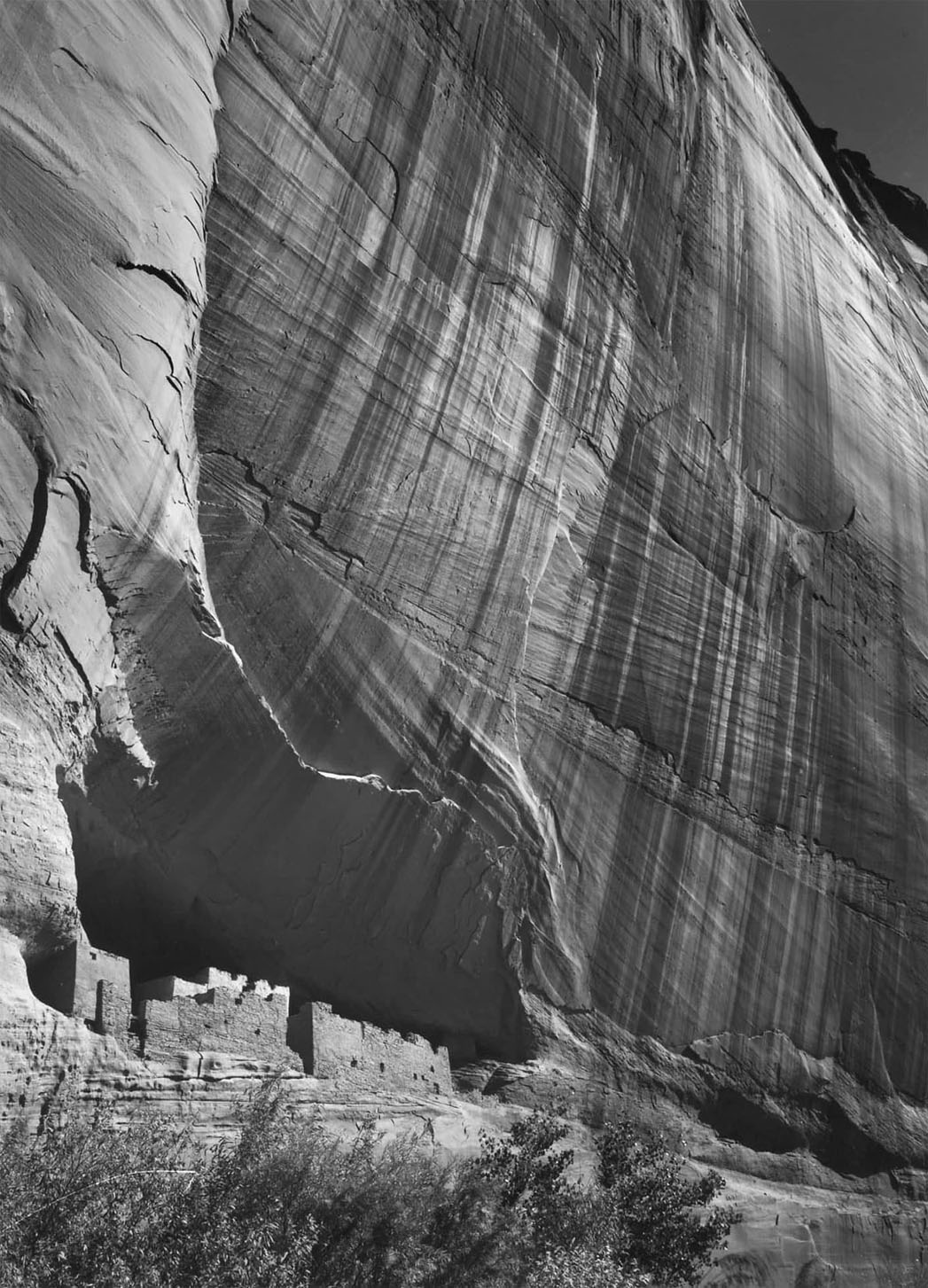
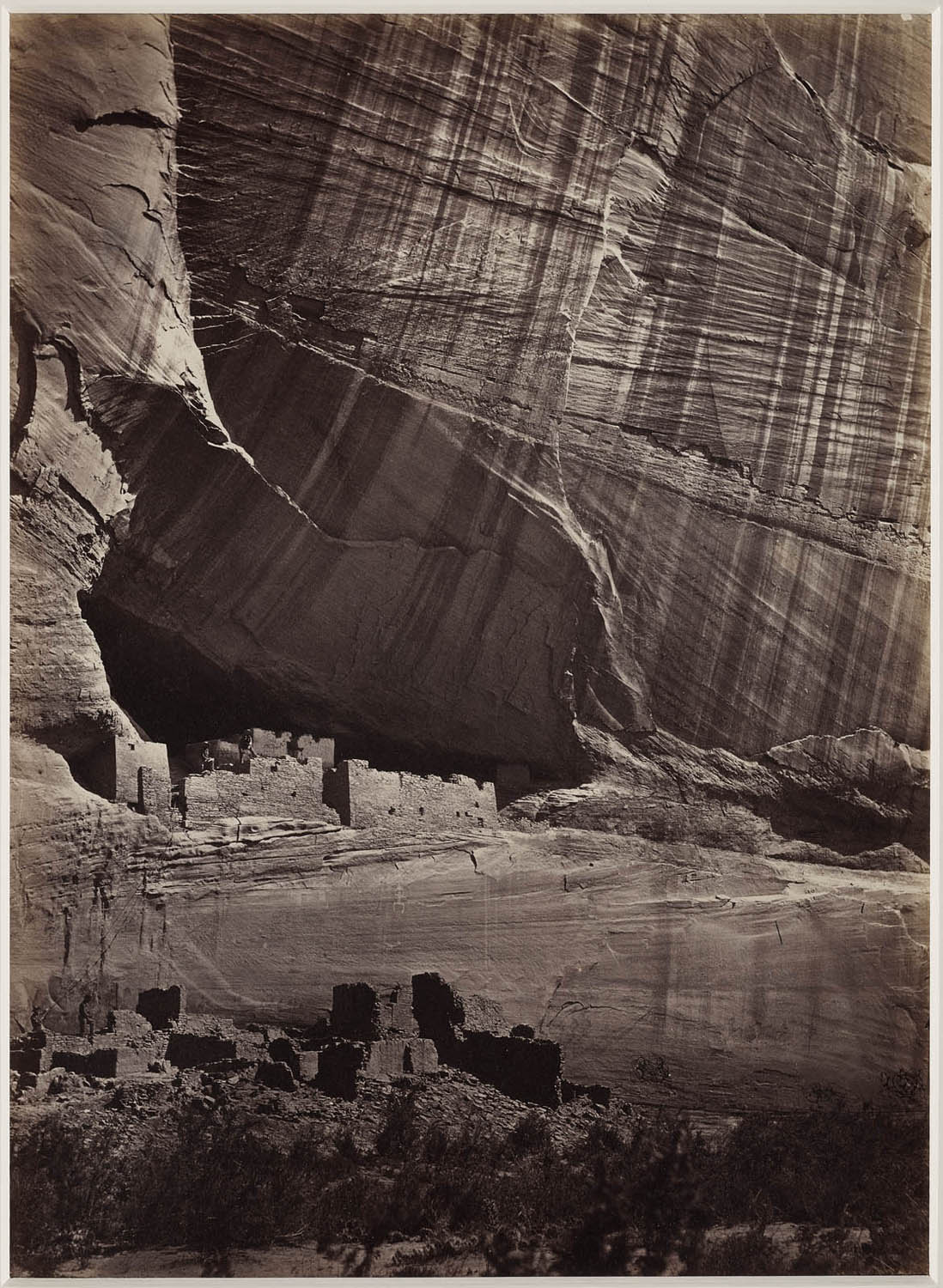
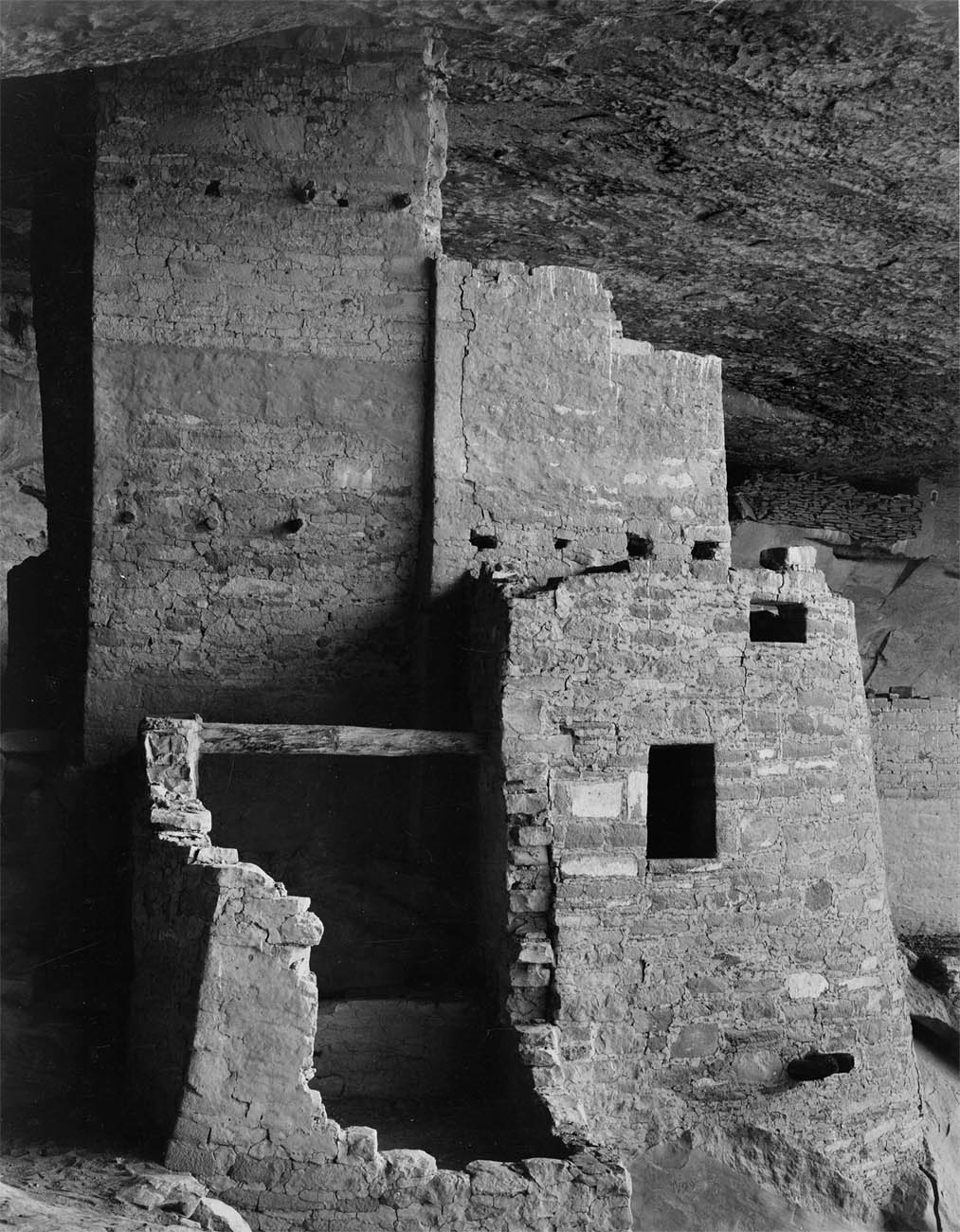
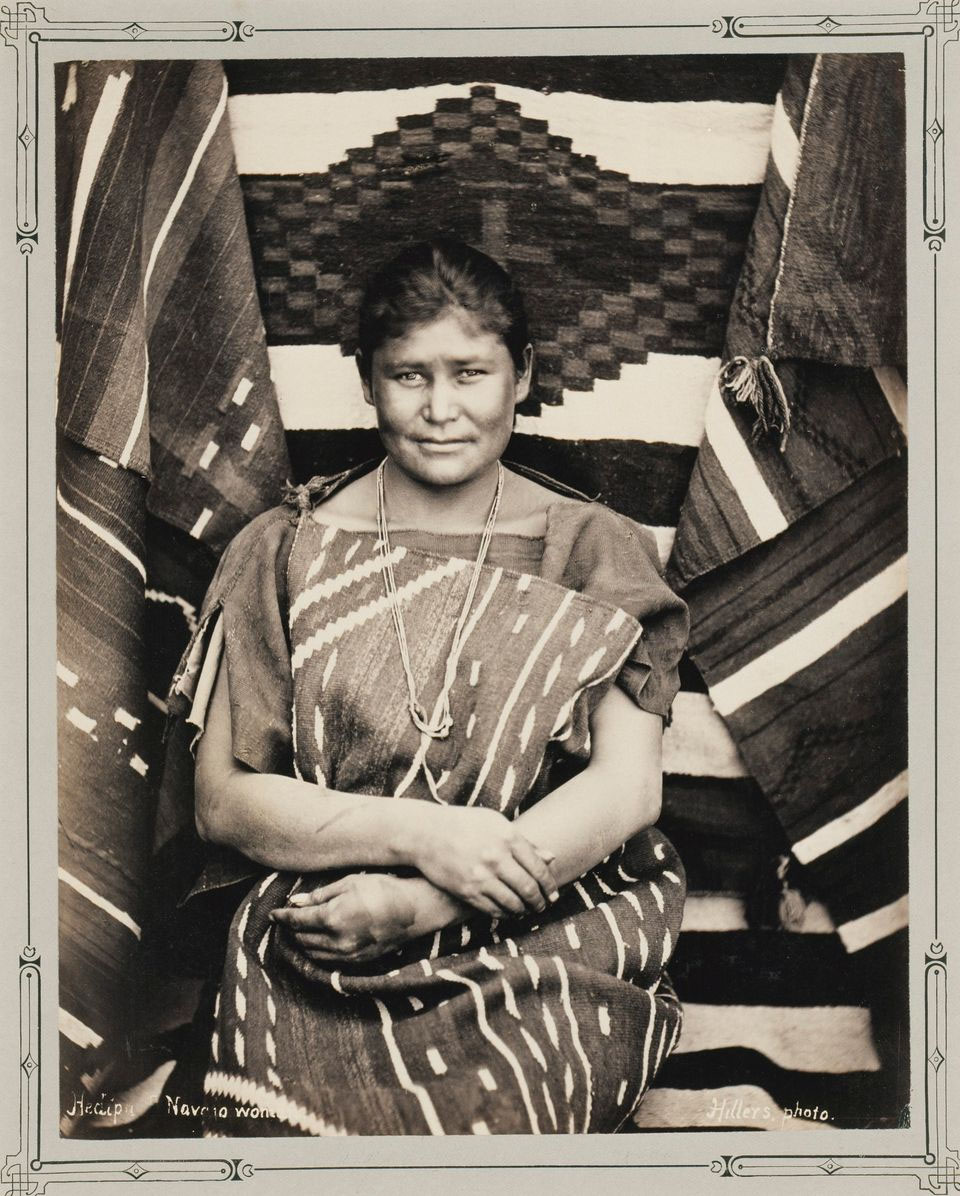

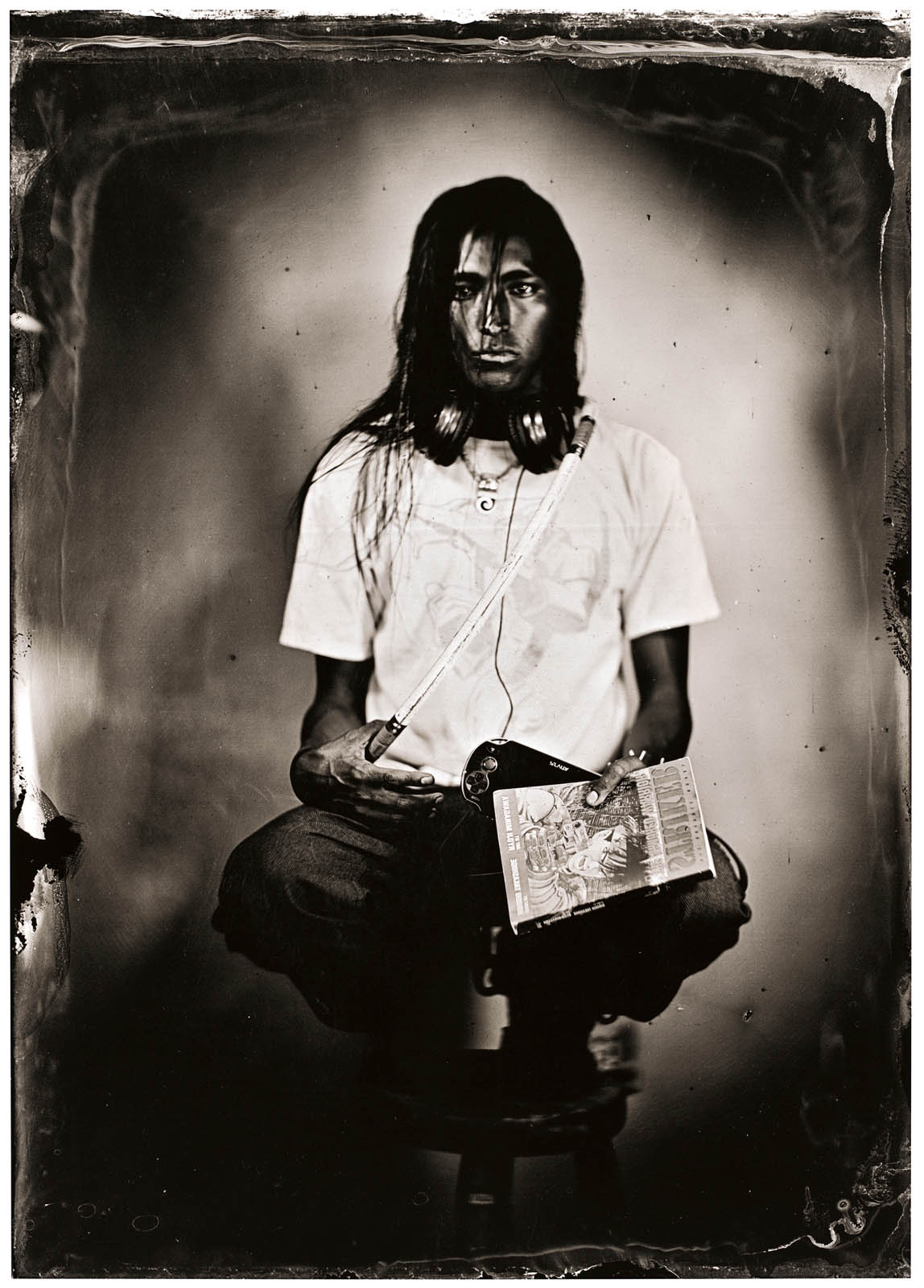
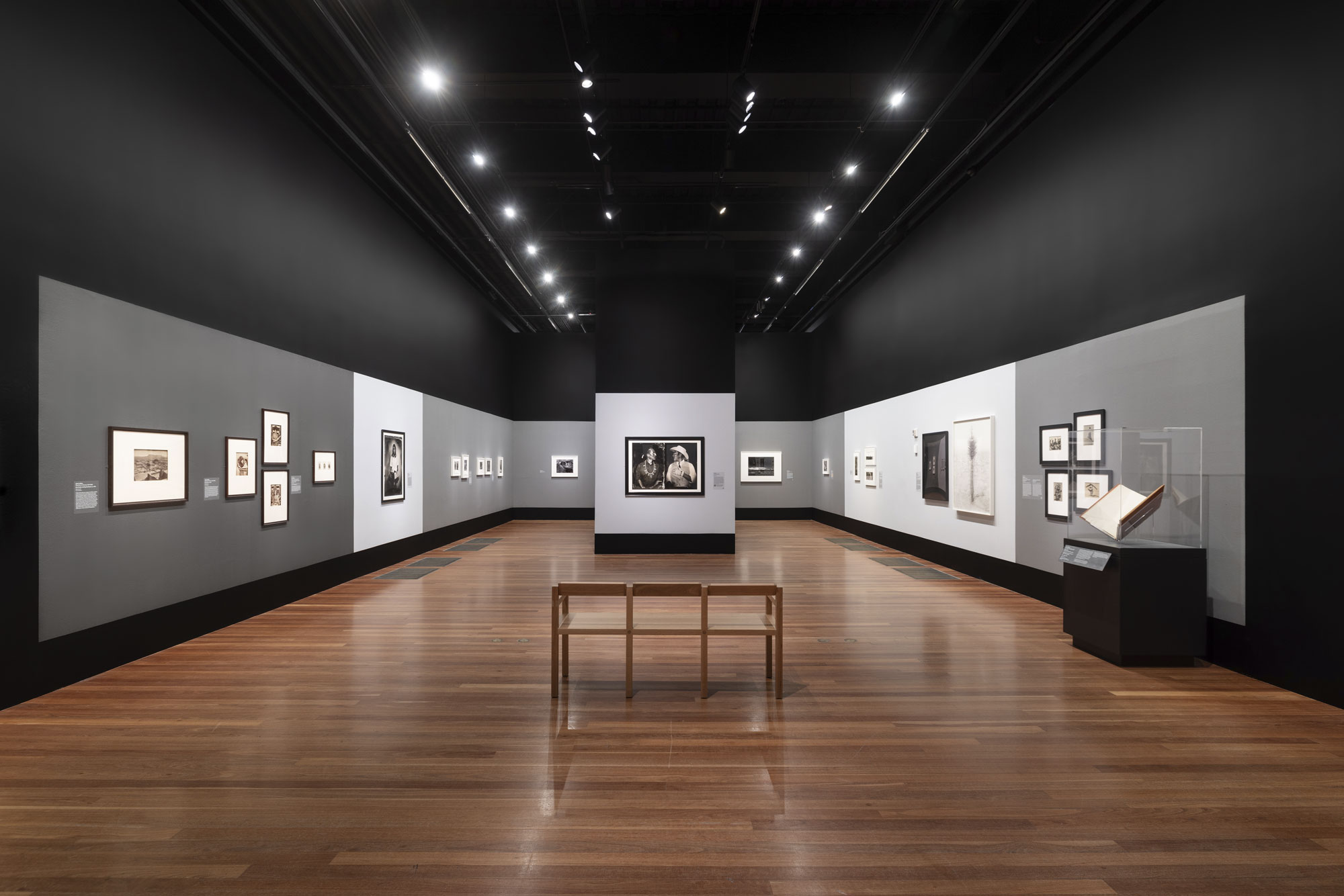

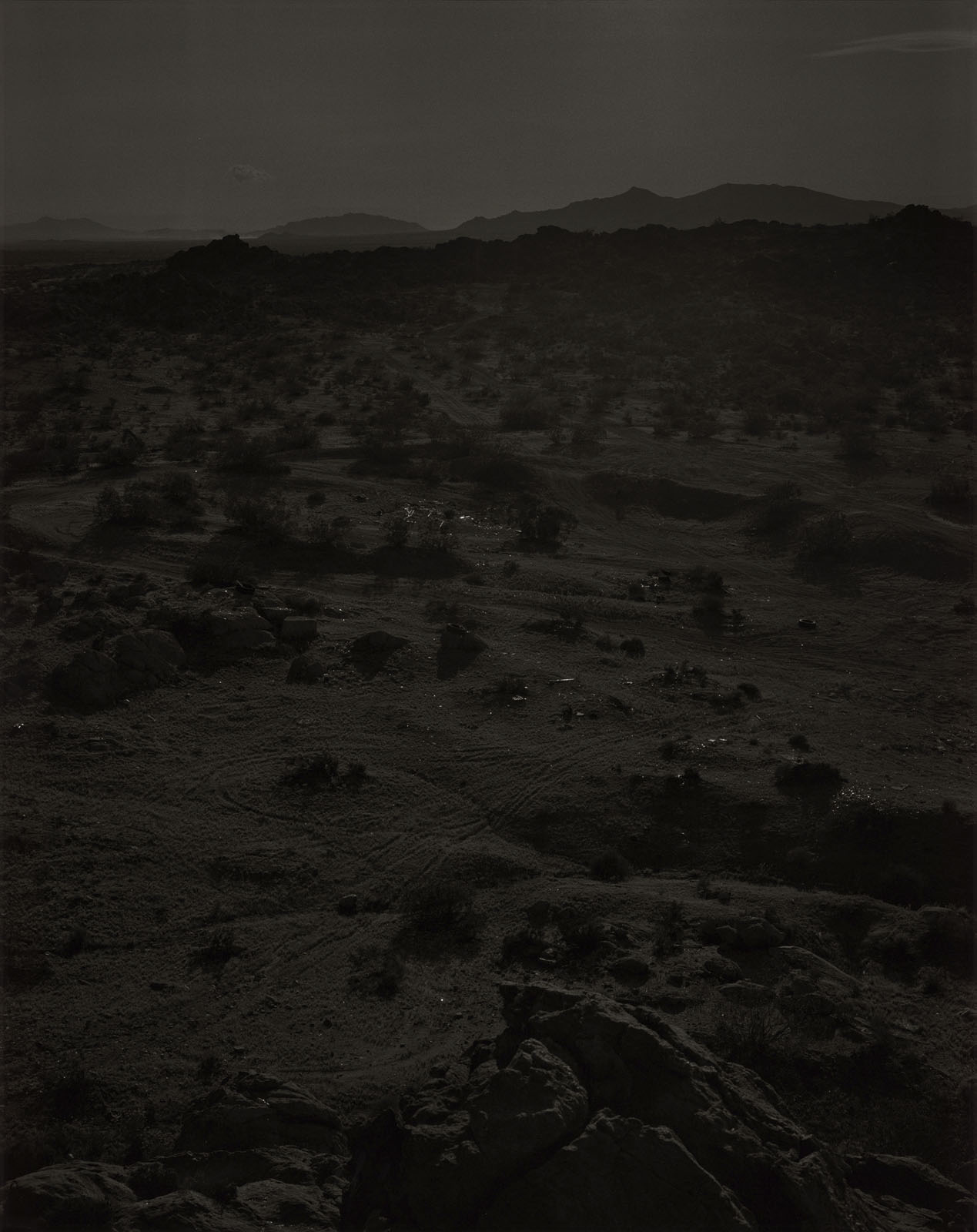
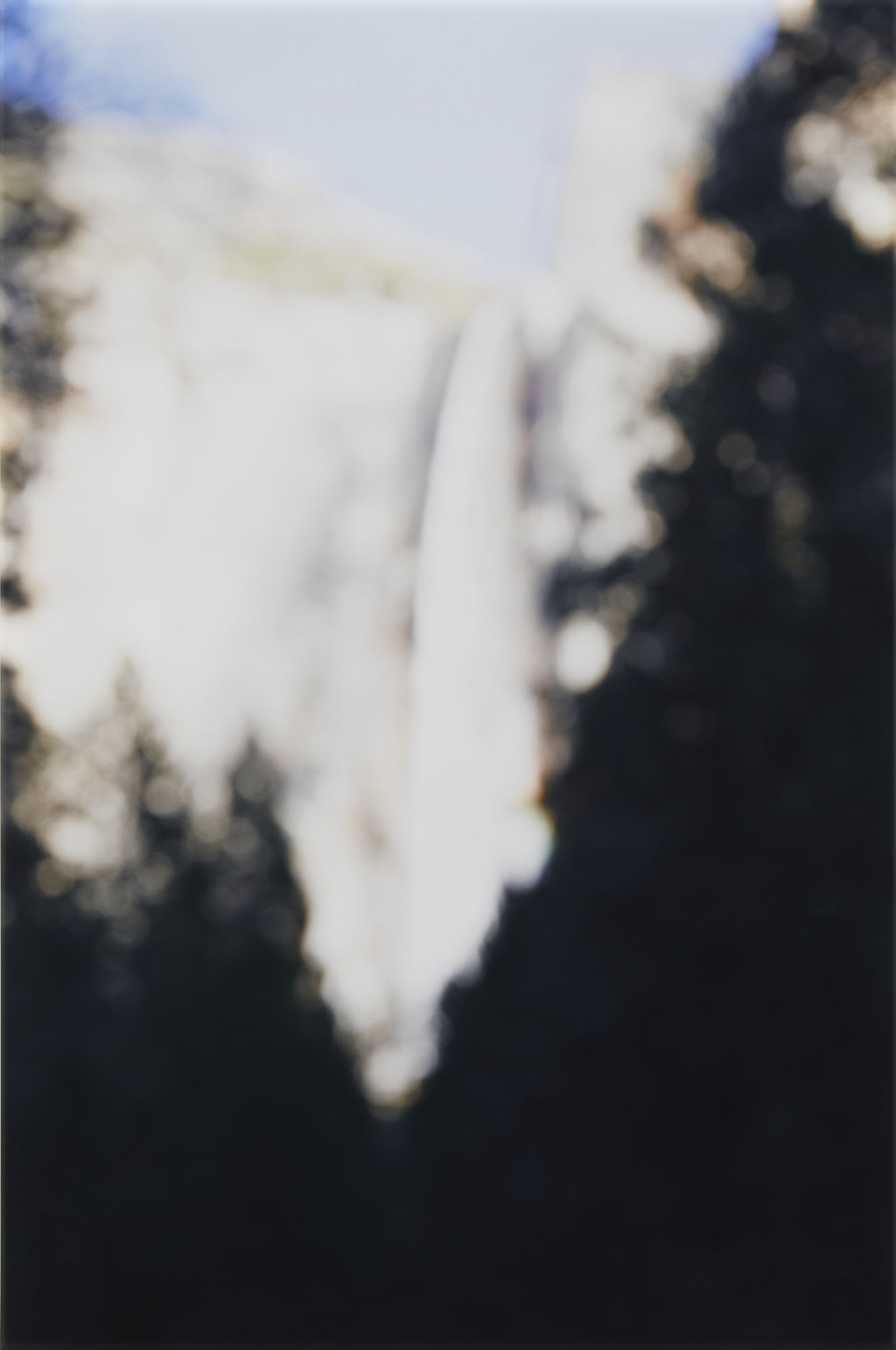
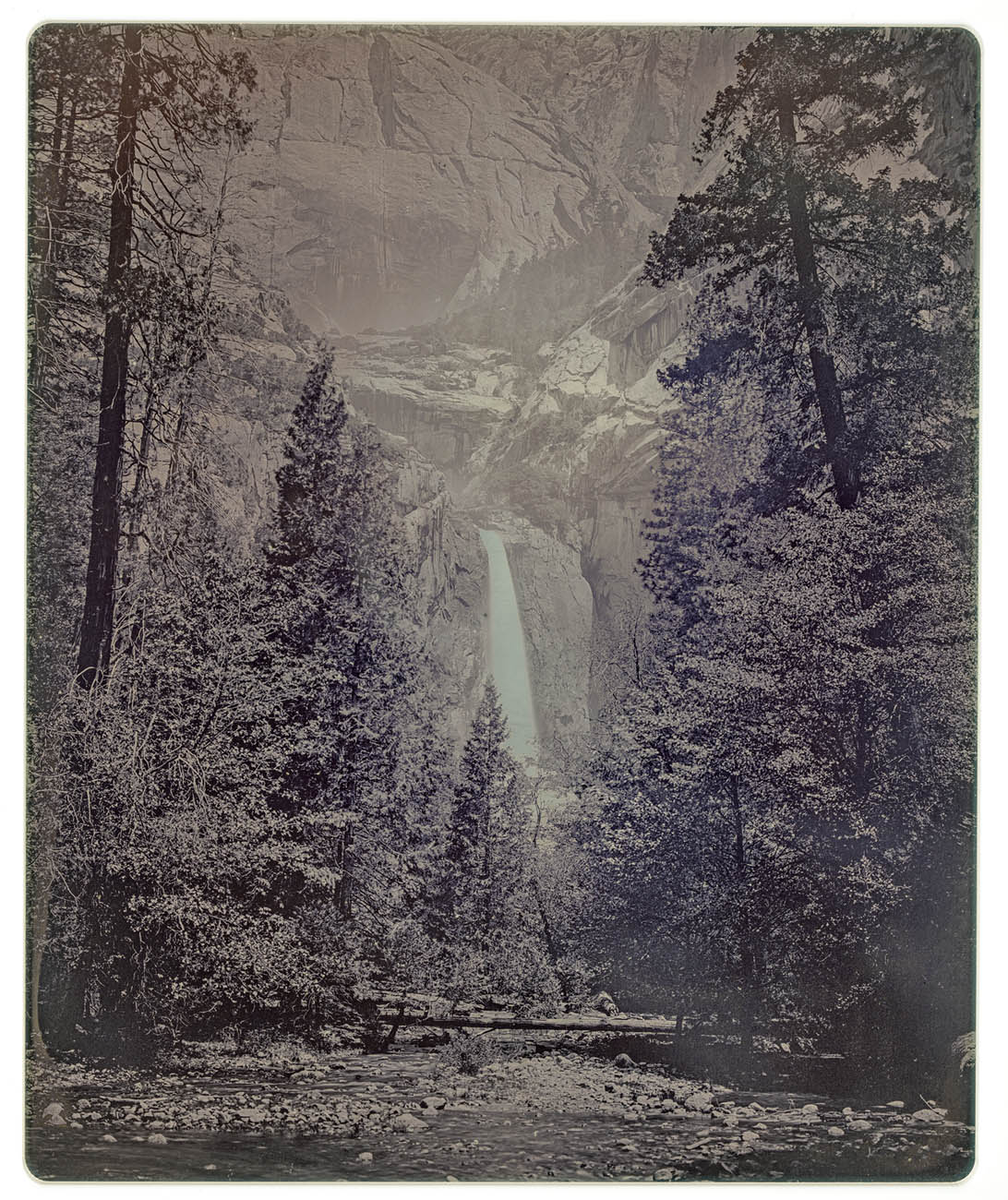


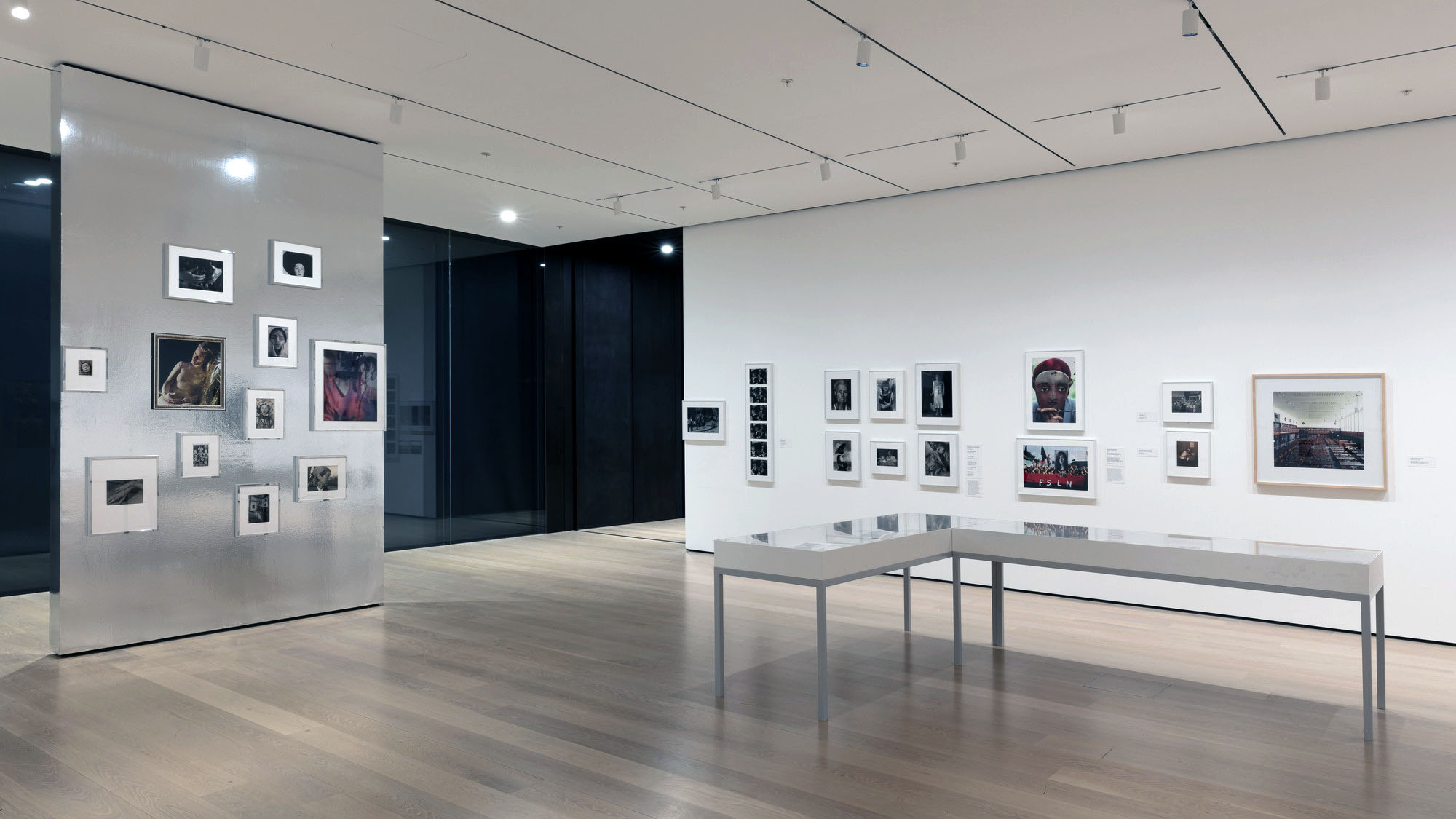


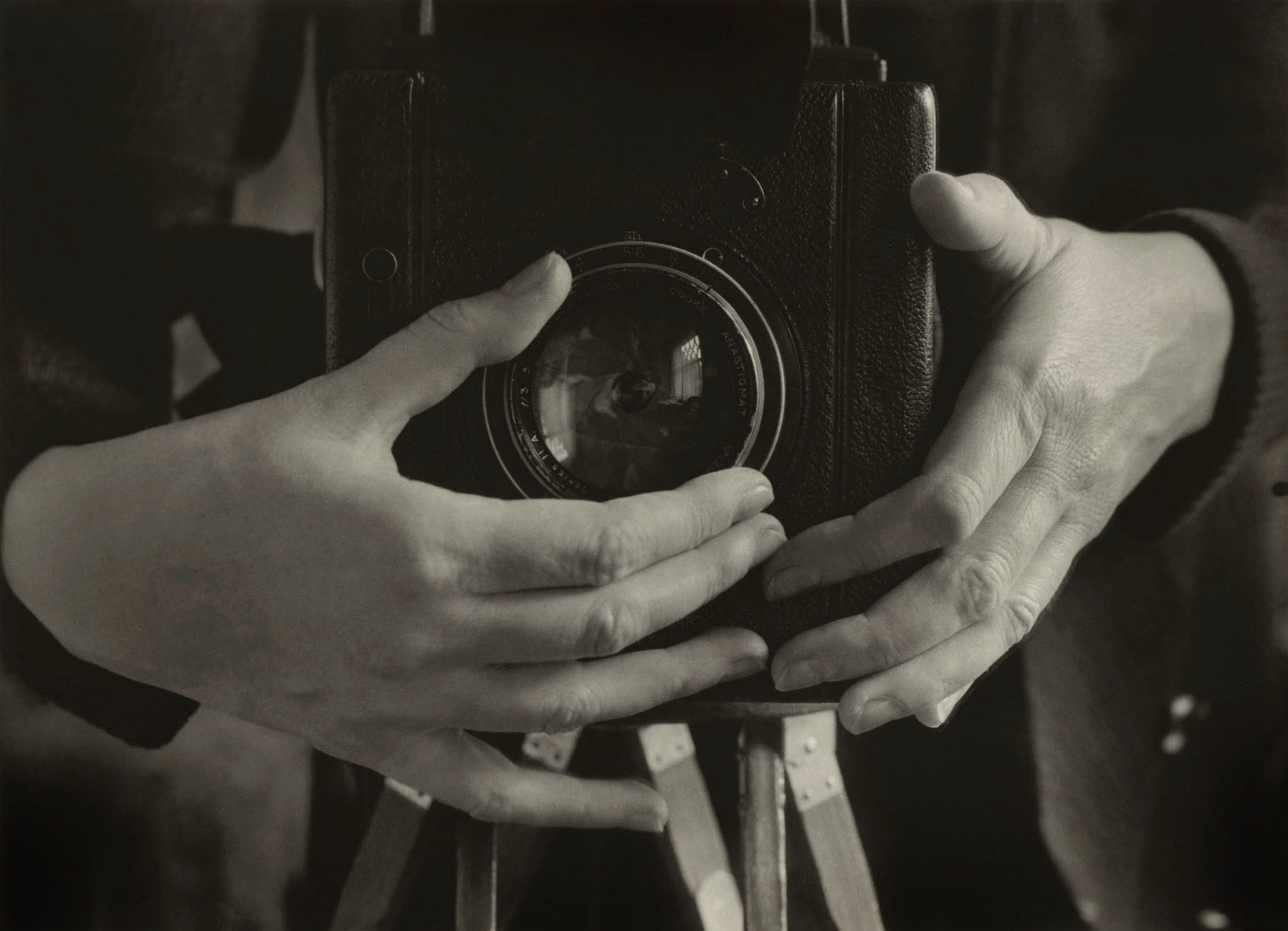

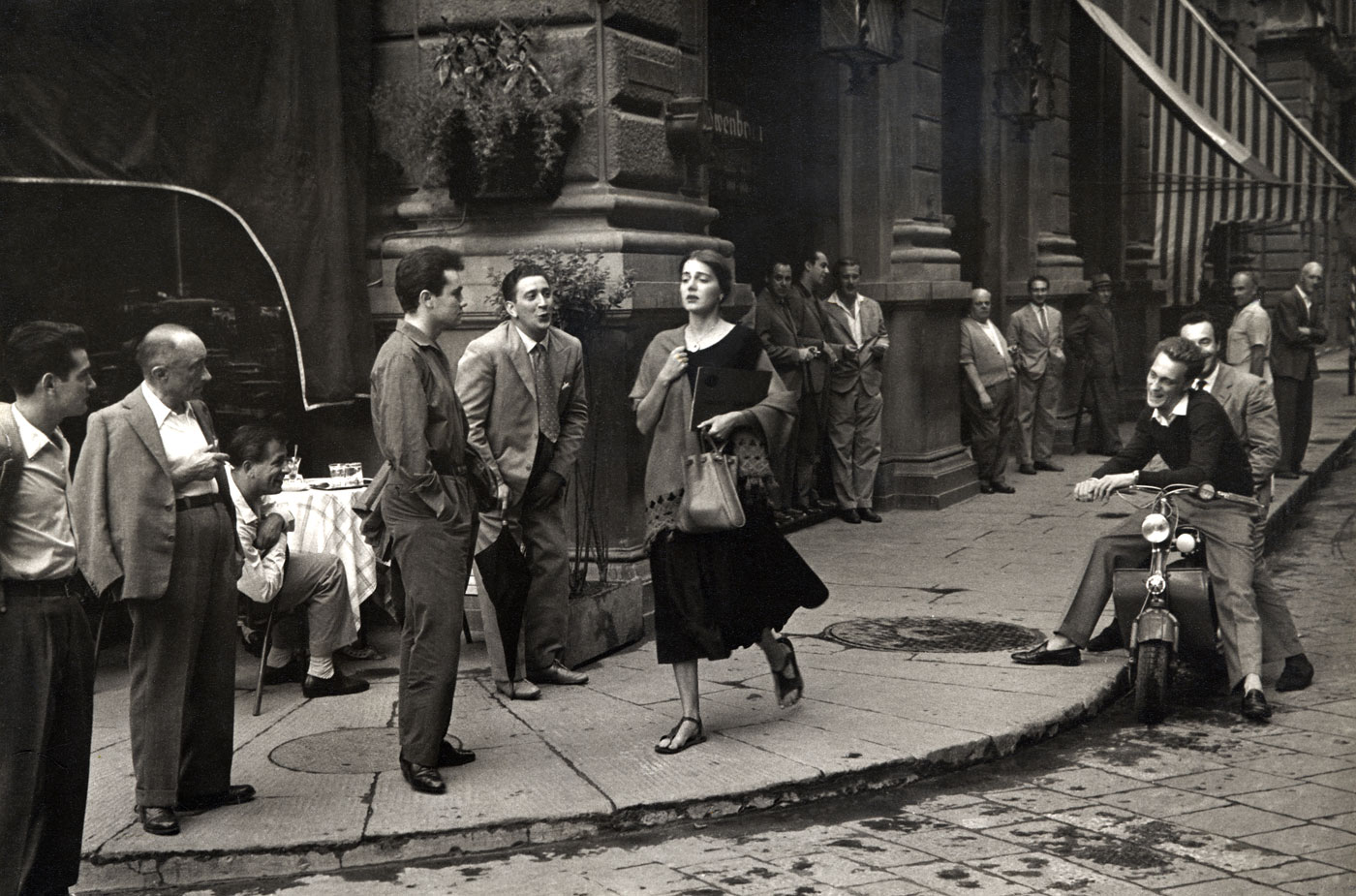

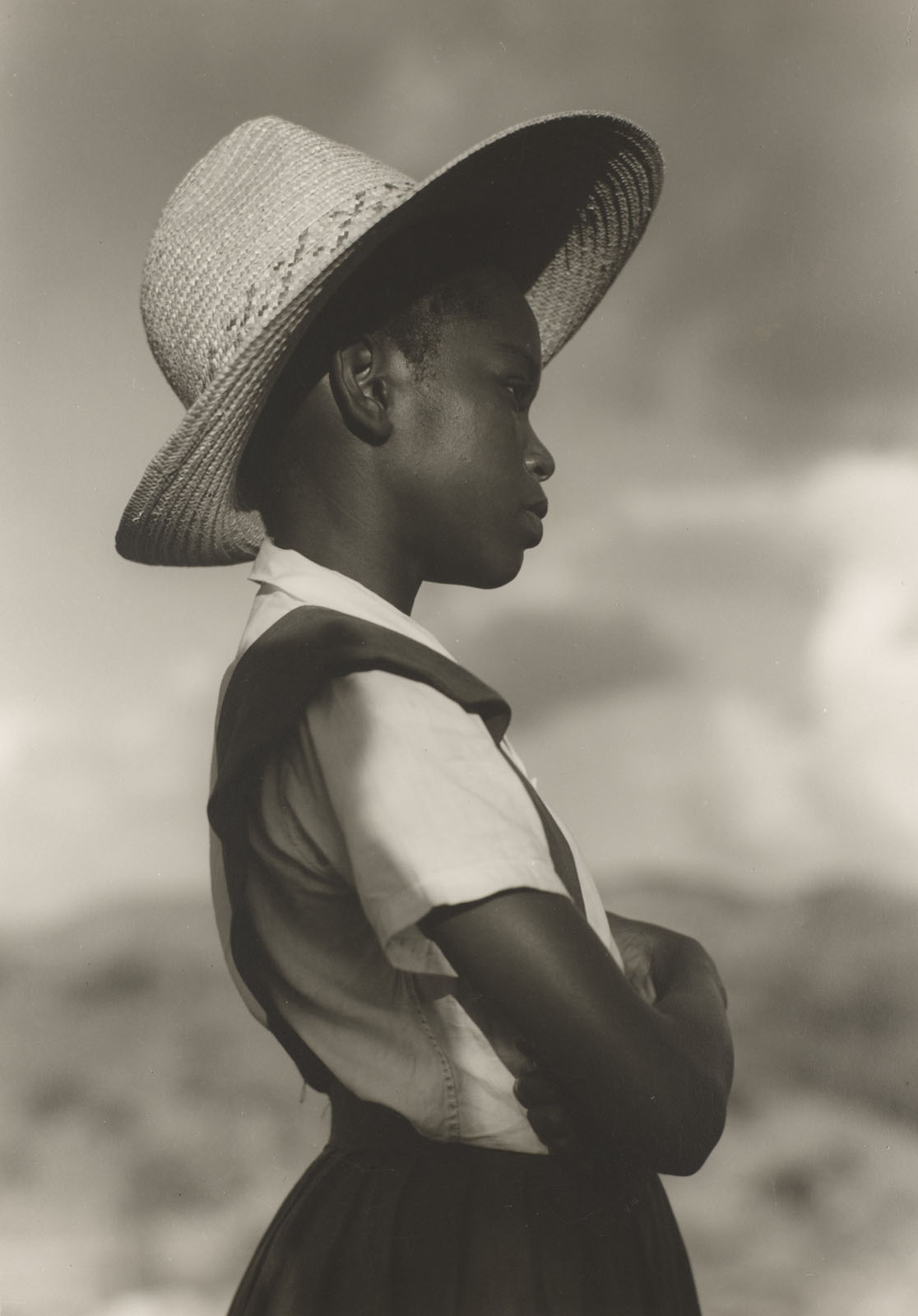

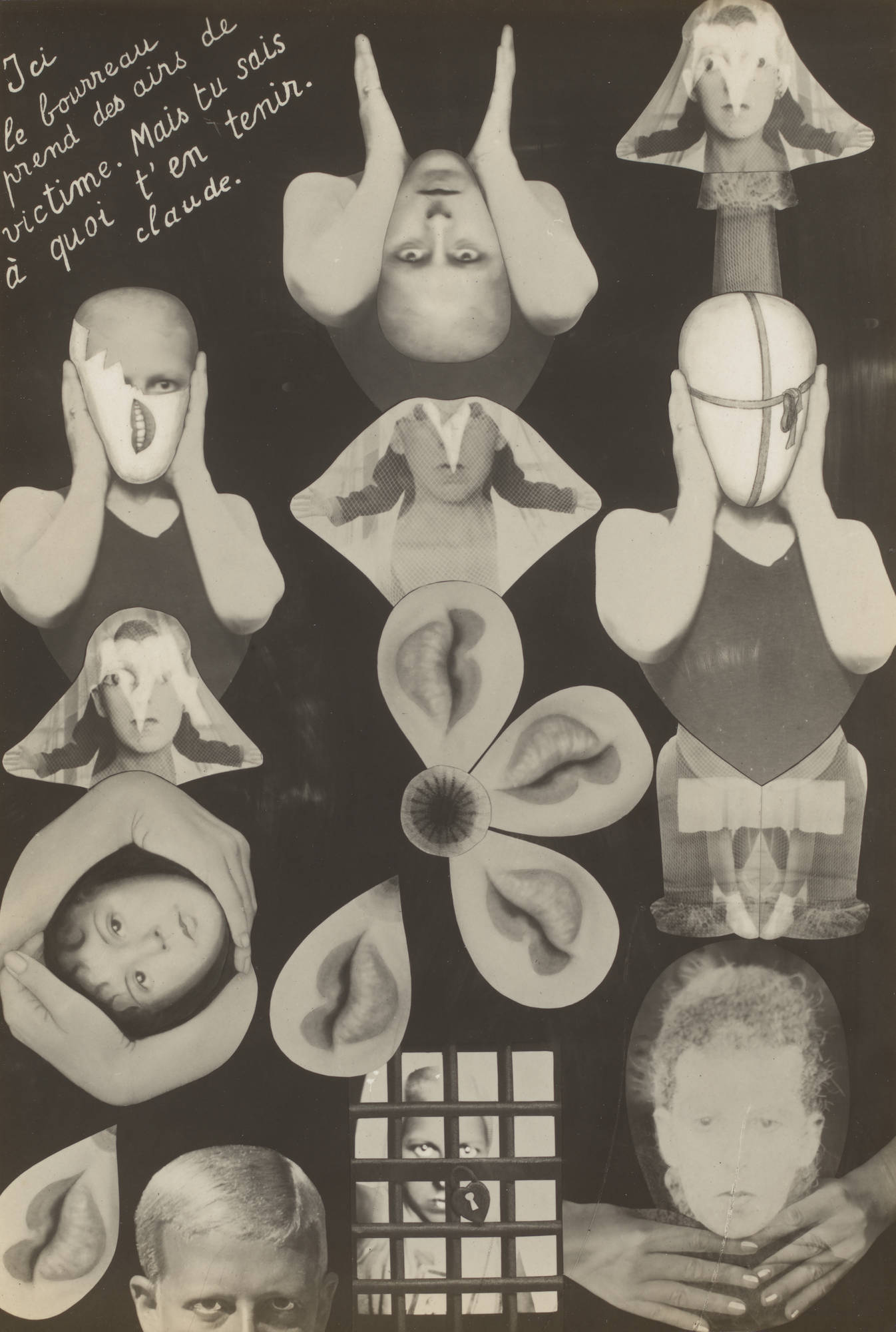

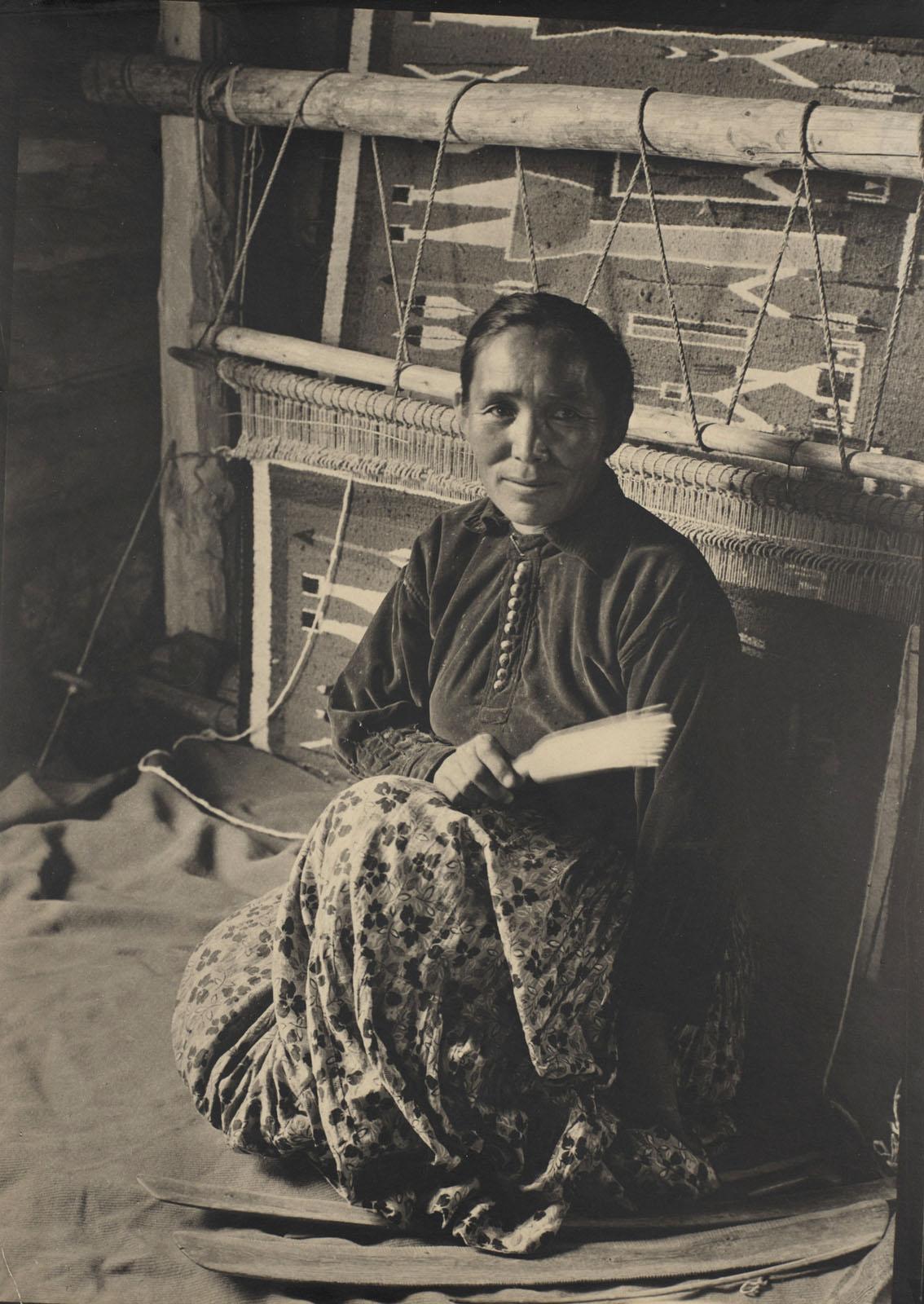

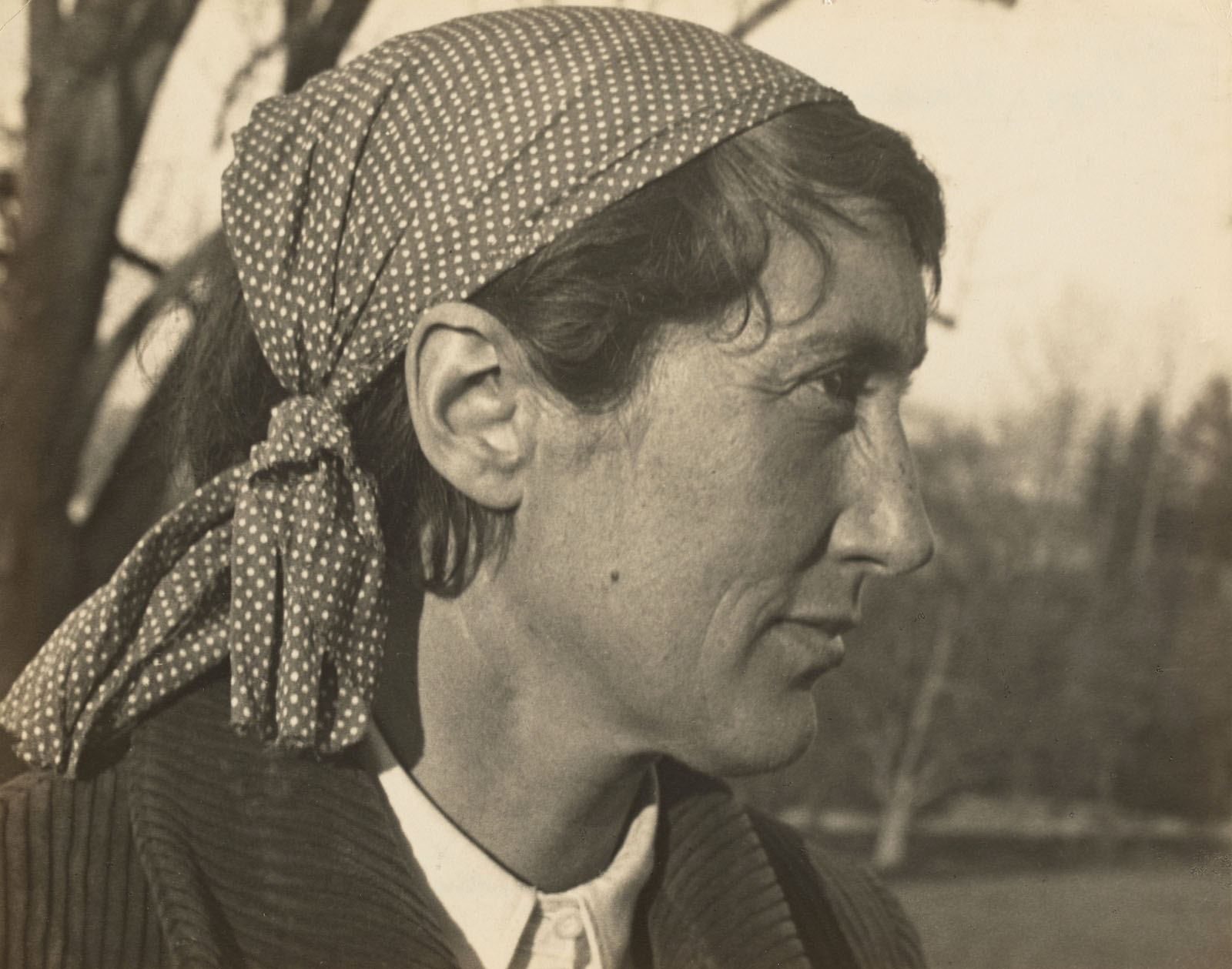
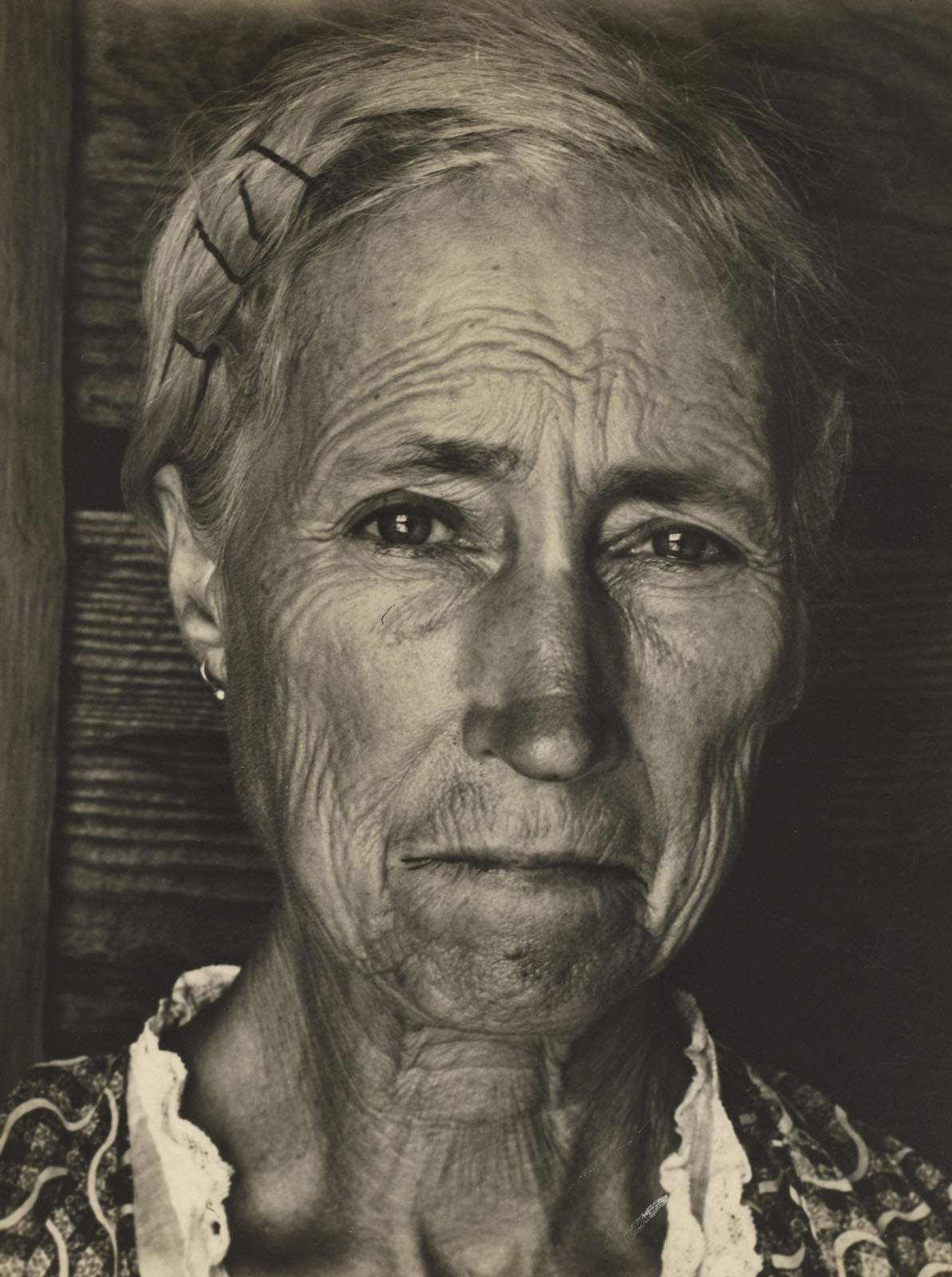

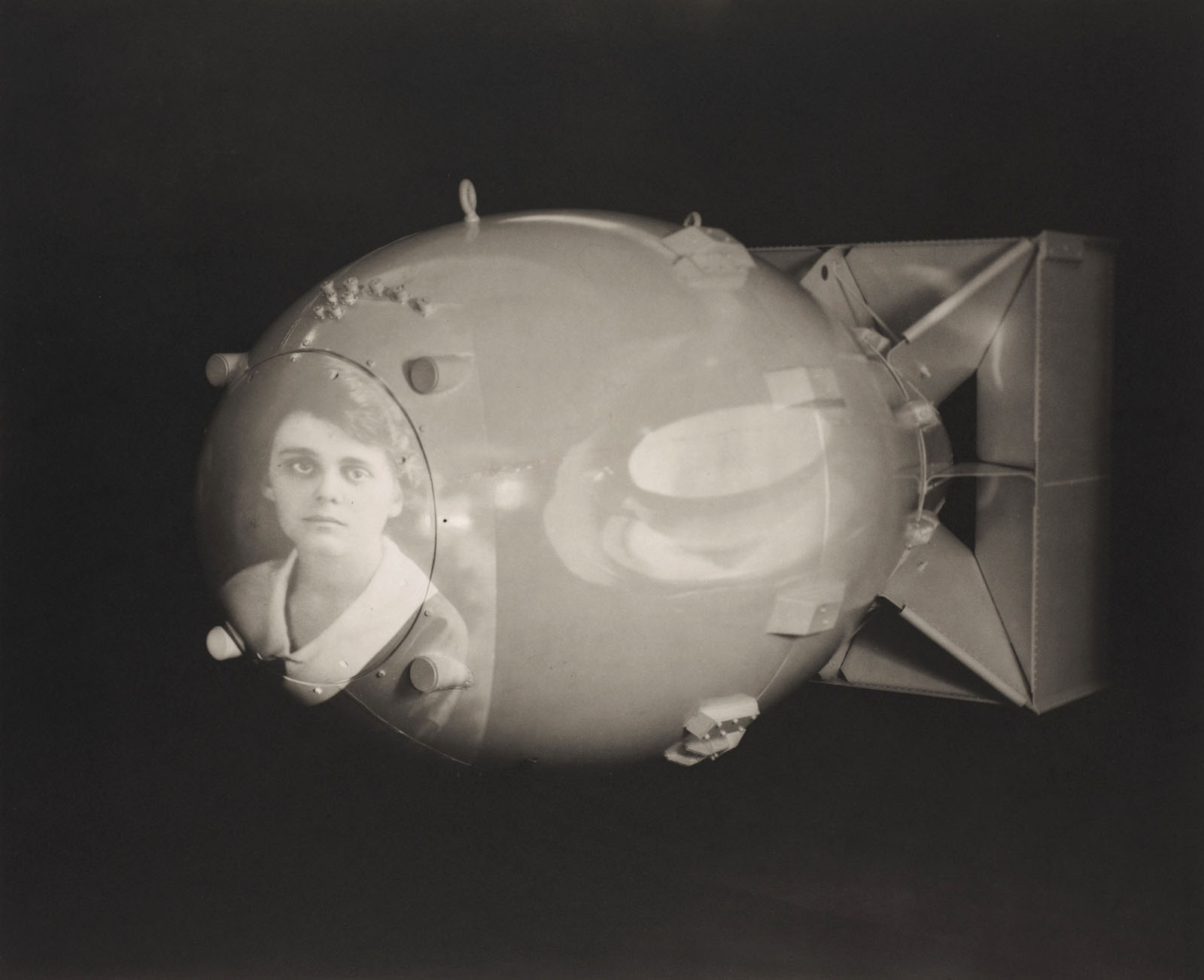
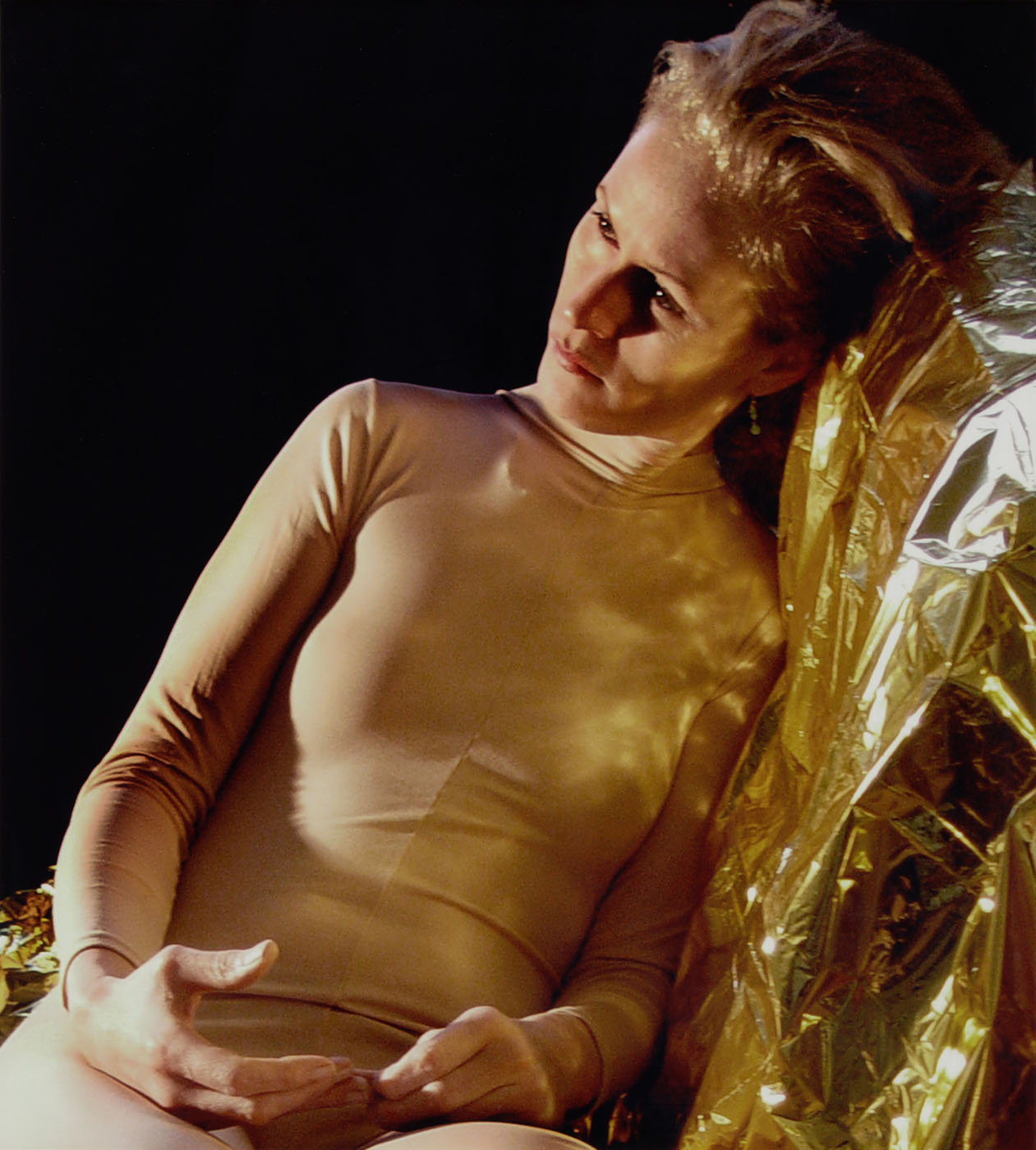
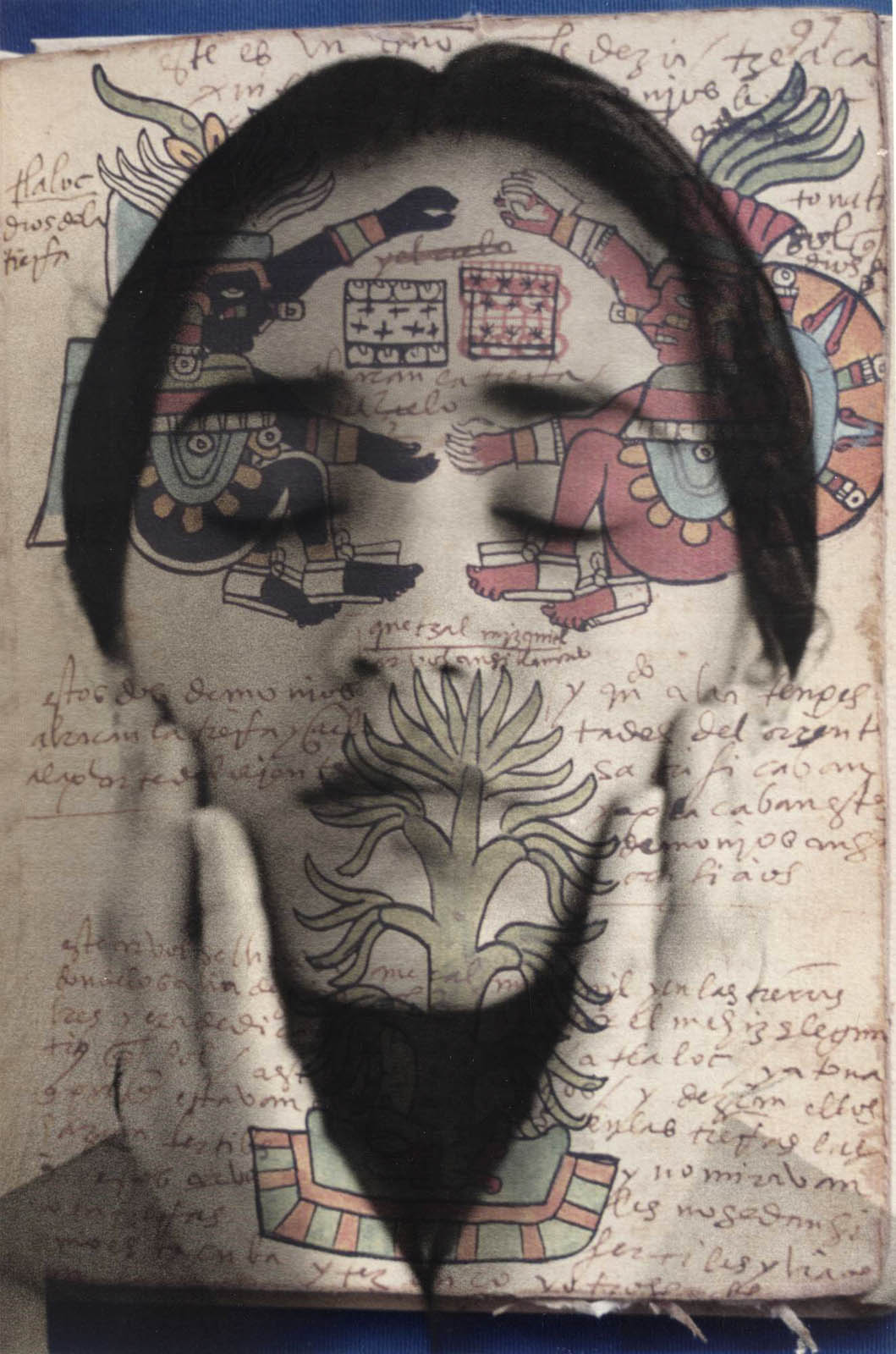
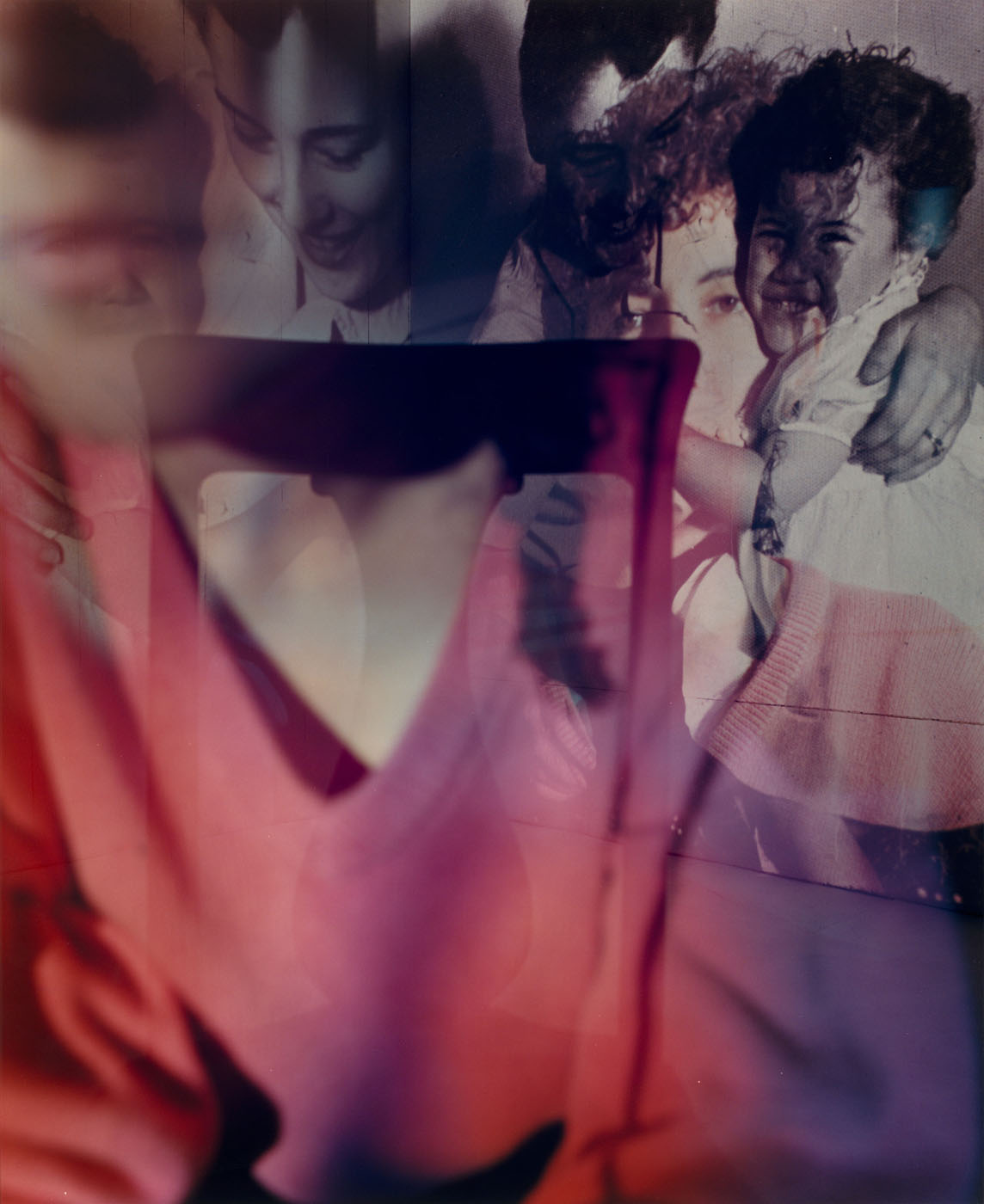


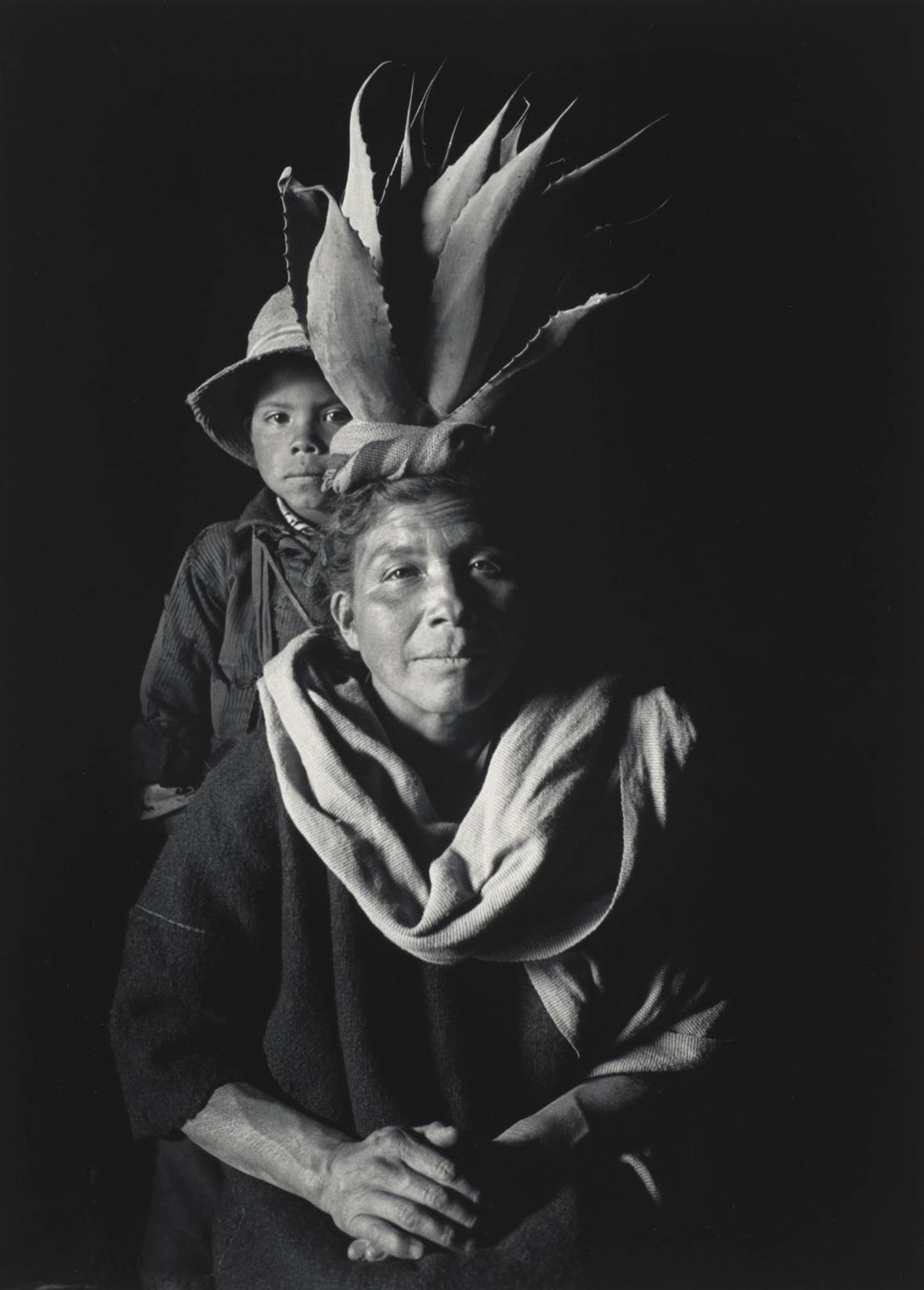




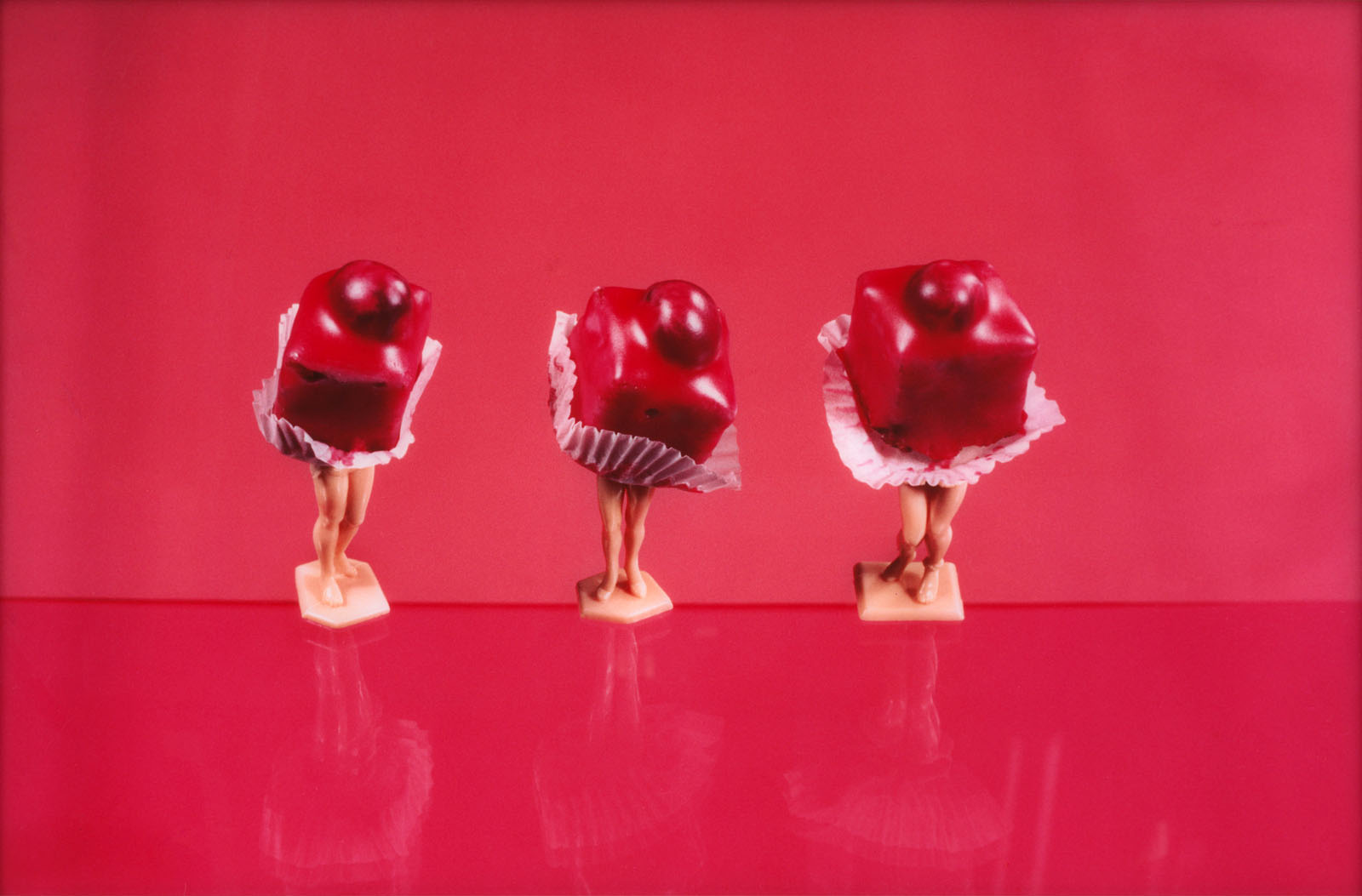




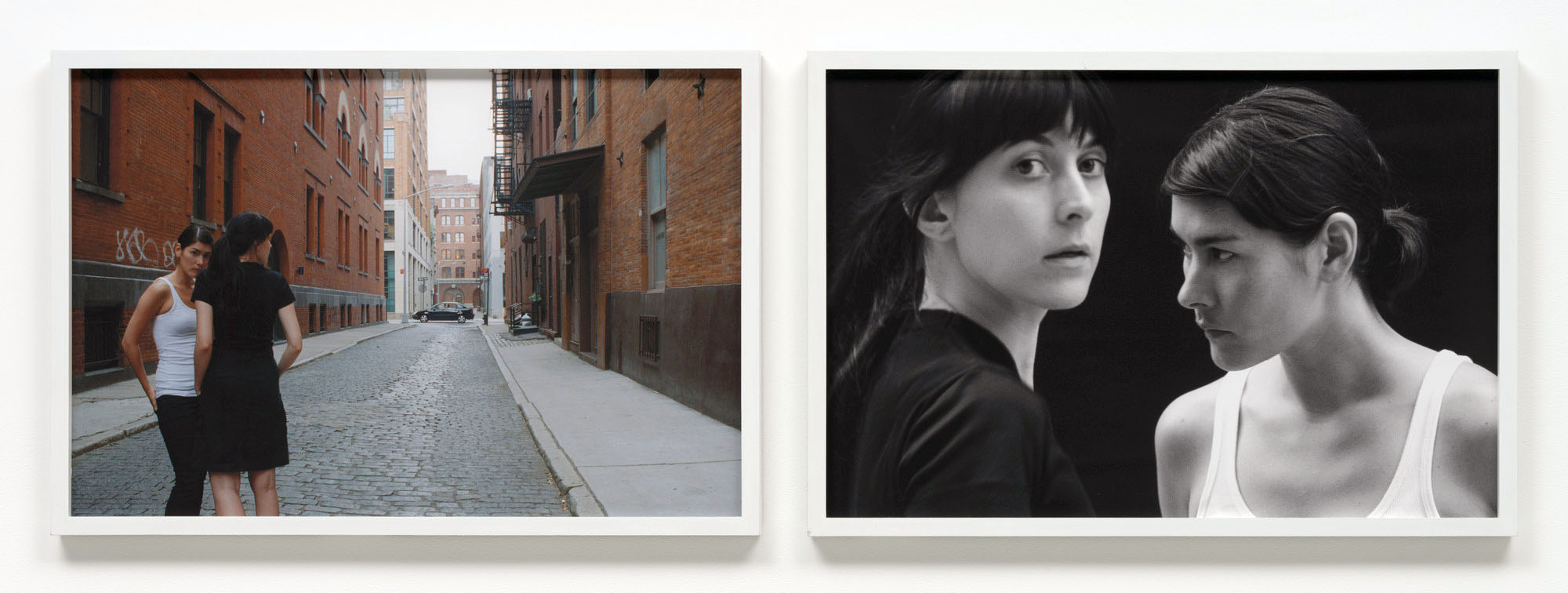
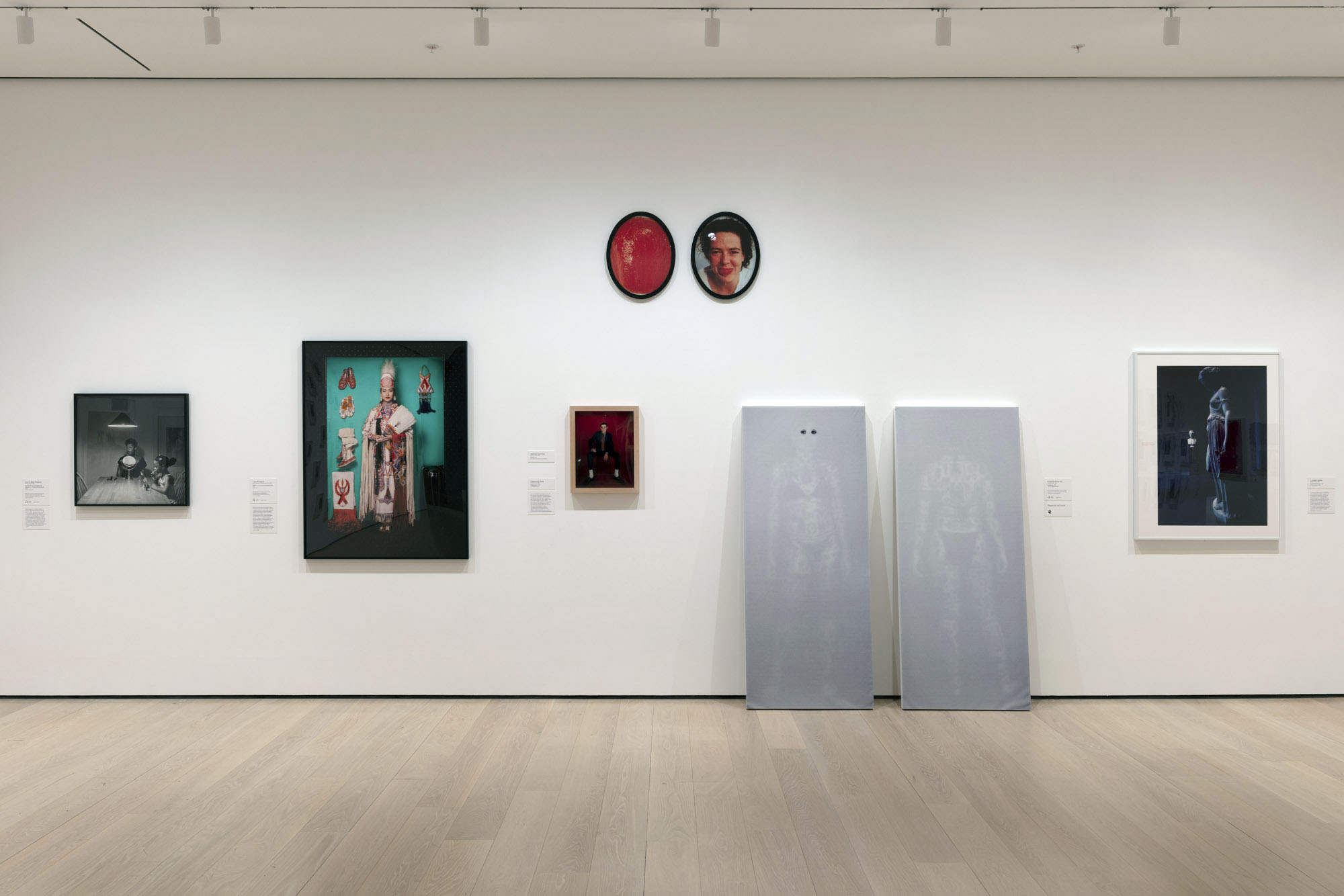


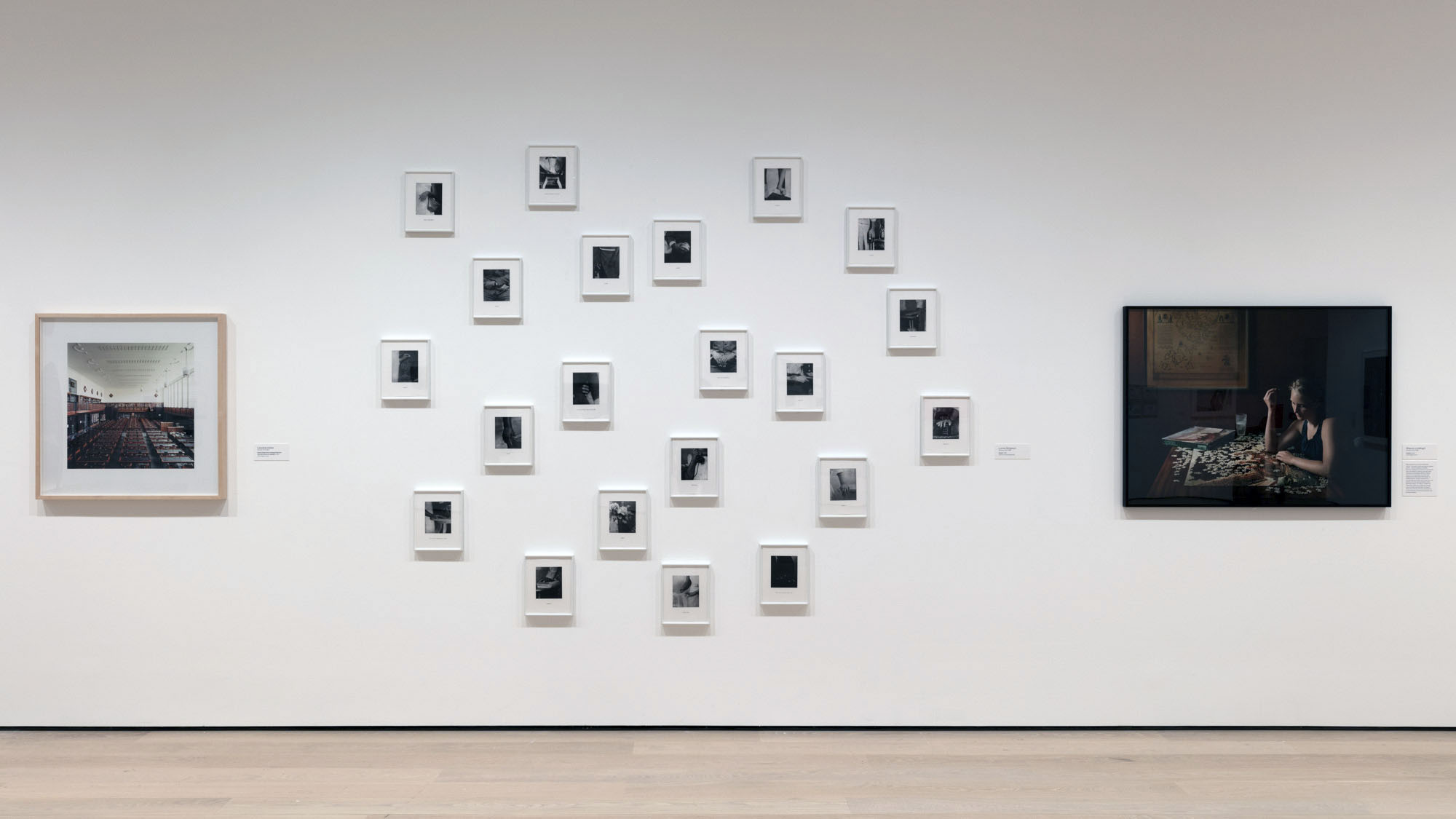

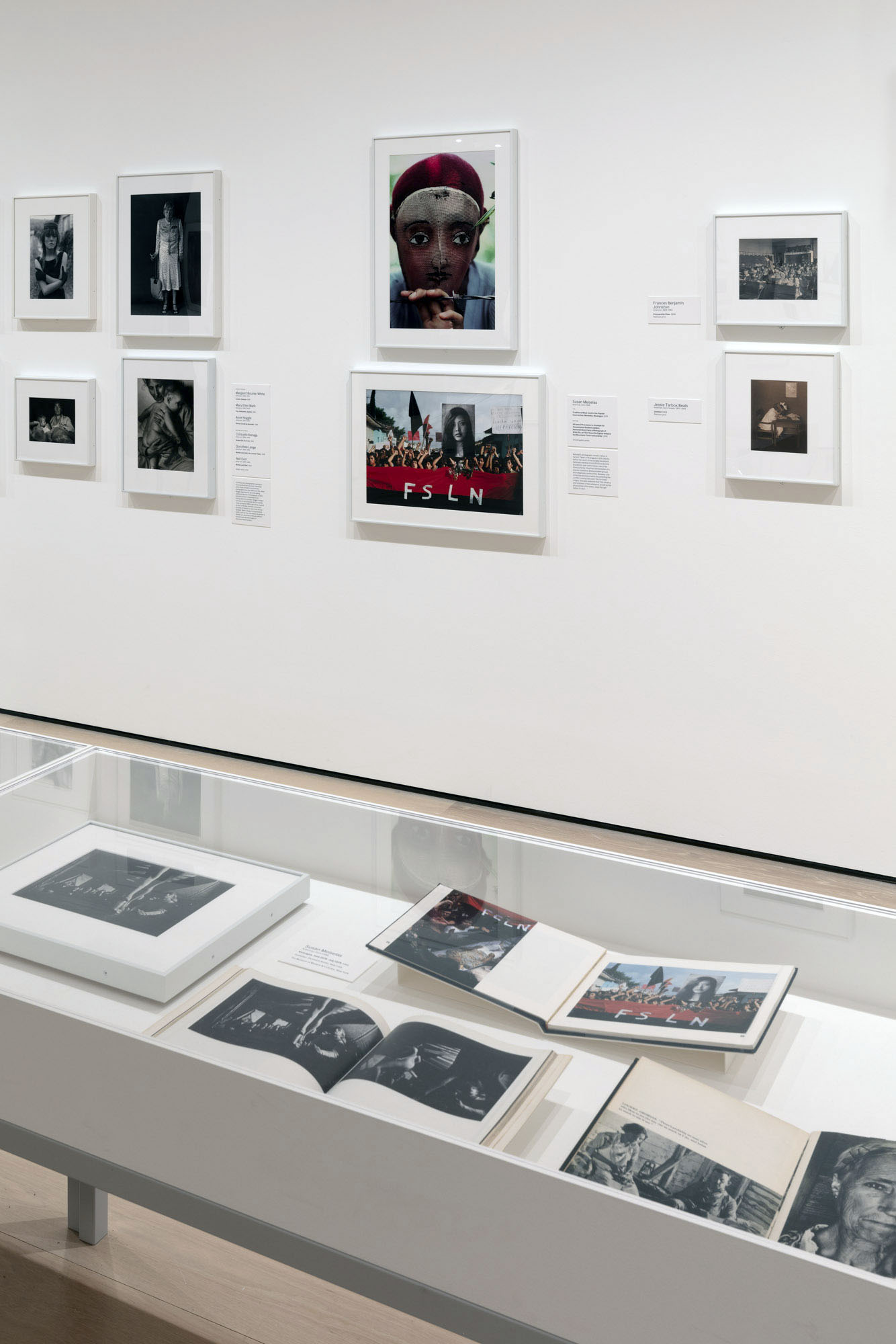


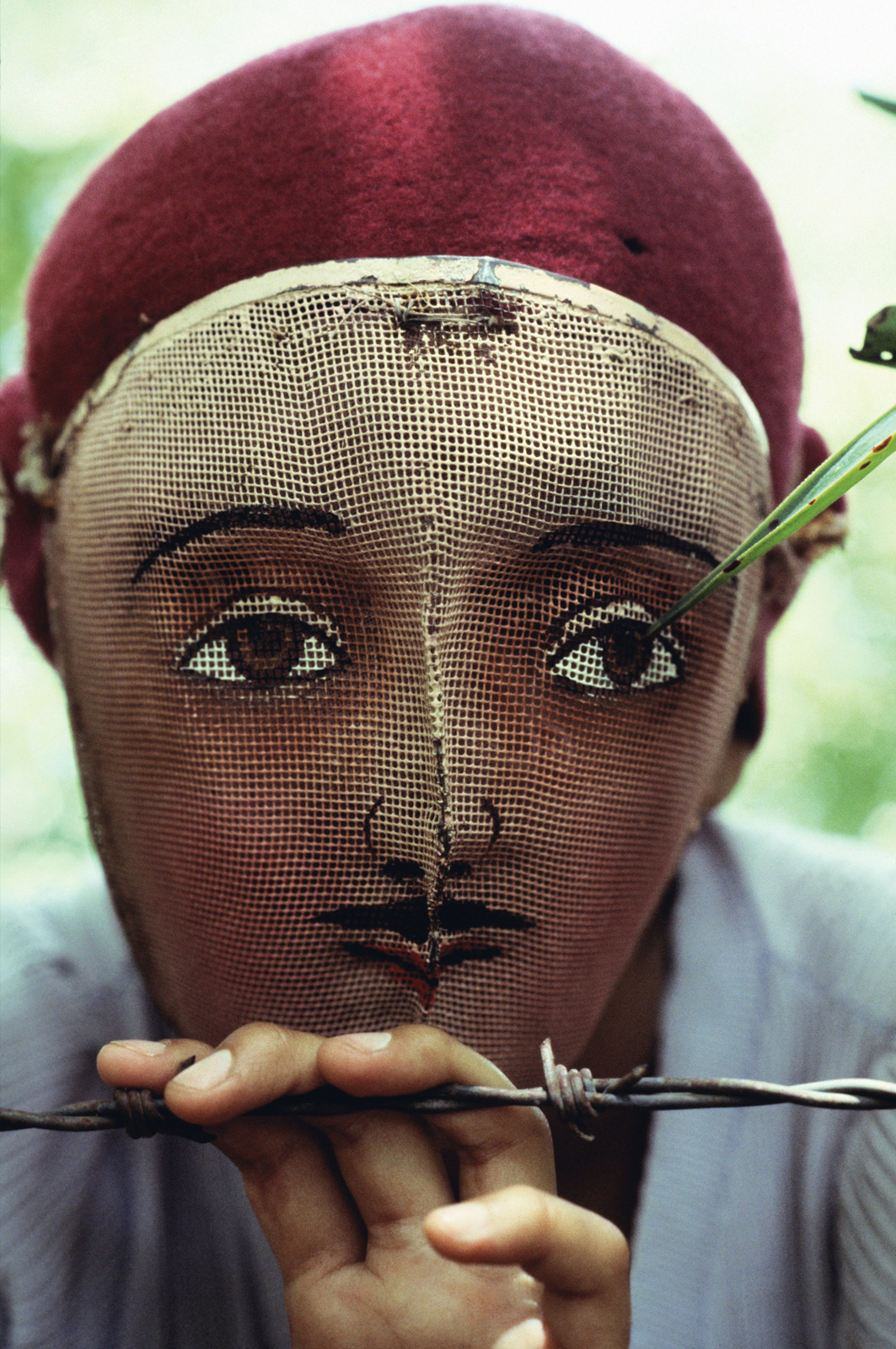


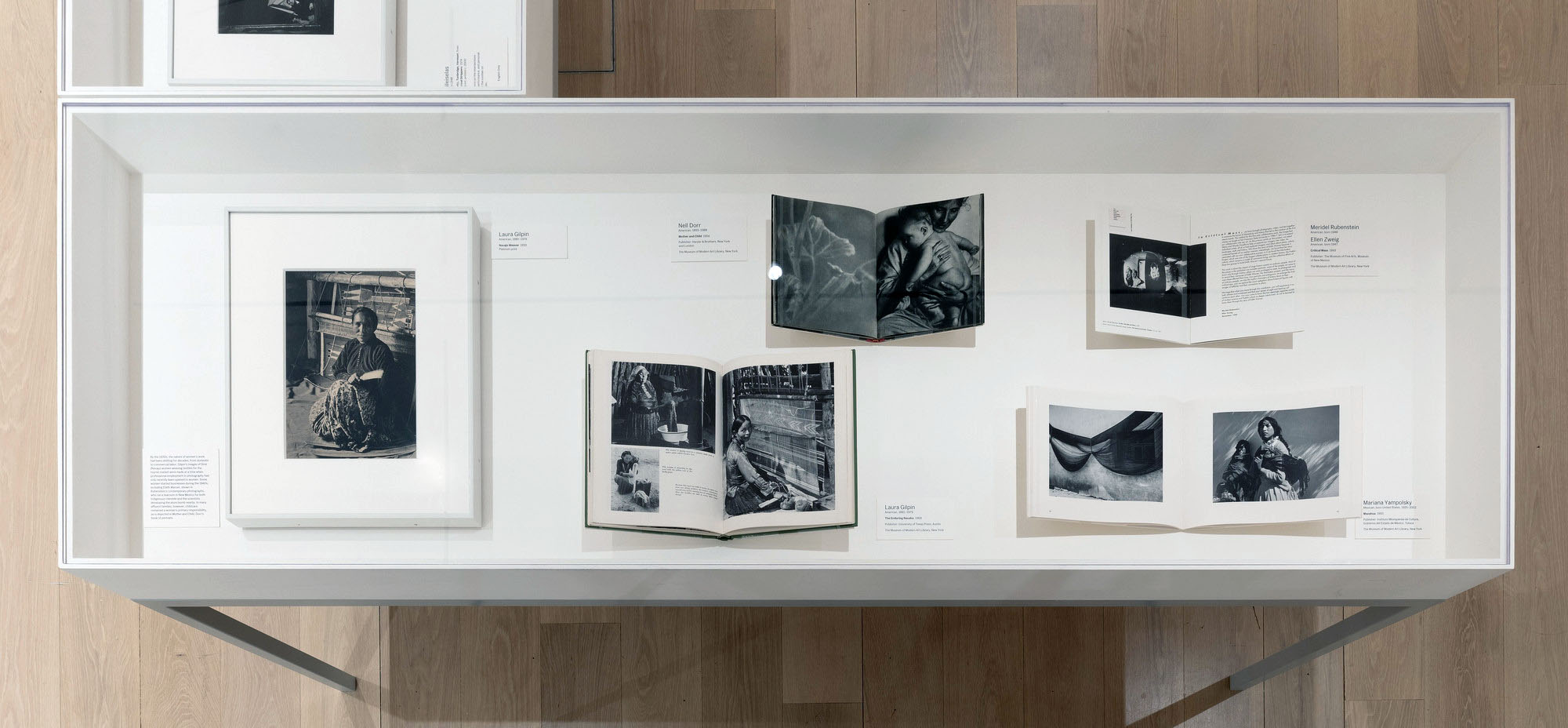

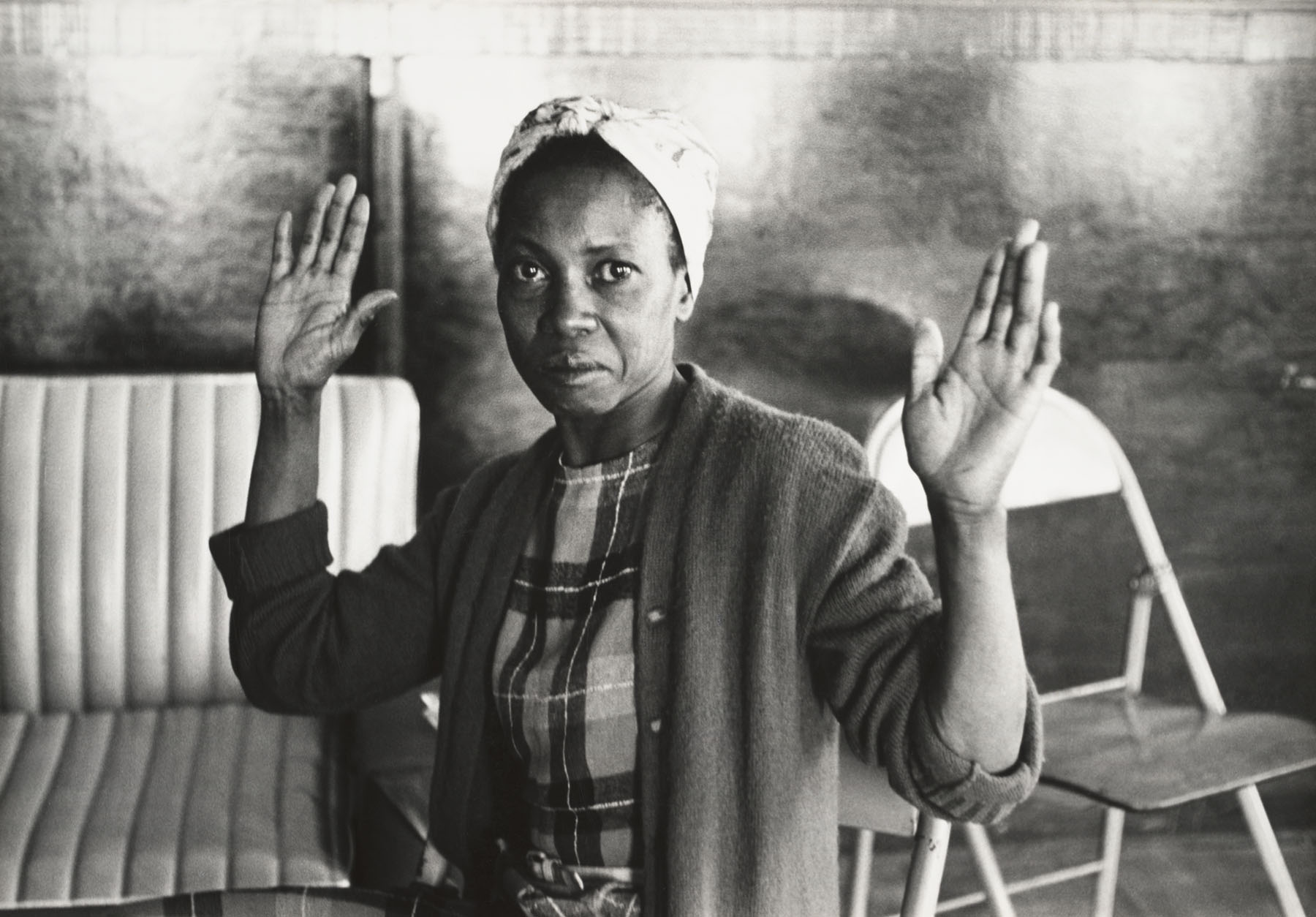
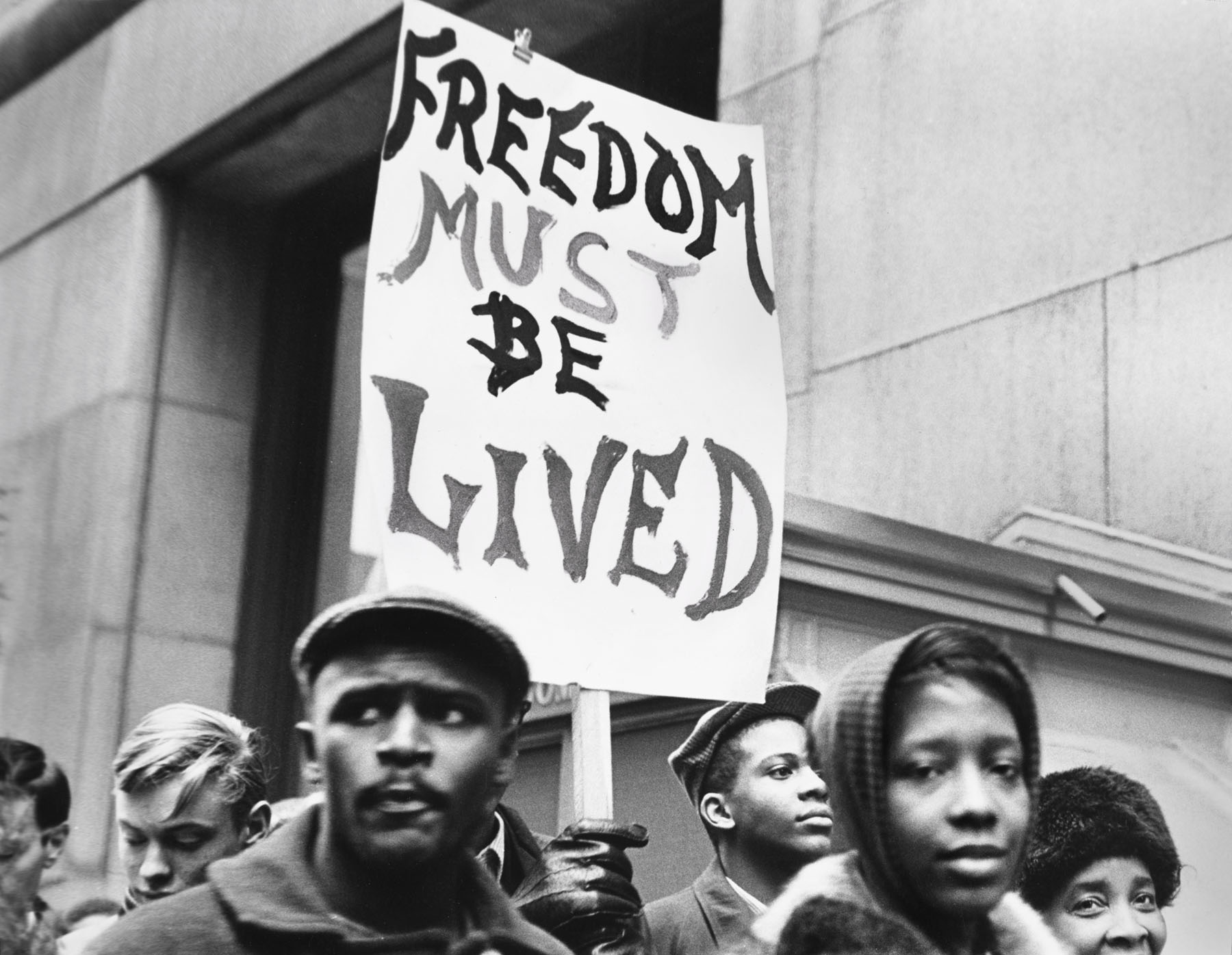
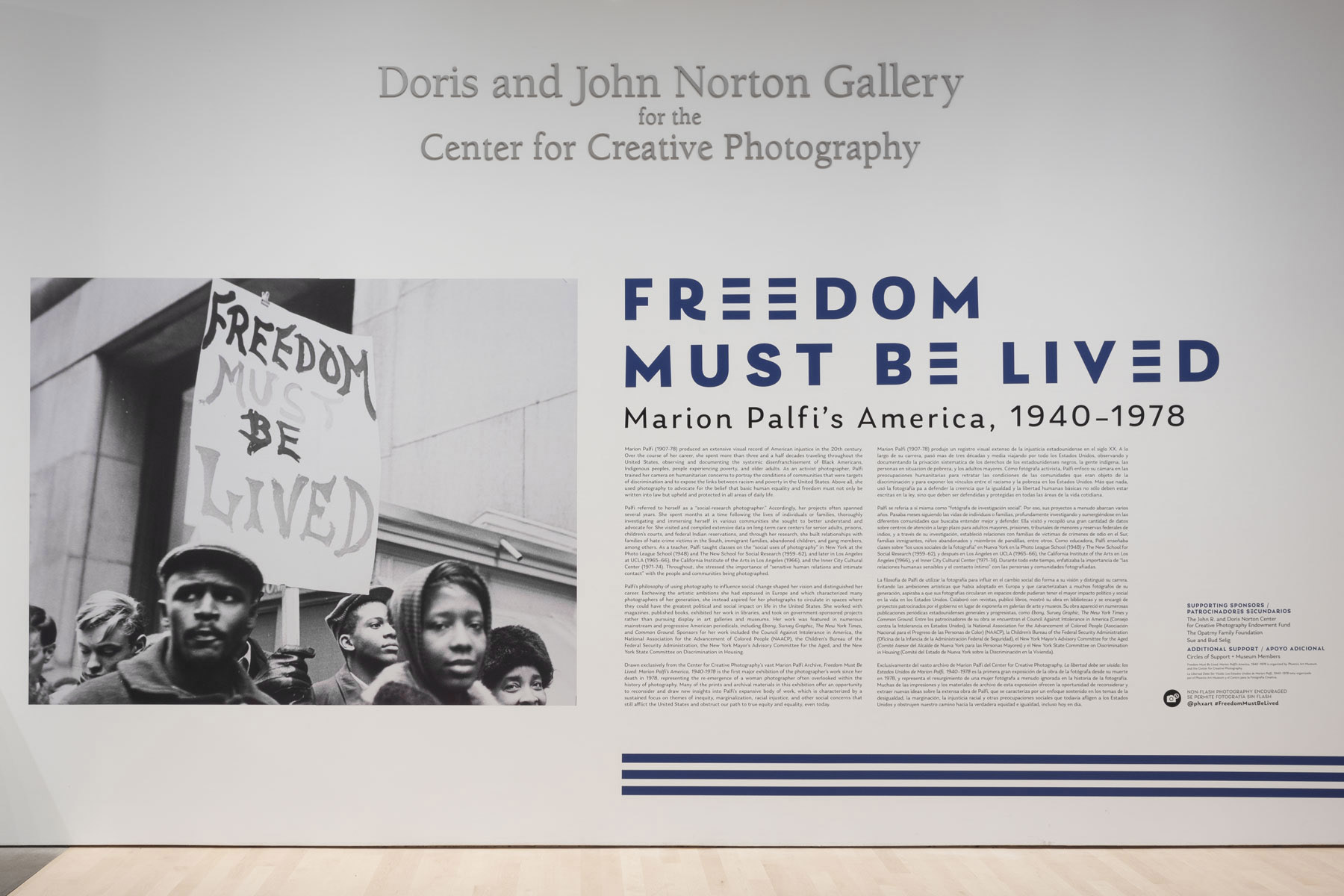
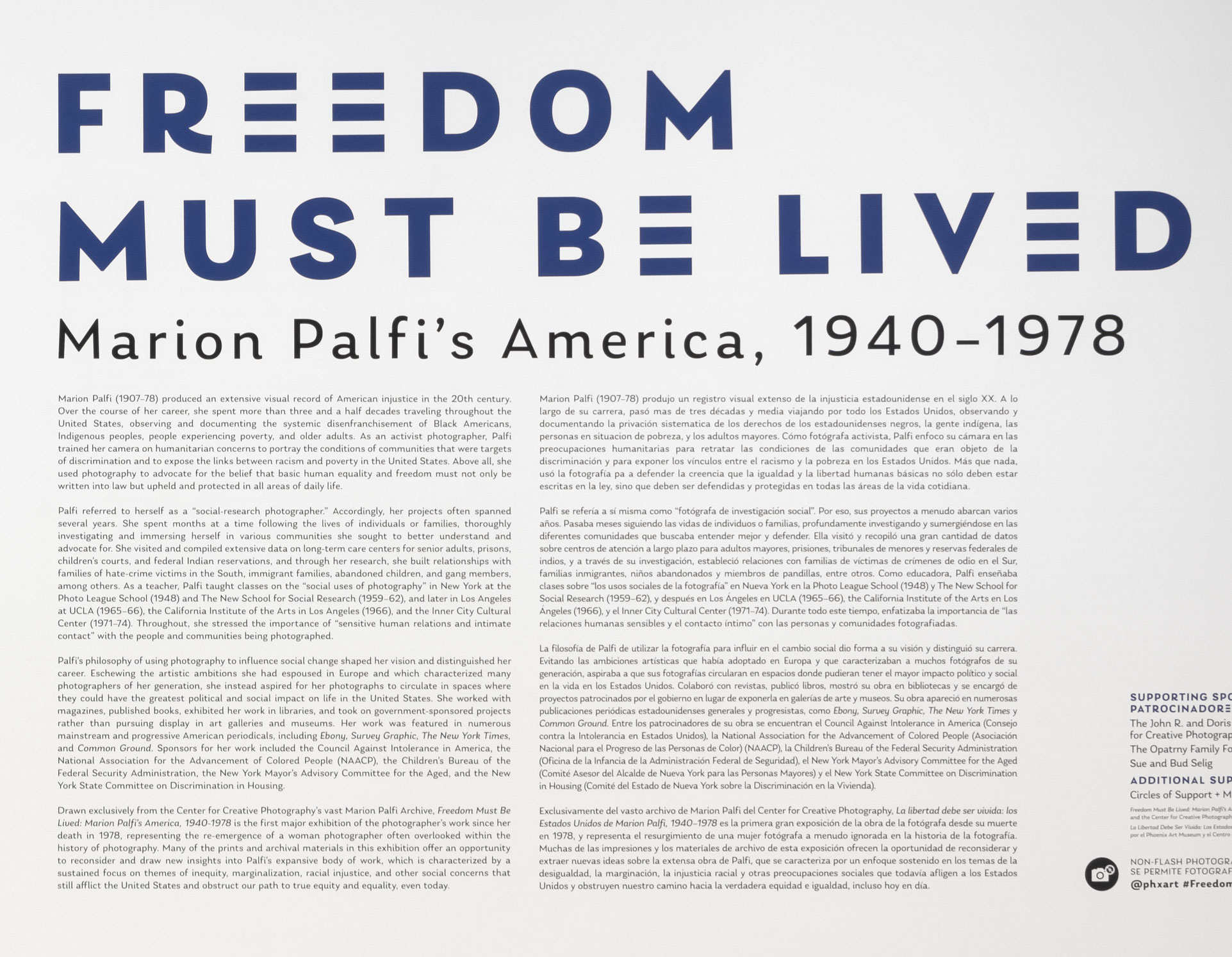
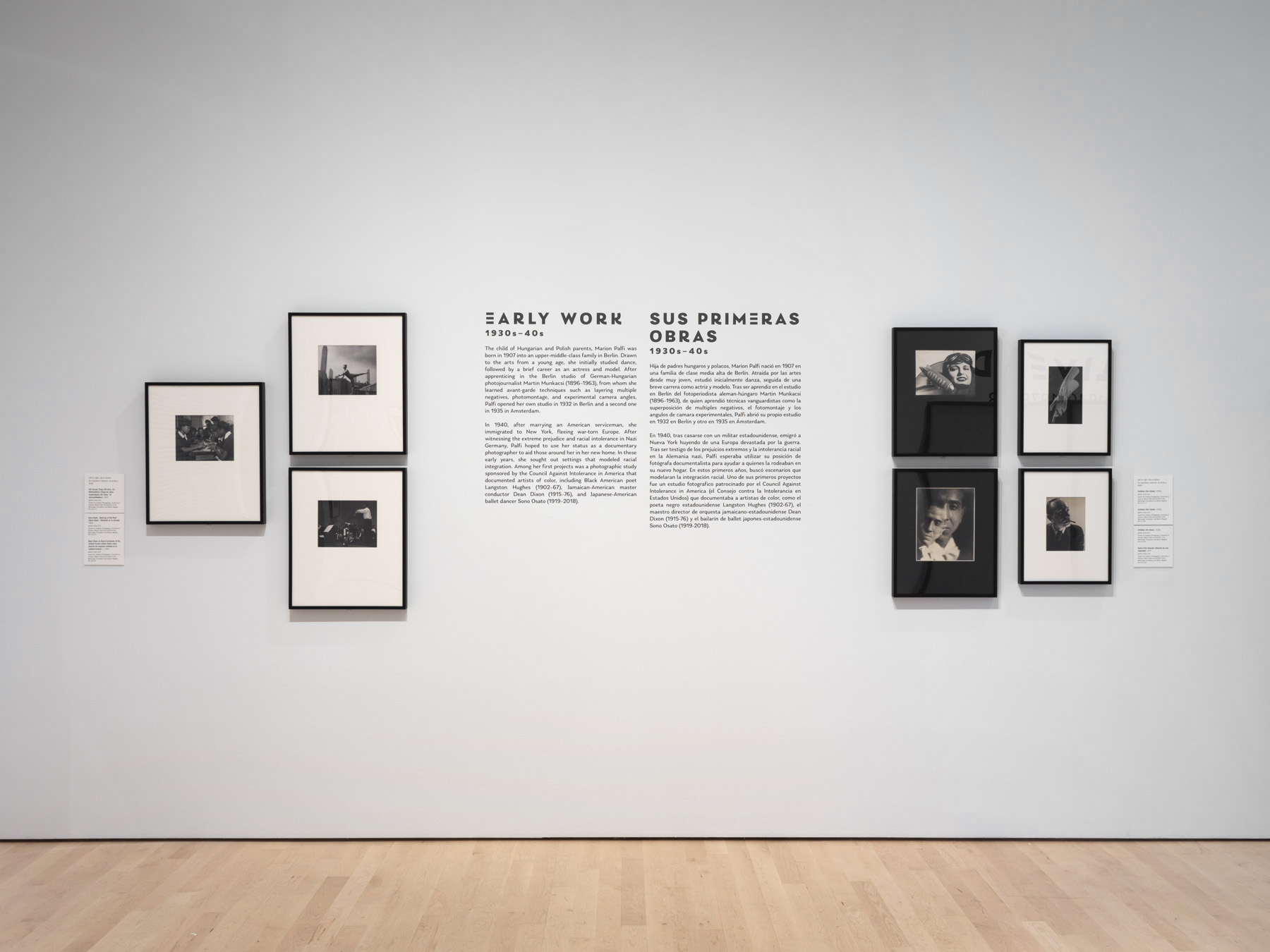
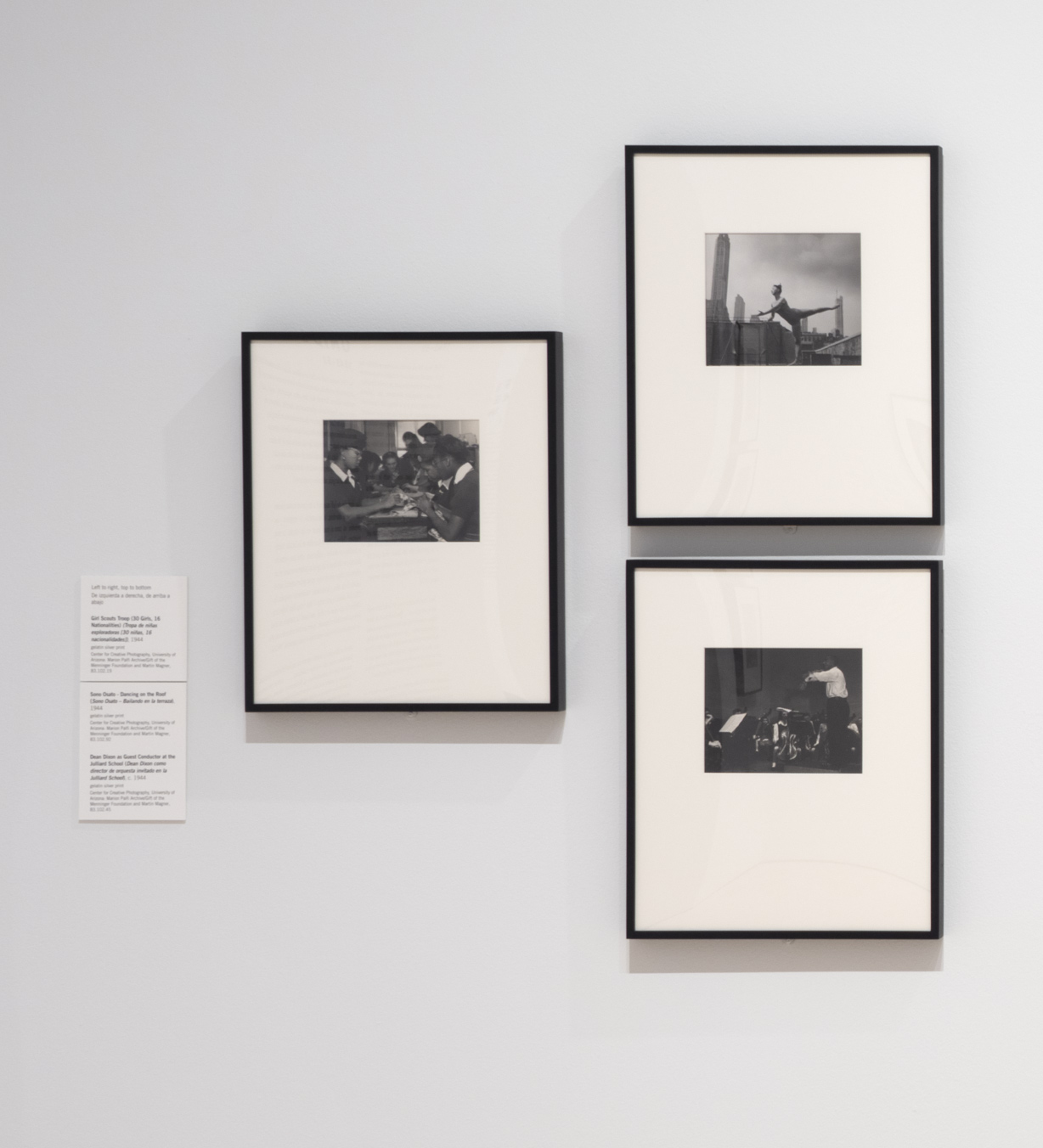
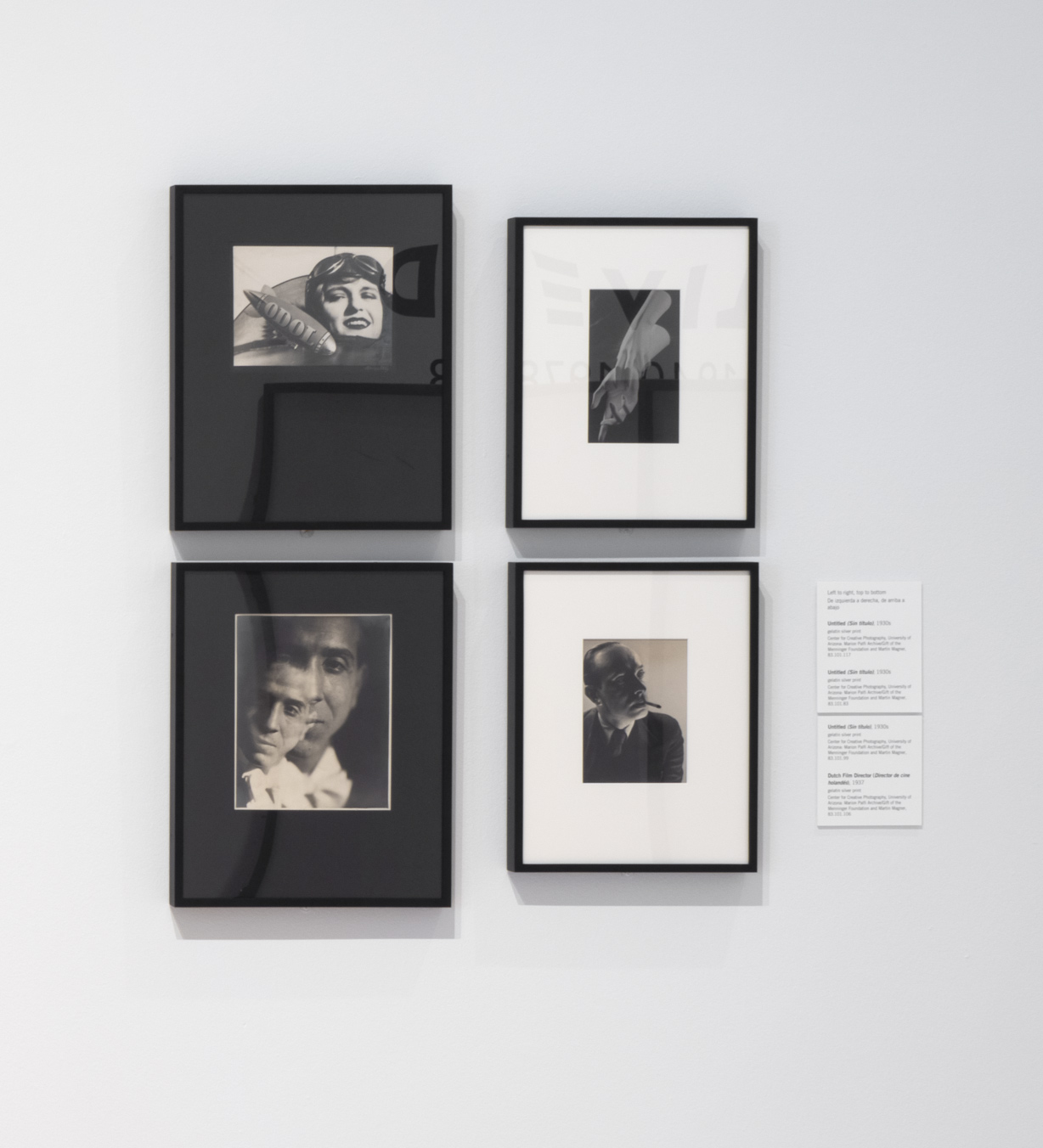
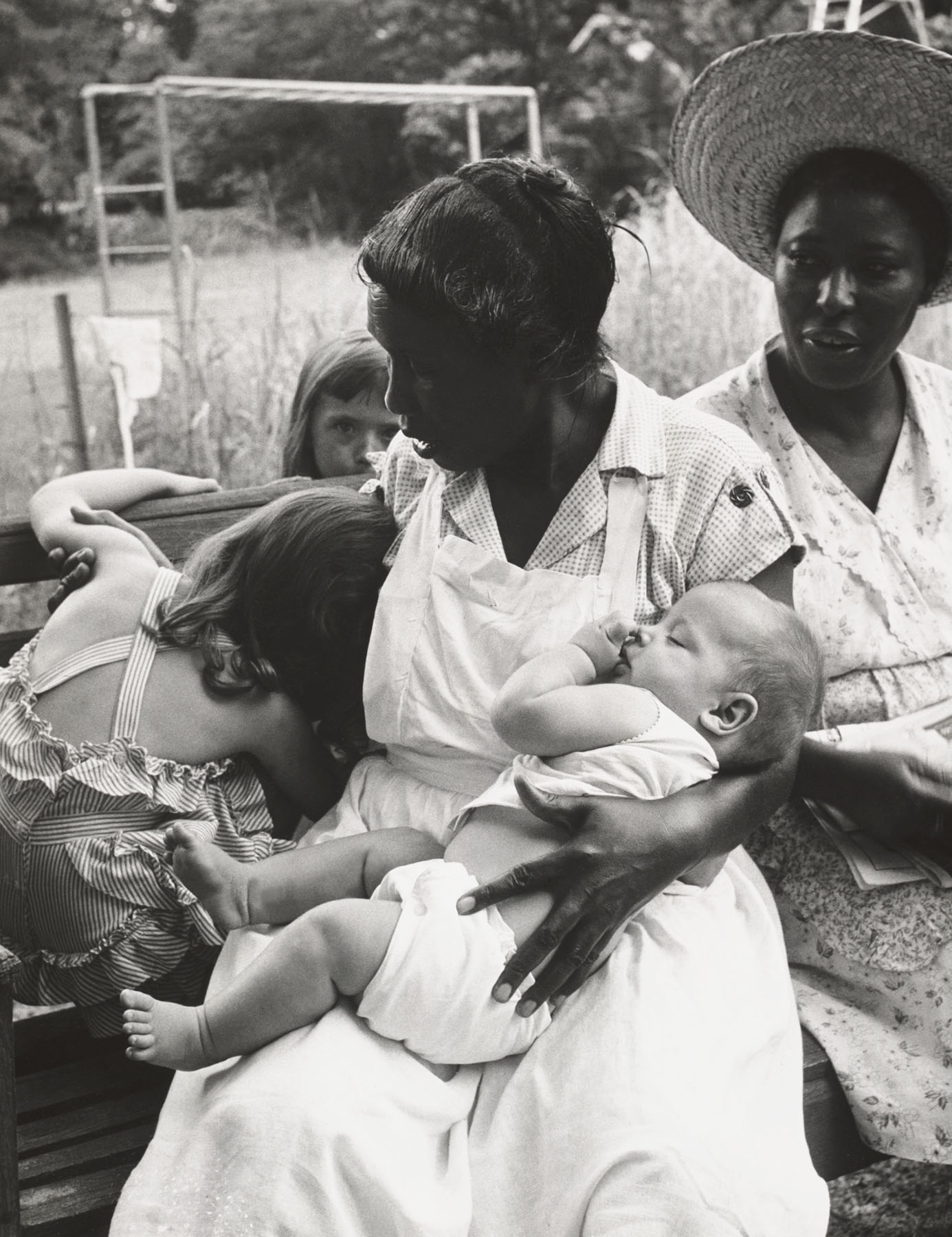
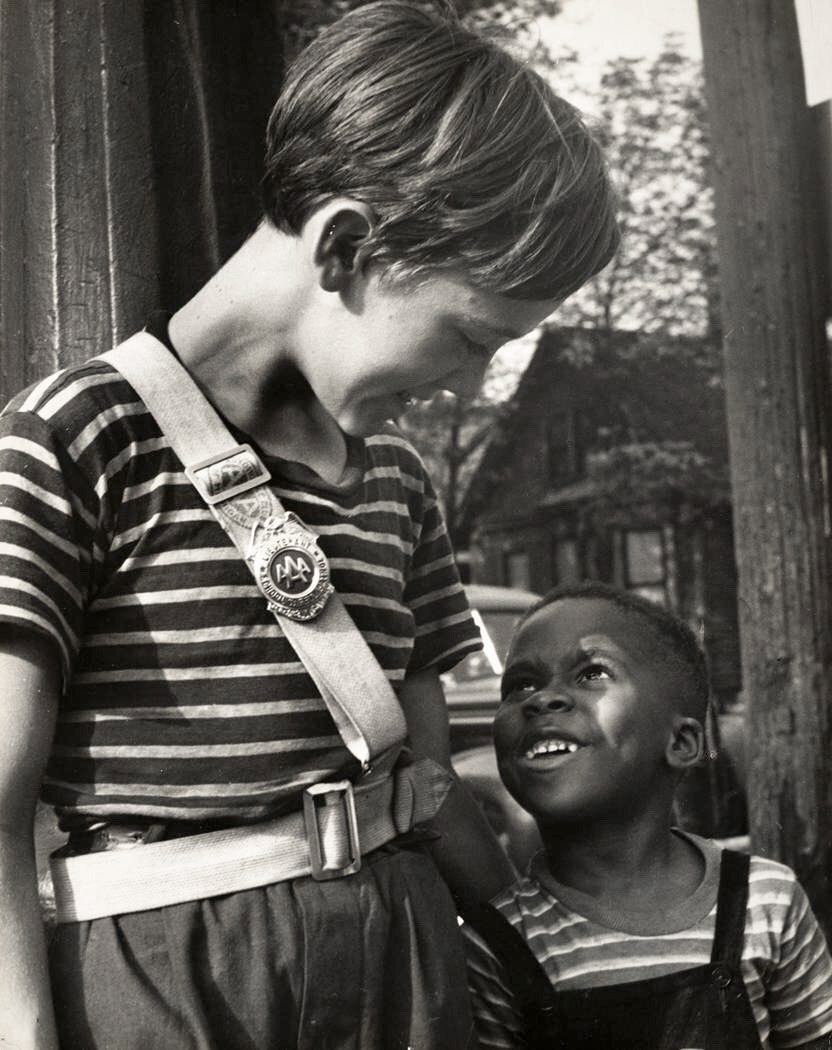
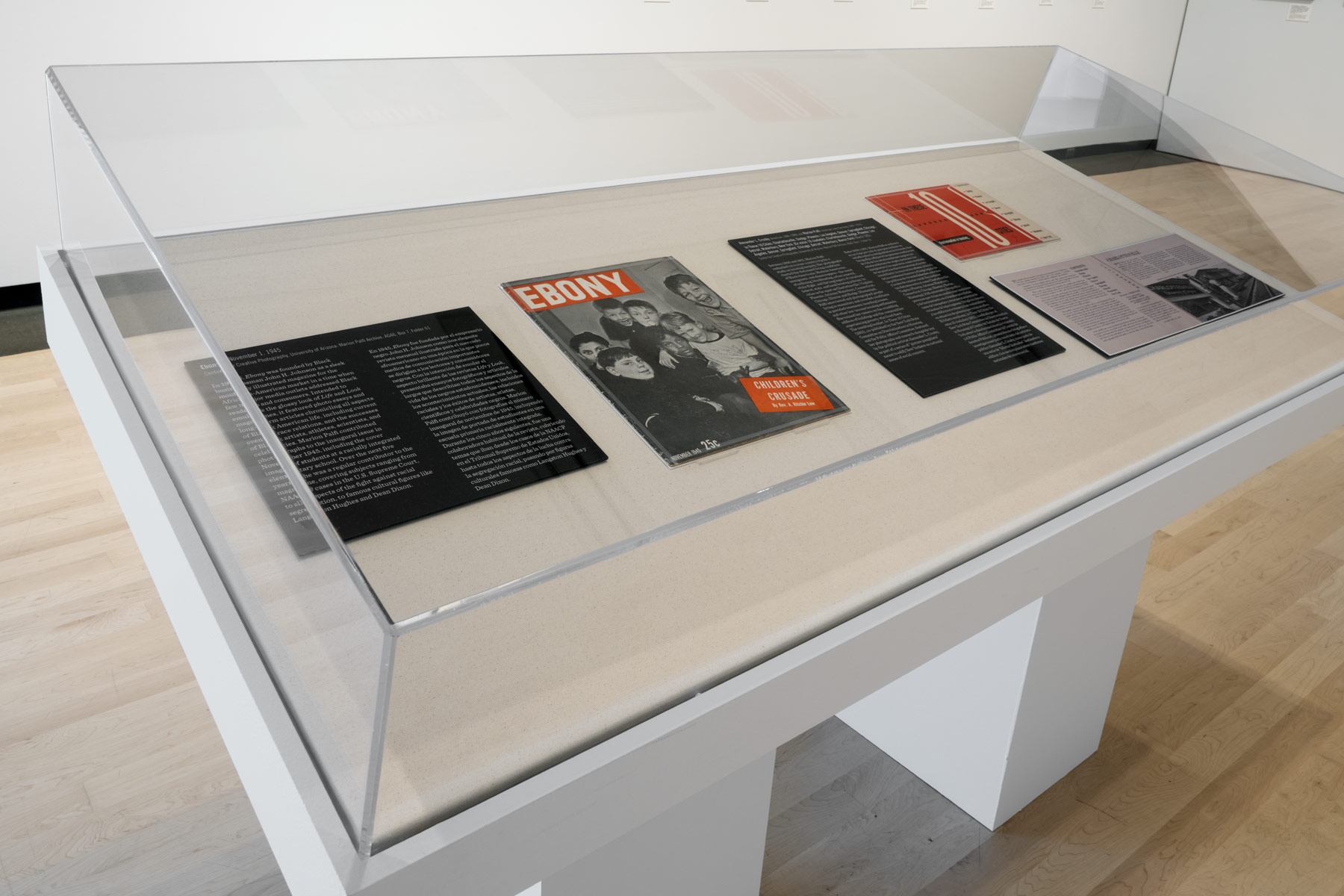
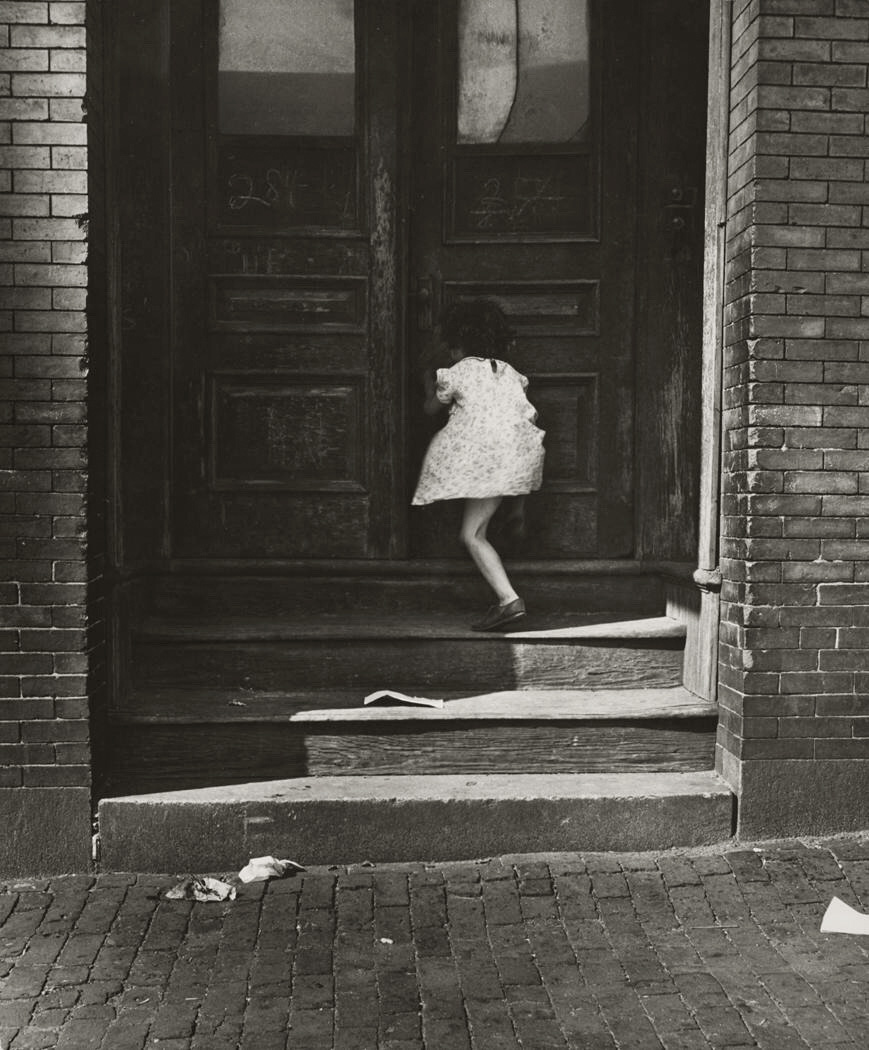
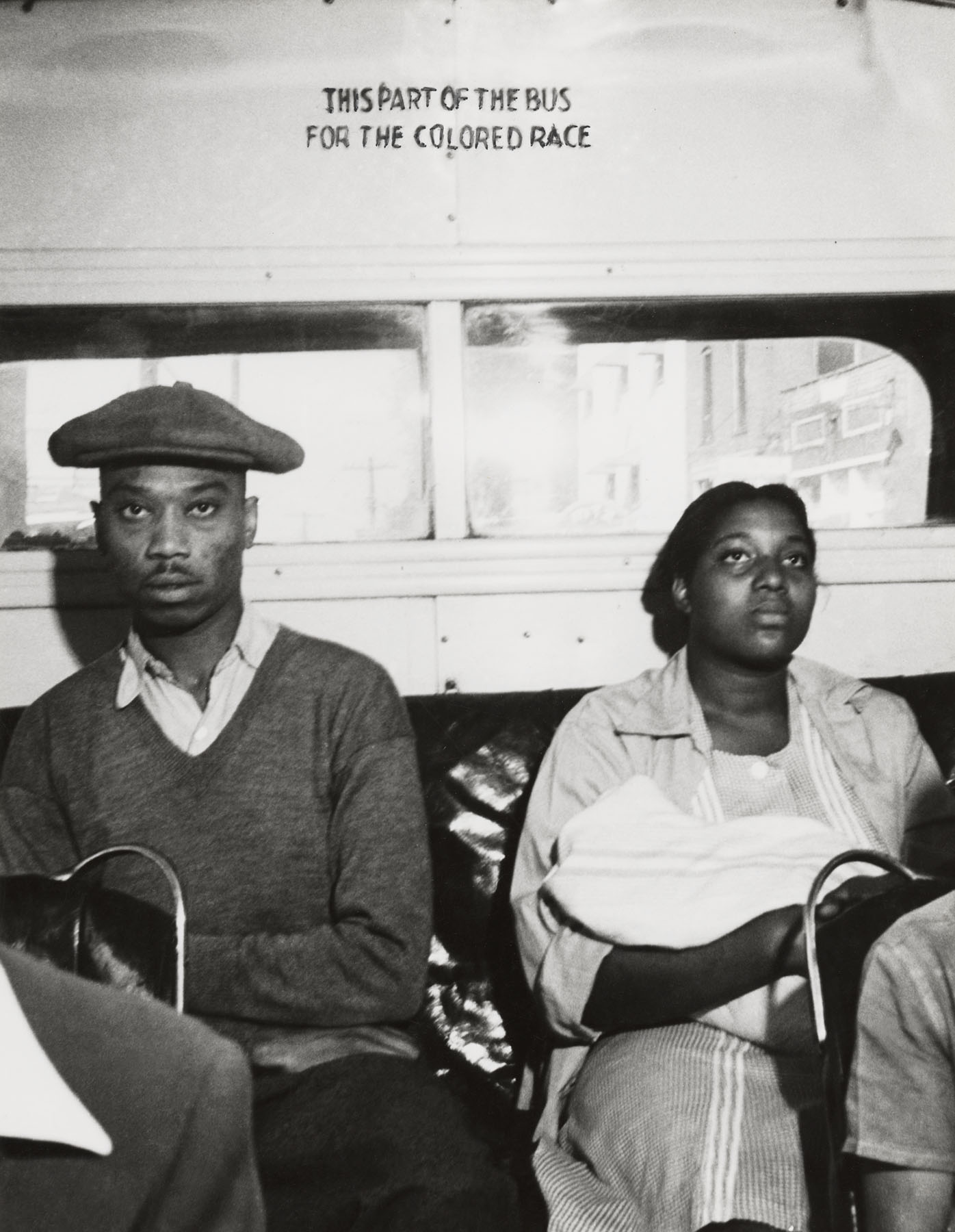
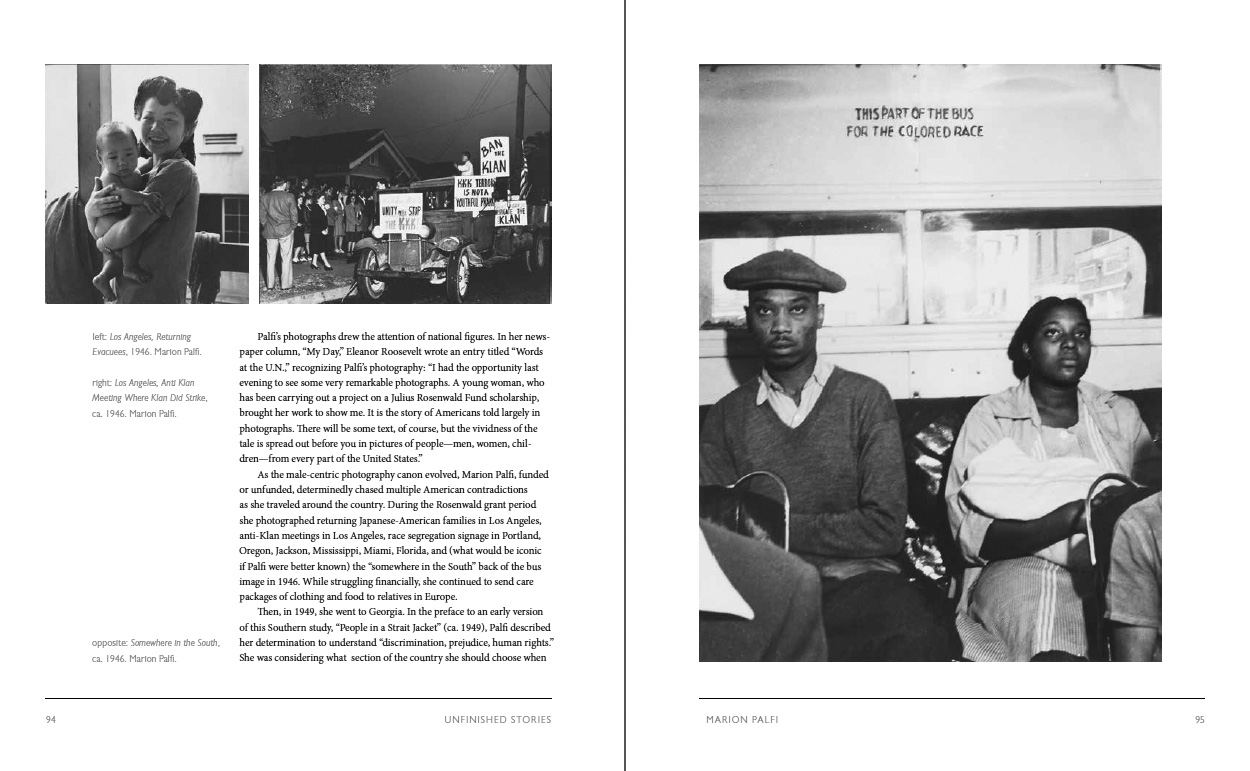
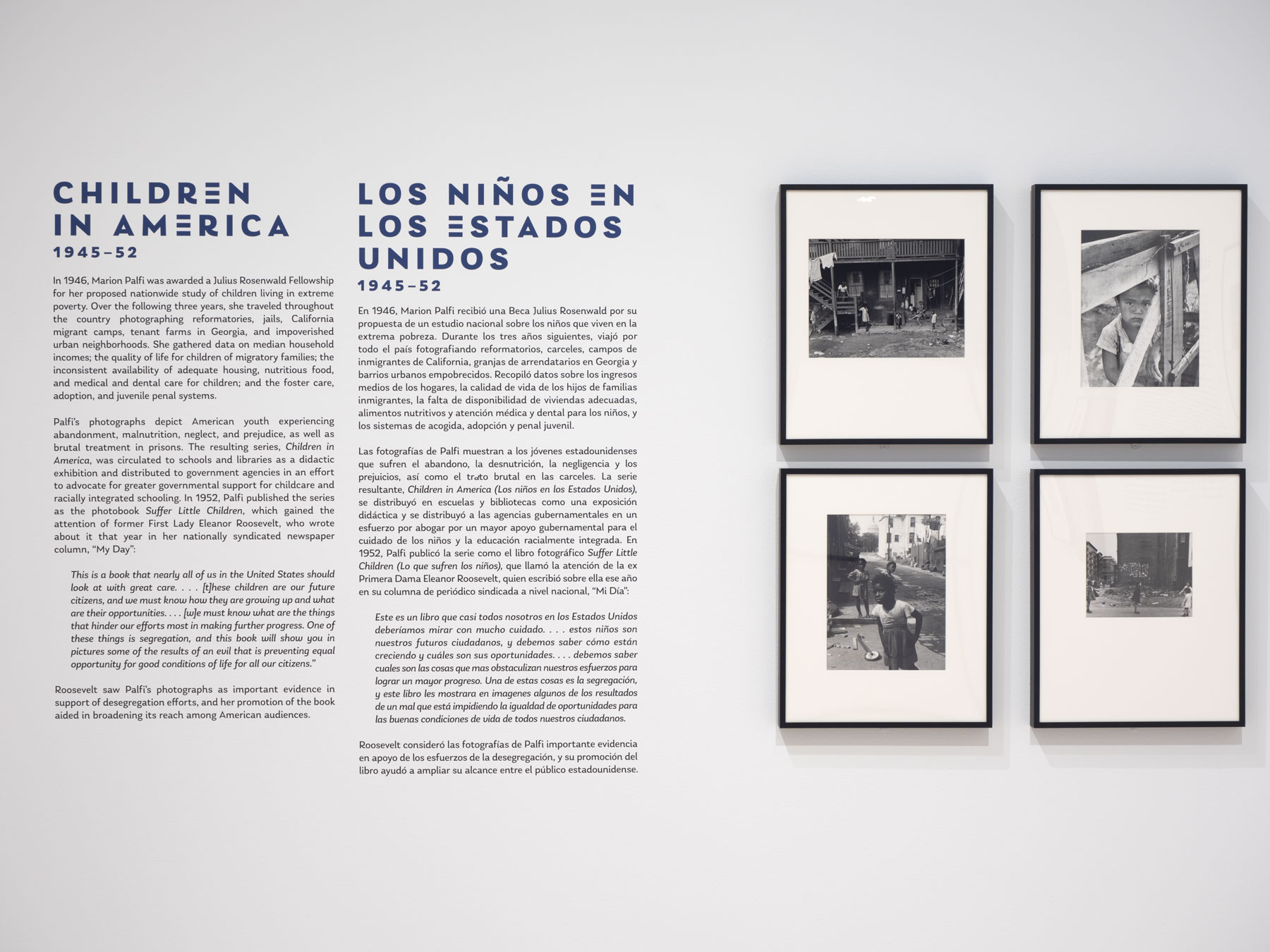
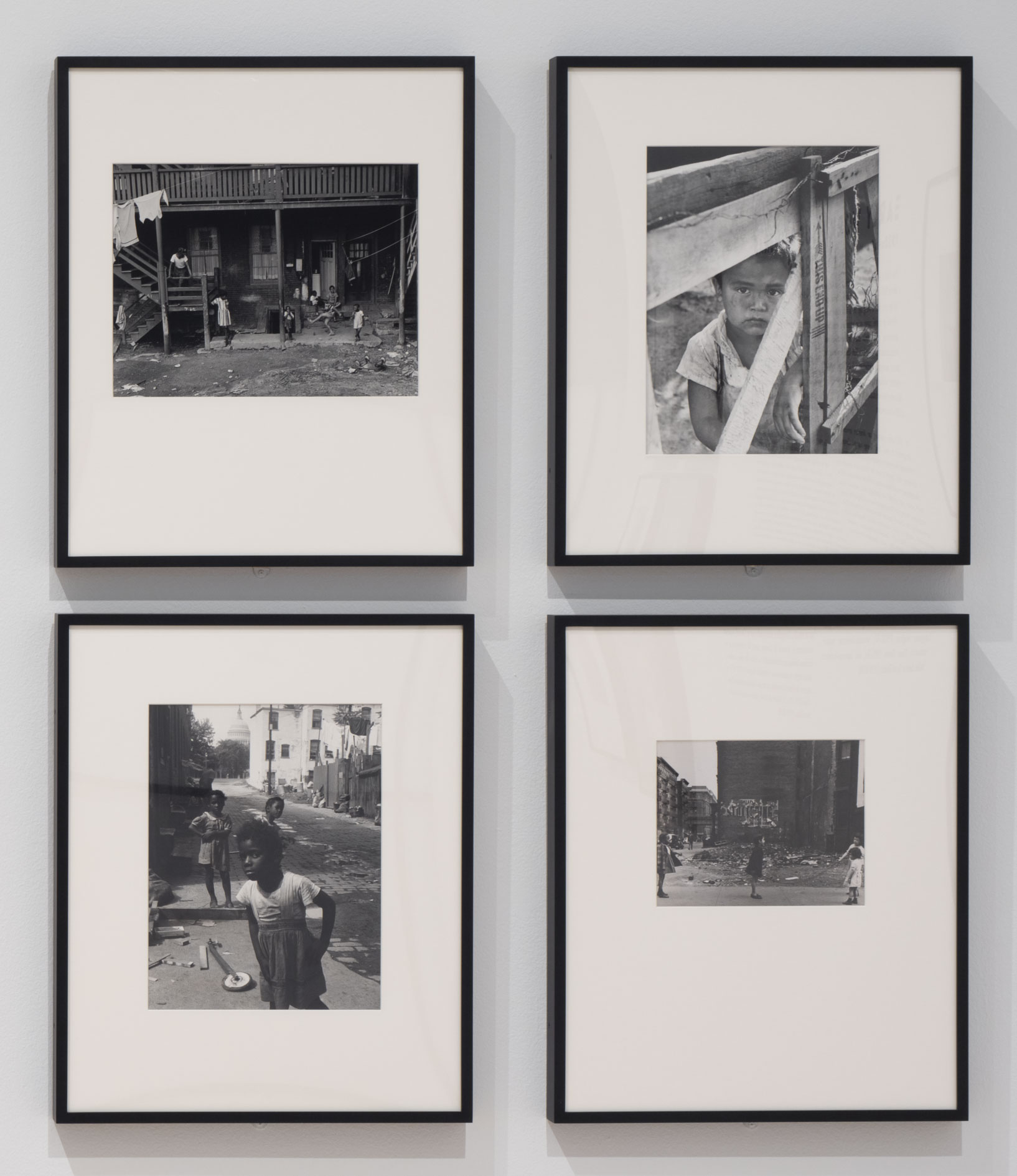
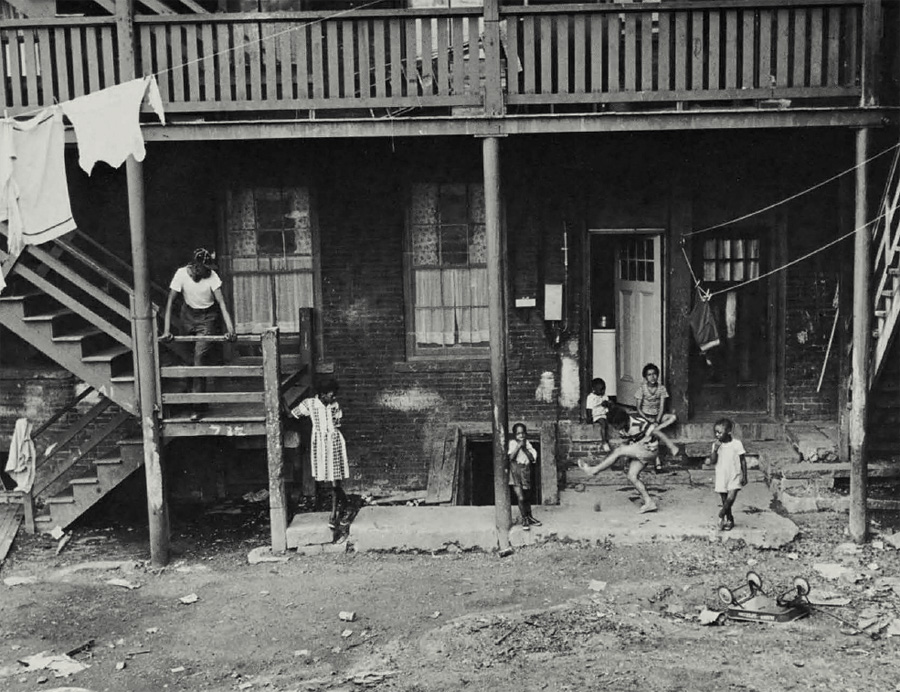
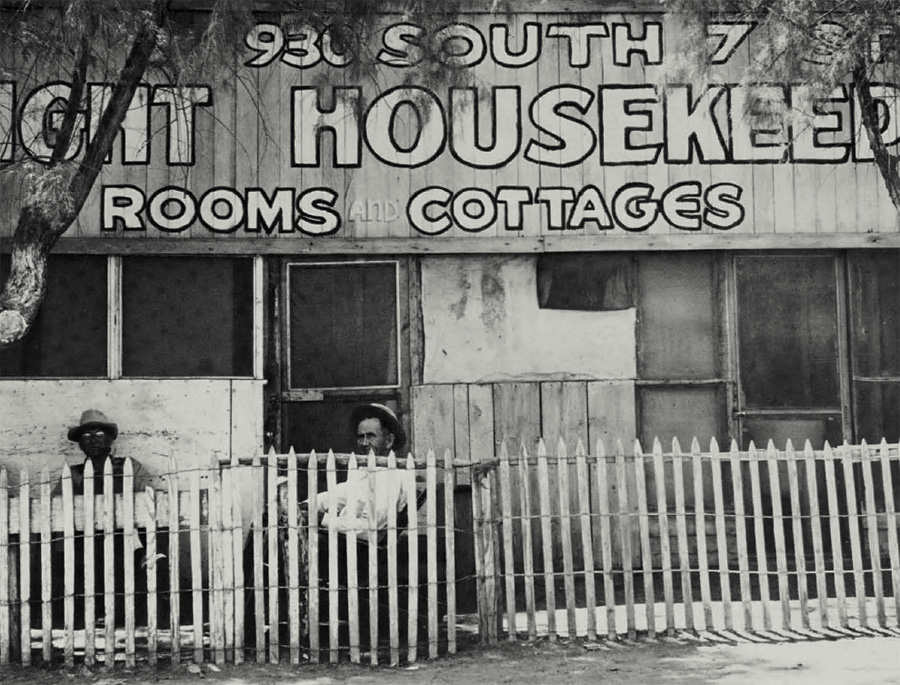
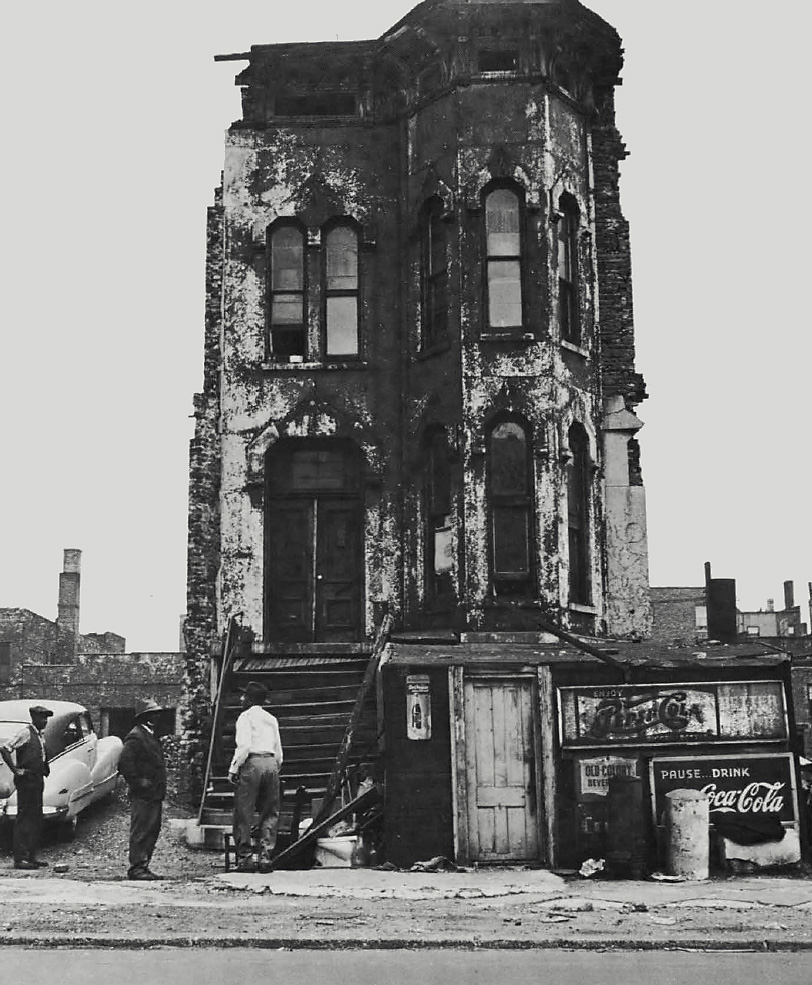
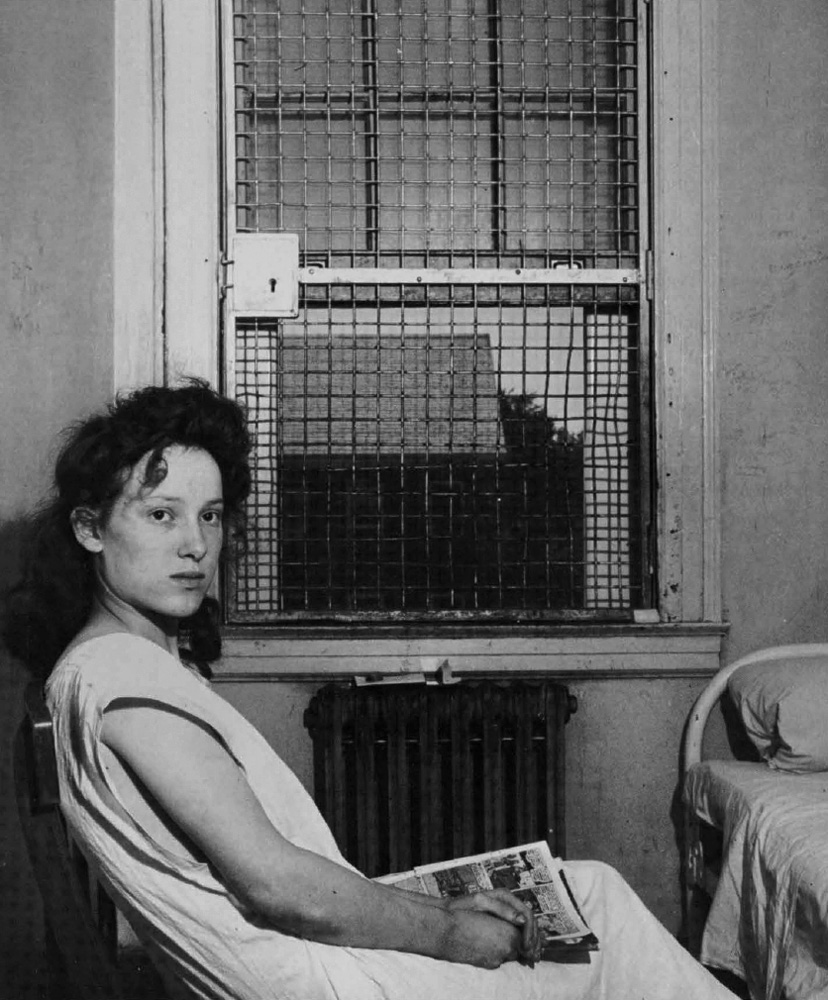
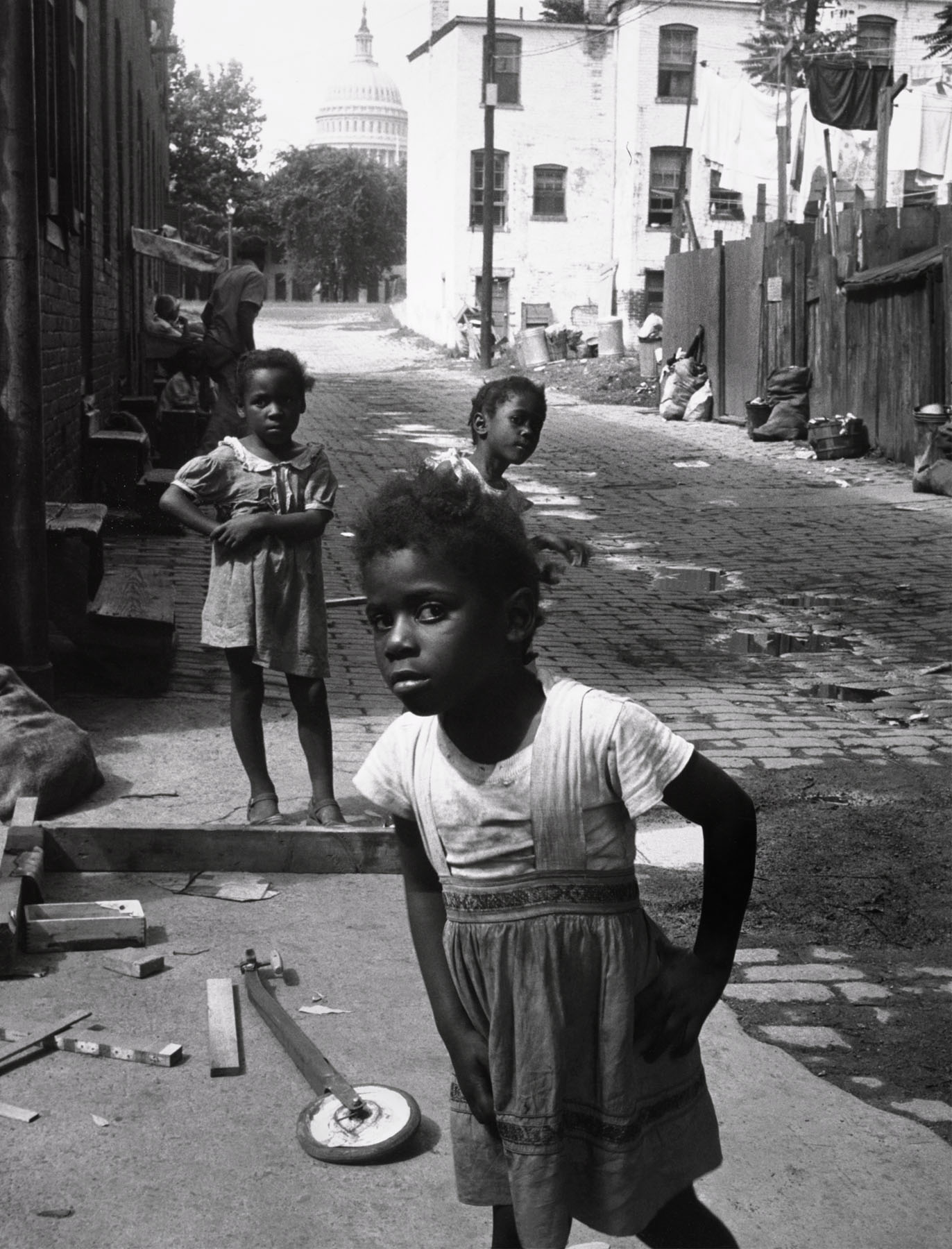
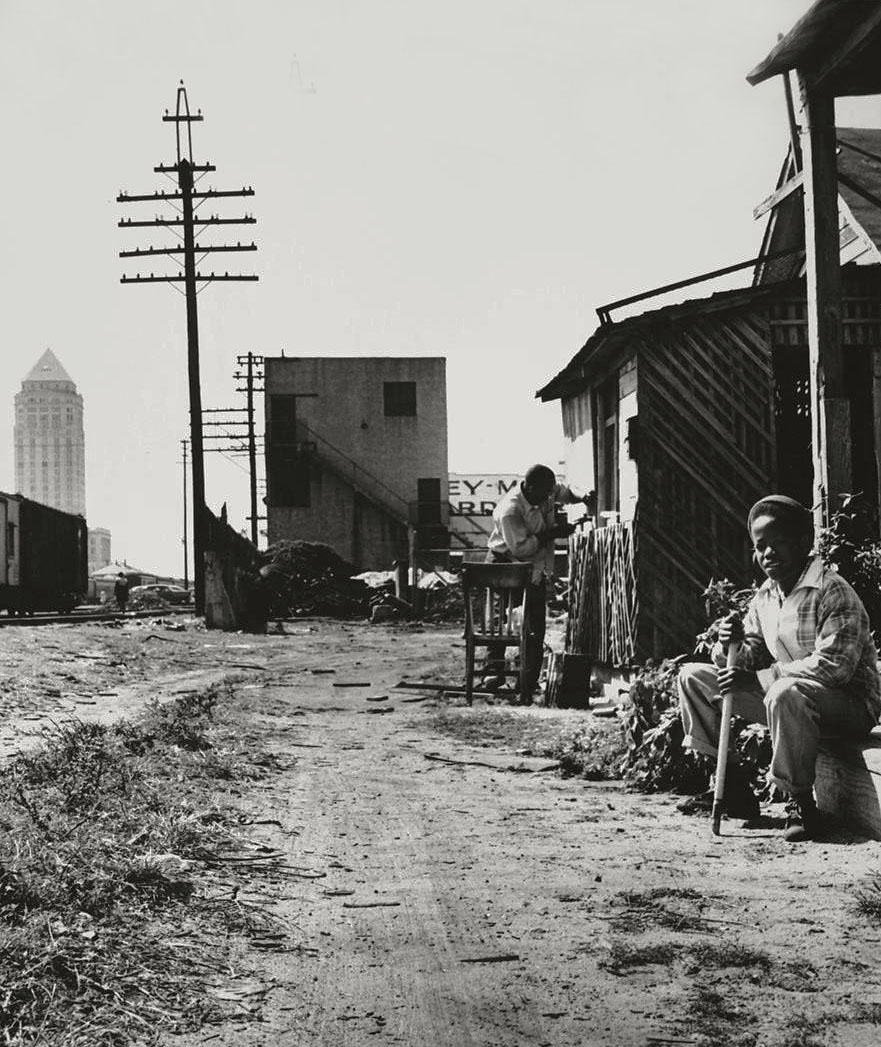
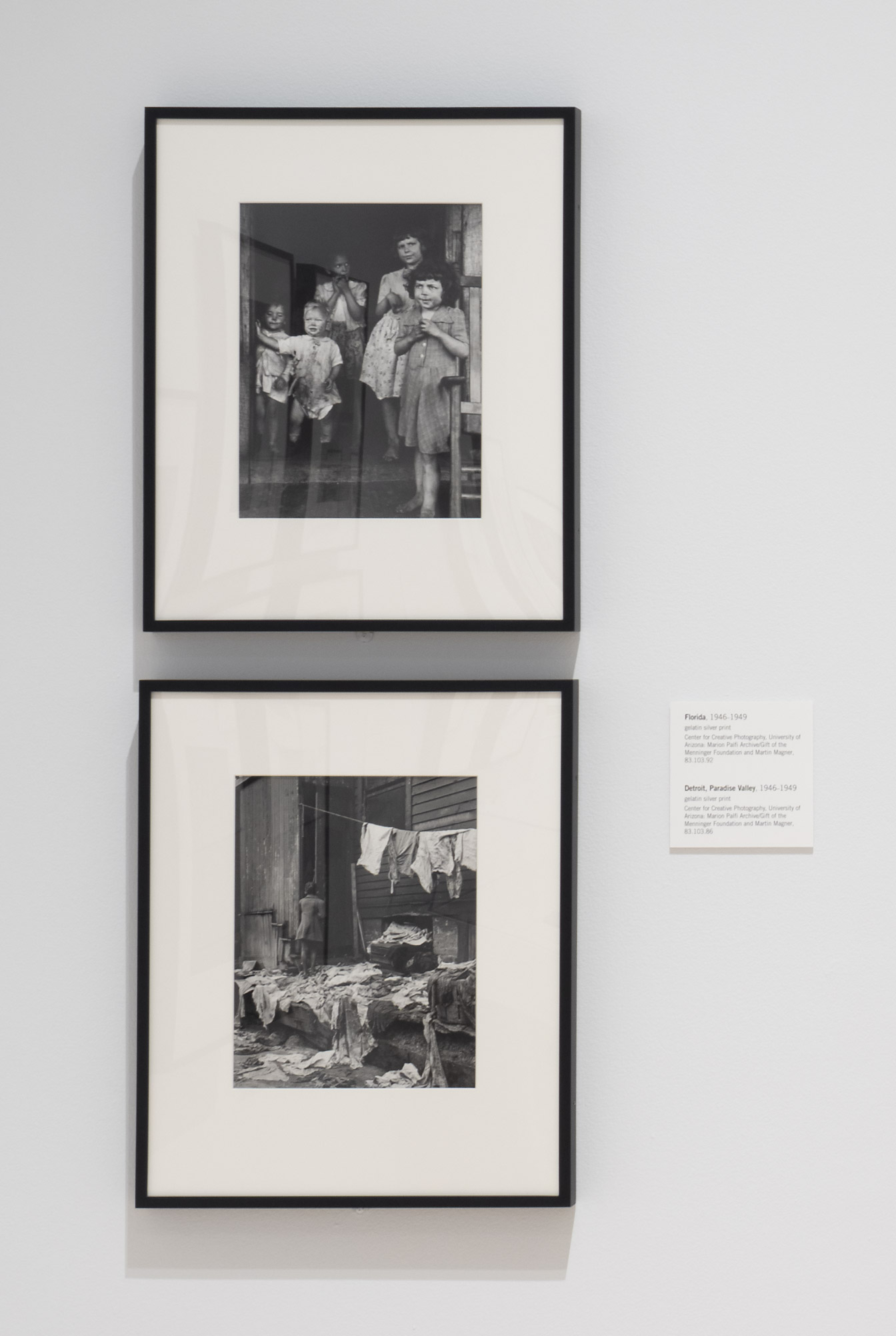
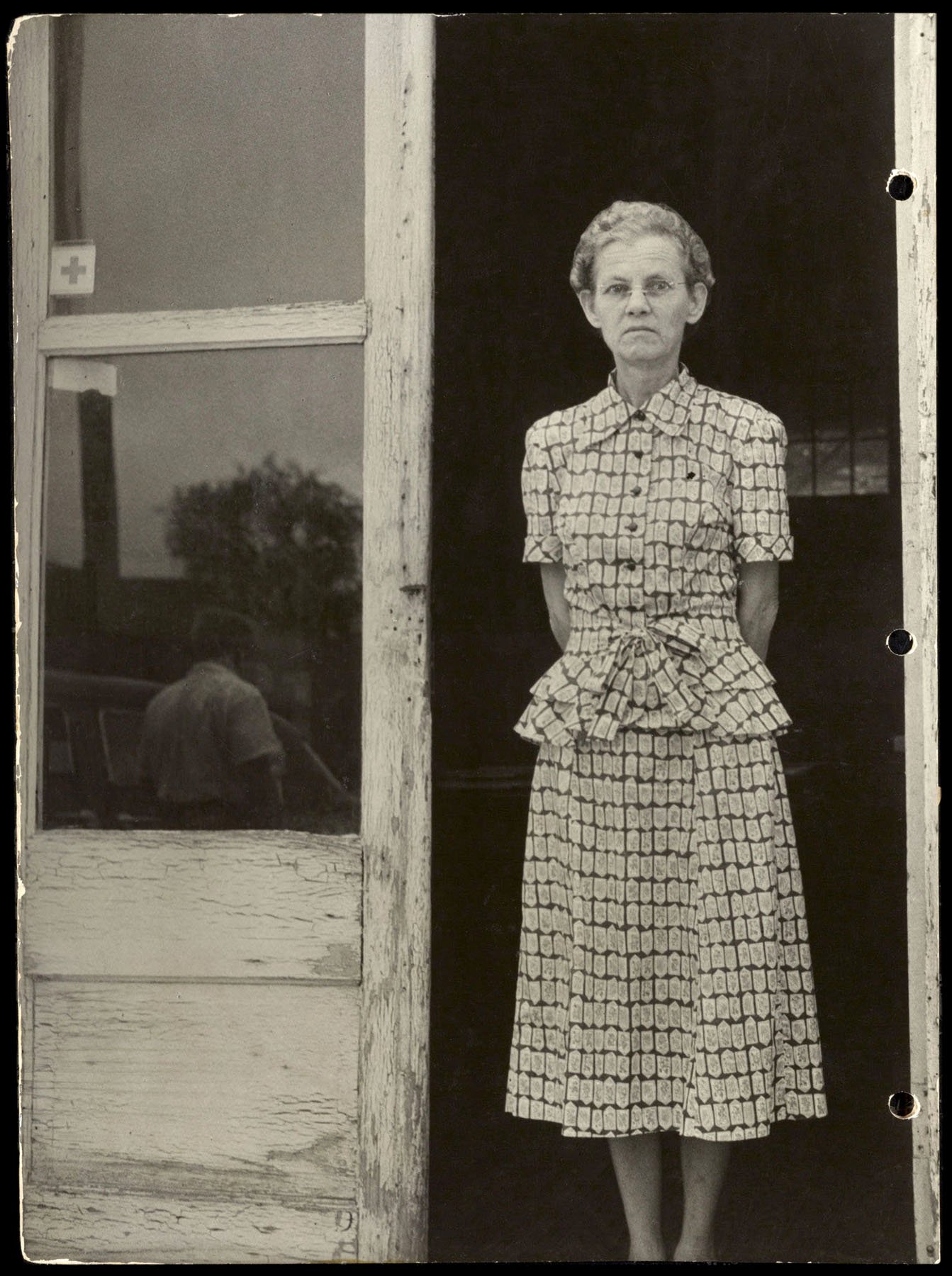
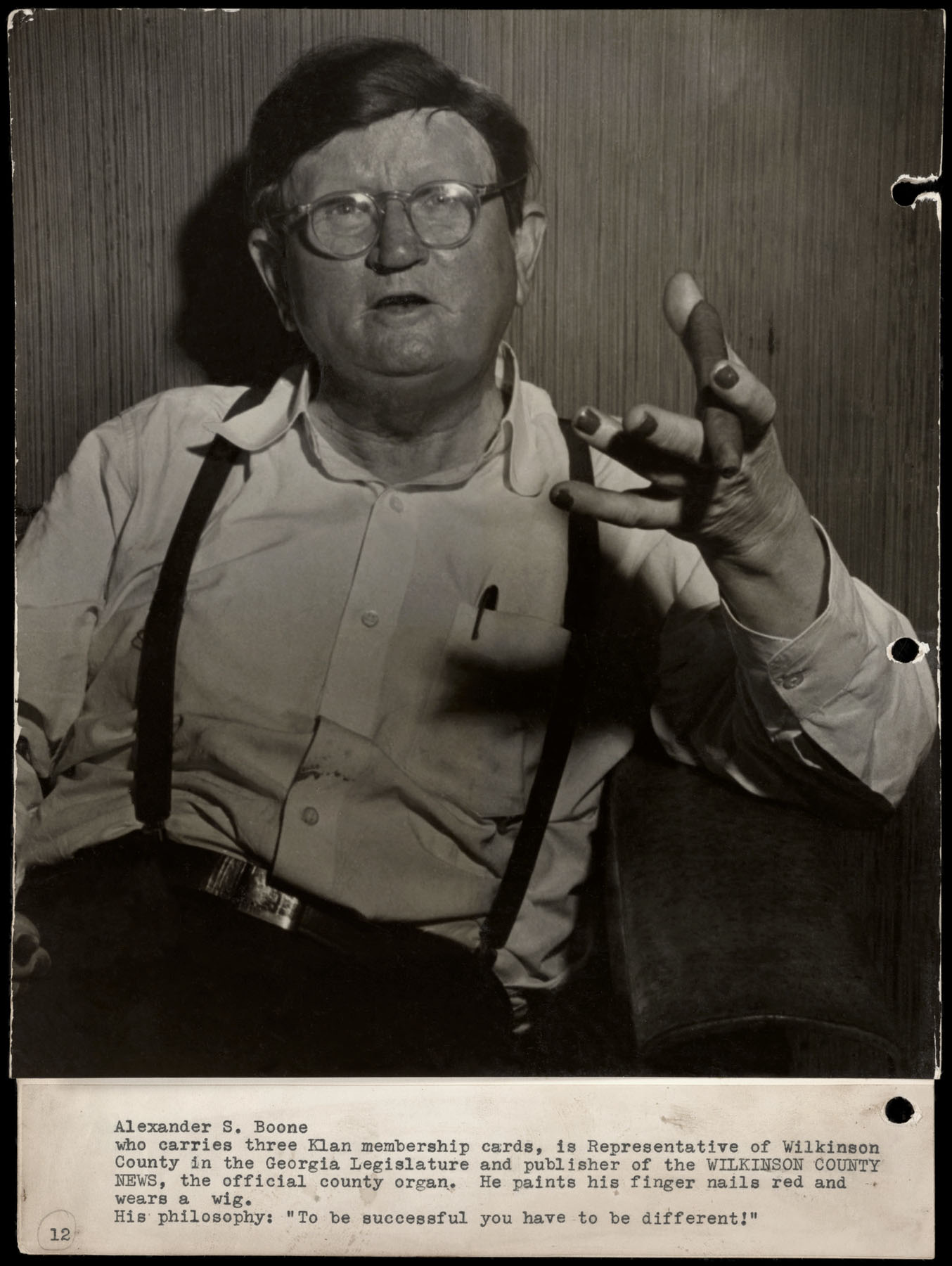
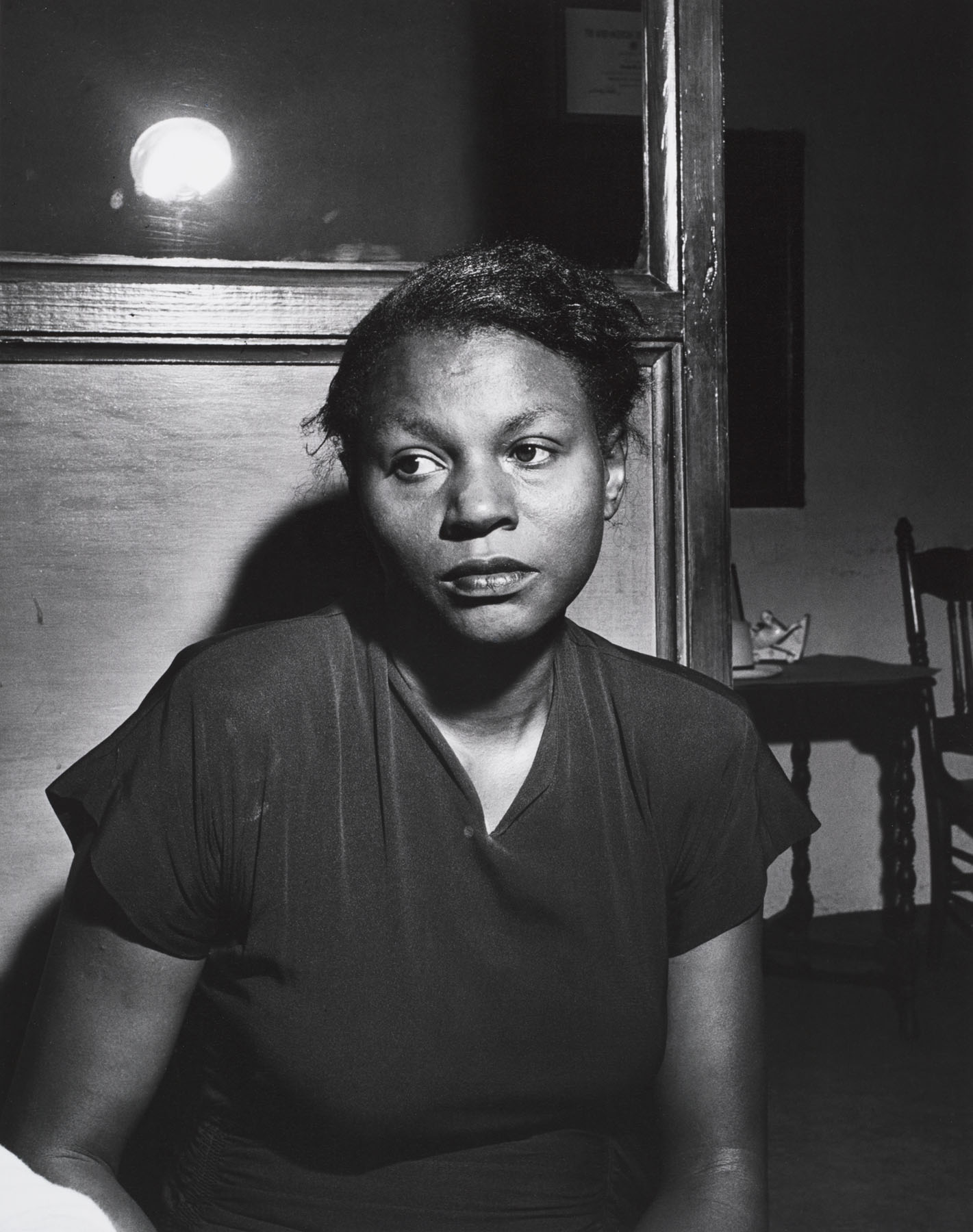
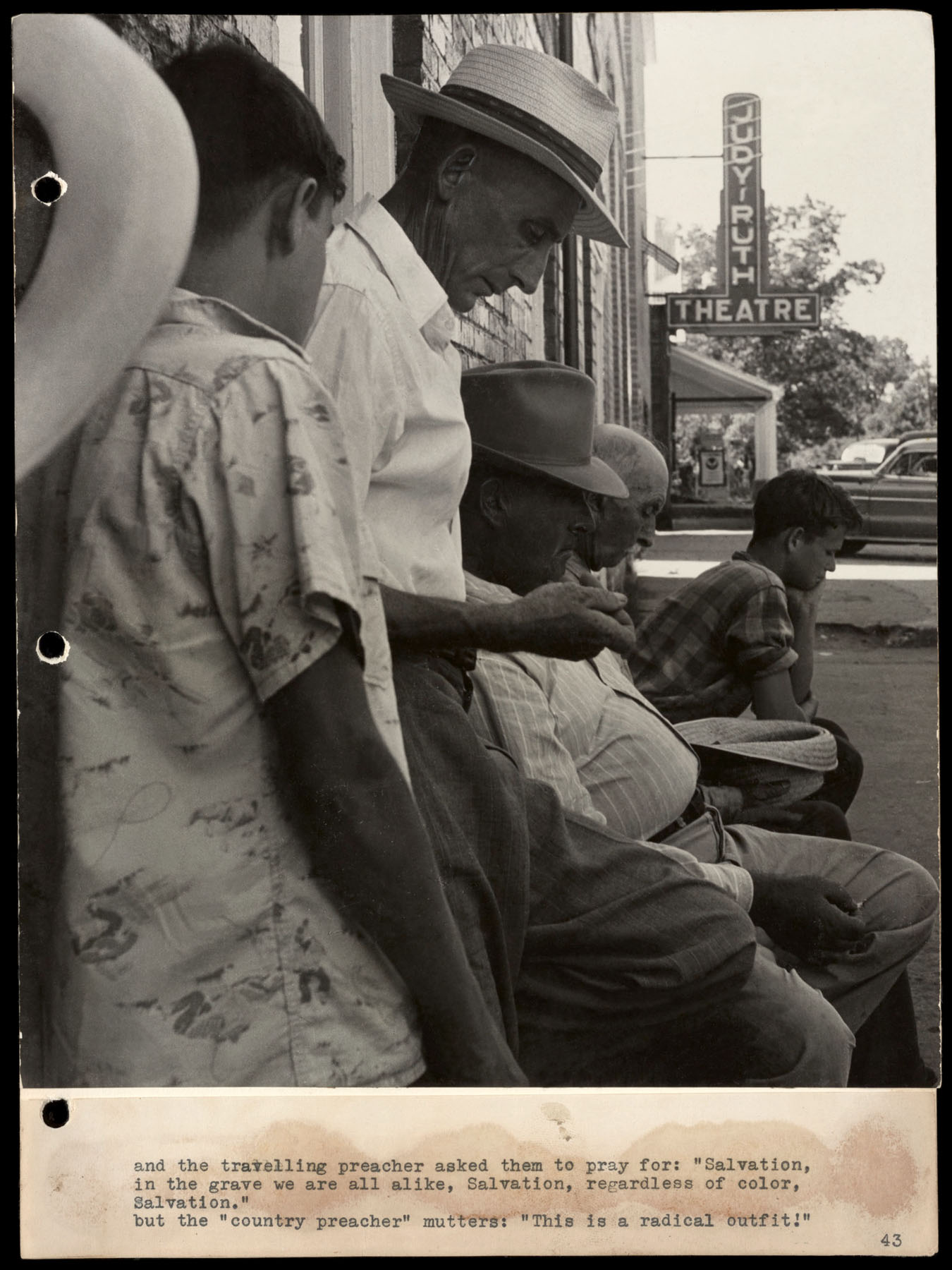
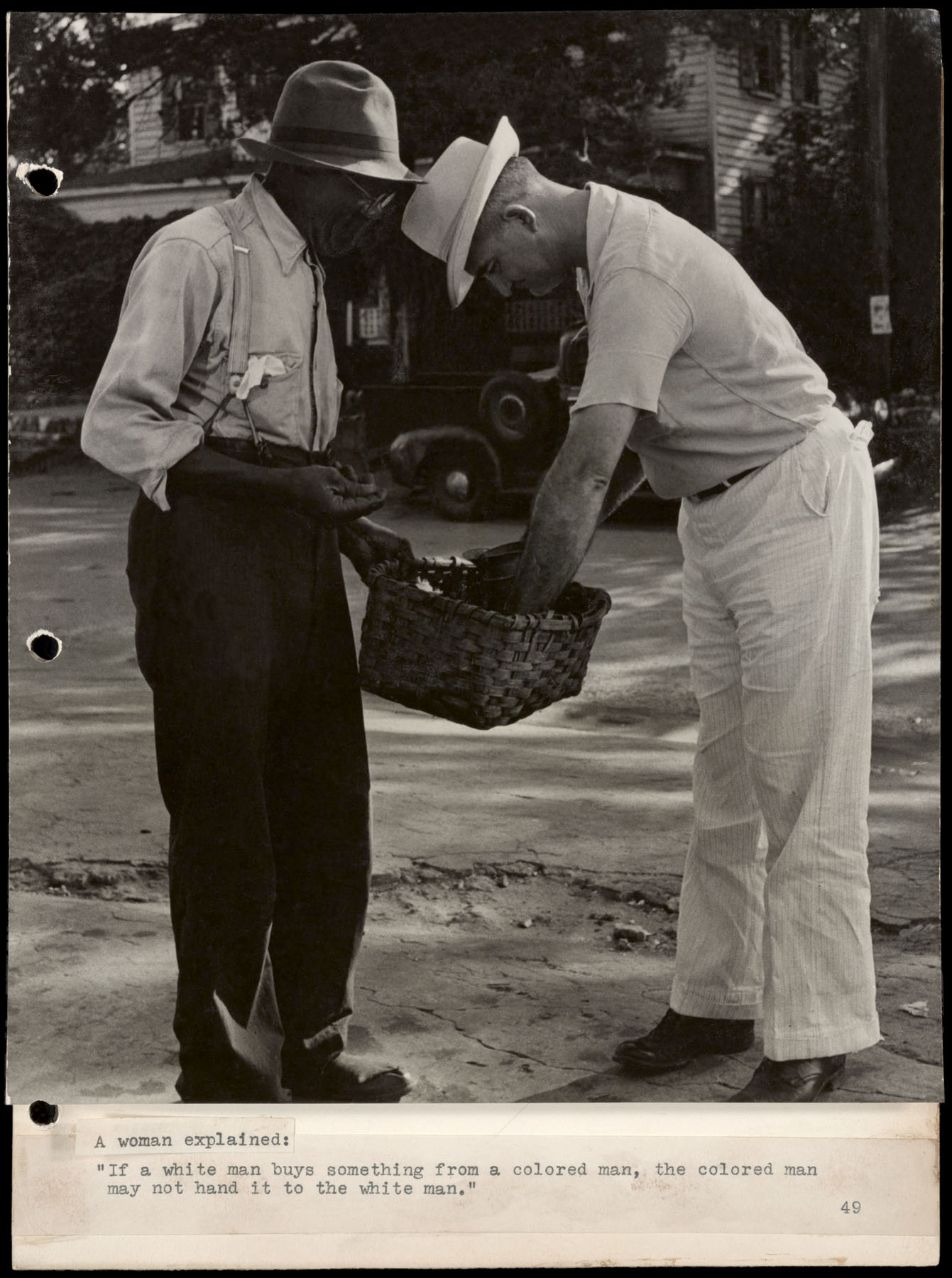
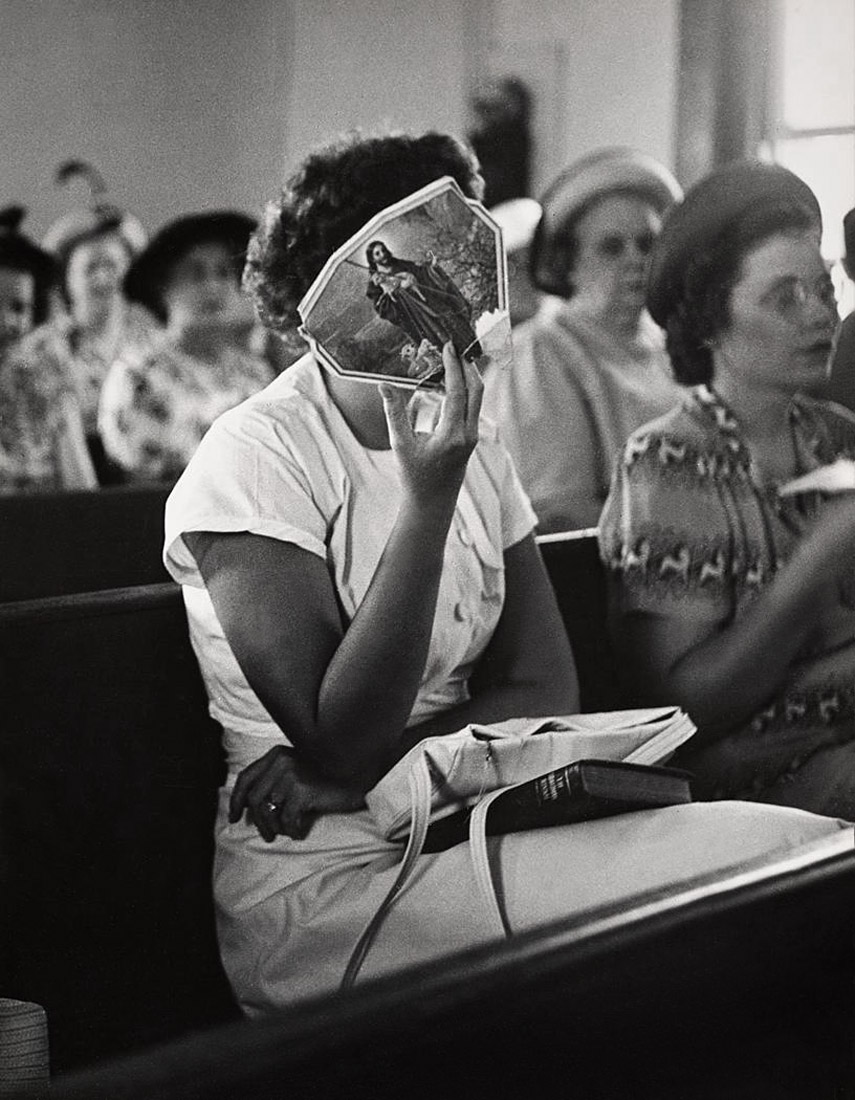
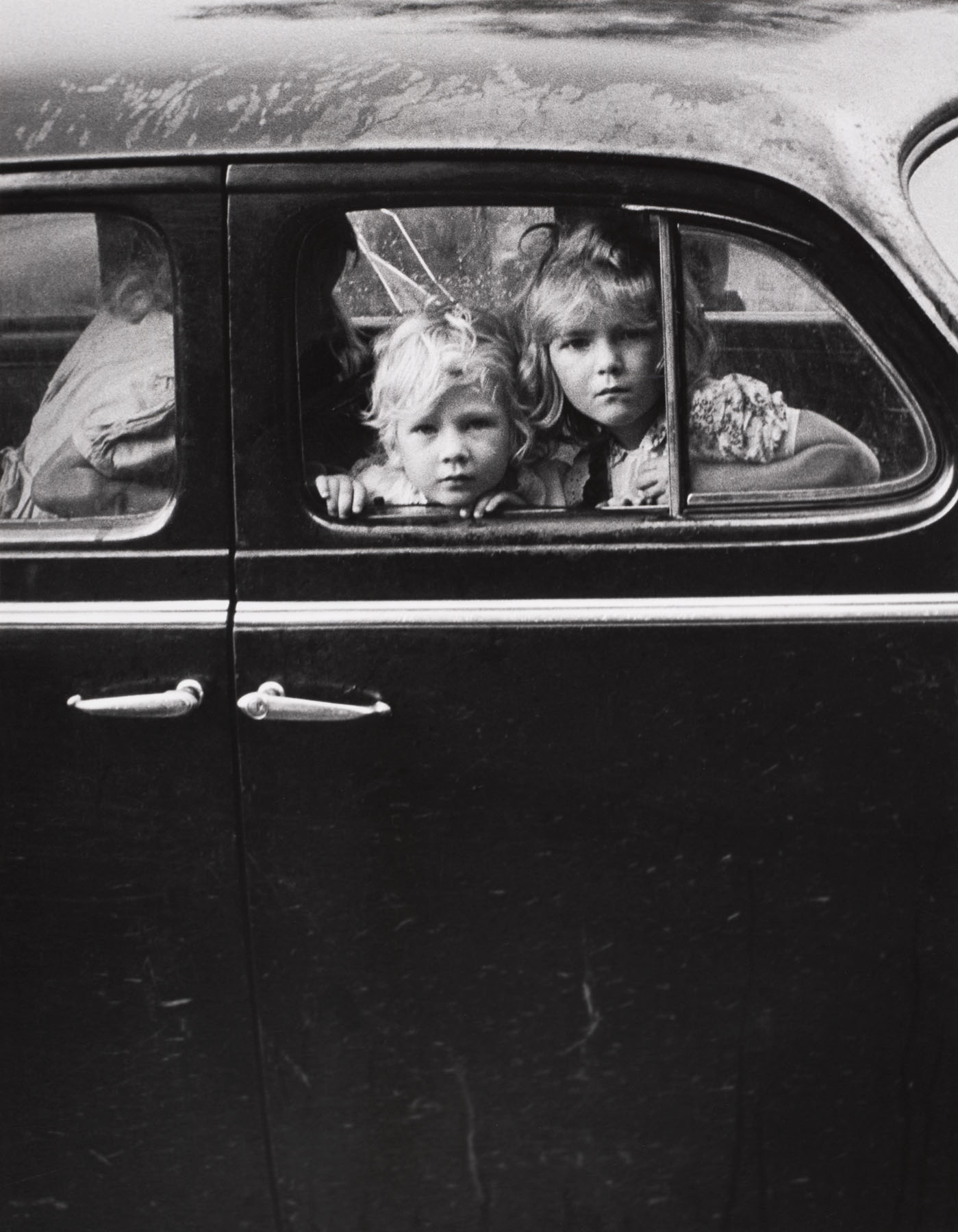
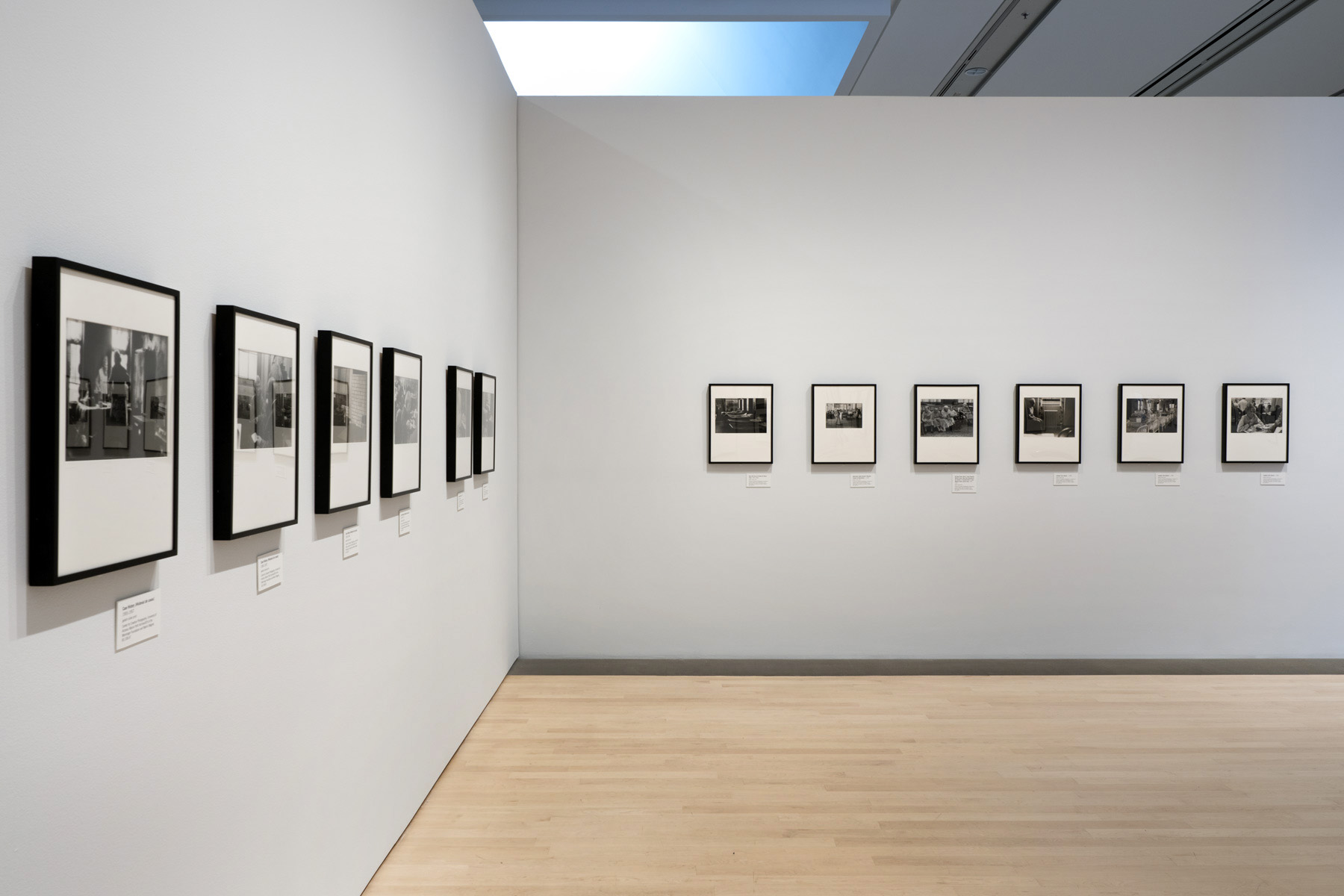
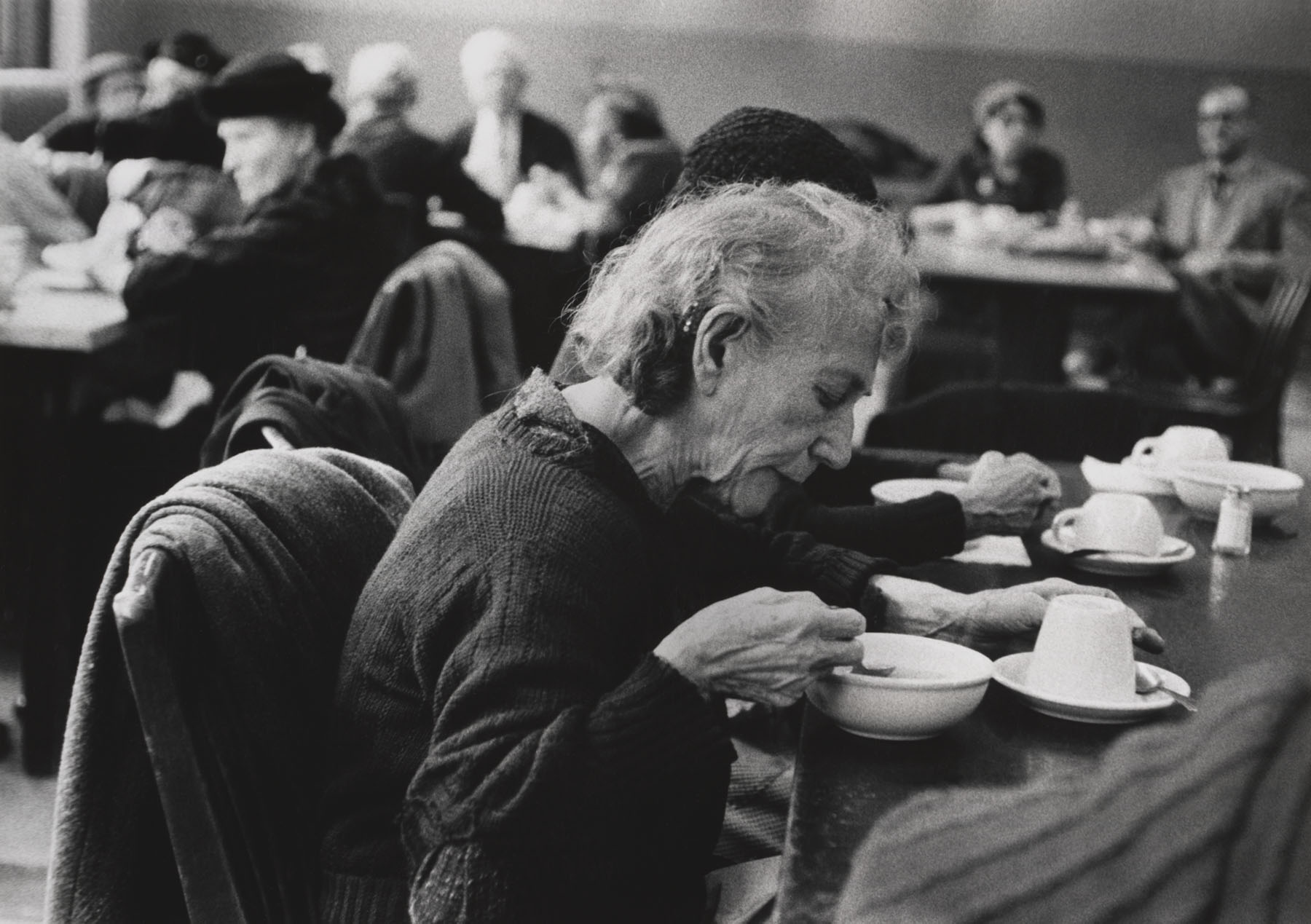
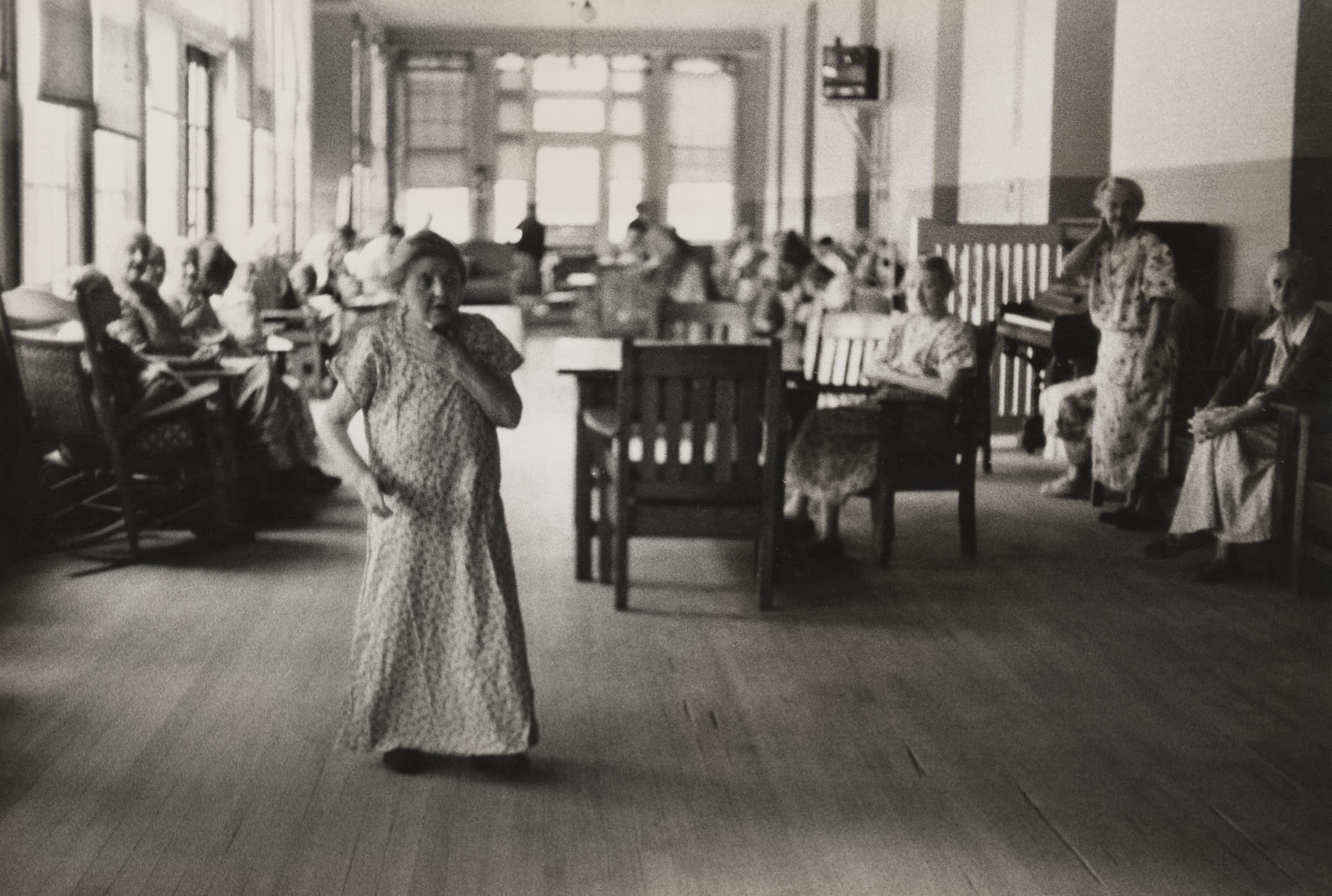
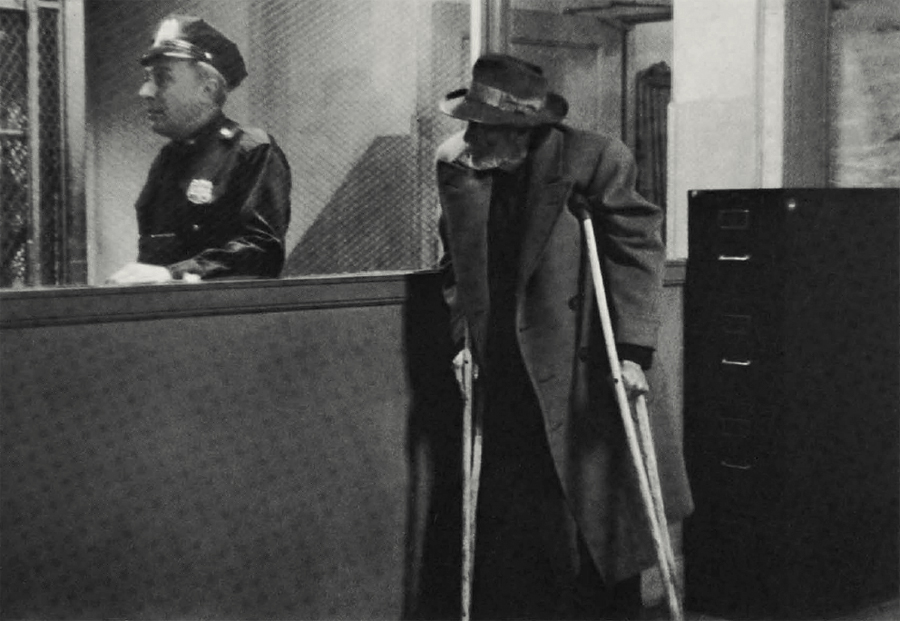
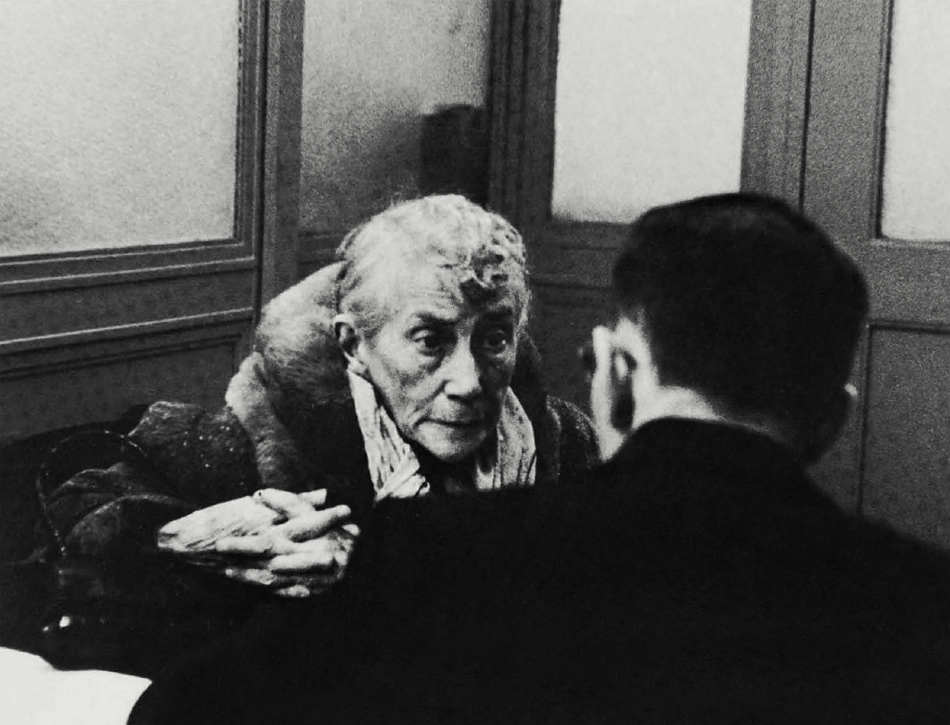
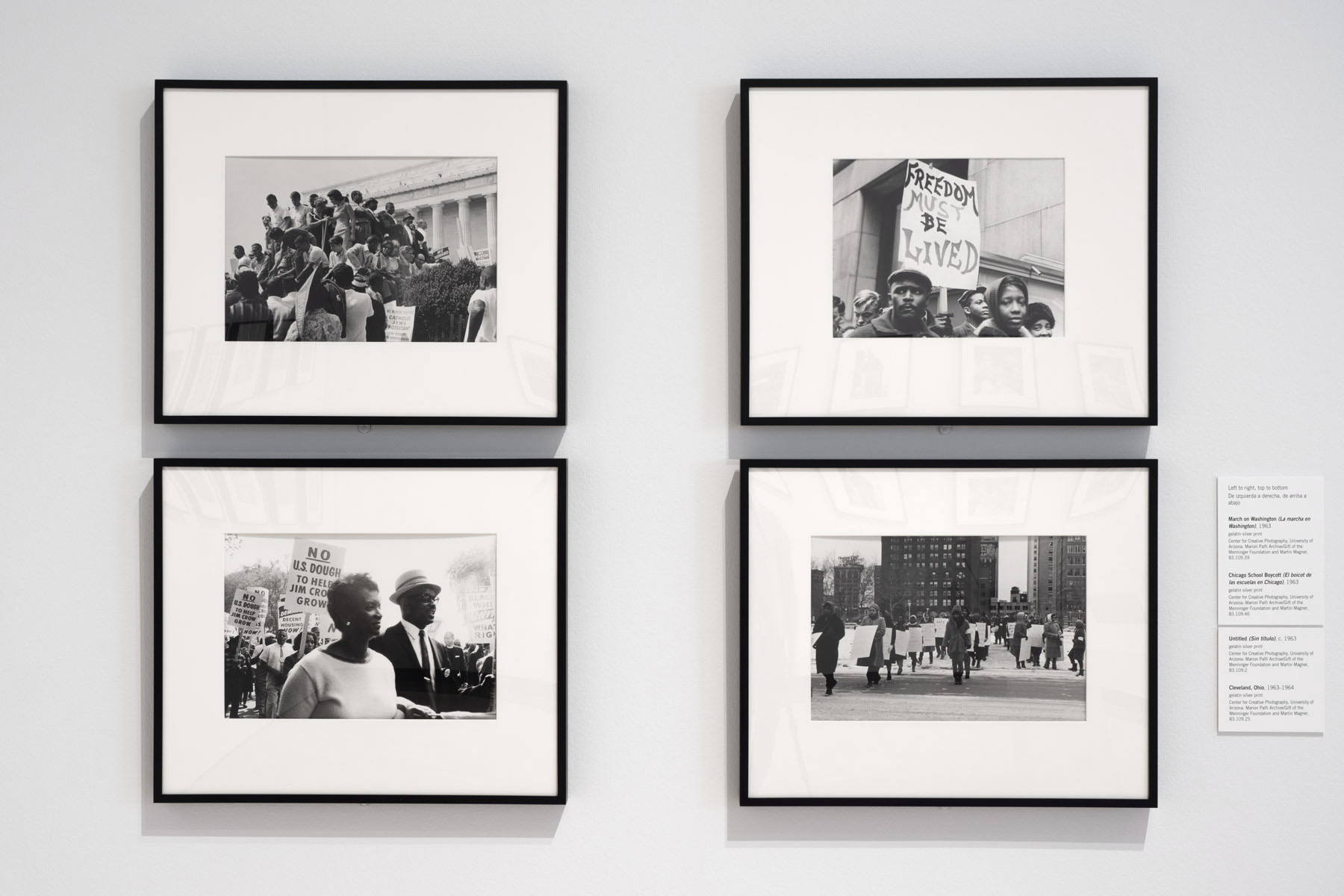
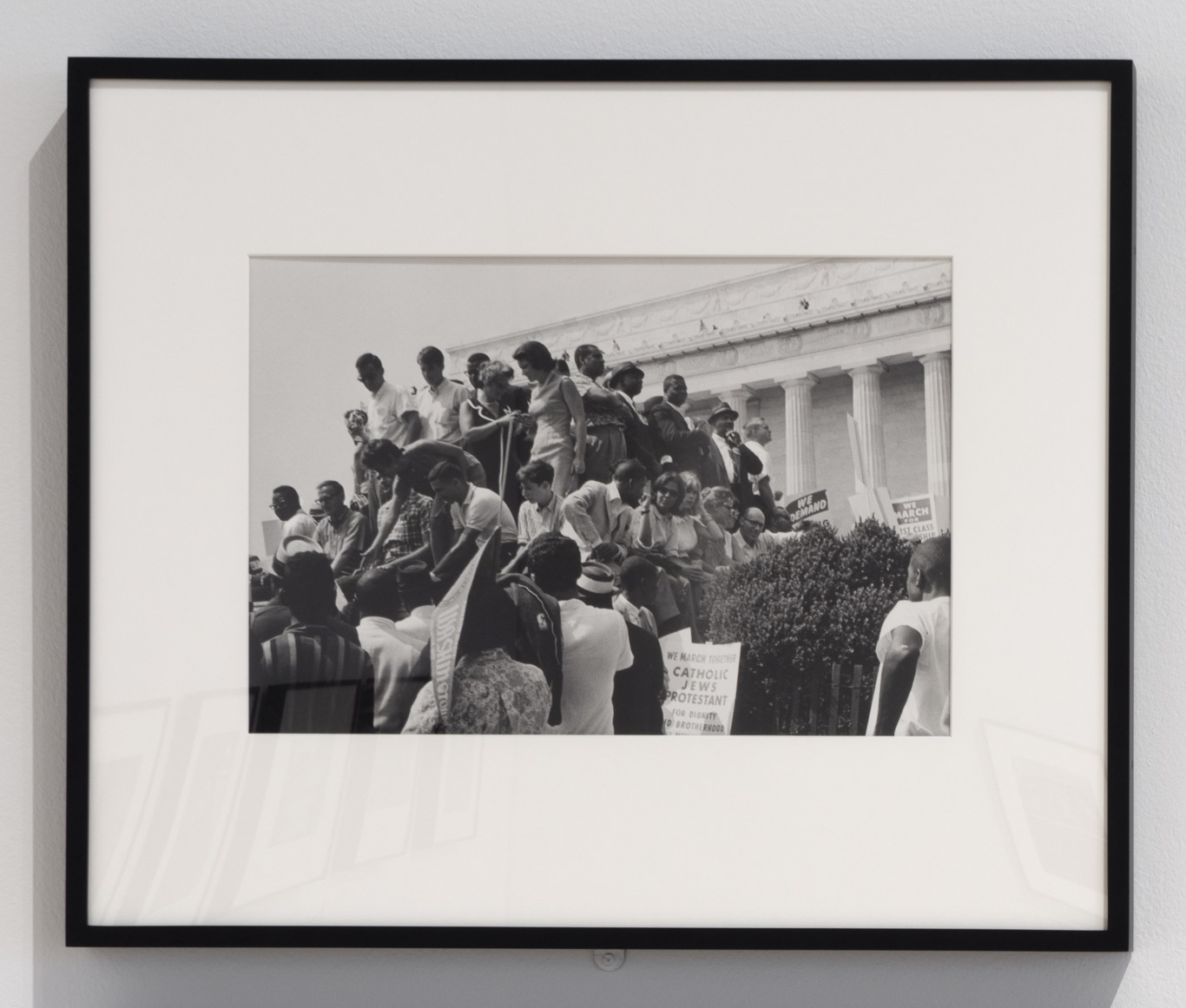
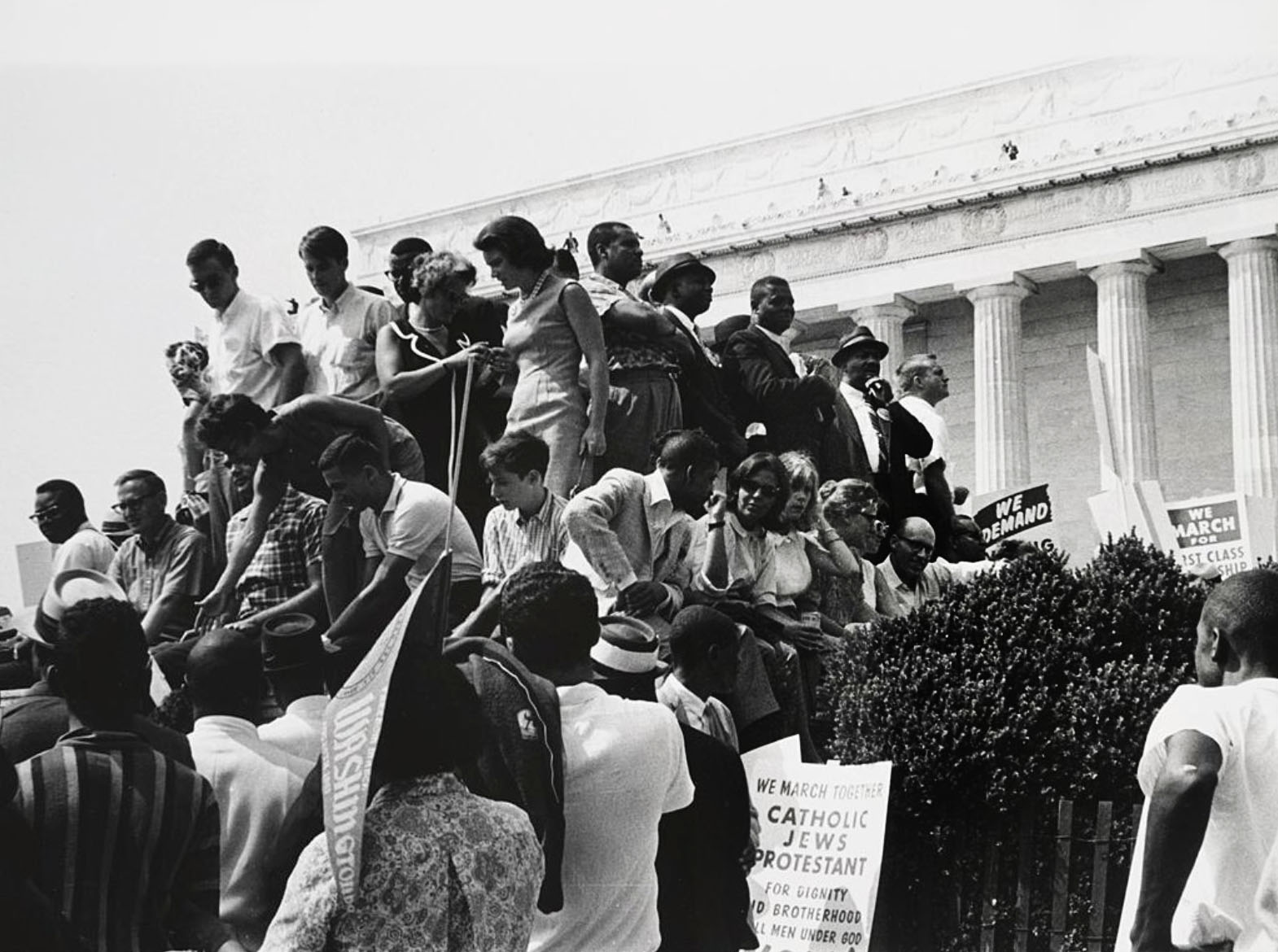
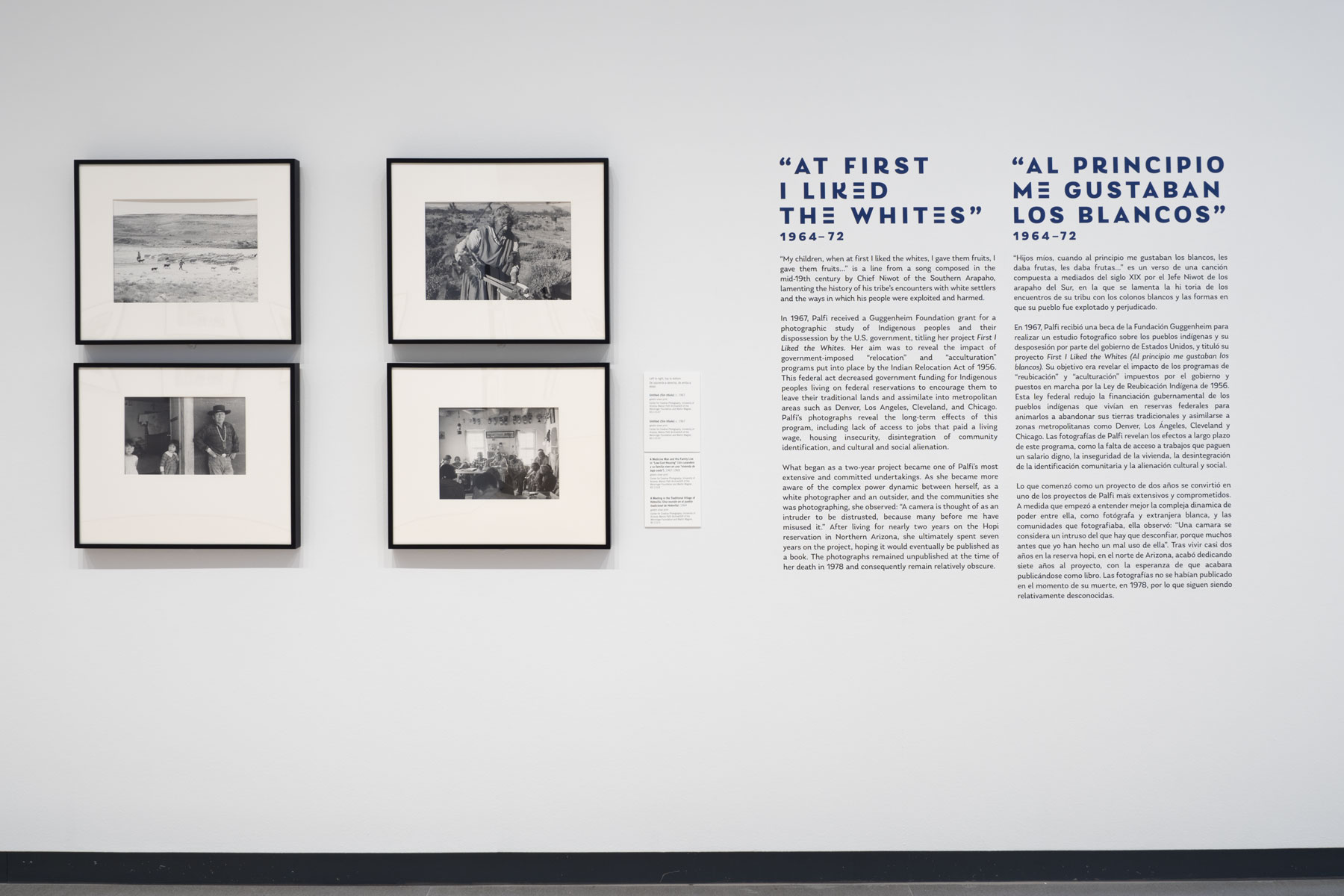
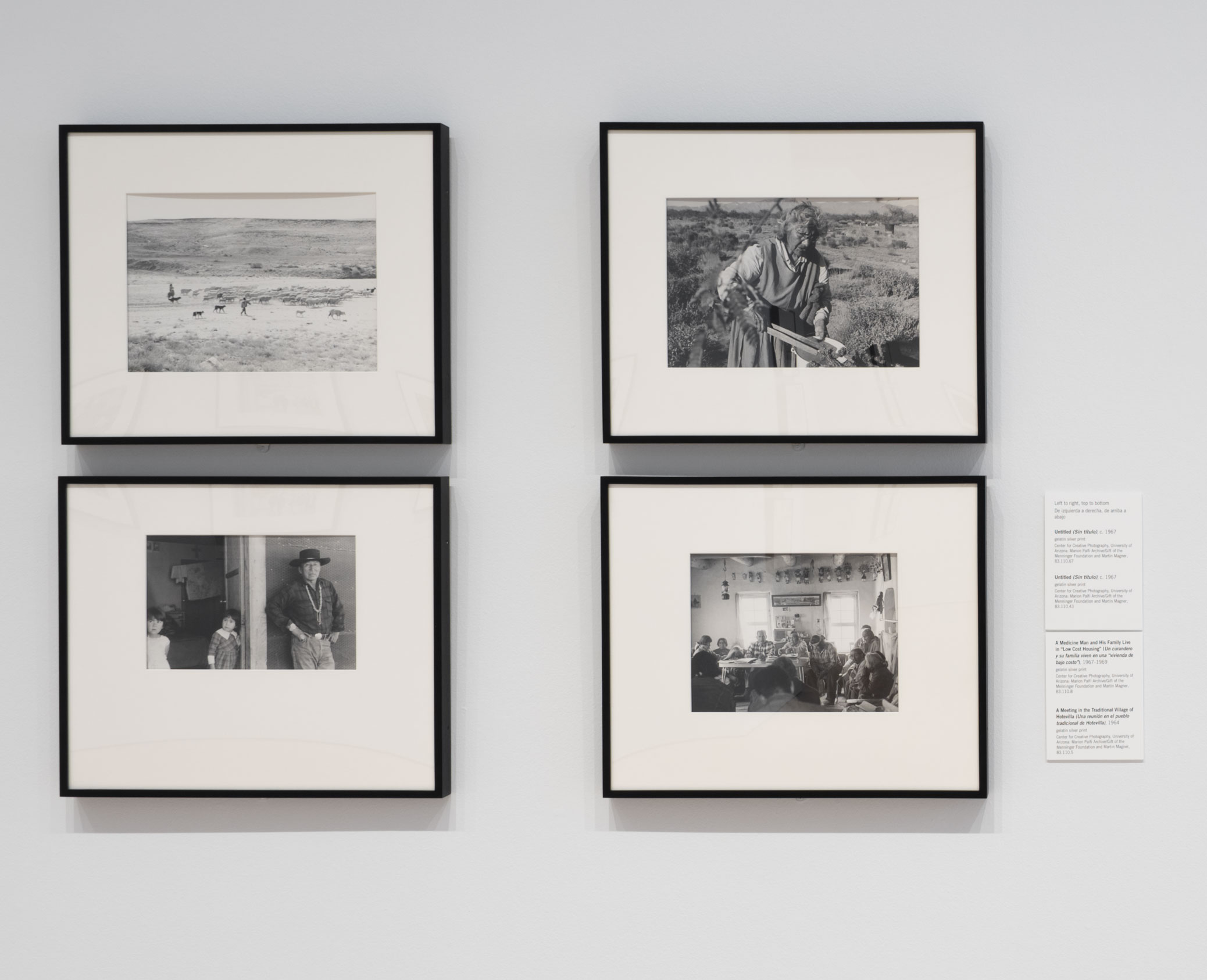
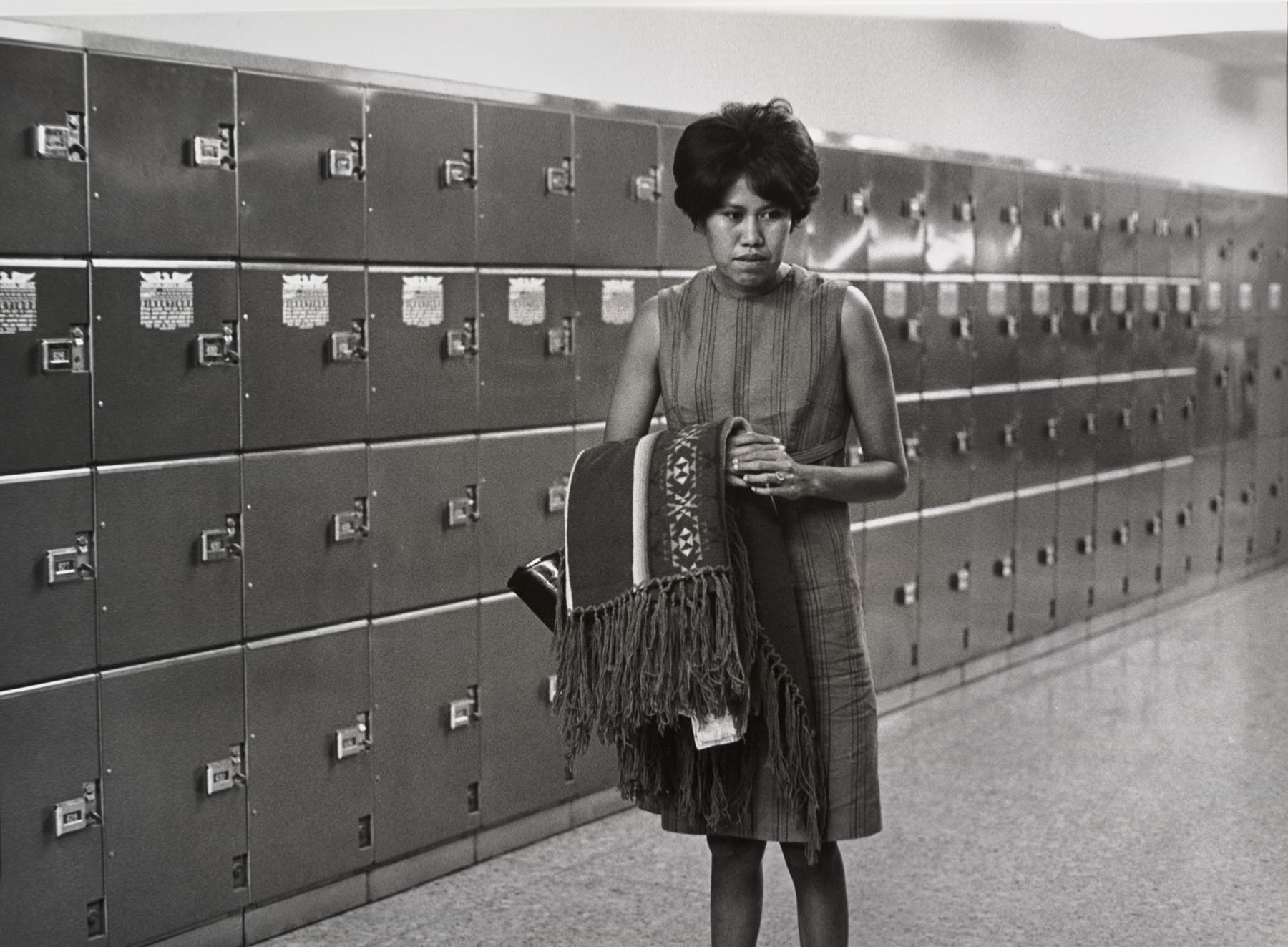
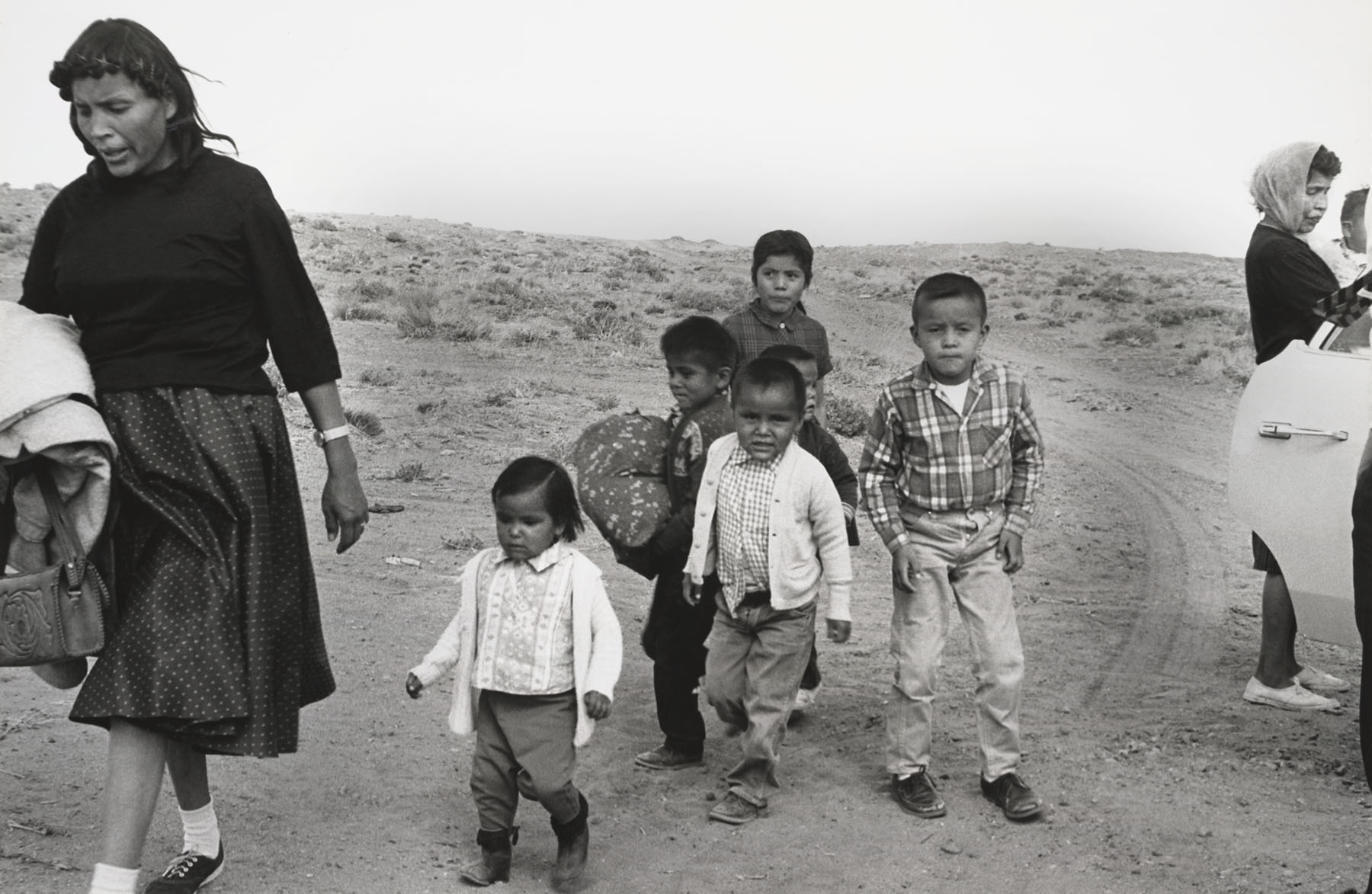
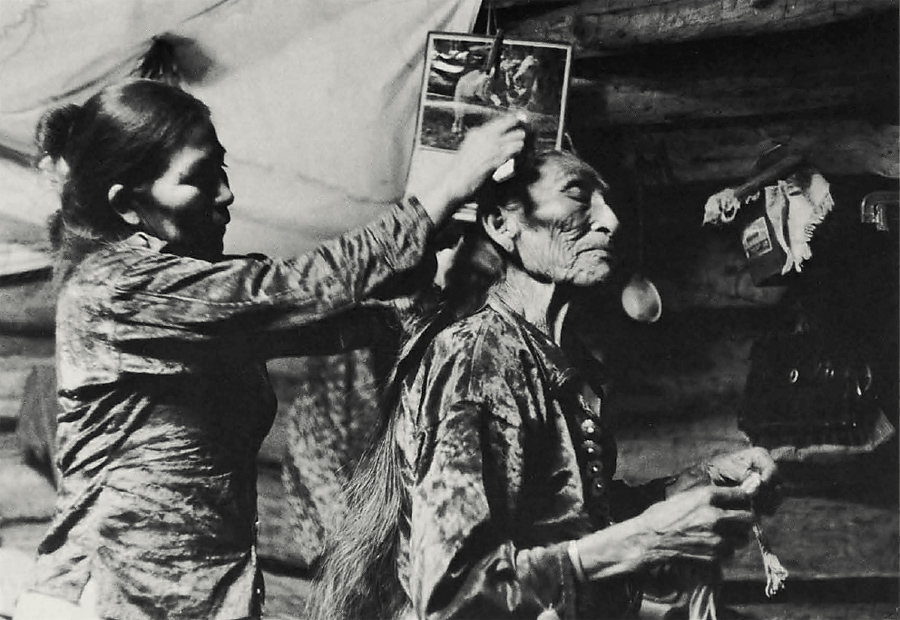
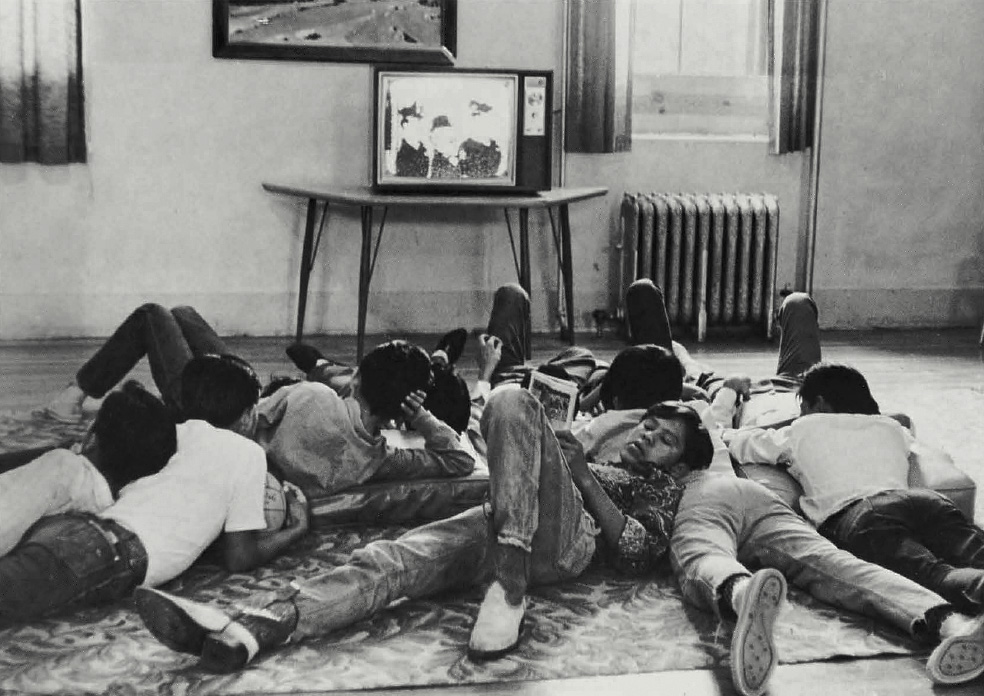
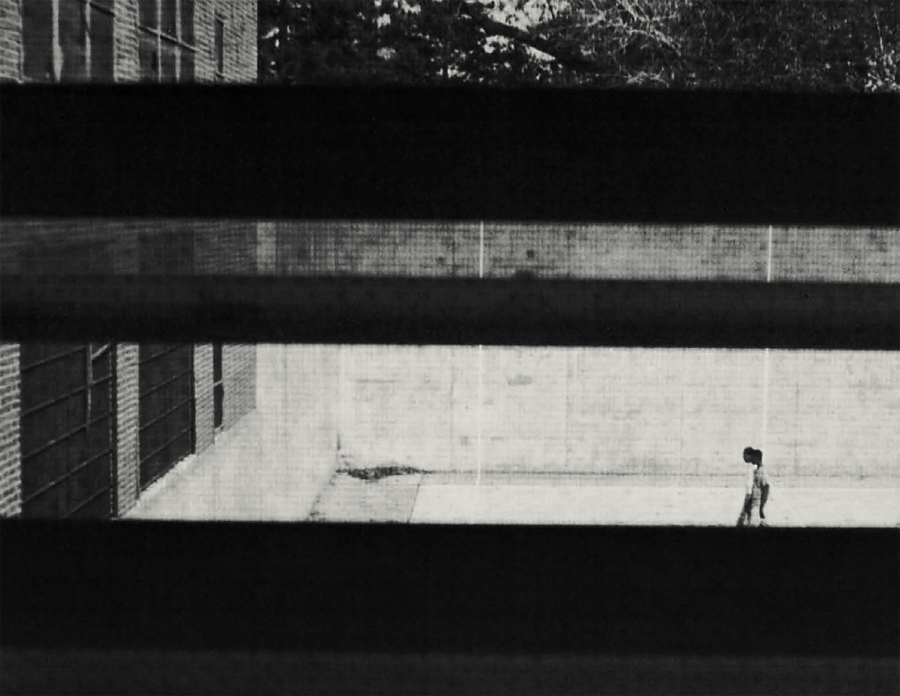


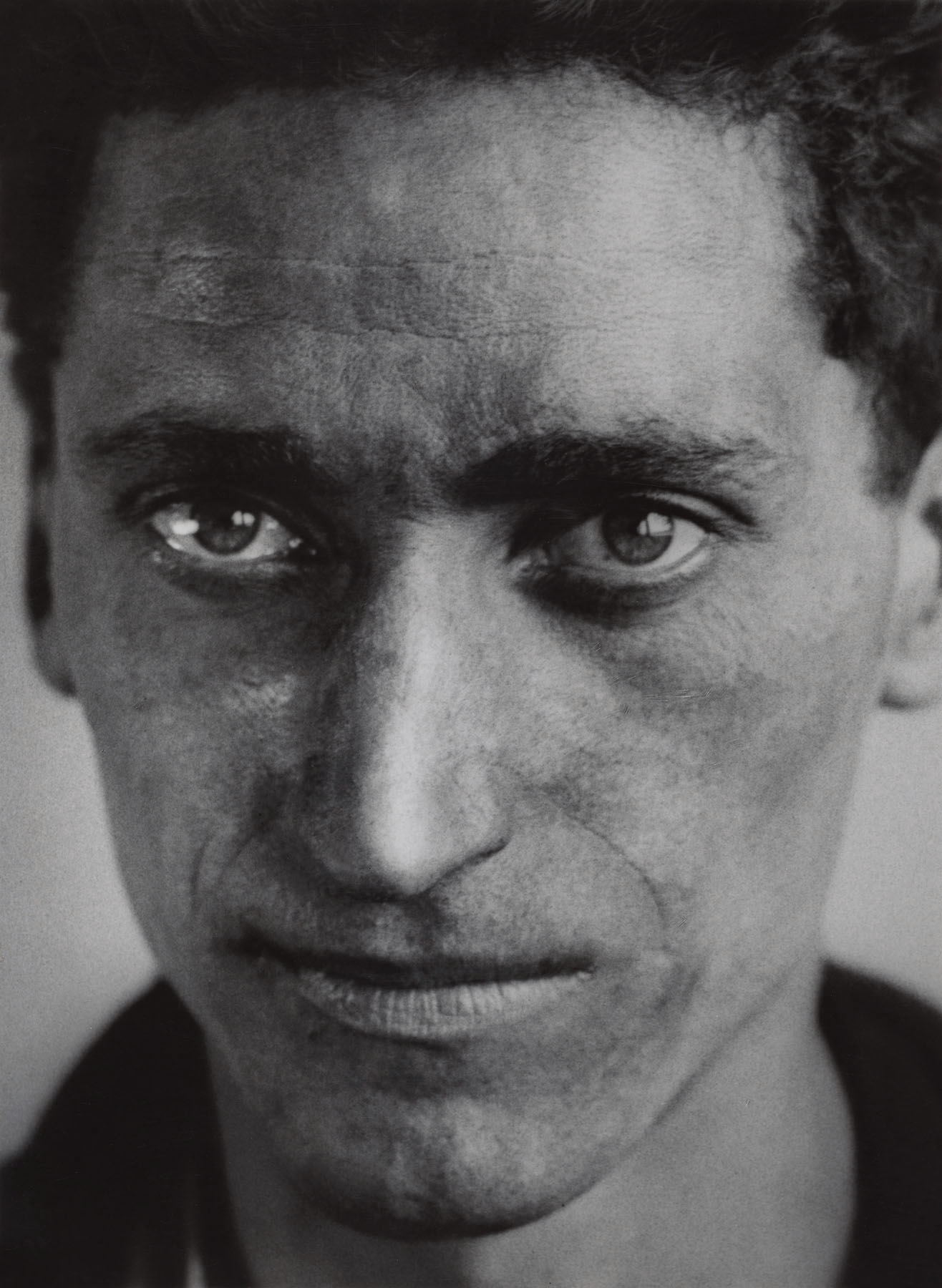


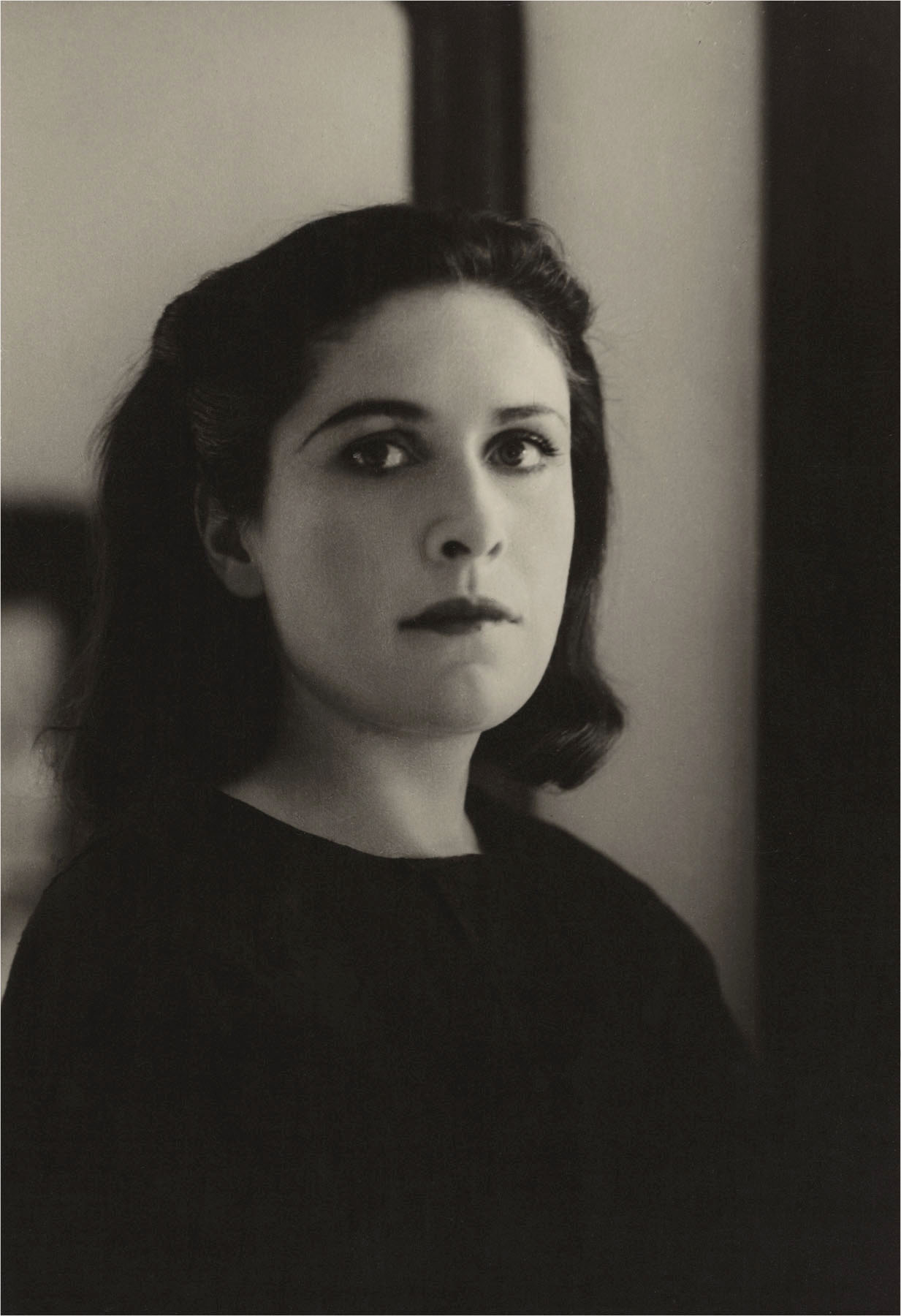


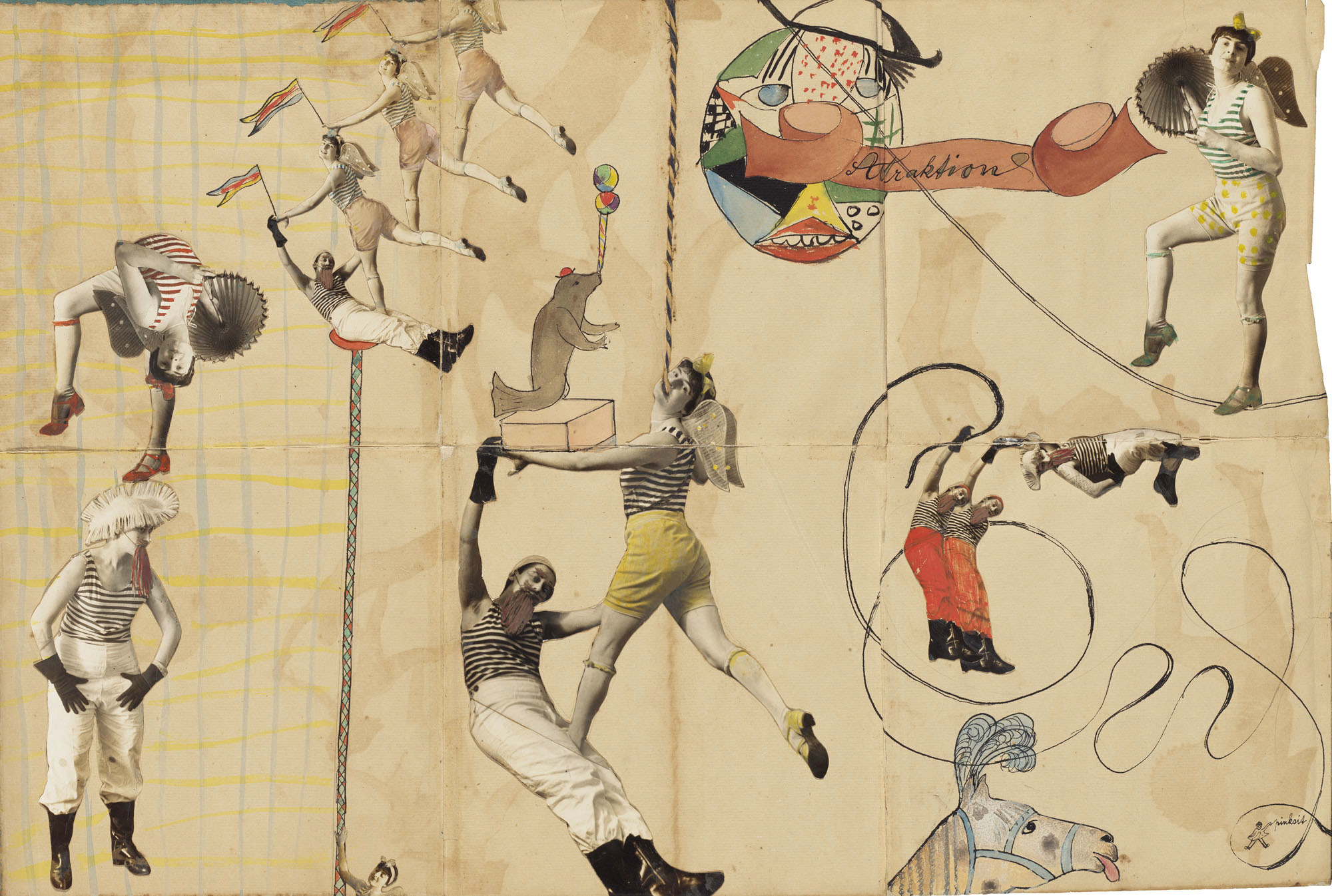


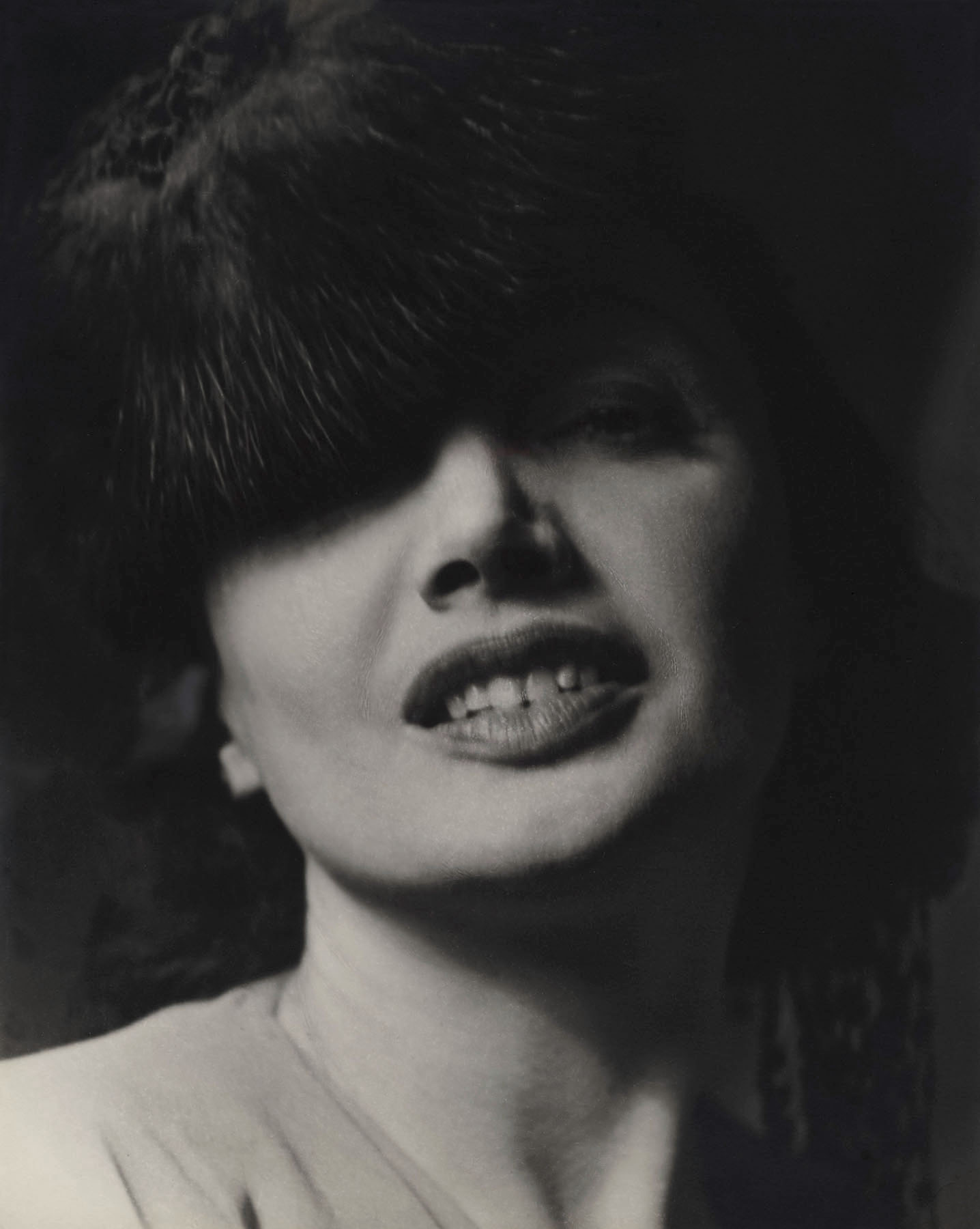


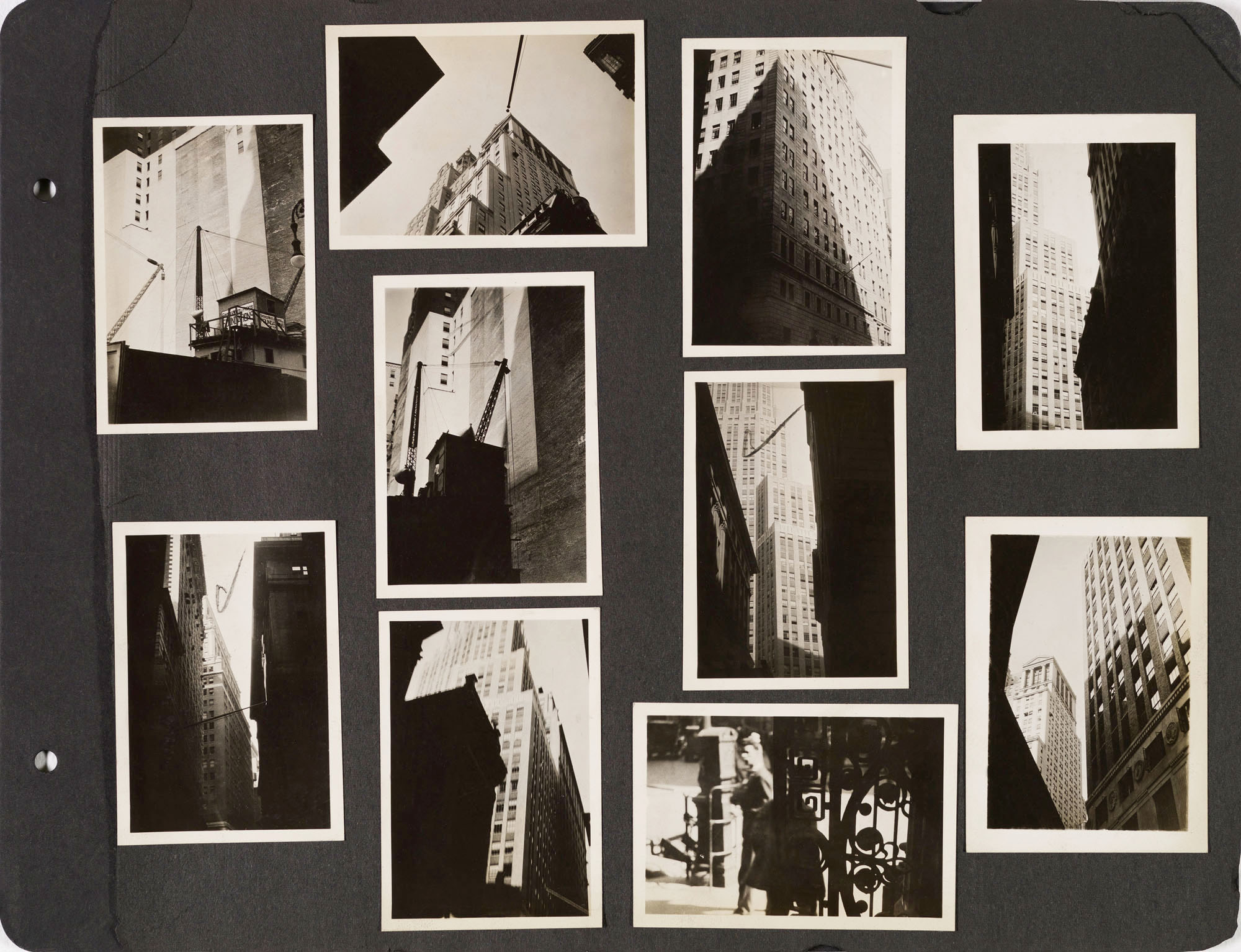


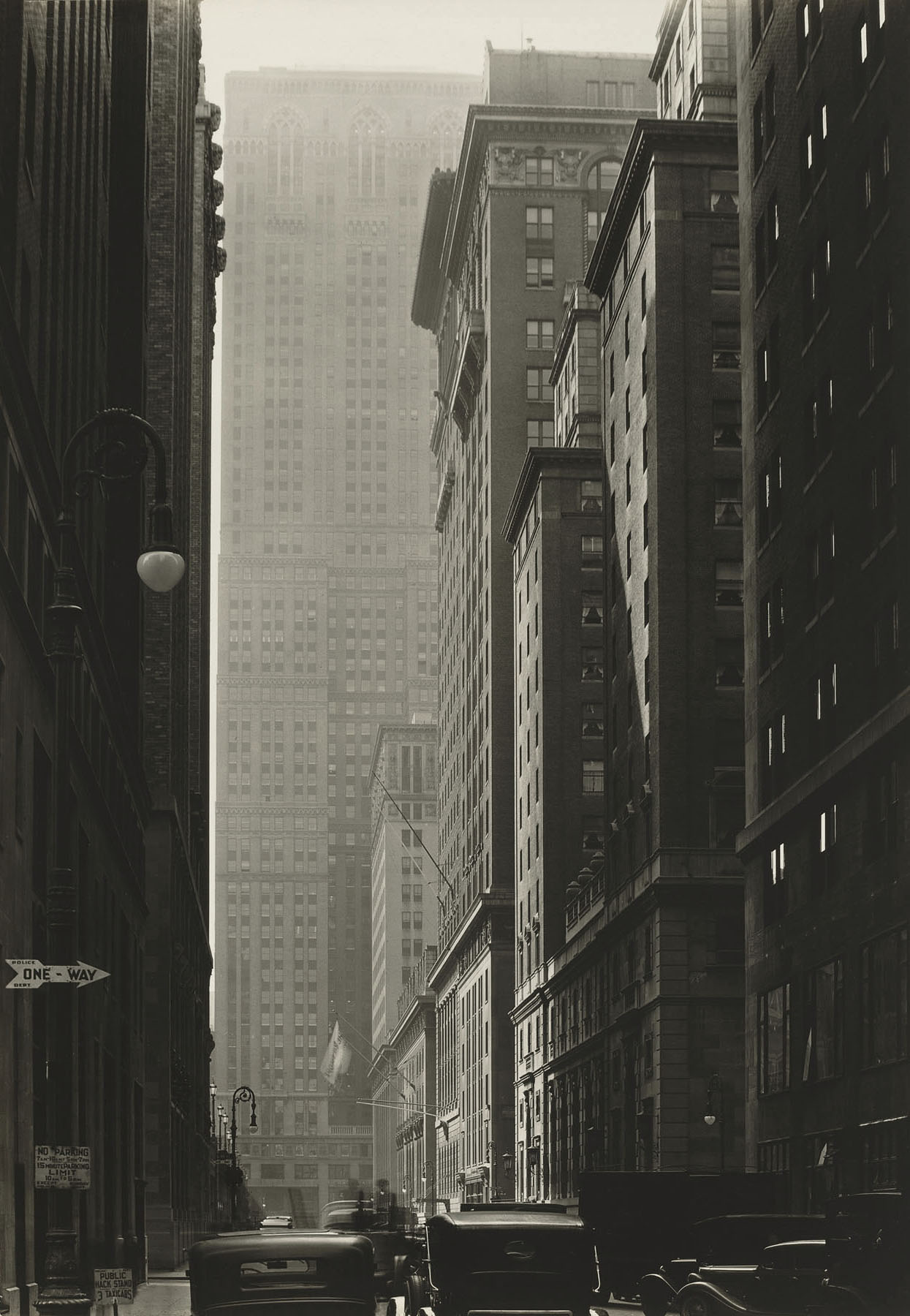


![Emmy Andriesse (Dutch, 1914-1953) 'Amsterdam tijdens de hongerwinter' (Amsterdam during the hunger winter) [1944-1945] book published 1947](https://artblart.com/wp-content/uploads/2021/11/5280-082-small.jpg "Emmy Andriesse (Dutch, 1914-1953) 'Amsterdam tijdens de hongerwinter' (Amsterdam during the hunger winter) [1944-1945] book published 1947")
![Emmy Andriesse (Dutch, 1914-1953) 'Amsterdam tijdens de hongerwinter' (Amsterdam during the hunger winter) [1944-1945] book published 1947 (detail)](https://artblart.com/wp-content/uploads/2021/11/5280-082-detail1.jpg "Emmy Andriesse (Dutch, 1914-1953) 'Amsterdam tijdens de hongerwinter' (Amsterdam during the hunger winter) [1944-1945] book published 1947 (detail)")
![Emmy Andriesse (Dutch, 1914-1953) 'Amsterdam tijdens de hongerwinter' (Amsterdam during the hunger winter) [1944-1945] book published 1947 (detail)](https://artblart.com/wp-content/uploads/2021/11/5280-082-detail2.jpg "Emmy Andriesse (Dutch, 1914-1953) 'Amsterdam tijdens de hongerwinter' (Amsterdam during the hunger winter) [1944-1945] book published 1947 (detail)")


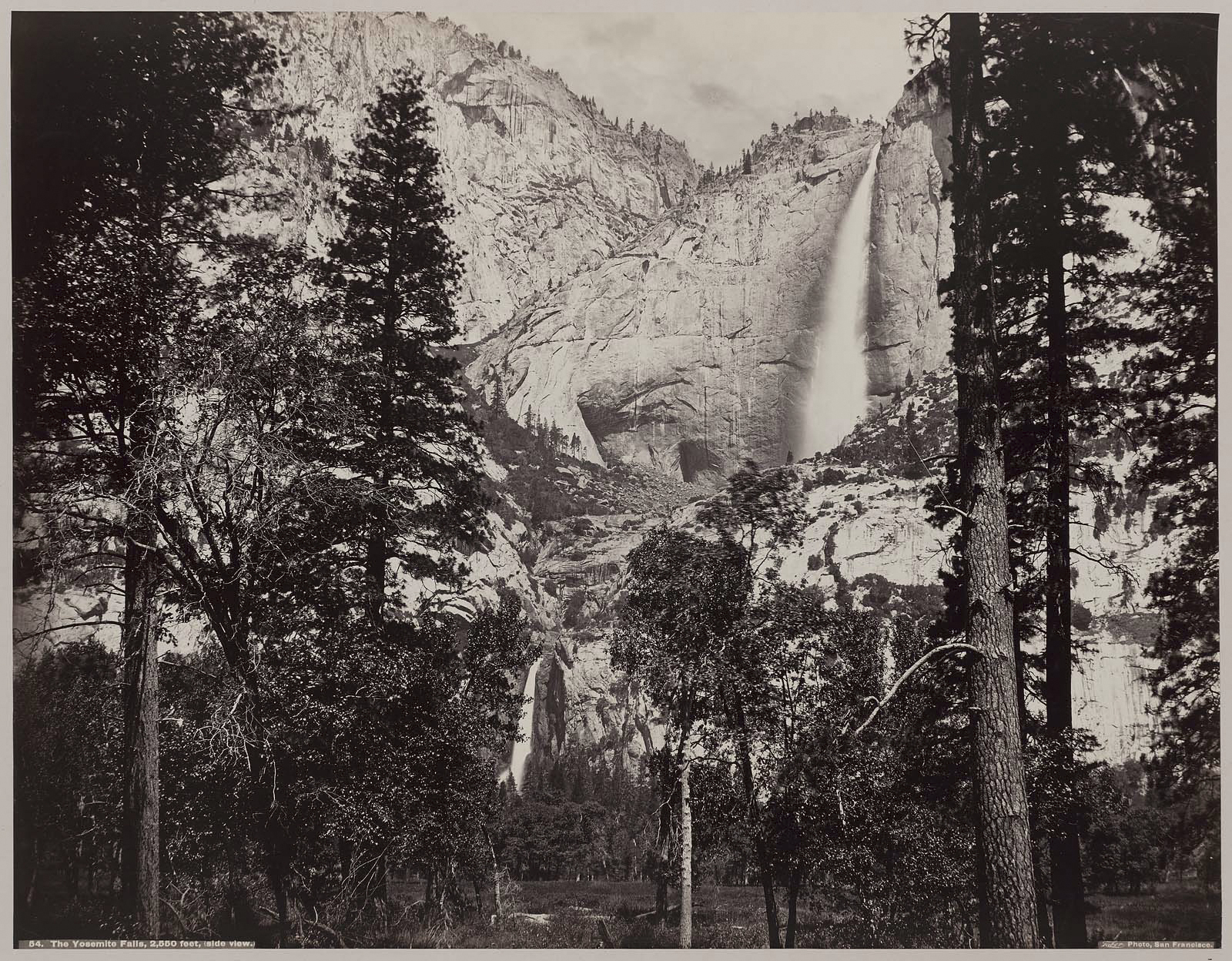

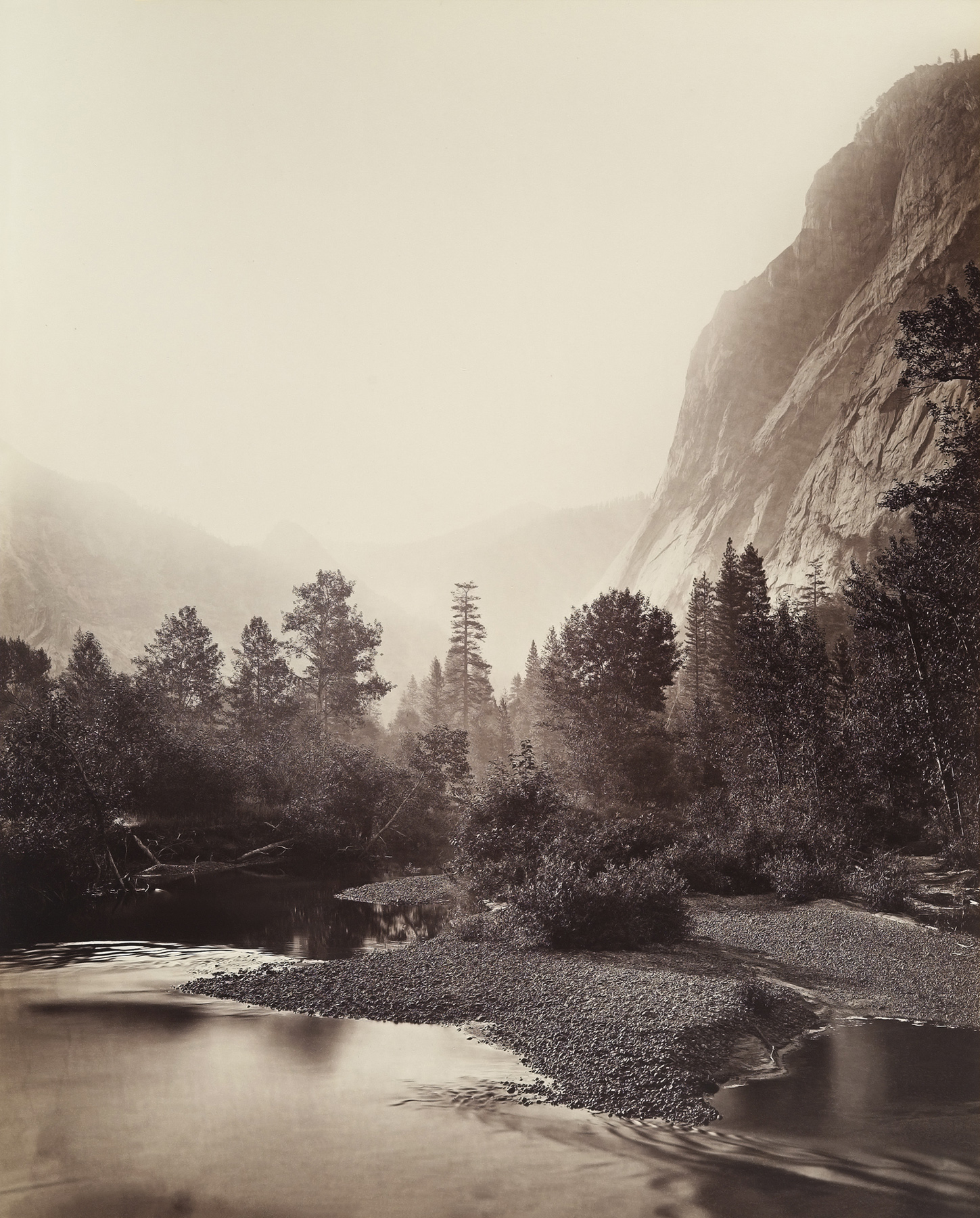
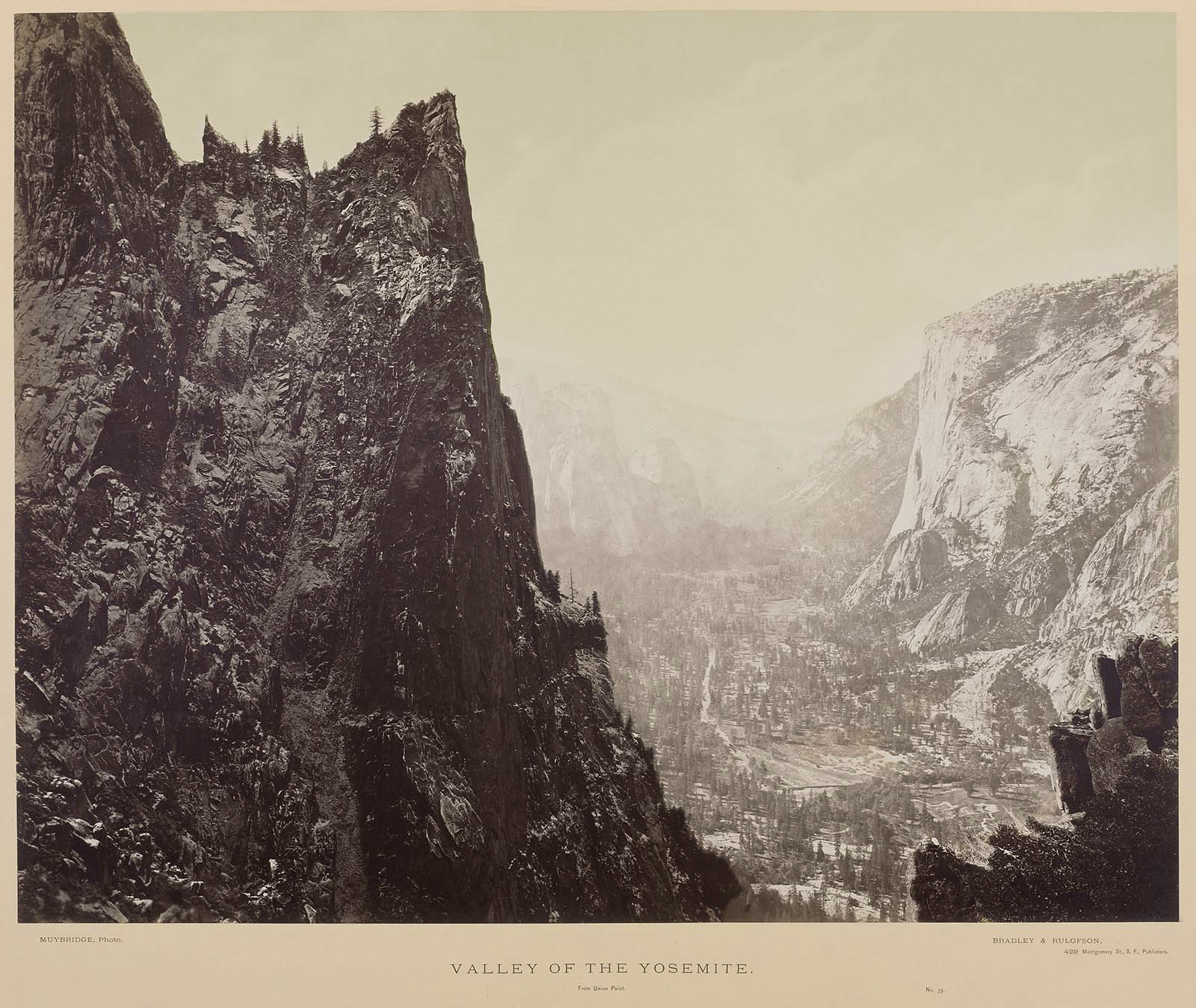



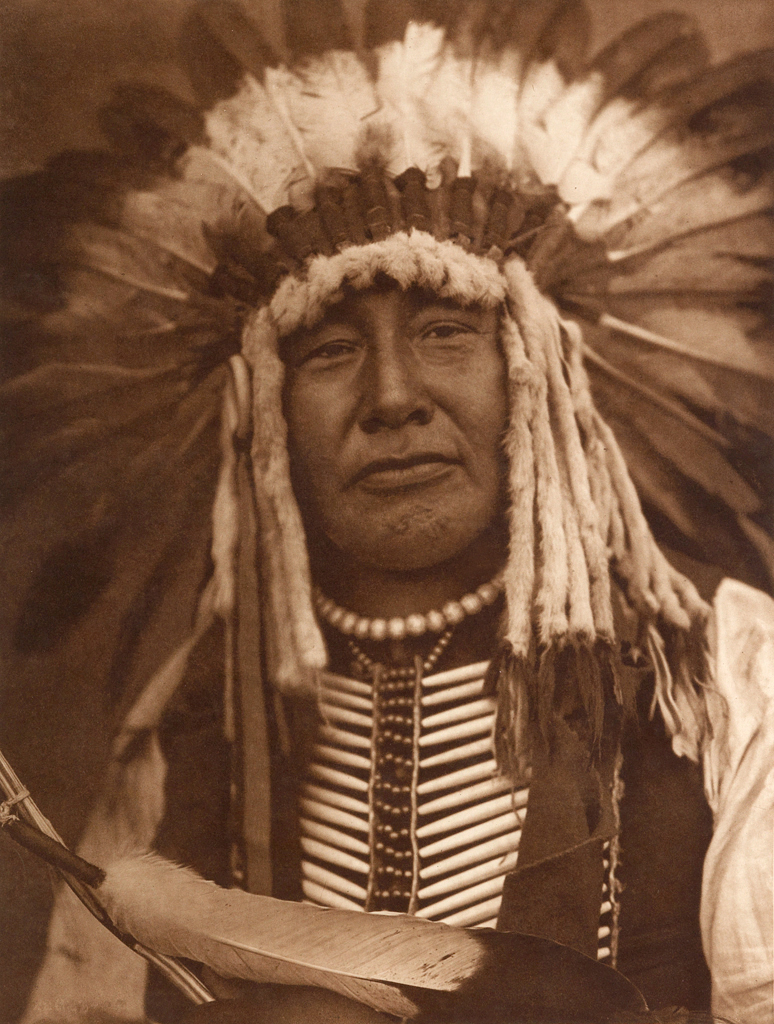
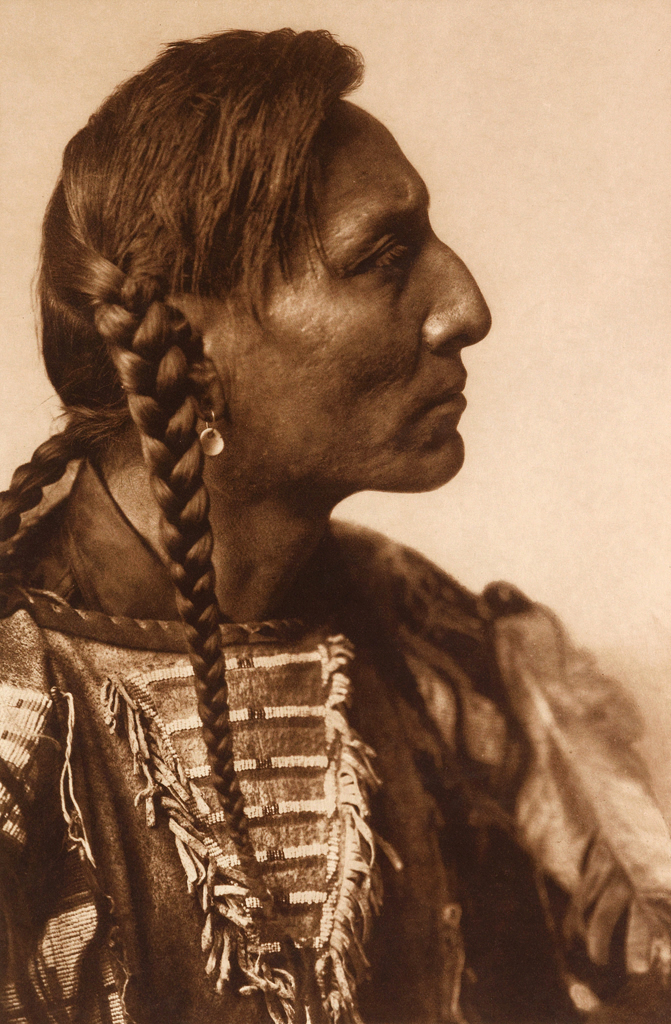
![Edward S. Curtis (American, 1868-1952) '[Bear's Belly, Arikara Indian half-length portrait, facing front, wearing bearskin]' c. 1908 from 'Edward S. Curtis (1868-1952) – The North American Indian' List of Large Plates Supplementing Volume V](https://artblart.com/wp-content/uploads/2018/05/edward-s-curtis-1868-1952-the-north-american-indian-portfolio-v-1907-photogravure-on-vellum1-web.jpg "Edward S. Curtis (American, 1868-1952) '[Bear's Belly, Arikara Indian half-length portrait, facing front, wearing bearskin]' c. 1908 from 'Edward S. Curtis (1868-1952) – The North American Indian' List of Large Plates Supplementing Volume V")
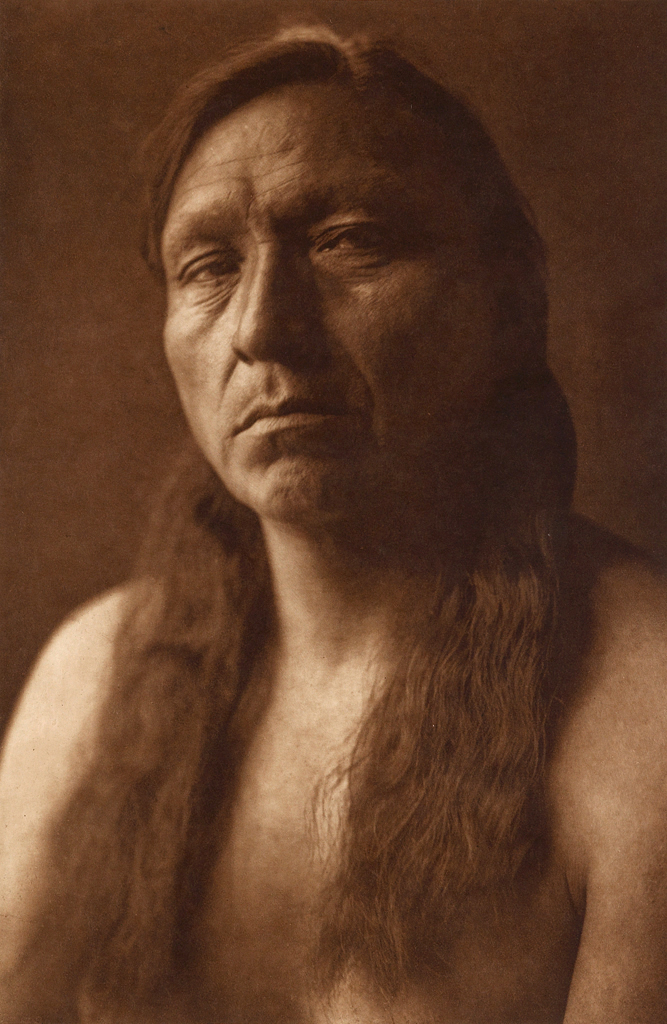
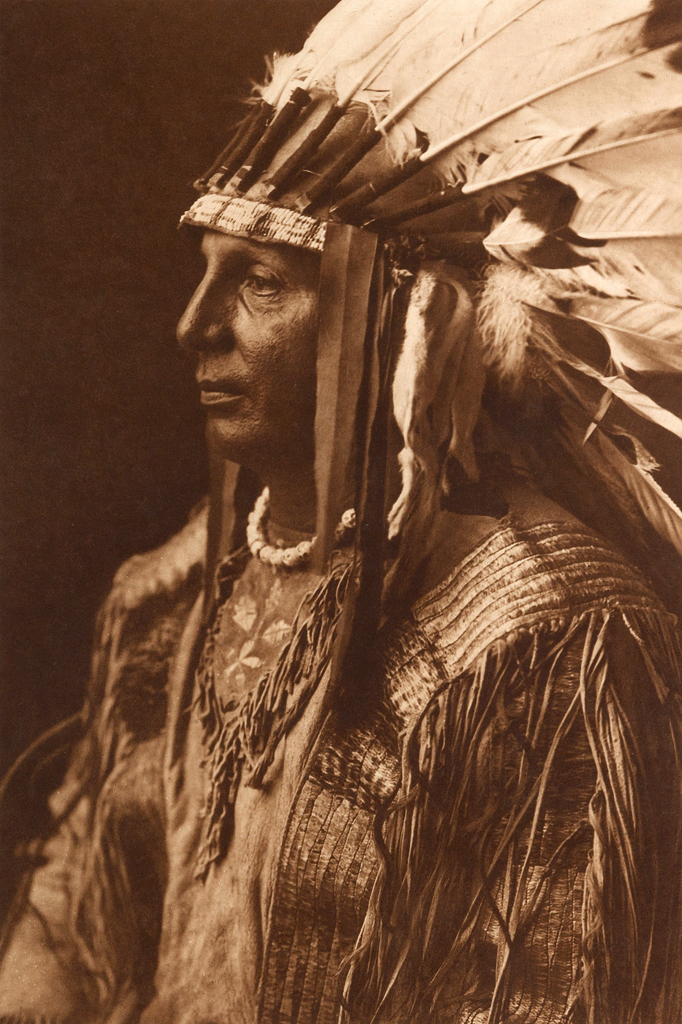
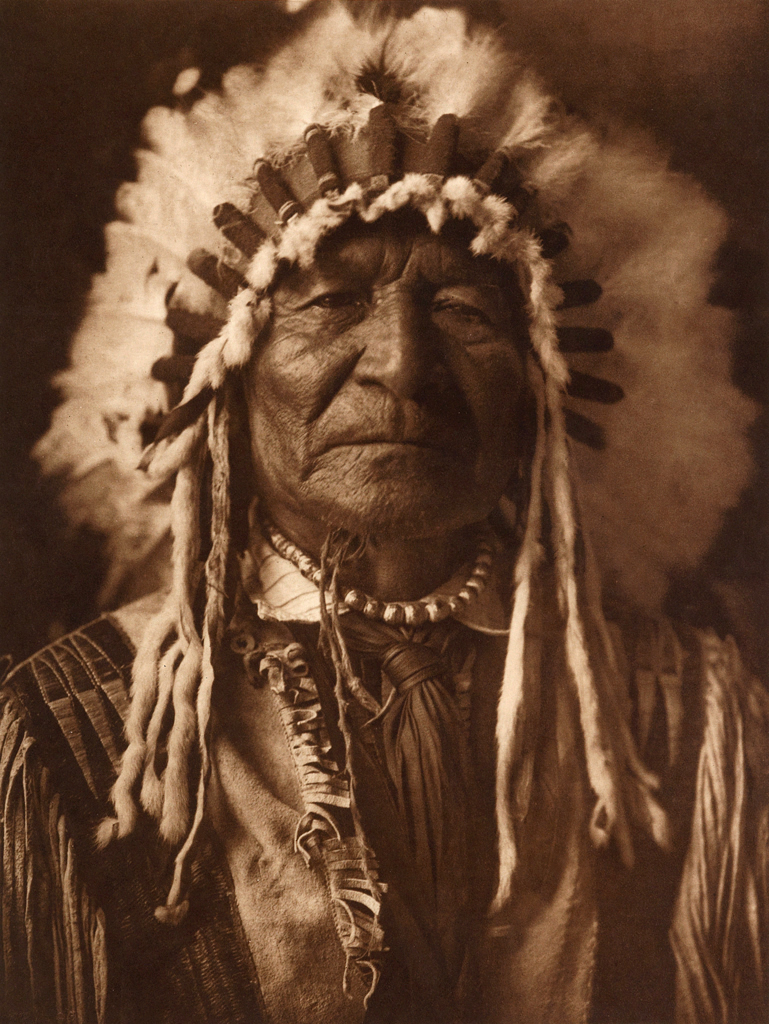
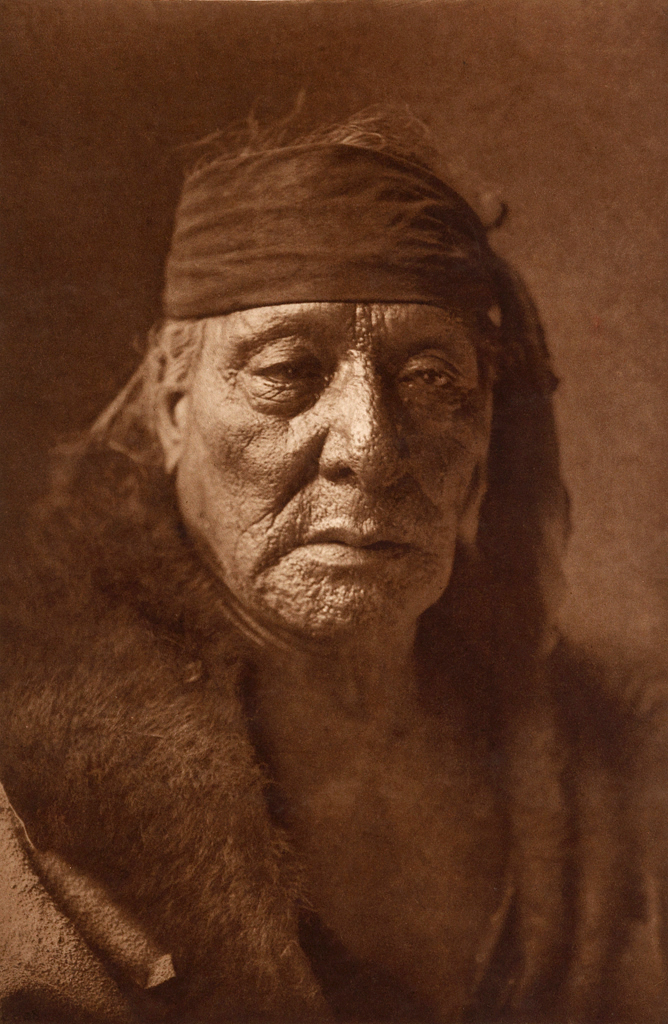
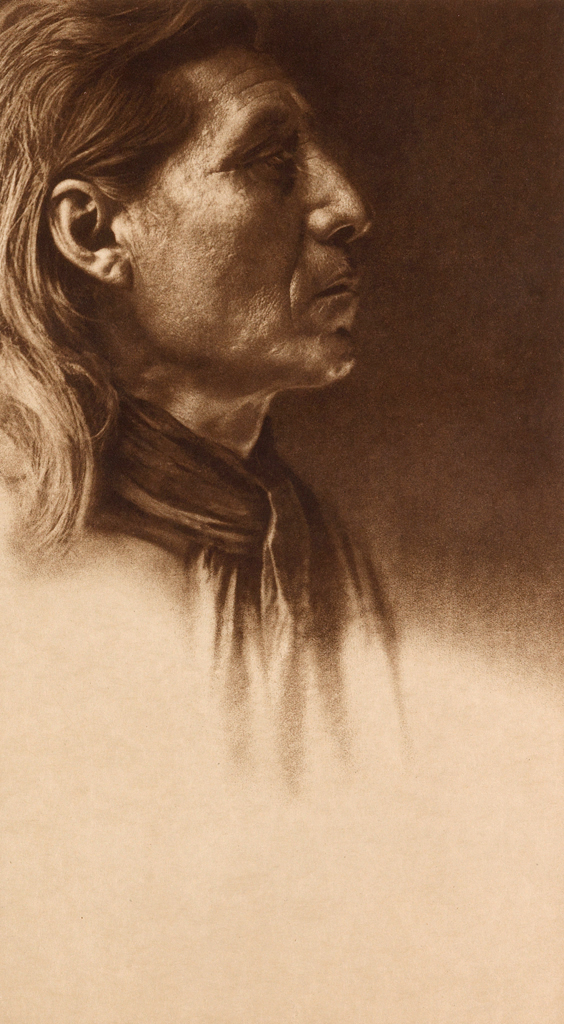
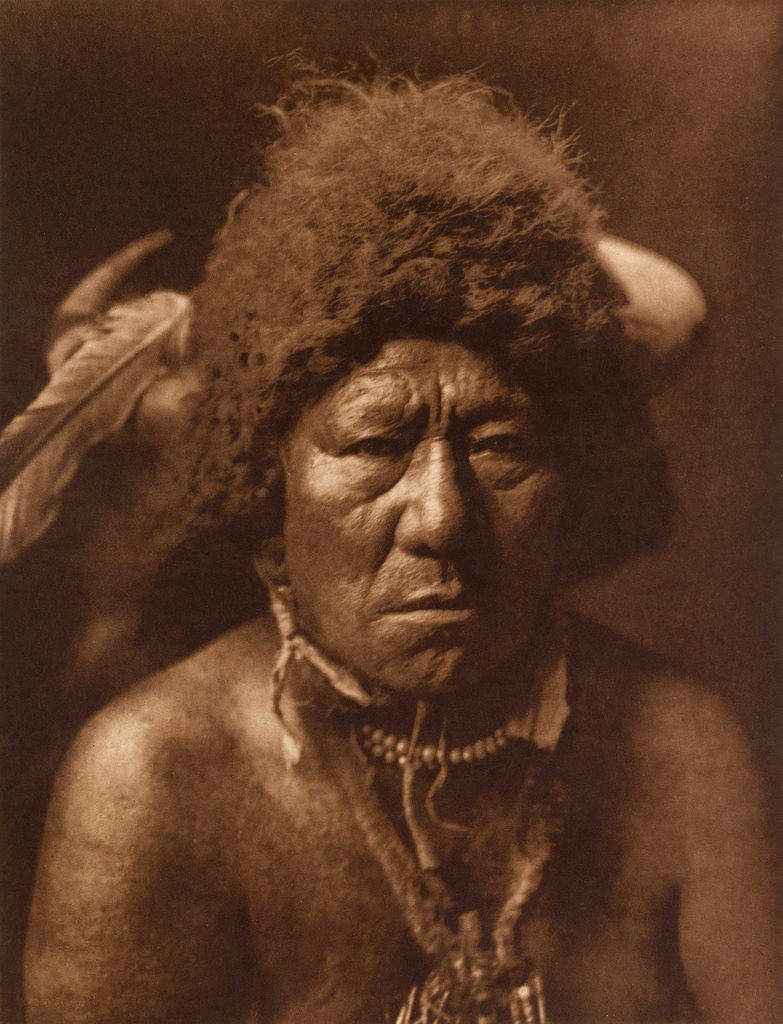
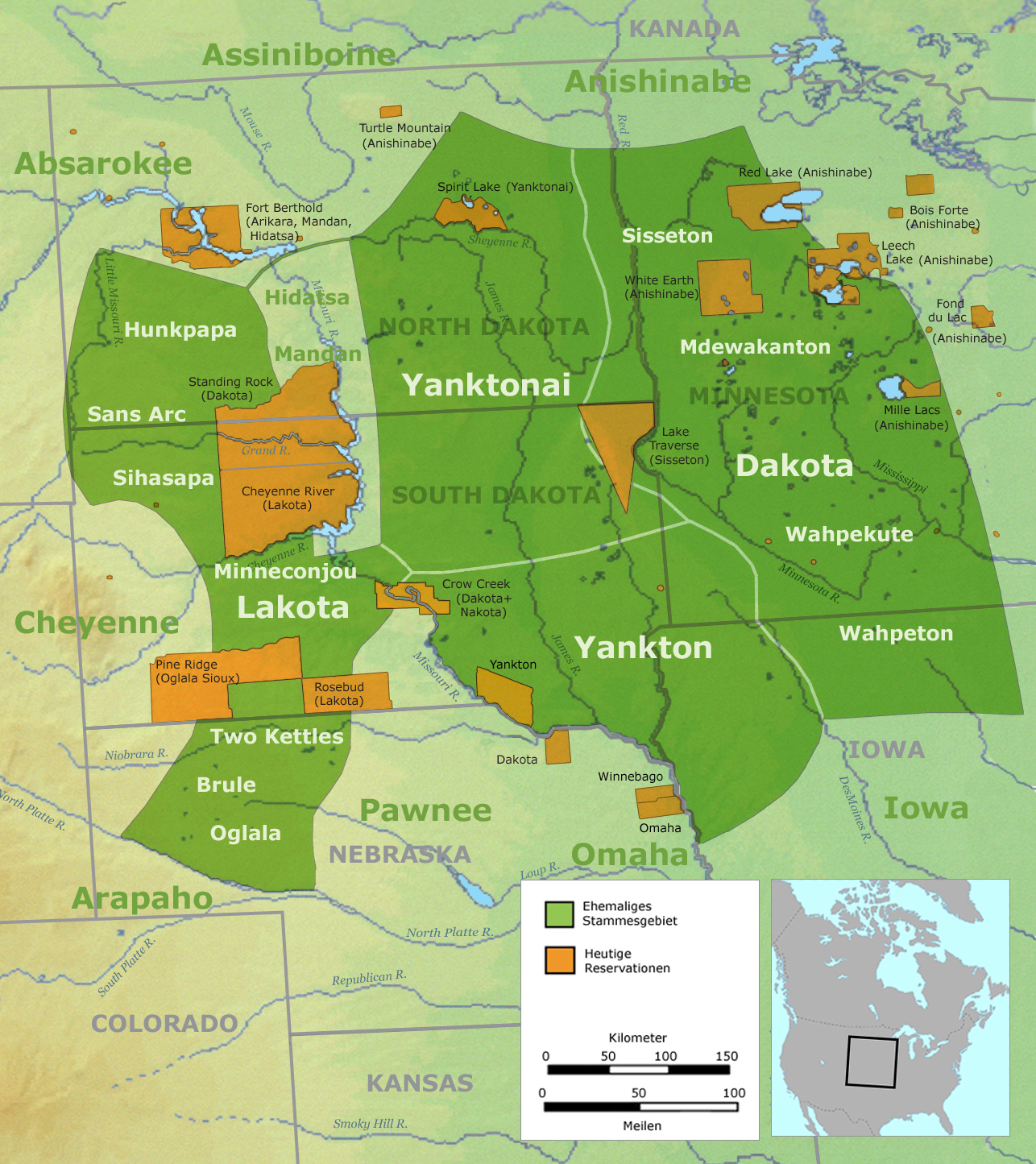
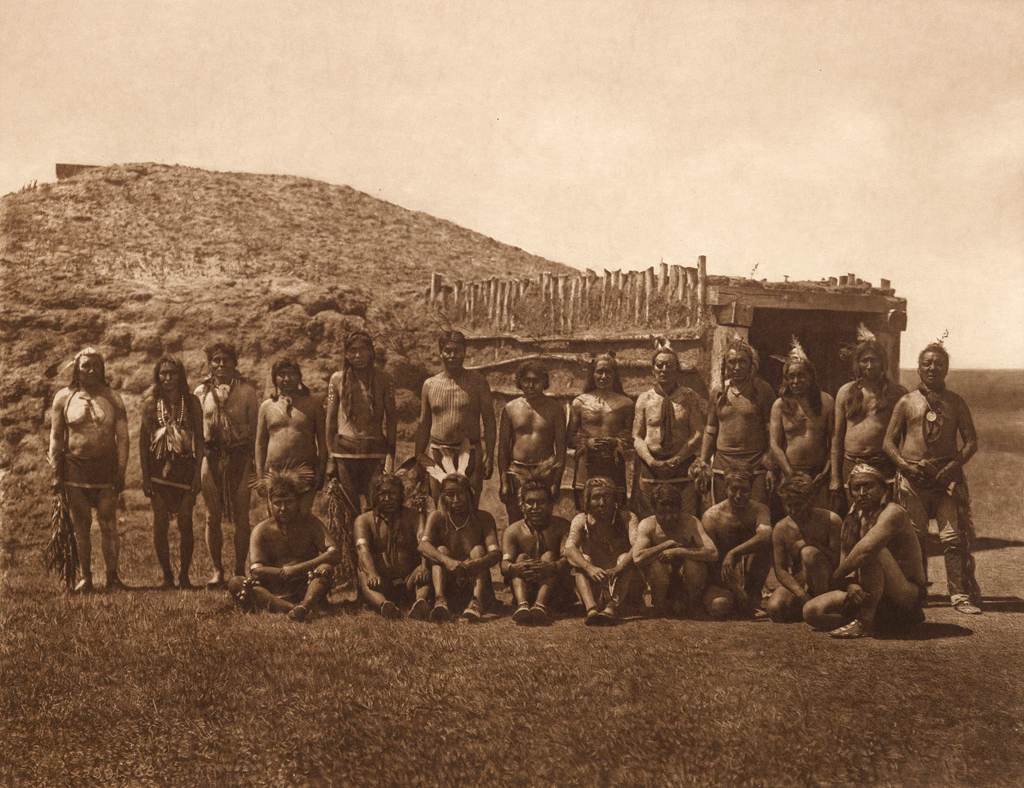
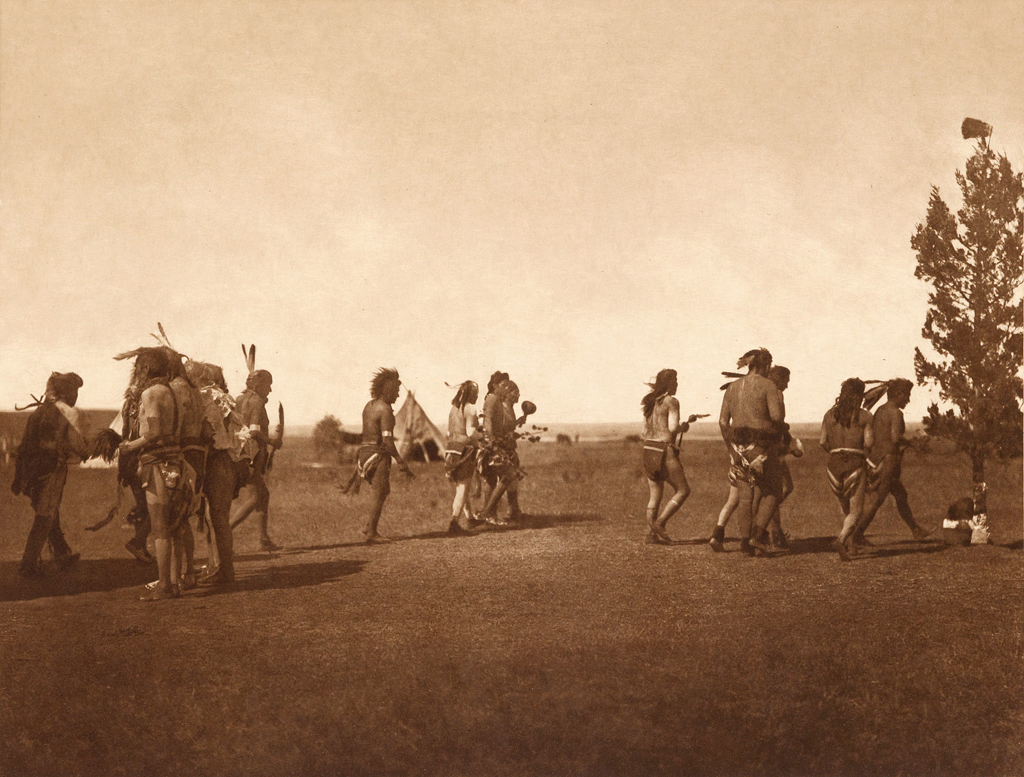
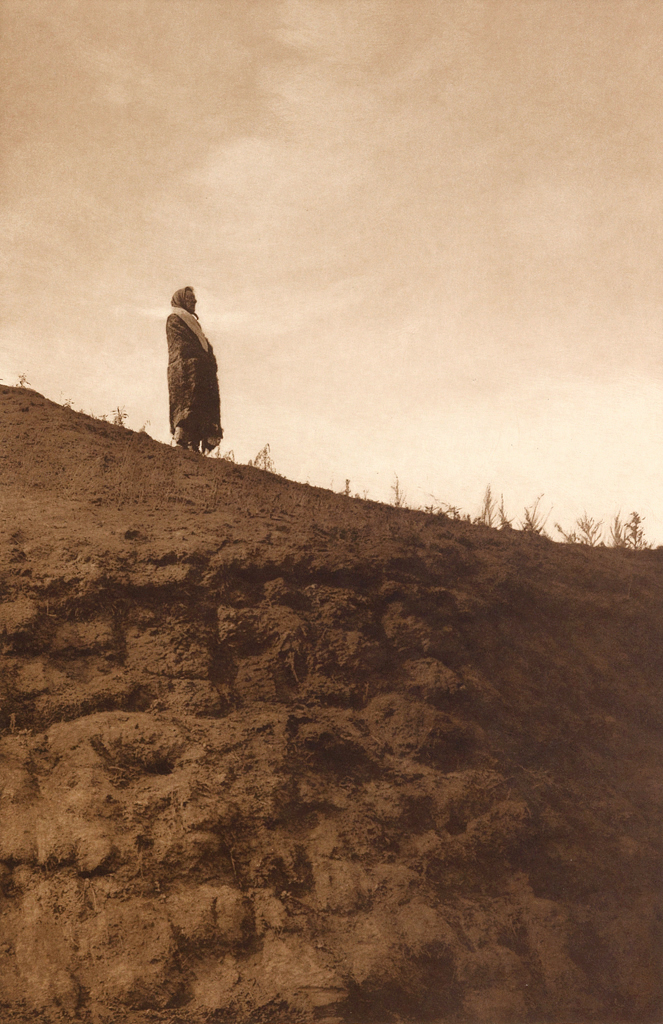
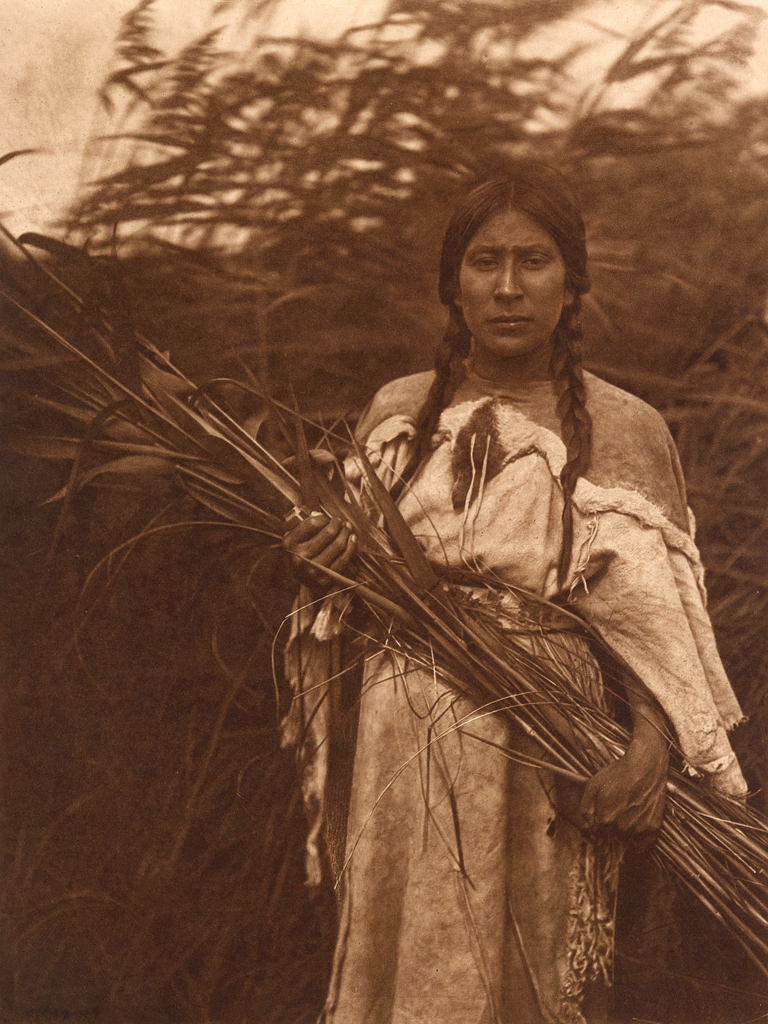
![Edward S. Curtis (American, 1868-1952) '[Arikara medicine ceremony - the Bears]' c. 1908](https://artblart.com/wp-content/uploads/2018/05/edward-s-curtis-1868-1952-the-north-american-indian-portfolio-v-1907-photogravure-on-vellum6-web.jpg "Edward S. Curtis (American, 1868-1952) '[Arikara medicine ceremony - the Bears]' c. 1908")
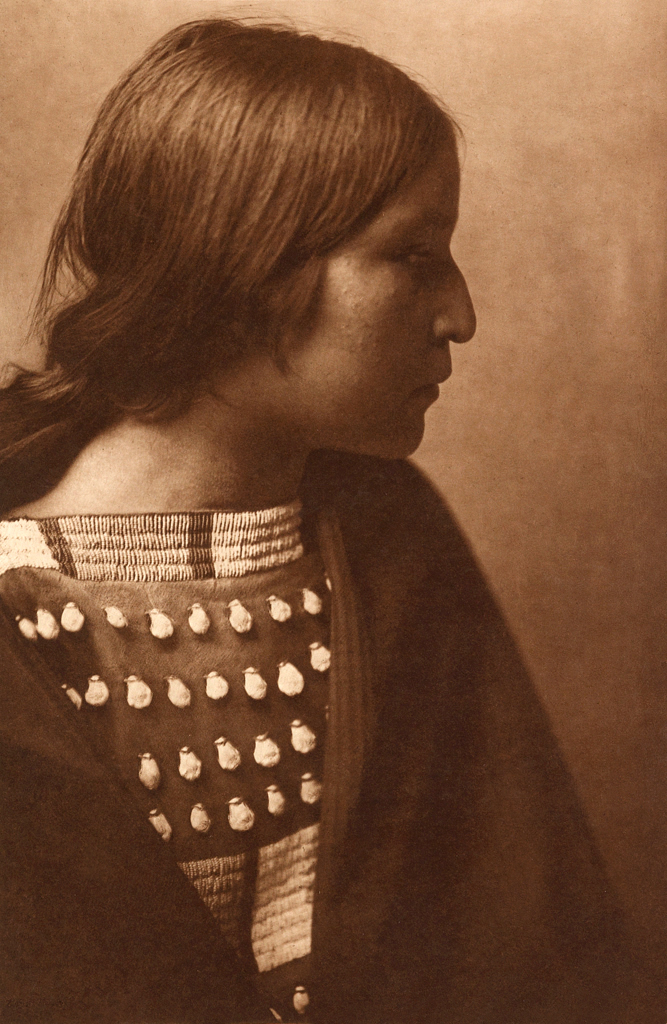
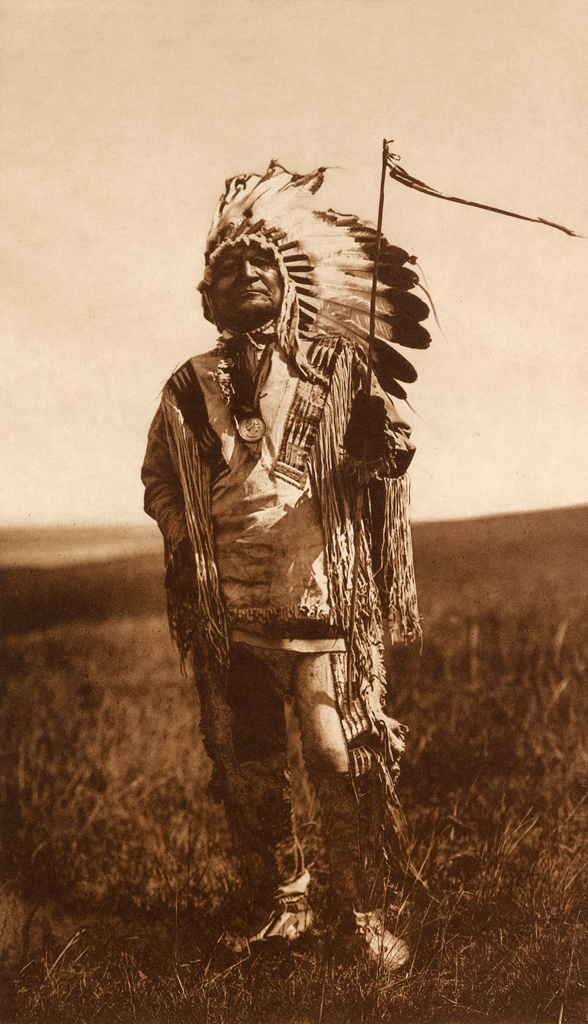
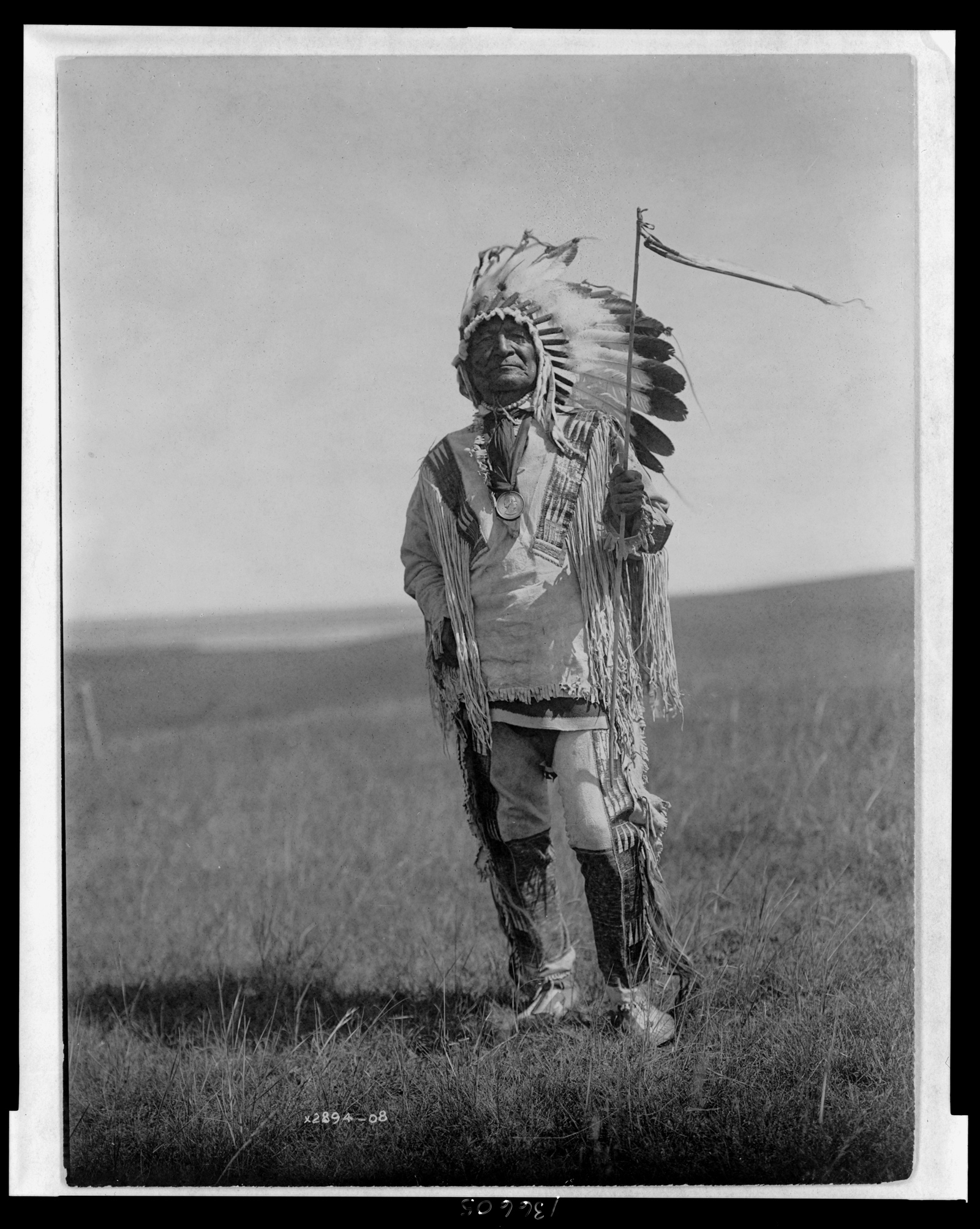
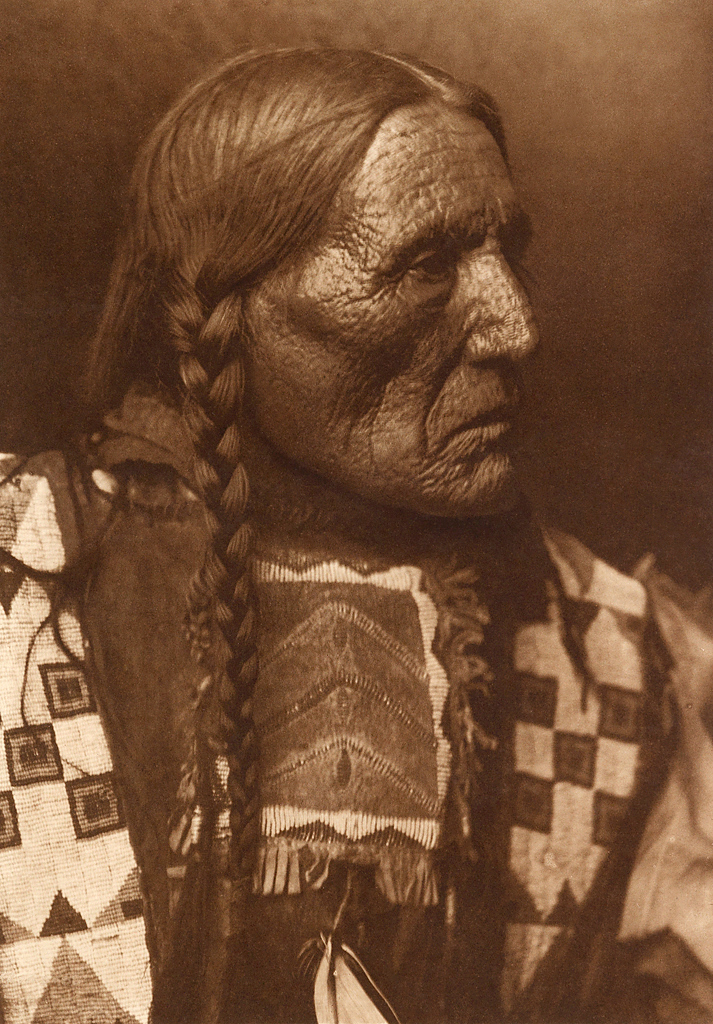
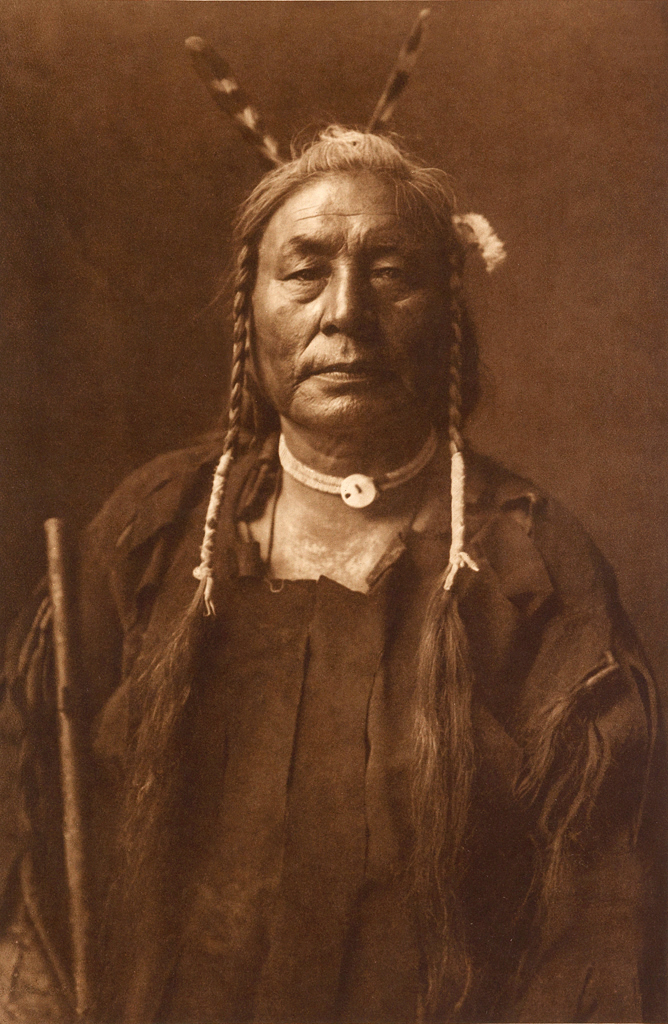
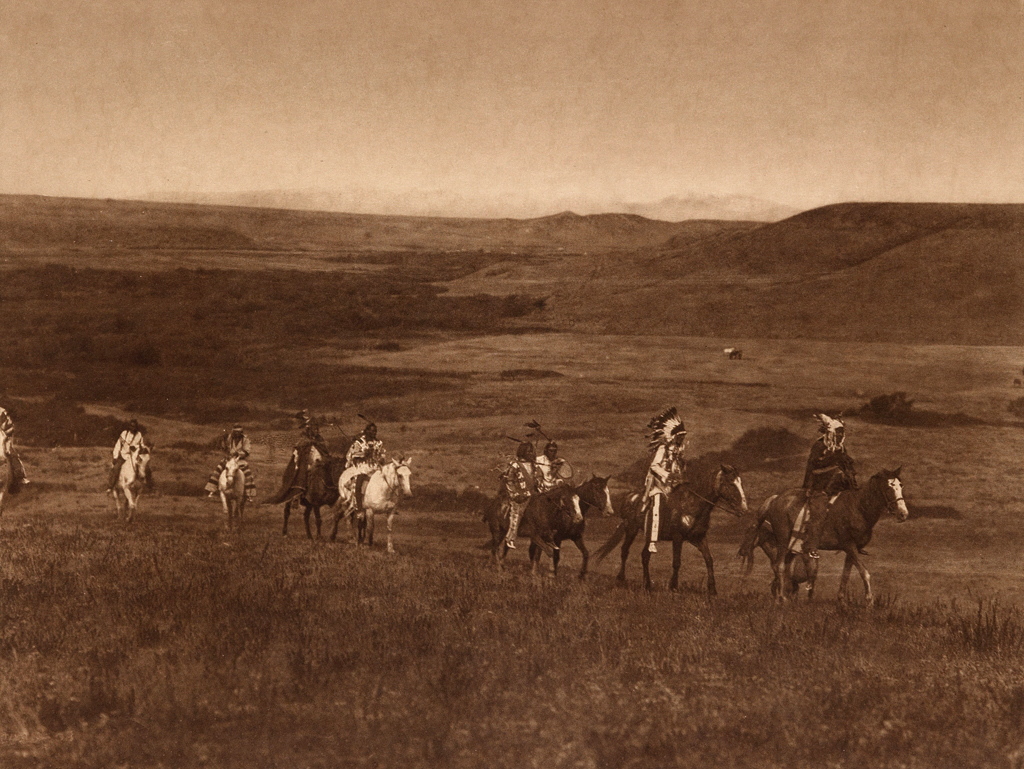
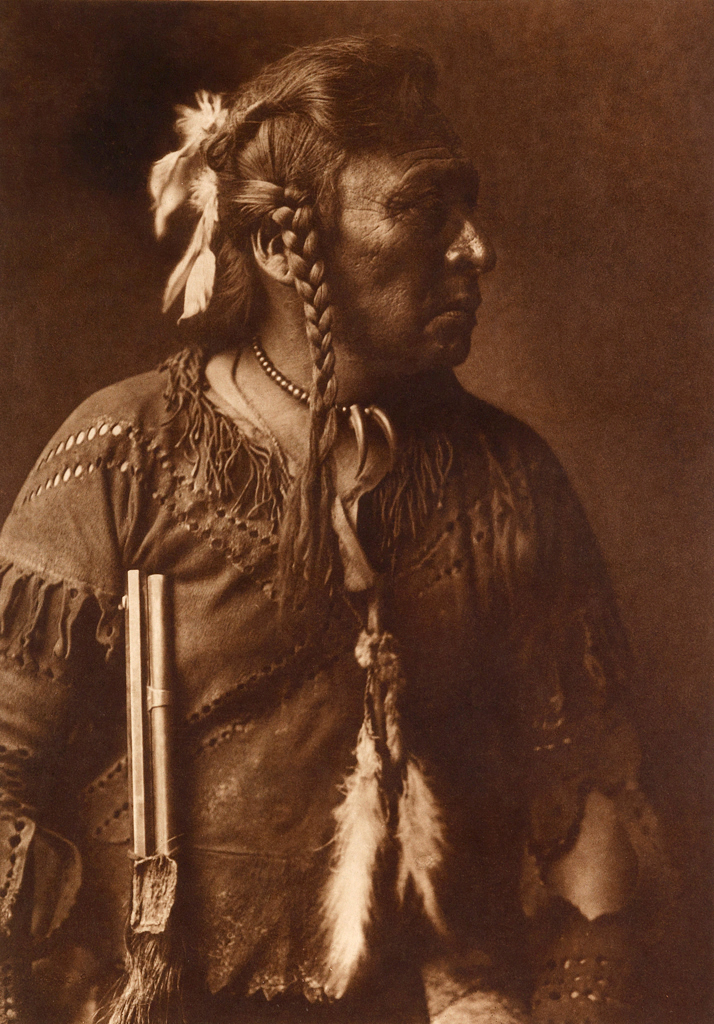
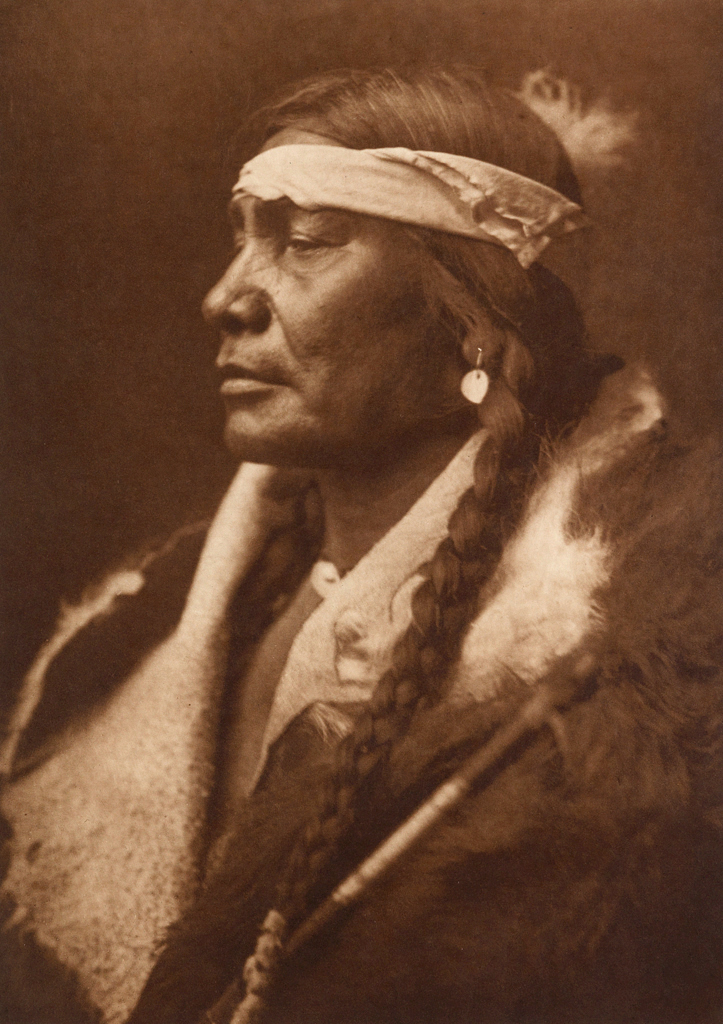
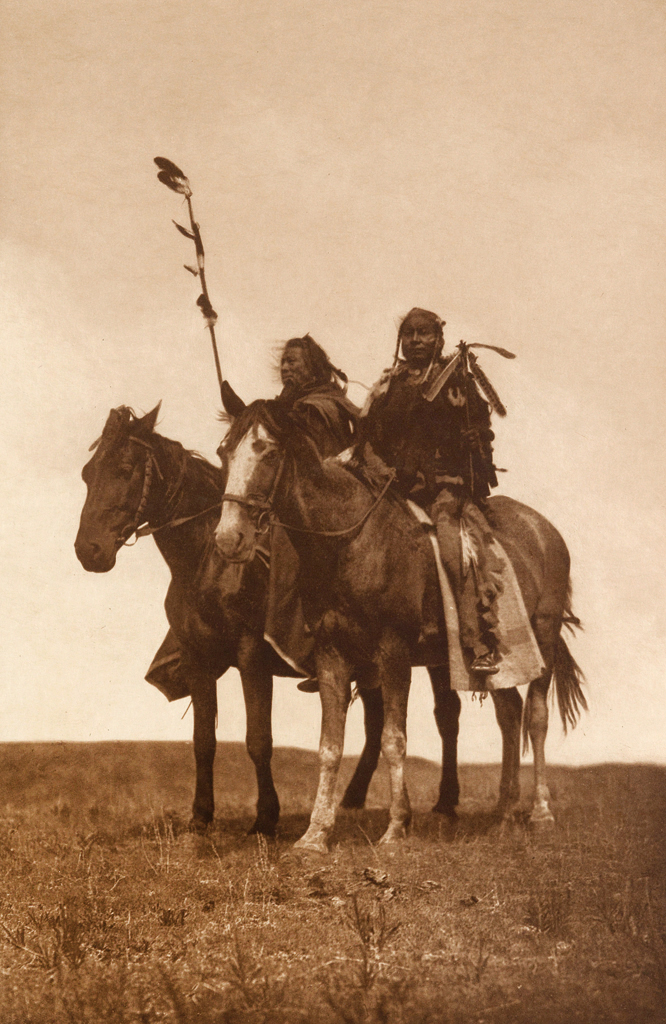
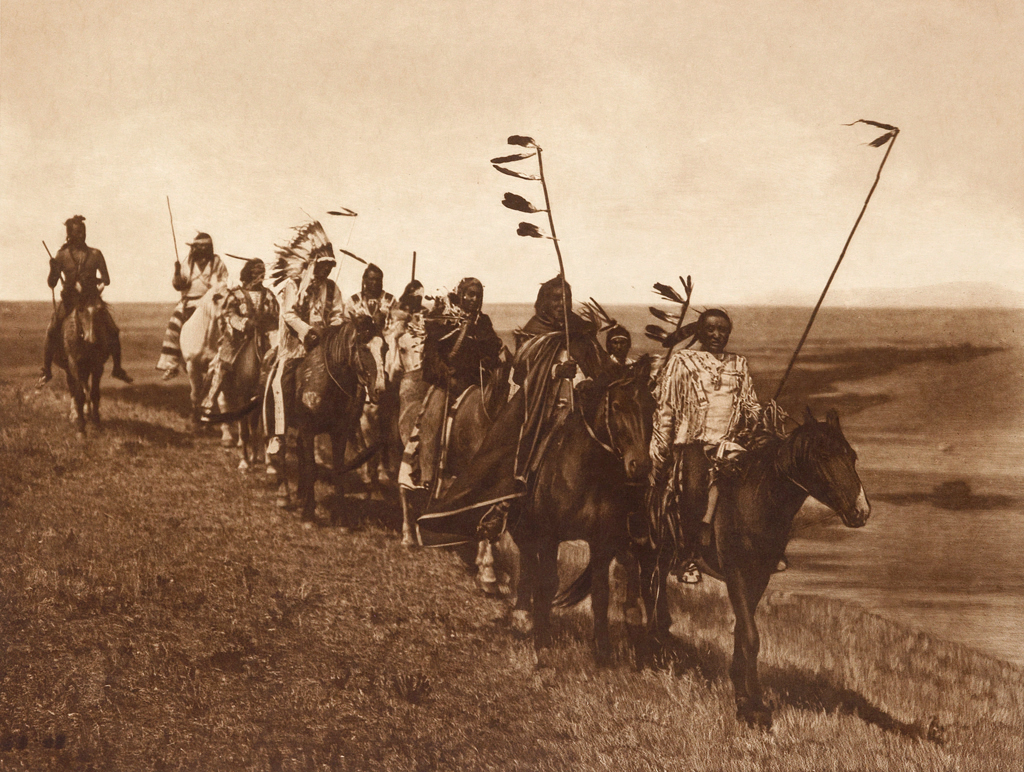
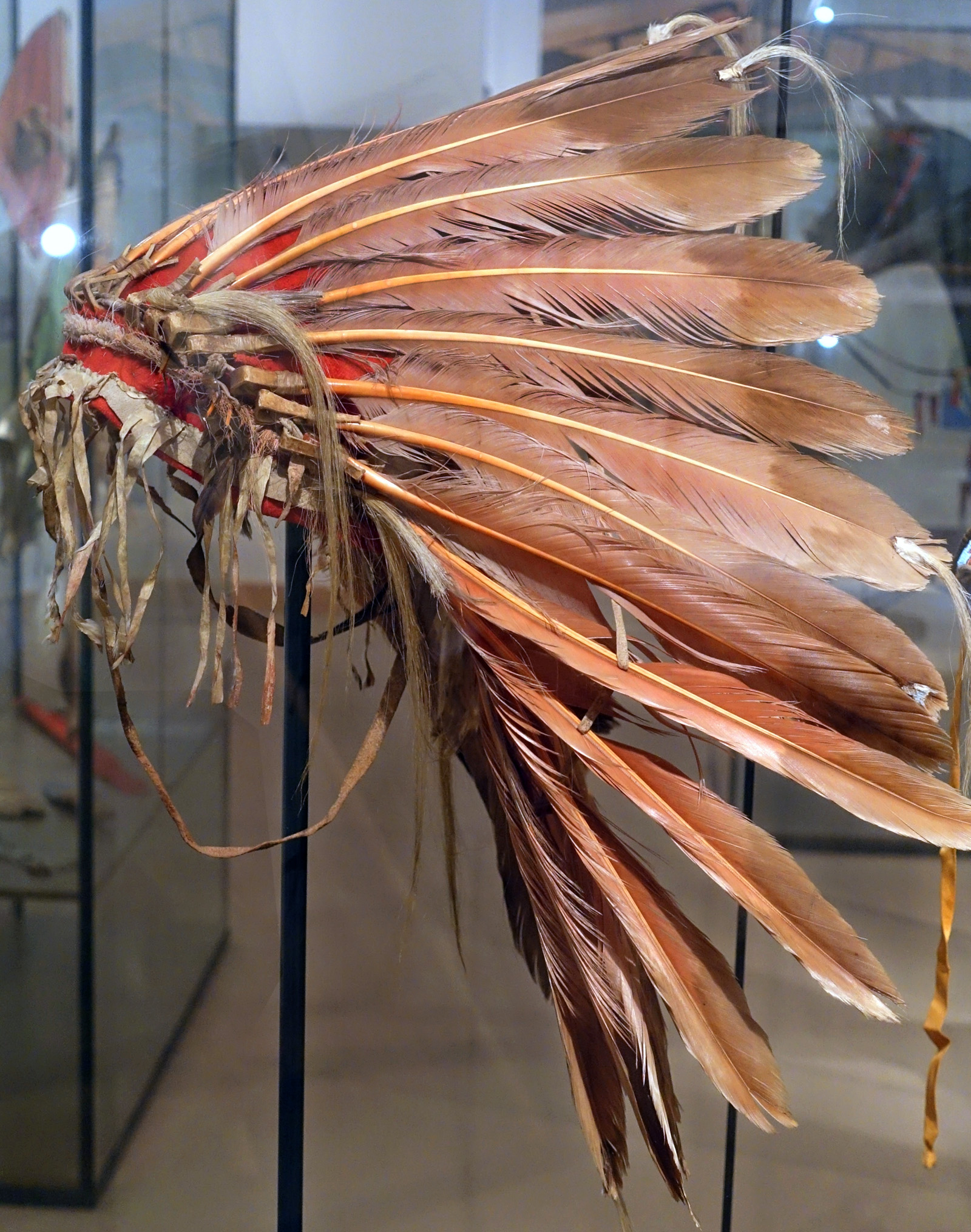
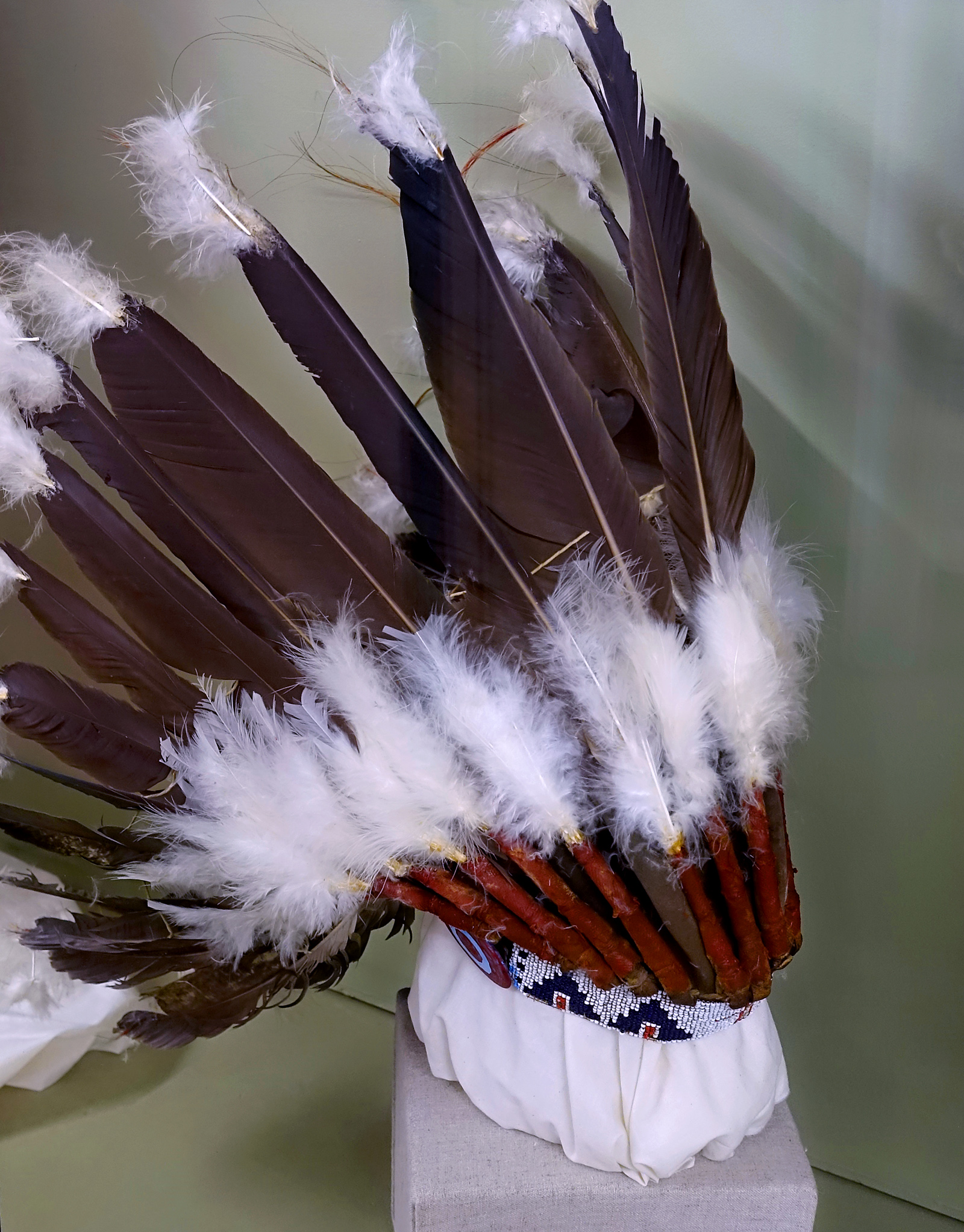
![Edward S. Curtis (American, 1868-1952) '[Atsina Indian, Red Whip, half-length portrait, seated, facing front, wearing feather, beaded buckskin shirt, holding pipe in left hand]' c. 1908](https://artblart.com/wp-content/uploads/2018/05/edward-s-curtis-1868-1952-the-north-american-indian-portfolio-v-1907-photogravure-on-vellum19-web.jpg "Edward S. Curtis (American, 1868-1952) '[Atsina Indian, Red Whip, half-length portrait, seated, facing front, wearing feather, beaded buckskin shirt, holding pipe in left hand]' c. 1908")
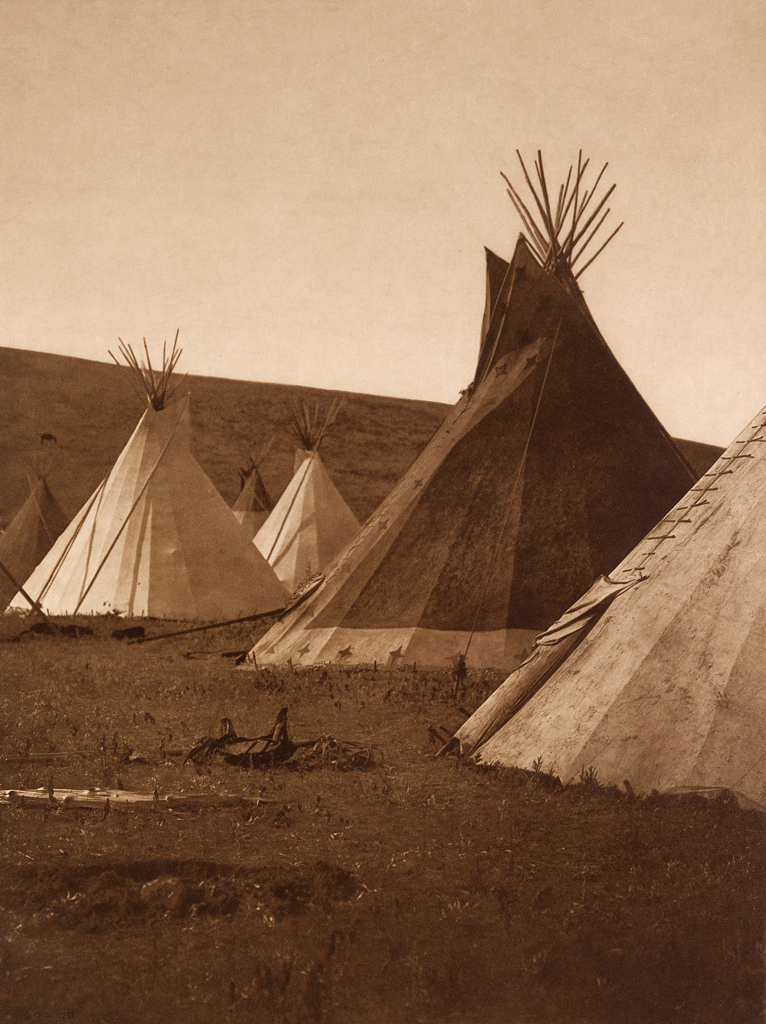
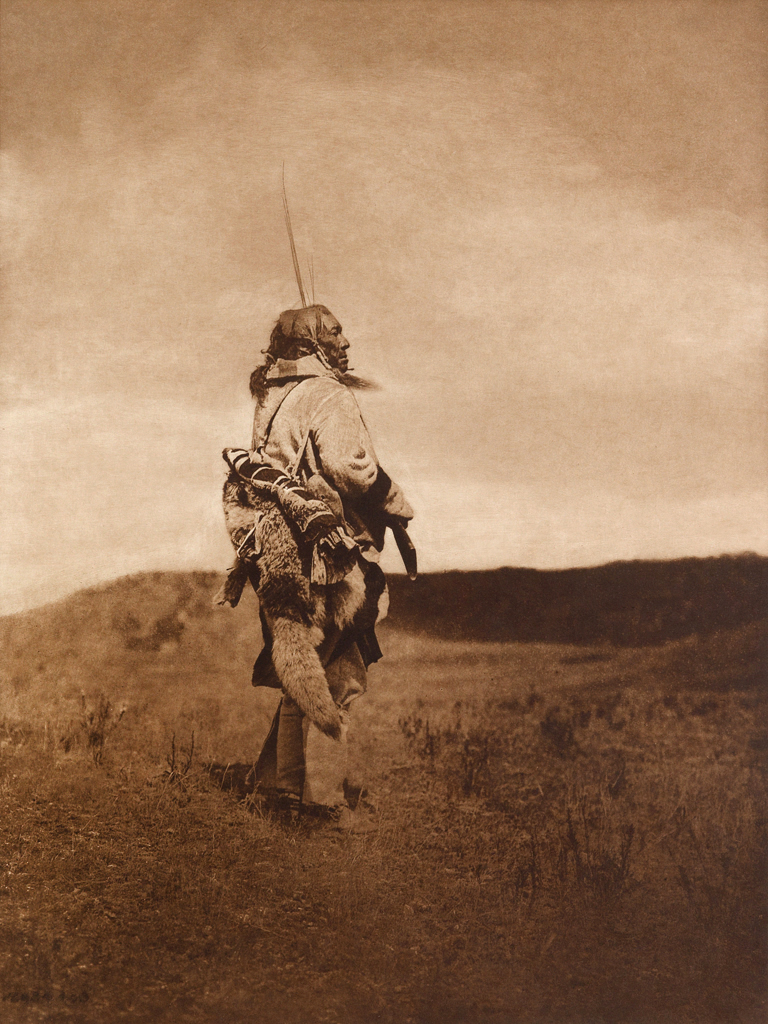
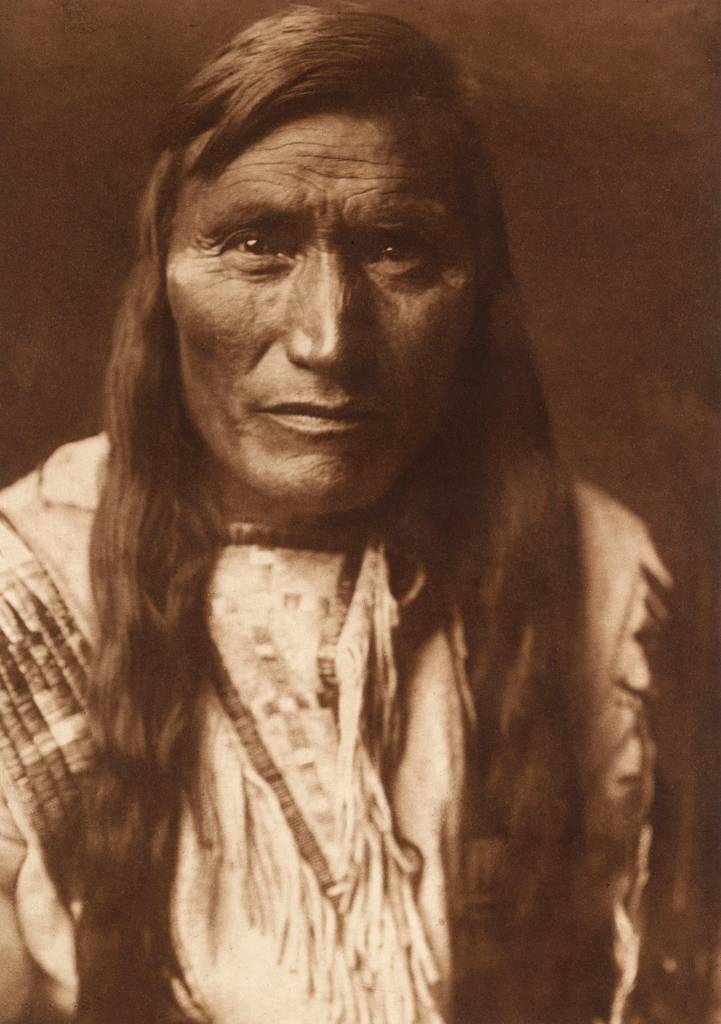
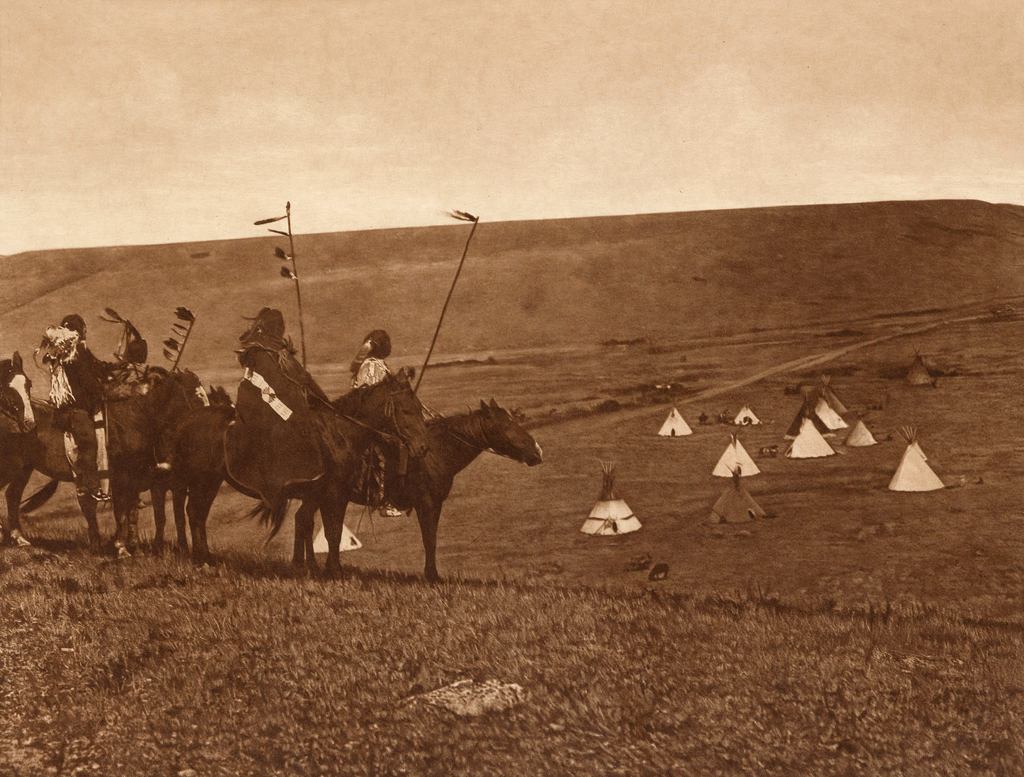
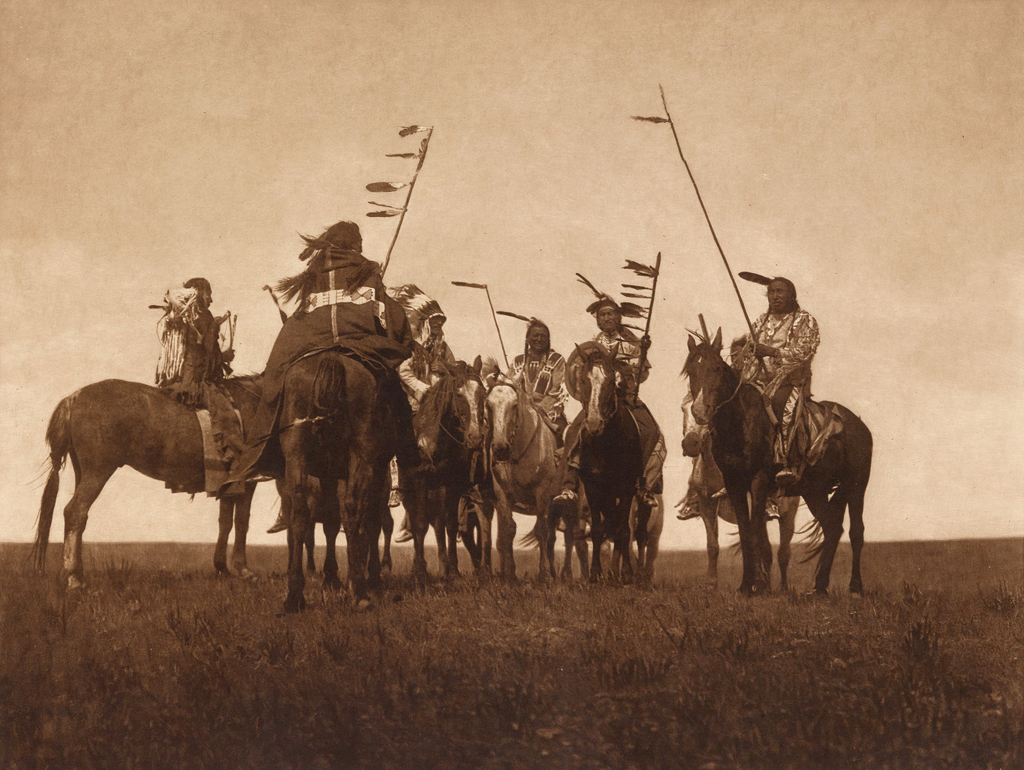
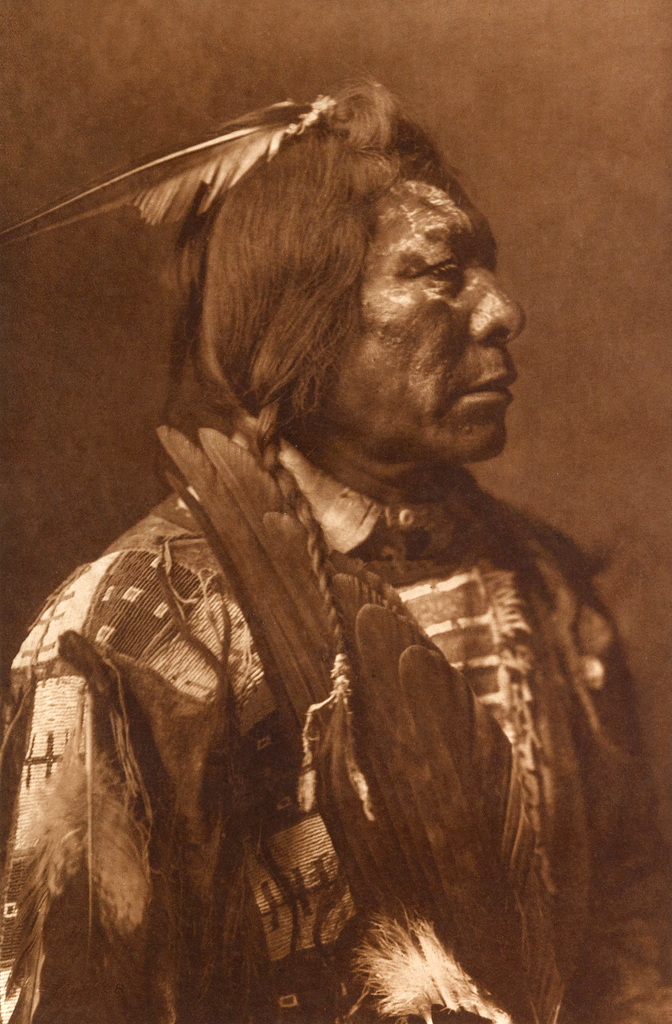


![Installation view of the exhibition 'An Unorthodox Flow of Images' at the Centre for Contemporary Photography (CCP), Melbourne, September - November 2017 showing (7) J. E. Bray's 'Untitled ["McDonnell's Tavern opposite Railway Station, remains of Dan Kelly and Hart in coffins"]' 1880 cabinet card (right) and (8) a photograph by an unknown photographer Hunters of Ned Kelly 1880 (left)](https://artblart.com/wp-content/uploads/2017/10/installation-d-web.jpg "Installation view of the exhibition 'An Unorthodox Flow of Images' at the Centre for Contemporary Photography (CCP), Melbourne, September - November 2017 showing (7) J. E. Bray's 'Untitled [\"McDonnell's Tavern opposite Railway Station, remains of Dan Kelly and Hart in coffins\"]' 1880 cabinet card (right) and (8) a photograph by an unknown photographer Hunters of Ned Kelly 1880 (left)")


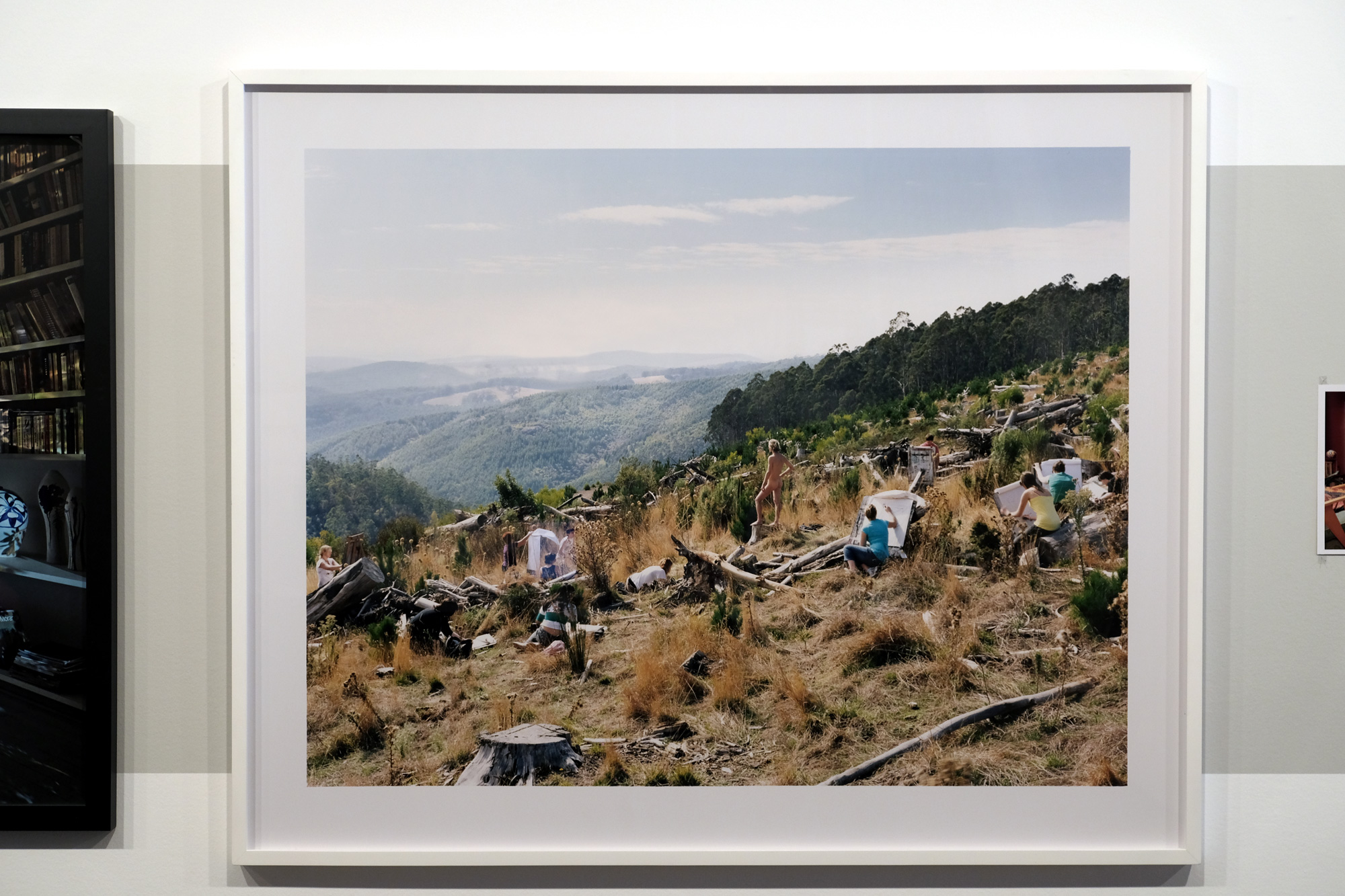


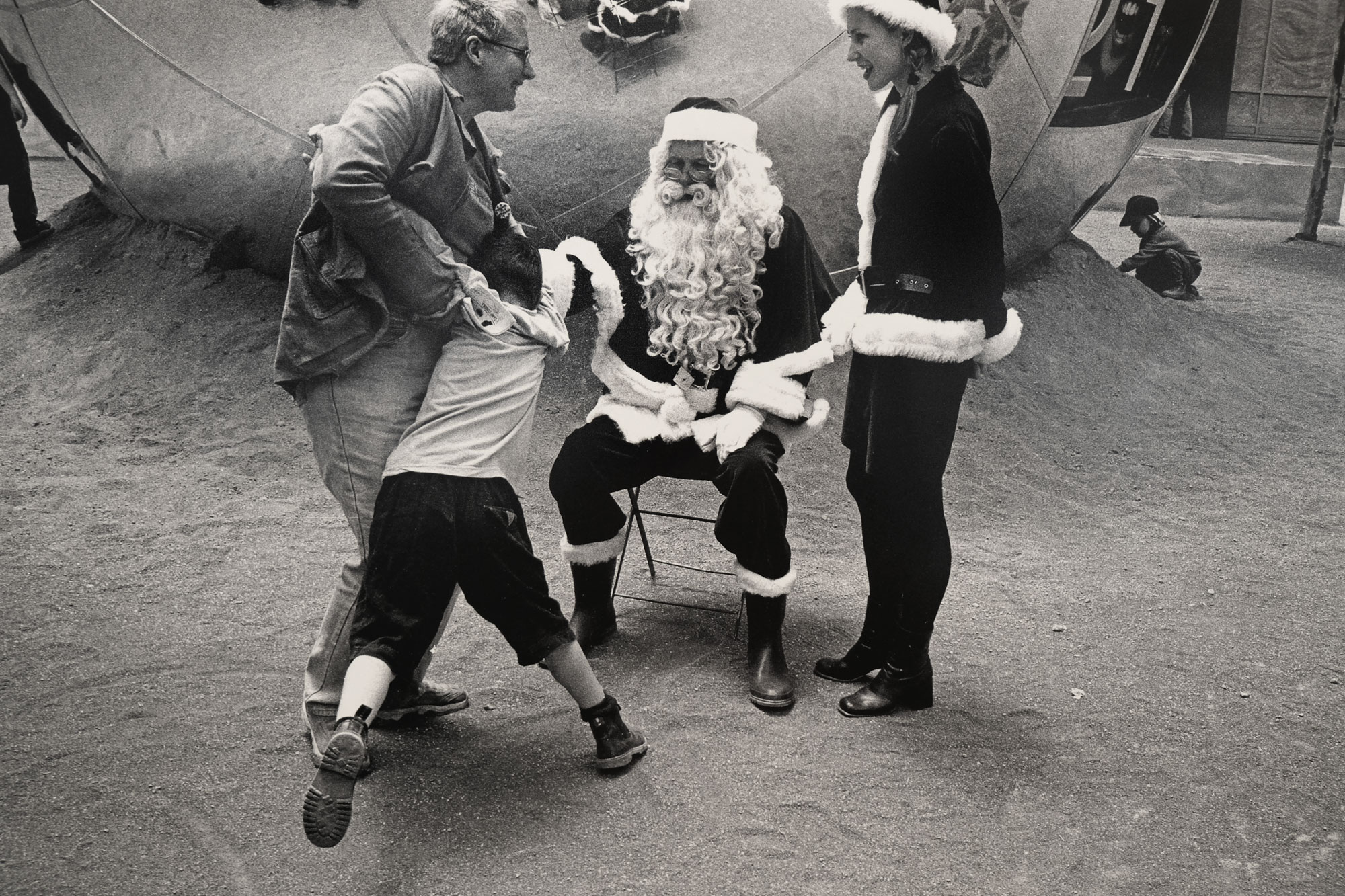
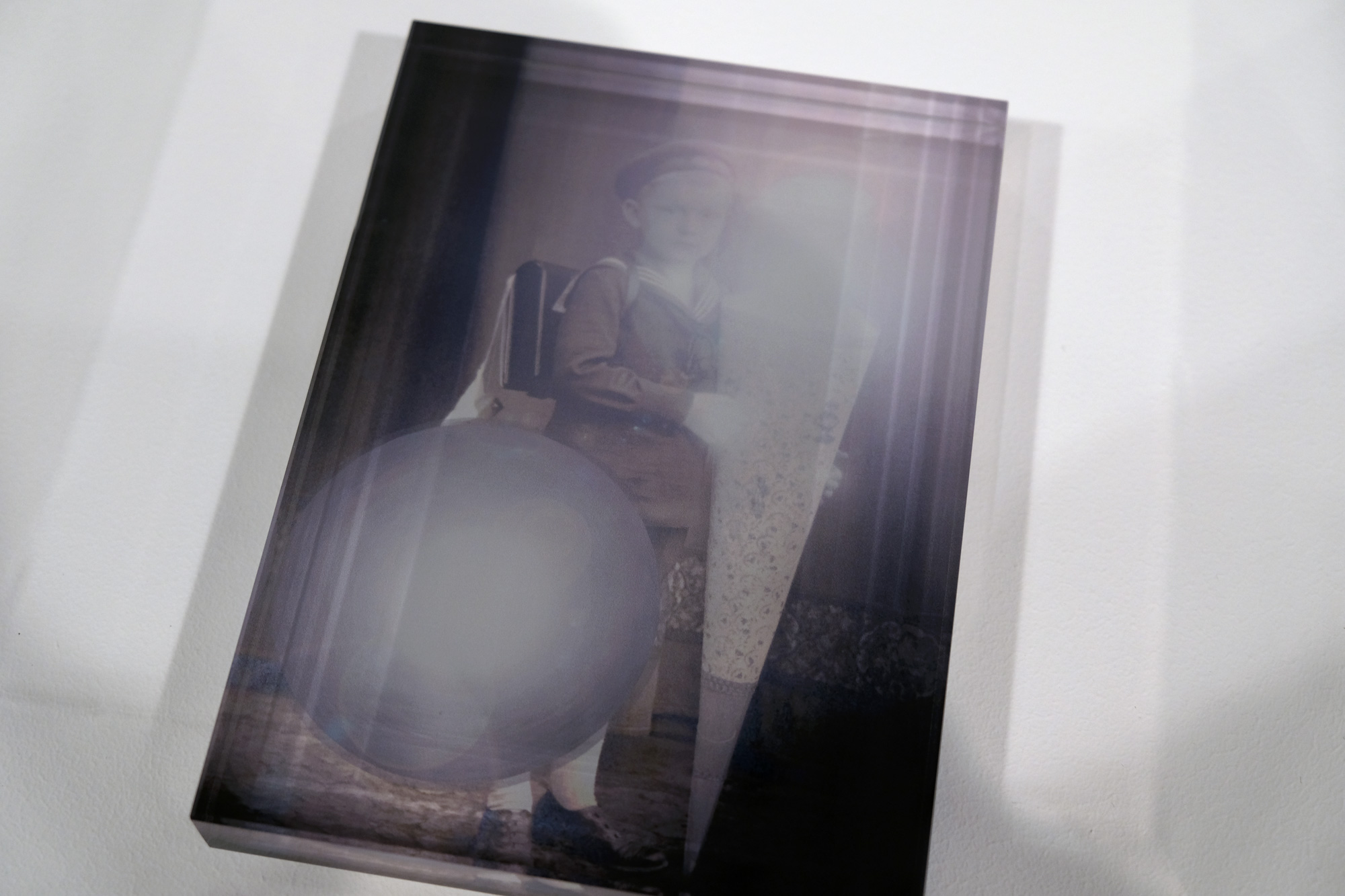


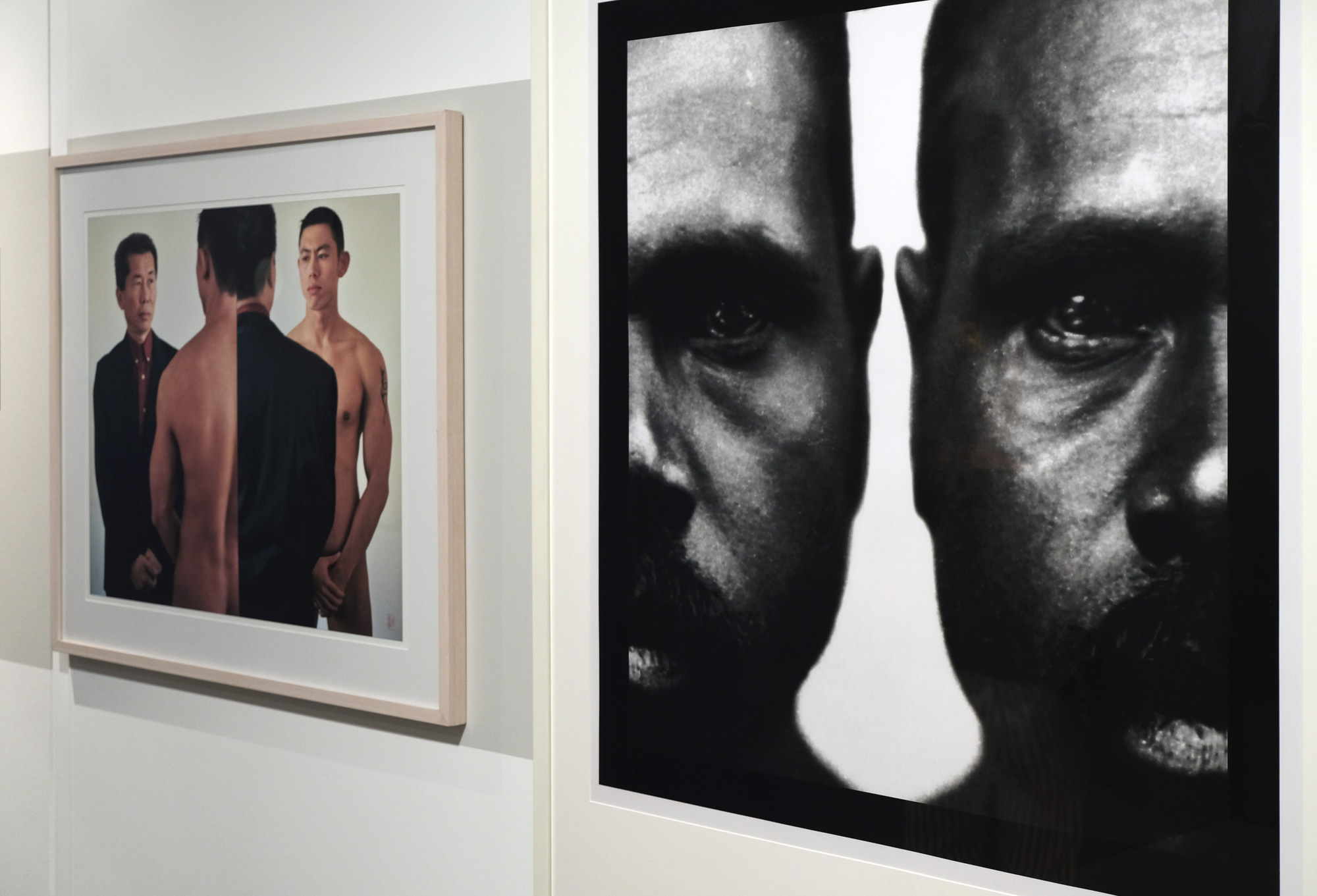


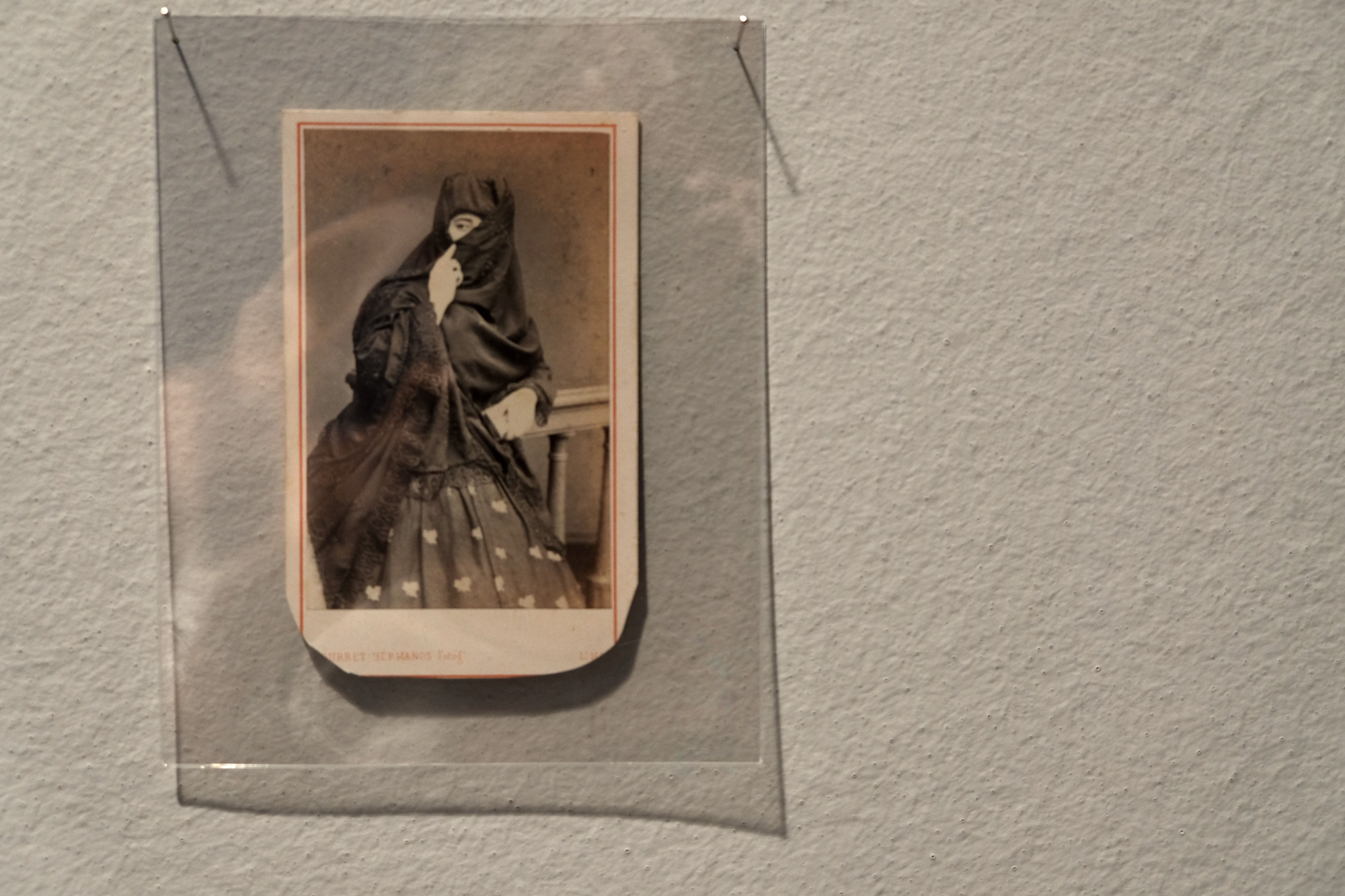


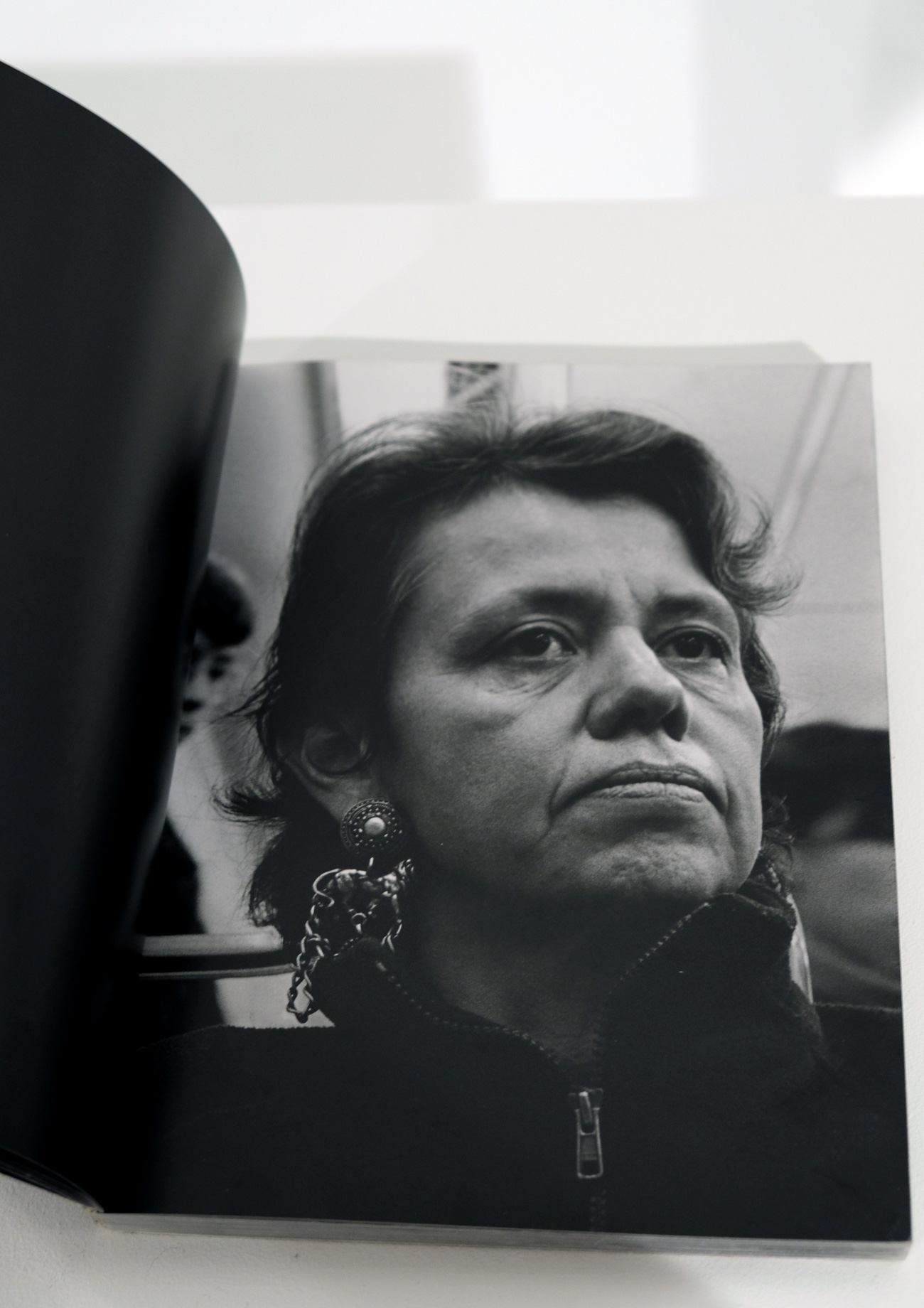


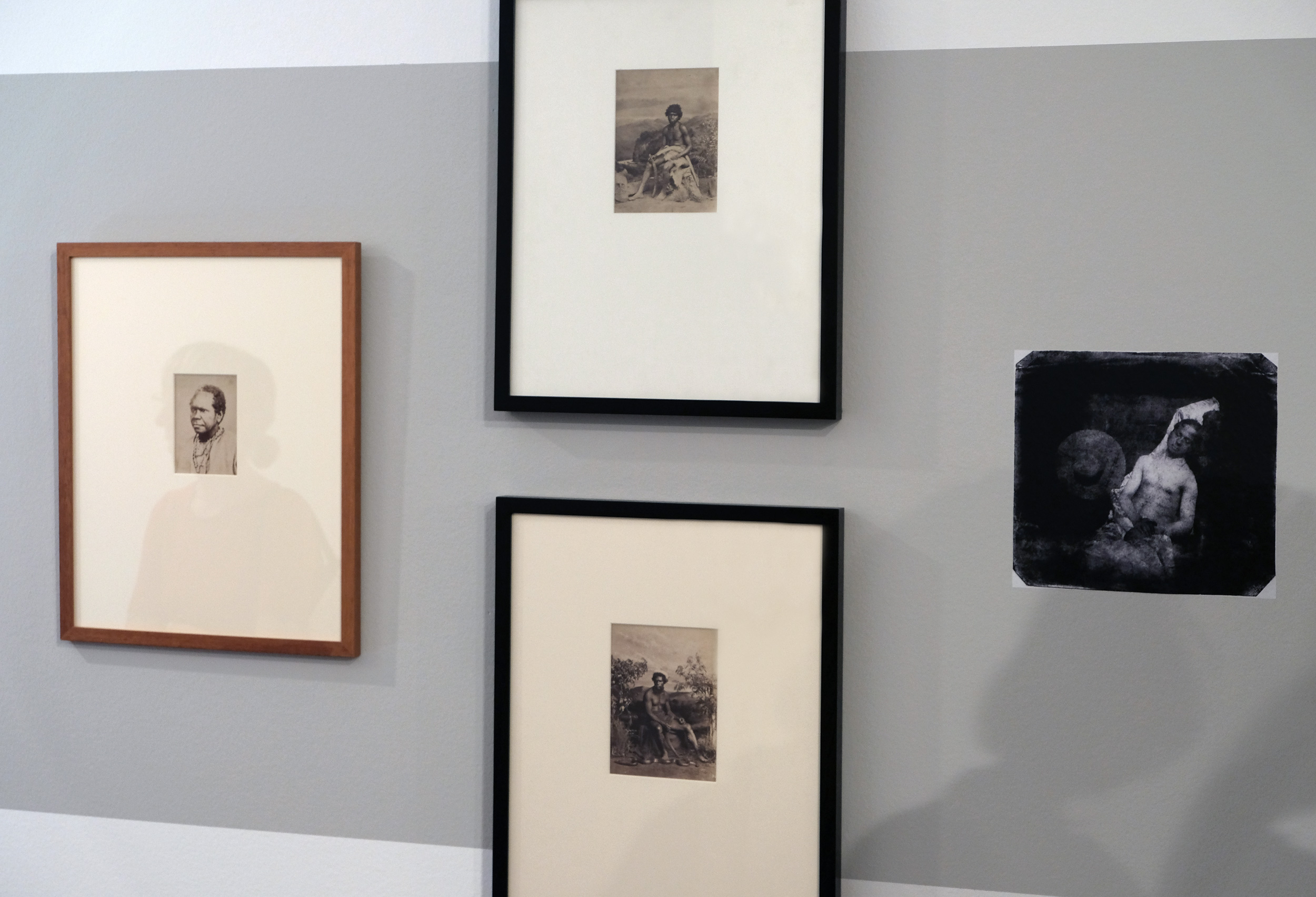


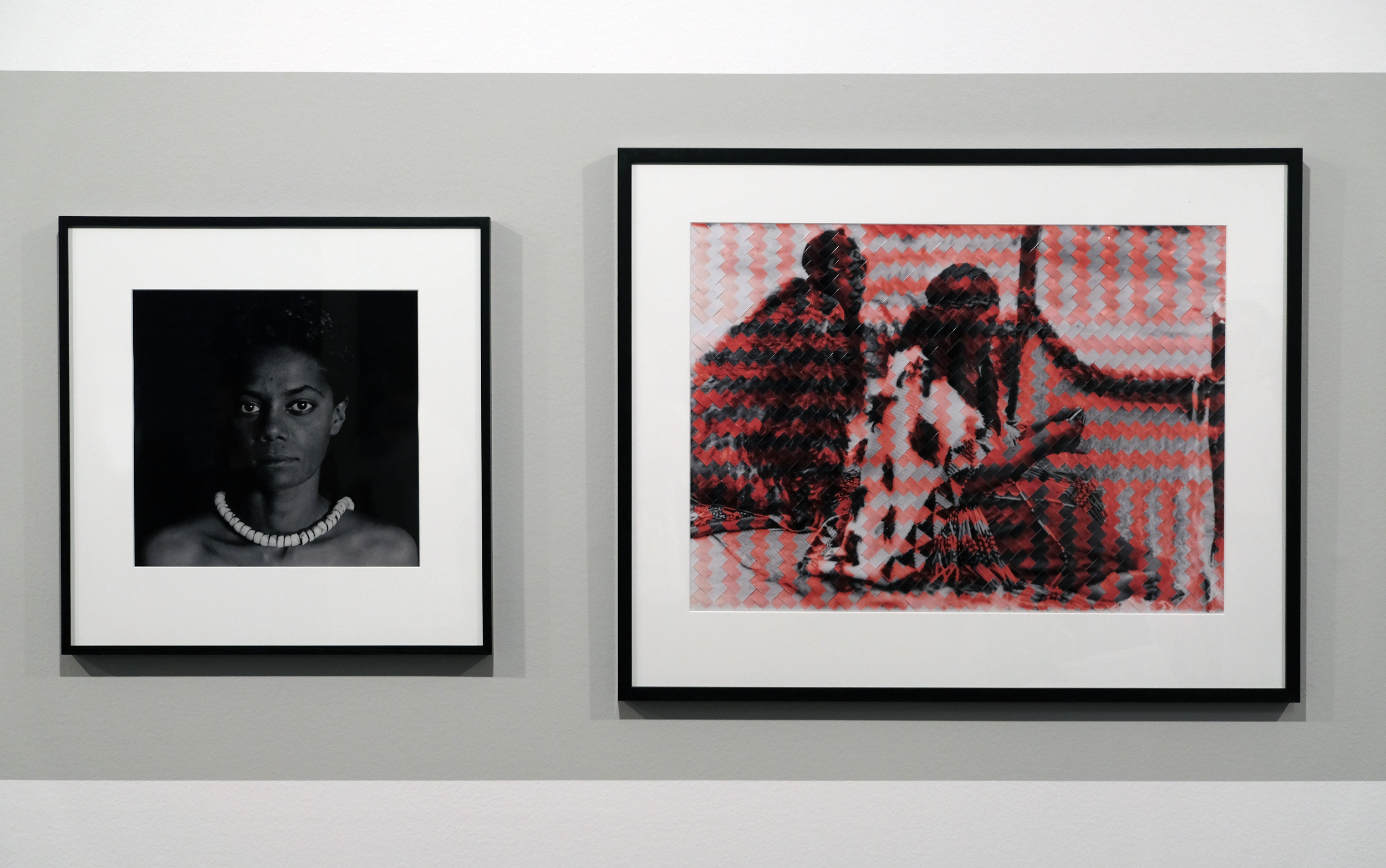


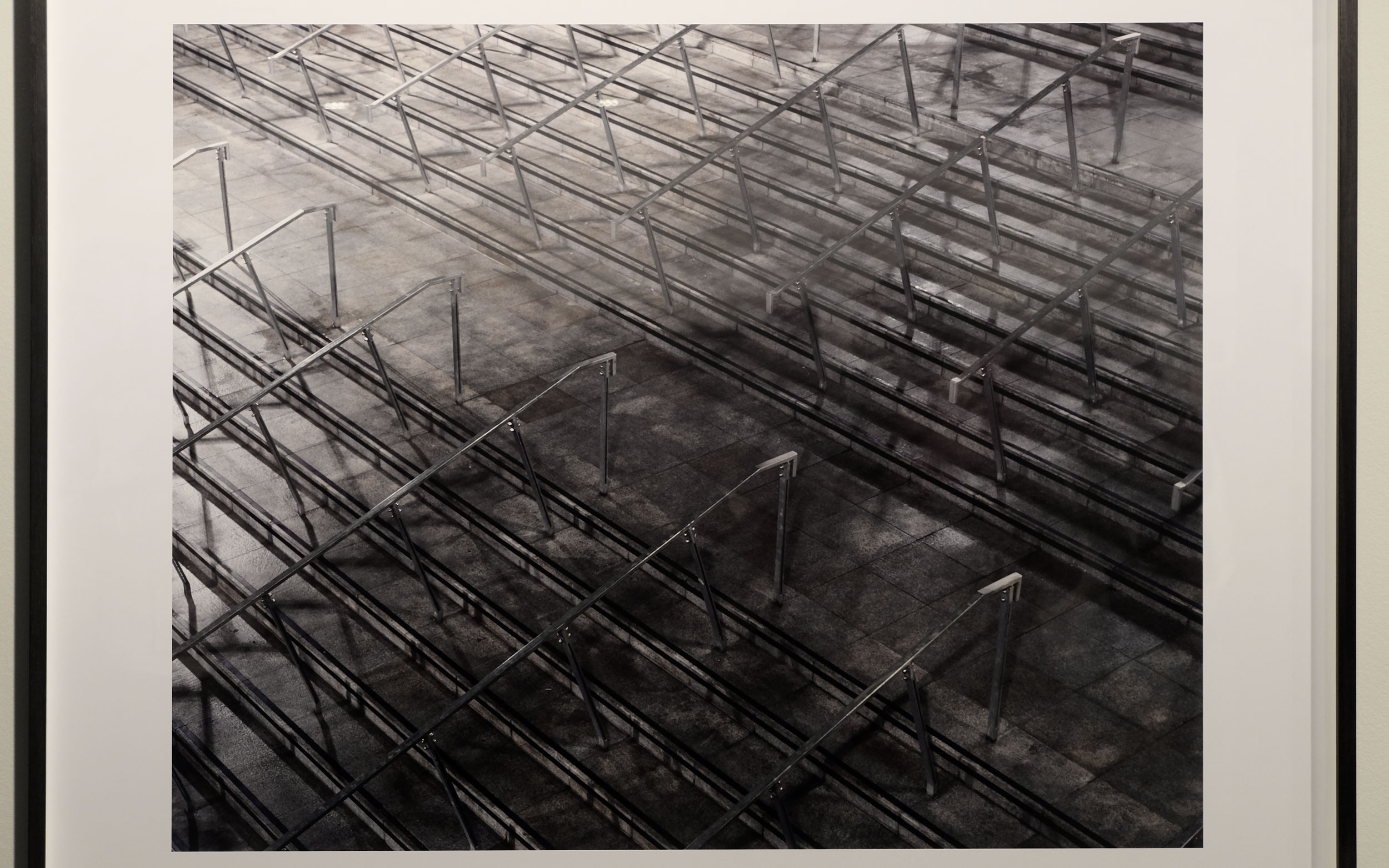
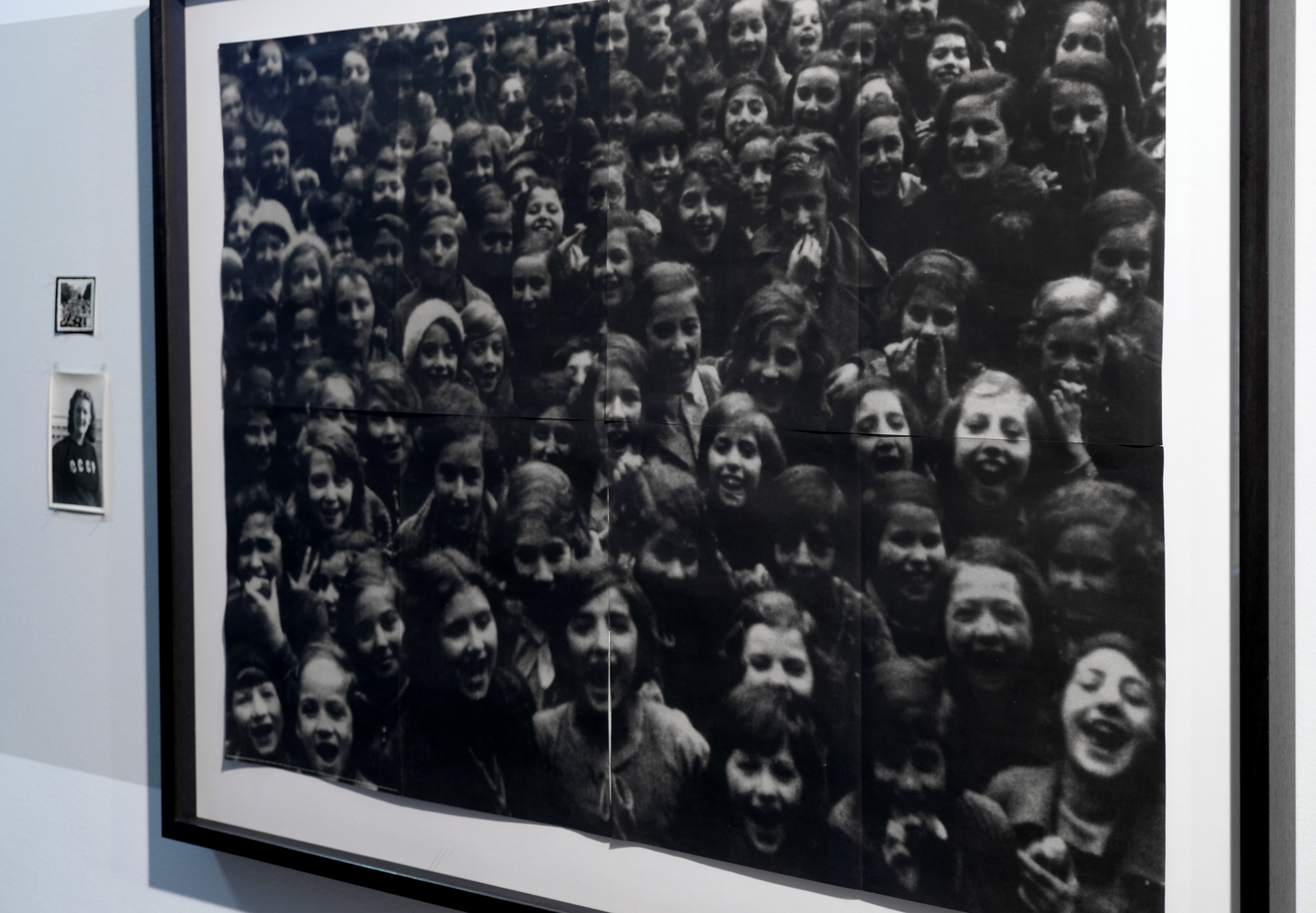



 Art Blart _ art and cultural memory archive
You must be logged in to post a comment.