Australian artist, curator and writer.
Doctor of Philosophy (RMIT University), Melbourne.
Master of Art Curatorship (University of Melbourne), Melbourne.
Master of Arts (RMIT University), Melbourne.
BA (Hons) (RMIT University), Melbourne.
A.R.C.M. (Associate of the Royal College of Music), London.
Many thankx to the Alte Pinakothek for allowing me to reproduce the photographs in the posting. Please click on the photographs for a larger version of the image.
Marcus
Cabinet Frame German, around 1680 Image: Paul Troger, Simeons Lobgesang
Golden frame, Auricle or Lutmarahmen Dutch, around 1660 Image: Caspar Netscher, Shepherd’s Scene
Foliage frame German, around 1639 Image: Anonymous artist
The Bayerische Staatsgemäldesammlungen do not just own vast holdings of framed pictures but also a huge collection of frames. For this exhibition, however, the selection was not made in the frame depot but solely in the painting depot at the Alte Pinakothek. It is only there in the museum’s holdings that the history of collecting frames and pictures can be traced. Some 4000 frames and pictures were sifted through and recorded, from which a selection of 92 frames was made. This exhibition focuses on the art and history of frames from four centuries, encompassing 16th-century case frames to Classicist and Empire style frames. This presentation covers all types of frame, from highly elaborate ones to miniature versions. Of particular note are the Dutch cabinet and Lutma frames, as well as inlaid examples and trophies from the Rococo period.
Artistic highlights in the exhibition are the frames made by Paul Egell (1691-1752), Melchior Hefele (1716-98) and Johann Wolfgang von der Auwera (1708-58). Frames by and after Joseph Effner (1687-1745), François Cuvilliés the Elder (1695-1768), Karl Albrecht von Lespilliez (1723-96) and Leo von Klenze (1784-1864) provide a fulminant conclusion to the exhibition.
Exploring the holdings of the Alte Pinakothek led the curator to impressive exponents of the art of the frame that originally came from the following galleries and cabinets: from the Grune Galerie at the Residenz in Munich, from the castles and palaces of Schleißheim, Nymphenburg, Ansbach, Bayreuth, Mainz, Passau and Wurzburg, and from the collections in Dusseldorf, Mannheim and Zweibrucken.
The picture-framer, Karl Pfefferle, shows the various techniques used in making and gilding frames by looking at selected examples. The exhibition also provides an overview of the history of frames in the Bayerische Staatsgemäldesammlungen which, thanks to the provenance of some of the works, are of particular interest as well as displaying an incredibly variety.
A comprehensive 264-page catalogue accompanies the exhibition and includes a number of contributions on the production of frames, the depiction of frames in paintings and the history of frame collecting in the Bayerische Staatsgemäldesammlungen. An essay by Verena Friedrich provides an insight into the most recent research on the history of frames carried out in Wurzburg.”
Press release from the Alte Pinakothek website [Online] Cited 11/03/2010 no longer available online
Mannerist framework South German, around 1600 Image: Bartholomew Spranger, Lamentation of Christ 1546-1611
Ornamental frame in the style of the Rococo Mannheim, around 1750 Image: Adriaen van der Werff, Nocturnal Children’s Swarm
Rococo style Ansbach, around 1740 Image: Johann Christian Sperling, Margrave Carl Wilhelm Friedrich of Brandenburg-Ansbach as a 13-year-old boy
Alte Pinakothek Barer Straße 27 D-80799 Munich Phone: +49 (0)89 23805 216
Marcus Bunyan (Australian born England, b. 1958) Missing in Action (horizontal kenosis) No.4 2010 Digital photograph
Missing in Action (horizontal kenosis)
A body of work, Missing in Action (horizontal kenosis) (2010) is now online on my website.
There are nineteen images in the series which can be viewed as a sequence, rising and falling like a piece of music.
Below are a selection of images from the series.
Marcus
Photographs are available from this series for purchase. As a guide, a digital colour 16″ x 20″ costs $1000 plus tracked and insured shipping. For more information please see my Store web page.
Kenosis
“In Christian theology, Kenosis is the concept of the ‘self-emptying’ of one’s own will and becoming entirely receptive to God and his perfect will.”
Marcus Bunyan (Australian born England, b. 1958) Missing in Action (horizontal kenosis) No.5 2010 Digital photograph
Marcus Bunyan (Australian born England, b. 1958) Missing in Action (horizontal kenosis) No.6 2010 Digital photograph
Marcus Bunyan (Australian born England, b. 1958) Missing in Action (horizontal kenosis) No.8 2010 Digital photograph
Marcus Bunyan (Australian born England, b. 1958) Missing in Action (horizontal kenosis) No.9 2010 Digital photograph
Marcus Bunyan (Australian born England, b. 1958) Missing in Action (horizontal kenosis) No.16 2010 Digital photograph
Marcus Bunyan (Australian born England, b. 1958) Missing in Action (horizontal kenosis) No.17 2010 Digital photograph
Exhibition dates: November 20th 2009 – March 14th, 2010
Many thankx to Marie Skov and Martin-Gropius-Bau for allowing me to reproduce the photographs in this posting. Please click on the photographs for a larger version of the image.
Marcus
F.C. Gundlach (German, 1926-2021) The Whole Day on the Beach Gizeh/Egypt 1966 in Brigitte, Issue 8/1966
F. C. Gundlach
F. C. Gundlach (Franz Christian Gundlach; 16 July 1926 – 23 July 2021) was a German photographer, gallery owner, collector, curator und founder. In 2000 he created the F.C. Gundlach Foundation, since 2003 he has been founding director of the House of Photography – Deichtorhallen Hamburg.
His fashion photographs of the 1950s, 1960s and 1970s, which in many cases integrated social phenomena and current trends in the visual arts, have left their context of origin behind and found their way into museums and collections. Since 1975 he also curated many internationally renowned photographic exhibitions. On the occasion of the reopening of the House of Photography in April 2005, he curated the retrospective of the Hungarian photographer Martin Munkácsi. Here, the exhibitions A Clear Vision, The Heartbeat of Fashion and Maloney, Meyerowitz, Shore, Sternfeld. New Color Photography of the 1970s from his collection were presented since 2003. Most recently he curated the exhibitions More Than Fashion for the Moscow House of Photography and Vanity for the Kunsthalle Wien 2011.
F.C. Gundlach (German, 1926-2021) Erich von Stroheim during the shooting of “Alraune”, Munich 1952 Gelatin silver print
The Bloody Pit of Horror: Alraune (1952) film poster
Erich von Stroheim
Erich Oswald Hans Carl Maria von Stroheim (born Erich Oswald Stroheim; September 22, 1885 – May 12, 1957) was an Austrian-American director, actor and producer, most noted as a film star and avant garde, visionary director of the silent era. His masterpiece adaptation of Frank Norris’s McTeague titled Greed is considered one of the finest and most important films ever made. After clashes with Hollywood studio bosses over budget and workers’ rights issues, von Stroheim was banned for life as a director and subsequently became a well-respected character actor, particularly in French cinema. For his early innovations as a director, von Stroheim is still celebrated as one of the first of the auteur directors. He helped introduce more sophisticated plots and noirish sexual and psychological undercurrents into cinema. He died in 1957 in France of prostate cancer at the age of 71. Beloved by Parisian neo-Surrealists known as Letterists, he was honoured by Letterist Maurice Lemaitre with a 70-minute 1979 film entitled “Erich von Stroheim.”
Alraune is a 1952 West German science fiction directed by Arthur Maria Rabenalt and starring Hildegard Knef and Erich von Stroheim. The film involves a scientist (von Stroheim), who creates a woman who is beautiful and yet soulless, lacking any sense of morality.
F.C. Gundlach (German, 1926-2021) Cary Grant. A Star goes to the Ball Berlin 1960 in Film und Frau, Issue 16/1960 Gelatin silver print
Jean-Luc Godard (born 3 December 1930) is a French-Swiss film director, screenwriter and film critic. He rose to prominence as a pioneer of the 1960s French New Wave film movement.
Like his New Wave contemporaries, Godard criticised mainstream French cinema’s “Tradition of Quality”, which “emphasised craft over innovation, privileged established directors over new directors, and preferred the great works of the past to experimentation.” As a result of such argument, he and like-minded critics started to make their own films. Many of Godard’s films challenge the conventions of traditional Hollywood in addition to French cinema. In 1964, Godard described his and his colleagues’ impact: “We barged into the cinema like cavemen into the Versailles of Louis XV.” He is often considered the most radical French filmmaker of the 1960s and 1970s; his approach in film conventions, politics and philosophies made him arguably the most influential director of the French New Wave. Along with showing knowledge of film history through homages and references, several of his films expressed his political views; he was an avid reader of existential and Marxist philosophy. Since the New Wave, his politics have been much less radical and his recent films are about representation and human conflict from a humanist, and a Marxist perspective.
In a 2002 Sight & Sound poll, Godard ranked third in the critics’ top-ten directors of all time (which was put together by assembling the directors of the individual films for which the critics voted). He is said to have “created one of the largest bodies of critical analysis of any filmmaker since the mid-twentieth century.” He and his work have been central to narrative theory and have “challenged both commercial narrative cinema norms and film criticism’s vocabulary.” In 2010, Godard was awarded an Academy Honorary Award, but did not attend the award ceremony. Godard’s films have inspired many directors including Martin Scorsese, Quentin Tarantino, Brian De Palma, Steven Soderbergh, D. A. Pennebaker, Robert Altman, Jim Jarmusch, Wong Kar-wai, Wim Wenders, Bernardo Bertolucci, and Pier Paolo Pasolini.
Charlotte Rohrbach (German, 1902-1981) F. C. Gundlach photographing for German magazine Film und Frau (Film and Woman) in Berlin 1955, model Grit Hübscher, stole by Staebe-Seger 1955 Gelatin silver print
F.C. Gundlach (German, 1926-2021) Grit Hübscher. White atlas coat by Sinaida Rudow Berlin 1954
F.C. Gundlach (German, 1926-2021) Berlinale. Elsa Maxwell and Gina Lollobrigida, film ball in the Palais am Funkturm, X Berlinale 1960 in Film und Frau, Issue 16/1960 Gelatin silver print
Elsa Maxwell
Elsa Maxwell (May 24, 1883 – November 1, 1963) was an American gossip columnist and author, songwriter, and professional hostess renowned for her parties for royalty and high society figures of her day.
Maxwell is credited with the introduction of the scavenger hunt and treasure hunt for use as party games in the modern era. Her radio program, Elsa Maxwell’s Party Line, began in 1942; she also wrote a syndicated gossip column. She appeared as herself in the films Stage Door Canteen (1943) and Rhapsody in Blue (1945), as well as co-starring in the film Hotel for Women (1939), for which she wrote the screenplay and a song.
Gina Lollobrigida
Luigina “Gina” Lollobrigida (born 4 July 1927) is an Italian actress, photojournalist and sculptor. She was one of the highest profile European actresses of the 1950s and early 1960s, a period in which she was an international sex symbol. As her film career slowed, she established second careers as a photojournalist and sculptor. In the 1970s, she achieved a scoop by gaining access to Fidel Castro for an exclusive interview.
She has continued as an active supporter of Italian and Italian American causes, particularly the National Italian American Foundation (NIAF). In 2008, she received the NIAF Lifetime Achievement Award at the Foundation’s Anniversary Gala. In 2013, she sold her jewellery collection, and donated the nearly $5 million from the sale to benefit stem cell therapy research.
Texts from the Wikipedia website
F.C. Gundlach (German, 1926-2021) Op Art Silhouette. Jersey coat by Lend Paris 1966 in Brigitte, Issue 4/1966 Gelatin silver print
From November 2009 the Martin-Gropius-Bau presents the definitive retrospective of F.C. Gundlach’s extensive photographic work with the exhibition F.C. Gundlach – Photographic Work. F.C. Gundlach is one of the most famous fashion photographers worked for the most important magazines and publications from the middle of the 1950’s to 1990. Among other many famous pictures the most comprehensive presentation of F.C. Gundlach’s work shows many fameless facets of F.C. Gundlach’s work to date. After years of research, the curators Klaus Honnef, Hans-Michael Koetzle, Sebastian Lux and Ulrich Rüter present for the first time numerous unknown images as vintage prints alongside F.C. Gundlach’s famous photo icons.
The intention of the exhibition is to present the unique aesthetics of F.C. Gundlach’s photography, his roots in photojournalism, his focus on series and sequences, his narrative approach. Furthermore, the exhibition alludes to social and cultural issues over several decades.
The exhibition includes the experimental photography of his early years, especially those from Paris during the 1950’s, his remarkable portraits of German and international movie stars and film-directors as well as F.C. Gundlach’s early photo reportages and photographs of children.
For the first time, F.C. Gundlach’s work for magazines is presented on a larger scale. Magazine covers and a comprehensive collection of double-page spreads show his photographs within the magazines’ context, especially in Film und Frau (1951-1965) and Brigitte (1963-1986). Among photographs, title pages and a comprehensive selection of double pages of his pictures will be shown in context of the magazines. The exhibition illustrates that Gundlach has always been open to technical innovations in photography (35mm cameras, flash or colour photography).
His fashion productions took him both to Paris and New York and to Egypt and Morocco. This multiple printed photographs were been to special motifs in his work. F.C. Gundlach’s impressive travel reportages occurred amongst others in Argentina, Brazil, Peru, Japan, Cambodia, Thailand, Vietnam and will be present in Berlin the first time. Original documents of his vita illustrate the life of the photographer. Moreover, the show illustrates the internationalisation of his work due to extensive traveling. Documents and archival material give a brief outline of the artist’s life and work.
F.C. Gundlach himself has commented his functioning in a 60 min. interview-film, which was exclusively produced for the exhibition by filmmaker Reiner Holzemer. The exhibition presents: a life’s work of photography between documentary representation and staged artificiality, between practical and experimental photography.
F.C. Gundlach, born in 1926 in Heinebach (Hesse), is considered the most significant fashion photographer of the young Federal Republic of Germany. For more than four decades of fashion photography, he wrote fashion history with his work and shaped the perception of fashion in Germany decisively. He set the stage for the ever-changing vogues, defined postures and gestures of models, chose props and locations and thus reflected the ideals of beauty and the history of fashion against a changing social background. F.C. Gundlach worked on assignment for various magazines. His first publications were reportages, theatre- and movie reports. Through his work for the magazine Film und Frau he became a fashion photographer. His photographs have been published in many distinguished magazines such as: Deutsche Illustrierte, Stern, Revue, Quick, Elegante Welt, Film und Frau, Annabelle, Brigitte, Twen and Deutsch. For Brigitte alone F.C. Gundlach photographed more than 5500 pages as well as about 180 magazine covers.
Press release from the Martin-Gropius-Bau website [Online] Cited 05/03/2010. No longer available online
F.C. Gundlach (German, 1926-2021) Slow. Karin Mossberg Nairobi/Kenia 1966 in Brigitte, Issue 9/1966 Gelatin silver print
Karin Mossberg was born on January 1, 1947 in Linkoping, Ostergotland, Sweden as Agneta Anna Karin Mossberg. She is an actress, known for The Big Cube (1969), La vida nueva de Pedrito de Andía (1965) and Les pianos mécaniques (1965).
F.C. Gundlach (German, 1926-2021) Simone d’Aillencourt. Sheath dress by Horn Berlin 1957 in Film und Frau, Issue Spring/Summer 1957 Gelatin silver print
Simone D’Aillencourt
Simone D’Aillencourt or d’Aillencourt (née Daillencourt, born 22 September 1930) is a retired French model. Her career in modelling, during which she achieved significant success, took place from the mid-1950s to the late 1960s. She is best known as the subject of Melvin Sokolsky’s “Bubble” photographic series taken in Paris for Harper’s Bazaar in 1963. She had two daughters during her marriage to José Bénazéraf.
Simone D’Aillencourt was born on 22 September 1930 in Vizille, the daughter of Leon and Anna Daillencourt.
Her activities in the modeling profession began in England. D’Aillencourt began her successful career in Edinburgh in 1954 after a visit by Lucie Clayton. She posed for the British magazine Vogue and then went back and forth between Britain and France. She worked regularly for Pierre Cardin, sometimes for Jacques Heim, and posed for various magazines such as Elle, L’Officiel, Vogue Paris or also Le Jardin des Modes. Due to her job, she traveled many times, posing for William Klein for whom she would become one of his favourites, Irving Penn, John French, Richard Avedon, or also French photographer Georges Dambier or Jeanloup Sieff, who “often photographed” according to him. Independent while the agencies are then little developed, she was contacted by Eileen Ford and invited to New York. She then met the influential Diana Vreeland, which further propelled her career.
In early 1963, D’Aillencourt was selected by Melvin Sokolsky for his “Bubble” series for Harper’s Bazaar. She had her test shot in colour taken in New York, which the staff of Harper’s Bazaar approved. She flew to Paris on 20 January 1963 to have her photos taken by Sokolsky. During the shoot, the Bubble that D’Aillencourt was in was lowered too far into the Seine, which damaged the designer shoes that she was wearing.
D’Aillencourt made her final series of photographs in India, with photographer Henry Clarke, in 1969 after a successful career of 15 years. Throughout her career, she always kept with the trends over time, from the sophistication of the 1950s to the greatest freedom of clothing the following decade. Some time after she stopped modelling, she founded a modelling agency in Paris, Model International, which quickly grew, and then a second agency of a more modest size, Image. She was married to José Bénazéraf, their second daughter Béatrice also having integrated modeling as a booker. In 2008, D’Aillencourt attended the festival at Hyères to celebrate the exhibitions of Sokolsky’s work.
F.C. Gundlach (German, 1926-2021) Op Art Swimsuit. Brigitte Bauer, Op Art swimsuit by Sinz Vouliagmeni Greece 1966 Gelatin silver print
F.C. Gundlach (German, 1926-2021) Rainweather, party sunshiny. Three poplin coats by Staebe-Seger Berlin 1955 Gelatin silver print
F.C. Gundlach (German, 1926-2021) Romy Schneider Hamburg 1961 in Film und Frau, Issue 11/1962 Gelatin silver print
Romy Schneider
Romy Schneider (23 September 1938 – 29 May 1982) was a film actress and voice actress born in Vienna and raised in Germany who held German and French citizenship. She started her career in the German Heimatfilm genre in the early 1950s when she was 15. From 1955 to 1957, she played the central character of Empress Elisabeth of Austria in the Austrian Sissi trilogy, and later reprised the role in a more mature version in Visconti’s Ludwig. Schneider moved to France, where she made successful and critically acclaimed films with some of the most notable film directors of that era.
It is with sadness that I hear of the closing of Gallery 101 in March this year for the closing of a prominent city gallery hurts the whole arts community. To the director, Diana Gold, and curators Martina Copley and Cate Massola, I wish them all the best in their new endeavours, whatever they may be. I thank them for their time, conversation, insight and knowledge about the art scene in Melbourne. Au revoir!
Dr Marcus Bunyan
To friends and colleagues in the Melbourne Visual Art community, it is with regret that we write to tell you that Gallery 101 will close in March this year.
Major rejuvenation works have recently been instigated by the owners of 101 Collins Street within the main ground floor entry lobbies of the building adjacent to Gallery 101. To coincide with this renovation program, 101 Collins Street has recently decided that the space that has operated as Gallery 101 will close effective from March 13th.
Gallery 101 has operated as a unique model in a corporate building since the building’s establishment. In 1992 Dianna Gold was appointed Director/Curator to run the Gallery space on behalf of 101 Collins Street. For nearly 20 years, the owners and management have supported the Gallery which has provided a forum for emerging and established artists. The formal exhibition program began with an acquisitive art prize called ARTWORKZ, which ran for 5 years and was fully sponsored by 101 Collins Street to begin their art collection.
Gallery 101 has been identified as one of the most beautiful gallery spaces in one of the most respected corporate buildings in Australia. The Gallery has contributed to the profile of 101 Collins Street, liaised with tenants in the building and played a significant role in the arts community. Gallery 101 is a respected commercial gallery and member of the ACGA. With over thirty represented artists, Gallery 101 has showcased an ongoing program of diverse contemporary art exhibitions to a broad local and national audience.
The end of its life as a gallery marks the very significant role the artists via many exhibitions have contributed to the rich artistic cultural tapestry in the City of Melbourne.
We would like to express our sincere thanks to all those who have supported our artists and the Gallery.
Press release from Gallery 101 website [Online] Cited 03/03/2010 no longer available online
Camilla Tadich: Slabalong and Mark Hislop: Drawing at Sophie Gannon Gallery; Simon Obarzanek at Karen Woodbury Gallery; Kent Wilson Higher Breeds and Alice Wormald Wayside and Hedgerow at Shifted
Camilla Tadich: Slabalong and Mark Hislop: Drawing at Sophie Gannon Gallery, 2 Albert Street, Richmond March 2nd – March 27th 2010 Sophie Gannon Gallery website
Simon Obarzanek at Karen Woodbury Gallery, 4 Albert Street, Richmond March 3rd – March 27th 2010 This gallery is now closed
Kent Wilson Higher Breeds and Alice Wormald Wayside and Hedgerow at Shifted, Level 1, 15 Albert Street, Richmond This gallery is now closed
All photos by Marcus Bunyan
Sophie Gannon Gallery opening Photo: Marcus Bunyan
Sophie Gannon Gallery opening – Mark Hislop Drawing Photos: Marcus Bunyan
Camilla Tadich (Australian, b. 1982) Bordertown 2010 Photo: Marcus Bunyan
Sophie Gannon Gallery opening – Camila Tadich Slabalong Photo: Marcus Bunyan
Karen Woodbury Gallery opening – Simon Obarzanek Photo: Marcus Bunyan
Simon’s photographs come from observing the physical movements of people pushing through the space around them in a city. He senses a universal language through movement and is drawn to this rather than their faces, as he normally is.
He noted that the “strained movements against gravity struck me with force… When I see a person creating a shape with their body in the street I do not sense the individual but a part, a piece of a larger performance. Each individual connects with others to create a visual language. I did not want faces to interrupt this larger work.”
Simon collects the movements on his camera, as photographic sketches, then he rephotographs the movement using friends and family as models. Removed from the busy streets, dislocated, his subject is isolated and framed against a dark background. Some twist away from the camera, or stagger against an unseen wind, sheltering their face from rain that is not falling. Simon does not show their faces, which emphasises the movement and makes the figures anonymous. These photographs are theatrical and mysterious, emphasising the loneliness and alienation that can be encountered living in a big city.
Shane Hulbert (Australian) Broken Hill Speedway 2009
Two solid exhibitions by Shane Hulbert and Trish Morrissey at the Centre for Contemporary Photography, Fitzroy.
Shane Hulbert‘s series Expedition (2009) features nine large beautifully printed and framed pigment prints with prosaic titles such as Pit, Shooting Range, Spud’s Roadhouse and LED Sign to name a few. The work is at it’s most successful when it challenges the conventions of colonialism and undoes the mapping of ‘rightful’ possession of the land – usurping the space and place of occupation and memory – questioning how western cannot be seen as national. This goes against the stated aim of the project – to explore how the ‘Aussie adventurer’ lays claim to sites, locations and territories and how these constructed environments act as historical and contemporary markers for defining aspects of our national identity.
In photographs such as Broken Hill Speedway (2009, above) and Sculpture Garden (2009, below) the construction of the picture plane (with fences and gates acting as barriers, shielding our vision of the territory beyond) undermines our relationship with the land and emphasises our tenuous (western) hold upon it. In these photographs the images work to invert / disrupt / displace the historical and contemporary markers that Hulbert sees as defining aspects of our national identity. In these images ‘presence’ is contaminated, identity is contaminated. These are the strongest photographs.
In other more formalist images that have a spare aesthetic such as Shooting Range and Calder Park Raceway (2009, below) the marking of the land promotes a reterritorialization of (vacant) meaning within the constructed environment with a conversant deterritorialization or loss of original meaning. These images are not as powerful, as emotionally effective as the two previously mentioned photographs. The other five photographs in the exhibition seem less successful – perhaps too stilted in their lack of dynamic tension within the spatial landscape / formal construction within the picture frame to fundamentally address the notion of ‘expedition’ and our ongoing relationship with the land. Ultimately the series needs a more rigorous conceptual focus – on specific sites of contamination for example – for an expedition is a journey undertaken for a specific purpose. In the selection of these seemingly random photographs there seems to be no overarching narrative or pictorial holism; I believe that the thematic development that grounds the series, the ideas that drive discovery, need to be more clearly defined.
Trish Morrissey‘s body of work Seven Years (2001-2004, below) is the lesser of the two bodies of work in her exhibition at the CCP. Aiming to “deconstruct the trope of family photography by meticulously mimicking it … Morrissey functions as director, author and actor, staging herself and her sibling in tightly controlled, fictional mis en scene based on the conventions of family snapshots.” The seven years title relates to the age difference between the two siblings. Unfortunately, while the photographs are well shot with good framing and use of colour, the concept seems too contrived, the situations and clothes too laughable, the outcomes not challenging enough. The ridiculing by imitation leaves an odd taste in the mouth, the fictional simulacra neither a passable imitation of the family snapshot nor a pushing of the metaphor of self-efficacy, the belief that one is capable of performing in a certain manner to attain certain goals.
The most outstanding body of work in both exhibitions is Morrissey’s wonderfully vibrant series of large format photographs titled Front (2005-2007, below). Featuring photographs of families on beaches in the UK and Melbourne, Morrissey insinuates herself into the hierarchical family group (usually as the mother wearing the mother’s clothes) with unsettling results. The photographs are wonderful, the compositions implicitly believable in their conceptualisation, technically brilliant with beautiful control of light, colour and space. As Dan Rule insightfully noted in The Age newspaper, “What makes Morrissey’s work impressive and convincing is its multiplicity. She doesn’t just comment on family and femininity and photographic mode; she steps inside and embodies the formal and cultural archetypes.”
The rituals of family gathering and holidaying are neatly skewered by Morrissey’s performative acts – as Roy Boyne observes in his quotation, “When self-identity is no longer seen as, even minimally, a fixed essence, this does not mean that the forces of identity formation can therefore be easily resisted, but it does mean that the necessity for incessant repetition of identity formation by the forces of a disciplinary society creates major opportunities for subversion and appropriation.”1
These photographs subvert the idiom of the nuclear family, where conversational parties possess common cultural references. In Morrissey’s photographs the family photograph has become a site of resistance, a contested site, one that challenges the holistic whole of the family, the memory of the family photograph and the idea that without family nothing cohesive would exist at all. The singular ‘body’ of the family is neatly dissected and parodied with great fun, wit and elan. I loved the series.
Dr Marcus Bunyan
1/ Boyne, Roy. “Citation and Subjectivity: Towards a Return of the Embodied Will,” in Featherstone, Mike (ed.,). Body Modification. London: Sage, 2000, p. 212
. Many thankx to the CCP and Shane Hulbert for providing me the images below and allowing me to use them in the posting. Please click on the photographs for a larger version of the image.
Shane Hulbert (Australian) Calder Park Raceway 2009
Expedition considers the significance of our ongoing relationship with the land and the identity of our nation. The exhibition is an investigation into the formation of our cultural psyche resulting from the ‘Aussie adventurer’ determination to discover and lay claim to sites, locations and territories. It is not based on any singular historical expedition, nor is it a cartographic exercise, but rather a reflection on the internal and constructed environments within the country, and how these act as historical and contemporary markers for defining aspects of our national identity. Of particular interest are areas within Australia which emphasise aspects of our western heritage, our origin, and the way this relates to our relationship with the land.
Text from the Centre for Contemporary Photography website [Online] Cited 01/03/2010. No longer available online
Shane Hulbert (Australian) Sculpture Garden 2009
Shane Hulbert (Australian) Shooting Range 2009
Trish Morrissey (Irish, b. 1967) September 20th 1985 2004 From the series Seven Years
Seven Years (2001-2004) aims to deconstruct the trope of family photography by meticulously mimicking it. In the series, the title of which refers to the age gap between the artist and her elder sister, Morrissey functions as director, author and actor, staging herself and her sibling in tightly controlled, fictional mis en scene based on the conventions of family snapshots.
In order to construct images that appear to be authentic family photographs from the 1970s and 1980s, Morrissey uses period clothing and props, both her own and others, and the setting of her family’s house in Dublin. They assume different characters and roles in each image, utilising body language to reveal the subtext of psychological tensions inherent in all family relations. The resulting photographs isolate telling moments in which the unconscious leaks out from behind the façade of the face and into the minute gestures of the body.
Front (2005-2007) deals with the notion of borders, boundaries and the edge, using the family group and the beach setting as metaphors. For this work, the artist traveled to beaches in the UK and around Melbourne. She approached families and groups of friends who had made temporary encampments, or marked out territories and asked if she could be part of their family temporarily. Morrissey then took over the role or position of a woman within that group – usually the mother figure. She asked to take her place, and to borrow her clothes. The woman then took over the artist’s role and photographed her family using a 4 x 5 camera (which Morrissey had already carefully set up). While Morrissey, a stranger on the beach, nestled in with her loved ones. These highly performative photographs are shaped by chance encounters with strangers, and by what happens when physical and psychological boundaries are crossed. Ideas around the mythological creature the ‘shape shifter’ and the cuckoo are evoked. Each piece within the series is titled by the name of the woman who Morrissey replaced within the group.
Press release from the Centre for Contemporary Photography website [Online] Cited 01/03/2010. No longer available online
Trish Morrissey (Irish, b. 1967) Rachael Hobson, September 2nd, 2007 2007 From the series Front (2005-2007)
Trish Morrissey (Irish, b. 1967) Hayley Coles, June 17th 2006 2006 From the series Front (2005-2007)
Daido Moriyama (Japanese, b. 1938) Quilt 1977 Gelatin silver print
Daido Moriyama (Japanese, b. 1938) Hokkaido 1978 Gelatin silver print
Daido Moriyama (Japanese, b. 1938) Tono 1974 Gelatin silver print
Luhring Augustine is pleased to present its first exhibition featuring the work of Daido Moriyama, one of Japan’s leading figures in photography. Witness to the spectacular changes that transformed postwar Japan, his photographs express a fascination with the cultural contradictions of age-old traditions that persist within modern society. Providing a harsh, crude vision of city life and the chaos of everyday existence, strange worlds, and unusual characters, his work occupies the space between the objective and the subjective, the illusory and the real.
Moriyama takes pictures with a small hand-held camera that enables him to shoot freely while walking or running or through the windows of moving cars. Taken from vertiginous angles or overwhelmed by closeups, his blurred images are charged with a palpable and frenetic energy that reveal a unique proximity to his subject matter. Snapshots of stray dogs, posters, mannequins in shop windows, and shadows cast into alleys present the beauty and sometimes-terrifying reality of a marginalised landscape. His anonymous and detached approach enables him to capture the “visible present” made up of accidental and uncanny discoveries as he experiences them.
Moriyama emerged as a photographer in the 1960’s at the tail end of the VIVO collective, a revolutionary and highly influential group of Japanese artists who reexamined the conventions of photography during the tumultuous postwar period. William Klein’s loose, Beat style images of New York City in the 1960s also served as a major turning point for Moriyama, who found inspiration in Klein’s free-form photographic style. Taken by these innovative approaches at home and abroad, Moriyama ultimately went on to forge his own radical style.
Hawaii, Moriyama’s most recent body of work, was produced over a period of three years and presents his distinct perspective on the daily lives of the people living on the islands of Hawaii and Oahu. Returning to the island five times before feeling prepared to shoot these surroundings, Moriyama’s overall approach is purposeful and considered despite his loose and informal style. The series was recently exhibited at the Tokyo Metropolitan Museum of Photography and published in a volume by the institution.
Daido Moriyama was born in Osaka in 1938. He has had museum shows around the world including the San Francisco Museum of Modern Art, the Fotomuseum Winterthur, Switzerland, the Fondation Cartier pour l’Art Contemporain, Paris and the Tokyo Metropolitan Museum of Photography. His work is part of many major public collections such as the Museum of Modern Art, New York, the Centre Pompidou, Paris, the Metropolitan Museum of Art, New York, the Los Angeles County Museum, the San Francisco Museum of Modern Art, the Museum of Fine Arts, Boston and the Getty in Los Angeles.
Press release from the Luhring Augustine website [Online] Cited 24/02/2010 no longer available online
Installation views of the exhibition Hawaii by Daido Moriyama at Luhring Augustine, New York, February – March, 2010
A total of 52 black and white photographs, hung in the entry, main gallery, and one of the back rooms. 29 of the images are from the recent Hawaii series, taken / printed between 2007 and 2010…
What if Sander had taken portraits in India or China? (Another recent example of this phenomenon would be Eggleston’s images of Paris, here.) The effect is somewhat like musicians making covers, taking someone else’s songs and making them their own; sometimes the mashup creates something wholly original and unexpected, and sometimes the combination doesn’t quite work.
This exhibit extends this line of thinking, with the Japanese photographer Daido Moriyama making pictures of Hawaii, using a group of the artist’s vintage images of Japan as a counterweight for comparison. The older works provide a reminder of Moriyama’s powerful visual vocabulary: dark shadowy images, with skewed off-kilter angles, harsh contrasts, and a rawness that often mixes the gloomy and the menacing. His best images uncover the dark underbelly of the streets, capturing the cultural nuances of Japan in gritty, grainy blackness.
The island life of Hawaii, with its shakas and mellow aloha spirit, presents a surprising challenge for Moriyama: where can a visitor find the brooding or sinister in this paradise? Moriyama does his best to apply his trademark darkness to palm trees and ferns, beaches and hotels, jungles and clouded hills, tourist shops and conch shells, but the overall effect lacks the malignant edginess that haunts his images of Tokyo; he has found some unexpected surface oddities, but the subjects feel a bit too obvious and superficial. Visually, the big prints (roughly 3 by 5 feet) and their shadowy palette make for a jarring view of the easy going, sunny destination, but the subject matter just doesn’t lend itself all that well to deep psychological probing. The real culture of Hawaii is hidden somewhere else, far from the welcoming hula girls, tiki fabrics, and flowers offered to visitors.
“Curiosity is a vice that has been stigmatized in turn by Christianity, by philosophy and even by a certain conception of science. Curiosity, futility. I like the word however. To me it suggests something all together different: it evokes concern; it evokes the care one takes for what exists or could exist; an acute sense of the real which, however, never becomes fixed; a readiness to find our surroundings strange and singular; a certain restlessness in ridding ourselves of our familiarities and looking at things otherwise; a passion for seizing what is happening now and what is passing away; a lack of respect for traditional hierarchies of the important and the essential.”
Michel Foucault 1
“Swallow is at his best when he’s exploring ways to communicate through the innate qualities of materials … This is always going to be more affecting than glib post-modernism, but he just can’t help himself sometimes. So my deep dislike for portentous and ironic titles bristled up immediately here. ‘Salad Days’ and ‘Killing Time’ are only two of the jokey puns, the problem is that art that simply supports two meanings isn’t very smart or complex. There’s no room for subtext. Irony is not the complex and neutral form that ambiguity is. It doesn’t invite engagement or interpretation. Art ought to aspire to infinite meanings, or maybe even only one. Irony doesn’t make for good art, when irony is the defense mechanism against meaning, masking an anxiety about sincerity.”
John Matthews 2
Let’s cut through the hyperbole. This is not the best exhibition since sliced bread (“the NGV highlight of 1609, 2009 and possibly 2109 too” says Penny Modra in The Age) and while it contains a few strong individual pieces this is not even a particularly good exhibition by Ricky Swallow at NGV Australia.
Featuring bronzes, watercolours and sculptures made from 2004-2009 that are sparingly laid out in the gallery space this exhibition comes as close to the National Gallery of Victoria holding a commercial show as you will find. Using forms such as human skeletons, skulls, balloons encrusted with barnacles, dead animals and pseudo death masks that address issues of materials and memory, time and space, discontinuity and death, Swallow’s sculptures are finely made. The craftsmanship is superb, the attention to detail magnificent and there is a feeling of almost obsessional perfectionism to the pieces. This much is given – the time and care taken over the construction, the hand of the maker, the presentation of specimen as momento mori is undeniable.
After seeing the exhibition three times the standout pieces for me are a life size dead sparrow cast in bronze (with the ironic title Flying on the ground is wrong 2006) – belly up, prostrate, feet curled under – that is delicate and poignant; Caravan (2008), barnacle encrusted bronze balloons that play with the ephemerality of life and form – a sculpture that is generous of energy and spirit, quiet yet powerful; Bowman’s record (2008), found objects of paper archery targets cast in bronze, the readymade solidified, the marks on paper made ambiguous hieroglyph of non-decaying matter, paper / bronze pierced by truth = I shot this, I was here (sometime); and Fig.1 (2008), a baby’s skull encased in a paper bag made of carved wood – the delicacy of surfaces, folds, the wooden paper collapsing into the skull itself creating the wonderful haunting presence of this piece. In these sculptures the work transcends the material state to engage the viewer in a conversation with the eternal beyond.
Swallow seeks to evidence the creation of meaning through the humblest of objects where the object’s fundamental beauty relies on the passing of time for its very existence. In the above work he succeeds. In other work throughout the exhibition he fails.
There seems to be a spare, international aesthetic at work (much like the aesthetic of the Ron Mueck exhibition at NGV International on St. Kilda Road). The art is so kewl that you can’t touch it, a dude-ish ‘Californication’ having descended on Swallow’s work that puts an emotional distance between viewer and object. No chthonic nature here, no dirt under the fingernails, no blood on the hands – instead an Apollonian kewlness, all surface and show, that invites reflection on life as discontinuous condition through perfect forms that seem twee and kitsch.
In Tusk (2007) two bronze skeletal arms hold hands in an undying bond but the sculpture simply fails to engage (the theme was brilliantly addressed by Louise Bourgeois in the first and only Melbourne Arts Biennale in 1999 with her carving in granite of two clasped hands); in History of Holding (2007) the icon of the Woodstock festival designed in 1969 is carved into a log of wood placed horizontally on the floor while a hand holding a peeled lemon (symbolising the passing of time in the still life genre) is carved from another log of wood placed vertically. One appreciates the craftmanship of the carving but the sentiments are too saccharin, the surfaces too shallow – the allegorical layering that Swallow seeks stymied by the objects iconic form. A friend of mine insightfully observed about the exhibition: “Enough of the blond wood thing – it’s so Space Furniture!”
As John Matthews opines in the above quotation from his review of the exhibition there seems to be a lack of sincerity and authenticity of feeling in much of Swallow’s work. Irony as evidenced in the two major pieces titled Salad Days (2005) and Killing Time (2003-2004) leaves little room for the layering of meaning: “Irony is not the complex and neutral form that ambiguity is. It doesn’t invite engagement or interpretation.” Well said.
Killing Time in particular adds nothing to the vernacular of Vanitas paintings of the 17th century, adds nothing to the mother tongue of contemporary concerns about the rape of the seas, fails to update the allegories of the futility of pleasure and the inevitability of death – in fact the allegories in Swallow’s sculpture, the way he tries to twist our conception of the real, seem to have lost the power to remind us of our doom. The dead wooden fish just stare back at us with doleful, hollow eyes. The stilted iconography has no layering; it does not destroy hierarchies but builds them up.
In his early work Swallow was full of curiosity, challenging the norms of culture and creation. I always remember his wonderful series of dioramas at the Melbourne Biennale that featured old record players and animated scenes (see the photograph of Rooftop shoot out with chimpanzee (1999) below). Wow they were hot, they were fun, they made you think and challenge how you viewed the world! As Foucault notes in his excellent quotation at the top of the posting, curiosity promotes “an acute sense of the real which, however, never becomes fixed; a readiness to find our surroundings strange and singular; a certain restlessness in ridding ourselves of our familiarities and looking at things otherwise; a passion for seizing what is happening now and what is passing away; a lack of respect for traditional hierarchies of the important and the essential.”
While Swallow’s ‘diverse gestures of memorialisation’ still address the fundamental concerns of Foucault’s quotation his work seems to have become fixed in an Apollonian desire for perfection. He has forgotten how his early work challenged traditional hierarchies of existence; now, even as he twists and turns around a central axis, the conceptualisation of life, memory and death, his familiarity has become facsimile (a bricoleur is a master of nothing, a tinkerer fiddling at the edges). His lack of respect has become sublimated (“to divert the expression of (an instinctual desire or impulse) from its unacceptable form to one that is considered more socially or culturally acceptable”), his tongue in cheek has become firmly fixed, his sculptures just hanging around not looking at things otherwise.
Dr Marcus Bunyan
1/ Foucault, Michel. “The Masked Philosopher” in Politics, philosophy, culture: interviews and other writings, 1977-1984. London: Routledge, 1988, p. 328
Ricky Swallow (born Australia 1974, lived in England 2003-06, United States 2006- ) Rooftop shoot out with chimpanzee 1999 From the series Even the odd orbit Cardboard, wood, plastic model figures and portable record player 53.0 h x 33.0 w x 30.0 d cm Collection of the National Gallery of Australia Gift of Peter Fay 2001
Please note: This art work is not in the exhibition
Ricky Swallow (born Australia 1974, lived in England 2003-06, United States 2006- ) Tusk (detail) 2007 Patinated bronze, brass Edition of 3 plus 1 Artist’s Proof 50 x 105 x 6cm National Gallery of Australia, Canberra Gift of the Prescott Family Foundation, 2008
Ricky Swallow (born Australia 1974, lived in England 2003-06, United States 2006- ) The Man from Encinitas 2009 Plaster, onyx, steel
Ricky Swallow’s sculptures address fundamental issues that lie at the core of who we are. Things have lives. We are our things. We are things. When all is said and done it is our things – our material possessions – that outlive us. Anyone who has lost a family member or close friend knows this: what we have before us once that person is gone are the possessions that formed a life. Just as we are defined and represented by the things that we collect over time, we are ultimately objects ourselves. When we are dead and decomposed what remains are our bones, another type of object. And then there is social science. Archaeology, a subfield of anthropology, is entirely based on piecing together narratives of human relations based on material culture, that is, objects both whole and fragmentary. It may seem obvious but it is worth stressing here that our understanding of cultures from the distant past, those that originated before the advent of writing, is entirely based on the study of objects and skeletal remains. Swallow’s art addresses these basic yet enduring notions and reminds us of our deep symbiotic relationship to the stuff of daily life.
Like the bricoleur put into popular usage by anthropologist Claude Levi-Strauss in his seminal book The Savage Mind, Ricky Swallow creates works of art often based on objects from his immediate surroundings. His method, however, is more of a second order bricolage: his sculptures are not assemblages of found objects, but rather elegantly crafted things. Handcarved from wood or plaster or cast in bronze, these humble objects are transformed into memorials to both the quotidian and the passage of time.
Still life
The still life has been an important touchstone throughout Swallow’s recent practice as it is an inspired vehicle for the exploration of how meaning is generated by objects. Several sculptures in the exhibition reference the still-life tradition in which Swallow updates and personalises this time-honoured genre, in particular the vanitas paintings of 17th century Holland. Vanitas still lifes, through an assortment of objects that had recognisable symbolism to a 17th-century viewer, functioned as allegories on the futility of pleasure and the inevitably of death. Swallow’s embrace of still life convention, however, is non-didactic, secular and open-ended. Swallow is not obsessed by death. On the contrary, his focus on objects is about salvaging them from the dust bin of history and honouring their continued resonance in his life. Killing time, 2003-2004, and Salad days, 2005, depict animals that Swallow and his family either found or caught when he was young and best highlight how the artist reclaims the still life genre to explore personal narrative. Killing time, which depicts a bounty of fish and crustaceans spread across a table modelled after the Swallow family kitchen table of the artist’s youth, is rife with autobiographical association. It not only references an object from Swallow’s past, but also the profession of his father, a fisherman, and the fact that Swallow was raised by the sea. Salad days is another autobiographical work depicting a range of animals such as birds, a rabbit, mice and a fox skull. Like many boys growing up in rural environments, Swallow recalls shooting magpies, encountering nesting birds in his garage or discovering dead lizards or trapping live ones in an attempt to keep them as pets.
While not an overt still life, History of holding, 2007, suggests the genre in its fragmentary depiction of a musical instrument and the appearance of a lemon with falling rind. The hand holding / presenting a peeled lemon as the rind winds around the wrist in bracelet-like fashion is based on a cast of Swallow’s own hand, insinuating himself into this antiquated tradition. It is as if Swallow is announcing to us his deep interest in the temporality of objects through the presentation of the peeled lemon, which symbolises the passing of time and also appears in Killing time. The second component of History of holding is a sculptural interpretation of the Woodstock music festival icon designed by Arthur Skolnick in 1969, which still circulates today. History of holding, then, also references music, a leitmotif in Swallow’s art that appears both within the work itself, and also through Swallow’s use of titles.
Body fragments
Tusk, 2007 among several other works in the exhibition, explores the theme of body as fragment. Much has been discussed about Swallow’s use of the skeleton as a form rich in meaning within both the traditions of art history as well as popular culture (references range from the Medieval dance macabre and the memento mori of the still life tradition to the skeleton in rock music and skateboard art iconography). Tusk represents two skeletal arms with the hands clasped together in eternal union. A poignant work, Tusk is a meditation on permanence: the permanence of the human body even after death; the permanence of the union between two people, related in the fusion of the hands into that timeless symbol of love, the heart.
Swallow calls his watercolours “atmospheric presentations,” in contradistinction to his obviously more physical sculptures, and he sees them as respites from the intensity of labour and time invested in the sculptural work. They also permit experimentation in ways that sculpture simply does not allow. One nation underground, 2007, is a collection of images based on rock / folk musicians, several who had associations to 1960s Southern California, Swallow’s current home. Most of the subjects Swallow has illustrated in this work are now deceased; several experienced wide recognition only after their deaths. Like many of his sculptures, this group of watercolours tenderly painted with an air of nostalgia has the sensibility of a memorial – or as Swallow has called it “a modest monument”. The title of the work is based on a record album by another under-heralded rock band from the 1960s, Pearls Before Swine, and is a prime example of Swallow’s belief in the importance of titles to the viewing experience as clues or layers of meaning. In this case, the title hints at the quasi-cult status of the musicians and singers depicted. The featured musicians are Chris Bell (Big Star), Karen Dalton (a folk singer), Tim Buckley (legendary singer whose style spanned several genres and father to the late Jeff Buckley), Denny Doherty (The Mamas & the Papas ), Judee Sill (folk singer), Brian Jones (Rolling Stones), Arthur Lee (Love), John Phillips (The Mamas & the Papas ), Skip Spence (Jefferson Airplane and Moby Grape) and Phil Ochs (folk singer).
Killing time, 2003-2004, and Salad days, 2005, depict animals that Swallow and his family either found or caught when he was young and best highlight how the artist reclaims the still life genre to explore personal narrative. Killing time, which depicts a bounty of fish and crustaceans spread across a table modelled after the Swallow family kitchen table of the artist’s youth, is rife with autobiographical association. It not only references an object from Swallow’s past, but also the profession of his father, a fisherman, and the fact that Swallow was raised by the sea. Salad days is another autobiographical work depicting a range of animals such as birds, a rabbit, mice and a fox skull. Like many boys growing up in rural environments, Swallow recalls shooting magpies, encountering nesting birds in his garage or discovering dead lizards or trapping live ones in an attempt to keep them as pets.
“I’ve always been interested in how an object can be remembered and how that memory can be sustained and directed sculpturally, pulling things in and out of time, passing objects through the studio as a kind of filter returning them as new forms.”
Ricky Swallow in Goth: Reality of the Departed World. Yokohama: Yokohama Museum of Art, 2007
A new exhibition featuring the work of internationally renowned Australian artist Ricky Swallow will open at The Ian Potter Centre: NGV Australia on 16 October 2009.
Ricky Swallow: The Bricoleur is the artist’s first major exhibition in Australia since 2006. This exhibition will feature several of the artist’s well‐known intricately detailed, carved wooden sculptures as well as a range of new sculptural works in wood, bronze and plaster. The exhibition will also showcase two large groups of watercolours, an aspect of Swallow’s practice that is not as well known as his trademark works.
Salad days (2005) and Killing time (2003‐2004), which were featured in the 2005 Venice Biennale and are considered Swallow icons, will strike a familiar chord with Melbourne audiences.
Sculptures completed over the past year include bronze balloons on which bronze barnacles seamlessly cling (Caravan, 2008); a series of cast bronze archery targets (Bowman’s Record, 2008) that look like desecrated minimalist paintings; and carved wooden sculpture of a human skull inside what looks like a paper bag.
A highlight of the show will be Swallow’s watercolour, One Nation Underground (2007), recently acquired by the NGV. The work presents a collection of images based on 1960s musicians including Tim Buckley, Denny Doherty, Brian Jones and John Phillips.
Alex Baker, Senior Curator, Contemporary Art, NGV said the works in this exhibition explore the themes of life and death, time and its passing, mortality and immortality.
“Swallow’s art investigates how memory is distilled within the objects of daily life. His work addresses the fundamental issues that lie at the core of who we are, reminding us of our deep symbiotic relationship to the stuff of everyday life.”
“The exhibition’s title The Bricoleur refers to the kind of activities performed by a handyman or tinkerer, someone who makes creative use of whatever might be at hand. The Bricoleur is also the title of one of the sculptures in the exhibition, which depicts a forlorn houseplant with a sneaker wedged between its branches,” said Dr Baker.
Gerard Vaughan, Director, NGV, said this exhibition reinforces the NGV’s commitment to exhibiting and collecting world‐class contemporary art.
“The NGV has enjoyed a long and successful relationship with Ricky Swallow, exhibiting and acquiring a number of his works over the years. His detailed and exquisitely crafted replicas of commonplace objects never fail to inspire visitors to the Gallery.”
Ricky Swallow was born in Victoria in 1974 and currently lives and works in Los Angeles, California. His career has enjoyed a meteoric rise since winning the NGV’s prestigious Contempora5 art prize in 1999. Since then, Swallow has exhibited in the UK, Europe and the United States, and represented Australia at the 2005 Venice Biennale.
Ricky Swallow (born Australia 1974, lived in England 2003-2006, United States 2006- ) The Bricoleur (detail) 2006 Jelutong (Dyera costulata) 122 x 25 x 25cm Private collection
The Ian Potter Centre: NGV Australia Federation Square Corner of Russell and Flinders Streets, Melbourne
William Henry Fox Talbot (British, 1800-1877) Lace 1839-1844 Photogenic drawing (salted paper print) Sheet (trimmed to image): 17.1 x 22cm (6 3/4 x 8 11/16 in.) Support: 24.8 x 31.1cm (9 3/4 x 12 1/4 in.) National Gallery of Art, Washington Patrons’ Permanent Fund Public domain
Many thankx to Kate Afanasyeva and the National Gallery of Art for allowing me to reproduce the photographs from the exhibition below. Please click on the photographs for a larger version of the image.
Dr Marcus Bunyan
Anna Atkins (British, 1799-1871) Ferns, Specimen of Cyanotype 1840s cyanotype National Gallery of Art, Washington R.K. Mellon Family Foundation Fund
Albert Sands Southworth and Josiah Johnson Hawes The Letter c. 1850 daguerreotype National Gallery of Art, Washington Patrons’ Permanent Fund
Southworth and Hawes’ aspirations for their portraits went far beyond those of the average photographer of their day. Whereas most daguerreotypists, simply concerned with rendering a likeness, used stock poses, painted backdrops, and even head restraints to firmly fix their subjects, Southworth and Hawes were celebrated not just for their technical expertise, but also for their penetrating studies, innovative style, and creative use of natural light. They sought to elevate their subjects “far beyond common nature” and embody their “genius and spirit of poetry,” as Southworth wrote in 1871. “What is to be done is obliged to be done quickly. The whole character of the sitter is to be read at first sight; the whole likeness, as it shall appear when finished, is to be seen at first, in each and all its details, and in their unity and combination.”2
Among Southworth and Hawes’ most accomplished studies, The Letter is exceptional in its composition and mood. Most American daguerreotype portraits made in the 1840s and 1850s were frontal, bust-length studies of single figures who rarely show any kind of facial expression because of the often long exposure times. The Letter, however, is a highly evocative study. With its carefully constructed composition and tight pyramidal structure, it presents two thoughtful young women contemplating a letter. Through their posture and expression, these women seem to gain not only physical support from each other, but also emotional strength. Although the identity of the women is unknown, as is the content of the letter, this large and distinguished daguerreotype reflects Southworth and Hawes’ aspiration to capture “the life, the feeling, the mind, and the soul” of their subjects.3
(Text by Sarah Greenough, published in the National Gallery of Art exhibition catalogue, Art for the Nation, 2000)
Charles Nègre (French, 1820-1880) Saint John the Evangelist, Chartres Cathedral c. 1854 Salted paper print from a paper negative National Gallery of Art, Washington Eugene L. and Marie-Louise Garbaty Fund, Pepita Milmore Memorial Fund and New Century Fund Public domain
In 1851 the French government’s Commission des Monuments Historiques selected five photographers to document architectural treasures throughout the country. Nègre was not included, perhaps because he was a member of the opposition party, but he took it upon himself to photograph extensively in Marseilles, Arles, Avignon, and Aix-en-Provence in the early 1850s, and in 1854 he made many photographs of Chartres Cathedral.
Nègre applied his growing understanding of light, shadow, line, and form in Saint John the Evangelist, Chartres Cathedral, and the photograph beautifully illustrates his willingness to sacrifice “a few details,” as he wrote, to capture “an imposing effect.” In addition, unlike photographers associated with the Commission des Monuments Historiques, who were asked to provide general studies of a building’s façade, Nègre was free to explore more unusual views. The statue of Saint John the Evangelist is situated high in the north spire of Chartres, several feet above a nearby balcony. Although difficult to see and even harder for Nègre to record (he most likely perched his camera on a platform), the view in his photograph succinctly captured what he called the cathedral’s “real character” and “preserved the poetic charm that surrounded it.”
Unknown photographer (American 19th Century) George E. Lane, Jr. c. 1855 Ambrotype National Gallery of Art, Washington Gift of Kathleen, Melissa, and Pamela Stegeman Public domain
Étienne Carjat (French, 1828-1906) Charles Baudelaire 1861, printed 1877 Woodburytype National Gallery of Art, Washington Gift of Jacob Kainen Public domain
William James Stillman (American, 1828-1901) The Acropolis of Athens 1869/1870 Carbon print National Gallery of Art, Washington Horace W. Goldsmith Foundation through Robert and Joyce Menschel
J.G. Ellinwood (American, 1844-1924) Portrait of a Woman c. 1870 Tintype, hand-coloured National Gallery of Art, Washington Mary and Dan Solomon Fund
Clarence White (American, 1871-1925) Mrs. White – In the Studio 1907 platinum print National Gallery of Art, Washington Horace W. Goldsmith Foundation through Robert and Joyce Menschel and R.K. Mellon Family Foundation Fund
Karl Struss (American, 1886-1981) Columbia University, Night 1910 Gum dichromate over platinum print Image: 24.1 × 19.9cm (9 1/2 × 7 13/16 in.) National Gallery of Art, Washington Horace W. Goldsmith Foundation through Robert and Joyce Menschel
László Moholy-Nagy (Hungarian, 1895-1946) Untitled (Positive) c. 1922-1924 gelatin silver print National Gallery of Art, Washington Gift of The Circle of the National Gallery of Art
László Moholy-Nagy (Hungarian, 1895-1946) Untitled c. 1922-1924 gelatin silver print National Gallery of Art, Washington New Century Fund
Eugène Atget (French, 1857-1927) Magasin, Avenue des Gobelins 1925 gelatin silver print, printed-out National Gallery of Art, Washington Patrons’ Permanent Fund Public domain
Aleksandr Rodchenko (Russian, 1891-1956) Pioneer with a Bugle 1930 Gelatin silver print National Gallery of Art, Washington Patrons’ Permanent Fund
Sid Grossman (American, 1913-1955) San Gennaro Festival, New York City 1948 gelatin silver print National Gallery of Art, Washington Anonymous Gift
Saul Leiter (American, 1923-2013) Snow 1960, printed 2005 Chromogenic colour print National Gallery of Art, Washington Gift of Saul Leiter
Diane Arbus (American, 1923-1971) A Young Man in Curlers at Home on West 20th Street, N.Y.C., 1966 1966 Gelatin silver print National Gallery of Art, Washington Gift of the Collectors Committee
The extraordinary range and complexity of the photographic process is explored, from the origins of the medium in the 1840s up to the advent of digital photography at the end of the 20th century, in a comprehensive exhibition and its accompanying guidebook at the National Gallery of Art, Washington. On view in the West Building, from October 25, 2009 through March 14, 2010, In the Darkroom: Photographic Processes Before the Digital Age chronicles the major technological developments in the 170-year history of photography and presents the virtuosity of the medium’s practitioners. Drawn from the Gallery’s permanent collection are some 90 photographs – ranging from William Henry Fox Talbot’s images of the 1840s to Andy Warhol’s Polaroid prints of the 1980s.
“In the Darkroom and the accompanying guidebook provide a valuable overview of the medium as well as an introduction to the most commonly used photographic processes from its earliest days,” said Earl A. Powell III, director, National Gallery of Art.
In the Darkroom
Organised chronologically, the exhibition opens with Lace (1839-1844), a photogenic drawing by William Henry Fox Talbot. Made without the aid of a camera, the image was produced by placing a swath of lace onto a sheet of sensitised paper and then exposing it to light to yield a tonally reversed image.
Talbot’s greatest achievement – the invention of the first negative-positive photographic process – is also celebrated in this section with paper negatives by Charles Nègre and Baron Louis-Adolphe Humbert de Molard as well as salted paper prints made from paper negatives by Nègre, partners David Octavius Hill and Robert Adamson, and others.
The daguerreotype, the first publicly introduced photographic process and the most popular form of photography during the medium’s first decade, is represented by a selection of British and American works, including an exquisite large-plate work by the American photographers Albert Sands Southworth and Josiah Johnson Hawes (see photograph above). By the mid-1850s, the daguerreotype’s popularity was eclipsed by two new processes, the ambrotype and the tintype. These portable photographs on glass or metal were relatively inexpensive to produce and were especially popular for portraiture.
The year 1851 marked a turning point in photographic history with the introduction of the collodion negative on glass and the albumen print process. Most often paired together, this negative-print combination yielded lustrous prints with a subtle gradation of tones from dark to light and became the most common form of photography in the 19th century, seen here in works by Julia Margaret Cameron, Roger Fenton, and Gustave Le Gray.
Near the turn of the 20th century, a number of new, complex print processes emerged, such as platinum and palladium, gum dichromate, and bromoil. Often requiring significant manipulation by the hand of the artist, these processes were favoured by photographers such as Gertrude Käsebier, Alfred Stieglitz, and Edward Weston.
One of the most significant developments of the late 19th century was the introduction of gelatin into photographic processes, which led to the invention of the film negative and the gelatin silver print. These became the standard for 20th-century black-and-white photography. A chronological selection of gelatin silver prints, including a contact print made by André Kertész in 1912; a grainy, blurred image of Little Italy’s San Gennaro festival at night by Sid Grossman from 1948 (see photograph above); and a coolly precise industrial landscape by Frank Gohlke from 1975, reveals how the introduction of the film negative and changes in the gelatin silver print process profoundly shaped the direction of modern photography. This section also explores the development of ink-based, photomechanical processes such as photogravure, Woodburytype, and halftone that enabled the large-scale, high-quality reproduction of photographs in books and magazines.
The final section of the exhibition explores the rise of colour photography in the 20th century. Although the introduction of chromogenic colour processes made colour photography commercially viable by the 1930s, it was not widely employed by artists until the 1970s. The exhibition celebrates the pioneers of colour photography, including Harry Callahan and William Eggleston, who made exceptional work using the complicated dye transfer process. The exhibition also explores the range of processes developed by the Polaroid Corporation that provided instant gratification to the user, from Andy Warhol’s small SX-70 prints to the large-scale Polaroid prints represented by the work of contemporary photographer David Levinthal.
Press release from the National Gallery of Art website [Online] Cited 15/02/2010 no longer available online
Roger Fenton (British, 1819-1869) The Cloisters, Tintern Abbey 1854 Salted paper print from a collodion negative 18.3 x 22.1cm (7 3/16 x 8 11/16 in.) National Gallery of Art, Washington Horace W. Goldsmith Foundation through Robert and Joyce Menschel Public domain
Although Roger Fenton’s photographic career lasted for only 11 years, he exerted a profound influence on the medium. Trained as a lawyer, he began to paint in the early 1840s, studying in Paris with Michel-Martin Drölling and later in London with Charles Lucy. But in 1851 he took up photography and produced a distinguished and varied body of work. He was a pivotal figure in the formation of the Photographic Society (later known as the Royal Photographic Society), garnering support from Queen Victoria and Prince Albert. He is best known for his 1855 photographs made during the Crimean War, among the first to document war. But he also made ambitious studies of English cathedrals, country houses, and landscapes as well as portraits of the royal family, a series of still lifes, and studies of figures in Asian costume.
When Fenton first began to make photographs, he generally posed figures in a fairly stiff, even anecdotal manner. But in 1854 he began to use figures to create a sense of tension at once intriguing and compelling. The Cloisters, Tintern Abbey shows this more dynamic approach. Fenton placed people in three groups, not interacting with one another but engaging in silent and solitary dialogue with their decaying surroundings. Tintern Abbey had, of course, inspired many artists and poets to reflect on both “the life of things” – as William Wordsworth wrote in his 1798 poem, “Lines Composed a Few Miles above Tintern Abbey” – and on the transitory nature of life itself.
Charles Nègre (French, 1820-1880) Cathédrale de Chartres – Portique du Midi XIIe Siècle (Chartres Cathedral, South Portal, 12th Century) c. 1854, printed c. 1857 photogravure National Gallery of Art, Washington William and Sarah Walton Fund
Roger Fenton (British, 1819-1869) Fruit and Flowers 1860 Albumen print from a collodion negative National Gallery of Art, Washington Paul Mellon Fund public domain
In the summer of 1860 Fenton made his most deliberate and exacting photographs to date: a series of still lifes. Although the subject obviously had its roots in painting, his densely packed compositions are far removed from the renditions of everyday life by the Dutch masters. Instead, Fenton extravagantly piled luscious fruits and intricately patterned flowers on top of one another and pushed them to the front of his composition so that they seem almost ready to tumble out of the photograph into the viewer’s space. It is that very immediacy – the precarious composition, the lush sensuousness of the objects, and our knowledge of their imminent decay – that makes these photographs so striking.
Gustave Le Gray (French, 1820-1884) Cavalry Maneuvers behind barrier, Camp de Châlons 1857 Albumen silver print from glass negative National Gallery of Art, Washington
Platt D. Babbitt (American, 1822-1879) Niagara Falls c. 1860 Ambrotype National Gallery of Art, Washington Vital Projects Fund
Alfred Stieglitz (American, 1864-1946) The Terminal 1893, printed 1920s/1930s Gelatin silver print National Gallery of Art, Washington Alfred Stieglitz Collection
Aaron Siskind (American, 1903-1991) Martha’s Vineyard 108 1954 Gelatin silver print National Gallery of Art, Washington Diana and Mallory Walker Fund
Dave Heath (Canadian, born United States, 1931-2016) Hastings-on-Hudson, New York 1963 Gelatin silver print National Gallery of Art, Washington Gift of Howard Greenberg
William Eggleston (American, b. 1939) Untitled (Car in Parking Lot) 1973 Dye imbibition print National Gallery of Art, Washington Anonymous Gift
Harry Callahan (American, 1912-1999) Providence 1977 Dye transfer print
Robert Adams (American, b. 1937) Summer Nights #2 (Longmont, Colorado) 1979 Gelatin silver print National Gallery of Art, Washington Gift of Mary and David Robinson
Richard Misrach (American, b. 1949) Dead Fish, Salton Sea, California 1983, printed 1997 Chromogenic colour print National Gallery of Art, Washington Anonymous Gift
Mark Klett (American, b. 1952) Under the Dark Cloth, Monument Valley, May 27 1989 Gelatin silver print from Polaroid instant film negative National Gallery of Art, Washington Gift of the Collectors Committee
Edward Burtynsky (Canadian, b. 1955) Shipbreaking #10, Chittagong, Bangladesh 2000, printed 2001 Chromogenic colour print National Gallery of Art, Washington Fund for Living Photographers
The National Gallery of Art, Washington, DC
The National Gallery of Art, located on the National Mall between 3rd and 7th Streets at Constitution Avenue NW.
Exhibition dates: October 15th, 2009 – April 11th, 2010
Many thankx to the Seattle Art Museum for allowing me to publish the art work in the posting. Please click on the photographs for a larger version of the image.
Marcus
Alexander Calder (American, 1898-1976) Form against Yellow (Yellow Panel) 1936
Alexander Calder (American, 1898-1976) Little Spider c. 1940
Alexander Calder (American, 1898-1976) Bracelet c. 1948 Silver, silver wire
Alexander Calder (American, 1898-1976) Louisa Calder’s 53rd Birthday Gift 1958 Pin Gold and steel wire
Alexander Calder (American, 1898-1976) The Y 1960
Alexander Calder (American, 1898-1976) Teodelapio [maquette II] 1962
Alexander Calder: A Balancing Act on view at the Seattle Art Museum (SAM) downtown October 15, 2009, to April 11, 2010, traces the master American sculptor’s work from the late 1920s to the 1970s. Organised by the Seattle Art Museum and curated by Michael Darling, SAM’s Jon and Mary Shirley Curator of Modern and Contemporary Art, the survey features his signature mobiles, stabiles, works on paper and jewellery. Drawn primarily from the Seattle area collection of Jon and Mary Shirley, the exhibition will showcase the wide range of Calder’s interests, abilities, materials and phases during his long and productive career. Accompanying the exhibition will be 44 photographs and a film by Calder’s contemporary Herbert Matter that show his working process in many different studios over the years.
“This will be a singular occasion to appreciate the work of one of the 20th century’s titans of modern art,” said Darling. “The Shirleys’ collection allows us to examine Calder’s variations on themes and scale in a depth that few museums have the opportunity to present.”
The title of the exhibition refers to the artist’s feats of artistry and engineering, as well as his ability to work in many different arenas, from pure abstraction to playful naturalism. Calder was one of the leaders in defining what mattered in 20th-century art, balancing delicacy and the handmade with industrial materials and processes.
Calder’s work is a crucial bridge between abstract painting and sculpture that was taking root in Europe in the first half of the twentieth century and the abstract language being embraced in the US after World War II. The mobiles, in particular, were a giant leap forward in the expansion of artistic possibilities, both for artists and audiences, as their moveable parts ensured that a work was never “finished.” They defy stasis and are constantly, emphatically alive. He also pushed the boundaries of pure colour and bold form to the forefront of aesthetic consideration.
Small-Scale Works in Wire and Metal
Alexander Calder: A Balancing Act features groupings of small standing mobiles that demonstrate how Calder played with variations on certain themes, such as red tripod bases with arcing cantilevers on top. When looking at works such as Black, White, Yellow and Brass on Red (1959) and Polychrome Dots and Brass on Red (1964, see image below), one can imagine them at a gigantic scale, but they are also satisfying at a diminutive size, where the hand-pounding and forming of metal is direct and evident. Some of these spirals and branching forms find direct complements in Calder’s jewellery creations, as well, revealing how fluid his approach was between the two genres. The exhibition includes examples of earrings, bracelets, necklaces, brooches, even a key ring designed and created by the artist. In addition, Alexander Calder: A Balancing Act features several of the artist’s delicate wire sculptures. Often compared to drawings that exist in three-dimensional space, these small-scale works demonstrate Calder’s acuity at balancing his keen artistic sense with playfulness and elegant craftsmanship.
Mobiles and Stabiles
Alexander Calder is perhaps most famous for having invented the fine art mobile. His mobiles and stabiles (or non-moving sculptures) are among his most recognised works, and a number of important pieces in these genres – from smaller maquettes to some of Calder’s largest, monumental works – will be on view in the exhibition. At about eight-feet across, Untitled, a mobile from about 1948, includes organic, leaf-like “paddles” or “leaves” that move gracefully on the breeze, alongside a dangling, abstract carved wood element and a bright yellow circle. The balance of organic and geometric forms makes one think of plants, astronomy or even microbiology, all at once.
Some of the recognised masterpieces in the show include the “standing mobile” (a piece that has moving parts but rests on the ground) Bougainvillier (1947, see image above), and the large-scale, 23-foot mobile Red Curly Tail (1970) from much later in the artist’s career. Eagle (1971) currently in SAM’s collection and on view at the Olympic Sculpture Park is a good example of the later, monumental variants of Calder’s stabiles. Eagle will be part of the exhibition Alexander Calder: A Balancing Act through a live-feed video from the sculpture park and on view in the downtown Seattle galleries.
Photographs and Film by Herbert Matter
Alexander Calder’s working process comes to life in the exhibition through photographs by Herbert Matter that document the artist in his studio. On loan from the Calder Foundation, the photographs span more than ten years in the 1930s and 40s and many different studios and working spaces, revealing the creative chaos of Calder’s working environment, the almost surreal abstraction of having all of that metal and curving wire around and the workmanlike, quasi-industrial feel to the artist’s processes and surroundings. The photographs also document some of his past exhibitions and give museum visitors a sense of how Calder himself liked to display his works. A full-colour film produced by Matter in 1951, with music by John Cage and narration by Burgess Meredith, also gives great insight into Calder’s Roxbury, Connecticut, studio.
Text from the Seattle Art Museum website [Online] Cited 06/02/2010. No longer available online
Alexander Calder (American, 1898-1976) The Spider 1940
Alexander Calder (American, 1898-1976) Blue Feather c. 1948
Alexander Calder (American, 1898-1976) Big Red 1959
Alexander Calder (American, 1898-1976) Polychrome Dots and Brass on Red 1964
Alexander Calder (American, 1898-1976) Eagle 1971 Photo: Ronincmc
Seattle Art Museum Downtown 1300 First Avenue , Seattle, WA 98101-2003 206.654.3100 TTY 206.654.3137
Opening hours: Wednesday – Sunday 10 am – 5 pm Closed Monday and Tuesday



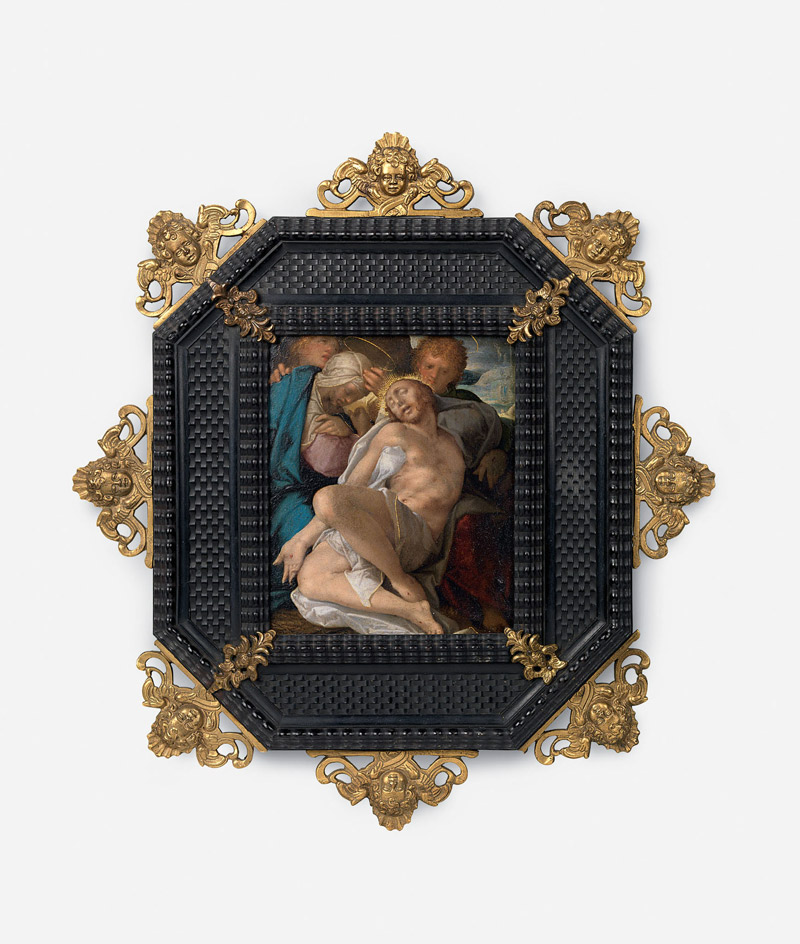
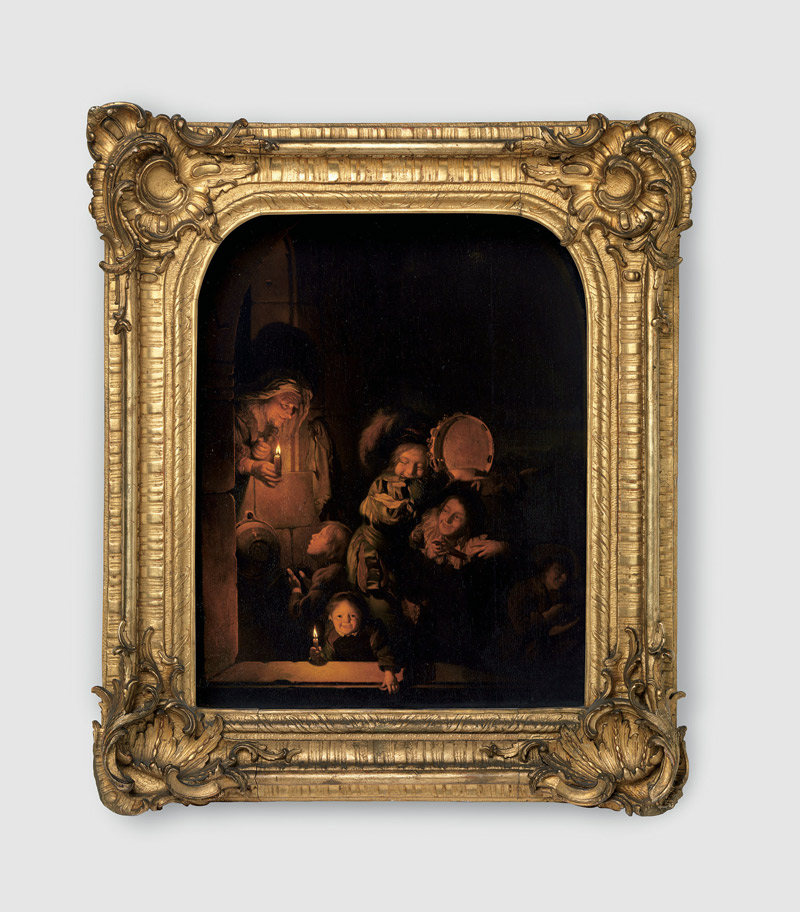




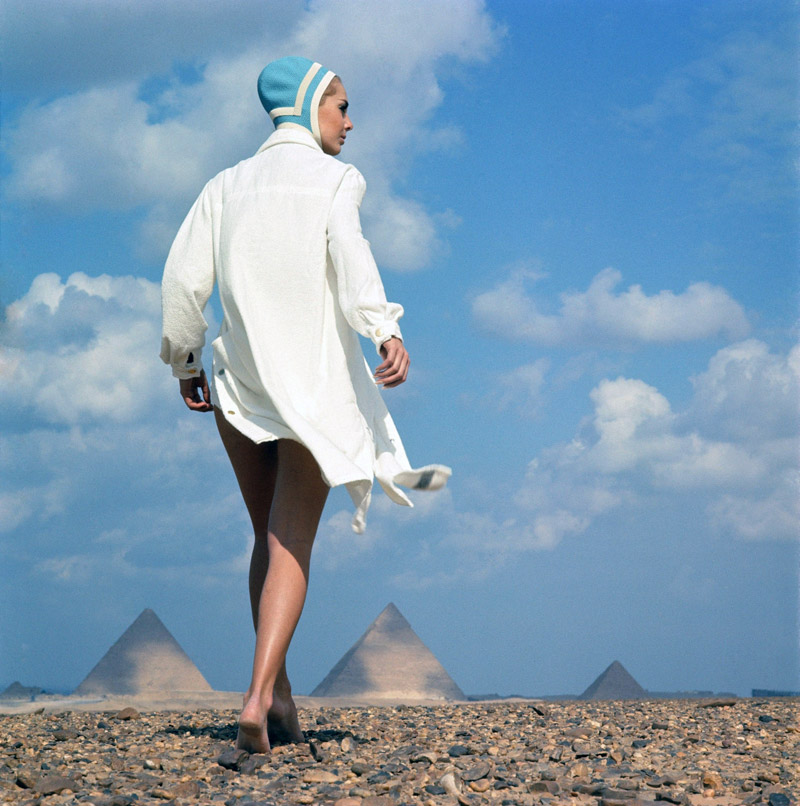


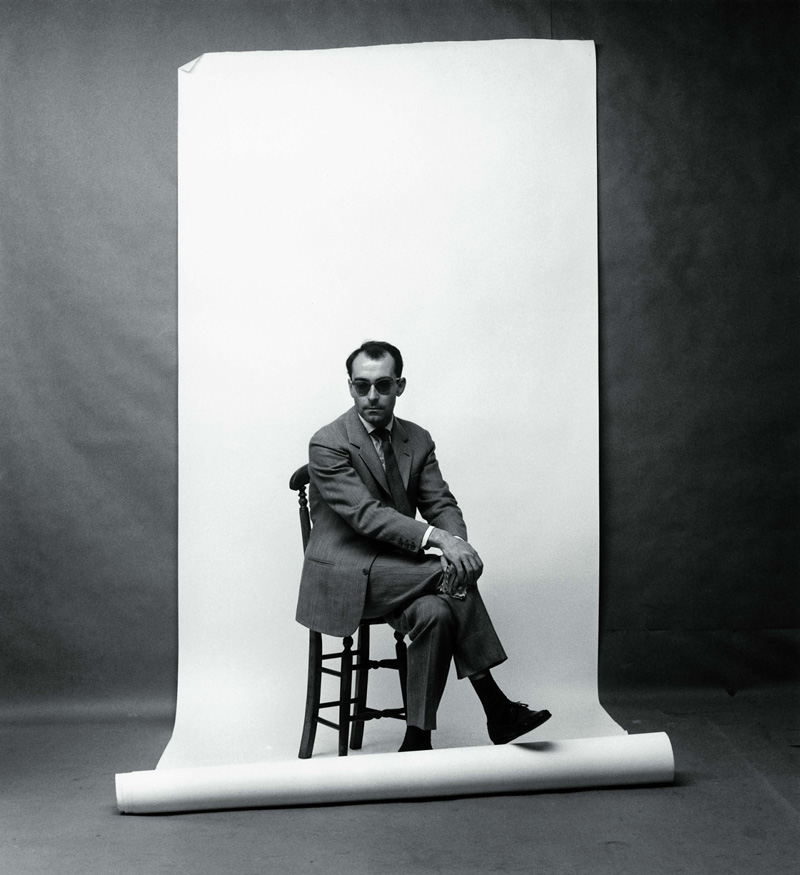
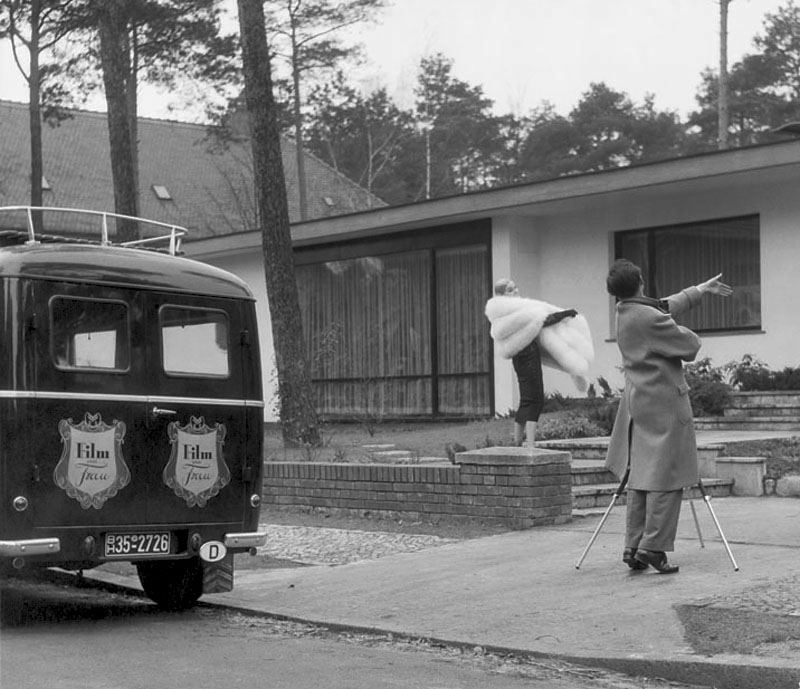
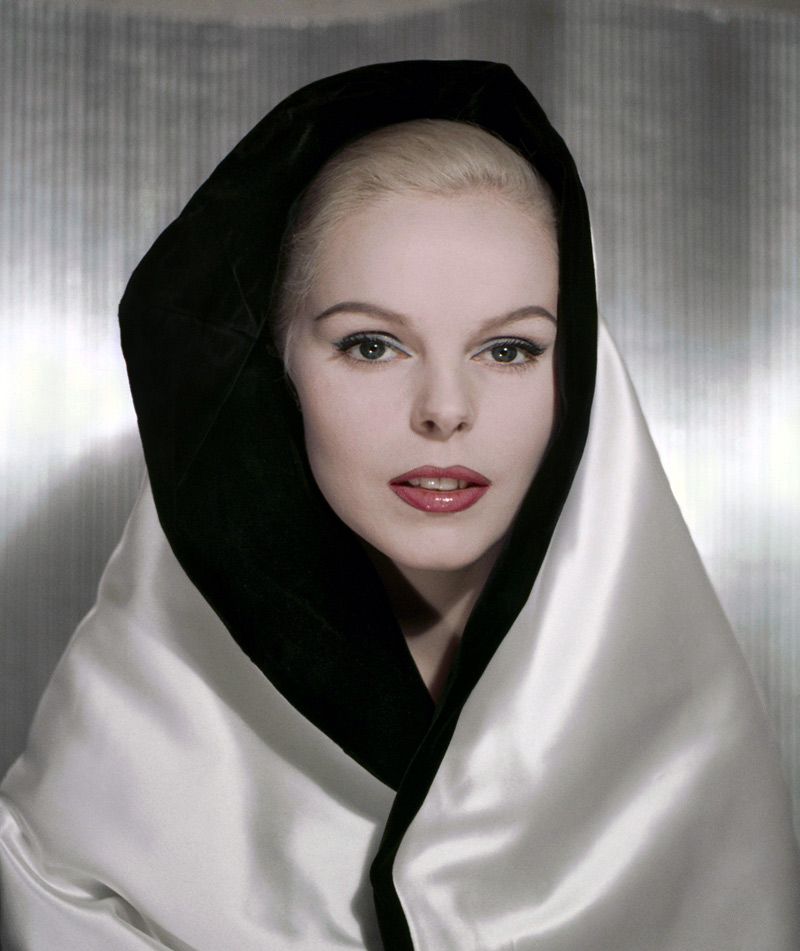
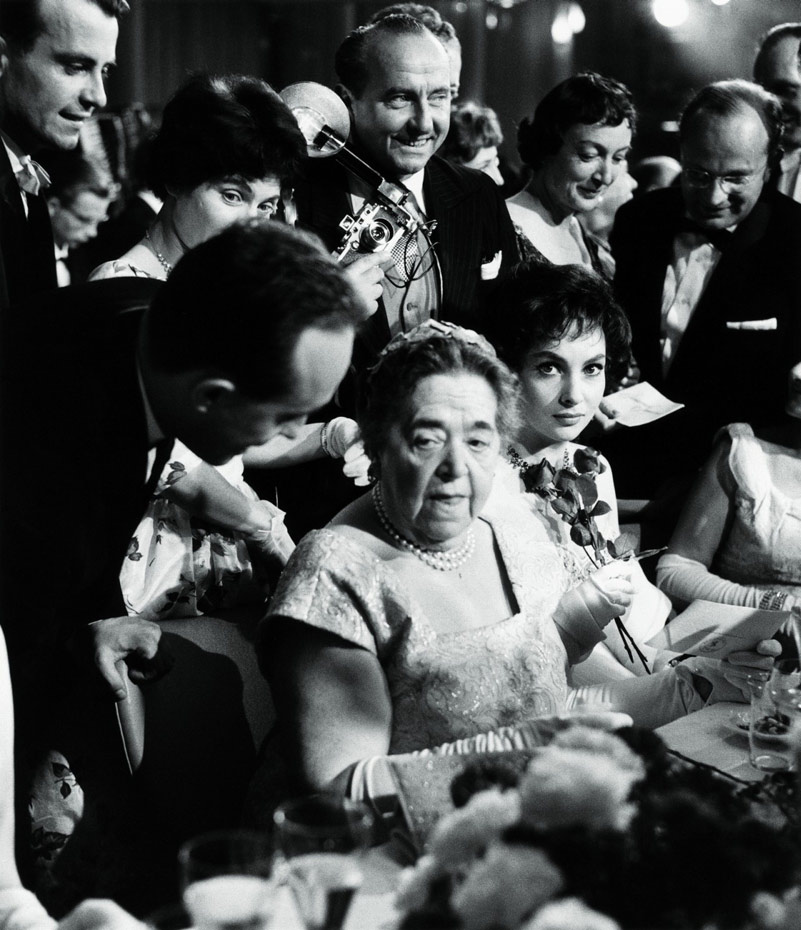

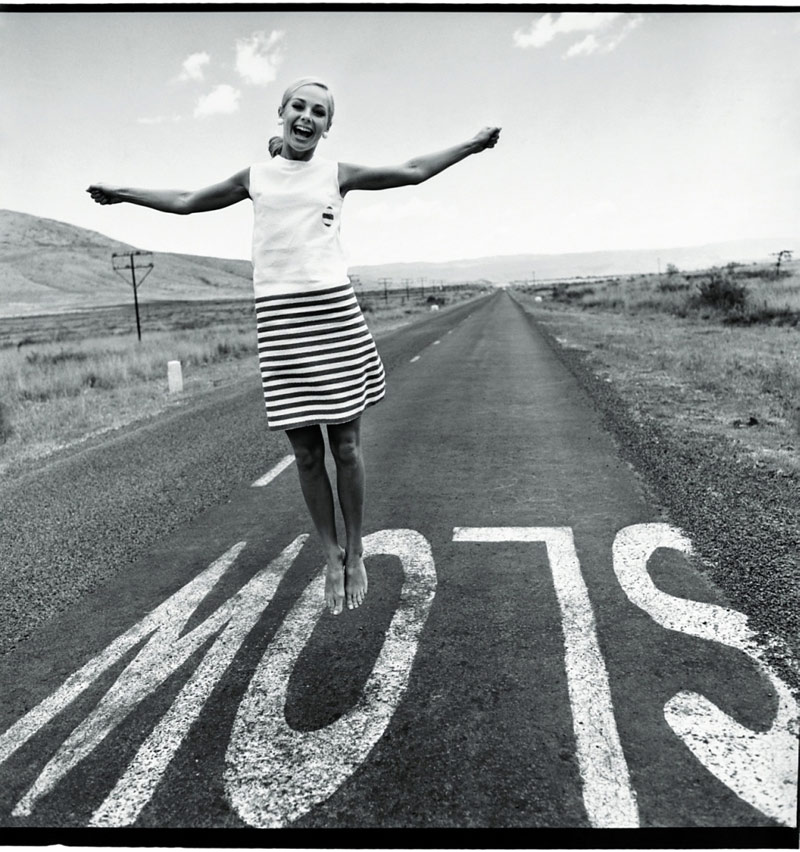

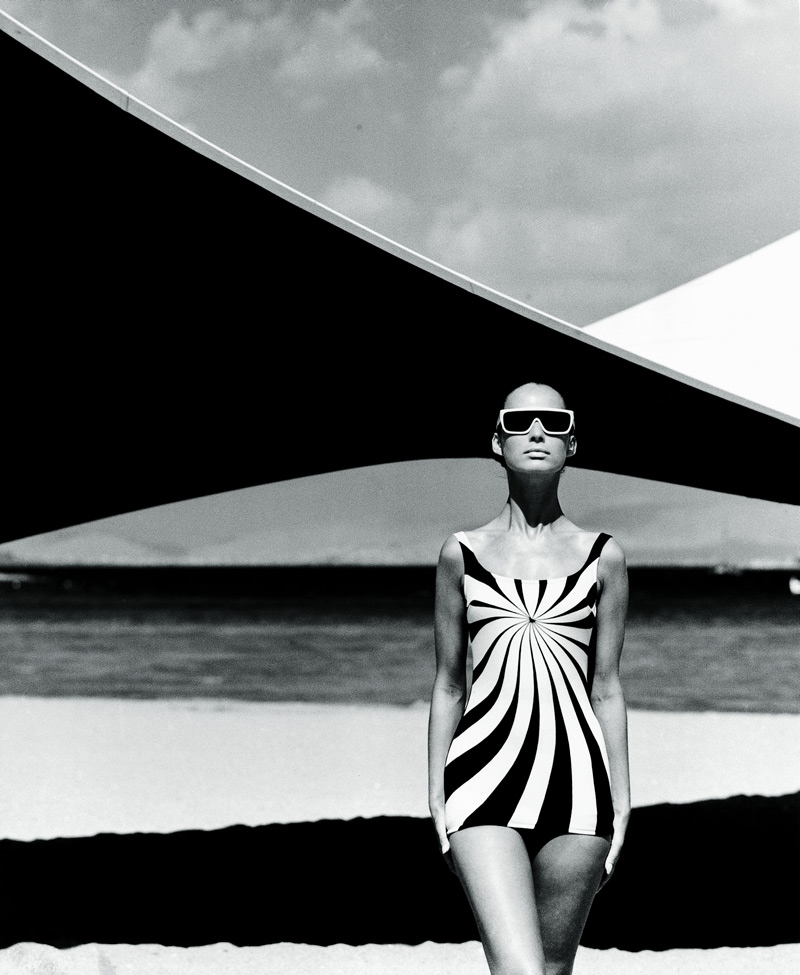
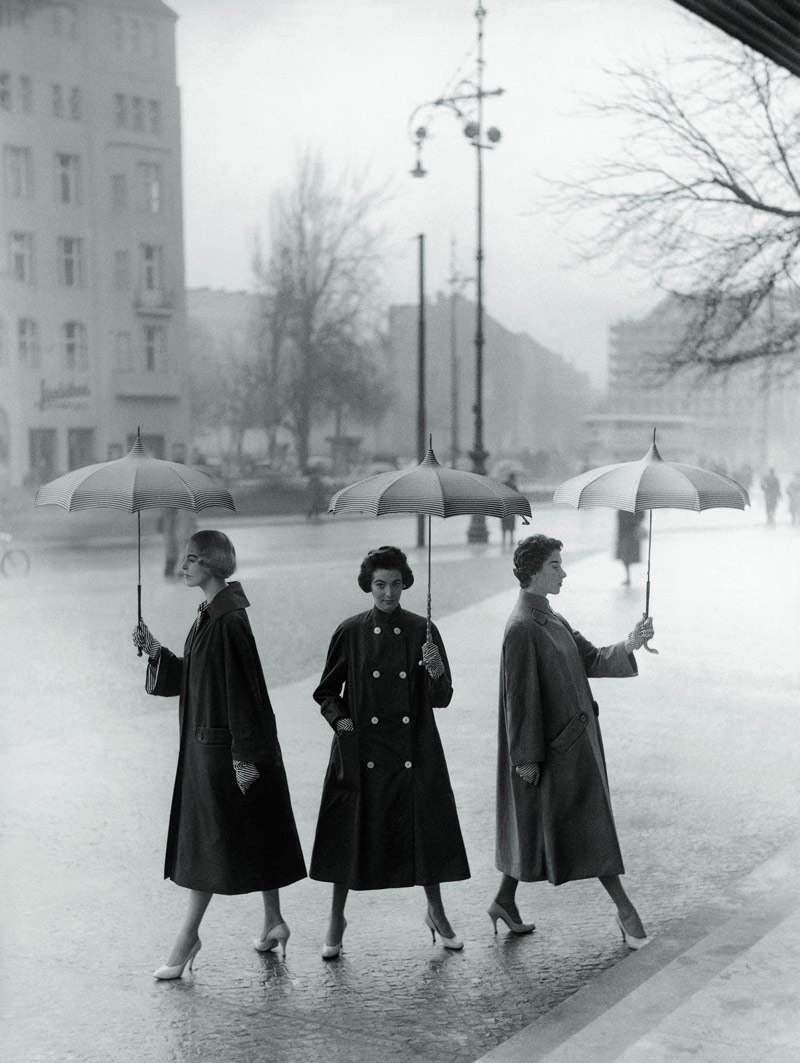


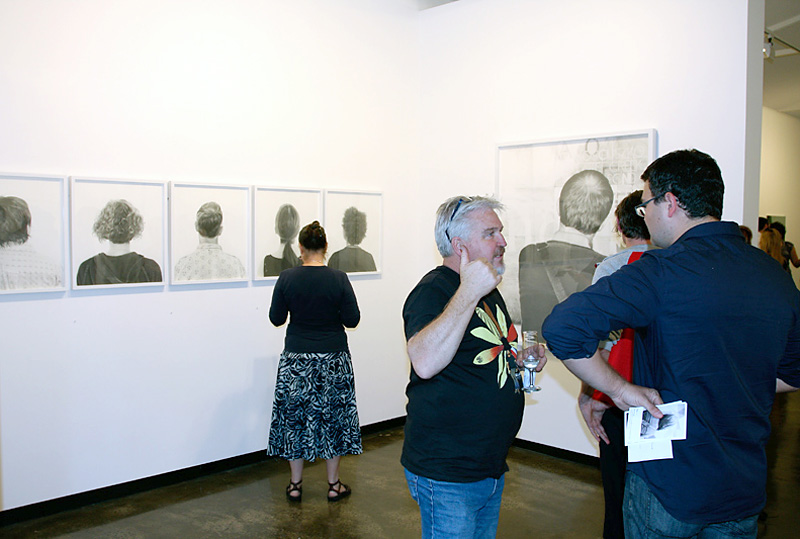


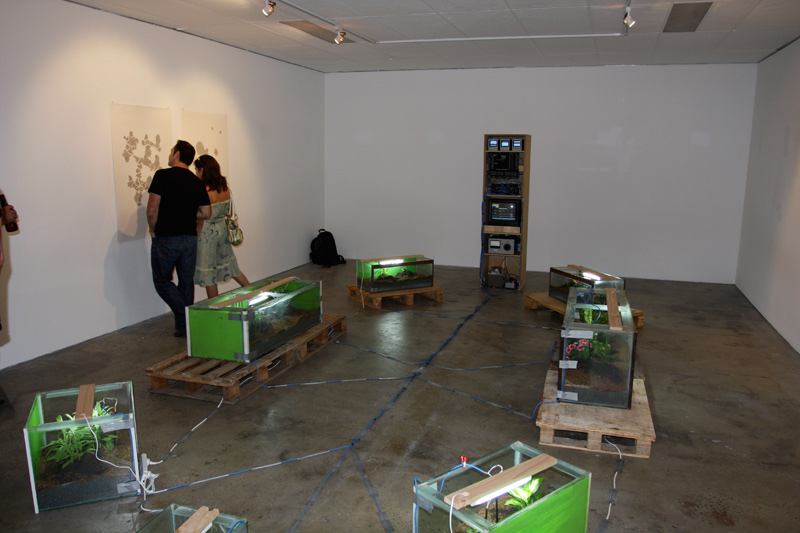


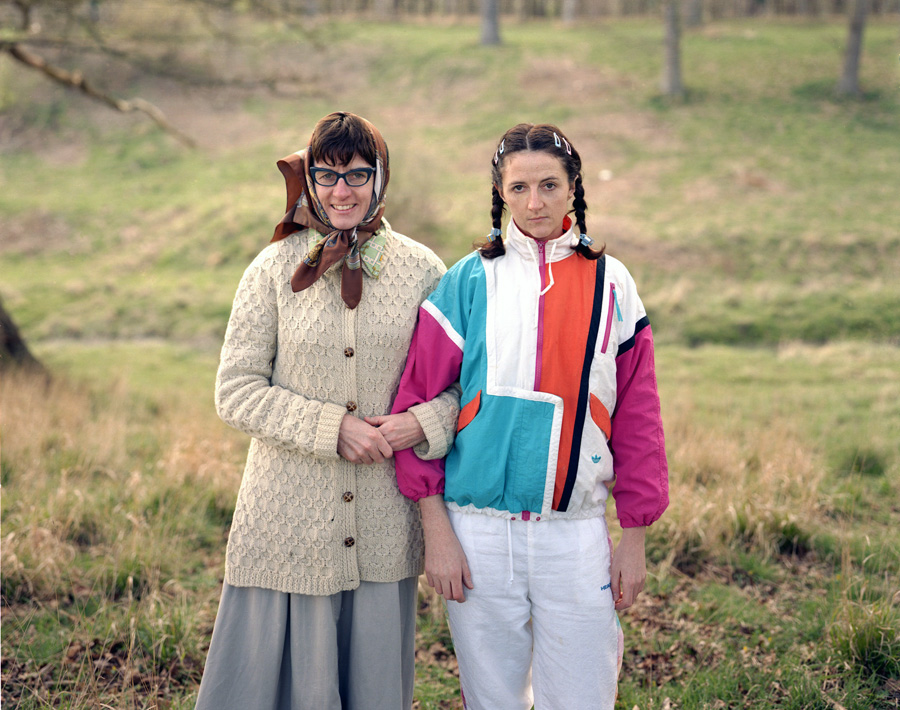

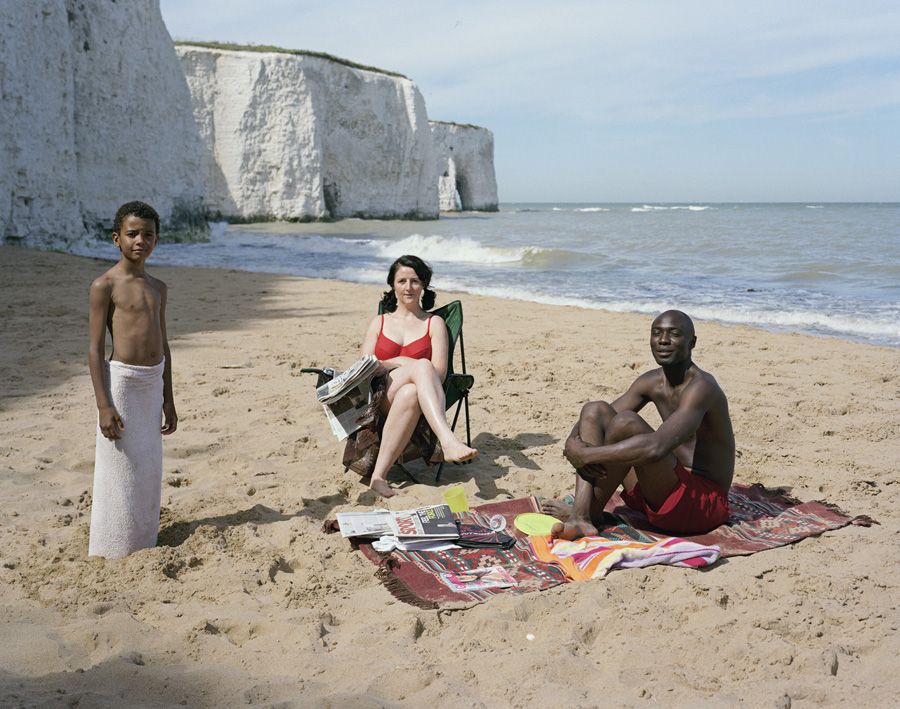

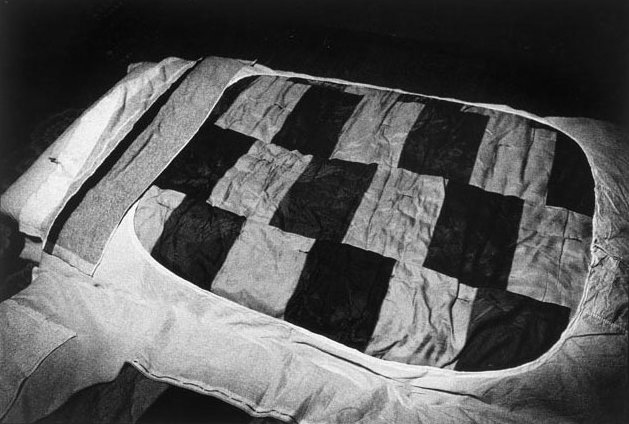
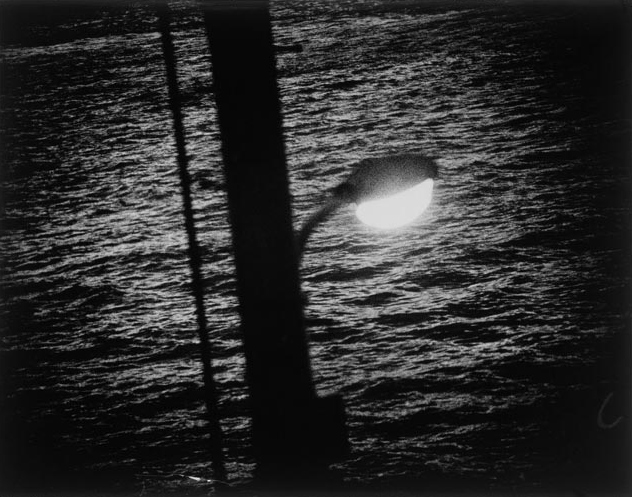
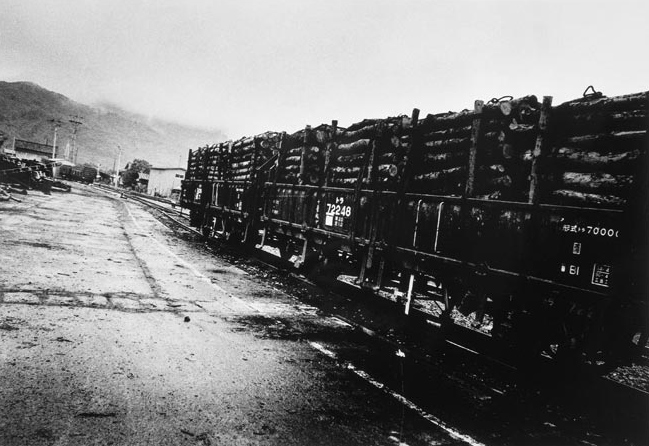
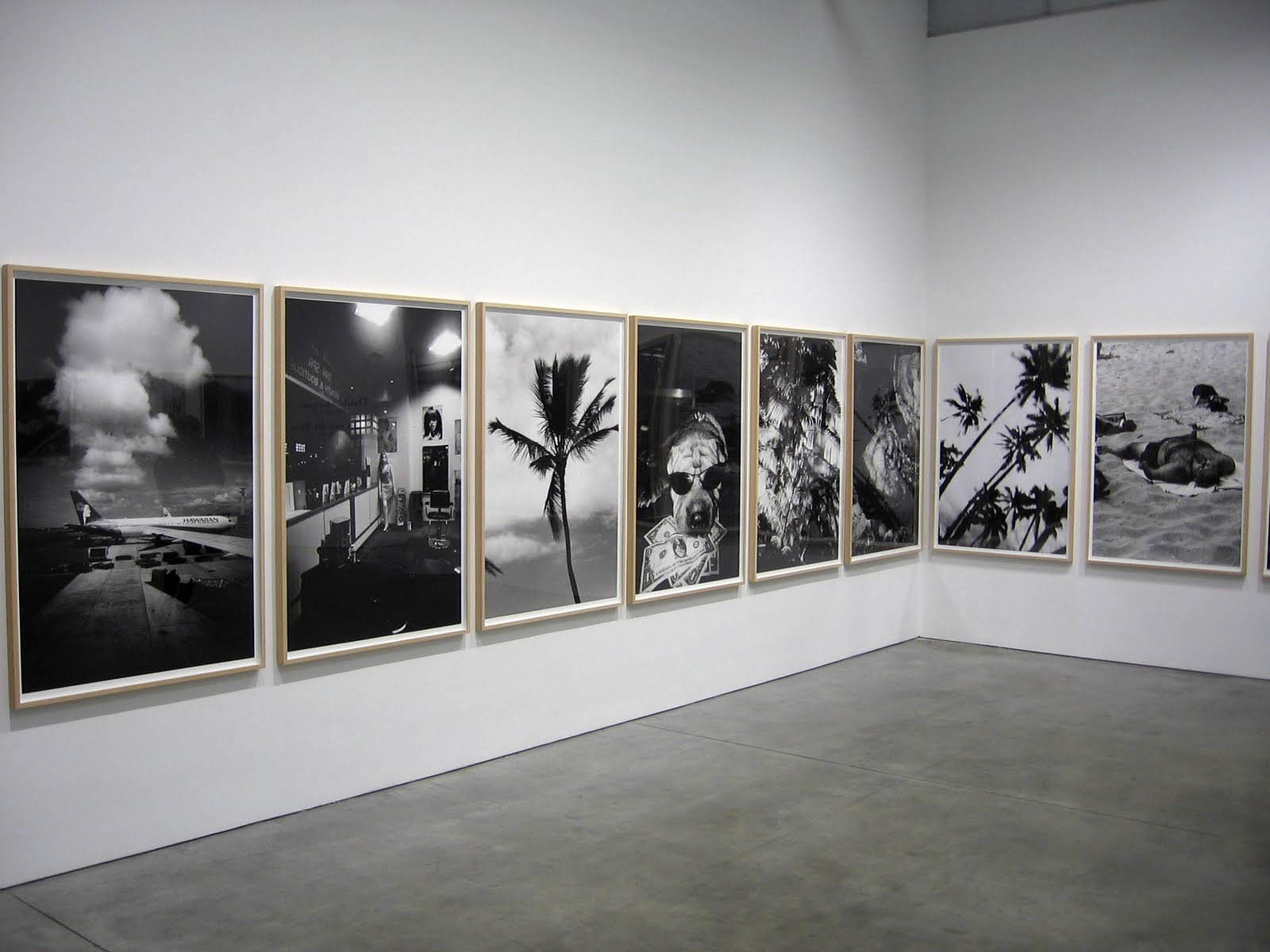

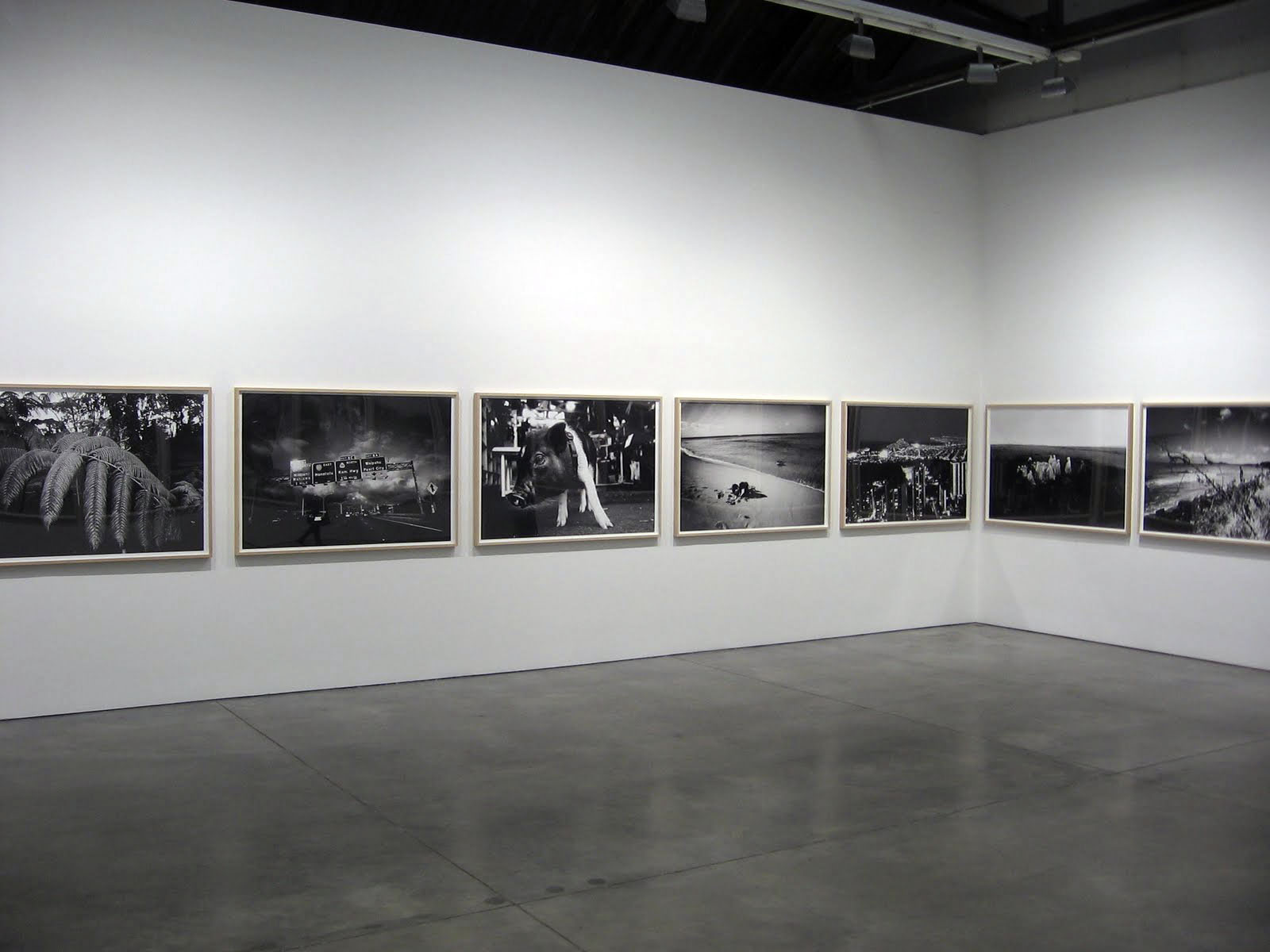
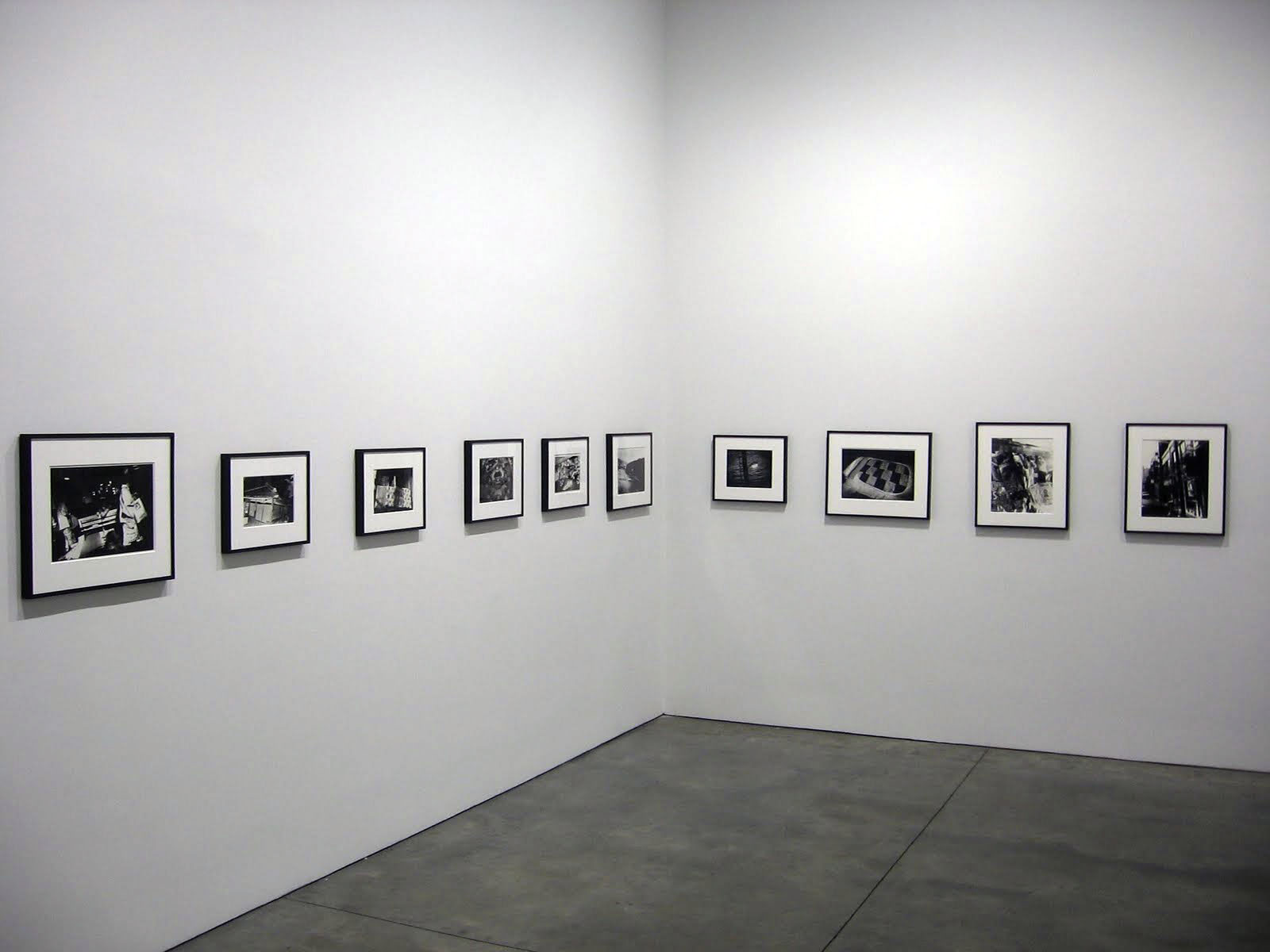
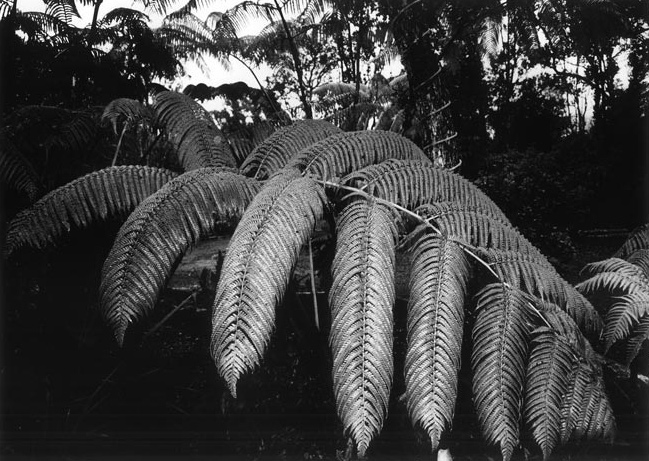
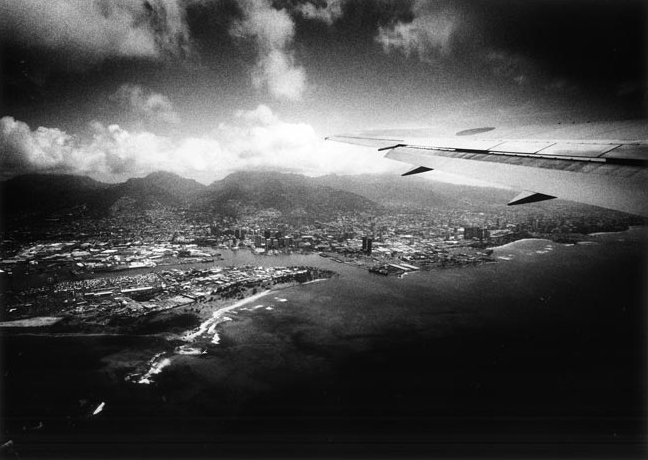
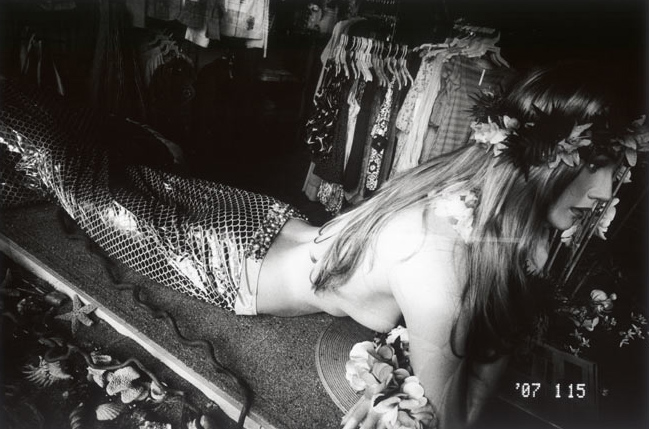
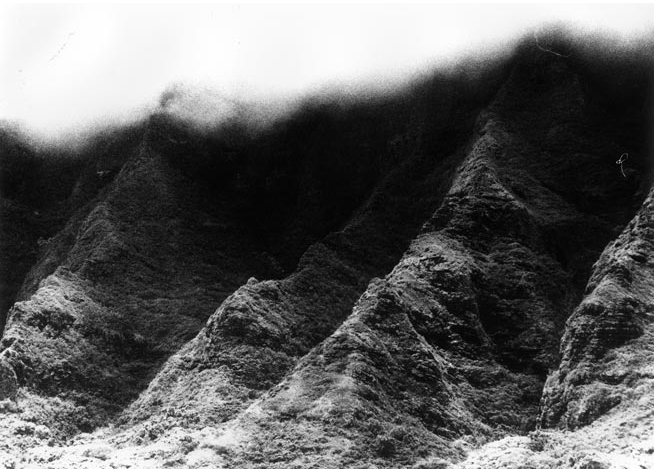
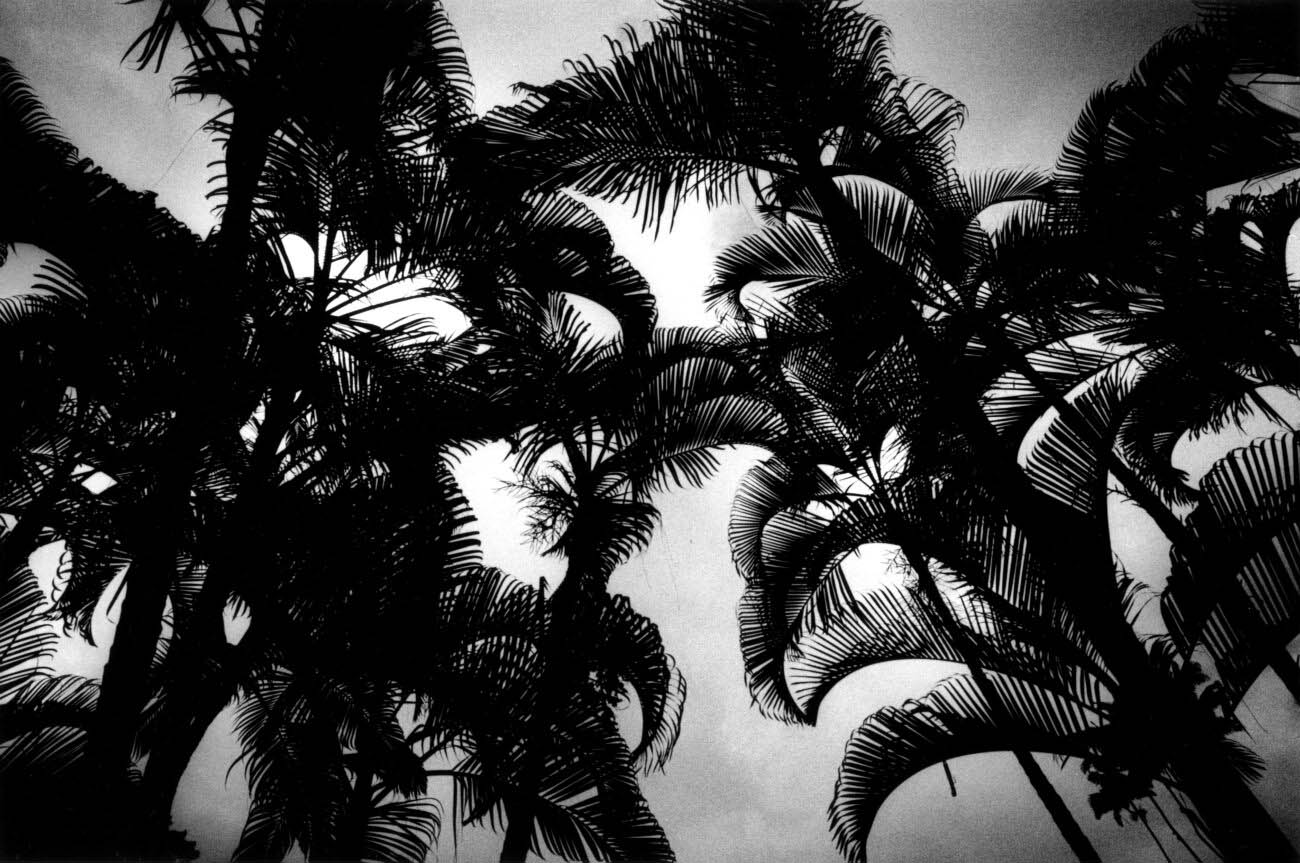
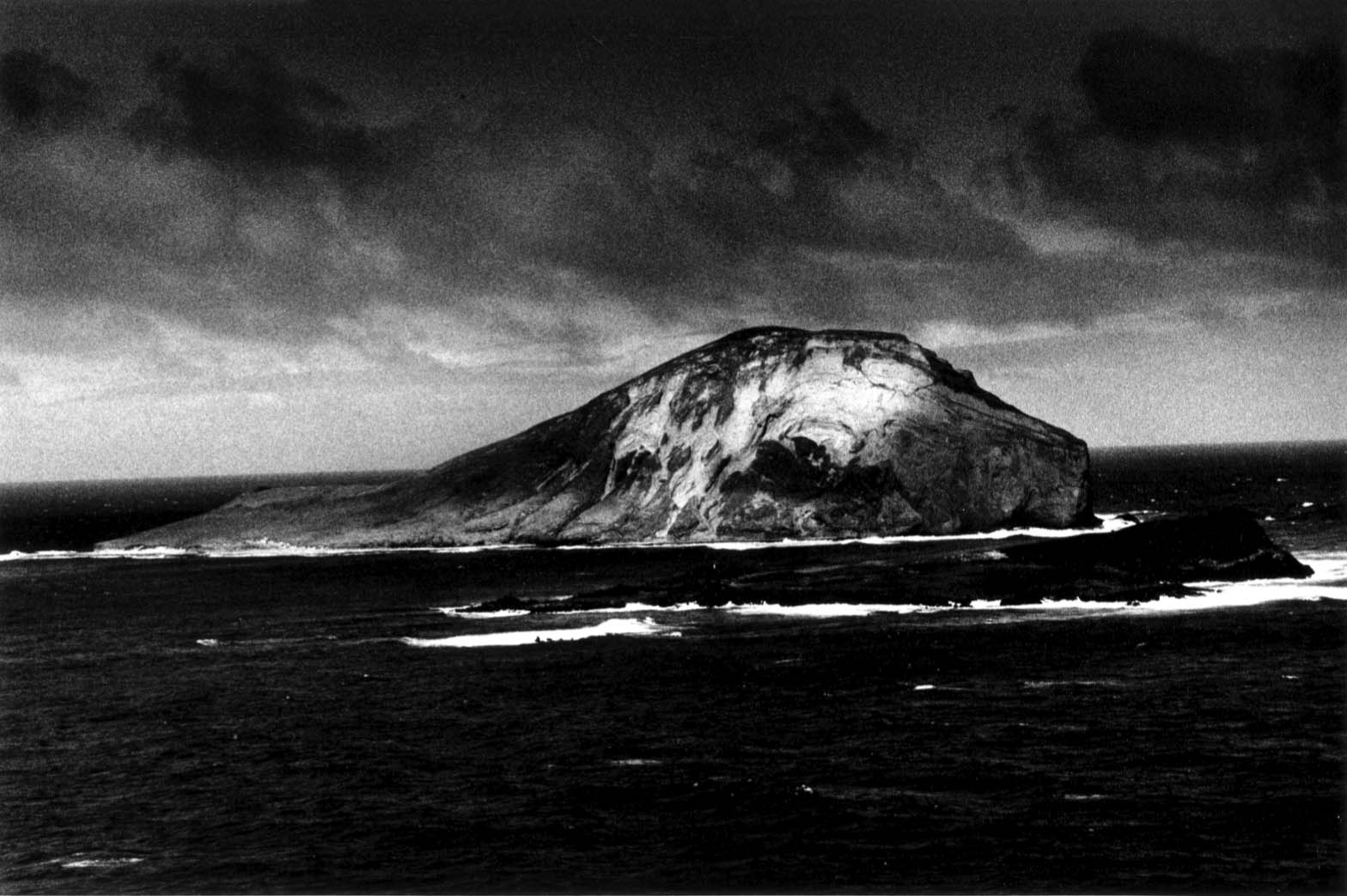
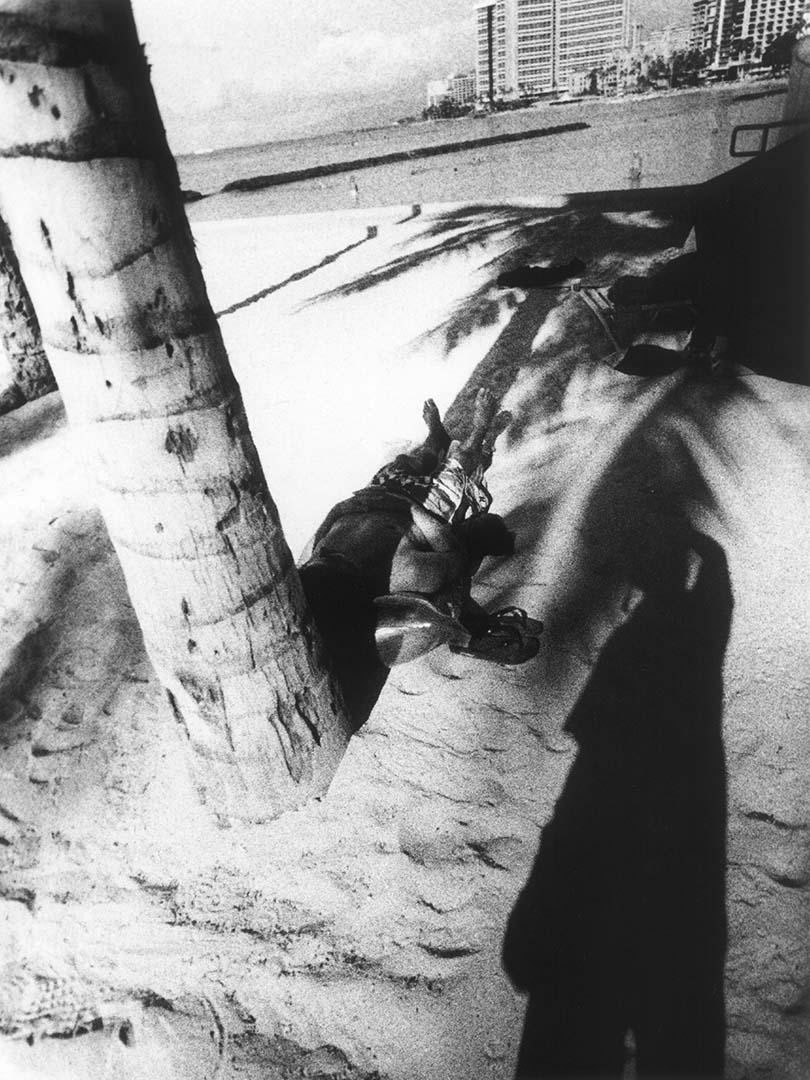
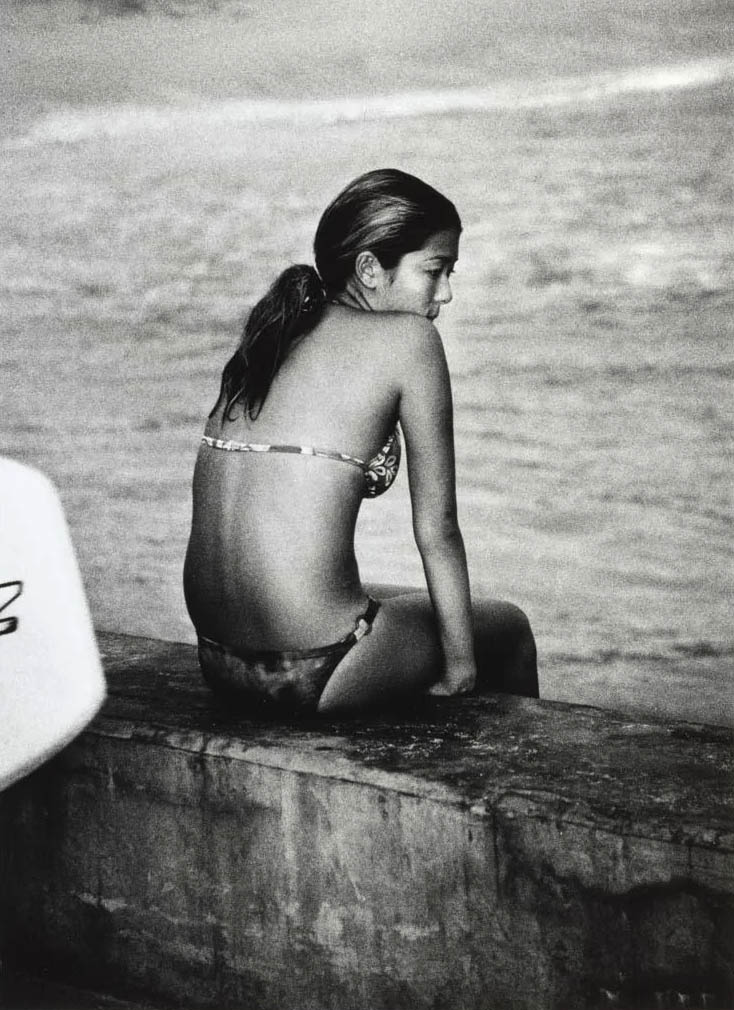

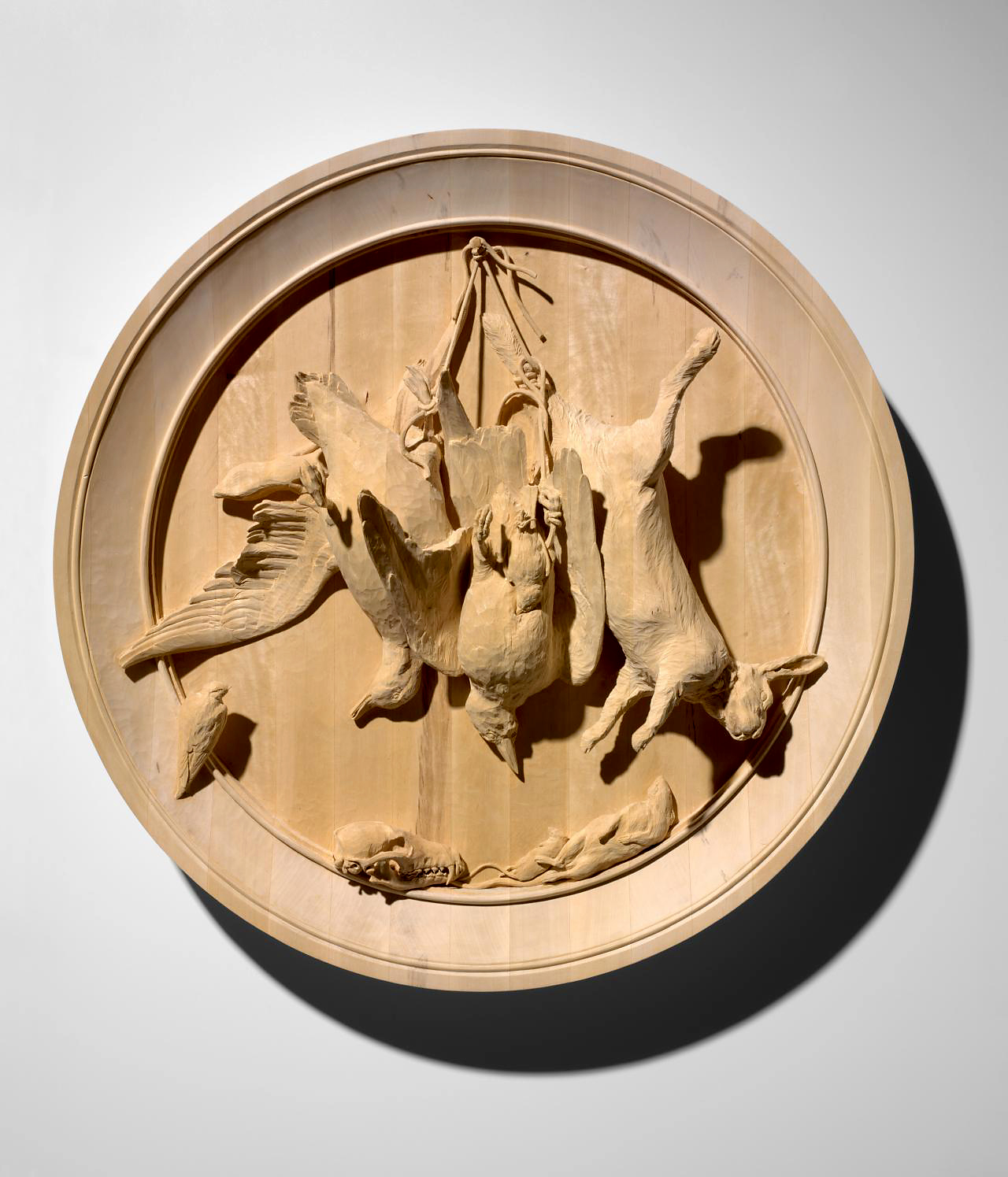

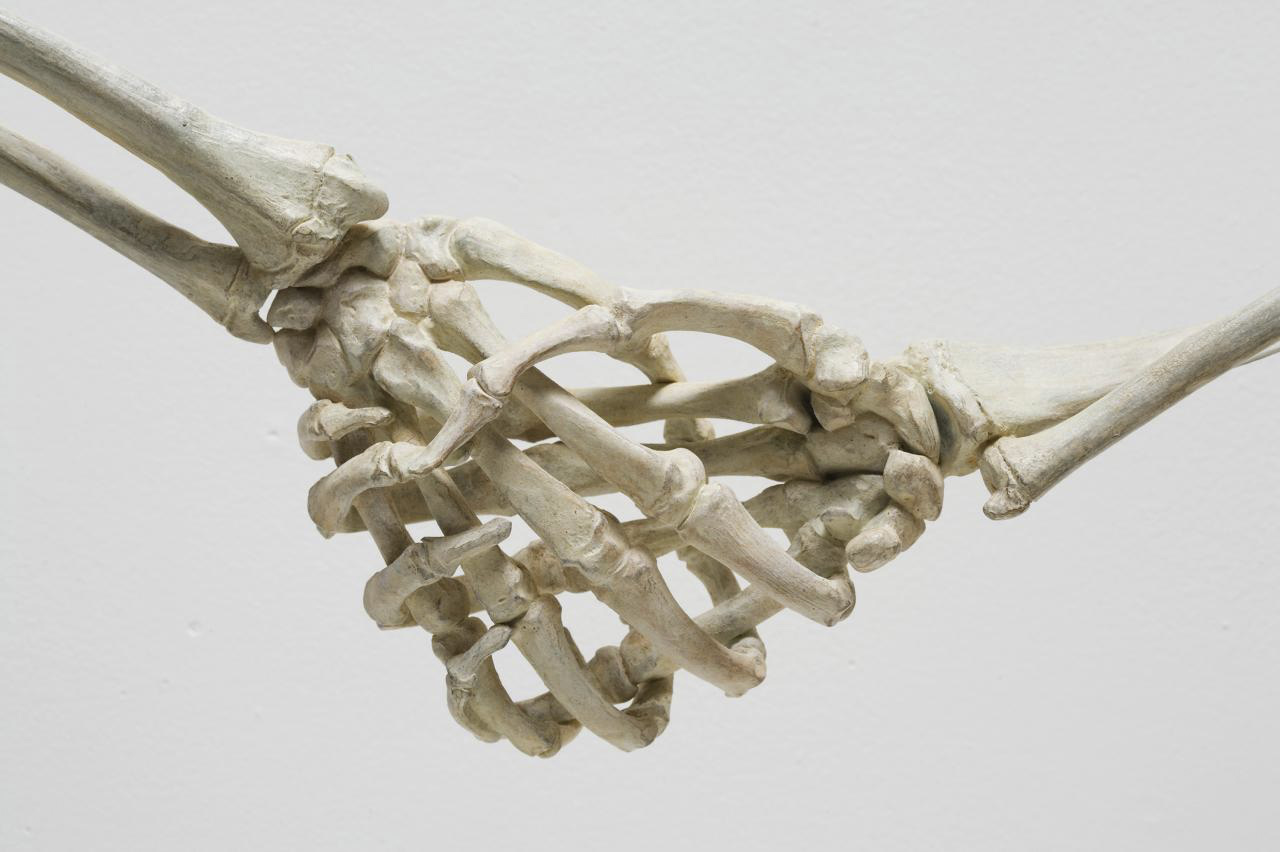


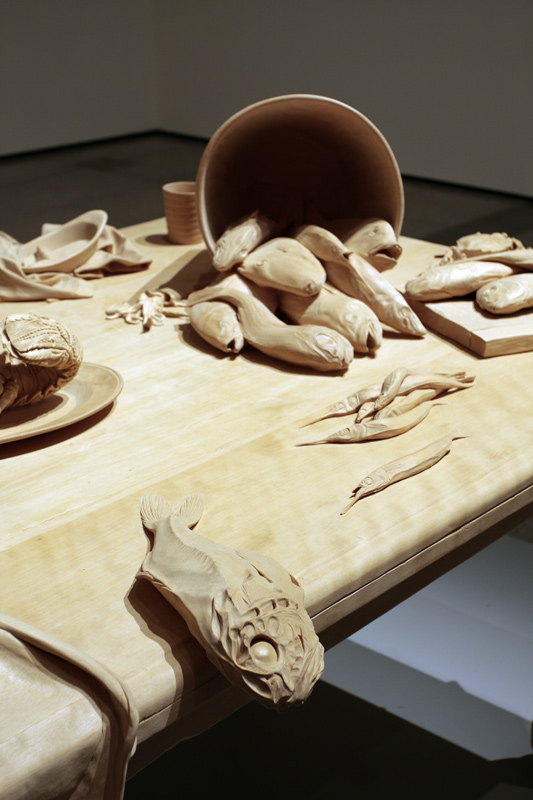

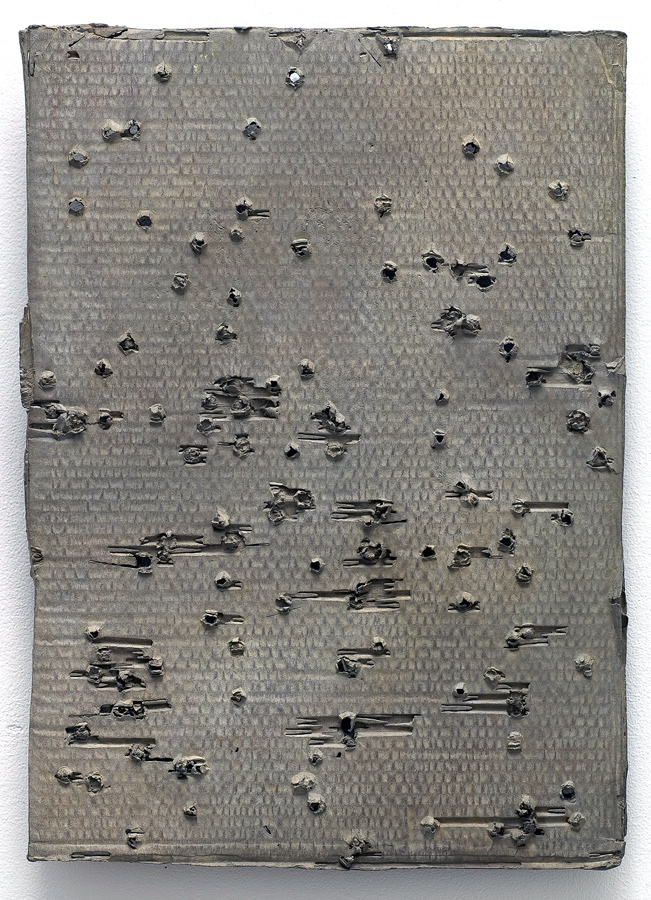
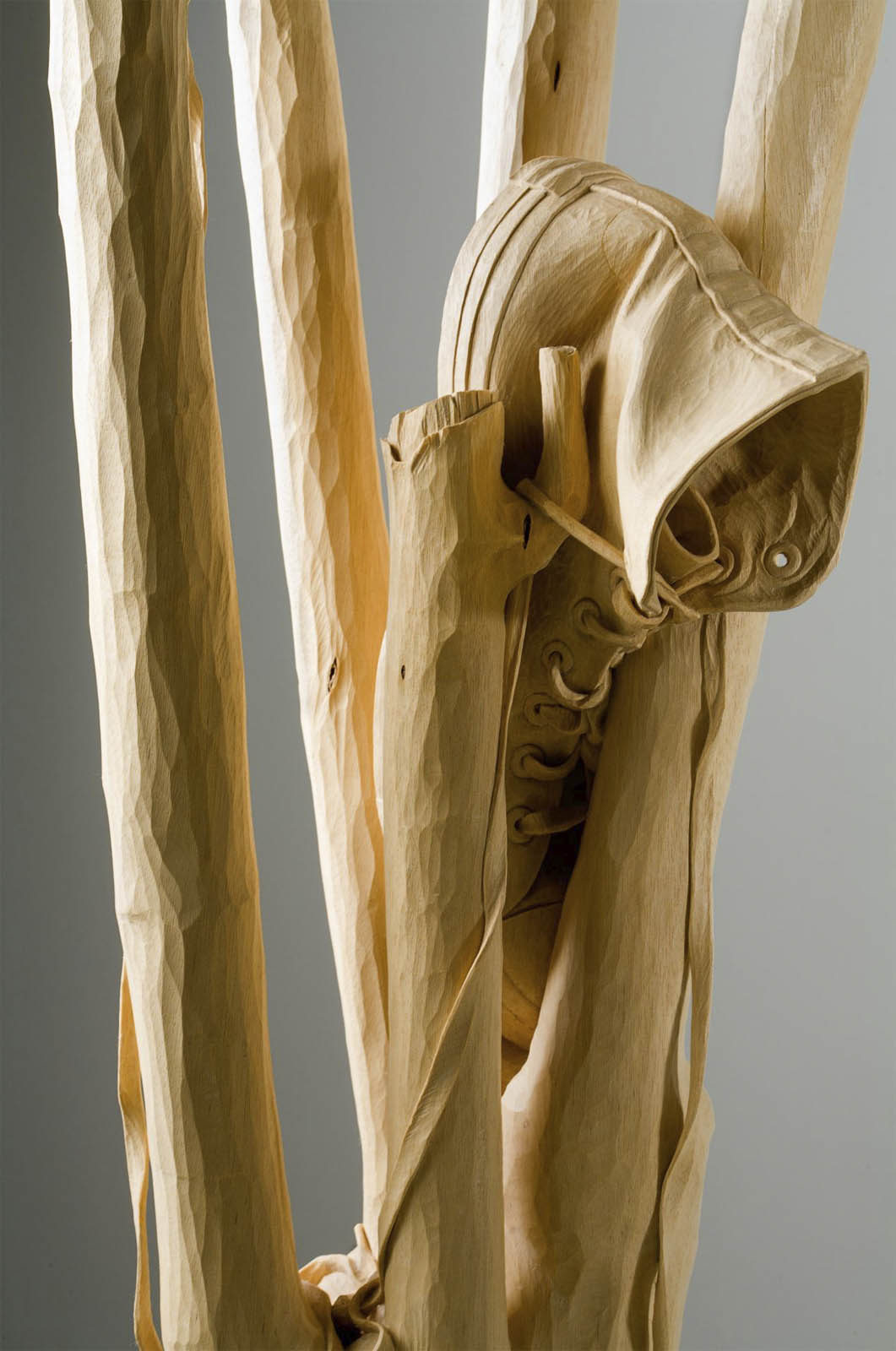
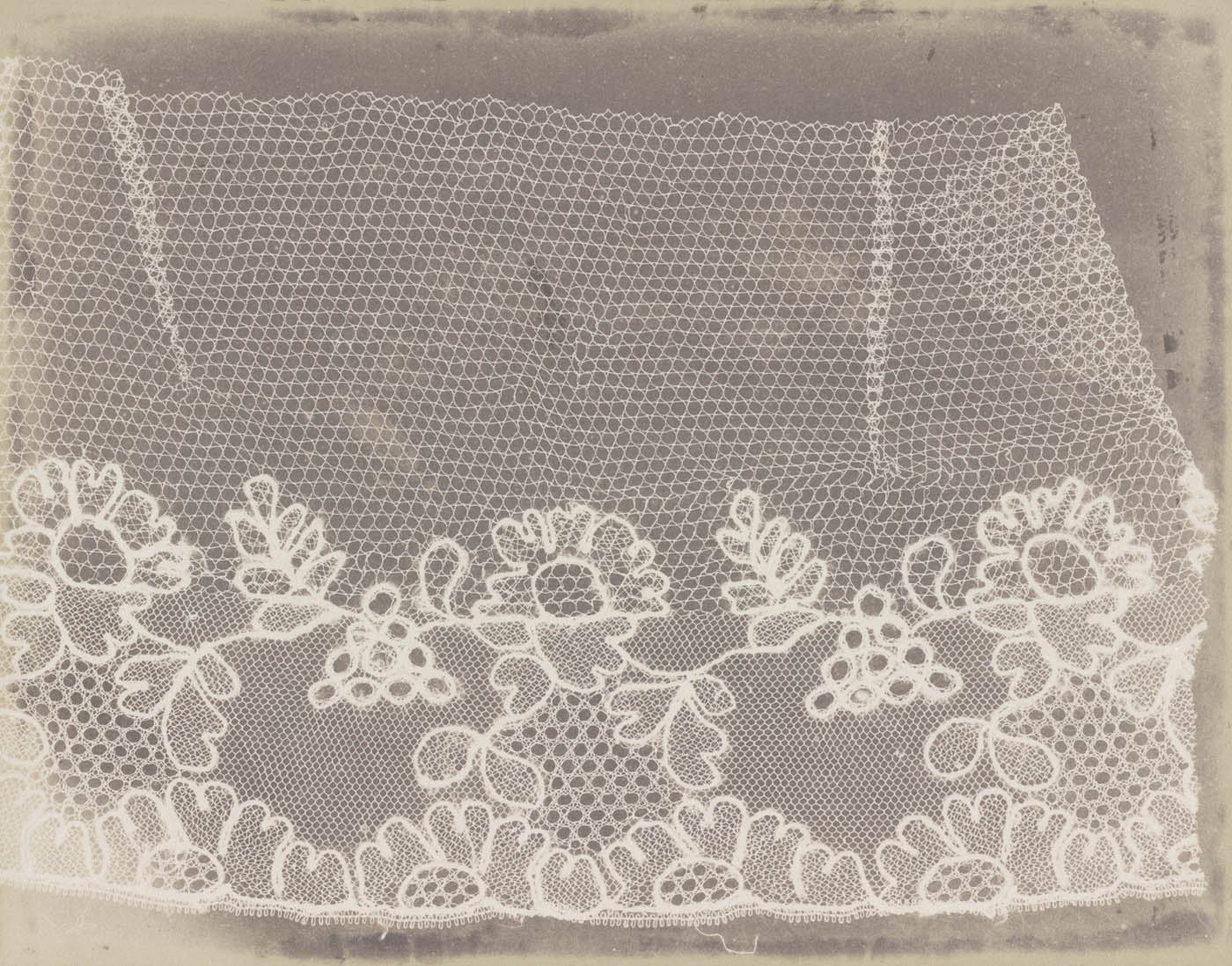


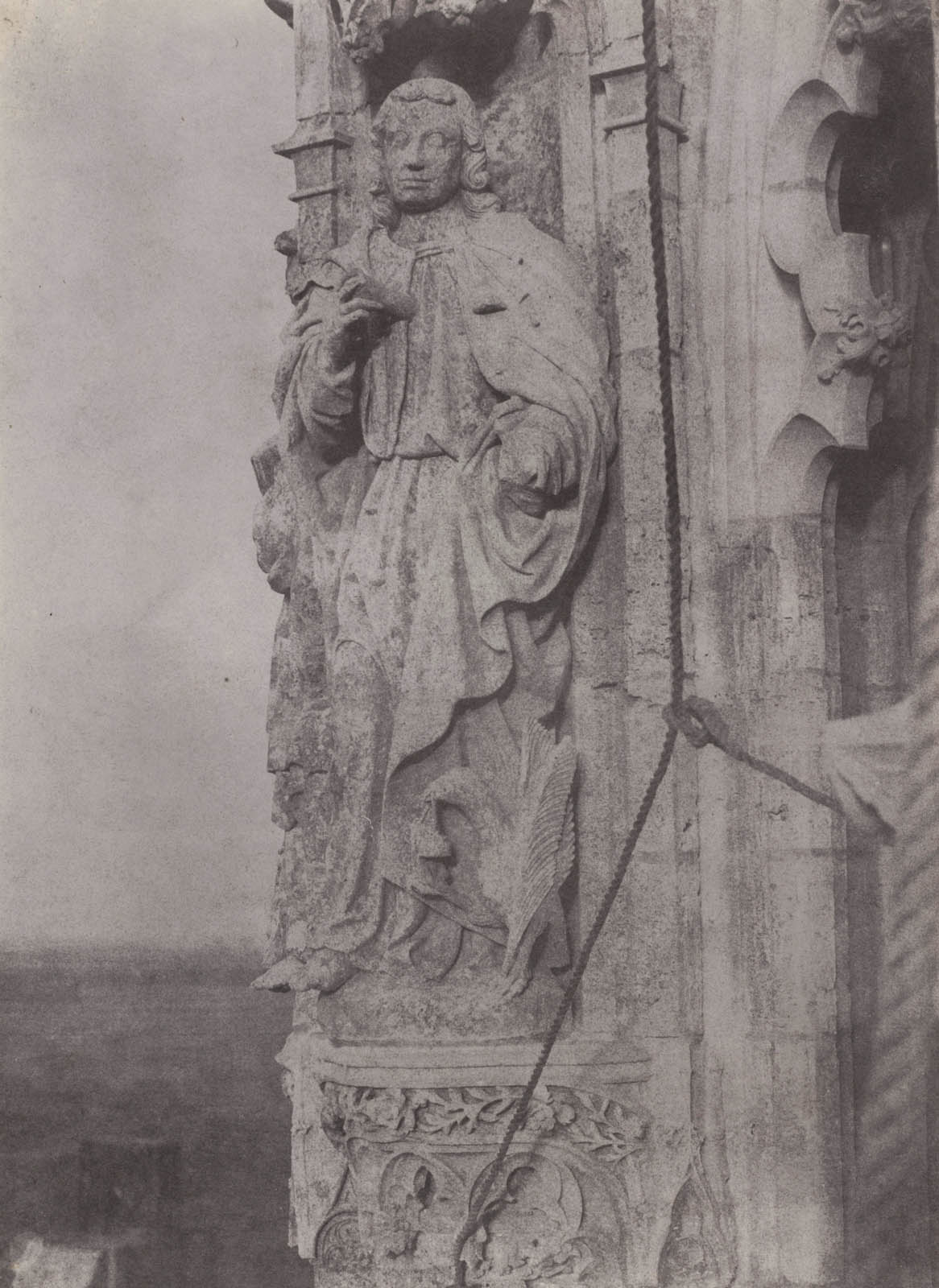
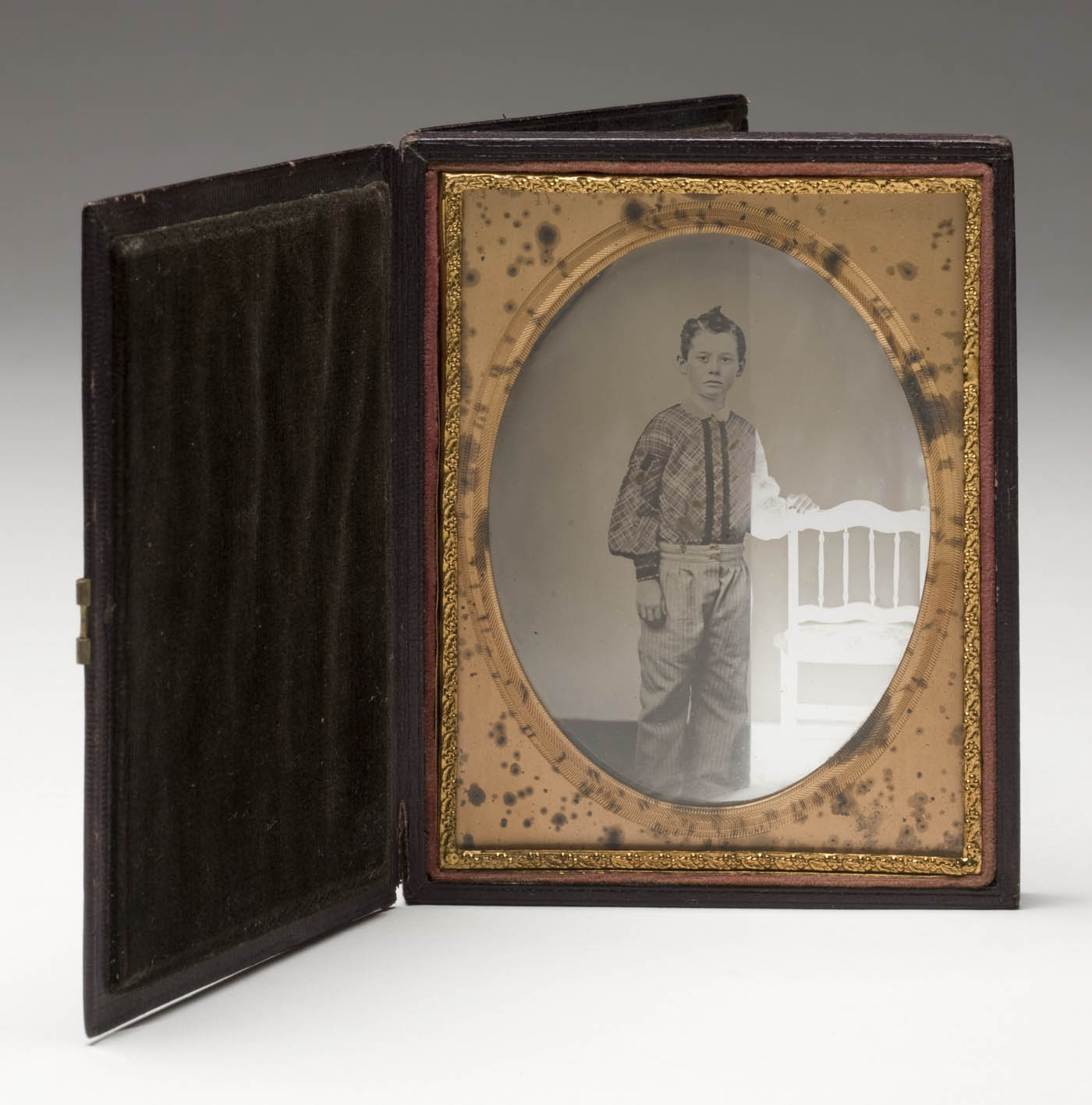
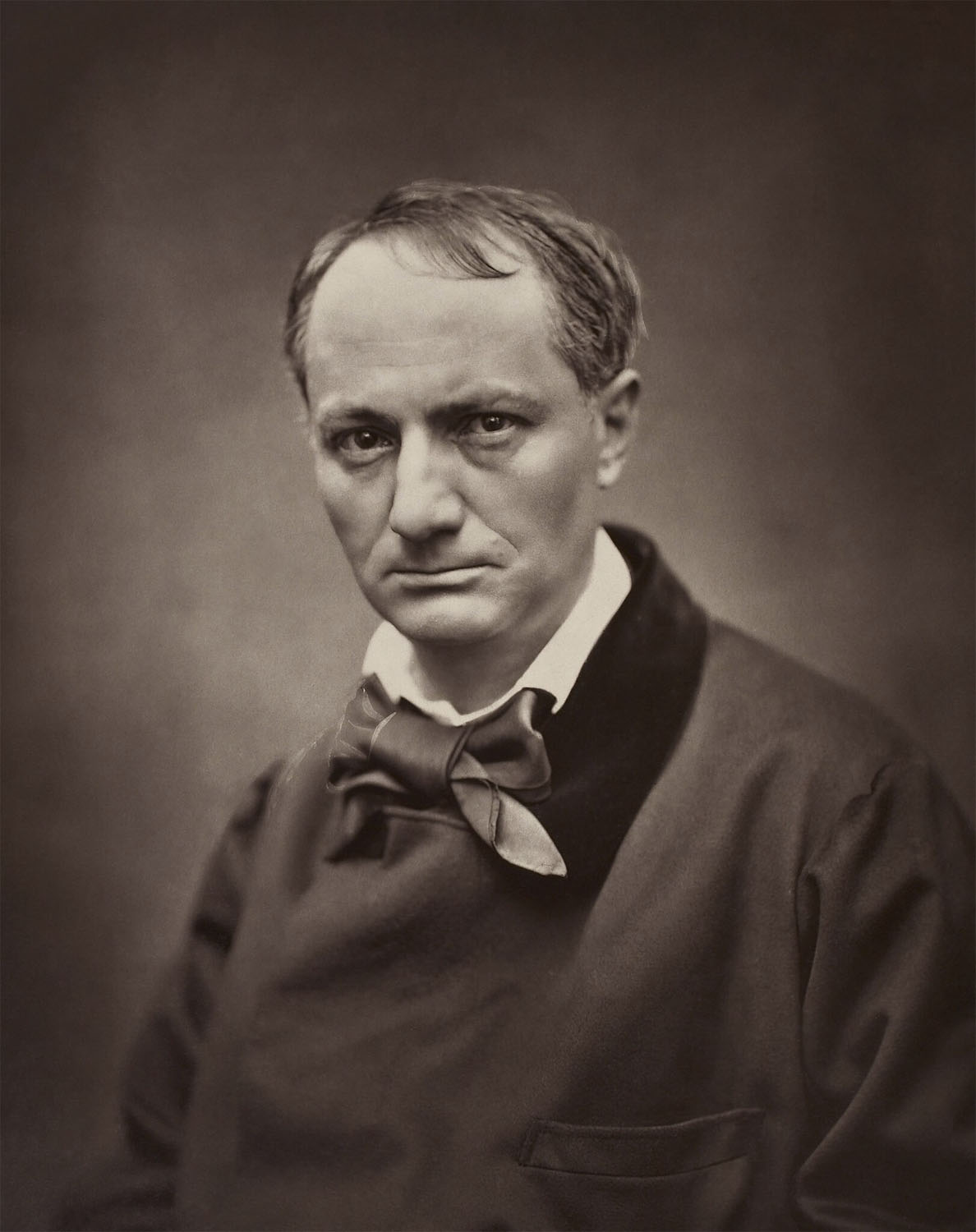
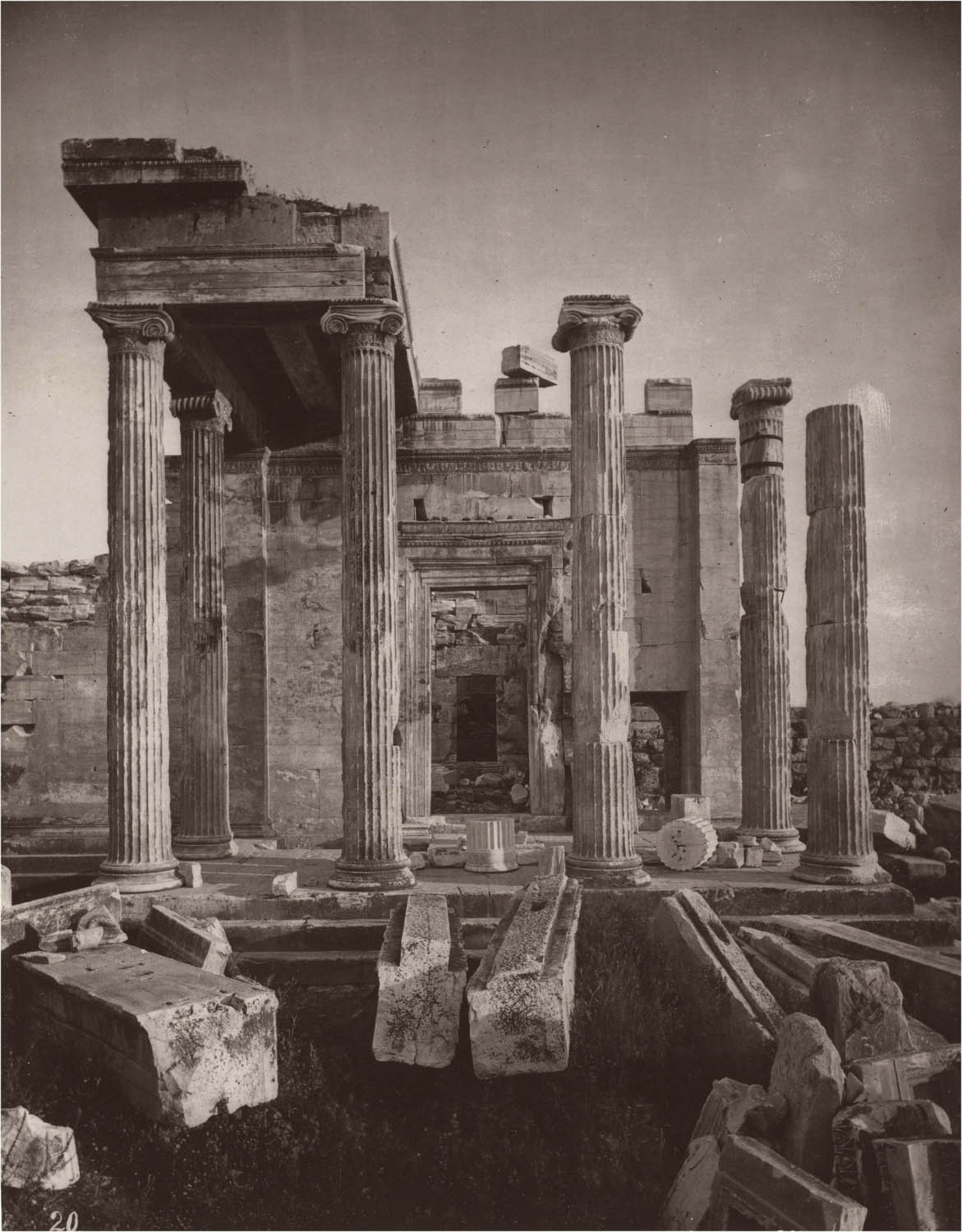
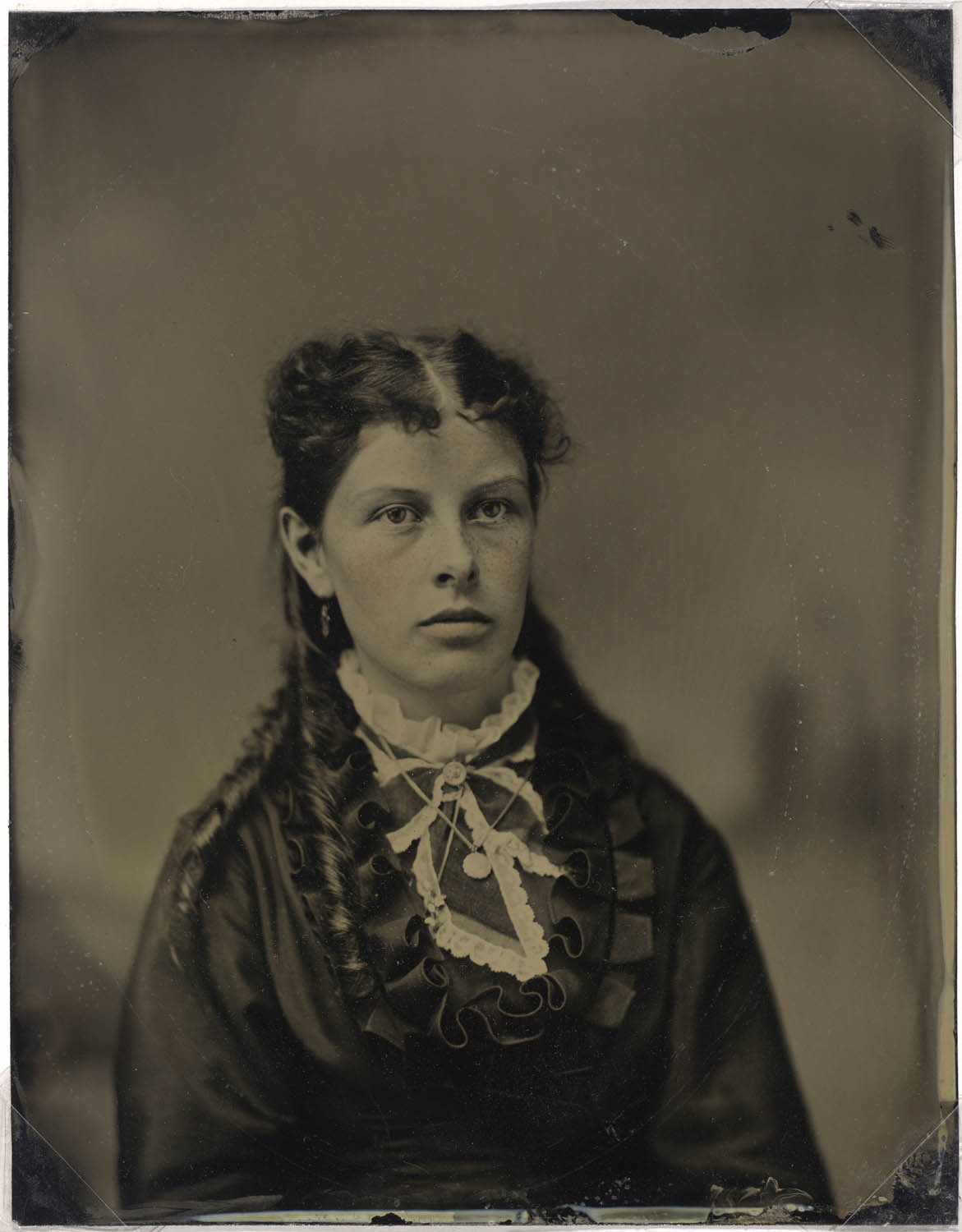
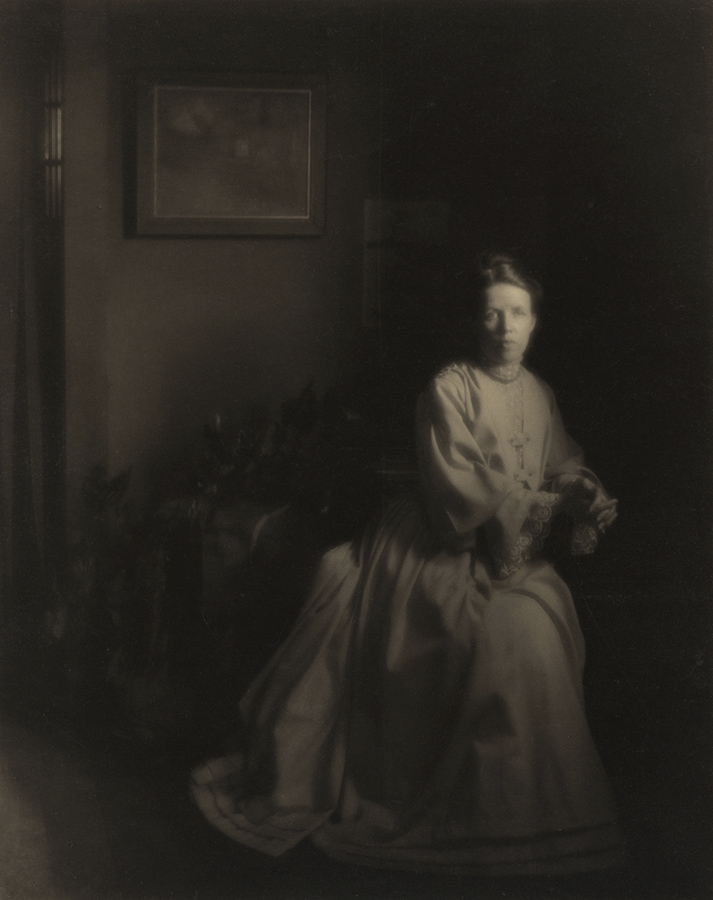


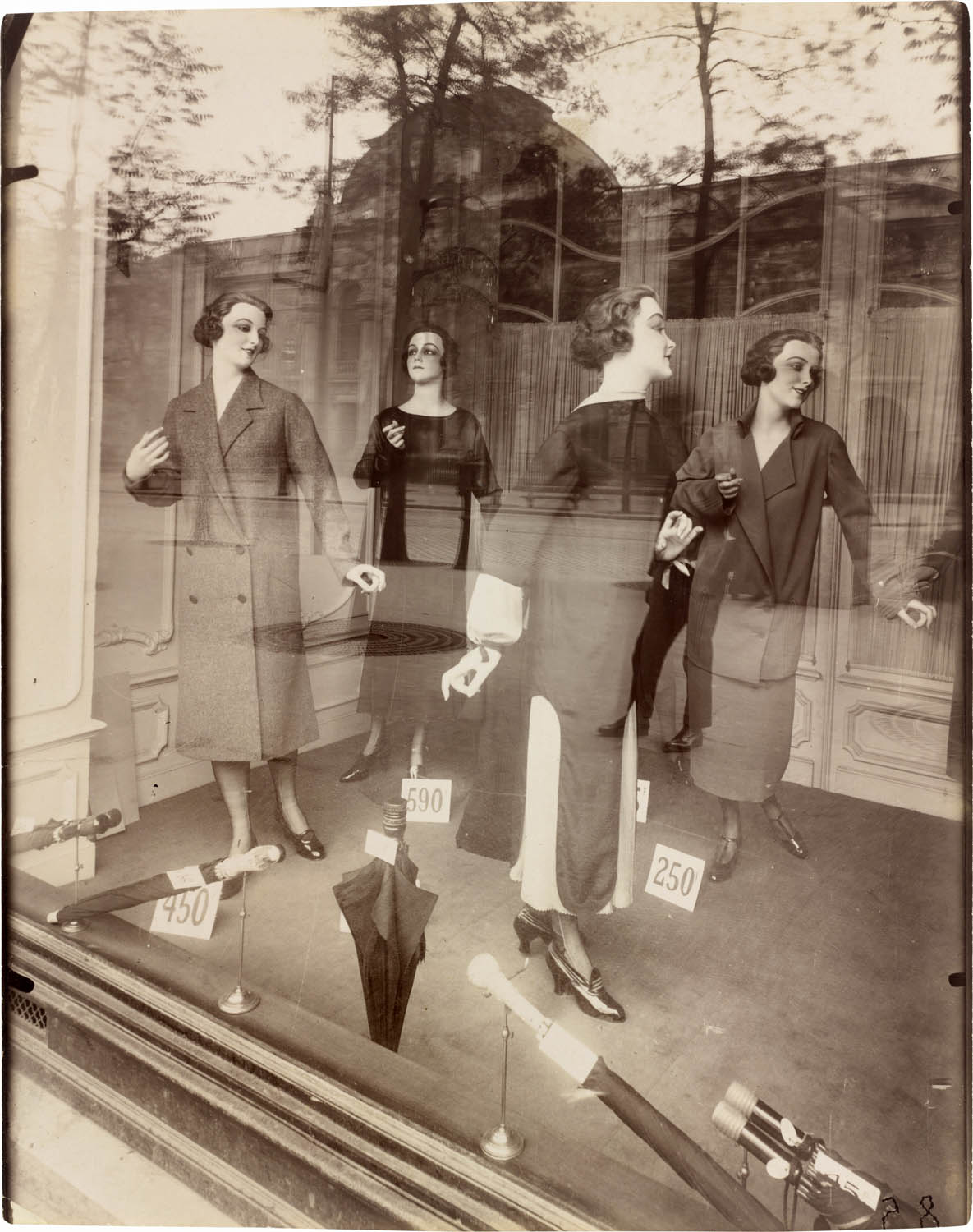


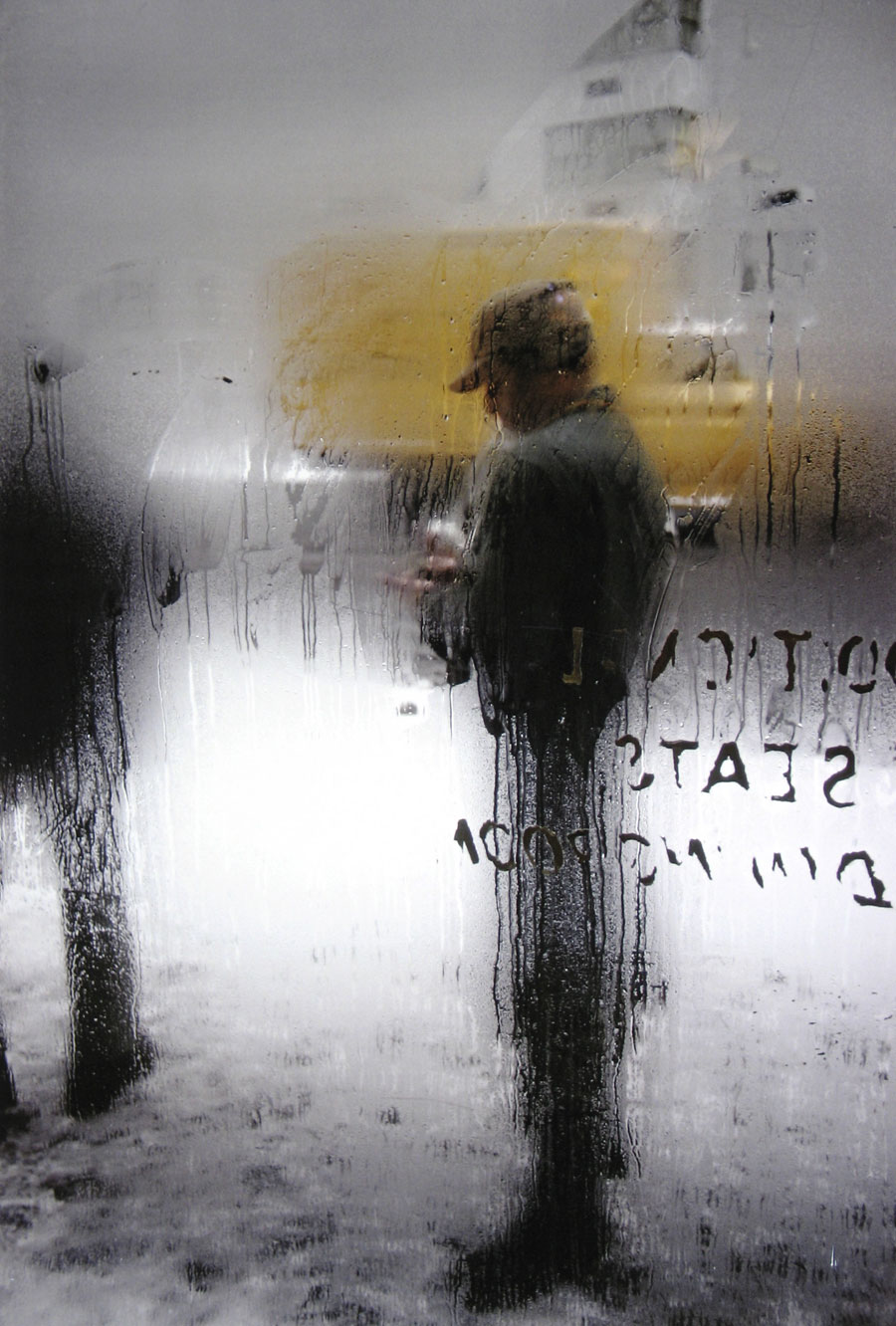

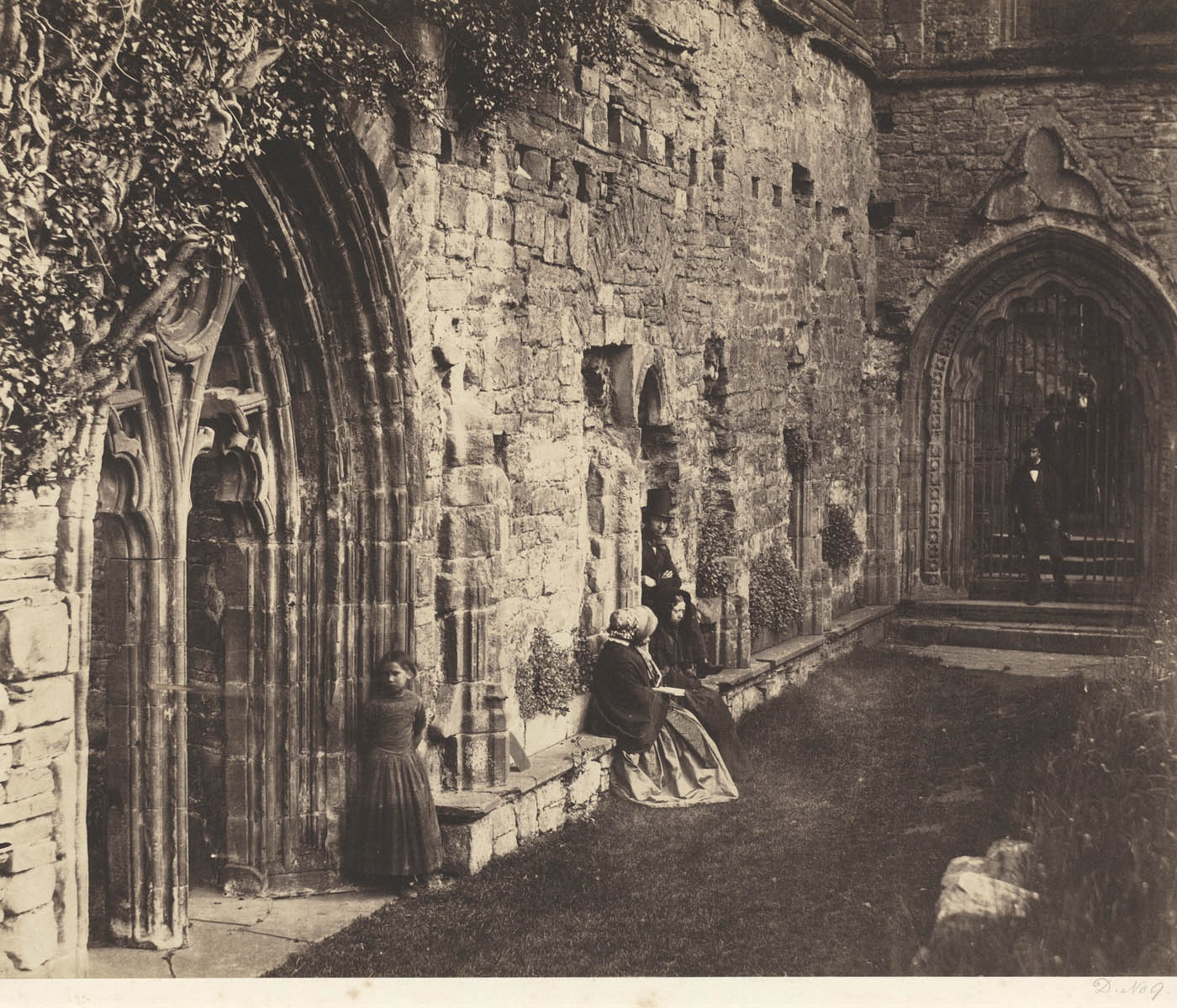
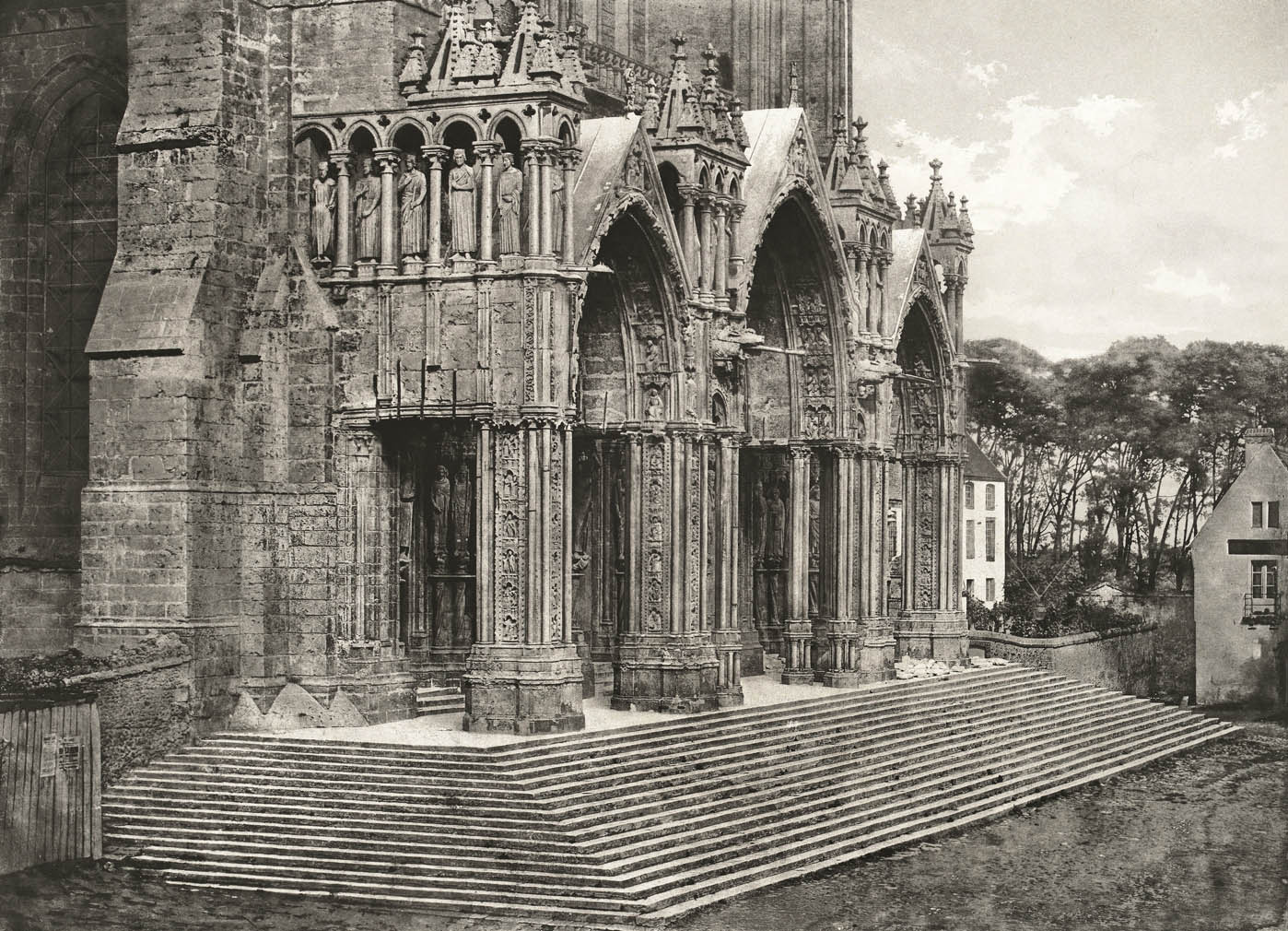


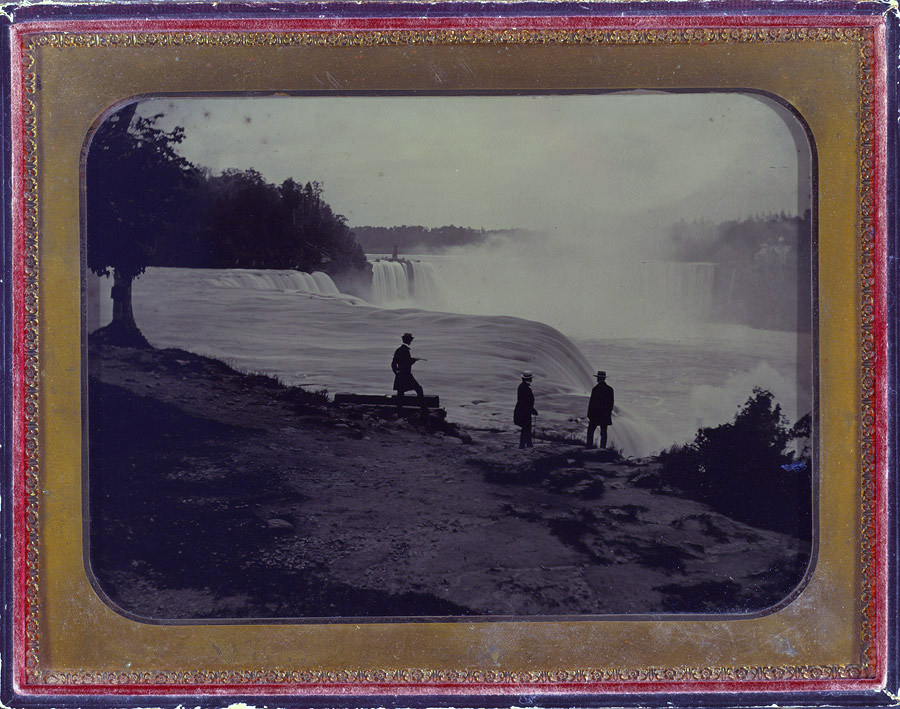

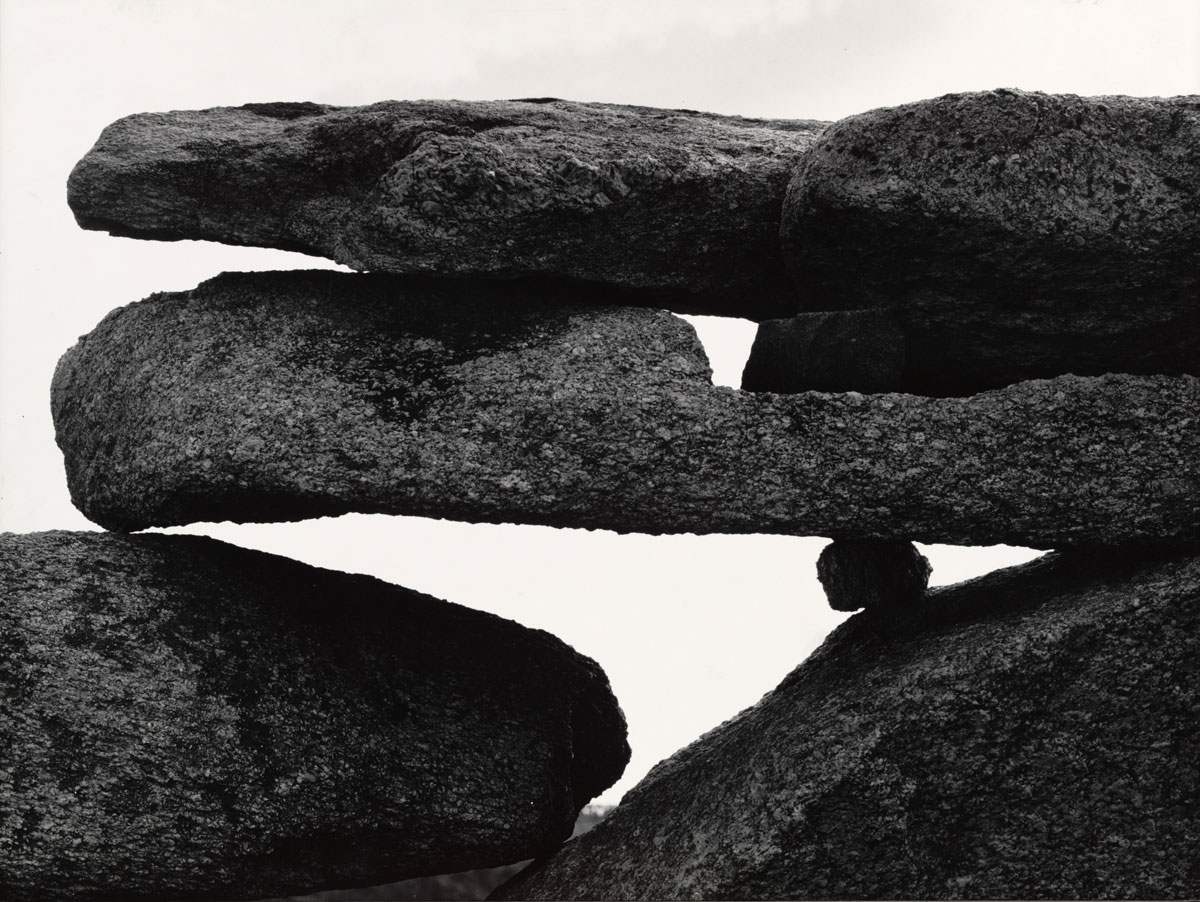
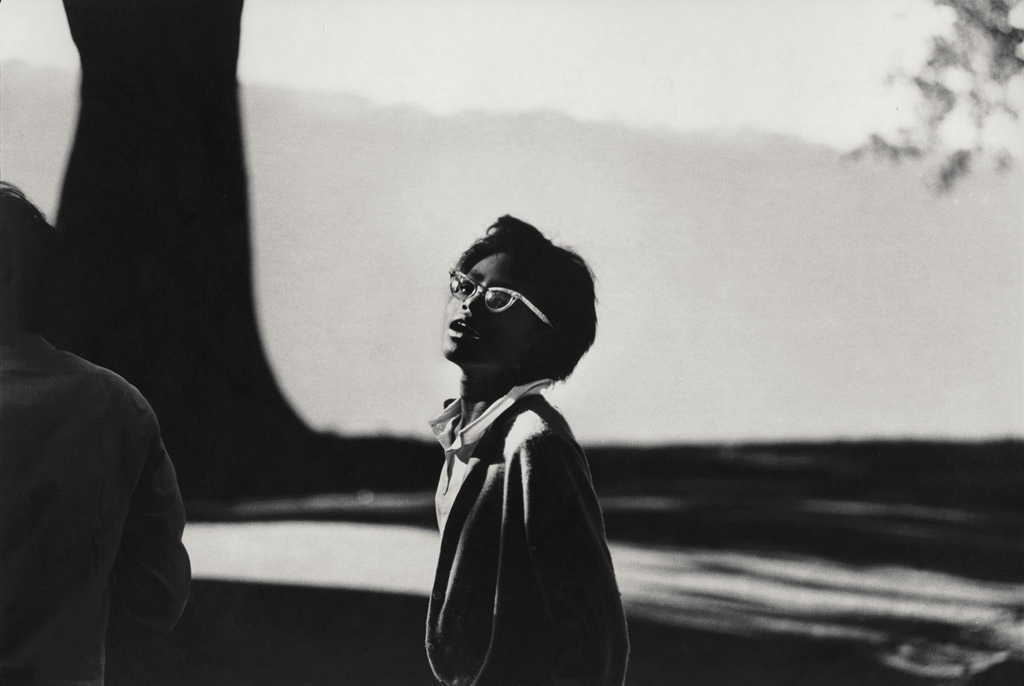


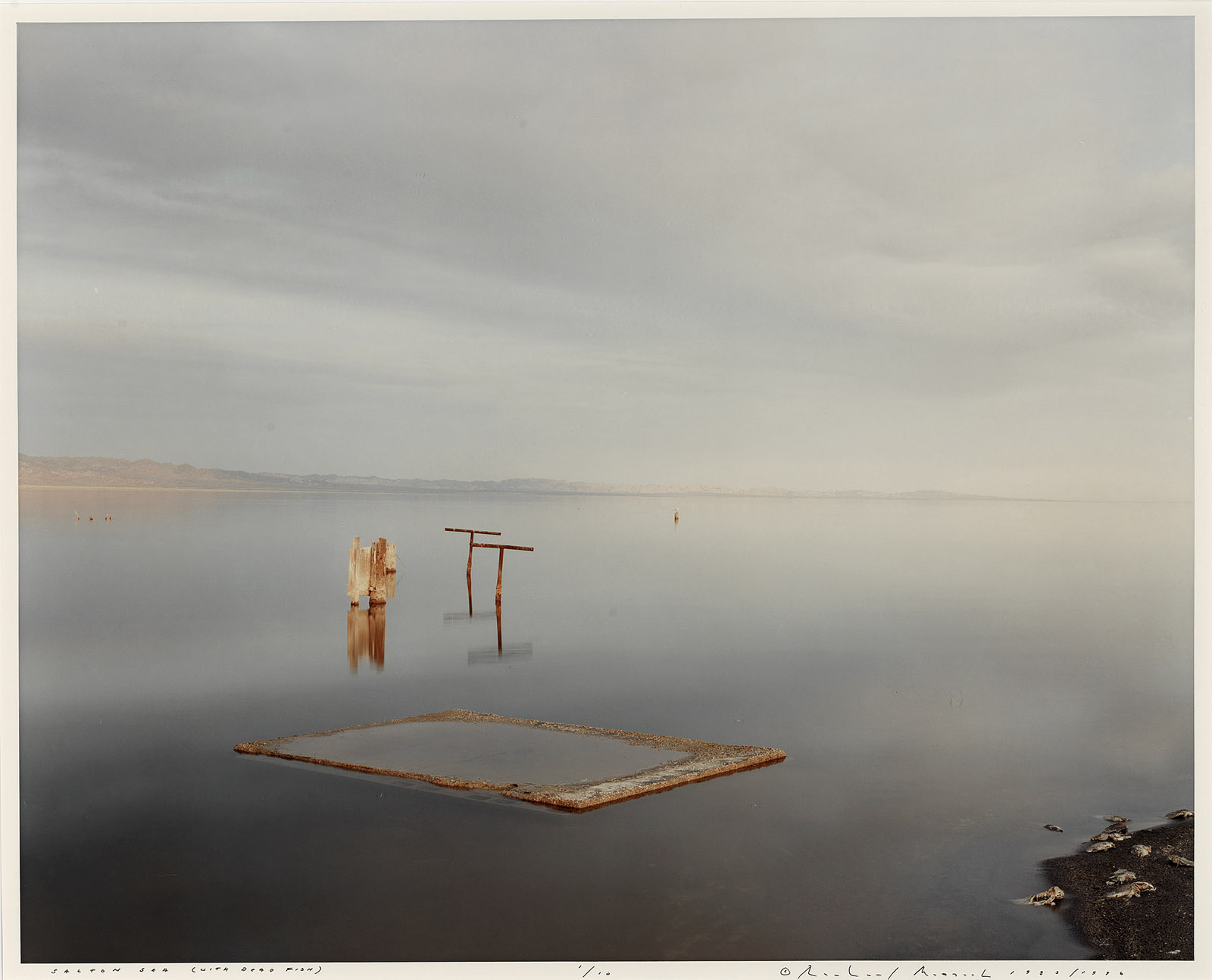
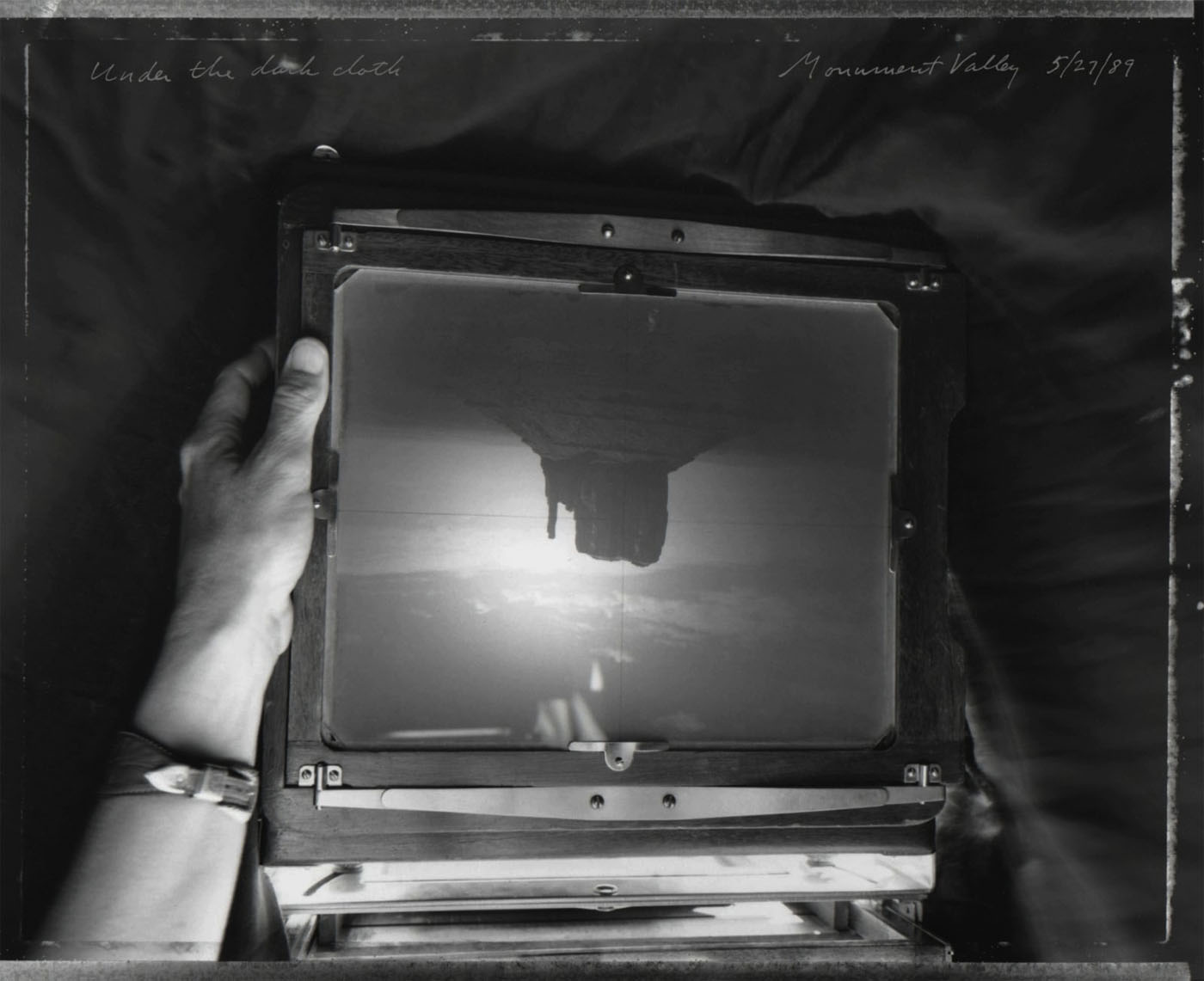
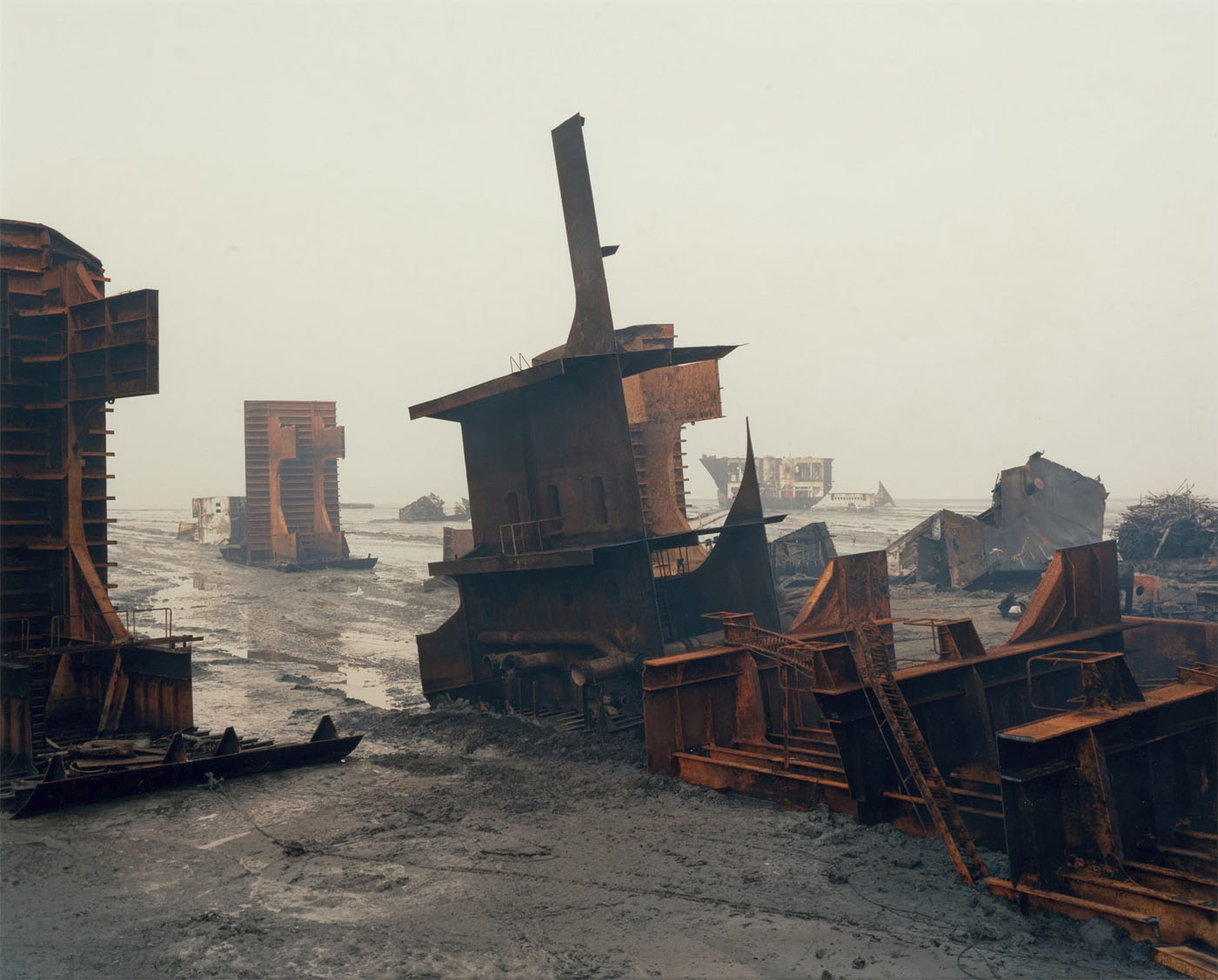
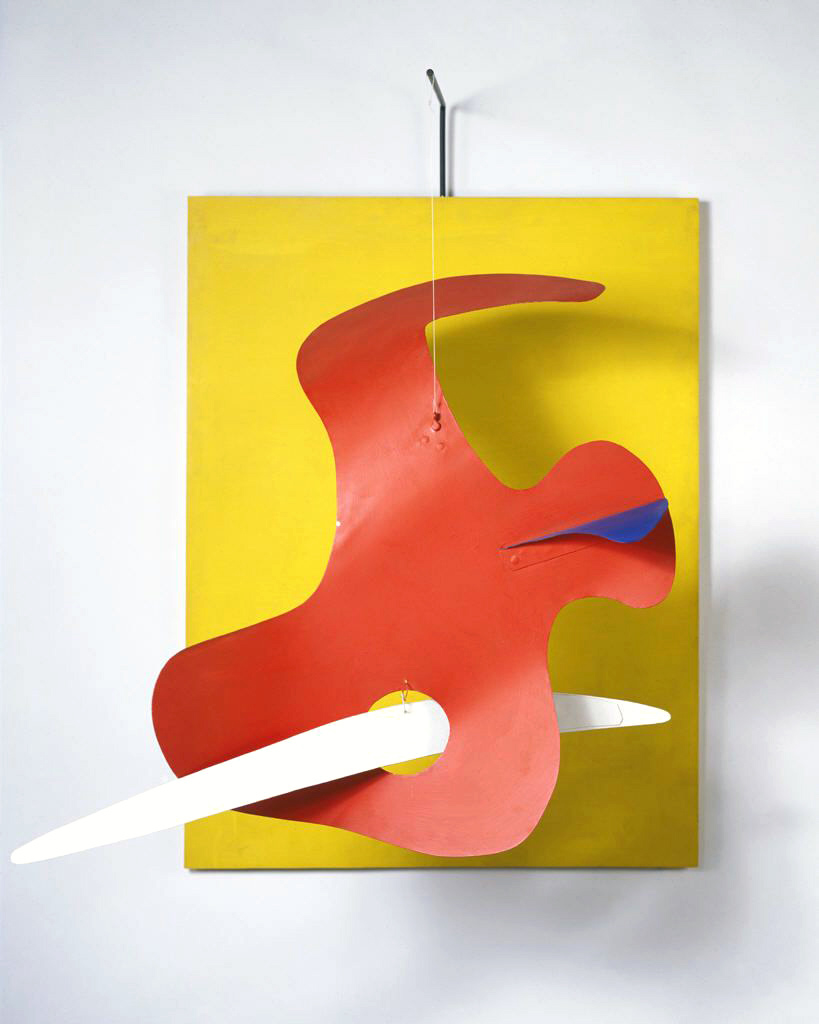
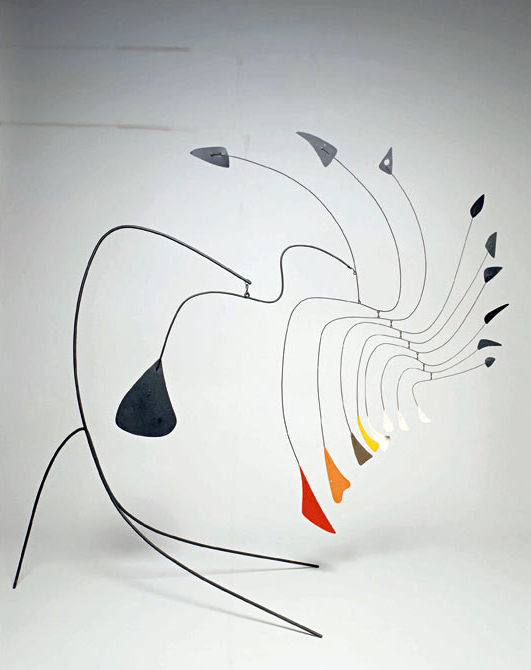
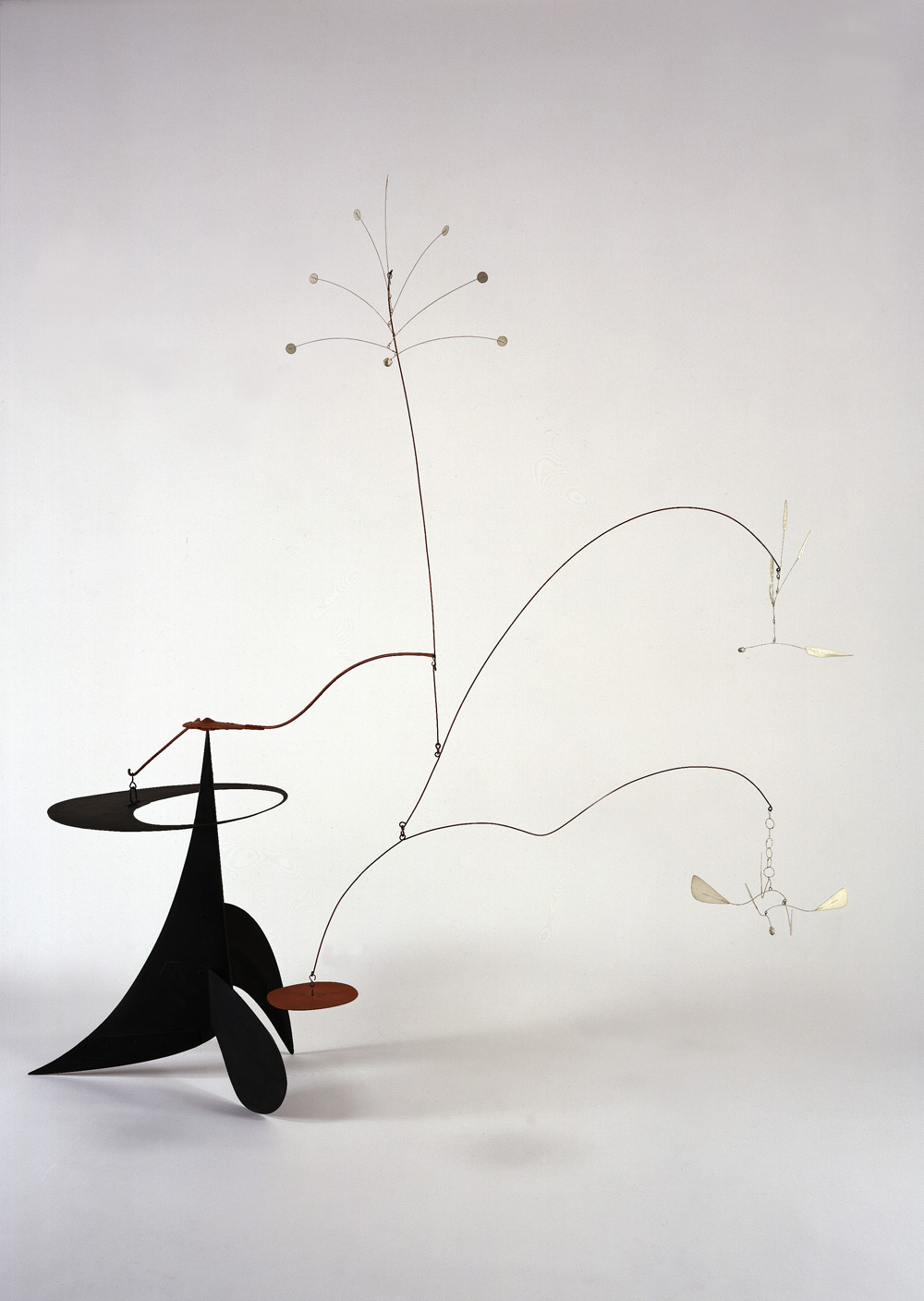
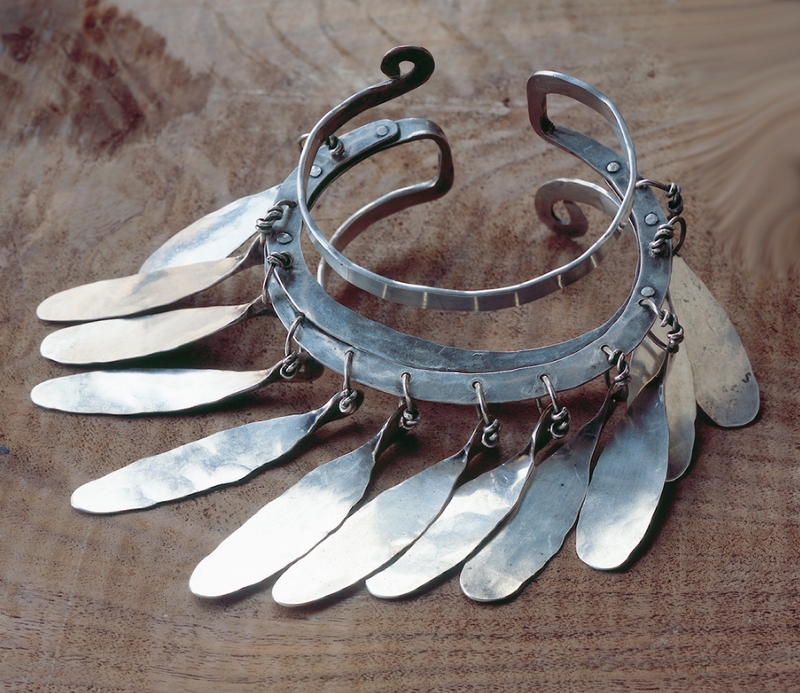
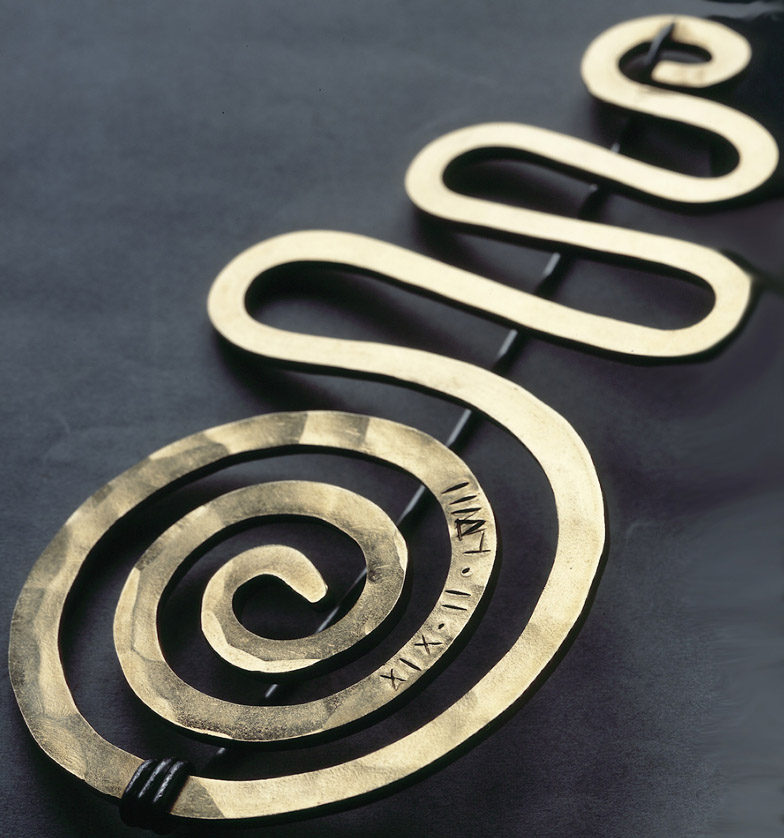
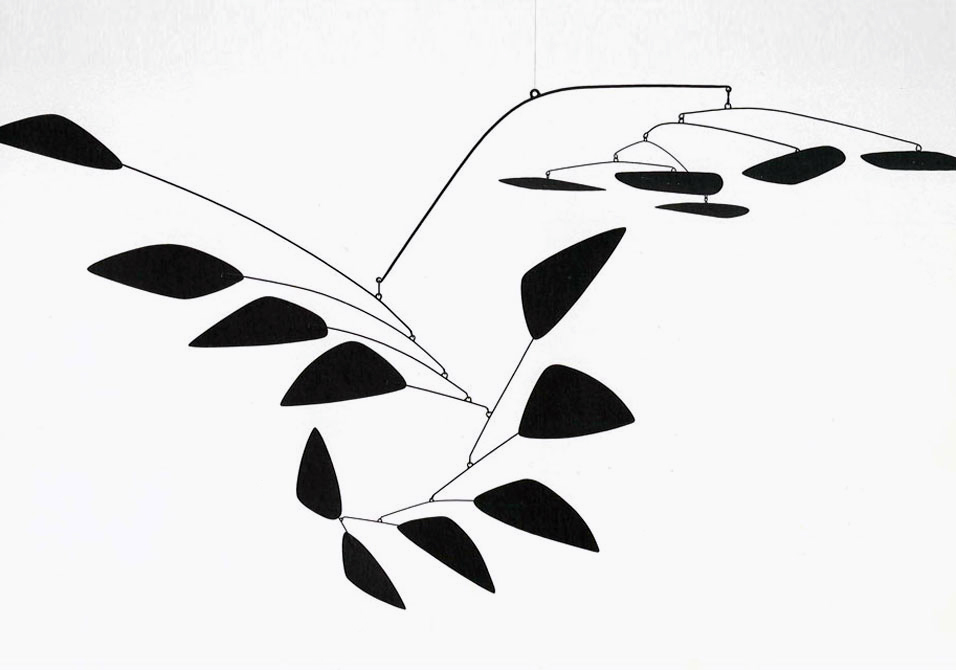
![Alexander Calder (American, 1898-1976) 'Teodelapio [maquette II]' 1962](https://artblart.com/wp-content/uploads/2010/02/calder-teodelapio.jpg "Alexander Calder (American, 1898-1976) 'Teodelapio [maquette II]' 1962")
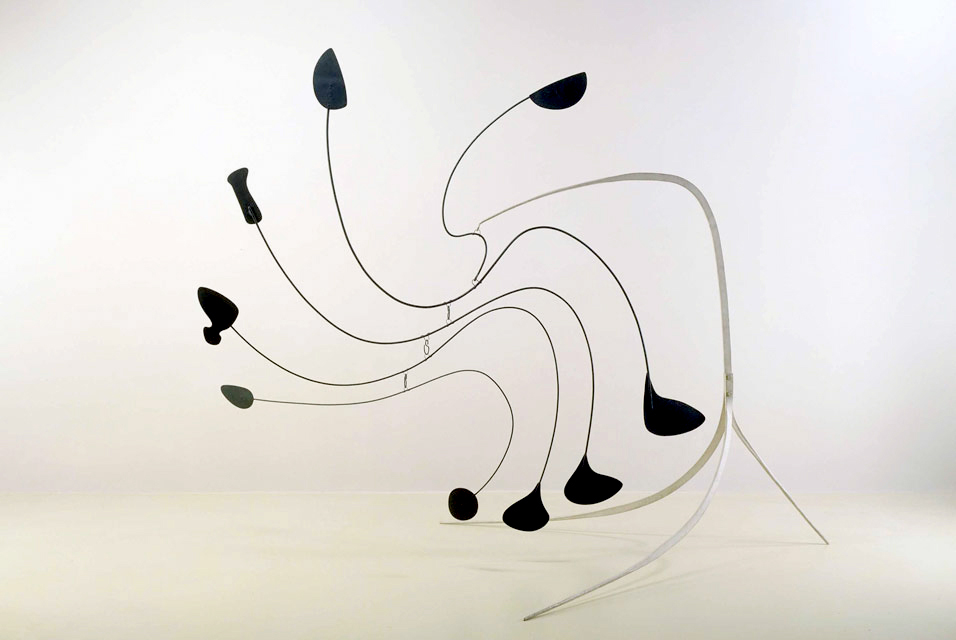
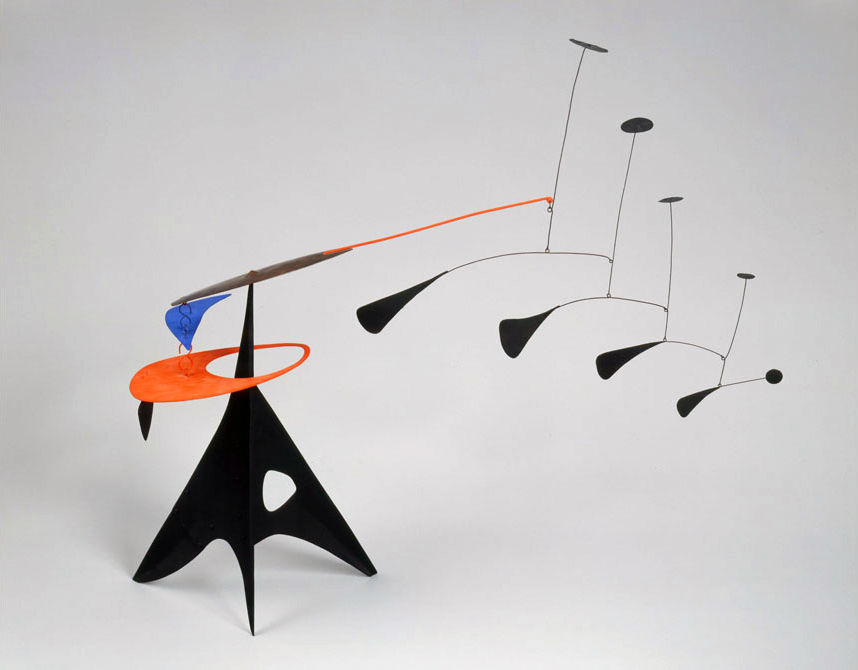
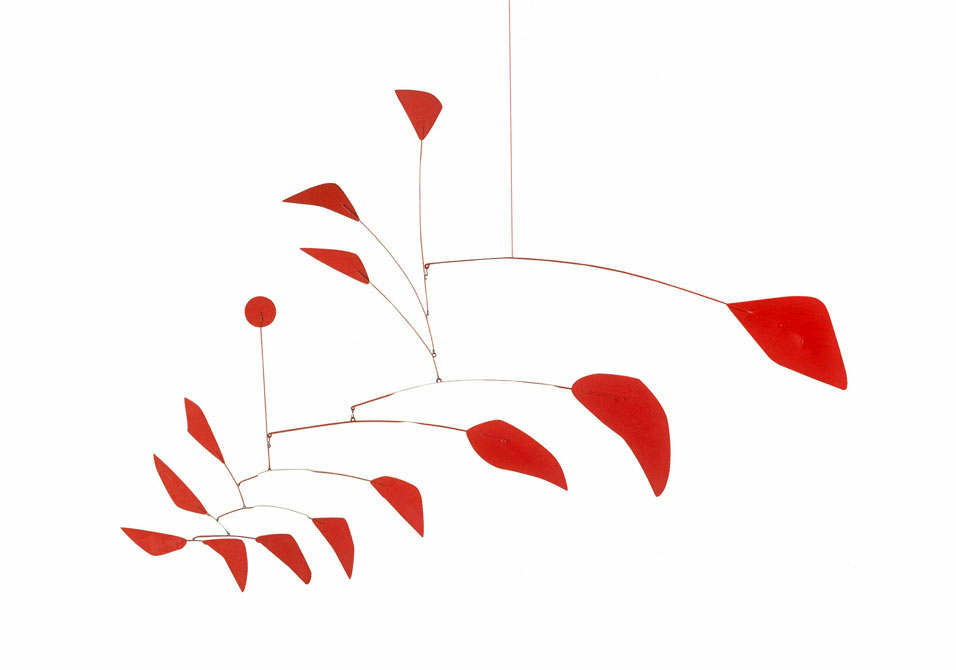
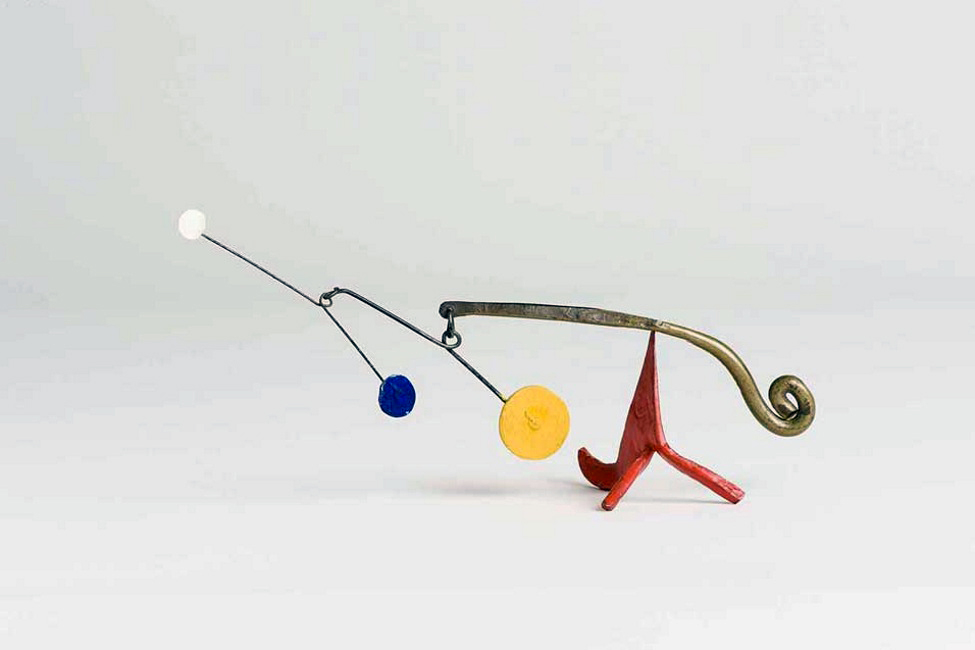
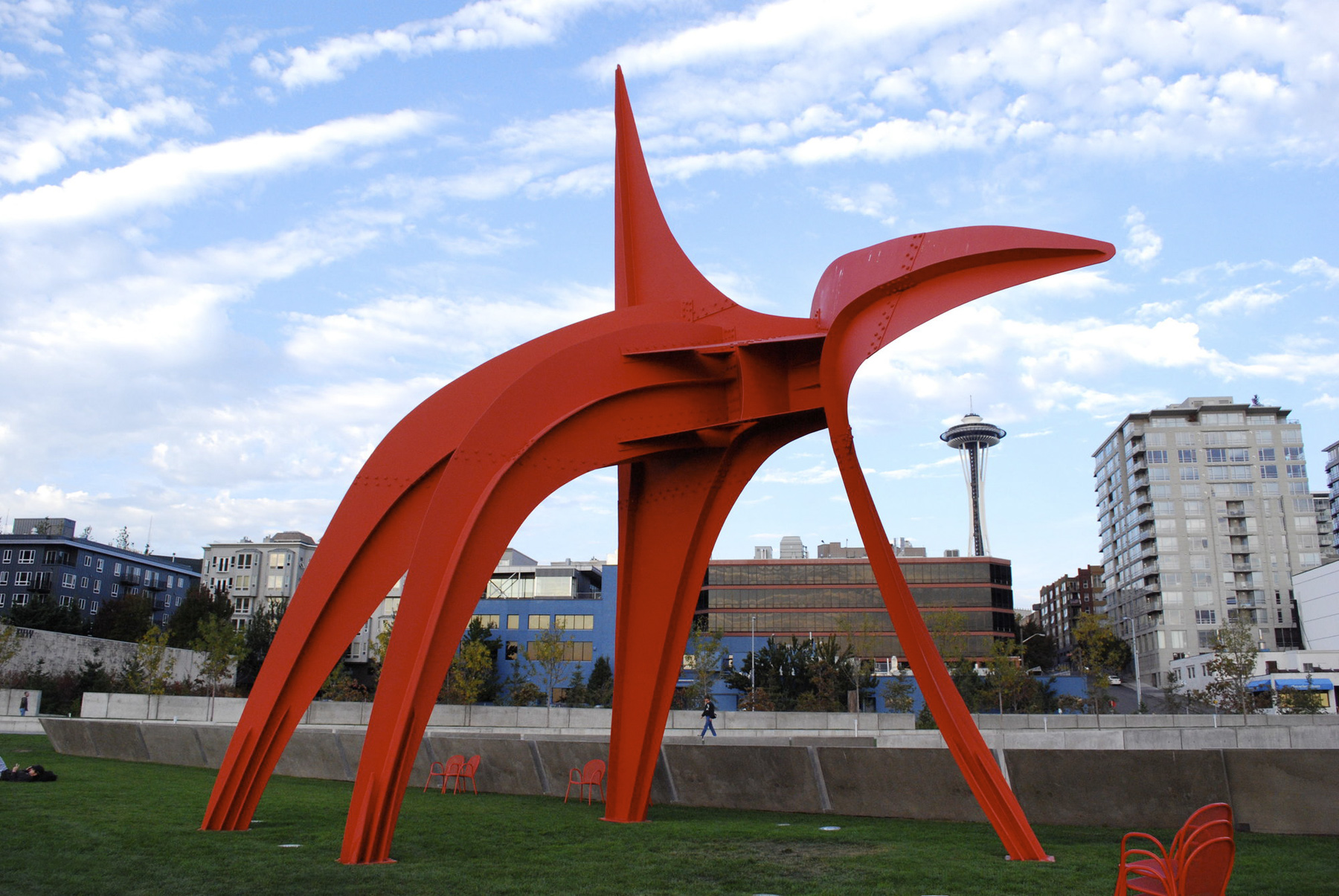
 Art Blart _ art and cultural memory archive
You must be logged in to post a comment.