Photographs: Gordon Parks Farm Security Administration (FSA) photographs 1942-1943

“Through personal storytelling of everyday moments, the photographs preserve a record, a memory, a hope of a better life – for an individual, for a people and a community.” Dr Marcus Bunyan

November 2026


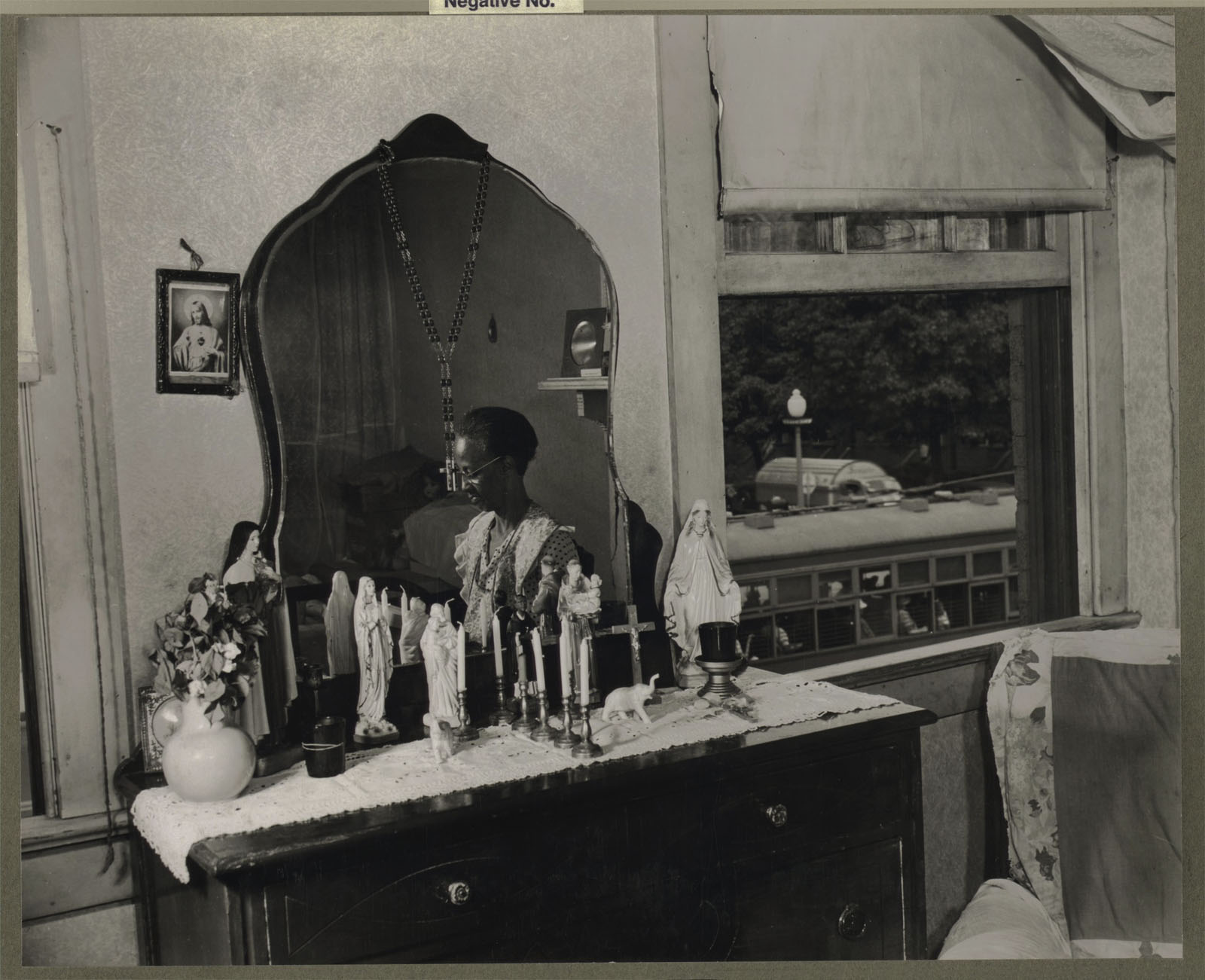
Gordon Parks (American, 1912-2006) 'Dresser in the Bedroom of Mrs. Ella Watson a Government Charwoman, Washington DC' Summer 1942


Gordon Parks (American, 1912-2006)
Dresser in the Bedroom of Mrs. Ella Watson a Government Charwoman Washington DC
Summer 1942
Gelatin silver print
Library of Congress
Public domain


Except for one very famous photograph Government charwoman (American Gothic), Washington DC (Summer 1942, below), this posting highlights a largely under appreciated aspect of one of the world’s great photographers – the photographs Black American photographer, polymath and Renaissance man Gordon Parks (1912-2006) captured during his time at The Farm Security Administration (FSA) in Washington, D.C., and later, the Office of War Information (OWI) (1942-1944).

In 1942, Parks became the only Black photographer to work for the Farm Security Administration (FSA). Think about that for a few years, and try and understand how groundbreaking this achievement was for a man of colour, in a country where Black American soldiers were only just being allowed to fight in World War Two (April 1943).1

His role as an artist, communicator, storyteller, photojournalist and social documentary photographer who exposed injustice and racial prejudice was forged in the crucible of the American capital, Washington, where he observed that, “discrimination and bigotry were worse there than any place I had yet seen.”

Parks studied the work of FSA photographers such as Lange, Shahn, Evans, Delano, Rothstein, and others. He was educated in his craft by the head of the FSA Roy Stryker where he learnt to “live the life” of his subjects by inhabiting their world, listening to their stories, and empathising with the victim – their stories revealed in subtle, intimate photographs that have real power and presence.

“What the camera had to do was expose the evils of racism, the evils of poverty, the discrimination and the bigotry, by showing the people who suffered most under it.”2

Through personal storytelling of everyday moments, the photographs preserve a record, a memory, a hope of a better life – for an individual, for a people and a community.

Please read the illuminating anonymous text “Ella Watson, U.S. Government Charwoman Photographer: Gordon Parks” in the posting below to gain a greater understanding into the photographer’s journey.

Many thanks to Drew Thomas Levy for allowing me to publish his words from his excellent FSA Instagram page. Recommended reading on and viewing of the FSA photographic archive.

All photographs are from the Library of Congress and are in the public domain.

Dr Marcus Bunyan


1/ African American flying units first saw combat in April 1943 with the Tuskegee-trained 99th Pursuit Squadron, while ground combat units like the 92nd Infantry Division (“Buffalo Soldiers”) entered combat in Italy in September 1944, and the all-Black 761st Tank Battalion entered ground combat in Europe on November 7–8, 1944. (Various sources)

2/ Martin H. Bush, “A Conversation with Gordon Parks,” in Martin H. Bush, The Photographs of Gordon Parks (Wichita, Kansas: Wichita State University, 1983), 38


Please click on the photographs for a larger version of the image.


“I think Roy [Stryker] stirred the interest in me to try and get to know people and get to know all kinds of people better and investigate their ills and their prejudices and their goods and their evil.”


Gordon Parks, oral history interview, December 30, 1964, Archives of American Art, Smithsonian Institution


In 1942, Gordon Parks became the first Black photographer hired by the Farm Security Administration (FSA). Operating under Roy Stryker, Parks utilised his camera to powerfully document poverty, systemic racism, and segregation. His work during this era fundamentally changed the lens through which America viewed its social and economic conditions. His work directly challenged institutional bigotry and helped pave the way for his later groundbreaking career at LIFE magazine.

Parks’s FSA work uniquely combined documentary storytelling with profound social critique. After facing intense daily racism in Washington, he used his camera to expose inequalities within government buildings and local communities. His subjects ranged from federal workers to impoverished families, illustrating the struggles and dignity of Black Americans during World War II.

Google AI
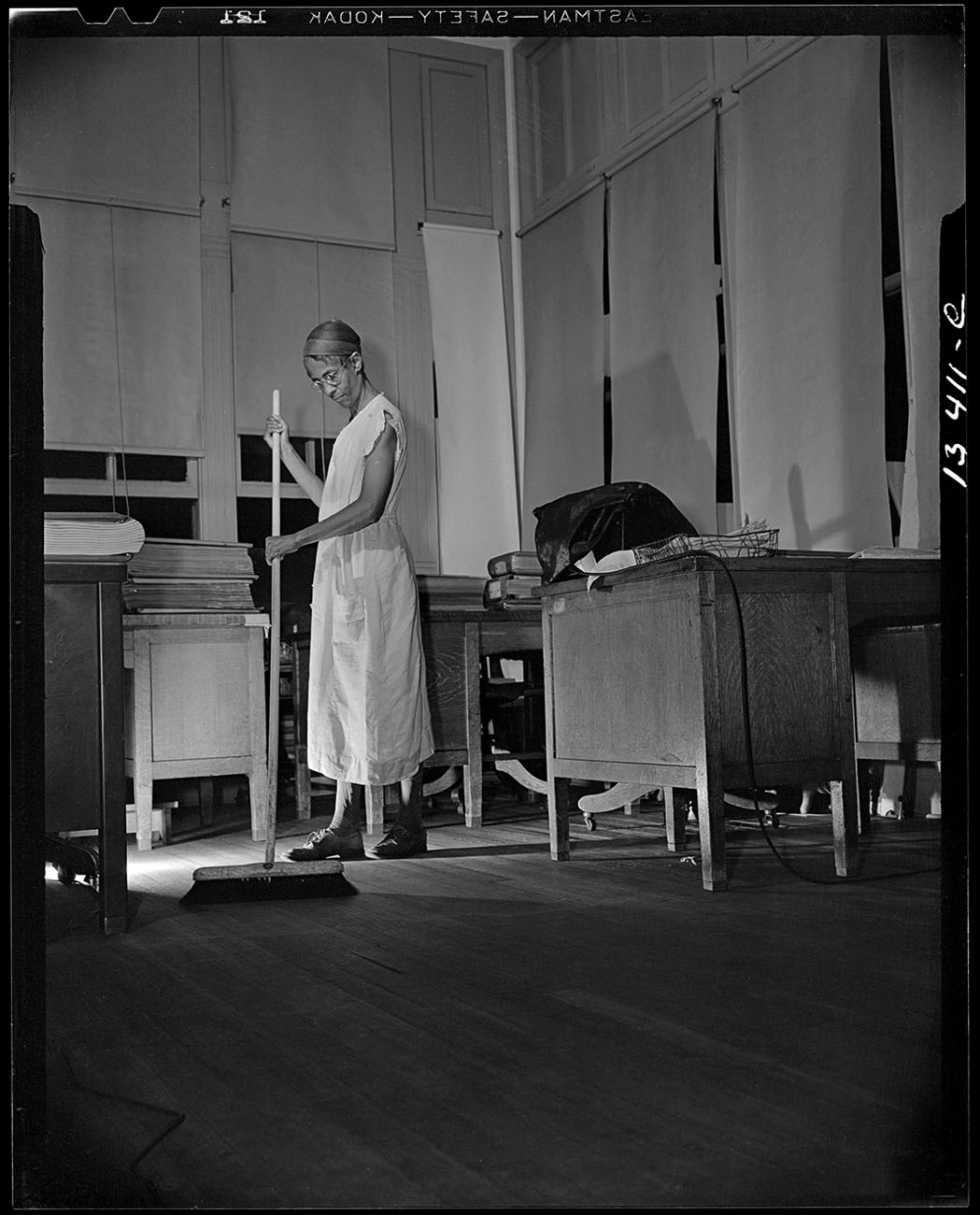
 

Gordon Parks (American, 1912-2006) 'Government charwoman, Washington DC' Summer 1942


Gordon Parks (American, 1912-2006)
Government charwoman, Washington DC
Summer 1942
Gelatin silver print
Library of Congress
Public domain
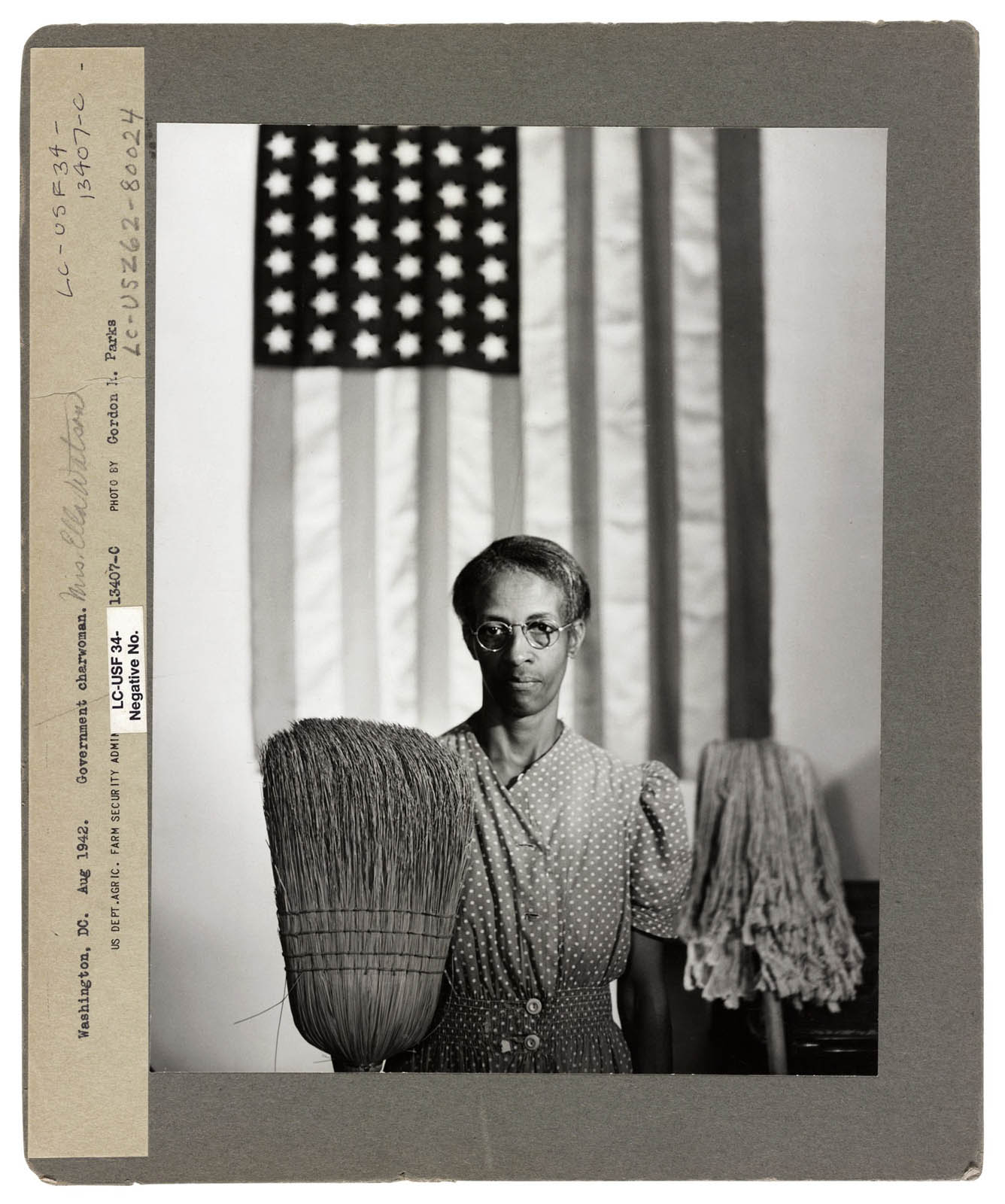
 

Gordon Parks (American, 1912-2006) 'Government charwoman (American Gothic), Washington DC' Summer 1942


Gordon Parks (American, 1912-2006)
Government charwoman (American Gothic), Washington DC
Summer 1942
Gelatin silver print
Library of Congress
Public domain


This Gordon Parks portrait of Ella Watson, a government charwoman, or custodian, was taken at her place of employment, as she cleaned offices “after regular hours” [5pm – 1am for over 20 years] on what was undoubtedly a hot and humid summer evening in Washington DC in August 1942. Along with Dorothea Lange’s “Migrant Mother” it must be counted as one of the most iconic images in the entire FSA-OWI archive. …

If Parks had only managed to frame even just one of these images, he would’ve nonetheless been successful in capturing a humane portrait. He did more than that, of course: capturing both a humane portrait of a dignified individual and a profoundly powerful symbolic image that appears to hold within its frame so much profound truth about the complicated intersections of race, class, and gender that inform our ideas about American patriotism and power.

In addition to all of that, Parks also followed Watson home and captured images of her apartment, her family, neighborhood stores in which she shopped, and the church where she prayed on Sundays. Across the full collection of images … Parks moved far beyond the symbolism of this rightly famous first photograph, creating a visually arresting portrait of a complex human life.

Drew Thomas Levy on his FSA Instagram page
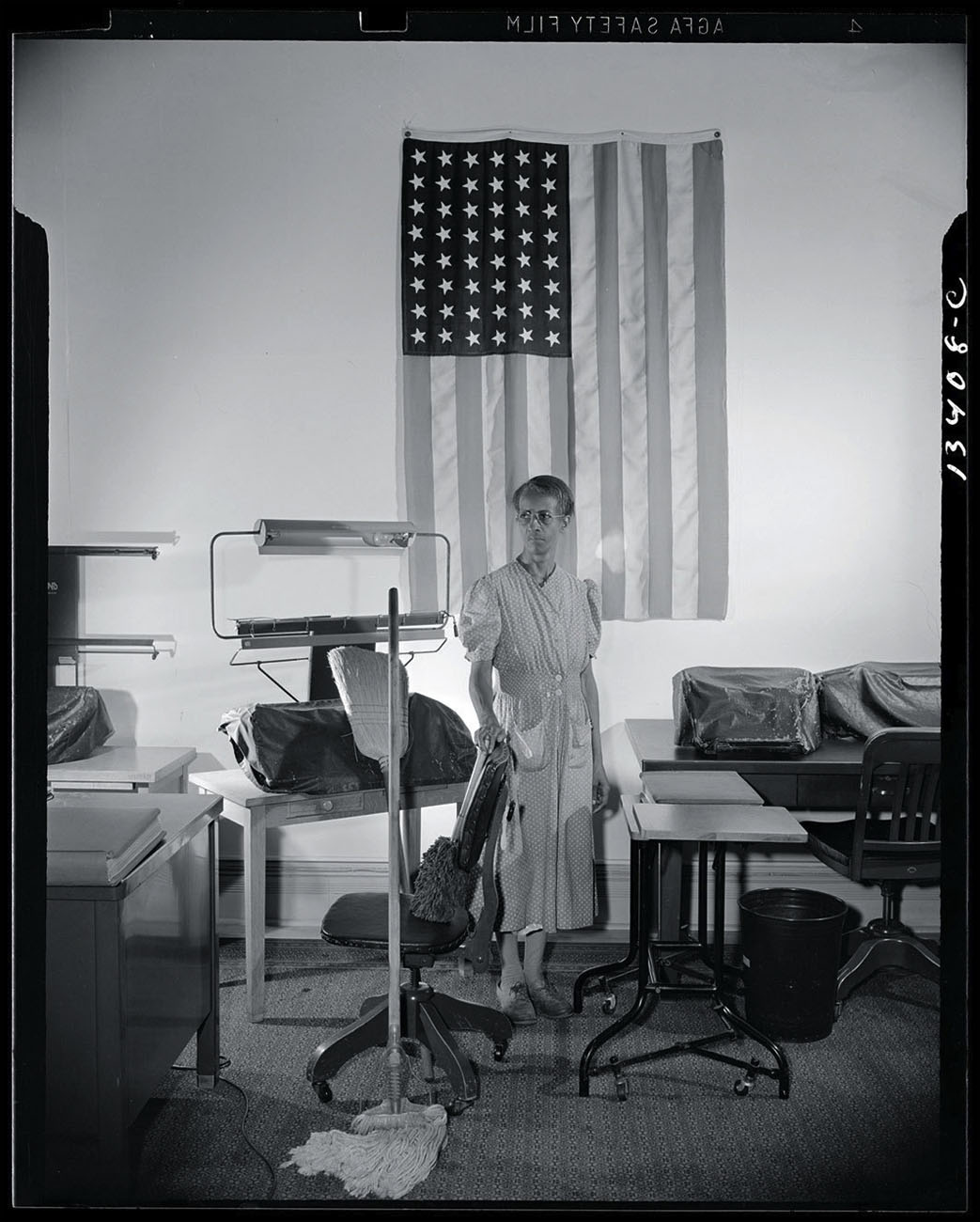
 

Gordon Parks (American, 1912-2006) 'Government charwoman, Washington DC' Summer 1942


Gordon Parks (American, 1912-2006)
Government charwoman, Washington DC
Summer 1942
Gelatin silver print
Library of Congress
Public domain


Ella Watson, U.S. Government Charwoman Photographer: Gordon Parks

Gordon Parks was born in Kansas in 1912 and spent his youth in Minnesota. During the Depression a variety of jobs, including stints as a musician and as a waiter on passenger trains, took him to various parts of the northern United States. He took up photography during his travels and by 1940 had made his first serious attempts to earn a living from the art as a self-taught fashion photographer in Minneapolis and Chicago. Though he had experienced racial discrimination outside the South, it was in the southern city of Washington, D.C., that Parks “found out what prejudice was really like.” In 1942, an opportunity to work for the Farm Security Administration brought the photographer to the nation’s capital; Parks later recalled that “discrimination and bigotry were worse there than any place I had yet seen.”1

Parks came to Washington on a fellowship from the Julius Rosenwald Fund, a foundation dedicated to research about the South, which had a special program to encourage work of all kinds by promising blacks. In the irreverent words of the friend who told him about the program, “It’s a fund set up for exceptionally able spooks and white crackers.”2 As a Rosenwald fellow, Parks joined the august company of Ralph Bunche, Zora Neale Hurston, James Baldwin, and many others.3

Parks, who had admired the Farm Security Administration photographs for some time, planned to spend his fellowship year as an apprentice photographer in Stryker’s section and had received encouragement from the FSA Jack Delano when he was applying for the fellowship.4 But when he arrived in Washington, he recalled in 1983, Stryker resisted, expressing worries about the reaction of others – in the agency as well as in the city – to a black photographer. “When I went there,” Parks said, “Roy didn’t want to take me into the FSA, but the Rosenwald people were a part of that whole Rooseveltian thing. They insisted: ‘Roy, you’ve got to do it.'” As Parks remembered it, Will Alexander – the vice-president of the Rosenwald Fund and the former head of the Farm Security Administration and thus Stryker’s old boss – delivered the final nudge.5

Parks’s autobiography and interviews emphasise the importance of the education Stryker gave him.6 After asking Parks to leave his cameras in the office, Stryker sent the newly arrived photographer around Washington, instructing him to visit stores, restaurants, and theaters. When Parks was refused service, he became furious and returned to the office ready to “show the rest of the world what your great city of Washington, D.C. is really like,” proposing to photograph scenes of injustice and portraits of bigots. In response, Stryker sent Parks to the file to study the work of Lange, Shahn, Evans, Delano, Rothstein, and others. Parks studied their photographs of gutted fields, dispossessed migrants, and the gaunt faces of people caught in the Depression. Although some might lay these tragedies to God, Parks wrote, “the research accompanying these stark photographs accused man himself–especially the lords of the land.” As the effectiveness of photographing victims instead of perpetrators and the importance of the words that accompany photographs sank in, Parks concluded, “I began to get the point.”7

One evening a few weeks later when he was alone in the office with Stryker, Parks said he was still seeking a way to expose intolerance with a camera. Stryker pointed out a charwoman at work in the building. “Go have a talk with her,” he said, “See what she has to say about life and things.” Parks complied, and later recalled his first conversation with Ella Watson: She began to spill out her life’s story. It was a pitiful one. She had struggled alone after her mother had died and her father had been killed by a lynch mob. She had gone through high school, married and become pregnant. Her husband was accidentally shot to death two days before their daughter was born. By the time the daughter was eighteen, she had given birth to two illegitimate children, dying two weeks after the second child’s birth. What’s more, the first child had been striken with paralysis a year before its mother died.8

The information about Watson in the official files is considerably more understated than Parks’s recollection. The captions and catalog card for the lot inform us that Watson’s household included her adopted daughter and grandchildren and that her annual salary was $1080. But these materials do not explain that the children were left with neighbours while Watson worked, nor do they highlight a detail Parks found telling. One of the offices Watson cleaned was occupied by a woman – presumably white – who served in higher capacity. But both women had started work at the same time, with the same accomplishments and education.9

Parks made his first photographs of Watson in an office with a large American flag on the wall, two of which are included here. Both pictures are carefully posed, and the multiple shadows cast by the office furniture indicate that Parks used an elaborate three-flash setup. The close-up version is one of his most famous photographs, serving as the frontispiece in Parks’s word-and-picture poem Moments without Proper Names, a book dedicated to Roy Stryker and containing a memorial poem for Farm Security Administration photographer John Vachon.10 Parks’s autobiography describes Stryker’s immediate reactions to the picture:

My first photograph of [Watson] was unsubtle. I overdid it and posed her, Grant Wood style, before the American flag, a broom in one hand, a mop in the other, staring straight into the camera. Stryker took one look at it the next day and fell speechless.

“Well, how do you like it?” I asked eagerly.

He just smiled and shook his head. “Well?” I insisted.

“Keep working with her. Let’s see what happens,” he finally replied. I followed her for nearly a month – into her home, her church, and wherever she went. “You’re learning,” Stryker admitted when I laid the photographs out before him late one evening. “You’re showing you can involve yourself in other people. This woman has done you a great service. I hope you understand this.” I did understand.11

The later pictures in the series were less polemical than this initial image. “That was my first lesson in how to approach a subject,” Parks said later, “that you didn’t have to go in with all horns blasting away.”12 This selection, drawn from the ninety images selected for the file, includes the view from Watson’s window near Washington’s Logan Circle, omits pictures of her neighbourhood grocery and Chinese laundry, and emphasises the activities at St. Martin’s Spiritual Church, which was the subject of more photographs than any other aspect of Watson’s life. In the photograph of Watson being anointed at the altar, a double exposure adds the ghostly figure of another parishioner and Reverend Gassaway. The double exposure may have been an accident, but the photograph’s suggestion of the spirituality of the service is effective.

Several of the photographs attest to Parks’s concern for arrangement and lighting, including a number in which reflections in mirrors play a significant role. Two of these are presented here. One serves as a portrait of an extended family: Watson and her grandchildren sit in the kitchen, her adopted daughter is seen reflected in the bureau mirror, and between them a man and a woman look out from a photograph in a picture frame. Parks does not identify the couple, but they are probably Watson and her husband or perhaps her parents. In another mirror photograph, the reflected image of two grandchildren stands behind Watson’s home shrine, implying her equal affection for family and religion. Parks made extensive use of flash, not only in these photographs, but also in pictures like the one of Watson sweeping the office floor, illuminated by a flashgun under a desk.

In 1983, when Parks reflected on the lessons he had learned from photographing this series, his thoughts returned to the matter of intolerance. He told an interviewer that he could not simply photograph the person who had discriminated against him, “and say, ‘This is a bigot,’ because bigots have a way of looking just like everybody else. What the camera had to do was expose the evils of racism, the evils of poverty, the discrimination and the bigotry, by showing the people who suffered most under it.”13 In the same interview, he underscored the reasoning behind the title of his 1966 autobiography, A Choice of Weapons: “I have always felt as though I needed a weapon against evil.”14 Parks’s weapon is the camera.

Anonymous. “Ella Watson, U.S. Government Charwoman Photographer: Gordon Parks” from ‘Farm Security Administration/Office of War Information Black-and-White Negatives’ on the Library of Congress website Nd [Online] Cited 21/07/2026. Used under fair use conditions for the purposes of education and research


Footnotes

1/ Martin H. Bush, “A Conversation with Gordon Parks,” in Martin H. Bush, The Photographs of Gordon Parks (Wichita, Kansas: Wichita State University, 1983), 36.
2/ Gordon Parks, A Choice of Weapons (New York: Harper and Row, 1966), 208.
3/ Wilma Dykeman and James Stokely, Seeds of Southern Change: The Life of Will Alexander (Chicago: University of Chicago Press, 1962), 183-85, 268-69.
4/ F. Jack Hurley, Portrait of a Decade: Roy Stryker and the Development of Documentary Photography in the Thirties, 158.
5/ Bush, “A Conversation with Gordon Parks,” 56.
6/ Parks, A Choice of Weapons, 220-51; Gordon Parks interview by Richard Doud, 28 April 1964, Archives of American Art, Smithsonian Institution; Martin Bush, “A Conversation with Gordon Parks,” 36-38 and 56-58.
7/ Parks, A Choice of Weapons, 228.
8/ Ibid., 230-31.
9/ Ibid.
10/ Gordon Parks, Moments without Proper Names (New York: Viking Press, 1975).
11/ Parks, A Choice of Weapons, 231.
12/ Gordon Parks interview by Richard Doud, 28 April 1964, quoted in Hurley, Portrait of a Decade, 158.
13/ Bush, “Conversation with Gordon Parks,” 38.
14/ Ibid., 42.
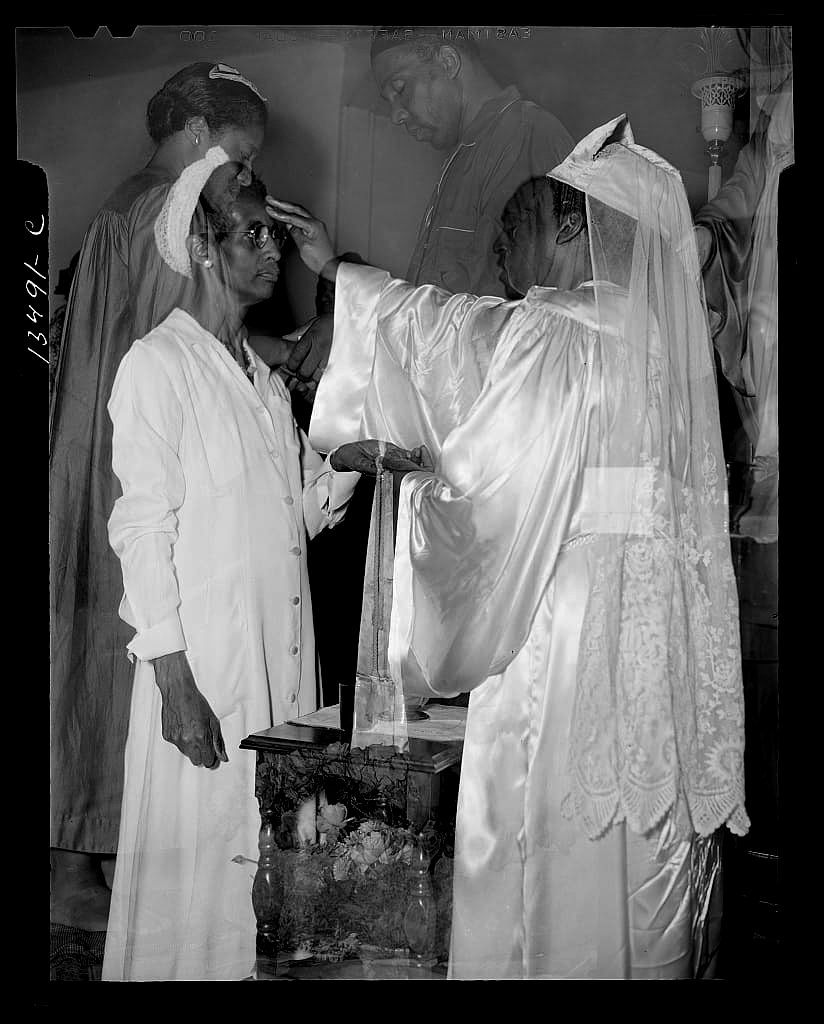
 

Gordon Parks (American, 1912-2006) 'Washington, D.C. Mrs. Ella Watson, a government charwoman, receiving anointment from Reverend Clara Smith during the "flower bowl demonstration," a service held once a year at the St. Martin's Spiritual Church. Reverend Vondell Gassaway is the pastor' Summer 1942


Gordon Parks (American, 1912-2006)
Mrs. Ella Watson, a government charwoman, receiving anointment from Reverend Clara Smith during the “flower bowl demonstration,” a service held once a year at the St. Martin’s Spiritual Church. Reverend Vondell Gassaway is the pastor, Washington DC
Summer 1942
Gelatin silver print
Library of Congress
Public domain


Gordon Parks also attended worship services with Ella Watson at St. Martin’s Spiritual Church. He took a number of photos during the church’s “annual flower bowl demonstration” service. Not all of the images feature Watson and together they offer a fascinating glimpse into a particular corner of African American Christianity.

Drew Thomas Levy on his FSA Instagram page
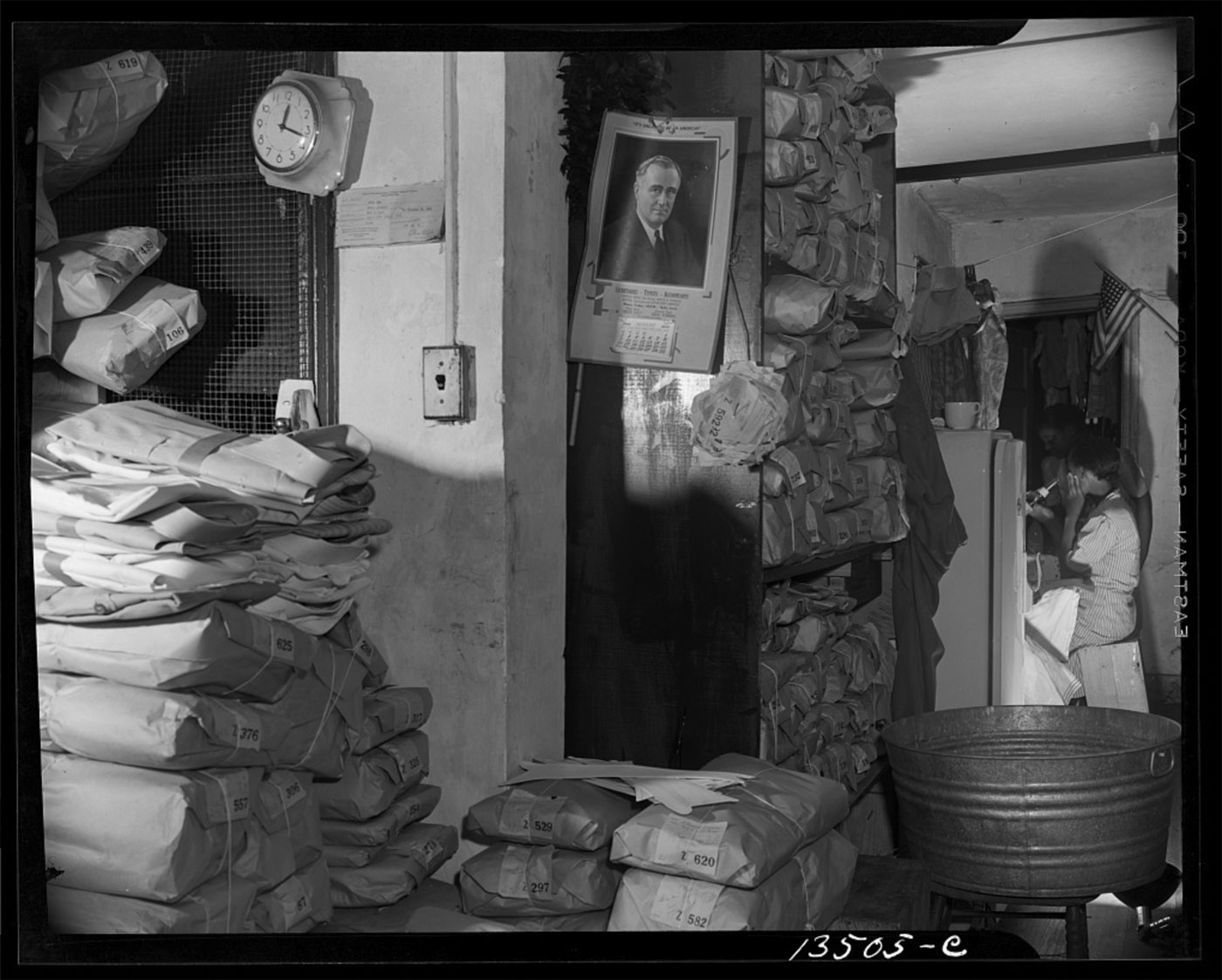
 

Gordon Parks (American, 1912-2006) 'Chinese laundry' Summer 1942


Gordon Parks (American, 1912-2006)
Chinese laundry
Summer 1942
Gelatin silver print
Library of Congress
Public domain


As part of his photo essay on the life and work of government charwoman Ella Watson, Gordon Parks took a small collection of photos inside the “Chinese laundry” that occupied the ground floor of the building in which Watson rented her apartment. The laundry was run by Johnny Lew, who is visible in the second of the two images presented here, both of which include an image of FDR, who was at the time these images were made serving in his third term as President while helping to steer the U.S. through the Second War.

Drew Thomas Levy on his FSA Instagram page
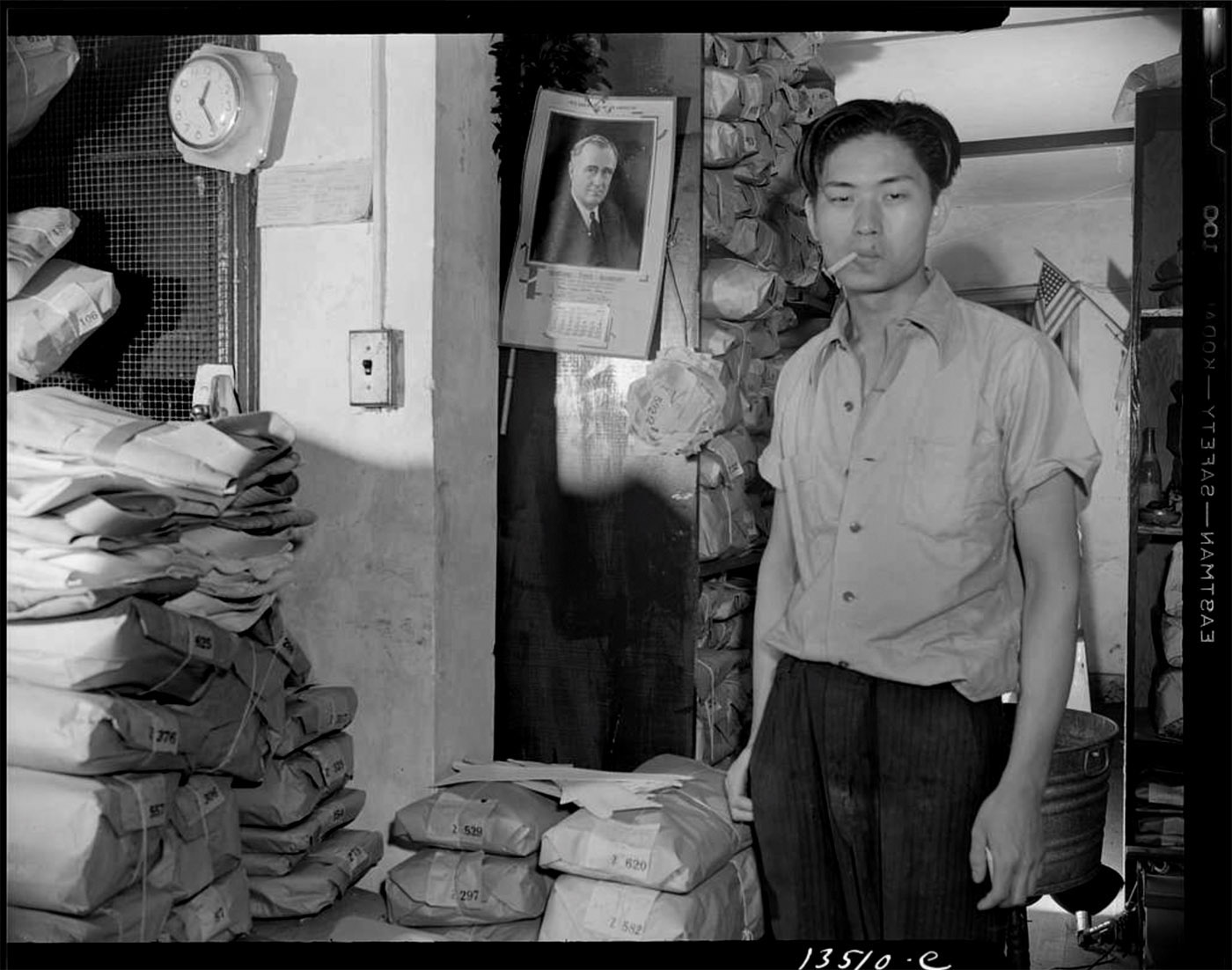
 

Gordon Parks (American, 1912-2006) 'Chinese laundry' Summer 1942


Gordon Parks (American, 1912-2006)
Chinese laundry
Summer 1942
Gelatin silver print
Library of Congress
Public domain
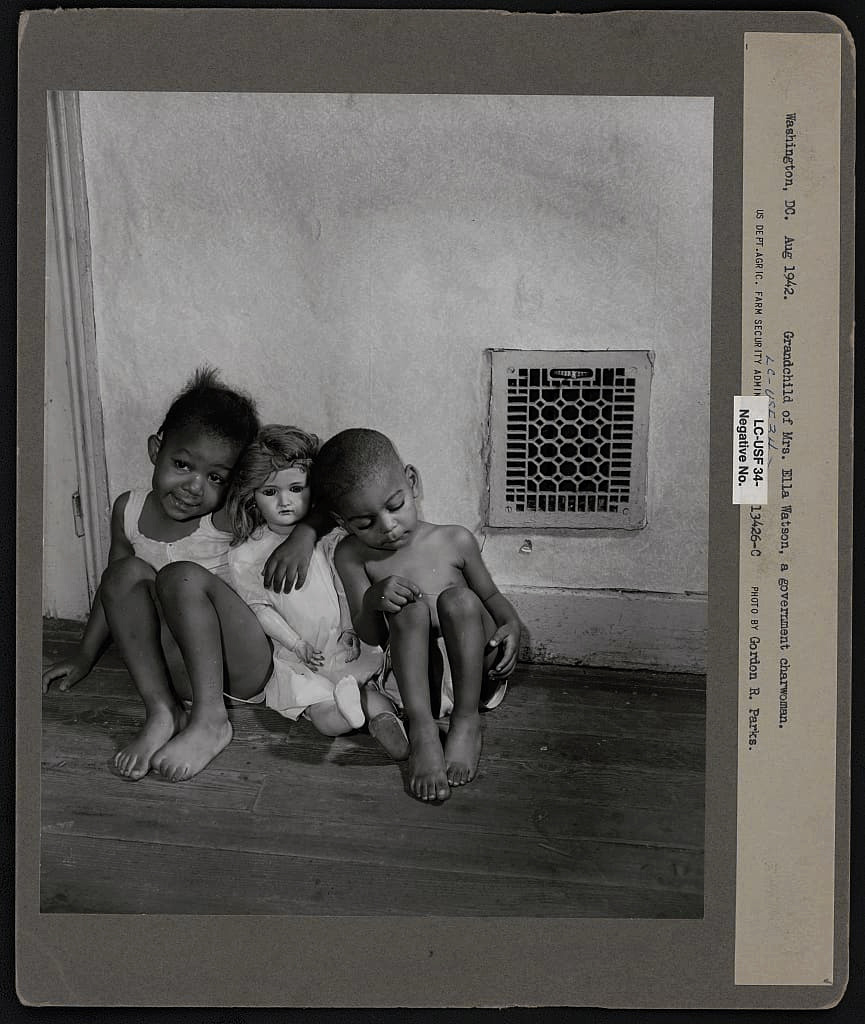
 

Gordon Parks (American, 1912-2006) 'Grandchildren of Mrs Ella Watson, a government charwoman' August 1942


Gordon Parks (American, 1912-2006)
Grandchildren of Mrs Ella Watson, a government charwoman
August 1942
Gelatin silver print
Library of Congress
Public domain
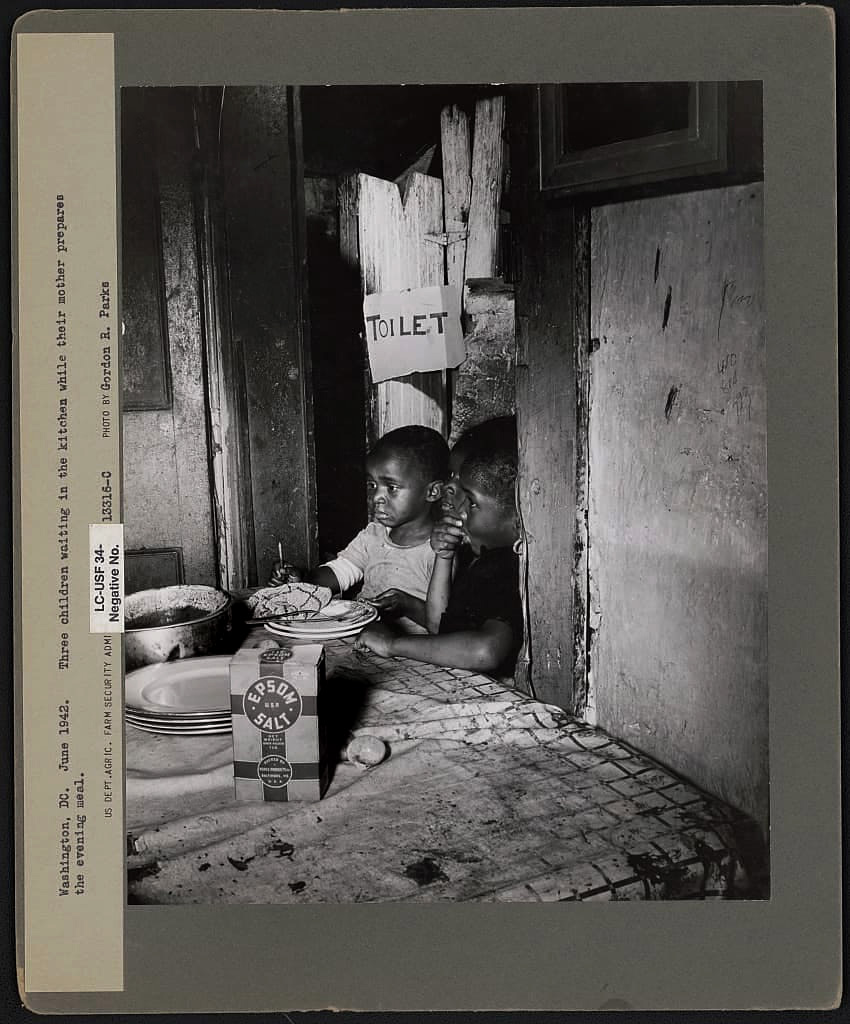
 

Gordon Parks (American, 1912-2006) 'Three children waiting in the kitchen while their mother prepares the evening meal' June 1942


Gordon Parks (American, 1912-2006)
Three children waiting in the kitchen while their mother prepares the evening meal
June 1942
Gelatin silver print
Library of Congress
Public domain


In 1944, as the Second World War continued to rage on two fronts, Swedish economist and sociologist Gunnar Myrdal completed his study of race relations in the United States: “An American Dilemma: The Negro Problem and Modern Democracy.” This Gordon Parks photograph, taken in the nation’s capital during the summer of 1942, while Myrdal and his team were actively engaged in gathering evidence for their study, might well have served as a visual translation of some of the problems “An American Dilemma” sought to expose: most notably the interconnection of race and poverty in modern American life.

The succinct but nonetheless evocative caption of this photograph reads, “Washington, D.C. Three children waiting in the kitchen while their mother prepares the evening meal.”

Drew Thomas Levy on his FSA Instagram page
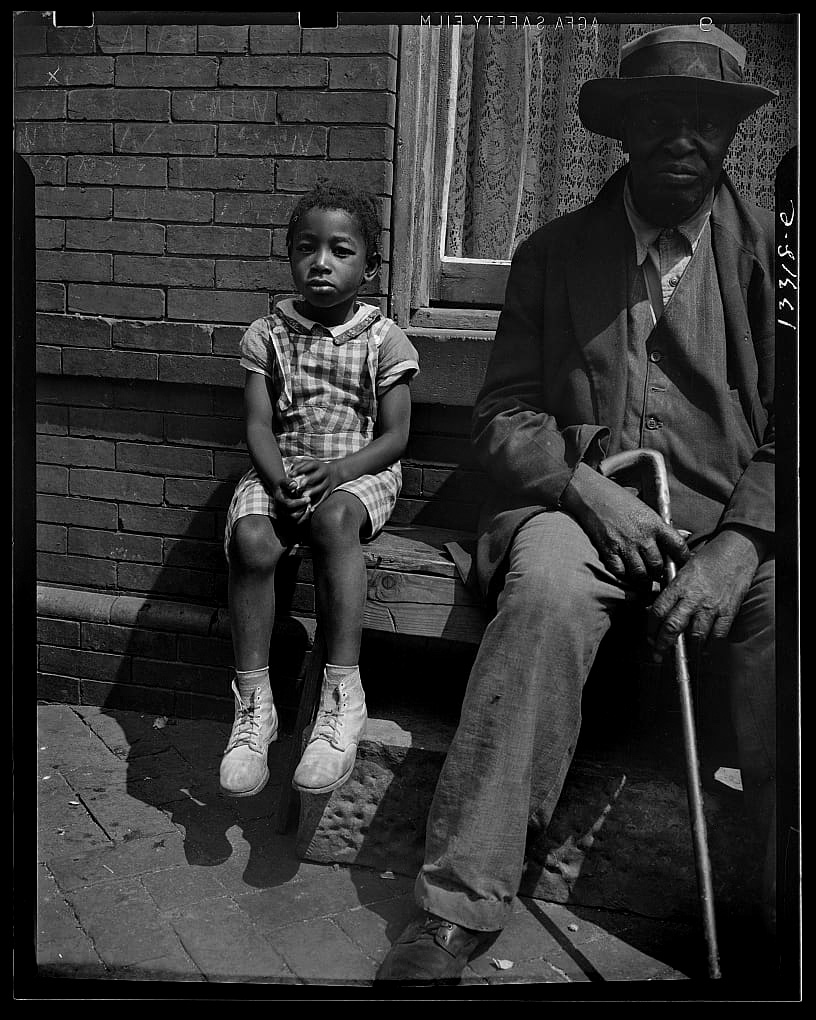
 

Gordon Parks (American, 1912-2006) 'Grandfather and grandchild on Seaton Road, Washington DC' 1942


Gordon Parks (American, 1912-2006)
Grandfather and grandchild on Seaton Road, Washington DC
1942
Gelatin silver print
Library of Congress
Public domain


This image reflects Parks’s trademark approach to his subjects: finding intimate, deeply human moments within environments marked by poverty and structural racism. Rather than resorting to sensationalism, he dignified everyday Black families. The photograph documents a tender family interaction, serving as a quiet but powerful act of resilience in a segregated city.
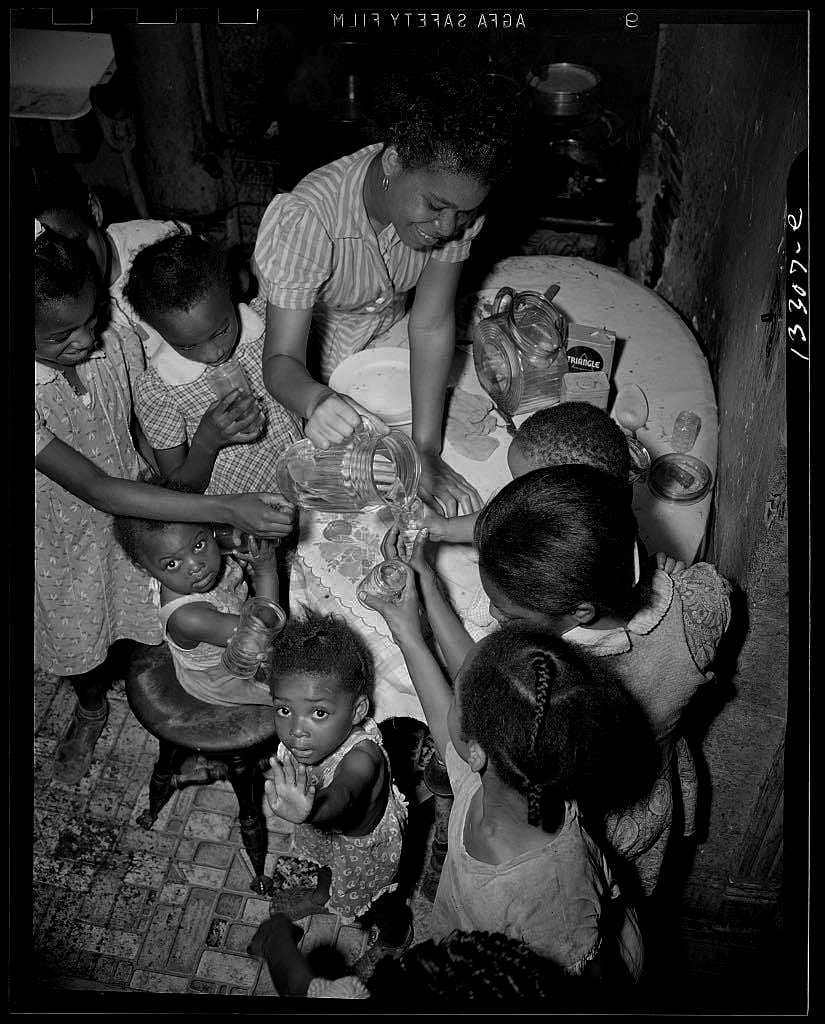
 

Gordon Parks (American, 1912-2006) 'Pouring lemonade at a birthday party on Seaton Road, Washington DC' June 1942


Gordon Parks (American, 1912-2006)
Pouring lemonade at a birthday party on Seaton Road, Washington DC
June 1942
Gelatin silver print
Library of Congress
Public domain
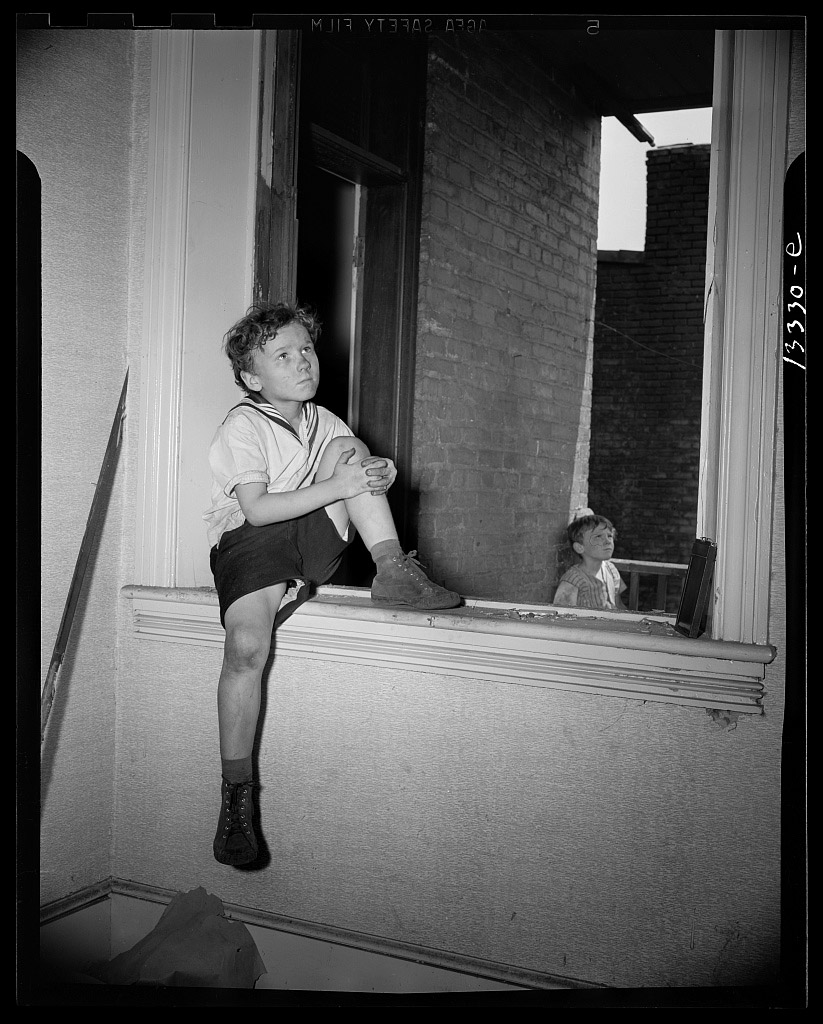
 

Gordon Parks (American, 1912-2006) 'Interiors of wrecked homes on Independence Avenue across from the Smithsonian Institute'
June 1942


Gordon Parks (American, 1912-2006)
Interiors of wrecked homes on Independence Avenue across from the Smithsonian Institute
June 1942
Gelatin silver print
Library of Congress
Public domain
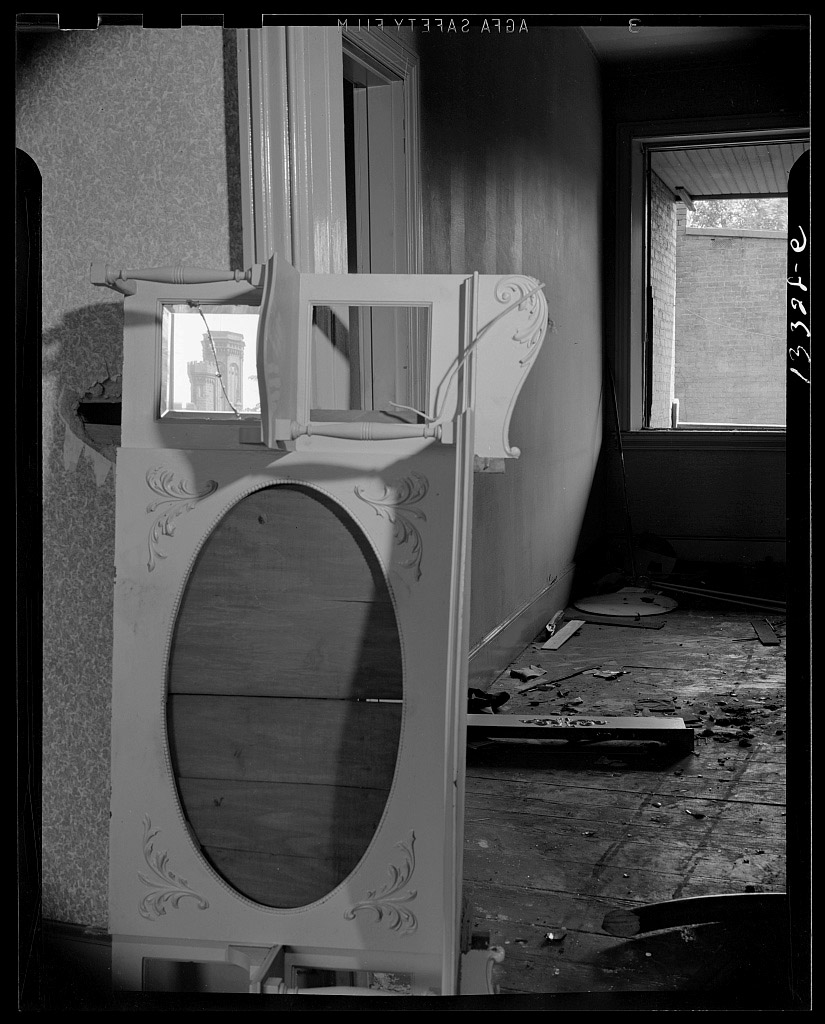
 

Gordon Parks (American, 1912-2006) 'Interiors of wrecked homes on Independence Avenue across from the Smithsonian Institute' June 1942


Gordon Parks (American, 1912-2006)
Interiors of wrecked homes on Independence Avenue across from the Smithsonian Institute
June 1942
Gelatin silver print
Library of Congress
Public domain
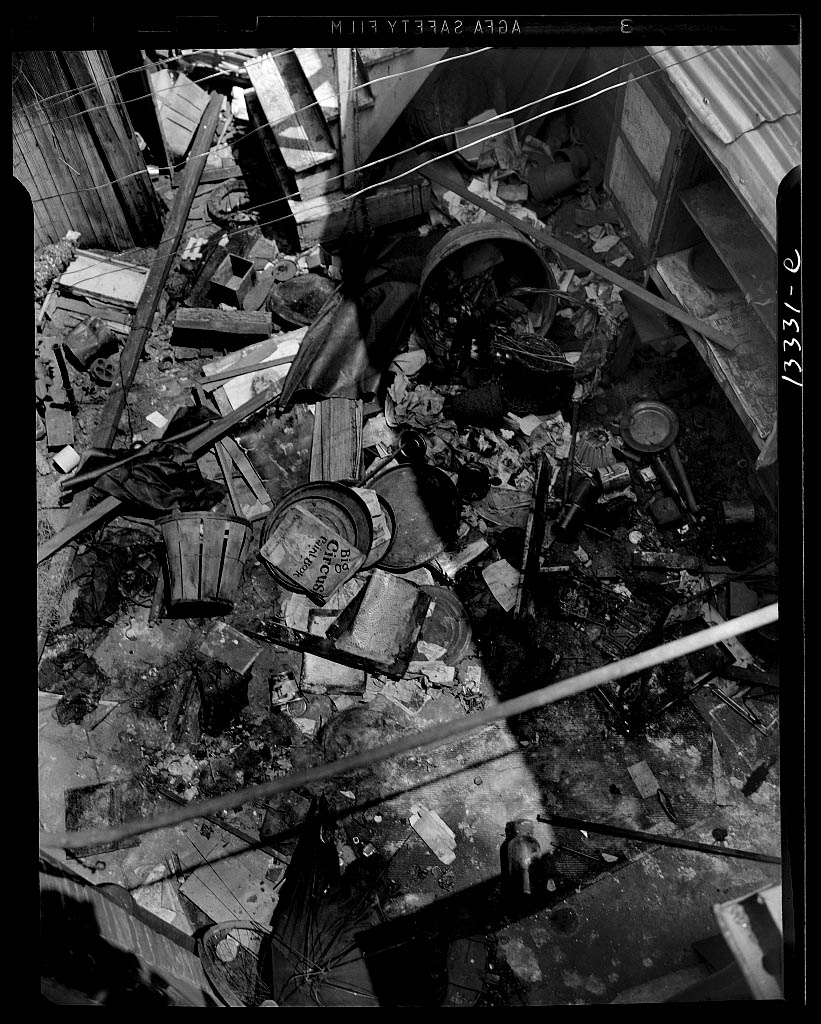
 

Gordon Parks (American, 1912-2006) 'Interiors of wrecked homes on Independence Avenue across from the Smithsonian Institute' June 1942


Gordon Parks (American, 1912-2006)
Interiors of wrecked homes on Independence Avenue across from the Smithsonian Institute
June 1942
Gelatin silver print
Library of Congress
Public domain
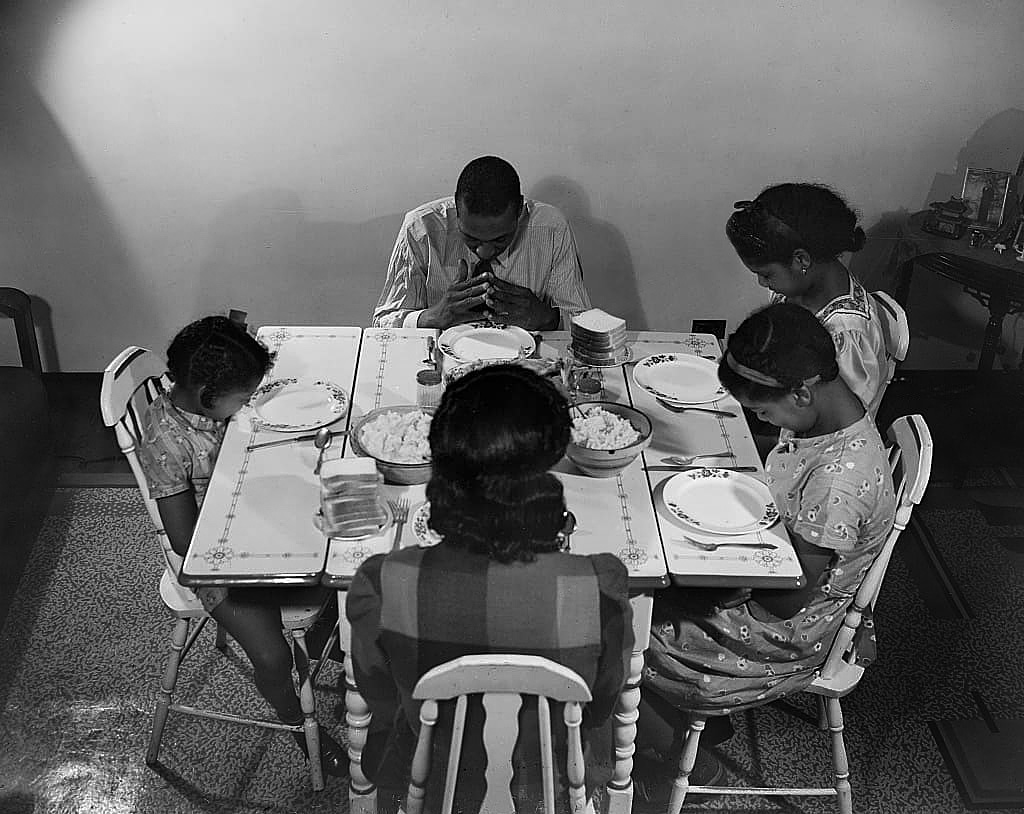
 

Gordon Parks (American, 1912-2006) 'Mr. Branch, resident of the James Creek dwellings, Washington DC' November 1942


Gordon Parks (American, 1912-2006)
Mr. Branch, resident of the James Creek dwellings, Washington DC
November 1942
Gelatin silver print
Library of Congress
Public domain


Gordon Parks framed this portrait of a family seated at the kitchen table “saying grace” in Washington DC in November 1942. The photo’s caption identifies the husband and father as “Mr. Branch, resident of the James Creek dwellings,” a new federal government housing project constructed in the southwest section of the city. In the archive, the image, along with another two dozen or so photos taken by Parks in October and November of 1942, is filed under the heading, “wartime activities of Negroes.” This was, of course, not simply a “wartime image.” Or perhaps better put, the wartime context of this image was not simply the global crisis raging across Europe and in the South Pacific. Mr. Branch’s family, like all African Americans, was also engaged in what the Pittsburgh Courier characterised as the “Double V for Victory” campaign, seeking to eradicate fascism abroad and racism at home.

This photograph resonates powerfully across the decades, reminding us how much African American families invested in the emerging mid-century version of the American Dream, with its emphasis on home ownership and family, even as the government programs being constructed to make such opportunities more readily available were structured in ways that largely excluded African Americans.

Visually, Parks’s photo also calls to mind the work of another great African American artist, Carrie Mae Weems, whose photographic “Kitchen Table” series explores issues related to identity, marriage, love, and parenthood. I’ve included a couple of images from the series to drive home the (visual) point.

 Drew Thomas Levy on his FSA Instagram page
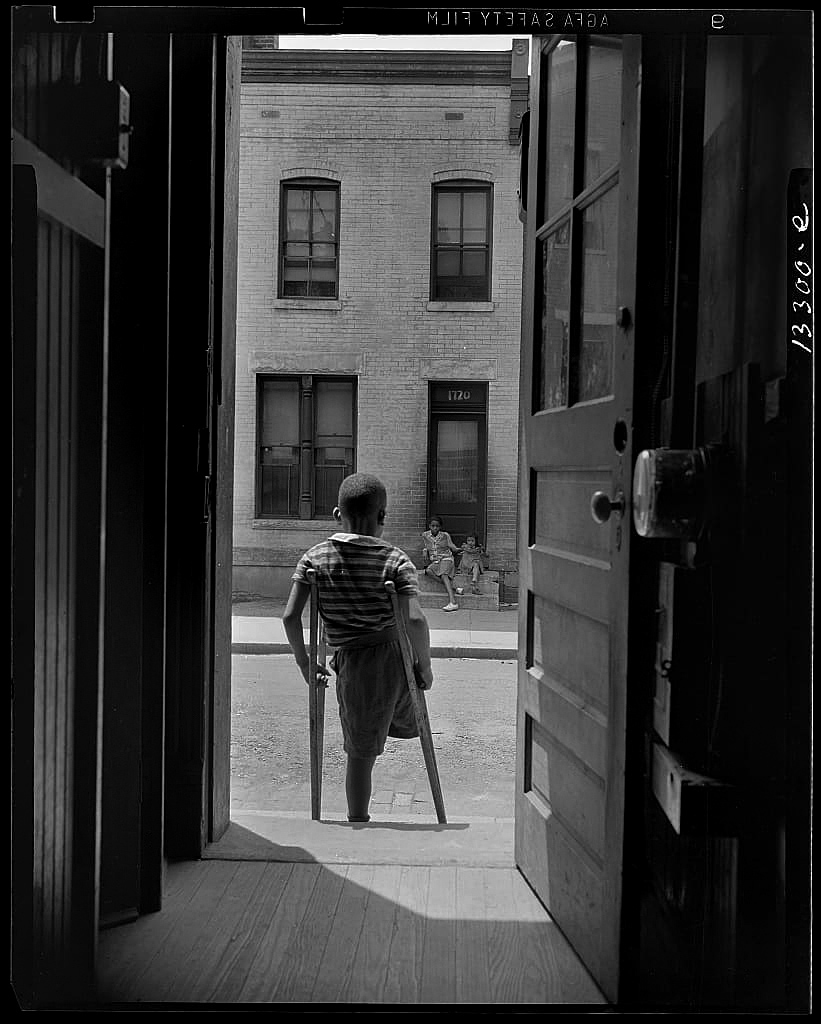
 

Gordon Parks (American, 1912-2006) 'Disabled child' 1942


Gordon Parks (American, 1912-2006)
Disabled child
1942
Gelatin silver print
Library of Congress
Public domain
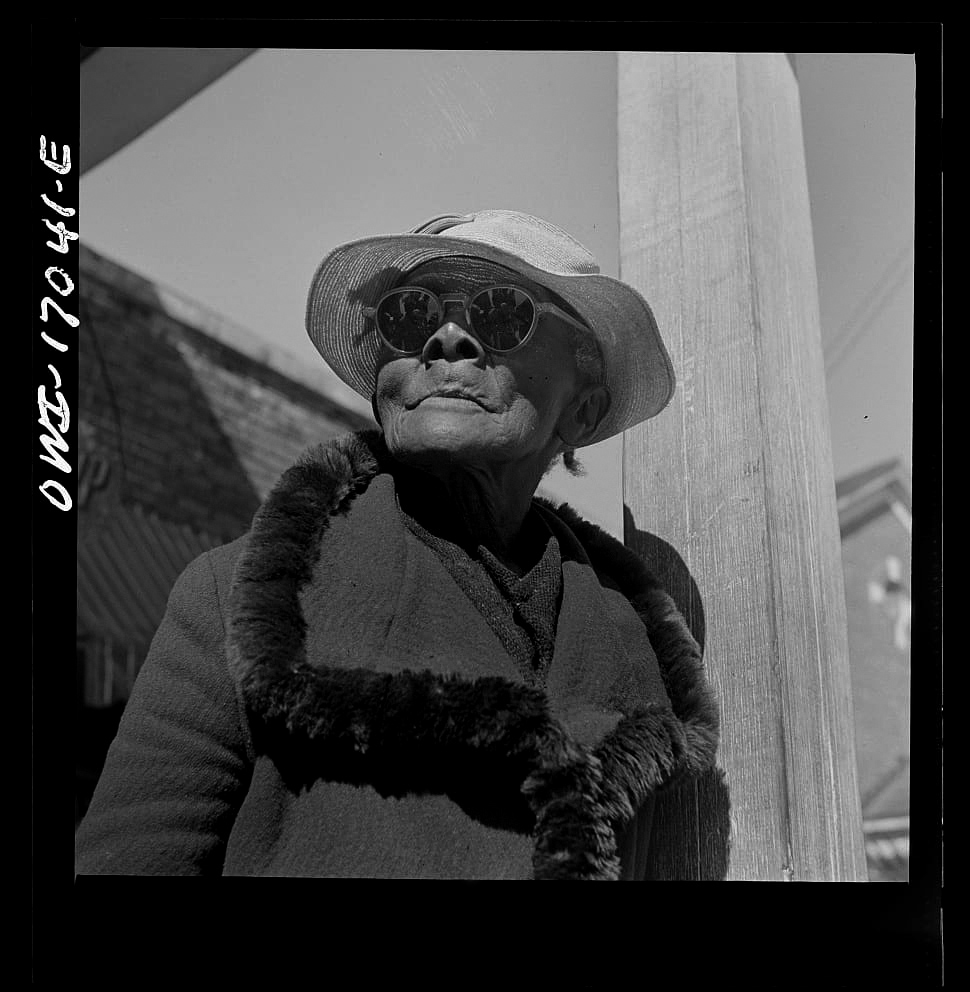
 

Gordon Parks (American, 1912-2006) 'Woman who says she is 104 years old, Daytona Beach, Florida' February 1943


Gordon Parks (American, 1912-2006)
Woman who says she is 104 years old, Daytona Beach, Florida
February 1943
Gelatin silver print
Library of Congress
Public domain
 

Gordon Parks (American, 1912-2006)
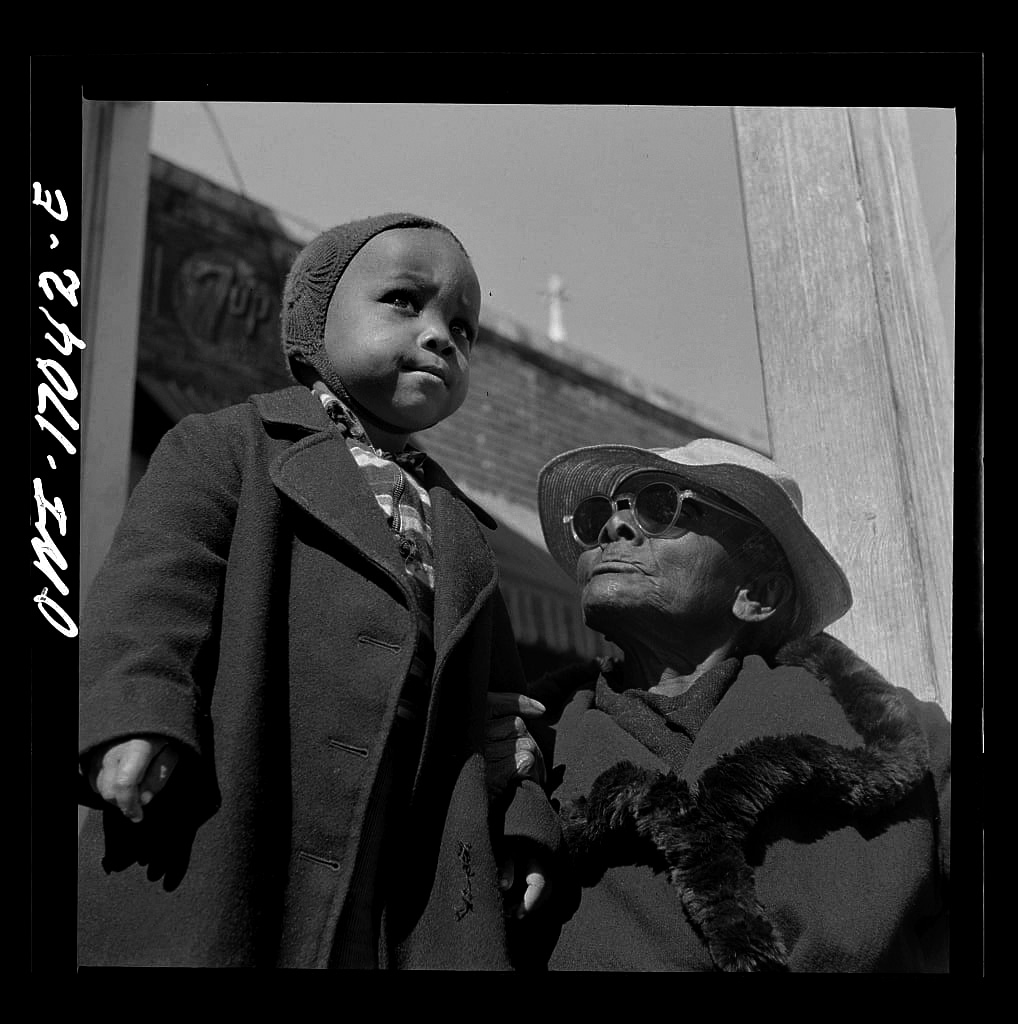
'Three-year old and woman who says she is 104 years old, Daytona Beach, Florida' February 1943


Gordon Parks (American, 1912-2006)
Three-year old and woman who says she is 104 years old, Daytona Beach, Florida
February 1943
Gelatin silver print
Library of Congress
Public domain
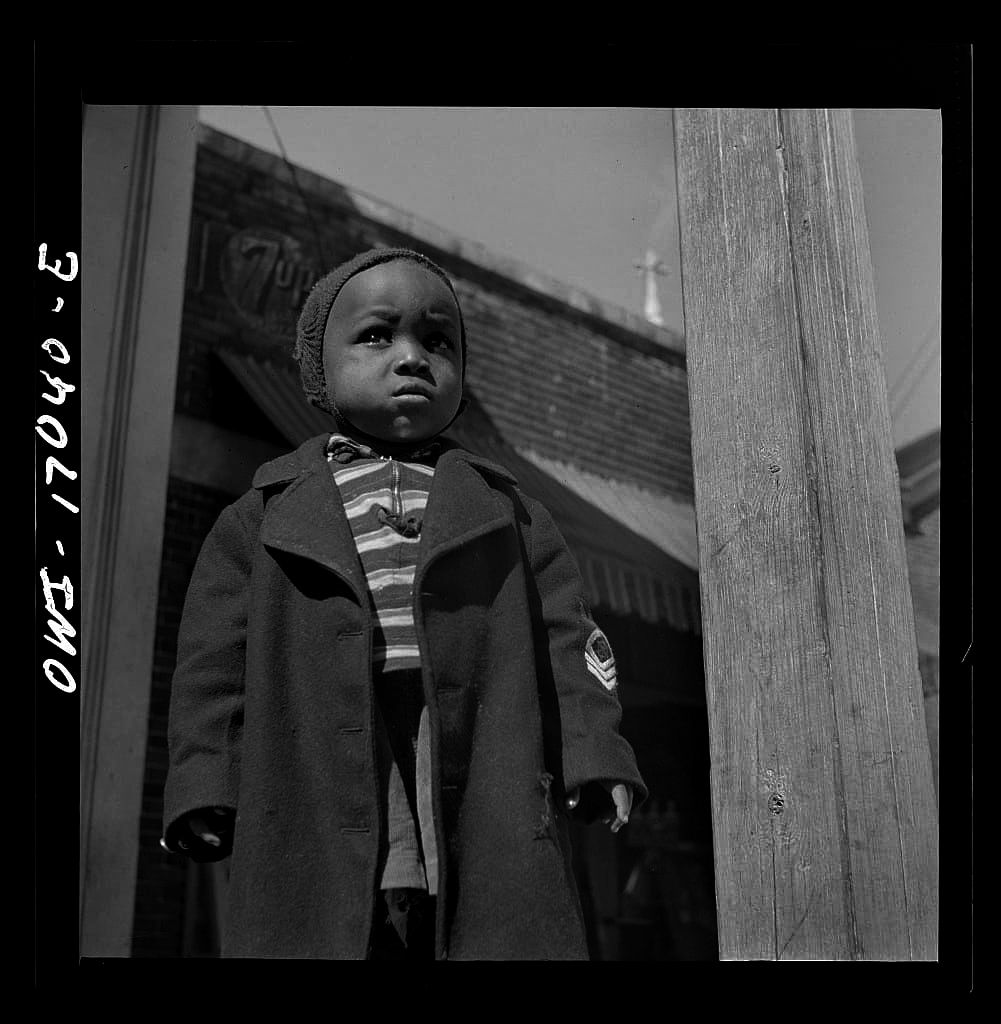
 

Gordon Parks (American, 1912-2006) 'Three-year old, Daytona Beach, Florida' February 1943


Gordon Parks (American, 1912-2006)
Three-year old, Daytona Beach, Florida
February 1943
Gelatin silver print
Library of Congress
Public domain


Gordon Roger Alexander Buchanan Parks, (1912-2006) was a documentarian whose work covers many genres from reportage to fashion. A self-taught photographer with little professional training, Parks won a Julius Rosenwald Fellowship in 1942; this led to a position with the photography section of The Farm Security Administration (FSA) in Washington, D.C., and later, the Office of War Information (OWI).

Working for these agencies, which were then chronicling the nation’s social conditions, Parks quickly developed a personal style that would make him among the most celebrated photographers of his era. The subject of his work covers American life and culture from the early 1940s into the 2000s, with a focus on race relations, poverty, civil rights, and urban life. Parks was also a distinguished composer, author, and filmmaker who interacted with many of the leading people of his era – from politicians and artists to athletes and other celebrities.

Parks’ extraordinary pictures allowed him to break the color line in professional photography while he created remarkably expressive images that consistently explored the social and economic impact of poverty, racism, and other forms of discrimination. In 1944, Parks left the OWI to work for the Standard Oil Company’s photographic documentary project. Around this time, he was also becoming a freelance photographer for Glamour and Ebony, which expanded his photographic practice and further developed his distinct style.

Anonymous. “Gordon Parks: The Farm Security Photographs 1942 to 1944,” on the Haverford College website Nd [Online] Cited 21/07/2026. Used under fair use conditions for the purposes of education and research
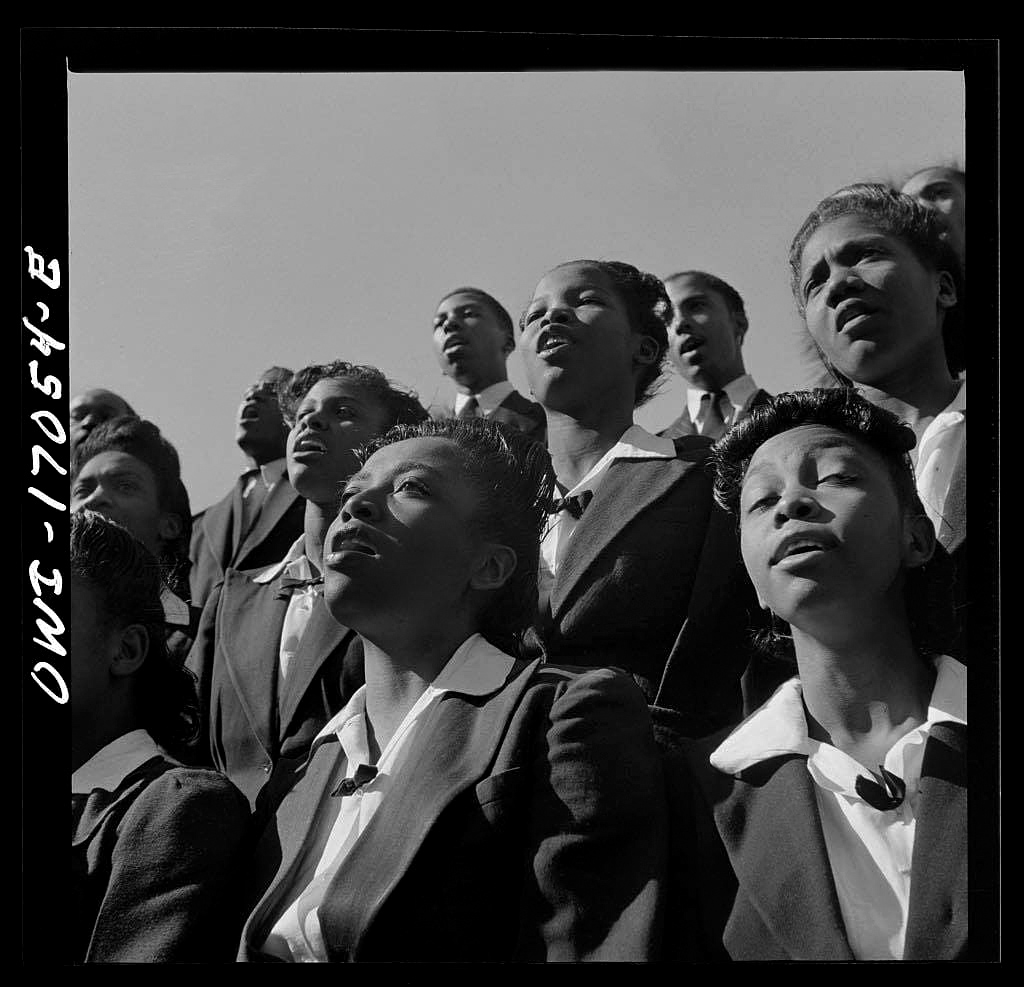
 

Gordon Parks (American, 1912-2006) 'School choir at Bethune-Cookman College, Daytona Beach, Florida' February 1943


Gordon Parks (American, 1912-2006)
School choir at Bethune-Cookman College, Daytona Beach, Florida
February 1943
Gelatin silver print
Library of Congress
Public domain


In February 1943, Gordon Parks traveled south to Daytona Beach, Florida to document Bethune-Cookman College. Founded by Mary McLeod Bethune as a an educational and industrial training school along the Tuskegee model in 1904, the college had been approved by the Florida Department of Education to offer a four-year liberal arts degree beginning in 1941.

Here Parks captures the school choir and in so doing demonstrates his ability to gain the confidence of his subjects. There is an intimacy to this image that must derive in part from the fact that Parks was himself a relatively young African-American man. How unusual it must have been in the lives of these young people to encounter the face of the nation’s government as a kind of mirror of themselves.

Drew Thomas Levy on his FSA Instagram page
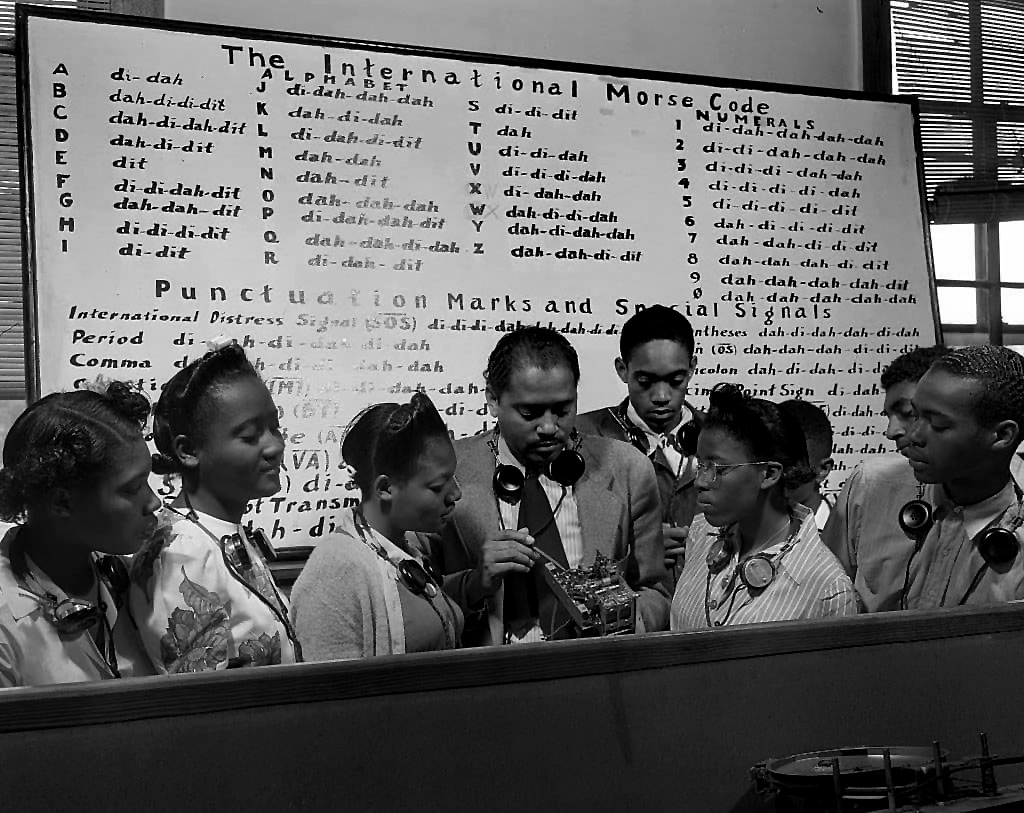
 

Gordon Parks (American, 1912-2006) 'Bethune-Cookman College. Radio technicians' class, Bethune-Cookman College. Radio technicians' class, Daytona Beach, Florida' February 1943


Gordon Parks (American, 1912-2006)
Bethune-Cookman College, Radio technicians’ class, Daytona Beach, Florida
February 1943
Gelatin silver print
Library of Congress
Public domain
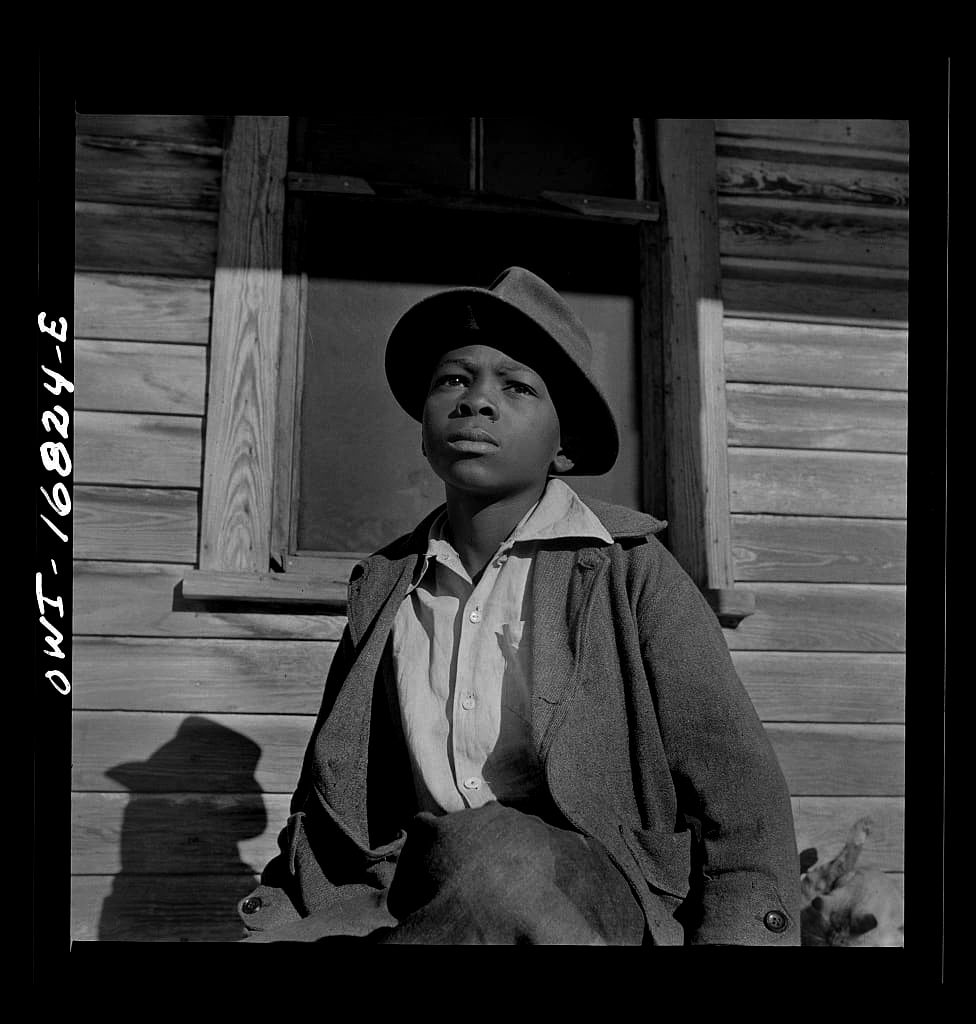
 

Gordon Parks (American, 1912-2006) 'Young boy whose ambition is to become a soldier, Daytona Beach, Florida' February 1943


Gordon Parks (American, 1912-2006)
Young boy whose ambition is to become a soldier, Daytona Beach, Florida
February 1943
Gelatin silver print
Library of Congress
Public domain
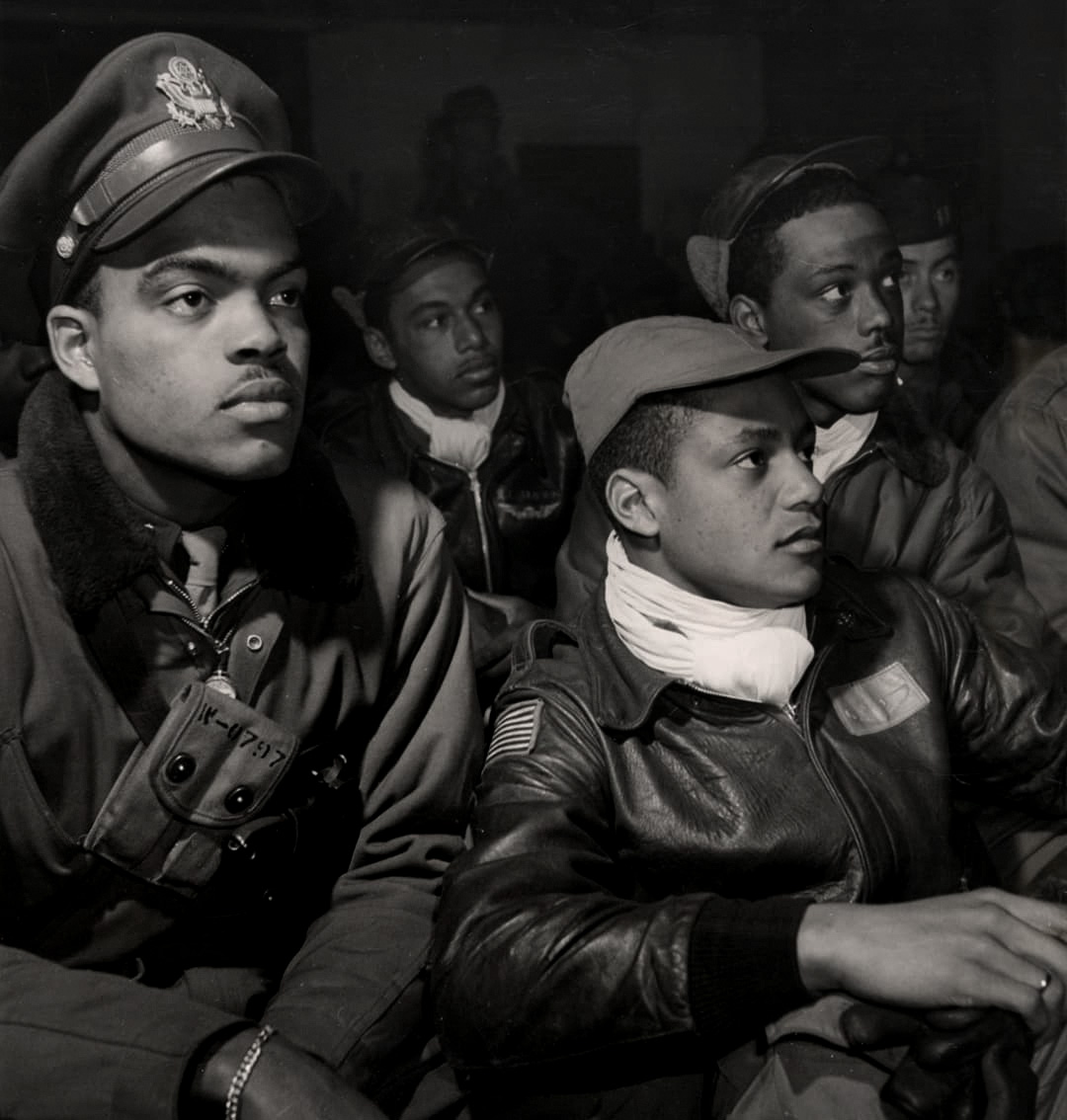
 

Gordon Parks (American, 1912-2006) 'Tuskegee Airmen, Michigan' 1943


Gordon Parks (American, 1912-2006)
Tuskegee Airmen, Michigan
1943
Gelatin silver print
Library of Congress
Public domain



LIKE ART BLART ON FACEBOOK

Back to top

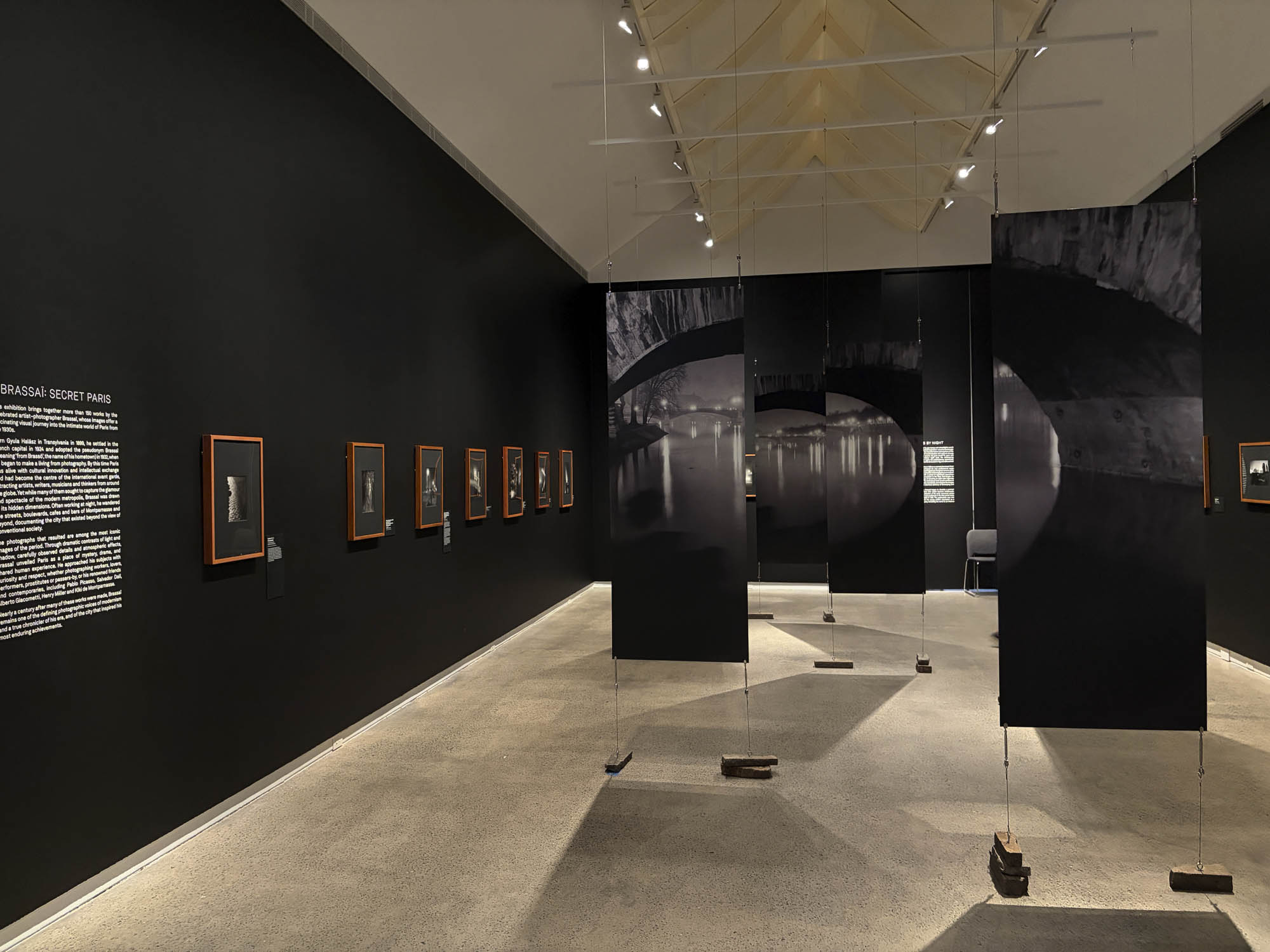
Exhibition: ‘Brassaï: Secret Paris’ at Heide Museum of Modern Art, Melbourne

Exhibition dates: 25th July – 15th November, 2026

Co-curators: Lesley Harding, Heide Artistic Director; Philippe Ribeyrolles, manager and curator of the Estate Brassaï; and Emmanuelle de l’Ecotais, nephew of the artist, and renowned French photography curator


Brassaï (Hungarian-French, 1899-1984) 'Vue à travers le pont Royal en direction du pont Solférino' (View through the pont Royal toward the pont Solférino) c. 1933


Brassaï (Hungarian-French, 1899-1984)
Vue à travers le pont Royal en direction du pont Solférino (View through the pont Royal toward the pont Solférino)
c. 1933
Gelatin silver print
Estate Brassaï Succession, Philippe Ribeyrolles


Atmosphere

This is a superb exhibition of the photographs of Hungarian-French photographer, sculptor, medallist, writer, and filmmaker Brassaï (1899-1984) at Heide Museum of Modern Art.

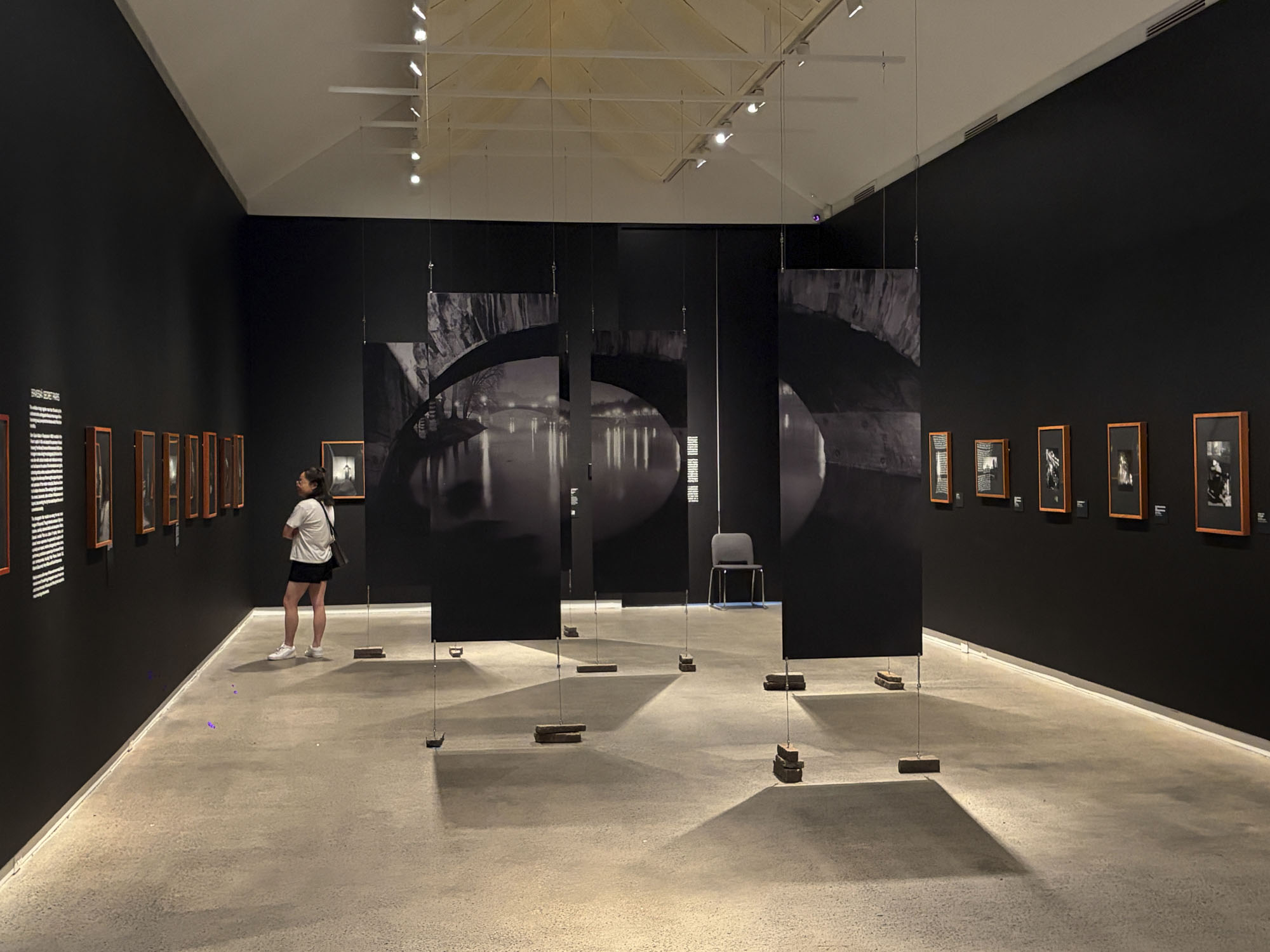
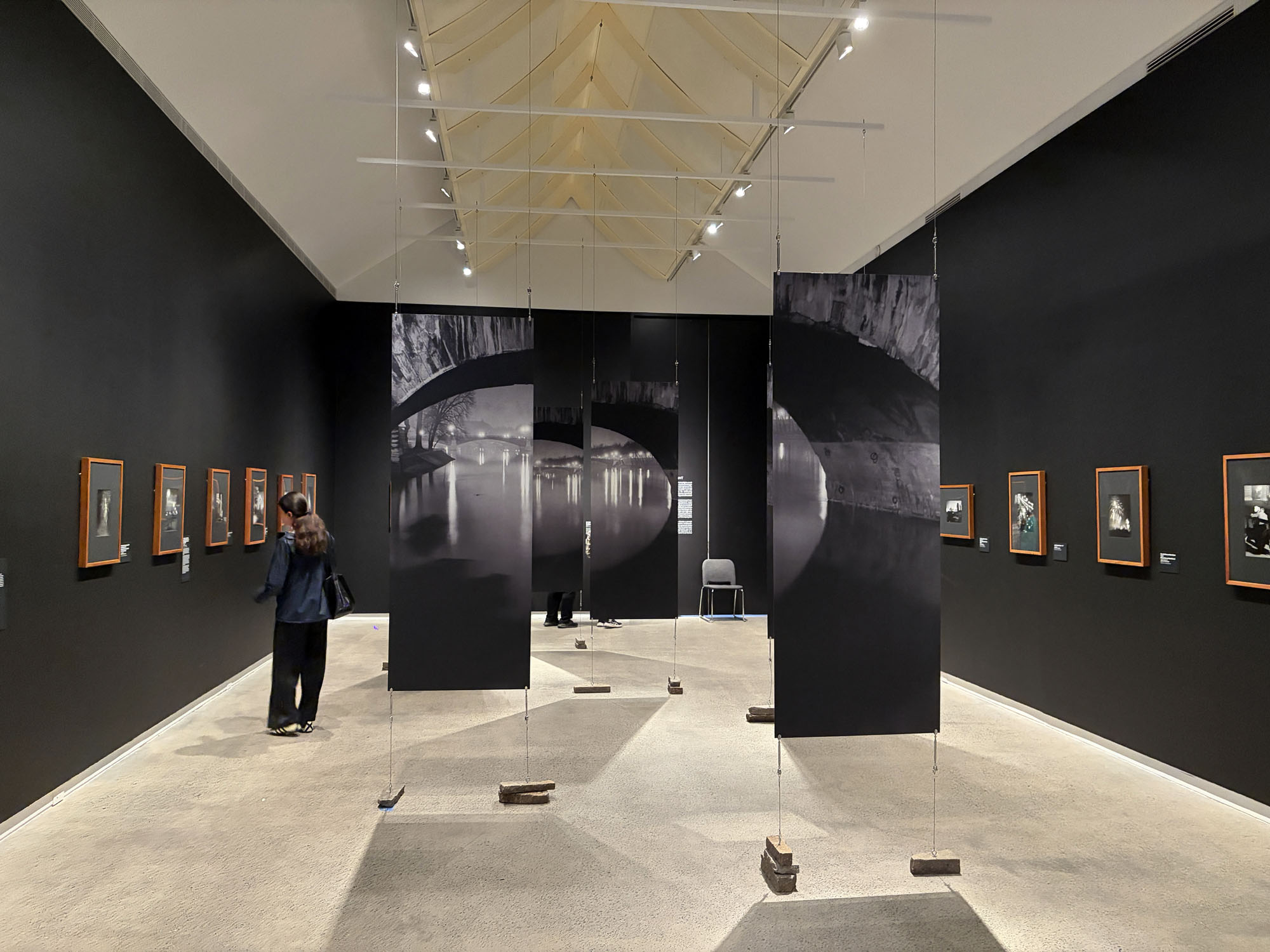
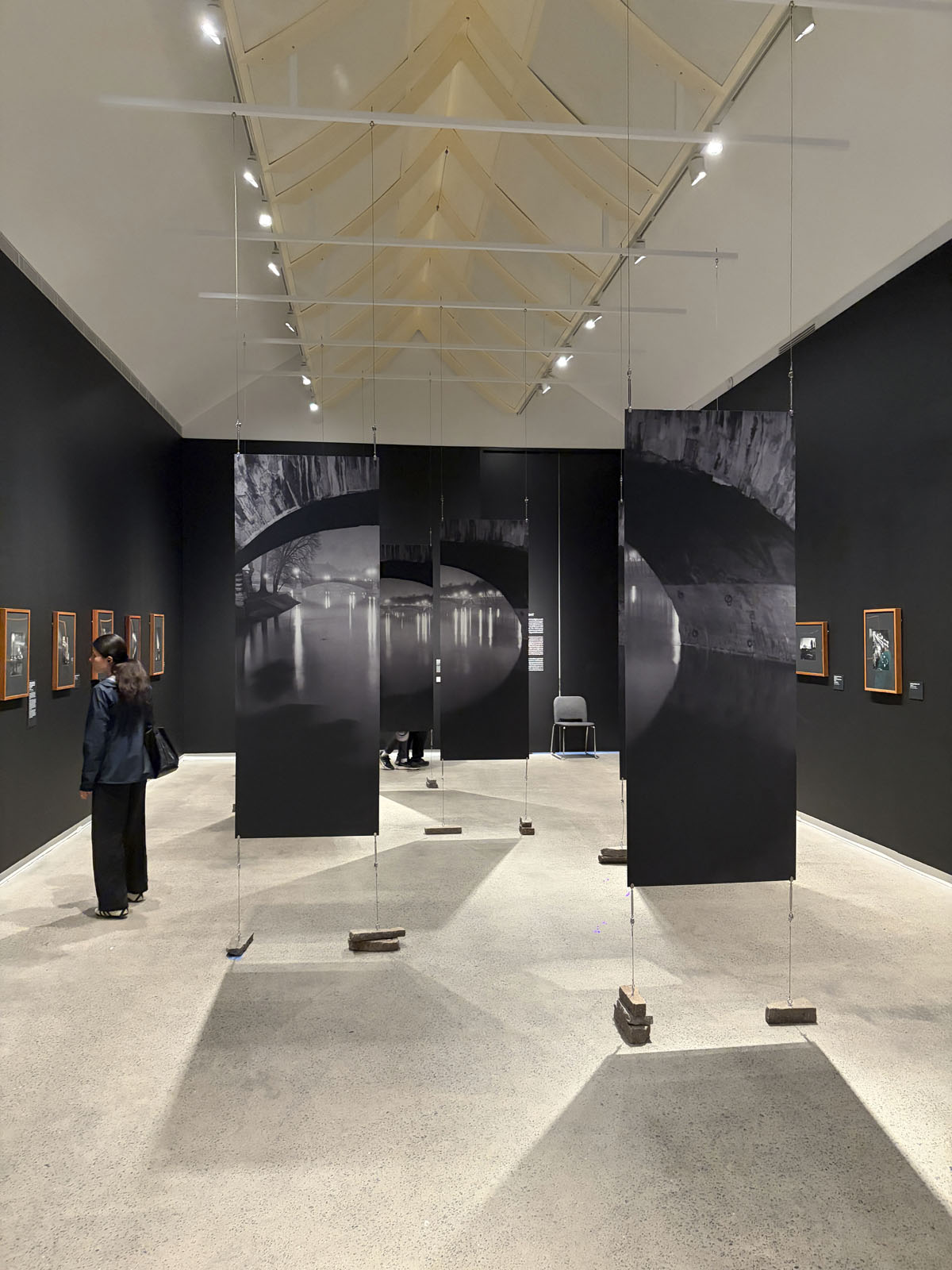
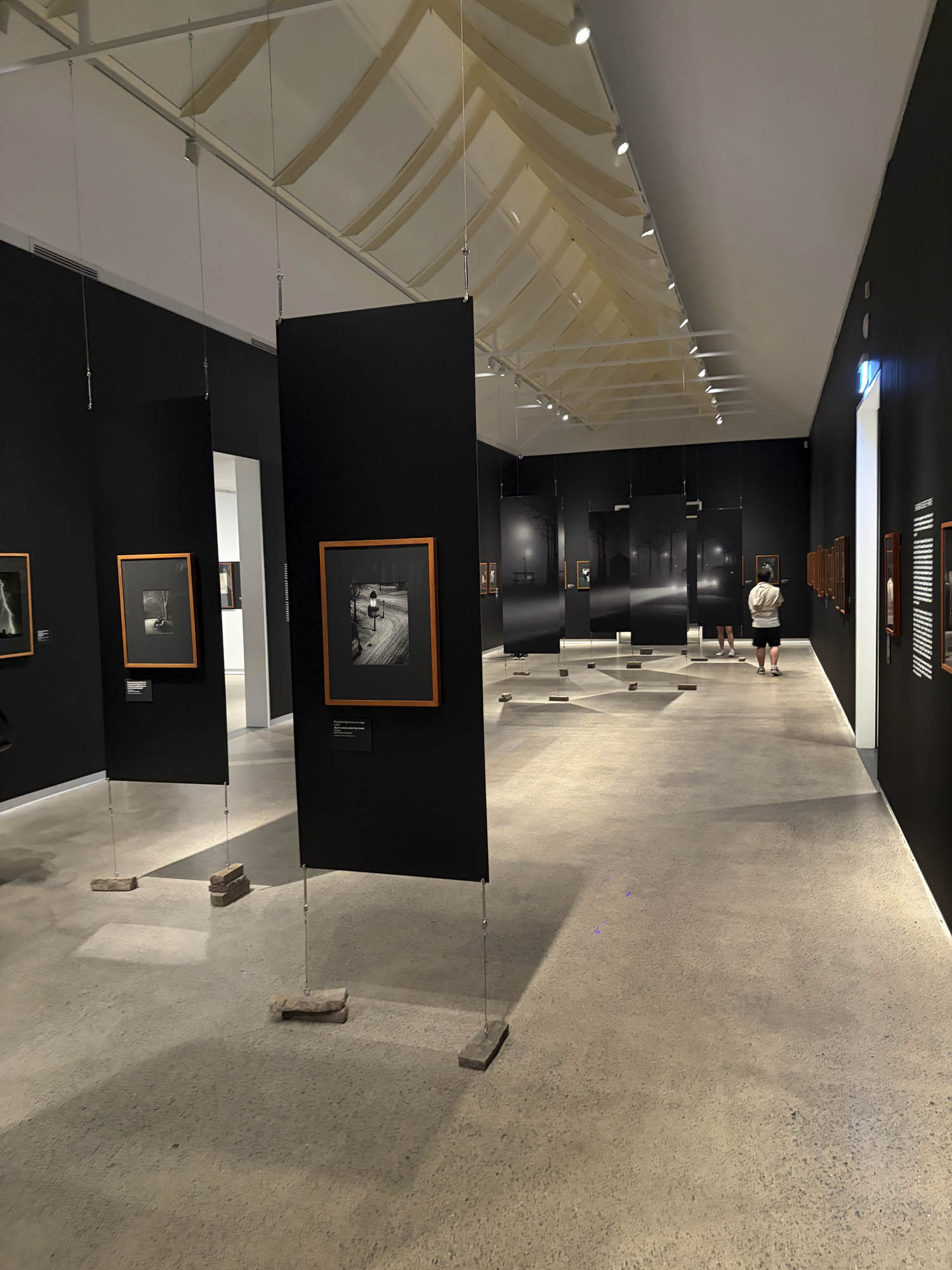
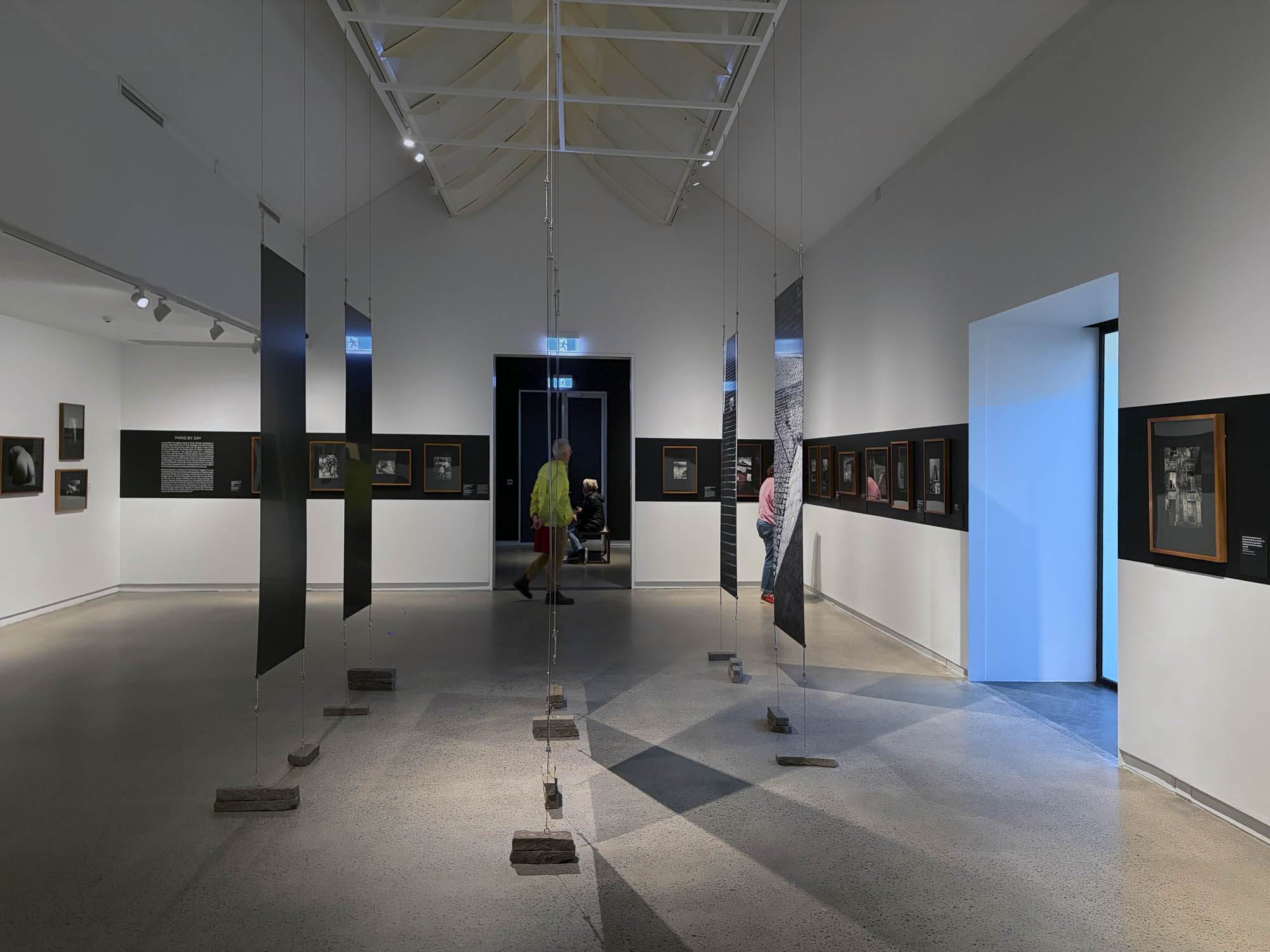
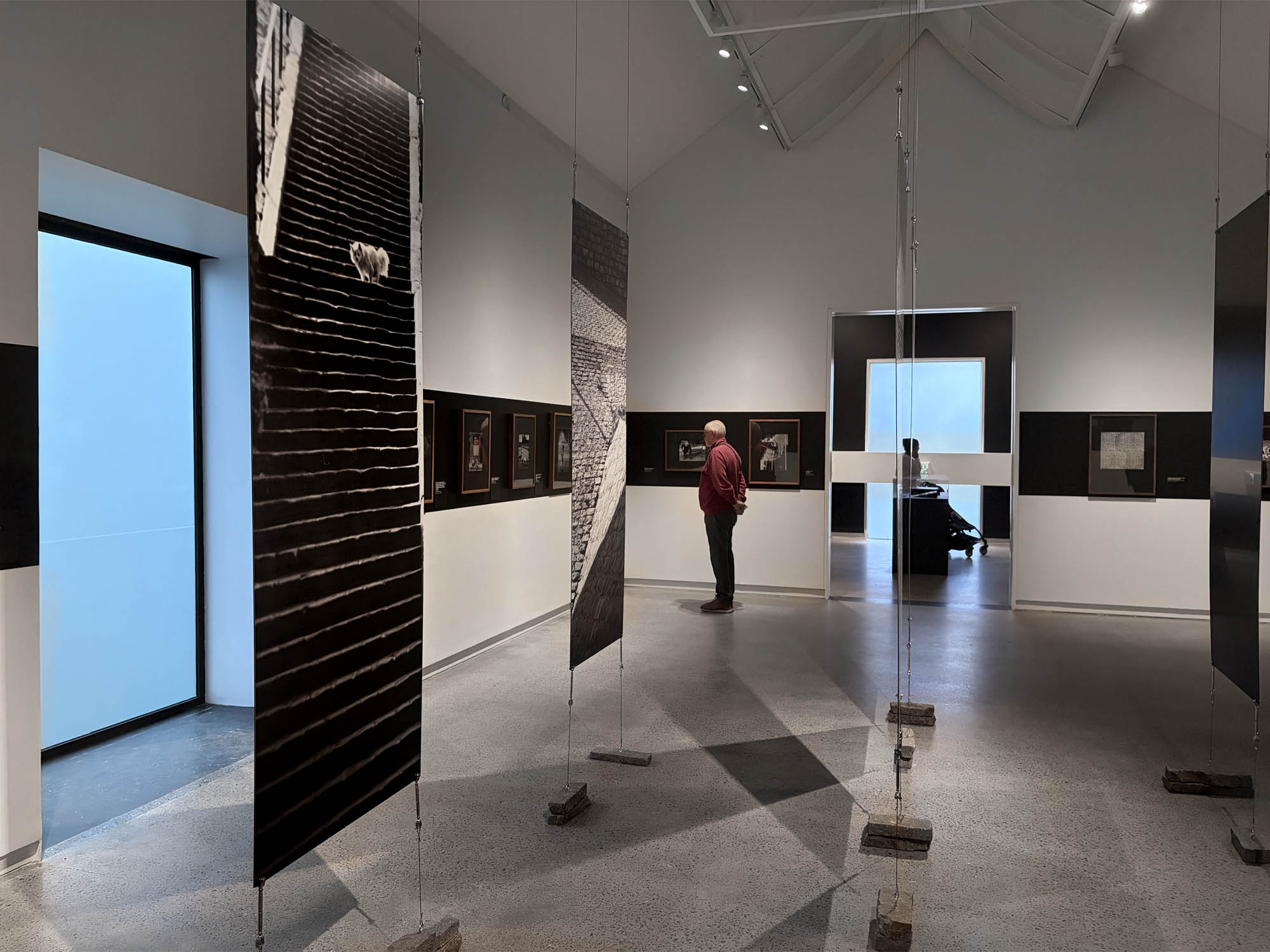
What a pleasure it is to wander the beautiful installation, the hanging, fragmented banner images forming a shimmering whole, much like the atmosphere of Brassaï’s mainly vintage photographs presented in the exhibition.

There is a certain feeling to Brassaï’s vintage prints and I have been thinking about this a lot since seeing the exhibition. And the word I came up with is, sfumato.

“Sfumato (derived from the Italian word sfumare, meaning “to tone down” or “to evaporate like smoke”) is an Italian Renaissance painting technique that softens the transitions between colours and tones, creating a hazy, smoky effect without harsh lines, borders, or abrupt outlines.” (Wikipedia)

Let us be clear, this is not Pictorialism with all its softness and painterly effect, but in Brassaï’s vintage prints a feeling, a feeling, of soft tonality in sharpness – no heavy blacks or strident whites – just a wonderful “atmosphere” of night, presence, people, smoky bars, balls, of degustation – a sequence of many small portions of the urban landscape.

Bill Brandt, who was so inspired by Brassaï’s book Paris de Nuit (1933) that he produced his book A Night in London in 1938, wanted atmosphere to not merely aim to represent a place but to capture its very essence in a single image, to provoke in the viewer an emotional response from the contemplation of the work: “Thus it was I found atmosphere to be the spell that charged the commonplace with beauty. … I only know it is a combination of elements … which reveals the subject as familiar and yet strange.”1

This same smokiness, atmosphere, can be observed in the vintage prints of Brassaï in the exhibition, but not in the similarly sized later reprints. They somehow don’t “hold” to the same feeling even though they are well printed. The tonality and sfumato are somehow lost. The photographic paper of the time, the developer, Brassaï’s way of visualising the print, and knowing exactly what he wanted to say in the final print. All of these things combine to make the whole.

My only quibble, and it’s a very small one, is the title of the exhibition: Secret Paris. A secret means, among other things, a fact or piece of knowledge intentionally concealed from others or known only to a specific person or small group.

None of this society was “intentionally” concealed from others, and it certainly wasn’t a secret from those who took part in the culture of Montparnasse. To presume it was a secret is to buy into a conservative, patriarchal world view in which the government, men and religion hold power over women and heterogeneous people of difference at a time of greater sexual freedom and liberation. The title reinforces this objectification, even today.

While Brassaï was documenting the city that existed beyond the view of conventional society – the intimate gatherings and private moments, the bohemian energy and the inky night time vistas – with “the creative eye of a storyteller” to compile a portrait of a city, these heterotopia2 – spaces that contest, or invert normal society – were well known to those with knowledge of these supposedly hidden dimensions, these counter-sites.

Dr Marcus Bunyan


1/ Anonymous text from Fundación MAPFRE. “Landscapes described,” from the exhibition posting Bill Brandt at the Fundación Mapfre, Madrid, June – August 2021 on Art Blart: art and cultural memory archive, August 22, 2021 [Online] Cited 06/11/2026.

2/ “Michel Foucault introduced the concept of heterotopia (Greek: héteros for “other”, tópos for “place”) to describe real, physical spaces that function as “worlds within worlds” or counter-sites. Unlike utopias, which are completely unreal or imagined spaces, heterotopias exist in reality and mirror, contest, or invert normal society.”

Anonymous. “Heterotopia (space),” on the Wikipedia website Nd [Online] Cited 06/11/2026


All installation photographs © Marcus Bunyan. Please click on the photographs for a larger version of the image.


Walk through of the exhibition Brassaï: Secret Paris at Heide Museum of Modern Art, Melbourne, 25th July – 15th November, 2026
Video: Marcus Bunyan


Main gallery

Installation view of the exhibition 'Brassaï: Secret Paris' at Heide Museum of Modern Art, Melbourne, July - November, 2026
Installation view of the exhibition 'Brassaï: Secret Paris' at Heide Museum of Modern Art, Melbourne, July - November, 2026 Installation view of the exhibition 'Brassaï: Secret Paris' at Heide Museum of Modern Art, Melbourne, July - November, 2026 showing the main gallery space looking left
Installation view of the exhibition 'Brassaï: Secret Paris' at Heide Museum of Modern Art, Melbourne, July - November, 2026 showing the main gallery space looking left


Installation views of the exhibition Brassaï: Secret Paris at Heide Museum of Modern Art, Melbourne, July – November, 2026 showing the main gallery space looking left
Photos: Marcus Bunyan


Installation view of the exhibition 'Brassaï: Secret Paris' at Heide Museum of Modern Art, Melbourne, July - November, 2026 showing the main gallery space looking left from the right hand side


Installation view of the exhibition Brassaï: Secret Paris at Heide Museum of Modern Art, Melbourne, July – November, 2026 showing the main gallery space looking left from the right hand side
Photo: Marcus Bunyan


Installation view of the exhibition 'Brassaï: Secret Paris' at Heide Museum of Modern Art, Melbourne, July - November, 2026 showing the main gallery space right hand side


Installation view of the exhibition Brassaï: Secret Paris at Heide Museum of Modern Art, Melbourne, July – November, 2026 showing the main gallery space right hand side
Photo: Marcus Bunyan


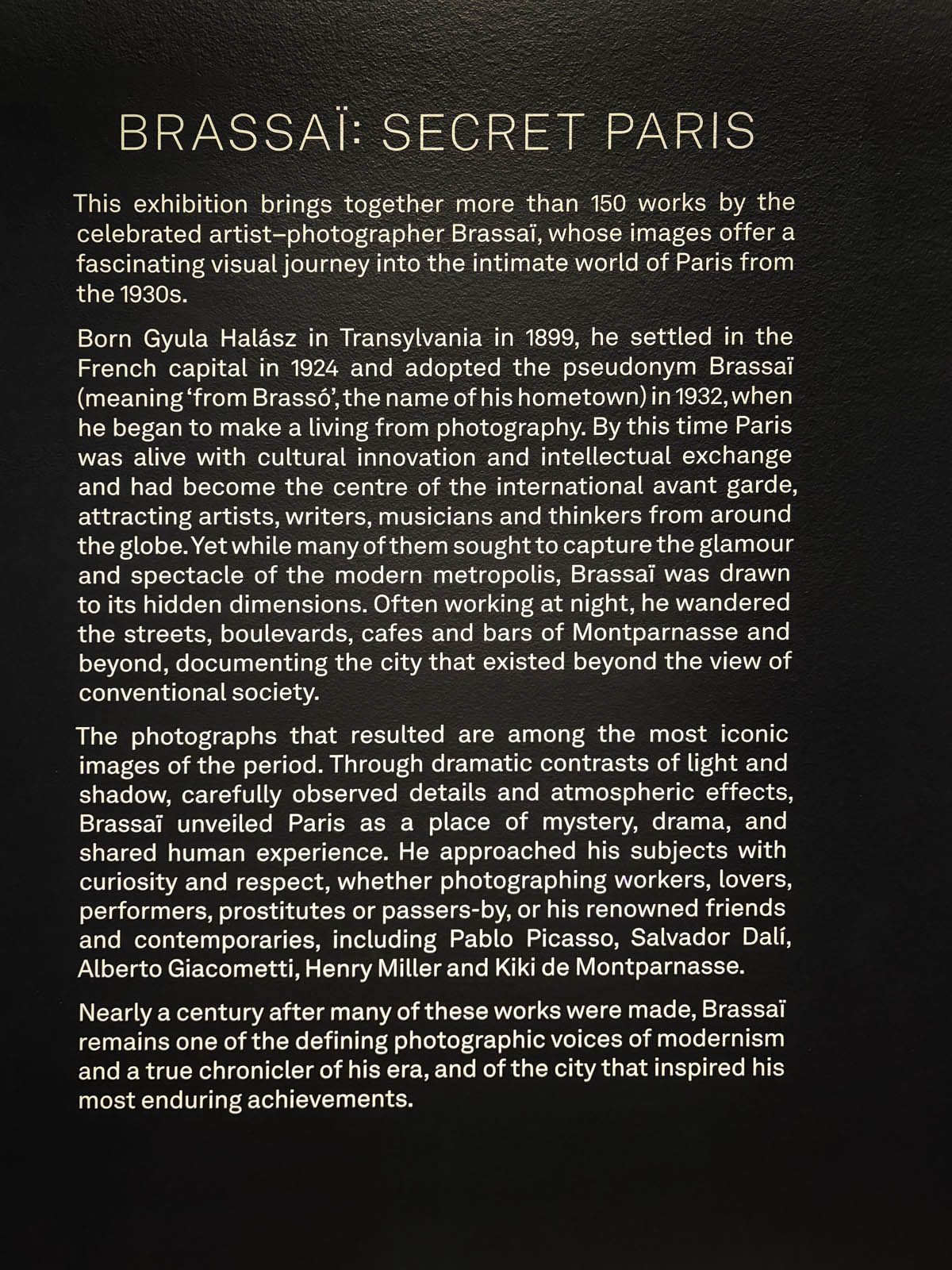
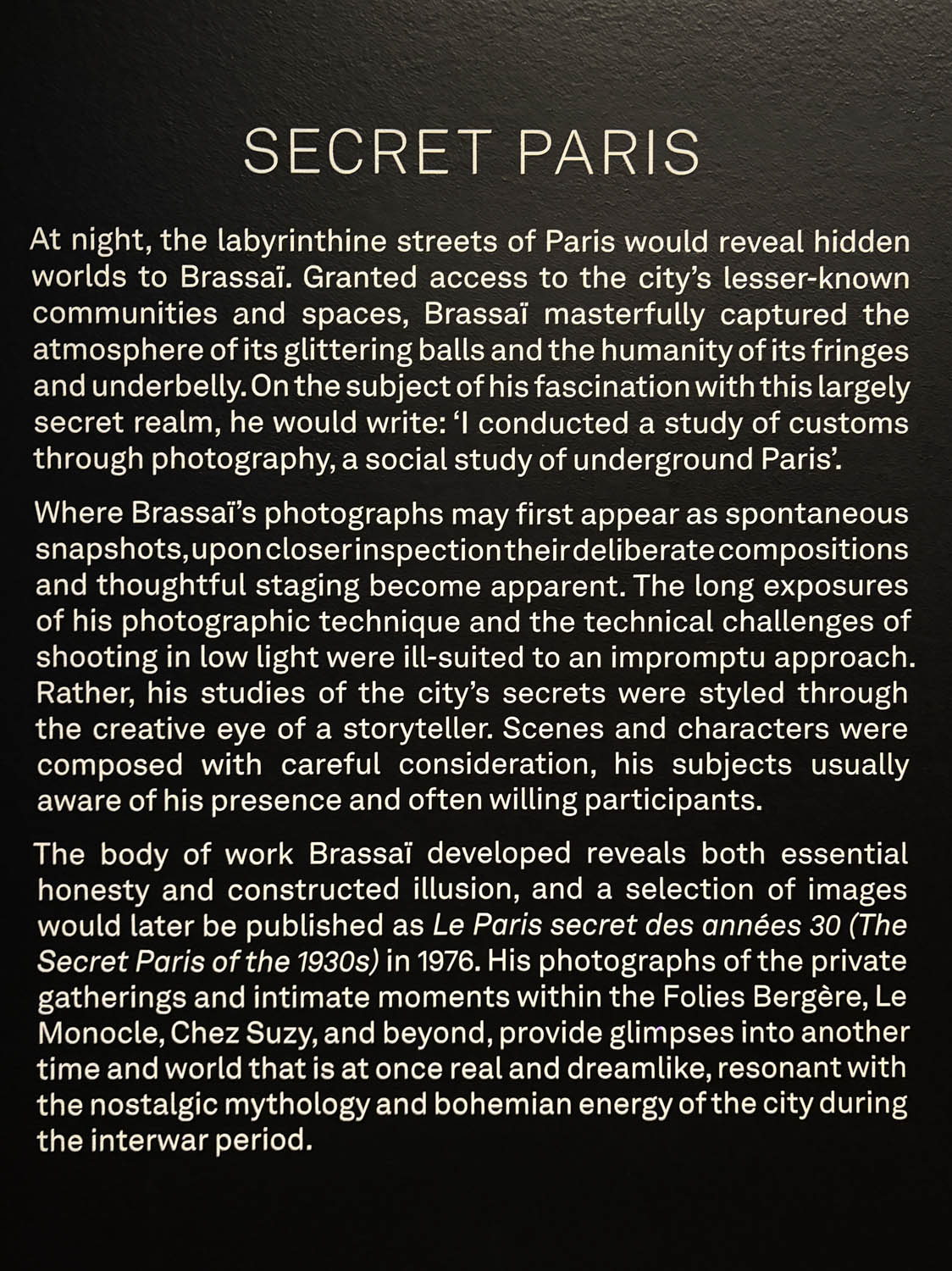
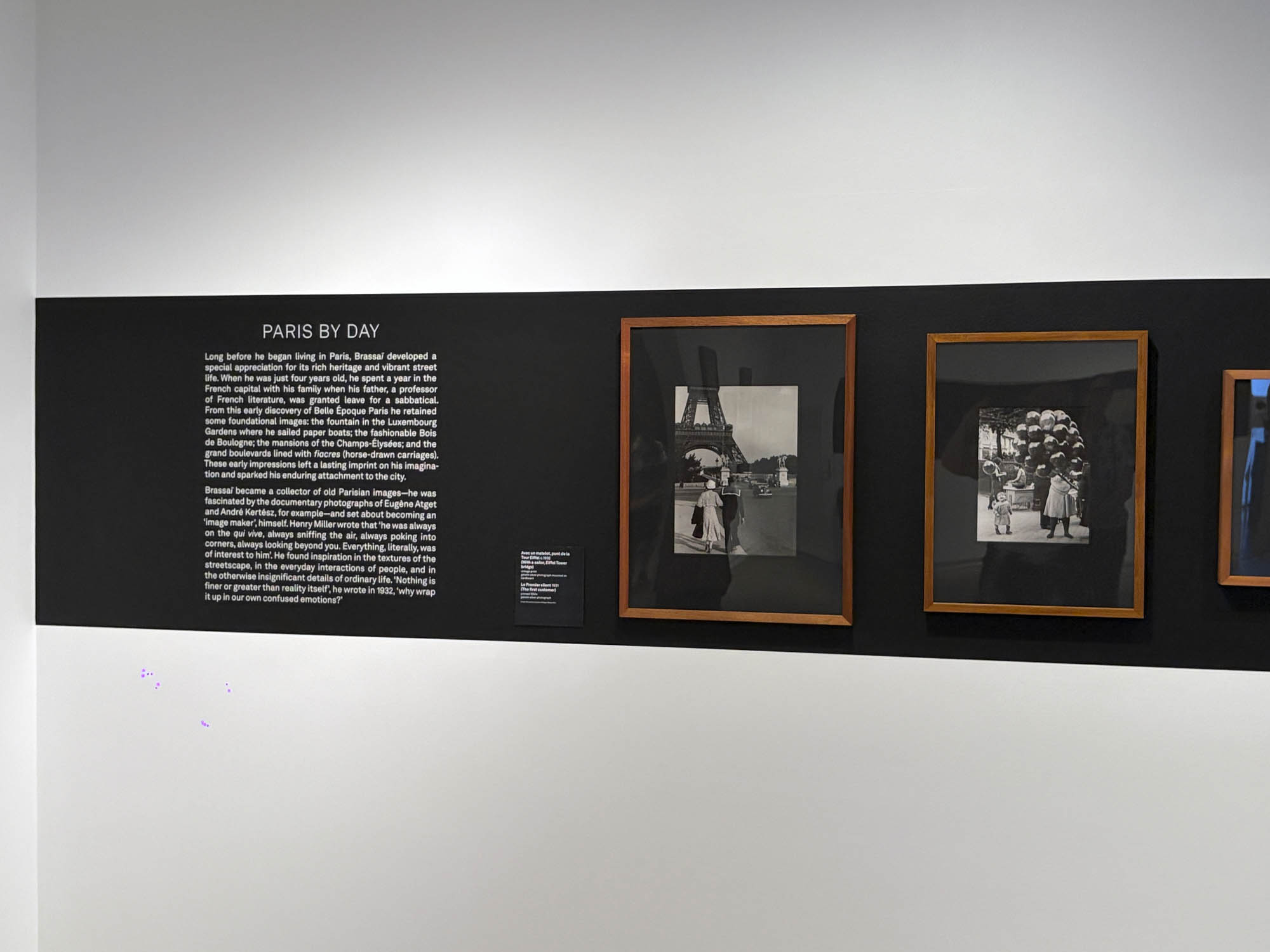
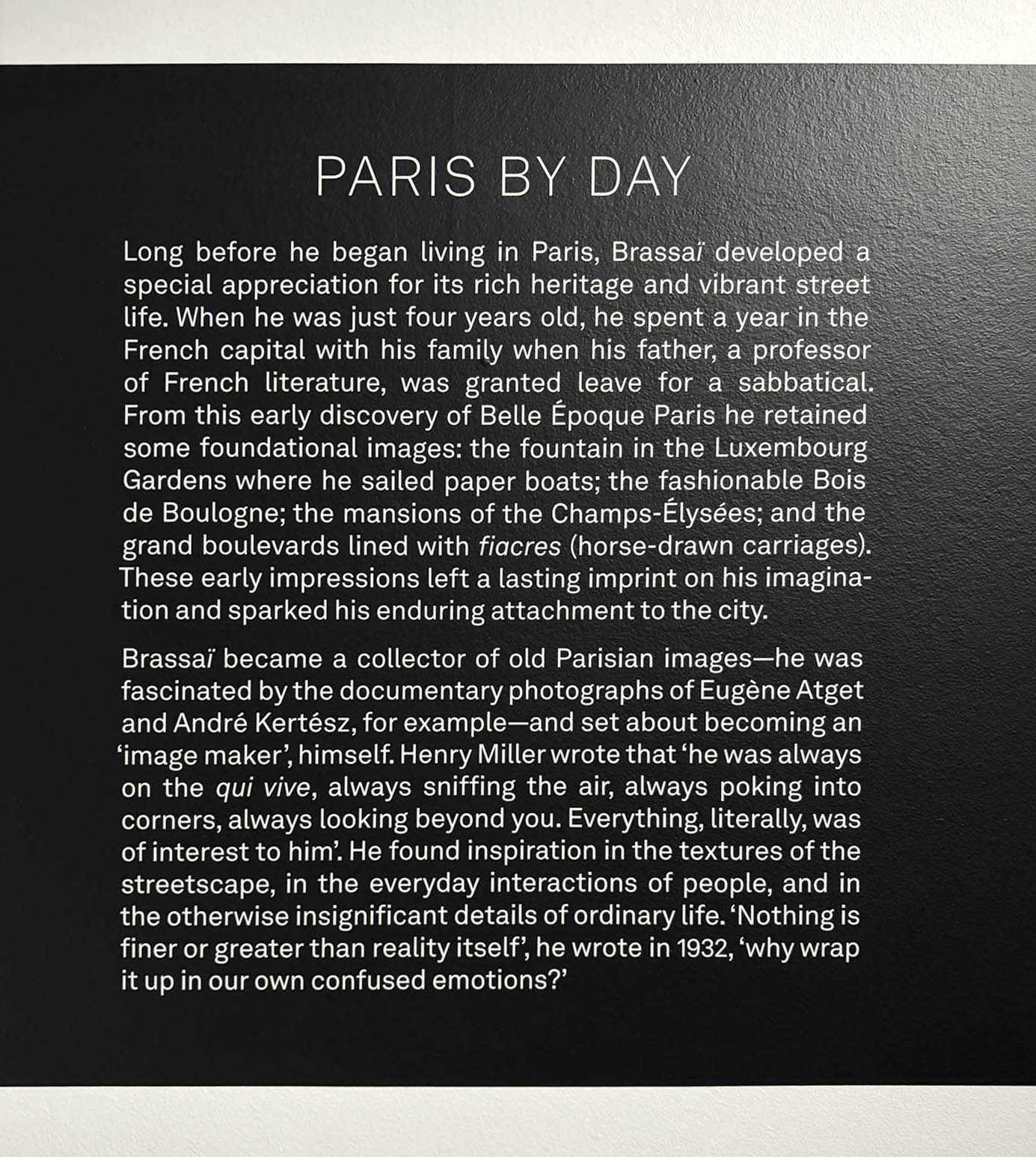
Wall text from the exhibition 'Brassaï: Secret Paris' at Heide Museum of Modern Art, Melbourne, July - November, 2026 from the main gallery


Wall text from the exhibition Brassaï: Secret Paris at Heide Museum of Modern Art, Melbourne, July – November, 2026 from the main gallery
Photo: Marcus Bunyan


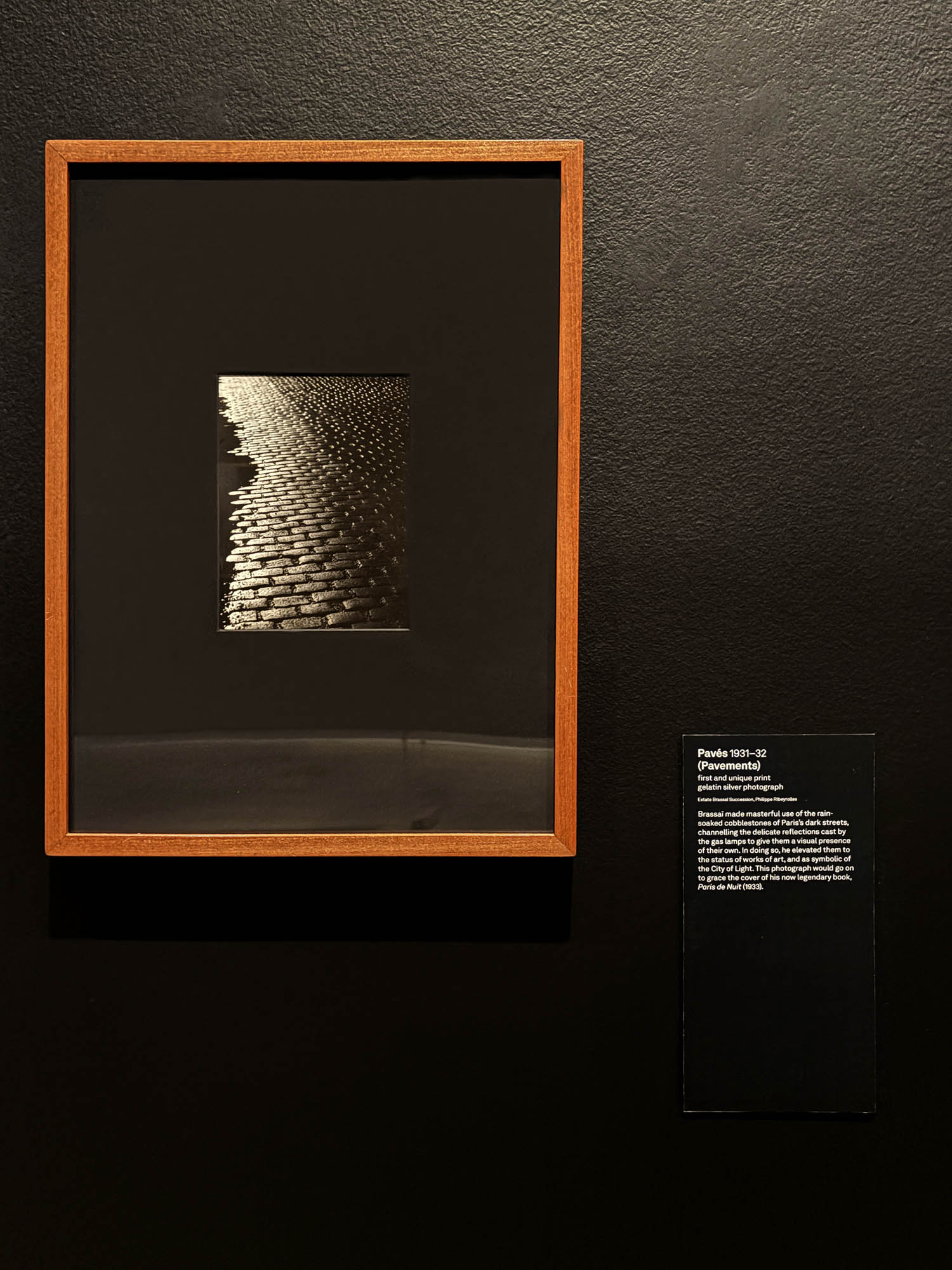
Installation view of the exhibition 'Brassaï: Secret Paris' at Heide Museum of Modern Art, Melbourne, July - November, 2026 showing the photograph 'Pavés' (Pavements) 1931-32 first and unique gelatin silver photograph


Installation view of the exhibition Brassaï: Secret Paris at Heide Museum of Modern Art, Melbourne, July – November, 2026 showing the photograph Pavés (Pavements) 1931-32 first and unique gelatin silver photograph
Photo: Marcus Bunyan


Brassaï made masterful use of the rain-soaked cobblestones of Paris’s dark streets, channeling the delicate reflections cast by the gas lamps to give them a visual presence of their own. In doing so, he elevated them to the status of works of art, and as symbolic of the City of Light. This photograph would go on to grace the cover of his now legendary book Paris de Nuit (1933).

Label text from the exhibition Brassaï: Secret Paris at Heide Museum of Modern Art, Melbourne, July – November, 2026


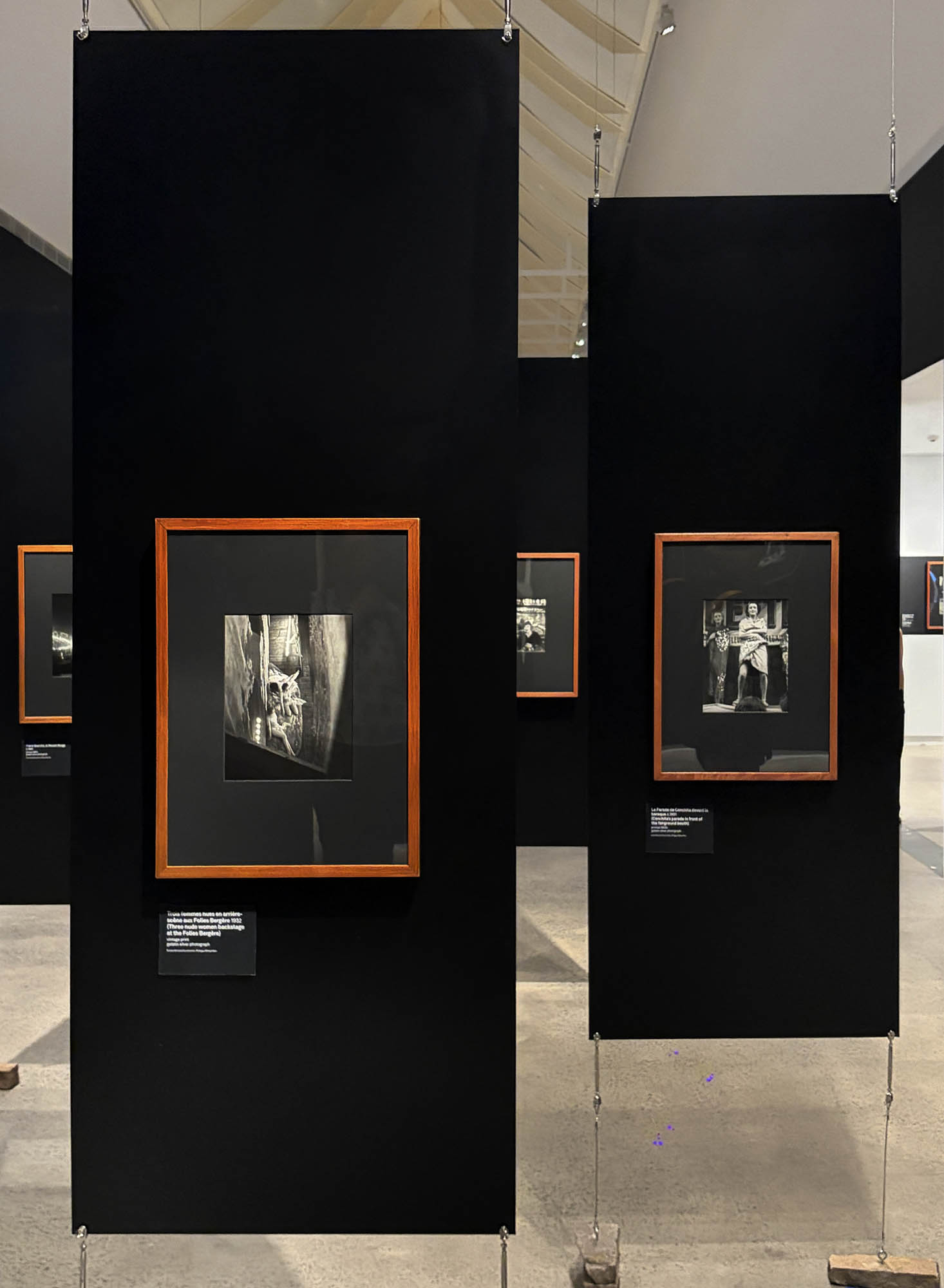
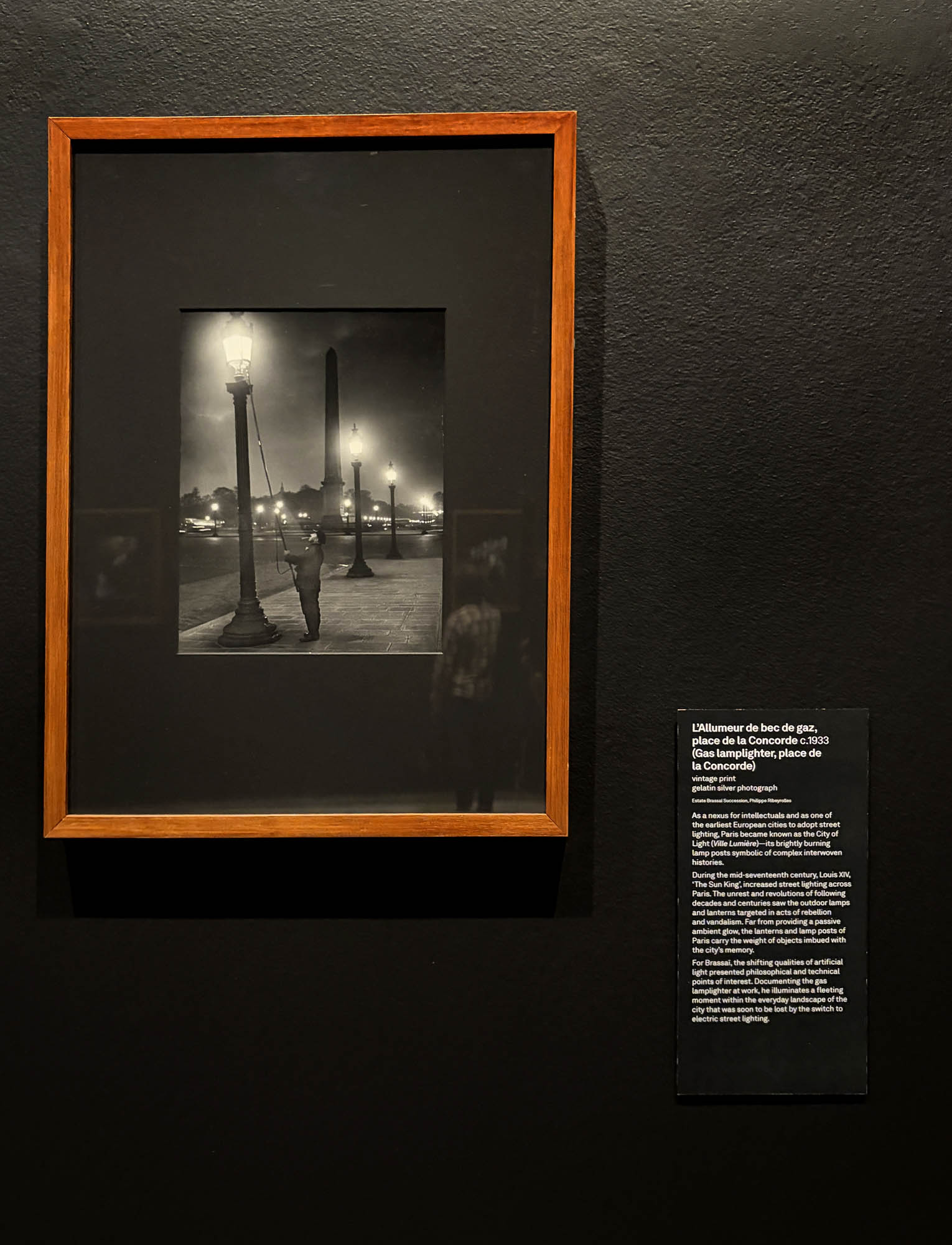
Installation view of the exhibition 'Brassaï: Secret Paris' at Heide Museum of Modern Art, Melbourne, July - November, 2026 showing the photograph 'L'Allumeur de bec de gaz, place de la Concorde' (Gas lamplighter, place de la Concorde) c. 1933 vintage gelatin silver photograph


Installation view of the exhibition Brassaï: Secret Paris at Heide Museum of Modern Art, Melbourne, July – November, 2026 showing the photograph L’Allumeur de bec de gaz, place de la Concorde (Gas lamplighter, place de la Concorde) c. 1933 vintage gelatin silver photograph
Photo: Marcus Bunyan


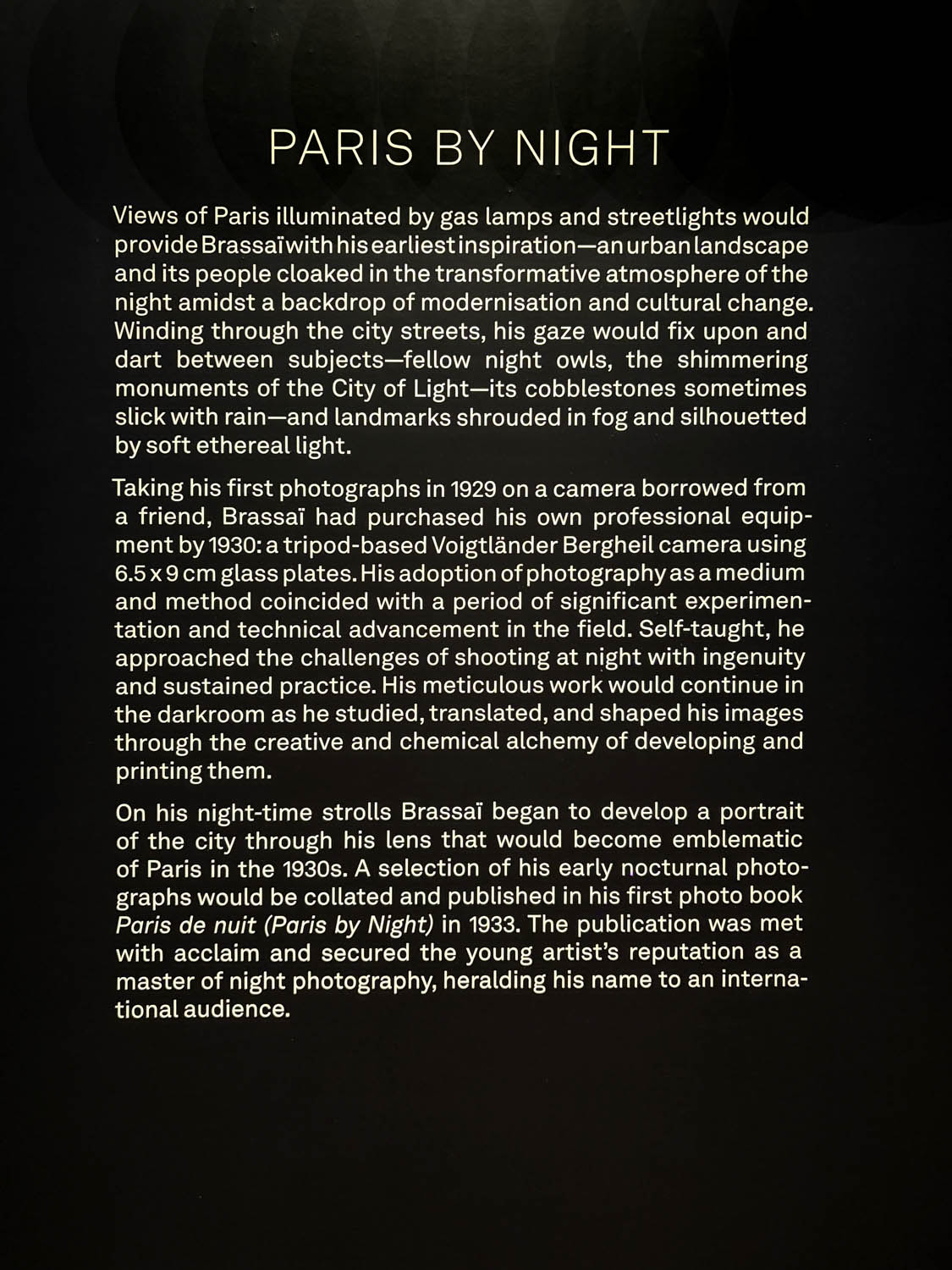
As a nexus for intellectuals and as one of the earliest European cities to adopt street lighting, Paris became known as the City of Light (Ville Lumière) – its brightly burning lamp posts symbolic of complex interwoven histories.

During the mid-seventeenth century, Louis XIV, ‘The Sun King’, increased street lighting across Paris. The unrest and revolutions of following decades and centuries saw the outdoor lamps and lanterns targeted in acts of rebellion and vandalism. Far from providing a passive ambient glow, the lanterns and lamp posts of Paris carry the weight of objects imbued with the city’s memory.

For Brassaï, the shifting qualities of artificial light presented philosophical and technical points of interest. Documenting the gas lamplighter at work, he illuminates a fleeting moment within the everyday landscape of the city that was soon to be lost by the switch to electric street lighting.

Label text from the exhibition


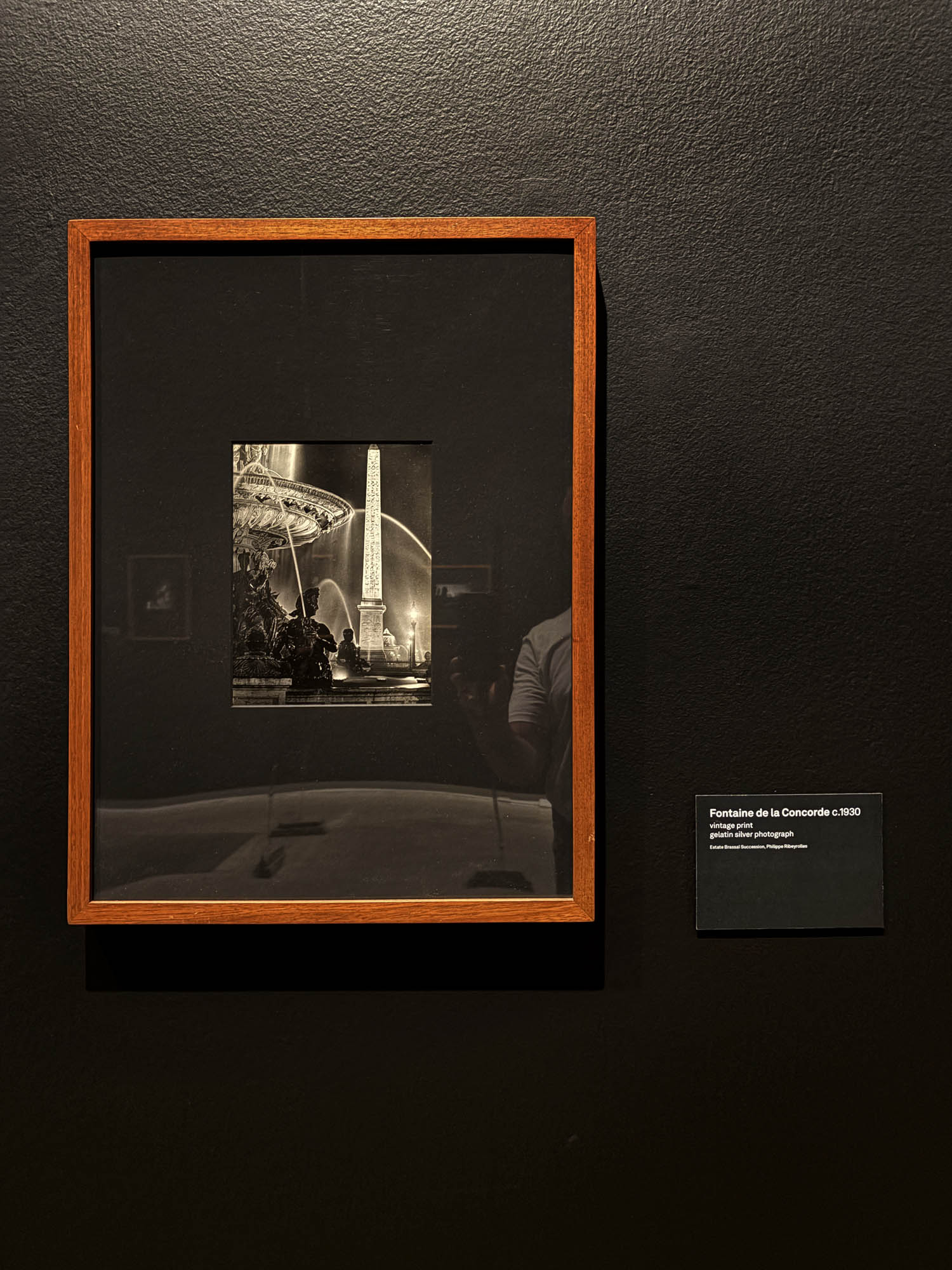
Installation view of the exhibition 'Brassaï: Secret Paris' at Heide Museum of Modern Art, Melbourne, July - November, 2026 Installation view of the exhibition Brassaï: Secret Paris at Heide Museum of Modern Art, Melbourne, July - November, 2026 showing the photograph 'Fontaine de la Concorde' c. 1930 vintage gelatin silver photograph


Installation view of the exhibition Brassaï: Secret Paris at Heide Museum of Modern Art, Melbourne, July – November, 2026 showing the photograph Fontaine de la Concorde c. 1930 vintage gelatin silver photograph
Photo: Marcus Bunyan


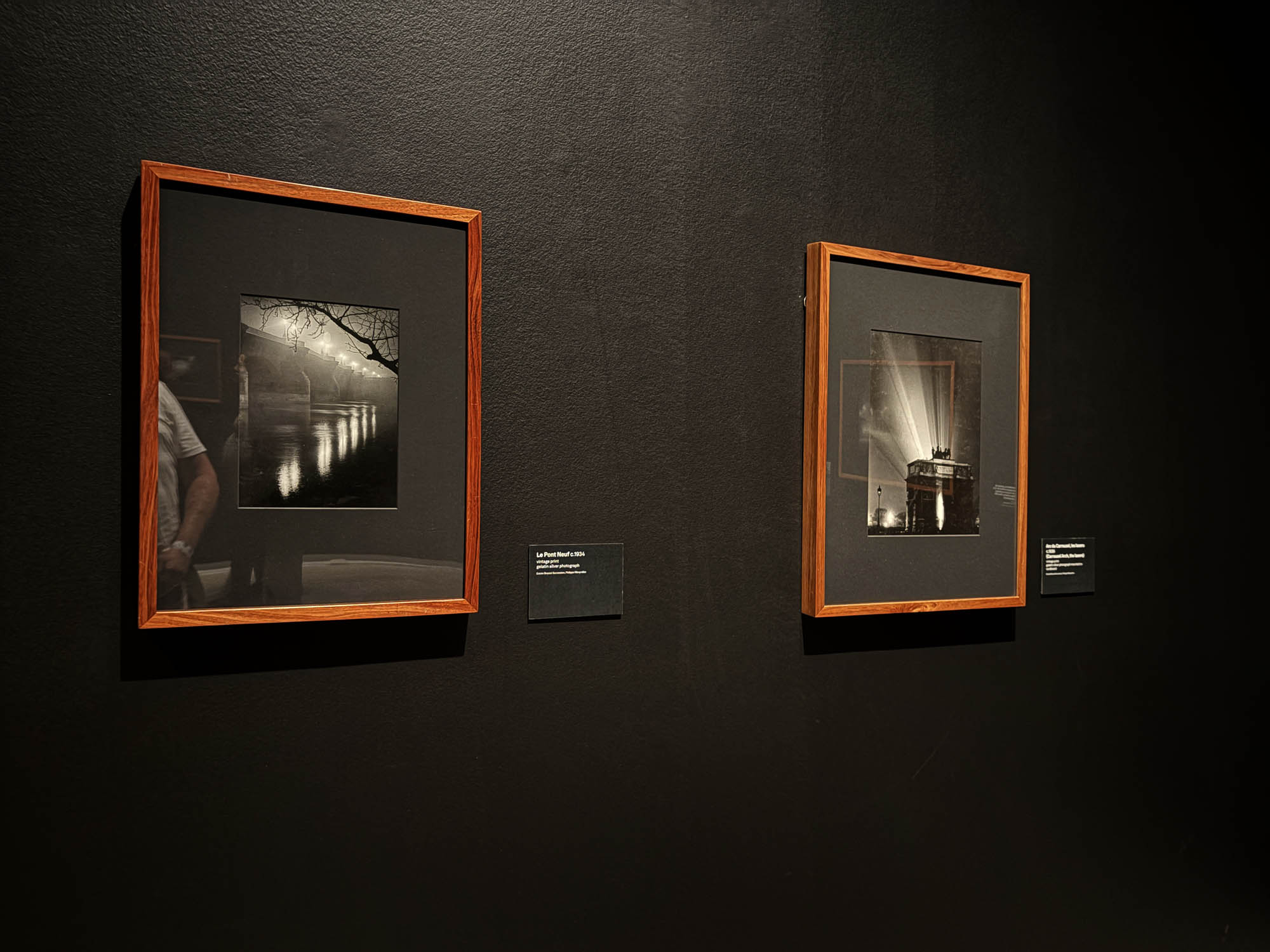
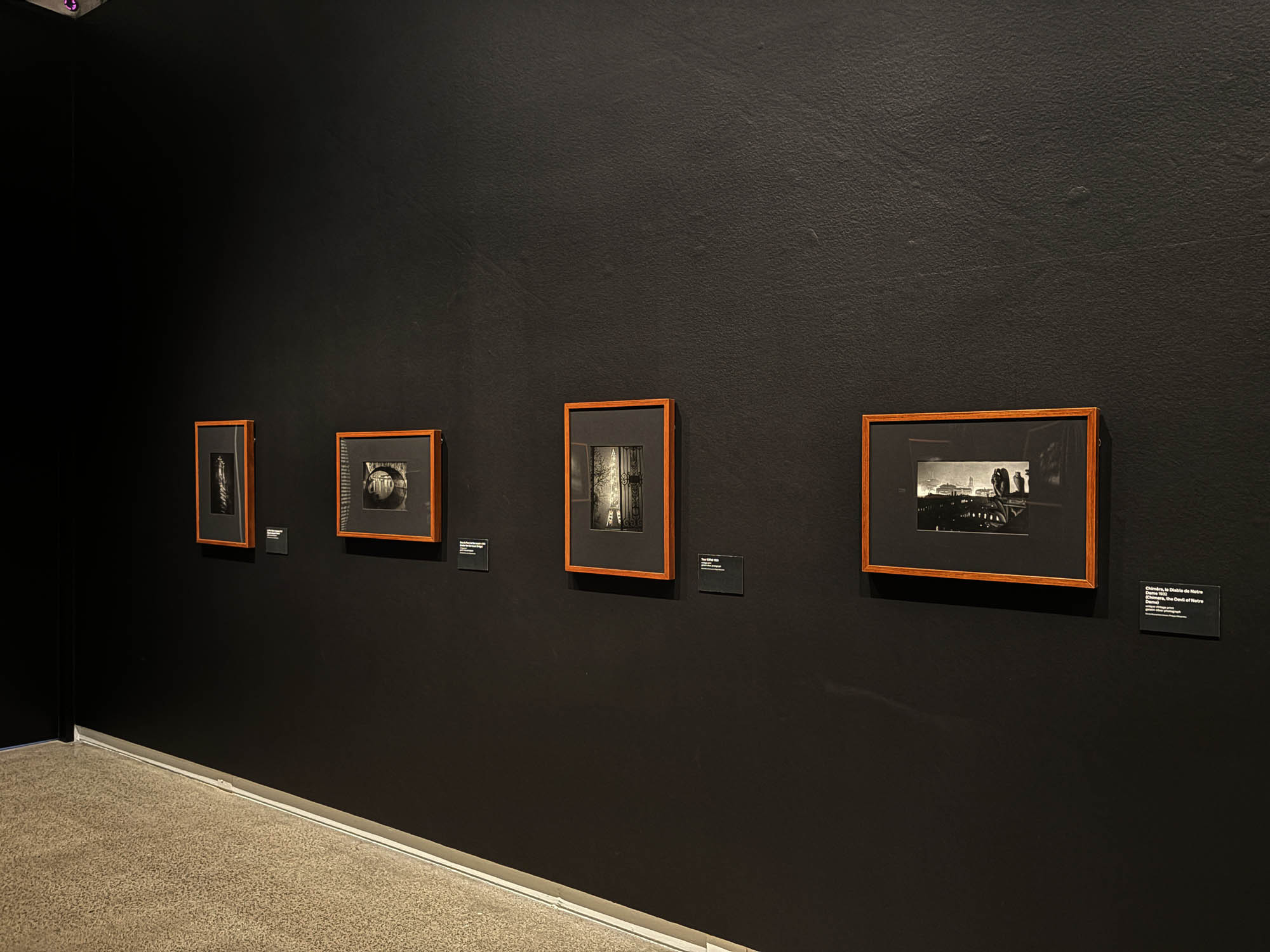
Installation view of the exhibition 'Brassaï: Secret Paris' at Heide Museum of Modern Art, Melbourne, July - November, 2026 showing at left the photograph 'Le Pont Neuf' c. 1934 vintage gelatin silver print


Installation view of the exhibition Brassaï: Secret Paris at Heide Museum of Modern Art, Melbourne, July – November, 2026 showing at left the photograph Le Pont Neuf c. 1934 vintage gelatin silver print
Photo: Marcus Bunyan


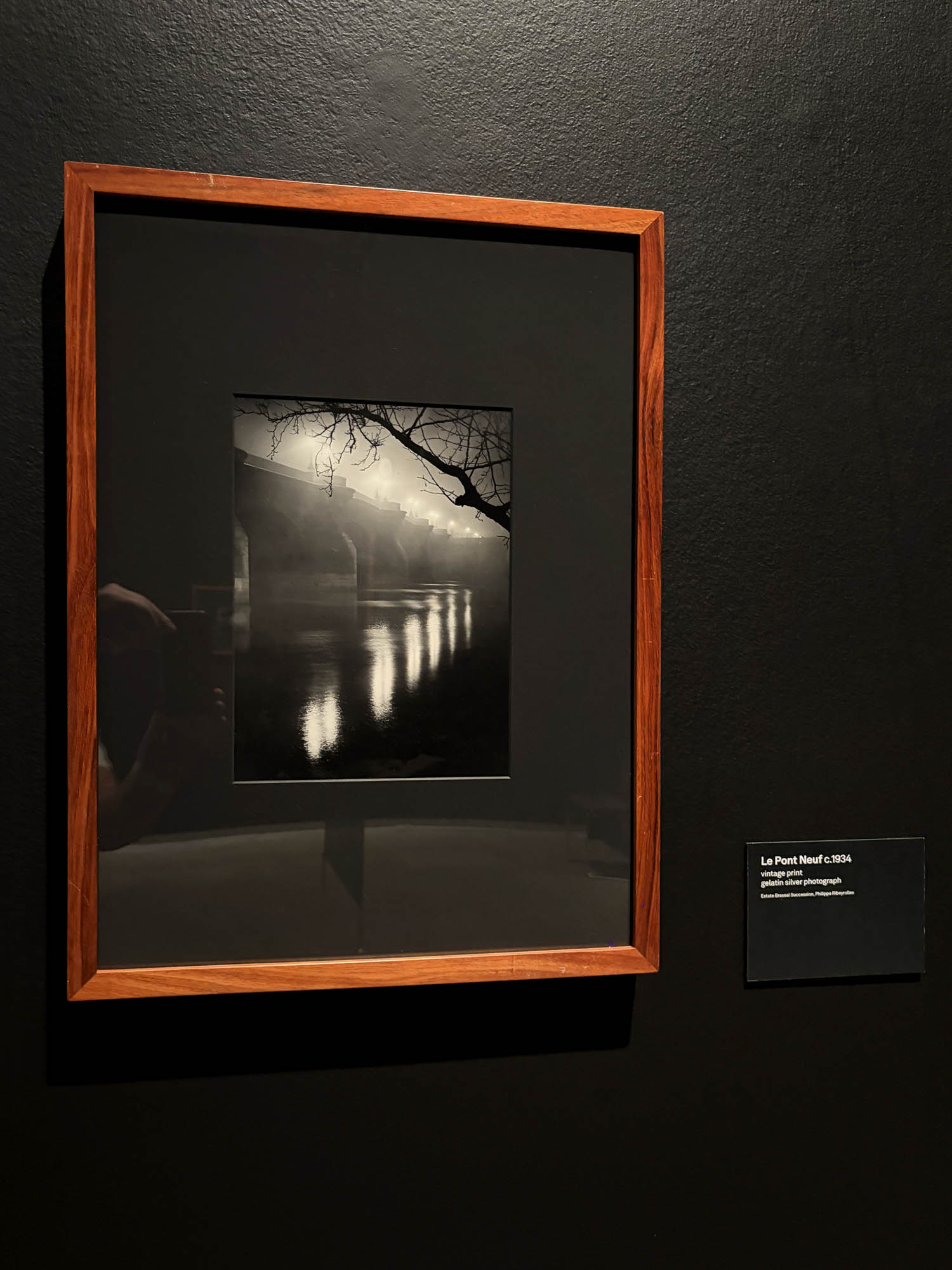
Installation view of the exhibition 'Brassaï: Secret Paris' at Heide Museum of Modern Art, Melbourne, July - November, 2026 showing the photograph 'Le Pont Neuf' c. 1934 vintage gelatin silver print


Installation view of the exhibition Brassaï: Secret Paris at Heide Museum of Modern Art, Melbourne, July – November, 2026 showing the photograph Le Pont Neuf c. 1934 vintage gelatin silver print
Photo: Marcus Bunyan


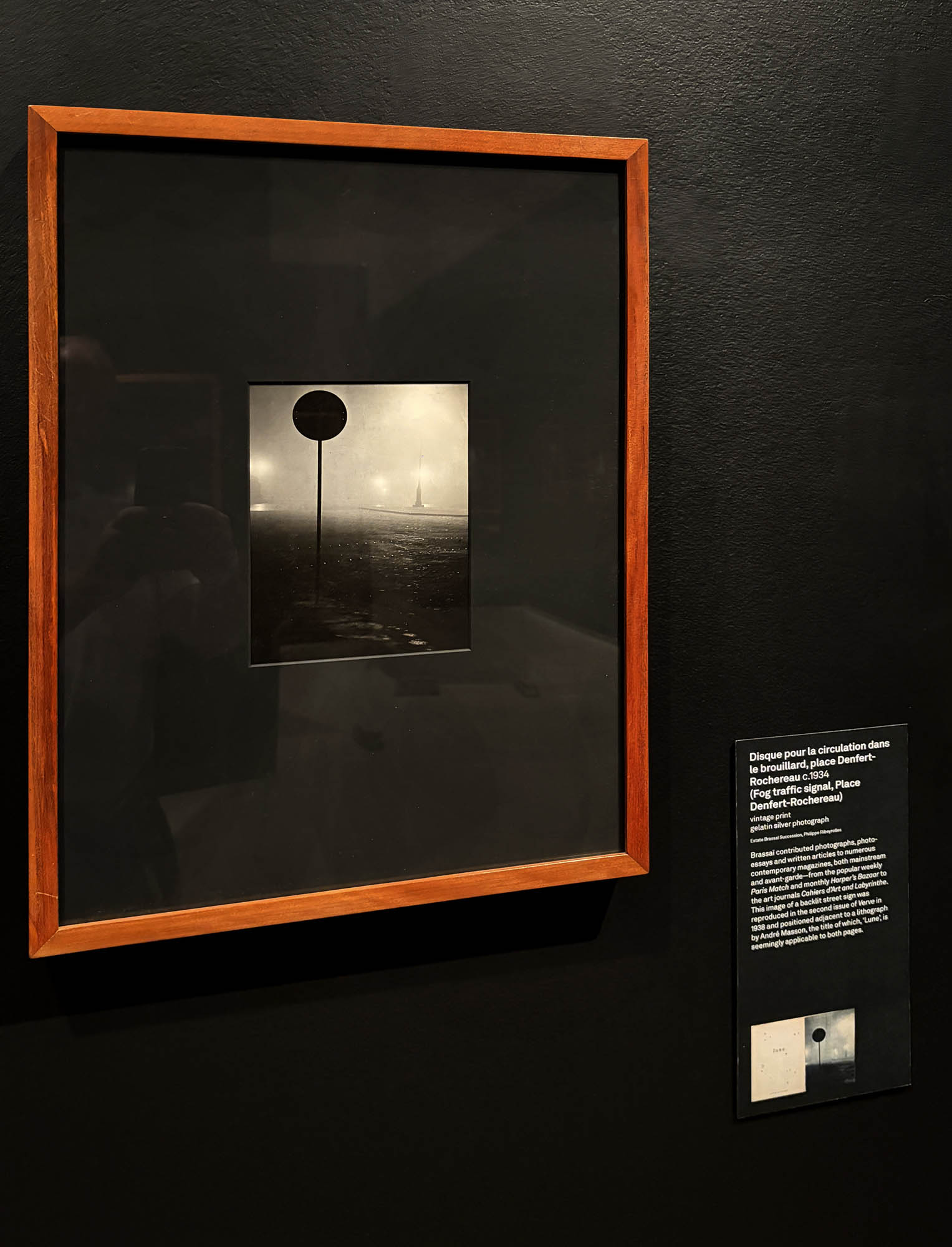
Installation view of the exhibition 'Brassaï: Secret Paris' at Heide Museum of Modern Art, Melbourne, July - November, 2026 showing the photograph 'Disque pour la circulation dans le brouillard, place Denfert-Rochereau' (Fog traffic signal, place Denfert-Rochereau) c. 1934 vintage gelatin silver print


Installation view of the exhibition Brassaï: Secret Paris at Heide Museum of Modern Art, Melbourne, July – November, 2026 showing the photograph Disque pour la circulation dans le brouillard, place Denfert-Rochereau (Fog traffic signal, place Denfert-Rochereau) c. 1934 vintage gelatin silver print
Photo: Marcus Bunyan


Wall text from the exhibition 'Brassaï: Secret Paris' at Heide Museum of Modern Art, Melbourne, July - November, 2026 from the main gallery


Wall text from the exhibition Brassaï: Secret Paris at Heide Museum of Modern Art, Melbourne, July – November, 2026 from the main gallery
Photo: Marcus Bunyan


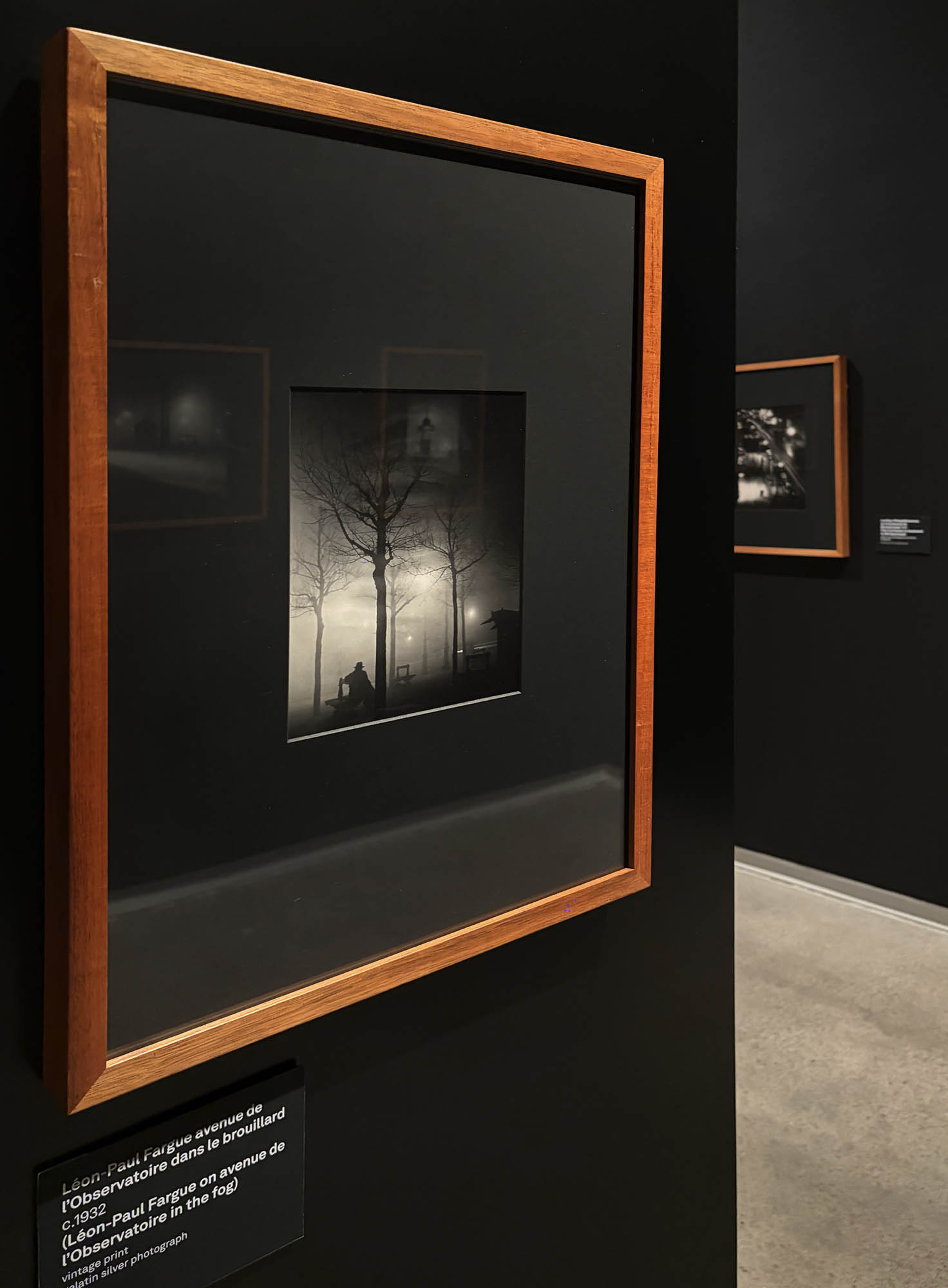
Installation view of the exhibition 'Brassaï: Secret Paris' at Heide Museum of Modern Art, Melbourne, July - November, 2026 showing the photograph 'Léon-Paul Prague avenue de l'Observatoire dans le brouillard' (Léon-Paul Frague on avenue de l'Observatoire in the fog) c. 1932 vintage gelatin silver print


Installation view of the exhibition Brassaï: Secret Paris at Heide Museum of Modern Art, Melbourne, July – November, 2026 showing the photograph Léon-Paul Prague avenue de l’Observatoire dans le brouillard (Léon-Paul Frague on avenue de l’Observatoire in the fog) c. 1932 vintage gelatin silver print
Photo: Marcus Bunyan


Installation view of the exhibition 'Brassaï: Secret Paris' at Heide Museum of Modern Art, Melbourne, July - November, 2026


Installation view of the exhibition Brassaï: Secret Paris at Heide Museum of Modern Art, Melbourne, July – November, 2026
Photo: Marcus Bunyan


Installation view of the exhibition 'Brassaï: Secret Paris' at Heide Museum of Modern Art, Melbourne, July - November, 2026


Installation view of the exhibition Brassaï: Secret Paris at Heide Museum of Modern Art, Melbourne, July – November, 2026
Photo: Marcus Bunyan


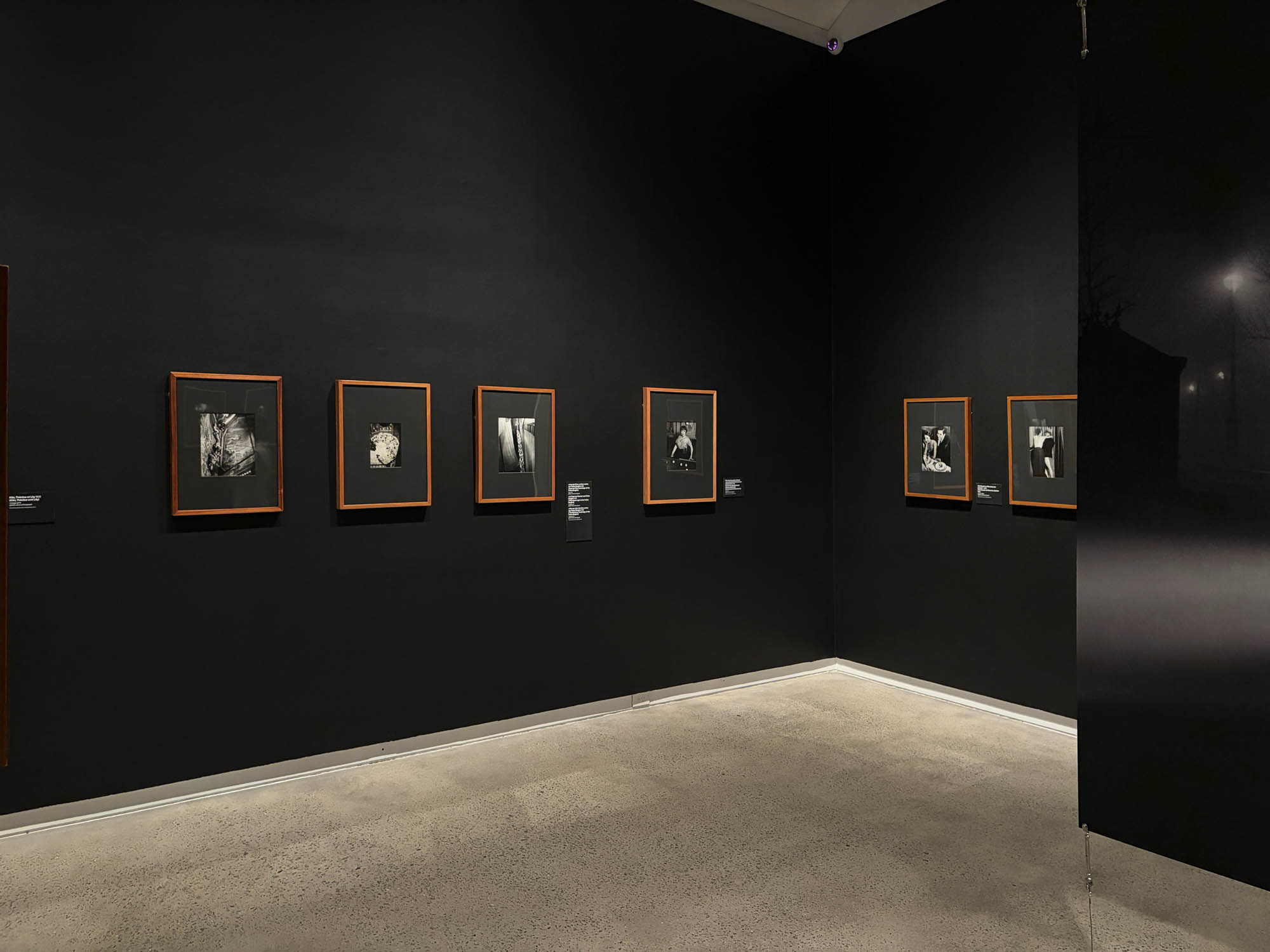
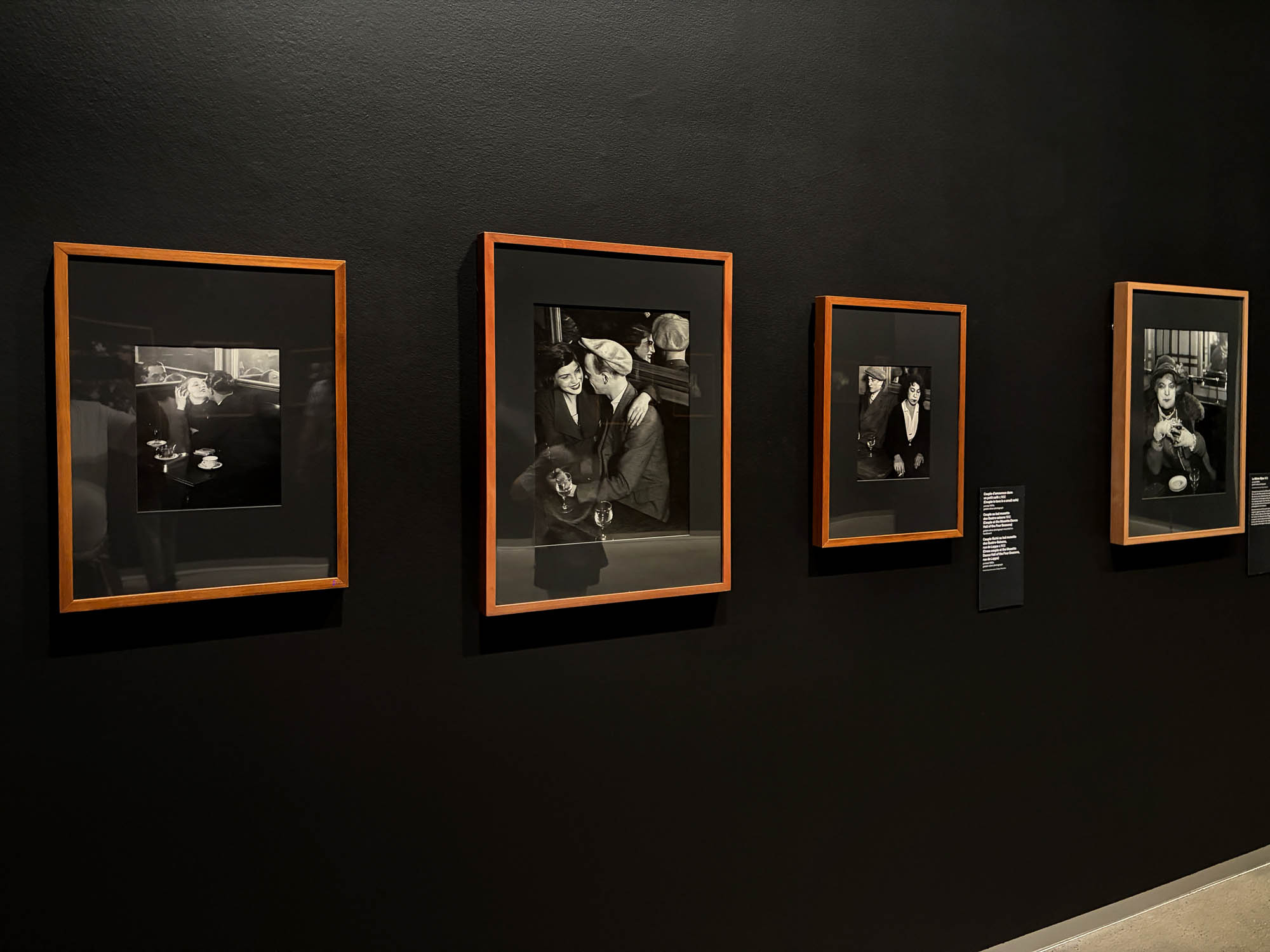
Installation view of the exhibition 'Brassaï: Secret Paris' at Heide Museum of Modern Art, Melbourne, July - November, 2026 showing from left to right, 'Couple d'amoureux dans un petit café, quartier Italie' (Loving Couple in a Small Café, Place d'Italie) c. 1932 vintage gelatin silver print; 'Couple au bal musette des Quatre Saisons' (Couple at the Musette Dance Hall of the Four Seasons) 1932; 'Couple croisé au bal musette des Quatre-Saisons, rue de Lappe' (Cross couple at the Musette Dance Hall of the Four Seasons, rue de Lappe) c. 1932 vintage gelatin silver print; 'La Môme Bijou, Bar de la Lune, Montmartre' (La Môme Bijou, Bar de la Lune, Montmartre) 1932


Installation view of the exhibition Brassaï: Secret Paris at Heide Museum of Modern Art, Melbourne, July – November, 2026 showing from left to right, Couple d’amoureux dans un petit café, quartier Italie (Loving Couple in a Small Café, Place d’Italie) c. 1932 vintage gelatin silver print; Couple au bal musette des Quatre Saisons (Couple at the Musette Dance Hall of the Four Seasons) 1932; Couple croisé au bal musette des Quatre-Saisons, rue de Lappe (Cross couple at the Musette Dance Hall of the Four Seasons, rue de Lappe) c. 1932 vintage gelatin silver print; La Môme Bijou, Bar de la Lune, Montmartre (La Môme Bijou, Bar de la Lune, Montmartre) 1932
Photo: Marcus Bunyan


Brassaï (Hungarian-French, 1899-1984) 'Bal des Quatre Saisons, rue de Lappe' c. 1932


Brassaï (Hungarian-French, 1899-1984)
Couple au bal musette des Quatre Saisons (Couple at the Musette Dance Hall of the Four Seasons)
c. 1932
Vintage gelatin silver print
Estate Brassaï Succession, Philippe Ribeyrolles


Wall text from the exhibition 'Brassaï: Secret Paris' at Heide Museum of Modern Art, Melbourne, July - November, 2026 from the main gallery


Wall text from the exhibition Brassaï: Secret Paris at Heide Museum of Modern Art, Melbourne, July – November, 2026 from the main gallery
Photo: Marcus Bunyan


Installation view of the exhibition 'Brassaï: Secret Paris' at Heide Museum of Modern Art, Melbourne, July - November, 2026


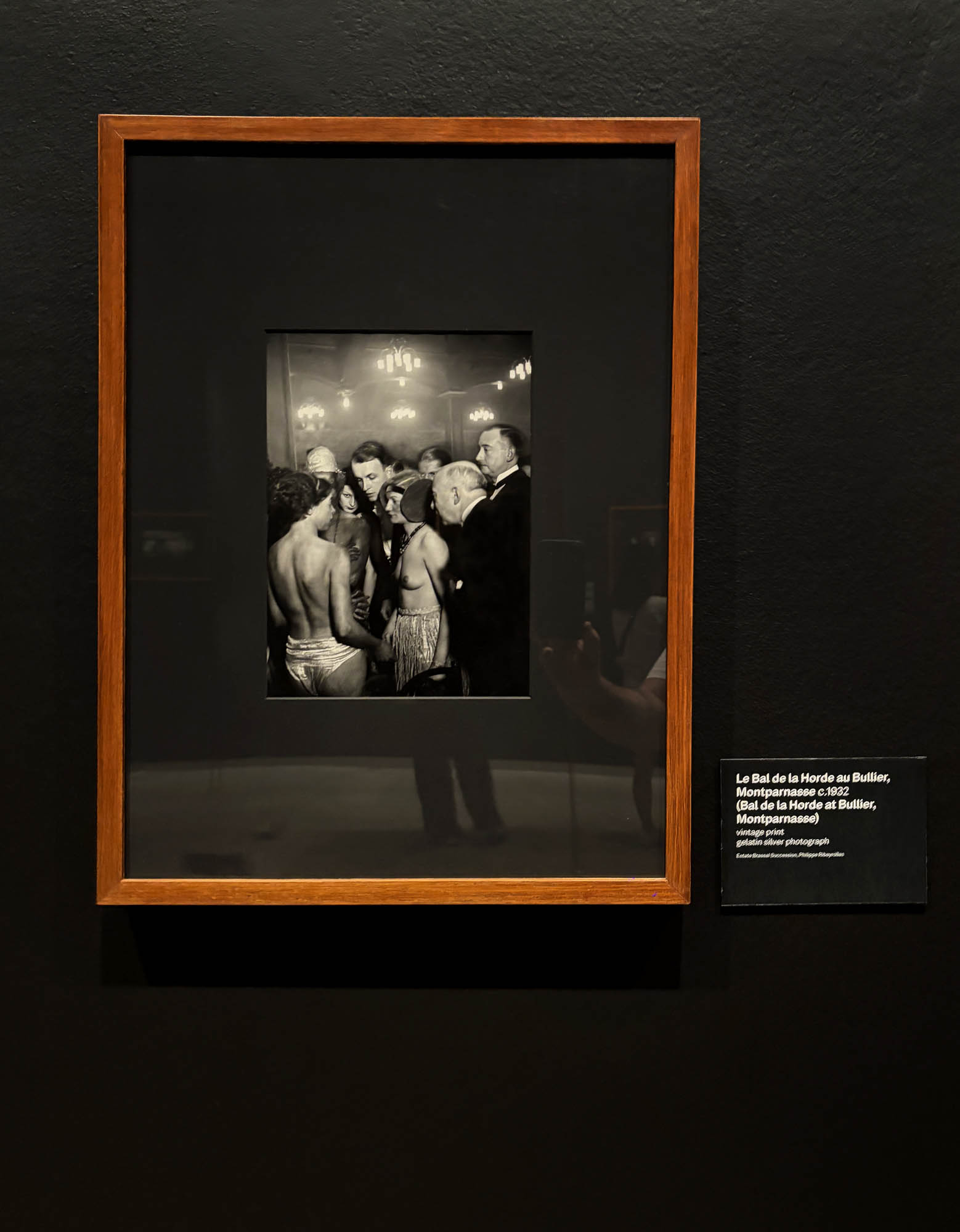
Installation view of the exhibition Brassaï: Secret Paris at Heide Museum of Modern Art, Melbourne, July – November, 2026 showing the photograph La Bal de la Horde au Bullier, Montparnasse (Bal de la Horde at Bullier, Montparnasse) c. 1932 vintage gelatin silver print
Photo: Marcus Bunyan


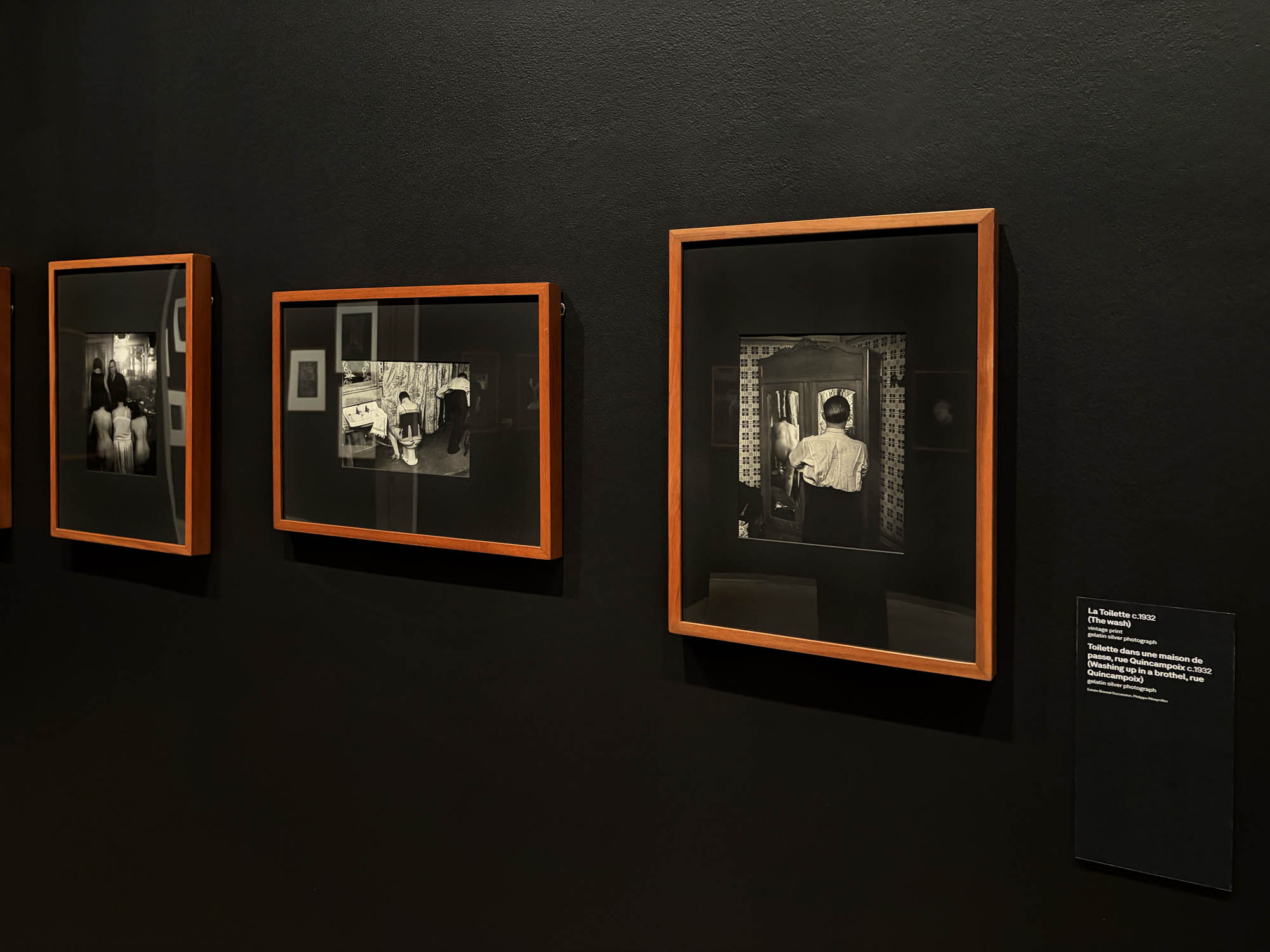
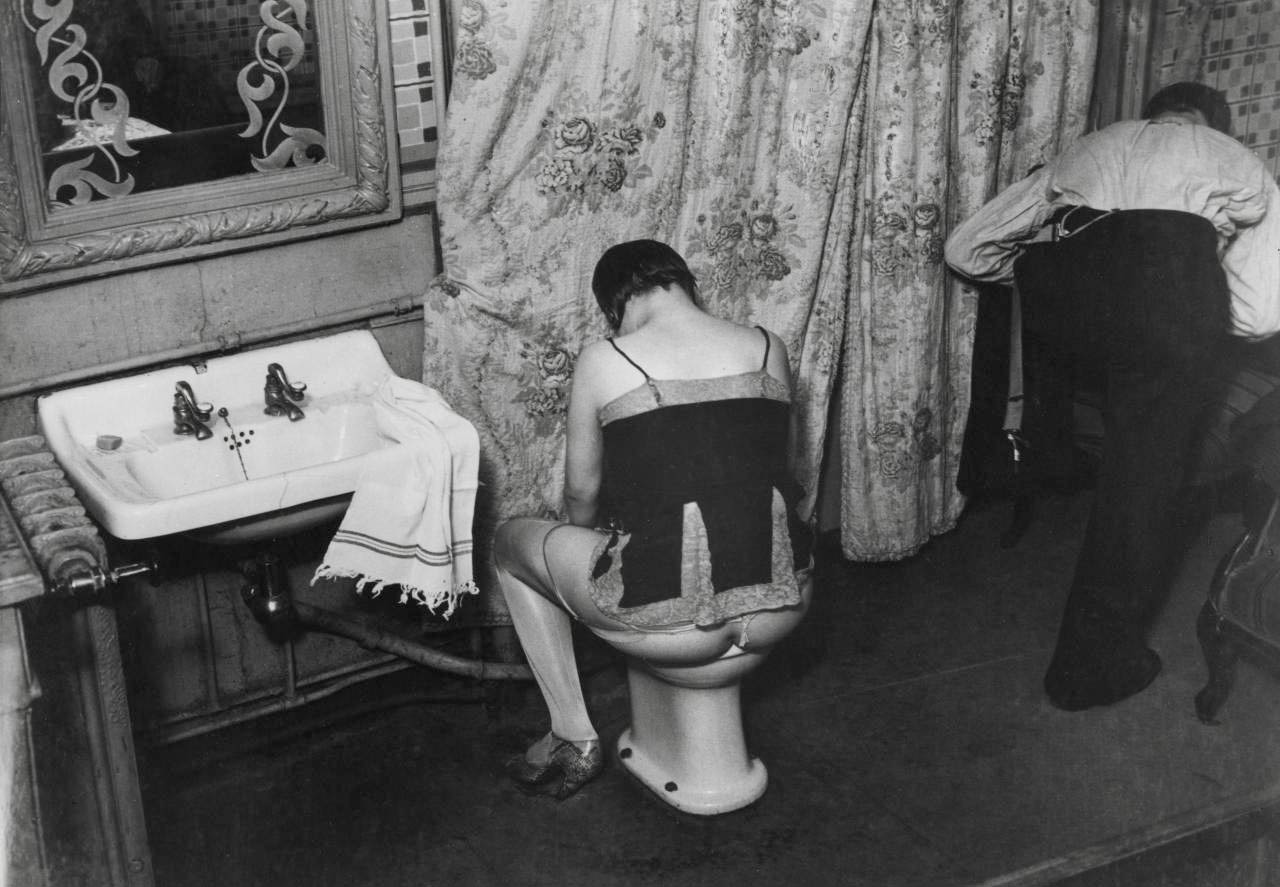
Installation view of the exhibition 'Brassaï: Secret Paris' at Heide Museum of Modern Art, Melbourne, July - November, 2026 showing at second left, 'Toilette dans une maison de passe, rue Quinncampoix' (Washing up in a brothel, rue Quincampoix) c. 1932 gelatin silver print; and at right, 'La Toilette' (The wash) c. 1932 vintage gelatin silver print


Installation view of the exhibition Brassaï: Secret Paris at Heide Museum of Modern Art, Melbourne, July – November, 2026 showing at second left, Toilette dans une maison de passe, rue Quinncampoix (Washing up in a brothel, rue Quincampoix) c. 1932 gelatin silver print; and at right, La Toilette (The wash) c. 1932 vintage gelatin silver print
Photo: Marcus Bunyan


Brassaï (Hungarian-French, 1899-1984)
'Toilette dans une maison de passe, rue Quinncampoix' (Washing up in a brothel, rue Quincampoix)
c. 1932


Brassaï (Hungarian-French, 1899-1984)
Toilette dans une maison de passe, rue Quinncampoix (Washing up in a brothel, rue Quincampoix)
c. 1932
Gelatin silver print
Estate Brassaï Succession, Philippe Ribeyrolles


Brassaï (Hungarian-French, 1899-1984) 'La Toilette' (The wash) c. 1932


Brassaï (Hungarian-French, 1899-1984)
La Toilette (The wash)
c. 1932
Vintage gelatin silver print
Estate Brassaï Succession, Philippe Ribeyrolles


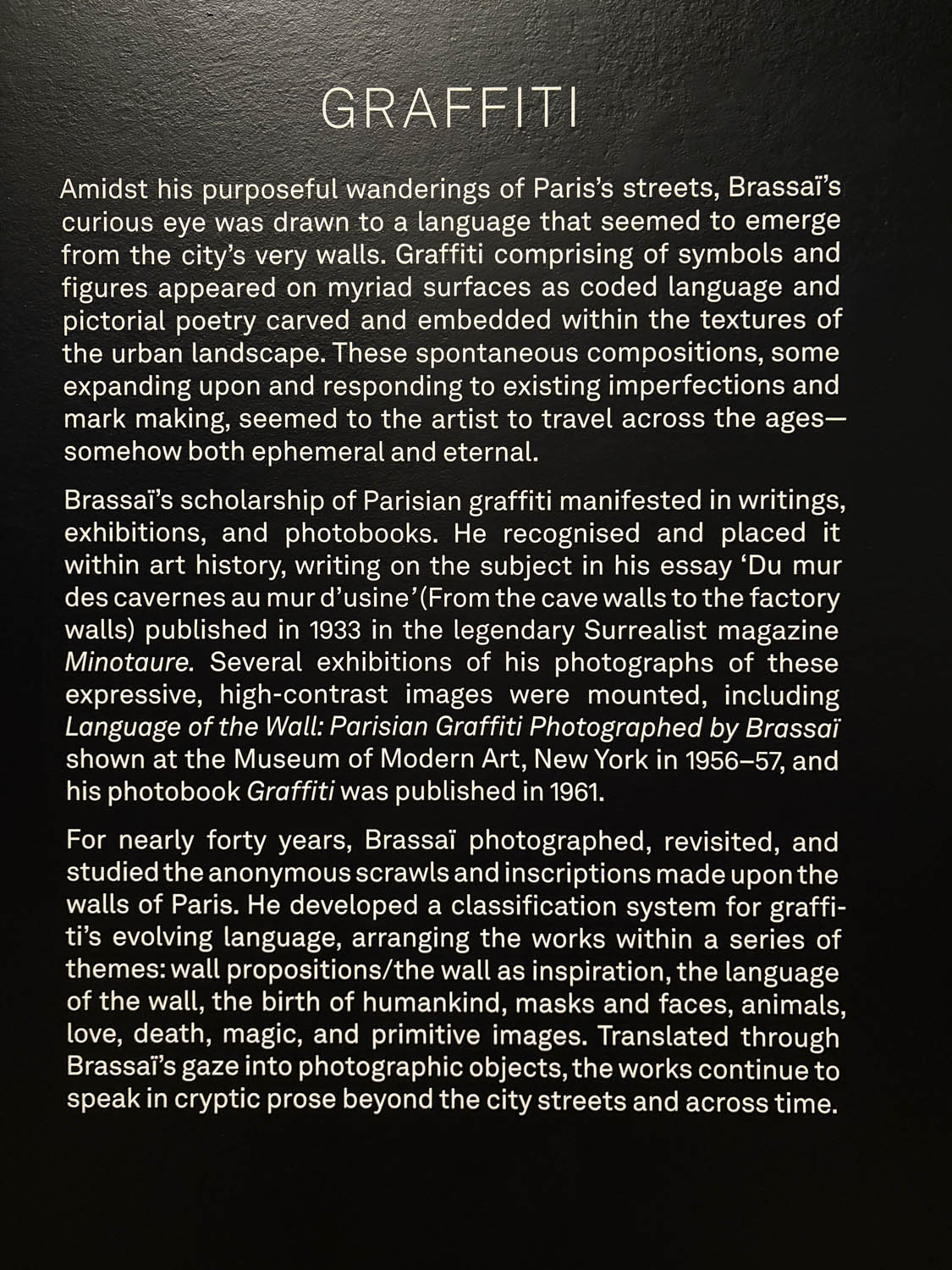
This exhibition will present the most comprehensive survey of the work of the eminent Hungarian-born, French photographer Brassaï yet to be seen in Australia. With a focus on the artist’s iconic images of the city and its people by night, the exhibition will also consider his friendship with Picasso and other leading figures of the Parisian avant-garde, his experiments with Surrealism, and his hallmark photographs of graffiti. Produced in collaboration with the artist’s estate, this survey brings together more than 150 vintage prints and offers a fascinating visual journey into the intimate world of Paris in the 1930s.

Text from the Heide Museum of Modern Art website


Gallery two

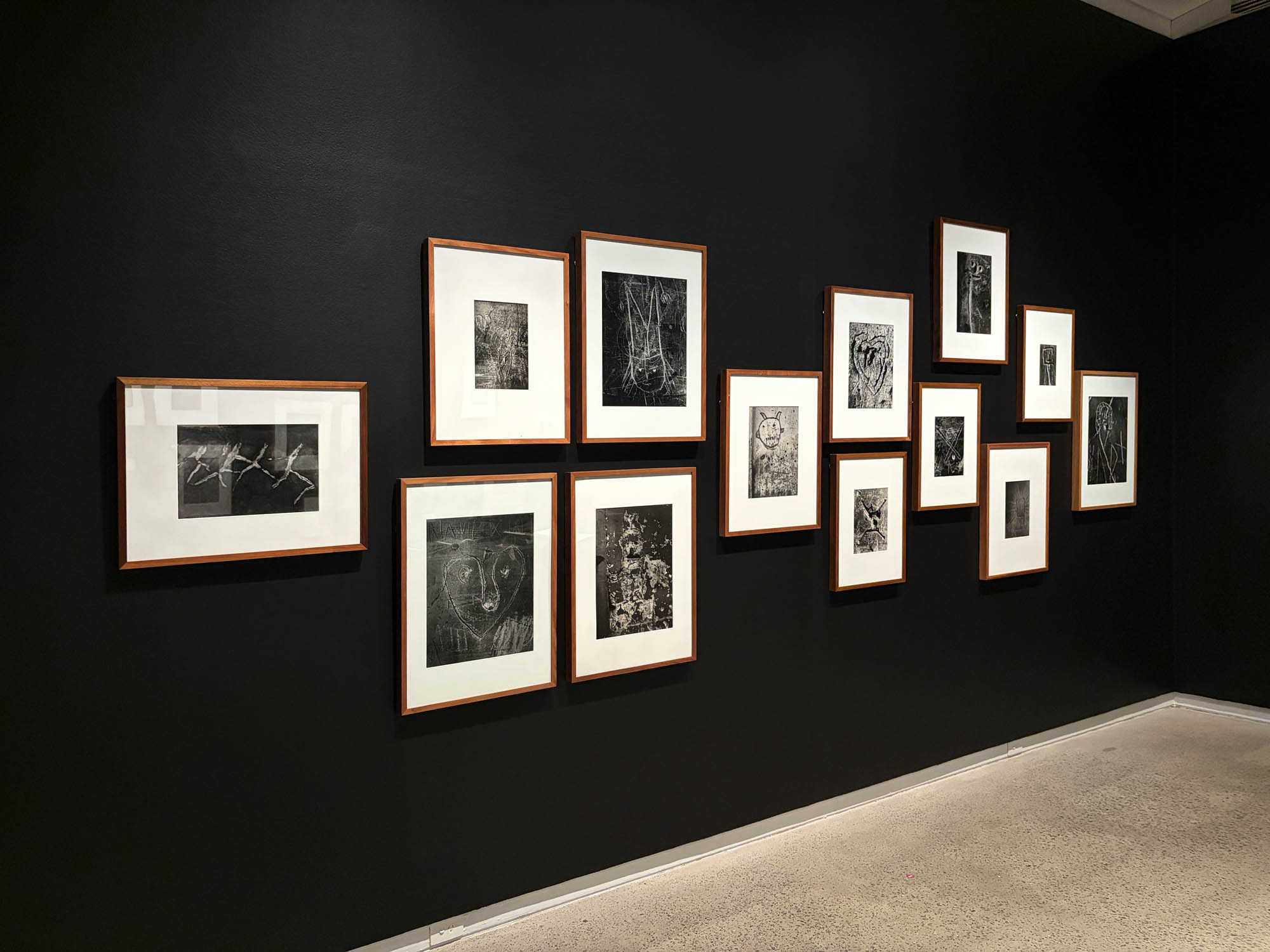
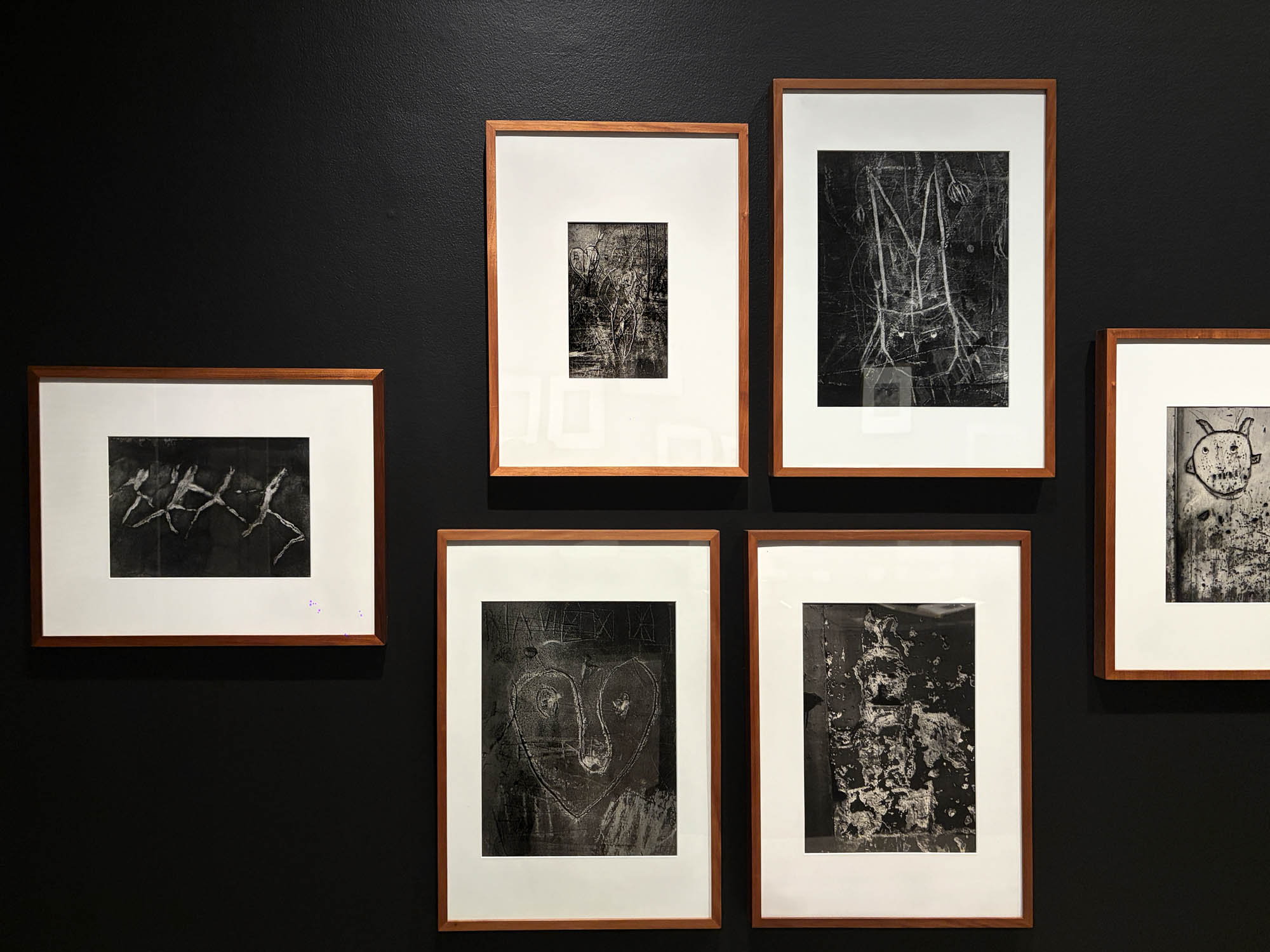
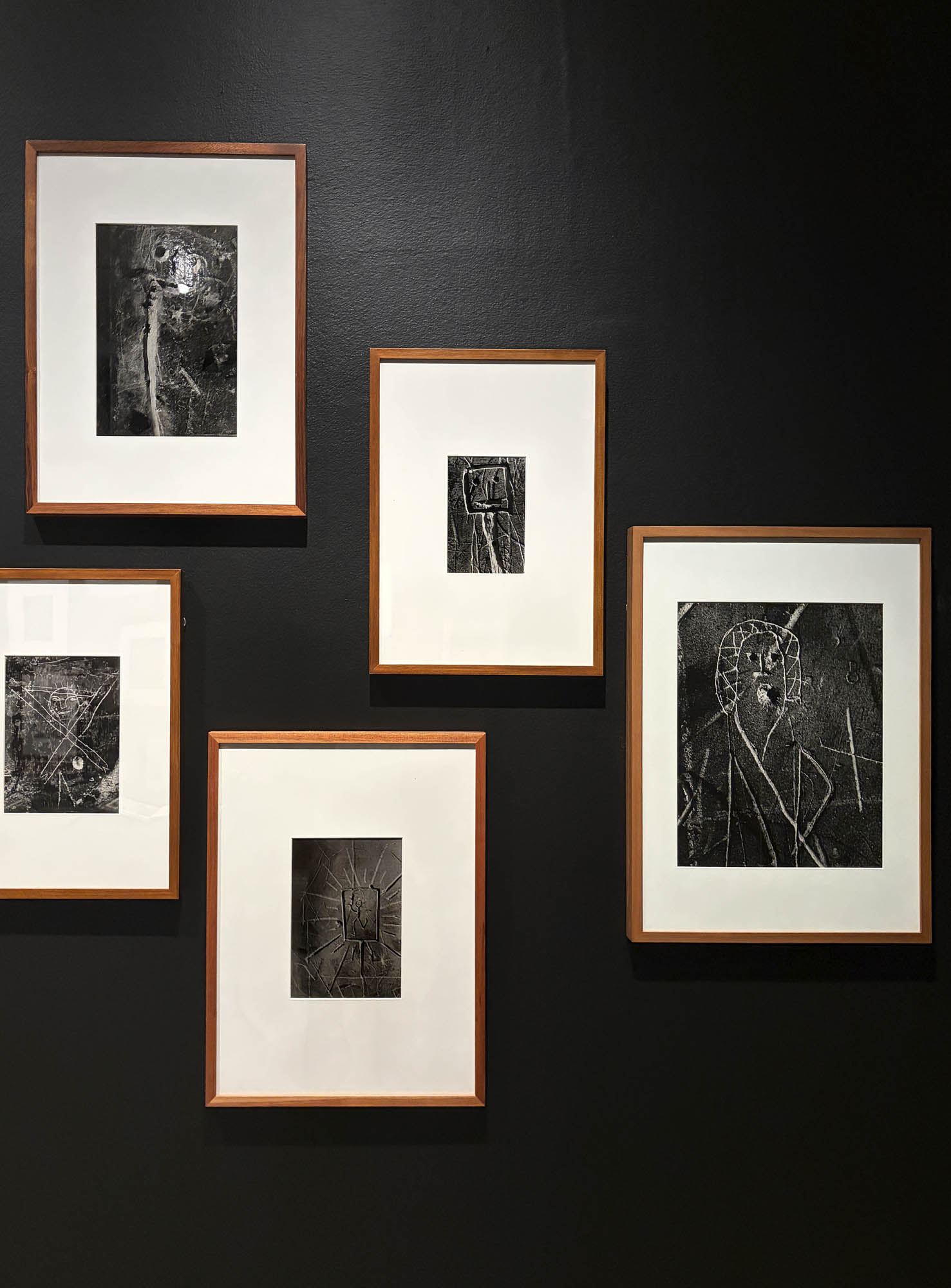
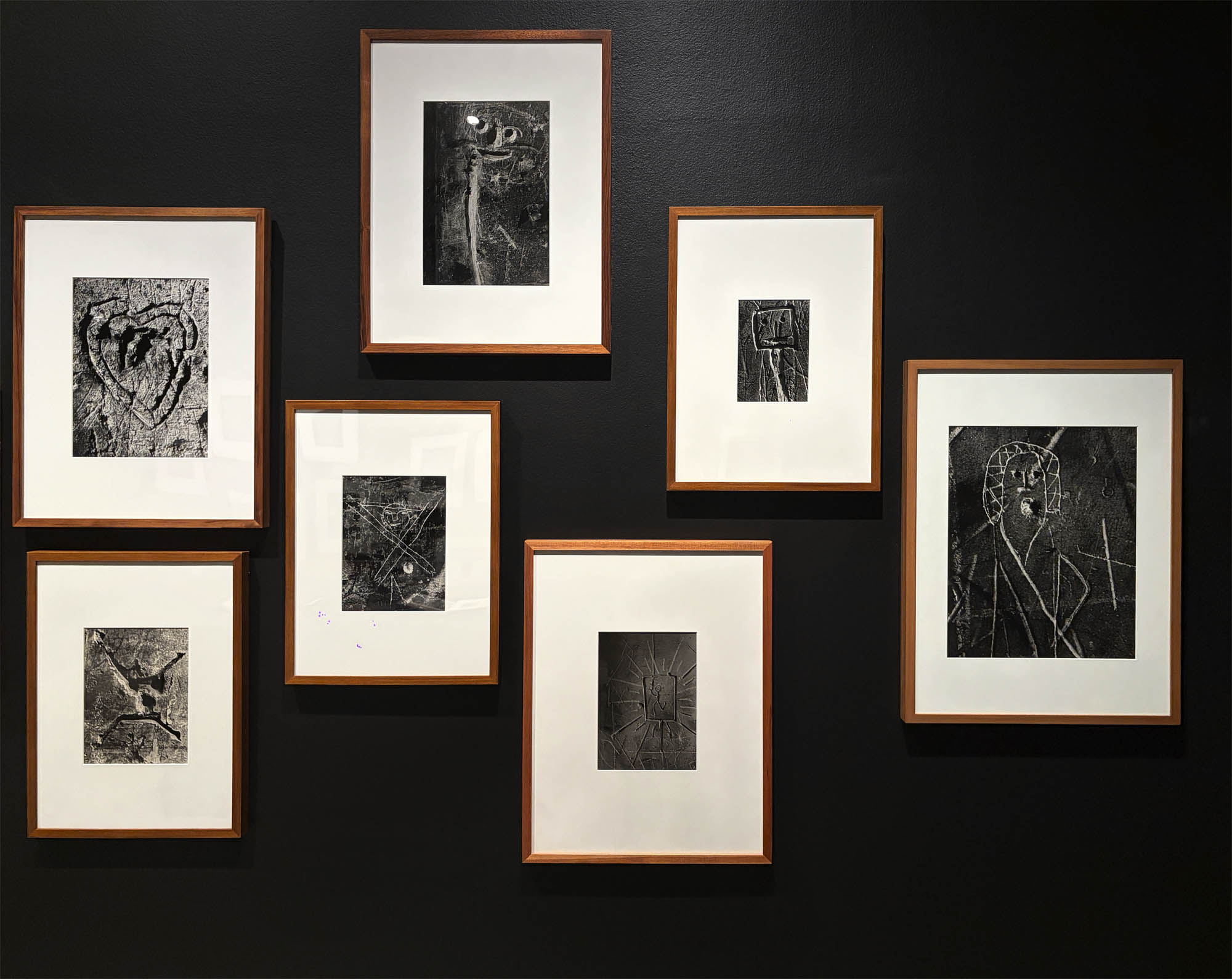
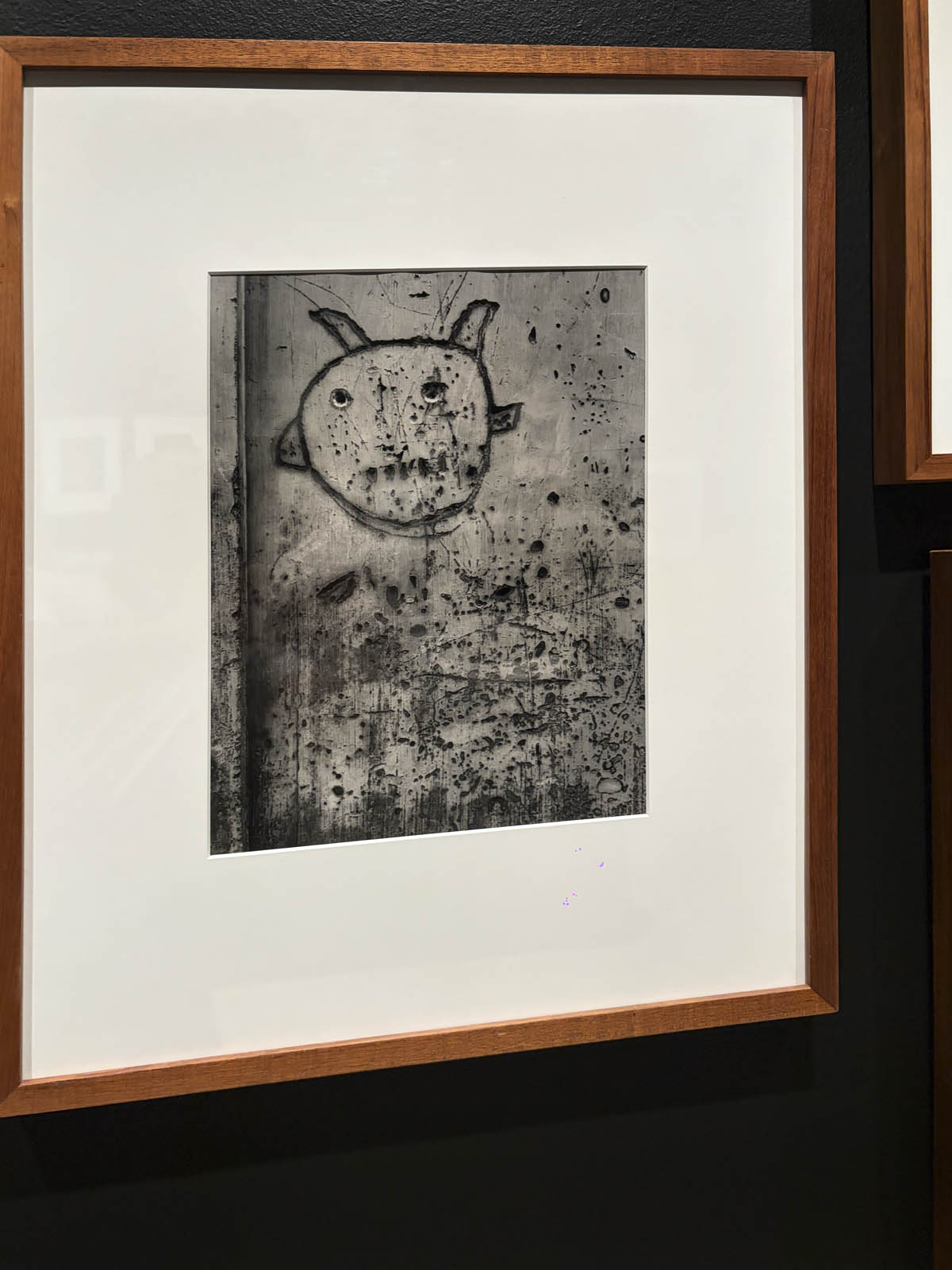
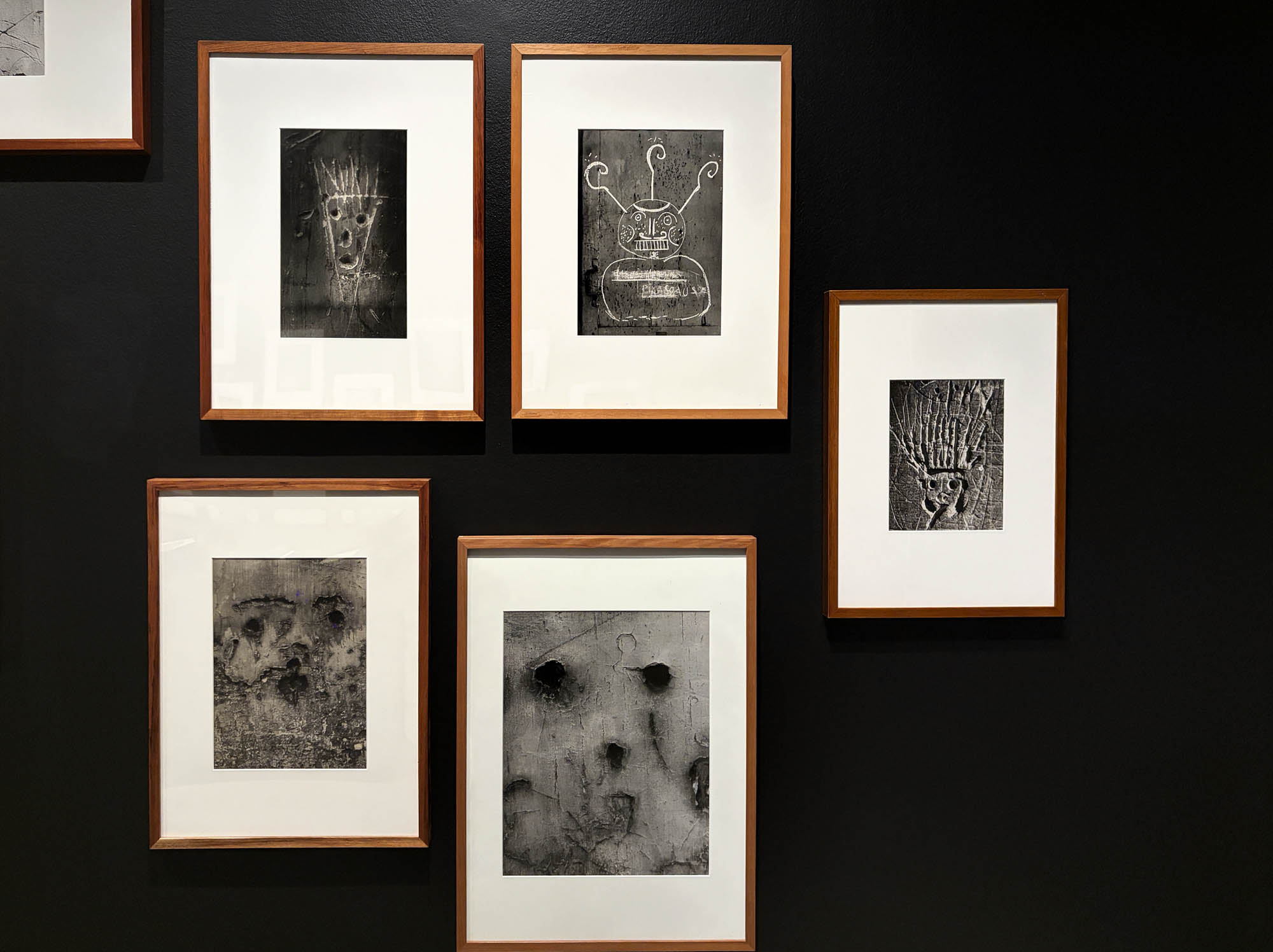
Installation view of the exhibition 'Brassaï: Secret Paris' at Heide Museum of Modern Art, Melbourne, July - November, 2026 showing photographs from the series 'Graffiti'  in gallery two


Installation view of the exhibition Brassaï: Secret Paris at Heide Museum of Modern Art, Melbourne, July – November, 2026 showing photographs from the series Graffiti (titles below) in gallery two
Photo: Marcus Bunyan


Installation view of the exhibition 'Brassaï: Secret Paris' at Heide Museum of Modern Art, Melbourne, July - November, 2026 showing photographs 1-6 from the series 'Graffiti'


Installation view of the exhibition Brassaï: Secret Paris at Heide Museum of Modern Art, Melbourne, July – November, 2026 showing photographs 1-6 from the series Graffiti (titles below)
Photo: Marcus Bunyan


Installation view of the exhibition 'Brassaï: Secret Paris' at Heide Museum of Modern Art, Melbourne, July - November, 2026 showing photographs 6-8 from the series 'Graffiti'


Installation view of the exhibition Brassaï: Secret Paris at Heide Museum of Modern Art, Melbourne, July – November, 2026 showing photographs 6-8 from the series Graffiti (titles below)
Photo: Marcus Bunyan


Installation view of the exhibition 'Brassaï: Secret Paris' at Heide Museum of Modern Art, Melbourne, July - November, 2026 showing photographs 9-13 from the series 'Graffiti'


Installation view of the exhibition Brassaï: Secret Paris at Heide Museum of Modern Art, Melbourne, July – November, 2026 showing photographs 9-13 from the series Graffiti (titles below)
Photo: Marcus Bunyan


Installation view of the exhibition 'Brassaï: Secret Paris' at Heide Museum of Modern Art, Melbourne, July - November, 2026 showing photographs 7-13 from the series 'Graffiti'


Installation view of the exhibition Brassaï: Secret Paris at Heide Museum of Modern Art, Melbourne, July – November, 2026 showing photographs 7-13 from the series Graffiti (titles below)
Photo: Marcus Bunyan


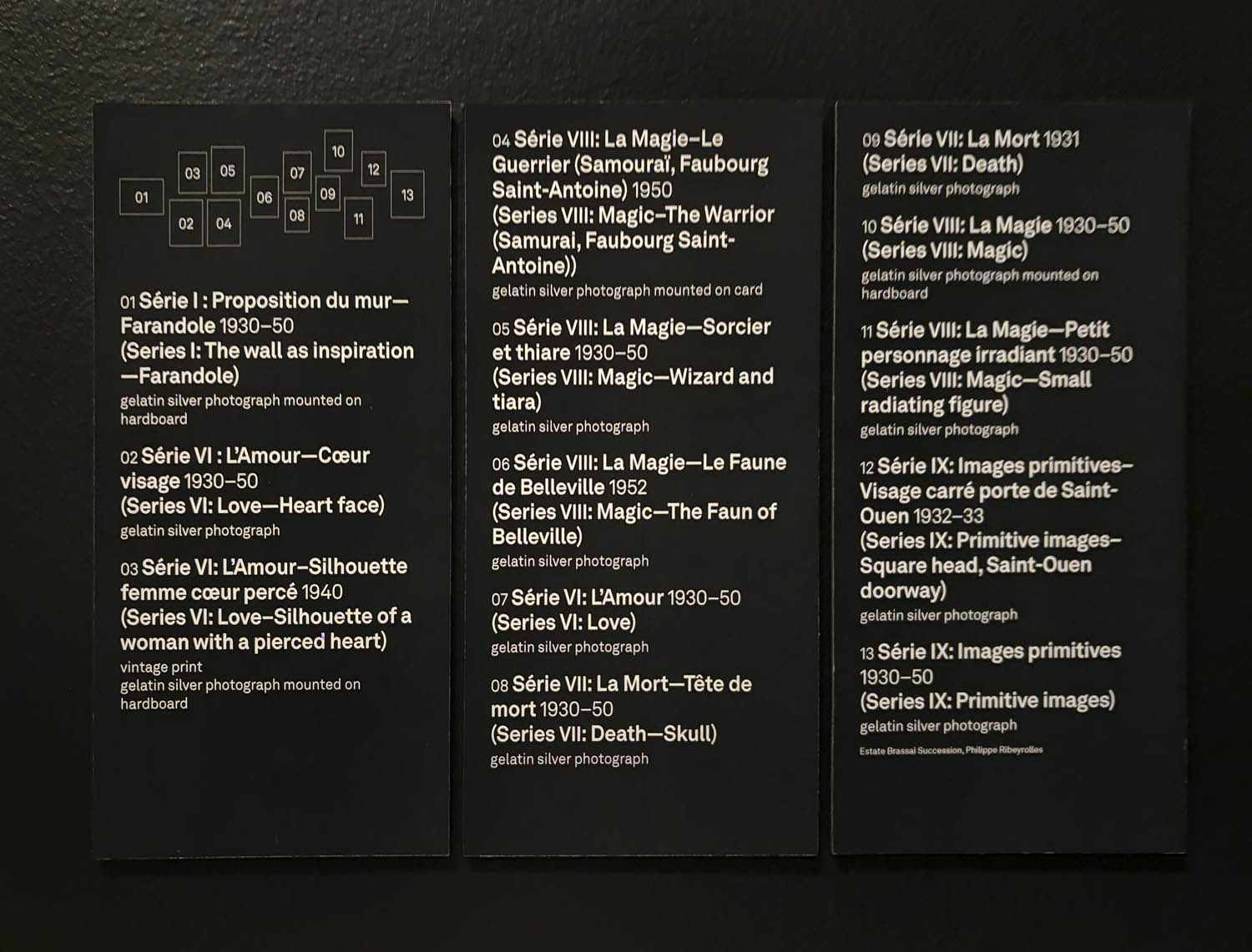
Titles for the series 'Graffit'i for the photograph (above) from the exhibition 'Brassaï: Secret Paris' at Heide Museum of Modern Art, Melbourne, July - November, 2026


Titles for the series Graffiti for the photograph (above) from the exhibition Brassaï: Secret Paris at Heide Museum of Modern Art, Melbourne, July – November, 2026
Photo: Marcus Bunyan


Brassaï (Hungarian-French, 1899-1984) 'Série VII: La Mort - Tête de Morte' (Series VII: Death - Skull) 1930-1950 (installation view)


Brassaï (Hungarian-French, 1899-1984)
Série VII: La Mort – Tête de Morte (Series VII: Death – Skull) (installation view)
1930-1950
Gelatin silver photograph
Estate Brassaï Succession, Philippe Ribeyrolles
Photo: Marcus Bunyan


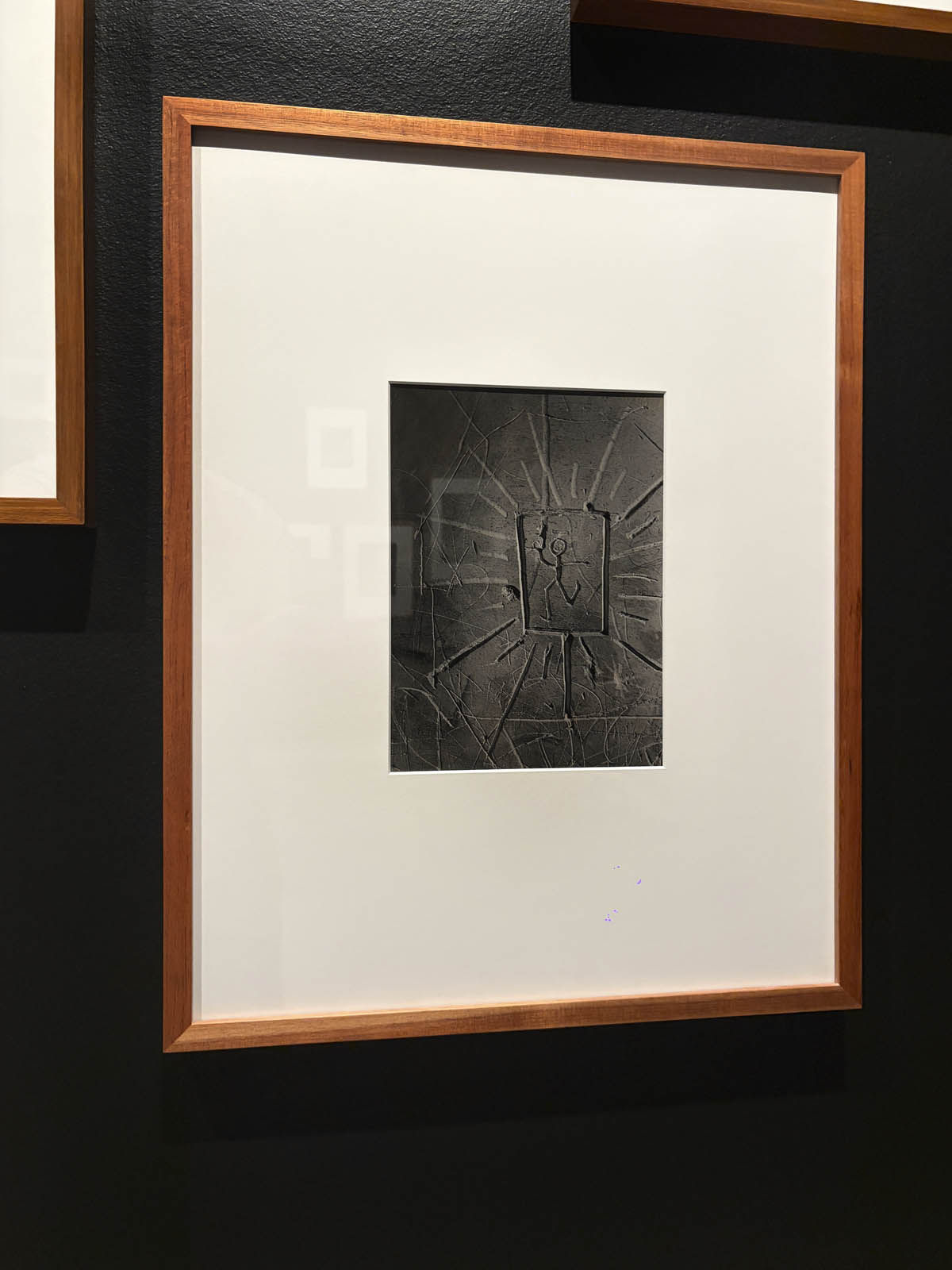
Brassaï (Hungarian-French, 1899-1984) 'Série VIII: La Magie - Petit personnage irradiant' (Series VIII: Magic - Small radiating figure) 1930-1950 (installation view)


Brassaï (Hungarian-French, 1899-1984)
Série VIII: La Magie – Petit personnage irradiant (Series VIII: Magic – Small radiating figure) (installation view)
1930-1950
Gelatin silver photograph
Estate Brassaï Succession, Philippe Ribeyrolles
Photo: Marcus Bunyan


Wall text from the exhibition 'Brassaï: Secret Paris' at Heide Museum of Modern Art, Melbourne, July - November, 2026 from gallery two


Wall text from the exhibition Brassaï: Secret Paris at Heide Museum of Modern Art, Melbourne, July – November, 2026 from gallery two
Photo: Marcus Bunyan


'Paris de nuit/Paris After Dark' (installation view) 1933 First edition from the exhibition 'Brassaï: Secret Paris' at Heide Museum of Modern Art, Melbourne, July - November, 2026


Paris de nuit/Paris After Dark (installation view)
1933
First edition
Printed 1932, distributed 1933
Edition arts et métiers graphiques, Paris
Estate Brassaï Succession, Philippe Ribeyrolles
Photo: Marcus Bunyan


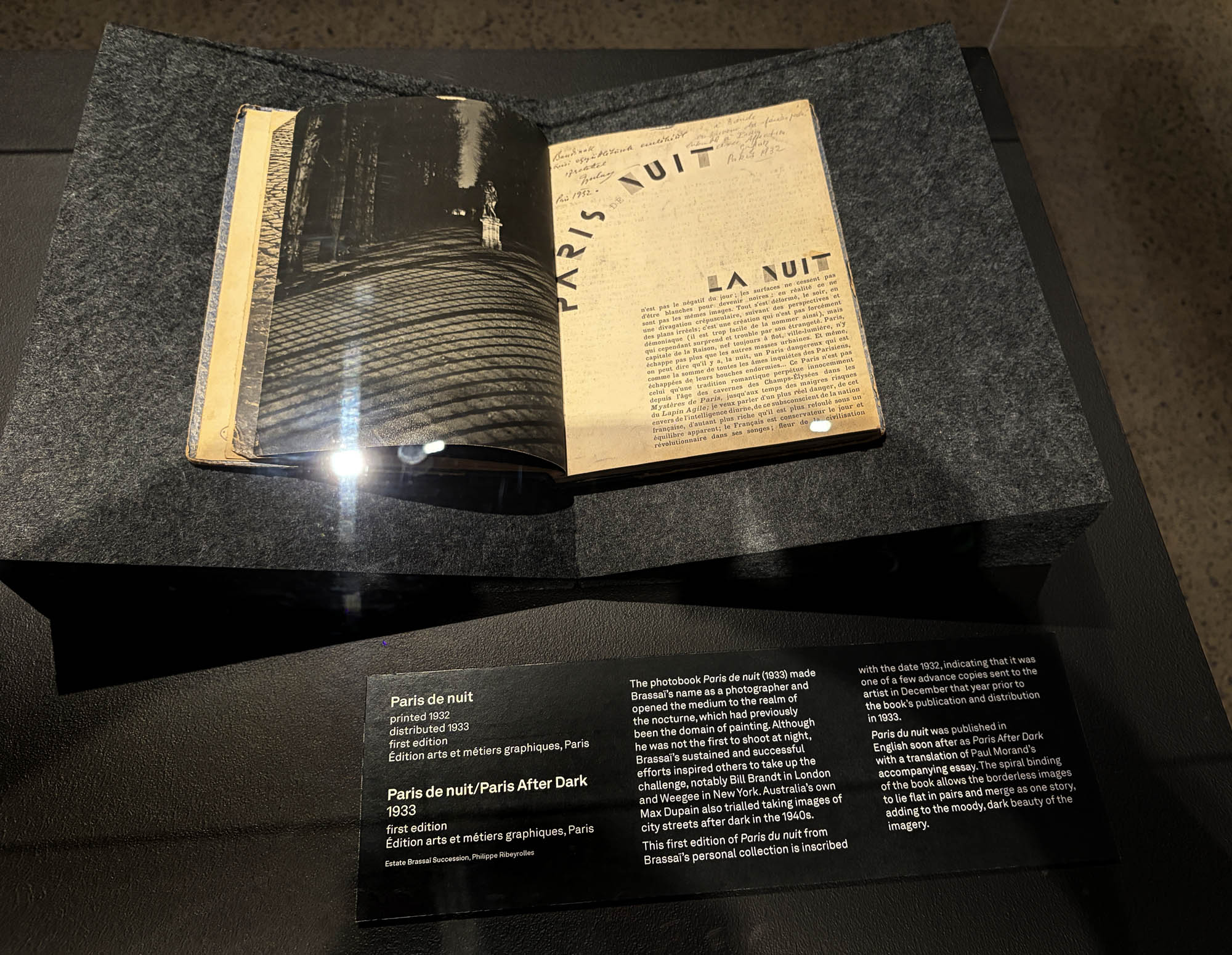
The photobook Paris de nuit (1933) made Brassaï’s name as a photographer and opened the medium to the realm of the nocturne, which had previously been the domain of painting. Although he was not the first to shoot at night, Brassai’s sustained and successful efforts inspired others to take up the challenge, notably Bill Brandt in London and Weegee in New York. Australia’s own Max Dupain also trialled taking images of city streets after dark in the 1940s.
The first edition of Paris du nuit from Brassaï’s personal collection is inscribed with the date 1932, indicating that it was one of a few advance copies sent to the artist prior to the book’s publication and distribution in 1933.
Paris de nuit was published in English soon after as Paris After Dark with a translation of Paul Morand’s accompanying essay. The spiral binding of the book allows the borderless images to lie flat in pairs and merge as one story, adding to the moody, dark beauty of the imagery.

Label text from the exhibition Brassaï: Secret Paris at Heide Museum of Modern Art, Melbourne, July – November, 2026


'Minotaure' no.3-4 (installation view) 1933 from the exhibition 'Brassaï: Secret Paris' at Heide Museum of Modern Art, Melbourne, July - November, 2026


Minotaure no.3-4 (installation view)
1933
Magazine
Cover by André Derain
Editions d’art Albert Skira, Paris
Estate Brassaï Succession, Philippe Ribeyrolles
Photo: Marcus Bunyan


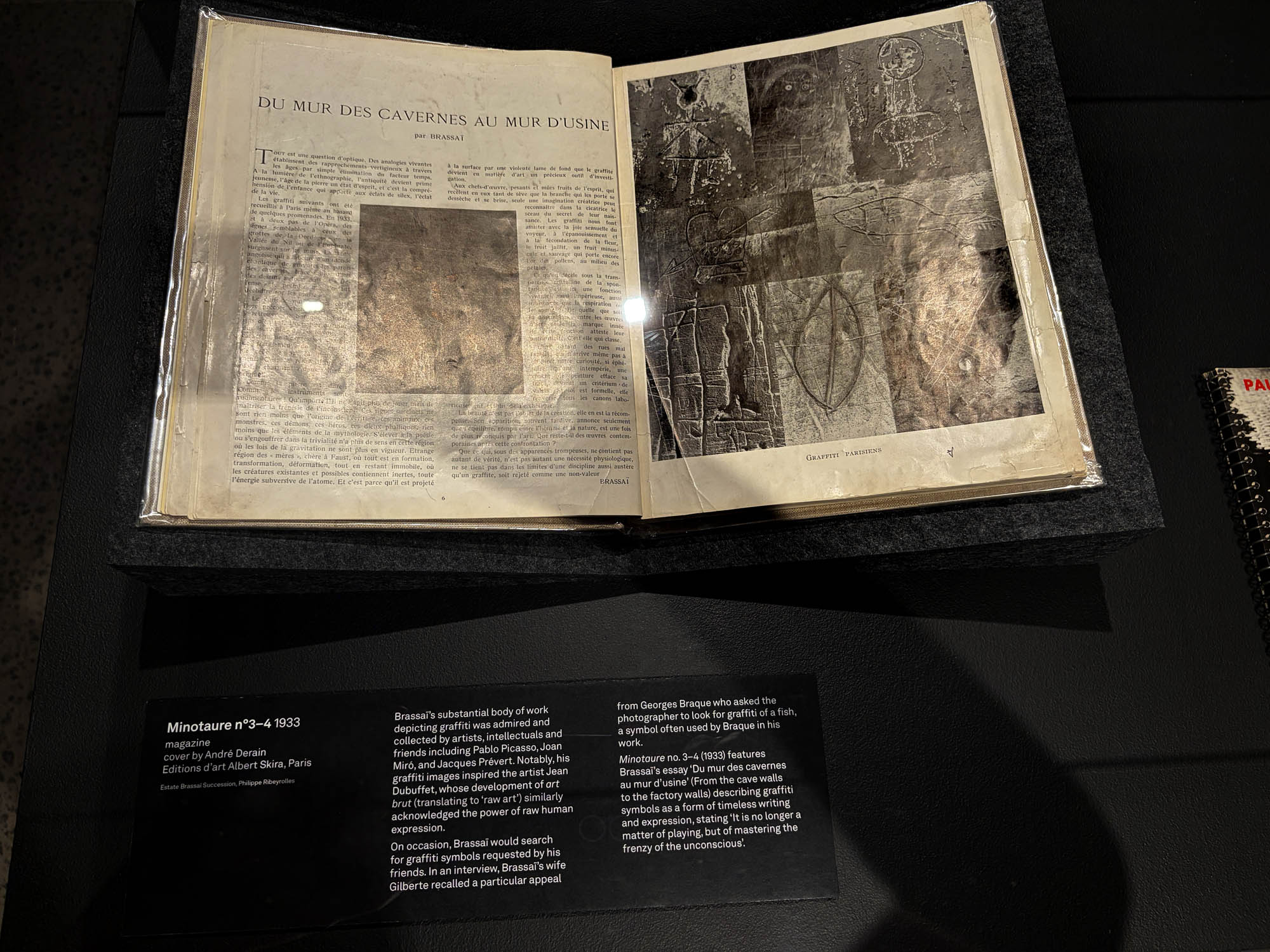
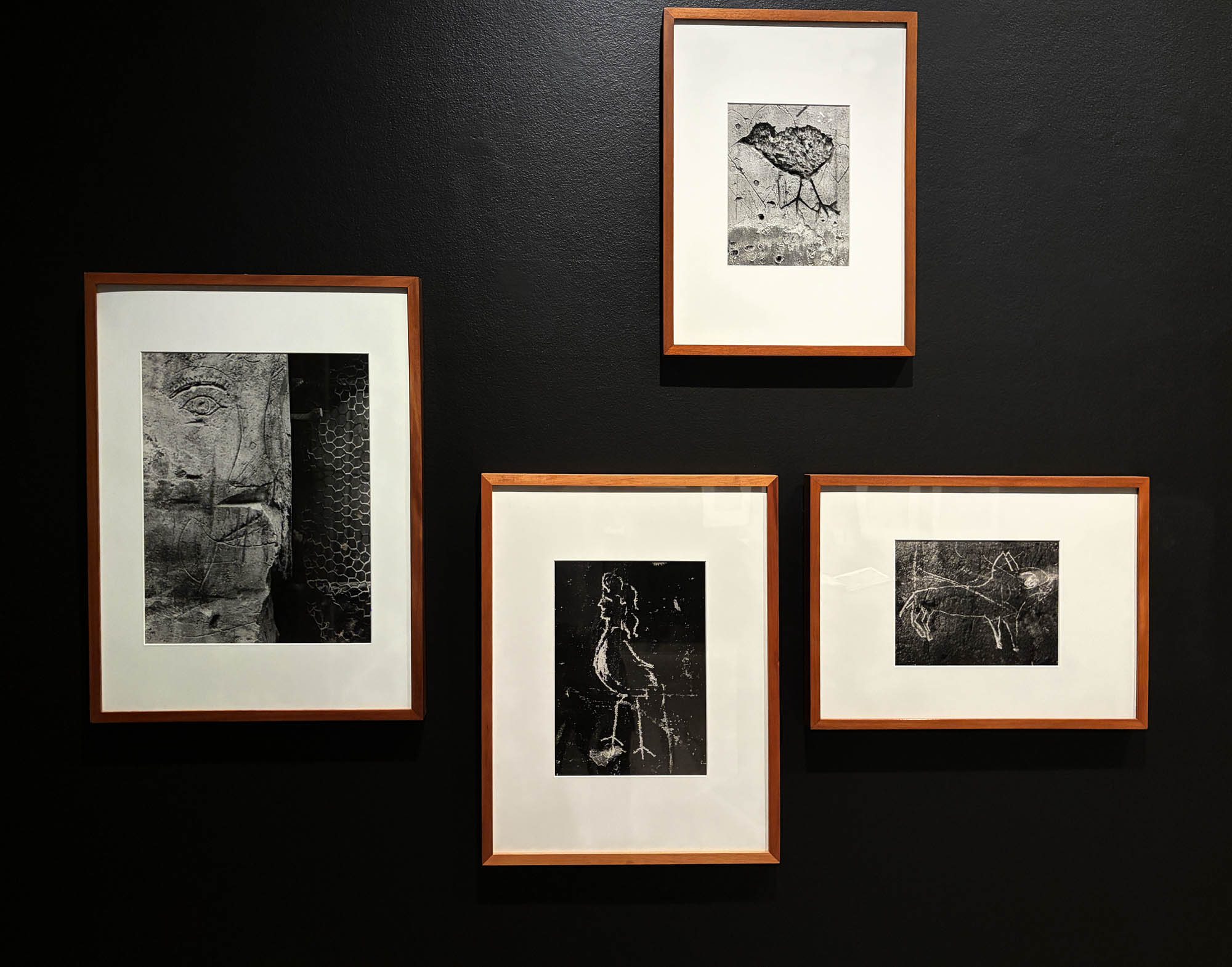
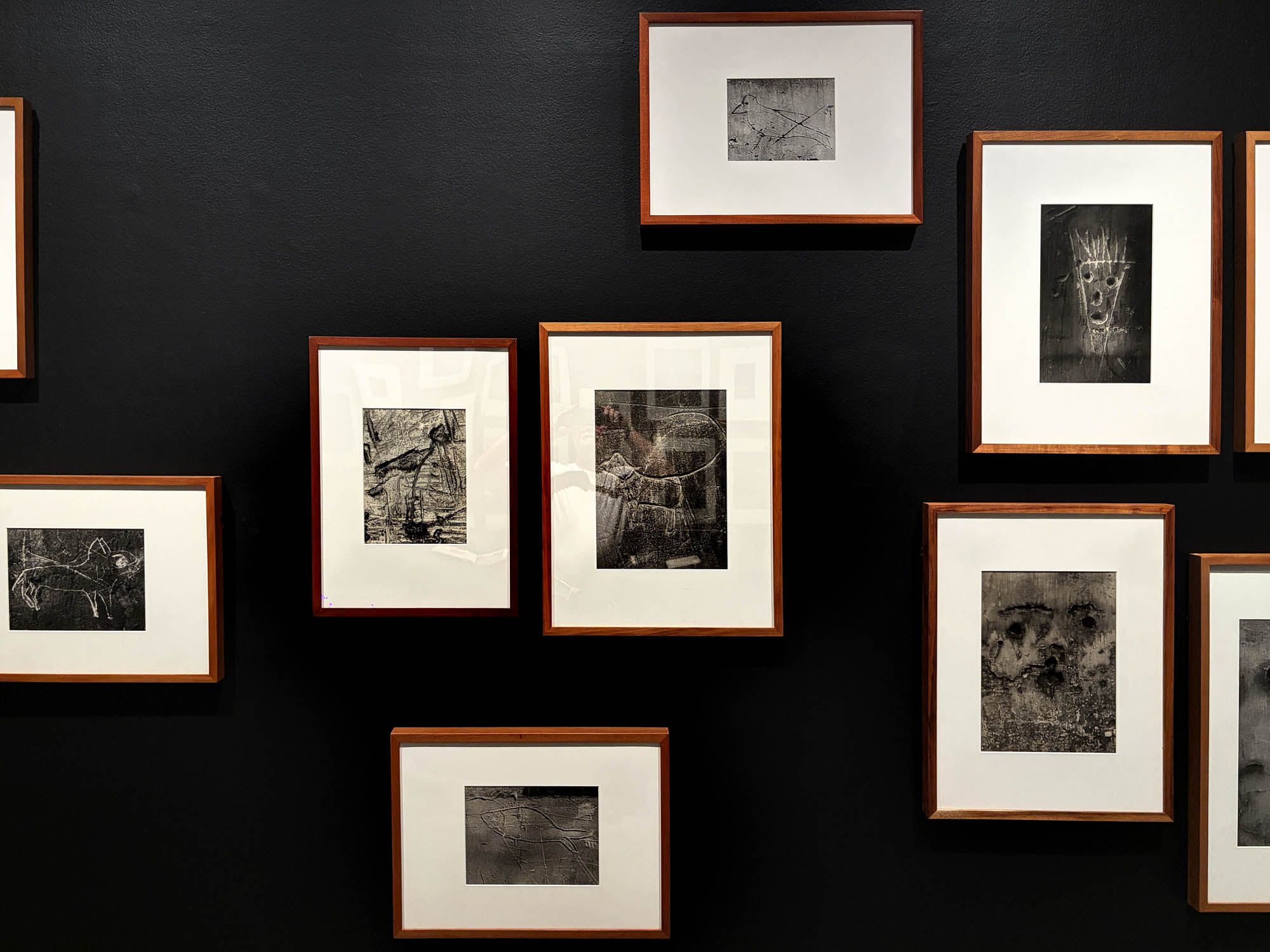
Brassaï’s substantial body of work depicting graffiti was admired and collected by artists, intellectuals and friends including Pablo Picasso, Joan Miró, and Jacques Prévert. Notably, his graffiti images inspired the artist Jean Dubuffet, whose development of art brut (translating to ‘raw art’) similarly acknowledged the power of raw human expression.

On occasion, Brassaï would search fro graffiti symbols requested by his friends. In an interview, Brassaï’s wife Gilberte recalled a particular appeal from Georges Braque who asked the photographer to look for graffiti of a fish, a symbol often used by Braque in his work.

Minotaure no.3-4 (1933) features Brassaï’s essay ‘Du mur des cavernes au mur d’usine’ (From the cave walls to the factory walls) describing graffiti symbols as a form of timeless writing and expression, stating ‘It is no longer a matter of playing, but of mastering the frenzy of the unconscious’.

Label text from the exhibition Brassaï: Secret Paris at Heide Museum of Modern Art, Melbourne, July – November, 2026


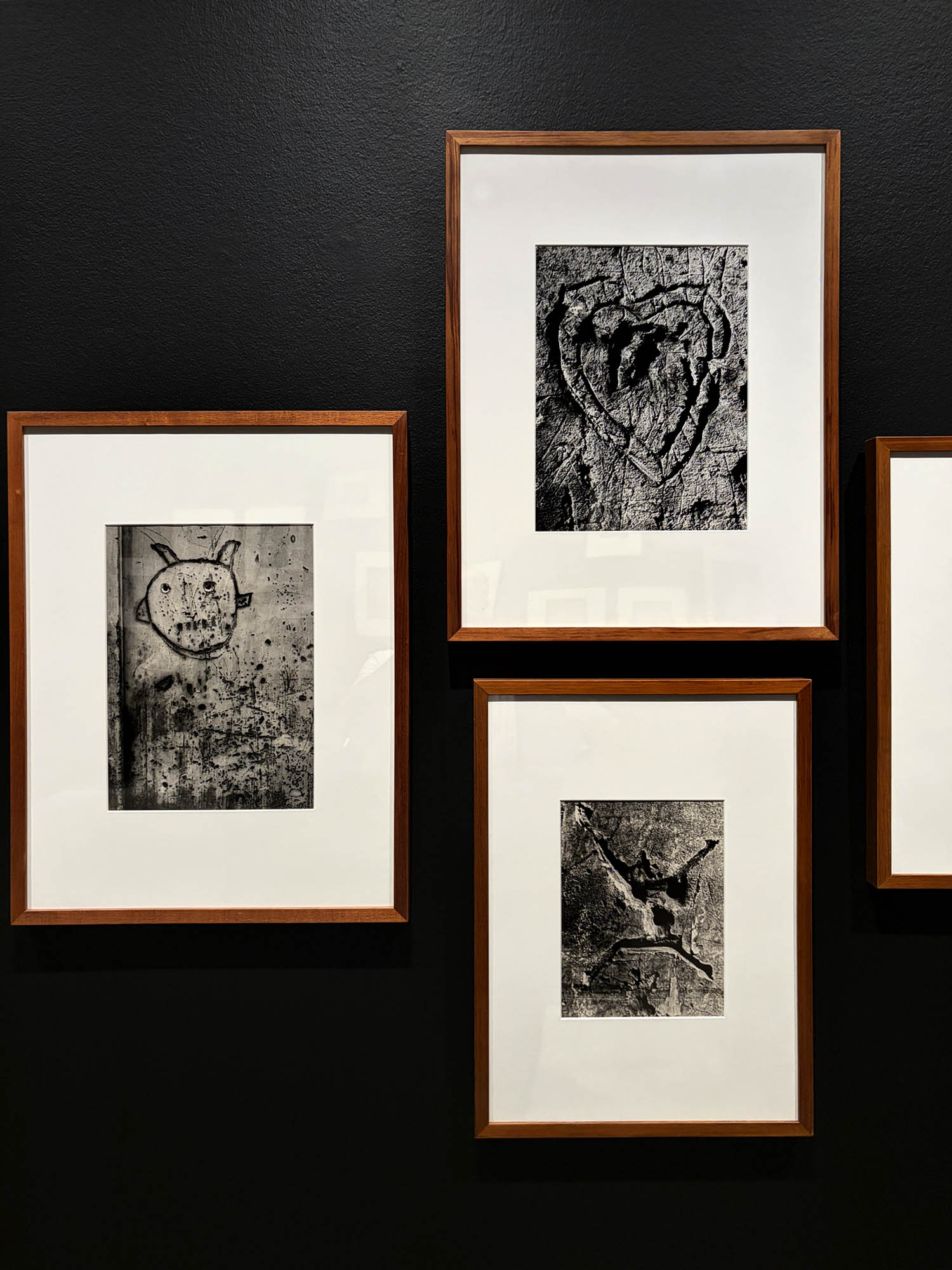
Installation view of the exhibition 'Brassaï: Secret Paris' at Heide Museum of Modern Art, Melbourne, July - November, 2026 showing photographs from the series 'Graffiti'


Installation view of the exhibition Brassaï: Secret Paris at Heide Museum of Modern Art, Melbourne, July – November, 2026 showing photographs 1-4 from the series Graffiti (titles below)
Photo: Marcus Bunyan


Installation view of the exhibition 'Brassaï: Secret Paris' at Heide Museum of Modern Art, Melbourne, July - November, 2026 showing photographs 4-10 from the series 'Graffiti'


Installation view of the exhibition Brassaï: Secret Paris at Heide Museum of Modern Art, Melbourne, July – November, 2026 showing photographs 4-10 from the series Graffiti (titles below)
Photo: Marcus Bunyan


Installation view of the exhibition 'Brassaï: Secret Paris' at Heide Museum of Modern Art, Melbourne, July - November, 2026 showing photographs 9-13 from the series 'Graffiti'


Installation view of the exhibition Brassaï: Secret Paris at Heide Museum of Modern Art, Melbourne, July – November, 2026 showing photographs 9-13 from the series Graffiti (titles below)
Photo: Marcus Bunyan


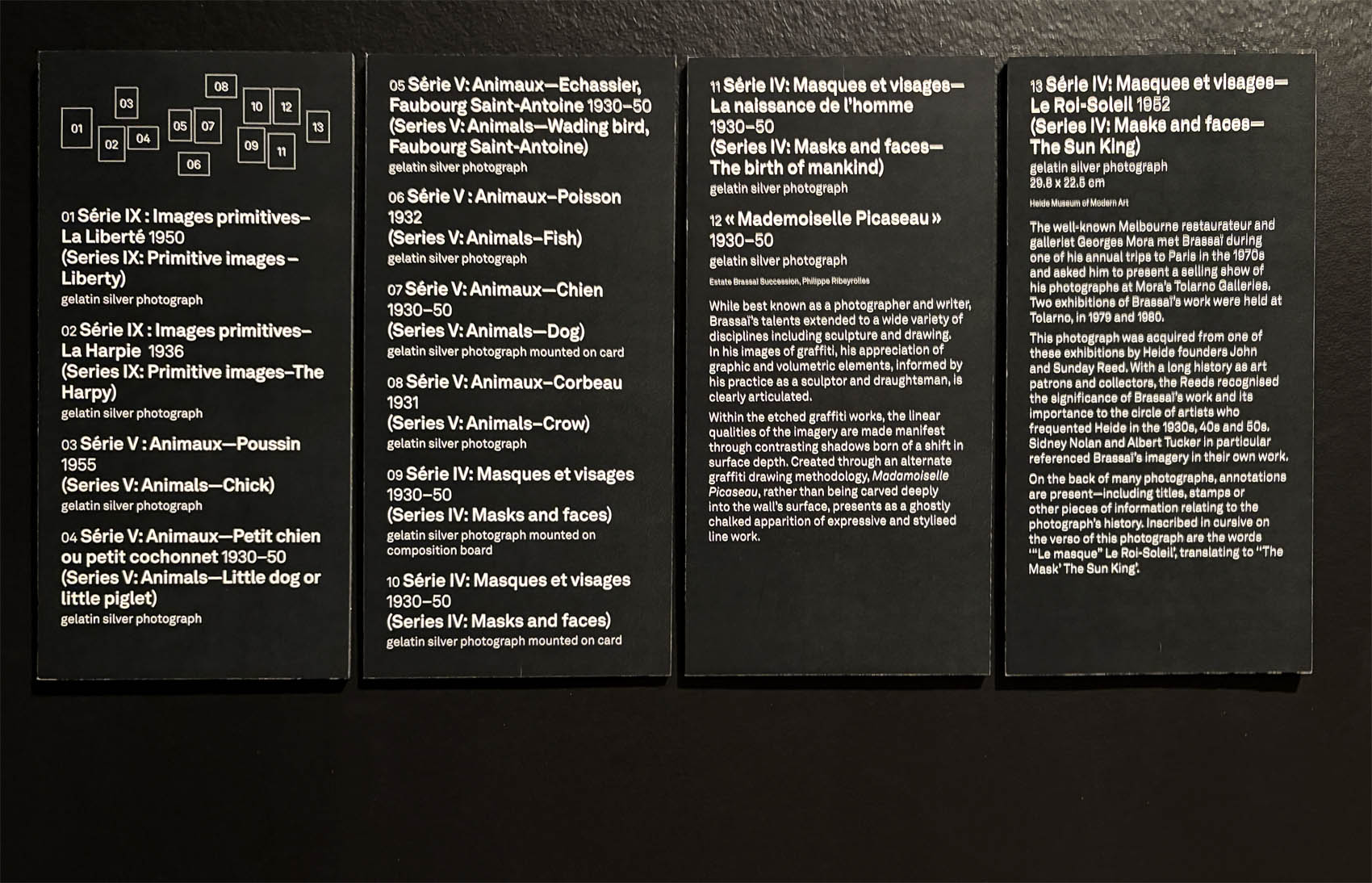
No. 12: While best known as a photographer and writer, Brassaï’s talents extended to a wide variety of disciplines including sculpture and drawing. In his images of graffiti, his appreciation of graphic and volumetric elements, informed by his practice as a sculptor and draughtsman, is clearly articulated.

Within the etched graffiti works, the linear qualities of the imagery are made manifest through contrasting shadows born of a shift in surface depth. Created through an alternate graffiti drawing methodology, Mademoiselle Picaseau, rather than being carved deeply into the wall’s surface, presents as a ghostly chalked apparition of expressive and stylised line work.

Label text from the exhibition Brassaï: Secret Paris at Heide Museum of Modern Art, Melbourne, July – November, 2026 from gallery two


Titles for the series 'Graffiti' for the photographs (above) from the exhibition 'Brassaï: Secret Paris' at Heide Museum of Modern Art, Melbourne, July - November, 2026


Titles for the series Graffiti for the photographs (above) from the exhibition Brassaï: Secret Paris at Heide Museum of Modern Art, Melbourne, July – November, 2026
Photo: Marcus Bunyan


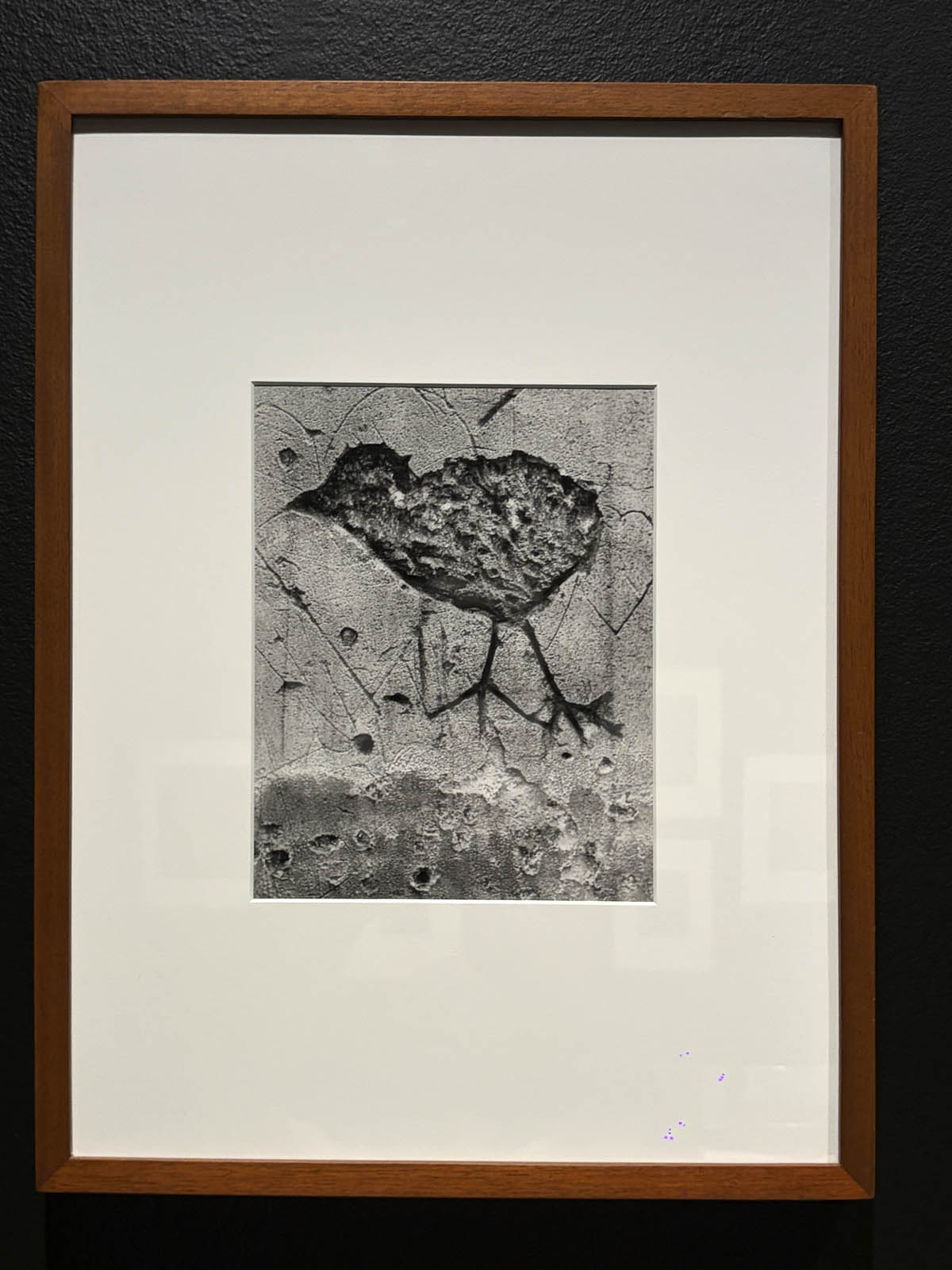
Brassaï (Hungarian-French, 1899-1984) 'Série V: Animaux - Poussin' (Series VIII: Animals - Chick) 1955 (installation view)


Brassaï (Hungarian-French, 1899-1984)
Série V: Animaux – Poussin (Series VIII: Animals – Chick) (installation view)
1955
Gelatin silver photograph
Estate Brassaï Succession, Philippe Ribeyrolles
Photo: Marcus Bunyan


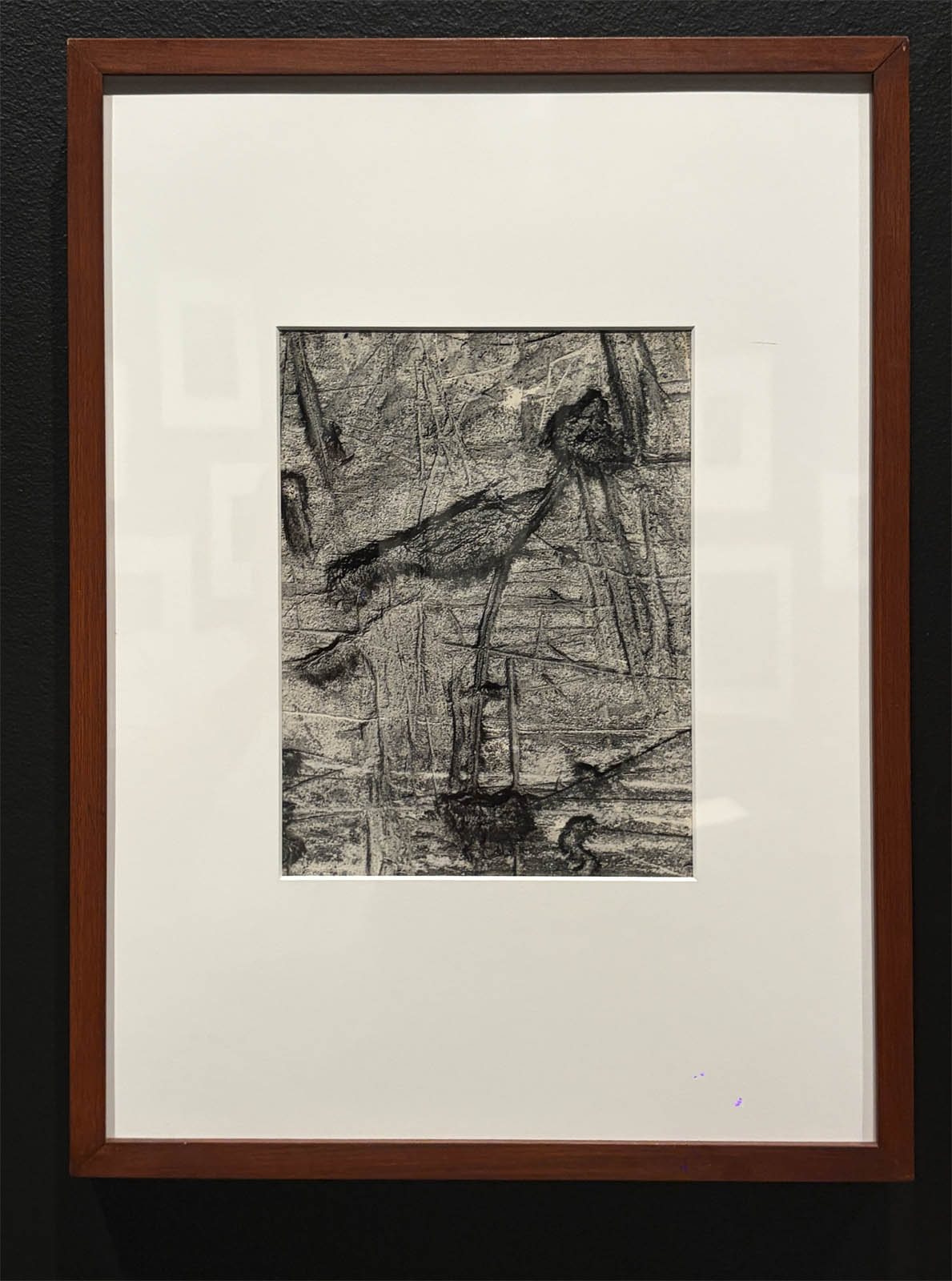
Brassaï (Hungarian-French, 1899-1984) 'Série V: Animaux - Enchassier, Faubourg Saint-Antoine' (Series VIII: Animals - Wading Bird, Faubourg Saint-Antoine) 1930-1950 (installation view)


Brassaï (Hungarian-French, 1899-1984)
Série V: Animaux – Enchassier, Faubourg Saint-Antoine (Series VIII: Animals – Wading Bird, Faubourg Saint-Antoine) (installation view)
1930-1950
Gelatin silver photograph
Estate Brassaï Succession, Philippe Ribeyrolles
Photo: Marcus Bunyan


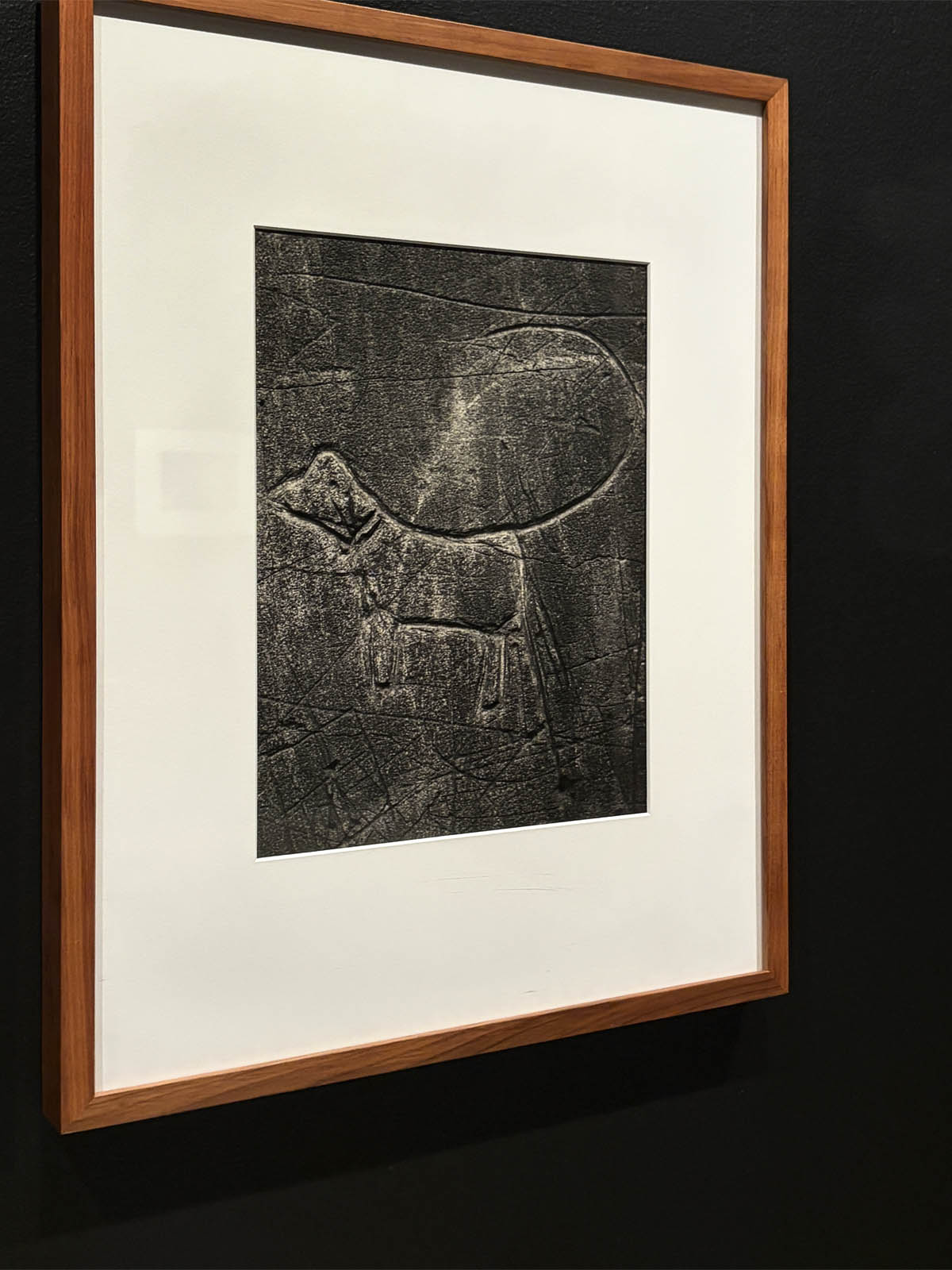
Brassaï (Hungarian-French, 1899-1984) 'Série V: Animaux - Chien' (Series VIII: Animals - Dog) 1930-1950 (installation view)


Brassaï (Hungarian-French, 1899-1984)
Série V: Animaux – Chien (Series VIII: Animals – Dog) (installation view)
1930-1950
Gelatin silver photograph mounted on card
Estate Brassaï Succession, Philippe Ribeyrolles
Photo: Marcus Bunyan


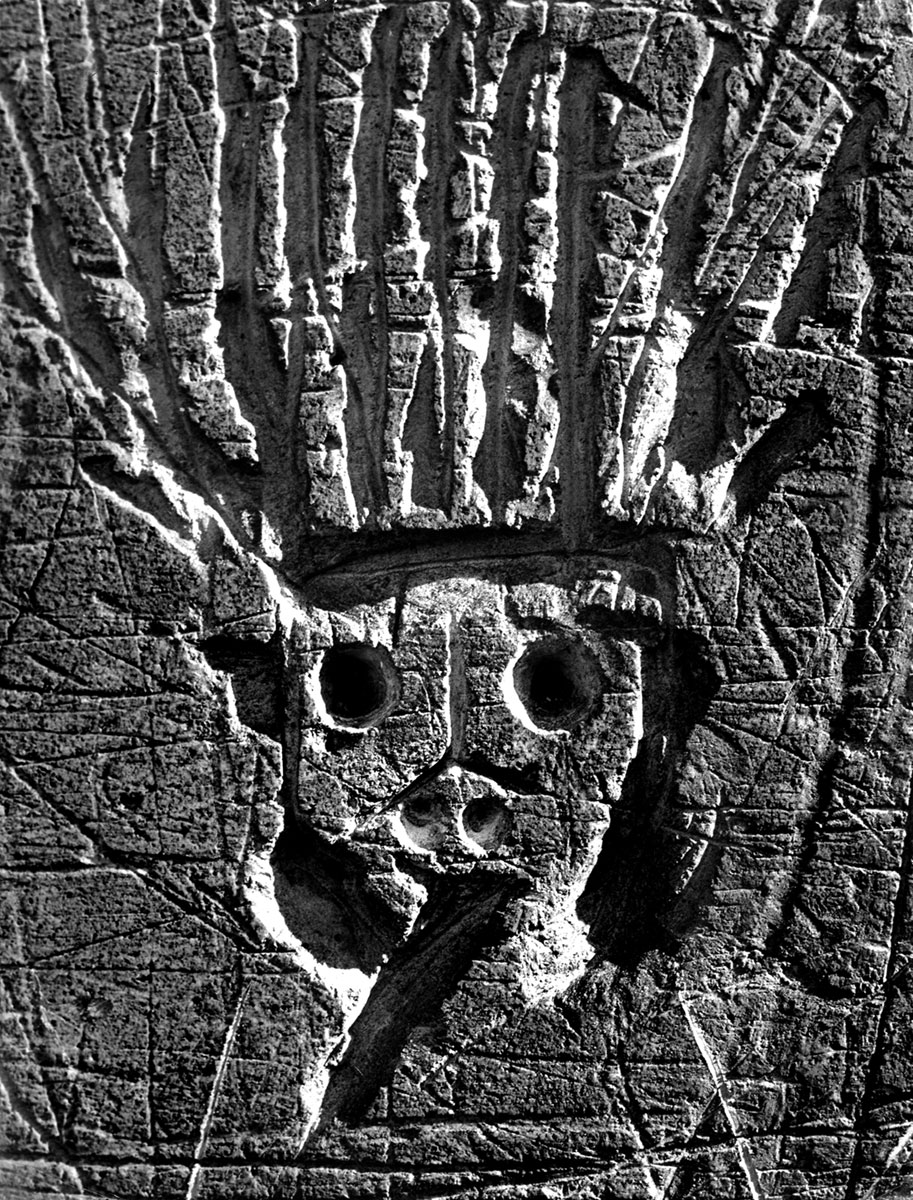
Brassaï (Hungarian-French, 1899-1984) 'Série IV: Masques et visages - Le Roi-Soleil' (Series IV: Masks and facts - The Sun King) 1952


Brassaï (Hungarian-French, 1899-1984)
Série IV: Masques et visages – Le Roi-Soleil (Series IV: Masks and faces – The Sun King)
1952
Gelatin silver photograph
29.8 x 22.5cm
Heide Museum of Modern Art


The well-known Melbourne restaurateur and gallerist George Mora met Brassaï during one of his annual trips to Paris in the 1970s and asked him to present a selling show of his photographs at Mora’s Tolarno Galleries. Two exhibitions of Brassaï’s work were held at Tolarno, in 1979 and 1980.

This photograph was acquired from one of these exhibitions by Heide founders John and Sunday Reed. With a long history as art patrons and collectors, the Reeds recognised the significance of Brassaï’s work and its importance to the circle of artists who frequented Heide in the 1930s, 40s and 50s. Sidney Nolan and Albert Tucker in particular referenced Brassaï’s imagery in their own work.

On the back of many photographs, annotations are present – including titles, stamps or other pieces of information relating to the photograph’s history. Inscribed in cursive on the verso of this photograph are the words ‘”Le masque” Le Roi-Soleil’, translating to ‘”The Mask” The Sun King’.

Label text from the exhibition Brassaï: Secret Paris at Heide Museum of Modern Art, Melbourne, July – November, 2026 from gallery two


Heide Museum of Modern Art has announced Brassaï: Secret Paris, a major survey exhibition of work by the eminent Hungarian-born French photographer Brassaï, presented from 25 July – 15 November 2026.

The exhibition marks the most comprehensive presentation of Brassaï’s work ever seen in Australia, and his first solo exhibition in the country in over five decades. It is the third major modernist photography exhibition presented by Heide in five years, following the acclaimed Man Ray and Max Dupain in 2025 and Surrealist Lee Miller in 2023.

Brassaï: Secret Paris brings together more than 150 original vintage prints depicting the City of Light in the 1930s. Co-curated by Heide Artistic Director Lesley Harding, Philippe Ribeyrolles, manager and curator of the Estate Brassaï and nephew of the artist, and renowned French photography curator Emmanuelle de l’Ecotais, the exhibition encompasses Brassaï’s greatest achievements. These include his iconic atmospheric black-and-white images of Paris and its people by night, his relationships with leading figures of the Parisian avant-garde, his experiments with Surrealism, and hallmark photographs of graffiti captured at the dawn of contemporary street art.

Lesley Harding, Artistic Director Heide Museum of Modern Art, said: “Brassaï is one of the great photographers of the twentieth century, and we are delighted to bring this depth of work to Australian audiences for the first time in a generation. His images continue to resonate nearly a century on, and in presenting the full breadth of his practice, from night photographs and graffiti to surrealist experiments and portraits of his inner circle, this exhibition at Heide reveals an artist of remarkable range and vision.”

Philippe Ribeyrolles of the Estate Brassaï said: “This exhibition was prepared in the heart of Paris, in the very place where Brassaï lived and where his memory still endures. I personally wished to imbue this presentation with the familial spirit and soul that belonged to the Brassaï I knew, and which I strive to preserve in my capacity as the artist’s nephew. For this reason, the exhibition is conceived as an invitation to journey into the heart of an oeuvre focused primarily on the secret Paris of the 1930s, through a selection of photographs whose prints were all made by Brassaï himself. For Henry Miller, Brassaï was the ‘Eye of Paris’. Even today, it is this eye that teaches us not only how to see, but above all how to look.”

Born in 1899 in Transylvania (present-day Romania), Brassaï arrived in Paris in the 1920s, where he would spend the remainder of his working life. Working through the night in Montparnasse and its surroundings, Brassaï documented an unseen Paris, its cafes, bars, street corners, sex workers and the demimonde, with a clarity and psychological depth that set him apart from his contemporaries. In 1933 he published the photo book, Paris de nuit (Paris by Night), which established him as one of the defining photographers of the 20th century.

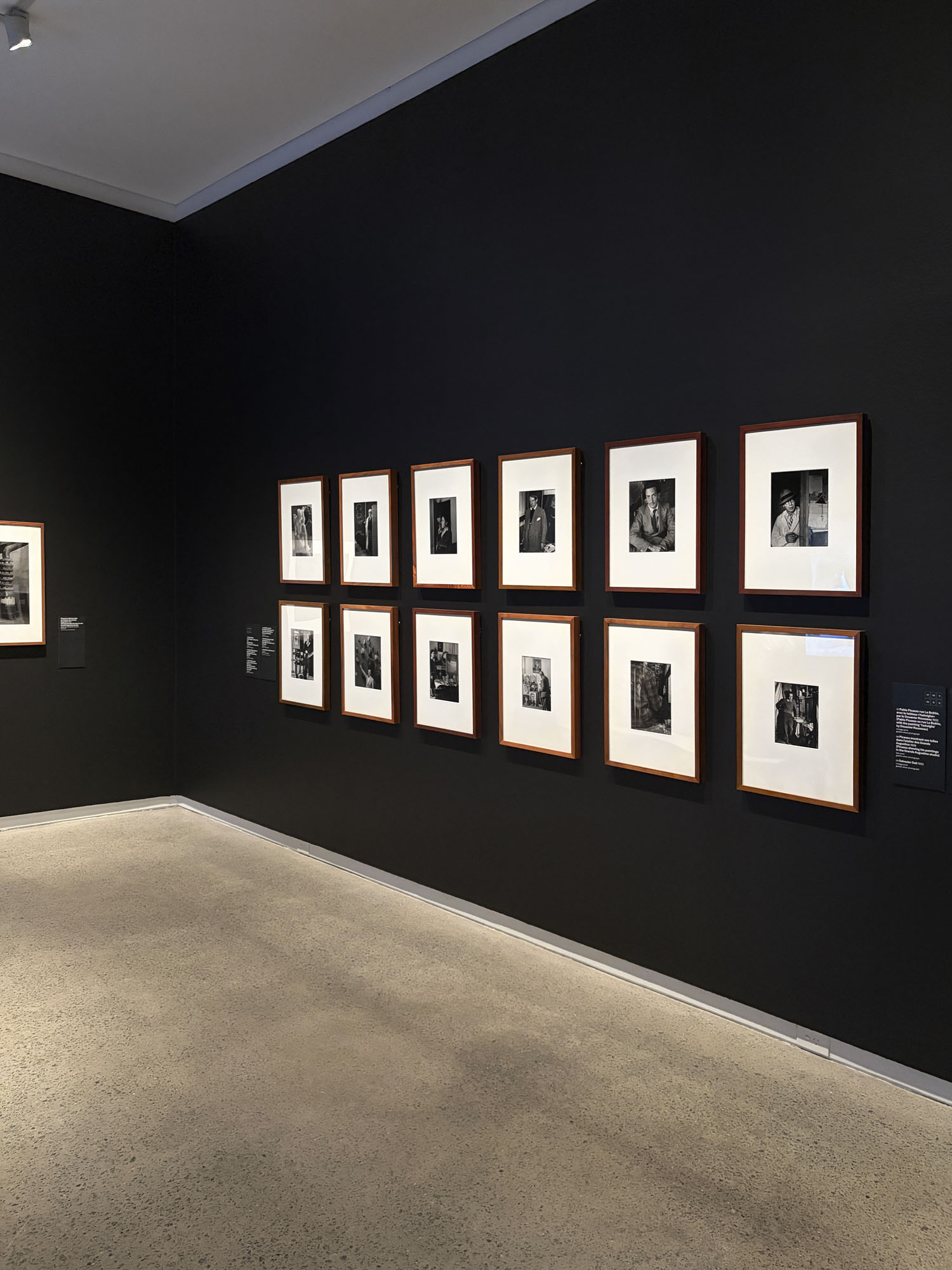
Central to the exhibition is Brassaï’s close friendship with Pablo Picasso, documented across decades of photographs made in Picasso’s studio, alongside portraits of Salvador Dalí, writer Henry Miller, and cabaret singer Kiki de Montparnasse. Moving within the innermost circles of the Parisian avant-garde, Brassaï captured these figures with the same intimacy he brought to the city’s margins. 

Other significant works in the exhibition trace Brassaï’s sustained interest in early graffiti: crude marks, faces and figures carved into the stone walls of Paris, which he photographed over many years. These photographs, presented in his landmark 1956 exhibition Language of the Wall at MoMA New York, position Brassaï as an observer of vernacular mark-making at a moment before contemporary street art existed as a category.

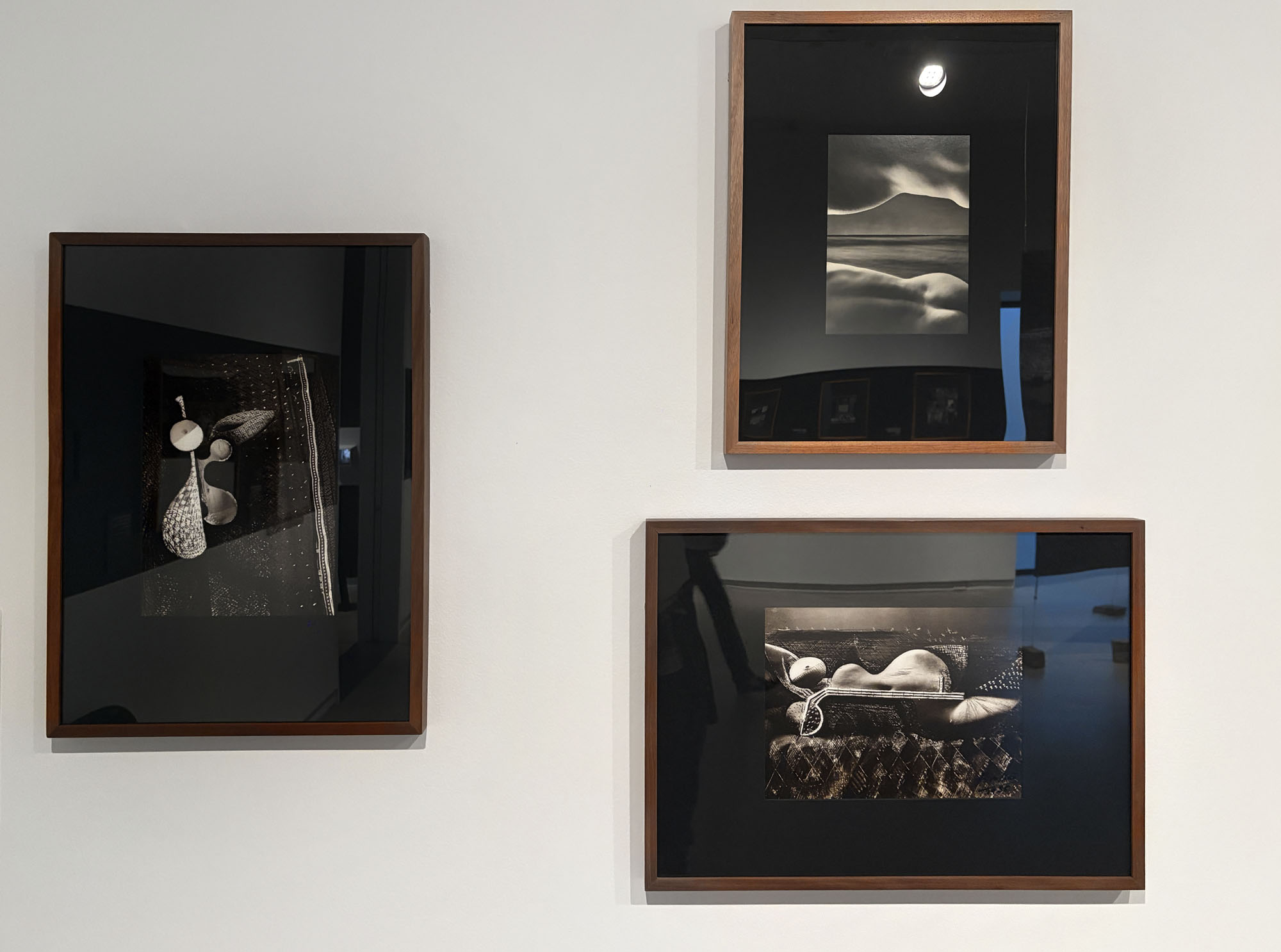
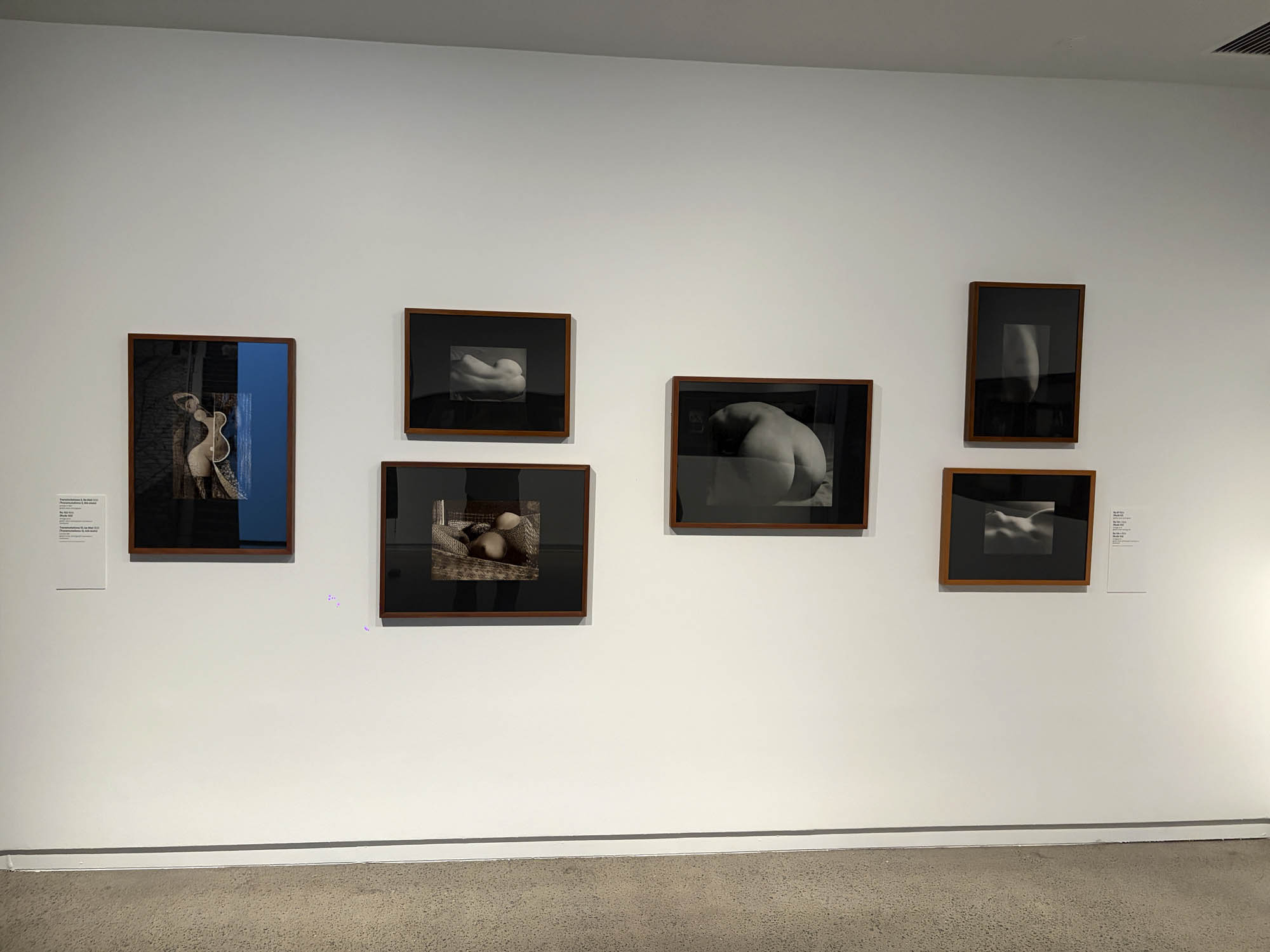
The exhibition will also include his experimental portfolio, Transmutations (1934-1935), containing photomontage and collage inspired by the Dadaists and Surrealists, exploring alternative realities below the surface of the photographic image.

Adding local context to the exhibition, Brassaï had a relationship with Australian art dealer Georges Mora, and had two exhibitions at his Tolarno Galleries in Melbourne in 1979 and 1980. A work purchased by Heide founders John and Sunday Reed during that period will be included in the exhibition.

Accompanying Brassaï: Secret Paris is a comprehensive catalogue featuring an essay by Gael Newton AM tracing Brassaï’s impact on Australian photography including W.L. Lucke-Meyer’s photo book, Melbourne by Night (1933), a personal contribution on the man and artist by Philippe Ribeyrolles, a curatorial overview by Emmanuelle de l’Ecotais, and new research on Brassaï’s influence on the Heide artists by Lesley Harding.

The exhibition has been designed by Mel Bright, Eliza Ng, Maryna Popova and Pei She Lee of Melbourne architecture firm Studio Bright, who previously designed the celebrated Barbara Hepworth: In Equilibrium exhibition at Heide in 2022.

Press release from Heide Museum of Modern Art


Gallery three

Installation view of the exhibition 'Brassaï: Secret Paris' at Heide Museum of Modern Art, Melbourne, July - November, 2026 showing gallery three


Installation views of the exhibition Brassaï: Secret Paris at Heide Museum of Modern Art, Melbourne, July – November, 2026 showing gallery three
Photos: Marcus Bunyan


Installation view of the exhibition 'Brassaï: Secret Paris' at Heide Museum of Modern Art, Melbourne, July - November, 2026


Installation views of the exhibition Brassaï: Secret Paris at Heide Museum of Modern Art, Melbourne, July – November, 2026 showing gallery three
Photos: Marcus Bunyan


Installation view of the exhibition 'Brassaï: Secret Paris' at Heide Museum of Modern Art, Melbourne, July - November, 2026


Wall text from the exhibition Brassaï: Secret Paris at Heide Museum of Modern Art, Melbourne, July – November, 2026 from gallery three
Photo: Marcus Bunyan


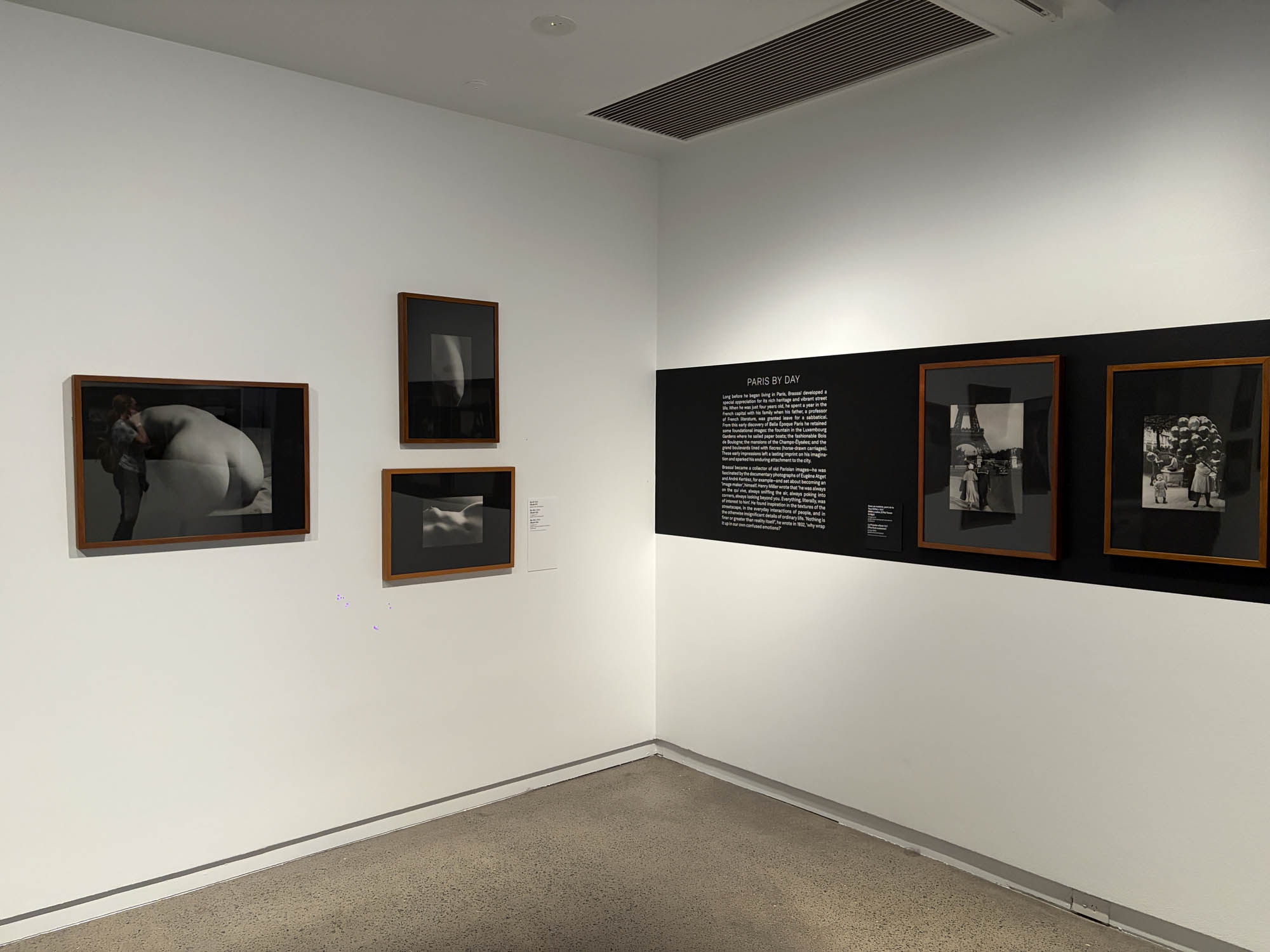
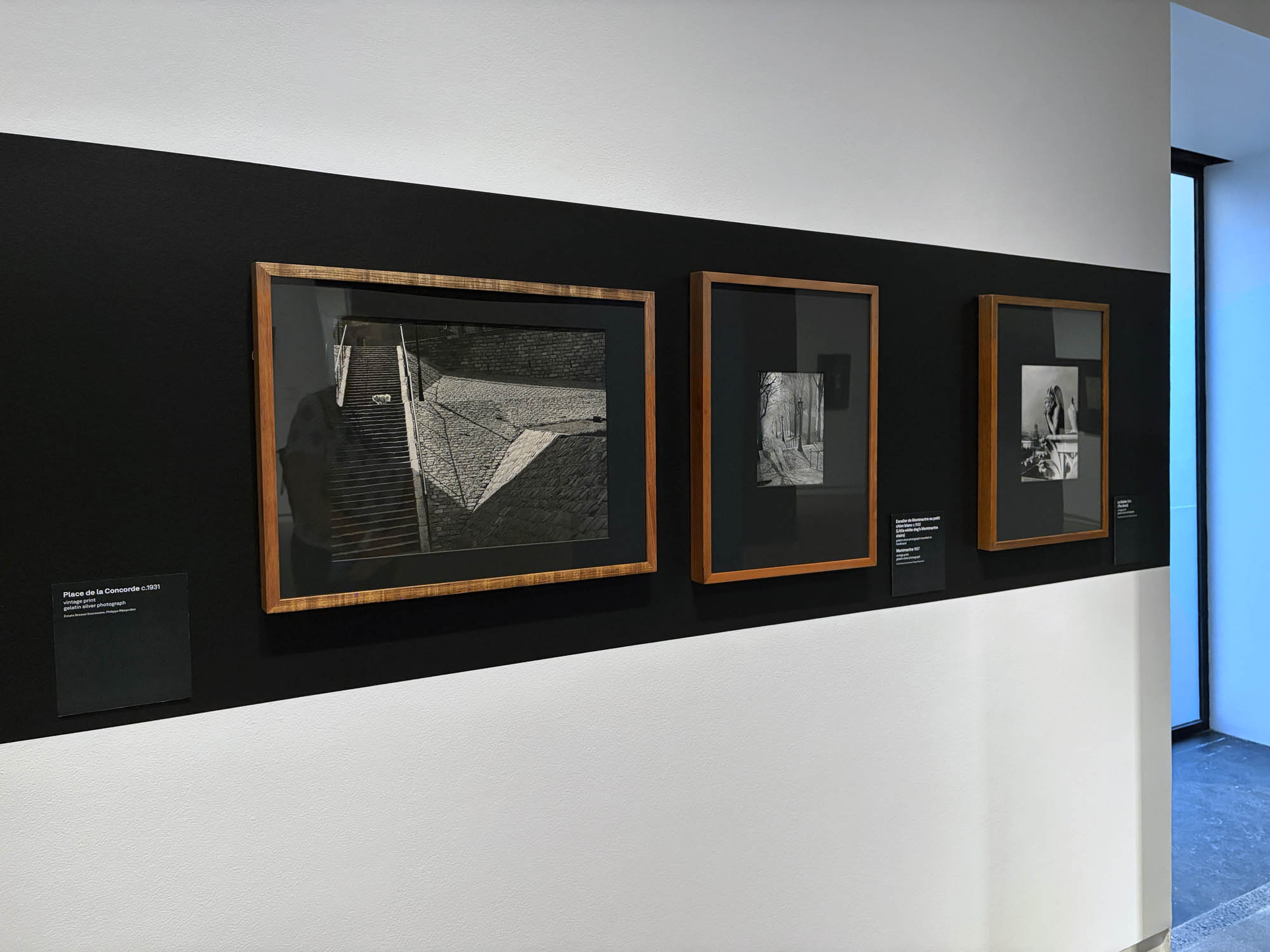
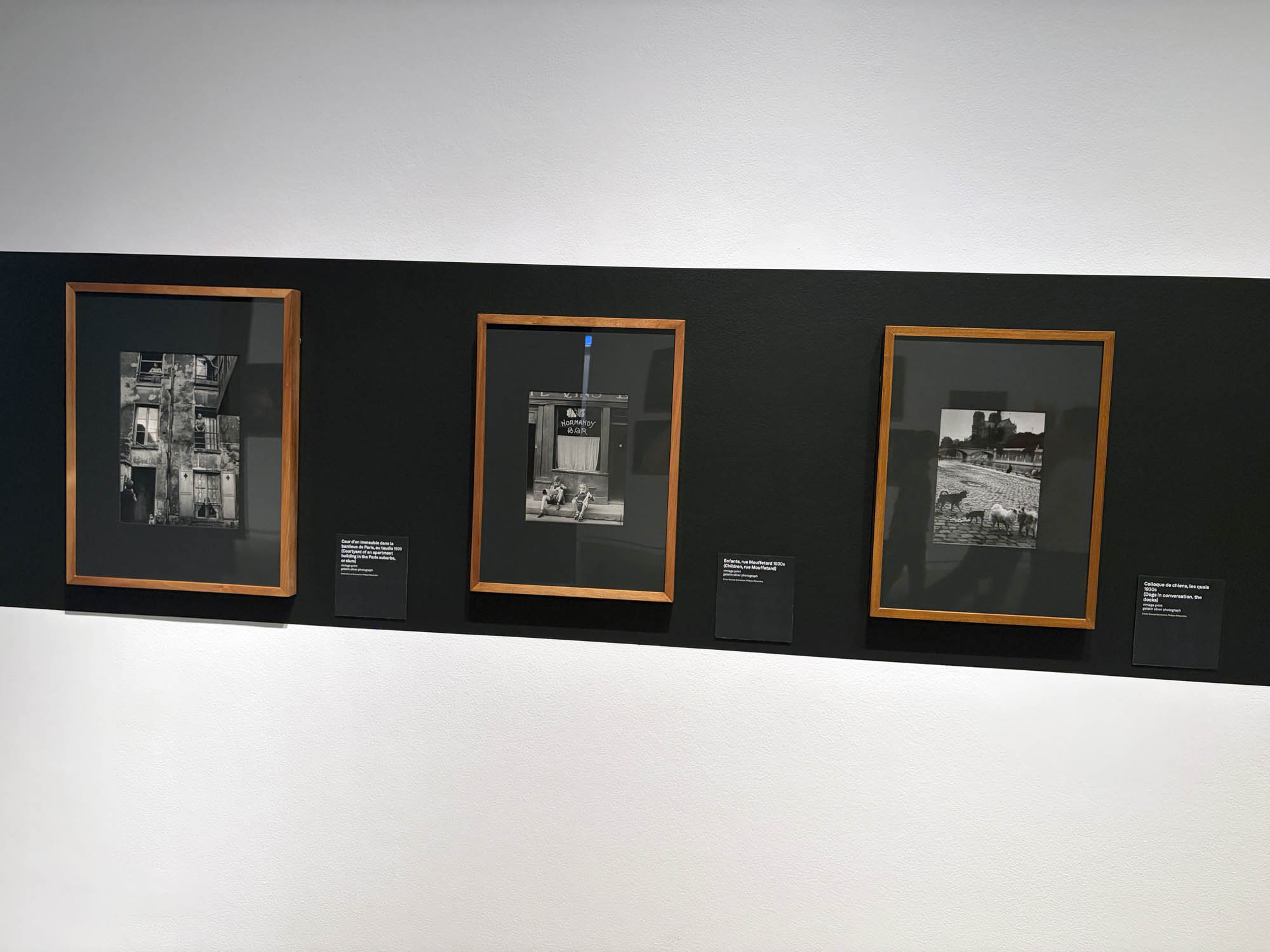
Installation view of the exhibition 'Brassaï: Secret Paris' at Heide Museum of Modern Art, Melbourne, July - November, 2026 showing at centre the photograph 'Escalier de la Butte Montmartre' (Steps of Montmartre) 1937


Installation view of the exhibition Brassaï: Secret Paris at Heide Museum of Modern Art, Melbourne, July – November, 2026 showing at centre the photograph Escalier de la Butte Montmartre (Steps of Montmartre) 1937 vintage gelatin silver print (below)
Photo: Marcus Bunyan


Brassaï (Hungarian-French, 1899-1984) 'Escalier de la Butte Montmartre/Steps of Montmartre' c. 1937


Brassaï (Hungarian-French, 1899-1984)
Escalier de la Butte Montmartre (Steps of Montmartre)
c. 1937
Vintage gelatin silver print
Estate Brassaï Succession, Philippe Ribeyrolles


Installation view of the exhibition 'Brassaï: Secret Paris' at Heide Museum of Modern Art, Melbourne, July - November, 2026


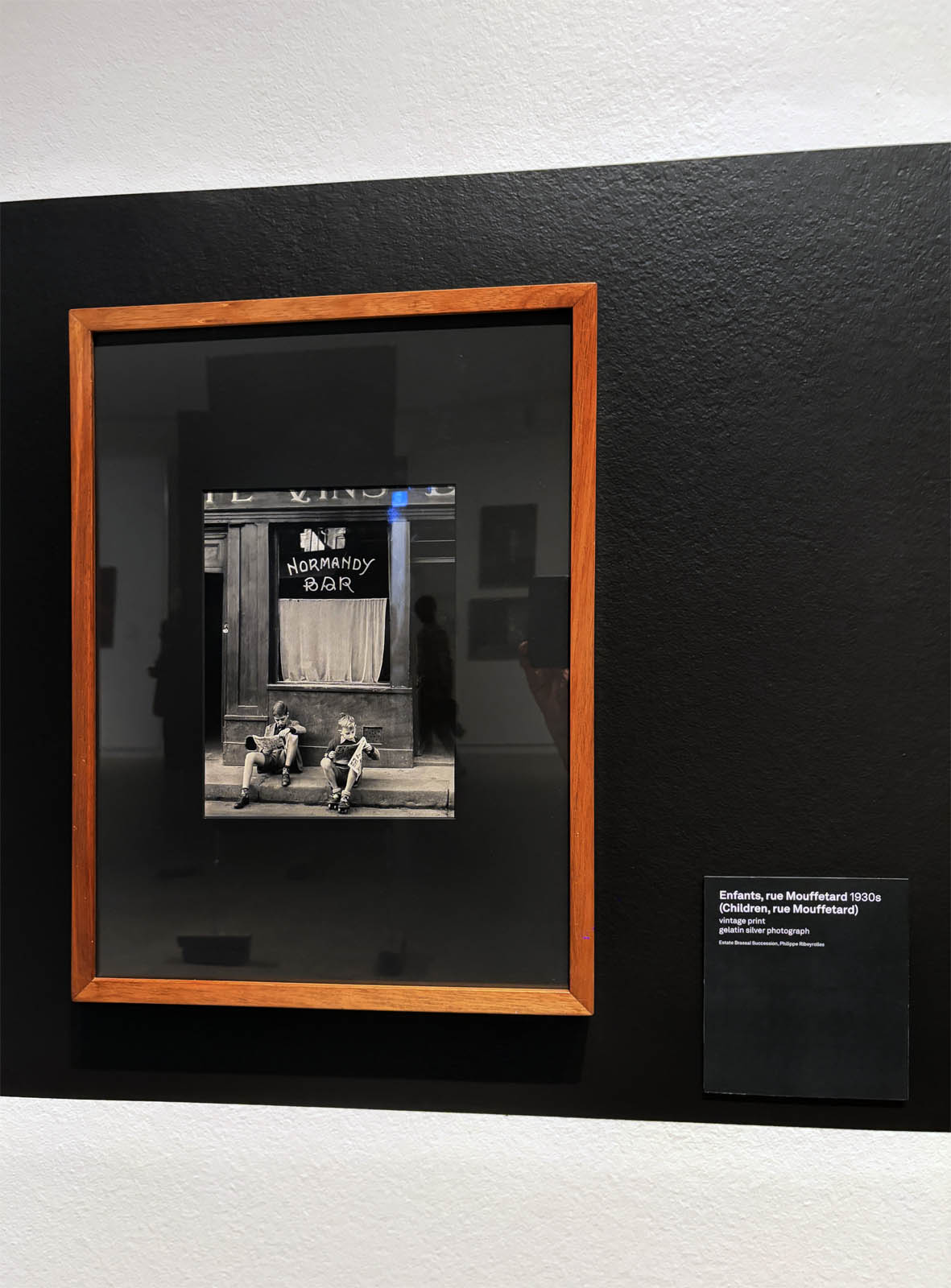
Installation view of the exhibition Brassaï: Secret Paris at Heide Museum of Modern Art, Melbourne, July – November, 2026 showing at centre the photograph Enfants, rue Mouffetard (Chilren, rue Mouffetard) 1930s vintage gelatin silver print (below)
Photo: Marcus Bunyan


Brassaï (Hungarian-French, 1899-1984) 'Enfants, rue Mouffetard' (Children, rue Mouffetard) 1930s (installation view)


Brassaï (Hungarian-French, 1899-1984)
Enfants, rue Mouffetard (Children, rue Mouffetard) (installation view)
1930s
Vintage gelatin silver print
Estate Brassaï Succession, Philippe Ribeyrolles
Photo: Marcus Bunyan


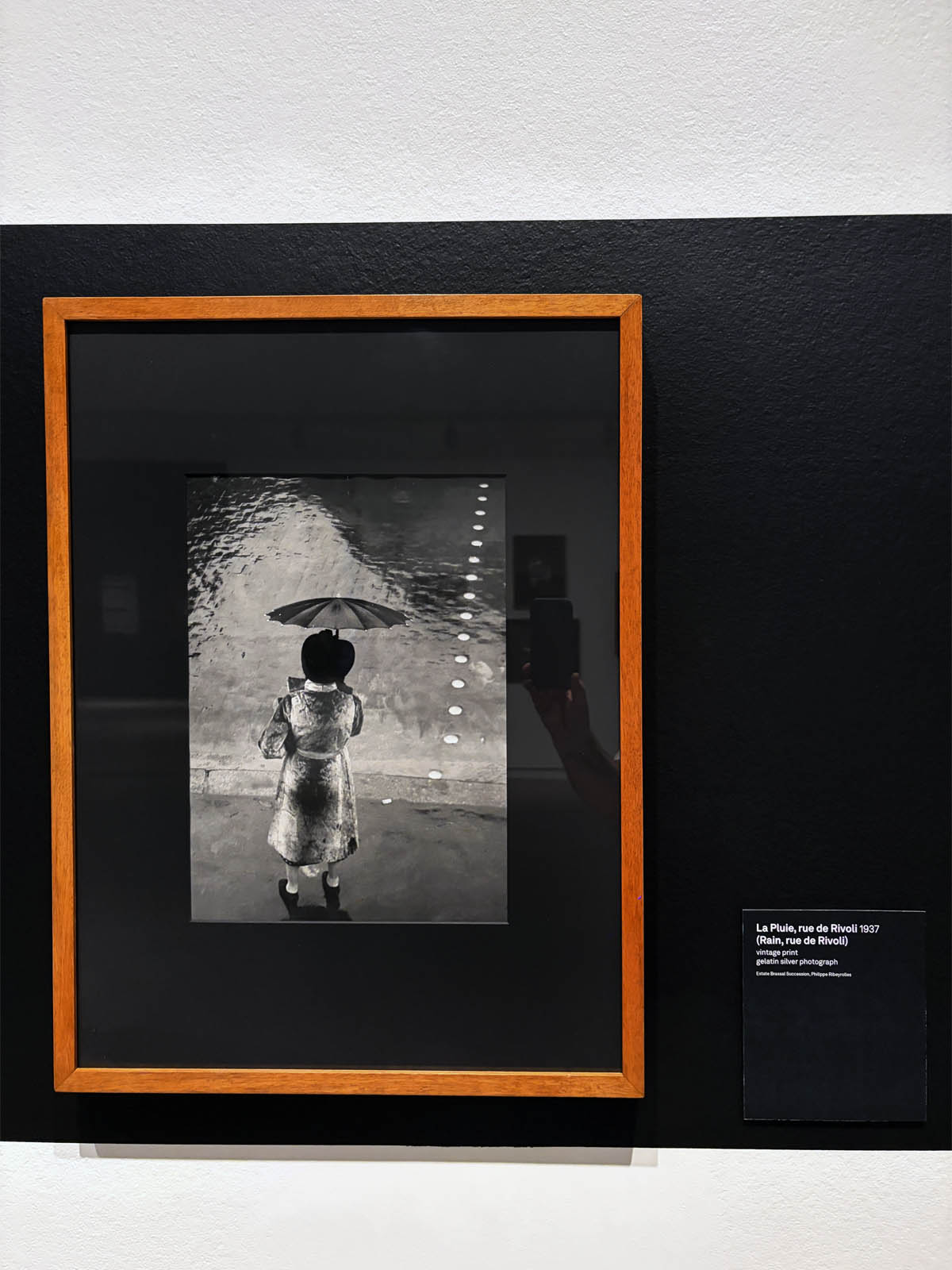
Brassaï (Hungarian-French, 1899-1984) 'La Pluie, rue de Rivoli' (Rain, rue de Rivoli) 1937 (installation view)


Brassaï (Hungarian-French, 1899-1984)
La Pluie, rue de Rivoli (Rain, rue de Rivoli) (installation view)
1937
Vintage gelatin silver print
Estate Brassaï Succession, Philippe Ribeyrolles
Photo: Marcus Bunyan


Gallery four

Installation view of the exhibition 'Brassaï: Secret Paris' at Heide Museum of Modern Art, Melbourne, July - November, 2026 showing gallery four


Installation view of the exhibition Brassaï: Secret Paris at Heide Museum of Modern Art, Melbourne, July – November, 2026 showing gallery four
Photos: Marcus Bunyan


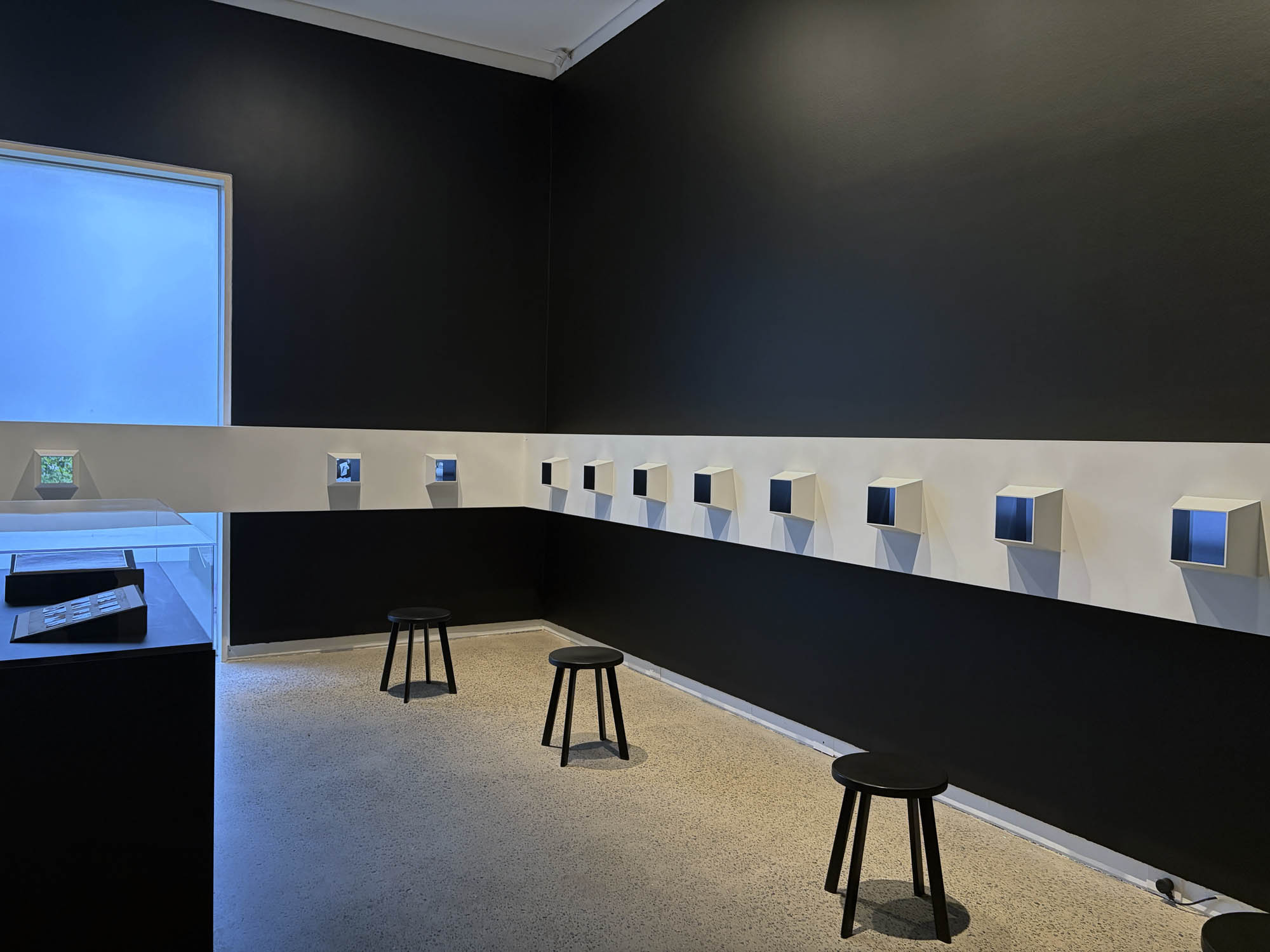
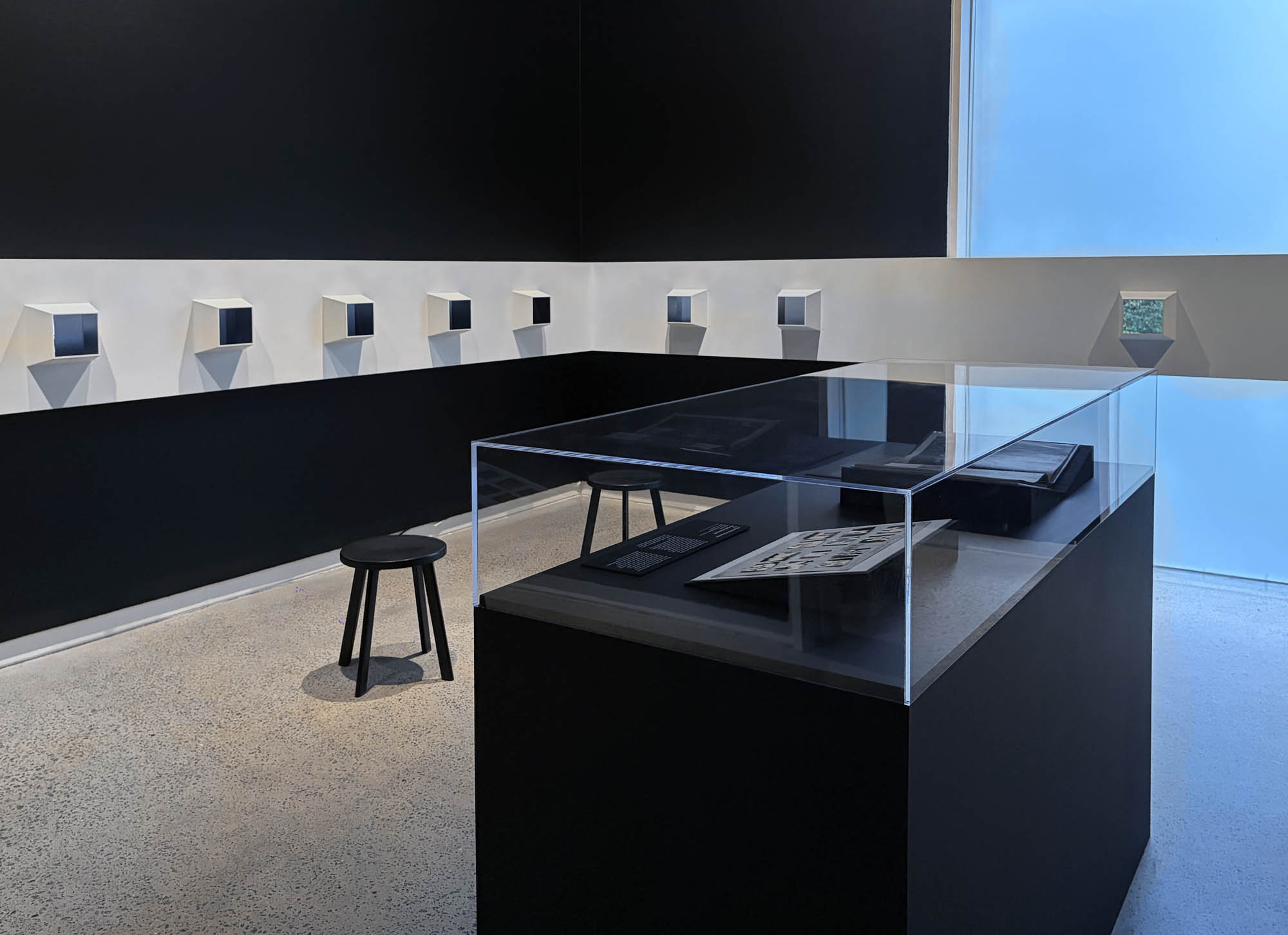
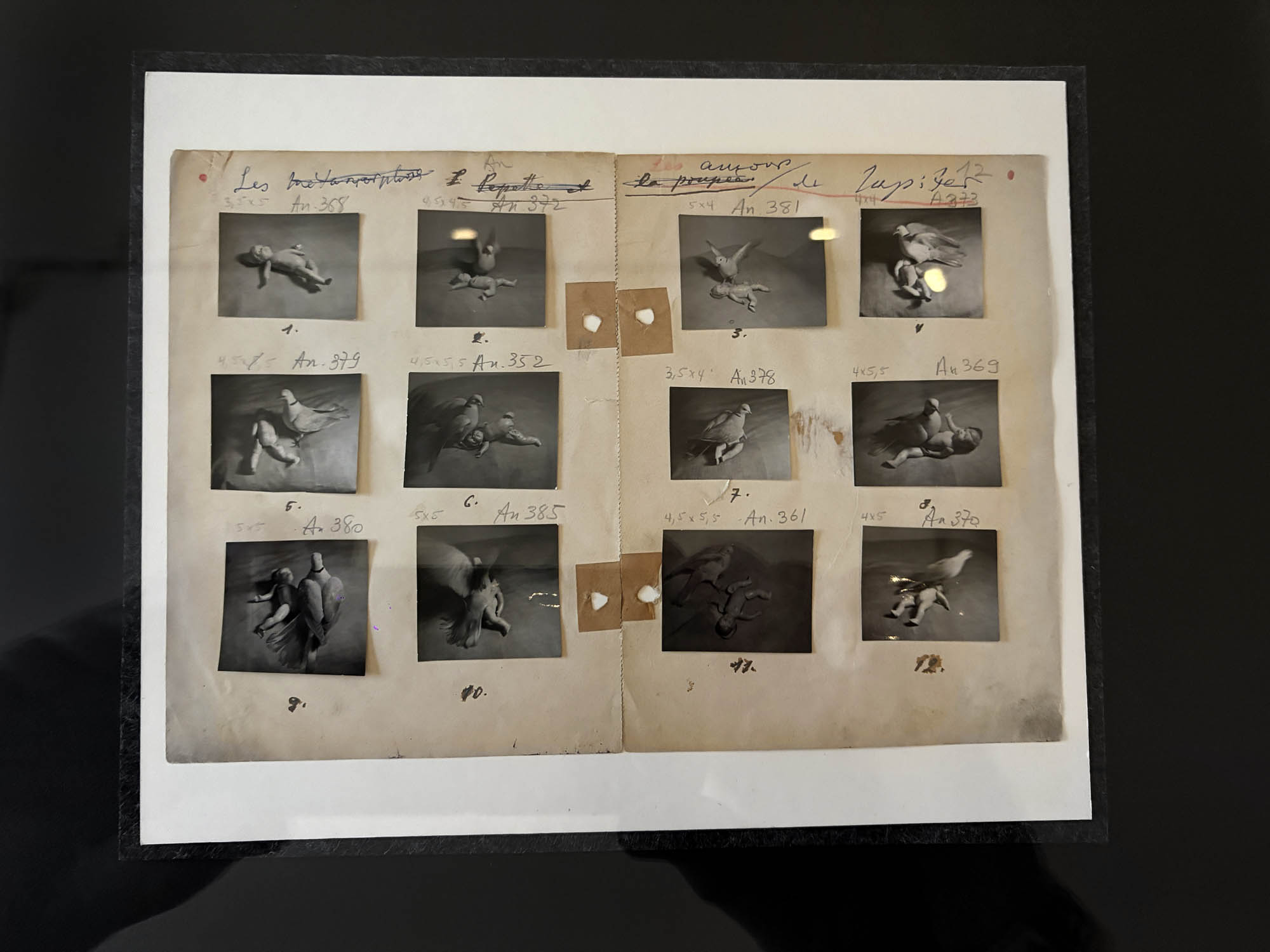
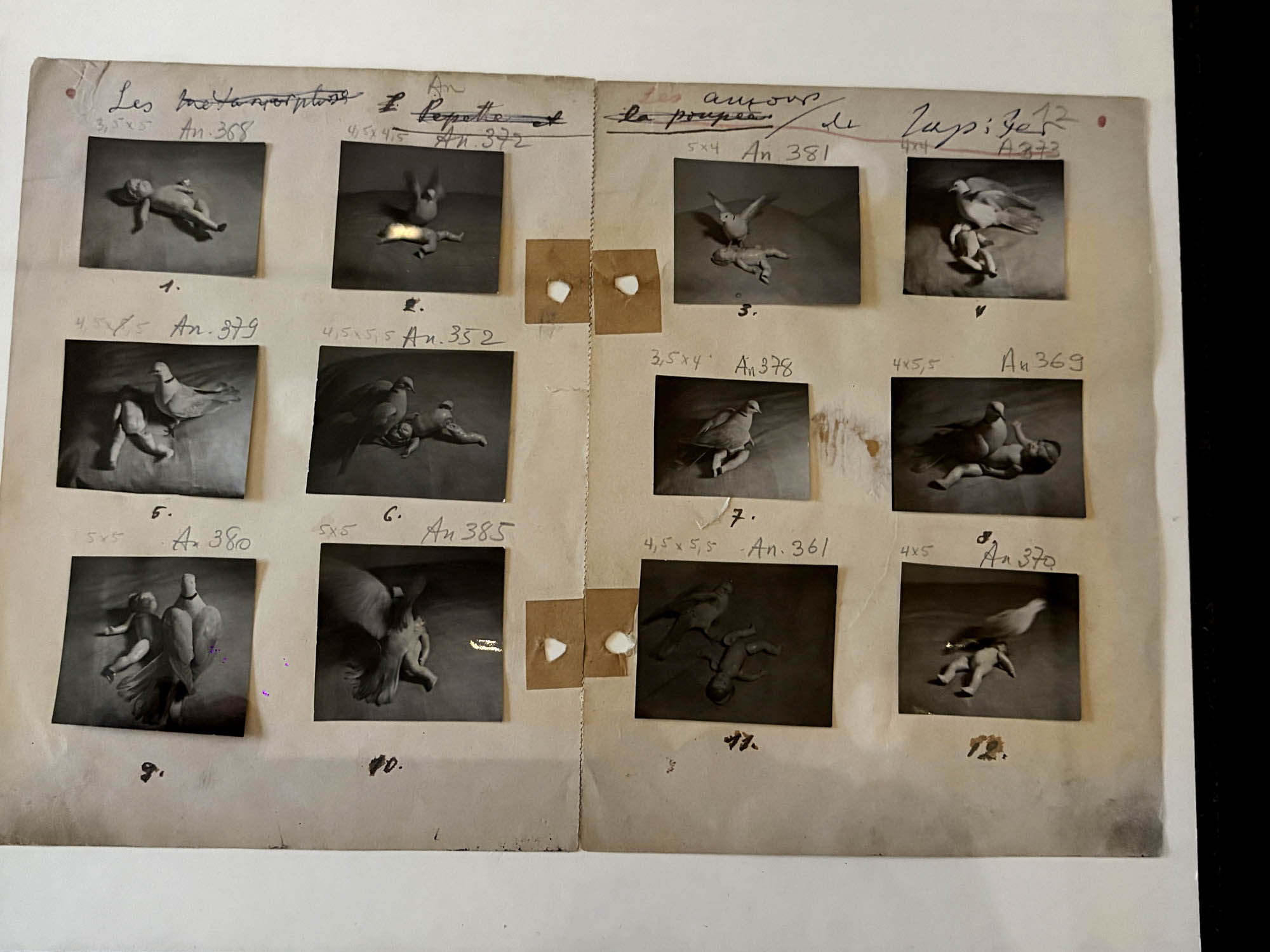
Installation view of the exhibition 'Brassaï: Secret Paris' at Heide Museum of Modern Art, Melbourne, July - November, 2026 showing in a vitrine the contact prints 'La Tourterelle et la poupée' (Turtledove and doll) 1937


Brassaï (Hungarian-French, 1899-1984)
La Tourterelle et la poupée (Turtledove and doll) (installation view)
1937
Contact gelatin silver photographs mounted on paper on cardboard
Estate Brassaï Succession, Philippe Ribeyrolles
Photos: Marcus Bunyan


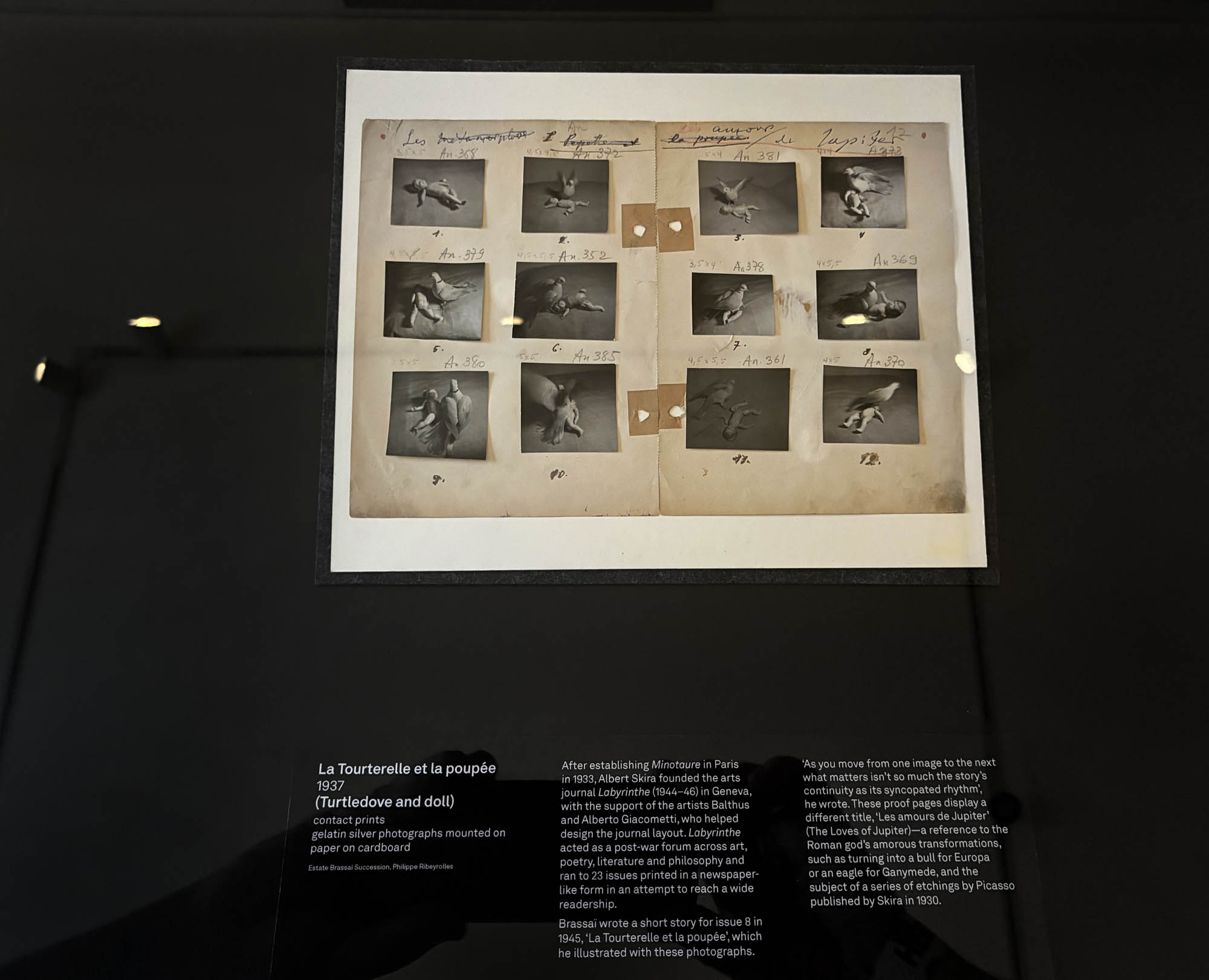
After establishing Minotaure in Paris in 1933, Albert Skira founded the arts journal Labyrinthe (1944-1946) in Geneva, with the support of the artists Balthus and Alberto Giacometti, who helped design the journal layout. Labyrinthe acted as a post-war forum across art, poetry, literature and philosophy and ran to 23 issues printed in a newspaper-like form in an attempt to reach a wide readership.

Brassaï wrote a short story for issue 8 in 1945 ‘La Tourterelle et la poupée’, which he illustrated with these photographs.

‘As you move from one image to the next what matters isn’t so much the story’s continuity as its syncopated rhythm’, he wrote. These proof pages display a different title, ‘Les amours de Jupiter’ (The Loves of Jupiter) – a reference to the Roman god’s amorous transformations, such as turning into a bull for Europa or an eagle for Ganymede, and the subject of a series of etchings by Picasso published by Skira in 1930.

Label text from the exhibition Brassaï: Secret Paris at Heide Museum of Modern Art, Melbourne, July – November, 2026


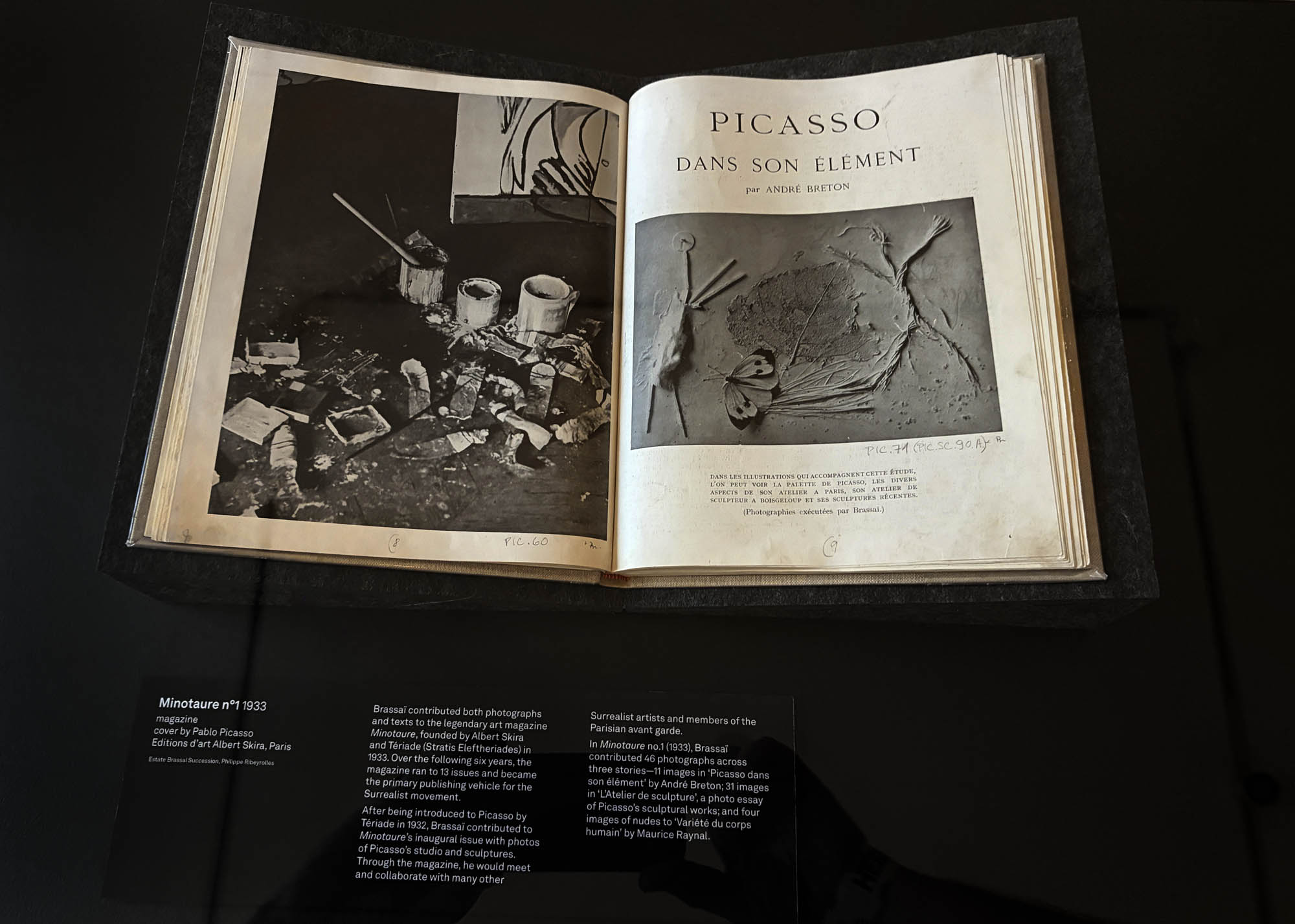
Installation view of the exhibition 'Brassaï: Secret Paris' at Heide Museum of Modern Art, Melbourne, July - November, 2026 showing in a vitrine 'Minotaure' no.1


Minotaure no.1 (installation view)
1933
Magazine
Cover by Pablo Picasso
Editions d’art Albert Skira, Paris
Photos: Marcus Bunyan


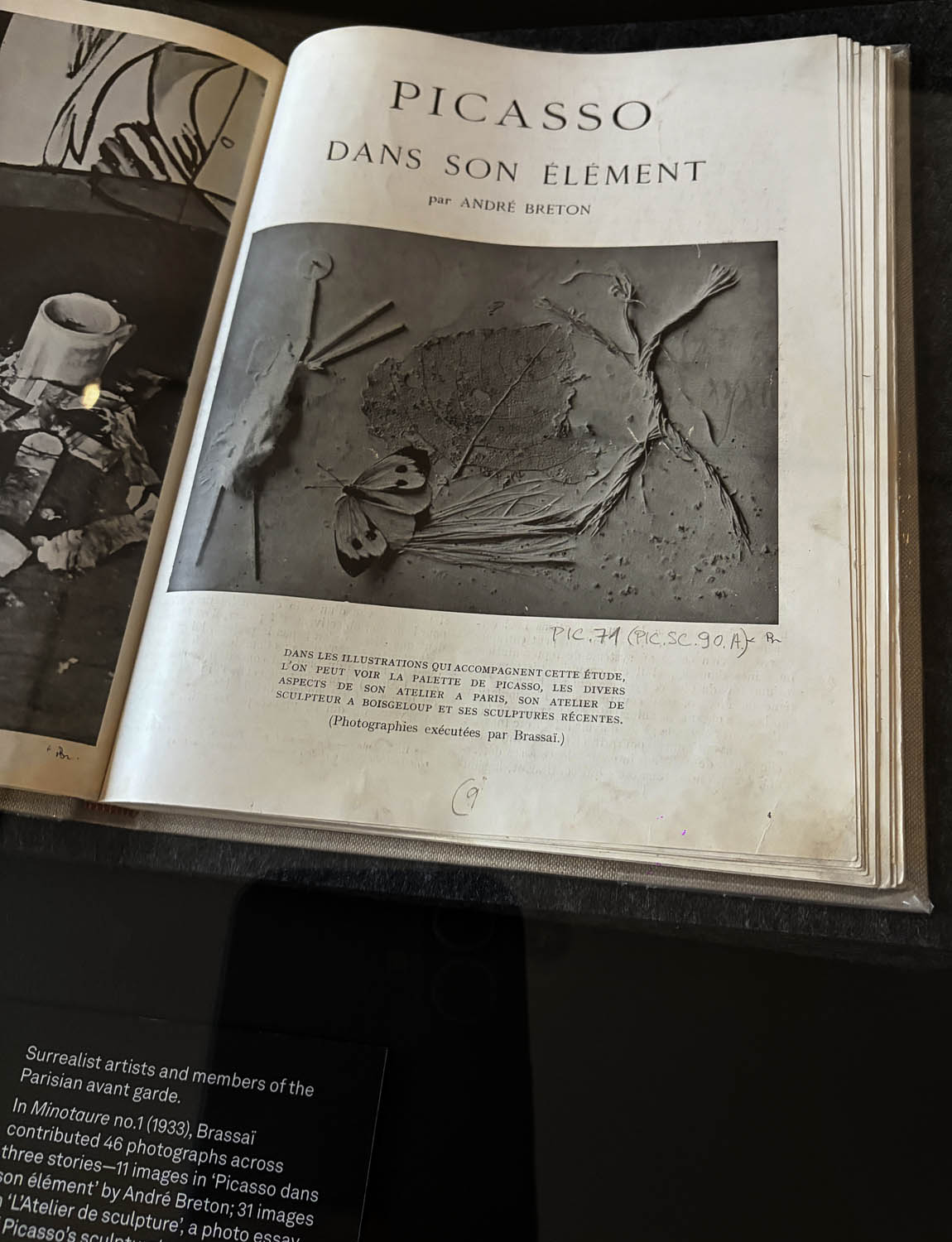
Brassaï contributed both photographs and texts to the legendary art magazine Minotaure, founded by Albert Skira and Tériade (Stratis Eleftheriades) in 1933. Over the following six years, the magazine ran to 13 issues and became the primary publishing vehicle for the Surrealist movement.

After being introduced to Picasso by Tériade in 1932, Brassaï contributed to Minotaure‘s inaugural issues with photos of Picasso’s studio and sculptures. Through the magazine, he would meet and collaborate with many other Surrealist artists and members of the Parisian avant-garde.

In Minotaure no.1 (1933), Brassaï contributed 46 photographs across three stories- 11 images in ‘Picasso dans son élément’ by André Breton; 31 images in ‘L’Atelier de sculpture’, a photo essay of Picasso’s sculptural works; and four images of nudes to ‘Variété du corps human’ by Maurice Raynal.

Label text from the exhibition Brassaï: Secret Paris at Heide Museum of Modern Art, Melbourne, July – November, 2026


Gallery five

Installation view of the exhibition 'Brassaï: Secret Paris' at Heide Museum of Modern Art, Melbourne, July - November, 2026 showing gallery five


Installation views of the exhibition Brassaï: Secret Paris at Heide Museum of Modern Art, Melbourne, July – November, 2026 showing gallery five
Photos: Marcus Bunyan


Heide Museum of Modern Art
7, Templestowe Road
Bulleen, Victoria 3105

Opening hours:
(Heide II and Heide III)
Tuesday – Sunday 10.00am – 5.00pm

Heide Museum of Modern Art website

LIKE ART BLART ON FACEBOOK

Back to top